THE HIGHLANDS GUEST CARE CENTER

9009 FOREST LN, DALLAS, TX 75243 (972) 783-1771
For profit - Limited Liability company 116 Beds Independent Data: November 2025 4 Immediate Jeopardy citations
Trust Grade
0/100
#853 of 1168 in TX
Last Inspection: October 2024

Within standard 12-15 month inspection cycle. Federal law requires annual inspections.

Overview

The Highlands Guest Care Center has received a Trust Grade of F, indicating significant concerns about the quality of care provided. This places the facility at #853 out of 1168 nursing homes in Texas, meaning it is in the bottom half of all facilities in the state, and #55 out of 83 in Dallas County, suggesting limited better options nearby. Unfortunately, the facility's trend is worsening, with the number of reported issues increasing from 4 in 2024 to 7 in 2025. Staffing is a concern, receiving a poor rating of 1 out of 5 stars, but it has a low turnover rate of 0%, meaning staff do stay, though they may not be adequately trained. Compounding the problems, the facility has been fined $53,825, which is average in context, but still raises red flags about compliance. There is better RN coverage than 83% of Texas facilities, which could help catch issues that might be overlooked. Specific incidents reported include a resident suffering two fractures due to improper transfers by staff who did not follow care protocols, and delays in pain management after the resident's injury. While the center has some strengths, such as RN coverage, the weaknesses significantly overshadow them, raising concerns about the overall quality of care.

Trust Score
F
0/100
In Texas
#853/1168
Bottom 27%
Safety Record
High Risk
Review needed
Inspections
Getting Worse
4 → 7 violations
Staff Stability
○ Average
Turnover data not reported for this facility.
Penalties
✓ Good
$53,825 in fines. Lower than most Texas facilities. Relatively clean record.
Skilled Nurses
○ Average
Each resident gets 31 minutes of Registered Nurse (RN) attention daily — about average for Texas. RNs are the most trained staff who monitor for health changes.
Violations
⚠ Watch
26 deficiencies on record. Higher than average. Multiple issues found across inspections.
★★☆☆☆
2.0
Overall Rating
★☆☆☆☆
1.0
Staff Levels
★★★★★
5.0
Care Quality
★☆☆☆☆
1.0
Inspection Score
Stable
2024: 4 issues
2025: 7 issues

The Good

  • 5-Star Quality Measures · Strong clinical quality outcomes
  • Full Sprinkler Coverage · Fire safety systems throughout facility
  • No fines on record

Facility shows strength in quality measures, fire safety.

The Bad

2-Star Overall Rating

Below Texas average (2.8)

Below average - review inspection findings carefully

Federal Fines: $53,825

Above median ($33,413)

Moderate penalties - review what triggered them

The Ugly 26 deficiencies on record

4 life-threatening
Apr 2025 5 deficiencies 4 IJ (4 affecting multiple)
CRITICAL (K) 📢 Someone Reported This

A family member, employee, or ombudsman was alarmed enough to file a formal complaint

Immediate Jeopardy (IJ) - the most serious Medicare violation

Free from Abuse/Neglect (Tag F0600)

Someone could have died · This affected multiple residents

**NOTE- TERMS IN BRACKETS HAVE BEEN EDITED TO PROTECT CONFIDENTIALITY** Based on interviews,observation and record reviews, the facility failed to ensure resident has the right to be free from neglect...

Read full inspector narrative →
**NOTE- TERMS IN BRACKETS HAVE BEEN EDITED TO PROTECT CONFIDENTIALITY** Based on interviews,observation and record reviews, the facility failed to ensure resident has the right to be free from neglect for one (Resident #1) of eight residents reviewed for abuse neglect. On 2/21/2025, CNA A transferred Resident #1 without a gait belt from the shower chair to the bed. As a result, Resident #1 suffered a fracture to the left distal diaphysis of the tibia (lower area of the shin bone). Oversight and monitoring of direct care staff (nurse aides), was not addressed. CNA A transferred Resident #1 inappropriately on 2/21/25 causing a left lower extremity fracture, was not retrained and or monitored, and then CNA A transferred Resident #1 inappropriately on 04/07/25 causing a right lower extremity fracture. CNA A was aware Resident #1 required two staff to transfer but transfered the resident alone. This failure resulted in an Immediate Jeopardy situation on 04/10/2025. While the IJ was removed on 4/14/25, the facility remained out of compliance at a severity level of no actual harm with potential for more than minimal harm due to staff needing more time to monitor the effectiveness for the plan of removal for accidents and hazards. These failures could place residents at risk of serious harm, pain, and serious injury. Findings included: 1. Record review of Resident #1's Quarterly MDS assessment dated [DATE] revealed Resident #1 was a [AGE] year-old female admitted to the facility on [DATE]. Section C of the MDS assessment revealed a BIMs score of 15 (indicated no cognitive impairment). Section GG of the assessment revealed Resident #1 was dependent on staff to provide all the effort when toileting, showering, and when changing positions from sitting to standing. Section I of the MDS indicated Resident #1 had diagnoses of a left tibia (shin bone) fracture, multiple sclerosis (a disease that affects the nervous system and causes muscle weakness), and lack of coordination. Record review of Resident #1's care plan with a revision date of 4/08/2025 revealed Resident #1 sustained a fracture to the lower left extremity (left leg) on 2/26/2025 and sustained an additional fracture to the right lower extremity (right leg) on 4/07/2025. Resident #1's care plan was updated on 4/08/2025 and indicated a mechanical lift should be used for transfers. No transfer information prior to 4/08/2025 was found on the care plan. Record review of Resident #1's progress note dated 2/21/2025 at 10:51 a.m. by RN B revealed Resident #1 had stated she bumped her knee against the shower chair, and an order was received for an x-ray. Record review of Resident #1's incident report dated 2/21/2025 completed by RN B revealed CNA A notified RN B that Resident #1 hit her knee against the shower chair during a transfer in the shower room. Record review of Resident #1's x-ray dated 2/21/2025 revealed Resident #1 had a fracture to the left distal diaphysis of the tibia (lower area of the shin bone). Record review of Resident #1's hospital orthopedic progress note dated 2/28/2025 revealed pain had improved and was better controlled since the splint (a medical device designed to immobilize the leg) was applied to the left leg while in the hospital. 2. Record review of Resident #1's progress note dated 4/07/2025 at 1:07 p.m. by RN B revealed Resident #1 had reported that she hit her right foot against the shower chair when transferred from the shower chair to the bed and an x-ray had been ordered. Record review of Resident #1's incident report dated 4/07/2025 completed by RN B revealed Resident #1 reported right foot pain and had reported she hit her right foot against the shower chair when being transferred from the shower chair to the bed. Record review of Resident #1's x-ray dated 4/07/2025 revealed an oblique fracture (a bone break that occurs at an angle to the bone's long axis) to the right distal diaphysis of the tibia (lower area of the shin bone) that was reported to the facility on 4/07/2025 at 11:17 p.m. Record review of Resident #1's progress note dated 4/08/2025 at 10:18 a.m. by RN B revealed an order was received from NP JJ to send Resident #1 to the hospital. Record review of Resident #1's progress note dated 4/08/2025 at 10:36 a.m. by RN B revealed Resident #1 was transported to the hospital via ambulance. Record review of Resident #1's hospital history and physical dated 4/08/2025 revealed Resident #1 was being seen for right lower extremity pain. Resident #1 reported she was being moved to transfer from her wheelchair and got her leg stuck and twisted. The hospital notes also revealed an oblique fracture through the distal tibial shaft (a bone break that occurs at an angle to the lower area of the shin bone). In an interview and observation on 4/09/2025 at 11:04 a.m., Resident #1 reported that both of her legs had been broken. Resident #1 stated that her left leg had been broken over a month ago when CNA A transferred her from the shower chair to the bed. Resident #1 reported that her right leg had been broken a few days ago when she was transferred again by CNA A from the shower chair to the bed. Resident #1 stated that both times her foot had gotten caught between the shower chair and the bed. Resident #1 reported that she was not sent to the hospital immediately after fracturing the first leg and did not remember how long it took before she was sent to the hospital. Resident #1 stated she was in pain after both fractures until she was sent to the hospital because the facility was not able to administer strong enough pain medications. Resident #1 stated they did not send her to the hospital until the next day after the second fracture. Resident #1 reported when she fractured her right leg a few days ago that she had felt it pop in the right leg when CNA A transferred her from the shower chair to the bed. Resident #1 reported her right leg got caught behind the shower chair, and CNA A transferred her from the shower chair to the bed by herself. Resident #1 reported the facility sent her to the emergency room the next day after breakfast. Resident #1 stated she was in pain before they sent her to the hospital, and they gave her pain medication. Resident #1 reported the pain medication did not work, and she was still in pain. Resident #1 stated before her legs were fractured that she only got out of bed for therapy and showers but was unable to do therapy since the injuries occurred. Resident #1 lifted her blanket and revealed both of her legs were wrapped with soft gauze and ACE wrap. The right leg appeared bigger than the left. Resident #1 reported her pain was currently well managed. In an interview on 4/09/2025 at 12:42 p.m., CNA A reported she was transferring Resident #1 from the shower chair to the bed on 2/21/2025. CNA A stated Resident #1's left leg did not pivot with the resident when transferring her, and her foot stayed stuck to the floor in the same position. CNA A reported the leg twisted when she transferred Resident #1, and Resident #1 reported that she heard her leg pop. CNA A stated Resident #1's left leg also bumped the bed during the transfer. CNA A stated she did not use a gait belt and was by herself during the transfer. CNA A reported no training was completed before or after this incident, and she had been working at the facility for around six months. CNA A reported when she transferred Resident #1 on 4/07/2025 that she had CNA C with her, but stated CNA C did not know what she was doing. CNA A reported CNA C leaned Resident #1 forward in the shower chair, and Resident #1 bumped her right leg on the shower chair. CNA A reported Resident #1 complained of pain to her right leg, but CNA A transferred Resident #1 to the bed anyway because the shower chair was hurting her. CNA A reported CNA C did not know to get on the other side of Resident #1 to help with the transfer, so CNA A did the transfer by herself. CNA A reported that Resident #1 complained of pain when she was transferred to the bed, and CNA A notified RN B. CNA A reported a gait belt was not used for the second transfer because Resident #1 did not like gait belts. In an interview on 4/09/2025 at 12:59 p.m., RN B stated that Resident #1 complained of pain to her left leg on 2/21/2025. RN B stated Resident #1 had told him that her left leg got caught in the shower chair, and Resident #1 reported she heard it pop. RN B stated x-rays were ordered, and Resident #1 did have a fracture. RN B stated the fracture to the right leg occurred when CNA A transferred Resident #1 back to bed from the shower chair. RN B stated Resident #1 told him she bumped her leg on the shower chair, and RN B was unsure if CNA A was by herself during the transfer. RN B stated x-rays were ordered which revealed a fracture to the right leg. RN B reported he had not received any training over transfers since either incident. In an interview on 4/09/2025 at 1:35 p.m., CNA C reported she did not assist CNA A when Resident #1 was transferred. CNA C stated she was in training and did not work with CNA A on 4/07/2025. CNA C reported she was not in the room when Resident #1 was transferred, and she was working a different hall. In an interview and observation on 4/09/2025 at 2:02 p.m., the DON stated Resident #1 told her she hit her foot when she was transferred on 2/21/2025 from the shower chair to the bed. The DON stated she thought Resident #1 was a two-person transfer prior to this incident. The DON confirmed by looking at her computer that Resident #1's care plan did not contain any information regarding transfers until 4/08/2025. The DON reported that the CNAs would know how to transfer residents because they were orientated to their hall and received report from each other. The DON stated she did not know if CNA A was by herself after the first incident. The DON stated they were still investigating the incident that occurred on 4/07/2025, and she was not sure of what happened yet. The DON stated that CNA A told her there was another CNA assisting with the transfer, but the DON was not sure who the other CNA was. The DON stated CNA A knew she was not supposed to transfer Resident #1 by herself. The DON confirmed Resident #1 sustained a fracture to her right leg after being transferred from the shower chair to the bed on 4/07/2025. In an interview on 4/09/2025 at 2:54 p.m., Resident #1 confirmed that CNA A was alone when she was transferred from the shower chair to the bed both times. Resident #1 reported no one had offered to use a gait belt, but that was a good idea. In an interview and observation on 4/10/2025 at 1:54 p.m., ADON D reported a mechanical lift should have been used to transfer Resident #1 prior to the first incident on 2/21/2025. ADON D stated there was a list of residents that required a mechanical lift for transfers that was located in the CNA assignment book at the nurse's station. ADON D then obtained the assignment book and revealed a list of residents that required the use of a mechanical lift. ADON D confirmed Resident #1 was the last name on the list, but the list was not dated. Record review of facility in-service regarding Turning and positioning, dated 3/15/2025 revealed all nursing staff had signed indicating education was completed by all nurses and CNAs. CNA A signature not found. Record review of facility in-service regarding Positioning resident with a fracture, dated 02/27/2025 revealed all nursing staff had signed indicating education was completed by all nurses and CNAs. CNA A signature not found. A record review of the facility's policy titled Accidents and Incidents - Investigating and Reporting, dated 2001, revealed All accidents or incidents involving residents, employees, visitors, vendors, etc., occurring on our premises shall be investigated and reported to the administrator . Incident/Accident reports will be reviewed by the safety committee for trends related to accident or safety hazards in the facility and to analyze any individual resident vulnerabilities. A record review of the facility's policy titled Lifting Machine Policy and Procedure, dated 11/01/2016, revealed Review the resident's care plan to assess for any special needs of the resident . Two (2) clinical person who have been trained to use this lifting device are required to perform this procedure. A record review of the facility's policy titled Abuse, Neglect and Exploitation, revised on 7/01/2020, revealed neglect means failure of the facility, its employees, or service providers to provide goods and services to a resident that are necessary to avoid physical harm, pain, mental anguish, or emotional distress. Record review of Resident #2's Annual MDS assessment dated [DATE] revealed Resident #2 was a [AGE] year-old female admitted to the facility on [DATE]. Section C of the MDS assessment revealed a BIMs score of 12 (indicated mildly impaired cognition). Section I of the MDS revealed Resident #2 had diagnoses of muscle weakness, severe morbid obesity (overweight), and anxiety disorder. Record review of Resident #2's care plan with a revision date of 3/31/2025 revealed Resident #2 indicated she was a fall risk and had poor safety awareness. In an observation on 4/11/2025 at 12:02 p.m., CNA FF and CNA GG were preparing to transfer Resident #2 from the bed to the wheelchair using a mechanical lift. The top of the sling was placed under the shoulders of Resident #2. The bed was not locked. The wheelchair was not locked. CNA FF positioned the lift over Resident #2. CNA FF placed two blue sling loops on two of the mechanical lift hooks. CNA GG placed two green sling loops on two of the mechanical lift hooks. CNA FF began lifting the resident in the sling using the mechanical lift. Resident #2 was lying flat in the sling as she was lifted. CNA FF positioned Resident #2 over the wheelchair using the mechanical lift while CNA GG guided Resident #2 in the sling. CNA GG attempted to position Resident #2 over the wheelchair, but Resident #2 remained in a laying position. The surveyor requested the CNAs stop the transfer and called for assistance. CNA EE entered the room and assisted CNA GG in positioning Resident #2 in more of a sitting position over the wheelchair. Resident #2 was lowered into the wheelchair without injury. In an interview on 4/11/2025 at 12:44 p.m., CNA FF reported they had trouble transferring Resident #2 using the mechanical lift because the sling was too small. CNA FF reported they had additional slings but was unsure if they had the right size for Resident #2. CNA FF was unable to continue with the interview because she had to feed a resident. In an observation and interview on 4/11/2025 at 1:42 p.m., CNA EE and CNA FF were in Resident #2's room, and CNA FF stated they were going to transfer Resident #2 with the mechanical lift from the wheelchair to the bed. CNA FF reported the sling under Resident #2 was too small, and they would look for a new sling after transferring Resident #2. The surveyor requested the CNAs not to transfer the resident. The surveyor notified the ADM, and the ADM told the CNAs not to transfer Resident #2. The ADM brought the DOR to the room. The DOR checked the sling and reported it was the appropriate size because two inches of the sling was visible on each side of Resident #2. The DOR reported he would assist CNA FF with transferring Resident #2 from the wheelchair to the bed using the mechanical lift. CNA FF positioned the mechanical lift over Resident #2. The DOR connected the sling loops to the mechanical lift in the following order: left upper hook had a green sling loop, right upper hook had a black loop, the right lower hook had a green loop, the lower left hook had 3 loops (green, purple, and black). The wheelchair was not locked, and the bed was not locked. CNA FF lifted Resident #2 in the sling using the mechanical lift. Resident #2 was lying flat in the sling as she was lifted. CNA FF positioned Resident #2 in the sling over the bed and lowered the resident to the bed. CNA FF and the DOR pulled the resident up in the bed. The bed was not locked and moved as they repositioned Resident #2. The DOR reported that the colored loops do not have to match when using the lift. The DOR reported the most important thing is that the resident is comfortable. Review of the mechanical lift sling's owner manual, with a print date of December 2023, revealed The top edge of the sling should be slightly above the resident's head . Place the straps of the sling over hooks of the swivel bar or cradle and be sure to match the corresponding strap and/or strap colors on each side of the sling for an even lift of the resident . Colored straps make it easy to connect both side of the sling equally. Always ensure there is sufficient head support when lifting a resident . WARNING: Wheelchair wheel locks MUST be in a locked position before lowering the resident into the wheelchair for transport . When the resident is lifted from the surface, they will be raised to a sitting position. In an interview on 4/11/2025 at 3:12 p.m., the ADM was notified of concerns regarding transfer observations. The ADM reported PT HH was coming to the facility to provide individual training to the DON and ADONs. The ADM reported all staff would be retrained on safe transfers and complete a competency test after completing the training. In an interview on 4/11/2025 at 4:32 p.m., PT HH reported that the ADM had tasked her with training the DON and ADONs concerning safe transfers with mechanical lifts and transfers with a gait belt. PT HH stated that the DON and ADON performed a safe transfer using her as the patient. PT HH stated that she watched the DON and the ADON train two sets of CNAs. PT HH stated that the CNA's then performed safe transfers using her as the patient for each team of CNAs. PT HH stated they performed the transfers safely and stated that until further notice CNAs were to be observed by a nurse every time that they perform a mechanical lift transfer. The ADM, the DON, ADON D, ADON E, and the MDS Nurse were provided the IJ template on 4/10/2025 at 3:13 p.m. and notified that an Immediate Jeopardy situation had been identified due to the above failures. The plan of removal was approved on 4/12/2025 at 3:19 p.m. and reflected: Problem: Failure of safety during transfer for resident # 1. Interventions: On 4/10/2025 the center will in-service nursing staff on where to find the resident's care plan to determine how to care for the resident. This care plain is found on the electronic screen system on each hall and general area. The resident transfer section on the care plan will tell the Nursing tea member how the resident is to be transferred. On 4/10/2025 the center will educate nursing team members on the process of transferring residents by using their proper body mechanics or using a transfer device for the safety of both residents and staff. On 4/10/2025 the center will complete a skills check-off tool on the nursing team members so they can demonstrate the process of transferring residents by using their proper body mechanics or using a transfer device for the safety of both resident and staff. The following in services were immediately initiated by . Chief Nursing Officer on 4/10/2025. Any nurse not present or in-serviced by 4/12/2025 by 12pm, will not be allowed to assume their duties until in-serviced. ADM . will ensure these team members are removed from the time clock and PCC access removed, this will be monitored until 100% complete or the team members are terminated. On going in-service will be completed by . the DON; ADON D and ADON E until all staff, Weekend, and PRN are completed by 4/12/2025 at 12:00pm. Systemic Change 4/11/2025: On 4/11/2025 it was found that identified CNAs were not following the education and Skills check-off they had completed before they started their shift. . (IDT Team - I) decided to bring in a Licensed Physical Therapist to educate, complete a skills check-off list, and post-test on transferring a resident. On 4/12/2025 PT educated, completed a skills check-off list, and post-test on transferring a resident with body techniques and mechanical devices with .DON; ADON D and ADON E. After they completed and passed their education, PT observed DON; ADONs educate, complete a skills check-off list, and post-test on transferring a resident with body techniques and mechanical devices with 3 CNAs. Moving forward only DON; ADONs, and PT will be able to in-service, complete a skills check-off list, and post-test on transferring a resident with body techniques and mechanical devices. Moving forward a resident can only be transferred using a Hoyer lift with a licensed nurse present. This practice will continue until the (IDT Team - I) decides the CNAs are able to complete this transfer without supervision. The following in services were immediately initiated by Chief Nursing Officer on 4/10/2025. Any nurse not present or in-serviced by 4/12/2025 by 12pm, will not be allowed to assume their duties until in-serviced. ADM and HR will ensure these team members are removed from the time clock and PCC access removed, this will be monitor until 100% complete or the team members are terminated. On going in-service will be completed by DON and ADONs until all staff, Weekend, and PRN are completed by 4/12/2025 at 12:00pm. The following in-services were initiated by Chief Nursing Officer on 4/10/2025: Nursing Department (CNAs): - In-service nursing staff on where to find the resident's care plan to determine how to care for the resident. (See in-service 600-1) - Educate nursing team members on the process of transferring residents by using their proper body mechanics or using a transfer device for the safety of both residents and staff. (See in-service 600-2) (See Check-off list 600-2) (See Post-test 600-2). The medical director was notified of the immediate jeopardy situation on 4/10/2025 by the DON. The Ombudsmen was notified of this Immediate Jeopardy situation on 4/10/2025 by the Administrator. Monitoring as of 4/11/2025: The DON and ADONs will monitor resident transfers by CNA every shift for 7 days. Administrator will monitor this process daily for the next 7 days. The DON and ADONs will test nursing staff on where to find the resident's care plan every shift for 7 days. The ADM will monitor this process daily for the next 7 days. QAPI: 1. Ad Hoc QA meeting held on 4/10/2025 to discuss causes, in-services and review interventions. 2. Any negative findings in the monitoring and/or auditing system will be reviewed and addressed by the QAPI committee for a potential systemic change. Monitoring of the plan of removal included: In an interview on 4/14/2025 at 1:48 p.m., ADON D reported CNA A had come into the facility and completed training and then was placed on suspension. ADON D stated she was not sure if CNA A would be returning to work after the investigation. ADON D reported RN B was out of the country on vacation but would receive training before returning to work on the floor. ADON D reported that she received training from PT HH. In an interview on 4/14/2025 at 4:13 p.m., the DON reported the ADONs and herself received individual training from PT HH and trained every CNA and nurse themselves. The DON reported that a nurse would be required to be in the room with two CNAs every time a mechanical lift was used, indefinitely. The DON reported that herself and the ADONs would continue to monitor transfers on every shift for the next seven days. The DON reported that herself and the ADONs would also continue to monitor the CNAs and ensure they were able to access care plans for the next seven days. Interviews were conducted with 27 employees from 4/12/2025 starting at 3:55 p.m. and continued through 4/14/2025 at 4:13 p.m. All employees interviewed were able to verify how to access the residents' care plans and identify patients that required a mechanical lift, how to properly transfer residents, and reported they had received hands on training on how to transfer a resident using a mechanical lift, a sit-to-stand lift, and a gait belt. All interviewed staff reported they had received in-services concerning safe transfers, accessing resident care plans, and completed training hands-on transfer training by the DON or ADONs. Interviewed staff members and shifts included: ADON D - worked all shifts ADON E - worked all shifts RN F - worked 2:00 p.m. to 10:00 p.m. RN G - worked all shifts RN H - worked weekend shift 6:00 a.m. to 10:00 p.m. LVN I - worked 6:00 a.m. to 2:00 p.m. LVN J - worked all shifts LVN K - worked 10:00 p.m. to 6:00 a.m. LVN L - worked weekend shift 6:00 a.m. to 10:00 p.m. LVN M- worked 2:00 p.m. to 10:00 p.m. LVN N- worked 2:00 p.m. to 10:00 p.m. LVN O- worked 6:00 a.m. to 2:00 p.m. CNA P - worked 2:00 p.m. to 10:00 p.m. CNA Q - worked 2:00 p.m. to 10:00 p.m. CNA R - worked 6:00 a.m. to 2:00 p.m. CNA S - worked 2:00 p.m. to 10:00 p.m. CNA T - worked 2:00 p.m. to 10:00 p.m. CNA U - worked 10:00 p.m. to 6:00 a.m. CNA V - worked 6:00 a.m. to 2:00 p.m. CNA W - worked 2:00 p.m. to 10:00 p.m. CNA X - worked 2:00 p.m. to 10:00 p.m. CNA Y - worked 10:00 p.m. to 6:00 a.m. CNA Z - worked all shifts CNA AA - worked 2:00 p.m. to 10:00 p.m. CNA BB - worked 10:00 p.m. to 6:00 a.m. LVN CC - worked 8:00 a.m. to 5:00 p.m. CNA DD - worked 6:00 a.m. to 2:00 p.m. Record review of facility in-service titled Where to find a resident's care plan, dated 4/10/2025 revealed all nursing staff had signed indicating education was completed by all nurses and CNAs. CNA A signature not found. Record review of facility in-service titled Abuse and Neglect, dated 4/10/2025 revealed all nursing staff had signed indicating education was completed by all nurses and CNAs. CNA A signature not found. Record review of facility in-service titled Safety with Hoyer Lift and Transfers with Gait Belt, Check-Off, Post Test dated 4/11/2025 revealed all nursing staff had signed indicating education was completed by all nurses and CNAs. CNA A completed training and the post-test on 4/12/2025. In an observation on 4/13/2025 at 8:20 p.m., CNA T and CNA S transferred a resident from a wheelchair to the bed using a mechanical lift. RN G was present and assisted during the transfer. Proper techniques and safety precautions were observed. In an observation on 4/14/2025 at 11:43 a.m., CNA V transferred a resident from the bed to a wheelchair using a gait belt. Proper techniques and safety precautions were observed. In an observation on 4/14/2025 at 1:55 p.m., CNA DD transferred a resident from the bed to the wheelchair using a gait belt. Proper technique and safety precautions were observed. Review of Punch detail report for CNA A dated 04/30/25 for dates 04/06/25 to 04/30/25 reflected the CNA A last full day of work was on 04/08/25 and the CNA A came to the facility for inservice training 04/13/25. CNA A did not return to work at the facility for the remainder of the month. On 04/30/25 at 2:43 PM the facility Administrator provided the following clarification via email: . The facility will ensure that all mechanical transfer train-the-trainer sessions, center random skill checks, and instances where transfering is found to be done incorrectly, will be supervised, monitored, and approved by a licensed physical therapist due to their extensive knowledge of body mechanics and emphasis on safety for both staff and residents during transfers. On 04/14/2025 CNA A, was terminated for failure to follow company policies and procedures while providing resident care The ADM was informed the Immediate Jeopardy was removed on 4/14/2025 at 5:15 p.m. The facility remained out of compliance at a severity level of that was not Immediate Jeopardy and a scope of pattern, due to staff needing more time to monitor the effectiveness of the plan of removal for accidents and hazards.
CRITICAL (K) 📢 Someone Reported This

A family member, employee, or ombudsman was alarmed enough to file a formal complaint

Immediate Jeopardy (IJ) - the most serious Medicare violation

Accident Prevention (Tag F0689)

Someone could have died · This affected multiple residents

**NOTE- TERMS IN BRACKETS HAVE BEEN EDITED TO PROTECT CONFIDENTIALITY** Based on observations, interviews, and record reviews the facility failed to ensure that residents received adequate supervision...

Read full inspector narrative →
**NOTE- TERMS IN BRACKETS HAVE BEEN EDITED TO PROTECT CONFIDENTIALITY** Based on observations, interviews, and record reviews the facility failed to ensure that residents received adequate supervision and assistance devices to prevent accidents for one (Resident #1) of nine residents reviewed for accidents and supervision. On 2/21/2025, CNA A transferred Resident #1 without a gait belt from the shower chair to the bed. As a result, Resident #1 suffered a fracture to the left distal diaphysis of the tibia (lower area of the shin bone). Oversight and monitoring of direct care staff (nurse aides), was not addressed. CNA A transferred Resident #1 inappropriately on 2/21/25 causing a left lower extremity fracture, was not retrained and or monitored, and then CNA A transferred Resident #1 inappropriately on 04/07/25 causing a right lower extremity fracture. This failure resulted in an Immediate Jeopardy situation on 4/10/2025. While the IJ was removed on 4/14/25, the facility remained out of compliance at a severity level of no actual harm with potential for more than minimal harm due to staff needing more time to monitor the effectiveness for the plan of removal for accidents and hazards. These failures could place residents at risk of serious harm, pain, and serious injury. Findings included: Record review of Resident #1's Quarterly MDS assessment dated [DATE] revealed Resident #1 was a [AGE] year-old female admitted to the facility on [DATE]. Section C of the MDS assessment revealed a BIMs score of 15 (indicated no cognitive impairment). Section GG of the assessment revealed Resident #1 was dependent on staff to provide all the effort when toileting, showering, and when changing positions from sitting to standing. Section I of the MDS indicated Resident #1 had diagnoses of a left tibia (shin bone) fracture, multiple sclerosis (a disease that affects the nervous system and causes muscle weakness), and lack of coordination. Record review of Resident #1's care plan with a revision date of 4/08/2025 revealed Resident #1 sustained a fracture to the lower left extremity (left leg) on 2/26/2025 and sustained an additional fracture to the right lower extremity (right leg) on 4/07/2025. Resident #1's care plan was updated on 4/08/2025 and indicated a mechanical lift should be used for transfers. No transfer information prior to 4/08/2025 was found on the care plan. 1. Record review of Resident #1's progress note dated 2/21/2025 at 10:51 a.m. by RN B revealed Resident #1 had stated she bumped her knee against the shower chair, and an order was received for an x-ray. Record review of Resident #1's incident report dated 2/21/2025 completed by RN B revealed CNA A notified RN B that Resident #1 hit her knee against the shower chair during a transfer in the shower room. Record review of Resident #1's x-ray dated 2/21/2025 revealed Resident #1 had a fracture to the left distal diaphysis of the tibia (lower area of the shin bone). Record review of Resident #1's hospital orthopedic progress note dated 2/28/2025 revealed pain had improved and was better controlled since the splint (a medical device designed to immobilize the leg) was applied to the left leg while in the hospital. 2. Record review of Resident #1's progress note dated 4/07/2025 at 1:07 p.m. by RN B revealed Resident #1 had reported that she hit her right foot against the shower chair when transferred from the shower chair to the bed and an x-ray had been ordered. Record review of Resident #1's incident report dated 4/07/2025 completed by RN B revealed Resident #1 reported right foot pain and had reported she hit her right foot against the shower chair when being transferred from the shower chair to the bed. Record review of Resident #1's x-ray dated 4/07/2025 revealed an oblique fracture (a bone break that occurs at an angle to the bone's long axis) to the right distal diaphysis of the tibia (lower area of the shin bone) that was reported to the facility on 4/07/2025 at 11:17 p.m. Record review of Resident #1's progress note dated 4/08/2025 at 10:18 a.m. by RN B revealed an order was received from NP JJ to send Resident #1 to the hospital. Record review of Resident #1's progress note dated 4/08/2025 at 10:36 a.m. by RN B revealed Resident #1 was transported to the hospital via ambulance. Record review of Resident #1's hospital history and physical dated 4/08/2025 revealed Resident #1 was being seen for right lower extremity pain. Resident #1 reported she was being moved to transfer from her wheelchair and got her leg stuck and twisted. The hospital notes also revealed an oblique fracture through the distal tibial shaft (a bone break that occurs at an angle to the lower area of the shin bone). In an interview and observation on 4/09/2025 at 11:04 a.m., Resident #1 reported that both of her legs had been broken. Resident #1 stated that her left leg had been broken over a month ago when CNA A transferred her from the shower chair to the bed. Resident #1 reported that her right leg had been broken a few days ago when she was transferred again by CNA A from the shower chair to the bed. Resident #1 stated that both times her foot had gotten caught between the shower chair and the bed. Resident #1 reported that she was not sent to the hospital immediately after fracturing the first leg and did not remember how long it took before she was sent to the hospital. Resident #1 stated she was in pain after both fractures until she was sent to the hospital because the facility was not able to administer strong enough pain medications. Resident #1 stated they did not send her to the hospital until the next day after the second fracture. Resident #1 reported when she fractured her right leg a few days ago that she had felt it pop in the right leg when CNA A transferred her from the shower chair to the bed. Resident #1 reported her right leg got caught behind the shower chair, and CNA A transferred her from the shower chair to the bed by herself. Resident #1 reported the facility sent her to the emergency room the next day after breakfast. Resident #1 stated she was in pain before they sent her to the hospital, and they gave her pain medication. Resident #1 reported the pain medication did not work, and she was still in pain. Resident #1 stated before her legs were fractured that she only got out of bed for therapy and showers but was unable to do therapy since the injuries occurred. Resident #1 lifted her blanket and revealed both of her legs were wrapped with soft gauze and ACE wrap. The right leg appeared bigger than the left. Resident #1 reported her pain was currently well managed. In an interview on 4/09/2025 at 12:42 p.m., CNA A reported she was transferring Resident #1 from the shower chair to the bed on 2/21/2025. CNA A stated Resident #1's left leg did not pivot with the resident when transferring her, and her foot stayed stuck to the floor in the same position. CNA A reported the leg twisted when she transferred Resident #1, and Resident #1 reported that she heard her leg pop. CNA A stated Resident #1's left leg also bumped the bed during the transfer. CNA A stated she did not use a gait belt and was by herself during the transfer. CNA A reported no training was completed before or after this incident, and she had been working at the facility for around six months. CNA A reported when she transferred Resident #1 on 4/07/2025 that she had CNA C with her, but stated CNA C did not know what she was doing. CNA A reported CNA C leaned Resident #1 forward in the shower chair, and Resident #1 bumped her right leg on the shower chair. CNA A reported Resident #1 complained of pain to her right leg, but CNA A transferred Resident #1 to the bed anyway because the shower chair was hurting her. CNA A reported CNA C did not know to get on the other side of Resident #1 to help with the transfer, so CNA A did the transfer by herself. CNA A reported that Resident #1 complained of pain when she was transferred to the bed, and CNA A notified RN B. CNA A reported a gait belt was not used for the second transfer because Resident #1 did not like gait belts. In an interview on 4/09/2025 at 12:59 p.m., RN B stated that Resident #1 complained of pain to her left leg on 2/21/2025. RN B stated Resident #1 had told him that her left leg got caught in the shower chair, and Resident #1 reported she heard it pop. RN B stated x-rays were ordered, and Resident #1 did have a fracture. RN B stated the fracture to the right leg occurred when CNA A transferred Resident #1 back to bed from the shower chair. RN B stated Resident #1 told him she bumped her leg on the shower chair, and RN B was unsure if CNA A was by herself during the transfer. RN B stated x-rays were ordered which revealed a fracture to the right leg. RN B reported he had not received any training over transfers since either incident. In an interview on 4/09/2025 at 1:35 p.m., CNA C reported she did not assist CNA A when Resident #1 was transferred. CNA C stated she was in training and did not work with CNA A on 4/07/2025. CNA C reported she was not in the room when Resident #1 was transferred, and she was working a different hall. In an interview and observation on 4/09/2025 at 2:02 p.m., the DON stated Resident #1 told her she hit her foot when she was transferred on 2/21/2025 from the shower chair to the bed. The DON stated she thought Resident #1 was a two-person transfer prior to this incident. The DON confirmed by looking at her computer that Resident #1's care plan did not contain any information regarding transfers until 4/08/2025. The DON reported that the CNAs would know how to transfer residents because they were orientated to their hall and received report from each other. The DON stated she did not know if CNA A was by herself after the first incident. The DON stated they were still investigating the incident that occurred on 4/07/2025, and she was not sure of what happened yet. The DON stated that CNA A told her there was another CNA assisting with the transfer, but the DON was not sure who the other CNA was. The DON stated CNA A knew she was not supposed to transfer Resident #1 by herself. The DON confirmed Resident #1 sustained a fracture to her right leg after being transferred from the shower chair to the bed on 4/07/2025. In an interview on 4/09/2025 at 2:54 p.m., Resident #1 confirmed that CNA A was alone when she was transferred from the shower chair to the bed both times. Resident #1 reported no one had offered to use a gait belt, but that was a good idea. In an interview and observation on 4/10/2025 at 1:54 p.m., ADON D reported a mechanical lift should have been used to transfer Resident #1 prior to the first incident on 2/21/2025. ADON D stated there was a list of residents that required a mechanical lift for transfers that was located in the CNA assignment book at the nurse's station. ADON D then obtained the assignment book and revealed a list of residents that required the use of a mechanical lift. ADON D confirmed Resident #1 was the last name on the list, but the list was not dated. Record review of facility in-service regarding Turning and positioning, dated 3/15/2025 revealed all nursing staff had signed indicating education was completed by all nurses and CNAs. CNA A signature not found. Record review of facility in-service regarding Positioning resident with a fracture, dated 02/27/2025 revealed all nursing staff had signed indicating education was completed by all nurses and CNAs. CNA A signature not found. A record review of the facility's policy titled Accidents and Incidents - Investigating and Reporting, dated 2001, revealed All accidents or incidents involving residents, employees, visitors, vendors, etc., occurring on our premises shall be investigated and reported to the administrator . Incident/Accident reports will be reviewed by the safety committee for trends related to accident or safety hazards in the facility and to analyze any individual resident vulnerabilities. A record review of the facility's policy titled Lifting Machine Policy and Procedure, dated 11/01/2016, revealed Review the resident's care plan to assess for any special needs of the resident . Two (2) clinical person who have been trained to use this lifting device are required to perform this procedure. A record review of the facility's policy titled Abuse, Neglect and Exploitation, revised on 7/01/2020, revealed neglect means failure of the facility, its employees, or service providers to provide goods and services to a resident that are necessary to avoid physical harm, pain, mental anguish, or emotional distress. Record review of Resident #2's Annual MDS assessment dated [DATE] revealed Resident #2 was a [AGE] year-old female admitted to the facility on [DATE]. Section C of the MDS assessment revealed a BIMs score of 12 (indicated mildly impaired cognition). Section I of the MDS revealed Resident #2 had diagnoses of muscle weakness, severe morbid obesity (overweight), and anxiety disorder. Record review of Resident #2's care plan with a revision date of 3/31/2025 revealed Resident #2 indicated she was a fall risk and had poor safety awareness. In an observation on 4/11/2025 at 12:02 p.m., CNA FF and CNA GG were preparing to transfer Resident #2 from the bed to the wheelchair using a mechanical lift. The top of the sling was placed under the shoulders of Resident #2. The bed was not locked. The wheelchair was not locked. CNA FF positioned the lift over Resident #2. CNA FF placed two blue sling loops on two of the mechanical lift hooks. CNA GG placed two green sling loops on two of the mechanical lift hooks. CNA FF began lifting the resident in the sling using the mechanical lift. Resident #2 was lying flat in the sling as she was lifted. CNA FF positioned Resident #2 over the wheelchair using the mechanical lift while CNA GG guided Resident #2 in the sling. CNA GG attempted to position Resident #2 over the wheelchair, but Resident #2 remained in a laying position. The surveyor requested the CNAs stop the transfer and called for assistance. CNA EE entered the room and assisted CNA GG in positioning Resident #2 in more of a sitting position over the wheelchair. Resident #2 was lowered into the wheelchair without injury. In an interview on 4/11/2025 at 12:44 p.m., CNA FF reported they had trouble transferring Resident #2 using the mechanical lift because the sling was too small. CNA FF reported they had additional slings but was unsure if they had the right size for Resident #2. CNA FF was unable to continue with the interview because she had to feed a resident. In an observation and interview on 4/11/2025 at 1:42 p.m., CNA EE and CNA FF were in Resident #2's room, and CNA FF stated they were going to transfer Resident #2 with the mechanical lift from the wheelchair to the bed. CNA FF reported the sling under Resident #2 was too small, and they would look for a new sling after transferring Resident #2. The surveyor requested the CNAs not to transfer the resident. The surveyor notified the ADM, and the ADM told the CNAs not to transfer Resident #2. The ADM brought the DOR to the room. The DOR checked the sling and reported it was the appropriate size because two inches of the sling was visible on each side of Resident #2. The DOR reported he would assist CNA FF with transferring Resident #2 from the wheelchair to the bed using the mechanical lift. CNA FF positioned the mechanical lift over Resident #2. The DOR connected the sling loops to the mechanical lift in the following order: left upper hook had a green sling loop, right upper hook had a black loop, the right lower hook had a green loop, the lower left hook had 3 loops (green, purple, and black). The wheelchair was not locked, and the bed was not locked. CNA FF lifted Resident #2 in the sling using the mechanical lift. Resident #2 was lying flat in the sling as she was lifted. CNA FF positioned Resident #2 in the sling over the bed and lowered the resident to the bed. CNA FF and the DOR pulled the resident up in the bed. The bed was not locked and moved as they repositioned Resident #2. The DOR reported that the colored loops do not have to match when using the lift. The DOR reported the most important thing is that the resident is comfortable. Review of the mechanical lift sling's owner manual, with a print date of December 2023, revealed The top edge of the sling should be slightly above the resident's head . Place the straps of the sling over hooks of the swivel bar or cradle and be sure to match the corresponding strap and/or strap colors on each side of the sling for an even lift of the resident . Colored straps make it easy to connect both side of the sling equally. Always ensure there is sufficient head support when lifting a resident . WARNING: Wheelchair wheel locks MUST be in a locked position before lowering the resident into the wheelchair for transport . When the resident is lifted from the surface, they will be raised to a sitting position. In an interview on 4/11/2025 at 3:12 p.m., the ADM was notified of concerns regarding transfer observations. The ADM reported PT HH was coming to the facility to provide individual training to the DON and ADONs. The ADM reported all staff would be retrained on safe transfers and complete a competency test after completing the training. In an interview on 4/11/2025 at 4:32 p.m., PT HH reported that the ADM had tasked her with training the DON and ADONs concerning safe transfers with mechanical lifts and transfers with a gait belt. PT HH stated that the DON and ADON performed a safe transfer using her as the patient. PT HH stated that she watched the DON and the ADON train two sets of CNAs. PT HH stated that the CNA's then performed safe transfers using her as the patient for each team of CNAs. PT HH stated they performed the transfers safely and stated that until further notice CNAs were to be observed by a nurse every time that they perform a mechanical lift transfer. The ADM, the DON, ADON D, ADON E, and the MDS Nurse were provided the IJ template on 4/10/2025 at 3:13 p.m. and notified that an Immediate Jeopardy situation had been identified due to the above failures. The plan of removal was approved on 4/12/2025 at 3:19 p.m. and reflected: Problem: Failure of safety during transfer for resident # 1. Interventions: On 4/10/2025 the center will in-service nursing staff on where to find the resident's care plan to determine how to care for the resident. This care plain is found on the electronic screen system on each hall and general area. The resident transfer section on the care plan will tell the Nursing tea member how the resident is to be transferred. On 4/10/2025 the center will educate nursing team members on the process of transferring residents by using their proper body mechanics or using a transfer device for the safety of both residents and staff. On 4/10/2025 the center will complete a skills check-off tool on the nursing team members so they can demonstrate the process of transferring residents by using their proper body mechanics or using a transfer device for the safety of both resident and staff. The following in services were immediately initiated by . Chief Nursing Officer on 4/10/2025. Any nurse not present or in-serviced by 4/12/2025 by 12pm, will not be allowed to assume their duties until in-serviced. ADM . will ensure these team members are removed from the time clock and PCC access removed, this will be monitored until 100% complete or the team members are terminated. On going in-service will be completed by . the DON; ADON D and ADON E until all staff, Weekend, and PRN are completed by 4/12/2025 at 12:00pm. Systemic Change 4/11/2025: On 4/11/2025 it was found that identified CNAs were not following the education and Skills check-off they had completed before they started their shift. . (IDT Team - I) decided to bring in a Licensed Physical Therapist to educate, complete a skills check-off list, and post-test on transferring a resident. On 4/12/2025 PT educated, completed a skills check-off list, and post-test on transferring a resident with body techniques and mechanical devices with .DON; ADON D and ADON E. After they completed and passed their education, PT observed DON; ADONs educate, complete a skills check-off list, and post-test on transferring a resident with body techniques and mechanical devices with 3 CNAs. Moving forward only DON; ADONs, and PT will be able to in-service, complete a skills check-off list, and post-test on transferring a resident with body techniques and mechanical devices. Moving forward a resident can only be transferred using a Hoyer lift with a licensed nurse present. This practice will continue until the (IDT Team - I) decides the CNAs are able to complete this transfer without supervision. The following in services were immediately initiated by Chief Nursing Officer on 4/10/2025. Any nurse not present or in-serviced by 4/12/2025 by 12pm, will not be allowed to assume their duties until in-serviced. ADM and HR will ensure these team members are removed from the time clock and PCC access removed, this will be monitor until 100% complete or the team members are terminated. On going in-service will be completed by DON and ADONs until all staff, Weekend, and PRN are completed by 4/12/2025 at 12:00pm. The following in-services were initiated by Chief Nursing Officer on 4/10/2025: Nursing Department (CNAs): - In-service nursing staff on where to find the resident's care plan to determine how to care for the resident. (See in-service 600-1) - Educate nursing team members on the process of transferring residents by using their proper body mechanics or using a transfer device for the safety of both residents and staff. (See in-service 600-2) (See Check-off list 600-2) (See Post-test 600-2). The medical director was notified of the immediate jeopardy situation on 4/10/2025 by the DON. The Ombudsmen was notified of this Immediate Jeopardy situation on 4/10/2025 by the Administrator. Monitoring as of 4/11/2025: The DON and ADONs will monitor resident transfers by CNA every shift for 7 days. Administrator will monitor this process daily for the next 7 days. The DON and ADONs will test nursing staff on where to find the resident's care plan every shift for 7 days. The ADM will monitor this process daily for the next 7 days. QAPI: 1. Ad Hoc QA meeting held on 4/10/2025 to discuss causes, in-services and review interventions. 2. Any negative findings in the monitoring and/or auditing system will be reviewed and addressed by the QAPI committee for a potential systemic change. Monitoring of the plan of removal included: In an interview on 4/14/2025 at 1:48 p.m., ADON D reported CNA A had come into the facility and completed training and then was placed on suspension. ADON D stated she was not sure if CNA A would be returning to work after the investigation. ADON D reported RN B was out of the country on vacation but would receive training before returning to work on the floor. ADON D reported that she received training from PT HH. In an interview on 4/14/2025 at 4:13 p.m., the DON reported the ADONs and herself received individual training from PT HH and trained every CNA and nurse themselves. The DON reported that a nurse would be required to be in the room with two CNAs every time a mechanical lift was used, indefinitely. The DON reported that herself and the ADONs would continue to monitor transfers on every shift for the next seven days. The DON reported that herself and the ADONs would also continue to monitor the CNAs and ensure they were able to access care plans for the next seven days. Interviews were conducted with 27 employees from 4/12/2025 starting at 3:55 p.m. and continued through 4/14/2025 at 4:13 p.m. All employees interviewed were able to verify how to access the residents' care plans and identify patients that required a mechanical lift, how to properly transfer residents, and reported they had received hands on training on how to transfer a resident using a mechanical lift, a sit-to-stand lift, and a gait belt. All interviewed staff reported they had received in-services concerning safe transfers, accessing resident care plans, and completed training hands-on transfer training by the DON or ADONs. Interviewed staff members and shifts included: ADON D - worked all shifts ADON E - worked all shifts RN F - worked 2:00 p.m. to 10:00 p.m. RN G - worked all shifts RN H - worked weekend shift 6:00 a.m. to 10:00 p.m. LVN I - worked 6:00 a.m. to 2:00 p.m. LVN J - worked all shifts LVN K - worked 10:00 p.m. to 6:00 a.m. LVN L - worked weekend shift 6:00 a.m. to 10:00 p.m. LVN M- worked 2:00 p.m. to 10:00 p.m. LVN N- worked 2:00 p.m. to 10:00 p.m. LVN O- worked 6:00 a.m. to 2:00 p.m. CNA P - worked 2:00 p.m. to 10:00 p.m. CNA Q - worked 2:00 p.m. to 10:00 p.m. CNA R - worked 6:00 a.m. to 2:00 p.m. CNA S - worked 2:00 p.m. to 10:00 p.m. CNA T - worked 2:00 p.m. to 10:00 p.m. CNA U - worked 10:00 p.m. to 6:00 a.m. CNA V - worked 6:00 a.m. to 2:00 p.m. CNA W - worked 2:00 p.m. to 10:00 p.m. CNA X - worked 2:00 p.m. to 10:00 p.m. CNA Y - worked 10:00 p.m. to 6:00 a.m. CNA Z - worked all shifts CNA AA - worked 2:00 p.m. to 10:00 p.m. CNA BB - worked 10:00 p.m. to 6:00 a.m. LVN CC - worked 8:00 a.m. to 5:00 p.m. CNA DD - worked 6:00 a.m. to 2:00 p.m. Record review of facility in-service titled Where to find a resident's care plan, dated 4/10/2025 revealed all nursing staff had signed indicating education was completed by all nurses and CNAs. CNA A signature not found. Record review of facility in-service titled Abuse and Neglect, dated 4/10/2025 revealed all nursing staff had signed indicating education was completed by all nurses and CNAs. CNA A signature not found. Record review of facility in-service titled Safety with Hoyer Lift and Transfers with Gait Belt, Check-Off, Post Test dated 4/11/2025 revealed all nursing staff had signed indicating education was completed by all nurses and CNAs. CNA A completed training and the post-test on 4/12/2025. In an observation on 4/13/2025 at 8:20 p.m., CNA T and CNA S transferred a resident from a wheelchair to the bed using a mechanical lift. RN G was present and assisted during the transfer. Proper techniques and safety precautions were observed. In an observation on 4/14/2025 at 11:43 a.m., CNA V transferred a resident from the bed to a wheelchair using a gait belt. Proper techniques and safety precautions were observed. In an observation on 4/14/2025 at 1:55 p.m., CNA DD transferred a resident from the bed to the wheelchair using a gait belt. Proper technique and safety precautions were observed. The ADM was informed the Immediate Jeopardy was removed on 4/14/2025 at 5:15 p.m. The facility remained out of compliance at a severity level of that was not Immediate Jeopardy and a scope of pattern, due to staff needing more time to monitor the effectiveness of the plan of removal for accidents and hazards. In an observation on 4/14/2025 at 1:55 p.m., CNA DD transferred a resident from the bed to the wheelchair using a gait belt. Proper technique and safety precautions were observed. Review of Punch detail report for CNA A dated 04/30/25 for dates 04/06/25 to 04/30/25 reflected the CNA A last full day of work was on 04/08/25 and the CNA A came to the facility for inservice training 04/13/25. CNA A did not return to work at the facility for the remainder of the month. On 04/30/25 at 2:43 PM the facility Administrator provided the following clarification via email: . The facility will ensure that all mechanical transfer train-the-trainer sessions, center random skill checks, and instances where transfering is found to be done incorrectly, will be supervised, monitored, and approved by a licensed physical therapist due to their extensive knowledge of body mechanics and emphasis on safety for both staff and residents during transfers. On 04/14/2025 CNA A, was terminated for failure to follow company policies and procedures while providing resident care The ADM was informed the Immediate Jeopardy was removed on 4/14/2025 at 5:15 p.m. The facility remained out of compliance at a severity level of that was not Immediate Jeopardy and a scope of pattern, due to staff needing more time to monitor the effectiveness of the plan of removal for accidents and hazards.
CRITICAL (K) 📢 Someone Reported This

A family member, employee, or ombudsman was alarmed enough to file a formal complaint

Immediate Jeopardy (IJ) - the most serious Medicare violation

Deficiency F0697 (Tag F0697)

Someone could have died · This affected multiple residents

**NOTE- TERMS IN BRACKETS HAVE BEEN EDITED TO PROTECT CONFIDENTIALITY** Based on observation, interviews and record reviews, the facility failed to provide pain management consistent with professional...

Read full inspector narrative →
**NOTE- TERMS IN BRACKETS HAVE BEEN EDITED TO PROTECT CONFIDENTIALITY** Based on observation, interviews and record reviews, the facility failed to provide pain management consistent with professional standards of practice, the comprehensive person-centered care plan, and the residents' goals and preferences for one (Resident #1) of eight residents reviewed for abuse and neglect. 1. The facility failed to ensure Resident #1 did not experience additional pain after sustaining a fracture on 2/21/2025 to the left distal diaphysis of the tibia (lower area of the shin bone) and was not transferred to the hospital until 2/26/2025 (five days later). 2. The facility failed to ensure Resident #1's pain was accurately assessed and documented. This failure resulted in an Immediate Jeopardy situation on 04/10/2025. While the IJ was removed on 04/14/25, the facility remained out of compliance at a severity level of no actual harm with potential for more than minimal harm actual harm due to staff needing more time to monitor the effectiveness for the plan of removal for neglect. This failure could place residents at risk of pain, emotional distress, and mental anguish. Findings included: Record review of Resident #1's Quarterly MDS assessment dated [DATE] revealed Resident #1 was a [AGE] year-old female admitted to the facility on [DATE]. Section C of the MDS assessment revealed a BIMs score of 15 (indicated no cognitive impairment). Section GG of the assessment revealed Resident #1 was dependent on staff to provide all the effort when toileting, showering, and when changing positions from sitting to standing. Section I of the MDS indicated Resident #1 had diagnoses of a left tibia (shin bone) fracture, multiple sclerosis (a disease that affects the nervous system and causes muscle weakness), and lack of coordination. Record review of Resident #1's care plan with a revision date of 4/08/2025 revealed Resident #1 sustained a fracture to the lower left extremity (left leg) on 2/26/2025 and sustained an additional fracture to the right lower extremity (right leg) on 4/07/2025. Resident #1's care plan was updated on 4/08/2025 and indicated a mechanical lift should be used for transfers. 1. Record review of Resident #1's progress note dated 2/21/2025 at 10:51 a.m. by RN B revealed Resident #1 had stated she bumped her knee against the shower chair, and an order was received for an x-ray. Record review of Resident #1's x-ray dated 2/21/2025 revealed Resident #1 had a fracture to the left distal diaphysis of the tibia (lower area of the shin bone) that was reported to the facility on 2/21/2025 at 4:13 p.m. Record review of Resident #1's progress notes dated 2/22/2025 at 6:57 a.m. by RN II revealed NP was notified of the x-ray results, and RN II was awaiting a response. The progress note did not reveal how the NP was notified. In an interview on 4/09/2025 at 1:32 p.m., RN II stated he did not think he was the nurse that received the x-ray results for Resident #1 on 2/22/2025. RN II stated he did not remember notifying the NP J. RN II stated he always called or texted NP J with any abnormal lab or x-ray results. RN II reported if the NP did not respond to the text message, then he would have called them. Record review of Resident #1's progress notes dated 2/25/2025 at 2:09 p.m. by RN B revealed NP J was notified of the x-ray results received on 2/21/2025 (four days later) and an order for an orthopedic consult was received. Record review of Resident #1's progress notes dated 2/26/2025 at 6:46 a.m. by RN II revealed NP J was notified of the x-ray results and the morning nurse was briefed for follow up with DON, because there finding of acute fracture by the x-ray. In an interview on 4/09/2025 at 12:59 p.m., RN B stated that Resident #1 complained of pain to her left leg on 2/21/2025. RN B reported Resident #1 complained of pain, so he notified the pain doctor. RN B reported the pain doctor ordered the x-rays. RN B stated Resident #1 had told him that her left leg got caught in the shower chair, and Resident #1 reported she heard it pop. RN B stated x-rays were ordered, and Resident #1 did have a fracture. RN B reported he ordered the x-ray before he left around 2pm and gave report to the oncoming nurse. RN B stated the x-ray results came on the next shift, and the night nurse called the NP. RN B stated he was told in report that the resident had a fracture and he also followed up with the NP. RN B stated the NP told him to send her to the emergency room, and he sent her to the hospital. RN B stated he does not remember exactly when the x-ray results were received or when Resident #1 was sent to the hospital. RN B stated he knows he got an order for an orthopedic consult and an order to send to the emergency room. RN B stated he was unsure when he notified the NP or when he received new orders. In an interview on 4/10/2025 at 1:11 p.m., the DON reported the nurses should call NP JJ 24 hours a day, 7 days a week with lab results and x-ray results. The DON stated if she did not answer then they would call the answering service. The DON stated NP JJ had never given them instructions not to call her after hours. The DON stated they stopped using the answering service about six months ago, and just started calling NP JJ. The DON stated she expected the nurses to call her depending on the emergency and how many times they had called the NP. The DON stated she did not know how many times they should call the NP before calling her and that the nurses should use their own judgement. The DON stated she did not know what happened with Resident #1's x-ray results, and why the doctor was not followed up with. The DON reported she was aware the x-rays were obtained for Resident #1 on 2/21/2025. The DON stated she did not remember if she knew about the results and thought maybe she was off work at that time. In an interview and observation on 4/09/2025 at 2:02 p.m., the DON reported Resident #1 told her she hit her foot when she was transferred from the shower chair to the bed on 2/21/2025. The DON reported she did not remember what happened concerning the x-ray results and would have to check the notes. The DON reported Resident #1 complained of pain after the incident on 2/21/2025, but Resident #1 did have pain medicine. The DON reviewed Resident #1's notes on her computer and confirmed x-rays were ordered for Resident #1 on 2/21/2025, and the NP was notified on 2/22/2025 by RN II, but no response was received. The DON reported RN B received an order for an orthopedic consult on 2/25/2025, but an order to send Resident #1 to the hospital was not received until 2/26/2025. The DON stated she was confused about the incident and did not know why Resident #1 was not sent to the hospital until 2/26/2025. In an interview on 4/09/2025 at 3:56 p.m., NP J reported she was on-call Monday thru Friday from 8am to 5pm. NP J stated any calls or messages after 5pm should have been called in to their call system. NP J stated she did not remember waiting days to send Resident #1 to the hospital and did not remember when she was notified by the facility of the x-ray results from 2/21/2025. NP J stated she did remember giving an order for an orthopedic consult but did not remember waiting to send Resident #1 to the hospital. NP J stated she would have sent Resident #1 to the hospital if she had a fracture because a broken bone in the elderly could delay their healing. NP J stated she expected staff to notify her immediately of changes when she was on-call, and they could send a text if it was not critical. NP J stated if a critical result was received in the middle of the night then they should call the on-call provider. NP J stated the risk to the residents if she was not notified timely was that it could jeopardize the residents' health or life. 2. In an interview and observation on 4/09/2025 at 11:04 a.m., Resident #1 reported that both of her legs had been broken. Resident #1 stated that her left leg had been broken over a month ago when CNA A transferred her from the shower chair to the bed. Resident #1 reported that her right leg had been broken a few days ago when she was transferred again by CNA A from the shower chair to the bed. Resident #1 stated that both times her foot had gotten caught between the shower chair and the bed. Resident #1 reported that she was not sent to the hospital immediately after fracturing the first leg and did not remember how long it took before she was sent to the hospital. Resident #1 stated she was in pain after both fractures until she was sent to the hospital because the facility was not able to administer strong enough pain medications. Resident #1 stated they did not send her to the hospital until the next day after the second fracture. Resident #1 reported when she fractured her right leg a few days ago that she had felt it pop in the right leg when CNA A transferred her from the shower chair to the bed. Resident #1 reported her right leg got caught behind the shower chair, and CNA A transferred her from the shower chair to the bed by herself. Resident #1 reported the facility sent her to the emergency room the next day after breakfast. Resident #1 stated she was in pain before they sent her to the hospital, and they gave her pain medication. Resident #1 reported the pain medication did not work, and she was still in pain. Resident #1 stated before her legs were fractured that she only got out of bed for therapy and showers but was unable to do therapy since the injuries occurred. Resident #1 lifted her blanket and revealed both of her legs were wrapped with soft gauze and ACE wrap. The right leg appeared bigger than the left. Resident #1 reported her pain was currently well managed. Record review of Resident #1's February MAR indicated Resident #1 had a pain level of zero (meaning no pain) out of 10 (meaning severe pain) for every shift (day, evening, and night) except for the following: 2/15/2025 - day shift pain level was listed as a one (mild, barely noticeable pain) 2/16/2025 - day shift pain level was listed as a three (noticeable pain) 2/22/2025 - day shift pain level was listed as a five (moderate pain) All shifts for 2/21/2025, 2/23/2025, 2/24/2025, and 2/25/2025 indicated a pain level of zero (meaning no pain). The February MAR also revealed as needed pain medication was administered twice on 2/22/2025 and 2/23/2025. As needed pain medicationmedication, which was one tablet of hydrocodone 5/325 mg, was not administered on 2/21/2025, 2/24/2025, or 2/25/2025. The MAR revealed Resident #1 did have a Fentanyl pain patch that was changed every 72 hours. Record review of Resident #1's hospital orthopedic progress note dated 2/28/2025 revealed pain had improved and was better controlled since the splint (a medical device designed to immobilize the leg) was applied to the left leg while in the hospital. In an interview on 4/10/2025 at 1:11 p.m., the DON stated a fractured leg wasis painful, but no one told her Resident #1 was having pain. The DON reported that Resident #1 had pain medication that prevented her from being in excruciating pain and was seen regularly by a pain doctor. The DON stated she expected pain levels to be documented and treated according to the physician's orders. The DON reported the floor nurses monitored the residents' pain levels and were responsible for documenting them. Record review of facility in-service regarding Turning and positioning, dated 3/15/2025 revealed all nursing staff had signed indicating education was completed by all nurses and CNAs. CNA A signature not found. Record review of facility in-service regarding Positioning resident with a fracture, dated 02/27/2025 revealed all nursing staff had signed indicating education was completed by all nurses and CNAs. CNA A signature not found. A record review of the facility's policy titled Abuse, Neglect and Exploitation, revised on 7/01/2020, revealed neglect means failure of the facility, its employees, or service providers to provide goods and services to a resident that are necessary to avoid physical harm, pain, mental anguish, or emotional distress. A record review of the facility's policy titled Pain - Clinical Protocol, revised on 10/2022, revealed The physician and staff will identify individuals who have pain or who are at risk for having pain. This includes reviewing known diagnoses and conditions that commonly cause pain . The nursing staff will identify any situations or interventions where an increase in the resident's pain may be anticipated. A record review of the facility's policy titled Pain Assessment and Management, revised on 7/01/2020, revealed Pain management is defined as the process of alleviating the resident's pain based on his or her clinical condition and established treatment goals . Assess the resident whenever there is a suspicion of new pain or worsening of existing pain . Review the resident's clinical record to identify conditions or situations that may predispose the resident to pain, including: . (4) fractures. The ADM, the DON, ADON D, ADON E, and the MDS Nurse were provided the IJ template on 4/10/2025 at 3:13 p.m. and notified that an Immediate Jeopardy situation had been identified due to the above failures. The plan of removal was approved on 4/12/2025 at 3:19 p.m. and reflected: Interventions: All residents were immediately assessed on 4/10/2025 for any change in condition from their baseline including pain assessment. Any resident who verbalized or showed nonverbal signs of pain, was addressed at that time following that resident's physician orders for pain management. On 4/12/2025 either DON; ADON D; ADON E; and LVN CC; will round the center and observe each resident every 12 hours looking for indications of pain or change of conditions, these rounds will be documented on the resident 24-hour report for the next 7 days. The ADM will monitor this process daily for the next 7 days. The following in services were immediately initiated by the Chief Nursing Officer on 4/10/2025. Any nurse not present or in-serviced by 4/12/2025 by 12pm, will not be allowed to assume their duties until in-serviced. The ADM and HR will ensure these team members are removed from the time clock and PCC access removed, this will be monitor until 100% complete or the team members are terminated. On going in-service will be completed by DON; ADON D; ADON E until all staff, Weekend, and PRN are completed by 4/12/2025 at 12:00pm. Post Test will be completed to evaluate team members understanding of in-services covered. The passing score will be 80% - 100%. (See Post-test POR-1) The following in-services were initiated by CNO: Licensed Nurses: How to assess residents for signs and symptoms of pain using a pain scale appropriate for them. (See In-service 600-I1) How to reassess pain after medication administration for effectiveness and process for if not effective. (See In-service 600-I2) Each resident will have a pain management treatment plan as part of their plan of care. (See In-service 600-I3) The medical director was notified of the immediate jeopardy situation on 4/10/2025 by the DON. The Ombudsmen was notified of this Immediate Jeopardy situation on 4/10/2025 by the ADM. Monitoring as of 4/10/2025: All residents were immediately assessed on 4/10/2025 for any change in condition from their baseline including pain assessment. Any resident who verbalized or showed nonverbal signs of pain, was addressed at that time following that resident's physician orders for pain management. On 4/12/2025 either DON; ADON D; ADON E; and LVN CC; will round the center and observe each resident every 12 hours looking for indications of pain or change of conditions, these rounds will be documented on the resident 24-hour report for the next 7 days. The ADM will monitor this process daily for the next 7 days. The following in services were immediately initiated by the Chief Nursing Officer on 4/10/2025. Any nurse not present or in-serviced by 4/12/2025 by 12pm, will not be allowed to assume their duties until in-serviced. The ADM and HR will ensure these team members are removed from the time clock and PCC access removed, this will be monitor until 100% complete or the team members are terminated. On going in-service will be completed by DON; ADON D; ADON E until all staff, Weekend, and PRN are completed by 4/12/2025 at 12:00pm. Monitoring of the plan of removal included: Interviews were conducted with 27 employees from 4/12/2025 starting at 3:55 p.m. and continued through 4/14/2025 at 4:13 p.m. All employees interviewed were able to verify how to assess residents' pain levels, who to notify, where to document pain levels, and how to identify indicators of pain. All interviewed staff reported they had received in-services concerning signs of pain, using pain scales, and all nurses were in-serviced on reassessing pain after pain medication administration. Interviewed staff members and shifts included: ADON D - worked all shifts ADON E - worked all shifts RN F - worked 2:00 p.m. to 10:00 p.m. RN G - worked all shifts RN H - worked weekend shift 6:00 a.m. to 10:00 p.m. LVN I - worked 6:00 a.m. to 2:00 p.m. LVN J - worked all shifts LVN K - worked 10:00 p.m. to 6:00 a.m. LVN L - worked weekend shift 6:00 a.m. to 10:00 p.m. LVN M- worked 2:00 p.m. to 10:00 p.m. LVN N- worked 2:00 p.m. to 10:00 p.m. LVN O- worked 6:00 a.m. to 2:00 p.m. CNA P - worked 2:00 p.m. to 10:00 p.m. CNA Q - worked 2:00 p.m. to 10:00 p.m. CNA R - worked 6:00 a.m. to 2:00 p.m. CNA S - worked 2:00 p.m. to 10:00 p.m. CNA T - worked 2:00 p.m. to 10:00 p.m. CNA U - worked 10:00 p.m. to 6:00 a.m. CNA V - worked 6:00 a.m. to 2:00 p.m. CNA W - worked 2:00 p.m. to 10:00 p.m. CNA X - worked 2:00 p.m. to 10:00 p.m. CNA Y - worked 10:00 p.m. to 6:00 a.m. CNA Z - worked all shifts CNA AA - worked 2:00 p.m. to 10:00 p.m. CNA BB - worked 10:00 p.m. to 6:00 a.m. LVN CC - worked 8:00 a.m. to 5:00 p.m. CNA DD - worked 6:00 a.m. to 2:00 p.m. Record review of facility in-service titled Following Physician Orders to Address Pain dated 4/10/2025 revealed all nursing staff had signed indicating education was completed by all nurses. Record review of facility in-service titled Assessing the effectiveness of pain medication given dated 4/10/2025 revealed all nursing staff had signed indicating education was completed by all nurses and CNAs. Record review of facility in-service titled Comprehensive Pain Management Treatment Plan dated 4/10/2025 revealed all nursing staff had signed indicating education was completed by all nurses and CNAs. Review of Punch detail report for CNA A dated 04/30/25 for dates 04/06/25 to 04/30/25 reflected the CNA A last full day of work was on 04/08/25 and the CNA A came to the facility for inservice training 04/13/25. CNA A did not return to work at the facility for the remainder of the month. On 04/30/25 at 2:43 PM the facility Administrator provided the following clarification via email: . The facility will ensure that all mechanical transfer train-the-trainer sessions, center random skill checks, and instances where transfering is found to be done incorrectly, will be supervised, monitored, and approved by a licensed physical therapist due to their extensive knowledge of body mechanics and emphasis on safety for both staff and residents during transfers. On 04/14/2025 CNA A, was terminated for failure to follow company policies and procedures while providing resident care The ADM was informed the Immediate Jeopardy was removed on 4/14/2025 at 5:15 p.m. The facility remained out of compliance at a severity level of actual harm that was not Immediate Jeopardy and a scope of isolated, due to staff needing more time to monitor the effectiveness of the plan of removal for accidents and hazards.
CRITICAL (K) 📢 Someone Reported This

A family member, employee, or ombudsman was alarmed enough to file a formal complaint

Immediate Jeopardy (IJ) - the most serious Medicare violation

Deficiency F0777 (Tag F0777)

Someone could have died · This affected multiple residents

**NOTE- TERMS IN BRACKETS HAVE BEEN EDITED TO PROTECT CONFIDENTIALITY** Based on interview and record review, the facility failed to promptly notify the ordering physician of results which fall outsid...

Read full inspector narrative →
**NOTE- TERMS IN BRACKETS HAVE BEEN EDITED TO PROTECT CONFIDENTIALITY** Based on interview and record review, the facility failed to promptly notify the ordering physician of results which fall outside of clinical reference ranges in accordance with facility policies and procedures for notification of a practitioner or per the ordering physician's orders for one (Resident #1) of eight residents reviewed for notification of changes. 1. The facility failed to notify and consult with Resident #1's physician on 2/21/2025 when x-ray results were received revealing Resident #1 had a fracture to the left distal diaphysis of the tibia (lower area of the shin bone). Resident #1 was not sent to the hospital until five days later, on 2/26/2025. 2. The facility failed to notify and consult with Resident #1's physician on 4/07/2025 when x-ray results were received revealing Resident #1 had an oblique fracture (a bone break that occurs at an angle to the bone's long axis) to the right distal diaphysis of the tibia (lower area of the shin bone). Resident #1 was not sent to the hospital until the next day on 4/08/2025. This failure resulted in an Immediate Jeopardy situation on 4/10/2025. While the IJ was removed on 4/14/25, the facility remained out of compliance at a severity level of no actual harm with potential for more than minimal harm due to staff needing more time to monitor the effectiveness for the plan of removal for notification of changes. This failure could place residents at risks of a delay in medical treatment, which could lead to worsening of their condition, hospitalization, or death. Findings included: Record review of Resident #1's Quarterly MDS assessment dated [DATE] revealed Resident #1 was a [AGE] year-old female admitted to the facility on [DATE]. Section C of the MDS assessment revealed a BIMs score of 15 (indicated no cognitive impairment). Section GG of the assessment revealed Resident #1 was dependent on staff to provide all the effort when toileting, showering, and when changing positions from sitting to standing. Section I of the MDS indicated Resident #1 had diagnoses of a left tibia (shin bone) fracture, multiple sclerosis (a disease that affects the nervous system and causes muscle weakness), and lack of coordination. Record review of Resident #1's care plan with a revision date of 4/08/2025 revealed Resident #1 sustained a fracture to the lower left extremity (left leg) on 2/26/2025 and sustained an additional fracture to the right lower extremity (right leg) on 4/07/2025. Resident #1's care plan was updated on 4/08/2025 and indicated a mechanical lift should be used for transfers. 1. Record review of Resident #1's progress note dated 2/21/2025 at 10:51 a.m. by RN B revealed Resident #1 had stated she bumped her knee against the shower chair, and an order was received for an x-ray. Record review of Resident #1's x-ray dated 2/21/2025 revealed Resident #1 had a fracture to the left distal diaphysis of the tibia (lower area of the shin bone) that was reported to the facility on 2/21/2025 at 4:13 p.m. Record review of Resident #1's progress notes dated 2/22/2025 at 6:57 a.m. by RN II revealed the NP was notified of the x-ray results, and RN II was awaiting a response. The progress note did not indicate how the NP was notified. In an interview on 4/09/2025 at 1:32 p.m., RN II stated he did not think he was the nurse that received the x-ray results for Resident #1 on 2/22/2025. RN II stated he did not remember notifying NP JJ. RN II stated he always called or texted NP JJ with any abnormal lab or x-ray results. RN II reported if the NP did not respond to the text message, then he would have called them. Record review of Resident #1's progress notes dated 2/25/2025 at 2:09 p.m. by RN B revealed NP JJ was notified of the x-ray results received on 2/21/2025 and an order for an orthopedic consult was received. Record review of Resident #1's progress notes dated 2/26/2025 at 6:46 a.m. by RN II revealed NP JJ was notified of the x-ray results and the morning nurse (6a-2pm) was briefed for follow up with DON, because there finding of acute fracture by the x-ray. In an interview on 4/09/2025 at 12:59 p.m., RN B stated that Resident #1 complained of pain to her left leg on 2/21/2025. RN B reported Resident #1 complained of pain, so he notified the pain doctor. RN B reported the pain doctor ordered the x-rays. RN B stated Resident #1 had told him that her left leg got caught in the shower chair, and Resident #1 reported she heard it pop. RN B stated x-rays were ordered, and Resident #1 did have a fracture. RN B reported he ordered the x-ray before he left around 2pm and gave report to the oncoming nurse. RN B stated the x-ray results came on the next shift, and the night nurse called the NP. RN B stated he was told in report that the resident had a fracture and he also followed up with the NP. RN B stated the NP told him to send her to the emergency room, and he sent her to the hospital. RN B stated he does not remember exactly when the x-ray results were received or when Resident #1 was sent to the hospital. RN B stated he knows he got an order for an orthopedic consult and an order to send to the emergency room. RN B stated he was unsure when he notified the NP or when he received new orders. In an interview and observation on 4/09/2025 at 2:02 p.m., the DON reported Resident #1 told her she hit her foot when she was transferred from the shower chair to the bed on 2/21/2025. The DON reported she did not remember what happened concerning the x-ray results and would have to check the notes. The DON reported Resident #1 complained of pain after the incident on 2/21/2025, but Resident #1 did have pain medicine. The DON reviewed Resident #1's notes on her computer and confirmed x-rays were ordered for Resident #1 on 2/21/2025, and the NP was notified on 2/22/2025 by RN II, but no response was received. The DON reported RN B received an order for an orthopedic consult on 2/25/2025, but an order to send Resident #1 to the hospital was not received until 2/26/2025. The DON stated she was confused about the incident and did not know why Resident #1 was not sent to the hospital until 2/26/2025. In an interview on 4/10/2025 at 1:11 p.m., the DON reported the nurses should call NP JJ 24 hours a day, 7 days a week with lab results and x-ray results. The DON stated if she did not answer then they would call the answering service. The DON stated NP JJ had never given them instructions not to call her after hours. The DON stated they stopped using the answering service about six months ago, and just started calling NP JJ. The DON stated she expected the nurses to call her depending on the emergency and how many times they had called the NP. The DON stated she did not know how many times they should call the NP before calling her and that the nurses should use their own judgement. The DON stated she did not know what happened with Resident #1's x-ray results, and why the doctor was not followed up with. The DON stated a fractured leg was painful, and she was aware of the x-rays were obtained for Resident #1 on 2/21/2025. The DON stated she did not remember if she knew about the results and thought maybe she was off work at that time. 2. Record review of Resident #1's progress note dated 4/07/2025 at 1:07 p.m. by RN B revealed Resident #1 had reported that she hit her right foot against the shower chair when transferred from the shower chair to the bed and an x-ray had been ordered. Record review of Resident #1's incident report dated 4/07/2025 completed by RN B revealed Resident #1 reported right foot pain and had reported she hit her right foot against the shower chair when being transferred from the shower chair to the bed. Record review of Resident #1's x-ray dated 4/07/2025 revealed an oblique fracture (a bone break that occurs at an angle to the bone's long axis) to the right distal diaphysis of the tibia (lower area of the shin bone) that was reported to the facility on 4/07/2025 at 11:17 p.m. Record review of Resident #1's progress notes dated 4/08/2025 at 12:47 a.m. by LVN J revealed the x-ray results from 4/07/2025 had been sent to NP JJ, and LVN J was still awaiting response. In an interview on 4/09/2025 at 11:19 a.m., LVN J reported she received the x-ray results for the x-ray performed on 4/07/2025 and sent a text message to NP JJ. LVN J stated she did not receive a response from NP JJ, so she told the oncoming nurse in report to follow up. LVN J reported staff always notified NP JJ of changes and that it did not matter what day or time it was. LVN JJ reported she did not attempt to call NP JJ when she did not receive a response. Record review of Resident #1's progress note dated 4/08/2025 at 10:18 a.m. by RN B revealed an order was received from NP JJ to send Resident #1 to the hospital. Record review of Resident #1's progress note dated 4/08/2025 at 10:36 a.m. by RN B revealed Resident #1 was transported to the hospital via ambulance. In an interview on 4/09/2025 at 12:59 p.m., RN B stated that on 4/07/2025 Resident #1 reported to him that her right leg hurt. RN B reported that x-rays were ordered, and the results were received later that night. RN B reported the night nurse told him that she texted NP JJ and did not get a response. RN B stated he called NP JJ after receiving report, and NP JJ said she was on her way. RN B stated NP JJ came to the facility, checked Resident #1, and gave the order to send Resident #1 to the hospital. RN B stated he sent Resident #1 to the hospital as ordered on 4/08/2025. RN B reported Resident #1 did have pain and was given pain medicine until she was sent to the hospital. In an interview and observation on 4/09/2025 at 11:04 a.m., Resident #1 reported that both of her legs had been broken. Resident #1 stated that her left leg had been broken over a month ago when CNA A transferred her from the shower chair to the bed. Resident #1 reported that her right leg had been broken a few days ago when she was transferred again by CNA A from the shower chair to the bed. Resident #1 stated that both times her foot had gotten caught between the shower chair and the bed. Resident #1 reported that she was not sent to the hospital immediately after fracturing the first leg and did not remember how long it took before she was sent to the hospital. Resident #1 stated she was in pain after both fractures until she was sent to the hospital because the facility was not able to administer strong enough pain medications. Resident #1 stated they did not send her to the hospital until the next day after the second fracture. Resident #1 reported when she fractured her right leg a few days ago that she had felt it pop in the right leg when CNA A transferred her from the shower chair to the bed. Resident #1 reported her right leg got caught behind the shower chair, and CNA A transferred her from the shower chair to the bed by herself. Resident #1 reported the facility sent her to the emergency room the next day after breakfast. Resident #1 stated she was in pain before they sent her to the hospital, and they gave her pain medication. Resident #1 reported the pain medication did not work, and she was still in pain. Resident #1 stated before her legs were fractured that she only got out of bed for therapy and showers but was unable to do therapy since the injuries occurred. Resident #1 lifted her blanket and revealed both of her legs were wrapped with soft gauze and ACE wrap. The right leg appeared bigger than the left. Resident #1 reported her pain was currently well managed. In an interview and observation on 4/09/2025 at 2:02 p.m., the DON confirmed by looking at her computer that LVN J had notified NP JJ of the x-ray results just after midnight on 4/08/2025 but had not received a response. The DON reported the nurses should call the NPs if a response was not received. The DON reported they were still investigating the incident that occurred on 4/07/2025 and did not know why staff did not call NP JJ or the MD. In an interview on 4/09/2025 at 3:56 p.m., NP JJ reported she was on-call Monday thru Friday from 8am to 5pm. NP JJ stated any calls or messages after 5pm should have been called in to their call system. NP JJ stated she did not remember waiting days to send Resident #1 to the hospital and did not remember when she was notified by the facility of the x-ray results from 2/21/2025. NP JJ stated she did remember giving an order for an orthopedic consult but did not remember waiting to send Resident #1 to the hospital. NP JJ stated she would have sent Resident #1 to the hospital if she had a fracture because a broken bone in the elderly could delay their healing. NP JJ stated she expected staff to notify her immediately of changes when she was on-call, and they could send a text if it was not critical. NP JJ stated if a critical result was received in the middle of the night, then they should call the on-call provider. NP JJ stated the risk to the residents if she was not notified timely was that it could jeopardize the residents' health or life. In an interview on 4/10/2025 at 9:25 a.m., the DON reported staff notified NP JJ of changes or diagnostic results via text 24 hours a day, every day. The DON reported staff always notified NP JJ via text and did not have an on-call system. A record review of the facility's policy titled Lab and Diagnostic Test Results - Clinical Protocol, dated 2001, revealed 1. The physician will identify and order diagnostic and lab testing based on the resident's diagnostic and monitoring needs. 2. The staff will process test requisitions and arrange for tests. 3. The laboratory, diagnostic radiology provider, or other testing source will report test results to the facility . a. if staff who first receive or review lab and diagnostic test results cannot follow the remainder of this procedure for reporting and documenting the results and their implications, another nurse in the facility (supervisor, charge nurse, etc.) should follow or coordinate the procedure . A nurse will identify the urgency of communicating with the Attending Physician based on physician request, the seriousness of any abnormality, and the individual's current condition . Nursing staff will consider the following factors to help identify situations requiring prompt physician notification concerning lab or diagnostic test results: . whether the resident/patient's clinical status is unclear or he/she has signs and symptoms of acute illness or condition change and is not stable or improving, or there are no previous results for comparison . Direct voice communication with the physician is the preferred means for presenting any results requiring immediate notification . If the attending or covering physician does not respond to immediate notification within an hour, the nursing staff should contact the Medical Director for assistance. A record review of the facility's policy titled Change in a Resident's Condition or Status, revised 02/2021, revealed Our facility promptly notifies the resident, his or her attending physician, and the resident representative of changes in the resident's medical/mental condition and/or status . The nurse will notify the resident's attending physician or physician on call when there has been a (an): . significant change in the resident's physical/emotional/mental condition; e. need to alter the resident's medical treatment significantly; . g. need to transfer the resident to a hospital/treatment center . a significant change of condition is a major decline or improvement in the resident's status that: a. will not normally resolve itself without intervention by staff. The ADM, the DON, ADON D, ADON E, and the MDS Nurse were provided the IJ template on 4/10/2025 at 3:13 p.m. and notified that an Immediate Jeopardy situation had been identified due to the above failures. The plan of removal was approved on 4/12/2025 at 3:19 p.m. and reflected: Interventions: On 4/10/2025 at 7:00pm the DON; ADON D; ADON E immediately completed a change of condition assessment focusing on pain on each resident to determine if they are not at their baseline. Each resident was documented on the outcome of their assessment in their progress note in Point Click Care. For any residents that were found not to be at their baseline their physician was be notified and documented on. Any conditions noted after this immediate assessment, and it was found that the physician was not notified a re-education of physician notification will be completed. On 4/12/2025 either DON; ADON D; ADON E; and LVN CC; will round the center and observe each resident every 12 hours looking for indications of pain or change of conditions, these rounds will be documented on the resident 24-hour report for the next 7 days. The ADM will monitor this process daily for the next 7 days. On 4/10/2025 at 7:00pm the following in-services were initiated by the Chief Nursing Officer: Any nurse not present or in-serviced by 4/12/2025 by 12pm, will not be allowed to assume their duties until in-serviced. The ADM and human resources will ensure these team members are removed from the time clock and PCC access removed, this will be monitor until 100% complete or the team members are terminated. On going in-service will be completed by the DON; ADON D; ADON E until all staff, Weekend, and PRN are completed by 4/12/2025 at 12:00pm. Post Test will be completed to evaluate team members understanding of in-services covered. The passing score will be 80% - 100%. (See Post-test POR-1) The following in-services were immediately initiated by Chief Nursing Officer: Licensed Nurses: - Notifying physicians during a change of condition in a resident. (See Inservice 580-I1). - Physician on-call schedule (See Inservice 580-I2). - Process on what to do if a physician cannot be reached. (See Inservice 580-I3). - Comprehensive Pain Management Treatment Plan for each resident. (See Inservice 580-I4). The medical director was notified of the immediate jeopardy situation on 4/10/2025 by the DON. The Ombudsmen was notified of this Immediate Jeopardy situation on 4/10/2025 by the ADM. Monitoring as of 4/10/2025: On 4/11/2025 the Corporate Nurse immediately audited the 24-hour facility resident summary to determine if there were any changes of conditions focusing on pain that were noted, and the physician was notified. These findings were sent to the DON; ADON D; ADON E for follow-up. On 4/12/2025 the chief nursing officer reviewed the administrative nurse's follow-up to ensure follow-up happened and will do this daily for 7 days. DON; ADON D; ADON E will monitor daily resident's current electronic records for a change of condition utilizing the Point Click Care Clinical Dashboard which includes resident's Change of Condition, 24 Hour Resident Report, Progress notes, Incidents & Accidents, Weights & Vitals, and Diagnostic reports on all residents daily. To ensure accuracy DON; ADON D; ADON E will round the center and observe each resident every 12 hours looking for indications of pain or change of conditions, these rounds will be documented on the resident 24-hour report for the next 7 days. The ADM will monitor this process daily for the next 7 days. Monitoring of the plan of removal included: Interviews were conducted with 13 nurses from 4/12/2025 starting at 3:55 p.m. and continued through 4/14/2025 at 4:13 p.m. All nurses interviewed were able to verify how to access the on-call physician number, how to notify the physician or NP, how to identify a change in condition, and verified they would contact the MD if unable to get a response from the attending or on-call physician. All interviewed nurses reported they had received in-services concerning changes in condition, documentation, and physician on-call schedules or contact information. Interviewed staff members and shifts included: ADON D - worked all shifts ADON E - worked all shifts RN F - worked 2:00 p.m. to 10:00 p.m. RN G - worked all shifts RN H - worked weekend shift 6:00 a.m. to 10:00 p.m. LVN I - worked 6:00 a.m. to 2:00 p.m. LVN J - worked all shifts LVN K - worked 10:00 p.m. to 6:00 a.m. LVN L - worked weekend shift 6:00 a.m. to 10:00 p.m. LVN M- worked 2:00 p.m. to 10:00 p.m. LVN N- worked 2:00 p.m. to 10:00 p.m. LVN O- worked 6:00 a.m. to 2:00 p.m. LVN CC - worked 8:00 a.m. to 5:00 p.m. Record review of facility in-service titled Notifying Physicians During a Change of Condition, dated 4/10/2025 revealed all nursing staff had signed indicating education was completed by all nurses. Record review of facility in-service titled Physician On Call Schedule dated 4/10/2025 revealed all nursing staff had signed indicating education was completed by all nurses. Record review of facility in-service titled What to do if a Physician cannot be reached dated 4/10/2025 revealed all nursing staff had signed indicating education was completed by all nurses. The ADM was informed the Immediate Jeopardy was removed on 4/14/2025 at 5:15 p.m. The facility remained out of compliance at a severity level of actual harm that was not Immediate Jeopardy and a scope of pattern, due to staff needing more time to monitor the effectiveness of the plan of removal for notification of changes.
CONCERN (E) 📢 Someone Reported This

A family member, employee, or ombudsman was alarmed enough to file a formal complaint

Potential for Harm - no one hurt, but risky conditions existed

Room Equipment (Tag F0908)

Could have caused harm · This affected multiple residents

**NOTE- TERMS IN BRACKETS HAVE BEEN EDITED TO PROTECT CONFIDENTIALITY** Based on observation and interview the facility failed to ensure all patient care equipment was in safe operating condition for ...

Read full inspector narrative →
**NOTE- TERMS IN BRACKETS HAVE BEEN EDITED TO PROTECT CONFIDENTIALITY** Based on observation and interview the facility failed to ensure all patient care equipment was in safe operating condition for three (Resident #1, Resident #2, and Resident #3) of eight residents reviewed for safe operating patient care equipment. 1. The facility failed to ensure Resident #3 had brakes on the foot of his bed. 2. The facility failed to ensure one brake on Resident #1's bed was able to lock. 3. The facility failed to ensure Resident #2's bed had a working remote control. These failures could place residents at risk of living in an unsafe and un-homelike environment. Findings included: 1. Record review of Resident #3's Annual MDS revealed Resident #3 was a [AGE] year-old male admitted to the facility on [DATE]. Section C of the MDS assessment revealed a BIMs score of 12 (indicated mildly impaired cognition). Section I of the MDS revealed Resident #3 had diagnoses of muscle weakness, morbid obesity (overweight), and anxiety disorder. Record review of Resident #3's care plan with a revision date of 4/09/2025 revealed Resident #3 had limited mobility and required extensive assistance with bed mobility. 2. Record review of Resident #1's Quarterly MDS assessment dated [DATE] revealed Resident #1 was a [AGE] year-old female admitted to the facility on [DATE]. Section C of the MDS assessment revealed a BIMs score of 15 (indicated no cognitive impairment). Section GG of the assessment revealed Resident #1 was dependent on staff to provide all the effort when toileting, showering, and when changing positions from sitting to standing. Section I of the MDS indicated Resident #1 had diagnoses of a left tibia (shin bone) fracture, multiple sclerosis (a disease that affects the nervous system and causes muscle weakness), and lack of coordination. Record review of Resident #1's care plan with a revision date of 4/08/2025 revealed Resident #1 sustained a fracture to the lower left extremity (left leg) on 2/26/2025 and sustained an additional fracture to the right lower extremity (right leg) on 4/07/2025. Resident #1's care plan was updated on 4/08/2025 and indicated a mechanical lift should be used for transfers. 3. Record review of Resident #2's Annual MDS assessment dated [DATE] revealed Resident #2 was a [AGE] year-old female admitted to the facility on [DATE]. Section C of the MDS assessment revealed a BIMs score of 12 (indicated mildly impaired cognition). Section I of the MDS revealed Resident #2 had diagnoses of muscle weakness, severe morbid obesity (overweight), and anxiety disorder. Record review of Resident #2's care plan with a revision date of 3/31/2025 revealed Resident #2 indicated she was a fall risk and had poor safety awareness. In an interview and observation on 4/09/2025 at 10:44 a.m., Resident #3 reported his bed did not work when he first admitted there a few weeks ago. Resident #3 stated the wheels on his bed did not lock. Resident #3 denied a history of falls and reported staff were aware that the brakes on his bed did not lock. Resident #3 stated he did not remember which staff knew that his brakes on his bed did not work. Observed bed easily moved and wheels rolled when minimal force was applied. In an interview and observation on 4/09/2025 at 11:04 a.m., Resident #1 reported her bed did not lock. Resident #1 stated she was unsure if staff knew her bed did not lock and denied any falls. Observed bed easily moved and wheels rolled when minimal force was applied. In an interview and observation on 4/10/2025 at 9:46 a.m., Resident #2 stated her remote control to her bed did not work. Observed Resident #2 press buttons on the bed remote, and the bed did not move except when Resident #2 pressed the button that indicated the bed would be lowered. When Resident #2 pressed that button, the head of the bed raised. Resident #2 stated staff were aware her bed did not work but was unsure who the staff were. In an interview and observation on 4/11/2025 at 10:30 a.m., the Maintenance Supervisor reported he was not aware of any issues with any beds, and if he had been then he would have fixed them. Observed the Maintenance Supervisor check Resident #3's bed, and the Maintenance Supervisor reported Resident #3's bed did not have locks on the wheels on the foot of the bed. The Maintenance Supervisor reported Resident #3's bed was not made to have brakes on the foot of the bed. Observed the Maintenance Supervisor move the foot of the bed with one hand. The Maintenance Supervisor reported he would change out the bed. The Maintenance Supervisor then went to Resident #1's room and checked the bed. The Maintenance Supervisor reported one brake on the foot of the bed would not lock and the other brake on the foot of the bed was not locked when he checked it. The Maintenance Supervisor reported he would change out the bed now since Resident #1 was at the hospital. The Maintenance Supervisor then went to Resident #2's room and checked the remote control for the bed. The Maintenance Supervisor pressed several buttons and checked the wires underneath the bed. The Maintenance Supervisor stated he was unable to fix the remote and would change out Resident #2's remote control to their bed. The Maintenance Supervisor stated he was responsible for monitoring the residents' bed and ensuring they worked properly. The Maintenance Supervisor stated the risk to the residents would be that the beds could move if the brakes did not work and that the residents would not be able to control their bed if the remotes did not work. The Maintenance Supervisor stated he expected staff to tell him when there were problems with equipment so he could fix them.
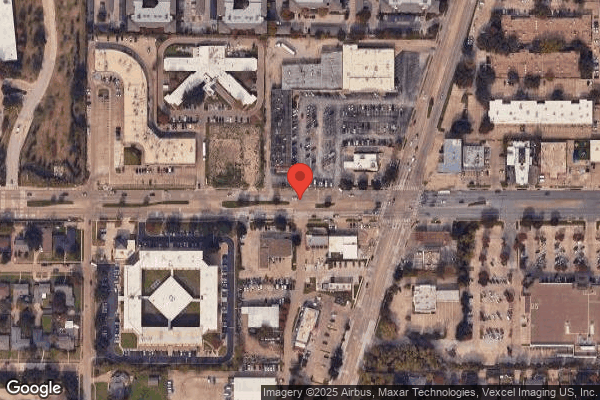
Feb 2025 2 deficiencies
CONCERN (E) 📢 Someone Reported This

A family member, employee, or ombudsman was alarmed enough to file a formal complaint

Potential for Harm - no one hurt, but risky conditions existed

Comprehensive Care Plan (Tag F0656)

Could have caused harm · This affected multiple residents

**NOTE- TERMS IN BRACKETS HAVE BEEN EDITED TO PROTECT CONFIDENTIALITY** Based on interview, observation, and record review, the facility failed to develop and implement a comprehensive person-centered...

Read full inspector narrative →
**NOTE- TERMS IN BRACKETS HAVE BEEN EDITED TO PROTECT CONFIDENTIALITY** Based on interview, observation, and record review, the facility failed to develop and implement a comprehensive person-centered care plan for each resident, consistent with the resident rights, that included measurable objectives and timeframes to meet a resident's medical, nursing, and mental and psychosocial needs that were identified in the comprehensive assessment for 1 of 4 residents, (Resident #1) reviewed for care plans. 1. The facility failed to follow the care plan dated 07/05/24 when staff failed to ensure a pillow was always under Resident #1's feet who had a DTI to the heel, while she was in the bed on 02/19/25. This failure could place residents at risk of not receiving the necessary care and services. Findings included: Record review of Resident #1's face sheet reflected a [AGE] year-old female, with an initial admission date of 04/06/23, and a re-admission date of 02/18/25. Resident #1 had a diagnosis of non-traumatic acute subdural hemorrhage (blood leaks between the brain and the skull), Type 2 Diabetes (body does not use insulin properly or produce enough insulin), Hypothyroidism (thyroid gland does not produce enough thyroid hormone), Muscle weakness, Chronic Kidney Disease, Wedge Compression Fracture (spinal fracture), Dementia (loss of memory and other mental capabilities), and Arthritis (joint inflammation and damage). Record review of Resident #1's Quarterly MDS Assessment, dated 12/26/24, reflected Resident #1 had a BIMS score of 3, which meant Resident #1 had a very low level of cognition. The MDS also noted Resident #1 did not display any behavioral symptoms like threatening others, screaming, cursing at others, hitting, scratching, pacing, or rummaging. The MDS noted Resident #1 did not display and rejection of care. Pressure ulcers were listed under skin conditions on the MDS quarterly assessment. Record review of an active physician's order, dated 08/05/25 reflected the following: Order Summary: Off load both heels with pillow while patient in bed at all time Every shift for promoting wound healing Record review of Resident #1's Care Plan, with an initial date of 03/17/24, and a revision date of 07/05/24, reflected the following: Resident #1 required ADL assistance such as Bed Mobility. It noted an extensive assist from staff to turn and reposition in bed when necessary. Resident #1 required total dependency for transfers, dressing, eating, hygiene, and toileting. Resident #1 had potential for pressure ulcers due to immobility. Resident #1 had a DTI to the heel. Revision noted on 08/07/24, Resident #1, Off load both heels with a pillow at all times while patient is in bed to promote wound healing. Resident #1 was resistive to care (refuses baths and medications) Record review of the progress notes on Resident #1's electronic record did not reflect any notations of Resident #1's refusal of the pillow used for her feet or any notes on Resident #1 moving the pillow from under her feet. In an interview and observation on 02/19/25 at 2:05 PM, Resident #1 was observed, as she laid in her bed and watched television. Resident #1's heels were not propped up on a pillow or anything else. There was no pillow observed at the end of Resident #1's bed. Resident #1 stated she was fine. She stated she did not have any concerns or issues at the facility. In an interview on 02/19/25 at 2:25 the Nurse Practitioner stated she saw Resident #1 a few times, and she had no concerns for the facility's care of Resident #1. The Nurse Practitioner stated there was a wound care doctor that handled Resident #1's wound care. The Nurse Practitioner stated she had not seen any concerns with Resident #1's wounds when she completed her general care. In an observation on 02/19/25 at 4:35 PM, Resident #1 was observed as she laid in her bed. There was no pillow observed at the foot of her bed. Resident #1's feet were not offloaded. A telephone interview was attempted on 02/19/25 at 4:55 PM to Resident #1's Wound Care Doctor, but there was no answer. In an observation on 02/19/25 at 5:54 PM, Resident #1's feet hung off the side of the bed. There was no pillow at the foot of the bed. In an interview on 02/19/25 at 5:59 PM, the DON stated Resident #1 made small movements, like adjusting her cover, but did not get out of bed on her own. The DON stated Resident #1 was not able to swing her feet around to get out of the bed. The DON stated Resident #1 usually had a pillow at the foot of the bed to offload her feet. In an observation and interview on 02/19/25 at 6:03 PM, the DON observed Resident #1 as she laid in bed with no pillow at the foot of the bed, and Resident #1's feet were not offloaded. The DON pointed to a pillow that sat on Resident #1's wheelchair and stated that was the pillow that was used to offload Resident #1's feet. The DON stated she was not sure why the pillow was not on the bed. In a follow up interview on 02/19/25 at 6:19 PM, the DON stated a staff member just changed Resident #1's sheet and put the pillow back at the foot of the bed to offload Resident #1's heels. The DON stated that was the first time she noticed Resident #1 without the pillow at the foot of the bed and feet offloaded. The DON stated she would update the care plan and note interventions to ensure Resident #1's heels were always offloaded. The DON stated she would also have the ADONs check to ensure Resident #1's feet were offloaded. The DON stated the risk of Resident #1 heels not offloaded was pressure that would lead to skin breakdown and a lower level of care. In an interview on 02/19/25 at 7:01 PM, the MDS Coordinator stated she ensured the care plans were completed and reflected all concerns. She stated she was unaware of Resident #1's feet not being offloaded. The MDS Coordinator stated she was taught that a general note of a refusal of care on the care plan would cover all concerns. The MDS Coordinator confirmed there was not a specific mention of any concerns with not offloading or Resident #1 interfering with offloading of her heels. The MDS Coordinator stated she was not aware of a risk, since a general note of refusal was on the care plan. In an interview on 02/19/25 at 7:16 PM, the Administrator stated before today, he was not aware of the issue with Resident #1's heels not offloaded. The Administrator stated he was not a medical practitioner, so he would have to ask Resident #1's doctor if there were risks associated with her heels not offloaded. The Administrator stated Resident #1's overall care plan should have addressed all care concerns. He stated interventions should have been listed on Resident #1' care plan if there were concerns of her interfering with the offload of her heels. Record review of the facility's policy titled, Care Plans Comprehensive Person-Centered, dated 2001, revised 03/2022, reflected the following: Policy Statement A comprehensive, person-centered care plan that includes measurable objectives and timetables to meet the resident's physical, psychosocial and functional needs is developed and implemented for each resident. Policy Interpretation and Implementation I. The interdisciplinary team (IDT), in conjunction with the resident and his/her family or legal representative, develops and implements a comprehensive, person-centered care plan for each resident. 2. The comprehensive, person-centered care plan is developed within seven (7) days of the completion of the required MDS assessment (Admission, Annual or Significant Change in Status), and no more than 21 days after admission. 3. The care plan interventions are derived from a thorough analysis of the information gathered as pai1 of the comprehensive assessment. 4. Each resident's comprehensive person-centered care plan is consistent with the resident's rights to participate in the development and implementation of his or her plan of care, including the right to: a. participate in the planning process; b. identify individuals or roles to be included; c. request meetings; d. request revisions to the plan of care; e. participate in establishing the expected goals and outcomes of care; f. participate in determining the type, amount, frequency and duration of care; g. receive the services and/or items included in the plan of care; and h. see the care plan and sign it after significant changes are made. 7. The comprehensive, person-centered care plan: a. includes measurable objectives and timeframes; b. describes the services that are to be furnished to attain or maintain the resident's highest practicable physical, mental, and psychosocial well-being, including: (I) services that would otherwise be provided for the above, but are not provided due to the resident exercising his or her rights, including the right to refuse treatment; (3) d. builds on the resident's strengths; and e. reflects currently recognized standards of practice for problem areas and conditions. 9. Care plan interventions are chosen only after data gathering, proper sequencing of events, careful consideration of the relationship between the resident's problem areas and their causes, and relevant clinical decision making. l0. When possible, interventions address the underlying source(s) of the problem area(s), not just symptoms or triggers. 11. Assessments of residents are ongoing and care plans are revised as information about the residents and the residents' conditions change. 12. The interdisciplinary team reviews and updates the care plan: a. when there has been a significant change in the resident's condition; b. when the desired outcome is not met; c. when the resident has been readmitted to the facility from a hospital stay; and d. at least quarterly, in conjunction with the required quarterly MDS assessment.
CONCERN (E) 📢 Someone Reported This

A family member, employee, or ombudsman was alarmed enough to file a formal complaint

Potential for Harm - no one hurt, but risky conditions existed

Pressure Ulcer Prevention (Tag F0686)

Could have caused harm · This affected multiple residents

**NOTE- TERMS IN BRACKETS HAVE BEEN EDITED TO PROTECT CONFIDENTIALITY** Based on observation, record review and interview, the facility failed ensure a resident receives care, consistent with professi...

Read full inspector narrative →
**NOTE- TERMS IN BRACKETS HAVE BEEN EDITED TO PROTECT CONFIDENTIALITY** Based on observation, record review and interview, the facility failed ensure a resident receives care, consistent with professional standards of practice, to prevent pressure ulcers from developing 1 (Resident #1) of 6 residents reviewed for pressure ulcers. The facility failed on 02/19/25 to use a pillow under Resident #1's heels, at all times, to offload Resident #1's heels to prevent pressure ulcers or skin breakdown. This failure could affect residents at risk for pressure ulcers of developing new or worsening existing pressure ulcers. Findings included: Record review of Resident #1's face sheet reflected a [AGE] year-old female, with an initial admission date of 04/06/23, and a re-admission date of 02/18/25. Resident #1 had a diagnosis of non-traumatic acute subdural hemorrhage (blood leaks between the brain and the skull), Type 2 Diabetes (body does not use insulin properly or produce enough insulin), Hypothyroidism (thyroid gland does not produce enough thyroid hormone), Muscle weakness, Chronic Kidney Disease, Wedge Compression Fracture (spinal fracture), Dementia (loss of memory and other mental capabilities), and Arthritis (joint inflammation and damage). Record review of Resident #1's Quarterly MDS Assessment, dated 12/26/24, reflected Resident #1 had a BIMS score of 3, which meant Resident #1 had a very low level of cognition. The MDS also noted Resident #1 did not display any behavioral symptoms like threatening others, screaming, cursing at others, hitting, scratching, pacing, or rummaging. The MDS noted Resident #1 did not display and rejection of care. Pressure ulcers were listed under skin conditions on the MDS quarterly assessment. Record review of an active physician's order, dated 08/05/25 reflected the following: Order Summary: Off load both heels with pillow while patient in bed at all time Every shift for promoting wound healing In an interview and observation on 02/19/25 at 2:05 PM, Resident #1 was observed, as she laid in her bed and watched television. Resident #1's heels were not propped up on a pillow or anything else. There was no pillow observed at the end of Resident #1's bed. Resident #1 stated she was fine. She stated she did not have any concerns or issues at the facility. In an observation on 02/19/25 at 4:35 PM, Resident #1 was observed as she laid in her bed. There was no pillow observed at the foot of her bed. Resident #1's feet were not offloaded. A telephone interview was attempted on 02/19/25 at 4:55 PM to Resident #1's Wound Care Doctor, but there was no answer. In an observation on 02/19/25 at 5:54 PM, Resident #1's feet hung off the side of the bed. There was no pillow at the foot of the bed. In an interview on 02/19/25 at 5:59 PM, the DON stated Resident #1 made small movements, like adjusting her cover, but did not get out of bed on her own. The DON stated Resident #1 was not able to swing her feet around to get out of the bed. She stated she and the staff were aware that Resident #1's feet needed to be offloaded. The DON stated Resident #1 usually had a pillow at the foot of the bed to offload her feet. In an observation and interview on 02/19/25 at 6:03 PM, the DON observed Resident #1 as she laid in bed with no pillow at the foot of the bed, and Resident #1's feet were not offloaded. The DON pointed to a pillow that sat on Resident #1's wheelchair and stated that was the pillow that was used to offload Resident #1's feet. The DON stated she was not sure why the pillow was not on the bed. In a follow up interview on 02/19/25 at 6:19 PM, the DON stated a staff member just changed Resident #1's sheet and put the pill back at the foot of the bed to offload Resident #1's heels. The DON stated that was the first time she noticed Resident #1 without the pillow at the foot of the bed and feet offloaded. The DON stated the risk of not offloading Resident #1's feet was skin breakdown and a lower level of care. In an interview on 02/19/25 at 7:16 PM, the Administrator stated before today, he was not aware of the issue with Resident #1's heels not offloaded. The Administrator stated Resident #1's heels should have been offloaded to prevent further health issues. Record review of the facility's policy titled, Pressure Ulcers/Skin Breakdown- Clinical Protocol, dated 2001 with a revision date of 04/2018, reflected the following: Assessment and Recognition 1. The nursing staff and practitioner will assess and document an individual's significant risk factors for developing pressure ulcers; for example, immobility, recent weight loss, and a history of pressure ulcer(s). 2. In addition, the nurse shall describe and document/report the following: a. Full assessment of pressure sore including location, stage, length, width and depth, presence of exudates or necrotic tissue; b. Pain assessment; c. Resident's mobility status; d. Current treatments, including support surfaces; and e. All active diagnoses.
Oct 2024 4 deficiencies
CONCERN (D) 📢 Someone Reported This

A family member, employee, or ombudsman was alarmed enough to file a formal complaint

Potential for Harm - no one hurt, but risky conditions existed

Deficiency F0583 (Tag F0583)

Could have caused harm · This affected 1 resident

**NOTE- TERMS IN BRACKETS HAVE BEEN EDITED TO PROTECT CONFIDENTIALITY** Based on observations, interviews, and record review, the facility failed to provide the right to personal privacy which include...

Read full inspector narrative →
**NOTE- TERMS IN BRACKETS HAVE BEEN EDITED TO PROTECT CONFIDENTIALITY** Based on observations, interviews, and record review, the facility failed to provide the right to personal privacy which includes accommodations during personal care for one (Resident #13) of thirteen residents reviewed for Privacy. The facility failed to ensure LVN D closed Resident #13's door while performing wound care. This failure could place the residents at risk of not having their personal privacy maintained during medical treatment. Findings included: Review of Resident #13's Face Sheet, dated 10/08/2024, reflected the resident was a [AGE] year-old female admitted on [DATE]. Resident #13's pertinent diagnoses included paraplegia (paralysis of the legs and lower part of the body) and injury to Achilles tendon (connective tissue that connects the calf to the heel bone). Review of Resident #13's Quarterly MDS Assessment, dated 07/10/2024, reflected the resident had an intact cognition with a BIMS score of 15. The Quarterly MDS Assessment indicated the resident had an injury to Achilles tendon. Review of Resident #13's Care Plan, dated 08/27/2024, reflected the resident had potential for pressure ulcer development r/incontinence, obesity, limited mobility and paraplegia. Review of Resident #13's Physician Order, dated 10/03/2024, reflected STAGE 3 PRESSURE WOUND OF THE RIGHT, lateral HEEL full THICKNESS-clean with wound cleanser, pat dry apply Santyl calcium alginate, ABD pad and wrap with kerlix (white gauze dressing) every day shift for Wound care. Review of Resident #13's Physician Order, dated 10/03/2024, reflected Stage 2 pressure wound OF THE RIGHT, medial HEEL partial THICKNESS-clean with wound cleanser, pat dry apply skin prep ABD pad and wrap with kerlix every day shift for Wound care. Observation and interview with LVN D on 10/08/2024 at 11:15 AM revealed LVN D was about to provide wound care to Resident #13. LVN D said the resident had wounds to the medial and lateral aspect of the right heel. She said treatment to the outward wound would be Santyl and calcium alginate while treatment for the inner wound would be skin prep. LVN D went inside the room and told the resident she would be cleaning her wound to her right heel. She washed her hands, put on a pair of gloves, prepared the things needed for wound care, and then removed her gloves. She then took the overbed table from inside the room, sanitized it, put paper towels on top of it, and transferred the items for wound care on the overbed table. LVN D went back inside the room and placed the table at the end of the bed. She washed her hands and put on a pair of gloves. LVN D proceeded with wound care. LVN D did not close the door or pulled the privacy curtain while doing wound care. LVN D stated she forgot to close the door before she did wound care. She said the door should be closed every time wound treatment was done to provide privacy and give dignity to the resident. She said she would make sure she would close the door or pull the privacy curtain every time she would do wound care. In an interview with Resident #13 on 10/08/2024 at 11:31 AM, Resident #13 stated she did not notice the door was open during wound care. She said, not that I mind, but it would be decent if the door was closed if they were treating me. In an interview with the Administrator on 10/10/2024 at 7:36 AM, the Administrator stated the staff must make sure that the residents were provided privacy when providing care to prevent embarrassment. He said the expectation was for the staff to close the door, not only during wound care, but during all care provided. He said he would collaborate with the DON to do an in-service about privacy during treatment. The Administrator concluded that they would re-educate the staff about privacy, monitor them closely weekly for four weeks and monthly thereafter. In an interview with the DON on 10/10/2024 at 8:12 AM, the DON stated the door should be closed or the privacy curtain should be drawn during wound care to provide privacy. She said providing privacy was true as well in the provision of any treatment to avoid other residents, staff, or visitors in seeing what treatment were being done to a particular resident or what the resident's wounds look like. The DON said all the staff, including her, were responsible in providing privacy to the residents. The DON said the expectation was for the staff to make sure that when they were providing care, the residents' door should be closed, or the privacy curtain should be pulled. She said she was made aware by LVN D about the issue and she already made a one-on-one in-service with LVN D. She said she would also do an in-service to all staff to continually remind the staff the importance of providing privacy and dignity through an in-service. Record review of facility's policy, Dignity 2001 MED-PASS, Inc. revised February 2021 revealed Policy Statement: Each resident shall be cared for a manner that promotes and enhances his or her sense of well-being feelings of self-worth and self-esteem . Policy implementation . 11. Staff promote, maintain, and protect resident privacy, including bodily privacy during assistance with personal care and during treatment procedures.
CONCERN (D) 📢 Someone Reported This

A family member, employee, or ombudsman was alarmed enough to file a formal complaint

Potential for Harm - no one hurt, but risky conditions existed

Respiratory Care (Tag F0695)

Could have caused harm · This affected 1 resident

**NOTE- TERMS IN BRACKETS HAVE BEEN EDITED TO PROTECT CONFIDENTIALITY** Based on observations, interviews, and record review, the facility failed to ensure that residents, who needed respiratory care,...

Read full inspector narrative →
**NOTE- TERMS IN BRACKETS HAVE BEEN EDITED TO PROTECT CONFIDENTIALITY** Based on observations, interviews, and record review, the facility failed to ensure that residents, who needed respiratory care, were provided such care consistent with professional standards of practice, the comprehensive person-centered care plan, and the residents' goals and preferences for one (Resident #13) of eight residents reviewed for Respiratory Care. The facility failed to ensure that Resident #13's BiPAP (Bilevel Positive Airway Pressure: machine used to deliver pressurized air through a mask to keep airways open) mask was stored properly. This failure could place the resident at risk for respiratory infection and not having her respiratory needs met. Findings included: Review of Resident #13's Face Sheet, dated 10/08/2024, reflected the resident was a [AGE] year-old female admitted on [DATE]. Resident #13 was diagnosed with acute respiratory failure and obstructive sleep apnea (a sleep disorder where breathing is interrupted repeatedly during sleep). Review of Resident #13's Quarterly MDS Assessment, dated 07/10/2024, reflected the resident was cognitively intact with a BIMS score of 15. Resident #13's Quarterly MDS Assessment indicated the resident was on non-invasive mechanical ventilation. Review of Resident #13's Comprehensive Care Plan, dated 08/27/2024, reflected the resident was wearing Bi-pap r/t respiratory failure and sleep apnea and one of the interventions was use BiPAP as ordered. Review of Resident #13's Physician Order, dated 01/26/2024, reflected BIPAP ON AT 2100 (9PM) OFF AT 0900(9AM) Attach O2 @ 2 LPM via (through) BIPAP MACHINE two times a day. Observation and interview with Resident #13 on 10/08/2024 at 10:56 AM revealed resident was in her bed, awake. The resident had a BiPAP machine mounted on a mobile BIPAP stand. A full mask BiPAP mask was attached to the BiPAP machine. The mask was not bagged. Resident #13 stated the nurses were the one putting the mask on at night and taking it off in the morning. She said sometimes the nurses put it on a bag but sometimes they do not. She said she would put it on a bag if she could but she said her movements were limited. Observation and interview with LVN C on 10/10/2024 at 12:08 PM, LVN C stated Resident #13 was using a BiPAP at night. She said the BiPAP mask should not be exposed nor touching anything because it could cause cross contamination and respiratory infection. She went inside the room and saw the BiPAP mask was hanging beside the BiPAP machine and was not bagged. LVN C looked for a plastic bag, found one on top of the resident's left-side table, and put the mask inside the bag. She said she did not notice that the mask was not bagged when she made her morning round. LVN C said she would clean the BiPAP mask and put in a new plastic bag. In an interview with the Administrator on 10/10/2024 at 7:36 AM, the Administrator stated the mask for BiPAP should be bagged to prevent infection. He said he would coordinate with the DON on how to go forward about the issue of respiratory care. The Administrator concluded that they would re-educate the staff about privacy, monitor them closely weekly for four weeks and monthly thereafter. In an interview with the DON on 10/10/2024 at 8:12 AM, the DON stated the BiPAP mask should be bagged when not in use to keep it clean. She said if the BiPAP mask was exposed or touching surfaces that were not clean, there could be a probability of cross contamination, respiratory infection, and oxygen administration could be compromised. The DON said the staff taking it off should put it in a bag. She said the expectation was for the staff to be mindful in making sure that the BiPAP mask of the resident would be bagged when not in use. The DON said she would conduct an in-service and check-off about the respiratory care and would personally monitor if the staff were bagging BiPAP mask. She also said the policy only stated to bag the nasal cannula but the policy also applied to the BiPAP mask. Record review of facility's policy, Departmental (Respiratory Therapy) - Prevention of Infection MED-PASS, Inc. revised November 2011 revealed Purpose: The purpose of this procedure is to guide prevention of infection associated with respiratory therapy . Steps . 8. Keep the oxygen cannula and tubing . in a plastic bag when not in use.
CONCERN (E) 📢 Someone Reported This

A family member, employee, or ombudsman was alarmed enough to file a formal complaint

Potential for Harm - no one hurt, but risky conditions existed

Deficiency F0558 (Tag F0558)

Could have caused harm · This affected multiple residents

**NOTE- TERMS IN BRACKETS HAVE BEEN EDITED TO PROTECT CONFIDENTIALITY** Based on observations, interviews, and record review the facility failed to ensure the right to reside and receive services in t...

Read full inspector narrative →
**NOTE- TERMS IN BRACKETS HAVE BEEN EDITED TO PROTECT CONFIDENTIALITY** Based on observations, interviews, and record review the facility failed to ensure the right to reside and receive services in the facility with reasonable accommodation of resident needs and preferences for five (Resident #13, Resident #39, Resident #49, Resident #70, and Resident #71) of twenty-seven residents reviewed for reasonable accommodation of needs. The facility failed to ensure the call light was in reach and accessible for Resident #13, Resident #39, Resident #49, Resident #70, and Resident #71. This failure could place the residents at risk of being unable to obtain assistance when needed and help in the event of an emergency. Findings included: Resident #13 Review of Resident #13's Face Sheet, dated 10/08/2024, reflected the resident was a [AGE] year-old female admitted on [DATE]. Resident #13's pertinent diagnoses included paraplegia (paralysis of the legs and lower part of the body) and muscle weakness. Review of Resident #13's Quarterly MDS Assessment, dated 07/10/2024, reflected the resident had an intact cognition with a BIMS score of 15. The Quarterly MDS Assessment indicated the resident was dependent on staff for toileting hygiene, shower, dressing, and personal hygiene. Review of Resident #13's Comprehensive Care Plan, dated 08/27/2024, reflected the resident had an actual fall and the goal was the resident will resume usual activities without further incident. In an interview with Resident #13 on 10/08/2024 at 11:06 AM, Resident #13 stated she was looking for her call light earlier but was not able to find it. She said she had been waiting for somebody to come and give the call light to her. She said her call light should be secured beside her so she did not have to yell if she needed something. Observation and interview with LVN D on 10/08/2024 at 11:15 AM revealed LVN D was about to provide wound care to Resident #13. LVN D went inside the room and told the resident she would be cleaning her wound to her right heel. She picked-up the foam wedge that was on the floor. She did not notice the resident's call light was also on the floor. After the wound care, LVN D saw the call light, picked it up, and handed it over to Resident #13. She said the call light should be in a place accessible to the residents because the residents needed them to call the staff. LVN D said if the call lights were not within reach, the residents would not be able to call the staff and their needs would not be met. Resident # 39 Review of Resident #39's Face Sheet, dated 10/08/2024, reflected the resident was a [AGE] year-old male admitted on [DATE]. Resident #39 was diagnosed with muscle weakness and muscle spasm. Review of Resident #39's Comprehensive MDS Assessment, dated 08/27/2024, reflected the resident had a moderate impairment in cognition with a BIMS score of 09. Resident #39 was dependent on staff for toileting, shower, and personal hygiene. Review of Resident #39's Comprehensive Care Plan, dated 07/03/2024, reflected the resident had an actual fall last 04/03/2024 and the goal for the resident would resume usual activities without further incident. Observation and interview with Resident #39 on 10/08/2024 at 10:01 revealed the resident was in his bed awake. His call light was observed on the floor. When asked where his call light was, the resident looked for his call light and said he could not find it. Resident #49 Review of Resident #49's Face Sheet, dated 10/08/2024, reflected the resident was a [AGE] year-old male admitted on [DATE]. Resident #49 was diagnosed with dizziness and cerebrovascular disease (blood supply to the brain was interrupted). Review of Resident #49's Comprehensive MDS Assessment, dated 09/30/2024, reflected the resident had a severe impairment in cognition with a BIMS score of 06. Resident #49 required moderate assistance in toileting, dressing, and personal hygiene. Review of Resident #49's Comprehensive Care Plan, dated 10/07/2024, reflected the resident had a risk for fall and one of the interventions was to be sure the call light was within reach. Observation and interview with Resident #49 on 10/08/2024 at 9:30 AM revealed the resident was in his bed, awake. It was observed that Resident #49's call light was on the floor. Resident #49 stated he was trying to look for his call light because he wanted to get up but cannot find it. He said he cannot even find the cord of his call light. He said several staff already went inside his room and did not notice his call light was on the floor. Observation and interview with LVN A on 10/08/2024 at 10:06 AM, LVN A stated call lights should be with the residents all the time, because they use the call lights to call for help or assistance if needed. He said the residents used the call lights to communicate to the staff that they needed something. He added that if the call lights were not with the residents, the residents might fall trying to do things by themselves or get frustrated because they could not call the staff. He said all the staff were responsible in making sure the call lights were within reach of the residents. LVN A said the call light were for all residents, whether dependent or independent. LVN A went inside Resident #39's room, picked up the call light and placed it where the resident could reach it. LVN A then went to Resident #49's room, picked up the call light, and handed it to Resident #49. Resident #70 Review of Resident 70's Face Sheet, dated 10//08/2024, reflected the resident was a [AGE] year-old male admitted on [DATE]. Resident #70 was diagnosed with hemiplegia (paralysis of one side of the body) and hemiparesis (weakness on one side of the body) affecting right dominant side. Review of Resident #70's Comprehensive MDS Assessment, dated 08/16/2024, reflected the resident had a severe impairment in cognition with a BIMS score of 02. Resident #70 required substantial assistance in transfer, bed mobility, shower, dressing and personal hygiene. Review of Resident #70's Comprehensive Care Plan, dated 08/29/2024, reflected the resident had an actual fall on 07/25/2024 and one of the goals was the resident will have no complications related to fall. Observation on 10/08/2024 at 9:16 AM revealed that Resident #70 was in his bed with eyes closed. His call light was observed to be on the floor under the bed. Observation and interview with Resident #70's 10/08/2024 at 12:34 PM revealed Resident #70 was still in his bed. His call light was still on the floor. The resident did not respond when asked if he had his call light. Resident #71 Review of Resident #71's Face Sheet, dated 10/10/2024, reflected the resident was a [AGE] year-old male admitted on [DATE]. Resident #71 was diagnosed with muscle weakness and lack of coordination. Review of Resident #71's Comprehensive MDS Assessment, dated 08/21/2024, reflected the resident had a severe cognitive impairment with a BIMS score of 00. Resident #71 required set-up assistance for eating, toileting, shower, and dressing. Review of Resident #71's Comprehensive Care Plan, dated 08/11/2024, reflected the resident had potential for falls and the goal was the resident will be free of minor injuries. Observation on 10/08/2024 at 9:20 AM revealed Resident #71 was sitting in his bed. It was observed that the resident's call light was on the floor. Observation and interview with Resident #71 on 10/08/2024 at 12:38 PM revealed the resident came back from lunch and went straight to his bed. His call light was still on the floor. The resident did not respond when asked if he had his call light. Observation and interview with CNA G on 10/08/2024 at 12:44 PM, CNA G stated the call light was accessible to the residents in case they needed something. She said the call lights were important because the resident use them to let the staff know that they need assistance. Without the call light, the needs of the resident will not be known. CNA G went inside Resident #70's room and tried to pull the call light from beneath the resident's bed. CNA G said the call light was stuck under the bed. CNA G looked for the remote, raised the bed, and pulled the call light from beneath the bed. CNA G then went to Resident #71's room, picked-up the call light from the floor, and clipped it on Resident #71's bed. In an interview with the Administrator on 10/10/2024 at 7:36 AM, the Administrator stated the call lights should not be on the floor because the residents needed them to call the staff. The Administrator said the residents might be having an emergency and staff would not know. The Administrator said the staff should be make sure the call lights were within reach. The Administrator said he would coordinate with the DON regarding call lights and would constantly remind them that before leaving the room, make sure the call lights were with the resident. The Administrator concluded that they would re-educate the staff about privacy, monitor them closely weekly for four weeks and monthly thereafter. In an interview with the DON on 10/10/2024 at 8:12 AM, the DON stated call lights were important for the residents and they should be placed where the residents could access them without difficulty. The DON said the call lights were the residents' mode of communication so they could tell the staff they needed something. She said even if the residents seldom use them, the call lights should still be placed somewhere accessible. She said the call lights were for the dependent residents, as well for the independent residents. She said all the staff, from nurses, CNAs, therapy, housekeeping, and management, were responsible in ensuring that the call lights were within reach. The DON said the expectation was for the staff would be mindful that every time they leave the residents' room, the call lights were within reach. The DON said she would conduct an in-service and check-off about the call lights for all the staff of the facility. She said she would personally monitor that all the residents' call lights were within reach. Record review of facility's policy Call Lights: Accessibility and Timely Response revealed Policy: The purpose of this policy is to assure the facility is adequately equipped with a call light at each residents' bedside . to allow residents to call for assistance . Policy Explanation and Compliance Guidelines . 5. Staff will ensure the call light is within reach of resident and secured.
CONCERN (E) 📢 Someone Reported This

A family member, employee, or ombudsman was alarmed enough to file a formal complaint

Potential for Harm - no one hurt, but risky conditions existed

Infection Control (Tag F0880)

Could have caused harm · This affected multiple residents

**NOTE- TERMS IN BRACKETS HAVE BEEN EDITED TO PROTECT CONFIDENTIALITY** Based observations, interviews, and record review, the facility failed to maintain an Infection Prevention and Control Program d...

Read full inspector narrative →
**NOTE- TERMS IN BRACKETS HAVE BEEN EDITED TO PROTECT CONFIDENTIALITY** Based observations, interviews, and record review, the facility failed to maintain an Infection Prevention and Control Program designed to provide a safe, sanitary, and comfortable environment and to help prevent the development and transmission of communicable diseases and infections for eight (Resident #10, Resident #13, Resident #44, Resident #49, Resident #56, Resident #61, Resident #80, and Resident #84) of eighteen residents observed for Infection Control. 1. The facility failed to ensure that CNA D changed her gloves and performed hand hygiene while providing incontinent care to Resident #49. 2. The facility failed to ensure that CNA E changed her gloves and performed hand hygiene while providing incontinent care to Resident #80. 3. The facility failed to ensure that LVN B sanitized the blood pressure cuff in between Resident #44, Resident #56, Resident #61, and Resident #84. 4. The facility failed to ensure that LVN C sanitized the blood pressure cuff in between Resident #10 and Resident #13. These failures could place the residents at risk of cross-contamination and development of infections. Findings included: 1. Review of Resident #49's Face Sheet, dated 10/08/2024, reflected the resident was a [AGE] year-old male admitted on [DATE]. Resident #49 was diagnosed with cerebrovascular disease (blood supply to the brain was interrupted) and kidney failure. Review of Resident #49's Comprehensive MDS Assessment, dated 09/30/2024, reflected the resident had a severe impairment in cognition with a BIMS score of 06. The Quarterly MDS Assessment indicated the resident was always incontinent for bladder and bowel. Review of Resident #49's Comprehensive Care Plan, dated 10/07/2024, reflected Resident #49 was incontinent for bladder and bowel r/t kidney failure and one of the interventions was clean peri-area with each incontinent care. Observation and interview with CNA D on 10/08/2024 at 9:39 AM revealed CNA D was about to provide incontinent care to Resident #49. CNA D raise the bed and lowered the head of the bed. She washed her hands, put on a pair of gloves, put a brief on the resident's right-side table, and positioned the wipes beside the resident. She reached for the trash can and placed it near her. She did not change her gloves after touching the trash can. CNA D unfastened the brief on both sides and pushed the front part of the brief between the legs of the resident. CNA D pulled some wipes and started to clean the front part of the resident. She did it four times. CNA D rolled the resident towards the wall and cleaned the bottom of the resident. After cleaning the resident's bottom, CNA D rolled the soiled brief and the bed padding altogether towards the middle of the bed, pulled them, and put them in the trash can. After putting the soiled brief and padding on top of the trash can, CNA D took the new brief and put it at the bottom of the resident and fixed it. CNA D did not change her gloves nor sanitize her hands before touching the new brief. CNA D rolled the resident back, fixed the new brief, and taped the brief on both sides. CNA D went to the bathroom and washed her hands. CNA D stated she washed her hands before and after doing incontinent care. She said she did roll the soiled brief and padding altogether and put it on top of the trash can. CNA D said she did not change her gloves nor did hand hygiene before touching the new brief. She said she should have changed her gloves after pulling the soiled brief and padding because her gloves were considered soiled after they came in contact with the soiled brief. She also said she should have changed her gloves after touching the trash can. She said not doing hand hygiene and not changing the gloves could cause transfer of contaminants from dirty to clean. She said cross contamination could eventually cause infection. She said she had an in-service for hand hygiene and incontinent care but still forgot to do the right procedure. 2. Review of Resident #80's Face Sheet, dated 10/08/2024, reflected the resident was an [AGE] year-old female admitted on [DATE]. Resident #80 was diagnosed with muscle weakness and kidney failure. Review of Resident #80's Quarterly MDS Assessment, dated 10/02/2024, reflected the resident was cognitively intact with a BIMS score of 15. Resident #80's Quarterly MDS Assessment indicated the resident was incontinent for bowel and bladder. Review of Resident #80's Comprehensive Care Plan, dated 07/13/2024, reflected the resident was incontinent of bowel and bladder r/t kidney failure and one of the interventions was clean peri-area with each incontinent care. Observation and interview with CNA E on 10/08/2024 at 2:43 PM revealed CNA E was about to provide incontinent care to Resident #80. After letting the resident know that she would change her, CNA E started to prepare the items needed for incontinent care. She put on a pair of gloves, opened a brief and put it on the side of the resident's pillow, and put the wipes near the brief. CNA E pulled the hospital gown of the resident up, unfastened the brief on both sides, and pushed the brief on both sides. CNA E pulled some wipes and cleaned the resident from front to back. After cleaning the front part of the resident, the resident was instructed to roll to her left side. CNA E cleaned the bottom of the resident, pulled the soiled brief, and threw it on the trash can. CNA E grabbed the brief near the resident's head, put it under the resident, and fixed it. CNA E took did not change her gloves after pulling the soiled brief or before touching the new brief. After fixing the brief, CNA E lowered the resident's gown and pulled up the light blanket up to the resident's chest. She did not wash her hands after incontinent care. CNA E stated she should do hand hygiene before and after doing incontinent care for a resident. She said she was not aware that she did not wash her hands before and after cleaning Resident #80. She said she should have changed her gloves after cleaning the bottom of the resident because her gloves were already dirty. She said she was not aware she needed to sanitize her hands in between changing of the gloves. She said, if it was mandatory to sanitize her hands when she changed her gloves, she would do it. She said they had in-services and check-off about hand hygiene but cannot recall about sanitizing in between changing the gloves. 3. Review of Resident 61's Face Sheet, dated 10/09/2024, reflected the resident was a [AGE] year-old male admitted on [DATE]. Resident #61 was diagnosed with hypertension. Review of Resident #61's Quarterly MDS Assessment, dated 07/16/2024, reflected the resident had moderate impairment in cognition with a BIMS score of 12. The Quarterly MDS Assessment indicated hypertension as one of Resident #61's active diagnosis. Review of Resident #61's Comprehensive Care Plan, dated 09/09/2024, reflected the resident had hypertension and one of the interventions was give anti-hypertensive medications as ordered. Review of Resident #61's Physician's Order for amlodipine, dated 07/23/2024, reflected Amlodipine Besylate Oral Tablet 10 MG (Amlodipine Besylate) Give 1 tablet by mouth one time a day for HTN HOLD IF SBP <100 OR HR <60. Review of Resident #61's Physician's Order for lisinopril, dated 07/23/2024, reflected Lisinopril Tablet 20 MG. Give 1 tablet by mouth one time a day for HTN. Hold if SBP < 100 or DBP < 60. Observation on 10/09/2024 at 7:07 AM revealed LVN B was preparing Resident #61's medication. He picked up the blood pressure cuff from the medication cart, went inside the resident's room, and placed the blood pressure cuff on Resident #61's arm. After the blood pressure reading was completed, LVN B placed the blood pressure cuff on top of the medication cart, prepared the medications, and gave the medications to Residents #61. He did not sanitize the blood pressure cuff. Review of Resident 84's Face Sheet, dated 10/09/2024, reflected the resident was a [AGE] year-old male admitted on [DATE]. Resident #61 was diagnosed with hypertension. Review of Resident #84's Quarterly MDS Assessment, dated 09/27/2024, reflected the resident was cognitively intact with a BIMS score of 15. The Quarterly MDS Assessment indicated hypertension as one of Resident #84's active diagnosis. Review of Resident #84's Comprehensive Care Plan, dated 09/30/2024, reflected the resident had hypertension and one of the interventions was give anti-hypertensive medications as ordered. Review of Resident #84's Physician's Order for lisinopril, dated 09/30/2024, reflected Lisinopril Oral Tablet 10 MG (Lisinopril). Give 1 tablet by mouth one time a day related to ESSENTIAL (PRIMARY) HYPERTENSION (I10) Hold if SBP <110 or DBP <60. Observation on 10/09/2024 at 7:15 AM revealed LVN B was preparing Resident #84's medication. He picked up the blood pressure cuff from the medication cart, went inside the resident's room, and placed the blood pressure cuff on Resident #84's arm. After the blood pressure reading was completed, LVN B placed the blood pressure cuff on top of the medication cart, prepared the medications, and gave the medications to Residents #84. He did not sanitize the blood pressure cuff. The cuff was the same one used on the previous resident(s) which was not sanitized. Review of Resident 56's Face Sheet, dated 10/09/2024, reflected the resident was a [AGE] year-old female admitted on [DATE]. Resident #56 was diagnosed with hypertension. Review of Resident #56's Quarterly MDS Assessment, dated 09/30/2024, reflected the resident was cognitively intact with a BIMS score of 14. The Quarterly MDS Assessment indicated hypertension as one of Resident #56's active diagnosis. Review of Resident #56's Comprehensive Care Plan, dated 09/30/2024, reflected the resident had hypertension and one of the interventions was give anti-hypertensive medications as ordered. Review of Resident #56's Physician's Order for amlodipine, dated 10/01/2024, reflected Amlodipine Besylate Tablet 10 MG. Give 1 tablet by mouth one time a day related to ESSENTIAL (PRIMARY) HYPERTENSION (I10) Hold if SBP <100 or DBP <60. Review of Resident #56's Physician's Order for metoprolol, dated 10/01/2024, reflected Metoprolol Succinate ER Tablet Extended Release 24 Hour 100 MG. Give 1 tablet by mouth one time a day for HTN Hold for SBP <100, DBP <60, or HR <60. Observation on 10/09/2024 at 7:59 AM revealed LVN B was preparing Resident #56's medication. He picked up the blood pressure cuff from the medication cart, went inside the resident's room, and placed the blood pressure cuff on Resident #56's arm. After the blood pressure reading was completed, LVN B placed the blood pressure cuff on top of the medication cart. He said the resident's blood pressure was low so he would re-check Resident #56's blood pressure before the resident go to her appointment. He did not sanitize the blood pressure cuff. The cuff was the same one used on the previous resident(s) which was not sanitized. Review of Resident 44's Face Sheet, dated 10/09/2024, reflected the resident was a [AGE] year-old female admitted on [DATE]. Resident #44 was diagnosed with hypertensive heart disease. Review of Resident #44's Quarterly MDS Assessment, dated 09/30/2024, reflected the resident had a moderate impairment in cognition with a BIMS score of 12. The Quarterly MDS Assessment indicated hypertension as one of Resident #44's active diagnosis. Review of Resident #44's Comprehensive Care Plan, dated 08/09/2024, reflected the resident had hypertension (HTN) r/t hypertensive heart disease and one of the interventions was give anti-hypertensive medications as ordered. Review of Resident #44's Physician's Order for tadalafil, dated 07/27/2024, reflected Tadalafil Oral Tablet 20 MG (Tadalafil). Give 2 tablet by mouth one time a day for Hypertension Hold if SBP <100 or DBP <60. Observation and interview with LVN B on 10/09/2024 at 7:59 AM revealed LVN B was preparing Resident #44's medication. He picked up the blood pressure cuff from the medication cart, went inside the resident's room, and placed the blood pressure cuff on Resident #44's arm. After the blood pressure reading was completed, LVN B placed the blood pressure cuff on top of the medication cart, prepared the medications, and gave the medications to Residents #44. He did not sanitize the blood pressure cuff. The cuff was the same one used on the previous resident(s) which was not sanitized. LVN B stated he obtained the blood pressure of the residents before giving the medication for hypertension to know if the medication needed to be held or not. LVN B said he sanitized his hands after he gave the medications of a resident. LVN B said the blood pressure cuff should be sanitized as well after using it or before using it on another resident. LVN B said he forgot to sanitize the blood pressure cuff in between residents when he passed the medications. LVN B stated not sanitizing the blood pressure cuff in between residents could cause infection to transfer from one resident to another. LVN B added if a resident already had an infection, that infection could be transferred to another resident because the reusable item was not sanitized. He said he would make sure that he sanitized the blood pressure cuff everytime he would use it. 4. Review of Resident 13's Face Sheet, dated 10/08/2024, reflected the resident was a [AGE] year-old female admitted on [DATE]. Resident #13 was diagnosed with hypertension. Review of Resident #13's Quarterly MDS Assessment, dated 09/30/2024, reflected the resident was cognitively intact with a BIMS score of 15. The Quarterly MDS Assessment indicated hypertension as one of Resident #13's active diagnosis. Review of Resident #13's Comprehensive Care Plan, dated 08/27/2024, reflected the resident had hypertension and one of the interventions was give anti-hypertensive medications as ordered. Review of Resident #13's Physician's Order for amlodipine, dated 10/01/2024, reflected Amlodipine Besylate Tablet 10 MG. Give 1 tablet by mouth one time a day related to ESSENTIAL (PRIMARY) HYPERTENSION (I10) Hold if SBP <100 or DBP <60. Observation on 10/09/2024 at 8:25 AM revealed LVN C was preparing Resident #13's medication. She picked up the blood pressure cuff from the medication cart, went inside the resident's room, and placed the blood pressure cuff on Resident #13's arm. After the blood pressure reading was completed, LVN C placed the blood pressure cuff on top of the medication cart, prepared the medications, and gave the medications to Residents #13. She did not sanitize the blood pressure cuff. The cuff was the same one used on the previous resident(s) which was not sanitized. It was observed that a container of sanitizer was on top of the nurse's cart, beside a laptop. Review of Resident 10's Face Sheet, dated 10/09/2024, reflected the resident was a [AGE] year-old female admitted on [DATE]. Resident #10 was diagnosed with hypertension. Review of Resident #10's Quarterly MDS Assessment, dated 09/17/2024, reflected the resident was cognitively intact with a BIMS score of 15. The Quarterly MDS Assessment indicated hypertension as one of Resident #10's active diagnosis. Review of Resident #10's Comprehensive Care Plan, dated 09/17/2024, reflected the resident had hypertension and one of the interventions was give anti-hypertensive medications as ordered. Review of Resident #10's Physician's Order for lisinopril, dated 09/17/2024, reflected Lisinopril Oral Tablet 20 MG (Lisinopril). Give 1 tablet by mouth one time a day for hypertension related to ESSENTIAL (PRIMARY) HYPERTENSION (I10) HOLD SBP LESS THAN110 DBP LESS THAN 60. Observation and interview with LVN C on 10/09/2024 at 8:57 AM revealed LVN C was preparing Resident #10's medication. She picked up the blood pressure cuff from the medication cart, went inside the resident's room, and placed the blood pressure cuff on Resident #10's arm. After the blood pressure reading was completed, LVN C placed the blood pressure cuff on top of the medication cart, prepared the medications, and gave the medications to Residents #10. She did not sanitize the blood pressure cuff.This was the same one used on the previous resident(s) which was not sanitized. LVN C stated she forgot to sanitize the blood pressure cuff after using it for Resident #13 and before using it for Resident #10. She said the blood pressure cuff should be sanitized after using it or before using it to another resident to prevent cross contamination and infection. In an interview with the Administrator on 10/10/2024 at 7:36 AM, the Administrator stated not washing the hands nor sanitizing them could contribute to cross contamination. He said not changing the gloves after touching soiled items could contribute to the development of infection as well. He said if the blood pressure cuff was used for a resident, it should be sanitized before using it to another resident to prevent transfer of germs. He said the expectation was for the staff to follow the policy and procedures pertaining to infection control. She said he would collaborate with the DON to in-service the staff about infection control. The Administrator concluded that they would re-educate the staff about privacy, monitor them closely weekly for four weeks and monthly thereafter. In an interview with the DON on 10/10/2024 at 8:12 AM, the DON stated she always do in-services for infection control, hand washing, and infection control. She said the hands should be washed before and after incontinent care, or any care for that matter. She said gloves should be changed after touching any soiled items, like the trash can and the soiled brief. She said gloves should be changed after cleaning the resident's bottom. She said hands should be sanitized in between changing of gloves. She said the blood pressure cuff should be sanitized after every use. She said not washing the hands, not sanitizing the hands, not changing the gloves after touching soiled items, and not sanitizing the blood pressure cuff after each use could result to cross contamination and infection. She said the expectation was for the staff to be mindful in following the procedures pertaining to infection control. The DON said she would do a one-on-one in-service with the concerned staff and then would do an in-service about infection control for all the staff. She concluded that he would continually remind the staff to be attentive to the procedures for infection control and that she would personally monitor infection control. Review of facility policy, Perineal Care Nursing Policy and Procedure Manual for Long-Term Care rev. February 2018 revealed Purpose: the purpose of this procedure are to provide cleanliness . to prevent infection . Steps in the procedure . 2. Wash and dry hands thoroughly . 7. Put on gloves . 8. Female resident . e. Wash rectal area . Male resident . e. Wash rectal area . 10. Remove gloves . 11. Wash and dry hands . 12. Make resident comfortable . 16. Wash and dry hands thoroughly. Record review of facility policy Routine Cleaning and Disinfection Centers of Disease Control updated July 2019 revealed It is the policy of this facility to ensure the provision of routine cleaning and disinfection . c. Clean and disinfect any equipment that enters the room before use in another. Review of facility policy Hand Washing/Hand Hygiene Nursing Policy and Procedure Manual for Long-Term Care rev. August 2019 revealed Policy Statement: This facility considers hand hygiene the primary means to prevent the spread of infections . Policy Interpretation and Implementation . 2. All personnel shall follow the hand-washing/hand hygiene procedures to help prevent the spread of infections to other personnel, residents, and visitors . 7. Use an alcohol-based hand rub; or, alternatively, soap (antimicrobial or non-antimicrobial) and water for the following situations . b. Before and after direct contact with residents . After contact with a resident's intact skin . j. After contact with blood or bodily fluids . m. After removing gloves.
Aug 2023 7 deficiencies
CONCERN (D)

Potential for Harm - no one hurt, but risky conditions existed

Incontinence Care (Tag F0690)

Could have caused harm · This affected 1 resident

**NOTE- TERMS IN BRACKETS HAVE BEEN EDITED TO PROTECT CONFIDENTIALITY** Based observation, interview, and record review, the facility failed to secure the catheter to facilitate flow of urine, prevent...

Read full inspector narrative →
**NOTE- TERMS IN BRACKETS HAVE BEEN EDITED TO PROTECT CONFIDENTIALITY** Based observation, interview, and record review, the facility failed to secure the catheter to facilitate flow of urine, prevent kinking of the tubing and position below the level of the bladder for 1 (Resident #57) of 1 resident observed for urinary catheter care. The facility failed to ensure CNA E kept the urine collection bag of Resident #57 below the level of the bladder. These failure could place the resident at risk for infection development. Findings included: Review of Resident #57's Face Sheet dated 08/23/2023 reflected that resident was a [AGE] year-old female admitted on [DATE]. Relevant diagnoses included unspecified neuromuscular dysfunction of bladder, cognitive communication deficit, and unspecified osteomyelitis. Review of Resident #57's Comprehensive MDS dated [DATE] reflected that Resident #57 has no BIMS score because resident was unable to complete the interview. Resident required extensive assistance for bed mobility, transfer, dressing, toilet use, and personal hygiene. Resident was totally dependent for eating and bathing. The bladder and bowel section of the Comprehensive MDS also indicated the use of indwelling catheter. Review of Resident #57's Comprehensive Care Plan dated 05/26/2023 reflected that resident had an ADL self-care performance deficit r/t (relate to) Cerebral infarction. Review of Resident #57's Comprehensive Care Plan dated 05/26/2023 reflected that resident had (Indwelling) Catheter: Neurogenic bladder. 16FR 10ml Review of Resident #57's Physician's order dated 05/19/2023 reflected, Foley catheter size: 16fr with 10 ml balloon inflation and diagnosis. Observation on 08/22/2023 at 10:51 AM, revealed that Resident #57 was resting in her bed. The resident had an above the knee amputation to the right leg. The Hoyer lift sling was under the resident. The resident's urine collection bag was on top of the bed below the amputated leg. The catheter tubing was in a U-shaped formation. The urine in the tubing was in the direction towards the resident. Observation on 08/22/2023 at 11:22 AM, revealed that Resident #57 was still in the bed. The urine collection bag was still on top of the bed. Observation on 08/22/2023 at 11:31 AM, revealed that Resident #57 was to be transferred to the wheelchair via Hoyer lift. The urine catheter bag was on top of the bed prior to transfer. Interview with CNA E on 08/22/2023 at 11:32 AM, CNA E stated that she was the CNA for hall 200 for that day. She stated that she was the one who prepared Resident #57 that morning. CNA E said that she placed the urine collection bag on the bed to be able to put the pants on Resident #57. CNA E acknowledged that she should have hooked the urine collection bag back to the railing at the bottom of the bed if she was not yet to be transferred to the wheelchair. CNA E stated that leaving the urine collection bag on top of the bed could cause the urine to go back. This could cause urinary tract infection. Interview with LVN A on 08/23/2023 at 10:44 AM, LVN A said that Resident #57 is an amputee, a diabetic, with continuous feeding, and has an indwelling catheter. He added that the catheter bag should be hanged on the rail at the bottom of the bed. The catheter bag should be below the bladder so the flow of the urine will not be disrupted. LVN A further stated that if the urine flow is disrupted, it will not flow to the catheter bag and might go back. It could cause problems in the abdomen and infections such as urinary tract infection. Interview with ADON N on 08/23/2023 at 11:50 AM, ADON N stated that the catheter should not be on the bed because it could cause infection such as urinary tract infection. She stated that if the catheter bag was placed on the bed to facilitate dressing change, the catheter bag should not stay on the bed for a long time. ADON N said that the catheter bag should be hooked back to the bottom of the bed if the resident will not be transferred yet. It should not stay on the bed for a long time because it could result to urine backflow. Interview with the DON on 08/24/2023 at 8:43 AM, DON stated that the catheter should not be on the bed. She said that this action could cause the urine to flow back. The urine backflow could result to urinary retention and urinary tract infection. DON stated that this is not acceptable, and everybody must do better. DON said that all staff were expected to follow the infection control policy. She added that they did an in-service on 08/23/2023 to address the infection control issues. The in-service was to educate and remind the staff about the policy for infection control. Interview with the Assistant Administrator on 08/24/2023 at 10:01 AM, Assistant Administrator stated that the expectation was for the staff to follow the policies and procedures of the facility in general. She said the residents should feel safe and living to their full potential. The Assistant Administrator said that all staff should adhere to what is the best standard of care. Interview with CNA H on 08/24/2023 at 10:47 AM, CNA H stated that when transferring a resident with a catheter, the catheter should be hooked at the bottom of the wheelchair. The catheter bag should not be left on the left on the bed because it would cause the urine to go back and could cause infection. Interview with CNA D on 08/24/2023 at 10:52 AM, CNA D stated that the catheter bag should not be placed on top of the bed. The catheter bag should be hooked on the railing below the bed. CNA D said that the urine that is already contaminated will go back and could cause infection. Record review of facility policy, Catheter Care, Urinary, Med-Pass Inc., rev. September 2014 revealed Maintaining Unobstructed Urine Flow . 3. The urinary drainage bag must be held or positioned lower that the bladder at all times to prevent the urine in the tubing and drainage bag from flowing back into the urinary bladder.
CONCERN (D)

Potential for Harm - no one hurt, but risky conditions existed

Pharmacy Services (Tag F0755)

Could have caused harm · This affected 1 resident

**NOTE- TERMS IN BRACKETS HAVE BEEN EDITED TO PROTECT CONFIDENTIALITY** Based observation, interview, and record review, the facility failed to ensure that 2 of 2 residents (Resident #16 and Resident ...

Read full inspector narrative →
**NOTE- TERMS IN BRACKETS HAVE BEEN EDITED TO PROTECT CONFIDENTIALITY** Based observation, interview, and record review, the facility failed to ensure that 2 of 2 residents (Resident #16 and Resident #30) were provided medications and/or biologicals and pharmaceutical services to meet the needs of the residents. The facility failed to ensure CMA C re-ordered medications on a timely manner for Resident #16 (Duloxetine 60 mg) and Resident #30 (Pravastatin 40 mg). This failure placed the residents at risk of not receiving medications as ordered by the physician. Findings included: Review of Resident #16's Face Sheet dated 08/23/2023 reflected that resident was a [AGE] year-old female admitted on [DATE]. Relevant diagnoses included essential (primary) hypertension, unspecified hyperlipidemia, and major depressive disorder. Review of Resident #16's Quarterly MDS dated [DATE] reflected that resident #63 was cognitively intact with a BIMS score of 15. Resident required extensive assistance for bed mobility, transfer, locomotion in unit, dressing, toilet use, and personal hygiene. Supervision required for eating. The quarterly MDS also indicated depression as one of the primary medical condition. Review of Resident #16's Comprehensive Care Plan dated 08/16/2023 reflected that resident had impaired thought processes r/t (related to) disease process Dx (diagnosis) major depressive disorder. Review of Resident #16's Physician's order for duloxetine 60 mg dated 08/07/2023 reflected, Give 1 capsule by mouth two times a day for depression. Review of Resident #30's Face Sheet dated 08/23/2023 reflected that resident was a [AGE] year-old female admitted on [DATE]. Relevant diagnoses included essential (primary) hypertension, unspecified hyperlipidemia, and type 2 diabetes mellitus with mild nonproliferative diabetic retinopathy without macular edema, bilateral. Review of Resident #30's Comprehensive MDS dated [DATE] reflected that resident #30 has severe impairment in cognition with a BIMS score of 07. Resident required supervision for bed mobility, transfer, walk in room, walk in corridor, locomotion in unit, locomotion off unit, dressing, eating, toilet use, bathing, and personal hygiene. The comprehensive MDS also indicated hyperlipidemia as one of the primary medical condition. Review of Resident #30's Physician's order for pravastatin 40 mg tablet dated 05/26/2023 reflected, Give 1 tablet by mouth at bedtime for HLD (high lipid density). Observation on 08/23/2023 at 8:43 AM revealed that CMA C prepared and administered medications to Resident #16. Resident #16's blister pack (a type of packaging in which a product is sealed in plastic, often with a cardboard backing) for duloxetine 60 mg showed only two capsules. Observation on 08/23/2023 at 8:40 AM revealed that CMA C prepared and administered medications to Resident #30. Resident #30's blister pack for pravastatin 40 mg showed only one tablet. Interview with LVN A on 08/23/2023 at 10:44 AM, LVN A stated that medications should be re-ordered as soon as medications reached the blue portion of the blister pack. LVN A said that medications should not be re-ordered on the last minute because the residents will not have sufficient supply of medication in situations that the delivery was delayed. LVN A further added that this could worsen the residents' medical situation. Interview with CMA C on 08/23/2023 at 11:04 AM, CMA C stated that the time to re-order medications is when the medication reached the blue portion of the blister pack. CMA C acknowledged that sometimes she would wait until the medications were midway the blue portion of the blister pack before she would re-order. When asked what should be done to the blister packs of Resident #16 (Duloxetine 60 mg) and Resident #30 (Pravastatin 40 mg), CMA C replied that she should re-order them right away. Interview with ADON N on 08/23/2023 at 11:50 AM, ADON N stated that there are two ways to re-order medications. The first one is re-ordering through the computer. The CMA had access to do it. The second one is by placing the sticker from the blister pack of the medication in a form provided by the pharmacy. The form is then faxed to the pharmacy. ADON N said that the CMA should re-order when the medication reached the blue part of the blister pack. ADON N stated that the medications should be re-ordered in a timely manner to make sure that the residents have enough supply of medications. Interview with the DON on 08/24/2023 at 08:43 AM, DON stated that the staff must make sure that the medications were re-ordered on a timely manner to make sure that the residents have the medications they need. It is not acceptable that residents did not have their medications because the medications were not re-ordered when it was supposed to be re-ordered. The DON stated that the expectation is that all staff would follow the procedure, adhere to the policy, and do the best standard of practice. DON also added that an in-service was done on 08/23/2023 to address this issue. Interview with Assistant Administrator on 08/24/2023 at 10:01 AM, Assistant Administrator stated that the expectation is for the staff to follow the policies and procedures of the facility in general. She said the residents should feel safe and living to their full potential. Assistant Administrator said that all staff should adhere to the best standards of care. Record review of facility policy, Medication Ordering and Receiving from Pharmacy, American Society of Consultant and Med-Pass Inc., rev. January 2018 revealed Procedures . A. Ordering Medications from Dispensing Pharmacy . 2) If not automatically refilled by the pharmacy . reorder medications three to four days in advance of need .to assure an adequate supply in on hand.
CONCERN (D)

Potential for Harm - no one hurt, but risky conditions existed

Deficiency F0825 (Tag F0825)

Could have caused harm · This affected 1 resident

**NOTE- TERMS IN BRACKETS HAVE BEEN EDITED TO PROTECT CONFIDENTIALITY** Based on observations, interviews and record reviews the facility failed to provide specialized rehabilitative services such as ...

Read full inspector narrative →
**NOTE- TERMS IN BRACKETS HAVE BEEN EDITED TO PROTECT CONFIDENTIALITY** Based on observations, interviews and record reviews the facility failed to provide specialized rehabilitative services such as but not limited to physical therapy, speech-language pathology, occupational therapy, respiratory therapy, and rehabilitative services for mental illness and intellectual disability, or services of a lesser intensity as set forth at §483.120(c) for 2 of 5 residents (Resident #68 and #82) for residents observed for specialized rehabilitative services. The facility failed to ensure Resident #68, and Resident #82 received their physical therapy evaluation and physical therapy. This failure placed residents at risk of having a decline in their activities for daily living. Findings include: Review of Resident #68's Face Sheet, dated 08/23/23, revealed she was a 60 -year-old female readmitted on [DATE]. Relevant diagnoses included Cardiac Arrect (heart attack), Respiratory Failure (difficulty breathing), and Depression. Review of Resident #68's MDS (Minimum Data Set), dated 07/27/2023 stated she was cognitively intact with a BIMS score of 15. Record review of Resident #68's active Physician orders dated 08/23/23 revealed, Physician orders dated 07/28/23 for PT (Physical Therapy) eval (evaluation) and treat as indicated. Interview on 08/22/23 at 10:41 AM with Resident #68 revealed, she expressed concerns about not receiving her therapy since she had been readmitted to the facility on [DATE]. She stated had mentioned this to staff but had not heard back from anyone. She advised that she wanted therapy so that she could improve in her condition so that she could go home. Review of Resident #82's Face Sheet, dated 08/23/23, revealed she was a 35 -year-old female admitted on [DATE]. Relevant diagnoses included Lack of Coordination, Weakness, and, and Depression. Review of Resident #82's MDS (Minimum Data Set), dated 05/19/2023 stated she was cognitively intact with a BIMS score of 15. Record review of Resident #82's active Physician orders dated 08/23/23 revealed, Physician orders dated 05/22/23 for Initial PT evaluation and treat diagnosis is completed. PT clarification order for 3x-5x a week for 12 weeks for therapeutic activities, neuro re-education and balance training to reduce falls. Interview on 08/22/23 at 10:41 AM with Resident #82 revealed, she expressed concerns about not receiving her therapy since she had been admitted to the facility. She stated had mentioned this to staff and spoke with the Therapy Director. She stated she was advised every time that she would be starting soon but she still had not. She stated that she thinks they may have thought she would just forget about it. Interview with Director of Therapy on 08/22/23 at 12:00 PM, revealed he was overall responsible for ensuring the residents had received their therapy. He stated that Resident #82 had not received her therapy because she was initially evaluated, and she did not appear to have the cognitive ability to follow commands. He was asked to provide a copy of the evaluation completed for this resident and he was not able to produce it. He was able to provide a psychiatric report from Senior Psychological Care Dallas, dated 06/05/23, indicating the resident's attention span and concentration was not good; however, a second psychiatric report from Senior Psychological Care Dallas, dated 06/25/23, indicated that the resident's c attention span and concentration had improved to fair. The Director of Therapy did not have any comments once he was presented with this information. The Director of Therapy stated that Resident #68 had not received her physical therapy because she was not ready for therapy, based on the therapy department's evaluation. He was asked to provide a copy of the evaluations completed for the resident and he produced an evaluation form dated 06/20/23, which indicated physical therapy not being recommended by the therapy department; however, the evaluation form was not completed, and the resident was not admitted at the date of the evaluation. The Director of therapy could not explain this concern. The Director of Therapy stated the risk of both residents not receiving therapy could result in a decline in their physical abilities. Interview with Assistant Administrator on 08/24/23 at 10:55 AM revealed, she had discussions with the Director of Therapy regarding the failure of Resident #68 and #82 not receiving their therapy. She stated she thinks the residents originally arrived to the facility with some cognitive concerns and may not had been ready cognitively to participate in any type of therapy, and they failed to properly re-evaluate the residents to determine if their cognitive status had improved. She stated she had met with the therapy department to create a plan to avoid this from occurring in the future. She stated a Therapy screening form was created, which involved daily screenings, conducted by the Therapy Director, for residents in possible need of Therapeutic services. She advised the risk of the residents not receiving the appropriate therapy could result in the resident having a decline in their health. She advised that both residents were evaluated and scheduled to start physical therapy the following week. Record review of the facility's policy on Therapy Screening and Evaluations, dated 01/2020, revealed Each facility will ensure that all residents are screened and/or evaluated routinely and as needed. This is required to assist in the prevention of declines and/or improve functional ability so that the resident maintains their highest practical well-being.
CONCERN (D)

Potential for Harm - no one hurt, but risky conditions existed

Safe Environment (Tag F0921)

Could have caused harm · This affected 1 resident

Based on observations, interviews and record reviews the facility failed to provide a safe, functional, sanitary, and comfortable environment for residents, staff and the public for 1 of 5 resident ro...

Read full inspector narrative →
Based on observations, interviews and record reviews the facility failed to provide a safe, functional, sanitary, and comfortable environment for residents, staff and the public for 1 of 5 resident rooms (Resident # 12) observed for a safe environment. The facility failed to ensure that Resident #12's room was free from any safety hazards by allowing the resident to have had a plugged-in surge protector located on the top of his bed. This failure placed residents at risk of a safety hazard, specifically an electrical fire, occurring within the facility and causing potential harm to the residents. Findings include: Observation and interview on 08/22/23 at 11:53 AM with Resident #12 revealed, Resident #12 lying in bed. He was observed to have a surge protector on the top of the bed, alongside him. The surge protector was observed to have approximately three electrical items plugged into it. He stated he had a lot of items that required electricity and had the surge protector for it. Interview with Environmental Service Director on 08/23/23 at 10:00 AM revealed, he was asked about the surge protector located on a resident's bed and he knew exactly the resident being referenced. He advised that he had addressed this with the resident and facility staff that this was not allowed and should be corrected anytime it was observed. He stated the risk of allowing the surge protector to be on the resident's bed could result in a fire and placing all residents at the facility at risk. Interview with Assistant Administrator on 08/24/23 at 10:55 AM revealed, the Environmental Service Director had made her aware of the concerns of Resident #12 having a surge protector on his bed. She stated that they continued to have this concern with the resident, and she had to constantly remind staff to correct this issue anytime it was observed, but she thinks that staff gets tired of always having to convince the resident of placing the surge protector on the floor as opposed to the bed. She stated she will in-service staff on checking for these types of safety hazards whenever they are in a resident's room, especially resident #12's room. She stated the risk of the resident having the surge protector on his bed could had resulted in a firm, which could harm the resident and other residents in the facility. Review of facility policy, Homelike Environment, 02/2021, revealed Policy Statement . Residents are provided with a safe, clean, comfortable and homelike environment . Policy Interpretation and Implementation . 2. The facility staff and management maximizes . characteristics of the facility that reflect a personalized, homelike setting. These characteristics include: a. clean, sanitary, and orderly environment.
CONCERN (E)

Potential for Harm - no one hurt, but risky conditions existed

Safe Environment (Tag F0584)

Could have caused harm · This affected multiple residents

Based on observations, interviews and record reviews the facility failed to provide a safe, clean, comfortable, and homelike environment including but not limited to receiving treatment and supports f...

Read full inspector narrative →
Based on observations, interviews and record reviews the facility failed to provide a safe, clean, comfortable, and homelike environment including but not limited to receiving treatment and supports for daily living safely for 3 of 5 resident rooms (Resident #13, 29, and 84) observed for a clean environment. The facility failed to ensure that resident rooms were cleaned daily, and in accordance with the facility's Housekeeping Workers' Checklist. This deficient practice could negatively impact the facility's ability in preventing the spread of disease-causing organisms in residents' living areas. Findings include: Observation on 08/22/23 at 11:35 AM, in Resident # 84's room revealed the bathroom in the resident's room had dried up Fecal matter on the top left side of the toilet. The bottom portion of the toilet had dark dirt stains on around it. An interview with Resident # 84 (BIMS: 15) revealed, she had asked two CNAs (could not remember names) to clean the toilet earlier in the morning, after her roommate had messed it up and no one had yet to clean the toilet. Resident #84 stated the site of the toilet was gross. Observation on 08/22/23 at 11:43 AM, of Resident # 29's room revealed, the resident's bathroom was observed to had large dirt stains on the outer lower toilet and in the corner of the bathroom floors. Observation on 08/22/23 at 11:43 AM, Resident # 13's room revealed, the resident's room had some drywall of repaired completed and the area still had the dirt and dust from the repair. Interview with Resident # 13 (BIMS: 25) at 11:43 AM, revealed she had stated maintenance had made repairs to the wall a few months ago but she was not sure when. She stated she did not focus on the dirt because she kept the curtains closed in the area of the room. Interview with Housekeeping Services M on 08/22/23 at 11:51 AM, revealed she was assigned the 400 Hall and she stated that she cleaned rooms daily. She advised that she was not provided a checklist and just cleans whatever needs to be cleaned. She advised that she was also not trained on what areas to clean but to clean from top to bottom. She advised the risk of not cleaning room thoroughly could result in residents getting sick. Interview with Environmental Service Director on 08/24/23 at 12:00 PM revealed, he was shown pictures of concerns observed in the facility. He advised that he had trained his housekeeping staff on cleaning from top to bottom, which included wiping down the walls, cleaning the bathrooms thoroughly, and ensuring the entire floor was properly swept and mopped. He admitted to making the repairs to Resident #13's room wall and he stated he forgot to ensure it was cleaned up. He stated he had numerous discussions with Housekeeping Services M about not thoroughly cleaning rooms and she would be disciplined. He advised the risk of not properly cleaning the room could result in an Infection for residents. Interview with Assistant Administrator on 08/24/23 at 12:55 PM, revealed she was shown the pictures of the concerns observed in the facility for cleanliness. She advised she had met with the Environmental Services Director to discuss the concerns. She advised that for the most part, her housekeeping staff had an opportunity to improve in being more consistent with the cleanliness of the rooms. She advised the risk of not ensuring rooms were cleaned thoroughly is a sanitary concern and also infection control based on the health of the resident. Review of the facility's Housekeeping Workers' Checklist dated 7/2017, revealed that the residents' room were expected to be cleaned daily, including the cleaning of all fixtures and furniture, walls, and dusting and mopping floors.
CONCERN (E)

Potential for Harm - no one hurt, but risky conditions existed

Food Safety (Tag F0812)

Could have caused harm · This affected multiple residents

Based on observation, interviews and record reviews the facility failed to ensure food was stored, prepared, distributed and served in accordance with professional standards for food service safety fo...

Read full inspector narrative →
Based on observation, interviews and record reviews the facility failed to ensure food was stored, prepared, distributed and served in accordance with professional standards for food service safety for the facility's only kitchen reviewed for kitchen sanitation. The facility failed to ensure foods in the facility's dry storage area, refrigerator, and freezer were stored and dated according to guidelines. The facility failed to ensure the Ice machine, Ice Scooper, and Ice Scooper Holder, located in the facility's only kitchen, was clean and sanitary. These failures could place residents at risk for cross contamination and other air-borne illnesses. Findings include: Observations on 08/22/23 at 09:15 AM in the facility's only kitchen include: Ice Machine was dirty on the inside of the ice machine and the machine was filled with ice. The top portion, over the ice, had dirt stands on the inner white plastic part of the machine that was over the ice and the Ice Machine door had a lot of old dirt particles in the springs of the door hinge. Ice Machine Scoop Holder was dirty on the inside and had a lot of dirt particles dried up on the bottom of the Ice holder. One 5 lb. tubing of what appeared to be ground beef was undated and unlabeled in the refrigerator. The tubing had no visible expiration date. Two small containers of Kosher meat were unlabeled and undated in the refrigerator. The containers had no visible expiration date. 6 containers of Kosher meals were unlabeled and undated in the refrigerator. The containers had no visible expiration date. Interview and observation with Kitchen Dietary Manager on 08/22/23 at 09:15 AM, revealed he was overall responsible for ensuring the kitchen was complying to Federal and State guidelines. He stated that he had the Ice machine, Ice Scooper, and Ice Scooper Holder cleaned at least once a month, but had not been checking for cleanliness recently, but would ensure that it was cleaned immediately. He was shown the foods that were unlabeled and undated, and he stated that when they got food delivered, he normally ensured his staff labeled and dated the foods as they are being stored, but his team had missed some items. He stated the risk of not ensuring all these concerns were addressed could result in residents getting ill as a result of food contamination. Interview with Assistant Administrator on 08/24/23 at 10:55 AM, revealed she was shown the pictures of the concerns discovered in the facility's only kitchen. She advised that the Dietary Manager had notified her of the concerns addressed with him. She advised that there was an opportunity for the Kitchen staff to ensure that the kitchen is thoroughly cleaned when scheduled. She stated that she had met with the Dietary Manager about ensuring that these concerns were corrected, and the staff was in-serviced on food storage, and cleaning the kitchen. She advised the risk of the concerns identified could result in food contamination, and residents getting ill. Record Review of the Facility's policy on Food Storage and Kitchen Sanitation dated 12/01/11, revealed All foods will be stored according to Federal and State guideline. All refrigerated food are labeled, dated, and tightly sealed. Scoops are stored covered in a protected area. Scoops are washed weekly or as needed. Review of the U.S. Food and Drug Administration (FDA) Code (2022) revealed, Except for containers holding FOOD that can be readily and unmistakably recognized such as dry pasta, working containers holding FOOD or FOOD ingredients that are removed from their original packages for use in the FOOD ESTABLISHMENT, such as cooking oils, flour, herbs, potato flakes, salt, spices, and sugar shall be identified with the common name of the FOOD. Processed reduced oxygen foods that exceed the use-by date or manufacturer's pull date cannot be sold in any form and must be disposed of in a proper manner. All equipment and utensils must be cleaned and sanitized.
CONCERN (E)

Potential for Harm - no one hurt, but risky conditions existed

Infection Control (Tag F0880)

Could have caused harm · This affected multiple residents

**NOTE- TERMS IN BRACKETS HAVE BEEN EDITED TO PROTECT CONFIDENTIALITY** Based observation, interview, and record review, the facility failed to maintain an Infection Prevention and Control Program des...

Read full inspector narrative →
**NOTE- TERMS IN BRACKETS HAVE BEEN EDITED TO PROTECT CONFIDENTIALITY** Based observation, interview, and record review, the facility failed to maintain an Infection Prevention and Control Program designed to provide a safe, sanitary, and comfortable environment and to help prevent the development and transmission of communicable diseases and infections for 4 (Residents #60, #63, #16, and #30) of residents observed for infection control. The facility failed to ensure CMA C sanitized the blood pressure cuff between Resident #60, Resident #63, Resident #16, and Resident #30. These failures could place the residents at risk of cross-contamination and development of infections. Findings included: Review of Resident #60's Face Sheet dated 08/23/2023 reflected that resident was a [AGE] year-old female admitted on [DATE]. Relevant diagnoses included hemiplegia and hemiparesis following cerebral infarction (interruption of blood flow to the brain), hyperlipidemia, essential (primary) hypertension. Review of Resident #60's Quarterly MDS dated [DATE] reflected that resident #60 was cognitively intact with a BIMS score of 15. Resident required limited assistance for bed mobility, transfer, walk in room, dressing, toilet use, and personal hygiene. Resident also needed supervision for walk in corridor, locomotion in unit, eating, and bathing. The quarterly MDS also indicated stroke as the primary reason for admission and hypertension as one of the primary medical condition. Review of Resident #60's Comprehensive Care Plan dated 06/06/2023 reflected that resident had hypertension (HTN). The Comprehensive Care Plan also disclosed that Resident #60 was taking lisinopril and carvedilol for hypertension. Review of Resident #60's Physician's order for lisinopril 10 mg dated 06/28/2023 reflected, Give 10 mg by mouth one time a day related to essential (primary) hypertension. Review of Resident #60's Physician's order for carvedilol 12.5 mg dated 08/08/2023 reflected, Give 1 tablet by mouth every 12 hours for HTN. Hold for SBP less than 100 or pulse less than 50. Review of Resident #63's Face Sheet dated 08/23/2023 reflected that resident was a [AGE] year-old female admitted on [DATE]. Relevant diagnoses included essential (primary) hypertension, unspecified hyperlipidemia, and vascular dementia. Review of Resident #63's Quarterly MDS dated [DATE] reflected that resident #63 was cognitively intact with a BIMS score of 15. Resident required supervision for bed mobility, transfer, walk in room, walk in corridor, locomotion in unit, locomotion off unit, eating, dressing, toilet use, and personal hygiene. The quarterly MDS also indicated hypertension as one of the primary medical condition. Review of Resident #63's Comprehensive Care Plan dated 08/14/2023 reflected that resident had hypertension (HTN). The Comprehensive Care Plan also disclosed that Resident #63 was taking amlodipine. Review of Resident #63's Physician's order for amlodipine besylate 5 mg dated 12/27/2022 reflected, Give 1 tablet by mouth one time a day related to essential (primary) hypertension. Hold all BP meds if SBP is less 100 or DBP less 60, or if pulse is less 55. If BP meds are held for 3 consecutive days, notify MD. Review of Resident #16's Face Sheet dated 08/23/2023 reflected that resident was a [AGE] year-old female admitted on [DATE]. Relevant diagnoses included essential (primary) hypertension, unspecified hyperlipidemia (an excess of fat particles in the blood), and unspecified encephalopathy (broad term for any brain disease that alters brain function or structure). Review of Resident #16's Quarterly MDS dated [DATE] reflected that Resident #63 was cognitively intact with a BIMS score of 15. Resident required extensive assistance for bed mobility, transfer, locomotion in unit, dressing, toilet use, and personal hygiene. Supervision required for eating. The quarterly MDS also indicated hypertension as one of the primary medical condition. Review of Resident #16's Comprehensive Care Plan dated 08/16/2023 reflected that resident had hypertension (HTN). The Comprehensive Care Plan also disclosed that Resident #16 was taking losartan, amlodipine, and clonidine H. Review of Resident #16's Physician's order for losartan potassium 100 mg dated 05/15/2023 reflected, Give 1 tablet by mouth one time a day for HTN. Hold all BP meds if SBP is less 100 or DBP less 60, or if pulse is less 55. If BP meds are held for 3 consecutive days, notify MD. Review of Resident #16's Physician's order for amlodipine besylate 10 mg dated 05/25/2023 reflected, Give 1 tablet by mouth one time a day for HTN. Review of Resident #16's Physician's order for clonidine 0.1 mg dated 05/25/2023 reflected, Give 1 tablet by mouth every six hours as needed for HTN for systolic blood pressure greater than 170. Review of Resident #30's Face Sheet dated 08/23/2023 reflected that resident was a [AGE] year-old female admitted on [DATE]. Relevant diagnoses included essential (primary) hypertension, unspecified hyperlipidemia, and type 2 diabetes mellitus with mild nonproliferative diabetic retinopathy without macular edema, bilateral. Review of Resident #30's Comprehensive MDS dated [DATE] reflected that resident #30 has severe impairment in cognition with a BIMS score of 07. Resident required supervision for bed mobility, transfer, walk in room, walk in corridor, locomotion in unit, locomotion off unit, dressing, eating, toilet use, bathing, and personal hygiene. The comprehensive MDS also indicated hypertension as one of the primary medical condition. Review of Resident #30's Comprehensive Care Plan dated 06/19/2023 reflected that resident had hypertension (HTN). The Comprehensive Care Plan also disclosed that Resident #30 was taking lisinopril, amlodipine, and atenolol potassium. Review of Resident #30's Physician's order for lisinopril 20 mg dated 05/26/2023 reflected, Give 1 tablet by mouth one time a day for HTN. Hold all BP meds if SBP is less 100 or DBP less 60, or if pulse is less 55. If BP meds are held for 3 consecutive days, notify MD. Review of Resident #30's Physician's order for amlodipine 10 mg dated 05/26/2023 reflected, Give 1 tablet by mouth one time a day for HTN. Hold all BP meds if SBP is less 100 or DBP less 60, or if pulse is less 55. If BP meds are held for 3 consecutive days, notify MD. Review of Resident #30's Physician's order for atenolol 100 mg dated 05/26/2023 reflected, Give 1 tablet by mouth one time a day for HTN. Hold all BP meds if SBP is less 100 or DBP less 60, or if pulse is less 55. If BP meds are held for 3 consecutive days, notify MD. Observation on 08/23/2023 at 8:02 AM, revealed that CMA C picked up the blood pressure cuff from the medication cart. The blood pressure cuff was not sanitized. CMA C placed the blood pressure cuff on Resident #60's arm. After the blood pressure reading was completed, CMA C went straight to Resident #63 and placed the blood pressure cuff on Resident #63's arm. After the blood pressure reading was completed, CMA C placed the blood pressure cuff on the medication cart and then prepared and gave the medications to Residents #60 and then prepared and gave the medications to Resident #63. Observation on 08/23/2023 at 8:37 AM, revealed that CMA C picked up the blood pressure cuff from the medication cart. The blood pressure cuff was not sanitized. CMA C placed the blood pressure cuff on Resident #16's arm. After the blood pressure reading was completed, CMA C placed the blood pressure cuff on the medication cart. CMA C prepared and gave the medications to Resident #16. Observation on 08/23/2023 at 8:43 AM, revealed that CMA C picked up the blood pressure cuff from the medication cart. The blood pressure cuff was not sanitized. CMA C placed the blood pressure cuff on Resident #30's arm. After the blood pressure reading was completed, CMA C placed the blood pressure cuff on the medication cart. CMA C prepared and gave the medications to Resident #30. Interview with CMA C on 08/23/2023 at 10:34 AM, CMA C stated she had been with the facility for two years. She said that she obtained the blood pressure of the residents before giving the medication for hypertension. CMA C stated that she washes or sanitizes her hands before and after giving medications. When asked what should be done after using the blood pressure cuff. She replied that it should be cleaned with a sanitizing wipe. She then acknowledged that she forgot to sanitize the blood pressure cuff in between residents when she passed medications that morning. She stated that this action could cause infection to transfer from one resident to another. Interview with LVN A on 08/23/2023 at 10:44 AM, LVN A stated that he had been with the facility for a year. LVN A stated that the blood pressure cuff should be sanitized in between residents. If the blood pressure cuff was not sanitized, it could cause cross contaminations and infection control issues. Interview with ADON N on 08/23/2023 at 11:50 AM, ADON N stated that the blood pressure cuff should be sanitized after every use or after every resident. ADON N said that if the blood pressure cuff is not sanitized, it could cause cross contamination and infection to spread. ADON N said that the expectation was for the blood pressure cuff would be sanitized in between residents. Interview with the DON on 08/24/2023 at 8:43 AM, DON stated that ADON N made her aware of the infection control issues. DON stated that the blood pressure cuff should be sanitized every after use. She said that not sanitizing the blood pressure cuff could cause cross contamination or development of new infections. Interview with the Assistant Administrator on 08/24/2023 at 10:01 AM, Assistant Administrator stated that the expectation was for the staff to follow the policies and procedures of the facility in general. She said the residents should feel safe and living to their full potential. The Assistant Administrator said that all staff should adhere to what is the best standard of care. Record review of facility's policy Cleaning and Disinfection of Resident-Care Items and Equipment, Med-Pass Inc., rev. October 2018 revealed Policy Interpretation and Implementation . d. reusable items are cleaned and disinfected or sterilized between residents (e.g., stethoscopes, durable medical equipment).
Aug 2023 4 deficiencies
CONCERN (E) 📢 Someone Reported This

A family member, employee, or ombudsman was alarmed enough to file a formal complaint

Potential for Harm - no one hurt, but risky conditions existed

Resident Rights (Tag F0550)

Could have caused harm · This affected multiple residents

**NOTE- TERMS IN BRACKETS HAVE BEEN EDITED TO PROTECT CONFIDENTIALITY** Based on interviews and record reviews the facility failed to protect and promote the rights of two (Residents #1 and #2) of 7 r...

Read full inspector narrative →
**NOTE- TERMS IN BRACKETS HAVE BEEN EDITED TO PROTECT CONFIDENTIALITY** Based on interviews and record reviews the facility failed to protect and promote the rights of two (Residents #1 and #2) of 7 residents reviewed for resident rights. The Facility's Administrator and Accounts Receivable Representative had Residents #1 and #2 sign to be their POA's (Power of Attorney) and the residents did not remember signing or giving anyone consent to be their POA's. The facility failed to refer Residents #1 and #2 to outside agency services to assist with money management and/or Guardianship services for the past eight months, subsequently, the facility's Administrator and Regional Accounts Receivable Representative became their Medical and Statutory Durable Power of Attorneys and the facility's owner, and Accounts receivable Representative was pending to be their legal Guardians. The facility failed to ensure Resident #1 and #2's personal property was not subject to possible misappropriation by the facility's staff going to their private condo on two different occasions to look through their personal belongings for their identification and social security cards and bank statements. These failures could cause all residents to be at risk of misappropriation of property and decline in their financial assets which could cause a decline in the resident's psycho-social well-being. Findings included: Record review of Resident #1's Face Sheet revealed she had a family member listed as her Responsible Party. Record review of Resident #1's MDS assessment dated [DATE] revealed, a [AGE] year-old female who admitted to the facility on [DATE] with a BIMS Score of 9 which indicated moderate cognitive impairment); rejection of care 1 to 3 days and functional status was supervision with setup and one person assist for most ADL's; occasionally incontinent of bladder and always continent of bowel; and diagnoses of lymphedema, lack of coordination, weakness, primary insomnia, folate deficiency anemia and vitamin d deficiency. Record review of Resident #1's Doctor/Nurse Practitioner note dated 07/08/23 revealed left lower extremity lymphedema .anxiety .possible dementia .constipation. Record review of Resident #1's Hospital Records dated 12/05/23 revealed Psychiatric Consult chief complaint: I have this leg .History of present illness: Pt is a [AGE] year old female presented to the hospital due to LLE swelling. Of note, pt. is living in poor conditions with no running water, and it is suspected that there is no electricity. Psych was consulted for capacity to make the decision to return home .Pt is able to state that she wants to go home. However, she does not acknowledge the risks of her current conditions because she does not admit that there are any risks and therefore lacks capacity .follow-up care needs: APS . Record review Resident #1's Accounts Receivable Report dated 08/10/23 by the Regional Accounts Receivable Representative revealed, .07/11/23 Administrator and I went to the bank yesterday and was told they were working on it, got a call that they can't provide bank statements without ID from patients even with POA. Went to their condo today and looked thru apartment and had locksmith come open car and could not find their purse with their ID's .06/11/23 Administrator and I went to the bank with POA paperwork, and we have been approved by bank attorneys to have access to bank account, but their system is requesting ID's . Record review of Resident #1's Statutory Durable POA and Medical document notarized and signed by Resident #1 on June 1, 2023, revealed co-agent POA's Regional Accounts Receiving and the Administrator who had all of the powers listed including (A) through (N) (real property transactions, business operations, benefits from social security, etc.). Interview on 08/10/23 at 5:06 pm, Resident #1 stated she and her sister Resident #2 had been at this facility for a few months and they did not have a POA because she made the decisions for her and her sister Resident #2. She stated she paid the bills for them to stay at this facility, and they were both private pay residents. She stated they had no family or close friends helping with any of their financial matters and felt they did not need a POA or anyone making decisions for them because she was still able to do. She stated the Administrator, and a lady helped her get her ID card today (08/10/23) and she was not able to say why she needed it. She stated she had not signed paperwork for anyone to be her POA. Record review of Resident #1's Drafted Guardianship document emailed by the faclity's Administrator on 08/15/23, undated and un-notarized, revealed, Application of Appointment of Permanent Guardianship for alleged incapacitated person .Proposed Wards: the Regional Accounts Receivable Representative and the facility's Owner .(several areas of this document were blank and highlighted in yellow in certain areas ) . Record review of Resident #2's Face Sheet revealed a family member was her Responsible Party. Record review of Resident #2's MDS assessment dated [DATE] revealed, a [AGE] year-old female who admitted to the facility 12/09/22 with BIMS score 15 which indicated no cognitive impairment; rejection of care 1 to 3 days; extensive one person assist for most ADL care; occasionally incontinent of bladder and always continent of bowel; and diagnoses of Rhabdomyolysis (damaged muscle tissue), fall encounter, legal blindness, lack of coordination, weakness, vitamin d deficiency and combined forms of bilateral age-related cataract. Record review of Resident #2's Doctor/Nurse Practitioner consult dated 07/03/23 revealed, .Anxiety, possible dementia, debility and constipation . Record review of Resident #2's Hospital Records were requested from the DON on 08/10/23 at 5:55 pm, but all of the sheets were not provided to the HHSC Surveyor when requested. Record review of Resident #2's Accounts Receivable Aging Report dated 08/10/23 by the Regional Account Receivables Representative, revealed, .07/11/23 Administrator and I went to the bank yesterday and was told they were working on it, got a call that they cant's provide bank statements without ID from patients even with POA .06/11/23 Administrator and I went to the bank with POA paperwork and we have been approved by bank attorneys to have access to bank account but their system is requesting ID's . Record review of Resident #2's Statutory Durable POA and Medical document notarized and signed by Resident #2 on June 1, 2023, revealed co-agent POA's Regional Accounts Receiving representative and the Administrator who had all of the powers listed including (A) through (N) (real property transactions, business operations, benefits from social security, etc.). Interview on 08/10/23 at 11:16 am, Resident #2 stated her sister Resident #1 took care of their financial matters and they did not have a Power of Attorney or Guardian. She stated she did not remember signing POA paperwork. She stated for the HHSC Surveyor to talk to her sister Resident #1 about any other questions. Record review of Resident #2's Drafted Guardianship document emailed by the facility's Administrator on 08/15/23, undated and un-notarized, revealed, Application of Appointment of Permanent Guardianship for alleged incapacitated person .Proposed Wards: the Regional Accounts Receivable Representative and the facility's Owner .(several areas were blank and highlighted in yellow in certain areas) . Interview on 08/10/23 at 4:52 pm, Residents #1 and #2 family member stated she lived out of town and was not able to be POA or guardian of the two residents because she was already caring for family members at home and could only assist with providing family contact information. Interview on 08/10/23 at 2:55 pm, the LVN Weekend Nurse Supervisor stated Resident #1's cognition was A/O (alert and oriented)x 2 with intermittent confusion and Resident #2's cognition was A/O (alert and oriented) x 2 with intermittent confusion. Interview on 08/10/23 at 5:41 pm, the DON stated Resident #1's cognition was A/O (Alert and oriented) x 2/3 and Resident #2's cognition was A/O x 2/3 and said the Administrator was working on getting their ID cards, because they lost all of their banking info, to get into her account. She stated SW B was working on getting guardianship for them. Interview on 08/10/23 5:22 pm, the BOM stated Residents #1 and #2 were siblings and were private pay residents. She stated they were sent from the hospital without their identification cards or social security cards which was why the facility staff was helping them get replacement cards. She stated although they were being charged the private pay rate, they had not paid rent since they admitted . Interview on 08/10/23 at 6:00 pm, the Administrator stated Residents #1 and #2 were related and admitted to the facility in January 2023 and their cognition was good but they were living alone and needed help and both residents were currently in the middle of getting a guardian. He stated they admitted without their identification cards, social security cards and birth certificates and the residents were unable to do anything like pay their room and board. He stated Residents #1 and #2 had 1.5 million dollars and owned a shopping center and said he was working with an attorney to assist with the guardianship process. He stated he was currently Resident #1 and #2's POA and their goal was for both residents to return home. He stated the Doctor assessed them and said they had cognitive deficits and appropriate for needing guardianship and said the facility paid $10,000 dollars for an attorney to start the guardianship process a month and half ago. He stated Residents #1 and #2 had three bank accounts with Bank #1, Bank #2 and he was unsure of the name of Bank #3. He stated Resident #1 and #2's family member said she would not be able to assist with being their guardian. Interview on 08/11/23 at 9:24 am, the Administrator stated Residents #1 and #2's HOA representative told him Residents #1 and #2 had 1.5 million dollars but was not really sure if that was accurate. He stated they could possibly have no money but said he was able to validate they owned a shopping center in another town. He stated Residents #1 and #2 admitted to this facility as Medicare residents getting skilled services and when they became private pay residents and had no money to pay their rent the former SW A contacted APS, A Guardianship Program and the ombudsman and former SW A said neither of those sources were able to assist. He stated they took Resident #1 to the bank with her face sheet, but the bank needed a valid form of ID and Resident #1 said it was at her house, but he could not find them. He stated they then took Resident #1 to the DPS to get an ID card. He stated they received her birth certificate at the end of July 2023 and her social security card came last week. He stated they called the social security office to see if they had social security benefits, but they were not able to determine what income they had from the shopping center or who was managing it. He stated they had no family members or children and spoke to the hospital, HOA lady and no one knew who assisted them with their finances or business. Interview on 08/11/23 at 10:52 am, the Guardianship Services Supervisor stated Residents #1 and #2 was not in their database and they did not have guardians. She stated the facility would have to file an application with the County Probate court for Residents #1 and #2 to be assigned a court investigator to visit both residents to determine next steps. Interview on 08/11/23 at 11:14 am, the HOA Representative stated Residents #1 and #2 were sisters with a condo and it had always been the two of them without any other family members for the 20 years she knew them. She stated Residents #1 and #2 were removed from their home sometime after thanksgiving of 2022 because one of the sisters was screaming like she was in pain and a neighbor called 911. She stated due to the hoarding condition of their house, it took a while for law enforcement to find the 2nd sister. She stated they lived in the condo without any electricity and water, and they were not able to use the toilet so they urinated in bottles and plastic jars and pooped in the trash can and sat the trash with feces outside their front door, which caused a bad odor. She stated Residents #1 and #2 had a POA at the healthcare facility who was taking care of both residents' situations. She stated Resident #1 and #2's POA's were the healthcare facility's Regional Account Receivable Representative and the Administer. She stated Residents #1 and #2 had a strip mall building and heard the rental checks had not been cashed and the sisters were late on their taxes for the strip mall. She stated the facility was not able to find their purses and they were trying to figure out if they had any money. She stated they owed HOA dues that used to automatically be paid from their bank. Interview on 08/11/23 at 12:08 pm, the Financial Institution Representative stated she worked in the Fraud at Risk Department, and it was reported Residents #1 and #2 had suspicious activity of their bank account based on the interaction on 06/22/23 from the Administrator and Regional Accounts Receivable Representative who tried to become the representative payer over Resident #1 and #2's financials. She stated there was an aggressive attempt to transfer Resident #1 and #2's money from (Bank #1) with $600,000 dollars to their account with this financial institution (Bank #2) that raised the red flags. She stated Residents #1 and #2 had no withdrawal activity and the POA documents the Administrator and Regional Account Receivable Representative provided were declined and the residents' account were frozen because of how the facility Administrator and Regional Accounts Receivable Representative acted at the bank Interview on 08/11/23 at 1:07 pm, a Shopping Center Tenant stated she paid rent monthly to Residents #1 and #2 for the suite she had at the shopping center they owned. She stated she interacted with Residents #1 and #2 only and there was no management company and there were 6 other shops at the strip plaza. Interview on 08/11/23 at 1:33 pm, the facility's Ombudsman stated in February 2023, the facility was trying to get in contact with APS, because Residents #1 and #2 had an open APS case, due to their hoarding situation at home. She stated there was some concerns with them being discharged back home because it was an unsafe environment. She stated since Residents #1 and #2 were hoarders this facility was looking for them to move to an assisted living and was not sure what became of that. She stated either January 2023 or February 2023, she suggested Former SW A contact the local guardianship service for assistance with getting them a guardian. Interview on 08/11/23 at 2:24 pm, SW B stated the facility's Administrator and Regional Account Receivables Representative went to Resident #1 and #2's condo with the HOA Representative. Then about a month ago, the Administrator, Corporate BOM, Maintenance Director and herself went to Residents #1 and #2's condo and the HOA Representative nor LE were present with them because it never occurred for her to call the LE. She stated there was no electricity or running water, but they were there to look for the residents' social security and identification cards. She stated there were bank statements for Bank #1's business account, Bank account #2 and Bank account #3 had a statement with 200,000 on it. She stated she heard Residents #1 and #2 owned a shopping center they picked up the payments from. She stated Resident #1 and #2's condo was in horrible condition with tons of mail everywhere and they were not able to find the residents identification and social security cards. She stated they looked inside the residents 1960's car for Resident #1's purse and identification, and they found a long term insurance policy and were able to find out Resident #1 and #2's mother's DOB to get Resident #1's birth certificate. She stated last week they applied for Resident #1's social security card and yesterday, 08/10/23, the Administrator and Resident #1 went to the DMV to get her identification card. She stated she called Guardianship Specialist to get the guardianship forms and she received today and was currently filling out the forms to submit to the court. She stated Resident #1 and #2's cousin did not want to get involved. She stated the facility had not received any payments from them yet and added an attorney was helping with the guardianship process as well. She stated she was getting ready to call the guardianship specialist to see if the guardianship requests could be expedited because of the circumstances and added it was not a good idea to be POA of a facility resident because it would come across as taking the residents money and could be considered a conflict of interest. She stated Resident #1 had a neuro psychiatric evaluation which showed she had mild memory loss. Interview on 08/11/23 at 3:25 pm, the Admissions Coordinator stated when Residents #1 and #2 admitted to the facility they had no social security or identification cards or any documentation but had traditional Medicare. She stated they had no family of friends helping them get their ID and social security cards, but Former SW A was trying to assist them with obtaining them. She stated the Administrator and the Regional Accounts Receivables Representative had been their POA's for about one or two months now. Interview on 08/11/23 at 3:52 pm, the Regional Accounts Receivable Representative stated Residents #1 and #2 admitted to the facility December 2022 for a short term stay and only had Medicare information from the hospital and were getting skilled nursing services. She stated sometime in February 2023 they went past their Medicare stay and Resident #1 said her, and Resident #2's identification and social security cards were in her purse at their condo. She stated Former SW A reported their living condition then the facility contacted APS and they said both residents were safe and also contacted APS to assist with long term care Medicaid, and APS said no need for APS involvement. She stated she was not sure of the first time the Administrator went to both residents condo, but the Administrator took the POA documents to the HOA Representative and she gave the Administrator a key to their condo. She stated she was not sure if the guardianship process had been started or not, but the Administrator was able to get their social security and identification cards. She stated a month ago the Administrator, Maintenance Director, SW B and herself went to Resident #1 and #2's home with the use of a key the Administrator had. She stated she was not able to determine how much money Residents #1 and #2 possibly had because she could not find recent bank statements and found a [AGE] year old social security check. She stated the facility had their attorney involved in an attempt to get their guardianships done. She stated they were able to find a couple of bank statements from 6 years ago and was not sure of the current balances; there was Bank #2 and said Bank #1's statement had a $300,000 dollars balance dated 2019 and was not sure about a Bank #1 account. She stated about a month ago, the Administrator and herself went to Bank #2 and were not able to get statements to see if Residents #1 and #2 were possibly eligible for Medicaid. She stated the facility's goal was to get them back home with home health. She stated they tried to contact different resources and were not successful. She stated they spoke to the residents cousin, and she said she was not able to assist the residents and could only let them know about other family contacts. She stated at this time they were not able to determine what assets Residents #1 and #2 had and said she was not aware Former SW A had tried to become Resident #1 and #2's POA. She stated she was not sure why the guardianship process had not been pursued until just recently. She stated the only payments they received were from Resident #1 and #2's Medicare benefit. She stated the Administrator and herself were Resident #1 and #2's POA for about a month or two. She stated they were not POA of any other residents and were only Resident #1 and #2's POA to help them with getting back home or getting them Medicaid. She stated she preferred not to be Resident #1 and #2's POA and that was why they were seeking guardianship. She stated she was not aware Residents #1 and #2 had 1.5 million dollars, but was aware they owned a shopping center according to the HOA Representative. Interview on 08/11/23 at 4:32 pm, the DON stated she did not know a lot but last year one of the resident's had fallen at home and was not able to get off the floor and LE was initially not able to find the other resident because of the condition of the condo being so cluttered. She stated Residents #1 and #2 were getting therapy services when they first admitted to the facility and were getting psych services. She stated they were not able to determine what assets they had but knew they inherited a shopping center. She stated they had no access to get into Residents #1 and #2's accounts and was not sure of anything else. She stated the Administrator, and the Regional Accounts Receivable Representative were working on being Residents #1 and #2's POA's. She stated no one had taken money out of Residents #1 and #2's bank accounts and added she did not feel the Administrator and the Regional Accounts Receivable Representative were exploiting Residents #1 and #2 in any way and were just trying to help them. Interview on 08/11/23 at 4:56 pm, the Administrator stated Residents #1 and #2 admitted to the facility January 2023, he believed, and he did not seek guardianship for them initially because they were short term stay residents. He stated they did not admit to the facility with their purses, with their identification and social security cards, but they had their Medicare number from the hospital. He stated the hospital staff said Residents #1 and #2 admitted to the hospital with the clothes off of their backs. He stated mid-February 2023, they spoke to the facility's Ombudsman and APS, and they were not able to assist. He stated the police did the wellness check and they said Residents #1 and #2 could not return home until the house was cleaned. He stated he spoke to the facility's attorney and was told he could become Residents #1 and #2's POA in order to get their identification and social security cards. He stated the Regional Accounts Receivable Representative was also assisting with the matter. He stated from February 2023 to May 2023 they did not have a social worker. He stated around May 2023 or June 2023 was the first time he took Resident #1 to Bank #2 with her face sheet and the bank said the face sheet was not a legal document and they would need a valid identification card. He stated Resident #1 received her birth certificate 3 to 4 weeks ago and received her social security card two weeks ago and just recently got Resident #1's identification card. He stated they would continue working on the process to get access to Residents #1 and #2's bank accounts to determine if they could return home or not. He stated all they knew was that the HOA Representative said Residents #1 and #2 had millions of dollars but they may not have anything. He stated Residents #1 and #2's Bank #1 statements from 2018 showed a balance of $300,000 dollars, but he could not remember the balance of Bank# 2 and was not aware of a Bank #3 account. He stated Residents #1 and #2 had a life insurance policy and was not sure of the amount. He stated they started the guardianship process mid-July 2023, and was not sure why they had not completed the guardianship application sooner. He stated the Regional Accounts Receivable Representative and himself were Residents #1 and #2's POA for about a month or two months. Interview on 08/11/23 at 6:10 pm, the Administrator stated he was able to get Residents #1 and #2's condo key by giving the HOA Representative a copy showing he was POA in June 2023 or July 2023. He stated Residents #1 and #2's condo key was stored in his office. He stated the Administrative Assistant and Regional Human Resources spoke to Former SW A and handled the matter because he was out of town. He stated he and the Regional Accounts Receivable Representative went through corporate and the attorney to get the POA, but Former SW A tried to do it by herself without the Administrator's instructions. He stated the first time going to Residents #1 and #2's condo he was with the HOA Representative, the HOA [NAME] President and the second time they went to Residents #1 and #2's condo he went with the Regional Accounts Receivable Representative, Maintenance Director. He stated he was not sure of Residents #1 and #2's capacity, but their doctor said they were appropriate to apply for guardianship and to get off of being their POA's. Interview on 08/11/23 at 1:48 pm and 3:20 pm was attempted and messages were left with Residents #1 and #2's Doctor and did not get a return call. Interview on 08/11/23 at 6:45 pm was attempted and a message was left for Residents #1 and #2's Attorney to call the HHSC Surveyor. Record review of the facility's Advance Directives Policy Revised December 2016 revealed, Policy Statement: Advance directives will be respected in accordance with state law and facility policy .8. If the resident indicates that he or she has not established advance directives, the facility staff will offer assistance in establishing advance directives.
CONCERN (E) 📢 Someone Reported This

A family member, employee, or ombudsman was alarmed enough to file a formal complaint

Potential for Harm - no one hurt, but risky conditions existed

Abuse Prevention Policies (Tag F0607)

Could have caused harm · This affected multiple residents

**NOTE- TERMS IN BRACKETS HAVE BEEN EDITED TO PROTECT CONFIDENTIALITY** Based on interview and record review the facility failed to implement written policies and procedures to prohibit and prevent mi...

Read full inspector narrative →
**NOTE- TERMS IN BRACKETS HAVE BEEN EDITED TO PROTECT CONFIDENTIALITY** Based on interview and record review the facility failed to implement written policies and procedures to prohibit and prevent misappropriation of property for two (Residents #1 and #2) of seven residents reviewed for abuse. The facility failed to follow their own Abuse, Neglect and Misappropriation of Property Policy once they found out Former SW A alleged attempt to become Residents #1 and #2's POA and clean their condo on 02/15/23. The Administrator failed to report and start investigating Former SW A for alleged misappropriation of property of Residents #1 and #2's personal belongings and funds, which was reported to the DON, Administrator and Administrative Assistant on 02/15/23, by the local Fire and Rescue and HOA Representatives. This failure could place all residents at risk of misappropriation of property which could result in diminished funds, emotional anguish, discomfort, and decreased psycho-social well-being. Findings included: Record review of Resident #1's MDS assessment dated [DATE] revealed, a [AGE] year-old female who admitted to the facility on [DATE] with a BIMS Score of 9 which indicated moderate cognitive impairment ); rejection of care 1 to 3 days and functional status was supervision with setup and one person assist for most ADL's; occasionally incontinent of bladder and always continent of bowel; and diagnoses of lymphedema, lack of coordination, weakness, primary insomnia, folate deficiency anemia and vitamin d deficiency. Record review of Resident #1's Doctor/Nurse Practitioner note dated 07/08/23 revealed left lower extremity lymphedema .anxiety .possible dementia .constipation. Record review of Resident #1's Hospital Records dated 12/05/23 revealed Psychiatric Consult chief complaint: I have this leg .History of present illness: Pt is a [AGE] year old female presented to the hospital due to LLE swelling. Of note, pt. is living in poor conditions with no running water, and it is suspected that there is no electricity. Psych was consulted for capacity to make the decision to return home .Pt is able to state that she wants to go home. However, she does not acknowledge the risks of her current conditions because she does not admit that there are any risks and therefore lacks capacity .follow-up care needs: APS . Interview on 08/10/23 at 5:06 pm, Resident #1 stated she and her sister Resident #2 had been at this facility for a few months and they did not have a POA because she made the decisions for her and her sister Resident #2. She stated she paid the bills for them to stay here, and they were both private pay residents. She stated they had no family or close friends helping with any of their financial matters and felt they did not need a POA or anyone making decisions for them because she was still able to do. She stated the Administrator, and a lady helped her get her ID card today and was not able to say why she needed it. She stated she had not signed any paperwork for anyone to be her POA. Record review of Resident #2's MDS assessment dated [DATE] revealed, a [AGE] year-old female who admitted to the facility 12/09/22 with BIMS score 15 which indicated no cognitive impairment; rejection of care 1 to 3 days; extensive one person assist for most ADL care; occasionally incontinent of bladder and always continent of bowel; and diagnoses of Rhabdomyolysis (damaged muscle tissue), fall encounter, legal blindness, lack of coordination, weakness, vitamin d deficiency and combined forms of bilateral age-related cataract. Record review of Resident #2's Doctor/Nurse Practitioner consult dated 07/03/23 revealed, .Anxiety, possible dementia, debility and constipation . Record review of Resident #2's Hospital Records were requested from the DON on 08/10/23 at 5:55 pm, but all of the sheets were not provided to the HHSC Surveyor when requested. Interview on 08/10/23 at 11:16 am, Resident #2 stated her sister Resident #1 took care of their financial matters and they did not have a Power of Attorney or Guardian. She stated she did not remember signing for anyone to be her POA. She stated for the HHSC Surveyor to talk to her sister Resident #1 about any other questions. Record Review of Former SW A's Disciplinary Action form dated 02/15/23 by the Director of Human Services revealed, Dear [Former SW A], this letter confirms our discussion today informing you that your employment with this facility is terminated effective immediately due to violation of the company ethics policy as listed in the employee handbook issued to you at the time of hire. You willfully mislead the company and outside agencies of your intentions regarding resident financial and guardianship status . Interview on 08/10/23 at 6:00 pm, the Administrator stated Residents #1 and #2 were related and admitted in January 2023 and their cognition was good but they were living alone and needed help and both residents were currently in the middle of getting a guardian. He stated they admitted without their identification cards, social security cards and birth certificates and the residents were unable to do anything like pay their room and board. He stated Residents #1 and #2 had 1.5 million dollars and owned a shopping center and said he was working with an attorney to assist with the guardianship process. He stated the Doctor assessed them and said they had cognitive deficits and appropriate for needing guardianship and said the facility paid $10,000 dollars for an Attorney to start the guardianship process a month and half ago. He stated Residents #1 and #2 had three bank accounts with Bank #1, Bank #2 and was unsure of the name of Bank #3. He stated Resident #1 and #2's family member said she would not be able to assist with being their guardian. Interview on 08/11/23 at 9:24 am, the Administrator stated Residents #1 and #2's HOA representative told him Residents #1 and #2 had $ 1.5 million dollars, but was not really sure if that was accurate. He stated they could possibly have no money but said he was able to validate they owned a shopping center in another town. Interview on 08/11/23 at 11:14 am, the HOA Representative stated earlier this year, Former SW A tried to get guardianship of the sisters and she wanted to come over with her friends to clean Residents #1 and #2's condo and said she was able to get the local Fire Department Representative to talk to Former SW A about her plans of going out to clean the sister's condo. She stated the local Fire Department representative told her about the conversation with Former SW A just gave him a bad vibe and he said he went to the facility earlier this year and asked the DON if former SW A should be cleaning Residents #1 and #2's condo and the DON said no Former SW A should not be going to their condo or doing anything else. She stated the local Fire Department Representative said the Administrator suspended former SW A. Interview on 08/11/23 at 12:43 pm, the Fire and Rescue Department Representative stated he was working with trying to get Residents #1 and #2 situated at the facility and the facility's Former SW A was talking about getting the residents to sign something and to help them out with cleaning their property. Interview on 08/11/23 at 2:24 pm, SW B stated she heard Former SW A was terminated because she tried to be Resident #1 and #2's POA but the local Fire and Rescue Representative made a complaint to the DON and Administrator and Former SW A was terminated. She added it was not a good idea to be the POA of a facility resident because it would not come across taking the residents money and could be considered a conflict of interest. Interview on 08/11/23 at 3:52 pm, the Regional Accounts Receivable Representative stated she was not exactly sure what happened to Former SW A, but they had SW B working at this facility for about 3 months. She stated she was not aware Residents #1 and #2 had 1.5 million dollars, but was aware they owned a shopping center according to the HOA Representative. Interview on 08/11/23 at 4:32 pm, the DON stated she did not know a lot, but last February 2023 the HOA Representative questioned Former SW A's intent with why she was at Resident #1 was and #2's condo trying to help clean their condo to find their wallet. She stated mid-February 2023, the Fire and Rescue Representative said he spoke to former SW A on the phone with the HOA Representative and he was afraid something not okay going on at the Residents #1 an #2's condo; he questioned was Former SW A wanting to go the resident's condo for her own gain. She stated two people from the HOA and two people from Fire and Rescue wrote statements about former SW A 's actions of wanting to clean the resident's condo and have the resident's sign something and gave them to the Administrator and Former SW A was sent home immediately. She stated SW A was upset someone would think she tried to manipulate Residents #1 and #2. She stated former SW A said she was trying to be their POA because their apartment was a mess and Residents #1 and #2 were not able to return home to clean it on their own because they had no running water or electricity. She stated she was not sure if the allegations against SW A were reported to HHSC, and she would have to ask the Administrator. Interview on 08/11/23 at 4:56 pm, the Administrator stated the Former SW A was terminated due to code of conduct back in February 2023, because the Fire and Rescue Representative said he had concerns about Former SW A because she was asking questions about Residents #1 and #2's condo and wanting to clean it. He stated Former SW A was not able to say why was she trying to do that and was not sure of the specifics and was not able to recall much about it. He stated they questioned Former SW A about Residents #1 and #2 and she was terminated due to poor work quality and that she tried to go to their house without the facility staff knowing about it and without Residents #1 and #2's consent. He stated they determined Former SW A had no access to anything because no documents had been signed by Residents #1 and #2. He stated all they knew was that the HOA Representative said Residents #1 and #2 had millions of dollars but they may not have nothing. He stated Residents #1 and #2's Bank 1 statements from 2018 showed a balance of $300,000 dollars, but could not remember the balance of Bank 2 and was not aware of a Bank 3 account. He stated Residents #1 and #2 had a life insurance policy and was not sure of the amount. He stated he was responsible for protecting the resident's funds and responsible for reporting allegations of abuse, neglect and misappropriation on property. Interview on 08/11/23 at 6:10 pm, the Administrator stated earlier this year, the Administrative Assistant and Regional Human Resources spoke to Former SW A and handled the matter by writing her up and terminating her, because he was out of town. He stated he and the Regional Accounts Receivable Representative went through corporate and the attorney to get the POA, but Former SW A tried to be Resident's #1 and #2's POA by herself and without the Administrator's instructions. He stated the reason why the incident involving Former SW A was not reported to HHSC was because she did not steal or do anything to have caused it to be reportable. He stated he nor his Administrative Assistant did an investigation after Former SW A was terminated for breaking the company code of conduct and was not sure why. He stated the LE had not been called to report the allegation against Former SW A. He stated the HOA Representative reported former SW A was asking all those questions about Resident #1 and #2's Condo so he got statements from the HOA Representative and Fire and Rescue Representatives and would have to get his Administrative Assistant to get a copy of them. Interview on 08/15/23 at 1:45 pm, the Local Fire and Rescue Representative stated the HOA Representative had been talking back and forth with him because his job was trying to provide solutions for Residents #1 and #2 to return home. He stated he spoke to Former SW A on 02/15/23 by phone with his co-worker and the HOA Representative. He stated Former SW A seemed really adamant more than normal about cleaning Residents #1 and #2's condo. He stated the Former SW A said twice that she was going to get Resident's #1 and #2 to sign POA forms so she could have access to pay their bills. He stated it was a conflict of interest for Former SW A to have access to all of Residents #1 and #2's assets and added Former SW A mentioned her and some of her friends were going to clean up Residents #1 and #2's house. He stated it seemed really weird that the Former SW A said she was going to clean their house instead of professionals. He stated he asked Former SW A where the facility was located, and on 02/15/23 he went straight to the facility and spoke to the DON about what the Former SW A said. He stated the DON told the Administrative Assistant and they called the Administrator on speaker phone about what the Former SW A said to them. He stated the DON, and the Administrative Assistant were both very unsettled about this information. He stated he was in a meeting with the DON, the Administrative Assistant and Administrator (by phone) and Former SW A got super defensive and said that she never said any of that stuff and she started yelling and was upset. He stated he and his co-worker wrote statements about what the Former SW A said about the whole interaction from start to finish and the DON and the other lady and Administrator were shocked about what Former SW A said to them. He stated he went to the facility to prevent Former SW A from having Residents #1 and #2 sign anything. He stated he did not have a copy of the statements about Former SW A because they were given to the DON and Administrative Assistant. Interviews between 08/10/23 - 08/14/23 with Former SW A were attempted several times, but she did not return the HHSC Surveyor's calls. Interview on 08/11/23 at 6:35 pm was attempted with the Administrator Assistant and she did not return the HHSC Surveyor's call. Interview on 08/11/23 at 1:48 pm and 3:20 pm was attempted with Residents #1 and #2's Doctor and did not get a return call. Interview on 08/11/23 at 6:45 pm was attempted and message was left for Residents #1 and #2's Attorney to call the HHSC Surveyor. Record review of the local Fire and Rescue Representative and HOA Representative's statements against Former SW A were requested from the DON on 08/11/23 at 4:32 pm and not provided to the HHSC Surveyor. Record review of the local Fire and Rescue Representative and HOA Representative's statements against Former SW A were requested from the Administrator on 08/11/23 at 4:56 pm and 6:10 pm but were not provided to the HHSC Surveyor. Record review of the facility's investigation about the allegations made against Former SW A were requested from the Administrator on 08/11/23 at 6:10 pm but were not provided to the HHSC Surveyor. Record review of the Facility's Abuse and Neglect Policy dated 02/01/2020 revealed, Policy: It is the policy of this facility to provide protections for the health, welfare and rights of each resident by developing and implementing written policies and procedures that prohibit and prevent abuse, neglect, exploitation and misappropriation of resident property .the facility will have written procedures that include: 1. Reporting of all alleged violations to the Administrator, state Agency, adult protective services and to all other required agencies (law enforcement when applicable) within specified timeframes: Immediately, but no later than 2 hours after the allegation is made .no later than 24 hours if the events that cause the allegation do not involve abuse and do not result in bodily injury .establish policies and procedures to investigate any such allegations .The facility will provide ongoing oversight and supervision of staff in order to assure that it's policies are implemented as written .
CONCERN (E) 📢 Someone Reported This

A family member, employee, or ombudsman was alarmed enough to file a formal complaint

Potential for Harm - no one hurt, but risky conditions existed

Report Alleged Abuse (Tag F0609)

Could have caused harm · This affected multiple residents

**NOTE- TERMS IN BRACKETS HAVE BEEN EDITED TO PROTECT CONFIDENTIALITY** Based on interviews and record reviews the facility failed to report immediately all alleged violations of misappropriation of p...

Read full inspector narrative →
**NOTE- TERMS IN BRACKETS HAVE BEEN EDITED TO PROTECT CONFIDENTIALITY** Based on interviews and record reviews the facility failed to report immediately all alleged violations of misappropriation of property, but not later than 2 hours after the allegation was made for two (Residents #1 and #2) seven residents reviewed for reporting an allegation of abuse. The facility failed to report to HHSC about the complaints against Former SW A for alleged misappropriation of property of Residents #1 and #2's personal belongings and funds, which was reported to the DON, Administrator and Administrative Assistant on 02/15/23, by the local Fire and Rescue and HOA Representatives. This failure could make all residents at risk of misappropriation of property and decline in their financial assets which could cause a decline in the resident's psycho-social well-being. Findings included: Record review of Resident #1's MDS assessment dated [DATE] revealed, a [AGE] year-old female who admitted to the facility on [DATE] with a BIMS Score of 9 which indicated moderate cognitive impairment ); rejection of care 1 to 3 days and functional status was supervision with setup and one person assist for most ADL's; occasionally incontinent of bladder and always continent of bowel; and diagnoses of lymphedema, lack of coordination, weakness, primary insomnia, folate deficiency anemia and vitamin d deficiency. Record review of Resident #1's Doctor/Nurse Practitioner note dated 07/08/23 revealed left lower extremity lymphedema .anxiety .possible dementia .constipation. Record review of Resident #1's Hospital Records dated 12/05/23 revealed Psychiatric Consult chief complaint: I have this leg .History of present illness: Pt is a [AGE] year old female presented to the hospital due to LLE swelling. Of note, pt. is living in poor conditions with no running water, and it is suspected that there is no electricity. Psych was consulted for capacity to make the decision to return home .Pt is able to state that she wants to go home. However, she does not acknowledge the risks of her current conditions because she does not admit that there are any risks and therefore lacks capacity .follow-up care needs: APS . Interview on 08/10/23 at 5:06 pm, Resident #1 stated she and her sister Resident #2 had been at this facility for a few months and they did not have a POA because she made the decisions for her and her sister Resident #2. She stated she paid the bills for them to stay here, and they were both private pay residents. She stated they had no family or close friends helping with any of their financial matters and felt they did not need a POA or anyone making decisions for them because she was still able to do. She stated the Administrator, and a lady helped her get an ID card today and was not able to say why she needed it. She stated she had not signed any paperwork for anyone to be her POA. Record review of Resident #2's MDS assessment dated [DATE] revealed, a [AGE] year-old female who admitted to the facility 12/09/22 with BIMS score 15 which indicated no cognitive impairment; rejection of care 1 to 3 days; extensive one person assist for most ADL care; occasionally incontinent of bladder and always continent of bowel; and diagnoses of Rhabdomyolysis (damaged muscle tissue), fall encounter, legal blindness, lack of coordination, weakness, vitamin d deficiency and combined forms of bilateral age-related cataract. Record review of Resident #2's Doctor/Nurse Practitioner consult dated 07/03/23 revealed, .Anxiety, possible dementia, debility and constipation . Record review of Resident #2's Hospital Records were requested from the DON on 08/10/23 at 5:55 pm, but all of the sheets were not provided to the HHSC Surveyor when requested. Interview on 08/10/23 at 11:16 am, Resident #2 stated her sister Resident #1 took care of their financial matters and they did not have a Power of Attorney or Guardian. She stated she did not remember signing for anyone to be her POA. She stated for the HHSC Surveyor to talk to her sister Resident #1 about any other questions. Record Review of Former SW A's Disciplinary Action form dated 02/15/23 by the Director of Human Services revealed, Dear [Former SW A], this letter confirms our discussion today informing you that your employment with this facility is terminated effective immediately due to violation of the company ethics policy as listed in the employee handbook issued to you at the time of hire. You willfully mislead the company and outside agencies of your intentions regarding resident financial and guardianship status . Interview on 08/10/23 at 6:00 pm, the Administrator stated Residents #1 and #2 were related and admitted in January 2023 and their cognition was good but they were living alone and needed help and both residents were currently in the middle of getting a guardian. He stated they admitted without their identification cards, social security cards and birth certificates and the residents were unable to do anything like pay their room and board. He stated Residents #1 and #2 had 1.5 million dollars and owned a shopping center and said he was working with an attorney to assist with the guardianship process. Interview on 08/11/23 at 9:24 am, the Administrator stated Residents #1 and #2's HOA representative told him Residents #1 and #2 had $ 1.5 million dollars, but was not really sure if that was accurate. He stated they could possibly have no money but said he was able to validate they owned a shopping center in another town. Interview on 08/11/23 at 11:14 am, the HOA Representative stated earlier this year, Former SW A tried to get guardianship of the sisters and she wanted to come over with her friends to clean Residents #1 and #2's condo and said she was able to get the local Fire Department Representative to talk to Former SW A about her plans of going out to clean the sister's condo. She stated the local Fire Department representative told her about the conversation with Former SW A just gave him a bad vibe and he said he went to the facility earlier this year and asked the DON if former SW A should be cleaning Residents #1 and #2's condo and the DON said no Former SW A should not be going to their condo or doing anything else. She stated the local Fire Department Representative said the Administrator suspended former SW A. Interview on 08/11/23 at 12:43 pm, the Fire and Rescue Department Representative stated he was working with trying to get Residents #1 and #2 situated at the facility and the facility's Former SW A was talking about getting the residents to sign something and to help them out with cleaning their property. Interview on 08/11/23 at 2:24 pm, SW B stated she heard Former SW A was terminated because she tried to be Resident #1 and #2's POA but the local Fire and Rescue Representative made a complaint to the DON and Administrator and Former SW A was terminated. She added it was not a good idea to be the POA of a facility resident because it would not come across taking the residents money and could be considered a conflict of interest. Interview on 08/11/23 at 3:52 pm, the Regional Accounts Receivable Representative stated she was not exactly sure what happened to Former SW A, but they had SW B working at this facility for about 3 months. She stated she was not aware Residents #1 and #2 had 1.5 million dollars, but was aware they owned a shopping center according to the HOA Representative. Interview on 08/11/23 at 4:32 pm, the DON stated she did not know a lot, but last February 2023 the HOA Representative questioned Former SW A's intent with why she was at Resident #1 was and #2's condo trying to help clean their condo to find their wallet. She stated mid-February 2023, the Fire and Rescue Representative said he spoke to former SW A on the phone with the HOA Representative and he was afraid something not okay going on at the Residents #1 an #2's condo; he questioned was Former SW A wanting to go the resident's condo for her own gain. She stated two people from the HOA and two people from Fire and Rescue wrote statements about former SW A 's actions of wanting to clean the resident's condo and have the resident's sign something and gave them to the Administrator and Former SW A was sent home immediately. She stated SW A was upset someone would think she tried to manipulate Residents #1 and #2. She stated former SW A said she was trying to be their POA because their apartment was a mess and Residents #1 and #2 were not able to return home to clean it on their own because they had no running water or electricity. She stated she was not sure if the allegations against SW A were reported to HHSC, and she would have to ask the Administrator. Interview on 08/11/23 at 4:56 pm, the Administrator stated the Former SW A was terminated due to code of conduct back in February 2023, because the Fire and Rescue Representative said he had concerns about Former SW A because she was asking questions about Residents #1 and #2's condo and wanting to clean it. He stated Former SW A was not able to say why was she trying to do that and was not sure of the specifics and was not able to recall much about it. He stated they questioned Former SW A about Residents #1 and #2 and she was terminated due to poor work quality and that she tried to go to their house without the facility staff knowing about it and without Residents #1 and #2's consent. He stated they determined Former SW A had no access to anything because no documents had been signed by Residents #1 and #2. He stated all they knew was that the HOA Representative said Residents #1 and #2 had millions of dollars but they may not have nothing. He stated Residents #1 and #2's Bank 1 statements from 2018 showed a balance of $300,000 dollars, but could not remember the balance of Bank 2 and was not aware of a Bank 3 account. He stated Residents #1 and #2 had a life insurance policy and was not sure of the amount. He stated he was responsible for protecting the resident's funds and responsible for reporting allegations of abuse, neglect and misappropriation on property. Interview on 08/11/23 at 6:10 pm, the Administrator stated earlier this year, the Administrative Assistant and Regional Human Resources spoke to Former SW A and handled the matter by writing her up and terminating her, because he was out of town. He stated he and the Regional Accounts Receivable Representative went through corporate and the attorney to get the POA, but Former SW A tried to be Resident's #1 and #2's POA by herself and without the Administrator's instructions. He stated the reason why the incident involving Former SW A was not reported to HHSC was because she did not steal or do anything to have caused it to be reportable. He stated he nor his Administrative Assistant did an investigation after Former SW A was terminated for breaking the company code of conduct and was not sure why. He stated the LE had not been called to report the allegation against Former SW A. He stated the HOA Representative reported former SW A was asking all those questions about Resident #1 and #2's Condo so he got statements from the HOA Representative and Fire and Rescue Representatives and would have to get his Administrative Assistant to get a copy of them. Interview on 08/15/23 at 1:45 pm, the Local Fire and Rescue Representative stated the HOA Representative had been talking back and forth with him because his job was trying to provide solutions for Residents #1 and #2 to return home. He stated he spoke to Former SW A on 02/15/23 by phone with his co-worker and the HOA Representative. He stated Former SW A seemed really adamant more than normal about cleaning Residents #1 and #2's condo. He stated the Former SW A said twice that she was going to get Resident's #1 and #2 to sign POA forms so she could have access to pay their bills. He stated it was a conflict of interest for Former SW A to have access to all of Residents #1 and #2's assets and added Former SW A mentioned her and some of her friends were going to clean up Residents #1 and #2's house. He stated it seemed really weird that the Former SW A said she was going to clean their house instead of professionals. He stated he asked Former SW A where the facility was located, and on 02/15/23 he went straight to the facility and spoke to the DON about what the Former SW A said. He stated the DON told the Administrative Assistant and they called the Administrator on speaker phone about what the Former SW A said to them. He stated the DON, and the Administrative Assistant were both very unsettled about this information. He stated he was in a meeting with the DON, the Administrative Assistant and Administrator (by phone) and Former SW A got super defensive and said that she never said any of that stuff and she started yelling and was upset. He stated he and his co-worker wrote statements about what the Former SW A said about the whole interaction from start to finish and the DON and the other lady and Administrator were shocked about what Former SW A said to them. He stated he went to the facility to prevent Former SW A from having Residents #1 and #2 sign anything. He stated he did not have a copy of the statements about Former SW A because they were given to the DON and Administrative Assistant. Interviews between 08/10/23 - 08/14/23 with Former SW A were attempted several times, but she did not return the HHSC Surveyor's calls. Interview on 08/11/23 at 6:35 pm was attempted with the Administrator Assistant and she did not return the HHSC Surveyor's call. Record review of the local Fire and Rescue Representative and HOA Representative's statements against Former SW A were requested from the DON on 08/11/23 at 4:32 pm and not provided to the HHSC Surveyor. Record review of the local Fire and Rescue Representative and HOA Representative's statements against Former SW A were requested from the Administrator on 08/11/23 at 4:56 pm and 6:10 pm but were not provided to the HHSC Surveyor. Record review of the Facility's Abuse and Neglect Policy dated 02/01/2020 revealed, Policy: It is the policy of this facility to provide protections for the health, welfare and rights of each resident by developing and implementing written policies and procedures that prohibit and prevent abuse, neglect, exploitation and misappropriation of resident property .the facility will have written procedures that include: 1. Reporting of all alleged violations to the Administrator, state Agency, adult protective services and to all other required agencies (law enforcement when applicable) within specified timeframes: Immediately, but no later than 2 hours after the allegation is made .no later than 24 hours if the events that cause the allegation do not involve abuse and do not result in bodily injury .
CONCERN (E) 📢 Someone Reported This

A family member, employee, or ombudsman was alarmed enough to file a formal complaint

Potential for Harm - no one hurt, but risky conditions existed

Investigate Abuse (Tag F0610)

Could have caused harm · This affected multiple residents

**NOTE- TERMS IN BRACKETS HAVE BEEN EDITED TO PROTECT CONFIDENTIALITY** Based on interviews and record reviews the facility failed to report immediately all alleged violations of misappropriation of p...

Read full inspector narrative →
**NOTE- TERMS IN BRACKETS HAVE BEEN EDITED TO PROTECT CONFIDENTIALITY** Based on interviews and record reviews the facility failed to report immediately all alleged violations of misappropriation of property, but not later than 2 hours after the allegation was made for two (Residents #1 and #2) residents reviewed for reporting an allegation of abuse. The facility failed to investigate complaints against Former SW A for alleged misappropriation of property of Residents #1 and #2's personal belongings and funds, which was reported to the DON, Administrator and Administrative Assistant on 02/15/23, by the local Fire and Rescue and HOA Representatives. This failure could make all residents at risk of misappropriation of property and decline in their financial assets which could cause a decline in the resident's psycho-social well-being. Findings included: Record review of Resident #1's MDS assessment dated [DATE] revealed, a [AGE] year-old female who admitted to the facility on [DATE] with a BIMS Score of 9 which indicated moderate cognitive impairment ); rejection of care 1 to 3 days and functional status was supervision with setup and one person assist for most ADL's; occasionally incontinent of bladder and always continent of bowel; and diagnoses of lymphedema, lack of coordination, weakness, primary insomnia, folate deficiency anemia and vitamin d deficiency. Record review of Resident #1's Doctor/Nurse Practitioner note dated 07/08/23 revealed left lower extremity lymphedema .anxiety .possible dementia .constipation. Record review of Resident #1's Hospital Records dated 12/05/23 revealed Psychiatric Consult chief complaint: I have this leg .History of present illness: Pt is a [AGE] year old female presented to the hospital due to LLE swelling. Of note, pt. is living in poor conditions with no running water, and it is suspected that there is no electricity. Psych was consulted for capacity to make the decision to return home .Pt is able to state that she wants to go home. However, she does not acknowledge the risks of her current conditions because she does not admit that there are any risks and therefore lacks capacity .follow-up care needs: APS . Interview on 08/10/23 at 5:06 pm, Resident #1 stated she and her sister Resident #2 had been at this facility for a few months and they did not have a POA because she made the decisions for her and her sister Resident #2. She stated she paid the bills for them to stay here, and they were both private pay residents. She stated they had no family or close friends helping with any of their financial matters and felt they did not need a POA or anyone making decisions for them because she was still able to do. She stated the Administrator, and a lady helped her get an ID card today and was not able to say why she needed it. She stated she had not signed any paperwork for anyone to be her POA. Record review of Resident #2's MDS assessment dated [DATE] revealed, a [AGE] year-old female who admitted to the facility 12/09/22 with BIMS score 15 which indicated no cognitive impairment; rejection of care 1 to 3 days; extensive one person assist for most ADL care; occasionally incontinent of bladder and always continent of bowel; and diagnoses of Rhabdomyolysis (damaged muscle tissue), fall encounter, legal blindness, lack of coordination, weakness, vitamin d deficiency and combined forms of bilateral age-related cataract. Record review of Resident #2's Doctor/Nurse Practitioner consult dated 07/03/23 revealed, .Anxiety, possible dementia, debility and constipation . Record review of Resident #2's Hospital Records were requested from the DON on 08/10/23 at 5:55 pm, but all of the sheets were not provided to the HHSC Surveyor when requested. Interview on 08/10/23 at 11:16 am, Resident #2 stated her sister Resident #1 took care of their financial matters and they did not have a Power of Attorney or Guardian. She stated she did not remember signing for anyone to be her POA. She stated for the HHSC Surveyor to talk to her sister Resident #1 about any other questions. Record Review of Former SW A's Disciplinary Action form dated 02/15/23 by the Director of Human Services revealed, Dear [Former SW A], this letter confirms our discussion today informing you that your employment with this facility is terminated effective immediately due to violation of the company ethics policy as listed in the employee handbook issued to you at the time of hire. You willfully mislead the company and outside agencies of your intentions regarding resident financial and guardianship status . Interview on 08/10/23 at 6:00 pm, the Administrator stated Residents #1 and #2 were related and admitted in January 2023 and their cognition was good but they were living alone and needed help and both residents were currently in the middle of getting a guardian. He stated they admitted without their identification cards, social security cards and birth certificates and the residents were unable to do anything like pay their room and board. He stated Residents #1 and #2 had 1.5 million dollars and owned a shopping center and said he was working with an attorney to assist with the guardianship process. Interview on 08/11/23 at 9:24 am, the Administrator stated Residents #1 and #2's HOA representative told him Residents #1 and #2 had $ 1.5 million dollars, but was not really sure if that was accurate. He stated they could possibly have no money but said he was able to validate they owned a shopping center in another town. Interview on 08/11/23 at 11:14 am, the HOA Representative stated earlier this year, Former SW A tried to get guardianship of the sisters and she wanted to come over with her friends to clean Residents #1 and #2's condo and said she was able to get the local Fire Department Representative to talk to Former SW A about her plans of going out to clean the sister's condo. She stated the local Fire Department representative told her about the conversation with Former SW A just gave him a bad vibe and he said he went to the facility earlier this year and asked the DON if former SW A should be cleaning Residents #1 and #2's condo and the DON said no Former SW A should not be going to their condo or doing anything else. She stated the local Fire Department Representative said the Administrator suspended former SW A. Interview on 08/11/23 at 12:43 pm, the Fire and Rescue Department Representative stated he was working with trying to get Residents #1 and #2 situated at the facility and the facility's Former SW A was talking about getting the residents to sign something and to help them out with cleaning their property. Interview on 08/11/23 at 2:24 pm, SW B stated she heard Former SW A was terminated because she tried to be Resident #1 and #2's POA but the local Fire and Rescue Representative made a complaint to the DON and Administrator and Former SW A was terminated. She added it was not a good idea to be the POA of a facility resident because it would not come across taking the residents money and could be considered a conflict of interest. Interview on 08/11/23 at 3:52 pm, the Regional Accounts Receivable Representative stated she was not exactly sure what happened to Former SW A, but they had SW B working at this facility for about 3 months. She stated she was not aware Residents #1 and #2 had 1.5 million dollars, but was aware they owned a shopping center according to the HOA Representative. Interview on 08/11/23 at 4:32 pm, the DON stated she did not know a lot, but last February 2023 the HOA Representative questioned Former SW A's intent with why she was at Resident #1 was and #2's condo trying to help clean their condo to find their wallet. She stated mid-February 2023, the Fire and Rescue Representative said he spoke to former SW A on the phone with the HOA Representative and he was afraid something not okay going on at the Residents #1 an #2's condo; he questioned was Former SW A wanting to go the resident's condo for her own gain. She stated two people from the HOA and two people from Fire and Rescue wrote statements about former SW A 's actions of wanting to clean the resident's condo and have the resident's sign something and gave them to the Administrator and Former SW A was sent home immediately. She stated SW A was upset someone would think she tried to manipulate Residents #1 and #2. She stated former SW A said she was trying to be their POA because their apartment was a mess and Residents #1 and #2 were not able to return home to clean it on their own because they had no running water or electricity. She stated she was not sure if the allegations against SW A were investigated, and she would have to ask the Administrator. Interview on 08/11/23 at 4:56 pm, the Administrator stated the Former SW A was terminated due to code of conduct back in February 2023, because the Fire and Rescue Representative said he had concerns about Former SW A because she was asking questions about Residents #1 and #2's condo and wanting to clean it. He stated Former SW A was not able to say why was she trying to do that and was not sure of the specifics and was not able to recall much about it. He stated they questioned Former SW A about Residents #1 and #2 and she was terminated due to poor work quality and that she tried to go to their house without the facility staff knowing about it and without Residents #1 and #2's consent. He stated they determined Former SW A had no access to anything because no documents had been signed by Residents #1 and #2. He stated all they knew was that the HOA Representative said Residents #1 and #2 had millions of dollars but they may not have nothing. He stated Residents #1 and #2's Bank 1 statements from 2018 showed a balance of $300,000 dollars, but could not remember the balance of Bank 2 and was not aware of a Bank 3 account. He stated Residents #1 and #2 had a life insurance policy and was not sure of the amount. He stated he was responsible for protecting the resident's funds and responsible for reporting allegations of abuse, neglect and misappropriation on property. Interview on 08/11/23 at 6:10 pm, the Administrator stated earlier this year, the Administrative Assistant and Regional Human Resources spoke to Former SW A and handled the matter by writing her up and terminating her, because he was out of town. He stated he and the Regional Accounts Receivable Representative went through corporate and the attorney to get the POA, but Former SW A tried to be Resident's #1 and #2's POA by herself and without the Administrator's instructions. He stated the reason why the incident involving Former SW A was not reported to HHSC was because she did not steal or do anything to have caused it to be reportable. He stated he nor his Administrative Assistant did an investigation after Former SW A was terminated for breaking the company code of conduct and was not sure why. He stated the LE had not been called to report the allegation against Former SW A. He stated the HOA Representative reported former SW A was asking all those questions about Resident #1 and #2's Condo so he got statements from the HOA Representative and Fire and Rescue Representatives and would have to get his Administrative Assistant to get a copy of them. Interview on 08/15/23 at 1:45 pm, the Local Fire and Rescue Representative stated the HOA Representative had been talking back and forth with him because his job was trying to provide solutions for Residents #1 and #2 to return home. He stated he spoke to Former SW A on 02/15/23 by phone with his co-worker and the HOA Representative. He stated Former SW A seemed really adamant more than normal about cleaning Residents #1 and #2's condo. He stated the Former SW A said twice that she was going to get Resident's #1 and #2 to sign POA forms so she could have access to pay their bills. He stated it was a conflict of interest for Former SW A to have access to all of Residents #1 and #2's assets and added Former SW A mentioned her and some of her friends were going to clean up Residents #1 and #2's house. He stated it seemed really weird that the Former SW A said she was going to clean their house instead of professionals. He stated he asked Former SW A where the facility was located, and on 02/15/23 he went straight to the facility and spoke to the DON about what the Former SW A said. He stated the DON told the Administrative Assistant and they called the Administrator on speaker phone about what the Former SW A said to them. He stated the DON, and the Administrative Assistant were both very unsettled about this information. He stated he was in a meeting with the DON, the Administrative Assistant and Administrator (by phone) and Former SW A got super defensive and said that she never said any of that stuff and she started yelling and was upset. He stated he and his co-worker wrote statements about what the Former SW A said about the whole interaction from start to finish and the DON and the other lady and Administrator were shocked about what Former SW A said to them. He stated he went to the facility to prevent Former SW A from having Residents #1 and #2 sign anything. He stated he did not have a copy of the statements about Former SW A because they were given to the DON and Administrative Assistant. Interviews between 08/10/23 - 08/14/23 with Former SW A were attempted several times, but she did not return the HHSC Surveyor's calls. Interview on 08/11/23 at 6:35 pm was attempted with the Administrator Assistant and she did not return the HHSC Surveyor's call. Record review of the local Fire and Rescue Representative and HOA Representative's statements against Former SW A were requested from the DON on 08/11/23 at 4:32 pm and not provided to the HHSC Surveyor. Record review of the local Fire and Rescue Representative and HOA Representative's statements against Former SW A were requested from the Administrator on 08/11/23 at 4:56 pm and 6:10 pm but were not provided to the HHSC Surveyor. Record review of the facility's investigation about the allegations made against Former SW A were requested from the Administrator on 08/11/23 at 6:10 pm but were not provided to the HHSC Surveyor. Record review of the Facility's Abuse and Neglect Policy dated 02/01/2020 revealed, Policy: It is the policy of this facility to provide protections for the health, welfare and rights of each resident by developing and implementing written policies and procedures that prohibit and prevent abuse, neglect, exploitation and misappropriation of resident property .the facility will have written procedures that include: 1 .establish policies and procedures to investigate any such allegations .The facility will provide ongoing oversight and supervision of staff in order to assure that it's policies are implemented as written .
Dec 2022 1 deficiency
CONCERN (D) 📢 Someone Reported This

A family member, employee, or ombudsman was alarmed enough to file a formal complaint

Potential for Harm - no one hurt, but risky conditions existed

Deficiency F0558 (Tag F0558)

Could have caused harm · This affected 1 resident

**NOTE- TERMS IN BRACKETS HAVE BEEN EDITED TO PROTECT CONFIDENTIALITY** Based on observation, interview and record review, the facility failed to ensure each resident had the right to reside and recei...

Read full inspector narrative →
**NOTE- TERMS IN BRACKETS HAVE BEEN EDITED TO PROTECT CONFIDENTIALITY** Based on observation, interview and record review, the facility failed to ensure each resident had the right to reside and receive services in the facility with reasonable accommodation of resident needs and preferences for one (Residents #1) of seven residents reviewed for reasonable accommodations. The facility failed to ensure Resident #1's call button was within reach while Resident #1 was in bed. This failure could place resident at risk for a delay in assistance and decreased quality of life, self-worth, and dignity. Findings included: Record review of Resident #1's quarterly MDS assessment, dated 12/14/22 reflected a [AGE] year-old male admitted to the facility on [DATE] with diagnoses which included depression, low back pain, Parkinson's disease, insomnia and constipation. His BIMS was 15 indicating that he was cognitively intact. He was total dependence with bed mobility, transfer, personal hygiene and toilet use. Record review of Resident #1's Comprehensive Care Plan dated 11/08/22 reflected Resident #1 requires assistance for all ADL's Interventions included: Provide assistance with all ADLs. Observation and Interview on 12/29/22 at 11:45 AM revealed, Resident #1 was lying in bed A. He was calling for help. His call light was not within reach. He said, I needed water to drink, I don't know where the call light is. CNA A came to the room, she found the call light on the floor next to bed B behind the privacy curtain. CNA A put the call light within reach of Resident#1. Interview on 12/29/22 at 11:50 AM, CNA A stated call lights were supposed to be within reach, she said that she just cleaned the resident with the help of CNA C. CNA A said that she did not see the call light while she was in Resident #1's room. She said the risk would be the resident did not get the help when needed. Interview on 12/29/22 at 11:55 AM, LVN B revealed he was the charge nurse. Resident #1's call light should be within reach of resident while in bed, so, Resident #1 could use it when he needed assistance. LVN B stated the risk would be resident falling by trying to reach to the call light. LVN B stated that Resident #1 was supposed to have the call light within reach. Interview on 12/29/22 at 12:25 PM, CNA C stated call lights were supposed to be within reach. She said that she helped CNA A to change Resident #1 around 11 AM. She said that she looked for the call light but could not find it. She said the risk would be not providing needs to the resident on time. Interview on 12/30/22 at 9:38 AM, the ADON revealed, the call buttons should be within reach of residents so they could use it when they needed assistance and should be accessible to residents at all times. 12/30/22 at 12:20 PM facility's policy requested from the DON, not provided.
Jul 2022 3 deficiencies
CONCERN (D)

Potential for Harm - no one hurt, but risky conditions existed

Deficiency F0694 (Tag F0694)

Could have caused harm · This affected 1 resident

**NOTE- TERMS IN BRACKETS HAVE BEEN EDITED TO PROTECT CONFIDENTIALITY** Based on observation, interview, and record review, the facility failed to ensure parenteral fluids were administered consistent...

Read full inspector narrative →
**NOTE- TERMS IN BRACKETS HAVE BEEN EDITED TO PROTECT CONFIDENTIALITY** Based on observation, interview, and record review, the facility failed to ensure parenteral fluids were administered consistent with professional standards for one (Resident #173) of three (#271, #11) residents reviewed for intravenous fluids. The facility failed to change and maintain the integrity of the Peripherally inserted central catheter (PICC) line dressing per professional standards. This failure could affect residents by placing them at risk for infections and cross-contamination. Findings included: Review of Resident #173's MDS assessment, dated 07/02/22, revealed the resident's Brief Interview Of Mental Status was a score of 11 interpreted as a person having moderate cognitive impairment and was admitted to the facility on [DATE] with diagnoses of degenerative spinal condition, requiring orthopedic after care, Bacterial infections of unspecified site. He was admitted for spinal stenosis and wound infection and was required to receive intravenous antibiotics ceftriaxone 2 gm for 5 weeks through his PICC line. Review of Resident #173's clinical record dated 06/29/22, revealed there was an order change PICC/Midline dressing using sterile technique every 7 days and as needed and plan of care to Change PICC/Midline dressing using sterile technique every 7 days and as needed every day shift every 7 days for 5 Weeks and to monitor for infection and infiltration. Review of Resident #173's Plan of care dated 06/28/22, revealed the resident had a Peripherally inserted central catheter and planned interventions were to change dressings using a sterile technique to prevent bacteria, viruses, and other microorganisms from infecting the PICC line. Review of Resident #110's nursing notes dated from 06/28/22 through 07/07/22, revealed the PICC line dressing change was not documented at all. The next date for the dressing change should have been performed on 07/04/22. Observation on 07/06/22 at 12:01 PM of Resident #173's PICC line revealed a dressing, was dated 06/25/22 on his left upper arm. The PICC line insertion site was not open to air, but the dressing was curled up on all 4 sides and was opaque looking and not clear and clean in appearance. Resident #173 was not aware that the dressing needed to be changed every 7 days, he said the nurses hook up the antibiotic and it runs for about an hour, and de said that is all he knows. Observation on 07/07/22 at 10:30 AM of Resident #173's PICC line revealed a dressing, was dated 06/25/22 on his left upper arm. The PICC line insertion site was not open to air, but the dressing was curled up on all sides and was opaque looking and not clear and clean in appearance. Resident #173 said he came back from his doctors appointment and was told that he was going to be on antibiotics for a long while and would need the PICC line to continue to get treatments. Interview on 07/06/22 at 1:57 PM with the DON revealed the charge nurse had informed her the surveyor had observed Resident #173's PICC line. The DON stated she also checked the resident's PICC line and noticed the date on the dressing was the one the resident was admitted with. The DON confirmed the dressing was not changed as per the order. She stated after interview with the nurse she told her that she did not change the dressing because she was an LVN, and it was up to an RN to change these types of dressings but did not notify anyone to change the dressing. The DON stated her expectation was the PICC line dressing should be done weekly by an Registered Nurse and as needed if it was peeling away from the skin, she stated the resident's PICC line dressing should have been changed on 07/04/22. She stated failure to change the dressing as per the orders predisposes the resident to infection. She said that LVN's are not trained to change a sterile dressing and that LVN's taking care of residents with PICC lines should note in their documentation the appearance of the dressing and insertion site, and if the dressing in compromised, the LVN should notify the DON or RN in charge so that the dressing can be changed. Interview on 07/06/22 at 2:20 PM with LVN C revealed the PICC line dressing change for Resident #173 was supposed to be done by an RN, but said he failed to inform any one of the needs for change because it was not up to him to do so. He stated PICC line dressings should be changed every seven days or whenever it was necessary but for RNs only, and that if not changed it can subject the resident to central line infections. LVN C stated he thought that an RN treatment nurse would change the PICC line dressing. He stated that Resident #173's PICC line dressing looked well and did not think it needed to be changed. Record review of the facility's current Central Venous Catheter Dressing Changes policy and procedure, dated December 2021, reflected the purpose of this procedure was to prevent catheter-related infections that are associated with contaminated, loosened, soiled, or wet dressing. Change transparent semi-permeable membrane dressings at least every 5-7 days and as needed (when soiled, wet or not intact).
CONCERN (D)

Potential for Harm - no one hurt, but risky conditions existed

Pharmacy Services (Tag F0755)

Could have caused harm · This affected 1 resident

Based on observation, interview, and record review, the facility failed to provide pharmaceutical services to ensure the accurate acquiring, receiving, dispensing, administering, and disposition of me...

Read full inspector narrative →
Based on observation, interview, and record review, the facility failed to provide pharmaceutical services to ensure the accurate acquiring, receiving, dispensing, administering, and disposition of medications for one (medication cart) of 3 medication carts reviewed for pharmacy services. 1. The facility failed to ensure prompt identification of a potential diversion of medications when CMA B did not report and discard two blister pack of controlled medications that were open and taped according to facility policy. This failure could place residents at risk for adverse drug reactions to receiving a contaminated drug, an alternate drug to which they may be allergic, or resulting in the loss of their controlled medications due to possible drug diversion. Findings Included: 1. An observation on 07/06/2022 at 12:12 PM of the medication aide medication cart - 2 North 201- 219, the surveyor noticed the issue of open and taped of medication blister packs located in the narcotic locked box, and CMA B was asked about the findings. Revealed in the locked narcotic box was: One torn, punctured, or ripped foil seals on the backside of a pill pocket revealing a tablet, Hydrocodone 0.5/325 mg drug in # pocket #8 of the pill card. Two torn, punctured, or ripped foil seal on the backside of pill pocket exposing the individual tablet of Clonazepam 0.5 mg in a blister card pockets #28 and #29 of a Schedule IV controlled substance. In an interview on 07/06/2022 at 12:30 PM with CMA B stated she did not know when the medication blister pack seals were altered and taped or punctured, and she was not aware who might have damaged them either. She said the risk of damaged medication blister cards could lead to giving a wrong medication to a resident. She said when asked who checked the narcotic medication blister cards for damages, she said the nurses were responsible for checking the medication blister packs for broken seals during the count of narcotics. She said the count was done at shift change and the count was correct, but she had not been aware that the blister packs were damaged. Review of the narcotic count sheets for the medication aide cart for the 200-hall performed by CMA B indicated a correct count of all controlled medications. In an interview on 07/06/2022 at 3:45 PM the ADON stated she did not know the seal on the blister packs on CMA B's cart had broken punctured pockets on the blister packs. When asked what the normal procedure was when a nurse or medication aide found any broken blister packs, she said, the policy was not to tape over the broken seal, and the medication was supposed to be discarded if opened immediately. When she was asked what the risk could be if medication were taped over, she said the pill can be contaminated or fall out the blister pack or given a medication that was not the correct one. The ADON said that once hired on all certified medication aids are trained on disposal of medications that are access in error. In an interview on 07/07/2022 at 12:28 PM, the DON stated that any pills should never be taped back inside of the medication blister card. She said that it was procedure if a blister pack medication seal was broken it should be immediately be documented as an error by two nurses and discarded into the red sharp container. The DON said it is was unacceptable to keep a pill in a blister pack that was opened because the risk would be a nurse could be giving the wrong medication and a there was a potential for a drug diversion. She said nurses were responsible for checking the medication blister packs for broken seals during the count at the beginning of each shift. She said she would in-service nursing staff to discard pills if the blister was opened. Review of the Policy and Procedure Disposal of Medications and Medication-Related Supplies, revised January 2018, indicated . a dose of a controlled medication . not given for any reason, it is not placed back in the container. It is destroyed . Review of the facility's policy titled Storage of Medications, version 1.1, revised April 2007, indicated drugs and biologicals shall be secured in a locked compartment and should not be potentially available to others. Neither policy addressed the procedure of taping pills back into a blister card.
CONCERN (D)

Potential for Harm - no one hurt, but risky conditions existed

Deficiency F0761 (Tag F0761)

Could have caused harm · This affected 1 resident

Based on observation, interviews, and record reviews, the facility failed to assure that medications were stored in locked compartments and only accessed by authorized personnel for one (Nurse Cart Ha...

Read full inspector narrative →
Based on observation, interviews, and record reviews, the facility failed to assure that medications were stored in locked compartments and only accessed by authorized personnel for one (Nurse Cart Halls 100/200 Even) of one medication carts reviewed for medication storage. 1. RN A failed to ensure medications were secured or attended by authorized staff when the nurse medication cart was left unlocked by RN A on Hall 300. This failure could place residents at risk of having access to medications that could lead to possible harm or drug diversion. Findings Included: An observation on 07/06/2022 between 2:59 PM and 3:01 PM revealed RN A inside a resident's room at the resident's bedside and a medication cart outside the room facing the doorway. RN A's back was to the door, and the medication cart was not within her line of sight. When RN A returned to the cart, the surveyor told RN A that the medication cart was unlocked and left unattended while she was in the resident's room. The lock was in the out position, and the drawers could pull open - over-the-counter medications and prescription medications in blister packs were in direct line of sight, easily accessible to unauthorized individuals. A resident, ambulatory by a rolling walker, was seen passing by the medication cart during the observation. During an interview on 07/06/2022 at 3:02 PM, RN A said she was assisting the resident because they were shaking, and it is crucial to help a resident. RN A said she knew she was supposed to lock the cart whenever she steps away, but I was right there in the room, and I had to assist the resident. RN A said medication carts should be locked when not in use or out of sight because a resident or staff could take medications out of the cart. During an interview on 07/07/2022 at 11:17 AM, the ADON stated that leaving the cart unattended or unlocked for safety reasons was unacceptable. The ADON said that unlocked medication carts alone could provide access to a resident who could take the medicines, have an adverse reaction, and become ill. The ADON said although patient safety is a priority, it takes a split second to push the lock on the medication cart to maintain medications safely and securely. During an interview on 07/08/2022 at 1:30 PM, the DON said that she and the ADON collaboratively oversee staff training. She has not conducted an in-service solely about locking medication carts, but it is the facility policy not to leave a medication cart unlocked when unattended. The DON stated that it was not safe to leave the medication cart unlocked when unattended because residents could access medications in the cart and there would be opportunities for medication diversion. A review of the facility's policy Storage of Medication, revised in November 2020, reflected, .1. Drugs and biologicals used in the facility are stored in locked compartments under proper temperature, light, and humidity controls. Only persons authorized to prepare and administer medications have access to locked medications. 6. Compartments (including, but not limited to, drawers, cabinets, rooms, refrigerators, carts, and boxes) containing drugs and biologicals are locked when not in use. Unlocked medication carts are not left unattended.
Understanding Severity Codes (click to expand)
Life-Threatening (Immediate Jeopardy)
J - Isolated K - Pattern L - Widespread
Actual Harm
G - Isolated H - Pattern I - Widespread
Potential for Harm
D - Isolated E - Pattern F - Widespread
No Harm (Minor)
A - Isolated B - Pattern C - Widespread

Questions to Ask on Your Visit

  • "What changes have you made since the serious inspection findings?"
  • "What safeguards are in place to prevent abuse and neglect?"
  • "Can I speak with families of current residents?"
  • "What's your RN coverage like on weekends and overnight?"

Our Honest Assessment

Strengths
  • • Licensed and certified facility. Meets minimum state requirements.
Concerns
  • • Multiple safety concerns identified: Federal abuse finding, 4 life-threatening violation(s), Special Focus Facility, $53,825 in fines. Review inspection reports carefully.
  • • 26 deficiencies on record, including 4 critical (life-threatening) violations. These warrant careful review before choosing this facility.
  • • $53,825 in fines. Extremely high, among the most fined facilities in Texas. Major compliance failures.
  • • Grade F (0/100). Below average facility with significant concerns.
Bottom line: This facility has a substantiated abuse finding. Extreme caution advised. Explore alternatives.

About This Facility

What is The Highlands Guest's CMS Rating?

CMS assigns THE HIGHLANDS GUEST CARE CENTER an overall rating of 2 out of 5 stars, which is considered below average nationally. Within Texas, this rating places the facility higher than 0% of the state's 100 nursing homes. A rating at this level reflects concerns identified through health inspections, staffing assessments, or quality measures that families should carefully consider.

How is The Highlands Guest Staffed?

CMS rates THE HIGHLANDS GUEST CARE CENTER's staffing level at 1 out of 5 stars, which is much below average compared to other nursing homes.

What Have Inspectors Found at The Highlands Guest?

State health inspectors documented 26 deficiencies at THE HIGHLANDS GUEST CARE CENTER during 2022 to 2025. These included: 4 Immediate Jeopardy (the most serious level, indicating potential for serious harm or death) and 22 with potential for harm. Immediate Jeopardy findings are rare and represent the most serious regulatory concerns. They require immediate corrective action.

Who Owns and Operates The Highlands Guest?

THE HIGHLANDS GUEST CARE CENTER is owned by a for-profit company. For-profit facilities operate as businesses with obligations to shareholders or private owners. The facility operates independently rather than as part of a larger chain. With 116 certified beds and approximately 80 residents (about 69% occupancy), it is a mid-sized facility located in DALLAS, Texas.

How Does The Highlands Guest Compare to Other Texas Nursing Homes?

Compared to the 100 nursing homes in Texas, THE HIGHLANDS GUEST CARE CENTER's overall rating (2 stars) is below the state average of 2.8 and health inspection rating (1 stars) is much below the national benchmark.

What Should Families Ask When Visiting The Highlands Guest?

Based on this facility's data, families visiting should ask: "What changes have been made since the serious inspection findings, and how are you preventing similar issues?" "What safeguards and monitoring systems are in place to protect residents from abuse or neglect?" "Can you walk me through typical staffing levels on day, evening, and night shifts?" "Can I visit during a mealtime to observe dining assistance and food quality?" These questions are particularly relevant given the facility's Immediate Jeopardy citations, the substantiated abuse finding on record, and the below-average staffing rating.

Is The Highlands Guest Safe?

Based on CMS inspection data, THE HIGHLANDS GUEST CARE CENTER has documented safety concerns. The facility has 1 substantiated abuse finding (meaning confirmed case of resident harm by staff or other residents). Inspectors have issued 4 Immediate Jeopardy citations (the most serious violation level indicating risk of serious injury or death). The facility is currently on the Special Focus Facility watch list (a federal program monitoring the lowest-performing 1% of nursing homes nationwide). The facility has a 2-star overall rating and ranks #100 of 100 nursing homes in Texas. Families considering this facility should ask detailed questions about what corrective actions have been taken since these incidents.

Do Nurses at The Highlands Guest Stick Around?

THE HIGHLANDS GUEST CARE CENTER has not reported staff turnover data to CMS. Staff turnover matters because consistent caregivers learn residents' individual needs, medications, and preferences. When staff frequently change, this institutional knowledge is lost. Families should ask the facility directly about their staff retention rates and average employee tenure.

Was The Highlands Guest Ever Fined?

THE HIGHLANDS GUEST CARE CENTER has been fined $53,825 across 1 penalty action. This is above the Texas average of $33,617. Fines in this range indicate compliance issues significant enough for CMS to impose meaningful financial consequences. Common causes include delayed correction of deficiencies, repeat violations, or care failures affecting resident safety. Families should ask facility leadership what changes have been made since these penalties.

Is The Highlands Guest on Any Federal Watch List?

THE HIGHLANDS GUEST CARE CENTER is currently an SFF Candidate, meaning CMS has identified it as potentially qualifying for the Special Focus Facility watch list. SFF Candidates have a history of serious deficiencies but haven't yet reached the threshold for full SFF designation. The facility is being monitored more closely — if problems continue, it may be added to the official watch list. Families should ask what the facility is doing to address the issues that led to this status.