THE HILLCREST OF NORTH DALLAS
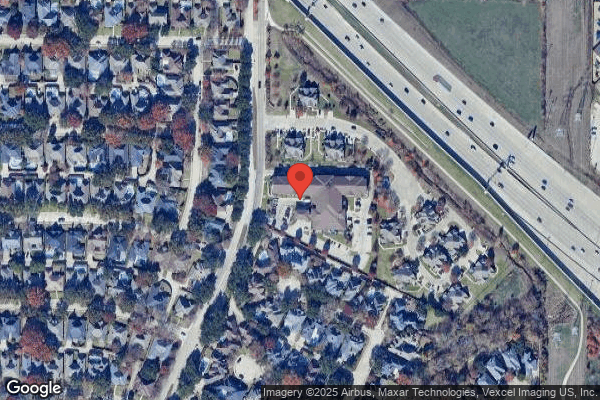
18648 HILLCREST RD, DALLAS, TX 75252 (972) 517-7771
For profit - Partnership 120 Beds OPCO SKILLED MANAGEMENT Data: November 2025 5 Immediate Jeopardy citations
Trust Grade
0/100
#854 of 1168 in TX
Last Inspection: May 2024

Within standard 12-15 month inspection cycle. Federal law requires annual inspections.

Overview

The Hillcrest of North Dallas has received a Trust Grade of F, indicating significant concerns about the facility's quality and care. Ranking #854 out of 1168 nursing homes in Texas places it in the bottom half, while its #56 out of 83 rank in Dallas County suggests limited local options that are better. The facility has a troubling trend, with 49 issues identified, including critical instances of abuse that jeopardized resident safety, although it has shown improvement by reducing issues from 23 in 2024 to 11 in 2025. Staffing is a major concern here, with a poor 1/5 rating and a high turnover rate of 71%, which is significantly above the Texas average of 50%. Additionally, fines totaling $236,449 raise red flags about compliance, and although RN coverage is average, the incidents of abuse and neglect, including failure to protect residents from harm, highlight serious weaknesses that families should consider carefully.

Trust Score
F
0/100
In Texas
#854/1168
Bottom 27%
Safety Record
High Risk
Review needed
Inspections
Getting Better
23 → 11 violations
Staff Stability
⚠ Watch
71% turnover. Very high, 23 points above average. Constant new faces learning your loved one's needs.
Penalties
⚠ Watch
$236,449 in fines. Higher than 84% of Texas facilities, suggesting repeated compliance issues.
Skilled Nurses
⚠ Watch
Each resident gets only 24 minutes of Registered Nurse (RN) attention daily — below average for Texas. Fewer RN minutes means fewer trained eyes watching for problems.
Violations
⚠ Watch
49 deficiencies on record. Higher than average. Multiple issues found across inspections.
★★☆☆☆
2.0
Overall Rating
★☆☆☆☆
1.0
Staff Levels
★★★★★
5.0
Care Quality
★☆☆☆☆
1.0
Inspection Score
Stable
2024: 23 issues
2025: 11 issues

The Good

  • 5-Star Quality Measures · Strong clinical quality outcomes
  • Full Sprinkler Coverage · Fire safety systems throughout facility
  • No fines on record

Facility shows strength in quality measures, fire safety.

The Bad

2-Star Overall Rating

Below Texas average (2.8)

Below average - review inspection findings carefully

Staff Turnover: 71%

24pts above Texas avg (46%)

Frequent staff changes - ask about care continuity

Federal Fines: $236,449

Well above median ($33,413)

Significant penalties indicating serious issues

Chain: OPCO SKILLED MANAGEMENT

Part of a multi-facility chain

Ask about local staffing decisions and management

Staff turnover is very high (71%)

23 points above Texas average of 48%

The Ugly 49 deficiencies on record

5 life-threatening 1 actual harm
Jul 2025 6 deficiencies
CONCERN (D) 📢 Someone Reported This

A family member, employee, or ombudsman was alarmed enough to file a formal complaint

Potential for Harm - no one hurt, but risky conditions existed

Resident Rights (Tag F0550)

Could have caused harm · This affected 1 resident

**NOTE- TERMS IN BRACKETS HAVE BEEN EDITED TO PROTECT CONFIDENTIALITY** Based on observation, interview, and record review the facility failed to ensure each resident was treated with respect, dignity...

Read full inspector narrative →
**NOTE- TERMS IN BRACKETS HAVE BEEN EDITED TO PROTECT CONFIDENTIALITY** Based on observation, interview, and record review the facility failed to ensure each resident was treated with respect, dignity, and care for each resident in a manner and in an environment that promoted maintenance or enhancement of his quality of life for 1 of 2 residents (Resident #61) observed for care in that: The facility failed to ensure Resident #61's urinary drainage bag (a bag at the end of an indwelling catheter that drains urine from the bladder) had a privacy cover in place on 07/29/25. This failure could affect residents in the facility who received care and could result in residents not being treated with dignity and respect.Finding included: Record review of Resident #61's MDS assessment dated [DATE] reflected Resident #61 was a [AGE] year-old male initially admitted to the facility on [DATE] and readmitted [DATE]. His diagnoses included hypertension (elevated blood pressure), neurogenic bladder, type 2 diabetes (elevated blood sugar), quadriplegia (paralysis of all four limbs), and schizophrenia (a serious mental health condition that affects how people think, feel and behave. It may result in a mix of hallucination). Resident #61 had a BIMS score of 15/15 which indicated Resident #61's cognition was intact. Review of Resident #61's Comprehensive Care Plan, created date 06/16/25, reflected the following: Focus: [Resident #61] has indwelling Catheter r/t Neurogenic bladder (a condition where nerve damage affects the bladder's ability to store and release urine, leading to various urinary problems). Goal: [Resident #61] will show no signs/symptoms of Urinary infection through review date. Intervention. TOILET USE: [Resident #61] is totally dependent on staff for toilet use . Further review revealed Focus: Enhanced Barrier Precautions R/T G tube. Goal: Reduce transmission of pathogens. Interventions: Monitor for signs/symptoms of discomfort on urination and frequency. Monitor/document for pain/discomfort due to catheter. [Resident#61] will have catheter change every month and as needed.Observation and interview on 07/29/25 at 2:31 PM revealed Resident #61 was observed up in a wheelchair in the lobby by the dining room entrance. He was observed with a urinary drainage bag on the right side of his chair with no privacy cover in place. Resident#61 stated he got up every day in his wheelchair between breakfast and dinner, and he stayed in the lobby, because he was a smoker, so he could go outside to smoke during the smoking time. Resident#61 did not say anything related to the drainage bag without privacy bag.In an interview on 07/29/2025 at 2:42 PM LVN G looked at Resident#61's foley catheter drainage bag and stated it needed a privacy bag. She stated not having drainage bag covered with privacy bag could affect Resident#61 dignity.In an interview on 07/31/25 at 10:34 AM the Administrator said privacy bags needed to be in place for resident's dignity. During an interview on 07/31/25 at 11:35 AM the DON said she expected her staff to ensure privacy bags were in place for residents with a urinary drainage bag. She said it was a dignity issue for the residents. She said she would be monitoring to ensure they were used going forward. Record review of a facility policy titled Notice of Resident Rights with revised date 08/2020, read To ensure that residents are fully informed of their rights during stay at the facility.
CONCERN (D) 📢 Someone Reported This

A family member, employee, or ombudsman was alarmed enough to file a formal complaint

Potential for Harm - no one hurt, but risky conditions existed

Comprehensive Care Plan (Tag F0656)

Could have caused harm · This affected 1 resident

**NOTE- TERMS IN BRACKETS HAVE BEEN EDITED TO PROTECT CONFIDENTIALITY** Based on observation, interview and record review the facility failed to develop and implement a comprehensive person-centered c...

Read full inspector narrative →
**NOTE- TERMS IN BRACKETS HAVE BEEN EDITED TO PROTECT CONFIDENTIALITY** Based on observation, interview and record review the facility failed to develop and implement a comprehensive person-centered care plan for each resident, consistent with the resident rights, that included measurable objectives and timeframes to meet a resident's medical, nursing and mental and psychosocial needs that were identified in the comprehensive assessment and described the services that were to be furnished to attain or maintain the resident's highest practicable physical, mental, and psychosocial well-being for 3 of 8 residents (Residents #8, #31, & #54) reviewed for care plans.1. The facility failed to develop a comprehensive person-centered care plan that reflected Resident #8 had broken teeth and required dental follow up.2. The facility failed to develop a comprehensive person-centered care plan that reflected Resident #31's behavior of hiding cigarettes. 3. The facility failed to develop a comprehensive person-centered care plan that reflected Resident #54's diet order for large portions dated 07/10/25. These deficient practices could place residents at risk of not receiving the necessary care or services.Findings included:1. Record review of Resident #8's Quarterly MDS, dated [DATE], reflected the resident was a [AGE] year-old male, admitted to the facility on [DATE], with the diagnoses of heart failure, diabetes (high blood sugar), osteoarthritis (breakdown of cartilage) and a BIMS score of 13 (intact cognition). Record review of Resident #8's care plan, dated 07/28/25, revealed there were no care areas regarding Resident #8's teeth or dental services. Record review of Resident #8's dental assessment dated [DATE] reflected Resident #8 was seen for an assessment exam and there were 7 teeth that needed to be extracted due to broken root tips and abscessed. Record review of Resident #8's progress notes from 05/01/25-07/31/25 reflected the following physician follow up progress note, dated 05/13/25: .Diagnosis, Assessment, and Plan. Tooth decay.refer to dentist In an interview and observation on 07/29/25 at 2:09 PM with Resident #8, he stated he needed to see a dentist since March 2025 because he had broken teeth and an infection that needed to be addressed; observation revealed broken and missing teeth on the top and bottom of his mouth. He stated he thought he had been seen by the dentist twice and they looked at his teeth but he had not heard any information about a follow up exam or treatment. He stated he was not sure who was scheduling the follow up visits and the facility was aware because he mentioned it to the physician and the social worker.In an interview on 07/31/25 at 10:19 AM with the Regional Social Services Consultant revealed she was one of the social workers who covered the facility while a full-time social worker was being onboarded. She stated she was not familiar with Resident #8. She reviewed Resident #8's dental assessment dated [DATE] and stated she did not think his dental concerns were care planned because every resident needed to see the dentist. In an interview on 7/31/25 at 11:30 AM with the Administrator she stated the resident's dental issues should have been care planned. She stated care plans were important to guide the plan of care for a resident.An interview on 07/31/25 at 3:13 PM with the Regional MDS Coordinator revealed it was the responsibility of the clinical team to update acute needs. She reviewed Resident #8's care plan and noted he did not have any care areas related to dental. She stated Resident #8's dental issues, such as the ones noted in the dental visit on 3/13/25, should have been added to the care plan. She stated care plans ensured staff knew what residents' needs were and a new staff member should be able to look at a care plan and know exactly what the residents' needs were. She stated there was no risk to residents for not listing the dental concerns because the care should have been provided regardless if it was in the care plan or not. In an interview on 07/31/25 at 3:53 PM with the DON she stated she was not familiar with Resident #8 because she recently began working at the facility. 2. Record review of Resident #31's Quarterly MDS, dated [DATE], reflected she was a [AGE] year-old female, admitted to the facility on [DATE], with the diagnoses of sepsis (systemic infection), neuralgia (nerve pain), cellulitis (bacterial infection of the skin), and a BIMS score of 15 (intact cognition).Record review of Resident #31's care plan, dated 07/18/25, reflected she was a smoker and interventions included to provide assistance to the smoking area, monitor for unsafe smoking such as dropping cigarette or holding close to body and report to the nurse, and assess smoking ability quarterly. The care plan did not reflect Resident #31 had hidden cigarettes on 06/18/25 and 07/29/25.Record review of Resident #31's smoking violations dated 6/18/25 reflected cigarettes were found in Resident #31's room and were removed, Resident #31 refused to sign the smoking violation form. A smoking violation dated 07/30/25 reflected cigarettes were found in Resident #31's room and were removed with re-education provided, Resident #31 refused to sign the smoking violation form and physician and family were notified, signed by the Administrator. Record review of Resident #31's nurse's progress notes from 05/01/25 through 07/31/25 reflected a progress note dated 07/29/25, written by RN CC: Resident was observed with cigarettes in room. Resident's cigarettes are supposed to be in a box and given to resident during smoking scheduled times. Resident was reorientated with facility smoking policy. Resident 's cigarettes were taken from resident and to be given when it's a smoke scheduled time.Observation and interview on 07/29/25 at 11:56 AM with Resident #31 revealed she was in her room, seated in a chair with a bedside table in front of her with a pack of Lucky Strike cigarettes on the bedside table. Resident #31 stated she knew she was not supposed to have cigarettes in her room and was not going to put them in the smoking lock box because the last time she went to the hospital and returned to the facility her cigarettes were gone and believed they were stolen. In an interview on 07/29/25 at 12 PM with RN CC, she was informed Resident #31 had cigarettes in her room. She stated residents were not supposed to have smoking supplies in their rooms and was going to immediately speak with Resident #31. An interview on 07/30/25 at 1:03 PM with CNA DD revealed she was aware Resident #31 had hid cigarettes in her room in the past. She stated there had been a time that she searched the room for cigarettes, and she was not able to find them due to Resident #31 hiding the cigarettes. She stated Resident #31 told her she was not going to turn in the cigarettes because they had been stolen when they were in the lock box in the past. She stated the Administrator was aware. An interview on 07/31/25 at 10:19 AM with the Regional Social Services Consultant revealed she was not aware that Resident #31 had a behavior of hiding cigarettes and was not sure if it was care planned. She stated it would be important to care plan a behavior of hiding cigarettes, so all staff were aware of the behavior.An interview on 07/31/25 at 11:30 AM with the Administrator reflected they had spoken with Resident #31 regarding the cigarettes in her room and was provided a second smoking violation and educated her on the facility's smoking policy. She stated she expected residents to abide by the smoking rules and had educated residents in the past 3 resident council meetings of smoking rules she stated Resident #31's behavior of hiding cigarettes should be care planned so staff were aware of the behavior. She stated it was important for care plans to be specific and note any behaviors because it guided the resident's plan of care.In a follow up interview on 07/31/25 at 12:20 PM with RN CC she stated she was not aware Resident #31 had cigarettes or had hidden cigarettes before and she and the Administrator spoke with Resident #31 on 07/29/25 and obtained the cigarettes. She stated Resident #31 admitted to having the cigarettes when she spoke with her on 07/29/25. She stated Resident #31 told her that she hid them because she did not want to keep the cigarettes in the smoking supplies box because she thought they would be stolen. She stated it was important to care plan the behavior of hiding cigarettes to ensure staff were aware of the behavior. In an interview on 07/31/25 at 3:13 PM with the Regional MDS Coordinator she stated Resident #31 keeping cigarettes in her room should have been care planned because it was a behavioral issue. She stated that Resident #31's care plan had been updated to reflect hoarding cigarettes and was not updated until the surveyor brought it to staffs' attention. She stated care plans ensured staff knew what a residents' needs were and a new staff member should be able to look at a care plan and know exactly what the residents' needs were and their behaviors. She stated Resident #31's hoarding cigarettes in her room could pose a risk to her and other residents if she was hoarding cigarettes. 3. Record review of Resident #54's Comprehensive MDS, dated [DATE] reflected he was a [AGE] year-old male admitted to the facility on [DATE] with the diagnoses of kidney failure, fracture of right leg, and traumatic brain injury, and a BIMS score of 15 (intact cognition). Record review of Resident #54's care plan, dated 07/24/25 reflected he was at risk for malnourishment and interventions included .Provide and serve diet as ordered and did not reflect his diet order for large portions dated 07/10/25. Record review of Resident #54's physician orders reflected a large portions diet order dated 07/10/25. In an interview on 07/29/25 at 2:48 PM with Resident #54 he stated the only concern was there were times he did not receive large portions and had to ask an aide for seconds. He stated it frustrated him because it seemed to keep happening despite his meal ticket showing large portions. He stated he had spoken with the Dietary Supervisor about his concern and when the Dietary Supervisor worked, his meals were the correct portions and thought it was due to having different staff in the kitchen. An interview on 07/30/25 at 1:03 PM with CNA DD revealed Resident #54 had a double portions diet. She stated there were times as recently as last week where Resident #54 did not appear to receive large portions, and she let the kitchen know and offered an alternative meal. She stated that his meal ticket always said large portions and was not sure if it was care planned. She stated she was not sure why there were times he did not seem to receive meals as ordered. An interview on 07/30/25 at 2:08 PM with the Dietary Supervisor revealed Resident #54 had an order for large portions. She stated when Resident #54 had admitted to the facility he requested large portions, and it was reflected on his meal ticket. She stated she was not aware that he had not received large portions recently and it was important to ensure residents received their diet as ordered because the facility was their home, and it might be the way he was used to eating at home. She stated if the resident had an order for large portions, it should be care planned and was not aware that the resident's order was not care planned.An interview on 7/31/25 at 11:30 AM with the Administrator revealed she was not sure if a resident's diet for large portions was something that would be care planned. In an interview on 07/31/25 at 3:13 PM with the Regional MDS Coordinator she stated Resident #54's current care plan stated, serve diet as ordered and it should be more detailed to include the order for large portions. She stated care plans ensured staff knew what residents' needs were and a new staff member should be able to look at a care plan and know exactly what the residents' needs were. She stated there was no risk to the residents for not addressing the order for large portions because the large portions were provided regardless of if it was in the care plan or not.In an interview on 07/31/25 at 3:53 PM with the DON she stated Resident #54's diet order for large portions should be care planned because it ensured staff were aware that he was supposed to have large portions and it could negatively impact his weight. Record review of the facility's care plan policy, titled Care Planning, dated revised October 24, 2022, reflected: Purpose: To ensure that a comprehensive person-centered Care Plan is developed for each resident based on their individual assessed needs.Procedure:I. The Facility's Interdisciplinary Team (IDT) will develop a Baseline and/or Comprehensive Care Plan for each resident in accordance with OBRA and MDS guidelines.II. The Care Plan serves as a course of action where the resident (resident's family and/or guardian or other legally authorized representative), resident's Attending Physician, and IDT work to help the resident move toward resident-specific goals that address the resident's medical, nursing, mental and psychosocial needs.
CONCERN (D) 📢 Someone Reported This

A family member, employee, or ombudsman was alarmed enough to file a formal complaint

Potential for Harm - no one hurt, but risky conditions existed

Accident Prevention (Tag F0689)

Could have caused harm · This affected 1 resident

**NOTE- TERMS IN BRACKETS HAVE BEEN EDITED TO PROTECT CONFIDENTIALITY** Based on observation, interview, and record review the facility failed to ensure residents receive adequate supervision and assi...

Read full inspector narrative →
**NOTE- TERMS IN BRACKETS HAVE BEEN EDITED TO PROTECT CONFIDENTIALITY** Based on observation, interview, and record review the facility failed to ensure residents receive adequate supervision and assistance devices to prevent accidents for one of seven residents (Resident #25) reviewed for quality of care. 1. The Facility failed to ensure CNA N provided safe transport for Resident #25 when she walked forward pulling the resident's wheelchair backwards down the hallway and running the wheelchair footrest into the wall on 07/29/25. 2.The Facility failed to ensure CNA U and RN C used a gait belt and instead lifted Resident #25 under his arms when transferring him from his wheelchair to the bed on 07/29/25. 3. The Facility failed to ensure CNA U and RN C performed a correct gait belt transfer when they lifted the resident under his arm when transferring him from the bed to his wheelchair on 07/29/25. These failures could affect the residents by placing the residents at risk for falls, injuries, and skin tears. Findings included: Record review of Resident #25's Face sheet dated 07/31/25 reflected an admission date of 10/27/23. Record Review of Resident #25's quarterly MDS assessment, dated 07/08/25 reflected a [AGE] year-old male who had a BIMS score of 1 which indicated he was severely cognitively impaired. He was dependent for all activities of daily living and required the assistance of 2 persons to complete most activities. He was always incontinent of bladder and bowel. Diagnoses included dementia, cerebral vascular accident (stroke) and aphasia (language disorder that affects a person's ability to communicate). Review of Resident #25's care plan revised on 07/29/25 reflected, [Resident #25] had an ADL Self Care Performance Deficit related to dementia.Intervention.Transfer: The resident requires x 2 staff participation with transfers. In an observation on 07/29/25 at 11:35 a.m. Resident #25 was observed sitting in the common/dining room area in a reclining wheelchair. Attempts to interview the resident were made, but he was unable to carry on a conversation. In an observation on 07/29/25 at 2:25 p.m. CNA N was observed walking forward and pulling Resident #25 backwards in his wheelchair from the common/dining room area toward the nurses' station and down the hallway to his room. When CNA N rounded the corner at the nurse's station, the foot of the wheelchair bumped into the wall. RN C followed CNA N down the hallway and instructed CNA N to push the resident forward instead of pulling him down the hall backwards. CNA N then turned the resident around and stopped in the hallway in front of his room. She stated he was not her resident and was not sure who was coming to put him to bed. In an interview with CNA N on 07/29/25 at 02:28 p.m. she stated she was not supposed to pull the resident backward because it was a safety risk. She stated she was not aware she bumped the wall with his wheelchair. In an observation on 07/29/25 at 02:30 p.m. CNA U, CNA L and RN C came and pushed Resident #25 into his room and positioned his wheelchair next to the bed with the resident facing the head of the bed. CNA U and RN C placed their arms under the resident's arm pits and lifted him from the wheelchair to the bed without the use of a gait belt. Resident #25's legs were not extended, and his feet were not touching the ground. A gait belt was observed laying on top of the chest of drawers by the resident's bed. CNA U and CNA L rolled the resident onto his back and removed his pants. CNA U completed the peri-care and both staff placed a clean brief and clean pants onto the resident. RN C and CNA U then positioned the resident on the side of the bed and both CNA U and RN C placed the gait belt around the resident's waist. Both staff placed one of their hands on the gait belt and placed their other arm under the residents' armpits, lifting him from the bed to wheelchair. Again, his feet did not touch the ground. In an interview with RN C on 07/29/25 at 03:00 p.m. he stated Resident #25 was a 2-person transfer. He stated sometimes he can stand a little but other times he cannot. He stated he was not sure if he had been evaluated for a mechanical lift transfer but stated that would be better. He stated all two persons assist transfers which were not mechanical lift should have a gait belt. He stated they should not have lifted him by his arms because it could cause injury to the resident's shoulders. He stated he did not see the gait belt in the room and should have stopped and looked before they transferred the resident. In an interview with CNA U on 07/29/25 at 03:05 p.m. she stated they were supposed to use a gait belt anytime they assisted with a transfer. She stated a gait belt was used to help steady a resident and help prevent a fall and injury to the resident and to themselves. She stated she was not aware they could not place their arms under the residents' arm pits when using the gait belt. In an interview with PT W on 07/30/25 at 03:45 p.m. she stated she had done some new employee training with gait belts and mechanical lift transfers, but it was not something they did on a routine basis. She stated the facility's expectation for safe transfers was any resident who needed contact assistance with a transfer would need a gait belt to assist with fall recovery and or prevent falls. She stated it was never acceptable to lift a resident under the arm pits due to risk of shoulder injury. She stated both hands were to be placed on the gait belt, one in the front and one in the back. She stated Resident #25 could stand at times, but due to his poor cognition it was not consistent. In an interview with the DON on 07/31/25 at 10:55 a.m. she said it was the expectation for staff to use a gait belt when providing transfers to residents to prevent the risk of injury to the resident and the staff. She stated they had re-educated the staff last night (07/30/25) on correct transfers and were in the process of re-skills checks for the staff to ensure everyone was using the proper techniques. She stated at no time were staff to pull residents backwards, since it was a safety issue and a dignity issue. She stated she had been there for 3 weeks and was in the process of getting her systems in place. She stated going forward she and the ADONs would be responsible for ensuring staff were skills checked. Record review of the facility's policy, Transfer of Residents dated June 2020, reflected, .Mechanical lift procedures are used on any resident unable to independently pivot or transfer.Use a gait belt for transfers.Two-Person Assisted Transfer (resident who must be able to bear weight).May apply gait belt (unless contraindicated) around resident's waist securely enough to prevent sliding up over ribs.Each person will extend the arm closet to the resident forward between the resident's side and elbow. With fingers pointing downward, grasp the gait belt firmly. Instruct the resident to place their hand between your body and arm grasping the gait belt and holding on the back of your upper arm. There was no instruction on transporting residents in their wheelchair.
CONCERN (D) 📢 Someone Reported This

A family member, employee, or ombudsman was alarmed enough to file a formal complaint

Potential for Harm - no one hurt, but risky conditions existed

Respiratory Care (Tag F0695)

Could have caused harm · This affected 1 resident

**NOTE- TERMS IN BRACKETS HAVE BEEN EDITED TO PROTECT CONFIDENTIALITY** Based on observation, interview and record review, the facility failed to ensure that residents who needed respiratory care were...

Read full inspector narrative →
**NOTE- TERMS IN BRACKETS HAVE BEEN EDITED TO PROTECT CONFIDENTIALITY** Based on observation, interview and record review, the facility failed to ensure that residents who needed respiratory care were provided such care consistent with professional standards of practice, the comprehensive person-centered care plan, and the resident's goals and preferences for 1 of 5 (Resident #3) residents reviewed for respiratory care. 1. The facility failed to ensure Resident #3's oxygen was administered at the correct setting of 2 liters per minute on 7/29/25 as ordered by the physician. These deficient practices could place residents who receive respiratory care at an increased risk of developing respiratory complications and a decreased quality of care. The findings included: Record review of Resident #3's admission record dated 7/29/25 reflected a [AGE] year-old female with an original admission date of 1/25/23 and readmission date of 10/2/24. Pertinent diagnoses included Acute or Chronic Heart failure, Acute Kidney Failure, End Stage Renal Disease (a condition in which the kidneys lose the ability to remove waste and balance fluids), and Morbid Obesity. Record review of Resident #3's Order Summary Report dated 06/29/2025, and a physician order on 7/1/25 reflected O2 (oxygen) @ 2 liters per minute via Nasal Cannula every shift.Record review of Resident #3's person-centered care plan, initiated date 7/12/25 reflected .resident has Oxygen Therapy related to Ineffective gas exchange Date Initiated: 09/14/2023 Revision on: 09/08/2024.CHANGE respiratory tubing mask, bottle water q 7 days, and prn (as needed) -clean oxygen concentrator filter with soap and water, and air dry 7 days, and prn (as needed) -check o2 (oxygen) saturation qshift (every shift) and prn (as needed) ( may titrate oxygen flow rate 2-5 lpm (liters per minute) Date Initiated: 05/29/2024 Revision on: 11/01/2024 LVN O2 (oxygen) @ 2 liters per minute via Nasal Cannula as needed for To maintain 02>90 Date Initiated: 09/14/2023 Revision on: 11/07/2024 CNA LVN RN. Record review of Resident #3's Quarterly MDS assessment, dated 7/2/25 in section O-C1 reflected resident required oxygen while residing at the facility. Her BIMS score was 13 which indicated little to no impairment to cognition. In an interview and observation with Resident #3 on 07/29/2025 at 10:58 AM the resident was heard yelling from her room she needed her call light and oxygen because she couldn't breathe. The Staffing Coordinator entered the room immediately and left shortly after. The Surveyor entered the room to check on Resident #3 after the Staffing Coordinator had left. Resident #3 was observed with oxygen on via nasal cannula. The oxygen tank read 4.5 liters. Resident #3 reported she needed her oxygen on because she was having difficulty breathing and felt better now that it was on. Resident #3 stated she did not know the oxygen level her machine should have been at and had not adjusted it herself, as she could not reach it. During and interview and observation with the Staffing Coordinator on 7/29/25 at 11:13am revealed she responded to Resident #3 yelling and turned on the oxygen tank for the resident. She stated she was unsure of the oxygen orders, but the oxygen machine was usually set to where the resident needed it. She stated oxygen was typically ordered at 1 or 2 liters. She was asked to read the oxygen level on the tank and she stated it was at 4.5 liters, and she then stated oh I need to slow it down. She was observed adjusting the oxygen level and left the room to check Resident #3's orders. When she returned, she stated Resident #3's order was for 2 liters via nasal cannula and did not make any adjustments to the oxygen tank. She stated the risk to the resident of incorrect oxygen administration was administration of oxygen may not be as ordered by the physician. She stated the resident had too much oxygen going in before she adjusted it but did not know the risk for that resident of getting too much oxygen and would have to check. An observation of Resident #3 in her room on 7/29/25 at 11:15am revealed the oxygen tank was set at 3.5 liters and the resident continued to receive oxygen via nasal cannula. In an observation and interview with ADON A in Resident #3's room on 7/29/25 at 11:47am she confirmed the oxygen tank was set at 3.5 Liters. She stated she did not know what it should be at but would get a nurse from the floor and check the order. She stated she knew it was set incorrectly as she walked out of the room. ADON A returned and stated the physician order was 2 liters via nasal cannula. The Staffing Coordinator and ADON A entered the room again and corrected Resident #3's oxygen to 2 liters. The Surveyor observed the oxygen tank to be set at 2 liters. ADON A stated she was unsure of the risk to Resident #3 getting too much oxygen but stated if her oxygen had been administered 8 to 10 liters, she could become disoriented. She stated oxygen can usually be titrated between 2 and 4 liters; however, the physician order must be followed. An interview with LVN H on 7/30/25 at 3:09pm revealed if a resident was asking for their oxygen and had as needed oxygen, she would look at the physician order, verify how many liters the order stated and would place them on oxygen. She stated if the resident was on continuous oxygen, then the resident would already have been on oxygen and would verify the resident was receiving the right amount of oxygen. An interview with LVN F on 7/30/25 at 3:31pm revealed he was familiar with Resident #3 and stated she was prescribed oxygen. He stated when Resident #3 requested oxygen he would check her oxygen levels to ensure she needed it and would follow the physician orders for oxygen. He reported no risk to the resident of not giving the right amount of oxygen because he always checks the physician order before administering oxygen so it would not happen. An interview with LVN J on 7/31/25 at 8:45am revealed when a resident asked for oxygen, they checked the order and turned the oxygen on based on the physician order. She did not know the risk to residents if too much oxygen was given.An interview with RN D on 7/31/25 at 8:53am revealed Resident #3 used oxygen as needed. When Resident #3 requested her oxygen she would check the orders, check the resident's oxygen saturation and pulse and administer oxygen as ordered. She stated she knew Resident #3 was ordered to receive 2 liters of oxygen via nasal cannula. The risk of not giving Resident #3 the appropriate oxygen was she would have trouble breathing. In most cases Resident #3's oxygen levels were good. An interview with the DON on 7/31/25 at 10:09am revealed the expectation was if a resident requested oxygen, the nurses should assess oxygen saturation, and if they needed oxygen they would provide the oxygen per the doctor's order on file. The risk to the resident of not getting the appropriately ordered oxygen was the resident could become confused or hypoxic (low levels of oxygen). There was no risk for Resident #3 to have oxygen between 2 liters to 4.5 liters because it could be titrated, but they should have followed the doctor's order.An interview with the Administrator on 7/31/25 at 10:57am revealed the Staffing Coordinator was a nurse and could administer oxygen. The expectation when administering oxygen was to assess the resident, check their oxygen levels and determine if oxygen was needed. If it was ordered titrated, they adjusted the oxygen by following the physician orders. The risk to Resident #3 of giving her more oxygen than what was ordered was unknown because the care plan showed her to have titrated oxygen, but the order did not. She stated the order had been corrected since the incident occurred to match the care plan, which had titrated oxygen. Record review of the facility's policy titled Oxygen Administration revised 6/2020 reflected .I. Initiation of Oxygen A. A physician's order is required to initiate oxygen therapy. Procedure I. Explain the procedure to the resident. II. Check the physician's order. III. Wash hands IV. Assist resident to semi- or high Fowler's position (a semi-sitting body position where the head of the bed is elevated between 45 and 60 degrees), if tolerated. V. Attach oxygen tubing to nozzle on flowmeter. A. If using a high oxygen flow (> 4 liters), attach humidifier to the flowmeter. B. Attach oxygen tubing to humidifier. VI. Turn on the oxygen at the prescribed rate.
CONCERN (D) 📢 Someone Reported This

A family member, employee, or ombudsman was alarmed enough to file a formal complaint

Potential for Harm - no one hurt, but risky conditions existed

Dental Services (Tag F0791)

Could have caused harm · This affected 1 resident

**NOTE- TERMS IN BRACKETS HAVE BEEN EDITED TO PROTECT CONFIDENTIALITY** Based on observation, interview and record review the facility failed to assist residents in obtaining routine and 24-hour emerg...

Read full inspector narrative →
**NOTE- TERMS IN BRACKETS HAVE BEEN EDITED TO PROTECT CONFIDENTIALITY** Based on observation, interview and record review the facility failed to assist residents in obtaining routine and 24-hour emergency dental care for 1 of 8 residents (Residents #8) reviewed for dental services.The facility failed to provide and coordinate dental services for Resident #8 after a dental assessment on 03/13/25 indicated he needed 7 teeth extracted. This failure could place residents at risk of oral complications, dental pain, and diminished quality of life.Findings included:Record review of Resident #8's Quarterly MDS, dated [DATE], reflected the resident was a [AGE] year-old male, admitted to the facility on [DATE], with the diagnoses of heart failure, diabetes (high blood sugar), osteoarthritis (breakdown of cartilage) and a BIMS score of 13 (intact cognition). Record review of Resident #8's face sheet, dated 07/30/25, reflected his primary payor source was Medicaid.Record review of Resident #8's care plan, dated 07/28/25, did not reflect and care areas regarding Resident #8's teeth or dental services. Record review of Resident #8's dental assessment dated [DATE] reflected Resident #8 was seen for an assessment exam and there were 7 teeth that needed to be extracted due to broken root tips and having an abscessed. Record review of Resident #8's progress notes from 05/01/25-07/31/25 reflected the following physician follow up progress note, dated 05/13/25: .Diagnosis, Assessment, and Plan. Tooth decay.refer to dentist In an interview and observation on 07/29/25 at 2:09 PM with Resident #8, he stated he needed to see a dentist since March 2025 because he had broken teeth and an infection that needed to be addressed. Observation revealed broken and missing teeth on the top and bottom of his mouth. He stated he thought he had been seen by the dentist twice and they looked at his teeth and - he had not heard any information about a follow up exam or treatment. He stated he was not sure who was scheduling the follow up visits and the facility was aware because he mentioned it to the Physician and the Social Worker. He stated he was able to eat and experienced some discomfort at times, but it did not cause him pain.In an interview on 07/31/25 at 10:19 AM with the Regional Social Services Consultant revealed she was one of the social workers who covered the facility while a full-time social worker was being onboarded and they were responsible for coordinating dental follow up visits and referrals. She reviewed Resident #8's dental assessment dated [DATE] and stated she would have expected Resident #8 to be seen by dental services since March 2025 and would have to contact the company to determine if he was seen. She stated it was important to ensure residents had timely dental referrals and follow ups because dental issues could impact their day-to-day life. She stated residents who had broken teeth or abscesses could experience pain and difficulty eating. In an interview on 7/31/25 at 11:30 AM with the Administrator revealed she would have expected Resident #8 to have been seen by dental services since March 2025 for his root tips and dental concerns. She stated that the social worker was responsible for making referrals and follow up visits for residents. She stated the Regional Social Services Consultant and other social workers were responsible for resident social services referrals and the facility had recently hired a full-time social worker. She stated she expected dental follow ups and referrals to be timely because residents could experience pain or difficulty eating. In an interview on 07/31/25 at 3:53 PM with the DON she stated she was not familiar with Resident #8 because she recently began working at the facility. She stated dental follow ups and referrals were the responsibility of the social worker. She stated it was important to ensure residents had timely dental care follow ups to ensure they received the care they needed and did not experience discomfort, pain, or problems eating.Record review of the facility's referral policy, titled Referrals to Outside Services, dated August reflected: .Purpose: To provide residents with outside services as required by physician orders or the Care Plan.The Director of Social Services coordinates the referral of residents to outside agencies/programs to fulfill resident needs for services not offered by the Facility. To facilitate this process, the Facility maintains service provider contracts with a variety of providers.
CONCERN (E) 📢 Someone Reported This

A family member, employee, or ombudsman was alarmed enough to file a formal complaint

Potential for Harm - no one hurt, but risky conditions existed

Food Safety (Tag F0812)

Could have caused harm · This affected multiple residents

Based on observations, interviews, and record review, the facility failed to store, prepare, distribute, and serve food in accordance with professional standards for food service safety for the facili...

Read full inspector narrative →
Based on observations, interviews, and record review, the facility failed to store, prepare, distribute, and serve food in accordance with professional standards for food service safety for the facility's only kitchen.1. The facility failed to ensure food item in the facility walk-in refrigerator was dated, labelled and not expired.2. The facility failed to ensure food item in the facility refrigerator was dated and labelled.These failures could affect residents who received their meals from the facility's only kitchen, by placing them at risk for food-borne illness, and food contamination. Findings included:Observation of the facility walk in refrigerator on 07/29/2-25 at 09:14 AM revealed cabbages in a tray were not labelled or dated, butter in an open box was not dated or labelled, salad mix in two plastic bags were not labelled, an open box of dessert was not dated, shredded cabbage in a plastic bag had an expiration date of 07/23/2025. Garlic bread in a plastic bag in the refrigerator was not dated or labelled. An interview on 07/30/2025 at 02:46 PM with [NAME] Z revealed all the kitchen employees were responsible to ensure the food items were dated, labelled and not expired. She stated she expected all the food items to be dated the day she received it, put the date when the box was open, and throw any expired food item into trash. She stated dating, labelling was important to ensure the food was fresh and not expired. She stated not dating, labeling and expired food increased the risk for food poisoning and food borne illness among the residents. She stated she received training and in services on food handling every month and the most recent she received was that day. An interview with the Dietitian on 07/30/2025 at 03:06 PM revealed she expected all the food items to be dated, labelled and not expired. She stated the dietary manager was responsible to ensure all the food items were dated, labelled and not expired. She stated the staff did not have to put a date on the food item if it had the delivery date sticker by the food vendor. She stated not having a date, label, or use of expired food may cause food borne illness among the residents. She stated all the kitchen employees received in service training on dating labelling and handling food every month. She stated they did not use the expired food item and it was discarded. An interview with Dietary Aide AA on 07/30/2025 at 03:13 revealed all the kitchen employees were responsible to ensure the food items were dated, labelled and not used beyond the expiry date. He stated the cooks were responsible to ensure the food items in the refrigerator and freezer were dated, labelled and not expired. He stated dating, labeling and discarding expired food were important to ensure residents were not affected by food poisoning and illness. He stated he received in service that week on food handling, dating, labelling, discarding food items beyond the expiration date. An interview with Dietary Aide BB on 07/30/2025 at 03:20 PM revealed all the kitchen staff were responsible to ensure the food items were dated, labelled and not expired. He stated the staff were responsible to put the date the day they received the item, the date they opened a box. He stated not dating, labelling and using food beyond expiration date increased the risk of residents getting sick due to food borne illnesses. He stated he received in service training on food labeling and dating that week. An interview with the Dietary Manager on 07/30/2025 at 03:28 PM revealed all the kitchen staff were responsible to make sure the food items were dated, labelled and not expired. She stated she expected the staff to date when they received the food item, date it when they opened the box and to throw away the expired items. She stated not dating, labelling and discarding expired food could lead to food borne illness and death among the residents. Record review of the facility policy titled food labeling and dating, dated 1/25/25 reflected To establish guidelines for storing, thawing, and preparing food. Policy: Food items will be labelled, dated, stored, thawed in accordance with good sanitary practice. Procedure: I. Dietary employees will be trained regarding proper food storage procedures, labeling, and dating. II. The product name will be labelled on food items, including the original packaging, zip-lock bag, and storage bin. III. Label each package, box, can, etc., with the date of receipt. Items stored should be dated upon receipt, unless they contain a manufacture's use-by, or a date delivered. If the vendor pick stickers have the receive date or delivery date printed on the pick sticker, this can serve as a receiving date labelling. IV. The practice of First In, First Out (FIFO) will be utilized. Products that do not have an imprinted use-by or expiration date on the product will be dated when they are received and rotated as new inventory is purchased. V. Frozen bread products will be labelled with the product name, the storage box, rack or bin will be dated with the received date, the date item was pulled to thaw, and the date with the manufacture's recommended shelf-life. VI. Opening a food item can change the storage life of a product. Once a package or container is opened, the item must be labeled with an open by date and use-by date or dated with the use-by or expired on the manufacturer's recommended shelf-life. A. If the manufacturer does not include a recommended use by or expire date, the dietary staff must determine a use by date for the food item based on the Storage Period table or 7 days. Label the original packaging, Ziplock bag, bin, or container appropriate use by date. VIII. Prepackaged individual wrapped portion control items (aka PC items) will be stored in the original box, packing, container, or bin labeled with the date received on the container, and the manufacturer's recommended shelf-life date from the original container or best by date will be used for discard. If PC items are removed from the original packing and placed in a container or bin, the product name will be on the label on the bin or container. X. Expiration or use-by dates will be checked; any product that is found to be out of date will be discarded. Perishable foods and Dairy foods that have a date on them that is best if used by, Best by, or Use by will be used by or discarded on that manufacturer's date. XI. Discard foods that have exceeded their expiration date. If the product is delivered with an out-of-date expiration date, the vendor will be called, the product will be removed from usable stock
Jun 2025 1 deficiency
CONCERN (E) 📢 Someone Reported This

A family member, employee, or ombudsman was alarmed enough to file a formal complaint

Potential for Harm - no one hurt, but risky conditions existed

Pharmacy Services (Tag F0755)

Could have caused harm · This affected multiple residents

**NOTE- TERMS IN BRACKETS HAVE BEEN EDITED TO PROTECT CONFIDENTIALITY** Based on interviews and record review, the facility failed to provide pharmaceutical services including procedures that assured ...

Read full inspector narrative →
**NOTE- TERMS IN BRACKETS HAVE BEEN EDITED TO PROTECT CONFIDENTIALITY** Based on interviews and record review, the facility failed to provide pharmaceutical services including procedures that assured the accurate acquiring, receiving, dispensing, and administering of all routine and emergency drugs and biologicals for 3 residents (Resident #1, Resident #2, and Resident #3) of 5 residents reviewed for pharmacy services. 1. The facility failed to ensure Resident #1's Hydrocodone-Acetaminophen were ordered and administered according to physician's orders, causing the resident to miss 3 doses in May 2025. 2. The facility failed to ensure Resident #2's Hydrocodone-Acetaminophen were ordered and administered according to physician's orders, causing the resident to miss 2 doses in April 2025. 3. The facility failed to ensure Resident #3's Oxycodone HCL were ordered and administered according to physician's orders, causing the resident to miss 2 doses in May 2025. These failures could place residents at risk for not receiving therapeutic dosages of their medications as ordered by the physician and a potential for decreased health status and decreased quality of life. Findings included: 1. Record review of Resident #1's face sheet, dated 6/03/25, reflected the resident was a [AGE] year-old female who initially admitted to the facility on [DATE] and readmitted on [DATE]. Resident #1 had diagnoses that included: fibromyalgia (disease that causes widespread pain and fatigue in body), and chronic pain syndrome. Record review of Resident #1's Quarterly MDS assessment, dated 4/11/25, reflected her BIMS score was 15, which indicated the resident was cognitively intact. The MDS Assessment under Section GG-Functional Abilities, reflected Resident #1 required partial to moderate assistance with most self-care ADLs and was independent with all mobility ADLs. Further review of this document under Section J-Health Conditions, reflected the resident received a scheduled pain medication regimen with pain being present rarely and mildly. Record review of Resident #1's care plan, dated 4/21/25, reflected the resident was on pain medication therapy r/t dx of pain. Interventions included: administering medication as order, asking physician to review medication if side effects persist, monitoring respirations, monitoring for altered mental status and adverse reactions, monitoring for increased risk for falls, and reviewing for pain medication efficacy (desired results). Further review of this document reflected Resident #1 required pain management (hydrocodone) d/t pain in right and left shoulder. Interventions included: honoring resident's wishes to d/c Lidocaine patches, administering analgesia (pain reliever), as ordered, anticipating the resident's need for pain relief and responding immediately, evaluating the effectiveness of pain interventions, and monitoring and documenting any side effects of pain medication. Review of Resident #1's active order summary, dated 6/03/25, reflected the resident was ordered the following medications for pain: -Biofreeze External Gel 4%-apply to left shoulder/neck topically every 12 hours as needed for acute pain. Start date: 4/15/24. -Hydrocodone-Acetaminophen oral tablet 5-325 mg-give 1 tablet by mouth five times a day (6:00 AM, 10:00 AM, 2:00 PM, 6:00 PM, 10:00 PM) related to fibromyalgia; pain in right shoulder; pain in left shoulder. Start date: 12/19/24. -Methocarbamol oral tablet 500 mg-give 1 tablet by mouth three times a day (7:00 AM, 1:00 PM, and 7:00 PM) for muscle spasms. Start date: 1/05/23. -Methocarbamol oral tablet 500 mg-give 1 tablet by mouth every 8 hours as needed. Start date: 1/05/23. Record review of Resident #1's Medication Administration Record for May 2025, reflected the following: -Hydrocodone-Acetaminophen oral tablet 5-325 mg was not administered on 5/31/25 at 10:00 AM, 2:00 PM, or 6:00 PM. Record review of Resident #1's-controlled drug administration record, dated 5/31/25, reflected the following: -Hydrocodone APAP 5-325 MG- 120 tablets were received at the facility on 5/31/25 (time not specified) and the first dose was signed out on 5/31/25 at 10:00 PM. Record review of Resident #1's progress notes, dated 5/31/25 at 1:42 PM by the ADON, reflected the following: Late Entry- [ADON] was notified by nurse that norco was unavailable. [ADON] notified [Pain Management NP] of situation N/O to hold norco give Tylenol 500mg for pain until norco arrives. In an observation and interview on 6/03/25 at 10:00 AM, Resident #1 was lying in bed in her room with no signs of distress or pain. Resident #1 stated she felt good and denied currently being in pain. She stated having no concerns at the facility except for this past weekend when they ran out of her pain medication (Hydrocodone). Resident #1 stated she could not recall the exact day, but she remembered receiving the first morning dose and the nurse telling her the MD was being called because they did not have any medication for her next dose. Resident #1 stated she received Tylenol instead of Hydrocodone for one of her doses but could not recall which dose. She stated the Tylenol helped some and she slept most of the day so she could not remember being in severe pain. Resident #1 stated by evening she was able to receive her Hydrocodone. In an interview on 6/03/25 at 12:46 PM, the ADON stated LVN C notified her that Resident #1 was out of her Hydrocodone and the Pain Management NP had been notified. The ADON stated LVN C was unable to get the medication from the emergency kit because the order at the pharmacy needed to be updated and they would not allow the Hydrocodone to be dispensed. The ADON stated the Pain Management NP gave a new order for Tylenol 3 while she worked on submitting a new order for the Hydrocodone, which arrived at the facility the same day. The ADON stated the facility had protocols in place to prevent the residents from running out of medications . She stated the nurses were able to get medication from the emergency kit, have an emergency prescription sent to a local pharmacy if there was an issue with their contracted pharmacy, or call the MD for an alternative order. In an interview on 6/03/25 at 2:27 PM, the Administrator stated she worked at the facility since 2/2025. The Administrator stated she was aware of the issue the facility was having with ensuring that medications were re-ordered on time. She stated the facility was going through a turn-over with new management and she was trying to get everyone trained. She stated she was notified about the recent incident when Resident #1 ran out of her Hydrocodone. She stated the nurses used a texting system to communicate with management, and LVN C texted on 5/31/15 at approximately 11:00 AM that Resident #1 did not have any Hydrocodone and she was unable to get a dose from the emergency kit because there was not an updated order on file. The Administrator stated the nurse notified the NP was able to get an order to administer Tylenol 3. An attempted interview on 6/03/25 at 2:45 PM with LVN C, who worked with Resident #1 when she ran out of her narcotic pain medication, was unsuccessful due to no response to call. 2. Record review of Resident #2's face sheet, dated 6/03/25, reflected the resident was a [AGE] year-old female who admitted to the facility on [DATE]. Resident #2 had diagnosis of fractures of lower end of left radius. Record review of Resident #2's admission MDS assessment, dated 3/18/25, reflected her BIMS score was 15, which indicated the resident was cognitively intact. The MDS Assessment under Section GG-Functional Abilities, reflected Resident #2 required moderate assistance with most self-care ADLs and moderate assistance with most mobility ADLs. Further review of this document under Section J-Health Conditions, reflected the resident did not receive a scheduled pain medication regimen, but received PRN pain medications, with pain being present frequently with pain at a 7 on a scale from 0-10. Record review of Resident #2's care plan, dated 4/11/25, reflected the resident required pain management r/t femur and radius fracture. Interventions included: administering analgesia (pain reliever), monitoring and documenting for side effects of pain medication, and monitoring, documenting, and reporting the resident's complaints of pain and requests for pain treatment. Review of Resident #2's active order summary, dated 6/03/25, reflected the resident was ordered the following medications for pain: - Methocarbamol oral tablet 500 mg-give 1 tablet by mouth four times a day (7:00 AM, 11:00 AM, 3:00 PM, and 7:00 PM) for pain. Start date: 3/14/25. -Oxycodone HCL oral tablet 5 mg-give 1 tablet by mouth every 4 hours (12:00 AM, 4:00 AM, 8:00 AM. 12:00 PM, 4:00 PM, and 8:00 PM) for pain. Start date: 4/15/25. Record review of Resident #2's Medication Administration Record for May 2025, reflected the following: -Oxycodone HCL oral tablet 5 mg-not administered on 5/27/25 at 12:00 AM or 4:00 AM. Resident #2 was away from the facility for doses at 8:00 AM, 12:00 PM, and 4:00 PM. Documented as administered at 8:00 PM on 5/27/25. -Pain assessment- pain level documented as 0 for day, 2 for evening, and 2 for night on 5/27/25. Record review of Resident #2's progress notes, dated 5/27/25 at 9:06 AM by LVN B, reflected the following: [LVN B] called [pharmacy] about oxycodone order reported would be on evening delivery [Resident #2] notified of above information. Record review of Resident #2's-controlled drug administration record, dated 5/27/25, reflected the following: - Oxycodone HCL oral tablet 5 mg - 120 tablets were received at the facility on 5/27/25 (time not specified) and the first dose was signed out on 5/27/25 at 8:00 PM. In an observation and interview on 6/03/25 at 10:13 AM, Resident #2 was lying in bed watching television. She did not appear to be in discomfort or pain and had her left arm propped on a pillow. Resident #2 denied being in pain and stated the staff were taking good care of her. Resident #2 stated the facility was a nice place. Resident #2 stated she did not want to get anyone in trouble but there was a time she was unable to get her pain medication (Oxycodone). Resident #2 stated she heard the nurse who forgot to reorder her pain medication had been terminated for making the same mistake with other residents, and there had been no issues since then. Resident #2 stated the day the facility was out of her Oxycodone, they gave her another pain medication, but she could not remember what it was, but it helped some. She stated she was still in a little pain, but it was tolerable. Resident #2 stated her Oxycodone was available later that day. An attempted interview on 6/03/25 at 4:28 PM with LVN B, who worked with Resident #2 when she ran out of her narcotic pain medication, was unsuccessful due to no response to call. 3. Record review of Resident #3's face sheet, dated 6/03/25, reflected the resident was a [AGE] year-old female who admitted to the facility on [DATE]. Resident #2 had diagnoses that included: depression (mood disorder), multiple pressure ulcers/open wounds, chronic pain, hypotension (low blood pressure), complete traumatic amputation at level between left hip and knee and acquired absence of right leg above knee. Record review of Resident #3's Quarterly MDS assessment, dated 4/13/25, reflected her BIMS score was 15, which indicated the resident was cognitively intact. The MDS Assessment under Section GG-Functional Abilities, reflected Resident #3 required moderate to maximal assistance with most self-care ADLs and maximal assistance with most mobility ADLs. Further review of this document under Section J-Health Conditions, reflected the resident received a scheduled pain medication regimen with pain being present frequently with pain at a 7 on a scale from 0-10. Record review of Resident #3's care plan, dated 5/15/25, reflected the resident had neuropathic pain. Interventions included: anticipating the resident's need for pain relief and responding immediately, monitoring and documenting side effects of pain medication, notifying the physician if interventions are unsuccessful or change in complaint of pain, observing and reporting any changes in usual routines. Review of Resident #3's active order summary, dated 6/03/25, reflected the resident was ordered the following medications for pain: - Hydrocodone-Acetaminophen oral tablet 10-325 mg-give 1 tablet by mouth every 4 hours (12:00 AM, 4:00 AM, 8:00 AM, 12:00 PM, 4:00 PM, 8:00 PM) for pain related to neuralgia (nerve pain) and neuritis (inflammation of nerves). Start date: 3/12/25. Record review of Resident #3's Medication Administration Record for April 2025, reflected the following: -Hydrocodone-Acetaminophen oral tablet 10-325 mg- not administered on 4/13/25 at 12:00 AM or 4:00 AM. -No pain assessment monitoring scale (outside of pain scale for routine Hydrocodone-Acetaminophen administration) Record review of Resident #3's-controlled drug administration record, dated 4/13/25, reflected the following: -Hydrocodone APAP 10-325 MG- 120 tablets were received at the facility on 4/13/25 (time not specified) and the first dose was signed out on 4/14/25 at 12:00 AM. Record Review of emergency kit record for Resident #3, dated 4/13/25, reflected the following was dispensed: - Hydrocodone-Acetaminophen oral tablet 10-325 mg- dispensed on 4/13/25 at 9:59 AM , 1:27 PM, and 4:10 PM. In an observation and interview on 6/03/25 at 10:18 AM, Resident #3 did not appear to be in discomfort or pain. She stated she currently felt fine and had received all meds as ordered so far today. Resident #3 stated the facility had the potential to be great, but they kept losing their good nurses and were hiring people who were less experienced and would work for less money. Resident #3 stated because of this, the nurses were not always refilling the medication on time and would have to scramble to figure something out. Resident #3 stated the facility ran out of her Hydrocodone a few months ago. She stated they gave her Tylenol and some other alternative pain medication until they could get Hydrocodone reordered. She could not recall how much pain she was in but stated she was sure the Tylenol did something for the pain. She stated she was able to get her Hydrocodone at some point during that day. Resident #3 stated that was the only time she could recall not having her Hydrocodone available. In an interview on 6/03/25 at 4:37 PM, LVN D stated she worked at the facility since 4/05/25. She stated she worked with Resident #3 and remembered there being an issue with her insurance paying for her Hydrocodone, which was what delayed the order being refilled. LVN D stated she worked with Resident #3 on 4/13/25 when the facility ran out of her Hydrocodone. LVN D stated she called the pharmacy and NP and was able to get the Hydrocodone refilled. LVN D stated the medication came the same day and she was at the facility when it arrived. LVN D stated the nurses were responsible for administering and reordering all narcotic medications. She stated they had to reorder the medications when it got down to the blue area on the medication card that was marked for Reorder, and not wait until the last pill. LVN D stated any issues with the pharmacy or getting medications from the emergency kit would be immediately reported to the DON and MD. In an interview on 6/03/25 at 1:03 PM, the DON stated she started working at the facility on 5/14/25, so had only been there for about 3 weeks. The DON stated it was the nurses' responsibility to notify the MD and reorder narcotics as needed. The DON stated the nurses did a narcotic count with the oncoming nurse during shift change and knew when the medications were getting low and needed to be reordered. The DON stated the previous DON had a system in place for the nurses to know when to reorder the meds. She stated she was not sure how many pills had to be remaining before they could reorder. The DON stated she was still learning and working on getting her own system in place. The DON stated the facility had a Pyxis cabinet available at the facility to dispense emergency medications when needed. She stated the pharmacy did an electronic count to ensure that cabinet was always stocked with medication, and the ADON and DON were responsible for doing a manual check at least weekly. In an interview on 6/03/25 at 1:21 PM, the Pharmacy Representative, stated the pharmacy received an electronic report from the Pyxis of the available inventory and automatically sent a signal to the pharmacy when a medication was getting low and needed to be refilled. The Pharmacy Representative stated when a medication needed to be refilled, the pharmacy would send someone over to exchange the medication drawer to refill with a nurse at the facility. She stated if there was a discrepancy with a resident's medication for whatever reason and the nurse needed to get an emergency dose, they could notify the pharmacy to get a one-time access code to go into the Pyxis and get the medication. She stated this service was always available to the facility, even on the weekends. The Pharmacy Representative stated the only way the pharmacy would not allow a nurse to get a medication from the Pyxis was if there was not an active order on file for the resident. In an interview on 6/03/25 at 2:45 PM, the VP of Clinical Services stated the facility was going through a transition with new management and she was there to help with clinical issues. The VP of Clinical Services stated the previous DON left unexpectedly and the facility was without a DON for a few weeks, and that was when a lot of the issues with reordering medications came about. The VP of Clinical Services stated there were insurance issues with some of the medications and the pharmacy was sending the alerts to the previous DON's email, which the facility was not aware. She stated this caused a delay in getting some of the orders refilled on time. The VP of Clinical Services stated they have added more contacts for the pharmacy to resolve this issue. She stated she was also in-servicing the nurses on medication administration, documentation, and reordering medications in a timely manner. In an interview on 6/03/25 at 4:12 PM, the Pain Management NP stated her expectation was for the nurses to notify her 2-3 days ahead of time when an order needed a refill. She stated if the nurses did not notify her in time or if there were any other issues, they could either call the pharmacy and get a code to get the medication from the emergency kit or call her for an alternative. The Pain Management NP stated residents are sometimes on other medications for pain that would be enough to alleviate their pain until the narcotic was available. She stated Methocarbamol was used as a muscle relaxer and pain medication and was a medication that she would order as an alternative to be used for pain. She stated Resident #1 and Resident #2 were both ordered Methocarbamol to help with their pain. The Pain Management NP stated Gabapentin was another medication that was for pain, especially nerve pain, that would help alleviate pain until a narcotic was available. She stated Resident #3's pain was mostly nerve pain, and the Gabapentin would have helped alleviate her pain. The Pain Management NP stated the risk of residents not having narcotic pain medication available as ordered could be increased pain and withdrawal symptoms. Review of the facility policy titled Medication-Administration, undated, reflected in part the following: Purpose: To provide practice standards for safe administration of medications for residents in the Facility. Policy: I. Medication will be administered by a Licensed Nurse per the order of an Attending Physician or licensed independent practitioner, or as consistent with state law. A policy regarding reordering narcotic medications was requested from the Administrator on 6/03/25 and was not received by exit.
May 2025 2 deficiencies
CONCERN (E) 📢 Someone Reported This

A family member, employee, or ombudsman was alarmed enough to file a formal complaint

Potential for Harm - no one hurt, but risky conditions existed

Pharmacy Services (Tag F0755)

Could have caused harm · This affected multiple residents

**NOTE- TERMS IN BRACKETS HAVE BEEN EDITED TO PROTECT CONFIDENTIALITY** Based on interview, and record review, the facility failed to provide pharmaceutical services (including procedures that assure ...

Read full inspector narrative →
**NOTE- TERMS IN BRACKETS HAVE BEEN EDITED TO PROTECT CONFIDENTIALITY** Based on interview, and record review, the facility failed to provide pharmaceutical services (including procedures that assure the accurate dispensing and administering of all drugs and biologicals) to meet the needs of each resident for 1 (Resident #1) of 2 residents reviewed for Pharmacy Services. 1. The facility failed to ensure LVN A administered medications per the Physician's Orders on 05/05/25 for Resident #1. 2. LVN A filled out a wasted form when the medication was not wasted. 3. MA B signed the wasted form even though she did not witness LVN A waste the medication. This failure could place residents at risk for worsening of their medical conditions by not receiving the therapeutic effects of medications prescribed for them, medication error, and drug diversion. Findings included: Record review of Resident #1's face sheet, dated 05/23/25, revealed Resident #1 was a [AGE] year-old male admitted on [DATE] and readmitted on [DATE]. Resident #1's diagnoses included: transient cerebral ischemic attack (a temporary interruption of blood flow to the brain, causing symptoms similar to a stroke but with the symptoms resolving within 24 hours, usually within minutes or hours), osteoarthritis of knee (a degenerative joint disease where the protective cartilage in the knee joint breaks down, causing bones to rub together, resulting in pain, stiffness, and swelling), aftercare following joint replacement surgery, and spinal stenosis (a condition where the spaces within the spine narrow, putting pressure on the spinal cord and nerve roots), idiopathic peripheral autonomic neuropathy (nerve damage in the peripheral nervous system, specifically the autonomic nerves), and low back pain. Record review of Resident #1's MDS assessment, dated 05/04/25, revealed the resident had intact cognitive function with a BIMS score of 15. In Section J - Health Conditions for Pain Management, Resident #1 received a scheduled pain regimen, including PRN pain medications. Record review of Resident #1's Care Plan dated 05/15/25 revealed the following: Focus: [Resident #1] had diagnosis of narcotic dependence. [Resident #1] will say he did not receive pain med after it has been administered, and where corrected will say he'll watch it on video . Date Initiated: 04/29/2025 Revision on: 05/01/2025 Goal: [Resident #1] will verbalize awareness of the relationship between substance abuse and the current situation by next review date. Date Initiated: 04/29/2025 Target Date: 05/07/2025 Interventions/Tasks: Educate [Resident #1] on risks of narcotic abuse. Date Initiated: 04/29/2025 Pain management consult. Date Initiated: 04/29/2025 Psych consult. Date Initiated: 04/29/2025 Focus: [Resident #1] required pain management D/T osteoarthritis, joint replacement, spinal stenosis, lower back pain, and neuropathy. 4/5/25 - Resident readmitted to facility post-surgery. Date Initiated: 04/30/2025 Revision on: 05/15/2025 Goal: [Resident #1] will display a decrease in behaviors of inadequate pain control example irritability, agitation, restlessness, grimacing, perspiring, hyperventilation, groaning, crying through the review date. Date Initiated: 04/30/2025 Revision on: 05/01/2025 Target Date: 05/07/2025 [Resident #1] will not have discomfort related to side effects of analgesia through the review date. Date Initiated: 05/01/2025 Revision on: 05/01/2025 Target Date: 05/07/2025 Interventions/Tasks: Administer analgesia (pain) medication as per orders. Give 1/2 hour before treatments or care. Date Initiated: 04/30/2025 Anticipate the resident's need for pain relief and respond immediately to any complaint of pain. Date Initiated: 04/30/2025 Revision on: 05/01/2025 Evaluate the effectiveness of pain interventions (FREQ). Review for compliance, alleviating of symptoms, dosing schedules and resident satisfaction with results, impact on functional ability and impact on cognition. Date Initiated: 04/30/2025 Revision on: 05/01/2025 . Monitor/record/report to Nurse resident complaints of pain or requests for pain treatment. Date Initiated: 04/30/2025 Observe and report changes in usual routine, sleep patterns, decrease in functional abilities, decrease ROM, withdrawal or resistance to care. Date Initiated: 04/30/2025 . Record review of Resident #1' s Physician Order Summary Report, dated May 2025 reflected: 05/01/25 Pregabalin Oral Capsule 300 MG (Pregabalin) (generic for Lyrica), give 1 tablet by mouth three times a day for idiopathic peripheral autonomic neuropathy. Record review of Resident #1's Medication Administration Record (MAR) dated May 2025 reflected: 05/05/25 Pregabalin Oral Capsule 300 MG (Pregabalin) Give 1 capsule by mouth three times a day related to OTHER IDIOPATHIC PERIPHERAL AUTONOMIC NEUROPATHY . -Order Date- 05/01/2025 The MAR revealed: 1 Capsule on 05/05/25 at 7:00 AM administered by MA B. 1 Capsule on 05/05/25 at 1:00 PM administered by MA B. 1 Capsule on 05/05/25 at 7:00 PM administered by LVN D. Record review of Resident #1's Narcotic Record for Pregabalin 100 mg CAP (generic for Lyrica) reflected the resident was ordered to receive 1 Capsule by mouth three times a day. The resident received the following doses of Pregabalin 100 mg CAP: 1 Capsule on 05/05/25 at 7:00 AM administered by MA B. 1 Capsule on 05/05/25 at 1:00 PM administered by MA B. 1 Capsule on 05/05/25 at 7:00 PM, administered by LVN B. The total doses signed out as administered was 2 by MA B. The total doses signed out as administered was 1 by LVN D. The total doses signed out as Wasted was 1 by LVN A. Record Review of the HR File for LVN A revealed that she was employed at the facility from 03/07/25 to 05/05/25. LVN A was terminated from the facility on 05/05/25. Record review of the facility's form titled, Medication/Treatment Unusual Occurrence Report (Medication/Treatment Error) reflected on 05/05/25 during the Day Shift (6am-2pm), LVN A made a Medication Error for Resident #1 for the Lyrica. Resident #1 did not have any adverse reactions to receiving an extra dosage of Lyrica by LVN A. The Actions Taken to Correct the Error included staff In-Service/Reeducation on Medication Administration. Record review of the Correction Action Memo for LVN A and MA B revealed that on 05/05/25 both staff members received a violation for Unsatisfactory Performance and were placed on Suspension. LVN A and MA B were placed on Suspension, pending the facility's investigation regarding the dosages of medication that were given to Resident #1 on 05/05/2025. LVN A and MA B signed the Correction Action Memo on 05/05/25. Record Review of the In-Service Attendance Record for Medication Pass and Administration on 05/05/25. The subjects of the In-Service Training included Medication Pass Expectations, No Pre-Popping of Medications, Hand Hygiene, Resident Observation, Pre-Administration Protocols, MAR/Narcotic Sheet Documentation, and Privacy and Dignity. LVN A did not sign the In-Service Training due to being terminated from the facility. MA B signed the In-Service Training Attendance Sheet on 05/05/2025. An attempted telephone interview with LVN A on 05/21/25 at 11:20 AM was unsuccessful. An attempted telephone interview with LVN A on 05/21/25 at 11:42 AM was unsuccessful. An attempted telephone interview with LVN D on 05/21/25 at 11:45 AM was unsuccessful. In an interview with Resident #1 on 05/22/25 at 12:15 PM, he stated that he had been at the facility for a year. Resident #1 stated that last month (April 2025) he had surgery on his knee which post-surgery has caused him some considerable pain. Resident #1 stated that on 05/05/25, MA B gave him his routine prescriptions of Lyrica (Pregabalin 100 mg) and Oxycodone 10 mg for pain. Resident #1 stated that within an hour of receiving his pain medication from MA B, he put on his Call Light and LVN A came into his room, and he told her that he was in pain and needed some more pain medication. Resident #1 stated that LVN A told him that she would bring him some pain medication and exited him room, Resident #1 stated that some time had passed (unknown time) and LVN A returned to his room and provided him another dosage of his Lyrica (Pregabalin 100 mg) medication. Resident #1 stated that after he received his dosage of Lyrica (Pregabalin 100 mg) medication from LVN A, he realized that he received the same medication within an hour. Resident #1 stated that he then notified ADON C to inform her what occurred. Resident #1 stated that he had a camera in his room and provided the video footage to ADON C of the Medication Administration from LVN A and MA B on 05/05/25. Resident #1 stated that ADON C exited his room and notified the Administrator and both the Administrator and ADON C both returned to his room and viewed the video footage together. Resident #1 stated that after he received the double dosage of his Lyrica (Pregabalin 100 mg) medication, staff notified his PCP and then they were doing observation checks on him for 24 hours. Resident #1 stated that he felt safe at the facility, and he did not experience any harm to his body during his 24-hour Observation. Resident #1 stated that the Administrator apologized for the situation and assured that the situation will not occur again. Resident #1 stated that MA B is currently employed at the facility, but LVN A had not been at the facility since the incident occurred on 05/05/25. Resident #1 stated that the situation involving him receiving an extra dosage of medication was the first and only time since his admission that had occurred. Resident #1 stated that he has not had any issues with his Medication Administration by staff since the incident with LVN A and MA B or any other staff. Resident #1 denied that he abuses his pain medication, and he needs the pain medication to alleviate his pain due to post-surgery for his knee. In an interview with MA B on 05/22/25 at 1:04 PM, she said she had been employed at the facility as a Medication Aide for 3 months. MA B stated she worked the 6:00 AM - 2:00 PM shift with Resident #1 on 05/05/25. She said on 05/05/25, she administered 100 mg Pregabalin (Lyrica) dose to the resident 2 times. She said she documented in the medication administration record and the Narcotic Sheet that she administered the dose on 05/05/25. MA B stated that at 12:00 PM on 05/05/25, she gave Resident #1 his dosage of 100 mg Pregabalin (Lyrica). MA B stated that she gave her key to the Medication cart to LVN A prior to her lunch break. She stated that when she returned from her lunch break, LVN A gave her a Wasted Sign and she signed the Form. MA B stated that although she signed the Wasted Sign, for LVN A, she did not observe LVN A waste the 100 mg Pregabalin (Lyrica) dosage for Resident #1. MA B stated that she did not ask LVN A what she was signing, and she signed that LVN A wasted Resident #1's medication. MA B stated that she later learned that LVN A gave Resident #1 another dosage of Lyrica during her lunch break and wrote Wasted on the Narcotic Administration Record. MA B stated that she and LVN A were suspended while the facility investigated the incident involving Resident #1. MA B stated that the Administrator told her that she knowingly signed something that she did not observe, and she signed for medication that she did not observe LVN A discard. MA B stated that because she is a Certified Medication Aide, a Nurse is supposed to sign the Wasted Buster. MA B stated that she received an In-Service 1:1 Training (a meeting with two individuals, often a manager and employee, meet to discuss work, career development, and progress) for Medication Administration on 05/05/25. MA B stated that the In-Service Training gave directives not to sign anything such as Waste Busters, and there must be 2 Nurses anytime any medications were wasted. MA B stated that MA B stated that prior to 05/05/25, LVN A had never given her any document(s) to sign regarding wasting medication. MA B stated that she was told to return to work at the facility after the facility's investigation of the incident involving Resident #1 and his double dosage of Lyrica on 05/05/25. MA B stated that LVN A did not return to work at the facility after 05/05/25 and was terminated after the incident. In an interview with the Administrator on 05/22/25 at 2:57 PM, she stated that she had been employed at the facility for 3 months. She stated on 05/05/25, the ADON came to her and said that Resident #1 told her that he was administered the same pain medication by LVN A within a 45-minute timeframe of MA B administering the same medication. MA B administered Resident #1 his pain medication of Lyrica prior to going out of the facility for her scheduled lunch break. MA B said that she gave her key to the Medication Cart to LVN A prior to going on her scheduled lunch break. LVN A administered Resident #1 Lyrica during MA B's lunch break. The Administrator stated that Resident #1 received an extra dosage of the narcotic medication of Lyrica due to a verbal communication breakdown between LVN A and MA B. Resident #1 had already received his prescribed pain medication of Lyrica from MA B, who properly signed both the MAR and the Narcotic Count Sheet for Resident #1. The Administrator stated that the resident had a video camera in his room and the video footage revealed that LVN A entered Resident #1's room and Resident #1 requested more pain medication from LVN A due to having some pain issues. LVN A told the resident that she would return with some pain medication and exited Resident #1's room. LVN A did not verify the MAR and the Narcotic Count Sheet and administered Resident #1 an additional dosage of Lyrica, which resulted in Resident #1 receiving an extra dosage of Lyrica. The facility met with MA B and LVN A and both received a Corrective Action for Unsatisfactory Performance due to the medication administration error that occurred with Resident #1's Lyrica medication on 05/05/25. LVN A and MA B were both suspended pending the facility's investigation. Resident #1 was placed on 24-hour monitoring for symptoms of sedation, and/or adverse reactions. Resident #1 did not have any adverse reactions due to receiving 2 dosages of his pain medication of Lyrica that was administered by LVN A on 05/05/25. The facility notified Resident #1's PCP immediately after the incident. Resident #1 was his own RP. The Administrator stated that after the incident involving LVN A and MA B on 05/05/25, the facility did the following: 1. LVN A and MA B involved in the incident were placed on immediate suspension, pending the outcome of the facility's Investigation. MA B returned to work after the investigation was completed. LVN A was terminated after the facility's Investigation due to failure to adhere to the facility's policy of Medication Administration, and being dishonest regarding the medication waste of the medication. 2. The facility initiated a full audit on 05/05/25 of all Narcotic Count Sheets from 02/02/25 - 05/05/25 and there were not any concerns. 3. In-Service Training with all licensed Nurses and Medication Aides on The Six Rights of Medication Administration, which included: a. Right resident b. Right medication c. Right dose d. Right route e. Right time f. Right documentation 4. All staff (including Nurses and Medication Aides) completed a Clinical Competency Validation via a mock Oral Medication Administration demonstration. 5. Resident Council Meeting was held on 05/05/25 to inform and educate residents on medication safety, including the importance of notifying staff if they have already received a dosage of medication. The residents were also informed and educated on the facility's Medication Management Policy. 6. Safe Surveys were conducted with all residents to assess their perceptions of medication safety and confidence in reporting their concerns to staff. 7. A new system was implemented and required the DON to be notified prior to any medication(s) being wasted. This change was implemented due to LVN A's admission of providing false information of wasting Resident #1's medication of Lyrica during the facility's investigation. The Administrator stated that the risk of Resident #1 receiving an extra dosage of his Lyrica on 05/05/25 by LVN A was the resident could have an adverse reaction to receiving the extra dosage of medication, such as sedation. The Administrator stated that Resident #1 was under 24-hour observation after the incident, therefore there was no harm caused. In an interview with ADON C on 05/22/25 at 3:36 PM, she stated that she had been employed at the facility for 6 years. ADON C stated that she was the ADON upstairs where Resident #1 is located. ADON C stated that currently she is the ADON downstairs. ADON C stated that on 05/05/25, Resident #1 requested for her to come to speak with him in his room. ADON C stated that Resident #1 has a camera in his room and requested for her to view the Medication Administration for 05/05/25 with LVN A and MA B. ADON C stated that Resident #1's video footage did not have any sound, but they obtained a speaker to listen to the audio on the video footage. The video footage provided by Resident #1 revealed MA B gave Resident #1 his pain medication of Lyrica. ADON C stated that within almost 45 minutes (during MA B's lunch break), LVN A was observed entering his room and speaking to Resident #1. Resident #1 told ADON C that he requested some pain medication from LVN A. LVN A was observed reentering Resident #1's room and administered some medication, which was later discovered to be Lyrica to Resident #1. ADON C stated that she was able to identify LVN A and MA B on the video footage provided by Resident #1. ADON C stated that after reviewing the video footage provided by Resident #1, she notified the Administrator and told her about Resident #1 receiving the double dosage of Lyrica by LVN A and MA B on 05/05/25. ADON stated that LVN A denied that she administered the Lyrica medication to Resident #1 on the video footage provided by Resident #1. LVN A told the Administrator and ADON that she wasted the Lyrica medication for Resident #1 on 05/05/25. ADON C stated that she told LVN A that per the facility's procedures and guidelines, there were to be 2 Nurses present when medication was wasted. ADON C stated that MA B was not a Nurse, and she should have never signed the Wasted Buster. The ADON stated that LVN A and MA B were suspended pending the facility's investigation of the incident. ADON C stated that LVN A was terminated after the incident because she administered the Lyrica medication to Resident #1 but wrote on the log it was wasted and the medication was not wasted. MA B was given a 1:1 In-Service Training on Medication Administration, Guidelines and Procedures. The Nurses and MA's all received the In-Service Training and were quizzed on Medication Administration and all passed their quizzes. ADON said that the MA returned to the facility and is currently employed at the facility. ADON C stated that Resident #1 was his own RP and the staff notified his PCPs about the incident. ADON C stated that Resident #1 seeks pain medication and was only concerned about missing his next dosage of pain medication. ADON C stated that Resident #1 was placed on a 24-hour Observation, and he did not have any adverse s/s during his observation period. ADON C stated that Resident #1 stated that this was a one-time occurrence involving his Medication Administration. ADON C stated that after this incident management has implemented the procedure that required the DON to be notified prior to any medications being wasted. ADON C said that this was a one-time ordeal and the staff have not had any situations such as the one involving Resident #1 receiving an extra dosage of medication. ADON C stated that because Resident #1 was given the same dosage of his pain medication (Lyrica) within an hour, there was a risk of him becoming ill and having some adverse side effects from the medication. An attempted telephone interview with LVN A on 05/22/25 at 5:36 PM was unsuccessful. Record review of the facility's undated policy titled Medication - Administration, reflected: Purpose: To provide practice standards for safe administration of medications for residents in the Facility. Policy: I. Medication will be administered by a Licensed Nurse per the order of an Attending Physician or licensed independent practitioner, or as consistent with state law. II. No medication will be used for any resident other than the resident for whom it was prescribed. III. Medications must be given to the resident by the Licensed Nurse preparing the medication, or as consistent with state law. IV. The licensed nurse must know the following information about any medication they are administering: A. The drug's name (generic and trade) B. The drug's route of administration C. The drug's action D. The drug's indication for use and desired outcome E. The drug's usual dosage F. The drug's side effects and adverse effects G. Any precautions and special considerations V. Medications may be administered one hour before or after the scheduled medication administration time. VI. Tests and taking of vital signs, upon which administration of medications or treatments are conditioned, may be performed as required by state law, and the results recorded. VII. When administration of the drug is dependent upon vital signs or testing, the vital signs/testing will be completed prior to administration of the medication and recorded in the medical record (i.e., BP, pulse, finger stick blood glucose monitoring etc.). VIII. Medications will not be left at the bedside. IX. If the Attending Physician increases or changes a medication order, this is an automatic stop or discontinue order for the original order. X. Safe Handling of Oral Hazardous Drugs - A hazardous drug is any medication possessing at least one of the following characteristics: carcinogenicity, teratogenicity, reproductive toxicity, organ toxicity at low doses, or genotoxicity. A. Pharmacy will alert nursing to hazardous medications by placing a caution label on the medication. B. Hand hygiene and use of nitrile gloves during handling of medication will minimize exposure to hazardous drugs. XI. Administration by Unlicensed Personnel - Medications and treatments will be administered only by Licensed Medical or Licensed Nursing Staff . Procedure: . IV. Nursing Staff will keep in mind the seven rights of medication when administering medication: A. The right medication B. The right amount C. The right resident D. The right time E. The right route F. Right indication G. Right outcome V. Additional considerations include: . C. The Rule of 3 - The Licensed Nurse administering medications will perform 3 checks comparing the physician's order, pharmacy label, and Medication Administration Record (MAR). VI. Approach medication preparation task in a calm manner and do not allow for distractions during the process unless under emergent conditions. VII. The resident's MAR will be reviewed for allergies and/or special considerations for administration including: A. Manufacturer's specifications (not recommendations) regarding the preparation and administration of the drug or biological. B. Accepted professional standards and principles. C. Vital sign parameters and lab results as appropriate. VIII. Compare the Licensed Practitioner's prescription/order with the MAR (first check). IX. Compare the Licensed Practitioner's order with the pharmacy label on the medication package (second check). X. Compare the pharmacy label and MAR (third check). XI. Any discrepancies identified during the first, second, and/or third check must be resolved prior to the administration of any medication. XII. Explain the procedure to the resident. XIII. Verify the resident's identity before administering the medication. XIV. Administer the medication to the resident. XV. The Licensed Nurse will remain with the resident until the medicine is actually swallowed. A. If resident is refusing to take medication, the Licensed Nurse who is passing the medications will initial and draw a circle around his/her initials in the designated area on the MAR. Documentation will be entered on the back of the MAR stating the reason for the refusal. B. The Licensed Nurse will re?approach the resident and attempt to give the medications at a later time, but if resident continues to refuse after one hour, the refused medications will be destroyed. Licensed Nurse will notify the Attending Physician and document in the medical record. C. If the resident repeatedly refuses medication, the Licensed Nurse will contact the physician to discuss alternative measures for medication administration. The plan of care will be updated as indicated. XVI. The Licensed Nurse will chart the drug, time administered and initial his/her name with each medication administration and sign full name and title on each page of the MAR . XVII. Holding Medications A. Whenever a medication is held for any reason, the Licensed Nurse will initial the appropriate area on the MAR and circle his/her initials. The Licensed Nurse will document the reason the medication was held on the back of the MAR. XVIII. PRN Medication Documentation A. When a PRN medication is given, it will be documented on the Medication Administration Record. The Nurse will document the date, time, and reason for giving the medication. B. The result or effectiveness of the PRN medication will be charted by the responsible Nurse on the back of the MAR or in the nursing notes. XIX. Documentation A. The time and dose of the drug or treatment administered to the resident will be recorded in the resident's individual medication record by the person who administers the drug or treatment. B. Recording will include the date, the time and the dosage of the medication or type of the treatment. C. Initials may be used, provided that the signature of the person administering the medication or treatment is also recorded on the medication or treatment record.
CONCERN (E) 📢 Someone Reported This

A family member, employee, or ombudsman was alarmed enough to file a formal complaint

Potential for Harm - no one hurt, but risky conditions existed

Deficiency F0760 (Tag F0760)

Could have caused harm · This affected multiple residents

**NOTE- TERMS IN BRACKETS HAVE BEEN EDITED TO PROTECT CONFIDENTIALITY** Based on interview and record review, the facility failed ensure residents were free of any significant medication errors for on...

Read full inspector narrative →
**NOTE- TERMS IN BRACKETS HAVE BEEN EDITED TO PROTECT CONFIDENTIALITY** Based on interview and record review, the facility failed ensure residents were free of any significant medication errors for one (Residents #1) of two residents reviewed for medications. 1. The facility failed to ensure LVN A administered medications per the Physician's Orders on 05/05/25 for Resident #1. 2. LVN A filled out a wasted form when the medication was not wasted. 3. MA B signed the wasted form even though she did not witness LVN A waste the medication. This failure could place residents at risk for worsening of their medical conditions by not receiving the therapeutic effects of medications prescribed for them, medication error, and drug diversion. Findings included: Record review of Resident #1's face sheet, dated 05/23/25, revealed Resident #1 was a [AGE] year-old male admitted on [DATE] and readmitted on [DATE]. Resident #1's diagnoses included: transient cerebral ischemic attack (a temporary interruption of blood flow to the brain, causing symptoms similar to a stroke but with the symptoms resolving within 24 hours, usually within minutes or hours), osteoarthritis of knee (a degenerative joint disease where the protective cartilage in the knee joint breaks down, causing bones to rub together, resulting in pain, stiffness, and swelling), aftercare following joint replacement surgery, and spinal stenosis (a condition where the spaces within the spine narrow, putting pressure on the spinal cord and nerve roots), idiopathic peripheral autonomic neuropathy (nerve damage in the peripheral nervous system, specifically the autonomic nerves), and low back pain. Record review of Resident #1's MDS assessment, dated 05/04/25, revealed the resident had intact cognitive function with a BIMS score of 15. In Section J - Health Conditions for Pain Management, Resident #1 received a scheduled pain regimen, including PRN pain medications. Record review of Resident #1's Care Plan dated 05/15/25 revealed the following: Focus: [Resident #1] had diagnosis of narcotic dependence. [Resident #1] will say he did not receive pain med after it has been administered, and where corrected will say he'll watch it on video . Date Initiated: 04/29/2025 Revision on: 05/01/2025 Goal: [Resident #1] will verbalize awareness of the relationship between substance abuse and the current situation by next review date. Date Initiated: 04/29/2025 Target Date: 05/07/2025 Interventions/Tasks: Educate [Resident #1] on risks of narcotic abuse. Date Initiated: 04/29/2025 Pain management consult. Date Initiated: 04/29/2025 Psych consult. Date Initiated: 04/29/2025 Focus: [Resident #1] required pain management D/T osteoarthritis, joint replacement, spinal stenosis, lower back pain, and neuropathy. 4/5/25 - Resident readmitted to facility post-surgery. Date Initiated: 04/30/2025 Revision on: 05/15/2025 Goal: [Resident #1] will display a decrease in behaviors of inadequate pain control example irritability, agitation, restlessness, grimacing, perspiring, hyperventilation, groaning, crying through the review date. Date Initiated: 04/30/2025 Revision on: 05/01/2025 Target Date: 05/07/2025 [Resident #1] will not have discomfort related to side effects of analgesia through the review date. Date Initiated: 05/01/2025 Revision on: 05/01/2025 Target Date: 05/07/2025 Interventions/Tasks: Administer analgesia (pain) medication as per orders. Give 1/2 hour before treatments or care. Date Initiated: 04/30/2025 Anticipate the resident's need for pain relief and respond immediately to any complaint of pain. Date Initiated: 04/30/2025 Revision on: 05/01/2025 Evaluate the effectiveness of pain interventions (FREQ). Review for compliance, alleviating of symptoms, dosing schedules and resident satisfaction with results, impact on functional ability and impact on cognition. Date Initiated: 04/30/2025 Revision on: 05/01/2025 . Monitor/record/report to Nurse resident complaints of pain or requests for pain treatment. Date Initiated: 04/30/2025 Observe and report changes in usual routine, sleep patterns, decrease in functional abilities, decrease ROM, withdrawal or resistance to care. Date Initiated: 04/30/2025 . Record review of Resident #1' s Physician Order Summary Report, dated May 2025 reflected: 05/01/25 Pregabalin Oral Capsule 300 MG (Pregabalin) (generic for Lyrica), give 1 tablet by mouth three times a day for idiopathic peripheral autonomic neuropathy. Record review of Resident #1's Medication Administration Record (MAR) dated May 2025 reflected: 05/05/25 Pregabalin Oral Capsule 300 MG (Pregabalin) Give 1 capsule by mouth three times a day related to OTHER IDIOPATHIC PERIPHERAL AUTONOMIC NEUROPATHY . -Order Date- 05/01/2025 The MAR revealed: 1 Capsule on 05/05/25 at 7:00 AM administered by MA B. 1 Capsule on 05/05/25 at 1:00 PM administered by MA B. 1 Capsule on 05/05/25 at 7:00 PM administered by LVN D. Record review of Resident #1's Narcotic Record for Pregabalin 100 mg CAP (generic for Lyrica) reflected the resident was ordered to receive 1 Capsule by mouth three times a day. The resident received the following doses of Pregabalin 100 mg CAP: 1 Capsule on 05/05/25 at 7:00 AM administered by MA B. 1 Capsule on 05/05/25 at 1:00 PM administered by MA B. 1 Capsule on 05/05/25 at 7:00 PM, administered by LVN B. The total doses signed out as administered was 2 by MA B. The total doses signed out as administered was 1 by LVN D. The total doses signed out as Wasted was 1 by LVN A. Record Review of the HR File for LVN A revealed that she was employed at the facility from 03/07/25 to 05/05/25. LVN A was terminated from the facility on 05/05/25. Record review of the facility's form titled, Medication/Treatment Unusual Occurrence Report (Medication/Treatment Error) reflected on 05/05/25 during the Day Shift (6am-2pm), LVN A made a Medication Error for Resident #1 for the Lyrica. Resident #1 did not have any adverse reactions to receiving an extra dosage of Lyrica by LVN A. The Actions Taken to Correct the Error included staff In-Service/Reeducation on Medication Administration. Record review of the Correction Action Memo for LVN A and MA B revealed that on 05/05/25 both staff members received a violation for Unsatisfactory Performance and were placed on Suspension. LVN A and MA B were placed on Suspension, pending the facility's investigation regarding the dosages of medication that were given to Resident #1 on 05/05/2025. LVN A and MA B signed the Correction Action Memo on 05/05/25. Record Review of the In-Service Attendance Record for Medication Pass and Administration on 05/05/25. The subjects of the In-Service Training included Medication Pass Expectations, No Pre-Popping of Medications, Hand Hygiene, Resident Observation, Pre-Administration Protocols, MAR/Narcotic Sheet Documentation, and Privacy and Dignity. LVN A did not sign the In-Service Training due to being terminated from the facility. MA B signed the In-Service Training Attendance Sheet on 05/05/2025. An attempted telephone interview with LVN A on 05/21/25 at 11:20 AM was unsuccessful. An attempted telephone interview with LVN A on 05/21/25 at 11:42 AM was unsuccessful. An attempted telephone interview with LVN D on 05/21/25 at 11:45 AM was unsuccessful. In an interview with Resident #1 on 05/22/25 at 12:15 PM, he stated that he had been at the facility for a year. Resident #1 stated that last month (April 2025) he had surgery on his knee which post-surgery has caused him some considerable pain. Resident #1 stated that on 05/05/25, MA B gave him his routine prescriptions of Lyrica (Pregabalin 100 mg) and Oxycodone 10 mg for pain. Resident #1 stated that within an hour of receiving his pain medication from MA B, he put on his Call Light and LVN A came into his room, and he told her that he was in pain and needed some more pain medication. Resident #1 stated that LVN A told him that she would bring him some pain medication and exited him room, Resident #1 stated that some time had passed (unknown time) and LVN A returned to his room and provided him another dosage of his Lyrica (Pregabalin 100 mg) medication. Resident #1 stated that after he received his dosage of Lyrica (Pregabalin 100 mg) medication from LVN A, he realized that he received the same medication within an hour. Resident #1 stated that he then notified ADON C to inform her what occurred. Resident #1 stated that he had a camera in his room and provided the video footage to ADON C of the Medication Administration from LVN A and MA B on 05/05/25. Resident #1 stated that ADON C exited his room and notified the Administrator and both the Administrator and ADON C both returned to his room and viewed the video footage together. Resident #1 stated that after he received the double dosage of his Lyrica (Pregabalin 100 mg) medication, staff notified his PCP and then they were doing observation checks on him for 24 hours. Resident #1 stated that he felt safe at the facility, and he did not experience any harm to his body during his 24-hour Observation. Resident #1 stated that the Administrator apologized for the situation and assured that the situation will not occur again. Resident #1 stated that MA B is currently employed at the facility, but LVN A had not been at the facility since the incident occurred on 05/05/25. Resident #1 stated that the situation involving him receiving an extra dosage of medication was the first and only time since his admission that had occurred. Resident #1 stated that he has not had any issues with his Medication Administration by staff since the incident with LVN A and MA B or any other staff. Resident #1 denied that he abuses his pain medication, and he needs the pain medication to alleviate his pain due to post-surgery for his knee. In an interview with MA B on 05/22/25 at 1:04 PM, she said she had been employed at the facility as a Medication Aide for 3 months. MA B stated she worked the 6:00 AM - 2:00 PM shift with Resident #1 on 05/05/25. She said on 05/05/25, she administered 100 mg Pregabalin (Lyrica) dose to the resident 2 times. She said she documented in the medication administration record and the Narcotic Sheet that she administered the dose on 05/05/25. MA B stated that at 12:00 PM on 05/05/25, she gave Resident #1 his dosage of 100 mg Pregabalin (Lyrica). MA B stated that she gave her key to the Medication cart to LVN A prior to her lunch break. She stated that when she returned from her lunch break, LVN A gave her a Wasted Sign and she signed the Form. MA B stated that although she signed the Wasted Sign, for LVN A, she did not observe LVN A waste the 100 mg Pregabalin (Lyrica) dosage for Resident #1. MA B stated that she did not ask LVN A what she was signing, and she signed that LVN A wasted Resident #1's medication. MA B stated that she later learned that LVN A gave Resident #1 another dosage of Lyrica during her lunch break and wrote Wasted on the Narcotic Administration Record. MA B stated that she and LVN A were suspended while the facility investigated the incident involving Resident #1. MA B stated that the Administrator told her that she knowingly signed something that she did not observe, and she signed for medication that she did not observe LVN A discard. MA B stated that because she is a Certified Medication Aide, a Nurse is supposed to sign the Wasted Buster. MA B stated that she received an In-Service 1:1 Training (a meeting with two individuals, often a manager and employee, meet to discuss work, career development, and progress) for Medication Administration on 05/05/25. MA B stated that the In-Service Training gave directives not to sign anything such as Waste Busters, and there must be 2 Nurses anytime any medications were wasted. MA B stated that MA B stated that prior to 05/05/25, LVN A had never given her any document(s) to sign regarding wasting medication. MA B stated that she was told to return to work at the facility after the facility's investigation of the incident involving Resident #1 and his double dosage of Lyrica on 05/05/25. MA B stated that LVN A did not return to work at the facility after 05/05/25 and was terminated after the incident. In an interview with the Administrator on 05/22/25 at 2:57 PM, she stated that she had been employed at the facility for 3 months. She stated on 05/05/25, the ADON came to her and said that Resident #1 told her that he was administered the same pain medication by LVN A within a 45-minute timeframe of MA B administering the same medication. MA B administered Resident #1 his pain medication of Lyrica prior to going out of the facility for her scheduled lunch break. MA B said that she gave her key to the Medication Cart to LVN A prior to going on her scheduled lunch break. LVN A administered Resident #1 Lyrica during MA B's lunch break. The Administrator stated that Resident #1 received an extra dosage of the narcotic medication of Lyrica due to a verbal communication breakdown between LVN A and MA B. Resident #1 had already received his prescribed pain medication of Lyrica from MA B, who properly signed both the MAR and the Narcotic Count Sheet for Resident #1. The Administrator stated that the resident had a video camera in his room and the video footage revealed that LVN A entered Resident #1's room and Resident #1 requested more pain medication from LVN A due to having some pain issues. LVN A told the resident that she would return with some pain medication and exited Resident #1's room. LVN A did not verify the MAR and the Narcotic Count Sheet and administered Resident #1 an additional dosage of Lyrica, which resulted in Resident #1 receiving an extra dosage of Lyrica. The facility met with MA B and LVN A and both received a Corrective Action for Unsatisfactory Performance due to the medication administration error that occurred with Resident #1's Lyrica medication on 05/05/25. LVN A and MA B were both suspended pending the facility's investigation. Resident #1 was placed on 24-hour monitoring for symptoms of sedation, and/or adverse reactions. Resident #1 did not have any adverse reactions due to receiving 2 dosages of his pain medication of Lyrica that was administered by LVN A on 05/05/25. The facility notified Resident #1's PCP immediately after the incident. Resident #1 was his own RP. The Administrator stated that after the incident involving LVN A and MA B on 05/05/25, the facility did the following: 1. LVN A and MA B involved in the incident were placed on immediate suspension, pending the outcome of the facility's Investigation. MA B returned to work after the investigation was completed. LVN A was terminated after the facility's Investigation due to failure to adhere to the facility's policy of Medication Administration, and being dishonest regarding the medication waste of the medication. 2. The facility initiated a full audit on 05/05/25 of all Narcotic Count Sheets from 02/02/25 - 05/05/25 and there were not any concerns. 3. In-Service Training with all licensed Nurses and Medication Aides on The Six Rights of Medication Administration, which included: a. Right resident b. Right medication c. Right dose d. Right route e. Right time f. Right documentation 4. All staff (including Nurses and Medication Aides) completed a Clinical Competency Validation via a mock Oral Medication Administration demonstration. 5. Resident Council Meeting was held on 05/05/25 to inform and educate residents on medication safety, including the importance of notifying staff if they have already received a dosage of medication. The residents were also informed and educated on the facility's Medication Management Policy. 6. Safe Surveys were conducted with all residents to assess their perceptions of medication safety and confidence in reporting their concerns to staff. 7. A new system was implemented and required the DON to be notified prior to any medication(s) being wasted. This change was implemented due to LVN A's admission of providing false information of wasting Resident #1's medication of Lyrica during the facility's investigation. The Administrator stated that the risk of Resident #1 receiving an extra dosage of his Lyrica on 05/05/25 by LVN A was the resident could have an adverse reaction to receiving the extra dosage of medication, such as sedation. The Administrator stated that Resident #1 was under 24-hour observation after the incident, therefore there was no harm caused. In an interview with ADON C on 05/22/25 at 3:36 PM, she stated that she had been employed at the facility for 6 years. ADON C stated that she was the ADON upstairs where Resident #1 is located. ADON C stated that currently she is the ADON downstairs. ADON C stated that on 05/05/25, Resident #1 requested for her to come to speak with him in his room. ADON C stated that Resident #1 has a camera in his room and requested for her to view the Medication Administration for 05/05/25 with LVN A and MA B. ADON C stated that Resident #1's video footage did not have any sound, but they obtained a speaker to listen to the audio on the video footage. The video footage provided by Resident #1 revealed MA B gave Resident #1 his pain medication of Lyrica. ADON C stated that within almost 45 minutes (during MA B's lunch break), LVN A was observed entering his room and speaking to Resident #1. Resident #1 told ADON C that he requested some pain medication from LVN A. LVN A was observed reentering Resident #1's room and administered some medication, which was later discovered to be Lyrica to Resident #1. ADON C stated that she was able to identify LVN A and MA B on the video footage provided by Resident #1. ADON C stated that after reviewing the video footage provided by Resident #1, she notified the Administrator and told her about Resident #1 receiving the double dosage of Lyrica by LVN A and MA B on 05/05/25. ADON stated that LVN A denied that she administered the Lyrica medication to Resident #1 on the video footage provided by Resident #1. LVN A told the Administrator and ADON that she wasted the Lyrica medication for Resident #1 on 05/05/25. ADON C stated that she told LVN A that per the facility's procedures and guidelines, there were to be 2 Nurses present when medication was wasted. ADON C stated that MA B was not a Nurse, and she should have never signed the Wasted Buster. The ADON stated that LVN A and MA B were suspended pending the facility's investigation of the incident. ADON C stated that LVN A was terminated after the incident because she administered the Lyrica medication to Resident #1 but wrote on the log it was wasted and the medication was not wasted. MA B was given a 1:1 In-Service Training on Medication Administration, Guidelines and Procedures. The Nurses and MA's all received the In-Service Training and were quizzed on Medication Administration and all passed their quizzes. ADON said that the MA returned to the facility and is currently employed at the facility. ADON C stated that Resident #1 was his own RP and the staff notified his PCPs about the incident. ADON C stated that Resident #1 seeks pain medication and was only concerned about missing his next dosage of pain medication. ADON C stated that Resident #1 was placed on a 24-hour Observation, and he did not have any adverse s/s during his observation period. ADON C stated that Resident #1 stated that this was a one-time occurrence involving his Medication Administration. ADON C stated that after this incident management has implemented the procedure that required the DON to be notified prior to any medications being wasted. ADON C said that this was a one-time ordeal and the staff have not had any situations such as the one involving Resident #1 receiving an extra dosage of medication. ADON C stated that because Resident #1 was given the same dosage of his pain medication (Lyrica) within an hour, there was a risk of him becoming ill and having some adverse side effects from the medication. An attempted telephone interview with LVN A on 05/22/25 at 5:36 PM was unsuccessful. Record review of the facility's undated policy titled Medication - Administration, reflected: Purpose: To provide practice standards for safe administration of medications for residents in the Facility. Policy: I. Medication will be administered by a Licensed Nurse per the order of an Attending Physician or licensed independent practitioner, or as consistent with state law. II. No medication will be used for any resident other than the resident for whom it was prescribed. III. Medications must be given to the resident by the Licensed Nurse preparing the medication, or as consistent with state law. IV. The licensed nurse must know the following information about any medication they are administering: A. The drug's name (generic and trade) B. The drug's route of administration C. The drug's action D. The drug's indication for use and desired outcome E. The drug's usual dosage F. The drug's side effects and adverse effects G. Any precautions and special considerations V. Medications may be administered one hour before or after the scheduled medication administration time. VI. Tests and taking of vital signs, upon which administration of medications or treatments are conditioned, may be performed as required by state law, and the results recorded. VII. When administration of the drug is dependent upon vital signs or testing, the vital signs/testing will be completed prior to administration of the medication and recorded in the medical record (i.e., BP, pulse, finger stick blood glucose monitoring etc.). VIII. Medications will not be left at the bedside. IX. If the Attending Physician increases or changes a medication order, this is an automatic stop or discontinue order for the original order. X. Safe Handling of Oral Hazardous Drugs - A hazardous drug is any medication possessing at least one of the following characteristics: carcinogenicity, teratogenicity, reproductive toxicity, organ toxicity at low doses, or genotoxicity. A. Pharmacy will alert nursing to hazardous medications by placing a caution label on the medication. B. Hand hygiene and use of nitrile gloves during handling of medication will minimize exposure to hazardous drugs. XI. Administration by Unlicensed Personnel - Medications and treatments will be administered only by Licensed Medical or Licensed Nursing Staff . Procedure: . IV. Nursing Staff will keep in mind the seven rights of medication when administering medication: A. The right medication B. The right amount C. The right resident D. The right time E. The right route F. Right indication G. Right outcome V. Additional considerations include: . C. The Rule of 3 - The Licensed Nurse administering medications will perform 3 checks comparing the physician's order, pharmacy label, and Medication Administration Record (MAR). VI. Approach medication preparation task in a calm manner and do not allow for distractions during the process unless under emergent conditions. VII. The resident's MAR will be reviewed for allergies and/or special considerations for administration including: A. Manufacturer's specifications (not recommendations) regarding the preparation and administration of the drug or biological. B. Accepted professional standards and principles. C. Vital sign parameters and lab results as appropriate. VIII. Compare the Licensed Practitioner's prescription/order with the MAR (first check). IX. Compare the Licensed Practitioner's order with the pharmacy label on the medication package (second check). X. Compare the pharmacy label and MAR (third check). XI. Any discrepancies identified during the first, second, and/or third check must be resolved prior to the administration of any medication. XII. Explain the procedure to the resident. XIII. Verify the resident's identity before administering the medication. XIV. Administer the medication to the resident. XV. The Licensed Nurse will remain with the resident until the medicine is actually swallowed. A. If resident is refusing to take medication, the Licensed Nurse who is passing the medications will initial and draw a circle around his/her initials in the designated area on the MAR. Documentation will be entered on the back of the MAR stating the reason for the refusal. B. The Licensed Nurse will re?approach the resident and attempt to give the medications at a later time, but if resident continues to refuse after one hour, the refused medications will be destroyed. Licensed Nurse will notify the Attending Physician and document in the medical record. C. If the resident repeatedly refuses medication, the Licensed Nurse will contact the physician to discuss alternative measures for medication administration. The plan of care will be updated as indicated. XVI. The Licensed Nurse will chart the drug, time administered and initial his/her name with each medication administration and sign full name and title on each page of the MAR . XVII. Holding Medications A. Whenever a medication is held for any reason, the Licensed Nurse will initial the appropriate area on the MAR and circle his/her initials. The Licensed Nurse will document the reason the medication was held on the back of the MAR. XVIII. PRN Medication Documentation A. When a PRN medication is given, it will be documented on the Medication Administration Record. The Nurse will document the date, time, and reason for giving the medication. B. The result or effectiveness of the PRN medication will be charted by the responsible Nurse on the back of the MAR or in the nursing notes. XIX. Documentation A. The time and dose of the drug or treatment administered to the resident will be recorded in the resident's individual medication record by the person who administers the drug or treatment. B. Recording will include the date, the time and the dosage of the medication or type of the treatment. C. Initials may be used, provided that the signature of the person administering the medication or treatment is also recorded on the medication or treatment record.
May 2025 1 deficiency
CONCERN (D) 📢 Someone Reported This

A family member, employee, or ombudsman was alarmed enough to file a formal complaint

Potential for Harm - no one hurt, but risky conditions existed

Comprehensive Care Plan (Tag F0656)

Could have caused harm · This affected 1 resident

**NOTE- TERMS IN BRACKETS HAVE BEEN EDITED TO PROTECT CONFIDENTIALITY** Based on observations, interviews, and record review, the facility failed to develop and implement a comprehensive person-center...

Read full inspector narrative →
**NOTE- TERMS IN BRACKETS HAVE BEEN EDITED TO PROTECT CONFIDENTIALITY** Based on observations, interviews, and record review, the facility failed to develop and implement a comprehensive person-centered care plan for each resident that includes measurable objectives and timeframes to meet a resident's medical, nursing, and mental and psychosocial needs and describes the services that are to be furnished to attain or maintain the resident's highest practicable physical, mental, and psychosocial well-being for one (Resident #1) of six residents reviewed for care plan. The facility failed to ensure Resident #1's care plan was revised to reflect person centered interventions for pain and physical therapy. This failure could place the resident at risk of current needs not being met. Findings included: Record review of Resident #1's admission Record dated 5/1/25 reflected a [AGE] year-old male initially admitted to the facility on [DATE] and re-admitted on [DATE]. Record review of Resident #1's Quarterly MDS assessment dated [DATE] reflected he had a BIMS score of 15 indicating he was cognitively intact. He had been receiving scheduled pain medications including opiates. His diagnoses included Hypertension (high blood pressure); spinal stenosis (tight spaces between bones of the spine that can cause pressure on the spinal cord causing pain, tingling, or weakness in extremities); low back pain and other reduced mobility. Record review of Resident #1's Order Recap Report dated 5/1/25 reflected the following orders: PT clarification order: Patient to be seen 5x/period 30 days for presence of left artificial knee joint, and generalized muscle weakness. Order dated 4/5/25 and discontinued 4/10/25. PT Clarification: Patient to be seen 5x/week for 30 days for spinal stenosis and generalized muscle weakness. Order dated 4/10/25. Oxycodone Hcl 10 mg. Give two tablets every 4 hours for pain. Order dated 4/6/25. Pregabalin 300 mg three times a day for neuropathy (nerve pain). Order date 4/5/25. Record review of Resident #1's hospital records dated 4/22/25 reflected he had received a left total knee arthroplasty (knee replacement) and hardware removal on 3/26/25. His discharge recommendations included: multimodal pain management per attending [physician] .PT/OT/CM: Encourage OOB to chair and ambulate daily with nursing and/or therapy . Record review of Resident #1's Progress noted reflected the following: An entry dated 4/6/25 at 12:03 AM: Note Text: 4/5/25 @ 12:47 [PM], readmitted res to facility from [hospital name] via stretcher accompanied by three attendants, Dx; left knee replacement. a/ox4 [alert and oriented to person, place, time, and situation], vs; BP 109/95, HR 98, Resp 18, Temp 97.6, 02 sat 96%RA, c/o left knee pain, prn oxycodone given as ordered, resp even and unlabored. no s/s of distress noted at this time. surgical wound to left knee, r/t left knee replacement, wound dressing dry, clean and intact. no s/s of infection noted at this time. per hospital report received over the phone, cleanse wound to left knee with wound cleanser, and apply dry dressing daily until 4/8/25, then may left [sic] open to air. Medication list verified with HCP and updated in EMAR/ETAR for pharmacy delivery. Weekend RN supervisor aware of res arrival, DON, and MD notified. nursing staff will continue to monitor res for any changes. Record review of Resident #1's Care Plan Report retrieved 5/1/25 reflected the following entries: Entry initiated 4/14/25 and Revised 4/28/25, Focus: The resident is resistive to care r/t anxiety/pain. Interventions/Tasks included: Allow the resident to make decisions about treatment regime, to provide sense of control . Educate resident on risks of not obtaining weight as ordered .Explain the risks of refusing wound care . Give clear explanation of all care activities prior to and as they occur during each contact . Entry initiated 4/29/25, Focus: Patient has diagnosis of narcotic dependence. Interventions/Tasks included: Educate resident on risks of narcotic abuse .Pain Management consult .Psych consult . No entries were located with a focus on pain management or physical therapy. During an observation and interview on 4/29/25 at 11:18 AM, Resident #1 was observed lying in bed. He stated he was upset the facility had not increased his pain medication doses following his recent knee surgery. He stated he was unhappy with his pain management physician and Nurse Practitioner for refusing to increase his medication doses. He stated they had offered other medications, and he did not wish to take them. Resident #1 stated he was exploring his other options including moving to another facility or getting a new pain management physician. Resident #1 stated he had not received any physical therapy since returning to the facility after surgery. He stated he had returned to the hospital twice over the past month for other issues related to his knee but did not know why he had not received any therapy. During an interview on 4/29/25 at 11:36 AM, LVN C stated Resident #1 was unhappy with his pain medication regimen. She stated he received scheduled pain medications every 4 hours and had initially received a higher dose upon return from the hospital and he wanted to continue it. She stated the pain NP, (NP D) saw him regularly and had explained to him why they could not increase his dose. She stated he had also met with the Pain Management physician as well as the Medical Director about the issue and they were also giving him other medications such as muscle relaxers for his pain. LVN C stated she believed he had received physical therapy but could not say whether he was receiving any at that time. She stated she was unsure whether either issue had been care planned but knew the pain was addressed frequently. During an interview on 4/30/25 at 11:06 AM, the Director of Therapy reviewed Resident #1's notes and stated he had received physical therapy. She stated he had initially been declined by his insurance company but the Administrator approved therapy payment for him. She stated he had received a full evaluation and received services five times before leaving to go back to the hospital. She stated the facility continued to work with his insurance company to approve coverage, but the process had been stalled by repeated trips to the hospital and had to be restarted. She stated she was scheduled that day for another evaluation and re-initiation of therapy. During an interview on 5/1/25 at 4:00 PM, with the Administrator and Regional Nurse Consultant, the Administrator stated care plans were typically initiated within 48 hours of admission or readmission. The Administrator reviewed Resident #1's medical record during the interview. She stated she did not know why pain did not trigger as a focus area for his care plan and noted pain management was included as an intervention for a previous fall he had had. She stated she was unsure whether it was important for his therapy to be included in his nursing care plan as he was receiving therapy services. The Regional Nurse Consultant stated his assessments and care planning had been complicated a bit due to the fact he had returned to the hospital twice since his readmission. The Administrator stated she was responsible for ensuring Resident Care Plans were completed as well as the interdisciplinary team. She stated they met as a team to review all aspects of the resident's care. The Administrator stated the risk for insufficient care plan included the potential for insufficient care, but she felt Resident #1 was having his pain and therapy needs met as he was followed by a pain management group and was receiving physical therapy. Record review of the facility's policy titled, Care Planning, dated revised 6/2020 reflected the following: Purpose To ensure that a comprehensive person-centered Care Plan is developed for each resident based on their individual assessed needs. Policy: I. The Facility's Interdisciplinary Team (IDT) will develop a Baseline and/or Comprehensive Care Plan for each resident in accordance with OBRA and MDS guidelines. II. The Care Plan serves as a course of action where the resident (resident's family and/or guardian or other legally authorized representative), resident's Attending Physician, and IDT work to help the resident move toward resident-specific goals that address the resident's medical, nursing, mental and psychosocial needs . Procedure: The Facility will develop a person-centered Baseline Care Plan for each resident within 48 hours of admission. The Baseline Care Plan will include at least the following information: A. Initial goals based on admission orders B. Physician orders C. Dietary orders D. Therapy services . IV. The Baseline Care Plan will be updated to reflect changes in the resident's condition or needs occurring prior to the development of the Comprehensive Care Plan .VIII. A comprehensive person-centered Care Plan will be developed for each resident. The Care Plan will include measurable objectives and timetables to meet a resident's medical, nursing, mental and psychosocial needs. A. In the event that the Comprehensive Care Plan identified a change in the resident's goals or functioning that was not identified in the Baseline Care Plan, these changes will be incorporated into an updated summary and provided to the resident and/or resident's representative. B. Changes may be made to the Comprehensive Care Plan on an ongoing basis for the duration of the resident's stay. These subsequent changes will not need to be reflected through updates to the Baseline Care Plan XI. The Comprehensive Care Plan must be prepared by the IDT team. The IDT team includes the following individuals: A. The Attending Physician; B. The Resident Assessment Coordinator; C. The Licensed Nurse who has responsibility for the resident; . G. Therapists as applicable; H. Consultants (as appropriate) .
Apr 2025 1 deficiency
CONCERN (D) 📢 Someone Reported This

A family member, employee, or ombudsman was alarmed enough to file a formal complaint

Potential for Harm - no one hurt, but risky conditions existed

Deficiency F0624 (Tag F0624)

Could have caused harm · This affected 1 resident

**NOTE- TERMS IN BRACKETS HAVE BEEN EDITED TO PROTECT CONFIDENTIALITY** Based on interview and record review, the facility failed to provide and document sufficient preparation and orientation to resi...

Read full inspector narrative →
**NOTE- TERMS IN BRACKETS HAVE BEEN EDITED TO PROTECT CONFIDENTIALITY** Based on interview and record review, the facility failed to provide and document sufficient preparation and orientation to residents to ensure safe and orderly transfer or discharge from the facility for one resident (Resident #1) of three residents reviewed for discharge planning. -The facility failed to provide or document sufficient preparation for an orderly discharge of Resident #1. This failure could place residents at risk of not receiving care and services to meet their needs upon discharge, which could cause physical and emotional harm. Findings included: Record review of Resident #1's face sheet, dated 04/04/2025, reflected the resident was a [AGE] year-old male admitted to the facility on [DATE] and discharged on 03/13/2024 with diagnoses that included: cerebral ischemia (a condition where the brain does not receive enough blood flow, resulting in a lack of oxygen and nutrients. This can lead to brain damage.), Generalized Anxiety Disorder (a mental health condition characterized by excessive, persistent, and often unrealistic worry about everyday things, which can significantly impact daily life and cause distress.), hypertensive urgency (is a condition where blood pressure is significantly elevated but there is no evidence of acute organ damage.) Lack of coordination, Cognitive communication deficit (difficulties in communication skills from cognitive impairments, attention, memory .). Record review of Resident #1's Quarterly MDS assessment, dated 03/12/2025, reflected in Section A0310 G was left blank for unplanned or planned discharge. Section A1010 was left blank for race. the resident had a BIMS score of 15 which indicated no cognitive impairment. The MDS assessment reflected Resident #1 was independent with most ADLs; however, the resident required moderate assistance and/or supervision with hygiene, and upper body dressing. Further review reflected Resident #1 had a mood of feeling down, depressed, or hopeless several days at a time. Resident #1 had a behavior of physical behavioral symptoms toward others and rejecting assessments care 1 to 3 days. Resident #1 was occasionally incontinent for urine and frequently incontinent with bowel. Section Q participation in assessment and goal setting .Q0610 referral to Local contact agency indicated no. Section I0620 Reason referral to local contact agency (LCA) not made reflected 5 (discharge date more than 3 months away. The MDS did not address resident returning to the community, due to this being his quarterly MDS. The quarterly MDS signature included LMSW signature for completion of Sections B, C, D, E, Q. However, section A was completed with entry discharge reporting (none of the above). The facility had not completed a discharge MDS for Resident #1. Record review of Resident #1's care plan, dated 03/12/2025, reflected Resident #1 wishes to return/ discharge to home. Encourage resident to discuss feelings, and concerns impeding discharge, monitor for and address episodes of anxiety, fear, distress, establish a pre-discharge plan with the resident/family/caregivers) and evaluate progress and revise plan, evaluate residents' motivation to return to the community. Resident has potential for an ADL Self Care Performance Deficit r/t Cerebral ischemia, Degenerative disease of the nervous system and diabetes Monitor/document/report to MD PRN any changes, any potential for improvement, reasons for self-care deficit, expected course, declines in function. Record review of Resident #1's MD orders reflected no discharge orders for the resident. Record review of Resident #1's electronic documents dated 02/27/2025 revealed a 30 day discharge notice that reflected this letter is written in notification to [Resident #1] will be discharged from [facility] effective 30 days from the date of this letter March 28, 2025, this discharge is based on failure to pay the facility staff will work with you to make the preparations needed to ensure a safe and orderly transition .should you prefer to be discharged to another facility we will assist with relocating an appropriate alternate placement .you have a right to appeal this decision . signed by the ADM Further review Resident #1's MD orders reflected that there was not a discharge order. Record review of the facility discharge report dated 04/04/2025, reflected [Resident #1] was discharged on 03/13/2025 at 5:15 PM . discharge status: discharged /transferred to SNF. Record review of Resident #1's progress note dated 3/13/2025 at 05:07 AM Communication with Resident/Family Late Entry: The ADON and Administrator met with the resident regarding his discharge. The resident stated he did not want to be transferred to a group home or another nursing facility; instead, he requested to be discharged to a motel of his choosing. The facility van driver transported him to his selected location. The resident has a BIMS score indicating decision-making capacity and was educated on the risks associated with discharging to a motel. While the facility is currently in the process of finding an alternative placement, the resident insisted on being discharged to the motel. The family and attending physician have been made aware. Record review of Resident #1's progress note dated 03/13/25 at 5:59 AM by RN P, indicated the resident was alert and oriented x 4 . can let all needs be known, no s/s of distress or discomfort noted, resident discharge to shelter. Record review of Resident #1's progress notes 03/13/25 at 9:18 AM by RN P reflected Resident discharge home. Record review of Resident # progress note on 03/13/2025 at 10:22 PM by RN P reflected the discharge GG evaluation was completed and indicated: *Reason for evaluation is discharge (stand-alone or combination). *Eating: Discharge Performance: Setup or clean-up assistance. *Oral hygiene: Discharge Performance: Partial/moderate assistance. *Toileting hygiene: Discharge Performance: Independent. *Shower/bathe self: Discharge Performance: Partial/moderate assistance. *Personal hygiene: Discharge Performance: Independent. *Upper body dressing: Discharge Performance: Independent. *Lower body dressing: Discharge Performance: Independent. *Putting on / taking off footwear: Discharge Performance: Independent. *Roll left and right: Discharge Performance: Independent. *Sit to lying: Discharge Performance: Independent. *Lying to sitting on side of bed: Discharge Performance: Independent. *Sit to stand: The ability to come to a standing position from sitting in a chair, wheelchair, or on the side of the bed: Discharge Performance: Independent. *Chair / bed-to-chair transfer: The ability to transfer to and from a bed to a chair (or wheelchair): Discharge Performance: Independent. *Toilet transfer: The ability to get on and off a toilet or commode: Discharge Performance: Independent. *Tub/shower transfer Tub / shower transfer: The ability to get in and out of a tub/shower: Discharge Performance: Independent. *Car transfer: The ability to transfer in and out of a car or van on the passenger side: Discharge Performance: Independent. *Walk 10 feet: Discharge Performance: Independent. *Walk 50 feet with two turns: Discharge Performance: Independent. *Walk 150 feet: Discharge Performance: Independent. *Walking 10 feet on uneven surfaces: Discharge Performance: Independent. One step (curb): Discharge Performance: Independent. *Four steps: Discharge Performance: Independent. *Twelve steps: Discharge Performance: Independent. *Picking up object: Discharge Performance: Independent. *Indicate the type of wheelchair/scooter used. - Discharge Performance: Manual. The Resident uses a wheelchair and/or scooter. *Wheel 50 feet with two turns: Discharge Performance: Independent. Wheel 150 feet: Discharge Performance: Independent. This note was entered at 10:22 PM after the resident was discharged from the facility on 03/13/2025 at 5:15 PM. Record review of progress note dated 03/12/2025 at 3:17 PM, by the SW reflected [facility] AL discussed admitting the resident tomorrow under private pay. Record review of progress note dated 03/12/2025 at 2:45 PM, by the SW reflected onsite complete with [facility] pending. Record review of progress note dated 03/12/2025 at 2:40 PM, by the SW reflected met with [Resident #1] of notice to discharge. [Resident #1] was content with SW sending referrals to other SNF's in order to prevent him from losing his AL benefits. Referral sent to [facility] and [facility]. Record review of progress note dated 03/12/2025 at 2:28 PM, by the SW reflected relocation specialist). She reports she will send information for a group home. Note Text: [NAME] House pending accepting transfer. DC date and wait time pending. Record review of Resident #1's progress note dated 03/12/2025 at 1:58 PM by SW, reflected Referral sent to [facility]. Record review of Resident #1's psychological services progress note dated 03/13/2025 from 10:40 AM to 10:58 AM by Ph D reflected a DX of generalized anxiety disorder .top target symptoms: Somatic concerns Mild (excessive worrying .leading to significant distress/or functional impairment .not fully explained by a medical condition). Depression Moderate (clinical disorder characterized by a sustained feeling of sadness and loss of interest). Anxiety moderate (a mental health condition where excessive and persistent worry or fear about everyday situations interferes with daily life, causing distress and difficulty functioning). Patient's Response to Intervention: The therapist was informed by staff of patient being spotted engaging in inappropriate behavior with another resident. He explained the other patient is his friend and he sat on her bed, and they ate cinnamon rolls together. He feels he is being falsely accused and denied all wrongdoing. He feels the 1:1 is currently just as much to keep the other patient out of his room as she keeps going into his room so they can talk as they did prior to the incident. He is hopeful to transfer soon and spoke of going back to [city] as soon as he is able. Plan For Next Session: Continue individual psychotherapy to build rapport and improve interactions with others. During an interview with TPS D on 04/03/2025 at 11:00 AM he stated that he was asked by the Administrator on 03/13/2025 at approximately 5:00 PM to transport resident #1 to a shelter. TPS D stated he loaded resident personal property in the van and proceeded to transport Resident #1 to the homeless shelter. TPS D stated that Resident #1 wanted to be transported to a nearby hotel instead the homeless shelter. TPS D stated that he transported Resident #1 to the nearest hotel, and remained with the resident until a key and room was assigned. TPS D said he assisted the resident with moving all personal items to the room. He returned to the facility and notified the Administrator of the location. TPS D was unable to provide any information on the resident's current cognitive status. During an interview with the DON on 04/04/2025 at 2:15 PM, she said that Resident # 1 was discharged on 03/13/2025 to a homeless shelter after refusing three facility placement referrals. The DON said that once TPS D returned to the facility, he informed the DON and ADM that Resident #1 asked TPS D to take him to a nearby hotel, instead of the homeless shelter. The DON said that the facility did not attempt to contact Resident #1 after discharge to the hotel and check on his wellbeing or safety. During an interview with the ADM on 04/04/2025 at 2:40 PM, Resident #1's was discharged on 03/13/2025, after an incident with another resident on 03/12/25. Resident was placed on one-on-one staff supervision until discharge. The resident was his own RP and did not want to transfer to another nursing facility. She stated the SW contacted three other facilities and the resident refused placement. She stated he was discharged to a homeless shelter. However, upon being transported by facility staff TPS D, Resident #1 requested to be taken to a hotel nearby. Resident paid for his room with his own money. The ADM stated she nor her staff followed up with Resident #1 after discharge to confirm his whereabouts or safety. In an interview with the ombudsman on 04/11/2052 at 9:01 AM she stated that she would have to review facility notes to confirm that she was contacted about the discharge of Resident #1. This surveyor requested a return call upon reviewing the information. Record review of Resident #1's record did not reveal any contact information for Resident #1 to follow up on discharge or interview. Review of the facility's policy title Transfer and Discharge, operational manual - admission and Discharge, revised 06/2020, revealed in part the following: Nursing facility must complete discharge planning when you anticipate discharging a resident to a private residence, another nursing facility or skilled nursing facility, or another type of residential facility. Purpose: To ensure that residents are transferred and discharged from the Facility in compliance with state and federal laws and to provide complete, safe, and appropriate discharge planning and necessary information to the continuing care provider. Policy: The Facility may transfer or discharge a resident for the following reasons: residents are transferred/discharged based on physician order unless the sign themselves out against medical advice. See Policy Discharge Against Medical Advice. Discharge Planning begins with the pre-admission process by identifying and assessing the resident's living and social support network prior to admission. Discharge planning continues throughout the stay. includes: Assessing the resident's continuing care needs, including: Consideration of the resident's and family/caregiver's preferences for care; How services will be accessed; Developing an interdisciplinary team discharge plan designed to ensure that the resident's needs will be met after discharge from the facility, including resident and family/caregiver education needs To facilitate a smooth transition of care, the Facility will utilize Continuity of Care Checklist to provide the following information to the receiving entity: If the resident is transferred because his/her needs cannot be met, the Facility must document attempts to meet the resident's needs and the service available at the receiving facility to meet the need(s). The medical record will contain written documentation from a physician if the resident is transferred/ discharged because: The safety of individuals in the facility was endangered by the resident's presence.
Dec 2024 1 deficiency
CONCERN (D) 📢 Someone Reported This

A family member, employee, or ombudsman was alarmed enough to file a formal complaint

Potential for Harm - no one hurt, but risky conditions existed

Respiratory Care (Tag F0695)

Could have caused harm · This affected 1 resident

**NOTE- TERMS IN BRACKETS HAVE BEEN EDITED TO PROTECT CONFIDENTIALITY** Based observation, interview and record review the facility failed ensure that a resident that needed tracheostomy care was prov...

Read full inspector narrative →
**NOTE- TERMS IN BRACKETS HAVE BEEN EDITED TO PROTECT CONFIDENTIALITY** Based observation, interview and record review the facility failed ensure that a resident that needed tracheostomy care was provided such care consistent with professional standards of practice for 1 of 4 residents (Resident #1) reviewed for tracheostomy care. The facility failed to ensure Resident #1's tracheostomy tubing was changed out within a seven-day period upon observation on 11/07/2024 at 4:13 PM. These failures could place residents at risk of cross-contamination and the development of infection. Findings include: Record review of Resident #1's face sheet, dated 12/07/2024 at 5:41 PM, reflected a [AGE] year-old resident who was admitted to the facility on [DATE]. Resident #1 had relevant diagnoses which included Moyamoya disease (blood vessel disorder that reduces blood flow to the brain,) cerebral infarction (blood supply to the brain is blocked or reduced) and tracheostomy status (hole in front of the neck into the windpipe to keep open for breathing.) Record review of Resident #1's Comprehensive Care Plan, dated 12/07/2024 , reflected Resident #1 had a tracheostomy and required his oxygen tubing, humidification bottle and mask changed weekly or as needed when visibly soiled. Record review of Resident #1's quarterly MDS , dated 11/15/2024, reflected he was not able to complete a BIMS assessment but had short- and long-term memory problems and was severely impaired in his cognitive skills for daily decision making. He had impairments on both sides in both upper and lower extremities and required a wheelchair for mobility. Resident #1 was totally dependent upon staff for hygiene, toileting, dressing and transfers. Resident #1's appliances included indwelling catheter for urinary management and ostomy for bowel management. Resident #1 had a feeding tube and received 51% or more total calories from tube feeding. He required oxygen therapy and tracheostomy care. Record review of Resident #1's Physician Orders reflected: -Change respiratory tubing, mask, bottled water every 7 days with a start date of 12/03/2024 and timed for 10 PM each Sunday. -Tracheostomy: Change oxygen tubing, bottled water for humidification, and mask weekly and as needed with a start date of 12/05/2024. No time listed as this is an as needed order. -Oxygen at 4 liters per minute via tracheostomy with a start date of 12/03/2024 and timed each shift. -Tracheostomy care daily and as needed with a start date of 12/05/2024. Record review of Resident #1's Progress Notes, authored by LVN A on 12/07/2024 at 2:13 PM, reflected Resident #1's tracheostomy care was completed. In observation of Resident #1 on 12/07/2024 at 4:13 PM, he was resting in bed with family at his bedside. Resident #1 had a tracheostomy present with tracheostomy tubing, oxygen tubing, tracheostomy mask, bottled water for humidification, adapter and concentrator equipment present. Resident #1's tracheostomy tubing was dated 11/26/2024 both on the bag and on the tubing. Interview with Resident #1 on 12/07/2024 at 4:13 PM was not successful due to the resident's cognitive and verbal limitations. In interview with Resident #1's family member on 12/07/2024 at 4:13 PM, revealed they were not knowledgeable of Resident #1's tracheostomy care. In interview and observation with Resident #1's nurse, LVN A, on 12/07/2024 at 4:37 PM, she stated she performed tracheostomy care and changed out Resident #1's oxygen tubing, tracheostomy mask, and bottled water for humidification earlier that day. She stated she did not change out the tracheostomy tubing at that time and stated she did not notice the date, nor did she recognize it needed to be changed at that time. She stated all the tracheostomy equipment was ordered to be changed weekly on Sunday nights and it was the night shift nurse's responsibility to complete this task. She stated if that was not completed, it was the next nurse's responsibility to ensure this was completed. She stated it was important for the respiratory tubing to be changed out weekly for infection control purposes. In interview with the facility's ADON on 12/07/2024 at 5:00 PM, she stated tracheostomy tubing and equipment needed to be changed weekly by the weekend night shift nurse or as needed by any nurse when out of date (which was determined by assessing the date listed on the equipment) or if tubing was soiled or compromised. She stated she typically did an audit and visual inspection each Monday to ensure this was completed; but she recently came back from vacation and did not think it was delegated. She stated it was important for the respiratory tubing to be changed out weekly for infection control purposes. In interview with the facility's DON on 12/07/2024 at 5:15 PM, she stated tracheostomy tubing and equipment needed to be changed out weekly by the weekend night shift nurse. She stated her expectation was if this was not completed, then the next nurse the resident had in their care would complete this task. She stated the ADON typically completed an audit on Monday, but every nurse Resident #1 had should be assessing the date on the tubing equipment each shift to ensure the tubing was not out of date and needed to be changed for infection control purposes. Record review of the facility policy Tracheostomy - Care of rev. 06/2020 reflected tracheostomy care will be performed as ordered by the Physician. Record review of the facility policy, Oxygen Administration, rev. 06/2020 reflected a Physician's Order is required to initiate oxygen therapy. All oxygen tubing, humidifiers, masks, and cannulas used to deliver oxygen will be changed weekly and when visibly soiled.
Dec 2024 1 deficiency
CONCERN (E) 📢 Someone Reported This

A family member, employee, or ombudsman was alarmed enough to file a formal complaint

Potential for Harm - no one hurt, but risky conditions existed

Deficiency F0558 (Tag F0558)

Could have caused harm · This affected multiple residents

**NOTE- TERMS IN BRACKETS HAVE BEEN EDITED TO PROTECT CONFIDENTIALITY** Based on observation, interview, and record review the facility failed to ensure residents had the right to reside and receive s...

Read full inspector narrative →
**NOTE- TERMS IN BRACKETS HAVE BEEN EDITED TO PROTECT CONFIDENTIALITY** Based on observation, interview, and record review the facility failed to ensure residents had the right to reside and receive services in the facility with reasonable accommodation of resident needs and preferences for one (Resident #01) of four residents reviewed for reasonable accommodations. The facility failed to provide a different mattress to help alleviate Resident#1 pain due to his diagnoses and physical condition. Resident #01 was admitted to the facility on [DATE] and was provided with a low air loss mattress. Resident transferred to Long-term care on 11/13/24 and transferred rooms on 11/22/24 and he was provided with a pressure relieving mattress instead. This failure could place residents at risk of not being able to have their needs met. Findings included: Record review of Resident#1 admission MDS assessment, dated 09/17/24, reflected a [AGE] year-old male who was admitted to the facility on [DATE]. His diagnosis included: malignant neoplasm of unspecified part of unspecified bronchus or lung (a type of lung cancer); adjustment disorder (a mental health conditions that occurs when someone has an extreme reaction to a stressful event or change in their life), other Malaise (general feeling of discomfort, weakness, illness, or lack of well-being), antineoplastic chemotherapy induced pancytopenia (A condition that occurs when blood- forming stem cells in the bone marrow are affected by chemotherapy), Neoplasm related pain (acute chronic)(pain caused by cancer), unspecified chord compression, Hypo-osmolality and Hyponatremia (low levels of electrolytes in the blood), depression unspecified, paraplegia (a chronic condition that involves the loss of movement and sensation in the lower body) unspecified other chronic pain and other long term (current) drug therapy. Record review of Resident#1 quarterly MDS assessment dated [DATE] reflected Resident# 01 determination of pressure ulcer/injury risk by clinical assessment. Resident#1 was at risk of developing pressure ulcers/injuries. For ulcer/injury treatment a pressure reducing device for bed to be used. his BIMS was 15 out of 15, which revealed he was cognitively intact. Record review of hospital records dated, 08/03/24 reflected Resident#1 was admitted to the hospital on [DATE] for thoracic spinal cord injury and lung cancer. Past medical history reflected: small cell carcinoma (port inn place), spinal cord compression with paraparesis (status T4-T5 and T10-T11 laminectomy on 06/04/24), mediastinal mass, stage 3 coccyx pressure injury. Record review of hospital Assessment and plan dated, 09/04/24: Diagnoses: Stage 3 pressure injury coccyx section reflected on 08/05/24: Patient seen and examined. Undetermined onset. Given the depth, we will begin to pack with hydrophore blue. Patient advised to reposition often if in bed to reduce the pressure at the wound. Will also benefit from a low air loss mattress. 1. Stage 3 pressure injury coccyx, - offloading: LAL mattress ordered, nursing staff to turn q2h Record review of Resident#1 care plan dated 11/05/24 reflected, focus: ulcer or potential for pressure ulcer. development r/t Disease process, paraplegia and lung cancer. Goal: skin, free of redness, blisters, or discoloration by/through review date. Interventions: Notify nurse immediately of any new areas of skin break down . Record review of weekly wound assessment dated [DATE] reflected, Resident#1 Stage 2 pressure wound sacrum Record review of weekly wound assessment dated [DATE] reflected, Resident#1 Stage 2 pressure wound sacrum (Resolved on 09/17/24) Record review of bed census from 09/05/24 to 11/22/24 reflected, Resident#1 transferred to long term care on 11/13/24 and transferred rooms again on 11/22/24. Record review of progress notes from 11/02/24 to 12/02/24 reflected, no documentation of Resident# 1's mattress change from LAL to a pressure relieving mattress. Record review of orders on 12/02/24 reflected, no orders for a LAL mattress. Interview on 12/02/24 at 3:30 PM Resident#1 stated he has not been able to sleep because his back hurts and he was not comfortable on the mattress he had now. Resident#1 stated he was moved to Long Term Care and was not able to stay in the room with his roommate and asked to be transferred to a different room. Resident#1 stated when he was moved, he was given a different mattress. Resident#1 stated he had multiple surgery on his back and had cancer. Resident#1 stated he used to have a wound on his bottom, but it was healed. Resident#1 stated he told the DON, ADON B and previous Administrator and new Administrator that he needed his old mattress back. Interview and observation on 12/02/14 at 4:00 PM the ADON A stated she was not familiar with Resident#1. ADON A stated ADON B worked the upstairs halls and was out on vacation. Observation of the mattress revealed Resident#1 mattress was a pressure relieving mattress and firm to the touch. Interview on 12/02/24 at 4:25 PM the DON stated all the residents were at risk for getting pressure sores and that interventions were on the resident's care plans. DON stated the mattress changed should have been documented on Resident#1 progress notes. DON stated the resident had a pressure relieving mattress and did not met criteria for the LAL mattress. Interview on 12/02/24 at 5:00 PM the Administrator stated he has been in the facility for two weeks. The Administrator stated Resident#1 was admitted with a pressure wound on the bottom and it had healed by the beginning to mid-September. Administrator stated Resident#1 had a LAL mattress since he was admitted to the facility. Administrator stated in mid-November, he was transferred to a pressure relieving mattress because another resident needed the mattress. Administrator stated Resident#1 did not meet the facility criteria for a LAL mattress. The Administrator stated he talked with Resident#1 and a spare LAL mattress was switched out with the resident's pressure relieving mattress. On 12/02/24 at 6:oo PM, attempted to call ADON B and phone went straight to voicemail. Record review of policy undated, titled: Support Surface Guidelines reflected, The purpose of this procedure is to provide guidelines for the assessment of appropriate pressure reducing and relieving devices for residents at risk of skin breakdown . II. The Facility will identify residents at risk for pressure ulcers and provide care and services to promote the prevention of pressure ulcer development . (b) Low?air?loss mattresses are giant air?permeable pillows that are continuously inflated with air; the air flow has a drying effect on tissues. (i) Indicated for residents with stage I pressure ulcers who develop hyperemia on static surfaces and for residents with stage III or IV pressure ulcers. Record review of policy revised 08/2020, titled: Resident Rights .B. Gather information about the resident's personal preferences on initial assessment and periodically thereafter, and document these preferences in the medical record; .
Sept 2024 1 deficiency 1 Harm
SERIOUS (G) 📢 Someone Reported This

A family member, employee, or ombudsman was alarmed enough to file a formal complaint

Actual Harm - a resident was hurt due to facility failures

Deficiency F0688 (Tag F0688)

A resident was harmed · This affected 1 resident

**NOTE- TERMS IN BRACKETS HAVE BEEN EDITED TO PROTECT CONFIDENTIALITY** Based on observation, interview, and record review, the facility failed to ensure residents with limited range of motion receive...

Read full inspector narrative →
**NOTE- TERMS IN BRACKETS HAVE BEEN EDITED TO PROTECT CONFIDENTIALITY** Based on observation, interview, and record review, the facility failed to ensure residents with limited range of motion received appropriate treatment and services to increase range of motion and/or prevent further decrease in range of motion for one of six residents (Resident #1) reviewed for range of motion. The facility failed to implement interventions to prevent further decline of Resident #1's contracture to her left hand after discharge from occupational therapy on [DATE]. This failure could result in a decline in range of motion and worsening of contractures to the residents. Findings included: Record review of Resident #1's quarterly MDS assessment, dated [DATE], reflected a [AGE] year-old female with an admission date of [DATE]. Resident #1 was unable to participate in the brief interview for mental status and staff had assessed her to be severely cognitively impaired. The Resident had upper and lower extremity impairment on one side. Resident #1 had not received OT or PT services in the seven days look back period. Resident #1 had not received restorative care, splints, or braces. Resident #1 was dependent for all ADLs and had no history of refusing care. Active diagnoses included cerebral vascular accident (stroke), hypertension, diabetes mellitus, and aphasia (language disorder). Record review of Resident #1 Orthotic Caregiver Training dated [DATE] reflected, Nursing staff to safely donn (sic) and doff (take on and off) R resting hand splint to R hand and L hand palmar guard (hand cushioned glove) daily or as tolerated. Record review of Resident #1 Focus on Function .Range of Motion/Contracture Tool, created by OT H dated [DATE] reflected . Resident #1 demonstrate decreased ROM in left and right wrists and fingers .patient has a splint for that specific joint .resident appear to be at risk for decreased joint mobility due to inactive or any other reasons .it has been 3 months since the current joint protection or contracture management program has been reviewed . Record Review of Resident #1 Occupational Therapy Discharge Summary created by OTA and OT H dated [DATE] reflected, .Dates of Services: [DATE]-[DATE] .Short-Term Goals .Patient will safety wear a resting splint R hand and a palmar guard on left hand for up to 2 hours w/minimal signs and symptoms of redness, swelling, discomfort or pain . Record review of Resident #1's Nursing Restorative Care Program created by OT H, undated reflected, Patient will tolerate resting hand R hand and palmar guard L hand daily or as tolerated. Nursing staff will safely donn and doff R hand resting hand and L hand palmar guard daily or as tolerated. Record review of Resident #1's Telephone physician order dated [DATE] reflected, Patient to wear R hand resting hand splint and L hand palmar guard daily or as tolerated. Record review of Resident #1's Treatment administration record for [DATE], [DATE] did not reveal any notation of splint application to right hand and palm guard application to left hand. Review of [DATE] treatment administration record reflected on [DATE] Place carrot sponge on the left palm to prevent resident's nails from digging into skin. Check for skin integrity every shift. Record review of Resident #1 Documentation Survey report for [DATE], [DATE] reflected no documentation for application of splints or palm guards to the resident's hand contractures. Review of the [DATE] report reflected, splint program: left hand was first documented on [DATE] on the evening shift (3:00 PM-11:00 PM). Record review of Weekly Skin Check V1-20 dated [DATE] reflected, The assessment was completed using direct observation and communication with the resident, as well as communication with licensed and non-licensed direct care staff members. Record review of Weekly Skin Check V1-20 created by LVN B dated [DATE] reflected, G-tube site/stoma with no signs of infection, unable to assess patient's contracted hands because pt was resistant to assessment/care. MD notified. Family member aware. Record review of Weekly Skin Check V1-20 created by LVN B dated [DATE] reflected, G-tube site/stoma with no signs of infection. Family member here, able to open her left hand, wound noted to the left palm. Wound cleansed with wound cleanser, dry dressing applied, and a rolled face towel put in place to keep the contracted hand open. An observation of Resident #1 on [DATE] at 1:22 p.m. revealed left hand drawn into a fist. Resident #'1 hand was wrapped in white bandage. Resident #1 was unable to open hand or move fingers. Resident #1 had a contracture to right hand and had no splints or hand rolls in place. An observation of Resident #1 with LVN A on [DATE] at 3:05 p.m. revealed a wound in the center of Resident #1 left hand. The wound was bright red and smaller than the size of a dime. The palm of Resident #1's hand was light brown in color. Record review of Nurses progress note dated [DATE] by LVN B reflected , Resident's Family Member 2 asked to see the nurse. This nurse went in the room and seen Family Member 2 repeatedly trying to ask the resident to allow her look at the contracted left hand as resident kept on resisting. Family Member 2 was able to see what appeared to be a wound on the contracted hand that the resident will historically not let the nurses assess. MD notified, new orders to clean the wound and apply triple antibiotic and keep a rolled face towel to keep the contracted hand open, Pain and skin assessment completed, pain medication administered as ordered, wound consult in progress and wound nurse to review on the next visit. Treatment immediately started. will continue to monitor. In an interview with LVN A on [DATE] at 3:52 p.m. she stated Resident #1's wound was odd looking. She stated it could be a pressure ulcer, but it looked weird. She stated the wound looked like a stoma (an opening in the body) and appeared perfectly round. She stated the edges weren't raised. She stated she is unsure how the resident got the wound. She stated if the wound was caused by a fingernail, it would have more of crescent moon shape. In progress notes dated [DATE], the MD was notified by LVN B. In an interview with Family Member #2 on [DATE] at 4:11 p.m. revealed she walked into Resident's #1 room on [DATE] and smelled a stench . Family Member #2 stated she opened Resident #1's left hand and smelled a decomposing smell, like someone had died. She stated she saw blood draining from Resident #1 left hand. She stated she opened Resident #1 left hand more and saw blood and a wound. She stated the wound was red and bleeding and looked like Resident #1's finger was digging into Resident #1 skin. She stated Resident #1 pinky and ring finger were stuck to Resident #1 palm. She stated she immediately called for LVN B. LVN B came to assess the resident. She stated she told LVN B that she got Resident #1's nail out of Resident #1's flesh. Family Member #2 stated she asked LVN B to cut Resident #1 nails. She stated LVN B cleaned Resident #1 wound and came back 25 minutes later and cut and filed Resident #1 nails. She stated she took pictures of Resident #1 wound and text the DON to report the wound and her concerns. Family Member #2 stated she had previously asked the facility to cut Resident #1 nails and the facility reported not having the instruments to cut Resident #1's nails. She stated the family purchased and provided the facility with the instruments to cut Resident #1 nails. She stated Resident #1 had a carrot to increase the range of motion to Resident #1's hand, but it was not being used. She stated she complained to the DON back in [DATE] about Resident #1's nails not being cut. Family Member #2 stated LVN B did respond to the complaint and cut resident nails. She stated LVN B could only cut three out of the five Resident #1's fingernails as LVN B told her that Resident #1 would not allow her to get to the other fingernails. In an interview on [DATE] at 1:21 p.m. she stated she was unsure if Resident #1 had a splint or a roll. She stated Resident #1 had received restorative nursing services and the CNAs were to assist Resident #1 with ROM. She stated Resident #1 had received therapy but did not know why it ended. She stated Resident #1 used a splint or handroll as tolerated. CNAs are responsible for applying handroll/splints to the resident. They are to document the information in the CNA [NAME]. She stated it was the responsibility of the nurses to ensure the services were being provided to the residents. In an interview with DOR on [DATE] at 9:42 a.m. she stated Resident #1 received therapy from [DATE]-[DATE] for contracture management. She stated Resident #1 was discharged on [DATE]. She stated the CNAs were trained to apply the splint and palmar guard to Resident #1 hands. In an interview with CNA C on [DATE] at 10:16 a.m. she stated Resident #1 had a carrot and a blue splint. She stated she just started back working with Resident #1 last week. She stated the last time she put the splint on Resident #1 left hand was Thursday. She stated she did not notice a wound to Resident #1 left hand but did notice a smell. She stated she did not know where the smell came from . She stated she informed the nurse on duty about the smell. She stated the splint was to be applied to Resident #1's left hand when Resident #1 is out of bed. She stated the carrot, which is used to increase range of motion, is to be used when Resident #1 is in bed. She stated when she came on duty Friday, Resident #1 did not have the carrot in her left hand. She stated a couple of times during that week she did not see Resident #1 with anything on her hand. She stated she had not seen a palmar guard on Resident #1 since she started back working with Resident #1 last week. CNA C stated she received training on how to put on and take off splints and [NAME] guards. She stated there is list printed out daily of all residents with contractures. She stated it was the responsibility of both the CNA's and nurses to ensure the residents received services. In a telephone interview with LVN D on [DATE] at 10:36 a.m. she stated she was responsible for trimming Resident #1 nails. She stated she is supposed to check Resident #1 nails weekly. She stated Resident #1 sometimes resisted care and would not open her hand. She stated the splint is to be applied to Resident #1 when Resident #1 is out of bed. She stated it is the responsibility of the nurses to assess Resident #1 and to assure the splint and palmar guard are being applied. She stated Resident #1 was to wear the palmar for two hours daily if tolerated. In an interview with OT H on [DATE] at 10:55 a.m. he stated he worked with Resident #1 back in [DATE]. He stated he recommended a resting splint for Resident #1 right hand. He stated Resident #1 had good a good passive ROM in the right hand. He stated the issues were more of Resident #1 clinching her fist. He stated he recommended the palmar guard daily for Resident #1 left hand for two hours as tolerated. In the OTR H's observation of Resident #1 on [DATE] at 11:00 a.m. he stated Resident #1's wound had pressure and moisture to her left hand and the nail is the possible cause for the wound. He stated the palmar guard is less harsh on Resident #1's hand than the carrot. In the RN G's observation of Resident #1 on [DATE] at 11:00 a.m. she stated the cause of Resident #1's wound looked like a nail had dug in Resident #1's hand. In an interview with the MDS on [DATE] at 11:16 a.m. she stated restorative care is provided by the CNAs. She stated CNA C and E received training on how to apply the splint and [NAME] guard to Resident #1 hands. She stated the therapy department was responsible for the training. CNA C and CNA E received Orthotic Caregiver Training on [DATE]. Both CNA C and CNA E signed the training log where they acknowledged they received the training. In an interview with LVN B on [DATE] at 11:25 a.m. she stated the nurses are responsible for putting palmar guards on Resident #1. She stated sometimes Resident #1 would not have the splint on when she comes on duty. She stated Resident #1 does not use the splint. She stated when she would be on duty, Resident #1 would not have anything on her hands. She stated last Friday, Family Member #2 alerted her about Resident #1 wound. She stated she observed the wound. She stated the wound was bright red and bleeding. She stated Resident #1's fingernails were long on her left hand. She stated in the past she tried to assess Resident #1's left hand but Resident #1 would [NAME] her hand making it difficult for her to assess her hand and skin. She stated she would notify the DON weekly when she could not assess Resident #1 left hand. She stated she had not tried to soak or massage Resident #1's hand to gain access. She stated no other options were attempted to gain access to Resident #1's hand for assessment. She stated she had not cut Resident #1's nails on her left hand since the end of [DATE]. In an interview with the DON on [DATE] at 11:48 a.m. he stated the CNAs are responsible for providing restorative care to Resident #1. He stated it is the nurse's responsibility to ensure the CNAs are applying the splint and palmar guard. He stated Resident #1 should have had the palmar guard applied to Resident #1's left hand and right resting splint to her right hand as ordered. He stated it is the responsibility of the nurses on each shift to do a skin assessment of Resident #1 skin when using the splint or palmar guard. In a telephone interview with CNA E on [DATE] at 12:53 p.m. she stated she only put the blue splint on Resident #1 left hand when Resident is in her chair. She stated she was able to get Resident #1 hand opened twice. She stated she last worked with Resident #1 three weeks ago. She stated she did not put anything on Resident #1 right hand. She stated she was not aware that she was supposed to put the splint on Resident #1 right hand and the palmar guard on Resident #1 left hand . She stated there was a list printed out daily of residents with contractures. She stated Resident #1 never refused to have the splint apply to her hand. She stated if she could not get Resident #1 hand open to apply the splint, she would get the nurse. Record Review of Occupation Therapy assessment dated [DATE] reflected, #1 Short-Term Goals .Patient will demonstrate good tolerance with use of hand roll in L hand to facilitate extension of digits for contracture. (Target: [DATE]). #2 Provide PROM to L hand/digits into extension to facilitate decreased joint tightness and improved placement and fit of hand roll for contracture management. (Target: [DATE]). #3 Improve L hand hygiene and nail care to good to facilitate prevention of further skin breakdown. (Target: [DATE]). Record review of Resident #1's comprehensive care plan dated [DATE] revealed the facility initiated a care plan on [DATE] (after surveyor entered) and revised on [DATE] for . Alteration in musculoskeletal status r/t contracture left hand. Trial L hand palmar guard splint/roll with therapy only. Apply left hand splint/handroll. Trial L hand palmar guard splint/roll with therapy only. Ensure site is clean, nails are trimmed Record review of Resident #1 [NAME] report dated as of [DATE] reflected, Therapy .Apply left hand splint/handroll. Trial L hand palmar guard splint/roll with therapy only. Ensure site is clean, nails are trimmed, and monitor how resident tolerates the procedure. Notify nursing for pain, redness and swelling to left hand. PT/OT evaluation and treatment as per MD orders. Review of the facility's policy titled, Restorative Nursing Program Guidelines dated [DATE], reflected, A resident may be started on a Restorative Nursing Program .When a resident is discharged from formalized physical, occupational, or speech rehabilitation therapy .The Restorative Nurse's Aide (RNA) carries out the restorative program according to the care plan and document daily. In addition, the RNA completes a written weekly summary for residents on a Restorative Nursing Program .Licensed Nurses reflect participation in and progress of residents in the Restorative Nursing Program in their weekly/monthly summaries .General restorative nursing care is that which does not require the use of a qualified professional therapist to render such care. The basic restorative nursing categories include Splinting or bracing .
Aug 2024 3 deficiencies
CONCERN (D) 📢 Someone Reported This

A family member, employee, or ombudsman was alarmed enough to file a formal complaint

Potential for Harm - no one hurt, but risky conditions existed

ADL Care (Tag F0677)

Could have caused harm · This affected 1 resident

**NOTE- TERMS IN BRACKETS HAVE BEEN EDITED TO PROTECT CONFIDENTIALITY** Based on interview and record review, the facility failed to ensure residents who were unable or required assistance to carry ou...

Read full inspector narrative →
**NOTE- TERMS IN BRACKETS HAVE BEEN EDITED TO PROTECT CONFIDENTIALITY** Based on interview and record review, the facility failed to ensure residents who were unable or required assistance to carry out activities of daily living (ADLs) received the necessary services to maintain good personal hygiene, for 1 of 2 residents (Resident #1 and Resident #2) reviewed for ADLs. The facility failed to provide bed baths for Resident #1 on a Monday, Wednesday, and Friday schedule. The facility failed to wash the hair of Resident #1 on a Monday, Wednesday, or Friday schedule. This failure could place residents who required assistance with showering and maintaining good personal hygiene at risk for not receiving care and services to meet their needs and avoid ADL decline. Findings include: Record review of Resident #1's face sheet, dated 08/29/24, reflected a [AGE] year-old female, with an initial admission date of 03/23/23. Resident #1 had a diagnosis of Acute Respiratory Failure (shortness of breath), Cellulitis of lower left limb (bacterial infection in the skin and underlying tissue), Type 2 Diabetes (high blood sugar), Neuromuscular Dysfunction of Bladder (nerves that control the bladder do not work properly), Morbid Obesity (body mass index of 40 or higher), Muscle Weakness, Hemiplegia and Hemiparesis following Cerebral Infarction (paralysis and weakness on one side of the body), and Need for Assistance with Personal Care. Record review of Resident #1's MDS, dated [DATE], reflected a BIMS score of 15 which indicated she was cognitively intact. Record review of Resident #1's Care Plan, dated 03/18/24 reflected Resident #1 was at risk of skin breakdown and has an ADL self-care performance deficit. Resident #1's care plan noted a two staff requirement for assistance with bathing. Record review of a shower schedule dated 08/17/24, reflected Resident #1 was scheduled to get baths on Monday, Wednesday, and Friday during the 6:00 AM to 2:00 PM shift. Record review of the shower sheets for Resident #1 reflected the following: 07/24/24- Bed bath given, hair washed was not circled 07/26/24- Shower and 7/29/24- noted shower Fridays 7/31/24- Bed bath given, hair washed was not circled 08/02/24- Bed bath given, hair washed was circled 08/05/24- Bed bath given, hair washed was not circled 08/07/24- Shower given, hair washed was circled 08/12/24- Shower given, hair washed was circled 08/14/24- Shower given, hair washed was circled 08/16/24- Refused 08/18/24- Bed bath given, hair washed was not circled 08/19/24- Refused 08/22/24- Refused 08/26/24- Noted resident would take later in the week 08/28/24- Bed bath given, hair washed was not circled Record review of Resident #1's Progress Notes reflected the following late entries for shower/bed bath refusals documented by LVN C: All refusals were documented on 08/29/24 after the start of the investigation: Progress notes created on 08/29/24 noted: Resident #1 refused a bed bath on 08/05/24 Resident #1 refused a bed bath on 08/07/24 Resident #1 refused a bed bath on 08/12/24 Resident #1 refused a bed bath on 08/16/24 Resident #1 refused a bed bath on 08/19/24 Resident #1 refused a bed bath on 08/21/24 Resident #1 refused a bed bath on 08/26/24 In an interview on 08/29/24 at 10:35 AM, Resident #1 stated her brief had not been changed since 3:00 AM. She stated her brief needed to be changed. She stated she had not had a bed bath in three weeks. She stated the staff stated it was easier to give her a bed bath instead of a shower. Resident #1 stated she preferred a bed bath too. She stated she could not remember the last time her hair was washed. She stated it had been a long time. Resident #1 stated she had not received a bed bath or hair wash this week. She stated she had not refused any showers or bed baths this week. She stated she has never refused a shower or bed bath. She stated she may have said come back later or that she would like a bed bath later if she had visitors or if she was eating or about to eat a meal. Resident #1 stated usually staff would not return to give her the bed bath. In an interview on 08/29/24 at 3:04 PM, Caregiver A stated she provided care to Resident #1 and last gave her a bed bath about two weeks ago. She stated since then she was not sure if any other staff members provided bed baths or showers to Resident #1. Caregiver A stated Resident #1 was a larger woman and required a two person assist. Caregiver A stated she recalled Resident #1 refused a bed bath last week, and due to the short staff recently, Resident #1 might not have received the care she requested. Caregiver A stated a bed bath was washing a resident from head to toe with soap and water. She stated she could not remember if she washed Resident #1's hair the last time she gave her a bed bath. In an interview on 08/29/24 at 3:35 PM, Corporate Nurse B stated the facility documents showers/bed baths on paper shower sheets. She stated the refusals were documented on the shower sheets and in the resident's electronic file. In a follow up interview on 08/30/24 at 11:55 AM, Resident #1 stated she received a bed bath and hair wash this morning. She stated during the last 2-3 weeks she did not receive a bed bath. She stated within the last two weeks staff only changed her bed sheets and cleaned her perineum area. She stated she had only been wiped down with wipes and not sure if staff considered that a bed bath. She stated she did not consider that a bed bath. Resident #1 stated what she received today, a cleaning from head to toe with soap and water, was a proper bed bath. Resident #1 stated she had not had a bed bath like she had today in a very long time, and that included her entire body being wet. She stated she did not refuse a bed bath on 08/26/24. She stated that was a Monday and usually the caregivers on the Monday shift did a great job. Resident #1 stated she did not tell the caregiver she would take one later that week. Resident #1 stated she did not refuse a bed bath on 08/22/24. She stated when they mentioned a bed bath on 08/22/24, she told the staff Thursdays were not her shower day, and she did not want to take a shower day away from another resident. Resident #1 stated on 08/19/24, the staff asked her about a bed bath right at lunch time, and she told them she would like to eat lunch and would like a bed bath later. She stated the staff never returned to give her a bed bath. Resident #1 stated she did not receive a bed bath on 08/18/24, because that was a Sunday, and the facility did not give bed baths or showers on Sundays. Resident #1 stated at one time she told the staff she was okay with getting bed baths twice a week instead of three times a week, because it seemed three times a week was hard on the facility staff. She stated she told them Mondays and Fridays would be fine, but the staff were not offering bed baths on all Mondays and all Fridays either. Resident #1 stated not getting bed baths and staff saying she refused pisses her off. Resident #1 stated there were days she could smell herself and when her son would visit every two weeks, he would have to help clean and groom her. As resident was observed crying, Resident #1 stated she told staff to at least wipe her down, because she was stinky. In an interview on 08/30/24 at 2:45 PM, LVN C stated he had helped Resident #1, and she did not complain about not getting bed baths. LVN C stated he tried to document on a resident immediately, but at the worst at the end of each shift. LVN C stated he did not know how he missed documenting the bed bath refusals from Resident #1. He stated he noticed this week, he did not document the refusals, so he started going back yesterday to document her refusals. LVN C stated the risk of late documentation was a resident not getting the appropriate care. He stated the next shift might not have been aware that a resident still needed a bed bath or shower. In an interview on 08/30/24 at 2:56 PM, the ADON stated Resident #1 never complained to him about not getting showers or bed baths. She stated she told them she would do two bed baths a week. He stated she would get bed baths whenever she needed one. The ADON stated he is very hands on with his residents, and he personally showed staff how to do bed baths and how to wash a resident's hair during a bed bath. He stated with a bed bath, he would ask a resident what they want first. He stated he would see if a resident wanted their hair washed or their teeth brushed. The ADON stated during a bed bath, the resident's entire body should be washed including the back of the neck, up and down their body, ensuring the water was warm and changed as much as needed. He stated he always cleaned their feet and in between the resident's toes. The ADON stated he trained his staff to ask questions to see why a resident refused and to see if they could come back later to give the bed bath or shower. The ADON stated the shower and bed bath refusals were documented on paper and staff would tell a nurse about the refusal. He stated the nurse would then go speak with the resident about the refusal and to try to get a better time. He stated the nurse would be responsible for documenting on the resident's electronic record and notifying a family member. The ADON stated the nurse should document during that shift or within 24 hours at the latest. In an interview on 08/30/24 at 3:20 PM, the DON stated the staff were expected to document before their shift ended. He stated late documentation could intervene with a resident's care. He stated the facility had meetings every morning to review charts and to follow-up with any concerns. He stated he was not sure how the late documentation for Resident #1's refusals were missed. The DON stated the refusals should be documented immediately or by the end of the shift. He stated Resident #1 told them she did not need three baths a week but told his staff to still offer the bed baths three times a week. The DON stated Resident #1 never complained to him about missed showers or bed baths. He stated if a resident refused a bath or shower, the expectation was for staff to return to offer the shower or bed bath again that same day. He stated the refusals should have been documented in the progress notes and the family should be notified. In an interview on 08/30/24 at 3:37 PM, the Administrator stated the facility started in-services to ensure staff know the importance of documenting timely. He stated the expectation is for staff to document during their shift or within 24 hours at the latest. He stated all refusals should be documented on the resident's electronic record. The Administrator stated if a resident refused a shower or bed bath, staff should return that same day to try to give the resident a shower or bed bath. He stated refusals could not be followed-up on if the refusal was not documented on time. He stated the DON is responsible for verification of the completion of ADLs. The Administrator stated the risks of missed bed baths or showers was infection or the resident's overall mental health. Record review of the facility's policy titled, Care and Services, dated 06/2020 reflected the following: Purpose To ensure through an interdisciplinary team (IDT) process, that all residents receive the necessary care and services based on an individualized comprehensive assessment process. Policy Residents are provided with the necessary care and services to maintain the highest practicable physical, mental, and social well-being level of in an environment that enhances quality of life in the scope of a long-term care facility. Care and services are provided in a manner that consistently enhances self-esteem and self-worth. Procedure The Facility will have sufficient staff to provides services to residents with the appropriate competencies and skill sets to provide nursing and related services to assure resident safety and attain or maintain the highest practicable physical, mental and psychosocial well-being as determined by individualized resident assessments and plans of care. The IDT receives and reviews initial assessment information to ensure that members of the IDT interact with residents in a manner that enhances self-esteem and self-worth, such as activities related to bathing, grooming, dining, recreational and social opportunities. The IDT facilitates opportunities for residents to exercise choice and self-determination during activities of daily living (ADLs). The IDT informs residents of his/her medical treatment and honors the resident's right to refuse care or services as outlined in his/her plan of care and with the information related to the risk or benefits of refusal. A. Licensed nurse discusses with the resident, family, legal representative - the possible consequences of the refusal and documents that interaction. B. The Licensed Nurse notifies the physician of the resident's refusal of treatment. The licensed nurse or designee documents and notifies the resident's physician and responsible party of: A. Change in condition, including progress and/or decline in physical or mental function B. Resident refusal of care or services Record review of the facilities policy titled, Resident Rights dated 08/2020 reflected the following Purpose To promote and protect the rights of all residents at the Facility. Policy All residents have a right to a dignified existence, self-determination, and communication with and access to persons and services inside and outside the facility including those specified in this policy. The Facility must treat each resident with respect and dignity and care for each resident in a manner and in an environment, that promotes maintenance or enhancement of his or her quality of life, recognizing each resident's individuality. The Facility will protect and promote the rights of the resident and provide equal access to quality of care regardless of diagnosis, severity of condition, or payment source. The Facility will ensure that the resident can exercise his or her rights without interference, coercion, discrimination, or reprisal from the Facility. Employees are to treat all residents with kindness, respect, and dignity and honor the exercise of residents' rights. The Facility makes every effort to assist each resident in exercising his/her rights by providing the following services: A. The Facility's Staff encourages residents to participate in planning their daily care routines (including ADLs). Each resident is allowed to choose activities, schedules and health care that are consistent with his or her interests, assessments and plans of care, including: B. Sleeping, eating, exercise and bathing schedules; C. Personal care needs, such as bathing methods, grooming styles and dress; and D. Health care scheduling, such as times of day for therapies and certain treatments.
CONCERN (E) 📢 Someone Reported This

A family member, employee, or ombudsman was alarmed enough to file a formal complaint

Potential for Harm - no one hurt, but risky conditions existed

Pharmacy Services (Tag F0755)

Could have caused harm · This affected multiple residents

**NOTE- TERMS IN BRACKETS HAVE BEEN EDITED TO PROTECT CONFIDENTIALITY** Based on interview and record review, the facility failed to provide pharmaceutical services (including procedures that assure t...

Read full inspector narrative →
**NOTE- TERMS IN BRACKETS HAVE BEEN EDITED TO PROTECT CONFIDENTIALITY** Based on interview and record review, the facility failed to provide pharmaceutical services (including procedures that assure the accurate acquiring, receiving, dispensing, and administering of all drugs and biologicals) to meet the needs for two (Residents #1 and Resident #2) of three residents reviewed for pharmacy services. 1. The facility failed to give Resident #1 Acidophilus Lactobacillus Oral Capsule every 12 hours as ordered. 2. The facility failed to give Resident #2 Gabapentin every 12 hours as ordered. This failure could affect residents by placing them at risk for a delay in medical treatment or worsening in condition. Findings included: Record review of Resident #1's face sheet, dated 08/29/24, reflected a [AGE] year-old female, with an initial admission date of 03/23/23. Resident #1 had a diagnosis of Acute Respiratory Failure (shortness of breath), Cellulitis of lower left limb (bacterial infection in the skin and underlying tissue), Type 2 Diabetes (high blood sugar), Neuromuscular Dysfunction of Bladder (nerves that control the bladder do not work properly), Morbid Obesity (body mass index of 40 or higher), Muscle Weakness, Hemiplegia and Hemiparesis following Cerebral Infarction (paralysis and weakness on one side of the body), and Need for Assistance with Personal Care. Record review of Resident #1's MDS, dated [DATE], reflected a BIMS score of 15 which indicated she was cognitively intact. Record review of Resident #1's physician's order dated, 03/23/23 reflected an order for Acidophilus Lactobacillus Oral Capsule, give one tablet by mouth every 12 hours for antidiarrheal. Record review of Review of Resident #1's Medication Admin Audit Report dated 08/30/24 reflected the following: Acidophilus Lactobacillus Oral Capsule (Lactobacillus) Give 1 capsule by mouth every 12 hours for Antidiarrheal Scheduled for 8:00 AM and 20:00 (8:00 PM) Acidophilus Lactobacillus was marked as given on 08/03/24 at 11:25 AM Acidophilus Lactobacillus was marked as given on 08/03/24 at 19:57 (7:57 PM) Acidophilus Lactobacillus was marked as given on 08/04/24 at 10:17 AM Acidophilus Lactobacillus was marked as given on 08/04/24 at 19:47 (7:47 PM) Acidophilus Lactobacillus was marked as given on 08/11/24 at 11:38 AM Acidophilus Lactobacillus was marked as given on 08/11/24 at 20:09 (8:09 PM) Acidophilus Lactobacillus was marked as given on 08/12/24 at 9:33 AM Acidophilus Lactobacillus was marked as given on 08/12/24 at 20:40 (8:40 PM) Record review of Resident #1's Progress Notes on the resident's electronic record revealed no documentation on 08/03/24, 08/04/24, 08/11/24, or 08/12/24, regarding the late medication pass. Record review of Resident #2's face sheet, dated 08/30/24, reflected a [AGE] year-old male, with an admission date of 10/13/22. Resident #2 had a diagnosis of Type 2 Diabetes (high blood sugar), Essential Hypertension (high blood pressure), Muscle Weakness, and Poly Neuropathy (damage affecting nerves). Record review of Resident #2's MDS, dated [DATE], reflected a BIMS score of 15 which indicated he was cognitively intact. Record review of Resident #2's physician order dated 11/03/22, reflected an order for Gabapentin, give 1 capsule by mouth every 12 hours for polyneuropathy. Record review of Resident #2's Medication Admin Audit Report dated 08/30/24 reflected the following: Order Summary Gabapentin Capsule 300 MG Give 1 capsule by mouth every 12 hours for Polyneuropathy Scheduled for 8:00 AM and 20:00 (8:00 PM) Gabapentin was marked as given on 08/01/24 at 8:10 AM Gabapentin was marked as given on 08/01/24 at 21:21 (9:21 PM) Gabapentin was marked as given on 08/03/24 at 9:34 AM Gabapentin was marked as given on 08/03/24 at 19:34 (7:34 PM) Gabapentin was marked as given on 08/04/24 at 9:35 AM Gabapentin was marked as given on 08/04/24 at 19:40 (7:40 PM) Gabapentin was marked as given on 08/05/24 at 9:19 AM Gabapentin was marked as given on 08/05/24 at 21:47 (9:47 PM) Gabapentin was marked as given on 08/06/24 at 9:15 AM Gabapentin was marked as given on 08/06/24 at 21:08 (9:08 PM) Gabapentin was marked as given on 08/07/24 at 7:19 AM Gabapentin was marked as given on 08/07/24 at 21:11 (9:11 PM) Record review of Resident #2's Progress Notes on the resident's electronic record revealed no documentation on 08/01/24, 08/03/24, 08/05/24, 08/06/24, or 08/07/24 regarding the late medication pass. In an interview on 08/29/24 at 10:20 AM, Resident #2 stated he was the lived in the facility for about two years and was an active member of the resident council. He stated some staff members were recently fired, and that did not make the facility any better. Resident #2 stated he did not receive his medication on time unless certain nurses were at work. He stated a lot of times the medication was given an hour to an hour and a half late. He stated now he has an agreement with the weekday morning staff member to give his medications before the other residents to ensure he gets his medication on time. Resident #2 stated the other shifts and on the weekends was a different story. He stated he did not get his medications on time during those times. He stated it's really slow on the weekends. In an interview on 08/29/24 at 3:35 PM, the ADON stated he had not received any complaints about late medications. He stated he would check into resident concerns. In the same interview, Corporate Nurse B stated the facility would complete an audit and safe surveys to ensure residents were receiving their medications. In an interview on 08/30/24 at 11:55 AM, Resident #1 stated sometimes the medication was given late. She stated the staff are busy, and sometimes the medication is given later in the day. She stated she did not have any side effects, but she would like to get her medication like the doctor ordered. In an interview on 08/30/24 at 3:20 PM, the DON stated he did not receive any complaints from residents regarding late medications. He stated the expectation is for a resident to receive their medications up to an hour before or an hour after the scheduled medication time. The DON stated any late medications passes should be documented in the electronic record. The stated the nurses and ADON was responsible for ensuring the documentation was completed. He stated the risks of late medication passes depends on the medication, but he was not made aware of any late medication passes or any adverse effects. In an interview on 08/30/24 at 3:37 PM, the Administrator stated he had not received any complaints about medications given passed the scheduled time. He stated late medications passes should be documented on the resident's electronic record and the medication administration record has an area to mark an exception. He stated the risk of not giving medications on schedule or according to the physician's order is a medication dosage could be given too close together. Record review of the facility's in-serviced titled, Medication Pass dated 08/29/24, reflected the following: All routine medications are to be given within one hour of scheduled time. Medication administration is to be documented at the time of med pass. Record review of the facility's undated policy titled, Medication Administration reflected the following: To provide practice standards for safe administration of medications for residents in the Facility. Medications may be administered one hour before or after the scheduled medication administration time. Nursing Staff will keep in mind the seven rights of medication when administering medication: A. The right medication B. The right amount C. The right resident D. The right time The Rule of 3 - The Licensed Nurse administering medications will perform 3 checks comparing the physician's order, pharmacy label, and Medication Administration Record (MAR). IV. Compare the Licensed Practitioner's prescription/order with the MAR (first check). V. Compare the Licensed Practitioner's order with the pharmacy label on the medication package (second check). VI. Compare the pharmacy label and MAR (third check). VII. Any discrepancies identified during the first, second, and/or third check must be resolved prior to the administration of any medication.
CONCERN (E) 📢 Someone Reported This

A family member, employee, or ombudsman was alarmed enough to file a formal complaint

Potential for Harm - no one hurt, but risky conditions existed

Medical Records (Tag F0842)

Could have caused harm · This affected multiple residents

**NOTE- TERMS IN BRACKETS HAVE BEEN EDITED TO PROTECT CONFIDENTIALITY** Based on interview and record review, the facility failed to maintain clinical records in accordance with accepted professional ...

Read full inspector narrative →
**NOTE- TERMS IN BRACKETS HAVE BEEN EDITED TO PROTECT CONFIDENTIALITY** Based on interview and record review, the facility failed to maintain clinical records in accordance with accepted professional standards and practices that are complete and accurately documented for 1 of 3 residents (Resident #1) observed for accuracy of medical records. The facility failed to document Resident #1's bed bath refusals on the same day for each refusal. This deficient practice could place residents at risk for errors in care and treatment. The findings were: Record review of Resident #1's face sheet, dated 08/29/24, reflected a [AGE] year-old female, with an initial admission date of 03/23/23. Resident #1 had a diagnosis of Acute Respiratory Failure (shortness of breath), Cellulitis of lower left limb (bacterial infection in the skin and underlying tissue), Type 2 Diabetes (high blood sugar), Neuromuscular Dysfunction of Bladder (nerves that control the bladder do not work properly), Morbid Obesity (body mass index of 40 or higher), Muscle Weakness, Hemiplegia and Hemiparesis following Cerebral Infarction (paralysis and weakness on one side of the body), and Need for Assistance with Personal Care. Record review of Resident #1's MDS, dated [DATE], reflected a BIMS score of 15 which indicated she was cognitively intact. Record review of Resident #1's Care Plan, dated 03/18/24 reflected Resident #1 was at risk of skin breakdown and has an ADL self-care performance deficit. Resident #1's care plan noted a two staff requirement for assistance with bathing. Record review of a shower schedule dated 08/17/24, reflected Resident #1 was scheduled to get baths on Monday, Wednesday, and Friday during the 6:00 AM to 2:00 PM shift. Record review of Resident #1's Progress Notes reflected the following late entries for shower/bed bath refusals documented by LVN C: All refusals were documented on 08/29/24 after the start of the investigation: Progress notes created on 08/29/24 noted: Resident #1 refused a bed bath on 08/05/24 Resident #1 refused a bed bath on 08/07/24 Resident #1 refused a bed bath on 08/12/24 Resident #1 refused a bed bath on 08/16/24 Resident #1 refused a bed bath on 08/19/24 Resident #1 refused a bed bath on 08/21/24 Resident #1 refused a bed bath on 08/26/24 In an interview on 08/29/24 at 3:04 PM, Caregiver A stated she provided care to Resident #1 and last gave her a bed bath about two weeks ago. She stated since then she was not sure if any other staff members provided bed baths or showers to Resident #1. Caregiver A stated Resident #1 was a larger woman and required a two person assist. Caregiver A stated she recalled Resident #1 refused a bed bath last week, and due to the short staff recently, Resident #1 might not have received the care she requested. She stated she would tell a nurse when a resident refused a shower or bed bath and then the nurse would be the one to document the refusal in the resident record. In an interview on 08/30/24 at 2:45 PM, LVN C stated he had helped Resident #1, and she did not complain about not getting bed baths. LVN C stated he tried to document on a resident immediately, but at the worst at the end of each shift. LVN C stated he did not know how he missed documenting the bed bath refusals from Resident #1. He stated he noticed this week, he did not document the refusals, so he started going back yesterday to document her refusals. LVN C stated the risk of late documentation was a resident not getting the appropriate care. He stated the next shift might not have been aware that a resident still needed a bed bath or shower. In an interview on 08/30/24 at 2:56 PM, the ADON stated he trained his staff to ask questions to see why a resident refused and to see if they could come back later to give the bed bath or shower. The ADON stated the shower and bed bath refusals were documented on paper and staff would tell a nurse about the refusal. He stated the nurse would be responsible for documenting on the resident's electronic record and notifying a family member. The ADON stated the nurse should document during that shift or within 24 hours at the latest. In an interview on 08/30/24 at 3:20 PM, the DON stated the staff were expected to document before their shift ended. He stated late documentation could intervene with a resident's care. He stated the facility had meetings every morning to review charts and to follow-up with any concerns. He stated he was not sure how the late documentation for Resident #1's refusals were missed. The DON stated the refusals should be documented immediately or by the end of the shift. He stated the refusals should have been documented in the progress notes and the family should be notified. He stated the ADON would check to ensure other nurses and caregivers were documenting the refusals either in the resident's electronic record or the shower sheets. In an interview on 08/30/24 at 3:37 PM, the Administrator stated the facility started in-services to ensure staff know the importance of documenting timely. He stated the expectation is for staff to document during their shift or within 24 hours at the latest. He stated all refusals should be documented on the resident's electronic record. He stated refusals could not be followed-up on if the refusal was not documented on time. Record review of the facility's policy titled, Documentation Nursing dated 06/2020, reflected the following: Purpose To provide documentation of resident status and care given by nursing staff. Policy Nursing documentation will be concise, clear, pertinent, accurate and evidence based. Narrative charting, as outlined in specific policies and procedures, will be used for initial treatments or procedures. Nursing staff will not falsify or improperly correct nursing documentation. Procedure ADL Documentation A. The CNA will document the care provided on the facility's method of documentation, manually or electronic. B. The CNA will sign each entry on the ADL Flow Sheet in the appropriate area of the record according to the date and shift that services were performed. Documentation will be completed by the end of the assigned shift.
Aug 2024 5 deficiencies 4 IJ (4 affecting multiple)
CRITICAL (K) 📢 Someone Reported This

A family member, employee, or ombudsman was alarmed enough to file a formal complaint

Immediate Jeopardy (IJ) - the most serious Medicare violation

Free from Abuse/Neglect (Tag F0600)

Someone could have died · This affected multiple residents

**NOTE- TERMS IN BRACKETS HAVE BEEN EDITED TO PROTECT CONFIDENTIALITY** Based on observations, interview, and record review, the facility failed to protect a resident's right to be free from abuse for...

Read full inspector narrative →
**NOTE- TERMS IN BRACKETS HAVE BEEN EDITED TO PROTECT CONFIDENTIALITY** Based on observations, interview, and record review, the facility failed to protect a resident's right to be free from abuse for 2 (Residents #1 and Resident #2) of 6 residents reviewed for resident abuse. 1. The facility failed to ensure Resident #1 was free from verbal and physical abuse by the Assistant Dietary Manager. 2. The facility failed to ensure the Assistant Dietary Manager did not work in the facility even though Resident #1 was afraid of him. 3. The facility failed to protect Resident #2, who was unable to give consent for sexual activity, from sexual abuse after Resident #3 was discovered in her bed with Resident #2 on top of her by facility staff. 4. The facility failed to protect Resident #2 who was a prior victim of abuse and unable to give consent for sexual activity. 5. The facility failed to follow physician's orders for Resident #3 and ensure that Resident #3 had un-monitored access to Resident #2 from 07/06/2024 to 07/11/2024 to prevent possible repeated abuse. An Immediate Jeopardy (IJ) was identified on 08/08/24 at 5:00 PM and 08/09/24 at 5:00PM. The IJ template was provided to the facility on [DATE] at 5:44PM and 08/09/24 at 5:24PM and signed by the Administrator. While the IJ was removed on 08/12/2024 at 7:05PM, the facility remained out of compliance at a severity level of no actual harm with the potential for more than minimal harm and a scope of pattern due to the facility still monitoring the effectiveness of their Plan of Removal. These failures placed residents at risk for serious injuries, abuse, and serious harm. Findings included: 1. Record Review of Resident #1's admission MDS Assessment, dated 05/19/24, revealed he was a [AGE] year-old male admitted to the facility on [DATE]. He was cognitively intact. He did not have any behaviors. His diagnoses included stroke, heart failure, and hemiplegia (paralysis of one side of the body.) Review of Resident #1's Care Plans , not dated, reflected: Resident had a history of making false allegations/inaccurate statements as evidenced by previously accusing/stating: Makes up stories of falling, explained the same fall with different version to other nurses Interventions: If statements were determined to be inaccurate, staff will reorient and redirect as needed with reassurance and reality orientation. Listen openly to allegations/inaccurate statements and offer clarification as needed. Resident had potential to demonstrate verbally abusive behaviors related to ineffective coping skills, and poor impulse control. Interventions: Analyze key times, places, circumstances, triggers, and what de-escalates behavior and document. Assess resident's coping skills and support system. Assess resident's understanding of the situation. Allow time for the resident to express self and feelings towards the situation. Evaluate for side effects of medications. Provide positive feedback for good behavior. Emphasize the positive aspects of compliance. Psychiatric/Psychogeriatric consult as indicated. Record review of Resident #1's Progress Notes, dated 06/15/24 at 7:20 pm reflected: Resident came to the nursing station to complain that he requested a double portion, but he was served with one portion of meal at dinner. He was offered another tray of dinner, but he refused and said that he was going downstairs. 7:26 PM Nurse was notified by the weekend supervisor that the resident wanted to go into the kitchen, but he was prevented from going in and he started altercation with the kitchen personnel. It was reported that the resident called the police. The resident came upstairs and said get my meds ready because I'm going out. Nurse had his medication prepared but the resident never came back to take his scheduled night medication. 8:15 PM A CNA came and told this nurse that the resident just left with his [family member] to the hospital. Note documented by LVN H. Review of Resident #1's Facility Self-Report dated 06/15/24 reflected: It was reported to Administrator on 6/15/24 that Resident #1 and the Assistant Dietary Manager had a verbal altercation. It was then reported to that the resident said that the Assistant Dietary Manager hit him in the chest. When the Administrator interviewed Resident #1 , he said the Assistant Dietary Manager also threw his walker and grabbed him by the throat. The Assistant Dietary Manager was interviewed and he denied ever putting a hand on the resident. The Administrator interviewed staff and residents that were in the dining room and kitchen when the altercation happened. In all of the Administrator interviews, everyone stated that they never saw the Assistant Dietary Manager put his hands on Resident #1. They also all said that it was the resident who was the aggressor, yelling and cursing at the kitchen staff. Investigation findings were unconfirmed because there was no witnesses that ever saw the Assistant Dietary Manager touch or hit the resident. In all interviews the witnesses stated Resident #1 was the aggressor and the one that was yelling and cursing. The Assistant Dietary Manager was allowed to come back to work from suspension. 1. Staff was in-serviced on abuse, neglect and dealing with aggressive behavior. 2. The Assistant Dietary Manager was allowed to return to work. 3. Resident #1 was presented a Behavior contract. Staff Witness Statements from the incident reflected: Resident #1 - The resident went to the kitchen to get double portions and the kitchen told him that they would send him another tray. He left and went back upstairs, and they could not find the tray. He came back downstairs and told them again that his tray was not up there. They told him that they would get him another tray once they finish with the other residents. He was standing in the door to the kitchen when he said the Assistant Dietary Manager came at him saying we are not going to do this Resident #1. Resident #1 then said that the Assistant Dietary Manager grabbed his walker and threw it about 10 feet. He then said that the Assistant Dietary Manager grabbed his neck and hit him in the chest. Resident #1 then stated that he took his shirt off to point at his chest that he had a pacemaker and then put his arms to his side and started saying that he did not touch anyone. Assistant Dietary Manager - Resident #1 was cursing at the cook about getting double portions. The Assistant Dietary Manager came to the door and asked the resident to not cuss at the employees. He stepped back into the kitchen and the resident called him a bitch. The Assistant Dietary Manager stated that he asked the resident, what you just said to me? The Assistant Dietary manager then said that he never put a hand on him. The Assistant Dietary Manager then stated that the resident tried to hit him but did not hit him. The resident then took his shirt off and started yelling that people were touching him. Dietary Aide I - He was working in the kitchen when Resident #1 came to the kitchen and was asking for more food. He stated that the resident started yelling at the cook and stating that he did not get double portions. The Dietary Aide I got the resident another plate and the resident still kept yelling at the staff. Dietary Aide I went and got the Assistant Dietary Manager to help with the resident, so they could finish the trays for the other residents. Dietary Aide I then said the Assistant Dietary Manager asked the resident to step out of the doorway to the kitchen. Resident #1 continued to yell and cuss at the Assistant Dietary Manager. The resident was getting more aggressive, and they tried to calm him down. Dietary Aide I stated that he never saw the Assistant Dietary Manager touch or hit Resident #1. Dietary Aide J - He stated that he never saw the Assistant Dietary Manager hit or touch Resident #1. He then stated that Resident #1 was the aggressor during the altercation. CNA K - see attached statement. (No statement attached.) Review of Resident #1's Hospital Records, dated 06/15/24, reflected the resident was an assault victim with a right chest wall contusion (bruise), neck strain, back strain, and contusion on his left ankle. There was no police report for 06/15/24. There was no facility incident report for 06/15/24. There was no resident assessment for 06/15/24. There was no trauma assessment for 06/15/24. The Surveyor requested the police report on 08/09/24 at 3:45 PM from the police department. An observation and interview with Resident #1 on 08/08/24 at 1:25 PM revealed he said he was assaulted on 06/15/24 by the Assistant Dietary Manager. He said he was supposed to get extra food and went down to get it and the Assistant Dietary Manager got in his face and threw his walker. He said it took 4-5 people to get the Assistant Dietary Manager off of the resident. Resident #1 said he was scared of him and did not feel comfortable eating food from him. The resident said he had bruises on his neck and chest on 06/15/24 and went to the hospital. He said they took images of his chest and pacemaker. He said the right side of his chest was still sore. The resident said he currently was ordering take-out food and his RP complained because it was $100/day. The resident said his food was almost always messed up. Resident showed the Surveyor a piece of over-cooked, dry bacon and said all three of his meals were messed up. The resident said he thought his walker was messed up because the Assistant Dietary Manager threw it. The resident said when he would go to the kitchen and see him, they whispered about him. The resident said he did not feel safe getting his food from the Assistant Dietary Manager. The Administrator walked over during the conversation and the resident showed the Administrator the piece of bacon. The Administrator said, ok and walked away. An interview on 08/09/24 at 1:15 PM with the RP for Resident #1 revealed he arrived to the facility on [DATE] and he saw that the resident had a large red mark on his right chest and shoulder. He said the police did a scene report. The RP said following the incident the resident was afraid to eat the facility food. He said he took the resident to the hospital. An interview on 08/08/24 at 1:15 PM with the Assistant Dietary Manager revealed on 06/15/24 an incident occurred. He said on Resident #1's tickets he was supposed to get large portions. The resident would say he did not get them, but he did. He said on 06/15/24, Resident #1 came to the kitchen and had a tray with him. The resident also had a tray upstairs, and a 3rd one that the cook had. The Assistant Dietary Manager said when saw the resident he was arguing with the cook even though he had 3 trays. The resident was riled up, cussing, and the Assistant Dietary Manager took the tray from the resident. The resident told him he was, nothing but a bitch anyway. The Assistant Dietary Manager said he turned around, walked back to the resident and asked what he said. He repeated, you're nothing but a bitch. The Assistant Dietary Manager told Resident #1 that he was not going to call him a bitch. The Assistant Manager said he was angry and yelling back at the resident and the other staff was trying to keep both him and the resident calm. The resident ran up on the Assistant Dietary Manager and changed his mind and moved back. The Assistant Dietary Manager said he raised his voice at the resident and Resident #1 called the police. The Assistant Dietary Manager said he told the resident he was not going to be threatening his staff. The Assistant Dietary Manager said there was another incident when the resident came to the kitchen, but when he saw the Assistant Dietary Manager, the resident left. He is a headache, and he is one of a kind. The Assistant Dietary Manager said he had been trained to de-escalate behaviors and that is why he stepped into the situation. He said he did not receive any disciplinary action but was suspended pending investigation. He said [NAME] L no longer worked at the facility and the Dietary Manager was off on 06/15/24. An interview on 08/08/24 at 1:35 PM with Dietary Aide J revealed he had worked at the facility for 2 months. He said on 06/15/24, he was washing the dishes and heard Resident #1 yelling and being mean to the staff. He said he went to the front and the Assistant Dietary Manager and the resident were cursing at each other and were in each other's face. Dietary Aide J aid it got to a point where the argument was dying down and then the resident called the Assistant Dietary manager a bitch. The resident started cursing at all of the kitchen staff and the Assistant Dietary Manager responded and got louder. The Assistant Dietary Manager was upset. He was standing in the doorway and they were close to each other. Dietary Aide J went to grab the resident and was told not to put his hands on him. Dietary Aide J stood by the resident's right shoulder and was facing the Assistant Dietary Manager to separate them. He said the Assistant Dietary Manager did not calm the situation, and he did not see them touch each other. Dietary Aide J said the Assistant Dietary Manager should have calmed down and let the situation go because the resident was about to leave by himself. The resident had a history of lashing out and then walking away. The police showed up 15 minutes later and the Assistant Dietary Manager left for the day. Dietary Aide J said he had to sign a paper but did not receive any in-services following the incident. An interview on 08/08/24 at 3:00 PM with CNA K revealed she had worked at the facility since 2022. She said on 06/15/24 Resident #1 got his tray and he said he did not get double portions. [NAME] L looked at his tray and said that he did receive double portions. The Assistant Dietary Manager came in and told the resident to step out of the kitchen. Resident #1 called the Assistant Dietary Manager the N word and stupid. The Assistant Dietary Manager was standing in the door of the kitchen. Resident #1 said he would slap the fuck out of the Assistant Dietary Manager. CNA K said she told the resident to come to her and to wait for his tray. Resident #1 reached across CNA K and tried to punch the Assistant Dietary Manager. CNA K said she told the Assistant Dietary Manager to back off and to walk away. CNA K said she got the tray for Resident #1. CNA K said the Assistant Dietary Manager escalated the situation and that she had to step in between them and back up Resident #1 from the Assistant Dietary Manager. She said the Assistant Dietary Manager should have walked away. An interview on 08/12/24 at 2:30 PM with LVN H revealed she was the nurse for Resident #1 on 06/15/24. She said she was told there was an incident in the kitchen and dining room and that Resident #1 went in the kitchen and was insulting staff and calling them names. She said the LVN Weekend Supervisor was handling the situation. She said when the resident came back to her following the altercation he said he needed to get his medications. Resident told her that he went to the kitchen to get food and he was attacked and insulted by staff. LVN H said she did not know if anyone attacked him because he was always making up stories. She said the resident told her he went to the hospital, but she did not assess him before he left or when he got back. She said the resident was wearing a shirt. She said she did not believe that anyone attacked him and she did not know why he was a resident in the facility. She said she did not complete an incident report because she was not there when it happened. An interview on 08/12/24 at 4:15 PM with the LVN Weekend Supervisor revealed she did not work the weekend of 06/15/24. An interview on 08/08/24 at 3:20 PM with the Psychiatrist NP revealed she had been seeing Resident #1 for a couple of months. She said he spoke to her about the incident on 06/15/24 where he was confronted by the kitchen staff for wanting food. Resident #1 said that his friend had been providing him money so that he did not have to eat at the facility. He said he did not trust the food the kitchen gave him. An interview on 08/08/24 at 2:10 PM with the Administrator revealed on 06/15/24, he got a call the afternoon or evening that the Assistant Dietary Manager and the Resident #1 had the altercation. He said when he arrived, the police were wrapping up their investigation and gave him the police report number. The Administrator said he did not get the police report. He said Resident #1 left the facility with his friend. The Administrator said he interviewed the staff in the dining room and interviewed the resident when he came back. The Administrator called the Assistant Dietary Manager and suspended him. The Administrator said he found in his interviews with staff the common denominator was that Resident #1 was the aggressor. He was loud and arguing with the cook and he did not feel he got double portions. He kept trying to go in the kitchen with his walker. He said the staff got the Assistant Dietary Manager and asked him to please not go in the kitchen. Resident #1 yelled more and took his shirt off and thought he was ready to fight the Assistant Dietary Manager. The Administrator said staff did not see the Assistant Dietary Manager touch Resident #1. Resident #1 said he took his shirt off and said he had a pacemaker. The Assistant Dietary Manager denied throwing the walker and no one observed him throw the walker. Resident #1 said he was going to the hospital to have his pacemaker checked out, but he did not know if he actually went to the hospital. The Administrator said staff were supposed to de-escalate situations and re-direct residents and remove them form the situation. The Administrator said staff were not supposed to yell at residents and staff had to separate the Assistant Dietary Manager and Resident #1, because Resident #1 was being aggressive. He said he suspended the Assistant Dietary Manager but felt the Assistant Dietary Manager handled the situation appropriately. The Administrator said the resident said he was going to the hospital, but he did not think he went. An interview on 08/09/24 at 2:50 PM with the Medical Director revealed Resident #1 was his resident. He said he knew the resident had frequent altercations and was only aware of the resident's most recent hospitalization on 06/20/24. He said he did not know what the hospital records for 06/15/24 said. He said he did not expect the facility to do an assessment on the resident following the incident on 06/15/24 if they did not know he went to the hospital. He said maybe the resident got the bruise if he went out earlier in the day. He said he did not find the facility was at fault and had no proof that a physical altercation occurred. He said he did not expect that the facility would have done a more thorough investigation if they did not know he went to the hospital. An interview was attempted on 08/12/24 at 6:19 PM with Dietary Aide I, but he did not return the call of the surveyor. Record review of the facility's policy, Abuse Prevention and Prohibition Program, revised 10/24/22, reflected: I. Each resident has the right to be free from mistreatment, neglect, abuse, involuntary seclusion and misappropriation of property. The Administrator was notified of the Immediate Jeopardy on 08/09/24 at 5:24PM due to the above failures and provided the IJ template to Corporate DON. A Plan of Removal was requested. The facility's plan of removal was accepted on 08/08/24 at 5:40 PM and included the following: 1. The administrator submitted a self-report to HHSC regarding the incident on 6/15/2024. Intake #511237 2. Attending Physician for involved resident was notified of the incident by the nurse on 8/9/2024. 3. On 8/9/2024, Attending Physician was notified of medical records received on 8/9/24. 4. Director of nursing conducted a trauma assessment with male resident on 8/10/24 , trauma assessment finding was normal. If assessment was abnormal, physician would be notified and EMR updated to reflect interventions. 5. Assistant Dietary Manager was immediately suspended on 6/15/24. 6. The affected resident went to the hospital for assessment and evaluation 06/15/2024. 7. Witness statements were obtained by the Administrator 06/15/2024. 8. Witnesses involved were reinterviewed on 8/8/24 and 8/10/24 9. Safe surveys (series of questions for residents to identify possible Abuse/Neglect) were completed by Social Worker and other Facility management staff with interview able residents on 6/17/24 and 8/9/24, 8/10/24. The non interviewable resident received a complete head to toe assessment on 8/11/2024. Any negative findings were immediately investigated, physician and responsible party notified and EMR with interventions. 10. The affected resident was referred to [psych hospital] for psychological assessment and to be picked up on services if needed on 8/9/2024. 11. Assistant Dietary Manager employment with the facility has been terminated on 8/8/2024 12. Staff re-educated on abuse/neglect and how to deescalate and respond to any incidents involving residents/staff or any alleged perpetrators on 08/08/2024 13. Staff re-educated on how to respond with incidents involving staff to resident inappropriate behaviors on 08/09/2024. 14. Resident EMR was updated to include scanned hospital records on 8/9/24 15. Resident care plan was updated on 8/10/24 16. Resident Medical DX was updated 8/10/24 17. Facility Administrator was terminated effective 8/10/2024 In-Service conducted Administrator and Director of Nursing (after re-educated below) re-educated facility staff on: 1. On 8/9/24 Director of Nursing and Administrator were re-educated by Regional Director of Operations on Abuse & Neglect Policy, verbal, physical, sexual abuse and implementation of appropriate interventions to ensure residents are not afraid and feel safe. Administrator and DON were also re-educated on de-escalation of residents with behaviors. 2. Staff in-service was initiated on 8/9/24. Staff members are being re-educated to report all allegations of abuse immediately upon notification to the Administrator who is the abuse coordinator. Re-education has an emphasis on de-escalation of residents with behaviors according to policy and resident safety with emphasis on creating an environment where residents do not feel afraid. Staff will complete an Abuse & Neglect competency posttest at time of in-servicing. 3. Staff are being re-educated by the Director of Nursing on 08/09/2024 to recognize signs of a resident being abused and early recognition of residents that do not feel safe. All such suspicions must immediately be reported to the Administrator or Director of Nursing. 4. Staff were re-educated by the administrator/Director of Nursing or designee on de-escalation techniques when working with residents on 8/9/2024. 5. Staff were re-educated by the administrator/Director of Nursing or designee on de-escalation techniques including employees and residents involving inappropriate behaviors on 8/9/2024. 6. Facility nurses were re-educated 8/9/2024 to ensure residents are assessed and incident reports are completed following abuse allegations. 7. Facility staff were also re-educated by the administrator on implementation of interventions to ensure resident safety. Re-education was initiated on 8/9/2024. 8. The expected completion date will be 8/10/2024. Staff who have not been trained on Abuse & Neglect/ De-escalation will not be allowed to work until they have completed required in-services. 9. An interim administrator has been appointed and will start 8/12/2024. He will be educated on this Plan of removal and facility Abuse and neglect policy before he starts functioning as the facility administrator. Once a permanent facility Administrator is appointed, they will also be educated on this Plan of removal and the facility Abuse and Neglect policy. Implementation of Changes Staff will immediately inform the Administrator or Director of Nursing immediately when made aware of any abuse allegation. The administrator or director of nursing will ensure implementation of interventions for resident safety. A quick reference sheet of interventions has also been provided to staff and posted at the nurse's station. Alleged perpetrators will immediately be placed on one-on-one monitoring pending investigation and physician direction. If Alleged perpetrator is a staff member, Administrator, Director of Nursing or designee will immediately suspend perpetrator and will be asked to leave the facility immediately. All staff identified as an alleged perpetrator cannot return to work until approved by Regional Director of Operations or designee. The victim will be immediately assessed for injury, safety awareness, physician notification and continue to be monitored pending investigation and physician direction. Victim's Medical records will be updated to reflect any changes as needed. In the absence of the Administrator abuse allegations will be reported to the Director of Nursing. All allegations and incidents will be reviewed to the daily IDT team meeting to review for resident assessment and completion of an incident report. The Regional Director of Operations and Regional Nurse Consultant will be responsible for implementation of the process and will review the process weekly X3 months by reviewing safe surveys, grievance forms and staff interviews. Weekly review will be documented on Abuse Coordinator Review Log. Monitoring 1. Administrator/DON or designee will complete daily reviews of each incident to make sure residents are assessed, incident reports are completed, and interventions are put in place during daily IDT meetings. 2. Social worker/RN Supervisor will complete five safe surveys per day for two weeks then one per day for one month on interviewable residents to ensure safety X2 months. 3. 5 Non interviewable residents will receive a head-to-toe physical assessment daily for two weeks then one per week X2 months. 4. The administrator and Director of Nursing will interview five staff members per day for two weeks then one staff member per day for one month for return demonstration for types of abuse and reporting requirements and appropriate interventions. Findings will be documented on Abuse & Neglect monitoring form X2 months. 5. The facility Administrator/DON or designee will conduct random employee surveys on de-escalation daily x2 weeks, weekly x2 then monthly thereafter. 6. RDO and RNC will review and monitor all allegations and incidents for propriate implementation of interventions x4 months. 7. RDO or RNC will review grievances weekly which are in the facility grievance binder for three months to monitor for appropriate interventions x4 months. 8. Any adverse outcomes will be reported to the monthly QAPI Committee meeting with the Medical Director. Involvement of Medical Director The Medical Director was notified about the immediate Jeopardy on 8/9/2024. Involvement of QA On August 9th, 2024 an Ad Hoc QAPI meeting was held with the facility administrator, medical director, director of nursing, and social services director to review the plan of removal. Who is responsible for the implementation of the process? The Regional Director of Operations and Regional Nurse consultant will be responsible for the implementation of the new process. Please accept this letter as our plan of removal for the determination of Immediate Jeopardy issued on 8/9/2024. The facility's implementation of the IJ Plan of Removal was verified on 08/12/24 through the following: Record reviews of the Facility in-services started on 08/08/24 through 08/12/24 reflected in-services were given to over 50 employees prior to the start of their shift. The in-services included information on abuse and neglect, de-escalation of behaviors, keeping incidents to only a small number of people, speaking calmly during situations, protecting the resident, and validating the resident's concerns. Safe surveys, staff post-tests, the reference sheet of quick interventions posted at each nurse's station, and Resident #1's updated care plan and diagnosis list was reviewed. An interview on 08/12/24 at 4:50 PM with Resident #1 and his RP revealed he was happy that the Assistant Dietary Manager and Administrator were no longer working at the facility. He said it would take time for him to feel comfortable again. An interview with the Regional Director of Operations on 08/12/24 at 7:00 PM revealed LVN H, the Assistant Dietary Manager, and the Administrator were terminated from employment. Interviews on 08/12/24 from 11:05 AM to 7:00 PM with 16 staff from all shifts (Cook M, Dietary Manager, Dietary Aide N, CNA O, CNA P, CNA Q, CNA U, CNA R, CNA S, CNA T, LVN U, LVN V, LVN W, RN X, RN Y, and LVN Z) revealed they were in-serviced on the facility's abuse policy, types of abuse, de-escalation of behaviors, when to report abuse, who to report abuse to, how to protect a resident during an abusive situation, and what to do if a resident reported they did not feel safe. The staff acknowledged that they received the in-services said they also took a post-test. An interview with the DON on 08/12/24 at 5:45 PM revealed his role in the Plan of Removal was to participate in all interventions for problems identified. He would be implementing interventions, educating staff, care planning, documentation, and notification. He said he had spoken with the staff and explained that they were there to help the residents and not think of them as problems. He said he was teaching the staff to listen to resident concerns and address them. The DON said he would complete daily reviews of each incident to make sure residents were assessed, incident reports were completed, and interventions were put in place. The DON said he or the Administrator would interview five staff members per day for two weeks then one staff member per day for one month for return demonstration for types of abuse and reporting requirements and appropriate interventions. Findings would be documented on Abuse & Neglect monitoring form X2 months. The DON said all incidents were reported to him so he could confirm proper steps were taken and followed. He said he read the 24-hour report daily to ensure no issues were missed with IDT. He said his plan for Resident #1 was to visit him daily. The DON said failure to follow abuse and neglect policies and failure to do investigations could put the resident's life in danger. An interview on 08/12/24 at 6:45 PM with the Interim Administrator revealed it was his first day as Administrator. He said his role in the POR was to be the Abuse Coordinator. He said he would make sure all in-services and all allegations were reported to him. If a resident[TRUNCATED]
CRITICAL (K) 📢 Someone Reported This

A family member, employee, or ombudsman was alarmed enough to file a formal complaint

Immediate Jeopardy (IJ) - the most serious Medicare violation

Abuse Prevention Policies (Tag F0607)

Someone could have died · This affected multiple residents

**NOTE- TERMS IN BRACKETS HAVE BEEN EDITED TO PROTECT CONFIDENTIALITY** Based on interview and record review, the facility failed to implement written policies and procedures that: Prohibit and preven...

Read full inspector narrative →
**NOTE- TERMS IN BRACKETS HAVE BEEN EDITED TO PROTECT CONFIDENTIALITY** Based on interview and record review, the facility failed to implement written policies and procedures that: Prohibit and prevent abuse, neglect, and exploitation of resident's, establish policies and procedures to investigate any such allegations for two (Residents #2 and #1) of eight residents reviewed for abuse. The facility failed to implement their abuse, neglect, and exploitation policy to ensure Resident #2 was safe from sexual abuse when Resident #3 was found by facility staff in her bed on 07/06/2024. The facility failed to follow their policy by not initiating criminal sexual abuse procedures when Resident #2 lacked the decision-making capacity to consent to a sexual act. The facility failed to contact law enforcement for further direction on the incident, after the incident occurred. The facility failed to implement their abuse, neglect, and exploitation policy to ensure Resident #1 was free from verbal and physical abuse by the Assistant Dietary Manager. The failed to conduct a thorough investigation for Resident #1's allegation of abuse. An Immediate Jeopardy (IJ) was identified on 08/08/24 at 5:00 PM and on 08/09/24 at 5:00 PM . The IJ template was provided to the facility on [DATE] at 5:44PM and on 08/09/24 at 5:24 PM and signed by the Administrator. While the IJ was removed on 08/12/2024 at 7:05PM, the facility remained out of compliance at a severity level of no actual harm with the potential for more than minimal harm and a scope of pattern due to the facility still monitoring the effectiveness of their Plan of Removal. These failures could place all residents at risk for victimization, abuse, and psychosocial harm. Findings Include: Record Review of the facility's policy titled, Abuse Prevention and Prohibition Program revealed a date of 10/24/2022. Facility policy revealed that, the facility will treat allegations as criminal sexual abuse wherein the facility determines that the resident does not have the decision-making capacity to consent to the sexual act. The proper authorities and individuals are notified immediately or within two hours including but not limited to . law enforcement. The resident is provided with the medical treatment and emotional support necessary to prevent further deterioration of his/her health and wellbeing. The resident is transported to the hospital or other destination as instructed by law enforcement. Record Review of the facility's policy revealed a section titled, Prevention. This section revealed that, The facility conducts an ongoing review an analysis of abuse incidents and implements corrective actions to prevent future occurrences of abuse Resident assessments and Care Planning are preformed to monitor resident needs. Record Review of Resident #2's Quarterly MDS assessment with an ARD of 05/24/2024 revealed a [AGE] year-old female who admitted to the facility on [DATE]. Resident #2 diagnoses included: Alzheimer's Disease, Age-Related Physical Debility, and Alcohol Abuse. Resident #2 had a BIMS score of 11 indicating a moderately impaired cognition. Resident #2 had disorganized thinking and no potential indicators of psychosis but did have a behavioral presence of wandering. Record Review of Resident #2's Comprehensive Care Plan, dated 08/08/2024, revealed the following: Focus- [Resident #2] had impaired cognitive function/dementia or impaired thought processes r/t Dementia. Goal- [Resident #2] will develop skills to cope with cognitive decline and maintain safety by the review date. Interventions/Tasks- [Resident #2] needs assistance with all decision making. Focus- [Resident #2] has a communication problem. Goal- [Resident #2] will be able to make basic needs known on a daily basis through the review date. Interventions/Tasks- Anticipate and meet needs, focus on a word, or phrase that makes sense, or responds to the feeling resident is trying to express. Record Review of Resident #2's comprehensive care plan did not reveal any alternations or interventions that were put into place for Resident #2 after the incidents occurred on 07/06/2024 and 04/25/2024. Record Review of Resident #3's admission MDS with an ARD of 06/26/2024 revealed a [AGE] year-old male who admitted to the facility on [DATE]. Resident #3's diagnoses included: Alcohol Dependence with Withdrawal, Unspecified Tremors and Generalized Muscle Weakness. Resident #3 had a BIMS score of 14 indicating no cognitive impairment. Resident #3 had no potential indicators of psychosis or wandering. Record review of the facility's investigation report, dated 07/14/2024, revealed that the incident occurred on 07/06/2024 at 10:30 pm between two facility resident's, Resident #2 and Resident #3. Witness statements revealed that LVN A was completing her rounds when she witnessed Resident #2 on top of Resident #3. LVN A left the room and got LVN B as a witness to return to the room. Upon return to Resident #2's room, LVN A and LVN B revealed that they saw Resident #3 sitting on the side of Resident #2's bed. Resident #3 proceeded to get up from the bed, pulled up his pants, and fastened his belt. Facility investigation report revealed that Resident #3 had the capacity to make informed decisions. The facility did not indicate if Resident #2 had the capacity to make informed decisions. Provider response from the facility's investigation report revealed that the facility separated both residents and Resident #3 was asked to return to his room. A head-to-toe assessment was attempted but declined by Resident #2. MD, Family (did not indicate who), and facility Ombudsman were notified, safe survey rounds were completed by the facility. Facility investigation findings revealed the facility was unable to substantiate the findings. The facility concluded that Resident #3 was discharged to the community on 07/10/2024 and that the facility will continue to support Resident #2. Facility investigation report revealed that the local law enforcement was not notified and Resident #2 was not sent out to the hospital for a SANE (Sexual Assault Nurse Examination) at any time during or at the conclusion of the investigation. Record review of document titled, [Facility Name] Incidents by Incident Type dated for 08/08/2024 revealed that an incident report was initiated by the facility on 07/06/2024 for Resident #2, but not for Resident #3. Incident report for Resident #2 revealed a date of 07/06/2024 at 9:56 PM and incident category of , Other Incidents. Incident report for Resident #2 revealed to be crossed out which indicated the incident report to be deleted. Review of document revealed no other incident report initiated for Resident #2. Record review of a document titled, Progress Notes with a date of 07/07/2024, revealed that the nurse was going for her ward rounds during shift change and entered Resident #2's room where she observed Resident #2 and a male resident in a sexual position. The incident at that time was reported to the DON, Administrator, and Weekend Supervisor. Resident #2's sons were notified, and a message was left. Resident #2's NP (Nurse Practioner) was notified. Record review of a document titled, Progress Note, dated for 07/07/2024 revealed that Resident #2 refused a skin assessment to be performed. Record review of a document titled, Progress Note, dated for 07/08/2024 revealed that Resident #2 refused a skin assessment to be performed. Record review of Resident #2's document titled, Progress Note, dated for 07/09/2024 revealed that labs were ordered. Resident #2 continued to attempt to go downstairs via elevator, staff continued to re-direct and educate. Record review of a document titled, Trauma Screen, dated for 07/08/2024 revealed that Resident #2 did not reveal any signs of trauma after the incident. The document revealed that during the trauma screen interview Resident #2, laughed anxiously when [she was] asked about the incident that occurred on Saturday. Record review of a document titled, Psychiatric Subsequent Assessment revealed a date of Service of 07/22/2024 for Resident #2. Document revealed the reason for the referral [for psychiatry services] was anxiety and worrying and the chief complaint was possible abuse. Document revealed that staff witnessed Resident #2 in an intimate position with another resident. Mental Status Examination revealed that Resident #2's thought process was illogical, associations and thought content was unable to be assessed as Resident #2 was non-verbal. Resident #2's insight and judgement were both poor. Record Review of Resident #3's document titled, Nurse Administration Record revealed an order that stated, Resident to be on one on one observation, every shift for observation. Order start date 07/06/24 at 2301 and D/C (Discontinue) date of 07/17/24 at 0913. Interview with LVN A on 08/10/2024 at 3:12PM revealed that she was the nurse for Resident #2 on 07/06/2024. LVN A revealed that she walked into Resident #2's room and observed Resident #2 on top of Resident #3 in bed. LVN A revealed that she did not witness penetration as there was not enough light in the room. LVN A revealed that she alerted LVN B for a witness. LVN A revealed that they both saw Resident #3 pulling up his pants and fastening his zipper while still in Resident #2's room. LVN A revealed that Resident #3 exited Resident #2's room and she alerted the Weekend Supervisor of the incident. LVN A revealed that Resident #2 was placed on every 15-minute checks but was unaware there was not a physician order or alternation to Resident #2's plan of care. LVN A revealed that Resident #2 did not have the capacity to consent, and wandered constantly, but was easily re-directed. Interview with LVN B on 08/06/2024 at 1:14 PM revealed that she was the nurse for Resident #2 on 07/06/2024. LVN B revealed that she did not witness Resident #3 enter Resident #2's room. She revealed that LVN A alerted her during her rounds that she discovered Resident #2 on top of Resident #3. When she arrived to the room, she saw Resident #3 with his shirt unbuttoned, belt unbuckled and pants unbuttoned. LVN B revealed she alerted the Weekend Supervisor who alerted the Administrator. LVN B stated that Resident #2 was started on every 15- minute checks but could not state if Resident #3 began any enhanced monitoring that night. LVN B revealed that this behavior for Resident #2 was off her baseline. LVN B revealed that Resident #2 did not have the capacity to consent. LVN B revealed that Resident #3 resided on the first floor of the facility and Resident #2 resided on the second floor of the facility . LVN B revealed that residents had access to utilize the elevator from top to bottom floor at any time of the day and night without restriction. Interview with LVN C on 08/12/2024 at 11:34 AM revealed that she was the nurse for Resident #3 on 07/07/2024 from 6AM-10PM. LVN C was unsure why the one-on-one monitoring order did not start the night the incident occurred as per the NAR the order started on 07/06/24. LVN C revealed she did sign off on the one-to-one monitoring order, but no staff member was continuously monitoring Resident #3. LVN C revealed she and her CNA had other resident's they had to take care of and attend to their needs. LVN C revealed she did observe Resident #3 throughout her shift as she could. LVN C was unable to reveal documentation for Resident #3's location during her assigned shifts or reveal if Resident #3 had access to Resident #2 during her assigned shifts. LVN C revealed that residents did have access to utilize the elevator from top to bottom floor at any time of the day and night without restriction. Interview with RN D on 08/12/2024 at 3:42 PM revealed that she was the nurse for Resident #3 on 07/08/24, 07/09/24 and 07/10/24. RN D revealed that she was aware the order stated one-to-one monitoring and she signed off on the order during those shifts but revealed that Resident #3 was not on one-to-one monitoring during that time. RN D revealed that herself and her CNA had other resident's assigned to them during those shifts and were unable to perform one to one monitoring for Resident #3 and attend to the other resident's' needs. RN D did not reveal if she alerted the DON or physician of their inability to meet Resident #3's needs per the physician's order. RN D revealed that every time Resident #3 was in the hallway, she would monitor him. RN D was unable to reveal documentation for Resident #3's location during her assigned shifts or reveal if Resident #3 had access to Resident #2 during her assigned shifts. RN D revealed that resident's did have access to utilize elevators from the top to bottom floor at any time of the day and night without restriction. RN D revealed a risk of not following physicians' orders would be enlarging an issue already present for that resident. Interview with RN E on 08/09/2024 at 4:00 PM revealed that she was the nurse for Resident #3 on 07/07/2024 during the 10PM-6AM shift as indicated on Resident #3's MAR. RN E revealed that she did sign off on the one-to-one monitoring order, and that she and her CNA had multiple resident's that night and were unable to monitor the resident on a one-to-one basis throughout the shift. RN E did not reveal if she alerted the DON or physician of their inability to meet Resident #3's needs per the physician's order. RN E revealed she did check on Resident #3 periodically throughout her shift. RN E was unable to reveal documentation for Resident #3's location during her assigned shifts or reveal if Resident #3 had access to Resident #2 during her assigned shifts. RN E stated she was unaware of what the one-to-one order constituted. RN E revealed that resident's had access to utilize the elevator from the top to bottom floor at any time of the day and night without restriction. Interview with LVN F on 8/12/2024 at 10:00 AM revealed that she did not remember Resident #3 or signing off on the one-to-one monitoring order. LVN F revealed that she did not remember having a resident on any type of enhanced monitoring. LVN F revealed she never worked with just one resident before or seen any other staff member be assigned to just one resident for enhanced monitoring. LVN F revealed that resident's had access to utilize the elevator from the top to bottom floor at any time of the day and night without restriction. Interview with the LVN Weekend Supervisor on 08/08/2024 at 12:49 PM revealed that she was the nurse supervisor on the weekends for the facility. The LVN Weekend Supervisor revealed that she was alerted by LVN A and B that Resident #2 and Resident #3 were caught having intercourse. The LVN Weekend Supervisor revealed that no staff member witnessed penetration since the room was dark at the time of discovery. Resident #3 left Resident #2's room independently but reported to staff that Resident #2 wanted to go with him to his room. The LVN Weekend Supervisor revealed she was unaware if Resident #3 was placed on enhanced monitoring on 07/06/2024 and could not remember receiving an order from the medical director for enhanced monitoring. The LVN Weekend Supervisor revealed that Resident #2's cognition varies and she had severe deficits in her short-term memory. Interview with RP #1 on 08/08/2024 at 10:25 am revealed that she was aware of the incident that occurred between Resident #2 and Resident #3. RP #1 revealed that she was told by staff that Resident #2 was found in bed with a male resident. RP #1 revealed that she was shocked by the event as that was not like Resident #2's baseline behavior. RP #1 revealed that she visited Resident #2 the next day, 07/07/2024 and Resident #2 did not reveal any physical markings or changes in behavior. RP #1 revealed that she was unaware Resident #2 refused to go to the hospital after the incident occurred for further examination and was not aware Resident #2 refused head-to-toe assessments after the incident occurred. RP #1 revealed she requested the facility to ensure that Resident #2 had no more contact with Resident #3. RP #1 revealed she was unsure what interventions were put into place or what the outcome of the facility investigation was. RP #1 was aware that Resident #3 discharged from the facility. RP #1 was unaware of what interventions were put into place to prevent repeated victimization of Resident #2. RP#1 revealed she was aware of the incident that occurred on 04/25/24 between Resident #2 and a male staff member, but was not aware of any interventions that were put into place to protect Resident #2 from further victimization. RP #1 revealed she was aware Resident #2 has been on psychiatric services, admission date to psychiatric services unknown by RP #1. Interview with RP #2 on 08/08/2024 at 10:50 am revealed that he was the Power of Attorney for Resident #2. RP #2 revealed that he was unaware of the incident that occurred between Resident #2 and Resident #3. RP #2 revealed that he was alerted of the incident back in April of 2024 between Resident #2 and a male staff member. RP #2 revealed that he was unsure of what interventions were put into place to prevent repeated victimization of Resident #2. RP #2 revealed that he would defer to Resident #2's medical team to determine Resident #2's decision making abilities and abilities to consent. RP #2 revealed he was not alerted by the facility that Resident #2 refused to go to the hospital or refused head-to-toe assessments. RP #2 revealed that he was unaware that the facility investigated the incident or what the outcome of the investigation was. Interview with NP #4 on 08/08/2024 at 3:22 PM revealed that she had been the Psychiatric Nurse Practitioner for Resident #2 for a year and half. NP #4 revealed that she worked with the facility and Resident #2 for medication management related to her behaviors. NP #4 revealed that she was alerted by the facility of the event that occurred between Resident #2 and Resident #3 and the facility requested an updated evaluation. NP #4 revealed that there were no medication adjustments performed or changes in behaviors for Resident #2 after the incident. NP #4 revealed that Resident #2 reacted impulsively, is not aware of the potential consequences related to her actions, and lacks the foresight to make safe and sound decisions. NP #4 was not aware of any interventions that the facility took after the incident occurred for Resident #2. NP #4 revealed that she was not referred for services for Resident #3 and was not familiar with his care. Interview with MD G on 08/12/2024 at 9:10 AM revealed that she had been the attending physician for Resident #2 for two years. MD G revealed that she was alerted of the incident between Resident #2 and Resident #3 by the Administrator. MD G revealed the Administrator stated to her that Resident #2 and Resident #3 were found engaging in a sexual act, but no penetration was confirmed. MD G revealed after the incident she ordered labs and requested psych services for Resident #2. MD G revealed she did not order for Resident #2 to go to the hospital for a SANE. MD G revealed she could not remember if she did order enhanced monitoring for Resident #2 after the incident, but it was her expectation of the facility to contact her or her Nurse Practitioner to receive an order for any type of enhanced monitoring before initiating. MD G revealed she was unaware the facility initiated enhanced monitoring for Resident #2 without a physician's order. MD G revealed it is her expectation of the facility to call her or her Nurse Practioner for any changes or alterations in their resident's plan of care. MD G revealed that she spoke with the facility's psych provider for Resident #2 and confirms that Resident #2 does not have the capacity to consent or make safe and sound decisions independently. MD G revealed she did not discuss with the facility after the incident occurred about resident #2's ability to consent. Interview with the Facility Social Worker on 08/08/2024 at 11:27 AM revealed that she was alerted of the incident between Resident #2 and Resident #3 on the Monday following the incident as the incident occurred on a weekend. The Social Worker revealed that she interviewed Resident #2 on 07/08/24 to conduct a trauma informed screening. She revealed that Resident #2 had no alternations in behavior or physical markings after the incident. She revealed that Resident #2 had no signs of trauma, but she did indicate in the trauma screening that Resident #2 had anxious responses when asked about the incident. She revealed that Resident #2 stated, they only kissed and did not want to discuss the incident anymore. The Social Worker revealed she interviewed Resident #3 and he stated to the Social Worker that he was in love with Resident #2. The Social Worker revealed that she believed that Resident #2's cognitive and judgement abilities are related to the situation. The Social Worker confirmed that Resident #2 was on continued psychiatry and psychology services. The Social Worker revealed that she was unsure of what interventions were put into place for Resident #2 or Resident #3 after the incident occurred. She revealed that Resident #3 was issued a NOMNC (Notice of Medicare Non-Coverage) for a discharge date of 07/10/2024 based on his therapy progress. The Social Worker revealed that Resident #2 was in a similar incident back in April 2024 with a male staff member. The male staff member was terminated from the facility and the facility's investigation revealed that the male staff member kissed the resident. The Social Worker could not reveal any interventions or alterations that were put into place for Resident #2 to prevent repeated victimization after this incident. Interview with the DON on 08/12/2024 at 5:47 PM revealed that he was alerted of the incident between Resident #2 and Resident #3 on 07/06/2024 by facility staff. The DON revealed that he was alerted that Resident #2 was found on top of Resident #3, there was no evidence of penetration, but suspicion of a sexual position. The DON revealed that Resident #2 and Resident #3 were separated from one another and both resident's were placed on enhanced monitoring. The DON revealed that Resident #2 was not sent out to the hospital for further examination or law enforcement was not contacted as there were no indicators of sexual coercion or force. The DON revealed that Resident #2 was in a similar incident back in April 2024 with a male staff member. The male staff member was terminated from the facility and the facility's investigation revealed that the male staff member kissed the resident. The DON could not reveal any interventions or alterations that were put into place for Resident #2 to prevent repeated victimization after this incident. The DON revealed that it was his expectation that the nursing staff would reach out to the physician for orders and direction after an incident involving possible sexual abuse occurs. The DON revealed that facility staff did not reach out to MD G for enhanced monitoring orders, but instead used nursing judgement. The DON revealed that he was unsure why Resident #3's orders were for one-to-one monitoring every shift as he was certain they were for Every 15-minute checks. The DON revealed he was unaware the nursing staff for Resident #3 was not executing the orders as written and ordered by the Medical Director. The DON revealed that he was unsure if Resident #2 and Resident #3 had contact with one another due to the order not being executed per physicians' orders. The DON revealed that there was not an additional staff member assigned to Resident #3 for one-to-one monitoring as he thought the orders were for 15-minute checks, which he revealed could be completed without an additional staffed nurse or CNA (Certified Nursing Assistant). The DON revealed that it was his expectation for staff, when, executing a one-to-one monitoring order, that the resident would be kept in proximity of that assigned staff member at all times during the duration directed in the order. The DON revealed that he was unsure why Resident #2's care plan did not reveal any alterations or interventions that were put into place after this incident and the incident that occurred on 04/25/2024 with a male staff member. The DON revealed risks for not following physicians' orders would be inadequate care delivery. Interview with the Administrator on 08/08/2024 at 2:20 PM revealed that he was first alerted of the incident on 07/06/2024 by LVN Weekend Supervisor that Resident #2 was caught in bed with Resident #3. There was an assumption of intercourse at that time, but the Administrator revealed that they only kissed based on the facility investigation. The Administrator revealed that the two residents were separated after the incident and placed on enhanced monitoring but was unsure if the physician gave the order for enhanced monitoring for either resident. Resident #2's [family members] were contacted after the incident occurred. The Administrator revealed he reported the incident to the state survey agency but did not contact law enforcement as he viewed the incident as consensual between both residents. The Administrator revealed that Resident #2 refused head to toe assessments and she was not sent out to the hospital for further examination as the incident was considered consensual. The Administrator was asked on what basis he believed the event was consensual between the two residents given MD G and NP #4's statements, the Administrator revealed it was in his opinion that Resident #2 had the ability to consent. The Administrator revealed that Resident #2 was in a similar incident back in April 2024 with a male staff member. The male staff member was terminated from the facility and the facility's investigation revealed that the male staff member kissed the resident. The Administrator could not reveal any interventions or alterations that were put into place for Resident #2 to prevent repeated victimization after this incident. The Administrator revealed that this sexual behavior for Resident #2 was typical of her baseline and labeled Resident #2 as hypersexual. The Administrator was asked on what basis of information did he conclude that Resident #2 was hyper-sexual, he directed the surveyor back to NP #4. The Administrator revealed that Resident #3 was discharged from the facility on 07/11/2024. The Administrator did not give any risks for not executing physicians' orders properly or risks for not identifying or alternating resident's plan of care after incidents of victimization occur. On 08/08/2024 at 5:44PM an Immediate Jeopardy (IJ) was identified. The Administrator and Director of Nursing was notified. The Administrator was provided with the IJ template, and a Plan of Removal (POR) was requested at that time. The facility's Plan of Removal was accepted on 08/11/2024 at 4:34 PM and included: 1. Administrator submitted a self-report to HHSC regarding the incident on 7/6/24 Intake #516319 2. Attending Physician for involved residents was notified of the incident on 7/6/24. 3. Social Worker conducted a trauma assessment with female resident on 7/8/24. 4. Male resident was placed on 1:1 monitoring by facility staff 7/6/24. 5. Male resident has been discharged from facility on 7/10/24. 6. Licensed Nurse tried to conduct a head-to-toe assessment on female resident, but she refused even after several attempts on 7/6/24 an on 7/7/24. 7. Female resident refused to go out to the hospital for further evaluation on 7/6/24. 8. The Director of Nursing began obtaining witness statements from staff. On 7/6/24. 9. Safe surveys (series of questions for residents to identify possible Abuse/Neglect) were completed by Social Worker and other Facility management staff with interview able residents on 7/9/24. 10. Both residents were referred to [psych provider] for psychological assessment and to be picked up on services if needed on 7/9/24 11. Female resident was placed on 1 on 1 on 8/8/24 12. Female resident seen by [psych provider] services on 8/9/24 13. New Safe Surveys completed on 8/9/24 and 8/10/24 14. Facility Administrator was terminated effective 8/10/2024 15. Referrals for female resident's alternate placement on an all-female unit have been sent out, female resident's [family member] agreed to the plan of discharge on [DATE] 16. The female residents plan of care and EMR was updated on 08/08/2024 to reflect that this resident will remain on one-to-one supervision until resident is discharged . 17. A facility wide audit on residents with dementia, PTSD or history of sexual violence was completed by Director of Nursing on 08/11/2024. No other residents were identified to be at risk for victimization at this time. A trauma assessment will be completed on all new residents to identify those at risk of victimization and alternate/appropriate placement will be immediately sought for those that are at risk. 18. Reviewed current Abuse and Neglect Policy to ensure it is appropriate for staff to follow and protect residents from abuse and neglect on 8/8/24. In-Service conducted. The Director of Nursing/Designee (after re-educated below) re-educated facility staff on: 1. On 8/8/24 Director of Nursing and Administrator were re-educated on Abuse & Neglect Policy and implementation of appropriate interventions to ensure resident safety by Regional Director of Operations. 2. Staff in-service was initiated on 8/8/24. Staff members are being re-educated to report all allegations of abuse immediately upon notification to the Administrator who is the abuse coordinator. Staff will complete an Abuse & Neglect competency posttest at time of in-servicing. 3. Facility staff were also re-educated by the administrator on implementation of interventions to ensure resident safety. Re-education was initiated on 8/8/2024. 4. The expected completion date will be 8/9/2024. Staff who have not been trained on Abuse & Neglect will not be allowed to work until they have completed required in-services. 5. In - service/ ADHOC QAPI completed with Medical Director on 8/9/24 on abuse and neglect policy. 6. An interim administrator has been appointed and will start 8/12/2024. He will be educated on this Plan of removal and facility Abuse and neglect policy before he starts functioning as the facility administrator. Once a permanent facility Administrator is appointed, they will also be educated on this Plan of removal and the facility Abuse and Neglect policy. 7. Social worker was re-educated by Regional Director of Operations on 8/11/2024 to complete a trauma assessment on all new residents to identify those at risk of victimization and immediately seek alternate/appropriate placement for those identified to be at risk. 8. The Regional Director of Operations and Director of Nursing re-educated facility staff on enhanced monitoring and expectations. Re-educated completed on 8/11/2024. Implementation of Changes: Staff will immediately inform the Administrator or Director of Nursing immediately when made aware of the any abuse allegation. The administrator or director of nursing will ensure implementation of interventions for resident safety. A quick reference sheet of interventions has also been provided to staff and posted at the nurse's station. In the absence of the Administrator, abuse allegations will be reported to the Director of Nursing. The Regional Director of Operations and Regional Nurse Consultant will be responsible for implementation of the process and will review the process weekly X3 months by reviewing safe surveys, grievance forms and staff interviews. Weekly review will be documented on Abuse Coordinator Review Log. Monitoring: 1. Administrator/DON or designee will complete daily reviews of each incident for proper interventions during daily IDT meetings. 2. Social worker/RN Supervisor will complete five safe surveys per day for two weeks then one per day for one month on interviewable residents to ensure safety x 2 months 3. 5 Non interviewable residents will receive a head-to-toe physical[TRUNCATED]
CRITICAL (K) 📢 Someone Reported This

A family member, employee, or ombudsman was alarmed enough to file a formal complaint

Immediate Jeopardy (IJ) - the most serious Medicare violation

Investigate Abuse (Tag F0610)

Someone could have died · This affected multiple residents

**NOTE- TERMS IN BRACKETS HAVE BEEN EDITED TO PROTECT CONFIDENTIALITY** Based on observations, interview, and record review, in response to allegations of abuse, neglect, exploitation, or mistreatment...

Read full inspector narrative →
**NOTE- TERMS IN BRACKETS HAVE BEEN EDITED TO PROTECT CONFIDENTIALITY** Based on observations, interview, and record review, in response to allegations of abuse, neglect, exploitation, or mistreatment, the facility failed to ensure alleged violations were thoroughly investigated for 2 (Residents #1 and #2) of 6 residents reviewed for resident abuse. The facility failed to ensure Resident #1's abuse allegation from 06/15/24 was thoroughly investigated. The facility failed to ensure Resident #2's abuse allegation was thoroughly investigated for 07/26/24. An Immediate Jeopardy (IJ) was identified on 08/09/24 at 5:00 PM. The IJ template was provided to the facility on [DATE] at 5:24PM and signed by the Administrator. While the IJ was removed on 08/12/2024 at 7:05PM, the facility remained out of compliance at a severity level of no actual harm with the potential for more than minimal harm and a scope of pattern due to the facility still monitoring the effectiveness of their Plan of Removal. This failure placed residents at risk for serious injuries, abuse, and serious harm due to their allegations not being thoroughly investigated. Findings included: 1. Record Review of Resident #1's admission MDS Assessment, dated 05/19/24, revealed he was a [AGE] year-old male admitted to the facility on [DATE]. He was cognitively intact. He did not have any behaviors. His diagnoses included stroke, heart failure, and hemiplegia (paralysis of one side of the body.) Review of Resident #1's Care Plans , not dated, reflected: Resident had a history of making false allegations/inaccurate statements as evidenced by previously accusing/stating: Makes up stories of falling, explained the same fall with different version to other nurses Interventions: If statements were determined to be inaccurate, staff will reorient and redirect as needed with reassurance and reality orientation. Listen openly to allegations/inaccurate statements and offer clarification as needed. Resident had potential to demonstrate verbally abusive behaviors related to ineffective coping skills, and poor impulse control. Interventions: Analyze key times, places, circumstances, triggers, and what de-escalates behavior and document. Assess resident's coping skills and support system. Assess resident's understanding of the situation. Allow time for the resident to express self and feelings towards the situation. Evaluate for side effects of medications. Provide positive feedback for good behavior. Emphasize the positive aspects of compliance. Psychiatric/Psychogeriatric consult as indicated. Record review of Resident #1's Progress Notes, dated 06/15/24 at 7:20 pm reflected: Resident came to the nursing station to complain that he requested a double portion, but he was served with one portion of meal at dinner. He was offered another tray of dinner, but he refused and said that he was going downstairs. 7:26 PM Nurse was notified by the weekend supervisor that the resident wanted to go into the kitchen, but he was prevented from going in and he started altercation with the kitchen personnel. It was reported that the resident called the police. The resident came upstairs and said get my meds ready because I'm going out. Nurse had his medication prepared but the resident never came back to take his scheduled night medication. 8:15 PM A CNA came and told this nurse that the resident just left with his [family member] to the hospital. Note documented by LVN H. Review of Resident #1's Facility Self-Report dated 06/15/24 reflected: It was reported to Administrator on 6/15/24 that Resident #1 and the Assistant Dietary Manager had a verbal altercation. It was then reported to that the resident said that the Assistant Dietary Manager hit him in the chest. When the Administrator interviewed Resident #1 , he said the Assistant Dietary Manager also threw his walker and grabbed him by the throat. The Assistant Dietary Manager was interviewed and he denied ever putting a hand on the resident. The Administrator interviewed staff and residents that were in the dining room and kitchen when the altercation happened. In all of the Administrator interviews, everyone stated that they never saw the Assistant Dietary Manager put his hands on Resident #1. They also all said that it was the resident who was the aggressor, yelling and cursing at the kitchen staff. Investigation findings were unconfirmed because there was no witnesses that ever saw the Assistant Dietary Manager touch or hit the resident. In all interviews the witnesses stated Resident #1 was the aggressor and the one that was yelling and cursing. The Assistant Dietary Manager was allowed to come back to work from suspension. 1. Staff was in-serviced on abuse, neglect and dealing with aggressive behavior. 2. The Assistant Dietary Manager was allowed to return to work. 3. Resident #1 was presented a Behavior contract. Staff Witness Statements from the incident reflected: Resident #1 - The resident went to the kitchen to get double portions and the kitchen told him that they would send him another tray. He left and went back upstairs, and they could not find the tray. He came back downstairs and told them again that his tray was not up there. They told him that they would get him another tray once they finish with the other residents. He was standing in the door to the kitchen when he said the Assistant Dietary Manager came at him saying we are not going to do this Resident #1. Resident #1 then said that the Assistant Dietary Manager grabbed his walker and threw it about 10 feet. He then said that the Assistant Dietary Manager grabbed his neck and hit him in the chest. Resident #1 then stated that he took his shirt off to point at his chest that he had a pacemaker and then put his arms to his side and started saying that he did not touch anyone. Assistant Dietary Manager - Resident #1 was cursing at the cook about getting double portions. The Assistant Dietary Manager came to the door and asked the resident to not cuss at the employees. He stepped back into the kitchen and the resident called him a bitch. The Assistant Dietary Manager stated that he asked the resident, what you just said to me? The Assistant Dietary manager then said that he never put a hand on him. The Assistant Dietary Manager then stated that the resident tried to hit him but did not hit him. The resident then took his shirt off and started yelling that people were touching him. Dietary Aide I - He was working in the kitchen when Resident #1 came to the kitchen and was asking for more food. He stated that the resident started yelling at the cook and stating that he did not get double portions. The Dietary Aide I got the resident another plate and the resident still kept yelling at the staff. Dietary Aide I went and got the Assistant Dietary Manager to help with the resident, so they could finish the trays for the other residents. Dietary Aide I then said the Assistant Dietary Manager asked the resident to step out of the doorway to the kitchen. Resident #1 continued to yell and cuss at the Assistant Dietary Manager. The resident was getting more aggressive, and they tried to calm him down. Dietary Aide I stated that he never saw the Assistant Dietary Manager touch or hit Resident #1. Dietary Aide J - He stated that he never saw the Assistant Dietary Manager hit or touch Resident #1. He then stated that Resident #1 was the aggressor during the altercation. CNA K - see attached statement. (No statement attached.) Review of Resident #1's Hospital Records, dated 06/15/24, reflected the resident was an assault victim with a right chest wall contusion (bruise), neck strain, back strain, and contusion on his left ankle. There was no police report for 06/15/24. There was no facility incident report for 06/15/24. There was no resident assessment for 06/15/24. There was no trauma assessment for 06/15/24. The Surveyor requested the police report on 08/09/24 at 3:45 PM from the police department. An observation and interview with Resident #1 on 08/08/24 at 1:25 PM revealed he said he was assaulted on 06/15/24 by the Assistant Dietary Manager. He said he was supposed to get extra food and went down to get it and the Assistant Dietary Manager got in his face and threw his walker. He said it took 4-5 people to get him off of him. Resident #1 said he was scared of him and did not feel comfortable eating food from him. The resident said he had bruises on his neck and chest on 06/15/24 and went to the hospital. He said they took images of his chest and pacemaker. He said the right side of his chest was still sore. The resident said he currently was ordering take-out food and his RP complained because it was $100/day. The resident said his food was almost always messed up. Resident showed the Surveyor a piece of over-cooked, dry bacon and said all three of his meals were messed up. The resident said he thought his walker was messed up because the Assistant Dietary Manager threw it. The resident said when he would go to the kitchen and see him, they whispered about him. The resident said he did not feel safe getting his food from the Assistant Dietary Manager. The Administrator walked over during the conversation and the resident showed the Administrator the piece of bacon. The Administrator said ok and walked away. An interview on 08/08/24 at 1:15 PM with the Assistant Dietary Manager revealed on 06/15/24 an incident occurred. He said on Resident #1's tickets he was supposed to get large portions. The resident would say he did not get them, but he did. He said on 06/15/24, Resident #1 came to the kitchen and had a tray with him. The resident also had a tray upstairs, and a 3rd one that the cook had. The Assistant Dietary Manager said when saw the resident he was arguing with the cook even though he had 3 trays. The resident was riled up, cussing, and the Assistant Dietary Manager took the tray from the resident. The resident told him he was, nothing but a bitch anyway. The Assistant Dietary Manager said he turned around, walked back to the resident and asked what he said. He repeated, you're nothing but a bitch. The Assistant Dietary Manager told Resident #1 that he was not going to call him a bitch. The Assistant Manager said he was angry and yelling back at the resident and the other staff was trying to keep both him and the resident calm. The resident ran up on the Assistant Dietary Manager and changed his mind and moved back. The Assistant Dietary Manager said he raised his voice at the resident and Resident #1 called the police. The Assistant Dietary Manager said he told the resident he was not going to be threatening his staff. The Assistant Dietary Manager said there was another incident when the resident came to the kitchen, but when he saw the Assistant Dietary Manager, the resident left. He is a headache, and he is one of a kind. The Assistant Dietary Manager said he had been trained to de-escalate behaviors and that is why he stepped into the situation. He said he did not receive any disciplinary action but was suspended pending investigation. He said [NAME] L no longer worked at the facility and the Dietary Manager was off on 06/15/24. An interview on 08/08/24 at 1:35 PM with Dietary Aide J revealed he had worked at the facility for 2 months. He said on 06/15/24 he was washing the dishes and heard Resident #1 yelling and being mean to the staff. He said he went to the front and the Assistant Dietary Manager and the resident were cursing at each other and were in each other's face. Dietary Aide I said it got to a point where the argument was dying down and then the resident called the Assistant Dietary manager a bitch. The resident started cursing at all of the kitchen staff and the Assistant Dietary Manager responded and he got escalated. The Assistant Dietary Manager was upset. He was standing in the doorway and they were close to each other. HE went to grab the resident and was told not to put my hands on him. He stood by the resident's right shoulder and was facing the Assistant Dietary Manager to separate them. He said the Assistant Dietary Manager did not calm the situation, and he did not see them touch each other. Dietary Aide J said the Assistant Dietary Manager should have calmed down and let the situation go because the resident was about to leave by himself. The resident had a history of lashing out and then walking away. The police showed up 15 minutes later and the Assistant Dietary Manager left for the day. Dietary Aide J said he had to sign a paper but did not receive any in-services following the incident. An interview on 08/08/24 at 3:00 PM with CNA K revealed she had worked at the facility since 2022. She said on 06/15/24 Resident #1 got his tray and he said he did not get double portions. [NAME] L looked at his tray and said that he did receive double portions. The Assistant Dietary Manager came in and told the resident to step out of the kitchen. Resident #1 called the Assistant Dietary Manager the N word and stupid. The Assistant Dietary Manager was standing in the doorway of the kitchen. Resident #1 said he would slap the fuck out of the Assistant Dietary Manager. CNA K said she told the resident to come to her and told the resident he had to wait for his tray. Resident #1 reached across CNA K and tried to punch the Assistant Dietary Manager. CNA K said she told the Assistant Dietary Manager to back off and to walk away. CNA K said she got the tray for Resident #1. CNA K said the Assistant Dietary Manager escalated the situation and that she had to step in between them and back up Resident #1 for the Assistant Dietary Manager. She said the Assistant Dietary Manager should have walked away. An interview on 08/12/24 at 2:30 PM with LVN H revealed she was the nurse for Resident #1 on 06/15/24. She said she was told there was an incident in the kitchen and dining room and that Resident #1 we went in the kitchen and was insulting staff and calling them names. She said the LVN Weekend Supervisor was handling the situation. She said when the resident came back to her following the altercation he said he needed to get his medications. Resident told her that he went to the kitchen to get food and he was attacked and insulted by staff. LVN H said she did not know if anyone attacked him because he was always making up stories. She said the resident told her he went to the hospital, but she did not assess him before he left or when he got back. She said the resident was wearing a shirt. She said she did not believe that anyone attacked him and she did not know why he was a resident in the facility. She said she did not complete an incident report because she was not there when it happened. An interview on 08/12/24 at 4:15 PM with the LVN Weekend Supervisor revealed she did not work the weekend of 06/15/24. An interview on 08/08/24 at 2:10 PM with the Administrator revealed on 06/15/24, he got a call the afternoon or evening that Resident #1 and the Assistant Dietary Manager had the altercation. He said when he arrived the police were wrapping up their investigation and gave him the police report number. The Administrator said he did get the police report. He said Resident #1 left the facility with his friend. The Administrator said he interviewed the staff in the dining room and interviewed the resident when he came back. The Administrator called the Assistant Dietary Manager and suspended him. The Administrator said he found in his interviews with staff the common denominator was that Resident #1 was the aggressor. He was loud and arguing with the cook and he did not feel he got double portions. He kept trying to go in the kitchen with his walker. He said the staff got the Assistant Dietary Manager and asked him to please not go in the kitchen. Resident #1 yelled more and took his shirt off and thought he was ready to fight the Assistant Dietary Manager. The Administrator said staff did not see the Assistant Dietary Manager touch Resident #1. Resident #1 said he took his shirt off and said he had a pacemaker. The Assistant Dietary Manager denied throwing the walker and no one observed him throw the walker. Resident #1 said he was going to the hospital to have his pacemaker checked out. The Administrator said staff were supposed to de-escalate situations and re-direct residents and remove them form the situation. The Administrator said staff were not supposed to yell at residents and staff had to separate the Assistant Dietary Manager and Resident #1, because Resident #1 was being aggressive. He said he suspended the Assistant Dietary Manager but felt the Assistant Dietary Manager handled the situation appropriately. The Administrator said the resident said he was going to the hospital, but he did not think he went. An interview on 08/09/24 at 12:05 PM with the DON revealed he did not know that there was no assessment or incident report for Resident #1 for 06/15/24. He said he did not know about the results of the hospital records for 06/15/24. An interview on 08/09/24 at 12:15 pm Administrator revealed the facility did not do an assessment because Resident #1 left, and the facility did not do incident reports for verbal aggression. An interview on 08/09/24 at 2:50 PM with the Medical Director revealed Resident #1 was his resident. He said he knew the resident had frequent altercations and was only aware of the resident's most recent hospitalization on 06/20/24. He said he did not know what the hospital records for 06/15/24 said. He said he did not expect that the facility would have done a more thorough investigation if they did not know he went to the hospital. Record review of the facility policy, Abuse Prevention and Prohibition Program, revised 10/24/22, reflected: I. VI. Investigation A. The Facility promptly and thoroughly investigates reports of resident abuse, mistreatment, neglect, injuries of an unknown source, or criminal acts. i. The Facility has protocols for investigations of theft/misappropriation of resident property abuse. B. If the Administrator receives a report of an incident or suspected incident of resident abuse, mistreatment, neglect, injuries of an unknown source or crime, the Administrator or designee, may appoint a member of the Facility's management team (the Investigator) to investigate the alleged incident. i. If the investigation is delegated, the Administrator provides the Investigator with any supporting documents related to the alleged incident. C. The Investigator may take some or all of the following steps: i. Reviews all relevant documentation; ii. Reviews the resident's medical record to determine events preceding the alleged incident; iii. Interviews the person(s) making the incident report; iv. Interviews any witnesses to the alleged incident; v. Interviews the resident (as medically appropriate); vi. Interviews the resident's Attending Physician as needed to determine the resident's current level of cognitive function and medical condition; vii. Interviews Facility Staff members who have had contact with the resident during the period of the alleged incident . The Administrator was notified of the Immediate Jeopardy on 08/09/24 at 6:10 PM due to the above failures and provided the IJ template to Corporate DON. A Plan of Removal was requested. The facility's plan of removal was accepted on 08/11/24 at 4:35 PM and included the following: 1. Administrator submitted a self-report to HHSC regarding the incident on 06/15/2024. Intake #511237 2. Attending Physician for involved residents was notified of the incident by the nurse on 08/09/2024. 3. Social worker conducted a trauma screen with male resident on 8/10/2024, trauma screen finding was normal. If trauma screen had been abnormal, physician would be notified and EMR updated to reflect interventions. 4. Assistant Dietary Manager was immediately suspended on 6/15/24. 5. A copy of the residents' hospital records has been obtained and reviewed by the Director of Nursing and residents attending physician on 8/9/2024. 6. A new online request for a copy of the police report was submitted on 8/10/2024 by the administrator. 7. A complete head to toe assessment was completed on the resident on 8/10/2024. 8. Witness statements were obtained by the Administrator on 6/15/2024. 9. Witnesses reinterviewed on 8/8/24 and 8/10/24 10. Safe surveys (series of questions for residents to identify possible Abuse/Neglect) were completed by Social Worker and other Facility management staff with interview able residents on 08/09/2024. The non interviewable resident received a complete head to toe assessment on 08/09/2024. Any negative findings were immediately investigated, physician and responsible party notified and EMR with interventions. 11. Affected resident was referred to [psych hospital] for psychological assessment and to be picked up on services if needed on 06/21/2024. 12. Assistant Dietary Manager employment with the facility was terminated on 8/08/2024. 13. Trauma screen completed by the social worker on 8/10/24 post record review, results were normal. 14. Resident seen by Team Health psychologist on 8/10/24. 15. Hospital records reviewed and uploaded on 8/8/24 by the Medical Records Director. 16. Physician notification of hospital records received on 8/9/24 by the Director of Nursing. 17. Care plan updated to reflect receipt of hospital records on 8/10/24, MDS coordinator. 18. Medical dx updated to reflect hospital records on 8/10/24 , by MDS coordinator. 19. New incident report completed on 8/10/24, the Director of Nursing. 20. Facility Administrator was terminated effective 8/10/24 In-Service conducted Director of Nursing or designee (after re-educated below) re-educated facility staff on: 1. On 8/9/24 Director of Nursing and Administrator were re-educated by the Regional Director of Operations on Abuse & Neglect Policy, verbal, physical, sexual abuse and implementation of appropriate interventions to ensure residents are not afraid and feel safe. Administrator and Director of Nursing were also re-educated on how to complete thorough investigation of incidents including completion of assessments, offering resident treatment, obtaining hospital records and obtaining police reports. 2. Post test completed with Administrator and DON on thoroughly investigating Abuse and neglect on 8/9/24 3. Staff in-service by the Administrator, DON or designee was initiated on 8/9/24. Staff members are being re-educated to report all allegations of abuse immediately upon notification to the Administrator who is the abuse coordinator. Re-education has an emphasis on De-escalation. Preventing abuse also involving staff and resident safety with emphasis on creating an environment where residents do not feel afraid. Staff will complete an Abuse & Neglect competency posttest at time of in-servicing. 4. Staff are being re-educated by the Administrator, DON or designee to recognize signs of a resident being abused and early recognition of residents that do not feel safe. All such suspicions must immediately be reported to the Administrator or Director of Nursing on 8/9/24 5. Facility nurses were re-educated 8/9/2024 to ensure residents are assessed and incident reports are completed following abuse allegations. 6. Facility staff were also re-educated by the administrator on implementation of interventions to ensure resident safety. Re-education was initiated on 8/9/2024. 7. The expected completion date will be 8/10/2024. Staff who have not been trained on Abuse & Neglect will not be allowed to work until they have completed required in-services. 8. An interim administrator has been appointed and will start 8/12/2024. He will be educated on this Plan of removal and facility Abuse and neglect policy before he starts functioning as the facility administrator. Once a permanent facility Administrator is appointed, they will also be educated on this Plan of removal and the facility Abuse and Neglect policy. Implementation of Changes The regional Director of Operations and the Regional Nursing Consultant will review all incidents and allegations to ensure thorough investigations are completed daily x3 months then weekly their after. Staff will immediately inform the Administrator or Director of Nursing immediately when being made aware of the any abuse allegation. The administrator or director of nursing will ensure implementation of interventions for resident safety. A quick reference sheet of interventions has also been provided to staff and posted at the nurse's station. Alleged perpetrators will immediately be placed on one-on-one monitoring pending investigation and physician direction. The victim will be immediately assessed for injury, safety awareness, physician notification and continue to be monitored pending investigation and physician direction. Victim's Medical records will be updated to reflect any changes as needed. In the absence of the Administrator abuse allegations will be reported to the Director of Nursing. All allegations and incidents will be reviewed to the daily IDT team meeting to review for resident assessment and completion of an incident report. The Regional Director of Operations and the Regional Nurse Consultant will be responsible for implementation of the process and will review the process daily X3 months then weekly their after by reviewing safe surveys, grievance forms and staff interviews. Weekly review will be documented on Abuse Coordinator Review Log. Monitoring 1. Administrator/DON or designee will complete daily reviews of each incident to make sure residents are assessed, incident reports are completed, and interventions are put in place during daily IDT meetings. 2. Social worker/RN Supervisor will complete five safe surveys per day for two weeks then one per day for one month on interviewable residents to ensure safety X2 months. 3. 5 Non interviewable residents will receive a head-to-toe physical assessment daily for two weeks then one per week x2 months. 4. The administrator and Director of Nursing will interview five staff members per day for two weeks then one staff member per day for one month for return demonstration for types of abuse and reporting requirements and appropriate interventions. Findings will be documented on Abuse & Neglect monitoring form x2 months. 5. RDO and RNC will review and monitor all allegations and incidents for appropriate implementation of interventions x3 months. 6. RDO or RNC will review grievances weekly which are in the facility grievance binder for three months to monitor for appropriate interventions x4 months. 7. Any adverse outcomes will be reported to the monthly QAPI Committee meeting with the Medical Director. Involvement of Medical Director The Medical Director was notified about the immediate Jeopardy on 8/9/2024. Involvement of QA On August 9th, 2024 an Ad Hoc QAPI meeting was held with the facility administrator, medical director, director of nursing, and social services director to review the plan of removal. Who is responsible for the implementation of the process? The Regional Director of Operations and Regional Nurse Consultant will be responsible for the implementation of the new process. Please accept this letter as our plan of removal for the determination of Immediate Jeopardy issued on 8/9/2024 The facility's implementation of the IJ Plan of Removal was verified through the following: Record reviews of the Facility in-services started on 08/08/24 through 08/12/24 reflected all in-services were reviewed and were given to over 50 employees. The remaining employees were to be in-serviced prior to the start of their shift. The in-services included information on abuse and neglect, de-escalation of behaviors, keeping incidents to only a small number of people, speaking calmly during situations, protecting the resident, and validating the resident's concerns, resident assessments, and completing thorough investigations. Resident #1's documentation and assessments reflected in the plan of removal were reviewed and in the electronic heal record. Safe surveys were reviewed, the quick reference sheet was posted at the nurse's station, and the QAPI meeting sign-in sheet for 08/09/24 was reviewed. An interview on 08/12/24 at 4:50 PM with Resident #1 and his RP revealed he was happy that the Assistant Dietary Manager and Administrator were no longer working at the facility. He said it would take time for him to feel comfortable again. An interview with the Regional Director of Operations on 08/12/24 at 7:00 PM revealed LVN H, the Assistant Dietary Manager, and the Administrator were terminated from employment. Interviews on 08/12/24 from 11:05 AM to 7:00 PM with 16 staff from all shifts (Cook M, Dietary Manager, Dietary Aide N, CNA O, CNA P, CNA Q, CNA U, CNA R, CNA S, CNA T, LVN U, LVN V, LVN W, RN X, RN Y, and LVN Z) revealed they were in-serviced on the facility abuse policy, types of abuse, de-escalation of behaviors, when to report abuse, who to report abuse to, how to protect a resident during an abusive situation, what to do if a resident reported they did not feel safe, and when to complete assessments. The said they received all in-services and completed the post-tests. An interview with the DON on 08/12/24 at 5:45 PM revealed his role in the Plan of Removal was to participate in all interventions for problems identified. He would be implementing interventions, educating staff, care planning, documentation, and notification. He said he had spoken with the staff and explained that they were there to help the residents and not think of them as problems. He said he was teaching the staff to listen to resident concerns and address them. The DON said he would complete daily reviews of each incident to make sure residents were assessed, incident reports were completed, and interventions were put in place. The DON said he/Administrator would interview five staff members per day for two weeks then one staff member per day for one month for return demonstration for types of abuse and reporting requirements and appropriate interventions. Findings would be documented on Abuse & Neglect monitoring form X2 months. The DON said all incidents were reported to him so he could confirm proper steps were taken and followed. He said he read the 24-hour report daily to ensure no issues were missed with IDT. He said his plan for Resident #1 was to visit him daily. The DON said failure to follow abuse and neglect policies and failure to do investigations could put the resident's life in danger. An interview on 08/12/24 at 6:45 PM with the Interim Administrator revealed it was his first day as Administrator. He said his role in the POR was to be the Abuse Coordinator. He said he[TRUNCATED]
CRITICAL (K) 📢 Someone Reported This

A family member, employee, or ombudsman was alarmed enough to file a formal complaint

Immediate Jeopardy (IJ) - the most serious Medicare violation

Comprehensive Care Plan (Tag F0656)

Someone could have died · This affected multiple residents

**NOTE- TERMS IN BRACKETS HAVE BEEN EDITED TO PROTECT CONFIDENTIALITY** Based on interview and record review, the facility failed to develop and implement a person-centered comprehensive care plan for...

Read full inspector narrative →
**NOTE- TERMS IN BRACKETS HAVE BEEN EDITED TO PROTECT CONFIDENTIALITY** Based on interview and record review, the facility failed to develop and implement a person-centered comprehensive care plan for each resident that included measurable objectives and time frames that met the resident's medical, nursing and mental needs for two (Resident #2 and Resident #1) out of 3 residents reviewed for care plans. The facility failed to identify individualized interventions and objectives in the comprehensive care plan for Resident #2, after Resident #2 was involved in an alleged sexual abuse incident with a male staff member on 04/25/2024. The facility failed to protect Resident #2 who was a prior victim of abuse and unable to give consent for sexual activity. The facility failed to identify individualized interventions and objectives in the comprehensive care plan for Resident #2 after Resident #2 was involved in a sexual abuse incident with a male resident on 07/06/2024. This failure could place residents at risk for repeated victimization. After administrative review, an IJ was identified on 08/22/24. The Administrator and Regional Director of Operations were notified and an IJ template was provided on 08/22/24 at 9:54 AM. While the IJ was removed on 08/12/2024 at 7:05PM, the facility remained out of compliance at a severity level of no actual harm with the potential for more than minimal harm and a scope of pattern due to the facility still monitoring the effectiveness of their Plan of Removal. Findings Included: Record Review of Resident #2's Quarterly MDS assessment with an ARD of 05/24/2024 revealed a [AGE] year-old female who admitted to the facility on [DATE]. Resident #2's diagnoses included: Alzheimer's Disease, Age-Related Physical Debility, and Alcohol Abuse. Resident #2 had a BIMS score of 11 indicating a moderately impaired cognition. Resident #2 had disorganized thinking, no potential indicators of psychosis, but did have a behavioral presence of wandering. Record Review of Resident #2's care plan reviewed on 08/08/2024 reflected it did not include Resident #2's involvement with the incidents that occurred on 07/06/2024 and 04/25/2024. Resident #2's care plan did not include any measurable objectives or interventions that were put into place for Resident #2 after the incidents occurred. Record review of the facility's investigation report for the incident that occurred between Resident #2 and Resident #3, dated 07/14/2024, revealed that the incident occurred on 07/06/2024 at 10:30pm between two facility residents, Resident #2 and Resident #3. Witness statements revealed that LVN A was completing her rounds when she witnessed Resident #2 on top of Resident #3. LVN A left the room and got LVN B as a witness to return to the room. Upon return to Resident #2's room, LVN A and LVN B revealed that they saw Resident #3 sitting on the side of Resident #2's bed. Resident #3 proceeded to get up from the bed, pulled up his pants, and fastened his belt. Facility investigation report revealed that Resident #3 had the capacity to make informed decisions. The facility did not indicate if Resident #2 had the capacity to make informed decisions. Provider response from the facility's investigation report revealed that the facility separated both residents and Resident #3 was asked to return to his room. A head-to-toe assessment was attempted, but declined by Resident #2. MD, Family (did not indicate who), and facility Ombudsman were notified, safe survey rounds were completed by the facility. Facility investigation findings revealed the facility was unable to substantiate the findings. The facility concluded that Resident #3 was discharged to the community on 07/10/2024 and that the facility will continue to support Resident #2 . Facility investigation report revealed that the local law enforcement was not notified and Resident #2 was not sent out to the hospital for a SANE (Sexual Assault Nurse Examination) at any time during or at the conclusion of the investigation. Interview with LVN A on 08/10/2024 at 3:12 PM revealed that she was the nurse for Resident #2 on 07/06/2024. LVN A revealed that she walked into Resident #2's room and observed Resident #2 on top of Resident #3 in bed. LVN A revealed that she did not witness penetration as there was not enough light in the room. LVN A revealed that she alerted LVN B for a witness. LVN A revealed that they both saw Resident #3 pulling up his pants and fastening his zipper while still in Resident #2's room. LVN A revealed that Resident #3 exited Resident #2's room and she alerted the Weekend Supervisor of the incident. LVN A revealed that Resident #2 was placed on every 15-minute checks, but was unaware there was not a physician order or alternation to Resident #2's plan of care. LVN A revealed that Resident #2 does not have the capacity to consent, Resident #2 wanders constantly, but is easily re-directed. LVN A revealed that she was unsure of what interventions were put in place to protect Resident #2 from repeated victimization. LVN A revealed she could not recall the incident between Resident #2 and a male staff member. Interview with LVN B on 08/06/2024 at 1:14 PM revealed that she was the nurse for Resident #2 on 07/06/2024. LVN B revealed that she did not witness Resident #3 enter Resident #2's room, she revealed that LVN A alerted her during her rounds that she discovered Resident #2 on top of Resident #3. When she arrived to the room she saw Resident #3 with his shirt unbuttoned, belt unbuckled and pants unbuttoned. LVN B revealed she alerted the Weekend Supervisor who alerted the Administrator. LVN B stated that Resident #2 was started on every 15 minute checks, but could not state if Resident #3 began any enhanced monitoring that night. LVN B revealed that this behavior for Resident #2 was off her baseline. LVN B revealed that Resident #2 does not have the capacity to consent. LVN B revealed she was unsure of what interventions or alterations were made to Resident #2's plan of care to protect her from repeated victimization. LVN B revealed she was not familiar with the incident between Resident #2 and a male staff member and did remember any details of the incident. Interview with RP #1 on 08/08/2024 at 10:25 am revealed that she was aware of the incident that occurred between Resident #2 and Resident #3. RP #1 revealed that she was told by staff that Resident #2 was found in bed with a male resident. RP #1 revealed that she was shocked by the event as that was not like Resident #2's baseline behavior. RP #1 revealed that she visited Resident #2 the next day, 07/07/2024 and Resident #2 did not reveal any physical markings or changes in behavior. RP #1 revealed that she was unaware Resident #2 refused to go to the hospital after the incident occurred for further examination and was not aware Resident #2 refused head-to-toe assessments after the incident occurred. RP #1 revealed she requested the facility to ensure that Resident #2 had no more contact with Resident #3. RP #1 revealed she was unsure what interventions were put into place or what the outcome of the facility investigation was. RP #1 was aware that Resident #3 discharged from the facility. RP #1 was unaware of what interventions were put into place to prevent repeated victimization of Resident #2. RP#1 revealed she was aware of the incident that occurred on 04/25/24 between Resident #2 and a male staff member, but was not aware of any interventions that were put into place to protect Resident #2 from further victimization. RP #1 revealed she was aware Resident #2 has been on psychiatric services, admission date to psychiatric services unknown by RP #1. Interview with RP #2 on 08/08/2024 at 10:50 am revealed that he was the Power of Attorney for Resident #2. RP #2 revealed that he was unaware of the incident that occurred between Resident #2 and Resident #3. RP #2 revealed that he was alerted of the incident back in April of 2024 between Resident #2 and a male staff member. RP #2 revealed that he was unsure of what interventions were put into place to prevent repeated victimization of Resident #2. RP #2 revealed that he would defer to Resident #2's medical team to determine Resident #2's decision making abilities and abilities to consent. RP #2 revealed he was not alerted by the facility that Resident #2 refused to go to the hospital or refused head-to-toe assessments. RP #2 revealed that he was unaware that the facility investigated the incident or what the outcome of the investigation was. Record review of a document titled, Progress Notes, with a date of 04/27/2024 revealed a late entry note for 04/25/2024. Document revealed that the DON notified RP #2 for Resident #2 to notify him regarding an incident that occurred of inappropriate behavior from staff. DON notified [family member] that the employee was not in the facility at that time and the matter was pending investigation. Record review of a document titled, Health Status Note, with a date of 4/27/2024 revealed a late entry note from 04/25/2024. Document revealed that Resident #2 was inappropriately touched on the lips by a staff member. Resident #2 reported that the staff member, was her friend and friends do kiss. Interview with the Administrator on 08/08/2024 at 2:20PM revealed that Resident #2 was in a similar incident on 04/25/2024 with a male staff member. The male staff member was terminated from the facility and the facility's investigation revealed that the male staff member kissed the resident. The Administrator could not reveal any interventions or alterations that were put into place for Resident #2 to prevent repeated victimization after this incident. The Administrator revealed that the facility takes an interdisciplinary approach for care plans and no singular individual is responsible for updating each residents' care plan needs. Interview with Social Worker on 08/12/2024 at 10:02AM revealed that the MDS Nurse was responsible for ensuring that each care plan is personalized. The Social Worker revealed that the while the facility does take an interdisciplinary approach to care planning, the MDS Nurse is responsible for ensuring the data and information is inputted into the care plan. The Social Worker revealed that if the MDS Nurse was out of the facility, the DON or ADON would be responsible for care planning any interventions or objectives. The Social Worker revealed a risk for not personalizing or creating interventions after incidents occur for residents's would be a lapse of care for the resident. Interview with MDS Nurse on 08/12/2024 at 9:28AM revealed that she was the only MDS Nurse in the facility. MDS Nurse revealed that there is an interdisciplinary approach to care plans and care planning and it is the responsibility of all interdisciplinary leadership to ensure care plans are accurate and reflect the resident's current needs. The MDS Nurse revealed that she was off during the incidents that occurred between Resident #2 and Resident #3 and Resident #2 and a male staff member. The MDS revealed during the time she was off, the interdisciplinary team is responsible for updating all resident's plan of care as the facility takes an interdisciplinary approach to care plans. The MDS Nurse revealed that each resident was discussed in a weekly meeting and alterations to their plan of care are discussed during those meetings. The MDS Nurse revealed that she was unsure why Resident #2's care plan did not reflect the two incidents that occurred on 04/25/24 and 07/06/24 or any interventions that were put into place. The MDS Nurse could not reveal any alterations that were made to Resident #2's plan of care or any risks to the residents for not personalizing resident's plan of care or creating interventions after incidents occur. Interview with DON on 08/12/2024 at 5:47PM revealed that care plans should be personalized according to the resident's current needs. The DON revealed that the facility does take an interdisciplinary approach when it comes to care planning. The DON revealed that it is the responsibility of himself and the Administrator to ensure care plans are up to date and reflect the resident's current needs. The DON revealed he was unsure why Resident #2's care plan did not reflect the incidents that occurred on 07/06/24 and 04/25/24. The DON revealed Resident #2's care plan should have been updated to reflect all interventions that were put into place after the incidents occurred. The DON revealed a risk to not personalizing resident's plan of care or creating interventions after incidents occur are the opportunity for missed care. A Comprehensive Care Plan/Care Plans policy was requested by the surveyor to the RDO on 08/12/24 at 7:45AM. The facility did not present a current policy on Care Plans/Comprehensive Care Plans. Record Review of the facility's policy titled, Abuse Prevention and Prohibition Program revealed a date of 10/24/2024. Facility policy contained a section titled, Prevention and revealed that, The facility conducts an ongoing review and analysis of abuse incidents and implement corrective actions to prevent future occurences of abuse Resident Assessments and Care Planning are preformed to monitor resident needs. Record Review of the facility's MDS Coordinator- LVN/LPN Job Description dated December 2023 revealed that the MDS Nurse will assist the DON or designee with identification of physician orders and verbal reports to assure the MDS and care plan are reflective of those changes. After administrative review, an IJ was identified on 08/22/24. The Administrator and Regional Director of Operations were notified. The Administrator and Regional Director of Operations were provided with the IJ template on 08/22/24 at 9:54AM. The facility's Plan of Removal was accepted on 08/11/2024 at 4:34 PM and included: Identify responsible staff/what actions taken: 1. Administrator submitted a self-report to HHSC regarding the incident on 07/06/2024. Intake #516319 2. Attending physician for involved residents was notified of the incident on 07/06/2024. 3. Social Worker conducted trauma assessment with female resident on 07/08/2024. 4. Male resident was placed on 1:1 monitoring by facility staff on 07/06/2024. 5. Male resident was discharged from the facility on 07/10/2024. 6. Licensed Nurse tried to conduct a head-to-toe assessment on female resident, but she refused even after several attempts on 07/06/2024 and on 07/07/2024. 7. Female resident refused to go to the hospital for further evaluation on 07/06/2024. 8. The Director of Nursing began obtaining witness statements from staff on 07/06/2024. 9. Safe surveys (series of questions for residents to identify possible Abuse/Neglect) were completed by Social Worker and other Facility management staff with interview able residents on 07/09/2024. 10. Both residents were referred to [psych provider] for psychological assessment and to be picked up on services if needed on 07/09/2024. 11. Female Resident care plan was updated on 8/10/24. 12. Female resident is on one on one as of 8/8/24. 13. Female seen by Psychologist on 8/9/24. 14. Orders are clarified to specify what is expected of one on one 8/10/24. 15. Facility Administrator was terminated effective 8/10/2024. 16. Referrals for female resident's alternate placement on an all-female unit have been sent out, female resident's [family member] agreed to the plan of discharge on [DATE]. 17. The female residents plan of care and EMR was updated on 08/08/2024 to reflect that this resident will remain on one-to-one supervision until resident is discharged . 18. A facility wide audit on residents with dementia, PTSD or history of sexual violence was completed by Director of Nursing on 08/11/2024. No other residents were identified to be at risk for victimization at this time. A trauma assessment will be completed on all new residents to identify those at risk of victimization and alternate/appropriate placement will be immediately sought for those that are at risk. In-Service conducted: Administrator and Director of Nursing (after re-educated below) re-educated facility staff on: 1. On 8/8/24 Director of Nursing and Administrator were re-education on Abuse & Neglect Policy and implementation of appropriate individualized interventions to ensure resident safety by Regional Director of Operations. 2. Staff in-service was initiated on 8/8/24. Staff members are being re-educated to report all allegations of abuse immediately upon notification to the Administrator who is the abuse coordinator. Staff will complete an Abuse & Neglect competency posttest at time of in-servicing. 3. Facility staff were also re-educated by the administrator on implementation of interventions to ensure resident safety. Re-education was initiated on 8/8/2024. 4. The expected completion date will be 8/9/2024. Staff who have not been trained on Abuse & Neglect will not be allowed to work until they have completed required in-services. 5. An interim administrator has been appointed and will start 8/12/2024. He will be educated on this Plan of removal and facility Abuse and neglect policy before he starts functioning as the facility administrator. Once a permanent facility Administrator is appointed, they will also be educated on this Plan of removal and the facility Abuse and Neglect policy. 6. Social worker was re-educated by Regional Director of Operations on 8/11/2024 to complete a trauma assessment on all new residents to identify those at risk of victimization and immediately seek alternate/appropriate placement for those identified to be at risk. 7. The Regional Director of Operations and Director of Nursing re-educated facility staff on enhanced monitoring and expectations. Re-educated completed on 8/11/2024. Implementation of Changes: Staff will immediately inform the Administrator/DON or designee immediately when made aware of the any abuse allegation. The administrator/director of nursing or designee will ensure implementation of interventions for resident safety. A quick reference sheet of interventions has also been provided to staff and posted at the nurse's station. In the absence of the Administrator, abuse allegations will be reported to the Director of Nursing. The Regional Director of Operations and the Regional Nurse Consultant will be responsible for implementation of the process and will review the process weekly X3 months by reviewing safe surveys, grievance forms and staff interviews. Weekly review will be documented on Abuse Coordinator Review Log. Monitoring: 1 Administrator/DON or designee will complete daily reviews of each incident for proper individualized interventions during daily IDT meetings. 2. Social worker/RN Supervisor will complete five safe surveys per day for two weeks then one per day for one month on interviewable residents to ensure safety X2 months. 3. 5 Non interviewable residents will receive a head-to-toe physical assessment daily for two weeks then one per week X2 months. 4. The administrator and/or Director of Nursing will interview five staff members per day for two weeks then one staff member per day for one month for return demonstration for types of abuse and reporting requirements and appropriate interventions. Findings will be documented on Abuse & Neglect monitoring form. Staff interviews will continue for x2 months. 5. RDO and RNC will review and monitor all allegations and incidents for propriate implementation of interventions x3 months. 6. RDO or RNC will review grievances weekly which are in the facility grievance binder for three months to monitor for appropriate interventions then monthly thereafter. 7. RDO or RNC will review care plans post investigation to verify individualized care plans concerning allegations of abuse to prevent repeated victimization daily X4 week, then weekly X4 and monthly thereafter. 8. Any adverse outcomes will be reported and reviewed during the monthly QAPI Committee meeting with the Medical director. Involvement of Medical Director: The Medical Director was notified about the immediate Jeopardy on 8/8/2024. Involvement of QA: On August 9th, 2024 an Ad Hoc QAPI meeting was held with the Facility Administrator, Medical Director, Director of Nursing, and Social Services Director to review the plan of removal. Who is responsible for implementation of process? The Regional Director of Operations and Regional Nurse consultant will be responsible for the implementation of the new process. On 08/12/2024 at 8:30AM the surveyor began monitoring the facility's Plan of Removal. Record Review of Resident #2's Comprehensive Plan of Care dated 08/12/204, revealed the following: Focus- [Resident #2] has a psychosocial well-being problem (actual or potential) r/t alleged Sexual Assault Goal- [Resident #2] will demonstrate adjustment to nursing home placement by/through review date. Interventions- Assist/encourage/support resident to set realistic goals, Resident will be provided 1 on 1 care/supervision until discharge, continue psych services (psychology and psychiatry) Focus- [Resident #2] is an alleged SA victim r/t perpetrator observed kissing her. Male resident observed in [Resident #2's] room. Goal- [Resident #2] will be free from sexual assault through review date. Interventions- [Resident #2] is on 1-on-1 care until alternate placement, psych consult. Review of document titled, Trauma Screen with a date of 08/12/2024 revealed that a trauma screen was conducted with Resident #2. Trauma screen revealed that Resident #2 does have a history of trauma related events in her life and that Resident #2 stated the trauma experience she has is bearing five kids. Review of document titled, Progress Notes dated for 08/08/2024 revealed a new order was initiated for Resident #2 to monitor her on one to one monitoring. Review of several documents titled, Progress Notes, one note dated for 08/09/2024, three notes dated for 08/10/2024, one note dated for 08/11/2024 and one note dated for 08/12/2024 revealed that resident #2 was on one-to-one monitoring. Observation on 08/11/2024 at 11:45AM revealed Resident #2 in her room with a staff member stationed outside the door documenting her location. Observation on 08/12/2024 at 11:05AM revealed Resident #2 in the facility courtyard with a staff member close by documenting her location. Observation on 08/12/2024 at 1:24PM revealed Resident #2 in the facility gym with a staff member close by documenting her location. Interview with the Regional Director of Operations on 08/12/2024 at 10:00AM revealed that the MDS nurse was re-educated on care plans, appropriate interventions and goals. Interviews with 16 staff members who worked all shifts on 08/12/2024 at 11:09AM to 08/12/2024 at 5:30PM revealed: Staff were able to show return demonstration that they were in-serviced regarding the plan of removal, sexual abuse prevention and identification, how to identify residents who are at risk of increased victimization and plan of care alterations for Resident #2. Staff was able to verbalize that the abuse coordinator is now the Interim Administrator, and his contact number is posted around the facility. Staff was able to verbalize that the plan of care has been updated for Resident #2 to reflect 1:1 enhanced monitoring. Nursing staff was able to verbalize that after a sexual abuse incident or alleged incident occurs, they would immediately contact the abuse coordinator, physician for that resident, responsible party for that resident and the DON. Nursing staff was able to verbalize that after a sexual abuse incident or alleged incident occurs, they would ensure resident safety, report and being skin/psychosocial assessments. Staff Interviewed Included: [NAME] L, Dietary Manager, DA M, CNA N, CNA O, CNA P, CNA Q, CNA R, CNA S, CNA T, LVN U, LVN W, RN X, RN Y, LVN Z. Interview with the DON on 08/12/2024 at 6:05PM revealed that his role in the plan of removal was to participate in all interventions that are associated with all the problems that have been identified. DON revealed that the interventions included, educating staff, participating to ensure the care plan was in place and followed and communicating with physicians and other providers. DON revealed that he would complete a daily audit of all incidents and accidents and that he would review the 24 hour report daily with the interdisciplinary team every morning. DON revealed that the facility has been communicating with resident #2's family daily and that the family has decided to move the resident to an all-female memory care unit. During the Plan of Removal monitoring, Resident #2 was currently still residing in the facility and remained on 1:1 enhanced monitoring. Interview with the Interim Administrator on 08/12/2024 at 6:25PM revealed that he was the new administrator for the facility effective 08/12/2024. The Interim Administrator revealed that his role in the Plan of Removal was to ensure, along with the Regional Director of Operations, that the plan of removal was implemented effectively and efficiently. The Interim Administrator revealed that he had been in-serviced on the facility plan of removal and the facility ANE policy. The Interim Administrator revealed that he, along with the DON would complete daily reviews of each incident report to ensure that proper individualized interventions are implemented and in place. The Interim Administrator revealed he would also complete five staff member interviews for a two-month period for return demonstration of the in-serviced topics. The Interim Administrator revealed that his work would be audited by the Regional Director of Operations and Regional Nurse Consult to ensure compliance of the plan of removal. Interview with the Regional Director of Operations on 08/12/2024 at 7:00PM revealed that his role in the plan of removal was to oversee alongside the Regional Nurse Consult, the implementation of the plan of removal. The Regional Director of Operations revealed that his expectation for the Interim Administrator is to follow-up on all allegations thoroughly, investigate all allegations and take action when necessary The Regional Director of Operations revealed that alongside the Regional Nurse Consult they will monitor, and review care plans post investigation to ensure individualized interventions are put into place, review grievances weekly for three months and monitor and review all allegations and incidents for three months. The Interim Administrator and Regional Director of Operations were notified the Immediate Jeporady was removed on 08/12/24 at 7:05 PM, however the facility remained out of compliance at a severity level of no actual harm with the potential for more than minimal harm and a scope of pattern due to the facility still monitoring the effectiveness of their Plan of Removal.
CONCERN (D) 📢 Someone Reported This

A family member, employee, or ombudsman was alarmed enough to file a formal complaint

Potential for Harm - no one hurt, but risky conditions existed

Infection Control (Tag F0880)

Could have caused harm · This affected 1 resident

**NOTE- TERMS IN BRACKETS HAVE BEEN EDITED TO PROTECT CONFIDENTIALITY** Based on observations, interviews, and record review, the facility failed to maintain an infection prevention and control progra...

Read full inspector narrative →
**NOTE- TERMS IN BRACKETS HAVE BEEN EDITED TO PROTECT CONFIDENTIALITY** Based on observations, interviews, and record review, the facility failed to maintain an infection prevention and control program designated to provide a safe, sanitary, and comfortable environment and to help prevent the development and transmission of communicable disease and infection for one (Resident #4) of three residents reviewed for infection control. The ADON failed to do hand hygiene while providing wound care to Resident #4. This failure could place residents at increased risk of infection. Findings included: Review of Resident #4's Significant Change MDS assessment dated [DATE] revealed the resident was an [AGE] year-old female who admitted to the facility on [DATE]. Her diagnoses included heart failure, end stage renal disease, and diabetes. Her cognitive status was intact. Review of Resident #4's Physician Orders reflected: 07/17/24 Wound of the left buttock: Cleanse with wound cleanser, pat dry, apply collagen powder, Anasept gel, and cover with dry dressing every shift. 07/17/24 Wound of the right buttock: Cleanse with wound cleanser, pat dry, apply collagen powder, Anasept gel, and cover with dry dressing every shift. Review of Resident #4's Care Plans, not dated, reflected: Resident #4 has a non-pressure wound on her left thigh and right buttock. Facility interventions included: New orders for Collagen powder, Anasept gel, and cover with dry dressing daily. An observation on 08/08/24 at 11:45 AM of Wound Care by the ADON for Resident #4 revealed the resident was lying in her bed and on her left side. The ADON cleansed the left upper thigh wound. It was a macerated (process that causes skin to soften and break down due to prolonged exposure to moisture), red open area. The ADON did not change his gloves or perform hand hygiene. The ADON prepared the clean dressing and medication to apply to the wound. The ADON took the dressing and started to put it on the wound. The Surveyor asked the ADON if he was going to change gloves. The ADON stopped, changed gloves, and performed hand hygiene. The ADON cleansed the wound on the right buttock, which was also a macerated, red area. The ADON changed his gloves and performed hand hygiene. The ADON applied Nystatin cream to the resident's buttocks. Resident requested Nystatin powder, not cream. The ADON did not change his gloves or perform hand hygiene. CNA AA handed the nystatin powder to the ADON. The ADON sprinkled some powder on the resident's buttocks. The ADON assisted resident to apply a brief and clean towels without changing his gloves. He also picked up the resident's phone and handed it to the resident. The ADON then performed hand hygiene. An interview on 08/09/24 at 10:15 AM with the ADON revealed he was supposed to perform hand hygiene before he entered a resident's room. He said he was supposed to use hand sanitizer in-between the glove changes. He said he was supposed to change his gloves when he went from a clean area to a dirty area to prevent infection. He said he did not change his gloves or perform hand hygiene after cleansing the wound because he said he was only going to touch the back of the dressing. He said he did not remember why he did not change his gloves after applying the Nystatin cream. An interview on 08/09/24 at 10:30 AM with the DON revealed staff were supposed to perform hand hygiene and he often observed the care provided to residents to remind them to perform hand hygiene. He said hand hygiene and glove changes were supposed to be performed when going from a dirty area to a clean area to prevent infection. He said the ADON was in-serviced on performing hand hygiene right before survey. Review of the facility policy and procedure, Hand Hygiene, dated June 2020 reflected: V. Facility Staff and volunteers must perform hand hygiene procedures in the following circumstances including but not limited too .[sic] A. Wash hands with soap and water: i. Before eating; ii. After using the bathroom; iii. When soiled with visible dirt or debris; iv. After unprotected (ungloved and damaged gloves) contact with blood, other body fluids, secretions, excretions, mucous membranes, non-intact skin, intact skin soiled with blood and other body fluids, wound drainage and soiled dressings; v. After contact with intact and non-intact skin, clothing and environmental surfaces of residents with active diarrhea even if gloves are worn; vi. Before and after food preparation vii. Upon starting of the shift viii. After removing personal protective equipment PPE and before moving to another resident in the same room or exiting the room. ix. Before putting on sterile gloves for the purpose of performing procedures for which aseptic technique is required (e.g., insertion of vascular access devices, urinary catheters, etc.) B. Alcohol-based hand hygiene products can and should be used to decontaminate hands: i. Immediately upon entering a resident occupied area (single or multiple bed room, procedure or treatment room) regardless of glove use; ii. Immediately upon exiting a resident occupied area (e.g., before exiting into a common area such as a corridor) regardless of glove use; iii. Before moving from one resident to another in a multiple-bed room or procedure area regardless of glove use; VI. Hand hygiene is always the final step after removing and disposing of personal protective equipment. VII. The use of gloves does not replace hand hygiene procedures .
Aug 2024 1 deficiency
CONCERN (E) 📢 Someone Reported This

A family member, employee, or ombudsman was alarmed enough to file a formal complaint

Potential for Harm - no one hurt, but risky conditions existed

Pharmacy Services (Tag F0755)

Could have caused harm · This affected multiple residents

**NOTE- TERMS IN BRACKETS HAVE BEEN EDITED TO PROTECT CONFIDENTIALITY** Based on observation, interviews, and record review, the facility failed to provide pharmaceutical services (including procedure...

Read full inspector narrative →
**NOTE- TERMS IN BRACKETS HAVE BEEN EDITED TO PROTECT CONFIDENTIALITY** Based on observation, interviews, and record review, the facility failed to provide pharmaceutical services (including procedures that assure the accurate acquiring, receiving, dispensing, and administering of all drugs and biologicals to meet the needs of each resident for 1 (Resident #1) of 2 residents reviewed for pharmacy services. On 08/02/24, LVN A failed to complete documentation on Resident #1's controlled medication count sheet after 2 Acetaminophen - Codeine 300 - 30 mg [Generic for Tylenol with Codeine #3] oral tablets ([white, round tablet] a controlled combination medication used to relieve moderate to severe pain) were removed from the medication blister pack for administration. As of 08/02/24, the facility failed to remove Resident #2's controlled medications from the Hall 400 medication cart after [Resident #2] discharged from the facility on 07/17/24. On 08/02/24, LVN A removed 2 white, round tablets from Resident #2's (discharged from facility on 07/17/24) medication blister pack ([Fioricet 50-325-40 mg] a combination drug for the relief of the symptom complex of tension, or muscle contraction headache) for administration to Resident #1 when a PRN pain medication was requested. Resident #1 refused to take the medication. LVN A, LVN C, LVN D, and LVN E failed to document the administration and/or refusal of a controlled medication (Acetaminophen - Codeine 300 - 30 mg oral tablets) in a correct and timely manner on Resident #1's MAR. These failures could place residents at risk for medication errors, ineffective relief from pain medication, and drug diversion of controlled substances. Findings included: Review of Resident #1's comprehensive (Significant change in status) MDS assessment, dated 05/23/24, reflected the resident was an [AGE] year-old female admitted to the facility on [DATE]. Resident #1 had a history and diagnoses of A-fib, DVT, Unspecified Diastolic CHF; Unspecified Urinary Incontinence; and DM. Resident #1 had intact cognition with a BIMS score of 13. Record review of a re-entry MDS assessment, dated 06/18/24, reflected Resident #1 readmitted to the facility on [DATE] from a short-term general hospital. Resident #1 was under the care of hospice services (admit: [DATE]) and received pain medication as needed. Review of Resident #1's active physician's orders dated, 08/01/2024, reflected Tylenol with Codeine #3 Oral Tablet 300-30 MG (Acetaminophen w/ Codeine). Give 2 tablets by mouth every 6 hours as needed for Pain. (Order date 06/21/24; Start date 06/21/24). Record review of Resident #1's care plan, last review date 04/30/24, reflected [Resident #1] was at risk for generalized pain r/t COPD, arthritis, and weakness (Initiated: 05/17/24). Interventions included pain medication administration; anticipate pain and respond immediately; monitor and document cause of pain and side effects; and evaluate effectiveness of pain interventions. The goal was for [Resident #1] to verbalize adequate relief of pain or ability to cope with incompletely relieved pain through the review date (Initiated: 05/17/24; Revised: 06/11/24; Target date: 09/09/24). Record Review revealed a Change of Shift Controlled Medication Count Sheet for August 2024 that revealed the oncoming nurse (LVN A [2P - 10P]) and off going nurse (LVN G [6A - 2P]) signatures on 08/02/2024. Their signatures verified all controlled medications were counted and the count was correct. Resident #1's controlled medications and count sheets were separated in a miscellaneous secondary locked compartment. Resident #1's count sheets were not included in the Controlled Medications Binder. The facility did not provide copies of Resident #1's previous controlled medication count sheets (prior to 07/30/24) for Acetaminophen - Codeine 300 - 30 mg oral tablets upon request on 08/02/24 at 7:00 PM or on 08/03/24 prior to exit conference. Record review of the Resident #2 closed chart revealed [Resident #2] discharged from the facility on 07/16/24. The resident's controlled medications remained on the 400 Hall medication cart. During an observation and interview on 08/02/24 at 4:07 PM, Resident #1 was sitting upright in bed. Resident #1's physical appearance presented without visible injuries or behavior suggesting abuse, neglect, or subquality care. Resident #1 was alert and oriented x 4 (self, place, time, situation). Resident #1 spoke loudly, forcefully, and with good articulation. Resident #1 often interrupted and urged to state her viewpoint during the interview. Resident #1 stated that the facility was not giving her the correct pain medication. Resident #1 said that when she received pain medication, she was administered 2 pills that make her feel loopy and was sure that she was administered the wrong medication. Resident #1 reached into the top drawer of the nightstand and pulled out a glucose monitor organizer case. Resident #1 unzipped the case and reached in an internal pocket and pulled out 1 white, round tablet (imprint: W 242 on one side, blank on the other side [Acetaminophen - Codeine 300 - 30 mg oral tablets]). Resident #1 indicated the facility administered 2 [white, round] tablets identified with the W 242 instead of Tylenol with Codeine #3 and placed the pill on the bedside table. Resident #1 removed a black glucose test strip container from the case, opened the container, and removed a white, round tablet (imprint: M on one side, 3 on the other side [Acetaminophen - Codeine 300 - 30 mg oral tablets]). Resident #1 said the pill came from home and described the pill as a textured feel, with a #3 imprint. Resident #1 stated, this is Tylenol with Codeine #3 . they [facility staff] are not giving me the right medication and returned the pill to the container, zipped the case shut, and placed the case in the nightstand drawer. Resident #1 indicated she voiced her concerns with the nursing staff and a female nurse (could not recall name or the date) showed [Resident #1] the medication blister pack filled that the nurse retrieved the medication. Resident #1 said that the medication blister pack said Acetaminophen - Codeine 300 - 30 mg oral tablets but that is not Tylenol with Codeine #3. Resident #1 said that she took the medication and demanded that the nurse call the doctor and tell him to prescribe Tylenol #3 with Codeine. At 5:05 PM, Resident #1 pressed the call light to request pain medication. CNA B acknowledged Resident #1's request for pain medication and indicated she would notify the nurse. At approximately 5:30 PM, LVN A entered the room and handed Resident #1 a medication cup with 2 round, white pills. LVN A did not inquire about Resident #1's pain level or inform what pills were given to Resident #1. Resident #1 inspected the pills in the cup and compared the pills to the pill on the bedside table. Resident #1 indicated that the pills were not Tylenol #3. Resident #1 refused to take the pills, sat the medication cup on the bedside table, and placed the pill she removed from the glucose monitor organizer case earlier into the cup. LVN A acknowledged understanding and retrieved the medication cup from the bedside table. The investigator accompanied LVN A out of the room to observe the procedure to discard controlled medications when a resident refused. During an interview, observation, and record review on 08/02/24 at 6:21 PM, LVN A retrieved a medication blister pack from a miscellaneous locked compartment (separate from the locked compartment that contained all other controlled medications) within the Hall 400 medication cart. Observation of the medication label affixed to the medication blister pack, received from the pharmacy on 07/28/24, reflected Resident #1's name, Acetaminophen - Codeine Oral Tablet 300-30 MG. White, round tablet. Generic for Tylenol with Codeine #3. Give 1 tablet by mouth every 6 hours as needed for Pain. There were 23 tablets remaining. Record review of Resident #1's MAR reflected the last dose was administered on 07/30/24 at 4:00 AM. LVN A could not locate the controlled medication count sheet for record review and stated he did not document when he removed the 2 tablets. During an interview, LVN A stated that he was unaware the Resident #1 had medications stored in the room. LVN A said that he needed to discard the pills with another nurse and document on the MAR that [Resident #1] refused. LVN A indicated that controlled medications were counted at the beginning and at the end of shift. LVN A said that controlled medications must be secured in a locked compartment within the locked medication cart and documented on a count sheet whenever removed from the medication blister pack. LVN A said that Resident #1's controlled medications were counted with the other controlled medications at shift change, although the narcotic sheet was not with the other count sheets in the Controlled Medication Binder. LVN A said the risk of not documenting controlled medications on the count sheet when removed was an inaccurate count. During an interview, observation, and record review on 08/02/24 at 6:26 PM, the DON informed LVN A to notify the doctor [Acetaminophen - Codeine Oral Tablet 300-30 MG] was offered to Resident #1 as requested for pain, but [Resident #1] refused; and a pill was found. The DON assisted LVN A to locate Resident #1's [Acetaminophen - Codeine Oral Tablet 300-30 MG] count sheet to witness the disposal of the controlled medications. The DON pulled a blank controlled medication count sheet from the Controlled Medications Binder, wrote Resident #1's name and Tylenol #3 on the top of the form; then, entered the current date and time (08/02/24, 4:00 PM) on the first line (#1). In the second column, on line 25, the DON wrote the date [08/02/24], dose [300-30 mg], amount [2], amount wasted (destroyed) [2 + 1], administered by [LVN A], and amount remaining [23]. LVN A and the DON signed as the witnesses on the controlled medication count sheet. During an interview, the DON said that he did not know where the pill(s) came from that were in Resident #1's possession. The DON said the controlled medication count sheet he created did not display all the entries but would capture the moment. The DON indicated the nurse must document on the count sheet once the controlled pill was removed from the medication blister pack and prior to administering to a resident. The DON said that the nurse must check the count to ensure accuracy. Then, the nurse must initial the MAR after administering the medication. The DON said that the nurse must ensure that all PRN documentation is completed on the MAR and in the nursing notes after administration of PRN controlled medications. The DON said that his expectation and the facility policy was for staff to immediately count the remaining pills and document the removal of controlled meds and remaining number of pills on the appropriate count sheet; then, document on the MAR when the medication was administered. The DON said if a resident refused a medication, the nurse must document refused on the MAR and appropriately dispose of the controlled medication . another nurse must witness and both nurses must sign the count sheet the medications were disposed. During an observation on 08/02/24 at 6:30 PM revealed the disposal method of the three pills into an authorized collection receptacle with LVN A and the DON. Both nurses signed the handwritten controlled medication count sheet, entered the date, time, amount destroyed, and amount (23 pills) remained. On 08/03/24 at 8:30 AM an outbound call was placed to LVN C. The call was answered by a recorded message that indicated the subscriber requested not to accept incoming calls and the call ended. During a phone interview on 08/03/24 at 08:40 AM, LVN D indicated she worked PRN on Hall 400. LVN D said that she last worked at the facility on 07/30/24 and 07/31/24. LVN D stated she recalled Resident #1 and that she administered Acetaminophen - Codeine Oral Tablet 300-30 MG, 2 tablets, as reflected on the MAR, 07/30/24 at 4:00 AM and 07/31/24 at 5:50 AM. LVN D said when a resident requested a PRN (controlled) medication, she reviewed the MAR to indicate the last time received, how often the pill could be given, and to make sure it was not too soon to give. LVN D said that she would also verify the last time the medication was given on the controlled medication count sheet. LVN D said she would review the order and the medication blister pack to ensure she was giving the right medication, right dose, to the right resident, at the right time. LVN D stated on 07/31/24, Resident #1 said that the medication she received was not Tylenol #3. LVN D said that she retrieved the Acetaminophen - Codeine Oral Tablet 300-30 MG blister pack from the medication cart to show Resident #1 that [LVN D] administered the correct medication. LVN D said that Resident #1 told her to call the doctor and tell him she wanted Tylenol #3. LVN D said that after she administered the PRN medication, she initialed the MAR. LVN D said that she must have forgot or got distracted and that was why her initial was not reflected on the MAR on 07/31/24. LVN D said that all controlled medications must remain together in the primary locked compartment in the locked medication cart; and all count sheets remained in the Controlled Medication Binder. LVN D said if a medication was discontinued, or the resident discharged from the facility the ADON or DON was notified that controlled medications needed to be removed from the medication cart. The controlled medications were counted and verified by a second nurse (who will co-sign), the count sheet was removed from the binder and wrapped around the medication blister card, removed from the primary locked compartment, and placed in the miscellaneous locked compartment within the medication cart for the ADON or DON to remove for destruction. During an interview and record review on 08/03/24 at 2:29 PM, the DON presented a controlled medication count sheet with a duplicate label attached that reflected Resident #1's Acetaminophen - Codeine Oral Tablet 300-30 MG. The label on the count sheet matched the information on the medication label affixed to the medication blister pack. The count sheet reflected 2 tablets were administered on 07/30/24 at 4:00 AM by LVN D, 07/31/24 at 5:50 AM by LVN D, 07/31/24 at unknown time by unknown signature, and 1 tablet removed for administration on 08/01/24 at 1:39 AM by LVN C. The remaining count reflected 23 pills. Two nurse signatures were signed next to the amount remained (on 08/01/24). Record review of Resident #1's July and August 2024 MAR's reflected Tylenol with Codeine #3 Oral Tablet 300-30 MG (Acetaminophen w/ Codeine). Give 2 tablets by mouth every 6 hours as needed for Pain. (Order date 06/21/24). The MAR did not reveal initials on 07/31/24 (at 5:50 AM or unknown time signed out on count sheet), 08/01/24, or 08/02/24 that indicated the medication was administered or refused on those days. The DON said that he initiated an investigation and discovered LVN A removed the 2 pills from another resident's medication blister pack. The DON said that he discovered the discrepancy in which the quantity of drug present was not the quantity expected. The DON said that he corrected the count sheet to reflect the new total. The DON presented a copy of Resident #2's count sheet that reflected the drug name Fioricet (combination drug for the relief of the symptom complex of tension (or muscle contraction) headache) 50-325-40 mg, the Resident #2 name, date received 06/18/24, amount received 30, and a signature. The count sheet revealed 3 entries that indicated 1 tablet was administered each time and 27 pills remained. The last entry was 07/16/24 at 5:00 PM. Below the last entry revealed two nurse signatures that verified 27 pills remained. The order was discontinued on 07/17/24. Another entry, dated 08/02/24, reflected, Corrected Count (25) 2 tablets erroneously popped out - (Destroyed) and the DON and LVN A's signatures were written beside the statement. The DON said that the nurse must review the Medication Rights (Right person, Right medication, Right dose, Right form, Right route, and Right time) before a medication is administered to a resident. The DON said the risk could be an allergic reaction, administered to the wrong resident, administered too soon or too late. The DON stated LVN A was immediately suspended and sent home pending investigation. Record review of the Corrective Action Memo, dated 08/02/24, reflected LVN A failed to follow protocol on admission audit and completion. Entered several orders incorrectly and missed many others. Failed to complete SBAR on [patient A.P.] to her toe . Action being taken: Suspension Termination . Objectives/Solution: Suspension pending investigation. The DON and LVN A signed the document. The DON indicated he conducted cart audits on all 4 medication carts to rule out any narcotic concerns and no issues were found. The DON stated the investigation findings indicated LVN A did not pull medications from the right medication cart and did not follow the 5 rights of medication administration. The investigation findings resulted in the decision to terminate [LVN A's] employment. Record review of an Education/Training Record dated 08/02/24, presented by the DON as a one-on-one in-service with LVN A topics included: 5 Rights of Medication Administration, Signing the narcotic sheet after pulling out medication, Assessing pain before administering pain medication, Med destruction, Notifying MD, and Removing DC'd meds from cart. LVN A's signature appeared on the sign in sheet. Record review of an Education/Training Record dated 08/02/24, presented by the DON topics included: 5 Rights of Medication Administration, Signing the narcotic sheet after pulling out medication, Assessing pain before administering pain medication, Med destruction, Notifying MD, Removing DC'd meds from cart, and Making sure patient swallows pill before leaving. The sign in sheet reflected LVN H (2P - 10P), LVN (6A - 2P), MA I (6A - 10P Weekend), LVN E (6A - 10P Weekend), LVN J (6A - 10P Weekend), and LVN K (6A - 10P Weekend). The in-service was on-going. Review of the facility's policy Discrepancies, Loss, and/or Diversion of Medications, revised 08/2020 reflected the following: Policy All discrepancies, suspected loss, and/or diversion of medications, irrespective of drug type or class, are immediately investigated . Procedures Immediately upon discovery or suspicion of a discrepancy, suspected loss of diversion, the Administrator, DON, and consultant pharmacist are notified, and an investigation conducted. The DON leads the investigation. I. Discrepancy in a Drug count 1. The DON investigates the discrepancy and researches all the records related to medication administration and the supply of the medication, including medication reconciliation. 2. If the discrepancy cannot be reconciled after a thorough investigation has been completed, the remaining supply is documented with the current date and time and the accountability process restarted at this point. The discrepancy is document unable to reconcile. 4. Any corrective action that the DON deems appropriate should be taken. Review of the facility's policy Administration Procedures for All Medications, revised 08/2020 reflected the following: Policy Medications will be administered in a safe and effective manner. III. 5 Rights (at a minimum) At a minimum, review the 5 rights at each of the following steps of medication administration. 1. Prior to removing the medication package/container from the cart/drawer: a. Check the MAR for the order. 2. Prior to removing the medication from the container: a. Check the label against the order on the MAR. IV. Administration 9. If a resident refuses medication, document refusal on the MAR.
Jun 2024 1 deficiency 1 IJ
CRITICAL (J) 📢 Someone Reported This

A family member, employee, or ombudsman was alarmed enough to file a formal complaint

Immediate Jeopardy (IJ) - the most serious Medicare violation

Accident Prevention (Tag F0689)

Someone could have died · This affected 1 resident

**NOTE- TERMS IN BRACKETS HAVE BEEN EDITED TO PROTECT CONFIDENTIALITY** Based on observations, interviews, and record reviews, the facility failed to ensure residents received adequate supervision and...

Read full inspector narrative →
**NOTE- TERMS IN BRACKETS HAVE BEEN EDITED TO PROTECT CONFIDENTIALITY** Based on observations, interviews, and record reviews, the facility failed to ensure residents received adequate supervision and assistance devices to prevent accidents for one (Resident #1) of seven residents reviewed for improper transfers. The facility failed to ensure Resident #1 was transferred according to his Care Plan using a Hoyer. An Immediate Jeopardy (IJ) was identified on [DATE] at 03:56 PM. The IJ template was provided to the facility on [DATE] at 3:58 PM and signed by the Administrator. While the IJ was removed on [DATE] at 12:26 PM, the facility remained out of compliance at a severity level of no actual harm with the potential for more than minimal harm and a scope of isolated due to the facility still monitoring the effectiveness of their Plan of Removal. These failures resulted in hospitalization due to an improper transfer whereas Resident #1 received a fracture and underwent surgery to repair the fracture. Findings included: Review of Resident #1's quarterly MDS assessment, dated [DATE], revealed he was an [AGE] year-old male admitted to the facility on [DATE]. Resident #1's diagnoses included Age-related Osteoporosis (bone disease that develops when bone mineral density and bone mass decreases,), Osteopenia (loss of bone density), Muscle Weakness (decrease in muscle strength), Lack of Coordination, Congestive Heart Failure (heart muscle does not pump blood well), Acute Respiratory Failure (he lungs can't release enough oxygen into your blood), etc. The MDS reflected Resident #1 had a BIMS (a mandatory tool used to screen and identify the cognitive condition of residents upon admission into a long-term care facility) score of 13 indicating cognition was intact. The functional abilities and goals section indicated Resident #1 required extensive assist with bed mobility and transfers, mechanical lift with 2 persons. Review of Resident #1's care plan revised on [DATE] revealed Resident #1 had an ADL Self Care Performance Deficit r/t Dementia (loss of memory, language, problem-solving and other thinking abilities that are severe), Impaired balance (Loss of balance or unsteadiness), Limited Mobility (any physical impairment that impacts a person's ability to move around freely, easily, and without pain), Musculoskeletal impairment (conditions that can affect your muscles, bones, and joints), chronic pain (pain that lasts for over three months), COPD (chronic obstructive pulmonary disease), CHF (heart failure), abnormal posture (rigid body movements and chronic abnormal positions of the body), lack of coordination (problems coordinating how your muscles work), difficulty in walking, muscle wasting (thinning of muscle mass). Interventions included lying to sitting on bed side substantial/maximal assistance; sit to stand (not attempted due to medical condition or safety concerns); chair/bed-to-chair transfer dependent: Hoyer lift times 2 person assist, etc. Review of Resident #1's PT Sessions and Evaluations dated [DATE] under the Functional Mobility Assessment Section revealed, Transfers: Sit to stand and Chair/bed-to-chair transfer = Not attempted due to medical conditions or safety concerns. It also revealed, Amount of assist needed to sit at edge of bed: Current Value changed from Max (A) times 2 to Unable and Time patient can sit unsupported: Current Value changed from 20 seconds to Unable. Review of Resident #1's PT Encounter Summary dated [DATE], it revealed, We started our day as we usually do. Checked on the evaluations for the day, and reviewed notes as appropriate. After which, PT-student said she would go to round up patients to treat. I stayed at the gym to look over other documents due for the day. At 10:21am, PT-student called me saying she needed help. I asked where she was and said she's in [Resident #1]'s room. When I arrived in the room, PT-student was sitting on the floor beside [Resident #1]'s bed with Resident #1 beside her, laying on his back. I immediately alerted LVN A about [Resident #1]'s fall. LVN A went to the room with me to assess Resident #1. Resident #1 reported that his right hip hurts, there was also a scratch/abrasion on [Resident #1]'s right middle toe - but other than that, no other injuries were noted. I saw another staff member walk past and alerted her as well that we need help to get Resident #1 off the floor and then three male nurses arrived. The three male nurses attempted to get Resident #1 off the floor but was unable to. They put a Hoyer sling underneath and was able to use the Hoyer machine to lift Resident #1 off the floor. Resident #1 was positioned in bed, and I handed him the bed control so he can comfortably position himself. The bolster was put back in place, along with the 2 pillows underneath his calf, and the fall mat was returned beside his bed. We spoke to Resident #1 and made sure he was comfortable on his bed and asked if he needed anything else. We left the room and made sure his bedside table, bed control, and call light was within reach. I spoke to PT-student on the stairwell to clarify what happened. I have read her statement and it was what she told me as well. I educated PT-student on the indicators on how this particular patient was not appropriate for a 1-person transfer (PT-student has demonstrated good clinical judgement in the past that did not indicate anywhere near any kind of this incident happening or her missing these signs) 1) on ocular inspection, the patient was at least 6 feet tall, weighing at least 200 lbs; 2) There was no goal for transfers; 3) Patient required 2 person assist with supine side-lying activity due to poor trunk control and 2-/5 manual muscle testing of bilateral lower extremities - which we had always done together when treating him/we evaluated the patient together; and 4) There was a Hoyer sling on top of his wheelchair indicating patient was a Hoyer transfer. Review of Resident #1's Pain Evaluation dated [DATE] at 1:00 PM revealed his pain level was at a 3 and described as intermittent aching and he was given one HYDROcodone-Acetaminophen Oral Tablet 7.5-325 mg. Review of Resident #1's progress notes revealed: [DATE] at 10:35 AM eINTERACTS BAR Summary for Providers Situation: The Change in Condition/s reported on this CIC Evaluation are/were: Falls - At the time of evaluation resident/patient vital signs, weight and blood sugar were: - Blood Pressure: BP 128/57 - [DATE] 07:35Position: Sitting l/arm - Pulse: P 61 - [DATE] 10:39 Pulse Type: Regular - RR: R 16 - [DATE] 12:36 - Temp: T 97.7 - [DATE] 12:36 Route: Forehead (non-contact) - Weight: W 222.0 lb - [DATE] 17:07 Scale: Wheelchair [DATE] at 11:25 General Progress Note: Resident alert and oriented, doing therapy session, including strengthening and mobility. unable to transfer from bed to w/c resident was ease down to the floor on his back. resident with history of pain on right hip call out pain on right knee and discomfort on his right hip; MD called immediate X-Ray obtained; Mar Updated. [FAM A] called with information; FAM A talked to [Resident #1] and resident stated that I did not have a fall, but I was put down in front on the Bed. Resident resting in bed with eyes opened. [DATE] at 11:35 General Progress Note: This nurse was alerted to room by Therapy Staff that resident was on the floor, upon entering room resident was lying on the floor on his back, head to toe assessment was performed, resident call out of pain to right hip and right knee, resident was transferred safely to bed, MD notified, order was given for immediate X-Rays to right hip, right knee, and right tibia and right fibula, PRN Medication Norco was administered, Responsible Party was notified. [DATE] at 12:34 Lab Note Text: X-Ray called immediately to [Company]: Order Number: 42947239 [DATE] at 2:27 PM General Progress Note: Notified NP of resident's X-Ray results which indicated acute fracture to right lower leg. Order given by NP to transfer resident to ER for further evaluation and treatment. Responsible Party was made aware. Review of the facility's Ad Hoc QAPI dated [DATE] revealed, Resident #1 sustained an assisted fall during a transfer with PT-student which resulted in a fracture to his right leg. An X-Ray was ordered, pain assessment completed, pain medication was given, and Resident #1 was sent to the ER. In an interview with FAM A on [DATE] at 01:15 PM, she stated she had a video of the PT-student in Resident #1's room and she attempted to pick him up without any help, a gait belt, nor a Hoyer. FAM A stated the PT-student dropped her father on the floor and he yelled out, he broke his leg, and she dismissed what he was saying. FAM A stated the PT-student told Resident #1 his leg was not broken; you are okay. The PT-student then moved his broken leg and kept telling him it was okay. FAM A stated the PT-student reported it as a minor incident. FAM A stated the facility called and told her what happened. FAM A stated she started reviewing the video and she could hear Resident #1 in the video and the transfer procedures were not followed. FAM A stated Resident #1 was scheduled for surgery tomorrow on [DATE]. Review of FAM A's video recording on her phone on [DATE] at 01:15 PM, revealed the PT-student attempted multiple times to pull Resident #1 to a standing position. The PT-student counted to three and attempted to pull Resident #1 up. On the fifth attempt, Resident #1 and the PT-student fell onto the floor. The PT-student used her cell phone and called the CI and informed her they had fallen and requested assistance. In an interview with ADON A on [DATE] at 02:30 PM, he stated during the morning meeting yesterday ([DATE]), he received a call from LVN A. LVN A informed him Resident #1 had fallen. ADON A stated he arrived upstairs Resident #1 had been placed back in bed. ADON A stated Resident #1 said it was a little incident. ADON A stated the roommate, Resident #2 chimed in and said, No one was going to move me because she just dropped him on the floor. ADON A stated LVN A told him a PT-student tried to transfer Resident #1 and in the middle of the transfer Resident #1 could not make it, so the PT-student eased him onto the floor. ADON A stated he called the DOR for a report and to come upstairs with the PT-student. ADON A stated three of the PT staff arrived at the room, and they explained it was a student that tried to transfer Resident #1 by herself. ADON A stated he called the MD and explained when he touched Resident #1's right foot he called out in pain. ADON A stated the doctor ordered an X-Ray on Resident #1's hip, knee and ankle. ADON A stated he told FAM A to review the camera and she came to the facility and spoke with the DON. ADON A stated the DON called him and said he just reviewed the video camera and to call 911 right away. ADON A stated he called the doctor back and informed her they would be sending Resident #1 out opposed to waiting on the X-Ray results. ADON A stated Resident #1 received a broken bone of the tibia going towards the ankle. In an interview with the ADM on [DATE] at 03:50 PM, he stated the fracture was confirmed the same day. The ADM stated it was a witnessed incident, nothing was mentioned of neglect and Resident #1 had a BIMS of 13. The ADM stated Resident #1 said he did not fall, but that is the great thing about videos because it can help cut through inconsistencies. The ADM stated Resident #1 lost his balance while the PT-student was trying to assist him. Review of Resident #1's hospital paperwork revealed, on Tuesday, [DATE] at 3:09 pm, patient presented with RLE (right lower extremity) pain. Patient was being transferred at his nursing facility when he was dropped. He has a deformity to the right anterior tibia. He denies hitting his head and LOC (level of consciousness). In an interview with Resident #2 on [DATE] at 11:00 AM, he stated he did not see anything due to the curtain being pulled. Resident #2 stated he heard Resident #1 crash on the floor, and he could see Resident #1 a little beneath the curtain. Resident #2 stated he did not see the staff that entered the room, but he heard all the commotion. In an interview with the DON on [DATE] at 11:25 AM, he stated the ADON reported to him on [DATE] that Resident #1 sustained a fall. The DON stated the ADON said it was an assisted fall on a failed transfer from Resident #1's bed to chair. The DON stated he instructed the ADON to assess Resident #1 properly and report it to the MD. The DON stated FAM A walked into his office and showed him a video. The DON stated he watched the video of the transfer, which was really an assisted fall. The DON stated he did not have the heart to watch the video and it broke him to see what he saw. The DON stated it was a difficult position for the resident. The DON stated he stopped the conversation with FAM A and had his staff call 911. The DON stated EMS arrived before FAM A left his office. The DON stated an X-Ray had already been completed in-house. The DON stated after Resident #1 arrived at the hospital, the results of the in-house X-Ray confirmed a fracture which was reported to FAM A and the doctor. The DON stated after the incident, they had started in-servicing and training on transfers, gait belt use, fall prevention and renewing competencies. The DON stated they had an Ad Hoc QAPI and addressed the concerns with the monitoring of transfers in place for 7 days, once a week for one month, and once a month for 3 months. The DON stated that Resident #1 was a Hoyer transfer. The DON stated the DOR reported the PT-student had gone to the floor to get different residents to bring down for therapy, but they were not ready. The DON stated the PT-student had entered Resident #1's room because he was on her schedule. The DON stated the PT-student started her field work at the facility on [DATE]. In an interview with the DOR on [DATE] at 11:50 AM, she stated the PT-student started her field work at the facility on [DATE]. The DOR stated the PT-student had already completed two 3-month rotations in Outpatient Care. The DOR stated universities sent students enrolled in this type of program anywhere within the United States. The DOR stated this had been the PT-student's first rotation in a long-term care setting. The DOR stated therapy followed the school's syllabus and the facility's Competency Checklist. The DOR stated the CI supervised and checked off the PT-student's completed tasks. The DOR stated after a student started, they received a tour of the facility and started shadowing their instructor (documentation, evaluations, treatments, etc.). The DOR stated the PT-student started treating Residents alongside the CI and each week they progressively increased her caseload. The DOR stated the PT-student saw half of the Residents and the CI tended to the other half. The DOR stated she observed the PT-student and the CI during Week 2 with less-complexed residents. The DOR stated the PT-student was never assigned to treat Resident #1 alone. The DOR stated Resident #1 was on the PT-student's schedule, but the PT-student and the CI had always provided services to him together in his room. The DOR stated the PT-student told them she had gone to get two different residents across the hall from Resident #1, but they were not ready. The DOR stated the PT-student had gone to see Resident #1, trying to salvage her day. The DOR stated the PT-student informed her Resident #1 said he wanted to get up and she said, Let's do it. The DOR stated the PT-student retrieved Resident #1's wheelchair and placed it at the edge of his bed and the goal was to stand Resident #1 up and place him in the wheelchair. The DOR stated the PT-student said Resident #1 could not make it and since the wheelchair was close, the goal was the wheelchair, and they went down. The DOR stated the PT-student participated in Resident #1's Therapy Care Plan and Goals on her second day. The DOR stated Care Plans were part of the PT-student's first evaluation. The DOR stated she did not foresee anything worse than a fracture due to the mechanics of the fall. In an interview on [DATE] at 12:25 PM, the RDOT stated PT-students were assigned via their recruiter. The RDOT stated after the student started, they followed a Competency Checklist. The RDOT stated the first couple of days was a lot of observations. The RDOT stated when the CI felt the PT-student was ready, they allowed them to participate in treatments and documentation. The RDOT stated the PT-student assisted with evaluations, progress notes, and discharges. The RDOT stated the PT-student was scheduled to graduate in [DATE]. The RDOT stated based on the CI's observation, she could give the PT-student as much work as the PT-student could handle. The RDOT stated they started with simpler cases and there were never any concerns with the PT-student. The RDOT stated they completed bed mobility, sitting on the edge of the bed, and worked on strengthening. The RDOT stated the PT-student got Resident #1 to the edge of the bed, got him ready, attempted to get him up with a lack of clinical judgement for sure, and it went south. The RDOT stated she did not know why the PT-student did it, especially if she tried multiple times without success. The RDOT stated Resident #1's transfer status was part of his PT evaluation. The RDOT stated the PT-student wrote a statement and was dismissed from the facility. The RDOT stated they reported the incident to the PT-student's school. In an interview on [DATE] at 01:00 PM with the CI, she stated she was not in the room when it happened. The CI stated the PT-student was supposed to round residents up and bring them down to therapy. The CI stated the PT-student entered Resident #1's room and attempted to complete his therapy in the room alone. The CI stated previously when she and the PT-student treated Resident #1, it was always the two of them and she was surprised the PT-student attempted to do it by herself. The CI stated the PT-student had been doing good and the PT-student thought she could do it on her own. The CI stated her, and the PT-student completed Resident #1's sessions in bed. The CI stated Resident #1 was a Hoyer transfer even when transferred to his wheelchair, the Hoyer would be used. The CI stated Resident #1's treatment was for him to sit on the side of the bed and that was why there was always two therapists present because he was just that weak. The CI stated she had worked at the facility over 5 years, and she never completed Resident #1's therapy by herself. The CI stated she spoke with the PT-student after the incident, and the PT-student stated she lowered the resident down to ease the fall. The CI stated the PT-student called her on the phone and said she needed help. The CI stated she arrived at the room and called out for nurse's assistance. The CI stated after a student started field training at the facility, the student would shadow her for one week to get oriented to paperwork, assessments, evaluations, etc. The CI stated she would complete a Competency Skills Checklist to make sure the PT-student was able to complete all tasks. The CI stated she would gradually give a PT-student more complex cases with less supervision. The CI stated the PT-student had already accomplished these tasks. The CI stated the PT-student was trained on gait belt use, proper transfer techniques, assessment of a resident, how to complete evaluations and treatments. The CI stated PT-students are not trained on Hoyer use due to it not being a skilled service, it was a Nursing task. The CI stated the PT-student was proactive with her learning and took on cases easily in which she demonstrated good clinical judgement. The CI stated they were flabbergasted by this incident. The CI stated the PT-student had trained at the facility for 5 weeks. The CI stated the PT-student related her [NAME] with real treatment well. The CI stated this had been a lapse in the PT-student's judgement. The CI stated the worse that could had happened was the resident could have received a head injury and died. Observation on [DATE] at 10:00 AM at [Hospital], Resident #1 was observed to be sleeping peacefully and not in pain. HRN awakened Resident #1 to speak with Surveyor. In an interview on [DATE] at 10:03 AM at [Hospital], Resident #1 stated he was okay and not in pain. Resident #1 stated the PT-student entered his room and attempted to stand him up. Resident #1 stated he was too heavy for the PT-student. Resident #1 stated he told the PT-student he weighed 220 lbs. Resident #1 stated the PT-student kept trying to stand him. Resident #1 stated they felled to the floor, and the PT-student had him twisted up. Resident #1 stated the PT-student dropped him, and it was painful. Resident #1 denied he told the PT-student he wanted to sit in his wheelchair. Resident #1 stated he never discussed his wheelchair with the PT-student. In an interview on [DATE] at 10:25 AM at [Hospital], the HRN confirmed Resident #1 was admitted on [DATE] at 3:09 pm. HRN stated Resident #1 had a fall at the nursing home and received a right ankle fracture. HRN stated Resident #1 had surgery on [DATE]. HRN stated there were no concerns listed by the doctor, nor the ER. HRN stated there was nothing medically going on except treatment of the fracture. HRN stated there was no timeframe for discharge because they were waiting for PT to evaluate Resident #1. HRN stated Resident #1 was unable to tolerate a lot of PT and required care when discharged . HRN stated she had been Resident #1's nurse since he admitted 3 days ago. HRN stated Wednesday morning ([DATE]), she told Resident #1 she needed to turn him to provide incontinent care and he was afraid and told her, Please do not drop me. HRN stated Resident #1 said she looked small like the girl that dropped him so he was scared she would drop him too. HRN stated she informed Resident #1 PT was going to stop by and was panicked because he feared being dropped. HRN stated the doctor notes from 6/13 stated [Resident #1] had been bed-bound status for almost one year. The Nursing Facility staff tried to get him to stand up and get into his wheelchair. During the past one year, the facility had used a Hoyer. [Resident #1] could not hold his balance, fell on the floor, and broke his right ankle. In an interview on [DATE] at 11:15 AM, the MD stated she was made aware Resident #1 fell. The MD stated Resident #1 had not experienced a recent change in condition. The MD stated she understood a PT-student was trying to do a transfer by herself. The MD stated Resident #1 was usually non-ambulatory and required extensive assistance due to weakness. The MD stated the PT-student should have requested assistance. The MD stated Resident #1 fell, received a fracture, and required surgery. In an interview with the PT-student on [DATE] at 11:15 AM, after exiting the facility, she stated she was familiar with Resident #1's care. The PT-student stated she had never treated Resident #1 alone; her CI was always with her. The PT-student stated it was her first time where she trained in a Long-Term Care setting. The PT-student stated she was familiar with Resident #1's mobility and strength and stated, I knew he had poor lower extremity strength, and he was 90% immobile and was in bed most of the time. The PT-student stated the only treatment she and her CI had completed with Resident #1 was sitting him on the side of the bed. The PT-student stated she had never sat Resident #1 on the side of the bed by herself. The PT-student stated she had never transferred Resident #1 to his wheelchair but stated this was what he wanted to do. The PT-student stated she attempted to move Resident #1 to his wheelchair because during the time of her being a student, she was given 100% supervision on Week 5 even though the goal did not need to be met until further along in her clinical rotation. The PT-student stated this was her first week doing things alone. The PT-student stated Resident #1 told her he wanted to get out of bed, and it was something him and her attempted and it went downhill from there. The PT-student stated she showed empathy for Resident #1 as he said he just wanted to kind of get up. The PT-student stated she attempted a technique she learned in school known as a Dependent Transfer where a resident does not have any strength at all, and you could swivel them into the chair. The PT-student stated she thought it was something she could attempt to do with Resident #1, but it was not the outcome of what happened. The PT-student stated it would have been safer to seek assistance prior to starting the transfer due to Resident #1's size, his height, and his diminished strength in his lower body. The PT-student stated she should had called for assistance. The PT-student stated she had access to Resident #1's Care Plan. The PT-student stated she had previously discussed with her CI that Resident #1required two-person assistance. The PT-student stated it had been an oversight in her own clinical judgment. The PT-student stated it was her judgment and her CI had previously told her if she was going to transfer Resident #1, he was a 2-person assist. The PT-student stated again it was a clinical oversight on her part. The PT-student stated for transfers, she was aware that Resident #1 was a 2-person assist. The PT-student stated 100% for sure she could say it was a mistake for her to attempt to transfer Resident #1 by herself. The PT-student stated she does not feel that anyone else was at fault, she just believed per her Syllabus she was more advanced. The PT-student stated she was made aware of Resident #1's condition. The PT-student stated she does not want to know or think about the worse that could have happened. Review of facility's policy titled Abuse Prevention and Prohibition Program dated [DATE], revealed: I. Each resident has the right to be free from mistreatment, neglect, abuse, involuntary seclusion, and misappropriation of property. The Facility has zero-tolerance for abuse, neglect, mistreatment, and/or misappropriation of resident property. Review of facility's untitled policy titled Transfer of Residents it stated: Purpose: to provide the form of transfer best suited to the residents' needs and to maintain resident safety during the procedure. Policy I. A Licensed Nurse and/or the Director of Rehabilitation Services assess and determine lifting and transfer requirements and the procedure used for each resident. The procedure is recorded in the resident's Care Plan. II. Residents must be lifted or transferred according to the determined procedure. III. Residents who require assistance in transferring will be transferred using a gait/transfer belt or with a lift. V. Mechanical lift procedures are used on any resident unable to independently pivot or transfer. Procedure II. Assisting to Chair A. One Person Pivot Transfer (resident must be able to bear weight) An Immediate Jeopardy (IJ) was identified on [DATE] at 3:56 PM. The IJ template was provided to the facility on [DATE] 3:58 PM and signed by the Administrator. A plan of removal was requested at that time. The facility's plan of removal was accepted on [DATE] at 12:26 PM and reflected: Summary of Details which lead to outcomes. F689 Free of Accident Hazards/Supervision/Devices On [DATE] during a complaint survey at The Hillcrest of North Dallas at 18648 Hillcrest Road, Dallas, TX 75252. On [DATE] the HHSC surveyor provided an IJ Template notification that the Survey Agency has determined that the conditions at the center constitute immediate jeopardy to resident health. The facility allegedly failed to provide supervisory services. When resident #1 was being transferred at his nursing facility he was dropped. Has a deformity to the R anterior tibia. The notification of the alleged immediate jeopardy states as follows: An [AGE] year-old male with a BIMS of 13 admitted to the facility on [DATE]. His diagnoses include Age-related Osteoporosis, Osteopenia, Muscle Weakness, Lack of Coordination, Dementia, Acute Respiratory Failure, etc. He required a Hoyer when transferring and two therapists at bedside during therapy. An in-house Stat X-Ray was performed, and he was sent out prior to the results. EMS transferred the resident to Medical City [NAME] where the hospital paperwork states he presented with RLE pain. Patient was being transferred at his nursing facility when he was dropped. Has a deformity to the R anterior tibia. Denies hitting his head and LOC. Identify residents who could be affected. All Residents who require assistance to be transferred have the potential to be affected. Identify responsible staff/ what action taken. 1. Physical Therapist Student was immediately removed from the facility. 2. We contacted the school and informed them that the Physical Therapist Student was being removed from the student fieldwork program and could not return to the facility. In-Service conducted. 1. Therapy staff was re-educated on mechanical lifts and gait belts appropriate transfer training, transfer status and protocol for falls which include do not move residents, call for assistance and have nurse to assess on [DATE]. 2. Education is being provided to nursing staff on fall prevention, and transfers with mechanical lifts and gait belts on [DATE]. 3. Education is being provided to nursing staff to check the KARDEX to know plan of care and transfer technique [DATE]. Implementation of Changes Change of policy for student supervision - Clinical supervisor must provide close, direct supervision and oversight to student clinicians Providing patient care in the following circumstances: To make an initial determination of competence. When a student clinician is performing assigned treatment or activity with a patient for the first time. When the student clinician is learning a new skill or technique. When the student clinician's performance assessment/evaluation identifies issues (e.g. conduct, clinical performance, capacity) with potential to interfere with delivery of competent, quality and ethical rehabilitative care. In all other treatment circumstances, the student clinician must be in line of sight of the clinical supervisor when providing direct patient care. The clinical supervisor should be available to intervene and/or correct student performance, as necessary. Director of Rehabilitation has been in-service on the new policy change [DATE]. Clinical Instructors have been in-serviced on the new policy change [DATE]. Audit of fall assessments and care plans are being completed and appropriate interventions will be put in place as needed by [DATE]. Therapy staff was re-educated on mechanical lifts and gait belts appropriate transfer training, transfer status and protocol for falls which include do not move residents, call for assistance and have nurse to assess on [DATE]. Education is being provided to nursing staff on fall prevention, and transfers with mechanical lifts and gait belts on [DATE]. Education is being provided to nursing staff to check the KARDEX to know plan of care and transfer technique [DATE]. Monitoring DOR/Designee will monitor staffing to ensure that any student therapist will be closely monitored to follow the new policy. DOR/Designee will review the effectiveness of this daily X 7 days and weekly X 4 weeks, then X 3 monthly, continued monitoring will be ongoing and report any adverse findings to the QAPI committee.
Jun 2024 1 deficiency
CONCERN (D) 📢 Someone Reported This

A family member, employee, or ombudsman was alarmed enough to file a formal complaint

Potential for Harm - no one hurt, but risky conditions existed

Incontinence Care (Tag F0690)

Could have caused harm · This affected 1 resident

**NOTE- TERMS IN BRACKETS HAVE BEEN EDITED TO PROTECT CONFIDENTIALITY** Based on interview and record review, the facility failed to ensure a resident with urinary incontinence, based on the resident'...

Read full inspector narrative →
**NOTE- TERMS IN BRACKETS HAVE BEEN EDITED TO PROTECT CONFIDENTIALITY** Based on interview and record review, the facility failed to ensure a resident with urinary incontinence, based on the resident's comprehensive assessment, who enters the facility with an indwelling catheter or subsequently receives one is assessed for removal of the catheter as soon as possible unless the resident's clinical condition demonstrates that catheterization is necessary; and a resident who is incontinent of bladder receives appropriate treatment and services to prevent urinary tract infections for 1 (Resident #1) of 7 residents reviewed for Urinary Tract Infection (UTI), in that: The facility failed to ensure physician's orders were in place for care and management of a female external urinary collection system or implement a Urinary Toileting Program(s). These failures could put residents at risk of poor personal hygiene, impaired skin integrity, and decreased feelings of self-worth and dignity (how the reasonable person would react under such circumstances). Findings Included: A record review of Resident #1's admission MDS assessment dated [DATE] revealed an [AGE] year-old female admitted on [DATE]. Resident #1 had history and diagnoses of CKD Stage 3B (kidneys have mild to moderate damage and are less able to filter waste and fluid out of the blood), Unspecified Diastolic CHF, Chronic Embolism and Thrombosis of Unspecified Deep Veins of Lower Extremity, Bilateral; Unspecified Urinary Incontinence; DM and Cognitive Communication Deficit. A BIMS score of 15, suggested Resident #1 was cognitively intact. Resident #1 had no behavioral symptoms or rejection of care behavior during the MDS review period. Resident #1 exhibited Rejection of Care behavior(s) that occurred 1 to 3 days. Resident #1's functional status reflected one-person substantial/maximal assistance to shower/bathe self, upper body dressing, and toileting hygiene. The admission MDS Assessment reflected Resident #1 used an external catheter appliance. The admission MDS Assessment did not reveal any infections or UTI in the last 30 days. Record review of Resident #1's comprehensive care plan initiated 04/13/24 (Next Review Date: 06/09/24) reflected: [Resident #1] was non-compliant with care r/t Anxiety - refuses incontinent care; refuses wipes used for incontinent care, prefers warm wash cloths; and refuses to use PureWick catheter [entered 06/09/24]. The intervention(s) included Notify family and physician of behavior/refusal of care; Praise resident for a cooperative attitude towards acceptance of meds; Report refusal to supervisor; and Talk to resident to determine reasons for refusal of care. The long-term goal indicated . needs will be met during the next 90 days. (Initiated on 04/18/24; Revision on 04/30/24; Target Date: 06/09/24). [Resident #1] had functional bladder incontinence . overactive bladder. The interventions included Brief Use: disposable briefs; Encourage fluids during the day to promote voiding; Ensure unobstructed path to the bathroom; Monitor/document s/sx UTI; Monitor/document/report to MD PRN possible medical causes of incontinence. The long-term goal indicated . will remain free from skin breakdown due to incontinence and brief use through the review date. (Initiated on 04/30/24; Target Date: 06/09/24). [Resident #1] uses anti-anxiety medications r/t Adjustment issues. The interventions included Give anti-anxiety medications ordered by physician. Monitor/document side effects and effectiveness. The long-term goal indicated . will show decreased episodes of s/sx of anxiety through the review date. (Initiated on 05/17/24; Target Date: 06/09/24). [Resident #1] had (PureWick Catheter): Skin Breakdown. The intervention(s) included Check tubing for kinks and maintain the drainage bag off the floor; Monitor for s/sx of discomfort on urination and frequency; Monitor/document for pain/discomfort due to catheter. The long-term goal indicated [Resident #1] will show no s/sx of urinary infection through review date. (Initiated on 06/08/24; Target Date: 06/09/24). [Resident #1] had an ADL Self Care Performance Deficit r/t Activity intolerance, Disease Process (CHF). The intervention(s) included [Resident #1] requires (substantial/maximal assist x1) staff participation to reposition and turn in bed, with bathing, to turn and reposition, and personal hygiene/oral care. The long-term goal indicated [Resident #1] will improve/maintain current level of function . through the review date. (Initiated on 04/13/24; Revision on 04/30/24; Target Date: 06/09/24). Review of Resident #1's physician's orders indicated: Order Date 04/12/24: Miconazole 7 Vaginal Cream 2% (used to treat vaginal yeast infections). Insert 1 applicator vaginally two times a day for Infection for 30 days. Order Date 04/13/24: Nystatin (Antifungal used to treat fungal or yeast infections on the skin) External Ointment 100000 unit/gm. Apply to breasts, ABD fold, groin topically every 12 hours as needed for redness. Order Date 04/15/24: Lasix (A strong diuretic used to treat excessive fluid accumulation [edema]) oral tablet 40 mg. Give 1 table by mouth one time a day for Heart failure. Order Date 05/07/24: One time UA for cloudy urine. Order Date 05/07/24: Apply Triad Paste every shift 3 times a day. Every shift. [D/C Date: 05/22/24]. Order Date 05/09/24: Urinalysis with C&S to r/o UTI one time only for mild pain and Odor. Order Date 05/10/24: Macrobid (Antibiotic for treatment and prevent urinary tract infections) 100 mg 1 capsule by mouth STAT; then, give 1 capsule by mouth two times a day for UTI for 5 days. Order Date 05/12/24: Lorazepam Oral Concentrate 2 mg/ml. Give 1 ml sublingually every 2 hours as needed for anxiety. [D/C Date: 06/08/24]. Order Date 05/12/24: Lorazepam Oral Concentrate 2 mg/ml. Give 0.5 ml sublingually every 2 hours as needed for anxiety. [D/C Date: 06/08/24]. Order Date 05/22/24: Zinc oxide barrier cream to buttocks for preventive measures every shift. Order Date 05/24/24: STAT UA with C&S. [D/C Date: 05/30/24]. Order Date 05/29/24: Miconazole Powder (Antifungal powder to treat fungal or yeast infections on the skin). Apply to groin topically every day shift for rash. Order Date 05/30/24: STAT UA with C&S for abdominal pain. Order Date 05/31/24: Macrobid 100 mg 1 capsule by mouth every morning and at bedtime for UTI. Resident #1's physician orders did not reflect management of the PureWick System (female external urinary catheter) or Urinary Toileting Program. Record review of Resident #1 Weekly Wound Progress assessments dated 05/07/24 revealed the WMD was notified of a non-pressure wound of the left buttocks. Record review of the WMD Initial Wound Evaluation and Management Summary dated 05/07/24 reflected Resident #1 presented with a wound on left buttock and rashes. The WMD identified a non-pressure wound of the left buttock caused by Moisture Associated Skin Damage [MASD] (caused by prolonged exposure to various sources of moisture, including urine or stool) - stool moisture, in place for greater than 3 days. The WMD recommended a Hydrocolloid Paste (Zinc-oxide based hydrophilic [water resistant] paste for light-to- moderate levels of wound exudates) applied every shift (3 times a day) for 30 days treatment plan and recommended to Off-load wound, reposition per facility protocol, turn side to side in bed every 1 - 2 hours if able, and limit sitting to 60 minutes. The Hydrocolloid Paste scheduled for thirty days to help maintain a wound healing environment was discontinued on 05/22/24. Record review of Resident #1 Weekly Wound Progress assessments dated 05/21/24 revealed Resident #1 had a non-pressure wound of the left buttocks was resolved and healed. Record review of Resident #1's Weekly Skin Check assessment dated [DATE] the staff did not identify any skin impairment(s). The Weekly Skin Check assessment dated [DATE] revealed Resident #1 had redness on buttocks. During an observation and interview on 06/08/24 at 12:47 PM, revealed there was a foul-smelling urine odor upon entering Resident #1's room. Resident #1 was observed sitting up in bed prepared to perform self-perineal care with a washcloth in both hands and a basin filled with water on the bed between her legs. CNA B was standing at the bedside. A PureWick drainage collection canister was noted at the bedside placed on a nightstand lined with a plastic trash bag. The collection canister (2000 cc capacity) did not have a privacy cover and was filled slightly above the 1000 cc mark with dark yellow, cloudy urine. The foul-smelling urine odor was stronger when Resident #1's bedside (where the collection canister sat on the nightstand) was approached. The tubing was connected to the canister port, twisted, looped, and the end of the collector tubing that the PureWick External Catheter connected was placed in the nightstand drawer. CNA B could not verbalize what the drainage system was sitting at the bedside, who was responsible, or how often the canister was emptied. Resident #1 declined observation of ADL/peri-care by self [Resident #1] and CNA B as needed. During an observation and interview on 06/08/24 at 1:08 PM, revealed CNA B was placing a disposable brief on Resident #1. CNA B asked Resident #1 to turn to the side [Resident #1's right lateral side] as CNA B walked to the left side of the bed, behind Resident #1. Resident #1 placed her left hand on the right-side bed rail, partially turning only her upper body. CNA B pushed on Resident #1's hips and left buttocks to pull the brief out from under [Resident #1's] back side. Resident #1's legs shifted toward the edge of the bed due to being inappropriately repositioned when CNA B pushed on Resident #1's hips and left buttocks. Resident #1 verbalized feelings of discomfort when CNA B pushed on [Resident #1's] hips, buttocks, and fear of sliding off the bed. Resident #1 verbalized feeling rushed and asked CNA B to wait or hold on. CNA B told Resident #1 that she was not going to fall and that she had her [implied that CNA B supported Resident #1 and would not allow her to fall off the bed]. CNA B adjusted the disposable brief and instructed Resident #1 to lay back flat. CNA B walked back to the right side of Resident #1's bed and pushed on Resident #1's inner left knee and thigh to spread her legs to pull the brief between [Resident #1's] legs. Resident #1 presented with large raised patchy dark pink and reddened areas across her perineal area, buttocks, and upper inner thighs. Resident #1 grimaced and expressed mild discomfort when CNA B pressed at the left inner thigh. Resident #1 suggested another way to reposition her legs without pressing on them that caused discomfort. CNA B said that she was not pressing on her or hurting [Resident #1]. CNA B said that she would apply cream (barrier cream) to the red areas to make Resident #1 feel better. Resident #1 said that CNA B was hurting her vagina when she applied the cream and directed CNA B where to apply the cream. Interview with Resident #1 indicated she was alert and oriented to self, situation, surrounding and time of day. Resident #1 was cooperative with interview and indicated a bladder training program was not offered. Resident #1 stated that she wore the PureWick External Catheter System all day and night with a brief. During an interview on 06/08/24 at 1:15 PM, CNA B said that she worked on the weekends and was assigned to Resident #1. CNA B indicated Resident #1 was a one-person assist with incontinence care. CNA B be could not explain the use of or verbalize management or care needs related to the PureWick External Catheter System. CNA B said that staff should provide incontinence care at least every two hours or sooner if needed. CNA B stated checking and changing residents who were incontinent every two hours kept residents comfortable and prevented skin breakdown. CNA B denied knowledge of or the need to assist Resident #1 with an individualized toileting program to prevent a UTI or skin breakdown. CNA B said that the barrier cream that she applied was to help prevent skin breakdown. CNA B could not verbalize the difference of redness of the area or if it was a rash. CNA B could not indicate if the barrier cream, she applied improved or could worsen the large patchy dark pink and reddened areas across perineal area, buttocks, and upper inner thighs noted on Resident #1. CNA B said that she would inform the nurse for assessment and to determine treatment. During an interview on 06/08/24 at 1:30 PM, LVN A indicated she had not checked on Resident #1 since change of shift (6:30 AM). LVN A said that all nursing direct care staff (nurses, CNAs) should empty the PureWick External Catheter collection canister if it appeared full. LVN A could not verify how often the collection canister should be emptied and denied the need to document urine output. LVN A could not verify how frequent the PureWick External Catheter System should be changed or the timeframe it should be in place/or removed but stated that Resident #1 kept the external catheter system in place all the time. LVN A stated reportable signs of a possible UTI and indicated that Resident #1 received an antibiotic treatment for a current UTI. LVN A could not verbalize management or care needs related to the PureWick External Catheter System. LVNA denied knowledge of or the need to assist Resident #1 with an individualized toileting program to prevent a UTI or skin breakdown. LVN A said that staff applied a barrier cream to Resident #1 perineal, buttocks, and inner thighs to help prevent skin breakdown of the reddened areas. Observation on 06/08/24 at 2:05 PM revealed LVN A approach Resident #1 to change the external catheter on the PureWick External Catheter System. LVN A and CNA B provided incontinent care. Observation and interview on 06/09/24 at 11:33 AM revealed the DON conducted rounds and checked on Resident #1. Resident #1 indicated that she received incontinence care, was clean, and dry. The external catheter collection canister had <400 cc dark yellow, cloudy urine. Resident #1 denied concerns at this time. During an interview, the DON stated that he checked on residents daily in the morning or if time permitted, would check on residents again before he left for the day. The DON stated the propose of checking on the residents was to ensure care was provided. The DON stated that when he entered the room he checked for trip hazards, if fall interventions were in place, if the resident appeared clean and groomed, that personal items (and call light) was in reach, and if the resident received oxygen or used a catheter, that tubing was appropriately in place, clean, and dated if applicable. The DON stated that orders should be in place to manage and care for Resident #1's external catheter system. The DON said that he was sure it was care planned but was not familiar with the frequency of use or management of the external catheter collection. The DON indicated that (Resident #1) would be at risk to develop a UTI related to the external catheter if not changed or managed appropriately. The DON stated that staff should follow the manufacturer's instructions if unfamiliar with any appliance or assistive device. The DON stated the Hydrocolloid Paste that was scheduled for thirty days was discontinued on 05/22/24 because there was an order to apply zinc oxide skin barrier cream and the Hydrocolloid Paste had zinc oxide in the active ingredients. The DON did not indicate if there was a difference of the Hydrocolloid Paste to help maintain a wound healing environment and a zinc oxide skin barrier cream. The facility did not provide a policy and procedure on physician orders, infection prevention and to reduce irritation related to Catheter Care (indwelling, external) upon request on 06/08/24 during entrance conference or on 06/10/24 prior to and during the exit conference at 1:00 PM. Record review of the facility's policy titled Resident Rights - Quality of Life revised 08/2020, revealed the following: Facility Staff provides care and services that ensure that resident's abilities in activities of daily living, including: hygiene, elimination, . and other methods of communication do not dimmish while in the care of the Facility; Demeaning practices and standards of care that compromise dignity are prohibited. Facility Staff will promote dignity and assist resident as needed by: A. Helping the resident to keep urinary catheter bags covered; B. Promptly responding to the resident's request for toileting assistance; and .; Facility Staff treats cognitively impaired residents with dignity and sensitivity. When caring for these residents, Facility Staff will address the underlying motives or root causes for behavior, and will not challenge or contradict the resident's beliefs or statements.
May 2024 4 deficiencies
CONCERN (D)

Potential for Harm - no one hurt, but risky conditions existed

Incontinence Care (Tag F0690)

Could have caused harm · This affected 1 resident

**NOTE- TERMS IN BRACKETS HAVE BEEN EDITED TO PROTECT CONFIDENTIALITY** Based on observations, interviews, and record review, the facility failed to ensure residents who were incontinent of bladder or...

Read full inspector narrative →
**NOTE- TERMS IN BRACKETS HAVE BEEN EDITED TO PROTECT CONFIDENTIALITY** Based on observations, interviews, and record review, the facility failed to ensure residents who were incontinent of bladder or had a urinary catheter received appropriate treatment and services to prevent urinary tract infections and to restore continence to the extent possible for 1 of 3 Residents (Resident #2) reviewed for incontinent care. The facility failed to ensure Resident #2 had the foley catheter inserted with a physician orders. This failure could affect residents by placing them at increased risk of discomfort, skin ulcerations, and improper medical treatment. Findings included: Record review of Resident #2's face sheet, dated 05/31/24, revealed a [AGE] year-old-male was admitted to the facility on [DATE] with diagnoses to include hypertension, Alzheimer's, chronic pain, anxiety, bipolar disorder, and delusional disorder. Record review of the comprehensive quarterly MDS assessment dated [DATE] revealed Resident #2 had a BIMS score of 13, indicating no cognitive impairment. Resident #2 was always incontinent of bowel and bladder. No indication of Resident #2 having a foley catheter nor a diagnosis of urinary retention. Record review of the order summary report for Resident #2's active as of 05/29/24, revealed no order for a foley catheter. Record review of Resident #2's Comprehensive Care Plan, revised on 12/29/24 revealed, Focus, (Resident #2) has FUNCTIONAL bladder incontinence r/t Alzheimer's, Impaired Mobility, incontinence. Intervention, Monitor/document for s/sx UTI: pain, burning, blood- tinged urine, cloudiness, no output, deepening of urine color, increased pulse, increased temp, urinary frequency, foul smelling urine, fever, chills, altered mental status, change in behavior, change in eating patterns. Monitor/document/report to MD PRN possible medical causes of incontinence: bladder infection, constipation, loss of bladder tone, weakening of control muscles, decreased bladder capacity, diabetes, Stroke, medication side effects. Review of Resident #2's progress notes dated 05/28/2024 at 22:04 a note documented by RN E, revealed Resident #2 was complaining having difficult urinating and per the aide who was taking are of the resident reported Resident #2 had not voided. RN E called Resident #2's primary care provider and she was unable to reach the primary care provider. RN E inserted the foley catheter and informed the oncoming nurse to follow up with the resident's primary care provider. Interview on 05/29/24 at 02:48 PM with RN E revealed she was the charge nurse for Resident #2. RN E stated she inserted a foley catheter on Resident #2 because the resident had not voided, and the resident stated he wanted a foley catheter. RN E stated she called the resident's primary care provider, and she was not able to reach the primary care provider, so she went ahead, and inserted the foley catheter. RN E stated she informed the oncoming nurse to follow up with the primary care provider, regarding the resident's use of the foley catheter. RN E stated that at the time she inserted the foley catheter she did not have the orders from the primary care provider. RN E stated she was supposed to obtain the order from the primary care provider before inserting the Foley catheter, because any invasive procedures required a doctor's orders. The foley catheter could be a contraindication for the resident which could result to negative side effects to the resident. In an interview on 05/30/24 at 01:45 PM ADON F stated he was the nurse in charge of the Resident #2, and he was not aware of the resident having a foley catheter until yesterday (05/30/24). ADON F stated if the resident had a change of condition, the charge nurse was to assess the resident, inform the resident's primary care provider, and then follow the orders. ADON F stated RN E was not supposed to insert the foley catheter without the physician orders, and because it was an invasive procedure which could be contraindicated for the resident, which could harm the resident. ADON E stated he was in the process of educating the nurse on obtaining physician orders prior to any procedures. In an interview on 05/31/24 at 10:48 AM with the DON he stated he was made aware of the nurse completing an invasive procedure without the physician orders. The DON stated the nurse was to wait for the orders, and not complete the procedure because it was not under the staff's scope of practice. The DON stated he expected the staff to follow the physician orders to complete any procedures. He stated the staff was to wait for the physician to give an order because the resident could have a contraindication for the foley catheter and may be the change of condition could be caused by something else. The DON stated it was an issue that was being addressed by the facility. Review of the facility policy, titled Catheter Indwelling, revised 06/2020 reflected, I. Catheterization is provided under the direction of a physician's order, which will include the medical necessity for use, the size of the catheter, and balloon. II. The Attending Physician's decision to use an indwelling catheter will be based on valid clinical indicators including: A. Urinary retention that cannot be treated or corrected medically or surgically and for which alternative therapy is not feasible.
CONCERN (D)

Potential for Harm - no one hurt, but risky conditions existed

Deficiency F0761 (Tag F0761)

Could have caused harm · This affected 1 resident

**NOTE- TERMS IN BRACKETS HAVE BEEN EDITED TO PROTECT CONFIDENTIALITY** Based on observations, interviews, and record reviews the facility failed to store all drugs and biologicals in locked compartme...

Read full inspector narrative →
**NOTE- TERMS IN BRACKETS HAVE BEEN EDITED TO PROTECT CONFIDENTIALITY** Based on observations, interviews, and record reviews the facility failed to store all drugs and biologicals in locked compartments under proper temperature controls and permit only authorized personnel to have access to the keys, for 1 of 24 residents (Resident #25) reviewed for medication storage. The facility failed to appropriately store Resident #25's medication; Unisom and Ketoconazole that were left at the resident's bedside table. These deficient practices placed residents at risk for harm by misappropriation of property and not receiving the therapeutic effects of their medications. The findings included: Record review of Resident #25's face sheet dated 05/31/24 reflected the resident was a [AGE] year-old female. Resident #25 was admitted to the facility on [DATE] with diagnoses including, hypertension, vascular dementia, anxiety, major depressive disorder, insomnia, and lack of coordination. Record review of Resident's #25's Quarterly MDS assessment, dated 05/10/2024, reflected Resident #25 had a BIMS score of 15, indicating no cognitive impairment. Review of the care plan did not indicate that Resident #25 was able to self-administer medications. Observation and interview on 05/29/24 at 09:50 AM revealed Resident #25 was in the room, resting in bed. At the bedside, the resident had medications in a bottle and in a tube. The resident stated she was taking the medications due to her headaches and the cream for itching. She stated the bottled medication was brought to her by her sister about 1 month ago, and the cream was from a prescription about a week ago from the dermatologist. Resident #25 stated the staff knew about the medication and the medications were stored on the bedside table. Resident #25 stated she was not aware she was not supposed to have medications in the room. On 05/29/24 at 10:00 AM the state surveyor went into Resident #25's room with LVN C, and took the medications from the bedside table. LVN C informed the resident she was not supposed to have medications in her room and self-medicate without the physician orders. The medications LVN C picked up from the bedside table were, Unisom 25mg (sleep tablet) the bottle had one tablet remaining, on the bottle it indicated it came with 32 tablets. Another medication was Ketoconazole cream and had been used. In an interview with Resident #25 she stated her sister had brought her the sleeping tablets about a month ago and she used the medication because she had difficulty sleeping. She stated she had seen her dermatologist about 1 week ago and she was prescribed Ketoconazole which she used under her breasts. In an interview on 05/29/24 at 10:03 AM with LVN C she stated Resident #25 was alert and oriented and she was not aware of the resident having the medications. LVN C stated Resident #25 was not supposed to have medications in the room and self-administer medications without an order. She stated the resident could overdose and/or could cause medication interactions. LVN C stated she would call the primary care provider and obtain the orders for the medications. In an interview on 05/30/24 at 1:45 pm with ADON F he stated he was not aware Resident #25 had medications in the room, until he was informed by the charge nurse. ADON F stated Resident #25 had been educated previously not to have medications in her rooms that the facility was not aware of, and for the family not to bring the medications to the resident without the facilities knowledge. Resident #25 was not supposed to have medications in the room because she could over medicate herself which could lead to negative side effects. In an interview on 05/31/24 at 10:48 am with the DON he stated he completed rounds daily in all of the residents' rooms and he had not seen the medications in Resident #25's room. The DON stated previously Resident #25 had history of having medications in her room and the DON suspected the resident was hiding the medications. The DON stated the resident was not to self-administer any medications and he expected the staff to pull out any medications noted in any of the resident's rooms. The DON stated the resident was not supposed to have medications in the room because they did not have orders for the medications and some of the medications could cause medication interactions from the ones she was taking. Review of the facility policy revised 08/2020, titled Self Administration of Medication reflected, Bedside medication storage is permitted only when it does not present a risk to confused residents who wander into the rooms of, or rooms with, residents who self-administer.
CONCERN (E)

Potential for Harm - no one hurt, but risky conditions existed

Menu Adequacy (Tag F0803)

Could have caused harm · This affected multiple residents

**NOTE- TERMS IN BRACKETS HAVE BEEN EDITED TO PROTECT CONFIDENTIALITY** Based on observations, interviews, and record review, the facility failed to update and notify residents that menu changes were ...

Read full inspector narrative →
**NOTE- TERMS IN BRACKETS HAVE BEEN EDITED TO PROTECT CONFIDENTIALITY** Based on observations, interviews, and record review, the facility failed to update and notify residents that menu changes were made prior to serving the meal. For the lunch meal on 5/30/2024 residents were served ground beef with sauce, baked rice with peas and carrots, steamed vegetables, a deep-fried egg roll, strawberry cake with shredded pineapple on top instead of the posted lunch menu of Mongolian Beef, Fried Rice, Stir Fry Vegetables, Egg roll, and Pineapple Upside cake. The Dietary Manager did not document or make any changes to the listed menu. These deficient practices could affect 92 residents who receive meals from the facility kitchen in that they would not receive the meal that was on the menu listing. The findings were: Record review of Resident #42's admission Record dated 5/31/24 revealed he was a [AGE] year-old male initially admitted to the facility on [DATE] and re-admitted on [DATE]. Record review of Resident #42's Quarterly MDS assessment dated [DATE] revealed he had severe cognitive impairment, his diagnoses included hypertension (high blood pressure), diabetes, high cholesterol, history of stroke, and vitamin deficiency. Record review of Resident #42's Care Plan revealed, an entry dated 2/19/23 that reflected: Focus: [Resident #42] has nutritional problem or potential nutritional problem r/t cognitive communication deficit. Goal: [Resident #42] will maintain adequate nutritional status as evidenced by maintaining weight with no s/sx of malnutrition, and consuming at least (50)% of at least (3) meals daily . Interventions/Tasks: Monitor/document/report to MD PRN for s/sx of dysphagia: Pocketing, Choking, Coughing, Drooling, Holding food in mouth, several attempts at swallowing, refusing to eat, appears concerned during meals .Provide, serve diet as ordered. Monitor intake and record q meal Record review of Resident #42's Order Summary Report dated 5/31/24 reflected an order for a Regular diet, regular texture, and thin consistency. The order was dated 12/26/24. During a confidential resident interview on 5/29/24 at 10:20 AM, the resident stated their main complaint was, The food is awful, worse since that second outfit took over, hamburger, hamburger, hamburger, cheap crap. They put hamburger meat in everything. During a confidential resident interview on 5/29/24 at 11:50 AM, the resident stated they were generally happy with their care but did not always like the food. They stated they never requested an alternate meal and were unaware they could do that. They stated, a salad would be great! They stated breakfast was good, but lunch and dinner were always hit or miss. During an observation and confidential resident interview on 5/29/24 at 12:15 PM, the resident was sitting in a chair preparing to eat their lunch that they identified as being provided from outside the facility. They stated the food there tasted like dog food and complained the facility used too much hamburger meat. The resident stated they mainly ate meals from outside the facility. They stated they did not complain to management about it because they did not feel it would do any good. During an observation and interview on 5/29/24 at 1:55 PM, Resident #42 was observed visiting with another resident in their room. He described the food as just okay. An observation on 5/29/24 at 9:15 AM revealed LVN B was checking hall trays near the 100 hall. During an observation and interview on 5/31/24 at 10:00 AM, Resident #42 was observed sitting on the side of his bed, eating breakfast. He pointed to a sausage patty on his plate and stated, I don't want that ever. He could not recall if he had ever told anyone he did not like sausage but stated he never ate it. When asked if he ever asked for an alternative choice, Resident #42 stated, I don't get any choice, I just take what they give me. He stated he did not recall seeing a menu and did not know he could ask for something else if he was unhappy with what he was served. Review of the meal ticket located on resident #42's tray reflected: Menu: Choice of Juice, Choice of Hot or Cold Cereal, Egg of Choice, Bacon, Toast . Notes: 2 fried eggs, raisin bran. During an interview on 5/31/24 at 10:05 AM, RN A, Resident #42's Charge Nurse, stated he did not recall ever seeing menus passed out to residents. He stated he knew he was supposed to check their trays and, if a resident told him they did not like what they were served, he contacted the kitchen to request something else . During an interview on 5/31/24 at 10:20 AM, LVN B stated she had checked the trays for accuracy during breakfast. She stated the nurses checked the trays and assisted the CNAs with passing them to the residents. When shown Resident #42's meal ticket from his tray and asked why he received sausage when the ticket showed bacon. LVN B stated the menu depended upon what was available in the kitchen and there were sometimes alternates on the tray. She stated, if an item was circled or listed as a preference, she would not have given it to the resident. She stated, if a resident complained, she typically contacted the kitchen and requested something else for the resident. She stated she had not seen any menus passed to the residents recently. She stated she had recently switched to the day shift from previously working 2 PM to 10 PM shift. She stated the residents used to get a sheet of paper with the menu so they could circle their preferences and she could not recall when she last saw one. She stated the risk to the residents was they may not get enough to eat . During an observation and interview on 5/31/24 at 10:27 AM, the Dietary Supervisor was observed talking to residents on the 100 Hall. When asked about Resident #42, he proceeded to enter the resident's room. Resident #42 repeated his objection to receiving sausage on his tray and stated he never knew he was allowed to ask for something else to eat. The Dietary Supervisor asked him if he was receiving the weekly menu with the list of alternates and Resident #42 told him he did not know what he was talking about. The Dietary Supervisor noted Resident #42's preferences and stated he would add them to his order. After exiting Resident #42's room , the Dietary Supervisor was approached by Resident #82 in the hallway who wanted to request some alternates to her meals due to recent dental work. Resident #82 was asked by the Dietary Supervisor if she had seen the menus that were passed every week along with the list of alternates. Resident #82 stated she had not seen the menu or list since the previous Dietary Supervisor was working there. She stated she only knew what the menu was for the day by wheeling herself to the area near the dining room where the menu was posted. She stated she already knew what the alternates were, but they had stopped providing lists to the residents. Interview on 05/30/24 11:15 AM with the [NAME] he described the lunch meal posted on the menu was Mongolian Beef, Fried Rice, Stir Fry Vegetables, Egg roll, and Pineapple Upside cake. As the cook prepared lunch, he explained he had made a personal sauce recipe for the ground beef he was cooking. The [NAME] said rice was cooked in the oven that makes it less sticky and to cut out some of the sodium he omitted the soy sauce and the egg. The [NAME] cooked carrots and peas then later combined them with the rice. The [NAME] also prepared steamed mixed vegetables. The cook did not indicate why he was not following the posted menu . Interview on 05/30/24 at 01:38 PM with Dietary Supervisor and the test tray for posted lunch revealed the test tray was not what was posted but instead was ground beef, beef sauce, rice cooked in the oven, carrots and peas, mixed vegetables, and egg rolls that were deep fried with strawberry cake with shredded pineapple on top. The rice, carrots, and peas were mixed. The Dietary Supervisor revealed the reason for the change in what was served was due to the vendor not sending the beef cubes he ordered for the Mongolia Beef meal. The Dietary Supervisor said he normally orders for 1 week but to make a switch in the forgoing delivery dates and had to order for 10 days . Re-ordering it would be too late for the lunch meal on 5/30/2024. The Dietary Supervisor said he could have changed the menu, but he could not have renamed it. The Dietary Supervisor did not say why he did not change the menu. The Dietary Supervisor revealed the aids were unable to find white cake mix for the pineapple upside down cake and used what cake mix they could find. He stated that they had strawberry cake mix and topped it with shredded pineapple. The Dietary Manager revealed the dietary vender provides beef, turkey, and chicken. The Dietary Supervisor revealed if residents do not like the menu and he was not able to change the menu. The Dietary Manager revealed he will talk to the residents one-on-one or as a group whichever was best to discuss the menus and food. Ninety-two residents receive meals from the facility kitchen .
CONCERN (E)

Potential for Harm - no one hurt, but risky conditions existed

Medical Records (Tag F0842)

Could have caused harm · This affected multiple residents

**NOTE- TERMS IN BRACKETS HAVE BEEN EDITED TO PROTECT CONFIDENTIALITY** Based on observations, interviews, and record review, the facility failed to maintain medical records on each resident that were...

Read full inspector narrative →
**NOTE- TERMS IN BRACKETS HAVE BEEN EDITED TO PROTECT CONFIDENTIALITY** Based on observations, interviews, and record review, the facility failed to maintain medical records on each resident that were accurately documented, for 2 (Resident #35 and Resident #82) of 6 residents reviewed for clinical records. Resident #35's prescription medication of Pimozide Tablet 2MG was written as being indicated for psychosis; however, Resident #35 did not have a history of psychosis. Resident #82 had active physician's orders for weekly laboratory work including CBC, BMP, and ammonia levels. Resident #82's physician indicated these orders should have been previously discontinued. These failures could place residents at risk of receiving inaccurate services based on their comprehensive assessments. Findings included: 1.) Review of Resident #35's Face Sheet, dated 05/31/24, reflected she was a [AGE] year-old female who admitted to the facility on [DATE]. Review of Resident #35's annual MDS Assessment, dated 03/15/24, reflected she was cognitively intact. She had diagnoses including depression (a common and serious medical illness that negatively affects how you feel, the way you think and how you act) and schizophrenia (a disorder that affects a person's ability to think, feel, and behave clearly). Resident #35 was not identified as having any potential indicators of psychosis. Review of Resident #35's Care Plan, undated, reflected no evidence that she had diagnoses including psychosis. Resident #35 was identified as having diagnoses including depression and schizophrenia. Review of Resident #35's Physician's Orders, dated 05/31/24, reflected she had orders including: *Pimozide Tablet 2MG (Give 1 tablet by mouth in the morning for psychosis) - Start date 12/21/22 An observation of Resident #35 on 05/30/24 at 12:05PM revealed she was clean, well-groomed, and appropriately dressed. She was free from any odors. There were no concerning marks or bruises noted on her person. She was free from any signs or symptoms of distress. She did not appear to be overly medicated and/or sedated. During an interview with Resident #35 on 05/30/24 at 12:05PM revealed she reported no concerns regarding her mental health status or medication regimen. During an interview with the Director of Nursing on 05/31/24 at 11:03AM, he stated the indication of psychosis for Resident #35's prescribed medication of Pimozide Tablet 2MG was not an appropriate diagnosis or indication for that medication. He stated there must have been an error when the medication was being input in the electronic medical record. The Director of Nursing stated the potential risk of having an improper and/or incorrect diagnosis/indication for prescribed medications was that the resident could be treated for the wrong medical condition. Review of the facility's Psychotherapeutic Drug Management policy, dated 06/2020, reflected the purpose was .to ensure the resident receives only those medications, in doses and for the duration clinically indicated to treat the resident's assessed condition(s) . The policy did not outline which diagnoses were appropriate indications for psychotherapeutic drug management. 2.) Review of Resident #82's Face Sheet, dated 05/31/24, reflected she was a [AGE] year-old female who admitted to the facility on [DATE]. Review of Resident #82's MDS Assessment, dated 05/16/24, reflected she was cognitively intact. Resident #82 had diagnoses including cirrhosis of the liver (a chronic liver disease that occurs when healthy liver tissue is replaced by scar tissue and prevents the liver from functioning normally). Review of Resident #82's Care Plan, dated 05/21/24, reflected she was at-risk for being hospitalized due to her diagnosis of cirrhosis of the liver, as well as her non-compliance with her treatment plan. Interventions included continued education of medication compliance to Resident #82, continued medication administration, and continued monitoring of her bowel movements. Review of Resident #82's Physician's Orders, dated 05/31/24, reflected orders including: *Xifaxan Oral Tablet 550 MG (Give 1 tablet by mouth two times a day for impaired brain function due to liver disease) - Start Date 02/22/24 *Orders to complete labs including CBC, BMP, and ammonia levels weekly on Thursdays - Start Date 02/23/24 *Lactulose Oral Solution 10 GM/15 ML (45 ML by mouth three times a day for Hepatic Encephalopathy/impaired brain function due to liver - give to have BM 3-4 times in 24hrs hold if diarrhea occur and notify charge/NP/MD) - Start Date 03/04/24 Review of Resident #82's electronic medical record, on 05/31/24, reflected since the time she was ordered to have labs including CBC, BMP, and ammonia levels weekly on Thursdays was written on 02/23/24, she had only had labs completed on the following dates: 02/23/24, 02/24/24, 02/26/24, 03/06/24, 05/24/24. An observation of Resident #82 on 05/29/24 at 11:33AM revealed she was clean, well-groomed, and appropriately dressed. She was free from any odors. There were no concerning marks or bruises noted on her person. She was free from any signs or symptoms of distress. During an interview with Resident #82 on 05/29/24 at 11:33AM, revealed she did not report having any knowledge regarding missed laboratory work, such as CBCs, BMPs, and/or ammonia levels. During an interview with the Director of Nursing on 05/31/24 at 12:45PM, he stated although an order was written for Resident #82 to have weekly laboratory work completed beginning on 02/23/24, Resident #82's physician determined, after further evaluation, that Resident #82 did not actually require weekly laboratory work as of 03/06/24. The Director of Nursing stated he intended on clarifying with Resident #82's physician as to how to proceed with Resident #82's care. The Director of Nursing stated the risk of an individual with diagnoses including cirrhosis of the liver not receiving regular laboratory work included possible changes in condition that were associated with their medical condition. He stated he would have expected Resident #82 to have more frequent laboratory work completed, as per her current written orders. During an interview with Resident #82's Nurse Practitioner on 05/31/24 at 1:40PM, she stated she conducted in-person evaluations for Resident #82 at least once or twice per week due to her diagnosis of cirrhosis of the liver. She said the order for weekly laboratory work including CBC, BMP, and ammonia levels, which was written on 02/23/24, should have been discontinued after further evaluation on or around 03/06/24. She stated Resident #82 did not need weekly laboratory work completed, as the facility monitored her for changes in condition. When the facility determined she had increased ammonia levels, they contacted her (the Nurse Practitioner) or the physician for further direction. She stated the facility had been following this protocol for Resident #82. During an interview with Resident #82's physician, who was also the facility's Medical Director, on 05/31/24 at 3:00PM, he stated Resident #82 was non-compliant with her treatment plan and frequently refused her prescribed medications that aided in maintaining appropriate levels of liver functioning. Resident #82's physician stated he was not aware that an order had been previously put in the system by the Nurse Practitioner for weekly laboratory work including CBC, BMP, and ammonia levels. He stated he did not feel as though Resident #82 needed weekly laboratory work. He stated the facility monitored Resident #82 for changes in condition and when possible changes were identified, he was notified and laboratory work was completed at that time as warranted. He stated due to Resident #82's complex medical history, abnormally high ammonia levels did not affect her nearly as much as they would other individuals. Review of the facility's Laboratory, Diagnostic, and Radiology Services policy, dated 06/2020, reflected, .Laboratory, diagnostic, and radiology services will be coordinated pursuant to an order by a physician, physician assistant, nurse practitioner, or clinical nurse specialist in accordance with the scope of practice under state law . and .The Facility is responsible for the quality and timeliness of services provided by the laboratory, diagnostic, or radiology provider .
Mar 2024 3 deficiencies
CONCERN (D) 📢 Someone Reported This

A family member, employee, or ombudsman was alarmed enough to file a formal complaint

Potential for Harm - no one hurt, but risky conditions existed

Deficiency F0635 (Tag F0635)

Could have caused harm · This affected 1 resident

**NOTE- TERMS IN BRACKETS HAVE BEEN EDITED TO PROTECT CONFIDENTIALITY** Based on interview and record review the facility failed to have physician orders for the resident's immediate care, at the time...

Read full inspector narrative →
**NOTE- TERMS IN BRACKETS HAVE BEEN EDITED TO PROTECT CONFIDENTIALITY** Based on interview and record review the facility failed to have physician orders for the resident's immediate care, at the time each resident was admitted for one (Resident #1) of one resident reviewed for admission physician orders. The facility failed to have Physician orders to provide wound care for Resident #1 who admitted on [DATE] until five days later on 03/27/24. This failure could place residents at risk for delayed wound healing and wound infection. Findings included: Review of Resident #1's undated admission record dated 03/2024 revealed the resident was a [AGE] year-old female admitted to the facility on [DATE]. Diagnoses included peripheral vascular disease (Reduced circulation of blood to a body part due to a narrowed or blocked blood vessel.) and osteomyelitis (Bone infection). Review of the Resident #1's nursing admission assessment dated [DATE] revealed the resident was alert, cognitively intact, occasionally incontinent of bowel/bladder and admitted with a surgical wound to the right foot. Review of Resident #1's baseline care plan dated 03/24/24 revealed the surgical wound was identified but no interventions were listed to include wound care. Review of hospital discharge orders dated 03/21/24 revealed wound care orders for a wound vac changed three times a week. (Vacuum-Assisted Closure (VAC) is a method of decreasing air pressure around a wound to assist the healing). Review of Resident #1's physician orders dated 03/2024 revealed there was no wound care order until 03/27/24. The order dated 03/27/24 reflected, change wound vac (Vacuum-Assisted Closure (VAC) is a method of decreasing air pressure around a wound to assist the healing) to right foot/toe wound on Monday, Wednesday, and Friday. An additional physician's order dated 03/27/24 reflected a wet-to-dry dressing could be used until the wound vac was in place. Interview with LVN C on 03/27/24 at 1:12 p.m. she stated she completed the physical admission assessment for Resident #1 and another nurse (LVN D) put the hospital admission orders in the computer. She was not aware the other nurse had not put the wound care orders in the computer. Attempts to interview LVN D were unsuccessful. Interview with the DON on 03/27/24 at 4:00 p.m. he stated he had transcribed Resident #1's wound care orders into the electronic health record on 03/27/24 because he did not see any orders for wound care until after surveyor intervention on 03/27/24. He stated the ADON was responsible for completing an audit to ensure all admission orders were put into the electronic health record. The DON stated he reviewed Resident #1's admission records over the past weekend but did not notice there were no wound care orders. Interview with the DON on 03/28/24 at 4:26 p.m. he stated the facility's system was for the IDT of which he was a member of to review new admission records to ensure all admission forms, assessments and orders were in place. He stated they (the IDT) failed to follow the system to ensure admission orders were in place for Resident #1. IDT-Interdisciplinary Team-a group of different health care disciplines to help people receive the care they need). Review of the facility's P/P entitled admission and Orientation of Residents dated revised 10/24/22 revealed the purpose was to facilitate the admission process of residents while ensuring that residents and responsible parties were properly oriented to the facility. The P/P reflected upon accepting a resident for admission, the resident's attending Physician would provide the following information to the Admissions Office: A. An order for skilled nursing care. B. The type of diet the resident requires. C. Medication orders, including a medical condition or problem associated with each medication; and D. Routine care orders to maintain or improve the resident's function. E. The Admissions Office will forward this information to the Director of Nursing Services.
CONCERN (D) 📢 Someone Reported This

A family member, employee, or ombudsman was alarmed enough to file a formal complaint

Potential for Harm - no one hurt, but risky conditions existed

Quality of Care (Tag F0684)

Could have caused harm · This affected 1 resident

**NOTE- TERMS IN BRACKETS HAVE BEEN EDITED TO PROTECT CONFIDENTIALITY** Based on observation, interview and record review, the facility failed to provide the necessary care and services to attain or m...

Read full inspector narrative →
**NOTE- TERMS IN BRACKETS HAVE BEEN EDITED TO PROTECT CONFIDENTIALITY** Based on observation, interview and record review, the facility failed to provide the necessary care and services to attain or maintain the highest, practicable physical, mental, and psychosocial well-being in accordance with the comprehensive assessment and plan of care for one (Resident #1) of four residents reviewed for wound care. The facility failed to ensure Resident #1's physician ordered wound care was provided on 03/25/24 and 03/26/24. This failure could place residents at risk for delayed wound healing and wound infection. Findings Included: Review of Resident #1's undated admission record dated 03/2024 revealed the resident was a [AGE] year-old female admitted to the facility on [DATE]. Diagnoses included peripheral vascular disease (Reduced circulation of blood to a body part due to a narrowed or blocked blood vessel.) and osteomyelitis (Bone infection). Review of the Resident #1's nursing admission assessment dated [DATE] revealed the resident was alert, cognitively intact, occasionally incontinent of bowel/bladder and admitted with a surgical wound to the right foot. Review of Resident #1's baseline care plan dated 03/24/24 revealed the surgical wound was identified but no interventions were listed to include wound care. Review of hospital discharge orders dated 03/21/24 revealed wound care orders for a wound vac changed three times a week. (Vacuum-Assisted Closure (VAC) is a method of decreasing air pressure around a wound to assist the healing). Review of Resident #1's physician orders dated 03/2024 revealed there was no wound care order until 03/27/24. The order dated 03/27/24 reflected, change wound vac (Vacuum-Assisted Closure (VAC) is a method of decreasing air pressure around a wound to assist the healing) to right foot/toe wound on Monday, Wednesday, and Friday. An additional physician's order dated 03/27/24 reflected a wet-to-dry dressing could be used until the wound vac was in place. Review of Resident #1's TARS dated 03/2024 revealed no documentation that wound care had been provided on 03/25/24 or 03/26/24. Interview with Resident #1 on 03/27/24 at 11:23 a.m. she stated she admitted with a wound infection and had received wound care only two times since admission to the facility on [DATE] but was unable to recall on what days. She stated she was told on admission that the facility did not have all of the equipment needed to provide the wound vac ordered at the hospital. Attempts to observe the resident's right foot wound were unsuccessful as she declined. Interview with LVN C on 03/27/24 at 1:12 p.m. she stated she completed the physical admission assessment for Resident #1 and another nurse (LVN D) put the hospital admission orders in the computer. She was not aware the other nurse had not put the wound care orders in the computer. Attempts to interview LVN D were unsuccessful. Interview with the DON on 03/27/24 at 4:00 p.m. he stated he had transcribed Resident #1's wound care orders into the electronic health record on 03/27/24 because he did not see any orders for wound care until after surveyor intervention on 03/27/24. He stated the ADON was responsible for completing an audit to ensure all admission orders were put into the electronic health record. The DON stated he reviewed Resident #1's admission records over the past weekend but did not notice there were no wound care orders. The DON further stated there was no wound care nurse on duty on Monday (03/25/24) or Tuesday (03/26/23) and RN A was assigned to provide wound care in the facility. Interview with RN A on 03/28/24 at 10:54 a.m. she stated she was not the facility's wound care nurse and only worked as needed (prn). She stated she was assigned as the wound nurse on 03/25/24 and 03/26/24. She stated she did not provide wound care for Resident #1 because she did not know the resident required wound care. She stated there were no orders for wound care and no wound care treatment listed on the Resident #1's TARS. Interview on 03/28/24 at 12:03 a.m. Resident #1's primary physician she stated wound care was important for healing, but she had no concerns related to the resident's wound infection as the infection was being controlled by the antibiotic the resident was receiving and the infection was improving. Interview with the DON on 03/28/24 at 4:26 p.m. he stated he was not aware that wound care had not been provided for Resident #1 on 03/25/24 and 03/26/24. He stated it was important for wound care to be provided according to physician's orders to prevent infections, pain, and possible delay in healing. He stated the facility's system was for the IDT of which he was a member of to review new admission records to ensure all admission forms, assessments and orders were in place. He stated they (the IDT) failed to follow the system that caused the omissions in wound care for Resident #1. IDT-Interdisciplinary Team-a group of different health care disciplines to help people receive the care they need). Review of the facility's current P/P entitled, Wound Management dated revised 06/2000 revealed the purpose of the P/P was to provide a system for the treatment and management of residents with wounds including pressure and non-pressure injury. The P/P reflected a resident who had a wound would receive necessary treatment and services to promote healing and prevent infection. Additionally, the P/P reflected licensed nurses would implement wound treatments per physician's orders.
CONCERN (D) 📢 Someone Reported This

A family member, employee, or ombudsman was alarmed enough to file a formal complaint

Potential for Harm - no one hurt, but risky conditions existed

Medical Records (Tag F0842)

Could have caused harm · This affected 1 resident

**NOTE- TERMS IN BRACKETS HAVE BEEN EDITED TO PROTECT CONFIDENTIALITY** Based on interview and record review, the facility failed to maintain clinical records in accordance with accepted professional ...

Read full inspector narrative →
**NOTE- TERMS IN BRACKETS HAVE BEEN EDITED TO PROTECT CONFIDENTIALITY** Based on interview and record review, the facility failed to maintain clinical records in accordance with accepted professional standards and practices that are complete and accurately documented for one (Resident #1) of 4 residents reviewed for accuracy of medical records. Findings included: 1. The facility failed to ensure staff transcribed Resident #1's wound care orders in the clinical record. 2. The facility failed to ensure staff documented the administration of Resident #1's IV (Intravenous- giving medicines or fluids through a needle or tube inserted into a vein) antibiotic on 03/23/24 and 03/24/24. These failures could place residents at risk for medication and /or treatment errors and omissions in care. Findings included: Review of Resident #1's undated admission record and physician's orders dated 03/2024 revealed the resident was a [AGE] year-old female admitted to the facility on [DATE]. Diagnoses included peripheral vascular disease (Reduced circulation of blood to a body part due to a narrowed or blocked blood vessel.) and osteomyelitis (Bone infection). Review of the Resident #1's admission assessment dated [DATE] revealed the resident was alert, cognitively intact, occasionally incontinent of bowel/bladder and admitted with a surgical wound to the right foot. Review of hospital discharge orders dated 03/21/24 revealed wound care orders for a wound vac changed three times a week. (Vacuum-Assisted Closure (VAC) is a method of decreasing air pressure around a wound to assist the healing). Review of Resident #1's admission orders dated 03/22/24 revealed orders for the IV antibiotic Vancomycin 1 gram IV every day for 35 days. There was no order for wound care until 03/27/24. The wound care orders dated 03/27/24 reflected, change wound vac to right foot/toe wound on Monday, Wednesday, and Friday. An additional wound care order dated 03/27/24 reflected a wet-to-dry dressing could be used until the wound vac was in place. Review of Resident #1's MARS dated 03/2024 revealed no documentation that the Vancomycin had been administered on 03/23/24 and 03/24/24. Interview with Resident #1 on 03/27/24 at 11:23 a.m. she stated she admitted with a wound infection and had received wound care only two times since admission to the facility on [DATE] but was unable to recall on what days. She stated she was told on admission that the facility did not have all of the equipment needed to provide the wound vac ordered at the hospital. Attempts to observe the resident's right foot wound were unsuccessful as she declined. Interview with the DON on 03/27/24 at 4:00 p.m. he stated he had transcribed Resident #1's wound care orders into the electronic health record on 03/27/24 because he did not see any orders for wound care until after surveyor intervention on 03/27/24. He stated the ADON was responsible for completing an audit to ensure all admission orders were put into the electronic health record. The DON stated he reviewed Resident #1's admission records over the past weekend but did not notice there were no wound care orders or that the Vancomycin had not been documented as administered. The ADON was not available for interview as he was out for training. Interview with LVN B on 03/28/24 at 11:08 a.m. she stated she administered Resident #1's IV antibiotic on 03/23/24 and 03/24/24. She stated she understood the importance of documenting care provided but had just forgotten to document on the MAR. Interview with the DON on 03/28/24 at 4:26 p.m. he stated it was important to document care provided to residents to ensure residents were receiving all ordered treatments/care, to ensure continuity of care and to prevent any mishaps. Review of the facility's current P/P entitled, Documentation-Nursing dated revised 06/2000 revealed the purpose was to provide documentation of resident status and care given by nursing staff. The P/P reflected MARS would be completed with each medication administered.
Feb 2024 2 deficiencies
CONCERN (D) 📢 Someone Reported This

A family member, employee, or ombudsman was alarmed enough to file a formal complaint

Potential for Harm - no one hurt, but risky conditions existed

Resident Rights (Tag F0550)

Could have caused harm · This affected 1 resident

**NOTE- TERMS IN BRACKETS HAVE BEEN EDITED TO PROTECT CONFIDENTIALITY** Based on observation, interview and record review the facility failed to treat each resident with respect, dignity, and care for...

Read full inspector narrative →
**NOTE- TERMS IN BRACKETS HAVE BEEN EDITED TO PROTECT CONFIDENTIALITY** Based on observation, interview and record review the facility failed to treat each resident with respect, dignity, and care for each resident in a manner and in an environment that promotes maintenance or enhancement of his or her quality of life for two (Residents #1 and #2) of thirteen residents reviewed for dignity. LVN A failed to maintain Resident #1 and #2's dignity and respect by standing between the residents while feeding both of them. The failure could negatively affect the mental and psychological well-being of all residents who required the assistance of staff with eating. The findings were: Record review of Resident #1's face sheet dated 02/28/2024 reflected, she was an [AGE] year-old female initially admitted to the facility on [DATE] with primary diagnosis of Alzheimer's disease with early onset (most common type of dementia), lack of coordination, dysphasia (language disorder marked by deficiency in the generation of speech), and cognitive communication deficit (difficulty thinking and how someone uses language). Record review of Resident #1's quarterly MDS dated [DATE] reflected a BIMS of 99, which indicated she was not able to complete the interview. Staff assessment for mental status indicated short and long-term memory problem. Functional abilities indicated she was dependent on staff for eating. Record review Resident #1's care plan dated 12/16/2023 reflected a potential for nutritional problem/unavoidable weight loss due to on hospice care/end of life, dx of Alzheimer's. Interventions: Invite the resident to activities that promote additional intake, monitor/document/report to MD PRN for s/sx of dysphagia: Pocketing, choking, coughing, drooling, holding food in mouth, several attempts at swallowing, refusing to eat . Record review of Resident #2's face sheet dated 02/28/2024 reflected, she was an [AGE] year-old female initially admitted to the facility on [DATE] with diagnoses of coronary artery disease (plaque buildup in arteries impacting blood flow to the heart), hypertension (high blood pressure), hyperlipidemia (elevated level of lipids in blood), aphasia (loss of ability of understand or express speech), and dementia (loss of cognitive functioning impacting daily life and activities). Record review of Resident #2's quarterly MDS dated [DATE] reflected a BIMS of 4, which indicated severely impaired cognition. Functional abilities indicated she was partially/moderately dependent on staff for eating. Record review Resident #2's care plan dated 12/16/2023 reflected an ADL Self Care Performance Deficit r/t pain. Interventions: requires limited 1 person assistance with meals. An observation on 02/28/2024 at 9:40 AM, revealed LVN A assisting Residents #1 and #2 to eat in the Main Dining room. LVN A stood between the two residents and alternately fed them from their respective plates of food. An interview on 02/28/2024 at 2:00 PM, with Resident #1 revealed she was treated well. She was not able to recall if LVN A was standing while feeding her but preferred her to be seated. An attempted interview on 02/28/2024 at 2:05 PM, with Resident #2 revealed she was not interviewable and did not answer questions. In an interview on 02/28/2024 at 9:55 AM, LVN A stated she had worked in the facility for seven years and knew she should have been sitting when assisting Residents #1 and #2 to eat. She said she did not know why she was standing but should have known better because residents had a right to her full attention when she assisted them. She said not doing so was a dignity concern. In an interview on 02/28/2024 at 10:04 AM, the DON stated staff should be sitting next to residents when assisting them to eat. He said this respected their dignity by promoting a respectful environment. He said staff needed to be mindful of resident's dignity. He said staff were in serviced on resident rights and dignity but did not recall when the last in-service was. In an interview on 02/28/2024 at 11:39 AM, the ADON stated he expected staff to be seated next to residents while assisting them to eat. He said they needed to be sure they paid attention to the residents to ensure their needs were met while eating. He said staff had been in serviced on resident dignity and the last time was about four months ago. In a telephone interview on 02/28/2024 at 2:24 PM, the Administrator said LVN A should have known better. He said standing while assisting residents to eat was inexcusable and compromised the resident's dignity. He said staff needed to be seated and provide eye contact with the residents they were assisting to eat. Record review of the facility's policy titled, Resident Rights, revised 08/2020, reflected, All residents have a right to a dignified existence, self-determination, and communication with and access to persons and services inside and outside the facility including those specified in this policy. The Facility must treat each resident with respect and dignity and care for each resident in a manner and in an environment, that promotes maintenance or enhancement of his or her quality of life, recognizing each resident's individuality. The Facility will protect and promote the rights of the resident and provide equal access to quality of care regardless of diagnosis, severity of condition, or payment source. Record review of the facility's policy titled, Privacy and Dignity, revised 06/2020, reflected, To ensure that care and services provided by the Facility promote and/or enhance privacy, dignity, and overall quality of life . V. The Facility promotes independence and dignity in dining .
CONCERN (D) 📢 Someone Reported This

A family member, employee, or ombudsman was alarmed enough to file a formal complaint

Potential for Harm - no one hurt, but risky conditions existed

Accident Prevention (Tag F0689)

Could have caused harm · This affected 1 resident

**NOTE- TERMS IN BRACKETS HAVE BEEN EDITED TO PROTECT CONFIDENTIALITY** Based on observation, interview and record review, the facility failed to ensure that each resident received adequate supervisio...

Read full inspector narrative →
**NOTE- TERMS IN BRACKETS HAVE BEEN EDITED TO PROTECT CONFIDENTIALITY** Based on observation, interview and record review, the facility failed to ensure that each resident received adequate supervision and assistance devices to prevent accidents for one (Resident #3) of thirteen residents reviewed for accidents. CNA B failed to have assistance from another staff member when transferring Resident #3 via a mechanical lift. This failure place residents at risk for accidents and injuries. Findings included: Review of Resident #3's face sheet, dated 02/28/2024, reflected a [AGE] year-old female originally admitted to the facility on [DATE] with diagnoses which included transient cerebral ischemic attack (blood clot blocks the blood supply to part of the brain), dysphasia (impairment in the production of speech), need for assistance with personal care, and hyperlipidemia (an elevated level of lipids in the blood). Review of Resident #3's quarterly MDS assessment, dated 11/05/2023, reflected a BIMS score of 3 indicating a severe cognitive deficit. Resident #3 required substantial/maximal assistance for bed to chair transfers. The MDS did not indicate the use of a mechanical lift. Review of Resident #3's care plan, dated 12/07/2023, reflected, an ADL Self Care Performance Deficit r/t Stroke. Interventions: Requires limited 1-2-person assistance with transfers. Bed Mobility: requires extensive 2-person assistance to reposition and turn in bed. The use of a mechanical lift was not care planned. An observation on 02/28/2024 at 11:36 AM, revealed CNA B exit Resident #3's room with a mechanical lift. No other staff was observed in the room. In an interview on 02/28/2024 at 11:39 AM, the ADON said he also observed CNA B exit Resident #3's room with the mechanical lift. He said he did not see any other staff enter or exit the room and when he asked CNA B who assisted her with lifting Resident #3, CNA B told him she used the mechanical lift on her own. He stated CNA B told him she was weighing Resident #3 and lifted Resident #3 from her bed to a wheelchair to do so. He said Resident #3 was a 1-2 person assist for transfers and did not need a mechanical lift for transfer. He stated any mechanical lifts should be done with two people to ensure safety of the resident and prevent accidents. He stated staff were recently in serviced on using mechanical lifts. In an interview on 02/28/2024 at 11:43 AM, CNA B said she did transfer Resident #3 form her bed to a wheelchair, by herself, using a mechanical lift. She stated Resident #3 did not require a mechanical lift but because Resident #3 told her she was in pain, CNA B said she decided to use the mechanical lift. She said she knew mechanical lifts required two staff to operate safely. She said she had received training on how to safely operate mechanical lifts but did not remember when. An attempted interview on 02/28/2024 at 11:55 AM, with Resident #3 revealed she was not able to answer questions. An interview on 02/28/2024 at 11:55 AM, with Resident #3's roommate revealed CNA B did use the mechanical lift to lift Resident #3 from her bed to her wheelchair. She said there was no other staff in the room. In an interview on 02/28/2024 at 12:30 PM, the DON stated Resident #3 did not require a mechanical lift and was not sure why CNA B used one. He stated two staff were required to operate a mechanical lift to ensure the safety of residents. In a telephone interview on 02/28/2024 at 2:24 PM, the administrator stated two staff were required to transfer anyone with a mechanical lift to ensure the safety of residents. Record review of the facility's in-service training, titled, Total transfers, Lifts, Sit-to Stand, reflected the ADON present the in-service on 02/02/2024. Record review of the facility's policy titled, Transfer, revised 06/2020, reflected, .VII. Mechanical Lift Transfer: . Safe and secure mechanical lift transfers may require the help on one, two, or three caregivers depending on the resident's condition . B. Be aware of and follow the manufacturer's recommendations for the particular lift being used.
Oct 2023 1 deficiency
CONCERN (E) 📢 Someone Reported This

A family member, employee, or ombudsman was alarmed enough to file a formal complaint

Potential for Harm - no one hurt, but risky conditions existed

Deficiency F0761 (Tag F0761)

Could have caused harm · This affected multiple residents

Based on observation, interviews, and record review, the facility failed to ensure, in accordance with State and Federal laws, all drugs and biologicals were stored in locked compartments under proper...

Read full inspector narrative →
Based on observation, interviews, and record review, the facility failed to ensure, in accordance with State and Federal laws, all drugs and biologicals were stored in locked compartments under proper temperature controls and permitted only authorized personnel to have access to the keys for two of two (Medication Cart A and Medication Cart B) medication carts reviewed for medication storage. The facility failed to ensure Medication Cart A and Medication Cart B were locked when unattended. This failure could place residents at risk of having access to unauthorized medications and/or lead to possible harm or drug diversion. Findings included: In an observation and interview on 10/13/23 beginning at 2:45 PM, Medication Cart A and Medication Cart B were parked next to each other in the 100 hallway, and Medication Cart A and Medication Cart B were unlocked and unattended. MA A was observed as she walked away from the unlocked medication carts, down the hall, and to a room behind the nurse station. Residents and other staff were observed as they walked in the area near the unlocked medication carts. Administrator B was seen walking toward the nurse station from the opposite hallway. Surveyor showed Administrator B that Medication Cart A and Medication Cart B were unlocked and unattended. Administrator B stated that was unacceptable, shook his head, and locked Medication Cart A and Medication Cart B. MA A then returned to the area where the medication carts were, and Surveyor could hear Administrator B as he told MA A that this would be the last time the medication carts were to be left unlocked. In an interview on 10/16/23 at 3:30 PM, MA A stated she was accustomed to work in assisted living facilities. She stated she was not aware until Friday, 10/13/23 that she needed to lock the entire medication cart if it was unattended or if she turned her back. MA A stated she thought as long as she ensured the narcotics box was locked, she could leave the main lock on the cart unlocked. She stated she always ensured the narcotics box was locked. She stated she did not know all medications needed to be locked. MA A stated she walked away from the carts to get additional supplies. She stated she knew now to lock the medications carts at all times. MA A apologized for the unlocked medication carts. MA A stated the risk was that any resident could get any medication off the medication carts. In an interview on 10/16/23 at 4:10 PM, DON C stated he was not aware MA A did not know to lock the entire medication cart. He stated the medication carts should be locked at all times when unattended. He stated all staff had been trained on the risks of unlocked medications carts and one risk was drug diversion. Record review of the facility's policy titled, Storage of Medications dated 09/2018 revealed the following: Policy Medications and biologicals are stored safely, securely, and properly, following manufacturer's recommendations or those of the supplier. The medication is accessible only to licensed nursing personnel, pharmacy personnel, or staff members lawfully authorized to administer medications. Procedures General Guidance 2. Only licensed nurses, pharmacy personnel, and those lawfully authorized to administer medications (such as medication aides) are permitted to access medications. Medication rooms, carts, and medication supplies are locked when they are not attended by persons with authorized access.
Mar 2023 5 deficiencies
CONCERN (D)

Potential for Harm - no one hurt, but risky conditions existed

Deficiency F0726 (Tag F0726)

Could have caused harm · This affected 1 resident

**NOTE- TERMS IN BRACKETS HAVE BEEN EDITED TO PROTECT CONFIDENTIALITY** Based on observation, interview and record review, the facility failed to ensure that licensed nurses had the appropriate compet...

Read full inspector narrative →
**NOTE- TERMS IN BRACKETS HAVE BEEN EDITED TO PROTECT CONFIDENTIALITY** Based on observation, interview and record review, the facility failed to ensure that licensed nurses had the appropriate competencies and skills sets to provide nursing services to provide resident needs and assure resident safety and attain or maintain the highest practicable wellbeing for 1 of 5 residents (Resident #196) reviewed and observed for medication management, in that: LVN C failed to administer Resident #196's ordered medication for two consecutive days. This deficient practice could place facility residents who require medication administration at risk for delayed treatments or not receive care needed, decreased quality of life. Findings included: The admission record dated 02/24/23 indicated Resident #196 was [AGE] years old with diagnoses of surgical aftercare fallowing surgery on the digestive system, diabetes mellitus type 2, and hypertension. Review of the consolidated physician orders dated 02/24/23 indicated Resident #196 was prescribed Enoxaparin Sodium (to reduce the risk of postoperative (after surgery) blood clots) anticoagulant injection once a day as a preventative medication. The medication administration record dated 02/24/23 indicated Resident #196 prescribed 8:00 AM Enoxaparin Sodium injection had not been given on 2/25/23 and 2/26/23. During an interview on 03/17/23 at 1:15 PM with LVN C revealed he did not give Resident #196's anticoagulant injection on 2/25/23 and 2/26/23, the nurse stated the reason for not administering the medication was because the pharmacy had not delivered the doses. When LVN C was asked if the medication could have been accessed out of the emergency medication kit, he acknowledged not knowing if the medication was included. When LVN C was asked if he had checked the medication emergency kit. He stated he had not tried to access the kit to check for the medication. When LVN C was asked if he had access to the kit, he acknowledged having access. During an interview on 03/17/23 at 1:35 PM the ADON revealed she was not aware Resident #196 had not received her morning anticoagulant on the weekend of 02/25/23 or 02/26/23. The ADON said that when she comes in on Mondays, she goes over the weekends medication administrations to check for residents missed medication doses and did not see Resident # 196's name on her list and may have overlooked the missed doses. Asked the ADON if this medication was part of the emergency medication kit, she said she was unsure, said she had to check. During an observation on 3/17/23 at 1:55 PM of the facilities emergency medication kit located in the medication room revealed the ADON's ability to access the anticoagulant drug present in the emergency kit. Asked the ADON if LVN C had access to the emergency medication kit, and knowledge of the accessibility of the anticoagulant drug she said he had access and was trained on how to retrieve medications from the kit. The ADON said she expected the nurse to inform the nursing management staff of possible missed medication administrations before they occur in order to help acquire the dose to avoid not providing the scheduled medications. During an interview on 03/17/23 at 2:10 PM with LVN C he was asked what nursing duties were expected from him, he said assessing residents vitals, documentation of resident care, and medication administration. Asked LVN C if he had fulfilled providing all medication administrations for Resident 196's prescribed medications for the days of 25th and 26th of February 2023, he said no. During an interview on 03/17/23 at 2:15 PM with the DON, he was unaware Resident #196 had not received the scheduled anticoagulant medications, and said he expected the nurse to inform the nursing management team of the missing doses to avoid missed doses. The DON said if there was an order for any medication, he expected it to be given. The standards of nursing practice policy dated February 2017 indicated the delivery of nursing care is based on a thorough assessment of the resident to identify their needs. Licensed nursing staff provides care for residents and perform nursing procedures as allowed by their state nurse practice act and other applicable regulations.
CONCERN (D) 📢 Someone Reported This

A family member, employee, or ombudsman was alarmed enough to file a formal complaint

Potential for Harm - no one hurt, but risky conditions existed

Deficiency F0760 (Tag F0760)

Could have caused harm · This affected 1 resident

**NOTE- TERMS IN BRACKETS HAVE BEEN EDITED TO PROTECT CONFIDENTIALITY** Based on observation, interview, and record review, the facility failed to ensure residents are free of any significant medicati...

Read full inspector narrative →
**NOTE- TERMS IN BRACKETS HAVE BEEN EDITED TO PROTECT CONFIDENTIALITY** Based on observation, interview, and record review, the facility failed to ensure residents are free of any significant medication errors for 1 of 3 residents (Resident #196) reviewed for medication administration. The facility failed to provide an anticoagulant medication to prevent blood clots for two days for Resident #196 after she was admitted for a post abdominal surgery. This deficient practice could affect residents who received medication for different illnesses and place them at risk for a decline in health. Findings include: Record review of the admission record dated 02/24/23 indicated Resident #196 was [AGE] years old with diagnoses of surgical aftercare following surgery on the digestive system, diabetes mellitus type 2, and hypertension (high blood pressure.) Record review of the consolidated physician orders dated 02/24/23 indicated Resident #196 was prescribed Enoxaparin Sodium (to reduce the risk of postoperative (after surgery) blood clots) anticoagulant injection once a day as a preventative medication. Record review of the medication administration record dated 02/24/23 indicated Resident #196 was prescribed an 8:00 AM Enoxaparin Sodium injection and had not been given doses on 02/25/23 and 02/26/23. An interview on 03/17/23 at 1:15 PM with LVN C revealed he did not give Resident #196's anticoagulant injection on 02/25/23 and 02/26/23. LVN C stated the reason for not administering the injection was because the pharmacy had not delivered the doses. When LVN C was asked if the medication could have been retrieved from the emergency medication kit, he admitted not knowing if the medication was available. When LVN C was asked if he had checked the medication emergency kit, he denied trying to access the kit to check for the medication. When LVN C was asked if he had access to the kit, he admitted having access. During an interview on 03/17/23 at 1:35 PM with ADON revealed she was not aware Resident #196 had not received her morning anticoagulant injection during the weekend of 02/25/23 and 02/26/23. The ADON said that when she comes in on Mondays, she goes over the weekends medication administrations to check for residents missed medication doses and did not see Resident # 196's name on her list and may have overlooked the missed doses. When the ADON was asked if this medication was part of the emergency medication kit, she was unsure, said she had to check. When the ADON was asked to indicate the dangers of not receiving the medication to prevent blood clots, she said it could cause death. During an observation on 03/17/23 at 1:55 PM of the facility's emergency medication kit located in the medication room revealed the ADON's ability to access the anticoagulant drug present in the emergency kit. When the ADON was asked if LVN C had access to the emergency medication kit and knowledge of the accessibility of the anticoagulant drug, she said he had access and was trained on how to retrieve medications from the kit but was unsure if LVN C knew the drug was available for administration. The ADON said she expected the nurse to inform the nursing management staff of possible missed medication administrations before they occur to help acquire the dose to avoid not providing the scheduled medications and a deterioration in a residents' health condition. During an interview on 03/17/23 at 2:10 PM with LVN C, asked if he was aware that the Resident #196's prescribed anticoagulant medication was present in the emergency medication kit, LVN C said he was not aware, and reiterated that he did not check the emergency kit on 02/25/23 or on 02/26/23. LVNC was asked why he had not checked the emergency medication kit, he could not provide an answer, saying he did not know why he had not done so. When LVN C was asked what were the repercussions of not providing Resident #196's anticoagulant medication as prescribed, he said the resident was at risk of developing blood clots. During an interview on 03/17/23 at 2:15 PM with the DON, he was unaware Resident #196 had not received the scheduled anticoagulant medications, and said he expected the nurse to inform the nursing management team of the missing doses to avoid missed doses. The DON said if there was an order for any medication, he expected it to be given. When the DON was asked the risk of not providing anticoagulant after a resident had surgery, he said could cause blood clots and possible death. Review of a facility policy titled Administering Medications dated December 2019 revealed the following elements: Medications shall be administered in a safe and timely manner, and as prescribed .Medications must be administered within one (1) hour of their prescribed time, unless otherwise specified (for example, before and after meal orders) .
CONCERN (D)

Potential for Harm - no one hurt, but risky conditions existed

Deficiency F0761 (Tag F0761)

Could have caused harm · This affected 1 resident

Based on observation, interview and record review, the facility failed to ensure that drugs and biologicals used in the facility were secured properly for one of four nurse medication carts (LVN A's s...

Read full inspector narrative →
Based on observation, interview and record review, the facility failed to ensure that drugs and biologicals used in the facility were secured properly for one of four nurse medication carts (LVN A's second floor medication cart), reviewed for medication storage, as evidence by: An unlabeled alcohol whiskey bottle was on the second floor medication cart that was ordered to be secured in the medication room. This deficient practice places Resident's at risk for the unsafe administration and possibly not receiving properly prescribed doses of biologicals instructed and prescribed. The findings included: Record review of Resident #195's physician order dated 10/30/22 revealed the resident was allowed to have 15 ml of an alcoholic beverage of choice once a day, and the provisions noted were nurses had to keep the alcoholic beverage in the medication room and have the nurse account for the alcohol bottle each shift. An observation on 03/16/2023 at 8:50 AM of LVN A medication cart in hall 100 revealed an unlabeled alcohol whiskey bottle in the back of the narcotic medication bin. In an interview on 03/16/2023 at 9:00 AM, LVN A stated he was unaware of who the alcohol whiskey bottle belonged to and how long it had been in the medication cart. LVN A said the off going nurse did not inform him that there was a bottle in the narcotic bin. LVN A acknowledged counting the narcotic medication cards in the locked compartment with the night shift nurse but denied seeing the bottle that was in the back of the medication cards. In an interview on 03/16/2023 at 2:10 PM with the DON revealed he knew the bottle belonged to Resident #195 and denied knowing it was not labeled and located in LVN A's medication cart. The DON said there was a possibility for abuse of the product if nursing staff did not follow orders to account for the bottle's whereabouts, it should be placed in the medication room as prescribed. Record review facilities Nursing and Procedure policy for Drug Diversion dated 05/2017 reflected, Controlled substances in Schedules II, III, and IV are subject to special handling, storage, disposal and record-keeping requirements. And, The Director of Nursing is responsible for the control of such Drugs.
CONCERN (D)

Potential for Harm - no one hurt, but risky conditions existed

Infection Control (Tag F0880)

Could have caused harm · This affected 1 resident

**NOTE- TERMS IN BRACKETS HAVE BEEN EDITED TO PROTECT CONFIDENTIALITY** Based on observation, interview and record review, the facility failed to maintain an infection prevention and control program d...

Read full inspector narrative →
**NOTE- TERMS IN BRACKETS HAVE BEEN EDITED TO PROTECT CONFIDENTIALITY** Based on observation, interview and record review, the facility failed to maintain an infection prevention and control program designated to provide a safe, sanitary, and comfortable environment and to help prevent the development and transmission of communicable disease and infection for 2 (Resident #85 and Resident #4) of 5 residents reviewed for infection control. The facility failed to ensure LVN A disinfected the blood pressure cuff in between blood pressure checks for Residents #85 and Resident #4. LVN A dispensed medications into a medication cup with his bare hands for Resident #85 and Resident #4 without sanitizing or washing his hands between administration of morning medications. This failure could place residents at-risk of cross contamination which could result in infections or illness. Findings included: Review of Resident # 85's Quarterly MDS dated [DATE], revealed the resident was a [AGE] year-old male admitted to the facility on [DATE] with a diagnosis of Cerebral Vascular Accident (Stroke), Hypertension (high blood pressure) and depression. Review of Resident # 85's Physician Orders dated 02/26/23 reflected, to check blood pressure before administration of medications one time a day related to high blood pressure and hold for blood pressure readings as follows: systolic pressure (Systolic blood pressure is the first number) less than 100 and diastolic blood pressure (Diastolic blood pressure is the second number) less than 50, and heart rate less than 60. Review of Resident # 4's Comprehensive MDS dated [DATE], revealed the resident was a [AGE] year-old female admitted to the facility on [DATE] with diagnosis of hypertension (high blood pressure), Heart failure, gastroesophageal reflux disease (acid reflux) and arthritis. Review of Resident # 4's Physician Orders dated 02/09/23 reflected, Check blood pressure before administration of medications one time a day related to essential hypertension [high blood pressure]; right heart failure, hold for systolic pressure less than 100 and diastolic blood pressure less than 50, heart rate less than 60. Observation on 03/01/23 at 08:06 AM LVN A remove the blood pressure cuff from the medication cart. She did not sanitize the blood pressure cuff. LVN A placed the blood pressure cuff on Resident #85's arm. After blood pressure reading was completed, LVN A did not clean the blood pressure cuff by sanitizing it with the disinfecting wipes on his cart. The blood pressure cuff was placed on top of the medication cart. Observation on 3/17/23 at 8:30 AM LVN A removed all medications for Resident #85's morning administration into a medication cup without washing or sanitizing his hands, he did not wear gloves. LVN A went into Resident #4's room and provided the medication cup to the resident who took all the medications by mouth. LVN A came out after providing the medications and did not wash or sanitize his hands. Observation on 03/17/23 at 08:21 AM LVN A removed a blood pressure cuff from the top of the medication cart. he did not sanitize the blood pressure cuff. LVN A placed the blood pressure cuff on Resident #4's arm. After blood the pressure reading was completed, LVN A did not clean the blood pressure cuff by sanitizing it with antiseptic wipes that were on the top of his medication cart. The blood pressure cuff was placed on top of medication cart. Observation on 3/17/23 at 8:30 AM LVN A removed all medications for rResident #4's morning administration into a medication cup without washing or sanitizing his hands, he did not wear gloves. LVN A went into Resident #4's room and provided the medication cup to the resident who took all the medications by mouth. LVN A came out after providing the medications and did not wash or sanitize his hands. Interview on 03/01/23 at 08:50 AM revealed, LVN A was asked what he does to prevent the spread of infections when going from one room to the next to take blood pressure readings and administer medications. LVN A stated that he washes his hands with soap and water or uses hand sanitizer and puts on clean gloves to dispense medications into a cup. Asked nurse what he does when he uses medical equipment in the resident's room. LVN A stated that he uses bleach wipes or sanitizing wipes to clean the equipment after each use and let it air dry between residents. Asked LVN A how he cleans the blood pressure cuff after use, LVN A stated that he cleans it with wipes and lets it air dry. Asked LVN A how often she sanitizes his blood pressure cuff, he stated he does it twice a day, once in the morning and again after lunch. Asked LVN A what the risk are of using equipment that is not clean or sanitized from resident to resident, he stated that there is a risk of cross-contamination of germs, and it can harm residents who are immunocompromised [low immune system]. Asked LVN A how long he has worked at the facility, he stated off and on for about 2 years. Asked LVN A when his last in-service was on infection control, he stated that it was before Christmas 2022. Asked what infection control topics were included, he stated that it included (COVID-19) Corona Virus Disease - 19 protocol, general nursing, and equipment as well. Interview on 03/16/23 at 12:50 PM with the DON revealed that all staff would be expected to follow infection control policy when in the building. He stated that all equipment should be cleaned between patient uses according to the infection control policy. She stated there is an infection control policy specifically for equipment. The DON said all staff should wash and sanitize their hands before and after providing patient care, including medication administration and incontinent care. Record review of facility's policy Cleaning and Disinfection of Resident-Care Items and Equipment, dated 2001 Med-Pass Inc., reflected reusable items are cleaned and disinfected or sterilized between residents (e.g., stethoscopes, durable medical equipment).
CONCERN (E) 📢 Someone Reported This

A family member, employee, or ombudsman was alarmed enough to file a formal complaint

Potential for Harm - no one hurt, but risky conditions existed

Pharmacy Services (Tag F0755)

Could have caused harm · This affected multiple residents

**NOTE- TERMS IN BRACKETS HAVE BEEN EDITED TO PROTECT CONFIDENTIALITY** Based on observation, interview, and record review, the facility failed to provide pharmaceutical services to ensure the accurat...

Read full inspector narrative →
**NOTE- TERMS IN BRACKETS HAVE BEEN EDITED TO PROTECT CONFIDENTIALITY** Based on observation, interview, and record review, the facility failed to provide pharmaceutical services to ensure the accurate acquiring, receiving, dispensing, administering and securing of medications for two nurses medication carts (LVN A and Nurse cart 1, and LVN B cart 2) of 4 medication carts reviewed for pharmacy services. LVN A did not report and remove a damaged blister pack of Resident #7's Tramadol 50 mg tablet prescribed as needed every 6 hours for pain, 3 tablet slots perforated and taped over and not recorded as tampered by a facility nurse. LVN A did not report and remove a damaged blister pack of Resident #7's Oxycontin ER 10 mg tablet prescribed as needed every 12 hours for pain, I tablet slot perforated and taped over and not recorded as tampered by a facility nurse. LVN A did not report and remove a damaged blister pack of Resident #54's Clonazepam 0.5 mg tablet prescribed to be administered as ordered, ½ tablet (0.25 mg) at bedtime, 1 tablet slot perforated and taped over and not recorded as tampered by a facility nurse. LVN A did not report or remove a personal, unlabeled alcohol whiskey bottle of Resident #195. LVN B did not report and remove a damaged blister pack of Resident #69's Hydrocodone/APA 10/325 mg tablet prescribed as needed every 6 hours for pain, 1 tablet slot perforated and taped over and not recorded as tampered by a facility nurse. LVN B did not report and remove a damaged blister pack of Resident #14's Lorazepam 0.5 mg tablet prescribed as needed, one to two tablets by mouth every 3 hours as needed for anxiety, 1 tablet slot perforated and taped over and not recorded as tampered by a facility nurse. These failures could place residents at risk of not having the medication available due to possible drug diversion and at risk of not receiving the intended therapeutic benefit of the medications. Findings Included: An observation on [DATE] at 8:50 AM of LVN A medication cart in hall 100 revealed the blister pack for Resident #7's Tramadol 50 mg medication (narcotic pain medication) had 3 blister seals broken and the pills were taped back into place. An observation on [DATE] at 8:50 AM of LVN A medication cart in hall 100 revealed the blister pack of Resident #7's Oxycontin 10 mg medication (narcotic pain medication) had 1 blister seal broken and the pill was taped back into place. An observation on [DATE] at 8:50 AM of LVN A medication cart in hall 100 revealed an unlabeled alcohol whiskey bottle in the narcotic medication bin. An observation on [DATE] at 8:55 AM of LVN A medication cart in hall 100 revealed a blister pack for Resident #54's Clonazepam 0.5 mg medication ( sedative medication) had one blister seal broken and the pill was taped back into place. In an interview on [DATE] at 9:00 AM, LVN A stated he was unaware when the blister pack seals were perforated, and he was not aware of who might have broken open the blister pockets. The LNV LVN said the risk of the damaged blister packs were giving a wrong medication to the resident because it he was unsure if the medication in the pocket was the correct medication. The LVN said the nurses and medication aids were responsible to check the medication blister packs for broken seals during the count of the narcotic. The LVN said the count was done at shift change and the count was correct. The count was compared to the blister packs and the count was correct. LVN A could not say who the alcohol whiskey bottle belonged to, he was not sure how long it had been there and said he did not check off with the prior nurse for the account of the bottle in the medication cart. LVN A could not say who had perforated Resident #54's Clonazepam 0.5 mg medication blister pack and said he had checked off with prior nurse at shift change, but did not know there was a discrepancy with the medication card. Record review of Resident #195's physician order dated [DATE] revealed the resident was allowed to have 15 ml of an alcoholic beverage of choice once a day, and the stipulations were to have nurses keep the alcoholic beverage in the medication room and have the nurse account for the alcohol bottle. An observation on [DATE] at 9:58 AM of LVN B medication cart in hall 100 revealed the blister pack for Resident #69's Hydrocodone/APA 10/325 mg pain medication had 1 blister seal broken and the pill was taped back into place. An observation on [DATE] at 9:58 AM of LVN B medication cart in hall 100 revealed the blister pack for Resident #14's Lorazepam 0.5 mg anxiety medication had 1 blister seal broken and the pill was taped back into place. In an interview on [DATE] at 10:10 AM LVN B stated she was unaware of the perforated narcotic medications belonging to Resident's #69 and #14 and said she just did not notice that there were taped, because she became very busy, but agreed that there was a potential for a medication administration error a chance for diversion since a nurse could not be sure if the pill taped in the medication card was actually the right on prescribed by pharmacy. In an interview on [DATE] at 2:10 PM with the DON revealed he stated if a blister pack medication seal was broken the pill should be discarded. The DON said it would not be acceptable to keep a pill in a blister pack that was opened. The DON said the risk would be giving the wrong medication and a potential for drug diversion. He said nurses and medication aids and nurses were responsible for checking the medication blister packs for broken seals during the count in the beginning of each shift. She expressed that undated vial could cause a resident to receive expired doses. The DON said he would go through each facility medication card and destroy all perforated and taped over narcotic medication cards found on [DATE]. The DON also said the Alcohol whiskey bottle would be labeled with Resident #195's name and order number and placed in the medication room in the locked medication locker because not following the order could potentially provide a chance for abuse of the product. Review of facility's Pharmacy Services policies and procedures - Medication Storage, revised [DATE], reflected the following: . 12. Outdated, contaminated, or deteriorated medications and those in containers that are cracked, soiled, or without secure closures are immediately removed from stock, disposed of according to procedures for medication destruction, and reordered from the Pharmacy, if replacements are needed
Dec 2022 2 deficiencies
CONCERN (D) 📢 Someone Reported This

A family member, employee, or ombudsman was alarmed enough to file a formal complaint

Potential for Harm - no one hurt, but risky conditions existed

Deficiency F0761 (Tag F0761)

Could have caused harm · This affected 1 resident

**NOTE- TERMS IN BRACKETS HAVE BEEN EDITED TO PROTECT CONFIDENTIALITY** Based on observation, interview and record review the facility failed to ensure, in accordance with State and Federal laws, all ...

Read full inspector narrative →
**NOTE- TERMS IN BRACKETS HAVE BEEN EDITED TO PROTECT CONFIDENTIALITY** Based on observation, interview and record review the facility failed to ensure, in accordance with State and Federal laws, all drugs and biologicals were stored in locked compartments for one of ten residents (Resident #1) on one hall reviewed for storage of medication. Resident #1's had eye drops and ointments stored at the resident's bedside and nightstand and not locked in a lock box or secured in the medication cart or medication room. This failure could place residents at risk of consuming unsafe medications. Findings included: Record review of Resident #1's face sheet, dated 12/28/22, revealed the resident was a [AGE] year-old female with an initial admission date of 12/03/20 and readmission dated of 11/02/21. Resident #1's had diagnoses which included Type 2 diabetes mellitus without complications (an impairment in the way the body regulates and uses sugar), other allergy, subsequent encounter, and unspecified glaucoma (eye diseases that can cause vision loss and blindness). Record review of Resident #1's MDS Quarterly Assessment, dated 11/07/22, revealed the resident had moderate cognitive impairment with a BIMS score of 11. Record review of Resident #1's care plan dated 11/22/22, reflected: Focus: Resident has impaired visual function r/t Glaucoma, DM2 . Goal: Will have no indications of acute eye problems through the review date. Interventions: Arrange consultation with eye care practitioner as required. Review medications for side effects which affect visions. Record review of Resident #1's physician order, dated 10/31/22, revealed she had an order for Xalatan Solution 0.005% (Latanoprost), Instill 1 drop in both eyes at bedtime for Glaucoma Special Instruction: Instill 1 drop in both eyes at bedtime. Wait 3 minutes between drops of Xalatan and Ketotifen. Replace bottle 6 weeks after opening. Record review of Resident #1's physician order dated 10/31/22, revealed the resident had an order for Timolol Maleate Solution 0.5%, Instill 1 drop in both eyes two times a day for Glaucoma. Record review of Resident #1's physician order dated 10/31/22, revealed the resident had an order for Olopatadine Solution 0.2%, Instill 1 drop in both eyes one time a day for Glaucoma per Ophthalmology. Record review of Resident #1's physician order dated 12/03/20, revealed the resident had an order that reflected: Resident may not self-administer medications. Record review of Resident #1's physician order dated 12/27/22, revealed the resident had an order that reflected: Resident can safely self-administer prescription eye drops and OTC eye drops. (Medication can be kept in a lock box at the bedside). Record review of Resident #1's Medication Self-Administration Evaluation completed on 12/27/22 at 6:11 PM, revealed the resident was able to safely self-administer medication. Observation and interview on 12/27/22 at 11:00 AM revealed Resident #1 in her room, lying in bed. There were four eye drop bottles and one box of ointment on the bedside table and another eye drop bottle on the nightstand. The ointment and eye drops were not secured in a lockbox at the bedside. Resident #1 stated a nurse brought the medications to her, but she could not recall the nurse's name. Resident #1 stated her eye drop bottles were always left in her room. She stated she had been using eye drops for years and knew when to put them in. When asked about the eye drop bottle located in the nightstand, Resident #1 stated, I did not know I had that bottle there. Resident #1 could not recall when the last time she used Xalatan Solution 0.005% (Latanoprost) eye drops. Interview and observation on 12/27/22 at 1:48 PM with LVN A revealed he was the nurse for Resident #1 this morning. He stated he did not have any residents on the 100 Hall who self-administered medications which included eye drops. LVN A observed Resident #1's eye drop medications on the resident's bedside table. LVN A stated he was not aware the resident had them. LVN A stated Resident #1's family had a history of providing the resident with medications without notifying the staff. LVN A stated he did not know who left the medications in the resident's room. He stated the risk of leaving medication unattended was that another resident might take the medications or the resident not taking the medication. Interview on 12/27/22 at 3:01 PM with LVN B revealed she was the nurse on the second shift on 100 Hall. She stated she did not have residents who were able to self-administer medication. When asked about Resident #1's eye drops, LVN B stated Resident #1 had an order to keep eye drops at her bedside table, but she needed to double-check. LVN B stated for residents who self-administered medications, the medications were kept locked in the residents' rooms. Interview on 12/28/22 at 12:47 PM with the DON revealed he was not aware Resident #1 had eye drop medication bottles in her room. The DON stated he was made aware yesterday afternoon (12/27/22) and staff removed the eye drop bottles from Resident #1 room. He stated his nurse conducted a self-administration assessment yesterday afternoon (12/27/22) with Resident #1, and it was determined Resident #1 could self-administer her eye drops. The DON stated prior to being informed yesterday he did not have any knowledge of residents who could self-administer medication or had medications being left in rooms. The DON stated if a resident was capable of self-administering medications, the medication should be kept in a locked box. He stated the risk of leaving medication in rooms was that it could lead to another resident taking the medication and having an adverse effect or the resident not taking the medication. Interview with the DON on 12/28/22 at 2:47 PM revealed he conducted another self-administration evaluation with Resident #1, and it was determined Resident #1 was not appropriate to self-administer her own medication. Record review of the facility's Medications - Self Administration policy, dated May 2017, reflected: All nurses and aides are required to report to the charge nurse on duty any medications found at the bedside not authorized for bedside storage and to give unauthorized medications to the charge nurse for return to the family or responsible party. Families or responsible parties are reminded of this procedure and related policy when necessary.
CONCERN (E) 📢 Someone Reported This

A family member, employee, or ombudsman was alarmed enough to file a formal complaint

Potential for Harm - no one hurt, but risky conditions existed

Comprehensive Care Plan (Tag F0656)

Could have caused harm · This affected multiple residents

**NOTE- TERMS IN BRACKETS HAVE BEEN EDITED TO PROTECT CONFIDENTIALITY** Based on observation, interview and record review the facility failed to develop and implement a comprehensive person-centered c...

Read full inspector narrative →
**NOTE- TERMS IN BRACKETS HAVE BEEN EDITED TO PROTECT CONFIDENTIALITY** Based on observation, interview and record review the facility failed to develop and implement a comprehensive person-centered care plan for each resident, consistent with the resident rights, that includes measurable objectives and time frames to meet a resident's medical, nursing, and mental and psychosocial needs that were identified in the comprehensive assessment for two of four residents (Residents #2 and #3) reviewed for comprehensive assessments. The facility failed to ensure Residents #2 and Resident #3 had a care plan to address the residents' diets based on their religious preferences. This failure could place residents at risk for incomplete assessments which could cause residents to receive incorrect care and services. Findings included: 1. Record review of Resident #2's face sheet, dated 12/28/22, revealed the resident was a [AGE] year-old male who was admitted to the facility on [DATE] with diagnoses which included unspecified fracture of lumbar vertebra (lumbar spine), subsequent encounter for fracture with routine healing, polyneuropathy, chronic kidney disease (kidney failure), unspecified protein-calorie malnutrition. Record review of Resident #2's food and nutrition profile, dated 11/14/22, revealed Resident #2 had cultural food Restrictions - note: yes, Kosher notes, Food dislikes - note: no pork Record review of Resident #2's admission MDS , dated 11/18/22, revealed the resident had a BIMS score of 15, which indicated the resident was cognitively intact. Review of Section F Preferences for Customary Routine and Activities of the MDS revealed it was very important to participate in religious services or practices. Record review of Resident #2's care plan, dated 11/18/22, revealed the care plan did not address the resident's diet based on his religious preferences. Interview via telephone on 12/27/22 at 10:11 AM with Resident #2 revealed his religion was Judaism. Resident #2 stated he practiced his Jewish religion. He stated due to his religion he could not eat certain foods like bacon and ham. Resident #2 stated he did inform the staff about his diet due to his religious preferences. Resident #2 stated there were several occasions where he received the wrong food, and he would not eat the food because of his religion. 2. Record review of Resident #3's face sheet, dated 12/28/22, revealed the resident was an [AGE] year-old male who was admitted to the facility on [DATE] with diagnoses which included chronic obstructive pulmonary disease, malignant neoplasm of liver (liver cancer), Type 2 diabetes mellitus without complications and chronic kidney disease, stage 3. Record review of Resident #3's care plan, dated 12/27/22, revealed the care plan did not address the resident's diet based on his religious preferences. Record review of Resident #3's food and nutrition profile had not been completed. Observation and interview on 12/27/22 at 2:03 PM revealed Resident #3 in his room accompanied by family. Resident #3 was observed eating food brought in from outside the facility. Interview with Resident #3 revealed his religion was [NAME]. Resident #3 stated he practiced his Muslim religion. He stated he did not eat certain foods, so that was why his family brought him food almost every day so he could eat. Resident #3 stated he lost weight since being at the facility, but he could not recall how much. Resident #3 became upset during the interview and stated he was being discharged today, 12/27/22, and asked the surveyor to leave the room. Record review of Resident #3's weight, dated 12/21/22, revealed weight was 184.0 pounds. No other weight was taken prior to discharge on [DATE]. Interview on 12/28/22 at 12:47 PM with the DON revealed the facility was currently without a MDS Coordinator who was responsible for completing care plans. He stated the ADON and himself were taking on the responsibility of creating and updating care plans. The DON stated he was aware Resident #2 was Jewish. He stated Resident #2 was on a Kosher diet; however, Resident #2 would change his preferences every day. The DON stated he was not aware of Resident #3's diet based on religious preferences. The DON stated they had other ways to find residents' diet preferences other than the care plan; however, it should be care planned so staff could review the care plan and have a general picture of how to care for the resident. Interview on 12/28/22 at 2:23 PM with the Administrator revealed the facility was currently without an MDS Coordinator who was responsible for completing care plans. He stated when it came to residents' religious diet preferences, they did not care plan it because it could change from day-to-day. Record review of the facility's Care Planning policy, revised 10/24/22, reflected: .to ensure that a comprehensive person-centered Care Plan is developed for each resident based on their individual assessed needs. II: Once the Baseline Care Plan is completed, the Facility must provide the resident and /or the resident's representative with a written summary of the Base line Care Plan that includes: A). Initial goals of a resident B). Summary of medication and dietary instructions, C). Services or treatment to be administered. D). Updated information based on a completed of the comprehensive care plan. VIII). A culturally competent and trauma informed comprehensive person-centered Care Plan will be developed for each resident. The Care Plan will include measurable objectives and timetables to meet a resident's medical, nursing, mental and psychosocial needs.
Feb 2022 7 deficiencies
CONCERN (D)

Potential for Harm - no one hurt, but risky conditions existed

Abuse Prevention Policies (Tag F0607)

Could have caused harm · This affected 1 resident

Based on interview and record review, the facility failed to develop and implement written policies and procedures that prohibit and prevent abuse, neglect, and exploitation of residents and misapprop...

Read full inspector narrative →
Based on interview and record review, the facility failed to develop and implement written policies and procedures that prohibit and prevent abuse, neglect, and exploitation of residents and misappropriation of resident property, when the facility failed to ensure two (LPN G and [NAME] I) of five newly hired employees who will be working with residents directly were free of criminal charges. 1. The facility failed to complete a criminal history background check prior to hire for LPN G. 2. The facility failed to complete an Employee Misconduct Registry (EMR) and a Nurse Aide Registry (NAR) check prior to hire for [NAME] I. These failures could place residents at risk for abuse and neglect. Findings included: Record review of LPN G's personnel file revealed a hire date of 11/04/2021 and a criminal background check dated for 01/26/2022. Record review of [NAME] I's personnel file revealed a hire date of 12/07/2021 and an EMR check, and NAR check dated for 02/07/2022. Interview with Human Resources (HR) on 02/09/2022 at 11:44 AM revealed she has worked at the facility for 6 and a half years. HR stated she was responsible for ensuring the personnel files are complete and remain current. She also stated she does not have anyone who backs her up or follows up to check that the files are complete. HR stated she did not have any other documents for the requested personnel files, and she had provided everything she had. HR stated if anything was missing from the file, she either did not have it or cannot find it. HR revealed she was the one who runs the criminal background checks, the nurse aide registry checks and the employee misconduct checks. She stated she had already started working on the EMR/NAR annual checks but due to the storm, she got behind because she was out a few days. The expectation was to ensure personnel records were complete and up to date is that the work gets done immediately. HR stated sometimes new hires do not provide everything needed ahead of time, and when they come in for orientation, she will get the information then. HR stated she did not know what the risk to residents was if a background check EMR or NAR is not completed prior to hire. HR stated a lot of times she may run the checks prior to hire but does not print them. Record review of the facility's policy, Human Resources Policies and Procedures: Background Checks HR Policy 3.2 dated 01/2007 revealed Offers of employment will be made contingent upon successful completion of background investigation and pre-employment drug screen. A final offer of employment may not be made without completion of the background investigation, drug screening, and medical examination (only if required by state regulations).
CONCERN (D)

Potential for Harm - no one hurt, but risky conditions existed

ADL Care (Tag F0677)

Could have caused harm · This affected 1 resident

**NOTE- TERMS IN BRACKETS HAVE BEEN EDITED TO PROTECT CONFIDENTIALITY** Based on observation, interview, and record review, the facility failed to provide the necessary services to maintain personal h...

Read full inspector narrative →
**NOTE- TERMS IN BRACKETS HAVE BEEN EDITED TO PROTECT CONFIDENTIALITY** Based on observation, interview, and record review, the facility failed to provide the necessary services to maintain personal hygiene for 2 of 8 residents reviewed for ADL care. (Resident #39 and Resident #25). The facility did not provide Resident #39 and Resident #25 assistance with bathing on a consistent basis during the months of December 2021 and January 2022. This failure could result in placing all residents in the facility dependent on assistance with bathing at risk for possible skin breakdown and poor personal hygiene. Findings included: 1.Record review of Resident #39's face sheet reveals she was a [AGE] year-old female admitted to the facility on [DATE] with diagnoses including cerebral infarction (a result of disrupted blood flow to the brain resulting in an area of cell death in the brain), major depressive disorder, bipolar disorder, muscle weakness and unspecified lack of coordination. Record Review of Resident #39's MDS assessment dated [DATE] revealed the resident required extensive assistance with bed mobility, total assistance with transfers, and extensive assistance with dressing, toilet use and personal hygiene. Record review of Resident #39's Point of care ADL Report and the Comprehensive CNA Shower Review sheets revealed the following: -December 2021 bathing was provided for 7 days; December 3, 7, 8, 16, 18, 21 and 23. -January 2022 bathing was provided for 8 days; January 8, 11, 12, 17, 18, 20, 22 and 25. -February 2022 bathing was provided for 3 days; February 1, 3 and 5. During a Resident Council meeting on 2/8/2022 at 10:30am, Resident #39 said residents are supposed to get a shower three times per week, and a month ago she got only one shower each week. The last two weeks, she said that she did not get any showers for 2 weeks until she complained to a nurse, and then got a shower in an hour. Observation and interview on 2/09/22 at 10:40 AM revealed Resident #39 lying in her bed on an air mattress, with the head of the bed raised approximately 30 degrees. Resident's hair was brushed back from her forehead and did not appear oily. A foul odor was noted upon entering the resident's room and throughout the interview. Resident #39 said she had not had a shower this week. She reported she was supposed to have one yesterday and that she forgot to mention it to someone. She said she spoke to an aide yesterday and was told that she had 15 people to take care of. An interview on 02/09/22 at 10:31 am with CNA N revealed she had worked at the facility for almost 5 months on the 400 Hall. CNA N explained residents get baths or showers every other day, and there was a list at the nurse's station the aides go by. She said if a resident had a bath or a shower, it would be documented on the ADL screen in the computer, and the aides have papers they fill out as well. CNA N said she takes care of Resident #39. CNA N was shown a printed copy of the ADL Report and the Comprehensive CNA Shower Review sheets for Resident #39 for the months of December 2021 and January 2022. After reviewing the sheets, CNA N said it did not look like a shower/bath had been given to the resident every other day, and it looked like the resident had not been given a shower for too many days. CNA N said it looked like staff had skipped the resident's showers and the resident was scheduled for her showers on the 2-10pm shift. She said she has not heard Resident #39 complain about not getting a shower. 2.Record review of Resident #25's face sheet revealed he was an [AGE] year-old male admitted to the facility on [DATE] with diagnoses including dementia, anxiety, muscle weakness, and cerebral infarction resulting in hemiplegia (paralysis of one side of the body). Record review of Resident #25's MDS assessment dated [DATE] revealed resident required extensive assistance with bed mobility, transfers, dressing, toilet use and personal hygiene. Record review Point of care ADL Report and the Comprehensive CNA Shower Review sheets for Resident #25 reveal the following: December 2021 bathing was provided for 8 days; December 2, 7, 11, 12, 13, 14, 21 and 23. Resident refused a shower on January 9. January 2022 bathing was provided for 3 days: January 16, 18 and 20. February 2022 bathing was provided for 1 day: February 6. During a Resident Council meeting on 2/8/2022 o at 10:30am, Resident #25 said that it was tough to get a shower and it had been a couple of weeks since he has had a shower. Observation and interview with Resident #25 on 2/09/2022 at 10:57 am revealed the resident was sitting in his wheelchair in his room. Resident appeared well-groomed. No odor was noted in the room during the interview. He reported he had not had a shower for almost two weeks now, and that he would like to have one at least once a week. An interview and record review on 02/09/22 at 10:50 am with LVN H revealed the facility tried to have a shower aide if they can, and the schedule was dependent on what day this staff member comes. LVN H explained if they don't have a shower aide, the unit aides should provide the shower. LVN H was asked to look at the printed ADL Report on Resident #25 for the months of December 2021 and January 2022. LVN stated that per the forms, it looked like the showers/baths were not given on a regular schedule and said she did see the resident refused a shower on one entry. LVN said she had misplaced the shower sheets in the past. She said once we get the sheet's we sign them and verify the care, and then we are supposed to take them to the Director of Nursing. In interview with the ADON on 2/8/2022 at 9:42 am revealed she has been the ADON since May of 2021 at the facility. The ADON explained that the CNAs are expected to document ADL care for a resident in the POC system (Point of Care system), and that the POC is the only part of the Matrix system that the CNAs have access to. Shower sheets are on paper and the DON keeps up with this. The information regarding a residents ADL care was in the CNA's ADL documentation. An interview on 02/09/22 at 11:05 am with the ADON revealed a resident's bathing schedule was 3 times a week standard, unless a resident request otherwise. M-W-F, or T-Th-Sat was the standard schedule. She said the CNAs are expected to document in POC and there should be a shower sheet completed every time this was done. These sheets should be signed by the CNA who provided the care and the nurse. After reviewing the Point of Care ADL Report and the Comprehensive CNA Shower Review sheets for Residents #39 and #25 for the months of December 2021 and January 2022, the ADON said according to the documentation it looked like the shower/bath's had not been done on a regular basis. The ADON said ultimately the responsibility for making sure this care was provided to a resident was with the CNA, and then the nurse signing off on the care. She said there should be a shower sheet even if a resident refused, and the process should be that the nurse asked the resident themselves if the resident refused before signing the sheet. The ADON said t the nurse was supposed to gather the sheets at the end of their shift and turn them in to the DON. The ADON said a possible negative outcome of a resident not being helped with bathing on a regular basis could result in the resident having skin issues, especially skin breakdown. In an interview and record review on 02/09/22 at 11:26 am the DON reviewed the Point of Care ADL Report and the Comprehensive CNA Shower Review sheets for Residents #39 and #25 for the months of December 2021 and January 2022. He said he saw these residents had not been given showers or baths regularly per the documentation. The DON said his expectation was that a resident received a shower/bath 3 times a week, and a negative outcome of a resident not receiving a shower or bath on a regular basis would be skin breakdown. An interview with the Administrator on 02/09/22 08:58 am revealed his expectation was that the staff offer showers 3x/week or at the request of a resident. He said if a resident requests a shower or bath every day, staff try to personalize the care, and that if only wanted once a week, the residents wishes are respected. The Administrator said the staff always try to encourage the residents regarding showers/baths. He said he was aware s they had some issues during the time that they had residents on the covid unit, with moving residents and staffing issues. The Administrator said she was going to try to hire a shower aide and explained that last fall they had a shower aide 5x/week, but due to staffing issues, this position was not currently filled. Review of the facility policy Activities of Daily Living, Optimal Function, dated 8/30/2017, under Policy indicated The facility provides necessary care to all residents that are unable to carry out activities of daily living on their own to ensure they maintain proper nutrition, grooming, and hygiene. Under Procedures, the policy indicated Facility staff recognize and assess an inability to perform ADLs, or a risk for decline in any ability to perform ADLs by reviewing the most current comprehensive or most recent quarterly assessment.
CONCERN (D)

Potential for Harm - no one hurt, but risky conditions existed

Deficiency F0727 (Tag F0727)

Could have caused harm · This affected 1 resident

Based on interviews and record reviews, the facility failed to use the services of a Registered Nurse (RN) for at least eight consecutive hours a day, seven days a week in the facility for 2 (01/22/22...

Read full inspector narrative →
Based on interviews and record reviews, the facility failed to use the services of a Registered Nurse (RN) for at least eight consecutive hours a day, seven days a week in the facility for 2 (01/22/22 and 01/23/22) of 26 days reviewed. The facility failed to have RN coverage in the facility for eight consecutive hours on 01/22/22 (Saturday) and 01/23/22 (Sunday). This failure could place residents at risk of not having their nursing and medical needs met and receiving improper care. Findings included: Review of the facility's undated and untitled RN filtered timesheet hours reflected there was not eight consecutive hours of coverage by an RN on 01/22/22 and 01/23/22. Interview with the Administrator on 02/09/2022 at 9:35 AM revealed the facility was using a telehealth RN on 01/22/22 and 01/23/22. The Administrator stated even though there was not an RN on-site in the facility for those two days, the facility had RN coverage through our virtual on-call system. Interview with the Staffing Coordinator on 02/09/2022 at 10:00 AM revealed that he was the one responsible for ensuring there was always a nurse on schedule. The Staffing Coordinator stated he handled all the scheduling for the building. If an RN called in with a two-hour notice, he would send a mass text out to see if anyone in-house can fill in and he will also contact the agencies to see if someone can fill in. If neither of those means pan out, he will then contact the ADON. If a replacement RN cannot be found, the ADON will work the floor. The staff have a two-hour notice window to let the Staffing Coordinator know if they are not coming in. The Staffing Coordinator stated if staff follow the two-hour call-in protocol, then he has adequate time to send out notices to all the staffing agencies and to contact the other nurses to see if they want to pick up extra hours. The Staffing Coordinator stated If there was no scheduled RN at the facility then the Director of Nursing would come in and cover. The Staffing Coordinator stated he could not answer the question as to what the risk to the residents would be if there was no RN in the facility as the DON would always come in if there was no RN scheduled or the one scheduled for the weekend called in and we could not get a replacement. The facility expectation was that all nurses would call in within the two-hour window before their shift if they are not coming in. Interview with the ADON on 02/09/2022 at 10:13 AM revealed she was an LPN and would be the backup if there was no one else to fill in for the RN on the weekends. The ADON stated she was the first backup to be called if staffing agency calls fail. She has also been called in on the weekends in the past to fill in. The ADON stated if there were no RN in the building, the risk to residents would be in the case of a death there would be no one to pronounce, no one to conduct blood draws, no one to handle PICC lines, and no one to perform specialized care. The ADON also stated the DON was always readily available in case of an RN shortage. The ADON stated the expectations for the RNs to call in was 4 hours to allow for the facility to have time to get a replacement. For agencies there were different timeframes some are 2-hours, and some are 4 hours. Sometimes the facility does get nurses who call in last minute. If there was a history of repeat call ins by an agency nurse the facility will put that person on a do not return list. If it was an in-house nurse that has a history of repeated call ins, the facility will give them a verbal warning for not giving the proper notice the second time, a written notice the third time, and after that there was two more written warning notices. If they get three written notices, then that staff member would be terminated. Interview with the DON 02/09/2022 at 10:47 AM revealed the facility was supposed to always have an RN in the building. The DON stated if the staffing coordinator was not able to get the staffing agency to fill the RN vacancy for a shift, he was next in line to come in. The DON stated the risk to residents if there was no RN in the facility was that the residents would be at risk for their needs not being met. The expectation for RN's who call in was to give the facility ample time to allow for a replacement to be found if they cannot work their shift. The required ample time was at least 2 hours prior to the shift. The facility also follows up with the RNs to ensure that there was a valid reason for them calling in. The DON stated the facility has never been short staffed and there has always been a nurse in general. The facility has always had coverage by at least an LVN in the facility. Record review of the facility's policy, Leadership Policies and Procedures: Human Resources Planning: Staffing dated 11/01/17 revealed the facility procedures state Except when waived, uses the services of an RN for at least eight (8) consecutive hours a day, seven (7) days a week.
CONCERN (D)

Potential for Harm - no one hurt, but risky conditions existed

Unnecessary Medications (Tag F0759)

Could have caused harm · This affected 1 resident

**NOTE- TERMS IN BRACKETS HAVE BEEN EDITED TO PROTECT CONFIDENTIALITY** Based on observation, interview, and record review, the facility failed to ensure a medication error rate of less than 5 percent...

Read full inspector narrative →
**NOTE- TERMS IN BRACKETS HAVE BEEN EDITED TO PROTECT CONFIDENTIALITY** Based on observation, interview, and record review, the facility failed to ensure a medication error rate of less than 5 percent. There were 7 errors out of 50 opportunities, resulting in a 14 percent medication error involving for 1 of 6 residents (Resident #64) reviewed for medication errors. The facility failed to administer Resident #64's medications within one hour before to one hour after the designated medication pass time. These failures could place residents at risk for inaccurate drug administration and cause adverse reaction to residents if medications are not taken as directed. Findings included: Record review of a face sheet undated revealed Resident #64 was a [AGE] year-old female that admitted on [DATE] with diagnoses of acute respiratory disease, dementia, sebaceous, pain, bipolar disorder, sequelae of cerebral infarction and hypertension. Record review of an MDS dated [DATE] indicated Resident #64 had a BIMS of 15 which indicated no impaired cognitive status. The MDS indicated Resident #64 required supervision with ADLs. Record review of Resident #64's medication administration record dated 2/1/22 to 2/28/22 revealed the following medications were scheduled to be administered at 8am; Tylenol 500 mg, Vitamin B -12 500 mcg, Hydrochlorothiazide 12.5 mg, Lactulose 30 cc, Lisinopril 20 mg, Miralax 17 gm, Multi - vitamin1 tablet, Oxybutynin 5 mg, Valproic acid 250 mg/5ml - 2.5ml and Vitamin 3 - 2000 in. Observation on 02/09/22 at 11:03 AM revealed LVN H administering the following medications to Resident #64. Tylenol 500 mg, Vitamin B -12 500 mcg, Hydrochlorothiazide 12.5 mg, Lactulose 30 cc, Lisinopril 20 mg, Miralax 17 gm, Multi - vitamin1 tablet, Oxybutynin 5 mg, Valproic acid 250 mg/5ml - 2.5ml and Vitamin 3 - 2000 in. In an interview with LVN H on 02/09/22 at 11:13 AM revealed the medications were due at 8am. LVN H stated she administered the medication at 11:03 AM because she did not have a medication aide and she had a lot of residents to give medications to. She stated sometimes she will get done at 12 pm passing the morning medications. LVN H she had 2 more residents she had to administer medications to. She stated the residents were supposed to receive the medications timely for the medications to be effective especially blood pressure medications. In an interview with RN K on 02/09/22 at 11:15 AM revealed she was still administering the morning medications that were scheduled to be administered at 8am, RN K stated she had 3 more residents to administer medications to. RN H stated the medications were late because she did not have a medication aide. She stated medications were to be administered timely for them to be effective. She stated the medications were to be administered 1 hour before or 1 hour after of the scheduled time. In an interview on 02/09/22 at 12:06 PM with the DON revealed he expected the staff to follow the facility policy and physician orders in the administration of medications. The DON stated lateness in medication administration could lead to delay of service, like if the resident needed a pain medication it was important to administer timely. The DON stated the staff were supposed to administer medications one hour before or after the scheduled medication time. Review of the facility policy Medication Management Program revised 2021 reflected, .D. The 8 Rights for administering medication: 1) The Right Patient/Resident 2) The Right Drug 3) The Right Dose 4) The Right Time 5) The Right Route .7. Medications are administered no more than one (1) hour before to one (1) hour after the designated medication pass time.
CONCERN (E)

Potential for Harm - no one hurt, but risky conditions existed

Food Safety (Tag F0812)

Could have caused harm · This affected multiple residents

Based on observation, interview, and record review, the facility failed to properly store, prepare, distribute and serve food in accordance with the professional standards for food service safety in t...

Read full inspector narrative →
Based on observation, interview, and record review, the facility failed to properly store, prepare, distribute and serve food in accordance with the professional standards for food service safety in the facility's only kitchen reviewed for safety requirements. 1. The facility failed to ensure food items in the dry pantry were labeled, dated, sealed, and free of dirt and sticky substance. 2. The facility failed to ensure food items in the refrigerator were sealed, labeled and dated appropriately. 4. The facility failed to ensure food items in the freezer were sealed, labeled, and dated appropriately. 3.The facility failed to ensure staff wore hair restraints while in the kitchen. These failures could place residents at risk for food-borne illness and cross contamination. Findings included: 1.Observation of the kitchen's dry pantry on 02/07/22 at 9:20 AM revealed the following: - 3 large zip locked bags of sliced garlic bread, approximately 10 in each bag. Not dated and hard to the touch. - Paper trash between two 16-ounce cans of chicken base flavor on green shelf near the entry of dry pantry on the third rack. - 15-ounce of [NAME] gravy mix in a zip lock bag. Bag was not sealed exposing opened gravy mix to air. - 1 large Bag of tortilla chips sealed with plastic wrap but was not dated. - 51-pounds of Dehydrated Potatoes slices were not sealed. - 50-pound bag of rice was dated but not sealed - 50-pound of All-Purpose Flour not sealed - 25-pound of Breadcrumbs not sealed. 2. Observation of the kitchen's refrigerator on 02/07/22 at 9:32 AM revealed the following: - Approximately 10 Pepperoni slices on floor underneath second and third shelf near entry of refrigerator. - Red sticky substance, used plastic container, small individual butter container and paper trash on the floor underneath the first rack on the left side of refrigerator entry way. - [NAME] sticky substance on the floor underneath first and second shelf on the left side of refrigerator entry way. - 1 red apple on the floor underneath the second shelf on the left side of refrigerator entry way. - 1 large box of approximately 12 purple onions in a large container and 4 of the 12 were molded. - 1 celery stick was on the shelf in front of a large box of fresh cut vegetables. Celery was not sealed and was exposed to air - 2 small containers of strawberries with approximately 6 strawberries in each container were withered and molded. - 2 molded tomatoes in 1 large box of approximately 30 tomatoes - 1 large box of approximately 15 celery sticks were not sealed or dated and exposed to air. - 1 5-pound bag of Fresh cut celery with ice and brown liquid substance at the bottom of the bag. - 1 Large bag of approximately 100 to 200 sliced pepperonis not sealed and exposed to air. - 1 box of 11 bell peppers with approximately 5 withered and molded bell peppers - 1 large bag of zip lock bag of chopped bell pepper not dated - 1 large zip lock bag of unknown chopped meat dated but not sealed 3. Observation of the kitchen's freezer on 02/08/22 at 11:47 AM revealed the following: - 1 large bag of Lima Beans was sealed but not dated - 1 large bag of approximately 10-12 frozen chicken legs dated but not sealed and was exposed to air - 1 large box of frozen Peas not sealed and exposed to air. An interview with Dietary Manager on 02/08/22 at 12:00 PM revealed molded and old foods should be thrown out. She stated all foods should be sealed, labeled and dated. Dietary Manager stated since she has been short staff, she has not had the time to clean the pantry or the refrigerator. She stated the refrigerator, freezer and dry pantry should be cleaned and food should be labeled, dated and sealed to prevent foodborne illnesses and cross contamination. She stated the dry pantry, refrigerator, and freezer should be cleaned at least two to three times per week. Review of the facility's kitchen's storage policy, revised August 1, 2020 revealed, Food will be received and stored by methods to minimize contamination and bacterial growth . 3. Keep receiving area clean and well lighted . 5. Food packages shall be in good condition to protect the integrity of the contents so that the food is not exposed to adulteration potential contaminants General Food Storage Guidelines .3. Place food that is repackaged in a leak-proof, pest-proof, non-absorbent, sanitary container with a tight-fitting lid. Label both the container and its lid with the common name of the contents, the date it was transferred to the new container, and the discard date. It is recommended that food stored in bins (e.g. flour or sugar) be removed from its original packaging. Dry Storage Guidelines . 2. Tightly seal opened packages to prevent contamination or place food in covered containers . 4. Clean exterior surfaces . Refrigerated Storage Guidelines .12. Refrigerated, ready to eat Time/Temperature Control for Safety Foods (TCS) are properly covered, labeled, dated with a use-by-date, and refrigerated immediately. [NAME] them clearly to indicate the date by which the food shall be consumed or discarded. Review of the U.S. Public Health Service Food Code, 2017, reflected, Food Establishment and if the Food is held for more than 24 hours, to indicate the date or day by which the Food shall be consumed on the premises, sold, or discarded, based on the temperature and time combinations specified in (A) of this section and:(1) The day the original container is opened in the Food establishment shall be counted as Day 1; and (2) The day or date marked by the Food establishment may not exceed a manufacturer's use-by date if the manufacturer determined the use-by date based on Food safety. 3) Marking the date or day the original container is opened in a Food establishment, with a procedure to discard the food on or before the last date or day by which the food must be consumed on the premises, sold, or discarded as specified under (B) of this section; or (4) Using calendar dates, days of the week, color-coded marks, or other effective marking methods, provided that the marking system is disclosed to the Regulatory Authority upon request. Review of the U.S. Public Health Service Code, 2017, reflected, Preventing Contamination from the Premises 3-305.11 Food Storage. Food shall be protected from contamination by storing the food: In a clean, dry location. Where it is not exposed to splash, dust, or other contamination; and at least 15 cm (6 inches) above the floor. 4. Observation on 02/07/22 at 9:11 AM revealed Dietary Manager's hairnet was torn from her right ear to the back her neck, exposing her hair. An interview with Dietary Manager on 02/07/22 at 9:12 AM revealed she did not know her hairnet was torn. She stated the purpose for wearing a hairnet was to prevent foodborne illness and cross contamination. Observation on 02/08/22 at 11:46 AM revealed Dietary Manger was not wearing her hairnet appropriately, exposing her neck length individual braids. An interview with Dietary Manager on 02/08/22 at 11:47 AM revealed she did not know her hair was exposed in the back. Review of the facility's kitchen's Dress Code policy, revised August 1, 2020 revealed, The Food and Nutrition Services Department employees will adhere to a facility dress code that facilitates safe, sanitary meal production and service, and will present a profession appearance Culinary staff involved in food production adheres to the department dress code that includes .6. Appropriate hair restraints (such as hats, hair covers or nets, beard restraints) while involved in food production activities .8. Employees are compliant with all applicable county, state, and federal regulations. Review of the U.S. Public Health Service Code, 2017, reflected, Hair Restraints 2-402.11. Food employees shall wear hair restraints such as hats, hair coverings or nets, beard restraints, and clothing that covers body hair, that as designed and work to effectively keep their hair from contacting exposed food; clean equipment, utensils, and linens, and unwrapped single-service and single-use articles.
CONCERN (E)

Potential for Harm - no one hurt, but risky conditions existed

Infection Control (Tag F0880)

Could have caused harm · This affected multiple residents

Based on observation, interview and record review, the facility failed to maintain an Infection Prevention and Control Program designed to provide a safe, sanitary and comfortable environment and to h...

Read full inspector narrative →
Based on observation, interview and record review, the facility failed to maintain an Infection Prevention and Control Program designed to provide a safe, sanitary and comfortable environment and to help prevent the development and transmission of communicable diseases and infections for nine (Receptionist K, CNA A, CNA B, RN D, LPN E, RN F, [NAME] I, CNA J, RN L) of 12 staff members observed and reviewed for infection control. 1. The facility failed to ensure the Receptionist K adequately screened essential visitors prior to entry into the facility for signs, symptoms, and exposure to COVID-19. 2. The facility failed to screen for TB within two weeks of employment and maintain a copy of evidence for eight staff members (CNA A, CNA B, RN D, LPN E, RN F, [NAME] I, CNA J, and RN L) hired. These failures could place the residents at risk of exposure to communicable diseases and infections. Findings include: 1. Observations on 02/07/22 from 8:33 AM to 8:36 AM revealed that the Director of Rehab came into the building, and had her temperature checked by Receptionist K and was told 'you're good' and was allowed into the building. Receptionist K allowed another unknown staff member, into the building after just checking their temperature and stating that they were good to enter. Receptionist K screened 3 state surveyors by just stating what their vaccination status was. She did not ask questions about exposure, signs and symptoms, and about travel in the last 14 days. She proceeded to allow the state surveyors to enter the building. Interview with Receptionist K on 02/07/22 at 9:51 AM revealed t she allowed the Director of Rehab and the other unknown staff member into the building, because she stated they already knew what their answers were. She stated she does not remember who entered she would have to refer to her log. She stated she knows they do not have COVID because they were tested last week. She stated she did not know why she did not fully screen the 3 state surveyors allowed into the building, she stated she thought that she did. She stated that she was supposed to ask everyone, including staff, coming into the building, about signs and symptoms, exposure, and travel. She stated the purpose of screening visitors and staff was to protect the residents from anyone who could be sick. She stated that if its not done correctly she would be written up. Interview with the DON on 02/07/22 at 12:28 PM he stated the screening process was done with anybody trying to enter the building, they get their temperature taken and get asked a series of questions regarding signs and symptoms, travel, exposure, and vaccination status. He stated all visitors and staff must be screened before entering. He stated Receptionist K should have asked the screening questions before allowing staff and visitors to enter. He stated what she did was not standard protocol, he stated he knew of the incident because she had come to his office and made him aware state surveyors were in the building. He stated she had stated she felt a bit intimated with so many people. He stated the risk was that she missed an opportunity to prevent an infection in the building. Review of Facility Screening log dated 02/07/22, for the Director of Rehab, the receptionist wrote in her temperature and answered 'no' to the questions regarding signs and symptoms, exposure, travel, and yes to vaccination status. For the unknown staff member, she wrote down the temperature and answered 'no' to the questions regarding signs and symptoms, exposure, travel, and yes to vaccination status. For the three state surveyors, she wrote down their temperatures and answered 'no' to questions regarding signs and symptoms, exposure, travel, and yes to vaccination status. Review of facility policy, Infection Prevention and Control Policies and Procedures, revision date of 08/11/21, revealed, . Procedures: 1. The facility will complete a Prevent COVID-19 Screening Checklist and/or COVID-19 Prevention Worksheet prior to entering the facility which includes vaccination history for employees, contracted staff and consultants only. The facility will follow the screening process for signs and symptoms of COVID-19 and will restrict entry if concerns are identified. 2. The facility will allow entry to employees, contracted staff and consultants that meet the requirements of the screening checklist/worksheet for entry into the facility. 2. Review of CNA A's personnel file reflected a hire date of 08/24/2021. There was no evidence in the file that CNA A had received a TB screening. Review of CNA B's personnel file reflected a hire date of 07/07/2021. There was no evidence in the file that CNA B had received a TB screening. Review of RN D's personnel file reflected a hire date of 01/03/2020. There was no evidence in the file that RN D had received a TB screening. Review of LPN E's personnel file reflected a hire date of 09/06/2016. There was no evidence in the file that LPN E had received a TB screening. Review of RN F's personnel file reflected a hire date of 04/10/2018. There was no evidence in the file that RN F had received a TB screening. Review of [NAME] I's personnel file reflected a hire date of 12/07/2021. There was no evidence in the file that [NAME] I had received a TB screening. Review of CNA J's personnel file reflected a hire date of 11/23/2021. There was no evidence in the file that CNA J had received a TB screening. Review of RN L's personnel file reflected a hire date of 11/02/2021. There was no evidence in the file that RN L had received a TB screening. Interview with the Administrator on 02/09/2022 at 9:50 AM revealed the facility does not have the updated information on TB testing and screenings for the staff due to the previous ADON who was fired misplaced the book that the information was kept in. The Administrator stated the facility was working on getting updated records for staff prior to the recent ice storm, but when the storm hit the efforts were put on pause and then survey started. Interview with Human Resources (HR) on 02/09/2022 at 11:44 AM revealed she has worked at the facility for 6 and a half years and she was responsible for ensuring that the personnel files remain complete and current. HR stated she does not have anyone who backs her up or follows up to ensure the files are complete and current. HR stated she has provided the survey team with everything she had and if anything is missing, she does not have it or has misplaced it. The expectation of the facility to ensure personnel records are complete and up to date is that the work gets done immediately. HR stated she does not handle the TB testing or screenings. Those are handled by nursing; she just gives them the paperwork. HR stated she was supposed to get a copy once the testing or screening was completed, but nursing does not always send a copy back to her. The DON or the ADON would be the ones who are supposed to keep up with the TB testing and screening paperwork. Interview with the DON on 02/09/2022 at 12:02 PM revealed he has worked at the facility for about 15 months. The DON stated the nurses were responsible for administering the TB tests and screenings and would provide HR with a copy of the paperwork once completed. The risk to residents was they could be exposed to infection if the screenings are not completed. The previous ADON was in charge of completing these screenings and keeping them in a binder. He became disgruntled when he was terminated in September 2021, and after he left the facility could not find the binder. The facility was in the process of completing the screenings for all the staff currently. Record review of the facility's policy, Infection Prevention and Control Policies and Procedures: Tuberculosis Exposure Control Plan dated 09/2011 states Early Identification and Surveillance Program for HCWs: 1.) Health Care Workers (HCW's)/Employee/Contract Personnel: a.) HCWs are screened for tuberculosis infection: 1.) HCW's are screened for TB using an individual risk assessment and symptom evaluation upon hire (i.e. preplacement) . 2.) New Employees: a.) A TST or BAMT prior to being hired, or on 'start of work' date unless they have documented proof of a TST within the past 12 months or documentation regarding reactor status, i.e. already have a positive TST screening. 3.) State, federal, and local regulations are followed regarding employee testing and screening.
CONCERN (E)

Potential for Harm - no one hurt, but risky conditions existed

Deficiency F0947 (Tag F0947)

Could have caused harm · This affected multiple residents

Based on interviews and record reviews, the facility failed to maintain documentation of the required minimum of 12 hours annual in-service training records for four (CNA A, CNA B, CNA C, and CNA J) o...

Read full inspector narrative →
Based on interviews and record reviews, the facility failed to maintain documentation of the required minimum of 12 hours annual in-service training records for four (CNA A, CNA B, CNA C, and CNA J) of five CNAs records reviewed for staff training. The facility failed to provide the required abuse, universal precautions, restraint reduction training, dementia management training, fall prevention, and a training regarding the care of the cognitively impaired to CNA's A, B, C, and J. These failures could place the residents at risk of by being cared for by staff who are not adequately trained. Findings Included: Review of Facility Staff Roster, undated, revealed: CNA A - date of hire 08/24/2021 CNA B - date of hire 07/07/2021 CNA C - date of hire 04/29/2021 CNA J - date of hire 11/23/2021 Review of CNA A training transcript, undated, revealed no evidence of training on abuse and restraint reduction completed in the past 12 months. The transcript reflected no evidence of the training. Review of CNA B's training transcript, undated, revealed no evidence of training on dementia management, cognitive impairment, and restraint reduction completed in the past 12 months. The transcript reflected no evidence of the training. Review of CNA C's training transcript, undated, revealed no evidence of training on universal precautions, dementia management, cognitive impairment, and restraint reduction completed in the past 12 months. The transcript reflected no evidence of the training. Review of CNA J's training transcript, undated, revealed no evidence of training on universal precautions, abuse, fall prevention, dementia management, cognitive impairment, and restraint reduction completed in the past 12 months. The transcript reflected no evidence of the training. Interview with Human Resources on 02/09/2022 at 11:44 AM revealed she has worked for the facility for 6 and a half years. HR stated she was responsible for ensuring that the personnel files are complete and remain current. She does not have anyone who backs her up or follows up to check that the files are complete. She stated she has provided the survey team with everything she had for each staff member, and if anything was missing, she either did not have it or could not locate it. The expectation of the facility to ensure personnel records are complete and up to date is that the work gets done immediately. Interview with the DON on 02/09/2022 at 12:02 PM revealed he has worked at the facility for about 15 months. The DON stated the clinical team was responsible for ensuring the staff are trained and competent. The clinical team consists of the DON and the ADON. The DON stated the risk to residents if the staff are not properly trained was that they could receive substandard care. The expectation of the clinical team with regards to orientation training was when they first come on board, they receive competency trainings in the areas of abuse, falls, dementia, and restraints among other topics. The clinical team also will in-service staff as needed on areas of concern. The facility uses an online training module for trainings, and that system training was required to be completed every so often. The DON stated the HR was responsible for following up to ensure that training was completed as required. Review of the facility policy, Staff Education/Orientation Policies and Procedures: Staff Development for Nursing Employees dated 01/18/2017 revealed The nursing staff will receive initial job training and an assessment of their ability to perform specific job duties as well as an understanding of the Facility. Proficiency of nurse aides. Proficiency of Nurse aides will demonstrate competency in skills and techniques necessary to care for residents' needs, as identified through the Facility assessment, resident assessments, and described in the plan of care. Nursing Assistants must receive a performance review at least once every 12 months, and must receive regular in-service education based on the outcome of these reviews, but not less than 12 hours per year and/or the facility's state specific requirements and according to the facility assessment. Required in-service training for nurse aides will - A. Be sufficient to ensure the continuing competence of nurse aides, but must also be no less than 12 hours per year. B. Include dementia management training and resident abuse prevention training. C. Address areas of weakness as determined in nurse aides' performance reviews and facility assessment and may address the special needs of residents as determined by the facility staff and the Facility Assessment.
Understanding Severity Codes (click to expand)
Life-Threatening (Immediate Jeopardy)
J - Isolated K - Pattern L - Widespread
Actual Harm
G - Isolated H - Pattern I - Widespread
Potential for Harm
D - Isolated E - Pattern F - Widespread
No Harm (Minor)
A - Isolated B - Pattern C - Widespread

Questions to Ask on Your Visit

  • "What changes have you made since the serious inspection findings?"
  • "Why is there high staff turnover? How do you retain staff?"
  • "Can I speak with families of current residents?"
  • "What's your RN coverage like on weekends and overnight?"

Our Honest Assessment

Strengths
  • • Licensed and certified facility. Meets minimum state requirements.
Concerns
  • • Multiple safety concerns identified: 5 life-threatening violation(s), 1 harm violation(s), $236,449 in fines, Payment denial on record. Review inspection reports carefully.
  • • 49 deficiencies on record, including 5 critical (life-threatening) violations. These warrant careful review before choosing this facility.
  • • $236,449 in fines. Extremely high, among the most fined facilities in Texas. Major compliance failures.
  • • Grade F (0/100). Below average facility with significant concerns.
Bottom line: This facility has 5 Immediate Jeopardy findings. Serious concerns require careful evaluation.

About This Facility

What is The Hillcrest Of North Dallas's CMS Rating?

CMS assigns THE HILLCREST OF NORTH DALLAS an overall rating of 2 out of 5 stars, which is considered below average nationally. Within Texas, this rating places the facility higher than 0% of the state's 100 nursing homes. A rating at this level reflects concerns identified through health inspections, staffing assessments, or quality measures that families should carefully consider.

How is The Hillcrest Of North Dallas Staffed?

CMS rates THE HILLCREST OF NORTH DALLAS's staffing level at 1 out of 5 stars, which is much below average compared to other nursing homes. Staff turnover is 71%, which is 24 percentage points above the Texas average of 46%. High turnover can affect care consistency as new staff learn residents' individual needs. RN turnover specifically is 94%, which is notably high. RNs provide skilled clinical oversight, so turnover in this role can affect medical care quality.

What Have Inspectors Found at The Hillcrest Of North Dallas?

State health inspectors documented 49 deficiencies at THE HILLCREST OF NORTH DALLAS during 2022 to 2025. These included: 5 Immediate Jeopardy (the most serious level, indicating potential for serious harm or death), 1 that caused actual resident harm, and 43 with potential for harm. Immediate Jeopardy findings are rare and represent the most serious regulatory concerns. They require immediate corrective action.

Who Owns and Operates The Hillcrest Of North Dallas?

THE HILLCREST OF NORTH DALLAS is owned by a for-profit company. For-profit facilities operate as businesses with obligations to shareholders or private owners. The facility is operated by OPCO SKILLED MANAGEMENT, a chain that manages multiple nursing homes. With 120 certified beds and approximately 107 residents (about 89% occupancy), it is a mid-sized facility located in DALLAS, Texas.
How Does The Hillcrest Of North Dallas Compare to Other Texas Nursing Homes?

Compared to the 100 nursing homes in Texas, THE HILLCREST OF NORTH DALLAS's overall rating (2 stars) is below the state average of 2.8, staff turnover (71%) is significantly higher than the state average of 46%, and health inspection rating (1 stars) is much below the national benchmark.

What Should Families Ask When Visiting The Hillcrest Of North Dallas?

Based on this facility's data, families visiting should ask: "What changes have been made since the serious inspection findings, and how are you preventing similar issues?" "How do you ensure continuity of care given staff turnover, and what is your staff retention strategy?" "Can you walk me through typical staffing levels on day, evening, and night shifts?" "Can I visit during a mealtime to observe dining assistance and food quality?" These questions are particularly relevant given the facility's Immediate Jeopardy citations, the facility's high staff turnover rate, and the below-average staffing rating.

Is The Hillcrest Of North Dallas Safe?

Based on CMS inspection data, THE HILLCREST OF NORTH DALLAS has documented safety concerns. Inspectors have issued 5 Immediate Jeopardy citations (the most serious violation level indicating risk of serious injury or death). The facility has a 2-star overall rating and ranks #100 of 100 nursing homes in Texas. Families considering this facility should ask detailed questions about what corrective actions have been taken since these incidents.

Do Nurses at The Hillcrest Of North Dallas Stick Around?

Staff turnover at THE HILLCREST OF NORTH DALLAS is high. At 71%, the facility is 24 percentage points above the Texas average of 46%. Registered Nurse turnover is particularly concerning at 94%. RNs handle complex medical decisions and coordinate care — frequent RN changes can directly impact care quality. High turnover means new staff may not know residents' individual needs, medications, or preferences. It can also be disorienting for residents, especially those with dementia who rely on familiar faces. Families should ask: What is causing the turnover? What retention programs are in place? How do you ensure care continuity during staff transitions?

Was The Hillcrest Of North Dallas Ever Fined?

THE HILLCREST OF NORTH DALLAS has been fined $236,449 across 4 penalty actions. This is 6.7x the Texas average of $35,443. Fines at this level are uncommon and typically indicate a pattern of serious deficiencies, repeated violations, or failure to correct problems promptly. CMS reserves penalties of this magnitude for facilities that pose significant, documented risk to resident health or safety. Families should request specific documentation of what issues led to these fines and what systemic changes have been implemented.

Is The Hillcrest Of North Dallas on Any Federal Watch List?

THE HILLCREST OF NORTH DALLAS is not on any federal watch list. The most significant is the Special Focus Facility (SFF) program, which identifies the bottom 1% of nursing homes nationally based on persistent, serious quality problems. Not being on this list means the facility has avoided the pattern of deficiencies that triggers enhanced federal oversight. This is a positive indicator, though families should still review the facility's inspection history directly.