THE LENNWOOD NURSING AND REHABILITATION
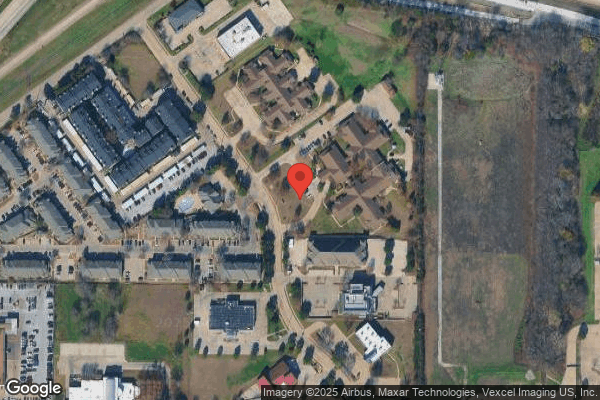
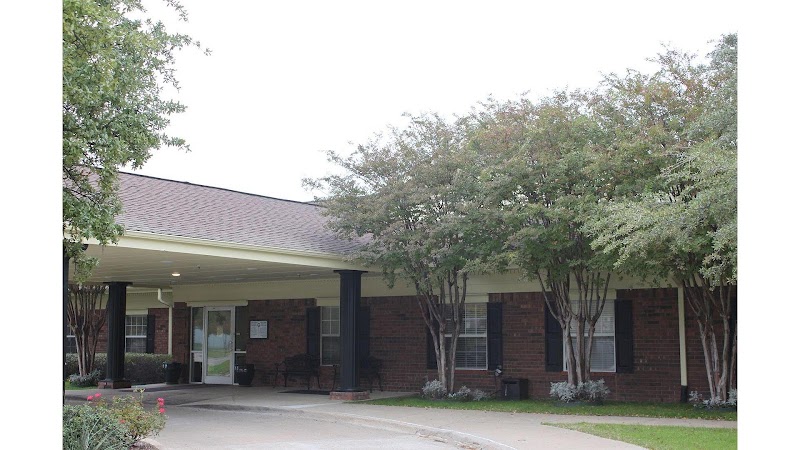
8017 W VIRGINIA DR, DALLAS, TX 75237 (972) 709-1112
Government - County 124 Beds PARAMOUNT HEALTHCARE Data: November 2025 3 Immediate Jeopardy citations
Trust Grade
0/100
#1124 of 1168 in TX
Last Inspection: August 2024

Within standard 12-15 month inspection cycle. Federal law requires annual inspections.

Overview

The Lennwood Nursing and Rehabilitation has received a Trust Grade of F, indicating significant concerns and a poor reputation in care quality. It ranks #1124 out of 1168 facilities in Texas, placing it in the bottom half of all nursing homes in the state, and #81 out of 83 in Dallas County, suggesting there are very few local options that are worse. The facility is showing an improving trend, having reduced its issues from 9 in 2024 to 8 in 2025, but still has a long way to go. Staffing is a major concern here, with a poor rating of 1 out of 5 stars and a staggering turnover rate of 75%, which is significantly higher than the state average. The facility has faced $34,876 in fines, which is average for Texas, but raises questions about compliance with regulations. Specific incidents highlight serious problems, such as the failure to notify physicians when a resident’s condition dramatically changed, leading to a resident's death after a dangerously low blood sugar. Another resident experienced a significant health decline without appropriate monitoring or updates to their care plan. Additionally, there was an incident involving a resident who eloped from the facility due to inadequate supervision, which raised safety concerns. While there are some strengths, such as an average rating for quality measures, the overall picture suggests potential risks for families considering this facility for their loved ones.

Trust Score
F
0/100
In Texas
#1124/1168
Bottom 4%
Safety Record
High Risk
Review needed
Inspections
Getting Better
9 → 8 violations
Staff Stability
⚠ Watch
75% turnover. Very high, 27 points above average. Constant new faces learning your loved one's needs.
Penalties
○ Average
$34,876 in fines. Higher than 52% of Texas facilities. Some compliance issues.
Skilled Nurses
⚠ Watch
Each resident gets only 12 minutes of Registered Nurse (RN) attention daily — below average for Texas. Fewer RN minutes means fewer trained eyes watching for problems.
Violations
⚠ Watch
26 deficiencies on record. Higher than average. Multiple issues found across inspections.
★☆☆☆☆
1.0
Overall Rating
★☆☆☆☆
1.0
Staff Levels
★★★☆☆
3.0
Care Quality
★★☆☆☆
2.0
Inspection Score
Stable
2024: 9 issues
2025: 8 issues

The Good

  • Full Sprinkler Coverage · Fire safety systems throughout facility
  • No fines on record

Facility shows strength in fire safety.

The Bad

1-Star Overall Rating

Below Texas average (2.8)

Significant quality concerns identified by CMS

Staff Turnover: 75%

29pts above Texas avg (46%)

Frequent staff changes - ask about care continuity

Federal Fines: $34,876

Above median ($33,413)

Moderate penalties - review what triggered them

Chain: PARAMOUNT HEALTHCARE

Part of a multi-facility chain

Ask about local staffing decisions and management

Staff turnover is very high (75%)

27 points above Texas average of 48%

The Ugly 26 deficiencies on record

3 life-threatening
May 2025 2 deficiencies 1 IJ
CRITICAL (J) 📢 Someone Reported This

A family member, employee, or ombudsman was alarmed enough to file a formal complaint

Immediate Jeopardy (IJ) - the most serious Medicare violation

Accident Prevention (Tag F0689)

Someone could have died · This affected 1 resident

**NOTE- TERMS IN BRACKETS HAVE BEEN EDITED TO PROTECT CONFIDENTIALITY** Based on observations, record review, and interviews, the facility failed to ensure the resident environment remained as free of...

Read full inspector narrative →
**NOTE- TERMS IN BRACKETS HAVE BEEN EDITED TO PROTECT CONFIDENTIALITY** Based on observations, record review, and interviews, the facility failed to ensure the resident environment remained as free of accident hazards as is possible and each resident received adequate supervision to prevent accidents for 1 (Resident #1) of 6 residents reviewed for quality of care. 1. The facility failed to ensure Resident #1, who had a history if eloping and wore a wandergaurd, was provided with adequate supervision to prevent him from eloping from the facility on 03/28/25. The facility concluded Resident #1 eloped through the facility's exit door that did not alarm when opened. 2. The facility failed to complete an elopement assessment for Resident #1 prior to his elopement on 03/28/25 The non-compliance was identified as past non-compliance. The Immediate Jeopardy (IJ) began 03/28/25 and ended on 04/01/25. The facility had corrected the non-compliance before the survey began. These failures placed residents at risk of harm and/or serious injury. Findings included: Record review of Resident #1's Face Sheet, dated 05/06/25, revealed the resident was an [AGE] year-old male admitted to the facility on [DATE]. The resident's diagnoses included: dementia, gout (a form of inflammatory arthritis caused by the buildup of uric acid crystals in the body, leading to sudden, severe pain, swelling, and redness in one or more joints), acute kidney failure, Type 2 diabetes, oropharyngeal dysphagia (difficulty swallowing that specifically occurs in the oral cavity and throat), lack of coordination, and major depressive disorder. Record review of Resident #1's Quarterly MDS assessment, dated 03/11/25, revealed the resident had a BIMS score of 3 indicating severe cognitive impairment. In Section P0200. Alarms indicated Resident #1 had a Wander/elopement alarm. Record review of Resident #1' Care Plan, dated 02/21/25, revealed: Focus: [Resident #1] use psychotropic medications r/t Dementia. Date Initiated: 06/20/2024 Revision on: 04/18/2025 Cancelled Date: 04/16/2025 Goal: [Resident #1] will be/remain free of drug related complications. Date Initiated: 06/20/2024 Revision on: 04/16/2025 Target Date: 04/07/2025 Cancelled Date: 04/16/2025 Interventions/Tasks: Administer medications as ordered. Monitor/document for side effects and effectiveness. Date Initiated: 06/20/2024 Revision on: 04/16/2025 Cancelled Date: 04/16/2025 Consult with pharmacy, MD to consider dosage reduction when clinically appropriate. Date Initiated: 06/20/2024 Revision on: 04/16/2025 Cancelled Date: 04/16/2025 Discuss with MD, family re ongoing need for use of medication. Date Initiated: 06/20/2024 Revision on: 04/16/2025 Cancelled Date: 04/16/2025 Monitor/record occurrence for target behavior symptoms like pacing, wandering, disrobing, inappropriate response to verbal communication, violence/aggression towards staff/others. etc. and document per facility protocol. Date Initiated: 06/20/2024 Revision on: 04/16/2025 Cancelled Date: 04/16/2025 [Resident #1] is an elopement risk/wanderer. Date Initiated: 03/27/2025 Revision on: 04/16/2025 Cancelled Date: 04/16/2025 [Resident #1's] safety will be maintained through the review date. Date Initiated: 03/28/2025 Revision on: 04/16/2025 Target Date: 04/07/2025 Cancelled Date: 04/16/2025 Assess for fall risk. Date Initiated: 03/27/2025 Revision on: 04/16/2025 Cancelled Date: 04/16/2025 Distract resident from wandering by offering pleasant diversions, structured activities, food, conversation, television, book . Date Initiated: 03/27/2025 Revision on: 04/16/2025 Cancelled Date: 04/16/2025 Identify pattern of wandering: Is wandering purposeful, aimless, or escapist? Is resident looking for something? Does it indicate the need for more exercise? Intervene as appropriate [sic]. Date Initiated: 03/27/2025 Revision on: 04/16/2025 Cancelled Date: 04/16/2025 Provide structured activities: toileting, walking inside and outside, reorientation strategies including signs, pictures and memory boxes. Date Initiated: 03/27/2025 Revision on: 04/16/2025 Cancelled Date: 04/16/2025 WANDER ALERT: Device # Model Date Initiated: 03/27/2025 Revision on: 04/16/2025 Cancelled Date: 04/16/2025 Record review of Resident #1's Social History and Initial Assessment revealed on Page 2, Question 9. Current Behavioral Status was checked as No behavioral Concerns. The document was signed and dated by the previous Social Worker on 06/24/24. Resident #1's family member provided the information to the previous Social Worker for the Social History and Initial Assessment. Record review of the Order Summary for Resident #1 revealed a Physician Telephone Order on 01/21/2025 for WANDERGUARDS: LEFT ANKLE.CHECK FOR PLACEMENT AND PROPER WORKING FUNCTION every shift. Record review of Resident #1's MAR for January 2025 - March 2025 revealed that Resident #1's Wanderguard Checklist was marked with a check markevery day during the Day, Evening and Night Shifts and was in operable condition. The MAR did not reveal any timestamps for Resident #1's Wanderguard Checklist for the Day, Evening, and Night Shifts on 03/27/25. The MAR did not reveal any timestamps for Resident #1's Wanderguard Checklist for the Day and Evening Shifts on 03/28/25. Record review of Resident #1's Elopement Evaluation on 03/28/25 revealed, an Assessment Outcome Score of 9 indicating Resident #1 was at Risk of Elopement. Record review of Resident #1 Assessments revealed that there was not an Elopement Evaluation for him prior to 03/28/25. Record review of an email from the Administration on 05/07/25 revealed that Resident #1 only had 1 Elopement Evaluation on 03/28/25. Record review of Nurse Progress Notes from LVN A on 03/28/25 at 3:33 AM, revealed: resident was seen sitting in w/c in day area on when coming from helping another resident, he was gone down the hallway walking and pushing his w/c down by the breakroom area. then vanishes when no one seen him or heard any alarms. [Staff] begins to look for him along with nurses notified police, don, and family. resident was located across from facility ground in apartment complex. resident was brought back and evaluated with minor scratch on his chin and his left hand ring finger resident has no complaints. resident is in b/r laying down in bed resting with eyes closed with staff member doing 15 minutes check while asleep WCTM. Record review of Nurse Progress Notes from LVN A on 03/28/25 at 3:48 PM, revealed: Elopement Evaluation: History of elopement while at home: Yes. Wandering behavior a pattern or goal-directed: Yes. Wanders aimlessly or non-goal-directed: Yes. Wandering behavior likely to affect the safety or well-being of self / others: Yes. Wandering behavior likely to affect the privacy of others: Yes. Recently admitted or re-admitted (within past 30 days) and has not accepted the situation: Yes. Elopement Score: 9.0. Record review of Nurse Progress Notes from the SW's Late Entry on 03/31/25 at 12:30 PM, Effective: 03/28/25 at 12:26 PM revealed, This writer called representative to inform her of resident needing to be placed at another facility due to elopement risk. Resident representative stated she got a call from other facility regarding accepting him and I informed yes referral sent out to see if there would be anyone who would accept him. Record review of Nurse Progress Notes from CNA B's Late Entry on 03/28/25 at 13:42 [1:42 PM], Effective 03/28/25 at 12:44 PM revealed, The resident transferred to [another facility's] Secure Nursing Unit via wheelchair transport with medications and personal belongings at this time. The resident was cooperative prior to exiting the facility. No noted signs and symptoms of respiratory distress and denies discomfort prior to exiting the facility. Report called to [staff] at [another facility's] memory Care Unit. Record review of the facility's Provider Investigation Reports Fax Cover Sheet dated 04/03/25 revealed the following: Intake ID No: NO SR # received - Called in by [DON] on hotline. Record review of the facility's Provider Investigation Report revealed the following: Incident Date: 03/28/25. Time of Incident 3:20 AM. Staff reported [Resident #1], eloped from the facility to the apartment complex across the road. Record review of the facility's Provider Investigation Report's Investigation Summary section of the report reflected: [Resident #1] was brought back to the facility by the DON. Resident received treatment for his scrapes to his chin and finger. Resident placed on Q:15 minute checks. Family notified of need for secure unit and family in agreement. Facility transferred [Resident #1] to [another facility] on 03/28/2025 with resident belongings. The police department were notified about the incident. Record review of the facility's Provider Investigation Report's Facility Investigation Findings section of the report reflected: Confirmed. Record review of the facility's Provider Investigation Report's, Provider Action Taken Post-Investigation section reflected: Elopement In-Service, Wanderguard system checked with no issues identified. Record review of the facility's Provider Investigation Report's view of TULIP on 05/07/25 at 12:00 PM reflected, the wandering of Resident #1 on 03/28/25 from the facility to the apartment complex approximately100 feet across the street from the facility was not uploaded. In a telephone interview on 05/05/25 at 2:25 PM, with Resident #1's family member, she stated that Resident #1 was a resident at the facility for almost 1 year. She stated that prior to Resident #1 being admitted to the facility, he was living with the family member and he had about 2-3 elopement incidents, in which a decision was made to have Resident #1 reside at a Nursing Facility. She stated that initially Resident #1 was admitted to the facility after a hospital stay, which led to him needing physical therapy. She stated that during Resident #1's stay at the facility, she realized that Resident #1 had to be at the facility long term due to his dementia and exit seeking. The family member stated that she did not initially inform the facility that Resident #1 had exit seeking behaviors and had previously eloped from home prior to being admitted to the facility. She stated that no one asked her if Resident #1 was exit seeking or had some elopement incidents while he was staying at her home. She stated that no one asked her about Resident #1's previous elopement history, therefore she did not tell them. The family member stated that Resident #1 had a Wanderguard brace on his ankle due to him exit seeking at the facility. The family member stated that on 03/28/25 at approximately 3 AM, another family member notified her via telephone informing her that their family member had exited the facility although he was wearing a Wanderguard on his ankle and was found at the apartment complex across the street attempting to climb a fence. The family member stated that the neighbor at the apartment complex across observed Resident #1 and asked him, what are you doing? Resident #1 replied, I am trying to go to work, and you can call my [family member], he will come and get me. Resident #1 provided the telephone number for his family member. The neighbor at the apartment complex across the street from the the facility, then called 911 and told them about the incident and then telephoned Resident #1's family member. According to the family member, Resident #1's other family member called the facility and notified the staff at the facility that Resident #1 was not in the facility and the staff were unaware that Resident #1 had eloped from the facility. The family member stated that the police arrived at the apartment complex across the street from the facility and returned the resident to the facility. Resident #1 was then transferred to another facility on 03/28/25, the same day of his elopement. According to the family member, Resident #1 did not receive any serious injuries from eloping from the facility. On 05/06/25 at 12:00 PM an attempt to interview the previous DON via telephone was unsuccessful. On 05/06/25 at 12:15 PM an attempt to interview LVN A via telephone was unsuccessful. On 05/06/25 at 12:17 PM an attempt to interview CNA D via telephone was unsuccessful. In an interview with the SW on 05/06/25 at 4:31, she stated that she was not at work when Resident #1 eloped from the facility on 03/28/25 due to the incident occurring around 3 AM. The SW stated that she received a telephone call during the night by the previous DON stating that during the night shift of 3/27/25 and early morning of 03/28/25. She stated that she was asleep during the original voicemail from staff and in the morning, she woke up and listened to her voicemail message. She stated that she later learned that staff noticed that Resident #1 was missing, and they looked inside the building, and he was not in the building. The SW stated that staff went to look for Resident #1 outside the facility and he was found across the street at an apartment complex. The SW stated that Resident #1 had a Wanderguard on his leg and was exit seeking according to staff but had never exited the facility prior to the incident when he eloped on 03/28/25. The SW stated that according to the staff's records for Resident #1 had a Wanderguard Test on on 03/27/25 and 03/28/25 and it was working properly. She stated that staff sent an alert made for Resident #1 due to his eloping from the facility and then the staff began looking for him She stated that the facility was not aware that the resident had any elopement issues. She stated that if the facility was informed during Pre-admission that any resident had any previous elopement issues, the facility would have not admitted that person to the facility. She stated that there are not any Power of Attorneys on file for Resident #1 and he was his own RP. The SW stated that she and staff were In-Serviced on Abuse, Neglect and Elopement Procedures and Guidelines after the incident involving Resident #1 eloping from the facility. In an interview with the Administrator on 05/06/25 at 4:53 PM, she stated that she was on vacation when Resident #1 eloped from the facility during the evening shift on 03/28/25. She stated that she is the Abuse Coordinator for the facility and when she returned to work at the facility, the previous DON updated her on the situation involving Resident #1's elopement on 03/28/25. The Administrator stated that the previous DON told her that Resident #1 exited the facility using the front door and was found across the street at an apartment complex. She stated that a man that lived in the apartment complex across the street witnessed him and law enforcement was notified. The previous DON went across the street to get Resident #1 and brought him back to the facility. She stated that Resident #1 did not have any serious injuries according to his head to toe assessment that was given by LVN A. She stated that Resident #1 was placed on 1:1 observation, (a healthcare practice where a staff member provides continuous, one-to-one attention to a patient), after the incident and a staff member was always with him. She stated that the previous DON stayed with Resident #1 until the next shift began at 6 AM. The Administrator stated that Resident #1's Emergency Contacts, Doctor and Behavioral Health were notified of Resident #1's elopement. She reported that Resident #1 had been at the facility for approximately 1 year and there was not any previous history of Resident #1 having any elopement issues or concerns prior to him being admitted to the facility. She stated that if the facility learned that Resident #1 was exit seeking or had any prior elopement concerns, he would not have been admitted to the facility because the facility is not equipped to have a Secured Unit. She stated that the SW then began to find placement for Resident #1 at a facility that had a Secure Unit. She stated that Resident #1 was discharged to another facility with a Secured Unit on 03/28/25. She stated that Resident #1 had a Wanderguard per his doctor's order and his Wanderguard was tested 3 times a day, per his doctor's orders. She stated that no one knows how Resident #1 was able to exit the facility on 03/28/25 due to his Wanderguard and the exterior doors working in proper order. She stated that the staff were In-Serviced on abuse, neglect, and elopement procedures after Resident #1's elopement form the facility. In an interview with the Maintenance Supervisor on 05/06/25 at 5:45 PM, he stated that he had been employed at the facility since 04/12/25. He stated that he was not aware of the elopement incident on 03/28/25 by Resident #1. He stated that there was not any documentation showing that there were any issues with any of the exterior doors at the facility on 03/27/25 and 03/28/25. He stated that he does daily checks on all the doors in the facility. He stated that the exterior doors to the building have a fire alarm and will alert if they are opened. He stated that the front door of the facility will alert and made a ringing sound if a resident with a Wanderguard attempts to exit the front door. He stated that he and other facility staff regularly receive In-Service Trainings on Abuse, Neglect and Elopement Procedures and Protocols. In an interview with CNA C on 05/07/25 at 10:44 AM, she stated that she had been employed at the facility for 1 year. She stated that she was not at the facility on 03/28/25 due to being off duty. She stated that Resident #1 had dementia and during her shifts was observed coming close to the side door on his hallway. She stated that he had not observed Resident #1 exit any doors from the facility. She stated that when she returned to work, she was informed by staff that Resident #1 had exited the building during the night shift on 03/27/25 - 03/28/25. She stated that the night shift duty hours are 10 PM - 6 AM. She stated that Resident #1 did not receive any serious injuries according to his skin assessment on 03/28/25. She stated that all staff receive trainings throughout each week on abuse, neglect, and elopement. She stated that she remembered that she received an In-Service Training on Elopement after the incident on 03/28/25 when Resident #1 eloped from the facility. On 05/07/25 at 11:16 AM an attempt to interview LVN A via telephone was unsuccessful. On 05/07/25 at 11:18 AM an attempt to interview CNA D via telephone was unsuccessful. This was determined to be a Past Non-Compliance Immediate Jeopardy on 05/07/25 at 2:50 PM. The Administrator was notified. The Administrator was provided with the IJ template via email on 05/07/25 at 2:57 PM. The facility took the following actions to correct the non-compliance prior to the investigation: Record review of the facility's In-Service Trainings revealed that all staff were in-serviced on the facility's abuse, neglect and elopement policies and procedures, elopement, risk assessments, skin assessments, notification to PCP and RP on 04/01/25. Record review of the facility's In-Service Trainings revealed all staff were in-serviced on the facility's abuse and neglect and policies and procedures on 04/23/25. The In-Service Training paperwork states, All staff if you see or suspect any forms of abuse/neglect towards a resident immediately remove the resident/report to the abuse coordinator [Administrator]. On 05/07/25 at 3:00 PM an observation was made of Resident #2 with a Wanderguard exiting the front door. Resident #2's Wanderguard was operating properly and there was an alarm that sounded. Staff in the Office were able to hear the alarm and staff at the Nurses Station were able to hear the alarm. The Staff in the Administration Offices at the front of the facility were observed walking towards the front door of the facility when the alarm sounded. The Staff on the hallways were observed walking towards each fire door after the fire alarm sounded. In an interview and observation on 05/07/25 at 3:14 PM, the Maintenance Director stated he was not present at the time of Resident #1's elopement and could not state whether or not a door alarm sounded. The Maintenance Director was observed opening the interior fire exit doors on the hallways throughout the facility and the front door. The fire alarms alerted each time the Maintenance Director opened each door. The fire alarms could be heard by staff throughout the building. The Staff at both Nurses Stations and on the hallways stated that there were able to her the fire alarms from their locations. Record review of the facility's Resident Rights policy dated, December 2024 revealed: Policy Statement: Employees shall treat all residents with kindness, respect, and dignity. Policy Interpretation and Implementation: 1. Federal and state laws guarantee certain basic rights to all residents of this facility. These rights include the resident's right to: a. a dignified existence; . b. be free from abuse, neglect . Record review of the facility's Elopements policy dated, December 2024 revealed: Policy Statement: Staff shall investigate and report all cases of missing residents. Policy Interpretation and Implementation: . 3. When a departing individual returns to the facility, the Director of Nursing Services or Charge Nurse shall: c. Notify the resident's legal representative (sponsor) of the incident; d. Complete and file Report of Incident/Accident; and e. Document the event in the resident's medical record. 4. If an employee discovers that a resident is missing from the facility, he/she shall: b. If the resident was not authorized to leave, initiate a search of the building(s) and premises, c. If the resident is not located, notify the Administrator and Director of Nursing Services, the resident's legal representative . 5. When the resident returns to the facility, the Director of Nursing Services or Charge Nurse shall: c. Notify the resident's legal representative; . e. Complete and file an incident report and self-report to your regulatory agency; and f. Document relevant information in the resident's medical record. The facility's Elopements Policy did not include any information regarding Supervision, Accidents and Preventing Elopements.
CONCERN (D) 📢 Someone Reported This

A family member, employee, or ombudsman was alarmed enough to file a formal complaint

Potential for Harm - no one hurt, but risky conditions existed

Report Alleged Abuse (Tag F0609)

Could have caused harm · This affected 1 resident

**NOTE- TERMS IN BRACKETS HAVE BEEN EDITED TO PROTECT CONFIDENTIALITY** Based on interviews, and record reviews, the facility failed to ensure that all alleged violations involving abuse, neglect are ...

Read full inspector narrative →
**NOTE- TERMS IN BRACKETS HAVE BEEN EDITED TO PROTECT CONFIDENTIALITY** Based on interviews, and record reviews, the facility failed to ensure that all alleged violations involving abuse, neglect are reported immediately, but not later than 24 hours if the events that cause the allegation do not involve abuse and do not result in serious bodily injury, to the State Survey Agency in accordance with State law through established procedures for 1 of 6 residents (Resident #1) reviewed for abuse and neglect, in that: The facility did not report an incident of potential neglect for Resident #1 to the State Survey Agency within 24 hours, when Resident #1 eloped from the facility on 03/28/25 through the facility's exit door, that did not alarm when opened. This deficient practice could place residents at-risk of not having incident and accident investigations reported within the timeframe required. reported appropriately. Findings included: Record review of Resident #1's Face Sheet, dated 05/06/25, revealed the resident was an [AGE] year-old male admitted to the facility on [DATE]. The resident's diagnoses included: dementia, gout (a form of inflammatory arthritis caused by the buildup of uric acid crystals in the body, leading to sudden, severe pain, swelling, and redness in one or more joints), acute kidney failure, Type 2 diabetes, oropharyngeal dysphagia (difficulty swallowing that specifically occurs in the oral cavity and throat), lack of coordination, and major depressive disorder. Record review of Resident #1's Quarterly MDS assessment, dated 03/11/25, revealed the resident had a BIMS score of 3 indicating severe cognitive impairment. In Section P0200. Alarms indicated Resident #1 had a Wander/elopement alarm. Record review of Resident #1' Care Plan, dated 02/21/25, revealed: Focus: [Resident #1] use psychotropic medications r/t Dementia. Date Initiated: 06/20/2024 Revision on: 04/18/2025 Cancelled Date: 04/16/2025 Goal: [Resident #1] will be/remain free of drug related complications. Date Initiated: 06/20/2024 Revision on: 04/16/2025 Target Date: 04/07/2025 Cancelled Date: 04/16/2025 Interventions/Tasks: Administer medications as ordered. Monitor/document for side effects and effectiveness. Date Initiated: 06/20/2024 Revision on: 04/16/2025 Cancelled Date: 04/16/2025 Consult with pharmacy, MD to consider dosage reduction when clinically appropriate. Date Initiated: 06/20/2024 Revision on: 04/16/2025 Cancelled Date: 04/16/2025 Discuss with MD, family re ongoing need for use of medication. Date Initiated: 06/20/2024 Revision on: 04/16/2025 Cancelled Date: 04/16/2025 Monitor/record occurrence for target behavior symptoms like pacing, wandering, disrobing, inappropriate response to verbal communication, violence/aggression towards staff/others. etc. and document per facility protocol. Date Initiated: 06/20/2024 Revision on: 04/16/2025 Cancelled Date: 04/16/2025 [Resident #1] is an elopement risk/wanderer. Date Initiated: 03/27/2025 Revision on: 04/16/2025 Cancelled Date: 04/16/2025 [Resident #1's] safety will be maintained through the review date. Date Initiated: 03/28/2025 Revision on: 04/16/2025 Target Date: 04/07/2025 Cancelled Date: 04/16/2025 Assess for fall risk. Date Initiated: 03/27/2025 Revision on: 04/16/2025 Cancelled Date: 04/16/2025 Distract resident from wandering by offering pleasant diversions, structured activities, food, conversation, television, book . Date Initiated: 03/27/2025 Revision on: 04/16/2025 Cancelled Date: 04/16/2025 Identify pattern of wandering: Is wandering purposeful, aimless, or escapist? Is resident looking for something? Does it indicate the need for more exercise? Intervene as appropriate [sic]. Date Initiated: 03/27/2025 Revision on: 04/16/2025 Cancelled Date: 04/16/2025 Provide structured activities: toileting, walking inside and outside, reorientation strategies including signs, pictures and memory boxes. Date Initiated: 03/27/2025 Revision on: 04/16/2025 Cancelled Date: 04/16/2025 WANDER ALERT: Device # Model Date Initiated: 03/27/2025 Revision on: 04/16/2025 Cancelled Date: 04/16/2025 Record review of Resident #1's Social History and Initial Assessment revealed on Page 2, Question 9. Current Behavioral Status was checked as No behavioral Concerns. The document was signed and dated by the previous Social Worker on 06/24/24. Resident #1's family member provided the information to the previous Social Worker for the Social History and Initial Assessment. Record review of the Order Summary for Resident #1 revealed a Physician Telephone Order on 01/21/2025 for WANDERGUARDS: LEFT ANKLE.CHECK FOR PLACEMENT AND PROPER WORKING FUNCTION every shift. Record review of Resident #1's MAR for January 2025 - March 2025 revealed that Resident #1's Wanderguard Checklist was marked with a check markevery day during the Day, Evening and Night Shifts and was in operable condition. The MAR did not reveal any timestamps for Resident #1's Wanderguard Checklist for the Day, Evening, and Night Shifts on 03/27/25. The MAR did not reveal any timestamps for Resident #1's Wanderguard Checklist for the Day and Evening Shifts on 03/28/25. Record review of Resident #1's Elopement Evaluation on 03/28/25 revealed, an Assessment Outcome Score of 9 indicating Resident #1 was at Risk of Elopement. Record review of Resident #1 Assessments revealed that there was not an Elopement Evaluation for him prior to 03/28/25. Record review of Nurse Progress Notes from LVN A on 03/28/25 at 3:33 AM, revealed: resident was seen sitting in w/c in day area on when coming from helping another resident, he was gone down the hallway walking and pushing his w/c down by the breakroom area. then vanishes when no one seen him or heard any alarms. [Staff] begins to look for him along with nurses notified police, don, and family. resident was located across from facility ground in apartment complex. resident was brought back and evaluated with minor scratch on his chin and his left hand ring finger resident has no complaints. resident is in b/r laying down in bed resting with eyes closed with staff member doing 15 minutes check while asleep WCTM. Record review of Nurse Progress Notes from LVN A on 03/28/25 at 3:48 PM, revealed: Elopement Evaluation: History of elopement while at home: Yes. Wandering behavior a pattern or goal-directed: Yes. Wanders aimlessly or non-goal-directed: Yes. Wandering behavior likely to affect the safety or well-being of self / others: Yes. Wandering behavior likely to affect the privacy of others: Yes. Recently admitted or re-admitted (within past 30 days) and has not accepted the situation: Yes. Elopement Score: 9.0. Record review of Nurse Progress Notes from the SW's Late Entry on 03/31/25 at 12:30 PM, Effective: 03/28/25 at 12:26 PM revealed, This writer called representative to inform her of resident needing to be placed at another facility due to elopement risk. Resident representative stated she got a call from other facility regarding accepting him and I informed yes referral sent out to see if there would be anyone who would accept him. Record review of Nurse Progress Notes from CNA B's Late Entry on 03/28/25 at 13:42 [1:42 PM], Effective 03/28/25 at 12:44 PM revealed, The resident transferred to [another facility's] Secure Nursing Unit via wheelchair transport with medications and personal belongings at this time. The resident was cooperative prior to exiting the facility. No noted signs and symptoms of respiratory distress and denies discomfort prior to exiting the facility. Report called to [staff] at [another facility's] memory Care Unit. Record review of the facility's Provider Investigation Reports Fax Cover Sheet dated 04/03/25 revealed the following: Intake ID No: NO SR # received - Called in by [DON] on hotline. Record review of the facility's Provider Investigation Report revealed the following: Incident Date: 03/28/25. Time of Incident 3:20 AM. Staff reported [Resident #1], eloped from the facility to the apartment complex across the road. Record review of the facility's Provider Investigation Report's Investigation Summary section of the report reflected: [Resident #1] was brought back to the facility by the DON. Resident received treatment for his scrapes to his chin and finger. Resident placed on Q:15 minute checks. Family notified of need for secure unit and family in agreement. Facility transferred [Resident #1] to [another facility] on 03/28/2025 with resident belongings. The police department were notified about the incident. Record review of the facility's Provider Investigation Report's Facility Investigation Findings section of the report reflected: Confirmed. Record review of the facility's Provider Investigation Report's, Provider Action Taken Post-Investigation section reflected: Elopement In-Service, Wanderguard system checked with no issues identified. Record review of the facility's Provider Investigation Report's view of TULIP on 05/07/25 at 12:00 PM reflected, the incident report for elopement of Resident #1 on 03/28/25 was not uploaded. In a telephone interview on 05/05/25 at 2:25 PM, with Resident #1's family member, she stated that Resident #1 was a resident at the facility for almost 1 year. She stated that prior to Resident #1 being admitted to the facility, he was living with the family member and he had about 2-3 elopement incidents, in which a decision was made to have Resident #1 reside at a Nursing Facility. She stated that initially Resident #1 was admitted to the facility after a hospital stay, which led to him needing physical therapy. She stated that during Resident #1's stay at the facility, she realized that Resident #1 had to be at the facility long term due to his dementia and exit seeking. The family member stated that she did not initially inform the facility that Resident #1 had exit seeking behaviors and had previously eloped from home prior to being admitted to the facility. She stated that no one asked her if Resident #1 was exit seeking or had some elopement incidents while he was staying at her home. She stated that no one asked her about Resident #1's previous elopement history, therefore she did not tell them. The family member stated that Resident #1 had a Wanderguard brace on his ankle due to him exit seeking at the facility. The family member stated that on 03/28/25 at approximately 3 AM, another family member notified her via telephone informing her that their family member had exited the facility although he was wearing a Wanderguard on his ankle and was found at the apartment complex across the street attempting to climb a fence. The family member stated that the neighbor at the apartment complex across observed Resident #1 and asked him, what are you doing? Resident #1 replied, I am trying to go to work, and you can call my [family member], he will come and get me. Resident #1 provided the telephone number for his family member. The neighbor at the apartment complex across the street from the the facility, then called 911 and told them about the incident and then telephoned Resident #1's family member. According to the family member, Resident #1's other family member called the facility and notified the staff at the facility that Resident #1 was not in the facility and the staff were unaware that Resident #1 had eloped from the facility. The family member stated that the police arrived at the apartment complex across the street from the facility and returned the resident to the facility. Resident #1 was then transferred to another facility on 03/28/25, the same day of his elopement. According to the family member, Resident #1 did not receive any serious injuries from eloping from the facility. On 05/06/25 at 12:00 PM an attempt to interview the previous DON via telephone was unsuccessful. On 05/06/25 at 12:15 PM an attempt to interview LVN A via telephone was unsuccessful. In an interview with the SW on 05/06/25 at 4:31, she stated that she was not at work when Resident #1 eloped from the facility on 03/28/25 due to the incident occurring around 3 AM. The SW stated that she received a telephone call during the night by the previous DON stating that during the night shift of 3/27/25 and early morning of 03/28/25. She stated that she was asleep during the original voicemail from staff and in the morning, she woke up and listened to her voicemail message. She stated that she later learned that staff noticed that Resident #1 was missing, and they looked inside the building, and he was not in the building. The SW stated that staff went to look for Resident #1 outside the facility and he was found across the street at an apartment complex. The SW stated that Resident #1 had a Wanderguard on his leg and was exit seeking according to staff but had never exited the facility prior to the incident when he eloped on 03/28/25. The SW stated that according to the staff's records for Resident #1 had a Wanderguard Test on on 03/27/25 and 03/28/25 and it was working properly. She stated that staff sent an alert made for Resident #1 due to his eloping from the facility and then the staff began looking for him She stated that the facility was not aware that the resident had any elopement issues. She stated that if the facility was informed during Pre-admission that any resident had any previous elopement issues, the facility would have not admitted that person to the facility. She stated that there are not any Power of Attorneys on file for Resident #1 and he was his own RP. The SW stated that she and staff were In-Serviced on Abuse, Neglect and Elopement Procedures and Guidelines after the incident involving Resident #1 eloping from the facility. In an interview with the Administrator on 05/06/25 at 4:53 PM, she stated that she was on vacation when Resident #1 eloped from the facility during the evening shift on 03/28/25. She stated that prior to her leaving for vacation, she provided directions to the previous DON on how to report allegations to HHSC via telephone. She stated that she is the Abuse Coordinator for the facility and when she returned to work at the facility, the previous DON updated her on the situation involving Resident #1's elopement on 03/28/25. The Administrator stated that the previous DON told her that Resident #1 exited the facility using the front door and was found across the street at an apartment complex. She stated that a man that lived in the apartment complex across the street witnessed him and law enforcement was notified. The previous DON went across the street to get Resident #1 and brought him back to the facility. She stated that Resident #1 did not have any serious injuries according to his head-to-toe Assessment that was given by LVN A. She stated that Resident #1 was placed on 1:1 observation after the incident and a staff member was always with him. She stated that the previous DON stayed with Resident #1 until the next shift began at 6 AM. The Administrator stated that Resident #1's Emergency Contacts, Doctor and Behavioral Health were notified of Resident #1's elopement. She reported that Resident #1 had been at the facility for approximately 1 year and there was not any previous history of Resident #1 having any elopement issues or concerns prior to him being admitted to the facility. She stated that if the facility learned that Resident #1 was exit seeking or had any prior elopement concerns, he would not have been admitted to the facility because the facility is not equipped to have a Secured Unit. She stated that the SW then began to find placement for Resident #1 at a facility that had a Secure Unit. She stated that Resident #1 was discharged to another facility with a Secured Unit on 03/28/25. She stated that when the previous DON told her that she called in a report to HHSC after Resident #1's elopement, she told her that she did not receive an Intake or Report number. The Administrator stated that she did not confirm or follow-up with HHSC regarding the situation because she thought that the previous DON had already made a Self-Report. She stated that she always uses TULIP to make Self-Reports to HHSC and had never used the telephone number for HHSC to call in a Self-Report, therefore she did not know the procedure of calling in a Self-Report via telephone. She stated that since learning that there was not a Self-Report to HHSC for Resident #1's elopement, she will now review all Self-Reports that are called in to HHSC by the ADON and DON to ensure that a Self-Report was generated for all future incidents. She stated that Resident #1 had a Wanderguard per his doctor's order and his Wanderguard was tested 3 times a day, per his doctor's orders. She stated that no one knows how Resident #1 was able to exit the facility on 03/28/25 due to his Wanderguard and the exterior doors working in proper order. She stated that the staff were In-Serviced on abuse, neglect, and elopement procedures after Resident #1's elopement form the facility. In an interview with the Maintenance Supervisor on 05/06/25 at 5:45 PM, he stated that he had been employed at the facility since 04/12/25. He stated that he was not aware of the elopement incident on 03/28/25 by Resident #1. He stated that there was not any documentation showing that there were any issues with any of the exterior doors at the facility on 03/27/25 and 03/28/25. He stated that he does daily checks on all the doors in the facility. He stated that the exterior doors to the building have a fire alarm and will alert if they are opened. He stated that the front door of the facility will alert and made a ringing sound if a resident with a Wanderguard attempts to exit the front door. He stated that he and other facility staff regularly receive In-Service Trainings on Abuse, Neglect and Elopement Procedures and Protocols. In an interview on 05/07/25 at 1:15 PM ADON stated that prior to 03/28/25, she did not submit the facility's incident and reports, upload the information in TULIP or contact HHSC. She stated that the Administrator was responsible for doing the facility's incident and accident reports in TULIP. She stated that she was on leave when the incident occurred with Resident #1 eloping from the facility on 03/28/25 during the night shift. She stated that the Administrator was on leave also, and the previous DON notified her about the incident when she returned. She stated that the previous DON told her that she contacted HHSC and made report regarding Resident #1's elopement from the facility on 03/28/25. She stated that she was unaware that the previous DON did not report the elopement incident involving Resident #1. She stated that she, took the word of the previous DON and did not have any reason to believe that the previous DON did not call in the incident to HHSC. The ADON stated that the Administrator was on leave recently and gave her instructions on how-to call-in Incident Reports to HHSC via telephone. She stated that she called HHSC several times during the Administrators previous vacation, which included some Self-Reports that were being worked on for the current visit to the facility. The ADON stated that when she called HHSC to report Self-Reports, she received an Intake Number every time. She stated that she did not know how Resident #1 exited the building without his Wanderguard not alarming. She stated that Resident #1's Wanderguard was tested every day, 3 x's per day, per his doctor's orders. She reported that Resident #1's Wanderguard was tested on [DATE] on the Day, Evening and Night Shifts and it was working properly. The ADON stated that there were currently 5 residents at the facility with Wanderguards and each resident that has a Wanderguard has their Wanderguards tested per their doctors' orders and the results of each resident's Wanderguard is recorded on their MAR. She reported that Maintenance also tested the front door and there were not any issues with the front door or the other doors throughout the facility. She stated that no one knew how Resident #1 was able to exit the front door and elope from the facility. The ADON confirmed that all staff were given In-Service Trainings on Abuse, Neglect, Elopement and Supervision after the elopement incident involving Resident #1. On 05/07/25 at 10:33 AM an attempt to interview the previous DON via telephone was unsuccessful. In an interview with CNA C on 05/07/25 at 10:44 AM, she stated that she had been employed at the facility for 1 year. She stated that she was not at the facility on 03/28/25 due to being off duty. She stated that Resident #1 had dementia and during her shifts was observed coming close to the side door on his hallway. She stated that he had not observed Resident #1 exit any doors from the facility. She stated that when she returned to work, she was informed by staff that Resident #1 had exited the building during the night shift on 03/27/25 - 03/28/25. She stated that the night shift duty hours are 10 PM - 6 AM. She stated that Resident #1 did not receive any serious injuries according to his skin assessment on 03/28/25. She stated that all staff receive trainings throughout each week on abuse, neglect, and elopement. She stated that she remembered that she received an In-Service Training on Elopement after the incident on03/28/25 when Resident #1 eloped from the facility. On 05/07/25 at 11:16 AM an attempt to interview LVN A via telephone was unsuccessful. On 05/07/25 at 11:18 AM an attempt to interview CNA D via telephone was unsuccessful. Record review of the facility's In-Service Trainings revealed that all staff were in-serviced on the facility's abuse, neglect and elopement policies and procedures, elopement, risk assessments, skin assessments, notification to PCP and RP on 04/01/25. Record review of the facility's In-Service Trainings revealed all staff were in-serviced on the facility's abuse and neglect and policies and procedures on 04/23/25. The In-Service Training paperwork states, All staff if you see or suspect any forms of abuse/neglect towards a resident immediately remove the resident/report to the abuse coordinator [Administrator]. Record review of the facility's Abuse, Neglect and Exploitation Policy policy dated, 12/2024 revealed: Policy: It is the policy of this facility to provide protections for the health, welfare and rights of each resident by developing and implementing written policies and procedures that prohibit and prevent abuse, neglect, exploitation and misappropriation of resident property . Policy Explanation and Compliance Guidelines: 1. The facility will develop and implement written policies and procedures that: a. Prohibit and prevent abuse, neglect . c. Include training for new and existing staff on activities that constitute abuse, neglect .reporting procedures, and dementia management and resident abuse prevention . 2. The facility will designate an Abuse Coordinator in the facility who is responsible for reporting allegations or suspected abuse, neglect, or exploitation to the state survey agency and other officials in accordance with state law. 3. The facility will provide ongoing oversight and supervision of staff in order to assure that its policies are implemented as written. The components of the facility abuse prohibition plan are discussed herein: .VII. Reporting/Response A. The facility will have written procedures that include: 1. Reporting of all alleged violations to the Administrator, state agency, adult protective services and to all other required agencies (e.g., law enforcement when applicable) within specified timeframes: a. Immediately, but not later than 2 hours after the allegation is made, if the events that cause the allegation involve abuse or result in serious bodily injury, or b. Not later than 24 hours if the events that cause the allegation do not involve abuse and do not result in serious bodily injury . B. The Administrator should will follow up with government agencies, during business hours, to confirm the initial report was received, and to report the results of the investigation when final within 5 working days of the incident, as required by state agencies. Record review of the facility's Guidelines for Resident Rights Guidelines for All Nursing Procedures dated, December 2024 revealed: Purpose: To provide general guidelines for resident rights while caring for the resident. Preparation: 1. Prior to having direct-care responsibilities for residents, staff must have appropriate in-service training on resident rights, including: a. Preventing, recognizing and reporting resident abuse; b. Resident dignity and respect . Record review of the facility's Resident Rights policy dated, December 2024 revealed: Policy Statement: Employees shall treat all residents with kindness, respect, and dignity. Policy Interpretation and Implementation: 1. Federal and state laws guarantee certain basic rights to all residents of this facility. These rights include the resident's right to: a. a dignified existence; . b. be free from abuse, neglect .Record review of the facility's Resident Rights policy dated, December 2024 revealed: Policy Statement: Employees shall treat all residents with kindness, respect, and dignity. Policy Interpretation and Implementation: 1. Federal and state laws guarantee certain basic rights to all residents of this facility. These rights include the resident's right to: a. a dignified existence; . b. be free from abuse, neglect . Record review of the facility's Elopements policy dated, December 2024 revealed: Policy Statement: Staff shall investigate and report all cases of missing residents. Policy Interpretation and Implementation: . 3. When a departing individual returns to the facility, the Director of Nursing Services or Charge Nurse shall: c. Notify the resident's legal representative (sponsor) of the incident; d. Complete and file Report of Incident/Accident; and e. Document the event in the resident's medical record. 4. If an employee discovers that a resident is missing from the facility, he/she shall: b. If the resident was not authorized to leave, initiate a search of the building(s) and premises, c. If the resident is not located, notify the Administrator and Direcgtor of Nursing Services, the resident's legal representative . 5. When the resident returns to the facility, the Director of Nursing Services or Charge Nurse shall: c. Notify the resident's legal representative; . e. Complete and file an incident report and self-report to your regulatory agency; and f. Document relevant information in the resident's medical record.
Mar 2025 1 deficiency
CONCERN (D) 📢 Someone Reported This

A family member, employee, or ombudsman was alarmed enough to file a formal complaint

Potential for Harm - no one hurt, but risky conditions existed

Pharmacy Services (Tag F0755)

Could have caused harm · This affected 1 resident

**NOTE- TERMS IN BRACKETS HAVE BEEN EDITED TO PROTECT CONFIDENTIALITY** Based on observation, interview, and record review the facility failed to provide pharmaceutical services (including procedures ...

Read full inspector narrative →
**NOTE- TERMS IN BRACKETS HAVE BEEN EDITED TO PROTECT CONFIDENTIALITY** Based on observation, interview, and record review the facility failed to provide pharmaceutical services (including procedures that assure the accurate acquiring, receiving, dispensing, and administering of all drugs and biologicals) to meet the needs of each resident for 1 (Resident #1) of 6 residents reviewed for pharmacy services. The facility failed to ensure LVN A properly received inventory of Resident #1's Acetaminophen-Codeine #3 (controlled medication) from the pharmacy, resulting in 26 missing tablets. The noncompliance was identified as past noncompliance (PNC). The noncompliance began on 10/07/24 and ended on 10/17/24. The facility had corrected the noncompliance before the investigation began. This failure placed residents at risk for unrelieved pain due to their medication not being readily available. Findings included: Review of Resident #1's Face Sheet, dated 03/01/25, reflected she was an [AGE] year-old female, who most recently admitted to the facility on [DATE], with diagnoses including transient cerebral ischemic attack (a temporary disruption of blood flow to the brain, causing stroke-like symptoms that resolve completely within a short period) and peripheral vascular disease (a condition that affects the blood vessels outside of the heart and brain), and rheumatoid arthritis (a long-term autoimmune disease that causes painful inflammation in the joints). Review of Resident #1's Physician's Orders, dated 03/01/25, reflected she was prescribed Acetaminophen-Codeine Oral Tablet 300-30MG (Acetaminophen with Codeine, also referred to as Tylenol #3) orally up to four times per day as needed (for pain). The start date of this medication was 09/12/24. Review of the facility's Provider Investigation Report, dated 10/11/24, reflected during the 10:00PM (10/07/24) to 6:00AM (10/08/24) shift, LVN A signed for a delivery of medications from the pharmacy that contained a blister pack (a form of tamper-evident packaging where an individual pushes individually sealed tablets through the foil in order to take the medication) of Resident #1's prescription for Acetaminophen-Codeine #3 (26 tablets). During the following shift (6:00AM to 2:00PM) on 10/08/24, the medication was identified as missing from the medication cart. Although LVN A signed for the medication during the previous shift, she could not recall receiving the medication. LVN A was suspended pending the outcome of the investigation, and she was sent for a drug screen (results indicated she was positive for marijuana). Resident #1's Responsible Party and physician were notified of the incident. The police department and the pharmacy were notified, as well. The facility conducted an audit of all medication carts with no noted discrepancies. The pharmacy performed an audit to determine if there was a discrepancy in delivery with no noted discrepancies. Facility staff were in-serviced on the facility's controlled substance policy which included receiving, storing, and handling narcotic medications. Facility staff were also in-serviced on the facility's drug use policy. Staff were interviewed to ensure competency was achieved from the in-services. LVN A's employment with the facility was terminated. The facility filed a complaint with the Texas Board of Nursing for drug diversion and a positive THC drug screen. Review of a Manifest Form, dated 10/07/24, reflected LVN A signed the form, indicating she had received Resident #1's prescription medication of Acetaminophen-Codeine #3 (26 tablets). Review of the facility's in-service logs, dated from 10/11/24 to 10/17/24, reflected facility staff were in-serviced on procedures for pharmacy services (including receiving medications), controlled substances, and a drug-free workplace. Review of the personnel file for LVN A, completed on 03/01/25, reflected her employment with the facility was terminated effective 10/16/24. Observations of three separate medication carts on 03/01/25 from 10:12AM to 11:30AM, including a review of narcotic logs and count sheets, reflected no evidence of a current drug diversion. It appeared as though facility staff were following the facility's policies and procedures to prevent a drug diversion. These observations were completed with RN B, LVN C, and MA D. During interviews with multiple staff members (RN B, LVN C, MA D, MA E, and RN F) on 03/01/25 from 10:12AM to 11:30AM, they each stated they had been in-serviced on pharmacy services. They were knowledgeable of the facility's policies and procedures related to acquiring, receiving, dispensing, labeling, storing, and administering medications. They were able to verbalize the facility's policies and procedures related to the prevention of drug diversion, including what procedures to take when narcotics were received from the pharmacy as well as the procedure for counting medications. During an interview with the Administrator on 03/01/25 at 12:00PM, she stated Resident #1's prescription medication of Acetaminophen-Codeine #3 (26 tablets) was identified as missing on 10/08/24, during the 6:00AM to 2:00PM shift. The Administrator stated the facility's investigation reflected that LVN A signed for a delivery of the medication during the previous overnight shift (10:00PM to 6:00AM, from 10/07/24 to 10/08/24). LVN A stated although she signed for the medication, she could not recall whether or not she actually saw the medication. LVN A was suspended pending the outcome of the investigation. She was sent for a drug screen, which indicated she was positive for marijuana. The Administrator stated Resident #1's Responsible Party and physician were notified of the incident. The police department and the pharmacy were notified, as well. The facility conducted an audit of all medication carts with no noted discrepancies. The pharmacy performed an audit to determine if there was a discrepancy in delivery with no noted discrepancies. The Administrator reported facility staff were in-serviced on the controlled substance policy which included receiving, storing, and handling narcotic medications. Facility staff were also in-serviced on the facility's drug use policy. Staff were interviewed to ensure competency was achieved from the in-services. LVN A's employment with the facility was terminated, effective 10/16/24. The facility filed a complaint with the Texas Board of Nursing for drug diversion and a positive THC drug screen. The Administrator stated Resident #1 did not miss any of her assigned doses, nor did she sustain any adverse effects due to the incident. The facility ordered and paid for a new prescription of Acetaminophen-Codeine #3. The Administrator stated the risk of a drug diversion included residents not receiving their prescribed medications and potentially experiencing pain as a result, as well as the possibility of an impaired staff member. On 03/01/25 at 3:47PM, the surveyor attempted to contact LVN A via telephone. The surveyor left a voice message requesting a return telephone call. Review of the facility's Controlled Substances Policy, dated 12/2024, reflected, .Controlled substances must be counted upon delivery. The nurse receiving the medication, along with the person delivering the medication, must count the controlled substances together. Both individuals must sign the designated controlled substance record .
Feb 2025 5 deficiencies
CONCERN (E) 📢 Someone Reported This

A family member, employee, or ombudsman was alarmed enough to file a formal complaint

Potential for Harm - no one hurt, but risky conditions existed

Pressure Ulcer Prevention (Tag F0686)

Could have caused harm · This affected multiple residents

**NOTE- TERMS IN BRACKETS HAVE BEEN EDITED TO PROTECT CONFIDENTIALITY** Based on observations, interviews and records review, the facility failed to ensure residents with pressure ulcers received nece...

Read full inspector narrative →
**NOTE- TERMS IN BRACKETS HAVE BEEN EDITED TO PROTECT CONFIDENTIALITY** Based on observations, interviews and records review, the facility failed to ensure residents with pressure ulcers received necessary treatment and services, consistent with professional standards of practice, to promote healing, prevent infection and prevent new ulcers from developing for three (Resident #1, Resident #2 and Resident #4) of three residents reviewed for quality of care. 1. On 02/01/25 and 02/02/25, the facility failed to provide wound care to Resident #1's sacral wound. 2. On 02/07/25, the facility failed to follow physician orders to cover Resident #1's and Resident #2's wound(s) with a dry dressing as needed for dislodgment of dressing. 3. On 02/05/25 and 02/07/25, the facility failed to follow physician orders or manufacturer instructions to ensure that Resident #1's, Resident #2's and Resident #4's low air loss mattress pump had the correct settings for appropriate pressure redistribution. These failures placed residents at risk of developing new or worsening pressure ulcers. Findings included: RESIDENT #1 Record review of Resident #1's Face Sheet dated 02/05/25 reflected she was a [AGE] year-old female admitted to the facility on [DATE]. Resident #1's active diagnoses included hypertensive heart disease (a condition that develops when high blood pressure (hypertension) damages the heart over time), chronic kidney disease (a long-term condition where the kidneys gradually lose their ability to filter waste products from the blood), pancytopenia (a condition in which the body has low levels of red blood cells, white blood cells, and platelets), acute kidney failure (a sudden and significant decline in kidney function that occurs over a short period (within days or weeks)), type 2 diabetes (a chronic disease characterized by high blood sugar levels), hyperlipidemia (a condition in which there are abnormally high levels of lipids (fats) in the blood), hypertension (a condition where the blood pressure in the arteries is consistently elevated above normal levels), atrial fibrillation (a common heart rhythm disorder where the upper chambers of the heart (atria) beat irregularly and rapidly)and vascular dementia (a type of brain damage that occurs when blood flow to the brain is reduced or blocked, leading to damage to brain cells). Resident #1 did not admit with any pressure ulcers. Record review of Resident #1's quarterly MDS assessment dated [DATE] reflected a BIMS score of 14 which indicated no cognitive impairment. Resident #1 had range of motion impairment on both sides of her lower extremities and used a wheelchair for mobility. Resident #1 was at risk of developing pressure ulcers and did not have any pressure ulcers or any other skin issues that required treatments at the time of the assessment. Record review of Resident #1's care plan dated 12/13/24 and revised 02/05/25 reflected she had an open area near the coccyx area and an unstageable pressure ulcer to the sacrum. Interventions included, Monitor/document location, size and treatment of skin injury, Treatment to coccyx, administer treatments as ordered and monitor for effectiveness, monitor dressing (FREQ) to ensure it is intact and adhering, Monitor/document/report to MD PRN changes in skin status: appearance, color, wound healing, s/sx of infection, wound size, stage. Record review of Resident #1's Order Summary Report dated 02/05/25 reflected: - Order date 01/03/25: Cleanse sacral wound with Dakin solution, apply Santyl ointment, calcium alginate and dry dressing daily and PRN for dislodgment of dressing. - Order date 01/04/25: Cleanse sacral wound with Dakin solution, apply Santyl ointment, calcium alginate and dry dressing daily and PRN. Record review of Resident #1's February 2024 TAR revealed the orders were implemented as written for daily care as evidenced by a checkmark and LVN C's initials on 02/03/25 - 02/07/25. The TAR did not reflect a follow up code or nurse initials to indicate that wound care was provided on 02/01/25 or 02/02/25. The TAR did not reflect a follow up code or nurse initials to indicate that PRN wound care was provided on 02/06/25 (10P - 6A shift) when Resident #1's dressing was removed or became dislodged. Record review of Resident #1's Weight Summary reflected a weight of 103.3 lbs. measured on 01/02/25. Record review of Resident #1's wound care visit dated 01/29/25 reflected it was an evaluation of the wound on her sacrococcyx. The wound progress was noted to have decreased in size. An interview with Resident #1 on 02/07/25 at 11:15 AM revealed she was receiving wound care but she was not sure on her bottom where it was located. Resident #1 said she could not feel her wound and was not in any pain with the wound. She stated the nurses did wound care once a day and the wound nurse was really good. During an observation and interview on 02/07/25 at 11:32 AM, Resident #1 rested quietly in bed on a low air loss (LAL) mattress with a control unit placed at the foot of the bed. The pump's power button was lit up and in the ON position and the weight setting in lbs. pressure adjust knob was pointed between 150 - 180 (lbs.). CNA E assisted LVN C to reposition Resident #1 and prepare for wound care. When LVN C removed Resident #1's brief to provide care, the sacral coccyx wound was exposed without a dressing. CNA E denied she removed the dressing or knew how long the wound was uncovered when LVN C inquired why the wound did not have a dressing. The wound had some light pink, thin, and watery drainage. There was no odor or apparent signs of infection. Resident #1 did not verbalize or demonstrate non-verbal cues suggestive of pain during wound care. RESIDENT #2 Record review of Resident #2's Face Sheet dated 02/05/25 reflected he admitted to the facility on [DATE] and re-admitted after a hosptial stay on 01/29/25 with a pressure ulcer to the sacrum stage 4. A record review of Resident #2's admission MDS Assessment, dated 1/17/25, revealed a [AGE] year-old male who admitted on [DATE]. Resident #2 had a history and diagnoses of Retention of urine, unspecified; Osteomyelitis (infection of the bone); Dependence on renal dialysis; Pressure ulcer of sacral region, Stage 4; and Acquired absence of right leg above the knee. A BIMS score of 12 suggested Resident #2 had a moderate cognitive decline. Resident #2 had a suprapubic urinary catheter and was frequently incontinent of bowel. Resident #2 had a recent discharge on [DATE] and readmitted to the facility on [DATE]. A record review of Resident #2's comprehensive care plan, initiated 08/29/24, target date 05/01/25, reflected: [Resident #2] have (1) pressure ulcer r/t immobility. Stage 4 to sacrum (Initiated 09/06/24; Revised 10/07/24). Interventions included Administer medications as ordered; Administer treatments as ordered and monitor for effectiveness; Assess/record/monitor wound healing; Monitor dressing daily to ensure it is intact and adhering; and Report loose dressing to Treatment Nurse [LVN C]. A record review of Resident #2's Order Summary Report printed 02/07/25 reflected: - Order date 01/29/25: Low air loss mattress. Adjust ht/wt settings for appropriate pressure redistribution. Apply flat sheet open to length of bed with one disposable pad only. Every shift. - Order date 02/06/25: Cleanse sacral/coccyx wound with Dakin's and pack with Dakin's-soaked gauze and cover with bordered gauze. Cleanse penile shaft and genitals with NS and place thick layer of zinc around genitals. Do not remove previously applied zinc oxide as needed for wound care. - Order date 02/06/25: Cleanse sacral/coccyx wound with Dakin's and pack with Dakin's-soaked gauze and cover with bordered gauze. Cleanse penile shaft and genitals with NS and place thick layer of zinc around genitals. Do not remove previously applied zinc oxide every Monday, Wednesday, and Friday for wound care. If not improvement in 14 days, consider treatment change. - Order date 01/29/25: Weekly weights X 4 weeks every day shift every Friday for 4 weeks. Record review of Resident #2's January 2025 TAR reflected: - 01/31/25 - NA in the box to enter a weight, a checkmark, and LVN B's initials that indicated the order to obtain Resident #2's weight was completed. Record review of Resident #2's February 2025 TAR's reflected: - 02/07/25 - The weight measurement was blank. There was no follow up code or nurse initials that indicated the order was completed. - The orders were implemented as written for Low air loss mattress. Adjust ht/wt settings for appropriate pressure redistribution . as evidenced by a checkmark and a nurse's initials every shift. LVN B initialed the TAR on 02/07/25 Day Shift (6A - 2P) as completed. - The February 2025 TAR did not reflect a follow up code or nurse initials to indicate PRN wound care was provided on 02/06/25 (10P - 6A shift) when Resident #2's dressing was removed or became dislodged. Record review of Resident #2's weight summary reflected a post-dialysis weight of 149.1 on 01/17/25 at 8:49 AM. Record review of Resident #2's wound care visit dated 02/05/25 reflected it was an evaluation his wound and indicated the moisture-associated skin damage to his scrotum (extending to his penile shaft) had decreased in size. The wound to his left medial heel had also decreased in size and the wound to his left lateral foot was unable to be determined since it was the first visit with that injury. The wound for his left lateral foot was noted to have a wound etiology from peripheral artery disease. An interview with Resident #2 on 02/07/25 at 10:45 AM revealed he was receiving wound care and they were being dressed every other day and he was not in any pain. During an observation and interview on 02/07/25 at 12:12 PM, Resident #2 was in a semi-side-lying (left lateral and back) position on a LAL mattress with a control unit placed at the foot of the bed. The pump's power button was lit and in the ON position, the weight setting in lbs knob pointed towards the maximum weight (350 lbs.). The mattress presented a fully inflated firm surface. Resident #2 was pleasant and willingly participated in an interview. Resident #2 was alert and oriented to person, place, time of day, and situation. Resident #2 said that his dressing became soiled overnight but was not replaced by the night nurse or the morning nurse. Resident #2 could not say how the status of the mattress settings interfered with his comfort level. Resident #2 denied current pain related to the firmness of the low air mattress. CNA E assisted LVN C to reposition Resident #2 and prepare for wound care. When LVN C removed Resident #2's brief to provide care, the sacral coccyx wound was exposed without a dressing. The wound was not packed per physician orders. CNA E denied she removed the dressing or knew how long the wound was uncovered when LVN C inquired why the wound did not have a dressing. The wound had a small amount of light pink, thin, and watery drainage. There was no odor or apparent signs of infection. Resident #2 did not verbalize or demonstrate non-verbal cues suggestive of pain during wound care. RESIDENT #4 A record review of Resident #4's Quarterly MDS Assessment, dated 11/29/24, revealed a [AGE] year-old female who admitted on [DATE]. Resident #4 had a history and diagnoses of a Pressure ulcer of sacral region, Stage 4 and Non-Alzheimer's Dementia. Resident #4's cognition was moderately impaired per staff assessment for mental status. Resident #4 had an indwelling catheter and was frequently incontinent of bowel. Resident #4's MDS assessment reflected Resident #4 had a pressure ulcer/injury and at risk of developing pressure ulcers/injuries. The MDS assessment reflected a pressure reducing device for bed, nutrition, or hydration interventions to manage skin problems, pressure ulcer/injury care, application of nonsurgical dressings, and applications of ointments/medications were in place for skin and ulcer/injury treatments. Resident #4 received hospice services. A record review of Resident #4's comprehensive care plan, initiated/revised 04/25/24, reflected: Documented pressure ulcer to Sacrococcyx [Initiated 11/05/24; Revised 04/01/24]. Interventions included require air loss mattress on the bed and make sure it is plugged in at all times and Treatment to sacrococcyx (stage 4). A record review of Resident #4s Order Summary Report reflected: - Order date 07/18/24: Air mattress in use due to impaired skin integrity every shift. - Order date 01/29/25: Weights & Vital signs per facility policy. Record review of Resident #4's weight summary revealed the last weight measured on 01/02/25 at 10:13 AM was 104.2 pounds. An observation on 02/05/25 at 12:34 PM revealed Resident #4 was in bed asleep. She had a low air loss mattress underneath her but it was not turned on. During an observation and interview on 02/07/25 at 12:32 PM, Resident #4 was in a supine (on back) position on a LAL mattress with a control unit placed at the foot of the bed. The pump's power button was lit and in the ON position, the weight setting in lbs knob pointed towards 150 lbs. During an interview on 02/07/25 at 1:45 PM, LVN C said that she was the facility treatment nurse and was responsible for providing wound care as ordered Monday - Friday. LVN C said that the charge nurses were responsible for wound care over the weekends when she [LVN C] was not scheduled. LVN C said that Residents #1, #2, and #4 were last seen by the WMD for wound care on 02/05/25. LVN C said that interventions should reflect on the resident's care plan to turn and reposition every 2 hours, off-load pressure areas, encourage hydration and nutrition to prevent skin breakdown and worsening of wounds. LVN C said that all residents would have either a pressure relieving mattress or a low air loss mattress to prevent and treat pressure ulcers. LVN C said that the low air loss pump settings were based off the resident's current weight to apply the appropriate amount of air to avoid constant pressure under boney surfaces and wounds. LVN C said that she checked that the pumps were on and functioning by feeling the bed to ensure it was inflated but did not check the settings. LVN C said the risk of the bed being too firm or not functioning was development of bed sores or worsened wounds. During an interview on 02/07/25 at 2:00 PM, LVN B said that she checked each resident's low air loss pumps at start of shift and every time she made rounds to make sure the pump was turned on. LVN B said that she felt the mattress to make sure it was inflated. LVN B could not verbalize what the appropriate settings should be for Resident's #1, #2, or #4 low air loss mattresses. During an interview on 02/07/25 at 4:36 PM, RN D said that he was the 2P - 10P nurse assigned to Residents #1, #2, and #4. RN D said that residents had low air loss mattresses to prevent skin breakdown and promote wound healing. RN D said that he did not always check if the settings were correctly set to the residents' weight in pounds. RN D said that he did always check if the bed was on and functioning. Record review of the facility's Wound Care policy, reviewed December 2024, reflected, The purpose of this procedure is to provide guidelines for the care of wounds to promote healing. Verify that there is a physician's order for this procedure. Review the resident's care plan to assess for any special needs of the resident. Apply treatments as indicated.
CONCERN (E) 📢 Someone Reported This

A family member, employee, or ombudsman was alarmed enough to file a formal complaint

Potential for Harm - no one hurt, but risky conditions existed

Incontinence Care (Tag F0690)

Could have caused harm · This affected multiple residents

**NOTE- TERMS IN BRACKETS HAVE BEEN EDITED TO PROTECT CONFIDENTIALITY** Based on observations, interviews, and records review the facility failed to ensure a resident who is incontinent of bladder rec...

Read full inspector narrative →
**NOTE- TERMS IN BRACKETS HAVE BEEN EDITED TO PROTECT CONFIDENTIALITY** Based on observations, interviews, and records review the facility failed to ensure a resident who is incontinent of bladder receives appropriate treatment and services for 2 of 3 residents (Resident #2 and Resident #4) reviewed for catheter care. 1. On 02/07/25, LVN B failed to provide ongoing monitoring and report any changes in condition to Resident #2's and Resident #4's urinary catheters (a thin, flexible tube that's inserted into the body to drain urine) and urine output. These failures could place residents at risk of improper catheter care and catheter-associated urinary tract infections. Findings included: RESIDENT #2 A record review of Resident #2's admission MDS Assessment, dated 1/17/25, revealed a [AGE] year-old male who admitted on [DATE]. Resident #2 had a history and diagnoses of Retention of urine, unspecified; Osteomyelitis (infection of the bone); Dependence on renal dialysis; Pressure ulcer of sacral region, Stage 4; and Acquired absence of right leg above the knee. A BIMS score of 12 suggested Resident #2 had a moderate cognitive decline. Resident #2 had a suprapubic urinary catheter and was frequently incontinent of bowel. Resident #2 had a recent discharge on [DATE] and readmitted to the facility on [DATE]. A record review of Resident #2's comprehensive care plan, initiated 08/29/24, target date 05/01/25, did not reflect a focus or interventions for a suprapubic urinary catheter. A record review of Resident #2's Order Summary Report printed 02/07/25 reflected: - Order date 01/29/25: Cleanse Foley Catheter per facility protocol every shift. - Order date 01/29/25: Empty Foley bag every shift and PRN as needed. - Order date 01/29/25: Foley catheter 16 Fr with 10 mL balloon to gravity one time a day. - Order date 01/29/25: Keep urinary drainage bag below the level of the bladder at all times every 8 hours as needed. - Order date 01/29/25: Keep urinary drainage bag below the level of the bladder at all times every shift. - Order date 01/29/25: Monitor Foley Catheter leg strap for proper placement every shift and PRN as needed. - Order date 01/29/25: Monitor Foley Catheter leg strap for proper placement every shift and PRN every shift. - Order date 01/29/25: Monitor Foley Catheter for leakage, blockage, sediment buildup, or low output every shift as needed. - Order date 01/29/25: Monitor Foley output every shift. - Order date 01/29/25: Monitor urine every shift. Notify MD for any abnormal findings. Record review of Resident #2's February 2025 TAR's reflected: - The orders were implemented as written to monitor Foley Catheter leg strap for proper placement every shift and PRN as evidenced by a checkmark and a nurse's initials every shift. LVN B initialed the TAR on 02/07/25 Day Shift (6A - 2P) as completed. - The orders were implemented as written to monitor Foley output every shift as evidenced by a measured urine output amount, a checkmark, and a nurse's initials every shift. LVN B initialed the TAR on 02/07/25 Day Shift (6A - 2P) as completed and entered an x as the urine output amount. - The orders were implemented as written to monitor urine every shift, notify MD for any abnormal findings as evidenced by a checkmark and a nurse's initials every shift. LVN B initialed the TAR on 02/07/25 Day Shift (6A - 2P) as completed. During an observation and interview on 02/07/25 at 12:57 PM, Resident #2 was in a semi-side-lying (left lateral and back) position on a LAL mattress. Resident #2 had a SPC in place at the lower left abdominal area above the pubic bone. The SPC insert site was not covered by a gauze dressing. There was a urinary catheter strap that secured the tubing incorrectly and ineffective to preventing pulling or tugging. The SPC tubing laid across Resident #2's right leg connected to a closed system drainage bag, covered by a privacy bag, that hung on the bed rail. There was no urine drainage in the tubing and the drainage bag was empty. Resident #2 was pleasant and willingly participated in an interview. Resident #2 was alert and oriented to person, place, time of day, and situation. Resident #2 said his catheter leaked at times and he would be wet. RESIDENT #4 A record review of Resident #4's Quarterly MDS Assessment, dated 11/29/24, revealed a [AGE] year-old female who admitted on [DATE]. Resident #4 had a history and diagnoses of a Pressure ulcer of sacral region, Stage 4 and Non-Alzheimer's Dementia. Resident #4's cognition was moderately impaired per staff assessment for mental status. Resident #4 had an indwelling catheter and was frequently incontinent of bowel. Resident #4's MDS assessment reflected Resident #4 had a pressure ulcer/injury and at risk of developing pressure ulcers/injuries. The MDS assessment reflected a pressure reducing device for bed, nutrition or hydration interventions to manage skin problems, pressure ulcer/injury care, application of nonsurgical dressings, and applications of ointments/medications were in place for skin and ulcer/injury treatments. Resident #4 received hospice services. A record review of Resident #4's comprehensive care plan, initiated/revised 04/25/24, reflected: [Resident #4] have an Indwelling Catheter: Pressure Ulcer of Sacral Region, Stage 4. Interventions included Change catheter and drainage bag based on clinical indications such as infection, obstruction, when the integrity of the closed system is compromised, etc. and Observe/record/report to MD for s/sx UTI. A record review of Resident #4's Order Summary Report reflected: - Order date 01/08/25: Change Foley Catheter 20-22 Fr with 10-30 mL balloon for Sacral Wound one time only for 1 day. [COMPLETED] - Order date 10/22/24: Cleanse Foley Catheter per facility protocol every shift. - Order date 10/22/24: Empty Foley bag every shift and PRN as needed. - Order date 10/22/24: Empty Foley bag every shift and PRN every shift. - Order date 11/25/24: Foley Catheter 20-22 Fr with 10-30 mL balloon for Sacral Wound as needed for Foley Change. - Order date 10/22/24: Keep urinary drainage bag below the level of the bladder at all times every shift. - Order date 10/22/24: Keep urinary drainage bag below the level of the bladder at all times every 8 hours as needed. - Order date 10/22/24: Monitor Foley Catheter leg strap for proper placement every shift and PRN as needed. - Order date 10/22/24: Monitor Foley Catheter leg strap for proper placement every shift and PRN every shift. - Order date 10/22/24: Monitor Foley Catheter for leakage, blockage, sediment buildup, or low output every shift as needed. - Order date 10/22/24: Monitor Foley output every shift. - Order date 10/22/24: Monitor urine every shift. Notify MD for any abnormal findings. An observation of Resident #4 on 02/05/25 at 12:34 PM revealed she was asleep in bed and her indwelling urinary catheter tubing had a cloudy consistency in the urine with a light in color flaky substance floating in it. During an observation and interview on 02/07/25 at 1:21 PM, Resident #4 was in a supine (on back) position on a LAL mattress. Resident #4 had an indwelling urinary catheter in place. There was a urinary catheter strap that secured the tubing to prevent pulling or tugging. The catheter tubing laid across Resident #4's right leg connected to a closed system drainage bag, covered by a privacy bag, that hung on the bed rail. Visible inspection of the indwelling catheter tubing revealed white flakes floating in a small amount of hazy and cloudy urine that drained through the tubing. During an interview on 02/07/25 at 1:45 PM, LVN C said that she was the facility treatment nurse and was responsible for providing wound care as ordered Monday - Friday. LVN C acknowledged that Resident #2's catheter did not have any urine output during rounds with investigator. LVN C said that Resident #2 catheter was leaking earlier in the week (Monday), she notified the nurse, and entered a progress note that there was a urine leak. During an interview on 02/07/25 at 2:00 PM, LVN B said that she changed Resident #2's catheter at the start of shift (02/07/25 7:00 AM) because it needed a drainage bag cover. LVN B said that the drainage bag that was placed by the urologist did not have a drainage bag cover. LVN B said that the drainage bag had a small amount of yellow urine output at the beginning of shift. LVN B said that she did not have a chance to check the urine output since the last time she changed the bag at the start of shift because there was a treatment nurse in the room at the time she was going to do it. LVN B said that Resident #4 catheter was draining clear yellow urine when she checked at the start of shift. LVN B said that the assigned nurses were responsible for performing catheter care to residents with indwelling and suprapubic urinary catheters. LVN B said that catheter care included checking the insert site for trauma, drainage, signs of infection; to check if the tubing dislodged; check for urine color and for any abnormalities that should be reported to the MD. LVN B denied any concerns. During an observation and interview on 02/07/25 at 2:07 PM, LVN B checked the urine output for Resident #4. LVN B said that she did not notice the cloudy urine output or specks in the urine. During an observation of Resident #2's suprapubic catheter, LVN B observed no urine output and an empty drainage bag. LVN B stated that Resident #2 had urine output when she changed the catheter bag in the morning. LVN B said that she would notify the physician about the findings and implement any new orders. Record review of Resident #2's progress notes revealed LVN B sent the NP a message (02/07/25 at 2:27 PM) that Resident #2's catheter was not draining. LVN B entered an Orders Administration Note (at 2:37 PM) that reflected no noted output in the resident's Foley Catheter bag at this time. The resident's NP alerted of the findings. Record review of Resident #4's progress notes revealed LVN B sent the PA a message (02/07/25 at 2:28 PM) regarding the sediment noted in Resident #4's urinary catheter tubing. LVN B entered a progress note at 3:45 PM that indicated new orders were received from the PCP to obtain a UA with C&S for lab pickup. LVN B documented that she notified the hospice RN and the RP. During an interview on 02/07/25 at 4:36 PM, RN D said that he was the 2P - 10P nurse. RN D said that it was the nurse responsibility to provide catheter care and check the urine output of residents with urinary catheters. RN D said a part of catheter care was checking the flow of the urine, check for abdominal distention, odor, and placement of the catheter to avoid trauma and prevent urinary tract infections. RN D said that LVN B notified him of new orders received for Resident #2 that needed to be implemented. RN D said that LVN B reported there was minimal urine output, that Resident #2's brief was wet and there was a new order to flush the catheter with 5 - 10 cc of normal saline. Record review of the facility's Catheter Care, Urinary policy, reviewed December 2024, reflected: The purpose of this procedure is to prevent catheter-associated urinary tract infections. Review the resident's care plan to assess for any special needs of the resident. Input/Output 1. Observe the resident's urine level for noticeable increases or decreases. If the level stays the same, or increases rapidly, report it to the physician or supervisor. 2. Maintain an accurate record of the resident's daily output, per facility policy and procedure. Maintaining Unobstructed Urine Flow 1. Check the resident frequently to be sure he or she is not lying on the catheter and to keep the catheter and tubing free of kinks. Ensure that the catheter remains secured with a leg strap to reduce friction and movement at the insertion site. (Note: Catheter tubing should be strapped to the resident's inner thigh.) Complications 1. Observe the resident for complications associated with urinary catheters. a. If the resident indicates that his or her bladder is full or that he or she needs to void (urinate), notify the physician or supervisor. b. Check the urine for unusual appearance (i.e., color, blood, etc.). c. Notify the physician or supervisor in the event of bleeding, or if the catheter is accidently removed. d. Report any complaints the resident may have of burning, tenderness, or pain in the urethral area. e. Observe for other signs and symptoms of urinary tract infection or urinary retention. Report findings to the physician or supervisor immediately. Managing Obstruction 1. If the catheter material is contributing to obstruction, notify the physician and change the catheter if instructed to do so. 2. Catheter irrigation may be ordered to prevent obstruction in residents at risk for obstruction.
CONCERN (E) 📢 Someone Reported This

A family member, employee, or ombudsman was alarmed enough to file a formal complaint

Potential for Harm - no one hurt, but risky conditions existed

Pharmacy Services (Tag F0755)

Could have caused harm · This affected multiple residents

**NOTE- TERMS IN BRACKETS HAVE BEEN EDITED TO PROTECT CONFIDENTIALITY** Based on interview, and record review, the facility failed to provide pharmaceutical services (including procedures that assure ...

Read full inspector narrative →
**NOTE- TERMS IN BRACKETS HAVE BEEN EDITED TO PROTECT CONFIDENTIALITY** Based on interview, and record review, the facility failed to provide pharmaceutical services (including procedures that assure the accurate acquiring, receiving, dispensing, and administering of all drugs and biologicals) to meet the needs of each resident for one (Resident #2) of five residents reviewed for medications and pharmacy services. The facility failed to administer Resident #2's blood pressure medication Midodrine in accordance with physician orders, by not obtaining his blood pressure prior to administering the medication on seven occasions from 01/12/25 through 01/23/25. The failure could place residents at risk for not receiving therapeutic dosages of their medications as ordered by the physician and a potential for decreased health status, including low blood pressure which could cause fainting or dizziness because the brain was not receiving enough blood. Findings included: Record review of Resident #2's Face Sheet dated 02/05/25 reflected he was a [AGE] year-old male who admitted to the facility on [DATE] and re-admitted from the hospital on [DATE]. Resident #2's active diagnoses included encephalopathy (a medical condition that affects the brain's function), type 2 diabetes (a chronic disease that affects how the body uses glucose (sugar) for energy), hyperlipidemia (a condition characterized by abnormally high levels of lipids (fats) in the blood, such as cholesterol and triglycerides), hypertension (a condition characterized by abnormally high levels of lipids (fats) in the blood, such as cholesterol and triglycerides), atrial flutter (a type of heart rhythm disorder where the upper chambers of the heartbeat rapidly and irregularly), heart failure (a condition where the heart is unable to pump blood effectively enough to meet the body's needs), end-stage renal disease (a condition in which the kidneys have permanently lost their ability to function properly) and a stage 4 pressure ulcer of the sacral region (a localized area of skin damage that develops when pressure on the skin cuts off blood flow to the area). Record review of Resident #2's admission MDS assessment dated [DATE] reflected a BIMS score of 12, which indicated moderate cognitive impairment. Resident #2 had no behavioral symptoms and no rejection of care. Resident #2 had range of motion impairment on both sides of his lower extremities and use a wheelchair for mobility. Record review of Resident #2's care plan dated 08/29/24 and last updated on 01/23/25 reflected no discussion of his blood pressure medication and related health condition. Record review of Resident #2's January 2025 physician's orders reflected, Midodrine HCl Oral Tablet 5 MG Give 3 tablet by mouth three times a day for low bp- Hold for SBP greater than 110 (start date 01/12/25; dc 'ed 01/23/25). Record review of Resident #2's January 2025 MAR did not reflect all blood pressure recordings three times a day prior to the administration of his Midodrine on 01/12/25 (all three shifts), 01/13/25 (all three shifts), 01/18/25 (AM and HS shift), 01/19/25 (all three shifts), 01/20/25 (PM shift), 01/22/25 (AM and HS shift) and 01/23/25 (AM shift). Record review of Resident #2's nursing progress notes did not reflect all additional blood pressure readings for January 2025 when there was none documented on the MAR. An interview with ADON A on 02/07/25 at 12:30 PM revealed after investigator intervention, the facility was working with their corporate office to see if there was a template available to see if blood pressure readings were being taken, and if their e-charting system could turn red during a medication pass when an ordered blood pressure reading was not documented. The ADON A stated the charge nurses were taking residents' blood pressure readings on their own personal documentation, But that does not suffice .they have their own little system and how they do things. I told them it doesn't help us, it hurts us. Everything needs to be in [e-charting system]. An interview with the DON on 02/07/25 at 12:56 PM revealed after investigator intervention, nursing management in-serviced nursing staff on the blood pressure reading gaps and expectations going forward. She stated the facility was also going to initiate a PIP and ensure that was a focus. The DON stated she knew the nurses were taking the blood pressure of residents because she witnessed it when she rounded the facility. She said she would go around and randomly ask what residents' blood pressure parameters were to the nursing staff to see if they were getting done. The DON stated the medication aides could also take residents' blood pressure and record them in the MARs. The DON said the charge nurses usually wrote their blood pressure readings down on a piece of paper, I have seen them do it, but then they are supposed to transfer them to the computer. The DON stated because she and ADON A were new, they were catching up on a lot of systems and procedures. The potential negative outcome of no recorded blood pressure readings prior to a hypotensive medication being taken was, Negative. Hospitalization or worse. Midodrine is a medication used for high blood pressure. Giving a blood pressure medication when a resident has low blood pressure, they can go into cardiac arrest. An interview with LVN B on 02/07/25 at 1:31 PM revealed she was the charge nurse for Resident #2 and the medication aides were the ones who took the residents' blood pressure and administered the medications. LVN B stated it was important to take a hypotensive resident's blood pressure prior to administering their medication because if their blood pressure was too high and the Midodrine was given, then it could cause a stroke. An interview with the ADM on 02/07/25 at 2:29 PM revealed after investigator intervention, the nursing management did an audit on residents' hypotensive and hypertensive medications to make sure the monitoring was in place and would also place the issue on a PIP to be monitored by the ADON and DON. Review of the facility's policy titled, Medication Administration General Guidelines dated December 2024 reflected, .Medication Administration: .2. Obtain and record any vital signs as necessary prior to medication administration.
CONCERN (E) 📢 Someone Reported This

A family member, employee, or ombudsman was alarmed enough to file a formal complaint

Potential for Harm - no one hurt, but risky conditions existed

Medical Records (Tag F0842)

Could have caused harm · This affected multiple residents

**NOTE- TERMS IN BRACKETS HAVE BEEN EDITED TO PROTECT CONFIDENTIALITY** Based on interview and record review, in accordance with accepted professional standards and practices, the facility failed to m...

Read full inspector narrative →
**NOTE- TERMS IN BRACKETS HAVE BEEN EDITED TO PROTECT CONFIDENTIALITY** Based on interview and record review, in accordance with accepted professional standards and practices, the facility failed to maintain medical records on each resident that are complete; accurately documented; readily accessible; and systematically organized for three (Residents #1, #2 and #3) of five residents reviewed for pressure ulcers and non-pressure wounds. 1. The facility failed to document wound care was provided for Resident #1 in January 2025 on twelve occasions. 2. The facility failed to document wound care was provided for Resident #2 in January and February 2025 on eight occasions. 3. The facility failed to document wound care was provided for Resident #3 in January 2025 and February 2025 on 28 occasions. This failure could place residents at risk of not receiving wound care, wounds worsening and a lack of oversight of their clinical records by the nursing staff and nursing management. Findings included: 1. Record review of Resident #1's Face Sheet dated 02/05/25 reflected she was a [AGE] year-old female admitted to the facility on [DATE]. Resident #1's active diagnoses included hypertensive heart and chronic kidney disease, pancytopenia, acute kidney failure, type 2 diabetes, hyperlipidemia, hypertension, atrial fibrillation and vascular dementia. Record review of Resident #1's quarterly MDS assessment dated [DATE] reflected a BIMS score of 14 which indicated no cognitive impairment. Resident #1 had range of motion impairment on both sides of her lower extremities and used a wheelchair for mobility. Resident #1 was at risk of developing pressure ulcers and did not have any pressure ulcers or any other skin issues that required treatments at the time of the assessment. Record review of Resident #1's care plan dated 12/13/24 and revised 02/05/25 reflected she had an open area near the coccyx area and an unstageable pressure ulcer to the sacrum. Interventions included, Monitor/document location, size and treatment of skin injury, Treatment to coccyx, administer treatments as ordered and monitor for effectiveness, monitor dressing (FREQ) to ensure it is intact and adhering, Monitor/document/report to MD PRN changes in skin status: appearance, color, wound healing, s/sx of infection, wound size, stage. Record review of Resident #1's January 2025 physician orders reflected the following treatment orders: - Cleanse sacral wound with Darkin solution, apply Santyl ointment, calcium alginate and dry dressing daily and prn. as needed for dislodgment of dressing (start 01/03/25) - Cleanse sacral wound with Darkin solution, apply Santyl ointment, calcium alginate and dry dressing daily and prn. every day shift (start date 01/03/25) Record review of Resident #1's January 2025 TAR reflected no documented treatment to her sacral wound on 01/02/25, 01/09/25, 01/11/25, 01/16/25, 01/17/25, 01/18/25, 01/21/25, 01/24/25, 01/25/25, 01/26/25, 01/29/25 and 01/31/25. Record review of Resident #1's nursing progress notes for January 2025 reflected no additional wound treatment documented outside of what was already documented on the TAR. There was no discussion to indicate why the wound care was not performed on the numerous dates. Record review of Resident #1's wound care visit dated 01/29/25 reflected it was an evaluation of the wound on her sacrococcyx. The wound progress was noted to have decreased in size. An interview with Resident #1 on 02/07/25 at 11:15 AM revealed she was receiving wound care but she was not sure on her bottom where it was located. Resident #1 said she could not feel her wound and was not in any pain with the wound. She stated the nurses did wound care once a day and the wound nurse was really good. 2. Record review of Resident #2's Face Sheet dated 02/05/25 reflected he was a [AGE] year-old male who admitted to the facility on [DATE] and re-admitted from the hospital on [DATE]. Resident #2's active diagnoses included encephalopathy (a medical condition that affects the brain's function), type 2 diabetes (a chronic disease that affects how the body uses glucose (sugar) for energy), hyperlipidemia (a condition characterized by abnormally high levels of lipids (fats) in the blood, such as cholesterol and triglycerides), hypertension (a condition characterized by abnormally high levels of lipids (fats) in the blood, such as cholesterol and triglycerides), atrial flutter (a type of heart rhythm disorder where the upper chambers of the heartbeat rapidly and irregularly), heart failure (a condition where the heart is unable to pump blood effectively enough to meet the body's needs), end-stage renal disease (a condition in which the kidneys have permanently lost their ability to function properly) and a stage 4 pressure ulcer of the sacral region (a localized area of skin damage that develops when pressure on the skin cuts off blood flow to the area). Record review of Resident #2's admission MDS assessment dated [DATE] reflected a BIMS score of 12 which indicated no cognitive impairment and no rejection of care issues. Resident #2 was dependent on staff for all areas of mobility and required assistance with ADLs. Resident #2 was frequently incontinent of bowel and had an indwelling catheter (a thin, flexible tube that is inserted into the body to drain or deliver fluids). Resident #2 was at risk of developing pressure ulcers and had one unhealed stage 4 pressure ulcer at the time of the assessment. Resident #2 also had an unstageable deep tissue injury and a diabetic ulcer on his foot, a surgical wound and moisture-associated skin damage. He required a Pressure reducing device for his chair, a pressure reducing device for the bed, nutrition or hydration interventions to manage skin problems, pressure ulcer/injury care, surgical wound care, application of nonsurgical dressings and applications of ointments/medications. Record review of Resident #2's care plan dated 08/29/24 and last revised 01/23/25 reflected he had one stage 4 pressure ulcer to his sacrum (initiated 09/06/24) and had a diabetic ulcer. Interventions included 1) Administer treatments as ordered and monitor for effectiveness, 2) Monitor dressing daily to ensure it is intact and adhering. Report lose dressing to treatment nurse, 3) Monitor/document/report to MD PRN changes in skin status: appearance, color, wound healing, s/sx of infection, wound size (length X width X depth), stage, 4) Treatment to sacrum-Cleanse with NS, pat dry, apply Calcium Alginate with honey, cover with dry dressing daily and prn, 5) Treat wound as per facility protocol, 6) Treatment to left medial heel, 7) Treatment to right lateral foot. Record review of Resident #2's January and February 2025 physician's orders reflected the following treatment orders: - Cleanse LLE wounds with normal saline and dry, dress with xeroform and dry dressing every day shift every Mon, Wed, Fri for Treatment: If no improvement in 14 days consider treatment change. Notify MD if any changes in wound or any s/s of infection (start date 01/31/25 to open ended). -Cleanse wound with Dakin's and pack with Dakin's-soaked gauze and cover with bordered gauze. Cleanse sacrum with NS and place thick layer of zinc around genitals. every day shift every Mon, Wed, Fri for Wound Care If no improvement in 14 days consider treatment change (Start 01/31/25, discontinued 02/03/25). -Cleanse penile shaft and scrotum area with normal saline and dry area. Apply zinc oxide, daily and during incontinence care. one time a day for Incontinence Associated Dermatitis/Weepy Edema/Intertrigo If no improvement in 14 days consider treatment change (start date 01/15/25, discontinued 01/23/25). -Miconazole External Powder 2% apply topically two times a day for candida infection for ten days (start date 01/12/25). Record review of Resident #2's January 2025 TARs reflected no documented treatment to his penile shaft on 01/16/25, 01/18/25, 01/21/25 and 01/23/25 and no documented treatment for his candida infection on 01/13/25 and 01/16/25 through 01/21/25. Record review of Resident #2's February 2025 TARs reflected no documented treatment to his left lower extremity wound on 02/03/25. Record review of Resident #2's nursing progress notes for January and February 2025 reflected no additional wound/skin treatment documented outside of what was already documented on the TAR. There was no discussion to indicate why the wound and skin care was not performed on the numerous dates. Record review of Resident #2's wound care visit dated 02/05/25 reflected it was an evaluation his wound and indicated the moisture-associated skin damage to his scrotum (extending to his penile shaft) had decreased in size. The wound to his left medial heel had also decreased in size and the wound to his left lateral foot was unable to be determined since it was the first visit with that injury. The wound for his left lateral foot was noted to have a wound etiology from peripheral artery disease. An interview with Resident #2 on 02/07/25 at 10:45 AM revealed he was receiving wound care and they were being dressed every other day and he was not in any pain. 3. Record review of Resident #3's Face Sheet dated 02/05/25 reflected he was a [AGE] year-old male who admitted to the facility on [DATE]. Resident #3's active diagnoses included chronic peripheral venous insufficiency (a condition where the veins in the legs become damaged, leading to poor blood flow back to the heart), non-pressure chronic ulcer (a persistent open sore or a chronic ulcer that doesn't heal properly) and lower leg amputation (a surgical procedure to remove part or all of the leg below the knee). Record review of Resident #3's admission MDS assessment dated [DATE] reflected a BIMS score of 14 which indicated no cognitive impairment and no rejection of care issues. Resident #3 was dependent on staff for all areas of mobility and required assistance with ADLs. He had range of motion impairment on both sides of his lower extremities and used a wheelchair and walker for mobility. Resident #3 was incontinent of bowel and bladder and was at risk of developing pressure ulcers. Resident #3 did not have any unhealed pressure ulcers at the time of the assessment but did have two venous and arterial ulcers present. Resident #3 had skin treatments which included the application of nonsurgical dressings, applications of ointments/medications and application of dressings to feet. Record review of Resident #3's care plan dated 01/17/25 and last revised 01/20/25 reflected he had a venous stasis ulcer related to peripheral vascular disease. Interventions included 1) Document location of wound, amt of drainage, peri-wound area, pain, edema, circumference measurements, 2) Evaluate wound for: Size, Depth, Margins: peri-wound skin, sinuses, undermining, exudates, edema, granulation, infection, necrosis, eschar, gangrene. Document progress in wound healing on an ongoing basis. Notify physician as indicated, 3) I need skin exposure to moisture minimized due to incontinence, wound drainage or perspiration. Place (specify) to absorb moisture. Record review of Resident #3's January and February 2025 physician's orders reflected the following treatments: -Diphenhydramine Acetate External Cream- Apply to area of rash on bilateral arms, chest and abdomen three times a day (start date 01/18/25 through open ended). -Cleanse LLE with dakins and RLE with NS and dry, apply xeroform, Calcium alginate and cover w/ dry dressing, wrap with kerlix and Co Band. Ammonium lactate to remainder of legs, MWF. as needed for wound care (start date 01/23/25 to open ended). Record review of Resident #3's January and February 2025 TAR reflected no documented skin treatment to his rash every day from 01/21/25 through 02/05/25 on 27 occasions throughout the three nursing shifts. Record review of Resident #3's February 2025 TAR reflected no documented treatment to his left lower extremity wound on 02/03/25. Record review of Resident #3's nursing progress notes for January and February 2025 reflected no additional wound/skin treatment documented outside of what was already documented on the TAR. There was no discussion to indicate why the wound and skin care was not performed on the numerous dates. Record review of Resident #3's wound care visit dated 01/29/25 reflected it was an evaluation of his wounds found on the right leg, left leg, right 3rd toe, and left 3rd medial toe. The wounds were noted to have decreased in size with the exception of the left 3rd medial toe as it was the first visit, so progress was undetermined. 4. An interview with LVN C on 02/05/25 at 4:28 PM revealed she was the facility's wound care nurse and had been in that position for two months. LVN C stated when she worked as a wound care nurse, there were a number of times she was pulled to the floor to work as a charge nurse. She stated when that happened, then each charge nurse on the floor would do their own residents' wound care. If the charge nurse could not do it, then the oncoming nurse on the evening shift would have to complete it. LVN C stated she did not want any of the charge nurses, however, to do the residents' treatments with stage 3 or 4 pressure ulcers. When asked why there was no documented evidence that wound care was completed two days prior on 02/03/25 for Residents #2 and #3, LVN C stated she had to work the floor that day so the treatments would have been delegated to the charge nurses. LVN C stated when wound care was completed, the TAR was supposed to be completed and the charge nurses knew that. LVN C stated she documented wound care every day, I am not sure why there are blanks. She stated Resident #2 had been hospitalized four times in the last few months for the blanks on the TAR were days he was in the hospital or days he was at dialysis. LVN C stated, If he gets wound care done, it is documented .I can only be responsible for myself and do the best I can do. Regarding Resident #2, LVN C stated he had wound care done every single day and his wound was healing. She surmised the reason his TAR had blanks for treatment completed was that it was on days she was off work our out sick, And maybe they [charge nurses] haven't done it. Regarding Resident #3, LVN C stated he had only been at the facility for three weeks, his right leg had completely healed and she did the wound care to his bilateral extremity wounds every time she was at the facility. She said she did not complete Resident #3's wound care on 02/03/25 because the floor nurse was supposed to it, he was responsible for it. LVN C stated when she cannot do wound care, the DON was made aware and would let the charge nurses know they would need to complete it. LVN C stated she had been auditing all resident wounds for the past week that had been healed but had no treatment discontinued orders, But there is not a need usually because I know what to do and what not to do. LVN C stated she would know if wound care was not being done because she would see a discrepancy in the bandage not being dated to the current date. LVN C stated, If it was the same date as I write it then I know it wasn't done. She said the evidence of wound care being provided was not necessarily documentation, but if the wound was healing and anyone could click on the TAR the treatment was provided when it was not. LVN C stated she did not review the TARs to see if resident wound care was being documented as provided. She stated For things like not clicking off on the TARs, sometimes those minor things on the TAR, I don't think to click them off because I know all their [residents] orders. I can take fault for that. LVN C stated that was why she had asked the ADON/DON permission to discontinue the wound orders for residents who were supposed to have them only for a limited amount of time and their wound had healed. An interview with ADON A and the DON on 02/05/25 at 5:06 PM revealed the facility had meetings about residents' skin every Tuesday and Thursday and their focus was on residents with open wounds and major wounds. She stated they also did skin sweeps twice a month and did random checks on residents on the 24-horu report for any skin changes. ADON A and the DON stated they had not run an audit for wounds for the past week, but in an audit, they could see what wound treatment had been missed. ADON A stated she did not remember seeing wound care being missed on the TAR for residents in the facility. She stated how she was alerted of a missed medication was if she went to look at it and it was color coded red in the e-charting system, but she only looked back at the last shift. An interview with ADON A on 02/07/25 at 12:30 PM revealed after investigator intervention, the facility nursing management reviewed wound documentation and saw the gaps in documentation. She said the issue was with the 6AM-6PM nurses, so they were going to make some re-adjustments. She said they did an audit of the wounds but did not know what the outcome was. She said they were going to have LVN C adjust the time of the orders so there were no gaps in documentation. ADON A stated, Hopefully that will eliminate the issue when we modify the times, then nothing will be missed. She said they now had the orders on the TAR on 6a-2p shift and 2p-10p shift and no longer on a 12-hour shift. An interview with LVN B on 02/07/25 at 1:31 PM revealed the charge nurses were responsible for wound care if LVN C was not there and they had to document the treatment was done. An interview with the ADM on 02/07/25 at 2:29 PM revealed she stated, It is a documentation issue. Going forward, we educated [LVN C] and nurses for documenting and checks and balances to make sure it is done. The ADM stated ADON A and the DON would oversee the wound documentation on a daily basis. Review of the facility's policy titled, Medication Administration: General Guidelines dated December 2024 reflected, .Documentation: 1. The individual who administers the medication dose, records the administration on the resident's eMAR immediately following the medication being given. In no case should the individual who administered the medications report off-duty without first recording the administration of any medications; 2. If a dose regularly scheduled medication is withheld, refused, or given at other than the scheduled time, the eMAR for that dosage administration is notated with the appropriate code and an explanatory note is entered in the resident's Progress Notes. If two consecutive doses of a vital medication are withheld or refused, the physician is notified; 3 .Topical Medications used in treatments are listed on the electric treatment administration record (eTAR); .4. The resident's eMAR/eTAR is initialed by the person administering the medication, in the space provided under the date, and on the lone for that specific medication dose administration and time. Initials on each eMAR/eTAR are verified with a full signature in the space provided at the end of the eMAR/eTAR or on the nursing care center's master employee signature log.
CONCERN (E) 📢 Someone Reported This

A family member, employee, or ombudsman was alarmed enough to file a formal complaint

Potential for Harm - no one hurt, but risky conditions existed

Deficiency F0849 (Tag F0849)

Could have caused harm · This affected multiple residents

**NOTE- TERMS IN BRACKETS HAVE BEEN EDITED TO PROTECT CONFIDENTIALITY** Based on interview and record review, the facility failed to obtain the hospice nursing documentation, most recent hospice plan ...

Read full inspector narrative →
**NOTE- TERMS IN BRACKETS HAVE BEEN EDITED TO PROTECT CONFIDENTIALITY** Based on interview and record review, the facility failed to obtain the hospice nursing documentation, most recent hospice plan of care specific to each patient, hospice election form, physician certification and recertification of the terminal illness specific to each patient, names and contact information for hospice personnel involved in hospice care of each patient, hospice medications information, hospice physician and attending physician orders for one (Resident #5) of three residents reviewed for hospice services and records. The facility failed to obtain the required hospice documentation for Resident #5 when she was admitted to hospice. This failure could affect residents by placing them at risk for services and treatments not being coordinated for end-of-life care. Findings included: Record review of Resident #5's Face Sheet dated 02/07/25 reflected she was admitted on [DATE]. Her active diagnoses included malignant neoplasm of the lung, secondary hypertension, chronic obstructive pulmonary disorder and chronic kidney disease. Review of Resident #5's admission MDS assessment dated [DATE] reflected a BIMS score of 11 which indicated moderate cognitive impairment. Resident #5 has range of motion impairment on both side of her upper and lower extremities and used a wheelchair for mobility. Resident #5 required substantial/maximum assistance of staff for all ADLs and was always incontinent of bladder and bowel. Resident #5 had a life expectancy of less than six months and received hospice services. Review of Resident #1's care plan dated 01/28/25 reflected she had a terminal illness and received hospice services. Interventions included .The facility/agency will consistent with palliative care, plan and implement to diminish the extent of dehydration experienced; .the facility/agency will plan and implement measures to minimize the development of impactions and discomfort, Gradual or rapid loss of ability to move about independently and/or become bedfast is expected, the facility / agency will plan and implement measures to maintain the activity level as long as possible, Placement of an indwelling catheter may be necessary for comfort and well-being, the facility/ agency will plan and implement measures to ensure the comfort with indwelling catheter and minimize urinary tract infections; Skin breakdown and/or pressure sores are expected with this resident. The facility/agency will, consistent with palliative care, plan and implement measures that will preserve as much skin integrity as possible; Weight loss is expected, The facility/agency will consistent with palliative care, plan and implement measures that diminish this weight loss as much as possible; Will require the frequent use of narcotics/anti-anxiety/hypnotic medications the facility/agency will plan and implement measures to maintain the appropriate levels of medication to ensure comfort. Review of Resident #5's January 2025 Physician Orders reflected she was admitted to hospice on 01/28/25 due to a diagnosis of congestive heart failure. Review of Resident #5's e-chart and hospice binder on 02/05/25 revealed no evidence of the physician's determination of terminal illness, a hospice election form and hospice RN nursing progress notes. An interview with the DON and ADON A on 02/05/25 at 5:06 PM revealed the facility was in the process of updating the residents' hospice binders and there had been a lot of change in facility staff recently. They stated there was no facility staff member designated as the hospice coordinator but they had hired a social worker who had just started employment. The DON stated that it was often difficult to get hospice providers to send the facility the resident's hospice documents. An interview with ADON A on 02/07/25 at 12:30 PM revealed after investigator intervention, the nursing management reached out to the hospice provider of Resident #5 and obtained the missing hospice documentation. An interview with the DON on 02/07/25 at 12:56 PM revealed all resident hospice binder had been updated and the potential harm of incomplete documentation could be, she stated, It can be a very bad outcome, most of our hospice, I have seen here that they are full code, so that is a very important aspect of that binder being correct. The DON stated the new SW would monitor the residents on hospice services going forward. An interview with LVN A on 02/07/25 at 1:31 PM revealed the facility had a new social worker who was going to be responsible for monitoring the hospice binders and documentation. LVN A stated hospice documentation was important, So we know what orders we have and they give us a copy of the DNR. An interview with the ADM on 02/07/25 at 2:29 PM revealed typically hospice documentation for the residents was monitored and tracked by the social worker, but the facility had been without a social worker for the past two months. The ADM stated the newly hired social worker would soon be auditing the residents' hospice binders for compliance. Review of the facility's policy titled, Hospice Program, revised December 2024 reflected, .12. Our facility has designated the Social Services Director and Director of Nursing to coordinate care provided to the resident by our facility staff and the hospice staff. He or she is responsible for the following: b. Communicating with hospice representatives and other healthcare providers participating in the provision of care for the terminal illness, related conditions, and other conditions, to ensure quality of care for the terminal illness .; d. Obtaining the following information from hospice: .(2) Hospice election form, (3) Physician certification and recertification of the terminal illness specific to each resident .; e. Ensure that out facility staff provide orientation on the policies and procedures of the facility, including resident rights, appropriate forms, and record keeping requirements to hospice staff furnishing care to the residents.
Aug 2024 2 deficiencies
CONCERN (D)

Potential for Harm - no one hurt, but risky conditions existed

Infection Control (Tag F0880)

Could have caused harm · This affected 1 resident

**NOTE- TERMS IN BRACKETS HAVE BEEN EDITED TO PROTECT CONFIDENTIALITY** Based on observation, interviews and record reviews, the facility failed to establish and maintain an infection control program ...

Read full inspector narrative →
**NOTE- TERMS IN BRACKETS HAVE BEEN EDITED TO PROTECT CONFIDENTIALITY** Based on observation, interviews and record reviews, the facility failed to establish and maintain an infection control program designed to provide a safe, sanitary, and comfortable environment and to help prevent the development and transmission of communicable diseases and infections for 1 (Resident #10) of 3 residents observed infection control in that: MA C failed to follow infection control requirements while performing peri care for Resident #10. These failures could affect residents who receive peri care could result in cross contamination of germs and could result in an infection or hospitalization. The findings were: Record Review of Resident #10's face sheet dated 08/29/24 revealed she had an original admission on [DATE] and a re-admission on [DATE], with diagnoses of: muscle waiting and atrophy, anxiety, hypertension, dementia, heart failure and lack of coordination. Record Review of Resident #10's quarterly MDS assessment dated [DATE] revealed Resident #10 had a BIMS score of 9 indication mild cognitive impairment. Resident # 10 required maximum assistance with activities of daily living, and she was always incontinent of bowel and bladder. Observation on 08/27/24 at 12:36 PM revealed MA C providing incontinent care to Resident #10. MA C did not complete hand hygiene or change gloves after cleaning the resident. With the same gloves MA C applied the clean brief, barrier cream and touched the resident's linens. In an interview on 08/27/24 at 12:52 PM with MA C she stated she was a medication aide and she had not provided direct care or incontinent care to any resident in the facility. MA C stated she had not been in-serviced or been checked off on incontinent care, she stated she was not aware she was supposed to change gloves and complete hand hygiene after cleaning the resident. In an interview 08/28/24 on 12:55 PM with the ADON revealed she had been in the facility for about 3 months. The ADON stated the staff was supposed to change gloves and complete hand hygiene after cleaning the resident to prevent cross contamination. The ADON stated she was not aware if MA C had been checked off on incontinent care of in-serviced on infection control. In an interview on 08/29/24 at 11:42 AM LVN D revealed she was the infection preventionist. LVN D stated MA C was supposed to complete hand hygiene and change gloves after cleaning the resident to prevent cross contamination thus infection control. LVN D stated the ADON was responsible to complete infection control in-service and kept the records. LVN D stated she was not aware if MA C was trained on incontinent care or in-serviced on infection control. Review of the facility policy revised 12/2023, titled Hand Hygiene (Center for Disease Control and Prevention) reflected, Staff involved in direct resident contact will perform proper hand hygiene procedures to prevent the spread of infection to other personnel, residents, and visitors.b. The use of gloves does not replace hand washing. Wash hands after removing gloves.
CONCERN (E)

Potential for Harm - no one hurt, but risky conditions existed

Unnecessary Medications (Tag F0759)

Could have caused harm · This affected multiple residents

**NOTE- TERMS IN BRACKETS HAVE BEEN EDITED TO PROTECT CONFIDENTIALITY** Based on observation, interview, and record review, the facility failed to ensure that the medication error rate was not five pe...

Read full inspector narrative →
**NOTE- TERMS IN BRACKETS HAVE BEEN EDITED TO PROTECT CONFIDENTIALITY** Based on observation, interview, and record review, the facility failed to ensure that the medication error rate was not five percent or greater when the facility had a medication error rate of 29% based on 9 errors of 31 opportunities, which involved 2 of 4 residents (Resident #67 and # 56) observed during medication administration. -The facility failed to ensure Resident #67's extended release (ER) medications were not crushed. - LVN A failed to follow physician orders for water flushes after medication administration given via the G-Tube (a tube into the stomach that delivers formula for nutrition and medication) for Resident #56. - LVN A failed to follow facility policy by crushing all medications (tablets) together during observation on medication administration on Resident #56. - LVN A failed to follow physician order for checking Resident #56's residual and placement before medication administration through the G-tube. These failures could place residents at risk of unwanted side effects and not receiving therapeutic dosage of medications. Findings include: 1.Review of Resident #67's face sheet reflected an [AGE] year-old female admitted to the facility on [DATE] with diagnoses of type 2 diabetes mellitus, major depressive disorder, hypertension, obesity, dysphagia (difficult with swallowing) and asthma. Review of Resident #67's Quarterly MDS assessment, dated 07/12/24, reflected a BIMS score of 12 indicating resident had mild cognitive impairment. Resident #67 required minimal assistance with activities of daily living. Review of Resident #67's physician orders reflected the order for Potassium Chloride ER Tablet Extended Release 20MEQ Give 1 tablet by mouth one time a day for low Potassium, order date 05/13/24, and Isosorbide Mononitrate ER Oral Tablet Extended Release 24 Hour 30 MG (Isosorbide Mononitrate) Give 1 tablet by mouth one time a day for chest pain, order date 09/16/23. Observation on 08/27/24 at 09:37 AM revealed MA B administering to Resident #67; gabapentin 300 mg 1 tablet baclofen 20 mg 1 tablet amlodipine 10 mg 1 tablet potassium cl ER 20 meq 1 tablet (do not crush) losartan potassium 50 mg 2 tablets carvedilol 25 mg 1 tablet baclofen 5 mg 1 tablet isosorbide ER 30 mg (do not crush) tramadol hcl 50 mg, hydralazine 25 mg - half tablet clopidogrel 75 mg 1 tablet fluoxetine hlc 20 mg tylenol 325 mg and aspirin 81 mg low dose. MA B crushed all the medications together and mixed with pudding and administered the medications to the resident. In an interview on 08/27/24 at 09:58 AM with the MA B stated she was not aware but know she realized she was not supposed to crush the medications because they were extended-release medications. MA B stated crushing medications that were not supposed to be crushed might lead to the medication not being effective and resident taking more medication than required that could lead to negative effects. 2.Record review of Resident #56's face sheet dated 08/29/24 reflected a [AGE] year-old female with and admission date 01/20/22 and a re-admission date of 02/03/24. The resident had a diagnosis of gastrostomy status. Record review of Resident #56's annual MDS assessment, dated 07/31/24, reflected Resident #56 had BIMS score of 03 which indicated she was severely cognitively impaired. Resident #56 received 51% or more of total calories through a feeding tube (a tube inserted through the abdomen that delivers nutrition directly to the stomach). Resident was on hospice services. Record review of Resident #56's Physician orders report dated 07/31/24 reflected, .NPO and/or TUBE FEEDING diet NPO texture, ordered 08/07/22. Enteral Feed Order every shift Auscultate for Tube Placement before feeding and medication administration Q Shift and PRN, order date 10/16/23. Enteral Feed Order every shift Check Residual prior to feeding if greater than 150cc return contents and HOLD feeding and notify MD, order date 10/16/23. Enteral Feed Order every shift Flush PEG Tube with 30cc water before and after medication administration, order date 10/16/23. Record review of Resident #56's care plan with a revision date of 03/13/23 reflected, Focus, Tube feeding Jevity 1.2 @70cc/hr X 22 hrs/day, Water flushes q6hr @ 200cc r/t Dysphagia, goal .(Resident #56) will be free of aspiration through the review date. Interventions, .Check for tube placement and gastric contents/residual volume per facility protocol and record. Observation on 08/27/24 at 09:45 AM revealed LVN A administering medication via the G-tube to Resident #56. LVN A prepared the following medications: *Norco 5-325 mg 1 tablet, *Vitamin C 500 mg 1 tablet, *Ferrous sulfate 7.5 cc, *Gabapentin 100 mg 1 tablet, *Multi - vitamin 1 tablet, *Senna 1 tablet, and *Pepcid 40 mg 1 tablet. LVN A crushed all the tablets together and mixed with water in a cup. LVN A then proceed to the resident's room. Resident #56 was in bed and formula was infusing, and LVN A paused the feeding. LVN then tried to flush the G-tube several times because it seemed clogged, after flushing by pushing water with the syringe. LVN A did not check for placement or residual, LVN A then administered the medications that were mixed together and then administered Ferrous sulfate which was in liquid form. LVN A then connected Resident #56 back to the formula without flushing the tubing after medication administration. In an interview on 08/27/24 at 11:06 AM with LVN A she stated, initially she stated she was supposed to crush the medications together cocktail, but when she checked the orders there was no orders to cocktail the medications. LVN A stated she was not supposed to mix the medications together because they could be medication interactions with the medications. LVN A stated she was not aware of the facility policy on G-tube medication administration. Regarding flushing in between medications and after medication administration, LVN A stated she was not aware she was supposed to flush the G-tube because the G-tube was being automatically flushed by the feeding pump when the formula was infusing. LVN A stated she was supposed to flush to prevent the G-tube from clogging or medication interactions during medication administration. LVN A stated she forgot to check for placement and residual during medication administration. LVN A stated she was supposed to check for placement and residual, to make sure the G-tube placement was right and check for residual to make sure the resident did not have too much in her stomach that could lead to vomiting thus aspiration. LVN A stated she had worked in the facility for about one month and she had not completed a check off on G-tube medication administration. In an interview on 08/28/24 at 01:02 PM with the ADON revealed she had been in the facility for about 3 months. The ADON stated MA B was supposed to follow physician orders, and if a medication indicated not to be crushed, she was not supposed to crush the medication. The ADON stated if the resident was taking their medications crushed and they had extended-release medications, the staff was supposed to call the residents primary care provider to get an order for liquid medications. MA B was not supposed to crush the extended-release medications because it defeats the purpose of being extended and the resident could absorb larger dose of medication than intended. ADON stated during G-tube medication administration LVN A was supposed to administer each medication separately and flush after each medication, also flush after medication administration to prevent medication administration. The ADON stated LVN A was supposed to check for placement and residual per physician order and facility policy. The ADON stated, LVN A was supposed to be aware the amount in the stomach to prevent nausea and vomiting which could lead to aspiration. Facility policy, reviewed December 2023 titled Administering Medications Through the Enteral Tubing reflected, The purpose of this procedure is to provide guidelines for the safe administration of medications through and enteral tubing.General Guidelines.3. Do not mix medications together prior to administering through an enteral tubing. Administer each medication separately. 18. Confirm placement of the feeding tube. 20. Check gastric residual volume to assess to tolerance of enteral feeding.26. If administering more than one medication, flush with 15 ml of (or prescribed amount) warm or room temperature water between medications. Review of the facility policy reviewed December 2023, and titled Administering Oral Medications reflected, Purpose. The purpose of this procedure is to provide guidelines for the safe administration of oral medications 6. Check the label of the medication and conform the medication name and the dose with the MAR.
Jul 2024 4 deficiencies 2 IJ (2 affecting multiple)
CRITICAL (K) 📢 Someone Reported This

A family member, employee, or ombudsman was alarmed enough to file a formal complaint

Immediate Jeopardy (IJ) - the most serious Medicare violation

Notification of Changes (Tag F0580)

Someone could have died · This affected multiple residents

**NOTE- TERMS IN BRACKETS HAVE BEEN EDITED TO PROTECT CONFIDENTIALITY** Based on interview and record review, the facility failed to immediately consult with the residents' physicians when there was a...

Read full inspector narrative →
**NOTE- TERMS IN BRACKETS HAVE BEEN EDITED TO PROTECT CONFIDENTIALITY** Based on interview and record review, the facility failed to immediately consult with the residents' physicians when there was a significant change in the resident's physical, mental or psychosocial status in either life-threatening conditions or clinical complications; or when there is a need to alter treatment significantly, for two (Residents ##3 and #4) of five residents reviewed for resident rights. 1. The facility failed to consult with the physician when Resident #3 had a change in condition which resulted in a dangerously low blood sugar of 40. Resident #3 died at the facility unexpectedly within 24 hours of his change of condition. 2. The facility failed to notify the physician [MD O] or physician extender [NP M] of Resident #4's x-ray results when he had a change in condition on [DATE]. The x-ray results indicated there were abnormal findings which included widespread bilateral nodular lung opacities and small right pleural effusion opacities which was consistent with severe pulmonary edema or pneumonia. Resident #4 died at the facility unexpectedly within 24 hours of his change of condition. An Immediate Jeopardy (IJ) situation was identified on [DATE] at 1:25 PM. The IJ template was provided to the facility's VPCO on [DATE] at 1:30 PM. While the Immediate Jeopardy was removed on [DATE] the facility remained out of compliance at the severity level of no actual harm with potential for more than minimal harm and at a scope of pattern due to the facility's need to implement and monitor the effectiveness of its corrective systems. This failure could place residents at risk for not receiving timely medical intervention as needed and ordered by the physician, of not having their health condition monitored timely for changes in condition, which could result in a delay in medical intervention and decline in health or possible worsening of symptoms, including death. Findings included: 1) Record review of Resident #3's Face Sheet (not dated) reflected he was a [AGE] year old male admitted to the facility on [DATE] with active diagnosis of Diabetes Type 2 without complications. Record review of Resident #3's quarterly MDS assessment dated [DATE] reflected he had no hearing, speech or vision issues and a BIMS score of 08, which indicated moderate cognitive impairment. Resident #3 has no mood issues, no behaviors, psychosis, rejection of care or wandering. Resident #3 had limited function range of motion in both of his lower extremities, used a wheelchair for mobility and required substantial/maximum assistance from staff for all ADLs. He had an ostomy and indwelling catheter and was always incontinent of bowel and bladder. Resident #3 had identified shortness of breath when laying flat (dyspnea), was five feet two and weight 162 pounds. Resident #3 has one unhealed and unstageable pressure ulcer and one arterial/venous stasis ulcer. He received high-risk drug medication that included an anticoagulant, a diuretic and hypoglycemic medication. Resident #3 did not receive hospice services. Record review of Resident #3's care plan dated [DATE] reflected, Focus Area: Diabetes Mellitus-I will be free from any s/sx of hypoglycemia through the review date; Interventions: Diabetes medication as ordered by doctor. Monitor/document for side effects and effectiveness. Record review of Resident #3's [DATE] physician orders reflected he was prescribed Metformin HCI Oral Tablet 500 MG two tablets by mouth two times a day for diabetes (start date [DATE]). Resident #3 also had the following orders, 1. If blood sugar below 70 and resident unable to swallow immediately administer oral glucose paste to buccal mucosa, glucagon as ordered, and re-check BS in 15 minutes and may repeat protocol if indicated remaining with the resident, keep resident comfortable and safe and monitor VS. Hold all diabetic medications and if no improvement notify MD; 2. If blood sugar is less than 70 and patient is ABLE to swallow immediately give 4 oz juice or 5-6 oz soda recheck BS in 15 minutes and repeat juice if needed. If resident is UNABLE to swallow immediately administer oral glucose paste to buccal mucosa, glucagon as directed and re-check BS in 15 minutes remaining with the resident, keep comfortable and safe, monitor VS, hold all diabetic medications and notify MD as needed; 3. If BS less than 70 and patient is unresponsive immediately administer oral glucose paste, glucagon as directed. Remain with resident, monitor VS, keep safe and hold all diabetic (medication). Further review revealed Resident #3 did not have a physician's order to check his blood sugar routinely or PRN. Record review of Resident #3's clinical chart reflected the following blood sugar readings were documented in his e-chart: [DATE] (40), [DATE] (100), [DATE] (139) (Note: Hypoglycemia occurs when the sugar level in the blood is below 60 mg; extremely low blood sugar can trigger seizures, loss of consciousness, impaired cognitive function and increased risk of falls). Record review of Resident #3's [DATE] MAR reflected he was administered the Metformin as ordered for diabetes. Record review of Resident #3's prealbumin, CMP and CBC dated [DATE] reflected abnormal values: for *pre-albumin of 11 which was considered low (reference range was 17-34); *creatinine low at 0.5 (reference range was 07-1.3); *glucose was high at 144 (reference range was 74-109); *white blood cell count was high at 10.6 (reference range was 3.6-10.20, *red blood cell count was low at 2.81 (reference range was 4.6-5.63) and *platelet count was high at 469 (reference range was 152-348). Further review revealed PA I was notified by the charge nurse and no new orders were given related to the labs. Record review of Resident #3's nursing progress notes reflected: -[DATE]- Resident was readmitted back into the facility at 7pm from [hospital] on a stretcher with eyes open respiration even heart sound normal- Dx Sepsis, Diabetes , HTN, Asthma ,and decompressive laminectomies. Resident is alert and oriented x 1 able to make needs known wound noted on the coccyx and the left tibia, swollen to both hand and staples to the neck and back was removed, trach was intact, catheter was draining at gravity , resident was resting calmly in his room with no difficulty MD notified and the DON [e-signed by LVN B]. -[DATE]-eINTERACT SBAR Summary for Providers Situation: The Change In Condition/s reported on this CIC Evaluation are/were: Other change in condition-At the time of evaluation resident/patient vital signs, weight and blood sugar were: Blood Pressure: BP 108/76 Position: Lying r/arm; Pulse: 68, Respirations 18.0, Temp 97.6, Weight 165.1 lb, Pulse Oximetry: O2 96%, Blood Glucose 40.0-[DATE] 08:15; .Resident/Patient had the following medications changes in the past week: no; .Resident/Patient is on: Hypoglycemic medication(s)/Insulin; Outcomes of Physical Assessment : Positive findings reported on the resident/patient evaluation for this change in condition were: Mental Status Evaluation: Other, Functional Status Evaluation: General Weakness, Behavioral Status Evaluation: [blank] Respiratory Status Evaluation: [blank], Cardiovascular Status Evaluation: Resting pulse greater than 100 or less than 50, Abdominal/GI Status Evaluation: [blank], GU/Urine Status Evaluation: [blank], Skin Status Evaluation: [blank], Pain Status Evaluation: Does the resident/patient have pain? [blank]; Neurological Status Evaluation: [blank]; Nursing observations, evaluation, and recommendations are: Pt b/s is up to 81; Primary Care Provider Feedback : Primary Care Provider responded with the following feedback: A. Recommendations: continue to monitor pt.; B. New Testing Orders: Other-- glucagon Injection; C. New Intervention Orders: Other- glucagon injection [e-signed by DON and LVN K]. -[DATE] (2:05 AM): Nurse making round at this time, noticed resident not responsive, assessed by nurse, resident did not respond to touch /verbal command. This nurse call code blue, CPR initiated while other nurse call 911. [e-signed by LVN L]. -[DATE]: 911 crew arrived and took over from nurse [e-signed by LVN L]. -[DATE]: 911 crew left the facility after all efforts made by them to resuscitate resident failed [e-signed by LVN L]. -[DATE]: Upon assessment resident noted without active signs of life. skin cool and dry no respirations no rise and fall of the chest, no carotid or apical pulse no blood pressure pupils non-reactive to light. death pronounced at 4:12 A.M/ [e-signed by the DON]. An interview with LVN A on [DATE] at 2:27 PM revealed when a resident's blood sugar was low when checked, the charge nurse was supposed to check the physician's standing orders for blood sugar, if it got to a certain level, then orange juice was given if the resident was able to swallow and there was also glucagon. LVN A stated when the blood sugar was checked and below a certain level, there were protocols to follow and the doctor had to be notified. LVN A stated a dangerously low blood sugar was anything below 70. She stated blood sugar checks were documented on the MAR, as well as in a nursing progress notes if it had to be re-checked. LVN A stated a change of condition was anything that was not ordinary for the resident, such as a change in consciousness, labs, blood pressure and blood sugar changes. When a change of condition occurred, LVN A stated a change of condition form, nursing note and SBAR had to be completed. LVN A stated that she had been the nurse for Resident #3 in the past and thought he had recently come back from a hospital visit and all she remembered was he had a trach and was always pleasant. She stated she was not working with him on the day his blood sugar was 40. An interview with LVN B on [DATE] at 2:49 PM revealed Resident #3 was on her hall and he had a recent surgery on his back the week prior. He had gone to the hospital to for a planned appointment to remove staples from his neck and was there for three to four days when the hospital had originally stated it would only take one day. When he re-admitted to the facility, LVN B stated he was not the same as he was prior but did not give specifics. She stated she was working the 2-10pm shift the day of his death and he had been in the dining room for dinner eating. She brought him back to his room after dinner and rounded on him again before her shift was over and everything was okay. The next morning, she found out he had died after her shift. LVN B stated, There was nothing acute happening with him on my shift. He did not have a low blood sugar on my shift. If he had a low blood sugar, he was in the dining room, I fed him .even if it went low, he would have been given Glucagon after my shift was over. We checked his blood sugars. He can talk, he can tell us what he wants. There was nothing out of the ordinary for me. He ate, I didn't have any reason to worry. LVN B stated if a resident's blood sugar was 40, she would have called the doctor but already be in the process of sending the resident out to the hospital even before the doctor said so, because 40 is too low on my watch, that is an automatic send out for me unless the doctor says to keep and give medications. But 40 is too low for glucagon to help enough. LVN B stated symptoms of low blood sugar could be nausea and vomiting, aggression, sweating and sleeplessness. LVN B stated the protocol for a low blood sugar reading was for the nurse to initial the MAR to ensure that the blood sugar was checked and was okay. If the blood sugar was not okay and low, then the nurse would administer Glucagon, document in nursing notes and do and E-Interact form. LVN B stated there was not a place on the MAR to indicate emergency glucose was given, only in the nursing notes. If the nurse administered glucagon, the nurse was supposed to re-check it in 15 minutes to see where blood sugar level was and document it in a nursing progress note because it was an issue and also document in the 24 hour report. The doctor would also be contact and if the blood sugar value did not elevate with intervention, notify doctor again to get further orders. LVN B stated she did not remember being told on that date of the low blood sugar of 40 ([DATE]) that there had been a change of condition. She said if an agency nurse was working that morning, she would not have rounded with them because they are always wanting to leave, so I don't remember anything about a low blood sugar. LVN B stated when a resident's blood sugar was low, the charge nurse was supposed to consult with the doctor, then give Glucagon or an orange juice supplement that can push the blood sugars back up, then re-assess the resident. LVN B stated a dangerously low blood sugar was anything below 70. She said blood sugars were documented on the MAR. LVN B stated a change of condition was if a resident's vitals were below their norm or they were restless or in pain. An interview with LVN L on [DATE] at 3:21 PM LVN L stated she was the charge nurse for Resident #3 on the night he died. She had picked up the overnight shift and came in around 11:00 PM on [DATE]. She stated nothing had been reported to her by the afternoon/evening nurse [LVN B]. She said during her first rounds, Resident #3 was asleep in his room but woke up and said hello when LVN L came into the room. Then on her second round about two in the morning, LVN L stated she went into his room and discovered he was not breathing. She said most of the time when she rounded, she went into the residents' rooms and turned the light on and pat them and say hello, just checking. When she did that with Resident #3, she said papacita, when nothing, he did not respond and he had no pulse. LVN L stated they started CPR and someone called 911. EMTs arrived and worked on him for a long time but could not bring him back. LVN L stated there were protocols for hypoglycemia on every resident and if the resident could still talk and was alert, the first protocol was to give oral glucose and if the blood sugar did not come up, Glucagon was available. If the resident was still unresponsive, the nurses could then use glucose gel. She stated it was whatever the facility protocol said on the MAR and it had to be followed step by step. LVN L stated a dangerously low blood sugar was anything less than 70. Once Glucagon was given, LVN L stated the nurse would go back and check the blood sugar in 15 minutes, document the findings in a nursing note all that had been done, call 911 if the blood sugar does not rise and notify the doctor. LVN L stated a change of condition was anything different from the residents' norm. An interview with the DON on [DATE] at 4:40 PM revealed she was working at the facility the morning of [DATE], Resident #3's low blood sugar reading of 40. She stated a CNA came to tell her one of the nurses wanted her help. When the DON got to Resident #3's room, the nurse was at the door and said his blood sugar reading was 40. The DON assessed Resident #3 and his breathing and vitals at that time were normal, But he was doing what they do when their blood sugar is low, like they try to respond but can't, but want to. I told him [Resident #3] he was fine and his blood sugar was low. The DON stated Resident #3 was given Glucagon, and she told the nurse [LVN K] to check it again in 10-15 minutes. When LVN K checked it again, she gave a glucagon injectable, did not know remember what the blood sugar value was. The DON stated, When someone's blood sugar is in the 40s, they can't swallow so I don't like using the gel. The DON stated, So he came back around and it was a normal day after that. The DON stated she felt Resident #3 died because of his disease process. She stated his health was already poor and he had been getting treatment for multiple venous/stasis ulcers and wound care for pressure ulcers. An interview with CNA D on [DATE] at 12:30 PM revealed she was working the morning on [DATE] when Resident #3's blood sugar was 40. CNA D stated she was passing breakfast trays to the rooms and went into Resident #3's room and he was snoring but would not wake up when she tried to rouse him; she felt something was not right. She knew he was a diabetic so went to tell the nurse who was a PRN nurse (LVN K) who came to his room. LVN K also tried to wake Resident #3 up, but he would not wake up and it was then they knew something was wrong. The charge nurse checked his blood sugar and it was 40. CNA D stated she was present when the reading of 40 was done. She said LVN K did the glucose gun on him twice. After that, he woke up, was thirsty and wanted to get up out of bed. Soon after, a family member was present who sat with him in the dining room while he ate, he was talking and chatting with the family member and staff. CNA D stated Resident #3 told LVN K thank you so much for helping him while he was in the dining room, So he perked back up. CNA D stated LVN K told the family member about the low blood sugar and that he needed to be watched by the following shifts and she would leave a note for the nurses on the shifts. CNA D stated she remembered the morning PRN charge nurse telling the afternoon oncoming charge nurse [LVN B] to check Resident #3's blood sugar because it had been 40. Then the very next day, CNA D stated that Resident #3 was gone and they had already picked up his body by the time she got into work CNA D was worried Resident #3 may have died from a diabetic coma and said, I know from experience you need to monitor at least 48 hours. An attempt to interview MD H on [DATE] at 1:34 was unsuccessful; there was no option to leave a voice mail. An attempt to interview PA I on [DATE] at 1:36 PM was unsuccessful and there was no option to leave a voice mail. An interview with the secondary physician extender listed on Resident #3's Face Sheet [PA J] occurred on [DATE] at 1:43 PM. PA J stated she stopped going to the facility three weeks prior and her role was to work in physiatry and rehab only. However, speaking in general terms, PA J stated from a provider's point of view, the facility should notify the doctor for any low blood sugar, they had standing order to follow which included glucose tablet, then they should re-check the blood sugar and call the doctor back to see what they want to do. An interview with ADON E on [DATE] at 1:53 PM revealed she was week new to the facility so her information was limited. ADON E stated for a low blood sugar of 40, the resident would be at risk of a diabetic coma, so the doctor should be contacted to let them know what the charge nurse's interventions were, the blood sugar reading, the medications administered and then find out what they want the charge nurse to do. ADON E stated that for a blood sugar of 40, her nursing judgement would have sent Resident #3 to the hospital. ADON E stated Resident #3 should have been monitored after his change of condition for three days. She said the charge nurse would monitor and look for confusion, diaphoresis (cold and clammy), paleness of skin, confusion, agitation and anxiety. ADON E stated the nurses did chart by exception, but for an acute condition, they were supposed to chart for three days or as long as the treatment was in place. An interview with CNA F on [DATE] at 2:25 PM revealed he remember Resident #3 and was talking to him around 10:00 PM, a few hours before he died. He said they were talking about sports and two local sports teams and nothing seemed off or out of the ordinary. CNA F stated Resident #3 had been in the hospital recently but he did not know what for, but that night, he was up in his wheelchair and then CNA F laid him down for bed before his shift was over. An interview with the VPCS on [DATE] at 2:47 PM revealed after Resident #3's low blood sugar reading of 40 and subsequent intervention of Glucagon, the nurses on the oncoming shifts that day should have been monitoring the resident for signs and symptoms of hypoglycemia such a confusion and lethargy. She stated the shift to shift report should be given between nurses and they were supposed to print out the 24 hour report and utilize that as well when they did their walking rounds for continuity of care. If there was a change in the resident's condition, such as a fall, a blood sugar that had to be recovered for example and there was any intervention done, it should be reported to the oncoming nurse. VPCS stated, That is what I expect for out of the norm, a prudent nurse to communicate to the oncoming shift so there is continuity of care. 2) Record review of Resident #4's Face Sheet (not dated) reflected he was a [AGE] year old male who admitted to the facility on [DATE] with diagnoses that included Hypertension, Major Depressive Disorder, Atherosclerotic Heart Disease, Angina Pectoris, Dementia, Generalized Anxiety Disorder, Diabetes, Hyperlipidemia, Schizophrenia and Parkinson's Disease. Resident #4's attending physician was listed as [MD O] and the nurse practitioner was listed as [NP M]. Review of Resident #4's quarterly MDS assessment dated [DATE] revealed no hearing, speech or vision issues, a BIMS score of 03 which indicated severe cognitive impairment, no signs of delirium, psychosis or rejection of care. Resident #4 had no range of motion limitations but did need help from staff with all ADLs. Resident #4 did not have any assessed health conditions related to shortness of breath, did not use oxygen therapy and was not on hospice services. Resident #4 was prescribed high-risk medication which included an antipsychotic, antidepressant and an anticoagulant. Review of Resident #4's care plan initiated on [DATE] and last revised on [DATE] did not reflect any care areas related to respiratory issues or need for oxygen or related interventions. Record review of NP M's last documented visit on [DATE] with Resident #4 reflected a chief complaint/nature of presenting problem as, Leukocytosis (a condition where your blood has too many white blood cells, which fight infections and diseases), AMS, Abnormal labs, falls x 2. Resident #4 had a non-healing ankle wound that was being treated and a recent white blood cell count of 14 and continued leukocytosis. He was on an antibiotic and seen and examined in his room. He reported malaise and workup so far negative. The Nursing staff report decreased appetite. NP M reviewed Resident #1's recent labs from [DATE] and documented, CBC 16.1, 8.5, 25.5, 561; BMP 131, 4.4, 101, 22, 25, 1.1, 68. NP M documented her plan as, Plan 1. Leukocytosis: Workup so far negative. Currently on cefdinir until [DATE]; 2. Obtain blood cultures x 2 both negative, no growth after 5 days; 3. Obtain echocardiogram; 4. Consult hemo/Onco for further workup: new onset leukocytosis, thrombocytosis, anemia, weakness, negative infection workup; 5. Health shake 3 times daily with each meal; 6. Continue weekly lab work as ordered previously; 7. Continue all medication as ordered in PCC. Record review of Resident #4's physician order [initiated by NP M] dated [DATE] reflected, 2-view Chest X-ray to rule out infiltrates (abnormality in the lung). Record review of Resident #4's x-ray-Chest 1-view dated [DATE] reflected it was reviewed by the radiology clinic at 6:01 PM and reported at 6:01 PM. The chest x-ray was noted on the findings to be compared to his last x-ray a year earlier on [DATE]. The findings indicated Resident #4 had widespread bilateral nodular lung opacities (haziness around the lung with nodule growth) and a small right pleural effusion (fluid around the lungs). The impression reflected, There are widespread bilateral nodular lung opacities. This is consistent with severe pulmonary edema or pneumonia. Consider CT correlation to exclude neoplasm. The findings are worse compared with prior. Record review of nursing progress notes from [DATE] for Resident #4 reflected no indication the physician or physician extender [NP M] and RP was notified of Resident #4's chest x-ray results. Record review of the following pertinent nursing notes for Resident #4 reflected: -[DATE] 12:52 PM- Type: eINTERACT SBAR Summary for Providers-Situation : The Change In Condition/s reported on this CIC Evaluation are/were: Other change in condition. At the time of evaluation resident/patient vital signs, weight and blood sugar were: BP 120/70, Pulse:70; R 18; Temp: 97.9; Weight: 202.2 lb; O2 96 %; Blood Glucose: 123.0 . Outcome of Physical Assessment : Positive findings reported on the resident/patient evaluation for this change in condition were: Mental Status Evaluation: Other; Functional Status Evaluation: General weakness . Primary Care Provider responded with the following feedback: A. Recommendations: obtain Urine for UA with C&S; New Testing Orders: [blank]; C. New Intervention Orders: [blank] [e-signed by LVN A]. - [DATE]- Nurse's Note- PA in facility to visit with her residents today. Information given to PA regarding noted increased weakness and sleepiness. The resident is afebrile and without noted signs and symptoms of respiratory distress. New orders received to obtain urine for UA with C&S to rule out UTI and a 2-view chest x-ray to rule out infiltrates [e-signed by LVN A]. -[DATE]- Upon shift change at [10:05 PM], CNA called this nurse into resident's room. On getting to room, resident found in his wheelchair unresponsive in the bathroom. Resident assessed, put in bed and CPR initiated immediately while the other nurse, [staff] called 911. 911 crew arrived at [10:25 PM] and took over from the nurses. All efforts made by 911 crew to resuscitate the resident failed. The 911 crew left at [11:00 PM]. DON, resident family and MD notified of the change of condition. At [11:30 PM] Police arrived and took report from the nurses. At [midnight] resident pronounced by DON [e-signed by LVN P]. -[DATE]-Resident laying in bed. intubated with IV to right AC. skin cold and clammy. No signs of life present. No respirations, no rise and fall of chest. no carotid or Apical Pulse. Pupils set non-reactive to light. Death pronounced at 12:00 A.M. [e-signed by DON]. An interview with LVN A on [DATE] at 2:27 PM revealed when a charge nurse starts their shift, they should look in the lab book and the radiology book to see who has pending results and then continue to check throughout the shift to see if they have come in. If the charge nurse does not see the results, then they should call and follow up with a phone call. If the findings come back negative, the physician should still be notified to see if there are any new orders. With Resident #4, LVN A could not remember if NP M was notified of his chest x-ray findings. She said the results for Resident #4's x-ray would have come in after her shift was over at 2:00 PM that day. An interview with LVN C on [DATE] at 3:21 PM revealed the results of any x-rays were supposed to be logged under the resident's name in PCC with the results. LVN C stated she was at the facility the night Resident #4 died, but was not assigned to his hall. LVN C stated her shift was over and she heard his nurse calling for help so she went to see what happened and ended up helping the nurse do CPR. LVN C stated when she saw Resident #4, staff had already started CPR and she thought he was already expired by then. An interview with the DON on [DATE] at 4:40 PM revealed she did not remember Resident #4, but if a lab or x-ray came back with abnormal findings or normal findings, the charge nurse should still contact the doctor to let them know the results because the doctor may order antibiotics or prn oxygen. The DON said, But if the resident was already on antibiotics and no respiratory issue, the doctor probably would have just continued with current orders with antibiotics. The DON stated she was not sure what was going on with Resident #4 and she was new to the facility in [DATE]. The DON stated, But if he was already having respiratory issues, the doctor may not have done more intervention, but they should have been notified. An interview with ADON E [DATE] at 1:53 PM revealed she was one week new to the facility so she was not familiar with Resident #4. However, for x-ray results, ADON E stated the doctor should be called with the results regardless if the resident had a pre-existing condition or was already on medications for an infection. She reviewed the x-ray which reflected Resident #4 had lung opacities that were white spots which could mean usually pneumonia. She said it also reflected pulmonary edema which was water in lungs and pleural effusion was water around the lung. ADON E stated, These things are ordered because there was a concern, you would notify them because they doctor might want to change the antibiotic. An interview with the VPCS on [DATE] at 2:47 PM revealed if a resident had known issues to the point where the doctor ordered an x-ray, then the doctor should be contacted with the results of that x-ray. VPCS stated, How do we know there are no new orders because we haven't reached out to the doctor? An interview with NP M on [DATE] at 3:27 PM revealed she recalled that Resident #4 was not critical but she remembered doing a workup on him and was surprised he had passed way. She said he had a slightly elevated white blood cell count on [DATE] prior to his death but he was not on her radar to be declining. NP M stated, As a matter of fact, he walked and went to the dining room every day. NP M remembered ordering a chest x-ray on the day of his death and thought she got the results, but then said she may have been notified after his death. She reviewed her clinical notes and charting system and looked at the x-ray image and findings. NP M then stated she had seen Resident #4 on [DATE] and he died later that night. She said she did not see where his chest x-ray results were told her prior to his death but she was notified when he died. When she had seen Resident #4 that morning on [DATE], she ordered a work up on him. He had an elevated white blood cell count and the nursing staff said he had altered mental status and recent falls. NP M stated Resident #4's labs had been abnormal prior to that visit because he had recently been in the hospital for an ankle wound which caused the elevated white blood cell count. When Resident #4 returned to the facility, his WBC was 15.2 and stayed that way but she did blood cultures and the WBC count started trending down. When NP M saw Resident #4 on [DATE], his WBC was 14 and he had no issues with breathing that she observed. She stated the chest x-ray she ordered was standard procedure to look for something. NP M stated she thought Resident #4 had pneumonia back in February 2024, so if she was looking for something going on, she would typically order a 2-view x-ray, a UA and some lab work. She stated on [DATE], Resident #4 was already on cefdinir, an antibiotic for the ankle wound. When she reviewed the x-ray she ordered during the interview, she stated, I am thinking it came back after he expired. I am reading it now. Looks like he had pulmonary edema. He was not short of breath when I saw him, that would have been a whole different ballgame. That morning he was up, went to dining room, went to breakfast and then he came back to his room and going to the bathroom. NP M continued and stated, You can get flash pulmonary edema and they can literally die right on the floor. It can happen for whatever reason, maybe a little CHF, fine one minute, not the next. NP M said with flash pulmonary edema, usually there would be a report that the resident was foaming at the mouth and that was flash edema. She said there were no reports of that. NP M stated she was working up the change of condition with the two fall and was looking for a possible UTI. She did not feel the WBC was a concern because he admitted with that and his wound, So that in and of it itself is not concerning.&[TRUNCATED]
CRITICAL (K) 📢 Someone Reported This

A family member, employee, or ombudsman was alarmed enough to file a formal complaint

Immediate Jeopardy (IJ) - the most serious Medicare violation

Quality of Care (Tag F0684)

Someone could have died · This affected multiple residents

**NOTE- TERMS IN BRACKETS HAVE BEEN EDITED TO PROTECT CONFIDENTIALITY** Based on interview and record, the facility failed to provide treatment and care in accordance with professional standards of pr...

Read full inspector narrative →
**NOTE- TERMS IN BRACKETS HAVE BEEN EDITED TO PROTECT CONFIDENTIALITY** Based on interview and record, the facility failed to provide treatment and care in accordance with professional standards of practice, the comprehensive resident-centered care plan for two (Residents #3 and #4) of five residents reviewed for quality of care. 1. The facility failed to ensure Resident #3 was accurately assessed, monitored, and treated for a change of condition he had with a blood sugar of 40 at 8:15 AM during the morning shift on [DATE]. There was no documented evidence the facility monitored the residents' change of condition after that shift. Resident #3 died later that night on the overnight shift around 2:05 AM with a cause of death as unknown. 2. The facility failed to ensure Resident #4 was accurately assessed, monitored and treated for a change in condition on [DATE]. The facility had no documented evidence they monitored the resident after the initial change was observed. The NP was notified and ordered a chest x-ray. The x-ray results indicated there were abnormal findings which included widespread bilateral nodular lung opacities and small right pleural effusion opacities which was consistent with severe pulmonary edema or pneumonia. An Immediate Jeopardy (IJ) situation was identified on [DATE] at 1:25 PM. The IJ template was provided to the facility's VPCO on [DATE] at 1:30 PM. While the Immediate Jeopardy was removed on [DATE], the facility remained out of compliance at the severity level of no actual harm with potential for more than minimal harm and at a scope of pattern due to the facility's need to implement and monitor the effectiveness of its corrective systems. This failure could place residents at risk for not receiving timely medical intervention as needed and ordered by the physician, of not having their health condition monitored timely for changes in condition, which could result in a delay in medical intervention and decline in health or possible worsening of symptoms, including death. Findings included: 1) Record review of Resident #3's Face Sheet (not dated) reflected he was a [AGE] year old male admitted to the facility on [DATE] with active diagnosis of Diabetes Type 2 without complications. Record review of Resident #3's quarterly MDS assessment dated [DATE] reflected he had no hearing, speech or vision issues and a BIMS score of 08, which indicated moderate cognitive impairment. Resident #3 has no mood issues, no behaviors, psychosis, rejection of care or wandering. Resident #3 had limited function range of motion in both of his lower extremities, used a wheelchair for mobility and required substantial/maximum assistance from staff for all ADLs. He had an ostomy and indwelling catheter and was always incontinent of bowel and bladder. Resident #3 had identified shortness of breath when laying flat (dyspnea), was five feet two and weight 162 pounds. Resident #3 has one unhealed and unstageable pressure ulcer and one arterial/venous stasis ulcer. He received high-risk drug medication that included an anticoagulant, a diuretic and hypoglycemic medication. Further review revealed Resident #3 did not receive hospice services. Record review of Resident #3's care plan dated [DATE] reflected, Focus Area: Diabetes Mellitus-I will be free from any s/sx of hypoglycemia through the review date; Interventions: Diabetes medication as ordered by doctor. Monitor/document for side effects and effectiveness. Record review of Resident #3's [DATE] physician orders reflected he was prescribed Metformin HCI Oral Tablet 500 MG two tablets by mouth two times a day for diabetes (start date [DATE]). Resident #3 also had the following orders, 1. If blood sugar below 70 and resident unable to swallow immediately administer oral glucose paste to buccal mucosa, glucagon as ordered, and re-check BS in 15 minutes and may repeat protocol if indicated remaining with the resident, keep resident comfortable and safe and monitor VS. Hold all diabetic medications and if no improvement notify MD; 2. If blood sugar is less than 70 and patient is ABLE to swallow immediately give 4 oz juice or 5-6 oz soda recheck BS in 15 minutes and repeat juice if needed. If resident is UNABLE to swallow immediately administer oral glucose paste to buccal mucosa, glucagon as directed and re-check BS in 15 minutes remaining with the resident, keep comfortable and safe, monitor VS, hold all diabetic medications and notify MD as needed; 3. If BS less than 70 and patient is unresponsive immediately administer oral glucose paste, glucagon as directed. Remain with resident, monitor VS, keep safe and hold all diabetic (medication). Further review revealed Resident #3 did not have a physician's order to check his blood sugar routinely or PRN. Record review of Resident #3's clinical chart reflected the following blood sugar readings were documented in his e-chart: [DATE] (40), [DATE] (100), [DATE] (139) (Note: Hypoglycemia occurs when the sugar level in the blood is below 60 mg; extremely low blood sugar can trigger seizures, loss of consciousness, impaired cognitive function and increased risk of falls). Record review of Resident #3's [DATE] MAR reflected he was administered the Metformin as ordered for diabetes. Record review of Resident #3's prealbumin, CMP and CBC dated [DATE] reflected abnormal values: for *pre-albumin of 11 which was considered low (reference range was 17-34); *creatinine low at 0.5 (reference range was 07-1.3); *glucose was high at 144 (reference range was 74-109); *white blood cell count was high at 10.6 (reference range was 3.6-10.20, *red blood cell count was low at 2.81 (reference range was 4.6-5.63) and *platelet count was high at 469 (reference range was 152-348). Further review revealed PA I was notified by the charge nurse and no new orders were given related to the labs. Record review of Resident #3's nursing progress notes reflected: -[DATE]- Resident was readmitted back into the facility at 7pm from [hospital] on a stretcher with eyes open respiration even heart sound normal- Dx Sepsis, Diabetes , HTN, Asthma ,and decompressive laminectomies. Resident is alert and oriented x 1 able to make needs known wound noted on the coccyx and the left tibia, swollen to both hand and staples to the neck and back was removed, trach was intact, catheter was draining at gravity , resident was resting calmly in his room with no difficulty MD notified and the DON [e-signed by LVN B]. -[DATE]-eINTERACT SBAR Summary for Providers Situation: The Change In Condition/s reported on this CIC Evaluation are/were: Other change in condition-At the time of evaluation resident/patient vital signs, weight and blood sugar were: Blood Pressure: BP 108/76 Position: Lying r/arm; Pulse: 68, Respirations 18.0, Temp 97.6, Weight 165.1 lb, Pulse Oximetry: O2 96%, Blood Glucose 40.0-[DATE] 08:15; .Resident/Patient had the following medications changes in the past week: no; .Resident/Patient is on: Hypoglycemic medication(s)/Insulin; Outcomes of Physical Assessment : Positive findings reported on the resident/patient evaluation for this change in condition were: Mental Status Evaluation: Other, Functional Status Evaluation: General Weakness, Behavioral Status Evaluation: [blank] Respiratory Status Evaluation: [blank], Cardiovascular Status Evaluation: Resting pulse greater than 100 or less than 50, Abdominal/GI Status Evaluation: [blank], GU/Urine Status Evaluation: [blank], Skin Status Evaluation: [blank], Pain Status Evaluation: Does the resident/patient have pain? [blank]; Neurological Status Evaluation: [blank]; Nursing observations, evaluation, and recommendations are: Pt b/s is up to 81; Primary Care Provider Feedback : Primary Care Provider responded with the following feedback: A. Recommendations: continue to monitor pt.; B. New Testing Orders: Other-- glucagon Injection; C. New Intervention Orders: Other- glucagon injection [e-signed by DON and LVN K]. -[DATE] (2:05 AM): Nurse making round at this time, noticed resident not responsive, assessed by nurse, resident did not respond to touch /verbal command. This nurse call code blue, CPR initiated while other nurse call 911. [e-signed by LVN L]. -[DATE]: 911 crew arrived and took over from nurse [e-signed by LVN L]. -[DATE]: 911 crew left the facility after all efforts made by them to resuscitate resident failed [e-signed by LVN L]. -[DATE]: Upon assessment resident noted without active signs of life. skin cool and dry no respirations no rise and fall of the chest, no carotid or apical pulse no blood pressure pupils non-reactive to light. death pronounced at 4:12 A.M/ [e-signed by the DON]. An interview with LVN A on [DATE] at 2:27 PM revealed when a resident's blood sugar was low when checked, the charge nurse was supposed to check the physician's standing orders for blood sugar, if it got to a certain level, then orange juice was given if the resident was able to swallow and there was also glucagon. LVN A stated when the blood sugar was checked and below a certain level, there were protocols to follow and the doctor had to be notified. LVN A stated a dangerously low blood sugar was anything below 70. She stated blood sugar checks were documented on the MAR, as well as in a nursing progress notes if it had to be re-checked. LVN A stated a change of condition was anything that was not ordinary for the resident, such as a change in consciousness, labs, blood pressure and blood sugar changes. When a change of condition occurred, LVN A stated a change of condition form, nursing note and SBAR had to be completed. LVN A stated that she had been the nurse for Resident #3 in the past and thought he had recently come back from a hospital visit and all she remembered was he had a trach and was always pleasant. She stated she was not working with him on the day his blood sugar was 40. An interview with LVN B on [DATE] at 2:49 PM revealed Resident #3 was on her hall and he had a recent surgery on his back the week prior. He had gone to the hospital to for a planned appointment to remove staples from his neck and was there for three to four days when the hospital had originally stated it would only take one day. When he re-admitted to the facility, LVN B stated he was not the same as he was prior but did not give specifics. She stated she was working the 2-10pm shift the day of his death and he had been in the dining room for dinner eating. She brought him back to his room after dinner and rounded on him again before her shift was over and everything was okay. The next morning, she found out he had died after her shift. LVN B stated, There was nothing acute happening with him on my shift. He did not have a low blood sugar on my shift. If he had a low blood sugar, he was in the dining room, I fed him .even if it went low, he would have been given Glucagon after my shift was over. We checked his blood sugars. He can talk, he can tell us what he wants. There was nothing out of the ordinary for me. He ate, I didn't have any reason to worry. LVN B stated if a resident's blood sugar was 40, she would have called the doctor but already be in the process of sending the resident out to the hospital even before the doctor said so, because 40 is too low on my watch, that is an automatic send out for me unless the doctor says to keep and give medications. But 40 is too low for glucagon to help enough. LVN B stated symptoms of low blood sugar could be nausea and vomiting, aggression, sweating and sleeplessness. LVN B stated the protocol for a low blood sugar reading was for the nurse to initial the MAR to ensure that the blood sugar was checked and was okay. If the blood sugar was not okay and low, then the nurse would administer Glucagon, document in nursing notes and do and E-Interact form. LVN B stated there was not a place on the MAR to indicate emergency glucose was given, only in the nursing notes. If the nurse administered glucagon, the nurse was supposed to re-check it in 15 minutes to see where blood sugar level was and document it in a nursing progress note because it was an issue and also document in the 24 hour report. The doctor would also be contact and if the blood sugar value did not elevate with intervention, notify doctor again to get further orders. LVN B stated she did not remember being told on that date of the low blood sugar of 40 ([DATE]) that there had been a change of condition. She said if an agency nurse was working that morning, she would not have rounded with them because they are always wanting to leave, so I don't remember anything about a low blood sugar. LVN B stated when a resident's blood sugar was low, the charge nurse was supposed to consult with the doctor, then give Glucagon or an orange juice supplement that can push the blood sugars back up, then re-assess the resident. LVN B stated a dangerously low blood sugar was anything below 70. She said blood sugars were documented on the MAR. LVN B stated a change of condition was if a resident's vitals were below their norm or they were restless or in pain. An interview with LVN L on [DATE] at 3:21 PM LVN L stated she was the charge nurse for Resident #3 on the night he died. She had picked up the overnight shift and came in around 11:00 PM on [DATE]. She stated nothing had been reported to her by the afternoon/evening nurse [LVN B]. She said during her first rounds, Resident #3 was asleep in his room but woke up and said hello when LVN L came into the room. Then on her second round about two in the morning, LVN L stated she went into his room and discovered he was not breathing. She said most of the time when she rounded, she went into the residents' rooms and turned the light on and pat them and say hello, just checking. When she did that with Resident #3, she said papacita, when nothing, he did not respond and he had no pulse. LVN L stated they started CPR and someone called 911. EMTs arrived and worked on him for a long time but could not bring him back. LVN L stated there were protocols for hypoglycemia on every resident and if the resident could still talk and was alert, the first protocol was to give oral glucose and if the blood sugar did not come up, Glucagon was available. If the resident was still unresponsive, the nurses could then use glucose gel. She stated it was whatever the facility protocol said on the MAR and it had to be followed step by step. LVN L stated a dangerously low blood sugar was anything less than 70. Once Glucagon was given, LVN L stated the nurse would go back and check the blood sugar in 15 minutes, document the findings in a nursing note all that had been done, call 911 if the blood sugar does not rise and notify the doctor. LVN L stated a change of condition was anything different from the residents' norm. An interview with the DON on [DATE] at 4:40 PM revealed she was working at the facility the morning of [DATE], Resident #3's low blood sugar reading of 40. She stated a CNA came to tell her one of the nurses wanted her help. When the DON got to Resident #3's room, the nurse was at the door and said his blood sugar reading was 40. The DON assessed Resident #3 and his breathing and vitals at that time were normal, But he was doing what they do when their blood sugar is low, like they try to respond but can't, but want to. I told him [Resident #3] he was fine and his blood sugar was low. The DON stated Resident #3 was given Glucagon, and she told the nurse [LVN K] to check it again in 10-15 minutes. When LVN K checked it again, she gave a glucagon injectable, did not know remember what the blood sugar value was. The DON stated, When someone's blood sugar is in the 40s, they can't swallow so I don't like using the gel. The DON stated, So he came back around and it was a normal day after that. The DON stated she felt Resident #3 died because of his disease process. She stated his health was already poor and he had been getting treatment for multiple venous/stasis ulcers and wound care for pressure ulcers. An interview with CNA D on [DATE] at 12:30 PM revealed she was working the morning on [DATE] when Resident #3's blood sugar was 40. CNA D stated she was passing breakfast trays to the rooms and went into Resident #3's room and he was snoring but would not wake up when she tried to rouse him; she felt something was not right. She knew he was a diabetic so went to tell the nurse who was a PRN nurse (LVN K) who came to his room. LVN K also tried to wake Resident #3 up, but he would not wake up and it was then they knew something was wrong. The charge nurse checked his blood sugar and it was 40. CNA D stated she was present when the reading of 40 was done. She said LVN K did the glucose gun on him twice. After that, he woke up, was thirsty and wanted to get up out of bed. Soon after, a family member was present who sat with him in the dining room while he ate, he was talking and chatting with the family member and staff. CNA D stated Resident #3 told LVN K thank you so much for helping him while he was in the dining room, So he perked back up. CNA D stated LVN K told the family member about the low blood sugar and that he needed to be watched by the following shifts and she would leave a note for the nurses on the shifts. CNA D stated she remembered the morning PRN charge nurse telling the afternoon oncoming charge nurse [LVN B] to check Resident #3's blood sugar because it had been 40. Then the very next day, CNA D stated that Resident #3 was gone and they had already picked up his body by the time she got into work CNA D was worried Resident #3 may have died from a diabetic coma and said, I know from experience you need to monitor at least 48 hours. An attempt to interview MD H on [DATE] at 1:34 was unsuccessful; there was no option to leave a voice mail. An attempt to interview PA I on [DATE] at 1:36 PM was unsuccessful and there was no option to leave a voice mail. An interview with the secondary physician extender listed on Resident #3's Face Sheet [PA J] occurred on [DATE] at 1:43 PM. PA J stated she stopped going to the facility three weeks prior and her role was to work in physiatry and rehab only. However, speaking in general terms, PA J stated from a provider's point of view, the facility should notify the doctor for any low blood sugar, they had standing order to follow which included glucose tablet, then they should re-check the blood sugar and call the doctor back to see what they want to do. An interview with ADON E on [DATE] at 1:53 PM revealed she was week new to the facility so her information was limited. ADON E stated for a low blood sugar of 40, the resident would be at risk of a diabetic coma, so the doctor should be contacted to let them know what the charge nurse's interventions were, the blood sugar reading, the medications administered and then find out what they want the charge nurse to do. ADON E stated that for a blood sugar of 40, her nursing judgement would have sent Resident #3 to the hospital. ADON E stated Resident #3 should have been monitored after his change of condition for three days. She said the charge nurse would monitor and look for confusion, diaphoresis (cold and clammy), paleness of skin, confusion, agitation and anxiety. ADON E stated the nurses did chart by exception, but for an acute condition, they were supposed to chart for three days or as long as the treatment was in place. An interview with CNA F on [DATE] at 2:25 PM revealed he remember Resident #3 and was talking to him around 10:00 PM, a few hours before he died. He said they were talking about sports and two local sports teams and nothing seemed off or out of the ordinary. CNA F stated Resident #3 had been in the hospital recently but he did not know what for, but that night, he was up in his wheelchair and then CNA F laid him down for bed before his shift was over. An interview with the VPCS on [DATE] at 2:47 PM revealed after Resident #3's low blood sugar reading of 40 and subsequent intervention of Glucagon, the nurses on the oncoming shifts that day should have been monitoring the resident for signs and symptoms of hypoglycemia such a confusion and lethargy. She stated the shift to shift report should be given between nurses and they were supposed to print out the 24 hour report and utilize that as well when they did their walking rounds for continuity of care. If there was a change in the resident's condition, such as a fall, a blood sugar that had to be recovered for example and there was any intervention done, it should be reported to the oncoming nurse. VPCS stated, That is what I expect for out of the norm, a prudent nurse to communicate to the oncoming shift so there is continuity of care. 2) Record review of Resident #4's Face Sheet (not dated) reflected he was a [AGE] year old male who admitted to the facility on [DATE] with diagnoses that included Hypertension, Major Depressive Disorder, Atherosclerotic Heart Disease, Angina Pectoris, Dementia, Generalized Anxiety Disorder, Diabetes, Hyperlipidemia, Schizophrenia and Parkinson's Disease. Resident #4's attending physician was listed as [MD O] and the nurse practitioner was listed as [NP M]. Review of Resident #4's quarterly MDS assessment dated [DATE] revealed no hearing, speech or vision issues, a BIMS score of 03 which indicated severe cognitive impairment, no signs of delirium, psychosis or rejection of care. Resident #4 had no range of motion limitations but did need help from staff with all ADLs. Resident #4 did not have any assessed health conditions related to shortness of breath, did not use oxygen therapy and was not on hospice services. Resident #4 was prescribed high-risk medication which included an antipsychotic, antidepressant and an anticoagulant. Review of Resident #4's care plan initiated on [DATE] and last revised on [DATE] did not reflect any care areas related to respiratory issues or need for oxygen or related interventions. Record review of NP M's last documented visit on [DATE] with Resident #4 reflected a chief complaint/nature of presenting problem as, Leukocytosis (a condition where your blood has too many white blood cells, which fight infections and diseases), AMS, Abnormal labs, falls x 2. Resident #4 had a non-healing ankle wound that was being treated and a recent white blood cell count of 14 and continued leukocytosis. He was on an antibiotic and seen and examined in his room. He reported malaise and workup so far negative. The Nursing staff report decreased appetite. NP M reviewed Resident #1's recent labs from [DATE] and documented, CBC 16.1, 8.5, 25.5, 561; BMP 131, 4.4, 101, 22, 25, 1.1, 68. NP M documented her plan as, Plan 1. Leukocytosis: Workup so far negative. Currently on cefdinir until [DATE]; 2. Obtain blood cultures x 2 both negative, no growth after 5 days; 3. Obtain echocardiogram; 4. Consult hemo/Onco for further workup: new onset leukocytosis, thrombocytosis, anemia, weakness, negative infection workup; 5. Health shake 3 times daily with each meal; 6. Continue weekly lab work as ordered previously; 7. Continue all medication as ordered in PCC. Record review of Resident #4's physician order [initiated by NP M] dated [DATE] reflected, 2-view Chest X-ray to rule out infiltrates (abnormality in the lung). Record review of Resident #4's x-ray-Chest 1-view dated [DATE] reflected it was reviewed by the radiology clinic at 6:01 PM and reported at 6:01 PM. The chest x-ray was noted on the findings to be compared to his last x-ray a year earlier on [DATE]. The findings indicated Resident #4 had widespread bilateral nodular lung opacities (haziness around the lung with nodule growth) and a small right pleural effusion (fluid around the lungs). The impression reflected, There are widespread bilateral nodular lung opacities. This is consistent with severe pulmonary edema or pneumonia. Consider CT correlation to exclude neoplasm. The findings are worse compared with prior. Record review of nursing progress notes from [DATE] for Resident #4 reflected no indication the physician or physician extender [NP M] and RP was notified of Resident #4's chest x-ray results. Record review of the following pertinent nursing notes for Resident #4 reflected: -[DATE] 12:52 PM- Type: eINTERACT SBAR Summary for Providers-Situation : The Change In Condition/s reported on this CIC Evaluation are/were: Other change in condition. At the time of evaluation resident/patient vital signs, weight and blood sugar were: BP 120/70, Pulse:70; R 18; Temp: 97.9; Weight: 202.2 lb; O2 96 %; Blood Glucose: 123.0 . Outcome of Physical Assessment : Positive findings reported on the resident/patient evaluation for this change in condition were: Mental Status Evaluation: Other; Functional Status Evaluation: General weakness . Primary Care Provider responded with the following feedback: A. Recommendations: obtain Urine for UA with C&S; New Testing Orders: [blank]; C. New Intervention Orders: [blank] [e-signed by LVN A]. - [DATE]- Nurse's Note- PA in facility to visit with her residents today. Information given to PA regarding noted increased weakness and sleepiness. The resident is afebrile and without noted signs and symptoms of respiratory distress. New orders received to obtain urine for UA with C&S to rule out UTI and a 2-view chest x-ray to rule out infiltrates [e-signed by LVN A]. -[DATE]- Upon shift change at [10:05 PM], CNA called this nurse into resident's room. On getting to room, resident found in his wheelchair unresponsive in the bathroom. Resident assessed, put in bed and CPR initiated immediately while the other nurse, [staff] called 911. 911 crew arrived at [10:25 PM] and took over from the nurses. All efforts made by 911 crew to resuscitate the resident failed. The 911 crew left at [11:00 PM]. DON, resident family and MD notified of the change of condition. At [11:30 PM] Police arrived and took report from the nurses. At [midnight] resident pronounced by DON [e-signed by LVN P]. -[DATE]-Resident laying in bed. intubated with IV to right AC. skin cold and clammy. No signs of life present. No respirations, no rise and fall of chest. no carotid or Apical Pulse. Pupils set non-reactive to light. Death pronounced at 12:00 A.M. [e-signed by DON]. An interview with LVN A on [DATE] at 2:27 PM revealed when a charge nurse starts their shift, they should look in the lab book and the radiology book to see who has pending results and then continue to check throughout the shift to see if they have come in. If the charge nurse does not see the results, then they should call and follow up with a phone call. If the findings come back negative, the physician should still be notified to see if there are any new orders. With Resident #4, LVN A could not remember if NP M was notified of his chest x-ray findings. She said the results for Resident #4's x-ray would have come in after her shift was over at 2:00 PM that day. An interview with LVN C on [DATE] at 3:21 PM revealed the results of any x-rays were supposed to be logged under the resident's name in PCC with the results. LVN C stated she was at the facility the night Resident #4 died, but was not assigned to his hall. LVN C stated her shift was over and she heard his nurse calling for help so she went to see what happened and ended up helping the nurse do CPR. LVN C stated when she saw Resident #4, staff had already started CPR and she thought he was already expired by then. An interview with the DON on [DATE] at 4:40 PM revealed she did not remember Resident #4, but if a lab or x-ray came back with abnormal findings or normal findings, the charge nurse should still contact the doctor to let them know the results because the doctor may order antibiotics or prn oxygen. The DON said, But if the resident was already on antibiotics and no respiratory issue, the doctor probably would have just continued with current orders with antibiotics. The DON stated she was not sure what was going on with Resident #4 and she was new to the facility in [DATE]. The DON stated, But if he was already having respiratory issues, the doctor may not have done more intervention, but they should have been notified. An interview with ADON E [DATE] at 1:53 PM revealed she was one week new to the facility so she was not familiar with Resident #4. However, for x-ray results, ADON E stated the doctor should be called with the results regardless if the resident had a pre-existing condition or was already on medications for an infection. She reviewed the x-ray which reflected Resident #4 had lung opacities that were white spots which could mean usually pneumonia. She said it also reflected pulmonary edema which was water in lungs and pleural effusion was water around the lung. ADON E stated, These things are ordered because there was a concern, you would notify them because they doctor might want to change the antibiotic. An interview with the VPCS on [DATE] at 2:47 PM revealed if a resident had known issues to the point where the doctor ordered an x-ray, then the doctor should be contacted with the results of that x-ray. VPCS stated, How do we know there are no new orders because we haven't reached out to the doctor? An interview with NP M on [DATE] at 3:27 PM revealed she recalled that Resident #4 was not critical but she remembered doing a workup on him and was surprised he had passed way. She said he had a slightly elevated white blood cell count on [DATE] prior to his death but he was not on her radar to be declining. NP M stated, As a matter of fact, he walked and went to the dining room every day. NP M remembered ordering a chest x-ray on the day of his death and thought she got the results, but then said she may have been notified after his death. She reviewed her clinical notes and charting system and looked at the x-ray image and findings. NP M then stated she had seen Resident #4 on [DATE] and he died later that night. She said she did not see where his chest x-ray results were told her prior to his death but she was notified when he died. When she had seen Resident #4 that morning on [DATE], she ordered a work up on him. He had an elevated white blood cell count and the nursing staff said he had altered mental status and recent falls. NP M stated Resident #4's labs had been abnormal prior to that visit because he had recently been in the hospital for an ankle wound which caused the elevated white blood cell count. When Resident #4 returned to the facility, his WBC was 15.2 and stayed that way but she did blood cultures and the WBC count started trending down. When NP M saw Resident #4 on [DATE], his WBC was 14 and he had no issues with breathing that she observed. She stated the chest x-ray she ordered was standard procedure to look for something. NP M stated she thought Resident #4 had pneumonia back in February 2024, so if she was looking for something going on, she would typically order a 2-view x-ray, a UA and some lab work. She stated on [DATE], Resident #4 was already on cefdinir, an antibiotic for the ankle wound. When she reviewed the x-ray she ordered during the interview, she stated, I am thinking it came back after he expired. I am reading it now. Looks like he had pulmonary edema. He was not short of breath when I saw him, that would have been a whole different ballgame. That morning he was up, went to dining room, went to breakfast and then he came back to his room and going to the bathroom. NP M continued and stated, You can get flash pulmonary edema and they can literally die right on the floor. It can happen for whatever reason, maybe a little CHF, fine one minute, not the next. NP M said with flash pulmonary edema, usually there would be a report that the resident was foaming at the mouth and that was flash edema. She said there were no reports of that. NP M stated she was working up the change of condition with the two fall and was looking for a possible UTI. She did not feel the WBC was a conce[TRUNCATED]
CONCERN (D) 📢 Someone Reported This

A family member, employee, or ombudsman was alarmed enough to file a formal complaint

Potential for Harm - no one hurt, but risky conditions existed

ADL Care (Tag F0677)

Could have caused harm · This affected 1 resident

**NOTE- TERMS IN BRACKETS HAVE BEEN EDITED TO PROTECT CONFIDENTIALITY** Based on, interview and record review, the facility failed to ensure residents who were unable to carry out activities of daily ...

Read full inspector narrative →
**NOTE- TERMS IN BRACKETS HAVE BEEN EDITED TO PROTECT CONFIDENTIALITY** Based on, interview and record review, the facility failed to ensure residents who were unable to carry out activities of daily living received necessary services to maintain personal hygiene for one (Resident #1) of four residents reviewed for ADLs. The facility failed to provide shower/bath ADL care according to resident preference for May 2024 and June 2024. This failure had the potential to affect residents who were dependent on staff for bathing by placing them at risk for poor personal hygiene, odors, embarrassment, low self-worth and a decline in their quality of life. Findings included: Record review of Resident #1's Face Sheet (not dated) reflected she was an [AGE] year old female who admitted to the facility on [DATE] with active diagnosis that included Parkinson's Disease, dementia, major depressive disorder, generalized anxiety disorder, seizures, glaucoma, peripheral vascular disease, cerebral vascular accident/stroke and hypertension. Record review of Resident #1's quarterly MDS assessment dated [DATE] revealed she had a BMS score of 10, which indicated moderate cognitive impairment. Resident #1 did not have any mood issues, delirium, behavioral symptoms, or rejection of care issues. She had functional limitation in her range of motion on both lower extremities and used a wheelchair for mobility, was always incontinent of urine and frequently incontinent of bowel. Resident #1 required partial/moderate assistance in bathing (where the staff lifts, holds, or supports trunk or limbs, but provides less than half the effort) as well as with all areas of mobility (shower/tub transfers, bed transfers, rolling in bed, and sitting and lying in bed). Review of Resident #1's care plan initiated on 03/24/20 and last revised on 06/04/24 revealed a focus area under the category ADL Care which reflected she needed bathing/hygiene assistance of one staff. An interview with Resident #1 on 06/12/24 at 10:45 AM revealed she did not get a shower or bed bath the day prior (Tuesday 06/11/24) and her scheduled days were Tuesdays, Thursdays and Saturdays. Resident #1 stated she did not know why her CNA did not provide her with one and no one ever came to tell her why she did not get one. Resident #1 stated, I just figured they were busy and forgot about me. I would like one. They make me feel relaxed and fresh. I don't like not getting one. Resident #1 could not recall the exact date she last received a shower, but knew she had not received on the day prior as scheduled. Review of the shower schedule (undated) posted at the nurses' station reflected Resident #1 was to receive a shower on Tuesdays, Thursdays and Saturdays on the 2pm-10pm shift. In reviewing the shower sheets provided in the shower book, there were no showers for Resident #1 for all of May 2024 through June 12th, 2024. Review of the facility's online charting system/Point of Care completed by the staff when ADLs were performed reflected from 06/01/24 through 06/12/24 Resident #1 was bathed on 06/01/24 at 8:45 PM, 06/04/24 at 4:13 PM by (CNA F), 06/06/24 at 5:25 PM by CNA F, 06/08/24 at 7:43 PM by CNA F, and on 06/11/24 at 7:50 PM by CNA F. An interview with LVN A on 06/11/24 at 2:27 PM reflected the charge nurse assigned to a resident ensured that resident received showers according to the facility schedule by checking the shower sheets. LVN A stated no resident was refusing showers that were assigned to her (including Resident #1). LVN A stated the potential result of a resident not being bathed could result in, Odor, odor odor. An interview with LVN B on 06/11/24 at 2:49 PM revealed all the residents have their own shower days and times, A beds are done in the mornings and B beds are done in the afternoon/evenings. LVN B stated a result of not being bathed consistently could result in a resident having a strong odor and looking unkempt. An interview with LVN L on 06/11/24 at 3:21 PM revealed there was a shower book that had residents' scheduled on it, so the charge nurses could look at it to see what residents needed to be showered on what days and then know which CNA was scheduled that day to complete it. LVN L stated most of the time she saw the CNAs take their residents for their showers. If the resident refuses, the charge nurse was supposed to be notified by the CNA and then the family could be notified to step in to encourage if needed. LVN L stated the residents on her hall (not Resident #1) loved to get showered except the ones that may be too cold, then the CNAs would try the following day. An interview with CNA D on 06/12/24 at 12:30 PM revealed she worked on Resident #1's hall but was responsible on her shift to complete the showers for residents in the A beds (which would be the roommate of Resident #1) She stated the shower schedule was Odd numbered rooms with A beds were done on Monday, Wednesdays and Fridays on the 6am-2pm shift, which what she did, and the evening shift did the B beds. Then on Tuesdays, Thursdays and Saturdays the even numbered rooms were done the same way. CNA D stated that both the A and B beds for the same room were done on the same day, just on different shifts. She stated the facility just started doing shower sheets about two months ago and they were also supposed to include documentation on how the resident's skin looked during the shower/bath. Then they were turned into the charge nurse and the charge nurse was supposed to sign them and then they are stored in the shower book at the nurses' station. An interview with ADON E on 06/12/24 at 1:53 PM revealed she was one week new to the facility and did not know all the residents yet. However, when it came to showers, ADON E stated in general, the charge nurses were supposed to review and sign the residents' shower sheets when they were completed, so the charge nurse would know if someone's did not get done on their shift. Any refusals should be told to the charge nurse and the family should be notified as well. ADON E stated if a resident did not want a shower, then they should be offered a bed bath. An interview with CNA F on 06/12/24 at 2:25 PM reflected he worked with Resident #1 on the 2nd shift (2pm-10pm). He stated he worked on 06/11/24 and gave Resident #1 a shower and she did not refuse very often. He stated that she will take either a bed bath or a shower and the last time he gave her one (which he stated was the day prior), he did not complete a shower sheet but said he documented it in POC online. He said he knew he was supposed to complete a shower sheet but did not. An interview with the DON on 06/12/24 at 3:29 PM revealed the CNAs knew they were supposed to complete the shower sheets for a resident when they are given as well as document it in POC. Review of the facility's policy titled, Bathing and Hair Care (not dated), reflected, The facility strives to ensure that a Resident/Patient entering the facility will maintain the same personal hygiene habits that they held while in the community; .Other considerations- sponge bathing if resident refuses a shower/bath .If a resident refuses to be bathed/showered after being approached three times, CNA will notify the charge nurse of the residents refusal.
CONCERN (E) 📢 Someone Reported This

A family member, employee, or ombudsman was alarmed enough to file a formal complaint

Potential for Harm - no one hurt, but risky conditions existed

Pharmacy Services (Tag F0755)

Could have caused harm · This affected multiple residents

**NOTE- TERMS IN BRACKETS HAVE BEEN EDITED TO PROTECT CONFIDENTIALITY** Based on observation, interviews and record review, the facility failed to provide pharmaceutical services (including procedures...

Read full inspector narrative →
**NOTE- TERMS IN BRACKETS HAVE BEEN EDITED TO PROTECT CONFIDENTIALITY** Based on observation, interviews and record review, the facility failed to provide pharmaceutical services (including procedures that assure the accurate acquiring, receiving, dispensing, and administering of all drugs and biologicals) to meet the needs of each resident for one (Resident #2) of six residents reviewed for pharmacy services. MA G failed to follow current physician orders and provide Resident #2 with her medications during the morning shift on 05/08/24, 05/09/24, 05/10/24, 05/13/24, 05/14/24, 05/15/24, 05/16/24, 05/17/24, 05/20/24, 05/21/24, 05/22/24, 05/28/24, 05/29/24, 05/30/24 and 05/31/24. Additionally, no blood pressure reading were recorded for those morning shifts to assess if Resident #2 required her blood pressure medication. MA G also failed to provide Resident #2 with her medications during the morning shift on 06/03/24, 06/04, 24, 06/05/24, 06/06/24, 06/10/24, 06/11/24 and 06/12/24. Additionally, no blood pressure readings were recorded during those morning shifts to assess if Resident #2 required her blood pressure medication. There were no other refusals of medications by the other medication aides or nurses On the dates when MA G completed the med pass, the MARS documented Resident #1 refused with no nursing follow up or intervention, no notification to the physician or the RP. The failure could place residents at risk for exacerbation of health conditions, worsening of conditions, and physical/emotional discomfort. Findings included: Record review of Resident #2's Face Sheet (not dated) reflected she was an [AGE] year old female who admitted to the facility on [DATE] with diagnoses that included heart failure, dementia, major depressive disorder, peripheral vascular disease, hypertension, chronic obstructive pulmonary disease, cognitive communication deficit, diabetes, Alzheimer's disease, osteoporosis and acute myocardial infarction. Record review of Resident #2's quarterly MDS assessment dated [DATE] reflected her BIMS score was 13, which indicated mild cognitive impairment. Resident #2 had no signs or symptoms of delirium, no negative mood issues, and no behavioral symptoms. Resident was five feet tall and weighed 93 pounds and had two arterial/venous stasis ulcers present at the time of the assessment. Resident #2 received four high-risk medications which included an antidepressant, diuretic, opioid and insulin. Record review of Resident #2's care plan initiated on 12/21/17 and last revised on 06/04/24 reflected the following focus area, Resistive to care r/t-Removes dressing to lower legs and not elevating her legs; Refuses baths, medication, incontinent care and dressing changes to her leg; Attempts to get up without assist, rather than using call light and asking for help; Doesn't want the legs on her wheelchair when in it. Interventions included, Educate resident/family/ caregivers of the possible outcome(s) of not complying with treatment or care; Encourage as much participation/interaction by the resident as possible during care activities; Give clear explanation of all care activities prior to an as they occur during each contact; Instructed/reminded to use call light for assistance-not to attempt to get up or use restroom without assistance and Provide consistency in care to promote comfort with ADLs; Maintain consistency in timing of ADLs, caregivers and routine, as much as possible. Record review of Resident #2's June 2024 physician orders reflected she was prescribed the following routine medication: -Desipramine HCl Tablet 10mg twice a day for nerve pain (start date 03/08/2023); -Fosamax Tablet 70mg one tablet by mouth in the morning every Monday for osteoporosis (start date 12/07/2020); -GlycoLax Powder 17 grams by mouth once a day every Monday, Wednesday, Friday for constipation-Mix in 6 ounces of liquid (start date 07/01/20); -Hydralazine HCI tablet 25mg three times a day for HTN-HOLD FOR SBP < 110 OR DBP < 60 (Start date 09/30/2021); -Hydralazine HCl 50mg three times a day for HTN-HOLD FOR SBP < 110 OR DBP < 60 (Start date 12/30/2021); -Lasix Tablet 40mg once a day for Edema (start date 01/29/22); -Metformin HCI 500mg once a day for Diabetes (Start date 01/04/23); -Mirtazapine 7.5mg one at bedtime for Cachexia (Start date 07/07/23); -Prednisone 5mg Give once a day for steroid (Start date 02/24/18); -Rosuvastatin Calcium 10 MG once a day for lipid control (12/21/17). Record review of Resident #2's May 2024 MAR reflected she refused medication from MA G on the morning shift on 05/08/24, 05/09/24, 05/10/24, 05/13/24, 05/14/24, 05/15/24, 05/16/24, 05/17/24, 05/20/24, 05/21/24, 05/22/24, 05/28/24, 05/29/24, 05/30/24 and 05/31/24. Additionally, no blood pressure reading were recorded for those morning shifts to assess if Resident #2 required her blood pressure medication. Record review of Resident #2's June 2024 MAR reflected she refused morning medications from MA G on the morning shift on 06/03/24, 06/04, 24, 06/05/24, 06/06/24, 06/10/24, 06/11/24 and 06/12/24. Additionally, no blood pressure readings were recorded during those morning shifts to assess if Resident #2 required her blood pressure medication. There were no other refusals of medications by the other medication aides or nurses. Record review of Resident #2's nursing progress notes (including e-MAR administration order notes) dated 06/12/24 reflected, Effective Date: 06/12/2024-Orders Administration Note: Resident will not take medication!!!!!!!!!!! (documented by MA G). Previous Orders Administration Notes for the following dates, MA G also reflected, Resident refused medication, however there was no documentation the charge nurse was notified-06/11/24, 06/10/24, 06/06/24, 06/05/24, 06/04/24, 06/03/24, 05/31/24, 05/30/24, 05/29/24, 05/28/2024, 05/27/2024, 05/22/2024, 05/21/2024, 05/20/2024, 05/19/24, 05/16/24, 05/15/24, 05/13/24, 05/10/24, 05/09/24 and 05/08/24. An interview with LVN A on 06/11/24 at 2:27 PM revealed if a resident refused medications, the nurse should be notified and then the doctor would be contacted as well as a family member/RP, then everyone would get together to see what could be done. An follow up interview with LVN A on 06/12/24 at 12:05 PM revealed she was the charge nurse for Resident #2 and had not been told that the resident had ever refused medications from MA G. LVN A stated if Resident #2 had been refusing medications from MA G, she should have been notified by MA G because, First, I'd try to get the resident to take it myself, then get with the physician. She has not had any refusals I am aware of. LVN A then reviewed Resident #2's clinical e-chart under progress notes for medication administration and saw all the documented refusals from MA G. LVN A stated she had no clue that was occurring and was going to speak with the DON about it. Observation of Resident #2 on 06/12/24 at 12:10 PM in a gerichair asleep in the tv room. She was not able to interviewed due to being asleep. An interview with MA G on 06/12/24 at 12:19 PM revealed Resident #2 had been refusing her medications for a while, more than a month. MA G stated the charge nurse (LVN A) had been off the floor for a while helping the DON so she probably did not remember that Resident #2 had been refusing, but I notified several nurses. MA G stated the facility had agency nurses working in the facility a month ago and she would try to let them know and those nurses would try to get Resident #2 to take her medications with no success either. MA G stated if a resident refused to take their medications, the facility wanted the medication aide to try three times, then let the nurse know who tries to administer it as well. If the resident still refused, then the nurse notified the doctor and family. MA G stated Resident #2 never gave her a reason for refusing the medications, she said stated, I don't want it. MA G stated if a resident did not receive their prescribed medications, their health and mental condition could decline and their vitals could become unstable. An interview with ADON E on 06/12/24 at 1:53 PM revealed she was one week new to employment at the facility. She stated that the facility did a stand-up meeting with management every morning and if residents were refusing medications, that was the opportunity for the nursing management to be told about it. She said the medication aides were supposed to let the charge nurses know when a resident refused medication. If a nurse could not get the resident to take it, then the ADON could try and then the DON. If a resident chronically refused medications, the family member/RP should be notified, the charge nurse and the doctor. An interview with the VPCS on 06/12/24 at 2:47 PM revealed if a resident was refusing medications, the charge nurse was supposed to be notified. If the nurse was administering and the resident refused, the DON was supposed to be notified. VPCS stated, I would notify the doctor immediately, especially depending on certain medications, like high risk meds, I would offer three times, make nurse aware and as nurse, if I go and have a conversation with resident, and she still refuses, my next call is to physician and family member.
Mar 2024 2 deficiencies
CONCERN (E) 📢 Someone Reported This

A family member, employee, or ombudsman was alarmed enough to file a formal complaint

Potential for Harm - no one hurt, but risky conditions existed

Pressure Ulcer Prevention (Tag F0686)

Could have caused harm · This affected multiple residents

**NOTE- TERMS IN BRACKETS HAVE BEEN EDITED TO PROTECT CONFIDENTIALITY** Based on observation, interview and record review, the facility failed to ensure residents with pressure ulcers received necess...

Read full inspector narrative →
**NOTE- TERMS IN BRACKETS HAVE BEEN EDITED TO PROTECT CONFIDENTIALITY** Based on observation, interview and record review, the facility failed to ensure residents with pressure ulcers received necessary treatment and services, consistent with professional standards of practice, to promote healing, prevent infection and prevent new ulcers from developing for three (Residents #1, #2, and #3) of four residents reviewed for pressure ulcers. 1. Resident #1 was not provided wound care for an unstageable pressure ulcer to the sacrum (a large, triangular bone at the base of the spine) on 03/03/24 and 03/09/24. 2. Resident #2 was not provided wound care for an unstageable pressure ulcer to the coccyx (a small triangular bone at the base of the spine commonly known as the tailbone) on 03/02/24, 03/03/24, and 03/09/24. 3. Resident #3 was not provided wound care for a sacrococcyx (center mid buttock below the sacrum) pressure ulcer (no stage indicated) on 03/09/24. These failures could place residents at risk for worsening of existing pressure ulcers and/or development of new pressure ulcers. Findings included: 1) Record review of Resident #1's physician's orders dated 03/2024, revealed the resident was a [AGE] year-old male, readmitted to the facility on [DATE] with diagnoses to include vascular dementia, heart failure and chronic embolism and thrombosis (thrombosis a blood clot that forms in a blood vessel-embolus is a clot travels that through blood vessels). Record review of nurse's admission notes dated 03/02/24 and time 3:31 p.m. revealed Resident #1 readmitted with an open wound to the coccyx measuring 2.2 centimeters by 3.8 centimeters (length by width). (Wound Care Physician assessment dated [DATE] clarified location as sacrum not coccyx). Record review of Resident #1's nurse's admission assessment notes dated 03/02/24 timed 3:57 p.m. and 7:23 p.m. revealed the resident was forgetful, incontinent of bowel/bladder, required assistance with meals and required the assistance of two staff for all activities of daily living to include transfers. Record review of Resident #1's Nurse's progress notes dated 03/13/24 reflected the resident transferred to the hospital due to abnormal labs. Record review of Resident #1's physician orders, dated 03/2024, revealed the following active wound care orders: Sacrum wound orders start date 03/02/24-clean with normal saline, pat dry and apply Medi honey, Calcium Alginate and dry dressing daily and as needed. Sacrum wound orders start date 03/06/24-clean with normal saline, pat dry and apply Santyl and Calcium Alginate daily and as needed. Record review of Resident #1's March 2024 MARS/TARS revealed no documentation that wound care was provided for the resident's pressure ulcer on 03/03/24 and 03/09/24. Record review of Resident #1's initial and only WCP assessment/notes dated 03/06/24 revealed the resident was treated for an unstageable 5.5 centimeter by 3-centimeter (length by width) pressure ulcer wound to the sacrum that contained a moderate amount of serous drainage (Serous-a clear to yellow fluid that leaks out of a wound). (Unstageable-full-thickness pressure injuries in which the base is obscured by slough and/or eschar. (Slough-yellow/white material in the wound bed). (Eschar-a collection of dry, dead tissue within a wound). Record review of Resident #1's baseline care plan dated 03/04/24 revealed problems addressed included staff assistance was required for eating, transfers, bathing/hygiene and cueing for turning and repositioning. The resident's wound was not addressed. 2) Record review of Resident #2's physician orders dated 03/24/24, revealed the was a [AGE] year-old male, readmitted to the facility on [DATE]. His diagnoses included type II diabetes mellitus and heart failure. Record review of Resident #2's quarterly MDS assessment dated [DATE] revealed the resident's BIMS score was 8 indicating moderately impaired cognition. The assessment reflected the resident required maximum assistance for all activities of daily living, used a wheelchair for mobility and was incontinent of bowel/bladder. Record review of Resident #2's undated care plan revealed the resident's pressure ulcer was addressed. Interventions included administering treatments as ordered. Record review of Resident #2's physician orders, dated 03/2024, revealed the following active wound care orders: Sacrum wound orders start date 03/22/24-clean with normal saline, pat dry and apply Medi honey, Calcium Alginate and dry dressing daily and as needed. (Wound Care Physician assessment dated [DATE] clarified location as coccyx not sacrum). Observation on 03/20/24 at 10:27 a.m. revealed Resident #2 was resting in bed with an open wound to the coccyx. The wound presented as approximately dime sized with red, pink, white colored tissue, and a moderate amount of slough. Interview on 03/20/24 at 10:40 a.m. attempted with Resident #2 was unsuccessful as the resident presented with some cognitive impairment and did not respond to questions about his care in the facility. Record review of Resident #2's March 2024 MARS/TARS revealed no documentation that wound care was provided for the resident's pressure ulcer on 03/02/24, 03/03/24, and 03/09/24. Record review of Resident #2's weekly WCP assessment/notes dated 03/06/24 and 03/13/24 revealed the resident was treated for an unstageable pressure ulcer to the coccyx. The wound's progress was assessed as increased in size on 03/13/24 to 3 by 1.5 (LXW) centimeters from 2 by 2 by 0.3 centimeters on 03/06/24. The assessment notes reflected a debridement procedure was performed on 03/06/24 and 03/13/24. 3) Record review of Resident #3's physician's orders dated 03/2024, revealed the resident was a [AGE] year-old female, admitted to the facility on [DATE] with diagnoses to include heart failure, pressure ulcer, and dementia. Record review of Resident #3's quarterly MDS assessment dated [DATE] revealed the resident's cognitive skills for daily decision making were severely impaired. The assessment reflected the resident required maximum assistance all activities of daily living, used a wheelchair for mobility, was incontinent of bowel and utilized an indwelling urinary catheter. Record review of Resident #3's undated care plan revealed pressure ulcers were addressed. Interventions included providing wound care according to orders. Record review of Resident #3's physician orders, dated 03/2024, revealed the following active wound care orders: Sacrococcyx wound start date 12/21/23-clean with normal saline, pat dry, pack with moistened betadine gauze, cover with abdominal pad and dry dressing daily and as needed. (Wound Care Physician assessment dated [DATE] clarified location as sacrococcyx not sacrum). Observation and interview on 03/20/24 at 9:43 a.m. revealed Resident #3 was resting in bed with an open wound to the sacrococcyx area. The wound presented as a large open area with dark red tissue. Attempts to interview the resident at this time were unsuccessful as she did not respond to questions about her care in the facility. Record review of Resident #3's March 2024 MARS/TARS revealed no documentation that wound care was provided for the resident's pressure ulcer on 03/09/24. Record review of Resident #3's weekly WCP assessment/notes dated 03/06/24 and 03/13/24 revealed the resident was treated for an unstageable pressure ulcer to the sacrococcyx. The assessment notes reflected a debridement procedure was performed during each visit. The wound's progress was assessed as decreased in size on 03/13/24. Interview with the Administrator on 03/19/24 at 12:48 p.m. revealed the facility currently had no DON, but one had been hired to start next week. The ADON was new and had been at the facility for one week. Interview on 03/19/24 at 1:25 p.m. The TN stated during the weekend the weekend supervisor and charge nurses provided wound care. The weekend supervisor acted as Treatment Nurse on the weekend and provided wound care, but if there was no wound care nurse on duty charge nurses were responsible for providing wound care. Interview on 03/19/24 at 4:13 p.m. the Weekend Supervisor stated she did not recall what treatments or names of residents she provided wound care for on 03/02/24. She stated wound care she provided would be documented on the TARS. She stated she was the weekend supervisor, but she worked prn (as needed) and provided wound care. She stated she was on duty on Saturday 03/16/24 during the day shift from approximately 9:00 a.m. or 10:00 a.m. but had to leave early due to an emergency. She stated she told the charge nurses what resident wounds needed to be completed. Interview on 03/20/24 at 8:22 a.m. the TN stated she was not sure who provided wound care for Resident #1, #2, and #3 on 03/02/24, 03/03/24, 03/09/24 and 03/16/24. She stated she had been having problems with weekend nursing staff not providing wound care. On 03/20/24 the ADON provided a list of charge nurse assignments for the weekend days of 03/02/14, 03/03/24, and 03/09/24. Record review of the list revealed the TN worked as a charge nurse assigned to Resident #2 on 03/02/24, On 03/03/24 LVN A was the assigned charge nurse for Residents #1 and #2 and on 03/09/24 agency nurse LVN B was the assigned charge nurse for Resident #1, #2, and #3. Interview on 03/20/24 at 12:42 p.m. agency nurse, LVN B stated she worked the day shift from 6:00 a.m. to 2:00 p.m. on 03/09/24 and it was her first shift at the facility. She stated during report she was told there was a weekend TN. She stated sometime around lunch time she received a text message from one of the other nurses reminding her to complete wound care because the weekend supervisor who usually provided wound care had called in. She stated she replied to the text saying she would try her best but there were no guarantees because of the heavy workload as she had been assigned to four halls. She stated it was not her role to provide wound care because the facility hired her as the charge nurse, and she was told there was a TN on duty. LVN B stated she did not provide any wound care on 03/09/24. Interview on 03/20/24 at 2:42 p.m. the TN stated she did not provide care for Resident #2 on 03/02/24. She stated the weekend supervisor was responsible for providing wound care on Saturday 03/02/24. Interview on 03/20/24 at 4:30 p.m. LVN A stated she worked the day shift from 6:00 a.m. to 2:00 p.m. on 03/03/24. She stated she recalled on that Sunday (03/03/24) the weekend supervisor was acting as TN and was to provide wound care. She states she found out at the end of her shift the weekend supervisor had no set hours and was not coming during her shift. She stated she thought the weekend supervisor was coming in later to provide wound care. She stated she provide no wound care on 03/03/24. Interview with the Administrator on 03/20/24 at 2:00 p.m. he stated he was not aware of the omissions in wound care. Interview with the Administrator on 03/21/24 at 1:20 p.m. he stated his expectations were for nursing staff to provide wound care. He stated it was important for wound care to be provided or residents would be at risk of wounds getting worse. Record review of the facility's current Wound Care policy/procedure dated reviewed 12/2023, revealed: The purpose of this procedure is to provide guideline for the care wounds to promote healing. The policy/procedure reflected step-by-step procedure for providing wound care, and the documentation procedure. There was no information related to the treatment and management of pressure/ulcers/wounds.
CONCERN (E) 📢 Someone Reported This

A family member, employee, or ombudsman was alarmed enough to file a formal complaint

Potential for Harm - no one hurt, but risky conditions existed

Medical Records (Tag F0842)

Could have caused harm · This affected multiple residents

**NOTE- TERMS IN BRACKETS HAVE BEEN EDITED TO PROTECT CONFIDENTIALITY** Based on interview and record review, the facility failed to maintain clinical records in accordance with accepted professional ...

Read full inspector narrative →
**NOTE- TERMS IN BRACKETS HAVE BEEN EDITED TO PROTECT CONFIDENTIALITY** Based on interview and record review, the facility failed to maintain clinical records in accordance with accepted professional standards and practices that are complete and accurately documented for 3 of 3 residents (Residents #1, #2 and #3) reviewed for accuracy of medical records. 1. The facility failed to ensure staff documented Resident #1's wound care on the TAR after performing wound care on 03/04/24. 2. The facility failed to ensure staff documented Resident #2's wound care on the TAR after performing wound care on 03/16/24. 3. The facility failed to ensure staff documented Resident #3's wound care on the TAR after performing wound care on 03/06/24. These failures could place residents at risk for treatment errors and omissions in care. Findings included: 1) Record review of Resident #1's physician's orders dated 03/2024, revealed the resident was a [AGE] year-old male, readmitted to the facility on [DATE] with diagnoses to include vascular dementia, heart failure and chronic embolism and thrombosis (thrombosis a blood clot that forms in a blood vessel-embolus is a clot travels that through blood vessels). Record review of Resident #1's baseline care plan dated 03/04/24 revealed problems addressed included staff assistance was required for eating, transfers, bathing/hygiene and cueing for turning and repositioning. The resident's wound was not addressed. Record review of Resident #1's physician orders, dated 03/2024, revealed the following active wound care orders: Sacrum wound orders start date 03/02/24-clean with normal saline, pat dry and apply Medi honey, Calcium Alginate and dry dressing daily and as needed. Sacrum wound orders start date 03/06/24-clean with normal saline, pat dry and apply Santyl and Calcium date of 1/22/2024. Record review of Resident #1's March 2024 MARS/TARS revealed no documentation that wound care was provided for the resident's pressure ulcer on 03/04/24. 2) Record review of Resident #2's physician orders dated 03/24/24, revealed the was a [AGE] year-old male, readmitted to the facility on [DATE]. His diagnoses included type II diabetes mellitus and heart failure. Record review of Resident #2's quarterly MDS assessment dated [DATE] revealed the resident's BIMS score was 8 indicating moderately impaired cognition. The assessment reflected the resident required treatment for pressure ulcer/injury. Record review of Resident #2's undated care plan revealed the resident's pressure ulcer was addressed. Interventions included administering treatments as ordered. Record review of Resident #2's physician orders, dated 03/2024, revealed the following active wound care orders: Sacrum wound orders start date 03/22/24-clean with normal saline, pat dry and apply Medi honey, Calcium Alginate and dry dressing daily and as needed. (Wound Care Physician assessment dated [DATE] clarified location as coccyx not sacrum). Record review of Resident #2's March 2024 MARS/TARS revealed no documentation that wound care was provided for the resident's pressure ulcer on 03/16/24. Record review of Resident #2's weekly WCP assessment/notes dated 03/06/24 and 03/13/24 revealed the resident was being treated for an unstageable pressure ulcer to the coccyx. 3) Record review of Resident #3's physician's orders dated 03/2024, revealed the resident was a [AGE] year-old female, admitted to the facility on [DATE] with diagnoses to include heart failure, pressure ulcer, and dementia. Record review of Resident #3's quarterly MDS assessment dated [DATE] revealed the resident's cognitive skills for daily decision making were severely impaired. The assessment reflected the resident required treatment for pressure ulcer/injury. Record review of Resident #3's undated care plan revealed the resident's pressure ulcer was addressed. Interventions included administering treatments as ordered. Record review of Resident #3's physician orders, dated 03/2024, revealed the following active wound care orders: Sacrococcyx wound start date 12/21/23-clean with normal saline, pat dry, pack with moistened betadine gauze, cover with abdominal pad and dry dressing daily and as needed. (Wound Care Physician assessment dated [DATE] clarified location as Sacrococcyx not sacrum). Record review of Resident #3's March 2024 MARS/TARS revealed no documentation that wound care was provided for the resident's pressure ulcer on 03/06/24. Record review of Resident #3's weekly WCP assessment/notes dated 03/06/24 and 03/13/24 revealed the resident was being treated for an unstageable pressure ulcer to the Sacrococcyx. Interview on 03/19/24 at 4:28 p.m. LVN C stated on 03/16/24 the Weekend Supervisor had to leave early due to an emergency and she performed wound care for the remaining residents according to the Weekend Supervisor's instructions. She stated she thought she had documented the wound care. Interview on 03/20/24 at 2:42 p.m. the TN stated she provided all wound care on 03/04/24 and on 03/06/24. She stated she must have forgotten to document the wound care for Resident #1 and Resident #3. Interview on 03/21/24 at 1:20 p.m. the Administrator stated his expectations were for facility staff to follow policies and procedures related to documentation in the resident's clinical records. He stated it was important to document care provided to be able to tell if the care was provided and enable appropriate reaction. Record review of a facility's current Wound Care policy/procedure dated reviewed 12/2023 revealed documentation was addressed. The policy/procedure reflected the following information should be recorded in the resident's medical record: The date and time the wound care was provided, the name and title of the individual performing the wound care and the signature and title of the person recording the data. Record review of the facility's current Charting and Documentation policy/procedure dated reviewed 12/2023 revealed the following: All services provided to the resident, progress toward the care plan goals, or any changes in the resident's medical, physical, functional, or psychosocial condition should be documented in the resident's medical record. The medical record should facilitate communication between the interdisciplinary team regarding the resident's condition and response to care.
Jan 2024 1 deficiency
CONCERN (D) 📢 Someone Reported This

A family member, employee, or ombudsman was alarmed enough to file a formal complaint

Potential for Harm - no one hurt, but risky conditions existed

Deficiency F0661 (Tag F0661)

Could have caused harm · This affected 1 resident

**NOTE- TERMS IN BRACKETS HAVE BEEN EDITED TO PROTECT CONFIDENTIALITY** Based on interview and record review, the facility failed to complete a discharge summary that included but was not limited to, ...

Read full inspector narrative →
**NOTE- TERMS IN BRACKETS HAVE BEEN EDITED TO PROTECT CONFIDENTIALITY** Based on interview and record review, the facility failed to complete a discharge summary that included but was not limited to, (i) A recapitulation of the resident's stay that includes, but was not limited to, diagnoses, course of illness/treatment or therapy, and pertinent lab, radiology, and consultation results; (ii) A final summary of the resident's status; (iii) Reconciliation of all pre-discharge medications with the resident's post-discharge medications (both prescribed and over-the-counter) for one (Resident #1) of five residents reviewed for discharge planning. 1. The facility failed to complete a discharge summary and a reconciliation of medications for Resident #1 when he planned discharge home on [DATE]. This failure could place residents at risk of a recapitulation of the stay being unavailable to help ensure continuity of care once they went back home. Findings included: Record Review of Resident #1's admission face sheet dated 01/04/2024 reflected that he was an [AGE] year-old male admitted to the facility on [DATE]. Resident #1's active diagnoses included cerebral atherosclerosis, a disease that occurs when the arteries in the brain become hard, thick, and narrow due to the buildup of plaque (fatty deposits) inside the artery walls. hyperlipemia, a condition in which there are high levels of fat particles (lipids) in the blood. vascular dementia without behavioral disturbance, which occur due to problems with reasoning, panning, judgment, memory and other thought processes caused by brain damage from impaired blood flow to the brain, psychotic disturbance, mood disturbance, and anxiety, major depressive disorder, glaucoma disease, rheumatoid arthritis, neuralgia, which is severe, sharp, often shock-like pain that follows the path of a nerve and neuritis, which is inflammation of the nerve, dyspnea, which was shortness of breath, myocardial infraction, which was caused by decreased or complete cessation of blood flow to a portion of the myocardium, history of ischemic attack, a temporary blockage of blood flow to the brain and cerebral infraction without residual deficits, restlessness and agitation. Record review of Resident 1's admission MDS assessment dated [DATE] reflected a BIMS score was a 3, which indicated he has severe cognitive impairment. BIMS is a brief cognitive screening measure that focuses on orientation and short-term word recall. Record review of Resident #1's Care Plan dated 11/30/2023 reflected a focus area with a plan on Resident #1 discharging home. Resident #1 will safely discharge home with Hospice. The Care Plan did not reflect a discharge planning for Resident #1 when initially reviewed for Record review and with a revision date of 01/04/2024 to reflect discharge planning. Record review of Resident #1's Nursing Progress Note dated 12/09/2023 reflected, The resident discharged home via Transport x 2 Transport Drivers at this time. The resident's medications were sent with the resident . In an interview on 01/04/2023 at 11:57 AM with SPS of Resident #1, she stated that Resident #1 was currently at home but was unavailable to speak due to his health issues. SPS stated that Resident #1 was a Respite Care resident at the facility and was only at the facility for a few weeks. SPS stated that Resident #1 was discharged from the facility home and confirmed that she did not receive any documentation from the facility regarding Resident #1's discharge from the facility. In an interview with the DON on 01/04/2024 at 2:45 PM she stated that Resident #1 was a Respite Care resident and was at the facility to give his wife, who was his caregiver a break. DON stated that Discharge Summary for Resident #1 should be in PCC under the Miscellaneous Tab. DON was informed that the Discharge Summary for Resident #1 was not in PCC. PCC is PointClickCare, a cloud-based Healthcare Software platform that connects care, services, and financial operations. DON reported that the MDS Coordinator or SW were responsible for completing and inputting the discharged Summaries for residents who discharged from the facility. DON stated that she would need to speak with the MDS Coordinator and SW to obtain more information as to where the Discharge Summary for Resident #1 was located. In an interview with the DON on 01/04/2024 at 2:52 PM, she reported that she spoke with the MDS Coordinator and was advised that the SW is responsible for completing the Discharge Summary for residents that are discharged from the facility. DON stated that she spoke with SW via telephone and was advised that Resident #1 was at the facility for a couple of weeks for Respite Care and would not have a Discharge Summary in his file due to him being admitted to the facility as a Respite Care resident. DON was informed that a Discharge Summary is needed for all residents that are discharged from the facility. DON stated that she informed the SW that a discharge summary will be needed for all residents that discharge from the facility. In an Interview with the ADM on 01/04/2024 at 4:15 PM, he acknowledged that discharge summaries should be completed for each resident that discharges from the facility including Respite Care residents. Respite Care provides short-term relief for primary caregivers. ADM reported that he thought that discharge summaries were being completed on all residents that have discharged from the facility. ADM stated that the DON will review records of discharged residents and ensure that discharge summaries are completed for all residents that discharge from the facility. In an Interview with the SW on 01/05/2023 at 3:53 PM revealed that she has been employed at the facility since August 2022. SW stated that Resident #1 was a Respite Care resident at the facility and was at the facility for a short period of time. SW stated that she completes discharge summaries for residents that discharge from the facility but has never done discharge summaries for residents that were at the facility for Respite Care. SW stated that she had a Care Plan Meeting with staff and Resident #1 and his family to discuss the plans for the family to care for Resident #1 at home. She reported that there was not a SW at the facility prior to her being employed and she was not directed by anyone at the facility not to complete a discharge summary for residents such as Resident #1 who were temporarily at the facility for Respite Care and discharged home. SW stated that she did not feel like there was any harm caused to Resident #1 or previous Respite Care residents that discharged home to the community due to the residents returning to their normal routine of being cared for by their caregivers. SW stated that on 01/04/2024, the DON had a discussion with her advising her that a Discharge Summary would need to be completed for each resident, including Respite Care residents and placed in the residents' file. Record review of Resident #1's Clinical Records reflected no discharge summary and reconciliation of all pre-discharge medications with the resident's post-discharge medications (both prescribed and over the counter). Record review of the facility's policy titled, Discharge Summary and Plan, revised December 2023, reflected, Policy Statement, when a resident's discharge is anticipated a discharge summary and post-discharge plan will be developed to assist the resident to adjust to his/her new living environment. 1. When. the facility anticipates a resident's discharge to a private residence, another nursing facility, a discharge summary wand post-discharge plan will be developed which will assist the resident to adjust to his or her new living environment. 2. The discharge summary will include a recapitulation of the resident's stay at this facility and a final summary of these resident's status at the time of discharge .The discharge summary shall include a description of the residents. a. Current diagnoses b. Medical history c. Course of illness 3. As part of the discharge summary, the nurse will reconcile all pre-discharge medication with the resident's post-discharge medications. The medication reconciliation will be documented. 13. A copy of the following will be provided to the resident .and a copy will be filed in the resident's medical records . a. an evaluation b. the post-discharge plan; and c. the discharge summary.
Jul 2023 1 deficiency
CONCERN (D)

Potential for Harm - no one hurt, but risky conditions existed

Pharmacy Services (Tag F0755)

Could have caused harm · This affected 1 resident

**NOTE- TERMS IN BRACKETS HAVE BEEN EDITED TO PROTECT CONFIDENTIALITY** Based on observation, interview, and record review, the facility failed to provide pharmaceutical services including procedures ...

Read full inspector narrative →
**NOTE- TERMS IN BRACKETS HAVE BEEN EDITED TO PROTECT CONFIDENTIALITY** Based on observation, interview, and record review, the facility failed to provide pharmaceutical services including procedures that assure the accurate dispensing and administering of all drugs and biologicals to meet the needs of each resident for 2 (Resident# 31 and Resident #32) of 5 residents reviewed for pharmaceutical services. 1. The facility failed to ensure Resident #31 took her medications when they were administered, which resulted in the resident saving the medication in her room. 2. The facility failed to ensure the medication carts on the 500, 600 and 700 halls contained accurate narcotic log for Residents #32. This failure could place residents at risk of not receiving the therapy needed and could place residents at risk for drug diversion and delay in medication administration. Findings included: Review of Resident #31's face sheet, dated 07/12/23, revealed the resident was a [AGE] year-old female who admitted to the facility on [DATE] with diagnoses that included secondary hypertension (high blood pressure caused by another medical condition), diabetes (high blood glucose) and presence of left artificial knee joint. Review of Resident #31's MDS assessment, dated 03/24/23, revealed a BIMS score of 13 which indicated her cognition was intact. Record review of Resident #31's physician order, dated 05/29/23, revealed she had an order for, Coreg oral tablet 12.5 mg give 1 tablet by mouth two times a day for hypertension hold for systolic blood pressure < 110 or diastolic < 60 and pulse < 60, amlodipine besylate tablet 10 mg give 1 tablet by mouth one time a day for hypertension hold for systolic < 110 or diastolic < 60 and pulse < 60, Metformin 500 mg give 1 tablet by mouth two times a day for diabetes and nabumetone 500 mg give 1 tablet by mouth two times a day. Record review of Resident #31's June 2023 MAR revealed Resident #31 was administered amlodipine 10 mg 1 tablet, Metformin 500 mg 1 tablet, Coreg 12.5 mg 1 tablet and Maxzide-25 37.25-25 mgs, 1 tablet at 8:00 a.m. and 9:00 a.m. Observation / interview on 07/10/23 at 10:50 AM with Resident #31 revealed Resident #31 had four pills on her bed side table. Resident #31 stated a lady left the medication with cup, and she took the pain pills and she would take the rest of the medications when she was ready. Resident #31 stated she knew the pills left in the cup were 1 pill metformin for diabetes, 2 pills for blood pressure and 1 water pill on the cup. She did not want to disclose whether it was a pattern the staff leave medication with her every morning during medication pass, she only stated it was only today. Observation/ interview on 07/10/23 at 11:08 AM with ADON revealed 4 pills on the Resident #31's bedside table. ADON stated MA A was responsible of administering medication and she will call her so that she confirm what medications are. ADON stated Resident #31 should not have any medication in her room. ADON stated her expectation was MA A should not have left Resident #31 with medication unsupervised. ADON stated the risk of leaving meds was that it could lead to another resident taking them or being spilled. Observation / interview on 07/10/23 at 11:15 AM with MA A revealed she was the one that left the pills on a cup with Resident#31 since she was going to assist the nurse turn a resident .MA A stated the 4 pills on the Resident #31's bedside table were amlodipine 10 mgs, Coreg 12.5 mgs, metformin 500 mgs and Maxzide-25 37.25-25 mgs .MA A stated she was aware she was not supposed she was not supposed to leave resident #31 with cup with medications she administer medication and stand with Resident#31 and supervise while she took the medications. MA A stated the risk of leaving medications unsupervised another resident might enter the room and take them ,resident #31 might forgot to take and al they can get spilled making Resident#31 not to get the right therapy and medication and the blood pressure might go up .MA A stated she had training on medication administration. 2.Review on 07/11/23 at 11:06 AM of the 500,600 and 700 Halls medication cart, with MA A, of the Narcotic Administration Record for Residents #32 revealed the following information: Review of Resident #32's NAR sheet for tramadol 50 mg revealed it was last signed off on 07/11/23 for two tablet doses given at 07:00 AM, for a total of 112 pills remaining while the blister pack count was 110. Review of Resident #32's NAR sheet for Tylenol with Codeine#3 300-30 mg revealed it was last signed off on 07/11/23 for one-tablet dose given at 9:00 AM, for a total of 19 pills remaining while the blister pack count was 18. Interview with MA A on 07/11/23 at 11:16 AM revealed she had not signed the narcotic log for Residents #32 tramadol 50 mgs after administering and also, she could not account for 1 pill Tylenol #3.MA A stated she was supposed to sign off narcotics once she administer to a resident. MA A stated she forgot to sign off tramadol 2 pills after she had administered to Resident#32. MA A stated she could not account for Tylenol#3 with codeine. MA revealed she did not count the narcotics when she received the key from the morning nurse, and she knows she was supposed to count with the outgoing staff before she accepts the key .MA A stated the risk of not signing off the narcotics after administering could lead to double dose administration and also it can lead to medication diversion. MA stated she had done training on medication administration. Interview on 07/11/23 at 12:00 PM with DON revealed her expectation was the MA A should not leave medication in resident rooms unsupervised. DON stated it was MA A responsibility to ensure residents took all the pills before they left the room. She stated the risk of leaving medication unsupervised was other residents could take them which could cause side effects, resident could shock, and they could be spilled and get lost . She stated she had done in-service on medication administration with MA A.DON revealed facility does not have resident that self-administer own medications. Interview with DON at 07/11/23 12:04 PM revealed the count was off since the incoming MA and the outgoing nurse did not count the narcotics at the beginning of the shift as explained to her by the MA A.DON stated M.A told her she has figured out what happened to the missing Tylenol#3 with Codeine she had popped earlier and put in a cup. DON stated her expectation was outgoing staff and incoming staff should count the narcotic and sign on the narcotic sheet DON stated her expectation was once MA administer medication, she should log it out on narcotic administration record sheet at once. DON revealed failure to log off after administration of narcotic could lead to medication error . Observation /Interview with DON at 07/11/23 12:35 PM revealed DON came with a pill on a cup to the conference room with the medication aide and bubble box .DON stated MA A gave her the pill in a cup and she stated she had popped earlier before time . DON stated that was wrong staffs are not allowed to pop medication put in cups before administration time because it is against what they have trained the staff, and this can lead to medication diversion and residents missing the doses . Interview with MA A on 07/11/23 at 12:40 PM revealed she had popped Tylenol#3 with codeine a head of time and she kept it hidden with a cup in a blue box and covered with a tape that is why it was not visible during observation of the cart . MA stated she always pop Resident #32 1:00pm Tylenol #3 a head of time to safe time. MA A stated the risk of pulling medication ahead of time from the bubble packs was it can lead to medication diversion; medication can be spilled, and she can forget to administer. Record review of the facility's Administering Medication policy, revised date December 2012, reflected the following .3.Medications must be administered in accordance with the orders, including any required time frame 24.Residents may self-administer their own medications only if the attending physician in conjunction with the interdisciplinary care planning team, has determined that they have the decision-making capacity to do so safely. Review of the facility current Medication-Controlled Substances policy, effective December 2022, reflected the following: 4. If the count is correct, an individual resident-controlled substance record must be made for each resident who will be receiving a controlled substance. Do not enter more than one (1) prescription per page .This record must contain: h. Date and time received. i. Time and administration. l. Signature of nurse administering medication
Jan 2023 1 deficiency
CONCERN (D) 📢 Someone Reported This

A family member, employee, or ombudsman was alarmed enough to file a formal complaint

Potential for Harm - no one hurt, but risky conditions existed

Medical Records (Tag F0842)

Could have caused harm · This affected 1 resident

**NOTE- TERMS IN BRACKETS HAVE BEEN EDITED TO PROTECT CONFIDENTIALITY** Based on interviews and record review, the facility failed to maintain clinical records, in accordance with accepted professiona...

Read full inspector narrative →
**NOTE- TERMS IN BRACKETS HAVE BEEN EDITED TO PROTECT CONFIDENTIALITY** Based on interviews and record review, the facility failed to maintain clinical records, in accordance with accepted professional standards and practices that contain sufficient information that includes a history of the resident's assessments, care, and services provided, including medication administration were accurately documented for one (Resident #1) of five residents reviewed for complete and accurate clinical records. 1) LVN C failed to document a Daily Skilled Evaluation Note and provide sufficient information about Resident #1's physical complaints, changes in clinical signs and behavior, mental and behavioral status in Resident #1's clinical record on 01/22/23. Resident #1 was transferred to the ED on 1/22/23 and admitted for hypoglycemia. This failure could place residents at risk for staff response to the changing status and needs of the resident, incorrect treatment decisions, evaluation, and treatment plans compromising patient safety due to insufficient information and inaccurate documentation. Findings included: A record review of Resident #1's admission MDS assessment dated [DATE] revealed a [AGE] year-old female admitted on [DATE]. Resident #1 had diagnoses of CKD {kidneys have mild to moderate damage and are less able to filter waste and fluid out of the blood}, Type 2 DM {a group of diseases that result in too much sugar in the blood}, Dementia {a general term for the impaired ability to remember, think, or make decisions that interferes with doing everyday activities}, venous and arterial ulcers to both lower extremities. Resident #1's BIMS score was 13, which suggested Resident #1 was cognitively intact. Resident #1 required one-person physical assist with ADLs. Resident #1 utilized a rolling walker for ambulation. Review of Resident #1's physician's orders reflected: - Start date 1/18/23: Doxycycline Hyclate Oral Tablet 100 mg (Doxycycline Hyclate). Give 100 mg by mouth two times a day for wound infection for 14 days. - Start date 1/16/23 [entered 1/13/23]: BLE cleanse with NS and pat dry. Apply calcium alginate and ABD pads to open areas. Wrap with Kerlix and ace wrap from ankle to knee. Change every MWF and PRN every day shift every Mon, Wed, Fri for Wound Care - Start date 12/15/22 [entered on 12/9/22]: Weekly Skin Assessment needs to be completed weekly every day shift every Thu for Weekly skin Documentation. - Start date 12/6/22: FSBS check BID two times a day for Diabetes - Start date 12/7/22 [entered 12/6/22]: NovoLIN 70/30Suspension (70-30) 100 UNIT/ML (Insulin NPH Isophane & Regular). Inject 15 units subcutaneously in the morning for Diabetes. - Start date 12/6/22: NovoLIN 70/30Suspension (70-30) 100 UNIT/ML (Insulin NPH Isophane & Regular). Inject 21 units subcutaneously at bedtime for Diabetes. - Start date 12/6/22: Donepezil HCl Tablet 5 mg. Give 1 tablet by mouth at bedtime for cognitive function - Start date 12/6/22: Sertraline HCl Tablet 100 mg. Give 1 tablet by mouth at bedtime for Depression. Review of Resident #1's comprehensive care plan, 12/04/22, indicated a new care plan, care plan revision, or continuation of current care plan consistent with specific conditions, risks, needs, preferences, and behaviors identified in the CAA. Goal, measurable objectives, timetables, Interventions, and desired outcomes aligned with the care areas triggered - disease process, ADL function, incontinence, fall risk, nutritional status, wound care, and psychotropic drug use. Review of Resident #1's clinical record revealed an Orders Administration Note entered by the CMA dated 1/22/23 at 11:10 AM: Resident not feeling well today refused medication b/p 138/76 P 76. The CMA did not document if she notified LVN C, the ADON, or the DON. Review of Resident #1's clinical record revealed an Alert Note entered by LVN C dated 1/22/23 at 3:08 PM: Resident not responding to stimuli, eating, or drinking this shift. Family in room with concerns for altered mental status and request transfer. MD notified via message and DON notified. 911 called for emergency transfer. Resident left via stretcher to ER. LVN C did not document Resident #1's status change, assessment (checking vital signs or blood sugar), evaluation, or interventions for symptom management (any complaints or behaviors). LVN C did not document if she monitored the response to or effects of insulin if Resident #1 did not eat or drink during the shift. Record review of Resident #1's January 2023 TAR revealed staff initials and a check mark chart code that indicated LVN C performed FSBS on 1/23/22 at 7:09 AM [Resident #1 blood sugar was 84 mg/dL] and administered 15 units NovoLIN 70/30 insulin subcutaneously to Resident #1's right arm. Record review of Resident #1's January 2023 TAR revealed staff initials and a '7' chart code {Sleeping} that indicated the CMA did not administer any medications to Resident #1 during her shift (6 AM - 2 PM) because Resident #1 was sleeping. A review of the emergency department clinical report dated 1/22/23 indicated Resident #1 presented to the ED on 1/22/23 at 3:28 PM with a chief complaint of Altered Mental Status. The ED clinical report reflect data received from EMS that [Resident #1] from SNF, blood sugar 60 mg/dL, administered D10 {for the treatment of hypoglycemia - low blood sugar}, heart rate of 115, and an altered mental status for two days. The physical exam in the ED clinical report reflected [Resident #1] alert and oriented x 2 (to self and surroundings), in acute distress, tachycardia {a heart rate over 100 beats a minute}, could state her name and follow commands but unable to give medical history. Medical decision making indicated Resident #1 with hypoglycemia {low blood sugar} that improved after received D10 drip and D50 {treatments of hypoglycemia}. In an interview on 1/26/23 at 12:35 PM, the WCN said she worked Friday, 1/20/23 and provided wound care to Resident #1's legs. The WCN described Resident #1 as her normal self on Friday, 1/20/23, was socializing in the community room when she last observed Resident #1 and did not notice a change in function or mood. The WCN said Resident #1 had been scratching at her legs and the wound care doctor recently started [Resident #1] on oral antibiotics for a wound infection of her legs. The WCN said that there were no other observation concerns. The WCN said she was informed when she returned to work on Monday, 1/23/23 that Resident #1 was transferred to the hospital. In an interview on 1/26/23 at 1:23 PM, the CMA said she worked the 6 AM - 2 PM shift on the Mt. [NAME] Hallways (where Resident #1 resides) on the weekend of 01/21/23 & 01/22/23. The CMA said on Saturday, 1/21/23, Resident #1 was sitting up in the wheelchair, took medications whole in applesauce and tolerated well. The CMA said Resident #1 complained of feeling cold, so she bumped the temperature up to 75 degrees. The CMA first said the resident was fine and took all her medications on Sunday, 1/22/23. Then, the CMA retracted her statement and said she remembered when she went to give meds (sometime after 9 AM, after breakfast), Resident #1 was still in bed and stated not feeling good. The CMA stated that she would only measure a resident's vital signs if required before giving a medication, but she checked Resident #1's because she said she didn't feel well and told the nurse [LVN C]. In an interview on 1/26/23 at 2:13 PM, the DON said that there is a resource binder at each nursing station for agency nurses to review with any questions about who to call, what to do, and required documentation. The DON said that nurses are required to complete a daily Skilled Evaluation Note each shift that includes vital signs, an assessment of mental status, body systems, level of function, and a narrative. The DON stated LVN C was placed on the Do Not Return list and not allowed to work at the facility for failure to document accurately and completely. The DON said that it was unclear about Resident #1's clinical status during LVN C's shift and she did not complete a daily skilled evaluation note. In an interview on 1/30/23 at 10:10 AM, LVN A said that she was an agency nurse and last worked the Mt. [NAME] Hallways (where Resident #1 resides) on the 6 AM - 6 PM shift on Saturday, 1/21/23. LVN A stated Resident #1 was set-up for meals and one-person assist with transferring and ADLs. LVN A stated Resident #1's vital signs were within normal limits when measured around 1:30 PM. LVN A said that she did not notice any changes in mood or behavior but did notice forgetfulness more than usual during conversation. LVN A recalled that Resident #1 stated feeling tired at the end of shift [6 PM] during rounds with the on-coming nurse [LVN B]. During a phone interview on 1/30/23 at 1:57 PM, LVN C stated she did not recall Resident #1 or providing care to the resident. LVN C confirmed her name was the name read from the alert note entered on 1/22/23. LVN C indicated she was an agency nurse and had not worked at the SNF in a long time. LVN C declined to continue with the phone interview. Review of facility policy and procedure Charting and Documentation revised 07/2017 reflected, in part that: - . any changes in the resident's medical, physical, functional, or psychosocial condition, shall be documented in the medical record. The medical record should facilitate communication between the interdisciplinary team regarding the resident's condition and response to care. - The following information is to be documented: objective observations; changes in the resident's condition; treatments or services performed - Documentation will be objective, complete, and accurate Review of facility policy and procedure Change in a Resident's Condition or Status revised May 2017 reflected, in part that: - Prior to notifying the Physician or healthcare provider, the nurse will make detailed observations and gather relevant and pertinent information for the provider, including (for example) information prompted by the Interact SBAR Communication Form. - The nurse will record in the resident's medical record information relative to changes in the resident's medical/mental condition or status.
Dec 2022 1 deficiency
CONCERN (D) 📢 Someone Reported This

A family member, employee, or ombudsman was alarmed enough to file a formal complaint

Potential for Harm - no one hurt, but risky conditions existed

Deficiency F0688 (Tag F0688)

Could have caused harm · This affected 1 resident

**NOTE- TERMS IN BRACKETS HAVE BEEN EDITED TO PROTECT CONFIDENTIALITY** Based on observation, interview, and record review, the facility failed to ensure residents with limited range of motion receive...

Read full inspector narrative →
**NOTE- TERMS IN BRACKETS HAVE BEEN EDITED TO PROTECT CONFIDENTIALITY** Based on observation, interview, and record review, the facility failed to ensure residents with limited range of motion received appropriate treatment and services to increase range of motion and/or prevent further decrease in range of motion for one (Resident #1) of one resident reviewed for contractures. The facility failed to apply Resident #1's splint to his left hand to reduce the risk of further loss of range of motion. This failure placed residents at risk for decline in range of motion, decreased mobility, and worsening of contractures. Findings included: During an observation and interview with Resident #1 on 12/12/22 at 10:12 PM revealed Resident#1's left hand was contracted, and the resident was not able to open his hand on command, and there was not a contracture management device in place. Resident#1 stated he was supposed to wear a splint. Resident #1 stated that he has not worn his splint in a long time and has asked for it. Review of Resident #1's care plan undated revealed the resident was a [AGE] year-old male with an admission date of 12/02/22. His diagnoses included: quadriplegic (paralysis of all four limbs; motor and/or sensory function and the cervical spinal segments is impaired or lost due to damage to that part of the spinal cord.), Aphasia following cerebral infraction (full loss of language), Tracheostomy status and Gastrostomy status. Resident#1 care plan revealed he has bilateral hand contractures related to CVA. Goal Contractures will not worsen. Resident #1 impaired cognitive function and impaired thought process Review of Resident #1's physician's order dated 03/30/22 revealed Two times a day for contracture management and positioning . Monitor for redness, pain and swelling. Apply 8:00AM Remove 4:00PM. During an interview on 12/12/22 at 1:15 PM LVN A revealed that she was an agency nurse, and it was her first day to work in the facility. LVN A stated that she went to therapy to get Resident #1's splint and it had not been brought over. During an interview on 12/12/22 at 1:30 PM Occupational Therapist revealed that Resident #1 was not using therapy currently. Occupational Therapist stated Resident#1 hands would get stiff, fingers stick together and loss of movement, if the splint is not worn as instructed. Record review of the December 2022 Medication Administration Record revealed, the MAR was signed off for the splint being attached at 8:00 AM on 12/12/22 by LVN A . Record review of the MAR revealed, no documentation of refusal by Resident #1. Observation of Resident #1 on 12/12/22 at 2:00 PM revealed Resident # 1 was awake in his bed listening to music. There was not a contracture management device in place at the time of the observation. During an interview and observation on 12/12/22 at 2:45 PM with DON stated that residents that use assistive devices are written on her blackboard in her office. Resident #1 was not listed on the blackboard. DON stated LVN A stated she checked with therapy, and she called the therapist over the department in therapy, and she stated therapy should have the splint. Observation of Resident #1 on 12/12/22 at 3:00 PM revealed Resident # 1 was awake in his bed listening to music. There was not a contracture management device in place at the time of the observation. Interview with DON on 12/12/22 at 3:30 PM revealed LVN A did not know what to say and was nervous and stated therapy had the splint. DON stated agency nurses are debriefed about the residents they are working with that day. DON stated that agency nurses are required to complete a training check off list. DON stated LVN B would put the splint on after given Resident#1 his shower. DON stated nursing staff are responsible for following resident orders. DON stated not wearing the splint could cause a decline in the resident's condition. DON stated LVN A signed the MAR by accident for the splint. DON stated Resident #1 refuses his splint often and there needs to be documentation of his refusals. DON reported no signs of resident hand had worsen. Record review of in-service training report on 12/1/22 revealed, Nurses, and all nursing staff, dietary, social services, all administration, housekeeping, laundry and therapy must follow all MD/NP/PA orders for residents .
Apr 2022 6 deficiencies
CONCERN (D)

Potential for Harm - no one hurt, but risky conditions existed

Deficiency F0688 (Tag F0688)

Could have caused harm · This affected 1 resident

**NOTE- TERMS IN BRACKETS HAVE BEEN EDITED TO PROTECT CONFIDENTIALITY** Based on observation, interview, and record review the facility failed to ensure a resident with limited range of motion receive...

Read full inspector narrative →
**NOTE- TERMS IN BRACKETS HAVE BEEN EDITED TO PROTECT CONFIDENTIALITY** Based on observation, interview, and record review the facility failed to ensure a resident with limited range of motion received appropriate treatment and services to increase range of motion and/or prevent further decrease in range of motion for one (Resident #34) of five residents reviewed for contracture management. The facility failed to apply hand splints to Resident #34's right or left hand for contracture management. This failure could place residents at risk for a decline in range of motion, decreased mobility, worsening of contractures and a decline in physical capabilities. Findings included: Review of Resident #34's MDS assessment, dated 03/12/22, revealed the resident was a [AGE] year-old male admitted to the facility 10/06/21 with diagnoses that included aphasia, cerebrovascular accident, quadriplegia. The assessment reflected Resident #34 required extensive to total assistance with personal care. The assessment also reflected Resident #34 was receiving restorative nursing program services with the use of a splint or brace assistance. Record review of Resident #34's Order Summary, dated 03/30/22, revealed an order for daily hand splint management, application, and removal. The Order Summary reflected this was to be two times a day for contracture management and positioning. The Order Summary reflected to clean the skin prior to application of the splints, wipe down the splints with a damp cloth prior to application, and to monitor for redness, pain and swelling. The splints were to be applied at 8:00 AM and removed at 4:00 PM daily. Observation on 04/26/22 at 10:34 AM revealed Resident #34 was sitting in his wheelchair, in his room. Resident was dressed for the day with his DynoVox (assistive device for communication) in front of him. Both of the resident's hands appeared to be contracted with no contracture management devices in place. The resident's hand splints were observed on a nightstand across the room from resident. Observation on 04/26/22 at 3:23 PM revealed Resident #34 was sitting in his wheelchair, in his room. Both of the resident's hands were contracted with no contracture management devices in place. The resident's hand splints were observed on a nightstand across the room from resident. Observation and interview on 04/27/22 at 8:51 AM revealed Resident #34 was in bed, and there were no contracture management devices in place in either his right or left hands. Resident #34 stated he last wore the contracture management devices on Sunday, he indicated he had not worn the splints on Monday, Tuesday, and they have not been on today, Wednesday. Resident #34 was asked if he would like to have the splints on his hands, he stated yes that he would like to have them on. Resident #34 stated he was aware he should wear the devices on a daily basis. Resident #34 indicated staff had not attempted to put them on today. Interview on 04/27/22 at 10:00 AM with RN G revealed she was aware Resident #34 should wear splints on a daily basis. RN G stated Resident #34 should have splints put on in the morning and removed in the late afternoon. RN G stated it was her daily responsibility to ensure Resident #34 had the splints on as required by the physician orders. RN G stated it had been busy since surveyors arrived, not to make any excuses, but it had prevented some services from being completed. Resident #34 not wearing his splints would put his hands at risks of not being able to open his hands and swelling. When asked when Resident #34 last wore the splints, RN G replied she documents his treatment in the Treatment Administration Record. Record review of Resident #34's Treatment Administration Record revealed Daily Hand Splint management, application, and removal two times a day for contracture management and positioning; clean skin prior to application; wipe down splint with a damp cloth prior to application; monitor for any redness, pain and swelling. The TAR reflected to apply the splints at 8:00 AM and remove them at 4:00 PM daily. Start Date 03/30/22 8:00 AM. The Treatment Administration Record revealed the treatment was applied and removed on Sunday 04/24/222. Documentation revealed no treatment on Monday 04/25/22, applied and removed on Tuesday 04/26/222, and applied on Wednesday 04/27/22 after speaking with RN. Interview with the DON on 04/28/22 at 1:25 PM revealed she was aware Resident #34 was observed without splints on Tuesday 04/26/22, Wednesday 04/27/22, and Thursday 04/28/22. The DON stated she was informed staff had entered in the system that Resident #34 had worn splints when this was not true. The DON stated she understood there was a risk involved if Resident #34 was not wearing his splints as directed. The DON stated she wanted to speak with Therapy Services to review expectations and goals. Interview and observation on 04/28/22 at 3:55 PM with LVN M revealed she was aware Resident #34 should wear splints on a daily basis. LVN M stated she did enter into the system Resident #34 wore splints on 04/26/22 when he did not. LVN M stated she did not apply splints today and did not remove splints today therefore she was not going to enter anything in the system. Resident was observed not having splints on at this time, LVN M stated during her rounds at 3:30 PM Resident #34 did have splints on, someone may have already come by to remove them. LVN M stated Resident #34 would be at risk of limited movement of his hands and swelling if his splints were not applied as directed. Record review of the facility's current Medication and Treatment Orders policy and procedure, dated July 2016, revealed orders for medications and treatments would be consistent with principles of safe and effective order writing.
CONCERN (D)

Potential for Harm - no one hurt, but risky conditions existed

Tube Feeding (Tag F0693)

Could have caused harm · This affected 1 resident

**NOTE- TERMS IN BRACKETS HAVE BEEN EDITED TO PROTECT CONFIDENTIALITY** Based on observation, interview, and record review, the facility failed to ensure residents fed by enteral means received the ap...

Read full inspector narrative →
**NOTE- TERMS IN BRACKETS HAVE BEEN EDITED TO PROTECT CONFIDENTIALITY** Based on observation, interview, and record review, the facility failed to ensure residents fed by enteral means received the appropriate treatment and services to prevent complications of enteral feedings for two (Resident #48 and Resident #27) of seven residents reviewed for enteral nutrition, in that: 1. The facility failed to follow Resident #48's and #27's physician orders for enteral feeding. 2. The facility failed to appropriately label and/or administer the feeding tube formula for Resident #27 and #48. This failure could affect residents receiving enteral nutrition/hydration and place them at risk of health complications and decline in health. Findings included: 1. Record review of Resident #48's face sheet, dated 08/28/22, revealed an initial admission date of 11/09/21 and readmitted on [DATE] with diagnoses that included malignant neoplasm of unspecified part of left bronchus or lung, muscle wasting and atrophy, Type 2 diabetes mellitus without complication, unspecified severe protein-calorie malnutrition, vascular dementia without behaviors, and artificial openings of gastrointestinal tract status. Record review of Resident #48's MDS assessment, dated 03/19/22, revealed a BIMS assessment was not conducted due to the resident rarely/never being understood. The assessment reflected Resident #2 required extensive assistance with ADLs. Resident #48's weight was 112 pounds, and the resident's nutritional approach was feeding tube. Record review of Resident #48's Order Summary Report for 04/19/22 revealed a physician order to administer Jevity 1.5 at 70 ml/hr for 10 hours nocturnal feeding form 8:00 PM - 6:00 AM. The physician order had a start date of 04/19/22 with no end date. The Order Summary reflected to flush the g-tube with 175 cc of water every six hours with a start date of 04/19/22. The Enteral Feed Order reflected three times a day for J Tube nutrition may bolus 1 carton of Jevity 1.5 via J Tube, times 600, 1400, 2200. Physician order had a start date of 03/02/22. Record review of Resident #48's Care Plan revealed the resident had an order to be NPO. The care plan reflected Jevity 1.5 to be infused via J tube at 70 ml/h for 10 hours, off at 6:00 AM and on at 8:00 PM. Observation on 04/27/22 at 9:12 AM revealed Resident #48 was lying in bed. A feeding pump next to Resident #48 's bed was infusing. A bag of enteral feeding, which was dated 04/26/22, untimed and without initials of who administered the feeding, was hanging from the pole of the feeding pump. No start time written on the bag. The formulat infusion rate was set at 60 ml, and there was approximately 350 ml of Jevity formula remaining. Observation on 04/27/22 at 9:50 AM revealed Resident #48 feeding pump remained infusing. Observation on 04/27/22 at 10:00 AM revealed Resident #48 feeding pump remained infusing. Interview on 04/27/22 at 10:22 AM with LVN J revealed she just noticed about 15 minutes ago that Resident #48 was still connected to his feeding. LVN J stated she disconnected him right way. She stated night shift is responsible to connect and disconnect Resident #48 and Resident #27 from feedings. LVN J stated she provides Resident #48 with his bolus feedings. LVN J stated she has not given Resident #48 bolus feeding that was scheduled for 9AM. LVN J stated she was running late on medication this morning. LVN J stated she should had completed her rounds this morning and should had checked on Resident #48. LVN J stated the risk of not following physician orders could lead to overfeeding. An attempt was made on 04/27/22 at 10:41 AM to interview night staff LVN L by phone; however, there was no answer. An attempt was made on 4/28/22 at 1:14 PM to interview night staff LVN L by phone; however, there was no answer. Interview on 04/28/22 at 2:11 PM with the ADON revealed it was the night nurse's responsibility to connect and disconnect Resident #48 from his g-tube feeding. The ADON stated the morning nurse should had conducted her morning round to ensure Resident #48 was disconnected. The ADON stated she does not know why Resident #48 was not disconnected at 6 AM. The ADON was informed the feeding pump had a rate of 60ml, she stated the nurses should double-check the pumps and make sure the feeding rates were correct. The ADON stated the potential risk of not following physician orders could cause weight gain and aspiration. Interview on 04/28/22 at 2:49 PM with the Dietitian revealed he was not made aware Resident #48 had four extra hours of formula. He stated it was important the nurses followed the start and end time of the orders and the recommended rate. He stated the potential risk could be weight gain and clogging. An attempt was made on 04/28/22 at 3:27 PM to interview night staff LVN L by phone; however, there was no answer. Interview on 04/28/22 at 3:56 PM with the DON revealed her expectations was for her staff to follow physician orders. She stated she was made aware of Resident #48 being connected for more than 10 hours. She stated potential risk for not disconnecting resident could cause clogging or aspiration. 2. Record review of Resident #27's face sheet, dated 08/28/22, revealed an initial admission date of 07/28/21 and readmitted on [DATE] with diagnoses that included paroxysmal atrial fibrillation, hyperlipidemia, metabolic encephalopathy, gastro-esophageal reflux disease without esophagitis, gastrostomy status, Type 2 diabetes mellitus with hyperglycemia. Record review of Resident #27's MDS assessment, dated 03/02/22, revealed BIMS score of 3 which indicated severe cognitive impairment. Resident #27 required extensive assistance with ADLs. Resident #27's weight was 145 pounds. Resident #27's nutritional approach revealed feeding tube. Record review of Resident #27's Order Summary Report of DiabetiSource Liquid (Nutritional Supplements) give 95 ml/hr via G-Tube every night shift for Supplements 95 ml/hr X 10 hours (Nocturnal) for a total of 2040 kcal, 102 grams of protein and 1391 ml free water. Physician order start time 10p-6a. Enteral Feed Order three times a day use 1 can bolus feed equal to 240 ml during the day. Start time 0800, 1200, 1500. Physician order had a start date of 04/18/22. Record review of Resident #27's MAR revealed DiabetiSource Liquid (Nutritional Supplements) give 95 ml/hr via G-Tube every night shift for Supplements 95 ml/hr X 10 hours (Nocturnal) for a total of 2040 kcal, 102 grams of protein and 1391 ml free water. Hours indicated: Night. Resident #27's MAR did not provide a specific start time. Observation on 04/27/22 at 9:14 AM revealed Resident #27's formula bag of enteral feeding, which was undated, untimed, and without initials of who administered the feeding, was hanging from the pole of the feeding pump. Feeding pump was not active. Approximately 200 ml of formula remained. No start time written on the bag. An attempt was made on 04/27/22 at 10:41 AM to interview night staff LVN L by phone; however, there was no answer. An attempt was made on 04/28/22 at 1:14 PM to interview night staff LVN L by phone; however, there was no answer. Interview and record review on 04/28/22 at 12:59 PM with RN B revealed Resident #27 had an order for 95 ml/hr for 10 hours. During review of Resident #27's physician orders, RN B revealed the start time was 10:00 PM and the end time was 6:00 AM; however, that was not 10 hours but 8 hours. RN B stated when she came in today at 6:00 AM Resident #27 tube feeding had been disconnected by the night nurse. RN B stated she was not aware of the start time or end time. RN B stated she did work the night shift at times and when she connected Resident #27 to his feedings, she connected him at 8:00 PM or 9:00 PM. When asked if that is what the orders reflected, RN B stated no. Interview on 04/28/22 at 2:11 PM with the ADON revealed she was the one who uploaded Resident #27's physician order into the system. The ADON reviewed the physician order and stated it was incorrect. She stated 10:00 PM --6:00 AM was not 10 hours but 8 hours. The ADON stated she took full responsibility for the mistake and was unable to ensure if Resident #27 had been receiving the correct amount of nutrition. The ADON stated the potential risk was weight loss. Interview on 04/28/22 at 2:49 PM with the Dietitian revealed Resident #27 had an order of 95 ml for 10 hours and three bolus feedings throughout the day. The Dietitian stated he provided the recommendations, and the physician signed them. He stated he did not implement the start time and end time in the system. He stated he only provided the number of hours the resident must be receiving the feedings. The Dietitian stated the risk of not receiving the 10 hours of feeding was that it could cause the resident to lose calories. An attempt was made on 04/28/22 at 3:27 PM to interview night staff LVN L by phone; however, there was no answer. Interview on 04/28/22 at 3:56 PM with the DON revealed she was not aware of Resident #27 physician order being wrong in PCC (facility's electronica health records system). She stated her expectation was for her staff to put in the correct orders in the system. She stated the MAR should reflect the start and end time. The DON stated she could not ensure if Resident #27 was getting his full 10-hour formula. The DON stated her expectations were for her staff to sign and label the formula bag before hanging the tube feeding bag. The DON stated the potential risk of not following physician orders was that it could lead to weight loss. Record review of facility's current Enteral Feedings policy and procedure, revised May 2018, reflected the following: Check the enteral nutrition label against the order before administration. G. Rate of administration. On the formula label document initials, date and time the formula was hung/administered, and initial that the label was checked against the order.
CONCERN (D)

Potential for Harm - no one hurt, but risky conditions existed

Deficiency F0694 (Tag F0694)

Could have caused harm · This affected 1 resident

**NOTE- TERMS IN BRACKETS HAVE BEEN EDITED TO PROTECT CONFIDENTIALITY** Based on observation, interview, and record review, the facility failed to ensure parenteral fluids were administered consistent...

Read full inspector narrative →
**NOTE- TERMS IN BRACKETS HAVE BEEN EDITED TO PROTECT CONFIDENTIALITY** Based on observation, interview, and record review, the facility failed to ensure parenteral fluids were administered consistent with professional standards for one (Resident #110) of one resident reviewed for intravenous fluids. The facility failed to change and maintain the integrity of the PICC line dressing per professional standards. This failure could affect residents by placing them at risk for infections and cross-contamination. Findings included: Review of Resident #110's MDS assessment, dated 03/05/19, revealed the resident was admitted to the facility on [DATE] with diagnoses of anemia, peripheral vascular disease, hypertension, and chronic osteomyelitis ankle and foot. She was admitted for leg pain and wound infection and was required to receive intravenous antibiotics ceftriaxone 2 gm for 5 weeks via her PICC line. Review of Resident #110's clinical record revealed there was an order change PICC/Midline dressing using sterile technique every 7 days and as needed and plan of care to Change PICC/Midline dressing using sterile technique every 7 days and as needed every day shift every 7 days for 5 Weeks and to monitor for infection and infiltration. Review of Resident #110's April 2022 MAR revealed the PICC line dressing change was documented as being completed on 04/19/22. The next date for the dressing change was 04/26/22. Observation on 04/26/22 at 3:01 PM of Resident #110's PICC line with RN G revealed a dressing, dated 04/11/22 (15 days prior to observation) on her left upper arm. The PICC line insertion site was not open to air, the dressing was still intact with no signs of infection. Interview on 04/26/22 at 3:57 PM with the DON revealed the charge nurse had informed her tha the surveyor had observed Resident #110's PICC line. The DON stated she also checked the resident's PICC line and noticed the date on the dressing was the one the resident was admitted with. The DON confirmed the dressing was not changed as per the order. She stated after interview with the nurse she told her that she did not change the dressing on 04/19/22, but she signed she did not change. The DON stated during her investigation she realized that the same nurse had made changes to the orders for the dressing to be done tonight 04/26/22. She stated her expectation was the PICC line dressing should be done weekly and as needed if it was oozing, she stated the resident's PICC line dressing should have been changed on 04/19/22. She stated failure to change the dressing as per the orders predisposes the resident to infection. Interview on 04/26/22 at 4:20 PM with LVN H revealed the PICC line dressing change for Resident #27 was due on 04/19/22. LVN H stated she was responsible for the resident. She stated PICC line dressings should be changed every seven days or whenever it was necessary. She stated she thought that day the facility had a treatment nurse and she thought she would change the PICC line dressing. She stated that day she did not check whether the dresssing was changed she just signed on the MAR although the resident was under her care. She stated she was the one that changed the order to night shift on 04/26/22, and she did not notify the DON that the dressing was not done. She stated she understood if the dressing was not changed as scheduled the resident was at risk of becoming infected. She stated she had been trained on PICC line dressing changes and she knew it wa supposed to be done weekly and as needed. Record review of the facility's current Central Venous Catheter Dressing Changes policy and procedure, dated December 2021, reflected the purpose of this procedure was to prevent catheter-related infections that are associated with contaminated, loosened, soiled, or wet dressing. Change transparent semi-permeable membrane dressings at least every 5-7 days and as needed (when soiled, wet or not intact).
CONCERN (D)

Potential for Harm - no one hurt, but risky conditions existed

Pharmacy Services (Tag F0755)

Could have caused harm · This affected 1 resident

Based on observation, interview, and record review, the facility failed to provide pharmaceutical services, including procedures that assure the accurate acquiring, receiving, dispensing, and administ...

Read full inspector narrative →
Based on observation, interview, and record review, the facility failed to provide pharmaceutical services, including procedures that assure the accurate acquiring, receiving, dispensing, and administering of all drugs and biologicals, to meet the needs of each resident for two (medication cart for Halls 100, 200, and 300 and medicatoin cart for Halls 500, 600, and 700) of five medication carts reviewed for labeling and storage and for one (medication room for Halls 500, 600, and 700 halls ) of two medication rooms reviewed pharmacy services. 1. The facility failed to ensure insulin pens were dated after they were opened and discarded once they expire. 2. The facility failed to ensure expired medications were destroyed. This failure could place residents at risk of not receiving the therapeutic dose of medication. Findings included: Observation of the medication cart for Hall 500, 600, and 700 on 04/27/22 at 8:06 AM revealed two insulin pen, Novolin R 100 units/mls and Levemir flex touch 100 unit/ml were opened, partially used, and not labeled with the open date. Observation of the medication cart for Hall 100, 200, and 300 on 04/27/22 at 8:15 AM revealed two insulin pen, admelog Solostar 100 units/mls and asarpart 100unit/ml had opening dates of 03/24/22. Theyb should have discarded them after 28 days . Observation of the medication room for Hall 500, 600, and 700 on 04/27/22 at 03:16 PM revealed one bottle of calcium+D3 with expiration date of March 2022, one bottle folic acid tablets with expiration date of January 2022, one bottle Rena Vite multivitamin supplement with an expiration date of January 2022 and a bottle of acetaminophen syrup 500 mg/15ml with and expiration date of December 2021. Interview on 04/27/22 at 8:15 AM with LVN J, who was the charge nurse for Hall 500, 600, and 700, revealed she knew insulin pens were supposed to be dated once they were opened or after they were removed from the refrigerator and placed on the cart. She stated she knew she was supposed to check her cart every time she reported to work to ensure insulins are labeled and dated. She stated the side effects of giving expired medication is they will not work and will not be effective. She stated she was trained on labeling and dating the insulins. Interview on 04/27/22 at 11:41 AM with RN G, who was the charge nurse for Hall 100, 200, and 300, revealed she knew insulin pens for short acting insulins were good for 28 days and then they were discarded. She stated it was every nurse's responsibility to check on insulins for expiration dates and labeling but she did not check. She stated the worst that can happen to residents was not getting the right therapy and the blood sugars would not be controlled. Interview on 04/27/22 at 3:30 PM with LVN J, regarding the medication room for 500, 600, and 700, revealed she knew it was the nurses' responsibility to check the medication room for the expired medication, but she also thought it was the responsibility of the central supplies personnel to check too. Interview on 04/28/22 at 1:16 PM with the DON revealed it was her expectation that staff date the insulin pens once they pulled them from the refrigerator. She stated it was also the responsibility of the staff to check daily on the expiration dates and if nearing the expiration dates they should reorder, remind each other, and destroy the drug once it was expired. She stated when insulin was past the date of use, they needed to be discarded and they should not be used on residents. She stated if the staff were not putting the opening dates on the insulin pens and vials that required an opening date it placed residents at risk of having reactions like the medication being ineffective. She stated with insulins not being dated when they were opened the resident will experience the blood sugars not being controlled and the readings will be high if the insulin being used was past the recommended duration. Interview on 04/28/22 at 1:20 PM with the DON revealed it was the responsibility of the nurses to check and ensure that the medications in the medication stores are not expired. She stated the central supply worker was to stock and it is her responsibility and the ADON to follow-up and ensure the nurses were doing what was expected of them. She stated failure to check on expiration dates could lead to a resident not getting the expected therapy on those medications. Review of the facility's policy storage of medications, revised April 2018, reflected: the facility shall store all drugs and biologicals in a safe, secure and orderly manner. Nursing staff shall be responsible for maintaining medication storage and preparation areas in a clean, safe, and sanitary manner. Medications requiring refrigeration must be stored in a refrigerator located in the drug room at the nurse's station or other secured location. Medications must be stored separately from food and must be labelled accordingly. The facility shall not use discontinued, outdated, or deteriorated drugs or biologicals. All such drugs shall be returned to the dispensing pharmacy or destroyed. 1.Never use insulin beyond the expiration date stamped on the vial, pen or cartridge that is supplied from the drug manufacturer.
CONCERN (D)

Potential for Harm - no one hurt, but risky conditions existed

Infection Control (Tag F0880)

Could have caused harm · This affected 1 resident

**NOTE- TERMS IN BRACKETS HAVE BEEN EDITED TO PROTECT CONFIDENTIALITY** Based on observation, interview and record review, the facility failed to maintain an infection prevention and control program d...

Read full inspector narrative →
**NOTE- TERMS IN BRACKETS HAVE BEEN EDITED TO PROTECT CONFIDENTIALITY** Based on observation, interview and record review, the facility failed to maintain an infection prevention and control program designated to provide a safe, sanitary, and comfortable environment and to help prevent the development and transmission of communicable disease and infection for one (Residents #20) of three residents reviewed for infection control during medication administration. The facility failed to ensure MA K disinfected the blood pressure cuff in between blood pressure checks for Resident #20. These failures could place residents at-risk of cross contamination which could result in infections or illness. Findings included: Review of Resident #20's Quarterly MDS assessment dated [DATE] revealed the resident was a [AGE] year-old male admitted to the facility on [DATE].Resident #20 had diagnoses which included non-traumatic brain dysfunction, hypertension and diabetes. Review of Resident #20's MDS assessment, dated 02/13/22, revealed the resident had a BIMS score of 14. Observation on 04/27/22 at 7:15 AM revealed MA K did not disinfect the blood pressure cuff after she checked the blood pressure for Resident #22. She went directly from Resident #22's room to Resident #20's room without disinfecting the blood pressure cuff. Interview with MA K on 04/27/22 at 7:28 AM revealed she did not disinfect the blood pressure cuff between the residents. She stated she was supposed to use the disinfectant wipes, to clean the blood pressure cuff between each use to prevent spread of infection but she did not. She stated she forgot.She staed she has done trainings on infection control that get offered by the DON and the nurse managers . Interview with the DON on 04/28/22 at 1:13 PM revealed facility staff were expected to disinfect equipment's between resident, and this includes the thermometer, blood pressure cuff, med cart and the Glucometer using disinfectant wipes to prevent spread of infection.She stated she had trained the staffs on infection control . Review of the facility's policy for cleaning and disinfection of resident-care items and equipment, dated July 2014, reflected, resident care equipment, including reusable items and durable medical equipment will be cleaned and disinfected according to current center for disease control and prevention recommendations for disinfection and the occupational safety and health administration blood borne pathogens standard. Reusable items are cleaned and disinfected or sterilized between residents (stethoscopes and durable medical equipment).
MINOR (C)

Minor Issue - procedural, no safety impact

Deficiency F0727 (Tag F0727)

Minor procedural issue · This affected most or all residents

Based on interview and record review, the facility failed to use the services of a registered nurse for at least eight consecutive hours a day, seven days a week for 11 (01/01/22, 01/16/22, 01/29/22, ...

Read full inspector narrative →
Based on interview and record review, the facility failed to use the services of a registered nurse for at least eight consecutive hours a day, seven days a week for 11 (01/01/22, 01/16/22, 01/29/22, 02/05/22, 02/26/22, 03/12/22, 03/13/22, 03/26, 03/27, 04/02, and 04/10/22) of 114 days reviewed for nursing services. The facility failed to have RN coverage for eight consecutive hours for 11 days (Saturdays and Sundays) beginning 01/01/22 until 04/24/22. This failure could place residents at risk for missed resident nursing assessments, interventions, care, and treatment. Findings included: Record review of timecards for RN A, RN B, and RN C for the time period of 01/01/22 to 04/24/22 revealed there was not eight consecutive hours of RN coverage for 11 out of 114 days reviewed for weekend RN coverage on Saturdays and Sundays. Record review of the Employee Timesheets for the time period of 01/01/22 to 04/24/22 revealed the following for RN A, RN B, RN C, RN D, RN E and RN F: - Saturday 01/01/22, RN A timesheet: Time in 6:00 PM (Saturday)- Out 6:00 AM (Sunday); 6 hours worked on Saturday 01/02/22. - Sunday 01/16/22, RN B timesheet: Time in 6:00 PM (Sunday)- Out 6:00 AM (Monday); 6 hours worked on Sunday 01/16/22. - Saturday 01/29/22, RN B timesheet: Time in 6:00 PM (Saturday)- Out 6:00 AM (Sunday); 6 hours worked on Saturday 01/30/22. - Saturday 02/05/22, RN B timesheet: Time in 6:00 PM (Saturday)- Out 6:00 AM (Sunday); 6 hours worked on Saturday 02/05/22. - Saturday 02/26/22, RN C timesheet: Time in 10:00 PM (Saturday)- Out 6:30 AM (Sunday); 2 hours worked on Saturday 02/26/22. - Saturday 03/12/22, RN D timesheet: Time in 17:45 (5:45) PM (Saturday)- Out 7:30 AM (Sunday); 6 hours 15 minutes worked on Saturday 03/12/22. Sunday 03/13/22, Time in 18:00 (6:00) PM (Sunday)- Out 6:00 AM (Monday); 6 hours worked on Sunday 03/13/22. - Saturday 03/26/22, RN E timesheet: Time in 17:50 (5:50) PM (Saturday)- Out 6:30 AM (Sunday); 6 hours 10 minutes worked on Saturday 03/26/22. -Sunday 03/27/22, RN F timesheet: Time in 18:00 (6:00) PM (Sunday)- Out 6:38 AM (Monday); 6 hours 38 minutes worked on Sunday 03/27/22. - Saturday 04/02/22, RN C timesheet: Time in 6:30 PM (Saturday)- Out 7:02 AM (Sunday); 5 hours 30 minutes worked on Saturday 04/02/22. - Saturday 04/10/22, RN C timesheet: Time in 6:00 PM (Saturday)- Out 6:30 AM (Sunday); 6 hours worked on Saturday 04/10/22. Interview with HR on 04/28/22 at 1:28 PM revealed she was responsible for staffing and completing the monthly schedules. She revealed she was not aware RN coverage needed to be eight consecutive hours a day. She stated the DON, ADON, and the Administrator review the schedule after it is completed. She stated she was never informed of the eight consecutive hours a day. She stated the potential risk of not having an RN for their full 8 hours is if LVNs encounter an emergency and they need assistance from RN. Interview with the DON on 04/28/22 at 1:32 PM revealed the staffing schedules for the month are completed in advance. She stated the ADON, Administrator, HR and herself review the schedules. She stated she was aware of the 8 consecutive hours. She stated they are currently hiring due to not having enough RN staff in the facility. When asked about potential risk, the DON stated RNs had more education than an LVN and RNs could handle certain situations that an LVN could not. Interview with Administrator on 04/28/22 at 4:45 PM revealed he was aware of the RN coverage needed to be 8 consecutive hours a day. The Administrator stated they are currently hiring RNs. He stated they have sufficient staff however not for RN coverage. He stated the potential risk of not having an RN is an RN is able to address any issues that LVN are not able too. Record review of the facility's current Staffing policy and procedure, dated December 2021, reflected the following: Facility maintains adequate staffing on each shift to ensure that resident's needs and services are met. Licensed registered nursing and licensed nursing staff are available to provide and monitor the delivery of resident care services. 1 DON RN full time 40 hrs/wk included in for 1-59 occupancy: DON may be Charge Nurse 1 RN 8 consecutive hrs/7d/wk.
Understanding Severity Codes (click to expand)
Life-Threatening (Immediate Jeopardy)
J - Isolated K - Pattern L - Widespread
Actual Harm
G - Isolated H - Pattern I - Widespread
Potential for Harm
D - Isolated E - Pattern F - Widespread
No Harm (Minor)
A - Isolated B - Pattern C - Widespread

Questions to Ask on Your Visit

  • "What changes have you made since the serious inspection findings?"
  • "Why is there high staff turnover? How do you retain staff?"
  • "Can I speak with families of current residents?"
  • "What's your RN coverage like on weekends and overnight?"

Our Honest Assessment

Strengths
  • • Licensed and certified facility. Meets minimum state requirements.
Concerns
  • • Multiple safety concerns identified: 3 life-threatening violation(s), $34,876 in fines. Review inspection reports carefully.
  • • 26 deficiencies on record, including 3 critical (life-threatening) violations. These warrant careful review before choosing this facility.
  • • $34,876 in fines. Higher than 94% of Texas facilities, suggesting repeated compliance issues.
  • • Grade F (0/100). Below average facility with significant concerns.
Bottom line: This facility has 3 Immediate Jeopardy findings. Serious concerns require careful evaluation.

About This Facility

What is The Lennwood Nursing And Rehabilitation's CMS Rating?

CMS assigns THE LENNWOOD NURSING AND REHABILITATION an overall rating of 1 out of 5 stars, which is considered much below average nationally. Within Texas, this rating places the facility higher than 0% of the state's 100 nursing homes. A rating at this level reflects concerns identified through health inspections, staffing assessments, or quality measures that families should carefully consider.
How is The Lennwood Nursing And Rehabilitation Staffed?

CMS rates THE LENNWOOD NURSING AND REHABILITATION's staffing level at 1 out of 5 stars, which is much below average compared to other nursing homes. Staff turnover is 75%, which is 29 percentage points above the Texas average of 46%. High turnover can affect care consistency as new staff learn residents' individual needs. RN turnover specifically is 71%, which is notably high. RNs provide skilled clinical oversight, so turnover in this role can affect medical care quality.

What Have Inspectors Found at The Lennwood Nursing And Rehabilitation?

State health inspectors documented 26 deficiencies at THE LENNWOOD NURSING AND REHABILITATION during 2022 to 2025. These included: 3 Immediate Jeopardy (the most serious level, indicating potential for serious harm or death), 22 with potential for harm, and 1 minor or isolated issues. Immediate Jeopardy findings are rare and represent the most serious regulatory concerns. They require immediate corrective action.
Who Owns and Operates The Lennwood Nursing And Rehabilitation?

THE LENNWOOD NURSING AND REHABILITATION is owned by a government entity. Government-operated facilities are typically run by state, county, or municipal agencies. The facility is operated by PARAMOUNT HEALTHCARE, a chain that manages multiple nursing homes. With 124 certified beds and approximately 62 residents (about 50% occupancy), it is a mid-sized facility located in DALLAS, Texas.
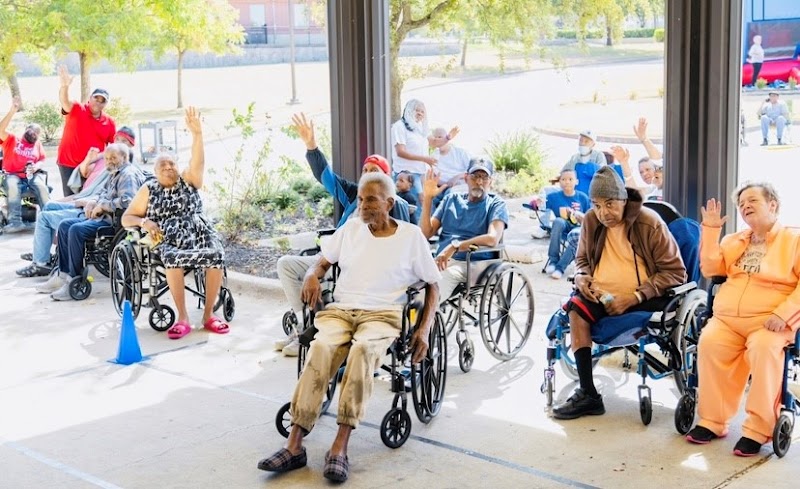
How Does The Lennwood Nursing And Rehabilitation Compare to Other Texas Nursing Homes?

Compared to the 100 nursing homes in Texas, THE LENNWOOD NURSING AND REHABILITATION's overall rating (1 stars) is below the state average of 2.8, staff turnover (75%) is significantly higher than the state average of 46%, and health inspection rating (2 stars) is below the national benchmark.

What Should Families Ask When Visiting The Lennwood Nursing And Rehabilitation?

Based on this facility's data, families visiting should ask: "What changes have been made since the serious inspection findings, and how are you preventing similar issues?" "How do you ensure continuity of care given staff turnover, and what is your staff retention strategy?" "Can you walk me through typical staffing levels on day, evening, and night shifts?" "Can I visit during a mealtime to observe dining assistance and food quality?" These questions are particularly relevant given the facility's Immediate Jeopardy citations, the facility's high staff turnover rate, and the below-average staffing rating.

Is The Lennwood Nursing And Rehabilitation Safe?

Based on CMS inspection data, THE LENNWOOD NURSING AND REHABILITATION has documented safety concerns. Inspectors have issued 3 Immediate Jeopardy citations (the most serious violation level indicating risk of serious injury or death). The facility has a 1-star overall rating and ranks #100 of 100 nursing homes in Texas. Families considering this facility should ask detailed questions about what corrective actions have been taken since these incidents.

Do Nurses at The Lennwood Nursing And Rehabilitation Stick Around?

Staff turnover at THE LENNWOOD NURSING AND REHABILITATION is high. At 75%, the facility is 29 percentage points above the Texas average of 46%. Registered Nurse turnover is particularly concerning at 71%. RNs handle complex medical decisions and coordinate care — frequent RN changes can directly impact care quality. High turnover means new staff may not know residents' individual needs, medications, or preferences. It can also be disorienting for residents, especially those with dementia who rely on familiar faces. Families should ask: What is causing the turnover? What retention programs are in place? How do you ensure care continuity during staff transitions?

Was The Lennwood Nursing And Rehabilitation Ever Fined?

THE LENNWOOD NURSING AND REHABILITATION has been fined $34,876 across 2 penalty actions. The Texas average is $33,428. While any fine indicates a compliance issue, fines under $50,000 are relatively common and typically reflect isolated problems that were subsequently corrected. Families should ask what specific issues led to these fines and confirm they've been resolved.

Is The Lennwood Nursing And Rehabilitation on Any Federal Watch List?

THE LENNWOOD NURSING AND REHABILITATION is not on any federal watch list. The most significant is the Special Focus Facility (SFF) program, which identifies the bottom 1% of nursing homes nationally based on persistent, serious quality problems. Not being on this list means the facility has avoided the pattern of deficiencies that triggers enhanced federal oversight. This is a positive indicator, though families should still review the facility's inspection history directly.