THE REHABILITATION & WELLNESS CENTRE OF DALLAS LLC
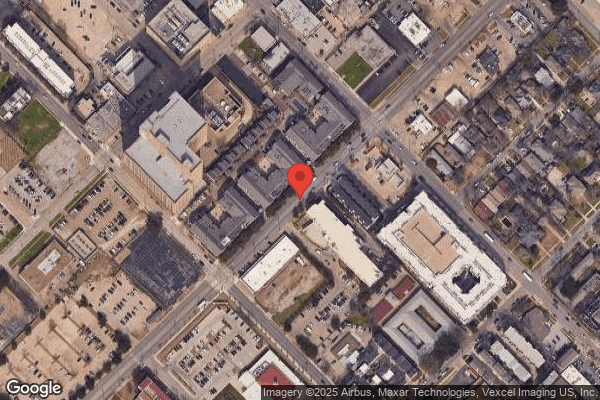
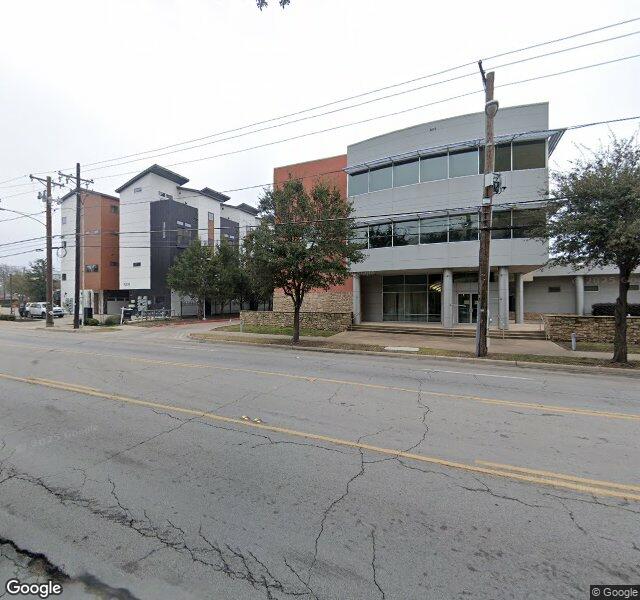
4200 LIVE OAK ST, DALLAS, TX 75204 (214) 821-0050
For profit - Corporation 136 Beds SUMMIT LTC Data: November 2025 1 Immediate Jeopardy citation
Trust Grade
26/100
#862 of 1168 in TX
Last Inspection: May 2024

Within standard 12-15 month inspection cycle. Federal law requires annual inspections.

Overview

The Rehabilitation & Wellness Centre of Dallas LLC has received a Trust Grade of F, indicating significant concerns about the quality of care provided at this facility. It ranks #862 out of 1,168 nursing homes in Texas, placing it in the bottom half of all facilities in the state, and #58 out of 83 in Dallas County, suggesting limited local options for improvement. The facility is showing signs of improvement, having reduced issues from 15 in 2024 to just 1 in 2025, but it still struggles with staffing, earning only 1 out of 5 stars and having a high turnover rate of 73%. Families should be aware that the facility has had critical incidents, including failing to properly monitor and treat pressure injuries for residents and not providing necessary dental care, which could impact residents' overall health and quality of life. While there are some strengths, like a high rating for quality measures, the significant weaknesses in staffing and care practices raise concerns for potential residents and their families.

Trust Score
F
26/100
In Texas
#862/1168
Bottom 27%
Safety Record
High Risk
Review needed
Inspections
Getting Better
15 → 1 violations
Staff Stability
⚠ Watch
73% turnover. Very high, 25 points above average. Constant new faces learning your loved one's needs.
Penalties
⚠ Watch
$8,018 in fines. Higher than 77% of Texas facilities, suggesting repeated compliance issues.
Skilled Nurses
⚠ Watch
Each resident gets only 16 minutes of Registered Nurse (RN) attention daily — below average for Texas. Fewer RN minutes means fewer trained eyes watching for problems.
Violations
⚠ Watch
20 deficiencies on record. Higher than average. Multiple issues found across inspections.
★★☆☆☆
2.0
Overall Rating
★☆☆☆☆
1.0
Staff Levels
★★★★★
5.0
Care Quality
★★☆☆☆
2.0
Inspection Score
Stable
2024: 15 issues
2025: 1 issues

The Good

  • 5-Star Quality Measures · Strong clinical quality outcomes
  • Full Sprinkler Coverage · Fire safety systems throughout facility
  • No fines on record

Facility shows strength in quality measures, fire safety.

The Bad

2-Star Overall Rating

Below Texas average (2.8)

Below average - review inspection findings carefully

Staff Turnover: 73%

26pts above Texas avg (46%)

Frequent staff changes - ask about care continuity

Federal Fines: $8,018

Below median ($33,413)

Minor penalties assessed

Chain: SUMMIT LTC

Part of a multi-facility chain

Ask about local staffing decisions and management

Staff turnover is very high (73%)

25 points above Texas average of 48%

The Ugly 20 deficiencies on record

1 life-threatening 1 actual harm
May 2025 1 deficiency 1 IJ (1 affecting multiple)
CRITICAL (K) 📢 Someone Reported This

A family member, employee, or ombudsman was alarmed enough to file a formal complaint

Immediate Jeopardy (IJ) - the most serious Medicare violation

Pressure Ulcer Prevention (Tag F0686)

Someone could have died · This affected multiple residents

**NOTE- TERMS IN BRACKETS HAVE BEEN EDITED TO PROTECT CONFIDENTIALITY** Based on observations, interviews, and record reviews, the facility failed to ensure a resident did not develop pressure ulcers/...

Read full inspector narrative →
**NOTE- TERMS IN BRACKETS HAVE BEEN EDITED TO PROTECT CONFIDENTIALITY** Based on observations, interviews, and record reviews, the facility failed to ensure a resident did not develop pressure ulcers/injuries (PU/PIs) unless clinically unavoidable and that the facility provided care and services consistent with professional standards of practice to promote healing, prevent infection, and prevent new pressure ulcers/injuries from developing for 1 (Resident #1) of 4 residents reviewed for pressure ulcers/injuries. 1. The facility failed to monitor early signs of a pressure injury (PI) to promote the prevention of pressure ulcer (PU) development to Resident #1's right medial foot and great toe. On 02/07/25, the hospice health aide reported a large blood blister on the right foot and a bruise to Resident #1's right medial foot and great toe to LVN D. LVN D reflected the blood blister on the Weekly Skin assessment dated [DATE]. Skin barrier cream was applied to the site(s) daily. On 03/02/25, the hospice RN assessed the site and ordered skin prep for application to the dried blister on Resident #1's right medial foot and great toe every shift (3 times a day [6A - 2P, 2P - 10P, and 10P - 6A]). On 03/18/25, the WMD was consulted to assess, evaluate, and treat Resident #1 for an unstageable (due to necrosis) pressure ulcer at the right medial foot and great toe. 2. The facility failed to monitor early signs of a pressure injury. On 02/26/25, the hospice health aide reported a purple pressure area on Resident #1's left hip to LVN E. LVN E reflected an intact reddened area to Resident #1's left hip on the Weekly Skin assessment dated [DATE]. The facility failed to perform a weekly skin assessment for Resident #1 on 03/06/25. On 03/09/25, LVN A completed a weekly skin assessment that indicated Resident #1 had an abrasion described as Eschar noted to left hip and abrasion/wound reopened right below the necrotic area . after Resident #1's RP called LVN A and ADON I to the room to look at a wound discovered on Resident #1's left hip. On 03/18/25, the WMD was consulted to assess, evaluate, and treat Resident #1 for an unstageable (due to necrosis) pressure ulcer to the left hip. An IJ was identified on 05/09/25. The IJ template was provided to the facility on [DATE] at 2:00 PM. While the IJ was removed on 05/09/25, the facility remained out of compliance at a scope of isolated and severity level of no actual harm with potential for more than minimal harm that is not immediate jeopardy due to the facility's need to complete in-service training and evaluate the effectiveness of the corrective systems. These failures could place residents admitted without wounds, to develop wounds, and placed at an increased and unnecessary risk of complications such as pain, acquiring new wounds, worsening of existing wounds, and infection. Findings included: A record review of Resident #1's admission MDS assessment, dated 11/18/24, revealed a [AGE] year-old female. On 11/11/24, Resident #1 admitted to the facility on hospice services. Resident #1 had a BIMS Summary Score of 10, that suggested Resident #1 had a moderate cognitive decline. Resident #1 had diagnoses that were primary risk factors for pressure injury development that included CHF; COPD; Impaired mobility and decreased functional ability, leg contracture; Parkinson's; and Dementia. Resident #1 had an impairment to the lower extremity on both sides. Resident #1 required substantial/maximal assistance with eating, oral hygiene, rolling from lying on back to left and right side, and return to lying on back on the bed. Resident #1 was dependent with all other ADLs. Resident #1 did not have any wounds on admission to the SNF. Resident #1 discharged to the hospital on [DATE]. Record review of an Unavoidable Pressure Ulcer Assessment Form dated 01/15/25, completed on Resident #1, was signed by the WCN and WMD during a QAPI meeting. Record review of Resident #1's Discharge MDS assessment, dated 03/29/25, revealed Resident #1 had unhealed pressure ulcers/injuries, one (1) Stage 3 pressure ulcer, two (2) Stage 4 pressure ulcers, and one (1) unstageable pressure ulcer due to coverage of bound bed by slough and/or eschar. Record review of Resident #1's comprehensive care plan was developed on 02/16/25. The last care conference was 03/17/25. The comprehensive care plan reflected: [Resident #1] had contractures and was at risk for skin break down, increased pain from affected areas and injury [Problem Start Date: 11/11/24; Edited: 02/16/25]. Care plan goals indicated Contractures will not increase, skin break down will not occur, increased pain will be relieved within one hour of intervention and no injuries will occur over next 90 days [Edited: 02/16/25; Target date: 5/11/25]. Interventions included Assist with repositioning often using positioning devices to maintain proper body alignment, provide for comfort measures as needed and Provide pressure relieving devices on bed and chair [Approach Start date: 11/11/24; Edited: 02/16/25]. [Resident #1] was at risk for pressure ulcers r/t incontinence status/Dementia [Problem Start Date: 11/11/24; Edited: 02/16/25]. Care plan goals indicated Resident's skin will remain intact [Edited: 02/16/25; Target date: 5/12/25]. Interventions included Avoid shearing (a combination of downward pressure and friction) resident's skin during position, transferring, and turning; Conduct a systematic skin inspection weekly. Pay particular attention to the bony prominences; Keep bony prominences from direct contact with one another; and Report any signs of skin breakdown (sore, tender, red, or broken areas). [Approach Start date: 11/11/24; Edited: 02/16/25]. [Resident #1] had a pressure ulcer to sacrum (a large, triangular bone at the base of the spine). [Problem Start Date: 03/10/25; Created: 03/31/25]. Care plan goals indicated will heal without complications [Created: 03/31/25; Target date: 03/10/26]. Interventions included Apply dressings per MD order; Assess resident for pain related to pressure ulcer or its treatment. Prevent or treat pain by medicating per order; Assess the pressure ulcer for stage, size (length, width, and depth), presence/absence of granulation tissue and epithelization, and condition of surrounding skin ____ (frequency); Keep clean and dry as possible. Minimize skin exposure to moisture; Supplements: per MD; Turn and reposition every 2 hours; Use heel protectors to relieve pressure on the heels; and Use moisture barrier product to perineal area [Approach Start Date: 03/10/25; Created: 03/31/25]. [Resident #1] had a pressure ulcer to right medial foot. [Problem Start Date: 03/10/25; Created: 03/31/25]. Care plan goals indicated ulcer will heal without complications [Created: 03/31/25; Target date: 03/10/26]. Interventions included Use heel protectors to relieve pressure on the heels; Apply dressings per MD order; Assess the pressure ulcer for stage, size (length, width, and depth), presence/absence of granulation tissue and epithelization, and condition of surrounding skin ____ (frequency); Keep clean and dry as possible. Minimize skin exposure to moisture; Supplements: per MD; and Turn and reposition every 2 hours if allowed [Approach Start Date: 03/10/25; Created: 03/31/25]. [Resident #1] had a pressure ulcer to left hip. [Problem Start Date: 03/10/25; Created: 03/31/25]. Care plan goals indicated [Resident #1] will have intact skin, free of redness, blisters, or discoloration by/through review date. Will show signs of healing and remain free from infection by/through review date [Created: 03/31/25; Target date: 03/10/26]. Interventions included Administer protein supplements as ordered; Administer treatments as ordered and monitor for effectiveness; Assess/record/monitor wound healing at least weekly. Measure length, width, and depth where possible. Assess and document status of wound perimeter, wound bed, and healing progress. Report declines to the MD; Inform family/caregivers/MD of any new area of skin breakdown; Monitor nutritional status. Serve diet as ordered, monitor intake and record; Requires a cushion to wheelchair or Geri chair when sitting up; Notify nurse immediately of any new areas of skin breakdown: Redness, Blisters, Bruises, discoloration noted during bath or daily care; Requires the use of an air mattress; and Wound care MD consult PRN [Approach Start Date: 03/10/25; Created: 03/31/25]. [Resident #1] had a pressure ulcer to the right, medial first toe. [Problem Start Date: 03/10/25; Created: 03/31/25]. Care plan goals indicated [Resident #1] will have intact skin, free of redness, blisters, or discoloration by/through review date. Will show signs of healing and remain free from infection by/through review date [Created: 03/31/25; Target date: 03/10/26]. Interventions included Administer protein supplements as ordered; Administer treatments as ordered and monitor for effectiveness; Assess/record/monitor wound healing at least weekly. Measure length, width, and depth where possible. Assess and document status of wound perimeter, wound bed, and healing progress. Report declines to the MD; Inform family/caregivers/MD of any new area of skin breakdown; Monitor nutritional status. Serve diet as ordered, monitor intake and record; Requires a cushion to wheelchair or Geri chair when sitting up; Notify nurse immediately of any new areas of skin breakdown: Redness, Blisters, Bruises, discoloration noted during bath or daily care; Requires the use of an air mattress; and Wound care MD consult PRN [Approach Start Date: 03/10/25; Created: 03/31/25]. [Resident #1] was at risk of pressure ulcer/injury due to friction and shear [Date initiated: 04/01/25]. Care plan goals indicated will have intact skin, free of redness, blisters or discoloration through the next review date [Initiated: 04/01/25; Target date 5/11/25]. Interventions reflected Minimum of 2 people plus draw sheet to lift [Resident #1] while in bed. [Date initiated: 04/01/25]. [Resident #1] had a pressure ulcer/injury. [Date initiated: 04/01/25]. Care plan goals indicated [Resident #1] will show no signs or symptoms of skin breakdown due to refusal to wear heel protectors through the next review date [Initiated: 04/01/25]. Interventions/tasks reflected Monitor and report re-emergence of skin breakdown secondary to resisting care and Reiterate the purpose and advantages of treatment. A record review of Resident #1's Order Summary Report reflected: - Start Date 11/11/24: May have pressure relieving mattress. - Start Date 12/24/24: Weekly Skin Assessment to be done on Thursday during 6-2 shift. - Start Date 02/04/25: May have heel protectors to BLE. - Start Date 02/10/25: Wound consult for area to right foot. - Start Date 02/26/25: Bacitracin zinc (OTC) ointment; 500 unit/gram; thin layer; topical. Apply to reddened area on left thigh every shift for Rash and other nonspecific skin eruption. - Start Date 03/02/25: Apply skin prep to right foot every shift. - Start Date 03/02/25: Apply skin prep to right great toe every shift. - Start Date 03/09/25: Clean open area to left hip with normal saline or wound cleanser, pat dry, apply collagen and dry dressing. [D/C 03/10/25] - Start Date 03/09/25: Wound consult. - Start Date 03/10/25: wound treatment Special Instructions: Clean area to left hip with normal saline or wound cleanser, dry, apply calcium alginate and dry dressing 3xweek and PRN. - Start Date 03/10/25: wound treatment Special Instructions: Clean area to sacrum with normal saline or wound cleanser dry, apply calcium alginate and dry dressing 3x week and PRN. [D/C03/19/25] - Start Date 03/19/25: Clean area to right medial first toe with normal saline or wound cleanser, dry, apply ansept and dry dressing 3 times a week and PRN. - Start Date 03/19/25: Clean area to right medial foot with normal saline or wound cleanser, dry, apply ansept and dry dressing 3 times a week and PRN. - Start Date 03/19/25: Clean area to sacrum with normal saline or wound cleanser, dry, apply ansept dry dressing 3 times a week and PRN. A record review of Resident #1's March 2025 MAR reflected RN B signed off that a weekly skin assessment was performed on Thursday, 03/06/25. Treatment orders for skin prep to right foot and great toe entered on 03/02/25. Treatment orders for the right foot, left hip, and sacrum were entered to begin on 03/10/25. Treatment orders were initialed that indicated care was provided as scheduled. Record review of Resident #1's completed Weekly Skin Assessments reflected: Date: Thursday, 02/07/25. Completed by LVN D. A large blood blister noted on the right side of the right big toe. Bruise noted on top of the right big toe. Date: Thursday, 02/13/25. Completed by LVN D. The blood blister on the right side of the toe is dry and purple. Bruise on top of right toe still visible. Date: Thursday, 02/20/25. Completed by LVN C. Treatment orders in place. No new skin integrity issues. Date: Thursday, 02/27/25. Completed by LVN E. Redness to left hip, wound care nurse notified, and Zinc has been applied. No further issues noted. Date: Thursday, 03/06/25. No Weekly Skin Assessment Form completed. Date: Thursday, 03/09/25 at 1:29 PM. Completed by LVN A. Eschar noted to left hip and abrasion/wound reopened right below the necrotic area. Date: Thursday, 03/09/25 at 10:39 PM. Completed by ADON I. [Resident #1] with open area to left hip, continues with wounds to blister noted on the right side of foot, the right big toe and on top of right great toe. Sacrum area with multiple skin pigmentation with dark color around areas. Date: Thursday, 03/13/25 at 8:38 AM. Completed by RN B identified wounds described as a Stage 2 sacrum, Stage 2 left hip, and Unstageable right lateral foot. Record review of Resident #1's hospice health aide visits notes revealed the following: On 02/07/25 at 09:28 AM the hospice health aide documented LVN D was notified about Resident #1's right foot that developed a deep tissue pressure area on the ball of the foot. On 02/26/25 at 03:33 PM the hospice health aide documented notification to nurse and directions received - [Resident #1] has a purple pressure area developed on left hip, staff applied skin protection, Resident #1 was repositioned. 02/28/25 at 02:57 PM the hospice health aide documented notification to nurse and directions received - [Resident #1] left hip has an open wound, staff nurse stated that she will apply Zinc to the area. Record review of Resident #1's progress notes reflected the following: LATE ENTRY on 02/13/25 at 11:15 AM (effective date 02/07/25 at 11:14 AM): LVN D wrote, A large blood blister noted on the right side of the right big toe. Bruise noted on top of the right big toe. Surrounding skin is dry, warm, and intact. Treatment nurse notified. The affected area was shown to [FM] in person. Will continue to monitor. On 02/10/25 at 7:57 PM, LVN C wrote, . Skin prep applied to discoloration on (Resident #1) right foot. Free from signs or symptoms of infection. Skin is unbroken and free of bleeding or drainage . On 02/26/25 at 2:05 PM, LVN E wrote, . Skin prep applied to discoloration on (Resident #1) right foot. Free from signs or symptoms of infection. Skin is unbroken and free of bleeding or drainage . On 03/02/25 at 2:00 PM, RN H wrote, . writer overheard Resident #1's RP talking on the phone with an angry tone. It appeared he was talking with the DON. The writer went into (Resident #1) room with ADON I to find out what the problem was. The RP was concerned that the blister to Resident #1 right foot had turned black . ADON I and supervisor went with the RP and assessed (Resident #1) blister, educated the RP that the blister was healing as expected. A recommendation was mad to have hospice come by and assess the blister and offer suggestions for further treatment if any . Record review of Resident #1's hospice RN visit note dated 03/02/25 at 6:00 PM revealed Dry blister to Right foot. No signs/symptoms of infection or pain. Patient comfortable during visit. Continued record review of Resident #1's progress notes reflected the following: On 03/03/25 at 6:09 PM, the WCN wrote, . Resident #1 continues to have a discoloration and swelling to feet area treated with skin prep and podus boots (applied to prevent and manage heel pressure and reduce pressure on the area). Area continues to be closed so no new treatment is warranted at this time. RP notified and reminded that Resident #1 was on hospice and other consults are not performed when this was the case. On 03/03/25 at 8:41 PM, LVN C wrote, . Skin prep applied to discoloration on (Resident #1) right foot. Free from signs or symptoms of infection. Skin is unbroken and free of bleeding or drainage . On 03/04/25 at 3:36 AM, RN H wrote, . Discoloration on right foot intact. No signs of infection noted . On 03/04/25 at 11:52 AM, RN B wrote, Resident #1 has a new order for skin prep to right great toe, skin prep applied, the area is clean, dry, skin intact. On 03/09/25 at 1:29 PM, LVN A wrote, RP called this nurse and ADON I to resident's room. RP states that the wound reopened. Upon assessing, abrasion/wound noted to left hip. minimal blood noted. Eschar noted to left hip and right below, skin reopened. cleansed area with NS, pat dry. applied collagen and dry dressing. skin assessment completed and wound care nurse made aware to eval and treat. On 03/09/25 at 10:47 PM, ADON I wrote, Upon head-to-toe skin assessment, resident noted with open area to left hip, dressing in place. Continues with blister to right side of foot, the right big toe and area on top of right great toe. Sacrum has multiple skin pigmentation areas, surrounded with dark color surrounding those areas, but skin is intact. No bruising noted to sacrum area. Skin intact underneath bilateral breast and abdomen areas. Resident with brown aging spot all over back area. Resident continues to be turned and repositioned every 2 hours. Podus boots in place. On 03/10/25 at 2:03 PM, RN B wrote, Upon incontinent care CNA (unidentified) reported opened area to sacrum with minimal bleeding no s/s of infection noted to the area, treatment nurse notified, treatment nurse notified, [RP] notified, treatment orders received, resident continues turning and repositioning every 2 hours, treatment nurse will be notified. On 03/10/25 at 2:33 PM, ADON I wrote, Treatment notified of new areas. Will wait for any orders. On 03/10/25 at 7:23 PM, the WCN wrote, Nurse rounded today and wound to left hip, sacrum, and right foot were assessed. Assessment performed by treatment nurse and new orders provided by MD. New orders noted in residents EHR, please refer to resident orders. Wound assessment updated. RP notified of new orders. On 03/11/25 at 1:45 PM, RN B wrote, Resident continues repositioning every 2 hours . wound care completed on open area to sacrum and open area to left hip . Record review of hospice physician visit and plan of care meeting notes, dated 03/17/25, revealed Resident #1 had a Stage II ulcer to the left lateral gluteal region. Eschar noted to medial aspect of right foot. During the plan of care meeting with the RP and facility staff, the hospice physician documented that the RP wished to maintain (Resident #1) comfort and dignity and wishes to forego aggressive interventions. Plan to continue with wound offloading and local wound care, facility wound care physician evaluation pending. Per the RP, understood that the patient would continue to have progressive wounds as it related to poor nutritional status, advanced disease, and multiple comorbidities. Record review of Resident #1's WMD visit reports dated 03/18/25 reflected the following: Date: Tuesday, 03/18/25 [Resident #1] presented with wounds on the right medial foot; left hip; sacrum; and right medial first toe. Left hip - unstageable (due to necrosis). Duration: greater than 5 days. Wound size (LxWxD): 4.1 x 1.5 x Not measurable cm. Depth was unmeasurable due to presence of nonviable tissue and necrosis. Surgical excisional debridement procedure performed. Right Medial First Toe - unstageable (due to necrosis). Duration: greater than 5 days.: Wound size (LxWxD): 2.4 x 1.5 x Not measurable cm. Depth was unmeasurable due to presence of nonviable tissue and necrosis. Right Medial Foot - Stage 4 Pressure Wound. Duration: greater than 5 days.: Wound size (LxWxD): 2.9 x 3.1 x Not measurable cm. Depth was unmeasurable due to presence of nonviable tissue and necrosis. Surgical excisional debridement procedure performed. Sacrum - Stage 3 Pressure Wound. Duration: greater than 5 days.: Wound size (LxWxD): 1.5 x 1.2 x 0.2 cm. Surgical excisional debridement procedure performed. Continued record review of Resident #1's WMD subsequent visit reports dated 03/24/25 and 03/31/25, revealed Resident #1 wounds were at goal or improved. On 03/24/25, the WMD performed surgical excisional debridement to the right medial foot and left hip. During a telephone interview on 04/06/25 at 12:05 PM, Resident #1's RP said that he noticed a reddened sore on Resident #1's right foot during a visit on 02/02/25. The RP said that he spoke with ADON I who replied that the sore was due to poor circulation. The RP said that during a visit on 03/02/25 he looked at the sore on Resident #1's right foot and it had turned purple with black areas. The RP said that ADON I said that the area on the foot would get worse before it got better. The RP said that he was not informed about Resident #1's left hip. On Sunday, 03/09/25, the RP said that Resident #1 complained of pain at the left hip. The RP said that he pulled back the brief to check, which was stuck to an undressed sore. The RP said that the sore seemed to have scabbed over at that point. The RP said that he called for the nurse and ADON I to come to the room and asked about the sore. The RP said that ADON I cleaned the wound and applied a dressing. During an interview and records review on 04/07/25 at 12:51 PM, RN B indicated that she was a new hire as of 03/03/25 and worked 6A - 2P shifts. RN B said that weekly skin assessments should be 7 days from the date of admission and the MAR would trigger the day the skin assessment was due and that was how she knew it needed to be completed. RN B said that she worked Thursday, 03/06/25, completed a skin assessment but did not know that she was supposed to complete a Weekly Skin Assessment form. RN B said that she performed the scheduled skin assessment on 03/13/25 and documented findings on the skin assessment form. RN B said that she documented the altered skin areas as the WCN described to the sacrum (Stage 2), left hip (Stage 2), and right foot (unstageable). During an interview on 04/07/25 at 2:43 PM, the WCN said that she performed wound care to residents with Stage 2 or larger wounds and performed rounds with the WMD every Tuesday. The WCN said that the charge nurses performed treatments to altered skin integrity like a rash, skin tear, or areas that required topical skin treatments. The WCN said that she or the WMD did not follow Resident #1 for wound care. The WCN said that she reviewed a weekly report that would reflect if a weekly skin assessment was not completed. The WCN said that she did not read the weekly skin assessment and expected the nurse to inform of any skin breakdown or changes observed during weekly skin assessments. The WCN said that the CNAs inspected the residents' skin for redness, bruising, or break in skin when assisting with showers, bed baths, and incontinent care. The WCN said that the CNAs should report any skin issues to the charge nurse. The WCN said that Resident #1 likely developed the pressure injury to the right foot because the heel protectors provided by hospice did not protect the whole foot. The WCN said that Resident #1 legs were contracted, and the feet pressed against each other. The WCN said that staff off-loaded pressure areas by turning and repositioning, with pillows, and position wedges. The WCN said that she became involved with Resident #1's skin management on or about 03/03/25, as reflected in Resident #1's progress notes, when she first learned about Resident #1's right foot in the morning meeting. The WCN said that she assessed and evaluated Resident #1's right foot that had discoloration and swelling. The WCN said that a purple or maroon discoloration could indicate a deep tissue pressure injury and could also present with a closed or ruptured blister. The WCN said the skin was not open. The WCN said that an immediate nursing intervention would be to prevent further damage and promote healing. The WCN said that staff were treating the area with skin prep and podus boots were applied to Resident #1's feet. The WCN reviewed the chart and said that she assessed and evaluated the discovered wound to Resident #1's left hip and notified the MD to obtain orders for treatment and a WMD consult on Monday, 03/10/25. During a telephone interview on 04/07/25 at 3:11 PM, the WMD said that he obtained permission from the RP before he performed surgical debridement to the wounds. The WMD said that the wounds overall condition was deteriorated to a degree but showed some progression with debridement and treatment. The WMD said that the wounds did not show any signs of infection. The WMD indicated that Resident #1 was a high risk for pressure ulcer development due to multiple disease processes, poor nutrition, and contractures. During an interview on 04/07/25 at 4:25 PM with ADON I said that once wounds were discovered, treatments were initiated on WMD rounds. An in-service was conducted related to turning and repositioning. ADON I said that Resident #1 received wound care every Monday, Wednesday, Friday, and PRN to right foot, left hip, and sacrum. ADON I did not recall when she first learned about wounds to Resident #1's hip and sacrum. ADON I said if she correctly recalled, the RP brought up concerns about the wound condition after RP removed dressing to Resident #1's left hip. The RP's said that the wound appeared to get worst and had a smell. ADON I said that she reassured the RP that the WCN was treating. ADON I denied the hip wound had an odor. ADON I did not recall the wound condition when she cleaned and covered with a dressing. During an interview on 04/18/25 at 3:34 PM, the DON said his expectation of skin management and pressure ulcer/injury prevention included weekly skin assessments to be completed every 7 days; CNAs to visualize the resident's skin on shower days and notify the charge nurse of any bruises, redness, sores, or any type of break in skin; off-loading and repositioning of residents as needed. The nurse must complete a weekly skin assessment form and initial the MAR that the skin assessment was completed. The DON said if a skin assessment was not document for one week, a resident's skin should still be checked during incontinent care, showers, and during random skin sweeps. The DON said that the discoloration to Resident #1's right foot/toe and left hip should have been monitored by the charge nurse for any changes or the need to notify the WCN. The DON said that ADON I ran weekly reports to determine if weekly skin assessments were completed. The National Pressure Ulcer Advisory Panel ([NPUAP], 2016) revised the definition and stages of pressure injury. Review of the new definition of suspected DTI is: Purple or maroon localized area of discolored intact skin or blood-filled blister due to damage of underlying soft tissue from pressure and/or shear. The area may be preceded by tissue that is painful, firm, mushy, boggy, warmer or cooler as compared to adjacent tissue. Further description is also given: Deep tissue injury may be difficult to detect in individuals with dark skin tones. Evolution may include a thin blister over a dark wound bed. The wound may further evolve and become covered by thin eschar. Evolution may be rapid exposing additional layers of tissue even with optimal treatment. (Reference: Edsberg LE, Black JM, [NAME] M, [NAME] L, [NAME] L, Sieggreen M. Revised National Pressure Ulcer Advisory Panel Pressure Injury Staging System: Revised Pressure Injury Staging System. J Wound Ostomy Continence Nurs. 2016; 43(6):585-597. doi:10.1097/WON.0000000000000281 https://pmc.ncbi.nlm.nih.gov/articles/PMC5098472/) The Centers for Medicare & Medicaid Services ([CMS], 2024), defined pressure ulcer/injury characteristics as: - Stage 1 Pressure Injury: Non-blanchable erythema of intact skin Intact skin with a localized area of non-blanchable erythema (redness). In darker skin tones, the PI may appear with persistent red, blue, or purple hues. The presence of blanchable erythema or changes in sensation, temperature, or firmness may precede visual changes. Color changes of intact skin may also indicate a deep tissue PI. - Deep Tissue Pressure Injury (DTPI): Persistent non-blanchable deep red, maroon, or purple discoloration Intact skin with localized area of persistent non-blanchable deep red, maroon, purple discoloration due to damage of underlying soft tissue. This area may be preceded by tissue that is painful, firm, mushy, boggy, warmer, or cooler as compared to adjacent tissue. These changes often precede skin color changes and discoloration may appear differently in darkly pigmented skin. This injury results from intense and/or prolonged pressure and shear forces at the bone-muscle interface. The wound may evolve rapidly to reveal the actual extent of tissue injury or may resolve without tissue loss. If necrotic tissue, subcutaneous tissue, granulation tissue, fascia, muscle, or other underlying structures are visible, this indicates a full thickness pressure ulcer. Once a deep tissue injury opens to an ulcer, reclassify the ulcer into the appropriate stage. Do not use DTPI to describe vascular, traumatic, neuropathic, or dermatologic conditions. (Reference: Centers for Medicare & Medicaid [CMS], State Operations Manual, Appendix PP. (Rev. 225; Issued: 08-08-24). F686 Skin Integrity, p. 298. https://www.cms.gov/medicare/provider-enrollment-and-certification/guidanceforlawsandregulations/downloads/appendix-pp-state-operations-manual.pdf Review of the facility's Skin Integrity Monitoring System p[TRUNCATED]
Oct 2024 1 deficiency
CONCERN (D) 📢 Someone Reported This

A family member, employee, or ombudsman was alarmed enough to file a formal complaint

Potential for Harm - no one hurt, but risky conditions existed

Infection Control (Tag F0880)

Could have caused harm · This affected 1 resident

**NOTE- TERMS IN BRACKETS HAVE BEEN EDITED TO PROTECT CONFIDENTIALITY** Based on observations, interviews, and record review the facility failed to establish and maintain an infection prevention and c...

Read full inspector narrative →
**NOTE- TERMS IN BRACKETS HAVE BEEN EDITED TO PROTECT CONFIDENTIALITY** Based on observations, interviews, and record review the facility failed to establish and maintain an infection prevention and control program designed to provide a safe, sanitary, and comfortable environment and to help prevent the development and transmission of communicable diseases and infections for one (Resident #1) of three residents observed for infection control. 1. The WCN failed to perform hand hygiene and change gloves during wound care for Resident #1. The failure could place residents at risk for healthcare associated cross contamination and infections. Findings included: Record review of Resident #1's face sheet, dated 10/01/24, reflected she was a [AGE] year-old female admitted to the facility on [DATE]. Her diagnoses included Alzheimer's disease and cellulitis (skin infection) of left lower leg. Record review of Resident #1's Care Plan revealed she had a care plan for wounds. An observation and interview on 10/01/24 at 12:15 PM with the WCN revealed she was preparing to do wound care for Resident #1. The resident was awake, alert, and confused. She did not voice any concerns. The WCN performed hand hygiene, donned gloves and removed the dressing. She also placed a pad beneath the left foot. The WCN removed her gloves and performed hand hygiene. The resident had a healing ulcer on her left foot, directly beneath her first toe. The area was open and about the size of a quarter. The tissue was dark pink - red in color. The WCN cleaned the wound with 4x4 gauze and disposed of the soiled gauze onto the soiled pad beneath the resident's left foot. The WCN rolled up the soiled pad and placed it in the trash. The WCN did not change her gloves or perform hand hygiene. The WCN prepared the ordered treatment, applied it to the wound, and wrapped the wound and left foot. The WCN said she did not realize she did not change gloves or perform hand hygiene after cleaning the wound. She said it was important to perform hand hygiene in order to prevent infection transfer. An interview with the DON on 10/01/24 at 2:20 PM revealed staff were supposed to follow the facility policy for changing gloves and performing hand hygiene after cleaning a wound. The DON said the WCN was supposed to perform hand hygiene after cleaning the wound. He said hand hygiene was important after cleaning the wound to reduce transmission of pathogens harmful to the resident. Record review of the facility policy, Handwashing, dated December 2018, reflected: Policy It is the policy of this home that hand hygiene is the primary means to prevent the spread of infection . Before and after direct resident contact . Before and after changing a dressing .
May 2024 10 deficiencies
CONCERN (D)

Potential for Harm - no one hurt, but risky conditions existed

Deficiency F0761 (Tag F0761)

Could have caused harm · This affected 1 resident

Based on observation, interviews, and record review the facility failed to ensure that medications were secure and inaccessible to unauthorized staff and residents for 8 (eight doses IV medication) of...

Read full inspector narrative →
Based on observation, interviews, and record review the facility failed to ensure that medications were secure and inaccessible to unauthorized staff and residents for 8 (eight doses IV medication) of eight left at the nurse's station, for Floor 200 unsupervised. The facility failed to ensure IV antibiotics were stored in locked compartments and not left at the nurse's station unsupervised. This failure could result in residents having access and ingestion of medications leading to a risk for harm and possible drug diversion. Findings included: In an observation and interview on 05/28/24 at 9:40 a.m., approximately 8 antibiotic IV bags of Nafcillin 2g/50ml in 100mL NS to be administered via PICC line Q4 hours. was at the nurse's station unsupervised with no staff around. This Surveyor continued to observe for approximately 10 minutes the unsupervised drugs. LVN G came out of the medication room and stated she was responsible for the medications. LVN G got an overbed table and placed all the IV antibiotic bags on it, then walked back into the medication room, leaving the medications unsupervised for another 5 minutes. The DON came to the nurse's station, as LVN G came out of the medication room, communicated to LVN G about the medication, at which time LVN G picked up all the IV bags, and placed them in the locked medication room. LVN G returned with one IV bag she said she was going to administer to Resident #129. In an observation on 05/28/24 at 9:45 a.m., with LVN G of the medication left at the nurse's station revealed: for Resident #129 Nafcillin (antibiotic) 2g/50ml in 100mL NS to be administered via PICC line Q4 hours. Rate of administration: 100mL/hr through the triple lumen that is in the upper left arm. Resident #129's PICC line area was checked by LVN G for redness through the occlusive dressing and was good no redness or swelling noted . The IV is delivered over the hour, then flushed again with the N/S 10 mls -as MD ordered. LVN G stated Resident #129 an interview on 05/28/24 at 9:50 a.m. with LVN G revealed she knew the IV bags were supposed to be locked up in the medication room, but with all the bad storms and staff being late to work, she had gotten disorganized. LVN G stated that the medications left unattended anyone could pick those up and that would not be safe, it could harm them. In an interview on 05/30/24 at 2:00 p.m., the DON stated it was his expectation that the IV antibiotics that was at the nurse's station be secured, if they were not being given by the nursing staff. The DON stated that the nurses were responsible to keep the medications locked either in the medication carts or in the medication room, when not in use. He stated if the medications were not locked up, residents and unauthorized staff could get the medications and there would be opportunities for harm and medication diversion. Review of the Policy and Procedure Medication Storage dated December 2018, reflected, It is the policy of this home that medications will be stored appropriately as to be secure from tampering, exposure or misuse . 2. Only licensed nurses, . and those lawfully authorized to administer medications are allowed access to medications . medications and supplies are locked or attended by person with authorized access .
CONCERN (E)

Potential for Harm - no one hurt, but risky conditions existed

Resident Rights (Tag F0550)

Could have caused harm · This affected multiple residents

**NOTE- TERMS IN BRACKETS HAVE BEEN EDITED TO PROTECT CONFIDENTIALITY** Based on observation, interview, and record review, the facility failed to ensure each resident was treated with respect and dig...

Read full inspector narrative →
**NOTE- TERMS IN BRACKETS HAVE BEEN EDITED TO PROTECT CONFIDENTIALITY** Based on observation, interview, and record review, the facility failed to ensure each resident was treated with respect and dignity for 5 (Residents #16, #13, #26, #18 and #45) of 10 residents observed in the dining room for dignity. A. Activity Coordinator A was observed standing next to seated Resident #16 and Resident #13 while providing assistance with eating. B. ADON A was observed using a cell phone while sitting at the table with Resident #13 and Resident #26 that required assistance with eating. C. Resident #45 had exposed tubing from her wound vacuum-assisted closure device draped from her ankle, across the side of her wheelchair, to the machine on the back of the wheelchair while sitting at the table in the dining room during lunch. D. Resident #18 was eating their meal for over six minutes before Resident #13, who was sitting at the same table, was provided a tray. This failure placed residents at risk of experiencing diminished quality of life, loss of dignity, and could negatively affect their psychosocial well-being. Findings included: Record review of Resident #16's Face Sheet dated 05/31/24 revealed Resident #16 was [AGE] years old with diagnoses of Parkinson's disease, cognitive communication deficit, and dysphagia (difficulty swallowing). Record review of Resident #16's MDS dated [DATE] revealed Resident #16 required partial or moderate assistance (helper does less than half the effort) eating. Record review of Resident #16's Care Plan dated 04/16/24 stated Resident #16 should be offered tray set-up and verbal cueing while eating. Record review of Resident #13's Face Sheet dated 05/30/24 revealed Resident #13 was [AGE] years old with diagnoses of Alzheimer's disease and dysphagia (difficulty swallowing). Record review of Resident #13's MDS dated 04/17/ 24 revealed Resident #13 requires one-person physical assistance while eating. Record review of Resident #13's Care Plan dated 02/27/24 revealed Resident #13 should be monitored for chewing and swallowing problems. Record review of Resident #26's Face Sheet dated 05/30/24 revealed Resident #26 was [AGE] years old with a diagnoses of dehydration, dysphagia (difficulty swallowing), and dementia (impaired memory). Record review of Resident #26's MDS dated [DATE] revealed Resident #26 required supervision with one-person physical assistance while eating. Record review of Resident #26's Care Plan dated 02/27/24 stated to provide hands on assistance during meals. Record review of Resident #45's Face Sheet dated 05/30/24 revealed Resident #45 was [AGE] years old with a diagnoses of anxiety, schizoaffective disorder (mental health disorder), and cognitive communication deficit. Record review of Resident #45's Care Plan dated 04/16/24 revealed the Resident #45 required treatment and interventions for the treatment of anxiety, depression, mood disorder, behavior management, schizophrenia. Observation on 5/28/24 at 12:10 p.m., Activity Coordinator A was standing between Resident #16 and #13 while assisting with eating their lunch. Observation on 5/29/24 at 12:24 p.m., ADON A was observed sitting at a table with Resident #26 and Resident #13. Resident #13 and Resident #26 stared at their plates and did not eat while ADON A looked down at a cell phone. ADON A swiped the cell phone screen with her thumbs for over two minutes before ADON A looked up and sat the cell phone in her lap. ADON A then assisted Resident # 26 by placing silverware in the resident's hand and cued Resident #13 to take a bite of food. Observation on 5/29/24 at 12:42 p.m., ADON A was observed sitting at a table with Resident #26 and Resident #13. Resident #13 and Resident #26 stared at their plates and did not eat while ADON A looked down at a cell phone. Observation on 5/30/24 at 12:12 p.m., Resident #45 was observed sitting at a dining room table and had exposed tubing from her wound vacuum-assisted closure device draped from her ankle, across the side of her wheelchair, to the machine on the back of the wheelchair. Fluids were visible going through tubing to the machine. Observation on 5/30/24 at 12:12 p.m., Resident #18 was observed eating for over six minutes before Resident #13 was provided a tray. Observation on 5/30/24 at 12:18 p.m., Activity Coordinator A was observed standing next to seated Resident #13 while assisting Resident #13 with eating. In an interview on 5/30/24 at 12:15 p.m., Activity Coordinator A reported Resident #13's tray was on another warming cart and would be brought to the resident when the cart arrives. In an interview on 5/30/24 at 12:32 p.m., Activity Coordinator A stated everybody at a table should be served at the same time. Activity Coordinator A stated she was unsure if she should have waited until Resident #13's tray arrived to serve Resident #18. Activity Coordinator A stated she was unsure if Resident #45 always had wound VAC tubing exposed or if it should be covered but would ask the nurse. In an interview on 5/30/24 at 12:34 p.m., ADON A stated they should try to keep wound VAC tubing as private as possible and use a privacy bag for the machine. ADON A stated the wound VAC machine did not fit in the current privacy bag and would get a different one. In an interview on 5/30/24 at 12:53 p.m., the DON stated he expected staff to be attentive during dining and that when he was a CNA he sat with his residents to promote a home-like environment. The DON stated he encouraged staff to sit with residents while feeding. The DON stated the greatest concern if wound VAC tubing is exposed is dignity and the least amount of tubing possible should be visible. Record review of the facility's policy titled Abuse/Reportable Events with an effective date of 12-1-2018, stated This facility establishes an environment that is as homelike as possible and includes a culture and environment that treats each resident with respect and dignity. It also states, Treating a nursing home resident in any manner that does not uphold a resident's sense of self-worth and individuality dehumanizes the resident.
CONCERN (E) 📢 Someone Reported This

A family member, employee, or ombudsman was alarmed enough to file a formal complaint

Potential for Harm - no one hurt, but risky conditions existed

ADL Care (Tag F0677)

Could have caused harm · This affected multiple residents

**NOTE- TERMS IN BRACKETS HAVE BEEN EDITED TO PROTECT CONFIDENTIALITY** Based on observation, interview, and record review the facility failed to ensure each resident had the right to reside and recei...

Read full inspector narrative →
**NOTE- TERMS IN BRACKETS HAVE BEEN EDITED TO PROTECT CONFIDENTIALITY** Based on observation, interview, and record review the facility failed to ensure each resident had the right to reside and receive services in the facility with reasonable accommodation of resident needs and preferences for 5 of 8 residents (Resident #'s 45, 18, 17, 9, and 67) reviewed for accommodation of needs, in that: The facility failed to ensure: Residents #'s 45, 18, 17, 9, and 67 had either unwanted facial hairs (Resident #'s 45, 18, and 17 female residents) and or long, dirty, or untrimmed nails (residents #'s 9 and 67). This failure placed residents at risk of not receiving services/care with reasonable accommodation of their needs and preferences, feelings of not being listened to, and depression. Findings include: Record review of Resident # 45's Face Sheet revealed the resident had an original admission date of 5/06/23 with diagnoses which included Cellulitis of right lower limb (Primary, Admission), Cough, unspecified, Acute respiratory failure with hypercapnia (elevated levels of Carbon Dioxide in the blood), Unspecified diastolic (congestive) heart failure. Record review of Resident # 45's MDS dated [DATE] reflected a BIMS score of 15 out of 15, which suggested no cognitive impairment (no difficulty making decisions that affected everyday life and care). Continued review showed substantial/maximal staff assistance for daily care, including personal hygiene. Record review of Resident 45's Care Plan dated 4/16/24 read, in part, [Resident #45] has an ADL self-care performance deficit and requires assistance by staff in all Activities of Daily Living (ADL's), 2 staff members for bed mobility and toileting, 1 staff member for transfers, bathing, dressing, grooming, personal hygiene. Eating with set up tray assist. During an observation in the dining room on 5/29/24 at 12:03 PM, Resident # 45 was sitting up in motorized wheelchair at the dining table. Resident #45's wheelchair was observed to have a frayed right armrest, the resident appeared to have facial hair on and below her chin. She stated that she had noticed that it was frayed and that she would like it to be repaired but did not know who to tell about it. She stated that it did not seem to bother her skin yet. She stated that she had not been told about having facial hair but would very much like it to be shaved off. Record review of Resident # 18's Face sheet revealed the resident had an original admit date of 08/22/23 with diagnosis of Encephalopathy (disorder that affects structure or function of brain), unspecified (Primary, Admission), Cauda equina syndrome (compression of nerves at base of spine), Muscle wasting and atrophy, not elsewhere classified, unspecified site, Muscle weakness (generalized), Cognitive communication deficit. Record review of Resident # 18's MDS dated [DATE] reflected a BIMS score of 12 out of 15, which suggested moderate cognitive impairment. Continued review showed substantial/maximal staff assistance for daily care, including personal hygiene. Record review of Resident # 18's Care Plan dated 5/21/24 read in part, that [Resident #18] has an ADL self-care performance deficit and requires assistance by staff in all Activities of Daily Living (ADL's), 2 staff members for bed mobility and toileting, 1 staff member for transfers, bathing, dressing, grooming, personal hygiene. Eating with set up tray assist. During an observation and interview on 5/28/24 at 10:56 AM, Resident # 18 was observed to be sitting comfortably in a wheelchair, the left armrest on the wheelchair appeared to have cracked and half of the armrest cushion appeared to be missing entirely. The resident's nails appeared to be long and tinged yellow with some dirt under them. The resident stated that he did not like to have long nails and that he wished someone would trim them more often for him. Record review of Resident # 17's Face Sheet revealed the resident had an original admission date of 4/13/20 with diagnoses which included Interstitial pulmonary disease (progressive scarring of the lung tissue), unspecified (Primary, Admission), Urinary tract infection, other speech and language deficits following cerebral infarction, Pneumonia, Acute upper respiratory infection. Record review of Resident # 17's MDS dated [DATE] reflected a BIMS score of 00 out of 15, which suggested severe cognitive impairment. Continued review showed total/maximal staff assistance for daily care, including personal hygiene. Record review of Resident 17's Care Plan dated 5/07/24 read, in part, [Resident #17] has an ADL self-care performance deficit and requires assistance by staff in all Activities of Daily Living (ADL's), 2 staff members for bed mobility and toileting, 2 staff member for transfers, bathing, dressing, grooming, personal hygiene. During an observation and interview of on 5/28/24 at 11:13 AM, Resident #17 was observed to have untrimmed, long nails on both hands, the nails appeared to have some dirt accumulation under them. The resident was unable to respond to questions. During the observation of Resident # 17, CNA H entered the room and stated that Resident #17's nails should have been trimmed, she stated that she had seen Resident # 17's nails longer. She denied that the resident or his family had any objection or instructions to keep Resident #17's nails long or untrimmed. She stated that she would trim Resident # 17's nails later that evening when she would administer a bed bath for the resident. Record review of Resident # 9's Face sheet revealed the resident had an original admit date of 08/15/14 with diagnoses of Cerebral palsy, unspecified (Primary, Admission), Diarrhea, Urinary tract infection, site not specified, Depression, Anxiety disorder due to known physiological condition. Record review of Resident # 9's MDS dated [DATE] reflected a BIMS score of 07 out of 15, which suggested severe cognitive impairment. Continued review showed total/maximal staff assistance for daily care, including personal hygiene. Record review of Resident # 9's Care Plan dated 5/07/24 read, in part, [Resident #9] Requires extensive assist of 1 staff member for all ADL functions except eating with set up tray assist. Set-up, assist, give shower, shave, oral, hair, nail care per schedule and PRN. During an observation and interview on 5/29/24 at 12:40 PM, Resident # 9 was observed to have facial hair on her chin, she stated that it would be nice if someone would help her with her chin hairs because she would never want to have them. She stated that none of the staff had mentioned that she had any chin hairs. Record review of Resident # 67's Face sheet revealed the resident had an original admit date of 08/24/23 with diagnoses of Unspecified dementia, unspecified severity, without behavioral disturbance, psychotic disturbance, mood disturbance, and anxiety (Primary), Depression, unspecified, Gastro-esophageal reflux disease without esophagitis (chronic heart burn). Record review of Resident # 67's MDS dated [DATE] reflected a BIMS score of 08 out of 15, which suggested moderate cognitive impairment. Continued review showed minimal staff assistance for daily care, including personal hygiene. Record review of Resident # 67's Care Plan dated 4/24/24 read, in part, [Resident #67] Requires minimal assist of 1 staff member for all ADL functions. ADLs Functional Status/Rehabilitation Potential Residents ADL Functions: Bed Mobility: assist x 1, Transfers: assist x 1, Dressing: assist x 1, Eating: assist x 1, Toileting: assist x 1, Personal Hygiene: assist x 1, Bathing: assist x 1. Assist, give-- shower, shave, oral, hair, nail care per schedule and as needed. During an observation and interview on 5/28/24 at 3:01 PM, Resident #67 was observed to have very long toenails and facial hair consisting of several long hairs on and below her chin. She stated that she thinks a podiatrist came around last month but she was not entirely sure, she stated that she didn't know who to ask to shave off her facial hair but that she did not want facial hair and hoped a staff member could help her with getting rid of the chin hairs. In an interview on 5/30/24 at 3:20 PM with the DON, he stated that residents should have their nails trimmed and female residents should always be offered to have any unwanted facial hair shaved off for them. Long nails could cause injury to residents and male residents may find it embarrassing to have long nails. Female residents should have unwanted facial hair attended too, as having unwanted facial hair could cause the residents emotional harm or embarrassment. Record review of the facility's policy titled Activities of Daily Living dated December 2018, reflected in part .it is the policy of this home to assure residents have their activities of daily living met .Grooming: Encourage residents with nail trimming and grooming .assist residents with shaving .makeup application.
CONCERN (E) 📢 Someone Reported This

A family member, employee, or ombudsman was alarmed enough to file a formal complaint

Potential for Harm - no one hurt, but risky conditions existed

Accident Prevention (Tag F0689)

Could have caused harm · This affected multiple residents

**NOTE- TERMS IN BRACKETS HAVE BEEN EDITED TO PROTECT CONFIDENTIALITY** Based on observations, interviews, and record review, the facility failed to ensure all assistive devices and overbed tables wer...

Read full inspector narrative →
**NOTE- TERMS IN BRACKETS HAVE BEEN EDITED TO PROTECT CONFIDENTIALITY** Based on observations, interviews, and record review, the facility failed to ensure all assistive devices and overbed tables were maintained and free of hazards for three (Residents #9, #18, and #45) of eight residents reviewed for essential equipment. The facility failed to properly maintain wheelchairs for Residents #9, #18, and #45. These failures could place residents at risk for equipment that was in unsafe operating condition, which could cause injury. Findings included: Record review of Resident # 9's Face sheet revealed the resident had an original admit date of 08/15/14 with diagnosis of Cerebral palsy, unspecified (Primary, Admission), Diarrhea, Urinary tract infection, site not specified, Depression, Anxiety disorder due to known physiological condition. Record review of Resident # 9's MDS dated [DATE] reflected a BIMS score of 07 out of 15, which suggested severe cognitive impairment. Continued review showed total/maximal staff assistance for daily care, including use of a wheelchair. Record review of Resident # 9's Care Plan dated 5/07/24 read, in part, [Resident #9] Requires extensive assist of 1 staff member for all ADL functions. Resident requires a wheelchair, Resident sleeps in the wheelchair with bedside table in front of her with a pillow on top. During an observation and interview on 5/29/24 at 12:40 PM, Resident # 9 was observed to have a frayed and cracked armrest on the right side of her wheelchair. Resident #9 stated that she sleeps in her wheelchair and is in it nearly all day and that it would be nice to have a new arm rest to replace the broken one. Record review of Resident # 18's Face sheet revealed the resident had an original admit date of 08/22/23 with diagnoses of Encephalopathy (disorder that affects structure or function of brain), unspecified (Primary, Admission), Cauda equina syndrome (compression of nerves at base of spine), Muscle wasting and atrophy, not elsewhere classified, unspecified site, Muscle weakness (generalized), Cognitive communication deficit. Record review of Resident # 18's MDS 5/09/24 reflected a BIMS score of 12 out of 15, which suggested moderate cognitive impairment. Continued review showed substantial/maximal staff assistance for daily care, including use of a wheelchair. Record review of Resident # 18's Care Plan dated 5/21/24 read in part, that [Resident #18] has an ADL self-care performance deficit and requires assistance by staff in all Activities of Daily Living (ADL's), 2 staff members for bed mobility and toileting, 1 staff member for transfers, bathing, dressing, grooming, personal hygiene. Transfers to and from wheelchair. During an observation and interview on 5/28/24 at 10:56 AM, Resident # 18 was observed to be sitting comfortably in a wheelchair, the left armrest on the wheelchair appeared to have cracked and half of the armrest cushion appeared to be missing entirely. Resident #18 stated that he didn't think that he had not suffered any scratches from the missing part of the armrest on his wheelchair, but that it may be more comfortable if it was replaced. Record review of Resident # 45's Face Sheet revealed the resident had an original admission date of 5/06/23 with diagnoses which included Cellulitis of right lower limb (Primary, Admission), Cough, unspecified, Acute respiratory failure with hypercapnia (elevated levels of Carbon Dioxide in the blood), Unspecified diastolic (congestive) heart failure. Record review of Resident # 45's MDS dated [DATE] reflected a BIMS score of 15 out of 15, which suggested no cognitive impairment (no difficulty making decisions that affected everyday life and care). Continued review showed substantial/maximal staff assistance for daily care, including personal hygiene. Record review of Resident 45's Care Plan dated 4/16/24 read, in part, [Resident #45] has an ADL self-care performance deficit and requires assistance by staff in all Activities of Daily Living (ADL's), 2 staff members for bed mobility and toileting, 1 staff member for transfers, bathing, dressing, grooming, personal hygiene. Eating with set up tray assist. During an observation in Resident # 45 in the dining room on 5/29/24 at 12:03 PM, Resident # 45 was sitting up in motorized wheelchair at the dining table. Resident 45's wheelchair was observed to have a frayed right armrest. She stated that she really hadn't noticed but that it would be nice to have a new armrest for her chair. In an interview on 5/30/24 at 3:05 PM, the Maintenance Supervisor stated that he was responsible for the repair of wheelchairs and if the residents needed other equipment replaced. He stated he kept a maintenance logbook at the nurse's station, but the staff tell him, they do not use the book. The Maintenance Supervisor stated he had not had any staff members tell him about any wheelchairs needing repair. The Maintenance Supervisor stated that if the equipment was not in working ordered it could cause injuries. In an interview 05/30/24 3:20 PM, the DON stated that armrests on wheelchairs that were damaged or missing could cause skin degradation for the resident and that wheelchair armrests should be repaired at all times for the comfort and safety of the residents. Record review of the Maintenance log dated 1/01/2024 through 5/30/2024 at the nurse's station, reflected no entries for wheelchair armrest repair. A review of the facility's policy and procedure Adaptive Devices and Equipment dated December 2022 reflected Policy Statement Our facility maintains and supervises the use of assistive devices and equipment for residents . 6. The following factors and addressed to the extent possible to decrease the risk of available accidents associated with devices and equipment . c. Devices condition-devices and equipment are maintained on schedule and according to manufacturer's instructions. Defective or worn devices are discarded or repaired
CONCERN (E) 📢 Someone Reported This

A family member, employee, or ombudsman was alarmed enough to file a formal complaint

Potential for Harm - no one hurt, but risky conditions existed

Staffing Information (Tag F0732)

Could have caused harm · This affected multiple residents

Based on observation, interview, and record review the facility failed to post the following information on a daily basis: (1) Current date. (2) The total number and the actual hours worked by Registe...

Read full inspector narrative →
Based on observation, interview, and record review the facility failed to post the following information on a daily basis: (1) Current date. (2) The total number and the actual hours worked by Register Nurses, Licensed Vocational Nurses, Certified nurse's aides, and Resident census at the beginning of each shift in a prominent place readily accessible to residents and visitors. The facility did not post and maintain the required staffing information from May 23, 2024, to May 28, 2024. This failure could place residents and visitors at risk of not knowing how many nursing staff were on duty and the actual hours worked per shift daily. Findings include: During an observation on 05/28/24 at 9:49 AM, Nursing Staffing Information dated 05/23/24 was posted up in the facility main entrance visible to all residents and visitors. In an interview on 05/28/24 at 9:50 AM, the ADM stated that hours should be posted so that both family members and residents are aware of how many staff might be in the building during each shift. Without that information, residents and visitors may feel that there are not enough staff to sufficiently care for their loved ones . Policy review of a document dated 12/2017 entitled Nursing Policy and Procedure, Posting Nurse Staff Information and Report revealed that It is the policy of this home to post staff information daily.the nurse staffing data must be posted at the beginning of each shift.
CONCERN (E)

Potential for Harm - no one hurt, but risky conditions existed

Unnecessary Medications (Tag F0759)

Could have caused harm · This affected multiple residents

**NOTE- TERMS IN BRACKETS HAVE BEEN EDITED TO PROTECT CONFIDENTIALITY** Based on observation, interview and record review, the facility failed to ensure it was free of a medication error rate of five ...

Read full inspector narrative →
**NOTE- TERMS IN BRACKETS HAVE BEEN EDITED TO PROTECT CONFIDENTIALITY** Based on observation, interview and record review, the facility failed to ensure it was free of a medication error rate of five percent (5%) or greater for 10 of 80 opportunities during medication pass resulting in an 12 percent (12%) error rate for 5 (Residents #130, #32, #3, #13, and #43) of 8 residents observed for medication pass . 1. MA E failed to administer Resident #130's Potassium 20 meq ( potassium supplement) and Eliquis 2.5mg (blood thinner) in a timely manner. 3. MA E failed to administer Resident #32's Eliquis 5mg (blood thinner) in a timely manner. 4. MA E failed to administer Resident #3's Eliquis 5mg (blood thinner) and Prostat 30ml (protein supplement for wound healing) in a timely manner. 6. MA F failed to administer Resident #13's Carbi/dopa [NAME] doppa 10mg/100mg (for Parkinson diseases) and Ropinirole 0.25mg (restless) in a timely manner. 8. MA F failed to administer Resident #43's Baclofen 5mg (muscle relaxer), Eliquis 5mg (blood thinner), and Lyrica 150mg in a timely manner. These failures could place residents at risk for not receiving therapeutic dosages of their medications as ordered by the physician and a decreased health status. Findings included : Observation on 05/28/24 at 10:20 a.m., revealed MA E administered the following medication to Resident #130 Potassium 20 meq and Eliquis 2.5mg. Review of Resident #130's Physician's Order dated 09/27/18 and updated 05/08/24 reflected, Potassium 20 meq one three times a day at 9:00 a.m.,1:00 p.m. and 5:00 pm. Observation on 05/28/24 at 10:34 a.m., revealed MA E administered the following medication to Resident #32 Eliquis 5 mg. Review of Resident #32's physician's order dated 05/28/24 reflected Eliquis 5 mg 1 PO QD at 9:00 a.m. Observation on 05/28/24 at 10:51 a.m., revealed MA E administered the following medications to Resident #3, Eliquis 5mg and prostat liquid 30 mg . Review of Resident #3's physician's order dated 05/01/24 reflected the following: Eliquis 5mg 1 tab PO at 9:00 a.m. and 5:00 p.m. and prostat liquid protein 30 ml BID at 9:00 a.m. and 5:00 p.m. Observation on 05/28/24 at 11:00 a.m., revealed MA F administered the following medications to Resident #13, Carbidopa levodopa 10mg/100mg and Ropinirole 0.25mg. Review of Resident #13's physician orders dated 05/01/24 reflected the following: Carbidopa levodopa 10mg/100mg BID at 8:00 a.m. and 4:00 p.m. and Ropinirole 0.25mg TID at 8:00 a.m., 12 :00 p.m., and 4:00 p.m. Observation on 05/28/24 at 11:38 a.m., revealed MA F administered the following medications to Resident #43, Baclofen 5mg and Lyrica 150 mg and Eliquis 5mg. Resident #43's physician orders dated 05/01/24 reflected the following: Baclofen 5mg TID at these times 9:00 a.m.,1:00 p.m., and 5:00 pm and Lyrica 150mg TID at 9:00 a.m., 1:00 p.m., and 5:00 p.m. In an interview on 05/30/24 at 2:00 p.m., the DON revealed the staff have an hour before and after the administration time if given later it is considered late. The DON stated the staff should be giving the medications at the time they are ordered, if the staff is unable to give the medications timely, they are not communicating with me about it. The DON stated, the medication aides, and the nurses have plenty of time to let me know these things. In an interview at 05/28/24 at 11:15 a.m., MA E revealed she knew she had an hour before and after the ordered administration time, it was impossible sometimes to get them all their medications within the two-hour time frame. MA E stated sometimes I have to come back because the therapist is there working with them in the room, or the resident does not want the medication at that time. MA E stated she had not reported that she had problems sometimes giving the medications timely. In an interview on 05/28/24 at 11:45 a.m., MA F revealed she knew what the time frame was for the medications that had been ordered, but sometimes it was impossible to give them during that time frame because the resident did not want at that time, they were in the shower, they were in therapy, so they get their medications when they want them. MA F stated she had not communicated this to the charge nurse, or the DON . Review of the facility policy and procedure Medication Administration dated December 2018 reflected, It is the policy of this home that medications will be administered and documented as ordered by the physician and in accordance with state regulations 8. Medications are administered within 60 minutes of scheduled time, unless otherwise specified by the physician
CONCERN (E)

Potential for Harm - no one hurt, but risky conditions existed

Deficiency F0760 (Tag F0760)

Could have caused harm · This affected multiple residents

**NOTE- TERMS IN BRACKETS HAVE BEEN EDITED TO PROTECT CONFIDENTIALITY** Based on interview and record review, the facility failed to ensure residents were free of significant medication errors for fou...

Read full inspector narrative →
**NOTE- TERMS IN BRACKETS HAVE BEEN EDITED TO PROTECT CONFIDENTIALITY** Based on interview and record review, the facility failed to ensure residents were free of significant medication errors for four (Resident #130, #32, #3, and #43) of eight residents administered medications by MA E and MA F reviewed for significant medication errors . MA E failed to administer Eliquis (blood thinner) on 05/28/24 as ordered by the physician for Resident's #130, #32, and #3. MA F failed to administer Resident #43's Eliquis 5mg on 05/28/24 as ordered by the physician. This failure placed residents who were ordered to receive blood thinner at risk of not receiving their medications as ordered by the physician, resulting in blood clot and clinical complications. Findings included: Record review of Resident #130's admission MDS assessment, dated 05/26/24, revealed a [AGE] year-old female who was admitted to the facility on [DATE]. Resident #130 had diagnoses which included: chronic pain (constant pain), chronic heart failure (heart's inability to pump blood through), and anxiety (nervousness). Resident #130 was cognitive and able to make decisions and required assistance of one staff for activities of daily living. Observation on 05/28/24 at 10:20 a.m., revealed MA E administered the following medication to Resident #130 including Eliquis 2.5mg. Record review of Resident #130's physician orders dated 05/20/24 reflected, Eliquis (blood thinner) 2.5mg give one tab by mouth BID (two times a day at 9:00 a.m. and 5:00 p.m .) Interview with Resident #130 on 5/28/24 at 1:29 p.m., revealed Resident #130 stated she received her Eliquis medication at different times of the day, sometimes it was early in the morning and sometimes it was later in the morning like today and she was concerned about blood clotting . Resident #130 stated she had not told anyone. Interview on 05/28/24 at 1:32 p.m., MA E stated she told Resident #130 that she was running behind this morning, because of the weather, and that her Eliquis medication was given with the other medications, that she was supposed to give it around 9:00 a.m. MA E stated Eliquis was for preventing clots, almost everyone here is on some kind of blood thinner. MA E stated she was unaware of anything concerning a medication error report concerning time . Review of Resident #130's MAR dated 05/01/24 reflected the following: On 05/28/24 at 10:20 a.m., Resident #130's Eliquis 2.5mg (blood thinner) was administered late, and its scheduled time was 9:00 a.m. (Resident #130 received her medications at 10:20 a.m.) The MAR had it documented under the option of other, indicating the documentation was late. Record review of Resident #32's admission MDS assessment, dated 05/20/24, revealed a [AGE] year-old male who was admitted to the facility on [DATE]. Resident #32 had diagnoses which included: hypertension (elevated blood pressure), chronic heart failure (heart's inability to pump blood through), and diabetes (high blood sugar). Resident #32 was cognitive and able to make decisions and required assistance of one staff for activities of daily living. Observation on 05/28/24 at 10:34 a.m., revealed MA E administered the following medication to Resident #32 including Eliquis 5 mg. Record review of Resident #32's physician orders dated 05/15/24 reflected, Eliquis (blood thinner) 5 mg give one tab by mouth BID (two times a day) at 9:00 a.m. and 5:00 p.m. Review of Resident #32's MAR dated 05/01/24 reflected the following: On 05/28/24 at 10:32 a.m., Resident #32's Eliquis 5mg (blood thinner) was administered late, and its scheduled time was 9:00 a.m. Further documentation of the MAR reflected the late documentation was under other indicating the documentation was late. Record review of Resident #3's other payor source MDS assessment, dated 04/26/24, revealed a [AGE] year-old female who was admitted to the facility on [DATE]. Resident #3 had diagnoses which included: hypertension (elevated blood pressure), chronic heart failure (heart's inability to pump blood through), and diabetes (high blood sugar). Resident #3 was cognitive and able to make decisions and required assistance of one staff for activities of daily living. Observation on 05/28/24 at 10:51 a.m., revealed MA E administered the following medication to Resident #3 including Eliquis 5mg . Record review of Resident #3's physician orders dated 05/10/24 reflected, Eliquis (blood thinner) 5mg give one tab by mouth BID (two times a day), at 9:00 a.m. and 5:00 p.m. Review of Resident #3's MAR dated 05/01/23 reflected the following on 05/28/24 at 10:51 a.m., Resident #3's Eliquis (blood thinner) was administered late, and its scheduled time was 9:00 a.m. (Resident #3 received her medication at 10:51 a.m.). Record review of Resident #43's quarterly MDS assessment, dated 04/06/24, revealed a [AGE] year-old female who was admitted to the facility on [DATE]. Resident #43 had diagnoses which included: multiple sclerosis (nerve and muscle disease), and essential hypertension (high blood pressure). Resident #43 was cognitive and able to make decisions and required assistance of one staff for activities of daily living. Observation on 05/28/24 at 11:38 a.m., revealed MA F administered the following medication to Resident #43 including Eliquis 5mg. Record review of Resident #43's physician orders dated 05/10/24 reflected, Eliquis (blood thinner) 5mg one tab by mouth BID (two times a day) at 9:00 a.m. and 5:00 p.m. Review of Resident #43's MAR dated 05/01/24 reflected the following: On 05/28/24 at 11:38 a.m., Resident #43 Eliquis (blood thinner) 5mg was administered late, and its scheduled time was 9:00 a.m. (Resident #43 received her medications at 11:38 a.m.). Interview with Resident #43 on 5/28/24 at 1:39 p.m., revealed Resident #43 stated she received her Eliquis medication at different times of the day, it is usually almost lunch time on most days like today and she was concerned about blood clotting . Resident # 43 stated that she had not reported to any one, she just took the medications when they brought them to her. In an interview on 05/28/24 at 1:45 p.m., MA F revealed she knew what the time frame was for the medications that had been ordered, but sometimes it was impossible to give them during that time frame because the resident did not want at that time, they were in the shower, they were in therapy, so they get their medications when they want them. MA F stated she had not communicated this to the charge nurse, or the DON. MA F stated Eliquis was for preventing blood clots. MA F stated if you give medications wrong you are supposed to report to the charge nurse. She said she had not done that she was giving the medications when she could. Interview with the DON on 05/30/24 at 2:50 p.m., revealed he had worked at the facility for six months. The DON stated he expected to be notified from all med aides and nurses if medication was given late. The DON stated all medications to the resident per physician order was to prevent the residents from complications including prevent blood clot from missing Eliquis. The DON stated there is policy medications that are given late, they should be reported as a medication error to me. The DON stated he would be in-serving on the appropriate way to perform a medication pass and when to communicate with him concerning, problems related to the medication pass. Review of the facility's policy on Medications-Unusual Occurrences, dated December 2018, revealed, It is the policy of this home to administer medications within the standards of practice . A medications error occurs when a medication is administered in any manner that is inconsistent with the physician's order for the medication. Medication errors include , but not limited to administering the wrong medication, administering at the wrong time
CONCERN (E) 📢 Someone Reported This

A family member, employee, or ombudsman was alarmed enough to file a formal complaint

Potential for Harm - no one hurt, but risky conditions existed

Deficiency F0865 (Tag F0865)

Could have caused harm · This affected multiple residents

Based on interview and record reviews the facility failed to maintain documentation and demonstrate evidence of its ongoing QAPI program for 1 of 1 facility reviewed for QAPI. The facility failed to m...

Read full inspector narrative →
Based on interview and record reviews the facility failed to maintain documentation and demonstrate evidence of its ongoing QAPI program for 1 of 1 facility reviewed for QAPI. The facility failed to maintain documentation of QAPI meetings prior to June of 2024. This failure placed residents at risk of maintaining and improving safety and quality of life. Findings included: Record review of QAPI meetings revealed: Facility had maintained QAPI meeting minutes from 08/2023 to 02/2024. No signed QAPI team signature sheets were found from 03/2024 to 05/2024. During an interview on 05/29/24 at 1:30 PM, the ADM stated he and the staff had been scouring the ADM office for evidence of previous QAPI meetings with no success. He said he became the temporary ADM in May of 2024, and his staff was unable to locate where the former ADM had placed the meeting minutes or signature sheets. During an interview on 05/30/24 at 1:24 PM, the ADM said that he and the staff was unable to locate any other QAPI documented meetings after Feb of 24 and that he did not have any proof that meetings occurred or were fully attended for the last three months. He stated that without monthly meetings the facility would not be alert to problems and not be able to create resolutions or assess problems and the effectiveness of solutions . Record review of QAPI policy dated 1/12/2027 revealed: The facility will conduct monthly meetings to monitor and evaluate all areas of facility services and practices . Establish systems and processes to maintain documentation relative to the QAPI program, as a basis for demonstrating that there is an effective ongoing program .All attending team members will sign in on the attached sheet at each meeting.
CONCERN (E)

Potential for Harm - no one hurt, but risky conditions existed

Infection Control (Tag F0880)

Could have caused harm · This affected multiple residents

**NOTE- TERMS IN BRACKETS HAVE BEEN EDITED TO PROTECT CONFIDENTIALITY** Based on observation, interview, and record review the facility failed to establish and maintain an infection prevention and con...

Read full inspector narrative →
**NOTE- TERMS IN BRACKETS HAVE BEEN EDITED TO PROTECT CONFIDENTIALITY** Based on observation, interview, and record review the facility failed to establish and maintain an infection prevention and control program designed to provide a safe, sanitary, and comfortable environment and to help prevent the development and transmission of communicable diseases and infections for 6 of 7 (CNA A, CNA B, LVN C, CNA D, MA E, and MA F) staff members and 14 of 15 residents (Resident #3, #13, #22, #32, #43, #44, #46, #50, #64, #129, #130, #131, #132, & #150) reviewed for infection control procedures. CNA A, CNA B, LVN C, and CNA D failed to perform hand hygiene after direct contact with Residents #50, #22, #46, #132, #44, and #64 while serving meals on the hallways. MA E failed to disinfect the blood pressure cuff (machine used for checking blood pressure) in between blood pressure checks for Residents #130, #3, and #32. MA F failed to disinfect the blood pressure cuff in between blood pressure checks for Residents #13 and #43. LVN C failed to wash her hands or use hand sanitizer after removing her gloves when using the glucometer machine (an instrument for measuring the concentration of glucose in the blood) between resident use, for Residents #131 and #132. This failure could place residents at risk for cross contamination and infections. Findings included : Record review of Resident #50's quarterly MDS assessment, dated 05/26/24, revealed a [AGE] year-old female who was admitted to the facility on [DATE]. Resident #50 had diagnoses which included: chronic kidney disease (kidney work slow), hypertension (high blood pressure), and diabetes (high blood sugar). Resident #50 was cognitive and able to make decisions and required assistance of one staff for activities of daily living. Record review of Resident #22's other payment MDS Assessment, dated 03/19/24, revealed an [AGE] year-old male who was admitted to the facility on [DATE]. Resident #22 had diagnoses which included: spinal stenosis (pain in the spine), hypertension (increased blood pressure), and osteoporosis (bone is deteriorating). Resident #22's, severely impaired for cognition and required one staff for assistance with activities of daily living. Record review of Resident #46's admission MDS Assessment, dated 05/01/24, revealed a [AGE] year-old male who was admitted to the facility on [DATE]. Resident #46 had diagnoses which included: Diabetes (increased sugar levels). Resident #46 was cognitively able to make decisions and required one staff for assistance with activities of daily living. Record review of Resident #132's admission MDS Assessment, dated 03/15/24, revealed a [AGE] year-old male who admitted to the facility on [DATE]. Resident #132 had diagnoses which included: Diabetes (high blood sugar), Osteomyelitis (infection of the bone), and diastolic heart failure (the heart unable to pump blood correctly). Resident #132 was cognitively able to make decisions and required assistance of one staff for activities of daily living. Record review of Resident #44's other payment MDS Assessment, dated 04/09/24, revealed a [AGE] year-old male who admitted to the facility on [DATE]. Resident #44 had diagnoses which included: Diabetes (high blood sugar), and respiratory failure (lungs not able to work properly). Resident #44 was severely impaired for cognition cognitively and required assistance of two staff for activities of daily living. Record review of Resident #64's admission MDS Assessment, dated 05/21/24, revealed a [AGE] year-old female who admitted to the facility on [DATE]. Resident #64 had diagnoses which included: multiple rib fractures left side (broken ribs left side), lack of coordination (unable to mobilize safely), and unsteadiness on feet (not safe walking). Resident #64 was cognitively able to make decisions and required assistance of one staff for activities of daily living. Record review of Resident #130's admission MDS assessment, dated 05/26/24, revealed a [AGE] year-old female who was admitted to the facility on [DATE]. Resident #130 had diagnoses which included: chronic pain (constant pain), chronic heart failure (heart's inability to pump blood through), and anxiety (nervousness). Resident #130 was cognitive and able to make decisions and required assistance of one staff for activities of daily living. Record review of Resident #130's physician orders dated 05/20/24 reflected, Digoxin (heart failure) 1.25mg give one tab by mouth one time a day, Furosemide (for fluid buildup) 40mg give one tab by mouth one time a day, Lidocaine patch (for pain) 5% apply to back one time a day and to obtain blood pressure one time a day on each shift. Record review of Resident #3's other payor source MDS assessment, dated 04/26/24, revealed a [AGE] year-old female who was admitted to the facility on [DATE]. Resident #3 had diagnoses which included: hypertension (elevated blood pressure), chronic heart failure (heart's inability to pump blood through), and diabetes (high blood sugar). Resident #3 was cognitive and able to make decisions and required assistance of one staff for activities of daily living. Record review of Resident #3's physician orders dated 05/10/24 reflected, Amiodarone (irregular heartbeat) 200 mg give one tab by mouth one time a day, Lasix (for fluid buildup) 40mg give one tab by mouth one time a day, and to obtain blood pressure one time a day on each shift. Record review of Resident #32's admission MDS assessment, dated 05/20/24, revealed a [AGE] year-old male who was admitted to the facility on [DATE]. Resident #32 had diagnoses which included: hypertension (elevated blood pressure), chronic heart failure (heart's inability to pump blood through), and diabetes (high blood sugar). Resident #32 was cognitive and able to make decisions and required assistance of one staff for activities of daily living. Record review of Resident #32's physician orders dated 05/15/24 reflected, Amiodarone (irregular heartbeat) 200 mg give one tab by mouth one time a day, Metoprolol (high blood pressure) 25 mg give one tab by mouth one time a day, and to obtain blood pressure one time a day on each shift. Record review of Resident #13's annual MDS assessment, dated 05/24/24, revealed a [AGE] year-old female who was admitted to the facility on [DATE]. Resident #13 had diagnoses which included: essential hypertension (elevated blood pressure), tachycardia (fast, irregular heart rate), and diabetes (high blood sugar). Resident #13 was unable to make decisions and required assistance of one staff for activities of daily living. Record review of Resident #13's physician orders dated 05/10/24 reflected, Diltiazem (high blood pressure) 120 mg give one tab by mouth one time a day, and to obtain blood pressure one time a day on each shift. Record review of Resident #43's quarterly MDS assessment, dated 04/06/24, revealed a [AGE] year-old female who was admitted to the facility on [DATE]. Resident #43 had diagnoses which included: multiple sclerosis (nerve and muscle disease), and essential hypertension (high blood pressure). Resident #43 was cognitive and able to make decisions and required assistance of one staff for activities of daily living. Record review of Resident #43's physician orders dated 05/10/24 reflected, Metoprolol (for high blood pressure) 25mg one tab by mouth one time a day, and to obtain blood pressure one time a day on each shift. Record review of Resident #131's admission MDS Assessment, dated 05/25/24, revealed a [AGE] year-old male who admitted to the facility on [DATE]. Resident #131 had diagnoses which included: Diabetes (high blood sugar), malignant neoplasm of bone (cancer of the bone), and pneumonia (infection of the lungs). Resident #131 was cognitively able to make decisions and required assistance of one staff for activities of daily living. Record review of Resident #131's physician orders dated 05/25/24 reflected, Humalog Kwik Pen subcutaneous solution pen-injector100 unit/ml (insulin) as sliding scale, before meals and at bedtime. Record review of Resident #132's admission MDS Assessment, dated 03/15/24, revealed a [AGE] year-old male who admitted to the facility on [DATE]. Resident #132 had diagnoses which included: Diabetes (high blood sugar), Osteomyelitis (infection of the bone), and diastolic heart failure (the heart unable to pump blood correctly). Resident #132 was cognitively able to make decisions and required assistance of one staff for activities of daily living. Record review of Resident #132's physician orders dated 05/05/24 reflected, insulin lispro insulin pen-injector100 unit/ml (insulin) as sliding scale, before meals and at bedtime. Observation on 05/28/24 at 10:20 a.m., revealed MA E performing morning medication pass, during which time she checked the blood pressure on Resident #130. MA E failed to sanitize the blood pressure cuff before or after using it on Resident #130. Observation on 05/28/24 at 10:34 a.m., revealed MA E performing morning medication pass, during which time she checked the blood pressure on Resident #32. MA E failed to sanitize the blood pressure cuff before or after using it on Resident #32. Observation on 05/28/24 at 10:51 a.m., revealed MA E performing morning medication pass, during which time she checked the blood pressure on Resident #3. MA E failed to sanitize the blood pressure cuff before or after using it on Resident #3. Observation on 05/28/24 at 11:00 a.m., revealed MA F performing morning medication pass, during which time she checked the blood pressure on Resident #13. MA F failed to sanitize the blood pressure cuff before or after using it on Resident #13. Observation on 05/28/24 at 11:38 a.m., revealed MA F performing morning medication pass, during which time she checked the blood pressure on Resident #43. MA F failed to sanitize the blood pressure cuff before or after using it on Resident #43. Observation on 05/28/24 at 12:03 p.m., revealed LVN C performed a blood sugar test on Resident #131. LVN C sanitized the glucometer machine (an instrument for measuring the concentration of glucose in the blood) and then entered the room wearing gloves. LVN C did not wash her hands or use hand sanitizer after removing gloves. Observation on 05/28/24 at 12:05 p.m., revealed LVN C performed a blood sugar test on Resident #132. LVN C sanitized the glucometer machine (an instrument for measuring the concentration of glucose in the blood) and then entered the room wearing gloves. LVN C did not wash her hands or use hand sanitizer after removing gloves. Observation on 05/28/24 beginning at 12:30 p.m., revealed CNA A, CNA B, LVN C, and CNA D had walked down the hallway, did not use hand sanitizer, and served a lunch tray to Residents #11, touched, and moved the overbed table in the resident's room, touched the hand and shoulder of Resident #50, , Resident #22, Resident #46, Resident #132, Resident #44, and Resident #64. Each staff member prepared the meal tray for the resident to eat their lunch. The CNAs and LVN did not have on gloves. The CNAs was observed to not wash their hands or use hand sanitizer, available in the hallway. Observation on 05/28/24 beginning at 12:40 p.m., CNA A, CNA B and CNA D was observed to enter the east end of Floor 200 to serve lunch trays. The CNAs opened the tray service cart and started to pull trays without washing hands or using hand sanitizer. The DON approached the staff and instructed them to all use hand sanitizer prior to and between meal service. An interview on 05/28/24 at 10:55 a.m., MA E stated she did not think about cleaning the blood pressure cuff between usage. MA E stated she wore gloves between each usage when she took the blood pressure and used hand sanitizer, but she did not think the cuff needed to be cleaned. MA E stated if the cuff was on the residents and then not cleaned it could spread germs to others. An interview on 05/28/24 at 11:45 a.m., MA F stated she did not think about cleaning the blood pressure cuff between usage. MA F stated she knew she was supposed to use the sanitizing wipes between each usage when she took the blood pressure, but she did not think about it. MA F stated if the cuff was not cleaned appropriately, it could spread germs to others. An interview on 05/28/24 at 1:45 p.m., CNA A stated he did not complete hand hygiene after having direct contact with residents. CNA A stated he was supposed to use the hand sanitizer in between serving each tray and wash hands with soap and water after the third tray from the hall cart. CNA A said he had been educated on completing hand hygiene. CNA A stated he did not sanitize his hands, because he was nervous and trying to get the lunch trays served before the food got cold. An interview on 05/28/24 at 2:45 p.m., LVN C revealed the nurses checked the meal tickets to make sure they are the correct diet being served to the resident. LVN C stated she was trying to help serve the trays so that food did not get cold, and she did not think about the hand sanitizer, since it was not direct resident care, it was just moving the overbed table and setting up the tray for them. Further interview with LVN C revealed she thought if she wore gloves for all her blood sugar checks she was protecting herself and the residents from spreading any germs because she was changing her gloves every time, between each blood sugar check and when she cleaned her glucometer. An interview with the DON on 05/30/24 at 2:00 p.m., revealed that all staff must complete hand hygiene after having contact with residents. He stated CNAs and LVNs were trained to wash their hands with soap and water prior to tray service, then use hand sanitizer between each tray and on the third tray they are to use soap and water and wash their hands. The DON stated if the CNAs do not use appropriate hygiene, they can spread germs to the residents and themselves. Record review of an undated in-service log revealed CNA A, CNA B, LVN C, and CNA D received handwashing and hand sanitizing training, to prevent the spread of infection. Further review of in-service logs revealed an in-service conducted on 05/15/24 reflected: when passing trays in the hallways, sanitize after going in every room. Remember to wash your hands after every third use of hand sanitizer. Record review of the Facility's Policy titled Infection control dated December 2018 reflected: 1. all personnel shall be trained be trained and regularly in-serviced on the importance of hand hygiene in preventing the transmission of healthcare-associated infections 2. all personnel shall follow the handwashing/hand hygiene procedure to help prevent the spread of infections to, other personnel, residents, and visitors 5. Employees must wash their hands c. before and after direct resident contact g. before and after assisting a resident with meals Record review of the Facility's Policy titled Infection control-Cleaning and Disinfecting Resident Care items and Equipment dated December 2018 reflected: It is the policy of this home to clean and disinfect resident-care equipment, including reusable items and durable medical equipment . non critical items are those that come in contact with intact skin but not mucous membranes . non-critical resident-care items include bedpans, blood pressure, cuffs
CONCERN (E)

Potential for Harm - no one hurt, but risky conditions existed

Deficiency F0925 (Tag F0925)

Could have caused harm · This affected multiple residents

**NOTE- TERMS IN BRACKETS HAVE BEEN EDITED TO PROTECT CONFIDENTIALITY** Based on observation, interview and record review, the facility failed to maintain an effective pest control program for 1 of 1 ...

Read full inspector narrative →
**NOTE- TERMS IN BRACKETS HAVE BEEN EDITED TO PROTECT CONFIDENTIALITY** Based on observation, interview and record review, the facility failed to maintain an effective pest control program for 1 of 1 facility reviewed for pests in that: Gnats were observed in multiple areas of the facility. This failure could affect residents by placing them at an increased risk of exposure to pests and vector-borne diseases and infections. Findings included: Observation on 05/28/24 at 9:17 a.m., revealed three gnats in the conference room crawling on the table. Observation on 05/28/24 at 9:39 a.m., revealed three gnats in the conference room flying round the surveyor. Observation on 05/28/24 at 9:40 a.m., revealed a gnat crawling across the nurse's station. Observation on 05/28/24 at 9:45 a.m., revealed a group of gnats flying down Hall 200. Observation and interview on 05/28/24 at 9:55 a.m., revealed a gnat crawling on the medication cart on Floor 200. Interview with LVN C revealed that this time of the year was bad for gnats. LVN C stated she did not see the pest control man at the facility. LVN C stated that the Administrator handles all of that, and that she had not reported the gnats to anyone. Observation and interview on 05/28/24 at 10:00 a.m., revealed a gnat crawling on the table, in the dining room on Floor 300. Observation on 05/29/24 at 10:05 a.m., revealed a gnat crawling on the table in the conference room. In an interview on 05/29/24 at 10:10 a.m., with Resident #129 revealed he see gnats every day when he goes to therapy, he stated he was new hear so he did not know really who to tell. Observation on 05/29/24 at 10:20 a.m., revealed a swarm of five gnats flying down the Hall 300. Observation on 05/29/24 at 10:22 a.m., revealed four gnats in room [ROOM NUMBER]B crawling on the bed linens. There were no residents in the room at this time. The residents were out in the hallway, neither of them stated they had seen any gnats. In an interview on 05/30/24 at 10:51 a.m., with Resident #43 revealed she had seen little black flying bugs and sometimes, in her room and on the hallways. The resident said she had not reported to anyone, and she did not recall seeing the pest man here. Observation and interview on 05/30/24 at 10:53 a.m., with Resident #3 revealed two gnats in the room and a gnat landed on the overbed table during the interview . Resident #3 said she had seen gnats around the facility every day, and she had lived there for about two months. She said she had not mentioned the gnats to anyone. Observation on 05/30/24 at 12:30 p.m., revealed a swarm of gnats (7) around a tray of food cart at the nurse's station on Floor 300. Observation and interview on 05/30/24 at 11:43 a.m., with Resident #32 revealed that he had seen more small black flies, he said he had not told anyone about the pest, he had just admitted this month, but he thought he had seen the pest control man there. During this interview two gnats were observed on the privacy curtain in the room. Observation on 05/30/24 at 12:07 p.m., revealed in room [ROOM NUMBER]B a fly crawling on the sheets while the resident was asleep in the bed. Observation on 05/30/24 at 12:17 p.m., revealed a gnat crawling on the upper arm of a resident, in Floor 300 dining room. The resident swatted at the gnat, the gnat began to crawl on the table, the resident did not notice the two gnats. The resident could not comment when ask about the gnats. Further observation revealed gnats on three different tables while food was being served in the Floor 300 dining room. Observation on 05/30/24 at 1:10 p.m., revealed a gnat crawling on the medication cart at the nurse's station. on Floor 200. Observation and interview on 05/30/24 at 1:12 p.m. revealed a pest control logbook at the nurse's station on Floor 200 and Floor 300. Observation and interview on 05/30/24 at 1:45 p.m. revealed LVN C on Floor 200 stated she was aware of the pest control logbook, she had never used the book, if she saw pest, she would tell the Maintenance man. Observation on 05/30/24 at 2:20 p.m., revealed a group of three gnats flying down Floor 200, one of the gnats landed on the door frame of a resident's room. Observation on 05/30/24 at 2:35 p.m., revealed a gnat crawling on the water container on the medication cart Floor 200. An interview on 05/30/24 at 3:05 p.m., with the Maintenance Supervisor revealed that he had worked at the facility for over three weeks. The Maintenance Supervisor stated he had seen gnats around the facility, and he tried to take care of them, but did not specify how. He stated the staff tells him when they see pest, but the staff does not use the pest control log at the nurse's stations. The Maintenance Supervisor stated he does not check the pest control logs at either one of the nurse's stations. He stated he had the ability to contact the pest control company that came one time a month for additional visits. The Maintenance Supervisor stated it could be upsetting to the residents to see gnats in their rooms and it could be annoying to the residents. Record review of the Pest control logs at the nurse's station on Floor 200 and Floor 300 dated 04/22 through 10/23 revealed no mention of gnats. There was no further documentation to review . Record review of facility provided pest control log revealed, in part, dates and treatments as follows: Treatment dates and services performed: 03-06-2024-after inspection verified active In the kitchen, we found numerous sanitation factors contributing to gnats and drain fly proliferation. An insecticide and insect growth regulator was utilized to knock down current populations. Drains were also targeted to help reduce further issues. It's recommended that the kitchen performs some type of heavy deep cleaning. On the exterior of the facility, an insect bait was utilized around the perimeter to form a barrier from common pests Will return as needed or in April. Thank you. 04-17-2024- today arrived to complete your April service. Upon arrival . checked in with the front desk and located the logbook. There were no new entry's for service in guest or common areas of the facility . then inspected the kitchen for gnats and found no new activity at this time . 05-02-2024 Today May service. Upon arrival . checked in with the front desk and located the logbook. There were no new entries for service in guest or common areas of the facility. I met with the new dietitian and part MD . gnats were reported . inspected the interior kitchen and found and small fly issue due to conducive conditions in dish pit area. Dietitian stated they will be doing a full deep clean this weekend spoke to admin about these issues, and we agreed to come out Tuesday for a small fly wipe down for kitchen area and adjacent hallway after breakfast. I did treat the affected areas and knocked down the population Record review of the facility's policy Pest Control Service Agreement dated December 2016 reflected, 1. SERVICES TO BE PERFORMED. Client hereby . provide the following services: a) Perform monthly pest control . Including: coordinating . staff to Implement an Integrated Pest Management Plan, monitor end track pest Issues inside and outside . addressing . Issues both reported and observed, recording actions taken and observations to staff to be kept on record. Pest control each month consists of; b) Inspecting and treating exterior pest Issues including [NAME] exits, potential entry points, and grounds. c) inspecting and treating Interior pest Issues Including kitchen, laundry, exits, closets. d) Monitoring and maintaining any equipment used to bait and/or eliminate pests inside and outside (I.e. fly fights and rodent bait stations). e) When requested, treat specific areas that are experiencing a particular problem, which may include the removal of persons In effected area for varying time periods, shall adequately suppress end/or treat the following as needed, . 4.1 Roaches (German/American/Brown-Banded) 4.2 Bed Bugs 4.3 Spiders/Scorpions 4.4 Crickets/Silverfish 4.5 Rodents 4.6 Flies/Goals/Fruit Flies 4.7 Wasps/Bees 4.8 Ants (Flre/carpenter/Black/Pharaoh/Odorous,etc) 4.9Tennttes .
Mar 2024 1 deficiency
CONCERN (D) 📢 Someone Reported This

A family member, employee, or ombudsman was alarmed enough to file a formal complaint

Potential for Harm - no one hurt, but risky conditions existed

Food Safety (Tag F0812)

Could have caused harm · This affected 1 resident

Based on observations, interviews, and record review, the facility failed to store, prepare, distribute, and serve food in accordance with professional standards for food safety in the facility's only...

Read full inspector narrative →
Based on observations, interviews, and record review, the facility failed to store, prepare, distribute, and serve food in accordance with professional standards for food safety in the facility's only kitchen where all facility food was prepared. The facility failed to ensure that food was labeled, dated, sealed, and not expired in their kitchen. These failures could place residents at risk for food contamination and food-borne illness. Findings included: An observation on 3/25/24 at 7:45 AM revealed in the walk-in refrigerator, a container with strawberry topping dated 3/15/24. An observation on 3/25/24 at 7:46 AM revealed in the walk-in refrigerator, a container with fruit cocktail dated 3/21/24. An observation on 3/25/24 at 7:47 AM revealed in the walk-in refrigerator, a container with puree fruit dated 3/18/24. An observation on 3/25/24 at 7:50 AM revealed in the walk-in freezer, a bag of turkey sausage patties undated, unlabeled, and unsealed on the bottom shelf in the freezer. An observation on 3/25/24 at 7:51 AM revealed in the walk-in freezer, a bag of boneless chicken breast undated, unlabeled, and unsealed on the bottom shelf in the freezer. An interview with the Dietary Manager on 3/25/24 at 7:58 AM revealed, all dietary staff Should check labels and expiration dates every three to five days. The Dietary Manager revealed, leftovers were only allowed to stay in the refrigerator for up to three days. The Dietary Manager revealed food should be labeled with open date and sealed in a Ziploc bag or container. The Dietary Manager revealed, the residents could get sick from eating expired food . An interview with the Dietary Aide A on 3/25/24 at 8:02 AM revealed, all kitchen staff should check for expired food daily, by the end of shift. Dietary Aide A revealed food should be labeled with a sticker with the open date and put in a container. Dietary Aide A revealed, residents can get sick from eating old food. An interview with the Dietary Aide B on 3/25/24 at 8:09 AM revealed, staff should check the refrigerator and freezer for expired food daily. Dietary Aide B revealed, residents could get sick. Record review of facility policy (revised October 2022) titled Infection control Policy/Procedure revealed: k. leftovers must be dated, labeled, covered . Record review of facility policy (revised June 2019) titles Food storage revealed: Refrigerator .A. Date, label and tightly seal all refrigerated foods using clean, nonabsorbent, covered containers that are approved for food storage. A. Use all leftovers within 72 hours. Discard items that are over 72 hours old. Freezer . E. Store frozen foods in moisture-proof wrap or containers that are labeled and dated. Record review revealed of FDA Food Code dated 2017 section 3-501.18 (A) A FOOD specified in 3-501.17(A) or (B) shall be discarded if it: (2) Is in a container or PACKAGE that does not bear a date or day (3) Is inappropriately marked with a date or day that exceeds a temperature and time combination as specified.
Mar 2024 1 deficiency 1 Harm
SERIOUS (G) 📢 Someone Reported This

A family member, employee, or ombudsman was alarmed enough to file a formal complaint

Actual Harm - a resident was hurt due to facility failures

Dental Services (Tag F0791)

A resident was harmed · This affected 1 resident

**NOTE- TERMS IN BRACKETS HAVE BEEN EDITED TO PROTECT CONFIDENTIALITY** Based on interview and record review, the facility failed to ensure that residents obtain needed dental services, including rout...

Read full inspector narrative →
**NOTE- TERMS IN BRACKETS HAVE BEEN EDITED TO PROTECT CONFIDENTIALITY** Based on interview and record review, the facility failed to ensure that residents obtain needed dental services, including routine dental services and to ensure the resident was provides the assistance needed or requested to obtain these service for one of two residents (Residents #1) reviewed for dental services. The facility failed to assist in providing routine dental services for Resident #1. Resident #1 was assessed on 11/07/2022 and observed to have dental issues however did not recieve routine treatment which caused Resident #1 to have a tooth abscess with pain. This failure could place residents at risk of oral complications, dental pain, and diminished quality of life. Findings include: Record review of Resident #1's electronic face sheet face printed 03/19/2024 revealed a [AGE] year-old- male admitted to the facility 09/30/2022 and re admitted on [DATE] with diagnoses that included chronic congestive heart failure (long-term condition that happens when your heart can't pump blood well enough to give your body a normal supply), and kidney failure (one or both kidneys no longer work) Review of the quarterly MDS assessment dated [DATE] revealed section L oral/ dental status was not completed. Review of Resident #1's care plan with a problem start date of 11/07/2022 revealed Resident #1 had oral/ dental health problems regarding poor oral hygiene, missing broken teeth, Carious dentition (prevalent chronic infectious disease resulting from tooth-adherent cariogenic bacteria that metabolize sugars to produce acid, which over time demineralizes tooth structure) Review of Resident #1's progress nurse authored by DON 02/23/2024 revealed Resident #1 was seen by the Nurse Practitioner due to his left lower jaw being swollen. Resident #1 was prescribed Augmentin 500 milligram tablets every 12 hours for 7 days due to tooth abscess. Review of the dental referral book revealed no referral for Resident #1 to see the dentist had been completed. Interview on 03/19/2024 at 12:00 PM with Resident #1 revealed he had been in the facility for 3 years. Resident #1 stated he had not been to the dentist since being in the facility and needed to go. Resident #1 stated he had an abscess and was experiencing pain in his mouth but did not describe the pain. Resident #1 stated he was able to eat. Observation of Resident #1 having several missing teeth. Interview on 03/19/2024 at 1:30 PM with the Social Worker revealed she had worked in the facility since February 2024. She stated she was responsible for making the referrals for dental services. She stated typically residents would let her know if a referral was needed. The Social Worker stated she had not made a referral for Resident #1 and was not aware that he needed to be seen by a dentist. The Social Worker stated if the resident had an abscess, then they should have been seen by a dentist. Interview on 03/19/2024 at 3:30PM with the Director of nursing and Administrator revealed if a resident clinically needed to see a specialist, then the resident or any staff could let the Social Worker know and the Social Worker would make the referral. The Director and Administrator stated regarding Resident #1 he was seen by the nurse practitioner for the abscess and was treated for the infection and they were not aware of the resident needed to see the dentist. The Director of Nursing and Administrator stated they both spoke with Resident #1 frequently and he had not voiced any concerns of oral pain. A policy regarding referrals and dental services was requested after exit however the Administrator stated the facility did not have those polices.
Feb 2024 1 deficiency
CONCERN (D) 📢 Someone Reported This

A family member, employee, or ombudsman was alarmed enough to file a formal complaint

Potential for Harm - no one hurt, but risky conditions existed

Report Alleged Abuse (Tag F0609)

Could have caused harm · This affected 1 resident

**NOTE- TERMS IN BRACKETS HAVE BEEN EDITED TO PROTECT CONFIDENTIALITY** Based on interview and record review, the facility failed to ensure that all alleged violations involving abuse, neglect, or mis...

Read full inspector narrative →
**NOTE- TERMS IN BRACKETS HAVE BEEN EDITED TO PROTECT CONFIDENTIALITY** Based on interview and record review, the facility failed to ensure that all alleged violations involving abuse, neglect, or mistreatment, were reported immediately to the State Survey Agency, within two hours if the events that cause the allegation involve abuse or result in serious bodily injury, or not later than 24 hours if the events that cause the allegation do not involve abuse and do not result in serious bodily injury for 1 (Resident #1) of 6 residents reviewed for abuse/neglect. The facility did not report the allegation of resident neglect to the State Survey Agency within the allotted time frame for Resident #1 who had eloped from the facility on 01/28/24. This failure could place all residents at risk for injuries, abuse, and/or neglect due to not reporting or completing investigations. Findings included. Record review of Resident #1's face sheet reflected an [AGE] year-old male admitted to the facility on [DATE] and he was discharged on 01/29/24. Diagnoses included Dementia (cognitive decline in a person's ability to perform everyday activities), unsteadiness on feet, muscle weakness, seizures (uncontrolled burst of electrical activity in the brain. It can cause changes in behavior, movements) and dysphasia (condition that affects your ability to produce and understand spoken language). Record review of Resident #1's admission MDS dated [DATE] reflected a BIMS score of 3 (Severe Impairment). Record review of Resident #1's wandering and elopement risk assessment dated [DATE] reflected Resident #1 was not at risk for elopement. Record review of Resident #1's Care Plan dated 01/28/24 reflected, problem Resident is at risk for elopement as evidenced by elopement on 1/28/2024. Goal Resident will not successfully elope. Intervention, Monitor and record exit seeking behavior when it occurs. Record review of Resident #1's nursing documentation dated 01/28/24 at 06:25 p.m., written by LVN A reflected, Noted while doing rounds pt was not in the room. Immediately started looking for the pt and notified coworkers to help search for the pt. Search unsuccessful then notified DON, Administrator, RP son and MD. Search was extended to surrounding parameters and Emergency police were notified. DON, Administrator present in the building and staff continue to look for the pt. Pt was found and escorted with police back to facility @2109. Pt was then transferred back to room via wheelchair. Head to toe assessment performed. Vitals obtain and medications administered. Pt denies pain or distress. No open areas, bruising, or bleeding noted. Pt able to move all extremities upon request. One on one supervision implemented. In an interview on 02/20/24 at 4:30 p.m., the DON revealed on admission Resident #1 was weak and was not able to walk and he was not an elopement risk. Resident #1 gained strength after therapy, and he was able to walk although the gait was not steady. Resident #1 rarely spoke, and he did not express interest to leave the facility. The DON stated on the day of the incident he had worked on the day and had just made it home when he received a call from the facility at around 6:29 pm and was informed Resident #1 had eloped and the staff had searched in the facility, and they could not find the resident. The DON stated LVN A had already assigned other staff to search around the facility on the outside. The DON stated he arrived in the facility around 6:45 pm and searched around the facility and building around the one block radius of the facility. He stated he reviewed the video with the Maintenance Director to see what time the resident left the facility. The DON stated per the review Resident #1 left the facility around 4pm - 5pm. The DON stated they looked around the facility and the buildings around the facility and they were not able to find the resident and at around 9pm the police brought back the resident. Resident #1 was assessed and there were no injuries. The DON stated he completed staff in-service on elopement. The DON stated there was no discussion with the Administrator on reporting the elopement to HHS. In an interview on 02/20/24 at 4:52 p.m., the Administrator she stated she was informed by the DON of Resident #1's elopement when the DON was on his way to the facility. The Administrator stated she arrived at the facility between 7:00 pm and 7:30 pm, she stated she could not remember the exact time. The Administrator stated when she arrived in the facility, she asked the staff to search again, and she drove around the facility, but they were not able to find the resident until the resident was brought back around 9pm by the police. The Administrator stated per the police Resident #1 was found on the south side of the facility walking, the Administrator was not able to say how far from the facility. The Administrator stated per the Maintenance Director, who no longer was an employee of the facility the resident left the facility between 4:30 pm and 5 pm and seemed like the resident had walked out with some family members. The Administrator stated she did not report the elopement to HHS because when she reviewed the provider report on abuse and neglect there was no indication to report elopement if the resident did not sustain injury and if the resident had missed more than 8 hours or had missed essential medications. Administrator stated Resident #1 had been found by the police without any injuries and he had missed for about 4 hours. The Administrator stated she had a discussion with the DON and the Regional Nurse Consultant whom the Administrator called to the room during the interview, and the Regional Nurse Consultant also stated the elopement did not meet the criteria to be reported to HHS because Resident # 1 was not hurt, did not miss any critical medication and the resident was found. Record review of Abuse and Neglect, undated reflected, .Neglect: is the failure of the facility, its employees or service providers to provide goods and services to a resident that are necessary to avoid physical harm, pain, mental anguish, or emotional distress. Reporting: Facility employees must report all allegations of abuse, neglect, exploitation, mistreatment or residents, misappropriation of resident property or injury of unknown source to the facility administrator. The facility administrator or designee will report the allegation to HHSC. If the allegation does not involve abuse or serious bodily injury, the report must be made within 24 hours of the allegation.
Jan 2024 1 deficiency
CONCERN (D) 📢 Someone Reported This

A family member, employee, or ombudsman was alarmed enough to file a formal complaint

Potential for Harm - no one hurt, but risky conditions existed

PASARR Coordination (Tag F0644)

Could have caused harm · This affected 1 resident

**NOTE- TERMS IN BRACKETS HAVE BEEN EDITED TO PROTECT CONFIDENTIALITY** Based on interviews and record reviews, the facility failed to coordinate assessments with the pre-admission screening and resid...

Read full inspector narrative →
**NOTE- TERMS IN BRACKETS HAVE BEEN EDITED TO PROTECT CONFIDENTIALITY** Based on interviews and record reviews, the facility failed to coordinate assessments with the pre-admission screening and resident review (PASRR) to incorporate the recommendations and submit a complete and accurate request for nursing facility specialized services in the LTC Online Portal for 1 (Resident #1) of 1 resident's reviewed for Pre-admission Screening and Resident Review (PASRR). Resident #1 accepted PASRR Specialized Therapy Services on 10/5/2023. The assessment was completed on 10/6/2023 and emailed to MDS on 10/9/2023 but was not submitted to the Medicaid Portal. This resulted in services not being approved within the 20-day PASRR time frame. This failure could result in resident's inability to receive specialized therapy services that are needed. Findings included: Review of Resident #1's face sheet revealed Resident #1 was [AGE] year old. They admitted to the facility on [DATE]. Resident #1 had a diagnosis of Asperger's/Autistic Syndrome. Interview with Social Worker on 1/4/2024 at 11:58am revealed an email invite is sent out for the PASRR meeting. No one makes it a priority except her. The local Mental Health Authority sends out an invite prior to the meeting. No one else shows up and they can't hold the meeting. It's an IDT approach but no one makes it priority. Only the MDS nurses have access to the system to make sure the PASSR is entered timely. Initial interview with MDS Nurse on 1/4/2024 at 12:35pm revealed she is responsible for entering PASRR into the portal. The facility's process for PASRR is to look at the resident's diagnosis from the paperwork provided by the hospital, doctor or family members to do a PO1 to determine if they have a positive status related to mental illness, intellectual disability, or a developmental disability. If they are positive, they do a care plan. The PASRR provider comes quarterly. They do a care plan and interdisciplinary team meeting. Resident #1 has Asperger's/Autistic Syndrom that requires specialized services, OT and PT, as indicated by the service coordinagtor. The facility completed a meeting for Resident #1 the previous day. His PO1 had been inactivated and they don't know how. He went to another facility for a week and came back on 8/22/23. His PASRR was inactivated on 12/21/23 but he continued to receive his services. He has been on PASSR services for a while, since before she started. He hasn't had a lapse in services since he's been in the facility. He received services prior to him being approved. He currently still receives services through PASSR. She uploaded his PASRR into Simple , the portal. He has a PASRR positive care plan. She has completed the forms to get him recertified and the system keeps kicking him out. She spoke with PASSR person this morning and they had his meeting yesterday. Today the PASSR person said today that it has been inactivated but they don't know how. She isn't sure if she needs to reactivate it or complete everything again. Second interview with MDS Nurse on 1/4/2024 at 1:49pm revealed she didn't know when Resident #1 initially started receiving services. He is receiving habilitation services , OT and PT. She found out that when Resident #1 left the other facility they inactivated his services and that's why it says inactivated in Dec. He discharged from this facility on 8/17/23 and returned on 8/22/23. Resident #1 begin his services on 10/5/23. He was not receiving services after his return prior to 10/5/23. Interview with Resident #1 on 1/4/2024 at 1:59pm. Resident was observed in his room yelling out while he was trying to lift his right leg back onto his wheelchair and grab a table. Med Aide responded to Resident's yelling and resident told her he didn't need her help and he can do it himself. Resident was observed with no visible marks or bruises. Resident said he didn't want to talk, and he wanted to be left alone. As I was leaving resident called me back to ask if he was being investigated for yelling or if he would be in trouble for yelling. He stated he is upset because he didn't get therapy today. He stated he receives OT and PT three times a week. He has been receiving therapy for 9 years, he became upset and said don't remind him that he has gotten it for that long. Resident stated he gets upset when he doesn't get PT and OT because he likes to do it every day. He isn't scheduled for today and that upsets him. He is scheduled for PT tomorrow and OT on Saturday. Interview with Rehab Director on 1/4/2024 at 3:15pm revealed Resident #1 was getting services from 2/6/23 - 8/10/23 then he left the facility. Services started again when he returned on 8/23/23 -10/5/23. The next cycle started 10/6/23-11/20/23. The current cycle started 11/21/23 - current. He is receiving habilitation PT and OT. He receives PT and OT 3 times a week. Interview with Administrator on 1/4/2024 at 5:40pm revealed she hasn't been made aware of PASRR assessments not being completed or submitted for approval timely. PASRR coordinator informed her the previous day that Resident #1 services were invalid. No one knows how or why it happened. She didn't know Resident #1 was PASRR positive until the previous day. Her plan is to monitor to make sure PASRR positive residents are receiving their services. Requested PASRR policy from the admin via email on 1/4/2023 at 12:33pm. Received a response on 1/4/2023 at 12:45pm stating they do not have policies specific to PASRR. They follow the PASRR guidelines. Review of Resident #1's rehab records on 1/4/2023 at 3:45pm revealed Resident #1 received or will receive habilitation services on during the following dates: 7/10/23 - 8/7/23, 8/23/23-10/18/23, 11/21/23-2/14/24.
Aug 2023 2 deficiencies
CONCERN (D) 📢 Someone Reported This

A family member, employee, or ombudsman was alarmed enough to file a formal complaint

Potential for Harm - no one hurt, but risky conditions existed

Deficiency F0761 (Tag F0761)

Could have caused harm · This affected 1 resident

Based on observation, interview, and record review the facility failed to store all drugs and biologicals in locked compartments and permit only authorized personnel to have access for one (medication...

Read full inspector narrative →
Based on observation, interview, and record review the facility failed to store all drugs and biologicals in locked compartments and permit only authorized personnel to have access for one (medication cart #1) of three medication carts reviewed. The facility failed to ensure medication cart #1 was locked when unattended. This failure could place residents at risk of having access to unauthorized medications and/or lead to possible harm or drug diversion. Findings included: An observation on 08/25/23 at 12:42 PM revealed treatment cart #1 was unlocked and unattended with no staff within eyesight of the medication cart. All drawers could be opened, and all medications could be easily accessed. In an interview on 08/26/23 at 12:47 PM, DON B stated she was not sure whose cart it was, but it should not have been left unattended and unlocked. She stated she would find out who was responsible for leaving it unlocked and would do an in-service. In an interview on 08/26/23 at 1:35 PM, LVN D stated she was responsible for the unlocked and unattended cart. She stated she had been pulled in several different directions and must have forgotten to lock the medication cart. She stated she had been trained to lock the cart when it was not attended. LVN D stated a risk of an unlocked medication cart was a resident taking a medication that did not belong to them. She stated another risk was theft. In a follow-up interview on 08/25/23 at 1:53 PM, DON B stated a risk of an unlocked medication cart was residents with dementia getting medication out of the medication cart. DON B stated that was why the medication carts should be locked at all times. Record review of the facility's policy titled, Nursing Policy and Procedure, dated 12/2018, revealed the following: Policy It is the policy of this home that medications will be stored appropriately as to be secure from tampering, exposure or misuse. 2. Only licensed nurses, the consultant pharmacist, and those lawfully authorized to administer medications are allowed access to medications. Medication rooms, carts, and medications supplies are locked or attended by persons within authorized access.
CONCERN (E) 📢 Someone Reported This

A family member, employee, or ombudsman was alarmed enough to file a formal complaint

Potential for Harm - no one hurt, but risky conditions existed

Safe Environment (Tag F0921)

Could have caused harm · This affected multiple residents

**NOTE- TERMS IN BRACKETS HAVE BEEN EDITED TO PROTECT CONFIDENTIALITY** Based on observation, interview and record review the facility failed to provide a safe, functional, sanitary, and comfortable e...

Read full inspector narrative →
**NOTE- TERMS IN BRACKETS HAVE BEEN EDITED TO PROTECT CONFIDENTIALITY** Based on observation, interview and record review the facility failed to provide a safe, functional, sanitary, and comfortable environment for one (third Floor) of two floors reviewed for environmental issues. The facility failed to ensure temperatures on the third floor did not rise above 81 degrees Fahrenheit. These failures increase the risk of residents experiencing decreased comfort and could affect the wellbeing of residents. Findings included: Record review of a quote provided by the air conditioning company, dated 08/01/23, revealed, Work to be performed: - Remove old unit and install 5 new WSHP to match existing units' size and configuration. - Re-connect electrical, drain lines, and control wiring to new units - Re-connect ductwork and water lines - Remove and properly dispose of old units - Start unit and check for properly dispose of old units - Start unit and check for proper operation in cooling and heating mode Total Job Cost: $23,711.00 Expedited Unit Cost: $3,195.00 Units will arrive in 2-3 weeks New Cost: $26,906.00 TAX: $2,219.75 Job Total Cost: $29,125.75 Units are special order Record review of a quote provided by the air conditioning company, dated 08/21/23, revealed, Work to be performed: - Run new thermostat wire from unit to current sensor locations - Install new 7-day programable thermostat - Wire thermostats and units - Start unit and check for proper operation in cooling and heating mode Total job cost: $450.00 each unit that needs a new thermostat, plus tax During an observation, interview, and record review on 08/25/23 starting at 8:58 AM, revealed the living area thermostat temperature was 85.2 degrees Fahrenheit. The thermostat in the living area was set to 72 degrees. There was one oscillating, white fan in the living area. Maintenance Director A checked the temperature with his handheld temperature gauge and that temperature was 83.3 degrees Fahrenheit in the living area. Maintenance Director A also checked the temperature of the dining area with his handheld temperature gauge, and that temperature was 86.1. Maintenance Director A checked all resident rooms on the third floor for temperatures over 81 degrees Fahrenheit. According to the facility's handheld temperature gauge, room [ROOM NUMBER]'s temperature was 82.4, room [ROOM NUMBER]'s temperature was 82.4, room [ROOM NUMBER]'s temperature was 82.5, and room [ROOM NUMBER]'s temperature was 82.9. There were 6 portable units observed in the hallway area of the third floor. Maintenance Director A stated room [ROOM NUMBER] had a bad compressor, but they were in the process of resolving that issue. He stated the facility ordered 5 new units and other supplies for the third floor, and the units were scheduled to be delivered by Monday, 08/28/23. Maintenance Director A stated the units were scheduled to be delivered to the vendor on today, 08/25/23, then the units would be delivered to the facility over the weekend or by Monday. He stated the units would be installed by Tuesday, 08/29/23. He stated until then the facility had about 5-6 portable units outside in the hallway and some portable units in the resident rooms that had heating issues. He stated that the units in the resident room's required water, and he would replace the water two times a day. He stated he did that once during the morning and in the evening before he left work. He stated that two units needed water to be added to them, but he just arrived to work and heard state was in the building. He stated he was behind on putting water into those units this morning. Maintenance Director A noted that some residents turn their thermostat off at night or turn it up past 70 degrees, and that was one reason why their rooms were warmer. Maintenance Director A stated they also have regular, oscillating fans in different areas as well. He stated the residents could get sick if they overheated, that was why he tried to ensure there were enough portable units to keep the residents cool until the repairs were completed. Maintenance Director A provided a log of temperature checks for the third floor and stated he had been keeping up with the temperatures in the resident rooms from 07/20/23 to the present day. Record review of the temperature log revealed the Maintenance Director A had logged the temperatures for the third-floor resident rooms from 07/20/23 to the present. He stated there were issues in other rooms in July 2023, but those units were replaced, or the issue was resolved. He stated something happened over the weekend that caused issues in certain rooms. He stated the facility purchased a lot to resolve the air conditioning issue during the last couple of months. None of the temperatures on the log were over 81 degrees Fahrenheit. Review of the AccuWeather app on 8-25-23 revealed an excessive heat warning which meant the temperatures or heat index values were between 104- and 110-degrees Fahrenheit. In an interview on 08/25/23 at 9:07 AM, Resident #1 stated it was hot in her room, and she stated she hoped the air would be fixed soon. She stated she could not recall how long it had not worked, but she stated it was only days. She stated it wasn't unbearable but uncomfortable. She stated the facility staff offered to move her to another room, but she liked her room. Resident #1 stated the portable unit worked well enough until the main air conditioner was repaired. In an interview on 08/25/23 at 10:06 AM, Resident #2 stated it has been hot in the building lately. He stated that it was definitely warmer in the afternoon. Resident #2 stated the temperatures at night were fine. He stated that it was still an okay temperature for him, but it did get a little hot in the afternoon in the living area. Resident #2 stated the facility had two oscillating fans in the living area, but one of the night staff came and took one out. Resident #2 stated that his room had no temperature issues. Resident #2 stated that he had seen the maintenance director and some contractors working on the air over the last month. In an interview on 08/25/23 at 10:20 AM, DON B stated there was a company at the facility assessing the air conditioner and doing repairs today. She stated the repairmen were in her ceiling doing repairs connected to the air conditioner. She stated the air had been doing well lately, and then something happened over the weekend that caused the air conditioner to not work well in some areas on the third floor. DON B stated the area marked as the living room was what they used as the dining room. She stated they usually feed some residents in there and they would do activities in that room like Bingo. She stated that since it had been a little warm in that area, the staff started feeding those residents in their rooms and would do Bingo or other activities on the second floor. In an interview on 08/25/23 at 10:35 AM, Regional Administrator C stated the facility made a purchase of about six additional portable air conditioners to put into the resident areas, on the third floor today, 08/25/23, until the repairs were completed. Regional Administrator C stated the facility had spent about $25,000 on repairs and replacements for the air conditioning. He stated the facility would move the residents in room [ROOM NUMBER], 313, 315, and 317 to different rooms today, until the air conditioner was repaired. He stated they would have to get the resident's permission or permission from their responsible party. In an interview on 08/25/23 at 12:35 PM, Maintenance Director A stated all residents, or their responsible party agreed to the temporary move. In an observation on 08/25/23 at 12:40 PM, Maintenance Director A was removing six, mobile evaporative coolers from boxes and setting each up on the third floor. In a follow up interview on 08/25/23 at 1:53 PM, DON B stated she was aware of the risks of residents possibly overheating. She stated she felt the risk of the residents on the 3rd floor was moderate, because they had the portable units on the floor and had been keeping an eye on the residents. DON B stated the risks depended on the specific resident and their health issues. She stated someone with high blood pressure might have different risks than a resident that did not have high blood pressure. In a follow up interview on 08/25/23 at 2:26 PM, Regional Director C stated they were going to ensure the repairs were completed as soon as the delivery was made to the facility. He stated they had spent about $25,000 this year repairing the air conditioner. He stated the facility did not have any environmental policies on air conditioners but would provide the most recent inspection report. A policy on maintaining air conditioning and environmental temperatures was requested on 08/25/23 at 10:35 AM and one was not provided.
Feb 2023 2 deficiencies
CONCERN (D) 📢 Someone Reported This

A family member, employee, or ombudsman was alarmed enough to file a formal complaint

Potential for Harm - no one hurt, but risky conditions existed

Deficiency F0698 (Tag F0698)

Could have caused harm · This affected 1 resident

**NOTE- TERMS IN BRACKETS HAVE BEEN EDITED TO PROTECT CONFIDENTIALITY** Based on observation, interview, and record review, the facility failed to ensure residents who required dialysis received such ...

Read full inspector narrative →
**NOTE- TERMS IN BRACKETS HAVE BEEN EDITED TO PROTECT CONFIDENTIALITY** Based on observation, interview, and record review, the facility failed to ensure residents who required dialysis received such services, consistent with professional standards of practice for 1 (Resident #52) of 3 residents with a perma-catheter site for dialysis. 1. The facility failed to ensure Resident #52's perma-catheter (an IV line into the blood vessel in the upper chest just under the collarbone used for short-term dialysis treatment) was covered with a sterile dressing. 2. The facility failed to ensure Resident #52 had an order for the care of the perma-catheter and site. 3. LVN C failed to maintain a sterile field while changing a dressing for Resident #52. This deficient practice could affect residents who received dialysis treatments and place them at risk for complications including infection and not receiving proper care and treatment to meet their dialysis needs. Findings included: Review of Resident #52's MDS admission assessment, dated 12/09/22, reflected she was a [AGE] year-old-female admitted to the facility on [DATE]. Her cognitive status was intact, and the resident had end-stage renal disease . Dialysis was not mentioned in the MDS. Review of Resident 52's Physician's Orders for February 2023 revealed the resident attended dialysis. The resident also had an order dated 12/03/22 to check the dialysis perma-catheter site to the left upper chest every shift and as needed. Review of Resident #52's care plan dated December 2022 reflected the resident attended dialysis . An observation and interview on 02/23/23 at 11:29 AM with Resident #52 revealed the resident attended dialysis on 02/22/23. The resident had a loosened gauze bandage on her left upper chest that was peeling off . There was no date or initials on the bandage. An observation and interview on 02/23/23 at 11:35 AM with LVN C revealed the gauze dressing over Resident #52's perma-catheter site was placed by dialysis. LVN C said the dressing was coming off and he was going to replace it. LVN C returned with a sterile dressing kit. LVN C removed the old gauze dressing. The resident had a perma-catheter sutured in place to her left upper chest/neck area. It had black sutures. There was no redness or signs and symptoms of infection to the site. The perma-catheter was laying on top of the resident's white undershirt. The resident said she had the perma-catheter for 2 weeks. She said dialysis always put a gauze dressing on it. LVN C put on non-sterile gloves, cleansed the area, but the t-shirt was touching it. He did not use sterile gloves. He cleaned his scissors, and changed his non-sterile gloves between cleaning. LVN C did not maintain a sterile field. The LVN cut the center of the sterile, clear dressing and put it over the perma-catheter site. The dressing was no longer sterile due to contamination of the sterile field. The dressing did not cover the sutures. The sutures were exposed and still lying next to the white t-shirt. LVN C said he was just covering the site until dialysis could see it tomorrow. Interviews on 02/23/23 at 12:45 PM with the ADON/RN and RN D revealed the facility did not change dialysis dressings but did monitor the resident's site. RN D said the facility was responsible for the site. RN D said the facility staff would reinforce the dressing placed by dialysis but would not replace it. The ADON/RN said he would speak with LVN C regarding how to change a sterile dressing. The ADON/RN and RN D said they did not know why Resident #52 did not have dressing orders for her perma-catheter site. An interview on 02/24/23 at 11:20 PM ADON/I.C. revealed each nurse was responsible for dressing changes. She said if something happened to the dialysis dressing, facility staff would secure it. A follow-up interview on 02/24/23 at 10:25 AM with LVN C revealed he had not received facility training on sterile dressings. He said the treatment nurse did dressing changes and he was just securing the dressing for Resident #52. He said perma-catheters required a sterile dressing and that he should have used sterile gloves, but they were too small. An interview on 02/24/23 at 1:04 PM with the Dialysis Nurse for Resident #52 revealed the perma-catheter site was covered with a sterile dressing when she left dialysis and the expectation was for the facility to maintain a sterile dressing on the site. An interview on 02/24/23 at 1:05 PM with the ADON/RN revealed if a perma-catheter site was not covered by a sterile dressing the resident could get an infection. He said the assigned nurse should be checking the site every shift. Review of the Facility Policy and Procedure, Dressing - Change - Sterile, dated December 2017, reflected: .11. Wash hands and put on sterile gloves .16. Apply sterile dressings and secure. Review of the Facility Policy and Procedure, Dialysis - Management Guidelines and Management, dated 12/01/18, reflected: .1 Assess frequently for bleeding at insertion site. 2. Sterile technique is essential. Review of website: https://www.cdc.gov/infectioncontrol/guidelines/bsi/index.html on 02/23/23 revealed: Intravascular Catheter-related Infection 6. Catheter Site Dressing Regimens Use either sterile gauze or sterile, transparent, semipermeable dressing to cover the catheter site.
CONCERN (D) 📢 Someone Reported This

A family member, employee, or ombudsman was alarmed enough to file a formal complaint

Potential for Harm - no one hurt, but risky conditions existed

Deficiency F0761 (Tag F0761)

Could have caused harm · This affected 1 resident

**NOTE- TERMS IN BRACKETS HAVE BEEN EDITED TO PROTECT CONFIDENTIALITY** Based on observation, interview, and record review the facility failed to provide pharmaceutical services to ensure the accurate...

Read full inspector narrative →
**NOTE- TERMS IN BRACKETS HAVE BEEN EDITED TO PROTECT CONFIDENTIALITY** Based on observation, interview, and record review the facility failed to provide pharmaceutical services to ensure the accurate acquiring, receiving, dispensing, administering and securing of medications for 1 of 1 medication cart (Hall 200 Med-aide cart) reviewed for pharmacy services. The Hall 200 Medication Cart designated Hall 200 Med-aide cart was left unlocked and unattended while medications were being administered to 3 separate residents. The failure could place residents at risk of taking medications not intended for them with adverse outcomes; risk of loss/interruption in receiving medications. Findings included: During observation of routine medication pass on 2/23/23 at 7:44 AM revealed MA A was observed to leave the medication cart unlocked while administering medications in room [ROOM NUMBER]. During observation of routine medication pass on 2/23/23 at 7:46 AM revealed MA A was observed to leave medication cart unlocked while administering medications in room [ROOM NUMBER]. During observation of routine medication pass on 2/23/23 at 7:55 AM revealed MA A was observed to leave medication cart unlocked while administering medications in room [ROOM NUMBER]. Interview on 2/23/23 at 8:12 AM MA A stated he forgot to lock the medication cart. MA A stated he had received Cart Security in-service by LVN A and stated med aides were reminded at shift change to lock unattended carts. MA A stated the failure to lock the medication cart could result in resident(s) taking medications and becoming ill. MA A stated nurses provided in-services. Interview on 2/24/23 at 8:27 AM the ADON/RN stated the DON and ADON's were responsible for providing staff in-services. The ADON/RN stated unattended medication carts should always be locked. Interview on 2/24/23 at 8:37 AM the ADON/LVN stated the ADON's, DON and Infection Control Nurse were responsible for staff in-services. The ADON/LVN stated she had not in-serviced staff on cart security; and stated that was just common sense. Interview on 2/24/23 at 9:35 AM LVN A stated he was assigned to 200 Hall - Skilled Care; and stated he in-serviced staff on cart security, especially medication aides and the last in-service was 2 weeks ago. LVN A stated unattended carts should always be locked to prevent residents/others from taking medications which could cause illness or even death. Interview on 2/24/23 at 2:15 PM the Administrator stated she expected staff to follow all policy/procedures; and stated her expectation was that unattended medication carts would be locked. The Administrator stated the risk was residents/others taking medication from cart. The facility was unable to provide a policy for medication security. Storing your medicines: MedlinePlus Medical Encyclopediahttps://medlineplus.gov > ency > patientinstructions Search for: How do you keep medication secure? Why is it important to keep medication locked away? Locking up or securing your prescription drugs could be the single most effective way to prevent accidental poisonings, medicine theft and misuse
Understanding Severity Codes (click to expand)
Life-Threatening (Immediate Jeopardy)
J - Isolated K - Pattern L - Widespread
Actual Harm
G - Isolated H - Pattern I - Widespread
Potential for Harm
D - Isolated E - Pattern F - Widespread
No Harm (Minor)
A - Isolated B - Pattern C - Widespread

Questions to Ask on Your Visit

  • "What changes have you made since the serious inspection findings?"
  • "Why is there high staff turnover? How do you retain staff?"
  • "Can I speak with families of current residents?"
  • "What's your RN coverage like on weekends and overnight?"

Our Honest Assessment

Strengths
  • • Licensed and certified facility. Meets minimum state requirements.
Concerns
  • • Multiple safety concerns identified: 1 life-threatening violation(s), 1 harm violation(s). Review inspection reports carefully.
  • • 20 deficiencies on record, including 1 critical (life-threatening) violation. These warrant careful review before choosing this facility.
  • • Grade F (26/100). Below average facility with significant concerns.
  • • 73% turnover. Very high, 25 points above average. Constant new faces learning your loved one's needs.
Bottom line: Trust Score of 26/100 indicates significant concerns. Thoroughly evaluate alternatives.

About This Facility

What is The Rehabilitation & Wellness Centre Of Dallas Llc's CMS Rating?

CMS assigns THE REHABILITATION & WELLNESS CENTRE OF DALLAS LLC an overall rating of 2 out of 5 stars, which is considered below average nationally. Within Texas, this rating places the facility higher than 0% of the state's 100 nursing homes. A rating at this level reflects concerns identified through health inspections, staffing assessments, or quality measures that families should carefully consider.

How is The Rehabilitation & Wellness Centre Of Dallas Llc Staffed?

CMS rates THE REHABILITATION & WELLNESS CENTRE OF DALLAS LLC's staffing level at 1 out of 5 stars, which is much below average compared to other nursing homes. Staff turnover is 73%, which is 26 percentage points above the Texas average of 46%. High turnover can affect care consistency as new staff learn residents' individual needs. RN turnover specifically is 60%, which is notably high. RNs provide skilled clinical oversight, so turnover in this role can affect medical care quality.

What Have Inspectors Found at The Rehabilitation & Wellness Centre Of Dallas Llc?

State health inspectors documented 20 deficiencies at THE REHABILITATION & WELLNESS CENTRE OF DALLAS LLC during 2023 to 2025. These included: 1 Immediate Jeopardy (the most serious level, indicating potential for serious harm or death), 1 that caused actual resident harm, and 18 with potential for harm. Immediate Jeopardy findings are rare and represent the most serious regulatory concerns. They require immediate corrective action.

Who Owns and Operates The Rehabilitation & Wellness Centre Of Dallas Llc?

THE REHABILITATION & WELLNESS CENTRE OF DALLAS LLC is owned by a for-profit company. For-profit facilities operate as businesses with obligations to shareholders or private owners. The facility is operated by SUMMIT LTC, a chain that manages multiple nursing homes. With 136 certified beds and approximately 77 residents (about 57% occupancy), it is a mid-sized facility located in DALLAS, Texas.

How Does The Rehabilitation & Wellness Centre Of Dallas Llc Compare to Other Texas Nursing Homes?

Compared to the 100 nursing homes in Texas, THE REHABILITATION & WELLNESS CENTRE OF DALLAS LLC's overall rating (2 stars) is below the state average of 2.8, staff turnover (73%) is significantly higher than the state average of 46%, and health inspection rating (2 stars) is below the national benchmark.

What Should Families Ask When Visiting The Rehabilitation & Wellness Centre Of Dallas Llc?

Based on this facility's data, families visiting should ask: "What changes have been made since the serious inspection findings, and how are you preventing similar issues?" "How do you ensure continuity of care given staff turnover, and what is your staff retention strategy?" "Can you walk me through typical staffing levels on day, evening, and night shifts?" "Can I visit during a mealtime to observe dining assistance and food quality?" These questions are particularly relevant given the facility's Immediate Jeopardy citations, the facility's high staff turnover rate, and the below-average staffing rating.

Is The Rehabilitation & Wellness Centre Of Dallas Llc Safe?

Based on CMS inspection data, THE REHABILITATION & WELLNESS CENTRE OF DALLAS LLC has documented safety concerns. Inspectors have issued 1 Immediate Jeopardy citation (the most serious violation level indicating risk of serious injury or death). The facility has a 2-star overall rating and ranks #100 of 100 nursing homes in Texas. Families considering this facility should ask detailed questions about what corrective actions have been taken since these incidents.

Do Nurses at The Rehabilitation & Wellness Centre Of Dallas Llc Stick Around?

Staff turnover at THE REHABILITATION & WELLNESS CENTRE OF DALLAS LLC is high. At 73%, the facility is 26 percentage points above the Texas average of 46%. Registered Nurse turnover is particularly concerning at 60%. RNs handle complex medical decisions and coordinate care — frequent RN changes can directly impact care quality. High turnover means new staff may not know residents' individual needs, medications, or preferences. It can also be disorienting for residents, especially those with dementia who rely on familiar faces. Families should ask: What is causing the turnover? What retention programs are in place? How do you ensure care continuity during staff transitions?

Was The Rehabilitation & Wellness Centre Of Dallas Llc Ever Fined?

THE REHABILITATION & WELLNESS CENTRE OF DALLAS LLC has been fined $8,018 across 1 penalty action. This is below the Texas average of $33,159. While any fine indicates a compliance issue, fines under $50,000 are relatively common and typically reflect isolated problems that were subsequently corrected. Families should ask what specific issues led to these fines and confirm they've been resolved.

Is The Rehabilitation & Wellness Centre Of Dallas Llc on Any Federal Watch List?

THE REHABILITATION & WELLNESS CENTRE OF DALLAS LLC is not on any federal watch list. The most significant is the Special Focus Facility (SFF) program, which identifies the bottom 1% of nursing homes nationally based on persistent, serious quality problems. Not being on this list means the facility has avoided the pattern of deficiencies that triggers enhanced federal oversight. This is a positive indicator, though families should still review the facility's inspection history directly.