THE VILLA AT MOUNTAIN VIEW
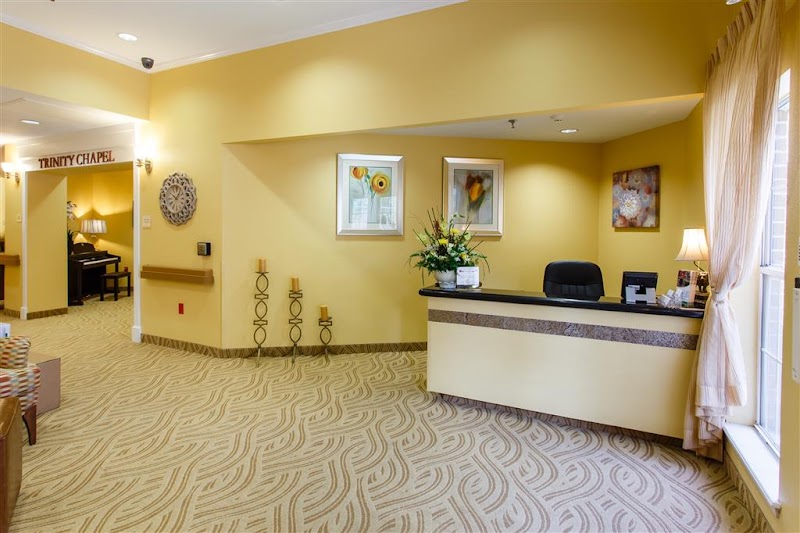
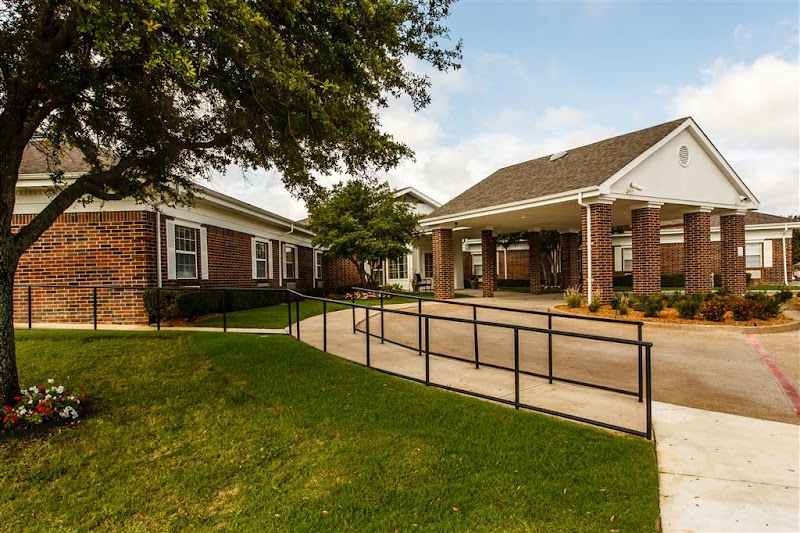
2918 DUNCANVILLE RD, DALLAS, TX 75211 (214) 467-7090
For profit - Corporation 120 Beds CANTEX CONTINUING CARE Data: November 2025 2 Immediate Jeopardy citations
Trust Grade
21/100
#594 of 1168 in TX
Last Inspection: May 2025

Inspected within the last 6 months. Data reflects current conditions.

Overview

The Villa at Mountain View has a Trust Grade of F, indicating significant concerns about the quality of care provided. Ranked #594 out of 1168 facilities in Texas, they fall in the bottom half of the state, and #34 out of 83 in Dallas County means only a few local options are worse. The facility is worsening, with issues increasing from 9 in 2024 to 17 in 2025, raising red flags for potential residents. Staffing is rated at 2 out of 5 stars, indicating below-average conditions, and the turnover rate is 52%, which is around the state average. There have been alarming incidents, including residents eloping from the facility due to inadequate supervision, leading to potential serious harm. While they have received some praise for quality measures, the overall picture suggests families should proceed with caution.

Trust Score
F
21/100
In Texas
#594/1168
Top 50%
Safety Record
High Risk
Review needed
Inspections
Getting Worse
9 → 17 violations
Staff Stability
⚠ Watch
52% turnover. Above average. Higher turnover means staff may not know residents' routines.
Penalties
✓ Good
$45,211 in fines. Lower than most Texas facilities. Relatively clean record.
Skilled Nurses
⚠ Watch
Each resident gets only 26 minutes of Registered Nurse (RN) attention daily — below average for Texas. Fewer RN minutes means fewer trained eyes watching for problems.
Violations
⚠ Watch
34 deficiencies on record. Higher than average. Multiple issues found across inspections.
★★★☆☆
3.0
Overall Rating
★★☆☆☆
2.0
Staff Levels
★★★★★
5.0
Care Quality
★★☆☆☆
2.0
Inspection Score
Stable
2024: 9 issues
2025: 17 issues

The Good

  • 5-Star Quality Measures · Strong clinical quality outcomes
  • Full Sprinkler Coverage · Fire safety systems throughout facility
  • No fines on record

Facility shows strength in quality measures, fire safety.

The Bad

3-Star Overall Rating

Near Texas average (2.8)

Meets federal standards, typical of most facilities

Staff Turnover: 52%

Near Texas avg (46%)

Higher turnover may affect care consistency

Federal Fines: $45,211

Above median ($33,413)

Moderate penalties - review what triggered them

Chain: CANTEX CONTINUING CARE

Part of a multi-facility chain

Ask about local staffing decisions and management

The Ugly 34 deficiencies on record

2 life-threatening 2 actual harm
Sept 2025 2 deficiencies
CONCERN (D) 📢 Someone Reported This

A family member, employee, or ombudsman was alarmed enough to file a formal complaint

Potential for Harm - no one hurt, but risky conditions existed

Deficiency F0583 (Tag F0583)

Could have caused harm · This affected 1 resident

**NOTE- TERMS IN BRACKETS HAVE BEEN EDITED TO PROTECT CONFIDENTIALITY** Based on observation, interview and record review the facility failed to ensure the resident had the right to personal privacy a...

Read full inspector narrative →
**NOTE- TERMS IN BRACKETS HAVE BEEN EDITED TO PROTECT CONFIDENTIALITY** Based on observation, interview and record review the facility failed to ensure the resident had the right to personal privacy and confidentiality of his or her personal and medical records for one of 8 residents (Residents #1) reviewed for confidentiality of records. The facility failed to ensure LVN A did not leave the computer tablet on top of a medication cart from disclosing Residents #1's EMAR's insulin administration on 09/05/25 from 11:10 AM to 11:13 AM; Subsequently there was not any staff around the medication cart for approximately three minutes. This failure could place residents at risk of having their medical information disclosed to residents and visitors which could cause embarrassment, frustration, and feelings of decreased privacy, which could result in a decline in health and psycho-social well-being. The findings include: Record review of Resident #1's admission MDS assessment, dated 06/26/25, revealed a [AGE] year-old who was admitted to the facility on [DATE]. Resident #1 had a BIMS score of 15, which indicated no cognitive impairment. He needed setup to partial/moderate assistance with his ADL and with rolling, sit to standing and transfers. Resident #1 had medically complex conditions with diagnoses which included cirrhosis (chronic liver damage), Renal insufficiency (non-functioning liver), viral hepatitis (liver inflammation), DM (diabetes mellitus), asthma (inflammation of airway), respiratory failure (abnormal lung function). For medications Resident #1 had six insulin injections in the past seven days. Record review of Resident #1's Care Plan, date initiated 06/20/25, revealed, Focus - The resident has diabetes mellitus and is currently receiving Insulin Regular Human injection Solution 100 unit/ml. Goal - the resident will have no complications related to diabetes through the review date. Interventions - Diabetes medication as ordered by doctor. Monitor/document for side effects and effectiveness. Record review of Resident #1's Order Summary Reported, printed 09/05/25, revealed, a start date of 07/28/25 for Humulin R 100 UNIT/ML Solution Inject as per sliding scale, subcutaneously before meals for diabetes. Record review of Resident #1's September [DATE] revealed On 09/05/25, the hour to administer the diabetic insulin was at 11:30 AM, Humulin R 100 Unit/ML solution, inject as per sliding scale 151-200 = 3 units. LVN A checked his BS (blood sugar) that was 200 and she gave [Resident #1] three (3) units, subcutaneously before meals for diabetes. Observation on 09/05/25 at 11:10 AM revealed an unattended medication cart which was in the doorway of room [ROOM NUMBER], the computer screen displayed a residents picture and administration of a Humulin injection on 09/05/25 at 11:04 AM. The medication cart was positioned in front of Resident #2 and Resident #3's opened room door, while they were lying in bed watching TV. (There was no one around the medication cart and at a distance, several of the staff was seen walking around the nurses station). Observation on 09/05/25 at 11:13 AM, LVN A walked up to the medication cart. Observation and interview on 09/05/25 at 11:14 AM, LVN A saw the HHSC investigator standing by the medication cart and moved the medication cart down the hall then she locked the computer screen. She stated she had just given Resident #1's his diabetic medication and left the medication cart because she was trying to catch the Doctor before he left. When queried about why the computer screen displayed resident information, she responded she had a key, and the computer only showed the resident's name. (After she reviewed a picture of Resident #1's EMAR on the computer screen) she stated nobody should have access to the computer and there were no issues with the residents' information being disclosed to others. She stated it was a HIPAA violation for the resident's information to be displayed on the computer. She stated the plan to prevent this from re-occurring was to ensure she locked the computer before she walked away from it. Interview on 09/05/25 at 4:55 PM, the Administrator (by phone) stated she was not aware of any of the nurses leaving the computer tablets unattended and unlocked today (09/05/25). She stated she could not say how it could affect the residents with unlocked computers displaying resident information. She stated it was against company policy to leave the computer tablets unlocked. She stated their plan to address this was for LVN A to be counseled and written up on HIPAA non- compliance. She stated the DON started the trainings this morning (09/05/25) with all the nurses . Interview on 09/05/25 at 5:24 PM, the DON stated she was aware of LVN A leaving the computer screen unlocked today (09/05/25). She stated LVN A was given a 1:1 training and was written up for leaving her screen unlocked and displaying resident information. She stated what LVN A did was a HIPAA violation and all of the resident's private information could have been disclosed for family or anybody to see. Record review of LVN A's Employee Coaching and Counseling Record, dated 09/05/25, revealed a written warning: time of violation 6 - 2, location 500 hall, type of violation: Major Infraction. Company/Supervisor remarks: It has come to the attention of management that the high standards that [This Company] espouses are not being met. Specifically 1. HIPPA compliance: b leaving resident information visible while unattended 2. Resident medication integrity/resident safety: Leaving medication cart unlocked care [sic]: our residents deserve great care. We want to give you an opportunity to correct this behavior, failure to do so can, and will lead to further disciplinary actions up to and including termination. Signed by LVN A, Supervisor ADON B and witness HR C with signature dated 09/05/25. Record review of the Facility's Resident Rights policy, revised date February 2021, revealed, Policy Statement Employees shall treat all residents with kindness, respect, and dignity. Policy Interpretation and Implementation - 1. Federal and state laws guarantee certain basic rights to all residents of this facility. These rights include the resident's right to. t. privacy and confidentiality. Record review of the Facility's HIPAA Training program, revised dated April 2007, revealed, Policy Statement: All facility personnel, including business associates, are required to attend out facility's HIPAA compliance training program. Policy Interpretation and Implementation - 1. To ensure the confidentiality of our resident's protected health information (PHI) and facility information, a HIPAA and data security training program will be provided for all employees and business associates who have access to protected health and facility information. Record review of the Facility's HIPAA Compliance Policy, revise dated February 23, 2007, revealed HIPAA Compliance - The Health Insurance Portability and Accountability (HIPAA) is a government effort to help protect the privacy and security of resident's medical information. The requirements are intended to ensure strong privacy protections without interfering with access to quality of care.
CONCERN (D) 📢 Someone Reported This

A family member, employee, or ombudsman was alarmed enough to file a formal complaint

Potential for Harm - no one hurt, but risky conditions existed

Deficiency F0761 (Tag F0761)

Could have caused harm · This affected 1 resident

**NOTE- TERMS IN BRACKETS HAVE BEEN EDITED TO PROTECT CONFIDENTIALITY** Based on observation, interview and record review the facility failed to ensure, in accordance with State and Federal laws, all ...

Read full inspector narrative →
**NOTE- TERMS IN BRACKETS HAVE BEEN EDITED TO PROTECT CONFIDENTIALITY** Based on observation, interview and record review the facility failed to ensure, in accordance with State and Federal laws, all drugs and biologicals were stored in locked compartments under proper temperature controls and permitted only authorized personnel to have access to the keys for 1 of 6 halls (Hall 500) reviewed for medication storage. The facility failed to ensure LVN A did not leave her medication cart, on the 500 hall, unattended and unlocked at the entrance of Resident #2 and #3's opened room door on 09/05/25 at 11:10 AM. This failure could place residents at risk of having their medications taken or consumed by other residents, which could cause a drug diversion, shortage of medications, change in condition which could result in a decline in health and psycho-social well-being.The findings include: Observation on 09/05/25 at 11:10 AM revealed an unattended medication cart that was in the doorway of room [ROOM NUMBER], and the medication cart's silver lock button was extended out and had a visibly seen red dot on the right side which revealed it was unlocked. The medication cart was positioned in front of Resident #2 and #3's opened room door, as they were lying in bed watching TV. (There was no one around the medication cart and at a distance, several of the staff was seen walking around the nurses station). Observation on 09/05/25 at 11:13 AM, LVN A walked up to the medication cart. Observation and interview on 09/05/25 at 11:14 AM, LVN A saw the HHSC investigator standing by the medication cart and moved the medication cart down the hall then she press in the lock to the medication cart. She stated she had just given Resident #1 his diabetic medication and had left the medication cart because she was trying to catch the Doctor before he left. When queried about why the medication cart was unlocked, she responded she had a key (and she lifted it into the air). She stated anybody could open the medication cart and could have taken the residents medications if the medication cart was unlocked. She stated the medication cart should have been locked. She stated she was not sure how it could affect the residents with having an unlocked medication cart. She stated the plan to prevent this from re-occurring was to lock the medication cart before she walked away from it. Interview on 09/05/25 at 4:55 PM, the Administrator (by phone) stated she was not aware of any of the nurses leaving the medication carts unattended and unlocked today (09/05/25). She stated she could not say how it could affect the residents with unlocked medication carts. She stated it was against company policy to leave the medication carts unlocked. She stated their plan to address the failure was for LVN A to be counseled and written up on making sure the medication carts were locked. She stated the DON started the trainings this morning (09/05/25) with all the nurses. Interview on 09/05/25 at 5:24 PM, the DON stated she was aware of LVN A leaving the medication cart unlocked today (09/05/25). She stated LVN A was given a 1:1 training and wrote her up for leaving her medication cart unlocked. She stated what LVN A did could have resulted in a drug diversion or other residents could have taken medications out of the medication cart. Record review of LVN A's Employee Coaching and Counseling Record, dated 09/05/25, revealed a written warning: time of violation 6 - 2, location 500 hall, type of violation: Major Infraction. Company/Supervisor remarks: It has come to the attention of management that the high standards that [This Company] espouses are not being met. Specifically 1. HIPPA compliance: b leaving resident information visible while unattended 2. Resident medication integrity/resident safety: Leaving medication cart unlocked care [sic]: our residents deserve great care. We want to give you an opportunity to correct this behavior, failure to do so can, and will lead to further disciplinary actions up to and including termination. Signed by LVN A, Supervisor ADON B and witness HR C with signatures dated 09/05/25. Record review of the Facility's Storage of Medications Policy, dated April 2007, revealed Statement: The facility shall store all drugs and biologicals in a safe, secure, and orderly manner. Policy Interpretation and Implementation - 7. Compartments (including, but not limited to, drawers, cabinets, rooms, refrigerators, carts, and boxes.) containing drugs and biologicals shall be locked when not in use, and trays or carts used to transport such items shall not be left unattended if open or otherwise potentially available to others.
May 2025 10 deficiencies 1 IJ
CRITICAL (J) 📢 Someone Reported This

A family member, employee, or ombudsman was alarmed enough to file a formal complaint

Immediate Jeopardy (IJ) - the most serious Medicare violation

Accident Prevention (Tag F0689)

Someone could have died · This affected 1 resident

**NOTE- TERMS IN BRACKETS HAVE BEEN EDITED TO PROTECT CONFIDENTIALITY** Based on observation, interview, and record review, the facility failed to ensure each resident received adequate supervision an...

Read full inspector narrative →
**NOTE- TERMS IN BRACKETS HAVE BEEN EDITED TO PROTECT CONFIDENTIALITY** Based on observation, interview, and record review, the facility failed to ensure each resident received adequate supervision and assistance devices to prevent accidents for 1 of 3 residents (Resident #154) reviewed for elopements. The facility failed to ensure Resident #154 did not elope from the facility's back door on 04/19/24. Resident #154 was found on the street attempting to go to the gas station across the street from the facility that was located directly off a busy highway. Resident #154 had suffered a skin tear to his arm . The noncompliance was identified as past noncompliance. The IJ began on 04/19/24 and ended on 11/01/24. The facility had corrected the noncompliance before the survey began. This failure could placed residents at risk of serious injury or death. Findings included: Review of Resident #154's Face Sheet, dated 05/13/25, reflected he was a [AGE] year-old male who admitted to the facility on [DATE] and discharged on 11/20/24. Review of Resident #154's Quarterly MDS Assessment, dated 02/28/24, reflected he had a BIMS score of 04, indicating severe cognitive impairment. His MDS indicated he did not have any behaviors of wandering and that he utilized a wheelchair to ambulate. His active diagnoses included depression (feelings of severe despondency and dejection) and bipolar disorder (a mental health condition characterized by significant mood swings). Review of Resident #154's Care Plan, dated 05/14/25, reflected the following: Problems: [Resident #154] is at risk for wandering as evidenced by: Dementia/Alzheimer's .Interventions: Observe location each shift and prn .Report any attempts to exit the facility to IDT, family & MD as indicated and record in the clinical record .Place a wanderguard bracelet on [Resident #154] if attempt to leave out the facility [sic] .[Resident #154] requires a Wander Guard Bracelet [sic] and is at risk for injury from wandering in an un-safe enviornment [sic] .Interventions: Monitor for placement q shift, monitor for proper functioning q 24 hours . Review of Resident #154's Elopement Risk Assessment, dated 11/01/24, reflected the following : 1. NO RISK, B) Patient is unable to ambulate or mobilize wheelchairs .2. MODERATE RISK, A) Patient is cognitively impaired AND .3. IMMINENT RISK, ACTION: Implement Elopement Risk Care Plan .Comments: Shows no signs of elopement. Review of Resident #154's Elopement Risk Assessment, dated 06/27/24, reflected the following: 1. NO RISK, B) Patient is unable to ambulate or mobilize wheelchairs .2. MODERATE RISK .3. IMMINENT RISK, ACTION: Implement Elopement Risk Care Plan . Review of Resident #154's electronic health chart revealed there were not any other elopement risk assessments completed. Review of Resident #154's Clinical Notes Report reflected the following: - pt left the facility and was on the street on his own. A staff member brought the patient back in the facility and when asked why the patient went to the road, pt replied meeting my wife at the gas station. She is getting me some coffee'. [sic] pt was told by the RN that his wife is not in the gas station. pt had a skin tear on his left arm. the skin tear was cleansed, and bacterial ointment was applied and then it was covered with kerlix written on 04/19/24 at 9:24 PM by RN G - At this time resident remains in bed, no s/s of pain and or discomfort noted. Resident noted to be resting on and off, but resident remains in bed and no attempts to get out of bed or facility noted at this time. All safety measures met. Written on 04/20/24 at 12:33 AM by LVN H - Resident was brought to nurses station by reception informed [sic] that resident pushed door open trying to go outside call [sic] placed to [the NP]. Notified of resident attempt to go out of front door [sic]. N/O may apply Wander guard for safety. Call to [Resident #154's Family Member] at [phone number] notified of attempt to go out of front door will be [sic] placing a wander guard to lower extremity. foe [sic] safety reason. stated'thank You' [sic] written by LVN I on 07/26/24 at 11:39 AM. Review of an Accident/Incident Report, dated 04/19/24, reflected the following: Person in charge- account of occurrence: pt left the facility was on the street on his own. A staff member brought the patient back in the facility and when asked why the patient went to the road, pt replied meeting my wife at the gas station. she is getting me some coffee'. pt was told by the RN that his wife is not in the gas station. pt had a skin tear on his left arm. the skin tear was cleansed, and bacterial ointment was applied and then it was covered with kerlix. Completed by RN G . Interview on the phone on 05/12/25 at 10:53 AM with Resident #154's Family Member revealed Resident #154 left the facility in November 2024. Resident #154's Family Member said Resident #154 used a wanderguard bracelet while at the facility which she said was not necessary because the resident as far as she knew he never tried leaving or left the facility. Interview on the phone on 05/13/25 at 2:06 PM with RN G revealed she no longer worked at the facility and could not remember the incident from April 2024. Interview on the phone on 05/13/25 at 2:24 PM with CNA J was unsuccessful as she did not answer. CNA J was working on 04/19/24 and was assigned to Resident #154. Interview on 05/13/25 at 2:30 PM with RA K revealed she was not here when Resident #154 eloped from the facility on 04/19/24 but she heard he had left through the back door of the facility near where the dumpsters were at. RA K said Resident #154 had a wander guard placed on his leg after this incident happened. RA K said when a resident had a wander guard on, if they went near a door the alarm would sound off and staff would have to go to redirect them away from the door and reset the code to turn the alarm off. RA K said she was in-serviced regarding elopements and wandering residents. RA K said she knew to immediately report to the nurse if she noticed a resident began to wander or make an attempt to elope from the facility. RA K said she knew the code for an elopement or missing resident was white and required a search of the facility and the grounds to try and find the resident. Interview on 05/14/25 at 8:50 AM with LVN I revealed she cared for Resident #154 but had no idea about his elopement on 04/19/24. LVN I said she remembered Resident #154 had a wander guard bracelet because he had a tendency to wander around the facility. LVN I said if a resident began to have wandering or elopement behaviors it should be reported to her so that she may complete an elopement assessment on the resident. LVN I said she currently had residents who used a wander guard bracelet because they were at risk of wandering or eloping. LVN I said as the nurse she checks those identified resident's wander guard bracelets every shift for placement and functioning. LVN I said when a resident had a wander guard on, if they went near a door the alarm would sound off and staff would have to go to redirect them away from the door and reset the code to turn the alarm off. LVN I said she was in-serviced regarding elopements and wandering residents. LVN I said she knew the code for an elopement or missing resident was white and required a search of the facility and the grounds to try and find the resident. Interview on 05/14/25 at 11:45 AM with LVN H revealed she could not recall anything about Resident #154's elopement on 04/19/24. LVN H said if a resident began to have wandering or elopement behaviors it should be reported to her so that she may complete an elopement assessment on the resident. LVN H said she did not currently have residents who used a wander guard bracelet because they were at risk of wandering or eloping. LVN H if she did care for a resident who used a wander guard bracelet, as the nurse she would check them every shift for placement and functioning. LVN H said when a resident had a wander guard on, if they went near a door the alarm would sound off and staff would have to go to redirect them away from the door and reset the code to turn the alarm off. LVN H said she was in-serviced regarding elopements and wandering residents. LVN H said she knew the code for an elopement or missing resident was white and required a search of the facility and the grounds to try and find the resident. Interview on 05/14/25 at 1:07 PM with CNA L revealed he did not know about Resident #154 elopement from the facility on 04/19/24. CNA L said when a resident had a wander guard on, if they went near a door the alarm would sound off and staff would have to go to redirect them away from the door and reset the code to turn the alarm off. CNA L said he was in-serviced regarding elopements and wandering residents. CNA L said he knew to immediately report to the nurse if he noticed a resident began to wander or make an attempt to elope from the facility. CNA L said he knew the code for an elopement or missing resident was white and required a search of the facility and the grounds to try and find the resident. Interview on 05/14/25 at 1:18 PM with CNA M revealed she had only been at the facility for four weeks. CNA M said when a resident had a wander guard on, if they went near a door the alarm would sound off and staff would have to go to redirect them away from the door and reset the code to turn the alarm off. CNA M said she was in-serviced regarding elopements and wandering residents. CNA M said she knew to immediately report to the nurse if she noticed a resident began to wander or make an attempt to elope from the facility. CNA M said she knew the code for an elopement or missing resident was white and required a search of the facility and the grounds to try and find the resident. Interview on 05/14/25 at 3:15 PM with the DON revealed she was in training in April 2024 when Resident #154 eloped from the facility so she did not have any details about it. The DON said she recalled when they had to put a wander guard bracelet on Resident #154 because he would stand up and try to walk towards the doors and set the alarms off to the doors. The DON said with the wander guard bracelet, if Resident #154 got too close to the door the door alarm and the wander guard alarm would both go off and scare Resident #154 so he would back away from it after that. The DON said Resident #154 was easily redirectable but was exit seeking while he tried to find his family. The DON said Resident #154's family was not happy with him having the wander guard bracelet and did not believe the resident required one. The DON said when a resident eloped from the facility she expected staff to get them back inside right away and report to the Administrator and her about what happened. The DON said when the elopement code was activated she also expected her staff to do a sweep of the facility to ensure all residents were in house and safe. The DON said after the resident was safe the facility would investigate to see how they eloped from the facility and that would be corrected. The DON said staff should know to be supervising residents and watching them to make sure they did not leave and if they heard an alarm going off they should make sure they are responding to them. The DON said a number of things could happen to a resident if they eloped from the facility, depending on the weather it could be too cold or hot so they could die, or be hit by a car since there's a busy street behind the facility. The DON said staff were trained and in-serviced regarding resident elopements recently. The DON said when a resident was admitted and had elopement or wandering behaviors the facility would complete an elopement assessment on them and if a wander guard bracelet was necessary to keep them safe one would be placed. The DON said all staff knew to immediately report any new behaviors of a resident wandering or making elopement attempts. Interview on the phone on 05/15/25 at 9:20 AM with the Previous Administrator was unsuccessful as she did not answer. Interview on the phone on 05/15/25 at 9:21 AM with the Previous DON was unsuccessful as he did not answer. Interview on 05/15/25 at 10:10 AM with the Administrator revealed she was not yet employed by the facility on 04/19/24 when Resident #154 eloped from the facility. The Administrator said she was not informed about the elopement either when she arrived to the facility. The Administrator said since she was not at the facility on 04/19/24 she had no details about what happened. The Administrator said Resident #154 had tendencies to wander and exit seek and his family was upset about him having to wear a wander guard bracelet. The Administrator said Resident #154 was always at the doors of the facility trying to leave. The Administrator said Resident #154 was always setting off the door alarms and the wander guard system alarms. The Administrator said Resident #154 was easily redirectable away from the doors, however. The Administrator said Resident #154 should not have been able to elope from the facility back in April 2024. The Administrator said she expected all staff to frequently monitor all residents who were at risk of eloping/wandering and to ensure they each were inside and safely in the facility. The Administrator said if a resident had been identified as being at risk of eloping/wandering a wander guard bracelet was placed on them. The Administrator said each resident's nurse would be responsible for checking the wander guard bracelet's placement and functioning each shift. The Administrator said the Maintenance Director checked each door every week to make sure that the wander guard system was working as well. The Administrator said the staff were provided with training on elopements because the facility had other residents elope back in November 2024. The Administrator said if a resident was able to elope from the facility they were at risk because it was not safe outside the facility. The Administrator said she expected staff to report when a resident eloped from the facility. Interview and observation on 05/15/25 at 12:53 PM with the Maintenance Director revealed he was notified of Resident #154's elopement back in April 2024 but he could not recall any of the details. The Maintenance Director said if Resident #154 eloped from the back door of the facility near the dumpsters it would have been the door near the therapy gym at the end of the 400-hallway. Observation of the door at the end of the 400-hallway revealed it had a wander guard system alarm on it and the door was locked and required a code to turn the alarm off. Observation of the door being pushed open revealed an alarm went off and staff would have to enter the code in to the keypad to turn the alarm off. The door led out to a small parking lot that had the facility's dumpsters off to the left side and a gas station could be seen across the street. In front of the gas station was a busy highway as well. The Maintenance Director said he checks to make sure the wander guard system was working on each of the exterior doors once a week and documents that on his check off sheet. The facility implemented the following interventions: Review of an in-service roster, dated 11/01/24, and titled Staff in-services initiated the following: .elopement policy . reflected 108 staff's signatures. Review of the facility's policy, dated January 2024, and titled Elopement Response Protocol reflected: 1. Conduct a thorough search of the Facility and its grounds .8. A complete head to toe nursing assessment must be completed upon return of the Patient [sic]. The Administrator was informed of the PNC IJ on 05/15/25 at 12:42 PM.
CONCERN (D) 📢 Someone Reported This

A family member, employee, or ombudsman was alarmed enough to file a formal complaint

Potential for Harm - no one hurt, but risky conditions existed

Report Alleged Abuse (Tag F0609)

Could have caused harm · This affected 1 resident

**NOTE- TERMS IN BRACKETS HAVE BEEN EDITED TO PROTECT CONFIDENTIALITY** Based on observation, interview, and record review the facility failed to ensure that all alleged violations involving abuse, ne...

Read full inspector narrative →
**NOTE- TERMS IN BRACKETS HAVE BEEN EDITED TO PROTECT CONFIDENTIALITY** Based on observation, interview, and record review the facility failed to ensure that all alleged violations involving abuse, neglect, exploitation or mistreatment, including injuries of unknown source and misappropriation of resident property, were reported immediately, but not later than 2 hours after the allegation was made, if the events that caused the allegation involved abuse or resulted in serious bodily injury, or not later than 24-hours if the events that caused the allegation did not involve abuse and did not result in serious bodily injury, to the administrator of the facility and to other officials (which included the State Survey Agency and Adult Protective Services where state law provides for jurisdiction in long-term care facilities) in accordance with State Law through established procedures for 1 of 3 residents (Resident #154) reviewed for abuse and neglect. The facility failed to report to HHSC when Resident #154 was found to have eloped from the facility on 04/19/24. This failure to report could place the residents at risk for neglect. Findings included: Review of Resident #154's Face Sheet, dated 05/13/25, reflected he was an [AGE] year-old male who admitted to the facility on [DATE] and discharged on 11/20/24. Review of Resident #154's Quarterly MDS Assessment, dated 02/28/24, reflected he had a BIMS score of 04, indicating severe cognitive impairment. His MDS indicated he did not have any behaviors of wandering and that he utilized a wheelchair to ambulate. His active diagnoses included depression (feelings of severe despondency and dejection) and bipolar disorder (a mental health condition characterized by significant mood swings). Review of Resident #154's Care Plan, dated 05/14/25, reflected the following: Problems: [Resident #154] is at risk for wandering as evidenced by: Dementia/Alzheimer's .Interventions: Observe location each shift and prn .Report any attempts to exit the facility to IDT, family & MD as indicated and record in the clinical record .Place a wanderguard bracelet on [Resident #154] if attempt to leave out the facility [sic] .[Resident #154] requires a Wander Guard Bracelet [sic] and is at risk for injury from wandering in an un-safe enviornment [sic] .Interventions: Monitor for placement q shift, monitor for proper functioning q 24 hours . Review of Resident #154's Elopement Risk Assessment, dated 11/01/24, reflected the following: 1. NO RISK, B) Patient is unable to ambulate or mobilize wheelchairs .2. MODERATE RISK, A) Patient is cognitively impaired AND .3. IMMINENT RISK, ACTION: Implement Elopement Risk Care Plan .Comments: Shows no signs of elopement. Review of Resident #154's Elopement Risk Assessment, dated 06/27/24, reflected the following: 1. NO RISK, B) Patient is unable to ambulate or mobilize wheelchairs .2. MODERATE RISK .3. IMMINENT RISK, ACTION: Implement Elopement Risk Care Plan . Review of Resident #154's electronic health chart revealed there were not any other elopement risk assessments completed. Review of Resident #154's Clinical Notes Report reflected the following: - pt left the facility and was on the street on his own. A staff member brought the patient back in the facility and when asked why the patient went to the road, pt replied meeting my wife at the gas station. She is getting me some coffee'. [sic] pt was told by the RN that his wife is not in the gas station. pt had a skin tear on his left arm. the skin tear was cleansed, and bacterial ointment was applied and then it was covered with kerlix written on 04/19/24 at 9:24 PM by RN G - At this time resident remains in bed, no s/s of pain and or discomfort noted. Resident noted to be resting on and off, but resident remains in bed and no attempts to get out of bed or facility noted at this time. All safety measures met. Written on 04/20/24 at 12:33 AM by LVN H - Resident was brought to nurses station by reception informed [sic] that resident pushed door open trying to go outside call [sic] placed to [the NP]. Notified of resident attempt to go out of front door [sic]. N/O may apply Wander guard for safety. Call to [Resident #154's Family Member] at [phone number] notified of attempt to go out of front door will be [sic] placing a wander guard to lower extremity. foe [sic] safety reason. stated'thank You' [sic] written by LVN I on 07/26/24 at 11:39 AM. Review of an Accident/Incident Report, dated 04/19/24, reflected the following : Person in charge- account of occurrence: pt left the facility was on the street on his own. A staff member brought the patient back in the facility and when asked why the patient went to the road, pt replied meeting my wife at the gas station. she is getting me some coffee'. pt was told by the RN that his wife is not in the gas station. pt had a skin tear on his left arm. the skin tear was cleansed, and bacterial ointment was applied and then it was covered with kerlix. Completed by RN G. Review of the Texas Unified Licensure Information Portal revealed there was no incident report regarding Resident #154's elopement on 04/19/24 indicating the facility never reported it. Interview on the phone on 05/12/25 at 10:53 AM with Resident #154's Family Member revealed Resident #154 left the facility in November 2024. Resident #154's Family Member said Resident #154 used a wander guard bracelet while at the facility which she said was not necessary because the resident as far as she knew never tried leaving or left the facility. Interview on the phone on 05/13/25 at 2:06 PM with RN G revealed, she no longer worked at the facility and could not remember the incident from April 2024. Interview on the phone on 05/13/25 at 2:24 PM with CNA J was unsuccessful as she did not answer. CNA J was working on 04/19/24 and was assigned to Resident #154. Interview on 05/13/25 at 2:30 PM with RA K revealed she was not here when Resident #154 eloped from the facility on 04/19/24 but she heard he had left through the back door of the facility near where the dumpsters were at. RA K said Resident #154 had a wander guard placed on his leg after this incident happened. Interview on 05/14/25 at 11:45 AM with LVN H revealed she could not recall anything about Resident #154's elopement on 04/19/24. Interview on 05/14/25 at 3:15 PM with the DON revealed she was in training in April 2024 when Resident #154 eloped from the facility so she did not have any details about it. The DON said after reading the incident report, the elopement should have been reported to the state. Interview on the phone on 05/15/25 at 9:20 AM with the Previous Administrator was unsuccessful as she did not answer. Interview on the phone on 05/15/25 at 9:21 AM with the Previous DON was unsuccessful as he did not answer. Interview on 05/15/25 at 10:10 AM with the Administrator revealed she was not yet employed by the facility on 04/19/24 when Resident #154 eloped from the facility. The Administrator said she was not informed about the elopement either when she arrived to the facility. The Administrator said since she was not at the facility on 04/19/24 she had no details about what happened. The Administrator said she expected staff to report when a resident eloped from the facility. The Administrator said she was not sure if this incident was reportable or not because she would have to review the criteria and guidelines to see if it met the requirements to be reported. The Administrator said currently she was the Abuse Coordinator for the facility and would help to determine if something was reportable or not. The Administrator said at the time of the incident, the Previous Administrator or their designee would have been responsible for reporting the incident involving Resident #154's elopement on 04/19/24. The Administrator said all staff had been trained to know the facility's abuse/neglect policy. The Administrator said if the facility failed to report they would be cited for that. The Administrator said she rounds frequently with staff to ensure they were reporting necessary things to her. Review of an in-service roster, dated 11/01/24, and titled Staff in-services initiated the following: abuse prevention policy .Timely Reporting/Recognizing Abuse , Neglect [sic] and Misappropriation . reflected 108 staff's signatures. Review of the facility's policy, dated January 2024, and titled Elopement Response Protocol reflected: .9. Notify the state regulatory department according to the guidelines for reportable incidents. Review of the facility's policy, dated April 2019, and titled Abuse Protocol reflected: .7. The following definitions are provided to assist our Facility's [sic] staff members in recognizing incidents of Patient Abuse [sic]: i. Adverse event is an untoward, undesirable, and usually unanticipated event that causes death or serious injury, or the risk thereof .l. Neglect is the facility, it's employees or service providers to provide goods and services to a Patient that are necessary to avoid physical harm, pain, mental anguish, or emotional distress .10. The Abuse Prevention Coordinator will: a Immediately (within 2 hours) report to The Department of Aging and Disability Services (DADS) and other appropriate authorities incidents of Patient Abuse [sic] as required under applicable regulations and regulatory guidance. Report events that cause reasonable suspicion of serious bodily injury immediately (within 2 hours) after forming the suspicion to The Department of Aging and Disability Services (DADS) and other appropriate authorities as required under applicable regulations and regulatory guidance.
CONCERN (D)

Potential for Harm - no one hurt, but risky conditions existed

PASARR Coordination (Tag F0644)

Could have caused harm · This affected 1 resident

**NOTE- TERMS IN BRACKETS HAVE BEEN EDITED TO PROTECT CONFIDENTIALITY** Based on interview and record review, the facility failed to coordinate assessments with the PASRR program for 1 of 5 residents ...

Read full inspector narrative →
**NOTE- TERMS IN BRACKETS HAVE BEEN EDITED TO PROTECT CONFIDENTIALITY** Based on interview and record review, the facility failed to coordinate assessments with the PASRR program for 1 of 5 residents (Resident #66) reviewed for PASRR assessments. The facility did not refer Resident #66 to the appropriate state-designated mental health authority for review when he received a new diagnosis of schizoaffective disorder, bipolar type. This failure could place residents at risk of not being evaluated and receive needed PASRR services. Findings included: Record review of Resident #66's face sheet dated 05/15/25 reflected the resident was a [AGE] year-old male who admitted to the facility on [DATE]. Resident #66 was diagnosed with schizoaffective disorder, bipolar type on 04/14/25. Record review of Resident #66's MDS Assessment, dated 03/21/25, reflected the resident had an active diagnosis of depression disorder, anxiety disorder, psychotic disorder, non-Alzheimer's dementia and the resident had severe cognitive impairment with a BIMS score of 05. Record review of Resident #66's Care plan reflected [Resident #66] currently taking psychotropic medication(s) as evidenced by: Major Depressive Disorder, Anxiety/Panic Disorder, psychosis. Goals: [Resident #66] will not experience adverse side effects over the next 90 days. Interventions: Monitor and record any displayed behavior or mood problems. Record review of Resident #66's PASRR Level 1 Screening, dated 11/16/21, reflected he did not have a mental illness. PASRR Level 1 screening did not indicate Resident #66 had primary diagnosis of dementia. Record review of Resident #66's, 1012 Form (Mental Illness/Dementia Resident Review) dated 11/22/23 reflected: the individual has a primary diagnosis of dementia as define above. The physician signs and dates the form attesting to the dementia diagnosis. Complete Section D and E of the form. -Section D and Section E not completed. Interview on 05/15/25 at 2:21 PM, RCC stated Resident #66 had a negative PASRR Level 1. She stated Resident #66 had a primary diagnosis of Dementia. The RCC reviewed Resident #66's medical chart and stated Resident #66 did not have any documentation stating he had a diagnosis of Dementia other than the psych notes. RCC stated Resident #66 had a 1012 form completed on 11/22/23 and stated Resident #66's primary diagnosis was dementia. The RCC stated since the 1012 Form stated a primary diagnosis of dementia it would override any new diagnosis. Interview on 05/15/25 at 3:39 PM, the DON stated if a new diagnosis was given to a resident a new PASRR evaluation should be completed. The DON stated to ask RCC for any questions regarding Resident #66's PASRR. Follow up interview on 05/15/25 at 4:03 PM, the RCC stated Resident #66's, 1012 Form was not completed correctly. She stated since given a new diagnosis and new 1012 form or PASRR Level 1 should had been completed. She stated the potential risk would be resident being positive for PASRR and would be missing out on PASRR services. Record review of facility admission Criteria policy, undated, reflected the following: 9. All new admissions and readmissions are screened for mental disorders (MD), intellectual disabilities (ID) or related disorders (RD) per the Medicaid Pre-admission Screening and Resident Review (PASARR) process.
CONCERN (D)

Potential for Harm - no one hurt, but risky conditions existed

Comprehensive Care Plan (Tag F0656)

Could have caused harm · This affected 1 resident

**NOTE- TERMS IN BRACKETS HAVE BEEN EDITED TO PROTECT CONFIDENTIALITY** Based on observation, interview, and record review, the facility failed to develop and implement a comprehensive person-centered...

Read full inspector narrative →
**NOTE- TERMS IN BRACKETS HAVE BEEN EDITED TO PROTECT CONFIDENTIALITY** Based on observation, interview, and record review, the facility failed to develop and implement a comprehensive person-centered care plan for each resident, consistent with resident rights that includes measurable objectives and timeframes to meet a resident's medical, nursing, and psychosocial needs that are identified in the comprehensive assessment that describes the services that are to be furnished to attain or maintain the resident's highest practicable physical, mental, and psychosocial well-being for 1 of 8 residents (Resident #22) reviewed for care plan accuracy. The facility failed to develop a care plan with measurable objectives and timeframes to address Resident #22's care needs. This failure could place residents at risk of receiving inadequate interventions not individualized to their care needs. Findings included: Record review of Resident #22's admission Record, dated 05/15/25, reflected she was a [AGE] year-old female who was admitted to the facility on [DATE]. Record review of Resident #22's admission MDS Assessment, dated 04/16/25, reflected the resident had an active diagnosis of chronic obstructive pulmonary disease, heart failure, hypertension (high blood pressure), diabetes mellitus (inadequate control of blood levels of glucose), muscle weakness, and septicemia (infection where bacteria enter the bloodstream and spread throughout the body). Resident #22 had a BIMS score of 14, indicating cognitively intact. It also indicated she was being administered an antidepressant, antibiotic, diuretic, hypoglycemic and opioid medications. The MDS Assessment also indicated Resident #22 required substantial/maximal assistance with ADL care. Record review of Resident #22's Care plan, dated 05/01/25, reflected the following: Focus: Resident request Code Status of: Full Code. Goal: Status will be maintained over next review period. Interventions: Inform staff of code status. Monitor for decrease in change of condition-report to MD and responsible party. Focus: The resident is risk for falls r/t Gait/balance problems, Incontinence. Goal: The resident will not experience falls or injuries from falls through the review date. The resident will not sustain serious injury through the review date. Interventions: Be sure the resident's call light is within reach and encourage the resident to use it for assistance as needed. The resident needs prompt response to all requests for assistance. Educate the resident/family/caregivers about safety reminders and what to do if a fall occurs. Ensure that the resident is wearing appropriate footwear when ambulating or mobilizing in w/c. Follow facility fall protocol. Focus: The resident has Diabetes Mellitus and is currently receiving [Specify Meds]. No goal or interventions. Care Plan did not address Resident #22 use of antidepressant medication, use of opioids, use of insulin or ADL care. Record review of Resident #22's physician orders indicated the following medications being administered: Insulin Lispro 100 UNIT/ML Solution Inject as per sliding scale: if 250 - 300 = 1 Unit; 301 - 350 = 2 Units; 351 - 400 = 3 Units BS greater than 400 mg/dL, notify MD, subcutaneously at bedtime for DM. -Start Date- 04/12/2025. Gabarone Oral Tablet 400 MG (Gabapentin) Give 1 tablet by mouth three times a day for joint pain -Start Date- 04/12/2025. traZODone HCl Oral Tablet 150 MG (Trazodone HCl) Give 1 tablet by mouth at bedtime for insomnia - Start Date- 04/12/2025. Sertraline HCl Oral Tablet 100 MG (Sertraline HCl) Give 1 tablet by mouth one time a day for depression -Start Date- 04/12/2025. Anti-Depressant SE Monitoring: Observe closely for significant side effects of Anti-Depressant medication including drowsiness, blurred vision, dizziness, nausea, fatigue, trouble sleeping, dry mouth, hallucinations, other unusual changes in mood or behavior every shift Document: 'Y' if monitored and none of the above observed. 'N' if monitored and any of the above was observed, select chart code 'Other/ See Nurses Notes' and progress note findings. -Start Date- 04/15/2025 Torsemide Oral Tablet 100 MG (Torsemide) Give 1 tablet by mouth two times a day for diuretic -Start Date- 05/06/2025. Lantus Subcutaneous Solution 100 UNIT/ML (Insulin Glargine) Inject 10 unit subcutaneously at bedtime related to TYPE 2 DIABETES MELLITUS WITHOUT COMPLICATIONS. Call MD if blood sugar greater than 400 -Start Date- 05/06/2025. Interview on 05/15/25 at 1:57 PM, ADON F revealed she was the ADON assigned to Resident #22. She stated ADONs and DON were responsible for completing care plans. She stated she was responsible for ensuring Resident #22's care plan was completed and accurate. ADON F stated Resident #22's use of an antidepressant, opioids, insulin, ADL care should be addressed on her care plan. ADON F reviewed Resident #22's care plan and stated it was started but not completed. She stated she was not sure why it was not completed. She stated anything that was triggered on the residents MDS Assessment should be care planned. ADON F stated care plans were needed for staff to know what the residents required. Interview on 05/15/25 at 3:00 PM, the DON revealed the IDR team was responsible for completing care plans. She stated the facility MDS Coordinator was on leave and the ADONs were responsible for completing care plans and Regional MDS Coordinator would review and request any additional items needed to be included. The DON stated Regional MDS Coordinator oversees the residents care plans. The DON stated the risk of care plans not being completed could lead staff not providing residents with the care that they supposed to get. Record review of facility Care Plans - Comprehensive policy, revised date 09/2010, reflected the following: An individualized comprehensive care plan that includes measurable objectives and timetables to meet the resident medical, mental and psychological needs in developed for each resident. . 2. The comprehensive care plan is based on a thorough assessment that includes, but is not limited to, the MDS. . 7. The resident's comprehensive care plan is developed within seven (7) days of the completion of the resident's comprehensive assessment (MDS).
CONCERN (D)

Potential for Harm - no one hurt, but risky conditions existed

Tube Feeding (Tag F0693)

Could have caused harm · This affected 1 resident

**NOTE- TERMS IN BRACKETS HAVE BEEN EDITED TO PROTECT CONFIDENTIALITY** Based on observation, interview, and record review, the facility failed to ensure residents who are fed by enteral means, receiv...

Read full inspector narrative →
**NOTE- TERMS IN BRACKETS HAVE BEEN EDITED TO PROTECT CONFIDENTIALITY** Based on observation, interview, and record review, the facility failed to ensure residents who are fed by enteral means, received the appropriate treatment and services to prevent complications of enteral feeding, for 1 of 1 resident (Resident #45) reviewed for enteral nutrition. The facility failed to follow physician orders for Resident #45's enteral feeding tube to be flushed with 50 ml of water every 1 hour and feeding with Jevity 1.2 at 55mls/hr. This failure could place residents who had gastrostomy tube at risk for fluid deficit and over feeding. Findings included: Record review of Resident #45's quarterly MDS assessment dated [DATE], reflected the resident was a [AGE] year-old female who was admitted to the facility initially on 09/24/2024 and readmitted on [DATE]. She had diagnoses that included dysphasia (swallowing difficulties). Resident #45's BIMS score was 11 revealing moderate cognition. The MDS further revealed Section K (Nutritional approaches) indicated the resident's nutritional approach was a feeding tube. Record review of Resident #45's care plan dated 03/18/25 reflected: Focus: Resident #45 requires tube feeding rule out Dysphagia. Goal: will maintain adequate nutritional and hydration status aeb weight stable, no s/sx of malnutrition or dehydration through review date. Interventions: Administer enteral feeding/water flushes as ordered by physician. Record review of Resident #45's physician orders, dated 05/05/25, reflected an order for Enteral Feed Order flush feeding tube with 50 cc of water every 1 hour and another Enteral Feed jevity 1.2 at 55ml/hr. via feeding to run continuously. Observation and interview on 05/13/2025 at 10:55 AM, revealed Resident #45 lying in bed. Resident #45 was connected to her feeding pump, the Jevity1.2 formula bag was dated 05/13/25 at a rate of 65 mL/hr and the water bag was dated 05/13/25 with a rate of 35ml/hr . Observation and interview on 05/14/25 at 10:43 AM with LVN A, who was the charge nurse for Resident #45, revealed Resident #45 was connected to her feeding pump.The Jevity 1.2 feeding rate was set at 65 mL /hr, and the water flush rate was set at 35 mL every 1 hour. She stated she was aware the physician order for the flush was supposed to be 35 mL/hr and jevity 1.2 at 65mls/hr. She stated when she came in the morning, she only checked to ensure the feeding was flowing. She stated she did not check the settings. She stated she knew she was supposed to check the settings, but she forgot. LVN A stated Resident #45 had a g-tube, and the night shift had hung a new formula and water bag. She stated she was not aware that the orders had been changed. She stated failure to follow the physician orders could lead to dehydration and overfeeding that could lead to vomiting and aspiration. LVN A stated she had done training on gastronomy tubes regarding medication and feeding administration. Interview on 05/14/25 at 02:30 PM with RN B, who was the charge nurse for Resident #45 on the second shift , revealed she was the one that had connected Resident #45 to her feeding pump on 05/13/25. She stated the feeding rate was set at 65 mL/hr, and the water flush rate was set at 35 mL every 1 hour. She stated she knew she was supposed to check the physician orders before hanging a new bottle of feeding and flushing water, but she did not check. She stated she was not aware that the orders had been changed. She stated failure to follow the physician orders could lead to dehydration and overweight. RN B stated she had done training on gastronomy tubes regarding medication and feeding administration. Interview on 05/14/25 at 02:51 PM with ADON N, revealed he was responsible of putting new orders given by dietician on the electronic records. He stated his expectation was for nurses to check orders before they hang the feeding bottle and the water flushes. He stated it was his responsibility to monitor nurses and ensure the pumps were set with the correct orders. He stated he had not been to Resident #45's room since the orders were changed. He stated the potential risk would be dehydration and weight gain. He stated he could not recall any in-service on g tube feeding administration. Interview with on 05/15/25 at 01:22pm with Regional Dietician she stated her expectation was nurses to carry out orders as given and follow instructions . She stated she changed the orders on 05/05/25 and she notified the ADON. She stated the risk of not following the orders would be dehydration and weight gain. Interview on 05/15/25 at 03:29 PM, the DON revealed she expected the nurses to follow physician and dietitian orders. The DON stated she also expected the nurses to set feeding pumps per the orders and check orders regularly for changes. The DON said the person responsible to ensure orders were followed, were nursing staff and ADON N. The DON said that ADON N was responsible to ensure orders were followed by nursing staff through audits and ensure the orders matches with the feeding and the flushes on the pump . She stated failure to follow the physician orders could lead to dehydration and weight gain. She stated she had done training with staff in April on g tube feeding and medication administration. Record review of the facility's training records for medication administration including tube feeding, dated April 13 2024, reflected RN B was not in attendance, but LVN A was in attendance. Record review of the facility's Enteral feeding safety precautions policy, dated MAY 2014 , reflected: .1.Check the enteral nutrition label against the order before administration. Check the following information . g. Rate of administration (ml/hour) .
CONCERN (D)

Potential for Harm - no one hurt, but risky conditions existed

Deficiency F0698 (Tag F0698)

Could have caused harm · This affected 1 resident

**NOTE- TERMS IN BRACKETS HAVE BEEN EDITED TO PROTECT CONFIDENTIALITY** Based on interview and record review, the facility failed to ensure that residents who required dialysis received such services,...

Read full inspector narrative →
**NOTE- TERMS IN BRACKETS HAVE BEEN EDITED TO PROTECT CONFIDENTIALITY** Based on interview and record review, the facility failed to ensure that residents who required dialysis received such services, consistent with professional standards of practice, the comprehensive person-centered care plan, and the residents' goals and preferences for 1 of 2 residents (Resident #98) reviewed for dialysis. The facility failed to ensure dialysis communication forms for Resident #98 were completed with the resident's dialysis treatment information on the following dates: 05/02/25, 05/05/25, and 05/09/25. This failure could place residents at risk of inadequate communication between the facility and dialysis center. Findings included: Record review of Resident #98's admission record, dated 05/14/25, reflected the resident was a [AGE] year-old female who admitted to the facility on [DATE]. Record review of Resident #98's admission MDS Assessment, dated 04/28/25, reflected she had a BIMS score of 10, indicating moderate cognitive impairment. Her active diagnoses included renal insufficiency, renal failure, or end-stage renal disease, heart failure, and respiratory failure. Her MDS indicated she received dialysis services. Record review of Resident #98's physician's orders, dated 05/14/25, reflected the following: - Dialysis- Post Tx Frequency in the evening every Mon, Wed, Fri Upon [sic] return, enter Dialysis Treatment Information received from Dialysis Center onto the Dialysis Communication Record. Complete the Post Dialysis Assessment Section. Check for any labs/ notes/ orders [sic] from the Dialysis Center with an active date of 04/29/25. - Dialysis- Pre Tx Frequency every day shift every Mon, Wed, Fri Complete Pre-Treatment section of Dialysis Communication Record. Print record and place in Dialysis Communication Folder prior to Transport. Ensure Food and/ or [sic] Meal goes with patient to each Dialysis treatment. with an active date of 04/29/25. Record review of Resident #98's care plan, initiated 04/23/25, reflected the following: Focus: The resident needs dialysis . Record review of Resident #98's Dialysis Communication Forms, dated 05/02/25 and 05/05/25, reflected only the Pre-Dialysis Information was filled in; the Dialysis Information was left blank. Record review of Resident #98's Dialysis Communication Form, dated 05/09/25, reflected the Pre-Dialysis Information was filled in, but the Dialysis Information had N/A written in each spot. Observation and interview on 05/13/25 at 11:26 AM with Resident #98 revealed she was lying in bed and was sleepy. Resident #98 said she never has any issues when she went to dialysis. Interview on 05/14/25 at 12:58 PM with LVN D revealed Resident #98 went to dialysis on Mondays, Wednesdays, and Fridays. LVN D said she worked the 6 AM to 2 PM shift so she sent Resident #98 to dialysis with a red binder. LVN D said the binder included her face sheet, orders, and dialysis communication form filled out for the pre-dialysis information. LVN D said Resident #98 did not come back on her shift from dialysis, so the 2 PM to 10 PM shift nurse on duty would be responsible for completing Resident #98's dialysis forms. Interview on 05/15/25 at 2:48 PM with LVN E revealed Resident #98 went to dialysis in the mornings on Mondays, Wednesdays, and Fridays and came back during her shift around 5:30 PM/6 PM. LVN E said Resident #98 left to go to dialysis with a red binder that included her dialysis communication forms. LVN E said the morning nurse for Resident #98 filled out the pre dialysis information on the form and the dialysis center was supposed to fill out the rest of the form and return it with the resident. LVN E said the dialysis center has not been returning the forms filled out for Resident #98 and when that happened she would call the dialysis center to get the information. LVN E said sometimes she was able to get in touch with someone at the dialysis center for the information and sometimes it was more difficult. LVN E said she was responsible for making sure the post dialysis information was included on the forms and filled out since she was the nurse on duty at the time the resident was brought back to the facility from dialysis. Interview on 05/15/25 at 3:01 PM with the DON revealed since Resident #98 came back to the facility from the dialysis center, the afternoon shift nurse would have been responsible for completing the dialysis communication form was filled out. The DON said the purpose of the form was to make sure the resident's vitals were okay and to communicate anything that required any follow-up. The DON said the ADON was responsible for making sure that the nurses were completing the dialysis communication forms for residents. The DON said she expected all staff to complete the dialysis communication form for residents and they had been trained to do that. The DON said if the dialysis communication form was not completed, the facility may not know how stable a resident was so they might send them to the hospital for something that the facility could have handled in house. Interview on 05/15/25 at 3:30 PM with ADON F revealed she was the ADON in charge of Resident #98's hall. ADON F said she checked the dialysis communication forms for completion about once a week. ADON F said she was not aware that Resident #98's dialysis communication forms were not completed. Record review of the facility's policy, dated August 2007, and untitled reflected the following: .7. The [Management Company's Name] will send a Dialysis Communication Record .to the dialysis center upon each dialysis visit. The [Management Company's Name] will complete the top section of the form, entitled 'Nursing Home Nurses' and provide to the Resident [sic] prior to exiting the center .8. The dialysis center should be encouraged to complete the middle section of the Dialysis Communication Record and return to the [Management Company's Name] .9. The [Management Company's Name] nurse will complete the Post Dialysis Assessment section of the Dialysis Communication Record and file the form in the dialysis binder.
CONCERN (D)

Potential for Harm - no one hurt, but risky conditions existed

Pharmacy Services (Tag F0755)

Could have caused harm · This affected 1 resident

**NOTE- TERMS IN BRACKETS HAVE BEEN EDITED TO PROTECT CONFIDENTIALITY** Based on observation, interview, and record review, the facility failed to provide pharmaceutical services (including procedures...

Read full inspector narrative →
**NOTE- TERMS IN BRACKETS HAVE BEEN EDITED TO PROTECT CONFIDENTIALITY** Based on observation, interview, and record review, the facility failed to provide pharmaceutical services (including procedures that assure the accurate acquiring, receiving, dispensing, and administering of all drugs and biologicals) to meet the needs of each resident on one of three medication carts (500 hall) and 2 of 2(Residents #25 and #59 ) reviewed for pharmacy services. The facility failed to ensure the 500 Hall nurses' medication cart contained accurate narcotic logs for Resident #25 and #59 on 05/14/25. These failures could place residents at risk for medication error, and drug diversion. Findings included: 1. Review of Resident# 25's Quarterly MDS Assessment, dated 12/29/24, reflected the resident was [AGE] year-old female admitted to the facility on [DATE], with diagnoses that included Hip and Knee Replacement. The resident had moderately impaired cognition with a BIMS score of 10. Review of Resident #25's physician's orders dated 2/27/25 reflected an order for the resident to receive one tablet of Acetaminophen-Codeine Tablet 300-30MG (pain medication) by mouth as needed every six hours. 2. Review of Resident# 59's Quarterly MDS assessment, dated 04/07/25, reflected the resident was [AGE] year-old male admitted to the facility on [DATE], with diagnoses that included pain. The resident had intact cognitive with a BIMS score of 15. Review of Resident #59's physician orders dated 04/13/24 reflected an order for the resident to received 1tablets of hydroco/apap tab 10-325mg by mouth every 6 hours for pain. Observation and record review on 05/14/25 at 8:52 AM of 500 Hall nurses' medication cart and the Narcotic Administration Record, with LVN C, revealed the following: Resident #25's Narcotic Administration Record for Acetaminophen-Codeine Tablet 300-30MG reflected a total of 51 pills remaining, while the blister pack count was 50 pills. It was last administered on 05/14/25 at 7:00AM. Resident #59's Narcotic Administration Record sheet for hydrocodone-acetaminophen 10-325 mg was last signed off on 05/14/25 for one-tablet dose given at 7:00 AM, for a total of 82 pills remaining, while the blister pack count was 83 pills. Interview with LVN C on 05/14/25 at 10:58 AM revealed she did not realize the narcotic count and narcotic log was not matching and she did not know she was missing 1 tablet.She checked on her MAR and she found out she had administered on 5/12/25 and she forgot to log of, and nobody had noted during shift change.LVN C stated she had administered medication to Resident#25 on 5/15/24 at 7:00AM and she did not compare the count and what was remaining,and she knew she was supposed to reconcile after administering . She stated failure to log after medication administration would cause drug diversion. She stated the Narcotic log should always match with the count.LVN C stated for Resident #59 hydrocodone-acetaminophen 10-325 mg by mouth every 6 hours for pain she stated she had signed off on 5/14/25 at 7:00AM and she got destructed and she forgot to administer to resident. She stated she knew she was supposed to sign-out on the narcotic count sheet after administration and on the Medication Administration Record, but she did not. She stated signing off when no medication was administered it could lead to medication error. She stated she had done an in-service on medication administration, but she could not recall when. Interview on 05/15/25 at 10.35AM with Resident #59 revealed he get his pain pill every morning with other medications. He stated on 5/14/25 for some reasons LVN C came back at around 10:00AM and told him she had forgotten to administer the pain pill. He stated he does not ask for the pain pill but when nurses are administering the morning medications would ask whether he need pain pill and they would administer. Interview on 05/15/25 at 10.35AM with Resident #25 revealed she get pain pill every morning before therapy and again at night before she sleeps. Interview on 05/15/25 at 03:21 PM, the DON revealed her expectation was for staff administering narcotic medications to document the medications when they were given to the resident on the medication administration record and to sign on the narcotic log to prevent discrepancies and to have proof the medications were administered. She stated the oncoming should count with outgoing staffs each shift and report any discrepancies. She stated the Narcotic administration record should match the count . She stated when she was notified she went back to the medication administration record, and she found out that LVN C had administered medication on 5/12/25 which was not logged off on the narcotic administration record . The DON stated nobody follows behind the nurses ,the nurses are supposed to check on each other ensuring the counts are correct. She stated Failure to document could lead to discrepancy and adverse effects like pain not being controlled .She stated her expectation was nurses to be completing one task before going to another task . She stated she had done training on medication administration. Review of the facility trainings reflected all as needed controlled substance must be documented on medication administration this is the only record of administration.The controlled substance reconciliation log if not a record of administration. Narcotics needs to be signed as you give them on 04/13/25 and LVN C was in attendance . Review of the facility's current Management of Controlled Medication - policy, dated January 2024, reflected: g. You must administer medication and sign the medication administration record and sign the medication administration record according to facility policy(either pop-sign-give)or (pop-give-sign),please ask and know your facility policy on this procedure prior to passing medications .
CONCERN (D)

Potential for Harm - no one hurt, but risky conditions existed

Unnecessary Medications (Tag F0759)

Could have caused harm · This affected 1 resident

**NOTE- TERMS IN BRACKETS HAVE BEEN EDITED TO PROTECT CONFIDENTIALITY** Based on observation, interview, and record review the facility failed to ensure the medication error rate was not five percent ...

Read full inspector narrative →
**NOTE- TERMS IN BRACKETS HAVE BEEN EDITED TO PROTECT CONFIDENTIALITY** Based on observation, interview, and record review the facility failed to ensure the medication error rate was not five percent (5%) or greater for one of three staff (LVN Q) which resulted in a 10% medication error rate after 30 opportunities with 3 errors for one of five residents (Residents #97) reviewed for medications. LVN Q crushed all medications and mixed them all together into one cup of pudding without an order to do so for Resident #97, creating an error rate of 10%, (3 errors out of 30 opportunities). This failure could place residents at risk of physical and chemical incompatibilities leading to an altered therapeutic response. Findings included: Record review of Resident #97's comprehensive MDS assessment, dated 04/21/25, revealed a [AGE] year-old male who was admitted to the facility on [DATE].The assessment reflected the resident cognition was severely impaired with a BIMS score of 5.The resident had diagnoses which included pneumonia(infection that inflames the air sacs in one or both lungs) and chronic kidney disease(a condition where the kidneys are damaged and cannot filter blood as effectively as they should). Record review of Resident #97's, May 2025, Physician Orders revealed the following order: -Bismuth/Metronidazole/Tetracycline Capsule 140-125-125 MG(Bismuth Sub citrate Potassium-Metronidazole-Tetracycline).Give 3 capsules by mouth three times a day. -Ascorbic Acid Tablet 500 MG. Give 1 tablet daily -Renal-Vite Oral Tablet 0.8 MG(B-Complex w/ C & Folic Acid).Give 1 tablet daily. Observation on 05/14/25 8:40 AM, revealed LVN Q crushed the following 2 medications for Resident #97 and opened three capsules put them together in one medication cup and mixed with pudding: -Bismuth /metronidazole/tetracycline capsule 140-125-125,3 capsule three times, -Renal vite 0.8 mgs b- complex v and folic acid 1 tablet daily -Vit C 500mgs 1 tablet daily She then administered all three medications embedded in pudding in one cup by mouth to Resident #97. Interview with LVN Q on 05/14/25 8:43 AM revealed she did not have a physician's order to crush and mix medications for Resident #97. She stated she was not aware she was supposed to have an order to crush and mix and she stated she need to inquire from her ADON. She stated she had been crushing and mixing since the resident had been there in the facility. She went to ask and came back and stated she was supposed to have an order to crush and mix together the medication. She stated the risk of mixing was drug interaction she stated she had done training on medication administration. Interview with ADON N on 05/14/25 12:59 PM revealed the facility staffs are supposed to have an order to crush and mix. ADON N stated the facility had a standing order for crushing medication but was not included on Resident #97 physician orders. to crush unless contraindicated. The DON stated he was not sure whether they should have orders to mix after crushing all the medications together. ADON N stated LVN Q was supposed to check orders before mixing into the cup and after crushing. He stated the risk of crushing and mixing was drug interaction. He stated facility had done in-service on medication administration. Interview with DON on 05/15/25 3:35 PM revealed her expectation was nurses should have physician orders to crush and mix medication. The DON stated the facility had standing orders to crush ,but she realized they were not on Resident #97 medication administration record. She stated her expectation was nurses should put all medications in different cups because of contraindications and interactions and incase the resident denies taking one it would be easier to separate. The DON stated she had completed training on medication administration with staff. Record review of the facility's current Administering Medication training dated 4/13/25 reflected the following: i. Do not crush meds without appropriate may crush meds order on medication administration record, this requires a physician order after speech therapy evaluation and a care plan for administration of crushed medication.
CONCERN (E) 📢 Someone Reported This

A family member, employee, or ombudsman was alarmed enough to file a formal complaint

Potential for Harm - no one hurt, but risky conditions existed

Deficiency F0773 (Tag F0773)

Could have caused harm · This affected multiple residents

**NOTE- TERMS IN BRACKETS HAVE BEEN EDITED TO PROTECT CONFIDENTIALITY** Based on interview and record review, the facility failed to promptly notify the physician of laboratory results in accordance w...

Read full inspector narrative →
**NOTE- TERMS IN BRACKETS HAVE BEEN EDITED TO PROTECT CONFIDENTIALITY** Based on interview and record review, the facility failed to promptly notify the physician of laboratory results in accordance with facility policy and procedures for notification for 1 of 5 residents (Resident #306) reviewed for laboratory services. The facility failed to send Resident #306's weekly labs to the infectious disease doctor while the resident resided at the facility from 11/27/24 to 12/20/24. This deficient practice placed the residents at high risk of not receiving treatment, and/or developing complications. Findings included: Review of Resident 306's MDS dated [DATE] reflected the resident was [AGE] year-old female admitted to the facility on [DATE] and discharged on 12/20/24. Her diagnoses included diabetes and anxiety disorder. Resident #306 had a BIMS of 6 indicating her cognition was severely impaired. The MDS also reflected the resident had a stage 4 pressure ulcer. Review of Resident #306's care plan effective on 11/28/24 reflected the resident had pressure ulcers to her right heel, unstageable to right hip, and stage 4 to the left lateral ankle. Interventions included to obtain labs per physician orders. Review of Resident #306's discharge hospital records dated 11/27/24 reflected the following: Labs to be followed: weekly CRP (a blood test that measures the level of CRP, a protein produced by the liver in response to inflammation)/BMP (measures eight different substances in your blood and it provides important information about your body's fluid balance, your metabolism and how well your kidneys are working)/CBC (group of blood tests that measure the number and size of the different cells in your blood) faxed to the office of [Doctor] Review of Resident #306's facility clinical record revealed labs were obtained on 12/02/24, 12/09/24, and on 12/16/24. Interview on 05/15/25 at 12:13 PM with Resident #306's family revealed the resident was discharged from the facility on 12/20/24. The family said the infectious disease doctor had ordered for the resident to have weekly labs drawn and faxed over to his office and the doctor's clinic said they had never received any of the lab requested. Interview on 05/15/25 at 11:47 AM with the Infectious Disease Doctor's clinic revealed they had called the facility on 12/02/24, 12/18/25 and on 12/31/24 to try and obtain Resident #306's labs copies. The clinic said that on 12/31/24 the facility finally sent one set of labs that were dated for 12/02/24. The Infectious Disease Clinic further stated the doctor would have wanted to keep up with the resident's infection treatment. Interview on 05/15/25 at 2:42 with ADON N revealed he will send or fax labs when he was asked but he could not specifically recall if he had sent Resident #306's labs to the infectious disease clinic. Interview on 05/15/25 at 2:55 PM with the DON revealed she thought she was sure she had asked ADON N to fax Resident #306's labs results to the infectious disease clinic. The DON further stated she did not know what else could have happened with the labs during that time. Review of the facility's policy titled Lab and Diagnostic Test Results - Clinical Protocol revised on 09/2012 reflected the following: Assessment and Recognition 1. The physician will identify and order diagnostic lab testing on diagnostic and monitoring needs. 2. The staff will process test requisitions and arrange for tests. 3. The laboratory, diagnostic radiology provider, or other testing source will report test results to the facility 1. A physician can be notified by phone, fax, voicemail, e-mail, mail, pager, or a telephone message to another person acting as the physician's agent a. Facility staff should document information about when, how, and to whom the information was provided and the response
CONCERN (E)

Potential for Harm - no one hurt, but risky conditions existed

Deficiency F0808 (Tag F0808)

Could have caused harm · This affected multiple residents

**NOTE- TERMS IN BRACKETS HAVE BEEN EDITED TO PROTECT CONFIDENTIALITY** Based on observations, interviews, and record reviews the facility failed to ensure each resident received, and the facility pro...

Read full inspector narrative →
**NOTE- TERMS IN BRACKETS HAVE BEEN EDITED TO PROTECT CONFIDENTIALITY** Based on observations, interviews, and record reviews the facility failed to ensure each resident received, and the facility provided food prepared in a form designed to meet individual needs for 1 of 8 residents (Resident #80) reviewed for regular ground diet needs. The facility failed to provide Resident #80 with his regular ground foods (mechanically altered diet that was prescribed for individuals who have difficulty chewing or swallowing food) as designated on his meal ticket on 05/14/25. This deficient practice could place residents at risk for poor food intake, weight loss, and not having their nutritional needs met. The findings included: Record review of Resident #80's face sheet dated 05/15/25 reflected the resident was a [AGE] year-old male who admitted to the facility on [DATE]. Record review of Resident #80's quarterly MDS Assessment, dated 04/15/25, reflected the resident had an active diagnosis of protein-calorie malnutrition, essential hypertension, depression and bipolar disorder. Resident #80's BIMS score of 03 indicating severe cognitive impairment. Record review of Resident #80's Care plan reflected Weight gain aeb 25lbs/90days. (13.2%) Regular Ground diet. 5/12/25: Weight Gain of 19.80lbs/180days (10.1%). Goal: The resident will not develop complications from weight gain such as skin breakdown, ineffective breathing pattern, altered cardiac output, diabetes, impaired mobility through review date. Intervention: Resident encouraged to eat meals in the DR if tolerated. Interview on 05/13/25 at 03:24 PM, Resident #80 stated he was doing well. Resident #80 stated the only concern he had was that his meals had been a liquid/pureed texture instead of his food being cut/chopped. Resident #80 stated he did not like being served pureed foods. He stated when he gets the liquid texture he does not want to eat it. Observation on 05/14/25 at 12:20 PM, Resident #80 was provided with pureed consistency meal. Lunch meal consisted of pureed texture Salisbury steak, mashed potatoes and carrots. Resident #80's meal ticket indicated Regular Ground. Observed Central Supply feeding Resident #80's pureed lunch. Observation and interview on 05/14/25 at 12:28 PM, RD reviewed Resident #80's meal ticket, observed resident lunch and revealed Resident #80's was provided with the wrong food texture. RD stated resident should be on regular ground and not pureed. Resident #80 was provided with the correct meal texture. Interview on 05/14/25 at 12:38 PM with Director of Rehab revealed Resident #80 was on regular ground texture. Interview on 05/14/25 at 12:42 PM with Central Supply staff revealed each resident should receive what was on the meal ticket. She stated she glanced at the meal ticket to verify the name but did not ensure the food texture was correct. She stated since the nurse had checked it prior to giving her the lunch tray, she assumed the food was correct. Interview on 05/14/25 at 12:47 PM, Resident #80 stated it had been a while since he was provided with the correct food consistency. Resident #80 stated he had been provided with pureed food and he did not like that. Interview on 05/14/25 at 1:40 PM, Dietary Manager revealed his expectations were for all staff to follow meal tickets. He stated platting starts with the [NAME] and ends with the nurse verifying the residents receiving the correct meal. Dietary Manager stated today (05/14/25) the DON was checking meal tickets, and it was her responsibility to verify residents received the correct meal tray. He stated Resident #80's lunch meal should had been corrected before it was serviced to him. Dietary Manager stated there was no potential risk to the resident; however, it was a downgrade of texture. Interview on 05/14/25 at 1:48 PM, RD revealed her expectations were for all staff to follow exactly what was on the meal ticket. She stated they have a nurse who double checks the meal trays to ensure the trays are correct. RD stated today (05/14/25) the DON was checking the meal trays and meal tickets. She stated there was an error on Resident #80 lunch meal, he received pureed texture instead of regular ground. RD stated there was no potential risk of chocking since it was pureed; however, it was a downgrade of texture. Interview on 05/15/25 at 2:57 PM, the DON stated she was responsible for verifying meal tickets. She stated she observed Resident #80's tray and she observed ground meat. She stated when reviewed the meal tickets she ensures the food being plated matches the meal ticket. Record review of facility Therapeutic Diets policy, revised 10/2017, reflected the following: 1. Diet will be determined in accordance with the resident's informed choices, preferences, treatment goals and wishes. Diagnosis alone will be determined whether the resident is prescribed a therapeutic diet.
Apr 2025 5 deficiencies
CONCERN (D) 📢 Someone Reported This

A family member, employee, or ombudsman was alarmed enough to file a formal complaint

Potential for Harm - no one hurt, but risky conditions existed

Notification of Changes (Tag F0580)

Could have caused harm · This affected 1 resident

**NOTE- TERMS IN BRACKETS HAVE BEEN EDITED TO PROTECT CONFIDENTIALITY** Based on interviews and record reviews the facility failed to immediately inform his or her authority, the resident representati...

Read full inspector narrative →
**NOTE- TERMS IN BRACKETS HAVE BEEN EDITED TO PROTECT CONFIDENTIALITY** Based on interviews and record reviews the facility failed to immediately inform his or her authority, the resident representative(s) when there was an accident involving the resident which resulted in injury and had the potential for requiring physician intervention and when a need to transfer or discharge the resident from the facility for 1 (Resident #1) of 6 residents reviewed for Change in condition. 1.LVN D failed to notify FM 1 after Resident #1 had an unwitnessed fall and complained of back pain on 04/06/25 at 2:50 am. 2.RN E failed to notify FM about Resident #1's transfer to the hospital after he fell with abnormal x-rays of his back on 04/06/25 around 3:26 pm. These failures could place residents with fall incidents or abnormal radiology reports at risk of a delay in prompt medical decisions, which could result in a decline in a resident's health and psycho-social well-being. Findings included: Record review of Resident #1's admission MDS Assessment completed on 04/02/25, by MDS M revealed Resident #1 was an [AGE] year old male who admitted to [This Facility] on 03/25/25 with a BIMS score of 09 (Moderate Cognitive Impairment). He was dependent (2 person helpers did all assist) with toileting, showering/bathing, lower body dressing and putting on footwear. And partial to moderate assist with bed mobility and transfers. He was occasionally incontinent with bladder and always incontinent with bowel. His active diagnoses were medically complex conditions and he was diagnosed with atrial fibrillation, HTN, BPH, diabetes, hyperlipidemia, metabolic encephalopathy, acute pancreatis without infection, diverticulitis of small intestines without perforation or abscess. He had a history of falling within the past month. And based on Braden and clinical assessment he was at risk for pressure injuries and had 1 or more pressure injuries, Record review of Resident #1's Care Plan dated 04/08/25 for bladder incontinence related to confusion and impaired mobility, 03/31/25 Pressure Ulcer and enhanced barrier precautions implemented related to pressure ulcer. And 04/06/25 risk for falls. Record review of Resident #1's Face Sheet dated 04/08/25 revealed only one FM listed [FM 1] as the Responsible party and Resident #1 was the alternate contact. (FM 2 was not listed). Record review of Resident #1's Nurse Progress notes by LVN D dated 04/06/25 at 2:37 am revealed, Resident was found on the floor in his room next to his bed while CNA was making rounds. resident is unable to verbalize what happened. We were able to put resident back into the bed, when asked if he had injured himself, he pointed to his low back. neuro-checks were initiated and within normal limits, vital signs Temp 97.9-Blood Pressure-146/80-Respirations 16-Saturations 97% Room Air. Call To MD/NP received new orders for X-ray for lumbar spine and bilateral Lower Extremity. Family, DON/ADON informed. will continue to monitor condition. Record review of Resident #1's Nurse Progress notes by LVN D dated 04/06/25 at 4:02 am revealed, XR (x-ray) requested for Lumbar Spine and Bilateral Hips. Record review of Resident #1's Nurse Progress note by RN K dated 04/06/25 at 11:13 am revealed, Resident continues neuro checks due to recent fall. No pain or discomfort noted. Patient resting in bed. respirations even and unlabored. Medications given per orders. Record review of Resident #1's Nurse Progress note by RN E dated 04/06/25 at 3:36 pm revealed, x-ray of spin and bilateral hip results received provider hotline called, reviewed results with NP H, order to send to ER for evaluation. Responsible party made aware. Record review of Resident #1's Nurse Progress note by RN E dated 04/06/25 at 6:52 pm revealed, FM 2 was in the facility on day shift, made aware of resident's fall and pending x-ray by day shift staff, FM 2 exited the facility, FM 2 called the facility multiple times, left note with the receptionist for charge nurse to call him back to follow up on Resident #1's pending x-rays, this charge nurse called FM 2 back and FM 2 stated I came to visit Resident #1 a few hours ago, I was informed that Resident #1 fell and there were pending x-rays, are the results available yet? this charge nurse stated the x-ray results had been received and the NP was made aware of the results and the NP wanted to send the resident out for further evaluation, FM 2 said ok, he will come in and pick up a few things for Resident #1 such as his wallet and a few other items Resident #1 may want, FM later came into facility, this charge nurse informed FM that resident was transported to hospital for further evaluation pending x-ray results. Record review of Resident #1's Nurse progress note by RN E dated 04/06/25 at 9:35 pm revealed, Resident returned from [The Hospital] with no new orders, np made aware FM made aware @ (at) phone # (number). Record review of Resident #1's Change of condition completed by unknown staff dated 04/06/25 at 6:55 pm revealed, this change started 04/06/25 this afternoon. Resident's vitals were taken that were normal and he had an abnormal spine x-ray. The Resident Representative Notification was blank and there was not a signature on who completed this form. Record review of Resident #1's Radiology Report dated 04/06/25 revealed, PROCEDURE: SPINE 1V SPECIFY LEVEL Status: Final, Reason for Study: M54.50 LOW BACK PAIN, UNSPECIFIED, SPINE 1V SPECIFY LEVEL: FINDINGS: Moderate L1 and mild L2-L3 vertebral body compression demonstrated. The age of the compression is indeterminate. Vertebral bodies show degenerative osteophytic spurring and narrowing of disc spaces. The bones appear diffusely demineralized. L5-S1 anterior fusion hardware present. No comparison study is available. CONCLUSION: Abnormal spine. Consider more sensitive imaging evaluation with CT/MRI as clinically directed. Record review of Resident #1's Incident Report dated 04/06/25 at 2:15 am revealed, Resident was found on the floor next to his bed by CNA. No apparent injuries. Resident Unable to give Description, Vital signs taken, complete body assessment completed and neuro-checks initiated. MD/NP Called received order for XR ((X-rays) of bilateral lower extremities and lumbar spine. No injuries noted at the time of incident, bedridden, oriented to person, pain aid 4 (moaning/groaning, facial grimacing, distressed), confused, incontinent, gait imbalance, impaired memory. Responsible party, DON and DR/NP notified. Record review of Resident #1's Hospital Record dated 04/06/25 4:26 pm revealed, He admitted for abdominal pain and fall. At 4:43 PM Resident #1 is an [AGE] year-old male with a PMHx of HTN, a-fib, acute ischemic Left middle cerebral artery stroke, pancreatitis, and diabetes mellites who presents to the Emergency Department via Emergency Medical Service from a nursing home status post a fall yesterday evening. Per nurse relaying EMS, nursing home staff noticed the patient had an Altered Mental Status after falling out of bed yesterday evening. Per patient, he has bad back pain, left lower quadrant abdomen tenderness, and has vomited an unknown number of times recently. History of present illness and review of system limited secondary to chronic aphasia. CT scan of abdomen and pelvis with no abnormal findings. Radiology report from nursing home conducted at 1:00 pm today shows L1-L3 compression, unknown if acute or chronic. No acute changes on hips/pelvis x-ray. Pt (patient) has extensive cardiac history and history of stroke. The Lumbar findings were seen on prior imaging studies. Patient escorted from Emergency Department via stretcher accompanied by Ambulance service. Patient being taken back to the [The Facility]. Intravenous line removed by this RN. Discharge papers and face sheet given to transport team. No belongings left in room on pt departure. This RN attempted to call nursing home to let them know pt (patient) is coming back, no one responded. Interview on 04/09/25 at 1:48 pm, FM 1 stated he did not get a call about Resident #1 falling from the facility staff last Sunday 04/06/25. He stated FM 2 visited Resident #1 and was given the information about him falling and going to the hospital. He stated FM #2 called him around 4:30 pm telling him about Resident #1 falling and went to the hospital Sunday 04/06/25. He stated on 04/06/25 around 6:00 pm he went to the facility to get more information and they said they did not know where he was and finally the lady said Resident #1 was at the hospital. He stated they called him Sunday 04/06/25 at 10:30 pm saying Resident #1 had returned from the hospital and the nurse was not able to say what the hospital results were. He stated the nurse said he was okay and that it was abnormal but he was not sure what was abnormal. He stated he asked when did Resident #1 fall and was told by RN Weekend Supervisor F he fell last night. He stated some 15 ½ hours later they told FM 2 not on the face sheet about his fall and hospital transfer. He stated RN Weekend Supervisor F said Resident #1's fall was reported to her and they needed to resolve his concern about not being notified of Resident #1's fall and hospital transfer. He stated the weekend supervisor said she would call the DON and Administrator about this issue. He stated to this day he's not been explained as to how his father fell and what was abnormal. Interview on 04/09/25 at 3:58 pm, CNA G stated on 04/06/25, she overheard Resident #1 had a fall on a previous shift and then he went to the hospital. She stated FM 1 was at this facility wanting to know about the fall and said no one had contacted him from this facility that he had gone to the hospital. She stated Resident #1 returned around 9:00 pm on 04/06/25. Interview on 04/10/25 at 9:55 am, the DON stated on 04/06/25 this past weekend, She stated Resident #1 fell and x-rays showed he had a lumbar spine that looked abnormal. She stated he was sent to the hospital and returned from the hospital and they confirmed the lumbar spine was a preexisting diagnosis. She stated RN E reached out to FM 2 and not FM 1 who was the responsible party . She stated she was not sure how she got confused, because she should have called FM 1 on the face sheet. She stated FM 1 spoke to the weekend supervisor about the matter. She stated she had not spoken to the staff about ensuring they spoke to the right family member but planned to do. She stated they planned to talk to the staff this upcoming Friday about incident reporting, notifications, and call outs. She stated RN Weekend supervisor F talked to RN E to try to figure out why she did not do the communication correctly. She stated after reviewing with RN E the notification on face sheet, RN E said she thought she had the right person. She stated she had not had a chance to speak to RN E because the State Surveyor came to the facility. She stated she had been tied up and was not aware FM 1 had not been updated about Resident # 1's hospital visit. Interview on 04/10/25 at 10:41 am, the Administrator stated she thought FM 1 had a concern on the weekend of 04/06/25 about FM 2 being notified instead of him . She stated FM 2 visited Resident #1 and was told by the nurse he fell and was waiting for the x-ray results. She stated Resident #1 went to the hospital and had no complaints about why Resident #1 was sent to hospital and result afterwards. She stated on 04/06/25 at 2:37 am, Resident #1 was found on floor, in his room and the resident was unable to say what happened. She stated according to the nurses notes, the nurse called the Dr/NP and family. She stated she had no complaints from FM 1 about not being aware of Resident #1 falling, abnormal x-ray and transfer to the hospital. She stated he was sent back the same day 04/06/25 and the facility had no issues with FM 1 about the details of Resident #1's hospital visit and fall that she was aware of. Interview on 04/10/25 at 11:45 am, ADON A stated FM 1 said a few days ago Resident #1 went to the hospital and he was not informed. She stated FM 1 should have been informed because he was listed as the Responsible party. She stated she reviewed Resident #1's chart and FM 2 was not on it but FM 2 was in Resident #1's room visiting on 04/06/25. She stated she addressed this issue with RN E making sure they informed the right people on the face sheet because the RP needed to be notified for change of condition. She stated not being sure if FM 1 was notified of Resident #1 falling. She stated if the nurse called and left a message she should have called again then let upcoming nurse know to keep calling and go to next person on face sheet. She stated in Resident #1's case there was not a second contact person but RN E assumed FM 2 was the RP. She stated they planned to have a training with all staff to ensure no one was contacting the wrong person. She stated she was not aware of FM 1 complained about not being notified of the hospital visit findings. She stated the staff were supposed to call the RP to let them know the resident returned and outcome of hospital stay. Interview on 04/11/25 at 10:59 am, Doctor J stated his NP H received the notice about Resident #1 fell and x-rays were ordered 04/06/25. She stated PA I was notified about the abnormal x-rays on 04/06/25 and sent the resident to the hospital. He stated Resident #1 fell out of bed and had bad back pain and had some vomiting. He stated he blood pressure and labs were fine and other vitals were fine and at the hospital he had a normal CT of his abdomen/pelvis. He stated Resident #1 had a diagnoses of diverticulitis and arthritis. He stated Resident #1's lumbar L1 and L2 were also negative and was sent back to this nursing facility the same day . Interview on 04/11/25 at 12:42 pm, LVN D stated she worked the 300 and 400 halls and on 04/06/25 around 1:30 or 2:30 am, Resident #1 fell. She stated the CNA told her he was on the floor and after he was assessed he was assisted back into his bed. She stated Resident #1 said he had pain and pointed to his lower back then she called NP H and she ordered x-rays for his lumbar and bilateral hips. She stated she called FM 1 but he did not answer and got a voice mail and she left a message to call [This Facility]. She stated FM 1 did not call back and she did not try to call FM 1 back, then she left at 6:15 am. She stated she documented he fell and she initiated neuro checks because he had an unwitnessed fall. She stated Resident #1 was on his back on the floor, between the 2 beds, he was lying flat on the floor with his knees up. She stated she found out later he was taken to the hospital for irregular x-rays. Interview on 04/11/24 at 1:24 pm, the Administrator stated they were trying to solve FM 1's complaints and they could not drop the ball again. She stated they had a meeting with FM 1 today 04/11/25 and FM 1 was giving them another opportunity to make things right for Resident #1. She stated not contacting the RP could potentially lead to the resident's needs not being met. She stated the DON was responsible for ensuring the change of condition process was done properly. She stated they were handling the issue with RN E and she was going to be written up and counseled, because she did not follow appropriate protocol. She stated FM 1 said when he came to the facility 04/06/25 to find out more information RN E was arguing with him that she had call him and he said no she did not call him. She stated RN E should have verified she spoke to the RP. She stated she was not aware LVN D did not call FM 1 after Resident #1 fell Interview on 04/11/25 at 10:09 am, RN E stated last Sunday 04/06/25 LVN K told her Resident #1 fell and neuro checks were needed. She stated FM 2 had visited earlier that day 04/06/25 and he found out about the fall and pending x-ray. She stated Resident #1 was in a little bit pain of pain of his lower back she told him he's going to the hospital for abnormal x-rays and he said okay. She stated she called NP H and got the order to send Resident #1 to the hospital for an evaluation. She stated Resident #1 was sent to the hospital around 3:00 pm or 4:00 pm because he had an abnormal lumbar x-ray. She stated FM 2 contacted her but she had not had the opportunity to call anyone yet, then she returned FM 2's call to follow-up with the x-ray result and told him what was going on and the resident was going to the hospital. She stated later that evening FM 1 said he was the RP and she responded she was unaware of that. She stated she normally looked at the face sheet to see who the RP was but did not in this case. She stated FM 1 wanted a follow-up on Resident #1's fall and x-ray results and she told him that she did not know the residents well on the 400 hall. She stated she was told FM 1 was the only RP Resident #1 had and to only contact him. She stated the DON told her to look at the resident's face sheets before talking to anyone about the residents. She stated the RP was upset and she apologized for not looking at the face sheet and not contacting him first. She stated around 10:00 pm Resident #1 returned back to the facility with no new orders. Record review of the Facility's Change in Condition policy undated revealed, CHANGE OF CONDITION Policy: To identify and evaluate a change in condition and notify the Physician and Responsible Party when indicated. A significant change in Resident's status is any sign or symptom that is Acute or sudden onset: - A marked change (i.e., more severe) in relation to usual signs and symptoms - New or worsening symptoms - Examples include but are not limited to the following: cardiovascular, respiratory, behavioral, fall with major injury, infection, dehydration, altered mental status, pressure injury and any other condition based on professional judgment. Procedure: When a change in condition occurs, the Licensed Nurse will: .3. Document date, time Physician, Responsible Party was notified of findings from the evaluation and any new orders obtained . 6. If the Physician chooses to send the Resident to the hospital for further evaluation and treatment, the charge nurse will initiate the transfer process. Evaluation findings will be documented on the communication tool used to transition the Resident to the next level of care.
CONCERN (D) 📢 Someone Reported This

A family member, employee, or ombudsman was alarmed enough to file a formal complaint

Potential for Harm - no one hurt, but risky conditions existed

Deficiency F0583 (Tag F0583)

Could have caused harm · This affected 1 resident

**NOTE- TERMS IN BRACKETS HAVE BEEN EDITED TO PROTECT CONFIDENTIALITY** Based on interviews and record reviews the facility failed to ensure the resident had the right to personal privacy and confiden...

Read full inspector narrative →
**NOTE- TERMS IN BRACKETS HAVE BEEN EDITED TO PROTECT CONFIDENTIALITY** Based on interviews and record reviews the facility failed to ensure the resident had the right to personal privacy and confidentiality of his or her personal and medical records for 1 (Resident #1) of 6 residents reviewed the Privacy of medical records. 1.LVN D failed to notify FM 1 after Resident #1 had an unwitnessed fall and complained of back pain on 04/06/25 at 2:50 am. The nurse notified FM 2 who was not on the face sheet. 2.RN E failed to notify FM about Resident #1's transfer to the hospital after he fell with abnormal x-rays of his back on 04/06/25 around 3:26 pm. The nurse notified FM 2 who was not on the face sheet. These failures could place residents with fall incidents or abnormal radiology reports at risk of a delay in prompt medical decisions, which could result in a decline in a resident's health and psycho-social well-being. Findings included: Record review of Resident #1's admission MDS Assessment completed on 04/02/25, by MDS M revealed Resident #1 was an [AGE] year old male who admitted to [This Facility] on 03/25/25 with a BIMS score of 09 (Moderate Cognitive Impairment). He was dependent (2 person helpers did all assist) with toileting, showering/bathing, lower body dressing and putting on footwear. And partial to moderate assist with bed mobility and transfers. He was occasionally incontinent with bladder and always incontinent with bowel. His active diagnoses were medically complex conditions and he was diagnosed with atrial fibrillation, HTN, BPH, diabetes, hyperlipidemia, metabolic encephalopathy, acute pancreatis without infection, diverticulitis of small intestines without perforation or abscess. He had a history of falling within the past month. And based on Braden and clinical assessment he was at risk for pressure injuries and had 1 or more pressure injuries, Record review of Resident #1's Care Plan dated 04/08/25 for bladder incontinence related to confusion and impaired mobility, 03/31/25 Pressure Ulcer and enhanced barrier precautions implemented related to pressure ulcer. And 04/06/25 risk for falls. Record review of Resident #1's Face Sheet dated 04/08/25 revealed only one FM listed [FM 1] as the Responsible party and Resident #1 was the alternate contact. (FM 2 was not listed). Record review of Resident #1's Nurse Progress notes by LVN D dated 04/06/25 at 2:37 am revealed, Resident was found on the floor in his room next to his bed while CNA was making rounds. resident is unable to verbalize what happened. We were able to put resident back into the bed, when asked if he had injured himself, he pointed to his low back. neuro-checks were initiated and within normal limits, vital signs Temp 97.9-Blood Pressure-146/80-Respirations 16-Saturations 97% Room Air. Call To MD/NP received new orders for X-ray for lumbar spine and bilateral Lower Extremity. Family, DON/ADON informed. will continue to monitor condition. Record review of Resident #1's Nurse Progress notes by LVN D dated 04/06/25 at 4:02 am revealed, XR (x-ray) requested for Lumbar Spine and Bilateral Hips. Record review of Resident #1's Nurse Progress note by RN K dated 04/06/25 at 11:13 am revealed, Resident continues neuro checks due to recent fall. No pain or discomfort noted. Patient resting in bed. respirations even and unlabored. Medications given per orders. Record review of Resident #1's Nurse Progress note by RN E dated 04/06/25 at 3:36 pm revealed, x-ray of spin and bilateral hip results received provider hotline called, reviewed results with NP H, order to send to ER for evaluation. Responsible party made aware. Record review of Resident #1's Nurse Progress note by RN E dated 04/06/25 at 6:52 pm revealed, FM 2 was in the facility on day shift, made aware of resident's fall and pending x-ray by day shift staff, FM 2 exited the facility, FM 2 called the facility multiple times, left note with the receptionist for charge nurse to call him back to follow up on Resident #1's pending x-rays, this charge nurse called FM 2 back and FM 2 stated I came to visit Resident #1 a few hours ago, I was informed that Resident #1 fell and there were pending x-rays, are the results available yet? this charge nurse stated the x-ray results had been received and the NP was made aware of the results and the NP wanted to send the resident out for further evaluation, FM 2 said ok, he will come in and pick up a few things for Resident #1 such as his wallet and a few other items Resident #1 may want, FM later came into facility, this charge nurse informed FM that resident was transported to hospital for further evaluation pending x-ray results. Record review of Resident #1's Nurse progress note by RN E dated 04/06/25 at 9:35 pm revealed, Resident returned from [The Hospital] with no new orders, np made aware FM made aware @ (at) phone # (number). Record review of Resident #1's Change of condition completed by unknown staff dated 04/06/25 at 6:55 pm revealed, this change started 04/06/25 this afternoon. Resident's vitals were taken that were normal and he had an abnormal spine x-ray. The Resident Representative Notification was blank and there was not a signature on who completed this form. Record review of Resident #1's Radiology Report dated 04/06/25 revealed, PROCEDURE: SPINE 1V SPECIFY LEVEL Status: Final, Reason for Study: M54.50 LOW BACK PAIN, UNSPECIFIED, SPINE 1V SPECIFY LEVEL: FINDINGS: Moderate L1 and mild L2-L3 vertebral body compression demonstrated. The age of the compression is indeterminate. Vertebral bodies show degenerative osteophytic spurring and narrowing of disc spaces. The bones appear diffusely demineralized. L5-S1 anterior fusion hardware present. No comparison study is available. CONCLUSION: Abnormal spine. Consider more sensitive imaging evaluation with CT/MRI as clinically directed. Record review of Resident #1's Incident Report dated 04/06/25 at 2:15 am revealed, Resident was found on the floor next to his bed by CNA. No apparent injuries. Resident Unable to give Description, Vital signs taken, complete body assessment completed and neuro-checks initiated. MD/NP Called received order for XR((X-rays) of bilateral lower extremities and lumbar spine. No injuries noted at the time of incident, bedridden, oriented to person, pain aid 4 (moaning/groaning, facial grimacing, distressed), confused, incontinent, gait imbalance, impaired memory. Responsible party, DON and DR/NP notified. Record review of Resident #1's Hospital Record dated 04/06/25 4:26 pm revealed, He admitted for abdominal pain and fall. At 4:43 PM Resident #1 is an [AGE] year-old male with a PMHx of HTN, a-fib, acute ischemic Left middle cerebral artery stroke, pancreatitis, and diabetes mellites who presents to the Emergency Department via Emergency Medical Service from a nursing home status post a fall yesterday evening. Per nurse relaying EMS, nursing home staff noticed the patient had an Altered Mental Status after falling out of bed yesterday evening. Per patient, he has bad back pain, left lower quadrant abdomen tenderness, and has vomited an unknown number of times recently. History of present illness and review of system limited secondary to chronic aphasia. CT scan of abdomen and pelvis with no abnormal findings. Radiology report from nursing home conducted at 1:00 pm today shows L1-L3 compression, unknown if acute or chronic. No acute changes on hips/pelvis x-ray. Pt has extensive cardiac history and history of stroke. The Lumbar findings were seen on prior imaging studies. Patient escorted from Emergency Department via stretcher accompanied by Ambulance service. Patient being taken back to the [The Facility]. Intravenous line removed by this RN. Discharge papers and face sheet given to transport team. No belongings left in room on pt departure. This RN attempted to call nursing home to let them know pt (patient) is coming back, no one responded. Interview on 04/09/25 at 1:48 pm, FM 1 stated he did not get a call about Resident #1 falling from the facility staff last Sunday 04/06/25. He stated FM 2 visited Resident #1 and was given the information about him falling and going to the hospital. He stated FM #2 called him around 4:30 pm telling him about Resident #1 falling and went to the hospital Sunday 04/06/25. He stated on 04/06/25 around 6:00 pm he went to the facility to get more information and they said they did not know where he was and finally the lady said Resident #1 was at the hospital. He stated they called him Sunday 04/06/25 at 10:30 pm saying Resident #1 had returned from the hospital and the nurse was not able to say what the hospital results were. He stated the nurse said he was okay and that it was abnormal but he was not sure what was abnormal. He stated he asked when did Resident #1 fall and was told by RN Weekend Supervisor F he fell last night. He stated some 15 ½ hours later they told FM 2 not on the face sheet about his fall and hospital transfer. He stated RN Weekend Supervisor F said Resident #1's fall was reported to her and they needed to resolve his concern about not being notified of Resident #1's fall and hospital transfer. He stated the weekend supervisor said she would call the DON and Administrator about this issue. He stated to this day he's not been explained as to how his father fell and what was abnormal. Interview on 04/09/25 at 3:58 pm, CNA G stated on 04/06/25, she overheard Resident #1 had a fall on a previous shift and then he went to the hospital. She stated FM 1 was at this facility wanting to know about the fall and said no one had contacted him from this facility that he had gone to the hospital. She stated Resident #1 returned around 9:00 pm on 04/06/25. Interview on 04/10/25 at 9:55 am, the DON stated on 04/06/25 this past weekend, She stated Resident #1 fell and x-rays showed he had a lumbar spine that looked abnormal. She stated he was sent to the hospital and returned from the hospital and they confirmed the lumbar spine was a preexisting diagnosis. She stated RN E reached out to FM 2 and not FM 1 who was the responsible party. She stated she was not sure how she got confused, because she should have called FM 1 on the face sheet. She stated FM 1 spoke to the weekend supervisor about the matter. She stated she had not spoken to the staff about ensuring they spoke to the right family member but planned to do. She stated they planned to talk to the staff this upcoming Friday about incident reporting, notifications, and call outs. She stated RN Weekend supervisor F talked to RN E to try to figure out why she did not do the communication correctly. She stated after reviewing with RN E the notification on face sheet, RN E said she thought she had the right person. She stated she had not had a chance to speak to RN E because the State Surveyor came to the facility. She stated she had been tied up and was not aware FM 1 had not been updated about Resident # 1's hospital visit. Interview on 04/10/25 at 10:41 am, the Administrator stated she thought FM 1 had a concern on the weekend of 04/06/25 about FM 2 being notified instead of him. She stated FM 2 visited Resident #1 and was told by the nurse he fell and was waiting for the x-ray results. She stated Resident #1 went to the hospital and had no complaints about why Resident #1 was sent to hospital and result afterwards. She stated on 04/06/25 at 2:37 am, Resident #1 was found on floor, in his room and the resident was unable to say what happened. She stated according to the nurses notes, the nurse called the Dr/NP and family. She stated she had no complaints from FM 1 about not being aware of Resident #1 falling, abnormal x-ray and transfer to the hospital. She stated he was sent back the same day 04/06/25 and there were no issues with informing FM 1 about the details of his hospital visit and fall that she was aware of. Interview on 04/10/25 at 11:45 am, ADON A stated FM 1 said a few days ago Resident #1 went to the hospital and he was not informed. She stated FM 1 should have been informed because he was listed as the Responsible party. She stated she reviewed Resident #1's chart and FM 2 was not on it but FM 2 was in Resident #1's room visiting on 04/06/25. She stated she addressed this issue with RN E making sure they informed the right people on the face sheet because the RP needed to be notified for change of condition. She stated not being sure if FM 1 was notified of Resident #1 falling. She stated if the nurse called and left a message she should have called again then let upcoming nurse know to keep calling and go to next person on face sheet. She stated in Resident #1's case there was not a second contact person but RN E assumed FM 2 was the RP. She stated they planned to have a training with all staff to ensure no one was contacting the wrong person. She stated she was not aware of FM 1 complained about not being notified of the hospital visit findings. She stated the staff were supposed to call the RP to let them know the resident returned and outcome of hospital stay. Interview on 04/11/25 at 10:59 am, Doctor J stated his NP H received the notice about Resident #1 fell and x-rays were ordered 04/06/25. She stated PA I was notified about the abnormal x-rays on 04/06/25 and sent the resident to the hospital. He stated Resident #1 fell out of bed and had bad back pain and had some vomiting. He stated he blood pressure and labs were fine and other vitals were fine and at the hospital he had a normal CT of his abdomen/pelvis. He stated Resident #1 had a diagnoses of diverticulitis and arthritis. He stated Resident #1's lumbar L1 and L2 were also negative and was sent back to this nursing facility the same day. Interview on 04/11/25 at 12:42 pm, LVN D stated she worked the 300 and 400 halls and on 04/06/25 around 1:30 or 2:30 am, Resident #1 fell. She stated the CNA told her he was on the floor and after he was assessed he was assisted back into his bed. She stated Resident #1 said he had pain and pointed to his lower back then she called NP H and she ordered x-rays for his lumbar and bilateral hips. She stated she called FM 1 but he did not answer and got a voice mail and she left a message to call [This Facility]. She stated FM 1 did not call back and she did not try to call FM 1 back, then she left at 6:15 am. She stated she documented he fell and she initiated neuro checks because he had an unwitnessed fall. She stated Resident #1 was on his back on the floor, between the 2 beds, he was lying flat on the floor with his knees up. She stated she found out later he was taken to the hospital for irregular x-rays. Interview on 04/11/24 at 1:24 pm, the Administrator stated they were trying to solve FM 1's complaints and they could not drop the ball again. She stated they had a meeting with FM 1 today 04/11/25 and FM 1 was giving them another opportunity to make things right for Resident #1. She stated not contacting the RP could potentially lead to the resident's needs not being met. She stated the DON was responsible for ensuring the change of condition process was done properly. She stated they were handling the issue with RN E and she was going to be written up and counseled, because she did not follow appropriate protocol. She stated FM 1 said when he came to the facility 04/06/25 to find out more information RN E was arguing with him that she had call him and he said no she did not call him. She stated RN E should have verified she spoke to the RP. She stated she was not aware LVN D did not call FM 1 after Resident #1 fell Interview on 04/11/25 at 10:09 am, RN E stated last Sunday 04/06/25 LVN K told her Resident #1 fell and neuro checks were needed. She stated FM 2 had visited earlier that day 04/06/25 and he found out about the fall and pending x-ray. She stated Resident #1 was in a little bit pain of pain of his lower back she told him he's going to the hospital for abnormal x-rays and he said okay. She stated she called NP H and got the order to send Resident #1 to the hospital for an evaluation. She stated Resident #1 was sent to the hospital around 3:00 pm or 4:00 pm because he had an abnormal lumbar x-ray. She stated FM 2 contacted her but she had not had the opportunity to call anyone yet, then she returned FM 2's call to follow-up with the x-ray result and told him what was going on and the resident was going to the hospital. She stated later that evening FM 1 said he was the RP and she responded she was unaware of that. She stated she normally looked at the face sheet to see who the RP was but did not in this case. She stated FM 1 wanted a follow-up on Resident #1's fall and x-ray results and she told him that she did not know the residents well on the 400 hall. She stated she was told FM 1 was the only RP Resident #1 had and to only contact him. She stated the DON told her to look at the resident's face sheets before talking to anyone about the residents. She stated the RP was upset and she apologized for not looking at the face sheet and not contacting him first. She stated around 10:00 pm Resident #1 returned back to the facility with no new orders.
CONCERN (D) 📢 Someone Reported This

A family member, employee, or ombudsman was alarmed enough to file a formal complaint

Potential for Harm - no one hurt, but risky conditions existed

Comprehensive Care Plan (Tag F0656)

Could have caused harm · This affected 1 resident

**NOTE- TERMS IN BRACKETS HAVE BEEN EDITED TO PROTECT CONFIDENTIALITY** Based on interviews and record reviews the facility failed to develop and implement a comprehensive person-centered care plan fo...

Read full inspector narrative →
**NOTE- TERMS IN BRACKETS HAVE BEEN EDITED TO PROTECT CONFIDENTIALITY** Based on interviews and record reviews the facility failed to develop and implement a comprehensive person-centered care plan for each resident, consistent with the resident rights set forth, that include measurable objectives and timeframes to meet a resident's medical, nursing, and mental and psychosocial needs that were identified in the comprehensive assessment. The comprehensive care plan must describe the services that were to be furnished to attain or maintain the resident's highest practicable physical, mental, and psychosocial well-being as required for 1 (Resident #1) of 6 residents reviewed for care plans. The facility failed to ensure Resident #1's ADL care plan was completed to reveal what level a assistance he needed for dressing, toileting, bed mobility and transfers. This failure could place residents at risk of their needs not being met if staff did not know how to care for the residents properly, which could result in falls, pain, wounds and decreased psychosocial well-being and physical functioning. Findings included: Record review of Resident #1's admission MDS Assessment completed on 04/02/25, by MDS M revealed Resident #1 was an [AGE] year old male who admitted to [This Facility] on 03/25/25 with a BIMS score of 09 (Moderate Cognitive Impairment). He was dependent (2 person helpers did all assist) with toileting, showering/bathing, lower body dressing and putting on footwear. And partial to moderate assist with bed mobility and transfers. He was occasionally incontinent with bladder and always incontinent with bowel. His active diagnoses were medically complex conditions and he was diagnosed with atrial fibrillation, HTN, BPH, diabetes, hyperlipidemia, metabolic encephalopathy, acute pancreatis without infection, diverticulitis of small intestines without perforation or abscess. He had a history of falling within the past month. And based on Braden and clinical assessment he was at risk for pressure injuries and had 1 or more pressure injuries, Record review of Resident #1's Comprehensive Care Plan dated 04/08/25 for bladder incontinence related to confusion and impaired mobility, 03/31/25 Pressure Ulcer and enhanced barrier precautions implemented related to pressure ulcer. And 04/06/25 risk for falls . Record review of Resident #1's Incident Report dated 04/06/25 at 2:15 am revealed, Resident was found on the floor next to his bed by CNA. No apparent injuries. Resident Unable to give Description, Vital signs taken, complete body assessment completed and neuro-checks initiated. MD/NP Called received order for XRs of bilateral lower extremities and lumbar spine. No injuries noted at the time of incident, bedridden, oriented to person, pain aid 4 (moaning/groaning, facial grimacing, distressed), confused, incontinent, gait imbalance, impaired memory. Responsible party, DON and DR/NP notified. Interview on 04/11/25 at 12:14 pm, MDS L stated Resident #1 used to visit a resident here, now he was a resident. She stated Resident #1 was maybe a 1 person assist for transfers and 2 person assist for his other ADL's she believed. She stated she needed to get her computer. After she returned she stated Resident #1's admission MDS Assessment showed he was substantial max assistance with ADL care and 1 to 2 staff with transfers. She stated Resident #1 should be care planned stated he was incontinent and not able to walk or weight bear. She stated Resident #1 had an ADL care plan and as she looked in the EMR she said she did not see one. She stated if Resident #1 required help he should have a care plan. She stated she was going to add the ADL care plan now and said it had not been added and she was not sure why. She stated multiple staff could add care plans and she captured the basic information and it was a team effort on doing the care plans. She stated she was ultimately responsible for ensuring the care plans were accurate and added the ADL Care plan (based on the MDS Assessment) and Plan of Care (based on the care plan the CNA's used) should have the same information. She stated the CNA's looked at the POC to know how to care for the residents. She stated they normally had two MDS Coordinators but not any longer. She stated it was just her now and there were a lot of residents she had to keep up with. She stated if the care plans were not accurate it could cause safety issues with the residents. She stated it would not allow them to care for the residents properly and to have interventions in place and proper care could be delayed. She stated she was off from work the other day and was not sure who filled in for her during that time. Interview on 04/11/25 at 1:24 pm, Administrator she stated she was not aware of any issues with Resident #1's ADL care plan being missing. She stated she planned to talk to the MDS Coordinator and nurse management because they should be working together to update the care plans. She stated the therapy department evaluated the residents to ensure they were all on the same page. She stated the IDT were supposed to create the acute care plans and the nurse managers were responsible for ensuring they were done . She stated the care plans should be the same as the MDS Assessments. She stated the care plan should tell the staff what the residents needs were. She stated if the ADL care plans were not accurate, the staff could potentially not meet the resident's needs. Interview on 04/11/25 at 2:39 pm, the DOR stated Resident #1 was getting skilled services for all three disciplines PT, OT, and ST since 03/26/25. She stated he was at baseline as far as his progress because he was not able to sustain his attention span. She stated they were working on his orientation today and time and motivating him to do therapy. She stated Resident #1's ADL was maximal assist for 2 person assist with toileting and bathing. She stated Resident #1 needed minimum assist for upper body dressing and moderate assist for lower body dressing and his mobility was inconsistent. She stated Resident #1 had good days and bad days with the same tasks depending on the level of his participation. She stated Resident #1 had a fall recently and was evaluated and to continue to educate fall risk on safety awareness. She stated there was no change with therapy level after he fell and was not able to weight bear or walk. She stated he was not able to toilet by himself due to his cognition and physical status. Record review of the Facility's Care Plan policy revised September 2010 revealed, Policy Statement: An individualized comprehensive care plan that includes measurable objectives and timetables to meet the resident's medical, nursing, mental and psychological needs is developed for each resident. Policy interpretation and implementation: 1. Our facility's Care Planning/Interdisciplinary team, in coordination with the resident, his/her family or representative (sponsor), develops and maintains a comprehensive care plan for each resident that identifies the highest level of functioning the resident may be expected to attain. 2. The comprehensive care plan is based on a thorough assessment that includes, but is not limited to, the MDS. 3. Each resident's comprehensive care plan is designed to incorporate identified problem areas .assessments of residents are ongoing and care plans are revised as information about the resident and the resident's condition change. The Care planning/Interdisciplinary Team is responsible for review and updating of care plans: a. when there has been a significant change in the resident's condition; b. when the desired outcome is not met
CONCERN (D) 📢 Someone Reported This

A family member, employee, or ombudsman was alarmed enough to file a formal complaint

Potential for Harm - no one hurt, but risky conditions existed

Pressure Ulcer Prevention (Tag F0686)

Could have caused harm · This affected 1 resident

**NOTE- TERMS IN BRACKETS HAVE BEEN EDITED TO PROTECT CONFIDENTIALITY** tc Based on interviews and record reviews the facility failed to ensure a resident received care, consistent with professional s...

Read full inspector narrative →
**NOTE- TERMS IN BRACKETS HAVE BEEN EDITED TO PROTECT CONFIDENTIALITY** tc Based on interviews and record reviews the facility failed to ensure a resident received care, consistent with professional standards of practice, to prevent pressure ulcers and did not develop pressure ulcers unless the individual's clinical condition demonstrates that they were unavoidable and once identified received services to promote wound healing for 1 (Resident #1) of 6 residents reviewed for Wound prevention. The facility failed to ensure Resident #1 did not develop a sacral wound after he admitted to this facility on 03/25/25; subsequently on 03/30/25, CNA C did not provide incontinent care to Resident #1 and the nurses or treatment nurses did not provided wound care to his sacral Deep Tissue Injury. And on 03/31/25 he developed an opened sacral wound. The facility failed to ensure Resident #1 did not develop a Left heel wound that was discovered on 04/09/25. These failures could place all residents at risk of acquiring wounds which could result in pain and infection and cause a decline in the resident's health and psycho-social well- being. Findings included: Record review of Resident #1's admission MDS Assessment completed on 04/02/25, by MDS M revealed Resident #1 was an [AGE] year-old male who admitted to [This Facility] on 03/25/25 with a BIMS score of 09 (Moderate Cognitive Impairment). He was dependent (2 person helpers did all assist) with toileting, showering/bathing, lower body dressing and putting on footwear. And partial to moderate assist with bed mobility and transfers. He was occasionally incontinent with bladder and always incontinent with bowel. His active diagnoses were medically complex conditions and he was diagnosed with atrial fibrillation, HTN, BPH, diabetes, hyperlipidemia, metabolic encephalopathy, acute pancreatis without infection, diverticulitis of small intestines without perforation or abscess. He had a history of falling within the past month. And based on Braden and clinical assessment he was at risk for pressure injuries and had 1 or more pressure injuries. Record review of Resident #1's Care Plan dated 04/08/25 for bladder incontinence related to confusion and impaired mobility, 03/31/25 Pressure Ulcer and enhanced barrier precautions implemented related to pressure ulcer. And 04/06/25 risk for falls. (There was no care Plan for ADL Care). Record review of Resident #1's March 2025 MARS Skin Prep Wipes Miscellaneous (Ostomy Supplies) Apply to sacrum topically everyday shift for wound care Cleanse area with Normal Saline or Skin Cleanser. Pat Dry. Apply Skin Prep to affected area. Cover with Dry Dressing -Start Date- 03/27/2025 6:00 am Discontinued Date- 03/31/2025 2:15 pm. Eliquis Oral Tablet 5 MG (Apixaban) Give 1 tablet by mouth two times a day for PREVENT CLOT-Start Date- 03/25/2025 at 7:00 pm. And on 03/30/25 there were no initials that his wound care treatment had been done. Record review of Resident #1's April 2025 MARS revealed, Wound Treatment - Hydrogel with silver everyday shift Cleanse wound to sacrum with Normal Saline or Skin Cleanser. Pat Dry. Apply Hydrogel to wound bed. Cover with Dry Dressing Start Date- 04/01/2025 at 6:00 am. Eliquis Oral Tablet 5 MG(Apixaban) Give 1 tablet by mouth two times a day for PREVENT CLOT -Start Date- 03/25/2025 7:00 pm. Record review of Resident #1's Nurse Progress Note dated 03/25/25 by RN N revealed, Skilled Note: Patient admitted to the facility under the skilled care of Doctor J with the DX (Diagnoses)) and HX (History)of Abdominal pain related to pancreatitis, Acute ischemic, Atrial fibrillation, Biventricular implantable cardioverter, Cardiomyopathy, CHF (Congestive Heart failure), Complete AV (Atrioventricular) block due to AV (Atrioventricular) [NAME] ablation, DM (diabetes Mellites) , and HTN. Patient is A/O (Alert/oriented) X 2, Spanish speaker with some understanding of English language. Incontinent of B/B (bowel/bladder), assist x 1 with Adl care. Patient continues on regular diet and regular liquid, skin is intact, no teeth no dentures. No s/s (signs/symptoms) of respiratory distress or pain noted or verbalized, skin warm and dry, bed lowered and call light within reach. Record review of Resident #1 Braden Scale for predicting pressure ulcer risk evaluation dated 03/25/2025 at 5:09 pm by RN N revealed, Sensory Perception: No impairment. Moisture: Occasionally moist. Activity: Chairfast. Resident is Slightly Limited: Makes frequent though slight changes in body or extremity position independently. Nutrition: Adequate. Friction and shear: Potential problem. BRADEN Score: 17.0 (at risk). Record review of Resident #1's Nurse Progress note dated 03/26/25 at 1:17 pm by RN S revealed, Skilled Note: Day 1/3 new admit. Resident is full code under skilled care of Dr J with the DX and HX of Abdominal pain related to pancreatitis, Acute ischemic, Atrial fibrillation, Biventricular implantable cardioverter, Cardiomyopathy, CHF, Complete AV block due to AV [NAME] ablation, DM, and HTN. Resident is primarily Spanish Speaking but understands some English. Writer introduced self as morning nurse. Full head to toe assessment shows no skin issues. Skin warm to touch dry and intact. Ear audible x2 with minimum wax build-up. Resident denies wearing hearing aids. Nares patent x2. Lips moist. Skin turgor good. No bleeding to gums noted. Teeth within reason. No thrush on tongue. Gag reflex present. Facial muscles present. No jvd (bulging jugular veins) noted. Able to MAEW (moves all extremities well). PT/ST/OT to eval. Denies pain at this time. Lungs CTA (CT angiogram of chest) A&P (anterior and posterior) bilaterally. breathing even and unlabored with no acute distress noted. No sob (Shortness of Breath) noted. No edema noted. PPP (pedal, pulses, palpable) present x4. BS (bowel sounds) present x4 quads. Resident is incontinent of B/B (bowel and bladder). Requires assist x 1 with Adl care such as grooming/transfers/bathing. Able to independently feed self with setup help only on NAS (no added salt) diet, Regular texture, Regular/Thin consistency. VS (vital signs) wnl (within normal limits). Resident orientated to call light/bedside remote. Repositioned for comfort. Care provided in timely manner. Call light within reach. Record review of Resident #1's Skin/Wound note dated 03/26/25 at 2:46 pm by Treatment Nurse B revealed, LATE ENTRY: Skin assessment completed. Dry skin to lower extremities and feet, moisturizer applied. Sacral area with purplish discoloration, Dr. notified, initiated wound consult, and wound care. Offloading with pillows, w/c cushion in place. No c/o pain voiced. Called FM 1, unable to leave message. Resident aware of treatment plan, no concerns voiced. Record review of Resident #1's Baseline Care Plan dated 03/27/25 by RN S revealed, substantial/maximal assistance with sit to stand, chair/bed to chair transfer and toilet transfer, used a walker and wheelchair, always incontinent with bladder and bowel, used anticoagulants. 4. Skin risk was unchecked for current skin integrity and history of skin integrity issues. Record review of Resident #1 Skin/Wound note on 03/27/2025 at 9:42 am by Treatment Nurse B revealed, LATE ENTRY: Skin Issues: New skin Issue. Location: Sacrum. Issue type: Pressure ulcer / injury. Wound was present on admission. Signs and symptoms of infection: None. Painful: No. Staged by: In-house nursing. Length (cm): 6 Width (cm): 6 Depth (cm): 0 Undermining: No. Tunneling: No. Epithelial: 0%. Granulation: 0%. Slough: 0%. Eschar: 0%. Exudate amount: None. Exudate type: None. Odor after cleansing: None. Periwound: Attached. Surrounding tissue: Normal in color. Induration: None present. Edema: No swelling or edema. Periwound temperature: Normal. Dressing saturation: None 0%. Cleansing solution: Normal saline. Other primary dressing: SKIN PREP Secondary dressing: Dry. Modalities: None. Additional care: Mattress with pump. Additional care: Nutrition / dietary supplementation. Additional care: Mobility aid(s) provided. Additional care: Incontinence management. Additional care: Repositioning device(s). Skin issue education: Treatment of skin issue. Skin issue notification: Family. Skin issue notification: Provider. Skin issue notification: Wound nurse. Record review of Resident #1's Skin Issue progress note dated 03/31/2025 2:10 pm by Treatment Nurse B revealed Skin Issues : Skin Issue: #001: Skin issue has been evaluated. Location: Sacrum. Issue type: Pressure ulcer / injury. Progress: Stable: previously deteriorating wound characteristics plateaued. Pressure ulcer staging: Unstageable pressure ulcer / injury. Wound was present on admission. It is unknown how long the wound has been present. Signs and symptoms of infection: None. Painful: No. Staged by: Health care provider. Length (cm): 2.5 Width (cm): 6 Depth (cm): 0.2 Undermining: No. Tunneling: No. Epithelial:0%. Granulation: 80%. Slough: 0%. Eschar: 0%. Exudate amount: Light. Exudate type: Serous: clear watery fluid, which is separated from solid elements. Odor after cleansing: None. Other: not applicable. Other wound bed information: INTACT SKIN 20%Periwound: Attached. Surrounding tissue: Normal in color. Induration: None present. Edema: No swelling or edema. Periwound temperature: Normal. Dressing appearance: Intact. Dressing saturation: Minimal < 25%. Cleansing solution: Normal saline. Other primary dressing: hydrogel with silver Secondary dressing: Dry. Modalities: None. Additional care: Nutrition / dietary supplementation. Additional care: Repositioning device(s). Additional care: Mattress with pump. Additional care: Incontinence management. Additional care: Mobility aid(s) provided. Additional care: Pressure reducing device for chair. Skin issue education: Treatment of skin issue. Skin issue notification: Provider. Skin issue notification: Family. Record review of Resident #1's Skin/Wound note dated 03/31/2025 at 2:19 pm by Treatment Nurse B revealed, Seen by wound NP for wound consult in am. Unstageable DTI to sacrum with light serous drainage noted, 20% intact skin. No c/o pain voiced. Tx changed to Hydrogel with silver and dressing daily. R/p present and observed wound, aware of tx plan. Low bed position, call light in reach. Record review of Resident #1's Skin/Wound note dated on 04/02/2025 3:08 pm by Treatment Nurse B revealed, Skin issue has been evaluated. Location: Sacrum. Issue type: Pressure ulcer / injury. Progress: Improving: overall wound characteristics improved. Pressure ulcer staging: Unstageable pressure ulcer / injury. Unstageable ulcer due to slough and / or eschar. Wound was present on admission. It is unknown how long the wound has been present. Signs and symptoms of infection: None. Painful: No. Staged by: Health care provider. Length (cm): 2.5 Width (cm): 5.5 Depth (cm): 0.2 Undermining: No. Tunneling: No. Epithelial: 0%. Granulation: 40%. Slough: 40%. Eschar: 0%. Exudate amount: Light. Exudate type: Serous: clear watery fluid, which is separated from solid elements. Odor after cleansing: None. Other: not applicable. Other wound bed information: 20% skin Periwound: Attached. Surrounding tissue: Normal in color. Induration: None present. Edema: No swelling or edema. Periwound temperature: Normal. Dressing appearance: Intact. Dressing saturation: Minimal < 25%. Cleansing solution: Normal saline. Debridement: Sharp. Other primary dressing: hydrogel with silver Secondary dressing: Dry. Modalities: None. Additional care: Pressure reducing device for chair. Additional care: Mattress with pump. Additional care: Incontinence management. Additional care: Nutrition / dietary supplementation. Additional care: Repositioning device(s). Additional care: Mobility aid(s) provided. Skin issue education: Treatment of skin issue. Skin issue notification: Family. Skin issue notification: Provider. Record review of Resident #1's Skin/Wound note dated 04/09/2025 at 6:09 pm by Treatment Nurse B revealed, Has skin issue has been evaluated. Location: Sacrum. Issue type: Pressure ulcer / injury. Progress: Improving: overall wound characteristics improved. Pressure ulcer staging: Unstageable pressure ulcer / injury. Wound was present on admission. It is unknown how long the wound has been present. Signs and symptoms of infection: None. Painful: No. Staged by: Health care provider. Length (cm): 2 Width (cm): 4.5 Depth (cm): 0.2 Undermining: No. Tunneling: No. Epithelial: 0%. Granulation: 40%. Slough: 40%. Eschar: 0%. Exudate amount: None. Exudate type: None. Odor after cleansing: None. Other: not applicable. Other wound bed information: 20% skin Periwound: Attached. Surrounding tissue: Normal in color. Induration: None present. Edema: No swelling or edema. Periwound temperature: Normal. Dressing appearance: Intact. Dressing saturation: None 0%. Cleansing solution: Normal saline. Debridement: Sharp. Other primary dressing: hydrogel with silver Secondary dressing: Dry. Modalities: None. Additional care: Incontinence management. Additional care: Repositioning device(s). Additional care: Mobility aid(s) provided. Additional care: Mattress with pump. New skin Issue. Location: Left heel. Issue type: Diabetic foot ulcer. Wound acquired in-house. Wound is new. Painful: No. Staged by: Health care provider. Length (cm): 0.8 Width (cm): 0.7 Depth (cm): 0 Undermining: No. Tunneling: No. Epithelial: 0%. Granulation: 0%. Slough: 0%. Eschar: 0%. Exudate amount: None. Exudate type: None. Odor after cleansing: None. Other: not applicable. Other wound bed information: INTACT SKIN WITH PURPLE/ MAROON DISCOLORATION Periwound: Attached. Surrounding tissue: Normal in color. Induration: None present. Edema: No swelling or edema. Periwound temperature: Normal. Dressing saturation: None 0%. Cleansing solution: Normal saline. Other primary dressing: SKIN PREP Secondary dressing: No secondary dressing applied. Modalities: None. Additional care: Mobility aid(s) provided. Additional care: Repositioning device(s). Additional care: Mattress with pump. Skin issue education: Treatment of skin issue. Skin issue notification: Provider. Skin issue notification: Family. Record review of Resident #1's Skin/Wound note dated 04/09/2025 at 6:02 pm by Treatment Nurse B revealed, Seen by Dr. [NAME] in am for wound consult. Sacral wound improved with increased granulation tissue. No sx of infection noted. New area to left heel; intact skin with purple /maroon discoloration noted. New order for skin prep daily. Offloading with pillows, LAL mattress, vitamin therapy continues. No c/o pain voiced. Called R/p FM 1, updated on status of wounds and new orders. Record review of Resident #1's four (4)skin assessments by Treatment Nurse B revealed on: 03/27/25 at 9:52 am Skin issues: New issue - sacrum pressure injury, present on admission, no drainage, Attached: Edge appears flush with wound bed or as a sloping edge. Incontinence management. Skin prep with dry dressing. (6 cm x 6 cm x 0 cm). 03/31/25 at 2:10 pm Skin issues: Evaluated - sacrum pressure injury, stable, unstageable pressure injury, present on admission, light clear drainage, 20 % skin intact. Incontinence management, Attached: Edge appears flush with wound bed or as a sloping edge. Hydrogel with silver dry dressing. (2.5 cm x 6 cm x .2 cm). 04/02/25 at 3:08 pm, Skin issues: Evaluated - sacrum pressure injury, improved, unstageable pressure injury, present on admission, light clear drainage, 20% skin intact, incontinence management, Attached: Edge appears flush with wound bed or as a sloping edge, Hydrogel with silver dry dressing. (2.3 cm x 5.5 cm x .2 cm). 04/09/25 at 6:09 pm, Skin issues:#1. Evaluated - sacrum pressure injury, improved, unstageable pressure injury, present on admission, no drainage 20% skin intact, Attached: Edge appears flush with wound bed or as a sloping edge, Hydrogel with silver dry dressing. 2 cm x 4.5 cm x .2 cm. #2. New issue: Left heel diabetic foot ulcer, in-house acquired, Skin intact with purple/maroon discoloration, Attached: Edge appears flush with wound bed or as a sloping edge. mattress with pump, reposition device. Skin prep. (.8 cm x .7 cm x 0 cm). Record review of Resident #1's Wound care Doctor Notes from 03/31/25 to 04/09/25 revealed: 03/31/25 - Unstageable DTI sacrum undetermined thickness wound size (L x W x D) 2.5 x 6 x 0.2 cm. 04/02/25 - Unstageable due to necrosis sacrum full thickness wound size (L x W x D) 2.5 x 5.5 x 0.2 cm. 04/09/25 - (Site 1)Unstageable due to necrosis sacrum full thickness wound size (L x W x D) 2.0 x 4.5 x 0.2 cm. Focus wound exam (Site 2) Diabetic wound of left heel (L x W x D) .08 x o.7 x not measurable cm. Record review of Resident #1's Hospital Discharge Record dated 03/25/25 revealed, Hospital Discharge summary dated [DATE] revealed, Primary Discharge Diagnosis: Acute pancreatitis (pancreas inflammation), resolved. Secondary discharge diagnosis: Acute metabolic encephalopathy (Brain Dysfunction), small bowel obstruction (blockage in intestines), diarrhea (loose watery stools), Diverticulitis of descending colon (inflamed or infected colon), Type 2 diabetes (high blood sugar), Essential hypertension (high blood pressure), paroxysmal A-fib (recurrent irregular heartbeat), CVA (Stroke), dilated cardiomyopathy (heart muscle disease), Discharge Disposition: Skilled Nursing Facility. Extremities: normal, atraumatic, no cyanosis or edema, Skin: Skin color, texture, turgor normal, no rashes or lesions. Hospital Problem list: Essential hypertension, benign prostate hyperplasia, paroxysmal atrial fibrillation, chronic anticoagulation, cognitive impairment, cerebrovascular accident, dilated cardiomyopathy, Principal: acute pancreatitis, small bowel obstruction, diverticulitis of descending colon. (There were not any Skin issues, rashes, DTI, or wounds listed). Interview on 04/09/25 at 1:28 pm, FM 1 stated there was no report of Resident #1 having any skin issues at the hospital or when he first admitted to [This Facility] 03/25/25, then on 03/29/25 Treatment Nurse B said she discovered Resident #1 had a sacral wound. FM 1 stated when visiting Resident #1 on 03/30/25, Resident #1's clothes and bed was saturated with feces and urine that appeared reddish underneath Resident #1. FM stated he had to get staff to come in to change him and the CNA was not on the hall and they found her working another hall. FM 1 stated on 03/31/25 there was several people in the meeting as a new admission meet and greet and he brought up the sacral wound concern and why was he not notified of Resident #1's wound until 03/29/25. FM 1 said the Administrator tried to say Resident #1 checked in with that wound but FM 1 did not think that was true. FM 1 stated Treatment Nurse B said Resident #1 did not have a sacral wound when he first admitted . FM 1 stated on 03/31/25 he was able to see Resident #1's wound with the wound care NP and Treatment Nurse B in the room. FM 1 stated Treatment Nurse B admitted to him, Resident #1 was not changed the day before on 03/30/25 by CNA C. Interview on 04/09/25 at 10:52 am, the Treatment Nurse B stated Resident #1 had a pressure wound. She stated he admitted with a sacral pressure sore that had actually improved. She stated she assessed him the following day after he admitted on [DATE] and he had some purplish discoloration. She stated skin prep was ordered for skin protection. She stated she did skin assessments but his skin was not open until the wound care NP saw him 03/31/25. She stated Resident #1's treatment was changed to hydrogel with silver and dry dressing on 03/31/25. She stated that tended to happen with DTI they were superficial and will open up. She stated the nurse managers had daily standup meetings to discuss who had wounds, the statuses, and interventions to ensure they were on the same page. She stated they met to see if they needed to do something different. She stated Resident #1 initially had a purplish color on his sacral that was fading and granulating with minimum drainage. She stated Resident #1's sacral wound had no odors in the healing phase and he had no pain. She spoke to FM 1 about the wound and he came up to the facility to see the wound and he had concerns about Resident #1 being incontinent and being left wet. Interview on 04/09/25 at 3:35 pm, RN N stated he remembered assessing Resident #1 when he first admitted during the evening shift on 03/25/25. He stated he did a head-to-toe assessment of Resident #1 and he did not have any wounds or discolorations anywhere. He stated Resident #1 did not have a sacral wound and he stood on his word. He stated the next day the Treatment Nurse B did the skin assessments for all new admit residents. He stated if the residents skin was not checked regularly they might miss something and the resident's skin might turn to something like a wound. Interview on 04/09/25 at 4:15 pm, LVN O stated she worked another hall two weekends ago on Sunday 03/30/25 and FM 1 said for three days he did not feel the staff were checking and changing Resident #1 that often. She stated FM 1 said he noticed the issue of Resident #1 not getting changed on the weekends and weekdays. She stated she had to talk to CNA C that day 03/30/25 who worked a split hall and had a few rooms on the 400 hall. She stated she asked CNA C why was Resident #1 soaking wet. C said she was not sure of Resident #1's care level. She stated she made sure Resident #1 was provided incontinent care, just before the CNA's shift was over. She stated Resident #1 was very soiled with brownish stains underneath him and stated she wrote a note and put it under the DON's door. She stated the note she left was about Resident #1 not being turned and changed and had to send CNA C into the room to do incontinent care on him. She stated she assumed the DON addressed it and did not call the DON about this matter the same day or next day She stated she had not worked at this facility since then and felt she took care of the issue with Resident #1 with getting him changed. She stated FM 1 said thanks so much and he said he was going to mention this issue in the meeting already scheduled for that Monday 03/31/25, with the DON and Administrator. She stated she was not his nurse that day it was LVN T and she was just passing by Resident #1's room and FM 1 stopped her around 1:00 pm. She stated FM 1 wanted Resident #1 changed because he was wet and after seeing the condition of the resident she went to the nursing station where LVN T was charting. She stated she had LVN T go into the room to see the condition of Resident #1 and then he was changed. She stated she did not think Resident #1 not being changed was neglect but it was miscommunication on what the CNA was supposed to do. She stated she told CNA C she still was supposed to check and provide care to Resident #1. Interview on 04/09/25 at 4:40 pm, CNA C stated she worked a double shift on 03/30/25 and onetime she worked a split on the 300 and 400 halls on 03/30/25 from 6:00 am to 2:00 pm. She stated she also worked the 500 hall on 03/30/25 from 2:00 pm to 10:00 pm . She stated she never worked the 400 hall and CNA P who normally worked that hall said Resident #1 was continent but he really was not. She stated it was a hard lesson for her to learn and said she checked Resident #1 once before breakfast and lunch and his sheets was not messed up. She stated FM 1 came around 3:00 pm and Resident #1's bed sheets were soaked and a mess they had orange colored urine and bowel movement in his brief. She stated she immediately changed him and she did not see any wounds on him anywhere. She stated she did not look at Resident #1's Plan of Care because she took the word of CNA P telling her he could walk and put his light on when he needed something. She stated she was a new CNA (just certified as a nurse aide) and went by the CNA's word and did not check to see that Resident #1 was incontinent. She stated she had access to the residents records and for now she would make sure she checked everybody to see if they needed incontinent care and toileting. She stated she did not want to base care on what she heard from CNA's and what happened to Resident #1 was a hard lesson to learn. She stated no one talked to her about ways to not ever do that again. She stated she was emotional and apologized about what happened to Resident #1 and FM 1 and they just looked at her and said thank you. She stated she was assigned 14 residents and CNA P worked the other side of hall 400. She stated LVN T was the nurse who worked the 400 hall and she was made aware of the situation. She stated the DON nor Administrator had not spoken to her about this and asked was she in trouble about this. Interview on 04/10/25 at 9:55 am, the DON stated the wound care NP visited the residents every Mondays and the wound care Doctor visited the residents every Wednesday. She stated ADON A said Resident #1's son had some concerns about the timeliness of Resident #1's care, about how often he was being changed. She stated FM 1 was explained on the call light process, which was understandable with Resident #1 being new to their facility. She stated she explained to FM 1 how the staffing ratio was different from the hospital. She stated she was not aware Resident #1 was not changed for a long period of time on 03/30/25. She stated ADON A told her FM 1 said Resident #1 was wet, not soaking wet and she stated she did not call FM 1 about his complaint because ADON A said she handled it. She stated what they needed to do moving forward was to check more often on the residents and family about any concerns. She stated they were constantly training the staff on call light response and making sure they followed through on what they needed to do for the residents. She stated she never heard anything about Resident #1 not getting care on 03/30/25. She stated the splitting of halls fluctuated with the census. She stated they planned to have a meeting with FM 1 about his expectations. She stated there were no complaints from anyone about the care CNA C provided the residents. She stated CNA C usually worked the 500 hall and did a really really good job and added she was not sure if she had ever worked the split 400 hall, but she may have. She stated she had no complaints or issues with how LVN T provided care to the residents. She stated LVN T had not reported any issues with Resident #1 on 03/30/25. She stated Resident #1 admitted with a sacral wound and they did not take pictures of the wound when he admitted because the Treatment nurse assessed the residents once they admitted . She stated she was not sure when the Treatment Nurse B assessed Resident #1. She stated Resident #1 admitted with a sacral Deep Tissues Injury but his wound was intact. She stated she was not sure why Resident #1 was not diagnosed with a DTI when he admitted , she would have to ask the Treatment Nurse B . She stated she was not sure when Resident #1 got the sacral wound. She stated his sacral wound started out as a DTI and changed to a pressure wound or that area. Interview on 04/09/25 at 10:41 am, the Administrator stated they had a new admission meeting with FM 1 on 04/02/25 about Resident #1's discharge planning. She stated FM 1 brought up an ADL grievance about Resident #1 being wet but not soaking wet. She stated FM 1 said Resident #1 was incontinent and there was delays in his care. She stated they told FM 1 Resident #1 admitted with a darkened area. She stated they told FM 1 the sacral discoloration was under his skin and it was not an open area. She stated after Resident #1 admitted the DTI opened up to a pressure wound. She stated she was not sure why RN N said Resident #1 skin was intact and had no discoloration when he admitted . She stated RN N was not trained in wound care like Treatment Nurse B. She stated she was not sure when the Treatment Nurse B first assessed Resident #1 maybe 03/26/25. She stated as of yesterday 04/09/25 Resident #1's sacral area was an unstageable pressure wound and he had a new diabetic non- pressure heel wound. She stated Resident #1 has had four wound care assessments on 03/27/25, 03/31/25, 04/02/25 and 04/09/25. She stated there were no issues with how often Resident #1 was changed with the exception of 03/30/25. She stated telling FM 1 the staff would be doing frequent rounds from shift to shift and communicate better between the nurses and CNA's. She stated telling FM 1 she had an open-door policy to her about any concerns. She stated no facility was perfect and FM 1 knew he could talk to them about any concerns. She stated she spoke to ADON A and she said she resolved FM 1's concern and all the aides working 03/30/25 were counseled because there was an issue with the assignments that day who worked the 400 hall. She stated now those staff received clarification on what residents they were assigned to care for. She stated the nurses needed to check behind the CNA's to ensure the care was being provided during their shifts. She stated she was not sure of the specifics of FM 1 complaint because ADON B handled it and she stated she was not sure if the nurses had been spoken to about the 03/30/25 incident with Resident #1. She stated there were no complaints with how CNA C and LVN T cared for the residents. She stated CNA C was disciplined about the confusion of her assignment in not providing care to Resident #1 on 03/30/25. She stated she did not talk to CNA C directly because she gave the directive for it to be handled by the ADON A. She stated all the staff knew their expectations and if Resident #1 not getting changed was a mistake or accident did not negate what happened. She stated they were all monitoring CNA C to ensure she was providing proper care to the residents. She stated no one brought to her attention the condition of Resident #1's bed being heavily soaked with bowel and urine because CNA C thought Resident #1 was continent but that was not an excuse she should have checked on him periodically and changed him. She stated Resident #1 was in a facility to get care. She stated they trained the staff about ADL care last Monday 04/07/25. She stated if a resident were left soiled for a long period of time they could have a negative outcome, anything could happened. She stated Resident #1 had care plans for sacral wound, bladder incontinence on 03/26/25, enhanced barrier precaution related to pressure ulcer on 03/31/25, bladder incontinence on 04/08/25. Interview on 04/10/25 at 11:45 am, ADON A stated they had an admission meeting earlier this month where all the staff introduced themselves to the new residents and family. She stated FM 1 had concerns about ensuring Resident #1 received appropriate care and they told FM 1 to come to her (ADON A) or other ADON U for his concerns. She stated two days ago FM 1 called her about the timing issue of Resident #1's incontinent care and she told him moving forward she would go out to check and see that Resident #1 was getting care every two hours. She stated she worked some weekends and some nights but not all the time but the charge nurses was also ensuring Resident #1 was being changed timely. She stated FM 1 said he came to visit and Resident #1 was soiled and was concerned with how long it was taking for the CNA's to change him. She stated she reviewed the schedule for 03/30/25 and there was a mix-up of the schedule. She stated CNA G worked the other end of the 400 hall during the 2:00 pm -10:00 shift on 03/30/25. She stated none of the staff reported Resident #1 was soaking wet with bowel and urine and not changed for a long period of time. She stated she was not sure who LVN O was. She stated the staff should have reported if a resident was heavily soaking wet with bowels and urine because of not being changed for a long period of time. She stated Resident #1 should not have been left that long without being changed, LVN T was his nurse 03/30/25 and she did not say anything about this incident either. She stated she spoke to CNA C about what happened and she said the thought Resident #1 was continent and did not provide any incontinent care to him on 03/30/25. She stated she did counseling with CNA C and told her moving forward she needed to make sure everyone was on the same page and knew the right assignment by looking at
CONCERN (D) 📢 Someone Reported This

A family member, employee, or ombudsman was alarmed enough to file a formal complaint

Potential for Harm - no one hurt, but risky conditions existed

Medical Records (Tag F0842)

Could have caused harm · This affected 1 resident

**NOTE- TERMS IN BRACKETS HAVE BEEN EDITED TO PROTECT CONFIDENTIALITY** Based on interviews and record reviews the facility failed to maintain medical records on each resident that were complete for 1...

Read full inspector narrative →
**NOTE- TERMS IN BRACKETS HAVE BEEN EDITED TO PROTECT CONFIDENTIALITY** Based on interviews and record reviews the facility failed to maintain medical records on each resident that were complete for 1 (Resident #1) of 6 residents reviewed for Medical records. MDS L or MDS M failed to add to Resident #1's EMR profile, of him having a sacral pressure ulcer he was diagnosed with on 03/31/25. These failures could place residents at risk of not getting appropriate care if the resident's documentation were missing from their medical profile which could cause missed care and treatment resulting in a decline in health and psycho-social well-being. Findings included: Record review of Resident #1's admission MDS Assessment completed on 04/02/25, by MDS M revealed Resident #1 was an [AGE] year old male who admitted to [This Facility] on 03/25/25 with a BIMS score of 09 (Moderate Cognitive Impairment). He was dependent (2 person helpers did all assist) with toileting, showering/bathing, lower body dressing and putting on footwear. And partial to moderate assist with bed mobility and transfers. He was occasionally incontinent with bladder and always incontinent with bowel. His active diagnoses were medically complex conditions and he was diagnosed with atrial fibrillation, HTN, BPH, diabetes, hyperlipidemia, metabolic encephalopathy, acute pancreatis without infection, diverticulitis of small intestines without perforation or abscess. He had a history of falling within the past month. And based on Braden and clinical assessment he was at risk for pressure injuries and had 1 or more pressure injuries, Record review of Resident #1's Care Plan dated 04/08/25 for bladder incontinence related to confusion and impaired mobility, 03/31/25 Pressure Ulcer and enhanced barrier precautions implemented related to pressure ulcer. And 04/06/25 risk for falls. Interview on 04/11/25 at 12:14 pm, MDS L stated for the residents new diagnoses she was responsible for ensuring they were added to the residents EMR profile. She stated both ADON's and the DON could also add new diagnoses. She stated she was aware Resident #1 had a sacral wound and just found out while looking at his record he had a new left heel wound . She stated she would add his Sacral wound diagnoses to his EMR profile. She stated when resident's diagnoses were missing from their EMR profile it could cause safety issues and not allow them to care for them properly. She stated it could cause them to not have interventions in place and proper care could be delayed. Interview on 04/11/25 at 1:24 pm, the Administrator stated she was not aware of any issues with adding the residents diagnoses to their medical records. She stated the MDS L was not at work last Friday and called out and added they did not have another person designated for adding diagnoses. She stated the resident's diagnoses were needed in the EMR profile to adequately reflect the residents condition. She stated the MDS Coordinator was responsible for adding any new diagnoses to the resident's file. She stated Resident#1 has had the sacral wound for a couple of weeks. Record review of the facility's Medical records policy was requested and on 04/11/25 at 3:30 pm, the Regional Nurse Consultant said they did not have one.
Nov 2024 4 deficiencies 1 IJ
CRITICAL (J) 📢 Someone Reported This

A family member, employee, or ombudsman was alarmed enough to file a formal complaint

Immediate Jeopardy (IJ) - the most serious Medicare violation

Accident Prevention (Tag F0689)

Someone could have died · This affected 1 resident

**NOTE- TERMS IN BRACKETS HAVE BEEN EDITED TO PROTECT CONFIDENTIALITY** Based on record review and interview, the facility failed to ensure the resident environment remained free of accident hazards a...

Read full inspector narrative →
**NOTE- TERMS IN BRACKETS HAVE BEEN EDITED TO PROTECT CONFIDENTIALITY** Based on record review and interview, the facility failed to ensure the resident environment remained free of accident hazards and that residents received adequate supervision to prevent incidents for two (Resident #1 and Resident #2) of two residents reviewed for elopement. 1. The facility failed to provide Resident #1 and Resident #2 with adequate supervision to prevent each from leaving the building on 11/04/24 around 12:55 AM, when staff were not aware of the elopement until after 6:00 AM, at the start of the next shift. 2. The facility failed to provide Resident #1 with adequate supervision to prevent Resident #1 from removing the Wanderguard and eloping the facility. The noncompliance was identified as past noncompliance. The Immediate Jeopardy was identified on 11/19/24 and was removed on 11/19/24. The facility corrected the noncompliance before the investigation began on 11/19/24. The Immediate Jeopardy occurred in the past and the facility had already corrected the non-compliance. These failures placed residents at risk for harm and serious injury. Findings Included: Record review of Resident #1's facesheet reflected a [AGE] year-old female, with an admission date of 03/16/24. Resident #1 had a diagnosis of alcohol dependence with withdrawal (sleep change, rapid changes in mood, and fatigue), Psychoactive Substance Abuse (the abuse of drugs that affect how the brain works and causes change in mood, awareness, thoughts, feelings, and behavior), Muscle Spasm (sudden, involuntary contraction of a muscle), Cognitive Communication Deficit (difficulty with communication that is caused by impaired cognitive processes), Generalized Anxiety Disorder (constantly worries about everyday things), Diabetes (high blood sugar), Depression (serious mental health condition that can affect a person's thoughts, feelings, behavior, and sense of well-being), and Essential Hypertension (high blood pressure). Record review of Resident #1's Quarterly MDS Assessment, dated 08/08/24, reflected Resident #1 had a BIMS score of 09, which indicated the resident had moderate cognitive impairment. Record review of Resident #1's Care Plan dated 11/19/24, did not address elopements or a Wanderguard. Resident #1's Elopement Risk assessment dated [DATE] reflected Resident #1 was not an elopement risk. Record review of Resident #1's Progress Notes dated 11/16/24, reflected the following: [Staff Member Name] came in making rounds to discover resident was not in room. [Staff Member Name] and manager searched each room on each hall in the building and outside parameter of facility and was unable locate resident. Code Pink was initiated. DON and Administrator made aware of situation, RP called, [City] PD called. Police showed up around 6:30 AM to begin searching in and around building following protocol for missing persons. Record review of Resident #2's facesheet reflected a [AGE] year-old male, with an initial admission date of 06/09/24, and a re-admission date of 08/04/24. Resident #1 had a diagnosis of Diabetes (high blood sugar), Sepsis ( life-threatening condition that occurs when the body's immune system has an extreme response to an infection or injury), Acute Kidney Failure ( sudden decline in kidney function), Hypertensive Chronic Kidney Disease ( severe high blood pressure caused kidney damage), Essential Hypertension (high blood pressure), Bipolar Disorder (serious mental illness that causes extreme mood swings, along with changes in energy, thinking, behavior, and sleep), Hemiplegia (partial or full paralysis on one side of the body), Accidental Poisoning by Opioids, and Shortness of Breath. Record review of Resident #2's Initial MDS Assessment, dated 08/23/24, reflected Resident #1 had a BIMS score of 15, which indicated the resident had intact cognition. Record review of Resident #2's Care Plan dated 11/19/24, did not addres elopements. Record review of Resident #2's Progress Notes dated 11/01/24, reflected the following: patient unknowingly left the facility sometime in the early morning. In an interview with the Administrator and the DON, on 11/19/24 at 9:40 AM, the Administrator stated Resident #1 returned on 11/04/24, but could not tell them where Resident #2 was. The Administrator stated Resident #1 stated she and Resident #2 were hanging out in the hood, doing drugs, and she last saw Resident #2 in a shack. The Administrator stated Resident #1 and Resident #2 were in a relationship, and she felt Resident #2 was able to encourage Resident #1 to elope. She stated Resident #1's family member contacted the facility and told them Resident #1 went to visit a family member in another facility. Resident #1's family member brought Resident #1 back to the facility. She stated Resident #1 had no injuries. The Administrator stated Resident #1's BIMS score was 09, when she first admitted to the facility, but the facility reassessed her upon her return on 11/04/24 and her BIMS score was now a 15. The Administrator stated she assumed maybe since Resident #1 no longer had drugs in her system her BIMS score increased. The Administrator stated Resident #1 discharged to a group home a couple of days after she returned to the facility. The Administrator stated Resident #2 was never located, but she stated she received a tip that he might be at a local hospital. The Administrator stated she was able to confirm that Resident #2 was at a local hospital and provided the location and room number. The Administrator stated the hospital would not share any additional information on Resident #2 since he was no longer at the nursing facility. She stated she would see if she could confirm if he was admitted to the hospital. The Administrator stated Resident #1 and Resident #2 were not elopement risks prior to the elopement. The DON stated she started working at the facility after Resident #1 admitted , and she was not sure why she initially needed the Wanderguard. The DON stated the residents were usually checked on throughout the night, but like the Administrator stated some residents do not like to be checked on at night or were kind of independent. The DON stated Resident #1 and Resident #2 could do a lot on their own. The DON stated the two residents were often in the hallway together, so they had been seen by staff after 9:00 PM. The DON stated incoming staff from each shift were tasked with checking the Wanderguard residents. In an interview on 11/19/24 at 10:46 AM, PD Detective stated the police station received the call about the elopement on 11/01/24 around 6:030 AM or 7:00 AM that morning. PD Detective stated she received a call from the nursing facility around 11/04/24 that Resident #1 had been located by her sister and returned to the facility. She stated Resident #2 was never located but stated the nursing facility only reported Resident #1 as missing and did not report Resident #2 as missing. The PD Detective stated she spoke with Resident #1, and she was currently living in a group home. In a telephone interview on 11/19/24 at 11:11 AM, Resident #2 stated he left the facility, because he hated the facility. He stated the food was always late and cold when he received it. Resident #2 stated he went back home, was safe, and did not have any injuries from eloping from the facility. He stated he felt safe at the facility, but it did not feel like home. He stated he was pretty much able to take care of himself. Resident #2 stated he did not plan on returning to the facility but would eventually go to a different rehabilitation facility. Resident #2 stated he had been in the hospital for about two weeks. He stated he went to the hospital to get his kidneys checked and to get a diagnostic of his kidney function. In a follow up interview on 11/19/24 at 2:44 PM, The Administrator stated Resident #1 had already admitted to the facility by the time she started working at the facility. She stated Resident #1 did have some issues with ambulating when she first admitted , but shortly afterward she began to ambulate. She stated she believed that was the reason she was given a Wanderguard. She stated the Wanderguard residents are checked at the beginning of every shift. She stated both Resident #1 and Resident #2 were both very independent and were able to do a lot of tasks on their own. The Administrator stated both residents would be seen around the facility together and were known to be in a relationship. She stated it was normal to see them around the facility together. She stated generally, residents were checked on every 2 hours, but Resident #2 was very independent and did not want to be checked on throughout the night. She stated staff got used to the residents and what they like or how each resident was. An Immediate Jeopardy for past non-compliance was identified on 11/19/24. The Administrator was notified of the Immediate Jeopardy for past non-compliance on 11/19/24 at 3:45 PM and were provided with the Immediate Jeopardy Template. The facility was not asked to provide a Plan of Removal, since the Immediate Jeopardy occurred in the past and the facility had already corrected the non-compliance. Record review of the following: Record review of the facility's Wanderguard Check Log reflected the staff checked Resident #1's Wanderguard at the beginning of every shift on 10/31/24 and the Wanderguard was intact. Record review of the Wanderguard Check Log reflected Wanderguards had been checked for all Wanderguard residents at the beginning of each shift since 11/01/24. Record review of Safe Surveys completed on all residents on 11/01/24. No residents had concerns related to the allegations. Record review of in-services completed on 11/01/24 that covered Timely Reporting/Recognizing Abuse, Neglect, and Misappropriation, Changes in Condition, Documentation, Physician Notification and Family, Clinical Rounds for assistance, Supervision/Needs, Call Lights, Rounding, and Customer Service for all staff from all shifts. Record review of the facility's Quality Assurance Meeting Minutes, dated 11/01/24, reflected the following: Discussion items Review of missing residents/elopement timeline Review of policies for sufficiency Residents elopement Record review of the facility's QAPI Plan dated 11/01/24, reflected the following: Immediate Actions Taken 6:00 AM change of shift oncoming/outgoing nursing staff noted upon rounds that resident, [Resident #1 name] was not in her room. Code [NAME] (missing resident) was initiated with expansive room to room and facility search was immediately launched. With this search all other residents were accounted for except [Resident #1 name]. 6:30am-8:15am- all exit doors were validated to be functioning and working appropriately as well as the Wander Guard alarms. The Maintenance Director and Police reviewed the external camera tape, and it was noted that [Resident #1] exited the building walking alone (fully dressed in street clothes at 12:55 am); the review of the tape did not show [Resident #2] leaving out the facility front door but later discovery of the back gate camera noted he left with her at 12:55 am and walked across the street to [store name]. The last documented interaction with nurse for him was 2100 (9:00 PM). 8am- The Maintenance Director, under the direction of the Administrator, changed the Wander Guard code for the doors. Systematic Approach: 11/01/24- DON/Designees completed safe surveys on all interviewable residents to ensure that their needs are being met and that they felt safe- a pattern of concerns were noted with timeliness of call and staff knocking. Residents that were not interviewable were assessed by nursing for wellness and stability of their baseline. Education on rounding, answering call lights and knocking (customer service) was added to staff education. Nursing completed 100% of elopement assessments which revealed no new residents identified who are at risk for elopement. Wander Guard binder reviewed for accuracy. Reviewed all 9 residents with Wander Guards to ensure/validate placement, functionality- 100% compliance; the Maintenance Director checked all exit doors and alarms to ensure proper functioning-no malfunction found. Education: Staff in-services initiated the following abuse prevention policy, resident rights, missing; elopement policy; Timely reporting/Recognizing abuse, neglect and misappropriation: Changes in Condition; Documentation; Physician Notification and Family clinical round for assistance, supervision and needs; Answer the Call-Inservice on answer call lights, rounding and customer service. 1. Clinical staff will not be allowed to work their scheduled shift until they have completed all their education. 2. Training for all newly hired staff will be completed prior to being assigned to the floor beginning on 11/01/24 with monitoring through 12/01/24. This will continue for all new hires. 3. Training for all PRN staff who haven't worked since 10/31/24 will be completed prior working beginning 11/01/24 with monitoring through 12/01/24. This will continue ongoing for any staff not having been trained upon return to work. 4. Training for all current direct care staff began on 11/01/24 and will continue until 100% completion of a test covering abuse prevention and elopement protocols. 5. Elopement drills initiated on 11/01/24 will be completed on 3 shifts in the next 24 hours to be inclusive of a weekend shift on 11/02/24. 6. Administrator and DON educated by the Regional Director of Clinical Services on abuse prevention policy, resident rights, missing/elopement policy; Timely Reporting/Recognizing abuse, neglect, and misappropriation: Changes in condition; documentation; physician notification and family and clinical rounds for assistance, supervision and needs. Monitoring: 1. On-going education competency to ensure staff understanding of our abuse prevention policy, elopement policy and drill. This will be monitored by the DON and/or designees through observations and interviews and include: a. Verbal questions/answers to ensure understanding b. The Nurse will report on residents with elopement/wandering behavior problems or care issues daily and prn during the morning IDT 1. Rounding to ensure prevention methods are in place has been completed daily beginning 11/01/24. 2. DON or designee will conduct daily documentation review of all clinical notes to monitor any incidents that require supervision and intervention or additional training needs of facility staff. 3. DON will submit audit findings to the QA Committee for review, analysis and recommendations. 4. Rounding completed by DON and/or designees to ensure identification of residents who at risk for elopement daily beginning 11/01/24 and will continue daily for 4 weeks, then weekly for 3 months, then monthly thereafter. 5. DON or designee will conduct a weekly random audit for a period of 4 weeks ensuring nursing staff will continue to follow facility system for residents that at risk for elopement/wandering. 6. DON or designee will conduct daily documentation review of all clinical note to monitor any incidents that require supervision and intervention or additional training needs of facility staff. 7. DON will submit audit findings to QA Committee for review, analysis and recommendations. 8. Maintenance Director-Elopement Drills initiated on 11/01/24 will be completed on three shifts in the next 24 hours to be inclusive of a weekend shift on 11/02/24, quarterly and PRN. 9. Administrator Designees along with the local police will continue to search and investigate the whereabouts of the residents with all available means. In an interview at 11/20/24 at 2:01 PM, the ADON stated she was not present for the elopement, but immediately following the elopement, she and other staff were in-serviced on elopements, resident rights, customer service, rounding, call lights, abuse, neglect, and completed elopement drills. She stated no other residents had eloped since the incident with Resident #1 and Resident #2. In an interview on 11/21/24 at 12:57 PM, the Nutrition Aide stated she was trained on abuse and neglect, resident rights, customer service, and elopement. She stated the staff recently received in-services on resident rights, customer service, resident rights, and elopements. She stated she completed an elopement drill. In an interview on 11/21/24 at 1:25 PM, the CNA A stated she was not present during the elopement, but received in-services this month on abuse and neglect, resident rights, rounding and customer service, call light times, elopement, and participated in an elopement drill. She stated the norm was to check on all residents every two hours unless the resident needs something before the 2 hours. CNA A stated she usually checked on residents with Wanderguards more often. In an interview on 11/21/24 at 2:00 PM, LVN B stated she was not present during the elopement but was at work the morning afterward. She stated that same day, she received in-services on abuse and neglect, resident rights, customer service, call light times, rounding, and elopement. She stated she was present for an elopement drill. She stated all residents should be checked on every two hours or less, and Wanderguards were checked at the start of each shift. In an interview on 11/21/24 at 2:15 PM, RN C stated he was not at the facility during the elopement but worked the next day. He stated everyone in the facility was in-serviced on abuse and neglect, resident rights, rounding, customer services, elopement, and had an elopement drill. He stated all residents should be checked every two hours and Wanderguards are checked at the beginning of each shift. RN C stated he tried to check on his residents every hour on his hall. He stated he would sometimes sit in the hall closer to the residents. In a follow-up interview on 11/21/24 at 2:34 PM, the DON stated she felt everything went smoothly with the elopement. She stated protocols were followed once the staff realized the residents were missing. The DON stated some residents were more independent, and Resident #1 and Resident #2 were in a relationship. She stated staff tried to give them space for their friendship, and she felt Resident #1, and Resident #2 would have gotten out of the facility no matter what. The DON stated after the elopement, all staff were in-serviced on elopement and completed elopement drills. She stated Wanderguards were checked at the beginning of every shift. The DON stated Resident #1 had become very independent over her stay at the facility. The DON stated she felt there was no risk of it taking the staff hours to notice Resident #1 and Resident #2 were missing. She stated she thought the staff realized sooner than 6:00 AM but would try to find documentation to support that. She stated the facility staff contacted her and the Administrator as soon as staff realized the residents were missing. She stated the physicians, family members, and police were notified at that time. In a follow-up interview on 11/21/24 at 3:09 PM, the Administrator stated staff did check on Resident #1 that night, but her bed was fixed with pillows that made it appear she was in the bed. She stated Resident #2 was very independent. She stated staff would not check on her as often, because she was independent, and she was out in the hallways often. The Administrator stated rounding was usually every two hours, including for Wanderguard residents. She stated the staff of the morning shift did exactly what they were supposed to do they noticed the residents were missing. She stated she felt there were no risks of staff not immediately noticing staff were missing during the night shift. Record review of the facility's policy titled, Elopements, dated 2001 with a revision date of 12/2007, reflected the following: Staff shall investigate and report all cases of missing residents. 1. Staff shall promptly report any resident who tries to leave the premises or is suspected of being missing to the Charge Nurse or Director of Nursing.
CONCERN (D) 📢 Someone Reported This

A family member, employee, or ombudsman was alarmed enough to file a formal complaint

Potential for Harm - no one hurt, but risky conditions existed

Comprehensive Care Plan (Tag F0656)

Could have caused harm · This affected 1 resident

**NOTE- TERMS IN BRACKETS HAVE BEEN EDITED TO PROTECT CONFIDENTIALITY** Based on interviews and record review, the facility failed to develop and implement a comprehensive person-centered care plan fo...

Read full inspector narrative →
**NOTE- TERMS IN BRACKETS HAVE BEEN EDITED TO PROTECT CONFIDENTIALITY** Based on interviews and record review, the facility failed to develop and implement a comprehensive person-centered care plan for each resident, consistent with the resident rights, that included measurable objectives and timeframes to meet a resident's medical, nursing, and mental and psychosocial needs that were identified in the comprehensive assessment for 1 of 6 residents, (Resident #1) reviewed for care plans. The facility failed to ensure Resident #1's care plan reflected the resident's elopement risk and the use of a wanderguard. This failure could place the residents at risk of elopement and not receiving adequate care. Findings included: Record review of Resident #1's facesheet reflected a [AGE] year-old female, with an admission date of 03/16/24. Resident #1 had a diagnosis of alcohol dependence with withdrawal (sleep change, rapid changes in mood, and fatigue), Psychoactive Substance Abuse (the abuse of drugs that affect how the brain works and causes change in mood, awareness, thoughts, feelings, and behavior), Muscle Spasm (sudden, involuntary contraction of a muscle), Cognitive Communication Deficit (difficulty with communication that is caused by impaired cognitive processes), Generalized Anxiety Disorder (constantly worries about everyday things), Diabetes (high blood sugar), Depression (serious mental health condition that can affect a person's thoughts, feelings, behavior, and sense of well-being), and Essential Hypertension (high blood pressure). Record review of Resident #1's Quarterly MDS Assessment, dated 08/08/24, reflected Resident #1 had a BIMS score of 09, which indicated the resident had moderate cognitive impairment. Record review of Resident #1's Care Plan dated 11/19/24, did not address elopements or a Wanderguard. Resident #1's Elopement Risk assessment dated [DATE] reflected Resident #1 was not an elopement risk. Record review of Resident #1's Progress Notes dated 11/16/24, reflected the following: [Staff Member Name] came in making rounds to discover resident was not in room. [Staff Member Name] and manager searched each room on each hall in the building and outside parameter of facility and was unable locate resident. Code Pink was initiated. DON and Administrator made aware of situation, RP called, [City] PD called. Police showed up around 6:30 AM to begin searching in and around building following protocol for missing persons. In an interview on 11/21/24 at 2:15 PM, RN C stated the DON was responsible for ensuring the care plans were completed and updated. He stated some residents had elopements listed on their care plans, but he stated he was not sure if Resident #1 had it listed on her care plan. He stated he did know Resident #1 was an elopement risk, because any resident with a wanderguard was an elopement risk. In an interview on 11/21/24 at 2:34 PM, the DON stated she started working at the facility at the very beginning of April 2024 and did not think she was present when Resident #1 attempted to elope on 04/17/24. She stated she was probably still in training for her position. The DON stated a care plan probably should have been completed, but she could not say why it was not completed to address elopement or the wanderguard. She stated again, she was not the DON at the time of the incident or when Resident #1 started wearing a wanderguard. The DON stated she could not say if there was a risk of not adding to the care plan, due to her not being the DON at the time. She stated she did want to speak ill of the previous staff, but she stated she would have updated the care plan to address the attempted elopement and the wander guard usage. The DON stated the previous DON should have ensured the care plan was updated to address the risk of elopement. In an interview on 11/21/24 at 3:09 PM, the Administrator stated she could not speak on the care plan but felt the elopement risk and wander guard could have been addressed on the care plan. The Administrator stated the nursing team was responsible for care plans regarding elopements. She stated the care plan was not a big concern, but more so if Resident #1 was appropriately placed. The Administrator stated she did not feel the care plan did anything, because it was just a piece of paper. The Administrator stated the care plan would not have stopped Resident #1 from eloping. Record review of the facility's policy titled, Care Plans Comprehensive, dated 2001, with a revision date of 09/2010, reflected the following: Policy Statement An individualized comprehensive care plan that includes measurable objectives and timetables to meet the resident's medical, nursing, mental and psychosocial needs is developed for each resident. 1. Our facility's Care Planning/Interdisciplinary Team, in coordination with the resident, his/her family or representative, develops and maintains a comprehensive care plan for each resident that identifies the highest level of functioning the resident may be expected to attain. 2. The comprehensive care plan is based on a thorough assessment that includes, but is not limited to, the MDS: 3. Each resident's comprehensive care plan is designed to: a. incorporate identified problem areas; b. incorporate risk factors associated with identified problems; 9. The Care Planning/Interdisciplinary Team is responsible for the review and updating of care plans: a. When there has been a significant change in the resident's condition; b. When the desired outcome is not met c. When the resident has been readmitted to the facility from a hospital stay; and d. At least quarterly.
CONCERN (D) 📢 Someone Reported This

A family member, employee, or ombudsman was alarmed enough to file a formal complaint

Potential for Harm - no one hurt, but risky conditions existed

Medical Records (Tag F0842)

Could have caused harm · This affected 1 resident

**NOTE- TERMS IN BRACKETS HAVE BEEN EDITED TO PROTECT CONFIDENTIALITY** Based on interviews and record review, the facility failed to maintain clinical records in accordance with accepted professional...

Read full inspector narrative →
**NOTE- TERMS IN BRACKETS HAVE BEEN EDITED TO PROTECT CONFIDENTIALITY** Based on interviews and record review, the facility failed to maintain clinical records in accordance with accepted professional standards and practices that were completed and accurately documented for 1 of 6 residents (Resident #1) observed for accuracy of medical records. The facility failed to complete an incident report when Resident #1 removed her Wanderguard and attempted to elope from the facility on 04/17/24. This deficient practice could place residents at risk for elopement and possible injury. The findings included: Record review of Resident #1's facesheet reflected a [AGE] year-old female, with an admission date of 03/16/24. Resident #1 had a diagnosis of alcohol dependence with withdrawal (sleep change, rapid changes in mood, and fatigue), Psychoactive Substance Abuse (the abuse of drugs that affect how the brain works and causes change in mood, awareness, thoughts, feelings, and behavior), Muscle Spasm (sudden, involuntary contraction of a muscle), Cognitive Communication Deficit (difficulty with communication that is caused by impaired cognitive processes), Generalized Anxiety Disorder (constantly worries about everyday things), Diabetes (high blood sugar), Depression (serious mental health condition that can affect a person's thoughts, feelings, behavior, and sense of well-being), and Essential Hypertension (high blood pressure). Record review of the progress notes, dated 04/17/24 on Resident #1's electronic record reflected the following: Resident removed wander guard and stated that she wants to go home and tried to exit on the front door. Resident up and down, continue going back and forth to the front door. [Staff Member name] manager notified. 1:1 assistance with resident initiated. Resident has new order for 1:1 monitoring due to elopement risk. Resident removed wander guard and threw it in the [trash] because she doesn't want anyone tracking her. Record review of the facility's incident report log, dated 11/20/24 did not reflect any incident report completed for the incident. In an interview on 11/21/24 at 2:34 PM, the DON stated she started working at the facility at the very beginning of April 2024 and did not think she was present when Resident #1 attempted to elope on 04/17/24. She stated she was probably still in training for her position. The DON stated she could not locate an incident report for the incident on 04/17/24. She stated she was not sure why an incident report was not completed. The DON stated the previous DON would have been responsible for ensuring an incident report was completed. The DON stated an incident report probably should have been completed. She stated the risk was the incident report could have noted her tendency to attempt to elope, possibly prevented an elopement, and there was no incident report documented. In an interview on 11/21/24 at 3:09 PM, the Administrator stated the DON at the time would have ensured all incident reports were completed. The Administrator stated there would not have been an incident report completed unless Resident #1 actually eloped. She stated there would not have been an incident report completed since she did not actually leave the premises during her elopement attempt in April. The Administrator stated she felt there was no risk of no incident report, because there was actually no major incident. Record review of the facility's policy titled, Accidents/Incidents, dated 07/2015, reflected the following: An Accident/Incident Report must be completed immediately upon Facility staff becoming aware of the occurrence of an accident/incident (to include medication errors) involving a Patient and, if necessary, the Patient's Care Plan must be updated. Record review of the facility's policy titled, Wandering Patients, dated 02/2020, reflected the following: WANDERING PATIENTS PURPOSE The purpose of this policy and procedure is to determine which Patients are considered wanderers and by what means the wandering Patients are accounted for. DEFINITION A Patient is considered to be a wanderer when he/she aimlessly and without purposeful intent walks or propels him/her self inside or outside the Patient. In addition, a Patient who places themselves at risk via wandering is the one who attempts to wander into unsupervised areas, has cognitive impairments that affect their ability for decision making with regard to appropriate dress and wandering safe areas OR the Patient has a physical impairment that impacts their ability to wander safely.
CONCERN (E) 📢 Someone Reported This

A family member, employee, or ombudsman was alarmed enough to file a formal complaint

Potential for Harm - no one hurt, but risky conditions existed

Food Safety (Tag F0812)

Could have caused harm · This affected multiple residents

Based on observations, interviews, and record review the facility failed to store, prepare, distribute, and serve food in accordance with professional standards for food safety in the facility's only ...

Read full inspector narrative →
Based on observations, interviews, and record review the facility failed to store, prepare, distribute, and serve food in accordance with professional standards for food safety in the facility's only kitchen. 1. The facility failed to ensure food stored in the refrigerator, freezer, and pantry were labeled, dated, and sealed. 2. The facility failed to ensure a trash can in the food prep area had a lid. 3. The facility failed to ensure lighter fluid was not stored in the dry food storage area. These failures could place residents at risk for food contamination and food-borne illness. Findings included: Observation on 11/21/24 beginning at 12:21 PM revealed the following items: Refrigerator: 1. 16 cups of various juices not labeled or dated 2. one bowl of barbeque, shredded chicken, not labeled or dated Dry Storage Room: 1. One bag of dry cereal in a plastic storage bag, not sealed Freezer: 1. 10 LBS box of breaded chicken breast, not sealed 2. Box of breaded yellow squash, no sealed 3. Freezer burned, slab of pork ribs in a plastic bag, no sealed, labeled or dated Food Preparation Area: 1. One Trash can, full of trash, with no lid In an interview on 11/21/24 at 12:57 PM, the Nutrition Aide stated she was trained on labeling, dating, and sealing food items. She stated all dietary staff were responsible for ensuring all items were labeled, dated, or sealed properly. The Dietary Aide said these tasks would occur throughout the shift. The Dietary Aide stated the risk of not labeling, dating, or sealing an item was food spoilage, sick residents, or termination of staff. In an interview on 11/21/24 at 1:09 PM, the Dietary Manager stated all dietary staff had been trained on labeling, dating, and sealing items. He stated he has had issues with his staff remembering to seal all food items. The Dietary Manager stated he would re-in-service his staff on labeling, dating, and sealing items. The Dietary Manager stated he usually left the trash can lids on the trans cans. He stated the risk of it all was cross contamination. In an interview on 11/21/24 at 3:09 PM, the Administrator stated the risk of not labeling, dating, storing food properly, and containing the trash was contamination. Record review of the facility's undated policy titled, Food Storage, reflected the following: POLICY: Sufficient storage facilities are provided to keep foods safe, wholesome, and appetizing. Food is stored, prepared, and transported at an appropriate temperature and by methods designed to prevent contamination. PROCEDURE: 4. Plastic containers with tight-fitting covers must be used for storing cereals, cereal products, flour, sugar, dried vegetables, and broken lots of bulk foods. All containers must legible and accurately labeled, including the date the package was opened. 5. Chemicals must be clearly labeled, kept in original containers when possible, and kept in a locked area away from food. 13. Leftover food is stored in covered containers or wrapped carefully and securely. Each item is clearly labeled and dated before being refrigerated. Leftover food is used within 2-3 days or discarded. 15. Refrigeration: e. All foods should be covered, labeled and dated. 16. Frozen Foods: c. Foods should be covered, labeled and dated. Record review of the facility's policy, titled, Sanitization, dated, 2001, with a revision date of 10/2008, reflected the following: Policy Statement The food service area shall be maintained in a clean and sanitary manner. Policy Interpretation and Implementation 1. All kitchens, kitchen areas and dining areas shall be kept clean, free from litter and rubbish and protected from rodents, roaches, flies and other insects. 13. Kitchen wastes that are not disposed of by mechanical means shall be kept in clean, leakproof, nonabsorbent, tightly closed containers and shall be disposed of daily. 17. The Food Services Manager will be responsible for scheduling staff for regular cleaning of kitchen and dining areas. Food service staff will be trained to maintain cleanliness throughout their work areas during all tasks, and to clean after each task before proceeding to the next assignment.
Jul 2024 3 deficiencies
CONCERN (D) 📢 Someone Reported This

A family member, employee, or ombudsman was alarmed enough to file a formal complaint

Potential for Harm - no one hurt, but risky conditions existed

Notification of Changes (Tag F0580)

Could have caused harm · This affected 1 resident

**NOTE- TERMS IN BRACKETS HAVE BEEN EDITED TO PROTECT CONFIDENTIALITY** Based on observations, interviews, and record review the facility failed to immediately inform the resident, consult with the re...

Read full inspector narrative →
**NOTE- TERMS IN BRACKETS HAVE BEEN EDITED TO PROTECT CONFIDENTIALITY** Based on observations, interviews, and record review the facility failed to immediately inform the resident, consult with the resident's physician, and notify consistent with his or her authority, the resident's representative when there was a change in the resident's physical, mental, or psychosocial status for 2 (Residents #1 and #2) of 8 residents reviewed for MD notification. RN D failed ensure the MD was notified and document the notification of a missed dialysis appointment when Resident #1's dialysis transport was not available on 07/06/2024. RN D failed ensure the MD was notified and document the notification of a missed dialysis appointment when Resident #2's dialysis transport was not available on 07/06/2024. These failures could place all residents at risk for not having their changes of conditions addressed appropriately by their attending physician which could cause serious harm. Findings included: Record review of Resident #1's face Sheet, dated 07/12/2024, reflected a [AGE] year-old female who was admitted to the facility on [DATE]. Diagnoses included: Cerebral Infarction (disrupted blood flow to the brain), syncope and collapse (fainting or passing out), end-stage renal disease (kidneys cease functioning requiring long-term dialysis), type 2 diabetes mellitus with unspecified complications (low or high blood sugars), low vision right eye, category 1 (moderate visual impairment), blindness left eye category 4 (visual acuity worse than 1/60 with light perception), and hyperlipidemia (elevated level of lipids in the blood). Record review of Resident #1's quarterly MDS Assessment, dated 03/18/2024, reflected a BIMS score of 11, which indicated a moderate cognitive impairment. She used a wheelchair and was independent for eating, toileting, dressing, and personal hygiene, and dependent for transfers. She received dialysis services. Record review of Resident #1's Care Plan dated 05/22/2018 - Present, reflected, Problem: [Resident #1] receives dialysis 3x a week (Tues, Thurs, Sat). Interventions: Monitor for increased complications from dialysis- report abn's to MD. Record review of Resident #1's Clinical Notes, dated 07/06/2024 at 1:39 PM and signed by RN D, reflected, [Resident #1] unable to go to dialysis due to transportation issue, called [Dialysis Center] to try and reschedule for later chair time on today, dialysis center full with no room for reschedules on today, resident will be put in for extra tr. on either 7/10/24 or 7/12/24, dialysis center to call facility on Monday 7/8/24 with date for extra treatment. A note dated 07/12/2024 at 10:50 AM, and signed but the ADON, reflected, Call placed to [Dialysis Center] and spoke with [Nurse] who stated that additional dialysis treatment is not needed as resident left at her dry weight and was stable. Addendum added at 11:08 AM and signed by the ADON, reflected, [MD] made aware, and no new orders noted. Clinical Notes dated 07/12/2024 at 11:11 AM, signed by LVN E, reflected, Called to [Dialysis center] spoke with [Nurse] related to extra treatment that was to be scheduled for [Resident #1] due to missing on 7/6/24 was told that looked like it was over looked and is full for today 10:30am. Call placed to [MD] spoke with him related to resident missing dialysis on 7/6/24 and no extra treatment was scheduled for her on the 7/10 or 7/12 but resident received dialysis on 7/9 and 7/11 tolerated no acute distress noted voiced no concerns to nurse, notified ADMINISTRATOR and ADON. A note dated 07/12/2024 at 11:37 AM and signed by LVN E, reflected, Call to caregiver, was informed that she was aware of resident not going to dialysis on Sat. 7/6/24. notified Dialysis this am resident do not need a extra treatment her DRY weight. was good per ADON. Record review of Resident #1's Dialysis Communication Record dated 07/09/2024 and signed by LVN E reflected, pre dialysis weight of 77.3 kg and post dialysis weight of 76.4 kg and dated 07/09/2024 and signed by LVN E reflected, pre dialysis weight of 77 kg and post dialysis weight of 76.4 kg. Record review of Resident #2's face Sheet, dated 07/12/2024, reflected a [AGE] year-old female who was admitted to the facility on [DATE]. Diagnoses included: anxiety disorder (persistent worry that interferes with daily life), chronic kidney disease, unspecified (kidneys cannot filter blood as they should), essential hypertension (multi-factorial high blood pressure), hypertensive chronic kidney disease with stage 5 chronic kidney disease or end stage renal disease (kidney failure), syncope and collapse (fainting or passing out), acquired absence of left leg below knee, and acquired absence of right leg below knee. Record review of Resident #2's quarterly MDS Assessment, dated 04/15/2024, reflected a BIMS score of 15, which indicated she was cognitively intact. She used a wheelchair and required supervision for hygiene, toileting, and dressing and partial assist for bed to chair transfers. She received dialysis services. Record review of Resident #2's Care Plan dated 06/07/2022 - Present, reflected, Problem: [Resident #2] receives dialysis 3x a week, Tuesdays, Thursdays, Saturdays at 1pm. Behavioral Symptoms: [Resident #2] has other behavioral symptoms not directed toward others as evidenced by occasional refusal to attend dialysis treatments. Intervention: Staff to educate resident risks involved with refusal of dialysis. Record review of Resident #2's Clinical Notes, dated 07/06/2024 at 1:40 PM and signed by RN D, reflected, [Resident #2] unable to go to dialysis due to transportation issue, called [Dialysis Center] to try and reschedule for later chair time on today, dialysis center full with no room for reschedules on today, resident will be put in for extra tr. on either 7/10/24 or 7/12/24, dialysis center to call facility on Monday 7/8/24 with date for extra treatment. Responsible party made aware, md made aware. A note dated 07/12/2024 at 10:45 AM, and signed but the ADON, reflected, Call placed to [Dialysis Center] spoke with nurse [nurse] resident actually achieved her dry weight on 7/11/24 and there is no need for additional treatment. Addendum added at 11:07 AM and signed by the ADON, reflected, [MD] made aware no new orders noted. Record review of Resident #2's Dialysis Communication Record dated 07/09/2024 and signed by LVN L reflected, pre dialysis weight of 80.3 kg and post dialysis weight of 77.6 kg. and dated 07/11/2024 and signed by LVN L reflected, pre dialysis weight of 77.6 kg and post dialysis weight of 77.1 kg. In an interview on 07/12/2024 at 10:20 AM, Resident #1 said she attended dialysis on Tuesday, Thursday, and Saturday. She said she had lived in the facility for 5 years and only missed an appointment one time, on 07/06/2024. She said Receptionist B made a mistake and the contracted transporter did not come. She said when RN D tried to arrange for alternate transport, there were no appointments available. She said she felt fine and did not believe that missing dialysis had any negative impact on her. In an interview on 07/12/2024 at 10:25 AM, LVN E stated she did not know Resident #1 missed her dialysis appointment on 07/06/2024. She looked in the clinical notes and said RN D did note that the appointment was missed, and she tried to reschedule but there were none available appointments. She stated the note did not include a notification to the MD. She stated if a dialysis appointment was missed the MD should be notified, even if there was not change in condition. She stated Receptionist B organized the transports. She said the facility had their own van during the week but Resident #1 had dialysis on Saturdays, so they had a contracted service. She said she had no knowledge of Resident #1 ever missing dialysis prior to this. She said Resident #1 went to dialysis on 07/09/2024 and 07/11/2024 and no issues were noted but a missed dialysis appointment could cause fluid overload. In an interview on 07/12/2024 at 10:37 AM, Receptionist A stated Residents #1 and #2 went to dialysis on Saturdays. She said because the facility's van driver does not work on Saturday, they contract with a transport company to take Residents #1 and #2 to their dialysis appointments on Saturdays. She said all transports were scheduled and tracked by her or Receptionist C. She said the contracted transport company did call Receptionist C on 07/04/2024 to cancel their transport for Residents #1 and #2 on 07/06/2024. She stated there was some misunderstanding and alternate dialysis transport arrangements were not made for Residents #1 and #2 for 07/06/2024. She stated the BOM was the Manager on Duty last weekend and discovered this mistake. She stated the BOM called the ED who directed her to transport Residents #1 and #2 with the facility van but the facility van driver had the keys with him at home. She said by the time the facility van driver brought the keys to the facility, Resident #1 and #2's scheduled dialysis appointments were past. In an interview on 07/12/2024 at 10:51 AM, the BOM stated she was the Manager on Duty on 07/06/2024. She said RN D informed her that Residents #1 and #2 did not have transportation to their dialysis appointments. She said the Receptionists made all the transport arrangements but there was no Receptionist at the facility on 07/06/2024. She said she called the contracted transport company who told her that they called Receptionist C on 07/04/2024 to inform her that they had to cancel transportation for Residents #1 and #2 on 07/06/2024 due to van maintenance issues. The BOM stated she called the ED who instructed her to transport Residents #1 and #2 with the facility van but the facility van driver had the keys at home with him. She stated by the time he brought the keys to the facility; the appointment time had passed, and dialysis had no other available appointments. She stated she did not call the MD to let them know of the missed dialysis appointments. She said she told the ED the appointments were missed, and the dialysis center would call back on 07/08/2024 to schedule follow up appointments for Residents #1 and #2. The BOM said she felt that there was a lack of communication, in that, Receptionist C did not follow up and reschedule transportation on 07/06/2024 for Residents #1 and #2 after the contractor cancelled the scheduled transport on 07/04/2024 for 07/06/2024. She stated the facility van keys should be at the facility and accessible to staff for backup transportation. She stated on 07/08/2024 the management team discussed both these issues in their stand-up meeting and the negative impacts missed dialysis appointments could have on resindets. She said residents who missed dialysis were at risk of fluid orverload and even death. In an interview on 07/12/2024 at 11:31 AM, the ADON stated he was informed of the missed dialysis appointments for Resident #1 and #2 on 07/08/2024 at the stand-up meeting. He stated the contract transport company called Receptionist C on 07/04/2024 to cancel their scheduled transport for 07/06/2024. He said Receptionist C did not inform anyone or make alternate arrangements for Resident #1 or #2's dialysis transport. The ADON said the facility failed to identify new transport for Residents #1 and #2 when regular transport was cancelled. He stated he did not see documentation that RN D notified the MD of the missed dialysis appointments. He stated he called the MD to inform him of the missed appointments and the MD reviewed dialysis communication sheets from 07/09/2024 and 07/11/2024 for both residents and had not connect. He stated the MD gave no new orders. The ADON said the facility's policy was to notify the MD for direction as a result of the missed dialysis treatment and document that direction. He stated residents were at [NAME] of fluid overload or even death if they missed dialysis appointments. In an interview on 07/12/2024 at 12:13 PM, CNA I stated he worked on 07/06/2024 and told RN D when he realized Resident #2's dialysis transport had not arrived. He stated he did not know what happened but Resident #2 did not get to her dialysis appointment during his shift. He said he had worked in the facility for seven years and did not recall any issues with dialysis transportation during that time. In a telephone interview on 07/12/2024 at 12:35 PM, the MD said neither he or his Physician Assistant were notified of Resident #1 and #2's missed dialysis treatments on 07/06/2024. He said he did expect to be notified because that was best practice, however both these residents were very stable, and he would not have done anything anyway. He stated if they had missed more than one dialysis treatment, he may have given direction for a change in treatment but not in this case. He said he reviewed the dialysis communication forms, for dialysis on 07/09/2024 and 07/11/2024, for both residents and had not concerns. He said there were no indications of any adverse effects to either resident as a result of the missed dialysis appointment on 07/06/2024. He said it was standard procedure to monitor the residents for signs and symptoms and report any changes to him at that point. He stated he never had any past concerns of the nursing staff not notifying him as needed. In an interview on 07/12/2024 at 1:15 PM, Resident #2 said she did miss her scheduled dialysis treatment on 07/06/2024 because there was no transportation. She said she did not experience any medical issues as a result of missing dialysis on that day. She said she went to dialysis on 07/09/2024 and 07/11/2024 and the dialysis center did not raise any concerns. She said she had never had any transportation issues at the facility in the past. In an interview on 07/12/2024 at 1:41 PM, CNA K stated she worked on 07/06/2024 and was aware of the transportation issues. She said Resident #1 was ready to go to dialysis, but transport did not come. She said she informed RN D, who was working on getting the facility van keys to transport Resident #1 to her dialysis appointment. She stated this did not work and Resident #1 missed her appointment. In an interview on 07/12/2024 at 1:54 PM, Receptionist C stated the contracted transport company used by the facility on Saturdays, for Residents #1 and #2 dialysis appointments did call her on 07/04/2024 and cancel transport for 07/06/2024. She misunderstood them and did not think they were referring to the 6th. She said she received a counseling from the ED because she had not informed anyone of the cancellation or made alternate arrangements. She said it was the Receptionist's duty to ensure transportation was secured for all resident's appointments. In an interview on 07/12/2024 at 2:03 PM, RN D said both Residents #1 and #2 missed their dialysis appointments on 07/06/2024. She said when she found out that the scheduled transporter had cancelled on 07/04/2024, she tried to reschedule the dialysis appointments for the center, but they did not have any alternate times available. She said the BOM did try to get the faculty van keys to make the transport herself but that did not happen timely as the van driver had taken the facility van keys home. She stated she had worked at the facility for a year and never had a problem with transport for residents in the past. RN D said the ED did direct her to make notification to the family and MD but she did not. She said she had an issue with another resident at the same time and overlooked making the notifications. She said both residents #1 and #2 were very stable and she did monitor for signs and symptoms related to the missed dialysis appointment, and none were noted. She said she should have notified the MD about the missed appointments as he may have made recommendations of changed orders. She stated she received a counseling from the ED for not making the MD notification. She said residents could be at risk of fluid overload if they missed dialysis appointments. In an interview 07/12/2024 at 2:30 PM, the ED stated the contacted transport company called Receptionist C on 07/04/2024 to cancel transport for Residents #1 and #2 on 07/06/2024. She said Receptionist C did not communicate that to anyone which resulted in no transportation on 07/06/2024. She stated the BOM called her, and she instructed her to make the transport for Residents #1 and #2 with the facility van. She said the van driver had the van keys at home with him and by the time he brought them to the facility, the appointment time had lapsed. She stated RN D tried to reschedule the dialysis appointments but there were no other times available. She said she told RN D to notify the MD and family about the missed appointments. The ED said RN D did not notify the MD. She said RN D was counseled for this and Receptionist C was counseled for not arranging alternate transport when the company canceled. She said missed dialysis could result in fluid overload for the residents. Record review of the facility's Employee coaching and counseling record, dated 07/08/2024, and signed by the Executive Director, RN D received a coaching and reflected, [RN D] failed to notify and document missed dialysis appointments to family and physician. Record review of the facility's protocol titled, Following Dialysis Recommendations, dated August 2017, reflected, The Communities Director of Nursing Services and Regional Director of Dietary Services will establish and maintain communication with the dialysis centers to ensure continuity of care for all dialysis Residents. Record review of the facility's policy titled, Physician Notification, updated March 2019, reflected, .It is the responsibility of the nursing staff to observe the change, make an assessment, and notify the physician as indicated based on the assessment . The nurse will: Recognize the condition change, Monitor the Patient and continue to assess the condition and changes, Notify the physician, patient, and patient representative of any change in condition.
CONCERN (D) 📢 Someone Reported This

A family member, employee, or ombudsman was alarmed enough to file a formal complaint

Potential for Harm - no one hurt, but risky conditions existed

Deficiency F0698 (Tag F0698)

Could have caused harm · This affected 1 resident

**NOTE- TERMS IN BRACKETS HAVE BEEN EDITED TO PROTECT CONFIDENTIALITY** Based on observations, interviews and record review the facility failed to ensure residents who required dialysis received such ...

Read full inspector narrative →
**NOTE- TERMS IN BRACKETS HAVE BEEN EDITED TO PROTECT CONFIDENTIALITY** Based on observations, interviews and record review the facility failed to ensure residents who required dialysis received such services, consistent with professional standards of practice, and the comprehensive person-centered care plan for 2 (Residents #1 and #2) of 8 residents reviewed for dialysis services. The facility failed to ensure Residents #1 and #2 were provided transportation to their dialysis appointment on 07/06/2024 or make alternate arrangements. The facility did not arrange alternate transportation for Residents #1 and #2 when their regular transport gave notice of cancellation on 07/04/2024. These failures could place residents who receive dialysis at risk for fluid overload and associated health complications. Findings included: Record review of Resident #1's face Sheet, dated 07/12/2024, reflected a [AGE] year-old female who was admitted to the facility on [DATE]. Diagnoses included: Cerebral Infarction (disrupted blood flow to the brain), syncope and collapse (fainting or passing out), end-stage renal disease (kidneys cease functioning requiring long-term dialysis), type 2 diabetes mellitus with unspecified complications (low or high blood sugars), low vision right eye, category 1 (moderate visual impairment), blindness left eye category 4 (visual acuity worse than 1/60 with light perception), and hyperlipidemia (elevated level of lipids in the blood). Record review of Resident #1's quarterly MDS Assessment, dated 03/18/2024, reflected a BIMS score of 11, which indicated a moderate cognitive impairment. She used a wheelchair and was independent for eating, toileting, dressing, and personal hygiene, and dependent for transfers. She received dialysis services. Record review of Resident #1's Care Plan dated 05/22/2018 - Present, reflected, Problem: [Resident #1] receives dialysis 3x a week (Tues, Thurs, Sat). Interventions: Monitor for increased complications from dialysis- report abn's to MD. Record review of Resident #1's Clinical Notes, dated 07/06/2024 at 1:39 PM and signed by RN D, reflected, [Resident #1] unable to go to dialysis due to transportation issue, called [Dialysis Center] to try and reschedule for later chair time on today, dialysis center full with no room for reschedules on today, resident will be put in for extra tr. on either 7/10/24 or 7/12/24, dialysis center to call facility on Monday 7/8/24 with date for extra treatment. A note dated 07/12/2024 at 10:50 AM, and signed but the ADON, reflected, Call placed to [Dialysis Center] and spoke with [Nurse] who stated that additional dialysis treatment is not needed as resident left at her dry weight and was stable. Addendum added at 11:08 AM and signed by the ADON, reflected, [MD] made aware, and no new orders noted. Clinical Notes dated 07/12/2024 at 11:11 AM, signed by LVN E, reflected, Called to [Dialysis center] spoke with [Nurse] related to extra treatment that was to be scheduled for [Resident #1] due to missing on 7/6/24 was told that looked like it was over looked and is full for today 10:30am. Call placed to [MD] spoke with him related to resident missing dialysis on 7/6/24 and no extra treatment was scheduled for her on the 7/10 or 7/12 but resident received dialysis on 7/9 and 7/11 tolerated no acute distress noted voiced no concerns to nurse, notified ADMINISTRATOR and ADON. A note dated 07/12/2024 at 11:37 AM and signed by LVN E, reflected, Call to caregiver, was informed that she was aware of resident not going to dialysis on Sat. 7/6/24. notified Dialysis this am resident do not need a extra treatment her DRY weight. was good per ADON. Record review of Resident #1's Dialysis Communication Record, dated 07/09/2024 and signed by LVN E reflected, pre dialysis weight of 77.3 kg and post dialysis weight of 76.4 kg and dated 07/09/2024 and signed by LVN E reflected, pre dialysis weight of 77 kg and post dialysis weight of 76.4 kg. Record review of Resident #2's face Sheet, dated 07/12/2024, reflected a [AGE] year-old female who was admitted to the facility on [DATE]. Diagnoses included: anxiety disorder (persistent worry that interferes with daily life), chronic kidney disease, unspecified (kidneys cannot filter blood as they should), essential hypertension (multi-factorial high blood pressure), hypertensive chronic kidney disease with stage 5 chronic kidney disease or end stage renal disease (kidney failure), syncope and collapse (fainting or passing out), acquired absence of left leg below knee, and acquired absence of right leg below knee. Record review of Resident #2's quarterly MDS Assessment, dated 04/15/2024, reflected a BIMS score of 15, which indicated she was cognitively intact. She used a wheelchair and required supervision for hygiene, toileting, and dressing and partial assist for bed to chair transfers. She received dialysis services. Record review of Resident #2's Care Plan dated 06/07/2022 - Present, reflected, Problem: [Resident #2] receives dialysis 3x a week, Tuesdays, Thursdays, Saturdays at 1pm. Behavioral Symptoms: [Resident #2] has other behavioral symptoms not directed toward others as evidenced by occasional refusal to attend dialysis treatments. Intervention: Staff to educate resident risks involved with refusal of dialysis. Record review of Resident #2's Clinical Notes, dated 07/06/2024 at 1:40 PM and signed by RN D, reflected, [Resident #2] unable to go to dialysis due to transportation issue, called [Dialysis Center] to try and reschedule for later chair time on today, dialysis center full with no room for reschedules on today, resident will be put in for extra tr. on either 7/10/24 or 7/12/24, dialysis center to call facility on Monday 7/8/24 with date for extra treatment. Responsible party made aware, md made aware. A note dated 07/12/2024 at 10:45 AM, and signed but the ADON, reflected, Call placed to [Dialysis Center] spoke with nurse [nurse] resident actually achieved her dry weight on 7/11/24 and there is no need for additional treatment. Addendum added at 11:07 AM and signed by the ADON, reflected, [MD] made aware no new orders noted. Record review of Resident #2's Dialysis Communication Record, dated 07/09/2024 and signed by LVN L reflected, pre dialysis weight of 80.3 kg and post dialysis weight of 77.6 kg. and dated 07/11/2024 and signed by LVN L reflected, pre dialysis weight of 77.6 kg and post dialysis weight of 77.1 kg. In an interview on 07/12/2024 at 10:20 AM, Resident #1 said she attended dialysis on Tuesday, Thursday, and Saturday. She said she had lived in the facility for 5 years and only missed an appointment one time, on 07/06/2024. She said Receptionist B made a mistake and the contracted transporter did not come. She said when RN D tried to arrange for alternate transport, there were no appointments available. She said she felt fine and did not believe that missing dialysis had any negative impact on her. In an interview on 07/12/2024 at 10:25 AM, LVN E stated she did not know Resident #1 missed her dialysis appointment on 07/06/2024. She looked in the clinical notes and said RN D did note that the appointment was missed, and she tried to reschedule but there were no available appointments. She stated Receptionist B organized the transports. She said the facility had their own van during the week but Resident #1 had dialysis on Saturdays, so they had a contracted service. She said she had no knowledge of Resident #1 ever missing dialysis prior to this. She said Resident #1 went to dialysis on 07/09/2024 and 07/11/2024 and no issues were noted but a missed dialysis appointment could cause fluid overload. In an interview on 07/12/2024 at 10:37 AM, Receptionist A stated Residents #1 and #2 went to dialysis on Saturdays. She said because the facility's van driver does not work on Saturday, they contract with a transport company to take Residents #1 and #2 to their dialysis appointments on Saturdays. She said all transports were scheduled and tracked by her or Receptionist C. She said the contracted transport company did call Receptionist C on 07/04/2024 to cancel their transport for Residents #1 and #2 on 07/06/2024. She stated there was some misunderstanding and alternate dialysis transport arrangements were not made for Residents #1 and #2 for 07/06/2024. She stated the BOM was the Manager on Duty last weekend and discovered this mistake. She stated the BOM called the ED who directed her to transport Residents #1 and #2 with the facility van but the facility van driver had the keys with him at home. She said by the time the facility van driver brought the keys to the facility, Resident #1 and #2's scheduled dialysis appointments were past. In an interview on 07/12/2024 at 10:51 AM, the BOM stated she was the Manager on Duty on 07/06/2024. She said RN D informed her that Residents #1 and #2 did not have transportation to their dialysis appointments. She said the Receptionists made all the transport arrangements but there was no Receptionist at the facility on 07/06/2024. She said she called the contracted transport company who told her that they called Receptionist C on 07/04/2024 to inform her that they had to cancel transportation for Residents #1 and #2 on 07/06/2024 due to van maintenance issues. The BOM stated she called the ED who instructed her to transport Residents #1 and #2 with the facility van but the facility van driver had the keys at home with him. She stated by the time he brought the keys to the facility; the appointment time had passed, and dialysis had no other available appointments. She stated she did not call the MD to let them know of the missed dialysis appointments. She said she told the ED the appointments were missed, and the dialysis center would call back on 07/08/2024 to schedule follow up appointments for Residents #1 and #2. The BOM said she felt that there was a lack of communication, in that, Receptionist C did not follow up and reschedule transportation on 07/06/2024 for Residents #1 and #2 after the contractor cancelled the scheduled transport on 07/04/2024 for 07/06/2024. She stated the facility van keys should be at the facility and accessible to staff for backup transportation. She stated on 07/08/2024 the management team discussed both these issues in their stand-up meeting and the negative impacts missed dialysis appointments could have on resindets. She said residents who missed dialysis were at risk of fluid orverload and even death. In an interview on 07/12/2024 at 11:31 AM, the ADON stated he was informed of the missed dialysis appointments for Resident #1 and #2 on 07/08/2024 at the stand-up meeting. He stated the contract transport company called Receptionist C on 07/04/2024 to cancel their scheduled transport for 07/06/2024. He said Receptionist C did not inform anyone or make alternate arrangements for Resident #1 or #2's dialysis transport. The ADON said the facility failed to identify new transport for Residents #1 and #2 when regular transport was cancelled. The ADON said the facility's policy was to notify the MD for direction as a result of the missed dialysis treatment and document that direction. He stated residents were at [NAME] of fluid overload or even death if they missed dialysis appointments. In an interview on 07/12/2024 at 12:13 PM, CNA I stated he worked on 07/06/2024 and told RN D when he realized Resident #2's dialysis transport had not arrived. He stated he did not know what happened but Resident #2 did not get to her dialysis appointment during his shift. He said he had worked in the facility for seven years and did not recall any issues with dialysis transportation during that time. In a telephone interview on 07/12/2024 at 12:35 PM, the MD said neither he or his Physician Assistant were notified of Resident #1 and #2's missed dialysis treatments on 07/06/2024. He said he did expect to be notified because that was best practice, however both these residents were very stable, and he would not have done anything anyway. He stated if they had missed more than one dialysis treatment, he may have given direction for a change in treatment but not in this case. He said he reviewed the dialysis communication forms, for dialysis on 07/09/2024 and 07/11/2024, for both residents and had not concerns. He said there were no indications of any adverse effects to either resident as a result of the missed dialysis appointment on 07/06/2024. He said it was standard procedure to monitor the residents for signs and symptoms and report any changes to him at that point. He stated he never had any past concerns of the nursing staff not notifying him as needed. In an interview on 07/12/2024 at 1:15 PM, Resident #2 said she did miss her scheduled dialysis treatment on 07/06/2024 because there was no transportation. She said she did not experience any medical issues as a result of missing dialysis on that day. She said she went to dialysis on 07/09/2024 and 07/11/2024 and the dialysis center did not raise any concerns. She said she had never had any transportation issues at the facility in the past. In an interview on 07/12/2024 at 1:27 PM, CNA J said he had worked at the facility for eight years. He said he worked on 07/06/2024 but was not aware of the transportation issues or missed dialysis appointments for Residents #1 and #2. He said the Receptionists arrange the transportation and he had never had an issue with transportation since he had worked in the facility. In an interview on 07/12/2024 at 1:41 PM, CNA K stated she worked on 07/06/2024 and was aware of the transportation issues. She said Resident #1 was ready to go to dialysis, but transport did not come. She said she informed RN D, who was working on getting the facility van keys to transport Resident #1 to her dialysis appointment. She stated this did not work and Resident #1 missed her appointment. In an interview on 07/12/2024 at 1:54 PM, Receptionist C stated the contracted transport company used by the facility on Saturdays, for Residents #1 and #2 dialysis appointments did call her on 07/04/2024 and cancel transport for 07/06/2024. She misunderstood them and did not think they were referring to the 6th. She said she received counseling from the ED because she had not informed anyone of the cancellation or made alternate arrangements. She said it was the Receptionist's duty to ensure transportation was secured for all resident's appointments. In an interview on 07/12/2024 at 2:03 PM, RN D said both Residents #1 and #2 missed their dialysis appointments on 07/06/2024. She said when she found out that the scheduled transporter had cancelled on 07/04/2024, she tried to reschedule the dialysis appointments for the center, but they did not have any alternate times available. She said the BOM did try to get the faculty van keys to make the transport herself but that did not happen timely as the van driver had taken the facility van keys home. She stated she had worked at the facility for a year and never had a problem with transport for residents in the past. RN D said the ED did direct her to make notification to the family and MD but she did not. She said she had an issue with another resident at the same time and overlooked making the notifications. She said both residents #1 and #2 were very stable and she did monitor for signs and symptoms related to the missed dialysis appointment, and none were noted. She said residents could be at risk of fluid overload if they missed dialysis appointments. In an interview 07/12/2024 at 2:30 PM, the ED stated the contacted transport company called Receptionist C on 07/04/2024 to cancel transport for Residents #1 and #2 on 07/06/2024. She said Receptionist C did not communicate that to anyone which resulted in no transportation on 07/06/2024. She stated the BOM called her, and she instructed her to make the transport for Residents #1 and #2 with the facility van. She said the van driver had the van keys at home with him and by the time he brought them to the facility, the appointment time had lapsed. She stated RN D tried to reschedule the dialysis appointments but there were no other times available. The ED said RN D did not notify the MD. She said RN D was counseled for this and Receptionist C was counseled for not arranging alternate transport when the company canceled. She said missed dialysis could result in fluid overload for the residents. Record review of the facility's, Manager on Duty Report, dated 07/06/24 at 1:30 PM, signed by the BOM, reflected, .Two dialysis pt missed, no transport made after [Contractor] called and cancelled, van broke down . Record review of the facility's Employee coaching and counseling record, dated 07/08/2024, and signed by the Executive Director, reflected Receptionist C received coaching, Employee failed to notify Admin staff after transportation company informed, they would not be available Sat [07/06/2024]. RN D received a coaching with the same date and reflected, [RN D] failed to notify and document missed dialysis appointments to family and physician. Record review of the facility's protocol titled, Following Dialysis Recommendations, dated August 2017, reflected, The Communities Director of Nursing Services and Regional Director of Dietary Services will establish and maintain communication with the dialysis centers to ensure continuity of care for all dialysis Residents. Record review of the facility's policy titled, Physician Notification, updated March 2019, reflected, .It is the responsibility of the nursing staff to observe the change, make an assessment, and notify the physician as indicated based on the assessment . The nurse will: Recognize the condition change, Monitor the Patient and continue to assess the condition and changes, Notify the physician, patient, and patient representative of any change in condition. Record review of the facility's undated policy titled, Transportation, reflected, .When doing Transportation, we first need to know is patient Riding with [Facility] or Transportation Company. Make sure if we have a driver available for the next following day always be in contact with the ED there might be a chance someone else is available especially if drivers are sick or when holiday come around. Always confirm with Nurse about dialysis appointments or appointments especially if you are not sure if patients are going or not sometimes, they refuse to go. Record review of the facility's policy titled, Transportation policy and procedure for facility-based vehicle, dated December 2019, reflected, In order for our Patients to maintain the highest practical physical, mental, and psychological well-being it is the policy of (nursing facility) to utilize the Facility vehicle for Patients who, because of medical or special needs, require transportation. Facility based vehicles are to be used solely to meet the needs of the Patients, including prearranged doctors' appointments and/or dialysis appointment, if Patients' responsible party is unable to meet transportation needs . Three sets of keys must be maintained for each Facility's vehicle. One set must remain in the possession of the authorized Facility driver, while on duty, one set must remain in the Executive Director's possession in a secure place and one set must be provided to the [Corporate] office. Violation of any part of this policy will result in disciplinary action up to termination.
CONCERN (E) 📢 Someone Reported This

A family member, employee, or ombudsman was alarmed enough to file a formal complaint

Potential for Harm - no one hurt, but risky conditions existed

Accident Prevention (Tag F0689)

Could have caused harm · This affected multiple residents

**NOTE- TERMS IN BRACKETS HAVE BEEN EDITED TO PROTECT CONFIDENTIALITY** Based on observations, interviews, and record review, the facility failed to ensure the resident environment remained as free of...

Read full inspector narrative →
**NOTE- TERMS IN BRACKETS HAVE BEEN EDITED TO PROTECT CONFIDENTIALITY** Based on observations, interviews, and record review, the facility failed to ensure the resident environment remained as free of accident hazards as was possible for contaminated sharps disposal bins, attached to 2 (100 and 400 Hall) of 6 Nurse Medication Carts and 1 of 1 treatment carts reviewed for hazards. LVN F failed to ensure contaminated sharps in the sharps bin attached to the facility's only treatment cart, was below the full line. LVN G failed to ensure contaminated sharps in the sharps bin attached to the 400 Hall Nurse Medication Cart, was below the full line. LVN H failed to ensure contaminated sharps in the sharps bin attached to the 100 Hall Nurse Medication Cart, was below the full line. These failures placed residents at risk of being exposed to contaminated sharps and possible bloodborne pathogens. Findings included: An observation on 07/12/2024 at 10:17 AM, revealed the Medication Cart on 100 Hall parked facing outward to the hall and against the wall. The red insert in the sharps bin, attached to the cart, was above the full line. No staff were noted in the hall at the time of the observation, but one resident was observed moving past the cart in their wheelchair. An observation and interview on 07/12/2024 at 11:24 AM, revealed the 400 Hall Nurses' Medication Cart parked midway down the 400 Hall, against the wall, facing outward toward the hallway. The red insert in the sharps bin, attached to the cart, was above the full line. The facility's treatment cart was observed parked beside the 400 Hall Medication Cart, and the red insert in the sharps bin, attached to the cart, was above the full line. LVN F stated the treatment cart was hers and she was responsible to ensure the sharps bins was not filled past the fill line. She said when sharps were above the full line, it posed a hazard to both residents and staff as they could get stuck by a contaminated needle. LVN F said residents moved through the hall freely and had access to the full sharps bins. She stated the 400 Hall Medication Cart belonged to LVN G. In an interview on 07/12/2024 at 11:31 AM, the ADON said the facility only had one treatment cart and LVN F was responsible for it. He said there were a total of six Nurse Medication Carts, one for each Hall. He said the nursing staff were responsible to ensure the sharps bins were changed. He said when the sharps bins were overfilled, they posed a risk of harm to residents and staff as they did not close properly, and sharps could poke staff or residents. In an interview on 07/12/2024 at 11:56 AM, LVN G said the sharps bin on her cart, the 400 Hall Nurse Medication Cart was filled past the full line. She said she did not notice it but had since changed it. She said when the bins were past the full line, contaminated sharps could stick out of the bin and pose a [NAME] of sticking staff or residents. She said it was the nurse's responsibility to change the bins when they got full. In an interview on 07/12/2024 at 12:50 PM, LVN H said she was responsible for the Medication Cart on 100 Hall. She said the sharps bin had been filled pasted the full line earlier in the morning. She said the ADON asked her to change the bin about an hour ago because it was filled passed the full line with contaminated sharps. She said this posed a risk of harm to residents as they could get stuck with any sharps that may not be sticking out of the full bin. She said nurses were responsible to ensure the bins were changed when they became full. In an interview on 07/12/2024 at 2:30 PM, the Executive Director said she was not told about the full sharps bins. She said she expected nursing staff to ensure the bins were changed when they were full. She said the bins do not always close properly when sharps were filled above the full line, and this could be hazardous to both staff and residents. The facility's policy on accidents and hazards was requested on 07/12/2024 and a procedure guide was provided, titled, Accidents / Hazards, dated May 2016. Record review of the guide reflected and outline of the steps to be taken in the event of an accident and did not reflect the facility's role in preventing accidents or hazards. No other policy was received at the time of exit. Record Review of the facility's policy titled, Sharps Disposal, revised January 2012, reflected, .3. During use, containers for contaminated sharps will be handled as follows: a. Designated individuals will ensure that the containers are easily accessible to employees and located as close as feasible to the immediate area where sharps are used or can be reasonably anticipated to be found; b. Nursing staff will ensure that the containers are maintained in an upright position throughout use; and c. Designated individuals will be responsible for sealing and replacing containers when they are 75% to 80% full to protect employees from punctures and/or needlesticks when attempting to push sharps into the container.
Apr 2024 1 deficiency
CONCERN (E)

Potential for Harm - no one hurt, but risky conditions existed

Safe Environment (Tag F0584)

Could have caused harm · This affected multiple residents

**NOTE- TERMS IN BRACKETS HAVE BEEN EDITED TO PROTECT CONFIDENTIALITY** Based on observation and interview the facility failed to ensure each resident had the right to a safe, clean, comfortable and h...

Read full inspector narrative →
**NOTE- TERMS IN BRACKETS HAVE BEEN EDITED TO PROTECT CONFIDENTIALITY** Based on observation and interview the facility failed to ensure each resident had the right to a safe, clean, comfortable and homelike environment, which included but not limited to receiving treatment and supports for daily living for 4 of 20 Residents (Resident #3, #32, #12, #10 ) reviewed for environmental concerns. 1. The facility failed to clean the restroom in Resident #3 and Resident #32's room. 2. The facility failed to ensure Resident #12 and Resident #10 had a lever on the doorhandle. These failures could place residents at risk by exposing them to an unsanitary and an unsafe environment. Findings include: Record review of Resident #3's face sheet, dated 04/12/2024, revealed a [AGE] year-old female who admitted to the facility on [DATE] with diagnosis of anoxic brain damage and dementia. Record review of Resident #3's Quarterly MDS, undated, revealed a BIMS score of 6, indicating sever cognitive impairment. Further review of the MDS revealed Resident #3 was always incontinent of bowel and bladder. Observation on 04/09/2024 at 11:09 AM revealed a foul odor in room in Resident #3's room. Observation of the bathroom revealed a dried black substance which appeared to be fecal matter on the floor in front of the toilet bowl and on the toilet seat. Attempted interview with Resident #3 was unsuccessful and Resident #32 was not in the room. Record review of Resident #12's face sheet, dated 04/12/2024, revealed an [AGE] year-old female who admitted on [DATE] with diagnosis of unspecified dementia. Record review of Resident #12's Annual MDS, undated, revealed a BIMS of 14, indicating intact cognition. Record review of Resident #10's face sheet, dated 04/12/2024, revealed [AGE] year-old female who admitted on [DATE] with a diagnosis of bipolar disorder. Record review of Resident #10's Annual MDS, undated, revealed a BIMS score of 9, indicating moderate cognitive impairment. Observation and interview on 04/09/2024 at 11:29 AM, in Resident #12 and #10's room, revealed the lever on the inside of the room door was missing. There was no knob or handle to turn and the door was hard to open from the inside when closed. Resident #12 stated they (Resident #12 and Resident #10) leave the door open and do not close it at night. Resident #12 stated the lever had been missing for a while, but it did not bother her. She stated no one came in the room but the nurse and she pulled the curtain for privacy. Resident #10 was not interviewable. Interview on 04/12/2024 at 2:01 PM, the DON stated if there were feces on the ground that was not cleaned up the risk would be touching or stepping on it. The Administrator stated Resident #32 utilized the bathroom, and Resident #3 would not go to the bathroom. She stated housekeeping did rounds and rooms were cleaned daily. She stated the CNAs could disinfect and then housekeeping would follow up as well. When asked about 201's door handle, the Administrator stated one resident did not come out of the room and the door handle was fixed immediately upon notification. The Administrator stated she could not confirm how long the lever was missing. The Administrator stated the risk was not being able to open the door to leave in any state of emergency. The Administrator stated the residents in 201 had never mentioned any concerns wanting the door closed and Resident #12 always has the privacy curtain drawn.
Mar 2024 1 deficiency 1 Harm
SERIOUS (G) 📢 Someone Reported This

A family member, employee, or ombudsman was alarmed enough to file a formal complaint

Actual Harm - a resident was hurt due to facility failures

ADL Care (Tag F0677)

A resident was harmed · This affected 1 resident

**NOTE- TERMS IN BRACKETS HAVE BEEN EDITED TO PROTECT CONFIDENTIALITY** Based on observation, interview, and record review the facility failed to provide residents who were unable to carry out ADL act...

Read full inspector narrative →
**NOTE- TERMS IN BRACKETS HAVE BEEN EDITED TO PROTECT CONFIDENTIALITY** Based on observation, interview, and record review the facility failed to provide residents who were unable to carry out ADL activity the necessary services to maintain good personal hygiene for 2 (Residents #1, #2) of 9 residents reviewed for ADL care. The facility failed to ensure Resident #1 and #2 were provided timely incontinent care as needed. These failures could place residents at risk of not receiving personal care services, having decreased quality of life, and skin breakdown. Findings include: Record review of Resident's #1s Face Sheet dated 3-13-2024, showed a [AGE] year-old female, with a BIMS (Brief Interview of Mental Status) score of 11, which shows moderate cognitive impairment, who was admitted to the facility on [DATE]. Resident #1 had a primary diagnosis of polyneuropathy (the simultaneous malfunction of many peripheral nerves throughout the body), type 2 diabetes mellitus with diabetic Neuropathy, gastro-esophageal reflux, cramps and spasms, Weakness, Hyperlipidemia (A condition in which there are high levels of fat particles (lipids) in the blood), and urinary tract infection. In an observation of Hall 200, on 3-13-2024, at 9:20 AM, most of the 200-hall smelled of urine. In an observation/interview of Resident #1, on 3-13-2024, at 6:30 AM, Resident #1 was in bed with a strong smell of urine in the room. Resident #1 revealed she had not been changed, with a wet brief, since 4 AM. Resident #1 stated that when CNA-C works her hall, CNA-C will provide incontinent care for her non-verbal roommate, but not her. At 9:40 AM, Resident #1 pressed her call light to get incontinent care. In an observation/interview on 3-13-2024, at 10:30 AM, Resident #1 still had not received incontinent care. Resident #1's room, still smelled of urine. Resident #1 stated that 10 minutes after she pressed the call light at 9:40 AM, a CNA came into her room, cut off the light, and left the room without providing incontinent care. In an observation of Resident #1s room, on 3-13-2024, at 11:45 AM, revealed Resident #1 received incontinent care. Record review of Resident #1s care plan, dated 7-24-2023, revealed resident is totally dependent on staff required a 2 person Hoyer lift to be moved out of bed and that incontinent care be provided every 2 hours. Record review of Resident #1's MDS Screening, revealed Resident #1 needed substantial/maximal assistance with toilet transfers, required partial/moderate assistance (helper does less than half the effort helper lifts, holds, or supports trunk or limbs, but provides less than half the effort), and rated as being frequently incontinent (7 or more episodes of urinary incontinence, but at least one episode of continent voiding). Record review of Resident #2's Face Sheet dated 3-13-2024, showed a [AGE] year-old female, with a BIMS (Brief Interview for Mental Status) (it is a quick snapshot of how well you are functioning cognitively at the moment) score of 15 (which shows no cognitive impairment), who was admitted to the facility on [DATE]. Resident #2 had a primary diagnosis of Muscle wasting, rheumatoid arthritis, muscle weakness, type 2 diabetes mellites, Constipation, contracture of left hand, wheezing, intoxication delirium, vomiting without nausea, unspecified open-angle glaucoma, and indeterminate hypermetropia. In an observation/interview of Resident #2, on 3-13-2024, at 11:20 AM, it was revealed Resident #2 had not had her brief changed since 6:00 AM. There was a strong smell of urine in Resident #2s room. Resident #2 stated many times when she has pressed the call light, an aide comes in the room, turns the light off, leaves the room without providing incontinent care - until about 30 minutes later. Resident #2 stated that the 200-hall has a high percentage need of incontinent care, and the facility needs 2 aides to work that hall to provide timely incontinent care. However, the facility only has one aide for the hall and sometimes they are used in other halls - not just hall 200. Resident #2 said her right hand is paralyzed and cannot pull up her own brief. Resident #2 stated CNA-C, is not a good aide to deal with as she was needing help to fix her brief as it was pinching her after CNA-C provided incontinent care. Resident #2 stated she asked CNA-C to re-adjust the brief and CNA-C told Resident #2 to adjust it herself. Resident #2 stated she asked CNA-C to leave her room. After that incident, when CNA-C is working, CNA-C will not provide incontinent care, pick up resident #2s food tray, and won't provide Resident #2 with water. Resident #2 revealed this makes Resident #2 feel neglected. Resident #2 stated she has developed a rash due to incontinent care not being provided timely. Resident #2 stated she has had to wait up to 10 hours before receiving incontinent care at this facility. Resident #2 stated this makes her feel neglected. Resident #2 pressed the call light at 11:35 AM. Incontinent care was observed to be provided at 11:55 AM. Record review of Resident #2s care plan dated 6-15-2022, stated that Resident #2 needs assistance with ADL care to include incontinent care. Resident #2s care plan revealed the goal for Resident #2 is to maintain a sense of dignity by being clean, dry, odor free, and well-groomed. Resident #2s care plan stated for resident to be turned every 2 hours and use skin protocols with barrier cream. Record review of Resident #2's MDS (Minimum Data Set) ratings, revealed that Resident #2 was Dependent (Helper does all the effort. Resident does none of the effort to complete the activity. Or the assistance of 2 or more helpers is required for the resident to complete the activity) for toileting hygiene. In an interview with CNA-B, on 3-13-2024, at 12:31 PM, it was revealed that the facility is short staffed especially in the 200-hall. CNA-B stated the 200-hall needs 2 CNAs to keep up with the workload of providing care needed for residents. CNA-B revealed that she believes the urine that has been smelling in Resident #1s room, was probably from her roommate who is non-verbal. CNA-B stated Resident #1s roommate fights staff when staff try to provide incontinent care and it takes 2 people to provide incontinent care. CNA-B said she does not know if the night shift provides incontinent care to Resident #1s roommate because she can be so combative. CNA-B stated she does not believe the night shift are providing timely incontinent care. CNA-B stated she is the CNA who turned off Resident #1s call light at around 9:50 AM, and could not provide incontinent care at the time, because the Administrator pulled her out of the 200-hall to help with 100-hall to provide incontinent care. In an interview with CNA-C, on 3-14-2024, at 11:10 AM, it was revealed CNA-C will not provide incontinent care to a resident if the resident is rude or speaks mean or is abusive to her. CNA-C stated she will switch out with another CNA to provide care for the resident(s) who are rude, mean, or abusive toward her. In an interview with the Administrator, on 3-14-2024, at 2:45 PM, it was revealed that her call light response expectations were in a perfect world not to take over 10 minutes. The Administrator stated call light response becomes neglect by not being conducted. The Administrator stated, just make sure the residents are safe, if staff cannot meet their needs. The Administrator stated that it was the ADON and the DON's responsibility to ensure there was adequate staffing to meet the demands of call lights being used by residents. The Administrator stated if an aide cannot meet the needs, of a resident using a call light, just ensure staff are communicating with residents, at the time, and let them know you will be back later. The Administrator revealed it was everyone's responsibility to respond to call lights. The Administrator's expectations were for CNAs to make rounds for incontinent care every 2 hours. The Administrator stated that if a particular CNA isn't comfortable with providing care for certain residents, she wants to know about it. The Administrator stated if a CNA isn't comfortable with providing call light response to a resident, they will assign that particular room to another aide. Review of an article from International Continence Society, file:///C:/Users/TCodd01/Downloads/Skin_Damage_from_Incontinence%20(1).pdf, undated, revealed, .Urine or feces can damage skin if not immediately removed and the affected area thoroughly cleaned and dried. Irritating substances in feces can cause inflammation of the skin .skin damage from prolonged exposure to urine or feces can occur fast - within just a few days . Record Review of the facility's Call Light Policy, dated 6-14-2006, stated the purpose of the call light system is to provide prompt assistance to patients and ensure the system is working. 1. Answer all call lights promptly, whether or not you are assigned to the patient. 2. Answer all call lights in a prompt, calm, courteous manner. 3. Never make the patient feel you are too busy to give assistance; offer further assistance before you leave the room .
Sept 2023 1 deficiency
CONCERN (E) 📢 Someone Reported This

A family member, employee, or ombudsman was alarmed enough to file a formal complaint

Potential for Harm - no one hurt, but risky conditions existed

Deficiency F0761 (Tag F0761)

Could have caused harm · This affected multiple residents

**NOTE- TERMS IN BRACKETS HAVE BEEN EDITED TO PROTECT CONFIDENTIALITY** Based on observation, interview and record review, the facility failed to store all drugs and biologicals in locked compartments...

Read full inspector narrative →
**NOTE- TERMS IN BRACKETS HAVE BEEN EDITED TO PROTECT CONFIDENTIALITY** Based on observation, interview and record review, the facility failed to store all drugs and biologicals in locked compartments for three (Resident #1, Resident # 2 and Resident #3) of six residents reviewed for storage of drugs and biologicals. 1. The facility failed to ensure Resident #1 did not have medication of fluticasone propionate nasal spray (flonase) on her bedside table. 2. The facility failed to ensure Resident #2's medications of saline nasal spray and biofreeze gel were secured. The facility failed to ensure biofreeze pain gel in her room had a current physician order. 3. The facility failed to ensure Resident #3 did not have medication of chloraseptic throat spray in her room. These deficient practices could place residents at risk of adverse reactions to medications, not being monitored for side effects to medications, and a decline in health. Findings included: 1. Review of Resident #1's admission MDS assessment dated [DATE] reflected Resident #1 was a [AGE] year-old female admitted to the facility on [DATE] with diagnoses of Cellulitis of right lower limb (bacterial skin infection that causes redness, swelling and pain in the infected area of the skin), thyroid disorder, osteoporosis (bone disease that develops when bone mineral density and bone mass decreases, or when the quality or structure of bone changes), and asthma. She had a BIMS of 11 indicating she was moderately cognitively impaired. Review of Resident #1's Comprehensive Care Plan last revised 08/19/23 reflected no care plan to self-administer medications or keep medications at bedside. Review of Resident #1's physician order dated 07/22/23 for fluticasone propionate 50 mcg/actuation nasal spray for asthma. Review of Resident #1's MAR for September 2023 reflected Resident #1 was administered fluticasone nasal spray daily at 9:00 AM and last medication administration was on 09/30/23 at 9:00 AM by LVN A. Observation and interview on 09/30/23 at 10:55 AM revealed Resident #1 was lying in bed and had fluticasone propionate (flonase) nasal spray 50 mcg with a prescription label with Resident #1's name on it on her bedside table. Resident #1 stated the night nurse left it in her room last night. Interview with LVN A on 09/30/23 at 10:57 AM revealed the nasal spray was in Resident #1's room this morning. She stated she did not know if the nasal spray should be left in the resident room or not. She took Resident #1's nasal spray out of Resident #1's room after surveyor intervention. LVN A stated this was her first time working this hall. Interview with LVN B on 09/30/23 at 3:10 PM revealed he did not work the night shift last night on 400 hall and stated it was LVN C who worked last night. An attempt by surveyor was made to interview LVN C on 09/30/23 at 3:13 PM leaving a voicemail, but LVN C did not call surveyor back. 2. Review of Resident #2's face sheet dated 09/30/23 reflected Resident #2 was a [AGE] year-old female admitted on [DATE] to the facility with diagnoses of chronic respiratory failure (serious condition that make it difficult to breathe on your own), major depression disorder, hypertension, sleep apnea, chronic obstructive pulmonary disease (group of diseases that cause airflow blockage and breathing-related problems) and anxiety. Review of Resident #2's admission MDS assessment dated [DATE] reflected Resident #2 had a BIMS of 15 indicating she was cognitively intact. Review of Resident #2's Care Plan last revised 09/07/23 reflected no care plan for Resident #2 to keep medications at bedside or to self-administer her medications. Review of Resident #2's physician orders dated 09/02/23 for saline nasal spray both nostrils 4 times daily for chronic obstructive pulmonary disease. Further review reflected there was no current physician order for Resident #2's biofreeze gel. Review of September 2023 MAR reflected Resident #2 was last administered saline nasal spray at 8 AM on 09/30/23 by LVN A. Observation and Interview on 09/30/23 at 11:03 AM with Resident #2 revealed she was lying in bed. There was a bottle of 1.5 oz nasal moisturizing spray with no label or date of opening on it and biofreeze pain gel 3 oz with no label or date of opening on Resident #2's bedside table. Resident #2 stated she was able to keep both of these in her room and she used both often daily. Interview with LVN A on 09/30/23 at 12:51 PM revealed she had noticed the nasal moisturizing spray this morning in her room. Observation of hall 400's medication cart with LVN A revealed no nasal spray in med cart for Resident #2. LVN A stated she used the nasal saline spray which was already in Resident #2's room this morning. LVN A stated the saline nasal spray was added recently to Resident #2's physician orders. She stated she did not know about the biofreeze pain gel. LVN A stated she was not sure if Resident #2 could self-administer her medications and keep them in her room. Observation on 09/30/23 at 1:18 PM revealed nasal moisturizing spray and biofreeze pain gel were sitting on Resident #2's bedside. Resident #2 stated to the ADON and surveyor she was unaware they both were considered medications and did not know they could not be kept in her room. She stated she ordered the biofreeze pain gel off of Amazon and used it a lot. The ADON stated to Resident #2 she would contact physician about the biofreeze pain gel and see about getting a physician order for it. The ADON told Resident #2 she would take both of these out of the room but would follow up with her after she contacted her physician about them. 3. Review of Resident #3's admission MDS assessment dated [DATE] reflected Resident #3 was an [AGE] year-old female admitted to the facility on [DATE] with diagnoses of Metabolic encephalopathy (an alteration in consciousness caused by diffuse or global brain dysfunction from impaired cerebral metabolism), cancer, chronic kidney disease and dementia. Resident #3 had a BIMS of 3 indicating she was severely cognitively impaired. Resident #3 was extensive assistance with ADLs. Review of Resident #3's face sheet dated 09/30/23 indicated her family member was the responsible party. Review of Resident #3's physician orders reflected a physician order dated 09/14/23 for chloraseptic throat spray 1.4 % aerosol (2 sprays) oral for pain as needed every four hours. Review of Resident #3's MAR dated 09/30/23 reflected last dose given was on 09/22/23. Observation on 09/30/23 at 12:45 PM and 12:48 PM of Resident #3's room revealed a chloraseptic sore throat spray in resident's room her nightstand to the left of her bed with her name on it. No facility staff member was in Resident #3's room. Interview on 09/30/23 at 1:22 PM with ADON revealed medications should not be kept at bedside for Residents #1, #2 and #3. She stated she will follow up with physician about Resident #2's biofreeze pain gel and was not aware Resident #2 was using the biofreeze pain gel. She stated if a resident can self-administer his or her medications the facility must have a physician order for all medications along with a self-administer competency assessment completed to determine if resident safe to self-administer. She stated Residents #2 and #3 did not have self-administer medication competency completed to determine if they can self-administer their medications and keep them at their bedside. ADON stated Resident #3's family may have brought the sore throat spray, but it should not be left in resident's room. She stated the risk for having medications at bedside for residents were that the residents could improperly medicate themselves and confused residents could take these medications. She stated all medications including over the counter medications should have a physician order. Interview on 09/30/23 at 12:49 PM with Administrator revealed she was not aware of any residents at the facility who can self-administer their medications. She stated the medications should not be left in residents' rooms. Interview on 09/30/23 at 4:28 PM with DON revealed he expected nursing to be responsible to ensure all medications were not left in resident room. He stated if a nurse was aware of or had saw seen any medication in resident room it should be removed. He stated he expected all medications to have a physician order, labeled and dated. Follow-up interview on 09/30/23 at 4:56 PM with Administrator revealed the facility did not have a specific policy on medication administration or medication storage. Review of facility's Med Storage In-service dated 09/29/23 reflected medication security and store medications for current residents. Review of facility's policy Self-administration of Medications revised 06/14/06 reflected a patient may self-administer medications if the patient is deemed safe for the patient and other patients of the facility by the facility's Interdisciplinary team .If it has been deemed the patient is capable All medications for self-administration must be stored in a locked storage are in the patient's room.
Aug 2023 1 deficiency 1 Harm
SERIOUS (G) 📢 Someone Reported This

A family member, employee, or ombudsman was alarmed enough to file a formal complaint

Actual Harm - a resident was hurt due to facility failures

Accident Prevention (Tag F0689)

A resident was harmed · This affected 1 resident

**NOTE- TERMS IN BRACKETS HAVE BEEN EDITED TO PROTECT CONFIDENTIALITY** Based on interview and record, the facility failed to ensure each received adequate supervision and assistance devices to preven...

Read full inspector narrative →
**NOTE- TERMS IN BRACKETS HAVE BEEN EDITED TO PROTECT CONFIDENTIALITY** Based on interview and record, the facility failed to ensure each received adequate supervision and assistance devices to prevent accidents for one (Resident #1) of two residents reviewed for accidents and supervision. CNA B failed to use a mechanical lift and obtain assistance from another staff when she transferred Resident #1, resulting in the resident sustaining an injury requiring 3 sutures to his leg during an improper transfer. This failure placed residents at risk for falls or injury during transfers. Findings included: Review of Resident #1's MDS assessment dated [DATE] reflected he dependent on staff for all Activities of Daily Living. Review of Resident #1's Face Sheet dated 07/21/23, reflected he was a [AGE] year-old male who admitted to the facility on [DATE]. Resident #1's active diagnoses included cellulitis (a common bacterial skin infection that causes redness, swelling, and pain in the infected area of the skin), acute embolism and thrombosis (Thrombosis is a clot in a blood vessel. An embolism or thromboembolism is a clot that moves through your bloodstream.) of lower extremity (leg), local infection of the skin and subcutaneous tissue (the deepest layer of your skin). Review of Resident #1's Care Plan dated 06/29/23 reflected he was at risk for falls related to decreased mobility and functioning. Further review of Resident #1's Care Plan revealed that he required a mechanical lift for transfers as well the assistance of two persons for transfers. Interventions in place to remind him to call for assistance before moving from bed-to-chair and from chair-to-bed. Directive was to all staff. Review of Nursing Progress Note by LVN A for Resident #1 on 07/18/23, revealed Patient observed in bed after the assistance of the aide. The aide [C.N.A. B] states that she was transferring patient from the chair to the bed and patient became frighten and his leg get caught up on the tip of the chair side and cause a skin tear/laceration to the right shin area. Skin care provided with normal saline, pat dry and apply dry dressing and wrap with Kalex and secure with tape in place. [sic] (intentionally so written. When used after the quoted material, sic indicates that the words preceding it are an exact transcription from the original source, including any spelling mistakes, non-standard spelling, or grammatical errors.) Review of Nursing Progress Note by RN C for Resident #1 on 07/19/23, revealed, RP aware resident sent out to hospital due to laceration to right leg. escorted by facility van driver. Resident returned at 1400 (2:00 PM) escorted in via care flight, with new order for Cephalexin 500mg po 4x daily x 10 days. Resident received stitches to rt lower extremity WCTM throughout shift. [sic] (Will Continue To Monitor) . An attempt to interview Resident #1's physician on 08/08/23 at 1:43 PM was not successful, due to the physician being unavailable at the time of this investigation. An interview with Resident #1 on 08/08/32 at 2:11 PM, revealed the aide was trying to help him go from his wheelchair to his bed. He stated C.N.A. B did say that she needed to go get a different lift, however, he stated he was tired of being up and wanted to get in bed. He stated she told him that someone was coming to help her, but it was taking too long, so he told her he was ready now. He stated he did not feel it when his leg was injured. He stated he went to the hospital and had to get stitches. He stated the staff usually used the mechanical lifting device to move him in and out of bed, he stated he believed if the one C.N.A. B brought into the room had worked, they would have used it. Observation of Resident #1 on 08/08/23 at 2:16 PM, revealed the resident had a bandage on his leg, covering the laceration, which he pointed out to me. The date on the bandage was 08/07/23. An interview with C.N.A. B on 08/08/23 at 5:09 PM, revealed Resident #1 required two-person assist with a mechanical lifting device. She stated there was another aide, who was going to assist her with the resident's transfer, however, she had to go to the restroom. She stated she went to get the mechanical lifting device and saw that the battery was dead. She stated she let the resident know about the issue and that she was going to go get the other one from the other hall. She stated the resident got agitated because he was already fussing saying he was ready to get in bed. She stated he was demanding to be put in bed at immediately and the other aide had not returned, so she pushed his wheelchair as close to the bed as she could and then helped him into bed. She stated she assisted him to get in bed and he was losing balance, but she was able to keep him from falling. She stated at some point, he was injured. She stated he never hollered out or anything, so she did not realize he had been hurt, until she was putting his leg in bed and saw the blood. She stated his leg must have gotten caught by the footrest and that's how the laceration happened. She stated it scared her and she was upset with herself because he had gotten hurt. She stated she immediately reported it to the nurse. She stated she had been an aide for 22 years and she knew better, but she was just trying to accommodate the resident. She stated she was well-trained in using mechanical lifting devices. She stated she had received fall prevent trainings, which included training on using mechanical lifting devices, during her employment at the facility. An attempt was made on 08/08/23 at 5:21 PM to interview LVN A, whom the aide reported the incident to, however, the attempt was unsuccessful, due to the nurse not answering the call and a message could not be left, to request a call back. An interview with the DON on 08/08/23 at 5:33 PM, revealed Resident #1 required a mechanical lifting device with two-person assist for transfers per his Baseline Care Plan. He stated when staff login to the system to reference Plans of Care for each resident, they see the Baseline Care Plan. He stated that was why C.N.A. B was going to use a mechanical lifting device. He stated CNA B should not have tried to transfer the resident alone. He stated she should have tried to calm the resident and then went to find a working mechanical lifting device and also located an available nursing staff to assist her with the lift. The DON said Resident #1's wound started out as a skin tear, and it was cleaned, and his leg was wrapped because there was no excessive bleeding at the time of the initial assessment. The DON said the nurse who did the initial assessment did not think it was a laceration at the time and that's why he was not sent out until the next day. He stated they were just able to see the wound clearer the next morning. When the wound was checked the next morning, it looked worse than what the initial assessment indicated. He said this was because Resident #1's legs were contracted, and the wound was not clearly visualized the previous night. Upon reassessment, the day nurse realized the extent of the wound and Resident #1 was sent to the hospital for further evaluation and treatment. An interview with the Administrator on 0808/23 at 6:00 PM, revealed Resident #1 was able to get around better and could be transferred without the mechanical lifting device. She stated since the incident, he was mechanical lifting device only. She stated she did not know the specifics as to why and she wanted to look in the system. She stated C.N.A. B should have followed what was in the Base Line Care Plan, instead of appeasing the resident. She stated that was why they confirmed the allegation in their investigation and suspended her and also took disciplinary action against her, by doing a formal write-up. She provided evidence of the formal write-up. Record review of C.N.A. B's undated Mechanical Lift Competency Skills Checklist, on 08/08/23 at 11:00 AM revealed she successfully displayed proper skills in using the device. Review of the facility's policy titled, Continuing Care Network Patient Care Management System 12: Assessments, dated November 2017, reflected, 4. A Baseline, Person-centered Plan of Care for each patient that includes the instructions needed to provide effective and person-centered care of the patient that meet professional standards of care A Care Path must be used as a guide .the nursing staff must observe.
Mar 2023 4 deficiencies
CONCERN (D)

Potential for Harm - no one hurt, but risky conditions existed

Deficiency F0761 (Tag F0761)

Could have caused harm · This affected 1 resident

**NOTE- TERMS IN BRACKETS HAVE BEEN EDITED TO PROTECT CONFIDENTIALITY** Based on observation, interview, and record review, the facility failed to ensure all drugs and biologicals were labeled in acco...

Read full inspector narrative →
**NOTE- TERMS IN BRACKETS HAVE BEEN EDITED TO PROTECT CONFIDENTIALITY** Based on observation, interview, and record review, the facility failed to ensure all drugs and biologicals were labeled in accordance with currently accepted professional principles for two (100 and 200 halls Nurses Medication Carts) of the four medication carts and one medication room reviewed for labeling and storage. 1. The facility failed to ensure insulin vials were dated after they were opened. 2. The facility failed to ensure expired insulins and medications were removed from the cart and medication room. The failure could place residents at risk of receiving medications that were ineffective due to not labeling with opening dates and removing the expired medications. Findings included: Observation on 03/08/23 at 7:40 AM of Hall 200 Medication Cart with LVN C revealed one Lantus insulin vial was opened, partially used, and not labeled with the open date. Interview on 03/08/23 at 7:52 AM with LVN C, who was the Charge Nurse, revealed she knew insulin pens were supposed to be dated once they were opened or after they were removed from the refrigerator and placed in the cart. She stated she knew she was supposed to check her cart to ensure insulins were labeled and dated, but she did not check that morning. She stated the risks of not putting the open date was that a nurse would not know when the insulins expired, and the insulins might not be effective leading to residents having high blood sugar readings. She stated she was trained on labeling and dating medications. Observation on 03/08/23 at 8:18 AM of Hall 100 Medication Cart with RN B revealed 3 insulin vials, to include two Lantus, one Humalog and NovoLog flex pen, that were opened and partially used with no open date. There was also Novolin insulin vial and Novolog insulin vial was opened, partially used, with the open date of 02/06/23 and 02/07/23. Interview on 03/08/23 at 08:22 AM with RN B, who was the Charge Nurse, revealed she knew short-acting insulin pens and vials were good for only 28 days. She stated she knew it was all nurses' responsibility to check the cart each shift for expired medication. She stated she was aware there were insulins with expired dates and others with no open date in her cart, but she forgot to discard them. She stated the risks of not checking the cart and removing expired medications was the insulin would not be effective, blood sugars would not be controlled, and the resident could get brain damage. She stated she had done training on medication labeling and storage and removal of expired medications. Interview with the DON on 03/08/23 at 8:50 AM revealed it was her expectation that staff date the insulin pens/vials once they pulled them from the refrigerator. She stated if the staff were not putting the opening dates on the insulin pens and vials that required an open date it placed residents at risk of receiving expired medication, having reactions, and the medication being ineffective leading to high blood sugar levels. She stated her expectation was once a resident's order had been discontinued the staff should remove the medications/insulins from their carts. She stated it was the responsibility of all nurses to check their halls cart each shift. She stated it was the responsibility of the ADON to monitor the carts and the medication storage for the expired insulins/medications and labeling once a week, but she was new to that position. She stated she had done training with nurses on expired medications which included instructing them to remove the expired medications, placing expired medications in the destruction boxes, and labeling medications with an open date when they opened medications and insulins. Interview with the ADON on 03/08/23 at 4:42 PM revealed it was her responsibility to monitor the carts for expired medications and auditing the carts to ensure the nurses were putting open dates when they opened medications. She stated she last checked the carts in February 2023, since she has been busy covering position for two ADONs. She stated she had done training with nurses on checking the carts for expired medications and labeling with open dates when they opened medications and insulins. Observation on 03/09/23 at 8:49 AM of the Medication Room with ADON revealed 9 Heparin vials with expiry dates of 08/22 (August 2022). Interview with the ADON on 03/09/23 at 8:58 AM revealed it was her responsibility to check and monitor the medication room for expired medications weekly and ensuring they are labeled. She stated she had checked the medication room [ROOM NUMBER]/08/23, and she thought she missed the expiry dates on those heparin vials. She stated they were supposed to be put in the destruction box. She stated the risk of keeping expired medication in medication room was that residents could be administered expired medication which could be ineffective. Interview with the DON on 03/09/23 at 9:56 AM revealed it was the responsibility of the ADON to check the medication room weekly for labeling and expired medications. She stated failure to check could lead to nurses administering expired medications to residents that would be ineffective. Review of the facility's Storage of Medicationpolicy, dated November 2020, reflected: .4.insulin-date after opening. Insulin vials and pens are good x28days after open Levemir vial and pen is good for x42 days after open. Medication room. Log discontinued medications for destruction Audit over the counter medications stores. Review of the Lantus Prescribing Information from the manufacturer, revised December 2020, reflected in-use, opened Lantus can be kept for 28 days either refrigerated or at room temperature. The manufacturer's prescribing information reflected: .The LANTUS vials you are using should be thrown away after 28 days, even if it still has insulin left in it Review of the Humalog Prescribing Information from the manufacturer, revised April 2020, reflected: .Do not use your Pen past the expiration date printed on the Label or for more than 28 days after you first start using the Pen Throw away the HUMALOG Pen you are using after 28 days, even if it still has insulin left in it. Review of the Novolog Prescribing Information from the manufacturer, revised February 2023, reflected: .PenFill cartridges in use: · Store the PenFill cartridge you are currently using in the insulin delivery device at room temperature below 86°F (30°C) for up to 28 days. Do not refrigerate. · The NovoLog PenFill cartridge you are using should be thrown away after 28 days, even if it still has insulin left in it
CONCERN (D)

Potential for Harm - no one hurt, but risky conditions existed

Safe Environment (Tag F0921)

Could have caused harm · This affected 1 resident

**NOTE- TERMS IN BRACKETS HAVE BEEN EDITED TO PROTECT CONFIDENTIALITY** Based on observations, interviews and record review, the facility failed to provide a safe, functional, sanitary, and comfortabl...

Read full inspector narrative →
**NOTE- TERMS IN BRACKETS HAVE BEEN EDITED TO PROTECT CONFIDENTIALITY** Based on observations, interviews and record review, the facility failed to provide a safe, functional, sanitary, and comfortable environment for residents, staff, and the public on 1 (500 hallway) of 6 hallways observed for physical environment. The facility failed to keep the facility comfortable and free of lingering foul odors. This failure placed all residents who reside in the facility at risk of diminished quality of life, discomfort, and psychosocial harm from being exposed to foul odors in areas of the facility inhabited and utilized by the residents. Findings included: An observation upon entry to the facility on [DATE] at 8:45 AM revealed a strong odor of urine and mildew. An observation on 03/07/2023 at 11:05 AM revealed a strong odor of urine and mildew on the 500 hall, There were no obvious stains on the carpet; however, the mildew and urine smell was coming from the carpet. The odor was more persistent in room [ROOM NUMBER]. An observation on 03/08/23 at 10:00 AM revealed housekeeping cleaning the carpet down the middle of 500 hallway and in room [ROOM NUMBER]. An observation on 03/09/23 at 9:00 AM revealed the odor of urine remained at the entrance of the facility and on the 500 hall. There was no longer an odor of mildew. During an observation and interview on 03/07/23 at 11:25 AM with a resident, who resided in room [ROOM NUMBER]B, revealed the room was clean but had an odor of urine. The resident stated the smell was coming from down the hall this time; however, sometimes the smell would come from her bedside commode as the staff did not always empty it when needed. Observation of beside commode revealed it was emptied and did not have an odor at that time. The resident stated housekeeping cleaned her room daily but not thoroughly enough to eliminate the unpleasant odors. She stated the smell was sometimes unbearable and affected her breathing, making her feel that she needed to get some fresh air. During an observation and interview on 03/07/23 at 11:28 AM with a resident, who resided in room [ROOM NUMBER]A, revealed the room was clean but had an odor of urine. The resident stated the room had smelled of urine consistently for months. She stated the smell was not present when she first moved to the facility. The resident stated she believed the smell was due to other residents down the hall being left in soiled briefs. She also stated that her roommate's bedside commode sometimes had urine left in it for long periods of time. She stated it was embarrassing because her family would complain about the smell when they visited. In a confidential group interview on 03/08/23 at 1:30 PM, three of seven residents in attendance said the facility had a foul odor starting at the front entrance and they were unsure where it came from. The residents stated their personal rooms were clean and did not have an odor; however, they smelled the foul odor in common areas towards the front of the facility. They said housekeeping cleaned their rooms every day and cleaned the carpet at least once a week. An interview on 03/09/23 at 2:30 PM with the Housekeeping Supervisor revealed the resident rooms were on a rotating schedule for deep cleanings, which included cleaning the carpet. He stated there were rooms that were focused on more due to resident behaviors, like room [ROOM NUMBER]. The Housekeeping Supervisor stated there was a resident in room [ROOM NUMBER] that poured urine on the floor so that room was on the schedule to be deep cleaned daily, including the carpet. He stated the room had an odor of urine but denied smelling mildew. When asked if there could be mildew under the carpet due to the constant cleaning of the floor, he stated it was possible but could not confirm it. The Housekeeping Supervisor denied that other parts of the facility smelled like urine and/or mildew. He stated it was his responsibility to ensure that all rooms were cleaned, disinfected and free from odors. An interview on 03/09/23 at 4:00 PM with the Administrator revealed it was her expectation for the facility to be free of foul and unpleasant odors. She stated there was a resident in room [ROOM NUMBER] who exhibited a behavior of pouring urine out of his urinal onto the carpet; however, that room was one of the facility's focused rooms and the carpet was cleaned daily to prevent the room and hallway from smelling like urine. The Administrator stated the facility had a great floor technician who did well at keeping the carpet clean, The Administrator denied smelling any odors in the facility or receiving any complaints from residents or families. Review of the facility's policy titled Homelike Environment, revised February 2021, revealed in part the following: Policy Statement: Residents are provided with a safe, clean, comfortable, and homelike environment and encouraged to use their personal belongings to the extent possible. Policy Interpretation and Implementation: 1. Staff provides person-centered care that emphasizes the residents' comfort, independence and personal needs and preferences. 2. The facility staff and management maximize to the extent possible, the characteristics of the facility that reflect a personalized, homelike setting. These characteristics include: -clean, sanitary, and orderly environment. .-pleasant, neutral scents Review of the facility's policy titled Cleaning/Repairing Carpeting and Cloth Furnishings, revised December 2009, revealed in part the following: Policy Statement: Carpeting and cloth furnishings shall be cleaned regularly and repaired promptly. Policy Interpretation and Implementation: .3. Spills of blood or bodily fluids shall be cleaned promptly. Carpet tiles will be replaced if contaminated by blood or body fluids.
CONCERN (E)

Potential for Harm - no one hurt, but risky conditions existed

Food Safety (Tag F0812)

Could have caused harm · This affected multiple residents

Based on observation, interview, and record review the facility failed to store food in accordance with professional standards for food safety in the facility's only kitchen. 1. The facility failed t...

Read full inspector narrative →
Based on observation, interview, and record review the facility failed to store food in accordance with professional standards for food safety in the facility's only kitchen. 1. The facility failed to ensure food items were properly sealed, dated, and stored in the pantry. 2. The facility failed to ensure food items were properly sealed and stored in the freezer. 3. Dietary Aide H failed to perform proper sanitization of thermometer while checking the temperature of food items. These failures could place all residents, who receive food from the kitchen, at risk for food contamination and food-borne illness. Findings included: An observation on 03/07/23 at 9:44 AM revealed the following: In the pantry: -2 bags of tea were directly on the shelf without a label, name, date, and storage bag. -3 dented cans of jalapenos on the same shelf as the non-dented cans. The dented cans with an unknown black liquid on top of the lid. Interview with Nutrition Director on 03/07/23 at 10:32 AM with the Dietary Director, revealed she had worked at the facility since 02/09/23. The Nutrition Director stated the two unlabeled bags were tea bags and should have been thrown in the trash when kitchen staff notice the item was not labeled and stored properly. She stated the kitchen staff that opens the original package is responsible for storing, naming, and dating the food items. The Nutrition Director stated she knew about the three dented cans of jalapenos. She stated she did not know what the black liquid was on top of the lid. She stated the three dented cans of jalapenos have been there since she was hired almost a month ago. The Nutrition Director stated the supplier had refused to take the dented cans because of the unknown liquid on top of the cans. The Dietary Director stated she should have discarded the three dented cans with unknown black liquid and labeled a designated area for dented cans. She stated the kitchen staff had not been trained on properly storing food items since she has been employed with the facility and was unable to provide proof of the previous training. The Nutrition Director stated the risk of not properly storing food items could lead to contaminating the food and the residents could get a food-borne illnesses. In the freezer, the following individual food items below were open to air: - 1 box of burger patties, - corn, - veggie blend, - turkey sausages, - okra, - green beans, and - pizza crust. Interview with Nutrition Director on 03/07/23 at 10:38 AM with the Dietary Director, revealed she had worked at the facility for about a month. The Nutrition Director stated she could see the burger patties, corn, veggie blend, turkey sausages, okra, green beans, and pizza crust open to air. She stated the food could get frost bite and should have been thrown in the trash. She stated the cooks were responsible for storing food items in a sealed storage bag after use. She stated the kitchen staff had not been trained on properly storing food items since she has been employed with the facility and was unable to provide proof of the previous training. The Nutrition Director stated the risk of not properly storing food items could lead to food contamination, and the residents could get a food borne illnesses. Observation on 03/08/23 at 4:28 PM of Dietary Aide H, revealed she did not take sanitizing wipes out of the sealed package to clean the temperature probe. Dietary Aide H punctured the middle of the dirty sanitizing package with the temperature probe and used the same temperature probe to check the temperatures of the food. The food that had come in direct contact with the temperature probe was served to residents. Interview on 03/08/23 at 5:00 PM with Dietary Aide H revealed she knew the sanitizing packaging was not clean and was stored above the sink with the spices. She stated the practice used to clean the temperature probe could introduce bacteria to the temperature probe and food. She stated the bacteria that was introduced to the food could make the residents sick. Dietary Aide H stated the correct practice to clean a temperature probe was to open the sanitizing package, take the sanitizing wipe out of the package, clean the temperature probe, allow the temperature probe to dry, and check the temperature of the food. She stated she had done training on infection control with the facility staff but was unable to recall the last training. Interview with the Dietary Director on 03/09/23 at 3:44 PM revealed she had known the temperature probe had not been sanitized correctly while observing Dietary Aide H. She stated she did not stop Dietary Aide H from cleaning the temperature probe incorrectly. Dietary Director unable to provide a policy on sanitizing the temperature probe. She stated her expectation was for Dietary Aide H to open the sanitizing package, take the sanitizing wipes out of the package, and clean the temperature probe. She stated she has been there for a month and the staff members had their first training with her on 03/09/2023 at 2:00 PM. A record review of the facility's policy entitled Food Storage revealed in part the following: Policy: Sufficient storage facilities are provided to keep foods safe, wholesome, an appetizing .All foods should be covered, labeled, and dated. A record review on 03/09/23 at 4:00 PM of Federal Drug Administration Food Code, dated 2017 section 3-305.11 Food Storage reflected: (A) Except as specified in (B) of this section, FOOD shall be protected from contamination by storing the FOOD: (1) In a clean, dry location; (2) Where it is not exposed to splash, dust, or other contamination; and (3) At least 15 cm (6 inches) above the floor
CONCERN (E) 📢 Someone Reported This

A family member, employee, or ombudsman was alarmed enough to file a formal complaint

Potential for Harm - no one hurt, but risky conditions existed

Infection Control (Tag F0880)

Could have caused harm · This affected multiple residents

Based on observation, interview, and record review, the facility failed to maintain an Infection Prevention and Control Program designed to provide a safe, sanitary, and comfortable environment and to...

Read full inspector narrative →
Based on observation, interview, and record review, the facility failed to maintain an Infection Prevention and Control Program designed to provide a safe, sanitary, and comfortable environment and to help prevent the development and transmission of communicable diseases and infections for three (CNA A and CNA G) of four staff observed and four residents (Resident #73, Resident #61, Resident #43 and Resident #79) of 18 residents observed for infection control. 1. CNA A failed to perform hand hygiene and change gloves during incontinence care for Resident #43. 2. CNA G failed to wear proper PPE while performing incontinent care for Resident #73 and proceeded to provide incontinent care for Resident #61. These failures placed all residents at risk of cross-contamination and infections leading to illness. Findings included: 1. Observation on 03/08/23 at 11:30 AM revealed CNA A failed to perform hand hygiene before entering Resident #43's room and before donning the gloves to provide incontinence care for Resident #43. CNA A was observed positioning Resident #43 with help of RN B. Resident #43 was observed on two briefs. CNA A and RN B turned the resident to remove one brief and it was noticed the resident had bowel movement. CNA A was observed removing the soiled brief from Resident #43 and using the brief to wipe the bowel movement. The gloves got soiled with bowel movement. CNA A was observed leaving resident #43 area with the soiled brief. CNA A was observed opening the drawer for Resident#79 with soiled gloves and she removed a packet of wipes and place it on Resident #43 bed. CNA A was observed discarding the soiled brief and the soiled gloves. She failed to perform hand hygiene and she don new gloves. After providing the resident with incontinence care, CNA A removed gloves and she did not perform hand hygiene before touching the clean brief. They turned the resident and RN B cleansed Resident #43 on the right side. Interview on 03/08/23 at 02:05 PM with CNA A, revealed she did not know who put two briefs on Resident #43. She did not want to respond to questions. She stated she changed her gloves. Interview with RN B on 03/08/23 at 2:35 PM who was helping with the incontinence care revealed Resident #43 had two briefs. RN B revealed, when CNA A realized the resident had a bowel movement, she pulled the soiled brief and her hands got soiled with bowel movement. She stated her expectation was for CNA A to discard the soiled brief, change gloves and perform hand hygiene, but she went with soiled brief and with soiled gloves she opened Resident #79's drawer, and she removed a packet of wipes. RN B stated failure to change the gloves and perform hand hygiene would lead to infection and cross contamination. She stated CNA A was supposed to perform hand and change gloves when moving from dirty to clean and Resident #43 should wear one brief each time she gets incontinent care. Interview with DON on 03/09/23 at 9:58 AM revealed her expectation was each resident should wear one brief at each time after incontinent care, and for staff to discard the soiled brief and doff the gloves and perform hand hygiene. She stated she expected the staff to have all the supplies ready before the procedure to prevent cross contamination and to change gloves between the procedure and wash hands. She stated she expected the staffs to start incontinent care form the front to the back and from the clean area to the dirty. She stated failure to follow the facility perineal care protocol can lead to cross contamination and infection. She stated she had done training on infection control, hand washing and peri care. 2. Observation on 03/09/23 at 4:22 AM, revealed CNA G was coming from behind Resident #73's privacy curtains while holding a clear bag with Resident #73's soiled brief and linen in gloved hands, but she was not wearing a gown. She was observed putting soiled briefs and linen in the designated areas in the restroom. CNA G performed hand hygiene, applied gloves, allowed her scrub top to touch the resident as she was assisted with incontinent care on Resident #61. Interview on 03/09/23 at 4:28 AM, revealed CNA G stated she had done incontinent care on Resident #73 without wearing a gown. She stated she did not see the red precaution sign that was observed on Resident #73, and she did not know why Resident #73 was on contact precaution. She stated PPE such as gown and gloves was required before entering the room and taken off before leaving the room. CNA G stated wearing correct PPE will prevent residents from getting sick and stop the spread of infection to other residents. She stated her last training on infection control was last month. Interview on 03/09/23 at 6:45 AM with the DON, revealed Resident #73 tested positive for CRE on 05/17/22. She stated CRE was a contagious infection that will remain in the body forever, because antibiotics cannot cure the infection. She stated the resident could test negative for CRE and still have CRE dormant in the body until the resident start showing signs and symptoms of CRE. The DON stated Resident #73 was on enhanced precautions, meaning Resident #73 could leave her room, congregate with other residents, be in a room by herself, or have a roommate with CRE. She stated enhanced precaution was treated the same as contact precaution. The DON stated staff was required to use a gown and gloves when providing incontinence care for Resident #73, because CRE was transmitted through urine and feces. The DON stated her expectation was for staff to wear proper PPE such as gloves and gown when providing incontinence care to Resident #73. She stated wearing proper PPE with Resident #73 would prevent the spread of CRE from one resident to another. She stated all staff members has had recent training on infection control. Review of information retrieved from the CDC at https://www.cdc.gov/hai/organisms/cre/cre-facilities.html reflected the following regarding CRE: Healthcare-Associated Infections Healthcare Facilities: Information About CRE Carbapenem-resistant Enterobacterales (CRE) are a serious threat to public health . Healthcare Facilities Should: .Ensure precautions are implemented for CRE colonized or infected patients .Have and enforce a policy for using gown and gloves when caring for patients with CRE. Have and enforce policies for healthcare personnel hand hygiene before and after contact with patient or their environment, and increase emphasis on hand hygiene on a unit caring for a patient or resident with CRE. Healthcare personnel should follow standard hand hygiene practices, which include use of alcohol-based hand sanitizer or, if hands are visibly soiled, washing with soap and water Review of the facility's current policy for Perineal Care Protocol, dated February 2022, reflected: .1. Assemble supplies on bedside . Wash hands apply gloves . Assist patient to supine position and remove soiled brief. If needed clean soiled areas first by wiping off fecal material with wipes. . Remove gloves, sanitize hands and apply new gloves. . Using clean wipe wash, beginning from front toward rectum front to back. . Wash/sanitize hands. Apply clean gloves. . position/fasten clean brief under patient and adjust . Review of the facility's Infection Control policy dated March 2019, reflected: Follow all manufacturer's directions for use of surface disinfectants and apply the product for the correct contact time. Review of the facility's Infection Control policy, dated March 2019, reflected: .Gloves for touching bloody fluids, excretions . Gowns during procedures and patient care activities when contact of clothing/ exposed skin with blood/body fluids secretions and excretions is anticipated. Review of the facility's Contact Precautions instructions, dated 03/09/20, reflected: Contact precautions everyone must clean hands .put on gloves before room entry .and put on gown before room entry .
Dec 2022 2 deficiencies
CONCERN (D) 📢 Someone Reported This

A family member, employee, or ombudsman was alarmed enough to file a formal complaint

Potential for Harm - no one hurt, but risky conditions existed

Deficiency F0558 (Tag F0558)

Could have caused harm · This affected 1 resident

**NOTE- TERMS IN BRACKETS HAVE BEEN EDITED TO PROTECT CONFIDENTIALITY** Based on observation, interviews, and record review, the facility failed to ensure residents received reasonable accommodation o...

Read full inspector narrative →
**NOTE- TERMS IN BRACKETS HAVE BEEN EDITED TO PROTECT CONFIDENTIALITY** Based on observation, interviews, and record review, the facility failed to ensure residents received reasonable accommodation of resident needs and preferences for 1 of 6 residents (Resident #6) reviewed for individualized and home-like environment. The facility failed to ensure Resident #6's call light was within reach. This failure could place resident #6 at risk for injuries. Findings include: Review of Resident #6's face sheet dated 12/29/22 reflected she was a [AGE] year-old female admitted to the facility on [DATE]. Her diagnoses included dementia and impaired visual functioning. Review of Resident #6's quarterly Minimum Data Set (MDS) dated [DATE] reflected she required the use of a wheelchair, had impaired vision, falls since admittance, and was cognitively impaired. Further review reflected she required at least a one person assist for toilet use and was always incontinent of bowel and bladder. Review of Resident #6's Care Plan dated 12/29/2022, revealed falls occurring on 10/31/21, 12/13/21, 4/8/2022, 5/2/2022, 6/3/2022, 6/5/2022, 6/30/2022, and 7/5/2022. Resident #6's Care Plan also revealed that the resident had impaired visual functioning and was legally blind. Resident #6's intervention included keeping areas free of obstructions to reduce the risk of falls or injury, placing call bell/light within easy reach, reminding the resident to call for assistance before moving from bed-to-chair and from chair-to-bed, responding promptly to calls for assist to the toilet, and fall matt at bedside. An observation on 12/29/2022 at 10:45 AM revealed Resident #6 heard yelling from her room for approximately 10 minutes for help. The resident was observed laying in her bed, screaming for someone to help her up, and she was in distress. She was asked if she had pushed her call light button, and she asked where it was at, because she could not locate it. There was an attempt to locate the resident's call light button, but it could not be located. An attempt to locate staff on the 100 Hall was made but to no avail. The DON was observed standing near the main nurse station, located in the center of the facility. She was advised of Resident #6 yelling for help, and she went into the resident's room, where she was still yelling for help. The DON asked the resident what was wrong, and Resident #6 stated that she needed to go to the bathroom. The DON was asked where the resident's call light button was located, and after searching for it, she was observed locating it on a dresser, on the roommate's side of the room. An interview on 12/29/2022 at 11:00 AM, revealed the DON has been employed at the facility for two months. She was asked where Resident #6's call light should be located, and she stated that it should be placed within reach of the resident. She stated that a CNA had probably just finished assisting her with her breakfast and forgot to ensure the call light was within reach prior to leaving her room. She stated that one of the requirements when observing residents, is to ensure that their call light is within reach. The DON was asked the risk to the resident not having their call light within reach and she stated that the resident could have an emergency and require assistance. The DON was asked if the resident had a history of falls and she said yes. The DON was asked the risk to Resident #6 if no one is assisting the resident, who has a history of falls, and she stated that the resident may try to get up to do it herself and get injured. An interview with CNA A on 12/29/2022 at 12:40PM revealed that she had been employed at the facility for 3 years, and she is the CNA that covers the hall of Resident #6. She was asked if she had heard the resident yelling for help and she stated that she did, but she was in another resident's room assisting them. She stated that the resident had a habit of yelling out for help all the time. She was asked about the resident's history of falls and if there are certain safety requirements for the resident, and she stated that Resident #6 was to have her call light within reach, her bed lowered to the lowest position, and her fall mat in place. She stated again that the resident is always yelling for help, but she understood that the resident should always have her call light within reach and floor mat in place. She stated that they are required to check on residents at least every two hours and part of the process includes checking to ensure call lights are in place and if a resident is a fall risk, precautions are put in place, and she does this while on her shift. She was asked the risk of Resident #6 not having the appropriate interventions in place to decrease the risk for falls and she stated that the resident could try to get out of bed and injure herself. An interview on 12/29/2022 at 12:45 PM, revealed RN B had just started working at the facility December 2022 and she covers the hall of Resident #6. She was advised of the concerns observed and she stated that she was notified by the DON of what occurred, and she stated that she was on a different hall assisting another resident. She stated that staff is supposed to check on residents at the start of their shift and as the shift goes on. She stated that staff should be checking to ensure call light buttons are in reach, and also things like fall mats are in place and beds lowered. She stated that Resident #6 was a fall risk, and she was required to have her call light within reach, and her fall mat in place to prevent her from falling. She was asked why the resident's interventions were not in place and RN B stated that someone may have assisted the resident and had failed to place the fall mat in place, move the bedside table, and ensure call light was within reach. RN B was asked the risk to the resident if her interventions are not in place, and she stated that the resident could injure herself because she was trying to get out of bed. An interview on 12/29/2022 at 12:55 PM with the Administrator revealed that she had been the Administrator since July 2022. She stated that she was advised by her DON of what occurred with Resident #6 and had already started in-servicing staff on responding to call lights. She stated that the resident had a history of yelling for help. She was advised that the resident could be heard yelling for help for approximately 10 minutes and no nurse or CNA was observed on the hall. She was advised that the DON had to be notified to address the resident's concerns and the resident's call light button was nowhere in reach of the resident. She stated that they completed Angel rounds in the morning and one of the tasks is to ensure that all residents' call light was within reach. She stated that all staff are required to respond to call lights, including maintenance and housekeeping. She was asked the risk of not having call lights within reach and the resident's fall interventions in place and she stated that the resident could injure herself. Review of the facility's policy and procedure on Call Light dated June 14, 2006, revealed, Answer all call lights promptly whether you are assigned to the patient or not. When providing care to patients, be sure to position the call light conveniently for patient's use.
CONCERN (D) 📢 Someone Reported This

A family member, employee, or ombudsman was alarmed enough to file a formal complaint

Potential for Harm - no one hurt, but risky conditions existed

Comprehensive Care Plan (Tag F0656)

Could have caused harm · This affected 1 resident

**NOTE- TERMS IN BRACKETS HAVE BEEN EDITED TO PROTECT CONFIDENTIALITY** Based on observation, interviews, and record review, the facility failed to ensure residents' Care Plan being implemented for 1 ...

Read full inspector narrative →
**NOTE- TERMS IN BRACKETS HAVE BEEN EDITED TO PROTECT CONFIDENTIALITY** Based on observation, interviews, and record review, the facility failed to ensure residents' Care Plan being implemented for 1 of 6 residents (Resident #6) reviewed for Care Plans. The facility failed to ensure Resident #6's fall mat was placed alongside the resident's bed. This failure could place resident #6 at risk for injuries. Findings include: Review of Resident #6's face sheet dated 12/29/22 reflected she was a [AGE] year-old female admitted to the facility on [DATE]. Her diagnoses included dementia and impaired visual functioning. Review of Resident #6's quarterly Minimum Data Set (MDS) dated [DATE] reflected she required the use of a wheelchair, had impaired vision, falls since admittance, and was cognitively impaired. Further review reflected she required at least a one person assist for toilet use and was always incontinent of bowel and bladder. Review of Resident #6's Care Plan dated 12/29/2022, revealed falls occurring on 10/31/21, 12/13/21, 4/8/2022, 5/2/2022, 6/3/2022, 6/5/2022, 6/30/2022, and 7/5/2022. Resident #6's Care Plan also revealed that the resident had impaired visual functioning and was legally blind. Resident #6's intervention included keeping areas free of obstructions to reduce the risk of falls or injury, placing call bell/light within easy reach, reminding the resident to call for assistance before moving from bed-to-chair and from chair-to-bed, responding promptly to calls for assist to the toilet, and fall matt at bedside. An observation on 12/29/2022 at 10:45 AM revealed Resident #6 heard yelling from her room for approximately 10 minutes for help. The resident was observed laying in her bed, screaming for someone to help her up, and she was in distress. The resident's fall mat was observed folded and leaning between her wheelchair and bed, and not in the correct position, unfolded and alongside her bed. An interview on 12/29/2022 at 11:00 AM, revealed the DON has been employed at the facility for two months. The DON was asked if Resident #6 had a history of falls and she said yes. She was asked about the resident's fall mat that was leaning between the wheelchair and the resident's bed, and she stated that the fall mat should have been placed alongside the resident's bed, as long as she is in the bed. The DON was asked the risk to Resident #6 if no one is assisting the resident, who has a history of falls, and she stated that the resident may try to get up to do it herself and get injured. An interview with CNA A on 12/29/2022 at 12:40PM revealed that she had been employed at the facility for 3 years, and she is the CNA that covers the hall of Resident #6. She was asked if she had heard the resident yelling for help and she stated that she did, but she was in another resident's room assisting them. She stated that the resident had a habit of yelling out for help all the time. She was asked about the resident's history of falls and if there are certain safety requirements for the resident, and she stated that Resident #6 was to have her call light within reach, her bed lowered to the lowest position, and her fall mat in place. She stated again that the resident is always yelling for help, but she understood that the resident should always have her call light within reach and floor mat in place. She stated that she did not know why the resident's area was not meeting the expectations of the care plan. She stated that they are required to check on residents at least every two hours and part of the process includes checking to ensure the resident's fall mat is in place. She was asked the risk of Resident #6 not having the appropriate interventions in place to decrease the risk for falls and she stated that the resident could try to get out of bed and injure herself. An interview on 12/29/2022 at 12:45 PM, revealed RN B had just started working at the facility December 2022 and she covers the hall of Resident #6. She was advised of the concerns observed and she stated that she was notified by the DON of what occurred, and she stated that she was on a different hall assisting another resident. She stated that staff is supposed to check on residents at the start of their shift and as the shift goes on. She stated that staff should be checking to ensure call light buttons are in reach, and things like fall mats are in place and beds lowered. She stated that Resident #6 was a fall risk, and she was required to have her call light within reach, and her fall mat in place to prevent her from falling. She was asked why the resident's interventions were not in place and RN B stated that someone may have assisted the resident and had failed to place the fall mat in place, move the bedside table, and ensure call light was within reach. RN B was asked the risk to the resident if her interventions are not in place, and she stated that the resident could injure herself because she was trying to get out of bed. An interview on 12/29/2022 at 12:55 PM with the Administrator revealed that she had been the Administrator since July 2022. She stated that she was advised by her DON of what occurred with Resident #6 and had already started in-servicing staff on responding to call lights. She stated that the resident had a history of yelling for help. She was advised that the resident could be heard yelling for help for approximately 10 minutes and no nurse or CNA was observed on the hall. She was advised that the DON had to be notified to address the resident's concerns and the resident's call light button was nowhere in reach of the resident. The Administrator was also advised of the resident's fall mat not being placed appropriately while the resident was in bed. She stated that they completed Angel rounds in the morning and one of the tasks is to ensure that all residents' call light was within reach. She stated that all staff are required to respond to call lights, including maintenance and housekeeping. She was asked the risk of not having call lights within reach and the resident's fall interventions in place and she stated that the resident could injure herself. Review of the facility's policy and procedure on Patient Care Management System 12, dated November 2017. The Baseline Care Plan must be initiated within 48 hours of admission.
Understanding Severity Codes (click to expand)
Life-Threatening (Immediate Jeopardy)
J - Isolated K - Pattern L - Widespread
Actual Harm
G - Isolated H - Pattern I - Widespread
Potential for Harm
D - Isolated E - Pattern F - Widespread
No Harm (Minor)
A - Isolated B - Pattern C - Widespread

Questions to Ask on Your Visit

  • "What changes have you made since the serious inspection findings?"
  • "Can I speak with families of current residents?"
  • "What's your RN coverage like on weekends and overnight?"

Our Honest Assessment

Strengths
  • • Licensed and certified facility. Meets minimum state requirements.
Concerns
  • • Multiple safety concerns identified: 2 life-threatening violation(s), 2 harm violation(s), $45,211 in fines. Review inspection reports carefully.
  • • 34 deficiencies on record, including 2 critical (life-threatening) violations. These warrant careful review before choosing this facility.
  • • $45,211 in fines. Higher than 94% of Texas facilities, suggesting repeated compliance issues.
  • • Grade F (21/100). Below average facility with significant concerns.
Bottom line: Trust Score of 21/100 indicates significant concerns. Thoroughly evaluate alternatives.

About This Facility

What is The Villa At Mountain View's CMS Rating?

CMS assigns THE VILLA AT MOUNTAIN VIEW an overall rating of 3 out of 5 stars, which is considered average nationally. Within Texas, this rating places the facility higher than 99% of the state's 100 nursing homes. This mid-range rating indicates the facility meets federal standards but may have areas for improvement.

How is The Villa At Mountain View Staffed?

CMS rates THE VILLA AT MOUNTAIN VIEW's staffing level at 2 out of 5 stars, which is below average compared to other nursing homes. Staff turnover is 52%, compared to the Texas average of 46%.

What Have Inspectors Found at The Villa At Mountain View?

State health inspectors documented 34 deficiencies at THE VILLA AT MOUNTAIN VIEW during 2022 to 2025. These included: 2 Immediate Jeopardy (the most serious level, indicating potential for serious harm or death), 2 that caused actual resident harm, and 30 with potential for harm. Immediate Jeopardy findings are rare and represent the most serious regulatory concerns. They require immediate corrective action.
Who Owns and Operates The Villa At Mountain View?

THE VILLA AT MOUNTAIN VIEW is owned by a for-profit company. For-profit facilities operate as businesses with obligations to shareholders or private owners. The facility is operated by CANTEX CONTINUING CARE, a chain that manages multiple nursing homes. With 120 certified beds and approximately 92 residents (about 77% occupancy), it is a mid-sized facility located in DALLAS, Texas.
How Does The Villa At Mountain View Compare to Other Texas Nursing Homes?

Compared to the 100 nursing homes in Texas, THE VILLA AT MOUNTAIN VIEW's overall rating (3 stars) is above the state average of 2.8, staff turnover (52%) is near the state average of 46%, and health inspection rating (2 stars) is below the national benchmark.

What Should Families Ask When Visiting The Villa At Mountain View?

Based on this facility's data, families visiting should ask: "What changes have been made since the serious inspection findings, and how are you preventing similar issues?" "Can you walk me through typical staffing levels on day, evening, and night shifts?" "Can I visit during a mealtime to observe dining assistance and food quality?" "How do you handle medical emergencies, and what is your hospital transfer rate?" These questions are particularly relevant given the facility's Immediate Jeopardy citations and the below-average staffing rating.

Is The Villa At Mountain View Safe?

Based on CMS inspection data, THE VILLA AT MOUNTAIN VIEW has documented safety concerns. Inspectors have issued 2 Immediate Jeopardy citations (the most serious violation level indicating risk of serious injury or death). The facility has a 3-star overall rating and ranks #1 of 100 nursing homes in Texas. Families considering this facility should ask detailed questions about what corrective actions have been taken since these incidents.

Do Nurses at The Villa At Mountain View Stick Around?

THE VILLA AT MOUNTAIN VIEW has a staff turnover rate of 52%, which is 6 percentage points above the Texas average of 46%. Moderate turnover is common in nursing homes, but families should still ask about staff tenure and how the facility maintains care continuity when employees leave.

Was The Villa At Mountain View Ever Fined?

THE VILLA AT MOUNTAIN VIEW has been fined $45,211 across 4 penalty actions. The Texas average is $33,531. While any fine indicates a compliance issue, fines under $50,000 are relatively common and typically reflect isolated problems that were subsequently corrected. Families should ask what specific issues led to these fines and confirm they've been resolved.

Is The Villa At Mountain View on Any Federal Watch List?

THE VILLA AT MOUNTAIN VIEW is not on any federal watch list. The most significant is the Special Focus Facility (SFF) program, which identifies the bottom 1% of nursing homes nationally based on persistent, serious quality problems. Not being on this list means the facility has avoided the pattern of deficiencies that triggers enhanced federal oversight. This is a positive indicator, though families should still review the facility's inspection history directly.