THE VILLAGES OF DALLAS
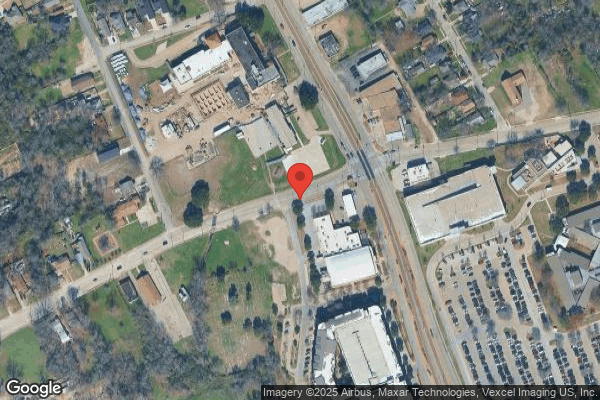
550 E ANN ARBOR AVE, DALLAS, TX 75216 (214) 376-1701
For profit - Corporation 160 Beds THE ENSIGN GROUP Data: November 2025 5 Immediate Jeopardy citations
Trust Grade
0/100
#595 of 1168 in TX
Last Inspection: February 2025

Within standard 12-15 month inspection cycle. Federal law requires annual inspections.

Overview

The Villages of Dallas has received a Trust Grade of F, indicating poor performance with significant concerns about resident care and safety. Ranking #595 out of 1,168 facilities in Texas places it in the bottom half, and #35 out of 83 in Dallas County means only a few local options are better. Although the facility is improving, having reduced issues from 9 in 2024 to 8 in 2025, it still faces serious challenges. Staffing is a concern, with a 65% turnover rate, much higher than the Texas average, and less RN coverage than 77% of facilities, which may impact resident care. Specific incidents include a resident being physically attacked due to a lack of supervision and care planning, and another resident suffering a fracture after not receiving proper lifting assistance, highlighting the need for better safety measures and care protocols.

Trust Score
F
0/100
In Texas
#595/1168
Top 50%
Safety Record
High Risk
Review needed
Inspections
Getting Better
9 → 8 violations
Staff Stability
⚠ Watch
65% turnover. Above average. Higher turnover means staff may not know residents' routines.
Penalties
✓ Good
$54,687 in fines. Lower than most Texas facilities. Relatively clean record.
Skilled Nurses
⚠ Watch
Each resident gets only 22 minutes of Registered Nurse (RN) attention daily — below average for Texas. Fewer RN minutes means fewer trained eyes watching for problems.
Violations
⚠ Watch
37 deficiencies on record. Higher than average. Multiple issues found across inspections.
★★★☆☆
3.0
Overall Rating
★★★☆☆
3.0
Staff Levels
★★★★★
5.0
Care Quality
★★☆☆☆
2.0
Inspection Score
Stable
2024: 9 issues
2025: 8 issues

The Good

  • 5-Star Quality Measures · Strong clinical quality outcomes
  • Full Sprinkler Coverage · Fire safety systems throughout facility
  • No fines on record

Facility shows strength in quality measures, fire safety.

The Bad

3-Star Overall Rating

Near Texas average (2.8)

Meets federal standards, typical of most facilities

Staff Turnover: 65%

19pts above Texas avg (46%)

Frequent staff changes - ask about care continuity

Federal Fines: $54,687

Above median ($33,413)

Moderate penalties - review what triggered them

Chain: THE ENSIGN GROUP

Part of a multi-facility chain

Ask about local staffing decisions and management

Staff turnover is elevated (65%)

17 points above Texas average of 48%

The Ugly 37 deficiencies on record

5 life-threatening
Sept 2025 2 deficiencies
CONCERN (D) 📢 Someone Reported This

A family member, employee, or ombudsman was alarmed enough to file a formal complaint

Potential for Harm - no one hurt, but risky conditions existed

Deficiency F0604 (Tag F0604)

Could have caused harm · This affected 1 resident

**NOTE- TERMS IN BRACKETS HAVE BEEN EDITED TO PROTECT CONFIDENTIALITY** Based on observation, interview and record review the facility failed to ensure the resident was free from physical restraints n...

Read full inspector narrative →
**NOTE- TERMS IN BRACKETS HAVE BEEN EDITED TO PROTECT CONFIDENTIALITY** Based on observation, interview and record review the facility failed to ensure the resident was free from physical restraints not required to treat the residents' medical symptoms as was possible for one of five residents (Resident #4) reviewed for physical restraints. The facility failed to ensure Resident #4 had physician orders for the bolster mattress on her bed. This failure could place residents at risk of not having an environment that was free of restraints which could result in injury. Findings include: Record review of Resident #4's face sheet, dated 09/09/25, reflected an [AGE] year-old female who was admitted to the facility on [DATE]. Resident #4's relevant diagnoses included unsteadiness on feet and repeated falls. Record review of Resident #4's Quarterly MDS assessment, dated 08/18/25, reflected she had a BIMS score of 99 (unable to complete the interview). For ADL care, it reflected the resident required extensive assistance. Record review of Resident #4's Comprehensive Care Plan, dated 05/22/25, reflected the resident was a fall risk and an intervention included the use of a bolster mattress for safety. Record review of Resident #4's physician orders, dated 09/09/25, reflected no physician orders for the bolster mattress. Record review of the facility's incident report for May 2025, June 2025, July 2025, and August 2025, revealed no falls or unknown injuries for Resident #4. In an observation on 08/12/25 at 10:10 AM, Resident #4 was observed lying in bed. The resident's bed had padding on the sides of the bed that measured approximately six inches in height and six inches in thickness. In an interview on 09/09/25 at 11:19 AM, the DON was advised that Resident #4 was observed with a bolster mattress and no physician orders was observed on file. She stated the resident was provided the equipment because she was a fall risk. She stated she had shown the bolster mattress to Resident #4's Responsible Party and they agreed that it would be a good device for the resident. She stated she added it to the resident's care plan, but she forgot to get the physician orders for it. She stated it was her sole responsibility. She stated the resident required physician orders for the equipment because it was needed. The facility's policy RESTRAINTS (06/17) reflected It is the policy of the facility to refuse to restrain residents for any cause. Should a resident have cause for need of a restraint, the physician will be notified immediately, and Texas state regulations will be followed
CONCERN (E) 📢 Someone Reported This

A family member, employee, or ombudsman was alarmed enough to file a formal complaint

Potential for Harm - no one hurt, but risky conditions existed

Deficiency F0558 (Tag F0558)

Could have caused harm · This affected multiple residents

**NOTE- TERMS IN BRACKETS HAVE BEEN EDITED TO PROTECT CONFIDENTIALITY** Based on observation, interview and record review the facility failed to ensure residents had the right to reside and receive se...

Read full inspector narrative →
**NOTE- TERMS IN BRACKETS HAVE BEEN EDITED TO PROTECT CONFIDENTIALITY** Based on observation, interview and record review the facility failed to ensure residents had the right to reside and receive services in the facility with reasonable accommodation of resident needs and preferences except when to do so would endanger the health or safety of the resident or other residents for three of five residents (Resident #1, #2, and #3) reviewed for reasonable accommodation of needs. The facility failed to ensure the call light system in Resident #1, #2, and #3's rooms was in a position that was accessible to the residents on 09/09/25. This failure could place the residents at risk of being unable to obtain assistance when needed and help in the event of an emergency.Findings include: Record review of Resident #1's Face Sheet, dated 09/09/25, reflected she was an [AGE] year-old male admitted to the facility on [DATE]. Relevant diagnoses included Acute Respiratory Failure (lack of oxygen) and unsteadiness on feet. Record review of Resident #1's Quarterly MDS assessment, dated 08/26/25, reflected he had a BIMS score of 9 (moderate cognitive impairment). For ADL care, it reflected the resident required total assistance. Record review of Resident #1's Comprehensive Care Plan, dated 08/26/2025, reflected the resident was a fall risk and one of the interventions was to ensure call light was within reach of the resident and to encourage the resident to use it. In an observation on 09/09/25 at 8:30 AM, Resident #1 was observed lying in bed and his call light was located under his bed, out of reach from the resident. Record review of Resident #2's Face Sheet, dated 09/09/25, reflected she was a [AGE] year-old female admitted to the facility on [DATE]. Relevant diagnoses included muscle weakness and unsteadiness on feet. Record review of Resident #2's Quarterly MDS assessment, dated 09/01/25, reflected she had a BIMS score of 5 (severe cognitive impairment). For ADL care, it reflected the resident required total assistance. Record review of Resident #2's Comprehensive Care Plan, dated 09/04/25, reflected the resident was a fall risk and one of the interventions was to ensure call light was within reach of the resident and to encourage the resident to use it. In an observation on 09/09/25 at 8:31 AM, Resident #2 was observed lying in bed and his call light was located approximately 3 feet away from his bed, out of reach from the resident. In an interview and observation on 09/09/25 at 8:33 AM, CNA Q was shown the call lights location for Resident #1 and Resident #2. She located the call lights and placed them alongside the residents. She stated the call light needed to be placed within reach of the resident so they could contact someone if they neededassistance. In an interview on 09/09/25 at 8:35 AM, LVN C was advised of the call lights for Resident #1 and Resident #2 not being within reach of the residents. She stated staff checked the resident rooms at least every 2 hours to ensure call lights were within reach of the resident. She stated if the resident's call light was not within reach, they could not contact anyone if they needed help. She stated Resident #1 and Resident #2 were fall risk. Record review of Resident #3's Face Sheet, dated 09/09/25, reflected she was a [AGE] year-old female admitted to the facility on [DATE]. Relevant diagnoses included muscle weakness and unsteadiness on feet. Record review of Resident #3's Quarterly MDS assessment, dated 07/12/25, reflected she had a BIMS score of 12 (moderate cognitive impairment). For ADL care, it reflected the resident required total assistance. Record review of Resident #3's Comprehensive Care Plan, dated 07/22/25, reflected the resident was a fall risk and one of the interventions was to ensure call light was within reach of the resident and to encourage the resident to use it. In an interview and observation on 09/09/25 at 8:33 AM, LVN P was shown the call light for Resident #3 hanging behind the back of the resident bed frame and out of reach of the resident. Resident #3 stated she had been looking for her call light all night. LVN P placed the call light within reach of the resident and stated the call light needed to be placed within reach of the resident so she could contact staff if she required assistance or had an emergency. In an interview on 09/09/25 at 9:00 AM, the DON was advised of Resident #1, Resident #2, and Resident #3 not having their call light within their reach. She stated the nursing staff checked room at least every hour and checked for call lights being within reach. She stated they had placed clips on the call light to ensure they stayed in placed. She stated the call lights needed to be within reach of the resident so they could contact staff if they needed any assistance. Record review of the facility's policy on Call Light/Bell (08/03/21), revealed It is the policy of this facility to provide the resident the means of communication with nursing staff. Leave the resident comfortable. Place the call device within reach resident's reach before leaving room.
Mar 2025 2 deficiencies
CONCERN (D) 📢 Someone Reported This

A family member, employee, or ombudsman was alarmed enough to file a formal complaint

Potential for Harm - no one hurt, but risky conditions existed

Deficiency F0657 (Tag F0657)

Could have caused harm · This affected 1 resident

**NOTE- TERMS IN BRACKETS HAVE BEEN EDITED TO PROTECT CONFIDENTIALITY** Based on interview and record review, the facility failed to ensure that the comprehensive care plan was reviewed and revised by...

Read full inspector narrative →
**NOTE- TERMS IN BRACKETS HAVE BEEN EDITED TO PROTECT CONFIDENTIALITY** Based on interview and record review, the facility failed to ensure that the comprehensive care plan was reviewed and revised by the interdisciplinary team after each assessment for 1 of 5 residents (Resident #1) reviewed for care plans. The facility failed to ensure Resident #1's care plan was updated to reflect the resident's recent fall on 03/08/2025. This failure could place residents at risk of not receiving appropriate care to meet their current needs. Findings included: Record review of a facility undated face sheet for Resident #1, reflected a [AGE] year-old female who was admitted to the facility on [DATE]. Resident #1's diagnoses included: vascular dementia (a condition caused by problems with blood flow to the brain, damaging blood vessels, leading to memory, thinking, and behavioral difficulties), other lack of coordination (jerky, unsteady movements and difficulty with balance and coordination), and muscle weakness (decreased ability of muscles to contract and generate force). Record review of Resident #1's Quarterly MDS assessment dated [DATE], reflected the resident had a BIMS score of 10, which indicated moderate cognitive impairment. Resident #1's Quarterly MDS reflected she was dependent in the following areas: eating, oral hygiene, toileting hygiene, shower/bathe self, lower body dressing, putting on/taking off footwear, personal hygiene. Resident #1's MDS Section J1800 reflected that Resident #1 has had falls since admission/entry or reentry or the prior assessment with no injuries. Record review of Resident #1's undated Care Plan revealed Resident #1 was care planned for risks of falls, dx of dementia and had impaired cognition. Resident #1's care plan did not reflect she had a fall on 3/8/2025. Record review of Resident #1's progress notes did not reveal an entry by RN A related to Resident #1 being found on the floor on 03/08/2025. Record review of Resident #1's progress notes dated 03/08/2025 (LATE ENTRY) entered by the ADON not until 03/13/2025 revealed, Received report from the CNA of this resident being on the floor, laying on her fall mat after falling out of bed. Bed in low position with floor mat in place. Per the resident roommate, this resident crawled out of bed and no injury or complaints of pain voiced. Intervention: place a scoop mattress on resident bed. MD notified of this incident. Record review of the facility's incident log, dated 03/13/2025, reflected [Resident #1] had a fall on 3/08/2025. Record review of Resident #1's EMR revealed RN A failed to complete a Fall Assessment on 03/08/2025. Record review of Resident #1's EMR revealed the ADON completed a Fall Evaluation (with an effective date of 03/08/2025) five days later on 03/13/2025. Attempted to interview Resident #1 on 03/13/2025 at 1:45pm but was not successful due to her being hospitalized and diagnosed with acute metabolic encephalopathy (a change in how your brain works due to an underlying condition. It can cause confusion, memory loss and loss of consciousness) and a suspected UTI (an infection in any part of the urinary system). Attempted to interview Resident #1's FM on 03/14/2025 at 11:05 am. Unable to leave a message as the voicemail was full. During an interview with RN B on 03/14/2025 at 10:35 am, she stated you are required to document no matter if the resident was observed on the mat, or if a fall was witnessed. RN B stated the staff member that assessed the resident was the one that needed to enter documentation into the EMR and complete any assessments and reports. During an interview with the ADON on 03/14/2025 at 11:40 am, he stated Resident #1's care plan should had been updated to reflect her most recent fall. The ADON stated the incident occurred on Saturday (3/8/2025) but he did not learn of it until Monday (3/10/2025). The ADON stated himself and the DON reached out to RN A on Tuesday (3/11/2025). The ADON stated he entered a Progress Note and created an Incident Report on Wednesday (3/13/2025) because RN A had not completed these tasks. The ADON stated if a resident's care plan was not updated then the resident may have not received the most efficient care. During an interview with the ADM on 03/14/2025 at 12:10 pm, he stated staff must make notifications and enter documentation. The ADM stated the assessment and documentation should had been completed timely. The ADM stated a resident's care plan should be updated after each fall. The ADM stated if a resident's care was not updated after a fall the resident would potentially not be receiving the highest level of care. A record review of the facility's Care Planning policy, with a reviewed date of July 2020, reflected Procedures: . 9. The resident's plan of care - focus, goals, and interventions - are communicated and implemented by the members of the health care continuum accordingly. 10. The resident's plan of care is reviewed and revised on an ongoing basis, quarterly at a minimum and/or as needed with changes in condition. A record review of the facility's Fall Management System policy, with a revision/reviewed date of January 2022, reflected Policy: It is the policy of this facility to provide an environment that remains as free of accident hazards as possible. It is also the policy of this facility to provide each resident with appropriate assessment and interventions to prevent falls and to minimize complications if a fall occurs. 3. When a resident sustains a fall, a physical assessment will be completed by a licensed nurse, with results documented in the medical record. 6. Resident's care plan will be updated.
CONCERN (D) 📢 Someone Reported This

A family member, employee, or ombudsman was alarmed enough to file a formal complaint

Potential for Harm - no one hurt, but risky conditions existed

Accident Prevention (Tag F0689)

Could have caused harm · This affected 1 resident

**NOTE- TERMS IN BRACKETS HAVE BEEN EDITED TO PROTECT CONFIDENTIALITY** Based on interview and record review the facility failed to ensure residents' environment remained as free of accident hazards a...

Read full inspector narrative →
**NOTE- TERMS IN BRACKETS HAVE BEEN EDITED TO PROTECT CONFIDENTIALITY** Based on interview and record review the facility failed to ensure residents' environment remained as free of accident hazards as is possible; and residents received adequate supervision and assistance devices to prevent accidents, for one 1 of 5 residents (Resident #1) reviewed for accident hazards. The facility failed to ensure Resident #1's fall mat was on the floor, next to her bed on 03/08/2025. This was evident by the photo taken on 03/08/2025 and submitted by FM B which showed Resident #1 laying on the bare floor away from her bed with her fall mat observed underneath her bed. This failure could place the resident at risk of injuries from falls and a decreased quality of care. Findings included: Record review of a facility undated face sheet for Resident #1, reflected a [AGE] year-old female who was admitted to the facility on [DATE]. Resident #1's diagnoses included: vascular dementia (a condition caused by problems with blood flow to the brain, damaging blood vessels, leading to memory, thinking, and behavioral difficulties), other lack of coordination (jerky, unsteady movements and difficulty with balance and coordination), and muscle weakness (decreased ability of muscles to contract and generate force). Record review of Resident #1's Quarterly MDS assessment dated [DATE], reflected the resident had a BIMS score of 10, which indicated moderate cognitive impairment. Resident #1's Quarterly MDS reflected she was dependent in the following areas: eating, oral hygiene, toileting hygiene, shower/bathe self, lower body dressing, putting on/taking off footwear, personal hygiene. Resident #1's MDS Section J1800 reflected that Resident #1 has had falls since admission/entry or reentry or the prior assessment with no injuries. Record review of Resident #1's undated Care Plan revealed the following: Focus: At risk for falls r/t decreased mobility, impaired cognition. Goal: Will not sustain serious injury through the review date. Interventions: Anticipate and meet needs. Be sure the call light is within reach and encourage to use it to call for assistance as needed. Keep needed items, water, etc., in reach. Focus: Has had an actual fall no injury r/t: Poor balance & Poor cognition. 01/14/25 Fall, no injury. 02/27/25 Fall, no injury. Goal: Will resume usual activities without further incident through the review date. Interventions: 1/14/25 Bed in lowest position. 2/27/25 Fall mat on floor. Continue interventions on the at-risk plan. Staff will make frequent bed checks. Record review of Resident #1's progress notes did not reveal an entry by RN A related to Resident #1 being found on the floor on 03/08/2025. Record review of Resident #1's Order Summary dated 03/13/2025, reflected [Resident #1] was to have a floor mat on both sides of her bed with the bed set at its lowest setting was ordered on 12/20/2024 and no start or end date noted. Record review of the facility's incident log, dated 03/13/2025, reflected [Resident #1] had a fall on 3/08/2025. Record review of the facility's incident report, dated 3/13/2025, under Nursing Description reflected, Received report from the CNA of this [Resident #1] resident being on the floor, laying on her fall mat after falling out of bed. Bed in low position with floor mat in place. Record review of the photo provided by FM B showed Resident #1 lying on the hardwood floor with her fall mat underneath her bed. During an interview on 03/13/2025 at 9:01 am, FM B stated she arrived at the facility on Saturday (03/08/2025) at 9:35 am. FM B stated as she walked past Resident #1's room, she saw her lying on the floor. FM B stated Resident #1 was positioned on her right side away from her bed and her fall mat was underneath her bed. FM B stated she walked to the dining room and informed a CNA that Resident #1 was on the floor. FM B stated she then walked back to visit her own family member. During an interview with CNA A on 03/13/2025 at 1:55 pm, she stated RN A requested her help to transfer Resident #1 from the floor. CNA A stated after RN A assessed Resident #1, they placed her in bed and changed her. CNA A stated she could not remember the exact time they picked Resident #1 up off the floor, but it could not have been more than 15 minutes that she had been on the floor. CNA A stated Resident #1 wiggled herself out of the bed. CNA A stated 10 minutes later, Resident #1 had wiggled out of the bed again. CNA A stated the first time, Resident #1 was on the floormat. CNA A stated the second time Resident #1 was halfway off the fall mat. CNA A stated due to not being able to use restraints, they brought Resident #1 to the nurse's station. CNA A stated Resident #1 had a fall mat on both sides of the bed. CNA A stated when Resident #1 was not in bed, they folded the fall mats up and placed them in the corner. CNA A stated when Resident #1 was in the bed, the fall mats were placed on the floor. CNA A stated Resident #1 was unable to walk nor transfer herself. During an interview with the ADON on 03/13/2025 at 2:25 pm, he stated himself and the DON called RN A and asked her if she knew how long Resident #1 had been on the floor and RN A stated, No, but it was not a long time because she had taken the roommate's vital signs around 9:20 am and then went to chart. The ADON stated RN A said she returned to the room around 9:30 am to see if the roommate was dressed for dialysis and that was when she observed Resident #1 laying on her fall mat. The ADON stated the incident was categorized as a fall with no injuries. During an interview with RN A on 03/14/2025 at 11:10 am, she stated she saw Resident #1 on the fall mat and immediately reached out to CNA A for assistance. RN A stated each time she went to check on Resident #1, she was back on the fall mat again. RN A stated she and CNA A assisted Resident #1 back in bed each time. RN A stated she changed Resident #1's diaper herself to make sure that was not why Resident #1 kept having the behavior. Resident #1 stated she continued to check on Resident #1 and administered her medications. RN A stated to the best of her knowledge that was what happened. RN A stated Resident #1 had not sustained any injuries. RN A stated Resident #1 was on the fall mat both times. RN A stated she assessed Resident #1 each time but failed to complete any assessments or enter any documentation into the EMR due to there being no injuries. RN A stated when she saw Resident #1 on the floor again she was confused as to why Resident #1 kept doing it. RN A stated per policy, whenever a resident was found on the floor, they would be assessed. RN A stated the nurse was required to complete all appropriate assessments that needed to be done. RN A stated she did not do any of these things because Resident #1 was on the fall mat with no injuries. During an interview with the ADON on 03/14/2025 at 11:40 am, he stated due to Resident #1 not being in her bed and observed on her fall mat, the incident would be categorized as an unwitnessed fall. The ADON stated RN A had not charted anything. The ADON stated RN A informed him and the DON that she had not believed it was a fall because Resident #1 was on the fall mat. The ADON stated regardless, if it was a fall or not, the DON informed RN A even if she thought it was a behavior, the least she could had done was documented it as a behavior. The ADON stated the incident occurred on Saturday (3/8/2025) but he did not learn of it until Monday (3/10/2025). The ADON stated he entered a Progress Note and created an Incident Report on Wednesday (3/13/2025) because RN A had not completed these tasks. The ADON stated the Care Plan should be updated to reflect all falls to ensure residents received the most effective care. The ADON stated the Charge Nurse said she completed an assessment including a pain assessment but failed to document anything. During an interview with the ADM on 03/14/2025 at 12:10 pm, he stated Resident #1 had not sustained any injuries and was okay. The ADM stated Resident #1 used a wheelchair and was unable to get up on her own. The ADM stated they preferred fall mats to be off the floor if the resident was not in bed to prevent a tripping hazard. The ADM stated no one was perfect, and they try their best to find the best fit for each resident. The ADM stated staff should assess to ensure it was safe to transfer the resident to bed from the floor pending the nurse's discretion. The ADM stated an assessment and documentation should had been completed timely. The ADM stated he expected all staff to follow the facility's policies. A record review of the facility's Fall Management System policy, with a revision/reviewed date of January 2022, reflected Policy: It is the policy of this facility to provide an environment that remains as free of accident hazards as possible. It is also the policy of this facility to provide each resident with appropriate assessment and interventions to prevent falls and to minimize complications if a fall occurs. 3. When a resident sustains a fall, a physical assessment will be completed by a licensed nurse, with results documented in the medical record. c. A Fall Risk Evaluation will be completed post fall incident. A record review of the facility's Significant Change of Condition, Response policy, with a revision/reviewed date of December 2023, reflected It is the policy of this facility to ensure each resident receives quality of care and services to attain and maintain the highest practicable physical mental and psychosocial well-being in accordance with the interdisciplinary comprehensive assessment and plan of care. Procedure 1. If, at any time, it is recognized by any one of the team members that the condition or care needs of the resident have changed, the Licensed Nurse or Nurse Supervisor should be made aware. Examples would be the following (but not limited to): . -Change in behavior or increased problems that may cause injuries or incidents to self or others . -Fall or other related incident
Feb 2025 4 deficiencies
CONCERN (D) 📢 Someone Reported This

A family member, employee, or ombudsman was alarmed enough to file a formal complaint

Potential for Harm - no one hurt, but risky conditions existed

Pressure Ulcer Prevention (Tag F0686)

Could have caused harm · This affected 1 resident

**NOTE- TERMS IN BRACKETS HAVE BEEN EDITED TO PROTECT CONFIDENTIALITY** Based on observation, interview, and record review the facility failed to ensure residents with pressure ulcers received care an...

Read full inspector narrative →
**NOTE- TERMS IN BRACKETS HAVE BEEN EDITED TO PROTECT CONFIDENTIALITY** Based on observation, interview, and record review the facility failed to ensure residents with pressure ulcers received care and treatment consistent with professional standards of practice to promote healing and prevent further development of skin breakdown and infection for one (Resident #45) of four residents reviewed for pressure ulcers (open wound on the skin caused by prolonged pressure to bony prominences). The facility failed to ensure that LVN A cleaned Resident #45's wound to right 5th toe from inside to outside on 02/05/2025. This failure could place the residents with pressure ulcers at risk for worsening of existing pressure ulcers and infection. Findings included: Record review of Resident #45's Face Sheet, dated 02/05/2025, reflected an [AGE] year-old male admitted to the facility on [DATE]. The resident was diagnosed with sepsis (infection of the blood stream) and muscle weakness. Record review of Resident #45's Comprehensive MDS Assessment, dated 11/01/2024, reflected the resident had a severe impairment in cognition with a BIMS score of 02. Comprehensive MDS Assessment indicated the resident had a pressure ulcer over a bony prominence. Record review of Resident #45's Comprehensive Care Plan, dated 01/13/2025, reflected the resident had a pressure ulcer to right foot related to decreased mobility and one of the interventions was administer treatments as ordered. Record review of Resident #45's Physician Order, dated 01/17/2025, reflected Right foot (5th toe)- cleanse with NS/wound cleanser, pat dry, apply collagen (wound care product that support the wound's healing process) and cover with a dry dressing. Observation on 02/05/2025 at 9:59 AM revealed LVN A and the ADON were about to do Resident #45's wound care to the fifth toe of the right foot. LVN A sanitized her hand, put on a pair of gloves, and prepared the things needed for wound care. She prepared some gauze, some normal saline bullets, collagen wound dressing, a 2 by 2 dressing, and a plastic bag. While LVN A was preparing the things needed for wound care, the ADON washed his hands, put on a pair of gloves, and sanitized the resident's table. After the ADON sanitized the overbed table, LVN A placed the things to be used for wound care on the resident's overbed table. Both staff removed their gloves, washed their hands, and put on gowns and gloves. The ADON positioned and stabilized the resident's right leg under a blanket to raise it. LVN A removed the old dressing and threw it on the plastic bag. It was observed that the resident's wound was covered by a small piece of collagen dressing and the skin surrounding the wound was dry and scaly. LVN A removed her gloves, washed her hands, and put on a new pair of gloves. She took some gauzes and poured normal saline on them. She started to clean the skin surrounding skin of the wound by wiping it in circular motion. She did it two times. With the same gauze used to clean the surrounding skin, she cleaned the wound, and at the same time tried to remove the collagen that was on the wound. She removed her gloves, washed her hands, and put on a pair of gloves. She dried the wound with some gauze from outside to inside. After drying the wound, she put the collagen dressing, and covered the wound with a 2 by 2 dressing. The ADON removed the blanket from under the resident's right leg and lowered it to the bed. Both staff removed their gowns and gloves and washed their hands. In an interview with LVN A on 02/05/2025 at 10:20 AM, LVN A stated Resident #45's wound had a small opening that was why the collagen was sticking on the wound. She said she cleaned around the wound first before cleaning the wound. When asked again, she replied again that she started cleaning the surrounding skin of the wound and then moved to the wound. She said her understanding was that the wound must be cleaned from clean to dirty and for her the surrounding skin was cleaner than the wound. When asked if it was possible that whatever germs the gauze got from the surrounding skin were introduced to the wound, she replied yes. When asked if she was supposed to change the gauze when cleaning the wound, she said yes. In an interview with the DON on 02/06/2025 at 8:07 AM, the DON stated she was made aware by LVN A about the findings during wound care. She said she told LVN A that wound should be cleaned from the least contaminated area, meaning the wound itself to the most contaminated area, which was the surrounding skin. She said the wound could be infected if the contaminants from the surrounding skin were introduced to the wound bed. She said in cleaning the wound, the gauze should be discarded after every stroke. She said the expectation was for the wound to be cleaned the right way. She said she already did a one-on-one in-service with LVN A about wound care, and she was enrolled to a wound care training the following month. In an interview with the ADON on 02/06/2025 at 9:41 AM, the ADON stated the purpose of wound care was to remove debris, bacteria, and exudate in the wound to reduce the risk of infection. He said in wound cleaning, the staff start at the center of the wound going outward, ensuring not to spread the bacteria from the outer area back into the wound. He said a new piece of gauze must be used for each stroke to avoid contamination. He said the expectation was the wound would be cleaned from inside to outside and the gauze be changed with every stroke. He said they would conduct an in-service about wound care. In an interview with the Administrator on 02/06/2025 at 10:07 AM, the Administrator stated the expectation was for the staff do the right procedure in cleaning the wound to prevent infection. He said he would collaborate with the DON on how to deal with the issue. Record review of facility policy Wound Care Policy/Procedure - Nursing Clinical revised 05/2007 revealed Procedure for Clean Dressing Technique . Wash from the center of the wound to the periphery. Always wash from the area of least contamination to the area of most contamination.
CONCERN (D) 📢 Someone Reported This

A family member, employee, or ombudsman was alarmed enough to file a formal complaint

Potential for Harm - no one hurt, but risky conditions existed

Incontinence Care (Tag F0690)

Could have caused harm · This affected 1 resident

**NOTE- TERMS IN BRACKETS HAVE BEEN EDITED TO PROTECT CONFIDENTIALITY** Based observations, interviews, and record review, the facility failed to ensure residents who were incontinent of bowel and bla...

Read full inspector narrative →
**NOTE- TERMS IN BRACKETS HAVE BEEN EDITED TO PROTECT CONFIDENTIALITY** Based observations, interviews, and record review, the facility failed to ensure residents who were incontinent of bowel and bladder received appropriate treatment and services to prevent urinary tract infections for one (Resident #42) of three residents observed for Incontinent Care. The facility failed to ensure that CNA D did not wipe Resident #42's perineal (area between the legs) area from back to front while providing incontinent care on 02/05/2025. This failure could place the residents at risk of cross-contamination and development of urinary tract infections. Findings included: Review of Resident #42's Face Sheet, dated 02/05/2025, reflected the resident was a [AGE] year-old female admitted on [DATE]. The resident was diagnosed with acute kidney failure. Review of Resident #42's Comprehensive MDS Assessment, dated 01/22/2025, reflected the resident was cognitively intact with a BIMS score of 14. The Comprehensive MDS Assessment indicated Resident #42 was always incontinent for bladder and bowel. Review of Resident #42's Comprehensive Care Plan, dated 01/27/2025, reflected the resident had bowel/bladder incontinence r/t: impaired mobility and one of the interventions was check as required for incontinence, wash, rinse, and dry perineum. Observation on 02/05/2025 at 9:02 AM revealed CNA D was about to transfer Resident #42 to her wheelchair through sit-to-stand. She said before she transfered the resident to her wheelchair, the resident would go to the restroom first for a bowel movement. She assisted the resident to a sitting position at the side of the resident's bed, put the sit-to-stand sling around the resident's torso, secured the sling to the sit-to-stand machine, and raised the resident to a standing position. CNA D rolled the resident to the restroom, pulled down the brief, and lowered the resident to the toilet seat. CNA D removed the sling and said she would wait for the resident. While she was waiting for the resident to be done, she removed her gloves, washed her hands, pulled a pair of gloves from the left pocket of her scrub top, and put on the gloves. She prepared some wipes on the sink covered with paper towels. When the resident was done with the bowel movement, CNA D put back the sling and raised the resident. She cleaned the bottom of the resident. After cleaning the resident's bottom, she removed her gloves, and put on a new pair of gloves. CNA D then cleaned the perineal area from back to front. She did it three times. After cleaning the perineal area, she pulled the resident's brief and pants back up, rolled the sit-to-stand machine out of the restroom, and lowered the resident to her wheelchair. Observation and interview with CNA D on 02/05/2025 at 9:29 AM revealed CNA D demonstrated the manner she cleaned Resident #42's perineal area. She said she started on the sides and then the middle. When asked how she cleaned the middle of the perineal area, she demonstrated wiping the middle from back to front. She said it was because of the position of the resident that was why she cleaned the resident's perineal area that way. She said she still should had cleaned the resident's front part from front to back regardless of the position of the resident. She said the wiping should always be from front to back to prevent urinary tract infection. She said she should be mindful of how she does incontinent care because the resident would be at risk for infection. In an interview with the DON on 02/06/2025 at 8:07 AM, the DON stated the cleaning the perineal area should be from front to back to prevent cross contamination and probable infection. She said the procedure did not change with regards to the position of the resident. She said cleaning the perineal area was front to back whether the resident was in the bed, sitting in the toilet seat, sitting in a commode, or standing up. She said the gloves should not be placed in their pockets because, basically, we did not know how dirty their pockets were and then they would use the gloves from the pockets to clean the residents. She said the expectation was for the staff to focus on the prevention of infection and not their convenience. She said she would do an in-service about incontinent care and said the expectation was for them to practice the right procedure of incontinent care. In an interview with the ADON on 02/06/2025 at 9:41 AM, the ADON stated the proper way of cleaning the resident's perineal area would be always front to back to avoid transfer of germs from the bottom to the front part of the resident. He said the purpose of which was to prevent infection. He said the expectation was for the staff to do incontinent care the right way which was cleaning the front part from front to back. He said they would do an in-service pertaining to incontinent care focusing on proper cleaning of the front part of the residents. In an interview with the Administrator on 02/06/2025 at 10:07 AM, the Administrator stated improper incontinent care could cause infection and the expectation was for the staff to do the right procedure. He said he would collaborate with the DON on how to deal with the issue. Record review of facility policy, Perineal Care Policy/Procedure - Nursing Clinical revised 07/2021 revealed Policy . 3. Prevent irritation or infection . Procedures . NOTE: The basic infection control-concept for pericare is to wash from the cleanest area to the dirtiest area.
CONCERN (D) 📢 Someone Reported This

A family member, employee, or ombudsman was alarmed enough to file a formal complaint

Potential for Harm - no one hurt, but risky conditions existed

Pharmacy Services (Tag F0755)

Could have caused harm · This affected 1 resident

**NOTE- TERMS IN BRACKETS HAVE BEEN EDITED TO PROTECT CONFIDENTIALITY** Based on observations, interviews, and record review, the facility failed to ensure that one (Resident #59) of five residents wa...

Read full inspector narrative →
**NOTE- TERMS IN BRACKETS HAVE BEEN EDITED TO PROTECT CONFIDENTIALITY** Based on observations, interviews, and record review, the facility failed to ensure that one (Resident #59) of five residents was provided medications and pharmaceutical services, including the accurate administering of all drugs, to meet their needs. The facility failed to ensure MA did not leave Resident #59's medications inside the resident's room and failed to monitor the administration of the medications on 02/04/2025. This failure could place the residents at risk of chocking or not receiving medications as ordered by the physician. Findings included: Record review of Resident #59's Face Sheet, dated 02/05/2025, reflected a [AGE] year-old female admitted to the facility on [DATE]. The resident was diagnosed with hypertension (high blood pressure), gastro-esophageal reflux disease (stomach acid repeatedly flows back into the tube connecting your mouth and stomach), cerebral infarction (insufficient oxygen in the brain causing stroke). Record review of Resident #59's Quarterly MDS Assessment, dated 12/16/2024, reflected resident had a severe impairment in cognition with a BIMS score of 00. The Quarterly MDS Assessment also indicated the resident had cerebral infarction, hypertension, and gastro-esophageal reflux disease. Record review of Resident #59's Comprehensive Care Plan, dated 11/07/2024, reflected the resident had gastro-esophageal reflux disease, cerebral vascular disease, and hypertension and the interventions for the three medical issues were to give medications as ordered. Review of Resident #59's Clinical Assessment on 02/04/2025 reflected no assessment for self-administration of medications, no clear instructions for self-administrations, and no assessment that the resident was competent to manage her own medications. Review of Resident #59's Physician Order, dated 04/04/2023, reflected Aspirin EC Tablet Delayed Release 81 MG (Aspirin). Give 1 tablet by mouth one time a day for CVA (cerebrovascular accident: stroke). Review of Resident #59's Physician Order, dated 04/04/2023, reflected Famotidine Oral Tablet 20 MG (Famotidine) Give 1 tablet by Mouth one time a day for GERD (gastro-esophageal reflux disease: stomach acid repeatedly flows back into the tube connecting your mouth and stomach). Review of Resident #59's Physician Order, dated 04/04/2023, reflected Nifedipine ER Oral Tablet Extended Release 24 Hour 30 MG (Nifedipine) Give 1 tablet by mouth one time a day for HTN DO NOT CRUSH Hold for SBP<110 DBP<60 HR<60, Observation on 02/04/2025 at 10:38 AM revealed MA was observed exiting Resident #59's room and closing the door. Observation and interview with Resident #59 on 02/04/2025 at 10:40 AM revealed the resident was sitting on a chair beside her bed. In front of the resident was her overbed table with a small plastic cup on top of it. Inside the plastic cup was a white, round pill. The resident she was going to take the medication in a minute. She said she already taken two out of three pills that was left by the staff. She said the staff would leave her medications with her and she would take. She said she told her what the medications were, but she could not remember them and all she could remember was how many. In an interview with the MA on 02/04/2025 at 10:48 AM, the MA stated she did leave Resident #59's medication with her because the resident wanted to take the medication every five minutes. She said should have returned to the room and checked on the resident or stayed with the resident until the resident had taken all the medications. She said the pills should not be left with the resident because the resident might not take them, throw them, or choke while taking them and no one would know. She said she left three pills with the resident, her aspirin, famotidine, and her blood pressure medication. In an interview with the DON on 02/06/2025 at 8:07 AM, the DON stated staff should never leave the medications with the resident for the residents to take later. She said the staff must wait for the residents to be done with their medications before leaving the room. She said the resident might choke while taking the medications and no one would know. She said the resident might not take the medications or hide the pills to avoid taking them. She said the residents could also hoard the medications and take them altogether that could cause an overdose. The DON said the expectation was for the staff not to leave the room until the residents were done taking the medications or if the residents were still not ready to take the medication, just take the medications with them and come back later. She said she would do an in-service pertaining to not leaving the medications with a resident. In an interview with the ADON on 02/06/2025 at 9:41 AM, the ADON stated medications were not left with the residents. He said the staff administering the medications should stay with the resident until the resident was done taking the medications. He said the resident might not take them or someone else might, like another resident or a visitor. He said the resident might aspirate while taking the medications and nobody was with him. He said he would coordinate with the DON to do an in-service about not leaving the medications with the residents. In an interview with the Administrator on 02/026/2025 at 10:07 AM, the Administrator stated staff should not leave medications unattended because of the risk of the resident not taking them or the pills not taken on time. He said he would coordinate with the DON on how to go forward to prevent untoward outcomes of leaving the medications with a resident. Record review of facility policy, Medication Administration Policy/Procedure - Nursing Services revised 07/2020 revealed POLICY: It is the policy of this facility that medications shall be administered as prescribed by the attending physician . PROCEDURES . 4. Identification of the resident must be made prior to administering medication to the resident . 5. Medications may not be set up in advance and scheduled medications must be administered within facility time frame.
CONCERN (E) 📢 Someone Reported This

A family member, employee, or ombudsman was alarmed enough to file a formal complaint

Potential for Harm - no one hurt, but risky conditions existed

Infection Control (Tag F0880)

Could have caused harm · This affected multiple residents

**NOTE- TERMS IN BRACKETS HAVE BEEN EDITED TO PROTECT CONFIDENTIALITY** Based observation, interview, and record review the facility failed to establish and maintain an infection prevention and contro...

Read full inspector narrative →
**NOTE- TERMS IN BRACKETS HAVE BEEN EDITED TO PROTECT CONFIDENTIALITY** Based observation, interview, and record review the facility failed to establish and maintain an infection prevention and control program designed to provide a safe, sanitary, and comfortable environment and to help prevent the development and transmission of communicable diseases and infections for three (Resident #42, Resident #45, and Resident #58) of eight residents reviewed for Infection Control. 1. The facility failed to ensure CNA B performed hand hygiene, changed her gloves, and did not put the gloves on her pocket while providing incontinent care to Resident #58 on 02/04/2025. 2. The facility failed to ensure CNA B and CNA C changed their gloves and performed hand hygiene while providing incontinent care to Resident #45 on 02/04/2025. 3. The facility failed to ensure CNA D changed her gloves and performed hand hygiene while providing incontinent care to Resident #42 on 02/05/2025. These failures could place residents at risk of cross-contamination and development of infections. Findings included: 1. Record review of Resident #58's Face Sheet, dated 02/05/2025, reflected an [AGE] year-old female who was admitted to the facility on [DATE]. The resident was diagnosed with urinary tract infection. Record review of Resident #58's Quarterly MDS Assessment, dated 10/28/2024, reflected the resident had moderate impairment in cognition with a BIMS score of 08. The Quarterly MDS Assessment indicated the resident was always incontinent for bowel and bladder. Record review of Resident #58's Comprehensive Care Plan, dated 01/29/2025, reflected the resident had bowel/bladder incontinence and one of the interventions was to provide pericare after each incontinent episode. Observation on 02/04/2025 at 9:46 AM revealed CNA B was about to do Resident #58's incontinent care. CNA B washed her hands and put on a pair of gloves. She prepared some wipes, a brief, and a plastic bag and put them on the resident's overbed table. She lowered the head of the bed and raised the bed. She unfastened the brief and pushed it between the resident's thighs. She removed her gloves, threw them on the plastic bag placed on the overbed table, and put on a new pair of gloves that she took from the left pocket of her scrub suit's top. She did not sanitize her hands before pulling the gloves from her pocket. She pulled some wipes and cleaned the resident perineal area (area between the thighs) using the front to back technique. She did it three times. After cleaning the perineal area, she assisted the resident to roll towards the left side and cleaned the resident's bottom. After cleaning the resident's bottom, CNA B took the new brief from the overbed table, put it under the resident, and fixed it. She did not change her gloves after cleaning the bottom of the resident and before touching the new brief. After fixing the brief, CNA B assisted the resident to roll back and fastened the brief on both sides. CNA B took off her gloves, threw them in the trash bag, and washed her hands. 2. Record review of Resident #45's Face Sheet, dated 02/05/2025, reflected an [AGE] year-old male admitted to the facility on [DATE]. The resident was diagnosed with muscle weakness and need for assistance with personal care. Record review of Resident #45's Comprehensive MDS Assessment, dated 11/01/2024, reflected the resident had a severe impairment in cognition with a BIMS score of 02. Comprehensive MDS Assessment indicated the resident was always incontinent for bowel and bladder. Record review of Resident #45's Comprehensive Care Plan, dated 01/13/2025, reflected the resident had bowel/bladder incontinence and one of the interventions was provide pericare (cleaning the private areas of the resident) after each incontinent episode. Observation on 02/04/2025 at 1:22 PM revealed CNA B and CNA C were about to do Resident #45's incontinent care. Both staff washed their hands and put on a pair of gloves. CNA B went to the resident's left side, while CNA C went to the resident's right side. CNA B unfastened the brief and pushed it between the resident's thighs. CNA B removed her gloves, pulled some gloves from her scrub suits' left pocket, and put on the gloves. CNA B pulled some wipes placed on the resident's side and cleaned the resident's perineal area. CNA B removed her gloves, pulled some gloves from her left pocket, and put on the gloves. After CNA B cleaned the perineal area, both CNAs assisted the resident to roll to his right side and CNA B cleaned the resident's bottom. After cleaning the resident's bottom, CNA B pulled the brief and threw it on the trash can. After CNA B threw the soiled brief, it was observed that the resident was still having a bowel movement. CNA B continued to clean the resident's bottom and placed the used wipes on the padding. After cleaning the resident's bottom, again, CNA B removed her gloves, went to the bathroom, took a box of gloves, placed some gloves in her pocket, and put on a pair of gloves. CNA B instructed CNA C to get the resident's brief on top of the resident's drawer. CNA C gave the brief to CNA B. CNA B placed a new padding on top of the rolled soiled padding, put the new brief on top of the new padding, and fixed them. Both CNAs rolled the resident to the other side. CNA C took the soiled padding with soiled wipes in it, put it on a plastic bag, and helped in fixing the brief. They rolled back the resident and fastened the brief. CNA C did not change her gloves after putting the soiled padding on a plastic bag. In an interview with CNA B on 02/04/2025 at 1:42 PM, CNA B stated she did change her gloves when she did Resident #58 and Resident # 45's incontinent care but did not sanitize in between changing of gloves. She said hand hygiene should be done after removing the gloves to make sure the hands were not soiled before touching the new gloves. She said gloves should also be changed before touching the new brief to prevent the new brief from being soiled. She said gloves should not be placed in the pockets because she used her pockets for something else, like for her cellphone, her car keys, and others. She said she would be mindful next time not to put the gloves in her pocket, to change gloves after cleaning the residents' bottom, and to do hand hygiene when she changed her gloves. She said not sanitizing the hands when the gloves were changed and not changing the gloves could cause infection. She said putting the gloves in the packet could also indirectly cause infection. In an interview with CNA C on 02/06/2025 at 9:47 AM, CNA C stated she realized she did not change her gloves after pulling the soiled padding that had soiled wipes in it. She said she should have changed her gloves, sanitized her hands, and put on a new pair of gloves. She said her gloves were basically soiled when she assisted in fixing the brief. She said not changing the gloves could cause infection like urinary tract infection. 3. Review of Resident #42's Face Sheet, dated 02/05/2025, reflected the resident was a [AGE] year-old female admitted on [DATE]. The resident was diagnosed with acute kidney failure. Review of Resident #42's Comprehensive MDS Assessment, dated 01/22/2025, reflected the resident was cognitively intact with a BIMS score of 14. The Comprehensive MDS Assessment indicated Resident #42 was always incontinent for bladder and bowel. Review of Resident #42's Comprehensive Care Plan, dated 01/27/2025, reflected the resident had bowel/bladder incontinence r/t: impaired mobility and one of the interventions was check as required for incontinence, wash, rinse, and dry perineum. Observation on 02/05/2025 at 9:02 AM revealed CNA D was about to transfer Resident #42's to her wheelchair through sit-to-stand. She said before she transfered the resident to her wheelchair, the resident would go to the restroom first for a bowel movement. She assisted the resident to a sitting position at the side of the resident's bed, put the sit-to-stand sling around the resident's torso, secured the sling to the sit-to-stand machine, and raised the resident to a standing position. CNA D rolled the resident to the restroom, pulled down the brief, and lowered the resident to the toilet seat. CNA D removed the sling and said she would wait for the resident. While she was waiting for the resident to be done, she removed her gloves, washed her hands, and put on a pair gloves. She put some paper towel on the sink and put some wipes and a brief on the paper towels. When the resident was done with the bowel movement, CNA D put back the sling around the resident, hooked it to the sit-to-stand machine, and raised the resident. She cleaned the bottom of the resident first. After cleaning the resident's bottom, she removed her gloves and put on a new pair of gloves. She did not sanitize her hands when she changed her gloves. CNA D then cleaned the perineal area. After cleaning the perineal area, she pulled the resident's brief and pants back up, rolled the sit-to-stand machine out of the restroom, and lowered the resident to her wheelchair. She did not change her gloves after cleaning the resident's perineal area and before pulling up the brief. In an interview with CNA D on 02/05/2025 at 9:29 AM revealed CNA D stated hands should be washed or sanitized when changing the gloves. She said gloves should be clean when touching the brief to prevent infection. She said the gloves should be changed after she cleaned the resident's perineal area and before touching the brief because the gloves that she used to clean the resident's perineal area were already soiled. She said she would be mindful the next time she does incontinent care to wash her hands and change her gloves during incontinent care. She said she had trainings for pericare but did not know why she forgot to wash her hands and change her gloves. In an interview with the DON on 02/06/2025 at 8:07 AM, the DON stated hand hygiene was the most effective way to prevent cross contamination and any kind of infection. She said the expectation was for the staff to sanitize their hands in between changing of gloves and change their gloves after touching anything soiled. She said, another expectation was for the staff to get their gloves from the boxes and not put them in their pockets. She said the pockets might be dirty that would render the gloves also dirty. She said she would do and in-service about hand hygiene, incontinent care, and not putting the gloves in their pockets. She said she would personally monitor the staff doing direct care. In an interview with the ADON on 02/06/2025 at 9:41 AM, the ADON stated putting the gloves in the pocket was a bad habit. He said the gloves, when placed in the pockets, could be considered soiled because the dirt from the pockets might cling to the gloves. He said hands should be sanitized every time the gloves were removed, and gloves should be changed after touching something soiled to prevent cross contamination and development of infection. He said they would he would remind the staff to change their gloves from dirty to clen, sanitize in between changing of gloves, and not to put their gloves in their pockets. He said they would also do an in-service about hand hygiene, pericare, and not to put the gloves in the pockets of their scrub suits. In an interview with the Administrator on 02/026/2025 at 10:07 AM, the Administrator stated the staff should change their gloves and sanitize their hands to prevent infection. He said they should not put the gloves in their pockets. He said the expectation was for the staff to follow the policy and procedures pertaining to incontinent care and infection control. He said he would coordinate with the DON on how to handle the issue about infection control and hand hygiene. Record review of facility policy, Perineal Care Policy/Procedure - Nursing Clinical revised 07/2021 revealed Policy . 3. Prevent irritation or infection. Record review of facility policy, Hand Hygiene Infection Prevention and Control Program 2009 revealed Policy: This facility considers hand hygiene the primary means to prevent the spread of infections . 4. Use an alcohol-based hand rub . f. Before donning sterile gloves . h. Before moving from a contaminated body site to a clean body site during resident care . j. After contact with blood or bodily fluids . k. After handling used dressings, contaminated equipment, etc. m. After removing gloves . Applying and removing gloves . 1. Perform hand hygiene before and after applying non-sterile gloves.
Oct 2024 5 deficiencies 1 IJ
CRITICAL (J) 📢 Someone Reported This

A family member, employee, or ombudsman was alarmed enough to file a formal complaint

Immediate Jeopardy (IJ) - the most serious Medicare violation

Accident Prevention (Tag F0689)

Someone could have died · This affected 1 resident

**NOTE- TERMS IN BRACKETS HAVE BEEN EDITED TO PROTECT CONFIDENTIALITY** Based on interview and record review, the facility failed to ensure residents in facility received adequate supervision and assi...

Read full inspector narrative →
**NOTE- TERMS IN BRACKETS HAVE BEEN EDITED TO PROTECT CONFIDENTIALITY** Based on interview and record review, the facility failed to ensure residents in facility received adequate supervision and assistance devices to prevent accidents 1 of 5 residents (Resident #10) reviewed for accidents and supervision. The facility staff member failed to follow the facility's No Lift policy, which indicated the total mechanical lift will be used for individuals who can bear weight on their legs and can only offer minimal assistance with their transfers/lifts. The facility failed to provide assistive devices (mechanical lift) during transfers as required per their No Lift policy and after requested by Resident #10 and her POA on 04/04/24. After the inappropriate transfer, Resident #10 had uncontrolled pain (even after administration of opioid analgesic), was sent to the hospital via 911 and was diagnosed with a fracture. The facility failed to obtain accurate transfer status information from the referring facility prior to admission. On 4/04/24 Resident #10 was inappropriately transferred resulting in a right distal tibial spiral fracture. An Immediate Jeopardy (IJ) was identified and presented to the Administrator on 10/01/2024 at 1:36 PM. The IJ was lifted at 10/02/2024 at 7:00 PM. the facility remained out of compliance at a severity level of actual harm and scope of isolated, due to the facility's continued monitoring of the effectiveness of their plan of removal. This failure could place residents at risk of serious injury resulting from improper transfer technique. Findings Included: Record Review of Resident #10's Face Sheet dated 03/29/2024 revealed she was a [AGE] year-old female admitted to the facility on [DATE]. Relevant diagnoses included osteoarthritis, hemiplegia and hemiparesis affecting her left side resulting from a stroke (unknown date, but not recent). She had a surgical history of knee replacement to her right knee 20 years prior. Record review of referral information from previous facility indicated that resident #10 was a moderate assist of 1 or 2 persons and that she was only able to provide minimal assistance due to left sided hemiplegia (weakness to left side). No incident report was completed by the facility staff for this incident per the DON due to the resident's transfer to the hospital for evaluation, and no incident report was completed after the incident. Record review of Resident #10's admission Minimum Data Set (MDS) dated [DATE] revealed her cognition was intact with a Brief Interview of Mental Status (BIMS) score of 15. She was impaired of upper and lower extremities on one side. She was dependent for total assistance for sit to stand and transfer from chair/bed transfers to bed. She was wheelchair bound and required total assistance with shower/bathing and personal hygiene. Resident #10 was always continent of bladder and bowel. Record review of Resident #10's Care Plan Review, dated 04/03/2024, revealed she had limited mobility, hemiplegia, musculoskeletal impairment, impaired balance, pain, limited range of motion, stroke, she was at risk for falls related to gait balance problems, she had acute/chronic pain related to arthritis, and persistent right knee pain with a history of total knee arthroplasty (a surgical procedure that replaces a damaged knee joint with prosthetic components. ) which was over twenty years ago. Physical examination by the facility medical director 0on 04/04/24 noted that she may have been experiencing excessive wear of hardware, and possible loosening of hardware. It was recommended she follows up with orthopedic provider a to formally evaluate right knee with imaging and full evaluation. Other recommendations included Patient will continue Norco (hydrocodone) regimen per facility attending (physician). Record review of Resident #10's Progress Note by LVN F, dated 04/03/2024 at 6:13 PM, revealed: Resident transferred via WC with attendant from a transport service. with belongings. Vitals at this time is T-98.3, P-78, R-17, BP-145/76. O2 @ 96% on room air. Meds verified with the AP (Attending Physician) to see resident tomorrow. no complaints of pain at this time, head to toe done skin intact, clean, and dry, resident is incontinent of bowl [sic] and bladder. alert and oriented x 2. resident oriented to facility at this time. bed in lowest possible call light within reach. Record review of Resident #10's Progress Note by LVN F, dated 04/04/2024 at 9:26 PM, revealed: Change in Condition: Symptoms or signs noted of Condition change: Pain (uncontrolled) Vital Signs: BP 151/66 - 4/4/2024 11:23 Position: Lying r/arm, P 79 - 4/4/2024 11:23 Pulse Type: Regular, R 17.0 - 4/3/2024 18:43, T 98.3 - 4/3/2024 18:43 Route: Forehead (non-contact), O2 96.0 % - 4/3/2024 18:43 Method: Room Air Notifications: Reported to primary care clinician: Physician's Assistant (PA), Date and time of clinician notification: 04/04/2024 4:09 PM, Name of family member or resident representative notified: Power of Attorney (POA) (at bedside), Date and time family or representative notified: 04/04/2024 4:00 PM. Record review of Resident #10's Progress Note by LVN F, dated 04/05/2024 at 11:19 AM, revealed the resident was hospitalized . Review of Resident #10's clinical records from 09/30//24 to 10/02/24 revealed there was no assessment completed PT/OT to determine her weight bearing status during her stay at the facility nor prior to her discharge to the hospital . Record Review of page 1 of the Discharge Summary Brief Overview from the hospital dated 04/16/24, revealed the resident was admitted on [DATE] and discharged on 04/16/2024. Primary Discharge Diagnosis was Fracture of right tibia. Record Review of page 14 of the Discharge Summary Brief Overview from the hospital dated 04/16/24, revealed the report from Radiology: X-ray Ankle 3+, Result Date: 4/6/26 IMPRESSION: 1. Spiral fracture of the distal shaft of the tibia Finalized by MD on 04/06/2024 4:03 X-ray Tibia Fibula 2 View Right, Right, Result Date: 4/6/2024, Result Date: 4/6/2024, IMPRESSION: 1. Spiral fracture of the distal shaft of the tibia. Record review of Details of Hospital Stay dated 04/16/24 revealed Resident #10 had an elevated risk for surgery due to Cardiac disease. As a result of her cardiac risk, the orthopedic specialist opted to pursue nonoperative management of her fracture and placed a brace on her right leg and ordered non-weight bearing status for 6- 8 weeks. In an interview on 09/27/24 at 3:08 PM with Resident #10's Family Member, she stated on 04/04/24, Resident #10 was complaining about the mattress on her bed. Then a short, dark skinned African guy brought in another mattress, and he began to try to pick her up by lifting her up under her arms. She stated when she saw how he was going to try to get her up, she told him that he could not do it like that, because it was not safe, and he needed to get someone to help him or get a lift and the resident agreed with her. She stated he said, I'll do it, I can do it. She stated he continued to get her up by lifting her under her arms and when he got her up, he almost dropped her. She stated he hurried up and twisted her around to get her in the chair and he basically dropped her into the chair. She stated right then, she hollered out and said she felt something pop and she was screaming and crying really bad. She stated it made her cry. She stated a middle-aged woman was present in the room and she was attending to another resident who was in the room. She stated a little white or Hispanic man was standing in the doorway. She stated once he got her in the chair, he left the room. She stated he did not try to see about Resident #10, he just walked out of the room. She stated neither the female staff nor the guy in the doorway came to see about Resident #10. She stated a little bit later, the man who was in the doorway came back with a pain pill and gave it to the resident. She stated he then went and called 9-1-1 and the paramedics came to take the resident to the hospital. She stated she arrived at the facility to visit Resident #10 around 2:30 PM. She stated the transfer happened close to 4:00 PM. In a follow-up interview on 09/27/24 at 3:45 PM with Resident #10's Family Member, she stated she called the next day and spoke to a lady, but she did not remember the name or title. She stated she told the lady that Resident #10 was in the hospital and the lady told her that someone would call her back the next day, but no one ever did, and she did not try to call the facility back. In an interview on 09/30/24 at 1:50 PM with Resident #10, she stated she did not know why the guy was bringing another mattress to her. She stated she just knew that it was a dark, heavy-set guy. She stated he was a big guy. She stated he was tall to her. She stated he came in with a mattress and he said she would have to get out of the bed, so he could change out the mattresses. She stated he then started pulling her up with his hands. She stated he was pulling her up by holding her under her arms. She stated he was moving too fast, and she was telling him that he needed to get a slip for her and use the lift. She stated her family member also told him the same thing. She stated he did not listen to her either. She stated she kept telling him not to bend her leg, but he did it anyway and that was when she felt the pop. She stated she could not remember what time of day it was. She stated after thinking about it, she believed it happened during the middle of the day, around 2:00 PM. She stated she knew for sure that she was lying in bed and her family member was sitting near the bed. She stated she was not in pain prior to man getting her out of bed. She stated she and her family member were just sitting there talking prior to the guy coming in the room. In an interview on 09/30/24 at 9:38 AM with the Central Supply Clerk, she stated if a resident needed something like a mattress switched out, it would go through her. She stated the nurse would verbally communicate that request to her and then she would locate another mattress and bring it to the floor and change it out. She stated if the mattress was somewhere further away from the room which it needed to go to, then one of the maintenance staff would assist by retrieving the mattress and bringing it to the floor of the room and then she would be the one to take it to the room and change it out. She stated only herself would be the one to change the mattresses. She stated that was her sole responsibility. She stated there have been times when she has instructed the maintenance staff to meet her at the room and then they might bring the mattress into the room, and she would still be the one to remove the current mattress and then replace it with the one which was brought to the room. Then they would take the old mattress out and store it. She stated she remembered Resident #10 and she stated the maintenance staff, who did not match the description of the person who transferred Resident #10, did bring it to the room and she was the one who placed it on the bed frame. She stated when she entered the room, the resident was sitting in a wheelchair and so she went ahead and took the air mattress off the bed frame and when the replacement mattress was brought in, she was the one who put it on the bed frame. She stated she removed the air mattress from the room. An interview with the Administrator on 09/25/24 at 12:05 PM, he stated when they have a new admission, the care information was obtained by the nurses. He stated they are responsible for communicating with the previous facility or hospital from which the resident was coming from. He stated information was shared with the aides. He stated they have been doing it this way for a very long time and there had not been any incidents. He stated the information was placed where any of the staff could access it and know how to care for the new resident. He stated the Progress Notes which they received from the previous facility stated the resident was moderate assist x1, which meant the resident only needed one person. He stated C.N.A. G had never had an incident while transferring residents. He stated they go by what was done at the previous facility or hospital, until facility staff can complete their own assessments. Then that information was entered into the system and shared with other staff. He stated they did not have a policy for this process, because there has not been a need to have one for this issue. He stated based on the information which they received from the previous facility, he believed C.N.A. G did what he was supposed to do. An interview with the DON on 09/25/2024 at 12:09 PM, she stated she was not familiar with Resident #10, and she needed to see the resident's records. She stated LVN F was the floor nurse who entered the assessments for the resident. She stated LVN F was no longer at this facility but was working at a sister facility. She stated he did not report anything to her about the resident's injury. She stated had the resident been injured, it would have been documented in Progress Notes and it would have been reported to Health and Human Services Commission (HHSC). She stated the records from the hospital or facility, which the resident transferred from, would have gone to the nursing department. She stated the Social Workers (SW) would have done initial assessments with the resident, upon admission. She stated when a resident comes from a hospital or another facility, they would refer to those records for indications on the resident's care, until they could complete their own assessments. She stated transfer needs would be included in what they would reference from the hospital or former facility's records. She stated that the resident's transfer information would be in LVN F's notes and/or could probably be obtained from the Director of Rehabilitation. An interview with the SW on 09/25/2024 at 12:33 PM, she stated she did not remember the resident. She stated she would have to look at her notes. She then stated the SW would conduct an initial assessment by speaking with the resident or their representative. She stated the assessment is a collection of information which they get during that interview. She stated those notes are taken and translated into a Social Services Progress Note. She stated any transfer needs would be provided by the Director of Rehabilitation. An interview with the PA on 09/25/2025 at 3:55 PM, She stated she did not remember the incident. She stated by looking at the Progress Notes, she was notified, but she did not remember it. She stated she was not familiar with Resident #10 because she never got the chance to see her. She reviewed the resident's chart and stated given her being hemiplegic and her size, and the fact that she had not ambulated for a number of years, she would imagine that the resident would require adequate assistance for transfers and mobility. She stated staff should have referred to the transfer notes from the resident's previous facility. She looked through the notes from the previous facility and could not find anything referencing transfers. She stated staff should have at least listened to the resident, given that her cognition was intact, and she was able to communicate to the staff who was assisting her, that he should have help with assisting her with her transfer to the wheelchair. She stated, especially since there was no documented reference as to how to transfer her, CNA G should have listened to the resident. She stated with Resident #10 being overweight, paralyzed on the left side and the right knee was problematic and the notes under Functional Performance, dated 04/03/2024 revealed, the resident was non-weight bearing on her right leg, she should have at least had a two-person assist with transfers. In a follow-up interview on 09/26/2024 at 11:12 AM with the DON, she stated the floor nurse was supposed to ask for specifics, such as ADL care, including transfers when considering new admissions. She stated if they have someone new come in, they should 1.) use information from where the new admit came from, and 2.) use clinical decision making. She stated depending on the resident's cognition level, the resident could also tell them how they have received care previously. She stated if staff do not use informed methods to transfer a resident, injury could occur. In an interview on 09/26/24 at 12:32 PM with the ADON, he stated when a new resident is coming in, they take a verbal report from the facility that they are coming from. He stated they have a temporary report sheet which they write the information on. He stated this template was only used for their initial assessment and getting information that they need to know about the in-coming patient. He stated it includes everything about the patient, including when they had their bowel movement, are they mobile, do they used some type of device, or do they ambulate independently. He stated whatever they need to relate to the Certified Nurse Aides (C.N.A.) and the rest of the staff, was then shared from that report sheet. He stated the report was usually done prior to the resident coming to the facility. He stated once the resident comes to the facility, they also use that report sheet to do their head-to-toe assessment. He stated the assessment includes if they can stand, ambulate, how far can they ambulate, and do they require a device to ambulate. He stated if he does not know anything about the person, when he walks into the room, and if that person cannot tell him how they need to be transferred, he is going to assume they are a two-person assist or a two-person lift. He stated a two-person lift means they are going to use a mechanical lift. He stated if he saw a sling underneath the resident, that would tell him that the resident requires a two-person lift and he would go get the mechanical lift and call for a co-worker. He stated if he did not see a sling under the resident, he would assume they are a one-person assist and could stand or give some type of assistance with pivoting. He stated when he went to the room to introduce himself, Resident #10's family member was present. He stated he thought she had an immobilizer on her right leg; however, he could not be sure. He stated the resident's family member told him that even though she had an immobilizer on her right leg (unsure if it was right or left leg) the resident could stand a little bit and bear weight. He stated the family member told him that she was having some pain and that the previous facility had had an X-ray on the resident's right knee done just a few prior to her coming to this facility. He stated the resident's family member told him that the resident could stand a little bit, by standing on her right side, but not for long. He stated he was assuming that maybe that was what CNA. G used, to determine how to transfer Resident #10, however, he was not sure if that was true. He stated when he met Resident #10, he did not see CNA G. He stated LVN F may have relayed that information from the resident's family member to CNA G. He stated when he met her, she was not complaining of pain to him. He stated he knew she was taking was taking Norco and was taking it routine and prn. He stated if nursing staff did not have the information on the resident prior to them arriving to the facility, or if no one told him how to transfer a newly admitted resident, and they had not received the report from the previous facility, he stated he would go by what the resident told him. He stated he would ask if the resident was able to stand and/or walk, if the resident was alert and oriented, he would ask them. He stated the questions staff could ask a new resident are, Can you stand? Will you be able to help me, get you over there or to the wheelchair? He stated if the resident were to say, No, then staff would need to ask the resident to wait and then the staff should go get a co-worker to assist. He stated if Resident #10's family member did tell C.N.A. G that the resident could help him transfer her and he was unsure, he could have asked the resident some clarification on her abilities and requirements before trying to transfer her alone. In an interview on 09/26/24 at 2:02 PM with the Attending Physician, he stated he referred to the Progress Notes from the previous nursing facility and stated the notes read that Resident #10 was mod assist x1 with functional transfers. He also stated that the notes read that Resident #10's legs would swell when she tries to stand, so they (facility) knew that she could put weight on her legs. He stated Resident #10 told him that she could not walk, which made sense, but as far as transfers are concerned. He stated she complained of right knee pain and the notes spoke of multiple negative X-rays of the right knee; however, the X-rays were only of the knee. There were also notes from the doctor, which read that she needed to be seen by an Orthopedist for possible hardware loosening. He stated when he saw her, she did not say anything about that, as bothering her, in particular. He stated she was pleasant and interactive. He stated she had chronic pains, but she did not focus on that leg during their interview. He stated she did tell him about her shoulder and knee pains and that she could not push on a wheelchair. She stated her shoulder limited her from self-propelling in a wheelchair. He stated she did not say anything about how she usually transfers. He stated he specifically asked her when the last time was that she walked, (because that tells him a lot about how functional a person was going to be. He stated it told him whether they will be wheelchair dependent.) He stated she told him that she had not ambulated, meaning walking, in years. He stated he did not see an immobilizer on her leg when he talked to her. He stated she was sitting in a couch-like chair, watching tv. He stated if there was no other information to go by, it was reasonable to believe that a one-person transfer was feasible. He stated the notes reflected that she was standing at the other facility, and she was moderate assist x1. He stated he did not see why she could not transfer her with one person. He stated there was no trauma reported, meaning just because there was a fracture, it did not mean it came from being plopped down into a chair. He stated given that only the knee was X-ray at the previous facility, while she had been complaining about knee and leg pain, who is to say that the fracture did not happen at the previous facility. He stated, it's the chicken vs the egg kind of thing because he did not know if the fracture was already there or not. He stated given the location of the fracture (distal tibia); it would not have been seen on a knee X-ray. He stated they (facility) did not get very clear information from the previous nursing facility, about activity in terms of whether she needed assistance, or whether she needed a Hoyer. He stated what was provided revealed she was doing standing with therapy, because the notes indicated that her legs got swollen while she was standing. He stated also, the notes stated she was moderate assist x1; which tells us that she was able to bear weight on both her legs. He stated if the resident was able to bear weight and was transferred incorrectly it could have prompted a new fracture, a refracture, or exacerbated an existing fracture that anyone was even aware of. He stated she was not at the facility long enough (facility) to decipher what was going on with her. He stated there are multiple dependent to factors when a new patient was admitted to the facility. He stated what does the paperwork say, was the patient oriented, can they tell what was necessary and what is not. He stated days before Resident #10 arrived at the facility, the notes provided from Occupational Therapy (OT) stated she was moderate assist x1 with transfers. He stated in worst case scenario, you do not know if there was hesitancy for anything then yes, wait until therapy can evaluate. He stated he has had patients who can just get up and go with a walker, but they are obviously demented. He stated there are a lot of factors that come into play when you are making a decision. He stated he could not be more help because he only saw her once. He stated if she had been there longer, who is to say that while she was at the facility, they would not have X-rayed her leg. He stated he did not know why the former facility did not X-ray more than just the knee. He stated you can have radiating pain. He stated you can have hip pain radiating to the knee, you can have ankle pain radiating to the knee. He stated he did not know why they only focused on the knee and not anywhere else, especially since the pain was persistent. He stated the notes indicated that the resident's activity had decreased. He stated the physician made note that he had referred her to an Orthopedist, but she never got to go because she left the facility. He stated the Orthopedist probably would have X-rayed her leg. In an interview on 09/26/24 at 2:59 PM with C.N.A. G, he stated he started his shift at 2:00 PM. He stated about 2:30 PM, a female C.N.A. was standing at the door of Resident #10's room and called for him to come help her. He stated when he came to the room, the female aide left to get something, but he was not sure what. He stated the family member told him the resident could help him get her into bed. He stated Resident #10 then said she could stand a little and could help him. He stated when he entered the room, Resident #10 was sitting in the wheelchair and it was near the bed, but not right next to the bed. He stated her family member was standing next to her, kind of between the chair and the bed. He stated the family member told him that the resident wanted to get back in bed because she was in pain. He stated she was not crying, but she was whining and grunting. He stated her family member was rubbing her side and back and telling her it was ok and that she was about to be put back in bed. He stated he moved the wheelchair next to the bed and then he used a gait belt to help lift her from the chair and then he helped her into bed. He stated the resident had already started to try to push herself up on one side and he told her to wait for him to help her. He stated the resident was holding on to his arms and the gait belt was still behind her and he held it to help him steady her. He stated she took about two steps and then she was turned to where her back was to the bed, and she was against the bed. He stated she had to step to the left to get to the bed. He stated the bed was low, so she was able to just sit on the bed without having to have to scoot back onto it. He stated when he came in the room, she was already whining, and her family member said she was in pain. He stated when he finished transferring her into bed, he went and told the nurse that she was complaining of pain. Then he went to answer another call light. In an interview on 09/27/24 at 11:15 AM with LVN F, he stated he did not have many interactions with Resident #10. He stated he was the admitting nurse. He stated she was quiet when she arrived. He stated he remembered having to call her previous nursing facility several times to get report on her because they were not returning his calls. He stated he finally received report on her after she was admitted . He stated one person brought the resident into the facility and she was in a wheelchair. He stated he and an aide transferred the resident to the bed. He stated he could not recall what the paperwork stated as far as how many people were required, but he used two people just to be safe. He stated Resident #10 told him that she was uncomfortable in the wheelchair after a while, and that's when he and an aide transferred her onto the bed. He stated his shift ended at 10:00 PM on 04/03/24. He stated she was still in bed when he got off shift. He stated on 04/04/24, his shift started at 2:00 PM. He stated the off-going nurse reported to him that Resident #10 was out of bed and in her wheelchair. He stated the nurse told him that the resident had been uncomfortable on and off but not to the point of excruciating pain. He stated when he went to see her for the first time that day, the resident told him that she wanted to get back in bed. He stated she did not ask for any medications at that time. He stated there were two aides on shift, and he called for them to transfer her back into bed. The female came first, but then he told C.N.A. G to do it. He stated he was ok with C.N.A. G transferring her alone, because he himself had had time to review her admission paperwork and it said that she was a x1 person assist. He stated when C.N.A. G finished transferring her, he (C.N.A. G) came to him and told him that the resident was in pain from being uncomfortable in the chair. He stated he went to assess the resident and she told him that she was in pain, so he went to get the medication for her. He stated the way she was expressing her pain; he could see that it was more intense than the day before. He stated he checked her orders and then administered pain medication first, then he contacted the PA. He stated the PA told him to send her to the hospital. He stated the admission process was that the nurse would receive a report from the facility or hospital that the new resident was coming from. He stated they verify the transportation method, which the resident would be arriving in. He stated the ADONs enter the care information in the Kardex. He stated some stations enter it in a binder, while others enter it into the system. He stated the C.N.A.s and other nurses receive report from the admitting nurse or the ADON. He stated the kitchen was notified of the new resident's dietary needs. He stated medications are ordered. He stated housekeeping was notified, so they can make sure the room is ready. He stated when the new resident arrived, the admitting nurse will greet them and take them to their room. Then the residents are interviewed, and vitals and weight are taken. Then they see if the resident wants to remain in their wheelchair or get in bed. He stated once the resident was made comfortable, then the nurse was to document the information which they received from the resident during that initial interview. Then the nurse will begin assessments on the resident. Record review of the sign-in schedule for all shifts from 04/03/24 and 04/04/24, revealed six of nine staff who were responsible for the resident, no longer worked at the facility. In an interview on 09/27/24 at 12:48 PM with CMA I, she stated she was on shift when Resident #10 was admitted on [DATE]. She stated she thought it was around lunch time when Resident #10 arrived at the facility, she introduced herself to the resident to make her feel welcome. She stated a lady from the transport service brought the resident into the facility. She stated she was sitting in a wheelchair. She stated the transport driver was talking to LVN F for a little while. She stated staff brought the rest of the resident's belongings in and LVN F took her to her room. She stated the resident was calm and was not complaining of pain at that time. She stated LVN F returned to the nurses' station and entered her information in the system. She stated a little later on, the resident asked for a pain pill, and she checked the system and saw that it was time for another pain pill, so she administered the medication to her. She stated the resident had been getting that pain medication twice a day at the other facility. She stated the aides had put her in bed and she was asleep, by the time she got off shift at 8:00 PM. She stated to her knowledge, the resident had not complained of pain the rest of the night. She stated when she came to work the next day, the resident had already been sent to the hospital. On 09/27/24 at 1:20 PM a call was made to LVN J, there was no answer. A voice message was left. In a follow-up interview on 09/27/24 at 5:00 PM with C.N.A. G, he stated he was in the hall and was called to the room by the older female aide. He stated the female aide started talking to the roommate when Resident #10 and her family me[TRUNCATED]
CONCERN (D) 📢 Someone Reported This

A family member, employee, or ombudsman was alarmed enough to file a formal complaint

Potential for Harm - no one hurt, but risky conditions existed

Deficiency F0558 (Tag F0558)

Could have caused harm · This affected 1 resident

**NOTE- TERMS IN BRACKETS HAVE BEEN EDITED TO PROTECT CONFIDENTIALITY** Based on observations, interviews, and record review the facility failed to ensure the right to reside and receive services in t...

Read full inspector narrative →
**NOTE- TERMS IN BRACKETS HAVE BEEN EDITED TO PROTECT CONFIDENTIALITY** Based on observations, interviews, and record review the facility failed to ensure the right to reside and receive services in the facility with reasonable accommodation of resident needs and preferences for two (Resident #6 and Resident #7) of ten residents reviewed for reasonable accommodation of needs. The facility failed to ensure the call light system in Resident #6 and Resident #7's rooms were in a position that was accessible to the residents. This failure could place the residents at risk of being unable to obtain assistance when needed and help in the event of an emergency. Findings included: Resident #6 Review of Resident #6's Face Sheet, dated 09//25/2024, reflected that the resident was an [AGE] year-old female admitted on [DATE]. Resident #6 was diagnosed with muscle wasting, muscle weakness, and unsteadiness on feet. Review of Resident #6's Comprehensive MDS Assessment, dated 07/06/2024, reflected that Resident #6 had a moderate impairment in cognition with a BIMS score of 11. Resident #6 required substantial assistance for personal hygiene, toileting, and shower. Review of Resident #6's Comprehensive Care Plan, dated 07/27/2024, reflected Resident #6 was at risk for falls related to Alzheimer's disease and one of the interventions was to be sure the resident's call light was within reach. Observation and interview on 09/24/2024 at 9:44 AM revealed Resident #6 was in her bed, awake. It was observed that the resident's head of the bed was raised and the cord of her call light was dangling below the head of the bed. The resident's call light was observed pressed between the upper right corner of the mattress and the frame of the bed. She said she was looking for her call light earlier but could not find it. She said she cannot even find the cord of her call light. She said she did not know how her call light ended between the mattress and the bed. She said she would just holler if she needed anything. Observation and interview with CNA C on 09/24/2024 at 9:58 AM, CNA C stated the call lights should be with the residents at all times because the residents used the call lights to let the staff know that they needed something. She said the call lights were the residents' lifeline. CNA C went inside Resident #6's room and saw the call light was not with the resident. CNA C pulled the cord of the call light and said she cannot pull it. she followed the cord and saw the call light was pressed between the mattress and the frame of the bed. She pulled the call light and put it where Resident #6 could reach it. She said she was not able to check the call lights during her initial round because she was running late. She said she would do her round and check if the call lights were with the residents. Resident #7 Review of Resident #7's Face Sheet, dated 09/25/2024, reflected that the resident was a [AGE] year-old male admitted on [DATE]. Resident #7 was diagnosed with muscle weakness, unsteadiness on feet, and blindness to both eyes. Review of Resident #7's Comprehensive MDS Assessment, dated 08/09/2024, reflected that Resident #7 had a severe cognitive impairment with a BIMS score of 05. Resident #7 required substantial assistance in toileting, shower, and dressing. Review of Resident #7's Comprehensive Care Plan, dated 09/02/2024, reflected that Resident #7 was at risk for falls related to blind to both eyes and one of the interventions was to be sure the resident's call light was within reach. Observation and interview with Resident #7 on 09/24/2024 at 11:16 AM revealed Resident #7 was in his bed, awake. It was observed that the resident's call light was hanging on the wall near the privacy curtain. The resident only shrugged his shoulder and smiled when asked where his call light was. Observation and interview on 09/24/2024 at 11:53 AM revealed the DOR went inside Resident #7's room and saw the resident's call light was hanging on the wall. The DOR took the call light from the wall and gave it to Resident #7. She said call lights were important for the resident because the residents use the call lights to call the staff if they needed something. Without the call light the staff would not know the residents needed something. In an interview with the DON on 09/25/2024 at 8:43 AM, the DON stated call lights were important for the residents and they should be placed where the residents could access them without difficulty. The DON said the call lights were the residents' mode of communication so they could tell the staff they needed something. She said, without the call lights, the residents' needs would not be addressed. She said all the staff were responsible in ensuring that the call lights were within reach. The DON said the expectation was for the staff to be mindful that the call light was in reach every time they left the residents' room. The DON said she would conduct an in-service about call lights. In an interview with the Administrator on 09/25/2024 at 9:11 AM, the Administrator stated the call lights should be with the residents always. The Administrator said the staff should be make sure the call lights were within reach. The Administrator said he would coordinate with the DON regarding call lights. In an interview with the ADON on 09/25/2024 at 10:37 AM, the ADON stated the call lights should be accessible to the residents at all times because the residents needed them to call the staff. The ADON said if the call lights were not within reach, the residents would not be able to call the staff and their needs would not be met. The ADON said the residents might be having an emergency and staff would not know. The ADON said the expectation was for all the staff to make sure the call lights were within the reach of the residents. The ADON said they would do an in-service about call lights being accessible to the residents. Record review of facility's policy Call Light/Bell Policy/Procedure - Nursing Clinical revised 05/2007 revealed Policy: It is the policy of this facility to provide the resident a means of communication with nursing staff . Procedures: . 5 . Place the call device within resident's reach before leaving the room.
CONCERN (D) 📢 Someone Reported This

A family member, employee, or ombudsman was alarmed enough to file a formal complaint

Potential for Harm - no one hurt, but risky conditions existed

Pharmacy Services (Tag F0755)

Could have caused harm · This affected 1 resident

**NOTE- TERMS IN BRACKETS HAVE BEEN EDITED TO PROTECT CONFIDENTIALITY** Based on observations, interviews, and record review, the facility failed to ensure that all drugs and biologicals were accurate...

Read full inspector narrative →
**NOTE- TERMS IN BRACKETS HAVE BEEN EDITED TO PROTECT CONFIDENTIALITY** Based on observations, interviews, and record review, the facility failed to ensure that all drugs and biologicals were accurately dispensed and administered to meet the needs of each resident when 1 (Resident #8) of 3 residents were reviewed for pharmaceutical services. Resident #8 had 1 oblong white pill in a medicine cup on the nightstand that Resident #8 had not taken. This failure could place residents at risk of not receiving their medications as ordered by their physician. Review of Resident #8's Face Sheet, dated 09/24/24, reflected that Resident #8 admitted [DATE] with chronic venous insufficiency (veins in legs are damaged and cannot pump blood back to the heart properly), chronic osteomyelitis (bone infection) in tibia and fibula (bones in lower leg) of left leg, and localized swelling, mass and lump, of left lower leg. Review of Resident #8's physician's order, dated 03/30/23, reflected an order for HYDROcodone-Acetaminophen Oral Tablet 5-325 MG (Hydrocodone-Acetaminophen) Give 1 tablet by mouth two times a day for chronic pain. Review of Resident #8's Quarterly MDS (Minimum Data Set: assessment of functional capabilities and health needs) Assessment, dated 08/30/24, reflected that Resident #8 was cognitively intact with a BIMS (Brief Interview for Mental Status: tool used to track cognitive decline or improvement) score of 15. Resident #8 received a scheduled pain medication regimen. Review of Resident #8's Care Plan, dated 07/29/24, reflected that Resident #8 was currently prescribed an Opioid for Pain. Resident at risk for potential for adverse outcomes from opioid use. Interventions for this focus was to Administer opioid as prescribed and the Expected benefit of opioid use is to reduce acute/chronic pain conditions. An observation and interview on 09/24/24 at 09:43 AM revealed a medicine cup, with a white oblong pill in it, on Resident #8's nightstand. Resident #8 stated that a nurse brought the pain pill about 8:00 PM the evening before. Resident #8 stated that she told the nurse to leave the pain pill and that she would take it later. Resident #8 stated that she was tired and forgot to take it. Resident #8 stated that a night shift CNA came into the room about 4:00 AM that morning and found the pill lying on Resident #8's chest. Resident #8 stated that the CNA put the pill in the medicine cup and placed it on the nightstand. Resident #8 stated that she knew she would get a pain pill with her morning medicine and did not want to double up. Resident #8 stated that a wound on the left leg bothered her at times, but that she did not have pain because of the missed dose. LVN A was in the hall at the time, passing medication, and was notified about the pill left in Resident #8's room. LVN A stated that the medication should not have been left in the room and LVN A immediately went to Resident #8's room and got the pill. In an interview 09/25/24 at 9:05 LVN A stated that the pill left in Resident #8's room was hydrocodone-acetaminophen 5-325 mg (a narcotic pain medication). LVN stated that she had put the pill in the sharp's container and reported the incident to the ADON. LVN A stated that that resident received this medication twice a day, once in the morning and once in the evening. LVN A stated that the Resident #8 could have experienced pain because of the missed dose. LVN A stated that a confused resident could have wandered in the room, thought it was candy, and took it. LVN A stated that it was important to stay in the room and be sure a resident did not choke while swallowing their medication. During an interview the DON at 09/25/25 at 09:25, she stated that the night nurse should have watched the resident take the medication before leaving the room. The DON stated that this incident was reported to her, and that she had already in-serviced the nurses about this. During an interview on 09/25/24 at 02:10 PM, CNA B stated that if she found medication in a resident's room, she would immediately take it to the nurse. Review of the facility policy, revised July 2020, and titled Nursing Services: Administration of Drugs, stated that Medications are administered within prescribed time frames.
CONCERN (E) 📢 Someone Reported This

A family member, employee, or ombudsman was alarmed enough to file a formal complaint

Potential for Harm - no one hurt, but risky conditions existed

Safe Environment (Tag F0584)

Could have caused harm · This affected multiple residents

**NOTE- TERMS IN BRACKETS HAVE BEEN EDITED TO PROTECT CONFIDENTIALITY** Based on observations, interviews, and record review the facility failed to provide a safe, clean, comfortable, and homelike env...

Read full inspector narrative →
**NOTE- TERMS IN BRACKETS HAVE BEEN EDITED TO PROTECT CONFIDENTIALITY** Based on observations, interviews, and record review the facility failed to provide a safe, clean, comfortable, and homelike environment including but not limited to receiving treatment and supports for daily living safely for 6 (room [ROOM NUMBER], #2, #3, #4, #5, and #6) of 10 resident rooms reviewed for cleanliness and sanitization. The facility failed to ensure that Resident Rooms #1, #2, #3, #4, #5, and #6 were thoroughly cleaned and sanitized. This deficient practice could place residents at risk of living in an unclean and unsanitary environment which could lead to a decreased quality of life. Findings included: An observation on 09/24/24 at 12:57 PM of Resident room [ROOM NUMBER] reflected the bathroom floor had built up dirt particles along the walls. The base that the toilet sat on, had thick brownish stains along the front and sides. The air condition unit in the resident's room had dirt stains along the top of the unit and thick black dirt between the vents. The mini fridge in the room had a thick orange stain along the inside bottom. An observation on 09/24/24 at 12:59 PM of Resident room [ROOM NUMBER] reflected the base that the toilet sat on, had thick brownish stains along the front and sides. The air condition unit in the resident's room had dirt stains along the top of the unit and thick black dirt between the vents. The mini fridge in the room had a thick white dust along the top. An observation on 09/24/24 at 01:01 PM of Resident room [ROOM NUMBER] reflected the bathroom floor had built up dirt particles along the walls. The base that the toilet sat on, had thick brownish stains along the front and sides. The air condition unit in the resident's room had dirt stains along the top of the unit and thick black dirt between the vents. An observation on 09/24/24 at 01:03 PM of Resident room [ROOM NUMBER] reflected the bathroom floor had built up dirt particles along the walls. The base that the toilet sat on, had thick brownish stains along the front and sides. The air condition unit in the resident's room had dirt stains along the top of the unit and thick black dirt between the vents. An observation on 09/24/24 at 01:05 PM of Resident room [ROOM NUMBER] reflected the air condition unit had dirt stains along the top of the unit and thick black dirt between the vents. An observation on 09/24/24 at 01:07 PM of Resident room [ROOM NUMBER] reflected the air condition unit had dirt stains along the top of the unit and thick black dirt between the vents. The mini fridge in the room had a brownish stain along the inside bottom. In an interview on 09/25/24 at 09:41 AM, Housekeeping S stated she had been at the facility for 3 years. She stated they are supposed to clean all parts of the room, including the bathrooms and the air condition unit. She stated they are also supposed to dust, mop, and empty trash. She was shown pictures of the concerns observed in the resident rooms and she stated they were supposed to clean the air condition units, but she stated they did not have a good brush to clean the vents. She stated she tried cleaning the base of the toilets, but it was rust. She stated the risk to the residents was that the concerns observed was a hazard and could cause breathing issues. In an interview on 09/25/24 at 10:22 AM, the Housekeeping Supervisor stated she had been at the facility for 12 years and in her current position for 4 years. She stated housekeeping staff was supposed to clean bathrooms, floor, windowsills, air condition units. She stated the filter was cleaned once a week at the beginning of the month. She stated housekeeping did not clean out the mini fridges in the resident rooms unless they are very dirty. She stated the family member, or the CNAs clean the mini fridges out. She was shown pictures of the concerns observed in the resident rooms and she stated that there was no excuse and she had completed in services on 09/18/24 about properly deep cleaning the rooms. She stated the resident rooms are scheduled to be deep cleaned once a week. She stated the concerns observed could cause health problems for the resident. In an interview on 09/25/24 at 10:35 AM, the Administrator stated he had spoken with the housekeeping supervisor about the concerns observed in the resident rooms. He was also shown pictures of the concerns observed. He stated housekeeping was to clean all the areas of concern, including cleaning the inside of the resident's mini fridge. He stated the housekeeping supervisor takes her role very seriously and she will ensure that the concerns were corrected. He stated the concerns observed in the resident rooms could cause health problems for the resident. Review of the facility's policy on Cleaning and Disinfection of Environmental Surfaces (08/2019) reflected Environmental surfaces will be cleaned and disinfected according to current CDC recommendations for disinfection of healthcare facilities and the OSHA Bloodborne Pathogens Standard. Review of the facility's policy on Environmental Services (November 2021) revealed To provide a clean, attractive, and safe environment for residents, visitors, and staff. High Dust Wall Articles: Damp Dust the Doors and Wall the tops of items along the resident's room and restroom walls (door frames, picture frames, clocks, over bed lighting, door closures, etc.) that are at or above your shoulder height. Clean and Disinfect the Room Furnishings: A. Clean all furnishings in the resident's room including the bed rails, IV poles, doorknobs, wheelchairs, walkers, and all other high contact surfaces.
CONCERN (E) 📢 Someone Reported This

A family member, employee, or ombudsman was alarmed enough to file a formal complaint

Potential for Harm - no one hurt, but risky conditions existed

Infection Control (Tag F0880)

Could have caused harm · This affected multiple residents

**NOTE- TERMS IN BRACKETS HAVE BEEN EDITED TO PROTECT CONFIDENTIALITY** Based observations, interviews, and record review, the facility failed to maintain an Infection Prevention and Control Program d...

Read full inspector narrative →
**NOTE- TERMS IN BRACKETS HAVE BEEN EDITED TO PROTECT CONFIDENTIALITY** Based observations, interviews, and record review, the facility failed to maintain an Infection Prevention and Control Program designed to provide a safe, sanitary, and comfortable environment and to help prevent the development and transmission of communicable diseases and infections for five (Resident #1, Resident #3, Resident #4, Resident #5, and Resident #9) of eleven residents observed for Infection Control. 1. The facility failed to ensure that CNA B changed her gloves and performed hand hygiene while providing incontinent care to Resident #1. 2. The facility failed to ensure that LVN A would not bring a plastic container containing push button lancets (small, sharp needle used to prick the skin and draw blood), a container of test strips, and alcohol wipes inside Resident #3, Resident #4, and Resident #5's room when she checked the residents' blood sugar. 3. The facility failed to ensure that CNA D and CNA E changed gloves and performed hand hygiene while providing incontinent care to Resident #9. These failures could place the residents at risk of cross-contamination and development of infections. Findings included: 1. Review of Resident #1's Face Sheet, dated 09/25/2024, reflected that the resident was an [AGE] year-old male admitted on [DATE]. Resident #1 was diagnosed with cystitis (inflammation of the urinary bladder) and acute kidney failure. Review of Resident #1's Quarterly MDS Assessment, dated 06/11/2024, reflected that Resident #1 had a severe impairment in cognition a BIMS score of 04. Resident #1's Quarterly MDS Assessment indicated that the resident was incontinent for bowel. Review of Resident #1's Comprehensive Care Plan, dated 08/28/2024, reflected that Resident #1 has bowel/bladder incontinence related to benign prostatic hyperplasia (enlarged prostate) and one of the interventions was check as required for incontinence. Observation and interview with CNA B on 09/24/2024 at 1:26 PM revealed CNA B was about to do Resident #1's incontinent care. She put on her gloves, opened a brief, and put it on the other bed. She also put some wipes beside the brief. CNA B raised the bed, lowered the head of the bed, and pulled the resident's blanket towards the feet of the resident. She did not wash her hands before putting on her gloves. She unfastened the tape of the brief on both sides and tucked the front part of the brief in between the resident's legs. CNA B pulled some wipes and started to clean the front part of the resident. After cleaning the front part of the resident, she rolled the resident towards the right and the cleaned the resident's bottom. After cleaning the resident's bottom, CNA B rolled the soiled brief and the bed padding altogether towards the middle of the bed. After rolling the soiled brief and padding, CNA B rolled back the resident and instructed the resident to roll to the other side. After rolling the resident to the other side, CNA B pulled the soiled brief and padding and threw them in the trash can. CNA B took the new brief and put it at the bottom of the resident and fixed it. CNA B did not change her gloves nor sanitize her hands before touching the new brief. CNA B rolled the resident back and said she would clean the resident's front part again. At this point, she pulled the trash can near her, pulled some wipes, and cleaned the resident's front part again. She did not change her gloves nor sanitize her hands after touching the trash can. After cleaning the front part of the resident again, she threw the soiled wipes, fixed the new brief, and taped the brief on both sides. She did not change her gloves nor sanitize her hands after cleaning the resident again and before touching the new brief. She then pulled the resident's blanket towards the resident's chest, tied the plastic bag that was in the trash can into a knot, and went out of the room. She did not wash her hands before going out of the room. CNA B stated hands should be washed or sanitized before and after doing incontinent care. She said the hands should also be sanitized before putting on clean gloves. CNA B said hand hygiene was important to prevent the spread of germs. She said she should have done hand hygiene and changed her gloves after touching the soiled brief, after cleaning the resident's bottom, after touching the trash can, and before touching the new brief. She said not doing hand hygiene and not changing her gloves after touching soiled items could cause cross contamination and infection. She said she had in-services about hand hygiene almost every month. 2. Review of Resident #3's Face Sheet, dated 09/25/2024, reflected that the resident was a [AGE] year-old male admitted on [DATE]. Resident #3 was diagnosed with type 2 diabetes mellitus (body has higher sugar level). Review of Resident #3's Comprehensive MDS Assessment, dated 09/20/2024, reflected Resident #3 was cognitively intact with a BIMS score of 14. The Quarterly MDS Assessment indicated diabetes mellitus as one of Resident #3's active diagnosis. Review of Resident #3's Comprehensive Care Plan, dated 09/2/2024, reflected Resident #3 had diabetes mellitus and one of the interventions was to give diabetes medications as ordered. Review of Resident #3's Physician's Order, dated 07/08/2023, reflected Insulin Regular Human Injection Solution (Insulin Regular (Human). Inject subcutaneously (administer under the skin) with meals for diabetes check FSBS before meals, inject insulin only if actively eating meal; give HS snack. Observation on 09/24/2024 at 11:21 AM revealed LVN A was preparing to check for the blood sugars of the residents on her hall. She said she would do Resident #3's blood sugar first. She went to Resident #3's room, sanitized her hands and the glucometer. LVN A had a square plastic container which contained blood glucose test strips, lancet push buttons, and alcohol wipes. She also put the glucometer on the plastic container. She went inside Resident #3's room, brought with her the plastic container, and placed it on top of the resident's bed. She wiped the resident's right pointing finger, pricked it with a lancet push button, and scooped the blood with the test strip. After pricking the resident's finger, she threw the lancet push button on the plastic container. She said the resident's blood sugar was 255. She went back to her cart and put the plastic container on top of her cart. She logged on to her computer and said the resident would receive 4 units of insulin. She opened the right drawer of her cart and took the resident's insulin. She cleaned the top of the vial, took a syringe for insulin, and drew 4 units of insulin. After getting 4 units of insulin, she returned the vial of insulin back to the drawer. She went inside the room and injected the insulin on the left upper arm of the resident. She was not wearing any gloves when she injected the insulin. Review of Resident #4's Face Sheet, dated 09/25/2024, reflected that the resident was a [AGE] year-old male admitted on [DATE]. Resident #4 was diagnosed type 2 diabetes mellitus. Review of Resident #4's Comprehensive MDS Assessment, dated 08/05/2024, reflected Resident #4 had a moderate impairment in cognition with a BIMS score of 09. The Quarterly MDS Assessment indicated diabetes mellitus as one of Resident #4's active diagnosis. Review of Resident #4's Comprehensive Care Plan, dated 08/05/2024, reflected Resident #4 had diabetes mellitus and one of the interventions was to give diabetes medications as ordered. Review of Resident #4's Physician's Order, dated 01/24/2024, reflected Insulin Aspart Flex Pen Subcutaneous Solution Pen-injector 100 UNIT/ML (Insulin Aspart) Inject subcutaneously with meals for Hyperglycemia (too much sugar in the blood) related to TYPE 1 DIABETES MELLITUS WITH UNSPECIFIED COMPLICATIONS. Observation on 09/24/2024 at 11:32 AM revealed LVN A went to Resident #4's room. She sanitized her hands and the glucometer. LVN A took the plastic container from the top of her cart. The plastic container contained blood glucose test strips, lancets, and alcohol wipes. She also put the glucometer on the plastic container. She went inside Resident #4's room, brought with her the plastic container, and placed it on top of the resident's overbed table. She wiped the resident's right pointing finger, pricked it with lancet push button, and scooped the blood with the test strip. She said the resident's blood sugar was 352. She went back to her cart and put the plastic container to the top of her cart. She logged on to her computer and said the resident would receive 8 units of insulin. She opened the right drawer of her cart and took the resident's insulin. She cleaned the top of the vial, took a syringe for insulin, and drew 8 units of insulin. After getting 8 units of insulin, she returned the vial of insulin back to the drawer. She went inside the room and injected the insulin on the right upper arm of the resident. She was not wearing any gloves when she injected the insulin. Review of Resident #5's Face Sheet, dated 09/25/2024, reflected that the resident was a [AGE] year-old male admitted on [DATE]. Resident #5 was diagnosed with type 2 diabetes mellitus. Review of Resident #5's Comprehensive MDS Assessment, dated 07/24/2024, reflected Resident #5 had a moderate impairment in cognition with a BIMS score of 10. The Quarterly MDS Assessment indicated diabetes mellitus as one of Resident #5's active diagnosis. Review of Resident #5's Comprehensive Care Plan, dated 08/23/2024, reflected Resident #5 had diabetes mellitus and one of the interventions was to give diabetes medications as ordered. Review of Resident #5's Physician's Order, dated 03/20/2024, reflected Fiasp FlexTouch Subcutaneous Solution Pen-injector 100 UNIT/ML (Insulin Aspart (with Niacinamide). Inject subcutaneously before meals related to TYPE 2 DIABETES MELLITUS WITHOUT COMPLICATIONS. Observation and interview on 09/24/2024 at 11:42 AM revealed LVN A went to Resident #5's room. She sanitized her hands and the glucometer. LVN A took the plastic container from the top of her cart. The plastic container contained blood glucose test strips, lancets, and alcohol wipes. She also put the glucometer on the plastic container. She went inside Resident #5's room, brought with her the plastic container, and placed it on top of the resident's overbed table. She wiped the resident's right pointing finger, pricked it with lancet push button, and scooped the blood with the test strip. After she pricked the resident's finger, she threw the used lancet in the plastic container. The glucometer displayed error. LVN A placed another strip on the glucometer, took another lancet push button, and prick the resident's finger again. After pricking the resident's finger again, she threw the used lancet on the container again. She said the resident's blood sugar was 207. She went back to her cart and put the plastic container to the top of her cart. She logged on to her computer and said the resident would receive 4 units of insulin. She opened the right drawer of her cart and took the resident's insulin. She cleaned the top of the vial, took a syringe for insulin, and drew 4 units of insulin. After getting 4 units of insulin, she returned the vial of insulin back to the drawer. She went inside the room and injected the insulin on the abdomen of the resident. She was not wearing any gloves when she injected the insulin. She stated she sanitized the glucometer before using it for Residents #3, #4, and #5. She said she brought the whole container with her inside the residents' room in case she needed another test strip or another lancet. She said she did not have to go back to her cart just to get another test strip or another lancet. She said she should have left the plastic container on top of the cart because the test strip and the lancet push button were for all the residents that needed their blood sugar checked. She said bringing the plastic container inside the resident's room, putting it on the resident's table and bed, and then putting it on the cart using it could result to cross contamination. She also said the used lancet should be returned to the plastic container because it was already in contact with resident's skin or blood. She said gloves should also be worn when administering the resident's insulin to minimize the risk of transmission of germs from the staff to the resident or vice versa. In an interview with LVN A on 09/25/2024 at 8:24 AM, LVN A stated hand hygiene was the basic component in the prevention of cross contamination and development of infection. LVN said hand hygiene should be a part of the staff's routine, especially those that were providing direct care. She said staff should do hand hygiene before and after any care, should sanitize their hands in between changing of gloves, should change their gloves after touching anything that was dirty or soiled and before touching the clean items. In an interview with the DON on 09/25/2024 at 8:43 AM, the DON stated all the staff should know that hand hygiene was the most effective way to prevent cross contamination and infection. She said hands should be washed before and after doing incontinent. She said gloves should be changed after touching any soiled items like the soiled brief or the trash can. She said the gloves should also be changed after cleaning the resident's bottom. She said hand hygiene should be done after taking off the gloves. She said the container containing the test strips, lancets and alcohol wipes should stay in the cart. She said staff should only bring what was needed for blood sugar. She said staff could bring with them the glucometer, a couple of test strips, and a couple of lancets in case the first try would result to error. She said bringing the plastic container inside, placing it on the residents' table and bed, and then putting it back on the cart could cause cross contamination. She said any germs from the resident's overbed table and resident's bed could transfer to the plastic container. She also said the used lancets were not supposed to be mixed with the unused lancets because it was already contaminated with blood. She said the expectation was for the staff to do hand hygiene before and after any care, to change their gloves from dirty to clean, to do hand hygiene in between changing of gloves, and not to bring any item used by other residents inside a resident's room. She said she will do an in-service about infection control. In an interview with the Administrator on 09/25/2024 at 9:11 AM, the Administrator stated staff should always wash their hands when they were with the residents. he said the gloves should be changed when appropriate to prevent spread of germs. He said the expectation was for the staff to follow the policy and procedures pertaining to infection control. He said he would collaborate with the clinicians to in-service the staff about infection control. In an interview with the ADON on 09/25/2024 at 10:37 AM, the ADON stated hand hygiene was included in all the procedures of any care and should be done before and after every care. He said gloves should be changed after touching the soiled brief, the soiled padding, and the trash can. He said the hands should be washed or sanitized before putting on a new pair of gloves. He also said the plastic container should stay in the cart and the staff should have just brought a couple of strips and lancets in case there was an error in checking the blood sugar. He said the test strips and lancets brought inside the resident's room should be discarded if not used. He said there might be no specific policy about bringing the plastic container inside the room, but the best practice was not to bring it inside the room. He said used and unused lancet should not be mixed. He said all the issues discussed were causes of cross contaminations and probable development of infections. He said the expectation was for the staff to do hand hygiene before and after every care and before putting on a new pair of gloves, to change their gloves when transitioning from dirty to clean area, not bringing any item inside the resident's room if used for other residents. The ADON said he would coordinate with the DON on how to go forward. 3. Review of Resident #9's Face Sheet, dated 09/25/24, reflected that Resident #9 admitted [DATE]. Resident #9 was diagnosed with dementia (abnormal brain changes), cerebral infarction (also called a stroke: occurs when blood flow cannot reach a part of the brain), cognitive communication deficit, and a need for assistance with personal care. Review of Resident #9's Comprehensive MDS, dated [DATE], reflected in the Care Area Summary that Resident #9 had a BIMS score of 02. This score indicated severe cognitive impairment. Resident #9 was incontinent of bowel and bladder and dependent on staff for personal and toileting hygiene. Review of Resident #9's Care Plan, dated 08/13/24, reflected that Resident #9 had bowel and bladder incontinence related to dementia and impaired mobility. One intervention was to change Resident #9 every two hours and as needed. Another intervention was to wash, rinse, and dry perineum, and change clothing as needed after incontinence episodes. An observation 09/25/24 at 10:56 AM revealed that CNA D and CNA E provided incontinence care for Resident #9. Resident #9's family member was also inside the room. CNA D and CNA E washed their hands and put on clean gloves. The front and back of Resident #9's pants was wet. CNA D assisted CNA E to take off Resident #9's pants. The tabs on the brief were secured at the waist but Resident #9's brief was loose on the sides and Resident #9's bottom was visible. Resident #9 held on to CNA D's and CNA E's arms while being changed. CNA E removed the wet brief and then changed gloves, without performing handwashing or using hand sanitizer. CNA E cleaned the resident's peri area and then changed her gloves, without handwashing or using hand sanitizer. CNA E turned Resident #9 to her right side. CNA D wiped Resident #9's bottom. CNA D did not remove her soiled gloves and continue to provide care. CNA D placed a clean brief under Resident #9 and secured the tabs at the front of the brief. CNA E assisted CNA D to put clean pants on Resident #9. CNA D and CNA E removed their gloves and washed their hands in the Resident #9's bathroom before leaving the room. In an interview with CNA D on 09/25/24 at 11:15 AM, CNA D stated she should have washed her hands or used hand sanitizer after taking off the dirty gloves. She stated this was an infection control issue and it was important to prevent spreading bacteria. In an interview with CNA E on 09/25/24 at 11:18 AM, CNA E stated she should have washed her hands after taking off the dirty gloves. She said this was important to prevent contamination and infection. CNA E stated the staff has in-services regularly about providing incontinence care. In an interview on 09/25/24 at 11:40 AM, the ADON stated that CNA D and CNA E should have performed hand hygiene after removing their soiled gloves. The ADON stated proper hand hygiene was important to contamination and the spread of infection. The ADON the facility staff has skills checks annually and provide in-service training to staff on incontinence care. The ADON stated that the new CNAs are observed performing skills and get checked off. During an interview with the DON on 09/25/24 at 11:45 AM, stated the facility has a male and female mannequin, and that staff was required to demonstrate providing incontinence care. The DON stated if a staff member does not pass the skills check off, they are required to repeat it, and demonstrated that they can provide incontinence care correctly. The DON stated this was important to prevent the spread of infection. The DON stated if she sees a pattern of infection, an in-service was done to ensure staff were providing incontinence care correctly. Review of facility policy, Infection Control Infection Prevention and Control Program revised 10.2022 revealed Goal: Decrease the risk of infection to residents and personnel . Recognize infection control practices while providing care . 3. The facility personnel . provide care in a way that minimizes the spread of infection . b. Facility personnel will wash their hands after each direct resident contact 4. Facility personnel will handle, store, process, and transport . to prevent the spread of infection. Review of facility policy, Hand Hygiene Infection Control revised 10.2022, revealed Purpose: Hand hygiene is one of the most effective measures to prevent the spread of infection . Procedures: b. Before and after direct contact with residents . h. Before moving from a contaminated body site to a clean body site during resident care . m. After removing gloves.
Jun 2024 2 deficiencies
CONCERN (D) 📢 Someone Reported This

A family member, employee, or ombudsman was alarmed enough to file a formal complaint

Potential for Harm - no one hurt, but risky conditions existed

Accident Prevention (Tag F0689)

Could have caused harm · This affected 1 resident

**NOTE- TERMS IN BRACKETS HAVE BEEN EDITED TO PROTECT CONFIDENTIALITY** Based on observation, interview, and record review the facility failed to ensure residents' environment remained as free of acci...

Read full inspector narrative →
**NOTE- TERMS IN BRACKETS HAVE BEEN EDITED TO PROTECT CONFIDENTIALITY** Based on observation, interview, and record review the facility failed to ensure residents' environment remained as free of accident hazards as is possible; and residents received adequate supervision and assistance devices to prevent accidents, for one (Resident #1) of nine residents reviewed for accident hazards. The facility failed to ensure Resident #1's fall mat was on the floor, next to his bed. This failure could place the resident at risk of injuries from falls and a decreased quality of care. Findings included: Record review of Resident #1's Face Sheet, 06/14/2024, reflected he was, and [AGE] year-old male originally admitted to the facility on [DATE] and readmitted on [DATE]. Diagnoses included acute cystitis without hematuria (bladder infection), adult failure to thrive (syndrome of weight loss, decreased appetite and poor nutrition, and inactivity, often accompanied by dehydration, depressive symptoms, impaired immune function, and low cholesterol), lack of coordination, and dysphasia (speaks slowly with great difficulty). Record review of Resident #1s MDS Assessment, dated 05/28/2024, revealed Resident #1's BIMS was 3, which indicated severe cognitive impairment. He was dependent for toileting, showers, dressing, personal hygiene and eating. He required extensive assistance in transferring and bed mobility. Record review of Resident #1's Comprehensive Care Plan, dated 06/10/2024, revealed, Focus: At risk for a communication problem r/t Hearing Impairment, Dementia. Interventions: Anticipate and meet needs. Focus: ADL Self Care Performance Deficit r/t weakness and confusion. Intervention: Encourage to use bell to call for assistance. Focus: At risk for falls r/t weakness, dementia, bowel/bladder incontinence. Intervention: Be sure the call light is within reach and encourage to use it to call for assistance as needed. Focus: Has had an actual fall r/t: Poor Balance, Poor communication/comprehension, and Unsteady gait. Intervention: 4/19/24 Bed in lowest position. Continue interventions on the at-risk plan. Record review of Resident #1's Order Summary dated 06/14/2024, reflected a low bed and floor mat was ordered on 05/24/2024 and no start or end date noted. Record review of the facility's incident log, dated 06/14/2024, reflected Resident #1 had a fall on 04/19/2024. An observation on 06/14/2024 at 9:16 AM revealed Resident #1 in bed. Resident #1's fall mat was observed in a clean plastic bag folded in half and placed against the wall and at the foot end of the bed. Resident #1's bed was in the lowest position. In an interview on 06/14/2024 at 9:18 AM, Resident #1 said he did not know what the mat was for or why it was there. He said staff always put his bed low. In an interview on 06/14/2024 at 9:42 AM, LVN A stated Resident #1 could not get out of bed on his own. He said Resident #1 did have a recent fall and should have the fall mat placed on the floor beside his bed, when he was in bed. He said Resident #1 was at risk of injury if he had a fall and the fall mat was not placed. He stated the fall mat may have been brought in by therapy but should still be placed on the floor beside Resident #1's bed. In an interview on 0614/2024 at 9:56 AM, CNA B stated she was not sure why Resident #1's fall mat was in a bag against the wall and not placed on the floor beside his bed. She said she would check wiht LVN A but the [NAME] would indicate each resindet's care needs. She stated Resident #1 was a fall risk and should have the mat beside his bed to ensure his safety in case he had a fall. She said his bed should also be in the lowest position. In an interview on 06/14/2024 at 12:43 PM, the DON stated Resident #1 did have a fall in April. She said there were orders for a low bed and fall mat but the fall mat was not documented in the care plan. She said the management team were scheduled to review care plans today, to ensure they accurately reflect resindet's needs. She said all staff should ensure the bed is low and the floor mat was in place when Resident #1 was in bed but they could only do this if the interventions were documented in the care plan. She stated not doing this was a safety concern because Resident #1 could fall from bed and be injured. She said she expected staff to watch for any safety issues when they rounded. In an interview on 06/14/2024 at 1:10 PM, ADON D stated Resident #1 should have a fall mat and his bed should be in the lowest position when he was in it. He said facility was responsible to ensure the safety of all residents based on their needs. He stated care needs should be accurately reflected in the care plan to ensure staff know each resident's care needs. In an interview on 06/14/2024 at 2:24 PM, the administrator stated he expected all staff to follow the facility policies. He said he expected staff to follow orders and ensure each resident was safe from injury in case of falls. Record review of the facility's policy titled, Safety/Resident revised 07/2013, reflected, .7. Conduct room checks routinely by staff members to promote quality of life and ensure safety of residents residing in the facility. Room checks include but not limited to resident observation (wearing appropriate clothing, oral hygiene, assistive devices, etc.) and bedside observation (call lights within reach, no unauthorized medications, ointments, lotions at bedside, infection control, etc.).
CONCERN (E) 📢 Someone Reported This

A family member, employee, or ombudsman was alarmed enough to file a formal complaint

Potential for Harm - no one hurt, but risky conditions existed

Deficiency F0558 (Tag F0558)

Could have caused harm · This affected multiple residents

**NOTE- TERMS IN BRACKETS HAVE BEEN EDITED TO PROTECT CONFIDENTIALITY** Based on observation, interview, and record review, the facility failed to ensure residents' right to reside and receive service...

Read full inspector narrative →
**NOTE- TERMS IN BRACKETS HAVE BEEN EDITED TO PROTECT CONFIDENTIALITY** Based on observation, interview, and record review, the facility failed to ensure residents' right to reside and receive services in the facility with reasonable accommodation of resident needs and preferences for 3 (Residents #1, #2, and #3) of 9 residents reviewed for call lights in reach. Resident #1's call pad was on the floor, under his bed, and not within reach, while he was in bed. Resident #2's call button was on the floor, under his bed, and not within reach, while he was in bed. Resident #3's call button was clipped to his pillow, and not within reach, while he was in his wheelchair at the foot of his bed. These failures could place residents at risk of not having their needs and preferences met and a decreased quality of life. Findings included: Record review of Resident #1's Face Sheet, 06/14/2024, reflected he was, and [AGE] year-old male originally admitted to the facility on [DATE] and readmitted on [DATE]. Diagnoses included acute cystitis without hematuria (bladder infection), adult failure to thrive (syndrome of weight loss, decreased appetite and poor nutrition, and inactivity, often accompanied by dehydration, depressive symptoms, impaired immune function, and low cholesterol), lack of coordination, and dysphasia (speaks slowly with great difficulty). Record review of Resident #1s MDS Assessment, dated 05/28/2024, revealed Resident #1's BIMS was 3, which indicated severe cognitive impairment. He was dependent for toileting, showers, dressing, personal hygiene and eating. He required extensive assistance in transferring and bed mobility. Record review of Resident #1's Comprehensive Care Plan, dated 06/10/2024, revealed, Focus: At risk for a communication problem r/t Hearing Impairment, Dementia. Interventions: Anticipate and meet needs. Focus: ADL Self Care Performance Deficit r/t weakness and confusion. Intervention: Encourage to use bell to call for assistance. Focus: At risk for falls r/t weakness, dementia, bowel/bladder incontinence. Intervention: Be sure the call light is within reach and encourage to use it to call for assistance as needed. Record review of Resident #2's Face Sheet, 06/14/2024, reflected he was a [AGE] year-old male admitted to the facility on [DATE]. Diagnoses included malignant neoplasm of prostate (cancerous tumor), type 2 diabetes (problem in the way the body regulates and uses sugar as fuel), dementia (impaired ability to remember, think, or make decisions that interferes with doing everyday activities), and hypertension (pressure in blood vessels is too high). Record review of Resident #2s MDS Assessment, dated 06/14/2024, revealed no record of Resident #2's BIMS. His cognitive skills were severely impaired, He had an indwelling catheter and was always incontinent of bladder and frequently incontinent of bowel. Record review of Resident #2's Comprehensive Care Plan, dated 06/10/2024, revealed, Focus: ADL Self Care Performance Deficit r/t bed bound, seizures, stroke, brain tumor, dementia. At risk for falls r/t history of recent falls, seizures, stroke, dementia, history of brain tumor. Intervention: Be sure the call light is within reach and encourage to use it to call for assistance as needed. Bed in lowest position. Record review of Resident #3's Face Sheet, 06/14/2024, reflected he was an [AGE] year-old male originally admitted to the facility on [DATE] and readmitted on [DATE]. Diagnoses included lack of coordination, and dysphasia (speaks slowly with great difficulty), muscle wasting and atrophy (thinning of muscle mass), chronic kidney disease (kidneys cannot filter blood the way they should), and unsteadiness on feet. Record review of Resident #3s MDS Assessment, dated 06/08/2024, revealed Resident #3's BIMS was 10, which indicated a mild cognitive impairment. He was totally dependent for toileting, showers, dressing and personal hygiene. He was dependent for sit to stand and bed to chair transfers. Record review of Resident #3's Comprehensive Care Plan, dated 06/06/2024, revealed, Focus: At risk for falls r/t weakness, dementia. Interventions: Be sure the call light is within reach and encourage to use it to call for assistance as needed. Keep needed items, water, etc. in reach. An observation on 06/14/2024 at 9:16 AM revealed Resident #1's call pad on the floor under his bed. Resident #1's roommate, Resident #2's call button was on the floor, under the bed and against the wall. Resident #2 was sleeping. In an interview on 06/14/2024 at 9:18 AM, Resident #1 said he did use his call light and it was usually on his bed beside him but could not find it at the moment. He stated he needed assistance to get out of bed and did use the call light to call for assistant when he needed it. An observation and interview on 06/14/2024 at 9:33 AM revealed Resident #3's call button clipped to the pillow at the head of his bed. The button was under the pillow. Resident #3 was in his wheelchair at the foot of his bed. Resident #3 said he was cold and wanted a blanket. When asked if he used his call light, he said he did but could not find it. In an interview on 06/14/2024 at 9:36 AM, the Administrator in Training (AIT) said call lights should be place so residents could reach them. He said residents had a right to use call lights to ensure they can call for assistance when they needed it. In an interview on 06/14/2024 at 9:42 AM, LVN A stated Resident #1 could not get out of bed on his own and needed the call pad to call for assistance as needed. He said Resident #2 was recently admitted to the facility and should have the call button within his reach at all times. He stated Resident #3 required total assistance and should also have his call light accessible to him at all times. He said residents had a right to be able to call for assistance when they needed it. He said if residents did not have access to their call lights, they could try to get up and fall. In an interview on 06/14/2024 at 9:56 AM, CNA B stated all residents should have access to their call light. She stated she checked for call lights when she did rounds but may have forgotten to place some. She said she had not noticed that Reisidents #1, #2, and #3's call lights were not wihtin thier reach. She said all staff were responsible to ensure call lights were answered and placed in reach of residents. She said if the call lights were not in reach, residents could try to get up and fall resulting in an injury. In an interview on 06/14/2024 at 10:41 AM, ADON C stated residents had a right to have call lights in their reach. She stated they need to be able to call for assistance when they require it. She said when resident was not able to call for assistance they often try to meet their own needs and they could fall and hurt themselves. She stated all staff were responsible to ensure call lights were within reach of each resident. She said nurse managers monitor this by rounding. In an interview on 06/14/2024 at 12:43 PM, the DON stated all staff should ensure call lights were placed in reach of residents. She stated not doing this was a safety concern as resident could get up to help themselves and fall. She said she expected staff to watch for any safety issues when they are rounding throughout the day. In an interview on 06/14/2024 at 1:10 PM, ADON D stated call lights should be accessible to all residents no matter their ability to use them or not. He said it was a resident right to be able to call for assistance as needed. In an interview on 06/14/2024 at 2:24 PM, the administrator stated he expected all staff to follow the facility policies. He said resident had a right to have their call lights accessible to them to ensure their needs were met. Record review of the facility's policy titled, Call Light/Bell dated 05/2020, reflected, . 5. Leave the resident comfortable. Place the call device within resident's reach before leaving room. If the call light/bell is defective, immediately report this information to the unit supervisor. Record review of the facility's policy titled, Safety/Resident revised 07/2013, reflected, .1. Place call light within reach of the resident. 7.Conduct room checks routinely by staff members to promote quality of life and ensure safety of residents residing in the facility. Room checks include but not limited to resident observation (wearing appropriate clothing, oral hygiene, assistive devices, etc.) and bedside observation (call lights within reach, no unauthorized medications, ointments, lotions at bedside, infection control, etc.).
Jun 2024 2 deficiencies 2 IJ (1 affecting multiple)
CRITICAL (J) 📢 Someone Reported This

A family member, employee, or ombudsman was alarmed enough to file a formal complaint

Immediate Jeopardy (IJ) - the most serious Medicare violation

Free from Abuse/Neglect (Tag F0600)

Someone could have died · This affected 1 resident

**NOTE- TERMS IN BRACKETS HAVE BEEN EDITED TO PROTECT CONFIDENTIALITY** Based on interview and record review, the facility failed to ensure the residents' right to be free from abuse for one (Resident...

Read full inspector narrative →
**NOTE- TERMS IN BRACKETS HAVE BEEN EDITED TO PROTECT CONFIDENTIALITY** Based on interview and record review, the facility failed to ensure the residents' right to be free from abuse for one (Resident #1) of eight residents reviewed for abuse. -The facility failed to have interventions in place to prevent Resident #1 from being abused by Resident #2, who had a history of being aggressive with no interventions care planned until 06/06/24, after the incident. On 06/05/24 Resident #1 wandered into Resident #2's room where he was physically attacked and sustained a serious injury. The non-compliance was identified as past non-compliance (PNC). The IJ began on 06/05/24 and ended on 06/06/24. The facility had corrected the non-compliance before the state's investigation began. These failures could place all residents at risk for abuse that could lead to serious injury, harm, impairment, or death. Findings included: 1. Record review of Resident #1's face sheet, dated 06/10/2024, reflected a [AGE] year-old male who was admitted to the facility on [DATE] with diagnoses which included: dementia (loss of memory and thinking), traumatic brain injury, dysphasia (difficulty speaking), unsteadiness on feet, and age-related physical debility (weakness caused by age). Record review of Resident #1's quarterly MDS assessment, dated 03/0724, reflected his BIMS score was 03, which indicated severe cognitive impairment. Record review of Resident #1's care plan, revised 01/30/24, reflected the resident was at risk for impaired thought processes r/t traumatic brain injury with cognitive deficit, new facility, and seizure disorder, with interventions that included communication (identifying self at each interaction, face when speaking, reduce distractions, use simple directives, and provide necessary cues-stop and return if agitated). Record review of Resident #1's hospital records, dated 06/05/24, reflected the following: [Resident #1] is a [AGE] year-old male who presents s/p being pushes at his nursing facility in which patient hit his head. Patient has a history of prior head trauma for which he underwent craniectomy and cranioplasty. His [family] was at bedside to help provide history. [Family] reports that he is more confused than usual because he cannot remember his birthdate. On exam, he is able to tell us the date and month of his birthday but mixes up the year. [Resident #1] denied pain and had no obvious signs of trauma. Further review reflected results from a CT scan completed on 06/05/24 with findings of an epidural hematoma (bleed between skull and brain matter and postsurgical changes of right frontal craniotomy (surgical opening of skull) and left pterional craniectomy (brain surgery). Record review of Resident #1's progress note, dated 06/05/24 by LVN A, reflected the following: At about 6:00pm, this writer heard a sound of a fall in the hallway. Upon getting there, found [Resident #1] on the floor lying on his back unconscious with [Resident #2] standing over him. The [Resident #2] said 'I pushed him because I don't want him coming in my room'. Head to toe assessment was done. [Resident #1] was unconscious, no visible injuries was noted unable to follow commands. Respiration even labored, unable to move extremities. EMS was called. [Resident #1] regained consciousness at about 6:15PM before 911 arrival . [Resident #1] then was transported to [local hospital] for treatment and evaluation. NP on-call, DON, ADON, Administrator and family notified. 2. Record review of Resident #2's face sheet, dated 06/10/2024, reflected a [AGE] year-old male who was initially admitted to the facility on [DATE] and readmitted on [DATE] with diagnoses which included: dementia (loss of memory and thinking), cerebral infarction (stroke), congestive heart failure (weakened heart condition that cause a buildup of fluid in the body), chronic kidney disease, and embolism of pulmonary (blood clot in lungs). Record review of Resident 2's PPS MDS assessment, dated 05/07/24, reflected his BIMS score was 13, which indicated cognition was intact. Record review of Resident #2's care plan, revised 06/06/24, reflected the resident had the potential to demonstrate physical behaviors r/t dementia, poor impulse control with intervention which included: monitor/document/report to MD of danger to self or others., psychiatric consult as indicated, and transfer to hospital for evaluation and treatment for other medical conditions. Further review reflected there were no interventions in place to address Resident #2's aggressive behaviors prior to 06/06/24. Record review of Resident #2's progress note, dated 12/21/23 by LVN A, reflected the following: [Resident #2] tried to exit the facility twice through the back gate and also through the fence by the dining area. After being stopped twice, he became upset and frustrated. This [nurse] redirected [Resident #2] back to his room. Un [sic] getting there, [Resident #2] saw [Resident #3] and kicked him and [Resident #3] yelled out saying 'He kicked me' and Thia [sic] writer went into the room and removed the attack resident from [Resident #2] room, assessed [Resident #3] from head to toe no injuries and no bruises noted . Record review of Resident #2's EHR reflected the resident was assessed by psychologist on 09/30/23, when he first admitted to the nursing facility, to address adjustment to facility, memory loss and appetite disturbance for an estimated frequency/duration of 4 times a month for 3 months. Further review reflected Resident #2 was evaluated again on 1/10/24 to address mood and aggressive behaviors. Resident #2 was discharged from psychological services in 03/2024. In an interview on 06/07/24 at 9:45 AM with the DON and the Administrator, the DON stated she worked at the facility for 8 years. She stated during dinnertime on 06/05/24 it was reported that the CNAs were assisting residents with eating and LVN A had Resident #1 close to her as he was known to wander; however, she turned to get Resident #1 some water and he wandered into Resident #2's room. The DON stated LVN A heard commotion coming from the room and found Resident #1 on the floor. The DON stated the incident was unwitnessed and she could not state if Resident #1 was pushed to the floor or fell on his own. She stated Resident #2 was alert enough to make some decisions, but he had impulsive thinking. The DON stated Resident #2 would get upset around the 1st of the month because he would get confused and think he needed to leave the facility to go pay his bills, he also thought people were trying to take his money which was why he did not like anyone in his room. The DON stated both Resident #1 and Resident #2 resided on the facility's secured unit for behaviors related to dementia. The Administrator stated he worked at the facility for 1.5 years. He stated the plan was to discharge Resident #2 and there was a discharge meeting with the family scheduled. He stated Resident #2's family agreed to provide 1:1 monitoring of the resident until the facility could find placement. The Administrator stated the facility did not have residents who had aggressive behaviors in general, but any resident who exhibited any type of behaviors, it was related to dementia, and they resided on the facility's secured unit. An attempted interview on 06/07/24 with Resident #1 was unsuccessful due to him being in the local hospital and unable to communicate for an interview. Resident #1 was expected to be discharged from the local hospital and return to the nursing facility on 06/10/24; however, he did not arrive by time of Investigator's exit on 06/10/24. An attempted interview on 06/07/24 with Resident #2 was unsuccessful due to him being in the community with family and not responding to phone call. Resident #2 was discharged from the nursing facility on the evening of 06/07/24 and unable to be observed/interviewed when Investigator returned to the facility on [DATE]. In an interview on 06/07/24 at 1:21 PM., LVN A stated she worked at the facility for almost 5 years. She stated she worked on 06/05/24 when Resident #2 attacked Resident #1. LVN A stated the incident happened during dinnertime when the aides were busy assisting other residents. She stated Resident #1 had finished his meal and she had him near the nurses' station to monitor him closely due to wandering behavior. LVN A stated she turned to get Resident #1 some water when he got up and wandered into Resident #2's room. LVN A stated she heard commotion coming from the room and when she rushed there, she found Resident #1 unconscious on the floor with Resident #2 standing over him. She stated Resident #2 did not like anyone in his room and he informed her that he pushed Resident #1 down for coming in . LVN A stated Resident #2 would sometimes become verbally aggressive towards other residents for going into his room, but she had never seen him get physically aggressive. LVN A stated the other residents did not report or appear to be afraid of Resident #2. In an interview on 06/07/24 at 1:48 PM, the SSD stated she was in the process of finding placement for Resident #2 to be discharged . She stated she had sent out referrals to different facilities and the family agreed with the discharge. The SSD stated the family felt an assisted living environment would be more appropriate for Resident #2 because it would provide more space and privacy. The SSD stated Resident #2 had not exhibited aggressive behaviors prior to the incident to her knowledge; however, the facility still thought it was best to discharge him for the safety of everyone. In an interview on 06/07/24 at 1:55 PM, CNA C stated she worked at the facility for 30 years on 2nd shift, 2:00 PM-10:00 PM. CNA C stated she worked on 06/05/24 during the incident between Resident #1 and Resident #2. She stated she was assisting other residents with dinner and did not witness the incident; however, LVN A informed her of what happened. CNA C stated Resident #1 always wandered into Resident #2's room because it used to be his room and he would get confused due to dementia and think that was still his room. She stated the staff would always redirect Resident #1 to his room. CNA C stated Resident #2 would get upset when other residents went into his room, but she had never seen him become physically aggressive. In an interview on 06/07/24 at 2:12 PM, CNA B stated she worked at the facility for 7 months on 2nd shift, 2:00 PM-10:00 PM. CNA B stated she worked on 06/05/24 during the incident between Resident #1 and Resident #2. She stated she was assisting other residents with dinner when she heard a noise and the LVN A yelled for her to come in Resident #2's room to help. CNA B stated when she got in the room, she saw Resident #1 on the floor, and he was unresponsive. She stated Resident #2 was known to have a bad temper and would curse and get upset if a resident went into his room; however, she never observed him become physically aggressive towards anyone. She stated Resident #2 was mostly quiet and stayed to himself in the room. CNA B stated Resident #2's family stayed at the facility with him to help with his behaviors. She stated Resident #1 previously stayed in the room but was moved for Resident #2's family to stay there, and that was why Resident #1 would get confused and wander back into that room. In an interview on 06/07/24 at 3:05 PM, Resident #2's family member stated the facility notified her that Resident #2 had pushed Resident #1 down for entering his room. The family member stated Resident #2 was not usually physically aggressive and knew better then to put his hands on anyone. She stated Resident #2's friend began residing at the facility with him in 12/2023 after Resident #2 attempted to elope from the facility. She stated that was the facility's way of managing Resident #2's behaviors. She stated the facility was not good at implementing interventions and she expressed concerns about Resident #2' care plan to the ombudsman . The family member stated the facility wanted to discharge Resident #2 back in 01/2024 for behaviors but the ombudsman was able to stop it due to the care plan not properly addressing all of Resident #2's needs. In an interview on 06/10/24 at 8:45 AM, the Administrator stated Resident #2 had been discharged to one of the company's assisted living facilities. He also stated the hospital reported that Resident #1 was stable and expected to be discharged back to the facility on this date. The Administrator stated although Resident #2's care plan did not reflect interventions to address his aggressive behaviors, the facility had interventions in place that included psychological services, training staff on dementia related behaviors and abuse/neglect, and staff knowing to closely monitor redirect all resident away from Resident #2's room. In an interview on 06/10/24 at 09:52 AM, Resident #1's family member stated she visited the resident on 06/05/24, prior to the incident and he did not seem like himself as he was not talking as much. The family stated later after she had left the facility, she received a call informing her that Resident #1 had been taken to the emergency room after being pushed down by another resident and hitting his head. The family member stated Resident #1 had a previous brain injury and testing showed the recent incident caused further injury. The family member stated she did not have any concerns for abuse or neglect prior to the incident; however, now had concerns about there being enough staff to properly monitor residents to prevent incidents like that from occurring again. She stated Resident #1 often wandered into Resident #2's room because that used to be his room until they moved him. She stated Resident #1 had good rapport with his new roommate and family, and there had been no issues between them. In an interview on 06/10/24 at 4:35 PM with the Administrator and the DON, the DON stated the staff were trained on behaviors related to dementia and knew to monitor for signs and redirect residents when wandering, especially into Resident #2's room. The DON stated Resident #2 was also seeing a psychologist for his behaviors. The DON stated those interventions should have been on Resident #2's care plan; however, she believed that they were care planned back in 12/2023 because she was very thorough and normally care planned any changes immediately. The DON stated she and the MDS Coordinator were very experienced with care planning, and both understood the importance of keeping it updated; however, this was an oversight. The DON stated she may have accidentally erased previous interventions for behaviors when she updated the care plan after the incident occurred on 06/05/24. The DON stated the risk of not having interventions in place to address aggressive behaviors could result in a negative outcome for residents. The Administrator stated his expectation was that care plans addressed all needs for the residents and was updated whenever there was change in condition/behavior to provide staff with interventions on how to provide appropriate care. The Administrator stated the risk of not updating care plans could be not catching something regarding the care of residents. He stated the facility now ensures that all changes in condition/behaviors are captured during daily morning meetings, and the DON and MDS Coordinator work together to make sure everything is addressed. He stated he is also becoming more involved in the care planning process to verify that care plans are updated per policy. The non-compliance was identified as past non-compliance (PNC). The IJ began on 06/05/24 and ended on 06/06/24. The facility had corrected the non-compliance before the state's investigation began. The facility took the following actions to correct the non-compliance prior to the survey: Record review of in-service titled Dealing with difficult behaviors/Abuse, Neglect & Exploitation, dated 06/06/24, reflected all staff were educated by the DON on how to identify and report abuse/neglect and protocols for dealing with behaviors. Record review of Residents #1, #2, #3, #4, #5, #6, #7, and #8'S EHR revealed their care plans were updated and had interventions to address all care needs. Record review of incident/accident reports, from 05/07/24-06/07/24, reflected no other resident-to-resident incidents regarding abuse. Interviews were conducted on 06/10/24-06/07/24 with DON, ADON, MDS Coordinator, and staff who worked with residents on secured unit with behaviors: LVN A (1st shift), CNA B (2nd shift), CNA C (2nd shift), and LVN D (1st shift), CNA E (1st shift), CNA L (2nd shift). All staff were able to provide competency regarding in-service over abuse/neglect and dealing with difficult behaviors. All staff were able to provide examples of abuse/neglect, appropriate interventions, and when and who to report it to. All staff were also able to provide appropriate interventions and protocols to manage aggressive behaviors and behaviors related to dementia. Staff stated they were made aware of any changes in condition or new behaviors by the charge nurses, DON, and also by access to care plans. Record review of the facility's policy titled Reporting Alleged Violations of Abuse, Neglect, Exploitation or Mistreatment: Freedom from abuse, neglect, exploitation, revised 12/2023, reflected in part the following: Policy: It is the policy of this facility that each resident has the right to be free from abuse, neglect misappropriation of resident property, exploitation, and mistreatment Procedure: 1. In response to allegations of abuse, neglect, exploitation, or mistreatment, the Facility will: a. Ensure all alleged violations involving abuse, neglect, exploitation, or mistreatment, including injury of unknown origin and misappropriation of resident property, are reported immediately 2.Ensure that alleged violations involving abuse, neglect, exploitation, or mistreatment, including injury of unknown origin and misappropriation of resident property, are reported to: a. The Administrator of the facility b. The State Survey Agency c. Adult Protective Services 3. Ensure that, after receipt of a report of possible abuse, neglect, mistreatment, exploitation, or misappropriation of resident property, steps are immediately taken to protect the identified resident(s). 4. Ensure that the results of all investigations are reported within 5 working days of the incident. 5. Ensure that if the alleged violation is verified, appropriate corrective action is taken. .
CRITICAL (K) 📢 Someone Reported This

A family member, employee, or ombudsman was alarmed enough to file a formal complaint

Immediate Jeopardy (IJ) - the most serious Medicare violation

Comprehensive Care Plan (Tag F0656)

Someone could have died · This affected multiple residents

**NOTE- TERMS IN BRACKETS HAVE BEEN EDITED TO PROTECT CONFIDENTIALITY** Based on interview and record review the facility failed to develop and implement a comprehensive person-centered care plan for ...

Read full inspector narrative →
**NOTE- TERMS IN BRACKETS HAVE BEEN EDITED TO PROTECT CONFIDENTIALITY** Based on interview and record review the facility failed to develop and implement a comprehensive person-centered care plan for each resident, consistent with resident rights, that include measurable objectives and time frames to meet residents' mental and psychosocial needs for 2 (Resident #1and Resident #2) of 8 residents reviewed for care plans. - The facility failed to document measurable objectives, interventions, or timeframes to address Resident #1's wandering behavior r/t diagnosis of dementia. On 06/05/24 Resident #1 wandered into Resident #2's room and was physically attacked and sustained a serious injury. -The facility failed to document measurable objectives, interventions, or timeframes to address Resident #2's aggressive behaviors after he exhibited combative behaviors in 12/2023. Interventions were not documented on Resident #2's care plan until after an incident occurred on 06/05/24 where he was physically aggressive with Resident #1 and caused serious injury. The non-compliance was identified as past non-compliance (PNC). The IJ began on 06/05/24 and ended on 06/06/24. The facility had corrected the non-compliance before the state's investigation began. This failure could place all residents at risk of not receiving appropriate care and services to meet their needs. Findings included: 1. Record review of Resident #1's face sheet, dated 06/10/2024, reflected a [AGE] year-old male who was admitted to the facility on [DATE] with diagnoses which included: dementia (loss of memory and thinking), traumatic brain injury, dysphasia (difficulty speaking), unsteadiness on feet, and age-related physical debility (weakness caused by age). Record review of Resident #1's quarterly MDS assessment, dated 03/0724, reflected his BIMS score was 03, which indicated severe cognitive impairment. Record review of Resident #1's care plan, revised 01/30/24, reflected the resident was at risk for impaired thought processes r/t traumatic brain injury with cognitive deficit, new facility, and seizure disorder, with interventions that included communication (identifying self at each interaction, face when speaking, reduce distractions, use simple directives, and provide necessary cues-stop and return if agitated). Further review of the care plan revealed Resident #1 did not have interventions in place to address his wandering behavior. Record review of Resident #1's hospital records, dated 06/05/24, reflected the following: [Resident #1] is a [AGE] year-old male who presents s/p being pushes at his nursing facility in which patient hit his head. Patient has a history of prior head trauma for which he underwent craniectomy and cranioplasty. His [family] was at bedside to help provide history. [Family] reports that he is more confused than usual because he cannot remember his birthdate. On exam, he is able to tell us the date and month of his birthday but mixes up the year. [Resident #1] denied pain and had no obvious signs of trauma. Further review reflected results from a CT scan completed on 06/05/24 with findings of an epidural hematoma (bleed between skull and brain matter and postsurgical changes of right frontal craniotomy (surgical opening of skull) and left pterional craniectomy (brain surgery). Record review of Resident #1's progress note, dated 06/05/24 by LVN A, reflected the following: At about 6:00pm, this writer heard a sound of a fall in the hallway. Upon getting there, found [Resident #1] on the floor lying on his back unconscious with [Resident #2] standing over him. The [Resident #2] said 'I pushed him because I don't want him coming in my room'. Head to toe assessment was done. [Resident #1] was unconscious, no visible injuries were noted unable to follow commands. Respiration even labored, unable to move extremities. EMS was called. [Resident #1] regained consciousness at about 6:15PM before 911 arrival . [Resident #1] then was transported to [local hospital] for treatment and evaluation. NP on-call, DON, ADON, Administrator and family notified. 2. Record review of Resident #2's face sheet, dated 06/10/2024, reflected a [AGE] year-old male who was initially admitted to the facility on [DATE] and readmitted on [DATE] with diagnoses which included: dementia (loss of memory and thinking), cerebral infarction (stroke), congestive heart failure (weakened heart condition that cause a buildup of fluid in the body), chronic kidney disease, and embolism of pulmonary (blood clot in lungs). Record review of Resident 2's PPS MDS assessment, dated 05/0724, reflected his BIMS score was 13, which indicated cognition was intact. Record review of Resident #2's care plan, revised 06/06/24, reflected the resident had the potential to demonstrate physical behaviors r/t dementia, poor impulse control with intervention which included: monitor/document/report to MD of danger to self or others., psychiatric consult as indicated, and transfer to hospital for evaluation and treatment for other medical conditions. Further review reflected there were no interventions in place to address Resident #2's aggressive behaviors prior to 06/06/24. Record review of Resident #2's progress note, dated 12/21/23 by LVN A, reflected the following: [Resident #2] tried to exit the facility twice through the back gate and also through the fence by the dining area. After being stopped twice, he became upset and frustrated. This [nurse] redirected [Resident #2] back to his room. Un [sic] getting there, [Resident #2] saw [Resident #3] and kicked him and [Resident #3] yelled out saying 'He kicked me' and Thia [sic] writer went into the room and removed the attack resident from [Resident #2] room, assessed [Resident #3] from head to toe no injuries and no bruises noted . Record review of Resident #2's EHR reflected the resident was assessed by psychologist on 09/30/23, when he first admitted to the nursing facility, to address adjustment to facility, memory loss and appetite disturbance for an estimated frequency/duration of 4 times a month for 3 months. Further review reflected Resident #2 was evaluated again on 1/10/24 to address mood and aggressive behaviors. Resident #2 was discharged from psychological services in 03/2024. In an interview on 06/07/24 at 9:45 AM with the DON and the Administrator, the DON stated she worked at the facility for 8 years. She stated during dinnertime on 06/05/24 it was reported that the CNAs were assisting residents with eating and LVN A had Resident #1 close to her as he was known to wander; however, she turned to get Resident #1 some water and he wandered into Resident #2's room. The DON stated LVN A heard commotion coming from the room and found Resident #1 on the floor. The DON stated the incident was unwitnessed and she could not state if Resident #1 was pushed to the floor or fell on his own. She stated Resident #2 was alert enough to make some decisions, but he had impulsive thinking. The DON stated Resident #2 would get upset around the 1st of the month because he would get confused and think he needed to leave the facility to go pay his bills, he also thought people were trying to take his money which was why he did not like anyone in his room. The DON stated both Resident #1 and Resident #2 resided on the facility's secured unit for behaviors related to dementia. The Administrator stated he worked at the facility for 1.5 years. He stated the plan was to discharge Resident #2 and there was a discharge meeting with the family scheduled. He stated Resident #2's family agreed to provide 1:1 monitoring of the resident until the facility could find placement. The Administrator stated the facility did not have residents who had aggressive behaviors in general, but any resident who exhibited any type of behaviors, it was related to dementia, and they resided on the facility's secured unit. An attempted interview on 06/07/24 with Resident #1 was unsuccessful due to him being in the local hospital and unable to communicate for an interview. Resident #1 was expected to be discharged from the local hospital and return to the nursing facility on 06/10/24; however, he did not arrive by time of Investigator's exit on 06/10/24. An attempted interview on 06/07/24 with Resident #2 was unsuccessful due to him being in the community with family and not responding to phone call. Resident #2 was discharged from the nursing facility on the evening of 06/07/24 and unable to be observed/interviewed when Investigator returned to the facility on [DATE]. In an interview on 06/07/24 at 1:21 PM. LVN A stated she worked at the facility for almost 5 years. She stated she worked on 06/05/24 when Resident #2 attacked Resident #1. LVN A stated the incident happened during dinnertime when the aides were busy assisting other residents. She stated Resident #1 had finished his meal and she had him near the nurses' station to monitor him closely due to wandering behavior. LVN A stated she turned to get Resident #1 some water when he got up and wandered into Resident #2's room LVN A stated she heard commotion coming from the room and when she rushed there, she found Resident #1 unconscious on the floor with Resident #2 standing over him. She stated Resident #2 did not like anyone in his room and he informed her that he pushed Resident #1 down for coming in. LVN A stated Resident #2 would sometimes become verbally aggressive towards other residents for going into his room, but she had never seen him get physically aggressive. LVN A stated the other residents did not report or appear to be afraid of Resident #2. In an interview on 06/07/24 at 1:55 PM, CNA C stated she worked at the facility for 30 years on 2nd shift, 2:00 PM-10:00 PM. CNA C stated she worked on 06/05/24 during the incident between Resident #1 and Resident #2. She stated she was assisting other residents with dinner and did not witness the incident; however, LVN A informed her of what happened. CNA C stated Resident #1 always wandered into Resident #2's room because it used to be his room and he would get confused due to dementia and think that was still his room. She stated the staff would always redirect Resident #1 to his room. CNA C stated Resident #2 would get upset when other residents went into his room, but she had never seen him become physically aggressive. In an interview on 06/07/24 at 2:12 PM, CNA B stated she worked at the facility for 7 months on 2nd shift, 2:00 PM-10:00 PM. CNA B stated she worked on 06/05/24 during the incident between Resident #1 and Resident #2. She stated she was assisting other residents with dinner when she heard a noise and the LVN A yelled for her to come in Resident #2's room to help. CNA B stated when she got in the room, she saw Resident #1 on the floor, and he was unresponsive. She stated Resident #2 was known to have a bad temper and would curse and get upset if a resident went into his room; however, she never observed him become physically aggressive towards anyone. She stated Resident #2 was mostly quiet and stayed to himself in the room. CNA B stated Resident #2's family stayed at the facility with him to help with his behaviors. She stated Resident #1 previously stayed in the room but was moved for Resident #2's family to stay there, and that is why Resident #1 would get confused and wander back into that room. In an interview on 06/07/24 at 3:05 PM, Resident #2's family member stated the facility notified her that Resident #2 had pushed Resident #1 down for entering his room. The family member stated Resident #2 was not usually physically aggressive and knew better then to put his hands on anyone. She stated Resident #2's friend began residing at the facility with him in 12/2023 after Resident #2 attempted to elope from the facility. She stated that was the facility's way of managing Resident #2's behaviors. She stated the facility was not good at implementing interventions and she expressed concerns about Resident #2' care plan to the ombudsman/ The family member stated the facility wanted to discharge Resident #2 back in 01/2024 for behaviors but the ombudsman was able to stop it due to the care plan not properly addressing all of Resident #2's needs. In an interview on 06/10/24 at 8:45 AM, the Administrator stated Resident #2 had been discharged to one of the company's assisted living facilities. He also stated the hospital reported that Resident #1 was stable and expected to be discharged back to the facility on this date. The Administrator stated although Resident #2's care plan did not reflect interventions to address his aggressive behaviors, the facility had interventions in place that included psychological services, training staff on dementia related behaviors and abuse/neglect, and staff knowing to closely monitor redirect all resident away from Resident #2's room. The Administrator stated staff also knew to monitor and redirect Resident #1 from wandering into rooms. In an interview on 06/10/24 at 09:52 AM, Resident #1's family member stated she visited the resident on 06/05/24, prior to the incident and he did not seem like himself as he was not talking as much. The family stated later after she had left the facility, she received a call informing her that Resident #1 had been taken to the emergency room after being pushed down by another resident and hitting his head. The family member stated Resident #1 had a previous brain injury and testing showed the recent incident caused further injury. The family member stated she did not have any concerns for abuse or neglect prior to the incident; however, now had concerns about there being enough staff to properly monitor residents to prevent incidents like that from occurring again. She stated Resident #1 often wandered into Resident #2's room because that used to be his room until they moved him. She stated Resident #1 had good rapport with his new roommate and family, and there had been no issues between them. In an interview on 06/10/24 at 11:50 AM, the MDS Coordinato r revealed she worked at the facility for one year. She stated it was her responsibility to initiate care plans when a resident admitted and to update them as needed; however, the DON also assisted with the task due to the large number of residents. She stated care plans needed to be updated at least quarterly and if there was a significant change in a resident's condition/behaviors. The MDS Coordinator stated any changes in condition/behaviors had to be addressed on the care plan immediately after the first occurrence. She stated any changes or issues with the residents were discussed during morning meeting every day, that was when she received knowledge of any changes that needed to be updated on the care plans. The MDS Coordinator stated she could not recall receiving reports that Resident #2 exhibited any aggressive behaviors and did not update his care plan to reflect so. The MDS Coordinator stated the DON would sometimes be aware of changes in condition that she was not aware of, and the DON would update the care plan herself. The MDS Coordinator stated the importance of a care plan was for nursing staff to know how to provide proper care to each individual resident. She stated the risk of not updating care plans as needed could be improper care being provided to the residents, and in Resident #2's case, his aggressive behaviors were not being addresses and placed other residents in danger. In an interview on 06/10/24 at 4:35 PM with the Administrator and the DON, the DON stated the staff were trained on behaviors related to dementia and knew to monitor for signs and redirect residents when wandering, especially into Resident #2's room. The DON stated Resident #2 was also seeing a psychologist for his behaviors. The DON stated those interventions should have been on Resident #2's care plan; however, she believed that they were care planned back in 12/2023 because she was very thorough and normally care planned any changes immediately. The DON stated she and the MDS Coordinator were very experienced with care planning, and both understood the importance of keeping it updated; however, this was an oversight. The DON stated she may have accidentally erased previous interventions for behaviors when she updated the care plan after the incident occurred on 06/05/24. The DON stated the risk of not having interventions in place to address aggressive behaviors could result in a negative outcome for residents. The Administrator stated his expectation was that care plans addressed all needs for the residents and was updated whenever there was change in condition/behavior to provide staff with interventions on how to provide appropriate care. The Administrator stated the risk of not updating care plans could be not catching something regarding the care of residents. He stated the facility now ensures that all changes in condition/behaviors are captured during daily morning meetings, and the DON and MDS Coordinator work together to make sure everything is addressed. He stated he is also becoming more involved in the care planning process to verify that care plans are updated per policy. The non-compliance was identified as past non-compliance (PNC). The IJ began on 06/05/24 and ended on 06/06/24. The facility had corrected the non-compliance before the state's investigation began. The facility took the following actions to correct the non-compliance prior to the survey : Record review of Residents #1, #2, #3, #4, #5, #6, #7, and #8'S EHR revealed their care plans were updated and had interventions to address all care needs. Interviews on 06/10/24 at 12:30 PM were conducted with the DON and MDS Coordinator revealed they conveyed the understanding that care plans had to be developed at the time of a residents' admission, then updated quarterly and when there was a significant change in a resident's condition and/or behavior. Review of the facility's policy titled Nursing Administration: Care Planning, revised 07/2020, revealed in part the following: Policy: It is the policy of this facility that the interdisciplinary team (IDT) shall develop a comprehensive care plan for each resident. Procedures: . 9. The resident's plan of care-focus, goals, and interventions-are communicated and implemented by the members of the health care continuum accordingly. 10. The residents' plan of care is reviewed and revised on an ongoing basis, quarterly at a minimum and/or as needed with changes in condition.
Dec 2023 11 deficiencies
CONCERN (D) 📢 Someone Reported This

A family member, employee, or ombudsman was alarmed enough to file a formal complaint

Potential for Harm - no one hurt, but risky conditions existed

Resident Rights (Tag F0550)

Could have caused harm · This affected 1 resident

**NOTE- TERMS IN BRACKETS HAVE BEEN EDITED TO PROTECT CONFIDENTIALITY** Based on observation, interview and record review, the facility failed to treat each resident with respect and dignity and care ...

Read full inspector narrative →
**NOTE- TERMS IN BRACKETS HAVE BEEN EDITED TO PROTECT CONFIDENTIALITY** Based on observation, interview and record review, the facility failed to treat each resident with respect and dignity and care for each resident in a manner and in an environment that promotes maintenance or enhancement of his or her quality of life for one (Resident #99) of 5 residents reviewed for dignity. The facility failed to treat Resident #99 with dignity and promote enhancement of her quality of life when the resident was not provided a privacy bag for her catheter bag. This failure placed residents at risk of not having their right to a dignified existence maintained and a decline in their quality of life. Findings included: Review of Resident #99's Face Sheet dated 12/19/2023 reflected resident was an [AGE] year-old female admitted on [DATE]. One of her diagnoses was encounter for fitting and adjustment of urinary device. Review of Resident #99's Quarterly MDS assessment dated [DATE] reflected Resident #99 was cognitively intact with a BIMS score of 15. The Quarterly MDS Assessment indicated resident had an indwelling catheter. Review of Resident #99's Comprehensive Care Plan dated 12/07/2023 reflected Resident #99 had an indwelling catheter and one of the interventions was provide catheter care every shift. Review of Resident #99's Physician Order dated 12/02/2023 indicated, POSITION PRIVACY BAG & TUBING BELOW THE LEVEL OF THE BLADDER. Observation on 12/19/2023 at 2:51 PM revealed Resident #99 was on her wheelchair resting. Resident #99 had a catheter bag hanging under the wheelchair seat. The catheter bag was observed visible upon entrance to the room. The catheter bag did not have a privacy bag. Interview with LVN A on 11/20/2023 at 11:16 AM, LVN A acknowledged Resident #99's catheter bag did not have a privacy bag. LVN A said she changed the catheter bag and placed it inside a privacy bag. She said without the privacy bag, the resident might be embarrassed. She said she reminded the CNA assigned on the hall to make sure to place a privacy bag when the resident was transferred to the wheelchair. Interview with CNA O on 12/20/2023 at 11:25 AM, CNA O stated she hung the catheter bag under the wheelchair and forgot to put a privacy bag on the catheter bag. She said there should be a privacy bag whether the resident was inside the room or outside the room to prevent embarrassment. Interview with the DON on 12/21/2023 at 8:25 AM, the DON stated the catheter bag should have been placed inside a privacy bag to avoid awkwardness. The DON said all the staff, including her, were responsible in providing dignity to the residents with catheter. The DON said the expectation was for the staff to make sure the catheter bag had a privacy bag when the resident was on the bed or in the wheelchair. She concluded that she would continually remind the staff the importance of catheter care through an in-service. Interview with the Administrator on 12/21/2023 at 8:49 AM, the Administrator stated he was not familiar with the procedure for catheter care but would expect the staff to do what was ordered and what was the best practice to prevent embarrassment because the catheter bag was exposed. Review of facility policy, Indwelling Urinary Catheter Care, Policy and Procedure rev. 01.2022 revealed Policy: It is the policy of this facility that each resident with an indwelling catheter will receive catheter care daily and as needed (PRN) for soiling . Purpose: To promote hygiene, comfort, and decrease the risk of infection for a resident with an indwelling urinary catheter . Procedure . 14. Cover the drainage bag with a privacy bag to maintain dignity.
CONCERN (D)

Potential for Harm - no one hurt, but risky conditions existed

Accident Prevention (Tag F0689)

Could have caused harm · This affected 1 resident

**NOTE- TERMS IN BRACKETS HAVE BEEN EDITED TO PROTECT CONFIDENTIALITY** Based on observation, interview and record review the facility failed to ensure each resident received adequate supervision and ...

Read full inspector narrative →
**NOTE- TERMS IN BRACKETS HAVE BEEN EDITED TO PROTECT CONFIDENTIALITY** Based on observation, interview and record review the facility failed to ensure each resident received adequate supervision and assistance devices to prevent accidents for one of eight residents (Resident #6) reviewed for accident hazards and supervision. The facility failed to properly maintain wheelchairs for Residents #6. This failure could place residents at risk for discomfort, pain, and injuries. Findings include: Resident #6 Record review of Resident #6's face sheet reflected a [AGE] year-old male with an initial admission date of 11/17/2023 and a diagnosis of hemiplegia and hemiparesis affecting the left side if the Resident's body (Paralysis of left side of body), Type 2 Diabetes Mellitus (Elevated blood sugar), and cerebrovascular accident (stroke). Record review of Resident #6 Quarterly MDS assessment dated [DATE] reflected Resident #6 had a BIMS score of 02 (severe cognitive impairment). Resident #6 required a 3 person assist for all transfers. Record review of Resident #6's care plan updated on 08/23/23 reflected . Daily body checks . Needs moisturizer applied to skin. Do not massage over bony prominences. Observation of resident on 12/19/23 at 11:55 AM revealed Resident #6 was lying on his bed, he was unable to be interviewed due to his severe cognitive impairment. The Resident #6's wheelchair which was seen at the side of his bed. The wheelchair did not have a right arm rest cushion and the left arm rest cushion was torn, the black leather cover was falling off. In an interview and observation on 12/21/23 at 09:24 AM with CNA J. CNA J stated she was working at the facility for 8 months and she provides care to Resident #6. CNA stated resident recently had a hospitalization and he came back with his current wheelchair. Surveyor took CNA J to the Resident #6's room, CNA J identified Resident #6's wheelchair, CNA J stated she did not notice the missing arm rest cushion on the right and torn left arm rest cushion on the wheelchair until then. She stated the resident used his wheelchair daily. C NA J stated Resident #6 was severely cognitively impaired to notify the staff about any concerns about his wheelchair and he needed assistance with all of his ADLs. CNA stated these damages to the wheelchair can cause skin tears to the resident. CNA stated she was responsible to report the wheelchair damage to the charge nurse and report to therapy department who was responsible to maintain the wheelchair. CNA stated she did not report this to anybody since she did not notice the damage until the surveyor pointed this out. In an interview on 12/21/23 at 09:34 AM with the LVN/charge nurse D. The LVN stated she was working at the facility for 6 months. The LVN stated she was not aware of the missing and torn arm rest cushion to Resident #6. The LVN stated the CNA who provide care to the resident was expected to report the damage to LVN and CNA was responsible to note in the resident's chart. The LVN stated she was supposed to document this in the progress note and TELS system, maintenance should look at it if this was reported through TELS. The LVN stated the maintenance or therapy department were responsible to maintain the wheelchair if they knew about it. The LVN stated the above-mentioned damages to the wheelchair could potentially cause fall, pressure sore, scratches to the resident's arm. In an interview on 12/21/23 at 09:54 AM with the DON, she stated she was working at the facility for 8 years. The DON stated she was not aware of the damage to Resident #6's wheelchair harm rest. The DON stated Resident #6 was cognitively impaired and he was not capable of communicating to the facility staff about the damage to his wheelchair. The DON stated the damages to Resident #6's wheelchair could potentially lead to fall risk and skin abrasion. The DON stated all staff providing service to Resident #6 were expected to report the damage to the therapy department, therapy was responsible to maintain or replace wheelchairs. The DON stated the facility did not have a specific policy related to wheelchair damage reporting and maintenance. In an interview on 12/21/23 at 11:10 AM with Occupational Therapist M. OT M stated she was not aware of Resident #6's wheelchair arm rest damages, and it was therapy's responsibility to replace damaged or missing wheelchair arm rest, if this issue was observed by a therapist or reported to the therapy department. Occupational Therapist stated Resident #6's wheelchair issue was not reported to the Therapy department. Therapist stated the above-mentioned damages to Resident #6's wheelchair could potentially cause skin tear to resident's arms. In an interview on 12/21/23 at 11:20 AM with the ADON, he stated he just learned from the DON about the Resident #6's one wheelchair arm rest cushion was missing and other one was torn. The ADON stated he could not comment on the potential impact on the Resident #6 due to the above said damages to his wheelchair because they have never encountered such a problem in the past with any resident in the facility. The ADON stated he did not know who was responsible to maintain or repair the damaged wheelchair, usually they report to Therapy department who would do the maintenance of wheelchairs. In an interview on 12/21/23 at 11:31 PM, with the Maintenance Director. She stated the maintenance department address wheelchair repairs and maintenance if the issue was reported by the LVN or any staff through the TELS system. The Maintenance Director stated she was not aware of Resident #6's wheelchair right armrest cushion was missing and left arm rest cushion was torn, this was not reported to TELS. In an interview on 12/21/23 at 03:10 PM with the Administrator, he stated the wheelchair maintenance and repairs were managed by either therapy department or maintenance. If the issue was reported via TELS system, the maintenance will take care of it. If the issue was reported to therapy, they will do the maintenance. The Administrator stated he does not think the missing wheelchair arm rest cushion, or the torn arm rest cushion would cause an impact/risk on the resident.
CONCERN (D) 📢 Someone Reported This

A family member, employee, or ombudsman was alarmed enough to file a formal complaint

Potential for Harm - no one hurt, but risky conditions existed

Incontinence Care (Tag F0690)

Could have caused harm · This affected 1 resident

**NOTE- TERMS IN BRACKETS HAVE BEEN EDITED TO PROTECT CONFIDENTIALITY** Based on observation, interview, and record review the facility failed to ensure a resident was incontinent of bladder received ...

Read full inspector narrative →
**NOTE- TERMS IN BRACKETS HAVE BEEN EDITED TO PROTECT CONFIDENTIALITY** Based on observation, interview, and record review the facility failed to ensure a resident was incontinent of bladder received services and assistance to prevent urinary tract infections for one (Resident #99) of two residents reviewed for urinary incontinence. The facility failed to prevent Resident #99's indwelling urinary foley catheter device from contact with the floor. These failures could place the resident with indwelling urinary catheter devices at risk for the development of new or worsening urinary tract infections. Findings included: Review of Resident #99's Face Sheet dated 12/19/2023 reflected resident was an [AGE] year-old female admitted on [DATE]. One of her diagnoses was encounter for fitting and adjustment of urinary device. Review of Resident #99's Quarterly MDS assessment dated [DATE] reflected Resident #99 was cognitively intact with a BIMS score of 15. The Quarterly MDS Assessment indicated resident had an indwelling catheter. Review of Resident #99's Comprehensive Care Plan dated 12/07/2023 reflected Resident #99 had an indwelling catheter and one of the interventions was provide catheter care every shift. Review of Resident #99's Physician Order dated 12/02/2023 indicated, CHANGE FOLEY CATHETER MONTHLY ON 18th DAY OF EACH MONTH. REINSERT PRN FOR ACCIDENTAL REMOVAL, DISLODGEMENT, OBSTRUCTION OF URINE FLOW. Review of Resident #99's Physician Order dated 12/02/2023 indicated, POSITION PRIVACY BAG & TUBING BELOW THE LEVEL OF THE BLADDER. Observation on 12/19/2023 at 2:51 PM revealed Resident #99 was on her wheelchair resting. Resident #99 had a catheter bag hanging under the wheelchair seat. The catheter bag was observed visible upon entrance to the room. The end part of the catheter bag was noted touching the floor. Interview with LVN A on 12/20/2023 at 11:16 AM, LVN A stated the catheter bag should have been off the floor because it could cause infection. LVN A acknowledged Resident #99's catheter bag was touching the floor the day before. LVN A said she changed the catheter bag, placed it inside a privacy bag, and made sure it was off the floor. She said she reminded the CNA assigned on the hall to make sure that the catheter bag was off the floor when the resident was on the bed or on the wheelchair. Interview with CNA O on 12/20/2023 at 11:25 AM, CNA O stated she did not notice Resident's catheter bag was on the floor. CNA said she hung the catheter bag under the wheelchair but did not notice it was touching the floor. She stated that it was important to maintain a resident's indwelling foley catheter off the floor to prevent infection. Interview with the DON on 12/21/2023 at 8:25 AM, the DON stated the facility was using an anti-reflex catheter bag to prevent infection. The DON said the best practice still was the catheter bag was off the floor. The DON said all the staff, including her, were responsible in ensuring the catheter bag was off the floor. The DON said the expectation was for the staff to make sure the catheter bag was off the floor when the resident was on the bed or in the wheelchair. She concluded that she would continually remind the staff the importance of catheter care through an in-service. Interview with the Administrator on 12/21/2023 at 8:49 AM, the Administrator stated he was not familiar with the procedure for catheter care but would expect the staff to do what was ordered and what was the best practice to prevent infection. Review of facility policy, Indwelling Urinary Catheter Care, Policy and Procedure rev. 01.2022 revealed Policy: It is the policy of this facility that each resident with an indwelling catheter will receive catheter care daily and as needed (PRN) for soiling . Purpose: To promote hygiene, comfort, and decrease the risk of infection for a resident with an indwelling urinary catheter . Procedure . 12. May secure the tubing with a securement device . 14. Cover the drainage bag with a privacy bag to maintain dignity.
CONCERN (D) 📢 Someone Reported This

A family member, employee, or ombudsman was alarmed enough to file a formal complaint

Potential for Harm - no one hurt, but risky conditions existed

Tube Feeding (Tag F0693)

Could have caused harm · This affected 1 resident

**NOTE- TERMS IN BRACKETS HAVE BEEN EDITED TO PROTECT CONFIDENTIALITY** Based on observation, interview, and record review the facility failed to ensure residents who are fed by enteral means received...

Read full inspector narrative →
**NOTE- TERMS IN BRACKETS HAVE BEEN EDITED TO PROTECT CONFIDENTIALITY** Based on observation, interview, and record review the facility failed to ensure residents who are fed by enteral means received the appropriate treatment and services to prevent complications of enteral feeding for one (Resident #2) of one resident reviewed for gastrostomy tube management. The facility failed to ensure Resident #2 had a continuous feeding through a G-tube (A tube directly inserted through the skin to the stomach to deliver nutrition) as per ordered. The facility failed to ensure LVN M had the enteral feeding supplies needed to change the feeding formmula of Resident #2. The facility failed to ensure Resident #2 had a clear and complete order for the downtime. These failures could place residents who receive enteral feedings by G-tube at risk for infection, underfeeding or overfeeding. Findings include: Review of Resident #2's Face Sheet dated 12/19/2023 reflected resident was a [AGE] year-old female admitted on [DATE]. Relevant diagnoses included gastrostomy, and dysphagia. Review of Resident #2's Comprehensive MDS assessment dated [DATE] reflected Resident #2 was unable to complete the interview to determine the BIMS score. The Comprehensive MDS Assessment indicated one of Resident #2's primary medical conditions was malnutrition or risk for malnutrition. Review of Resident #2's Care Plan dated 11/08/2023 reflected resident had a swallowing problem related to holding food in mouth/choking during meals. Review of Resident #2's Physician Order dated 12/14/2023 indicated, every shift FORMULA: JEVITY 1.5 @ 45 ML/HR X 22 HOURS. WATER FLUSH @ 30 ML/HR X 22 HRS. Observation on 12/19/2023 at 9:04 AM revealed Resident #2 was on her bed sleeping. Resident had a feeding tube connected to a feeding formula bag. The feeding tube was also connected to the feeding port of the resident. The feeding formula was empty, and the feeding pump was off. Observation and interview with LVN M on 12/19/2023 starting at 9:28 AM, LVN M stated the order for the resident's feeding tube was continuous. LVN M said she turned off the feeding pump at around 6:30 AM and said she have not changed the feeding formula because she was waiting for the tubing she needed for the feeding formula. LVN M said she already called central supply for the tubing. LVN M acknowledged there was a three hour gap from the last bag of feeding formula. LVN M said the risk for the feeding gap was underfeeding and malnourishment. She said if the order was continuous, there should have been no gap except for the downtime. LVN M added the order specified to administer the feeding formula for 22 hours but there was no mention about the downtime. LVN M checked the system and confirmed there was no order for the downtime. LVN M asked the DON what was the downtime, the DON replied whatever was written in the order would be the downtime for the feeding tube. LVN M said the risk for no order for downtime could be confusion because the nurses would not know when to stop the feeding and when to continue the feeding. She said another risk would be overfeeding, aspiration, and fluid overload. She added some nurse might do it on the morning or some would do it in the afternoon. LVN M called MD to request an order for the downtime. Review of Resident #2's Physician Order dated 12/19/2023 indicated, Jevity 1.5 at 45 ml/hr via g-tube continuous feeding via pump 22 hrs/day. Off at 6:30 am, On at 8:30 am. Interview with the DON on 12/21/2023 at 8:25 AM, the DON stated if the order was continuous, there should be no gap on the feeding except during the downtime. The DON said there should be an order for the downtime so there would be consistency on when to stop the feeding and when to continue the feeding. She said if there was a gap more than the downtime, it could cause underfeeding and undernourishment. The DON said she was responsible in monitoring if the resident with G-tube had a n order for downtime. She said the expectation was to follow the order diligently, if the order said continuous, there should be no gaps except for the downtime and the order should specifically say what time was the downtime. The DON said she would continually remind the staff to follow the order and procedure of tube feeding. Interview with the Administrator on 12/21/2023 at 8:49 AM, the Administrator stated he would let the clinician answer about the questions regarding tube feeding. The Administrator said whatever was right should be done to be sure to give the best care. Moving forward would coordinate with the clinicians to make sure the adequate time required for tube feeding was given and make sure it was clear when to stop the feeding and when to start it again. Record review of facility's policy Gastrostomy Tube Care and Management, Policy/Procedure revealed Policy: It is the policy of this facility to provide proper care . gastrostomy tubes. Record review of facility's policy Physician Orders, Pharmacy Services/Nursing Services rev. 07/2022 revealed Policy . It is the policy of this facility to accurately implement orders . 7. Orders . must include . B. Quantity or specific duration of therapy . C. Dosage and frequency .
CONCERN (D) 📢 Someone Reported This

A family member, employee, or ombudsman was alarmed enough to file a formal complaint

Potential for Harm - no one hurt, but risky conditions existed

Medical Records (Tag F0842)

Could have caused harm · This affected 1 resident

**NOTE- TERMS IN BRACKETS HAVE BEEN EDITED TO PROTECT CONFIDENTIALITY** Based on observation, interview and record review, the facility failed to maintain medical records in accordance with accepted p...

Read full inspector narrative →
**NOTE- TERMS IN BRACKETS HAVE BEEN EDITED TO PROTECT CONFIDENTIALITY** Based on observation, interview and record review, the facility failed to maintain medical records in accordance with accepted professional standards and practice for one (Resident #99) of 5 residents reviewed for pressure ulcers. The facility failed to document wound care treatments and pain assessment during wound care treatments. This failure could place resident at risks for incomplete medical records. Findings included: Resident #99 Review of Resident #99's Face Sheet dated 12/19/2023 reflected resident was an [AGE] year-old female admitted on [DATE]. One of her diagnoses was pressure ulcer of sacral region with unspecified stage. Review of Resident #99's Quarterly MDS assessment dated [DATE] reflected Resident #99 was cognitively intact with a BIMS score of 15. The Quarterly MDS Assessment also indicated resident had a pressure ulcer on the sacral region. Review of Resident #99's Comprehensive Care Plan dated 12/07/2023 reflected Resident #99 had pressure ulcer development to right buttock related to decreased physical activity and the goals was to show signs of healing and remain free from infection. Review of Resident #99's Physician Order dated 12/01/2023 indicated, Cleanse sacrum area with normal saline, apply calcium alginate and cover with dry dressing daily until resolved one time a day for wound healing. Review of Resident #99's Administrative Record Report dated 12/19/2023 reflected treatment to pressure ulcer to sacrum was not documented on 12/11/2023 and 12/18/2023. Review of Resident #99's Administrative Record Report dated 12/19/2023 reflected pressure ulcer to sacrum was not assessed for pain before wound treatment on 12/11/2023 and 12/18/2023. Review of Resident #99's Administrative Record Report dated 12/19/2023 reflected pressure ulcer to sacrum was not assessed for pain during wound treatment on 12/11/2023 and 12/18/2023. Review of Resident #99's Administrative Record Report dated 12/19/2023 reflected pressure ulcer to sacrum was not assessed for pain after wound treatment on 12/11/2023 and 12/18/2023. Interview and observation with LVN A on 12/20/2023 at 11:16 AM, LVN A stated Resident #99 had a pressure ulcer to right sacrum that was being treated daily with calcium alginate and covered with dry dressing. LVN A said whoever would do the wound care documented it on the system by placing their initials. LVN A pulled Resident #99's administration record and acknowledge there were no treatments done on 12/11/2023 and 12/18/2023. LVN A said she was not aware the treatments were not done on the said dates. LVN A added the facility had a wound care nurse that would do the wound care. LVN said if the wound care was done during those days it should have been documented on the system. If the treatments were not documented on the system, it meant the treatments were not done. LVN A said if the pressure ulcer were not treated, it could result to exacerbation of the wound, longer healing time, or development of infection. Interview with the DON on 12/21/2023 at 8:25 AM, the DON stated any wound with an order of daily treatment should have been treated every day. The DON said daily treatment could help the wound to heal appropriately. The DON said if the pressure ulcer was not treated as ordered, it could result to worsening of the pressure ulcer which was no good for the resident. The DON the order for wound care was placed on the system so the staff would know what, when, and how to treat the wound. She said whoever would do the treatment must put their initial on the system as proof that treatments were done. If there were no initials for those days, it would reflect the wound care was not done. The DON said the expectation was to do the wound care as ordered. She said she would ensure the staff were doing the wound care as ordered. Interview with the Administrator on 12/21/2023 at 8:49 AM, the Administrator stated he was not familiar with the procedure for wound care but would expect the staff to do what was ordered and what was the best practice so the wound would heal. Review of facility's policy Wound Care, Policy/Procedure - Nursing Clinical rev. 05/2022 revealed Procedure . Document treatment given . as indicated.
CONCERN (D) 📢 Someone Reported This

A family member, employee, or ombudsman was alarmed enough to file a formal complaint

Potential for Harm - no one hurt, but risky conditions existed

Infection Control (Tag F0880)

Could have caused harm · This affected 1 resident

**NOTE- TERMS IN BRACKETS HAVE BEEN EDITED TO PROTECT CONFIDENTIALITY** Based observation, interview, and record review, the facility failed to maintain an Infection Prevention and Control Program des...

Read full inspector narrative →
**NOTE- TERMS IN BRACKETS HAVE BEEN EDITED TO PROTECT CONFIDENTIALITY** Based observation, interview, and record review, the facility failed to maintain an Infection Prevention and Control Program designed to provide a safe, sanitary, and comfortable environment and to help prevent the development and transmission of communicable diseases and infections for two (Dietary Manager and CNA M) of five staff observed for infection control. The facility failed to ensure that CNA M changed her gloves and perform hand hygiene while providing incontinence care to Resident #49. The facility failed to ensure the Dietary Manager was wearing a face mask while in the kitchen area preparing food, when the facility required all staff to wear a face mask as a result of a COVID outbreak in the building. These failures could place the residents at risk of cross-contamination and development of infection. Findings included: Review of Resident #49's Face Sheet dated 12/19/2023 reflected resident was a [AGE] year-old male admitted on [DATE]. Relevant diagnoses included chronic respiratory failure with hypercapnia and chronic obstructive pulmonary disease with exacerbation. Review of Resident #49's Comprehensive MDS assessment dated [DATE] reflected that Resident #49 was cognitively intact with a BIMS score of 15. Resident #49 required extensive assist for bed mobility, transfer, dressing, toilet use, and personal hygiene. Review of Resident #49's Care Plan dated 10/14/2023 reflected resident had an ADL self-care performance related to weakness and confusion. Observation and interview with CNA M on 12/19/2023 at 11:30 revealed CNA M provided incontinent care for Resident #49. CNA M assisted resident to lie down on his bed from a chair. CNA M explained to resident what she was about to do. She lowered the head of the bed and then proceeded to wash her hands. After drying her hands, CNA M donned on a new pair of gloves. CNA M unfastened the tape on both sides of the soiled brief, rolled the front portion and pushed it down on the center. CNA M cleaned Resident #49's external reproductive system. CNA M took off her gloves and performed hand hygiene. CNA M put on a new pair of gloves. CNA M instructed and assisted Resident #49 to turn to resident's left side and proceeded to clean Resident #49's buttocks. CNA M pulled the soiled brief and threw it on the trash can. CNA M then went ahead and took the clean brief without changing her gloves or performing hand hygiene. She placed the new brief on resident's buttocks and instructed the resident to roll back. CNA M fastened the tape of the brief near her and instructed the resident to turn towards her. CNA M fixed the brief and instructed the resident to roll back. CNA M reached out and fastened the tape of the brief on the other side. CMA M pulled a thin blanket up to resident's chest. CNA M acknowledged she forgot to take off the gloves after she pulled the soiled brief. She said she failed to wash her hands and change her gloves before touching the clean brief. CNA M said it was important to wash hands and change gloves before touching the clean brief because the dirty gloves could cause contamination of the clean brief, and this could result to infection. Interview with the DON on 12/21/2023 at 8:25 AM, the DON stated she was made aware by CNA M about the infection control issue during incontinent care. The DON said the gloves should have been changed after cleaning the buttocks of the resident. Not changing the gloves could have resulted to infection and cross contamination. The DON added it was important to wash hands and change gloves during incontinent care because dirty gloves would contaminate the clean briefs. The DON explained if the resident wore a dirty brief, it could also cause skin irritations and infection like urinary tract infection. The DON said the expectation was the staff would remember to wash their hands and change their gloves when transitioning from a dirty area to a clean area. The DON concluded she would do an infection control in-service and would continually remind the staff to be diligent in making sure the procedures for infection control were followed. In an observation and interview on 12/19/23 at 08:45 AM with the Dietary Manager, she stated she managed the main kitchen in the facility. The DM was observed walking around the kitchen while food was being prepared for lunch, and she was not wearing a face mask, which was required by the facility. The DM stated that everyone in the kitchen was required to wear a face mask because of a recent outbreak of COVID in the building. She stated the risk of not wearing a face mask while food was being prepared could result in residents getting sick and its infection control. In an interview with the Administrator on 12/21/2023 at 8:49 AM, the Administrator stated that in general, the breathing masks and the nasal cannula should be clean to prevent infection. The Administrator said the gloves should be changed when cleaning the residents to prevent infection. The Administrator said that the expectation was for the staff to be diligent in order to provide the highest level of care. He stated because of so many residents recently getting COVID, all staff were required to wear a face mask at all times. He stated the staff in the kitchen were required to wear a mask in the kitchen while preparing food. He was advised that the DM was observed in the kitchen are, while food was being prepared and not wearing a face mask. He stated the risk of the DM not wearing a face mask while preparing food would not be good for the residents. Record review of facility's policy, Infection Control, Hand Hygiene, rev 10.2022 revealed Policy: It is the policy of this facility to provide the necessary supplies, education, and oversight to ensure healthcare workers perform hand hygiene based on accepted standards . Procedure . 1. Wash hands with soap and water . a. when hands are visibly soiled (e.g., blood, body fluids) .
CONCERN (E) 📢 Someone Reported This

A family member, employee, or ombudsman was alarmed enough to file a formal complaint

Potential for Harm - no one hurt, but risky conditions existed

Deficiency F0558 (Tag F0558)

Could have caused harm · This affected multiple residents

**NOTE- TERMS IN BRACKETS HAVE BEEN EDITED TO PROTECT CONFIDENTIALITY** Based on observation, interview, and record review, the facility failed to ensure the right to reside and receive services in th...

Read full inspector narrative →
**NOTE- TERMS IN BRACKETS HAVE BEEN EDITED TO PROTECT CONFIDENTIALITY** Based on observation, interview, and record review, the facility failed to ensure the right to reside and receive services in the facility with reasonable accommodation of resident needs and preferences for four (Resident #97, #49, and #60) of eight residents reviewed for reasonable accommodation of needs. The facility failed to ensure the call light system in Residents #97, #49 and #60's rooms was in a position that was accessible to the residents. This failure could place the residents at risk of being unable to obtain assistance when needed and help in the event of an emergency, or cause resident's unnecessary injuries. Findings included: Resident #97 Review of Resident #97's Face Sheet dated 12/21/2023 reflected resident was a [AGE] year-old male admitted on [DATE]. Relevant diagnoses included muscle weakness, lack of coordination, and cognitive communication deficit. Review of Resident #97's Quarterly MDS assessment dated [DATE] reflected Resident #97 had a moderate cognitive impairment with a BIMS score of 09. Resident #97 required extensive assistance for bed mobility, transfer, dressing, toilet use, and personal hygiene. Review of Resident #97's Comprehensive Care Plan dated 11/18/2023 reflected Resident #97 was at risk for fall related to generalized weakness and one of the interventions was to ensure the call light was within reach. The Comprehensive Care Plan also indicated the resident had an actual fall on 12/03/2023 due to poor balance and poor comprehension. Observation and interview with Resident #97 on 12/19/2023 starting at 09:12 AM revealed resident was on his bed finishing breakfast. Resident #97's call light was noted hanging on the right side of the bed with the call button lower than the bed. When asked where his call light was, Resident #97 replied his call light was usually on the side of his bed. Resident #97 started to search for his call light using his right hand but was not able to find it. Resident #97 raised his upper body, twisted to the right, and continued to search for his call light using his left hand. Resident #97 finally found the cord of the call light and pulled the cord to get hold of the call light button. Resident #97 sighed and said it took him two minutes to find his call light. Resident #97 continued it was not easy to look for his call light and the staff should place it where he could reach it. Resident #49 Review of Resident #49's Face Sheet dated 12/19/2023 reflected resident was a [AGE] year-old male admitted on [DATE]. Relevant diagnoses included low back pain, unsteadiness of feet, and muscle weakness. Review of Resident #49's Quarterly MDS assessment dated [DATE] reflected Resident #49 was cognitively intact with a BIMS score of 15. Resident #49 required extensive assistance for bed mobility, transfer, dressing, toilet use, and personal hygiene. Review of Resident #49's Comprehensive Care Plan dated 10/14/2023 reflected Resident #49 was at risk for fall related to unsteady gait and one of the interventions was to ensure the call light was within reach. Observation on 12/19/2023 at 11:30 AM revealed Resident #49's was sitting on a chair on the right side of the bed. Resident #49's call light was noted on top of the side table located on the left side of the bed. Observation and interview with CNA M on 12/19/2023 at 11:45 AM, CNA M acknowledged she forgot to put Resident #49's call light near the resident when she assisted the resident to transfer from bed to chair. CMA M stated call lights were important for the residents because they use the call lights to let the staff know they needed something. CMA M said she should have placed the call light on the chair because the resident needed to walk a long way just to get the call light if he needed something. CMA M continued the resident could fall in the process of trying to get the call light. CMA M put the call light with the resident after putting the resident to bed. Resident #60 Review of Resident #60's Face Sheet dated 12/21/2023 reflected resident was a [AGE] year-old female admitted on [DATE]. Relevant diagnoses included history of falling, unsteadiness of feet, and muscle weakness. Review of Resident #60's Quarterly MDS assessment dated [DATE] reflected Resident #60 was unable to complete the interview to determine the BIMS score. Resident #60 required extensive assistance for bed mobility, transfer, dressing, toilet use, and personal hygiene. Review of Resident #60's Comprehensive Care Plan dated 12/23/2023 reflected Resident #60 was at risk for falls related to Parkinson's disease and recent falls and one of the interventions was to ensure the call light was within reach. The Comprehensive Care Plan also indicated the resident had an actual fall on 11/26/2023. Observation on 12/20/2023 at 8:42 AM revealed Resident #60 was sitting on her wheelchair at the right side of the bed. Resident #60's call light was noted on the floor, the cord of the call light was behind her wheelchair, and the call button under the bed. Interview with Resident #60 on 12/20/2023 at 9:02 AM, Resident #60 stated she was doing fine. When asked where her call light was, Resident #60 shrugged her shoulders and said she could not see her call light. Observation on 12/20/2023 at 11:16 AM revealed Resident #60's call light was still on the floor under the bed. Observation and interview with LVN A on 12/20/2023 starting at 11:18 AM, LVN A stated the residents used their call lights to let the staff know they needed an assistance. LVN A said without the call lights, the staff would not know if the residents needed something, wanted to go to the bathroom, or was having any pain. LVN A added the residents might fall trying to get the call light or trying to get somebody to help them. LVN A went inside Resident #60's room, picked up the call light, and placed it on top of the bed. Observation and interview with CNA O on 12/20/2023 starting at 11:25 AM, CNA O stated the call lights were very important for the residents. The residents used their call lights to call the staff if they need to be changed, if they need a glass of water, or if they need the nurse for a pain pill. CNA O added if the residents did not have their call lights, their needs would not be addressed. CNA O went inside Resident #60's room and checked the call lights if it was still on the floor. Interview with the DON on 12/21/2023 at 8:25 AM, the DON said she just finished an in-service about call lights the week prior. The DON added the in-service was about clipping the call lights on the pillow or the blanket instead of coiling the cord of the call lights on the railings of the bed. The DON said the call lights were important for the residents. She said the residents used the call lights to call the staff if they needed assistance. The DON added the needs of the resident could be of any type, it could be for a glass of water, for a pain medication, if they needed to go to the restroom, or if they would like to go out of the room. She said if the call lights were not with the residents, the residents' needs would not be met. The DON said the expectation was for the staff would make sure the call lights were with the residents at all times. The DON concluded she would continually remind the staff to be diligent in making sure the call lights were within reach of the residents. Interview with the Administrator on 12/21/2023 at 8:49 AM, the Administrator stated the call lights should always be within the reach of the residents at all times. The Administrator said a lot could happen if the residents were not able to reach the call lights. The Administrator said the needs of the residents would not be addressed if they do not have their call lights. The Administrator said the expectation was to learn from this oversight. The Administrator said he would collaborate with the DON and ADON to make sure the call lights were being monitored. Record review of the facility's policy on Quality of Care, dated 07/2022, stated It is the policy of this facility that residents are given appropriated treatment and services to attain or maintain the highest practicable physical, mental, and psychosocial well being of each resident in accordance with the written plan or care. Record review of facility's policy Call Light/Bell, Policy/Procedure - Nursing Clinical rev. 05/2007 revealed Policy: It is the policy of this facility to provide the resident a means of communication with nursing staff . Procedure . 5. Leave the resident comfortable. Place the call device within resident's reach before leaving room. If the call light/bell is defective, immediately report this information to the unit supervisor.
CONCERN (E) 📢 Someone Reported This

A family member, employee, or ombudsman was alarmed enough to file a formal complaint

Potential for Harm - no one hurt, but risky conditions existed

Safe Environment (Tag F0584)

Could have caused harm · This affected multiple residents

**NOTE- TERMS IN BRACKETS HAVE BEEN EDITED TO PROTECT CONFIDENTIALITY** Based on observations, interviews, and record review the facility failed to provide a safe, clean, comfortable, and homelike env...

Read full inspector narrative →
**NOTE- TERMS IN BRACKETS HAVE BEEN EDITED TO PROTECT CONFIDENTIALITY** Based on observations, interviews, and record review the facility failed to provide a safe, clean, comfortable, and homelike environment including but not limited to receiving treatment and supports for daily living safely for areas in the facility for 11 (Residents #1, 10, 18, 23, 28, 34, 48, 53, 71, 72, and 75's) of 27 residents observed for a safe, clean, comfortable, and homelike environment. The facility failed to ensure that Residents #1, 10, 18, 23, 28, 34, 48, 53, 71, 72, and 75's rooms were cleaned, sanitized, and maintained. This failure could place residents at risk of infections and living in an uncomfortable environment leading to a decreased quality of life. Findings included: Observation of Residents' #53 and #71's room on 12/19/23 at 11:09 AM revealed the wall alongside Resident's bed had brownish stains and there were a small scrap marks on the wall. The air-condition unit had dark dirt stains on the top of the into and in between the vents. A shelf near the window had a brown circular stain. Observation of Resident #1's room on 12/19/23 at 11:13 AM revealed the air-condition unit had dark dirt stains on the top of the into and in between the vents. A wall in the room had large scrape marks. The resident's handrail had brownish stains near the top of the handrail. The bottom of the bedside table had white and brownish stains. A white shelf on the windowsill had brownish stains and black dirt particles all over the shelf. The back of the door to the entrance had a thick brownish dirt stain near the door handle. The toilet in the resident's bathroom had brownish stains circling the toilet. Observation of Resident #10's room on 12/19/23 at 11:16 AM revealed the bathroom door leading into the bathroom, had brownish and blackish dirt stains sprayed all over the door. One of the walls had blackish dirt particles and stains along the bottom portion of the wall and brownish stains along the bottom of the wall. Observation of Resident #23's room on 12/19/23 at 11:20 AM revealed the air-condition unit had dark dirt stains on the top of the into and in between the vents. A wall, located behind a trash can, had brownish stains sprayed along the bottom of the wall. Observation of Resident #34's room on 12/19/23 at 11:25 AM revealed a black mini fridge that had a thick white streaky film on the door. Inside the fridge had a grayish dirt stains and pieces of hair along the bottom. Cabinet doors had blackish and brownish stains sprayed all over the doors. The air-condition unit had dark dirt stains on the top of the into and in between the vents. Located near some boxes in the room was dark reddish dried up food stains on the floor. Observation of Resident #48's room on 12/19/23 at 11:30 AM revealed dark food particles on the floor. The top of the bedside table had a white powdery substance on one corner, black dirt particles sprayed over, and there was smudge stains all over. The bottom of the bedside table had white and brownish stains. A wall near the entrance had brownish stains on the lower portion of the wall. Observation of Resident #28's room on 12/19/23 at 11:35 AM revealed a lower portion of the wall, near an outlet, had long black scrap marks. The air-condition unit had dark dirt stains on the top of the into and in between the vents. The corner of the bathroom floor, behind the toilet had black dirt stains in the corner of the floor. The floor under the sink had light brownish dirt stains and a white pipe under the sink had dark reddish dirt particles all over it. Observation of Resident #72's room on 12/19/23 at 11:40 AM revealed the top of the bedside table had a whitish stain and food particles. The bottom of the bedside table rails had dark dirt stains along the bottom rail. The air-condition unit had dark dirt stains on the top of the into and in between the vents. The resident's handrail on the bed had two dark brownish stains on the upper portion of the rail. Observation of Residents #18 and #75's room on 12/19/23 at 11:45 AM revealed a wall in the room had brownish stains and black scrape marks along the bottom of the wall. There was a large scrape marks on a wall near a wheelchair. The air-condition unit had dark dirt stains on the top of the into and in between the vents, and there was a dark brownish stain going down the front of the unit. The inside of the mini fridge had brownish and reddish stains along the bottom of the fridge. In an interview on 12/21/23 at 09:25 AM with CNA/Staffing Coordinator Y, she stated that staff were required to observe the resident's environment for cleanliness. She stated she checked the bed side tables, the mini fridges in the resident room, floors, and makes sure the bathroom was clean. She stated when she had observed any of the rooms dirty, she would notify housekeeping and the nurse on duty. She stated she was unsure who was responsible for cleaning out the mini fridge in the rooms, so she cleaned them. She stated she had observed holes in resident walls, and she notified her charge nurse, who would then submit a maintenance request in their Tier system. She stated the risk of not thoroughly cleaning the resident rooms was an infection control concern. In an interview on 12/21/23 at 09:21 AM with the DON, she stated leadership does not conduct any rounds to check rooms. She stated the ADON was required to observe residents and their rooms daily and one of the things that was observed was the cleanliness of the room. She stated that if the ADON observed any concerns, the ADON would notify someone in housekeeping to clean the room. She stated she may visit resident rooms at least 4 times a week and she reported any concerns to housekeeping and maintenance. She stated the mini fridges in resident rooms were normally organized by the resident, but they try to assist in keeping it clean. She stated the risk of not thoroughly cleaning rooms was infection control. Interview on 12/14/23 at 01:15 PM with the Administrator, he stated that he had spoken with the Maintenance Director and the Housekeeping Supervisor and was made aware of the concerns observed throughout the facility. He stated he would work with his leadership to in-service staff on who was responsible for cleaning specific areas in the facility and the frequency of the cleaning. He stated the concerns mentioned could be a dignity and infection control issue. In an interview on 12/21/23 at 01:42 PM with the Plant Manager, she stated housekeepers dust, mop, clean the toilets, sinks, disinfect and clean the whole room. AC units' vents are changed once a month and the fronts are cleaned once a month or as needed. She stated blinds and window sill are to be cleaned maybe once a week. She stated if they see spots or stains on the surfaces they are supposed use cleaning products to clean it. She stated all surfaces should be cleaned on an as needed basis. She stated the housekeeping supervisor checks rooms and area at least once a week. She stated if she sees issues, she writes it down and brings it to the attention of the Housekeeping Supervisor or Maintenance Director. She stated ceiling vents were supposed to be cleaned by maintenance, but housekeeping could also clean them. She stated if housekeeping sees that the vents need to be cleaned, they should notify the Housekeeping Supervisor and she will get with herself or someone from maintenance. In an interview on 12/21/23 at 02:02 PM with the Housekeeping Supervisor, she stated housekeeping role was to basically clean the floors, walls, sinks, all surfaces of restrooms. Sweep, mop, dust, trash in each room. Housekeepers are supposed to let her know about stained privacy curtains, so she can have them replaced with clean ones. Three days per week, deep cleaned. Windows, window sills, blinds, touching everything the residents tough. Sub-kitchens they are to responsible for sweeping, mopping, counters, cabinets, cabinet doors, outside of the refrigerators and microwaves. She stated she does do audit checks of rooms and areas but she doesn't get to do it often because she is also overseeing maintenance issues and has other responsibilities, so she can't get to it as often or as regularly as she would like. She stated the condition of the rooms, after seeing photos the concerns in each area, was unacceptable. She stated she had new staff and they were still learning, but that was no excuse for the condition of the areas. She stated the cleanliness of the ceiling vents was the responsibility of the Plant Manager. In an interview on 12/21/23 at 02:30 PM with Housekeeper S, she stated she had been at the facility for 12 years. She stated she mopped, dusted, dumped the trash, and put new lining. Check the bathroom and make sure its clean. She stated she wiped down the dressers, televisions, and the top of the window ledges. She stated on certain days they had to move the furniture and sweep and mop behind them but she could not recall the days. She stated she cleans the AC units' covers about three times a week. She stated not cleaning the rooms thoroughly could result in residents getting sick and it is not homelike. In an interview on 12/21/23 at 12/21/23 03:18 PM with the Administrator, he stated they had just come out of a COVID outbreak and they had to concentrate on getting [NAME] 1 in shape, so they could move COVID positive residents there for care. He stated they also had staff who tested positive. He stated they have hired a person to solely be responsible for nourishment snacks for diabetic residents, as well as snacks for other residents. The staff person is also responsible for cleaning the refrigerators and microwaves of the sub-kitchens in the other buildings. He acknowledged they have areas to be addressed. He would not say what the impact to the residents could be, as a result of living in an unclean environment. Review of the facility's policy on Environmental Services (November 2021) revealed To provide a clean, attractive, and safe environment for residents, visitors, and staff. High Dust Wall Articles: Damp Dust the Doors and Wall the tops of items along the resident's room and restroom walls (door frames, picture frames, clocks, over bed lighting, door closures, etc.) that are at or above your shoulder height. Clean and Disinfect the Room Furnishings: A. Clean all furnishings in the resident's room including the bed rails, IV poles, doorknobs, wheelchairs, walkers, and all other high contact surfaces
CONCERN (E) 📢 Someone Reported This

A family member, employee, or ombudsman was alarmed enough to file a formal complaint

Potential for Harm - no one hurt, but risky conditions existed

Respiratory Care (Tag F0695)

Could have caused harm · This affected multiple residents

**NOTE- TERMS IN BRACKETS HAVE BEEN EDITED TO PROTECT CONFIDENTIALITY** Based on observations, interviews, and record reviews, the facility failed to ensure that Residents, who needed respiratory care...

Read full inspector narrative →
**NOTE- TERMS IN BRACKETS HAVE BEEN EDITED TO PROTECT CONFIDENTIALITY** Based on observations, interviews, and record reviews, the facility failed to ensure that Residents, who needed respiratory care, was provided such care consistent with professional standards of practice, the comprehensive person-centered care plan, and the residents' goals and preferences for five (Resident #2, #23, #34, #41, and #99) of eight residents reviewed for respiratory care. The facility failed to ensure Resident #2 and #99's nebulizer mask was properly stored. The facility failed to ensure Resident #34 had a clear order for O2 administration. The facility failed to ensure Resident #23, and #41's tubing for their oxygen concentrators were changed weekly as scheduled. These failures could place the residents at risk for respiratory infection and not having their respiratory needs met. Findings included: Resident #2 Review of Resident #2's Face Sheet dated 12/19/2023 reflected resident was a [AGE] year-old female admitted on [DATE]. Relevant diagnoses included acute respiratory failure with hypoxia and asthma. Review of Resident #2's Comprehensive MDS assessment dated [DATE] reflected Resident #2 was unable to complete the interview to determine the BIMS score. Resident #2's primary medical conditions were asthma and respiratory failure. Review of Resident #2's Care Plan dated 11/08/2023 reflected resident had asthma and one of the interventions was give nebulizer treatments and oxygen therapy as ordered. Review of Resident #2's Physician order dated 12/14/2023 reflected, Budesonide 0. 5 MG/2ML Suspension. Give 2 ml by mouth two times a day related to acute respiratory failure with hypoxia; unspecified asthma. Nebulize and inhale 2 ml (0.5mg) 2 times a day. Review of Resident #2's Physician order dated 12/11/2023 reflected, Ipratropium-Albuterol Solution 0.5-2.5 (3) MG/3ML 3 ml inhale orally every 4 hours as needed for SOB or Wheezing via nebulizer. Budesonide 0. 5 MG/2ML Suspension. Give 2 ml by mouth two times a day related to acute respiratory failure with hypoxia; unspecified asthma. Observation on 12/19/2023 at 9:04 AM revealed Resident #2 was on her bed, awake. Resident #2's nebulizer mask was noted inside the drawer and on top of an incontinent brief. The nebulizer mask was not bagged. Interview with LVN M on 12/20/2023 at 11:38 AM, LVN M stated the breathing mask should have not been exposed nor touching anything because it could cause infections. LVN M said the mask should have been bagged when not in use. The breathing mask should have been cleaned and then placed in a storage bag to make sure it would be clean when the resident used it. LVN M said she already changed the mask and placed it on plastic bag. Resident #34 Review of Resident #34's Face Sheet dated 12/19/2023 reflected resident was a [AGE] year-old female admitted on [DATE]. Relevant diagnoses included acute respiratory failure with hypoxia, shortness of breath and pneumonitis due to inhalation of food and vomit. Review of Resident #34's Comprehensive MDS assessment dated [DATE] reflected Resident #34 had a moderate impairment in cognition with a BIMS score of 8. Resident #34's primary medical conditions were pneumonia and respiratory failure. Review of Resident #34's Care Plan dated 11/02/2023 reflected resident had oxygen therapy related to SOB and one of the interventions was to give medications as ordered by physician. Review of Resident #34's Physician Order dated 10/04/2023 reflected, O2 at _ L/MIN VIA _ every 12 hours as needed for SOB, RESPIRATORY DISTRESS, CYANOSIS, LABORED BREATHING. Review of Resident #34's Physician Order dated 10/04/2023 reflected, O2 AT _ L/MIN CONTINUOUS PER every shift for o2 saturation above 90%. Observation and interview with LVN A on 10/11/2023 starting at 11:21 AM, LVN A confirmed Resident #34 was utilizing oxygen supplement as needed. LVN A said resident had been on as needed basis for oxygen supplement for quite some time. LVNA was asked what the order for Resident #34 was for oxygen administration. LVN A said for Resident #34, it was on as needed basis. She turned on her laptop and saw the orders for continuous oxygen and as needed oxygen. She also acknowledged she overlooked the orders were incomplete. The orders did not specify rate of the oxygen administration and the route of the oxygen administration. LVN A said she would confirm the order and remedy the mistake about the order for Resident #34's oxygen supplement. LVN A said it was important to have an order for anything and it was equally important that the order was complete. If the order was not compete, it could result to confusion and the respiratory needs of the resident would not be met. LVN A said she would discontinue the incomplete orders and would place a proper as needed order for oxygen supplement. Resident #99 Review of Resident #99's Face Sheet dated 12/19/2023 reflected resident was an [AGE] year-old female admitted on [DATE]. Relevant diagnoses included acute respiratory failure with hypoxia, pneumonitis due to inhalation of food and vomit, and chronic obstructive pulmonary disease with exacerbation. Review of Resident #99's Quarterly MDS assessment dated [DATE] reflected Resident #99 was cognitively intact with a BIMS score of 15. Review of Resident #99's Comprehensive Care Plan dated 12/07/2023 reflected resident had COPD and one of the interventions was give nebulizer treatments and oxygen therapy as ordered. Review of Resident #99's Physician Order dated 12/03/2023 indicated, Albuterol Sulfate (2.5 MG/3ML) 0.083% Nebulization solution. 0.083% mg inhale orally via nebulizer 2 times a day. Observation and interview with Resident #99 on 12/19/2023 at 2:51 PM. Resident #99 was on her wheelchair resting. Resident #99 stated she was on breathing treatment because of her respiratory issues. Resident #99 said she usually had her treatment in the morning and in the afternoon. She said the nurse would place a liquid solution on the nebulizer cup attached to mask. The mask would be placed on her face covering her nose and mouth. Resident #99 continued the nurse would take it off and would usually place the nebulizer machine and the nebulizer mask on the drawer of her side table. The nebulizer mask was noted inside the drawer of the side table. The mask was not bagged and was touching the top of the nebulizer machine. Interview with LVN A on 12/20/2023 at 11:16 AM, LVN A stated the mask being used for the breathing treatment must be always clean. A dirty breathing mask could cause infections and various respiratory issues. She said she already changed the mask and placed it in a plastic bag to keep it clean. Resident #23 Record review of Resident #23's face sheet dated 12/19/23 revealed the resident was a [AGE] year-old female that was admitted on [DATE]. Her relevant diagnosis included chronic obstructive pulmonary disease (lung disease), and asthma (trouble breathing). Record review of Resident #23's Quarterly MDS dated [DATE] revealed the resident had a BIM score of 4 (severe cognitive impairment). Record review of Resident #23's Orders dated 12/19/23 revealed Physician orders for Oxygen 2-4 LPM via nasal cannula to keep O2 greater than 90% as needed. Record review of Resident #23's Care Plan revised on 10/23/23 revealed 'Oxygen Settings: (2-4) O2 via nasal prongs/mask @ (Specify) L continuously. Observation on 12/19/23 at 11:22 AM of Resident #23's tubing on the oxygen concentrator revealed it was dated 12/7 and 12/10. Resident #41 Record review of Resident #41's face sheet dated 12/19/23 revealed the resident was an [AGE] year-old female that was admitted on [DATE]. Her relevant diagnosis included chronic obstructive pulmonary disease (lung disease), shortness of breath, and heart failure. Record review of Resident #41's Quarterly MDS dated [DATE] revealed the resident had a BIM score of 00 (severe cognitive impairment). Record review of Resident #41's Orders dated 12/19/23 revealed Physician orders for Change oxygen tubing (and humidifier) every night shift every Sunday. Observation on 12/19/23 at 11:42 AM of Resident #41's tubing on the oxygen concentrator revealed it was dated 12/05. In an Interview and Observation on 12/19/23 at 02:30 PM with LVN N, she stated she was the evening nurse for the hall of Resident #23 and Resident #41. She stated that both residents used oxygen concentrators and the tubing and humidifier are changed out every Sunday evening by the night nurse. She stated that nurses were required to check to ensure that this had been completed anytime they checked on the resident. She was shown the dates for Resident #23 tubing date of 12/7 and 12/10, and Resident #41's tube dated 12/05/23. She stated that both tubing should have been changed and she did not know why it was not observed prior to today. She stated the risk of the residents tubing not getting changed it infection control. Interview with the DON on 12/21/2023 at 8:25 AM, the DON stated the breathing mask and the nasal cannula should be bagged when not in use. The DON said it was the proper way to store the breathing mask and the nasal cannula. She said if those breathing apparatus were not bagged, exposed, or touching surfaces that were not sure clean, the oxygen administration could be compromised. The DON said, the orders should be complete, it should had specified what to administer, the duration, the dosage, the route, and the rationale for the said treatment. If the order was not complete, the staff would not be able to know how much to administer, when it should be administered, and how it should be administered. The DON said the staff, including her, were responsible in monitoring that the equipment used in oxygen therapy were bagged when not in use. She said the expectation was the breathing mask and the nasal cannula would be stored properly and the orders for oxygen administration was complete. She stated the tubing and the fluid in the humidifier should be changed weekly on Sunday nights by the night shift nurse. The DON said she would continually remind the staff to be diligent in making sure the procedures for respiratory care were followed. Interview with the Administrator on 12/21/2023 at 8:49 AM, the Administrator stated that in general, the breathing masks and the nasal cannula should be stored properly to prevent respiratory issues. The Administrator said the orders should be complete to give the staff a clear overview of what should be done in terms of oxygen administration. The Administrator said the expectation is for the staff to be diligent in order to provide the highest level of care. Record review of facility's policy, Oxygen Administration, Policy/Procedure - Nursing Services rev. 07/2022 revealed POLICY: It is the policy of this facility that oxygen therapy is administered by licensed nurse as ordered by the physician . PURPOSE: The purpose of the oxygen therapy is to provide sufficient oxygen . will include: 1. That oxygen is to be administered; 2. When and how often oxygen is to be administered; 3. The type of oxygen device to use (i.e., mask, nasal).
CONCERN (E)

Potential for Harm - no one hurt, but risky conditions existed

Deficiency F0727 (Tag F0727)

Could have caused harm · This affected multiple residents

Based interviews and record reviews, the facility failed to maintain the services of a Registered Nurse (RN) for at least 8 consecutive hours a day, 7 days a week, for 5 days of the 6-month review per...

Read full inspector narrative →
Based interviews and record reviews, the facility failed to maintain the services of a Registered Nurse (RN) for at least 8 consecutive hours a day, 7 days a week, for 5 days of the 6-month review period, reviewed for RN coverage. The facility failed to ensure the facility maintained the services of a registered nurse for at least 8 consecutive hours a day on Saturdays and Sundays for 5 days of the four months (July 2023 - December 2023) reviewed. This failure placed residents at risk of receiving higher levels of patient care. Findings included: Review of the facility provided time sheets for Registered Nurses (RN) for the review period from July 2023 to December 2023, revealed the facility did not have the required Registered Nurses coverage of at least 8 consecutive hours a day, for the following dates: 11/04/23: 3.4 hours recorded 11/25/23: 1.15 hours recorded 12/02/23: 1.18 hours recorded 12/09/23: 1.63 hours recorded 12/16/23: 2.47 hours recorded In an interview on 12/21/23 at 09:21 AM with the DON, she stated she that they had a CNA that created the Registered Nurses schedules for the weekend coverage. She stated she was not aware of any missed RN hours for the past year. She stated any time they appeared to have a shortage in RN coverage, she would come in and cover for them. She stated she had the dates she had covered for staff and would provide the dates. The DON later returned with the dates she had worked and none of them were the dates mentioned previously. She stated she thought they had sufficient coverage and she helped when needed so she was unsure of why days were short of RN coverage. She stated the risk of there being no RN coverage was not good because it was required. In an interview on 12/21/23 at 09:21 AM with CNA/Staffing Coordinator Y, she stated she had been doing this for 8 years. She stated she created the Registered Nurses schedules for the weekend coverage. She stated she had never had any concerns of RN coverage for the past year. She stated that whenever an RN calls out and there was no coverage, she contacts the DON who usually covers. She stated she had the dates the DON covered. The CNA never returned with the dates the DON had worked. Interview on 12/21/23 at 01:15 PM with the Administrator, he stated he was unaware of any lapse in RN coverage on the weekends. He stated he did not have any shortage in registered nurse. He stated he would have to follow up with the DON to see what happened. He stated the risk of not having RN coverage on the weekend was that he only knew that it was a requirement. Review of the facility's policy on RN Coverage, undated, revealed Facilities are responsible for ensuring they have an RN providing services at least 8 consecutive hours a day, 7 days a week.
CONCERN (E)

Potential for Harm - no one hurt, but risky conditions existed

Food Safety (Tag F0812)

Could have caused harm · This affected multiple residents

**NOTE- TERMS IN BRACKETS HAVE BEEN EDITED TO PROTECT CONFIDENTIALITY** Based on observation, interviews, and record reviews the facility failed to ensure food was stored, prepared, distributed, and s...

Read full inspector narrative →
**NOTE- TERMS IN BRACKETS HAVE BEEN EDITED TO PROTECT CONFIDENTIALITY** Based on observation, interviews, and record reviews the facility failed to ensure food was stored, prepared, distributed, and served in accordance with professional standards for food service safety for the facility's main kitchen and the sub-kitchen, located in the skilled nursing area, reviewed for labeling and dating, and kitchen sanitation. The facility failed to ensure food in the facility's refrigerator, was labeled and dated according to guidelines and in a sanitary manner. The facility failed to ensure expired food was disgarded. The facility failed to ensure that the refrigerator, in the sub-kitchen was clean, sanitized, and did not contain staff foods. The facility failed to ensure the kitchen equipment in the main kitchen and sub-kitchen was clean and sanitized. These failures could place residents at risk for cross contamination and other air-borne illnesses. Findings included: Observations on 12/19/23 from 08:40 AM to 08:55 AM in the facility's only kitchen revealed: o One gallon container of sweet relish, located in the walk-in refrigerator, in the main kitchen was dated 3/23 use by 9/23. o Three large white bins containing sugar, flour, and thickener, located in the main kitchen area had dried up food particles and blackish stains on the outside of the bins and between the opening and the lid of the bins. In an observation on 12/19/23 at 8:48 AM of the kitchen substation on the skilled Nursing floor, revealed the counters to be stained with dried brown liquids. There were dried brown stains in a drip pattern on the walls. The refrigerator had dried liquid stains inside on the bottom and on other shelves, as well as in the freezer. There was pint-sized carton of a supplement drink, which was undated, on the door of the refrigerator. The door of the refrigerator would not close. In an interview on 12/19/23 at 9:00 AM with CNA/Staffing Coordinator Y, she stated the kitchen substation was used to store snacks and supplemental drinks for the residents. Observations on 12/20/23 at 08:32 AM in the sub-kitchen revealed a refrigerator, that was identified by CNA/Staffing Coordinator Y, for the residents in the kitchen area. The refrigerator contained a large blue lunch bag, a medium container of watermelon, which was undated, and medium container containing grapes, honey [NAME], and cantaloupes, which was undated, and two plastic bags of foods that contained miscellaneous food items. The bottom of the refrigerator included two trays that were located on the bottom, had large dark brownish stains in one corner of the area and the other areas had reddish and brownish stains. The shelves in the door had brownish and reddish stains. The freezer section of the refrigerator had reddish and brownish stains and the freezer shelf on the door had reddish and brownish stains. There was a 16-ounce bottle of green tea (verified belonging to staff) in the freezer. The Ice Machine had dark black and white dirt stains along the inside door of the machine and along the inside walls of the machine. The lid of the ice machine hinges had rust and brownish dirt [NAME] in the springs of the door hinges. In an Interview on 12/21/23 at 08:05 AM with the Dietary Manager, she stated she managed the main kitchen in the facility but not the substation on the nursing side. She was advised of the food that appeared expired based on the dating, and she stated that the item was not dated correctly, and the use by date should have been 03/24 instead of 03/23. She stated one of the kitchen staff dated it incorrectly and it was corrected. She stated the large bins containing flour, sugar, and thickener, were dirty and she had to remind her staff to clean it daily because of its location being under the preparation table. She stated she had in-serviced staff to clean the outside of the bins daily. She stated they usually wait until the bins were empty before cleaning the inside of the bin. She stated that she constantly had to remind her staff and she was considering moving the bins to an area where there was less traffic to avoid it from getting dirty so easily. She stated the risk of the concerns not being addressed could result in food-borne illnesses. In an interview on 12/21/23 09:26 AM with CNA/Staffing Coordinator Y, she stated housekeeping was responsible for keeping the countertops, walls, floors, and sinks clean. She stated she thought the dietary department was responsible for keeping the refrigerator clean, but she was not for sure. She stated she was not sure who was responsible for keeping the rolling carts clean; however, whenever she would see something, she would wipe it down herself. In an interview on 12/21/23 at 12:54 AM with LVN N, she stated if nursing staff open a container in the refrigerator, they should either write the date they opened it, or they should pour the rest of the contents down the drain. She stated the dietary department staff were responsible to keeping the refrigerators, microwaves, and dietary carts clean. She stated if the refrigerator and microwave were not clean, it could cause cross contamination and make the residents sick. She stated she had previously kept the ice chest next to the nurses station and had recently moved the refrigerator over, to make room for the cart which held the ice chest, inside the Nourishment room. She stated she did that, so residents and visitors had to request ice from staff, in order to control risk of contamination. She stated if she saw residents or visitors accessing the ice chest, she would dump the ice and disinfect the chest before filling it with fresh ice. In an interview on 12/21/23 at 02:02 PM with the Housekeeping Supervisor, she stated they were responsible for sweeping, mopping, counters, cabinets, cabinet doors, outside of the refrigerators and microwaves in the sub-kitchen. She stated she does do audit checks of rooms and areas, but she doesn't get to do it often because she was also overseeing maintenance issues and has other responsibilities, so she can't get to it as often or as regularly as she would like. She stated the condition of the rooms, after seeing photos the concerns in each area, was unacceptable. She stated she had new staff, and they were still learning, but that was no excuse for the condition of the areas. She stated she was going to get with [NAME] about who would be doing what and scheduling. In an interview on 12/21/23 at 12/21/23 at 03:18 PM with the Administrator, he stated they have hired a person to solely be responsible for nourishment snacks for diabetic residents, as well as snacks for other residents. The staff person was also responsible for cleaning the refrigerators and microwaves of the sub-kitchens in the other buildings. He acknowledged they have areas to be addressed. He would not say what the impact to the residents could be, as a result of living in an unclean environment. Record Review of the Facility's policy on Food Storage and Supplies dated 2012, revealed All facility storage areas will be maintained in an orderly manner that preserves the condition of food and supplies. Air-tight containers or bags are used for all opened packages of food. All containers are accurately labeled with the item and date opened. Review of the U.S. Food and Drug Administration (FDA) Code (2022) revealed, PACKAGED FOOD shall be labeled as specified in LAW, including 21 CFR 101 FOOD Labeling, 9 CFR 317 Labeling, Marking Devices, and Containers, and 9 CFR 381 Subpart N Labeling and Containers, and as specified under § 3-202.18. FOOD shall be protected from contamination that may result from a factor or source not specified under Subparts 3-301 - 3-306.
Oct 2023 3 deficiencies
CONCERN (D) 📢 Someone Reported This

A family member, employee, or ombudsman was alarmed enough to file a formal complaint

Potential for Harm - no one hurt, but risky conditions existed

Deficiency F0761 (Tag F0761)

Could have caused harm · This affected 1 resident

Based on observation, interviews, and record review, the facility failed to ensure all drugs and biologicals were stored in locked compartments under proper temperature controls and permitted only aut...

Read full inspector narrative →
Based on observation, interviews, and record review, the facility failed to ensure all drugs and biologicals were stored in locked compartments under proper temperature controls and permitted only authorized personnel to have access to the keys for 1one of 1 (3000 Medication Carts) medication carts reviewed for medication storage. The facility failed to ensure the 3000-medication cart was locked when unattended. This failure could place residents at risk of having access to unauthorized medications and/or lead to possible harm or drug diversion. Findings include: In an observation and interview on 10/17/23 at 11:21 AM Medication Aide A passed medication to residents and left the 3000-medication cart unlocked and unattended while entering the resident room and closing the door behind her. There was no staff or residents observed on the hall near the 3000-medication cart. Interview with Medication Aide A stated she had worked in the facility PRN for one year. Medication Aide A stated she would typically lock the medication cart each time she left it unattended however she was nervous and forgot. Medication Aide A stated the risk of leaving the Medication Cart unlocked would be someone would have access to the medication. The medication cart was observed to have routine medication, eye drops and nasal sprays. Interview on 10/17/23 at 2:06 PM with the Director of Nursing revealed the medication aides were aware of the expectation to lock the medication carts when they were not within eyesight. The Director of Nursing stated she had in serviced the medication aides on the floor after she was informed about the medication cart being unlocked. The Director of Nursing stated the risk of leaving the medication cart unlocked would be staff or residents would have access to the medication. Record review of the facility's policy titled, Medication access and storage/ drug destruction, policy dated July/2023 revealed, It is the policy of this facility to store all drugs and biological in locked compartments under proper temperature controls. The medication supply is accessible only to licensed nursing personnel, pharmacy personnel, or staff members lawfully authorized to administer medication.
CONCERN (D) 📢 Someone Reported This

A family member, employee, or ombudsman was alarmed enough to file a formal complaint

Potential for Harm - no one hurt, but risky conditions existed

Deficiency F0806 (Tag F0806)

Could have caused harm · This affected 1 resident

**NOTE- TERMS IN BRACKETS HAVE BEEN EDITED TO PROTECT CONFIDENTIALITY** Based on observations, interviews, and record reviews the facility failed to accommodate residents' food preferences for 1 of 2 ...

Read full inspector narrative →
**NOTE- TERMS IN BRACKETS HAVE BEEN EDITED TO PROTECT CONFIDENTIALITY** Based on observations, interviews, and record reviews the facility failed to accommodate residents' food preferences for 1 of 2 residents (Resident #1) reviewed for preference. The facility failed to honor Resident #1's food dislikes. This failure could result in a decrease in resident choices, diminished interest in meals, and weight loss. Findings included: Record review of the electronic face sheet undated revealed an 81 year- old- female admitted to the facility on [DATE] and readmitted [DATE] with diagnoses of acute and chronic respiratory failure (shortness of breath), Oropharyngeal dysphagia (swallowing problems occurring in the mouth and/or the throat). Record review of a quarterly MDS assessment dated [DATE] indicated Resident #1 had a BIMS score of 15 which indicated intact cognition. Section GG regarding eating indicated setup or cleanup assistance needed. Record review of the care plan dated revised 10/11/23 indicated Resident#1 had potential for nutritional problems. Interventions included diet as ordered by physician, regular consistency, and thin liquids, if eat less then 50% offer meal replacement. Review of the Resident #1 food and beverage preference undated revealed special food request for each meal, no rice. Interview and Observation on 10/17/23 at 12:50PM with Resident#1 revealed she continued to receive rice during meals although she had informed the kitchen staff that she did not want rice on the plate several times. Resident # 1 stated when she was served rice, she would not eat her meal and did not receive a meal replacement. Resident#1 stated each time rice is on the menu she is continually served rice. Observation of the resident revealed rice on her plate for lunch. Interview on 10/17/23 at 3:00PM with the Dietary Manager revealed she completed a food and beverage preference sheet with residents upon admission. She stated she had recently updated all resident preference sheets. The Dietary Manager reviewed the preference sheet and confirmed that Resident #1 had a preference of no rice. The Dietary Manager stated the cook overlooked the preference sheet however she would in -service all kitchen staff today (10/17/23) regarding ensuring resident food preferences are followed. Interview on 10/17/23 at 4:15 PM with the Administrator revealed he was informed by the Dietary Manager regarding food preferences not being followed. The Administrator stated with staff turn overs there was an opportunity to in- services new staff which the Dietary Manager had completed. The Administrator stated there was no policy regarding dietary preferences.
CONCERN (D) 📢 Someone Reported This

A family member, employee, or ombudsman was alarmed enough to file a formal complaint

Potential for Harm - no one hurt, but risky conditions existed

Infection Control (Tag F0880)

Could have caused harm · This affected 1 resident

**NOTE- TERMS IN BRACKETS HAVE BEEN EDITED TO PROTECT CONFIDENTIALITY** Based on observation, interview, and record review, the facility failed to establish and maintain an infection prevention and co...

Read full inspector narrative →
**NOTE- TERMS IN BRACKETS HAVE BEEN EDITED TO PROTECT CONFIDENTIALITY** Based on observation, interview, and record review, the facility failed to establish and maintain an infection prevention and control program designed to provide a safe, sanitary, and comfortable environment and to help prevent the development and transmission of communicable diseases and infections for 3 of 4 residents (Resident #2, Resident #3 and Resident#4 ) reviewed for infection control practices, in that: The facility failed to ensure Medication Aide A performed hand hygiene between medication administration for Residents #3,#4 and #2, and sanitized the blood pressure cuff between use on Resident #3 and #2. These failures could place residents at risk for infection, transmission for communicable diseases and/or a decline in health. The findings included: 1. Record review of Resident #2's undated electronic face sheet revealed a 73- year-old female admitted to the facility on [DATE] and re admitted [DATE] with diagnosis of dementia without behavioral disturbances and type 2 diabetes mellitus without complications and hypertension (high blood pressure). Record review of Resident #2's most recent annual MDS assessment, dated 8/27/23 reflected a BIMS score of 15 which indicated the resident was cognitively intact. Record review of Resident #2's care plan revision date 10/11/23 revealed the resident had diabetes mellitus with interventions of diabetes medication as order by a doctor. 2. Record review of Resident #3's's undated electronic face sheet revealed a [AGE] year-old male admitted to the facility on [DATE] with diagnoses that included sequela of cerebral infarction (residual effects or conditions produced after the acute phase of an illness or injury has ended), hypertension (high blood pressure). Record review of Resident #'3's admission MDS assessment, dated 9/5/23 revealed a BIMS score of 14 which indicated the resident was cognitively intact. Record review of Resident #3's care plan dated revised 9/6/23 revealed hypertension with interventions to include avoid taking blood pressure readings after physical activity, blood taken with blood pressure cuff. 3. Record review of Resident #4's undated electronic face sheet revealed a [AGE] year old female admitted to the facility 12/20/22 and re admitted [DATE] with diagnosis of cellulitis of the right lower limb (a common bacterial skin infection that causes redness, swelling, and pain in the infected area of the skin), and hypertension( high blood pressure) Record review of Resident #4's quarterly MDS assessment dated [DATE] did not revealed a BIMS score. Record review Resident# 4's care plan dated revised 10/17/23 revealed hypertension with interventions of avoid taking blood pressure reading after physical activity, give hypertensive medication as directed. Observation on 10/17/23 at 11:20AM during the medication pass revealed Medication Aide A took the digital wrist blood pressure cuff from the medication cart and went into Resident#3's room and obtained Resident#3's blood pressure with the digital wrist cuff. Medication Aide A proceeded to prepare Resident#3's medication and provided nasal spray without performing any hand hygiene before or after the medication pass. Medication Aide A then went to Resident#4's room to provide nasal spray and eye drops. Medication Aide A did not perform hand hygiene before or after putting on gloves to provide the nasal spray and eye drops to Resident #4. Medication Aide A then went to Resident #2's room and used the same blood pressure cuff off the cart without sanitizing it to obtain Resident#2's blood pressure. Medication Aide A provided Resident#2 with medication without sanitizing her hands before or after the medication pass. Interview on 10/17/23 at 11:45 AM with Medication aide A revealed she had worked in the facility for 1 year as PRN. Medication Aide A stated she did not have any hand sanitizer on the cart and was not sure where to obtain the hand sanitizer. Medication Aide A stated she should have completed hand hygiene in between each resident. Medication Aide A stated the risk of not completing hand hygiene would be that infection could have been spread. Interview on 10/17/23 at 2:06 PM with the Director of Nursing revealed the medication aides were aware of the expectation to practice hand hygiene between each medication pass. The Director of Nursing revealed that she had in- serviced the Medication Aides today 10/17/23 regarding hand hygiene. The Director of Nursing stated the risk of not practicing hand hygiene would be that infection could be spread. Interview on 10/17/23 at 4:15 PM with Administrator revealed the Medication Aide A was nervous due to the surveyor observing her which was why she did not practice hand hygiene. The Administrator stated the Medication Aide was in- serviced regarding hand hygiene. Review of the facility policy Infection prevention and control program infection control revised October 2020, Goals- decreased the risk of the infection to residents and personnel. Recognize infection control practices while providing care. Identify and correct problems relating to infection control. Ensure compliance with state and federal regulations related to infection control. Promote individual resident's rights and wellbeing while trying to prevent and control the spread of infection. Monitor personnel health and safety.
Sept 2023 1 deficiency
CONCERN (D) 📢 Someone Reported This

A family member, employee, or ombudsman was alarmed enough to file a formal complaint

Potential for Harm - no one hurt, but risky conditions existed

Infection Control (Tag F0880)

Could have caused harm · This affected 1 resident

**NOTE- TERMS IN BRACKETS HAVE BEEN EDITED TO PROTECT CONFIDENTIALITY** Based on observation, interview and record review, the facility failed to maintain an infection control program designed to prev...

Read full inspector narrative →
**NOTE- TERMS IN BRACKETS HAVE BEEN EDITED TO PROTECT CONFIDENTIALITY** Based on observation, interview and record review, the facility failed to maintain an infection control program designed to prevent the development and transmission of infection for one of one resident (Resident #1) observed for infection control. Facility failed to ensure Wound Treatment LVN A performed hand hygiene while providing wound care to Resident #1. This failure could place the residents at risk for infection. Findings include: Record Review of Resident #1's Other MDS assessment dated [DATE] reflected Resident #1 was a [AGE] year-old female admitted to the facility on [DATE] with diagnoses of hypertension, Peripheral Vascular Disease (the reduced circulation of blood to a body part other than the brain or heart), diabetes, non-pressure chronic ulcer of right heel and midfoot, non-pressure chronic ulcer unspecified part of right and left lower legs. Resident #1 had a BIMS of 15 indicating she was cognitively intact. Resident #1 required limited to extensive assistance with ADLs. Observation on 09/16/23 at 11:55 AM revealed Wound Treatment LVN A provided wound care to Resident #1. Wound Treatment LVN A was observed completing hand hygiene before care, then she informed the resident she was providing wound care. Wound Treatment LVN A sprayed wound cleanser on left lower leg wound and used gauze with the cleanser. Wound Treatment LVN A discarded the dirty gloves, and without hand hygiene she donned clean gloves. Wound Treatment LVN A put dressing of sliver alginate on wound. She continued with same gloves and used gauze to wrap the left lower leg wound and put a date on gauze dressing 09/16/23. Wound Treatment LVN A discarded the dirty gloves, washed hands and put new gloves on. Observations on 09/16/23 at 11:59 AM of the right lower leg wound care revealed Wound Treatment LVN A provided wound care to Resident #1's right lower left leg. Wound Treatment LVN A sprayed wound cleanser on right lower leg wound and used gauze with the cleanser. Wound Treatment LVN A discarded the dirty gloves, and without hand hygiene she donned clean gloves. Wound Treatment LVN A put dressing of sliver alginate on right lower leg wound. She continued with same gloves and used gauze to wrap the right lower leg wound and put a date on gauze dressing 09/16/23. In an interview on 09/16/23 at 12:10 PM with Wound Treatment LVN A revealed she should have washed hands after taking off gloves before putting on new gloves. Wound Treatment LVN A stated she did not complete hand hygiene when she changed gloves during wound care but stated she usually did complete hand hygiene before putting on new gloves. In an interview on 09/16/23 at 1:01 PM with the DON revealed she expected staff when changing gloves during wound care to wash hands after taking the dirty gloves off and before donning new gloves. She stated they have initiated an in-service on hand hygiene to all staff. The DON stated Resident #1 currently had an infection from her wound and was on antibiotics. The DON stated the Wound Treatment LVN A not completing hand hygiene during wound care for Resident #1 could place resident at risk of worsening of the wound. Record review of the facility's policy reviewed October 2022, titled Hand Hygiene reflected, Purpose: Hand hygiene is one of the most effective measures to prevent the spread of infection .All personnel shall follow the handwashing/hand hygiene procedure to help prevent the spread of infections to other personnel, residents and visitors .Use an alcohol-based hand rub containing at least 62% alcohol, or alternatively, soap .and water for the following situations .f. Before donning sterile gloves; g. Before handling clean or soiled dressings, gauze pads, .m. After removing gloves .
May 2023 2 deficiencies
CONCERN (D) 📢 Someone Reported This

A family member, employee, or ombudsman was alarmed enough to file a formal complaint

Potential for Harm - no one hurt, but risky conditions existed

Laboratory Services (Tag F0770)

Could have caused harm · This affected 1 resident

**NOTE- TERMS IN BRACKETS HAVE BEEN EDITED TO PROTECT CONFIDENTIALITY** Based on interviews and record review, the facility failed to obtain laboratory services to meet the needs of residents for one ...

Read full inspector narrative →
**NOTE- TERMS IN BRACKETS HAVE BEEN EDITED TO PROTECT CONFIDENTIALITY** Based on interviews and record review, the facility failed to obtain laboratory services to meet the needs of residents for one (Resident #1) of five residents reviewed for laboratory services. The facility failed to ensure the TXN obtained laboratory services for Resident #1 as ordered on 01/02/03 by the PCP-MedDir. This failure risk residents' needs being met regarding the quality and/or timeliness of laboratory services and reporting laboratory results. Findings included: Record review indicated Resident #1 was a 74 y/o male initially admitted to the SNF 10/14/2014. Resident #1 had a history of recurrent hospitalizations for hypernatremia {a common electrolyte problem defined as a rise in serum sodium concentration to a value exceeding 145 mmol/L} and aspiration PNA {Inflammation of the lungs, usually due to infection with bacteria, viruses, or other pathogens}. Resident #1 had diagnoses of Dysphagia {swallowing difficulties}, a G-tube {a tube inserted through the belly that brings nutrition directly to the stomach}, CVA {a loss of blood flow caused by blood clots and broken blood vessels, which damages brain tissue in the brain}, PAD {a common condition in which narrowed arteries reduce blood flow to the arms or legs}, Dementia {impaired ability to remember, think, or make decisions that interferes with doing everyday activities}, Aphasia {loss of ability to understand or express speech}, and a Stage 4 PU {the most severe form of a pressure ulcer} to left ankle. A record review of Resident #1's Re-entry Comprehensive MDS assessment dated [DATE] revealed Resident #1 readmitted to the SNF on 01/18/23 following hospitalization, 01/11/23 to 01/18/23 for an admitting dx of severe sepsis, hypernatremia {a common electrolyte problem defined as a rise in serum sodium concentration to a value exceeding 145 mmol/L}, and dehydration. The final dx included sepsis, severe protein-calorie malnutrition, and Pneumonitis {inflammation of lung tissue} due to inhalation of food and vomit. The Re-entry Comprehensive MDS assessment did not reflect a BIMS Summary Score. Resident #1's cognitive skills were severely impaired per staff assessment. Resident #1's functional status was total dependence. Record review indicated Resident #1 admitted to Hospice Services on 01/31/23. A review of Resident #1's clinical physician orders reflected: Order date 01/02/23: Blood Tests - ESR (Erythrocyte sedimentation rate), CRP (C-reactive protein), and CBC (complete blood count) one time a day for two days Order date: 01/11/23 at 3:03 PM: Resident sent to the ER for evaluation. Review of Resident #1's progress notes reflected: An orders note dated 01/02/23, entered by the TXN indicated an ESR, CRP, CBC order one time a day for two days. Review of Resident #1's January 2023 TAR reflected LVN A's initials on January 2nd and January 3rd acknowledging the ESR, CRP, CBC order. On 01/04/23 the order reflected a completed status. A review of the hospital medical records for inpatient stay 01/11/23 - 01/18/23 indicated Resident #1 presented to the ED 01/11/23 at 4:08 PM via EMS from SNF for evaluation of tachycardia. Patient [Resident #1] required 8LPM O2 via NC on route, to maintain O2 sat at 90%. Patient [Resident #1] was minimally responsive to pain and hypoxic {having too little oxygen} upon arrival. Patient [Resident #1] was admitted [DATE] at 4:17 PM. A review of the hospital laboratory and diagnostic results reflected: 01/11/23: Sodium 173 mmol/L (range 135-147 mmol/L) {Sodium results higher than normal may be a sign of dehydration} Resident #1 discharged back to SNF on 01/18/23. A review of Resident #1's medical record revealed no evidence ESR, CRP, CBC labs were collected following the order on 01/02/23. During an interview on 04/03/23 at 10:30 AM, the WMD said that he expected nurses to follow an order through to obtain labs and report results immediately upon receipt. During an interview on 04/03/23 at 1:22 PM, LVN A indicated she was the primary nurse for Resident #1 on 01/02/23 and 01/03/23 from 6 AM to 2 PM. LVN A said that she initialed the TAR acknowledging the lab order but did not check to see if the order was entered via the laboratory service provider portal or that the lab had been collected or resulted. During an interview on 04/03/23 at 3:27 PM, the TXN said that she received the order (on 01/02/23) from the WMD to have an ESR, CRP, CBC lab collected from Resident #1. The TXN stated she entered the order into PCC on 01/02/23 but did not enter the order in the laboratory services portal to arrange laboratory services as ordered. The ESR, CRP, and CBC was not collected as ordered. The TXN stated that the procedure is to confirm the order the physician entered in PCC (or enter the order received from the physician in PCC), log on to the laboratory service provider's portal to request lab collection, print the request, communicate with the charge nurse, and follow up that the request was completed. The TXN said that she did not enter the request in the laboratory portal. The TXN stated if nursing staff did not ensure that lab services were requested and collected, they [nursing staff] failed to meet a resident's need and may not receive treatment needed due to abnormal lab values. During an interview on 04/03/23 at 5:33 PM, the DON said that she was responsible for oversight and training. The DON said that she conducted in-services on change in condition and head-to-toe assessments, but not specifically about laboratory services within the last three months. The DON said that a nurse should request laboratory services through the laboratory provider portal, communicate with nurses in the shift report to follow through until results are received and notify the physician. During an interview on 04/04/23 at 12:47 PM, the NP said she expected the nurse(s) to follow through with lab orders and report results to the MD/NP once received. The NP stated that if the labs were obtained as ordered, treatment could have been implemented to manage or prevent the high sodium levels reported during Resident #1's hospital stay. Record review of the facility's policy and procedure Laboratory Services revised 10/2022, reflected, a physician's order is required for laboratory services. A licensed nurse will arrange laboratory and radiology services as ordered. The nurse will report the laboratory, radiological, and diagnostic test results to the ordering physician. Notification of test results will be documented in the resident's clinical record.
CONCERN (E) 📢 Someone Reported This

A family member, employee, or ombudsman was alarmed enough to file a formal complaint

Potential for Harm - no one hurt, but risky conditions existed

Pharmacy Services (Tag F0755)

Could have caused harm · This affected multiple residents

**NOTE- TERMS IN BRACKETS HAVE BEEN EDITED TO PROTECT CONFIDENTIALITY** Based on, interview, and record review, the facility failed to provide pharmaceutical services (including procedures that assure...

Read full inspector narrative →
**NOTE- TERMS IN BRACKETS HAVE BEEN EDITED TO PROTECT CONFIDENTIALITY** Based on, interview, and record review, the facility failed to provide pharmaceutical services (including procedures that assure the accurate acquiring, receiving, dispensing, and administering of all drugs and biologicals) to meet the needs of each resident for one (Resident #1) of five residents reviewed for medications and pharmacy services. The facility failed to administer Resident #1's blood pressure medication Metoprolol Tartrate in accordance with physician orders, by not obtaining his blood pressure prior to administering the medication from 01/01/23 through 01/11/23. The failure could place residents at risk for not receiving therapeutic dosages of their medications as ordered by the physician and a potential for decreased health status, including low blood pressure which could cause fainting or dizziness because the brain was not receiving enough blood. Findings included: Review of Resident #1's significant change MDS dated [DATE] reflected he was a [AGE] year-old male admitted to the facility on [DATE] with a recent re-admission date of 01/18/23 from an acute care hospital. Resident #1's active diagnoses included aphasia, non-Alzheimer's dementia, cerebrovascular accident and gastro-esophageal reflux disease. Resident #1 had no speech and was rarely/never understood and had moderately impaired vision. Resident #1 had short and long-term memory impairment and severely impaired cognitive skills for daily decision making. He had no signs or symptoms of delirium, mood issues, or indicators of psychosis or behaviors (which include physical and aggressive behaviors, rejection of care and wandering). Review of Resident #1's care plan dated 02/14/23 reflected he had hypertension; interventions included give antihypertensive medications as ordered. Monitor for side effects such as orthostatic hypotension and increased heart rate (Tachycardia) and effectiveness. Review of Resident #1's physician's order dated 08/16/22 reflected, Metoprolol Tartrate Oral Tablet give 25 mg enterally two times a day for hypertension, hold if SBP is 110 or less or hold if pulse is less than 60. The medication was discontinued on 01/12/23 when Resident #1 was admitted to the hospital for a change in condition. Review of Resident #1's January 2023 MAR/TAR did not reflect any blood pressure recordings prior to the administration of his Metoprolol Tartrate. Review of Resident #1's e-chart including his vital reflected the only blood pressure and pulse readings in January 2023 were 01/10/23 and 01/11/23. Prior to that, the last recorded blood pressure/pulse reading was on 12/03/22. Review of Resident #1's nursing progress notes did not reflect any additional blood pressure readings for January 2023. Review of the following nursing notes reflected: -01/10/23 at 6:53 AM, entered by LVN H, indicated BP medication was held due to BP below set parameters - 100/54 [Hold if SBP is 110 or less or hold if pulse is less than 60]. -01/11/23 at 7:29 AM, entered by LVN H, e-MAR - Medication Administration Note indicated BP below set parameter. [BP medication was held. Last BP documented 01/11/23 at 3:22 AM 100/54] -01/11/23 at 1:00 PM, entered by LVN A, Change in Condition note, reflected signs and symptoms noted of condition change with abnormal vital signs (Blood pressure 112/64 and Pulse 135). LVN A documented the NP was notified 01/11/23 at 1:00 PM. -01/11/23 at 1:00 PM, entered by LVN A, indicated Resident #1 appeared lethargic. The NP present to assess [Resident #1]. HR tachycardia [a heart rate over 100 beats a minute] at 135, RR 28, O2 sat 89% RA. [Resident #1] transferred back to bed via Hoyer/total assist. No s/sx of pain observed. Administering a breathing tx and O2 2LPM per new order from NP. RP notified. -01/11/23 at 2:26 PM, entered by the NP-Late Entry NP/PA Progress Note, documented Resident #1's respirations appeared labored with shallow rapid breathing, RR 28-32, O2 sat 89%. Heart tachycardic with rate 136. The NP documented Resident #1 was placed in bed, neb tx, and oxygen administered. The NP indicated in her progress note that she re-examined Resident #1, his breathing appeared easier although still mildly tachypneic [breathing is rapid, shallow breathing] with rate 24. O2 sat was 95-98% on O2 but still tachycardic with rate 136. Afebrile [having no fever]. BP WNL. New order to send to [hospital] for evaluation. An interview with ADON C on 05/05/23 at 1:09 PM revealed he was unable to locate any blood pressure readings for Resident #1 in December 2022 and January 2023. He stated the importance of taking vitals was to be able to compare them to baseline and know if the resident had a stable blood pressure, heart rate, respirations and temperature. ADON C stated the nurse practitioner would usually catch that the blood pressure was not being taken because she used vitals when doing her assessment. He also stated that if the vitals were being entered into the online e-chart, the system would alert the facility nurses when they entered the information if the blood pressure was too high or too low, but the nurse had to take them [blood pressure/pulse]. ADON C stated medication aides were also able to take vitals if they were administering the blood pressure medications as well. If blood pressure medication was taken prior to checking vitals, ADON C stated it could potentially lower the resident's blood pressure and if they already ran low, then it could lead to bradycardia-a dropping of the blood pressure even lower and place that person at risk, of a whole lot of things, including death. ADON C did not know why the blood pressure and pulse were not being documented on the MAR with each dose of Metoprolol Tartrate and the nurse who got the original order would have entered it and should have put the parameters reflected in the order, on the MAR. An interview with the NP on 05/05/23 at 1:30 PM revealed her belief as a geri-nurse, was that she did not think LTC facilities should be checking residents' blood pressures as often as they do. She said with her patients that are at home, she only asks them to check their blood pressure if they were feeling poorly but she had been told that in the state of Texas, regulators require parameters with each blood pressure medication, therefore, they have to check the blood pressure. I don't feel the elderly population always needs that because they change all over the place so we could overtreat. The NP stated with Resident #1, the issue was making sure his blood pressure was not too low, which would be below 100 for blood pressure and below 70 for his pulse. She said he was generally stable when it came to blood pressure, and she looked at some of his readings and felt the facility was taking them a lot. She said, I think it sets nursing homes up to get in trouble if there is a hole [blank on the MAR], so if you are going to order it, you better do it and make sure the dose gets held if needed. The NP reviewed Resident #1's clinical chart and said Resident #1 had a few blood pressure readings in August 2022, a few in September 2022, none in November 2022, then stated, the problem with PCC is there are multiple ways to enter blood pressure, so you have to see in nursing notes and on the MAR. The NP stated when Resident #1 had a change of condition on 01/11/23 and had ot be sent to the ER, his blood pressure was not her concern. She said if Resident #1 had a change in condition, she would have expected his vitals to be taken, which they were at that time. The NP stated if a resident had parameters, then the blood pressure and pulse should be taken. She did not know if she was aware there was much going on with Resident #1 the two days prior to his change of condition but I have a lot of patients, I do rely on the nurse to tell me when blood pressure changes. The NP stated when she saw Resident #1 on 01/11/23, his blood pressure was not an issue, but it was going to become one, because when she reviewed his hospital notes, in hindsight, he had a heart rate in the 130s while there so he was definitely at risk of being septic which would cause his blood pressure would drop. The NP confirmed a change in condition through taking vitals could be identified sooner if a resident had their blood pressure and other vitals taken per order, but personally, I am happy they found the abnormal vitals that day .professionally, I am not sure we were going to change the trajectory for end of life, there is just a lot of information we aren't going to know. However, the NP did agree there were no blood pressure and pulse readings for Resident #1 in January 2023. The NP stated, But generally speaking, he didn't have an issue until he was sick. There are parameters within the Metoprolol but generally speaking, if a change in condition, I want vitals for sure, not eating and drinking, change in condition-yes, I want vitals, LTC is palliative care, it is really about the comfort level of the resident or the quality of life. An interview with LVN A on 05/05/23 at 2:37 PM revealed she was the charge nurse for Resident #1 on the 6am-2pm shift. LVN A stated a change in a resident's blood pressure could indicate a change in condition if it was too low or too high and if she saw that a resident was outside of their parameters, she would contact the doctor and NP, do a change in condition form, but if that resident had diagnosis for low blood pressure and tachycardia, then it was normal for them. An interview with the TXN on 05/05/23 at 3:17 PM revealed the importance of taking vitals, specifically blood pressure and pulse was to establish a baseline and vitals give me a baseline. An interview with the DON on 05/05/23 at 4:31 PM revealed herself and the two ADONs were responsible to monitor MARs and physician orders to ensure they were entered correctly and that vital were being documented. The DON stated, All I can tell you is we should make sure the orders are done and the doctors put the orders in. I can't say why, I don't know how we missed it. We try to check charts. The DON stated, They are important because vitals can tell you about changes in condition. Review of the facility's policy titled, Vital Signs, Weight and Height, dated May 2007, reflected, .2. The resident's vital signs shall be recorded as the physician's orders indicate, or as frequently as the resident's condition warrants; .4.Vital signs shall be taken and recorded in accordance with the resident's condition and current treatment plan, and as prescribed by the attending physician. This may vary with certain factors such as residents on cardiac medications may warrant daily pulses, those on blood pressure medications may warrant daily or weekly blood pressures, residents involved in a possible head injury incident may warrant neuro-checks every 15 minutes for a period of time, etc.
Feb 2023 2 deficiencies 2 IJ
CRITICAL (J) 📢 Someone Reported This

A family member, employee, or ombudsman was alarmed enough to file a formal complaint

Immediate Jeopardy (IJ) - the most serious Medicare violation

Notification of Changes (Tag F0580)

Someone could have died · This affected 1 resident

**NOTE- TERMS IN BRACKETS HAVE BEEN EDITED TO PROTECT CONFIDENTIALITY** Based on interviews and record reviews, the facility failed to immediately consult with the resident's physician when there was ...

Read full inspector narrative →
**NOTE- TERMS IN BRACKETS HAVE BEEN EDITED TO PROTECT CONFIDENTIALITY** Based on interviews and record reviews, the facility failed to immediately consult with the resident's physician when there was a significant change in a resident's physical, mental, or psychosocial status (that is, a deterioration in health, mental, or psychosocial status in either, life-threatening conditions or clinical complications) for one (Resident #1) of five residents reviewed for changes in condition. RN A failed to notify the physician when Resident #1 complained of numbness to the left side of the face on 01/27/23. RN A notified the NP via text message of the change in condition instead of the physician and when the nurse did not receive a response from the NP the resident remained in the facility without the physician being notified. Three days later (01/30/23), Resident #1 was assessed with numbness to the face, slurred speech, and drooling. Resident #1 was transferred to the hospital on [DATE] and admitted with diagnoses of acute stroke (A stroke occurs when a blood vessel that carries oxygen and nutrients to the brain is either blocked by a clot or bursts and can cause parts of the brain to die off). An Immediate Jeopardy (IJ) was identified on 02/16/ at 4:13 p.m. and the facility was provided the IJ template on 02/16/23 at 4:28 p.m. While the IJ was removed on 02/17/23, the facility remained out of compliance at a severity level of actual harm that was not immediate jeopardy and a scope of isolated because the facility was still monitoring the effectiveness of their Plan of Removal. These failures could place residents at risk for preventing the physician an opportunity to intervene on their behalf, delays in medical treatments and care which could result in clinical complications, disability, and/or death. Findings included: Review of Resident #1's undated admission record revealed the resident was an [AGE] year-old male admitted to the facility on [DATE] and discharged on 01/31/23. Physician's active order summary dated from 12/29/22 to 01/27/23 reflected diagnoses included cerebral infarction (A cerebral infarction-stroke occurs as a result of disrupted blood flow to the brain due to problems with the blood vessels that supply it), hemiplegia (paralysis on one side of the body) and hemiparesis (weakness on one side of the body) following cerebral infarction and hypertension (high blood pressure). Review of Resident #1's admission MDS assessment dated [DATE] revealed Resident #1 was always incontinent of bowel/bladder, required extensive physical assistance of two or more persons for bed mobility and transfers. The assessment reflected the resident used a wheelchair for mobility, required extensive physical assistance of one person for dressing/personal hygiene and had functional limitations in range of motion in the upper and lower extremities on one side of the body. Review of Resident #1's change in condition form dated 01/30/23 and authored by RN A revealed the resident was assessed with increased weakness and numbness on the left side. The form further reflected the change in condition was first noted during the afternoon of 01/27/23 at 12:43 p.m. and the NP had been notified on 01/27/23. The form did not reflect the physician had been notified. Interview with the DON on 02/14/23 at 11:18 a.m., in the presence of the Administrator, revealed she stated she had provided in-service training to all nurses related to always obtaining a response when they called the physician or NP and to call the physician/NP back or send the resident out if necessary and administration would take care of it later as far as an order was concerned because if a resident was experiencing a change in condition, they should be sent out to the hospital immediately. Interview with RN A on 02/14/23 at 12:25 p.m. revealed she was the charge nurse providing care for Resident #1 during the day and evening shifts (6:00 a.m. to 10:00 p.m.) on 01/27/23, 01/28/23 and 01/29/23. She stated during the afternoon on Friday 01/27/23, Resident #1 complained of numbness to the left side of his face. RN A stated she texted the NP that Resident #1 was complaining of numbness to his face but never received a response/call back from the NP. RN A further stated she made no further attempts to contact the NP and did not notify the physician. RN A provided no explanation as to why she did not follow-up with the NP or physician regarding Resident #1's change in condition. When asked why, she stated the resident was stable. Review of progress notes dated 01/30/23 reflected the NP assessed Resident #1 on 01/30/23 (Monday) with slurred speech and facial drooping. The notes reflected the NP ordered the resident be sent to the hospital for neurological workup on 01/30/23. Review of Resident #1's hospital records dated 01/30/23 revealed the resident was admitted on [DATE] with a diagnosis of acute stoke. The resident's neurological assessment in the ER on [DATE] reflected drool in left corner of the mouth, no facial droop and sensation on the left side was decreased. The resident was treated with an anticoagulant (decreases the blood's ability to clot) and discharged to another facility on 02/14/23. Interview with the DON on 02/14/23 at 11:18 a.m. revealed expectations were for nursing staff to send residents out to the hospital if necessary because if a resident was experiencing a change in condition, they should be sent out to the hospital immediately. Review of the in-service training records provided by the DON on 02/14/23 and dated 01/31/23 related to changes in condition, physician notification and S/S of stroke reveled RN A was listed as having received the training, but RN B was not listed. Interview with the NP on 02/15/23 at 10:46 a.m. revealed she received a text message from RN A on the afternoon of 01/27/23. The NP stated the text message reflected Resident #1 had mild drooling, facial numbness and a blood pressure that was a little elevated. The NP stated she recalled responding to the text and ordered Resident #1 be sent out to the hospital for evaluation. She stated she does not know why RN A did not receive the text message response and was not sure if she had pressed send after typing in her response. The NP stated when she arrived at the facility on Monday (01/30/23) she was surprised to find Resident #1 still in the facility as she thought the nurse had received her text to send the resident out on Friday (01/27/23). She stated her expectation was for facility nurses to call the 24-hour answering services and not send text messages. The NP further stated if the nurse's assessment determined a resident needed to go to the hospital or if they did not receive a call back within 10 to 15 minutes, she and the physician expected facility nurses to send residents to the hospital and not wait for a response/call back. Additionally, the NP stated it was important for Resident #1 to go to the hospital on [DATE] because better and acute care could be provided in the hospital, diagnostics and labs were more readily available in the hospital and there was a four-hour window to use a clot buster medication if needed. The NP stated Resident #1's symptoms on 01/27/23 could have indicated a new onset stroke. Interview with RN B on 02/15/22 at 6:25 p.m. she stated she provided care for Resident #1 during the night shifts (10:00 p.m. to 6:00 a.m.) on Friday 01/27/23, Saturday 01/28/23 and Sunday 01/29/23. RN B stated RN A told her something about Resident #1 drooling. RN B stated she did not contact the physician because RN A told her the physician was aware. RN B further stated she did not notice any changes in Resident #1 as the resident slept throughout the night shift. Interview with DON on 02/16/23 at 10:39 a.m. revealed in-service training related to changes in condition, physician notification and S/S of stroke had not been completed for all facility nurses. The DON stated the facility used agency nurses and she had planned to in-service agency nurses before they worked in the facility again. The facility's P/P entitled Significant Change in Condition, Response, dated revised 01/2022 and identified as current by the DON. The P/P reflected in part: 5. The nurse shall use his/her clinical judgment and shall contact the physician based on the urgency of the situation. The Medical Director shall be notified in the event the Attending Physician or on-call Physician cannot be reached. The Administrator and the DON were notified on 02/16/22 at 4:13 p.m. that an Immediate Jeopardy (IJ) was identified. The IJ template was provided 02/16/23 at 4:28 p.m. and the facility was asked to provide a Plan of Removal to address the immediate Jeopardy. The Facility's Plan of Removal was accepted on 02/17/23 at 12:39 p.m. and reflected the following: The facility failed to notify the physician of the resident's change in condition on 1/27/23 or at any time prior to 1/30/23. An in-service was initiated on 1/30/23, however, all facility nurses had not received the in-service training prior to 2/14/23, upon the surveyor's entrance. Immediate Action 1. The Medical Director, [Medical Director's name] was notified of IJ on 2/16/2023 at 4:47 p.m. 2. Education was initiated with Nurses on 2/16/2023 at 5:00 p.m. and will be completed on 2/16/2023 at 10:30 p.m. by the DON, ADON and Clinical Resource. The training included Nurse Assessment, Signs and symptoms of a stroke, Change in Condition Process / Policy, vital sign documentation, documentation of the change in condition, notification to the physician, reviewing the resident's health condition with the attending physician, and when to reach out to the Medical Director if the assigned physician is not available. The DON, ADONs and Clinical Resource used facility policy on change in condition, facility procedures on head-to-toe assessment, signs and symptoms of a stroke and clinical examples to ascertain understanding of the material and a knowledge check form was created. 3. A knowledge check form, to ascertain staff understanding of training, will be initiated with nurses 2/16/2023 and will be completed for all nurses either in-person or via telephone on 2/16/2023. The Clinical Resource will complete tracking for education and knowledge check form completion for each nurse. 4. This education and knowledge check will be completed with facility nurses on 2/16/2023 and 2/17/2023, all nurses will complete education prior to start of their next shift. This reeducation may be in-person or over the phone with the DON, ADONs or Clinical Resource. This education will also be included in the new hire orientation and will be included for agency/ PRN staff. 5. An ad hoc meeting regarding items in IJ template will be completed on 2/16/2023 at 6:00pm. Attendees included Administrator, DON, Medical Director, and Clinical Resource. The Plan of removal items and interventions were developed, reviewed, and agreed upon. Identification others Affected 6. Currently there are 113 residents residing in the facility. All residents could have been affected by the deficient practice. Systemic Change to Prevent Re-occurrence 7. Education was initiated with Nurses on 2/16/2023 at 5:00 p.m. and will be completed on 2/16/2023 at 10:30 p.m. by the DON, ADON and Clinical Resource which included Nurse Assessment, Signs and symptoms of a stroke, Change in Condition Process / Policy, vital sign documentation, documentation of the change in condition, notification to the physician, reviewing the resident's health condition with the attending physician; and when to reach out to the Medical Director if the assigned physician is not available. The DON, ADONs and Clinical Resource used facility policy on change in condition, facility procedures on head to toe assessment, signs and symptoms of a stroke and clinical examples to ascertain understanding of the material and a knowledge check form was created. 8. A knowledge check form, to ascertain staff understanding of training, will be initiated with nurses 2/16/2023 and will be completed for all nurses either in-person or via telephone on 2/16/2023. The Clinical Resource will complete tracking for education and knowledge check form completion for each nurse. 9. The DON and ADON initiated a monitoring form on 2/16/2023 to track all changes in condition daily on weekdays and weekends via review the electronic 24-hour reports found on PCC, new orders, new medication orders, hospital transfers and nursing documentation of a change in condition and notification to family and physician. Follow up on interventions and updates to the plan of care will be completed by the DON and ADON. The daily monitoring by the DON and ADON began 2/16/2023 and will be ongoing. 10. Changes in condition will be reviewed during the weekly clinical meeting and the Medical Director will be consulted for any recommendations or suggestions. The Administrator, DON, ADON, MDS and/or designees to attend weekly clinical meetings to include review of residents with change in conditions, hospital transfers and update of care plan interventions, notifications of Resident Responsible Parties, and Physicians. Monitoring 11. Knowledge checks were initiated on 2/16/2023 will be completed on all nurses by 2/17/23 either by phone or one on one conversations by the DON, ADONs or Clinical Resource. These knowledge checks will be ongoing throughout the Quality Assurance process, reported weekly to the QAPI committee meeting for 4 weeks or until substantial compliance is established and then monthly for 90 days. 12. This knowledge check will be completed for 5 random nurses weekly by the DON, ADONs or Clinical Resource. The knowledge check questions include: o If a resident has a change of condition the nurse should? o Get a full set of vital signs o Notify the attending physician Notify Family o Notify nurse management o Follow the facility policy o All of the above o If a resident develops a change of condition the nurse must document for 72 hours or longer if necessary. o True o False o Signs and Symptoms of a stroke include: o Facial droop, weakness on one side, slurred speech o Bilateral leg weakness, pain in legs o Abdominal pain, foul smelling urine, sediment in urine o If the resident develops signs of a stroke and has abnormal vital signs, it is best to call: o The physician o Calf 911 for medical emergency o The family to come talk to them o If a resident has a change of condition the care plan must be updated with the interventions. o True o The nurse should document the change of condition using the e-lnteract change of condition form? o True o False If the attending physician is unavailable who do you contact o Nobody o Medical Director o Another Nurse 13. Daily review of all changes in condition daily via review of 24-hour report, new orders, new medication orders, change in condition assessments, hospital transfers and nursing documentation by the DON and ADONs. This information will be reported to the weekly QAPI committee meeting for 4 weeks or until substantial compliance is established, then monthly for 90 days. 14. Weekly clinical meetings to discuss changes in condition and hospital transfers. Meeting attendees will include the Clinical IDT; DON, ADON, Administrator, MDS, Dietary Manager, Activities Director, Social Services, and Rehab Director. Meeting minutes will be reported to the weekly QAPI committee meeting for 4 weeks or until substantial compliance established and continue monthly for 90 days to ensure ongoing compliance. 15. Summary of IJ and corrective action to be reviewed by QAPI Committee weekly x 4 weeks or until substantial compliance established and continue monthly for 90 days to ensure ongoing compliance. QAPI meetings content will include changes in condition, hospital transfers and residents requiring antiseizure medications. 16. Follow up on IJ Plan of Removal and monitoring will be verified by the DON and the Administrator by review of change on condition documentation through the weekly clinical meeting, review of nurse knowledge check obtained throughout the week, hospital transfer logs, and the weekly QAPI meeting. The following interviews, and record reviews were conducted to verify the implementation of the facility's Plan of Removal and revealed the following: Interviews were conducted with 11 licensed nurses (LVN G, RN D, LVN E, LVN F, RN G, LVN H, LVN I, LVN J, RN K and LVN L) across multiple shifts on 02/17/23 from 12:42 p.m. to 1:50 p.m. and from 3:00 p.m. to 3:10 p.m. The nurses were able to verbalize comprehension of the in-service training provided. They stated they had been in-serviced on S/S of a stroke, completing a full assessment to include obtaining a full set of vital signs for residents with changes in condition, contacting the primary physician, and contacting the Medical Director if they were unable to reach the primary physician. Review of the in-service training records dated 02/16/23 revealed licensed nurses staff received training related to completing head-to-toe assessments, who to notify when residents experienced changes in condition, S/S of a stroke, completing a full assessment to include obtaining a full set of vital signs for residents with changes in condition, contacting the primary physician, summoning 911 if changes in condition were emergent and contacting the Medical Director if they were unable to reach the primary physician. The Administrator was notified on 02/17/23 at 4:00 p.m. that the Immediate Jeopardy was removed. While the IJ was removed on 02/17/23, the facility remained out of compliance at the severity level of actual harm that is not immediate jeopardy and a scope of isolated because the facility was still monitoring their plan of removal.
CRITICAL (J) 📢 Someone Reported This

A family member, employee, or ombudsman was alarmed enough to file a formal complaint

Immediate Jeopardy (IJ) - the most serious Medicare violation

Quality of Care (Tag F0684)

Someone could have died · This affected 1 resident

**NOTE- TERMS IN BRACKETS HAVE BEEN EDITED TO PROTECT CONFIDENTIALITY** Based on interviews and record reviews, the facility failed to ensure residents received treatment and care in accordance with p...

Read full inspector narrative →
**NOTE- TERMS IN BRACKETS HAVE BEEN EDITED TO PROTECT CONFIDENTIALITY** Based on interviews and record reviews, the facility failed to ensure residents received treatment and care in accordance with professional standards of practice for one (Resident #1) of four residents reviewed for quality of care. Facility staff failed to recognize and respond when Resident #1 complained of numbness to one side of the face on 01/27/23. RN A notified the NP of a change in condition on 01/27/23 at 12:43 p.m. via text message. When RN A did not receive a response to her text message, she did not follow-up for orders, instructions or monitor the resident's condition. Resident #1 was noted three days later on 01/30/23 with numbness to the face, slurred speech, and drooling. Resident #1 was transferred to the hospital on [DATE] and admitted with diagnoses of acute stroke (A stroke occurs when a blood vessel that carries oxygen and nutrients to the brain is either blocked by a clot or bursts and can cause parts of the brain to die off). An Immediate Jeopardy (IJ) was identified on 02/16/23 at 4:13 p.m. and the facility was provided the IJ template on 02/16/23 at 4:28 p.m. While the IJ was removed on 02/17/23, the facility remained out of compliance at a severity level of actual harm that was not immediate jeopardy and a scope of isolated because the facility was still monitoring the effectiveness of their Plan of Removal. These failures could place residents at risk for delays in medical treatments and care which could result in clinical complications, disability, and/or death. Findings included: Review of Resident #1's undated admission record revealed the resident was an [AGE] year-old male admitted to the facility on [DATE] and discharged [DATE]. Physician's active order summary dated from 12/29/22 to 01/27/23 reflected diagnoses included cerebral infarction (A stroke). Review of Resident #1's admission MDS assessment dated [DATE] revealed Resident #1 was always incontinent of bowel/bladder, required extensive physical assistance of two or more persons for bed mobility and transfers. The assessment reflected the resident used a wheelchair for mobility, required extensive physical assistance of one person for dressing/personal hygiene and had functional limitations in range of motion in the upper and lower extremities on one side of the body. Review of Resident #1's change in condition form dated 01/30/23 and authored by RN A revealed the resident was assessed with increased weakness and numbness on the left side. The form further reflected the change in condition was first noted during the afternoon of 01/27/23 at 12:43 p.m. and the NP had been notified on 01/27/23. The form reflected no interventions were implemented on 01/27/23 and the RN had been awaiting a response from the NP. Record reviews of nurses' notes, progress notes, reflected no documentation of a change in condition, neurological checks, or assessments of Resident #1 after his complaint on 01/27/23, 01/28/23 or 01/29/23. Review of progress notes dated 01/30/23 reflected the NP assessed Resident #1 on 01/30/23 (Monday) with slurred speech and facial drooping. The notes reflected the NP ordered the resident be sent to the hospital for neurological workup on 01/30/23. Review of Resident #1's hospital records dated 01/30/23 revealed the resident was admitted on [DATE] with a diagnosis of acute stoke. The resident's neurological assessment in the ER on [DATE] reflected drool in left corner of the mouth, no facial droop and sensation on the left side was decreased. The resident was treated with an anticoagulant (decreases the blood's ability to clot) and discharged to another facility on 02/14/23. Interview with the NP on 02/15/23 at 10:46 a.m. revealed she provided her phone for review that reflected she received a text message from RN A on the afternoon of 01/27/23. The text message reflected Resident #1 had mild drooling, facial numbness and a blood pressure that was a little elevated. The NP stated she recalled responding to the text and ordered Resident #1 be sent out to the hospital for evaluation. She stated she does not know why RN A did not receive the text message response and was not sure if she had pressed send after typing in her response. The NP stated RN A did not provide any blood pressure or vital sign results and due to Resident #1's symptoms she did not need blood pressure or vital signs results to make the decision to send the resident to the hospital. The NP stated when she arrived at the facility on Monday (01/30/23) she was surprised to find Resident #1 still in the facility as she thought the nurse had received her text to send the resident out on Friday (01/27/23). She stated her expectation was for facility nurses to call the 24-hour answering services and not send text messages. The NP further stated if the nurse's assessment determined a resident needed to go to the hospital or if they did not receive a call back within 10 to 15 minutes, she and the physician expected facility nurses to send residents to the hospital and not wait for a response/call back. Additionally, the NP stated it was important for Resident #1 to go to the hospital on [DATE] because better and acute care could be provided in the hospital, diagnostics and labs were more readily available in the hospital and there was a four-hour window to use a clot buster medication if needed as the medication could not be used past four hours and other methods of treatment would need to be considered. The NP stated Resident #1's symptoms on 01/27/23 could have indicated a new onset stroke. Interview with RN B on 02/15/22 at 6:25 p.m. she stated she provided care for Resident #1 during the night shifts (10:00 p.m. to 6:00 a.m.) on Friday 01/27/23, Saturday 01/28/23 and Sunday 01/29/23. RN B stated RN A told her something about Resident #1 drooling. RN B stated she did not contact the physician or NP because RN A told her the physician was aware. RN B further stated she did not notice any changes in Resident #1 and provided no additional monitoring other than her normal rounds every two-hours. Interview with DON on 02/16/23 at 10:39 a.m. revealed in-service training related to changes in condition, physician notification and S/S of stroke had not been completed for all facility nurses. The DON stated the facility used agency nurses and she had planned to in-service agency nurses before they worked in the facility again. Review of the in-service training records provided by the DON on 02/14/23 and dated 01/31/23 related to changes in condition, physician notification and S/S of stroke reveled RN A was listed as having received the training, but RN B was not listed. Interview with the DON on 02/14/23 at 11:18 a.m. revealed expectations were for nursing staff to send residents out to the hospital if necessary because if a resident was experiencing a change in condition, they should be sent out to the hospital immediately. Interview with the DON on 02/15/23 at 4:30 p.m. revealed she was unable to locate any assessments, neurological checks or change in condition forms prior to 01/30/23 to address Resident #1's change in condition exhibited on 01/27/23. On 02/16/23 at 12:00 p.m. the facility's 24-hour nursing report dated from 01/27/23 through 01/30/23 was requested from the DON. The DON stated Resident #1 was not listed on the report and she was not sure why. She stated that it was possibly due to the resident being discharged . She stated the way the electronic system worked the 24-hour report would just be a duplicate ot the resident's nurse's notes. Interview with Resident #1's physician on 02/16/23 at 12:15 p.m. he stated the NP made the correct decision to send Resident #1 out to the hospital on [DATE] (Friday). He stated it was better for the resident to have been evaluated at the hospital out of an abundance of caution. The physician stated strokes could potentially be fatal due to complications and timely evaluation and treatment was essential because if you don't go you don't know. He stated complications of a stroke included lasting neurological damage and/or increased cranial hemorrhage. He further stated complications of a stroke could lead to death. Interview with RN A on 02/17/23 at 12:55 p.m. she stated she did not obtain a measurement of Resident #1's blood pressure or vital signs on Friday during the time the resident complained of numbness. She stated the blood pressure she was referring to in the text message to the NP was obtained during the morning hours around 7:00 a.m. before the resident's change in condition. RN A stated she did not know she needed to perform a full assessment on 01/27/23 that included vital signs as she did not associate the resident symptoms with a need to obtain vital signs. The facility's P/P entitled Significant Change in Condition, Response, dated revised 01/2022 and identified as current by the DON. The P/P reflected in part: 1. If at any time, it is recognized by any one (sic) of the team members that the condition or care needs of the resident have changed, the Licensed Nurse or Nurse Supervisor should be made aware. 2. The Nurse will perform and document an assessment of the resident and identify need for additional interventions, considering implementation of existing orders or nursing interventions or through communication with the resident's provider using SBAR or similar process to obtain new orders or interventions. (SBAR-situation, background, assessment, and recommendation is a tool used to aid in facilitating and strengthening communication between nurses and prescribers-change in condition form). 5. The nurse shall use his/her clinical judgment and shall contact the physician based on the urgency of the situation. The Medical Director shall be notified in the event the Attending Physician or on-call Physician cannot be reached. The P/P did not reflect a specific method to use when contacting the physician. The Administrator and the DON were notified on 02/16/22 at 4:13 p.m. that an Immediate Jeopardy (IJ) was identified. The IJ template was provided 02/16/23 at 4:28 p.m. and the facility was asked to provide a Plan of Removal to address the immediate Jeopardy. The Facility's Plan of Removal was accepted on 02/17/23 at 12:39 p.m. and reflected the following: The facility failed to notify the physician of the resident's change in condition on 1/27/23 or at any time prior to 1/30/23. An in-service was initiated on 1/30/23, however, all facility nurses had not received the in-service training prior to 2/14/23, upon the surveyor's entrance. Immediate Action 1. The Medical Director [Medical Director's name] was notified of IJ on 2/16/2023 at 4:47pm. 2. Education was initiated with Nurses on 2/16/2023 at 5:00pm and will be completed on 2/16/2023 at 10:30pm by the DON, ADON and Clinical Resource. The training included Nurse Assessment, Signs and symptoms of a stroke, Change in Condition Process / Policy, vital sign documentation, documentation of the change in condition, notification to the physician, reviewing the resident's health condition with the attending physician, and when to reach out to the Medical Director if the assigned physician is not available. The DON, ADONs and Clinical Resource used facility policy on change in condition, facility procedures on head-to-toe assessment, signs and symptoms of a stroke and clinical examples to ascertain understanding of the material and a knowledge check form was created. 3. A knowledge check form, to ascertain staff understanding of training, will be initiated with nurses 2/16/2023 and will be completed for all nurses either in-person or via telephone on 2/16/2023. The Clinical Resource will complete tracking for education and knowledge check form completion for each nurse. 4. This education and knowledge check will be completed with facility nurses on 2/16/2023 and 2/17/2023, all nurses will complete education prior to start of their next shift. This reeducation may be in-person or over the phone with the DON, ADONs or Clinical Resource. This education will also be included in the new hire orientation and will be included for agency/ PRN staff. 5. An ad hoc meeting regarding items in IJ template will be completed on 2/16/2023 at 6:00pm. Attendees included Administrator, DON, Medical Director, and Clinical Resource. The Plan of removal items and interventions were developed, reviewed, and agreed upon. Identification others Affected 6. Currently there are 113 residents residing in the facility. All residents could have been affected by the deficient practice. Systemic Change to Prevent Re-occurrence 7. Education was initiated with Nurses on 2/16/2023 at 5:00pm and will be completed on 2/16/2023 at 10:30pm by the DON, ADON and Clinical Resource which included Nurse Assessment, Signs and symptoms of a stroke, Change in Condition Process / Policy, vital sign documentation, documentation of the change in condition, notification to the physician, reviewing the resident's health condition with the attending physician; and when to reach out to the Medical Director if the assigned physician is not available. The DON, ADONs and Clinical Resource used facility policy on change in condition, facility procedures on head to toe assessment, signs and symptoms of a stroke and clinical examples to ascertain understanding of the material and a knowledge check form was created. 8. A knowledge check form, to ascertain staff understanding of training, will be initiated with nurses 2/16/2023 and will be completed for all nurses either in-person or via telephone on 2/16/2023. The Clinical Resource will complete tracking for education and knowledge check form completion for each nurse. 9. The DON and ADON initiated a monitoring form on 2/16/2023 to track all changes in condition daily on weekdays and weekends via review the electronic 24-hour reports found on PCC, new orders, new medication orders, hospital transfers and nursing documentation of a change in condition and notification to family and physician. Follow up on interventions and updates to the plan of care will be completed by the DON and ADON. The daily monitoring by the DON and ADON began 2/16/2023 and will be ongoing. 10. Changes in condition will be reviewed during the weekly clinical meeting and the Medical Director will be consulted for any recommendations or suggestions. The Administrator, DON, ADON, MDS and/or designees to attend weekly clinical meetings to include review of residents with change in conditions, hospital transfers and update of care plan interventions, notifications of Resident Responsible Parties, and Physicians. Monitoring 11. Knowledge checks were initiated on 2/16/2023 will be completed on all nurses by 2/17/23 either by phone or one on one conversations by the DON, ADONs or Clinical Resource. These knowledge checks will be ongoing throughout the Quality Assurance process, reported weekly to the QAPI committee meeting for 4 weeks or until substantial compliance is established and then monthly for 90 days. 12. This knowledge check will be completed for 5 random nurses weekly by the DON, ADONs or Clinical Resource. The knowledge check questions include: o If a resident has a change of condition the nurse should? o Get a full set of vital signs o Notify the attending physician Notify Family o Notify nurse management o Follow the facility policy o All of the above o If a resident develops a change of condition the nurse must document for 72 hours or longer if necessary. o True o False o Signs and Symptoms of a stroke include: o Facial droop, weakness on one side, slurred speech o Bilateral leg weakness, pain in legs o Abdominal pain, foul smelling urine, sediment in urine o If the resident develops signs of a stroke and has abnormal vital signs, it is best to call: o The physician o Calf 911 for medical emergency o The family to come talk to them o If a resident has a change of condition the care plan must be updated with the interventions. o True o The nurse should document the change of condition using the e-lnteract change of condition form? o True o False If the attending physician is unavailable who do you contact o Nobody o Medical Director o Another Nurse 13. Daily review of all changes in condition daily via review of 24-hour report, new orders, new medication orders, change in condition assessments, hospital transfers and nursing documentation by the DON and ADONs. This information will be reported to the weekly QAPI committee meeting for 4 weeks or until substantial compliance is established, then monthly for 90 days. 14. Weekly clinical meetings to discuss changes in condition and hospital transfers. Meeting attendees will include the Clinical IDT; DON, ADON, Administrator, MDS, Dietary Manager, Activities Director, Social Services, and Rehab Director. Meeting minutes will be reported to the weekly QAPI committee meeting for 4 weeks or until substantial compliance established and continue monthly for 90 days to ensure ongoing compliance. 15. Summary of IJ and corrective action to be reviewed by QAPI Committee weekly x 4 weeks or until substantial compliance established and continue monthly for 90 days to ensure ongoing compliance. QAPI meetings content will include changes in condition, hospital transfers and residents requiring antiseizure medications. 16. Follow up on IJ Plan of Removal and monitoring will be verified by the DON and the Administrator by review of change on condition documentation through the weekly clinical meeting, review of nurse knowledge check obtained throughout the week, hospital transfer logs, and the weekly QAPI meeting. The following interviews, and record reviews were conducted to verify the implementation of the facility's Plan of Removal and revealed the following: Interview with RN A on 02/14/23 at 12:25 p.m. revealed she was the charge nurse providing care for Resident #1 during the day and evening shifts (6:00 a.m. to 10:00 p.m.) on 01/27/23, 01/28/23 and 01/29/23. She stated during the afternoon on Friday 01/27/23, Resident #1 complained of numbness to the left side of his face. RN A stated she rubbed a toothpick alone the side of Resident #1's face and the resident told her he was able to feel it. She stated she did not perform a complete neurological assessment to include assessing the resident's hand grips. She stated the resident's blood pressure was ok but was not able to recall the results. RN A further stated she texted the NP that Resident #1 was complaining of numbness to his face but never received a response/call back from the NP. Additionally, RN A stated she checked on the resident frequently throughout the weekend and the resident was stable, vital signs including blood pressure readings were stable and the resident voiced no further complaints. RN A stated she expected some type of response from the NP even if it was just an ok to acknowledge the message was received. RN A stated she made no further attempts to contact the NP or physician. RN A provided no explanation as to why she did not follow-up with the NP or physician regarding Resident #1's change in condition. When asked why, she stated the resident was stable. RN A stated on Monday 01/30/23 Resident #1 complained of numbness to his forehead and to his face. The NP was in the facility on 01/30/23 and ordered the resident to be transferred to the ER. RN A stated she did not recognize Resident #1's signs/symptoms could have been related to the resident having another stroke. She further stated she had received training after the resident was transferred to the hospital on signs and symptoms of stroke and if she did not receive a response after contacting the physician or NP, she should call again within 30 minutes. RN A was able to verbalize she was now aware that signs and symptoms included numbness/weakness, on one side of the body, headache, change in mental status, facial drooping, or problems with speech. Review of the in-service training records dated 02/16/23 revealed licensed nurses staff received training related to completing head-to-toe assessments, who to notify when residents experienced changes in condition, S/S of a stroke, completing a full assessment to include obtaining a full set of vital signs for residents with changes in condition, contacting the primary physician, summoning 911 if changes in condition were emergent and contacting the Medical Director if they were unable to reach the primary physician. Review of knowledged check tests reveled all nursing staff had completed and passed the knowledge check. Interviews were conducted with 11 licensed nurses (LVN G, RN D, LVN E, LVN F, RN G, LVN H, LVN I, LVN J, RN K and LVN L) across multiple shifts on 02/17/23 from 12:42 p.m. to 1:50 p.m. and from 3:00 p.m. to 3:10 p.m. The nurses were able to verbalize comprehension of the in-service training provided. They stated they had been in-serviced on S/S of a stroke, completing a full assessment to include obtaining a full set of vital signs for residents with changes in condition, contacting the primary physician, and contacting the Medical Director if they were unable to reach the primary physician. The Administrator was notified on 02/17/23 at 4:00 p.m. that the Immediate Jeopardy was removed. While the IJ was removed on 02/17/23, the facility remained out of compliance at the severity level of actual harm that is not immediate jeopardy and a scope of isolated because the facility was still monitoring their plan of removal.
Oct 2022 1 deficiency
CONCERN (D)

Potential for Harm - no one hurt, but risky conditions existed

Pharmacy Services (Tag F0755)

Could have caused harm · This affected 1 resident

**NOTE- TERMS IN BRACKETS HAVE BEEN EDITED TO PROTECT CONFIDENTIALITY** Based on observation, interview and record review, the facility failed to provide pharmaceutical services including the accurate...

Read full inspector narrative →
**NOTE- TERMS IN BRACKETS HAVE BEEN EDITED TO PROTECT CONFIDENTIALITY** Based on observation, interview and record review, the facility failed to provide pharmaceutical services including the accurate acquiring, receiving, dispensing and administering of all drugs and biologicals to meet the needs of each resident for 1 (Resident #58) of 24 residents and 1 (RN A) of 4 staff who administered medications (3 nurses, and 1 medication aide), and who were reviewed for pharmacy services. RN A failed to ensure Resident #58 took all his medications prior to leaving the room, leaving a pill in the medication cup with the resident. This failure could affect residents by not receiving needed medications on a timely basis, receiving too high a dosage in a given time frame due to doubling up, or by acquiring medications they were not prescribed. Findings included: Review of Resident #58's face sheet reflected he was a [AGE] year-old man, admitted on [DATE], with diagnoses of heart failure, diabetes, cirrhosis of liver, liver failure, dementia, chronic kidney disease, altered mental status, chronic obstructive pulmonary disease, dysphagia (difficulty swallowing), and emphysema. Review of Resident #58's Minimums Data Set (MDS) assessment dated [DATE] reflected he was able to understand and be understood and had a Brief Mental Inventory Score (BIMS) of 3, indicating severe cognitive impairment. His vision was moderately impaired. No signs of delirium or behavioral issues were present. Review of a daily skilled nursing note dated 10/11/22 at 2:54 PM, reflected Resident #58's vitals were taken, and his blood pressure was 121/64. Review of a nursing progress note by RN A, dated 10/11/22 at 3:01 PM reflected Resident often exhibit behavior when receiving care, this anteroom [sic] when his low blood pressure was offered to him, Midodrine 5 mg po times daily he told the staff to leave it on his table, he informed staff he will take it, his blood pressure was check it was 121/64 and pulse was 78. Staff the medication for to take [sic], as staff was at the door watching him to take the medication, something distracted the staff. Review of Resident #58's Medication Administration Record (MAR) for October 2022 reflected the resident had been administered his medication with the order Midodrine HCI Tablet 5 MG Give one tablet three times a day for low blood pressure hold if SBP is greater than 160 by RN A for his 9:00 AM dosage. An observation and interview on 10/11/22 at 12:36 PM with Resident #58 revealed he was sitting on his bed, watching TV, with a pill cup with a single pill in it, and a small cup of water was sitting on his bedside table next to him. When asked by the surveyor if the nurse had left the pill for him, he said yes but he was not sure what the pill was for. When the surveyor asked him if staff left his medications for him often, he said yes, and indicated it was a regular occurrence. When the surveyor began to walk toward the door to get a staff member to come remove the pill, the resident picked the pill and water cups up, and took the pill, in spite of the surveyor asking him not to. The resident's hands seemed shaky, and the surveyor was concerned he would drop the pill, but he appeared to take the pill successfully. An interview on 10/11/22 at 2:09 PM with RN A revealed he was unable to show the surveyor the resident's medications in the cart, in order to identify the medication, because the medications were distributed by a machine, and not stored in the med carts. He said he knew what the pill was in Resident #1's room was, and he had administered the medications to Resident #1. He said the pill was Midodrine, and was to increase Resident #58's blood pressure. He said he asked the resident to take it, but Resident #58 had anger problems, and he had taken his pill to lower the ammonia in his blood, which was also administered at that time, but he got angry and yelled at the nurse to Leave it there! Leave it there! and the nurse pointed to the side as he said this, indicating the resident wanted him to leave the pill on the table. He said Resident #58 could be particularly explosive when his ammonia got high. RN A said he put the pill down as the resident demanded, and left the room. RN A stated when the resident was explosive in this way, he sometimes had to do this, and would stand just outside the door and watch the resident for a time, until he took the pill, but he got distracted this time and left the doorway. He said he the person administering medications was supposed to stay with the resident while they took the medications, but there were challenges. RN A said normally if a resident did not take a medication, he would take it with him when he left the room. He said it was important to see the residents take their medications, because if not observed, they might not take the medications. In the case of this medication, he said the risk would be the resident could have lower blood pressure, and he said he was not supposed to leave the residents alone with medications, but did not feel in this case it was a serious danger to the resident. He said the resident took the medication three times a day. An interview on 10/11/22 at 2:43 PM, with Resident #73 revealed the staff sometimes left him to take his medications alone, but he did not feel it was a problem. He was not able to give more specific information, and when asked how often he thought it happened he said about half and half and then when questioned, he said it was not half the time, but it was just a thing that happened sometimes. Review of a list of interviewable residents provided by the facility on 10/11/22 reflected Resident #58 was not considered interviewable, and Resident #73 was considered interviewable. An interview on 10/12/22 at 12:22 PM, with Housekeeper B revealed she had noticed residents having medications in med cups in their rooms when she was in the room, with no other staff present. She took a moment to think about it and said she could not remember specific information about which residents, or when, but it was a thing she saw occasionally, when she was cleaning rooms. She was not aware that was not allowed, or she said she would have told someone. An interview on 10/12/22 at 12:39 PM, with MA C revealed staff could not leave medication alone with a resident. She said she stayed until they took it. If they didn't want to take it, it went back into the locked med cart, and she tried again, and told the nurse. She said if she left the resident, they might not take their medication, and the danger would depend on the resident, and the medication. An interview on 10/13/22 at 10:24 AM with RN D revealed if a resident would not take a medication when she administered it, she would note that they refused it, and it would be deposited into the machine that dispenses the medications. She said they were trained to never leave a medication with a resident, because if they might not take it, or take it late and cause a reaction when their next dose was given too soon after. She said another resident could take it and have a reaction to it. She said when she administered medications, she asked for the pill cup back, to throw away, and make sure they took it. An interview on 10/13/22 at 1:10 PM. with the DON revealed the nurse or med aide was not allowed to leave the medication for a resident. She said there was no circumstance under which they would leave the medication with the resident unless the resident could self-administer, but they had no residents who could self-administer in the facility. She said they had to make sure the resident took the medications. She gave an example of if a resident delayed taking a medication and took a medication for their blood pressure at 11:00 AM, and had another administered at noon, their blood pressure could potentially bottom out. She said the facility did training on this for anyone who administered medications, and RN A would have had this training. They were supposed to remove the medication and document, if a resident did not take it. An interview on 10/13/22 at 1:27 PM with the Administrator revealed he did not think medications should be left with residents because the staff needed to know if they took them or not, in order to document it. An interview on 10/13/22 at 2:14 PM, with the SW revealed she had never been made aware that Resident #58 had ever had behaviors of refusing medications, or having anger outbursts, which was why there were no careplans for those behaviors. She said she knew he often preferred to be left alone. Review of the Policy and Procedure for Medication Administration: Administration of Drugs, revised 05/2007, reflected Policy: it is the policy of this facility that medications shall be administered as prescribed by the attending physician.( .) 11. Should a drug be withheld, refused, or given other than the scheduled time, the nurse must document the missed dose and reason in the MAR. once medication is removed from the packaging or container, unused should be disposed of. Review of a Nurse Competency training post-test, signed by RN A on 03/10/22, reflected RN A correctly answered questions about medication administration, and the 13 Rights of Medication Administration. The question of leaving medications with the resident was not addressed on the post-test. Review of the inservice documentation used in training nurses for the 13 Rights of Medication Administration, provided by the DON on 10/13/22, reflected The right to refuse means if a resident does not want to take his/her medications, he/she has the right to refuse. We should offer some education into why the patient is taking the medication and document, document, document. If a resident does take his/her medications, do not leave them at bedside. Make sure they take it or bring it out of his room. If a resident has a life-threatening medication that they refuse you are to notify the MD/NP/PA immediately. Some examples but not an inclusive list are: insulins, heart medications, and blood pressure medications.
Understanding Severity Codes (click to expand)
Life-Threatening (Immediate Jeopardy)
J - Isolated K - Pattern L - Widespread
Actual Harm
G - Isolated H - Pattern I - Widespread
Potential for Harm
D - Isolated E - Pattern F - Widespread
No Harm (Minor)
A - Isolated B - Pattern C - Widespread

Questions to Ask on Your Visit

  • "What changes have you made since the serious inspection findings?"
  • "Why is there high staff turnover? How do you retain staff?"
  • "Can I speak with families of current residents?"
  • "What's your RN coverage like on weekends and overnight?"

Our Honest Assessment

Strengths
  • • Licensed and certified facility. Meets minimum state requirements.
Concerns
  • • Multiple safety concerns identified: 5 life-threatening violation(s), $54,687 in fines. Review inspection reports carefully.
  • • 37 deficiencies on record, including 5 critical (life-threatening) violations. These warrant careful review before choosing this facility.
  • • $54,687 in fines. Extremely high, among the most fined facilities in Texas. Major compliance failures.
  • • Grade F (0/100). Below average facility with significant concerns.
Bottom line: This facility has 5 Immediate Jeopardy findings. Serious concerns require careful evaluation.

About This Facility

What is The Villages Of Dallas's CMS Rating?

CMS assigns THE VILLAGES OF DALLAS an overall rating of 3 out of 5 stars, which is considered average nationally. Within Texas, this rating places the facility higher than 99% of the state's 100 nursing homes. This mid-range rating indicates the facility meets federal standards but may have areas for improvement.

How is The Villages Of Dallas Staffed?

CMS rates THE VILLAGES OF DALLAS's staffing level at 3 out of 5 stars, which is average compared to other nursing homes. Staff turnover is 65%, which is 19 percentage points above the Texas average of 46%. High turnover can affect care consistency as new staff learn residents' individual needs. RN turnover specifically is 64%, which is notably high. RNs provide skilled clinical oversight, so turnover in this role can affect medical care quality.

What Have Inspectors Found at The Villages Of Dallas?

State health inspectors documented 37 deficiencies at THE VILLAGES OF DALLAS during 2022 to 2025. These included: 5 Immediate Jeopardy (the most serious level, indicating potential for serious harm or death) and 32 with potential for harm. Immediate Jeopardy findings are rare and represent the most serious regulatory concerns. They require immediate corrective action.

Who Owns and Operates The Villages Of Dallas?

THE VILLAGES OF DALLAS is owned by a for-profit company. For-profit facilities operate as businesses with obligations to shareholders or private owners. The facility is operated by THE ENSIGN GROUP, a chain that manages multiple nursing homes. With 160 certified beds and approximately 100 residents (about 62% occupancy), it is a mid-sized facility located in DALLAS, Texas.

How Does The Villages Of Dallas Compare to Other Texas Nursing Homes?

Compared to the 100 nursing homes in Texas, THE VILLAGES OF DALLAS's overall rating (3 stars) is above the state average of 2.8, staff turnover (65%) is significantly higher than the state average of 46%, and health inspection rating (2 stars) is below the national benchmark.

What Should Families Ask When Visiting The Villages Of Dallas?

Based on this facility's data, families visiting should ask: "What changes have been made since the serious inspection findings, and how are you preventing similar issues?" "How do you ensure continuity of care given staff turnover, and what is your staff retention strategy?" "Can I visit during a mealtime to observe dining assistance and food quality?" "How do you handle medical emergencies, and what is your hospital transfer rate?" These questions are particularly relevant given the facility's Immediate Jeopardy citations and the facility's high staff turnover rate.

Is The Villages Of Dallas Safe?

Based on CMS inspection data, THE VILLAGES OF DALLAS has documented safety concerns. Inspectors have issued 5 Immediate Jeopardy citations (the most serious violation level indicating risk of serious injury or death). The facility has a 3-star overall rating and ranks #1 of 100 nursing homes in Texas. Families considering this facility should ask detailed questions about what corrective actions have been taken since these incidents.

Do Nurses at The Villages Of Dallas Stick Around?

Staff turnover at THE VILLAGES OF DALLAS is high. At 65%, the facility is 19 percentage points above the Texas average of 46%. Registered Nurse turnover is particularly concerning at 64%. RNs handle complex medical decisions and coordinate care — frequent RN changes can directly impact care quality. High turnover means new staff may not know residents' individual needs, medications, or preferences. It can also be disorienting for residents, especially those with dementia who rely on familiar faces. Families should ask: What is causing the turnover? What retention programs are in place? How do you ensure care continuity during staff transitions?

Was The Villages Of Dallas Ever Fined?

THE VILLAGES OF DALLAS has been fined $54,687 across 3 penalty actions. This is above the Texas average of $33,626. Fines in this range indicate compliance issues significant enough for CMS to impose meaningful financial consequences. Common causes include delayed correction of deficiencies, repeat violations, or care failures affecting resident safety. Families should ask facility leadership what changes have been made since these penalties.

Is The Villages Of Dallas on Any Federal Watch List?

THE VILLAGES OF DALLAS is not on any federal watch list. The most significant is the Special Focus Facility (SFF) program, which identifies the bottom 1% of nursing homes nationally based on persistent, serious quality problems. Not being on this list means the facility has avoided the pattern of deficiencies that triggers enhanced federal oversight. This is a positive indicator, though families should still review the facility's inspection history directly.