TRAYMORE NURSING CENTER
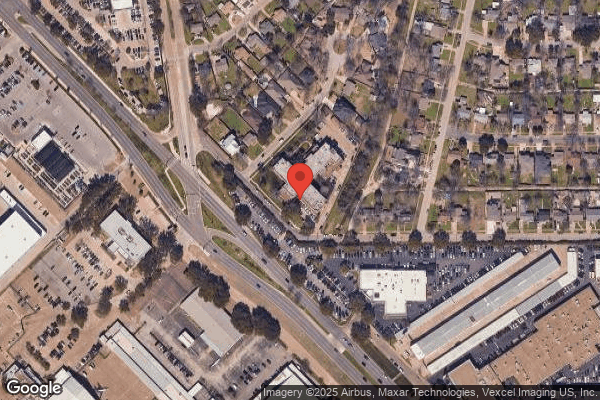
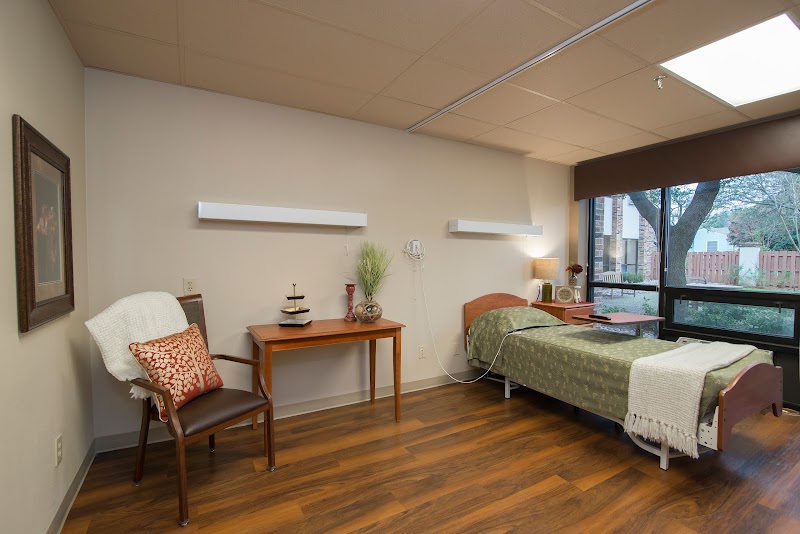
4315 HOPKINS AVE, DALLAS, TX 75209 (214) 358-3131
Government - Hospital district 150 Beds FOURSQUARE HEALTHCARE Data: November 2025 1 Immediate Jeopardy citation
Trust Grade
61/100
#367 of 1168 in TX
Last Inspection: July 2025

Inspected within the last 6 months. Data reflects current conditions.

Overview

Traymore Nursing Center in Dallas, Texas has a Trust Grade of C+, indicating it is slightly above average but not exceptional. It ranks #367 out of 1168 facilities in Texas, placing it in the top half of the state, and #22 out of 83 in Dallas County, meaning there are only a few better options nearby. The facility has been improving its performance, reducing the number of issues from four in 2024 to three in 2025. However, staffing is a concern, with a poor 1/5 star rating and a turnover rate of 54%, which is around the state average. The facility has faced significant issues, including a critical incident where staff failed to provide CPR to a resident who became unresponsive, resulting in the resident's death. Additionally, a serious finding highlighted inadequate oral care for a resident, leading to severe dryness and peeling in their mouth. There were also concerns regarding food safety practices in the kitchen, which could put residents at risk for food-borne illnesses. Despite these weaknesses, the facility has strong quality measures and a good overall star rating, indicating some positive aspects alongside the areas needing improvement.

Trust Score
C+
61/100
In Texas
#367/1168
Top 31%
Safety Record
High Risk
Review needed
Inspections
Getting Better
4 → 3 violations
Staff Stability
⚠ Watch
54% turnover. Above average. Higher turnover means staff may not know residents' routines.
Penalties
✓ Good
$24,205 in fines. Lower than most Texas facilities. Relatively clean record.
Skilled Nurses
⚠ Watch
Each resident gets only 21 minutes of Registered Nurse (RN) attention daily — below average for Texas. Fewer RN minutes means fewer trained eyes watching for problems.
Violations
○ Average
9 deficiencies on record. Average for a facility this size. Mostly minor or procedural issues.
★★★★☆
4.0
Overall Rating
★☆☆☆☆
1.0
Staff Levels
★★★★★
5.0
Care Quality
★★★★☆
4.0
Inspection Score
Stable
2024: 4 issues
2025: 3 issues

The Good

  • 5-Star Quality Measures · Strong clinical quality outcomes
  • Full Sprinkler Coverage · Fire safety systems throughout facility
  • No fines on record

Facility shows strength in quality measures, fire safety.

The Bad

Staff Turnover: 54%

Near Texas avg (46%)

Higher turnover may affect care consistency

Federal Fines: $24,205

Below median ($33,413)

Minor penalties assessed

Chain: FOURSQUARE HEALTHCARE

Part of a multi-facility chain

Ask about local staffing decisions and management

The Ugly 9 deficiencies on record

1 life-threatening 1 actual harm
Jul 2025 2 deficiencies
CONCERN (D)

Potential for Harm - no one hurt, but risky conditions existed

Deficiency F0558 (Tag F0558)

Could have caused harm · This affected 1 resident

**NOTE- TERMS IN BRACKETS HAVE BEEN EDITED TO PROTECT CONFIDENTIALITY** Based on observation, interview, and record review, the facility failed to ensure the resident had the right to reside and recei...

Read full inspector narrative →
**NOTE- TERMS IN BRACKETS HAVE BEEN EDITED TO PROTECT CONFIDENTIALITY** Based on observation, interview, and record review, the facility failed to ensure the resident had the right to reside and receive services in the facility with reasonable accommodation of resident needs and preferences for 1 of 7 residents (Resident #14) reviewed for call light system access. The facility failed to ensure Resident #14 had access to their call light by allowing it to remain clipped to a curtain at the foot of the bed, out of the resident's reach. This failure could place residents at risk for delayed assistance and an inability to request help when needed.Findings Included: Record review of Resident #14's annual MDS dated [DATE], reflected the [AGE] year-old male resident was admitted to the facility on [DATE] and had severely impaired cognitive function. Diagnoses included: cerebral infarction (a type of stroke caused by blocked blood flow to the brain), major depressive disorder (a long-term, severe sadness that affects daily life), metabolic encephalopathy (a brain dysfunction from chemical imbalance), dementia (severe decrease in memory and intellectual functioning), hypertension (high blood pressure), hyperlipidemia (high cholesterol), cataract (cloudy lens in the eye that affects vision), muscle weakness (less strength or control in muscles), dysphagia (trouble swallowing), and ataxic gate (unsteady, uncoordinated walk). He used a walker to assist with walking. He required staff supervision or hands-on help for daily care tasks like toileting hygiene, bathing, dressing, and grooming. He also required similar support for mobility tasks like turning in bed, sitting up, standing, and toilet transfers. The resident had occasional urinary and bowel incontinence. Record review of Resident #14's Comprehensive Care plan dated 05/15/2025 showed a fall risk focus: Resident has a history of falling or other identified risk factors that result in increased risk of falling.Goal: I will not experience any injuries from falls x 90 days (i.e., for a 90-day period). Interventions included: Anticipate and meet resident needs. Be sure the resident's call light is within reach and encourage resident to use it for assistance as needed. During an interview and observation on 07/20/2025 at 12:00 PM, Resident #14 was observed in bed. The call light was clipped to the privacy curtain, out of the reach of the resident. Due to cognitive impairment, he was unable to provide reliable information during the interview. During an interview and observation on 07/21/2025 at 10:00 AM, the call light for Resident #14 was observed clipped to the privacy curtain, out of the reach of the resident. Resident #14 was in bed at the time. At 10:02 AM LVN A confirmed the placement of the call light and stated she was unsure why it was clipped to the curtain. She acknowledged that all staff were responsible for ensuring the call lights were within reach and identified it as one of the three key items checked during resident care and rounds (rounds are routine checks on all residents). During an interview with RN B on 07/21/2025 at 1:15 PM, she stated she was assigned to Resident #14, and stated she first rounded at 6:15 AM that morning and the call light was clipped to the curtain. She stated she repositioned it to be within the residents' reach. RN B acknowledged the risk posed to a resident unable to reach their call light could cause the resident to not be able to call for help if they fell. During an interview with the DON on 07/22/2025 at 2:15 PM, she stated she became aware of the call light concern on 07/21/2025 by a CNA. The DON stated that unless care planned otherwise, call lights were to always be within reach, whether the resident was in or out of bed. She confirmed staff were expected to round hourly and ensure the call light was within reach. She acknowledged that not having access to a call light was a safety issue and could prevent a resident from calling for help if they did fall. Record review of the facility's undated call light policy stated in Procedure #9: The call light must always be within resident's reach before you leave the room.
CONCERN (D)

Potential for Harm - no one hurt, but risky conditions existed

PASARR Coordination (Tag F0644)

Could have caused harm · This affected 1 resident

**NOTE- TERMS IN BRACKETS HAVE BEEN EDITED TO PROTECT CONFIDENTIALITY** Based on interview and record review, the facility failed to refer all Level II residents and all residents with newly evident o...

Read full inspector narrative →
**NOTE- TERMS IN BRACKETS HAVE BEEN EDITED TO PROTECT CONFIDENTIALITY** Based on interview and record review, the facility failed to refer all Level II residents and all residents with newly evident or possible serious mental disorder, intellectual disability, or a related condition for a Level II resident review for one (Resident #9) of four residents reviewed for PASRR services.The facility failed to identify a discrepancy between a negative PASRR Level I evaluation and the resident's mental disorder diagnosis during admission. Due to this failure, the facility did not refer Resident #9 for a Level II PASRR Evaluation. This failure could place residents at risk of not receiving necessary care and services to attain or maintain their highest practicable physical, mental and psychosocial well-being. Findings included: Review of Resident #9's Face sheet, dated 07/22/2025, reflected she was a [AGE] year old female, who was admitted to the facility on [DATE], with diagnoses including respiratory failure unspecified with hypercapnia (a condition where the respiratory system cannot adequately remove carbon dioxide), essential hypertension (high blood pressure), Type 2 diabetes mellitus without complications (a condition where the body does not use insulin properly), chronic kidney disease, stage 4 (severely reduced kidney function), schizoaffective disorder, unspecified (symptoms of both schizophrenia and mood disorder) and muscle weakness (less strength or muscle control). Resident #9 did not have a dementia diagnosis. Review of Resident #9's MDS Assessment, dated 06/17/2025, reflected she had a documented diagnosis of Schizophrenia, and was prescribed an antipsychotic medication . Review of Resident #9's PASRR Level I Screening, dated 07/18/2024, reflected she did not have a mental illness, intellectual disability or developmental disability (negative). Review of Resident #9's electronic medical record reflected no evidence that any additional PASRR Level II Screenings or evaluations had been completed since the initial PASRR Level I Screening was conducted on 07/18/2024. Review of Resident #9's Comprehensive Care Plan, dated 06/08/2025, reflected she had a Schizoaffective Disorder focus: The resident has a communication problem r/t Schizoaffective Disorder.Goal: The resident will be able to make basic needs known on a daily basis through review date. Interventions included: Anticipate and meet needs. Be conscious of resident position when in groups, activities, dining room to promote proper communication with others. Encourage resident to continue stating thoughts even if resident is having difficulty. Focus on a word or phrase that makes sense or responds to the feeling resident is trying to express.During an interview with the MDS Coordinator on 07/21/2025 at 4:30 PM, the MDS coordinator stated that based on Resident #9's diagnosis of schizoaffective disorder, the resident's Level I PASRR was incorrectly marked negative, and she should have a Level II PASRR evaluation. When asked who was responsible for identifying a discrepancy between the negative Level I PASRR and the resident's diagnosis, the MDS coordinator stated it was the responsibility of the MDS coordinator. The MDS coordinator stated she was the corporate MDS nurse and had covered this facility since May 2025. She stated there had been a lot of employee turnover in the MDS office and lack of continuity. The MDS coordinator stated she completed a form 1012 on 07/21/2025 for Resident #9. (A form 1012 is a Mental Illness/Dementia Resident Review form, used by facilities to determine whether to submit a new positive PASRR Level I screening form on the Long Term Care Portal because further evaluation is needed.) The MDS Coordinator identified the risk for the resident is that they may need mental health services and not get them. Record review of the facility's PASRR policy (not dated) stated the following: If during a resident's stay they receive a new diagnosis from their physician that could be considered a positive PASRR for MI, ID, or DD , the facility will complete a form 1012 and follow through to see if a physical or mental evaluation is needed. If the PE determines that the resident's negative PASRR for MI, ID, or DD is positive then the record will reflect a positive PASRR for MI, ID, or DD.
May 2025 1 deficiency 1 IJ (1 affecting multiple)
CRITICAL (K) 📢 Someone Reported This

A family member, employee, or ombudsman was alarmed enough to file a formal complaint

Immediate Jeopardy (IJ) - the most serious Medicare violation

Deficiency F0678 (Tag F0678)

Someone could have died · This affected multiple residents

**NOTE- TERMS IN BRACKETS HAVE BEEN EDITED TO PROTECT CONFIDENTIALITY** Based on observation, interview, and record review, the facility failed to ensure that personnel provided basic life support, in...

Read full inspector narrative →
**NOTE- TERMS IN BRACKETS HAVE BEEN EDITED TO PROTECT CONFIDENTIALITY** Based on observation, interview, and record review, the facility failed to ensure that personnel provided basic life support, including CPR, to a resident requiring such emergency care prior to the arrival of emergency medical personnel and subject to related physician orders and the resident's advance directives for 1 (Resident #1) of 1 resident's reviewed for CPR. 1. LVN A failed to initiate and perform CPR immediately after finding Resident #1 unresponsive on 05/29/25. 2. LVN A, LVN B and LVN C failed to perform any life saving measures on Resident #1 per his Care Plan, Physician Orders and Advanced Directives. Resident #1 expired in the facility on 05/29/25. The noncompliance was identified as PNC. The IJ began on 05/29/25 and ended on 05/30/25. The facility had corrected the noncompliance before the survey began on 05/31/25. These failures could affect the Full Code residents at the facility by placing them at risk for not receiving CPR and further life-saving treatments as desired, which could result in death. Findings included: Record review of Resident 1's face sheet, dated 05/31/25, revealed Resident #1 was an [AGE] year-old male admitted to the facility on [DATE], readmitted to the facility on [DATE] and 05/15/25. Resident #1's diagnoses included: encephalopathy (a group of brain disorders that cause brain dysfunction or damage, potentially affecting thinking, behavior, and consciousness), heart failure, acute respiratory failure with hypoxia (occurs when the lungs cannot adequately provide oxygen to the blood), acute chronic kidney failure and disease (stage 4), and end stage renal disease. Record review of Resident #1's Quarterly MDS assessment, dated 04/10/25, revealed the resident had severe cognitive impairment with a BIMS score of 7. Resident #1 was diagnosed with ESRD (end-stage renal disease), which required dialysis treatments three times per week. Record review of Resident #1's Discharge MDS assessment, dated 05/29/25, revealed in Section X0600 - Type of Assessment in Subsection F. - Entry/Discharge reporting revealed a Code of 12 for Death in facility. Record review of Resident #1's care plan dated 05/15/25 revealed the following: Focus: [Resident #1] request to be Full Code Status or Full Code . Date Initiated: 07/11/2022 Cancelled Date: 05/30/2025 Goal: Comply with resident and family wishes . Date Initiated: 07/11/2022 Cancelled Date: 05/30/2025 Interventions/Tasks: Call for emergency personnel and initiate CPR. Date Initiated: 07/11/2022 Cancelled Date: 05/30/2025 Communicate residents choice. Date Initiated: 09/12/2022 Cancelled Date: 05/30/2025 Inform physician and family of any changes in condition. Date Initiated: 09/12/2022 Cancelled Date: 05/30/2025 Residents code status reviewed with family and RP with each care plan review/care plan meeting. Date Initiated: 07/11/2022 Cancelled Date: 05/30/2025 Respect residents end of life decisions. Date Initiated: 07/11/2022 Cancelled Date: 05/30/2025 Record review of Resident #1's order summary report dated, 05/31/2025 reflected: Full Code Communication Method: Phone Order Status: Active Order Date: 11/01/2023. Record review of the facility's staffing schedule for the 6:00 PM - 6:00 AM shift on 05/29/25 revealed: LVN A, LVN B, LVN C, CNA D and CNA E were all on duty when Resident #1 expired at the facility. Record review of Resident #1's skin assessment on 05/20/25 at 2:02 PM by LVN J revealed no concerns. Record review of Resident #1's skin assessment on 05/29/25 at 9:30 AM by LVN J revealed no concerns. Record review of Resident #1's nurse progress notes from LVN L on 05/29/25 at 7:13 PM, revealed: Res went for unclogging of av shunt, not successful. Res has new permcath [sic] to rt upper chest wall, drsg dry and intact. Res went to dialysis after permcath inserted and rec'd dialysis. Return to facility, cond stable. Res c/o pain to at rt neck, hydrocodone given, and then res layed down in bed. Will cont to monitor. v/s 154/67, 18, 97.9, 70. Record review of Resident #1's Nurse Progress Notes from LVN L on 05/29/25 at 5:00 PM, revealed: Norco Oral Tablet 5-325 mg, give 1 tablet by mouth every 6 hours as needed for PAIN MANAGEMENT, Res c/o pain to rt neck. NORCO 1 TAB PO GIVEN. Record review of Resident #1's nurse progress notes from LVN L on 05/29/25 at 7:20 PM, revealed: PRN Administration was: Effective, Follow-Up Pain Scale was: 0 Record review of Resident #1's nurse progress notes from LVN A on 05/30/25 at 12:10 AM, revealed: This nurse made initial round at 7:35 pm, resident was lying in bed with no distress, awake and alert, verbally responsive. He denied any pain/discomfort, new dialysis port to right neck IJ when asked with dressing intact. V/s at this was 131/63, 20, 97.4, 97% and blood sugar was 124mg/dL. At 21:40, this nurse did the 2nd round and noted resident sitting on his electric w/c unresponsive with a large amount of blood on his clothing and on the floor, unable to obtain v/s and 911 call was placed. Record review of the facility's record for residents who expired in the facility reflected, [Resident #1] expired at the facility on 05/29/25. On 05/31/25 at 7:05 PM an attempted telephone call to Resident #1's RP was unsuccessful. On 05/31/25 at 4:16 PM a telephone call was made to the police department. The dispatcher stated that a police report would need to be ordered from the records department. The records department was open Monday - Friday from 8:00 AM - 5:00. The dispatcher provided the website information to submit a Records Request for a Police Report about the incident regards to Resident #1 at the facility on 05/29/25. In a telephone interview with LVN A on 05/31/25 at 1:04 PM, revealed she had been employed at the facility for 9 months. LVN A stated on 05/29/25 she worked the 6:00 PM - 6:00 AM shift with Resident #1. LVN A stated that Resident #1 went to dialysis earlier during the day and his dialysis port was clogged. Resident #1 was sent to the vascular center and had the dialysis port in his hand capped. LVN A stated that Resident #1 received a new dialysis port in his neck at the vascular center and was returned to the facility around 5 PM according to the progress notes in EMR. LVN stated that Resident #1 was complaining of pain and discomfort in his neck and received some pain medication (Norco) from [LVN L] prior to her shift. LVN A stated that at the beginning of her shift, she was doing her rounds on the floor and arrived at [Resident #1's] room and opened the door and she spoke with him, and everything appeared to be fine. LVN A stated that Resident #1 did not complain of anymore discomfort from the new inserted dialysis pump in his neck. LVN A stated that she returned to Resident #1's room a couple of hours later to check in with him and observed that he was sitting in his wheelchair and his head was pushed back, and his eyes were opened. LVN A stated that she spoke to Resident #1, but he did not respond. LVN stated that she checked Resident #1 for vital signs, and he did not have any pulse, blood pressure and no respiration. LVN A stated that it appeared that Resident #1 had pulled out the dialysis port from his neck and she observed the port in his hand and there were large amounts of blood throughout Resident #1's room. LVN A stated that she exited Resident #1's room and screamed down the hallway for [LVN C] but did not hear a response. LVN A stated that she told CNA D to try and located LVN C. LVN C could not be located, therefore LVN A asked for CNA D to call LVN C, who did not answer her phone. LVN A stated that she directed CNA D to go upstairs to get LVN B to have her come downstairs to assist her. LVN A stated that she telephoned 911 while CNA D went upstairs to get LVN B. LVN B, CNA D and CNA E returned downstairs, and she informed LVN B and CNA E about finding Resident #1 dead. LVN A stated that the 911 dispatcher was asking her questions about her observation of Resident #1. LVN A stated that the 911 dispatcher asked her to perform CPR on Resident #1, but she did not. LVN A stated that she was CPR Certified but did not know why she did not perform life saving measures on Resident #1 who was a full code, which meant he should have received CPR. LVN A stated that she sent a text message to the ADON, DON and Administrator informing them about her observation of Resident #1 in his room and what happened. LVN A stated that the DON asked her if there was an RN or the floor and she said, I don't know. LVN A stated that LVN B and LVN C did not perform CPR on Resident #1. LVN A stated that staff were getting the crash cart to take it to Resident #1's room when the ambulance and paramedics arrived at the facility. LVN A stated that the paramedics stated that CPR was not needed because Resident #1 had already passed away upon their arrival to the facility. LVN A stated that the ADON, DON and Administrator arrived at the facility sometime while the police were at the facility. LVN A stated that the police spoke with her and took her statement about the incident and then left because there was nothing suspicious. LVN A stated that Management told her to write in the nurses' notes in Resident #1's chart about the incident and she was suspended pending the facility's investigation. She stated that someone from corporate told her that she had been terminated from the facility due to not performing CPR on Resident #1 effective 05/29/25. LVN A stated that she has not worked at the facility since her shift on 05/29/25. LVN A stated that she did not want to provide the surveyor any risk or harm associated with a who was full code and CPR was not performed. On 05/31/25 at 2:34 PM an attempted follow-up interview with LVN A via telephone was unsuccessful. In a telephone interview with CNA D on 05/31/25 at 1:57 PM, revealed she had been employed at the facility for 5 months. CNA D stated that she was on duty on 05/29/25 and worked the 6:00 PM - 6:00 AM shift at the facility. CNA D stated that on 05/29/25, she was assigned to work the first floor. CNA D stated that she arrived to work prior to the beginning of her shift. CNA D stated that when she arrived, she began to gather and pick up the residents' food trays from their rooms. CNA D stated that she arrived at Resident #1's room door and knocked on the door, entered the room, and said hello to the resident. CNA D stated that Resident #1 appeared to be in no distress, and she entered his room and picked up his food tray and exited the room. CNA D stated that a few hours later, LVN A was running down the hall and calling for help. LVN A told CNA D that [Resident #1] was dead. CNA D stated that she telephoned the Nurse [LVN C] who was on break, but LVN C did not answer. CNA D stated that she called upstairs and spoke with the Nurse [LVN B] and told her that one of their patient's downstairs was dead. CNA D stated that she telephone [LVN C] again and she told her that [Resident #1] was deceased and LVN C stated that she would return to the facility. CNA D stated that LVN B and CNA E from upstairs arrived downstairs and LVN A was on the telephone with 911. CNA D stated that LVN C then arrived at the facility from her break. CNA E stated that she did not observe LVN A, LVN B, and LVN perform CPR on Resident #1. CNA D stated that the paramedics arrived at the building and took over the situation. CNA D stated that the police would not allow anyone into Resident #1's room. CNA D stated that the police took statements from everyone, the ADON, DON and Administrator arrived at the facility. CNA D stated that after everything was clear, she and CNA E cleaned Resident #1's room, which was very bloody. CNA D stated that she was in shock about the situation, and she had never seen that type of scenario occur and it was devastating. In a telephone interview with CNA E on 05/31/25 at 2:08 PM, revealed she had been employed at the facility for 1 year. CNA E stated that she was on duty on 05/29/25 and worked the 6:00 PM - 6:00 AM shift at the facility. CNA E stated that on 05/29/25, she was at the Nurses Station upstairs and LVN B received a telephone call from CNA D, who works downstairs. CNA E stated that LVN B told her that CNA D said that a resident downstairs was found unresponsive in his room and passed away. CNA E stated that she and LVN B went downstairs and observed CNA D and LVN A at the Nurses Station. CNA E stated that LVN A was on the telephone with 911. CNA E stated that LVN B asked CNA D what room the resident was in and LVN B and CNA E went to the resident's room and observed the resident. CNA E stated that Resident #1 was observed in his wheelchair, and he was leaning on his right side. CNA E stated that she did not remember Resident #1 having anything in his hand(s), but remembered that there was a large amount of blood throughout the room including on Resident #1's lap, pants, shoes, hands, floor, trashcan, nightstand and underneath Resident #1's bed near the A/C. CNA E stated that she and LVN B were both in shock and disbelief after viewing Resident #1 in his room and returned to the Nurses Station. CNA E stated that LVN B asked LVN A if Resident #1 was Full Code and if anyone started CPR on Resident #1 and LVN A replied, No, he was already deceased . CNA E stated that LVN A was on the phone with 911 and the dispatcher said that they were going to send a police officer to the facility, and it was a signal 87, whatever that meant. CNA E stated that she nor LVN B did CPR on Resident #1. CNA E stated that the paramedics arrived and took over the situation and then the police came, and she gave a statement to the police officers. CNA E stated that she returned upstairs to her assigned area and continued her work duties. CNA E stated that after the police left the facility, CNA D telephoned her to assist with cleaning up Resident #1's room. On 05/31/25 at 2:20 PM an attempt to interview LVN B via telephone was unsuccessful. On 05/31/25 at 2:22 PM an attempt to interview LVN L via telephone was unsuccessful. In a telephone interview with LVN C on 05/31/25 at 2:26 PM, she stated that she had been employed at the facility for 1 year. On 05/29/25, she stated that she worked the 6:00 PM - 6:00 AM shift at the facility. She stated that CNA D telephoned her and told her that she was out of the facility on break. CNA D told her that [Resident #1] was found by LVN A in his room unresponsive and he was possibly deceased . LVN C stated that she told CNA D that she would return to the facility. LVN C stated that she returned to the facility about 10 minutes after receiving the telephone call from CNA D. LVN C stated that when she returned to the facility, no staff members were in Resident #1's room and LVN A, LVN B and CNA D and CNA E were at the Nurses Station. LVN C stated that she observed LVN A on the telephone with 911 and asked her if she performed CPR on Resident #1. LVN C stated that LVN A replied, No, because he is dead. LVN C stated, there was too much going on and she decided to mind her business and go back to her work because a patient requested pain medication. LVN C stated that she was CPR Certified but did not perform CPR on Resident #1 who was full code. LVN C stated that if she were on duty and observed a resident in his room or anywhere unconscious, she would call a code blue. LVN C stated that a code blue, meant she would alert staff that there was an unresponsive resident, she would check for vitals, get the crash cart, and look and the binder on the crash cart to ensure the code status of the Resident. If the resident were a full code, such as Resident #1, she would place the resident on a hard surface and begin CPR until paramedics would arrive and take over the life saving measures on the resident. LVN C stated that she did not know why she did not perform CPR on Resident #1 per his advanced directive, physician's orders, and the facility's CPR Policy. LVN C stated that LVN A had not returned to work at the facility after 05/29/25. LVN C stated that the risk of not performing CPR on a resident that had a Full Code status was that if CPR was not performed, the resident can die. In an interview with LVN G on 05/31/25 at 5:30 PM, she stated that she had been employed at the facility for 3 months. LVN G stated that she was not on duty when the incident occurred at the facility involving Resident #1 being found unconscious by LVN A. LVN G stated that she was in shock when she heard from other staff members that LVN A, LVN B and LVN C did not perform CPR on Resident #1, who was Full Code. LVN G stated that if she walked into a resident's room and observed that the resident was unconscious and/or unresponsive, she would immediately call for help from other staff, check the resident for a pulse, if there was no pulse, immediately place the resident on a hard flat surface, and immediately start CPR. LVN G stated that she would immediately start delegating tasks for other staff to assist her while she was performing CPR on the unresponsive resident, such as calling 911 and getting the Crash Cart. LVN G stated that she was CPR Certified. LVN G stated that there were many risks that occurred involving the incident with Resident #1. LVN G stated that Resident #1 was not removed from his w/c and placed on a flat surface. LVN G stated that LVN A did not get the Crash Cart, which would have revealed that Resident #1 was a Full Code. LVN G stated that LVN did not check for v/s on Resident #1. LVN G stated that LVN could have applied pressure to the area that was bleeding on Resident #1. LVN G stated that the harm of not performing CPR on a resident, such as Resident #1, who was Full Code, was that the resident could have bled out and died because no CPR measures were taken. In an interview with CNA H on 05/31/25 at 5:46 PM, he stated that he had been employed at the facility for 3 months. CNA H stated that he was not on duty when the incident occurred at the facility involving Resident #1 being found unconscious by LVN A. CNA H stated that if he found a resident unconscious, he would immediately contact other staff, including a Nurse and then obtain v/s and then get the Crash Cart to obtain the Advance Directive Binder on the Cart to check the Code Status of the resident. CNA H stated that he would ensure that someone has called 911, let them know that they had a Code Status for the resident and that CPR was being administered if the Code Status was Full Code and if there was a DNR, let them know that CPR would not be administered to the resident. CNA H stated that if the resident was Full Code, he would make sure that the resident was on a flat surface, such as if they were in a chair, place them on the floor in the right position to make sure that they were underneath something hard prior to doing the CPR compressions. In an interview with RN I on 05/31/25 at 6:01 PM, she stated that she had been employed at the facility for one ½ years. RN I stated that she was not on duty when the incident occurred at the facility involving Resident #1 being found unconscious by LVN A. RN I stated that she works the 6:00 AM - 6:00 PM shift. RN I stated that if she observed a resident in their room unconscious, she would call for help and then check for vitals and then give tasks for staff to do, such as getting the Crash Cart to check the book to see if the resident was a Full Code or DNR. She stated that Resident #1 was a Full Code, therefore she would have checked for v/s, removed him from his w/c and placed him on the floor, which was a hard flat surface and then began life saving measures and perform CPR until the paramedics arrived. RN I stated that LVN A should have begun performing CPR on Resident #1 due to his advanced directive being a Full Code. RN I stated that LVN A should have performed CPR on Resident #1 until the paramedics arrived at the facility to take over the attempted life saving measure on Resident #1. In an interview with ADON F on 05/31/25 at 6:07 PM, she stated that she had been employed at the facility for 3 years. ADON F stated that she was not on duty when the incident occurred at the facility involving Resident #1 being found unconscious by LVN A. ADON F stated that on 05/29/25 at 10:04 PM, she received a text message from LVN A stating that she observed [Resident #1] in his room unresponsive and without any vital signs. ADON F stated that she sent a reply text message to LVN A to start CPR immediately on Resident #1 and call 911. ADON F stated that LVN A sent a reply text message stating, No, he's dead without any vital signs. ADON F again directed LVN A to immediately start CPR on Resident #1 and to call 911. LVN A later sent a reply text message stating that 911 was already at the facility. ADON F sent a reply text message to LVN A to let her know what was happening. ADON F stated that she received a telephone call from the DON, who advised her that she and the Administrator were on their way to the facility, and she needed to meet them at the facility. ADON F stated that around 10:15 PM, she and the DON arrived at the facility at the same time. ADON F stated that when they arrived at the facility, law enforcement was outside of the facility, and they introduced themselves and asked them for some information about what was going on. ADON F stated that law enforcement would not provide them any information and advised both parties that they were not able to enter the facility because of the ongoing law enforcement investigation and they were awaiting the arrival of detectives from the Homicide Department. Both parties asked law enforcement if they could know where [Resident #1] was bleeding from and were advised that the resident was bleeding from two possible areas. ADON F stated that they were eventually allowed to enter the facility, but law enforcement would not allow them into [Resident #1's] room. ADON F stated that eventually they were allowed to investigate [Resident #1's] room and they observed the resident slumped over and there were large amounts of blood throughout the room including his pants, shirt and the floor. ADON F stated that she observed something in [Resident #1's] hand, but she did not know what it was at that time. ADON F stated that she later realized that it was the cap from the shunt cap in [Resident #1's] hand. ADON F stated that herself, DON, and Administrator then spoke with LVN A and asked her what happened. ADON F stated that LVN A stated that she did not perform CPR on Resident #1 because he was in a sitting position. ADON F stated that she told LVN A that she should have placed Resident #1 on a flat surface, such as the floor and began CPR on him. LVN A told ADON F that Resident #1 was lifeless and did not have any vital signs, therefore she did not perform CPR on Resident #1. ADON F stated that law enforcement was still waiting for their Homicide detectives to arrive and in the meantime, they spoke with LVN A and CNA D to get their statements. ADON F stated that law enforcement cleared the scene and stated that they did not have any concerns regarding foul play after speaking to the Medical Examiner. ADON F stated she called the Medical Examiner and he reported that he did not have any suspicions and asked him what will be on [Resident #1's] Death Certificate. The Medical Examiner stated that [Resident #1's] PCP will complete the Death Certificate. The DON then directed LVN A to write nurses' notes in [Resident #1's] Chart in EMR, she was given a Corrective Action and Terminated from the facility. LVN K replaced LVN A for the duration of the shift. In an interview with the DON on 05/31/25 at 4:32 PM, she stated that on 05/29/25 around 10:00 PM, LVN A sent her a text message that [Resident #1] had a Change of Condition and bled out and was unresponsive. The DON told LVN A to initiate CPR to Resident #1 immediately because his Code Status was Full Code and 911. The DON stated that she told LVN A that she was on her way to the facility. The DON stated after she ended the call with LVN A, she notified the ADON, Administrator and Corporate Nurse and they all arrived at the facility within a few minutes of each other. The DON stated that when all parties arrived at the facility, they noticed that there were some policemen outside and introduced themselves to them and were directed not to enter the facility until the Medical Examiner had been notified. The DON stated that this was normal protocol for law enforcement to come to the facility after a death in the facility. The DON stated that when the Administrator arrived, there were two police officers outside and they stated that they were waiting for their homicide detectives to arrive to the scene. The homicide detectives arrived on the scene and spoke with the Medical Examiner who cleared the scene and allowed the staff that were outside in the building. The DON stated that Resident #1 was observed in his room sitting in his wheelchair with a large amount of blood throughout the room. The DON stated that it appeared that Resident #1 had pulled out the cap (which was clinched in between Resident #1's thumb and index) on his dialysis port and bled out prior to being found by LVN A. The DON stated that Resident #1 had never pulled out or attempted to pull out the cap on his dialysis port prior to this date. The DON stated that she received statements from all staff that were present during the incident. The DON stated that LVN B never mentioned anything to Management about LVN A stating that she was not going to perform CPR on Resident #1 because he was dead. The DON stated that she spoke with the Medical Examiner prior to him releasing Resident #1's body to the Funeral Home. The Medical Examiner told her that he did not find anything suspicious about Resident #1's death and suspected that Resident #1 bled out due to pulling off the cap on his dialysis port. The DON stated that LVN A, after finding Resident #1 unresponsive was to check to see if he was breathing, if he was not breathing, check his pulse for v/s and then yell out for help. LVN A was not supposed to leave [Resident #1] unattended, and another staff member should have come to Resident #1's room with a Crash Cart and assist him with CPR, next someone was to call 911 and then notify Management. The DON stated that staff know that they are never supposed to text Management about anything, especially an unresponsive resident. The DON stated that staff have been In-serviced on Communication and how to report incidents to Management, which included to call Management and never send text messages. The DON stated that LVN A was directed to write a nurses' note about the incident in Resident #1's Chart in EMR (a specialized software vendor offering EHR (Electronic Health Record) and practice management tools for independent pediatricians). LVN A was then suspended pending the facility's investigation and terminated on 05/29/25. In an interview with the Administrator on 05/31/25 at 5:07 PM, he stated that on 05/29/25 he received a text message from LVN A stating that Resident #1 was found unresponsive in his room. He stated that he notified the ADON and DON and told them to meet him at the facility. The Administrator stated that all parties arrived at the facility around the same time and the police were outside of the facility and would not allow anyone into the facility. The Administrator stated that the Fire Department reported to the Police Department that there was a suspicious death at the facility, which the Police Department notified their Homicide Department. The Administrator stated that the police spoke with residents and staff inside the building while the building was being blocked off. The police eventually allowed the ADON, DON and Administrator into the building and stated that there were not any concerns. Management interviewed LVN A, LVN B, LVN C and CNA D and CNA E to obtain everyone's account of what occurred. The Administrator stated that LVN A went into Resident #1's room sometime during her shift and observed Resident #1 unconscious sitting in his wheelchair in his room. He later learned that Resident #1 was Full Code and LVN A, LVN B, and LVN C did not perform CPR on Resident #1. The Administrator stated that paramedics arrived at the facility and notified the Medical Examiner that Resident #1 was unresponsive and did not have any vital signs. The Administrator stated that the Medical Examiner pronounced Resident #1 deceased and the police did not feel that Resident #1 died under any suspicious circumstances. The Administrator stated he observed Resident #1 in his wheelchair in his room, and he was leaning to the side, and he had something in his hand, which he later found out was the cap from his dialysis port. The Administrator stated that he received a statement from LVN A, and she stated that she did not perform life saving measures on Resident #1 who was Full Code. The Administrator stated that LVN A was immediately suspended and then terminated of employment due to not following Resident #1's Advanced Directives, Physician Order and Code Status in the Care Plan by not performing CPR on Resident #1. The noncompliance was identified as PNC. The IJ began on 05/29/25 and ended on 05/30/25. It was verified that the facility had corrected the noncompliance before the survey began. on 05/31/25 through the following: In a telephone interview with CNA D on 05/31/25 at 1:57 PM, revealed she had been employed at the facility for 5 months. CNA D stated that on 05/29/25 and 05/30/25, she had taken several In-service Trainings on CPR and chest compressions, how to know if someone is a Full Code, and that the CNA's will need to get the Crash Cart and to get the Nurse. CNA D stated that LVN A had not returned to work at the facility after 05/29/25. CNA D stated that she was now CPR Certified. CNA D stated that there was a risk of a resident dying if they were a Full Code and no one does any CPR on them. In a telephone interview with CNA E on 05/31/25 at 2:08 PM, revealed she had been employed at the facility for 1 year. CNA E stated that LVN A had not returned to work at the facility after 05/29/25. CNA E stated that on 05/29/25 and 05/30/25, she had taken several In-service Trainings on CPR Training, Code Status and how to perform CPR. CNA E stated that she was now CPR Certified. CNA E stated that there was a risk of a resident passing away if they were a Full Code and no one does any CPR on them. In an interview with LVN G on 05/31/25 at 5:30 PM, stated that on 05/29/25, she received In-service Training on how to perform CPR, when to do CPR, and the Full Code/DNR List will be printed every day for staff to have access to, if needed. LVN G stated that LVN A had not returned to work at the facility after 05/29/25. In an interview with CNA H on 05/31/25 at 5:46 PM, he stated he had taken an In-service Training on CPR. CNA H stated that he received a CPR Training at the facility, and he learned about the AED and the correct way to use the AED. CNA H stated that there were adult and baby simulation figures that were used in the CPR Training, which made the course more hands on and easier to learn the right techniques to use when performing CPR on an adult and baby. CNA H stated that after the CPR Training at the facility, he was now certified to perform CPR. CNA H stated that LVN A had not returned to work at the facility after 05/29/25. CNA H stated that the risk of not performing life saving measures on a resident who was full code was that there was a potential for death. In an interview with RN I on 05/31/25 at 6:01 PM, she stated that she had been employed at the facility for one ½ years. RN I stated that she had taken In-service Trainings on CPR on 05/29/25, Mock CPR Quiz and CPR Trainings on how and when to perform CPR on residents. RN I stated that LVN A had not returned to work at the facility after 05/29/25. RN I stated that the risk of not performing CPR on a resident who was Full Code was that the resident could have died because CPR was not [TRUNCATED]
Aug 2024 1 deficiency
CONCERN (D) 📢 Someone Reported This

A family member, employee, or ombudsman was alarmed enough to file a formal complaint

Potential for Harm - no one hurt, but risky conditions existed

Pharmacy Services (Tag F0755)

Could have caused harm · This affected 1 resident

**NOTE- TERMS IN BRACKETS HAVE BEEN EDITED TO PROTECT CONFIDENTIALITY** Based on observation, interview and record review, the facility failed to provide pharmaceutical services (including procedures ...

Read full inspector narrative →
**NOTE- TERMS IN BRACKETS HAVE BEEN EDITED TO PROTECT CONFIDENTIALITY** Based on observation, interview and record review, the facility failed to provide pharmaceutical services (including procedures that assure the accurate acquiring, receiving, dispensing, and administering of all drugs and biologicals) to meet the needs of each resident for 1 (Resident #1) of 9 residents reviewed for pharmacy services. 1. The facility failed to ensure Resident #1's medications (Memantine HCL and Carbidopa-Levodopa) were correctly ordered and transcribed on his MAR upon admission on [DATE]. 2. The facility failed to ensure Resident #1 did not miss four doses of Rytary (Carbidopa-Levodopa) 48.75-195 mg 3 capsules each dose between 7/17/24 and 07/18/24 and when Resident #1 received double his dose of Memantine HCL ER 28 mg from 7/20/24 to 7/29/24. This failure placed residents at risk of not receiving their medications as ordered by a physician and worsening of their condition. Findings included: Record review of Resident #1's admission Record dated 8/22/24 revealed he was a [AGE] year-old male admitted to the facility on [DATE] for a short-term stay. Record review of Resident #1's admission MDS assessment dated [DATE] revealed his cognition was not assessed, he required set up assistance for transfers and supervision for toileting and hygiene. His diagnoses included Parkinson's disease (disorder of central nervous system affecting movement), hypertension (high blood pressure); and non-Alzheimer's Dementia (condition that can affect memory and impaired thinking). Record review of Resident #1's Nursing admission assessment dated [DATE] revealed it was completed with the assistance of Resident #1's family member. The Assessment reflected Resident #1 was not always able to communicate his wants and needs; his short and long-term memory was OK; he had no impairment of his range of motion. He had decreased strength, poor safety awareness, poor balance, and was one-person assist with transfers. He had a dressing to his knee on admission due to a wound from a previous fall, and had a history of falls at home. Record review of Resident #1's physician's orders reflected the following entries: -Order dated 7/17/24 for Memantine HCL ER (used to treat dementia) Oral capsule Extended Release 24 Hour 28 mg one capsule by mouth at bedtime. -A revised order dated 7/17/24 reflected Memantine HCL 10 mg tablet 1 tablet by mouth twice daily for cognitive function-order source: Pharmacy. -Order dated 7/19/24 for Memantine HCL ER Oral capsule Extended Release 24 Hour 28 mg one capsule by mouth two times a day for dementia. -Order dated 7/17/24 Carbidopa-Levodopa ER (used to treat Parkinson's disease) Oral Capsule Extended Release 48.75-195 mg Give three capsules by mouth four times daily-shown as discontinued 7/17/24. Order dated 7/18/24 for Carbidopa-Levodopa ER (used to treat Parkinson's disease) Oral Capsule Extended Release 48.75-195 mg Give three capsules by mouth four times daily. Record review of Resident #1's MAR dated 7/1/24 through 7/31/24 reflected the following entries: Memantine HCL 10 mg tablet give one tablet by mouth two times a day for cognitive function. Order start date 7/18/24. The medication was signed as administered on 7/18/24 at 9 AM and 6 PM and on 7/18/24 at 9 AM . Memantine HCL ER Oral Capsule Extended Release 24 hour 28 mg Give one capsule by mouth two times a day for dementia. Order start date 7/19/24. The medication was signed as administered on the following dates and times: 7/19/24: 5 PM 7/20/24: 9 AM and 5 PM 7/21/24: 9 AM and 5 PM 7/22/24: 9 AM and 5 PM 7/23/24: 9 AM and 5 PM 7/24/24: 9 AM and 5 PM 7/25/24: 9 AM and 5 PM 7/26/24: 9 AM and 5 PM 7/27/24: 9 AM and 5 PM 7/28/24: 9 AM and 5 PM 7/29/24: 9 AM and 5 PM Carbidopa-Levodopa ER Oral capsule Extended Release 48.75-195 MG Give 3 capsules by mouth four times a day for Parkinson Disease. Start date 7/17/24. No doses were signed as administered. PENDING CONFIRMATION Carbidopa-Levodopa ER 50-200 MG Tablet extended release. Take 3 tablets by mouth four times daily. Order start date 7/17/24. No doses were signed as administered. Rytary (Carbidopa-Levodopa) Oral Capsule Extended Release 48.75-195 MG Give 3 capsule by mouth four times a day for Parkinson's Disease. The doses were signed as administered on 7/18/24 at 4 PM and 8 PM then four times daily from 7/19/24 at 7:00 AM through 7/30/24 at 7 PM. The doses were signed as administered on 7/31/24 at 7 AM, 11 AM and 3 PM. [Resident #1 discharged home on 7/31/24.] During an interview on 8/22/24 at 4:52 PM, the ADON stated Resident #1 was admitted for respite care on 7/17/24 and came with his bottles of medications. She stated she placed the orders in the computer and selected inventory on hand to indicate they already had the medications available. She stated the orders were based on what Resident #1 was taking at home. She stated, when that occurred, she typically did not get medications delivered or received a call from the pharmacy for any clarifications they needed. The ADON stated, the next day she noticed some of the medications had been changed to pending confirmation status in the computer including his Carbidopa-Levodopa. She stated she had also noticed the pharmacy had changed his Memantine order from 28 MG extended release once a day to 10 MG twice a day and sent the medications. She stated he had already received some of those doses. She stated she changed his Memantine order back to his original daily dose strength, but she had forgotten to change it back to once a day and left it as twice a day in error. The ADON stated she thought Resident #1 had arrived with a list of medications and would look for the list. She stated they were not aware of the error with his Memantine until his day of discharge when the family noticed he had fewer doses left than he should have. During an interview on 8/23/24 at 9:30 AM, the Administrator stated there were no current residents receiving respite services in the facility. In an interview on 8/23/24 at 9:50 AM, CNA A stated he typically worked the day shift and remembered Resident #1 very well. He stated he did not notice any changes in his cognition or function throughout his stay. During an interview on 8/23/24 at 10:01 AM, RN B stated she was very familiar with Resident #1 but had not been assigned as his charge nurse during his stay. She stated she did not notice any changes in his cognition or mobility during his stay and had not heard about any issues related to his medications. During an interview on 8/23/24 at 10:09 AM, LVN C stated she frequently care for Resident #1 during his stay. She stated she was unaware of any issues with his medications other than possible missing his Carbidopa-Levodopa on his first day as there were some pharmacy issues. He had also asked for his dose time to be changed so that he received it before breakfast. LVN C stated he did not notice any changes in his strength or cognition while he was there, and he would chat about his previous job while sitting with them. During an interview on 8/23/24 at 11:22 AM, the Medical Director stated she had heard from the DON and been made aware of the dosing issue with Resident #1's Memantine in that it was an extended-release dose and should have been administered only once a day. The Medical Director was unable to recall on what day she was made aware by the DON. She stated they usually gave the lower dose two times a day at the facility, and she had overlooked the transcription error as well. She stated the risk of double dosing a resident was you were not supposed to overdose anyone. The Medical Director stated, for that particular medication, she would not think it would cause significant issues for the timeframe involved. She stated other medications such as anti-anxiety medications would cause more serious issues. She stated she was aware Resident #1 missed 4 doses of his Carbidopa-Levodopa. She stated, having Parkinson's and being on respite care, I really can't say there was too much risk. They usually don't do well if they miss too many doses. They might not feel great and can feel a little tight but not necessarily increased fall risks. She stated she did not believe Resident #1 missing his initial doses at the facility contributed to his falls . The Medical Director stated she had not had any other issues with pharmacy services at the facility and the staff were usually pretty good at letting her know of any concerns. She stated respite residents typically came with their own medications from home. In an interview on 8/23/24 at 12:01 PM, LVN D stated she had cared for Resident #1 during his respite stay at the facility. LVN D denied noting any decline in Resident #1's cognition or strength while he was at the facility. She stated she was not aware of any medication issues on her shifts. In an observation and interview on 8/23/24 at 12:19 PM, Resident #2 was sitting up in his room watching television. He stated he remembered Resident #1 very well and described him as a very nice guy. He stated they often talked about his previous profession, and he would chat with his family as well. Resident #2 stated he remembered him slipping out of bed on a couple of occasions. Resident #2 stated he had never had any issues with his medications while staying at the facility and felt the staff did a good job. In an interview on 8/23/24 at 12:41 PM, the facility's Pharmacy Consultant stated she had been informed about Resident #1's medication issues. She stated she performed the monthly drug regimen reviews for the facility but would not have done one for Resident #1 as he was only there two weeks. She stated the typical dose of Memantine for residents was 10 MG twice a day and she understood he had received two doses of the 28 MG extended-release doses twice a day instead due to a transcription error. The Pharmacy Consultant stated she did not believe there was any real risk to the dose he had received, or it would have been very minimal. The Pharmacy Consultant looked up Resident #1's doses of Carbidopa-Levodopa when asked about missing the 4 doses. She stated there was still minimal to no risk as the medications were long acting and had a half-life on 12-24 hours meaning there would still be medication in his system. She stated the longer a patient was on the medication, the more of it would still be in his system. She did not know how long Resident #1 had been taking the medication. She stated he may have felt some stiffness toward the end of the last dose missed but it would have been doubtful. During an interview on 8/23/24 at 1:08 PM, the ADON stated when orders were entered in the computer, the medication may move to an interchange status and pending confirmation if medications were not readily available and could be dispensed another way once confirmed with the physician. She reviewed the MAR and orders in the electronic medical record. The ADON stated the doses of Carbidopa-Levodopa were missed because when the pharmacy placed the order in pending confirmation status, the dose times on the MAR would not show up for the nurses and medication aides. She stated that should not have occurred because she had placed the status of his medications as on hand which let the pharmacy know the medications were already available. She stated, when she arrived back to the facility on 7/18/24, she noticed the interchange and pending confirmation status and called the pharmacy. She stated she questioned the pharmacy why the medications had been showing an interchange when she clearly marked them as 'on hand. The ADON stated the pharmacy contact looked at the orders and stated they had a new technician who had missed it. She stated she informed the pharmacy she was going to discontinue the interchanges made and reorder the medications the way they were supposed to be ordered. The ADON stated she believed by the time the changes were made in the orders and system, Resident #1 had missed the 4 doses of his Carbidopa-Levodopa. The ADON stated, as she was making the corrections, she corrected the strength of Resident #1's Memantine but failed to change the doses back to once a day and they remained twice a day. The ADON stated she had been unaware of the error until it came time to discharge Resident #1 from the facility and they were handing over his medications to the family. She stated his family noted the missing medications and questioned it and that was when she realized her mistake. She stated she explained what had happened to Resident #1's family. She assessed Resident #1 and there were no changes noted to his condition. The ADON stated she apologized to Resident #1's family and assured them they would replace his medication stock. She stated the family member did not express any concerns other than getting his medications returned and stated he would take care of Resident #1 and ensure other family were aware. She stated Resident #1's family returned the next day to pick up his medications and told her Resident #1 was doing fine. She stated she had explained everything to the Administrator who had investigated the issue. In an interview on 8/23/24 at 1:51 PM, the Administrator stated he was out of the country when the events involving Resident #1's medication errors were discovered. He stated he had been in contact with the outside Social Worker who had initially set hp his respite stay, had investigated the matter and discussed it with them. He stated he learned there had been errors involving the pharmacy technician communication and transcription of the orders. He stated he had interviewed the ADON about it and the ADON, DON and Medical Director had reviewed the medication errors. The Administrator stated the incident had been added to their QAPI ongoing issues and they had the pharmacy involved to ensure the situation did not occur again. The Administrator stated the risk of medication errors including overdosing and missed medications depended on the resident in terms of the medication, severity, and disease processes involved. During an interview on 8/23/24 at 2:35 PM, the DON stated she had been made aware of the medication errors from her ADON who had explained her transcription errors. She stated she had discussed it with the Medical Director. She learned more about the pharmacy details, where they had missed the on-hand portion of the order when the Administrator initiated the investigation. She stated the risk of medication errors depending on the medications and resident's condition. Missed medications and extra doses could lead to resident harm. Record review of the facility's undated policy titled, Pharmacy Services reflected the following: The facility provides routine and emergency drugs and biologicals to residents under arrangement and/or by contracted services . The facility will provide pharmaceutical services (including procedures that assure the accurate acquiring, receiving, dispensing, and administering of all drugs and biological) to meet the needs of the resident. The pharmaceutical services of this facility was the responsibility and under the direction of the director of nurses and the consultant pharmacist. When pharmacy services are provided by a person or agency outside the facility, the facility assumes responsibility for obtaining services that meet professional standards, principles and timeliness of the service. Arrangements for such services specify this responsibility in writing .Consultation: A licensed pharmacist provides consultation on all aspects of the provision of pharmacy services in the facility. The pharmaceutical services consultant establishes a system of records of receipt and disposition of all controlled drugs in sufficient detail to enable an accurate reconciliation. The pharmaceutical services consultant determines that drug records are in order and that an account of all controlled drugs is maintained and periodically reconciled. The number of hours spent in the facility by the consulting pharmacist is based on the number of hours determined to be sufficient to meet the needs of the residents. A record of all consultant pharmacist services, consultations, and recommendations for pharmacy procedure is maintained at the facility.
Jun 2024 2 deficiencies
CONCERN (D)

Potential for Harm - no one hurt, but risky conditions existed

Deficiency F0638 (Tag F0638)

Could have caused harm · This affected 1 resident

**NOTE- TERMS IN BRACKETS HAVE BEEN EDITED TO PROTECT CONFIDENTIALITY** Based on interviews and record review, the facility failed to assess a resident using the quarterly review instrument specified ...

Read full inspector narrative →
**NOTE- TERMS IN BRACKETS HAVE BEEN EDITED TO PROTECT CONFIDENTIALITY** Based on interviews and record review, the facility failed to assess a resident using the quarterly review instrument specified by the State and approved by CMS not less frequently than once every 3 months for 2 of 8 residents (Residents #31 and #84) reviewed for quarterly assessments. 1. The facility did not ensure Resident #31's Quarterly MDS Assessment, dated 6/3/24, was completed within 92 days of the previous assessment. 2. The facility did not ensure Resident #84's Quarterly MDS Assessment, dated 5/30/24, was completed within 92 days of the previous assessment. These failures could place residents at risk of not having their assessments completed timely. Findings included: 1. Record review of Resident #31's admission Record, dated 6/20/24, revealed she was a [AGE] year-old female admitted to the facility on [DATE]. Record review of Resident #31's annual MDS assessment dated [DATE] revealed she had diagnoses including Non-Alzheimer's dementia, Multiple Sclerosis (disease affecting the nervous system), anxiety, depression, repeated falls, cognitive communication deficits, and other speech disturbances. Record review of Resident #31's EHR revealed there were quarterly MDS assessments dated 6/3/24 and 7/1/24. Both assessments reflected their status was In-Progress and had not been completed or transmitted to the CMS system. Her most recent completed assessment was an Annual MDS assessment completed on 2/16/24. 2. Record review of Resident #84's admission Record dated 6/20/24 revealed she was a [AGE] year-old female admitted to the facility on [DATE]. Record review of Resident #84's quarterly MDS assessment dated [DATE] revealed she had diagnoses including anemia (low red blood cell count affecting the ability to carry oxygen), hypertension (high blood pressure), Alzheimer's disease, fractures, and muscle weakness. Record review of Resident #84's EHR revealed her quarterly MDS assessment dated [DATE] reflected the status was In-progress and had not been completed or transmitted to the CMS system. Her most recent completed assessment was a quarterly MDS assessment dated [DATE]. In an interview on 6/20/24 at 10:10 AM, MDS LVN A stated she had not yet completed Resident #31's quarterly MDS assessment. She stated she moved the date out in order to capture rehabilitation minutes and needed to clarify the minutes before she could enter the data. When asked about Resident #84's assessment, MDS LVN A stated she had completed her assessment on 6/19/24 and was waiting for a signature. She stated she had missed getting Resident #84's quarterly assessment completed on time. MDS LVN A stated the risk of late or missed assessments was it could affect the residents plan of care, continuity of care, and affect reimbursement. During an interview on 6/20/24 at 10:30 AM, the DON stated she was responsible for signing the MDS assessments upon completion and had noticed some were late on occasion. She stated the risks for late assessments included delays in communication among staff related to assessment components such as ADLs. She stated they risked not getting the most up-to-date information needed during their IDT meetings and it could also affect their reimbursement. During an interview on 6/20/24 at 10:43 AM, the Administrator stated his MDS team was responsible for ensuring the assessments were completed and transmitted on time. He stated he had just been made aware some were late, and they were working to resolve the matter. He stated risks for late assessments included the resident's information may not be updated timely and they could miss a change in condition. He stated the facility's reimbursement could be impacted as well. Record review of the facility's undated policy and procedure titled Resident Assessment, identified as current by the Administrator, reflected the following: It is the policy of this facility to conduct and document, initially and periodically, a comprehensive, accurate, standardized, reproducible assessment of a resident's functional capacity on all residents admitted to the facility. The facility will electronically transmit to CMS resident-entry-and -death-in-facility tracking records required by the RAI; and OBRA assessments, including admission, annual, quarterly, significant change, significant correction, and discharge assessments. This will provide the facility with the information necessary to develop a care plan and to provide appropriate care and services for each resident . Frequency of Clinical Assessments . Quarterly review assessments will be completed not less frequently than once every three months using the quarterly review instrument specified by HHSC and approved by CMS . Automated Data Processing: The facility will complete an MDS for each resident. The facility will encode the MDS data into the facility's assessment software within 7 days after completing the MDS and electronically transmit the encoded, accurate, and complete MDS data to CMS within 14 days after completing the MDS
CONCERN (D)

Potential for Harm - no one hurt, but risky conditions existed

Infection Control (Tag F0880)

Could have caused harm · This affected 1 resident

**NOTE- TERMS IN BRACKETS HAVE BEEN EDITED TO PROTECT CONFIDENTIALITY** Based on observations, interviews, and record review, the facility failed to maintain an infection prevention and control progra...

Read full inspector narrative →
**NOTE- TERMS IN BRACKETS HAVE BEEN EDITED TO PROTECT CONFIDENTIALITY** Based on observations, interviews, and record review, the facility failed to maintain an infection prevention and control program designed to provide a safe, sanitary, and comfortable environment and to help prevent the development and transmission of communicable disease and infection for 1 of 5 residents (Resident #9) reviewed for infection control. CNA D did not change her gloves or wash her hands while providing incontinent care for Resident #9. These deficient practices could place residents at-risk for infection due to improper care practices. The findings included: Record review of Resident #9's face sheet, dated 06/20/2024, revealed an [AGE] year-old female with an admission date of 03/04/2016 with diagnoses which included: lack of coordination, contracture to the right hand, cognitive communication deficit, reduced mobility, anxiety, dementia, and muscle wasting and atrophy. Record review of Resident #9's Annual MDS assessment, dated 02/14/2024, revealed Resident #9 had a BIMS score of 8, which indicated moderate cognitive impairment. Resident #9 was indicated to always being incontinent of bowel and bladder. Review of Resident #9's care plan, initiated 01/02/2019, revealed a focus of, Resident requires assist with ADLs due to weakness, right hemiplegia (one-sided paralysis or weakness), intervention, Provide 1 staff member to complete dressing, peri-care, bed mobility, re-positioning, personal hygiene, and bathing needs. Observation on 06/19/2024 at 09:43 AM revealed CNA D provided incontinent care to Resident #9. Resident #9 was in bed. CNA D informed the resident she was going to provide her with incontinent care and gathered the supplies. CNA D completed hand hygiene put on gloves and then started incontinent care. CNA D cleaned the resident with wipes, the resident was soiled with urine. After cleaning the resident, CNA D did not complete any form of hand hygiene or change gloves. She proceeded to apply the barrier cream and then applied the clean brief. After fastening the brief, CNA D then changed her gloves without any form of hand hygiene and proceeded to dress the resident. Interview on 06/19/2024 at 02:35 PM with CNA D revealed she had been in the facility for about 1 month. She stated she had worked in the facility for a short period, and she had been checked off by the lead aide on incontinent care. CNA D stated she was not aware she was supposed to change gloves or complete hand hygiene after cleaning the resident. CNA D stated she had been in-serviced on hand hygiene and infection control. CNA D stated she was supposed to complete hand hygiene and change gloves to maintain infection control. Interview on 06/20/2024 at 12:51 PM with the DON, she stated while providing incontinent care the staff was to maintain infection control. The DON stated the staff was supposed to complete hand hygiene, after cleaning the resident and before touching the clean brief. She stated infection control and hand hygiene in-service was completed with the staff and incontinent care proficiency was completed by the staff. Review of the incontinent care procedure and proficiency evaluation dated 05/22/2024 reflected CNA D completed the skills check off with a female resident and competency demonstrated. It indicated, . 8. Remove old brief, rolling resident to side, check for any stool. If there no stool, remove gloves and hand sanitize. 9. Apply gloves and place clean barrier (clean towel) under resident. Review of the facility policy undated and titled Hand Washing reflected, . Hand washing is required before and after a procedure that involves direct or indirect contact with a resident, after with any waste or contaminated materials, before handling any food, . or any time the hands are soiled.
Jan 2024 1 deficiency 1 Harm
SERIOUS (G) 📢 Someone Reported This

A family member, employee, or ombudsman was alarmed enough to file a formal complaint

Actual Harm - a resident was hurt due to facility failures

ADL Care (Tag F0677)

A resident was harmed · This affected 1 resident

**NOTE- TERMS IN BRACKETS HAVE BEEN EDITED TO PROTECT CONFIDENTIALITY** Based on observation, record review and interview, the facility failed to ensure residents who are unable to carry out activitie...

Read full inspector narrative →
**NOTE- TERMS IN BRACKETS HAVE BEEN EDITED TO PROTECT CONFIDENTIALITY** Based on observation, record review and interview, the facility failed to ensure residents who are unable to carry out activities of daily living received the necessary services to maintain good oral care for 1 resident (Resident #1) of 5 residents reviewed for reviewed for ADLs. -The facility failed to provide effective oral care to Resident #1, who had a severe dry mouth that caused the skin inside and outside of his mouth to flake and peel off. This failure could place all residents with swallowing issues and required assistance with oral care at risk for not receiving appropriate care to meet their needs. Findings included: Record review of Resident #1's face sheet, dated 01/24/24, reflected a [AGE] year-old male who was admitted to the facility on [DATE] with diagnoses that included: dementia (loss of memory and thinking), pulmonary hypertension (high blood pressure that affects the lungs and part of the heart), dysphasia (difficulty swallowing), gastrostomy status (presence of tube inserted in stomach for nutrition), and cerebral infarction (stroke). Record review of Resident #1's admission MDS assessment revealed it had not yet been completed. Record review of Resident #1's care plan, dated 01/12/24, reflected the resident required assistance with ADLs with interventions that included using a mechanical lift for transfers, and providing support to complete dressing, toilet use, personal hygiene and bathing, and an evaluation for therapy. The care plan also reflected that Resident #1 required tube feeding with NPO status related to dysphasia with interventions to elevate resident's head 45 degrees during and thirty minutes after feeding, monitor/document/report any s/sx of aspiration, SOB, tube dislodged/dysfunction and pain, provide local care to gastrostomy tube, and a quarterly evaluation by registered dietician. Record review of Resident #1's physician orders, dated 01/24/24, reflected in part the following orders: -NPO with a start date of 01/11/24-current -Enteral feed order-continuous 60cc for 22 hours/day with a start date of 01/11/24-current The orders did not reflect any specials instructions for oral care. Record review of Resident #1's point-of-care in EHR reflected the resident received oral care twice daily from 01/12/24-01/19/24 , once during the evening on 01/20/24, and once during the afternoon on 01/21/24. Record review of a nursing note by LVN D, dated 01/21/24 at 05:30 AM, reflected the following: Resident [Resident #1] observed with wet sounding nonproductive at this time while checking AM BS. Temp 97.3F spo2@ 95% on room air resp 20. Paged [MD B] at this time awaiting callback. Oncoming nurse to follow up. Record review of a nursing note by RN C, dated 01/21/24 at 08:35 AM, reflected the following: Received new order from [MD B] for chest x-ray. Order placed in. RP left a voice message. Record review of a nursing note by RN C, dated 01/21/24 at 03:36 PM, reflected the following: Chest x-ray results with significant findings reviewed by [MD B] and received new order to start on Doxycycline Hyclate Tablet 100 MG Give 1 tablet via G-Tube two times a day for Pneumonia for 7 Days. Order placed in [sic] RP made aware. VA nurse left a voice msg regarding chest x-ray order, results, and new order. Record review of a nursing note by RN C, dated 01/21/24 at 06:19 PM, reflected the following: VA nurse notified via voice message of change of condition and transfer out to ER. Record review of photo from Resident #1's hospital record reflected particles removed from the resident's throat. There were three particles, each approximately 0.5-1.0 inch long, translucent light brown color, thick edges, with a ridged and flaky texture. One of the particles was rolled up. Observation on 01/23/24 at 10:45 AM, Resident #1 was observed at the local hospital. Resident #1 was lying on his back with an oxygen mask on. Resident #1's mouth remained open as he was breathing through it, and his lips were dry. Resident #1 was unable to be interviewed due to cognition and health status. In an interview on 01/23/24 at 10:48 AM, Resident #1's RP revealed the resident was admitted to the nursing facility on 01/11/24 after discharging from a local hospital where he was being treated for a stroke. The RP stated Resident #1 was unable to fully communicate needs. However, she was able to understand most of what he tried to say. The RP stated Resident #1 could say simple phrases such as Hi or How are you but was unable to ask for specific things such as food items. She stated Resident #1 was normally very calm but would sometimes become agitated and aggressive toward the staff at the nursing facility. The RP stated she visited Resident #1 on 01/20/24 and noticed that he had a cough and indicated to her that he wanted water, but she reminded him that he could not drink anything by mouth. She stated she did not think much of it and did not report it to anyone. The RP stated the following day on 01/21/24, the charge nurse called and told her Resident #1 was making a gurgling noise and that she should come to the nursing facility. The RP stated when she arrived, Resident #1 was very agitated, but she was able to calm him down. She stated she left the nursing facility briefly then returned at approximately 5:00 PM and found Resident #1's breathing had gotten worse, and he was in distress. The RP stated she was informed by RN C that Resident #1's x-ray results showed pneumonia and MD B had ordered for him to start on antibiotics. The RP stated RN C informed her that Resident #1 had not started on the antibiotics yet because she was waiting until 08:00 PM so the administration times could be scheduled for 08:00 AM and 8:00 PM. The RP stated she and RN C went back and forth about whether to send Resident #1 out to the local hospital before she made the final decision to have him sent out. The RP stated when Resident #1 arrived at the ER, the ER doctor removed particles from Resident #1's throat that he stated looked like chips. The RP stated Resident #1 would not have been able to feed himself and should not have had access to any food. The RP stated Resident #1 had a roommate at the nursing facility, but the roommate had an amputated leg. She stated the roommate was unable to get out of bed without staff's assistance to her knowledge. She stated when Resident #1 first admitted to the nursing facility, the admitting nurse expressed concerns that the CNAs would not follow directions regarding the G-tube. The RP stated she was concerned that a staff member may have accidentally given Resident #1 chips to eat. She stated she had also noticed when visiting Resident #1 at the nursing facility his mouth would be extremely dry, and he would have dry skin flaking off his tongue. However, the flakes she saw did not look like the particles pulled from Resident #1's throat in the ER . In an interview on 01/23/24 at 10:57 AM, MD A stated she was Resident #1's attending physician at the local hospital. MD A stated she did not see Resident #1 in the ER, but based on the notes, he presented to the ER with SOB and required oxygen. MD A stated she was able to see a picture of the particles pulled from his throat in the charts and a computed tomography (CT) scan that showed an image of solid substances midway in Resident #1's throat, obstructing his airway, and aspiration in his lungs. MD A stated she could not determine if the particles in the picture or the solid substances on the computed tomography (CT) scan was food or dry skin; however, she stated that it was not secretions . In an interview on 01/23/24 at 04:10 PM, LVN E stated she worked at the facility since 09/2023, on the morning shift. She stated she worked with Resident #1 when he was admitted to the facility. She stated Resident #1 admitted with a G-tube and was totally NPO. LVN E stated Resident #1's family reported that he had swallowing and aspiration problems after recently having a stroke. LVN E stated she did not have concerns that the facility would not be able to properly care for Resident #1's G-tube. LVN E stated it was the nurses' responsibility to provide all care needs regarding G-tubes, and the nurses would ensure the CNAs knew which residents were NPO. LVN E stated residents who had an NPO status would wear white bracelets and have a NPO sign hung in the room . LVN E stated she only worked with Resident #1 one time, the day he admitted to the nursing facility, and did not see any dry skin flakes in or around his mouth. In an interview on 01/23/24 at 04:10 PM, RN C stated she worked at the facility for 3 years, on the morning shift. RN C stated she worked with Resident #1 during the week he was at the facility. She stated Resident #1 was aggressive towards staff and often refused care. RN C stated Resident #1 had NPO status and did not receive anything by mouth. She stated Resident #1 was not able to communicate clearly, could not express needs, or ask for food. She stated she worked with Resident #1 on 01/17/24 and 01/18/24, then again on 01/21/24 when he was sent out to the ER. RN C stated Resident #1 was fine on 01/17/24 and 01/18/24, and was not coughing, gurgling, or having a hard time breathing. However, she stated he always breathed through his mouth. RN C stated the mouth breathing caused Resident #1 to have a severe dry mouth and she would have to pick dry skin out of his mouth and off his lips. RN C stated she also used mouth swabs to keep his mouth as moist as possible on each of her shifts when Resident #1 would allow it. She stated she could not recall seeing dry skin inside of Resident #1's mouth on the day he went out to the local hospital; however, he often had dry skin in and around his mouth. RN C stated only nurses were allowed to feed Resident #1 via G-tube and provide all care regarding his G-tube. RN C stated the CNAs were aware that Resident #1 was NPO status because the nurses had to orient them to all residents. She stated the CNAs also knew to look in the chart to gather additional information about residents. RN C stated the NP was at the nursing facility on 01/17/24 and she assessed Resident #1. RN C stated the NP stated Resident #1 was a good candidate for hospice. RN C also stated the NP noticed how Resident #1 breathed through his mouth and noticed the dry skin inside of his mouth. RN C stated when she returned to work on 01/21/24, she noticed Resident #1 had a cackling sound in his chest. She stated LVN D informed her that she noticed it to and had already paged MD B. RN C stated she spoke with MD B at approximately 08:00 AM and received an order for Resident #1 to have a chest x-ray. She stated the x-ray technician arrived at the nursing facility by 09:00 AM and she received the results around 02:00 PM that showed Resident #1 had pneumonia. RN C stated MD B ordered for Resident #1 to start on antibiotics. RN C stated Resident #1's condition continued to get worse, and she and the RP decided he should be sent out to the local hospital . In an interview on 01/23/24 at 04:25 PM, the DON stated Resident #1 was a new resident and had only been at the nursing facility for about a week before being sent out to the hospital. The DON stated Resident #1 was admitted to the nursing facility from a local hospital and admitted with a G-tube already placed. The DON stated Resident #1 had a decline in health on 01/21/24 due to auditory gurgling. She stated he was sent out to the local hospital after a chest x-ray revealed lung infiltration. The DON stated Resident #1 had a NPO order and she was confident that all staff knew he was NPO. She stated, it was noted in his orders, care profile, and he had a sign above his bed to alert everyone. The DON stated Resident #1's family came to retrieve his items from the nursing facility and reported the ER found chips in his throat. The DON stated chips were not available as a normal snack so staff would not have had them to provide to the residents . In an interview on 01/24/24 at 12:15 PM, the NP stated she last saw Resident #1 on 01/18/24. She stated she did not recall seeing large flakes of dry skin in his mouth. However, she did recall that Resident #1's mouth was always open, and he was a mouth breather. The NP stated the staff knew that Resident #1 was NPO as it was documented in his orders. The NP stated she did not think staff fed Resident #1 food. She stated with Resident #1 breathing though his mouth, it was possible for dry skin to form and flake off in his mouth. The NP stated it was standard for all residents who were NPO to have an order in place for oral care to help reduce the risk of dry mouth. She stated the ADONs were able to put in standard orders such as oral care, then she or the MD would later sign off . The NP stated Resident #1 should have had a standard order in place for oral care. In an interview on 01/24/24 at 12:40 PM, LVN F stated she worked at the facility for over a year on the morning shift. She stated she did not work with Resident #1. However, she did work with other residents who had G-tube's and were NPO. LVN F stated residents who were NPO wore white wrist bands and had signs above their bed to alert all the staff. She stated it was the nurses' responsibility to ensure that CNAs knew how to care for all residents, especially those who were NPO. LVN F stated residents who were NPO had orders in place for oral care. She stated only nurses could provide their oral care, so that the amount of water could be monitored, and completion of the task was documented in the EHR. LVN F stated if she found that a resident who was NPO did not have an order for oral care in place, she would notify the MD to get one. LVN F stated the importance of oral care for residents who were NPO was to keep their mouth moist, prevent infections, and breakdown in the mouth . In an interview on 01/24/24 at 12:48 PM, LVN D stated she worked at the facility for over a year on the overnight shift. LVN D stated she worked with Resident #1 the last two nights before he went out to the hospital. She stated the first night Resident #1 did not have gurgling noises or trouble breathing. She stated she returned to work on the night of 01/20/24 and noticed the gurgling noises, the morning of 01/21/24, when she checked on Resident #1 before her shift ended. She stated she called the MD to notify her and had to leave a message. LVN D stated she reported this to RN C. LVN D stated oral care was a part of all residents' ADL care and they did not need an order to provide it. She stated she provided oral care to Resident #1 each time she flushed his tube, and it consisted of her swabbing his mouth to moisten it . LVN D stated she checked Resident #1's mouth during oral care and did not see any dry skin flakes in or around his mouth. In an interview on 01/24/24 at 01:30 PM, the DON stated oral care was a part of the residents' routine ADL care and their policy did not state there had to be an order in place unless it was for special circumstances. The DON stated nurses and CNAs were able to provide oral care to all residents, including residents who had a NPO order. The DON stated oral care was documented under POC in the EHR. The DON stated she had not seen any dry skin flakes in Resident #1's mouth and it had not been reported to her. However, the DON stated in her experience she had seen other residents with severe dry mouth develop thick dry skin flakes in their mouth. The DON stated the risk of a resident with dry mouth not receiving proper oral care could be developing the thick dry skin in the mouth that could be swallowed . In an interview on 01/24/24 at 01:56 PM, MD B stated she was the attending physician at the nursing facility. She stated oral care was a part of regular ADL care and the residents did not need to have an order for it, even residents who were NPO, unless it was a special circumstance. MD B stated Resident #1 did breathe through his mouth, which increased the risk of severe dry mouth that could cause dry skin to peel in his mouth. However, she did not feel this warranted a special order for oral care. She stated oral care could be provided as often as needed based on the caregiver's discretion to keep mouth clean and moistened. MD B stated she was aware that Resident #1 was sent out to the local hospital with aspiration pneumonia. MD B stated hindsight shows were there could be room for improvement . Review of the facility's policy titled Oral Hygiene, undated, revealed in part the following: Purpose: To cleanse the mouth and teeth to prevent infection and irritation, to moisten mucous membranes, to promote health of the oral cavity. . Procedure: . 8. Assist resident with a glass of water and emesis basin to rinse mouth. a. If resident is NPO (nothing by mouth, or thickened liquids) use lemon glycerin swabs or pink toothettes. 9. Inspect mouth and gums for irritation or open areas and notify the charge nurse if any problems are observed. Documentation: Document oral care on the nurse aide flow record.
May 2023 2 deficiencies
CONCERN (E)

Potential for Harm - no one hurt, but risky conditions existed

Food Safety (Tag F0812)

Could have caused harm · This affected multiple residents

Based on observation, interview, and record review of the facility failed to store, prepare, distribute, and serve food in accordance with professional standards for food service safety in the facilit...

Read full inspector narrative →
Based on observation, interview, and record review of the facility failed to store, prepare, distribute, and serve food in accordance with professional standards for food service safety in the facility's only kitchen. 1. The facility failed to ensure stored canned goods, had an uncompromised seal, free from dents. 2.The facility failed to ensure food items in the refrigerator, freezer and dry storage room were labeled and stored in accordance with the professional standards for food service. 3. The facility failed to discard items stored in refrigerator, freezers or dry storage that were not properly labeled or past the 'best buy', consume by or expiration dates. 4. The facility failed to ensure the ice machine vent/grate and outer surface was free from dirt and dust. 5. The facility failed to have Dietary staff wash hands or change gloves when they touched other surfaces while handling food or upon re-entering the kitchen. These failures could place residents at risk for food-borne illness and cross contamination. Findings Included: Observation of the Kitchen on 05/09/23 at 09:37 AM revealed the following: -Ice Machine: plastic vent, located on the front of the machine, the vent slats had dust and dirt on them. -Handwashing sink #1: There is a hose from the juice machine on the prep table near the sink, lying in the basin of the handwashing sink. - Handwashing sink #1's garbage receptacle: there was trash observed in the receptacle other than paper towels, product wrappers and wadded up photocopy paper were inside. -Top of hanging pot rack, on wall over 3 compartment sink, had greasy residue build-up on top of it. Observations of Reach-in Refrigerator on 05/09/23 at 09:44 AM revealed the following: -Left side door: -2 trays with 24-8 oz cups covered with plastic wrap with red liquid inside. There was a sticker with 5/9 on both trays but no label of item description, no use by or discard date. Observations of Walk-in Refrigerator on 05/09/23 at 09:56 AM revealed the following: - 7 uncooked grilled cheese sandwiches on a plate, covered with plastic wrap, dated 05/08/23; there was no consume by or discard date. -1 large white plastic shallow pan with diced tomatoes, covered with plastic wrap, dated 05/07/23; there was no consume by or discard date. -2-32 oz. packs of smoked ham dated 02/19/23 and 02/22/23 with no manufacturer expiration date noted, there was no consume by or discard date reflected. -4-32 oz. packs of smoked ham, dated 02/22/23 with no manufacturer expiration date noted, there was no consume by or discard date reflected. -1-32 oz. pack of smoked ham, no received by date, no manufacturer expiration date noted, there was no consume by or discard date reflected. -1-30 oz. pack of smoked ham, previously opened, wrapped in plastic wrap. The manufacturer's label was obscured, there was no label of item description, no open date, no manufacturer expiration date, and no consume by or discard date reflected. -1-5 lbs. bag of Feta Cheese crumbles, previously opened, in zip top bag dated 04/20/23. There was no consume by date or visible manufacturer expiration date. -1-5 lbs. bag of shredded Mozzarella cheese in a zip top bag dated 05/05/23, there was no consume by date or discard date. -1-2 gallon bag of shredded American cheese in a zip top bag dated 05/07/23, there was no consume by or discard date. - 1-5 lbs. of Feta Cheese crumbles in a zip top bag, dated 03/25/23, there was no open date, no consume by or discard date. -1-24 oz plastic container of large curd cottage cheese, dated 05/07/23, there was a manufacturer use by date of 05/07/23. -1 large clear plastic metered container covered with plastic wrap, containing 2.5 liters of chocolate syrup, dated 05/07/23, there was no consume by or discard date. -1 large plastic package, previously opened, tied close, with 8 boiled eggs remaining. There was no open date, label of item description, no open date, no consume by or discard by date. Observations of the Dry Storage room on 05/09/23 at 10:21 AM revealed the following: -1-6 lbs. 15 oz. can of Pinto beans dated 5/3, expiration date 03/2025, can is dented and stored with regular/undented cans. -4-6 lbs. 110 oz. can of cheddar cheese sauce, dated 3/18, there was no manufacturer expiration date or no discard date reflected. -3-6 lbs. 10 oz. can of spaghetti sauce dated 05/03/23, no manufacturer expiration date, no consume by date. -1- 7 lbs. 3 oz. can of tomato ketchup dated 10/15, no manufacturer expiration date, no consume by date reflected. The date was written 15/10 but the Dietary Manager said, the received by date was 5/10, but the date of the observation was 05/09/23 the ketchup could not have been received on 05/10/23). -2- 7 lbs. 3 oz. cans of tomato ketchup dated 03/18/23, no manufacturer expiration date or no consume by date. -3- 6 lbs. 10 oz. pizza sauce dated 03/03/23, no manufacturer expiration date or no consume by date reflected. -3- 6 lbs. 10 oz. can of Monterey [NAME] cheese sauce, dated 01/04/23, no manufacturer expiration date or no consume by date reflected. -2 6 lbs. 6 oz. can of large diced tomatoes in juice, dated 03/08/23, no manufacturer date or no consume by date reflected. -1-7 lbs. 4 oz. can of cane sweetened Cherry fruit filling/topping, dated 04/22/23, no manufacturer expiration or consume by date reflected. -1-5 lbs. bag of cornbread mix, previously opened, wrapped in plastic wrap, received by date obscured. There was no open date, no manufacturer expiration date or no consume by date. -1- 5 lbs. bag of Cherry cake mix, dated 05/03/23, previously opened but unsecured closed, manufacturer expiration date 12/27/23. There was no open date, no consume by or discard by date. -1-16 oz. bag of plain potato chips in a zip top bag, dated 04/03/23, no consume by date or discard date. -1-24 oz. bag of cherry gelatin mix previously opened, wrapped in plastic wrap with label obscured. There was no open date, no consume by date or no discard by date. -2 lbs. 3 oz. bag of Sugar Frosted Flakes cereal in a zip top bag, no received by or manufacturer expiration date. There was no open date, no consume by or discard by date. -1-2 lbs. 3 oz. bag of Toasted Oats cereal, no received by or manufacturer expiration date. (When the Dietary Manager was shown the bag not having a date, she wrote 5/9 on it). -1-1.34 oz box, previously opened oatmeal pies, there was no received by date, no opened date, no consume by or manufacturer expiration date. -1-1 lb. 1 ¾ oz. bag of hot dog buns (5) previously opened, no received by date, expiration date 05/18/23. There was no consume by date or discard by date. -1- 1 lb. 10 oz. bag of white bread previously opened, no received by date, expiration date 05/13/23. There was no opened date, no consume by date or discard date Observations of the Kitchen on 05/11/23 at 11:50 AM revealed the following: -Handwashing sink #2 was blocked by an industrial sized rolling mop bucket with dirty smelly mop water in it and a mop. - The garbage receptacle was full and had more than paper towels in it, product box packaging, cardboard pieces, paper towel wrapper, gloves and tissue paper were also noted. -At 11:43 AM: [NAME] F while standing on the line, at the steam table and taking temperatures of the food on the steam table for lunch service, with his gloves on he removed his glasses from him shirt pocket to look through them then placed them back in his shirt pocket. He did not change his gloves; he then grabbed some plates from the dish carrier to start preparing meals to go out to the dining room. -At 12:05 PM: Dietary Aide G went out to the dining room to assist residents and was observed standing by the counter wiping the perspiration from her forehead then getting a cup and going back into the kitchen. She went to the drink machine got water in the cup then reached over to the clean dish area near the line and got at lid. At no time did she wash her hands after re-entering the kitchen. In an interview on 05/09/23 at 09:58 AM with Dietary Manager. She stated for items kept in the refrigerator, if they are closed then they check the expiration date to know when to discard them but if they are processed in the kitchen then they go by the product's expiration date. If dairy is added to a product then go by the date produced to discard. She stated they keep cheese 8 weeks from when it's received. In an interview on 05/09/23 at 11:15 AM with Dietary Manager. She stated dented can are kept in her office. The Dietary Manager stated [NAME] F and [NAME] H do the inventory, she places the orders and staff does inventory on Sundays. She stated all the residents in the facility eat by mouth. She stated that can goods without an expiration date are kept up to 6 months from receipt. Dry goods are kept depending on open date and manufacturer expiration date. In an interview with Dietary Manager on 05/11/23 at 3:06 PM when showing the Dietary Manager an item open and placed in the refrigerator with an opened date but no date of consume by or discard date, she stated we put an end date on some things. The Dietary Manager stated that when food items in the kitchen are opened that the staff is expected to seal it and label the open dated and place in the refrigerator, freezer, or dry storage. She also stated open items in the refrigerator are kept for 3 days. The dietary Manager stated that if staff when preparing food/setting up for service touches surfaces other like their hair, clothes, faces, walls, etc. then they are expected to wash their hands or change their gloves. When asked how they have the received date of a Large curd cottage cheese marked at 05/07/23 and the manufacturer expiration date on one of the containers was 05/07/23, she stated that she received those cottage cheese containers from a delivery from Walmart. The Dietary Manager insisted that the staff does inspect items that are received via delivery, but she had several items in the kitchen with recent da received by dates but soon expiring. Review of the facility's Nutrition Services Policy & Procedures: Handling of Potentially Hazardous Foods: Sanitation, Policy No.: 4.42, Effective Date: Last Revision: 01/01/10, Page: 4-68, reflected: Policy: In order to prevent food borne illness, all potentially hazardous food (PHF) will be cooked and handled in a safe and sanitary manner. PHF is food that consists in part of milk or milk products, meat, poultry, fish, eggs, shellfish, or other ingredients in a form capable of supporting rapid, progressive growth of micro-organisms. Procedure: . 2. MEATS, POULTRY AND FISH . d. Avoid cross-contamination between raw and cooked foods. g. When holding foods on a serving line or buffet, keep color foods 41 degrees F or below and hot foods 135 degrees F or above. Foods should not be held for longer than 2 hours. Review of facility's Nutrition Services Policy & Procedures: Food Safety in Receiving and Storage: Sanitation, Policy No.: 4.40, Effective Date: Last Revision: 04/01/10, Page: 4-58, reflected: Policy: Food will be received and stored by methods to minimize contamination and bacterial growth. Procedure: Receiving Guidelines . 3. Compare delivery invoice against products ordered and products delivered. 4. Food is inspected when it is delivered to the facility and prior to storage for signs of contamination. Example of signs of contamination include the following: A. Cans with badly swollen sides or ends, flawed seals or seams, rust, dents, or leaks. 5. Check expiration dates and use-by-dates to assure the dates are within acceptable parameters. 6. Refuse contaminated food and return to the vendor for credit. If the food cannot e returned immediately, it is kept away from other food and supplies to prevent contamination. Dented cans are kept in a designated location (labeled Do Not Use) until the vendor can pick them up. 8. When adding newly delivered food into current inventory, the FIFP (First In, First Out) method is utilized so that old stock is rotated to the front and utilized first. General Food Storage Guidelines . 3. Food that is repackaged is placed in a leak-proof, pest-proof, non-absorbent, sanitary container with a tight fitting lid. The container/lid is labeled with name of contents and dated with eh date it was transferred to the container. Cold Food Storage Guidelines . 11. Potentially hazardous leftover foods are properly covered, labeled, dated and refrigerated immediately. They are discarded after 3 days unless otherwise indicated. 13. Foods may remain in the shipped box as long as content and date are easily visible on the box. Any foods removed from the shipped box must be labeled and dated. Dry Storage Guidelines . 4. Open packages of food are stored in closed containers with tight covers. 5. All food products will be date upon delivery on each individual can, box, or bag. 6. Stock is rotated on a first-in, fist-out basis. 10. Clean exterior surfaces of food containers such as can of jars of visible soil before opening. Food code referennce www.fda.gov/food/fda-food--code/food-code-2017.
CONCERN (E)

Potential for Harm - no one hurt, but risky conditions existed

Infection Control (Tag F0880)

Could have caused harm · This affected multiple residents

**NOTE- TERMS IN BRACKETS HAVE BEEN EDITED TO PROTECT CONFIDENTIALITY** The facility failed to establish and maintain an infection prevention and control program designed to provide a safe, sanitary, ...

Read full inspector narrative →
**NOTE- TERMS IN BRACKETS HAVE BEEN EDITED TO PROTECT CONFIDENTIALITY** The facility failed to establish and maintain an infection prevention and control program designed to provide a safe, sanitary, and comfortable environment and to help prevent the development and transmission of communicable diseases and infections for two (Residents #56 and #210) of 8 residents reviewed for infection control. 1) The facility failed to ensure CNA A sanitized her hands, put on a gown and gloves prior to entering Resident #56's contact isolation room to get his breakfast meal tray. 2) The facility failed to effectively ensure Resident #210 was not continuing to go outside to smoke cigarettes at the same time the other residents smoked. These failures could place all residents at risk of cross contamination of hard to treat and highly infectious diseases, which could cause residents to experience gastro-intestinal or other types of infections, decreased psycho-social well-being and physical decline. Findings Include: Observation on 05/09/23 at 11:06 am, Resident #56's room door was open, and he had a contact isolation station stocked with gowns, gloves, N-95 masks and face shields and no hand sanitizer. And there was signage on the door: Contact Precautions: Everyone must: Clean their hands, including before entering and when leaving the room .Providers and staff must also: Put on gloves before room entry. Discard gloves before room exit .Put on gown before room entry, discard gown before room exit . Observation on 05/10/23 at 8:41 am, Resident #56's room door was open, and CNA A walked into Resident #56's room and did not put on a gown or conduct hand hygiene and once next to Resident #56 she put gloves on then grabbed his breakfast meal tray. CNA A starting walking fast and was about to walk out of his room then stopped at the entrance of Resident #56's door. CNA A then asked Resident #56 to press his call light button for staff to assist her with getting his breakfast meal tray and she and she stood there for approximately two to three minutes waiting for someone to get Resident #56' breakfast tray. LVN B walked up to CNA A and started whispering to her then she retrieved Resident #56's meal tray and placed it into the meal cart. CNA A took her gloves and threw them into the biohazard box and washed her hands in Resident #56's bathroom then walked out of his room towards another resident's room but was stopped by the HHSC Surveyor. Interview on 05/10/23 at 8:45 am, CNA A stated Resident #56 was on contact isolation for a urinary tract infection and was not sure for how long he would be on contact isolation. She stated for contact isolation precautions, the staff were to wear a gown, gloves, mask, and face shield but when she went to Resident #56's room this morning (05/10/23) to pick up his breakfast tray, she only had on gloves and did not have a gown or mask on because she did not know she had to wear a gown and mask to pick up his meal tray. She stated she grabbed a PPE gown as soon as she got inside Resident #56's room but did not put it on because she was moving fast and usually put PPE on before entering Resident #56's but did not this time. She stated she could not remember the last infection Control training she had but thought it was last week by Staffing Development LVN that covered PPE usage and ways not to transfer bacteria. She stated she was not about to walk into Resident #56's room at first and was not sure why she did not put on PPE before entering his room. She stated if staff were not properly wearing PPE it could cause a transfer of bacteria to everyone. She stated she should have gowned up before she went into Resident #56's room. Record review of Resident #56's Quarterly MDS assessment dated [DATE] revealed A [AGE] year old male who admitted [DATE] with a BIMS Assessment score 12 [Cognitively Intact], limited one person assist with bed mobility, transfers, toilet use and supervision with setup assist for dressing and personal hygiene, Bathing needed with physical help in part of bathing, use of manual wheelchair, occasionally incontinent with bladder and continent with bowel with diagnoses MDRO infections and ESBL Resistance . Record review of Resident #56's Order Summary Report dated 05/10/23 revealed, Diagnoses Resistance to multiple antibiotics. Absence of left below knee amputation, sepsis, retention of urine, MRSA, Acute respiratory failure, urinary tract infection, ESBL . Order start date: 05/03/23 Isolation: resident requires transmission-based precautions .because of active infection with highly transmissible or epidemiologically significant pathogen that has been acquired by physical contact .State pathogen: ESBL .Transmission Based precautions (contact) are in effect . Record review of Resident #56's Care Plan initiated 05/03/23 and revision date 05/10/23 with target date 07/12/23 revealed, I require isolation due to ESBL in his urine. I will no longer require isolation within the next 60 day .Date initiated 05/10/23 and target date: 07/31/23 - The resident has Urinary Tract Infection related to ESBL in the urine . date initiated 09/09/22 and target date: 07/31/22: Resident has bowel and bladder incontinence and occasional assist with ADL's related to weak unsteady gait/transfers, cognitive impairment . Record review of Resident #56' Lab results collected 04/24/23 and reported date 05/01/23, Urinalysis, complete w/reflex to culture .Therapy comments: Note 1. - Extended spectrum beta-lactamase (ESBL) producing organisms demonstrate decreased activity with penicillin's, cephalosporins aztreonam .Note 2. The organism has been confirmed as an ESBL producer . Record review of Resident #56's Nurse Medication Administration Record dated 05/04/23 revealed, 1 application 3 times daily right arm .injection of Imipenem-Cilastatin Intravenous Solution Reconstituted 500 mg: start date 05/04/23 and Transmission Based Precautions start date 05/03/23. Record review of Resident #56' Nurse Progress noted dated 05/10/23 at 3:37 pm revealed, HEALTH STATUS Note Text: Insufficient UA specimen per biostat. MD aware, N.O. repeat UA C&S. Resident notified . Observation on 05/09/23 at 9:05 am, Resident #210's Room door revealed he had a contact isolation station on his room door stocked with gowns, gloves, N-95 masks and face shields and no hand sanitizer. And there was signage on the door: Contact Precautions: Everyone must: Clean their hands, including before entering and when leaving the room .Providers and staff must also: Put on gloves before room entry. Discard gloves before room exit .Put on gown before room entry, discard gown before room exit . Record review of Resident #210's admission MDS assessment dated [DATE] revealed, A [AGE] year-old male who admitted [DATE] with a BIMS Assessment score of 11 [moderate cognitive impairment], Supervision with setup assist for most ADL Care, no device assistance with walking, always continent to bowel and bladder, diagnoses septicemia, urinary tract infection, sepsis due to Methicillin Susceptible Staphylococcus Aureus . Record review of Resident #210s Order Summary Report dated 05/10/23 revealed diagnoses Methicillin Susceptible Staphylococcus Aureus infection, encounter for surgical aftercare following surgery, other seizures, left hand osteomyelitis, sepsis .order start date 04/25/23 Isolation: Resident Requires transmission-based precautions because of active infection. Record review of Resident #210's Nurse Progress Notes dated 05/10/23 at 4:37 pm revealed, HEALTHSTATUS Note Text: Resident redirected back to room and reeducated resident of isolation precautions, resident yelled back at this nurse . Record review on Resident #210's Nurse Progress Notes dated 05/06/23 at 3:28 pm revealed, HEALTHSTATUS Note Text: Resident continue on SNF care due to recent hospitalization for SEPSIS WITH MRSA, UTI, SEIZURE DISORDER, OSTEOMYELITIS TO RIGHT HAND, S/P DEBRIDEMENT . Currently receiving IV Abx (antibiotic) cefazolin TID (three time a day) for MRSA to right hand until 5/24/23. Midline to LUA (left upper arm) flushes easily, NARN (no adverse reactions noted). Resident noncompliant with isolation precautions in place, nurse educated pt. (patient) on importance of contact isolation precautions. Pt. (patient) voiced he has to go out to smoke, nurse able to take resident out when no other pt. (patient) are present . Record review of Resident #210's Care Plan dated 05/04/23 target date: 05/16/23 revealed, Cigarette Smoking and I require isolation due to an infection due to MSSA in the urine, I am non-compliant with isolation precautions . Record review of Resident #210's Lab results dated revealed, Sepsis, MSSA bacteremia and UTI, present on admission .Cefazoline through 05/24/23 .Antimicrobials: Cefazolin 2g IV Q8 (every 8 hours) .42 day (04/13/23 to 05/24/23) . In a Resident Group meeting on 05/10/23 at 11:13 AM, three of the residents stated Resident #210 had one of those contact isolation things on his door and he went outside to smoke at the same time they did and was afraid they may get sick. They stated reporting their concern to the Administrator and nurses who spoke to Resident #210, but he did not comply because he still went outside when they did at times. The resident stated they were not sure why Resident #210 was not discharged for not listening to the Administrator and nurses. Interview on 05/10/23 at 2:52 pm, Resident #56 stated he had an infection in his urine, a bladder infection and the nurses told him he had to quarantine in his room until the infection went away. He stated he was told he would have to take antibiotics for about a month and was not sure how long he had been quarantined. He stated all the nurses including the CNAs did not wear gowns and gloves when entering his room or when providing him care and some of the staff wore only gloves at times. Interview on 05/10/23 at 8:54 am, LVN B stated Resident #56 had an ESBL infection in his urine for a week and half and was currently on contact isolation and considered infectious right now until they did a Urinalysis and received his lab results to determine if he still had the infection. She stated before the staff entered Resident #56's room they were to put on a gown and gloves, but a mask was optional. She stated Resident #56 was incontinent and not sure if a mask was required during that time and was not sure of what their policy said about mask wearing for contact isolation. She stated this morning when she received Resident #56's meal tray, CNA A should have had on a gown, but she did not and was not sure why. She stated a PPE gown and gloves should be put on prior to entering a contact isolation room to protect the staff and residents. She stated If staff were not wearing the appropriate PPE the staff could harm themselves and spread the infection to other residents and stated Resident #56's EBSL infection was anti-resistant to many antibiotics, and he was being treated with an IV anti-medication imipenem- cilastatin. Interview on 05/10/23 at 9:13 am, the DON stated she was the Infection Preventionist, and the facility had two residents on contact isolation Residents #56 and #210, she stated Resident #56 had ESBL in his urine since 04/14/23 and was on a 30-day IV Antibiotic treatment plan and Resident #210 had MRSA in his urine since he admitted [DATE] and he was on a 33 day IV Antibiotic treatment plan. She stated the staff were good about putting on their PPE prior to entering the resident's contact isolation room, to protect the staff and residents and to minimize the risk of exposure to infections. She stated they had to constantly do infection control trainings with the staff and the last one was yesterday 05/09/23. She stated for contact isolation, the staff were to put on PPE before they entered Resident #56's room and added there was postings on his front and back door with the instructions on how to don and doff. She stated for contact isolation the staff should have a gown and gloves on but did not have to have the mask or face shield on even during his incontinent care it was optional if they wanted to wear a mask of not. She stated the facility's policy did not specify mask usage for contact precautions. and stated Resident #56's was non-complaint at times and kept his room door open. She stated Resident #56's cognitive status was very intact, and he understood the risks involved with spreading ESBL. She stated Resident #210 cognition was intact also, but he tried to find other residents to give him cigarettes and went outside to smoke and they educated him about the risk of infecting others with MRSA but Resident #210 did want he wanted to do and required a lot of re-direction. She stated she was not aware of any of the staff going into Resident #56 room without the proper PPE until the HHSC State Surveyor brought it to her attention about CNA A going into Resident #56's room today (05/10/23). She stated CNA A had not worked at this facility for a year and would educate her with return demonstration on the facility's infection control policy today 05/10/23. She stated ultimately, she was responsible for ensuring the staff properly put on PPE and for the staff to look out for each other and stop staff if they did not have on appropriate PPE. She stated her expectations for infection control was for the staff to be acknowledged and to maintain infection control compliance and for the staff to be trained weekly and as needed. Interview on 05/11/23 at 12:48 pm, CNA A stated on 05/10/23 the Staffing Educator LVN did a 1:1 training, about her not putting on proper PPE in Resident #56's room and said she was trained on wearing PPE, handwashing/sanitizing, contact precaution training. She stated once a resident was put on contact isolation. Interview on 05/11/23 at 1:24 pm, the DON said she stated she spoke to CNA A and asked her what happened yesterday, 05/10/23, why did she not remember to put on a gown and gloves prior to going into Resident #56's room. She stated CNA A responded she went into Resident #56's room because she did not have a chance to put the gown on because she saw a bug and got startled. She stated she told CNA A she should have put on PPE (gown and gloves) prior to entering Resident #56's room and the CNA A agreed. She stated Staff Development LVN trained CNA A and had her sign a 1:1 training form on infection control and complete a skills check to verify she knew what she was to do. She stated if CNA A continued to have problems following their infection control issues, disciplinary actions and termination would occur. Interview on 05/11/23 at 2:44 pm, Staff Development LVN stated on 05/10/23 she did a 1:1 Inservice with CNA A on infection control, donning and doffing, hand hygiene and skills checkoffs, because on 05/10/23 CNA A did not wear proper PPE when she went into Resident #56's room who was on contact isolation. She stated on 05/09/23 she conducted an infection control training with all staff including the nursing department and stated she knew when a resident was on contact isolation, she saw the Contact Isolation signs and PPE station on the resident's door and stated there was no communication forms or notices formally given to them about residents placed on contact isolation. She stated everyone was properly trained on infection control, but she had no tracking system to determine who was trained but kept a binder with skills checks. She stated Resident #56's ESBL bacterial infection in his urine was infectious and other residents could get infected which could result in them getting a fever, altered mental status, urinary tract infection, having a bizarre behavior or becoming septic. She stated the Infection Preventionist was the DON and ultimately responsible for ensuring all staff properly practiced appropriate infection control measures. She stated she talked to CNA A and was not sure why she went into Resident #56's room without proper PPE because the steps on how to wear PPE was on Resident #56's door if staff forgot. She stated CNA A said she had the gown in her hand when she went into Resident #56's room and was not sure why she did not put the PPE on before getting his meal tray. Interview on 05/11/23 at 3:13 pm, the DON stated all the staff were trained on infection control and was not sure why CNA A had not completed the Infection Control module in the facility's electronic training program. She stated when a resident was placed on contact isolation it was discussed in the morning meeting and clinical meetings after the standup meeting. She stated Resident #56 was ordered to take antibiotics until 05/24/22 because of his ESBL diagnoses and Resident #219 had MRSA which was a staph infection. Interview on 05/11/23 at 4:18 pm, the Administrator stated not being aware of any issues with communicating among the department heads once a resident was placed on contact isolation. He stated they did not use a communication form, but the department heads communicated by phone, standup meetings, and email encrypted messaging. He stated the administrative team communicated first in the standup meeting about any residents on contact isolation and for the department heads to notify their staff. He stated infection control trainings was an ongoing process of continuing education to ensure staff were properly donning and doffing and hand washing. He stated being told yesterday (05/10/23) CNA A did not properly don PPE before entering Resident #56's room and afterwards she had a 1:1 face to face infection control training and said would continue to monitor her for infection control compliance. He stated if CNA A did not continue to follow their infection control policy, she would be disciplined which could lead to termination. He stated the reason it was so important for the staff to wear PPE was to prevent cross contamination and the spread of contaminants from going from a resident with an infection to the other residents. He stated the nurses and two ADON's were responsible for ensuring the staff followed their infection control policy but ultimately the DON was responsible for it. He stated his expectations for infection control and PPE usage was for the staff to properly use it. He stated not all the staff needed to know the resident's diagnosis. He stated the facility's Medical Director was aware of the recent infection control issues brought to his attention yesterday (05/09/23) and would further discuss ways to address them in their QA meetings. He stated when it came to communication there was always room for improvement. He stated Resident #210 was on contact isolation precautions for MRSA and at times tried to go out with the other residents who smoked, despite having his own smoke times and added they did their best to redirect him to wait for his time to smoke. Record review the facility's Staff Roster revealed CNA A was hired 11/20/22. Record Review of CNA A training transcript dated 05/11/23 did not reveal she had the facility's Electronic Training Infection control training since she was hired 11/20/23. Record review of CNA A's 1:1 Inservice training dated 05/10/23 revealed, Donning/Doffing, PPE, Hand Hygiene with in-service and return demonstration was sign completed and signed by Staff Development LVN. Record review of CNA A facility's skills Checkoff sheet dated 05/10/23 revealed, PPE, Hand Hygiene Competency Validation - Return Demonstration was signed by CNA A and Staff Development LVN. Record review of Healthline ESBLs (Extended Spectrum Beta-Lactamases) updated April 14, 2017, revealed, Extended spectrum beta-lactamases (or ESBLs for short) are a type of enzyme or chemical produced by some bacteria. ESBL enzymes cause some antibiotics not to work for treating bacterial infections. Common antibiotics, such as cephalosporin and penicillin, are often used to treat bacterial infections. With ESBL infections, these antibiotics can become useless .Bacteria use ESBLs to become resistant to antibiotics .E. coli and Klebsiella infections can usually be treated with normal antibiotics like penicillin and cephalosporin. But when these bacteria produce ESBLs, they can cause infections that can no longer be treated by these antibiotics. In these cases, your doctor will find another treatment to stop the new infection that's become resistant to antibiotics .Certain infections that can also develop resistance to antibiotics can increase your risk of getting a bacterial infection with ESBLs, such as MRSA (a staph infection) .You can spread an ESBL infection simply by touching someone or leaving bacteria on a surface that someone else touches. This can include shaking hands, breathing on someone, handling an object that is then handled by someone else .Bacteria with ESBLs are especially common in hospitals. They are spread most easily by doctors, nurses, or other healthcare professionals who touch people, objects, or surfaces in facilities where the bacteria live . https://www.healthline.com/health/esbl Record review of the facility's Infection Control Policy undated revealed, Maintain an organize, effective facility wide program designed to systematically identify and reduce risk of acquiring and transmitting infections among residents, visitors and healthcare workers .Healthcare Workers and Resident/Family Education: Infection prevention and control provides education, based on surveillance findings .Policies and procedures: Contact Precautions: appropriate use of PPE .
Understanding Severity Codes (click to expand)
Life-Threatening (Immediate Jeopardy)
J - Isolated K - Pattern L - Widespread
Actual Harm
G - Isolated H - Pattern I - Widespread
Potential for Harm
D - Isolated E - Pattern F - Widespread
No Harm (Minor)
A - Isolated B - Pattern C - Widespread

Questions to Ask on Your Visit

  • "What changes have you made since the serious inspection findings?"
  • "Can I speak with families of current residents?"
  • "What's your RN coverage like on weekends and overnight?"

Our Honest Assessment

Strengths
  • • Licensed and certified facility. Meets minimum state requirements.
Concerns
  • • Multiple safety concerns identified: 1 life-threatening violation(s), 1 harm violation(s). Review inspection reports carefully.
  • • 9 deficiencies on record, including 1 critical (life-threatening) violation. These warrant careful review before choosing this facility.
  • • $24,205 in fines. Higher than 94% of Texas facilities, suggesting repeated compliance issues.
Bottom line: Mixed indicators with Trust Score of 61/100. Visit in person and ask pointed questions.

About This Facility

What is Traymore Nursing Center's CMS Rating?

CMS assigns TRAYMORE NURSING CENTER an overall rating of 4 out of 5 stars, which is considered above average nationally. Within Texas, this rating places the facility higher than 99% of the state's 100 nursing homes. This rating reflects solid performance across the metrics CMS uses to evaluate nursing home quality.
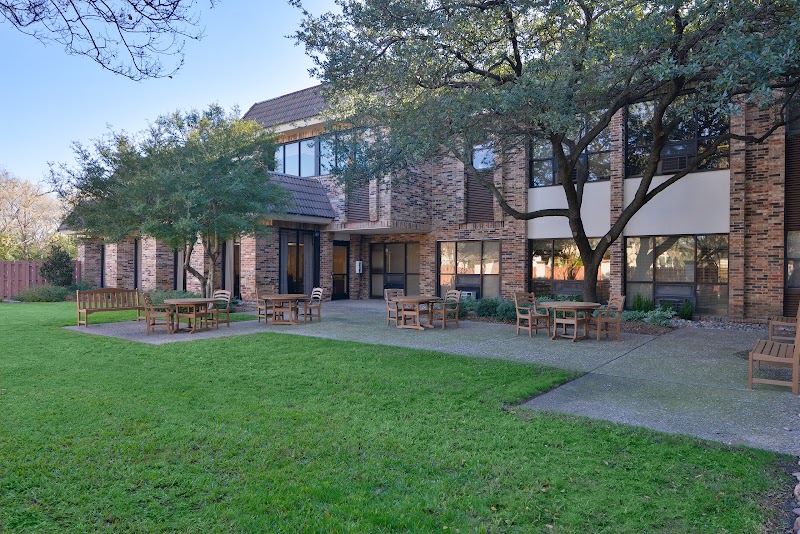
How is Traymore Nursing Center Staffed?

CMS rates TRAYMORE NURSING CENTER's staffing level at 1 out of 5 stars, which is much below average compared to other nursing homes. Staff turnover is 54%, compared to the Texas average of 46%.

What Have Inspectors Found at Traymore Nursing Center?

State health inspectors documented 9 deficiencies at TRAYMORE NURSING CENTER during 2023 to 2025. These included: 1 Immediate Jeopardy (the most serious level, indicating potential for serious harm or death), 1 that caused actual resident harm, and 7 with potential for harm. Immediate Jeopardy findings are rare and represent the most serious regulatory concerns. They require immediate corrective action.
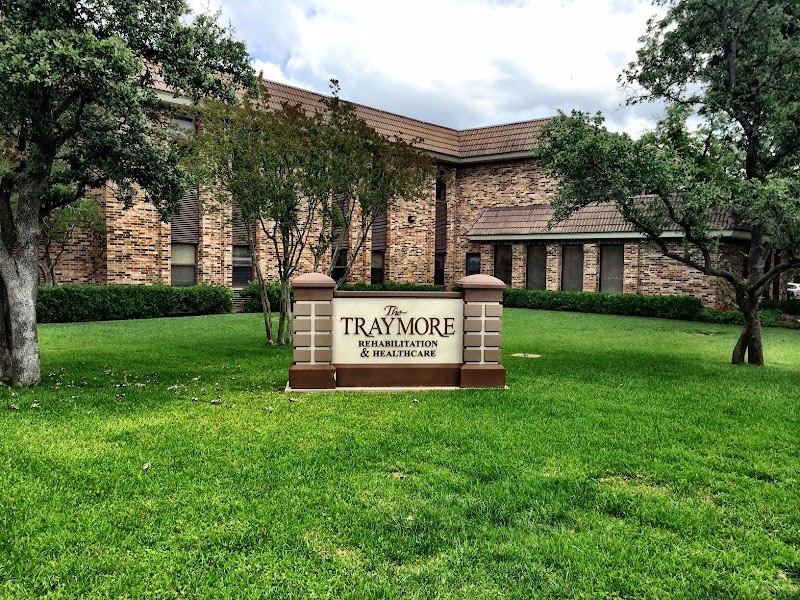
Who Owns and Operates Traymore Nursing Center?

TRAYMORE NURSING CENTER is owned by a government entity. Government-operated facilities are typically run by state, county, or municipal agencies. The facility is operated by FOURSQUARE HEALTHCARE, a chain that manages multiple nursing homes. With 150 certified beds and approximately 98 residents (about 65% occupancy), it is a mid-sized facility located in DALLAS, Texas.
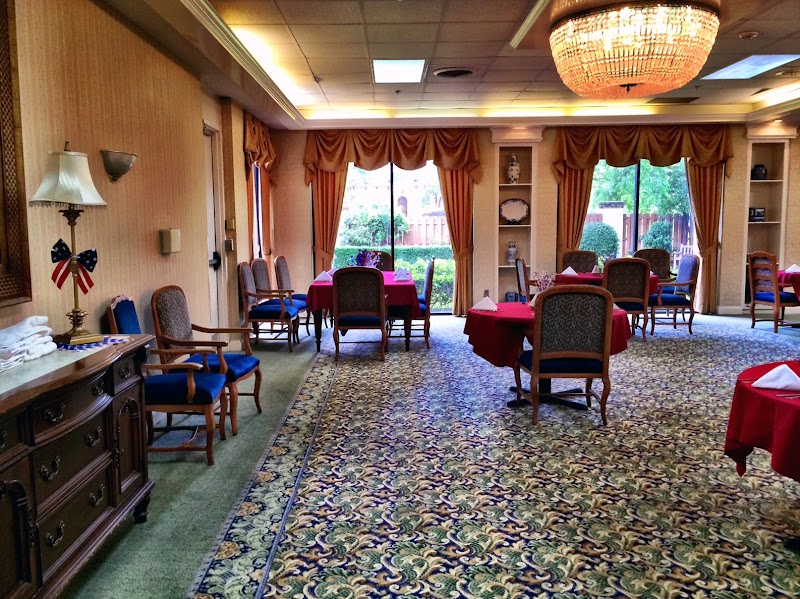
How Does Traymore Nursing Center Compare to Other Texas Nursing Homes?

Compared to the 100 nursing homes in Texas, TRAYMORE NURSING CENTER's overall rating (4 stars) is above the state average of 2.8, staff turnover (54%) is near the state average of 46%, and health inspection rating (4 stars) is above the national benchmark.

What Should Families Ask When Visiting Traymore Nursing Center?

Based on this facility's data, families visiting should ask: "What changes have been made since the serious inspection findings, and how are you preventing similar issues?" "Can you walk me through typical staffing levels on day, evening, and night shifts?" "Can I visit during a mealtime to observe dining assistance and food quality?" "How do you handle medical emergencies, and what is your hospital transfer rate?" These questions are particularly relevant given the facility's Immediate Jeopardy citations and the below-average staffing rating.

Is Traymore Nursing Center Safe?

Based on CMS inspection data, TRAYMORE NURSING CENTER has documented safety concerns. Inspectors have issued 1 Immediate Jeopardy citation (the most serious violation level indicating risk of serious injury or death). The facility has a 4-star overall rating and ranks #1 of 100 nursing homes in Texas. Families considering this facility should ask detailed questions about what corrective actions have been taken since these incidents.

Do Nurses at Traymore Nursing Center Stick Around?

TRAYMORE NURSING CENTER has a staff turnover rate of 54%, which is 8 percentage points above the Texas average of 46%. Moderate turnover is common in nursing homes, but families should still ask about staff tenure and how the facility maintains care continuity when employees leave.

Was Traymore Nursing Center Ever Fined?

TRAYMORE NURSING CENTER has been fined $24,205 across 1 penalty action. This is below the Texas average of $33,321. While any fine indicates a compliance issue, fines under $50,000 are relatively common and typically reflect isolated problems that were subsequently corrected. Families should ask what specific issues led to these fines and confirm they've been resolved.

Is Traymore Nursing Center on Any Federal Watch List?

TRAYMORE NURSING CENTER is not on any federal watch list. The most significant is the Special Focus Facility (SFF) program, which identifies the bottom 1% of nursing homes nationally based on persistent, serious quality problems. Not being on this list means the facility has avoided the pattern of deficiencies that triggers enhanced federal oversight. This is a positive indicator, though families should still review the facility's inspection history directly.