TREEMONT HEALTHCARE AND REHABILITATION CENTER
5550 HARVEST HILL RD, DALLAS, TX 75230 (972) 661-1862
Government - Hospital district 130 Beds CREATIVE SOLUTIONS IN HEALTHCARE Data: November 2025 7 Immediate Jeopardy citations
Trust Grade
0/100
#871 of 1168 in TX
Last Inspection: July 2024

Within standard 12-15 month inspection cycle. Federal law requires annual inspections.

Overview

Treemont Healthcare and Rehabilitation Center has received a Trust Grade of F, indicating significant concerns about the quality of care provided. It ranks #871 out of 1,168 facilities in Texas, placing it in the bottom half of all nursing homes in the state, and #60 out of 83 in Dallas County, suggesting limited local options for better care. The facility is reportedly improving, with the number of issues decreasing from 15 in 2024 to 2 in 2025, but it still faces serious challenges. Staffing is rated as average with a 3/5 score and a turnover rate of 53%, which is on par with the Texas average, while RN coverage is better than 90% of state facilities, providing some reassurance. However, the facility has been subject to concerning fines totaling $135,396, indicating compliance issues, and has faced critical incidents, including failing to provide necessary care for a resident’s catheter and not reporting abuse allegations, which raises serious safety concerns for potential residents.

Trust Score
F
0/100
In Texas
#871/1168
Bottom 26%
Safety Record
High Risk
Review needed
Inspections
Getting Better
15 → 2 violations
Staff Stability
⚠ Watch
53% turnover. Above average. Higher turnover means staff may not know residents' routines.
Penalties
✓ Good
$135,396 in fines. Lower than most Texas facilities. Relatively clean record.
Skilled Nurses
○ Average
Each resident gets 38 minutes of Registered Nurse (RN) attention daily — about average for Texas. RNs are the most trained staff who monitor for health changes.
Violations
⚠ Watch
49 deficiencies on record. Higher than average. Multiple issues found across inspections.
★★☆☆☆
2.0
Overall Rating
★★★☆☆
3.0
Staff Levels
★★★★☆
4.0
Care Quality
★★☆☆☆
2.0
Inspection Score
Stable
2024: 15 issues
2025: 2 issues

The Good

  • 4-Star Quality Measures · Strong clinical quality outcomes
  • Full Sprinkler Coverage · Fire safety systems throughout facility
  • No fines on record

Facility shows strength in quality measures, fire safety.

The Bad

2-Star Overall Rating

Below Texas average (2.8)

Below average - review inspection findings carefully

Staff Turnover: 53%

Near Texas avg (46%)

Higher turnover may affect care consistency

Federal Fines: $135,396

Well above median ($33,413)

Significant penalties indicating serious issues

Chain: CREATIVE SOLUTIONS IN HEALTHCARE

Part of a multi-facility chain

Ask about local staffing decisions and management

The Ugly 49 deficiencies on record

7 life-threatening 1 actual harm
May 2025 1 deficiency
CONCERN (E) 📢 Someone Reported This

A family member, employee, or ombudsman was alarmed enough to file a formal complaint

Potential for Harm - no one hurt, but risky conditions existed

Deficiency F0726 (Tag F0726)

Could have caused harm · This affected multiple residents

**NOTE- TERMS IN BRACKETS HAVE BEEN EDITED TO PROTECT CONFIDENTIALITY** Purpose of Visit: Investigations Entrance Date: [DATE] Facility Census: 75 Complaint Intakes: 1010357 TX00543373 The following a...

Read full inspector narrative →
**NOTE- TERMS IN BRACKETS HAVE BEEN EDITED TO PROTECT CONFIDENTIALITY** Purpose of Visit: Investigations Entrance Date: [DATE] Facility Census: 75 Complaint Intakes: 1010357 TX00543373 The following acronyms were used in the document: CNA - Certified Nurse Aide DON - Director of Nursing HR- Human Resources NAR-Nurse Aide Registry Based on interviews and record review, the facility failed to ensure sufficient nursing staff with appropriate competencies and skills set to provide nursing and related services for 3 (CNA A, CNA B, CNA C) of 10 employees reviewed for staff qualifications. The facility failed to ensure CNA A, CNA B, and CNA C had a current nurse aide certification while employed at the facility and actively providing care for residents. This failure could result in residents being provided care by staff who have not provided documentation of training and competency in providing care. Findings include: Record review of CNA A's NAR. Certificate registry date [DATE], revealed CNA As certification expired on [DATE]. Record review of CNA A's Timecard Report for [DATE]-[DATE], revealed CNA A worked a total of 5 shifts scheduled 10:00pm-6:00am. Record review of CNA B's NAR. Certificate registry date [DATE], revealed CNA Bs certification expired on [DATE]. Record review of CNA B's Timecard Report for [DATE]-[DATE], revealed CNA B worked a total of 3 shifts scheduled 2:00pm-10:00pm. Record review of CNA C's NAR. Certificate registry date [DATE], revealed CNA Cs certification expired on [DATE]. Record review of CNA C's Timecard Report for [DATE]-[DATE], revealed CNA C worked a total of 7 shifts scheduled 10:00pm 6:00am. Attempted interview on [DATE] at 3:20pm with CNA B via phone, the attempt was unsuccessful. Attempted interview on [DATE] at 3:22pm with CNA C via phone, the attempt was unsuccessful. In an interview with CNA A on [DATE] at 3:25pm revealed she was responsible for notifying HR and the Administrator when licensed expired. CNA stated she did not inform staff that her license had expired. In an interview on [DATE] at 4:00pm, the DON stated HR was expected to complete background and registry checks routinely. The DON stated background checks and registry checks should be completed prior to hire and annually once hired. The DON stated staff were responsible for notifying HR that their licenses/certifications are expired. The DON stated the risk of staff working with an expired license or certification can result in incompetent staff, residents at risk for abuse and neglect, and a lack of quality of care. In an interview with the Administrator on [DATE] at 4:40pm, the Administrator stated HR was responsible for completing background checks and registry checks prior to hire and annually once hired. The Administrator stated an HR coordinator was just hired 30 days ago. The Administrator stated it was the responsibility of the staff to notify HR that their license or certification has expired or close to being expired. The Administrator stated completing checks annually was how the facility monitors criminal history, expired licenses, and certifications. The Administrator stated if an aide's certification was expired or close to expiring, it was their responsibility to renew their certification. The Administrator stated if an aide's certification is expired, an aide cannot perform duties until their certification is renewed. The Administrator stated CNA A, CNA B, and CNA C's certifications expiration dates were [DATE] and [DATE]. The Administrator stated the risk of staff working with an expired license or certification can cause a lack of skills and affect the quality of care the resident would receive. The Administrator stated staff working with an expired license or certification can result in termination. A policy for nurse aide registry verification was requested from the Administrator on [DATE] but was not received at the time of exit.
May 2025 1 deficiency
CONCERN (D) 📢 Someone Reported This

A family member, employee, or ombudsman was alarmed enough to file a formal complaint

Potential for Harm - no one hurt, but risky conditions existed

Notification of Changes (Tag F0580)

Could have caused harm · This affected 1 resident

**NOTE- TERMS IN BRACKETS HAVE BEEN EDITED TO PROTECT CONFIDENTIALITY** Based on interview and record review, the facility failed to immediately notify the resident's physician when there was a signif...

Read full inspector narrative →
**NOTE- TERMS IN BRACKETS HAVE BEEN EDITED TO PROTECT CONFIDENTIALITY** Based on interview and record review, the facility failed to immediately notify the resident's physician when there was a significant change in the resident's physical, mental, or psychosocial status which had the potential for requiring physician intervention for one (Resident #1) of five residents reviewed for changes in condition. The facility failed to notify Resident #1's physician when she displayed signs and symptoms of being short of breath, which ultimately caused her to miss her scheduled dialysis appointment. This failure could place residents at risk of not receiving timely interventions and care. Findings included: Review of Resident #1's Face Sheet, dated 05/03/25, reflected she was a [AGE] year-old female, who admitted to the facility on [DATE], with diagnoses including acute respiratory failure (a sudden inability of the lungs to adequately provide oxygen to the blood or remove carbon dioxide, leading to a buildup of carbon dioxide and low oxygen levels in the blood), chronic diastolic (congestive) heart failure (a condition where the heart's left ventricle becomes stiff and can't relax properly, preventing it from filling with enough blood during the resting period between heartbeats), end stage renal disease (a condition where the kidneys are no longer able to adequately filter waste and excess fluid from the body), and dependence on renal dialysis (when a person relies on artificial kidney machines (dialysis) to filter their blood and remove waste products, because their kidneys are no longer functioning properly to do this naturally). Review of Resident #1's MDS Assessment, dated 03/12/25, reflected she received oxygen therapy both prior to and during admission to the facility. Review of Resident #1's Physician's Orders, dated 05/03/25, reflected she was ordered O2 at 2-4lpm via NC to keep O2 sat above 92% every shift for SOB. The start date for this order was 04/02/25. Review of Resident #1's Care Plan, dated 03/29/25, reflected Resident #1 received oxygen therapy. An intervention included for the facility to monitor for signs/symptoms of respiratory distress and report to the Medical Director as needed. Review of Resident #1's electronic medical record on 05/03/25 reflected no evidence that a Change in Condition Assessment had been completed for Resident #1 following her reported episode of shortness of breath on 05/01/25. There was also no evidence that Resident #1's physician (also the facility's Medical Director) had been notified of the episode on 05/01/25. There was a Late Entry documented in the Nurse's Notes, by the ADON, on 05/03/25 which reflected that on 05/01/25, .The resident has been noted with respiratory distress, requiring transportation to the dialysis facility. The nurse noted that respirations are even and unlabored, with O2 at 97% and O2 noted at 4LPM/NC. The MD called and notified of C.O.C. with current vitals . Review of Resident #1's electronic medical records on 05/03/25 reflected her vital signs were documented as follows: 05/01/25 7:29AM - O2 was at 96% 05/01/25 10:44AM - O2 was at 94% 05/01/25 3:05PM - O2 was at 95% During a telephone interview with Resident #1's family member on 05/03/25 at 10:51AM, they voiced a concern that Resident #1 missed her scheduled dialysis appointment on 05/02/25 due to shortness of breath. The family member was not sure if Resident #1's physician was made aware of this change in condition. During a telephone interview with Resident #1's physician (also the facility's Medical Director) on 05/03/25 at 11:02AM, he stated he was not made aware of Resident #1's episode of shortness of breath on 05/01/25. He stated he did not receive any messages regarding this change in condition. He stated he would not need to be notified of a missed dialysis appointment, as there was no risk to a resident unless several dialysis appointments were missed in a row. He stated due to Resident #1's comorbidities, her shortness of breath could have been caused by any number of things. He stated he would expect to be notified of this change in condition. During a telephone interview with Resident #1's Nurse Practitioner on 05/03/25 at 11:23AM, she stated she was not made aware of Resident #1's episode of shortness of breath on 05/01/25. She stated due to Resident #1's comorbidities, she was on continuous oxygen therapy. The Nurse Practitioner stated she would not need to be notified of a missed dialysis appointment, but shortness of breath was considered a change in condition in which she would expect to be notified. During an interview with the ADON on 05/03/25 at 11:59AM, she stated Resident #1's most recent dialysis appointment was on 04/29/25. She stated Resident #1 was scheduled for a dialysis appointment on 05/01/25; while Resident #1 was in the facility's transport vehicle, it was reported by a staff member that she became short of breath. The ADON stated she utilized Facetime with Resident #1 to observe her during the transport, and she confirmed Resident #1 appeared to be short of breath. The ADON explained that this was not uncommon for Resident #1 when she was in an upright position, and it was the reason why the facility had an extra staff member ride in the transport van with her on the way to dialysis (to provide extra monitoring). Resident #1 was brought back to the facility; she missed her dialysis appointment that day. The ADON stated she observed and assessed Resident #1 upon her arrival back to the facility. She stated Resident #1 was alert, oriented, and able to easily answer questions. Her vitals and oxygen stats were within normal limits. The ADON stated Resident #1 reported feeling fine upon her return to the facility. She stated she advised LVN A to notify Resident #1's physician of her change in condition; this should have been completed along with a Change in Condition Assessment. The ADON stated the risk of a resident's physician not being notified of a change in condition, as well as the risk of a Change in Condition Assessment not being completed, was the potential for no interventions and/or follow-up monitoring being completed. She stated again, it was not uncommon for Resident #1 to have shortness of breath due to her comorbidities. During an interview with LVN A on 05/03/25 at 12:12PM, she stated she last worked with Resident #1 on 05/01/25. She stated Resident #1 attempted to refuse to go to her scheduled dialysis appointment three times, because she stated she was waiting for a specific piece of mail to be delivered in which she needed to sign for receipt. LVN A stated she was finally able to convince Resident #1 to go to her dialysis appointment. She stated when Resident #1 left for her appointment, she observed her to be alert, oriented, and in stable condition (no shortness of breath). While Resident #1 was in route to the dialysis appointment via the facility's transportation vehicle, she was noted to have shortness of breath by facility staff. LVN A explained that it was not uncommon for Resident #1 to become short of breath due to her comorbidities. Resident #1 was brought back to the facility at that time. LVN A stated when Resident #1 arrived back at the facility, she was alert, oriented, and in stable condition. Her vital signs were within normal limits. She displayed no signs or symptoms of being in respiratory distress. LVN A stated she was advised by the ADON to notify Resident #1's physician of her episode of shortness of breath; she stated she left a voice message for the physician. She stated she did not document leaving this message. She stated she did not complete the documentation for a Change in Condition Assessment for Resident #1, because when she arrived back at the facility, it was right before change of shift. She thought the oncoming nurse would complete the assessment. LVN A stated the risk of not documenting was that, if you don't document, it didn't happen. Voice messages were left for CNA B (who was present when Resident #1 became short of breath on the transport vehicle) on 05/03/25 at 12:52PM and 05/03/25 at 1:57PM. CNA B did not return the telephone calls prior to survey exit. Voice messages were left for CNA C (who was present when Resident #1 became short of breath on the transport vehicle) on 05/03/25 at 12:55PM and 05/03/25 at 1:38PM. CNA C did not return the telephone calls prior to survey exit. The facility's Notifying the Physician of Change in Status policy, dated 03/11/13, reflected, .The nurse should not hesitate to contact the physician at any time when an assessment and their professional judgment deem it necessary for immediate medical attention. This facility utilizes the INTERACT tool, Change in Condition - When to Notify the MD/NP/PA to review resident conditions and guide the nurse when to notify the physician. This tool informs the nurse if the resident condition requires immediate notification of the physician or non-immediate/Report on Next Work day notification of the physician . The policy also reflected, .The nurse will notify the physician immediately with significant change in status. The nurse will document signs and symptoms of significant change, time/date of call to physician, and interventions that were implemented in the resident's clinical record .
Nov 2024 1 deficiency
CONCERN (D) 📢 Someone Reported This

A family member, employee, or ombudsman was alarmed enough to file a formal complaint

Potential for Harm - no one hurt, but risky conditions existed

Safe Environment (Tag F0921)

Could have caused harm · This affected 1 resident

**NOTE- TERMS IN BRACKETS HAVE BEEN EDITED TO PROTECT CONFIDENTIALITY** Based on observation and interviews, the facility failed to ensure that equipment were secure and inaccessible to unauthorized s...

Read full inspector narrative →
**NOTE- TERMS IN BRACKETS HAVE BEEN EDITED TO PROTECT CONFIDENTIALITY** Based on observation and interviews, the facility failed to ensure that equipment were secure and inaccessible to unauthorized staff and residents for 1 (second floor storage room) of 1 storage areas reviewed for equipment storage. The facility failed to ensure equipment supplies were all stored in locked compartments and permit only authorized personnel to have keys when the only storage room in the facility was on the second floor was left unlocked and unattended. This failure could result in resident access leading to a risk for harm and possible injury. Findings included: In an observation on [DATE] at 10:09 a.m. revealed an unlocked, unorganized and dirty storage room on the second floor. In the storage room revealed the following equipment: 1) Broken Wheelchairs, 2) a broken bed frame with sharp edges exposed on the frame, 3) a broken overbed table, with sharp edges where veneer was missing, 4) poles used for g-tube (feeding tubes for formula) and used for infusion of medications, 5) a bedside table with a drawer broken, 6) a suitcase, 7) repair parts for wheelchairs, 8) several mattresses stacked up almost to the ceiling, 9) one large bottle of mouthwash, 10) a bottle of unmarked white liquid, 11) a bottle of hand gel, 12) plastic bags, and 13) a dirty pair of gloves on the floor. Further observation revealed the equipment was piled up on top of each other and appeared to have been shoved into the room. In an observation and interview on [DATE] at 10:23 a.m. with ADON A revealed the storage room should always remain locked. ADON A stated she had been in the room earlier that morning and gotten a Hoyer lift and had locked it back. The ADON stated she did not know how many keys there were for the storage room, she did not know if the charge nurses had a key. She stated she had not seen it unlocked before. ADON A stated that a resident or a staff member could have access to the storage room if the door was not locked and this could cause harm to them if they go inside the room. In an interview on [DATE] at11:15 a.m. with LVN C revealed the storage room must stay locked. There were equipment and supplies in the room that could be stolen or were dangerous for others if the person got in the room. LVN C stated she was not sure if she had a key for the room, someone else must be unlocking the door. LVN C stated she had not seen anyone go in there, but she knew the CNAs kept the Hoyer lift in there, but she had not paid attention if the door was locked or unlocked. In an interview on [DATE] at12:20 p.m. with CNA B revealed the storage room was always unlocked, when she needs to place her Hoyer lift in there or get it out. The CNA knew there was a lock on the door, so if you closed it all the way it will automatically lock. She stated she had never seen any residents try to go into the room. CNA B stated she did not know if the room was supposed to be locked or not, but if a resident got into the room, they could get hurt she guessed because of the equipment in the room. In an interview on [DATE] at 4:10 p.m. with the Administrator revealed it was her expectation that storage rooms should be always locked. The Administrator said that the nurses were responsible to keep the storage room locked. She stated if they were not locked, residents and unauthorized staff could get into the storage room and there would be opportunities for harm. Review of the Policy and Procedure Monthly CS Sweep Instructions dated [DATE], reflected, It is our company guideline that a complete sweep of all areas that contain nursing supplies is done at least monthly to ensure that nothing expired is in place on our shelves Nothing Directly on the floor or 18 from the cling- this is a fire and a safety hazard . stored equipment: Equipment is to be stacked and organized neatly so it can be easily identified if needed for a resident. Equipment is to be cleaned with a clean trash bag placed over it so it is known that the equipment is clean and ready use. If equipment is broken, label as broken .
Jul 2024 9 deficiencies
CONCERN (D)

Potential for Harm - no one hurt, but risky conditions existed

Resident Rights (Tag F0550)

Could have caused harm · This affected 1 resident

**NOTE- TERMS IN BRACKETS HAVE BEEN EDITED TO PROTECT CONFIDENTIALITY** Based on observation, interview, and record review, the facility failed to ensure all residents were treated with dignity and re...

Read full inspector narrative →
**NOTE- TERMS IN BRACKETS HAVE BEEN EDITED TO PROTECT CONFIDENTIALITY** Based on observation, interview, and record review, the facility failed to ensure all residents were treated with dignity and respect for 1 (Resident #59) of 7 residents reviewed for dignity. The facility failed to ensure MA K knocked or requested permission before entering Resident #59's room. This failure placed residents at risk of psychosocial harm such as low self-esteem, loss of dignity, and decreased quality of life. Findings included: Record Review of Resident #59's face sheet dated 7/21/24 revealed Resident #59 was [AGE] years old with diagnoses of bipolar disorder, major depressive disorder, and anxiety. Record Review of Resident #59's MDS assessment dated [DATE] revealed a BIMS score of 15 (suggests resident is cognitively intact) and a diagnosis of post-traumatic stress disorder. Observation on 7/21/24 at 1:41 p.m. while Resident #59 was being interviewed, MA K opened Resident #59's door and entered Resident #59's room. Resident #59 yelled Get out of my room! and Why are you in here?. MA K responded, I am checking the bathroom. MA K opened the bathroom door, looked inside, and closed the door before exiting the room. Interview on 7/21/24 at 1:41 p.m., Resident #59 stated she did not want MA K in her room. Interview on 7/22/24 at 12:49 p.m., MA K stated she normally knocks on resident's doors and waits for a response before entering the room. MA K stated it was important to knock because it was the resident's privacy and their home. Interview on 7/22/24 at 1:13 p.m., the ADM stated staff should knock for privacy reasons and need permission to enter a resident's room. Review of the facility policy titled Resident Rights with a revision date of 11/28/16 revealed, The resident has a right to be treated with respect and dignity, the resident has a right to personal privacy, and the resident has a right to a . homelike environment.
CONCERN (D) 📢 Someone Reported This

A family member, employee, or ombudsman was alarmed enough to file a formal complaint

Potential for Harm - no one hurt, but risky conditions existed

Safe Environment (Tag F0584)

Could have caused harm · This affected 1 resident

**NOTE- TERMS IN BRACKETS HAVE BEEN EDITED TO PROTECT CONFIDENTIALITY** Based on observations, interviews, and record review the facility failed to ensure resident has a right to a safe, clean, comfor...

Read full inspector narrative →
**NOTE- TERMS IN BRACKETS HAVE BEEN EDITED TO PROTECT CONFIDENTIALITY** Based on observations, interviews, and record review the facility failed to ensure resident has a right to a safe, clean, comfortable and homelike environment for 2 of 5 resident rooms, observed for environment. In resident rooms #1125 an #1207 tiles around the toilets were loose, missing pieces or otherwise separated. This failure could place residents at risk for living in an unsanitary and uncomfortable environment. Findings included: In an observation on 07/21/24 at 1:33 PM the bathroom floor in room [ROOM NUMBER] was observed to have two pieces of tile directly in front of the toilet that had approximately 2-inch by 2-inch pieces missing exposing the bare concrete below. In an observation on 07/22/24 at 1:29 PM the bathroom floor in room # 1207 was observed to have 5 pieces of tile bordering the toilet to have ¼ inch gaps between the tiles exposing the concrete below. One tile directly to the right of the toilet had a large ½ inch crack directly down the middle of the tile exposing the bare concrete below. In an interview on 07/22/24 at 2:05 PM the Maintenance Supervisor revealed he knew about the tiles in the bathrooms and the crew that were fixing them had quit doing business months ago. He stated that the tiles looked bad and that the gaps and missing pieces could make it hard to sanitize the bathrooms. In an interview on 07/23/24 at 4:41 PM the DON revealed that a cracked or loose tile in the bathroom could pose a trip hazard if the tile slipped or if the edge of the tile was raised high enough off the floor. Review of a facility policy entitled Preventive Maintenance/Work-Order Request, dated 2003 revealed that 1. The facility will repair or replace damaged/broken equipment or building amenities as needed.
CONCERN (D) 📢 Someone Reported This

A family member, employee, or ombudsman was alarmed enough to file a formal complaint

Potential for Harm - no one hurt, but risky conditions existed

Accident Prevention (Tag F0689)

Could have caused harm · This affected 1 resident

**NOTE- TERMS IN BRACKETS HAVE BEEN EDITED TO PROTECT CONFIDENTIALITY** Based on observation, interview, and record review, the facility failed to ensure each resident received assistance devices to p...

Read full inspector narrative →
**NOTE- TERMS IN BRACKETS HAVE BEEN EDITED TO PROTECT CONFIDENTIALITY** Based on observation, interview, and record review, the facility failed to ensure each resident received assistance devices to prevent accidents for 1 of 3 residents (Resident #75) reviewed for accidents. PTA G failed to apply a gait belt to Resident #75 prior to ambulating in the hallway. Resident #75 fell and suffered a skin tear to the left elbow and right forearm when PTA G was unable to secure Resident #75 to prevent the fall. This failure could place residents at risk for serious injury or harm, decline in health, and decreased quality of life. Findings included: Record review of Resident #75's face sheet dated 7/23/24 revealed Resident #75 was [AGE] years old with diagnoses of moderate protein-calorie malnutrition (malnourished) and urinary tract infection. Record review of Resident #75's care plan dated 7/10/24 with a revision date of 7/22/24 states Resident #75 was at risk for falls. Record review of Resident #75's MDS dated [DATE] revealed Resident #75 had a BIMS score of 14 (suggests cognition is intact), had a fall within the last month, and required partial to moderate assistance with ambulating. Observation on 7/22/24 at 3:37 p.m., Resident #75 was laying on the floor in the hallway with PTA G standing next to Resident #75. No gait belt was present on Resident #75 and a skin tear to the left elbow was visible. Interview on 7/22/24 at 3:37 p.m., PTA G stated a gait belt should have been placed on Resident #75. PTA G stated the importance of a gait belt was to secure the resident and have something to hold on to. PTA G stated she did not put a gait belt on Resident #75 because they were just going to get a few more steps in. Interview on 7/23/24 at 9:51 a.m., the Director of PT stated that all PT staff were expected to use a gait belt when working with residents and there were no excuses. Record review of Resident #75's progress notes written by LVN P dated 7/23/24 revealed Resident #75 fell and suffered a skin tear to the left elbow and right forearm. X-rays were ordered of left elbow, right forearm, and right hip. Record review of Resident #75's incident report dated 7/23/24 revealed Resident #75 did not have pain or a decline after the fall. Record review of the provider investigation report dated 7/22/24 revealed all x-rays were negative. Review of the facility policy titled Moving a Resident with a date of 2003 states .h. Position a gait belt around the resident's waist and clasp it. Make sure it is tight enough that only a slight hand movement will guide the patient.
CONCERN (D) 📢 Someone Reported This

A family member, employee, or ombudsman was alarmed enough to file a formal complaint

Potential for Harm - no one hurt, but risky conditions existed

Incontinence Care (Tag F0690)

Could have caused harm · This affected 1 resident

**NOTE- TERMS IN BRACKETS HAVE BEEN EDITED TO PROTECT CONFIDENTIALITY** Based on observation, interview, and record review, the facility failed to ensure a resident who is incontinent of bladder recei...

Read full inspector narrative →
**NOTE- TERMS IN BRACKETS HAVE BEEN EDITED TO PROTECT CONFIDENTIALITY** Based on observation, interview, and record review, the facility failed to ensure a resident who is incontinent of bladder receives appropriate treatment and services to prevent urinary tract infections for 1 (Resident #48) of 1 residents reviewed for catheter care. The facility failed to enssure Resident #48's catheter bag was not leaking urine. This failure affected one of five residents and could place residents with indwelling urinary catheters at risk of infection. Findings include: Record review of Resident #48's admission Record, dated 07/22/2024 revealed he was a [AGE] year-old male originally admitted to the facility on [DATE] and most recently admitted [DATE] with a diagnosis of Obstructive and Reflux Uropathy (obstructed/blocked urinary flow). Record review of Resident #48's MDS , dated 05/28/2024, revealed a BIMS score of 14 and an active diagnosis of Diabetes Mellitus (a disease of inadequate control of blood glucose levels). His Functional Status assessment indicated he required two-person assistance for bed mobility, transfer, and toilet use, and setup help only for meals. Review of Resident #48's Physician Order written 05/27/2024 read to monitor Foley catheter every shift for leakage, blockage, sediment buildup, or low output. Review of Resident #48's Care Plan dated 03/07/2024 noted that Resident#48 had an indwelling catheter due to Obstructive and Reflux Uropathy (obstructed/blocked urinary flow). Observation on 07/21/2024 at 4:30 PM noted Resident #48 with an indwelling urinary catheter in a privacy bag hanging from the bed. The blue cloth privacy bag was partly saturated with urine and the room smelled of urine. The urine in the tubing was noted as cloudy with white sediment. The inside of the catheter bag was noted as stained. The bag was wet and could be seen leaking despite the clamp being noted as closed. The indwelling catheter bag was dated as changed two months ago. The resident could not provide information about his catheter care. In an interview on 07/21/20224 at 04:36 PM , CNA N stated she would tell the nurse if she noted a dirty or leaking Foley catheter so that they can change it. In a repeat observation of Resident #48 on 07/22/24 at 10:30 AM, the indwelling urinary catheter showed no changes. The Foley bag was in privacy bag hanging from bed. The blue cloth privacy bag was partly stained with urine. The urine in the tubing was noted as cloudy with white sediment. The inside of the Foley bag was noted as stained. The bag was wet and leaking despite the intact clamp, and the Foley bag was dated as changed two months ago. In an interview on 07/22/2024 at 10:46 AM, the ADON stated catheters were changed when they were dirty or leaking, and that if not changed, the risk to the patient is it could cause a UTI or other significant risk. In an interview on 7/22/2024 at 10:58 AM, CNA A stated if a Foley catheter was dirty or leaking, she would notify the charge nurse that it looks like it may need to be changed-it was time. In an interview on 07/22/2024 at 11:07 AM, LVN L stated catheters were changed according to the doctors' orders or prn. She reported if there was sediment or leaking, they would change it. She reported not changing a dirty or leaky bag could result in infection. In an interview on 07/22/2024 at 11:16 AM, LVN M reported catheters were changed according to the doctor's order. She stated she would change a catheter that was leaking, or if the bag was leaking, they could just change the bag. She reported that not changing a dirty or leaking bag could result in infection. Record Review on 07/22/24 at 12:55 of Progress Notes from 07/08/24 to 07/22/24 for Resident #48 noted there were no written notes regarding Resident #48's indwelling urinary catheter. Record review of the Facility Policies titled, Catheter Insertion UR and Catheter Care Nursing Policy and Procedure Manual 2003, revised February 13, 2007 noted that the policy stated that catheter care includes ensuring that there is no disconnection or leaking of urine from the system and to change the catheter and drainage system as needed unless ordered otherwise by the physician, and to maintain a sterile closed drainage system and if the closed system is broken, the system should be changed.
CONCERN (E) 📢 Someone Reported This

A family member, employee, or ombudsman was alarmed enough to file a formal complaint

Potential for Harm - no one hurt, but risky conditions existed

Deficiency F0761 (Tag F0761)

Could have caused harm · This affected multiple residents

**NOTE- TERMS IN BRACKETS HAVE BEEN EDITED TO PROTECT CONFIDENTIALITY** Based on observation, interview, and record review, the facility failed to ensure that medications were secure and inaccessible ...

Read full inspector narrative →
**NOTE- TERMS IN BRACKETS HAVE BEEN EDITED TO PROTECT CONFIDENTIALITY** Based on observation, interview, and record review, the facility failed to ensure that medications were secure and inaccessible to unauthorized staff or residents for 3 of 4 medication carts reviewed for medication storage. The facility failed to ensure medication supplies were secured or attended by authorized staff when: RN H's medication cart for the Unit 2 was left unlocked and unattended. LVN J's medication cart for the Unit 3 was left unlocked and unattended. MA I's medication cart for the Unit 23 was left unlocked and unattended. This failure could result in resident access and ingestion of medications leading to possible drug diversion. The findings included: Observation and interview on 07/21/24 at 10:57 a.m., medication cart for Unit 2 was unlocked and unattended in the hallway. Door to room [ROOM NUMBER] opened and RN H exited the room, returning to the medication cart in the hallway. RN H stated medication carts should not be left unlocked because someone or a resident could take medications out of the cart. RN H stated medication carts should always be locked and was just going in a room to move a box when the cart was left unlocked. The following medications were on the cart: Gabapentin 300mg, Midodrine 10mg, Lasix 40mg, naproxen 500mg, and other medications. Observation and interview on 7/22/24 at 12:39 p.m., MA I entered room [ROOM NUMBER] to administer medications. Medication cart for Unit 23 was unlocked in the hallway next to room [ROOM NUMBER] and was not visible from inside room [ROOM NUMBER]. MA I stated the medication cart should always be locked because any resident could come and get medications out of the cart. The following medications were on the cart: famotidine 20mg, Depakote DR 250mg, Zyprexa 7.5mg, metoprolol 25mg, and other medications. Observation and interview on 7/22/24 at 4:42 p.m., LVN J entered room [ROOM NUMBER] and left the medication cart in the hallway unlocked. The medication cart was not in direct site of LVN J. LVN J then entered the bathroom in room [ROOM NUMBER] with the bathroom door closed and washed hands before returning to the medication cart. LVN J stated the medication cart should always be locked because anyone could take medications out of the cart. The following medications were on the cart: Cyproheptad 4mg, Insulin Lispro 100Unit/ML, Humalog 100Unit/ML, and other medications. Interview on 7/23/24 at 4:38 p.m., the DON stated the expectation was for medication carts to be locked at all times because it was just important for the cart to be locked at all times. Record review of the facility policy titled, Recommended Medication Storage, did not address how medications should be secured. At the time of exit, no additional policy was provided. Additional policy was requested on 7/23/24 at 4:38 p.m. from the DON. .
CONCERN (E)

Potential for Harm - no one hurt, but risky conditions existed

Food Safety (Tag F0812)

Could have caused harm · This affected multiple residents

Based on observation, interview, and record review, the facility failed to store, prepare, distribute, and serve food in accordance with professional standards for food service safety for 1 of 1 kitch...

Read full inspector narrative →
Based on observation, interview, and record review, the facility failed to store, prepare, distribute, and serve food in accordance with professional standards for food service safety for 1 of 1 kitchen reviewed for kitchen sanitation when they failed to: A. Cover opened food items. B. Discard perishable food items past the use-by date. These failures could place residents who received meals and/or snacks from the kitchen at risk for food borne illness. The findings included: 1. Observation of the dry storage on 07/21/24 at 10:20 AM revealed a 1-gallon plastic container (approximately ½ full) of opened Teriyaki Sauce dated 05/05/24. Manufacturer instructions on the container stated to refrigerate after opening. 2. Observation of the walk-in refrigerator on 07/21/24 at 10:24 AM revealed a plastic container of approximately 40 ounces of apple sauce covered with clear plastic wrap with an open date of 07/13/24 and a use by date of 07/16/24. 2. Observation of the walk-in refrigerator on 7/21/24 at 10:30 AM revealed a large plastic bag of six boiled eggs that was not sealed and open to air. This bag of eggs was dated with an open date of 07/13/24 and a use by date of 07/18/24. During an interview on 07/22/2024 at 02:17 PM , the Kitchen Manager stated the policy was for all food to be dated with the received date when it was received. The Kitchen Manager also reported that when food was opened, it was to be sealed and dated with the open date and the use by date. She reported that the food was to be discarded on the use by date. The Kitchen Manager stated that food left open or used past the use-by date could potentially result in food-borne illness. During an interview on 07/22/24 at 02:20 PM, the day shift [NAME] O reported that items were dated when they were taken off the truck and placed into storage and that items that were opened were sealed and dated with a use-by or expiration date. The cook reported that items were discarded after the use-by or expiration date. Record review of the facility policy, IC 00-8.0 titled Food Storage and Supplies, from the Dietary Services Policy and Procedure Manual 2012 indicates that, Open packages of food are stored in closed containers with covers or in sealed bags, and dated as to when opened and Perishable items that are refrigerated are dated once opened and used within 7 days (if they do not have an expiration date or best by/use by date), but non-perishable items that are refrigerated once opened should be dated when opened but do not need to be discarded until their expiration date or until the quality has deteriorated. Record review of the Food Code, U.S. Public Health Service, U.S. FDA, 2022, U.S. Department of H&HS, revealed: 3-302 Preventing food and ingredient contamination. 3-302.11 Packaged and Unpackaged Food - Separation, Packaging, and Segregation. (A) Food shall be protected from cross contamination by: (4) Except as specified under Subparagraph 3-501.15(B)(2) and in (B) of this section, storing the food in packages, covered containers, or wrappings. (6) Protecting food containers that are received packaged together in a case or overwrap from cuts when the case or overwrap is opened. 3-305.11 Food Storage. (A) Except as specified in (B) and (C) of this section, FOOD shall be protected from contamination by storing the FOOD: (1) In a clean, dry location; (2) Where it is not exposed to splash, dust, or other contamination.
CONCERN (E)

Potential for Harm - no one hurt, but risky conditions existed

Infection Control (Tag F0880)

Could have caused harm · This affected multiple residents

**NOTE- TERMS IN BRACKETS HAVE BEEN EDITED TO PROTECT CONFIDENTIALITY** Based on observation, interview, and record review, the facility failed to maintain an Infection Prevention and Control Program ...

Read full inspector narrative →
**NOTE- TERMS IN BRACKETS HAVE BEEN EDITED TO PROTECT CONFIDENTIALITY** Based on observation, interview, and record review, the facility failed to maintain an Infection Prevention and Control Program designed to provide a safe, sanitary, and comfortable environment and to help prevent the development and transmission of communicable disease for 2 of 2 residents (Resident #75 and Resident #60) reviewed for infection control. The facility failed to ensure: A. CNA E changed soiled gloves during incontinent care to Resident #60. B. CNA D changed soiled gloves during incontinent care to Resident #75. This failure could place residents at risk for cross contamination which could result in infections or illnesses. Findings included: Record review of Resident #75's face sheet dated 7/23/24 revealed Resident #75 was [AGE] years old with diagnoses of moderate protein-calorie malnutrition (malnourished) and urinary tract infection. Record review of Resident #75's MDS dated [DATE] revealed Resident #75 had a BIMS score of 14 (suggests cognition is intact), had a fall within the last month, and required moderate assistance with toileting hygiene. Record review of Resident #75's care plan dated 7/10/24 revealed Resident #75 had a urinary tract infection. Record review of Resident #60's face sheet dated 7/23/24 revealed Resident #60 was [AGE] years old with diagnoses of type 2 diabetes and cerebral infarction (stroke). Record review of Resident #60's care plan dated 6/05/24 revealed Resident #60 was incontinent, and interventions included to monitor for signs or symptoms of infection. Record review of Resident #60's MDS dated [DATE] revealed Resident #60 had a BIMS score of 15 (suggesting no cognitive impairment) and was dependent (helper does all of the effort) in toileting hygiene. Observation of incontinence care on 7/21/24 at 3:51 p.m., CNA E performed hand hygiene, donned gloves, and unfastened Resident #60's wet brief. CNA E cleansed Resident #60's peri area with disposable wipes. Resident #60 was turned onto side and CNA E cleansed buttocks area. CNA E then disposed of used wipes and wet brief. CNA E continued care with the same pair of gloves and placed a clean brief under Resident #60. CNA E fastened the clean brief and pulled the blankets up while still wearing the gloves used to clean urine from Resident #60's groin and buttocks. Observation of incontinence care on 7/23/24 at 10:34 a.m., CNA D performed hand hygiene, donned gloves, and unfastened Resident #75's soiled brief. CNA D cleansed peri area and rolled Resident #75 on his left side. CNA D then cleansed the buttocks area that was soiled from a bowel movement. Small brown smears were visible on the fingertips of CNA D's gloves. CNA D tucked the soiled brief and draw sheet under Resident #75 and applied cream to Resident #75's buttocks wearing the same dirty gloves used to cleanse the resident. CNA D then applied a clean brief and fastened it while wearing the same dirty gloves. CNA D then removed gloves and performed hand hygiene. Interview on 7/23/24 at 4:38 p.m., the DON stated CNAs should change gloves when going from a dirty area to a clean area while performing incontinent care. The DON stated CNAs hands should be washed when removing gloves. Record review of the facility policy titled, Perineal Care, with a date of 4/25/2022, stated .24. Doff gloves and PPE 25. Perform hand hygiene 26. Provide resident comfort and safety by re-clothing (if applicable - incontinence pad(s) and briefs). Record review of the facility policy titled, Fundamentals of Infection Control Precautions, with a revision date of 3/2023, stated .some situations that require hand hygiene: .after contact with a resident's mucous membranes and body fluids or excretions, and Consistent use by staff of proper hygienic practices and techniques is critical to preventing the spread of infections.
CONCERN (E) 📢 Someone Reported This

A family member, employee, or ombudsman was alarmed enough to file a formal complaint

Potential for Harm - no one hurt, but risky conditions existed

Room Equipment (Tag F0908)

Could have caused harm · This affected multiple residents

Based on observations, interviews, and record review the facility failed to maintain all mechanical, electrical, and patient care equipment in safe operating condition for 1 of 1 kitchen review for eq...

Read full inspector narrative →
Based on observations, interviews, and record review the facility failed to maintain all mechanical, electrical, and patient care equipment in safe operating condition for 1 of 1 kitchen review for equipment safety. In the kitchen walk-in refrigerator and walk-in freezer, the fan cooling units were leaking. These failures could affect all residents that eat meals from the kitchen and pose a possible risk for cross-contamination. Findings included: In an observation on 07/22/24 at 10:20 AM in the kitchen walk-in refrigerator a large, five-gallon, food grade clear plexiglass bucket was observed to be half full of a water-like substance, liquid was observed dripping from a pipe connected to the fan-cooler unit above the bucket. The fan-cooler unit was observed to be making a clanking noise. A further observation in the kitchen walk-in freezer revealed that both fan-cooler units had ice build-up in the form of icicles that had dripped onto food boxes below building up 2-3 inches of ice on top of the food boxes. In an interview on 07/22/24 at 2:05 PM the ADM revealed that the fan-cooler units in the walk-in refrigerator had been fixed, she could not account how long the pipes may have been leaking. In an interview on 07/22/24 at 2:05 PM the Maintenance Supervisor revealed that he had fixed the leaking pipes in the walk-in refrigerator by blowing them out. He could not state how long the pipes may have been leaking but guessed he had probably been in the walk-in refrigerator area sometime last week. Review of a facility policy entitled Preventive Maintenance/Work-Order Request, dated 2003 revealed that 1. The facility will repair or replace damaged/broken equipment or building amenities as needed.
CONCERN (E) 📢 Someone Reported This

A family member, employee, or ombudsman was alarmed enough to file a formal complaint

Potential for Harm - no one hurt, but risky conditions existed

Deficiency F0925 (Tag F0925)

Could have caused harm · This affected multiple residents

**NOTE- TERMS IN BRACKETS HAVE BEEN EDITED TO PROTECT CONFIDENTIALITY** Based on observations, interviews, and record review the facility failed to maintain an effective pest control program so that t...

Read full inspector narrative →
**NOTE- TERMS IN BRACKETS HAVE BEEN EDITED TO PROTECT CONFIDENTIALITY** Based on observations, interviews, and record review the facility failed to maintain an effective pest control program so that the facility was free of pests for 1 of 1 kitchen areas, 2 of 5 (Resident #40 and Resident #66) resident rooms, and 2 of 3(First and Second Floor Dining Room) dining areas reviewed for environment . The facility failed to ensure the kitchen area was free of roaches before lunch service. The facility failed to ensure dining rooms were free of flies during the resident meal service. The facility failed to ensure resident rooms were free of flies. These failures could place residents at risk for insect borne illness, not having a home free of pests and a comfortable environment in which to live. Findings included: In an observation on 07/21/24 at 10:10 AM in RM [ROOM NUMBER] revealed three live gnats/small flies inside the room, alighting on tables and walls, there were no residents in the room at the time of the observation. In an observation and interview on 07/21/24 at 10:18 AM in the second-floor dining area, a few residents were gathered in the dining area of the second floor. Two gnats/black flies landed on Resident #25 in the dining area. Resident #25 stated that she does see those little black flies all the time and sometimes they land on her drink and plates. She also stated she normally eats in her room but wanted to come out that day. She stated that she sees gnats in her room also. In an interview on 07/21/24 at 12:26 PM Resident # 40 stated that she often sees little black gnats around the facility, especially in the dining area. She also stated that she has seen a roach in her room as well. In an observation and interview on 07/21/24 at 1:18 PM one small black fly was observed flying around Resident #99's face, another small black fly was observed to be on her bedside table next to the plate that she was eating off. She stated that she had seen gnats in her room all the time, but she has never seen a roach, she stated staff are aware. In an observation and interview on 07/22/24 at 10:26 AM a live roach was observed crawling down the stainless-steel wall going from the ventilation hood towards the 6-burner stove. Kitchen Manager was observed taking a cloth that was in her hand and killing the roach on the stainless-steel wall. She stated that pest control comes weekly, and she points out areas where she had seen roaches and pest control treats those areas. In an observation on 07/22/24 at 11:34 AM 8 residents and 3 staff members were observed in the first-floor dining area. A small black fly was noted to repeatedly land on the covered garbage can in the dining area. In an interview on 07/22/24 at 1:21 PM Residents #66 and #51 stated that they always see little black flies and the flies land on or around them all the time and both residents stated that the flies were very annoying. Resident #66 further revealed that she has seen a roach in her bathroom. Resident #66 stated that she has mentioned seeing bugs to the staff a few times. In an interview on 07/22/24 at 1:34 PM CNA A stated that she has seen black gnats around the facility. She stated that she was not sure where the Pest sighting log was but that if a resident complained of bugs or roaches she would tell the nurse or the maintenance manager. In an interview on 07/22/24 at 1:38 PM CNA B stated that she had never really heard of a pest sighting log, but that if she had seen a roach in the facility she would tell a nurse or the maintenance manager. She did state that she had seen lots of gnats in the facility and that the residents do complain about them. she stated that it could be bad if gnats land on residents or their food and it could possibly make residents sick or annoyed. She stated she would tell her nurse if she saw a roach in a resident's room. In an interview on 07/22/24 at 01:43 PM CNA C stated that she had seen black gnats in resident rooms and in the dining areas. she stated she was not sure where the pest sighting log was but would probably tell the maintenance supervisor about any bugs. she stated that she had not told the maintenance supervisor about any bugs lately but if she saw a roach, she would tell the nurse or the maintenance supervisor. In an interview on 07/22/24 at 2:28 PM the Maintenance Supervisor revealed that sometimes staff will come and tell him if there were insects in the building, he stated that the staff were to also put the sightings in the pest sighting log, which was located at the receptionist desk, and that would allow the pest control people to treat the areas identified in the logbook. He stated that having bugs in the facility could make residents feel bad and that he would not want to have roaches or flies in his home. In an interview on 07/23/24 at 4:41 PM the DON stated that roaches in the kitchen could offer a cross contamination issue and might not be safe for the residents. Record review of the pest sighting log revealed that on 7/22/24 a roach had been sighted in the kitchen, and the pest control company was found to visit the facility on a monthly basis or more often if requested. Policy review of a facility policy entitled Insect and Rodent Control dated 2012 revealed that The facility will maintain an effective pest control program to provide an insect and vermin free food service department.
Apr 2024 2 deficiencies
CONCERN (D) 📢 Someone Reported This

A family member, employee, or ombudsman was alarmed enough to file a formal complaint

Potential for Harm - no one hurt, but risky conditions existed

Abuse Prevention Policies (Tag F0607)

Could have caused harm · This affected 1 resident

**NOTE- TERMS IN BRACKETS HAVE BEEN EDITED TO PROTECT CONFIDENTIALITY** Based on interview and record review, the facility failed to implement written policies and procedures that prohibit and prevent...

Read full inspector narrative →
**NOTE- TERMS IN BRACKETS HAVE BEEN EDITED TO PROTECT CONFIDENTIALITY** Based on interview and record review, the facility failed to implement written policies and procedures that prohibit and prevent neglect for one (09/12/23) of one incident reviewed for reporting according to facility policy. The facility failed to follow their policy to report to the State Survey Agency when Resident #1 was missing for approximately 15 hours after leaving the hospital where he went for a doctor's appointment. This failure could place the residents in the facility at risk of lacking timely reporting of incidents. Findings included: Review of the facility's policy titled Abuse/Neglect dated 03/29/18 reflected the following: The resident has the right to be free from abuse, neglect, misappropriation of resident property, and exploitation as defined in this subpart. This includes but is not limited to freedom from corporal punishment, involuntary seclusion and any physical or chemical restraint not required to treat the resident's medical symptoms. Residents should not be subjected to abuse by anyone, including, but not limited to, facility staff, other residents, consultants or volunteers, staff of other agencies serving the resident, family members or legal guardians, friends, or other individuals. The facility will provide and ensure the promotion and protection of resident rights. It is each individual's responsibility to recognize, report, and promptly investigate actual or alleged abuse, neglect, exploitation, mistreatment of residents or misappropriation of resident property abuse and situations that may constitute abuse or neglect to any resident in the facility. .3 Facility employees must report all allegations of: abuse, neglect, exploitation, mistreatment of residents, misappropriation of resident property or injury of unknown source to the facility administrator. The facility administrator or designee will report to HHSC all incidents that meet the criteria of Provider Letter 19-17 dated 7/10/19. a. If the allegation does not involve abuse or serious bodily injury, the report must be made within 24 hours of the allegation Review of Resident #1's MDS dated [DATE] revealed the resident was a [AGE] year-old male admitted to the facility on [DATE]. His diagnoses included hypotension (low blood pressure), and muscle weakness. The resident was cognitively intact with a BIMS score of 15, and he had the ability to express his ideas and wants. Resident #1 did not have upper or lower extremity impairment but used a wheelchair for mobility. The MDS further reflected the resident did not wish to be asked about returning to the community. Review of Resident #1's care plan initiated on 05/15/23 reflected he required an antipsychotic for the diagnosis of schizoaffective disorder. The care plan further reflected Resident #1 was at risk for falls due to balance problems during transition and gait. He refused to use a standard walker and preferred to use a wheelchair only for ambulation (walks behind the wheelchair). Interventions included to educate the resident on fall prevention and ensure the resident was wearing appropriate footwear when transferring or mobilizing in the wheelchair. Review of Resident #1's nurses noted dated 03/28/24 documented by the DON revealed the following: writer received a call from van driver regarding patient pick up. stated patient was not in designated area he looked around facility and was informed by ER patient was in er. patient told ER he needed to speak with psych dr he having suicidal thoughts. writer asked van driver to allow writer to speak with [hospital] staff. writer was greeted by rude staff member when i advised writer of needed inform on patient current condition and updated address. she refused to accept my information over phone by text or email. I asked if we can bring paper work for resident current med list etc stated no we know him. She told both van driver and myself they would keep him. Writer asked van driver to come back to facility and get his med list and take to [hospital]. Review of Resident #1's clinical records revealed the resident had signed the Discharge Against Medical Advice on 03/29/24 and witnessed by the DON. Interview on 04/13/24 at 9:18 AM with Resident #1's family revealed the facility sent the resident to the hospital for an appointment. While at the ER the resident told hospital staff he was hearing voices and had suicidal ideations. Resident #1 told his family he said those things for attention. While at the ER, the hospital staff gave the resident a bus pass so he could go to the homeless shelter. Resident #1's family said the nursing facility should have never allowed the resident to go to his appointment unattended because he was not right in his mind. Resident #1 was also given a piece of paper and the resident did not know what he was signing but signed it anyways. The family also said the resident had spent the night under an overpass. Interview on 04/13/24 at 11:00 AM with Resident #1 he was currently in a hospital after having some type of surgery, and he was not able to explain the type of surgery. He said he was taken to the hospital for an appointment, and while he was there, he asked to be seen by psych services, but did not give details why. The resident said he wanted to go to the homeless shelter so the hospital gave him a bus pass because he did not want to return to the nursing facility and wanted to try something new. Resident #1 said the nursing facility found him at the homeless shelter the following day and asked him to return to the facility, but he declined. The facility staff gave him piece a paper and explained to him he chose to be discharged from the facility, and he was also told he could return to the nursing facility when he felt good and ready. Resident #1 further stated the nursing facility treated him very well, and he never had any problems while he was living there. Interview 04/13/24 at 1:54 PM with the Van Driver revealed he took Resident #1 to the hospital for a dr appointment some time after 1:00 PM. The resident did not require a staff to accompany him because he was alert and oriented X4 and did not need physical assistance. The resident was checked in at the front office of the appointment and he Van Driver gave the hospital staff his phone number to call him when the resident was out of his appointment. Around 4:00 PM, the Van Driver got a phone call from the hospital saying the resident was ready. When he got there, he did not see the resident and began to look for him. He finally asked where they checked in, where the resident was and he was told Resident #1 had checked himself into he ER. The Van Driver went to the ER but the staff there would not give him an information on the resident claiming it was confidential information even after he explained the resident lived at the nursing facility. The DON asked the Van Driver to return to the facility to get Resident #1's paperwork to give to the ER and when he returned to the hospital, he was told the resident had been evaluated, released, and given a bus pass after they did not find the resident with mental problems. The Van Driver said he and other facility staff began to look for the resident at the homeless shelter and other locations where homeless people are known to gather and Resident #1 was not found so the police was contacted. The following day, 03/29/24, he received a phone call from the homeless shelter around 9AM saying Resident #1 was there so the facility staff went to the shelter to meet with the resident. The Van Driver further stated the resident was not demented and safe to go to his dr appointments on his own and he was using his walker at the time of his appointment. Interview on 04/13/24 at 11:29 AM with LVN A revealed Resident #1 was a younger resident and during his stay at the facility he was very quiet and kept to himself and only left his room to smoke. LVN A said the resident was alert and oriented, able to make his own decisions and was very compliant with his medications and care. The resident used a walker or wheelchair for mobility and during the resident's stay he had never mentioned he wanted to leave the facility. Interview on 04/13/24 at 11:35 AM with CNA B revealed Resident #1 was alert and oriented and very nice. The resident was independent with most ADLs and used both a wheelchair and walker for mobility. CNA B said the resident was very quiet and stayed to himself and he never mentioned he wanted to leave the facility. Interview on 04/13/24 at 11:13 AM with the ADON revealed an appointment had been made for Resident #1 at the hospital to have his ear checked out. She said the resident was quiet and kept to himself and he was also compliant with care and medications. Resident #1 was mostly independent and he was able to make his own decisions and was his own responsible party. The facility was made aware by the Van Driver that he was not able to locate the resident when he returned to pick him up after his appointment. They all began to search for the resident and the police was contacted when Resident #1 was not located. Resident #1 was found the following day, 03/29/24, at the homeless shelter and the resident told them he did not want to return to the facility because he was not happy there. Resident #1 was assessed and there were no concerns or injuries noted. The resident also told them his family had been promising him they would take him out of the facility and he got tired of waiting. Resident #1 was presented with the AMA paperwork and he agreed to sign it. The ADON further stated the resident had never mentioned he wanted to leave the facility and was compliant with care. Interview on 04/13/24 at 12:13 PM with the DON revealed Resident #1 had been taken to the hospital for a dr appointment on 03/28/24. She said the resident was independent for the most part, his own responsible party and able to make his own decisions. The resident did not need a staff member to accompany him because he was alert and oriented and independent for the most part. After the appointment the Van Driver was not able to find the resident where he was left and he had been told the resident had checked himself to the ER. The DON said she tried to talk to the hospital staff but they were very rude, and would not take her information or listen when she tried to tell them Resident #1 lived at the nursing facility. She asked the Van Driver to return to the facility so he could take the resident's paperwork back to the hospital and when the Van Driver returned, the hospital let him know Resident #1 had been released an given a bus pass. The DON said they began to look for the resident at different places the family had told them where homeless people gathered but he was not located so the police was called. The homeless shelter was contacted and said the resident was not there. The following morning, 03/29/24, they were contacted by the homeless shelter to let him know Resident #1 was there. When they arrived at the homeless shelter he told the nursing facility staff he was happy to see them but he did not want to return to the nursing facility because he was in his right mind and he always thought himself as a drifter. The DON assessed the resident and there were no visible concerns or injuries noted. Resident #1 went on to say his family kept promising him they would all get a house together and he would leave the nursing facility but the family never did. They asked the resident again if he wanted to return to the nursing facility and he again said no so the resident was given the AMA paperwork to sign and it was all explained and he was agreeable. The family was contacted to let them know he had been found. During the resident's stay at the nursing facility he had never mentioned he wanted to leave the facility. The incident was not called because the DON said the resident was really never missing because he had been taken to an appointment and the hospital had released him without their knowledge. Interview on 04/13/24 at 12:37 PM with the Administrator revealed the Van Driver had made them aware Resident #1 had been released from the hospital and given a bus pass. The administrator said they began to look for the resident for several hours and called the police when he was not located. Resident #1 was very pleasant, alert and oriented, able to make his own decision and never expressed he wanted to leave the nursing facility. The following morning, 03/29/24, they were notified by the homeless shelter the resident was there so they went to try and get him. The resident expressed he did not wish to return to the nursing facility so he was given the AMA paperwork to sign explaining he was leaving against medical advice and the resident was agreeable. The Administrator further stated she had not reported the incident to the State Survey Agency because Resident #1 was alert and oriented, the resident had been homeless in the past and he had been used to that lifestyle. They did not feel like he had been in danger and she also believed she had 24 hours to report the incident.
CONCERN (D) 📢 Someone Reported This

A family member, employee, or ombudsman was alarmed enough to file a formal complaint

Potential for Harm - no one hurt, but risky conditions existed

Report Alleged Abuse (Tag F0609)

Could have caused harm · This affected 1 resident

**NOTE- TERMS IN BRACKETS HAVE BEEN EDITED TO PROTECT CONFIDENTIALITY** Based on interview and record review, the facility failed to ensure all alleged violations involving abuse and neglect were repo...

Read full inspector narrative →
**NOTE- TERMS IN BRACKETS HAVE BEEN EDITED TO PROTECT CONFIDENTIALITY** Based on interview and record review, the facility failed to ensure all alleged violations involving abuse and neglect were reported immediately but not later than 24 hours if the events that cause the allegation did not involve abuse and did not result in serious bodily injury to the State Survey Agency for 1 of 1 incidents reviewed for reporting. The facility failed to report to the State Survey Agency when Resident #1 was missing for about 15 hours after leaving the hospital where he went for a doctor's appointment. This failure could affect residents by resulting in a delay of identification of abuse or neglect and lack of timely follow-up on recommended interventions to prevent harm, or impairment. Findings included: Review of Resident #1's MDS dated [DATE] revealed the resident was a [AGE] year-old male admitted to the facility on [DATE]. His diagnoses included hypotension (low blood pressure), and muscle weakness. The resident was cognitively intact with a BIMS score of 15, and he had the ability to express his ideas and wants. Resident #1 did not have upper or lower extremity impairment but used a wheelchair for mobility. The MDS further reflected the resident did not wish to be asked about returning to the community. Review of Resident #1's care plan initiated on 05/15/23 reflected he required an antipsychotic for the diagnosis of schizoaffective disorder. The care plan further reflected Resident #1 was at risk for falls due to balance problems during transition and gait. He refused to use a standard walker and preferred to use a wheelchair only for ambulation (walks behind the wheelchair). Interventions included to educate the resident on fall prevention and ensure the resident was wearing appropriate footwear when transferring or mobilizing in the wheelchair. Review of Resident #1's nurses noted dated 03/28/24 documented by the DON revealed the following: writer received a call from van driver regarding patient pick up. stated patient was not in designated area he looked around facility and was informed by ER patient was in er. patient told ER he needed to speak with psych dr he having suicidal thoughts. writer asked van driver to allow writer to speak with [hospital] staff. writer was greeted by rude staff member when i advised writer of needed inform on patient current condition and updated address. she refused to accept my information over phone by text or email. I asked if we can bring paper work for resident current med list etc stated no we know him. She told both van driver and myself they would keep him. Writer asked van driver to come back to facility and get his med list and take to [hospital]. Review of Resident #1's clinical records revealed the resident had signed the Discharge Against Medical Advice on 03/29/24 and witnessed by the DON. Interview on 04/13/24 at 9:18 AM with Resident #1's family revealed the facility sent the resident to the hospital for an appointment. While at the ER the resident told hospital staff he was hearing voices and had suicidal ideations. Resident #1 told his family he said those things for attention. While at the ER, the hospital staff gave the resident a bus pass so he could go to the homeless shelter. Resident #1's family said the nursing facility should have never allowed the resident to go to his appointment unattended because he was not right in his mind. Resident #1 was also given a piece of paper and the resident did not know what he was signing but signed it anyways. The family also said the resident had spent the night under an overpass. Interview on 04/13/24 at 11:00 AM with Resident #1 he was currently in a hospital after having some type of surgery , not able to explain the type of surgery. He said he was taken to the hospital for an appointment and while he was there, he asked to be seen by psych services, but did not give details why. The resident said he wanted to go to the homeless shelter so the hospital gave him a bus pass because he did not want to return to the nursing facility and wanted to try something new. Resident #1 said the nursing facility found him at the homeless shelter the following day, asked him to return to the facility but he declined. The facility staff gave him piece a paper and explained to him he chose to be discharged from the facility and he was also told he could return to the nursing facility when he felt good and ready. Resident #1 further stated the nursing facility treated him very well and he never had any problems while he was living there. Interview on 04/13/24 at 1:54 PM with the Van Driver revealed he took Resident #1 to the hospital for a dr appointment some time after 1:00 PM. The resident did require a staff to accompany him because he was alert and oriented x 4 and did not need physical assistance. The resident was checked in at the front office of the appointment and he Van Driver gave the hospital staff his phone number to call him when the resident was out of his appointment. Around 4:00 PM, the Van Driver got a phone call from the hospital saying the resident was ready. When he got there, he did not see the resident and began to look for him. He finally asked where they checked in, where the resident was and he was told Resident #1 had checked himself into he ER. The Van Driver went to the ER but the staff there would not give him an information on the resident claiming it was confidential information even after he explained the resident lived at the nursing facility. The DON asked the Van Driver to return to the facility to get Resident #1's paperwork to give to the ER and when he returned to the hospital, he was told the resident had been evaluated, released, and given a bus pass after they did not find the resident with mental problems. The Van Driver said he and other facility staff began to look for the resident at the homeless shelter and other locations where homeless people are known to gather and Resident #1 was not found so the police was contacted. The following day, 03/29/24, he received a phone call from the homeless shelter around 9AM saying Resident #1 was there so the facility staff went to the shelter to meet with the resident. The Van Driver further stated the resident was not demented and safe to go to his dr appointments on his own and he was using his walker at the time of his appointment. Interview on 04/13/24 at 11:29 AM with LVN A revealed Resident #1 was a younger resident and during his stay at the facility he was very quiet and kept to himself and only left his room to smoke. LVN A said the resident was alert and oriented, able to make his own decisions and was very compliant with his medications and care. The resident used a walker or wheelchair for mobility and during the resident's stay he had never mentioned he wanted to leave the facility. Interview on 04/13/24 at 11:35 AM with CNA B revealed Resident #1 was alert and oriented and very nice. The resident was independent with most ADLs and used both a wheelchair and walker for mobility. CNA B said the resident was very quiet and stayed to himself and he never mentioned he wanted to leave the facility. Interview on 04/13/24 at 11:13 AM with the ADON revealed an appointment had been made for Resident #1 at the hospital to have his ear checked out. She said the resident was quiet and kept to himself and he was also compliant with care and medications. Resident #1 was mostly independent and he was able to make his own decisions and was his own responsible party. The facility was made aware by the Van Driver that he was not able to locate the resident when he returned to pick him up after his appointment. They all began to search for the resident and the police was contacted when Resident #1 was not located. Resident #1 was found the following day, 03/29/24, at the homeless shelter and the resident told them he did not want to return to the facility because he was not happy there. Resident #1 was assessed and there were no concerns or injuries noted. The resident also told them his family had been promising him they would take him out of the facility and he got tired of waiting. Resident #1 was presented with the AMA paperwork and he agreed to sign it. The ADON further stated the resident had never mentioned he wanted to leave the facility and was compliant with care. Interview on 04/13/24 at 12:13 PM with the DON revealed Resident #1 had been taken to the hospital for a dr appointment on 03/28/24. She said the resident was independent for the most part, his own responsible party and able to make his own decisions. The resident did not need a staff member to accompany him because he was alert and oriented and independent for the most part. After the appointment the Van Driver was not able to find the resident where he was left and he had been told the resident had checked himself to the ER. The DON said she tried to talk to the hospital staff, but they were very rude and would not take her information or listen when she tried to tell them Resident #1 lived at the nursing facility. She asked the Van Driver to return to the facility so he could take the resident's paperwork back to the hospital and when the Van Driver returned, the hospital let him know Resident #1 had been released and given a bus pass. The DON said they began to look for the resident at different places the family had told them where homeless people gathered but he was not located so the police was called. The homeless shelter was contacted and said the resident was not there. The following morning, 03/29/24, they were contacted by the homeless shelter to let him know Resident #1 was there. When they arrived at the homeless shelter he told the nursing facility staff he was happy to see them but he did not want to return to the nursing facility because he was in his right mind and he always thought himself as a drifter. The DON assessed the resident and there were no visible concerns or injuries noted. Resident #1 went on to say his family kept promising him they would all get a house together and he would leave the nursing facility but the family never did. They asked the resident again if he wanted to return to the nursing facility and he again said no so the resident was given the AMA paperwork to sign and it was all explained and he was agreeable. The family was contacted to let them know he had been found. During the resident's stay at the nursing facility he had never mentioned he wanted to leave the facility. The incident was not called because the DON said the resident was really never missing because he had been taken to an appointment and the hospital had released him without their knowledge. Interview on 04/13/24 at 12:37 PM with the Administrator revealed the Van Driver had made them aware Resident #1 had been released from the hospital and given a bus pass. The administrator said they began to look for the resident for several hours and called the police when he was not located. Resident #1 was very pleasant, alert and oriented, able to make his own decision and never expressed he wanted to leave the nursing facility. The following morning, 03/29/24, they were notified by the homeless shelter the resident was there so they went to try and get him. The resident expressed he did not wish to return to the nursing facility so he was given the AMA paperwork to sign explaining he was leaving against medical advice and the resident was agreeable. The Administrator further stated she had not reported the incident to the State Survey Agency because Resident #1 was alert and oriented, the resident had been homeless in the past and he had been used to that lifestyle. They did not feel like he had been in danger and she also believed she had 24 hours to report the incident. Review of the facility's policy titled Abuse/Neglect dated 03/29/18 reflected the following: .The facility will provide and ensure the promotion and protection of resident rights. It is each individual's responsibility to recognize, report, and promptly investigate actual or alleged abuse, neglect, exploitation, mistreatment of residents or misappropriation of resident property abuse and situations that may constitute abuse or neglect to any resident in the facility. .3 Facility employees must report all allegations of: abuse, neglect, exploitation, mistreatment of residents, misappropriation of resident property or injury of unknown source to the facility administrator. The facility administrator or designee will report to HHSC all incidents that meet the criteria of Provider Letter 19-17 dated 7/10/19. a. If the allegation does not involve abuse or serious bodily injury, the report must be made within 24 hours of the allegation
Jan 2024 3 deficiencies
CONCERN (D) 📢 Someone Reported This

A family member, employee, or ombudsman was alarmed enough to file a formal complaint

Potential for Harm - no one hurt, but risky conditions existed

Pharmacy Services (Tag F0755)

Could have caused harm · This affected 1 resident

Based on interview and record review the facility failed to provide pharmaceutical services, including procedures that assured the accurate accountability of controlled drugs for one (First Floor East...

Read full inspector narrative →
Based on interview and record review the facility failed to provide pharmaceutical services, including procedures that assured the accurate accountability of controlled drugs for one (First Floor East Wing Cart) of two medication carts reviewed for medication administration. The facility did not obtain nursing staff signatures for the controlled Drug-Count Record for First Floor East Wing medication cart on 01/26/2024 on the 2pm to 10 pm shift and 01/30/2024 on the 6am to 2pm shift. This failure could cause access, loss, and diversion of controlled narcotic medications. Finding included: Records reviewed of narcotic signing sheet on 01/31/2024 at 09:35 AM, revealed on 01/26/2024 NURSE ON 2pm to 10 pm shift and NURSE OFF 2pm to 10pm had no signatures for narcotic signing sheet. On 01/30/2024 NURSE ON 6am to 2pm and NURSE OFF 6am to 2 pm had no signatures on the narcotic signing sheet. Record review of daily staffing schedule for 01/26/24 and 01/30/24 did not specify medication carts assignments. Interview with ADON L on 01/31/2024 at 1:00 PM, revealed that she had done a lot of in-services on hand hygiene, Personal Protective Equipment (PPE), infection control, and medication pass. She said that she expected nurses and CMAs to follow the interventions in place of the narcotic counts at end of shift and before they begin their shifts and before they end their shifts. She said the oncoming staff count the cards of medication while the one going off calls the numbers in the narcotics book. She said she expected everyone to sign off on the narcotic book. She said that she had in-serviced nursing staff that if the book was not signed off then a 1-on-1 training would need to be done. She said it was against their policy and disciplinary action would be taken. She said she would do skills check offs with the staff who handled narcotics and would monitor counting and signing of narcotic book. She said the risk of staff not signing the book was a drug diversion. Interview with DON, on 01/31/2024 at 1:22 pm, revealed that she expected ADONs to audit medication count sheets daily. She said that the on-coming nurse and out-going nurse were expected to ensure that the count sheet for all medication carts matched the doses remaining in the medication cards. She said not counting and signing narcotic book was a risk for drug diversion. Review of facility self-reporting protocol titled Self-Report Protocol/Ad Hoc QAPI-Drug Diversion dated 11/16/2023, reflected facility would audit narcotic shift change sheet for signatures, document findings. Inservice was done on 11/16/2023 of nursing staff related to controlled medication counting procedures, counting with oncoming nurse, logging individual controlled dose at the time of medication administration, and signing the count sheet. Review of facility policy titled Controlled Drugs Audit and Accountability revision date 2003, reflected . change of shift audit sheets is where nursing staff will sign to indicate that the controlled drugs were audited and that the responsibility of accountability of the controlled drugs is being changed to a different nursing staff. This form has columns to indicate the total number of controlled drug audit sheet present at each shift change audits .
CONCERN (D) 📢 Someone Reported This

A family member, employee, or ombudsman was alarmed enough to file a formal complaint

Potential for Harm - no one hurt, but risky conditions existed

Deficiency F0761 (Tag F0761)

Could have caused harm · This affected 1 resident

**NOTE- TERMS IN BRACKETS HAVE BEEN EDITED TO PROTECT CONFIDENTIALITY** Based on observation, interviews and record review the facility failed to ensure all drugs and biologicals were stored securely ...

Read full inspector narrative →
**NOTE- TERMS IN BRACKETS HAVE BEEN EDITED TO PROTECT CONFIDENTIALITY** Based on observation, interviews and record review the facility failed to ensure all drugs and biologicals were stored securely for 1(Resident #6) of five residents on (Hall 400) second floor reviewed for storage of medications. Resident #6 medications left at bedside unattended. This failure could affect residents by placing residents at risk of consuming unsafe medications. Findings included: Record review of Resident #6's face-sheet revealed a [AGE] year-old male, initially admitted to facility on 03/18/2021, and readmitted on [DATE]. Resident's diagnosis included: Type 2 Diabetes Mellitus without Complications (Managing type 2 diabetes by closely monitoring blood glucose levels), Heart Failure, Unspecified (disorder characterized by the heart to pump blood at an adequate volume to meet tissue metabolic requirements), and Essential (Primary) Hypertension (three or more blood pressure readings taken over three visits separated by weeks whose average exceeds 140/90). Record review of Resident #6's quarterly MDS (Minimum Data Set) dated 10/19/2023 revealed Resident's cognitive status intact. Further review of MDS revealed Resident's BIMS (Brief Interview of Mental Status) score was 15/15. Record review of Resident #6's care-plan dated 4/24/2023 revealed in part .Problem/Need: [Resident #1] resident will be free from discomfort or adverse reactions to antidepressant therapy through the review date. Further review revealed . [Resident #1] The resident will be free of any discomfort or adverse side effects from pain medication through the review date. Revision on: 01/25/2023 - Administer medications as ordered. Monitor/document for side effects and effectiveness. Record review of Resident #6's Medication administration record dated 01/31/2024. The following medications for initialed as given For AM doses: Cranberry Oral Tablet 500 MG (Milligrams) , (Cranberry (Vaccinium macrocarpon)) Give 1 tablet by mouth one time a day for uti( Urinary Tract Infection). 7AM. Ordered: 01/24/2023. DULoxetine HCl (Hydrochloride) Oral Capsule Delayed Release Particles 30 MG (Duloxetine HCl) Give 1 capsule by mouth one time a day related to DEPRESSION, UNSPECIFIED (F32.A) AM. Ordered: 08/23/2023. Januvia Oral Tablet 100 MG (Sitagliptin Phosphate) Give 1 tablet by mouth one time a day related to TYPE 2 DIABETES MELLITUS WITHOUT COMPLICATIONS (E11.9) AM Ordered: 0517/2023. Lasix Oral Tablet 40 MG (Furosemide) Give 40 mg by mouth in the morning related to HEART FAILURE, UNSPECIFIED (I50.9) AM Ordered: 05/17/2023. Loratadine Oral Tablet 10 MG (Loratadine) Give 1 tablet by mouth in the morning for Allergies - Morning Ordered: 12/22/2023. Multivitamin Oral Tablet (Multiple Vitamin) Give 1 tablet by mouth one time a day for Supplement 7:00 AM Ordered: 01/24/2023. POT CL MICRO TAB 10MEQ ER Give 1 tablet by mouth in the morning for supplement 7:00 AM Ordered: 04/30/2023. Probiotic Oral Capsule (Saccharomyces boulardii) Give 1 capsule by mouth one time a day for on abt prophylaxis for secondary infection 6:30 AM Ordered: 03/09/2023. Tamsulosin HCl Oral Capsule 0.4 MG (Tamsulosin HCl) Give 1 capsule by mouth one time a day for BPH 7:00 AM Ordered: 01/24/2023. Gabapentin Oral Capsule 300 MG (Gabapentin) Give 1 capsule by mouth two times a day for Nerve pain 7:00 AM Ordered: 01/24/2023. Metformin HCl Oral Tablet 500 MG (Metformin HCl) Give 1 tablet by mouth two times a day for DM 7:00 AM Ordered: 01/24/2023. Metoprolol Tartrate Oral Tablet 50 MG (Metoprolol Tartrate) Give 1 tablet by mouth two times a day for HTN Hold when PR less than 60, SBP less 110 and DBP less 60 Ordered: 01/25/2023. BP 132/72 Pulse 72 0700 On 01/31/2024 at 10:34 AM observed Resident #6 in his room and in bed. Observed resident's overbed table placed over him and next to his water picture was a medicine cup with several medications (pills) in the cup. Resident #6 was asked if the nurse had left the medication on the overbed table and if the nurse had ever left medication there before unattended. Resident #6 replied that this has been the first-time medication has ever been left on his overbed table without him knowing. On 01/31/2024 at 10:50 AM, interview with LVN N revealed that he had forgot that he left Resident #6's medication on the overbed table. LVN N made the comment that he knew he made a mistake. LVN N stated that medication was not supposed to be left at bedside at any time. LVN N was asked what negative outcome could happen from leaving medication at the bedside unattended? LVN N revealed that a confused resident could wander into the room and take the medication. The Corporate Compliance Nurse came into the room and spoke to LVN N informing him that medication was never to be left at bedside, and he should always finish his tasks before leaving the room. LVN N replied he just became busy and forgot to go back to the room. Corporate Compliance Nurse replied that staff would be in-serviced. Interview with ADON M on 01/31/2024 at 3:45 PM related to Nurse N leaving Resident #6's medications on the overbed table revealed what would be the negative outcome of the mistake of leaving the medication at the resident's bedside? ADON M revealed that a Dementia resident could have wondered into resident's room and taken the medication by mistake. Another negative outcome would be the resident taking the medication late and not at scheduled time ordered by Physician. Interview with DON on 01/31/2024 at 4:00 PM concerning medication mistake made by Nurse N by leaving medication on overbed table. She was aware of the mistake and in-services will be immediately held so this mistake will not occur again. DON knows that several negative outcomes could have occurred for example, a confused resident could have wondered into room and taken the medication by mistake, or the resident taking the medication so late could have caused a side effect by taking the next medications that were scheduled to be given. The DON revealed that this was the first time Nurse N has ever made a mistake like this. Nurse N will be in-serviced and trained. Record review of facility's policy General guidelines - Medication Administration Procedures revealed in part .Administration: 2. Medications are to be poured, administered, and charted by the same licensed person. 5. After the resident has been identified, administer the medication and immediately chart doses administered on the medication administration record.
CONCERN (E) 📢 Someone Reported This

A family member, employee, or ombudsman was alarmed enough to file a formal complaint

Potential for Harm - no one hurt, but risky conditions existed

Infection Control (Tag F0880)

Could have caused harm · This affected multiple residents

**NOTE- TERMS IN BRACKETS HAVE BEEN EDITED TO PROTECT CONFIDENTIALITY** Based on observation, interview, and record review the facility failed to maintain an infection prevention and control program d...

Read full inspector narrative →
**NOTE- TERMS IN BRACKETS HAVE BEEN EDITED TO PROTECT CONFIDENTIALITY** Based on observation, interview, and record review the facility failed to maintain an infection prevention and control program designed to provide a safe, sanitary, and comfortable environment and to help prevent the development and transmission of communicable disease and infections for 4 (Residents #2, #3, #4, #7) of 5 residents reviewed for infection control. 1.The facility failed to ensure CMA K sanitized her hands during medication administration on Residents #2, #3, and #4 during morning medication pass. 2.The facility failed to ensure CMA K sanitized the blood pressure cuff between uses on Residents #2, and #3 during morning medication pass. 3.The facility failed to ensure CNA O followed facility protocol for entering and exiting a room with a Resident on droplet precautions (Resident # 7) while passing ice on the hall and CNA O failed to close the ice chest on the hall. These failures could place residents at risk of infectious disease. The findings included: Review of Resident #2's admission Record, dated 01/31/2024, revealed a [AGE] year-old female, admitted to facility on 06/12/2023 with diagnoses that included End of stage kidney disease, swelling of pancreas (pancreatitis), high blood pressure, heart burn (reflux), dysphasia (difficult swallowing), multiple fractures of the pelvis, and brain disease that changes brain function or structure (encephalopathy). Review of Resident #3's admission Record, dated 01/31/2024, revealed a [AGE] year-old male, admitted to facility on 01/04/2024 with diagnoses that included combination of high blood pressure and low blood pressure heart failure, chronic respiratory failure with hypoxia (a condition that happens when the lungs cannot get enough oxygen), difficulty urinating, and a smoker. Review of Resident #4's admission Record, dated 01/31/2024, revealed a [AGE] year-old male, admitted facility on 08/22/2023 with diagnoses that included Dementia, muscle weakness, unspecified abnormality of walking, congestive heart failure, depression, Aspergers Syndrome (a developmental disorder that effects the ability to socialize and to communicate), insomnia (trouble sleeping) and high blood sugars. Review of Resident # 7's admission Record, dated 1/31/24, revealed a [AGE] year-old female with an original admission date of 1/06/24. Her diagnoses included chronic respiratory failure, obstructive sleep apnea (throat muscles relax and block the airway during sleep), and Type 2 Diabetes (body has trouble controlling blood sugar). Review of Resident # 7's Census List, dated 1/31/24 revealed she discharged from the facility on 1/21/24 and was readmitted on [DATE]. Review of Resident # 7's Order Summary Report dated 1/31/24 revealed an order to, Remove resident from isolation status, Followed by another order which stated, Resident to remain on isolation one more day until 2/1/24 per our protocol. Review of the electronic medical record revealed the order to discontinue isolation was entered at 8:03 AM and the order to reinstate isolation was at 12:15 PM. Record review of Resident # 7's Progress Note dated 1/31/24 at 8:03 AM written by ADON L stated, Resident tested negative, Dr [name] gave the order to D/C the isolation. Continuous observations and interview on 01/31/2024 between 9:35AM and 10:00 AM revealed CMA K handed Resident # 4 a cup of medications and a cup of water as he walked out of his room. Resident #4 took the medication and water drank it and handed CMA K his cup that had the medication in it and he walked away. CMA K took the cup and threw it in the trash can. No hand hygiene was performed. CMA K then reported that Resident #3 required blood pressure (BP) check before medication administration. She took BP cuff and went into Resident #3's room and performed the BP check. After taking the blood pressure reading, CMA K removed the cuff and placed it on top of the medication cart. CMA K did not perform hand hygiene. CMA K then dispended and administered Resident #3's medications. CMA K then took the same solid blood pressure cuff and went to Resident #2's room and placed it on Resident #2's wrist. No hand hygiene before touching Resident #2's wrist. After taking the blood pressure reading, CMA K removed the cuff and placed it on top of the medication cart. CMA K then dispended and administered Resident #2's medications. No hand hygiene was performed, and CMA K did not clean the BP cuff before and after use on Resident #3 before using it on Resident #2. CMA K said she forgot to sanitize the BP cuff. She said the risk of not performing BP and hand sanitization was spread of infection. An observation and interview on 01/31/24 beginning at 10:29 AM revealed a sign on the door of Resident # 7's room stated STOP in red, Droplet Precautions Everyone Must: Clean their hands, including before entering and when leaving the room. Make sure their eyes, nose and mouth are fully covered before room entry. Remove face protection before room exit. The door was slightly opened. CNA O was observed in the room with surgical mask on at Resident bedside wearing burgundy-colored scrubs. CNA O's back was toward observer, therefore unclear what he was doing, or if he was wearing gloves. A gown was not observed. There was an ice cooler with lid open on the hallway near the entrance to Resident # 7's room. During observation door to Resident # 7's room was shut and soon after CNA O exited the room and entered the hallway. CNA O was wearing a surgical mask. CNA O removed his surgical mask and placed it in the trash of the housekeeping cart that was parked in front of the next room. CNA O stated he was refilling Resident # 7's ice water. He stated he was supposed to wear gloves and gown in the room. CNA O stated he removed his gown in the room. When asked why he left the ice chest open, CNA O stated he was just filling in ice for the residents and later added that he knew he had to keep it closed. When asked why he wore a surgical mask in Resident # 7's room, CNA O stated he was supposed to wear an N95 in the room but did not wear one because he could not find any around the building. He stated for droplet precaution he was supposed to wear N95, goggles, gown. He stated he used a gown and surgical mask. When asked why Resident #7 was on isolation, CNA O stated he was not sure and would have to ask the nurse. He stated he did not wash his hands in the resident's room because the hot water was not working in the room. CNA O stated he was going to wash his hands elsewhere and was going to ensure the ice cooler was completely washed out before anyone else used it. CNA O stated it was important to use the correct PPE so he did not get infected and spread the infection to the residents. Observation of the PPE cart outside the door of Resident # 7 revealed gowns, yellow bags and gloves. There were no goggles, face shields or N95s in the PPE cart. An interview with RN I on 1/31/24 at 10:47 AM revealed he was the direct supervisor for CNA O. RN I stated Resident # 7 was on droplet precautions and had recently come from the hospital with covid-19. RN I stated Resident # 7 completed her treatment at the hospital and was asymptomatic. RN I stated the required PPE for Resident # 7's room was N-95, gown, gloves, eye protection and use of hand sanitizer. RN I stated PPE supplies came from Central supply and if the PPE cart was missing items he would inform central supply to come fill the cart. RNI stated CNA O should have come told him that there were items missing from the PPE cart instead of entering the room without the proper PPE. Observation and interview with RN I on 1/31/24 beginning at 10:59 AM revealed RN I filling PPE cart outside of Resident # 7's room with N95s from central supply. RN I stated he was waiting for central supply to bring the goggles because there were none. Observation and interview with RN I on 1/31/24 beginning at 11:14 AM outside Resident # 7's room revealed Droplet sign was no longer on the door and PPE cart was no longer outside of the room. RN I stated Resident #7 had been taken off transmission based precautions and stated the facility had adequate amount of face shields. An Interview with ADON L in reference to Resident # 2, # 3 and # 4 on 01/31/2024 at 1:00 PM, revealed that she had done a lot of in-services on hand hygiene, Personal Protective Equipment (PPE), infection control, and medication pass. She said that she expected all staff members to follow basic hand hygiene. Risk was spread of infection. Observation on 1/31/24 at 1:29 PM outside Resident # 7's room revealed the Droplet sign was on the door and the PPE cart was in place. The PPE cart was still missing both goggles and face shields. Observation and interview with Resident # 7 on 1/31/24 beginning at 1:48 PM revealed the hot water was working in Resident # 7's room. Resident # 7 stated she went to the ER on [DATE] and tested positive for covid. She stated she tested negative today, but the facility was still keeping her on isolation until tomorrow. She stated the staff did wear the PPE to enter her room and it was annoying to her that she had to be on isolation. An interview with ADON L on 1/31/24 at 2:53 PM revealed any staff member that entered Resident # 7's room to do direct care or anything for her were expected to have on an N95, gloves and gown and eye protection. There was a shared responsibility between central supply and the charge nurse to ensure the PPE carts were stocked. These individuals could come to ADON L if they could not find something. ADON L stated the aides and all staff (dietary, housekeeping, maintenance) had been in-serviced on expectations. The facility's timeline was 10 days for the isolation. Isolation did not end on day 10, but on day 11 so they could have a full 10 days. The risk of not following the protocol was spread of infection. With Resident #7 specifically ADON L stated she got the report that she had tested negative before she left the hospital. The facility was simply following their policy to keep Resident #7 on isolation for a full 10 days. Today was day 10 so tomorrow she would be off isolation. An interview with the DON on 1/31/24 at 3:17 PM revealed it was her expectation that staff wore PPE in droplet precaution rooms. The proper PPE included an N95 mask, shield or goggles, gown and gloves. DON stated the charge nurses and ADONs were responsible to keep the PPE carts stocked. The DON stated there was a risk of spreading germs when staff did not use the proper PPE in resident rooms. The DON stated the physician told them that Resident # 7 no longer needed to be on isolation, however per the facility policy Resident # 7 needed to be on isolation for a full 10 days. DON stated they clarified with the physician and were told they could keep Resident # 7 on isolation for one more day. Review of facility's policy titled, Interim Infection Prevention and Control Recommendations for Healthcare Personnel During the Coronavirus Disease 2019 (COVID-19) Pandemic, dated 5-8-23, reflected the following: Duration of Transmission-Based Precautions for Patients with SARS-CoV-2 Infection .at least 10 days have passed since symptoms first appeared .at least 10 days have passed since the date of their first positive viral test. Review of facility's policy titled, Infection Control Plan: Overview, revised 3/2023, reflected the following: Hand hygiene continues to be the primary means of preventing the transmission of infection. The following is a list of some situations that require hand hygiene: before and after entering isolation precaution settings .Upon and after coming in contact with a resident's intact skin, (e.g., when taking a pulse or blood pressure, and lifting a resident); After removing gloves or aprons Based on observation, interview, and record review the facility failed to maintain an infection prevention and control program designed to provide a safe, sanitary, and comfortable environment and to help prevent the development and transmission of communicable disease and infections for 4 (Residents #2, #3, #4, #7) of 5 residents reviewed for infection control. 1.The facility failed to ensure CMA K sanitized her hands during medication administration on Residents #2, #3, and #4 during morning medication pass. 2.The facility failed to ensure CMA K sanitized the blood pressure cuff between uses on Residents #2, and #3 during morning medication pass. 3.The facility failed to ensure CNA O followed facility protocol for entering and exiting a room with a Resident on droplet precautions (Resident # 7) while passing ice on the hall and CNA O failed to close the ice chest on the hall. These failures could place residents at risk of infectious disease. The findings included: Review of Resident #2's admission Record, dated 01/31/2024, revealed a [AGE] year-old female, admitted to facility on 06/12/2023 with diagnoses that included End of stage kidney disease, swelling of pancreas (pancreatitis), high blood pressure, heart burn (reflux), dysphasia (difficult swallowing), multiple fractures of the pelvis, and brain disease that changes brain function or structure (encephalopathy). Review of Resident #3's admission Record, dated 01/31/2024, revealed a [AGE] year-old male, admitted to facility on 01/04/2024 with diagnoses that included combination of high blood pressure and low blood pressure heart failure, chronic respiratory failure with hypoxia (a condition that happens when the lungs cannot get enough oxygen), difficulty urinating, and a smoker. Review of Resident #4's admission Record, dated 01/31/2024, revealed a [AGE] year-old male, admitted facility on 08/22/2023 with diagnoses that included Dementia, muscle weakness, unspecified abnormality of walking, congestive heart failure, depression, Aspergers Syndrome (a developmental disorder that effects the ability to socialize and to communicate), insomnia (trouble sleeping) and high blood sugars. Review of Resident # 7's admission Record, dated 1/31/24, revealed a [AGE] year-old female with an original admission date of 1/06/24. Her diagnoses included chronic respiratory failure, obstructive sleep apnea (throat muscles relax and block the airway during sleep), and Type 2 Diabetes (body has trouble controlling blood sugar). Review of Resident # 7's Census List, dated 1/31/24 revealed she discharged from the facility on 1/21/24 and was readmitted on [DATE]. Review of Resident # 7's Order Summary Report dated 1/31/24 revealed an order to, Remove resident from isolation status, Followed by another order which stated, Resident to remain on isolation one more day until 2/1/24 per our protocol. Review of the electronic medical record revealed the order to discontinue isolation was entered at 8:03 AM and the order to reinstate isolation was at 12:15 PM. Record review of Resident # 7's Progress Note dated 1/31/24 at 8:03 AM written by ADON L stated, Resident tested negative, Dr [name] gave the order to D/C the isolation. Continuous observations and interview on 01/31/2024 between 9:35AM and 10:00 AM revealed CMA K handed Resident # 4 a cup of medications and a cup of water as he walked out of his room. Resident #4 took the medication and water drank it and handed CMA K his cup that had the medication in it and he walked away. CMA K took the cup and threw it in the trash can. No hand hygiene was performed. CMA K then reported that Resident #3 required blood pressure (BP) check before medication administration. She took BP cuff and went into Resident #3's room and performed the BP check. After taking the blood pressure reading, CMA K removed the cuff and placed it on top of the medication cart. CMA K did not perform hand hygiene. CMA K then dispended and administered Resident #3's medications. CMA K then took the same solid blood pressure cuff and went to Resident #2's room and placed it on Resident #2's wrist. No hand hygiene before touching Resident #2's wrist. After taking the blood pressure reading, CMA K removed the cuff and placed it on top of the medication cart. CMA K then dispended and administered Resident #2's medications. No hand hygiene was performed, and CMA K did not clean the BP cuff before and after use on Resident #3 before using it on Resident #2. CMA K said she forgot to sanitize the BP cuff. She said the risk of not performing BP and hand sanitization was spread of infection. An observation and interview on 01/31/24 beginning at 10:29 AM revealed a sign on the door of Resident # 7's room stated STOP in red, Droplet Precautions Everyone Must: Clean their hands, including before entering and when leaving the room. Make sure their eyes, nose and mouth are fully covered before room entry. Remove face protection before room exit. The door was slightly opened. CNA O was observed in the room with surgical mask on at Resident bedside wearing burgundy-colored scrubs. CNA O's back was toward observer, therefore unclear what he was doing, or if he was wearing gloves. A gown was not observed. There was an ice cooler with lid open on the hallway near the entrance to Resident # 7's room. During observation door to Resident # 7's room was shut and soon after CNA O exited the room and entered the hallway. CNA O was wearing a surgical mask. CNA O removed his surgical mask and placed it in the trash of the housekeeping cart that was parked in front of the next room. CNA O stated he was refilling Resident # 7's ice water. He stated he was supposed to wear gloves and gown in the room. CNA O stated he removed his gown in the room. When asked why he left the ice chest open, CNA O stated he was just filling in ice for the residents and later added that he knew he had to keep it closed. When asked why he wore a surgical mask in Resident # 7's room, CNA O stated he was supposed to wear an N95 in the room but did not wear one because he could not find any around the building. He stated for droplet precaution he was supposed to wear N95, goggles, gown. He stated he used a gown and surgical mask. When asked why Resident #7 was on isolation, CNA O stated he was not sure and would have to ask the nurse. He stated he did not wash his hands in the resident's room because the hot water was not working in the room. CNA O stated he was going to wash his hands elsewhere and was going to ensure the ice cooler was completely washed out before anyone else used it. CNA O stated it was important to use the correct PPE so he did not get infected and spread the infection to the residents. Observation of the PPE cart outside the door of Resident # 7 revealed gowns, yellow bags and gloves. There were no goggles, face shields or N95s in the PPE cart. An interview with RN I on 1/31/24 at 10:47 AM revealed he was the direct supervisor for CNA O. RN I stated Resident # 7 was on droplet precautions and had recently come from the hospital with covid-19. RN I stated Resident # 7 completed her treatment at the hospital and was asymptomatic. RN I stated the required PPE for Resident # 7's room was N-95, gown, gloves, eye protection and use of hand sanitizer. RN I stated PPE supplies came from Central supply and if the PPE cart was missing items he would inform central supply to come fill the cart. RNI stated CNA O should have come told him that there were items missing from the PPE cart instead of entering the room without the proper PPE. Observation and interview with RN I on 1/31/24 beginning at 10:59 AM revealed RN I filling PPE cart outside of Resident # 7's room with N95s from central supply. RN I stated he was waiting for central supply to bring the goggles because there were none. Observation and interview with RN I on 1/31/24 beginning at 11:14 AM outside Resident # 7's room revealed Droplet sign was no longer on the door and PPE cart was no longer outside of the room. RN I stated Resident #7 had been taken off transmission based precautions and stated the facility had adequate amount of face shields. An Interview with ADON L in reference to Resident # 2, # 3 and # 4 on 01/31/2024 at 1:00 PM, revealed that she had done a lot of in-services on hand hygiene, Personal Protective Equipment (PPE), infection control, and medication pass. She said that she expected all staff members to follow basic hand hygiene. Risk was spread of infection. Observation on 1/31/24 at 1:29 PM outside Resident # 7's room revealed the Droplet sign was on the door and the PPE cart was in place. The PPE cart was still missing both goggles and face shields. Observation and interview with Resident # 7 on 1/31/24 beginning at 1:48 PM revealed the hot water was working in Resident # 7's room. Resident # 7 stated she went to the ER on [DATE] and tested positive for covid. She stated she tested negative today, but the facility was still keeping her on isolation until tomorrow. She stated the staff did wear the PPE to enter her room and it was annoying to her that she had to be on isolation. An interview with ADON L on 1/31/24 at 2:53 PM revealed any staff member that entered Resident # 7's room to do direct care or anything for her were expected to have on an N95, gloves and gown and eye protection. There was a shared responsibility between central supply and the charge nurse to ensure the PPE carts were stocked. These individuals could come to ADON L if they could not find something. ADON L stated the aides and all staff (dietary, housekeeping, maintenance) had been in-serviced on expectations. The facility's timeline was 10 days for the isolation. Isolation did not end on day 10, but on day 11 so they could have a full 10 days. The risk of not following the protocol was spread of infection. With Resident #7 specifically ADON L stated she got the report that she had tested negative before she left the hospital. The facility was simply following their policy to keep Resident #7 on isolation for a full 10 days. Today was day 10 so tomorrow she would be off isolation. An interview with the DON on 1/31/24 at 3:17 PM revealed it was her expectation that staff wore PPE in droplet precaution rooms. The proper PPE included an N95 mask, shield or goggles, gown and gloves. DON stated the charge nurses and ADONs were responsible to keep the PPE carts stocked. The DON stated there was a risk of spreading germs when staff did not use the proper PPE in resident rooms. The DON stated the physician told them that Resident # 7 no longer needed to be on isolation, however per the facility policy Resident # 7 needed to be on isolation for a full 10 days. DON stated they clarified with the physician and were told they could keep Resident # 7 on isolation for one more day. Review of facility's policy titled, Interim Infection Prevention and Control Recommendations for Healthcare Personnel During the Coronavirus Disease 2019 (COVID-19) Pandemic, dated 5-8-23, reflected the following: Duration of Transmission-Based Precautions for Patients with SARS-CoV-2 Infection .at least 10 days have passed since symptoms first appeared .at least 10 days have passed since the date of their first positive viral test. Review of facility's policy titled, Infection Control Plan: Overview, revised 3/2023, reflected the following: Hand hygiene continues to be the primary means of preventing the transmission of infection. The following is a list of some situations that require hand hygiene: before and after entering isolation precaution settings .Upon and after coming in contact with a resident's intact skin, (e.g., when taking a pulse or blood pressure, and lifting a resident); After removing gloves or aprons
Dec 2023 3 deficiencies
CONCERN (D) 📢 Someone Reported This

A family member, employee, or ombudsman was alarmed enough to file a formal complaint

Potential for Harm - no one hurt, but risky conditions existed

Deficiency F0558 (Tag F0558)

Could have caused harm · This affected 1 resident

**NOTE- TERMS IN BRACKETS HAVE BEEN EDITED TO PROTECT CONFIDENTIALITY** Based on observation, interview, and record review, the facility failed to ensure residents had the right to reside and receive ...

Read full inspector narrative →
**NOTE- TERMS IN BRACKETS HAVE BEEN EDITED TO PROTECT CONFIDENTIALITY** Based on observation, interview, and record review, the facility failed to ensure residents had the right to reside and receive services in the facility with reasonable accommodation of resident needs were provided for 1 (Resident #1) of 5 residents reviewed for accommodation of needs. The facility failed to ensure Resident #1's call light was placed within his reach. This failure could place dependent residents at risk of injuries and unmet needs. The findings included: Record review of Resident #1's face sheet, printed on 12/13/23, revealed Resident #1 was a [AGE] year-old male who admitted to the facility on [DATE] with diagnoses of chronic kidney disease (kidneys do not filter blood like they should), dementia without behavioral disturbances (impaired ability to remember or make decisions), major depressive disorder (persistent feeling of feeling sad). Record review of Resident #1's admission MDS, dated [DATE] revealed the resident had a BIMS score of 08 which indicated the resident was mildly cognitively impaired. The MDS reflected Resident #1 required 1 person assist with toileting, hygiene and showers. Record review of Resident #1's care plan revised 11/21/2023 revealed Resident #1 was at risk for falls due to muscle weakness and abnormal posture. Care plan interventions reflected to ensure resident call light was within each. Observation on 11/13/2023 at 1:00PM revealed Resident #1 lying in the bed at the lowest position with only a brief on and the call light was located near the head board on the floor out of Resident #1's reach. Observation and interview on 11/13/2023 at 1:10PM after concluding an interview with Resident #2 who was the roommate to Resident #1, Resident#1 was observed lying on the floor naked with the call light near the headboard out of Resident#1's reach. Resident #2 used his call light to call for assistance. Resident #2 stated Resident #1 has fallen several times and staff had to keep putting him in bed. Resident #2 stated his roommate was not able to put himself back in bed and was not fully verbal. Observation on 11/13/2023 at 1:20PM revealed 2 CNAs and the Staffing Coordinator entered the room to assist Resident #1 off the floor. The staff members put a brief and gown on Resident #1. After putting the resident back in the bed, all three staff members left the room without ensuring the resident call light was within reach. The Staffing Coordinator stated she was just helping to assist the resident back in bed and would contact the nurse. Interview on 11/13/2023 at 1:30PM with Resident #1 revealed he was not fully able to speak full sentences when asked questions about how he fell. When Resident #1 was asked if he hurt himself, he was able to respond no. Interview on 11/13/2023 at 1:30PM with LVN A revealed Resident #1 had been falling out of the bed more frequently and was being sent out due to a change in condition. LVN A stated Resident #1 should have had the call light within reach. Interview on 11/13/2023 at 2:30PM with CNA B revealed Resident#1 had been falling since 11/12/2023 however had been falling more frequently today. CNA B stated staff were completing rounds more frequently due to Resident #1 continuing to fall. CNA B revealed she was not sure why the call light was not within reach and it was the responsibility of all staff to ensure the call light was within reach. Interview on 11/14/2023 at 12:40 with the Director of Nursing revealed it was the responsibility of all staff to ensure the call light was within reach. The Director of Nursing stated staff should have ensured call lights were within reach during rounds. The Director of Nursing stated there was no risk to residents due to rounds being completed by CNAs and department heads. The Director of Nursing stated the facility did not have a policy regarding call lights.
CONCERN (D) 📢 Someone Reported This

A family member, employee, or ombudsman was alarmed enough to file a formal complaint

Potential for Harm - no one hurt, but risky conditions existed

Deficiency F0583 (Tag F0583)

Could have caused harm · This affected 1 resident

**NOTE- TERMS IN BRACKETS HAVE BEEN EDITED TO PROTECT CONFIDENTIALITY** Based on observation, interview, and record review the facility failed to ensure residents had a right to personal privacy for 1...

Read full inspector narrative →
**NOTE- TERMS IN BRACKETS HAVE BEEN EDITED TO PROTECT CONFIDENTIALITY** Based on observation, interview, and record review the facility failed to ensure residents had a right to personal privacy for 1 of 6 residents (Resident #1) reviewed for personal privacy. CNA B failed to ensure the door to Resident #1's room was closed behind her while she left to retrieve supplies for Resident #1. Resident#1 was on the floor naked when CNA B left the door to the room open. This failure could place residents at risk for low self-esteem, loss of dignity, and decreased quality of life due to a lack of privacy during their care. Findings included: Record review of Resident #1's face sheet, printed on 12/13/23, revealed Resident #1 was a [AGE] year-old male who admitted to the facility on [DATE] with diagnoses of chronic kidney disease (kidneys do not filter blood like they should), dementia without behavioral disturbances (impaired ability to remember or make decisions), major depressive disorder (persistent feeling of feeling sad). Record review of Resident #1's admission MDS, dated [DATE] revealed the resident had a BIMS score of 08 which indicated the resident was mildly cognitively impaired. The MDS stated Resident #1 required 1 person assist with toileting, hygiene and showers. Record review of Resident #1's care plan revised 11/21/2023 revealed Resident #1 was at risk for falls due to muscle weakness and abnormal posture. Care plan interventions stated to ensure resident call light was within each. Observation on 11/13/2023 at 1:20PM revealed 2 CNAs and the Staffing Coordinator entered the room to assist Resident #1 off the floor. CNA B left the room to retrieve a brief and left the door open to the resident's room while he was naked on the floor. A resident was sitting across the hall looking directly in the room while Resident#1 was on the floor naked. Interview on 11/13/2023 at 2:30PM with CNA B revealed she should have closed the door behind her when she went to get supplies however, she was rushing and forgot. CNA B stated the risk to the resident was that Resident #1's privacy was violated. Review of the facility policy Resident rights undated revealed Each resident is treated with consideration, respect, and full recognition of his/her dignity and individuality, including privacy in treatment and in care for personal needs.
CONCERN (D) 📢 Someone Reported This

A family member, employee, or ombudsman was alarmed enough to file a formal complaint

Potential for Harm - no one hurt, but risky conditions existed

Pharmacy Services (Tag F0755)

Could have caused harm · This affected 1 resident

**NOTE- TERMS IN BRACKETS HAVE BEEN EDITED TO PROTECT CONFIDENTIALITY** Based on observation, interview, and record review, the facility failed to provide pharmaceutical services (including procedures...

Read full inspector narrative →
**NOTE- TERMS IN BRACKETS HAVE BEEN EDITED TO PROTECT CONFIDENTIALITY** Based on observation, interview, and record review, the facility failed to provide pharmaceutical services (including procedures that assure the accurate acquiring, receiving, dispensing, and administering of all drugs and biologicals) for 1(Resident #3) of eight reviewed for pharmaceutical services The facility failed to ensure Residents #3's medication administration log was completed accurately. Resident #3's medication administration log reflected no documentation that Resident#3 was given humanLOG injection solution 100 units per sliding scale for diabetes on 12/03/2023 and lidocaine external patch 4% at 7:00 AM as directed on 12/03/2023 This failure placed residents at risk of not having accurate clinical records completed to indicate if a medication was administered, resulting in potential medical errors and a decline in health. Findings included: Review of Resident #3's electronic face sheet printed 12/14/2023 revealed a 61- year -old male admitted to the facility 06/26/2023 and re admitted on [DATE] with diagnoses of diabetes (body does not make enough insulin), conversion disorder with seizures (a condition in which a person experiences physical and sensory problems, such as paralysis, numbness, blindness, deafness or seizures, with no underlying neurologic pathology). Review of Resident #3's quarterly MDS dated [DATE] revealed a BIMS score of 11 and indicated the resident required supervision with activities of daily living. Review of Resident #3's care plan revised 10/9/23 revealed Resident #3 had diabetes with interventions that included receiving medication as ordered. Review of the Resident#3's MAR on 12/13/2023 revealed no documentation of humanLOG injection solution 100 units per sliding scale for diabetes being administered on 12/03/2023. There was no documentation that lidocaine external patch 4% at 7:00AM as directed was administered on 12/03/2023. Interview on 12/13/2023 at 1:30PM with the Director of Nursing revealed she was not sure why it was not documented that Resident #3 had gotten all medications as prescribed on 12/03/2023 however was able to speak with staff and revealed that the LVN C was working on 12/03/2023 and stated she forgot to document that the medication was given. The Director of Nursing stated all nurses were responsible for ensuring their documentation was up to date. The Director of Nursing stated she was responsible for overseeing the nurses and ensuring documentation was up to date. The Director of Nursing stated she did not think there was a risk to residents due to not accurately documenting. Review of the facility policy Medication Administration procedures undated revealed After the resident has been identified, administer the medication and immediately chart doses administered on the medication administration record. It is recommended that medication be charted immediately after administration, but if facility policy permits, medication may be charted immediately before administration. Initials are to be used. Check marks are not acceptable. During the medication administration process, the unlocked side of the cart must always be in full view of the nurse. All nurses administering medication must sign and initial the designated area of each resident's medication/treatment administration record or resident specific master signature log for identification of all initials used in charting. If a dose of regularly scheduled medication is withheld or refused, the nurse is to initial and circle the front of the medication administration record in the space provided for that dosage administration and an explanatory note is to be entered in the nursing notes or in the PRN nurses notes section of the medication administration record. In the presence of individual facility policies concerning refused and held documentation, the facility policy supersedes this policy.
Nov 2023 2 deficiencies
CONCERN (D) 📢 Someone Reported This

A family member, employee, or ombudsman was alarmed enough to file a formal complaint

Potential for Harm - no one hurt, but risky conditions existed

Infection Control (Tag F0880)

Could have caused harm · This affected 1 resident

**NOTE- TERMS IN BRACKETS HAVE BEEN EDITED TO PROTECT CONFIDENTIALITY** Based on observations, interviews, and record review the facility failed to maintain an infection prevention and control program...

Read full inspector narrative →
**NOTE- TERMS IN BRACKETS HAVE BEEN EDITED TO PROTECT CONFIDENTIALITY** Based on observations, interviews, and record review the facility failed to maintain an infection prevention and control program designed to provide a safe, sanitary, and comfortable environment and to help prevent the development and transmission of communicable diseases and infections for 1 (Resident #1 reviewed for infection control practices and transmission-based precautions. The facility failed to ensure LVN G performed hand hygiene and glove change while providing wound care for Resident #1 on 11/28/2023. These failures could place residents and staff at risk for cross-contamination and the spread of infection. Findings included: Review of Resident #1's electronic face sheet undated revealed a 60- year- old male admitted to the facility on [DATE] with diagnoses that include chronic viral hepatitis C (a viral infection that causes liver swelling), and high blood pressure. Review of the Resident #1's care plan dated 11/23/23 revealed Resident #1 had reopened scab to calf region, interventions included treat per facility protocol, monitor, document skin tear. Review of Resident #1's admission MDS dated [DATE] revealed a BIMS score of 15 which indicated the resident was cognitively intact. Review of trainings completed by LVN A revealed she completed hand hygiene on 9/29/23. Observation on 11/28/23 at 12:30PM of LVN A providing wound care to Resident #1. LVN A entered the room and put gloves and supplies on Resident #1's bed. LVN A did not put the gloves on and proceeded to clean and dress the wound on Resident #1's shin area. LVN A then gathered the supplies and washed her hands in the bathroom and left the room. LVN A returned to the room and put on gloves and spread Vaseline on the resident legs and feet. LVN A then took the gloves off and put them on Resident #1's bed and proceeded to wrap Resident #1's feet. LVN A grabbed the gloves and washed her hands and left the room. Interview on 11/28/23 at 12:45 PM with LVN A revealed she was the wound nurse and had worked in the facility for 2 years. LVN A stated she was aware that she should have used gloves during the wound care however she was nervous and forgot. LVN A stated the risk of not wearing gloves or practicing proper hand hygiene would be infection could be spread. Interview on 11/28/23 at 1:30 PM with the Compliance Nurse revealed she was responsible for training staff regarding hand hygiene and infection control procedures. The Compliance Nurse revealed she was new to the building and training the new Director of Nursing therefore she was not sure when LVN A previously had training regarding infection control and hand hygiene. The Compliance Nurse stated the expectation for nursing staff was to follow all infection control procedures. The Compliance Nurse stated the risk of not practicing correct infection control procedures would be infection could be spread. The Compliance Nurse stated she would pull LVN A from the floor and retrain regarding wound care and infection control. Review of the facility policy Infection control Plan: Overview dated 01/08/23, revealed Hand hygiene continues to be the primary means of preventing the transmission of infection. The following is a list of some situations that require hand hygiene: Before and after changing a dressing. Upon and after coming in contact with a resident's intact skin, (e.g., when taking a pulse or blood pressure, and lifting a resident. Gloves are worn for three important reasons. 1 To provide protective barrier and prevent gross contamination of the hands when touching blood, body fluids, secretions, excretions, mucous membranes, and nonintact skin. The wearing of gloves in specified circumstances will reduce the risk of exposures to blood-borne pathogens and is mandatory for all employees. 2 To reduce the likelihood that microorganisms present on the hands of personnel will be transmitted to residents during invasive or other resident-care procedures that involve touching a resident's mucous membranes and nonintact skin.
CONCERN (D) 📢 Someone Reported This

A family member, employee, or ombudsman was alarmed enough to file a formal complaint

Potential for Harm - no one hurt, but risky conditions existed

Deficiency F0909 (Tag F0909)

Could have caused harm · This affected 1 resident

**NOTE- TERMS IN BRACKETS HAVE BEEN EDITED TO PROTECT CONFIDENTIALITY** Based on observations, interviews and record reviews, the facility failed to conduct an inspection of all bed frames, mattresses...

Read full inspector narrative →
**NOTE- TERMS IN BRACKETS HAVE BEEN EDITED TO PROTECT CONFIDENTIALITY** Based on observations, interviews and record reviews, the facility failed to conduct an inspection of all bed frames, mattresses, and bed rails for 1 (Resident#1) of five residents reviewed for bedrails in that: On 11/27/23 Resident #1's mattress was to long for his bed and Resident #1 did not have a foot board. This deficient practice could place residents at risk for accidents such as sliding out of the bed. The findings included: Review of Resident #1's electronic face sheet undated revealed a 60- year- old male admitted to the facility on [DATE] with diagnoses that include chronic viral hepatitis C (a viral infection that causes liver swelling), and high blood pressure. Review of the Resident #1's care plan dated 11/23/23 revealed Resident #1 used grab/assist bar to assist himself with adl's. Resident #1's bed rails should have been assessed every quarter. Review of Resident #1's admission MDS dated [DATE] revealed a BIMS score of 15 which indicated the resident was cognitively intact. Record review of the maintenance log for the month of September 2023 revealed no worker order for the replacement of Resident #1's bed. Observation and interview 11/27/23 beginning at 2:37 PM of Resident #1 lying in bed with no foot board. Resident #1 stated he kept sliding down the mattress due to there being no foot board. Resident#1 stated the mattress was to long for the bed frame. Observation of the mattress hanging over the frame of the bed with no foot board attached to the frame. Resident #1 stated he had informed nursing staff several times that he needed the foot board however had not received it. Interview on 11/28/23 at 2:00 PM with the Maintenance Director revealed he was responsible for ensuring the bed frame was a match for the mattress and ensuring residents had head and foot bards at admission. The Maintenance Director revealed he was not aware that Resident #1 's mattress did not fit the bed frame and was not aware that the bed did not have a foot board. The Maintenance Director stated it was responsibility of clinical staff to put in work orders for any maintenance issues that arise. The Maintenance Director stated there was not work order in for a new bed for Resident #1 however he would replace the bed today. Review of the facility policy titled Bed rails dated November 8, 2016, revealed The facility will conduct regular inspection of all bed frames, mattresses, and bed rails, if any, as part of a regular maintenance program to identify areas of possible entrapment and ensure rails are installed according to manufacturer recommendations. When bed rails and mattresses are used and purchased separately from the bed frame, the facility must ensure that the bed rails, mattress, and bed frame are compatible.
Sept 2023 3 deficiencies 3 IJ
CRITICAL (J) 📢 Someone Reported This

A family member, employee, or ombudsman was alarmed enough to file a formal complaint

Immediate Jeopardy (IJ) - the most serious Medicare violation

Free from Abuse/Neglect (Tag F0600)

Someone could have died · This affected 1 resident

**NOTE- TERMS IN BRACKETS HAVE BEEN EDITED TO PROTECT CONFIDENTIALITY** Based on interviews, and record reviews the facility failed to ensure a resident in the facility was free from sexual, and physi...

Read full inspector narrative →
**NOTE- TERMS IN BRACKETS HAVE BEEN EDITED TO PROTECT CONFIDENTIALITY** Based on interviews, and record reviews the facility failed to ensure a resident in the facility was free from sexual, and physical abuse for 1 (Resident #1) of 3 residents reviewed for abuse. The facility failed to protect Resident #1 from abuse when: RN A failed to report to the Administrator (at that time), or the DON when Resident #1 reported significant bruising of unknown origin to the upper thigh, inner thigh, buttocks, groin area, and to the knee on the right leg on 03/08/23. On 07/13/23 Resident #1 provided video to RN A that she had been sexually assaulted by the Dialysis RN. It was determined a past non-compliance Immediate Jeopardy existed from 03/08/23 to 07/17/23. The Immediate Jeopardy was determined to have been removed on 07/17/23 due to the facility's implemented actions that corrected the non-compliance. These failures could place all residents at risk for abuse and could lead to serious injury, serious harm, serious impairment, pain, mental anguish, or death. Findings Included: Review of Resident #1's EHR reflected she was a [AGE] year-old female admitted to the facility on [DATE], discharge home on [DATE]. Her diagnoses included: Encephalopathy (disease to the brain), Diabetes, (increase sugar), and end stage renal disease (kidneys not working). Review of Resident #1's annual MDS dated [DATE] reflected she had a BIMS score of 15 and indicated she was cognitively intact. Resident #1 required minimal to no assistance for bed mobility, transfers, dressing, toilet use, and personal hygiene. Review of Resident #1's care plan dated 07/19/23 reflected she required hemodialysis ( procedure to cleanse the blood) three times a week on Tuesday, Thursday, and Saturday. She required assistance with supervision as needed with activities of daily living due to impaired balance. Further review reflected Resident #1 had, a psychosocial well-being problems (actual sexual assault by dialysis staff) anger, feeling betrayed. Her care plan did not contain any interventions regarding bruising. Review of the nursing progress note dated 03/08/23 documented by RN A, reflected Resident #1 reported to RN A bruising to her right leg. RN A assessed Resident #1, documented large purple/red bruises from the right buttocks down to her right knee. RN A informed the physician and the family of the bruising. Resident #1 denied falling, to RN A, and when asked by RN A how the bruising happened Resident #1 told RN A, she did not know. Review of the dialysis schedule revealed that the Dialysis RN was working at the facility during the month of March and had provided dialysis on 03/08/23 to Resident #1, the day that the bruising was reported to RN A. Record review of the incident accident log dated 03/23 reflected no reports of bruising by Resident #1 on 03/08/23. In an interview with RN A on 09/20/23 at 3:00 p.m. revealed he did not recall Resident #1 reporting any bruising on her body to him. RN A stated, the policy for reporting was when a resident had an incident the nurse was to assess the injury and call the family, doctor, and follow orders, if it was something the resident could not tell them how it happened they were to report to the Administrator and the DON immediately. RN A stated he did not recall reporting anything to Administrator D (at that time) or the DON concerning Resident #1 in March (2023). Attempts were made to contact on 09/20/23 at 1:00 p.m., and 09/21/23 at 12:30 p.m. for Administrator D with no return calls. In an interview on 09/20/23 at 3:35 p.m. with Administrator E revealed that since he had been the Administrator at the facility (mid-June 2023) he had in-services with all staff informing them to report immediately to him and the DON any unusual injuries, to include bruising without a cause, and unwitnessed falls with injuries. The Administrator stated I had no reports concerning Resident #1, except the sexual assault that had occurred in July (2023). Administrator E stated I was working the day of the assault and RN A had brought him the video on Resident #1's phone, Administrator E stated I immediately called the police, the family, the dialysis company, and the physician. I immediately went and spoke to Resident #1 the police came, I took the police officers to the resident and asked her permission to speak to the police. The police viewed the video and called additional police and a crime scene was set up in the dialysis room. The police brought in crime scene investigators and investigated, taking a lot of items from the room. Administrator E stated I meet with the family and Resident #1 went to the hospital. Administrator E stated I did complete an investigation including in-servicing and training on abuse/neglect with all staff, had safe surveys conducted and spoke to the residents himself. Administrator E stated I spoke with his cooperation informed, of the sexual assault and requested cameras installed, a special lock for the door, and contacted the dialysis company informed, I wanted no male dialysis RNs provided to the facility from 07/14/23 date forward. Record review of the in-service trainings reflected all staff for all shifts and all disciplines in the facility were in-serviced on 06/26/23 and 06/27/23 given by Administrator E on the following topics: abuse and neglect, reporting injuries of unknown origin and injuries to the Administrator and DON immediately. A copy of the abuse and neglect policy was provided, and testing was completed by the staff that had attended. In a follow-up interview with RN A on 09/20/23 at 4:00 p.m. revealed he recalled the in-service from the new Administrator E, and he knew that he was supposed to report to the Administrator and DON immediately. RN A stated he did not know why he did not follow policy in March and he guessed he was busy that day. In an interview on 09/20/23 at 4:15 p.m. with the DON revealed the charge nurses were supposed to assess and inform the physician, the family, and the Administrator and herself when an incident occurred. The Administrator wanted to be told about all incidents, then they discussed them in the morning meeting. The charge nurse was supposed to fill out and document an incident/accident form, so the occurrence could be followed-up on. The DON stated she was unaware of any bruising reported by Resident #1 in March (2023). The DON stated had she been made aware she would have investigated and reported the incident. The DON stated that did concern her RN A had failed to report the bruising of unknown origin, after what had happened to Resident #1 July (2023), and stated, I could have found something out maybe in March, but now I will never know. Review of the Provider Investigation Report dated 07/13/23 reflected a timely investigation, following RN A provided the video to the facility Administrator immediately. Further review reflected the referral of the dialysis nurse, police report, communication, and in-service for all staff dated: 07/14/23 through 07/19/23 concerning reporting abuse and neglect, to include injuries of unknown origin, suspicious injures, or unusual behavior by the resident, no male nurses were provided to the facility by contract dialysis center after 07/13/23, cameras were placed in the dialysis room in the facility, monitored by the Administrator E with his back up monitoring by the DON. The cameras could be monitored on his phone from anywhere in the world anytime of the day. Administrator E had logs of the monitoring dated 07/17/23 (when the camera was installed) until the time of the visit 09/21/23. The facility placed a key code lock on the dialysis room, that only a select number of staff had, not including the dialysis nurses. The dialysis room door was to always remain open when in use. Safe surveys with all residents, including the dialysis resident at that time, with follow-up each week with the dialysis resident and other residents to check for any concerns the resident had. Psychological and psychiatric services were proved to Resident #1. Record review of the her nursing progress notes reflected on 07/13/23 that Resident #1 provided to RN A video that she had been sexual assaulted by her assigned dialysis nurse. RN A reported to Administrator E immediately, the family, police and the physician were notified. Resident #1 was sent to the hospital for further evaluation. RN A had documented Resident #1 had been assessed head to toe with no physical evidence of trauma. In an interview on 09/20/23 at 11:00 a.m. with RN B Director of the SANE (Sexual Assault Nurse Examiner) unit at the hospital revealed Resident #1 had been assigned to another RN working the unit. RN B said that she had not seen the video but could provide all the testing results from the SANE exam. RN B stated that the resident had remained calm throughout the process and was returned to the facility after her evaluation at the hospital. In an attempt to interview on 09/20/23 At 11: 45 a.m. with RN C SANE nurse, that retuned the call on 09/25/23 at 2:00 p.m. reflected that she had processed Resident #1 when she arrived at the emergency room on [DATE]. She did review the video and stated it was disturbing. RN C stated she had been involved in [NAME] assessing for 15 years and the video was very disturbing. RN C stated the sexual assault on Resident #1 from the dialysis RN was very disturbing. RN C stated one of the most disturbing things for her was at the end of eh sexual assault from Dialysis RN , he leans into the face of Resident #1 who is obviously unable to respond and says so you feel better now. Resident #1 was quietly speaking and was very tired and was alert and oriented and able to answer questions at the time of her assessment. Record Review of the SANE Documentation dated 07/14/23 reflected that RN C had processed Resident #1 for sexual assault to include review of the video provided by Resident #1. The summary of the video reflected dialysis RN inserting gloved and ungloved hands in the vagina of [Resident #1], [dialysis RN] inserting his penis no condom used, multiple times in the vagina of [Resident #1], while holding her legs straight up in the air. During the exam Resident #1 reported to RN C that she had rectal pressure and a rectal exam revealed redness and tenderness with a clear discharge and soft stool surrounding the anal opening. Resident #1 had 2cm X 2cm purple bruising on her right breast, that was tender (Resident #1 stated dialysis RN had grabbed her breast) and a 2cm scratch on her right shoulder. RN C documented Resident #1 had reported to her that she had discussed that she felt something was wrong with her family, but they did not believe her, so she made her mind up to get her own evidence, by ordering a Spy Cam and videoing him. She said she could not get the Spy Cam to work so she used her cell phone. Attempt was made to contact the Dialysis RN on 09/21/23 at 2:00 p.m.; the phone had been disconnected. Review of the facility's policy titled, Abuse, and Neglect, revised dated 03/2018, reflected the following: The resident has the right to be free from abuse, neglect, and exploitation . residents should not be subjected to abuse by anyone, including, but not limited to facility staff other residents, consultants, or volunteers, staff of other agencies serving the resident . The facility will provide and ensure the promotion and protection of resident rights . It is each individual's responsibility to recognize, report, and promptly investigate actual or alleged abuse, neglect, exploitation, mistreatment of residents or . abuse and situations that may constitute abuse or neglect to any resident in the facility . Definitions: . 4. Sexual Abuse: non-consensual sexual contact of any type with a resident 12. Injury of unknown Source any injury to a resident where: The source of the injury was not observed by any person or the source of the injury could not be explained by the resident: and The injury is suspicious because of the extent of the injury or the location of the injury . Prevention .3. All reports of abuse or suspicion of abuse/neglect or potentially criminal behavior will be investigated as per facility . Investigations will be reviewed by the facility Administrator and /or Abuse Prevention within 24 hours of complaint. Appropriate notification to state and home office will be responsibility of the administrator .4. The facility will be responsible to identify, correct, and intervene in situations of possible abuse/neglect. The facility has in place a method to identify events such as suspicious bruising or residents . that may constitute abuse . Repairing .3. Facility employees must report all allegations of abuse, neglect, exploitation .or injuries of unknown source to the facility administrator Monitoring of the facility's implemented actions that corrected the non-compliance prior to entry included: Observation and interview on 09/19/23 9:30 a.m.it was observed that room to the dialysis room was locked with a special coded lock, the nurse in charge of the area, RN A was ask if he knew the code and how did the dialysis nurses get in, he said he knew the code and he had to let them in they did not have the code. When he opened the room there was a bed and a chair in the room, with the cameras that had been placed to monitor, the RN left the door open as he said if anyone was in the room the door had to remain open who when the staff went by, they could look into the room. RN A stated all of this occurred after the sexual assault occurred with Resident #1. These are interventions put in place, we have only women that come from the dialysis center to dialyze our residents. RN A was asked if he followed-up on the dialysis residents: follow-up was assessing the site as we would on any dialysis resident checking the shunt, checking the site of the port. RN A stated if he notices anything different on the resident or if the resident was acting differently or mentioned something he would immediately report it to the Administrator and the DON. RN A stated he had been in-serviced after the sexual assault had occurred and before that he had been in-serviced by the new administrator, concerning his expectations concerning abuse and neglect. Record review of the all staff in-services dated: 07/14/23 through 07/19/23 concerning reporting abuse and neglect, to include injuries of unknown origin, suspicious injures, or unusual behavior by the resident. Further review reflected in-services given by the Administrator dated 06/26/23 and 06/27/23 for abuse, and neglect, to include reporting bruising, injury of unknown origin, and his expectations that he is to be informed by any staff member of anything they considered usual or abuse. Record Review of the geriatric psychological services revealed the psychologist visited with Resident #1 on 07/20/23/ after her return from hospital, further review reflected the psychologist continued weekly visit with Resident #1 until discharge. Review of the psychiatric progress note dated 07/20/23 reflected a review of the medications that resident was taking after the return form the hospital, no changes were made at the time. In an observation on 09/19/23 at 1:00 p.m. there was an unknown male resident in the dialysis room with a female RN receiving dialysis. The resident appeared comfortable. The resident stated he had to [NAME] a consent since there were cameras in the room, indicating where the cameras were located. 09/21/23 at 2:00 p.m. the Administrator revealed the monitoring logs that he had dated 07/17/23 (when cameras were placed) until current. In an observation on 09/19/23 at 1:00 p.m. with the Administrator revealed a large television in the administrator's office that revealed the entire facility inside and out, as well as the dialysis room. Further observation was shown to the investigator by the Administrator on the his phone. In an observation on 09/21/23 at 2:00 p.m. revealed the Administrator showed the monitoring logs dated 07/17/23 (after cameras were installed) until the current visit. There was no attempt to contact the Resident #1 as she had moved out of the state. Interviews were conducted on 09/21/23 from 10:29 a.m. to 10:42 a.m., 09/21/23 at 2:40 p.m. and from 4:40 p.m. to 4:50 p.m. with licensed nursing staff RN A, LVN F, LVN G, and LVN H. The nursing staff were able to accurately summarize the facility's reporting policy and procedure related to abuse/neglect to include unknown bruising or injures of unknown origin, reporting and documenting.
CRITICAL (J) 📢 Someone Reported This

A family member, employee, or ombudsman was alarmed enough to file a formal complaint

Immediate Jeopardy (IJ) - the most serious Medicare violation

Abuse Prevention Policies (Tag F0607)

Someone could have died · This affected 1 resident

**NOTE- TERMS IN BRACKETS HAVE BEEN EDITED TO PROTECT CONFIDENTIALITY** Based on interview and record review, the facility failed to implement their written policies and procedures that prohibit and p...

Read full inspector narrative →
**NOTE- TERMS IN BRACKETS HAVE BEEN EDITED TO PROTECT CONFIDENTIALITY** Based on interview and record review, the facility failed to implement their written policies and procedures that prohibit and prevent abuse and for reporting injuries of unknown origin for 1 (Resident #1) of 3 residents reviewed for abuse. The facility failed to implement their internal policies when: RN A failed to report to the Administrator (at that time), or the DON when Resident #1 reported significant bruising of unknown origin to the upper thigh, inner thigh, buttocks, groin area, and to the knee on the right leg on 03/08/23. On 07/13/23 Resident #1 provided video to RN A that she had been sexually assaulted by the Dialysis RN. It was determined a past non-compliance Immediate Jeopardy existed from 03/08/23 to 07/17/23. The Immediate Jeopardy was determined to have been removed on 07/17/23 due to the facility's implemented actions that corrected the non-compliance. This failure could place residents at risk of abuse, neglect, exploitation, or mistreatment. Findings included: Review of the facility's policy titled, Abuse, and Neglect, revised dated 03/2018, reflected the following: The resident has the right to be free from abuse, neglect, and exploitation . residents should not be subjected o abuse by anyone, including, but not limited to facility staff other residents, consultants, or volunteers, staff of other agencies serving the resident . The facility will provide and ensure the promotion and protection of resident rights . It is each individual's responsibility to recognize, report, and promptly investigate actual or alleged abuse, neglect, exploitation, mistreatment of residents or . abuse and situations that may constitute abuse or neglect to any resident in the facility . Definitions: . 4. Sexual Abuse: non-consensual sexual contact of any type with a resident 12. Injury of unknown Source any injury to a resident where: The source of the injury was not observed by any person or the source of the injury could not be explained by the resident: and The injury is suspicious because of the extent of the injury or the location of the injury . Prevention .3. All reports of abuse or suspicion of abuse/neglect or potentially criminal behavior will be investigated as per facility . Investigations will be reviewed by the facility Administrator and /or Abuse Prevention within 24 hours of complaint. Appropriate notification to state and home office will be responsibility of the administrator .4. The facility will be responsible to identify, correct, and intervene in situations of possible abuse/neglect. The facility has in place a method to identify events such as suspicious bruising or residents . that may constitute abuse . Repairing .3. Facility employees must report all allegations of abuse, neglect, exploitation .or injuries of unknown source to the facility administrator Review of Resident #1's EHR reflected she was a [AGE] year-old female admitted to the facility on [DATE], discharge home on [DATE]. Her diagnoses included: Encephalopathy (disease to the brain), Diabetes, (increase sugar), and end stage renal disease (kidneys not working). Review of Resident #1's annual MDS dated [DATE] reflected she had a BIMS score of 15 and indicated she was cognitively intact. Resident #1 required minimal to no assistance for bed mobility, transfers, dressing, toilet use, and personal hygiene. Review of Resident #1's care plan dated 07/19/23 reflected she required hemodialysis ( procedure to cleanse the blood) three times a week on Tuesday, Thursday, and Saturday. She required assistance with supervision as needed with activities of daily living due to impaired balance. Further review reflected Resident #1 had, a psychosocial well-being problems (actual sexual assault by dialysis staff) anger, feeling betrayed. Her care plan did not contain any interventions regarding bruising. Review of the nursing progress note dated 03/08/23 documented by RN A, reflected Resident #1 reported to RN A bruising to her right leg. RN A assessed Resident #1, documented large purple/red bruises from the right buttocks down to her right knee. RN A informed the physician and the family of the bruising. Resident #1 denied falling, to RN A, and when asked by RN A how the bruising happened Resident #1 told RN A, she did not know. Review of the dialysis schedule revealed that the Dialysis RN was working at the facility during the month of March and had provided dialysis on 03/08/23 to Resident #1, the day that the bruising was reported to RN A. Record review of the incident accident log dated 03/23 reflected no reports of bruising by Resident #1 on 03/08/23. In an interview with RN A on 09/20/23 at 3:00 p.m. revealed he did not recall Resident #1 reporting any bruising on her body to him. RN A stated, the policy for reporting was when a resident had an incident the nurse was to assess the injury and call the family, doctor, and follow orders, if it was something the resident could not tell them how it happened they were to report to the Administrator and the DON immediately. RN A stated he did not recall reporting anything to Administrator D (at that time) or the DON concerning Resident #1 in March (2023). Attempts were made to contact on 09/20/23 at 1:00 p.m., and 09/21/23 at 12:30 p.m. for Administrator D with no return calls. In an interview on 09/20/23 at 3:35 p.m. with Administrator E revealed that since he had been the Administrator at the facility (mid-June 2023) he had in-services with all staff informing them to report immediately to him and the DON any unusual injuries, to include bruising without a cause, and unwitnessed falls with injuries. The Administrator stated I had no reports concerning Resident #1, except the sexual assault that had occurred in July (2023). Administrator E stated I was working the day of the assault and RN A had brought him the video on Resident #1's phone, Administrator E stated I immediately called the police, the family, the dialysis company, and the physician. I immediately went and spoke to Resident #1 the police came, I took the police officers to the resident and asked her permission to speak to the police. The police viewed the video and called additional police and a crime scene was set up in the dialysis room. The police brought in crime scene investigators and investigated, taking a lot of items from the room. Administrator E stated I meet with the family and Resident #1 went to the hospital. Administrator E stated I did complete an investigation including in-servicing and training on abuse/neglect with all staff, had safe surveys conducted and spoke to the residents himself. Administrator E stated I spoke with his cooperation informed, of the sexual assault and requested cameras installed, a special lock for the door, and contacted the dialysis company informed, I wanted no male dialysis RNs provided to the facility from 07/14/23 date forward. Record review of the in-service trainings reflected all staff for all shifts and all disciplines in the facility were in-serviced on 06/26/23 and 06/27/23 given by Administrator E on the following topics: abuse and neglect, reporting injuries of unknown origin and injuries to the Administrator and DON immediately. A copy of the abuse and neglect policy was provided, and testing was completed by the staff that had attended. In a follow-up interview with RN A on 09/20/23 at 4:00 p.m. revealed he recalled the in-service from the new Administrator E, and he knew that he was supposed to report to the Administrator and DON immediately. RN A stated he did not know why he did not follow policy in March and he guessed he was busy that day. In an interview on 09/20/23 at 4:15 p.m. with the DON revealed the charge nurses were supposed to assess and inform the physician, the family, and the Administrator and herself when an incident occurred. The Administrator wanted to be told about all incidents, then they discussed them in the morning meeting. The charge nurse was supposed to fill out and document an incident/accident form, so the occurrence could be followed-up on. The DON stated she was unaware of any bruising reported by Resident #1 in March (2023). The DON stated had she been made aware she would have investigated and reported the incident. The DON stated that did concern her RN A had failed to report the bruising of unknown origin, after what had happened to Resident #1 July (2023), and stated, I could have found something out maybe in March, but now I will never know. Review of the Provider Investigation Report dated 07/13/23 reflected a timely investigation, following RN A provided the video to the facility Administrator immediately. Further review reflected the referral of the dialysis nurse, police report, communication, and in-service for all staff dated: 07/14/23 through 07/19/23 concerning reporting abuse and neglect, to include injuries of unknown origin, suspicious injures, or unusual behavior by the resident, no male nurses were provided to the facility by contract dialysis center after 07/13/23, cameras were placed in the dialysis room in the facility, monitored by the Administrator E with his back up monitoring by the DON. The cameras could be monitored on his phone from anywhere in the world anytime of the day. Administrator E had logs of the monitoring dated 07/17/23 (when the camera was installed) until the time of the visit 09/21/23. The facility placed a key code lock on the dialysis room, that only a select number of staff had, not including the dialysis nurses. The dialysis room door was to always remain open when in use. Safe surveys with all residents, including the dialysis resident at that time, with follow-up each week with the dialysis resident and other residents to check for any concerns the resident had. Psychological and psychiatric services were proved to Resident #1. Record review of the her nursing progress notes reflected on 07/13/23 that Resident #1 provided to RN A video that she had been sexual assaulted by her assigned dialysis nurse. RN A reported to Administrator E immediately, the family, police and the physician were notified. Resident #1 was sent to the hospital for further evaluation. RN A had documented Resident #1 had been assessed head to toe with no physical evidence of trauma. In an interview on 09/20/23 at 11:00 a.m. with RN B Director of the SANE (Sexual Assault Nurse Examiner) unit at the hospital revealed Resident #1 had been assigned to another RN working the unit. RN B said that she had not seen the video but could provide all the testing results from the SANE exam. RN B stated that the resident had remained calm throughout the process and was returned to the facility after her evaluation at the hospital. In an attempt to interview on 09/20/23 At 11: 45 a.m. with RN C SANE nurse, that retuned the call on 09/25/23 at 2:00 p.m. reflected that she had processed Resident #1 when she arrived at the emergency room on [DATE]. She did review the video and stated it was disturbing. RN C stated she had been involved in SANE assessing for 15 years and the video was very disturbing. RN C stated the sexual assault on Resident #1 from the dialysis RN was very disturbing. RN C stated one of the most disturbing things for her was at the end of eh sexual assault from Dialysis RN , he leans into the face of Resident #1 who is obviously unable to respond and says so you feel better now. Resident #1 was quietly speaking and was very tired and was alert and oriented and able to answer questions at the time of her assessment. Record Review of the SANE Documentation dated 07/14/23 reflected that RN C had processed Resident #1 for sexual assault to include review of the video provided by Resident #1. The summary of the video reflected dialysis RN inserting gloved and ungloved hands in the vagina of [Resident #1], [dialysis RN] inserting his penis no condom used, multiple times in the vagina of [Resident #1], while holding her legs straight up in the air. During the exam Resident #1 reported to RN C that she had rectal pressure and a rectal exam revealed redness and tenderness with a clear discharge and soft stool surrounding the anal opening. Resident #1 had 2cm X 2cm purple bruising on her right breast, that was tender (Resident #1 stated dialysis RN had grabbed her breast) and a 2cm scratch on her right shoulder. RN C documented Resident #1 had reported to her that she had discussed that she felt something was wrong with her family, but they did not believe her, so she made her mind up to get her own evidence, by ordering a Spy Cam and videoing him. She said she could not get the Spy Cam to work so she used her cell phone. Attempt was made to contact the Dialysis RN on 09/21/23 at 2:00 p.m.; the phone had been disconnected. Monitoring of the facility's implemented actions that corrected the non-compliance prior to entry included: Observation and interview on 09/19/23 9:30 a.m.it was observed that room to the dialysis room was locked with a special coded lock, the nurse in charge of the area, RN A was ask if he knew the code and how did the dialysis nurses get in, he said he knew the code and he had to let them in they did not have the code. When he opened the room there was a bed and a chair in the room, with the cameras that had been placed to monitor, the RN left the door open as he said if anyone was in the room the door had to remain open who when the staff went by, they could look into the room. RN A stated all of this occurred after the sexual assault occurred with Resident #1. These are interventions put in place, we have only women that come from the dialysis center to dialyze our residents. RN A was asked if he followed-up on the dialysis residents: follow-up was assessing the site as we would on any dialysis resident checking the shunt, checking the site of the port. RN A stated if he notices anything different on the resident or if the resident was acting differently or mentioned something he would immediately report it to the Administrator and the DON. RN A stated he had been in-serviced after the sexual assault had occurred and before that he had been in-serviced by the new administrator, concerning his expectations concerning abuse and neglect. Record review of the all staff in-services dated: 07/14/23 through 07/19/23 concerning reporting abuse and neglect, to include injuries of unknown origin, suspicious injures, or unusual behavior by the resident. Further review reflected in-services given by the Administrator dated 06/26/23 and 06/27/23 for abuse, and neglect, to include reporting bruising, injury of unknown origin, and his expectations that he is to be informed by any staff member of anything they considered usual or abuse. Record Review of the geriatric psychological services revealed the psychologist visited with Resident #1 on 07/20/23/ after her return from hospital, further review reflected the psychologist continued weekly visit with Resident #1 until discharge. Review of the psychiatric progress note dated 07/20/23 reflected a review of the medications that resident was taking after the return form the hospital, no changes were made at the time. In an observation on 09/19/23 at 1:00 p.m. there was an unknown male resident in the dialysis room with a female Rn receiving dialysis. The resident appeared comfortable. The resident stated he had to [NAME] a consent since there were cameras in the room, indicating where the cameras were located. 09/21/23 at 2:00 p.m. the Administrator revealed the monitoring logs that he had dated 07/17/23 (when cameras were placed) until current. In an observation on 09/19/23 at 1:00 p.m. with the Administrator revealed a large television in the administrator's office that revealed the entire facility inside and out, as well as the dialysis room. Further observation was shown to the investigator by the Administrator on the his phone. In an observation on 09/21/23 at 2:00 p.m. revealed the Administrator showed the monitoring logs dated 07/17/23 (after cameras were installed) until the current visit. There was no attempt to contact the Resident #1 as she had moved out of the state. Interviews were conducted on 09/21/23 from 10:29 a.m. to 10:42 a.m., 09/21/23 at 2:40 p.m. and from 4:40 p.m. to 4:50 p.m. with licensed nursing staff RN A, LVN F, LVN G, and LVN H. The nursing staff were able to accurately summarize the facility's reporting policy and procedure related to abuse/neglect to include unknown bruising or injures of unknown origin, reporting and documenting.
CRITICAL (J) 📢 Someone Reported This

A family member, employee, or ombudsman was alarmed enough to file a formal complaint

Immediate Jeopardy (IJ) - the most serious Medicare violation

Report Alleged Abuse (Tag F0609)

Someone could have died · This affected 1 resident

**NOTE- TERMS IN BRACKETS HAVE BEEN EDITED TO PROTECT CONFIDENTIALITY** Based on interview and record review, the facility failed to implement their written policies and procedures that prohibit and p...

Read full inspector narrative →
**NOTE- TERMS IN BRACKETS HAVE BEEN EDITED TO PROTECT CONFIDENTIALITY** Based on interview and record review, the facility failed to implement their written policies and procedures that prohibit and prevent abuse and for reporting injuries of unknown origin for 1 (Resident #1) of 3 residents reviewed for abuse. The facility failed to implement their internal policies when: RN A failed to report to the Administrator (at that time), or the DON when Resident #1 reported significant bruising of unknown origin to the upper thigh, inner thigh, buttocks, groin area, and to the knee on the right leg on 03/08/23. On 07/13/23 Resident #1 provided video to RN A that she had been sexually assaulted by the Dialysis RN. It was determined a past non-compliance Immediate Jeopardy existed from 03/08/23 to 07/17/23. The Immediate Jeopardy was determined to have been removed on 07/17/23 due to the facility's implemented actions that corrected the non-compliance. This failure could place residents at risk of abuse, neglect, exploitation, or mistreatment. Findings included: Review of the facility's policy titled, Abuse, and Neglect, revised dated 03/2018, reflected the following: The resident has the right to be free from abuse, neglect, and exploitation . residents should not be subjected o abuse by anyone, including, but not limited to facility staff other residents, consultants, or volunteers, staff of other agencies serving the resident . The facility will provide and ensure the promotion and protection of resident rights . It is each individual's responsibility to recognize, report, and promptly investigate actual or alleged abuse, neglect, exploitation, mistreatment of residents or . abuse and situations that may constitute abuse or neglect to any resident in the facility . Definitions: . 4. Sexual Abuse: non-consensual sexual contact of any type with a resident 12. Injury of unknown Source any injury to a resident where: The source of the injury was not observed by any person or the source of the injury could not be explained by the resident: and The injury is suspicious because of the extent of the injury or the location of the injury . Prevention .3. All reports of abuse or suspicion of abuse/neglect or potentially criminal behavior will be investigated as per facility . Investigations will be reviewed by the facility Administrator and /or Abuse Prevention within 24 hours of complaint. Appropriate notification to state and home office will be responsibility of the administrator .4. The facility will be responsible to identify, correct, and intervene in situations of possible abuse/neglect. The facility has in place a method to identify events such as suspicious bruising or residents . that may constitute abuse . Repairing .3. Facility employees must report all allegations of abuse, neglect, exploitation .or injuries of unknown source to the facility administrator Review of Resident #1's EHR reflected she was a [AGE] year-old female admitted to the facility on [DATE], discharge home on [DATE]. Her diagnoses included: Encephalopathy (disease to the brain), Diabetes, (increase sugar), and end stage renal disease (kidneys not working). Review of Resident #1's annual MDS dated [DATE] reflected she had a BIMS score of 15 and indicated she was cognitively intact. Resident #1 required minimal to no assistance for bed mobility, transfers, dressing, toilet use, and personal hygiene. Review of Resident #1's care plan dated 07/19/23 reflected she required hemodialysis ( procedure to cleanse the blood) three times a week on Tuesday, Thursday, and Saturday. She required assistance with supervision as needed with activities of daily living due to impaired balance. Further review reflected Resident #1 had, a psychosocial well-being problems (actual sexual assault by dialysis staff) anger, feeling betrayed. Her care plan did not contain any interventions regarding bruising. Review of the nursing progress note dated 03/08/23 documented by RN A, reflected Resident #1 reported to RN A bruising to her right leg. RN A assessed Resident #1, documented large purple/red bruises from the right buttocks down to her right knee. RN A informed the physician and the family of the bruising. Resident #1 denied falling, to RN A, and when asked by RN A how the bruising happened Resident #1 told RN A, she did not know. Review of the dialysis schedule revealed that the Dialysis RN was working at the facility during the month of March and had provided dialysis on 03/08/23 to Resident #1, the day that the bruising was reported to RN A. Record review of the incident accident log dated 03/23 reflected no reports of bruising by Resident #1 on 03/08/23. In an interview with RN A on 09/20/23 at 3:00 p.m. revealed he did not recall Resident #1 reporting any bruising on her body to him. RN A stated, the policy for reporting was when a resident had an incident the nurse was to assess the injury and call the family, doctor, and follow orders, if it was something the resident could not tell them how it happened they were to report to the Administrator and the DON immediately. RN A stated he did not recall reporting anything to Administrator D (at that time) or the DON concerning Resident #1 in March (2023). Attempts were made to contact on 09/20/23 at 1:00 p.m., and 09/21/23 at 12:30 p.m. for Administrator D with no return calls. In an interview on 09/20/23 at 3:35 p.m. with Administrator E revealed that since he had been the Administrator at the facility (mid-June 2023) he had in-services with all staff informing them to report immediately to him and the DON any unusual injuries, to include bruising without a cause, and unwitnessed falls with injuries. The Administrator stated I had no reports concerning Resident #1, except the sexual assault that had occurred in July (2023). Administrator E stated I was working the day of the assault and RN A had brought him the video on Resident #1's phone, Administrator E stated I immediately called the police, the family, the dialysis company, and the physician. I immediately went and spoke to Resident #1 the police came, I took the police officers to the resident and asked her permission to speak to the police. The police viewed the video and called additional police and a crime scene was set up in the dialysis room. The police brought in crime scene investigators and investigated, taking a lot of items from the room. Administrator E stated I meet with the family and Resident #1 went to the hospital. Administrator E stated I did complete an investigation including in-servicing and training on abuse/neglect with all staff, had safe surveys conducted and spoke to the residents himself. Administrator E stated I spoke with his cooperation informed, of the sexual assault and requested cameras installed, a special lock for the door, and contacted the dialysis company informed, I wanted no male dialysis RNs provided to the facility from 07/14/23 date forward. Record review of the in-service trainings reflected all staff for all shifts and all disciplines in the facility were in-serviced on 06/26/23 and 06/27/23 given by Administrator E on the following topics: abuse and neglect, reporting injuries of unknown origin and injuries to the Administrator and DON immediately. A copy of the abuse and neglect policy was provided, and testing was completed by the staff that had attended. In a follow-up interview with RN A on 09/20/23 at 4:00 p.m. revealed he recalled the in-service from the new Administrator E, and he knew that he was supposed to report to the Administrator and DON immediately. RN A stated he did not know why he did not follow policy in March and he guessed he was busy that day. In an interview on 09/20/23 at 4:15 p.m. with the DON revealed the charge nurses were supposed to assess and inform the physician, the family, and the Administrator and herself when an incident occurred. The Administrator wanted to be told about all incidents, then they discussed them in the morning meeting. The charge nurse was supposed to fill out and document an incident/accident form, so the occurrence could be followed-up on. The DON stated she was unaware of any bruising reported by Resident #1 in March (2023). The DON stated had she been made aware she would have investigated and reported the incident. The DON stated that did concern her RN A had failed to report the bruising of unknown origin, after what had happened to Resident #1 July (2023), and stated, I could have found something out maybe in March, but now I will never know. Review of the Provider Investigation Report dated 07/13/23 reflected a timely investigation, following RN A provided the video to the facility Administrator immediately. Further review reflected the referral of the dialysis nurse, police report, communication, and in-service for all staff dated: 07/14/23 through 07/19/23 concerning reporting abuse and neglect, to include injuries of unknown origin, suspicious injures, or unusual behavior by the resident, no male nurses were provided to the facility by contract dialysis center after 07/13/23, cameras were placed in the dialysis room in the facility, monitored by the Administrator E with his back up monitoring by the DON. The cameras could be monitored on his phone from anywhere in the world anytime of the day. Administrator E had logs of the monitoring dated 07/17/23 (when the camera was installed) until the time of the visit 09/21/23. The facility placed a key code lock on the dialysis room, that only a select number of staff had, not including the dialysis nurses. The dialysis room door was to always remain open when in use. Safe surveys with all residents, including the dialysis resident at that time, with follow-up each week with the dialysis resident and other residents to check for any concerns the resident had. Psychological and psychiatric services were proved to Resident #1. Record review of the her nursing progress notes reflected on 07/13/23 that Resident #1 provided to RN A video that she had been sexual assaulted by her assigned dialysis nurse. RN A reported to Administrator E immediately, the family, police and the physician were notified. Resident #1 was sent to the hospital for further evaluation. RN A had documented Resident #1 had been assessed head to toe with no physical evidence of trauma. In an interview on 09/20/23 at 11:00 a.m. with RN B Director of the SANE (Sexual Assault Nurse Examiner) unit at the hospital revealed Resident #1 had been assigned to another RN working the unit. RN B said that she had not seen the video but could provide all the testing results from the SANE exam. RN B stated that the resident had remained calm throughout the process and was returned to the facility after her evaluation at the hospital. In an attempt to interview on 09/20/23 At 11: 45 a.m. with RN C SANE nurse, that retuned the call on 09/25/23 at 2:00 p.m. reflected that she had processed Resident #1 when she arrived at the emergency room on [DATE]. She did review the video and stated it was disturbing. RN C stated she had been involved in SANE assessing for 15 years and the video was very disturbing. RN C stated the sexual assault on Resident #1 from the dialysis RN was very disturbing. RN C stated one of the most disturbing things for her was at the end of eh sexual assault from Dialysis RN , he leans into the face of Resident #1 who is obviously unable to respond and says so you feel better now. Resident #1 was quietly speaking and was very tired and was alert and oriented and able to answer questions at the time of her assessment. Record Review of the SANE Documentation dated 07/14/23 reflected that RN C had processed Resident #1 for sexual assault to include review of the video provided by Resident #1. The summary of the video reflected dialysis RN inserting gloved and ungloved hands in the vagina of [Resident #1], [dialysis RN] inserting his penis no condom used, multiple times in the vagina of [Resident #1], while holding her legs straight up in the air. During the exam Resident #1 reported to RN C that she had rectal pressure and a rectal exam revealed redness and tenderness with a clear discharge and soft stool surrounding the anal opening. Resident #1 had 2cm X 2cm purple bruising on her right breast, that was tender (Resident #1 stated dialysis RN had grabbed her breast) and a 2cm scratch on her right shoulder. RN C documented Resident #1 had reported to her that she had discussed that she felt something was wrong with her family, but they did not believe her, so she made her mind up to get her own evidence, by ordering a Spy Cam and videoing him. She said she could not get the Spy Cam to work so she used her cell phone. Attempt was made to contact the Dialysis RN on 09/21/23 at 2:00 p.m.; the phone had been disconnected. Monitoring of the facility's implemented actions that corrected the non-compliance prior to entry included: Observation and interview on 09/19/23 9:30 a.m.it was observed that room to the dialysis room was locked with a special coded lock, the nurse in charge of the area, RN A was ask if he knew the code and how did the dialysis nurses get in, he said he knew the code and he had to let them in they did not have the code. When he opened the room there was a bed and a chair in the room, with the cameras that had been placed to monitor, the RN left the door open as he said if anyone was in the room the door had to remain open who when the staff went by, they could look into the room. RN A stated all of this occurred after the sexual assault occurred with Resident #1. These are interventions put in place, we have only women that come from the dialysis center to dialyze our residents. RN A was asked if he followed-up on the dialysis residents: follow-up was assessing the site as we would on any dialysis resident checking the shunt, checking the site of the port. RN A stated if he notices anything different on the resident or if the resident was acting differently or mentioned something he would immediately report it to the Administrator and the DON. RN A stated he had been in-serviced after the sexual assault had occurred and before that he had been in-serviced by the new administrator, concerning his expectations concerning abuse and neglect. Record review of the all staff in-services dated: 07/14/23 through 07/19/23 concerning reporting abuse and neglect, to include injuries of unknown origin, suspicious injures, or unusual behavior by the resident. Further review reflected in-services given by the Administrator dated 06/26/23 and 06/27/23 for abuse, and neglect, to include reporting bruising, injury of unknown origin, and his expectations that he is to be informed by any staff member of anything they considered usual or abuse. Record Review of the geriatric psychological services revealed the psychologist visited with Resident #1 on 07/20/23/ after her return from hospital, further review reflected the psychologist continued weekly visit with Resident #1 until discharge. Review of the psychiatric progress note dated 07/20/23 reflected a review of the medications that resident was taking after the return form the hospital, no changes were made at the time. In an observation on 09/19/23 at 1:00 p.m. there was an unknown male resident in the dialysis room with a female Rn receiving dialysis. The resident appeared comfortable. The resident stated he had to [NAME] a consent since there were cameras in the room, indicating where the cameras were located. 09/21/23 at 2:00 p.m. the Administrator revealed the monitoring logs that he had dated 07/17/23 (when cameras were placed) until current. In an observation on 09/19/23 at 1:00 p.m. with the Administrator revealed a large television in the administrator's office that revealed the entire facility inside and out, as well as the dialysis room. Further observation was shown to the investigator by the Administrator on the his phone. In an observation on 09/21/23 at 2:00 p.m. revealed the Administrator showed the monitoring logs dated 07/17/23 (after cameras were installed) until the current visit. There was no attempt to contact the Resident #1 as she had moved out of the state. Interviews were conducted on 09/21/23 from 10:29 a.m. to 10:42 a.m., 09/21/23 at 2:40 p.m. and from 4:40 p.m. to 4:50 p.m. with licensed nursing staff RN A, LVN F, LVN G, and LVN H. The nursing staff were able to accurately summarize the facility's reporting policy and procedure related to abuse/neglect to include unknown bruising or injures of unknown origin, reporting and documenting.
Sept 2023 1 deficiency
CONCERN (D) 📢 Someone Reported This

A family member, employee, or ombudsman was alarmed enough to file a formal complaint

Potential for Harm - no one hurt, but risky conditions existed

Medical Records (Tag F0842)

Could have caused harm · This affected 1 resident

**NOTE- TERMS IN BRACKETS HAVE BEEN EDITED TO PROTECT CONFIDENTIALITY** Based on interviews and record review, the facility failed to maintain clinical records, in accordance with accepted professiona...

Read full inspector narrative →
**NOTE- TERMS IN BRACKETS HAVE BEEN EDITED TO PROTECT CONFIDENTIALITY** Based on interviews and record review, the facility failed to maintain clinical records, in accordance with accepted professional standards and practices that contain sufficient information that includes a history of the resident's assessments, care, and services provided, were accurately documented for one (Resident #1) of one resident reviewed for complete and accurate clinical records. On 09/03/23 Resident #1 had an unwitnessed fall and sustained a raised area on the top left side of the head. The facility failed to document ongoing neuro assessments per facility protocol after the initial Q15 minutes x 4 were completed. This failure could place residents at risk for incorrect treatment decisions, evaluation, and treatment plans compromising patient safety due to insufficient information and inaccurate documentation. The findings included: A record review of Resident #1's Quarterly MDS assessment dated [DATE] revealed a [AGE] year-old female admitted on [DATE]. Resident #1 had diagnoses of T2DM, muscle weakness, other abnormalities of gait and mobility, cognitive communication deficit, obstructive sleep apnea, HTN, and Age-related cognitive decline. Resident #1's BIMS score was 13, which suggested the resident was cognitively intact. The Quarterly MDS indicated Resident #1 required setup help only to accomplish ADLs. A record review of Resident #1's physician orders revealed the following: - Order date 09/03/23: Skull series and pelvic XR r/o fracture one time only for s/p (an abbreviation used to refer to a treatment or an event, that a resident experienced previously) fall. A review of Resident #1's digital medical record revealed a Nursing Progress Note dated 09/03/23 at 11:19 AM entered by LVN B read, in part, . noted [Resident #1] asleep on the floor beside bed covered in blanket. [Resident #1] says went to the restroom without walker and fell, . crawled near bed and went to sleep. [LVN B] assessed for injuries, palpable raise in area noted to top/back of head, c/o pain to pelvic region, vitals signs WNL, neuro checks initiated [A neurologic examination helps to localize and shows laterality (of the brain) lesions due to traumatic head or spine injury ([NAME] et al, 2023)] . [Resident #1] assisted back to bed via Hoyer transfer. NP notified, new orders received for skull series and pelvic x-ray, family, and nurse management aware. [NAME] A, M Das J, [NAME] LJ, et al. Trauma Neurological Exam. [Updated 2022 [DATE]]. In: StatPearls [Internet]. Treasure Island (FL): StatPearls Publishing; 2023 Jan-. Available from: https://www.ncbi.nlm.nih.gov/books/NBK507915/ A review of Resident #1's digital medical record revealed a Nursing Progress Note dated 09/03/23 at 1:48 PM entered by RN A read, in part, pt checked on several times after the event . Pt reports a head swelling to left side head, with orders for xray and skull series . Review of Resident #1's progress note dated 09/03/23 at 4:21 PM entered by LVN B indicated Results for skull series and pelvic x ray are negative for fracture, [Resident #1] denies pain and/or discomfort at this time, noted. Review of Resident #1's Neuro Assessments [to be complete Q15 minutes x 4; Q30 minutes x 4; Q1H x 4; then every hour (Q shift) x 72H] dated 09/03/23 reflected Vitals, GCS (used to objectively describe the extent of impaired consciousness), Pupils, and Grip Strength results. Review of Resident #1's Neuro assessment dated [DATE] revealed LVN B initiated neuro checks at 7:35 AM and completed Q15 minutes x 4, then Q30 minutes x 4. Further review reflected 09/03/23 at 9:50 AM, LVN B did not conduct a neuro assessment. Review of Resident #1's Neuro assessment dated [DATE] at 11:20 AM revealed LVN B continued neuro checks Q1H x 4. Further review revealed 09/03/20 at 12:20 PM and at 2:20 PM, LVN B did not conduct Q1H neuro assessments. LVN B completed a neuro assessment at 3:20 PM before shift change and hand over to RN D, the on-coming nurse. Review of Resident #1's Neuro Assessments revealed RN D did not complete neuro assessments Q1H on 09/03/23 at 4:20 PM, 5:20 PM, 6:20 PM, 7:20 PM, 8:20 PM, 9:20 PM, and 10:20 PM. RN D documented a neuro assessment completed 09/03/23 at 11:20 PM. A review of Resident #1's digital medical record revealed a Nursing Progress Note dated 09/04/23 at 3:54 AM entered by RN D read, in part, [Resident #1] neuro-checked within normal range, no s/s of pain . V/S T 97.2, P 75, R 18, BP 118/89, 02 95 Review of Resident #1's Neuro Assessments revealed on 09/04/23, neuro checks were not documented every one hour. During an interview on 09/09/23 at 10:52 AM, RN A said he was the Weekend Supervisor on 09/03/23. RN A said his responsibilities included staff support, conduct rounds to ensure resident safety, follow up with interventions, and to remind nurses to complete charting. RN A described Resident #1 as A & O x 1 - 2 (to self and surrounding), able to get in and out of bed without help, was continent and required set up help only with eating. RN A said [LVN B] informed him that Resident #1 sustained an unwitnessed fall, and he conducted a follow up assessment on Resident #1. RN A said he felt, a small swelling to the right lateral mid area of Resident #1's head during his assessment. RN A said his assessment focused on any abnormalities, breaks in skin, pain, or a fracture. RN A said Resident #1 denied pain, n/v, cough, or diarrhea. RN A said Resident #1 sustained the same level of conversation as would pre-fall. RN A stated facility protocol following an unwitnessed fall was to initiate neuro checks. RN A said LVN B had already initiated neuro checks. RN A indicated best practice would be to conduct neuro checks Q15 minutes x 4; Q30 minutes x 4; Q1H x 4; then every hour (Q shift) x 72H; or when discontinued per MD/NP order, but could not specify P & P. RN A replied when asked what were risks to resident with a head injury sustained from a fall, changes of condition such as loss of consciousness, altered mental status, or an intracranial hematoma (a collection of blood within the skull). RN A replied when asked what diagnostics would identify an intracranial hematoma, an MRI (a medical imaging procedure that is used to investigate or diagnose conditions that affect soft tissue such as tumors or brain disorders) or CT Scan (pinpoints the location of a tumor, infection or blood clot). RN A denied the need to send Resident #1 to hospital for assessment and evaluation because Resident #1 did not present concerns to send to ER. RN A said if the nurses did not document neuro checks, perform neuro checks timely, or did not conduct neuro checks risk residents' conditions of worsening or not receiving care or services needed. RN A said if nurses fail to document objective data that reflected the resident clinical condition, other care givers would not have information needed to make care decisions or determine effectiveness of care provided. During an interview on 09/09/23 at 11:48 AM, the DON said her expectation of nurses following a resident fall was to assess for pain, injuries/trauma, or possible fracture. If a fall was unwitnessed, the nurse should initiate neuro checks per facility policy - Q15 minutes x 4; Q30 minutes x 4; Q1H x 4; then every hour (Q shift) x 72H; or when discontinued per MD/NP order. The DON said neurological assessments, neuro checks, were observations to identify changes in the resident level of consciousness and determine if a resident sustained a head injury that required transfer to the ER. The DON said that it was important for nurses to document neuro checks as scheduled and timely to provide information about the resident's neuro baseline per staff assessment after a fall, continued monitoring for mental status changes that are predictive of complications, such as a concussion. The DON said timely and complete documentation provide other nurses pertinent information to monitor for improvement or worsening for effective care continuity. The DON said she initiated a Fall Protocol (unwitnessed with injury/unexplained by resident) in-service on 09/03/23 at 8:30 PM and on-going. During an interview on 09/11/23 at 2:57 PM, the NP verified received call from nurse 09/03/23 who reported resident had a fall in bathroom . crawled back to bed, had fall. The NP said she gave orders for skull series and pelvic XR, to continue neuro checks, and if any concerns regarding head injury during neuro checks, if confused, sleepy, non-responsive to send to ER for CT scan. The NP stated she was informed the skull series and pelvic XR resulted negative for fractures and the staff denied Resident #1 had a change of condition or s/sx of a concussion that included but not inclusive of AMS, increased lethargy, significant change in VS, or SOB. The NP stated expected to be notified immediately about a change in condition, however if serious, if a resident experience severe distress and the need of a higher level of care should not wait for a callback, to send a resident to ER via 911. Outbound calls on 09/11/23 at 1:36 PM and 09/13/23 10:44 AM to LVN B and RN D were unanswered and not returned before exit from facility on 09/13/23. Review of the facility's undated policy and procedure AD-03-3.0 titled Documentation reflected, in part that: - . Special forms in the clinical record are utilized in nursing documentation, such as assessment, care plan, nursing progress notes, flow sheets, medication sheets, incident reports, and summary sheets (daily, weekly, monthly, discharge). Documentation also occurs in the clinical software PCC. - The facility will maintain complete and accurate documentation for each resident on all appropriate clinical record sheets.
Jun 2023 9 deficiencies
CONCERN (D) 📢 Someone Reported This

A family member, employee, or ombudsman was alarmed enough to file a formal complaint

Potential for Harm - no one hurt, but risky conditions existed

Safe Environment (Tag F0584)

Could have caused harm · This affected 1 resident

**NOTE- TERMS IN BRACKETS HAVE BEEN EDITED TO PROTECT CONFIDENTIALITY** Based on observations, interviews, and record reviews the facility failed to provide a safe clean, comfortable, and homelike env...

Read full inspector narrative →
**NOTE- TERMS IN BRACKETS HAVE BEEN EDITED TO PROTECT CONFIDENTIALITY** Based on observations, interviews, and record reviews the facility failed to provide a safe clean, comfortable, and homelike environment including but not limited to receiving treatment and supports for daily living safely for 1 (Resident #47) of 6 residetns reviewed for home-like environment. The facility failed to ensure a dialysis machine, located in a resident's room, was thoroughly cleaned. This failure placed residents at risk of acquiring an infection or loss of dignity due to an unclean room. Findings included: Record review of Resident #47's Face Sheet, dated 06/01/23, revealed she was a 55 -year-old female admitted on [DATE]. Relevant diagnoses included End Stage Renal Disease (kidney failure), and Infection and Inflammatory Reaction Due to Internal left Hip Prosthesis (prosthetic infection). Record review of Resident #47's Minimum Data Set (MDS) on dated 10/18/22 revealed she had a Brief Interview for Mental Status (BIMS) score of 00 (mentally impaired). Resident #47 was Totally dependent upon staff for full performance during entire 7-day period. Record review of Resident #47's orders revealed dialysis scheduled Monday, Wednesday, and Friday (dated 04/10/23). Observation on 05/30/23 at 11:51 AM of Resident #47's room revealed a Dialysis machine in the resident's room. The base of the Dialysis machine contained stains and a dried reddish brown substance. Interview and observation with Maintenance Director on 05/30/23 at 2:05 PM revealed he was shown the Dialysis machine in Resident #47's room and he advised that they were not allowed to touch the Dialysis machine and it was the dialysis company's responsibility to clean the equipment and the resident's scheduled days were Monday, Wednesday, and Friday. He advised that he could attempt to contact them to have it cleaned. He stated the risk of the Dialysis machine not being thoroughly cleaned could result in the resident getting ill. Interview and observation with DON on 05/30/23 at 2:30 PM revealed she was shown Resident #47's Dialysis machine and she advised that it was the dialysis company's responsibility to clean the equipment and she advised that they are not allowed to touch it. She admitted that it is the facility's overall responsibility to ensure the Dialysis machine was thoroughly cleaned. She advised that they last treated the resident on 05/29/23. She advised that they would be contacted to have the machine cleaned. She advised the risk of not thoroughly cleaning the machine could result in an infection for the resident. Interview with Administrator on 06/01/23 at 10:00 AM revealed she was made aware of the lack cleanliness of the dialysis machine in Resident #47's room. She stated she expected her staff to monitor the cleanliness of the dialysis machines and to contact the appropriate Dialysis agency whenever it was not thoroughly cleaned. She advised the risk of not ensuring the Dialysis machine not being thoroughly cleaned after usage could result in and air-borne illness occurring. Interview with Representative from the dialysis company on 06/09/23 at 12:20 PM revealed the agency was responsible for cleaning the entire Dialysis machine, including the base. She advised that she was contacted by the facility on 05/31/23 and they had someone sent to clean all of the dialysis machines in the facility, including the base. She stated they rely on the facility to contact them if any concerns like this occur. Review of the dialysis company's policy Surface Disinfection revised 12/2020 revealed, The following surfaces should be disinfected at the completion of each patient's treatment and during equipment transport: Hemodialysis machine (all external surfaces) RO Machine (all external surfaces)
CONCERN (D) 📢 Someone Reported This

A family member, employee, or ombudsman was alarmed enough to file a formal complaint

Potential for Harm - no one hurt, but risky conditions existed

Comprehensive Care Plan (Tag F0656)

Could have caused harm · This affected 1 resident

**NOTE- TERMS IN BRACKETS HAVE BEEN EDITED TO PROTECT CONFIDENTIALITY** Based on interviews and record reviews the facility failed to ensure that comprehensive person-centered care plans were develope...

Read full inspector narrative →
**NOTE- TERMS IN BRACKETS HAVE BEEN EDITED TO PROTECT CONFIDENTIALITY** Based on interviews and record reviews the facility failed to ensure that comprehensive person-centered care plans were developed and implemented for each resident, consistent with the resident rights, that includes measurable objectives and timeframes to meet a resident's medical, nursing, and mental and psychosocial needs that are identified in the comprehensive assessment for 1 of 6 residents (Resident #47) reviewed for Care Plans. The facility failed to ensure Resident #47's Care Plan included goals and interventions for her In-house hemodialysis ( process of purifying the blood of a person whose kidneys are not working normally) treatments. This failure could place Resident #47 at risk of not receiving the appropriate Dialysis care at the facility. Findings included: Record review of Resident #47's Face Sheet, dated 06/01/23, revealed she was a 55 -year-old female admitted on [DATE]. Relevant diagnoses included End Stage Renal Disease (kidney failure), and Infection and Inflammatory Reaction Due to Internal left Hip Prosthesis (prosthetic infection). Record review of Resident #47's Minimum Data Set (MDS) on dated 10/18/22 revealed she had a Brief Interview for Mental Status (BIMS) score of 00 (mentally impaired). Resident #47 was Totally dependent upon staff for full performance of ADLS (Activities of Daily Living ) during entire 7-day period. Record review of Resident #47's Orders revealed dialysis Scheduled Monday, Wednesday, and Friday (dated 04/10/23). Observation on 05/30/23 at 11:51 AM of Resident #47's room revealed a Hemodialysis machine in the resident's room. Interview with Minimum Data Set (MDS) Coordinator M on 06/01/23 at 11:00 AM revealed she had observed Resident #47's Care plan and she stated the resident did have End Renal Stage captured on her care plan; however, it did not include the resident's in-house dialysis treatment she was receiving, and it should had been captured on her care plan. She stated the risk of not having Resident #47's dialysis treatments care planned could result in the resident not receiving all her required care. Interview with DON on 06/01/23 at 11:05 AM revealed she was advised of Resident #47 being a dialysis patient and receiving Dialysis treatments three times a week. She advised that it should had been care planned for the residents because it could result in the resident not receiving the appropriate care for her dialysis treatments. Interview with Administrator on 06/01/23 at 11:15 AM revealed she was made aware of Resident #47 not having her Dialysis treatments Care planned and she advised that this was a major diagnosis, and it should had been captured on the Resident's care plan. She stated the risk of not care planning the resident's dialysis treatment could result in lack of appropriate care being rendered to the resident. Record review of facility policy, Comprehensive Person-Centered Care Planning, rev. January 2022, revealed Policy It is the policy of this facility that the interdisciplinary team shall develop a comprehensive person-centered care plan for each resident that includes measurable objectives and timeframes to meet a resident's medical, nursing, mental and psychosocial needs that are identified in the comprehensive assessment.
CONCERN (D) 📢 Someone Reported This

A family member, employee, or ombudsman was alarmed enough to file a formal complaint

Potential for Harm - no one hurt, but risky conditions existed

Accident Prevention (Tag F0689)

Could have caused harm · This affected 1 resident

**NOTE- TERMS IN BRACKETS HAVE BEEN EDITED TO PROTECT CONFIDENTIALITY** Based on observations, interviews, and record reviews the facility failed to provide an environment that is free from accident h...

Read full inspector narrative →
**NOTE- TERMS IN BRACKETS HAVE BEEN EDITED TO PROTECT CONFIDENTIALITY** Based on observations, interviews, and record reviews the facility failed to provide an environment that is free from accident hazards over which the facility has control and provides supervision and assistive devices to each resident to prevent avoidable accidents. This included identifying hazard(s) and risk(s), for 1 of 6 resident rooms (Rm 1125) reviewed for area free of hazards. The facility failed to ensure personal extensions cords were not being used in Resident RM [ROOM NUMBER]. This failure placed resident at risk of hazards that could result in injury and be a fire hazard. Findings included: Observation on 05/30/23 at 10:14 AM in room [ROOM NUMBER] revealed an extension cord in a resident's room, that was connected to at least three different devices to including a Continuous Positive Airway Pressure (CPAP) machine, and cell phone. Interview with Maintenance Director on 05/30/23 at 10:20 AM revealed the Maintenance Director being shown the devices plugged into the utility extension cord in room [ROOM NUMBER], and he advised that this was against facility policy. He advised that he made Life Safety Code rounds all the time and constantly had to remove them from the resident's room. He stated staff often felt bad for the resident whenever they complained of not having enough plugs for their devices and they provide them an extension cord. He advised that he would remove the extension cord and figure out a more suitable way for the resident to power their devices. He advised that having the extension cord was a fire hazard. Interview with Administrator on 06/01/23 at 11:15 AM revealed she was made aware of Resident #47 having an extension cord in the resident's room and she stated they had a challenging time preventing residents and their caregivers from bringing in their own electrical cords and other unapproved devices into the facility. She stated leadership completed daily Champion rounds in the morning and one of the responsibilities are to ensure no unapproved devices are plugged in. She stated the leadership assigned to the resident's room was the former social worker who had resigned almost three weeks ago. She stated the risk of the illegal extension cord being used in the facility could result in a fire or a tripping hazard. Record review of facility policy on Resident Rights, revised 11/28/16, revealed The Resident has the right to safe, clean, comfortable and homelike environment, including but not limited to receiving treatment and supports for daily living safely.
CONCERN (E)

Potential for Harm - no one hurt, but risky conditions existed

Deficiency F0561 (Tag F0561)

Could have caused harm · This affected multiple residents

**NOTE- TERMS IN BRACKETS HAVE BEEN EDITED TO PROTECT CONFIDENTIALITY** Based on observation, interview, and record review resident has the right to and the facility must promote and facilitate reside...

Read full inspector narrative →
**NOTE- TERMS IN BRACKETS HAVE BEEN EDITED TO PROTECT CONFIDENTIALITY** Based on observation, interview, and record review resident has the right to and the facility must promote and facilitate resident self-determination through support of resident choice, including but not limited to the right, right to make choices about aspects of his or her life in the facility that are significant to the resident, for 5 (Resident #2, Resident #3, Resident #38, Resident # 76 , and Resident #85 ) of 9 residents reviewed for self-determination. 1.The facility failed to promote Resident #2's self-determination by not allowing her to participate in smoke break, then return to dinner. 2.The facility failed to promote Resident #3's self-determination by assessment for an outside podiatrist. 3.The facility failed to promote Resident #38 choices to receive scheduled ADL care task for 9:00 am therapy and 2:00 p.m. showers as scheduled. 4. The facility failed to promote Resident #76's self-determination by restricting the time he watched television, prhibiting him from visiting another resident , and refusing to allow him to have a substitute food item for his hall tray. receiving thorough cleaning during incontinent care and gentle treatment. 5. The facility failed to promote Resident #85's self-determination by prohibiting him from visiting other residents as he desired. These failures by not allowing them to have an environment that promoted individuality, independence, and preferences, including but not limited to isolations, decline in physical, emotional, and social abilities, as well as psychological. The findings included: Resident #2- In a record review of Resident #2's face sheet, dated 06/01/23, revealed she was a [AGE] year-old female admitted to the facility on [DATE], and with diagnoses that included: Hypertension (high blood pressure), Hyperlipidemia (high cholesterol), history of falling, Type 2 Diabetes Mellitus without complications. (Blood level changes up and down), Depression (mood), Obesity (overweight), and Anxiety (fear of something happening). In a record review of Resident #2's Quarterly MDS, dated [DATE], revealed the resident scored a 9 on the BIMS (indicating the resident was moderately impaired cognitively). In a record review of Resident #2's electronic physician orders revealed the resident had an order for behavior monitoring each shift, CBC (Complete Blood Count) drawn weekly, fluoxetine for depression, and metformin for diabetes. In a record review of Resident #2's electronic care plan dated 5-23-23 revealed she was a smoker, at risk for altered nutrition and dehydration related to obesity revealed the resident was overweight ., interventions of, .supervision during ADLs, smoking preferences, and safety, Discuss likes and dislikes. Offer food preferences/snacks, and Refer to dietitian as needed for evaluation. In an observation with Resident #2 on 5/30/23 at 10:30 a.m. she was sitting in her chair in her room reading. Observation and interview on 5/31/2023 beginning at 10 a.m. during resident group meeting, Resident #2 said she left (went outside) to smoke, as the dinner trays arrived at 6p.m., she was told by CNA-E that she had to eat first before going to smoke. Resident #2 told CNA E she would return after smoking to eat her dinner. Resident #2 said when she returned from smoking the meal tray was on the cart in the dining room to be returned to the kitchen. She lifted warmer lid on the plate, and the food was gone (plate empty). She was not offered another tray or another choice. Resident #2 said CNA -E told her that the rule was to eat meals before smoking. Resident #3- In a record review of Resident #3's face sheet, dated 05/30/23, revealed she was a [AGE] year-old female admitted to the facility on [DATE], and with diagnoses that included: Chronic Atrial fibrillation (irregular heart function), unspecified dementia (cognitive loss), Hyperlipidemia (high cholesterol), history of falling, Type 2 Diabetes Mellitus without complications. (Blood level changes up and down), Depression (mood), Obesity (overweight), and Anxiety (fear of something happening). In a record review of Resident #3's Quarterly MDS, dated [DATE], revealed the resident scored a 15 on the BIMS (indicating the resident was cognitively intact). In a record review of Resident #3's electronic physician orders revealed the resident had an order for breathing, heart rates, and behavior monitoring each shift. Seroquel for mood. In a record review of Resident #3's electronic care plan dated 5/23/23 revealed she was impaired cognitively, a smoker, at risk for altered nutrition and dehydration related to obesity revealed the resident was overweight ., interventions give medications as ordered by MD (Medical Doctor) and encourage fluids, provide supervision and assistance .during ADLs, Discuss likes and dislikes. Offer food preferences/snacks, and Refer to dietitian as needed for evaluation. In an observation and interview of Resident #3 on 05/30/23 at 12:30 p.m. revealed she was resting in bed eating lunch. Resident #3 stated the DON refuses her an outside consult for a podiatrist. She said she talked to the DON about this at least 6 times and voiced her concern/s - but the DON did not listen and would just tell her she needs to go to an AL or go somewhere else. She stated the social worker told her that she will only get rides for them for appointments that the social worker coordinated. she said she was handled roughly by CNA-R and CNA F was not cleaning her thoroughly after bowel movements. She said this was frustrating because other aides complained about how CNA-F provided poor cleaning. CNA-R was no longer employed at the facility. Resident #38- In a record review of Resident #38's face sheet revealed he was a [AGE] year-old male admitted on [DATE] with the diagnosis of cerebral infarction (stroke), hypothyroidism (high cholesterol), Diabetes Mellitus (uncontrolled blood levels). In a record review for Resident #38's QUARTERLY MDS dated [DATE] revealed a BIMS score of 15(indicating the resident was cognitively intact), and that he required extensive assistance with (Activities of Daily Living) ADLs. In a review of Resident #38 care task revealed resident takes full-body bath/shower, sponge bath, and transfers in/out of tub/shower (excludes washing of back and hair) .bathing prn during the 2:00 p.m. to 10:00 p.m. shift every Tuesday, Thursday, and Saturday. Review of care plan dated 5/22/23 reflected the resident has an ADL deficit self-care performance related to mobility and CVA ( Cerebrovascular Accident). Allow sufficient time for showering, encourage the resident to use bell call for assistance. In an observation and interview with Resident #38 on 05/30/23 beginning at 10:45 a.m. he reported that CNA-F does not answer the call light, and his roommate observes him sitting outside the door. He said he was lazy and does not like to work. He said his shower time was 2:00 p.m. and CNA-F did not come to give him a shower on many days. When he calls via light, the aide does not respond. He has heard other aides arguing with him about not answer the call lights. He asked the nurses to have him up and dressed before breakfast so he can participate in 9:00 am therapy, and this has not happened. The staff tell him they were busy with breakfast. He wants a plan in place to assure he attends therapy. Resident #76 In a record review of Resident #76's face sheet dated 06/01/23 reflected a [AGE] year-old male admitted on [DATE] with diagnosis of: Atrial fibrillation (A fib) (irregular heartbeat), Schizophrenia (chronic mental illness) bipolar disorder (major episodes of depression). In a record review of Resident #76's quarterly MDS dated [DATE] revealed a BIMS score of 15 (indicating the resident was cognitively intact), supervision with standing and ADL care. In a record review of Resident #76's electronic doctors' orders reflected clonidine Q hour daily for HTN (hypertension, high blood pressure) that registered over 160/90 rivaroxaban for atrial fib moods for High blood pressure (HTN), and Quetiapine fumarate oral 25 mg Seroquel 300 mg for psychosis and mental illnesses, and Zoloft 100mg for depression. In a record review of Resident #76's care plan dated 04/27/23 reflected resident was resistant to care interventions include allowing the resident to make decisions about treatment regime, choices .educate resident caregivers on complying with treatment, and communicating and encouraging participation with other residents as much as possible, monitoring behaviors. In an interview with Resident #76 on 06/01/23, at 11:00 a.m. revealed CNA-E was on duty. CNA-E told him to cut off the television and go to bed. She told him that all residents had to be in their room by 10:30 p.m. He requested a rule book and it was not provided. He proceeded to tell another resident goodnight, and she told him he was not allowed to enter residents' rooms after 10:30 p.m. He observed her mocking the way Resident #85 ambulates on the hall. He said she was mean and bullied residents. When resident #76 complained to the DON nothing was done. He said on another occasion, CNA E told him no, he could not substitute meals once they were delivered to the floor. Resident #76 said he does not need as much assistance as the other resident's and he was able to communicate his rights, however some residents are vulnerable and fearful of CNA-E. Resident #85- In a record review of Resident #85's face sheet dated 06/01/23 reflected a [AGE] year-old female admitted on [DATE] with diagnosis of: Hemiplegia and hemiparesis (totally or complete paralysis on one side) following cerebral infarction (stroke) affecting right dominant side, Hypertension (high blood pressure), anxiety disorder (fear of something happening), difficulty walking. In a record review of Resident #85's s initial MDS dated [DATE] revealed a BIMS score of 15 (indicating the resident was cognitively intact), supervision with standing and ADL care. In a record review of Resident #85's care plan dated 04/19/23 reflected resident had a diagnosis of anxiety .interventions give medication on time per MD( Medical Doctor) orders, monitor behaviors and report changes to MD, allow the resident to make decisions about treatment regime, choices .educate resident caregivers on communicating and following treatment interventions. In an interview with Resident #85 on 06/01/23 at 10:30 a.m. she stated at dinner time (possible date Friday to Monday 05/26/23 weekend). She observed CNA E tell another resident he could not have a hamburger and scolding him (bending down talking low pointing her finger). She could not hear exactly what she was saying but the body language was forceful. She intervened and stated he only asks for a hamburger, she said the aide turned and pointed her finger in her face saying mind your business she said they argued about rights and the aide walked away mumbling something. She said other staff were in the hall, but she was not going to give names. She said she can speak up for herself. She said on occasion her friend came to her room to tell her good night, and the aide told him that he could not visit resident's rooms after 10:30 a.m. Resident #85 then got up to talk to him outside in the hallway, as she was not asleep. She walked with him down the hall talking and observed the aide mocking the way she walks on a cane. She said this aide was out of control and nothing was done when reported the DON. She said the DON does not come to the second floor or meet with resident. Interview on LVN-P on 06/01/23 at 1:09 p.m. she said she has received complaints from Resident #76 and #85 of CNA-F being lazy and not answering the call lights. She reported to the DON, who stated that she will address CNA-F. She denied that multiple call lights are being ignored, she's participated in trainings for all staff regarding resident care, cleaning the resident well to prevent skin breakdown, answer call lights timely, and supervision and assisting residents with hygiene task daily or as needed. She said nursing and aides conduct rounds as often as needed. In an interview with RN-K on 06/01/23 at 1:25 p.m. he said that he has heard residents talking about CNA-E complaining about work and the care task with residents. He has not observed. He said he was a nurse manager and when he receives reports, he addresses them immediately to protect the residents. He expects the staff to answer call lights and meet resident care needs as soon as positive or ask for help from leadership if there was an abundance of care needs at the same time. RN-K said he answers call lights and give baths to assure the residents needs were not delayed. In an interview with the DON on 06/01/23 at 2:00 p.m. revealed she expects the charge nurses to monitor CNA patient care and rounds during each shift, as well as check in with the residents for ongoing needs. The DON said abuse should be reported to her immediately to protect the residents or the administrator. She said residents have not complained to her about call-lights, refusal of choices, policy changes, food refusal, and poor patient care as she would have addressed with staff. She does conduct Inservice training with all staff monthly and as needed for abuse. She said charge nurses were responsible for assuring the resident's rights were followed in her absence. She visits the second floor several times a day and some weekend visits. In an interview with the ADM on 06/01/23 at 2:30 p.m. she said she was not knowledgeable of the complaints and would act immediately to investigate. She returned 2 hours later and said she has suspended CNA-E and CNA-F. pending an investigation. She expects staff to report abuse to protect the residents. she has directed the DON and nurse managers to conduct a training on abuse and neglect, while she continues to investigate. Review of facility's policy Resident Rights revised December 2016 reflected Employees shall treat all residents with kindness, respect and dignity .self-determination
CONCERN (E) 📢 Someone Reported This

A family member, employee, or ombudsman was alarmed enough to file a formal complaint

Potential for Harm - no one hurt, but risky conditions existed

Free from Abuse/Neglect (Tag F0600)

Could have caused harm · This affected multiple residents

**NOTE- TERMS IN BRACKETS HAVE BEEN EDITED TO PROTECT CONFIDENTIALITY** Based on observation, interview and record review the facility failed to ensure the residents were free from abuse, neglect, mis...

Read full inspector narrative →
**NOTE- TERMS IN BRACKETS HAVE BEEN EDITED TO PROTECT CONFIDENTIALITY** Based on observation, interview and record review the facility failed to ensure the residents were free from abuse, neglect, misappropriation of resident property and exploitation for 3 (Resident #51, Resident # 76, Resident #85) of 6 residents reviewed for abuse. 1. The facility failed to protect Resident #51 from abuse when staff yelled at him when asking for assistance via call light. 2. The facility failed to protect Resident # 76 from abuse when he was not permitted to participate activities he chose, and visitation with other residents, and by misrepresenting agency policies, rules, and guidelines to meet the staff's preference. 3. The facility failed to protect Resident #85 form abuse when CNA-E mocked her walking down the hall in the presence of other residents. These failures placed residents at risk of experiencing and enduring abuse by facility staff causing decreased quality of life. Findings Included: Resident #51- In an interview with resident #51 on 5/32/23 at 10:00 a.m. in a resident group meeting revealed he was yelled at by CNA-F this weekend when he called his name as he was walking pass his room. He said he called out because the call light was on, and the CNA continued to walk past his room. The CNA-yelled at him what do you want? I am busy!. Resident #51 said this was a regular occurrence with this CNA. He said he has not reported but would do so today. He said CNA-F made him feel like he was not important when he passed his room several times. In a review of Resident #51's Review of Resident #51's face sheet dated 06/01/23 revealed a [AGE] year-old male admitted on [DATE] with diagnosis of impacted cerumen, bilateral, Hyperlipidemia (high cholesterol), Cerebral infarction (stroke), Hypertension (high blood pressure), Type 2 Diabetes Mellitus (blood level changes), and end stage renal disease (kidney disease). In a review of Resident #51's Quarterly MDS dated [DATE] revealed a BIMS of 14 (indicating the resident was cognitively intact) the resident's totally dependent on staff for ADL's, transfers, bathing, grooming, and dining set up. In a review of Resident #51's care plan dated 05/25/23 revealed resident has an ADL self-car performance deficit related to Amputation Disease Process. Resident #76 In a record review of Resident #76's face sheet dated 06/01/23 reflected a [AGE] year-old male admitted on [DATE] with diagnosis of: Atrial fibrillation (A fib) (irregular heartbeat), Schizophrenia (chronic mental illness) bipolar disorder (major episodes of depression). In a record review of Resident #76's quarterly MDS dated [DATE] revealed a BIMS score of 15 (indicating the resident was cognitively intact), supervision with standing and ADL care. In a record review of Resident #76's electronic doctors' orders reflected clonidine Q (every) hour daily for HTN (hypertension, high blood pressure) that registered over 160/90 rivaroxaban for atrial fib moods for High blood pressure (HTN), and Quetiapine fumarate oral 25 mg(milligram) Seroquel 300 mg for psychosis and mental illnesses, and Zoloft 100mg for depression. In a record review of Resident #76's care plan dated 04/27/23 reflected resident was resistant to care interventions include allowing the resident to make decisions about treatment regime, choices .educate resident caregivers on complying with treatment, and communicating and encouraging participation with other residents as much as possible, monitoring behaviors. In an interview with Resident #76 on 06/01/23, at 11:00 a.m. revealed CNA-E has yelled at resident #85 when she attempted to reason with her about another resident's food request. He said Resident #76 asked for a hamburger. CNA-E. told him to mind his business when she was yelling at residents in the hall. He reported her (CNA-E) to the DON and the aide returned and told him You are such a liar. He said this would occur whenever CNA-E was on duty. CNA-E told him to cut off the television and go to bed. She told him that all residents had to be in their room by 10:30 p.m. He requested a rule book and was not provided. He proceeded to tell another resident goodnight, and she told him he was not allowed to enter residents' rooms after 10:30 p.m. He observed her mocking the way Resident #85 ambulates on the hall. He said she was mean and bullied residents. When resident #76 complained to the DON nothing was done. CNA E told him no, and he could not substitute meals once they were delivered to the floor. Resident #76 said he does not need as much assistance as the other resident's and he was able to communicate his rights, however some residents are vulnerable and fearful of CNA-E. Resident #85 In a record review of Resident #85's face sheet dated 06/01/23 reflected a [AGE] year-old female admitted on [DATE] with diagnosis of: Hemiplegia and hemiparesis (totally or complete paralysis on one side) following cerebral infarction (stroke) affecting right dominant side, Hypertension (high blood pressure), anxiety disorder (fear of something happening), difficulty walking. In a record review of Resident #85's s initial MDS dated [DATE] revealed a BIMS score of 15 (indicating the resident was cognitively intact), supervision with standing and ADL care. In a record review of Resident #85's care plan dated 04/19/23 reflected resident had a diagnosis of anxiety .interventions give medication on time per MD( Medical Doctor) orders, monitor behaviors and report changes to MD, allow the resident to make decisions about treatment regime, choices .educate resident caregivers on communicating and following treatment interventions. In an interview with Resident #85 on 06/01/23 at 10:30 a.m. she stated at dinner time (possible date Friday to Monday 05/26/23 weekend). She observed CNA E tell another resident he could not have a hamburger and scolding him (bending down talking low pointing her finger). She could not hear exactly what she was saying but the body language was forceful. She intervened and stated he only asks for a hamburger), she said the aide turned and pointed her finger in her face saying mind your business she said they argued about rights and the aide walked away mumbling something. She said other staff were in the hall, but she was not going to give names. She said she can speak up for herself. She said on occasion her friend came to her room to tell her good night, and the aide told him that he could not visit resident's rooms after 10:30 a.m. Resident #85 then got up to talk to him outside in the hallway, as she was not asleep. She walked with him down the hall talking and observed the aide mocking the way she walks on a cane. She said this aide was out of control and nothing was done when reported the DON. She said the DON does not come to the second floor or meet with resident. Interview on LVN-P on 06/01/23 at 1:09 p.m. she said she has received complaints from Resident #76 and #85 of CNA-F being lazy and not answering the call lights. She reported to the DON, who stated that she will address CNA-F. She denied that multiple call lights are being ignored, she's participated in trainings for all staff regarding resident care, cleaning the resident well to prevent skin breakdown, answer call lights timely, and supervision and assisting residents with hygiene task daily or as needed. She said nursing and aides conduct rounds as often as needed. In an interview with RN-K on 06/01/23 at 1:25 p.m. he said that he has heard residents talking about CNA-E complaining about work and the care task with residents. He has not observed. He said he was a nurse manager and when he receives reports, he addresses them immediately to protect the residents. He expects the staff to answer call lights and meet resident care needs as soon as positive or ask for help from leadership if there was an abundance of care needs at the same time. RN-K said he answers call lights and give baths to assure the residents needs were not delayed. In an interview with the DON on 06/01/23 at 2:00 p.m. revealed she expects the charge nurses to monitor CNA patient care and rounds during each shift, as well as check in with the residents for ongoing needs. The DON said abuse should be reported to her immediately to protect the residents or the administrator. She said residents have not complained to her about call-lights, refusal of choices, policy changes, food refusal, and poor patient care as she would have addressed with staff. She does conduct Inservice training with all staff monthly and as needed for abuse. She said charge nurses were responsible for assuring the resident's rights were followed in her absence. She visits the second floor several times a day and some weekend visits. In an interview with the ADM on 06/01/23 at 2:30 p.m. she said she was not knowledgeable of the complaints and would act immediately to investigate. She returned 2 hours later and said she has suspended CNA-E and CNA-F. pending an investigation. She expects staff to report abuse to protect the residents. she has directed the DON and nurse managers to conduct a training on abuse and neglect, while she continues to investigate. Review of facility policy titled ABUSE/NEGLECT, undated, reflected the resident as the right to be free from .Neglect as defined in this subpart The facility will provide and ensure the promotion and protection of resident rights. It is everyone's responsibility to recognize, report, and promptly investigate actual alleged neglect Injury of unknown source to a resident where .the injury was not observed the facility will take necessary measures to protect residents from harm during and following neglect .
CONCERN (E)

Potential for Harm - no one hurt, but risky conditions existed

Food Safety (Tag F0812)

Could have caused harm · This affected multiple residents

**NOTE- TERMS IN BRACKETS HAVE BEEN EDITED TO PROTECT CONFIDENTIALITY** Based on observation, interview and, the facility failed to store, prepare, distribute and serve food in accordance with profess...

Read full inspector narrative →
**NOTE- TERMS IN BRACKETS HAVE BEEN EDITED TO PROTECT CONFIDENTIALITY** Based on observation, interview and, the facility failed to store, prepare, distribute and serve food in accordance with professional standards for food service safety in the facility's only kitchen. 1.The facility failed to maintain the kitchen floor and baseboards in the dishwashing room, manual dish room (3 sink compartment), and clean pan storage rack located kitchen in a sanitary condition. 2.The facility failed to maintain kitchen appliances, equipment, and utensils in sanitary condition. 3.The facility failed to monitor and test temperatures on dishwasher. 4.The facility failed to maintain 2 deep fryers in sanitary conditions. 5.The facility failed to date and label food items located in the food pantry. 6. the facility failed to clean and sanitize ice chest used for resident hydration on the hall. These failures placed residents at risk for cross-contamination and food borne illness. Findings included: Observation on 05/30/23 at 9:30 a.m. revealed large amounts of black grime under the dishwashing food disposable. Observation on 05/30/23 at 9:32 a.m. revealed the corner of floor underneath the dishrack where the clean pans were stored was noted to have dark colored grime underneath the racks. Observation on 05/30/23 at 9:35 a.m. revealed the floor around the trash can in the dish sink area to have black sticky dirt and collections of debris. Observation on 05/30/23 at 9:38 a.m. revealed the large container of breadcrumbs located in the dry storage room not dated and labeled. Observation on 05/30/23 at 9:39 a.m. revealed the box of sweet relish packets and mustard located in the dry storage room not dated and labeled. Observation on 05/30/23 at 9:42 a.m. revealed white gravy in ¼ size pan sitting on the warming table uncovered and exposed to environment. Observation on 05/30/23 at 9:45 a.m. revealed and unwashed skillet and pan with wax paper and crumbs sitting on the rack in the dish room with clean pans. Observation of Ice machine and ice scoop on the first floor of the facility on 05/30/23 revealed, the ice machine had dirt [NAME] located on the upper portion of the machine, which sits over the ice. ADON was present during the observation because he had to unlock it. He observed the concerns and stated that it was maintenance responsibility to clean and maintain the machine. He advised that it is an infection control concern for residents. In an interview on 5/20/23 at 9:45 a.m. with DA-R he said that the dish machine was not working properly and that he had not checked the temperature of the machine upon arriving. He said he does know how to check the temperature on the dish machine but he was concerned about the chemical bottle being empty so he called maintenance. Observation of maintenance director on 5/30/23 at 9:50 a.m. revealed him running the dish machine upon arrival to the kitchen and temperature revealed appropriate sanitation and heat level for a low temperature machine. An observation on 5/20/23 at 9:55 a.m. of 2 deep fryers located next to the stove revealed they were covered with an aluminum pan and upon removal both fryers were observed to have black liquid oil, brown and black film around the sides and inside the grease. Interview with the Dietary Manager on was not conducted as he was out of the country on vacation. Interview with the DA-S on 6/1/23 at 2:00 p.m. revealed she assist with cleaning and cooking. She said that she cleans the stove and deep fryers weekly by changing out the cooking oil or draining. She said that each staff have assigned chores to complete and did not recall when the last deep cleaning of the kitchen was conducted. She said she emptied the grease on the deep fryers today. She did not recall if the DM reported missing heat control knobs on stove and tilt skillet to the maintenance director. She said that the DM was responsible for reporting. She did not report missing knobs to the DM or maintenance director. She said residents could be exposed to bacteria when the kitchen was not cleaned consistently, and food borne sickness could occur. Interview with the DA-R on 6/1/23 at 2:15 p.m. revealed he was not responsible for cleaning the floors under the dishwasher machine. He said his responsibility was to rinse and wash the dishes. He said he had not checked the temperatures on the dish machine prior to washing dishes. He said the machine was not working properly and he had called the maintenance director. He said the temperature and chemicals in the machine must meet temperatures to sanitize properly and that testing the temp was important to sanitize the dishes prior to serving food to prevent bacteria and sickness. Interview with the DW-A on 6/1/23 at 2:25 p.m. revealed he cleans under the dishwasher once a 2 to 3 times a week and lifted the rug up and brushed it once a week. He said the black dirt and grime under the dishwasher accumulates when the food was passed through the disposal. He said that he does not recall deep cleaning schedules in the kitchen only daily appointed chores of cleaning the working area. He did not know when the last time the deep fryer grease was changed. He said that it should be cleaned or changed weekly to maintain sanitary conditions for food preparation. He said residents could get ill from eating food cooked in old grease. In an interview with CDM on 06/01/23 at 3:15 p.m. she said this was her first visit to the facility. She was called on 05/30/23 to come, and supervise in the absence of the DM. She said grease she be cleaned or replaced weekly, fixtures and knobs should be operation and intact on all equipment, if not contact maintenance or submit work order. All food should be dated and labeled upon delivery to ensure food integrity. She said a review of documentation and task in the kitchen for deep cleaning was not found, so she created and implemented a schedule. CDM stated failing to maintain clean and sanitized environment could lead to residents getting ill from surface cross contamination. The requested kitchen policies were not provided prior to exit.
CONCERN (E) 📢 Someone Reported This

A family member, employee, or ombudsman was alarmed enough to file a formal complaint

Potential for Harm - no one hurt, but risky conditions existed

Social Worker (Tag F0850)

Could have caused harm · This affected multiple residents

Based on interview and record review, the facility failed to employ a qualified social worker on a full-time basis for one of one facility. A qualified social worker is an individual with a minimum of...

Read full inspector narrative →
Based on interview and record review, the facility failed to employ a qualified social worker on a full-time basis for one of one facility. A qualified social worker is an individual with a minimum of a bachelor's degree in social work or a bachelor's degree in a human services field including, but not limited to, sociology, gerontology, special education, rehabilitation counseling, and psychology. The facility of more than 120 beds, failed to employ a qualified Social Worker on a Full-time basis for all residents residing at the facility. This failure placed residents at risk of not receiving services the individual needs of the residents whenever needed. Findings included: Record Review of facility's Leadership credentials on 05/31/23 revealed the facility did not have a qualified Social Worker on record. Record Review of the faciltiy's census report on 05/31/23 revealed an in house census of 130 residents. Interview with Administrator on 06/01/23 at 11:30 AM revealed the previous Social Worker had resigned nearly 3 weeks ago and they were still searching for one. She stated that they had a challenging time hiring a qualified social worker because of the pay. She stated in the meantime, she was addressing grievances, and other social worker issues and the receptionist arranged transportation for residents. She stated the risk of not having a full-time qualified social worker could result in residents or caregivers not receiving care outside of the facility. Record review of Texas Administrative Code Dated 11, 2020 revealed The facility must employ on a full-time, part-time, or consultant basis those professional necessary to carry out provisions of the requirements of participation. Professional staff must be licensed, certified, or registered in accordance with applicable state laws.
CONCERN (E) 📢 Someone Reported This

A family member, employee, or ombudsman was alarmed enough to file a formal complaint

Potential for Harm - no one hurt, but risky conditions existed

Infection Control (Tag F0880)

Could have caused harm · This affected multiple residents

**NOTE- TERMS IN BRACKETS HAVE BEEN EDITED TO PROTECT CONFIDENTIALITY** Based observation, interview, and record review, the facility failed to maintain an Infection Prevention and Control Program des...

Read full inspector narrative →
**NOTE- TERMS IN BRACKETS HAVE BEEN EDITED TO PROTECT CONFIDENTIALITY** Based observation, interview, and record review, the facility failed to maintain an Infection Prevention and Control Program designed to provide a safe, sanitary, and comfortable environment and to help prevent the development and transmission of communicable diseases and infections for three (Resident #11, Resident #21, Resident #65) of five residents observed for infection control. The facility failed to ensure MA A sanitized blood pressure equipment between use of Resident #11, Resident #21, and Resident #65. This failure placed residents at risk of cross-contamination and infections. Findings included: Review of Resident #11's Face Sheet, dated 06/01/23 revealed she was a [AGE] year-old female re-admitted to the facility on [DATE] from the hospital. Relevant diagnoses included respiratory (lung) failure, dementia, type 2 diabetes, and urinary tract infection. Review of Resident #21's Face Sheet, dated 06/01/23 revealed he was a [AGE] year-old male admitted to the facility on [DATE] from the hospital. Relevant diagnoses included pressure ulcer of left heel, type 2 diabetes, chronic kidney disease. Review of Resident #65's Face Sheet, dated 06/01/23 revealed she was a [AGE] year-old female admitted to the facility on [DATE] from the hospital. Relevant diagnoses included dementia, type 2 diabetes, stroke, chronic kidney disease, and breast cancer. In observation of MA A on 05/30/23 at 9:27 AM, she obtained Resident #11's blood pressure by placing the blood pressure cuff on the resident's left wrist. MA A then provided Resident #11 with her medications. In observation of MA A on 05/30/23 on 9:35 AM, she obtained Resident #65's blood pressure by placing the blood pressure cuff on the resident's left wrist. MA A then provided Resident #65 with her medications. MA A failed to sanitize the blood pressure device and cuff before, after, and/or between resident care. In observation of MA A on 05/30/23 at 9:46 AM, she obtained Resident #21's blood pressure by placing the blood pressure cuff on the resident's right wrist.MA A then provided Resident #21 with his medications. MA A failed to sanitize the blood pressure device cuff before, after, and/or between resident care. In interview with MA A on 05/30/23 at 10:00 AM, she stated that the blood pressure device and cuff would not need to be sanitized between residents unless you touch something dirty. She said she did not see any potential for cross contamination and declined further interview. In interview with DON on 06/01/23 at 2:53 AM, stated that her expectations are for staff to perform hand hygiene prior to any resident contact, and to properly sanitize any shared equipment. She stated if this was not completed, it could lead to cross-contamination and the spread of infection. Record review of facility policy, Fundamentals of Infection Control Precautions, dated 03/23 revealed 6. Resident care equipment and articles . 3. Non-invasive resident care equipment is cleaned . between use by the nursing assistant .
CONCERN (E)

Potential for Harm - no one hurt, but risky conditions existed

Room Equipment (Tag F0908)

Could have caused harm · This affected multiple residents

Based on observation, interview, and record review the facility failed to maintain essential mechanical and electrical equipment in safe operating condition for the facility's only kitchen reviewed fo...

Read full inspector narrative →
Based on observation, interview, and record review the facility failed to maintain essential mechanical and electrical equipment in safe operating condition for the facility's only kitchen reviewed for essential equipment. 1.The facility failed to provide necessary repairs for 1 stove missing 2 knobs. 2.The facility failed to provide necessary repairs to the tilt skill power control knob that was missing. These failures could place residents who had their meals prepared in the facility kitchen at risk of having delayed meals due to equipment improperly functioning during meal preparation. maintain all mechanical, electrical, and in the only kitchen used to prepare and serve resident meals in safe operating condition. Findings included: Observation on 05/30/23 at 9:30 a.m. during the initial kitchen tour in the facility kitchen, revealed the kitchen stove had 2 missing knobs used to control the burners gas levels while cooking, and a tilt skillet next to the stove missing a control knob used to control temperatures during meal preparation. 05/30/2023 at 6:16 AM of the kitchen revealed the freezer door would not close properly. In an interview on 05/30/23 at 9:45 a.m. with the Maintenance director revealed he was not notified by the DM that the kitchen stove was missing 2 knobs on the stove and 1 on the tilting skillet. He said all equipment needing replacement equipment in the kitchen, should be immediately reported, as this was a safety issue, and could cause malfunction of equipment. He said he was sure that the DM had not submitted a work order, however he would check. The maintenance directors work orders were requested for the past 6 months. An interview with the DM was not conducted as he was out of the country on vacation. In an interview on 6/1/23 at 1:00 p.m. with DA-R revealed he was the dishwasher and could not answer any questions regarding the kitchen equipment. He said he does not know if the DM reported missing equipment knobs to maintenance. He said he has been working in the kitchen on the first shift for 3 years. In an interview on 6/1/23 at 1:15 p.m. with DW revealed he has been working for a short time in the kitchen, however he does oversee the kitchen in the DM's absence. He said that equipment that was not functioning properly or missing knobs should be reported to maintenance. He said he did not know if the DM reported to missing knobs on the cooking equipment. He said the protocol was to report to maintenance per work order procedure to be assessed, replaced, or repaired for operations. In an interview on 6/1/23, at 3:00 p.m. with the corporate traveling dietary manager reported that this was her first time at the facility. She said best practice was to report to the maintenance director or administrator missing stove and controls on equipment used to prepare food, maintain that the equipment in good operational condition to prevent hazards and delay in serving meals to residents. A second request for maintenance work orders for 6 months were requested on 6/1/23 at 9:00 am. In an interview on 6/1/23 at 1:00 p.m. with the Administrator revealed she was not aware that there was equipment in the kitchen that was missing control knobs. She said it was her expectation for the DM to report missing equipment controls to maintenance immediately for repairs. The facility maintenance director did not provide the workers orders requested. No other records related to the maintenance or repair of the stove or tilt skillet were provided by the facility prior to exit. Reference guidance from FDA Food 2017, 4-5 MAINTENANCE AND OPERATION Subparts 4-501 Equipment: (A) EQUIPMENT shall be maintained in a state of repair and condition that meets the requirements specified under Parts 4-1 and 4-2. (B) EQUIPMENT components such as doors, seals, hinges, fasteners, and kick plates shall be kept intact, tight, and adjusted in accordance with manufacturer's specifications.
May 2023 1 deficiency 1 IJ
CRITICAL (J) 📢 Someone Reported This

A family member, employee, or ombudsman was alarmed enough to file a formal complaint

Immediate Jeopardy (IJ) - the most serious Medicare violation

Accident Prevention (Tag F0689)

Someone could have died · This affected 1 resident

**NOTE- TERMS IN BRACKETS HAVE BEEN EDITED TO PROTECT CONFIDENTIALITY** Based on observations, interviews and record reviews the facility failed to provide an environment that was free from accident h...

Read full inspector narrative →
**NOTE- TERMS IN BRACKETS HAVE BEEN EDITED TO PROTECT CONFIDENTIALITY** Based on observations, interviews and record reviews the facility failed to provide an environment that was free from accident hazards over which the facility has control and failed to provide supervision and assistive devices to each resident to prevent avoidable accidents for 1 (Resident #1) reviewed for accidents free of hazards. The facility failed to ensure Resident #1 did not elope from the facility on 05/04/2023. An IJ was identified on 05/23/23. The IJ template was provided to the facility on [DATE] at 5:17 PM. While the IJ was removed on 05/25/2023, the facility remained out of compliance at a scope of isolated and a severity level of potential for more than minimal harm due to the facility's need to complete in-service training and evaluate the effectiveness of the corrective systems. This failure could place residents at risk of accidents, hazards and improper supervision. Findings Included: Record review of Resident #1's Face Sheet, dated 05/04/23, revealed she was an 83 -year-old female admitted on [DATE]. Relevant diagnoses included Alzheimer's Disease (memory decline) and Cognitive Communication Deficit (difficulty speaking). Record review of Resident #1's Minimum Data Set (MDS) on dated 11/29/21 revealed she had a Brief Interview for Mental Status (BIMS) score of 00 (mentally impaired). For Wandering, Resident #1 had a 0 score. Interview with Administrator on 05/23/23 at 10:00 AM revealed Resident #1 had eloped from the facility on 05/04/23 at 10:00 AM. She stated a resident that resided in the [NAME] Independent Living had come to Treemont to visit his spouse, who resided at the facility. She stated while the visitor was taking his spouse back over to the [NAME] with him, and Resident #1 must had walked behind them and exited the facility. She stated the resident was small and petite, which made it very challenging to see her. She advised that the receptionist admitted to seeing the couple but did not see the resident behind them. She stated the resident had followed the couple to the [NAME] through the connecting courtyard. She stated the resident then walked into the [NAME] and the Receptionist at the [NAME] had observed the resident walking around the facility and she appeared confused. She stated the Receptionist at [NAME] contacted them and they sent someone over to bring her back to the facility. She stated she reviewed the security tape at the [NAME] and observed how the resident had walked closely behind the couple to go unnoticed. She stated the resident had left the facility at 10:00 Am, and they were contacted by the [NAME] at 10:15 am. She stated she spoke with the Receptionist and advised her the importance of being more observant. She stated she wanted to ensure the resident was in the Elopement book that was kept at the front desk and she verified that she was. She stated she practiced elopement drills with staff and in-serviced staff on elopement procedures. She stated the DON is overall responsible for ensuring staff is properly trained on elopement protocols. She stated the charge nurse on duty must complete an elopement assessment on every resident that is admitted to the facility. She stated that if it is a weekend, the resident will be placed on 72 hours monitoring until a proper assessment is completed and if the resident is deemed an elopement risk, they must be placed on 1 on 1 monitoring until a proper placement is found for the resident. She stated staff must check on residents at least every two hours and they complete a census at every shift change. She stated she had increased her front desk hours of operation to run from 6:00 AM to 1:00 AM, and she is also increasing her own works hours at the facility to ensure more coverage. She stated she had completed a head-to-toe assessment once Resident #1 returned, and no concerns were observed. She advised they notified the family and physician. She stated the long-term plan for the resident was to speak with the family about transferring her to a secured unit. She stated the risk of the resident eloping could result in her being harmed or struck by a vehicle. Interview with Receptionist on 05/23/23 at 10:53 AM revealed she was at the front desk on 05/04/23 when Resident #1 had eloped. She stated that morning, she saw a couple exiting the elevator, but she did not see Resident #1 walking behind them when she unlocked the front door to allow them to leave. She stated she must had put her head down once she saw the couple, because she was unaware that Resident #1 had exited the facility behind the couple, until she had received a call from [NAME] Independent Living where the resident wandered to. She stated she had an elopement book at the front desk to verify any elopement resident, and she stated she should had been more alert. She stated the risk of the resident eloping could had resulted in her wandering into the streets and getting hurt. She stated the day of the incident she was provided in-service on Elopement protocol, being alert at the front desk, how to use the elopement book to check for any residents at risk, and if there are any doubts, ask the resident if they signed out. Observation of Resident #1 on 05/23/23 at 11:00 AM revealed Resident #1 was lying on her bed but when any staff engaged her, she was observed following staff towards the elevator, and she had to be redirected towards the nurse's station . Interview with Licensed Vocational Nurse (LVN) C on 05/23/23 at 11:05 AM advised that Resident #1 was a smoker and any time staff engaged her, she thought it was time to smoke, so she follows them out to the smoking area, which is located on the first floor. She stated the resident had to be frequently redirected throughout the day. She stated the risk of the resident eloping could result in her getting harmed walking on public streets. She stated the DON is overall responsible for ensuring staff is properly trained on elopement protocols. She stated she was trained by the DON and ADON on elopement protocols during the final week in April, but she did not know the date. She stated staff is required to check in on residents at least every two hours and they also conducted a census at every shift change. She stated if a resident is an elopement risk, they must place the resident on one-on-one monitoring until a proper placement is found for the resident. Record Review of the facility Elopement Book on 05/23/23 revealed Resident 1's photo and face sheet in the book as an elopement risk. Interview with Receptionist at [NAME] Independent Living on 05/23/23 at 11:30 AM revealed she was at the front desk on 05/04/23 when she observed Resident #1 walking around the courtyard and inside the facility appearing confused. She stated she engaged Resident #1 and Resident #1 advised her that she was trying to return to her room. The [NAME] Receptionist stated she assumed the resident was residing at the Treemont facility because they often have visitors from that facility, so she contacted the Treemont and they sent someone to pick up the resident to take her back to the Treemont facility. Observation on 05/23/23 at 11:35 AM of facility outside area revealed it was unsecured upon exiting the facility's front door. The front door led to a courtyard connected to the [NAME] and it also led to the facility's parking lots and to major public roads. Review of facility policy on Accident/Hazards/Supervision policy, revised 11/28/16, revealed The Resident has the right to safe, clean, comfortable and homelike environment, including but not limited to receiving treatment and supports for daily living safely. An Immediate Jeopardy (IJ) was identified on 05/23/23. The IJ template was provided to the facility on [DATE] at 5:17 PM. While the IJ was removed on 05/25/23, the facility remained out of compliance at a scope of isolated and a severity level of potential for more than minimal harm due to the facility's need to complete in-service training and evaluate the effectiveness of the corrective systems. The Facility's Plan of Removal for Immediate Jeopardy was accepted on 05/25/23 at 09:31 AM and reflected the following: Resident #1 placed on `1:1 monitoring as of 5/23/23. Care giver assigned for that shift to the resident will sign monitoring tool. Complete 5/23/23 at 3:45pm, resident discharged to secure unit. Transfer referral sent to sister facility with a secure unit on 5/23/23. Resident #1 will remain on 1:1 monitoring until transfer to secure unit is complete. A posting will be placed at every visitor entrance and exit to be mindful of residents exiting the facility. If a resident is noted to leave the facility, notify charge nurse immediately. Charge nurse will notify administrator and DON immediately. Administrator will give further direction to staff. (Systemic Change) All new admission referrals will be pre-screened by DON/Designee for elopement potential risk prior to acceptance to facility. (Systemic Change) Elopement Risk Assessments were completed in Point Click Care (PCC) on 5/23/2023 for all residents in the building by the Director of Nursing, Assistant Director of Nursing, and Treatment Nurse. No other high-risk residents were identified. The Charge Nurse on admitting shift will be responsible for completing the admission elopement risk assessment at the time of admission for all new residents. Start date 5/23/23 and ongoing. DON/Designee to monitor for completion in daily stand-up meeting. DON/Designee will immediately assess resident for elopement risk if not completed upon admission. The charge nurse will complete a quarterly elopement assessment for all residents in PCC. Start date 5/23/23 and ongoing. Head to toe assessment completed and skin assessment with no abnormal findings on 5/23/23 by Charge Nurse. All exit doors in the facility were checked by the Compliance Nurse and Administrator for proper alarming and functioning. No issues were identified. Completed 5/23/23. Compliance Nurse in-serviced Administrator and Director of Nursing on the following: Resident #1 will remain on 1:1 monitoring for safety until transferred to secure unit at sister facility. in-serviced completed on 5/23/23. DON in-serviced the receptionist on 5/23/23 to be aware and monitor for residents leaving the facility with visitors. 2 Courtyard doors in common smoking area have been secured and repaired 5/25/23. In-services All in-services were initiated by Administrator and Director of Nursing on 5/23/23 and ongoing. All staff not present will be in-serviced prior to start of shift. The Administrator and DON will monitor for compliance and ensure all staff have been in-serviced. A printed roster of all staff who have been in-serviced have been maintained by the DON/Administrator Compliance Nurse in-serviced Administrator and Director of Nursing on the following: Resident #1 will remain on 1:1 monitoring for safety until transferred to secure unit at sister facility. in-serviced completed on 5/23/23. Monitored in morning stand-up meeting, completed 5/24/23 at 3:45pm due to resident discharge to secure unit. DON in-serviced the receptionist on 5/23/23 to be aware and monitor for residents leaving the facility with visitors. All staff in-serviced regarding resident elopement facility protocols were initiated on 5-23-23 by Administrator and DON. Moving forward, in-service on elopement will be assigned to all new hires in the SNF Clinic before new hires take their assignments. The Director of Nursing initiated an in-service on any resident that attempts to elope from the facility must be placed on 1:1 supervision immediately until transferred to secure unit at sister facility. The Administrator and Director of Nursing will be notified immediately. In-service initiated on 5/23/23. Charge Nurses were in-serviced by the Director of Nursing on 5/23/23 that all residents must have elopement risk assessment completed upon admission, quarterly, and as needed. Monitoring Administrator and DON will monitor daily that the resident #1 remains on 1:1 monitoring until transferred to sister facility with a secure unit. Monitoring will continue daily indefinitely. It was verified that the resident was transferred to Downtown Health and Rehabilitation in Fort Worth, TX on 05/24/23. Elopement Risk Assessments will be reviewed and monitored for completion in PCC (Point Click Care) by the Administrator and DON weekly. Monitoring will continue for a minimum of 6 weeks and then re-evaluate. Resident records were reviewed on 05/25/23 and all residents had completed an Elopement Risk assessment. The Maintenance Director/designee will check all exit doors for proper alarming and functioning daily. Monitoring will continue for a minimum of 6 weeks and then re-evaluate. (Systemic Change) Involvement of Medical Director The Medical Director was notified of immediate jeopardy on 5/23/23 Involvement of Quality Assurance (QA) On 5/23/23 an Ad Hoc Quality Assurance & Performance Improvement (QAPI) meeting was held with the Medical Director, Facility Administrator, Director of Nursing, and Social Services Director to review the plan of removal. Who is responsible for the implementation of the process? The Director of Nursing and Administrator will be responsible for the implementation of the New Process. The New Process/ system was started on 05/23/23. Who is responsible for monitoring the process? The Facility Administrator will be responsible for monitoring the implementation of this new process. Monitoring of Plan of Removal on completed on 05/25/2023 and started at 09:30 AM and completed at 12:30 PM on 05/25/23 Interview with Medical Records Nurse on 5/25/23 at 09:47 AM and revealed she attended Elopement In-service on 05/24/23 in the morning and addressed the following: Don and ADM monitoring. Code for elopement drill is orange Door signs communicating locking Every nursing station has a sign out book. First floor allowed for vending. Times door has person: 8a-5p last person leaves at 1 am. Nursing staff reliver the person to maintain or department heads. Staff stop wanders and redirect, check with the patient and see where they are going. Interview on 05/25/23 at 9:55 AM with Staff Coordinator revealed she attended Elopement In-service on 05/24/23 in the morning and addressed the following: DON and ADM monitoring. Code for elopement drill is orange Door signs communicating locking Every nursing station has a sign out book. First floor allowed for vending. Times door has person: 8a-5p last person leaves at 1 am. Nursing staff reliver the person to maintain or department heads. Staff stop wanderers and redirect, check with the patient and see where they are going. Interview on 05/25/23 at 10;05 AM with MDS Coordinator revealed she attended Elopement In-service on 05/24/23 in the morning and addressed the following: Admissions process and Elopement Assessment upon admission Steps to take if resident elopes from building Redirect resident if found wandering near exits and elevators? Code Orange if Resident is missing Taking Resident census during shift change and monitoring Q2 hours. Interview on 05/25/23 at 10:07 am with Assistance Maintenance Director revealed he attended Elopement In-service on 05/24/23 and addressed the following: Areas to search if resident eloped from building If resident was found wandering near exits and elevators, ask where they are going, some are not suppose to be on the first floor, ask where they are going take them back upstairs tell the nurse. If Resident is outside question first, where, who, what? Call the nurse, call administrator Check all doors several times a day to make sure the doors are locked. Some contractors will leave the doors cracked and need to be closed. What does code orange mean? Resident missing start searching the facility rooms, showers, closets. Check stairway doors. Interview on 05/25/23 at 10:10 AM with ADON T revealed she attended an Elopement in-service on 05/24/23 and she covered the following: Elopement Assessment upon admission, if high, put the resident on 1 to 1 monitoring until the resident is moved to a secure placement. Notify the DON, ADM, What do you do when a resident goes missing? Notify charge nurse of status then proceed to search outside and announce a code orange. How frequently do you check on residents monitor every 2 hours and shift change process for elopes. Interview on 05/25/23 at 10:47 AM with CNA F revealed she attended an Elopement in-service on 05/24/23 and she covered the following: Resident exit seeking? Notify the nurse an direct the resident. Code orange, notify the nurse, check the elopement book, check the rooms and halls. Rounds? Every hour. Doors? Look back put in code, come in make sure no one following, then close door look. Interview on 05/25/23 at 10:50 AM with CNA S revealed she attended an Elopement in-service on 05/24/23 and she covered the following: Exit seeking- Redirect the resident and notify a nurse. census-every 15 minutes Code Orange? Room to room check for residents' closets, bathroom, outside around the facility, notify the administrator and DON. Ensure doors are closed and locked as well as the stair way. Interview with DON on 05/25/23 at 12:15 AM revealed an elopement assessment would be completed by the charge nurse on duty upon the resident being admitted to the facility. Once completed, if the resident was considered to be a high risk for elopement, the resident would be placed on 1 on 1 monitoring for 72 hours and DON and Administrator would be notified so a more secure facility placement could be found for transfer. The DON advised Code orange means there is a missing resident. She would instruct staff on the search inside and outside the building and contact the police if they are unable to locate the resident. Staff was trained to make sure the doors are closed and locked when exiting and entering and check behind themselves to assure there are no residents behind them. She advised they will ensure elopement education is completed with all new hires and ensure they know the process for elopement. She advised of monitoring the nurse's staff for wandering, exit seeking, and changes in condition for elopement. She advised of completing daily stand-up meetings and reminding of Elopement prevention and she will speak with all nursing staff to make sure they understood the process. This will continue to occur for 6 weeks. She stated her role is also to report immediately and intervene if any elopement concerns occur. Interview with the Administrator on 05/25/23 at 12:25 PM revealed her role in the Plan of Removal (POR) was to ensure the POR was followed. She stated that since they are not equipped for residents that were an elopement risk, they will no longer allow the resident to reside at the facility. She advised Resident #1 was transferred on 05/25/23 to a secured sister facility. She stated that moving forward, an elopement assessment will be completed on all new admissions by the charge nurse on duty and if a resident possess as an elopement risk, they will be placed on one-on-one monitoring until a more appropriate placement is found for the resident. The administrator stated she would facilitate the daily Champion rounds and observe for any elopement risks. She advised of staff being aware of resident displaying exit seeking behaviors, Meeting with corporate every morning to discuss and elopement concerns, and monitoring for changes in condition that would create an elopement risk. She stated she will have a rotating schedule for leadership to monitor weekend staff implementation of the POR. An Immediate Jeopardy (IJ) was identified on 05/23/23. The IJ template was provided to the facility on [DATE] at 5:17 PM. While the IJ was removed on 05/25/23, the facility remained out of compliance at a scope of isolated and a severity level of potential for more than minimal harm due to the facility's need to complete in-service training and evaluate the effectiveness of the corrective systems. eloped from the facility
May 2023 2 deficiencies 1 IJ
CRITICAL (J) 📢 Someone Reported This

A family member, employee, or ombudsman was alarmed enough to file a formal complaint

Immediate Jeopardy (IJ) - the most serious Medicare violation

Accident Prevention (Tag F0689)

Someone could have died · This affected 1 resident

**NOTE- TERMS IN BRACKETS HAVE BEEN EDITED TO PROTECT CONFIDENTIALITY** Based on observation, interview and record review, the facility failed to ensure residents received adequate monitoring and supe...

Read full inspector narrative →
**NOTE- TERMS IN BRACKETS HAVE BEEN EDITED TO PROTECT CONFIDENTIALITY** Based on observation, interview and record review, the facility failed to ensure residents received adequate monitoring and supervision to prevent elopement for 2 of 7 residents reviewed for accidents hazards/supervision. (Resident #1 and Resident #3). The facility failed to implement procedures, monitoring and interventions to prevent Resident #1 (who was cognitively impaired and confused) from eloping from the building unsupervised on 02/12/23 at 1:30 PM. The facility failed to implement procedures and interventions to maintain Resident #3's (who was cognitively impaired and confused )safety and prevention from eloping from the building unsupervised on 03/23/23 at 3:30 PM Had the facility conducted Elopement Risk Assessments upon admission, it might have been discovered that Resident #1,and Resident #3 were high risk of elopement and interventions could have been implemented to prevent the elopements of Residents #1 and #3. These failures could place residents at risk of further increased cognitive impairment and confusion, injuries, and community hazards. An Immediate Jeopardy (IJ) was identified to have existed from 02/13/23 to 03/23/23 . The IJ was determined to be at past non-compliance as the facility had implemented actions that corrected the noncompliance prior to the being of the survey. Findings Included: Review of Resident #1's face sheet dated 04/12/2023 revealed he was a 70 year male admitted on [DATE] with diagnosis: chronic obstructive pulmonary disease (chronic inflamed lung disease), elevated blood-pressure reading, without diagnosis of hypertension (high blood pressure), essential, generalized anxiety disorder (fear or worry), major depressive disorder, recurrent, mild (sadness), unspecified dementia (decline in cognitive function, unspecified severity, with agitation (tension and restlessness.), constipation, unspecified, bipolar disorder (mood disorder). Resident #1 was discharged to a behavior unit on 02/1/23 Review of Resident #1's MDS dated [DATE] reflected a BIMS score of 03 showing he was severely impaired cognitively. He did not have any symptoms of delirium. His mood interview reflected the following symptoms: feeling down, depressed, hopeless, poor appetite, poor concentration, wandering, and moods. Resident #1's behavior section revealed he had behavioral symptoms of wandering excessively. Resident #1 required supervision for ADLs. Review of Resident #1's care plan dated 02/11/2023 reflected the resident had a psychosocial wellbeing problem (actual or potential) r/t anxiety. interventions include allow the resident time to answer questions and to verbalize feelings perceptions, and fears. encourage participation from resident who depends on others to make own decisions. provide opportunities for the resident and family to participate in care. Resident #1 has MI and was PASRR positive with interventions to have specialized services recommended by the local PASSR team. Resident #1 has a diagnosis of bipolar: disorder and affects his thought process. His interventions include demonstrating and encouraging adaptive coping skills to assist with interaction and willingness to participate with others x 90 days be honest and keep all promises. encourage resident to verbalize feelings. psych evaluation as ordered by MD. administered medication as ordered by the MD. Review of Resident #1's physician orders dated 02/11/23 revealed behavior monitoring for: medications (Oxcarbazepine for Bipolar and Risperdal for agitation) documentation to support the # of times the resident exhibited the above behavior during shift by using intervention codes: 0) none; 1)1 on 1; 2) activity; 3) adjust room temperature; 4) backrub; 5) change position; 6)give fluids; 7) give food; 8) redirect; 9) remove resident from environment; 10) return to room. Review of Resident #1's progress note dated 02/12/23 at 1:30 PM by ADON revealed Text: resident eloped from property; Resident #1 was found by police officer and escorted back to facility; resident states he was looking for his pickup truck to go home. resident assessed for injuries; no injures observed at this time. resident currently sitting in dining room currently. His RR was contacted and notified of the incident of elopement, along with MD, DON, and ADM. The DON contacted the psych Dr. who visited the resident 02/12/23 and warranted an increase in his Risperdal from 0.5 mg to 1 mg by mouth every morning for the DX of Bipolar Disorder and Ativan 1 mg by mouth every 4 hours as needed for 14 days was to address his DX of agitation. Noted by LVN D. Review of Resident #1's elopement assessment after the incident dated 2/12/23 at 1:52 PM revealed the resident was exit seeking, experiencing increased wandering, and requesting to leave or go elsewhere .physician orders for |Ativan 0.5 mg every 6 hours PRN for increased anxiety .monitoring every 15 minutes. Review of Resident #1's elopement assessment dated [DATE] 01:06 PM revealed he has increased anxiety, asking to leave he was placed on 15 minutes monitoring, new physician order for Ativan. Observation and interview with Resident #1 were not conducted as he was no longer a resident at the facility. Further investigation determined that the resident was returned to the behavior hospital for further evaluation of placement based on his PASSR positive evaluation. Review of facility provider incident report dated 02/15/23 revealed actions taken by the facility after the resident was returned included the following; Family MD notified of the event and resident was immediately assessed by the charge nurse Resident placed on 1 on 1 monitoring .Resident's medications reviewed, Contractors educated on the need for the facility's alarm system to remain activated at all times .Psych evaluation completed 02/13/23 and plan of care updated .Facility staff retrained/Inservice on resident abuse and elopement prevention Elopement assessments completed on all residents and no other residents were identified. Resident #3 Review of Resident #3's face sheet dated 04/12/23 revealed he was [AGE] year-old male admitted to the facility 03/14/23. His diagnoses included mild cognitive impairment, cerebral infarction (stroke), and left-sided paralysis. Review of Resident #3's MDS dated [DATE], reflected a BIMS score of 0 indicating severe cognitive impairment. Further review of the MDS revealed Resident #3 was independent in functioning with all ADLs, needing extensive assistance with personal hygiene, and dressing, with limited assistance with toileting, due to his diagnosis of dementia. The active diagnosis on Section I of his MDS revealed bipolar disorder and Psych Disorder. There was no information indicating delirium, wandering, behaviors or mood. Review of Resident #3's physician note dated 03/21/23 reflected Pt was seen and examined at the bedside Care plan and medications were reviewed and discussed with nursing staff. Resident #3 will continue PT/OT as requested. Staff will watch for s/s of infections. Continue current POC. Monitor for Pain management and fall precautions PT will work on strengthening, endurance training, neuromotor training, gait training, balance training and stair climbing as appropriate. OT will work on ADL and functional mobility training .Overall remains the same; Continue to monitor. Fall precautions .meds reviewed .continue with current treatment .Monitor recurrent infections, aspiration precautions .pt. and skilled rehab to continue .continue POC .discussed with team .Orders signed . MD-P. A review of Resident #3's Medication review dated 03/21/23 reflected Cyclobenzaprine HCl Oral Tablet 5 MG (Cyclobenzaprine HCl), Give 1 tablet by mouth every 8 hours as needed for Muscle spasm, Mesylate Oral Tablet 2 MG (Doxazosin Mesylate) .Give 1 tablet by mouth at bedtime for HTN .There is a potential drug interaction with another medication . Oral Tablet 40 MG (Furosemide) # Debility and Decline Oral Tablet 40 MG (Furosemide) # Debility and Decline . Tramadol HCl Oral Tablet 50 MG (Tramadol HCl) .Give 1 tablet by mouth every 24 hours as needed for pain. Risperdal Oral Tablet 0.5 MG (Risperidone) .Give 1 tablet by mouth every 12 hours as needed for Psychosis related to unspecified psychosis not due to a substance or known physiological condition. Review of Resident #3's care plan revealed dated 03/15/23 revealed The resident receives antipsychotic medication r/t psychosis Risperdal 0.5 mg routinely The resident has impaired cognitive function/dementia or impaired thought processes Dementia .The resident will maintain current level of cognitive function through the review date. Communicate with the resident/family/caregivers) regarding residents' capabilities and needs. Communication: Use the residents preferred name. Identify yourself at each interaction. Provide the resident with necessary cues- stop and return if agitated. Discuss concerns about confusion, disease process, Engage the resident in simple, structured activities that avoid overly demanding Resident has delirium or an acute confusion episode r/t Bipolar.The resident will be free of s/sx of delirium (changes in behavior, mood, cognitive function, communication, level of consciousness, restlessness) through the review date. Actual elopement or elopement attempt Resident was confused and wandered outside the facility unattended Actual 3/23/23 .Date Initiated: 03/23/2023 .Revision on: 03/30/2023 o Will remain safe in the facility, with no further elopements or elopement attempts, unless accompanied by staff or other authorized person through review Date Initiated: 03/23/2023 Revision on: 03/30/2023 Target Date: 04/02/2023 o Contact emergency room departments at county hospitals for possible admission .Date Initiated: 03/23/2023 Revision on: 03/30/2023 o Contact the local authorities to make aware of eloped resident .Date Initiated: 03/23/2023 o Instructed hospital to discharge resident to a specific secured unit o Assess/record/report to MD risk factors for potential elopement such as: Resident's elopement or attempted elopement, Wandering, Repeated requests to leave facility, statements such as I'm leaving I'm going home, attempts to leave facility, elopement attempts from previous facility, home, or hospital Observation and interview with Resident #3 were not conducted as he was no longer a resident at the facility. Further investigation determined that the resident was placed at a sister facility better able to meet his needs related the diagnosis of Dementia. In an interview with CNA-W on 4/12/23 at 9:40 am, said Resident #3's behaviors were wandering down the hall, and he was easily re-directed. She was not on duty the day Resident #3 eloped. She did not work with Resident #1 She attended in-service non elopement, abuse and neglect and supervision, In an interview on 04/12/23 at 10:35 AM, with the ADM revealed that the incident involving Resident #1's elopement occurred under the previous ADM leadership. The ADM was notified of the elopement of Resident #3 by the DON, on 03/23/2023 at 3:00 PM . An action plan for search due to elopement was activated. The staff searched for the resident on site and in the community. She advised the AD to contact local hospitals and morgues in an attempt to locate the resident and notify his family. The DON notified he MD and ADM called law enforcement. Resident #3 was located at a local hospital, that he was brought in by EMS Fire. The resident was being assessed by the hospital staff when he was located. The ADM stated the investigation revealed that Resident #3 may have exited out the front door. The ADM stated that the front door was locked at all times. She expected the staff to monitor and supervise staff, conduct routine census of residents in the building during rounds and shift. The ADM said she expected residents to be assessed upon admissions for elopement to provide the appropriate care while residing at the facility to maintain safety and prevent incidents of neglect. She stated the staff were immediately in-serviced on Neglect, Elopement, and supervision. All Residents were assessed for wanders, census checks were conducted throughout each shift of residents and the coded on all doors were changed. Family and MD were notified that the resident was missing. The ADM contacted law enforcement and submitted a report. ADM and DON will be conducting Inservice training with nursing to address the importance of Care Plans being thorough and timely this week to prevent accidents of this nature from occurring, In an interview with the Admissions Director on 04/12/23 at 11:30 A.M. revealed that neither Resident #1 or #3 had a history of elopement behaviors at the time of admissions. She does not know if nursing conducts elopement assessments upon admissions. She reported Resident #1 was a bit confused, and admitted from a behavior hospital, so the focus was on his mental health. She said Resident #3 was observed missing and the administrator called a code orange, meaning elopement, and they proceeded to check every room, bathrooms, kitchens, parking lot, community called hospitals and was found. She said they were not sure if he fell off the bike, but reports were that he was found on the ground in the community behind us with an abrasion to his head next to a bike. She said once confirming his location, the hospital said they were assessing him. She advised them not to release him as he had eloped and was demented. She provided contact information and additional numbers and names of the POA, receiving facility and current facility once assessments were completed and ready for discharge. She did not hear from the hospital she was directed to call the hospital the next morning to find out if he was still a patient. She was told by the hospital staff that the was admitted and discharged as there was nothing else, they could do for him. She said he was released independent. The Admissions Director advised the nurse to make a missing persons report, as the documentation of the next step was provided by hospital staff and faxed over. She called the family to see if they picked the resident up, and they did not. She called the receiving facility to see if he was admitted , and he was not. It was determined that Resident #1 was at the hospital after being located near the hospital on a nearby tollway. it was her understanding that pedestrians observed him wandering appearing confused and called 911. EMT assessed resident again and other than confusion he was not in distressed and returned to the hospital. Resident #3 had his hospital bracelet on and she went to the hospital and remained with the resident until transfer. She said the resident was confused and did not remember a bike. She said that the resident said he went to church, ate shrimp, and staff knew where he was as they know everything. He was not in distress, sad, or communicated anything else. He was placed at sister facility with a locked memory unit. In an interview on 04/12/23 at 10:40 AM and 04/13/2023 at 1:30 PM with the DON, revealed that once she was notified of the elopement a plan to alert all staff and search for the resident was conducted. she was not at work the day of the incident (03/23/23,) however she was notified by the weekend nurse that Resident #3 was missing and last seen at approximately 3:00 PM. The DON instructed the RN to contact law enforcement, conduct an alert of code Orange, indicating elopement of resident. She and staff were instructed to search the perimeter of the facility. Admissions Coordinator contacted local nearby hospitals and located the resident. The hospital was notified that Resident #3 had eloped from the facility and he has a diagnosis of dementia and impaired cognition. She stated Resident #3's MD, family, ADM, DON, and ADON were all notified by the charge nurse. The DON and ADON said educated staff on supervision, neglect, and monitoring, and the importance of documentation and census count during shifts. The staff participated in elopement drills, and prevention. Resident #1 was also assessed for elopement. In an interview on 04/13/23023 at 12:15 PM, ADON revealed she was working and notified of Residents elopement, but she wasn't working the day of Resident #2's elopement. She does not know who was working. She said it was important for correct assessments and communication through documentation was completed to know the residents needs and implement them to prevent accidents and hazards from occurring. She said Resident #1 told her he was outside looking for his pickup truck to go home. The ADON said that residents #1 and #3 were supervised by nursing staff on the second floor, by conducting routine rounds every 2 hours and redirecting behaviors of wandering. Every shift a census was conducted to confirm the number of residents in the building. ADON said Resident #1 was assessed for injuries, and none was observed. She said after assessing resident she then notified the MD, DON, ADM, and family of the incident at once. He as placed on 1 on 1 supervised monitoring. Interview with the on 4/13/23 at 1:00 PM with R.N. unit manager that works 8-4:30 p.m. he supervised the west side. He expects the staff to monitor and report resident behaviors of wandering to charge staff or nurse managers immediately. He attended Inservice on supervision, admission assessment including elopement, shift census, and documentation for residents. He was not working when the incident occurred with Resident #1 and #3. He was including on the trainings. He said it was the charge staff and nurse manager responsibility to monitor resident behaviors and report to address with leadership so interventions can be reviewed and adjusted as this was the key component to nursing plan of care for residents. Interview with RN 04/16/23 @1:55 PM who was working with Resident #1 He said while conducting round he received a call from the receptionist that Resident #1 was just returned by law enforcement. He reported this to the ADON, who summons him for assistance downstairs. He does not know how the resident left the second floor and exited the building. He was told that the resident exited the contractor's door on the 1st floor. Census rounds were completed and the ADON assessed resident. All other residents were found to be in the building. He does not remember much about Resident #3. He said resident was placed on one-on-one supervision until being placed at the behavior host additional precautions were implemented by changing the code and check the doors when entering a new placement. He does not recall an elopement assessment on resident prior to admissions, but all residents were assessed after this incident with training on elopement drills, and census residents every shifts. Interview with LVN N, 04/16/2023 @ 2: 25 PM who was working the Resident #1. When he did his rounds he was called by ADON reporting a resident was discovered outside by law enforcement. He was brought back immediately. MD, ombudsman, Administrator were notified. Additional precautions were implemented by changing the code on all doors, being conscience of residents when leaving the building to assure that they are not trailing. Training and actions included elopement assessments, elopement drills, and residents census every shift under the supervision of nurse manager and chare nurses. Aides should be reporting to nurses any wandering behaviors for immediate assessments and education as well as reporting to MD for safety. He did not work with Resident #3. A review of provider report revealed Resident an interview with receptionist that was no longer employed at the facility upon conducting the investigation. The interview revealed DPD Resident #1 on 2/12/2023, asking he was a resident at the facility, as he was found outside walking around in his socks looking. He said the socks were an indication to him the resident was a possible resident at the facility. Resident was returned. ADON was notified. A review wo the facility in-services dated 02/15/2023 and 03/24/23 reflected all staff education on abuse and neglect, elopement, supervision, monitoring and documentation, and elopement drills were performed. Resident #3's provider report revealed resident was reported missing by an aide then charge nurse. A search was conduced on an off the premises including staff driving around the community while others called in a missing persons report and local hospitals. Once found , the hospital staff were told to not release the resident and call before discharging, as he would be going to a memory unit. On 3/24/23 the hospital had not called, so administrator instructed staff to call, it was reported the resident was no longer at the hospital after speaking with several staff it was determined he was discharged to his own recognizance and was to the same hospital being found wandering on a nearby tollway after a 911 call was made by unknown local individuals who reported him wandering and confused. A staff was asked to go to the hospital and remain with the resident until he was transported to the memory unit. Actions included: Elopement drill with all staff and every shift, elopement assessments on all residents, updated care plans, were intiated on 03/23/23. The facility also initiatated a new admission protocol for new residents including elopement assessments, supervision, reporting behaviors, and shift census verification prior to entrance. A record review note from health coordinator revealed on 02/12/23 revealed a call from the receptionist that resident #1 was returned by local PD after being found in the parking lot. She said she last saw him early that morning. He was returned upstairs and assessed by nursing staff. It was unclear how the resident eloped the building. The health coordinator was not available for an interview. Resident #1's incident occurred under a new administrator who was not available for an interview. Facility elopement and abuse policy was requested on 04/13/23 from ADM and DON, and it was not provided a prior to exit.
CONCERN (D) 📢 Someone Reported This

A family member, employee, or ombudsman was alarmed enough to file a formal complaint

Potential for Harm - no one hurt, but risky conditions existed

Deficiency F0655 (Tag F0655)

Could have caused harm · This affected 1 resident

**NOTE- TERMS IN BRACKETS HAVE BEEN EDITED TO PROTECT CONFIDENTIALITY** Based on observation, interview and record review, the facility failed to develop and implement baseline person-centered care pl...

Read full inspector narrative →
**NOTE- TERMS IN BRACKETS HAVE BEEN EDITED TO PROTECT CONFIDENTIALITY** Based on observation, interview and record review, the facility failed to develop and implement baseline person-centered care plans for each resident that included measurable objectives and timeframes to meet a resident's medical, nursing, and mental and psychosocial needs that were identified in the comprehensive assessment for 2 (Resident #1 and Resident #3) of 7 residents reviewed for comprehensive care plans. 1. The facility failed to address Resident #1's wandering behaviors in his baseline careplan . 2. The facility failed to address Resident #3s wandering behaviors in his baseline care plan. This failure could have placed residents at risk of not receiving individualized care and services to meet their needs. Findings included: Review of Resident #1's face sheet dated 04/12/2023 revealed he was a 70 year male admitted on [DATE] with diagnosis: chronic obstructive pulmonary disease (chronic inflamed lung disease), elevated blood-pressure reading, without diagnosis of hypertension(high blood pressure), essential, generalized anxiety disorder(fear or worry), major depressive disorder, recurrent, mild (sadness), unspecified dementia (decline in cognitive function, unspecified severity, with agitation(tension and restlessness.), constipation, unspecified, bipolar disorder (mood disorder). Review of Resident #1's MDS dated [DATE] reflected a BIMS score of 03 indicating he was severely impaired cognitively. He did not have any symptoms of delirium. His mood interview reflected the following symptoms: feeling down, depressed, hopeless, poor appetite, poor concentration, wandering, and moods. Resident #1s behavior section revealed he had behavioral symptoms of wandering excessively. Resident #1 required supervision for ADL's. Review of resident #1's care plan dated 02/11/2023 reflected the resident ha a psychosocial wellbeing problem (actual or potential) r/t anxiety. interventions include allow the resident time to answer questions and to verbalize feelings perceptions, and fears. encourage participation from resident who depends on others to make own decisions. provide opportunities for the resident and family to participate in care. Resident #1 has MI (mental illness) and was PASRR positive with interventions him to have specialized services recommended by local the local PASSR team. Resident #1 has a diagnosis of bipolar: disorder and affects his thought process. His interventions include demonstrating and encouraging adaptive coping skills to assist with interaction and willingness to participate with others x 90 days be honest and keep all promises. encourage resident to verbalize feelings. psych evaluation as ordered by MD. administered medication as ordered by MD. o The resident has hypertension r/t Lifestyle, Poor diet .Educate the resident/family/caregiver about .diet compliance. Review of Resident #1s physician orders revealed behavior monitoring for: medications (Oxcarbazepine for Bipolar and Risperdal for agitation) documentation to support the # of times the resident exhibited the above behavior during shift by using intervention codes: 0)none; 1)1 on 1; 2)activity; 3)adjust room temperature; 4)backrub; 5) change position; 6)give fluids; 7)give food; 8) redirect; 9)remove resident from environment; 10) return to room. Review of Resident #1s progress note dated 02/12/23 at 1:30 PM by ADON revealed Text: resident eloped from property; resident was found by police officer and escorted back to facility; resident states he was looking for his pickup truck to go home. resident assessed for injuries; no injures observed at this time. resident currently sitting in dining room at this time. His RR was contacted and notified of the incident of elopement, along with MD, DON, and ADM. contacted and aware, not The DON contacted the Psyche Dr. who visited the resident 02/12/23 and warranted an increase in his Risperdal from 0.5 mg to 1 mg by mouth every morning for the DX of Bipolar Disorder and Ativan 1 mg by mouth every 4 hours as needed for 14 days was to address his DX of agitation. Noted by LVN D. She confirmed that resident #1 had a history of confusion and wandering. She reported behaviors to the DON. The DON said that she received the report of Resident #1s wandering behaviors at the time of elopement. She was not aware that residents were not assessed for elopement at the time of admissions. DON and ADON collectively should be monitoring care plans and updating to address resident behaviors in care plans while assessing as new behaviors are observed and report o MD. Review of Resident #1s elopement assessment dated [DATE] at 1:52 PM revealed the resident was exit seeking, experiencing increased wandering, and requesting to leave or go elsewhere .physician orders for |Ativan 0.5 mg every 6 hours PRN for increased anxiety .monitoring every 15 minutes. Review of Resident #1s elopement assessment dated [DATE] 01:06 PM revealed he has increased anxiety, asking to leave he was placed on 15 minutes monitoring, new physician order for Ativan. Review of facility provider incident report dated 02/15/23 revealed actions taken by the facility after the resident eloped including plan of care updates .Facility staff retrained/Inservice on resident abuse and elopement prevention Elopement assessments completed on all residents and no other residents were identified. During an interview on 04/12/23 at 11:19 a.m., CNA H stated Resident #1 resident behaviors included wandering the halls and stating that he wanted to go home. He was confused and it was evident in interactions as he was unable to maintain directed conversation. His thoughts were scatter so simple commands were given with redirection, education, and care. CNA H stated education included It's not safe to be in this area, let me help you down to a safe area. He would follow and comply. She said she was trained by staff on how to access resident care plan needs and reporting to charge nurse. She didn't know if there were any new or different interventions for the resident when he returned with law enforcement. She said he left the facility shortly after the incident. During an interview on 04/13/23 at 12:00 PM with the ADON revealed she and other nursing staff have observed Resident #1 on multiple occasions wandering, confused, and needing proper redirection for safety. He was cognitively impaired and needed staff supervision. Nursing staff were expected to monitor and document behaviors during each shift and communicate concerns to leadership. ADON and DON are responsible for auditing shift communication notes, assignments, monitoring and other pertinent care needs observed so care plans can be updated to meet the resident's needs. She stated the SW was involved; psych services were involved. ADON said it was important for staff to document timely correct behaviors on residents In an interview on 04/13/23 at 1:35 AM the DON Resident #1s care plan was completed on time. She said he had behavior of wandering and staff were aware. She stated he had some psychiatric issues, and she was aware of his diagnosis and PASSR positive status. The DON said all behavior communication was provided to the MD and nursing to provide the necessary care. The DON stated prior to Resident #1's elopement up to discharge, he was monitored and supervised by nursing staff documenting behaviors and mood, Resident #1s was observed being agitated and confused by his and nursing staff. The DON stated an immediate discharge to a behavior hospital was arranged within 24 hours for further assessment of his needs, He did not return to this facility. In an interview on 04/13/23 at 3:35 PM, with the ADM revealed she expects all residents to have a base line care plan completed within 48 hours of admission to meet the residents needs of care. She expects the nurse managers to review the plans for accuracy and compare with MD orders of care and other referrals to assure all of the resident's needs are met for the resident to meet his highest practicable level of function and care. Interview the weekend supervisor on 04/16/23 at 9:00 am, revealed assessments and care plans are imperative to resident plans of care and needs to be met and managers should be reviewing and monitoring this information to update in resident files. H was trained on reporting, updating and monitoring residents' behaviors and care needs during rounds and notifying management and MD. Interview with the on 4/13/23 at 1:00 PM with R.N. unit manager that works 8-4:30 p.m. he supervised the west side. He expects the staff to monitor and report resident behaviors of wandering to charge staff or nurse managers immediately. He attended Inservice on supervision, admission assessment including elopement, shift census, and documentation for residents. He was not working when the incident occurred with Resident #1 and #3. He was including on the trainings. He said it was the charge staff and nurse manager responsibility to monitor resident behaviors and report to address with leadership so interventions can be reviewed and adjusted as this was the key component to nursing plan of care for residents. Interview with RN 04/16/23 @1:55 PM all residents should be assessed for elopement and behaviors, once observed, communicate to leadership so care plans and assessments can be conducted and interventions implemented to prevent incidents of hazards and harm. He does not recall an elopement assessment on resident prior to admissions, but all residents were assessed after this incident with training on elopement drills, and census residents every shifts. Interview with LVN N, 04/16/2023 @ 2: 25 PM revealed when a resident exhibits new behavior it should be noted int eh progress note, updated in care plan and communicated to MD, and leadership while continuing to monitor the resident so all care needs are addressed to keep resident safe. Training and actions included elopement assessments, elopement drills, and residents census every shift under the supervision of nurse manager and chare nurses. Aides should be reporting to nurses any wandering behaviors for immediate assessments and education as well as reporting to MD for safety. A review of the facility policy, Comprehensive Care Plan dated 09/30/19 revealed the community will develop comprehensive, person-centered care plans that are culturally competent and describe the services that are to be furnished to attain or maintain the residents highest practicable physical, mental, and psychosocial wellbeing; Assessments of residents are ongoing and care plans are revised as information about the residents and the residents' conditions change. The Interdisciplinary Team must review and update the care plan: Resident #3 Review of Resident #3's face sheet dated 04/12/2023 revealed he was a 70 year male admitted on [DATE] with diagnosis: chronic obstructive pulmonary disease (chronic inflamed lung disease), elevated blood-pressure reading, without diagnosis of hypertension(high blood pressure), essential, generalized anxiety disorder(fear or worry), major depressive disorder, recurrent, mild (sadness), unspecified dementia (decline in cognitive function, unspecified severity, with agitation(tension and restlessness.), constipation, unspecified, bipolar disorder (mood disorder). Review of Resident #3's face sheet dated 04/12/23 revealed he was [AGE] year old male admitted to the facility 03/14/23. His diagnoses included mild cognitive impairment, cerebral infarction (stroke), and left-sided paralysis. Review of Resident #3's MDS dated [DATE], reflected a BIMS 0 indicating severe cognitive impairment. Resident #3 was independent in functioning with all ADLs, needing extensive assistance with personal hygiene, and dressing, with limited assistance with toileting, due to his diagnosis of dementia. The active diagnosis on Section I of his MDS revealed Bipolar Disorder and Psychic Disorder. Further review revealed no information for delirium, wandering, behaviors or mood. Review of Resident #3s physician note dated 03/21/23 reflected Pt was seen and examined at the bedside Care plan and medications were reviewed and discussed with nursing staff. Resident #3 will continue PT/OT as requested. Staff will watch for s/s of infections. Continue current POC. Monitor for Pain management and fall precautions PT will work on strengthening, endurance training, neuromotor training, gait training, balance training and stair climbing as appropriate. OT will work on ADL and functional mobility training .Overall remains the same; Continue to monitor. Fall precautions .meds reviewed .continue with current treatment .Monitor recurrent infections, aspiration precautions .pt and skilled rehab to continue .continue POC .discussed with team .Orders signed . MD-P. A review of Resident #3s Medication review dated 03/21/23 reflected Cyclobenzaprine HCl Oral Tablet 5 MG (Cyclobenzaprine HCl), Give 1 tablet by mouth every 8 hours as needed for Muscle spasm, Mesylate Oral Tablet 2 MG (Doxazosin Mesylate) .Give 1 tablet by mouth at bedtime for HTN .There is a potential drug interaction with another medication . Oral Tablet 40 MG (Furosemide) # Debility and Decline Oral Tablet 40 MG (Furosemide) # Debility and Decline . Tramadol HCl Oral Tablet 50 MG (Tramadol HCl) .Give 1 tablet by mouth every 24 hours as needed for pain. Risperdal Oral Tablet 0.5 MG (Risperidone) .Give 1 tablet by mouth every 12 hours as needed for Psycho related to unspecified psychosis not due to a substance or known physiological condition. Review of Resident #3's care plan revealed dated 03/15/23 revealed The resident receives antipsychotic medication r/t psychosis Risperdal 0.5mg routinely The resident has impaired cognitive function/dementia or impaired thought processes Dementia .The resident will maintain current level of cognitive function through the review date. The resident will be able to communicate basic needs on a daily basis through the review date. Interventions include . The resident will develop skills to cope with cognitive decline and maintain safety by the review date The resident will remain oriented to (person, place, situation, time) through the review date. Administer meds as ordered.Cognition: The resident is able to: (Specify: remember one/two/three instructions, find room, read, sit for an hour, do puzzles etc.) Communicate with the resident/family/caregivers) regarding residents capabilities and needs. Communication: Use the residents preferred name. Identify yourself at each interaction. Face the resident when speaking and make eye contact. Reduce any distractions- turn off TV, radio, close door etc. The resident understands consistent, simple, directive sentences. Provide the resident with necessary cues- stop and return if agitated. Discuss concerns about confusion, disease process, Engage the resident in simple, structured activities that avoid overly demanding Resident has delirium or an acute confusion episode r/t Bipolar. The resident will be free of s/sx of delirium (changes in behavior, mood, cognitive function, communication, level of consciousness, restlessness) through the review date. Check Urine (FREQ) for volume, color, and odor. Communication Use the residents preferred name. Identify yourself at each interaction. Face the resident when speaking and make eye contact. Reduce any distractions- turn off TV, radio, close door etc Use consistent, simple, directive sentences .Provide the resident with necessary cues- stop and return if agitated. Consult with family and interdisciplinary team, review chart to establish baseline level of functioning . Discuss with resident/family/caregivers concerns about delirium .Educate the resident/family/caregivers to observe for and report any s/sx of delirium. Observation and interview with Resident #3 was not conducted as he was no longer a resident at the facility. Further investigation determined that he was placed at a sister facility better able to meet his needs related the diagnosis of Dementia. During an interview on 04/12/23 at 4:57 PM CNA Q stated Resident #3 refused ADL care and had to be often redirected back to a safe point. She said this occurs sometimes with new residents. She said that he was easily redirect, however he continued wandering on the hall. CNA Q stated Resident #3 understood directions, and could respond back, he was confused, so she can't say if he really was able to process the directions. She would provide simple short statements to redirect, Resident #3, while demonstrating and educating him on safety when found wandering. She said she was not sure if this was an intervention in his care, but she has worked with confused patients and used these techniques. CNA Q stated she has attended training on abuse and neglect, timely and accurate documentation and reporting to the nurse behavior changes or safety issues. In an interview on 04/13/2023 at 11:30 AM with the LVN-C regarding baseline care plans revealed the assessments should be completed within 48 hours of admission to assure the residents care was provided by nursing's staff. All nurses every shift would be expected to monitor and document new behaviors within the 24 hours, and report to nurse managers to provide the highest accurate care for the resident to maintain his highest practible level of wellbeing. LVN-C said that base line base care plans guide nursing with resident specific care and their needs for optimum performance. In an interview on 04/13/23023 at 12:15 PM, ADON revealed when resident 's are admitted to the facility the nurse has 48 hours to develop a base line care plan addressing all needs from discharge to observed behaviors, She stated that the admissions nurse documented Resident #3s memory problems, refusing care, and needing 1 person assist, however the behaviors column did not address Resident #3s wandering. ADON said documentation of observed behaviors of all residents were important to guide nursing with resident's specialized care, interventions, and needs. ADON said documenting the wander behaviors in his base line care plan would have triggered an assessment addressing Resident # 3s elopement. ADON expects nursing staff to document baseline care plans timely (48 hours after admissions) and correctly to capture the full care needs for each resident admitted to the facility. This allows the nursing team to implement key care information, treatment, and medication needs. ADON said it was the DON, ADON, and charge nurse responsibility to review base line care plans for accuracy of resident needs and beavhiors in the base line care plan. In an interview on 04/13/2023 at 2:35 PM DON, revealed base line care plans were completed on new admissions within 48 hours, to assess and address the resident's medical care needs and communicate to nursing staff behaviors, monitoring, and needed assessments. DON said the base line care plan would have addressed, Mental illness, medical diagnosis, unsafe behaviors, and MD orders to meet the residents needs and maintain their safety. The DON said it was the ADON, DON, and charge nurse responsibilities to assure the base line care plans are completed and consistent with resident orders of care. In an interview on 04/13/23 at 3:35 PM, with the ADM revealed she expects all residents to have a base line care plan completed within 48 hours of admission to meet the residents needs of care. She expects the nurse managers to review the plans for accuracy and compare with MD orders of care and other referrals to assure all of the residents needs are met for the resident to meet his highest practicable level of function and care. During an interview on 04/13/23 at 12:00 PM with the ADON revealed she and other nursing staff have observed Resident #1 on multiple occasions wandering, confused, and needing proper redirection for safety. He was cognitively impaired and needed staff supervision. Nursing staff were expected to monitor and document beavhiors during each shift and communicate concerns to leadership. ADON and DON are responsible for auditing shift communication notes, assignments, monitoring and other pertinent care needs observed so care plans can be updated to meet the resident's needs. She stated the SW was involved; psych services were involved. ADON said it was important for staff to document timely correct behaviors on residents In an interview on 04/13/23 at 1:35 AM the DON Resident #1s care plan was completed on time. She said he had behavior of wandering and staff were aware. She stated he had some psychiatric issues, and she was aware of his diagnosis and PASSR positive status. The DON said all behavior communication was provided to the MD and nursing to provide the necessary care. The DON stated prior to Resident #1's elopement up to discharge, he was monitored and supervised by nursing staff documenting behaviors and mood, Resident #1s was observed being agitated and confused by his and nursing staff. The DON stated an immediate discharge to a behavior hospital was arranged within 24 hours for further assessment of his needs, He did not return to this facility. In an interview on 04/13/23 at 3:35 PM, with the ADM revealed she expects all residents to have a base line care plan completed within 48 hours of admission to meet the residents needs of care. She expects the nurse managers to review the plans for accuracy and compare with MD orders of care and other referrals to assure all of the resident's needs are met for the resident to meet his highest practicable level of function and care. Interview with the on 4/13/23 at 1:00 PM with R.N. unit manager that works 8-4:30 p.m. he supervised the west side. He expects the staff to monitor and report resident behaviors of wandering to charge staff or nurse managers immediately. He attended Inservice on supervision, admission assessment including elopement, shift census, and documentation for residents. He was not working when the incident occurred with Resident #1 and #3. He was including on the trainings. He said it was the charge staff and nurse manager responsibility to monitor resident behaviors and report to address with leadership so interventions can be reviewed and adjusted as this was the key component to nursing plan of care for residents. In an interview on 04/16/23 at 09:00 AM with charge nurse LVN-E revealed he was the weekend manager. He said usually it was the charge nurse that completed the baseline care plan for new admissions. He said base line care plans are essential for resident medical care and providing appropriate care to address their needs. MD orders should be reviewed for accuracy by the charge nurses and weekday managers routinely to assure all information was provided to maintain safety for residents. LVN-E said it was his responsibility to assure all residents receive timely accurate care and maintain their safety by overseeing all multidisciplinary needs to meet the resident's care. LVN-E does not recall reviewing Resident #3's base line care plan for accuracy. LVN-E was not employed at the time of Resident #1s admission and discharge. Interview with RN 04/16/23 @1:55 PM all residents should be assessed for elopement and behaviors, once observed, communicate to leadership so care plans and assessments can be conducted and interventions implemented to prevent incidents of hazards and harm. He does not recall an elopement assessment on resident prior to admissions, but all residents were assessed after this incident with training on elopement drills, and census residents every shifts. Interview with LVN N, 04/16/2023 @ 2: 25 PM revealed when a resident exhibits new behavior it should be noted int eh progress note, updated in care plan and communicated to MD, and leadership while continuing to monitor the resident so all care needs are addressed to keep resident safe. Training and actions included elopement assessments, elopement drills, and residents census every shift under the supervision of nurse manager and chare nurses. Aides should be reporting to nurses any wandering behaviors for immediate assessments and education as well as reporting to MD for safety. Review of facility's policy Base Line Care Plan Nursing Policy and Procedures Manual 2003 Revised 2010 reflected Base Line Care Plans Completion and implementation of the Base line care within 48 hours of a residents admission is intended to promote continuity of care and communication among nursing home staff, increase resident safety and Safeguard against adverse events that are most likely to occur right after admission; and to ensure the resident and representative, if applicable, are informed of the initial plan for delivery of care and services by receiving a written summary of the baseline care plan. This facility will develop and implement a baseline care plan for each resident that includes the instructions needed to provide effective and person-centered care of the resident that meet professional standards of quality care. The baseline care plan will- oBe developed within 48 hours of a resident's admission Include the minimum healthcare information necessary to properly care for a resident including, but not limited to-Initial goals based on admission orders. Physician orders Dietary orders .Therapy services .o Social services .o PASARR recommendation, if applicable. The baseline care plan will reflect the resident's stated goals and objectives and include interventions that address his or her current needs. It will be based on the admission orders, information about the resident available from the transferring provider, and discussion with the resident and resident representative, if applicable. Because the baseline care plan documents the interim approaches for meeting the resident's immediate needs, professional standards of quality care would dictate that it must also reflect changes to approaches, as necessary, resulting from significant changes in condition or needs, occurring prior to development of the comprehensive care plan. Facility staff will implement the interventions to assist the resident to achieve care plan goals and objectives. This facility will provide the resident and their representative with a summary of the baseline care plan that includes but is not limited to: The initial goals of the resident. A summary of the resident's medications and dietary instructions. Any services and treatments to be administered by the facility and personnel acting on behalf of the .facility. Any updated information based on the details of the comprehensive care plan, as necessary. The medical record will contain evidence that the summary was given to the resident and resident.
Feb 2023 2 deficiencies 1 IJ
CRITICAL (J) 📢 Someone Reported This

A family member, employee, or ombudsman was alarmed enough to file a formal complaint

Immediate Jeopardy (IJ) - the most serious Medicare violation

Deficiency F0678 (Tag F0678)

Someone could have died · This affected 1 resident

**NOTE- TERMS IN BRACKETS HAVE BEEN EDITED TO PROTECT CONFIDENTIALITY** Based on interviews and record review, the facility failed to provide basic life support, including CPR (Cardiopulmonary Resusci...

Read full inspector narrative →
**NOTE- TERMS IN BRACKETS HAVE BEEN EDITED TO PROTECT CONFIDENTIALITY** Based on interviews and record review, the facility failed to provide basic life support, including CPR (Cardiopulmonary Resuscitation), to a resident who required such emergency care prior to the arrival of emergency medical personnel and subject to related physician orders and the resident's advance directives for 1 of 5 residents (Resident #1) reviewed for CPR. Nursing staff failed to provide CPR for Resident #1, who had a full code status and was found unresponsive with no pulse. CPR was not provided for approximately six minutes until EMS arrived and started CPR. Resident #1 expired at the facility on 02/21/23. This failure placed residents who had a full code status at risk of not receiving necessary life-saving measures, which could result in death. An Immediate Jeopardy (IJ) situation was identified on 02/27/23 at 3:46 PM. While the IJ was removed on 02/28/23 at 3:55 PM, the facility remained out of compliance at a scope of isolated and with actual harm that is not immediate, due to the facility's need to evaluate the effectiveness of the corrective systems . Findings Include: A record review of Resident #1's electronic face sheet, dated 02/24/23, revealed Resident #1 was a [AGE] year-old female who was admitted to the facility on [DATE]. Resident #1 had diagnoses which included frontal lobe and executive function deficit following cerebral infraction (occurs as a result of disrupted blood flow to the brain due to problems with the blood vessels that supply it), end stage renal disease (a medical condition in which a person's kidneys cease functioning on a permanent basis leading to the need for a regular course of long-term dialysis or a kidney transplant to maintain life), gastroparesis (a disorder that slows or stops the movement of food from your stomach to your small intestine), type 2 diabetes mellitus ( a group of diseases that affect how the body uses blood sugar) with diabetic neuropathy (a type of nerve damage that can occur if you have diabetes), bipolar disorder, anxiety disorder, chronic pain syndrome, psychoactive substance abuse and essential primary hypertension. The face sheet revealed Resident #1's code status as Full Code (full code allows for all interventions needed to restore breathing or heart functioning, including chest compressions, CPR , a defibrillator, and a breathing tube.). A record review of Resident #1's Comprehensive MDS, dated [DATE], revealed she had a BIMS of 12, which indicated her cognition was moderately impaired. A record review of Resident #1's Care Plan, dated 02/16/23, revealed Resident #1 had shortness of breath pain with the following interventions: Assist resident/family/ caregiver in learning signs of respiratory compromise. Refer significant other/caregiver to participate in basic life support class for CPR, as appropriate. Maintain a clear airway by encouraging resident to clear own secretions with effective coughing. If secretions cannot be cleared, suction as needed to clear secretions. Further review of the Care Plan revealed Resident #1 was a Full Code, and the interventions included the following: Request for CPR to be initiated will be followed. Notify the charge nurse immediately if the resident is not breathing or does not have a heartbeat. CNA consult with nursing staff on changes in health. A record review of Resident #1's Progress Notes, dated 02/21/23, revealed LVN A documented 1:25 Resident was in her usual state of health feeding herself in the dinning area, seen 5 minutes earlier. CNA called this nurse attention to notify her that Resident eating in dinning place was not responsive to calls and was moved to her room by the help of the unit manager. Activity Director was met along the way with the same message. This nurse went to the resident room noted resident in bed, with shallow breathing (shorter inhaling and exhaling than normal breathing but with an equal cadence) , lethargic, thready/faint pulse of 60, Rr (respiration rate)12cpm (cycles per minutes), temp. (temperature) 97.2, BS (blood sugar) 373, O2 (oxygen) sat . (saturation) 66%, BP unrecordable, O2 was applied at 10 LPM (liters per minute) O2 level rise to 86%, Code blue was called along with CPR initiation Resident is full code. 13:30 Resident still unresponsive, unable to locate pulse, 13:32 911 called 13:40 EMS took over CPR. 13:45 [family member] called waiting on call back. 14:10 911 call off CPR, and resident pronounced dead. 14:25 [family member] called back and updated on resident state of condition. Dallas medical examiner office called spoke with [family members]. Case #23-03702 was given. Family member in attendance, unit manager and facility social around for needed support. Family given information and case number for further arrangement. Awaiting remove of Body. A record review of EMS incident report, dated 02/21/23, revealed Narrative: [Paramedic] arrived on scene to find an unconscious 40 y/o female at a rehabilitation center. Staff called in a unwitnessed cardiac arrest and pt (patient) was not touched for 6 minutes prior to [EMS] arrival. [EMS] began CPR, BVM (bag-valve-mask) with oxygen and attached their AED to the pt. Upon [EMS] arrival, pt was transferred from the AED to the Lifepack (a multi-parameter device that combines semi-automated and manual defibrillation with capnography, external pacing, 12-lead electrocardiography and other monitoring functions) Pt rhythm was in asystole (a type of cardiac arrest, which is when your heart stops beating entirely and have no pulse). [Paramedic] took over CPR and asystole protocols were followed. IO (Intraosseous lines) was established. Capno (carbon dioxide) was applied but due to poor reading pt airway was suctioned and king tube was placed. BVM with oxygen was continued. First epi (epinephrine injection) was pushed. 782 arrived on scene and got on the phone with biotel. CPR protocols were followed. CPR was discontinued by Biotel at 14:08 per [physician]. Further review of the EMS incident report revealed Resident #1's Initial rhythm: Asystole and CPR Prior to EMS: No. A record review of the medical examiner report, dated 02/21/23 at 4:46 PM, revealed Investigation Narrative: On 2/21/23 @ 1434 hours, this office was notified of the apparent natural death of a 40 (age)/NA (Native American)/F (female), [Resident #1]. Per [facility staff RN B], The deceased (decd) had a hx (history) of CVA (stroke), ESRD (end-stage renal disease), HTN (hypertension), DM (diabetes), and gastroparesis and was admitted on [DATE]. The decd was witnessed to go unresponsive by staff who called 911. [EMS] responded and pronounced the death at 1415 hours. No trauma or history of Trauma was reported. [Facility Physician] will sign death certificate with the above diagnoses as the cause of death. MDI (Medicolegal Death Investigation) confirmed the above information with [Resident #1's family member]. He denied hx of trauma and EtOH (ethyl alcohol), tobacco, and illicit drug use. In an interview on 02/23/23 at 4:30 PM, Resident #1's family member, they stated they were told by RN B, who identified himself as the Unit Manager, that Resident #1 had become unresponsive, and the facility did not perform CPR. Resident #1's family member stated they told RN B Resident #1 had a full code status and asked why the facility did not perform CPR. Resident #1's family member stated RN B mumbled something low that they could not understand because RN B had a heavy accent. Resident #1's family member stated they did not ask RN B to repeat what he stated because at that point they were just really upset the facility had not performed CPR. In an initial interview on 02/24/23 at 12:05 PM, LVN A stated on 02/21/23 she was the nurse for Resident #1. LVN A stated CNA C called her and RN B to the dining area because Resident #1 was unresponsive. She stated she was just in the dining room about 5 minutes before and Resident #1 had asked her for more tea, and she refilled her tea. LVN A stated Resident #1 was talking and acting like her normal self, so she was shocked when Resident #1 became unresponsive. LVN A stated when Resident #1 became unresponsive, and she was unable to get a pulse via the wrist but there was a slight pulse on the neck. She stated she called a code blue, which meant the resident was in distress and needed emergency help. LVN A stated they moved Resident #1 to her room. She stated Resident #1 was gasping for air and they could not find a pulse, so they initiated CPR, since Resident #1 was full code. LVN A stated she wasn't sure who performed CPR on Resident #1, but it was done. When LVN A was asked why she documented CPR was initiated, if she could not identify who performed CPR, she stated she believed it was RN B. In an initial interview on 02/24/23 at 12:22 PM, RN B stated he was the Unit Manager and was called to the dining room by CNA C because Resident #1 was not responding. He stated when he entered the dining room Resident #1 was slumped over in her wheelchair and was not responding. RN B stated he found a slight pulse via the neck, so he and CNA C moved Resident #1 to her room. He stated once they got her on the bed, he was assessing vitals and he could not find a pulse on the wrist or neck. RN B stated the Activity Director (AD), ADON, and DON had come to Resident #1's room, while he was getting vitals. He stated they initiated CPR. When RN B was asked who performed CPR, he stated he was in and out of the room getting things, but he believed it was the DON . In an initial interview with the DON on 02/24/23 at 1:20 PM, she stated CNA C found Resident #1 unresponsive in the dining room. The DON stated CNA C called LVN A and RN B to the dining room. She stated it was reported that it was a sudden change in condition because the resident had been observed 5 minutes earlier by LVN A and she was her normal self. The DON stated she, the ADON, the AD, and RN B were in Resident #1's room. She stated when she entered Resident #1's room she heard her making shallow breaths and she was connected to the pulse oximeter, and it read 60. The DON stated she did not perform CPR because Resident #1 had a pulse, via the pulse oximeter. She stated she was stimulating Resident #1's chest by rubbing it and her pulse increased to 67. The DON stated EMS arrived just a couple minutes after she arrived at Resident #1's room. She stated EMS took over and immediately started CPR. The DON stated she did not know why EMS immediately started CPR, since Resident #1 had a pulse. She stated it was their policy not to perform CPR, if resident had a pulse. The DON stated she did see LVN A's documentation in Resident #1's medical record, and it was inaccurate. She stated she did know why LVN A documented CPR was done, when it was not done. She stated this was false documentation and was a risk to the resident because it was an inaccurate depiction of the resident's care. In a follow up interview on 02/24/23 at 3:28 PM, RN B stated he did not provide correct information in his initial interview because he was reading from LVN A's documentation in Resident #1's medical record. He stated no one performed CPR because Resident #1 had a pulse via the pulse oximeter. He stated on 02/21/23 CNA C called him to the dining room because Resident #1 was unresponsive. He stated he checked Resident #1's wrist and could not get a pulse, so she tried her neck and there was a faint pulse. RN B stated he and CNA C took Resident #1 to her room. He said the AD was in the dining room and he told him to go get LVN A. RN B stated he and CNA C transferred Resident #1 to her bed and he started to get vitals. He stated Resident #1 was not responding. RN B stated the AD and LVN A entered Resident #1's room. He stated he told LVN A to call code blue and told the AD to call 911. RN B stated he continued to get vitals. He stated he was not getting a pulse via the wrist or neck, but once the pulse oximeter was placed on Resident #1's finger it read at 60. RN B stated he did not remember where he got the pulse oximeter from or the timeframe between not getting a pulse and when he applied the pulse oximeter to Resident #1's finger. When RN B was asked, why didn't he just start CPR prior to applying the pulse oximeter, when he could not get a pulse on Resident #1's wrist or neck, he said because he left the room to get the crash cart. He stated he doesn't remember if he got the pulse oximeter off the crash cart. RN B stated he was supposed to perform CPR if the resident was unresponsive and there was no pulse . In a follow up interview on 02/27/23 at 10:49 AM, the DON stated she did not know why the EMS incident report would indicate there was no pulse when they arrived. She stated maybe that was their interpretation of things or maybe when she stepped away and they took over Resident #1 loss her pulse. The DON stated she did see that LVN A documented in Resident #1's medical records that she was unresponsive and had no pulse at some point. She stated she believed this was inaccurately documented, but the entire time she was around Resident #1 she had a pulse, via the pulse oximeter. When the DON was asked if she ever checked Resident #1's neck for a pulse, she stated she did check Resident #1's neck and there was a pulse. The DON stated she was never informed by LVN A or RN B that at some point during the situation, they were unable to locate a pulse. She stated if Resident #1 was unresponsive and LVN A or RN B could not find a pulse, then they should have immediately started CPR. In a follow up interview on 02/27/23 at 1:16 PM, LVN A stated her documentation was inaccurate. She stated CPR was never done on Resident #1. LVN A stated she was in and out of Resident #1's room bringing equipment for the code blue and at one point, she saw the DON touching Resident #1's chest, so she assumed she was doing CPR and documented it. LVN A stated she never performed CPR on Resident #1 because she always had a pulse when she took her vitals. LVN A was asked why she documented in Resident #1's medical record at 13:30 Resident still unresponsive, unable to locate pulse, if she always had a pulse and why in her initial interview, she said they were unable to locate a pulse. LVN A stated when RN B was getting vitals in Resident #1's room, he asked her to go get the glucometer. She stated when she returned to the room to give RN B the glucometer, she heard him saying he could not find a pulse, so she documented it. LVN A stated she did not see RN B start CPR when she heard him say he could not find a pulse. She stated she did not start CPR when she heard RN B say he could not find a pulse because he was the unit manager and had taken over the situation. In an interview on 02/28/23 at 10:01 AM, CNA C stated she was in the dining room feeding a resident and LVN A was in there as well. She stated Resident #1 asked for more tea and LVN A refilled the tea. CNA C stated Resident #1 was acting normal . She stated about 5 minutes later she saw Resident #1 slumped over in her wheelchair. CNA C stated she went to check on Resident #1. She said she called her name and tapped her shoulder, but she was not really responding. CNA C stated she was just mumbling in a low voice, and she could not understand what she was saying. She stated normally Resident #1 talked and was understandable. CNA C stated the resident would not lift her head and continued to stay slumped over in her wheelchair. She stated she ran into the hall to get help. CNA C stated she went down the hall looking for LVN A but found RN B. She stated RN B said he wanted to take her to her room, so she helped take the resident to the room and transferred her to the bed. CNA C stated RN B was calling Resident #1's name but she was not responding. She stated the AD and LVN A came into Resident #1's room, so she left the room. In an interview on 02/28/23 at 11:58 AM, the AD stated he was in the dining room making pancakes and he heard CNA C calling Resident #1's name. He stated when he looked in that direction, he saw Resident #1 was slumped over in the wheelchair. The AD stated he had just talked to her a few minutes earlier when he gave her pancakes. He stated Resident #1 was fine. The AD stated CNA C told him to get LVN A. He stated he located LVN A in a resident's room and she was doing something to a g-tube. The AD stated LVN A finished connecting the g-tube and then they started towards the dining room. He stated he saw RN B and CNA C in the hall taking Resident #1 to her room. The AD stated he and LVN A followed. He stated once they entered the room CNA C left the room. He stated he saw RN B and LVN A trying to get vitals and they were checking Resident #1's wrist and neck. The AD stated he heard them saying they couldn't find Resident #1's pulse. He stated they told him to call 911 and get Resident #1's face sheet. The AD stated he left the room. He stated as he was leaving the room, he saw the DON and ADON heading towards Resident #1's room. The AD stated when he returned to Resident #1's room, he saw RN B, the ADON and the DON around the resident. He stated Resident #1 was connected to the pulse oximeter. The AD stated he didn't know when they connected Resident #1 to the machine because he left the room. He stated he was standing in Resident #1's room on the phone with 911 and answering their questions. The AD stated EMS arrived about 6-7 minutes after he called them. He stated he was in the room when they arrived. The AD stated as soon as they entered, RN B, the ADON and the DON immediately moved out of the way, and the EMS worker stepped in. The AD stated the first thing EMS did was check Resident #1's neck, said there was no pulse, and started chest compressions. He stated they got this machine and suctioned her neck. The AD stated after they suctioned her neck, EMS put a blue device over her mouth and was squeezing it. He stated they continued to do CPR for about 15 minutes. The AD stated EMS was not able to bring Resident #1 back. In an interview on 02/28/23 at 2:55 PM, the facility's Marketing RP stated she was a RN, so the facility required her to be in-serviced on CPR. She stated she was happy to see staff were being in-serviced on CPR because she witnessed the incident that happened to Resident #1. She stated she was in the hallway and saw a nurse (doesn't know their name) moving the AED in a fast pace. The Marketing RP stated she followed the nurse to Resident #1's room. She stated when she arrived at the room, she observed Resident #1 laying on bed gasping for air and her pupils were dilated. The Marketing RP stated the gasping sound Resident #1 made seemed as if her airway was clogged, and she was not breathing properly. She stated the DON was rubbing the resident's chest for stimulation but was not performing CPR. The Marketing RP stated she was wondering why they were not doing CPR because it was clear to her Resident #1 was not breathing and was dying. The Marketing RP stated she did not say anything because the DON was right there, and she was following chain of command. She stated the AD was in the room on the phone with 911 and she heard him say to the DON they were saying to do CPR. The Marketing RP stated the DON said to the AD, but she has a pulse. She stated she did not see the DON checking Resident #1's pulse. She stated they were using the pulse oximeter on Resident #1, but based on her training that was not reliable, especially in this situation. She stated the pulse oximeter measures oxygen in the blood but Resident #1 was not breathing well because she could hear her gasping for air, so they should have been getting the pulse from the carotid artery (neck). The Marketing RP stated while she was in the room, she did not observe anyone checking for a pulse via Resident #1's neck. She stated she did not know if they checked prior to her entering the room. She stated she was in the room approximately 3 to 4 minutes before EMS arrived. She stated once EMS arrived the DON stepped back, and they took over. The Marketing RP stated EMS checked the resident's pulse via the neck and she heard EMS say she had no pulse, so they immediately started with chest compressions. She stated EMS suctioned Resident #1 and continued with CPR. The Marketing RP stated EMS worked on Resident #1 for 28 minutes and then pronounced Resident #1 dead. A record review of the facility's policy titled Cardiopulmonary Resuscitation, dated 5/19/11, revealed Procedure: 1. Assess for unresponsiveness. Tap the resident's shoulder and ask the resident if he/she is alright. 2. When the resident is unresponsive, immediately call for emergency help and notify staff of Code Blue. Call emergency assistance. Ensure the first responder called EMS and returns to the scene with any AED (defibrillator). If you are alone and cannot alert anyone to call EMS, YOU MUST call EMS prior to beginning CPR and obtain the AED. 3. After EMS has been called, implement the CPR protocol as outlined below (chest compressions-Airway-Breathing (C-A-B) . 5. Check the unresponsive resident for a pulse for no longer than 10 seconds c. Adult- check for a pulse at carotid artery. This was determined to be an Immediate Jeopardy (IJ) on 02/27/23 at 3:50 PM. The Administrator was notified. The Administrator was provided with the IJ Template on 02/27/23 at 3:56 PM. The following Plan of Removal (POR) submitted by the facility was accepted on 02/28/23 at 12:15 PM: Interventions: On 2/27/23 All resident records were audited by the DON, ADON, and/or regional nursing staff to ensure that a code status was current and that the care plan reflected that order. On 2/27/23, Regional Nurse consultant immediately in-serviced, DON and ADON on CPR initiation, notification of physician, DNR, and documentation. On 2/27/23 all licensed nurses were in serviced by the DON, ADON, and/or regional nursing staff regarding: All staff not present will not resume duties until in-serviced before start of shift. o Initiating CPR in the absence of a DNR . Either: A Texas Out of Hospital DNR or Physician's order for DNR If a resident is found, unconscious, absent of breathing and heart rate, with an absence of a DNR or physicians order for DNR, CPR will be immediately initiated at the same scene resident is found. o How to obtain the residents code status in PCC (resident record, EMAR , POC ) o Nurses not stopping CPR unless: Receive a physician order to stop CPR, by phone or in person. EMS takes over the CMS/Code o Do not stop CPR unless the above criteria are met. o Notifying the physician and family of any resident change in condition. On 2/27/23 all nursing staff were in-serviced by the DON, ADON, and/or regional nursing staff on how to locate a resident's code status in PCC (resident record, EMAR, POC). All staff not present will not resume duties until in-serviced before start of shift. On 2/27/23 at 4:25 PM the Medical Director was notified regarding the plan the facility initiated an ADHOC plan for this occurrence. Monitoring: At least 5 times per week, orders will be reviewed by the DON and/or ADON and ensure that advanced directive orders are entered correctly. The DON and/or ADON will interview at least 10 licensed nurses per week and questions will include: o When should you start CPR? o When can you stop CPR? o Where to locate a resident's code status? o How to initiate a resident/representative request for DNR The DON/ADON will review Real Time and PCC at least 5 times per week to monitor that the physician/family was notified of resident changes in condition. Findings will be reviewed by the QAPI committee and changes will be made as needed. In the daily standup meeting, the IDT will discuss any new admissions' code status and take further action as required. Monitoring of the facility's Plan of Removal included the following: A record review of the medical records for the 89 residents in the facility revealed a code status was current and that the care plan reflected that order. A record review of the in-services dated 02/27/23, conducted by the facility's Regional Nurse Consultant, on DNR, CPR, Documentation, Notification of Physician & Family revealed signatures by the DON and ADON. A record review of the in-services dated 02/24/23 to 02/28/23, conducted by the DON, on CPR, revealed 41 signatures from multiple shifts and multiple departments (LVN/RNs and CNAs) had received in-services which covered all aspects of the POR. A record review of the in-services dated 02/27/23 on Advance Directive, conducted by the DON, revealed 41 signatures from multiple shifts and multiple departments (LVN/RNs, CNAs, Housekeeping, Social Services, Activities,) had received in-services which covered all aspects of the POR. A record review of the in-services dated 02/27/23 on Verify Code Status in [medical records], conducted by the DON, revealed 28 signatures from multiple shifts and multiple departments (LVN/RNs and CNAs) had received in-services which covered all aspects of the POR. A record review of the in-services dated 02/27/23 on Documentation, conducted by the DON, revealed 30 signatures from multiple shifts and multiple departments (LVN/RNs and CNAs) had received in-services which covered all aspects of the POR. Interviews were conducted on 02/28/23 from 12:28 PM to 3:50 PM with the Administrator, DON, Activity Director, Marketing RP, 2 RNs, 8 LVNs, 8 CNAs, 1- Restorative Aide, from multiple shifts . The staff all indicated they were in-serviced on CPR, Advance Directives, Verify Code Status, and Documentation, which included: If a resident was found, unconscious, absent of breathing and heart rate, with an absence of a DNR or physicians order for DNR, CPR would be immediately initiated at the same scene the resident was found, how to obtain the residents code status in (medical records, not stopping CPR unless getting physician order or CMS take over), how to locate a resident's code status, and ensuring documentation was accurate of any incidents of CPR. The Administrator was informed the Immediate Jeopardy was removed on 02/28/22 at 3:55 PM. The facility remained out of compliance at a severity level of actual harm and a scope of isolated due to the facility's need to evaluate the effectiveness of their corrective systems that were put into place.
CONCERN (D) 📢 Someone Reported This

A family member, employee, or ombudsman was alarmed enough to file a formal complaint

Potential for Harm - no one hurt, but risky conditions existed

Medical Records (Tag F0842)

Could have caused harm · This affected 1 resident

**NOTE- TERMS IN BRACKETS HAVE BEEN EDITED TO PROTECT CONFIDENTIALITY** Based on interview and record review the facility failed to ensure medical records were maintained in accordance with accepted p...

Read full inspector narrative →
**NOTE- TERMS IN BRACKETS HAVE BEEN EDITED TO PROTECT CONFIDENTIALITY** Based on interview and record review the facility failed to ensure medical records were maintained in accordance with accepted professional standards and practices on each resident that were accurately documented for 1 of 5 residents (Resident #1) reviewed for accuracy of medical records. The facility failed to ensure Resident #'1's electronic medical record contained accurate documentation in that LVN A documented Resident #1 received CPR after she went unresponsive. This failure could place residents at risk for errors in care and treatment. Findings include: A record review of Resident #1's electronic face sheet, dated 02/24/23, revealed Resident #1 was a [AGE] year-old female who was admitted to the facility on [DATE]. Resident #1 had diagnoses which included frontal lobe and executive function deficit following cerebral infraction (occurs as a result of disrupted blood flow to the brain due to problems with the blood vessels that supply it), end stage renal disease (a medical condition in which a person's kidneys cease functioning on a permanent basis leading to the need for a regular course of long-term dialysis or a kidney transplant to maintain life), gastroparesis (a disorder that slows or stops the movement of food from your stomach to your small intestine), type 2 diabetes mellitus ( a group of diseases that affect how the body uses blood sugar) with diabetic neuropathy (a type of nerve damage that can occur if you have diabetes), bipolar disorder, anxiety disorder, chronic pain syndrome, psychoactive substance abuse and essential primary hypertension. The face sheet revealed Resident #1's code status as Full Code (full code allows for all interventions needed to restore breathing or heart functioning, including chest compressions, CPR , a defibrillator, and a breathing tube.). A record review of Resident #1's Comprehensive MDS, dated [DATE], revealed she had a BIMS of 12, which indicated her cognition was moderately impaired. A record review of Resident #1's Care Plan, dated 02/16/23, revealed Resident #1 had shortness of breath pain with the following interventions: Assist resident/family/ caregiver in learning signs of respiratory compromise. Refer significant other/caregiver to participate in basic life support class for CPR, as appropriate. Maintain a clear airway by encouraging resident to clear own secretions with effective coughing. If secretions cannot be cleared, suction as needed to clear secretions. Further review of the Care Plan revealed Resident #1 was a Full Code, and the interventions included the following: Request for CPR to be initiated will be followed. Notify the charge nurse immediately if the resident is not breathing or does not have a heartbeat. CNA consult with nursing staff on changes in health. A record review of Resident #1's Progress Notes, dated 02/21/23, revealed LVN A documented 1:25 Resident was in her usual state of health feeding herself in the dinning area, seen 5 minutes earlier. CNA called this nurse attention to notify her that Resident eating in dinning place was not responsive to calls and was moved to her room by the help of the unit manager. Activity Director was met along the way with the same message. This nurse went to the resident room noted resident in bed, with shallow breathing (shorter inhaling and exhaling than normal breathing but with an equal cadence) , lethargic, thready/faint pulse of 60, Rr (respiration rate)12cpm (cycles per minutes), temp . (temperature) 97.2, BS (blood sugar) 373, O2 (oxygen) sat . (saturation) 66%, BP unrecordable, O2 was applied at 10LPM (liters per minute) O2 level rise to 86%, Code blue was called along with CPR initiation Resident is full code. 13:30 Resident still unresponsive, unable to locate pulse, 13:32 911 called 13:40 EMS took over CPR. 13:45 [family member] called waiting on call back. 14:10 911 call off CPR, and resident pronounced dead. 14:25 [family member] called back and updated on resident state of condition. Dallas medical examiner office called spoke with [family members]. Case #23-03702 was given. Family member in attendance, unit manager and facility social around for needed support. Family given information and case number for further arrangement. Awaiting remove of Body. A record review of EMS incident report, dated 02/21/23, revealed Narrative: [Paramedic] arrived on scene to find an unconscious 40 y/o female at a rehabilitation center. Staff called in an unwitnessed cardiac arrest and pt (patient) was not touched for 6 minutes prior to [EMS] arrival. [EMS] began CPR, BVM (bag-valve-mask) with oxygen and attached their AED to the pt. Upon [EMS] arrival, pt was transferred from the AED to the Lifepack (a multi-parameter device that combines semi-automated and manual defibrillation with capnography, external pacing, 12-lead electrocardiography and other monitoring functions) Pt rhythm was in asystole (a type of cardiac arrest, which is when your heart stops beating entirely and have no pulse). [Paramedic] took over CPR and asystole protocols were followed. IO (Intraosseous lines) was established. Capno (carbon dioxide) was applied but due to poor reading pt airway was suctioned and king tube was placed. BVM with oxygen was continued. First epi (epinephrine injection) was pushed. 782 arrived on scene and got on the phone with biotel. CPR protocols were followed. CPR was discontinued by Biotel at 14:08 per [physician]. Further review of the EMS incident report revealed Resident #1's Initial rhythm: Asystole and CPR Prior to EMS: No. In an interview on 02/23/23 at 4:30 PM, Resident #1's family member , they stated they were told by RN B, who identified himself as the Unit Manager, that Resident #1 had become unresponsive, and the facility did not perform CPR. Resident #1's family member stated they told RN B Resident #1 had a full code status and asked why the facility did not perform CPR. Resident #1's family member stated RN B mumbled something low that they could not understand because RN B had a heavy accent. Resident #1's family member stated they did not ask RN B to repeat what he stated because at that point they were just really upset that the facility had not performed CPR . In an initial interview on 02/24/23 at 12:05 PM, LVN A stated on 02/21/23 she was the nurse for Resident #1. LVN A stated CNA C called her and RN B to the dining area because Resident #1 was unresponsive. She stated she was just in the dining room about 5 minutes before and Resident #1 had asked her for more tea, and she refilled her tea. LVN A stated Resident #1 was talking and acting like her normal self, so she was shocked when Resident #1 became unresponsive. LVN A stated when Resident #1 became unresponsive, and she was unable to get a pulse via the wrist but there was a slight pulse on the neck. She stated she called a code blue, which meant the resident was in distress and needed emergency help. LVN A stated they moved Resident #1 to her room. She stated Resident #1 was gasping for air and they could not find a pulse, so they initiated CPR, since Resident #1 was full code. LVN A stated she wasn't sure who performed CPR on Resident #1, but it was done. When LVN A was asked why she documented CPR was initiated, if she could not identify who performed CPR, she stated she believed it was RN B. In a follow up interview on 02/27/23 at 1:16 PM, LVN A stated her documentation was inaccurate. She stated CPR was never done on Resident #1. LVN A stated she was in and out of Resident #1's room bringing equipment for the code blue and at one point, she saw the DON touching Resident #1's chest, so she assumed she was doing CPR and documented it . In an interview with the DON on 02/24/23 at 1:20 PM, she stated CNA C found Resident #1 unresponsive in the dining room. The DON stated CNA C called LVN A and RN B to the dining room. She stated it was reported that it was a sudden change in condition because resident had been observed 5 minutes earlier by LVN A and she was her normal self. The DON stated she, the ADON, the AD, and RN B were in Resident #1's room. She stated when she entered Resident #1's room she heard her making shallow breaths and she was connected to the pulse oximeter, and it read 60. The DON stated she did not perform CPR because Resident #1 had a pulse, via the pulse oximeter. She stated she was stimulating Resident #1's chest by rubbing it and her pulse increased to 67. The DON stated EMS arrived just a couple minutes after she arrived at Resident #1's room. She stated EMS took over and immediately started CPR. The DON stated she did see LVN A's documentation in Resident #1's medical record, and it was inaccurate. She stated she did not know why LVN A documented CPR was done, when it was not done. She stated this was false documentation and was a risk to the resident because it was an inaccurate depiction of the resident's care. A record review of the facility's, undated, policy titled Documentation revealed The facility will maintain complete and accurate documentation on each resident on all appropriate clinical record sheets.
Mar 2022 9 deficiencies 1 IJ (1 affecting multiple)
CRITICAL (K)

Immediate Jeopardy (IJ) - the most serious Medicare violation

Quality of Care (Tag F0684)

Someone could have died · This affected multiple residents

**NOTE- TERMS IN BRACKETS HAVE BEEN EDITED TO PROTECT CONFIDENTIALITY** Based on interview, and record review the facility failed to ensure that residents received treatment and care in accordance wit...

Read full inspector narrative →
**NOTE- TERMS IN BRACKETS HAVE BEEN EDITED TO PROTECT CONFIDENTIALITY** Based on interview, and record review the facility failed to ensure that residents received treatment and care in accordance with professional standards of practice, the comprehensive person-centered care plan, and the residents' choices for one (Resident #65) of five residents reviewed for quality of care. The facility failed to care plan, assess, follow physician orders to replace Resident #65's catheter monthly, and notify provider, NP K, of Resident #65's indwelling catheter monthly replacement refusals. The facility failed to routinely assess a wound to Resident #65's left groin and failed to identify an abscess had formed prior to his hospitalization on 03/10/22. These failures resulted in Resident #65 being hospitalized from [DATE] through 03/14/22 with diagnoses of urosepsis, respiratory failure, and an abscess to his left groin. An Immediate Jeopardy (IJ) situation was identified on 03/17/22 at 11:47 AM. While the IJ was removed on 03/19/22, the facility remained out of compliance at a scope of isolated, at the severity level of actual harm that is not immediate jeopardy due to the facility's need to complete in-service training and evaluate the effectiveness of the corrective systems. These failures placed residents with indwelling catheters at risk for serious infections such as urosepsis, hospitalization, or death and residents with wounds at risk for worsening wounds, sepsis, or hospitalization. Findings Included: Review of Resident #65's MDS assessment, dated 02/24/22, reflected he was [AGE] year-old male admitted to the facility on [DATE]. His BIMS score was 15 which indicated he did not have a cognitive impairment. The assessment of his behavior reflected Resident #65 did not reject care and did not have any other behavioral symptoms. His functional status assessment reflected Resident #65 could perform bed mobility, transfers, locomotion off unit, and eating with supervision. The assessment reflected he required extensive one person assistance with toilet use and personal hygiene. Resident #65's urinary status was not rated, and he was always continent of bowel. His diagnoses included: peripheral vascular disease (blood circulation disorder), obstructive and reflux uropathy (when urine cannot drain through the urinary tract), diabetes mellitus, low back pain, and muscle weakness. Review of Resident #65's care plans, dated 03/18/22, revealed the plan did not address Resident #65 refusing to have his catheter replaced, replacement of the catheter, or education provided to Resident #65 regarding catheter risks or benefits. Review of Resident #65's order summary report, dated 03/18/22, reflected orders entered on 03/16/22 included: Empty catheter bag every shift, Foley catheter #16 with 10mL to be changed in the ER on ly as needed, and Foley catheter care twice a day and as needed. On 03/17/22 an order for a midline for IV antibiotics and an order for Meropenem 1 gram intravenously every 8 hours for a UTI. The following orders were entered on 03/18/22: Change catheter bag every two weeks and PRN, and Change foley catheter as needed. (Unless the resident has a specific order like [Resident #65] who has his changed every month in the ER. Review of Resident #65's hospital records, dated 03/15/22, reflected the resident was admitted to the hospital on [DATE]. The records reflected Resident #65 presented to the hospital with altered mental status, he had a chronic indwelling catheter, and had a history of klebsiella (type of bacteria) UTI. The resident was given antibiotics and fluids and he became short of breath which progressed to agonal (gasping) breathing. He was intubated (tube inserted into the trachea for artificial ventilation), placed on a vent (machine for artificial ventilation that delivers air or oxygen) and was admitted to the ICU. His diagnoses included: severe sepsis (with MDR Klebsiella and Proteus [bacteria]) in the setting of chronic indwelling urinary catheter, acute respiratory failure, acute kidney injury, abscess of left groin, and ischemic cardiomyopathy (heart's decreased ability to pump blood properly, due to heart damage), complex PVD, iliac aneurysm (bulging and weakness in the wall of the iliac artery), chronic back and lower extremity pain, and urinary incontinence. The records reflected Resident #65 had an indwelling urinary catheter due to a history of ureteral stricture (scarring that narrows the tube that carries urine out of the body) and the foley was being managed by an outpatient urologist. The ICU doctor ordered to maintain the indwelling foley, consult urology to change the foley because the resident had a history of difficult placement and was likely the source of the resident's infection given his history of klebsiella and group b strep (type of bacteria) UTI. The ICU doctor documented, Due to a high probability of clinically significant, life threatening deterioration, the patient required my highest level of preparedness to intervene emergently, and I personally spent this critical care time directly and personally managing the patient . This critical care time was performed to assess and manage the high probability of imminent, life-threatening deterioration that could result in multi-organ failure . The resident was extubated (removal of tube used for artificial breathing) on 03/11/22. A foley catheter was placed on 03/11/11 by a physician. On 03/10/22, Resident #65 labs showed: WBC 17.2 H (normal 4.5 to 11; high indicated infection); sodium 128 L (normal 135 to 145); UA showed a pH of 9.0 H (normal 4.6 to 8); ABG reflected a pH of 7.079 (critical low, normal 7.35 to 7.45. Indicated extreme acidosis, a common feature of many acute/critical conditions that warrant admission to intensive care unit). Review of the facility provided documentation of each time Resident #65's foley catheter was replaced reflected the following documented in progress notes: 1. 10/15/21- nurse documented the resident was sent to the hospital for a catheter replacement due to leakage. 2. 12/12/21- nurse documented Resident #65 refused to have his foley catheter changed and stated it would be changed at the doctor's office. 3. 02/01/22- nurse documented the resident was sent to the hospital for a foley catheter replacement. 4. 03/16/22- NP K documented the intermittent issue, chronic foley needs Urology to follow [due to] difficulty replacing foley. foley has been replaced 10/16 in the hospital replaced again 11/17. Replaced 02/01/22. Review of an outside referral form dated 09/13/21 reflected Resident #65 was referred to urology by MD L for foley catheter replacement once a month. Review of Resident #65's TAR for September 2021 reflected an order for the resident to be referred to the urologist on 09/18/21 for catheter management. Review of Resident #65's wound assessments reflected Resident #65 had a wound assessment on 02/07/22 and did not have another wound assessment until 03/09/22. The assessment on 03/09/22 reflected a surgical wound to Resident #65's groin which was present on admission. Wound measurements were area 1.4 cm squared, length 1.6 cm, width 1.6 cm, and depth was not applicable. The assessment of the wound on 03/16/22 after Resident #65 returned from the hospital reflected a surgical wound to his groin, and the measurements were area 3.9 cm squared, length 2.6 cm, width 2.3 cm, and depth was not applicable. Review of Resident #65's weekly skin assessments on the following dated: 12/21/21, 02/02/22, 2/10/22, 02/17/22, 02/24/22, 03/03/22, and 03/10/22 all reflected his skin condition as normal and indicated there were not any new wounds. Review of Resident #65's February 2022 and March 2022 MARs and TARs reflected the following order with a start date of 02/14/22: Cleanse wound to left groin with normal saline, pat dry, apply calcium alginate, and cover with dressing daily. The following dates were not initialed as completed: 02/20/22, 03/01/22, 03/02/22, 03/05/22, and 03/09/22. Further review reflected Resident #65 did not have an order for catheter care. Resident #65 had an order for changing his foley catheter once a month on the 10th of every month which was scheduled to be completed at 11 PM. In an interview on 03/16/22 at 12:15 PM, Resident #65 said he had lived at the facility for a year. He said he had an indwelling foley since his admission into the facility because of a spinal injury that caused him to not be able to feel when he needed to void. Resident #65 said he was hospitalized from [DATE] until 03/15/22 due to an infection in his penis. Resident #65 said he could not recall any of the events leading to his hospitalization, and said the next thing I knew, I was in the hospital, in the ICU. Resident #65 said he was unaware his foley catheter was to be changed monthly. Resident #65 said the nurses at the facility had never replaced his indwelling foley. Resident #65 said he had refused for the nurses to replace his catheter a couple of times before because anytime they attempted to change it, it was in the middle of the night, and because he thought only a doctor or nurse practitioner were able to replace his indwelling catheter. Resident #65 said he was unaware an abscess had developed in his left groin area and was unaware if it was treated in the hospital. Resident #65 said his family member was with him at the facility and she called 911 on 03/10/22. Resident #65 gave HHSC Surveyor his family member's telephone number and requested she be interviewed. In a telephone interview on 03/16/22 at 12:52 PM, Resident #65's family member said she had arrived to visit Resident #65 on 03/10/22 at around 3:30 PM. She stated when she arrived, she spoke to LVN I who could not provide her any information regarding Resident #65's medical appointment on 03/10/22 or regarding his falls on 03/08/22 and 03/10/22. She stated when she entered Resident #65's room, she found him in his bed, unresponsive, gasping for air, and his hands were blue. She also stated she did not think Resident #65 had been bathed because he smelled terrible. She stated she called for the nurse, and LVN I arrived and said, whenever they were in there earlier, [Resident #65] was fine. She said LVN I began trying to assess Resident #65, and she told him she called 911 on her cellphone because of his unresponsiveness and gasping for air. She stated she was there when EMS arrived, and it was difficult for them to transfer him onto the stretcher because he was heavy and smelled poorly. In an interview on 03/19/22 at 10:19 AM, CNA G said she was the CNA assigned to Resident #65 on 03/10/22. She said on that day, she helped the resident get up and dressed at around 9 AM because he had and outside appointment at 11 AM. She said initially Resident #65 had refused to go to his appointment, but when she reminded him it was a cardiology appointment he agreed to get up. She said Resident #65 would normally be more vocal and joke with her, but he was not acting like himself that day. CNA G said Resident #65 did not normally require help getting dressed and she let LVN M know that Resident #65 was acting funny; he was acting different. CNA G said Resident #65 went to his appointment and when he returned, he told her he didn't feel good. She stated she asked Resident #65 what was wrong, and he told her he did not know. She said Resident #65 requested to go to bed. CNA G said Resident #65 did not normally require assistance with transfers, but since she noted he was not acting like himself, she asked him to wait until she got another CNA to help. CNA G said when Resident #65 returned from his appointment he was not able to follow instructions. CNA G said she left the room to get help and when she returned, she found Resident #65 lying on the floor, flat on his back by his bed. CNA G said she left to go get LVN M and she and LVN M went to see Resident #65 immediately. CNA G said after LVN M assessed Resident #65, they got him off the floor and into his bed using a sling and the lift machine. CNA G said Resident #65 did not usually use a sling or a lift, but she knew he was diabetic, and he seemed drained. CNA G said she thought Resident #65 would be sent to the hospital. CNA G said she had never seen a nurse attempt to replace Resident #65's indwelling catheter. CNA G said on the morning of 03/10/22, Resident #65 had run over his foley catheter drainage bag, and it was leaking prior to him leaving for his appointment. She said because it was leaking, he did not have any urine in his catheter drainage bag when he returned from his appointment. In an interview on 03/19/22 at 10:49 AM, LVN M said she had never replaced Resident #65's foley catheter because it was scheduled to be changed on the night shift. She said she was his nurse on 03/10/22 and on that morning she checked his blood sugar, gave him insulin, and gave him Norco because he always wants pain meds. LVN M said CNA G assisted him in getting ready for his appointment. LVN M said Resident #65 looked sleepy in the morning. LVN M said when Resident #65 returned from his appointment he went to the nurse's station at around 1:30 PM and informed her he was back and requested to go to bed. She said CNA G was going to look for another person to assist with a transfer and he went to the room to wait for the CNAs. LVN M at around 1:50 [PM] CNA G came to tell me [Resident #65] was on the floor. LVN M said Resident #65 was not a fall risk and he usually did things by himself and transferred himself. LVN M said when she went to see Resident #65, he was lying flat on his back on the floor. LVN M said she asked him if he hit his head, and he said no. LVN M said she checked Resident #65's vital signs, helped get him into the bed. LVN M said she did not check Resident #65's blood sugar at that time. LVN M said she notified the doctor and the RP of Resident #65's fall. LVN M said the doctor gave her instructions to monitor because Resident #65 said he didn't hit his head. LVN M said CNA G did not tell her Resident #65 looked different or that Resident #65 had told her he did not feel well. LVN M said if CNA G had given her that information, she would have called the doctor and told them about all the changes and would suggest getting some bloodwork or a UA. In an interview on 03/16/22 at 3:10 PM, LVN H said she was assigned to work with Resident #65 and regularly worked with him. She said Resident #65 had an order to change the foley catheter monthly, but he refused. LVN H said she could not recall if she documented his refusals or notified the provider. LVN H said Resident #65 was able to empty his own foley drainage bag and indicated he did not need an indwelling catheter. LVN H said the reason's Resident #65 had a catheter were all in here, while pointing at her head. LVN H was not aware if Resident #65 had an order for catheter care and when asked if she had performed catheter care for Resident #65, LVN H stated, [Resident #65] does what [Resident #65] wants, and did not answer if she had performed catheter care for Resident #65. In an interview on 03/16/22 at 3:14 PM, RN O said she worked with Resident #65 routinely but had not worked with him since January 2022. She said previously there was an order to send Resident #65 to the hospital to replace his foley catheter but she not aware of the last time it was changed. RN O said Resident #65 was able to call 911 on his own when he noted his catheter was leaking and it needed to be changed. RN O did not know if Resident #65 had an order for catheter care. In an interview on 03/16/22 at 3:18 PM, the DON said Resident #65 was very alert and very verbal. She said if anything was wrong with him, or pain, he'll go to the nurse. The DON said if the nurse did not respond right away, Resident #65 would go to her. She said Resident #65 had been at the facility for a year and was admitted with a foley catheter and a sore on his left groin and the wound was not healing. The DON said Resident #65 was previously referred to a urologist, but his insurance had denied the referral. The DON did not know if the physician or NP K was notified Resident #65's insurance had denied the urology consult. The DON reviewed Resident #65 February 2022 TAR in the electronic record and said Resident #65's foley catheter replacement was scheduled on the 10th of the month at 11 PM because that was when the facility scheduled foley catheter changes, on the 10 PM to 6AM shift. She said she was unaware that was one of the reasons Resident #65 refused to have his foley catheter replaced. The DON said she was not aware Resident #65 did not have orders for catheter care and because he was in an out of the hospital, the orders for catheter care must have been missed on one of his re-admission orders. The DON said she was also the facility's WCN, and Resident #65 was not seen by a wound care doctor, and he was followed by MD P, who was a vascular surgeon. The DON said she saw the wound the day before he went to the hospital on [DATE] and she did not see an abscess. The DON said she was responsible for completing wound care on 03/01/22, 03/02/22, and 03/09/22 and wound care assessments weekly. The DON said they were not completed because she had a lot of new responsibilities as the DON, and it was difficult maintain her duties as WCN as well. She said at times she delegated for the charge nurses to do the wound care. Documentation of each time Resident #65's foley catheter had been replaced since September 2021 was requested by HHSC surveyor. The records provided did not reflect Resident #65's foley catheter was changed: September2021, December 2021, and January 2022. In a telephone interview on 03/17/22 at 12:24 PM, NP K said she was not aware Resident #65 was refusing having his indwelling catheter replaced and she expected to be notified of any refusals. NP K said she expected catheter care to be done daily and as needed and did not know if Resident #65 had an order for catheter care because it should be a facility protocol. NP K said she was not notified Resident #65 could not see a urologist due to insurance issues, stated she should have been notified, and felt Resident #65 needed to be seen by a urologist. In an interview on 03/17/22 at 12:30 PM, MD L said it was likely he was Resident #65's primary physician. He said he did not remember all of their names but Resident #65 sounded familiar. MD L said he was aware Resident #65 frequently refused to have his catheter replaced and obviously we are trying to get the patient to comply with standard of care and getting his catheter routinely replaced and obviously there's a higher risk for urosepsis the longer it stays in there. MD L said he did not remember if he personally educated Resident #65 on his indwelling catheter. MD L said, There's little we can do, a lot of patients have mental health clouding their issues. They're not compliant patients. MD L said he did not have any comment on that resident believing only a doctor or nurse practitioner could change his indwelling catheter. MD L said, We made every attempt to get him to a urologist but cannot control insurance. In an interview on 03/18/22 at 12:57 PM, the DON said if a resident refused to have their indwelling catheter replaced, she expected the nurse to document in a progress note and notify the on-call provider. The DON said she spoke with Resident #65 and he told her having the indwelling catheter replaced hurt him and told her only a doctor could replace it. The DON said she did not know if Resident #65 had trauma to his urethra. The DON said she had talked to the SW because Resident #65 wanted a urologist to see him, but she did not know when that occured. The DON said she asked Resident #65 if he had a urologist and she did not remember what Resident #65 said so the SW was looking for a urologist. The DON said all the urologists around the area did not take Resident #65's insurance. The DON said it had not been discussed for the facility doctor to replace Resident #65's indwelling catheter because the doctor that comes here is the NP, [MD L] doesn't even come. He comes once a month for QAPI meeting. The DON said Resident #65 had been in and out of the hospital so the order for catheter just dropped, indicating the orders for catheter care had been omitted and not re-started on one of Resident #65's re-admission order sets. In an interview on 03/18/22 at 1:49 PM, the SW stated Resident #65 had an order for a urology consult since September 2021. The SW said the outpatient clinic to which Resident #65 was referred took a long time, they said it could take from 14-90 days for Resident #65 to get an appointment. The SW said he looked up clinics online that accepted Resident #65's insurance, but when he called, none accepted Resident #65's insurance. The SW said he recently spoke with the case worker at Resident #65's insurance company and he told them he was having trouble and they sent him a list of 3 doctors. He said when he contacted those doctor's offices, they told him they did not accept his insurance. The SW said he thought the facility would cover the cost for the resident to see a urologist if a resident is private pay, then their provider will say get them seen right now. The SW said certain residents may need to pay private to see a specialist. The SW said he had never had a situation of not finding a specialist for a resident and he thought it would be the ADM that would make that decision to cover the cost for the specialist. The SW said Resident #65 told him he had been going to the hospital to have his foley catheter replaced and the hospital nurse and doctor had told Resident #65 that as long as he did not have a urologist, he could go to the hospital to get it changed. The SW said Resident #65 was very vocal about what he wants, and Resident #65 knew when his foley catheter needed to be changed. The SW said it was discussed multiple times in the facility's daily morning meeting, which ADM A and the DON attended, that nurses were hesitant to change Resident #65's indwelling foley because there was complications, and they were not able to do it here. The SW said when Resident #65's catheter replacement came up in the morning meetings, the plan discussed was to find the urologist, which was his responsibility. In an interview on 03/18/22 at 2:13 PM, ADM A said Resident #65 refuses to get the catheter removed; we do educate him on that, well, nursing does. He said Resident #65 had mentioned he wanted a urologist's opinion, and the facility had made several appointments but then they were told they did not accept Resident #65's insurance. ADM A said Resident #65 had been at the facility for about a year and the foley catheter became an issue around September 2021. ADM A said Resident #65 did not want the foley catheter removed because he did not want to wear adult briefs and did not like to be wet. ADM A said Resident #65 was using the need for a urologist as an excuse to not having the foley catheter removed. ADM A said Resident #65 was content with the foley. ADM A said if a urologist who accepted Resident #65's insurance could not be found, the facility would cover the cost for him to see a urologist. ADM A said anytime Resident #65 when to the ER he saw a urologist. ADM A said, If it was an emergency, the facility would cover the cost for a urologist. In a telephone interview on 03/19/22 at 12:13 PM, MDS Nurse E said she was aware Resident #65 refused to have his foley catheter replaced with one night nurse and she said, some people have said [Resident #65] refused. MDS Nurse E said she care planned Resident #65 for refusing to wear a privacy bag but did not remember if she had care planned the refusals of having his foley catheter changed. MDS Nurse E said she went to meet with Resident #65 and asked him why he refused having his indwelling catheter replaced, and he stated because only a doctor could replace it. MDS Nurse E did not recall when she spoke to Resident #65 or if she had documented their conversation. MDS Nurse E said she spoke with the SW and asked that he to try to find someone to replace Resident #65's indwelling catheter. MDS Nurse E stated Resident #65's foley catheter replacement refusals should have been care planned. In an interview on 03/18/22at 03:37 PM, ADM B stated her first day working at the facility was 03/10/22 and she was not aware of any concerns regarding Resident #65's foley cath. ADM B said, we stepped in this morning and got [Resident #65] an appointment with a urologist. ADM B said it did not matter if a resident's insurance did not cover the cost for them to see a specialist. She said it was the facility's responsibility to pay for them to be seen if needed. ADM B said after a reasonable attempt was made to find a specialist in network, the facility should step in to have the resident seen. ADM B said the time she expected to elapse in finding an in-network specialist should be a week or so, but if the need was urgent, they should not wait even a week. Review of the facility's undated policy titled urinary elimination reflected in part: Record and report the reason for catheterization, type, and size of catheter inserted . record amount of urine on intake and output (I&O) flowsheet record in the EHR or chart . Report persistent catheter-related pain, inadequate urine output, and discomfort to healthcare provider . Document your evaluation of patient learning . Symptoms of a UTI in an older adult may be difficult to recognize and may only be indicated by a change in mental status . older adults have increased risks for UTI . Providing regular perineal hygiene, preventing catheter-related trauma, and removing indwelling catheters as soon as possible are important interventions to reduce the risk of [CAUTI]. Review of the undated facility form titled Indwelling Cath Audit Tool reflected nurses were expected to relate the reason for the indwelling catheter, record output appropriately or as ordered, complete pericare during catheter care, and verify the physicians order included an acceptable diagnosis for indwelling catheter use. Review of the untitled facility policy titled, Wound Care, reflected the following: Facility has a treatment who completes . weekly skin and wound evaluations on all ulcers and surgical wounds. This includes taking weekly photos and measurements. Rounds with the Wound Physician once a week. Charge nurse completes initial assessment and treatment on all skin/wounds . if the treatment nurse in not available in the facility, the Charge Nurses will be responsible for the initial assessment of all pressure injuries and surgical wounds . Charge nurse will notify the physician/NP and responsible party of all new wounds and document notification with the RP's name. According to the website https://www.merckmanuals.com/professional/genitourinary-disorders/urinary-tract-infections-utis/catheter-associated-urinary-tract-infections, accessed on 03/25/22, .A catheter-associated urinary tract infection (UTI) is a UTI in which the positive culture was taken when an indwelling urinary catheter had been in place for > 2 calendar days. Patients with indwelling bladder catheters are predisposed to bacteriuria and UTIs. Symptoms may be vague or may suggest sepsis. Diagnosis depends on the presence of symptoms. Testing includes urinalysis and culture after the catheter has been removed and a new one inserted. The most effective preventive measures are avoiding unnecessary catheterization and removing catheters as soon as possible . According to the website https://www.merckmanuals.com/professional/critical-care-medicine/sepsis-and-septic-shock/sepsis-and-septic-shock, accessed on 03/25/22, . Sepsis is a clinical syndrome of life-threatening organ dysfunction caused by a dysregulated response to infection. In septic shock, there is critical reduction in tissue perfusion; acute failure of multiple organs, including the lungs, kidneys, and liver, can occur. Common causes in immunocompetent patients include many different species of gram-positive and gram-negative bacteria . Signs include fever, hypotension, oliguria (abnormally small amounts of urine), and confusion. Diagnosis is primarily clinical combined with culture results showing infection; early recognition and treatment is critical. Treatment is aggressive fluid resuscitation, antibiotics, surgical excision of infected or necrotic tissue and drainage of pus, and supportive care . An Immediate Jeopardy (IJ) situation was identified on 03/17/22 at 11:47 AM. ADM A, ADM B, the DON, and the RDCO were notified, and a POR was requested. While the IJ was removed on 03/19/22, the facility remained out of compliance at a scope of isolated, at the severity level of actual harm that is not immediate jeopardy due to the facility's need to complete in-service training and evaluate the effectiveness of the corrective systems. The POR reflected the following: Two identified residents with indwelling urinary catheter. One identified resident with indwelling catheter and groin wound, who was hospitalized with sepsis. 1. Director of Nursing Services verified resident's catheter orders 3.17.22. Director of Nursing Services 3.16.22 2. LNAC, MDS updated resident's care plan to include catheter care 3.17.22. LVN, LNAC, MDS LVN, Director of Care Coordination 3.17.22 3. Director of Nursing Services reviewed physician orders, pertaining to the resident's catheter, with the resident 3.17.22 Director of Nursing Services 3.17.22. 4. The Director of Clinical of Operations, RN, WCC, CDP will educate the DNS, ADNS, LNAC, RNAC, and DCC related to updating Catheter care plans, assessing catheters upon admission and as needed, inputting orders, change in condition using the Interact Program, assessing wounds and following all MD orders related to wounds. Initiated 3/17/22, Complete 3/18/22 Midnight, DCO 5. Director of Care Coordination began education with nursing staff 3.17.22. Education includes assessing catheters upon admission and as needed, inputting orders and updating care plans related to catheter care. Also, Change in Condition, using the Interact Program. Director of Care Services 3.17.22 6. Director of Clinical Operations and Director of Nursing Services explained the Risk vs Benefits of having an indwelling catheter to the resident 3.17.22. Resident chose to keep the catheter at this time. Director of Clinical Operation and Director of Nursing Services Initiated 3.17.22 One identified resident with a surgical wound to the left groin. 1. Upon the residents return from the hospital, on 3.16.22, Director of Nursing Services assessed the surgical wound, to the resident's groin area. Photos were taken of the wound. There were no signs of infection and the resident did not exhibit any signs of poor care. Director of Nursing Services 1.16.22. 2. Director of Nursing Services verified the residents wound care orders on 3.16.22. Director of Nursing Services 3.16.22 3. LVN Charge Nurse assessed wound on 3.17.22. Nurse verified proper staging, correct treatmen[TRUNCATED]
SERIOUS (G)

Actual Harm - a resident was hurt due to facility failures

Deficiency F0740 (Tag F0740)

A resident was harmed · This affected 1 resident

**NOTE- TERMS IN BRACKETS HAVE BEEN EDITED TO PROTECT CONFIDENTIALITY** Tag: F-740 S/S= G-1 Based on observation, interview, and record review the facility failed to ensure each resident received the...

Read full inspector narrative →
**NOTE- TERMS IN BRACKETS HAVE BEEN EDITED TO PROTECT CONFIDENTIALITY** Tag: F-740 S/S= G-1 Based on observation, interview, and record review the facility failed to ensure each resident received the necessary behavioral health care and services to attain or maintain the highest practicable mental and psychosocial well-being in accordance with the comprehensive assessment and plan of care for 1 of 16 residents (Resident #5) whose records were reviewed for behavioral health services, in that. The facility failed to ensure Resident #5 received behavior health services including interventions for behavior disturbance and diagnosis of schizophrenia, and major depressive disorder. This failure could place residents at risk for not a significant change emotionally and psychologically, and prevent him from reaching his highest practicable physical, mental, psychosocial well-being, therefore affecting his quality of life. Review of Resident #5's face sheet dated March 17, 2022, revealed a [AGE] year-old male admitted to the facility on 01/26/2022. Resident #5's diagnoses included Burn of second degree of right foot, Initial encounter 01/26/2022, Principal Diagnosis (#67) Admitting Dx (#69) Anemia, Hyperlipidemia, Coagulation Defect, Schizoaffective Disorder, Unspecified, Major Depressive Disorder, Recurrent, Unspecified. A record review of Resident #5's quarterly MDS dated [DATE] did not reveal an assessment section completed to address the resident's frequencies of mood. A record review of Resident #5's current physician orders dated 03/16/2022, revealed that he has been prescribed, Risperdal 2mg for Schizophrenia, Zyprexa 10 mg for Schizophrenia, Olanzapine 5mg antipsychotic, Zoloft 50 mg for anxiety and depression, and Simvastatin 40mg Hyperlipidemia. The facility had documentation of the resident 's non- compliance and refusal of medication. A record review of Resident #5's February 2022 and March 2022 MAR revealed no side effects with use of antidepressant and antipsychotic medications. A record review of Resident #5's care plan revised on March 15, 2022, revealed that Resident has frequent behaviors which include Tearing things up, slamming doors, hitting and breaking bedside table in his room, and breaking the dresser drawers. Prefers female to attend to him. Interventions include Administering medications as ordered, monitor and document side effects and effectiveness, anticipate and meet the resident's needs, caregivers provide opportunities for positive interactions, attention, and acknowledging resident through communicating in passing. When appropriate discuss the behaviors demonstrated by the resident and explain the importance of communicating to staff and taking his medication to stop the voices in his head. Staff must always reinforce appropriate behaviors for resident to exhibit. Caregivers will provide positive praise for appropriate behaviors and keep resident away from other residents when angry; Give medications according to the doctor's orders; Assist the resident with locating a favorite place to go and calm down; Offer the resident something that he enjoys to distract the maladaptive behaviors. Interventions to address the resident's Major Depressive Disorder include adhering to his medication regimen by taking his prescribed medication on time, as well as monitor and report concerns to the physician. An observation and interview March 15, 2022 at at 10:19 a.m. revealed Resident #5 walking down the Hall 200 west very fast and brisk. He appeared to be angry. He turned around and returned to his room, cursing very loud, slamming the bathroom door very hard. His behaviors were very concerning, however when staff were asked how they were trained to intervene and redirect, the response was to ignore the behaviors or redirect to his room. The concern with redirecting the resident to his room, led to him disturbing the other residents on the hall by continuous yelling, banging, slamming of doors, and destructing property at the facility. An observation and interview on March 15, 2022 at 1:19 p.m. Resident #5 was observed sitting quietly with his mask on downstairs in the lobby across from the receptions desk. An observation and interview March 15, 2022 at 2:30 p.m. Resident #5 was observed walking fast down the 1st floor hall toward the receptionist desk very fast, appearing angry. When approached, he stated that he was leaving going to the hospital. In an observation of resident #5's room on March 16, 2022, it revealed that all his personal items were gone, and his side of the room was vacant. In an interview with LVN B, revealed that Resident #5 was sent to the hospital on March 15, 2022 at 3:15 PM for psych observation. She did not know if the hospitalization was voluntary or involuntary. An interview on March 16, 2022 at 12:19 p.m. with SW revealed that Resident #5 refused a psychiatric medication several times today. He stated that the resident will often tell him that he hears voices in his head. He has offered resident therapy to assist with processing his feelings and deal with the anger, but the resident refuses services. SW stated that the resident does not understand the importance of taking his medication, and he was very disruptive and loud when other residents are trying to sleep. SW stated that the resident has exhibited verbally aggression toward staff, when approached to take his medication. SW stated that he has tried to redirect resident and encourage compliance with medication, however he has not been successful. SW stated that he has been pursuing a behavior facility that is better equipped to meet the behavior needs of the resident #5. In a Record Review dated March 15, 2022, revealed a behavior outburst of defiance and aggression at 7:36 am. The staff called 911 when the resident became aggressive with hopes of him receiving treatment at a hospital setting. Once law enforcement and EMT arrived, resident #5 was calm sitting on the couch downstairs. Law Enforcement encouraged him to take his medication and EMT's assessed him for Homicidal or Suicidal behaviors. Resident#5 resumed the loud disruptive behaviors inclusive of slamming doors, using profanity, and racial slurs toward the staff. A record review of a progress notes by LVN-F read, that she had crushed resident medication up in his food without him knowing to give his medication after he refused. In a review of Resident #5's physician orders and MAR, revealed that there were no orders to crush the resident's medications. Interview with Primary Care Practitioner March 17, 2022 at 2:30 p.m., revealed that he was unsure if had given the facility an order to crush medications and mix them with food for Resident #5. He stated that if it's not a time- released medication then he wouldn't have a problem with the nurse crushing medications and mixing them the in food. He stated that he would still expect the nurse to follow standards of care with gaining consent from the resident. In an interview with the Psychiatrist on March 17, 2022 at 3:12 pm, revealed that that he prescribed resident #5 50mg of Zoloft for anxiety and depression every morning on February 9, 2022, however upon looking at Resident #5s MAR, there were not medications orders listed for Zoloft, and this was communicated to the doctor. The stated that he had not discontinued the Zoloft, and it could have possibly addressed the depression and anxiety that resident #5 was experiencing. The Dr. stated that on March 16, 2022, he increased resident #5's Zyprexa, as well as prescribed him Risperdal for insomnia and aggressive behaviors. In the event this medication is effective, he will prescribe the Risperdal injections that would address the medication refusal and treat the psychotic episodes. He stated that it would be acceptable to crush up Resident #5's medications, as it is more important for him to take his medication than be concerned with staff administering without consent. He stated that the SW was seeking a behavior facility. The facility reported to the Dr. that Resident #5 was hospitalized after destroying property, however, the hospital released resident as he was not in any imminent danger. Dr. stated that the Nursing facility was equipped to provide the level of care and supervision that resident #5 needs. A record review of the progress notes on March 17, 2022 at 4:06 p.m. revealed that the SW had located and has initiated intake at Well-Bridge Behavioral for Resident #5's. The facility can meet the therapeutic needs of the resident. When the social worker was asked to provide documentation of the psychiatrist consult with resident #5 on 3/18/2022, he returned and stated that he had not received the written report, however he does have the psychiatric review from February 9, 2022. A review of the psychiatric records dated February 9, 2022, revealed that the facility received the medication order via fax transmittal on February 14, 2022. The document revealed that the Dr had prescribed Zoloft 50 mg for resident #5 to treat his anxiety. In an interview of LVN-F on 3/17/2022 at 5:00 PM, revealed, that she had been told by a medication Aide to crush the resident's food in his food if he refused the medication. She has crushed his medication without his knowledge for on two occasions. He did not eat the food the second time. She stated that she did not observe a physician order to crush the resident #5s medication. When LVN-F was asked if she had received a telephone order from the Dr. on February 9, 2022 to start Zoloft for resident #5; she denied that an order was given via phone, however the Dr. submitted an order by phone to increase his Zyprexa. In an interview on March 18, 2022 at 9:00 am with LVN-G, revealed that Resident #5 does exhibit aggressive behaviors toward staff, and his behaviors have increased, along with his paranoia. She does not have concerns for the safety of the resident's, as he has been gentle and caring toward residents. She has educated the resident on treatment of his medication and how it could assist with the voices in his head. She stated that she has received several complaints from residents about Resident #5 slamming the doors, yelling, and being very disrupted at night while they are trying to sleep. In an interview on with the DON on March 18, 2022 at 10:12 a.m. revealed that she had received consent from resident #5 to crush his medication in pudding, as this was how her preferred medication administration. She stated that resident #5 refused counseling. She stated that they have a standing medication order from the Dr. to crush medication. The DON reviewed records and medication orders for resident #5, and she was unable to locate standing crush orders. She stated that the nurses would be responsible for transcribing the phone orders from the doctor, and the orders were faxed to the facility later. She was not aware that the order for Zoloft had been submitted nor had she viewed the order from February 9, 2022. An interview on March 18, 2022 3:20 PM with resident #5, revealed that he would like to take his meds, Crushed up in pudding. Resident #5 stated that it is difficult for him to swallow a whole pill I couldn't take it. He stated that he prefers his medication in pudding, and he was aware that the staff were crushing medication in his pudding, and he has given consent. In a review of the facility policy titled Resident Rights and quality of life, revealed that all residents have the right to a dignified existence, self-determination, and communication with an access a to people and services inside and outside of the facility. A resident has the right: To exercise his/her rights as a resident of a facility and a citizen or resident of the U.S. and be free of interference, coercion, discrimination, or reprisal by its employees. To be fully informed of his/her rights and all rules and regulations governing the resident conduct and responsibilities during the stay in the facility. To refuse Treatment. To be free of physical restraints imposed for the purpose of discipline or convenience and not required to treat medical symptoms. Iidentifiers: DX-Diagnosis EMT-Emergency Medical Team PCP-Primary Care Physican mg-milligrams U.S.-United States
CONCERN (D)

Potential for Harm - no one hurt, but risky conditions existed

Deficiency F0645 (Tag F0645)

Could have caused harm · This affected 1 resident

**NOTE- TERMS IN BRACKETS HAVE BEEN EDITED TO PROTECT CONFIDENTIALITY** Based on interviews and record review, the facility failed to ensure each resident in a nursing facility is screened for a menta...

Read full inspector narrative →
**NOTE- TERMS IN BRACKETS HAVE BEEN EDITED TO PROTECT CONFIDENTIALITY** Based on interviews and record review, the facility failed to ensure each resident in a nursing facility is screened for a mental disorder (MD) or intellectual disability (ID) prior to admission and that individuals identified with MD or ID are evaluated and receive care and services in the most integrated setting appropriate to their needs for 1 (Resident #8) of 3 residents reviewed for PASRR assessments. The facility failed to ensure they correctly identified Resident #8's diagnosis of a mental disorder prior to his admission on [DATE]. This failure placed residents with a diagnosis of MD or ID at risk for a delay in evaluation, treatment, and services provided. Findings Included: Review of Resident #8's face sheet dated 03/18/22 reflected he was a [AGE] year-old male admitted to the facility on [DATE]. His diagnoses included: bipolar disorder, depression, and insomnia (all these diagnoses were present on admission). Review of Resident #8's PASRR level 1 assessment, dated 12/09/21, reflected Resident #8 did not have a diagnosis of a mental disorder. In an interview on 03/17/22 at 2:21 PM, MDS Nurse F said she did not complete the PASRR level 1 for Resident #8 on 12/09/21. She said bipolar disorder was a mental illness but whether the assessment was marked yes for mental illness depended on the severity of the bipolar disorder and whether the resident has behaviors. In an interview on 03/18/22 at 9:25 AM, MDS Nurse E said residents who admitted to the facility from another facility were pre-screened at the discharging facility. She stated she reviewed the PASRR completed by the discharging facility and their diagnoses list prior to the resident's admission to ensure the accuracy of the PASRR. She stated if she noted any discrepancies in the PASRR and diagnoses, she would call the facility and ensure they corrected the PASRR prior to the residents' admission. She stated she reviewed Resident #8's PASSR prior to his admission, the PASRR was incorrect because he had a diagnosis of bipolar disorder, and she did not catch it. She stated when a resident had a possible diagnosis of a serious mental illness, she coordinated with the physician to complete another form and then she submitted the positive PASRR in the electronic system. She stated an incorrect PASRR could delay the assessment of the resident for PASRR services by the local authority. In an interview on 03/18/22 at 1:11 PM, the DON said a PASRR assessment was to be done for all residents prior to or upon admission. She said she was still learning about the PASRR process. In an interview on 03/18/22 at 2:28 PM, ADM A said he was not familiar, in depth, with the PASRR process. He stated if a PASRR was incorrect on admission, the MDS nurse should reach out to our PASRR rep and take direction on what we should do. In an interview on 03/18/22 at 3:23 PM, ADM B said if a PASRR was incorrect, she expected the MDS nurse to submit a corrected PASRR as soon as we realize, or anyone gets a new mental illness diagnosis. In an interview on 03/19/22 at 2:06 PM, the RDCO stated the facility did not have a policy on PASRR.
CONCERN (D)

Potential for Harm - no one hurt, but risky conditions existed

Pressure Ulcer Prevention (Tag F0686)

Could have caused harm · This affected 1 resident

**NOTE- TERMS IN BRACKETS HAVE BEEN EDITED TO PROTECT CONFIDENTIALITY** Based on observations, interviews, and record reviews, the facility failed to ensure a resident received care, consistent with p...

Read full inspector narrative →
**NOTE- TERMS IN BRACKETS HAVE BEEN EDITED TO PROTECT CONFIDENTIALITY** Based on observations, interviews, and record reviews, the facility failed to ensure a resident received care, consistent with professional standards of practice, to prevent pressure ulcers for 1 (Resident #33) of 3 residents reviewed for pressure ulcers. The facility failed to ensure Resident #33 wore the care planned boots to her bilateral feet which were an intervention used to prevent the development of pressure ulcers. This failure placed residents at risk for the development of avoidable pressure ulcers. Findings included: Review of Resident #33's MDS Assessment, dated 01/26/22 reflected she was a [AGE] year-old female admitted to the facility on [DATE]. Her diagnoses included: diabetes mellitus, hemiplegia (paralysis of one side of the body), and unstageable pressure ulcer to left heel. The skin condition assessment reflected Resident #33 was at risk of developing pressure ulcers and the resident did not have any unhealed pressure ulcers. Review of Resident #33's care plans, dated 03/16/22, reflected she had an actual or was at risk for pressure ulcers due to being bed fast, Braden score 18 or less (indicating a mild risk for pressure ulcers), diagnosis of diabetes, obesity, and the presence of edema. The interventions included float heels, and heel boots. In an observation on 03/15/22 at 9:50 AM, CNA N and the RC were providing Resident #33 with incontinent care. After care was provided, Resident #33 was positioned on her back. Her heels were not floated, and she did not have heel boots to her feet. There were no visible wounds to either of Resident #33's feet. In an observation on 03/16/22 at 7:03 AM, Resident #33 was lying on bed on her back. She was resting with her eyes closed. Her heels were not floated, and she did not have heel boots to her feet. In an interview and observation on 03/18/22 at 1:21 PM, the DON said Resident #33 was to wear heel boots at all times due to a history of a stage 4 pressure ulcer to her left heel. An observation revealed Resident #33 was in bed, resting with her eyes closed. She did not have heel boots on, and her heels were not floated off the bed. The DON obtained the heel boots from Resident #33's closet and placed them on Resident #33's feet. The DON stated Resident #33 was at risk for the development of pressure ulcers to her heels if wound prevention measures, such as heel boots, were not implemented. In an interview on 03/19/22 10:33 AM, CNA G said she was assigned to work with Resident #33 on 03/16/22 on the 6 AM to 2 PM shift. CNA G said she did not know if Resident #33 had a history of pressure ulcers. CNA G said Resident #33 did not have any sores. She said Resident #33 was to wear heel protectors on her feet because she thought Resident #33 had a wound to her heel a while back. CNA G said she did not remember if she placed the heel protectors on Resident #33 on 03/16/22. CNA G said the heel protectors were to make sure Resident #33 did not get sores on her heels. CNA G said Resident #33 should have her heel protectors in place at all times. Review of the facility policy titled Skin Care Guidelines, dated July 2018, reflected: . To provide a system of evaluation of skin to identify risk and to identify individual interventions to address risk and a process for care of changes/disruption of skin integrity . the plan of care will address problem, goals and interventions directed toward prevention of pressure ulcers in those at risk and for any skin integrity concerns identified
CONCERN (D)

Potential for Harm - no one hurt, but risky conditions existed

Deficiency F0687 (Tag F0687)

Could have caused harm · This affected 1 resident

**NOTE- TERMS IN BRACKETS HAVE BEEN EDITED TO PROTECT CONFIDENTIALITY** Based on observation, interview, and record review, the facility failed to ensure that residents receive proper treatment and ca...

Read full inspector narrative →
**NOTE- TERMS IN BRACKETS HAVE BEEN EDITED TO PROTECT CONFIDENTIALITY** Based on observation, interview, and record review, the facility failed to ensure that residents receive proper treatment and care to maintain good foot health for 1 (Resident #8) of 2 residents reviewed for foot care. The facility failed to identify a callous to Resident #26's left foot, provide foot care and treatment and assist the resident in making and appointment with the podiatrist. These failures placed all residents at risk for not receiving foot care which is consistent with professional standards of practice. Findings included: Review of Resident #8's face sheet dated 03/18/22 reflected he was a [AGE] year-old male admitted to the facility on [DATE]. His diagnoses included: type 2 diabetes, peripheral neuropathy (damage to the nerves located outside of the brain and spinal cord, often causes weakness, numbness, and pain, usually in the hands and feet), and peripheral vascular disease (circulation disorder). Review of Resident #8's orders, dated 03/18/22, reflected the following orders entered on 12/10/21: May see podiatrist ., and Weekly skin reviews Review of Resident #8's admission assessment, dated 12/10/21, reflected there was not a skin alteration documented to Resident #8's left foot. Review of Resident #8's weekly skin assessments on: 12/20/21, 12/27/21, 01/03/22, 01/10/22, 01/17/22, 01/24/22, 02/07/22, 02/14/22, 02/21/22, 02/28/22, 03/07/22, 03/14/22 all reflected no wounds and skin condition as normal. An observation and interview on 03/15/22 at 10:43 AM revealed Resident #8 stated he had been at the facility since 12/10/21. Resident #8 stated he was admitted to the facility for rehabilitations due to a broken right hip. Resident #8 stated he had a wound to his left foot and had requested to see a podiatrist about two weeks ago. Resident #8 could not recall who he had spoken to regarding seeing a podiatrist. An observation of Resident #8's left foot revealed he had a circular nickel size area of dry, hard skin to the bottom of his foot in the metatarsal area (area below the great toe). The center of the circular area was a darker color approximately 0.5 cm. Resident #8 stated the area was tender to touch and it made it difficult for him to walk. Resident #8 stated he had a diagnosis of diabetes and he also smoked. An interview on 03/16/22 at 1:45 AM revealed LVN H was assigned to work with Resident #8. LVN H said she was not aware of a wound to Resident #8's left foot. An observation and interview on 03/16/22 at 1:49 PM, the DON said she was not aware of a wound to Resident #8's left foot. The DON entered Resident #8's room and observed the bottom of Resident #8's foot and stated it was a callous that looked old. The DON stated she was not notified Resident #8 wanted to see podiatrist. The DON said the callous should have been documented on Resident #8's admission skin assessment. The DON reviewed Resident #8's admission assessment and stated the callous was not documented on admission assessment. The DON stated Resident #8 should have been followed by podiatry because he was diabetic, and he could develop a wound and healing was slow for residents with diabetes. The DON said LVN H would call the doctor and get an order for a podiatry consult. The DON stated the SW was responsible for scheduling podiatry consults once an order was obtained. In an interview on 03/16/22 at 2:05 PM, the SW stated he was not aware Resident #8 had asked to see a podiatrist. The SW looked at his appointment schedule and said the podiatrist came to the facility every Tuesday. The SW stated Resident #8 was not seen by podiatry last week (03/08/22) or this week (03/15/22). Review of the facility policy titled Skin Care Guidelines, dated July 2018, reflected: . To provide a system of evaluation of skin to identify risk and to identify individual interventions to address risk and a process for care of changes/disruption of skin integrity . the plan of care will address problem, goals and interventions directed toward prevention of pressure ulcers in those at risk and for any skin integrity concerns identified
CONCERN (D)

Potential for Harm - no one hurt, but risky conditions existed

Tube Feeding (Tag F0693)

Could have caused harm · This affected 1 resident

**NOTE- TERMS IN BRACKETS HAVE BEEN EDITED TO PROTECT CONFIDENTIALITY** Based on observation, interview, and record review the facility failed to ensure residents receiving enteral feeding received ap...

Read full inspector narrative →
**NOTE- TERMS IN BRACKETS HAVE BEEN EDITED TO PROTECT CONFIDENTIALITY** Based on observation, interview, and record review the facility failed to ensure residents receiving enteral feeding received appropriate care and services to prevent complications of enteral feedings for 2 (Resident # 26 and Resident #33) of 2 residents reviewed for enteral feedings. The facility failed to properly set up the tube feeding pump and to monitor Resident #26 received the water ordered prior to and after his hospitalization. This resulted in Resident #26 receiving too much fluid after a provider ordered a decrease in the resident's free water order on 02/28/22. Resident #26 required dialysis (a procedure where a dialysis machine and a special filter called an artificial kidney, or a dialyzer, are used to clean your blood) for ESRD. 1. The facility failed to ensure Resident #33 was not laid flat in bed during incontinent care while her enteral feeding was still running. This failure placed residents with enteral feedings at risk of receiving inappropriate care and maintenance which could result in fluid overload, dehydration, vomiting, aspiration (entering the airways or lungs), hospitalization, or death. Findings Included: Review of Resident #26's MDS dated , dated 01/14/22, reflected Resident #26 was a [AGE] year-old male initially admitted to the facility on [DATE]. The cognitive assessment reflected a BIMS score of 9, indicating a moderate cognitive impairment. His diagnoses included: ESRD (medical condition in which a person's kidneys cease functioning on a permanent basis leading to the need for a regular course of long-term dialysis or a kidney transplant to maintain life), epilepsy, respiratory failure, muscle wasting, dysphagia (difficulty swallowing), and cerebrovascular disease. The assessment reflected Resident #26 had a feeding tube and received his nutrition and hydration via the tube. The functional status assessment reflected he required extensive two-person assistance with bed mobility and was totally dependent on two-person assistance for dressing, toilet use, and personal hygiene. Review of Resident #26's orders in the electronic health record on 03/17/22 reflected he had an order to infuse Nepro with Carb Steady at 50cc/hr for 22 hours and free water infused at 100ml every 6 hours for 22 hours via pump and this order had been initiated on 02/28/22. Review of Resident #26's care plans in the electronic health records on 03/16/22 reflected he had a tube feeding of Nepro (g-tube formula) due to a diagnosis of dysphagia. Interventions included: The resident needs what assistance/supervision/cueing) with tube feeding and water flushes. See MD orders for current feeding orders, and Obtain and monitor lab/diagnostic work as ordered. Report results to MD and follow up as indicated. Review of Resident #26 labs dated 03/08/22 reflected the following: 1. 02/28/22- Sodium 127 L (normal range 136-145) 2. 03/03/22- Sodium 123 L 3. 03/08/22- Sodium 125 L Review of Resident #26 labs dated 03/16/22 reflected the following: 1. 03/16/22- Sodium 127 L Review of Resident #26's hospital records, dated 03/07/22, reflected he was admitted the hospital on [DATE]. His diagnoses included: severe hyponatremia on admission. Resident #26 had received was dialyzed at the facility on 03/02/22 and was dialyzed again at the hospital on [DATE]. His Sodium level was 127 on 03/07/22, the day he was discharged from the hospital. Review of Resident #26's progress notes from 02/01/22 to 03/18/22 reflected the following: 1. RD P note on 02/23/22 at 2:45 PM reflected: Enteral Follow up: [Resident #26] continues on enteral feeding for 100% nutrition . related to dysphagia and aspiration of all consistencies . pending GI consult . weight fluctuates related to hemodialysis and fluid change . Current enteral orders: Nepro 50cc/hr for 22 hours daily, Free water 20ccc/hr for 22 hours daily. Provides 1980 kcal/ 89g protein/ 799.7 [mL] + 440mL fluid = 1239.7mL in 24 hours. Enteral feeding tolerated per nursing . No new labs noted. NP aware that 1200 cc fluid provided at this time, decreased needs [related to] hemodialysis. Will monitor labs as available . follow as needed and quarterly. 2. NP K note on 02/23/22 at 8:28 PM reflected: . monitoring hyponatremia and g-tube . Complexity level: High . New Problems . hyponatremia . ordered IVF 2/23 . monitor bmp . g-tube infection returned .dietary following and monitoring weight and labs . Plan .pending GI [consult] . Place PIV . NS at 75mL/hr for 1 liter for hyponatremia .Consultants Requested: GI, Wound Care, Pulmonary, Dietician, Renal . 3. RN O note on 02/24/22 at 11:18 AM reflected: Received new order to transfer patient to ER for evaluation of Enteral tube Rejection 4. RN C note on 02/25/22 at 12:31 AM reflected: Resident returned [from hospital] with [g-tube] replacement . feeding in progress Nepro at 50cc/hr with 20cc/hr water flush . [MD L] on call, called nurse . should resume previous medication and [g-tube] feedings as ordered. 5. NP K note on 02/25/22 at 2:59 PM reflected: Previous lab data .02/23/2022 . [Sodium] 128 . 11/30/21 . [Sodium] 137 . New Problems: . debility . hyponatremia . ordered IVFs 2/23- did not receive . monitor bmp . g-tube infection returned . Plan . bmp Monday [02/28/22] . 6. NP K note on 02/28/22 at 7:05 PM reflected: Lab date . 02/28/22 . [Sodium] 127 . New Problems: debility . hyponatremia . consulting renal . Plan: . change free water back to 100ml per [every 6 hours] x 22 hours [due to] hyponatremia 7. RN O note on 03/01/22 at 10:16 AM reflected: Received new order to discontinue free water flush 20cc/hr and to continue Nepro 1.8 cal 50cc/hr and free water infused 100ml per [every 6 hours] x 22hours via pump 8. NP K note on 03/01/22 at 1:59 PM reflected: .3/1 personally changed free water flush to [feeding] pump . New problems: debility . hyponatremia . Consultants requested: Dietician, Renal 9. RN O note on 03/02/22 at 1:37PM reflected: Received new order for Bmp 10. NP K note on 03/02/22 at 8:31 PM reflected: . 3/2 spoke with dietician . Tube feed diet. NPO . Plan . bmp tomorrow [03/03/22] . 11. RN O note on 03/03/22 at 1:17 PM reflected: Bmp result out and sodium 123 [low]. Called and spoke with [NP K] who said to transfer [him] to the hospital. 12. NP K note on 03/03/22 at 7PM reflected: The nurse reported a critical sodium level of 123, [patient] will need to be sent out for ER [evaluation] for severe hyponatremia 13. RN O note on 03/03/22 at 7PM reflected: Resident transferred to [hospital] in the company of [non-emergency ambulance] transport company with his paperwork for sever hyponatremia 14. LVN I note on 03/07/22 at 6:55 PM reflected: .arrived from [hospital] . under the care of [MD L] . [diagnoses] acute upper GI bleed, volume overload, acute kidney injury superimposed on chronic kidney disease, hypo-osmolality, and hyponatremia . Diet: NPO. Resume prior tube feeding orders with Nepro infuse at 50cc/hr x 22 hours and free water infuse at 20cc/hr x 22 hours 15. LVN I note on 03/07/22 at 7:06 PM reflected: . called [MD L] on-call phone and notified [NP Q] about resident re-admit. Also reviewed all new orders to her. Agreed to carry out order with some further orders given. Labs: CBC with [differential] and CMP in AM [03/08/22] . and to resume all prior [g-tube] feeding orders . 16. RN C note on 03/08/22 at 1:59 AM reflected: . Nepro at 50cc/hr with free water flush at 20cc/hr 17. RN O note on 03/08/22 at 1:56 PM reflected: Received new order for BMP STAT. IV sodium chloride 75cc/hr x 2liters . all IV department for midline placement. 18. NP K note on 03/08/22 at 2:06 PM reflected: Lab date . [Sodium] 125 . New Problems: debility . hyponatremia . ordered IVFs 3/8- informed DON and nurse . muscle twitching . Myoclonus? [quick, involuntary muscle jerk] . [patient] unable to hold items . Plan: . bmp every other day . [normal saline] IVFs ordered . if sodium level does not improve, [patient] will need to be sent out again to ER . Consultants requested: PT/OT, Renal 19. RN C note on 03/09/22 at 6:51 AM reflected: Sodium Chloride solution 0.9% . IV line pending. 20. RN O note on 03/09/22 at 9:37 AM reflected: Received new order from [MD R] nephrologist to discontinue sodium chloride solution. 21. NP K note on 03/11/22 at 1:16 PM reflected: . 3/9 spoke with dialysis nurse, reports nephrologist does refuse more IVFs .monitor sodium levels . Consultants Requested: pulmonary, dietician, renal 22. RN O note on 03/11/22 at 3:50 PM reflected: Resident remain on in house dialysis . continued tube feeding with nepro 1.8 cal at the rate of 50cc/hr [water] flush 20ml/hr 23. RN O note on 03/14/22 at 2:10 PM reflected: Resident remain on in house dialysis . continued tube feeding with nepro 1.8 cal at the rate of 50cc/hr [water] flush 20ml/hr. 24. NP K note on 03/15/22 at 7:20 PM reflected: .monitoring sodium levels, need new lab draw . Plan . monitor sodium levels . bmp tomorrow . Consultants requested: pulmonary, dietician, renal 25. RN O note on 03/16/22 at 10:36 AM, was struck out on 03/17/22 at 7:09 PM reflected she had documented Resident #26 was receiving a water flush set to 20mL per hour. She also documented Resident #26 was messing with tube but redirected. 26. RN S note on 03/16/22 at 9:36 PM reflected RN S discovered Resident #26 with his g-tube pulled out and lying on the bed. Resident was not able to state what happened and the nurse called non-emergency ambulance to transport the resident to the hospital. 27. RN C note on 03/17/22 at 2:30 AM reflected Resident #26 returned from the hospital with a g-tube replacement. Review of Resident #26's MAR and TAR from February 2022 and March 2022 reflected he had an enteral feed order for free water at 20mL/hr for 22 hours daily which was discontinued on 02/28/22. On 03/01/22 a new enteral order was entered for free water at 100mL every 6 hours x 22 hours. This order was in place from 03/01/22 until 03/19/22 (the last date documented/reviewed on the MAR). An observation on 03/15/22 at 9:52 AM revealed Resident #26 was lying in bed with his eyes closed. He had a g-tube which was connected to a feeding pump infusing Nepro 1.8 with carbsteady at 50mL/hr and water flush was set to 20mL/hr. An observation on 03/16/22 at 7:52 AM revealed RN O entered Resident #26's room to give him his medications. RN O disconnected Resident #26's g-tube from the feeding pump and turned off the pump. She then tried to flush the g-tube with 15mL of water, but the g-tube was clogged. RN O milked the g-tube and after it became unclogged, she administered 30mL of water, pushing it into the g-tube using a 60mL syringe and plunger. RN O then removed the syringe from Resident #26's g-tube and proceeded to flush the tube with another 30mL of water by gravity and then administered a total of 8 medications (which had been mixed with approximately 5-10mL of water) separately. RN O flushed the g-tube with approximately 5-10mL of water between each medication. RN O then flushed the tube with 30mL of water. RN O administered to Resident #26 a total water volume between 165mL to 240 mL during the medication pass. She then reconnected Resident #26's g-tube to the feeding pump, and the pump was set to deliver the formula at 50mL per hour and the water flush was set to deliver 20mL per hour. An interview and observation on 03/17/22 at 5:11 PM, RN O stated she checked the feeding pump settings at the beginning of her 6AM to 2PM shift and would compare the settings to the order. RN O said she was working with Resident #26 on 03/17/22. She said she checked the settings on his feeding pump the morning of 03/17/22. RN O said Resident #26 was hospitalized from [DATE] until 03/07/22 due to hyponatremia. She said NP K had given an order for normal saline IVF but dialysis refused; they're still battling with it. RN O said if a resident has prolonged hyponatremia that could lead to arrhythmias, such as atrial fibrillation (an irregular and often very rapid heart rhythm that can lead to blood clots in the heart), and a person could go into a coma if not handled. RN O said after Resident #26 returned from the hospital, dialysis continued with the same dialysis and dialysis is managing now. RN O said Resident #26 g-tube had been clogged at least twice when she worked with him and she did not recall if she documented the additional water that was given or if she notified the provider. An observation of Resident #26's feeding pump settings with RN O revealed the pump was set to deliver 20mL per hour, instead of the 100mL every 6 hours. RN O said the setting was not correct and said, I'm so sorry, and corrected the water flush setting. RN O stated she was not aware why the setting was not correct per the order and stated she had not changed the setting previously on her shift that day, 03/17/22. In a telephone interview on 03/17/22 4:32 PM, NP K said she had ordered the change to Resident #26's water flush on 02/28/22 to 100mL every 6 hours because that was what he had been receiving previously and thought that may correct his hyponatremia. NP K said she noted on 03/01/22 that her flush order change had not been implemented, she corrected the pump setting herself to 100mL every 6 hours and notified RN O. NP K said she talk to the doctor that she worked with and would continue to monitor Resident #26's free water intake. NP K said she did not think the nephrologist wanted to do anymore IV sodium fluids. In an interview on 03/18/22 at 9:21 AM, RD P said she was the facility's dietician. She said Resident #26 had a long-standing history of enteral feedings. She said in the past he had done better with speech therapy and they had started oral feedings. She said Resident #26 had an MBSS on 05/11/21 that showed he aspirated on all consistencies and Resident #26 was reverted to 100% enteral feeding and NPO. RD P said Resident #26 received in room hemodialysis three times a week. She said recently NP K changed Resident #26's free water flush to 100mL/q6h because she wanted to pursue to see if it corrected the hyponatremia. RD P said BMP results went to the physician and they were monitoring his sodium levels closely because Resident #26 had multiple organ failure. RD P said Resident #26's hyponatremia was a recent problem. RD P said she was aware Resident #26's g-tube would become clogged because the nurses had mentioned it to her in the last month or so. RD P said in general nurses did not notify her or the doctor of additional water given to de-clog the g-tube because it was a negligible amount (so small, not worth considering). RD P said she did not believe Resident #26's g-tube was becoming clogged every day, because it would be documented by the nurses and they would need to notify the doctor too. RD P said Resident #26 was on a water restriction and he was getting 1200mL of water. She said that volume consisted of the water provided by the enteral feedings and free water because that's all that I can be sure of. RD P said the water that was given with medication passes or to de-clog the g-tube were not tracked, and not included in the 1200mL total she calculated, but the doctor was aware of it. RD P said she expected nurses to follow enteral feedings orders and not following orders definitely needs to be corrected. RD P said she was not notified of each lab and NP K also communicated with nephrology as well. RD P said his sodium level was still lower than we consider normal but for him it's ok. In an interview on 03/19/22 at 9:49 AM, MD L said the effects prolonged hyponatremia depended on the nature of the hyponatremia such as if it was related to heart failure or fluids overload. MD L said symptoms hyponatremia included fluid overloaded, too puffy, falls, dizziness, and cognitive decline. MD L said Resident #26 was dialysis, regardless of g-tube, the hyponatremia should be corrected by dialysis. MD L said they needed to make sure the g-tube feeding was made for renal patients, but if Resident #26 was dialyzed 3 times a week, the renal machine should correct the hyponatremia. MD L said that was the responsibility of the dialysis unit, to make sure that by the end of dialysis the electrolyte imbalance was corrected. MD L said if the resident remained hyponatremic, there was a huge question in my mind of the quality of his dialysis. He said the nephrologist needed to be questioned because they should have corrected the electrolyte issues. Review of the facility policy titled, Enteral Nutrition, dated 08/01/12 reflected the policy did not address positioning during enteral feedings or monitoring of feeding pumps to ensure feedings were given as ordered. The policy also did not address enteral feedings for residents on dialysis or on fluid restrictions. Review of the facility policy, Medication Administration through an Enteral Tube, dated 10/31/16, reflected the following: . Place resident in proper position with head of bed elevated to 45 degrees . Restart the enteral feeding as ordered . According to the website https://www.merckmanuals.com/professional/endocrine-and-metabolic-disorders/electrolyte-disorders/hyponatremia, accessed on 03/25/22 reflected, . Hyponatremia is decrease in serum sodium concentration < 136 mEq/L (< 136 mmol/L) caused by an excess of water relative to solute. Common causes include diuretic use, diarrhea, heart failure, liver disease, renal disease, and the syndrome of inappropriate antidiuretic hormone secretion (SIADH). Clinical manifestations are primarily neurologic (due to an osmotic shift of water into brain cells causing edema), especially in acute hyponatremia, and include headache, confusion, and stupor; seizures and coma may occur. Diagnosis is by measuring serum sodium. Serum and urine electrolytes and osmolality and assessment of volume status help determine the cause. Treatment involves restricting water intake and promoting water loss, replacing any sodium deficit, and correcting the underlying disorder. An observation of Resident #26 feeding pump setting revealed it was set to administer Nepro 1.8 with Carb Steady at 50mL/hr and water flush was set to 20mL/hr. Review of training records reflected on 03/17/22, nurses received an in-service titled G-tube, Pump calibration for enteral feeding and free water. In an interview on 03/19/22 at 9:49 AM, MD L stated he was called by the interim ADM (ADM B) yesterday, 03/18/22, and they reviewed two different IJs, one included hyponatremia. In an interview on 03/19/22 at 12:42 PM, the DON said with Resident #26 being in and out of the hospital, the orders could change. She said nurses needed to make sure the order corresponds to the settings of the pump and the feeding and water are labeled. The DON said for residents who were on dialysis, nurses should follow the prescribed water flush and any extra water given should be documented so that the provider and RD could take account of it. The DON said she expected nurses to include documentation on the measures implemented whenever the g-tube is clogged. In an interview on 03/19/22 at 1:31 PM, LVN D said she was also the DCC and at times would work the floor when needed. LVN D said she received training on g-tubes. LVN D said residents with g-tubes should have an order in the system that specifies the rate of feeding and water flush. LVN D said the feeding pump settings should be compared to the order during the first rounds, when a nurse arrives for his/her shift so they could ensure the resident received the right amount of feeding and water or they could get dehydrated or cause hyponatremia. LVN D said signs of hyponatremia included confusion, poor skin turgor, or flushed skin. LVN D said residents with ESRD were unable to produce any output so they had to be dialyzed or they could go into fluid overload. LVN D said signs of fluid overload included signs of congestive heart failure, tachycardia, or heart issues. In an interview on 03/19/22 at 1:48 PM LVN J said she worked PRN and worked the 2PM to 10PM shift on weekdays and weekends. She said received training on g-tubes. She said she was trained before hanging a feeding she should label the feeding with resident name, rate, date, and time it started, and the water bag must include all that information as well. LVN J said before a feeding is started, a nurse should review what is ordered corresponds to the pump settings. The nurse said it was very important because if the nurse does not follow the enteral order it may result in fluid overload or dehydration and cause a lot of complications. LVN J said residents with ESRD retain fluids and that caused a lot of complications such as cardiac or kidney complications. LVN J said they were on strict fluid intake. LVN J said signs of hyponatremia included change in blood pressure, swelling, cardiac overworked and then a cardiac complication, or difficulty breathing In an interview on 03/19/22 at 2:06 PM, the DCO said audits for enteral feedings were in place. She said the DON or designee was to complete the audits every day and review them in the daily morning clinical meetings. The DCO said she would review the audits weekly. In an interview on 03/19/22 at 2:11 PM, LVN F said he worked the 10PM to 6AM shift. He said he received training on g-tubes and whatever we hang has to match what is in the system. The order should match. Feeding set up needs to be changed every 24 hours. LVN F said when arriving for their shift and completing initial rounds, nurses should check feeding pump set up, check the formula, check the pump settings and amounts the patient receives per hour. LVN F said it was very important to verify order or the resident could receive too much or too low fluids. the order. He said signs of hyponatremia included change in breathing, crackles, lethargy, weakness, decreased response, not acting like themselves, or a slow response. In an interview on 3/19/2022 at 1:37 PM, ADM B stated she will monitor the auditing tools in place and continuing education during our clinical start-up Monday through Friday for corrective actions. She stated she will then take the audits and put on her master audit log to ensure compliance. She also stated would be discussed in QAPI each month until resolution. In an interview on 03/19/22 at 2:26 PM LVN G said she worked the 2PM to 10PM shift. She said she received training on g-tubes and making sure the order matches the setting on pump when nurses come on shift and did our rounds. LVN G said it was important to make sure pump setting were correct because if residents were given too many fluids it could cause nausea or vomiting. She said for residents with ESRD, they kidneys could not get rid of the excess water and they could have fluid overload. LVN G said signs of hyponatremia included weakness, fatigue, nausea, vomiting, or confusion. Review of Resident #33's MDS Assessment, dated 01/26/22, reflected she was admitted to the facility on [DATE]. Her diagnoses included dysphagia. Review of Resident #33's orders in the electronic health record on 03/15/22 reflected the following orders: TF ORDERS: Glucerna 1.5, 55 mL per hour for 22 hours daily via g-tube and free water 70mL per hour for 22 hours via g-tube. Review of Resident #33's care plans, dated 03/16/22, reflected Resident #33 required tube feeding due to dysphagia. Interventions included the resident needed the head of bed elevated 45 degrees during and thirty minutes after tube feeding. An observation on 03/15/22 at 9:50 AM revealed CNA N and the RC were in Resident #33's room providing care. CNA N lowered the head of the bed flat, and the tube feeding was still running into the resident's g-tube. After completing incontinent care, CNA N raised the head of the bed. In an interview on 03/15/22 at 10:06 AM, the RC said CNA N had lowered the head of the bed and she had not noticed Resident #33's tube feeding was still running. The RC said she was also a CNA and said Resident #33' bed should not have been flat, and the nurse should have been notified so she could turn off the feed. The RC said residents with feeding tubes should not be laid flat while their feeding was running, because they could aspirate. In an interview on 03/15/22 at 12:19 PM, CNA N said normally the nurse would place Resident #33's tube feeding on hold or turn it off. CNA N said she notified RN O she was going to be providing incontinent care for Resident #33 and thought RN O had already placed the feeding on hold. CNA N said she did not notice the feeding was still infusing and tube feedings should be held if a resident's bed is lowered or they could aspirate. In an interview with RN O on 03/15/22 at 12:29 PM, she said she instructed CNA N to complete incontinent care on Resident #33, but she was not aware when CNA N went in the resident's room. RN O said that was the reason she did not place Resident #33's tube feeding pump on hold. RN O stated the tube feeding should be held when providing incontinent care because when the resident's head of bed was lowered, the resident could vomit and aspirate the vomit into their lungs. In an interview on 03/19/22 at 12:42 PM, the DON said she expected the CNA to notify the nurse when they would complete incontinent care for a resident with a tube feeding so the nurse could place the feeding on hold. She said there was a risk for aspiration if the feeding was not held and the head of bed was lowered. Review of the facility policy titled, Enteral Nutrition, dated 08/01/1,2 reflected the policy did not address positioning during enteral feedings or monitoring of feeding pumps to ensure feedings were given as ordered. Review of the facility policy, Medication Administration through an Enteral Tube, dated 10/31/16, reflected the following: . Place resident in proper position with head of bed elevated to 45 degrees . Restart the enteral feeding as ordered
CONCERN (D)

Potential for Harm - no one hurt, but risky conditions existed

Deficiency F0700 (Tag F0700)

Could have caused harm · This affected 1 resident

**NOTE- TERMS IN BRACKETS HAVE BEEN EDITED TO PROTECT CONFIDENTIALITY** Based on observation, interview, and record review the facility failed to ensure that prior to the installation of bed rails, th...

Read full inspector narrative →
**NOTE- TERMS IN BRACKETS HAVE BEEN EDITED TO PROTECT CONFIDENTIALITY** Based on observation, interview, and record review the facility failed to ensure that prior to the installation of bed rails, the resident was accurately assessed for the use of bed rails, which includes a review of risks including entrapment, reviewing the risks and benefits of bed rails with the resident and obtaining informed consent from the resident for 1 (Resident #33) of 5 residents reviewed for bed rails. The facility failed to accurately complete Resident #33 bed rail assessment and failed to identify the resident could not use the assist bars on her bed and she wanted them removed. This failure placed residents at risk of injury related to bed rails or assist bars. Findings included: Review of Resident #33's face sheet, dated 03/16/22, reflected she was a [AGE] year-old female and she was her own RP. Review of Resident #33's MDS assessment dated [DATE] reflected she was admitted to the facility on [DATE]. Her diagnoses included: diabetes mellitus, spastic hemiplegia (paralysis affecting one side of the body) affecting right and left side, and convulsions. Review of Resident #33's care plans, dated 03/16/22, reflected In an observation on 03/15/22 at 9:50 AM, revealed CNA N and the RC were providing Resident #33 with incontinent care. After care was provided, Resident #33 was positioned on her back and there were 1/8th assist bars engaged on the left and right sides of the bed. Resident #33 had a trach and could not verbalize answers but could nod to indicate yes and no. In an observation on 03/16/22 at 7:03 AM, Resident #33 was lying on bed on her back. She was resting with her eyes closed. There were assist bars engaged on the left and right sides of the bed. Review of Resident #33's orders on the electronic health record reflected Resident #33 had an order for: RESIDENT MAY USE U-RAILS/SIDE RAILS FOR REPOSITIONING, BED MOBILITY, AND SAFETY. In an interview, observation, and record review on 03/18/22 at 1:21 PM, the DON said Resident #33 was her own RP. The DON said Resident #33 did not move and the assist bars on her bed were not for safety. The DON said the order for Resident #33's side rails were incorrect, because they were not for REPOSITIONING, BED MOBILITY, or SAFETY. The DON and HHSC surveyor reviewed the bed rails assessment and consent for Resident #33 which was completed on 05/21/21. The DON stated the bed rails assessment incorrectly assessed Resident #33 as being capable of using the call light to request assistance and identified Resident #33 as currently using the side rail for positioning or support. The DON also stated if Resident #33 gave consent for the side rail, her name should have been listed on the consent. During an observation of Resident #33 the DON revealed Resident #33 indicated she did not use the side rails, she did not like the side rails, and she wanted the side rails removed. In an interview on 03/19/22 at 2:06 PM, the RDCO stated the facility did not have a policy on side rails.
CONCERN (D)

Potential for Harm - no one hurt, but risky conditions existed

Pharmacy Services (Tag F0755)

Could have caused harm · This affected 1 resident

Based on interviews, observations, and record reviews, the facility failed to establish a system of records of receipt and disposition of all controlled drugs in sufficient detail to enable an accurat...

Read full inspector narrative →
Based on interviews, observations, and record reviews, the facility failed to establish a system of records of receipt and disposition of all controlled drugs in sufficient detail to enable an accurate reconciliation for 1 (First Floor East Hall Medication Cart) of 3 medication carts audited for controlled substance security and records. The facility failed to ensure RN C did not inaccurately document and sign out a hydrocodone tablet as wasted. This failure placed all residents who received controlled substances at risk for an inaccurate record of their medications and potential drug diversion. Findings Included: An observation on 03/16/22 at 6:31 AM revealed LVN H and RN C were standing at the First Floor East Hall Medication Cart. LVN H was counting the medications in the narcotic drawer while LVN H verified the count on the controlled substance forms. LVN H said Resident #67's hydrocodone-acetaminophen 10mg-325mg tablet count was 8 and she looked at the control drug record and said that count said 7. RN C then said she had miscounted earlier and had only seen 7, so she signed one tablet out as wasted. Further observation revealed there were 8 hydrocodone-acetaminophen 10mg-325mg tablets in the pill pack. Record review of Resident #67's hydrocodone-acetaminophen 10mg-325mg tablet control drug record reflected on 03/16/22 at 4 AM 1 tablet was wasted and signed as witnessed by RN C and LVN K. The count of available tablets was documented as 7. In an interview on 03/16/22 at 7:45 AM, RN C said 1 tablet for Resident #67 was not wasted. RN C said she had signed the tablet out before giving it and when she realized it was too early to give Resident #67 the medication, she documented it was wasted. She said she made an error and she should have struck through the documentation signing out the medication, and she should not have documented the medication was wasted. In an interview with the DON on 03/16/22 at 7:22 AM, she said RN C made an error in documenting the hydrocodone tablet as wasted. She stated it was her expectation two nurses would visually verify a controlled medication was wasted prior to signing the record as wasted. The DON said the second nurse who signed out the medication as wasted was RN C's trainee. The DON said the trainee probably thought RN C was correct in signing out the medication as wasted, but RN C was wrong. The DON stated she would re-train the nurses on the correct procedure for wasting controlled medications. Review of the facility policy titled Inventory Control of Controlled Substances, dated 12/01/07, reflected the policy did not address wasting controlled substances.
CONCERN (E)

Potential for Harm - no one hurt, but risky conditions existed

Safe Environment (Tag F0584)

Could have caused harm · This affected multiple residents

**NOTE- TERMS IN BRACKETS HAVE BEEN EDITED TO PROTECT CONFIDENTIALITY** Based on observation, interview, and record review, the facility failed to provide a safe, clean, comfortable, and homelike envi...

Read full inspector narrative →
**NOTE- TERMS IN BRACKETS HAVE BEEN EDITED TO PROTECT CONFIDENTIALITY** Based on observation, interview, and record review, the facility failed to provide a safe, clean, comfortable, and homelike environment, allowing the resident to use his or her personal belongings to the extent possible for 4 residents 's (Resident #26, Resident #1, Resident #2, and Resident #3) of 21 reviewed for environment. The facility failed to ensure Resident #26's ceiling was in good condition and did not have paint pieces missing and cracked paint, Resident #1's light switch located over his head was functioning properly when pulled, and Resident #2 and Resident #3's call lights were working and had been reported to maintenance . These failures placed all residents at risk of a diminished quality of life due to an unclean and uncomfortable environment and feelings of inadequacies and delayed assistance for help with care and needs. Findings Included: Review of Resident #26's MDS dated , 01/14/22, reflected Resident #26 was initially admitted to the facility on [DATE]. The cognitive assessment reflected a BIMS score of 9 reflected a moderate cognitive impairment. An observation on 03/15/22 at 9:52 AM revealed Resident #26 was lying in bed with his eyes closed. There were pieces of the ceiling paint missing, directly above the resident's head. The ceiling also had cracked paint. An observation and interview on 03/16/22 at 7:52 AM revealed Resident #26 was lying in bed, and he was watching television. There were pieces of the ceiling paint missing, directly above the resident's head. The ceiling also had cracked paint. Resident #26 had a trach and was unable to verbalize answers but could nod his head to indicate yes and no. Resident #26 indicated he was bothered by the missing and cracked paint on the ceiling. He indicated the ceiling paint had not fallen on him. In an interview on 03/18/22 02:45 PM, ADM A stated his last day at the facility was 03/09/22. ADM A said floor nurses were to tell the MDS of any maintenance issues. ADM A said he was not aware of the missing and cracked paint to Resident #26's ceiling. ADM A stated it was his expectation for nurses or CNAs to place maintenance concerns in the electronic system. He stated if nurses or CNAs could not access the electronic maintenance system, he expected them to text the DON or ADM. In an interview on 03/18/22 at 3:27 PM, ADM B said her first day at the facility was 03/10/22. She stated she was not aware of the missing and cracked paint on Resident #26's ceiling. ADM B said MS would correct the issue. A record review of Resident #1 reflected he was initially admitted to the facility on [DATE] and again on 03/2/2022, and his MDS dated , 02/02/22. The cognitive assessment reflected a BIMS score of 5 which indicated he had moderate cognitive impairment. A record review of Resident #2' reflected an entry date of 10/28/2021 to the facility and MDS dated [DATE]. The cognitive assessment reflected a BIMS score of 8 which indicated moderate cognitive impairment. A record review of Resident #3 reflected an entry date of 10/28/2021 to the facility and MDS dated [DATE]. The cognitive assessment reflected a BIMS score of 12. In an interview and observation on 03/15/2022 at 9:30 AM revealed Resident #2 and Resident #3 were roommates, and both were sitting in their motorized wheelchairs. They reported their call lights had not been working. They stated they have called for assistance via call and after an hour there was no response. Resident #2 stated she needed incontinent care, and waited with no response, so she ambulated to the nurse's station to get assistance, and reported the light was not working. At that time, Resident #3 pushed the call light and after 30 minutes of no one responding, she reported this to LVN-J, and she returned to the room for observation and interviews. Resident #2 stated she was angry that staff had not responded to her needs, and she had to go and get assistance. She was still upset that the call light was not working and said they are not going to do anything about the call light if I report the issue to the facility. She stated that this has been going on for a long time. An observation on 03/15/22 at 9:52 AM revealed Resident #1 was lying in bed with his eyes opened. He asked the staff to turn off his light as he wanted to sleep. LVN-J pulled the string to the overhead light 4 times and it did not come on. Resident #1 stated the light does not work, and he has told several staff that it does not work. He said it keeps him from sleeping at night because he can't operate it independently due to the malfunction in the switch. He said that it made him feel awful and frustrated as he has complained many times and it has not been repaired. LVN-J was in the room when the resident made his statement of complaint and feelings regarding the light not working properly. In an interview with LVN-J on 3/15/2022 at 10:30 A.M. revealed he did not know the light in Resident #1's room nor the call light in Residents #2 and #3's room was not working. He stated the facility policy was for the staff to report all instances with environment concerns in the building to maintenance and they will repair or replace. He stated he would report the malfunctioning light. In an interview and observation on 03/16/2022 at 10:00 a.m. with Resident #2 and Resident #3 revealed the call light in their room had been repaired and is working properly. Both Resident #2 and #3 stated they were happy about the light working. In an interview with the with the Administrator on 03/16/2022 at 11:00 a.m. a request was made to speak with the Maintenance Director. A second request was made at 2:00 p.m., to speak to the Maintenance Director and for a copy of the facility's work logs and maintenance policy. At 3:00 p.m. the Administrator provided a copy of the maintenance policy. At 5:00 p.m. on 03/16/2022, the Maintenance Director had left for the day. On 03/17/2022 the Administrator reported that the Maintenance Director would not be at work. On 03/18/2022, the Administrator reported that the Maintenance Director would not be at work. In a review of the maintenance log reflected no work orders request or repairs in Resident #1's room or Residents #2 and #3's room. In an interview with the Administrator on 03/18/2022 at 2:00 p.m., she revealed it is her expectation for the staff to document in the TELS system any maintenance issues that needed to be repaired. The Administrator stated all the staff have been trained to login and submit work orders. She proceeded to the TELS system which is the Computerized Maintenance Management System used by the facility. She did not observe a maintenance request for the light in Resident #1's room. She immediately submitted the request and maintenance repaired the light switch for Resident #1. A review of facility policy titled, TELS-UTLIZAATION GUIDELINES, revealed each staff have access to the TELS application. They are trained to access the Schedule TAB once they have logged in to the system. This tab allows team members to submit electronic work orders. Residents and visitors are to report all work orders to a team leader who will then fill out the work order on TELS. - Upon receipt of the work order, the maintenance Director will evaluate, schedule, and prioritize. - The Maintenance Director will coordinate with other department managers to ensure that tall employees are oriented on the use of the work order system through TELS. - The administrator should review all work orders weekly through TELS and discuss outstanding issues with the Maintenances Supervisor. - When a verbal request for maintenance is received from center personnel, maintenance staff should request that work order be submitted. The response should be courteous. Review of the facility's policy titled, Resident Rights and Quality of Life, dated 05/01/12, reflected residents had the right to receive services in a facility environment that is safe, clean, and comfortable
Understanding Severity Codes (click to expand)
Life-Threatening (Immediate Jeopardy)
J - Isolated K - Pattern L - Widespread
Actual Harm
G - Isolated H - Pattern I - Widespread
Potential for Harm
D - Isolated E - Pattern F - Widespread
No Harm (Minor)
A - Isolated B - Pattern C - Widespread

Questions to Ask on Your Visit

  • "What changes have you made since the serious inspection findings?"
  • "Can I speak with families of current residents?"
  • "What's your RN coverage like on weekends and overnight?"

Our Honest Assessment

Strengths
  • • Licensed and certified facility. Meets minimum state requirements.
Concerns
  • • Multiple safety concerns identified: 7 life-threatening violation(s), 1 harm violation(s), $135,396 in fines. Review inspection reports carefully.
  • • 49 deficiencies on record, including 7 critical (life-threatening) violations. These warrant careful review before choosing this facility.
  • • $135,396 in fines. Extremely high, among the most fined facilities in Texas. Major compliance failures.
  • • Grade F (0/100). Below average facility with significant concerns.
Bottom line: This facility has 7 Immediate Jeopardy findings. Serious concerns require careful evaluation.

About This Facility

What is Treemont Healthcare And Rehabilitation Center's CMS Rating?

CMS assigns TREEMONT HEALTHCARE AND REHABILITATION CENTER an overall rating of 2 out of 5 stars, which is considered below average nationally. Within Texas, this rating places the facility higher than 0% of the state's 100 nursing homes. A rating at this level reflects concerns identified through health inspections, staffing assessments, or quality measures that families should carefully consider.
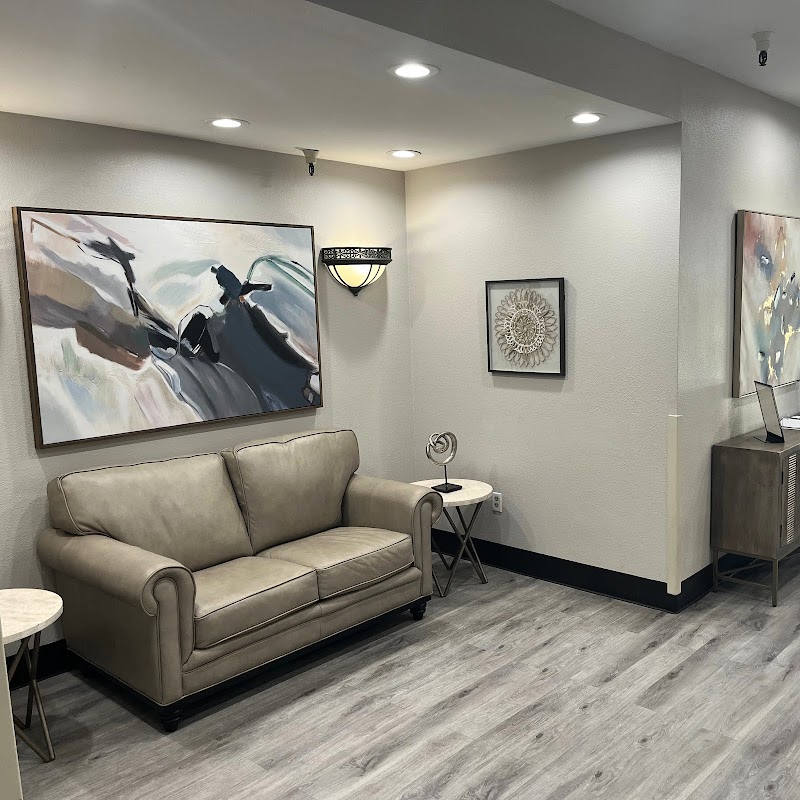
How is Treemont Healthcare And Rehabilitation Center Staffed?

CMS rates TREEMONT HEALTHCARE AND REHABILITATION CENTER's staffing level at 3 out of 5 stars, which is average compared to other nursing homes. Staff turnover is 53%, compared to the Texas average of 46%.

What Have Inspectors Found at Treemont Healthcare And Rehabilitation Center?

State health inspectors documented 49 deficiencies at TREEMONT HEALTHCARE AND REHABILITATION CENTER during 2022 to 2025. These included: 7 Immediate Jeopardy (the most serious level, indicating potential for serious harm or death), 1 that caused actual resident harm, and 41 with potential for harm. Immediate Jeopardy findings are rare and represent the most serious regulatory concerns. They require immediate corrective action.
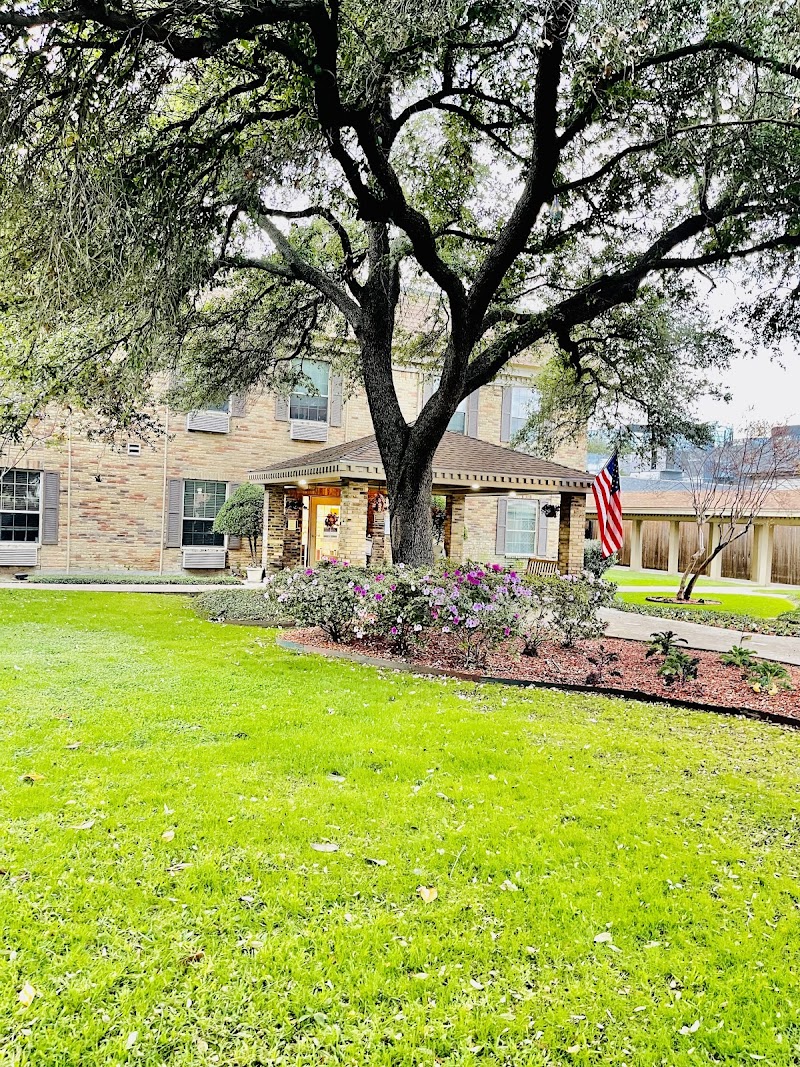
Who Owns and Operates Treemont Healthcare And Rehabilitation Center?

TREEMONT HEALTHCARE AND REHABILITATION CENTER is owned by a government entity. Government-operated facilities are typically run by state, county, or municipal agencies. The facility is operated by CREATIVE SOLUTIONS IN HEALTHCARE, a chain that manages multiple nursing homes. With 130 certified beds and approximately 75 residents (about 58% occupancy), it is a mid-sized facility located in DALLAS, Texas.
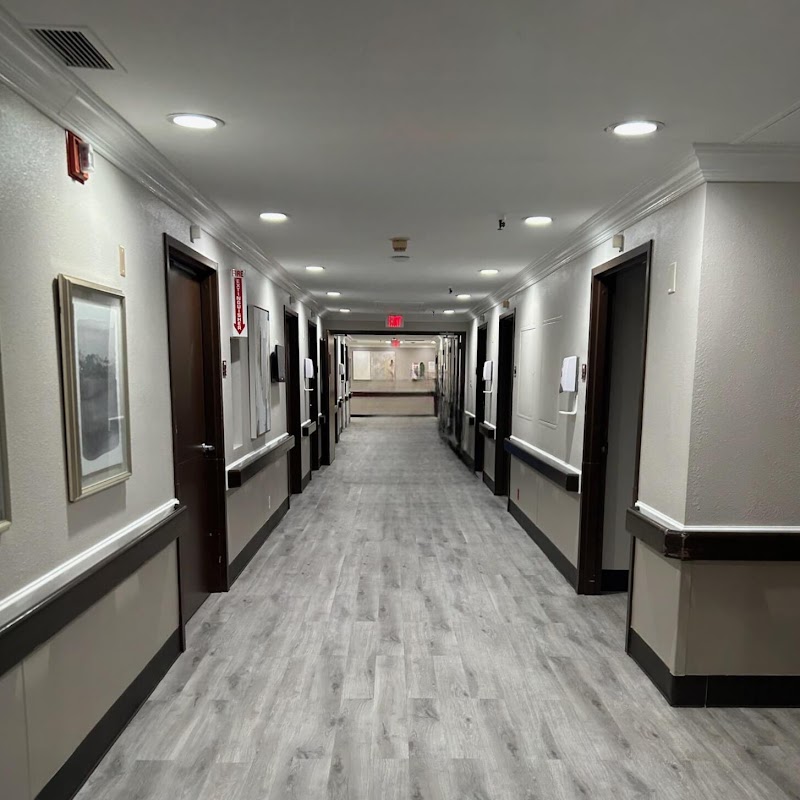
How Does Treemont Healthcare And Rehabilitation Center Compare to Other Texas Nursing Homes?

Compared to the 100 nursing homes in Texas, TREEMONT HEALTHCARE AND REHABILITATION CENTER's overall rating (2 stars) is below the state average of 2.8, staff turnover (53%) is near the state average of 46%, and health inspection rating (2 stars) is below the national benchmark.

What Should Families Ask When Visiting Treemont Healthcare And Rehabilitation Center?

Based on this facility's data, families visiting should ask: "What changes have been made since the serious inspection findings, and how are you preventing similar issues?" "Can I visit during a mealtime to observe dining assistance and food quality?" "How do you handle medical emergencies, and what is your hospital transfer rate?" "Can I speak with family members of current residents about their experience?" These questions are particularly relevant given the facility's Immediate Jeopardy citations.

Is Treemont Healthcare And Rehabilitation Center Safe?

Based on CMS inspection data, TREEMONT HEALTHCARE AND REHABILITATION CENTER has documented safety concerns. Inspectors have issued 7 Immediate Jeopardy citations (the most serious violation level indicating risk of serious injury or death). The facility has a 2-star overall rating and ranks #100 of 100 nursing homes in Texas. Families considering this facility should ask detailed questions about what corrective actions have been taken since these incidents.

Do Nurses at Treemont Healthcare And Rehabilitation Center Stick Around?

TREEMONT HEALTHCARE AND REHABILITATION CENTER has a staff turnover rate of 53%, which is 7 percentage points above the Texas average of 46%. Moderate turnover is common in nursing homes, but families should still ask about staff tenure and how the facility maintains care continuity when employees leave.

Was Treemont Healthcare And Rehabilitation Center Ever Fined?

TREEMONT HEALTHCARE AND REHABILITATION CENTER has been fined $135,396 across 5 penalty actions. This is 3.9x the Texas average of $34,433. Fines at this level are uncommon and typically indicate a pattern of serious deficiencies, repeated violations, or failure to correct problems promptly. CMS reserves penalties of this magnitude for facilities that pose significant, documented risk to resident health or safety. Families should request specific documentation of what issues led to these fines and what systemic changes have been implemented.

Is Treemont Healthcare And Rehabilitation Center on Any Federal Watch List?

TREEMONT HEALTHCARE AND REHABILITATION CENTER is not on any federal watch list. The most significant is the Special Focus Facility (SFF) program, which identifies the bottom 1% of nursing homes nationally based on persistent, serious quality problems. Not being on this list means the facility has avoided the pattern of deficiencies that triggers enhanced federal oversight. This is a positive indicator, though families should still review the facility's inspection history directly.