VILLAGES OF LAKE HIGHLANDS
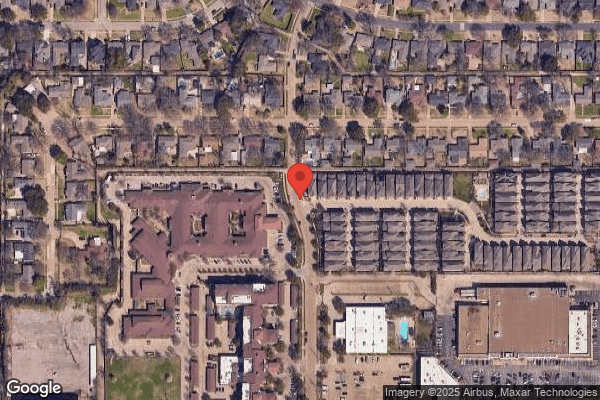

8615 LULLWATER DR, DALLAS, TX 75238 (214) 221-0444
For profit - Corporation 126 Beds Independent Data: November 2025 4 Immediate Jeopardy citations
Trust Grade
0/100
#882 of 1168 in TX
Last Inspection: May 2025

Inspected within the last 6 months. Data reflects current conditions.

Overview

Villages of Lake Highlands has received a Trust Grade of F, indicating significant concerns about the quality of care provided. They rank #882 out of 1168 facilities in Texas, placing them in the bottom half, and #61 out of 83 in Dallas County, suggesting that there are better local options available. The facility’s performance has been stable, with no improvement or decline in the number of issues reported over the past couple of years. Staffing is a relative strength, with a rating of 4 out of 5 stars and a turnover rate of 48%, which is slightly below the state average, indicating that staff tend to remain in their positions. However, there are serious concerns highlighted in the inspector findings, including failures to provide essential diabetic care and timely respiratory interventions, which led to critical medical emergencies for residents. While staffing and quality measures show some strengths, the overall poor trust grade and concerning incidents warrant careful consideration for families researching this facility.

Trust Score
F
0/100
In Texas
#882/1168
Bottom 25%
Safety Record
High Risk
Review needed
Inspections
Holding Steady
6 → 6 violations
Staff Stability
⚠ Watch
48% turnover. Above average. Higher turnover means staff may not know residents' routines.
Penalties
⚠ Watch
$17,143 in fines. Higher than 81% of Texas facilities, suggesting repeated compliance issues.
Skilled Nurses
⚠ Watch
Each resident gets only 28 minutes of Registered Nurse (RN) attention daily — below average for Texas. Fewer RN minutes means fewer trained eyes watching for problems.
Violations
⚠ Watch
13 deficiencies on record. Higher than average. Multiple issues found across inspections.
★★☆☆☆
2.0
Overall Rating
★★★★☆
4.0
Staff Levels
★★★★★
5.0
Care Quality
★☆☆☆☆
1.0
Inspection Score
Stable
2024: 6 issues
2025: 6 issues

The Good

  • 4-Star Staffing Rating · Above-average nurse staffing levels
  • 5-Star Quality Measures · Strong clinical quality outcomes
  • Full Sprinkler Coverage · Fire safety systems throughout facility
  • No fines on record

Facility shows strength in staffing levels, quality measures, fire safety.

The Bad

2-Star Overall Rating

Below Texas average (2.8)

Below average - review inspection findings carefully

Staff Turnover: 48%

Near Texas avg (46%)

Higher turnover may affect care consistency

Federal Fines: $17,143

Below median ($33,413)

Minor penalties assessed

The Ugly 13 deficiencies on record

4 life-threatening 1 actual harm
Sept 2025 2 deficiencies 1 IJ
CRITICAL (J) 📢 Someone Reported This

A family member, employee, or ombudsman was alarmed enough to file a formal complaint

Immediate Jeopardy (IJ) - the most serious Medicare violation

Accident Prevention (Tag F0689)

Someone could have died · This affected 1 resident

**NOTE- TERMS IN BRACKETS HAVE BEEN EDITED TO PROTECT CONFIDENTIALITY** Based on observation, record review and interview, the facility failed to ensure residents receive treatment and care in accorda...

Read full inspector narrative →
**NOTE- TERMS IN BRACKETS HAVE BEEN EDITED TO PROTECT CONFIDENTIALITY** Based on observation, record review and interview, the facility failed to ensure residents receive treatment and care in accordance with professional standards of practice for 1 (Resident #1) of 20 residents reviewed for quality of care. The facility failed to provide Resident #1 with diabetic treatments on 09/10/25 which included checking blood sugars and administering insulin. The non-compliance was identified as past non-compliance (PNC). The IJ began on 09/10/25 and ended on 09/12/25 and the facility had corrected the non-compliance before the state's investigation began. This failure could place residents' health and safety at risk.Findings included: Record review of Resident #1's face sheet, dated 09/12/25 reflected, she was a [AGE] year-old female who was admitted [DATE] and diagnosed with but not limited to: Type 2 Diabetes Mellitus (chronic disease characterized by high blood sugar) with diabetic chronic kidney disease(Diabetic nephropathy affects the kidneys' usual work of removing waste products and extra fluid from the body), end stage renal disease(chronic kidney disease progresses to a point where the kidneys lose nearly all their filtering ability. atherosclerotic heart disease of native coronary artery without angina pectoris( A condition where the arteries supplying blood to the heart become narrowed due to the accumulation of plaquette and altered mental status unspecified. Record review of Resident #1's MDS assessment, dated 09/10/25 reflected his BIMS score was 06 which indicated severe cognitive impairment. Record review of Resident #1's orders, dated 09/10/25 reflected: Humalog Kwik Pen Subcutaneous Solution Pen-injector 100 UNIT/ML (Insulin Lispro) Inject as per sliding scale: if 70 - 240 = 0 UNITS <70 INSTITUTE HYPOLYCEMIA PROTOCOL AND CALL MD;241 - 300 = 2 UNITS; 301 - 350 = 3 UNITS; 351 - 400 = 4 UNITS >400 GIVE 5 UNITS AND CALL MD, subcutaneously at bedtime for DM start date on 09/05/25 at 6:00pm. Insulin Glargine Subcutaneous Solution Pen-injector 100 UNIT/ML (Insulin Glargine)Inject 23 unit subcutaneously one time a day for DM start date of 09/10/25 at 8am INSULIN LISPRO 100 UNIT/ML VL Inject as per sliding scale: if 70 - 130 = 0 UNIT <70 INSTITUTE HYPOGLYCEMIA PROTOCOL AND CALL MD; 131 - 180 = 1 UNIT; 181 - 240 = 2 UNITS; 241 - 300 = 3 UNITS; 301 - 350 = 4 UNITS; 351 - 400 = 5 UNITS >400 GIVE 6 UNITS AND CALL MD, subcutaneously before meals and at bedtime related to TYPE 2 DIABETES MELLITUS WITH DIABETIC CHRONIC KIDNEYDISEASE (E11.22) start date of 09/08/25 at 7:30 am Record review of Resident #1's TAR for the month of September 2025 reflected on 09/10/25: At 7:30am Resident #1 blood sugar was 522 and injected 9 units of Insulin Lispro 100unit/ML signed by LVN B [SH1] [SH1] At 8:00 am Resident #1's blood sugar was 522 and injected 23 units of Insulin Glargine 100 unit/ml, signed by LVN A At 11:30 am Resident#1 blood sugar was 522 and injected 9 units of Insulin Lispro 100unit/ML, signed by LVN A At 4:30 pm Resident#1 blood sugar was 522 and injected 4 units of Insulin Lispro 100unit/ML, signed by LVN A At 8:00 pm Resident#1 blood sugar was 522 and injected 1 units of Insulin Lispro 100unit/ML, signed by LVN A At 6:00 pm Resident#1 sugar was 522 and injected with 4 units of Humalog kwik pen, signed by LVN A Record review of Resident#1 progress note dated 09/10/25 at 6:59 am reflected: .After 6AM, resident requested BS check and it was 522mg/dl, [MD] notified and said to give sliding scale, order carried out and 6 units of insulin lispro given by LVN B Record review of Resident#1 progress note dated 09/10/25 at 1:39 pm reflected: Resident#1 vital signs were noted to be B/p 158/74, pulse 93, temp 98.0, resp 17 and o2 sat 97% . at 7:30 AM. [Resident#1] was noted to be laying in bed with no concerns noted at that time. Prior to medication administration. Prior to administration of routine Lantus order resident request an addition 6 units of insulin. [LVN A] educated resident that [LVN A] could not administer an addition dose of insulin as that would be double dosing and there isn't an order. [LVN A] administered resident's routine Lantus order at 825 AM.[LVN B] instructed the [resident#1] that [LVN A] would recheck her blood sugar but her husband transported resident from facility. Resident#1 [family member#1] arrived at facility with wheelchair stated, I'm taking [Resident#1] for an evaluation as she was in DKA and we will return later.[ Family member#1] also stated, [Resident#1] knows her body. When asked how did [family member#1] determine she was in DKA. [Resident#1] was seated in wheelchair and smiled at [LVN A] when exciting facility with no distress noted. [LVN A] then received a phone call from [Resident#1 family member#2] aggressively state that [Resident#1] blood sugar was taken at 5:30am and that no one has done anything or even check on [Resident#1].[LVN A] attempt to tell [family member#2] what was done while she continue to call [LVN A] a liar, a neglectful nurse until she hung up. by LVN A Record review of Resident#1 progress notes dated 09/10/25 at 4:54 pm[LVN M ] and [Admin] spoke with [resident#1 family member#1] regarding the status of [Resident#1]and to follow up with any concerns he may have. [Family Member#1] was very appreciative of the care [Resident#1] has received since she admitted to [facility], stating the care has been great and he has no questions or concerns at this time. [Family Member#1] also apologized for [Family Member#2] behavior towards the charge nurse this morning, stating, [Family Member#2] is an alarmist, asking us to disregard anything [Family Member#2] stated as [Family member#1] was the POA. [LVN M ] did reiterate that charge nurse did follow all policies and procedures, following Physician's orders during the care of [Resident#1] this morning. [Family Member#1] agreed and stated that [Resident#1] was just a brittle diabetic, knows her body and wanted to ensure she wasn't in DKA, so [Family Member#1] chose to [Resident#1] to the ER to be evaluated. He also stated that he will be bringing her back to [Facility]. by LVN M Record review of Resident#1 hospital record dated 09/12/25 reflected, Resident#1 was admitted to the hospital at 10:44 am on 09/10/25. Record review reflected Resident#1 was diagnosed with DKA (serious complication of diabetes that occurs when the body lacks sufficient insulin This condition leads to high blood sugar levels and the accumulation of acidic substances called ketones in the body.) Record review revealed Resident#1 insulin level was 364 at 1:55 pm. Record review revealed Resident#1 received intravenous fluids and insulin. An interview on 09/12/25 at 12:30 pm with Resident #1 at the hospital revealed she had been feeling weak and tried to do anything. Resident#1 stated that she did not want to participate in PT which was her main reason for being in the facility to get stronger. Resident#1 stated she knew she was in DKA and wanted to go to the hospital. Resident#1 stated she called her husband because he would get her to the hospital faster than the facility. Resident#1 stated LVN A did not check her blood sugar or give her insulin on 09/10/25 before she left the facility. An interview on 09/12/25 at 12:45pm, the hospital Nurse stated Resident#1 last blood sugar results were 84. Attempted to call LVN A on 09/12/25 at 4:15pm and on 09/13/25 at 12:30 PM, surveyor was not able to leave voicemail. During an interview over the phone at 5:10 am LVN B stated she checked Resident#1 blood sugar around 6:30 am and it was 522. LVN B stated she called the MD and he said to check her blood sugar again at 8am when she received her 8am scheduled insulin and call the MD back. LVN B stated she informed LVN A about Resident#1 current condition. Resident#1 orders were updated in the system. During an interview on 09/13/25 at 2:30 pm, the Medical Director stated he was called about Resident #1's blood sugar reading being in the 500's on 09/10/25 about 6:45 am. The Medical Director stated he sent new orders and additional monitoring steps for Resident#1. The Medical Director stated staff had to check Resident#1 blood sugars before giving insulin to make sure the right number of units are given. The Medical Director stated staff cannot falsify documentation because that will put residents in the facility health at risk. The non-compliance was identified as past non-compliance (PNC). The IJ began on 09/10/25 and ended on 09/12/25. The facility had corrected the non-compliance before the state's investigation began. During an interview on 09/12/25 at 3:30 pm, with the Admin and the CN/DON, the CN/DON stated the facility implemented the following interventions and procedures to ensure residents received necessary care/treatment to prevent serious injury or harm: revised Diabetic protocol with the Medical Director, QAPI meeting with Medical Director, diabetic resident audited daily for a week then weekly for a month and then monthly after, in-service on ANE, recognizing the signs and symptoms of hypoglycemia/hyperglycemia, record review of Emergency QAPI plan dated 09/11/25, signed by MD, Admin, the CN/DON. The CN/DON stated staff have had competency testing blood sugars, given insulin, abuse/neglect and documentation. The CN/DON stated LVN A was suspended after Resident#1 family stated he did not do her blood sugar check on 09/10/25. The CN/DON stated after investigating the incident, LVN A stated he did not check Resident#1 blood sugar and used LVN B readings the morning of 09/10/25. The CN/DON and Admin reported LVN A license to the BON on 09/11/25. The Admin and DON terminated LVN A on 09/12/25. The CN/DON except staff to follow the orders, check blood sugars, use proper hygiene and document their own observation. Observation and interview on 09/12/25 between 3:30 pm to 4:00 pm revealed LVN C completed a mock trial and went over the process of taking blood sugars, giving insulin, and completing documentation. During an interview and observation round on 09/12/25 at 4:30 pm, the surveyor observed LVN C take Resident#2's Blood sugar, sanitize machine and area, complete and document findings in the TAR. LVN C stated documenting false information will result in termination, and your license being reported to the board. During an interview on 09/12/25 4:30 pm to 5:30 pm LVN C, LVN H, LVN I, LVN B, LVN N, RN O and ADON P were knowledge about updated policy and procedures for the diabetic residents, abuse/neglect and documentation. During interviews over the phone on 09/13/25 between 4:00 am to 5:00 am, LVN E, LVN F, LVN G stated documenting false information would result in termination, and their license being reported to the board. LVN E, LVN F, LVN G stated nurses could only document the readings that he or she observed. LVN E, LVN F, LVN G stated documenting incorrect information could result in possible harm or death. LVN E, LVN F, LVN G were knowledge about updated policy and procedures for the diabetic residents, signs/symptoms of hypo/hyperglycemia, abuse/neglect and documentation. During interviews on 09/13/25 between 10:30 am and 11:25 am, LVN D LVN J, LVN K and LVN L were able to describe and give examples of abuse/neglect, updated policy for diabetics, documentation, and sign/symptoms for hypo/hyperglycemia. LVN D LVN J, LVN K and LVN L stated if a resident blood sugar tested too high or too low the nurse had to monitor the resident and recheck blood sugar in 30 minutes. During an interview and observation round on 09/13/25 at 11:30 am, surveyor observed LVN D take Resident#3, Resident#4, Resident#5's Blood sugar, sanitize machine and area, complete and document findings in the TAR. LVN D stated that nurses could not document the previous nurse readings, nurses could only document their own observed readings. LVN D stated that documenting false information would result in termination, and their license would be reported to the board. LVN D stated residents could be in danger of not getting enough medication or too much that could be harmful. During interviews on 09/13/25 between 11:45 am to 12:15 pm, Resident #2, Resident#3, Resident#4 and Residents#5 did not have any concerns about blood sugars or receiving diabetic medications. Attempted to call LVN A on 09/13/25 at 12:30pm, the surveyor was not able to leave voicemail. During an interview on 09/13/25 at 2:00 pm, the PCP stated Resident#1 was a Type one diabetic, and her blood sugar usually was 400 and could change quickly. The PCP stated blood sugars had to be checked before given insulin. The PCP stated Resident#1 had a history of being non-compliant with her diet and DKA in the past. Record review of facility Emergency QAPI meeting and sign sheet, dated 09/11/25 reflected: Identification of concern: On 09/11/25, the facility identified a serious concern regarding a nurse failing to check residents' blood sugars as ordered and falsifying documentation of a blood sugar reading. The a facility immediately Conducted a review of diabetic residents' charts and practices. It was determined that staff competency, documentation, integrity and monitoring system were Compliant with facility protocols, nursing practice and regulatory requirements. This emergency QAPI plan is developed in response to the isolated and the purpose of this plans to.Ensure resident safety by preventing neglect, reinforce accurate timely and honest documentation. Verify staff competency in performing blood glucose check and administering insulin. Maintain monitoring and auditing practices for accountability and compliance. Root cause analysis and corrective actions:1. resident safety review: The Don/designee immediately reviewed our residents with diabetes to ensure to ensure blood sugars were properly checked and treatment provided as needed on 9/11/2025.2. Chart Audit: The facility initiated daily audits of 100% of diabetic charts beginning on 9/11/2025 to ensure blood sugar checks and insulin administration were completed and documented accurately. This will continue daily for two weeks, then weekly for six weeks, then monthly until compliance is sustained for three consecutive months.3. Competency checks- blood sugar monitoring. All licensed nurses begin. Return demonstration on 9/11/2025 to verify competency in performing blood glucose checks completely, including infection control, accurate use of the glucometer. Notification of the physician when warranted. correct documentation.4. Competency, check insulin administration: All licensed nurses begin return to demonstrations on insulin administration on 9/11/2025. Competency includes dosage verification, injection techniques, resident monitoring, and documentation.5. Education on neglect and documentation. The Executive Director/Designee provided mandatory and services beginning 9/11/2025 for all nursing staff on: resident neglect related to miss blood sugars. Legal and ethical consequences of falsifying documentation.6. Random spot checks. Supervisors will conduct unannounced direct observation of staff performing blood sugar checks and insulin administration to ensure compliance and procedures.7. Accountability: Staff who failed to check blood sugars as ordered or falsely documentation or face disciplinary actions up to and including termination. #8. Oversight The DON/ designee will continue to oversee diabetic care and staff compliance audits. Results will be reported to the Administrator, Medical Director and QAPI Committee for ongoing review.9. Emergency QAPI Meeting: The facility held an emergency QAPI meeting on 9/11/2025 to discuss their concerns and implement corrective actions and engage the Medical Director in oversight.10. Facility Actions: The investigation determined the nurse did not check the resident blood sugar and falsified his actions by documenting a blood sugar of 522. The nurse was reported to the Texas Board of Nursing on 9/11/25, was immediately suspended from work, and the facility has terminated the nurse employment on 9/12./2025.11. QAPI Statement Any staff members found to have engaged in false documentation or neglect will face immediate disciplinary action, up to and including termination and reporting to the State Board of Nursing according to facility policy and state law. The facility reported the incident to HHSC on 9/11/25 after Resident#1 family reported the incident. Record review of chart audit of diabetic residents started on 09/11/25. Record review of the BON complaint form dated 09/11/25 completed by the CN/DON reflected: on 09/10/25 at 6:40 am LVN B check resident#1 one blood sugar and received a reading of 522. The physician was notified and gave order to administer sliding scale insulin and monitor resident around 8:00 AM LVN B administered Resident#1 Scheduled Lantus 23 unit via route subcutaneous. Documentation shows LVN A noted blood sugar of 522 at 8:00am administration. Resident#1 family member reported LVN A did not take Resident#1 blood sugar. When questioning LVN A did not collect glucose reading before administering the Lantus, he replied, I did not When further questioned where this 522 reading he enters came from, he stated, It was the one collected by other nurse at 6:40 am. Resident is currently in the hospital for DKA. Record review of in-service training dated 09/11/25 titled care of patients with diabetes reflected, monitoring patient, checking blood sugars, measuring and administering insulin, follow up, notifying MD and documentation. Record review of LVN A's termination documentation reflected:LVN A was terminated on 09/12/25 with LVN A signature. Record review of chart audit of diabetic residents started on 09/12/25. Record review of the facility's in-Service Training: Zero Tolerance for Falsifying Documentation, undated, and reflected:19 staff participated in the in-serviceLearning Objectives1. Understand the facility's zero-tolerance policy for falsifying documentation.2. Recognizing how failing to provide care but documenting care was provided constitutes both neglect and fraudulent documentation.3. Demonstrate knowledge of correct procedures for documentation.4. Identify the disciplinary consequences of falsifying documentation.________________________________________Content1. What is Falsification of Documentation? Recording information in the medical record that is not true, not performed, or intentionally altered. Examples include:o Documenting a blood sugar reading that was not actually taken.o Signing off medications or treatments that were not provided.o Changing a resident's vital signs to appear within normal limits.o Backdating entries or forging signatures. o Changing test results or omitting critical details. o Ghost entries for care that never occurred.________________________________________2. Why is This Serious? Resident Safety: Missing or falsified provision of care can lead to residents not receiving what they need to ensure they are safe and could include hospitalization or death. Inaccurate records can lead to misdiagnoses, improper treatment, and dangerous medical errors. Neglect: Failing to provide care as ordered is considered neglect and violates residents' rights to proper care. Legal & Regulatory Consequences: Falsification can result in serious legal action, including criminal charges, fines, and civil lawsuits, especially in cases of fraud or medical malpractice. This can result in loss of licensure, fines, or termination. Healthcare professionals, such as nurses, can face licensing suspension, revocation, or probation from their state board for fraudulent documentation.________________________________________3. Facility Zero Tolerance Policy Falsifying documentation in any form is strictly prohibited. No Tolerance Standard:o Any employee found falsifying documentation will face disciplinary action, up to and including termination of employment.o Repeated or intentional violations may be reported to the state licensing board and law enforcement if fraud or resident harm is involved.________________________________________4. Staff Responsibility Provide care exactly as ordered. Document only what you did, when you did it, and the actual results. Ask for clarification if you are unsure of an order or what documentation is required. Report errors and mistakes in a timely manner. Record review of facility Post-Test: Zero Tolerance for Falsifying Documentation, undated reflected: 19 staff had participated in the post test for zero tolerance for Falsifying Documentation Staff results reflected a score of 100%Record review of facility post- test: Abuse, Neglect and Misappropriation dated 09/11/25 reflected,45 staff participated in the post with a score of 100%.1. Abuse id defined as : The intentional infliction of physical harm, pain, or mental anguish2. Neglect occurs when staff: Intentionally fail to provide needed care or services3. Misappropriation of resident property means: Intentionally using or taking a resident's money, belonging, or property without consent.4. All staff considered mandatory reporters of abuse, neglect and misappropriation5. If you witness or suspect abuse, neglect, or misappropriation, your first responsibility is to:-I have attended training on abuse, neglect, and misappropriation-I understand the definitions, signs, and reporting requirements-I understand that I am a mandatory reporter and must immediately report any suspected or witnessed abuse, neglect, or misappropriation.-I understand that failure to follow reporting procedures may result in disciplinary action, up tp and including termination, and potential legal consequences.
CONCERN (E) 📢 Someone Reported This

A family member, employee, or ombudsman was alarmed enough to file a formal complaint

Potential for Harm - no one hurt, but risky conditions existed

Medical Records (Tag F0842)

Could have caused harm · This affected multiple residents

**NOTE- TERMS IN BRACKETS HAVE BEEN EDITED TO PROTECT CONFIDENTIALITY** Based on observation, record review, and interview, the facility failed to maintain medical records on each resident that are ac...

Read full inspector narrative →
**NOTE- TERMS IN BRACKETS HAVE BEEN EDITED TO PROTECT CONFIDENTIALITY** Based on observation, record review, and interview, the facility failed to maintain medical records on each resident that are accurately documented for 1 (Resident #1) of 5 residents reviewed for administration. The facility failed to ensure Resident #1 had accurate TAR documentation in the EHR on 09/10/25 for Resident #1's blood sugar checks, Humalog Kwik pen injection, and insulin lispro 100 unit/ml injection by LVN A . The non-compliance was identified as past non-compliance (PNC). The PNC began on 09/10/25 and ended on 09/12/25 and the facility had corrected the non-compliance before the state's investigation began. This failure could place residents at risk of not receiving the proper care or treatment and services.Findings included:Record review of Resident #1's face sheet, dated 09/12/25 reflected, she was a [AGE] year-old female who was admitted [DATE] and diagnosed with but not limited to: Type 2 Diabetes Mellitus (chronic disease characterized by high blood sugar) with diabetic chronic kidney disease(Diabetic nephropathy affects the kidneys' usual work of removing waste products and extra fluid from the body), end stage renal disease (chronic kidney disease progresses to a point where the kidneys lose nearly all their filtering ability. atherosclerotic heart disease of native coronary artery without angina pectoris (A condition where the arteries supplying blood to the heart become narrowed due to the accumulation of plaquette and altered mental status unspecified. Record review of Resident #1's MDS assessment, dated 09/10/25 reflected his BIMS score was 06 which indicated severe cognitive impairment. Record review of Resident#1 orders reflected: HumaLOG KwikPen Subcutaneous Solution Pen-injector 100 UNIT/ML (Insulin Lispro)Inject as per sliding scale: if 70 - 240 = 0 UNITS <70 INSTITUTE HYPOLYCEMIA PROTOCOL AND CALL MD;241 - 300 = 2 UNITS; 301 - 350 = 3 UNITS; 351 - 400 = 4 UNITS >400 GIVE 5 UNITS AND CALL MD,subcutaneously at bedtime for DM start date on 09/05/25 at 6:00pm. Insulin Glargine Subcutaneous Solution Pen-injector 100 UNIT/ML (Insulin Glargine)Inject 23 unit subcutaneously one time a day for DM start date of 09/10/25 at 8am INSULIN LISPRO 100 UNIT/ML VL Inject as per sliding scale: if 70 - 130 = 0 UNIT <70 INSTITUTE HYPOGLYCEMIA PROTOCOL AND CALL MD; 131 - 180 = 1 UNIT; 181 - 240 = 2 UNITS; 241 - 300 = 3 UNITS; 301 - 350 = 4 UNITS; 351 - 400 = 5 UNITS >400 GIVE 6 UNITS AND CALL MD, subcutaneously before meals and at bedtime related to TYPE 2 DIABETES MELLITUS WITH DIABETIC CHRONIC KIDNEYDISEASE (E11.22) start date of 09/08/25 at 7:30 am Record review of Resident#1 TAR for the month of September 2015 reflected on 09/10/25:At 7:30am Resident#1 blood sugar was 522 and injected 9 units of Insulin Lispro 100unit/ML signed by LVN B At 8:00 am Resident#1 blood sugar was 522 and injected 23 units of Insulin Glargine 100 unit/ml, signed by LVN A At 11:30 am Resident#1 blood sugar was 522 and injected 9 units of Insulin Lispro 100unit/ML, signed by LVN A At 4:30 pm Resident#1 blood sugar was 522 and injected 4 units of Insulin Lispro 100unit/ML, signed by LVN A At 8:00 pm Resident#1 blood sugar was 522 and injected 1 units of Insulin Lispro 100unit/ML, signed by LVN A At 6:00 pm Resident#1 sugar was 522 and injected with 4 units of Humalog kwik pen, signed by LVN A Record review of Resident #1's hospital records dated 09/12/25 reflected, Resident#1 was admitted to the hospital 10:44 am on 09/10/25. Record review reflected Resident#1 was diagnosed with DKA (serious complication of diabetes that occurs when the body lacks sufficient insulin This condition leads to high blood sugar levels and the accumulation of acidic substances called ketones in the body.) Record review revealed Resident#1 insulin level was 364 at 1:55 pm. Record review revealed Resident#1 received intravenous fluids and insulin). During an interview on 09/13/25 at 2:30 pm, the Medical Director stated he was called about Resident #1's blood sugar reading being in the 500's on 09/10/25 about 6:45 am. The Medical Director stated he sent new orders and additional monitoring steps for Resident#1. The Medical Director stated staff had to check Resident#1 blood sugars before giving insulin to make sure the right number of units are given. The Medical Director stated staff cannot falsify documentation because that will put residents in the facility health at risk. The non-compliance was identified as past non-compliance (PNC). The PNC began on 09/10/25 and ended on 09/12/25. The facility had corrected the non-compliance before the state's investigation began. During an interview on 09/12/25 at 3:30 pm, The CN/DON stated staff have had competency testing blood sugars, given insulin, abuse/neglect and documentation. The CN/DON stated LVN A was suspended after Resident#1 family stated he did not do her blood sugar check on 09/10/25. The CN/DON stated after investigating the incident, LVN A stated he did not check Resident#1 blood sugar and used LVN B readings the morning of 09/10/25. The CN/DON and Admin reported LVN A license to the BON on 09/11/25. The Admin and DON terminated LVN A on 09/12/25. The CN/DON except staff to follow the orders, check blood sugars, use proper hygiene and document their own observation. During an interview on 09/12/25 at 4:30 pm LVN C stated documenting false information will result in termination, and your license being reported to the board. During an interview over the phone on 09/13/25 between 4:00am to 5:00am, LVN E, LVN F, LVN G stated documenting false information will result in termination, and your license being reported to the board. LVN E, LVN F, LVN G stated nurses can only document the readings that he or she observed. LVN E, LVN F, LVN G stated documenting incorrect information could result in possible harm or death. During an interview with the CN/DON on 09/13/25 3:30 pm she stated purposely documenting wrongful information will result in suspension until investigation was completed, termination and license reported to the appropriate state board. The CN/DON stated residents can have a decline in health from falsifying documentation. Record review of falsifying documentation in-service, dated 09/11/25 reflected:Learning Objectives1. Understand the facility's zero-tolerance policy for falsifying documentation.2. Recognizing how failing to provide care but documenting care was provided constitutes both neglect and fraudulent documentation.3. Demonstrate knowledge of correct procedures for documentation.4. Identify the disciplinary consequences of falsifying documentation.Content1. What is Falsification of Documentation? Recording information in the medical record that is not true, not performed, or intentionally altered. Examples include:o Documenting a blood sugar reading that was not actually taken.o Signing off medications or treatments that were not provided.o Changing a resident's vital signs to appear within normal limits.o Backdating entries or forging signatures. o Changing test results or omitting critical details. o Ghost entries for care that never occurred.2. Why is This Serious? Resident Safety: Missing or falsified provision of care can lead to residents not receiving what they need to ensure they are safe and could include hospitalization or death. Inaccurate records can lead to misdiagnoses, improper treatment, and dangerous medical errors. Neglect: Failing to provide care as ordered is considered neglect and violates residents' rights to proper care. Legal & Regulatory Consequences: Falsification can result in serious legal action, including criminal charges, fines, and civil lawsuits, especially in cases of fraud or medical malpractice. This can result in loss of licensure, fines, or termination. Healthcare professionals, such as nurses, can face licensing suspension, revocation, or probation from their state board for fraudulent documentation.3. Facility Zero Tolerance Policy Falsifying documentation in any form is strictly prohibited. No Tolerance Standard:o Any employee found falsifying documentation will face disciplinary action, up to and including termination of employment.o Repeated or intentional violations may be reported to the state licensing board and law enforcement if fraud or resident harm is involved.4. Staff Responsibility Provide care exactly as ordered. Document only what you did, when you did it, and the actual results. Ask for clarification if you are unsure of an order or what documentation is required. Report errors and mistakes in a timely manner.
Aug 2025 1 deficiency 1 IJ (1 affecting multiple)
CRITICAL (K) 📢 Someone Reported This

A family member, employee, or ombudsman was alarmed enough to file a formal complaint

Immediate Jeopardy (IJ) - the most serious Medicare violation

Quality of Care (Tag F0684)

Someone could have died · This affected multiple residents

**NOTE- TERMS IN BRACKETS HAVE BEEN EDITED TO PROTECT CONFIDENTIALITY** Based on observation, interview and record review, the facility failed to ensure that residents received treatment and care in a...

Read full inspector narrative →
**NOTE- TERMS IN BRACKETS HAVE BEEN EDITED TO PROTECT CONFIDENTIALITY** Based on observation, interview and record review, the facility failed to ensure that residents received treatment and care in accordance with professional standards of practice, the comprehensive person-centered care plan, and the residents' choices when they failed to ensure physician orders were communicated and carried out in a timely manner for 1 of 4 residents reviewed (Resident #1).The facility failed to check Resident #1's blood sugar twice a day per physician orders from 08/06/25 to 08/13/25. On 08/13/25 Resident #1 had a FSBS of 34 resulting in her being sent to the hospital for emergency interventionAn IJ was identified on 08/27/25. While the IJ was removed on 08/28/25, the facility remained out of compliance at a scope of pattern and a severity level of potential for more than minimal harm because the facility was continuing to monitor the implementation and effectiveness of their Plan of Removal.This failure could place residents at risk of experiencing a medical emergency and transfer to the hospital for treatment.Findings included:Record review of Resident #1's quarterly MDS, dated [DATE], revealed a [AGE] year-old female who admitted on [DATE]. Her cognitive skills for decision making were that she sometimes understood and sometimes was able to make her needs understood, she had no BIMS score documented. Her diagnoses included mechanical complication of surgically created arteriovenous fistula(complications that can cause issues such as poor fistula function, limb swelling(edema) or heart failure due to increased workload of the heart), methicillin-susceptible Staphylococcus aureus (a bacterial infection caused by Staphylococcus aureus bacteria), dependency on renal dialysis (a life-sustaining treatment that filters waste and excess fluid from the blood when the kidneys can no longer do), heart failure (a condition where the heart cannot pump blood effectively enough to meet the body's needs), renal insufficiency (a condition where the kidneys do not function properly, leading to a decreased ability to filter waste products from the blood and maintain fluid balance), diabetes mellitus (a chronic metabolic disease characterized by persistently high blood sugar (glucose) levels), and cerebrovascular accident (a medical condition that occurs when blood flow to the brain is interrupted, causing brain tissue damage). Record review of Resident #1's care plan, initiated 08/13/2025, reflected the following: Focus: Risk for Infection. Intervention: Administer antibiotic therapy as prescribed, Educate Resident/Representative on infection control practices. Record review of Resident #1's physician orders for August 2025 reflected the following: Please check fingerstick BID. Verbal . Active .Order date of 08/06/25 and no start date.Record review of Resident #1's physician orders for August 2025 reflected the following: ceFAZolin Sodium(antibiotic primarily used to treat bacterial infection used before, during or after surgery) Injection Solution Reconstituted 1GM (Cefazolin Sodium) Use 1 gram intravenously in the morning every Mon, Tue, Wed, Thu for bacteremia until 09/12/2025 23:59 Administered via HDVerbal Active 08/08/2025 08/11/2025 with stop date 09/12/2025. ceFAZolin Sodium Injection Solution Reconstituted 1GM (Cefazolin Sodium) Use 2 gram intravenously one time a day every Fri for Infection Administered via HD Verbal Active 08/08/2025 08/15/2025. Record review of Resident# 1's MAR dated 08/26/2025 reflected Insulin Degludec FlexTouch Subcutaneous Solution Pen injector 200 UNIT/ML (Insulin Degludec) Inject 20 unit subcutaneously (under the skin) one time a day for DM -Start Date- 08/06/2025 0800.The only FSBS documented was with insulin administration. The was no order noted on the MAR for FSBS BID. Record review of Resident #1's Progress Notes, written by LVN A, reflected the following:08/13/25 at 7:10AM - The Resident was noted to be unresponsive to verbal stimuli. Resident opened her eyes to physical stimuli but was unable to respond to verbal questions. Resident could normally interact fully with staff at baseline. B/P 138/64, pulse 82, O2 at 95 on 2L via nasal cannula with crackles noted on exhalation FSBS noted to be 34 (considered dangerously low) administered fast acting carbohydrate orally, blood sugar remained low. Resident was noted to have redness to bilateral feet and hands. 911 emergency call and resident was transported to [Name] hospital for a further evaluation. I spoke with [NAME](daughter) via phone to inform her regarding this situation. During a telephone interview on 08/26/2025 at 10:10 AM, Resident #1's FM revealed that Resident#1 was admitted [DATE] to the facility because she needed to be on antibiotics for an infection in her dialysis shunt. The FM stated that the facility called her the morning of 08/13/2025 and told her Resident #1 was found unresponsive, her blood sugar was low and was transferred to [Name] a hospital in Dallas. She stated after the hospital stay, Resdient#1 did not return to the facility but was transferred home on hospice. She stated Resident #1 had a diagnosis of Diabetes Mellitus with end renal stage disease, yet the facility did not check Resident #1's blood sugar for more than twelve hours. She stated she was told the doctor had orders for Resident#1 to be check every 12 hours. During a telephone interview on 08/26/25 at 12:31 PM, the MD C revealed an order was given on 08/06/25 to check blood sugar twice a day. She stated that on 8/13/2025 the DON notified her the order to check blood sugar twice a day was not followed because the order was entered under other category; therefore, it did not flag in the system to alert the nurses there was a new order. MD C stated the DON had corrected the issue in the EMR system. MD C stated she had given orders to the facility that any resident admitted with diagnosis of diabetes must have FSBS BID for the first week. MD C stated that risk to the resident if the EMR failed to communicate physician orders to the nurses to follow orders to check FSBS BID was the resident could suffer from hyperglycemia (high blood sugar) and/or hypoglycemia(low blood sugar), which could be serious, and lead to hospitalization of the resident. During a telephone interview on 08/27/2025 at 12:26 PM, with RN B, revealed he worked a double shift on 08/12/2025. He stated that he checked the resident's blood sugar at bedtime as a precaution because he had given Resident#1 insulin in the morning. RN B stated that he did not know there was an order for blood sugar checks twice a day. RN B stated he did a late entry remotely to document that he had checked the Resident #1's blood sugar, but it did not reflect on EMR. 8/26/25 at 12:38 PM Phone interview with LVN A revealed that on 08/13/2025 he observed Resident #1 was not responding to verbal stimuli. He checked Resident #1's blood sugar and vital signs. Resident #1's blood sugar was 34. He followed the hypoglycemic oral protocol (oral glucose paste rubbed onto the buccal mucosa (inner lining of the cheek) called the doctor and sent the resident to the emergency room. 08/26/2025 at 1:18PM Interview with DON revealed that Resident#1 admitted with complex medical issues. The DON stated Resident#1 was on hemodialysis for follow up care and an antibiotic for infection in her dialysis shunt. She stated Resident#1 started having redness to her lower extremities and her hands, MD C talked to the FM, and we were to send Resident #1 to the ER. The DON stated the ER said it was vascular, not an allergic reaction to the antibiotic. The DON stated that on 08/13/2025 Resident#1 had a change in condition, a drop in blood sugar, and was sent to the hospital. She stated Resident #1's FM was upset that Resident #1's blood sugar was low. The DON stated that Resident#1's blood sugar was checked the night before on 08/12/2025 by RN B. 08/26/2025 at 2:50PM Phone interview with RN M revealed he worked at night and Resident#1 did not have an order to check FSBS at night. RN M stated all residents with diagnosis of diabetes got a bedtime snack. He stated the nurses' entered orders on the EMR. RN M stated the risk to the patient when the EMR fails to communicate with the nurse to check blood sugar on a resident that was diabetic could have serious complications, including hospitalization. 08/26/25 at 4:43 PM Interview with DON revealed that on 08/13/2025 she noted there was an order entered on 08/06/2025 by the physician to check Resident #1's blood sugar twice a day but the system did not alert the nurses to confirm the order and that was the reason the order was not added to the MAR and not followed by the nurses. 08/26/25 at 4:43 PM interview with CNO revealed that the physician, MD D, entered the order, incorrectly, so the EMR did not alert for the nurse to confirm so it could go on the MAR. She stated the DON had educated the physicians and changed the physicians EMR access so physicians cannot enter the orders. She stated the risk to the patient was a missed high or low blood sugar. An interview on 08/27/2025 at 1:56 PM, MD D revealed Resident #1 had a lot of comorbidities. She stated that blood glucose levels were based on resident's oral intake so even if the nurses checked Resident #1's blood sugar and her oral intake was poor it would not have made a difference. She stated that with aging and with Resident #1 having had a serious infection that could alter blood sugar levels. Review of facility policy titled Medication and Treatment Orders dated 07/2016, and reviewed on 8/27/25 with no identified changes required, reflected, Verbal Orders must be recorded immediately in the residents' chart by the person receiving the order . Record review of the facility's policy titled Diabetes - Clinical Protocol revised November 2022, reflected:As indicated the Physician will order appropriate lab test (for example periodic finger sticks or A1C) and adjust treatments based on these results and other parameter, such as glycosuria, weight gain, or loss hypoglycemia episode, etc.The Physician will order desired parameters for monitoring and reporting information related to blood sugar management.a. The staff will incorporate such parameters into the Medication Administration Record and care plan .5. The staff will identify and report issues that may affect, or be affected by, a patient's diabetes and diabetes management such as foot infections, skin ulceration, increased thirst, or hypoglycemia.a. For example, urgent notification may be indicated if the individual has not eaten well or consumed sufficient fluids for 2 or more days and has fever, hypotension, lethargy, or confusion.b. The Physician will help the staff clarify and respond to these episodes.6. The staff and Physician will manage hypoglycemia appropriately.a. It is important to avoid excessive diabetes management that leads to recurrent episodes of hypoglycemia. For example, a realistic target for AIC in frail older individuals is between approximately 7 and 8, while A1C consistently under 7 is unlikely to provide significant additional benefits but may expose the individual to recurrent hypoglycemia.b. It is important to avoid over-treatment of hypoglycemia, which can result in rebound hyperglycemia and hamper subsequent glucose control.(1) For example, a borderline low blood sugar in the absence of signs and symptoms may not need any acute intervention and may or may not suggest the need to modify oral hypoglycemia medications or insulin.(2) An example of appropriate treatment of hypoglycemia for a responsive individual would be 15 g to20 g of carbohydrate in the form of glucose, sucrose tablets, or juice, combined with a sandwich, crackers, or other light snack containing protein.(3) For someone who is lethargic but not comatose, treatment might include oral glucose paste rubbed onto the buccal mucosa, intramuscular glucagon, or intravenous 50% dextrose. This was determined to be an Immediate Jeopardy (IJ) on 08/27/2025 at 4:43PM. The Administrator, CNO and DON were notified on 08/27/2025 at 5:00PM. The Administrator was provided with the IJ template on 08/27/2025 at 5:13PM. The following Plan of Removal submitted by the facility was accepted on 08/28/25 at 10:13AM. The facility POR for Immediate Jeopardy reflected the following: 1.All current physician orders for all residents were immediately reviewed by DON and Unit Managers on 8/27/25 to ensure accuracy and that orders populate correctly to the MAR/TAR. Any orders entered in the Other category were corrected and properly linked to the MAR/TAR.2.CNO educated DON on proper procedure for receiving, documenting, and verifying physician orders, including recording verbal/telephone orders immediately; ensuring orders are entered under the correct category; verifying that orders populate to the MAR/TAR; and immediate notification to DON/charge nurse if an order does not appear on the MAR. Completed 08/27/25.3.DON/Designee began education to all licensed nurses on 8/27/25 and were immediately in-serviced on the proper procedure for receiving, documenting, and verifying physician orders, including: recording verbal/telephone orders immediately; ensuring orders are entered under the correct category; verifying that orders populate to the MAR/TAR; and immediate notification to DON/charge nurse if an order does not appear on the MAR. Nursing staff unavailable for education will not be allowed to work until in servicing is completed. Education is in progress for all nursing staff and will be required to be completed prior to working their next scheduled shift.4.The EHR system order entry process was corrected to ensure all physician orders trigger a flag for nurse confirmation and MAR placement. The Director of Nursing /designee verified on 8/27/25 that all pending and new orders populate correctly.5.Facility policy Medication and Treatment Orders was reviewed on 8/27/25 and no identified changes required.6.All licensed nurses and providers will be re-educated by DON/Designee on revised order-entry procedures, verification steps, and accountability for ensuring orders are implemented. Physicians and NP/PA staff were notified of updated procedures to ensure clarity of documentation.7.DON/Unit Managers will perform 100% audits of all new physician orders daily for 14 days, then 5x weekly for 30 days, and then weekly for 60 days to verify correct entry and MAR/TAR population. Any discrepancies will be corrected immediately, and staff responsible will receive re-education.8.DON/designee will review all new orders during daily clinical meetings to ensure timely communication and implementation. A monthly QA review will include order-entry accuracy, with findings reported to QAPI committee for ongoing oversight.9.DON/Designee educated Providers their security role in PCC was changed so Providers are no longer able to activate orders within the EMR system. Any order entered by an MD would trigger the nurse to activate. Education for Providers reviewing that they no longer have permissions to enter any orders into PCC was completed by 08/27/25. Monitoring of the facility's Plan of Removal included the following:Interviews with the following staff from 08/28/25 at 10:33 AM to 3:04 PM who worked all shifts and all days of the week revealed they had been in-serviced on the proper procedure for receiving, documenting, and verifying physician orders, including: recording verbal/telephone orders immediately; ensuring orders are entered under the correct category; verifying that orders populate to the MAR/TAR; and immediate notification to DON if an order does not appear on the MAR. LVN A, RN B, LVN F, LVN H, RN I, RN J, RN K.Record review of Emergency QAPI Agenda titled order entry and documentation, dated 08/27/25, reflected Medical Director, Administrator, CNO and DON were in attendance.Record review of in-service sign in sheets, dated 08/27/25, and titled Order Entry Education reflected the DON had signed.Record review of in-service sign in sheets, dated 08/27/25, and titled Order Entry Monitoring Process reflected 26 staff including nurse managers had been in-serviced.Record review of Physician order Confirmation in-service dated 08/14/25 revised on 08/28/2025, reflected 20 staff had been in-serviced.Record review of Chart/New order audit report dated 8/27/2025. 08/28/2025 Interview with CNO and DON reflected that all practitioners have been educated that they no longer have the privilege to confirm orders on PCC. Interview 8/28/2025 11:10am with MD E revealed that he was notified of the Immediate Jeopardy, and he approved of the plan of removal. He stated that now the physicians had been in serviced that doctors cannot confirm orders and only the nurses will confirm all new orders, and he agreed with the POR. An IJ was identified on 08/27/25 at 4:43PM. The IJ template was provided to the facility on [DATE] at 5:13 PM. While the IJ was removed on 08/28/25, the facility remained out of compliance at a scope of pattern and a severity level of potential for more than minimal harm, because the facility was continuing to monitor the implementation and effectiveness of their Plan of Removal.
May 2025 3 deficiencies 1 IJ (1 affecting multiple)
CRITICAL (K) 📢 Someone Reported This

A family member, employee, or ombudsman was alarmed enough to file a formal complaint

Immediate Jeopardy (IJ) - the most serious Medicare violation

Respiratory Care (Tag F0695)

Someone could have died · This affected multiple residents

**NOTE- TERMS IN BRACKETS HAVE BEEN EDITED TO PROTECT CONFIDENTIALITY** Based on observation, interview, and record review, the facility failed to ensure that a resident who needed respiratory care wa...

Read full inspector narrative →
**NOTE- TERMS IN BRACKETS HAVE BEEN EDITED TO PROTECT CONFIDENTIALITY** Based on observation, interview, and record review, the facility failed to ensure that a resident who needed respiratory care was provided such care, consistent with professional standards of practice, the comprehensive person-centered care plan, and the residents' goals and preferences for 1 of 3 Residents (Residents #99) reviewed for respiratory care. The facility failed to promptly notify emergency services when Resident #99 developed respiratory distress following incontinence care on [DATE] at 2:00 PM. The resident's oxygen saturation was 66% and he was on 5 liters of oxygen via nasal cannula. The resident remained in respiratory distress until emergency medical services arrived at 2:45 PM on [DATE] and transferred him to the hospital. An IJ was identified on [DATE]. The IJ template was provided to the facility on [DATE] at 11:00 AM. While the IJ was removed on [DATE], the facility remained out of compliance at a scope of isolated and a severity level of potential for more than minimal harm because all staff had not been trained on [DATE]. This failure could place residents requiring respiratory care at risk for exacerbation of condition up to and including death. The findings included: Record review of Resident 99's admission MDS assessment, dated [DATE], revealed the resident was a [AGE] year-old male admitted on [DATE]. His diagnoses included heart failure, renal failure requiring dialysis, chronic obstructive pulmonary disease (lung disease), and respiratory failure. The resident's BIMs score was 14 indicating the resident was cognitively intact. The resident received oxygen. Record review of Resident #99's physician orders, dated [DATE], reflected: 1. Code Status: Full Code. 2. Oxygen @ 5 Liters per minute via nasal cannula as needed to maintain oxygen saturation at 92%. 3. Albuterol-Ipratropium Inhalation Solution 2.5-0.5 milligrams/3 milliliters (medication to treat respiratory conditions) 1 vial, inhale four times a day for wheezing/shortness of breath. 4. Albuterol-Ipratropium Inhalation Solution 0.5-2.5 milligrams/3 milliliters 1 vial, inhale every 4 hours as needed for shortness of breath. 5. Budesonide Inhalation Suspension 0.5 milligrams/2 milliliters (medication to treat respiratory conditions) 1 vial, inhale two times a day for wheezing. There were no orders for bi-pap therapy. (a machine that provides noninvasive ventilation that helps a person breathe.) Record review of Resident #99's Care Plan, dated [DATE], reflected: 1. Resident has oxygen therapy related to congested heart failure and respiratory illness. Facility interventions included: Monitor for signs and symptoms of respiratory distress and report to physician as needed for respirations, pulse, oximetry, increased heart rate, restlessness, sweating, headaches, lethargy, confusion, atelectasis (the airways or air sacs in the lungs collapse or do not fully expand), Hemoptysis (coughing up blood or blood-stained mucus), cough, Pleuritic pain (sharp, stabbing chest pain caused by inflammation of the tissue layers surrounding the lungs), accessory muscle usage (the engagement of additional muscles during breathing, particularly when the primary muscles diaphragm and intercostals are insufficient to meet respiratory demands), and skin color. Record review of Resident #99's nurse note: [DATE] 6:07 PM Note Text. Late entry: 2:03 PM, notified by wound care nurse that resident complaining of shortness of breath. On arrival resident presents with labored breathing, oxygen saturation at 66%, blood pressure 118/60, heart rate 113, respirations 22, temperature 97.2 degrees Fahrenheit. On call provider notified, order received for duo nebulizer treatments every 4 hours as needed, and STAT (as soon as possible) chest x-ray. Duo nebulizer treatment administered; oxygen saturation improved to 88-89% on 5 liters of oxygen per nasal cannula. After completing the nebulizer treatment resident oxygen saturation dropped to 79%. Nurse Practitioner notified and order received to send resident to the hospital. Resident placed on non-rebreather mask; oxygen saturation increased to 97%. Resident picked up by paramedics at 2:57 PM. Resident family notified, DON and ADON aware of the transfer to emergency room. Written by LVN A. An observation of Resident #99 in his room on [DATE] revealed: 2:00 PM The resident was almost finished with incontinence care that WCN B and CNA C had been providing. Resident #99 said he was having trouble breathing. The resident had oxygen at 5 liters per nasal cannula. WCN B repositioned the resident and left the room to notify LVN A. CNA C went to the resident's room door. Resident #99 was in respiratory distress. The resident was using his accessory muscles to breathe, he closed his eyelids halfway, he would rouse when spoken to and say he was ok,, but his respirations were rapid in the 30's. There was no nurse with the resident. The resident had a bi-pap machine in his room. 2:06 PM LVN A entered Resident #99's room. The resident remained in respiratory distress. LVN A donned PPE. LVN A then started taking vital signs. 2:11 PM LVN A was able to get a temperature of 97.1 degrees Fahrenheit, a pulse rate of 112, and an oxygen saturation of 66%. LVN A and CNA C repositioned Resident #99 to sit straight up. The oxygen saturation improved to 70%. The resident continued to be in respiratory distress. The resident continued to say he was ok even though he was not. LVN A left and said he was going to call the doctor. 2:12 PM Resident #99 continued to be in respiratory distress. His oxygen saturation was 70%. He had a congested cough and his respiratory rate remained in the 30's. 2:17 PM LVN A returned to Resident #99's room and started a breathing treatment for the resident. LVN A removed the pulse oximeter and left the room saying he was going to call the doctor again. The resident was struggling to breathe, respirations 30, heaving to breathe, nebulizer treatment continued. There was no nurse in the room, the resident had his eyes closed. 2:29 PM LVN A re-entered the room. LVN A checked, and the resident's oxygen saturation reached 85% at the highest point and the pulse rate was 113. LVN A said the doctor ordered a chest x-ray and labs. The resident continued to be in respiratory distress. The resident's oxygen saturation began dropping rapidly to 82%, 79%, and 77%. LVN A left the room and said he was calling the doctor. 2:37 Resident #99's oxygen saturation was at 76%, and his pulse rate was 114. The resident continued to be in respiratory distress. 2:40 PM ADON D entered the resident's room and had an oxygen tank and non-rebreather mask with her. Resident #99's oxygen saturation was at 75%. The resident's oxygen saturation rapidly rose to 95% after applying the non-rebreather mask. ADON D asked the resident if he felt tightness in his chest and he said no. ADON D stayed in the room with the resident. 2:45 PM Resident #99's oxygen saturation was 97% and emergency medical services entered the resident's room and began assessing him. An interview on [DATE] at 03:01 PM with LVN A revealed his shift started at 2:00 PM and that he did not enter Resident #99's room until 2:06 PM because his shift had just started. LVN A said he did not know how long the resident had to wait to get increased oxygen, but that he gave the resident a nebulizer treatment. LVN said if a resident had a low oxygen saturation, then he was supposed to give the resident oxygen, sit them up, and notify the doctor. He said the process should take no more than 15 minutes. LVN A said it took longer than that this time, because he thought the resident was ok, because the resident said he was, ok. He said he did not know why the oxygen saturation showed something different. LVN A said he thought the resident's respiratory rate was about 22 breaths/minute and the resident was using his accessory muscles to breathe, but the resident said he was, ok. LVN A said he thought the resident's oxygen saturation increased to 88 or 89%, not 85%. LVN A said he had been trained to call 911 but did not because the resident did not have respiratory distress until staff laid him down to provide care. LVN A said the nurse was supposed to wait with the resident, but he was not able to because he had to call the doctor. LVN A said he could have called ADON D, but she was in another resident's room. LVN A said a resident who remained in prolonged respiratory distress could develop respiration failure and death. An interview on [DATE] at 2:50 PM with ADON D revealed she did not know how long Resident #99 was in respiratory distress before she arrived and gave him increased oxygen. She said if a resident reported shortness of breath, then the nurse was to check the resident's vital signs, evaluate breath sounds with a stethoscope, assess to see if resident was using accessory (muscles to breathe) and check the resident's diagnosis. She said if she had known Resident #99 had an oxygen saturation of 66% she would have given him a breathing treatment, notified the physician, and called 911. An interview on [DATE] at 4:12 PM with WCN B revealed she knew Resident #99 was in respiratory distress during incontinence care because he said he needed to catch his breath, started having trouble breathing, and said he was, ok, but he was not. WCN B said she immediately sat him up and raised his head of bed and notified LVN A. She said she did not know how long he remained in respiratory distress and did not know what his oxygen saturation was. WCN B said if a resident had respiratory distress, the nurse was to check the airway and the oxygen level. She said if the oxygen saturation was less than 90% or if the resident had chronic obstructive pulmonary disease, then it might get as low as 88%. WCN B said the nurse needed to know the resident's orders, call rapid response and the physician. WCN B said she did not know it took 40 minutes for Resident #99 to get relief and if she had known it was going to take that long, then she would have stayed with the resident and taken care of him herself. WCN B said if a resident was in respiratory distress, then you could call for help from the ADON and DON and 911 if needed, but the nurse had to stay with the resident. She said a resident would be at risk of death if they continued to have respiratory distress. An interview on [DATE] at 3:16 PM with the DON revealed she was familiar with Resident #99. She said she saw the resident in the morning on [DATE] before the resident went to dialysis. She said she was told Resident #99 was in respiratory distress at around 2:00 PM and was at the nurse station (directly next to Resident #99's room). She said she did not see LVN A and that he must have been in Resident #99's room. The DON said if a resident was in respiratory distress, the nurse was supposed to elevate the head of the bed, notify the physician, and make sure the resident had oxygen. The DON said she never went into the resident's room to assess because she was at the nurse station working on paperwork to send the resident to the hospital. The DON said LVN A did what he was supposed to do and she did not see anything wrong with the actions of LVN A. She said he had to call the doctor to get an order for a breathing treatment. The DON said LVN A gave the treatment, reassessed the resident, but the resident's oxygen saturation was dropping. The DON said she did not know the resident already had orders for breathing treatments as needed. The DON said Resident #99 had shortness of breath, the nurse intervened, the nurse notified the physician, performed the interventions, but the interventions were ineffective. The DON said LVN A followed the physician orders. The DON said the nurse could call 911 only after notifying the physician unless the resident was unresponsive. The DON said the situation did not require LVN A to contact 911 until after he performed the ordered interventions. The DON said a resident with prolonged respiratory distress could develop hypoxia (life threatening condition when there are low oxygen levels), and further respiratory distress. An interview on [DATE] at 4:39 PM with the FNP revealed she was the provider for Resident #99 and that LVN A had contacted her when the resident was in respiratory distress. The FNP said she was contacted by LVN A at 2:14 PM and was told that during care the resident claimed he had shortness of breath. She said LVN A did the appropriate nursing interventions and was told his oxygen saturation had recovered, and he had a little tachycardia (rapid heart rate). The FNP said she gave an order for a chest x-ray as long as the resident was not in distress. The FNP said LVN A called her back at 2:37 PM and said Resident #99's oxygen saturation had dropped. She said she did not know it took 40 minutes to get the resident relief. She said she was not told that the resident was using his accessory muscles to breathe, and he was heaving his chest to breathe. She said if she had known that, then she would have told LVN A to call 911. She said a resident with continued respiratory distress could lead to cardiac arrest and death. The FNP said she did not know the status of the resident in the hospital because she did not have hospital privileges. An interview on [DATE] at 10:01 AM with the family of Resident #99 revealed he was in the ICU at the hospital and they were monitoring his breathing. Interviews on [DATE] at 10:05 AM and 10:35 AM with the DON revealed she did not know the status of Resident #99. She said the family called on the night of [DATE] and thought the resident had overexerted himself. Additionally, the DON said the facility did not have a rapid response policy, because each resident situation was different. An interview on [DATE] at 6:15 PM at the hospital with Resident #99 revealed he was breathing without distress. He was wearing oxygen and said he was doing very well. His Hospital RN said he was on IV antibiotics but did not know if he had pneumonia or another type of infection. The Hospital FNP was in his room and said he admitted to the hospital with acute hypoxic respiratory failure and said that when the resident went into respiratory distress at the facility, he should have been placed on bi-pap. The FNP said due to the resident's diagnoses he had a hypoxic drive to breathe (hypoxic drive to breathe is a physiological mechanism that stimulates breathing in response to low oxygen levels in the blood, particularly significant in patients with chronic lung diseases like COPD.) The FNP said the resident was supposed to be placed on bi-pap immediately after finishing his dialysis treatments. The FNP said the resident needed a respiratory therapist to monitor him at the facility and she said she made it clear to the facility before he was admitted to the facility that he had to have respiratory therapy as well as a bi-pap machine. Review of the facility policy, Acute Condition Changes - Clinical Protocol, revised [DATE], reflected: Assessment and Recognition 1. The physician will help identify individuals with a significant risk for having acute changes of condition during their stay; for example, an individual with an indwelling urinary catheter who has had recurrent symptomatic urinary tract infections, or someone with unstable vital signs or recurrent pneumonia. 2. In addition, the nurse shall assess and document/report the following baseline information: a. Vital signs; b. Neurological status; c. Current level of pain, and any recent changes in pain level; d. Level of consciousness; e. Cognitive and emotional status; f. Resident's age and sex; g. Onset, duration, severity; h. Recent labs; i. History of psychiatric disturbances, mental illness, depression, etc.; j. All active diagnoses; and k. All current medications . 8. The nursing staff will contact the physician based on the urgency of the situation. For emergencies, they will call or page the physician and request a prompt response (within approximately one-half hour or less) . 10. The nurse and physician will discuss and evaluate the situation. a. The physician should request information to clarify the situation; for example, vital signs, physical findings, a detailed sequence of events and description of symptoms. Cause Identification I. The staff and physician will discuss possible causes of the condition change based on factors including resident/patient history, current symptoms, medication regimen, and diagnostic test results. a. If necessary, the physician will order diagnostic tests and evaluate the patient directly. 2. As needed, the physician will discuss with the staff and resident/patient and/or family the pros and cons of diagnosing and managing the situation in the facility or the need for hospitalization. a. Many acute changes of condition can be managed effectively in nursing facilities with outcomes that are comparable to those of hospitalization. b. This discussion should consider the patient's overall condition, prognosis, and wishes (either direct or as conveyed by a substitute decision-maker). Treatment/Management 1. The physician will help identify and authorize appropriate treatment. 2. The physician and staff will identify relevant resident/patient wishes, including advance directives and POLST orders related to life-sustaining treatments. 3. If it is decided, after sufficient review, that care or observation cannot reasonably be provided in the facility, the physician will authorize transfer to an acute hospital, Emergency Room, or another appropriate setting . This was determined to be an IJ on [DATE] and 11:00 AM. The Administrator and the DON were notified. The Administrator was provided with the IJ template on [DATE] at 11:15 AM. The Plan of Removal was accepted on 4:02 PM on [DATE] and reflected the following: Immediate action: Medical Director was notified on [DATE] at 12:26 PM. Emergent QAPI meeting was conducted on [DATE]. Root-cause identified that re-education of the Professional Standards of Respiratory Care process was needed. Systematic Approach: 1. LVN A was educated on [DATE] and received one on one education on [DATE], prior to working his next shift, regarding acceptable standards of practice for residents in respiratory distress. Education was completed by the Chief Nursing Officer. Weekly education will continue for LVN A for four weeks completed by the Director of Nursing/Designee and will be monitored for understanding and implementation of knowledge. 2. The facility began education to all licensed nursing staff and certified nurse aides on [DATE] regarding acute change in condition including residents experiencing respiratory distress. Education being completed with all licensed nurses and nurse aides by the Director of Nursing/Designee, RN. 3. The facility completed an audit on [DATE] of all patients that require respiratory treatment to ensure care plans and standards of practice were updated and followed. There were no identified patients in the facility that required changes. 4. The Director of Nurses/Designee will continue to educate new staff upon hire and monthly for 3 months on providing respiratory care according to professional standards of practice. 5. The facility contracted Respiratory Therapist will conduct ongoing monthly training and education for all licensed nurses beginning [DATE] to ensure professional standards of practice are followed for respiratory care needs. 6. An emergency QAPI meeting was completed on [DATE] by the Executive Director regarding respiratory care. The QAPI team determined that best practices would include notifying 911 to transfer a resident to the hospital for respiratory distress that resulted in oxygen saturation below 70% regardless of overall status. Any resident showing signs of respiratory distress would prompt the nurse to begin immediate interventions while remaining at the bedside of the resident and calling the Medical Doctor. 7. The Director of Nursing/Designee will monitor all current patients and newly admitted patients that require respiratory care for appropriate treatment and services. Monitoring of the facility's Plan of Removal included the following: Record reviews of the facility Plan of Removal In-services reflected: 11 staff were in-serviced on: Emergency Intervention for Residents in Distress During Respiratory Distress, dated [DATE], reflected: Purpose To ensure rapid, appropriate, and safe intervention for residents experiencing respiratory distress while alert, in order to stabilize the resident and prevent deterioration or death. Procedures A. Immediate Assessment o Stay with the resident. Do not leave the resident alone. o Call for assistance. Notify the nurse in charge immediately. o Assess and document: Respiratory rate and pattern (labored, shallow, fast, etc.) Oxygen saturation (SpO,) [oxygen saturation] via pulse oximeter Skin color (cyanosis, pallor) Use of accessory muscles or nasal flaring Resident's ability to speak full sentences Presence of audible wheezing, gurgling, or stridor 2. Positioning o Sit the resident upright in High Fowler's position (90 degrees) to facilitate breathing. 3. Oxygen Administration o Apply supplemental oxygen per facility standing orders or physician's order (e.g., nasal cannula at 2-5 U min [liters per minute] or non-rebreather mask if needed). o Monitor SpO continuously. 4. Notification o Notify the following: Attending physician or on-call provider immediately. Responsible party/family as appropriate per resident's preference or facility policy. Facility Administrator and Director of Nursing (DON) if condition escalates or 911 is activated. 5.Initiate Emergency Response (if needed) o If resident becomes nonresponsive, deteriorates, or SpO, drops critically: Activate Emergency Medical Services (911). Initiate CPR if resident is pulseless and DNR is not in place. Follow facility's Code Blue protocol. 6. Medication Administration o Administer prescribed PRN [as needed] respiratory medications (e.g., bronchodilators, inhalers, nebulizer) as ordered. o Ensure respiratory treatments (e.g., albuterol) are started immediately per standing or emergency orders. 7. Documentation o Record all observations, interventions, time of events, vitals, oxygen use, medication administered, and communication with physician/family. o Document resident's response to interventions. o Complete incident report if EMS is called or acute change occurs. 8. Staff Training and Competency o All staff must be trained in: Recognition of respiratory distress Use of pulse oximetry Emergency oxygen delivery Facility's emergency protocols 15 staff were in-serviced on: Change of Condition, dated [DATE], reflected: Utilizing SBAR [document used to communicate with physician - situation, background, assessment, and recommendation.] Situation - What is happening with the resident? Background - What is the clinical background of resident? Assessment - What does it appear the problem is? Recommendation - How can condition be resolved? When change of condition is reported or noted, nurses should respond with a sense of urgency and quick response to minimize risk of negative outcomes. Anyone with O2 sats 70% or less, call 911 stat. Observations on [DATE] from 1:17 PM to 1:26 PM revealed Residents #1, #2, and #260 were doing well. They were on ordered oxygen therapy and were not in respiratory distress. Interviews with staff from [DATE] at 4:48 PM to [DATE] at 1:35 PM were completed. 13 staff were interviewed in person/on the phone who worked all shifts at the facility. The interviewed staff were LVN A, ADON E, LVN F, LVN G, LVN H, LVN I, LVN J, RN K, LVN L, LVN M, LVN N, RN O, and LVN P. The staff were able to verbalize they were in-serviced on the new Respiratory distress protocol, the SBAR tool, and acute condition changes. The nurses said in order to call 911, the resident needed to be in respiratory distress and not responding to treatment. The nurses said they had to call 911 anytime a resident's oxygen saturation was below 70% but did not have to wait until it was below 70%. The nurses said they had to stay with a resident who was in respiratory distress and did not have to call the doctor before calling 911. An interview with the DON on [DATE] at 12:52 PM revealed LVN A was educated on [DATE] and received one on one education on [DATE], prior to working his next shift, regarding acceptable standards of practice for residents in respiratory distress. The DON said he would receive weekly education that would include response to emergency situations, actions to take, elevate head of bed, and respiratory distress. She said LVN A would be understood that if a resident was in extreme distress, he was to send them out, stay with the resident in room, and alert people to help him. The DON said the majority of the nurses had been in-serviced and everyone would be inserviced prior to their next shift. The DON said the facility completed an audit on [DATE] of all residents that require respiratory treatment to ensure care plans and standards of practice were updated and followed. The DON said there were no issues identified and she would ensure all new admits had the right orders and treatments. The DON said going forward, if she was notified that a resident was in respiratory distress she would go to the hall and help assist with the resident. An interview on [DATE] at 12:33 PM with the Administrator revealed he would monitor to ensure that all staff were trained on providing respiratory care according to professional standards of practice. The Administrator said he had an emergency QAPI meeting focusing on respiratory issues. He said his expectation for nursing leadership was for them to intervene if a resident was in respiratory distress, but that all staff were trained to respond to a resident in respiratory distress. An IJ was identified on [DATE]. The IJ template was provided to the facility on [DATE] at 11:00 AM. While the IJ was removed on [DATE], the facility remained out of compliance at a scope of isolated and a severity level of potential for more than minimal harm because all staff had not been trained on [DATE].
CONCERN (D)

Potential for Harm - no one hurt, but risky conditions existed

Infection Control (Tag F0880)

Could have caused harm · This affected 1 resident

**NOTE- TERMS IN BRACKETS HAVE BEEN EDITED TO PROTECT CONFIDENTIALITY** Based on observation, interview, and record review, the facility failed to establish and maintain an infection prevention and co...

Read full inspector narrative →
**NOTE- TERMS IN BRACKETS HAVE BEEN EDITED TO PROTECT CONFIDENTIALITY** Based on observation, interview, and record review, the facility failed to establish and maintain an infection prevention and control program designed to provide a safe, sanitary, and comfortable environment and to help prevent the development and transmission of communicable diseases and infections for 1 of 6 residents (Resident #209) reviewed for infection control. LVN R failed to wear the appropriate PPE while assessing Resident #209's wound. This failure could place residents at risk of being infected by staff in contact with other residents with infections. Findings included: Review of Resident #209's face sheet dated 05/16/25 revealed she was a [AGE] year-old female, she was admitted on [DATE]. Admitting diagnoses included, endocarditis, type 2 diabetes, end stage renal failure and hypertension. Review of Resident #209's care plan dated 05/13/25 reflected, the resident had a diabetic ulcer to left heel related to diabetes. Goal, the resident will have no complications related to ulcer. Review of the Resident #209's orders summary dated 05/16/25 for the month of May reflected, an order of enhanced barrier precautions: providers and staff must wear gloves and a gown when preforming high - contact resident care activities every shift. Observation on 05/13/25 at 09:47 AM revealed LVN R enter Resident #209's room without a gown. On the door of the resident's room there was a posting indicating the resident was on enhanced barrier precaution. Upon entering the room, LVN R was observed bent over attending to Resident #209's right leg. LVN R stated she was doing the resident's wound care to the leg, and then she proceeded to get the trash that was on the side. The resident was noted having a dressing on the left ankle area. LVN R placed the trash in the trash can and procced to the bathroom and she stated she was going to complete hand hygiene. In interview on 05/15/25 at 02:34 with LVN R, at first, she stated she had gone to check if the resident had a wound, and later she stated it was documented the resident had two wounds and wanted to assess the wounds and provide wound care. When asked if she was supposed to put on PPE, she stated she was supposed to have a gown and gloves on because she was in contact with the resident. LVN R stated she did not have a reason why she did not put on a gown while being in contact with the resident. LVN R stated per facility policy she was supposed to put on PPE for infection control. LVN R stated she had had access to PPE and there were some on the hallway in the cart. In an interview on 05/16/25 at 10:58 AM with the DON, she stated she expected the staff to use PPE while assessing the wound or providing care to the wounds. The DON stated the PPE were available on the hallways. She stated the staff had been in-serviced monthly on PPE use, enhanced barrier precautions, infection control. The DON stated the staff were supposed to have PPE while taking care of residents on enhanced barrier precautions to prevent multi -drug resistant. Review of the facility policy revised August, 2022 and titled Enhanced Barrier Precautions reflected, Enhanced barrier precautions (EBPs) are utilized to prevent the spread of multi-drug resistant organisms (MDROs) to residents. 1.Enhanced barrier precautions (EBPs) are used as an infection prevention and control intervention to reduce the spread of multi-drug resistant organisms (MDROs) to residents. 2. EBPs employ targeted gown and glove use during high contact resident care activities when contact precautions do not otherwise apply. a. Gloves and gown are applied prior to performing the high contact resident care activity (as opposed to before entering the room). b. Personal protective equipment (PPE) is changed before caring for another resident. c. Face protection may be used if there is also a risk of splash or spray.
CONCERN (E)

Potential for Harm - no one hurt, but risky conditions existed

Deficiency F0761 (Tag F0761)

Could have caused harm · This affected multiple residents

**NOTE- TERMS IN BRACKETS HAVE BEEN EDITED TO PROTECT CONFIDENTIALITY** Based on observation, interview, and record review the facility failed to label drugs and biologicals used in the facility in ac...

Read full inspector narrative →
**NOTE- TERMS IN BRACKETS HAVE BEEN EDITED TO PROTECT CONFIDENTIALITY** Based on observation, interview, and record review the facility failed to label drugs and biologicals used in the facility in accordance with currently accepted professional principles, and include the appropriate accessory and cautionary instructions, and the expiration date when applicable for the facility's two (400 and 500 halls) of four medication cart reviewed for storage. The facility failed to ensure Residents #23, #13, #68's insulin lispro vials, Resident #95's insulin lispro pen, Resident #103's glargibe-yfgn insulin vial and Resident #68 Tresiba flex touch insulin were dated when opened. This failure could affect residents and staff resulting in diminished effectiveness, and not receiving the therapeutic benefits of the medications. The findings included: Observation on [DATE] at 12:21 PM with LVN Q in the 400-hallway's medication cart revealed vials of insulin and insulin pen without an open date. The insulin lispro 100unit/ml vials were for Residents #23, #13, and #95. The insulin lispro 100units/ml pen was for Resident #95 In an interview on [DATE] at 12:24 PM with LVN Q, he stated he was not aware why the insulins were not dated. He stated he had used some on the undated insulin and did not realize they did not have open date. LVN Q stated the insulins were supposed to be dated when they were opened because they were good for 28 days before they expire. LVN Q stated insulin was to be dated to make sure expired medication was not administered to the residents because the medication could not be effective to the residents and could cause negative drug effects. Observations on [DATE] at 12:26 PM with RN K in the 500-hallway's medications cart revealed vials of insulin without the open date. The insulin lispro 100unit/ml vial and Tresiba Flex touch 100 units/ml vial for Resident #68. In an interview on [DATE] at 12:30 PM with RN K, she stated she was not aware why the insulins were not dated. She stated it was the responsibility of every nurse to check the open date for the insulin being administered but she failed to. RN K stated insulin was supposed to be dated because it was good for 28 days after open date, so without the open date, the staff might administer expired insulin which could not be effective or cause negative side effects. RN K stated normally the pharmacist will check for expired medication in the cart. In an interview on [DATE] at 10:51 AM with the DON, she stated she had been informed of the medication's carts containing undated insulin. She stated after the report the facility had audited all the medications carts to make sure there was no undated insulin. The DON stated she expected the charge nurse to check and make sure the insulin being administered had an open date and discarded after 28 days. The DON stated the pharmacists checked the carts to make sure the insulins were dated but it was the responsibility of the nurse to make sure the insulins had an open date when administrating. The DON stated she completed random checks of the cart, and she did not have a schedule when she checked. The DON stated undated insulin could be expired which could decrease effectiveness of the insulin when used by the resident. Review of the facility policy revised February 2023 and dated Medication Labelling and Storage reflected, Medication Labelling. 1. Labelling of medications and biologicals dispensed by the pharmacy is consistent with applicable federal and state requirements and currently accepted pharmaceutical practices. 2. Multi-dose vials that have been opened or accessed (e.g., needle punctured) are dated and discarded within 28 days unless the manufacturer specifies a shorter or longer date for the open vial.
Oct 2024 1 deficiency 1 Harm
SERIOUS (G) 📢 Someone Reported This

A family member, employee, or ombudsman was alarmed enough to file a formal complaint

Actual Harm - a resident was hurt due to facility failures

Accident Prevention (Tag F0689)

A resident was harmed · This affected 1 resident

**NOTE- TERMS IN BRACKETS HAVE BEEN EDITED TO PROTECT CONFIDENTIALITY** Based on observation, interview and record review the facility failed to ensure each resident received adequate supervision and ...

Read full inspector narrative →
**NOTE- TERMS IN BRACKETS HAVE BEEN EDITED TO PROTECT CONFIDENTIALITY** Based on observation, interview and record review the facility failed to ensure each resident received adequate supervision and assistance devices to prevent accidents for one of four residents (Resident #1) reviewed for accidents and supervision. 1. The facility failed to ensure Resident #1 was transferred from her bed to her wheelchair utilizing a Hoyer lift (mechanical lift) with two staff members present as indicated on her care plan. 2. The facility failed to ensure CNA A transferred Resident #1 using a hoyer lift, bruising Resident #1's right arm and left wrist and a skin tear to her left knee. The noncompliance was identified as PNC. The noncompliance began on 07/02/24 and ended on 07/02/224. The facility had corrected the noncompliance before the survey began. These failures could place residents at risk for neglect, harm, pain, and injuries . Findings include: Record review of Resident #1's admission record, dated 10/24/24, reflected a [AGE] year-old female who was admitted to the facility on [DATE]. Record review of Resident #1's Quarterly MDS Assessment, dated 9/25/24, reflected she had moderately impaired cognition. Her diagnoses included congestive heart failure (chronic condition in which the heart does not pump blood as it should); anemia (lack of blood cells needed to carry adequate oxygen to the body); Hypertension (high blood pressure); depression; muscle wasting and atrophy (loss of muscle tissue and strength); back and joint pain. She required the use of a wheelchair and maximum assistance for bed mobility, transfers, dressing and bathing. Record review of Resident #1's Care Plan reflected the following entries: Problem: The resident has limited physical mobility r/t Weakness, Muscle Wasting and Atrophy Date initiated 11/10/22. Interventions . Transfers: The resident is totally dependent on 2 staff for locomotion using Hoyer Lift. Record review of Resident #1's Order Summary Report, dated 10/24/24, reflected the following entries: May Use Mechanical Lift. Order date 11/9/22. May Use Mechanical Lift with 2 Person Assist. Order date 3/23/23. Monitor: Left knee with steri strips for s/s of infection, warmth, or drainage. Notify MD, if there are increased changes/worsening every shift for skin tear monitoring. Order date 7/2/24. Record review of Resident #1's Progress Notes reflected the following entries: Entry dated 7/2/24 at 11:30 AM: reflected Th8is [sic] nurse along with DON notified by [LVN B] that resident has new bruising to her BUE, BLE, and skin tear to Left knee. Skin assessment completed at this time by DON/CNO at this time with above findings noted. Resident reported CNA transferred her without a Hoyer lift during morning care. CNA removed from the floor immediately, POA, Administrator, MD, HHSC, and DPS all notified. The entry was signed by the CNO. Entry dated 7/2/24 at 2:33 PM titled, Skin Only Evaluation: Skin Issue: Bruising. Skin Issue Location: MULTIPLE BRUISING ON LEFT OUTTA [sic] KNEE Skin Issue: Bruising. Skin Issue Location: MULTIPLE BRUISING ON RIGHT ARM Skin Issue: Bruising. Skin Issue Location: LEFT WRIST Skin Issue: Skin Tear. Skin Issue Location: LEFT KNEE Clinical Suggestions: Evaluated for pain, discomfort. PRN medication administered, and effectiveness evaluated. Area evaluated for signs of infection: redness, warmth, swelling, increased temperature, drainage, etc. Area evaluated for signs of healing: approximation, pink tissue, scabbing, etc . The entry was signed by LVN B. During an observation and interview on 10/24/24 at 9:38 AM, Resident #1 was observed lying in her bed. A sign above her bed reflected Hoyer Lift. Resident #1 stated she just finished breakfast and staff would be there soon to get her up. When asked about the incident with CNA A, Resident #1 stated it only happened once and never since. She stated, they took care of it, I don't want to talk about it. She denied any concerns about her care. A nickel-sized bruise was observed on her L hand between her thumb and first finger. When asked about the bruise, Resident #1 stated, I'm 101, my skin is so frail, just touch me and I bruise, I bruise very easily. She denied any staff being rough with her since that last one. CNA C and CNA D entered the room, provided incontinent care and changed Resident #1's clothing. A small scab was observed on her left knee. No other bruises or skin tears were observed. LVN A entered the room with a Hoyer lift. All three staff assisted Resident #1 to her wheelchair utilizing the Hoyer lift. Resident #1 tolerated the transfer well. Resident #1 could not recall how she sustained the injury to her left knee. She declined any further interview. In an interview on 10/24/24 at 1:59 PM, LVN B stated she was working the day of the incident involving Resident #1. She stated Resident #1 had always been transferred using a mechanical lift. LVN B stated, on 7/2/24, she was making her normal rounds when she checked on Resident #1 and noticed the bruising on her arm and skin tear on her knee. She described the injuries as looking fresh. She stated Resident #1 pointed at her arms and said, look what that aide did to me. LVN B stated Resident #1 had bruises on both arms, her left forearm near her wrist and her right forearm. She stated she had a fresh skin tear on her left knee. She stated Resident #1 told her the CNA transferred her to her chair without using the lift . LVN B stated she assessed Resident #1's skin, and she and another nurse cleaned and dressed her skin tear. She stated she reported the incident to the Administrator, DON and CNO right away. She stated she also called Resident #1's physician and responsible party. LVN D stated CNA A was not present when she assessed Resident #1, but she knew it was her because CNA A was working her hall that morning. LVN B stated she was sitting at the nurse's station while CNA A was rounding and never asked her for any assistance or reported any issues with Resident #1's skin. She stated she had only worked with CNA A a couple of times prior to the incident. She stated she never heard of anything like that happening before because everybody knows [Resident #1] is a 2 person assist. She stated the sign above her bed indicated Hoyer Lift was definitely there the day the incident occurred. She stated CNA A was the only aide working that unit that day. LVN B stated the CNAs typically assisted each other with transfers or requested the charge nurse to assist. She stated there had been no further issues with Resident #1 since the incident. LVB B stated she received in-service training related to safe transfers again after the incident which included ensuring proper transfer technique was used and there should always be 2 staff present for mechanical lift transfers. She stated the risk of improperly transferring a resident was injury. During an interview with the CNO and the DON on 10/24/24 at 2:53 PM, the CNO stated CNA A admitted to them she transferred Resident #1 alone that day. She stated CNA A told her there was no one around to help. The CNO stated LVN B told her, I was sitting right there, why didn't you call me? She stated CNA A stopped answering their questions and was sent home. The DON stated she was informed by LVN B of the incident and interviewed Resident #1 who told her the CNA had been rough with her during care. She stated she immediately reported it to the Administrator and CNO. The DON stated both she and the CNO observed Resident #1's wounds and her skin tear looked fresh. She stated they pulled CNA A immediately from the floor. She stated LVN B notified the physician and received treatment orders and obtained an order for a psychological consult. She stated the Administrative staff initiated safe surveys for all residents and skin assessments. The CNO stated they terminated CNA A's employment and initiated in-service training related to transfers for all nursing staff as well as initiating a checklist used to conduct weekly Hoyer spot checks. She stated the spot checks included observing staff during transfers to ensure they were done correctly. The DON stated the Hoyer Lift signage in the room was there prior to the incident and she believed there was sufficient staff to ensure resident safety. During an interview with the Administrator on 10/24/24 at 3:00 PM, he stated he knew Resident #1 very well and went to see her right after hearing about the incident. She was upset but doing okay. He stated, when he spoke to CNA A about the incident, she acted like she didn't do anything wrong and tried to say there was no one available to assist her. If no one was available, you wait a few minutes until someone was. The Administrator stated the risk of not using the lift was injuries. He stated LVN B told them she was sitting nearby and he saw the Hoyer lift in the hallway near Resident #1's room when he went to see her. During a telephone interview on 10/24/24 at 3:28 PM, CNA A stated she did not know what happened to Resident #1, and the resident had very fragile skin and her bruises and skin tear were already there before she provided her care. She stated she knew she was supposed to report any skin issues to the charge nurse but did not that day because the nurse was not at the desk, so she moved on. She stated she had a different assignment than usual that day and was not aware Resident #1 required a mechanical lift for transfers and denied seeing the sign posted above her bed. CNA A stated she felt like the facility staff was looking for somebody to blame for her bruises and had approached her because they saw the skin tear. CNA A stated she transferred Resident #1 to her chair on 7/2/24 by herself by placing her arms under Resident #1's arms and moving her to her chair. She stated Resident #1 was unable to stand but could bear some weight. CNA A stated Resident #1 did not complain or say anything to her about the transfer. She stated she received previous training on safe transfers at the facility and had worked there since March 2024. She stated she had been a CNA since 2005. She stated she did not know Resident #1 well and did not ask the Charge Nurse or the resident how she was to be transferred. She stated she could have asked the Charge Nurse or checked the computer to determine how Resident #1 was to be transferred out of bed, but she did not. She stated, From looking at her, I felt she wasn't too heavy. She stated she did not use a gait belt and transferred her using her arms under the resident's arms. CNA A stated she knew if a mechanical lift was used, there should always be 2 people present. She stated she did not know what the risk was for Resident #1 or even that she needed a mechanical lift. In an interview on 10/24/24 at 5:44 PM, the DON stated all nursing staff completed in-service trainings related to Abuse and Neglect as well as safe transfers. The DON stated CNA A had received her initial skills check off training upon hire, which included transfers of all types. Interviews with the facility nursing staff which included 5 CNAs, 3 LVNs, and 2 RNs, covering all three shifts and weekends, were conducted on 10/24/24 between 9:51 AM and 4:50 PM. The staff revealed they received the in-service training and were able to describe how to determine the type of transfer needed for each resident by checking with nursing staff, rehabilitation staff, and/or the resident's care plan. Staff reported 2 staff must be present at all times for residents requiring mechanical lifts or maximum assistance as there was a risk for injuries. Record review of CNA A's personnel file reflected she completed a Certified nursing Assistant Orientation Skills Checklist on 3/11/24. The checklist included transferring residents from bed to chair and back ambulatory and non-ambulatory; and using a mechanical lift. Her personnel file included a letter, dated 7/2/24 and signed by the DON and HR Coordinator. The letter reflected, .Upon interview of concern [CNA A] stated she assisted resident with care and verbalized she was unaware of anything that was done wrong. admitted to transferring resident via self alone without assistance which is a violation of company policy. [CNA A] failed to carry out the proper transfer policy which she was previously educated on. Employee terminated breach of facility policy. Record review of the facility's Provider Investigation Report, dated 7/8/24, reflected the facility self-reported and investigated the matter to HHSC in a timely manner. The report reflected the following: The Investigation Summary section reflected, Resident #1 reported to her nurse that an aide was rough during provided care. The DON/Abuse coordinator were immediately notified. Resident #1 stated CNA A transferred her to a chair without the use of a Hoyer lift. When asked by staff how her bruising and skin tear had occurred, Resident #1 stated the aide grasped her arms and put her in her chair, but she did not know how the skin tear had occurred. The report reflected CNA A was immediately removed from the floor and suspended. An emergency QAPI was conducted, Abuse, Neglect, and Transfer in-service trainings were initiated. Resident interviews were conducted on all interviewable residents and assessments were conducted on all non-interviewable residents. Facility wide skin assessments were completed. The investigation concluded it was an isolated incident. Record review of an included statement signed by the Administrator reflected the following: 2 July 2024 Met with [Resident #1] this am after transfer by aid and upon report from nursing team. [Resident #1] was upset by the transfer and told me the aid [CNA A] identified as the aid on the hall by staff just came in and picked her up and put her in the chair. I asked her how her knee was hurt and she didn't know how that happened but said she held her by the arms and said 'she was so strong and just put me in the chair.' I asked [Resident #1] if this had ever happened before and she said 'no, I don't know why she didn't use the machine Like they always do' She commented she knew that was wrong and tried to hit the aid. I asked her if the aid hit her and she said 'no, but seemed so mean and she always talks so nicely to me, then she went and got me a sprite.' I reassured [Resident #1] she was safe; I was handling all of this with our team and the aid would never be back to care for her or anyone else and we were investigating why this happened. I know [Resident #1] well and sat with her to explain how this can be very upsetting and if she was ok with it, I would like to have a professional come speak with her for extra support and she agreed. I told her we needed to call her family and she agreed to that. I met with the aid [CNA A] who was removed from the floor in the DON office with nursing leadership. I asked her, according to her training, why she didn't use the Lift with a helper for a routine transfer to get her up like we do every morning and she said she couldn't find anyone, they were with other residents. I did confirm the lift was outside the door of [Resident #1's] room the aid had brought down and the nurse, was sitting a few feet away at the station. I further asked why she would do that when she knew better has been an aid here since March and she shrugged her shoulders and said 'those bruises on her arm look old to me. 1 followed up with [Resident #1] to check on her later that afternoon. She of course remembers the event and told me she was doing better and felt safe with the nurses but still doesn't understand why this happened. 3 July 2024 Met with [Resident #1] this morning and afternoon to check-in on her. She said a Lady from the Army came to see her (Police officer we called yesterday came by to interview her) No issues reported and she feels safe. 4 July 2024 Checked in with [Resident #1] this morning after breakfast to check on how she was doing. No new issues or concerns. She asked me what happened to the aid and told she has been terminated and hasn't been back in the building since her report. Complete investigation and QAPI information conducted by team attached. Record review of an in-service, dated 7/2/24, reflected all staff received training on Resident Abuse, Neglect, and Resident Rights. Record review of an in-service, dated 7/2/24, reflected all nursing staff received training related to transfers, Hoyer lifts and gait belts. The Inservice training report reflected: All Hoyer transfers must be with 2 staff members. No Exceptions. If you are unsure of how a resident transfers, ask the nurse. If a resident cane bare [sic] weight, transfer is with a gait belt and additional staff if needed. If resident is no longer able to transfer safely, inform management and therapy. Record review of the facility's policy titled, Lifting Machine, Using a Mechanical, dated revised July 2017, reflected the following: Purpose: The purpose of this procedure is to establish the general principles of safe lifting using a mechanical lifting device. It is not a substitute for manufacturer's training or instructions. General Guidelines: 1. At least two (2) nursing assistants are needed to safely move a resident with a mechanical lift .Steps in Procedure: 1. Before using a lifting device, assess the resident's current condition, including: a. Physical: (1) Can the resident assist with transfer? (2) Is the resident's weight and medical condition appropriate for the use of a lift? b. Cognitive/Emotional: (1) Can the resident understand and follow instructions? (2) Does the resident express fear or appear anxious about the use of a lift? (3) Is the resident agitated, resistant, or combative
Aug 2024 2 deficiencies
CONCERN (D) 📢 Someone Reported This

A family member, employee, or ombudsman was alarmed enough to file a formal complaint

Potential for Harm - no one hurt, but risky conditions existed

Comprehensive Care Plan (Tag F0656)

Could have caused harm · This affected 1 resident

**NOTE- TERMS IN BRACKETS HAVE BEEN EDITED TO PROTECT CONFIDENTIALITY** Based on interview and record review, the facility failed to develop and implement a comprehensive person-centered care plan for...

Read full inspector narrative →
**NOTE- TERMS IN BRACKETS HAVE BEEN EDITED TO PROTECT CONFIDENTIALITY** Based on interview and record review, the facility failed to develop and implement a comprehensive person-centered care plan for each resident, consistent with the resident rights, that included measurable objectives and timeframes to meet a resident's medical, nursing, and mental and psychosocial needs that were identified in the comprehensive assessment for 1 of 5 residents, (Resident #1) reviewed for care plans. The facility failed to ensure Resident #1's care plan reflected the resident's primary diagnosis of cancer. This failure could place the residents at risk of not receiving adequate care. Findings included: Record review of Resident #1's face sheet, date 08/19/24, reflected Resident #1 was a [AGE] year-old male, who admitted to the facility on [DATE]. Resident #1 had a diagnoses which included Malignant Neoplasm of Right Kidney (cancer of the kidney), Pneumonia (bacterial infection of the lungs), Acute Respiratory Failure with Hypoxia (low oxygen level of body tissue), Severe Protein/Calorie Malnutrition, Type 2 Diabetes Mellitus with Diabetic Chronic Kidney Disease, Secondary and Unspecified Malignant Neoplasm of Lymph Nodes of Multiple Regions (cancer of the lymph nodes), Anemia, Thrombocytosis (high platelet count in blood), Hypercalcemia (too much calcium in the blood), Hyperkalemia (too much potassium in the blood), Essential Hypertension (High Blood Pressure), Myocarditis (inflammation of the heart wall), Pleural Effusion (build up of fluid between the lungs and chest wall), Malignant Pleural Effusion (cancer between the lungs and chest wall cavity), Multisystem Inflammatory Syndrome (inflamed internal and external body parts), Acute Kidney Failure (sudden decline of kidney function), Chronic Kidney Disease Stage 3 (damaged kidneys), and Hematuria (blood or blood cells in the urine). Record review of Resident #1's Care Plan with an initial date of 07/11/24 did not address Resident #1's diagnosis of Kidney Cancer or Lymph Node Cancer. Record review of Resident #1's MDS, dated [DATE], did not reflect a BIMS score or the cancer diagnosis. In an interview on 08/19/24 at 2:54 PM, The DON stated the cancer diagnosis was addressed by addressing some symptoms of the cancer. She stated they did not address the cancer specifically on the care plan. In a follow-up interview on 08/20/24 at 2:32 PM, the DON stated the facility had an RN initiated care plan that is tailored by MDS Nurse B for each resident. The DON stated MDS Nurse B signed off on the care plans once the plans were completed. The DON stated Resident #1 did not have a baseline care plan. She stated they started the comprehensive care plan a day or so after he admitted to the facility, so the baseline care plan was not done. The DON stated she believed the system generated the care plan from the resident's listed diagnoses, and it pulled the cancer diagnosis over as a general diagnosis. The DON stated that was when it was up to a nurse to go in and specify and that is where MDS Nurse B would have started. The DON stated she believed it was a system issue, as to why the cancer did not populate on Resident #1's care plan. She stated the issue now had their attention, and they were working on ensuring the care plans are more detailed. The DON stated she felt there was no risk, because the nurses knew the resident's diagnosis and treated Resident #1. The DON stated the physician orders were in the system, so they did not have to look at the care plan. The DON stated the care plan provided an overall view of care for Resident #1 and set goals. In an interview on 08/20/24 at 2:55 PM, MDS Nurse B stated she was responsible for the resident care plans. She stated she did not generate the care plans. MDS Nurse B stated RNs generated the initial care plans for residents. She stated the initial part of the care plans was not her responsibility, but cancer should have been listed on the care plan for Resident #1. MDS Nurse B stated she was at the end of the care plan process and was not sure if Resident #1's care plan was completed, as he had recently admitted to the facility. In an interview on 08/20/24 at 3:05 PM, Chief Nursing Officer C stated she did not feel there was a risk of Resident #1's cancer not being addressed on his care plan. She stated all nurses were aware of his diagnosis, and she did not feel the staff would have done anything differently. Chief Nursing Office C stated the triggers on the care plan are completed by nursing staff. She stated the comprehensive assessment is completed within 14 days of admission, and Resident #1's comprehensive care plan was initiated within 24-48 hours of his admission. In an interview on 08/20/24 at 3:18 PM, Chief Executive Officer D stated he did not feel there was a risk with the cancer not being addressed on Resident #1's comprehensive care plan. He stated he believed chronic illness was addressed on the care plan. Record review of the facility's policy, dated 2001, with a revision date of 03/22 and titled, Care Plans Comprehensive-Person Centered, reflected the following: Policy Statement A comprehensive person-centered care plan that includes measurable objectives and timetable to meet the resident's physical, psychosocial and functional needs is developed and implemented for each resident. Policy Interpretation and Implementation 1. The interdisciplinary team, in conjunction with the resident and his/her family or legal representative, develops and implements a comprehensive, person-centered care plan for each resident. 2. The comprehensive, person-centered care plan is developed within 7 days of the completion of the required MDS assessment (Admission, Annual or Significant Change in status), and no more than 21 days after admission.
CONCERN (D) 📢 Someone Reported This

A family member, employee, or ombudsman was alarmed enough to file a formal complaint

Potential for Harm - no one hurt, but risky conditions existed

Deficiency F0760 (Tag F0760)

Could have caused harm · This affected 1 resident

**NOTE- TERMS IN BRACKETS HAVE BEEN EDITED TO PROTECT CONFIDENTIALITY** Based on interview and record review the facility failed to ensure the resident was free of any significant medication errors fo...

Read full inspector narrative →
**NOTE- TERMS IN BRACKETS HAVE BEEN EDITED TO PROTECT CONFIDENTIALITY** Based on interview and record review the facility failed to ensure the resident was free of any significant medication errors for one (Resident #1) of five residents reviewed in that: The facility failed to ensure Admitting Nurse E added Resident #1's medication order correctly for Cabozantinib, a medication for cancer, to the electronic record. As a result, the facility did not administer the correct amount of Cabozantinib to Resident #1 from 07/11/24-07/13/24. These failures could place residents at risk of not receiving their medications as ordered or possible illness. Findings included: Record review of Resident #1's face sheet, date 08/19/24, reflected Resident #1 was a [AGE] year-old male, who admitted to the facility on [DATE]. Resident #1 had a diagnoses which included Malignant Neoplasm of Right Kidney (cancer of the kidney), Pneumonia (bacterial infection of the lungs), Acute Respiratory Failure with Hypoxia (low oxygen level of body tissue), Severe Protein/Calorie Malnutrition, Type 2 Diabetes Mellitus with Diabetic Chronic Kidney Disease, Secondary and Unspecified Malignant Neoplasm of Lymph Nodes of Multiple Regions (cancer of the lymph nodes), Anemia, Thrombocytosis (high platelet count in blood), Hypercalcemia (too much calcium in the blood), Hyperkalemia (too much potassium in the blood), Essential Hypertension (High Blood Pressure), Myocarditis (inflammation of the heart wall), Pleural Effusion (buildup of fluid between the lungs and chest wall), Malignant Pleural Effusion (cancer between the lungs and chest wall cavity), Multisystem Inflammatory Syndrome (inflamed internal and external body parts), Acute Kidney Failure (sudden decline of kidney function), Chronic Kidney Disease Stage 3 (damaged kidneys), and Hematuria (blood or blood cells in the urine). Record review of Resident #1's MDS, dated [DATE], did not reflect a BIMS score or the cancer diagnosis. Record review of the Resident #1's hospital document dated 06/15/24, reflected an order for Cabozantinib (Cabometyx) 60 MG tablet, to be given daily before dinner. Record review of Resident #1's orders noted on the facility's electronic record, dated 08/19/24, reflected the following: Cabozantinib S-Malate oral tablet 60 MG Give one tablet by mouth before meals related to dependence on renal dialysis Order date 07/10/24 Start date 07/11/24 End date 07/13/24 Cabozantinib S-Malate oral tablet 60 MG Give one table by mouth in the afternoon related to dependence on renal dialysis Order date 07/13/24 Start date 07/14/24 Administrative order to hold 07/13/24 Record review of Resident #1's Medication Administration Record, dated July 2024, on the resident's electronic record reflected the following: Canzantinib S-Malate oral tablet 60 MG was marked as given to Resident #1 on: 07/11/24 at 7:30 and 16:30 (4:30 PM) 07/12/24 at 11:30 and 16:30 (4:30 PM) 07/13/24 at 7:30 and 16:30 (4:30 PM) Starting on 07/16/24, the medication was marked as given once a day at 16:00 (4:00 PM) There was an exception marked on 07/11/24 at 11:30 as 1. There was an exception marked on 07/12/24 at 7:30 as 9 There was an exception marked on 07/13/24 at 11:30 as 1 The exception codes noted on the medication administration record for 1 was absent from home without meds and 9 was Other/ See progress notes Record review of the progress notes on Resident #1' electronic record for 07/12/24, reflected no progress note for the medication exception. In an interview on 08/19/24 at 11:46 AM, Family Member stated the resident admitted to the facility on [DATE], and from 07/10/24 to 07/13/24 the facility had been giving Resident #1 his cancer medications 3 times a day instead of once a day. Family Member stated the family provided the order and the cancer medication to the facility. Family Member staed the medication was mail ordered to the family's house. Family Member stated Resident #1 was not doing well after dialysis, so a call was made to the facility to check on Resident #1. Family Member stated ADON mentioned giving Resident #1 cancer medications three times a day, and Family Member said it should have only been once a day. Family Member said ADON said they would check into it. Family Member stated on 07/22/24 Resident #1 went to the hospital from the facility, and he was diagnosed with mini strokes. Family Member stated Resident #1 did not return to the facility and passed away on 07/28/24. In a group interview on 08/19/24 at 2:54 PM, the DON stated Nurse E was the one responsible for adding the order incorrectly for Cabozantinib, to Resident #1's electronic record. Chief Nursing Officer C stated she was never able to get a statement from Nurse E, because she was a no call no show. Chief Nursing Officer C stated she never returned to work. Chief Nursing Officer C stated Nurse E is the one that documented the admission of Resident #1. The DON stated Resident #1's family member was the one that let the staff know the medication order was incorrect and the resident should only receive one dose per day of the Cabozantinib. The DON stated the facility contacted the oncologist, and the oncologist told the facility to hold the medication and to watch for side effects like blood pressure. The DON stated the only side effect noted and observed was diarrhea. The DON stated a couple of days later the oncologist told the facility to start the medication back as ordered. In a follow-up interview on 08/20/24 at 2:32 PM, the DON stated the nurse managers were generally responsible for adding the admission orders, but any nurse could do it. She stated all nurses were trained on how to properly add new medication orders to the resident's electronic record. She stated the assistant directors of nursing were responsible for verifying orders were added correctly. The DON stated the verification should happen daily. She stated she encouraged the nurses to go over medications with the resident's responsible party as well. The DON stated since the incident with Resident #1's medication, all nurses had been retrained on adding orders, neglect, and medication administration. The DON stated the risk of Resident #1 receiving the wrong amount of the medication varied, and one risk was the resident's blood pressure increasing. In a follow-up interview on 08/20/24 at 3:05 PM, Chief Nursing Officer C stated there was always a risk to the resident when a higher than ordered dosage was given. She stated the only side effect noted for Resident #1 was diarrhea. In a follow-up interview on 08/20/24 at 3:18 PN, Chief Executive Officer D stated he felt it was not a major risk of Resident #1 receiving the wrong dosage of medication, because the oncologist was contacted, and the resident was monitored for adverse effects. He stated the only adverse effect was diarrhea. Chief Executive Officer stated Nurse E did not return to work after being a no call no show. He stated all other staff were retrained on medication administration, adding admitting orders, and following the physician's orders. Record review of the policy titled, Adverse Consequences and Medication Errors dated 2001 with a revision date of 02/2023 reflected the following: Policy Statement The interdisciplinary team monitors medication usage in order to prevent and detect medication-related problems such as adverse drug reactions and side effects. Policy Interpretation and Implementation 2. The staff and practitioner strive to minimize adverse consequences by: a. Following relevant clinical guidelines and manufacturer's specifications for use, dose, administration, duration, and monitoring of the medication; Medication Errors 1. A 'medication error' is defined as the preparation or administration of drugs or biological which is not in accordance with physician's orders, manufacturer specifications, or accepted professional standards and principles of the professional(s) providing services. 2. Examples of medication errors include: c. Wrong dose 3. A 'significant medication-related error' is defined as: a. Requiring medication discontinuation or dose modification
Apr 2024 2 deficiencies 1 IJ
CRITICAL (J) 📢 Someone Reported This

A family member, employee, or ombudsman was alarmed enough to file a formal complaint

Immediate Jeopardy (IJ) - the most serious Medicare violation

Deficiency F0760 (Tag F0760)

Someone could have died · This affected 1 resident

**NOTE- TERMS IN BRACKETS HAVE BEEN EDITED TO PROTECT CONFIDENTIALITY** Based on observations, interviews, and record review the facility failed to ensure residents were free of any significant medica...

Read full inspector narrative →
**NOTE- TERMS IN BRACKETS HAVE BEEN EDITED TO PROTECT CONFIDENTIALITY** Based on observations, interviews, and record review the facility failed to ensure residents were free of any significant medication errors for 1 (Resident #389) of 8 residents reviewed for pharmacy services. The facility failed to prevent LVN A from injecting an unknown amount of Kenalog (a steroid for pain relief) and lidocaine (numbing medicine) medication into Resident #389's arm despite an order to hold the medications on the medication cart for the physician to administer into the resident's knees. The non-compliance was identified as past non-compliance. The Immediate Jeopardy (IJ) began 02/01/24 and ended on 02/02/24. The facility corrected the non-compliance before the survey began. This failure placed residents at risk for harm and/or serious injury. Findings included: Record review of Resident #389's admission Record revealed she was a [AGE] year-old female admitted to the facility on [DATE] with diagnoses including influenza due to identified influenza A virus with pneumonia, acute respiratory failure with hypoxia (low levels of oxygen in the tissues), Type 2 diabetes, pain in the right knee, pain in the left knee, and difficulty walking. Record review of Resident #389's admission MDS assessment dated [DATE] revealed she had a BIMS score of 14 indicating she was cognitively intact. Her preferred language was Spanish. She had functional limitations to her range of motion in both lower extremities (legs). Record review of Resident #389's Order Summary Report dated 04/17/24 revealed the following orders: Kenalog [steroid used to treat inflammatory conditions] injection suspension 40 mg/ml .2 milliliter intra-articularly [into a joint space] one time only for BL [bilateral] knee pain for 14 days hold in cart for [MD B]. Order dated 01/31/24. Xylocaine Injection Solution 1% (Lidocaine HCL (local Anesth.)) [numbing medication] 10 milliliter intra-articularly one time only for BL knee pain for 14 Days hold in cart for [MD B]. Order dated 01/31/24. Monitor: left shoulder for s/s of infection, warmth, or drainage. Notify MD of any changes. Every shift for prophylactic. Order dated 02/01/24. Record review of Resident #389's Medication Administration Record dated 02/01/24 through 02/29/24 revealed the following entries: Kenalog [steroid used to treat inflammatory conditions] injection suspension 40 mg/ml .2 milliliter intra-articularly [into a joint space] one time only for BL [bilateral] knee pain for 14 days hold in cart for [MD B] The order was signed as administered on 2/1/24 at 9:50 AM by LVN B. Xylocaine Injection Solution 1% (Lidocaine HCL (local Anesth.)) [numbing medication] 10 milliliter intra-articularly one time only for BL knee pain for 14 Days hold in cart for [MD B]. The order was signed as administered on 2/1/24 at 9:50 AM by LVN A. Record review of Resident #389's Treatment Administration Record dated 02/01/24 through 02/29/24 revealed the following entry: Monitor: Monitor: left shoulder for s/s of infection, warmth, or drainage. Notify MD of any changes. Every shift for prophylactic Start date 02/02/24. The order was signed as completed every shift from 02/02/24 through 02/08/24. Record review of the facility's Provider Investigation Report dated 02/07/24 reflected the following: Description of the Allegation: 2/1/24 at [3:30 PM] [LVN A] reported administration of Kenalog/lidocaine injection to [Resident #389]. [LVN A] administered injection in right knee and left shoulder. Order placed by [MD B] to be administered by [MD B] with direction to hold in cart for [MD B]. [MD B] notified. Description of Assessment: Assessment to include skin/residual effects/ mobility completed upon notification of injection and revealed no adverse effects to resident. [MD B/MD C] notified. 2/2/24 Follow up assessment conducted at approximately 10am pain/skin/range of motion assessed, resident stated range of motion improved. [MD B] assessed resident in facility. Provider Response: Immediately upon notification nurse sent home on suspension pending investigation. MD notified, new order received to monitor for signs and symptoms of infection, resident assessed and interviewed with Spanish speaking translator, resident son notified. Nurse [LVN A] interviewed and resulted in termination of employment on 2/2/24 as well as reported to the Texas Board of Nursing due to practicing outside scope of practice. Investigation Summary: 2/1/2024 at [3:30 PM] [LVN A] reported administration of Kenalog/lidocaine injection to [Resident #389], [LVN A], administered injection in right knee and left shoulder. Order placed by [MD B] to be administered by [MD B] with direction hold in cart for [MD B]. Assessment to include skin/residual effects/mobility completed upon notification of injection and revealed no adverse effects to resident. 2/2/24 Follow up assessment conducted at approximately 10 am pain/signs symptoms of infection/skin/range of motion assessed, resident stated range of motion improved no adverse event noyed [sic ] at this time. [MD B] assessed resident in facility. Provider Action Taken Post-Investigation: Out of an abundance of caution incident reported to HHCS [sic] and board of nursing for nurse practicing outside the scope of practice. Medication Administration, following physician orders/direction, and reporting in service/training conducted with all nursing staff. Additional direction/instruction to be placed on future Kenalog medication orders via MD. The following written statements were included with the Provider Investigation Report and reflected: Statement dated 02/05/24 and signed by the ADON: On [DATE]st 2024 Pain injection that was to be administered by pain MD was administered by floor nurse, Medication was administered in her left shoulder according to the patient but it was meant for her bilateral knee. Res made aware of the error by nurse and will be monitored closely. Res stated that her shoulder feels a lot better since she was also experiencing shoulder pain. Son made aware and he is ok. Res is continued to be monitored, head to toe assessment done and some bruising is noted to her left deltoid area [muscle on the upper, outer arm at the shoulder]. [Admissions staff] present for Spanish translation, no s/s of distress noted, wctm [will continue to monitor]. Statement dated 02/01/24 and signed by Admissions Staff: On 2/1/2024 I was called for translation services to assist [ADON]. I was told to translate to patient, [Resident #389], that she was given a pain shot administered by the nurse instead of [MD B] on the knees. While I was talking to [Resident #389], she stated that she received the shot on her shoulder, and feels relief, but was confused about the site of the shot as she was expecting to get it on her knees instead. The patient continued to show the site where the shot was given on her left shoulder and explained to me that she did see the nurse had more than one shot on her hands to give her, but she only gave her one, on her shoulder but nothing on her knees. She again stated that she felt the sharp pain come in her shoulder before she started to feel the relief and still feels the sore area of the shot. The patient told me she was feeling concerned that the nurse's statement would keep her from receiving the correct order of her pain medication on her knees. I informed [ADON] and he asked me to inform her that [MD B] and [MD C] will be in to see her on Friday [2/2/24] and they would discuss her medication and will see if they would be able to give her the shots on her knees. Statement dated 02/02/24 and signed by the DON and CNO. Nurse Interview: [LVN A] Incident-[Resident #389]. Order populated to [DATE]am; proceeded to mix solution for administration. The nurse admitted to being unaware how to mix solution and proceeded to google for instruction. Questioned if any supervisor was notified or attempt made to notify for assistance stated no. The nurse questioned if the order was completely read and replied with, she did not completely read the order. Informed of written instructions to hold for MD stated she was unaware, further stated no report seen and administered just as other medication retacrit [a medication given for anemia and injected subcutaneously beneath the skin]. Asked nurse if order instruction was seen as order stated to 'hold in cart for [MD B]' verbalized she did not see it. Inquired of administration nurse initially stated the injection was given in right knee. Inquired nurse to physically identify injection site exact location not admitted . Nurse next verbalized she would be 'completely honest' she divided injection into two 5 ml syringes with small approximately 22' gauge [needle] and physical identified location injection site via pointing to anterior/lateral [outer and toward the front] right knee and L deltoid, two cleaned with alcohol, no bleeding pain noted at injection site. 3:30p-3:45p Nurse reported to [ADON] she gave an injection she did not think she was able to give. [MD C/MD B] immediately notified via [ADON/CNO]. Skin assessment performed. Record review of Resident #389's SNF Rounding Note dated 01/31/24, completed by MD B reflected: Chief Complaint: Resting in bed. Pt with 8/10 achy L shoulder and BL knee pain, worse with activity, would like BL knee injections. Pt denied any CP. Pt denied any Shortness of Breath. Pt with no bowel incontinence. Pt with bladder incontinence. Gait [walking]: 70 ft RW CGA [rolling walker with care giver assist] . Physical Exam .[Extremities] No LE edema appreciated, no atrophy [wasting of muscle mass] appreciated in all 4 extremities. MSK: At least 3/5 in all 4 extremities except 2/5 in L shoulder .BL LE movement slow . Assessment .Has 7/10 achy L-sided pain from fall, worse with activity, Tylenol helps. Incontinent of bowel and bladder. Plan: Physical Therapy .Needs to work on gait distance. Will try knee injections . Pain: L shoulder pain c/w DJD vs labral tear [injury to tissue that holds joint together]. BL knee pain, XRs with DJD. Therapy for pain modalities. Gabapentin, Tylenol, Lidoderm. Will order injection meds. Monitor for side effects Record review of Resident #389's SNF Rounding Note dated 02/02/24, completed by MD B reflected: Chief Complaint: BL knee pain. Yesterday I received a call that the injection meds that I ordered for her BL knees were injected by the nurse without authorization or my approval. After several discussions with DON and ADON, it seems that the nurse administered Kenalog and Lidocaine to the pt's L shoulder and R lateral knee sometime between 1/31/24 and 2/1/24. Since receiving the injections, pt is able to use her LUE more and states that the shaking in her L hand had greatly improved. Pt stated that she only remembered getting a L shoulder injection, not any knee injection. Pt with up to 8/10 achy BL knee pain with gait, better with rest. Denies any L shoulder pain but reports occasional L upper arm pain with ROM, which has been ongoing since she fell. Pt denied any CP. Pt denied any shortness of breath . Physical Exam .[extremities] No LE edema [swelling caused by fluid] appreciated. No atrophy appreciated in all 4 extremities. No L shoulder joint tenderness or warmth. No needle sit [sic] appreciated. No deformity or erythema [redness] BL knees with no tenderness or erythema. No increased warmth compared to rest of LEs-Res spot that looks like a needle mark at R lateral/superior lower leg, just below knee. No surrounding erythema or tenderness. MSK: At least 3/5 strength in all 4 extremities. No abnormal tone in all 4 extremities. BL LE movement slow. Full active ROM in L shoulder, even with R shoulder . Plan . Pain: L shoulder pain c/w DJD vs labral tear. BL knee pain, XRs with DJD. Therapy for pain modalities. Gabapentin, Tylenol, Lidoderm [oral and topical pain medications]. L shoulder Kenalog/Lidocaine injection performed by nurse (without my authorization) and possible a R knee /proximal gastroc [muscle near the knee] injection. I am unaware of how much was injected and what techniques were uses [sic] to minimize the possibility of infection. I instructed the DON and ADON to inform the family, which they said they have. They also said that the incident has been reported to the state and board of nursing. There does not seem to be any infection at this time or any MSK damage. Function is not only intact but improved in the L shoulder. Gait distance is improved as well. I have no plans to administer any further injections at this time. If needing any injections, I recommend she consult her PCP for possible referral to Pain or Ortho. Will continue to monitor function and for any possible infection. Discussed with nursing about monitoring for redness, increased pain or fevers. Monitor for side effects Record review of Resident #389's Progress notes revealed the following entries: 01/31/24 3:17 PM: New order CBC, CMP, Magnesium STAT Signed by LVN A 01/31/24 4:18 PM: Order called in Signed by LVN A There were no other entries were made by LVN A after 01/31/24. 02/01/24 10:50 PM: Resident is alert and awake, no acute distress noted. No present concern at this time. Respiration even and unlabored. Resident expresses no other needs at this time. Call light within reach. Plan of care ongoing. Signed by LVN H. 02/02/24 5:10 PM Physician Progress Note: Chief Complaint: Follow-up Medical evaluation. HP [history/physical]: [Resident #389] is a 75 y.o. female with PMHx significant for chronic back pain, diabetes who was admitted to [hospital name] on 12/27/23 after being found down by family. Patient had possible sepsis and was started on empiric antibiotics. Chest x-ray revealed right upper and lower lobe pneumonia and was found to have elevated LFT [liver function tests] as well. She was given IV fluid with some subsequest improvement but remained very weak so she was discharged to [nursing facility name] for continues care and therapy. Today's Visit: Incident note with nursing staff. Order blood work to monitor for infection .stated that her overall pain is about the same and is a chronic pain Signed by MD C. 02/09/24 11:05 AM: Resident discharged home in stable condition During an interview on 04/16/24 at 8:25 AM, the DON stated she did not believe there were any current residents in the facility who had orders for intra-articular injections but would confirm with the pharmacist and MD B. During an interview on 04/17/24 at 6:40 AM, the CNO was asked to provide any additional training material or information related to the incident involving Resident #389 as well as contact information for the staff and physicians involved. She stated the resident was seen the next day by her physicians and no adverse reactions were found. She stated they were never able to determine the volume of the injections administered and she would gather any additional information she could locate. The CNO stated there were no current orders for intra-articular injections and no medications being held for such in the facility. She stated, the normal procedure for intra-articular injections was, MD B ordered the medications he intended to use from the pharmacy and the medications would be locked in the medication cart. She stated MD B would retrieve the medications from the cart when he arrived to perform the procedure. Observations during medication pass on 04/17/24 from 7:00 AM through 8:25 AM revealed medications were administered by RN F, RN G, and LVN D. Medication route observed included subcutaneous injection, enteral feeding tube, nasal spray, transdermal patch, and oral administrations. No medication errors were observed. During a follow-up interview and record review with the DON on 04/17/24 at 8:54 AM, she stated she had confirmed there were no medications for intra-articular injections in the facility. She stated she spoke with MD B and he confirmed he had no recent or pending orders for the injections. She provided MD B's progress notes retrieved from Resident #389's clinical record. The Facility Investigation Report and MD B's progress note were reviewed with the DON. She reviewed MD B's progress note dated 02/02/24 and stated he had been called immediately after learning of the incident on 02/01/24. She stated she had left the facility for the day. LVN A had reported the incident to the ADON who immediately notified the CNO. She stated LVN A was immediately removed from the floor and brought in for questioning. She stated the ADON had assessed the resident and brought the Admissions Staff member with him for translation. She identified the Admissions staff member and stated she no longer worked for the facility. The DON stated she assessed Resident #389 the next morning and did not recall seeing a puncture mark on her knee. She thought she recalled seeing a small puncture mark on her shoulder but could not recall the exact location. She did not see any swelling, puffiness, or bruising. She stated Resident #389 had denied getting an injection in her knee. The DON stated she and the CNO had interviewed LVN A again the next day and asked about the injection to the shoulder. The DON said she remembered LVN A saying she gave it like Retacrit [a medication for anemia administered subcutaneously]. When asked if they had attempted to get a written statement from LVN A, the DON stated they could never get a straight story from her, when they asked her why she injected Resident #389's arm she just sat silent. The MAR was reviewed, and the DON was asked if they had ever determined the time of administration. The DON stated she had noted the medication was signed out around 10:00 AM. She stated LVN A worked the 6:00 AM-2:00 PM shift and had reported the incident around 3:30 PM-4:00 PM. She stated staff were supposed to sign out a medication at the time of administration, but they could never get an exact time of administration from her. The DON stated she immediately initiated in-service training for all nursing staff which included a review of medication administration policy/procedures and scope of practice for RNs and LVNs. She stated MD B had previously administered the injections in the facility and nothing like this had ever happened before. She stated he told her he would continue to make it very clear on his orders to hold the medications for him. She stated, we are always telling the nurses, any questions at all about medications, stop what you are doing and ask us, the doctor, the pharmacist, just ask. She stated the risks included she could have hit a nerve, caused an infection or other injury. The DON stated Resident #389's discharge home was unrelated to the incident and had already been in the planning process. During a telephone interview on 04/17/24 at 9:33 AM, LVN A declined to answer any questions related to the incident. During an interview on 04/17/24 at 9:30 AM, MD B confirmed he had been notified of the incident involving Resident #389 receiving injections from a nurse which he had intended to administer by intra-articular injection. MD B stated he assessed Resident #389 the next morning. He stated he did not have his notes in front of him and referred this state surveyor to his progress note for 02/02/24. He stated he did not recall seeing any damage or injury and stated, she actually seemed to have improved functionality, no sign of infection. He stated he did not recall seeing anything abnormal and he was not overly concerned with injury. MD B stated he typically administered the intra-articular injections and was the only person who did them. He stated he had been conducting rounds in the facility since the summer of 2016 and had been doing the injections since that time. He stated he had never encountered anything like this incident before. MD B stated the medications had always been kept in the medication cart for him and he personally ordered the medications and added the note to hold the medications for him. He stated, This was a shock. They called me immediately when they found out, and I came in the next day to assess her. He stated he had instructed them to monitor her and call him with any concerns. MD B confirmed he had no current orders for any other resident and could not recall when he had performed his last injections. He stated the injections were infrequent. He stated he probably performed 3-4 injections per month over three different facilities he covered so maybe 1 injection every 3 months or so at this facility. MD B stated whenever he performed the intra-articular injections, he had the residents sign a consent form and discussed the risks with the resident. He stated the main risk for Resident #389 was infection as he was unable to tell what process she used to prepare the area. He stated injection risks included muscle damage, tendon, and nerve damage. He stated, with the shoulder, there is a brachial plexus nerve or lung that could be damaged depending on where she inserted the needle. He stated he could not recall if he saw a puncture mark. He stated he had no clear picture of how much of each medication was injected at each site. MD B stated he thought the resident told him only her shoulder was injected. During a telephone interview on 04/17/24 at 10:30 AM, Resident #389 stated she had had a fall at home in December 2023, was hospitalized , and ended up in the nursing facility for therapy. She stated she was having arm pain in the past due to arthritis but, after her fall, she had increased pain in her arm and knees. She stated, around 4:00 PM that day, a nurse arrived and told her she was going to give her a shot. She was not certain of the exact time but stated it was after lunch and her therapy. She told her ok because she thought it was her insulin, but then saw she had various injections and could not recall how many. She stated the nurse told her she was going to give her a shot in the shoulder and knee. Resident #389 stated the doctor had already told her he was going to give her shots and she thought maybe he sent the nurse instead. Resident #389 stated the nurse injected her shoulder and it hurt very bad and never gave her a shot in her knee. She stated the nurse stayed to monitor her for a bit then took the rest of the injections and put them in the red box disposal. Resident #389 stated she asked the nurse if she was going to give her a shot in her knee and she did not answer. She stated she asked her three times in English with no response. Resident #389 stated on the third time, when she did not answer, she thought maybe it was not her day for her shot. Resident #389 stated later, around 6:00 PM, staff approached her and asked if she was doing ok. She stated her arm was feeling better, she was moving it better, and it was not shaky anymore. Resident #389 stated they asked her about her knee, and she told them it was still hurting, that the doctor told her she would get a shot in her shoulder and knee, and she only got one in her shoulder. She stated she told them she did not understand why the nurse only used one injection and she did not know why she had so many injections with her. She stated she did not know why the nurse told her she was getting a shot in her shoulder and knee, then only injected her shoulder. Resident #389 stated they got the nurse and brought her to her room. She stated the nurse was crying and yelling Tell them I gave you a shot in the knee! and was being dramatic. She stated she told the nurse No, you didn't give me a shot in the knee. She stated she did not understand why the nurse said she did, she stated she was not demented, and remembered the incident. Resident #389 stated she believed the nurse was being dramatic because she was told only the doctor should have given her the injection. She stated that was the first time a mistake had been made. She stated she felt like the staff thought she was lying but she knew what she got. Resident #389 stated her doctor came to see her the next day and was upset about the situation. During an interview on 04/17/24 at 12:00 PM, the Administrator stated LVN A was pulled immediately from duty when she reported the incident and was terminated shortly after. He did not recall whether anyone took her back to Resident #389's room after the incident. During an interview on 04/17/24 at 12:08 PM, the CNO stated she was working in the facility on the day of the incident. She stated the ADON brought the nurse in to her and said, We have a problem, she administered [MD B's] injection. The CNO stated she started asking her what?, where?, why? She said it obviously stated on the order to hold for MD B. The CNO stated the ADON left to check on Resident #389 while she interviewed the nurse. He returned and told her the resident stated she had only been injected in her shoulder. She stated LVN A originally told them she had injected her knee. She stated LVN A kept going back and forth on her story and it did not match the resident's statement. She stated she finally told LVN A, come and show me, at which time LVN A began to cry, got on her knees, and said, I'm sorry, I don't know why I did that. She stated she was not sure if the ADON took LVN A to the resident's room for clarification and the two of them were quickly trying to investigate and contact her physicians. She stated when she asked LVN A why she injected her shoulder when that was not even part of the order, she replied, 'because her shoulder hurt'. The CNO stated she told her, So, basically you played doctor. She stated she told her at that time she was going to be terminated and her license would be referred. The CNO stated the Human Resources (HR) staff was not there at that time so the next day she had them terminate her employment. She stated she had never encountered anything like this before. She stated she did part of the HR portion, initiated a State report and the BON referral. The CNO stated they were never able to clarify the time the incident occurred because she did not have the MAR in front of her at the time of her interview. She stated, there was so much back and forth, she did not know what was true and what was not. She stated Resident #389's attending physician and MD B were contacted as well as her family. The ADON completed a physical assessment and initiated ongoing assessments to monitor for any adverse reactions. She stated she believed both physicians saw her the next day. The CNO stated LVN A had received the normal training and skills check-off that all nurses receive. She stated reading a physician's order was a basic nursing skill, and the instructions were added to the order and MAR specifically for that purpose. She stated there was no specific training for this particular situation because the physician brought all his own equipment, retrieved the medications, and took care of everything himself. She stated the risks included adverse effects from the medication, infection, and nerve injury. The CNO stated the DON immediately prepared and initiated in-services and went specifically in-depth regarding MD B's orders. She stated she also included handouts from the BON related to nurse's scope of practice. On 04/17/24 at 12:40 PM, an attempt to reach the ADON for a telephone interview was unsuccessful. During an interview and record review on 04/18/24 at 10:55 AM, the OT reviewed her notes and stated she had cared for Resident #389 during the first week of April 2024. She stated she had heard about the incident involving her injection and the resident had told her she had received an injection in her shoulder but not her knee. The OT stated they always checked for swelling in the joints and she did not recall seeing any swelling or bruising on her. She stated Resident #389 did well during her therapy on 02/02/24 and was ambulating with her walker. She stated she had already been progressing well toward her discharge goal when the incident occurred. An interview with LVN H on 04/18/24 at 8:50 AM revealed she had cared for Resident #389 on 2/1/24 during the evening shift. LVN H stated she was aware of the incident that had occurred but had not witnessed anything. She stated she recalled the resident telling her as well as receiving orders to monitor her closely for any reactions like swelling, redness, or increased pain. She reviewed her notes and stated she did not recall Resident #389 having any complaints that evening. LVN H stated she had attended the in-service training the next day related to medication administration and scope of practice. She stated, as an LVN, she was only allowed to administer intramuscular and subcutaneous injections. She stated she had additional training to administer intravenous medications. LVN H stated it would never be appropriate to administer intra-articular injections as only physicians could administer those. She stated she knew to call her manager if she had any questions related to her medication orders The non-compliance was identified as past non-compliance. The Immediate Jeopardy (IJ) began 02/01/24 and ended on 02/02/24. The facility corrected the non-compliance before the survey began. The facility took the following actions to correct the non-compliance prior to the investigation: Record review of LVN A's personnel file revealed a Termination of Employment Statement dated 02/02/24, which shows LVN A's employment had been terminated on 02/02/24. The document was signed by the DON and the Administrator. Record review of a Complaint Form dated 02/02/24 revealed the CNO submitted a referral to the Texas Board of Nursing related to the actions taken by LVN A. Record review of the following in-services dated 02/02/24 reflected: Topic: Medication Administration. Contents or summary of training session: Medication Administration, Following physician orders and direction, reporting. See attached Conducted by the DON. A Signature sheet was attached and included named of the nursing staff. The attached training materials included: Bulletproof Medication Administration 1. Right Patient check two unique identifiers such as name and birthdate, or name and medical record number. Ask the patient whenever possible. 2. Right Mediation-Never assume .always look at your medication to make sure it's the right one. Many medications look and sound alike. 3. Right Time-verify your institution's policy for the timeframe to give scheduled meds; double-check PRN intervals to ensure patient safety. 4. Right Dose-If you're unsure of your dosage, ask another nurse to verify. If you're ever opening multiple packages or vials .check again! 5. Right Route-Some meds can be given via multiple routes, and oral liquid meds should never be given IV. 6. Right Indication-Understand why your patient is receiving each medication. It will help you understand their condition and alert you to what you need to monitor. 7. Right Formulation-Some medications come in different formulations such as tablets, elixirs, or suppositories. Tylenol is a great example of this! 8. Right Documentation-Document immediately when giving medication and be sure to include any pertinent data such as vital signs or pain scores. 9. Right Response-You must understand what response you are expecting from each of the medications, so you know if they are effective or not. 10. Right Compatibility-Ensure any IV medications running together are compatible. Also, give enteral medications one at a time. 11. Right Contraindications-Know what situations would cause you to hold the dose. This may be vital signs, physiologic conditions, or even an allergy. Administering Medication Checklist 'TRAMP' T- Time: Check the order for when it would be given and when was the last time it was given. R-Route: Check the order if it's through oral, IV, SQ, IM, or etc. A-Amount (Dose): Check the Medication [TRUNCATED]
CONCERN (D)

Potential for Harm - no one hurt, but risky conditions existed

Resident Rights (Tag F0550)

Could have caused harm · This affected 1 resident

**NOTE- TERMS IN BRACKETS HAVE BEEN EDITED TO PROTECT CONFIDENTIALITY** Based on observation, interview, and record review, the facility failed to treat each resident with respect and dignity and care...

Read full inspector narrative →
**NOTE- TERMS IN BRACKETS HAVE BEEN EDITED TO PROTECT CONFIDENTIALITY** Based on observation, interview, and record review, the facility failed to treat each resident with respect and dignity and care for each resident in a manner that promotes maintenance or enhancement of his or her quality of life, recognizing each resident's individuality for two (Residents #71 and #62) of 12 residents reviewed for dignity. The facility failed to ensure Residents #71 and #62 had the right to a dignified existence when staff stood over the resident while feeding the resident. This failure could affect the residents by placing them at risk for a loss of dignity, decreased self-worth and decreased self-esteem. Findings included: Review of the face sheet for Resident #62 revealed the resident was a [AGE] year-old female admitted to the facility on [DATE]. Primary diagnosis of Alzheimer's disease with early onset and secondary diagnosis and Type 1 diabetes mellitus with hyperglycemia (high blood glucose). Review of Resident #62's MDS quarterly assessment, dated 01/09/2024, revealed Resident #62 had a BIMS score of 00 (severe cognitive impairment). Functional abilities and goals revealed eating- Substantial/maximal assistance - Helper does more than half the effort. Review of Resident #62's care plan dated 07/23/2020, reflected: Resident will consume 75% of ordered diet each day. Interventions: Provide cues, reminders to stay on task for meals. Supervision, set up as needed. Review of the face sheet for Resident #71 revealed the resident was a [AGE] year-old female admitted to the facility on [DATE] with a primary diagnosis dementia and secondary diagnosis of hypothyroidism (the thyroid gland can't make enough thyroid hormone to keep the body running normally). Review of Resident #71's MDS comprehensive assessment, dated 02/08/2024, revealed a BIMS score of 3 (severe cognitive impairment). Functional abilities and goals revealed eating- setup and clean up assistance. Review of Resident #71's care plan dated 03/12/2024, revealed resident will consume 75% of ordered diet each day. Interventions Ensure Resident was in proper position, with dentures for meals. Observation on 04/18/2024 at 12:28 PM revealed CNA L stood next to Resident #71 and Med Tech M stood next to resident #62 in the dining room and assisted the residents with lunch. Interview on 04/18/2024 at 12:51 PM with CNA L revealed she returned from lunch and just started feeding the resident. She stated she was trained to sit down next to the resident, so the resident did not feel rushed. Interview on 04/18/2024 at 12:54 PM with Med Tech M she was trained to sit next to the resident during meal assistance. She stated she did not sit next to the resident because she had back pain, and it was uncomfortable for her to sit next to the resident. Interview on 04/18/2024 at 12:41 PM with LVN N revealed staff were trained to sit next to residents when they assisted them with feeding. She stated direct staff were supposed to sit and not stand while assisting the residents with feeding, so residents felt comfortable and did not feel not rushed. Review of the facility's policy titled Assistance with Meals, dated March 2022, reflected: Residents who cannot feed themselves will be fed with attention to safety, comfort and dignity, for example: Not standing over residents while assisting them with meals.
Jan 2024 1 deficiency
CONCERN (E) 📢 Someone Reported This

A family member, employee, or ombudsman was alarmed enough to file a formal complaint

Potential for Harm - no one hurt, but risky conditions existed

Infection Control (Tag F0880)

Could have caused harm · This affected multiple residents

Based on observation, interview and record review the facility failed to maintain an infection prevention and control program designed to provide a safe, sanitary and comfortable environment and to he...

Read full inspector narrative →
Based on observation, interview and record review the facility failed to maintain an infection prevention and control program designed to provide a safe, sanitary and comfortable environment and to help prevent the development and transmission of communicable diseases and infections for 4 of 5 residents (Residents #1, #2, #3 and #4,) reviewed for infection. 1. LVN C failed to clean the blood pressure cuff between Residents #1, #2, #3 and #4. 2. LVN C failed to clean the pulse oximeter between Residents #3 and #4. These failures could place residents at risk of cross contamination and exposure to infectious diseases. The findings include: During an observation on 01/30/24 from 9:06 AM through 10:35 AM of blood pressure checks, pulse oximeter checks, and medication pass with LVN C revealed the following: * LVN C sanitized hands, walked into Resident #1's room, put on gloves and did not sanitize the blood pressure cuff. LVN C took Resident #1's blood pressure, disposed of gloves and placed the blood pressure machine on top of medication cart. LVN C administered medications and washed hands. LVN C did not sanitize the blood pressure cuff before proceeding to Resident #2's room . *LVN C sanitized hands, walked into Resident #2's room and put on gloves. LVN C did not sanitize the blood pressure cuff. LVN C took Resident #2's blood pressure, disposed of gloves and placed the blood pressure machine on top of medication cart. LVN C administered medications and washed hands. LVN C did not sanitize the blood pressure cuff before proceeding to Resident#3's room. *LVN C sanitized hands, walked into Resident #3's room and put on gloves. LVN C did not sanitize the blood pressure cuff and pulse oximeter. LVN C took Resident #3's blood pressure, pulse and oxygen saturation. LVN C disposed of gloves, placed the blood pressure machine on top of medication cart, administered medications and washed hands. LVN C did not sanitize the blood pressure cuff and pulse oximetry before proceeding to Resident #4 room. *LVN C sanitized hands, walked into Resident #4's room and put on gloves. LVN C did not sanitize the blood pressure cuff and pulse oximeter. LVN C took Resident #4's blood pressure, pulse and oxygen saturation disposed of gloves, placed blood pressure machine on top of medication cart, administered medications and washed hands. LVN C did not sanitize the blood pressure cuff and pulse oximetry . During an interview and observation on 01/30/24 at 10:33 AM, LVN C stated he did not keep the wipes on the medication cart because staff would take them.Surveyor observed a container of santzation wipes at the nurse's station desk LVN C stated he wiped the cuff after every 3rd person LVN C then stated he thought he had used the wipes to wipe the blood pressure cuff and pulse oximeter. The State Surveyor asked about good practice or facility policy and LVN C did not respond. LVN C stated infection could be passed between residents by not saniitaton between residents During an interview on 01/30/24 at 12:40 PM, the DON stated blood pressure cuffs and pulse oximetry should be sanitized between residents to prevent the spread of infections. Record review of the facility policy, Cleaning and Disinfection of Resident Care -Items and Equipment, revised September 2022, reflected, D . Reusable items are cleaned and disinfected or sterilized between residents . 3. Durable medical equipment (DME) must be cleaned and disinfected before reuse by another resident.
Aug 2023 1 deficiency
CONCERN (D) 📢 Someone Reported This

A family member, employee, or ombudsman was alarmed enough to file a formal complaint

Potential for Harm - no one hurt, but risky conditions existed

Infection Control (Tag F0880)

Could have caused harm · This affected 1 resident

Based on observations, interview, and record review, the facility failed to maintain an infection prevention and control program that must include, at a minimum, written standards, policies, and proce...

Read full inspector narrative →
Based on observations, interview, and record review, the facility failed to maintain an infection prevention and control program that must include, at a minimum, written standards, policies, and procedures for the program which included standard and transmission-based precautions to be followed to prevent spread of infections for one (LVN A) of seven staff reviewed for infection control. LVN A failed to perform hand hygiene and between glove changes while providing wound care for Resident #1. This failure could affect residents by placing them at risk for the spread of infection. Findings included: An observation on 08/10/23 at 11:42 AM of LVN A performing wound care for Resident #1 with the DON present revealed, LVN A entered the resident's room and placed a wax paper barrier on the resident's bedside table between the table and her wound care supplies. LVN A sanitized her hands with ABHR and donned gloves and removed wound dressings to Resident #1's bilateral feet. Resident #1 had wounds noted to both the right and left 5th toes. LVN A disposed of dressing and her gloves and sanitized her hands with ABHR before donning new gloves. LVN A cleansed the wound to Resident #1's left foot with saline soaked gauze, disposed of the gauze used to clean the resident's wounds and her gloves and then without performing hand hygiene donned new gloves. LVN A then had Resident #1 raise her left foot from the bed and with saline soaked gauze cleansed the wound to the resident's left heel area, disposed of gauze and then without changing her gloves applied a clean dressing to the wound bed of Resident #1's left heel and secured in place with an adhesive dressing. LVN A then without changing her gloves or performing hand hygiene applied betadine to the left 5th toe of Resident #1, applied a dressing between Resident #1's 4th and 5th left toes, and covered the dressings in place with and abdominal pad. LVN A without changing her gloves and or performing hand hygiene then took a clean gauze wrap dressing and secured the abdominal pad and dressing to Resident # 1's left foot and applied tape to keep the gauze wrap dressing in place. LVN A disposed of her gloves and without performing hand hygiene applied new gloves. LVN A then applied betadine to the right foot 5th toe of Resident #1. LVN A disposed of betadine swab and without removing her gloves and or performing hand hygiene applied a clean dressing between the right 5th and 4th toe of Resident #1. She applied a dressing to the bottom surface of the resident's foot, covered dressing to the resident's bottom of foot and lateral portion of her right toe to include the with a clean abdominal pad. LVN A without changing her gloves or performing hand hygiene secured the dressings to Resident #1's right foot with a clean gauze wrap dressing and tape. LVNA disposed of the remaining wound care supplies to include her gloves in the trash and performed hand washing with soap and water before leaving the resident's room. In an interview on 08/10/23 at 12:22 PM LVN A stated during wound care she should wash her hands with soap and water or sanitize her hands with ABHR in between glove changes. LVN A stated it was important to sanitize with ABHR or wash her hands with soap and water between glove changes to prevent the spread of infection. LVN A stated when moving from a dirty area or procedure to a clean procedure she should also perform hand hygiene between glove changes by either washing her hands with soap and water or using ABHR. LVN A stated she did not perform hand hygiene between each glove change while she performed Resident #1's wound care and provided no excuse for having not performed hand hygiene between glove changes. In an interview on 08/10/23 at 12:29 PM the DON stated staff should perform hand hygiene with wound care before providing care, when encountering something soiled, as well as before and after glove changes. The DON stated hand hygiene should be performed initially before wound care by hand washing with soap and water, during wound care with ABHR sanitizer 70% or higher between each glove change, and upon completion of wound care with soap and water. The DON stated as she observed LVN A perform the wound care for Resident #1 there were times during glove changes LVN A did perform hand hygiene with ABHR and other times LVN A did not perform hand hygiene with ABHR with glove changes. The DON stated risk of staff not performing proper hand hygiene when providing wound care could increase the risk of infection to a resident. Review of facility Licensed Practical/Vocational Nurse Orientation-Skills Checklist for LVN A dated 09/22/2022 reflected, LVN A completed Infection Control skills checkoff on Hand Washing Techniques and Standard Precautions. Review of facility Notice of Warning dated 08/10/23 reflected LVN A was provided written warning for violation of company policies/procedures related to On 08/10/23 during wound care, it was noted that LVN A did not follow proper infection control/hand hygiene policy/procedure. Review of facility policy titled Wound Care revised October 2010 revealed, Purpose: The purpose of this procedure is to provide guidelines for the care of wounds to promote healing .Steps in the Procedure: .1. Use a disposable cloth (paper towel is adequate) to establish clean field on resident's overbed table. Place all items to be used during procedure eon the clean field. Arrange the supplies so they can be easily reached. 2. Wash and dry your hand thoroughly. 3. Position resident .4. Put on exam glove. Loosen tape and remove dressing. 5. Pull glove over dressing and discard into appropriate receptacle. Wash and dry your hands thoroughly. 6. Put on gloves . Review of facility policy titled Handwashing/Hand Hygiene, revised August 2015 revealed, This facility considers hand hygiene the primary means to prevent the spread of infection. Policy Interpretation and Implementation .2. All personnel shall follow the handwashing/hand hygiene procedures to help prevent the spread of infections to other personnel, residents, and visitors .7. Use an alcohol-based hand rub containing at least 62% alcohol; or, alternatively, soap (antimicrobial or non-antimicrobial) and water for the following situations .b. Before and after direct contact with residents; g. Before handling clean or soiled dressings, gauze pads, etc.; h. Before moving from a contaminated body site to a clean body site during resident care .k. After handling used dressings, contaminated equipment, etc.m. after removing gloves .8. Hand hygiene is the final step after removing and disposing of personal protective equipment. 9. The use of gloves does not replace hand washing/hand hygiene. Integration of glove use along with routine hand hygiene is recognized as the best practice for preventing healthcare-associated infections.
Understanding Severity Codes (click to expand)
Life-Threatening (Immediate Jeopardy)
J - Isolated K - Pattern L - Widespread
Actual Harm
G - Isolated H - Pattern I - Widespread
Potential for Harm
D - Isolated E - Pattern F - Widespread
No Harm (Minor)
A - Isolated B - Pattern C - Widespread

Questions to Ask on Your Visit

  • "What changes have you made since the serious inspection findings?"
  • "Can I speak with families of current residents?"
  • "What's your RN coverage like on weekends and overnight?"

Our Honest Assessment

Strengths
  • • Licensed and certified facility. Meets minimum state requirements.
Concerns
  • • Multiple safety concerns identified: 4 life-threatening violation(s), 1 harm violation(s). Review inspection reports carefully.
  • • 13 deficiencies on record, including 4 critical (life-threatening) violations. These warrant careful review before choosing this facility.
  • • $17,143 in fines. Above average for Texas. Some compliance problems on record.
  • • Grade F (0/100). Below average facility with significant concerns.
Bottom line: This facility has 4 Immediate Jeopardy findings. Serious concerns require careful evaluation.

About This Facility

What is Villages Of Lake Highlands's CMS Rating?

CMS assigns VILLAGES OF LAKE HIGHLANDS an overall rating of 2 out of 5 stars, which is considered below average nationally. Within Texas, this rating places the facility higher than 0% of the state's 100 nursing homes. A rating at this level reflects concerns identified through health inspections, staffing assessments, or quality measures that families should carefully consider.

How is Villages Of Lake Highlands Staffed?

CMS rates VILLAGES OF LAKE HIGHLANDS's staffing level at 4 out of 5 stars, which is above average compared to other nursing homes. Staff turnover is 48%, compared to the Texas average of 46%.

What Have Inspectors Found at Villages Of Lake Highlands?

State health inspectors documented 13 deficiencies at VILLAGES OF LAKE HIGHLANDS during 2023 to 2025. These included: 4 Immediate Jeopardy (the most serious level, indicating potential for serious harm or death), 1 that caused actual resident harm, and 8 with potential for harm. Immediate Jeopardy findings are rare and represent the most serious regulatory concerns. They require immediate corrective action.
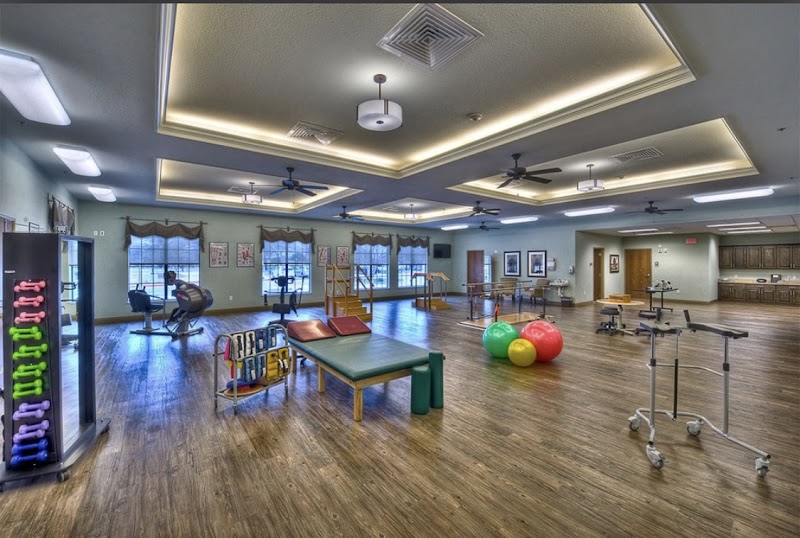
Who Owns and Operates Villages Of Lake Highlands?

VILLAGES OF LAKE HIGHLANDS is owned by a for-profit company. For-profit facilities operate as businesses with obligations to shareholders or private owners. The facility operates independently rather than as part of a larger chain. With 126 certified beds and approximately 119 residents (about 94% occupancy), it is a mid-sized facility located in DALLAS, Texas.

How Does Villages Of Lake Highlands Compare to Other Texas Nursing Homes?

Compared to the 100 nursing homes in Texas, VILLAGES OF LAKE HIGHLANDS's overall rating (2 stars) is below the state average of 2.8, staff turnover (48%) is near the state average of 46%, and health inspection rating (1 stars) is much below the national benchmark.

What Should Families Ask When Visiting Villages Of Lake Highlands?

Based on this facility's data, families visiting should ask: "What changes have been made since the serious inspection findings, and how are you preventing similar issues?" "Can I visit during a mealtime to observe dining assistance and food quality?" "How do you handle medical emergencies, and what is your hospital transfer rate?" "Can I speak with family members of current residents about their experience?" These questions are particularly relevant given the facility's Immediate Jeopardy citations.

Is Villages Of Lake Highlands Safe?

Based on CMS inspection data, VILLAGES OF LAKE HIGHLANDS has documented safety concerns. Inspectors have issued 4 Immediate Jeopardy citations (the most serious violation level indicating risk of serious injury or death). The facility has a 2-star overall rating and ranks #100 of 100 nursing homes in Texas. Families considering this facility should ask detailed questions about what corrective actions have been taken since these incidents.

Do Nurses at Villages Of Lake Highlands Stick Around?

VILLAGES OF LAKE HIGHLANDS has a staff turnover rate of 48%, which is about average for Texas nursing homes (state average: 46%). Moderate turnover is common in nursing homes, but families should still ask about staff tenure and how the facility maintains care continuity when employees leave.

Was Villages Of Lake Highlands Ever Fined?

VILLAGES OF LAKE HIGHLANDS has been fined $17,143 across 2 penalty actions. This is below the Texas average of $33,250. While any fine indicates a compliance issue, fines under $50,000 are relatively common and typically reflect isolated problems that were subsequently corrected. Families should ask what specific issues led to these fines and confirm they've been resolved.

Is Villages Of Lake Highlands on Any Federal Watch List?

VILLAGES OF LAKE HIGHLANDS is not on any federal watch list. The most significant is the Special Focus Facility (SFF) program, which identifies the bottom 1% of nursing homes nationally based on persistent, serious quality problems. Not being on this list means the facility has avoided the pattern of deficiencies that triggers enhanced federal oversight. This is a positive indicator, though families should still review the facility's inspection history directly.