FIVE POINTS NURSING AND REHABILITATION
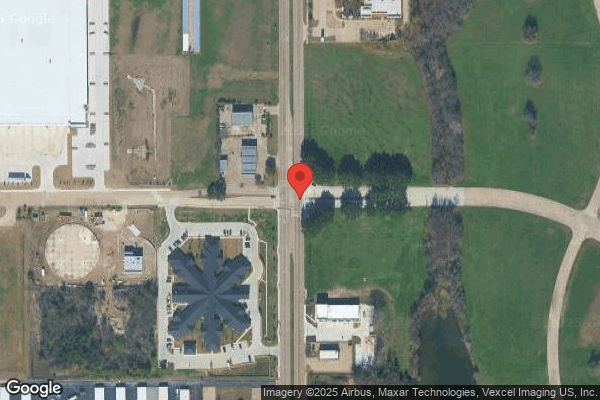
1901 N. HAMPTON RD., DESOTO, TX 75115 (972) 694-9810
For profit - Limited Liability company 120 Beds CREATIVE SOLUTIONS IN HEALTHCARE Data: November 2025 2 Immediate Jeopardy citations
Trust Grade
26/100
#460 of 1168 in TX
Last Inspection: May 2025

Inspected within the last 6 months. Data reflects current conditions.

Overview

Five Points Nursing and Rehabilitation has received a Trust Grade of F, indicating significant concerns about the care and services provided at this facility. It ranks #460 out of 1168 in Texas, placing it in the top half of facilities, but its low trust score raises red flags. The facility's condition has remained stable, with 7 issues identified in both 2024 and 2025, but the staffing rating is poor with a turnover rate of 67%, which is higher than the state average of 50%. Families should be aware of concerning incidents, such as a resident being left unsupervised for over an hour and a half, leading to an elopement, and inadequate handling of food safety, which could put residents at risk for illness. While the facility does have excellent quality measures, its critical incidents and overall trust score suggest families should proceed with caution.

Trust Score
F
26/100
In Texas
#460/1168
Top 39%
Safety Record
High Risk
Review needed
Inspections
Holding Steady
7 → 7 violations
Staff Stability
⚠ Watch
67% turnover. Above average. Higher turnover means staff may not know residents' routines.
Penalties
⚠ Watch
$31,284 in fines. Higher than 99% of Texas facilities. Major compliance failures.
Skilled Nurses
⚠ Watch
Each resident gets only 17 minutes of Registered Nurse (RN) attention daily — below average for Texas. Fewer RN minutes means fewer trained eyes watching for problems.
Violations
⚠ Watch
22 deficiencies on record. Higher than average. Multiple issues found across inspections.
★★★☆☆
3.0
Overall Rating
★☆☆☆☆
1.0
Staff Levels
★★★★★
5.0
Care Quality
★★★☆☆
3.0
Inspection Score
Stable
2024: 7 issues
2025: 7 issues

The Good

  • 5-Star Quality Measures · Strong clinical quality outcomes
  • Full Sprinkler Coverage · Fire safety systems throughout facility
  • No fines on record

Facility shows strength in quality measures, fire safety.

The Bad

3-Star Overall Rating

Near Texas average (2.8)

Meets federal standards, typical of most facilities

Staff Turnover: 67%

20pts above Texas avg (46%)

Frequent staff changes - ask about care continuity

Federal Fines: $31,284

Below median ($33,413)

Moderate penalties - review what triggered them

Chain: CREATIVE SOLUTIONS IN HEALTHCARE

Part of a multi-facility chain

Ask about local staffing decisions and management

Staff turnover is elevated (67%)

19 points above Texas average of 48%

The Ugly 22 deficiencies on record

2 life-threatening
May 2025 4 deficiencies
CONCERN (D)

Potential for Harm - no one hurt, but risky conditions existed

Comprehensive Care Plan (Tag F0656)

Could have caused harm · This affected 1 resident

**NOTE- TERMS IN BRACKETS HAVE BEEN EDITED TO PROTECT CONFIDENTIALITY** Based on interview and record review, the facility failed to develop and implement a comprehensive person-centered care plan tha...

Read full inspector narrative →
**NOTE- TERMS IN BRACKETS HAVE BEEN EDITED TO PROTECT CONFIDENTIALITY** Based on interview and record review, the facility failed to develop and implement a comprehensive person-centered care plan that includes measurable objectives and timeframes to meet a resident's medical, nursing, and mental and psychosocial needs that are identified in the Comprehensive MDS Assessment for one (Resident #79) of six residents reviewed for comprehensive care plans. The facility failed to care plan chronic pain for Resident #79 when her Comprehensive MDS Assessment indicated she had constant pain. This failure placed residents at risk for not receiving pain medication causing them to not get pain relief and lowering their quality of life. The findings included: Record review of Resident #79's admission record dated 5-28-2025, revealed an [AGE] year-old female who admitted to the facility on [DATE] with a primary diagnosis of metabolic encephalopathy (a brain dysfunction resulting from underlying metabolic problems or organ dysfunction, rather than direct brain injury) and secondary diagnoses of type 2 diabetes mellitus (high blood sugar levels due to the body's inability to use insulin properly, known as insulin resistance), cognitive communication deficit (difficulty communicating due to problems with cognitive functions rather than problems with speech or language), thrombocytopenia (lower-than-normal number of platelets in the blood for proper clotting), and pain unspecified. Record review of Resident #79's Comprehensive MDS Assessment, dated 5-5-2025 revealed she had a BIMS score of 13 indicating being cognitively intact. In the Pain Assessment Interview of Resident #79's MDS, it was assessed that Resident #79 had pain almost constantly, pain frequently disturbed her sleep, pain frequently interfered with day-to-day activities, and showed a pain intensity of 5 on a Numeric Pain Rating Scale of (00-10). Record review of Resident #79's Comprehensive Care Plan dated 4-30-2025 and revised on 5-5-2025 indicated the facility failed to implement care planning for pain. Record review of Resident #79's Physician Orders dated 5-23-2025 indicated Resident #79 was prescribed one Tylenol Extra Strength Oral Tablet 500 MG to be given by mouth every 6 hours as needed for pain. Record review of Resident #79's MAR revealed Resident #79 was given 15 dosages of Tylenol Extra Strength Oral Tablet 500 MG from 5-23-2025 thru 5-28-2025 for pain. An Interview, on 5-27-2025 at 12:31 PM, revealed Resident #79 had ongoing pain from arthritis and was receiving pain medication from the facility. In an interview with the MDS Coordinator on 5-29-2025, at 11:45 AM, it was revealed she had worked at the facility for 5 months. The MDS Coordinator stated the MDS Coordinator completed the Comprehensive and Quarterly Care Plans and was responsible to ensure residents were care planned correctly. The MDS Coordinator said she did not know why Resident #79 was not care planned for pain. The MDS Coordinator said the potential risk to residents not being care planned completely was that a resident might not receive the care she needed. In an interview with the DON on 5-29-2025 at 2:35 PM, it was acknowledged she had worked at the facility for 5 months. The DON said the MDS Coordinator was responsible for retrieving the information from the MDS Assessments and putting it into Care Plans. The DON said she did not know why Resident # 79 was not care planned for pain. The DON said she expected resident's care plans to contain the information assessed on their MDS Assessments. The DON said the potential risk to a resident who was not care planned, with all the MDS Assessment information, was that residents and family members could fail to be educated on the care that was needed. Record review of the facility's policy on Care Plan Planning titled Comprehensive Care Planning stated: The facility will develop and implement a comprehensive person-centered care plan for each resident, consistent with the resident rights that includes measurable objectives and timeframes to meet a resident's medical, nursing, and mental and psychosocial needs that are identified in the comprehensive assessment . Each resident will have a person-centered comprehensive care plan developed and implemented to meet his other preferences and goals, and address the resident's medical, physical, mental, and psychosocial needs. When developing the comprehensive care plan, facility staff will, at a minimum, use the Minimum Data Set (MDS) to assess the resident's clinical condition, cognitive and functional status, and use of services. If a Care Area Assessment (CAA) is triggered, the facility will further assess the resident to determine whether the resident is at risk of developing, or currently has a weakness or need associated with that CAA, and how the risk, weakness or need affects the resident. Documentation regarding these assessments and the facility's rationale for deciding whether or not to proceed with care planning for each area triggered will be recorded in the medical record.
CONCERN (E)

Potential for Harm - no one hurt, but risky conditions existed

Deficiency F0553 (Tag F0553)

Could have caused harm · This affected multiple residents

**NOTE- TERMS IN BRACKETS HAVE BEEN EDITED TO PROTECT CONFIDENTIALITY** Based on interview and record review, the facility failed to ensure care plans were developed in consultation with the resident ...

Read full inspector narrative →
**NOTE- TERMS IN BRACKETS HAVE BEEN EDITED TO PROTECT CONFIDENTIALITY** Based on interview and record review, the facility failed to ensure care plans were developed in consultation with the resident and the resident's representative for 5 of 8 residents (Resident #26, Resident #52, Resident #55, Resident #57, and Resident #61) reviewed for Comprehensive Care Plan in that: The facility failed to ensure Resident #26, Resident#52, Resident #55, Resident #57, and Resident #61 or the resident's representative were invited to participate in the resident's care plan meeting. This failure placed residents at risk for a loss of independence, psychosocial well-being, and the opportunity for them to participate in the planning of their care. Findings include: Resident #26 Record review of Resident # 26's face-sheet dated 05/29/2025, revealed a [AGE] year-old female admitted to the facility on [DATE]. Her diagnoses included Cardiomyopathy, Unspecified (a person has a disease of the heart muscle (myocardium) but the specific cause of the disease is not known); Cardiac Murmur, Unspecified (means a doctor heard an extra noise or sound while listening to the heart with a stethoscope, but specific cause or characteristic is unknown without further evaluation); Essential (Primary) Hypertension (a type of high blood pressure where no specific underlying cause, such as a medical condition, can be identified). Record review of Resident #26's, quarterly MDS dated [DATE], reflected Resident #26's BIMS score was noted to be 15/15, which indicated intact cognition. Resident #26 required partial to moderate assistance with care and was able to speak and voice her needs. In an interview on 05/30/2025 at 3:57 PM Resident #26's family member revealed that she had not been invited to a care plan meeting in about a year. Resident #26 and family member received an invitation to attend a meeting this past March 0f 2025. She had only attended two previous meetings in 2024. Family member revealed Resident #26 did not attend the meetings because she wanted family member to attend. Family member revealed she worked in health care and knows how important it was for the residents and family members to be kept informed of what was going on health wise and what care was being provided. Record review of Resident #26's file revealed documentation of care plan meetings with resident or resident representative on the following dates: 07/11/2024, 08/19/2024, and 03/05/2025. The resident's care plan will be reviewed after each Admission, Quarterly, Annual and/or Significant Change MDS assessment, and revised based on changing goals, preferences and needs of the resident and in response to current interventions. The facility will provide the resident and resident representative, if applicable with advance notice of care planning conferences to enable resident/resident representative participation. The facility has held three care planning conferenced since resident's admission on [DATE]. Resident #52 Record review of Resident #52's face-sheet dated 05/29/2025, revealed an [AGE] year-old female admitted to the facility on [DATE] with a readmission on [DATE]. Her diagnoses included Flaccid Hemiplegia affecting Left Dominant Side (a condition where the left side of the body, Including the arm, leg, face, experiences paralysis with limp, floppy muscles due to neurological Damage); Frontal Lobe and Executive Function Deficit Following Nontraumatic Intracerebral Hemorrhage (bleeding into the substance of the brain in the absence of trauma or surgery. Can damage the frontal lobe, leading to a range of executive function deficits such as planning, decision making, working memory, and impulse control.) Record review of Resident #52's quarterly MDS dated [DATE], reflected Resident #52's BIMS score was noted to be 0, which indicated severe cognitive impairment. Resident #26 required maximal assistance with care and could not speak and voice her needs. In an interview on 05/29/2025 at 1:50 PM Resident #52's family member revealed that he would like to meet with the staff to know what was going on with his loved one. Family member does not remember the last care plan meeting care plan meeting he attended. Family member received a letter to attend the care plan meetings. Resident #52 is not interviewable and would not understand the meeting. The Family member knew of only three meetings that he could remember and those occurred a long time ago. Record review of Resident #52's file revealed documentation of care plan meetings with resident or resident representative on the following dates: 02/22/2022, 05/24/2022, and 10/29/2024. The resident's care plan will be reviewed after each Admission, Quarterly, Annual and/or Significant Change MDS assessment, and revised based on changing goals, preferences and needs of the resident and in response to current interventions. The facility will provide the resident and resident representative, if applicable with advance notice of care planning conferences to enable resident/resident representative participation. The facility has held three care planning conferenced since resident's admission on [DATE]. Resident #55 Record review of Resident #55's face sheet dated 05/29/2025 revealed a [AGE] year-old female admitted to facility on 09/22/2022 with a readmission on [DATE]. Her diagnoses included Unspecified Diastolic Congestive Heart Failure (occurs when the heart's left ventricle can't relax properly between beats, preventing it from filling with enough blood, and thus pumping out less blood than it should); Type 2 Diabetes Mellitus with Diabetic Chronic Kidney Disease (a serious complication of diabetes where the kidneys are damaged by high blood sugars); Cerebral Infarction due to Embolism of Left Middle Cerebral Artery (occurs when a blood clot travels to the brain and blocks the MCA, Middle Cerebral Artery, leading to tissue death and stroke. Embolism, a blood clot, embolus that travels from another part of the body, like the heart or another artery, to the brain. Record review of Resident #55's, quarterly MDS dated [DATE], reflected Resident #55's BIMS score was noted to be 14/15, which indicated intact cognition. Resident #55 required moderate to maximal assistance with care and was able speak and voice her needs. On 05/29/2025 at 2:04 PM attempted to contact Resident #55's family member. Left message r/t reason for call and a call back number. Before the end of the day family member had not returned call. In an interview on 05/31/2025 at 1:42 PM Resident #55's family member revealed that she resided in another state, but the facility kept her informed of any medication changes or other issues that may be occurring with her loved one. Family member revealed that she has been invited to the care plan meetings, but living out of state she is unable to attend. Family member revealed she visits her loved one every three months and will meet with the staff to discuss Resident #55. Resident is unable to attend the care plan meetings per family member. Record review of Resident #55's file revealed documentation of care plan meetings with resident or resident representative on the following dates: 12/01/2022, 02/08/2023, 03/01/2023, 06/26/2023, and 12/27/2023. The resident's care plan will be reviewed after each Admission, Quarterly, Annual and/or Significant Change MDS assessment, and revised based on changing goals, preferences and needs of the resident and in response to current interventions. The facility will provide the resident and resident representative, if applicable with advance notice of care planning conferences to enable resident/resident representative participation. The facility has held three care planning conferenced since resident's admission on [DATE]. Resident #57 Record review of Resident #57's face sheet dated 05/29/2025 revealed a [AGE] year-old female admitted to facility on 03/04/2022. Her diagnoses included Cerebral Infarction, Unspecified (refers to a stroke, a type of brain attack where blood flow to the brain is blocked, leading to Tissue damage); Essential (Primary) Hypertension (a type of high blood pressure where no specific underlying cause, such as a medical condition, can be identified); Unspecified Protein-Calorie Malnutrition (the lack of sufficient energy or protein to meet the body's metabolic demands). Record review of Resident #57's, quarterly MDS dated [DATE], reflected Resident #57's BIMS score was noted to be 14/15, which indicated intact cognition. Resident #57 required partial to moderate to maximal assistance with care and was able speak and voice her needs. In an interview on 05/29/2025 at 1:00 PM with Resident #57 revealed she did not know what a care plan meeting was. Resident #57 said that her friend would know. Asked Resident #57 who her friend was, and she revealed she is the person who comes to see her when she needs personal items or snacks. On 05/29/2025 at 2:13 PM attempted to contact Resident #57's family representative. Left message r/t reason for call and a call back number. Before the end of the day family representative had not returned call. In an interview on 05/30/2025 at 2:14 PM Resident #57's resident representative revealed the facility will contact her with updates r/t Resident #57. The Resident representative said that she had not attended a care plan conference in over a year because of her own personal problems. Resident representative has received care plan invitations to attend the meetings, but not in a while. Resident does not attend the meetings because she does not get out of bed often. Record review of Resident #57's file revealed documentation of care plan meetings held with resident or resident representative on the following dates: 03/10/2022, 02/08/2023, and 04/05/2023. The resident's care plan will be reviewed after each Admission, Quarterly, Annual and/or Significant Change MDS assessment, and revised based on changing goals, preferences and needs of the resident and in response to current interventions. The facility will provide the resident and resident representative, if applicable with advance notice of care planning conferences to enable resident/resident representative participation. The facility has held three care planning conferenced since resident's admission on [DATE]. Resident #61 Record review of Resident #61's face sheet dated 05/29/2025 revealed a [AGE] year-old female admitted to facility on 01/07/2023 with readmission on [DATE]. Her diagnosis included Unspecified Dementia, Unspecified Severity, without Behavioral Disturbance, Mood Disturbance and Anxiety (unspecified dementia that does not present significant behavioral Disturbances, such as agitation, aggression, or psychosis); Chronic Kidney Disease, Unspecified (occurs when a disease or condition impairs kidney function, causing kidney damage to worsen over several months or years); Essential (Primary) Hypertension (a type of high blood pressure where no specific underlying cause, such as a medical condition, can be identified). Record review of Resident #61's, quarterly MDS dated [DATE], reflected Resident #61's BIMS score was noted to be 05/15, which indicated severe cognitive impairment. Resident #61 required maximal assistance with care and could not speak and voice her needs. In an interview on 05/29/2025 at 2:04 PM Resident #61's family member revealed that he had not been asked to attend a care plan meeting for quite a while. The Family member had to cut the conversation short. In an interview on 05/29/2025 at 2:10 PM Resident #61's second family member revealed that he had previously attended two care plan meetings and believed this was about two years ago. Both family members received invitations to attend the care plan meetings. Resident #61 is unable to attend due to her dementia. The Family member stated he had not been notified of any further care plan meetings since that time or asked to attend. The Family member revealed the facility had his phone number and he was concerned because attending care plan meetings was something he would like to do. Record review of Resident #61's file revealed documentation of care plan meetings held with resident and resident representative on the following dates: 01/18/2023, 03/15/2023, 04/26/2023, and 07/05/2023. The resident's care plan will be reviewed after each Admission, Quarterly, Annual and/or Significant Change MDS assessment, and revised based on changing goals, preferences and needs of the resident and in response to current interventions. The facility will provide the resident and resident representative, if applicable with advance notice of care planning conferences to enable resident/resident representative participation. The facility has held three care planning conferenced since resident's admission on [DATE]. In an interview on 05/29/2025 at 11:35 AM the SW revealed that she was new to the facility and was in the process of becoming organized within the social services department. The SW revealed that care plan conferences will be on her list to be scheduled monthly with the assistance from the MDS Coordinator. The SW was aware that the care plan conferences needed to be a priority. The SW could not show any documentation r/t care plan invitations sent to residents and resident's representatives. In an interview on 05/29/2025 at 11:55 AM the MDS Coordinator revealed that it was her responsibility to make the monthly MDS schedule for the departments responsible for completing the quarterly MDS for each resident. The quarterly care plans were scheduled in conjunction with the MDS schedule. The MDS Coordinator revealed that she will provide a monthly calendar with the scheduled MDSs due for the following month to the SW to send invites to the resident and resident representatives to scheduled care plan meetings. The MDS Coordinator was unaware of if there were any documentation r/t care plan invitations sent to residents and resident's representatives. The MDS Coordinator was new to the facility in the position. In an interview on 05/29/2025 at 2:45 PM the DON revealed that all residents and resident's family members had the right to participate in the care plan meetings. The DON said the SW set up the meetings with the resident and invited family members by sending a letter of invitation. Quarterly meetings were usually triggered along with the scheduled MDSs. The SW was new, and the plans were to bring family members together for a meeting first. The goals will be to ensure that the residents and resident representatives are invited to participate in care plan meetings. In an interview on 05/29/2025 at 5:06 PM the ADM revealed that his expectations r/t resident care plans were that all residents and resident representatives were invited to participate in the quarterly meetings according to the MDS schedule provided by the MDS Coordinator. The SW will mail out letters to invite the resident and resident representative to the scheduled care plan meetings as scheduled. Record review of the facility's policy on Comprehensive Care Planning in the of the Nursing Policy & Procedure Manual (no policy date) revealed in part, The resident's care plan will be reviewed after each Admission, Quarterly, Annual and/or Significant Change MDS assessment, and revised based on changing goals, preferences and needs of the resident and in response to current interventions. Facility staff will assist residents to engage in the care planning process, e.g., helping residents and resident representatives, if applicable understand the assessment and care planning process; holding care planning meetings at the time of day when the resident is functioning best; planning enough time for information exchange and decision making; encouraging a resident's representative to participate in care planning and attend care planning conferences. The facility will provide the resident and resident representative, if applicable with advance notice of care planning conferences to enable resident/resident representative participation. Resident and resident representative participation in care planning can be accomplished in many forms such as holding care planning conferences at a time the resident representative is available to participate, holding conference calls or video conferencing.
CONCERN (E)

Potential for Harm - no one hurt, but risky conditions existed

Pharmacy Services (Tag F0755)

Could have caused harm · This affected multiple residents

Based on observations, interviews, and record review, the facility failed to provide pharmaceutical services (including procedures that ensured drugs and biologicals were accurately acquired, received...

Read full inspector narrative →
Based on observations, interviews, and record review, the facility failed to provide pharmaceutical services (including procedures that ensured drugs and biologicals were accurately acquired, received, dispensed, and administered) to meet the needs of each resident for one (600 Hall medication supply room) of two medication rooms reviewed for pharmacy services. The facility failed to ensure expired medications were removed from the 600 Hall medication room. These failures could place residents receiving medications at risk for possible adverse medication effects. Findings included: In an interview and observation on 05/27/25 at 09:15 am the following expired medications were noted in the Hall 600 medication supply room: 1.) Pink Bismuth 236 ml bottle (3 unopened bottles) with manufacturer expiration date of 02/ 2025 . 2.) Good Sense Hemorrhoidal Ointment (2 unopened tubes), 2 ounces each, with manufacturer expiration dates of 08/2024 (one tube) and 09/2023 (one tube). 3.) Banatrol Plus with Bimuno Prebiotic for Diarrhea and Loose Stools (2 unopened boxes), .38 ounces per packet, 75 packets per box, with manufacturer expiration dated 03/10/2025 (1 box) and 12/22/2024 (1 box). 4.) Bisacodyl 10 mg laxative suppository (3 unopened boxes), 12 suppositories per box, with manufacturer expiration date of 01/2025 (1 box) and 07/2024 (2 boxes). 5.) Geri-Max Antacid and Antigas 355 ml unopened bottle with manufacturer expiration date of 03/2025. The DON declined to state the risk of expired medications but stated, for now, we go by the pharmacy policy and she removed the medications from the supply for immediate disposal. In an interview on 05/27/25 at 09:50 am, the ADM reported that expired medications were to be removed from supply and that the nurse or medication aide who found the expired medications or supplies were responsible for removing and disposing of them and that the clinical management team consisting of the DON and ADONs were also responsible. He declined to state the potential risks that expired medications may pose to residents. Record review of the facility policy titled, Expired Medications and Medications with Shortened Expiration Dates reflected the policy was to prevent having expired medications in the facility and that, All OTC (Over the Counter) medications may be used until manufacturer's expiration date is reached or per the individual State Board of Pharmacy and State Health Departments rules and regulations.
CONCERN (F)

Potential for Harm - no one hurt, but risky conditions existed

Food Safety (Tag F0812)

Could have caused harm · This affected most or all residents

Based on observation, interview, and record review, the facility failed to store, prepare, distribute, and serve food in accordance with professional standards for food safety in the facility's only k...

Read full inspector narrative →
Based on observation, interview, and record review, the facility failed to store, prepare, distribute, and serve food in accordance with professional standards for food safety in the facility's only kitchen observed for sanitization and storage: 1. The facility failed to clean dishes and eating utensils in accordance with proper sanitization standards when the facility's only chemical dishwasher was broken. 2. The facility failed to ensure food items, stored facility's only dry storage room, were sealed and dented cans discarded. These failures could affect residents by placing them at risk for cross-contamination and/or food-borne illness. Findings included: Observations and interviews, during the initial tour of the kitchen, on 5-27-2025 at 9:00 AM, revealed the following: Dry Storage Pantry Area: 1. 1- bag of cornbread mix was torn open exposed to air 2. 1- 11 lb. container of chocolate icing was dented and punctured at the bottom exposing the contents to the air. 3. 1-7lb can of lemon pudding was severely dented from one side to the other 4. 1- 8lb can of Apple Jelly was dented 5. 2- 50 oz cans of soup were dented In an interview with the Dietary Manager on 5-27-2025 at 9:05 AM it was revealed he did not know there were dented cans, torn packages, and punctured containers in the dry storage pantry. The Dietary Manager said it was his responsibility to ensure proper storage of dry foods and that food was not served from these deficiencies. The Dietary Manager stated he expected staff to check items stored in the dry storage area for torn or ripped packages and dented cans and for them to make sure all items were sealed and dated properly. The Dietary Manager stated the risk to residents being served food from punctured containers and items exposed to air was the possibility of getting food-borne illness. Dishwashing Area: The facility's only dishwasher was observed not being used and broken. Kitchen staff were observed using a 3-sink system with no sanitization solution in the third sink. In the same room, a single sink was being used to wash dishes with a spray nozzle and a plastic container of dirty looking water by Dietary Aide A. In an interview with the Dietary Manager on 5-27-2025 at 9:05 AM, it was revealed that the Dietary Manager did not know what type of dishwasher the facility had. The Dietary Manger said he had been working at the facility for 4 days. The Dietary Manager acknowledged the facility's only dishwasher had been broken since Friday 5-23-2025. The Dietary Manger said he found out about the broken dishwasher on Monday 5-26-2025, as he had been off all weekend. The Dietary Manager stated that the facility's Maintenance Supervisor was responsible for getting the dishwasher fixed. In an interview on 5-27-2025 at 9:10 AM, Dietary Aide A said she was washing dishes in her sink and another person was using the 3-compartment sink to wash dishes. When Dietary Aide A was informed this was not a sanitary procedure, to hand wash dishes, she said oh, I am just rinsing them off for the 3-compartment sink. In an interview on 5-27-2025 at 9:15 AM the Maintenance Supervisor indicated the facility had one chemical dishwasher and it broke down on Thursday 5-22-2025 in the morning hours. The Maintenance Supervisor stated he contacted the repair company to get the dishwasher repaired and was informed the company would charge overtime pay if they came out over the weekend. The Maintenance Supervisor said the repair company would not be able to come to the facility until Wednesday (5-28-2025) or Thursday (5-29-2025) of the following week. The Maintenance Supervisor said, the responsibility of getting the dishwasher fixed was thrown on him. In an interview with the Administrator on 5-27-2025 at 9:53 AM it was conveyed that the repair company could not come to the facility until Wednesday or Thursday. The Administrator stated the facility is using a 3-compartment sink to wash dishes and doing hand washing. The Administrator said the facility was not going to use paper plates until the dishwasher was fixed but was going to keep using the same dishes. The Administrator said he did not know what the risk to residents could be if dishes and silverware were not cleaned properly. The Administrator said the Maintenance Supervisor was responsible to ensure the facility's only dishwasher worked properly. The Administrator said his expectations were for the kitchen staff to us the 3-compartment sink to wash dishes and to follow the proper protocols to keep dishes properly sanitized for the residents. In an interview on 5-27-2025 at 9:45 AM Dietary Aide A was asked if she was doing temperature checks while she was only using one sink to wash dishes. Dietary Aide A got angry and said what are you asking me for, I feel like I am being ganged up on! Dietary Aide did not answer the question. On 5-27-2025 at 10:15 AM an observation was made revealing a test strip, was dipped in the sanitizing sink of the 3-compartment sink, by Dietary Aide A. The test strip revealed a 0 rating of a 50-ppm test. Dietary Aide A was informed that this failed the sanitization test. Dietary Aide A did not respond to questions after that. In an interview on 5-27-2025 at 12:30 PM, the Administrator stated that the facility's only dishwasher had been repaired and was working. In an observation on 5-27-2025 at 1:30 PM, it was revealed that the facility's dishwasher was working, reached 120 F, and indicated 50 ppm sanitization. In an interview on 5-29-2025 at 9:50 AM it was revealed Dietary Aide A had worked at the facility for 1.5 years. Dietary Aide A said her kitchen duties included making sure residents had their proper diet, serving food, and washing dishes. Dietary Aide A said she first learned the chemical dishwasher was broke on Friday 5-23-2025. Dietary Aide A said she did not know who was responsible to ensure dishes were properly sanitized. Dietary Aide A said the last time she was trained, on the proper use of the chemical dishwasher and hand washing dishes, was when she was first hired. Dietary Aide A said the proper way to hand wash dishes was to use a 3-compartment sink where one sink was to wash, the 2nd sink was to rinse, and the 3rd sink was to sanitize dishes. Dietary Aide A said the risk to residents, if dishes were not properly sanitized, was the transference of bacteria and the potential of making them sick. In an interview on 5-29-2025 at 10:15 AM the Dietary Manager revealed he had been working at the facility for 1.5 weeks. The Dietary Manager stated he was responsible to ensure the kitchen's dishwasher was working properly. The Dietary Manager stated he was making the initial kitchen tour rounds with the surveyor and heard Dietary Aide A say she was washing dishes in the single sink and not the 3-compartment sink. The Dietary Manager stated Dietary Aide A was not doing any temperature checks when she was cleaning dishes in the single sink, and she was not following proper procedures. The Dietary Manager stated he gave in-services on sanitization procedures in washing dishes on Wednesday 5-21-2025 and was doing more because of what he witnessed today. The Dietary Manager said the risk to residents if dishes were not properly sanitized was that they could get sick. The Dietary Manger stated he did in-services with the kitchen staff on proper dishwashing and handwashing techniques. Record review of the kitchen's Dishwashing Machine Temperature Check Log, dated 5-2025, revealed the exact same temperatures were entered into the log for 5-18-2025 thru 5-27-2025 during breakfast times for wash, rinse, and ppm checks. However, observations and interviews indicated the dishwashing machine had been broken since 5-22-2025 and temperature checks would not have been possible. Record review of Kitchen Staff's in-service training on 6-5-2025, revealed proper dishwashing procedures for 3-compartment washing, dishwashing procedures, and proper storage and labeling were completed on 5-27-2025 and 5-28-2025. Record review of the facility's food storage policy titled Food Storage and Supplies dated 2012 stated: All facility storage areas will be maintained in an orderly manner that preserves the condition of food and supplies. We will ensure storage areas are clean, organized, dry and protected from vermin, and insects . 3. Dry bulk foods (e.g. flour, sugar) are stored in seamless metal or plastic containers with tight covers or bins which are easily sanitized . 4. Open packages of food are stored in closed containers with covers or in sealed bags, and dated as to when opened . 8. On perishable foods, microorganisms such as molds, yeasts, and bacteria can multiply and cause food to spoil . Record review of the facility's Dishwashing Policy titled Dishwashing Preparation and Dishwashing dated 2012, stated: The facility will complete the dishwashing process in a sanitary manner to provide clean and sanitary dishes and utensils. Procedure: 1. Prior to washing, all eating utensils shall be pre-flushed or pre-scraped to remove gross particles. This area is separate from the clean dish processing area . 10. Manual dishwashing of eating utensils will be used only in the event of dish machine failure. a. Prior to washing, all utensils and equipment will be pre-scraped or pre-flushed, and when necessary, pre-soaked to remove gross waste. b. Effective concentration of detergent will be used. c. The detergent solution will be kept reasonably clean. d. All equipment and utensils will be thoroughly rinsed free of the detergent solution. e. All equipment and utensils shall be sanitized by one of the following methods: 1.) Immersion for at least one-half minute in clean, hot water at temperature of at least 180 degrees F, or 2.) Immersion for a period of at least one minute in a sanitizing solution containing: a. At least 50 ppm of available chlorine at a temperature of not less than 75 degrees F, mix 1 oz. chlorine compound per 12 gallons of water to equal 50 ppm, or b. At least 12.5 ppm of available iodine in a solution having a pH not higher that 5.0 and a temperature of not less than 75 degrees F (mix 2 oz. iodine compound per 5 gallons of water to equal 12.5 ppm), or c. At least 150-400 ppm of a quaternary ammonium compound a temperature of around 70 degrees F, (mix 1 oz. Quaternary ammonium compound per 4 gallons of water to equal 200 ppm.) d. Any other approved chemical sanitizing agency containing at least twice the minimum strength of solutions used for immersion sanitation .
Mar 2025 1 deficiency
CONCERN (E) 📢 Someone Reported This

A family member, employee, or ombudsman was alarmed enough to file a formal complaint

Potential for Harm - no one hurt, but risky conditions existed

Deficiency F0825 (Tag F0825)

Could have caused harm · This affected multiple residents

**NOTE- TERMS IN BRACKETS HAVE BEEN EDITED TO PROTECT CONFIDENTIALITY** Based upon interview and record review it was determined the facility failed to provide the required specialized rehabilitative ...

Read full inspector narrative →
**NOTE- TERMS IN BRACKETS HAVE BEEN EDITED TO PROTECT CONFIDENTIALITY** Based upon interview and record review it was determined the facility failed to provide the required specialized rehabilitative services such as but not limited to physical therapy and occupational therapy for mental illness and intellectual disability as required in the resident's comprehensive plan of care for 1 of 3 resident (Resident #1) reviewed for PASRR coordination and rehabilitation services. The facility failed to submit a Day Habilitation application within 20 days for Resident #1 which prevented the resident from receiving skill development and social interaction in a community setting. This failure could place the residents with intellectual and developmental disabilities at risk for not receiving specialized services that would enhance their highest level of functioning. Findings included: Record review of Resident #1's face sheet dated 03/13/2025 revealed the resident was a [AGE] year-old male admitted to the facility on [DATE]. Diagnoses included transient cerebral ischemic attack (mini-stroke), protein-calorie malnutrition (nutritional status in which reduced availability of nutrients leads to changes in body composition), dementia (decline in memory, thinking and reasonings abilities that are severe enough to interfere with daily living), adjustment disorder with mixed anxiety and depressed mood (a subtype of adjustment disorder characterized by both anxiety and depressive systems as a reaction to a specific stressor or life change), muscle weakness, lack of coordination, anemia (body does not have enough healthy red blood cells or hemoglobin), hyperlipidemia (high level of fat (lipids) in the blood, including cholesterol and triglycerides), mild intellectual disabilities (a range of cognitive abilities that fall below the average range, but are still within the functional limits of daily life), insomnia (sleep disorder characterized by difficulty falling asleep, staying asleep or waking up to early despite having adequate time and opportunity to sleep), hypertension (condition where the force of blood against artery walls is consistently too high), osteoarthritis (degenerative joint disease where cartilage breaks down causing pain, stiffness and reduced movement, particularly in the hands, knees, hips and spine), overactive bladder (frequent urge to urinate), repeated falls. Record review of Resident #1's Optional State Assessment MDS dated [DATE] revealed he had a BIMS score of 7, which indicated severe cognitive impairment. The MDS reflected Resident #1 was totally dependent upon staff for 1-person physical assist with bed mobility, transfers, and toilet use eating, dressing, personal hygiene, and 2-person physical assist with bed mobility, transfers, and toilet use. Record review of Resident #1's care plan revealed the care planned areas: Focus: Resident has been identified has having PASRR positive status related to Mental Illness, Intellectual Disability, or Development Disability. Goal: Resident will have the specialized services recommended by local authority per PASRR Specialized Services Program as needed. Intervention: The Local Authority will be invited to the care plan meetings for review of Specialized Services. Record review of the IDT meeting record dated 08/8/24 revealed that Resident #1 had selected to attend Day Habilitation. Record review of the Local intellectual and Developmental Disabilities Authorities Habilitation Service Plan dated 11/5/24 revealed Day Habilitation Services were pending. Record review of the Local intellectual and Developmental Disabilities Authorities Habilitation Service Plan dated 2/3/25 revealed Day Habilitation Services were still pending. In an interview with the Social Worker on 03/13/25 at 12:11 PM, she revealed there was only one resident who has inquired about day habilitation and that resident's family received the admissions paperwork to fill out but had not returned the admission paperwork back into the facility. The Social Worker could not recall how long the family had the paperwork but stated that the resident had a care plan meeting last month and the day habilitation admission paperwork was mentioned and that the MDS nurse would be the staff member to follow up with family to check the status. The Social Worker stated she was not aware if there was an allotted time frame that the paperwork had to be completed or if the member would lose out on that specialized service. In an interview with Resident #1 on 3/13/25 at 12:50 PM, he revealed that he had a meeting about day habilitation and his family member had selected a facility and he would still like to participate in activities to get him out of the facility for a while. In an interview with the Rehabilitation Director on 03/13/25 at 3:17 PM, he revealed Resident #1's interdisciplinary team meeting was last year date unknown. The Rehabilitation Director stated that Resident #1 was PASRR positive and requested a customized wheelchair, air mattress and day habilitation. The Rehabilitation Director stated that he had 20 days to complete for the durable medical equipment but was unsure of the process for day habilitation services. The Rehabilitation Director stated that he believed that the previous MDS nurse had provided Resident #1 family the admissions paperwork, but if the admission packet was sent to him, he would fill out everything that he could then have the resident representative come and sign, because It is the responsibility of the facility to get the residents services they require. Rehabilitation Director stated that if the resident missed out on services, they were willing to participate in, it would cause a decline in the residents quality of life. In an interview with the MDS nurse on 03/13/25 at 3:53 PM, she revealed that Resident #1 last PASRR meeting was held on 2/05/2025 and during the meeting Resident #1 was asked if they were still interested in participating in day habilitation and Resident #1 responded yes. The MDS nurse stated that she wasn't sure who was required to fill out the admissions paperwork but believed it should be the social worker, but between nursing, therapy and MDS they have the information required to fill the admission paperwork out and believed it was their responsibility to the resident to get them the services they need. All that should be required from the resident representative is if their signature is require. The MDS nurse stated they have 20 days to turn in the admission paperwork and to her knowledge there was no follow-up with the family prior to 2/25/2025 to ensure the 20-day deadline, which caused the resident to lose out on day habilitation services at least until the following quarterly meeting when they could reapply. In an interview with the Administrator on 03/13/25 at 4:36 PM, he revealed he had only been at the facility eight days and was made aware that Resident #1 was PASRR positive and had not received specialized services, but Resident #1's family member had been provided the admission packet for day habilitation, but not sure how long it had been since they received it. The Administrator stated that it would be his expectation that if a resident is agreeable to services that those services should be made available and that if the facility was made aware that the family representative had difficulty filling out the paperwork, the facility should be willing to assist filling out the paperwork except for the signature. In an interview with Resident #1 on 3/13/25 at 5:15PM, he acknowledged to the Administrator that he had heard about going to day habilitation to participate in activities and therapy. When the administrator asked if he wanted to participate in that, Resident #1 stated that he would like to attend. Requested the facility PASRR policy, but administrator stated he was not able to locate the policy.
Jan 2025 2 deficiencies
CONCERN (D) 📢 Someone Reported This

A family member, employee, or ombudsman was alarmed enough to file a formal complaint

Potential for Harm - no one hurt, but risky conditions existed

Deficiency F0777 (Tag F0777)

Could have caused harm · This affected 1 resident

**NOTE- TERMS IN BRACKETS HAVE BEEN EDITED TO PROTECT CONFIDENTIALITY** Based on interview and record review, the facility failed to promptly notify the ordering physician of results which fall outsid...

Read full inspector narrative →
**NOTE- TERMS IN BRACKETS HAVE BEEN EDITED TO PROTECT CONFIDENTIALITY** Based on interview and record review, the facility failed to promptly notify the ordering physician of results which fall outside of clinical reference ranges in accordance with facility policies and procedures for notification of a practitioner or per the ordering physician's orders for one (Resident #2) of five residents reviewed for diagnostic services. The facility failed to promptly notify Resident #2's physician of her x-ray results for two days which revealed a left shoulder dislocation. This failure could place residents at risk for a delay in care, risk for pain and risk for suffering. Findings included: Record review of Resident #2's Quarterly MDS dated [DATE] revealed Resident #2 was an [AGE] year-old female admitted to the facility on [DATE] with diagnoses of dementia, malnutrition, and lack of coordination. Resident #2's BIMS score was listed as 09 (indicated moderate cognitive impairment). Record review of Resident #2's care plan updated 10/18/2024 revealed Resident #2 had osteoarthritis which included interventions to report a decline in mobility, joint pain, or joint stiffness to the MD and had a history of falls with interventions updated after each fall. Record review of Resident #2's progress notes dated 10/04/2024 at 7:30 a.m., revealed Resident #2 was found on the floor in her bedroom, and Resident #2 stated she did not know how she fell. Resident #2 was assessed and pain medication was administered due to pain on the left side of the body. Pain level was not documented in progress notes. The notes also revealed hospice, the MD, and DON were notified. Record review of Resident #2's physician orders did not reveal an x-ray order for the fall on 10/04/2024. In an interview on 1/16/2025 at 12:35 p.m., LVN A reported she found Resident #2 on the floor next to her bed on 10/04/2024. LVN A reported Resident #2 was partially on a fall mat on the floor when found and had a little pain with movement of the left arm. LVN A stated Resident #2 appeared comfortable after she was given pain medicine. LVN A stated she received an order from the MD to obtain an x-ray on Resident #2's shoulder and entered the order into the computer system. LVN A was unsure why the order was no longer showing in the system, but the x-ray was ordered on 10/04/2024. LVN A stated she worked the next night and checked for the x-ray results by logging into the computer. LVN A reported x-ray results would be available on the computer system and would be faxed. LVN A stated she checked the fax machine and computer system for x-ray results at the beginning of every shift and more often if she was waiting for results. LVN A reported she did not remember seeing Resident #2's x-ray results faxed, but she saw the results on the computer system on 10/06/2024 around 3:00 a.m . LVN A stated she sent a message to the hospice nurse when she saw the results and spoke with the hospice nurse the next morning. LVN A reported Resident #2 was declining prior to the fall and was on hospice. Record review of morphine (pain medication) record revealed directions to administer morphine every hour as needed for pain. The record also revealed morphine was administered as needed on 10/04/2024 at 8:00am, 11:00 a.m., 1:30 p.m., 7:11 p.m., and 9:43 p.m. On 10/05/2024 morphine was administered at 1:00 a.m., 2:00 a.m., and 4:00 a.m. On 10/06/2024 morphine was administered at 2:00 p.m. Record review of the x-ray report log provided by the x-ray company for 10/04/2024 revealed the order was called in by LVN A and the order was created on 10/04/2024 at 11:56 a.m. The report log revealed x-rays were taken 10/04/2024 at 6:47 p.m. and results were faxed to the facility on [DATE] at 10:21 p.m. The report log revealed the x-ray report was viewed in the computer system by the facility on 10/06/2024 at 12:55 a.m. In an interview on 1/16/2025 at 12:35 p.m., LVN A reported pain medication was administered after the fall on 10/04/2024 and Resident #2 was comfortable after receiving pain medication. Record review of Resident #2's progress notes dated 10/05/2024 at 4:34 a.m. revealed Resident #2 complained of pain and received pain medications as needed. Record review of Resident #2's progress notes dated 10/06/2024 at 2:53 a.m. revealed x-ray results were received and revealed Resident #2 had a dislocated left shoulder. This note also revealed Resident #2 was sleeping with no facial grimacing. The note did not state if anyone was notified of the x-ray results at that time. Record review of Resident #2's progress notes dated 10/06/2024 at 1:40 p.m., revealed the MD and DON were notified of the dislocated left shoulder. This note revealed Resident #2 denied pain at that time. Record review of Resident #2's progress notes dated 10/06/2024 at 5:22 p.m., revealed Resident #2 was transferred to the hospital. Record review of Resident #2's progress notes dated 10/06/2024 at 9:50 p.m., revealed Resident #2 returned from the hospital and her left shoulder was put back into place. In an interview on 1/16/2025 at 11:50 a.m., the MD stated he was notified of the x-ray results for Resident #2 on 10/06/2024. The MD reported it could cause a delay in treatment if results were not reported timely, and he expected results to be reported to him as soon as the facility received them. In an interview on 1/16/2025 at 3:51 p.m., ADON B reported x-ray results were faxed to the facility and were available on the computer. ADON B reported there was no requirement concerning how often to check the computer or fax machine. ADON B stated if results were not checked in a timely manner then the dislocation could get worse and the resident could have pain. In an interview on 1/16/2025 at 4:50 p.m., the DON reported she was not aware how x-rays were checked in this facility because it was her second day. The DON stated she expected the nurses to use due diligence and call her about any x-rays that were after a fall. The DON stated not obtaining results in a timely manner could place the resident at risk for pain. In an interview on 1/16/2025 at 5:06 p.m., the ADM stated she expected the ADON and Unit Manager to ensure labs and x-rays were checked. The ADM stated her expectation was that staff checked for x-ray results every shift. The ADM stated that obtaining results more than 24 hours after they were sent was not timely and could place the residents at risk for delayed care. The ADM stated she was unsure of the process at this facility because she had been there for one week. In an interview on 1/16/2025 at 6:19 p.m., the ADM reported the facility did not have a policy for diagnostic testing.
CONCERN (E) 📢 Someone Reported This

A family member, employee, or ombudsman was alarmed enough to file a formal complaint

Potential for Harm - no one hurt, but risky conditions existed

Deficiency F0660 (Tag F0660)

Could have caused harm · This affected multiple residents

**NOTE- TERMS IN BRACKETS HAVE BEEN EDITED TO PROTECT CONFIDENTIALITY** Based on interview and record review, the facility failed to develop and implement an effective discharge planning process that ...

Read full inspector narrative →
**NOTE- TERMS IN BRACKETS HAVE BEEN EDITED TO PROTECT CONFIDENTIALITY** Based on interview and record review, the facility failed to develop and implement an effective discharge planning process that focused on a resident's discharge goals, identified the resident's needs and how these needs would be met upon discharge, and ensure resident's comprehensive care plan to included the resident's individual discharge plan for five (Resident #1, Resident #2, Resident #3, Resident #4, and Resident #5) of five residents reviewed for discharge planning. The facility failed to develop a discharge plan for Resident #1 that focused on their specific needs and goals. The facility failed to develop a discharge plan for Resident #2 that focused on their specific needs and goals. The facility failed to develop a discharge plan for Resident #3 that focused on their specific needs and goals. The facility failed to develop a discharge plan for Resident #4 that focused on their specific needs and goals. The facility failed to develop a discharge plan for Resident #5 that focused on their specific needs and goals. This failure could affect residents' ability to discharge from the facility in a safe and orderly manner to ensure all discharge needs were identified and addressed. Findings included: Record review of Resident #1's Optional State Assessment MDS dated [DATE] revealed Resident #1 was a [AGE] year-old-male admitted to the facility on [DATE] with diagnoses of aphasia (disorder affecting the person's ability to communicate) and chronic obstructive pulmonary disease. BIMS score was not completed for this assessment. Record review of Resident #1's care plan with a revision date of 3/12/2024 revealed there was no discharge plan and no discharge interventions to meet the resident's needs and goals. Record review of Resident #2's Quarterly MDS dated [DATE] revealed Resident #2 was an [AGE] year-old female admitted to the facility on [DATE] with diagnoses of dementia, malnutrition, and lack of coordination. Resident #2's BIMS was listed as 09 (indicated moderate cognitive impairment). Record review of Resident #2's care plan with a revision date of 8/14/2024 revealed there was no discharge plan and no discharge interventions to meet the resident's needs and goals. Record review of Resident #3's Optional State Assessment MDS dated [DATE] revealed Resident #3 was a [AGE] year-old female admitted to the facility on [DATE] and had a BIMS of 15 (suggested no cognitive impairment). Diagnoses were not selected on this assessment. Record review of Resident #3's care plan with a revision date of 3/12/2024 revealed there was no discharge plan and no discharge interventions to meet the resident's needs and goals. Record review of Resident #4's Quarterly MDS dated [DATE] revealed Resident #4 was an [AGE] year-old-female admitted to the facility on [DATE] with diagnoses of Alzheimer's Disease (disease that causes progressive memory loss) and hypertension (high blood pressure). Resident #4's BIMS was not completed for this assessment. Record review of Resident #4's care plan with a revision date of 8/27/2024 revealed there was no discharge plan and no discharge interventions to meet the resident's needs and goals. Record review of Resident #5's Quarterly MDS dated [DATE] revealed Resident #5 was a [AGE] year-old male admitted to the facility on [DATE] with diagnoses of a cerebrovascular accident (stroke) and dementia. Resident #5's BIMS was listed as 07 (suggested severe cognitive impairment). Record review of Resident #5's care plan with a revision date of 7/29/2024 revealed there was no discharge plan and no discharge interventions to meet the resident's needs and goals. In an interview on 1/16/2025 at 9:42 a.m., the SW reported she did not complete a discharge care plan for every admission because most residents were long-term and were not planning to discharge. The SW reported not all residents had discharge care plans, and Resident #4 was discharged without a discharge care plan because the family would not agree on the discharge plan. The SW reported discharges were discussed in the morning meetings and that was how the team would know what the plan was for discharge. The SW stated she did not feel like there was a risk to the residents because they had a plan for discharge, but it was not on the care plan. In an interview on 1/16/2025 at 10:55 a.m., the DON stated discharge planning was done for skilled residents but not for long-term residents because they were not going to discharge anywhere. The DON reported discharge planning was done by the SW and was unsure if there was a discharge care plan. In an interview on 1/16/2025 at 4:50 p.m., the DON stated she was not aware of the protocol for this company concerning discharge planning and care plans because it was her second day. The DON stated the risk to the resident would vary based on the scenario, but they would work with everyone involved in the resident's care concerning discharge. In an interview on 1/16/2025 at 11:12 a.m., the ADM stated discharge planning started when a resident arrived at the facility and there should be a discharge care plan. The ADM stated if the resident wanted to stay long-term then the care plan would state the resident's plan was to stay long-term. In an interview on 1/16/2025 at 5:06 p.m., the ADM stated the discharge plan should be included in the comprehensive care plan and the risks to the residents could be a delay in discharge. The ADM stated the social worker should have been including the discharge plan in the care plan, and she expected the SW to include the discharge plan in the care plan. Record review of the facility's policy titled Discharge Planning Process Policy, with a revision date of 11/28/2016, revealed Discharge Planning includes: . 4. Include regular re-evaluations of the resident to identify changes that require modification of the discharge plan and B) Developing an interdisciplinary team discharge plan designed to ensure that the resident's needs will be met after discharge from the facility.
Apr 2024 6 deficiencies
CONCERN (D)

Potential for Harm - no one hurt, but risky conditions existed

Accident Prevention (Tag F0689)

Could have caused harm · This affected 1 resident

**NOTE- TERMS IN BRACKETS HAVE BEEN EDITED TO PROTECT CONFIDENTIALITY** Based on observation, interview, and record review, the facility failed to ensure each resident's environment remained as free o...

Read full inspector narrative →
**NOTE- TERMS IN BRACKETS HAVE BEEN EDITED TO PROTECT CONFIDENTIALITY** Based on observation, interview, and record review, the facility failed to ensure each resident's environment remained as free of accident hazards as is possible, and each resident received adequate supervision and assistance devices to prevent accidents for one (Resident #16) of five residents reviewed for accidents. The facility failed to ensure the safety of Resident #16 by not assisting with the consumption of hot liquids and meals, which caused him to spill coffee over himself during the breakfast meal on 04/17/24. This could affect residents by placing them at risk for injuries that could be prevented. Findings included: Review of Resident #16's admission record, dated 4/16/24, revealed he was admitted to the facility on [DATE]. Diagnoses included cerebral infarction (stroke), multiple sclerosis, tremors, unspecified lack of coordination, muscle weakness and conversion disorder with seizures or convulsions. Review of Resident #16's quarterly Minimum Data Set (MDS) assessment, dated 3/1/2024, revealed resident was moderately cognitively impaired with a BIMS score of 09. His MDS revealed his functional abilities for eating required supervision or touching assistance. Helper provides verbal cues and or touching steadying and contact guard assistance as resident completes activity. Review of Resident #16's Comprehensive Care Plan, accessed on 4/16/24, revealed that alteration in musculoskeletal status r/t contracture (permanent shortening and tightening of muscle fibers that reduces flexibility and makes movement difficult) of left hand was initiated 3/6/2023. The resident has an ADL self-care performance deficit initiated 2/24/2023. eating required staff assistance. Review of Resident #16's Comprehensive Care Plan, accessed on 4/16/24 revealed that the resident has hemiplegia/hemiparesis (paralysis) r/t weakness on one side. Initiated on 02/24/2023. Interventions included assist with ADL/Mobility as needed. Reposition at least every two hours. Observation on 4/17/2024 at 8:14am of Resident #16 revealed he was in bed at this time with breakfast in front of him on the bedside table. Resident #16 was observed to have trouble connecting food to mouth. Resident #16 grabbed coffee cup off the bedside table to take a sip but when returning the cup to the bedside table, he spilled coffee over himself and table due to unsteady hand. Observation did not reveal steam rising from the coffee. The resident did not indicate pain. Observation revealed no staff in the room providing the resident assistance during the meal. Interview with DON on 4/17/2024 at 8:25am revealed there was supposed to be a lid over the coffee cup. DON stated that she would conduct a burn assessment as well as get resident cleaned up. The DON stated she was unaware that no one was in the room with Resident #16. Interview on 04/17/24 at 10:12am with Resident #16's family, she stated it was a common issue that she had with the facility. She stated on Monday (04/15/24) he spilled hot soup on himself, and she has asked over and over if he could have assistance, but she feels it was a staffing issue. She also stated before his stroke the resident was left-handed so now the resident was trying the best he could to use his right hand but was dealing with the MS which limited his ability. She stated that the resident did not want to be a bother, so he did not call for help. The family member stated he just will not eat or would keep trying to do so despite spilling it on himself. Surveyor came with her to assess and revealed he did not have any burns. Resident #16's family stated the resident stated that the coffee was not hot, it was only warm. He stated that it would be nice if he could get some assistance, but he knows everyone is not always available. Review of Resident #16's hot liquid assessment dated [DATE], revealed resident had weakness/paralysis to upper extremities. Resident could not consume hot liquids/foods without special interventions. Interventions to decrease potential burns with coffee or other hot liquid include lids on cups, staff provide observation and verbal assistance while handling hot liquids, should be seated in upright position with table or overbed table. Review of the facility's document titled Assisted with meals (600 hall) revealed Resident #16 was listed as a resident needing assistance with meals. Observation and interview on 4/17/2024 at 10:15am with RN D revealed Resident #16 lying in bed drinking a cup of coffee. Resident #16's shirt was open, revealing the top half of his chest. No burns or redness was observed. Resident denies any pain or discomfort currently. Asked resident, if the coffee had burned his skin he responded, No it was warm, not hot enough to burn me, thanks for asking. Interview with CNA A on 4/18/24 at 11:42 AM revealed the CNA stated that she fed Resident #16. She said he needed assistance and if left to himself, he will spill food. Interview on 4/18/2024 at 10:51am with COTA C stated that he did not do the assessment for determining feeding assistance. He stated he has worked with Resident #16 before on wheelchair tolerance, Geri chair and tolerance and range of motion to the left side. He stated he did speak with evaluator K yesterday (4/17/24) due to the left hand noticing a contraction, although he does have range of motion. COTA C said he would be ordering a sling for that. He stated therapy typically would come in when a resident needed help in eating. He stated he had observed Resident #16 eating and before the resident was able to pick up a cup and fork with no problem. From COTA C's observation the spill came from the resident not having a lid on the cup, because when he came in to observe Resident #16, the resident was able to pick the coffee cup up and down without an issue. If there was an issue, he would have recommended a universal cup. COTA C stated from a therapy standpoint therapy's goal was to keep the residents' independence as much as possible. Staff usually will let therapy know if the resident had declined. COTA C stated evaluator K did the assessment for feeding assistance. Observation on 4/19/2024 at 9:15am Surveyor tasted coffee served in the dining room which is always available for residents. Coffee was warm to the touch and able to sip from cup. The DM stated this coffee was put out at 7:00am. She said it was brewed in the back to 200 degrees but is not allowed to be served until it cools down and they temp it at 140 degrees Fahrenheit and serve it. Review of facility's policy, Daily Food Temperature Control ., undated, .We will assure that food is served at a safe temperature. Temperatures of all hot and cold food shall be taken prior to every meal service and recorded on the Temperature Log. This is done to help ensure that food is safe and is served within acceptable ranges .Hot Liquid / Food Spills .Residents are at risk of having any hot liquid/food spilled on their person causing burns. Examples of hot liquids/food are coffee, tea, hot soup, oatmeal, or any other hot food or liquid substance.
CONCERN (D)

Potential for Harm - no one hurt, but risky conditions existed

Unnecessary Medications (Tag F0759)

Could have caused harm · This affected 1 resident

**NOTE- TERMS IN BRACKETS HAVE BEEN EDITED TO PROTECT CONFIDENTIALITY** Based on observation, interview, and record review, the facility failed to ensure that it was free of medication error rate of 5...

Read full inspector narrative →
**NOTE- TERMS IN BRACKETS HAVE BEEN EDITED TO PROTECT CONFIDENTIALITY** Based on observation, interview, and record review, the facility failed to ensure that it was free of medication error rate of 5 percent or greater. The facility had a medication error rate of 22% based on 6 out of 27 opportunities, which involved 1 of 2 Residents (Resident #36) observed for medication administration, in that: The facility failed to ensure RN D administered medications to Resident #36 via G-tube according to the physician's orders and per standard of practice by crushing six different medications and combining them into one cocktail and pushing them through the G-tube instead of by gravity. These failures could place residents at risk for not receiving the intended therapeutic effects of their medications and could contribute to possible adverse reactions. The findings included: Record review of Resident #36's Face Sheet, dated 4/16/24, revealed a [AGE] year-old male admitted to the facility on [DATE] and readmitted on [DATE] with diagnoses that included unspecified Intracranial Injury without loss of consciousness (damage within the skull or brain that occurs without the affected person losing consciousness), unspecified Protein-Calorie malnutrition (imbalance of essential nutrients from your food and drinks, leading to inadequate protein and calorie intake), Aphasia (a comprehension and communication disorder resulting from damage or injury to the specific area in the brain), and encounter for attention to Gastrostomy (the creation of an artificial external opening into the stomach for nutritional support or gastric decompression). Record review of Resident #36's MDS assessment, dated 3/05/24, revealed the resident was non-verbal and had impaired cognitive and mental status. No BIMS score was specified. Record review of Resident #36's Care Plan, completed on 3/15/24, revealed: The resident has potential fluid deficit related to feeding tube. Date initiated: 3/17/23. Revised on: 6/19/23. Related intervention: Administer medications as ordered . The resident has an alteration in neurological status related to brain injury. Date initiated: 3/17/23; Revised on: 6/19/23. Related intervention: Give medications as ordered . The resident has GERD (gastroesophageal reflux disease). Date initiated 3/17/23. Revised on 6/19/23. Related interventions: Give medications as ordered . The resident has potential nutritional problem related to dysphagia (difficulty in swallowing); feeding tube in place. Date initiated: 3/17/23. Revised on: 6/19/23 and 10/06/23. Related interventions: Administer medications as ordered . Record review of Resident #36's Order Summary Report, accessed on 4/16/24, revealed the following: Baclofen Oral Tablet 5 MG (Baclofen). Give 1 tablet via G-Tube two times a day. Order date: 12/27/23, no end date. Citalopram Hydrobromide Oral Solution 10 MG/5ML (Citalopram Hydrobromide). Give 5 ml via G-Tube one time a day. Order date 7/08/23, no end date. Famotidine Tablet 20 MG. Give 1 tablet via G-tube two times a day. Order date: 3/10/23, no end date. Gabapentin Oral Solution 300 MG/6ML (Gabapentin). Give 6 ml via G-tube two times a day. Order date: 4/03/24, no end date. Levetiracetam Oral Solution 100 MG/ML (Levetiracetam). Give 10 ml via G-tube two times day. Order date: 6/20/23, no end date. MiraLax Oral Powder 17 GM/SCOOP (Polyethylene Glycol 3350). Give 1 scoop via G-tube two times a day. Mix with at least 4-8 ounces of water. Order date: 9/23/23, no end date. Multivitamin Adult (Minerals) Oral Tablet (Multiple Vitamins with minerals). Give 1 tablet via G-tube one time a day. Order date: 3/04/24, no end date. Zyrtec Allergy Oral Tablet 10 MG (Cetirizine). Give 1 tablet via G-tube one time a day. Order date: 7/08/23, no end date. Enteral Feed Order every shift Check residual before medications and feedings; return contents after each check. Start date 3/06/23, no end date. Enteral Feed Order every shift Flush tube with 60ml water before and after medication and feedings. Start date: 3/06/24, no end date. Enteral Feed Order every shift Flush with at least 5mls of water between each medication . Start date: 3/06/23, no end date. Observation of medication pass on 4/17/24 at 9:47 AM revealed RN D at her medication cart preparing medications for Resident #36 to be administered via G-tube. RN D dispensed one of each of the following medications into a small paper cup for each tablet and liquid: Famotidine 20mg tablet Baclofen 5mg tablet Daily Vitamin tablet Cetrizine 10mg tablet Clear Lax 1 capful Gabapentin Solution 6ml Continued observation revealed RN D placed each medication into a plastic sleeve and crushed each medication separately then combined the medications in a cup. She put crushed medications into one cup, mixed them with 30 ml of water and she put each liquid medications into cups. RN D entered Resident #36's room and flushed his G-tube with 60 ml of water via push method (using a syringe to the g-tube port and slowly pushing medications into the g-tube). The nurse administered the crushed medications/water mixture through the G-tube via push. RN D administered the liquid medications via push then clamped the tubing. Per physician order, Enteral Feed Order every shift Flush with at least 5mls of water between each medication . Start date: 3/06/23, no end date, RN D did not flush with at least 5 ml between each medication and instead combined all the medications into one. In an interview on 4/17/24 at 10:15 AM, RN D stated medications should be crushed separately but it was okay to combine medications for administration. RN D stated that nurses should flush with water before, after, and in between medication administration. She stated she flushed the G-tube according to protocol. RN D stated it was important to flush during and after giving medications to ensure the medications are flushed completely and received by the resident. She stated the amount of water used for flushing the tubing depended on the resident's orders. In an interview on 4/17/24 at 3:13 PM, the DON stated medications should not be mixed when giving medication through G-tube. She stated the combination of pills can have an ill effect on the resident and cause stomach issues. The DON stated that if medications were mixed, there was no way to determine which medications were given if the nurse was unable to complete the process of administering medications to the resident. The DON stated nurses should flush before, between, and after administration of medications. She said that medications were supposed to be given through gravity. If they are pushed, it can increase peristalsis (involuntary movements of the muscles in the digestive tract) in the stomach and cause diarrhea. Review of the facility's policy titled Enteral Medication Administration dated 1/25/13 revealed: 6. Each medication is to be prepared for separate administration. 7. Check the placement of the tube by aspiration of contents or auscultation. 8. Flush the tube with 30 ml water or according to physician order. 9. Administer one medication at time with a flush of 5-10 ml water or the amount ordered by the physician, between each medication and after the final medication is administered. 10. Once all medication has been administered, flush the tube with 30 ml water or according to physician order. 11. Do not force any medication or fluid into the tube. Allow gravity to work.
CONCERN (D)

Potential for Harm - no one hurt, but risky conditions existed

Deficiency F0806 (Tag F0806)

Could have caused harm · This affected 1 resident

**NOTE- TERMS IN BRACKETS HAVE BEEN EDITED TO PROTECT CONFIDENTIALITY** Based on observations, interviews, and record review, the facility failed to provide food that accommodated resident's preferenc...

Read full inspector narrative →
**NOTE- TERMS IN BRACKETS HAVE BEEN EDITED TO PROTECT CONFIDENTIALITY** Based on observations, interviews, and record review, the facility failed to provide food that accommodated resident's preferences for two (Resident #45 and Resident #53) of six residents reviewed for food preferences and the accommodation of resident's meal choices. The facility failed to provide Resident #45 and Resident #53 with preferred foods when they failed to provide them information about alternate meals available to them. This failure could affect the residents who are provided daily meals by the facility, by placing them at risk for not enjoying meals, and weight loss. Findings included: Resident #45: Review of Resident #45's admission record, dated 04/18/24, reflected she was a [AGE] year-old female, admitted [DATE], with diagnoses of stroke, broken femur, diabetes, Bell's palsy (a condition causing one side of the face to droop), major depressive disorder, heart failure, and dependence on renal dialysis. Review of Resident #45's quarterly MDS assessment, dated 02/28/24, reflected Resident #45 was sometimes understood by others, and was able to understand others and had severely impaired vision. Resident #45 had a BIMS of 14, indicating intact cognitive function. Resident #45 had no behaviors, and no indicators of psychosis or depression. She used a wheelchair and had one-sided impairment of her lower body. Resident #45 required supervision or touching assistance with eating, and required substantial to complete assistance of staff for most other ADLs, like dressing, bathing, and hygiene. She was dependent on staff to move her in her wheelchair. Review of Resident #45's care plans reflected care plans for dysphasia (trouble swallowing) (dated 01/05/24), nausea/diarrhea (dated 01/05/24), dialysis (dated 09/27/22, including monitoring of weights), anemia (low level of iron in the blood) (dated 01/05/24), risk of unplanned weight loss or gain with a regular renal diet (09/27/22, and noting resident and family were not compliant with diet.) Review of Resident #45's weights from January of 2024 through 04/16/24 through 04/19/24 reflected her weights to be relatively stable, with fluctuations normal for a dialysis patient. An interview and observation on 04/16/24 at 10:07 AM with Resident #45 revealed her to be fully dressed with her coat on, seated in her wheelchair, waiting for someone to take her to dialysis. She said she was blind, so she had to wait right there for them. She was friendly and talkative, and said that she liked the facility, and the staff, and had few complaints. When asked about the food, Resident #45 hesitated and said she liked some of the food. An interview on 04/17/24 at 4:17 PM with Resident #45 and Resident #45's family member revealed that they were not happy with the food at the facility. Resident #45's family member said they were happy with the facility, for the most part, but they fail on the food. Resident #45 said the only alternate she was able to ever get was a grilled cheese sandwich. Her family member said that a staff member used to come into the room before meals and ask Resident #45 what she wanted that day, but they stopped doing that, and the resident said that nobody ever asked her if she wanted something that was different from what was on the menu, and if she asked for something, it was always the same grilled cheese sandwich. Resident #45 and her family member said neither of them knew the kitchen normally prepared an entire second alternate menu, besides the already available menu. When Resident #45 learned that they had fish while she was out at dialysis, she said she would rather have the option of fish than almost anything else they served her, any day, but she only knew they were having it when they brought it to her. Resident #53: Review of Resident #53's admission Record, dated 04/19/24, reflected she was a [AGE] year-old female admitted to the facility on [DATE] with diagnoses that included sepsis (an extreme reaction in the body to an infection), unspecified protein-calorie malnutrition, dysphagia (difficulty swallowing), aphasia following stroke (difficulty speaking after a stroke), and gastroesophageal reflux (stomach acid irritating the lining of the esophagus). Review of Resident #53's quarterly MDS assessment, dated 03/14/24, reflected she was usually able to understand others, and be understood. She had a BIMS score of six indicating severe cognitive impairment. Her Functional Status indicated she had one-sided impairment of her upper and lower body, and used a wheelchair. Resident #53 was dependent on staff for most ADLs, but was able to feed herself with only set-up/ clean-up assistance from staff. Resident #53's most recent weight taken in the past 30 days was 159 pounds, and the document reflected no significant weight loss. Review of Resident #53's weights reflected a significant weight loss (over 7.5% in a three month period) of 8.8%: Review of Resident #53's care plans reflected she had care plans for an antidepressant for depression and poor appetite (01/10/23), potential risk of malnutrition (01/05/24), regular diet (02/26/24), and significant, unplanned weight loss (04/17/24). Review of Resident #53's Order Summary, dated 04/19/24, reflected an active order from 01/04/24 for Mirtazapine 15mg, 1 tablet at bedtime as an appetite stimulant. An order was added on 04/17/24 for weekly weights one time a day every Wednesday until 05/15/24. The document reflected she was on a regular diet, regular consistency, may use a divided plate. Review of Resident #53's dietary note, dated 03/26/24, reflected RD Significant Wt Loss Note Current weight: 159.2# BMI: 26.5 Wt change: -5.4%/-9# within 30 days Diet order: Regular diet, regular texture, regular consistency; divided plates Supplement: NA; Meds: protonix, MVI/mins, mylanta, bowel meds, mirtazapine, ondansetron, gabapentin Skin: Intact; Resident seen d/t significant wt loss of -5.4%/-9# within 30 days. Res has fair average meal intake = 50-75%/meal. Res feeds self with supervision/setup help. Res often does not like the facility's food but will eat well when family brings outside food. Res also has her own snacks at bedside such as crackers. Res denies chewing/swallowing difficulty but reports nausea after eating for the past week and sometimes excess gas. Res has also had episodes of diarrhea. Res receives anti-nausea med which temporarily resolves symptoms, but symptoms are ongoing. Res reports that appetite stimulant has helped to increase her appetite, but she doesn't like several foods. She also c/o lactose intolerance and wants to avoid all dairy. Nutritional Intervention: 1) Please note that res c/o lactose intolerance; avoid all dairy. 2) Note that resident states the following food preferences: avoid salty and spicy foods, bacon instead of sausage, toast with jelly instead of biscuit, likes tuna sandwiches but not grilled cheese or deli sandwich. 3) Add jello and/or extra dessert (no cake) with lunches and dinners x30 days, end date 4/26/24. 4) Assess if med review and/or GI consult are appropriate d/t ongoing GI symptoms (diarrhea, gas, nausea).; Goals: 1. no further significant wt change 2. No s/s dehydration 3. Skin to remain intact An interview and observation on 04/16/24 at 10:32 AM with Resident #53 revealed her to be alert, and to be able to carry on a complex conversation with the surveyor. She could not remember the date, but was able to fully answer questions about her care, and other subjects. She said that they had talked with her about her weight loss, and put her on a medication to increase her appetite, because she had, at one point, gotten to where she could barely eat at all. She felt the medication was helping, but she still had problems eating enough sometimes, because she did not like the food. She said the food was her only complaint about the facility, and she was very happy there, aside from it. She said it was way too salty, and some was too spicy, and on occasion they would bring her tuna salad, or pasta salad with tuna in it, and she liked that a lot. She said she had talked to the dietician about her likes and dislikes, and they kept sending her food she did not like, and would not eat. She said she liked maybe 3-4 meals they served regularly. An interview and observation on 04/17/24 at 12:20 PM revealed Resident #53 eating lunch in her bed. She tasted the broccoli beef dish and said it was OK, and not too salty for her. She said that she did not really like beef very much, and had not eaten it for 30 years before she got to the facility, but if they brought her something she could stand to eat, she would eat it. She said that on 04/16/24 she had gotten the tamales for lunch, and had scraped off all of the sauce, and that made it less salty, and she was able to eat it. She did not like beans or rice, so she did not eat those. She was not aware that they had fish as an alternate. She said she really liked fish, and would have requested it, if she had known. She said did not ask for an alternate, because she did not want a grilled cheese sandwich. An interview on 04/17/24 at 1:05 PM with DM revealed nursing was supposed to ask residents if they want the meal or the alternate meal. She said sometimes she asked residents herself, like if she knew someone did not like some of the meal for that day, or they have not been eating well. Nursing staff came to the kitchen and gave her a list of people who wanted the alternate. She said the residents knew there was an always available alternative meal . An interview on 04/18/24 at 2:27 PM with the Dietician revealed she knew the dietary aides talked to the residents about preferences, but she did not know how often and was not involved in that part of the process. She said she was under the impression that the Dietary Manager was very up-to-date on what the residents wanted and were requesting, but if she was not, it could be an issue that the residents might not be getting choices to meet their preferences. She said if they do not get choices that met their preferences, they might have decreased intake of food, which could lead to weight loss. An interview on 04/18/24 at 8:59 AM- CNA F revealed she just started working at the facility on 04/17/24. She said she was a temporary worker, and nobody had told her to ask the residents what they wanted for meals before the meal. She said if someone did not like their meal, she would talk to them about getting something else from the kitchen. An interview on 04/17/24 at 1:55 PM with CNA G revealed the staff used to go around and ask the residents what they wanted for their meals, and tell them the alternate, but they did not do that anymore. She said now, when the resident gets their tray, if they do not want what is on it, they can ask for an alternate. The staff would go to the kitchen and request it. In an anonymous group interview on 04/17/24, at 2:04 PM, residents complained that they were often not told about the alternate meals, or that they were out of the alternate foods. An interview on 04/17/24 at 4:22 PM with CMA B said that they did not do rounds to ask residents what their preferences were, but if a resident asked her what was on the menu, she would go and find out and tell them. She said they took the trays to the residents, and if they did not like what was on them, they could ask staff, and they would get them something else. Review of the undated copy of the always available menu reflected the menu was formatted as three forms to a sheet, to allow resident names, room numbers, and dates to be written, and a choice of food items to be circled. It reflected Lunch deadline 9:00 AM and Supper deadline 2:00 PM. The form listed a selection of entrees and sides, and included a variety of salads, burgers, deli sandwiches, steak fingers or chicken strips, boiled egg, potato chips, French fries, buttered pasta, green beans, or corn, as well as a selection of condiments/ dressings and sandwich toppings. No policy regarding food preferences was provided during the duration of the survey.
CONCERN (D)

Potential for Harm - no one hurt, but risky conditions existed

Infection Control (Tag F0880)

Could have caused harm · This affected 1 resident

**NOTE- TERMS IN BRACKETS HAVE BEEN EDITED TO PROTECT CONFIDENTIALITY** Based on observation, interview and record review, the facility failed to maintain an infection control program designed to prev...

Read full inspector narrative →
**NOTE- TERMS IN BRACKETS HAVE BEEN EDITED TO PROTECT CONFIDENTIALITY** Based on observation, interview and record review, the facility failed to maintain an infection control program designed to prevent the development and transmission of infection for one of five residents (Resident #57) observed for infection control. CNA A failed to perform hand hygiene while providing incontinence care to Resident # 57. This failure could place the residents at risk for infection. Findings include: Record review of Resident #57's face sheet dated 04/17/24 reflected she was [AGE] years old female. She was admitted to the facility on [DATE]. She was admitted with muscle weakness, difficult walking, hypertension (high blood pressure) history of falls and cognitive communication problem. Review of Resident #57 's care plan initiated 08/15/23 reflected Resident #57 had bladder incontinence and retention of urine. Intervention was to provide incontinent care at least every two hours and apply moisturizer after each episode. Observation on 04/17/24 at 11:34 AM revealed CNA A providing incontinent care to Resident #57. CNA A was observed completing hand hygiene and gloved before care, then she informed the resident she was providing incontinent care. CNA A positioned the resident and unfastened the brief and proceeded to clean Resident #57's front area, then positioned the resident on her side and cleaned her bottom area. Resident #57 was minimally soiled with urine and feces. After cleaning the resident CNA A did not complete hand hygiene or change gloves then she applied the clean brief, barrier cream and then fastened the brief and positioned the resident using the bed remote. With the same gloves CNA A touched the resident's clean linen and bedside table. After care CNA A completed hand hygiene and left the room with trash. In an interview on 04/17/24 at 12:02 PM with CNA A she stated she forgot to change gloves during care. CNA A stated she was expected to clean hands before and after care, but she was not required to wash hands after cleaning the resident. CNA A stated she was supposed to complete hand hygiene and change gloves during incontinent care to prevent cross contamination. She stated she had been in-serviced on infection control on 04/16/24. In an interview on 04/17/24 at 03:24 PM with the DON she stated during incontinent care the staff was to complete hand hygiene before and after care. DON also stated in between care CNA A was to complete hand hygiene and change gloves because her hands were considered dirty after cleaning the resident. The DON stated CNA A was to complete hand hygiene during care to prevent the spread on infection. The DON stated the nursing staff had been offered the in-service on hand hygiene/infection. The inservice was reviewed and reflected CNA A had been in-serviced. Review of the facility policy undated and titled, Fundamentals of Infection Control Precautions reflected, . Hand Hygiene. Hand hygiene continues to be the primary means of preventing the transmission of infection. The following is a list of some situations that require hand hygiene: o When coming on duty; o When hands are visibly soiled (hand washing with soap and water); Before and after direct resident contact (for which hand hygiene is indicated by acceptable professional practice) . Wearing gloves does not replace the need for hand washing because gloves may have small inapparent defects or be torn during use, and hands can become contaminated during removal of gloves. Failure to change gloves between resident contacts is an infection control hazard.
CONCERN (E)

Potential for Harm - no one hurt, but risky conditions existed

Deficiency F0679 (Tag F0679)

Could have caused harm · This affected multiple residents

**NOTE- TERMS IN BRACKETS HAVE BEEN EDITED TO PROTECT CONFIDENTIALITY** Based on observation, interview and record review the facility failed to provide, based on the comprehensive assessment and care...

Read full inspector narrative →
**NOTE- TERMS IN BRACKETS HAVE BEEN EDITED TO PROTECT CONFIDENTIALITY** Based on observation, interview and record review the facility failed to provide, based on the comprehensive assessment and care plan, activities designed to meet the interests of and support the physical, mental, and psychosocial well-being of each resident for 4 of 4 residents (#20, #26, #45, #49) reviewed for activities in that: Residents #20, #26, #45, and #49 were not provided activities since AD's last day of employment on 03/16/2024. The facility currently did not have an AD on staff. This deficient practice could affect all residents who required activities and could result in decline in social and mental psychosocial well-being . The findings were: Review of Resident #49's face sheet, dated 04/18/2024, revealed he was admitted on [DATE]. Resident #49's diagnoses included Unspecified Sequelae of Unspecified Cerebrovascular Disease (a condition that affects blood flow in the brain); Essential (Primary) Hypertension (High Blood Pressure); Hemiplegia and Hemiparesis Following Other Cerebrovascular Disease Affecting Unspecified Side (Paralysis of partial or total part of the body function on one side of the body). Review of Resident #49's Comprehensive Plan of Care, initiated 01/05/2022, revealed Resident #49 will express satisfaction with type of activities and level of activities. Review of the interventions revealed CNAs will modify resident's daily schedule, treatment plan prn to accommodate activity participation. Review of Resident #49's Quarterly MDS assessment, dated 03/19/2024, revealed he was cognitively intact and needs supervision to touching assistance with his activities of daily living. The facility Activity Assessment on file dated 08/02/2023, for Resident #49 indicated he enjoyed going to activities with groups and musical programs. Interview with Resident #49 on 04/18/24 at 10:43 AM revealed the last AD would have several activities scheduled everyday. Resident #49 mentioned he would like to have a birthday party. The residents missed their birthday parties. Resident #49 said he would like to see the facility have musical programs, birthday parties, corn hole, and arts and crafts. Resident #49 stated he was not aware of the musical program that was held yesterday afternoon with gospel music and preaching. Resident #49 revealed that the facility cannot keep an AD because of the budget or they do not pay them enough. Resident #49 admitted his family member takes him out on pass to eat and brings other family members by to see him. Resident #49 revealed that helps with the boredom of not having anything to do. Review of Resident #26's face sheet, dated 04/18/2024, revealed she was admitted on [DATE]. Resident #26's diagnoses included Personal History of Malignant Neoplasm of Brain (Cancerous brain tumors); Epilepsy, Unspecified, Intractable, With Status Epilepticus (Seizures that can't be completely controlled by medications); Essential (Primary) Hypertension (High Blood Pressure). Review of Resident #26's Comprehensive Plan of Care, initiated 02/02/2024 and revised 02/12/2024, revealed Resident #26 will attend/participate in activities of choice. Review of the interventions revealed activity director will provide a program of activities that is of interest. Review of Resident #26's Quarterly MDS assessment, dated 03/29/2024, revealed she was cognitively intact and needs moderate/substantial assistance with his activities of daily living. The facility Activity Assessment on file dated 02/16/2024, for Resident #26 indicated she enjoys going to activities with groups, musical programs, going outside for fresh air, reading, and attending church services. Interview with Resident #26 on 04/18/24 at 11:31 AM revealed that she would attend some of the activities when there was an Activity Director. Resident #26 would attend Church group that came twice a week, but then the group stopped coming. Resident #26 attended the Gospel Music and speaker on 04/17/2024 after Resident Council Meeting. Resident revealed that she stays in her room most of the time. She likes to play on her I-Pad most of the time because there have not been any activities to attend without an Activity Director. Review of Resident #20's face sheet, dated 04/18/2024, revealed he was admitted on [DATE]. Resident #20's diagnoses included Atherosclerotic Heart Disease of Native Coronary Artery without Angina Pectoris (Caused by plaque buildup in the wall of the arteries that supply blood to the heart) ; Parkinson's Disease (Disorder of the central nervous system that affects movement, often including tremors); and Schizoaffective Disorder, Bipolar Type (A mental illness or mental episodes of feelings of euphoria, racing thoughts, increased risky behavior and other symptoms of mania). Review of Resident #20's Comprehensive Plan of Care, updated 10/17/2022 and revised 03/15/2024, revealed Resident #20 will attend activities of choice. Review of the interventions revealed activity director will encourage and remind resident of activities. Review of Resident #20's Quarterly MDS assessment, dated 03/14/2024, revealed he was cognitively intact and needs supervision with his activities of daily living. The facility had no Activity Assessment on file in Resident #20's medical file to review. Interview with Resident #20 on 04/18/24 at 12:46 PM revealed that the activities were being held and there would be at least 15 - 17 residents to attend the programs. There had been several ADs in the last 2 years the facility has been opened. The AD left to have her baby back in March and she was not returning. Resident #20 had held bingo for the residents. He revealed that the store was taken away from the residents for the bingo prizes. Resident revealed that his family member bought the last prizes for bingo store, but resident states that the Administrator stopped having the store for the prizes. Playing bingo, attending church and musical programs are his favorite programs. All Resident #20 does most of the day is watch TV. Resident #20 said that no one likes to play Dominoes. Interview with SW on 04/18/2024 at 10:10 AM the SW revealed the AD last worked there 3/16/24. The facility has been without someone to lead activities. The SW revealed that no other department heads have held any activity programs for residents. The SW revealed that there is a Church group that comes in. An individual came in yesterday (4/17/24) from one of the churches to hold gospel music time and preaching. There were only about 5 or 6 residents in the activity. The SW revealed that there was a sister facility in another city, but not sure on groups who could come in from there to hold activities. Interview on 04/18/2024 at 11:40 AM with the Administrator confirmed that he has been without an AD since March and has interviewed for a new Activity Director and hoped to offer the job to the applicant today. The Administrator had hired a new AD that was to begin work on Monday, 04/15/2024 but did not show up for the job. The Administrator revealed prizes for bingo has not been stopped. The prizes will resume, but in a more efficient way to be fairer to all the residents who win. Review of Resident #45's admission record, dated 04/18/24, reflected she was a [AGE] year-old female, admitted [DATE], with diagnoses of stroke, broken femur, diabetes, Bell's palsy (a condition causing one side of the face to droop), major depressive disorder, heart failure, and dependence on renal dialysis. Review of Resident #45's quarterly MDS assessment, dated 02/28/24, reflected Resident #45 was sometimes understood by others, and was able to understand others and had severely impaired vision. Resident #45 had a BIMS of 14, indicating intact cognitive function. Resident #45 had no behaviors, and no indicators of psychosis or depression, and rarely felt socially isolated. She used a wheelchair and had one-sided impairment of her lower body. Resident #45 was incontinent of bowel and bladder, and required supervision or touching assistance with eating, and required substantial to complete assistance of staff for most other ADLs, like dressing, bathing, and hygiene. She was dependent on staff to move her in her wheelchair. Review of Resident #45's care plans reflected: The resident needs in room socialization and sensory stimulation; Date Initiated: 03/01/2023; Revision on: 03/01/2023: Resident will respond to one on one in room visits with sensory stimulation such as tactile, and visual in room activities. Date Initiated: 03/01/2023; Target Date: 06/02/2024. The activity director will provide the resident with one on one [sic] visits with sensory stimulation at least 3 times per week Date Initiated: 04/11/2023. Review of Resident #45's care plans reflected no care plans which addressed out of room activity options or preferences. Review of progress notes for 01/30/24 through 04/17/24 reflected no notes regarding Resident #45 attending activities. An interview and observation on 04/16/24 at 10:07 AM with Resident #45 revealed her to be fully dressed with her coat on, seated in her wheelchair, waiting for someone to take her to dialysis. She was friendly and talkative, and said that she liked the facility, and the staff, and had few complaints, but did not like her roommate at all. An interview on 04/17/24 at 4:17 PM with Resident #45 and Resident #45's family member revealed that when Resident #45 first got to the facility she used to be taken to meetings, and church services. Resident #45 said that someone used to come and get her, and take her to some activities, and though she did not want to go to all of them, because she was blind, and could not walk, she would like to go to church services, and maybe music activities sometimes. She said that when she became blind, and stopped being able to walk, she stopped doing some things she liked to do. Her family member said that the facility had two activity directors that she knew of, and that Resident #45 used to be taken to a lot of activities, but it suddenly stopped, and she did not know why, but she did not go to any of them anymore. Resident #45 said nobody asked her if she wanted to go to things anymore. On 04/19/2024 at 12:22 PM, requested policies and procedures for Activity Program from Administrator. Informed by the Administrator during a conference on 04/19/2024 at 1:00 PM the facility does not have an activity policy. The facility follows the CMS guidelines required for the activity program.
CONCERN (E)

Potential for Harm - no one hurt, but risky conditions existed

Tube Feeding (Tag F0693)

Could have caused harm · This affected multiple residents

**NOTE- TERMS IN BRACKETS HAVE BEEN EDITED TO PROTECT CONFIDENTIALITY** Based on observation, interview, and record review, the facility failed to ensure a resident who was fed by enteral means receiv...

Read full inspector narrative →
**NOTE- TERMS IN BRACKETS HAVE BEEN EDITED TO PROTECT CONFIDENTIALITY** Based on observation, interview, and record review, the facility failed to ensure a resident who was fed by enteral means received the appropriate treatment and services to prevent complications from enteral feeding for 2 of 2 resident reviewed for enteral feeds (Residents #6 and #36). The facility failed to check for residual volume prior to medication administration for Resident #6 and Resident #36. The facility failed to flush G-tube between and after medication administration for Resident #36. The facility failed to ensure that Resident #36's head of bed was maintained at 30 degrees elevated during medication administration. The facility failed to ensure medications were administered through gravity method for Resident #6 and Resident #36. These deficient practices could place residents receiving enteral nutrition and medications at increased risk of aspiration, infection, bloating discomfort, tube occlusion (blocked fallopian tubes), and not receiving the full benefit of the medications administered. The findings included: Review of Resident #6's face sheet, dated 04/17/24, reflected the resident was an [AGE] year-old female who originally admitted to the facility on [DATE]. Her diagnoses included Gastrostomy status (an opening in the stomach at the abdominal wall made surgically to introduce food), dementia, Alzheimer's, dysphagia (difficult swallowing). Review of Resident #6's quarterly MDS Assessment, dated 04/17/24, revealed Resident #6's BIMS score was blank which indicated severe cognitive impairment. Resident # 6 required extensive to total assistance with activities of daily living with two persons assist. Further review revealed Resident #6 had a feeding tube. Record review of Resident #6's medication administration and treatment record revealed an order with a start date of 04/01/24 - 04/30/24 which indicated, Enteral Feed Order, every shift Check residual before medications and feedings; return contents after each check. Enteral Feed Order every shift Flush with at least 5mls of water between each medication via g/t. Observation on 04/17/24 at 09:20 AM revealed LVN E administering medication s to Resident # 6 via the feeding tube. LVN E crushed medication and placed in separate medication cups and then mixed with 5 - 10cc of water. LVN E informed Resident #6 she was going to administer her medication, then LVN E positioned the resident and paused the feeding pump and disconnected the resident from the feeding pump. LVN E then flushed the feeding tube with 30 cc of water by pushing with a syringe and she did not check for residual. LVN E then administered all the medication by pushing with the syringe and flushing in between with 5 cc of water. After medication administration LVN E flushed the feeding tube with 30 cc of water by pushing with the syringe. In an interview on 04/17/24 at 09:42 AM with LVN E she had initially stated she was not supposed to check for residual, but when she checked the orders, she then stated she was supposed to check for residual. LVN E stated she was supposed to check for residual to make sure the resident's feeding was being digested without any issues and she was not being overfed. She stated when the stomach had too much volume it could lead to the resident vomiting which could lead to aspiration. Regarding pushing fluids with the syringe, LVN E stated she was supposed push the water with the syringe and that there was no order not to push fluids or medication. LVN E stated she was not aware what the facility policy discussed about pushing medication and water flushes via a feeding tube. LVN E stated she had been in-serviced on medication administration via the feeding tube but did not remember when. Record review of Resident #36's Face Sheet, dated 4/16/24, reflected a [AGE] year-old male admitted to the facility on [DATE] and readmitted on [DATE] with diagnoses that included unspecified Intracranial Injury without loss of consciousness (damage within the skull or brain that occurs without the affected person losing consciousness), unspecified Protein-Calorie malnutrition (imbalance of essential nutrients from your food and drinks, leading to inadequate protein and calorie intake), Aphasia (a comprehension and communication disorder resulting from damage or injury to the specific area in the brain), and encounter for attention to Gastrostomy (the creation of an artificial external opening into the stomach for nutritional support or gastric decompression). Record review of Resident #36's MDS assessment, dated 3/05/24, revealed the resident was non-verbal and had impaired cognitive and mental status. The BIMS score was blank. Record review of Resident #36's Care Plan, completed on 3/15/24, revealed: Resident G -tube came out and was sent to hospital for replacement. Date initiated: 5/15/23. Related interventions: The resident needs the HOB elevated 30 degrees during and thirty minutes after tube feed. Intervention initiated 3/17/23. The resident has potential fluid deficit related to feeding tube. Date initiated: 3/17/23. Revised on: 6/19/23. Related interventions: Administer enteral feeding and flushes/fluids per G-tube as ordered; Administer medications as ordered. The resident has an alteration in neurological status related to brain injury. Date initiated: 3/17/23; Revised on: 6/19/23. Related intervention: Give medications as ordered . The resident has GERD . Date initiated 3/17/23. Revised on 6/19/23. Related interventions: Give medications as ordered . The resident has potential nutritional problem related to dysphagia (difficulty in swallowing); feeding tube in place. Date initiated: 3/17/23. Revised on: 6/19/23 and 10/06/23. Related interventions: Administer medications as ordered . Record review of Resident #36's Order Summary Report, accessed on 4/16/24, revealed the following: Baclofen Oral Tablet 5 MG (Baclofen). Give 1 tablet via G-Tube two times a day. Order date: 12/27/23, no end date. Citalopram Hydrobromide Oral Solution 10 MG/5ML (Citalopram Hydrobromide). Give 5 ml via G-Tube one time a day. Order date 7/08/23, no end date. Famotidine Tablet 20 MG. Give 1 tablet via G-tube two times a day. Order date: 3/10/23, no end date. Gabapentin Oral Solution 300 MG/6ML (Gabapentin). Give 6 ml via G-tube two times a day. Order date: 4/03/24, no end date. Levetiracetam Oral Solution 100 MG/ML (Levetiracetam). Give 10 ml via G-tube two times day. Order date: 6/20/23, no end date. MiraLax Oral Powder 17 GM /SCOOP (Polyethylene Glycol 3350). Give 1 scoop via G-tube two times a day. Mix with at least 4-8 ounces of water. Order date: 9/23/23, no end date. Multivitamin Adult (Minerals) Oral Tablet (Multiple Vitamins with minerals). Give 1 tablet via G-tube one time a day. Order date: 3/04/24, no end date. Zyrtec Allergy Oral Tablet 10 MG (Cetirizine). Give 1 tablet via G-tube one time a day. Order date: 7/08/23, no end date. NPO diet. Start date 3/07/23, no end date. Enteral Feed Order every shift Check placement prior to feeding and medication administration. Start date 3/06/23, no end date. Enteral Feed Order every shift Check residual before medications and feedings; return contents after each check. Start date 3/06/23, no end date. Enteral Feed Order every shift Flush tube with 60ml water before and after medication and feedings. Start date: 3/06/24, no end date. Enteral Feed Order every shift Flush with at least 5mls of water between each medication. Start date: 3/06/23, no end date. Enteral Feed Order every shift Head of bed up at least 30 degrees during administration of enteral formula or water. Observation of medication pass on 4/17/24 at 9:47 AM revealed RN D at her medication cart preparing medications for Resident #36 to be administered via G-tube. RN D dispensed one of each of the following medications into a small paper cup for each tablet and liquid: Famotidine 20mg tablet Baclofen 5mg tablet Daily Vitamin tablet Cetrizine 10mg tablet Clear Lax 1 capful Gabapentin Solution 6ml Continued observation revealed RN D placed each medication into a plastic sleeve and crushed each medication separately then combined the medications in a cup. She put crushed medications into one cup, mixed them with 30 ml of water and she put each liquid medications into cups. RN D entered Resident #36's room and flushed his G-tube with 60 ml of water via push method (pushing medications with a syringe) without checking for residual. The nurse administered the crushed medications/water mixture through the G-tube via push. RN D administered the liquid medications via push then clamped the tubing without flushing after medication administration. Resident #36's head of bed was observed to be elevated approximately 10 degrees throughout the medication administration process. In an interview on 4/17/24 at 10:15 AM, RN D stated that during administration of medications through a G-tube, nurses were to check for residual. She stated she checked for residual. She stated the reason you check for residual is to make sure the resident does not have too much in their stomach. RN D stated that nurses should flush with water before, after, and in between medication administration. She stated she flushed the G-tube according to protocol. RN D stated it was important to flush during and after giving medications to ensure the medications are flushed completely and received by the resident. She stated the amount of water used for flushing the tubing depended on the resident's orders. RN D stated Resident #36's HOB should be elevated at 2 or 3 during nutrition and medication administration through G-tube. When asked to describe the HOB elevation in degrees, RN D stated she only knew that it should be at a 2 or 3. In an interview on 4/17/24 at 3:13 PM, the DON stated medications should not be mixed when giving medication through G-tube. She stated the combination of pills can have an ill effect on the resident and cause stomach issues. The DON stated that if medications were mixed, there was no way to determine which medications were given if the nurse was unable to complete the process of administering medications to the resident. The DON stated nurses were supposed to check for residual before giving any medications. She stated that if a resident's stomach was too full and medication was administered, it could lead to aspiration and vomiting. The DON stated nurses should flush before, between, and after administration of medications. She stated that medications were supposed to be given through gravity. If they are pushed, it can increase peristalsis (involuntary movements of the muscles in the digestive tract) in the stomach and cause diarrhea. The DON stated that residents who receive nutrition and medication through a G-tube should have their HOB elevated to at least 30 degrees during administration. Review of the facility's policy titled Enteral Medication Administration dated 1/25/13 revealed: 1. Check the placement of the tube by aspiration of contents or auscultation. Elevate the resident per facility policy. 2. Flush the tube with 30 ml water or according to physician order. 3. Administer one medication at time with a flush of 5-10 ml water or the amount ordered by the physician, between each medication and after the final medication is administered. 4. Once all medication has been administered, flush the tube with 30 ml water or according to physician order. 5. Do not force any medication or fluid into the tube. Allow gravity to work . Review of the facility's policy titled Gastrostomy Tube Care dated 3/02/21 revealed: 1. Unplug or unclamp the tube and check the placement by aspiration or injecting air and listening to the stomach for sounds. 2. Aspirate gastric contents with a 60 ml syringe and if the residual is less than 50% of last feeding or within guidelines of specific physician's order reinject aspirate and continue . 3. Maintain the resident in a semi (30 degrees) to high-Fowler's (60-90 degrees) position for 45-60 minutes following a feeding.
Jan 2024 1 deficiency
CONCERN (E) 📢 Someone Reported This

A family member, employee, or ombudsman was alarmed enough to file a formal complaint

Potential for Harm - no one hurt, but risky conditions existed

Comprehensive Care Plan (Tag F0656)

Could have caused harm · This affected multiple residents

**NOTE- TERMS IN BRACKETS HAVE BEEN EDITED TO PROTECT CONFIDENTIALITY** Based on interview and record review, the facility failed to develop and implement a comprehensive person-centered care plan for...

Read full inspector narrative →
**NOTE- TERMS IN BRACKETS HAVE BEEN EDITED TO PROTECT CONFIDENTIALITY** Based on interview and record review, the facility failed to develop and implement a comprehensive person-centered care plan for 3 of 7 residents (Residents #1, #2, and #3) reviewed for comprehensive care plans. 1. The facility failed to ensure Resident #1's care plan included Hypertensive Heart Failure. 2. The facility failed to ensure Resident #2's care plan included Hypertension. 3. The facility failed to ensure Resident #3's care plan included Hypertension. These failures could place the residents at risk of not receiving the care and services to maintain their highest practicable physical, mental, and psychosocial well-being. Findings included: Record review of Resident #1's face sheet dated 01/04/24, revealed a [AGE] year-old female, with an initial admission date of 02/12/22, and a readmission date of 04/20/23, and a diagnosis of Alzheimer's Disease (disease in brain that controls thought, memory, and language), Dysphagia (difficulty swallowing), Hyperlipidemia (high level of fat particles in the blood), Hypertensive Heart Disease (problems with your heart due to untreated high blood pressure), Cerebral Infarction (disrupted blood flow to the brain), Persistent Mood (Affective) Disorder (depression that lasts for several years), Difficulty in Walking, Muscle Weakness, and Unspecified Lack of Coordination. Record review of Resident #1's care plan, dated 11/29/23, did not address her diagnosis of Hypertensive Heart Failure. Record review of Resident #2's face sheet dated 01/04/24, revealed a [AGE] year-old female, with an admission date of 01/11/22, and a diagnosis of Malignant Neoplasm of Brain, Epilepsy, Other Symbolic Disfunctions, Hyperlipidemia, Essential Hypertension, and Long-Term use of Antithrombotic/Antiplatelets. Record review of Resident #2's care plan, dated 11/29/22, did not address her diagnosis of Essential Hypertension. Record review of Resident #3's face sheet dated 01/04/24, revealed an [AGE] year-old female, with an admission date of 10/04/22, and a diagnosis of Lymphedema, Anemia, Hypothyroidism, Hyperlipidemia, Essential Hypertension, Cerebral Infarction, and History of other Venous Thrombosis and Embolism. Record review of Resident #3's care plan, dated 12/15/23, did not address her diagnosis of Essential Hypertension. In an interview on 01/04/24 at 4:14 PM, MDS Nurse stated she had only worked at the facility since September 2023. She stated her responsibilities included assessments and care plans. She stated she was the one that reviewed Resident #1's care plan around 11/28/23. She stated it was due for a review. MDS Nurse stated during the review one of her duties was to ensure there were no new issues that need to be care planned. She stated she was not sure why the hypertensive heart disease was not addressed on Resident #1's care plan. She stated that before the care plan was completed certain staff like the social worker, a nurse, and dietary review the care plan. MDS Nurse stated even though they review it, her signature is the only one seen on the care plan, and she cannot recall which nurse reviewed Resident #1's care plan before it was completed. MDS Nurse stated the risk of not addressing a diagnosis is a resident could go into heart failure or hypertensive mode if the care plan was not followed. In a follow-up interview on 01/04/24 at 5:35 PM, MDS Nurse stated she started working at the facility last September, and she was not sure why certain care plans did not address all diagnosis. She stated she had been trying to fix the care plans. She stated the facility started their own audit process for care plans. She stated hopefully it would take just one month to get the issue corrected. In an interview on 01/04/24 at 5:39 PM, DON stated she and the ADONs, two wound care nurses, and MDS Nurse started an audit to correct the care plans, to ensure they address all diagnoses. She stated she guaranteed the audit would be completed by close of business tomorrow, 01/05/24. She stated that several staff members signed off on the care plans, but all staff do not sign the care plan or document in the system who reviewed the care plans. DON stated she was not aware the care plans for Resident #2 and Resident #3 did not address hypertension until today. DON stated she started printing the diagnoses sheets to review for all residents. DON stated the risk of not addressing a diagnosis on a care plan is that diagnosis not being addressed, which could have affected a resident by mistreatment or missed interventions. In an interview on 01/04/24 at 5:47 PM, Administrator stated he understood the need to ensure all care plans were comprehensive. He stated all diagnosis should be addressed for the resident and for the best care. Record review of the facility's undated policy titled, Comprehensive Care Planning, revealed the following: Each resident will have a person-centered comprehensive care plan developed and implemented to meet his other preferences and goals, and address the resident's medical, physical, mental and psychosocial needs.
Sept 2023 1 deficiency
CONCERN (E) 📢 Someone Reported This

A family member, employee, or ombudsman was alarmed enough to file a formal complaint

Potential for Harm - no one hurt, but risky conditions existed

Deficiency F0583 (Tag F0583)

Could have caused harm · This affected multiple residents

**NOTE- TERMS IN BRACKETS HAVE BEEN EDITED TO PROTECT CONFIDENTIALITY** Based on interview and record review, the facility failed to ensure residents had the right to secure and confidential personal ...

Read full inspector narrative →
**NOTE- TERMS IN BRACKETS HAVE BEEN EDITED TO PROTECT CONFIDENTIALITY** Based on interview and record review, the facility failed to ensure residents had the right to secure and confidential personal and medical records for one (Resident #1) of seven residents reviewed for privacy. The facility failed to ensure Resident #1, did not have access to confidential medical information of other residents. This failure placed residents at risk of having their medical information accessed by unauthorized persons. Findings included: A record review of Resident #1's face sheet dated 07/24/23 reflected an [AGE] year-old male with an initial admit date of 04/03/23 and readmitted on [DATE] and discharged on 07/27/23 with diagnoses of Essential Hypertension (High blood pressure); Gout; Alzheimer's Disease, unspecified; Depression, unspecified; Metabolic Encephalopathy (Chemical imbalance in the brain) and Sepsis, unspecified organism (an infection throughout the body). A record review of Resident #1's MDS assessment dated [DATE] reflected a BIMS score of 12, which indicated moderate cognitive impairment. A record review of Resident #1's care plan last revised on 07/12/23 reflected he had impaired cognitive function/dementia or impaired thought processes. During a Confidential interview on 09/07/23 it was revealed a piece of paper entitled Weight Entry (in Pounds) dated 08/04/23 was discovered in a box of Resident #1's belongings. These boxes were packed by the facility staff and sent home with the resident. Review of Weight Entry (in Pounds) dated 09/03/23 revealed the content was was the same as the Weight Entry (in Pounds) dated 08/04/23. Resident names, room numbers, weight and a comment section was on the form. During an interview with ADON A on 09/07/23 at 1:14 p.m., ADON A relayed when a resident would transfer home, the facility would send all medical information to the Home Health Care agency that would be handling the safe transfer for the resident. She relayed that the facility would never send medical information in a resident's personal possessions and that a weight scale readout would definitely be considered Personal Health Information, and the possible release of that information to the public could be detrimental to the safety of the residents at the facility. During an interview on 09/07/23 with the Medical Records Manager at 1:20 p.m., the Medical Records Manager relayed that it was not the facility's policy to ever put residents' personal/medical information in boxes of resident property. He relayed that the facility housekeeping staff packed resident's personal property and that he issued the housekeeping staff the boxes. He further relayed that if another resident or family member came into possession of a weight scale record with room numbers and weights on it he would consider that a personal information breech, and that could put residents information at risk of getting to the public. During an interview with the Environmental Services Manager on 09/07/23 at 1:41 p.m., the Environmental Services Manager relayed that she had had several housekeeping staff leave and enter employment over the last few months and she would not be able to identify the housekeepers that may have packed Resident #1's personal belongings. She further stated that the facility was very careful about residents' private information and that she would train the present staff about resident information. During an interview with the ADM on 9/07/2023 at 4:35 p.m., the ADM relayed that the weight scale information was Private Health Information, and it was the facility's job to make sure that such information was protected, and the facility must protect anything that was considered Health Insurance Portability and Accountability Act information. The facility must protect that information to keep the dignity of the residents protected and to prevent fraud. During an interview with ADON B on 9/07/2023 at 4:55 p.m., ADON B relayed that Certified Nursing Assistants were distributed the weight scale lists at the beginning of their shifts and then filled out the required information and the sheets were then to be handed back to the DON or ADON during or at the end of the shift, so that the information could be inputted by a nurse. She further related that if personal medical information were to get out of the facility it could lead to fiscal hazard to the residents. Review of the Weight Scale Sheet entitled Weight Entry (in Pounds) dated 8/04/2023 denoted 53 resident names with respective room numbers and the residents' weights and the mechanism of weighing each resident. Residents #3, #4, #5 ,#6 , and #7 included information denoting the residents name, room number, date of weighing, weight and mechinism of how the weight was taken such as chair or sitting scales, Wheelchair, Mechanical Lift, snd Standing. A record review of the facility's policy titled Confidentiality of Information and Personal Privacy dated October 2017 reflected the following: Policy Statement Our facility will protect and safeguard resident confidentiality and personal privacy. Policy Interpretation and Implementation 1. The facility will safeguard the personal privacy and confidentiality of all resident personal and medical records. 2. The facility will strive to protect the resident's privacy regarding his or her: a. accommodations; b. medical treatment; c. written and telephone communications 4. Access to resident personal and medical records will be limited to authorized team and business associates. 7. Release of resident information, including video, audio, or computer stored information, will be handled in accordance with resident rights and privacy policies.
Aug 2023 1 deficiency 1 IJ
CRITICAL (J) 📢 Someone Reported This

A family member, employee, or ombudsman was alarmed enough to file a formal complaint

Immediate Jeopardy (IJ) - the most serious Medicare violation

Accident Prevention (Tag F0689)

Someone could have died · This affected 1 resident

**NOTE- TERMS IN BRACKETS HAVE BEEN EDITED TO PROTECT CONFIDENTIALITY** Based on interviews and record reviews, the facility failed to ensure the residents received adequate supervision to prevent acc...

Read full inspector narrative →
**NOTE- TERMS IN BRACKETS HAVE BEEN EDITED TO PROTECT CONFIDENTIALITY** Based on interviews and record reviews, the facility failed to ensure the residents received adequate supervision to prevent accidents for one (Resident #1) of seven residents reviewed for elopements. The facility failed to provide adequate supervision for Resident #1 for one hour and 20 minutes. He was last seen on 06/01/23 at 6:30 am and after that, the resident eloped from the facility and was observed by a concerned citizen who called Law Enforcement because Resident #1 was at a car wash located along a busy six lane street and four way cross intersection and 0.4 miles away from the facility. Resident #1 was returned to the facility on [DATE] at 7:52 am by Law Enforcement. It was determined these failures placed Resident #1 in an Immediate Jeopardy (IJ) situation from 06/01/23 at 6:30 AM to 06/06/23. The Noncompliance was identified as PNC because the facility staff were unaware Resident #1 had eloped from the facility. The Immediate Jeopady was determined to have been removed on 06/06/23 due to the facility's implemented actions that corrected the non-compliance of re-educating staff about elopement prevention and response, elopement risks and alarm management of the access codes, prior to the beginning of the HHSC investigation on 08/16/23. The Staff confirmed when interviewed they were adequately trained about the prevention and response of resident elopements. This failure could place residents at risk for accidents, falls and serious injury resulting in a decreased psycho-social well-being, physical decline or death. Findings included: Record review of Resident #1's Order Summary Report dated 08/17/23 revealed a [AGE] year-old male who admitted to the facility 08/01/2022 with diagnoses other seizures, essential hypertension, cognitive communication deficit, cardiomegaly (enlarged heart), convulsions (seizures), need assistance for personal care, DM II, dementia, psychotic disturbance, mood disturbance and anxiety and took carvedilol (blood pressure), clonidine (Blood pressure), donepezil (Memory loss), insulin glargine solution (diabetes), levetiracetam (seizures), losartan (blood pressure), metformin (diabetes), spironolactone (blood pressure). Record Review of Resident #1's admission MDS assessment dated [DATE] revealed he had a BIMS score of 06 (severe impaired cognition) and no wandering behavior exhibited, supervision with one person assistance with walking, balance not steady when walking, no upper extremity impairment and no lower extremity impairment and no mobility assist with walking. Record Review of Resident #1's Discharge MDS assessment dated [DATE] revealed he had a Staff Assessment score of 02 (moderate impaired cognition) no wandering behavior exhibited, supervision with one person assist with walking and he discharged to another nursing home. Record review of Resident #1's Care plans dated 08/09/23 revealed, care plans for: Congestive Heart Failure, Chronic Obstructive Pulmonary Disease, Oxygen dependent, Shortness of Breath, Hypertension, Diabetes Melilotus, Anti-psychotic monitoring, Impaired Vision, falls, communication problems, potential deficit due to memory loss/dementia, wander risk (Interventions: identify pattern of wandering, is wandering purposeful, aimless, or escapist, is resident looking for something, does it indicate a need for more exercise, intervene as appropriate .is the resident exit seeking, stay with the resident and notify the charge nurse by calling out, sending another staff member, call system, etc.Monitor for fatigue and weight loss .provide structured activities, toileting, walking inside and outside, reorientation strategies including signs, pictures and memory boxes) and hearing deficient . and on 06/01/23 care plan for actual elopement. Record review of Resident #1's Nurse Progress Notes from 08/09/22 to 05/31/23, revealed no documented evidence Resident #1 had eloped or attempted to elope, but at times wandered to the wrong hall from where his room was located and was easy to re-direct to right hall. Record review of Resident #1's Elopement Risk Assessment Version 2 dated 02/01/23 revealed a risk score of 12 (moderate risk) out of 15 points, for elopement risk, because he was not bedfast, and not on a secured unit and ambulated without assistance. Record review of the facility's Elopement Drills dated 03/24/23, 04/12/23 and 05/22/23 were conducted with RN's, CNA's, LVN's, Social Worker, Housekeepers, Laundry aides, Receptionist, Dietary, Therapists, Medical Records, Medication aides, Receptionist, Activities Director, Maintenance Director. Record review of the Facility's Provider Investigative Report dated 06/01/23 revealed Resident #1 had dementia without behavioral disturbance, mood disturbance and anxiety, cognitive communication deficit. Resident #1 said he went for a walk on the morning 06/01/23. At 7:40 am the resident was accompanied by LE. The incident occurred during shift change and Resident #1 had no adverse effects. In-service education on the elopement policy and prevention was initiated and completed. The resident was put on 1:1 observation until transferred to a facility with a secured unit. Completed an elopement audit on all residents and updated care plans. Had an outside provider come out to reassure all doors were functioning properly. Statement from CNA A revealed the resident was in bed all night and the last time Resident #1 was seen was at 6:00 am in bed. Findings: Confirmed. Record review of Resident #1's Police Report dated 06/01/23 revealed: Primary incident code: Welfare Check or concern 06/01/23 07:27:16 am Resident #1 IS THERE (at the Car Wash) AND IS GOING AROUND AND TRYING TO GET INTO THE BUILDING . 06/01/23 07:27:39 am Reporter IS CONCERNED ABOUT THIS GENTALMAN [sic] . 06/01/23 07:27:55 am LE Dispatch . 06/01/23 07:28:05 am B\M - 70'S - BLK SWEAT PANTS THIN JACKET . 06/01/23 07:28:14 am Reporter IS STILL THERE . 06/01/23 07:28:30 am Subject KEEPS SAYING HE LIVES THERE . 06/01/23 07:38:12 am Arrived .06/01/23 07:45:17 am Leaving Scene (Location: Healthcare Center) . 06/01/23 07:52:31 am Male was lost, possibly has dementia, lives at the Nursing Home . 06/01/23 07:52:47 am taken back to the nursing home. Record review of Resident #1's Progress Noted dated 06/01/23 by LVN F revealed, The patient had a head-to-toe assessment on Resident #1, the patient has no injury body anywhere .Vitals were taken (temperature 97.2, bp 138/89 .Sats 97 room air). Record review of Resident 1's Event Nurses Note 12 hr. - Elope or Attempt - Version 2 dated 06/02/23 at 11:56 am by the Former DON revealed, Resident #1 lying in bed with eyes closed and resting. CNA remained at bedside to provide 1:1 supervision .Elopement: Resident #1 exited front entrance, missing for approximately 2 hours and 20 minutes, resident observed .4 miles from the facility at the car wash, resident is independent with ambulation and expressed no desire to leave facility, no injures, vitals checked, and no new physician's orders. The resident stated he was just taking a walk. The Doctor was called on 06/01/23 at 8:10 am and the responsible party was notified on 06/01/23 at 8:10 am. Interventions included: 1:1 supervision and assisting family with placement in a secured unit. The resident was independent with all ADL's, no environment/equipment factors and yes to cognitive impairment. The facility took the following action to correct the non-compliance on 06/06/23: Record review of Resident #1's Progress Note dated 06/01/23 by DON revealed, Continue monitoring resident for exit seeking behaviors. 1:1 supervision until accepted at referred facility. Record review of Resident #1's Elopement Risk Assessment Version 3 dated 06/01/23 revealed a risk score of 22 (high risk) out of 23 points, for elopement risk, because he eloped on 06/01/23. Record review of the Schedule Sheets dated 06/01/23 and 06/02/23 revealed CNA's and nurses who completed the 1:1 monitoring of Resident #1. Record review of Resident #1's Former Social Worker progress note dated 06/02/23, revealed, SW followed up resident accepted to both facility's resident will be admitting to Nursing Facility per admissions coordinator. SW awaiting admission follow up with the time the resident will arrive. Interview on 08/16/23 at 10:00 am, the Maintenance Director stated after Resident #1 eloped June 2023, the facility's doors were checked by their Outside Provider, and they said there were no issues with the doors, alarms, or keypads malfunctioning. He stated the facility requested the outside Provider change how the door alarms and keypads operated. He stated the staff used to be able to reset the door alarms remotely to stop the alarm from ringing, but now when the door alarms sounded off, they did not stop ringing after so many seconds. He stated the staff had to go to the door triggering the alarm by resetting it with the code and the staff also had to look around for any residents. Interview on 08/17/23 at 4:23 pm, the Maintenance Director stated the facility had 9 exit doors which had keypads and panic bars, but two of the doors were in the kitchen and the residents had no access to. He stated none of the visitors/family members had the pass codes to enter and exit and only the staff did. He stated he changed the keypad codes monthly and when needed and would continue to inspect the doors and alarms weekly. Interview on 08/16/23 at 10:50 am, LVN B stated Resident #1 eloped away from the facility June 2023 and he returned uninjured and shortly after he was transferred to another facility. She stated Resident #1's cognition was A/O (alert and oriented) x 2, very confused with short term memory loss and needed redirection at times because he forgot where his room was at times. She stated they were in-serviced on how to operate the door alarms because they used to stop sounding off after the alarm was triggered, but now they had to go to the door and press the keypad to get the alarm to reset. She stated they were also trained on monitoring the residents. She stated if a resident was suspected of being missing, they needed to do an immediate count of the residents. She stated the elopement protocol was for all staff to know about the facility's elopement procedures, not just nursing to alert nursing and pay attention to their surroundings to ensure the residents were not exit seeking. Interview on 08/16/23 at 5:37 pm, the Administrator stated Housekeeper/Floor Tech C was the last person who saw Resident #1 by the 600 Hall water fountain around 6:30 am, then an hour and half later he was returned by LE. She stated HSK D alerted Treatment Nurse E about LE being outside with Resident #1 around 7:50 am. She stated Treatment Nurse E spoke to LE and assessed Resident #1 after he returned to the facility, and he was fine and then they started the 1:1 monitoring with him until he discharged to a secured unit facility. She stated the former DON interviewed the staff and got all of their statements about his elopement. She stated they in-serviced the staff and had monthly elopement drills; the nurses did the elopement risk assessments for all the residents; weekly door checks were conducted, and they had a QA meeting about the incident. She stated the door alarm used to sound off after 15 seconds of the panic bar being pressed and stop ringing but now when the door alarm sounded off it did not stop until a staff physically went up to the keypad to put in the code to turn the alarm off and look around the area for residents. She stated they were not sure how Resident #1 eloped but suspected it may have been a visitor thinking he was a visitor but that was never confirmed. She stated Resident #1 had not been exit seeking or ever eloped from this facility or made statements of wanting to leave this facility in the past. She stated all of the facility's doors locked and had panic buttons that would allow the doors to open and the alarm to sound off for a few seconds and stop and they also had a remote way to reset the door locks. Interview on 08/16/23 at 6:07 pm, LVN F stated Resident #1 was not her resident, but she saw him in passing and he walked without assistance and wandered to the wrong hall at times. She stated he was never exit seeking or made statements of wanting to leave and added there were no problems with the door alarms and locks not working. She stated she heard about Resident #1 eloping this past June 2023. She stated they had a training on how to reset the door alarms and how to go to the door and press the code to the keypad and check outside to ensure no residents had exited from the facility. Interview on 08/16/23 at 6:22 pm, LVN G stated she was being trained by LVN B and was Resident #1's nurse working the night of 05/31/23. She stated she made rounds every two hours and did not know what time Resident #1 left the building and had made checks of the residents every two hours and there were not any issues with Resident #1 trying to elope. She stated there were no problems with the alarms going off on 05/31/23 and of 06/01/23. She stated she was not sure when Resident #1 returned to the facility because she got off work at 7:00 am. Interview on 08/17/23 at 9:00 am, Housekeeper/Floor Tech C stated on 06/01/23 she last saw Resident #1 around 6:30 am in the hallway by his room and the hall water fountain. She stated Resident #1 was not near an exit door and had on jogging pants and a shirt and Resident #1 said hello and she said hello back. She stated she went to get the floor cleaning supplies to start cleaning the floors and further in the day she heard Resident #1 eloped from the facility. She stated prior to 06/01/23, Resident #1 was not exit seeking and walked around without assist. She stated after Resident #1 eloped; the DON asked her what she knew about it, and she wrote a statement. She stated afterwards they had an elopement training by their supervisor about what the elopement code was and what to do if a resident was missing. She stated they now the door alarm would continue to sound off until they went to the door that triggered to press the keypad code. She stated the keypad code was changed once monthly. Interview on 08/17/23 at 11:09 am, LVN H stated Resident #1 was not exit seeking in the past and said worked the day he eloped 06/01/23 but did not hear the door alarms ringing and was unaware he eloped because she got off work at 7:30 am. She stated when she returned to work the next day, 06/02/23 at 7:00 pm, she heard Resident #1 had gotten out of the building and was brought back. She stated Resident #1 was getting 1:1 monitoring in rotation by the CNAs, and someone came to check the doors and locks. She stated on 06/02/23 Resident #1 was discharged to a secured unit facility. She stated after the incident she was trained on the new way they checked the doors and alarms. She stated they looked at the main panel and went to the door triggering the alarm codes labeled (1-7 doors), to make sure none of the residents were outside. She stated after she pressed the code on the keypad next to the exit door to stop the alarm, she then pressed the code to the keypad at the nurse's station. She stated before the incident the alarm would stop ringing after a few seconds but not any longer until the code was pressed. She stated they also did a couple of elopement in-services on the policy and procedures with how to proceed if they thought a resident eloped. She stated if a resident was to elope, they could fall or get injured. Interview on 08/17/23 at 12:30 pm LVN I stated Resident #1 used to be a resident at the facility, he had dementia and on occasion walked to the wrong hall from where his room was located, and he had to be redirected. She stated she started her shift on 06/01/23 at 7:00 am and was not aware he was missing and there were no alarms ringing when she arrived. She stated on 06/01/23 around 8:00 am he was dropped off by the police officers and that was when it was known that Resident #1 was gone. She stated Treatment Nurse E told them LE found Resident #1 down the street. She stated not too long after that he was transferred to secured unit. She stated Resident #1 was independent and confused about when church services were and where his room was and never exit seeking. She stated she was surprised he walked out and felt Resident #1 did not intentionally leave the facility. She stated Resident #1 had dementia and added after the incident they had in-service trainings about making sure the door alarms were reset and to go look to see what was going on to see what triggered the door alarm to go off, then reset it. She stated if a resident eloped, they could fall because the facility was right next to a busy street and a lot of things could happened, the resident could get lost or hit by a car. She stated the resident may not be found and could die, be in danger and could get dehydrated. Interview on 08/17/23 at 1:14 pm, LVN B stated she worked a few hours on 06/01/23 when Resident #1 eloped and the last time she saw Resident #1 was 10:00 pm and he his usual self, confused in his room and not exit seeking. She stated she got off work around 12:00 am because it was not her shift and there were three other nurses there that night. She stated after Resident #1's elopement the former DON came in on a Saturday 06/03/23 and spoke to all the staff; and explained to the entire staff it was everybody's responsibility to watch the doors. They went over the correct procedures of going to the door when the door alarm sounds off, to check to see if a resident was seen. She stated the DON said if a resident eloped they needed to do a count of the residents and to make a circle around the building, contact LE, the Administrator and DON. She stated after Resident #1 eloped she worked the 7:00 pm - 10:00 pm as a sitter and did 1:1 monitoring of Resident #1 who was mostly asleep and watched tv and was not exit seeking or made statements of wanting to leave. She stated CNA J did 1:1 monitoring of Resident #1 as well and later that day he was taken to another facility. She stated they made it clear they had to go to the door and press the code to let people out and could no longer reset the door alarm remotely. Interview 08/17/23 at 1:30 pm, CNA J stated she was not Resident #1's aide but saw him in passing the night of 05/31/23 he was in his room with the door open and in his bed asleep. She stated when she got off work 06/01/23 at 7:00 am she did not see him walking around anywhere and did not know he had eloped until she returned to work later that day, 06/01/23. She stated she heard Resident #1 had eloped and was getting 1:1 sitter monitoring. She stated Resident #1 was transferred to another facility with a secured unit. She stated after Resident #1's elopement she was trained on elopement and the new way to use the door system and by making sure residents were in their rooms and if there was a reason to believe the resident was missing they needed to check the rest room and outside, and do head counts. Interview on 08/17/23 at 1:44 pm CNA K stated Resident #1 eloped and LE found him close to the car wash. She stated Resident #1 did not show any signs of eloping or exit seeking but after he eloped, they had elopement trainings to prevent that from happening again. Interview 08/17/23 at 2:35 pm, the ADON stated they had no residents who were exit seeking or had eloped but heard about Resident #1 elopement and he was transferred to another facility. She stated if a resident was to be exiting seeking, they would have to be transferred to another facility with a secured unit. She stated they had a door alarm system and had to monitor the residents every two hours. She stated they had elopement trainings and was told if a resident was exit seeking or actually eloping, and they were not able to re-direct the resident she would stay with the resident and alert other staff to assist with getting the resident back into the facility. She stated personally she could not walk away from the resident and would just follow their elopement policy. She stated if a resident eloped they could get hit by a car or got lost. Interview on 08/17/23 at 3:37 pm, the Medical Director stated it was reported to him Resident #1 eloped and returned to the facility not injured, a few months ago and he did not need to go to the hospital. He stated Resident #1 was transferred to a secured unit and added after Resident #1 eloped they had a Quality Assurance meeting to further plan to prevent any other residents from eloping. He stated they were not sure how he got out and added the staff were pretty competent to keep an eye on the residents. He stated his expectation was for staff to ensure the doors were locked to prevent any further elopements and added all staff were responsible for ensuring the residents did not elope. Interview on 08/17/23 at 4:53 pm, the Administrator stated when Resident #1 eloped on 06/01/23, none of the staff were aware Resident #1 was missing until LE brought him back to the facility. She stated her expectations for preventing elopements was for the DON or designee to ensure the nurses completed the admission elopement risks. She stated the DON or designee needed to review the elopement assessments weekly and during the referral process, the staff needed to ensure the potential new residents were not considered wanderers. She stated additionally the Maintenance Director checked the doors and alarm system weekly. She stated they continued with the staff trainings on elopement prevention and response and monthly elopement drills. She stated they included the elopement trainings for all new hires during orientation and had Quality Assurance meetings to discuss the effectiveness and monitoring of their plan to prevent elopements. She stated if a resident eloped they could get dehydrated and require hospitalization, which could lead up to death. She stated it was the responsibility of all staff to ensure the residents did not elope but ultimately she was responsible for ensuring all staff followed their elopement policy. She stated approximately 95% of the staff had been re-trained on their new process to prevent residents from eloping. Record review of the facility's Missing Resident Action Plan dated 06/01/23 revealed, Action Taken: Head to Toe Assessment completed with no abnormal findings on 06/01/23 by charge nurse, Resident will continue with 1:1 monitoring for safety until transferred to secured unit at sister facility. Elopement risks assessments were completed for all residents in the building by the DON, ADON and Treatment Nurse. Elopement Risk Assessments will be reviewed and monitored weekly by the DON or designee. All exit doors were checked by the compliance nurse and Administrator for proper alarm functioning. No issues identified, completed 06/01/23,.Elopement drills were initiated by the Admin/DON/Designee for each shift including weekends, started 06/01/23. In-services: An in-service regarding resident elopement facility protocols were initiated 06/01/23 by the DON for all facility staff. The DON initiated an in-service on 06/01/23 for all staff that any resident that attempted to elope from the facility must be placed on 1:1 supervision immediately until transferred to secure unit. The Administrator and Director of Nursing will be notified immediately, start date 06/01/23 ongoing. In-services: All Nurses in-serviced by the DON that all residents must have an elopement risk assessment completed upon admission, quarterly, and as needed for changes in condition. All nurses not present will be in-serviced prior to performing work duties start date 06/01/23. Monitoring: The Administrator and DON will monitor for compliance and ensure all staff have been in-serviced on 06/01/23 and ongoing. Moving forward the Maintenance Director/designee would check all exit doors daily, start date 06/01/23 and ongoing. The Administrator would review the monitoring tool weekly for compliance, start date 06/01//23. Record review of the facility's Elopement Prevention and Response In-service Trainings from 06/01/23 to 06/03/23 reflected all staff from all shifts were trained, which included CNA's, LVN's , admissions, Dietary, therapists, housekeepers, clerical, receptionist, Medication Aides, Activities Director and other staff were trained on identifying the cause of wandering, intervention strategies and environmental modification. Record review of the facility's Elopement Posttests from 06/05/23 to 06/06/23 reflected all staff from all shifts were trained on what to do if the door alarms sounded off, if a resident eloped, resident exit seeking should redirect and report to nurse immediately, resident leaves without signing out was considered an elopement. Record review of all the facility residents Elopement Risk Assessments from 06/01/23 to 06/06/23 reflected, 53 Resident Elopement assessments were completed. Record review of the facility's Timesheet printed on 08/17/23 revealed they had one RN, and four CNA's working the night shift on 05/31/23 and they clocked out between 6:00 am and 7:00 am on 06/01/23. Record review of the Fire and Security invoice dated 06/02/23by an alarm company, After investigating I found that the buzzer at the doors would go off after the door went into its 15 second egress allowing the doors to be unlocked without anyone knowing. So, I re-wired the timer at every door so that when the door goes into egress the sounder will not go off until someone comes to the door and resets the keypad. Record review of the Fire and security's invoice dated 06/05/23 by the alarm company revealed, Customer wanted front door to lock as soon door is closed behind people entering building. Set keypad time to shorter open period. Door now locks when closed behind standard entry. Observations on 08/17/23 between 4:30 pm to 4:50 pm, with the Maintenance Director, The front entrance door and six exit hall doors (100, 200, 300, 400, 500 and 600) and one dining room door appeared to be in good working condition. They locked appropriately, and the alarms sounded off loudly and immediately after the panic bar was pressed to open the doors and it continued to sound off until the Maintenance Director pressed the code on the keypad to stop it. The front entrance door had a sign on it that read, Please Close Door Behind You. Observations from 08/16/23 and 08/17/23 did not reveal any residents who were exit seeking out of the facility. Record review of the facility's Elopement Prevention policy dated January 2023 revealed, Policy statement: Every effort will be made to prevent elopement episodes while maintaining the least restrictive environment for residents who are at risk for elopements. 1. The elopement risk assessment will be completed upon admission .identify the cause of wandering .Intervention strategies .Environmental modification .staff training . Record review of the facility's Elopement Response policy dated January 2023 revealed, Policy Statement: Nursing personnel must report and investigate all reports of missing residents. When an elopement has occurred or is suspected, our elopement response plan will be immediately implemented .Policy and interpretation and implementation: It is the responsibility of all personnel to report any resident attempting to leave the premises determine missing resident .should an employee observe a resident leaving the premises .should an employee discover the resident missing from the facility (Code orange), Deployment procedures .If unable to locate resident in the building .post return resident evaluation and care and documentation . Record review of the facility's Incident/Accident policy was requested from the Administrator and Interim DON on 08/16/23 at 10:05 am and on 08/18/23 at 09:01 am, and the administrator said they did not have one.
Feb 2023 6 deficiencies 1 IJ (1 affecting multiple)
CRITICAL (K)

Immediate Jeopardy (IJ) - the most serious Medicare violation

Tube Feeding (Tag F0693)

Someone could have died · This affected multiple residents

**NOTE- TERMS IN BRACKETS HAVE BEEN EDITED TO PROTECT CONFIDENTIALITY** Based on observation, interview and record review, the facility failed to ensure that a resident who was fed by enteral feeding ...

Read full inspector narrative →
**NOTE- TERMS IN BRACKETS HAVE BEEN EDITED TO PROTECT CONFIDENTIALITY** Based on observation, interview and record review, the facility failed to ensure that a resident who was fed by enteral feeding received the appropriate treatment and services to prevent complications for one (Residents #30) of two residents reviewed for tube feedings. Observed at the bedside of Resident #30 was a de-clogger tool, it appeared to have residue on it. The de-cloggers were available in three locations on the medication cart, central supply room and treatment room; the de-cloggers were ordered to be restocked in January 2023. The facility failed to ensure the nurses were not using a de-clogger to unclog Resident #30's g-tube (Gastrostomy tube, tube inserted through the belly that brings nutrition directly to the stomach) without physician orders, without notifying the physician and without training. The Medical Director was not aware the nurses used a de-clogging device if there was an issue with a clogged g-tube. The use of the de-clogging device could cause serious harm to the resident, which could hospitalization. The nurse could have perforated the lining of the stomach or the intestine, and/or possible die from the use of the device. This failure placed residents at risk for perforation of the g-tube and/or intestinal wall, replacement of the g-tube, hospitalization, or even death. Findings included: An Immediate Jeopardy was identified on 02/21/23 at 08:11PM. The IJ template was provided to the facility on [DATE] at 08:11 PM. While the Immediate Jeopardy was removed on 02/23/22 at 05:35PM, the facility remained out of compliance at a scope of pattern and a severity level of no actual harm with the potential for more than minimal harm that is not Immediate Jeopardy, due to the facility's need of continuation of in-servicing and monitoring the plan of removal. Review of Residents #30's MDS assessment dated [DATE] revealed the resident was a [AGE] year-old male admitted to the facility on [DATE]. Cognitive section of the MDS indicated Resident #30 severely impaired. The MDS reflected his functional status was dependent with ADLs and nutrition was via g-tube. The resident's diagnoses include cerebral vascular accident (stroke), gastroesophageal reflux disease (acid reflux), hypertension (high blood pressure) and hyperlipidemia (high cholesterol). Review of Resident #30's comprehensive care plan dated 12/09/2021 revealed the resident will be free of side effects or complications related to tube feeding, insertion site will be free of signs and symptoms of infection, will maintain adequate nutritional and hydration status, and resident will be free from aspiration (inhaling foreign substance into airway or lungs). The care plan reflected no goals or approaches related to appropriate protocol for de-clogging the g-tube or the use of a g-tube de-clogger. Review of Resident #30's order summary report dated 01/16/2023 reflected, enteral feeding order, flush tube with 30 ml water before and after medication and feedings. Flush with at least 5 ml's of water between each medication. Review of Resident #30s order summary report dated 01/16/2023 reflected an enteral feeding order, Isosource 1.5 55ml/hr for 1800 ml total volume, 2250Kcals/day. Feeding may be disconnected/stopped for repositioning, bathing, incontinent care, appointments, or per family/resident. (There was no order to use a de-clogging tool if the feeding tube was clogged.) Review of Resident #30's Nurses progress note dated 10/14/22 the resident was sent to Emergency Department for a split in the g-tube tubing. The resident returned on 10/15/2022 post g-tube replacement. Observation and interview on02/21/23 at 02:44 PM revealed Resident #30 lying in bed with pillows around him for positioning; he had contractures (limited range of motion due to immobility) of lower extremities. The resident did not respond when greeted. The resident's eyes were open, but he did not respond when his name was called and when he was asked what his name was. The resident was positioned in bed on a low air loss mattress, tube feed formula Isosource 1.5kcal was infusing at 55ml/hr. A suction at bedside, de-clogging tool (labeled Enteral Feeding Tube Clog Remover) at bedside, on shelf with other tube feeding supplies such as an extra syringe, extra formula, and personal care items. Record review on 02/21/23 at 03:30 reflected no order for de-clogger tool in Resident #30s physician order summary. Record review on 02/21/23 at 03:35 reflected Resident #30 did not have a care plan that included the use of the de-clogger tool. Observation on 02/21/23 at 04:30 PM revealed the de-clogging tool remained at bedside in Resident # 30's room. Interview and observation on 02/21/23 at 04:31PM with LVN C revealed she has worked at the facility for 1 year in March 2022. The nurse showed the surveyor the supplies in room Resident #30's room which included: a pump, tubing, feeding, and a syringe which was dated and timed. There was also a de-clogger tool that was approximately 2.5 ft in length. The package was open, and it remained in the same place as noted at 02:44 PM. LVNC was asked what the de-clogger tool was used for. She stated she was not sure and had not seen the tool before. She proceeded to read out loud the wording on the package which reflected Enteral Feeding Tube Clog Remover. LVN C stated she had not and would not know where to find a new one if it were needed. LVNC was asked if she has ever used the de-clogger tool and she stated she had not and would not know how to use it. LVN C was asked if tool appears to have been used and she confirmed that it appeared to have tan colored residue on it covering the entire tip and that since it appeared used, she will throw it away. Nurse removed de-clogger from the room. Record review on 2/21/23 at approximately 04:45 PM of undated manufacture directions on package reflected the following: 1. Determine the length of the feeding tube and choose the wand that corresponds with the size. Caution: confirm that the tube has not been modified 2. Stop feeding prior to use. Remove any accessories that are connected to the tube. Clamp off the feeding set and disconnect from feeding tube. 3. Insert the wand into the feeding tube until you've reached the blockage. Rotate the wand clockwise and counterclockwise to break up the clog. 4. Once the clog is clear, flush the feeding tube with at least 30cc of warm water. 5. Dispose of the wand. 6. Reconnect the feeding set to the feeding tube and resume feeding. After record review of physician's orders for Resident #30 there was no evidence of an order to use on g-tube residents. Interview on 02/21/23 at 04:50 PM with RN I revealed she is an agency nurse and today was her first day at the facility. RN I was asked what she would do if the tube was clogged, and she stated there was a de-clogger at the bedside that could be used. She stated she had not had any need for it but if she did, she knew that one was available at the beside of Resident #30's room. RN I stated she was not a facility staff member, so she was not sure what the facility policy was regarding the use of the de-clogger but the de-cloggers are available, so she thinks they are ok to use if a resident's g-tube becomes clogged. RN I stated the de-clogger could be found in the central supply room that had the treatment supplies on 300 hall or she would ask someone since she was new. When asked if she had training to use this tool and was there an order for the tool to be used she replied that she was agency and today (02/21/23) was her first day. Interview on 02/21/23 at 05:15 PM with LVN H revealed she has worked at the facility for 13 months. LVN H was asked if she passed medications for g-tube or PEG tube residents and she stated, Yes I have 8 residents who get medications this way. She stated if a g-tube/PEG tube was clogged she would use her fingers and a tongue blade (medical grade flat wooden stick) to milk the tubing to unclog the tubing. She stated that it usually works well and has no other issues. LVN H was asked what happens if it does not unclog the tubing and she stated she would ask for someone else to help unclog the tube. She was asked if someone was not available what would she do and she stated: the facility has these things (cannot recall the name) that are available, but I try not use them. I would try water and milking the tube first. When asked what thing she was referring to that facility has, she was observed to look in her medication cart and produced a tool in packaging that reflected Enteral Feeding Tube Clog Remover. She stated she had not used it but was trained on it 13 months prior by a nurse who no longer was employed by the facility. Interview on 02/21/23 at 05:54 PM with LVN H revealed none of her residents need the de-clogger tool but there was a resident on another hall (Resident #30) who had frequent issues with the tube clogging, and she was aware of him having one most of the time at his bedside. LVN H was asked if there was any order in the chart for the use of the de-clogger on any of her residents and she stated no, but there probably should be. She stated she would not use it without an order and would not use it at all because she was not comfortable using the de-clogger tool. She stated she used the de-clogger when she first started 13 months ago (cannot recall what resident) when she was trained by a peer. LVN H stated the training she received was when the orientating nurse showed her how to use the device. LVN H stated there was no classroom training provided. She stated she did not sign skills check off to use the de-clogger device. She stated de-clogger tools were on the medication carts, in the central supply room which was locked up in the back. LVN H was asked how many times the tool may be used, and she stated it should be used only for 24 hours and night shift throws them away. She also stated she had not been trained by the DON or ADON on how to use the tool or how long it could be used. During an interview and observation on 02/21/23 at 05:59 PM LVN C stated there would have to be an order for the staff to use the de-clogger and it would be found on the nurse's TAR so that the medication aides do not have access to the order. She stated she thought the de-clogger may be in the supply room but had never used one at this facility. LVN C had not come across a time she needed to find this tool. She stated she had never used a de-clogger. LVN C was asked if she had received any training on how to use the de-clogger tool and she replied no. LVN C opened the drawers of her medication cart and no de-clogger tools were found on the cart. LVN C was asked if she knew how long the de-clogger was good for and she stated she does not know and would throw it away if it looked used or night shift would throw them away during their shift. Interview and record review on 02/22/23 at 05:08 PM LVN C was asked if she recalled writing a note on 10/14/2022 that reflected: Resident [#30's] g-tube leaking, assessed g-tube noted a split on mid (middle) part of tubing. Informed DON informed to transfer resident to hospital, medical director called, sister called to inform of transfer to hospital. She stated she remembered the note and was not notified of any issues with the g-tube from previous shift. She stated she recognized issue upon rounds and immediately stopped the feeding so it would not cause any further issues and notified the DON and doctor. She stated she started the process of transferring him to the hospital after receiving the order. LVN C was asked if she knows how the g-tube became split and, she stated she was not sure and could not figure out how it occurred, but it caused her concern enough to notify her DON and the doctor. LVN C stated that when she wrote the note on 10/14/22, she had not received any training for de-cloggers. LVN C was asked if she had received any in-service regarding the de-cloggers and, she stated yes today (02/22/23), she knows not to use them and was given a competency and a short test after she was given the education by the DON; after the issue was brought to the facilities attention. LVN C was asked what she would do if g-tube becomes clogged and, she stated she would notify the DON and doctor right away. Interview on 02/22/23 at 06:13 PM the admission Coordinator stated she has worked as the admissions coordinator for 2 months and was previously in medical records and central supply (which is one person for two roles) for about 2-3 months before that. She stated she also has her CNA certificate. She was asked what months she worked in central supply she stated in July 2022. She was asked if she had ever ordered any de-cloggers and she states she had not ordered any de-clogger tools while in the central supply/medical records position. The admissions Coordinator was asked if she ever saw them within the facility and she stated she saw them in the stock room in November 2022, there was about 5 individual devices within the treatment room. The Admissions Coordinator was asked if she had ever been asked to order them from the previous, or current DON or Administrator. She stated no and she didn't see any in central supply during her time in the position. The Admissions Coordinator was asked if she was aware of the risk of ordering them and she stated she was not familiar with what they are used for, so she was not sure the risks. The admission Coordinator was asked if she has seen them being used on any residents she states she has never seen anyone use them on residents. Interview on 02/22/23 at 04:57 PM with Central Supply and Medical Record (which is one person with two job titles) started working at the facility in September 2021 but was in a different role until he took on central supply and medical records in September 2022. Central Supply/Medical Record was asked if he had been told not to order the de-cloggers. He stated he has never been told not to order them until yesterday (02/21/23). Central Supply/Medical Records was asked who asked him to put in a new order and, he stated the previous DON asked him to order them in January 2023 because they were running low on the supply that was already in the facility. Central Supply/Medical Records was asked if nurses had access to the de-cloggers and, he stated the nurses had access to them because they were kept in the treatment room and there were some in the central supply room. Central Supply/Medical Records was asked if he knew if the previous central supply employee ordered them before. He stated he was not sure and that all he is aware of is that they were present when he took over the job. He stated he did a search on the ordering system that covered his time within the position which was between September 2022 to February 2023 and the order was placed was on 1/4/2023. Central Supply/Medical Records was asked when the first time was, he saw the de-clogger and he stated the de-cloggers were already present when he started the position.(September 2022) Central Supply/Medical Records was asked if he knew where else they were present and he stated they were available on the nurses carts and they had a main supply in his office and in the treatment room. Record review of supply order receipt reflected that on 1/11/2023 at 12:57 PM a delivery was received that included 1 box of clog remover: yellow 16F FRX 39.5cm, SKU # ENT912. Record review of Medline.com revealed 10 de-cloggers were in each box. https://www.medline.com/sku/item/MDPENT912 A telephone interview was conducted on 02/21/23 at 06:10 PM with the Medical Director, who was also Resident #30's attending physician. The Medical Director was asked if he is aware facility staff was using a de-clogger tool to unclog g-tube/PEG tube. He stated he was not aware of what the tool was. Once explained to him what the tool looks like and how the facility was utilizing it, he stated he was not comfortable with it being used on his residents. When asked what harm could come, he stated it could cause harm to residents, which could damage stomach lining, perforate the bowels and lead to hospitalization or worse. An Interview on 02/21/23 at 06:25 PM with the DON, revealed she started working at the facility in October 2022, approximately 5 months. The DON was asked how nurses were trained when they were newly hired. The DON stated the nurses were trained from peer to peer, so they get placed on the floor with another nurse for orientation. She stated they also attend a SNF clinic where they get competencies checked off in accordance with the facility policies and procedures. The DON was asked who specifically checks off the competencies for g-tube feeding and management, and she stated that herself (DON) and or the ADON can check off on training with the new staff nurses. The DON was asked if there was any orders for the use of the de-clogger tools and she stated there was a list of standing orders which come from the Medical Director, and the order for use of the de-clogger was included on the list. She stated the de-clogger tool was used to unclog a g-tube when they cannot be cleared with any other way. The DON was asked if part of the nursing competencies included how to use the de-clogger. She stated they can use the de-clogger after the peer-to-peer training. The DON was asked if the care plan included the de-clogger as an intervention. She stated it should be in the resident's care plan if it is needed. She stated the Medical Director gives standing orders to the facility for newly admitted residents and they are transferred from the form to the electronic medical record and was only done on a case-by-case scenario specifically for g-tube residents. The DON was asked if she knew of any residents who currently needed the de-clogger and she stated she was aware of Resident #30 having increased issues with clogging of his tube and he needed the de-clogger tool. She could not recall how many times it had been used on Resident #30 or which nurses used it. The DON stated if the de-clogger tool was needed, it was available in the supply room. The DON was asked if she knew the risk of using the de-clogger tool without proper training, or without a doctor's order, and she stated yes, it could cause perforation of the abdomen. An interview on 02/21/23 at 6:50PM with the DON revealed there was no standing order for use of the de-clogging tool. She provided a copy of the standing orders titled Standing orders for Nursing Home Patient. The orders related to g-tube care and management reflected Patients with peg: head of bed should be at _ [greater than] 30 degrees, hold tube feedings during repositioning. Give water bolus 200 cc _ [per shift] unless ordered otherwise. (600 cc per 24 _ [hours]). Record review of the facility's nursing policy and procedure manual 2003 Gastrostomy Tube Care revealed it did not include a procedure for the use of the de-clogger. The policy did not reveal the procedure for care of a g-tube that becomes clogged. Record review of in-service trainings on 02/21/23 at 07:00 PM reflected the following in-service topics in-service training topic: De-clogger- do not use; g-tube policy, de-clogger- do not use, staff notifying management if g-tube is clogged or unable to flush following physician orders. Record review on 02/21/23 at 07:05 PM of enteral medication administration skills competency revealed the following statement do not force any medication or fluid into the tube. Allow gravity to work. If necessary, gentle pressure may be applied after repositioning the resident. There was no use of the de-clogger tool on the competency skills check off. Record review of Nursing 2023 The Peer-Reviewed Journal of Clinical Excellence titled Best Practices for unclogging feeding Tubes in Adults revealed: Follow your facility policy and procedure for unclogging [NAME] [enteral access device]. The American Society for Parenteral and Enteral Nutrition (ASPEN) recommends warm water as the best initial choice for trying to unclog a feeding tube. First, attach a 30- or 60-mL piston syringe to the feeding tube and pull back the plunger to help dislodge the clog. Next, fill the flush syringe with warm water, reattach it to the tube, and attempt a flush. If you continue to meet resistance, gently move the syringe plunger back and forth to help loosen the clog. You can then clamp the tube to allow the warm water to penetrate the clog for up to 20 minutes. If water fails to unclog the tube, ASPEN guidelines recommend using an activated pancreatic enzyme solution.1-4 However, use of a pancreatic enzyme solution requires a healthcare provider's prescription and should be attempted only by nurses familiar with the procedure according to facility policy and procedure.3 Additional second-line interventions include using a commercially available enzyme de-clogging kit or mechanical de-clogging device. These also must be used in accordance with facility policy and procedure and only by experienced clinicians. If the tube can't be unclogged by these methods, ASPEN recommends replacing it. [NAME], [NAME] BS, RN; [NAME], [NAME] MSN, RN, CRNP. Best practices for unclogging feeding tubes in adults. Nursing 48(6):p 66, June 2018. | DOI: 10.1097/01.NURSE.0000532744.80506.5e https://journals.lww.com/nursing/Fulltext/2018/06000/Best_practices_for_unclogging_feeding_tubes_in.16.aspx#:~:text=First%2C%20attach%20a%2030%2D%20or,to%20help%20loosen%20the%20clog. On 02/21/23 at 8:11 PM the Administrator, DON, Regional RN, Area Director of Operation was informed of the Immediate Jeopardy (IJ) and the facility was informed the POR requested. The Facility's Plan of Removal for Immediate Jeopardy was accepted on 02/23/23 at PM and reflected the following: .The facility failed to ensure that nurses were not using a de-clogger to unclog resident g-tubes without physician orders, without notifying the physician and without training. Interventions: On 2/21/2023 Resident #30 was immediately assessed in the facility by the DON, Medical Director notified. Medical Director resident sent to ER for evaluation of stomach and g-tube site due to estimated wait time length of duration for Kidney, Ureter, Bladder abdominal XRAY by diagnostic imaging company. Results were negative, no issues found. (Completed assessment after immediate in-service/competency check by Regional Nurse) On 2/21/2023 G-tube residents were assessed via SBAR assessment, by DON, ADON, and Regional Nurse Consultant, for change of condition with the g-tube site or signs/symptoms of an infection, MD notified, new orders for KUB for the 7 residents with g-tubes. Residents will continue to be monitored by DON, ADON every shift until results of KUB are obtained. (Completed assessments after immediate in-service/competency check by Regional Nurse) Residents with G-Tubes: Resident #47, #51, #55, #58, #45, #42, #63 and #30 On 2/22/2023, 1:30pm Kidney, Ureter, and Bladder abdominal X-ray to be completed by diagnostic imaging company for 7 g-tube residents. Results for all 7 residents were negative for stomach perforation as of 2/22/2023 at 5:00pm. Residents with G-Tubes: Resident #47, #51, #55, #58, #45, #42, #63 On 2/21/2023 G-tube de-clogger was immediately removed from the resident room, Resident#30 On 2/21/2023 DON, ADON, and Regional Nurse Consultant searched g-tube resident rooms to ensure the absence of de-cloggers in the resident room and medication carts within the facility. During facility audit, there were zero de-cloggers found in resident rooms. One de-cloggers was located on nursing cart on 500 hall, immediately removed. An unopened box was located in the central supply office, immediately removed. No other de-cloggers found in facility audit. Upon reviewing the order history from medline the last time facility ordered the de-cloggers was on 1/12/2023 and was a quantity of 1 box. On 2/22/2023, Administrator contacted medline supplier and has since had the item removed from the facility formulary list which prevents facility from ordering de-cloggers in the future. Residents with G-Tubes: Resident #47, #51, #55, #58, #45, #42, #63 and #30 On 2/21/2023 The Regional Nurse Consultant 1:1 in-serviced the DON and ADON on the g-tube policy, and that no de-cloggers were to be used in the facility. On 2/21/2023 The Regional Nurse Consultant 1:1 in-serviced the DON and ADON on physician notification if g-tube is unable to be flushed. On 2/21/2023 DON, to immediately in-service during 2/10 shift on 2/21/23, then prior to the start of their shift the 10/6 shift coming in on 2/21/2023, ADON to in-service 6/2 shift prior to the start of their shift on 2/22/2023. On 2/21/2023 Regional Nurse Consultant, placed visual Alert regarding G-tube clogged? CALL THE DOCTOR immediately placed in each g-tube resident room, nurses' cart, and 24-hour report book. Residents with G-Tubes: Resident #47, #51, #55, #58, #45, #42, #63 and #30 Immediately starting 2/21/2023, The DON or ADON will complete g-tube competency with each staff nurse, completed 2/22/23. Immediately starting 2/21/2023 DON or ADON will complete g-tube competency with agency nurses or new nurse hires prior to start of their first shift. Immediately starting 2/21/2023, The DON or ADON will in-service oncoming staff and agency nurses prior to the start of their shift, to ensure that de-cloggers are not to be used in the facility. Immediately starting 2/21/2023, The DON or ADON will check competencies for G-tubes, for oncoming nurses and agency nurses, prior to the start of their shift, to ensure that de-cloggers are not to be used in the facility. *****The following in-services were initiated immediately by the DON, ADON and Regional Nurse Consultant on 02/21/2023: To be completed by Noon on 2/22/2023, Any licensed nurse does not present or in-serviced on 2/21/2023, will not be allowed to assume their duties until in-serviced. New Hire nurses or agency nurses will be in-serviced prior to start of shift by DON, ADON. o Nurse Staff will be Inservice on the following: Inservice staff on G-tube policy Inservice staff on following physician orders Inservice staff notifying physician if g-tube is unable to be flushed or clogged Inservice staff notifying DON/ADON/Nursing Supervisor if g-tube is unable to be flushed or clogged or other concerns related to the g-tube To be completed on 2/22/23, G-tube Protocol Test administered to all licensed nurse staff once g-tube competency check, education, and in-servicing are complete, to ensure understanding of the facility protocols related to g-tubes. The medical director was notified of the immediate jeopardy situation on 02/21/2023 at 8:30pm Policy reviewed with medical director, and he agreed with plan. Monitoring: Immediate monitoring started on 02/21/2023. DON, ADON, Treatment Nurse will monitor all rooms for residents with G-tubes every shift x 7 days per week to ensure de-cloggers are not present or in use. Immediate monitoring started on 02/21/2023. DON, ADON, Treatment Nurse will interview 2 nurses daily x 7 days per week. Charge nurses will be asked what to do if g-tube is clogged or unable to be flushed. In-servicing will be provided as needed. Immediate monitoring on 02/21/2023. DON, ADON, Treatment Nurse will interview 2 nurses daily x 7 days per week. Charge nurses will be asked if they have used or seen a de-clogger in use for residents with g-tubes. If present, the de-clogger will be removed from the facility. In-servicing will be provided. MD will be notified for additional orders to treat. Immediately on 2/22/23, the G-tube Protocol Test was administered to each licensed nursing staff once the G-tube competency check was completed to ensure understanding of the facility protocol. Administrator will review all monitoring tools 5 days per week. All findings will be reported monthly during the QAPI meeting x 3 months Monitoring of the facility's Plan of Removal to confirm the facility implemented their plan of removal sufficiently to remove the Immediate Jeopardy (IJ) included the following: Observation on 02/21/23 at 09:00 PM revealed Resident # 30's room had no de-clogger tool at bedside. Observation on 02/21/23 at 09:05 PM revealed no de-clogger tools were on LVN H's medication cart. Observation and Interview on 02/21/23 at 09:12 PM DON accompanied to storage room named Clean Utility Room where tube feeding supplies were stored. Storage room no evidence of de-clogger tools. DON stated they did an immediate sweep of the building as part of the POR. Observation and Interview on 02/21/23 at 09:17 PM revealed no de-clogger tools on LVN C medication cart. Observation on 02/22/23 at 11:15 AM of Resident #30, TF was disconnected and paused. A sign was at the head of bead that reflected if clogged call MD! Do not use with a picture of de-clogger tool. Observation and record review on 02/23/23 at 09:40 AM revealed residents #55, #58, #47, #42, #63, #45, #51 and #30 with g-tubes/ tube feedings, there was signs observed at the heads of beds that reflected G-tube clogged? Call the doctor do not use these with a picture of the de-clogging tool. The signs were posted in the above listed resident rooms. Record review of KUB (kidney ureter bladder x-ray of abdomen) results on 02/23/23 at 12:45 PM was conducted for the following residents: Resident #55, Resident #47, Resident # 42, Resident #63, Resident #45, Resident #58, Resident # 51. Results did not indicate any injury. Exam was conducted per the POR. Interview on 02/22/23 at 10:26 AM with LVN K stated she worked the 6 AM to 2 PM shift and has worked here since November 2022. LVN K was asked if she had any medications she passed to residents with a g-tube and she stated yes, she passed medication through g-tube or PEG tube. LVN K was asked if the tube became clogged what she would do and she stated she would use warm water to try and flush the tubing and milk the tubing to see if she can free the clog. She stated if that did not work, they send resident out to the ER to be checked there. She stated she had not received any training on how to use the de-clogger tool. LVN K was asked how the training process was for her upon hire and she stated it was swift because they did not have a lot of staff. She stated she spent 3 days on the floor orientating with another nurse and she also attended a SNF clinic training that was one day of classroom. She stated the training included competencies and nursing skills check off. LVN K was asked what hands-on training was provided and she stated hands on training was done depending on what the topic was. She stated the ADON does most training and if the topic can only be taught by an RN, the DON does, the training. LVN K stated documentation training is provided by the MDS nurse E and skin treatments is taught by the treatment nurse LVN. LVN K was asked specifically who did skills check off for her including g-tube management and maintenance and she stated usually the ADON does the skills check off but for her the DON did her check off. She stated she did not receive hands on training for the use of the de-clogger tool. LVN K was asked if she received any education on what to do if the g-tube were to become clogged and she stated she will call the doctor. LVN K was asked if she[TRUNCATED]
CONCERN (D)

Potential for Harm - no one hurt, but risky conditions existed

Notification of Changes (Tag F0580)

Could have caused harm · This affected 1 resident

**NOTE- TERMS IN BRACKETS HAVE BEEN EDITED TO PROTECT CONFIDENTIALITY** Based on interview and record review, the facility failed to immediately consult with the resident's physician when there was a ...

Read full inspector narrative →
**NOTE- TERMS IN BRACKETS HAVE BEEN EDITED TO PROTECT CONFIDENTIALITY** Based on interview and record review, the facility failed to immediately consult with the resident's physician when there was a change in resident rights for one of eight (Resident #60) residents reviewed for changes in condition. The facility failed to notify Resident #60's doctor when the resident refused to comply with his fluid restrictive order. This failure could place all the residents at risk of not having their doctors notified of their refusal of doctor's orders, which could result in a decline in health and psycho-social well-being Findings included: Record review of Resident #60's Order Summary Report dated 02/23/23 revealed, A [AGE] year old male who admitted [DATE] with diagnoses of Anemia in chronic kidney disease, other disorders of electrolyte and fluid balance, unspecified dementia, Dependence on Renal (kidney) dialysis, Renal Diet, ESRD (End Stage Renal Disease), Regular texture, regular consistency, for nutrition, Assess dialysis device; location left arm positive bruit and thrill (vibration/pulse), monitor for infection, pain, bleeding apply pressure to dressing 15 minutes .Notify MD, if continue to bleed call 911 .Fluid restriction 32 ounces daily .Dialysis Center every Mon-Wed-Fri Record review of Resident #60's admission MDS assessment dated [DATE] revealed, a BIMS score of 9 (moderate cognitive deficit), eating was supervision with one-person physical assistance, use of a wheelchair for mobility and had Renal insufficiency, Renal Failure or End Stage Renal Disease and Dependence on dialysis. Record review of Resident #60's care plans dated 02/23/23 revealed, The resident has potential fluid deficit related to ESRD date initiated 01/25/23 .Hemo-dialysis date initiated 02/23/23 . Record review of Resident #60's Nurse Progress Notes from 01/17/23 to 02/22/23 did not reveal any documentation of his non-compliance with his fluid intake or calls to his Doctor for futher guidance to address. Interview on 02/23/23 at 11:15 a.m., RN D stated Resident #60 had been at the facility for a month but was non-compliant with fluid intake. RN D stated he drank more than what his doctor ordered. She stated she spoke to Resident #60 about not drinking more than 32 ounces a day and the risks involved and he seemed to understand but he was still non-compliant and getting his friends to bring him drinks. She stated she was not sure why she had not spoken to his doctor or anyone else about this. Interview on 02/13/23 at 1:52 p.m., SW F stated Resident #60 was not supposed to drink a certain amount of fluids and had to drink small cups of fluid per day. She stated he was non-compliant with drinking too much water and if he drank too much fluid he would have to go to the hospital. She stated Resident #60's family member was adamant and told him not to drink too much water and to go by the doctor's order, but he was still drinking more than he was supposed to. She stated she believed he was on fluid restriction. She stated if a resident was noncompliant with their doctor's orders she would get the staff and family to redirect the behaviors and talk to psychiatrist about alternate measures to address the issue. She stated they have had Resident #60's care plan meeting with MDS E present. Interview on 02/23/23 at 3:58 p.m., MA G stated Resident #60 was non-compliant with his fluid restriction by getting more to drink than his doctor ordered. She stated she had spoken to him about staying within his boundaries but had not spoken to the nurses or anyone else about it. Interview on 02/23/23 at 4:03 p.m., LVN H stated Resident #60 was a dialysis patient with a 32 oz. fluid restriction per day. She stated for the past two to three weeks Resident #60 continued to try to get others to get him more water and would try to get the agency staff, who were not familiar to him, at times to get him more to drink. She stated she had spoken to him about following the doctor's order, but the resident said Yeh but I'm thirsty and said they filled his pitcher up halfway for him to drink and later the same day saw him drinking more. She stated she spoke to MDS E a week or so ago and had gone down to his room to talk to him about the risks involved with being non-compliant about his fluid restriction and said she was not sure why she had not spoken to the DON, ADON or his doctor but would call his doctor now. She stated his family agreed with his need for a fluid restriction and did not bring extra drinks and encouraged him not to drink more than doctor ordered. Interview on 02/23/23 at 4:12 p.m., MDS E stated she was unaware Resident #60 was non-compliant with his fluid restriction and if he was being non-compliant the nurses needed to call his doctor for refusing to comply with his 32 oz. fluid restriction. Record review of the facility's Notifying the Physician of Significant Change in Status policy dated March 11, 2013 revealed, The nurse should not hesitate to contact the physician at any time when an assessment and their professional judgment deem it necessary for immediate medical attention .1. The nurse will notify the physician immediately with significant change in status .The nurse will document sign and symptoms of significant change, time/date of call to physician, and interventions that were implemented in the resident's clinical record .
CONCERN (D)

Potential for Harm - no one hurt, but risky conditions existed

Report Alleged Abuse (Tag F0609)

Could have caused harm · This affected 1 resident

**NOTE- TERMS IN BRACKETS HAVE BEEN EDITED TO PROTECT CONFIDENTIALITY** Based on interview and record review the facility failed to ensure that all alleged violations involving neglect are reported im...

Read full inspector narrative →
**NOTE- TERMS IN BRACKETS HAVE BEEN EDITED TO PROTECT CONFIDENTIALITY** Based on interview and record review the facility failed to ensure that all alleged violations involving neglect are reported immediately, but not later than 2 hours after the allegation is made, if the events that cause the allegation involve abuse or result in serious bodily injury, or not later than 24 hours if the events that cause the allegation do not involve abuse and do not result in serious bodily injury were reported to the State Survey Agency in accordance with State law through established procedures for one (Resident #35) of five residents reviewed for neglect. The facility Administrator and DON failed to follow-up and report when notified by the family of their concerns for neglect, to the State Survey Agency when Resident #35 sustained an injury from an accident while being transported in the facility van on 2/17/23. This failure could place residents at risk for unreported abuse and/or neglect. Findings include: Review of Resident #35's face sheet, dated 2/17/23, revealed she was a [AGE] year-old female who was admitted to the facility on [DATE]. Her diagnoses included chronic kidney disease, end stage renal (kidney) disease, and heart failure. Review of Resident #35's Quarterly MDS Assessment, dated 02/16/23, revealed she had a BIMS score of 11 indicating moderate cognitive impairment. Further review revealed Resident #35 was wheelchair mobile with one person assist and was a two-person transfer. Review of Resident #35's Care Plan, dated 02/15/23 and revised on 02/22/23, reflected a focus of needs dialysis 3x/wk. with interventions of encourage to keep scheduled dialysis appointments. Resident receives dialysis on Mon, Wed, Fri . and focus, reports of a fall sliding from wheelchair over the weekend, with fracture noted to pelvis area with intervention of educate the resident'/gamily/caregivers. About safety reminders and what to do if a fall occurs Review of an accident/incident report dated 02/17/23 completed by the DON revealed Resident #35 stated that while being transported to dialysis, she begun to slip out of her wheelchair. Resident #35 was complaining of lower leg pain, 911 was called the resident was transported to emergency room for further evaluation. The incident accident report reflected that the family was at the scene and the Administrator was notified. Review of Resident #35's Progress Notes reflected the following: - The resident has not returned from dialysis. Unknown if resident [were] admitted to the ER hospital by LVN C on 02/17/22 at 9:29 PM. - patient came back from hospital closed non displaced (out of alignment) fracture of the pelvis By LVN B on 02/18/23 at 03:02 (3:02 AM). - Resident in wheelchair, states she is scheduled for dialysis today. Was unable to go yesterday during normal scheduled days because patient was admitted to hospital. Notified Director of nursing BY RN A on 02/18/23 at 9:00 a.m. Review of the Provider Investigation Report dated 02/22/23 signed by the Administrator revealed the incident occurred on 02/17/23 at an undetermined time. The description of the allegation was: Resident slid out of her chair during transportation to dialysis The description of the injury was: closed nondisplaced fracture of pelvis. Further review indicated this was an accident as the transports van lock system had malfuntioned. An observation on 02/21/23 at 11:15 AM of the facility's hallway revealed a sign posted listing the Administrator by name as the abuse/neglect coordinator and included a phone number to reach her at. In an interview on 02/21/23 at 1:15 PM with Resident #35 revealed she went to dialysis in the morning and the facility van took her. She stated on the morning when the accident happened, they (resident and van driver) was sitting at the stop sign before they got to the dialysis center, when the van started moving, she slid out of her wheelchair. Resident #35 stated she did not know how it happened as she was strapped in with her shoulder seat belt and the wheelchair was strapped down. She stated the van driver called 911 and she went to the hospital. Resident #35 stated she came back to the facility early the next morning around 3:00 a.m., and stated they told her at the hospital she had a broken pelvis. Resident #35 stated she did not think the facility had done anything wrong, it was an accident and the van driver had always made sure she was safe, strapping her in. In an phone interview on 02/21/23 at 1:30 p.m. with the family member of Resident #35 revealed the family member stated she had spoken to the Administrator about the accident and she had shared her concerns about it could be considered neglect, since her mother had fallen out of the wheelchair. The family member stated the Administrator assured her it would be investigated. In an interview on 02/21/23 at 5:43 PM with the transport CNA revealed she had buckled her safely in the transport van and and she had placed a shoulder seat belt on the resident. When the resident slid out of the wheelchair onto the floor of the van, she had immediately called and spoke to the Administrator and she made sure she had called 911. The transport CNA stated the EMS took Resident #35 to the hospital, and she (aide) went back to the facility. The transport CNA stated it was after lunch by the time she had gotten back to the facility, she took Resident #35 to dialysis in the morning, stating they leave the facility around 10:00 AM and it only took about 10 minutes to go to the dialysis center. The transport CNA stated she was suspended on Monday 02/20/23, when she came into work. In an interview on 02/21/23 at 6:45 PM with RN A revealed she was an agency nurse and that was the first time on 02/20/23 she had worked at the facility. She stated she had called the DON because Resident #35 said she was going to dialysis and there were no orders for that and the she (RN A) contacted the dialysis center and they said they did not have a chair time for her, and the dialysis center confirmed they had not been contacted by the hospital. RN A stated the DON did not inquire about the condition of the resident and she did not discuss the fracture with her and she presumed she (DON) was already aware. In an interview on 02/22/23 at 10:00 AM with the DON revealed she was aware 02/17/23, the accident had occurred on 02/17/23 with Resident #35. The DON stated she suggested to the Administrator the accident should be reported to the state, since it was an unusual occurrence. The DON stated the Administrator informed her she would handle the investigation. The DON stated she did not follow-up on the resident or any injuries from the accident since the Administrator took over the investigation, and she thought she would follow-up. The DON stated the nursing staff was supposed to call her concerning any injuries of a resident, but they had to use agency staffing and they did not always follow the policies. The DON stated she was not made aware of the fracture until Monday 02/20/23, in the morning meeting. In an interview on 02/22/23 at 12:53 PM with the Administrator revealed she was working at the facility on 02/17/23 when the van driver called and told her about the accident with Resident #35 and she made sure the van driver had called 911. The Administrator stated she did not follow-up on the resident to see if she had returned from the hospital or had been admitted . The Administrator stated she had received no phone calls from the staff at the facility over the weekend concerning Resident #35. The Administrator stated she knew she should have followed up on the resident before Monday 02/20/23. The Administrator stated if she had followed-up on Resident #35's outcome of her hospital visit, I would have known that she had an injury and I would have reported it sooner. An attempted interview via phone on 02/22/23 at 3:35 PM to LVN B was unsuccessful. In an interview on 02/22/23 at 4:30 PM with LVN C revealed she worked Monday through Friday 2:00 PM until 10:00 PM and she did take care of Resident #35. LVN C stated when she had left work on 02/17/23 after the end of her shift the resident had not returned from dialysis and she had not received any follow-up from the hospital. LVN C stated the hospital would call if they were going to send her back to the facility and if she had been admitted the admission Coordinator would check on the resident. LVN C stated when she returned to work on Monday 02/23/23 was when she found out Resident #35 had a fractured pelvis. LVN C stated if the resident had returned from the hospital on her shift, she would have called the DON and told her about the fracture. A record review of the revised facility's policy dated March 2018, and titled Abuse/Neglect reflected: Identification: The facility will identify and investigate events that may constitute abuse/neglect. The facility will determine the direction of the investigation based on a thorough examination of events .Reporting: 1. Any person having reasonable cause to believe an elderly or incapacitated adult is suffering form abuse, neglect, or exploitation must report this to the DON, administrator . 2. When a suspected abused, neglected, exploited, mistreated or potential victim of misappropriation of property comes to the attention of any employee will make and immediate verbal report to the Abuse preventionist or designee. If the discovery occurs outside of normal business hours, the Abuse Preventionist and/or designee will be called.
CONCERN (D)

Potential for Harm - no one hurt, but risky conditions existed

Comprehensive Care Plan (Tag F0656)

Could have caused harm · This affected 1 resident

**NOTE- TERMS IN BRACKETS HAVE BEEN EDITED TO PROTECT CONFIDENTIALITY** Based on record review and interview the facility failed to develop and implement a comprehensive person-centered care plan for ...

Read full inspector narrative →
**NOTE- TERMS IN BRACKETS HAVE BEEN EDITED TO PROTECT CONFIDENTIALITY** Based on record review and interview the facility failed to develop and implement a comprehensive person-centered care plan for each resident, consistent with the resident rights, with measurable objectives and timeframes to meet a resident's medical, nursing, and mental and psychosocial needs identified in the comprehensive assessment for one of eight (Resident #60) residents reviewed for Care plans. 1.The facility failed to develop a comprehensive Care plan for Resident #60 with a diagnosis of ESRD (End Stage Renal Disease) and went to dialysis three times weekly. 2. The facility failed to develop a non-compliance care plan for Resident #60's refusal to follow his fluid restriction doctor's order. These failures could place residents at risk of not receiving individualized care and services resulting in a decline their health, mental status and psycho-social well-being. Findings included: Record review of Resident #60's Order Summary Report dated 02/23/23 revealed, A [AGE] year old male who admitted [DATE] with diagnoses of Anemia in chronic kidney disease, other disorders of electrolyte and fluid balance, unspecified dementia, Dependence on Renal (kidney) dialysis, Renal Diet, ESRD (End Stage Renal Disease), Regular texture, regular consistency, for nutrition, Assess dialysis device; location left arm positive bruit and thrill (vibration/pulse), monitor for infection, pain, bleeding apply pressure to dressing 15 minutes .Notify MD, if continue to bleed call 911 .Fluid restriction 32 ounces daily .Dialysis Center every Mon-Wed-Fri Record review of Resident #60's admission MDS assessment dated [DATE] revealed, a BIMS score of 9 (moderate cognitive deficit), eating was supervision with one-person physical assistance, use of a wheelchair for mobility and had Renal (kidney) insufficiency, Renal Failure or End Stage Renal Disease and Dependence on dialysis. Record review of Resident #60's care plans dated 02/23/23 revealed, The resident has potential fluid deficit related to ESRD date initiated 01/25/23 .Hemo-dialysis date initiated 02/23/23 . Interview on 02/23/23 at 11:15 a.m., RN D stated Resident #60 had been at the facility for a month but was non-compliant with fluid intake. RN D stated he drank more than what his doctor ordered. She stated she spoke to Resident #60 about not drinking more than 32 ounces a day and the risks involved and he seemed to understand but he was still non-compliant and getting his friends to bring him drinks. She stated she was not sure why she had not spoken to his doctor or anyone else about this. Interview on 02/23/23 at 12:19 p.m., MDS E stated Resident #60 had been getting dialysis since he admitted to the facility 01/17/23 and had a doctor's order for dialysis every Monday, Wednesday and Friday and he did not have a care plan for dialysis. She stated it looked like she started his dialysis care plan and stopped working on it and did not get back to completing it. She stated the care plan should have been created 21 days after he admitted which would have been 02/09/23. She stated reviewing care plans and updating them was very important and if a resident's care plan was not accurate they could have a decline in their health. She stated the care plan records should be accurate because it was a synopsis of what was going on with the resident and could affect how the resident was cared for. She stated she was responsible for ensuring the care plans were done and said she went by a schedule in the EMR charting system and her paper calendar to manually enter the residents' names with their assessment and care plan due dates. Interview on 02/23/23 at 1:02 p.m., the DON stated she was not aware of any issues with the care plans not being completed or revised timely. She stated Resident #60 was a dialysis patient since he admitted last month (January 2023) and should have a dialysis care plan because it was a requirement for them to monitor his dialysis port site on his arm. She stated she was responsible and over the care plan program and added the care plans were used to show how the nurses and CNAs were to care for the residents. She stated the CNAs used the point of care system (electronic medical record care information) that was based on the care plan. After review of Resident #60's EMR chart record she stated she did not see a dialysis care plan for Resident #60 and stated she was not sure why and would have to talk to MDS E about it. She stated Resident #60 was compliant with his fluid intake that she was aware of and added she and the ADON tried to review the care plans weekly. She stated if care plans were not accurate the resident could possibly not be provided the right type of care. Interview on 02/13/23 at 1:52 p.m., SW F stated Resident #60 had been getting dialysis since admitting last month (January) and added there had not been any problems getting the resident's care plans completed or updated. She stated Resident #60 should have a care plan for dialysis and stated he was not supposed to drink a certain amount of fluids and had to drink small cups of fluid per day. She stated he was non-compliant with drinking too much water and if he drinked too much fluid he would have to go to the hospital. She stated she was unaware Resident #60 did not have a dialysis care plan and stated his family member was adamant and told him not to drink too much water and to go by the doctor's order, but he was still drinking more than he was supposed to. She stated she believed he was on fluid restriction and getting care planned for it but did not have a care plan for being non-complaint with his fluid restriction and was not sure why. She stated if a resident was noncompliant with their doctor's orders she would get the staff and family to redirect the behaviors and talk to psychiatrist about alternate measures to address the issue. She stated they have had Resident #60's care plan meeting with MDS E present and the nursing department needed to be the one to create a non-compliance care plan. She stated if a care plan was not accurate it could affect the resident's plan of care because it detailed what services were needed. She stated the resident plan of care had to be followed to ensure the resident was being taken care of properly and something could be missed maybe the care for the residents. Interview on 02/23/23 at 3:58 p.m., MA G stated Resident #60 was non-compliant with his fluid restriction by getting more to drink than his doctor ordered. She stated she had spoken to him about staying within his boundaries but had not spoken to the nurses or anyone else about it. Interview on 02/23/23 at 4:03 p.m., LVN H stated Resident #60 was a dialysis patient with a 32 oz. fluid restriction per day. She stated for the past two to three weeks Resident #60 continued to try to get others to get him more water and would try to get the agency staff, who were not familiar to him, at times to get him more to drink. She stated she had spoken to him about following the doctor's order, but the resident said Yeh but I'm thirsty and said they filled his pitcher up halfway for him to drink and later the same day saw him drinking more. She stated she spoke to MDS E a week or so ago and had gone down to his room to talk to him about the risks involved with being non-compliant about his fluid restriction and said she was not sure why she had not spoken to the DON, ADON or his doctor but would call his doctor now. She stated his family agreed with his need for a fluid restriction and did not bring extra drinks and encouraged him not to drink more than doctor ordered. Interview on 02/23/23 at 4:12 p.m., MDS E stated she was unaware Resident #60 was non-compliant with his fluid restriction and if he was being non-compliant the nurses needed to call his doctor for refusing to comply with his 32 oz. fluid restriction. She stated she was unaware a care plan for non-compliance issues needed to be completed and stated she had no care plan for Resident #60's noncompliance with fluid restrictions. She stated Resident #60's dialysis care plan was added on 02/23/23 after the surveyor brought it to her attention. Interview on 02/23/23 at 4:32 p.m., the Administrator stated she was not aware of any issues with the care plans not being done properly for Resident #60 and stated her expectations was for the care plans to be accurate and would have the Corporate Regional Reimbursement person audit the resident's care plan records. Record review of the facility's Comprehensive Care Planning policy undated version GP MC 03-18-0 revealed, The facility will develop and implement a comprehensive person-centered care plan for each resident, consistent with the resident rights that includes measurable objectives and timeframes to meet a resident's medical, nursing and mental psychological needs that are identified in the comprehensive assessment .The services that are to be furnished to attain or maintain the resident's highest practicable physical, mental, and psychosocial well-being; and the right to refuse treatment will use the Minimum Data Set (MDS) to assess the resident's clinical condition, cognitive and functional status, and use of services .In situations where a resident's choice to decline care or treatment (e.g. due to preference, maintain autonomy, etc.) poses a risk to the resident's health or safety, the comprehensive care plan will identify the care or service declined, the risk the declination poses to the resident, and efforts by the interdisciplinary team to educate the resident and the representative, as appropriate. The facility's attempts to find alternate means to address the identified risk/need should be documented in the care plan .A comprehensive care plan will be developed within 7 days after completion of the comprehensive assessment .
CONCERN (D)

Potential for Harm - no one hurt, but risky conditions existed

Deficiency F0657 (Tag F0657)

Could have caused harm · This affected 1 resident

**NOTE- TERMS IN BRACKETS HAVE BEEN EDITED TO PROTECT CONFIDENTIALITY** Based on interviews and record reviews, the facility failed to review and revise the care plan by the interdisciplinary team aft...

Read full inspector narrative →
**NOTE- TERMS IN BRACKETS HAVE BEEN EDITED TO PROTECT CONFIDENTIALITY** Based on interviews and record reviews, the facility failed to review and revise the care plan by the interdisciplinary team after each assessment, including both comprehensive and quarterly review assessments for one of eight (Resident #51) residents reviewed for care plans. The facility failed to revise Resident #51's care plan when hospice services were discontinued per family request on 01/06/23. This failure could place all residents at risk of missed care if other provider services were listed on the resident's care plan resulting in the resident not getting ADL Care and other care service which could cause the resident to experience a decline in medical, mental and psycho-social well-being. Findings Included: Record review of Resident #51's Order Recap report dated 02/23/23 revealed, A [AGE] year old female who admitted on [DATE] with diagnoses of Heart Failure, other infectious and parasitic disease, other seizures, Type II Diabetes Mellitus, Anemia, Cardiac Defibrillator, anxiety, chronic kidney disease, acute kidney failure and a hospice order dated 09/13/22 and discharge date [DATE] Record review of Resident #51's Quarterly MDS assessment dated [DATE] revealed, BIMS score of 0 (severely impaired cognition) and yes for hospice services. Record review of Resident #51's Quarterly MDS assessment dated [DATE] revealed, BIMS score of 3 (severely impaired cognition) and no for hospice services. Record review of Resident #51's Care plan dated 02/23/23 revealed, [Resident #51] has a terminal prognosis and/or is receiving hospice services date initiated 10/13/22 . revision date on 02/23/23 for d/c hospice: 01/06/23 . Record review of Resident #51's Nurses Note dated 01/05/23, revealed .Resident no longer on hospice services . Record review of Resident #51's Hospice Binder located at the Nurses station revealed she was last seen by hospice staff 01/03/23. Interview on 02/23/23 at 10:21 a.m., a Hospice Representative stated Resident #51 used to be on hospice services but that stopped on 01/03/23 per her family's request to pursue more aggressive treatments. Interview on 02/23/23 at 11:15 a.m., RN D stated Resident #51 was no longer on hospice because her family requested to stop it a little over a month ago. She stated Resident #51 had a change in condition and was taken off hospice and then went to the hospital for breathing issues. Observation on 02/23/23 at 12:05 p.m., the NP asked RN D if Resident #51 was still off hospice and RN D said yes. Interview on 02/23/23 at 12:06 p.m., the NP stated Resident #51 was on hospice but discharged off on 01/03/23 per family choice. She stated she was just checking with the nurse to see if she was back on hospice again or not. Interview on 02/23/23 at 12:19 p.m., MDS E stated she did a MDS significant change assessment on Resident #51 on 1/10/23 because she came off of hospice per family request. She stated after review of Resident #51's chart in the EMR chart system she saw a hospice care plan and it had not been discontinued. She stated she had not reviewed Resident #51's care plans since 12/26/22 and she should not have a hospice care plan and just had not got to review it again. She stated reviewing care plans were very important that they were updated and if a care plan was not accurate the resident could have a decline in their health. She stated the care plan records should be accurate because it was a synopsis of what was going on with the resident and could affect how the resident was cared for. She stated she was responsible for ensuring the care plans were updated and went by a schedule in the EMR charting system and her paper calendar to manually enter the residents' names with their assessment and care plan due dates. Interview on 02/23/23 at 1:02 p.m., the DON stated she was not aware of any issues with the care plans not being completed or revised timely. She stated she was responsible over the care plan program and added the care plans were used to show how the nurses and CNAs were to care for the residents. She stated the CNAs used the point of care system (electronic medical record care information) that was based on the care plans. The DON stated Resident #51 was on hospice but was taken off hospice and getting therapy per the family's request early January 2023, they had a care plan meeting with her family, and she was discontinued from hospice in January 2023. After review of Resident #51's EMR Chart record, she said she saw a hospice care plan that was revised today 02/23/23 reflecting it was discontinued. She stated her expectations were for the care plans to be accurate and added she and the ADON tried to review the care plans weekly. She stated if the care plans were not accurate the resident could possibly not be provided the right type of care. Interview on 02/23/23 at 1:52 p.m., SW F stated Resident #51 used to be on hospice, but her family wanted her off of hospice to get therapy. She stated she was not aware Resident #51 still had a hospice care plan and was not sure why. She stated if the care plans were not accurate it could affect the resident's plan of care for what services were needed and followed and to ensure the resident was being taken care of properly. She stated something could be missed, maybe care for the residents. Interview on 02/23/23 at 4:12 p.m., MDS E stated she discontinued Resident #51's hospice care plan today 2/23/23, after the surveyor brought it to her attention. Interview on 02/23/23 at 4:32 p.m., the Administrator stated she was not aware of any issues with the care plans not being done properly for Resident #51 and stated her expectations was for the Care plans to be accurate and would have the Corporate Regional Reimbursement person to audit the Resident's care plan records. Record review of the facility's Comprehensive Care Planning policy undated version GP MC 03-18-0 revealed, The facility will develop and implement a comprehensive person-centered care plan for each resident, consistent with the resident rights that includes measurable objectives and timeframes to meet a resident's medical, nursing and mental psychological needs that are identified in the comprehensive assessment .The services that are to be furnished to attain or maintain the resident's highest practicable physical, mental, and psychosocial well-being; and the right to refuse treatment will use the Minimum Data Set (MDS) to assess the resident's clinical condition, cognitive and functional status, and use of services .In situations where a resident's choice to decline care or treatment (e.g., due to preference, maintain autonomy, etc.) poses a risk to the resident's health or safety, the comprehensive care plan will identify the care or service declined, the risk the declination poses to the resident, and efforts by the interdisciplinary team to educate the resident and the representative, as appropriate. The facility's attempts to find alternate means to address the identified risk/need should be documented in the care plan .The resident's care plan will be reviewed after each Admission, Quarterly, Annual and/or significant change MDS assessment, and revised based on changing goals, preferences and needs of the resident and in response to current interventions .
CONCERN (E)

Potential for Harm - no one hurt, but risky conditions existed

Food Safety (Tag F0812)

Could have caused harm · This affected multiple residents

**NOTE- TERMS IN BRACKETS HAVE BEEN EDITED TO PROTECT CONFIDENTIALITY** Based on observation, interview, and record review the facility failed to store and label food in accordance with professional s...

Read full inspector narrative →
**NOTE- TERMS IN BRACKETS HAVE BEEN EDITED TO PROTECT CONFIDENTIALITY** Based on observation, interview, and record review the facility failed to store and label food in accordance with professional standards for food service safety in the facility's only kitchen. 1.The facility failed to inspect and ensure all food items were properly labeled and dated. 2.The facility failed to ensure food items in the refrigerator and dry storage were labeled and stored in accordance with the professional standards for food service. 3. The facility failed to discard items stored in the refrigerator or dry storage that were not properly labeled or past the 'best buy', consume by or expiration dates. 4. The facility failed to discard dented cans from the canned goods storage area that were visibly dented. These failures could place residents at risk for food-borne illness and cross contamination. Findings Included: Observations of the dry storage room on 02/23/23 at 11:24 AM revealed: Three 5lbs. bags of cookie base mix dated 12/06/21, manufacturer expiration dated 06/01/2022.One opened 6lbs. bag of vanilla non-diary frozen soft serve mix, in a zip top bag dated 12/09/22. There was not a manufacturer expiration date and no consume by date. One opened 5 lbs. bag of fudge brownie mix, in a zip top bag, dated 01/09/23 and received by date 02/13/22.Four 3 lbs. bags of fruit flavored ring cereal dated 01/20/23, no item description, no consume by date, and a manufacturer expiration date of 11/11/23. Three 5lbs. bags of white cake mix, dated 01/29/23. There was no consume by or discard date or a manufacturer expiration date. One 6lbs. can halve sliced pears in light syrup , dated 02/20/23, was dented and placed among the regular cans. One 24 oz. bag of crispy fried onions original, dated received on 01/13/23 , previously opened but no open date noted. There was no consume by or discard date. Three 2lbs bags of tortilla chip rounds in a clear sealed bag with no item description, no consume by date, no expiration date. The received by date was 1/23/23. Eleven 7 oz chipotle pepper in adobe sauce cans dated best by [DATE], no received by date on the cans. Observation of the walk-in refrigerator on 2/23/23 at 11:45 AM revealed two 1 lbs. bags of green salad with a best used by date of 2/18/23, received 2/13/23; and one bag of 1lb of mixed greens that was wilted, brown and fluid was collecting in the bottom of bag with a best used by date 2/06/23, received date 2/05/23 written on bag. Interview with the Dietary Manager on 02/23/2023 at 11:50 AM, she was asked how long canned dry goods were kept once opened. She stated they can be kept for 30 days once it is open, and the open date is written on the bag and dry goods that go into containers are good for 1 year. The Dietary Manager was asked how long cans are good for if there was no expiration date on the cans and she stated they are good for one year past the received date. The Dietary Manager was asked who does the labeling when restocking food and she stated food is stocked by using first in first out and whoever is in the kitchen the day of delivery is responsible for labeling with the receive date and stocking appropriately. The Dietary Manager was asked what the risk to the residents is if labeling is not done properly. She stated they can get sick from food poisoning if staff doesn't realize food is no longer good. A record review of the August 2021 version of the TFER reflected the following: (b) The department adopts by reference the U.S. Food and Drug Administration (FDA) Food Code 2017 (Food Code) and the Supplement to the 2017 Food Code Labeling 3-602.11 Food Labels. (A) FOOD PACKAGED in a FOOD ESTABLISHMENT, shall be labeled as specified in LAW, including 21 CFR 101 - Food labeling, and 9 CFR 317 Labeling, marking devices, and containers. (B) Label information shall include: (1) The common name of the FOOD, or absent a common name, an adequately descriptive identity statement; Record Review of the Dietary Services Policy and Procedure Manual 2012, Food Storage and Supplies reflected if the best by or use by dates have past, the dietary manager must inspect the food to ensure that the food is in good quality. It reflected that any product with a stamped expiration date will be discarded once the date passes. The policy also reflected that perishable food items will be discarded if spoilage occurs.
Understanding Severity Codes (click to expand)
Life-Threatening (Immediate Jeopardy)
J - Isolated K - Pattern L - Widespread
Actual Harm
G - Isolated H - Pattern I - Widespread
Potential for Harm
D - Isolated E - Pattern F - Widespread
No Harm (Minor)
A - Isolated B - Pattern C - Widespread

Questions to Ask on Your Visit

  • "What changes have you made since the serious inspection findings?"
  • "Why is there high staff turnover? How do you retain staff?"
  • "Can I speak with families of current residents?"
  • "What's your RN coverage like on weekends and overnight?"

Our Honest Assessment

Strengths
  • • Licensed and certified facility. Meets minimum state requirements.
Concerns
  • • Multiple safety concerns identified: 2 life-threatening violation(s), $31,284 in fines, Payment denial on record. Review inspection reports carefully.
  • • 22 deficiencies on record, including 2 critical (life-threatening) violations. These warrant careful review before choosing this facility.
  • • $31,284 in fines. Higher than 94% of Texas facilities, suggesting repeated compliance issues.
  • • Grade F (26/100). Below average facility with significant concerns.
Bottom line: Trust Score of 26/100 indicates significant concerns. Thoroughly evaluate alternatives.

About This Facility

What is Five Points Nursing And Rehabilitation's CMS Rating?

CMS assigns FIVE POINTS NURSING AND REHABILITATION an overall rating of 3 out of 5 stars, which is considered average nationally. Within Texas, this rating places the facility higher than 99% of the state's 100 nursing homes. This mid-range rating indicates the facility meets federal standards but may have areas for improvement.
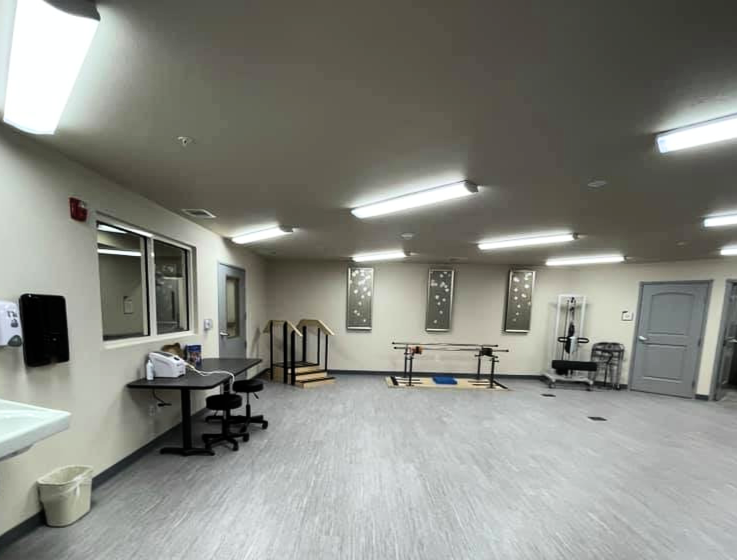
How is Five Points Nursing And Rehabilitation Staffed?

CMS rates FIVE POINTS NURSING AND REHABILITATION's staffing level at 1 out of 5 stars, which is much below average compared to other nursing homes. Staff turnover is 67%, which is 20 percentage points above the Texas average of 46%. High turnover can affect care consistency as new staff learn residents' individual needs.

What Have Inspectors Found at Five Points Nursing And Rehabilitation?

State health inspectors documented 22 deficiencies at FIVE POINTS NURSING AND REHABILITATION during 2023 to 2025. These included: 2 Immediate Jeopardy (the most serious level, indicating potential for serious harm or death) and 20 with potential for harm. Immediate Jeopardy findings are rare and represent the most serious regulatory concerns. They require immediate corrective action.

Who Owns and Operates Five Points Nursing And Rehabilitation?

FIVE POINTS NURSING AND REHABILITATION is owned by a for-profit company. For-profit facilities operate as businesses with obligations to shareholders or private owners. The facility is operated by CREATIVE SOLUTIONS IN HEALTHCARE, a chain that manages multiple nursing homes. With 120 certified beds and approximately 77 residents (about 64% occupancy), it is a mid-sized facility located in DESOTO, Texas.
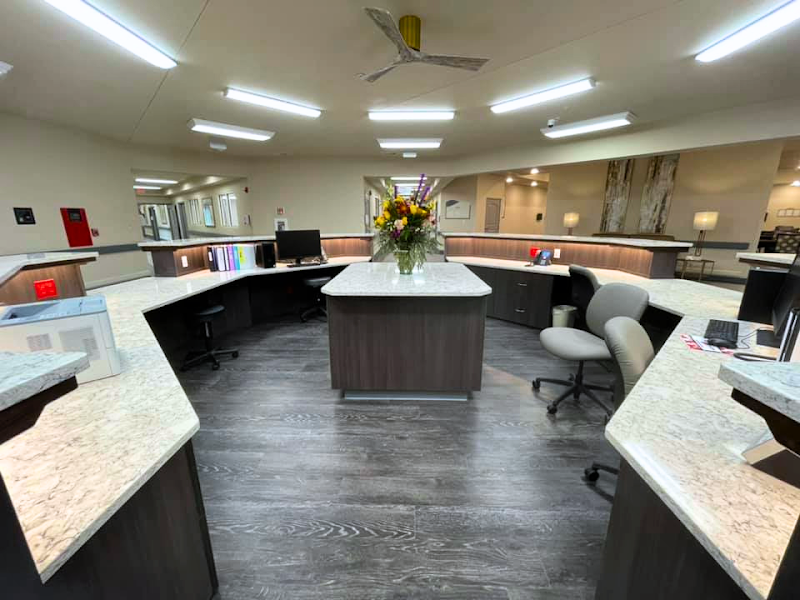
How Does Five Points Nursing And Rehabilitation Compare to Other Texas Nursing Homes?

Compared to the 100 nursing homes in Texas, FIVE POINTS NURSING AND REHABILITATION's overall rating (3 stars) is above the state average of 2.8, staff turnover (67%) is significantly higher than the state average of 46%, and health inspection rating (3 stars) is at the national benchmark.

What Should Families Ask When Visiting Five Points Nursing And Rehabilitation?

Based on this facility's data, families visiting should ask: "What changes have been made since the serious inspection findings, and how are you preventing similar issues?" "How do you ensure continuity of care given staff turnover, and what is your staff retention strategy?" "Can you walk me through typical staffing levels on day, evening, and night shifts?" "Can I visit during a mealtime to observe dining assistance and food quality?" These questions are particularly relevant given the facility's Immediate Jeopardy citations, the facility's high staff turnover rate, and the below-average staffing rating.

Is Five Points Nursing And Rehabilitation Safe?

Based on CMS inspection data, FIVE POINTS NURSING AND REHABILITATION has documented safety concerns. Inspectors have issued 2 Immediate Jeopardy citations (the most serious violation level indicating risk of serious injury or death). The facility has a 3-star overall rating and ranks #1 of 100 nursing homes in Texas. Families considering this facility should ask detailed questions about what corrective actions have been taken since these incidents.

Do Nurses at Five Points Nursing And Rehabilitation Stick Around?

Staff turnover at FIVE POINTS NURSING AND REHABILITATION is high. At 67%, the facility is 20 percentage points above the Texas average of 46%. High turnover means new staff may not know residents' individual needs, medications, or preferences. It can also be disorienting for residents, especially those with dementia who rely on familiar faces. Families should ask: What is causing the turnover? What retention programs are in place? How do you ensure care continuity during staff transitions?

Was Five Points Nursing And Rehabilitation Ever Fined?

FIVE POINTS NURSING AND REHABILITATION has been fined $31,284 across 2 penalty actions. This is below the Texas average of $33,392. While any fine indicates a compliance issue, fines under $50,000 are relatively common and typically reflect isolated problems that were subsequently corrected. Families should ask what specific issues led to these fines and confirm they've been resolved.

Is Five Points Nursing And Rehabilitation on Any Federal Watch List?

FIVE POINTS NURSING AND REHABILITATION is not on any federal watch list. The most significant is the Special Focus Facility (SFF) program, which identifies the bottom 1% of nursing homes nationally based on persistent, serious quality problems. Not being on this list means the facility has avoided the pattern of deficiencies that triggers enhanced federal oversight. This is a positive indicator, though families should still review the facility's inspection history directly.