Park Village Healthcare and Rehabilitation
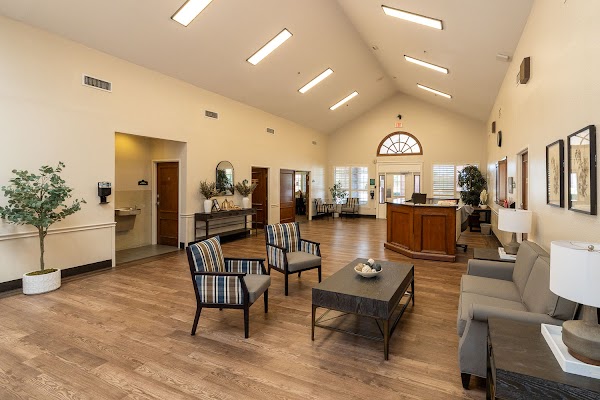
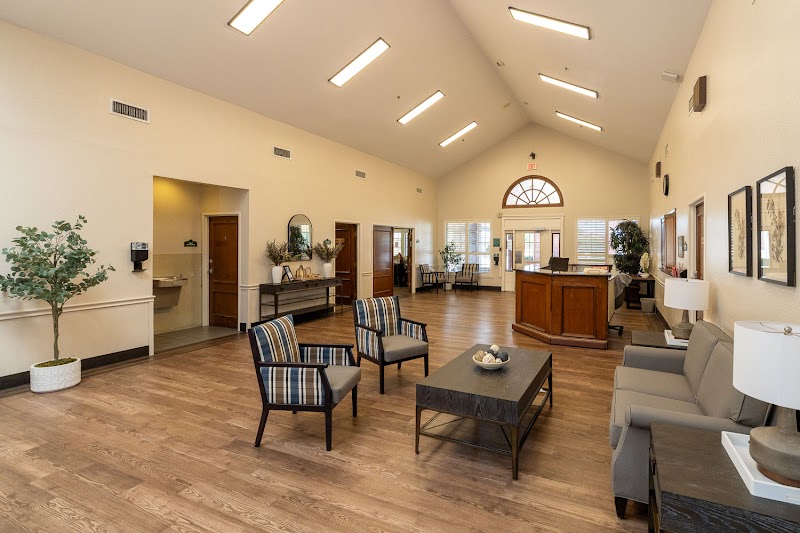
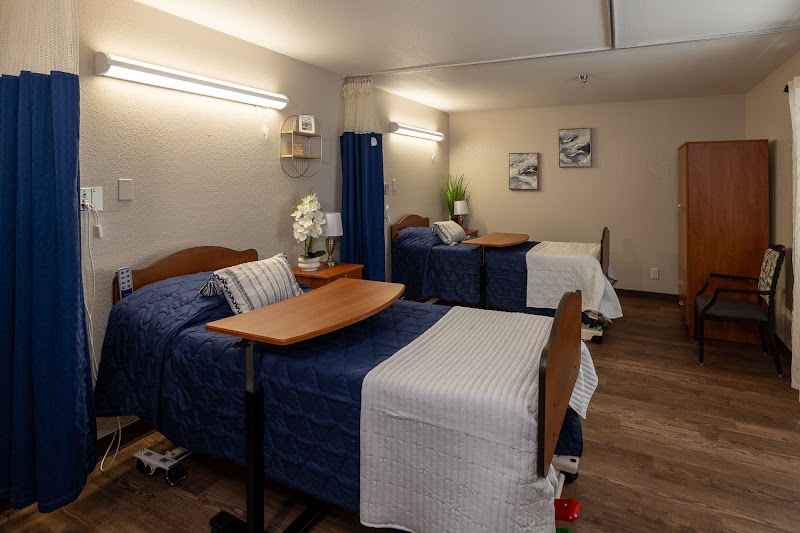
207 E Parkerville Rd, Desoto, TX 75115 (972) 230-1000
For profit - Limited Liability company 150 Beds THE ENSIGN GROUP Data: November 2025 6 Immediate Jeopardy citations
Trust Grade
0/100
#815 of 1168 in TX
Last Inspection: March 2025

Within standard 12-15 month inspection cycle. Federal law requires annual inspections.

Overview

Park Village Healthcare and Rehabilitation has received a Trust Grade of F, indicating significant concerns about the quality of care. It ranks #815 out of 1168 facilities in Texas, placing it in the bottom half, and #52 out of 83 in Dallas County, meaning there are many better options locally. The facility's trend is worsening, with issues increasing from 13 in 2024 to 18 in 2025. Staffing is a concern, with a rating of 2 out of 5 stars and a high turnover rate of 67%, well above the Texas average. Additionally, the facility has incurred $119,405 in fines, which is higher than 79% of Texas facilities, indicating ongoing compliance problems. There are critical incidents that raise serious alarm. For instance, the facility failed to implement an effective infection control program, putting residents at risk for the spread of disease. Also, a resident was hospitalized due to ant bites in their room, revealing inadequate pest control. Furthermore, there was a failure to notify a physician about significant changes in a diabetic resident's condition, leading to a hospital admission for serious complications. While the quality measures rating is excellent at 5 out of 5, the overall picture indicates serious weaknesses that families should carefully consider.
Trust Score
F
0/100
In Texas
#815/1168
Bottom 31%
Safety Record
High Risk
Review needed
Inspections
Getting Worse
13 → 18 violations
Staff Stability
⚠ Watch
67% turnover. Above average. Higher turnover means staff may not know residents' routines.
Penalties
✓ Good
$119,405 in fines. Lower than most Texas facilities. Relatively clean record.
Skilled Nurses
⚠ Watch
Each resident gets only 12 minutes of Registered Nurse (RN) attention daily — below average for Texas. Fewer RN minutes means fewer trained eyes watching for problems.
Violations
⚠ Watch
49 deficiencies on record. Higher than average. Multiple issues found across inspections.
★★☆☆☆
2.0
Overall Rating
★★☆☆☆
2.0
Staff Levels
★★★★★
5.0
Care Quality
★☆☆☆☆
1.0
Inspection Score
Stable
2024: 13 issues
2025: 18 issues

The Good

  • 5-Star Quality Measures · Strong clinical quality outcomes
  • Full Sprinkler Coverage · Fire safety systems throughout facility
  • No fines on record

Facility shows strength in quality measures, fire safety.

The Bad

2-Star Overall Rating

Below Texas average (2.8)

Below average - review inspection findings carefully

Staff Turnover: 67%

21pts above Texas avg (46%)

Frequent staff changes - ask about care continuity

Federal Fines: $119,405

Well above median ($33,413)

Significant penalties indicating serious issues

Chain: THE ENSIGN GROUP

Part of a multi-facility chain

Ask about local staffing decisions and management

Staff turnover is elevated (67%)

19 points above Texas average of 48%

The Ugly 49 deficiencies on record

6 life-threatening 2 actual harm
Oct 2025 1 deficiency 1 Harm
SERIOUS (G) 📢 Someone Reported This

A family member, employee, or ombudsman was alarmed enough to file a formal complaint

Actual Harm - a resident was hurt due to facility failures

Free from Abuse/Neglect (Tag F0600)

A resident was harmed · This affected 1 resident

**NOTE- TERMS IN BRACKETS HAVE BEEN EDITED TO PROTECT CONFIDENTIALITY** Based on observations, interviews, and record review, the facility failed to ensure residents were free from abuse for 1 (Reside...

Read full inspector narrative →
**NOTE- TERMS IN BRACKETS HAVE BEEN EDITED TO PROTECT CONFIDENTIALITY** Based on observations, interviews, and record review, the facility failed to ensure residents were free from abuse for 1 (Resident #2) of 5 residents reviewed for abuse.The facility failed to ensure Resident #2 was free from abuse when Resident #1 punched him on 09/09/25, causing Resident #2 to have a scratch on his nose.This failure could place residents at risk for severe and long-lasting impacts on physical, psychological, and emotional wellbeing.Findings included:Resident #2Record review of Resident #2's MDS Assessment, dated 09/04/2025, reflected the Resident#2 was a [AGE] year-old male who originally admitted to the facility on [DATE]. He had BIMS score of 5 indicating severe cognitive impairment. His diagnoses included Non-Alzheimer's Dementia (cognitive decline that is not caused by Alzheimer's disease), Cerebrovascular Accident (a medical term for a condition where there's a sudden interruption of blood flow to the brain, causing damage to brain tissue), and hemiplegia (a medical condition that causes paralysis or severe weakness on one side of the body) . Record review of Resident #2's care plan, Date Initiated: 12/13/2022 reflected the following:[Resident#2] demonstrated physical behaviors toward another Resident who would not move out the way so he could pass by in his wheelchair. 9/15/25 resident to resident altercation in a resident's room. Interventions dated 9/15/25 indicated for 1:1 monitoring ; Analyze key times, places, circumstances, triggers, and what de-escalates behavior and document and ; Document observed behavior and attempted interventions. Interventions dated 12/13/2022 indicated for Psychiatric/Psychogeriatric consult as indicated, when becomes agitated; Guide away from source of distress; Engage calmly in conversation; If response is aggressive, staff to walk calmly away, and approach later. Review of Resident #2's Progress Notes reflected the following:*9/15/2025 2:32pm - Upon entering resident's room the charge nurse observed the two resident's grabbing at each other and pulling each other's shirt. Residents immediately separated and placed on 1:1 observation, NP G, Administrator, RP, NP F notified, skin assessment completed, and resident assisted out of the room and to the front lobby. This entry was written by LVN A. 9/15/2025 7:08 pm SW communicated with psychiatrist. Psych visited the residents due to res-to-res allegations. One on one discontinued per psych. This entry was written by SW. Record review of Resident#2's Psychiatric Subsequent assessment dated [DATE] Reflected that Patient is a [AGE] year-old African American Male admitted to the facility on [DATE] for Long Term Care. Seen for follow up visit. Seen sitting in lobby, agreed to go to room to complete visit. Has history of depression and dementia. Resident seen today due to having a altercation with another resident. When asked what happened he reports going in another residents room due to being previous resident in the room, he went in to get deodorant that he thought he left in the room. States He just jumper silly, I have clothes still in the room and when I went in he was sleep, he jumped up and tried to hit me and missed then he grabbed my wheelchair and turned it over. Declines being threatened by other resident. He was not the aggressor. I will discontinue 1:1 at this time, staff to call this writer for any concerning behavior with patient. Depression: Patient endorses current symptoms of loss of interest and decreased concentration and denies symptoms of sad moods, fatigue, guilt, feelings of worthlessness, psychomotor agitation, psychomotor slowing and suicidal ideation/intent/plan and appetite change. Patient endorses history of sad moods. This entry was entered by NP D Resident #1Record review of Resident #1's MDS Assessment, dated 09/29/2025, Reflected the Resident #1 was a [AGE] year-old male who originally admitted to the facility on [DATE] and re admitted [DATE]. He had a BIMS score of 03, indicating severe cognitive impairment. His diagnoses included Non-Alzheimer's Dementia (cognitive decline that is not caused by Alzheimer's disease), Cerebrovascular Accident (a medical term for a condition where there's a sudden interruption of blood flow to the brain, causing damage to brain tissue), hemiplegia (a medical condition that causes paralysis or severe weakness on one side of the body). Record review of Resident #1's care plan, Date Initiated: 03/14/2024 Revised on: 09/15/2025 Reflected Potential to demonstrate physical behaviors r/t Anger, Dementia, Poor impulse control**** Resident noted to have altercation with brother in dining room and aggressive/trying to hit staff members/swinging at staff. 9/15/25- resident to resident altercation in resident's room. Interventions 9/15/25 1:1 monitoring Date Initiated: 09/15/2025 Analyze key times, places, circumstances, triggers, and what de-escalates behavior and document. Date Initiated: 09/15/2025 Assess and anticipate resident's needs: food, thirst. toileting needs, comfort level, body positioning, pain etc. Date Initiated: 03/14/2024 Document observed behavior and attempted interventions. Date Initiated: 03/14/2024 Psychiatric/Psychogeriatric consult as indicated. Date Initiated: 03/14/2024 When becomes agitated: Guide away from source of distress; Engage calmly in conversation; If response is aggressive, staff to walk calmly away, and approach later. Record review of Resident #1's Progress Notes reflected the following:*9/15/2025 2:34pm - Upon entering resident's room the charge nurse observed the two resident's grabbing at each other and pulling each other's shirt. Residents immediately separated and placed on 1:1 observation, [NP G], Administrator, [FM], [NP D] notified, skin assessment completed, and resident assisted out of the room and to the front lobby. This entry was written by LVN A.*9/15/2025 7:08pm SW communicated with psychiatrist. Psych visited the residents due to res-to-res allegations. One on one discontinued per psych. This entry was written by SW. Record review of Resident# 1's Psychiatric Subsequent assessment dated [DATE] reflected Seen for follow up visit. Resident seen resting in bed on 1:1. He has history of depression, anxiety, and dementia. He is being seen today due to having an altercation with another resident in which he was the aggressor. He has aphasia, so he is hard to understand. From what I understood he currently does not have a roommate and reports he was sleeping, and he was awakened due to the other resident coming into his room. He woke up startled and tried to get the other patient out of his room by swinging at him and turning over his wheelchair. He reports understanding that he cannot be aggressive with anyone in the facility. He declines being threatened by the other patient. Will discontinue 1:1 at this time. Will follow up with patient on Thursday and make changes to medications as needed Depression: Patient endorses current symptoms of decreased concentration and denies symptoms of sad moods, loss of interest, fatigue, guilt, feelings of worthlessness, psychomotor agitation, psychomotor slowing and suicidal ideation/intent/plan and appetite change. Patient endorses history of sad moods. This entry was entered by NP D Record review of the facility's incidents/accidents report from 07/01/25 to 10/01/25 reflected the incident on 09/15/2025 and there were no other incidents that involved Resident #1 or Resident #2. On 10/01/25 at 10:28 AM in an Observation and an interview with Resident #2 revealed he was sitting in a wheelchair in his room. Resident #2 said he was not in pain, the scratch to his nose had healed. He does not recall events leading to the altercation but he stated the crazy guy scratched his nose. He stated everyone was good to him, he got along with other residents and felt safe at the facility. On 10/01/2025 at 11:57AM in a telephone interview with LVN A revealed she was called to Resident#1's room by a lady who was at the facility to evaluate Resident#1 for transfer to an inpatient Physical therapy facility. LVN A stated when she got to the room Resident #2 was on the floor and Resident #1 was hitting Resident#2. She stated LVN A and the staffing coordinator separated Resident #1 from Resident #2, while CMA F assisted Resident #2 back to his chair. She stated she assessed Resident #2, he had a scratch on his nose and was bleeding. LVN A stated she treated the scratch on Resident #2 nose, then notified the MD, Administrator, DON, responsible parties, and psyche services. LVN A stated Resident #1 explained Resident#2 was in his closet taking his clothes and that was why they had an altercation. On 10/1/2025 at 2:01pm in an interview with the staffing coordinator revealed there was a vendor who was evaluating Resident #1 in his room alerted her and LVN A that Resident #1 and Resident #2 were fighting. She stated LVN A, CMA F and herself rushed to Resident #1s room. She stated she observed Resident#1 was on the chair punching Resident #2 who was on the floor next to Resident #2's wheelchair. She stated the staff separated the residents. She stated Resident#1 told the staff that Resident #2 was in his room going through Resident #1's personal belongings. She stated after the residents were separated and safe LVN A assessed the residents because Resident #2 was bleeding from his nose. She stated she was not aware of any incidents between Resident #1 and Resident #2 and was not aware if they had issues before. She stated she had been in-serviced on abuse neglect and resident to resident altercation. On 10/1/2025 at 11:15 am in an observation and interview with Resident #1 revealed he was in bed awake. Resident#1 shook his head from sided (indicating a no response) and said no when asked if anyone was in his room to take his personal belongings or if he had an altercation with another resident, he shook his head from side to side. On 10/1/2025 at 2:27PM Interview with the social worker revealed that when the altercation happened Resident#1 was in the process of transferring to an inpatient rehabilitation. She stated that Resident#1 and Resident #2 were roommates for a longtime and they got along very well. She stated that one day Resident #2 said that he no longer wanted to be roommates with Resident #1.She stated that there was no incident between the two of them. She stated that after the altercation she did one on one supervision with Resident #1 until he was cleared by psych. She stated that Resident #2 told her that he thought he had left some of his belongings in Resident#1s room, and that was the reason he had gone to Resident#1 room when the altercation happened. She stated that Resident#1 and Resident#2 have had no issues with other residents. She stated that she had been in-serviced on abuse prohibition and Resident to resident altercation. She stated that if two residents had an altercation, she would separate them notify the nurse to do an assessment, notify the DON and administrator. She stated that it the facility policy that after an altercation to have residents one on one supervision until they are evaluated by psyche services. On 10/1/2025 at 2:38pm in an interview with the DON revealed that the administrator and LVN A notified her of the altercation between Resident#1 and Resident#2. She stated that when the altercation happened Resident#2 was in Resident#1 closet taking his clothes out. The DON stated that LVN A, the staffing coordinator and CMA F separated the residents and the two residents were place on one-on-one supervision until they were evaluated by psych services. She stated that LVN A completed head to toe assessment, and Resident#2 had a scratch to his nose. The DON stated that the MD and responsible parties for both residents were notified. She stated that NP F evaluated Resident#1 and Resident#2 the discontinued the one-on-one supervision. She stated that the residents were separated by moving them to different sides of the hall to limit access to each other. She stated that the staff was in-serviced on Resident-to-Resident altercations and to observe and keep Resident#1 and Resident#2 from close proximity without isolating them. The DON stated that Resident#1 and Resident#2 were roommates, and they got along very well. She stated that one day Resident#1 refused to share something with Resident#2, then Resident #2 said he no longer wanted to share a room with Resident#1, so the facility moved Resident#2 to a different room. The DON stated that after moving rooms the residents still got along, they sat close together. The DON stated that the staff had been in-serviced on abuse and neglect and Resident to resident altercation and de-escalation. DON stated that Resident#1 and Resident#2s care plans were updated. On 10/1/2025 at 2:45pm in an interview with the Administrator revealed that he was notified by LVN A that Resident#1 and Resident#2 had an altercation and Resident#2 had a scratch on his nose that was bleeding. He began an investigation that revealed that Resident#2 went into Resident# 1 room and that was when the altercation happened. He stated that the two residents had been roommates before, and Resident #2 requested to be moved to another room. The administrator stated that after the altercation Resident#1 and Resident#2 were placed one on one supervision until both residents were seen by psyche services that evening and the one-on-one supervision was discontinued. He stated that the staff was in-serviced on abuse prohibition and Resident to Resident de-escalation and altercation. The facility notified the doctor and responsible parties for both Resident#1 and Resident#2. He stated that after the altercation the residents were separated to different sides of the hall to make sure they did not have access to each other. He stated that the next day Resident#1 was transferred to an in-patient rehabilitation for physical therapy, and when he returned the two residents remain of different halls and there have been no incidents between the two residents. He stated that Resident#1 and Resident#2 had no known previous incident with each other. Resident#1 had an incident sometime back, but he was the victim not the aggressor. He stated that both Resident#1 and Resident#2 have not had aggression towards other residents. He stated that the facility conducted safe surveys and there were no identified issues. On 10/1/2025 at 2:56pm in an interview with NP F revealed that she was notified by the facility that Resident#1 and Resident #2 had an altercation. She stated that both residents were on psych services, and she had been seeing them for a while and neither Resident#1 nor Resident#2 presented aggressive behavior previously. She stated that she evaluated Resident#1 and Resident#2 the same day in the evening. She stated that after evaluating Resident#1 and Resident#2 she determined that the incident happened because Resident#1 went to Resident#2 room to get what Resident#1 thought was his personal belongings, because that was his old room. She stated that Resident#1 was asleep and woke up suddenly to find Resident#2 going through his personal belongings, and he reacted aggressively partly due brain injury post stroke. She stated that after evaluating Resident#1 and Resident#2 she discontinued the one-on-one supervision because there was no evidence of danger to themselves, to each other, or to other residents. She stated that she was satisfied with the interventions that the facility took after the altercation including separating the Residents to opposite side of the hall to minimize access to each other. Record review of the facility's policy, Revised Revision/Review Date(s):4.2019; 1.2021; 1.2022; 10.2022 and titled Abuse: Prevention of and Prohibition Against reflected:1.Abuse is willful infliction of injury, unreasonable confinement, intimidation, or punishment with resulting physical harm, pain, or mental anguish. This includes the deprivation by an individual, including a caretaker, of goods or services that are necessary to attain or maintain physical, mental, and psychosocial well-being. Instances of abuse of all residents, irrespective of any mental or physical condition, cause physical harm, pain, or mental anguish. It includes verbal abuse, sexual abuse, physical abuse, and mental abuse including abuse facilitated or enabled through the use of technology. Physical Abuse includes but is not limited to hitting, slapping, pinching, and kicking. It also includes controlling behavior through corporal punishment.2.If the allegation of abuse, neglect, misappropriation of resident property, or exploitation involves another resident, the Facility will: Separate the residents so they do not interact with each other until circumstances of the reported incident can be determined. If a room change is appropriate, advise the residents and/or resident representatives of reason for the change in writing. Continue to assess, monitor, and intervene as necessary to maximize resident health and safety.
Aug 2025 1 deficiency
CONCERN (E) 📢 Someone Reported This

A family member, employee, or ombudsman was alarmed enough to file a formal complaint

Potential for Harm - no one hurt, but risky conditions existed

Infection Control (Tag F0880)

Could have caused harm · This affected multiple residents

**NOTE- TERMS IN BRACKETS HAVE BEEN EDITED TO PROTECT CONFIDENTIALITY** Based on observations, interviews, and record reviews, the facility failed to establish and maintain an infection prevention and...

Read full inspector narrative →
**NOTE- TERMS IN BRACKETS HAVE BEEN EDITED TO PROTECT CONFIDENTIALITY** Based on observations, interviews, and record reviews, the facility failed to establish and maintain an infection prevention and control program designed to provide a safe, sanitary, and comfortable environment and to help prevent the development and transmission of communicable diseases and infections for two (Resident #1 and Resident #2) of five residents, reviewed for infection control. 1. The facility failed to ensure LVN A wore the appropriate PPE and performed hand hygiene during wound care for Resident #1. 2. The facility failed to ensure CNA C and CNA D performed hand hygiene during incontinence care for Resident #2. This failure placed residents at risk for healthcare associated cross contamination and infections. Findings included: 1. Review of Resident #1's Quarterly MDS Assessment, dated 06/24/25, reflected the resident was a [AGE] year-old male admitted to the facility on [DATE]. His cognitive skills for daily decision making were moderately impaired. His diagnoses included high blood pressure. The resident had a Stage III pressure ulcer present on admission. Review of Resident #1's Care Plans reflected:08/20/25 Resident had a pressure ulcer on his sacrum related to disease process.Facility interventions: Use Enhanced Barrier Precautions.Administer treatments as ordered and monitor for effectiveness. An observation and interview on 08/20/25 at 10:15 AM of Resident #1 revealed LVN A was preparing to do wound care. The resident had a Stage III sacral wound. The resident had a sign for EBP posted on the door. There was not a PPE bin by the door. LVN A entered the room and put on gloves. LVN A did not put on a gown. LVN A cleaned the sacral wound. It was surrounded by pink scar tissue. The resident had approximately a quarter-sized open wound. Unknown depth. There were no signs of infection. LVN A did not change gloves or perform hand hygiene after cleaning the wound. LVN A applied collagen and a border gauze to the sacral wound. LVN A removed her gloves and washed her hands. LVN A said EBP required staff to wear a gown, gloves, and a mask. LVN A said she did not know that Resident #1 was on EBP. She also said she had not been trained on EBP. LVN A said the risk to the resident if she did not wear a gown, change gloves, and perform hand hygiene was contamination. LVN A said the resident's wound was healing. An interview on 08/20/25 at 10:30 AM with MA B revealed EBP were used for, infections or something. She said Resident #1 was not supposed to be on EBP. MA B said Resident #1 would need a sign and PPE available if he was on EBP. 2. Review of Resident #2's Quarterly MDS Assessment, dated 05/31/25, reflected the resident was an [AGE] year-old male admitted to the facility on [DATE]. He was usually understood and usually understood others. His diagnoses included kidney disease and cancer. The resident was dependent on staff for toileting. The resident was frequently incontinent of bowel and bladder. Review of Resident #2's Care Plans reflected:03/13/25 Resident had bowel/bladder incontinence related to disease process.Facility interventions included:Incontinent: Check as required for incontinence. Wash, rinse and dry perineum. An observation on 08/20/25 at 10:35 AM of incontinence care for Resident #2 revealed there was a PPE box outside of the door. There was no EBP sign posted. Resident #2 was lying in bed. He was awake, alert, and oriented. He said he had a wound on his bottom. CNA C and CNA D put on gloves and gowns to provide incontinence care before entering the room. CNA C said the resident was on EBP. CNA C said the sign was posted, but another resident in the facility would walk around and take down the signs. CNA C assisted the resident to turn to his left side. His brief was soiled with bowel movement. CNA C began cleaning the bowel movement. CNA C changed gloves and said I'm supposed to use hand sanitizer, but I don't have it. I'm supposed to use it between each glove change. CNA C changed gloves, but did not perform hand hygiene. The sacral area had two pinpoint openings areas. CNA C cleaned the area thoroughly, removed her gloves, and washed her hands. CNA C put down a clean brief and the resident was turned to his right side. CNA D cleaned the resident's other side of buttocks, and the resident was turned to his back. CNA D cleaned the resident's penis and scrotum. CNA D did not change gloves or perform hand hygiene. CNA D used the soiled gloves to apply cream to the resident's peri-area and fastened the brief. CNA D removed her gloves and washed her hands. An interview on 08/20/25 at 10:55 AM with CNA C revealed she said she did not perform hand hygiene. She said she should have gone in and washed her hands. She said the risk to Resident #2 was a possible transfer of infection. An interview on 08/20/25 at 12:55 PM with CNA D revealed she knew to change gloves and perform hand hygiene during incontinence care. She said she did not because, there was a lot going on. CNA D said the risk to Resident #2 was infection control. An interview on 08/20/25 at 1:10 PM with ADON E revealed she was the infection preventionist. She said EBP were used for residents with wounds, indwelling devices, and tracheostomies. ADON E said EBP were important to reduce risk of spread of infection. ADON E said with EBP, staff were supposed to wear a gown, gloves, and face shield (if spills were possible). She said the staff were trained on EBP in August 2025. ADON E said a resident on EBP was supposed to have a sign on the door and PPE in close proximity. She said Resident #2 did not have a sign posted because another resident in the facility would take the signs down. She said everyone was responsible for ensuring signs were kept posted, and she did not know why the resident did not have a sign posted on 08/20/25. ADON E said staff were supposed to wear appropriate PPE for EBP. ADON E said staff were supposed to change gloves and perform hand hygiene during wound care after cleaning the wound. ADON E said failure to wear appropriate PPE, change gloves, and perform hand hygiene placed the residents at risk for infection. ADON E said if staff were not aware of a resident being on EBP, there was a risk of transmission of infection. Record review of the facility in-service, PPE Donning and Doffing and EBP, dated 08/10/25, reflected:LVN A did not sign the in-service.MA B, CNA C, and CNA D signed the in-service. Record review of the facility in-service, Infection Prevention - Hand Washing/Hand Sanitizer, dated 08/10/25, reflected:LVN A did not sign the in-service.CNA C and CNA D signed the in-service. Record review of the facility policy, IPCP Standard and Transmission - Based Precautions, revised October 2022, reflected: .3. Enhanced Barrier Protection (EBP): expand the use of PPE and refer to the use of gown and gloves during high-contact resident care activities that provide opportunities for indirect transfer of MDRO's to staff hands and clothing then indirectly transferred to residents or from resident-to-resident. Record review of the facility policy, IPCP Standard and Transmission - Based Precautions, revised October 2022, reflected: When and How to Clean Hands.Before or after caring for someone who is sick.
Jul 2025 1 deficiency 1 IJ
CRITICAL (J) 📢 Someone Reported This

A family member, employee, or ombudsman was alarmed enough to file a formal complaint

Immediate Jeopardy (IJ) - the most serious Medicare violation

Deficiency F0925 (Tag F0925)

Someone could have died · This affected 1 resident

**NOTE- TERMS IN BRACKETS HAVE BEEN EDITED TO PROTECT CONFIDENTIALITY** Based on observation, record review and interview, the facility failed to maintain an effective pest control program so that the...

Read full inspector narrative →
**NOTE- TERMS IN BRACKETS HAVE BEEN EDITED TO PROTECT CONFIDENTIALITY** Based on observation, record review and interview, the facility failed to maintain an effective pest control program so that the facility is free of pests and rodents for 1 (Resident #1's room) of 8 residents room reviewed for pest. The facility failed to ensure Resident #1's room was free of ants on 07/20/25. As a result of the bites Resident#1 was transported to the local hospital and admitted on [DATE].Based on observation, record review and interview, the facility failed to maintain an effective pest control program so that the facility is free of pests and rodents for 1 (Resident #1's room) of 8 residents room reviewed for pest. The facility failed to ensure Resident #1's room was free of ants on 07/20/25. As a result of the bites Resident#1 was transported to the local hospital and admitted on [DATE]. The non-compliance was identified as past non-compliance (PNC). The IJ began on 07/20/25 and ended on 07/21/25. The facility had corrected the non-compliance before the state's investigation began. These failures could affect residents by placing them at risk of allergic reaction, decline in quality of life and death. Findings included: Record review of Resident#1's face sheet revealed, she was originally admitted on [DATE] and readmitted on [DATE] and diagnosed with Dementia (decline in cognitive function that affects daily living) in other diseases classified elsewhere, unspecified other severity, with mood disturbance (mental health conditions that primarily affect emotional states), unspecified Dementia, unspecified severity, without behavioral, other disturbance, psychotic disturbance (a condition in which one is unable to distinguish what is and is not real), mood disturbance, and anxiety, erosive (Osteo) arthritis (destruction of joint cartilage and bone erosion), other muscle weakness (Generalized), other unspecified lack of coordination, other personal history of Transient Ischemic attack ( caused by a brief blockage of blood flow to the brain) and cerebral and other infarction without residual deficits (blood flow to a part of the brain is obstructed, leading to tissue death due to lack of oxygen). Record review of Resident#1's MDS, dated [DATE] revealed her BIMS score was undetermined. Resident#1's functional limitation in range of motion reflected impairment on one side, coded for lower extremity (hip, knee, ankle, foot). Resident#1's functional abilities for mobility were undetermined. Record review of Resident#1's care plan, undated revealed, she was at risk for communication problem related to Dementia, at risk for impaired cognitive function/dementia or impaired thought processes r/t long term memory loss, Poor nutrition, short term memory loss, Dementia, and impaired decision making. Resident#1 had bowel/bladder incontinence r/t Alzheimer's, Confusion, Dementia, and impaired Mobility. Record review of Resident#1 EMS report, dated 07/20/25 reflected, Dispatched to nursing home for medical emergency. Upon arrival then [Resident#1] one was found in her wheelchair eyes completely swollen shut and family around her. Family reported that patient was found in her bed, by the family, covered in ants. The [Resident#1]had visible ant bites on her neck, face and eyes. The patient had Alzheimer's and was not able to communicate or provide any information. [Resident#1] was transferred to stretcher by EMS via picking patient up from the wheelchair and placing her on the stretcher. En route to hospital vital perform SPO2, BGL, lung sounds were clear, airway patent. [Resident#1], IV established and right hand 50 milligram of Diphenhydramine given via IV, 2 ants found on patient during transport. Vitals remain stable throughout transportation. Patient transported to [local hospital] for further observation and treatment.Record review of Resident#1's hospital records, dated 07/22/25 reflected, Resident#1 was admitted on [DATE] at 11:28 AM. Per EMS, several small ants were actively crawling around patient. Patient had noted bites around her entire body including her face and neck. Patient had noted eyelid swelling. EMS administered IV Benadryl at 15 mg. Patient's face swollen and red with some insect bites likely allergic reaction from insect bites, will start IV steroids, hydrocortisone and Benadryl cream.Visit diagnosed Insect bite, unspecified site, initial encounter (primary), Urinary tract infection without hematuria, site unspecified Dehydration and Unsatisfactory living conditions. Patient's [family member] also requested new placement to a different facility, case management assisted with placement. [Resident#1] was accepted at another SNF/NF and would be discharged on 07/23/25. Record review of the weekend MOD progress note dated 07/20/25 reflected, Writer was alerted by CNA of rash/swollen eyes. Upon entry to room, no ants present in room, on resident or bed/linen. Resident was removed from area and assessed. Linen had already been removed, bed cleaned, and resident was already showered. Scattered rash like areas noted to body and redness along with bilateral swollen eyes during assessment. Writer notified {medical doctor} made aware of clinical situation and new orders given. Family notified of orders and ER transport. Hydrocortisone cream applied to entire body and PRN pain med and Benadryl administered. EMT present and transferred resident to {local hospital} with family en route. Family provided with Administrator's contact info for any concerns. Record review of the Admin interview with CNA A reflected [CNA A] regarding the incident that took place Sunday 7/20/2025 morning. [CNA A] stated she had been in the room of the affected resident about an hour prior at 8:30 and had checked and changed resident for incontinence. Room was clean, no signs of ants in or around bed or on resident at that time. No signs of clutter in the room or open food to draw pests into the room. Record review of the PCC service Inspection Report dated 4/11/25 reflected, on 05/28/25 the following rooms where treated 106-109 and 405-408 for ants and general pest. The non-compliance was identified as past non-compliance (PNC). The IJ began on 07/20/25 and ended on 07/21/25. The facility had corrected the non-compliance before the state's investigation began. The facility took the following actions to correct the non-compliance prior to the survey: Record review of the PCC service Inspection Report dated 07/21/25 reflected the facility was treated for ants on 07/21/25 treated room [ROOM NUMBER] for ants and general pest. On 7/20/25 Treated room [ROOM NUMBER] for ants. Treated the exterior of hall 300 for ants and general pests. Record review of Resident#1 shower sheet, dated 07/20/25 reflected Resident#1 had a scattered rash on chest signed by the weekend MOD and CNA A. Record review of in-service training report dated 07/20/25, titled pest control/homelike environment /abuse prohibition conducted by ED in person and via phone reflected: Summary of in-service reflected: Our residents have the right to a safe, clean comfortable and home like environment. We must be diligent in our processes to ensure this for them. -Rooms need to be clean and free of odors. If you observe issues with cleanliness or odors, you must report it to housekeeping immediately and find the source. Facility needs to be free of pest. If you observe issues with pest control, you must report it to maintenance immediately via MS and notify ED or Maintenance-Facility must monitor food in resident rooms and ensure there aren't items drawing pest attention. If you observe issues, you must report it or correct if able.-Maintenance will adjust interventions as appropriate and as the seasons change. Including checking and treating for ants regularly.-Report to admin and DON if ants observed in residents' room, notify nurse immediately-Head to toe skin assessment to be completed by the nurse on both residents in the room.remove any ants-Remove resident and roommate from the room-check adjacent room for ants, room to be treated for ants,-Resident unable to return to room until treatment and deep cleaning completed During an observation on 07/22/25 at 8:30 am to 9:15 am revealed, the common area, dining area and rm# 301, 302, 303, 304, 305,306,307,308, 309, 310, 311 and 312 were free of ants. In an interview on 07/22/25 at 8:43 am CNA B stated residents in the unit did not eat in their room. CNA B stated snacks were kept in a white container and were given out and staff cleaned up right after. CNA B stated the facility had issues in the past with bugs and they let the MD know. CNA B stated she had not seen ants in Resident#1 room before 07/20/25. CNA B was in serviced over the phone about pest control, resident abuse, homelike environment, and Resident#1 was transported to hospital on [DATE]. In an interview on 07/22/25 at 9:28 am the HKS stated they cleaned and disinfected common areas and resident's rooms daily. HKS stated when notified of a pest sighting, the HKS would first let the MD know. The HKS stated everything would be taken out of the resident's room and washed. The HKS stated Resident#1 room was deep cleaned and then deep cleaned again the following day. The HKS stated she viewed a small number of active and unactive ants in Resident#1 room. In an interview on 07/22/25 at 10:05 am, the MD stated it was reported to him on 07/20/25 that a Resident#1 was bitten by ants. The MD came to the facility and immediately sprayed the Resident#1 room and exterior. The MD stated pest control came out 07/20/25 and 07/21/25 and treated the interior and exterior of the facility. The MD stated the facility had minor problems in the past with residents who had spilled food in their rooms and ants followed the trail. The MD stated staff were supposed to report in MS any pest sighting. MD stated PCC technician came out twice a month to treat the facility. The MD stated the last pest control inspection was on 06/20/25. In an interview on 07/22/25 at 10:20 am the HSW stated Resident #1would be discharged to another SNF/NF. The HSW stated Resident#1's planned discharge was on 07/23/25. In an interview on 07/23/25 at 10:28 am, the HN stated that Resident#1 did not talk and was not ambulatory. The HN stated Resident#1 slept most of the day and a family member had been at her side. The HN stated Resident#1 was in the hospital for an allergic reaction to ant bites from a nursing home. Interview and observation at the local hospital on [DATE] at 10:33 am revealed Resident #1 had bites on her eyelids, face and neck. The Family member stated she visited Resident#1 on the morning of 07/20/25. Resident#1's legs were covered with a blanket and when she moved the blanket ants were crawling on her legs. The Family member stated Resident#1's eyes were swollen shut and there were ants crawling on the wall. The family member stated she went and got CNA A who assisted with Resident#1.Attempted to call LVN I on 07/22/25 at 2:24 pm and did not receive a return call before exit.In an interview on 07/22/25 at 2:30 pm weekend MOD stated LVN I called her about Resident#1 had an allergic reaction to ant bites. The weekend MOD informed the DON about the ant bites. The weekend MOD stated she did a head-to-toe assessment and documented in Resident#1 progress notes the findings. The weekend MOD stated she remember the resident having a rash on her chest and her eyes were swollen. The weekend MOD stated Resident#1 hair was wet and she did not find any ants on her. In an interview on 07/22/25 at 3:36 pm CNA A stated at 8:15 am on 07/20/25 she went into Resident#1's room to provide incontinent care and turned to feed Resident#1 and she would not eat. CNA A stated she did not see any ants in Resident#1's room at that time. CNA A stated the family member came and got her around 10 something. CNA A stated Resident#1's eyes were swollen. CNA A stated she notified LVN I and she called the MD by calling his number. CNA A stated she was in-serviced on 07/20/25 to notified LVN I so they could do a head-to-toe assessment on the resident and roommate. CNA stated Resident#1 was given a shower. CNA A stated no ants were found on the roommate side of the room. CNA A stated nearby rooms should be checked for ants and staff must make sure all food was cleaned up.In an interview on 07/22/25 at 3:40 pm CNA C stated she was not there when the incident happened with Resident#1. CNA C was in-serviced on 07/21/25 on homelike environment, pest control and resident abuse. CNA C stated she had not seen any ants. CNA C stated any sighting of pest should be reported to the MD and tell the nurse so she could do a head-to-toe assessment. Interviews on 07/22/25 from 3:45 pm to 4:10 pm revealed LVN D, CNA E, LVN F, CNA G and LVN H stated if pests were seen, first remove the residents from the room, then the MD and Admin were called, the nurse did a head-to-toe assessment, adjacent rooms were checked for pests, they removed residents' belongings, and the HK deep cleaned the rooms. In an interview on 07/22/25 at 4:12 pm the HK stated if they noticed pests to first notify the MD and then bag residents' items and complete laundry. The HK stated the room was deep cleaned twice and adjacent rooms were checked. In an interview on 07/22/25 at 10:02 am the PCC technician stated the company treated the facility twice a month. PCC stated one exterior treatment would be enough to take care of the ants. PCC technician stated he came in on 07/20/25 and 07/22/25 and treated the interior and exterior of the facility for ants. The PCC technician stated no ants were found in the rooms. The PCC technician stated a lot of things could have led to an ant problem such as the weather. The PCC technician stated little showers and heavy rain caused everything on the ground to move around and food being left out could cause ants. In an interview on 07/22/25 at 4:15 pm the DON and Admin stated the Facility immediately cleared Resident #1, and her bed of ants. Resident #1 was showered and affected areas treated, housekeeping immediately deep cleaned the room, and pest control was called immediately to come and treat the room as well as adjacent rooms. Residents on the hall were checked head to toe for skin assessments, and no other signs of ants or bites were sighted. The DON stated Resident#1 roommate had a head-to-toe assessment and no bites were found on her or in her personal belongings. The DON stated Resident#1 roommate was transferred to 200 hall. Admin stated Pest control treated the exterior of the facility as well as the ant hills on the property. All staff were in-serviced on pest control, safe homelike environment, and abuse prohibition. The MD did exterior rounds of the facility and checked for entrance sights and hills and provided exterior treatment. The PCC Technician came back out the next day for a follow up treatment. Dept heads continue to round twice a day to check for signs of pests. Staff are to notify maintenance via MS and group message as well as the Admin immediately. The DON and Admin stated any pest sighted in the resident rooms will require resident to have a head-to-toe assessment immediately and room deep cleaned. During an observation on 07/22/25 at 4:45 pm the surveyor did an exterior walk through of the facility and ant hills were not noticed at that time of visit. Observed a lot of greenery and shrubbery around the facility. During an observation on 07/22/25 at 5:00 pm, resident rm# 106-109, 206, 211 and 405-408 were checked for ants. The surveyor did not observed pest at the time of visit. During an observation and interview on 07/23/25 at 11:30 am the MD and surveyor did an exterior walk through of the facility. The MD stated ant hills were treated and then knocked down the following day. The MD identified spots where ants had been knocked down and no active ants were observed at the time of the visit. Record review of the PCC service Inspection Report dated 07/21/25 reflected, On 7/20/25 Treated room [ROOM NUMBER] for ants. Treated the exterior of hall 300 for ants and general pests. On 07/21/25 treated room [ROOM NUMBER] for ants and general pest Record review of facility policy titled, safe/comfortable/homelike environment, revised 01/22 revealed: Residents are provided with a safe, clean, comfortable and homelike environment. Record review of a pest contract revealed the agreement was effective October 1, 2021, and reflected .8. Service Provider's Schedule and Availability, service provider shall be reasonably available to the Facility and shall spend sufficient time at the facility premises to fulfill service provider's duties hereunder. Record review of facility policy titled, physical Environment, revised 05/2020 reflected: POLICY:It is the policy of this facility to utilize pesticides and rodenticides in a safe and efficient manner to control pests with the least amount of contamination to the environment.Responsibilities:Facility staff will:1. Report any pest sightings and file a report using the pest observation log.2. Document problems found during inspection and the remedial actions taken.3. Advise staff on preventive measure, unsanitary conditions, etc.4. Secure services of a Pest Control company for routine and PRN services to control pests with the least amount of contamination to the environment.Pest Identification:The following guidelines for pest identification:1. When pests are sighted, determine why the infestation is occurring and advise department on preventive measures.2. Use pesticides only after all other channels of control are exhausted.3. Use pesticides only as a preventive measure and in conjunction with proper mechanical controls.4. Report insect or pest sightings to the housekeeping/maintenance supervisor immediately. Include the following information:a. Type of problemb. Locationc. Person reporting and time reported.Pest Prevention:The following are guidelines for pest prevention:1. All storage and food preparation areas are to be kept clean. This includes walls, floors, shelving, cabinet tops, sinks, equipment, etc.2. Keep grounds free of trash and brush.3. Keep the dumpster area clean.4. Food stored in resident rooms will be in covered containers.5. Clean up food spills.6. Screen foundation areas with mesh.
Jun 2025 3 deficiencies
CONCERN (D) 📢 Someone Reported This

A family member, employee, or ombudsman was alarmed enough to file a formal complaint

Potential for Harm - no one hurt, but risky conditions existed

Deficiency F0761 (Tag F0761)

Could have caused harm · This affected 1 resident

Based on observation, interview, and record review, the facility failed to store all drugs and biologicals in locked compartments and permit only authorized personnel to have access for one (Hall 400)...

Read full inspector narrative →
Based on observation, interview, and record review, the facility failed to store all drugs and biologicals in locked compartments and permit only authorized personnel to have access for one (Hall 400) of three medication carts reviewed for pharmacy services. On 06/19/25, LVN A failed to ensure medication cart was locked when not being used at the nursing station on Hall 400. This failure could place residents at risk of having access to unauthorized medications and/or lead to possible harm or drug diversion. Findings included: Observation on 06/19/25 at 11:10 am revealed the medication cart was unlocked in front of the nurse's station. The drawers faced the hallway, and no staff was in sight. LVN A walked by the medication cart and pressed the lock closed and left 400 Hall with a resident. The medication cart was left unlocked for approximately 5 minutes and no residents and visitors were in the area at that time. Interview on 06/19/25 at 11:20 am, LVN-PRN B stated the medication cart should be locked when not in use because residents could take medications out of the cart and take the wrong medication. Interview on 06/19/25 at 12:10 pm, LVN A stated she had a resident that returned from dialysis and went to go check on the resident. LVN A stated she was taking a resident off of the hall, checked the cart, and locked it. LVN A stated she should have locked the cart when she walked away. Interview on 06/20/25 at 9:15 am, the DON stated the medication cart should be locked to prevent drug diversion and access to medications by residents. Record review of the facility's policy titled Care and Treatment/ Pharmacy revised July 2023 reflected: It is the policy of this facility to store all drugs and biological in locked compartments .The medication supply is accessible only to licensed nursing personnel, pharmacy personnel, or staff members lawfully authorized to administer medications . Medication rooms, carts, and medication supplies are locked or attended by persons with authorized access.
CONCERN (E) 📢 Someone Reported This

A family member, employee, or ombudsman was alarmed enough to file a formal complaint

Potential for Harm - no one hurt, but risky conditions existed

Food Safety (Tag F0812)

Could have caused harm · This affected multiple residents

Based on observations, interviews, and record review, the facility failed to store, prepare, distribute, and serve food in accordance with professional standards for food service safety for 1 of 1 kit...

Read full inspector narrative →
Based on observations, interviews, and record review, the facility failed to store, prepare, distribute, and serve food in accordance with professional standards for food service safety for 1 of 1 kitchen reviewed for kitchen safety. 1. The cook failed to sanitize the thermometer between checking breakfast food on 06/20/25. 2. The cook failed to check the temperature of the cinnamon rolls, biscuits and fried eggs before they were served to the residents, These deficient practices could affect residents who received meals and/or snacks from the facility's only kitchen by placing them at risk for cross contamination and other food-borne illnesses. Findings included: Observation on 06/20/25 at 6:48 am to 7:40 am, the [NAME] checked the temperature of the scrambled eggs and wiped the thermometer off with a rag that was seating on the cart beside her. The [NAME] checked the temperature of the oatmeal, grits, puree sausage and puree eggs and did not sanitize the thermometer between checking each item. The [NAME] did not check the temperatures of the cinnamon rolls, biscuits, and fried eggs before being served to the residents on the hallway. Interview on 06/20/25 at 7:40 am, the [NAME] stated she did not sanitize the thermometer between foods because she did not have alcohol swabs, and they were about to serve the residents in the dining hall. Interview on 06/20/25 at 7:55 am, the Dietary Manager stated alcohol swabs were supposed to be kept in the kitchen, and she left out of the kitchen and got some. Interview on 06/20/25 at 9:00 am, the Dietary Manager stated by not wiping the thermometer off with the alcohol swabs between food items could put residents at risk of bacteria and infection The Dietary Manager stated not checking the temperatures of the food could led to illness and death. Dietary Manager stated she was aware of bloody chicken that was served to a resident over the weekend and would be in servicing staff on checking temperatures before serving food. Interview on 06/20/25 at 9:15 am, the DON stated that not wiping the thermometer could cause cross contamination, and not checking the temperatures of the food could cause food to not be cooked all the way. Interview on 6/20/25 at 10:30 am Admin nodded yes and did not respond to risk to resident question. Record review of the facility's policy titled Dietary Services, revised October 2022 reflected: It is the policy of this facility to prevent contamination of food products and therefore prevent foodborne illness. Record review of Safe Food Handling | FDA , updated 03/05/24 ,reflected: Cook to the right temperature Color and texture are unreliable indicators of safety. Using a food thermometer is the only way to ensure the safety of meat, poultry, seafood, and egg products for all cooking methods. These foods must be cooked to a safe minimum internal temperature to destroy any harmful bacteria. Cook eggs until the yolk and white are firm. Only use recipes in which eggs are cooked or heated thoroughly. When cooking in a microwave oven, cover food, stir, and rotate for even cooking. If there is no turntable, rotate the dish by hand once or twice during cooking. Always allow standing time, which completes the cooking, before checking the internal temperature with a food thermometer.
CONCERN (E) 📢 Someone Reported This

A family member, employee, or ombudsman was alarmed enough to file a formal complaint

Potential for Harm - no one hurt, but risky conditions existed

Safe Environment (Tag F0921)

Could have caused harm · This affected multiple residents

Based on observation, interview, and record review, the facility failed to provide a safe, functional, sanitary, and comfortable environment for residents, staff, and the public for 2 (Halls 100 and 4...

Read full inspector narrative →
Based on observation, interview, and record review, the facility failed to provide a safe, functional, sanitary, and comfortable environment for residents, staff, and the public for 2 (Halls 100 and 400) of 3 halls reviewed for environmental concerns. 1. The facility failed to lock 2 Hoyer lifts , bed with mattress, bed frame in the hallway on 06/19/25 could be a fall risk and injury concern and issue for residents. 2. The facility failed to lock 1 Hoyer lift, bed frame and left pallet seating upright by the storage supply closet on 06/20/25 could be a fall risk and injury concern and issue for residents. This deficient practice could place residents at risk of falls, injuries, and decreased quality of life. The findings included: Observation on 06/19/25 at 10:40 am on hall 100 revealed there was an unlocked bed and unlocked bed frame on hall 100. Observation on 06/19/25 at 10:50 am on hall 400 revealed there was an unlocked Hoyer lift and unlocked bed frame. Interview on 06/19/25 between 1:00 pm to 1:40 pm, CNA D, CNA E and CNA F stated the nursing staff were responsible to lock and store the Hoyer lifts after being used. Observation on 06/20/25 at 8:00 am on Hall 100 revealed a pallet was seating up upright against the wall with two boxes on top on the side of the storage door, and a Hoyer lift, bed frame was left unlocked down the hall. Interview on 06/20/25 at 8:10 am, LVN C stated CNAs were responsible to lock the Hoyer lift and put it away. Interview on 06/20/25 at 9:15 am, the DON stated everyone was responsible to put the Hoyer lift up after it had been used. The DON stated the unlocked equipment in the hallway could be a fall risk and injury concern and issue for residents. Interview on 06/20/25 at 9:22 am, the Central Supplies Coordinator stated normally the Maintenance Director broke the boxes down and took the pallet outside. The Central Supply Coordinator stated residents were not in danger because most of the resident down the hall were in wheelchairs and residents were pushed down the hall by therapy or staff. Interview over the phone on 06/20/25 at 8:32 AM, the Maintenance Director stated it would take a lot for a resident to move an unlocked frame or bed. The Maintenance Director stated he usually took the pallets and boxes out back after supplies were put up. Interview on 6/20/25 at 10:30 am Admin stated ok to the equipment being left unlocked in the hallway and if there were risk to the residents. Record review of facility admission packet, undated reflected, safe environment. You have a right to a safe, clean, comfortable and homelike environment .
May 2025 1 deficiency
CONCERN (D) 📢 Someone Reported This

A family member, employee, or ombudsman was alarmed enough to file a formal complaint

Potential for Harm - no one hurt, but risky conditions existed

Grievances (Tag F0585)

Could have caused harm · This affected 1 resident

**NOTE- TERMS IN BRACKETS HAVE BEEN EDITED TO PROTECT CONFIDENTIALITY** Based on observation, interview, and record review, the facility failed to ensure the right to file grievances anonymously for 1...

Read full inspector narrative →
**NOTE- TERMS IN BRACKETS HAVE BEEN EDITED TO PROTECT CONFIDENTIALITY** Based on observation, interview, and record review, the facility failed to ensure the right to file grievances anonymously for 1 (Resident #1) of 3 residents reviewed for grievances. 1. The facility failed to ensure Resident #1 had access to file a grievance anonymously. The facility's failure could place the residents at risk for concerns not being reported and addressed. Findings included: Record review of Resident #1's MDS admission assessment, dated 02/19/25, reflected she was a [AGE] year-old female who admitted to the facility on [DATE]. Her BIMS score was 12. Her cognitive status was moderately impaired. Her diagnoses included stroke and diabetes. Record review of the Facility Grievances for April 2025 and May 2025 reflected there were four grievances completed for Resident #1, but none of them were filed anonymously. An interview on 05/28/25 at 11:00 AM with Resident #1 revealed she had a personal notebook that she wrote her complaints in. She said she would have a nurse make a copy of the document and she would take it to the SW or the DON and she felt like they did not want to hear from her. Resident #1 said her concerns on the paper were not addressed and she did not know where the grievance forms were. Resident #1 said she did not know if a grievance was ever filed for her complaints. She said she wanted to file a grievance anonymously but did not know how. An interview on 05/28/25 at 12:30 PM with the SW revealed she thought Resident #1 had provided her a copy of her complaints one time, but she could not remember for sure. She said she thought she filled out a grievance for the issues for Resident #1. The SW said she thought the paper with the resident's complaints might have been put with the grievance form, but she could not remember. The SW said a resident could file a grievance by getting a form from the receptionist and the office. The SW said she did not know if residents had access to the forms if there was not a staff at the receptionist desk. The SW said after a grievance form was filled out then it was given to her. An observation on 05/28/25 at 12:40 PM revealed there were blank grievance forms at the receptionist desk, but you could only obtain a grievance form from the receptionist. An interview on 05/28/25 at 1:00 PM with LVN A revealed Resident #1 had a personal notebook and would ask her to make copies of it. LVN A said she gave the originals and copies back to the resident. LVN A said Resident #1 did not voice any complaints to her. An interview on 05/28/25 at 2:15 PM with the DON revealed Resident #1 barely talked to her. The DON said Resident #1 thought the DON was sarcastic and nagging to her. The DON said Resident #1 did not give any complaints to her. A follow-up interview on 05/28/25 at 3:50 PM with the SW revealed she was the grievance official. She said there was not a way for a resident to file a grievance anonymously, but that a resident could report concerns to her. The SW also said that any staff member could take a grievance and fill it out for the resident. An interview on 05/28/25 at 4:15 PM with the Administrator revealed the facility was in the process of posting grievance forms on the wall so that residents could grab the grievance form and file it anonymously. The Administrator said residents who were bed bound would have to get a form from a staff member. The Administrator said residents who could not file anonymous grievances were at risk for not being able to safely express their concerns. Record review of the facility policy, Grievances, revised December 2023, reflected: It is the policy of this facility to establish a grievance process that allows the resident(s) a way to execute their right to voice concerns or grievances to the facility or other agency/entity without fear of discrimination or reprisal. Such grievances include those with respect to care and treatment which has been furnished as well as that which has not been furnished, the behavior of staff and of other residents, and other concerns regarding their facility stay. The facility will make information on how to file a grievance available to the residents and make prompt efforts to resolve grievances that the resident may have .
Mar 2025 8 deficiencies 1 IJ (1 affecting multiple)
CRITICAL (K) 📢 Someone Reported This

A family member, employee, or ombudsman was alarmed enough to file a formal complaint

Immediate Jeopardy (IJ) - the most serious Medicare violation

Infection Control (Tag F0880)

Someone could have died · This affected multiple residents

**NOTE- TERMS IN BRACKETS HAVE BEEN EDITED TO PROTECT CONFIDENTIALITY** Based on observation, interview, and record review, the facility failed to maintain an Infection Control Program designed to hel...

Read full inspector narrative →
**NOTE- TERMS IN BRACKETS HAVE BEEN EDITED TO PROTECT CONFIDENTIALITY** Based on observation, interview, and record review, the facility failed to maintain an Infection Control Program designed to help prevent the transmission of disease and infection; maintain a system for preventing, identifying, reporting, investigating, and controlling infections and communicable diseases for all residents, staff, volunteers, and visitors; follow accepted national standards; follow a system of surveillance designed to identify possible communicable diseases or infections before they could spread to other persons in the facility; follow standard and transmission-based precautions to prevent spread of infections for twenty eight residents (Residents #1, #6, #7, #8, #10, #11, #13, #15, #19, #20, #27, #28, #38, #41, #44, #48, #49, #52, #54, #55, #57, #60, #63, #64, #66, #69, #71, and #73) of seventy three residents reviewed for infection and two (Resident #1 and #59) of three residents observed for incontinence care and one (Resident #277) of one resident observed for wound care. The facility failed to identify the outbreak, isolate the residents and perform proper hand hygiene as per CDC guidelines. The facility failed to implement and maintain contact precautions. Residents with gastrointestinal symptoms were participating in group meetings and eating food in the dining room with residents that were not sick. Residents with gastrointestinal illness were in their rooms with residents that were not displaying symptoms. The facility failed to perform proper cleaning and decontamination of infected rooms. The facility failed to report the outbreak to the local authority. The facility failed to have a system in place to evaluate and screen employees for nausea, vomiting and diarrhea symptoms. As a result, the facility experienced an outbreak of suspected norovirus beginning on 03/17/25. 2. The facility failed to ensure CNA E changed her gloves and performed hand hygiene while providing incontinence care to Resident #1 on 03/18/25. 3. CNA A failed to wear appropriate PPE when providing incontinent care for Resident #59 who supposed to be on EBP. These failures place the residents at risk of exposure to possible infectious agents. 4. The facility failed to ensure ADON J donned the appropriate PPE during wound care for Resident #277, who was on enhanced barriers precautions, on 03/19/25. 5. The facility failed to implement and train staff on transmission-based precautions for symptomatic residents. These failures placed the residents residing in the facility at risk for the development of GI outbreak and related complications including dehydration and cross-contamination of pathogens and illness. An Immediate Jeopardy was identified on 03/20/25. The IJ template was provided to the facility on [DATE] at 1:40 PM. While the Immediate Jeopardy was removed on 03/24/25, the facility remained out of compliance at a scope of pattern and a severity level of actual harm that is not Immediate Jeopardy, due to facility continuation of in-servicing and monitoring the plan of removal. Findings Included: 1. Record review of the facility's 24-hour report for 03/17/25 to 03/18/25 reflected Residents #15, #20, #27, #54, #55, #60, #66, and #71 had nausea and vomiting; Resident #19 had vomited twice; Resident #44 had vomited on 03/17/25 and 03/18/2025; Resident #28, #57, and had vomited once; Resident #10 and #11 had diarrhea once and was given Imodium for next diarrhea .; Resident #277 had a new order by physician to test for c.diff [Clostridioides difficile]( a bacterial infection of the colon). Record review of the facility's infection control mapping dated 3/18/25 reflected 21 residents had signs and symptoms of nausea/vomiting or diarrhea. Record review of the facility's 24-hour report dated 03/18/25 to 03/19/25 reflected Resident #7, #15, #27, #32, #50, #54, #56, #64, #60, #71, had nausea, vomiting, and diarrhea. Record review of the facility's 24-hour report dated 03/19/25 to 03/20/25 reflected Resident #8 had an episode of diarrhea; Resident #4 laxative was held due to resident having diarrhea, Resident #51 had vomiting. Resident #41 had a change of condition with diarrhea and new order for Imodium every 6 hours for diarrhea as needed. Resident #57 had administration of laxative held due to diarrhea. Resident #48 had nausea, vomiting, and diarrhea. Record review of the facility's 24-hour report dated 03/20/25 to 03/21/25 reflected Resident #1, #8, #27, #32, #41, #52, #54, #64, were on contact precautions for diarrhea. Resident #277 tested positive for c.diff [Clostridioides difficile]( a bacterial infection of the colon), isolation precautions were in place and she had no diarrhea or gastrointestinal complaints. Resident #48's administration of laxative was held due to loose stool earlier and Zofran was administered. In a confidential group interview on 03/19/25 residents stated that they had experienced loose stools, nausea, and vomiting for the past few days. They stated that they had not been on any isolation precautions, had been given Imodium and Zofran and it helped the symptoms. 2-Record review of Resident #7's Quarterly MDS assessment dated [DATE] reflected she was a [AGE] year-old female admitted to the facility on [DATE] with diagnoses of cognitive communication deficit, seizure disorder, and a BIMS score of 8 (moderately impaired cognition). Resident #7 was occasionally incontinent of urine and always continent of bowl. Record review of Resident #7's care plan, dated initiated 03/20/25 revealed a focus area of: Risk for infection r/t Active communicable pathogen (GI SYMPTOMS TO INCLUDE: NAUSEA/VOMITING/DIARRHEA) . interventions included educating resident on handwashing, monitoring for signs and symptoms of active infection, and notify physician. Record review of Resident #7's physician orders revealed an order for enhanced barrier precautions with a start date of 02/28/2025 and a wound to her right shin with a start date of 02/13/25. Record review of Resident #7's POC Response History (CNAs documentation in the resident's chart) revealed Resident #7 had episodes of diarrhea on 03/16/2025 at 1:06 PM, 03/17/2025 at 6:44 PM, 03/19/2025 at 3:56 AM, 12:35 PM, and 9:33 PM and on 03/20/2025 at 2:35 PM. Record review of Resident #7's progress note dated 03/15/2025 at 3:52 AM reflected Resident complaining of nausea at this time. Per standing orders Phenergan 12.5 mg given by mouth. NP notified of nausea . Note dated 03/19/2025 at 2:09 AM reflected Resident has been complaining of loose stool this shift. In an attempt to interview Resident #7 on 03/18/2025 at 10:53 AM revealed she was non-interviewable. Observation of Resident #7 on 03/19/2025 at 9:15 AM revealed she was laying in bed asleep and had a brown stain on the seat of her pant. Further observation revealed Occupational Therapist (OT) AE entered Resident #7's room and asked if she was sick and if she wanted to get up for therapy. Resident #7 replied that she was not sick but she did not have breakfast because her stomach hurt and she wanted to go to therapy. In an interview on 03/19/25 at 10 AM with CNA G revealed she stated Resident #7 did not have any episodes of loose stools/diarrhea or vomiting and was able to use restroom herself. She stated nurses were notified for any change of condition. In an interview on 03/19/25 at 11 AM with RN AD revealed she stated Resident #7 did not have any nausea/vomiting/diarrhea and was on enhance barrier precautions due to a wound on her shin. 2-Record review of Resident #48's Quarterly MDS assessment dated [DATE] reflected he was a [AGE] year-old male admitted to the facility on [DATE] with diagnoses of stroke and cognitive communication deficit and BIMS score of 12 (moderately impaired cognition). Resident #48 was frequently incontinent of urine and always continent of bowl. Record review of Resident #48's physician orders revealed an order for Zofran dated 07/15/23: Zofran oral tablet 4 mg give by mouth every 4 hours as needed for nausea, and vomiting. Record review of Resident #48's POC Response History (CNAs documentation in the resident's chart) revealed Resident #48 had episodes of diarrhea on 03/19/2025 at 9:37 PM and 03/21/2025 at 1:45 PM and 8:36 PM. Record review of Resident #48's e-MAR dated 03/18/25 through 03/24/25 reflected, Resident#48 was administered Zofran on 3/19/2025 and 03/20/2025. Record review of Resident #48's progress note dated 03/19/2025 at 6:30 PM reflected Resident was given PRN Zofran and standing order Imodium for loose stoolx3 today . Record review of Resident #48's progress note dated 03/20/2025 at 7:18 PM reflected he was administered Zofran for mild nausea and at 7:28 PM resident's Colace for constipation was held due to loose stool earlier. 3-Record review of Resident #13's Quarterly MDS assessment dated [DATE] reflected she was a [AGE] year-old female admitted to the facility on [DATE] with diagnoses included dementia, cognitive communication deficit. Resident #13's BIMS score of 2 indicated her cognition was severely impaired. Resident #13 was frequently incontinent of urine and bowel. Record review of Resident #13's care plan dated 11/18/2024 reflected Resident #13 was at risk for impaired cognitive function/dementia or impaired thought process. Record review of Resident #13's progress note dated 03/21/2025 09:34 reflected Resident was having loose stools. Record review of Resident #13's POC Response History (CNAs documentation in the resident's chart) revealed Resident #13 had episodes of diarrhea on 03/18/2025 at 09:18 PM, 03/19/2025 at 02:27 AM, 03/19/2025 at 10:11 AM, 03/20/2025 at 03:47 AM. Record review of Resident #13's physician orders reflected resident #13 had a standing order on 03/18/2025 for Zofran Oral Tablet 4 MG (Ondansetron HCl) Give 4mg by mouth, administered every 4 hours as needed for Nausea and Vomiting, Imodium A-D Oral Tablet 2 MG (Loperamide HCl) Give 2 mg by mouth every 6 hours as needed for Diarrhea. 4-Record review of Resident #49's Quarterly MDS assessment dated [DATE] reflected she was an [AGE] year-old female with an initial admission date of 06/07/2022 with diagnoses included Alzheimer's disease, cognitive communication deficit. Resident #49's BIMS score of 4 indicated her cognition was severely impaired. Resident #49 was occasionally incontinent of urine. Record review of Resident #49's care plan dated 06/09/2022 reflected she was at risk for impaired cognitive function. Record review of Resident #49's progress note dated 03/21/2025 09:02 AM reflected resident is experiencing loose stools during patient care. Record review of Resident #49's POC Response History (CNAs documentation in the resident's chart) revealed Resident #49 had episodes of loose stool/diarrhea on 03/18/2025 at 08:56 PM, 03/19/2025 at 07:27 PM, 03/20/2025 at 10:22 AM and 09:59 PM. Record review of Resident #49's physician orders report reflected Resident #49 had a standing order on 03/18/2025 for Zofran Oral Tablet 4 MG (Ondansetron HCl) Give 4mg by mouth, administered every 4 hours as needed for Nausea and Vomiting, Imodium A-D Oral Tablet 2 MG (Loperamide HCl) Give 2 mg by mouth every 6 hours as needed for Diarrhea. 5-Record review of Resident #54's Quarterly MDS assessment dated [DATE] reflected she was a [AGE] year-old female with an admission date of 03/04/2023 with diagnoses included dementia, cognitive communication deficit. Resident #54 was always incontinent of bowel and urine. Record review of Resident #54's care plan dated 03/07/2023 reflected she had ADL self-care performance deficit, cognitive deficit and physical dependence required. Record review of Resident #54's progress note dated 03/18/2025 04:49 AM reflected resident had nausea and vomiting. Record review of Resident #54' POC Response History (CNAs documentation in the resident's chart) revealed Resident #54 had episodes of loose stool/diarrhea on 03/14/2025 at 12:22 AM and 07:33 PM, 03/17/2025 at 01:02 PM, 03/18/2025 at 02:15 AM, 01:59 PM and 08:17 PM. Record review of Resident #54's order summary reflected resident #54 had an as needed standing order on 03/18/2025 for Imodium A-D Oral Tablet 2 MG (Loperamide HCl) Give 2 mg by mouth every 6 hours as needed for Diarrhea, Zofran Oral Tablet 4 MG (Ondansetron HCl) Give 4 mg by mouth every 4 hours as needed for Nausea and Vomiting. 6-Record review of Resident #73's Quarterly MDS assessment dated [DATE] reflected she was a [AGE] year-old female with an admission date of 02/12/2025 with diagnoses included dementia, cognitive communication deficit. Resident #73's BIMS score of 3 indicated her cognition was severely impaired. Resident #73 was occasionally incontinent of urine. Record review of Resident #73's care plan dated 02/21/2025 reflected resident had bowel/bladder incontinence related to Dementia. Record review of Resident #73's progress note dated 03/18/2025 04:49 AM reflected resident #73 had nausea and vomiting. Record review of Resident #73' POC Response History (CNAs documentation in the resident's chart) revealed Resident #54 had episodes of loose stool/diarrhea on 03/14/2025 at 12:22 AM and 07:33 PM, 03/17/2025 at 01:02 PM, 03/18/2025 at 02:15 AM, 01:59 PM and 08:17 PM, 03/19/2025 at 01:46 AM and 07:03 PM. Record review of Resident #73's physician orders reflected Resident #73 had standing order on 03/18/2025 for Zofran Oral Tablet 4 MG (Ondansetron HCl) Give 4 mg by mouth every 4 hours as needed for Nausea and Vomiting, Imodium A-D Oral Tablet 2 MG (Loperamide HCl) Give 2 mg by mouth every 6 hours as needed for Diarrhea. 7-Record review of Resident #69's quarterly MDS, dated [DATE], reflected she was an [AGE] year-old female admitted to the facility on [DATE] with diagnoses that included dementia (loss of intellectual functioning, especially with impairment of memory and abstract thinking, and often with personality change, resulting from organic disease of the brain), hypertension, and anemia. Resident#69 has a BIMS score of 09/15 indicating moderate cognitive impairment. Record review of Resident #69's care plan, dated 03/20/25, reflected she Focus. Risk for infection r/t Active communicable pathogen (GI SYMPTOMS TO INCLUDE: NAUSEA/VOMITING/DIARRHEA). Goal. Will be free of infection by review date. Will mitigate risk of transmission of a pathogen. Interventions/Tasks. Educate resident/family/caregivers regarding the importance of handwashing. Use soap and water and dry hands using disposable towels. Monitor for sign and symptoms of active infection and notify physician. Record review of Resident #69's physician orders reflected an order dated 03/20/25: Monitor each shift for nausea, vomiting, diarrhea. Notify MD for any of the symptoms. Record review of Resident #69's physician orders reflected an order dated 03/18/25: Zofran oral tablet 4 mg give by mouth every 4 hours as needed for nausea, and vomiting. Record review of Resident #69's physician orders reflected an order dated 03/18/25: Imodium A-D oral tablet 2 mg give by mouth every 6 hours as needed for diarrhea. e-MAR review for Resident#69 dated 03/18/25 through 03/24/25 reflected, Resident#69 was not administered Zofran and Imodium tablets. Record review of Resident #69's POC Response History (CNAs documentation in the resident's chart) dated 03/17/25 through 03/24/25 reflected Resident #69 had two loose stool/diarrhea on 03/18/25, and one loose stool/diarrhea on 03/19/25. 8-Record review of Resident #6's annually MDS, dated [DATE], reflected she was an [AGE] year-old female originally admitted to the facility on [DATE], and readmitted on [DATE] with diagnoses that included dementia (loss of intellectual functioning, especially with impairment of memory and abstract thinking, and often with personality change, resulting from organic disease of the brain), hypertension, and diabetes mellitus. Resident#6 has a BIMS score of 02/15 indicating sever cognitive impairment. Record review of Resident #6's care plan, dated 02/02/25, reflected she Focus. Has bowel/bladder incontinent r/t Dementia AND Physical ASSIST WITH ADL's. Goal. Will be free from skin breakdown due to incontinence and brief use through the review date. Interventions/Tasks. Incontinent: check as required for incontinence. Wash, rinse and dry perineum Record review of Resident #6's physician orders reflected an order dated 03/20/25: Monitor each shift for nausea, vomiting, diarrhea. Notify MD for any of the symptoms. Record review of Resident #6's physician orders reflected an order dated 03/18/25: Zofran oral tablet 4 mg give by mouth every 4 hours as needed for nausea, and vomiting. Record review of Resident #6's physician orders reflected an order dated 03/18/25: Imodium A-D oral tablet 2 mg give by mouth every 6 hours as needed for diarrhea. e-MAR review for Resident #6 dated 03/18/25 through 03/24/25 reflected, Resident#6 was not administered Zofran and Imodium tablets. Record review of Resident #6's Tasks titled Bowel movement/Bowel continence dated 03/17/25 through 03/24/25 reflected Resident#6 had one loose bowel movement on 03/18/25. 9-Record review of Resident #27's quarterly MDS, dated [DATE], reflected she was an [AGE] year-old female admitted to the facility on [DATE] with diagnoses that included dementia (loss of intellectual functioning, especially with impairment of memory and abstract thinking, and often with personality change, resulting from organic disease of the brain), hypertension, anemia, and diabetes, mellitus. Resident#27 has a BIMS score of 02/15 indicating sever cognitive impairment. Record review of Resident #27's care plan, dated 02/02/25, reflected she Focus. Has an alteration in gastro-intestinal status r/t diarrhea, nausea, vomiting. Goal. Will remain free from discomfort, complications or s/sx related to gastro-intestinal alterations through review date. Will mitigate risk of transmission of a pathogen. Interventions/Tasks. Contact isolation precautions. Record review of Resident #27's physician orders reflected an order dated 03/20/25: Monitor each shift for nausea, vomiting, diarrhea. Notify MD for any of the symptoms. Record review of Resident #27's physician orders reflected an order dated 03/18/25: Zofran oral tablet 4 mg give by mouth every 4 hours as needed for nausea, and vomiting. Record review of Resident #27's physician orders reflected an order dated 03/18/25: Imodium A-D oral tablet 2 mg give by mouth every 6 hours as needed for diarrhea. e-MAR review for Resident #27 dated 03/18/25 through 03/24/25 reflected, Resident#27 was not administered Zofran and Imodium tablets. Record review of Resident #27's Tasks titled Bowel movement/Bowel continence dated 03/17/25 through 03/24/25 reflected Resident#27 had one loose bowel movement on 03/20/25. Interview on 03/20/25 at 09:40 AM, CNA A denied residents (Resident#6, Resident #59, Resident#27, Resident#69) had diarrhea in the last four days (03/17/25, 3/18/25, 3/19/25, and 3/20/25). She stated she was notified about the residents' symptoms during the shift change and getting report from the outgoing CNAs. CNA A stated do not have any resident with diarrhea in the unit now. Interview on 03/20/25 at 09:45 AM, LVN C denied residents (Resident#6, Resident #59, Resident#27, Resident#69) had diarrhea in the last four days (03/17/25, 3/18/25, 3/19/25, and 3/20/25). She stated there was no residents with diarrhea in the unit in the last four days. She stated residents (Resident#6, Resident #59, Resident#27, Resident#69) complained of nausea, and vomiting. She stated report the signs and symptoms to DON, MD, and family. In an interview on 03/20/25 at 10:58 AM with CNA N revealed she was out sick, and she denied having any gastrointestinal symptoms. She stated she had. 10-Record review of Resident #1's Quarterly MDS assessment dated [DATE] reflected she was a 94 -year-old female admitted to the facility on [DATE] with diagnoses included dementia and cognitive communication deficit. Resident #1's BIMS score of 9, which indicated Resident #1' cognition was moderately impaired, Resident #1 was incontinent of bowel and bladder. Record review of Resident #1's Nurse note dated 03/18/25 at 7:02 AM reflected, Resident had episode of diarrhea. Medical doctor gave new order to initiate as needed standing order for Imodium 2 mg by mouth administered x 1 for diarrhea. Will continue to monitor. Record review of Resident #1' POC Response History (CNAs documentation in the resident's chart) revealed Resident #1 had one episode of loose stool/diarrhea on 3/18/25 at 7:07 AM and another episode on 3/19/25 at 4:21 AM. Interview on 03/20/19 at 8:40 AM, with CNA E revealed that Resident #1 had diarrhea yesterday, CNA E said she told her charge nurse. She was unaware of Resident #1 having any more symptoms on her shift. Interview on 03/20/25 at 08:59 AM, with LVN I revealed that CNA E, on morning shift on 03/18/25 reported to her Resident #1 had diarrhea. She stated Resident #1 had another episode or diarrhea on 03/19/25. In an observation on 03/18/25 at 09:57 AM, CNA E and CNA F entered Resident #1's room to provide peri care. Both staff washed their hands and put on gloves CNA E unfastened the resident brief and she cleaned her front pubic area with several wipes. CNA E with the soiled gloves on she rolled the resident on her side by pushing her by the back, and the thigh. She removed the soiled brief and discarded it. CNA F held resident. CNA E removed and discarded her gloves, she sanitized hands and donned clean gloves, she wiped the anal area from front to back and then the buttocks, changing to a clean wipe with each swipe. CNA E removes gloves, sanitized hands, and donned clean gloves. She placed a clean draw sheet and brief under the resident. Both staff then rolled the resident over, and CAN F pulled the clean sheet under the resident. the staff closed the resident brief, repositioned her in bed, and covered the resident. Both staff then removed their gloves and washed their hands. In an interview on 03/18/25 at 10:10 AM, CNA E stated she should change her gloves and perform hand hygiene when she went from dirty to clean. CNA E stated she contaminated Resident #1's shirt when she pushed her by her back with soiled gloves. CNA E stated failing to provide proper care exposed the resident to infections. CNA E stated she did not realize she had soiled gloves on when she pushed resident to turn her on the side. 11-Record review of Resident #59's quarterly MDS, dated [DATE], reflected she was an [AGE] year-old female admitted to the facility on [DATE] with diagnoses that included dementia (loss of intellectual functioning, especially with impairment of memory and abstract thinking, and often with personality change, resulting from organic disease of the brain), hypertension (High blood pressure), anxiety disorder, and non-pressure chronic ulcer right foot (a persistence open sore or wound that develops on the skin, often on the legs .). Resident#59 has a BIMS score of 01/15 indicating sever cognitive impairment. Her Functional Status reflected she was dependent on staff for toileting hygiene including incontinent care. Record review of Resident #59's care plan, dated 02/02/25, reflected she Focus. ENHANCED BARRIER PRECAUTIONS: PPE required for high resident contact care activities. Indication: wounds. Goal. Will be free from complications related to infections through the review date. Interventions/Tasks. Use Enhanced Barrier Precautions. Record review of Resident #59's physician orders reflected an order dated 06/27/24:Enhanced Barrier Precautions: PPE required for high resident contact care activities. Indication: wound, Indwelling medical device, infection and/or MDRO status. Record review of Resident #59's physician orders reflected an order dated 03/20/25: Monitor each shift for nausea, vomiting, diarrhea. Notify MD for any of the symptoms. Record review of Resident #59's physician orders reflected an order dated 03/18/25: Zofran oral tablet 4 mg give by mouth every 4 hours as needed for nausea, and vomiting. Record review of Resident #59's physician orders reflected an order dated 03/18/25: Imodium A-D oral tablet 2 mg give by mouth every 6 hours as needed for diarrhea. e-MAR review for Resident#59 dated 03/18/25 through 03/24/25 reflected, Resident#59 was not administered Zofran and Imodium tablets. Record review of Resident #59's Tasks titled Bowel movement/Bowel continence dated 03/17/25 through 03/24/25 reflected Resident#59 had 2 episodes of loose stool/diarrhea on 03/18/25, and 4 episodes of loose stool/diarrhea bowel movement on 03/19/25. Observation on 03/18/25 at 11:01 AM, of Resident #59's incontinent care, provided by CNA A, revealed CNA A washed hands and donned gloves and no gown. There was a signage and supplies for EBP outside of the Resident#59's room at the left side of the entrance. Interview on 03/18/25 at 11:20 AM, CNA A stated Resident #59 has a wound and that way there was a signage and the supplies for EBP in front of the room. CNA A stated she forget to wear required PPE when she went to provide incontinent care for Resident#59. CNA A the risk to resident development of infection. CNA A stated she had been in serviced on EBP. Record review of of CNA A's competency skills revealed she was competent in prevention and control of infections and donning and doffing PPE . 12-Record review of Resident #277's Comprehensive MDS assessment dated [DATE] reflected she was an 84 -year-old female admitted to the facility on [DATE] with diagnoses included pressure ulcer of sacrum, dementia, and cognitive communication deficit. Resident #1's BIMS score of 15, which indicated Resident #277's cognition was intact, Resident #277 was always incontinent of bowel and bladder. In an observation of wound care on Resident #277 by ADON J on 03/19/25 at 12:06 PM, revealed Resident #277 was on Enhanced barriers precautions. There was signage on the right side of the door that informed visitors/staff she was on enhanced barriers precautions, perform hand hygiene before and after leaving room, necessary PPE to wear in room, and donning/doffing (put on/remove) information. ADON J placed gauze, pair of scissors, a calcium alginate dressing (a soft comfortable, highly absorbent dressing), wound cleanser and dry dressing on the bed side table after she cleaned it. ADON J entered the resident's room without any form of PPE, there was PPE cart outside the door of the room. She washed her hand and donned clean gloves and she proceeded to wound care for Resident #277 without wearing gown. She performed wound care without other concerns, she washed hands and left the room. In an interview with ADON J on 03/19/25 at 12:30 PM, she stated she was supposed to wear gown and gloves when providing wound care to resident on enhanced barrier precaution and stated she had failed to do that. She stated failing to wear the proper PPE during wound care created a risk of cross contamination. 13-Record review of Resident #28's Quarterly MDS assessment dated [DATE] reflected the resident was an [AGE] year-old female admitted to the facility on [DATE] with diagnoses included cerebral infarction (a condition where blood flow to the brain is interrupted, causing brain tissue to die), dementia, and need for assistance with personal care. Resident #28's BIMS score of 3, which indicated Resident #28' cognition was severely impaired. Record review of Resident #28's nurse's note dated 03/17/25 at 11:46 PM, reflected, Vomiting x1 noted. Medical doctor notified. Record review of Resident #28's nurse's note dated 03/11/25 at 6:56 AM, reflected, Resident had episode of diarrhea. Medical doctor gave new order to initiate as needed standing order for Imodium 2 mg by mouth. Administered x 1 for diarrhea. Will continue to monitor. Record review of Resident #28's POC Response History (CNAs documentation in the resident's chart) revealed Resident #28 had one episode of diarrhea on 3/18/25 at 7:07 AM. Interview on 03/20/25 at 8:59 AM, with CNA F revealed she worked on 03/18/25 on the 6 AM to 2 PM shift on hall 100. She stated Resident #28 had diarrhea when she changed her in the morning. She stated she reported it to the nurse. Interview on 03/20/25 at 8:59 AM, with LVN I revealed on 03/18/25 in the morning she was told by the CNA F that Resident #28 had diarrhea. She stated she notified the physician and received order to give Imodium and to continue to monitor for symptoms. 14-Record review of Resident #63's quarterly MDS assessment dated [DATE] reflected she was a 75-year- old female admitted to the facility on [DATE] with diagnoses included hypertension (elevated blood pressure), osteoarthritis and bipolar disorder. She was cognitively impaired. Review of Resident #63's nurse's note dated 03/18/25 at 6:55 AM, revealed Resident #63 had episode of diarrhea. Medical doctor gave new order to initiate as needed standing order for Imodium 2 mg by mouth. Administered x1 for diarrhea. Will continue to monitor. Record review of Resident #63's POC Response History (CNAs documentation in the resident's chart) revealed Resident #63 had one episode of diarrhea on 3/18/25 at 6:48 AM, and at 6:28 PM and on 3/19/25 at 4:11 PM. Interview on 03/20/25 at 8:59 AM, with CNA F revealed she worked on 03/18/25 on the 6 AM to 2 PM shift on hall 100. She stated Resident #63 had a large loose stool when she changed her in the morning. She stated she reported it to the nurse. Interview on 03/20/25 at 8:59 AM, with LVN I revealed on 03/18/25 in the morning she was told by the CNA F that Resident #63 had diarrhea. She stated she notified the physician and received order to give Imodium and to continue to monitor for symptoms. In an interview with the DON on 03/18/25 at 12:53 PM, she stated she was aware that some residents had symptoms of diarrhea, nausea and vomiting since last night. She stated nurses notified the physician and received order for medication and monitoring. She stated the facility do not isolate residents with symptoms of diarrhea and vomiting if they had less than 3 episodes in 24 hours. In an interview with the Medical Director on 03/18/25 at 03:05 PM, he stated the nurse called him yesterday to report residents with gastrointestinal symptoms (diarrhea, vomiting and nausea). He stated, Norovirus going around. He stated he treated symptoms with medication, and he stated residents with symptoms should isolated, and not eating in the dining with other residents. He stated isolation is a standing order for the facility to prevent spread of the infection. In a follow up interview with the DON on 03/18/25 at 03:47 PM, she stated if a resident had symptoms of diarrhea, nausea and vomiting the staff would monitor, follow doctor's orders, and follow facility protocol which was to isolate resident if having more than 3 episodes of diarrhea. In an email from the Administrator on 03/18/25 at 3:05 PM, reflected the following residents had nausea/vomiting/diarrhea symptoms: Resident#8 and #41- as of the end of the day of 03/19/25 there were no additional residents, and one employee, CNA N, was out sick. In an email from the Administrator on 03/20/25 at 9:23 AM, reflected the following residents had nausea/vomiting/diarrhea symptoms was Residents #6, #10, #11, #15, #19, #20, #27,[TRUNCATED]
CONCERN (D) 📢 Someone Reported This

A family member, employee, or ombudsman was alarmed enough to file a formal complaint

Potential for Harm - no one hurt, but risky conditions existed

Safe Environment (Tag F0584)

Could have caused harm · This affected 1 resident

**NOTE- TERMS IN BRACKETS HAVE BEEN EDITED TO PROTECT CONFIDENTIALITY** Based on observation, record review and interview, the facility failed to provide housekeeping and maintenance services necessar...

Read full inspector narrative →
**NOTE- TERMS IN BRACKETS HAVE BEEN EDITED TO PROTECT CONFIDENTIALITY** Based on observation, record review and interview, the facility failed to provide housekeeping and maintenance services necessary to maintain a sanitary, orderly and comfortable interior environment for one residents' room (room [ROOM NUMBER] 301 ) of 6 residents' rooms reviewed for clean and sanitary environment. The shared bathroom in resident room [ROOM NUMBER] 301 had a water leak coming from underneath the toilet seat crossing in front of the sink and going to the shower drain. These failures could affect residents by placing them at risk of not having a clean, sanitary, and comfortable environment. Findings included: 1. Observation of Resident #69, and Resident#32's shared bathroom on 03/18/2 at 10:41 AM showed a water leak coming from underneath the toilet seat crossing in front of the sink and going to the shower drain. Observation/Interview with Maintenance Director on 03/19/25 at 09:02 AM he looked at the bathroom floor in room [ROOM NUMBER] 301 and stated it may have a leak somewhere. He flushed the toilet and looked under the toilet tank and stated the leaking is from under the tank. He stated did not know about this leak in the Residents' Bathroom . He stated his staff do water flush monthly in all the residents' bathrooms and check the residents' rooms status at the same time He stated, he would get it fixed. He stated the risk to the resident, resident could slip and fall because of the water in the floor. Interview on 03/20/2025 at 09:45 AM with LVN C, she stated did not know about the water in the residents' bathroom. She stated any staff who noticed the water on the floor should put the wet floor signage in front of the bathroom and put an order in the system for the maintenance supervisor to fix it. She stated the risk to residents was they can fall. Interview on 03/22/25 at 4:53 PM the DON stated she expected CNAs to report it, log it in the maintenance department log system, called it in to them, and put yellow signage in front of the bathroom. She stated she expected the maintenance supervisor to fix the leak. She stated the risk to residents injury. Interview on 03/22/25 at 5:16 the administrator stated, he expected the staff to report the leak in the residents' room toilet to maintenance supervisor, and for maintenance supervisor to fix it. He stated the risk to residents fall. Review of facility policy dated 06/2013 titled Policy and procedure for Falls, Standard. This facility is committed to promoting resident autonomy by providing an environment that remains as free of accident hazards as possible
CONCERN (D) 📢 Someone Reported This

A family member, employee, or ombudsman was alarmed enough to file a formal complaint

Potential for Harm - no one hurt, but risky conditions existed

Free from Abuse/Neglect (Tag F0600)

Could have caused harm · This affected 1 resident

**NOTE- TERMS IN BRACKETS HAVE BEEN EDITED TO PROTECT CONFIDENTIALITY** Based on interview and record review, the facility failed to protect the residents right to be free from physical abuse by Resid...

Read full inspector narrative →
**NOTE- TERMS IN BRACKETS HAVE BEEN EDITED TO PROTECT CONFIDENTIALITY** Based on interview and record review, the facility failed to protect the residents right to be free from physical abuse by Resident #60 for 1 resident (Resident #6) of 24 residents reviewed for abuse and neglect. On 01/25/25, Resident # 60 swung at Resident #6 and hit Resident # 6's right eye. Resident # 6 sustained bruising under the right eye. This failure placed the facility's residents at risk for abuse and neglect. Findings included: Record review of Resident #6's annual MDS, dated [DATE], reflected she was an [AGE] year-old female originally admitted to the facility on [DATE], and readmitted on [DATE] with diagnoses that included dementia (loss of intellectual functioning, especially with impairment of memory and abstract thinking, and often with personality change, resulting from organic disease of the brain), hypertension (elevated blood pressure), and diabetes mellitus (elevated blood sugar). Resident#6 has a BIMS score of 02/15 indicating severe cognitive impairment. Record review of the Resident#60 Quarterly MDS, dated [DATE], reflected she was [AGE] years old female originally admitted to the facility on [DATE], and readmitted on [DATE] with diagnoses that included dementia (loss of intellectual functioning, especially with impairment of memory and abstract thinking, and often with personality change, resulting from organic disease of the brain), hypertension (elevated blood pressure), and diabetes mellitus (elevated blood sugar). Resident#60 has a BIMS score of 05/15 indicating severe cognitive impairment. Interview on 03/18/25 at 1:35 PM with LVN C, revealed at first, she did not remember the incident, and after she looked at her notes, she stated yes that day (01/25/25) the residents (Resident#6, Resident#60) had an altercation here in front of the nursing station. She stated CNA A separated them. She stated, she assessed both residents and Resident #6 had a bruise under her right eye, and Resident #60 did not have any bruising . She stated she reported the incident to the MD, ADON, and DON . LVN C denied any Based on interview and record review, the facility failed to protect the residents right to be free from physical abuse by Resident #60 for 1 resident (Resident #6) of 24 residents reviewed for abuse and neglect. On 01/25/25, Resident # 60 swung at Resident #6 and hit Resident # 6's right eye. This failure placed the facility's residents at risk for abuse and neglect. Findings included: Record review of Resident #6's annual MDS, dated [DATE], reflected she was an [AGE] year-old female originally admitted to the facility on [DATE], and readmitted on [DATE] with diagnoses that included dementia (loss of intellectual functioning, especially with impairment of memory and abstract thinking, and often with personality change, resulting from organic disease of the brain), hypertension (elevated blood pressure), and diabetes mellitus (elevated blood sugar). Resident#6 has a BIMS score of 02/15 indicating severe cognitive impairment. Record review of the Resident#60 Quarterly MDS, dated [DATE], reflected she was [AGE] years old female originally admitted to the facility on [DATE], and readmitted on [DATE] with diagnoses that included dementia (loss of intellectual functioning, especially with impairment of memory and abstract thinking, and often with personality change, resulting from organic disease of the brain), hypertension (elevated blood pressure), and diabetes mellitus (elevated blood sugar). Resident#60 has a BIMS score of 05/15 indicating severe cognitive impairment. Interview on 03/18/25 at 1:35 PM with LVN C, revealed at first, she did not remember the incident, and after she looked at her notes, she stated yes that day (01/25/25) the residents (Resident#6, Resident#60) had an altercation here in front of the nursing station. She stated CNA A separated them. She stated, she assessed both residents and Resident #6 had a bruise under her right eye, and Resident #60 did not have any bruising . She stated she reported the incident to the MD, ADON, and DON . LVN C denied any other altercation between the two residents. Interview on 03/18/25 at 1:38 PM with CNA A, she stated Resident #6 was sitting on her wheelchair in front of the nursing station, when Resident #60 who was standing next to her swung at her and hit her right eye. CNA A stated she separate the two residents immediately. CNA A denied any other altercation between the two residents. In interview on 03/18/25 at 1:40 PM, Resident #6 was unable to respond to interview questions. In interview on 03/18/25 at 1:42 PM, Resident #60 stated did not remember the incident, and denied ever hitting another resident. Interview with the DON and Administrator on 03/18/25 at 1:58 PM revealed, both checked the incident document and stated after they investigated the incident, they did not report it because there was no identifiable intent from one resident to injure the other resident. The DON stated both residents still socialized with each other, and when both residents were interviewed the next day of the incident none of them remembered the incident. The DON and Administrator both stated the risk to residents could be continuous of harm. The Administrator further stated that he was the abuse coordinator for the facility and according to the facility policy/Provider letter Abuse is a willful infliction of injury. Review of the facility's Abuse: Prevention of and Prohibition Against, dated 2017, reflected: Policy It is the policy of this facility that ear resident has the right to be free from abuse, neglect, misappropriation of resident property, exploitation and mistreatment Abuse is a a will infliction of injury, unreasonable confinement, intimidation or punishment with resulting physical harm . Instances of abuse of all residents, irrespective of any mental or physical condition causing physical; harm . D Prevention . 2) The Facility will act to protect and prevent abuse and neglect from occurring within the Facility by . Identifying, assessing and are planning for appropriate interventions and monitoring of resident with needs and behaviors which might lead to conflict . such as, Physically aggressive behavior, such as hitting .
CONCERN (D) 📢 Someone Reported This

A family member, employee, or ombudsman was alarmed enough to file a formal complaint

Potential for Harm - no one hurt, but risky conditions existed

Report Alleged Abuse (Tag F0609)

Could have caused harm · This affected 1 resident

**NOTE- TERMS IN BRACKETS HAVE BEEN EDITED TO PROTECT CONFIDENTIALITY** Based on interview and record review, the facility failed to immediately report an alleged act of abuse to the State Survey Agen...

Read full inspector narrative →
**NOTE- TERMS IN BRACKETS HAVE BEEN EDITED TO PROTECT CONFIDENTIALITY** Based on interview and record review, the facility failed to immediately report an alleged act of abuse to the State Survey Agency, for 2 residents (Resident #6 and 60) of 24 residents reviewed for abuse and neglect. The facility failed to immediately report an allegation of physical abuse. This failure placed the facility's residents at risk for abuse and neglect. Findings included: Record review of Resident #6's annual MDS, dated [DATE], reflected she was an [AGE] year-old female originally admitted to the facility on [DATE], and readmitted on [DATE] with diagnoses that included dementia (loss of intellectual functioning, especially with impairment of memory and abstract thinking, and often with personality change, resulting from organic disease of the brain), hypertension (elevated blood pressure), and diabetes mellitus (elevated blood sugar). Resident#6 has a BIMS score of 02/15 indicating severe cognitive impairment. Record review of the Resident#60 Quarterly MDS, dated [DATE], reflected she was [AGE] years old female originally admitted to the facility on [DATE], and readmitted on [DATE] with diagnoses that included dementia (loss of intellectual functioning, especially with impairment of memory and abstract thinking, and often with personality change, resulting from organic disease of the brain), hypertension (elevated blood pressure), and diabetes mellitus (elevated blood sugar). Resident#60 has a BIMS score of 05/15 indicating severe cognitive impairment. Interview on 03/18/25 at 1:35 PM with LVN C, revealed at first, she did not remember the incident, and after she looked at her notes, she stated yes that day (01/25/25) the residents (Resident#6, Resident#60) had an altercation here in front of the nursing station. She stated CNA A separated them. She stated, she assessed both residents and Resident #6 had a bruise under her right eye, and Resident #60 did not have any bruising . She stated she reported the incident to the MD, ADON, and DON . LVN C denied any other altercation between the two residents. Interview on 03/18/25 at 1:38 PM with CNA A, she stated Resident #6 was sitting on her wheelchair in front of the nursing station, when Resident #60 who was standing next to her swung at her and hit her right eye. CNA A stated she separate the two residents immediately. CNA A denied any other altercation between the two residents. In interview on 03/18/25 at 1:40 PM, Resident #6 was unable to respond to interview questions. In interview on 03/18/25 at 1:42 PM, Resident #60 stated did not remember the incident, and denied ever hitting another resident. Interview with the DON and Administrator on 03/18/25 at 1:58 PM revealed, both checked the incident document and stated after they investigated the incident, they did not report it because there was no identifiable intent from one resident to injure the other resident. The DON stated both residents still socialized with each other, and when both residents were interviewed the next day of the incident none of them remembered the incident. The DON and Administrator both stated the risk to residents could be continuous of harm. The Administrator further stated that he was the abuse coordinator for the facility and according to the facility policy/Provider letter Abuse is a willful infliction of injury. Review of the facility's Abuse: Prevention of and Prohibition Against, dated 2017, reflected: Investigations 1. All identified events are reported to the Administrator immediately. H. Reporting/Response 2. All allegations of abuse, neglect .will be reported outside the facility and to the appropriate state or federal agencies in the applicable timeframes, as per this policy and applicable regulations.
CONCERN (D)

Potential for Harm - no one hurt, but risky conditions existed

Pharmacy Services (Tag F0755)

Could have caused harm · This affected 1 resident

**NOTE- TERMS IN BRACKETS HAVE BEEN EDITED TO PROTECT CONFIDENTIALITY** Based on observation, interview, and record review, the facility failed to provide pharmaceutical services to ensure the accurat...

Read full inspector narrative →
**NOTE- TERMS IN BRACKETS HAVE BEEN EDITED TO PROTECT CONFIDENTIALITY** Based on observation, interview, and record review, the facility failed to provide pharmaceutical services to ensure the accurate acquiring, receiving, dispensing and administering, of medications for 2 (Nursing Medication cart hall 100 North and nursing medication cart 300 hall) of 3 medication carts reviewed for pharmacy services. The facility failed to ensure prompt identification of potential diversion of controlled medications when CMA B did not report a damaged blister pack of Clobazam 20 mg (controlled medication) and LVN D C did not report a damaged blister pack of Tylenol with Codeine#4 oral tablet 300-60 mg (controlled medication). This failure could place residents at risk of not having their medication available due to possible drug diversion and at risk of not receiving the intended therapeutic benefit of the medication. Findings included: Record review of Resident #31's Quarterly MDS assessment, dated 01/12/25, reflected he was a [AGE] year-old male with admission date of 08/30/24. Resident #31's BIMS score was 12/15 which indicated moderate cognition. His diagnoses included diabetes mellitus (elevated blood sugar), dementia (diseases that affect memory, thinking, and the ability to perform daily activities), Alzheimer disease (is a brain disorder that causes memory loss, thinking problems, behavior changes, and brain cell death), hypertension (elevated blood pressure), and aphasia (Aphasia a language disorder that affects a person's ability to communicate). Record review of Resident #31's Physician order summary report dated March 2025, reflected . Clobazam 20 mg tablet Give 1 tablet by mouth two times a day . with a start date 03/06/25. An observation on 03/19/25 at 12:15 PM revealed the blister pack for Resident #31 Clobazam 20 mg (controlled medication) had 1 blister pack pill area seal broken and the pill still in the blister. Review of the controlled medication count sheet for Resident #31 Clobazam 20 mg reflected that the count was accurate when compared to the medications in the drawer. In an interview on 03/19/25 at 12:15 PM CMA B stated she was unaware when the blister pack seal became broken. She stated that the seals are easily torn when they are handled every shift to be counted. She stated the medication was supposed to be discarded if opened to prevent potential diversion of controlled medications. Record review of Resident #53's Quarterly MDS assessment, dated 02/23/25, reflected she was a [AGE] year-old female initially admitted to facility on 03/28/23, and readmitted on [DATE]. Resident #53's BIMS score of 8/15 which indicated moderate cognition. Her diagnoses included dementia (diseases that affect memory, thinking, and the ability to perform daily activities), and arthritis (a broad term for conditions affecting joints, tissues around joints, and other connective tissues, causing pain, stiffness, and reduced movement). Record review of Resident#53's Physician order summary report dated March 2025 reflected . Tylenol with Codeine #4 oral tablet 300-60 mg Give 1 Tablet by mouth every 8 hours as needed for pain . with a start date 05/07/24. An observation on 03/19/25 1:50 PM revealed the blister pack for Resident #53 blister pack of Tylenol with Codeine#4 oral tablet 300-60 mg had 1 blister pack pill area seal broken and the pill still in the blister. Review of the controlled medication count sheet for Resident #53 Tylenol with Codeine#4 oral tablet 300-60 mg reflected that the count was accurate when compared to the medications in the drawer. In an interview on 03/19/25 1:55 PM LVN D stated she was unaware when the blister pack seal became broken. She stated she didn't see it this morning when she counted with the night shift nurse. She stated the medication was supposed to be discarded if opened to prevent medication error that can harm the resident. In an interview on 03/19/25 at 2:25 PM, the DON revealed she expected if a blister pack medication seal is broken; the pill should be discarded. The DON stated it would not be acceptable to keep a pill in a blister pack that was opened. The DON stated the risk to residents would be giving the wrong and ineffective medication. DON stated charge nurses were responsible to check, every day, the carts for medications with broken seals during the count with the relieving nurses. Review of the facility's Storage of Medications policy, Revised April 2007, indicated . 4. The facility shall not use discontinued, outdated, or deteriorated drugs or biologicals. All such drugs shall be returned to the dispensing pharmacy or destroyed.
CONCERN (D)

Potential for Harm - no one hurt, but risky conditions existed

Deficiency F0919 (Tag F0919)

Could have caused harm · This affected 1 resident

**NOTE- TERMS IN BRACKETS HAVE BEEN EDITED TO PROTECT CONFIDENTIALITY** Based on observation, and interview the facility failed to ensure the call system was within reach of the resident, and accessib...

Read full inspector narrative →
**NOTE- TERMS IN BRACKETS HAVE BEEN EDITED TO PROTECT CONFIDENTIALITY** Based on observation, and interview the facility failed to ensure the call system was within reach of the resident, and accessible to a resident lying on the floor for 2 Residents' rooms bathroom (room [ROOM NUMBER] 302, room [ROOM NUMBER] 303) of 6 residents' rooms bathrooms reviewed for residents' call systems. - The facility failed to ensure the call light system was accessible to a resident lying on the floor in the residents' toilets located in the secured unit room [ROOM NUMBER] 302 - The facility failed to ensure the call light system string was not missing, and was accessible to a resident, including a resident lying on the floor in the residents' toilets located in the secured unit room [ROOM NUMBER] 303 This failure could place residents in the facility at risk of being unable to have a means of directly contacting caregivers. Findings included: room [ROOM NUMBER] 302 -Observation on 03/18/25 at 09:55 AM resident toilet call light pull string was entwined on grab bar fixture next to the toilet. The grab bar was fixed to the wall two feet from the floor. Rooms: 3 303 -Observation on 03/18/25 at 09:56 AM Residents toilet call light pull string was missing, and the call light outlet did not have a push button. Interview on 03/19/25 beginning at 09:02 AM the maintenance supervisor looked at the call light in both toilets, and stated he will fix it. The maintenance supervisor stated it was his responsibility to make sure the call light in the residents' rooms and bathroom were fixed and working. He stated the missing call light string, or not within reach of resident lying in the floor could cause resident not to call for help and fall. Interview on 03/22/25 at 4:53 PM the DON stated any issue with the call light not functioning should be report to the maintenance supervisor and fixed. She stated the risk to residents the inability to call for assistance and make needs met. Interview on 03/22/25 at 5:16 PM the Administrator stated any issue with the call light not functioning should be report to the maintenance supervisor and fixed. He stated the risk to residents the inability to make their needs know. Review of facility's policy Call Light/Bell revised 05/2020 reflected the policy of this facility to provide the resident a means of communication with nursing staff .Procedures: 1. Answer the light/bell within a reasonable time .
CONCERN (E) 📢 Someone Reported This

A family member, employee, or ombudsman was alarmed enough to file a formal complaint

Potential for Harm - no one hurt, but risky conditions existed

ADL Care (Tag F0677)

Could have caused harm · This affected multiple residents

**NOTE- TERMS IN BRACKETS HAVE BEEN EDITED TO PROTECT CONFIDENTIALITY** Based on observation, interview, and record review the facility failed to provide the necessary services for residents who are u...

Read full inspector narrative →
**NOTE- TERMS IN BRACKETS HAVE BEEN EDITED TO PROTECT CONFIDENTIALITY** Based on observation, interview, and record review the facility failed to provide the necessary services for residents who are unable to carry out activities of daily living to maintain good grooming and personal hygiene for 3 (Resident #14, Resident #64, Resident #69) of 6 residents reviewed for ADLs. The facility failed to ensure: 1- Resident #14 had his fingernails trimmed on 03/18/25. 2- Resident #64 had her fingernails cleaned and trimmed on 03/19/25. 3- Resident #69 had her fingernails cleaned and trimmed on 03/19/25. These failures could place residents who were dependent on staff for ADL care at risk for loss of dignity, risk for infections and a decreased quality of life. Findings include: 1-Review of Resident#14's Quarterly MDS assessment dated [DATE] reflected Resident #14 was a [AGE] year-old male admitted to the facility on [DATE] with diagnoses included cerebral infarction (a condition where blood flow to the brain is interrupted, causing brain tissue to die), muscle wasting, and cognitive communication deficit. Resident#14 had a BIMS score of 06/15 which indicated Resident#14's cognition was severely impaired. Further review revealed Resident#14 required extensive assistance of one-person physical assistance with dressing, and personal hygiene. Review of Resident #14's Comprehensive Care Plan revised 06/12/24 reflected the following: Focus: ADL self-Care Performance Deficit r/t limited mobility, weakness . Goal: will safely perform . grooming, toilet use and personal hygiene with modified independence through the review date. Intervention .Staff will provide the level of physical assistance as needed with ADLs due to self-ability may fluctuate . An observation and interview on 03/18/25 at 10:32 AM revealed Resident #14 was lying in her bed. The nails on both hands were approximately 0.4cm in length extending from the tip of his fingers, and dark brown substance underneath the nails. Resident #14 was unable to answer questions. Interview on 03/18/25 at 11:09 AM, CNA F looked at Resident #14 fingernails and stated they looked long and dirty and needed to be trimmed and cleaned. CNA F stated CNAs were responsible to clean and trim residents' nails when providing care to resident. CNA F stated only nurses cut residents' nails if they were diabetic. CNA F stated the risk would be potential for infection and skin break down. 2-Record review of Resident #64's quarterly MDS, dated [DATE], reflected she was a [AGE] year-old female admitted to the facility on [DATE] with diagnoses that included dementia (loss of intellectual functioning, especially with impairment of memory and abstract thinking, and often with personality change, resulting from organic disease of the brain), hypertension (elevated blood pressure), and muscle weakness. Resident #64 has a BIMS score of 06/15 indicating sever cognitive impairment. Further review revealed Resident #64 was setup or clean up assistance. Record review of Resident #64's care plan, dated 12/25/24, reflected she Focus. ADL Self Care Performance Deficit r/t CORDINATION DEFEICIT Goal. Will safely perform .Personal Hygiene through the review date. Interventions/Tasks. Praise all efforts at self-care. An observation on 03/19/25 at 10:16 AM revealed Resident #64 was sitting in the common area with other residents. The nails on both hands were approximately 0.75 centimeter in length extending from the tip of her fingers and had black area underneath the nails. Resident #64 was unable to participate in interview, and just kept looking at her fingernails. Interview on 03/19/25 at 10:18 AM CNA A looked at Resident#64 fingernail and stated they were long and some of them were dirty underneath. CNA A stated Resident #64 fingernails needed to be cleaned and trimmed. CNA A stated that fingernail clipping should be done weekly but also as needed and CNAs provided nail care unless the resident had diagnosis of diabetes (elevated blood glucose). She further stated the risk to the residents they could scratch them self, and development of infection. 3- Record review of Resident #69's quarterly MDS, dated [DATE], reflected she was an [AGE] year-old female admitted to the facility on [DATE] with diagnoses that included dementia (loss of intellectual functioning, especially with impairment of memory and abstract thinking, and often with personality change, resulting from organic disease of the brain), hypertension, and anemia. Resident #69 has a BIMS score of 09/15 indicating moderate cognitive impairment. Further review revealed Resident #69 was substantial/maximal assistance with personal hygiene. Record review of Resident #69's care plan, dated 03/20/25, reflected she Focus. ADL self-Care Performance Deficit r/t COGNITIVE DEFICIT AND PHYSICAL DEPENDENCE W/ADL'S. Goal. Will maintain current level of function .Personal hygiene through the review date. Interventions/Tasks . Praise all efforts at self-care. An observation on 03/19/25 at 10:20 AM revealed Resident #69 was sitting in the common area with other residents. The nails on both hands were approximately 0.75 centimeter in length extending from the tip of her fingers and had black area underneath the nails. Resident #69 was unable to participate in interview, and just kept looking at her fingernails. Interview on 03/19/25 at 10:22 AM CNA A looked at Resident #69 fingernail and stated they were long and some of them were dirty underneath. CNA A stated Resident#69 fingernails needed to be cleaned and trimmed. CNA A stated that fingernail clipping should be done weekly but also as needed and CNAs provided nail care unless the resident had diagnosis of diabetes (elevated blood glucose). She further stated the risk to the residents they could scratch them self, and development of infection. Interview on 03/20/25 at 09:45 AM with LVN C, she stated both CNAs and charge nurses in the Halls were responsible for residents' nail care. She stated if a resident had diabetes, only nurses were allowed to trim resident's nails. She stated the risk for not performing nailcare was increased risk of infection and skin break down. Interview on 03/22/25 at 4:54 PM with the DON, she stated her expectation was that nail care should be provided every day as needed. She stated that both CNAs and charge nurses were responsible for doing nail care on all residents; except Nurses were responsible for nailcare if resident had diagnosis of diabetes. The DON stated residents who had dirty fingernails could be an infection control issue, and skin injury. Record review of the facility's policy titled Care of Nails, review date January 2022, reflected .Routine cleaning and inspection of nails will be provided during ADL care on an ongoing basis . Nail care will be provided between scheduled occasions as the need arises .
CONCERN (E)

Potential for Harm - no one hurt, but risky conditions existed

Deficiency F0790 (Tag F0790)

Could have caused harm · This affected multiple residents

**NOTE- TERMS IN BRACKETS HAVE BEEN EDITED TO PROTECT CONFIDENTIALITY** Based on observation, interview and record review the facility failed to assist residents in obtaining routine and 24-hour emerg...

Read full inspector narrative →
**NOTE- TERMS IN BRACKETS HAVE BEEN EDITED TO PROTECT CONFIDENTIALITY** Based on observation, interview and record review the facility failed to assist residents in obtaining routine and 24-hour emergency dental care for 1 of 8 residents (Residents #36) reviewed for dental services. The facility failed to provide timely dental services for Resident #36 when he started having tooth pain on 02/11/25. This failure could place residents at risk of oral complications, dental pain, and diminished quality of life. Findings included: Record review of Resident #36's Quarterly MDS dated [DATE] revealed he was a [AGE] year-old male admitted to the facility on [DATE]with the diagnoses of stroke, cognitive communication deficit, and unspecified pain. His BIMS score was a 13 (intact cognition). Record review of Resident #36's care plan revealed a focus area communication problem due to expressive aphasia and slurring. Interventions included encouraging resident to continue to state his thoughts if he was having difficulty, assist with finding words as needed/appropriate, and monitor/document for physical/nonverbal indicators of discomfort or distress and follow up as needed . In an interview on 03/18/25 at 12:58 PM with Resident #36 revealed he stated he had tooth pain for about a month that came and went and pointed to his bottom right jaw. He stated he had received pain medication for the tooth pain. He stated he would like to see the dentist and was not sure if he had an appointment. Record review of Resident #36's physician orders reflected an order with the start date of 11/22/24 for monitoring of pain using the pain scale from 0 (no pain) to 10 (severe pain) every shift. Record review of Resident #36's physician orders reflected an order with the start date of 11/22/24 for Acetaminophen tablet, 325 mg, give 2 tablets by mouth every 4 hours as needed for mild pain/headache. Record review of Resident #36's physician orders reflected an order with the start date of 2/11/25 for Tramadol 50 mg- give one tablet by mouth every 6 hours as needed for Pain. Record review of Resident #36's e-MAR for February 2025 reflected he was administered Tramadol 50mg on 02/20/25 at 4:31 PM, 02/21/25 at 2:55 PM and 10:15 PM, and 02/22/25 at 5:45 PM, and on 02/27/25 at 4:45 PM. Record review of Resident #36's e-MAR for 03/01/25-03/22/25 reflected he was administered Tramadol 50 mg on 03/18/25 and it was effective. Resident #36 had no pain except for on 03/18/25 for the month of March. Record review of Resident #36's e-MAR progress note, written by LVN I and dated 02/11/25 at 12:10 PM, reflected Acetaminophen Tablet 325 mg was administered .resident having a toothache pain 6/10 on scale . and it was effective. Record review of Resident #36's e-MAR progress note, written by LVN I and dated 02/11/25 at 5:45 PM, reflected the nurse practitioner ordered a dental referral and the social worker was made aware and the resident had a new order for the pain medication Tramadol 50mg every 6 hours for pain as needed. Record review of Resident #36's e-MAR progress note, written by LVN I and dated 02/18/25 at 9:34 PM, reflected Acetaminophen Tablet 325 mg was administered .toothache to lower right jaw, dental referral in place and was effective. Record review of Resident #36's e-MAR progress note, written by RN AD and dated 02/20/25 at 4:31 PM, reflected Tramadol 50 mg was administered to the resident for complaints of tooth pain and was effective upon follow up. Record review of Resident #36's e-MAR progress note, written by LVN I and dated 02/21/25 at 2:55 PM, reflected Tramadol 50 mg was administered to the resident due to toothache to right lower side of jaw rated 5/10 on pain scale and was effective upon follow up. Record review of Resident #36's e-MAR progress note, written by LVN Q and dated 02/22/25 at 10:15 PM, reflected Tramadol 50 mg was administered to the resident due for pain and was effective upon follow up. Record review of Resident #36's e-MAR progress note, written by LVN I and dated 02/26/25 at 9:59 AM, reflected resident had a toothache to the lower right jaw. Record review of Resident #36's e-MAR progress note, written by RN AD and dated 02/27/25 at 4:45 PM, reflected Tramadol 50 mg was administered to the resident for toothache and was effective upon follow up. Record review of Resident 36's e-MAR progress note, written by RN AD and dated 03/18/25 at 4:45 PM, reflected Resident #36 was administered Tramadol 50 mg for pain and it was effective. Record review of Resident #36's social services progress note, written by the Social Worker, dated 03/19/25 at 4:01 PM, reflected the resident stated he was not having tooth pain at that time and a dental visit was scheduled for Friday, 03/21/25. Record review of Resident #36's nurse's progress note, written by LVN I and dated 03/21/25 at 2:20 PM, reflected he had complaints of tooth pain and pain medication was administered with effective results and he was seen by dental services. Record review of dental referral, dated faxed on 03/14/25, by the Social Worker, reflected Resident #36 had signed the authorization on 03/13/25. Record review of email, subject line: [Resident #36] dental dated 03/19/25 from the Social Worker to dental services revealed the fax was missed by dental services. Further review revealed Resident #36 was seen by dental services on 3/21/25. Resident #36 was a new patient and had a chart review, x-rays, and photos by the dental hygienist and would see the physician in a week. In an interview on 03/19/25 at 3:15 PM with RN AD revealed Resident #36 occasionally had tooth pain and leg pain. She stated the nurse practitioner had been notified and a new order was given for Tramadol 50 mg as needed for the pain. She stated the social worker was working on a dental referral for the resident. In an interview on 03/19/25 at 3:24 PM with LVN I revealed she had notified the nurse practitioner that Resident #36 had tooth pain and a new order was given of Tramadol 50 mg. She stated she knew the resident had a dental referral because the social worker handled the referrals and she talked to her on the phone about the resident's tooth pain. In an interview on 03/22/25 at 1:20 PM with the Social Worker revealed she was responsible for dental referrals and if a resident had dental concerns such as pain the nurse would typically tell her. She stated she did not recall anyone informing her of Resident #36's the tooth pain in February 2025 and would have immediately sent a dental referral if she had known. She stated nurses, residents, or their representative usually informed her of any referrals needed and she would coordinate the consents and paperwork. She stated she talked to Resident #36 on 03/19/25 and asked if he had pain with his mouth, which he denied, and she asked him if it was okay to have dental come see him. She stated Resident #36 agreed, signed the consents and dental services saw him on 03/21/25. She stated this was not a timely referral, it typically took 2-3 days for the non-emergency referrals. She stated it was important to ensure residents received timely referrals to ensure they received their needed services. In an interview on 3/23/25 8:41 AM with Administrator revealed dental referrals are the social worker's responsibility. He stated if a resident had dental pain the nurse notified the social worker and the social worker coordinated the referral. He stated depending on situation a resident would be seen by dental services within days and not longer than a week. He stated Resident #36 referral should have been completed sooner. He stated it was important for residents to have timely referrals to ensure pain is managed and to receive needed dental services. Record review of the facility's referral policy titled Outside Referrals, revised July 2013, reflected: .the facility will make necessary arrangements for services to be furnished to the resident by a person or agency outside the facility .
Jan 2025 3 deficiencies
CONCERN (D) 📢 Someone Reported This

A family member, employee, or ombudsman was alarmed enough to file a formal complaint

Potential for Harm - no one hurt, but risky conditions existed

Deficiency F0558 (Tag F0558)

Could have caused harm · This affected 1 resident

**NOTE- TERMS IN BRACKETS HAVE BEEN EDITED TO PROTECT CONFIDENTIALITY** Based on observations, interviews, and record review the facility failed to ensure the resident has the right to reside and rece...

Read full inspector narrative →
**NOTE- TERMS IN BRACKETS HAVE BEEN EDITED TO PROTECT CONFIDENTIALITY** Based on observations, interviews, and record review the facility failed to ensure the resident has the right to reside and receive services in the facility with accommodation of resident needs and preferences for one (Resident #1) of five residents reviewed for reasonable accommodation of needs. The facility failed to ensure the call light system was within reach of the Resident #1 lying in bed. This failure could place residents in the facility at risk of being unable to have a means of directly contacting caregivers. Findings included: A record review of Resident #1's MDS assessment dated [DATE] reflected Resident #1 was a [AGE] year-old male with a BIMS score 00 of 15, indicating severe cognitive impairment. Resident #1 was originally admitted to the facility on [DATE], and readmitted on [DATE] with the diagnoses including, neurogenic bladder, multiple sclerosis, and hemiplegia or hemiparesis (Hemiplegia: paralysis of one side of the body) with left elbow, and left wrist contracture. The review further reflected the resident was totally dependent on staff for the ADL's (activity of daily living). A record review of Resident #1's Comprehensive Care Plan dated 11/27/24 reflected Focus. At risk for falls r/t MS, seizures, impaired mobility, nonverbal, incontinent. Goal. Will be free of falls through the review date. Interventions. Anticipate and meet needs. Be sure the call light is within reach and encourage to use it to call for assistance as needed. Observation and interview on 01/15/25 at 10:32 AM Resident#1 was lying in bed. Resident#1's call light was on top of the nightstand. LVN A entered the room and stated the call light was not within reach of Resident#1 and took the call light from the nightstand and clip it to Resident#1 blanket. Interview on 01/15/25 at 10:33 AM LVN A stated the call light should be within residents reach all the time, and the risk to the resident could be not getting help on time could be a fall and possible injury. LVN A stated it was the responsibility of all the staff to make sure the call light was within resident reach before exiting the room. Interview on 01/15/25 at 12:14 PM the DON stated the call-light should be always accessible to the resident, and it was the responsibility of all staff to make sure the call lights always within reach of the residents. The DON stated the risk to the residents, if they cannot reach the call light, they could not call for help, and they would not get the help they needed. Interview on 01/16/25 at 12:06 PM the Administrator stated his expectation from all the staff was for the call light to be within reach of the resident before living the room either attached to the bed or the resident. He stated the risk to residents, they would not be able to make their needs known, and their needs would not be addressed in timely manner. He stated the in service was done monthly on staff meeting to take care of fall. Review of the facility policy titled policy/Procedure-Nursing services. Section: Routine Procedures- Subject: Call Light/Bell, revised 05/2007 revealed It is the policy of (to provide the resident a means of communication with nursing staff . 5. Place the call device within resident's reach before leaving room.
CONCERN (D) 📢 Someone Reported This

A family member, employee, or ombudsman was alarmed enough to file a formal complaint

Potential for Harm - no one hurt, but risky conditions existed

Incontinence Care (Tag F0690)

Could have caused harm · This affected 1 resident

**NOTE- TERMS IN BRACKETS HAVE BEEN EDITED TO PROTECT CONFIDENTIALITY** Based on observation, interview, and record review the facility failed to ensure that a resident who was incontinent of bladder ...

Read full inspector narrative →
**NOTE- TERMS IN BRACKETS HAVE BEEN EDITED TO PROTECT CONFIDENTIALITY** Based on observation, interview, and record review the facility failed to ensure that a resident who was incontinent of bladder received appropriate treatment and services to prevent urinary tract infections for one (Resident #1) of one resident reviewed for catheter care. The facility failed to ensure Resident #1's urine catheter drainage bag kept off the floor when Resident#1 was lying in bed. This failure could place residents at risk for urinary tract infections. Findings included: A record review of Resident #1's MDS assessment dated [DATE] reflected Resident #1 was a [AGE] year-old male with a BIMS score 00 of 15, indicating severe cognitive impairment. Resident #1 was originally admitted to the facility on [DATE], and readmitted on [DATE] with the diagnoses including, neurogenic bladder ( urinary bladder dysfunction cause by nervous system conditions), multiple sclerosis, and hemiplegia or hemiparesis (Hemiplegia: paralysis of one side of the body). The review further reflected the resident had an indwelling suprapubic catheter r/t neurogenic bladder and was totally dependent on staff for the ADL's (activity of daily living). A record review of Resident #1's Comprehensive Care Plan dated 11/27/24 reflected Focus: Has Indwelling Suprapubic Catheter r/t Neurogenic bladder. Goal: Will remain free from catheter-related trauma through the review date. Intervention: Catheter: Position catheter bag and tubing below the level of the bladder and away from entrance room door. Secure catheter to facilitate flow of urine, prevent kinking of tubing, and accidental removal. Review of Resident #1's Physician Orders Report dated 12/11/24 reflected, Suprapubic catheter care every shift. Monitor s/p insertion site for s/s of skin breakdown, pain/discomfort ., catheter pulling causing tension. Observation on 01/15/25 at 10:32 AM revealed Resident#1 lying in bed, with the bed to the lowest position, and the foley catheter drainage bag hanging to the side of the bed and sitting on the floor. LVN A entered Resident#1 room noticed the foley catheter drainage bag on the floor and position Resident#1 bed to higher position to prevent the drainage bag from touching the floor. Interview on 01/15/25 at 10:33 AM, with LVN A revealed, she stated the urinary drainage bag was to be always kept hanging at the side of the bed bellow the resident bladder, and off the floor. LVN A stated Residnt#1 was a fall risk and the staff had to keep the bed at the lowest position. LVN A stated the risk to Resident#1 development of infection. Interview on 01/15/25 at 12:14 PM with the DON, she stated the foley catheter drainage bag should be to gravity, hoked to the bed frame to drain properly, and not touching the floor. She stated it could cause irritation, and development of infection to the resident. Interview on 01/16/25 at 12:06 PM with the administrator, he stated the catheter was to be maintained below the level of the resident bladder, and off the floor. He stated the risk to resident development of infection. The administrator further stated the facility will figure out way to keep residents at fall risk bed at lowest position will preventing the foley catheter drainage bag from touching the floor. The facility's policy titled, Infection Control Policy/Procedure. Section: Resident Care. Subject: Catheter Care, Foley, revised July 2022, reflected, . 1. May secure the tubing with securement device PRN to prevent migration of catheter/friction/tension. 2. Keep tubing below level of bladder.
CONCERN (D) 📢 Someone Reported This

A family member, employee, or ombudsman was alarmed enough to file a formal complaint

Potential for Harm - no one hurt, but risky conditions existed

Infection Control (Tag F0880)

Could have caused harm · This affected 1 resident

**NOTE- TERMS IN BRACKETS HAVE BEEN EDITED TO PROTECT CONFIDENTIALITY** Based on observations and interviews, the facility failed to establish and maintain an infection prevention and control program ...

Read full inspector narrative →
**NOTE- TERMS IN BRACKETS HAVE BEEN EDITED TO PROTECT CONFIDENTIALITY** Based on observations and interviews, the facility failed to establish and maintain an infection prevention and control program designed to provide a safe, sanitary, and comfortable environment and to help prevent the development and transmission of communicable diseases and infections for 1 (Resident #2) of 5 residents reviewed for infection control LVN A failed to wear appropriate PPE when providing suprapubic catheter care for Resident #2 who supposed to be on EBP ( Enhanced Barrier Precautions). This failure placed the residents at risk of exposure to possible infectious agents. Findings included: Record review of Resident #2's quarterly MDS, dated [DATE], reflected she was a [AGE] year-old female originally admitted to the facility on [DATE] and readmitted on [DATE] with diagnoses that included cerebral palsy, neurogenic bladder, mild intellectual disabilities, and needs for assistance with personal care. Resident#2 has a BIMS score of 12/15 indicating moderate cognitive impairment. Her Functional Status reflected she was dependent on staff for toileting hygiene including suprapubic catheter exit site care. Record review of Resident #2's care plan, dated 10/19/24, reflected she has Indwelling Suprapubic Catheter: R/t Neurogenic Bladder Secondary to QUADRAPLEGIC (paralysis of all four limbs) CP (Cerebral Palsy). Record review of Resident #2's physician orders reflected an order dated 06/27/24:Enhanced Barrier Precautions: PPE required for high resident contact care activities. Indication: wound, Indwelling medical device, infection and/or MDRO (Multi drug resistant organism) status. Observation on 01/16/25 at 08:47 AM LVN A prepared to provide care to Resident #2's suprapubic catheter . LVN A washed hands and donned gloves and provided care without donning a gown. There was no signage and no supplies outside or inside of the Resident#2's room for EBP. Interview on 01/16/25 at 09:14 AM LVN A stated Resident #2 has an indwelling medical device and there supposed to be a signage and required PPE supplies in front of Resident #2 room, indicating she was on EBP, and that staff were required to wear a gown and gloves when providing care for the resident. LVN A stated she just did not wear required PPE when she went to provide suprapubic exit site care for Resident#2. LVN A stated she had been working in the facility for few months and had in service on EBP during orientation. Interview on 01/16/25 at 09:30 AM the DON stated all residents with wounds, catheters, feeding tubes, etc. are placed in EBP to minimize the risk of spreading infections between residents. EBP required the use of a gown and gloves for all high contact care of the resident. She stated the risk of not adhering to the appropriate PPE requirements was spreading infections to other residents. Interview on 01/16/25 at 12:06 PM the administrator stated there should be signage in front of the Resident#2 room, and the supplies. He stated staff should don and doff proper PPE for high resident contact care, including gown, and gloves. He stated the last in service on EBP was done in November 2024. Record review of LVN A's skills verification checklist dated 11/04/24 reflected she was competent in Peri-care-Foley catheter tubing care. Review of the facility's policy IPCP Standard and Transmission-Based Precaution, Revised March 2023, reflected: 3. Enhanced Barrier Precautions (EBP): used in conjunction with standard precautions and expand the use of PPE through the use of gown and gloves during high-contact resident care activities that provide opportunities for indirect transfer of MDROs to staff hands and clothing then indirectly transferred to residents or from resident-to-resident. (e.g., resident with wounds and indwelling medical devices are at especially high risk of both acquisition of and colonization with (MDROs).
Aug 2024 4 deficiencies
CONCERN (E) 📢 Someone Reported This

A family member, employee, or ombudsman was alarmed enough to file a formal complaint

Potential for Harm - no one hurt, but risky conditions existed

Safe Environment (Tag F0584)

Could have caused harm · This affected multiple residents

**NOTE- TERMS IN BRACKETS HAVE BEEN EDITED TO PROTECT CONFIDENTIALITY** Based on interviews, observations, and record reviews the facility failed to provide a safe environment for five (Residents #1, ...

Read full inspector narrative →
**NOTE- TERMS IN BRACKETS HAVE BEEN EDITED TO PROTECT CONFIDENTIALITY** Based on interviews, observations, and record reviews the facility failed to provide a safe environment for five (Residents #1, #2, #3, #4, #5) of 12 residents reviewed for safe environment. The facility failed to ensure Residents #1, #2, #3, #4, #5's rooms were free from black ants from 08/04/24 to 08/26/24. Theses failures could place all residents at risk for ant bites, which could cause skin infections, allergic reactions, skin tears, scratches, scarring, and rashes resulting in pain and decline in health and psychosocial well-being. Findings included: 1) Record review of Resident #1's Quarterly MDS assessment dated [DATE] revealed, a [AGE] year-old male who admitted [DATE] with the ability to express ideas and wants, able to see in adequate light without corrective lenses. He had a staff assisted BIMS score of 01 (Modified independence cognition) and upper and lower one-sided weakness. He used a wheelchair and was diagnosed with anemia (low iron), renal insufficiency (kidney failure), Diabetes Mellitus, Cerebral Vascular Accident (Stroke), Hemiplegia (Partial paralysis), Malnutrition, Anxiety, depression, and pressure ulcer. Record review of Resident #1's Nurse Progress Note dated 08/04/24 at 10:12 pm by LVN A revealed, Note Text: This Nurse was called to resident's room and noted a minimal amount of ants on the floor. Resident was transferred to his wheelchair, this Nurse sprayed the areas, disinfected the bed, and asked resident if he wanted a shower, resident stated I quote No I will get a bed bath when my bed is ready. After reassessing the resident's room this Nurse noted no more ants in the area at the time. Will continue with plan of care. Interview and observation on 08/28/24 at 12:26 pm, Resident #1 stated a couple of weeks ago, while he was in bed, he had little black ants all over him but none bit him. He stated they sprayed and cleaned his room and he had not seen any more ants since then. He stated they were little black ants, more than 20 ants all over his body and the staff were aware. He stated afterwards no one assessed him but they did shower him and stated he had not had any itchiness since then. He stated Maintenance sprayed his room again two days ago. There was a ¼ inch gap between the wall and AC unit and light could be seen coming through the upper left side of the AC unit. Interview on 08/29/24 at 2:25 pm, FM Q stated about two weeks ago Resident #1 complained about black ants in his room and that they were all over him and it was reported to the nurse. He stated he did not get a call from the nurses about the ants on him either. He stated there were no issue with ants since then. 2) Record review of Resident #2's Significant Change MDS assessment dated [DATE] revealed, a [AGE] year-old female who admitted [DATE] with the ability to express ideas and wants and see in adequate light and without corrective lenses. She had a staff assisted BIMS score of 01 (Modified independence cognition) with no upper or lower weakness and used a motorized scooter. Resident #2 was diagnosed with Heart Failure, Hypertension(high blood pressure), Diabetes Mellites (high blood sugar), Aphasia (speech loss), Cerebrovascular Accident, Multiple Sclerosis (nerve damage), Malnutrition and Anxiety and Depression. Record review of Resident #2's Nurse Progress Notes from 08/20/24 and thereafter, did not reveal any Progress Notes from anyone, including LVN A about ants being found in her room and outcome of her skin assessment and notifications to other department heads. Interview and observation on 08/27/24 at 12:08 pm, Resident #2 stated two weeks ago she was bitten by little black ants, they were in the corner of her room. Maintenance came and sprayed her room, but no one assessed her after she told LVN A she was bitten by ants. She stated there was around 25 black ants behind two boxes in the corner of her room but had not seen any ants since then. There was a ¼ inch gap between the wall and AC unit and light could be seen coming through the lower left side of the AC unit. 3) Record review of Resident #3's admission MDS assessment dated [DATE] revealed, a [AGE] year-old male who admitted [DATE] with the ability to make self-understood, able to see in adequate light with corrective lenses. His BIMS Score was 12 (Moderate cognitive impairment), upper impairment of both sides, used a cane/crutch and walker. He was diagnosed with Cancer, atrial fibrillation,(irregular heart rate) heart failure, gastroesophageal reflux, renal insufficiency (Kidney failure), urinary tract infection and hyperlipidemia (high fat lipids). Record review of Resident #3's Nurse Progress Notes from 08/09/24 to 08/29/24 revealed no documentation of ants in his room and steps done to address, prevent and notify department heads. Interview on 08/30/24 at 11:30 am, Visitor S stated a week and a half ago she saw four or five small black ants on Resident #3's bed and two or three on the floor and Resident #3 was sitting in his wheelchair. She stated she told RN H who assessed him and added she had not seen any ants since then. 4) Record review of Resident #4's admission MDS assessment dated [DATE] revealed, a [AGE] year-old male who admitted [DATE] with an ability to express ideas and wants and see in adequate light with corrective lenses. His staff assisted BIMS score of 01 (Modified independence cognition) and with upper and lower impairment and no use of device. He was diagnosed with hypertension (high blood pressure), renal insufficiency (kidney failure), pneumonia, Diabetes mellitus (high blood sugar), hyperkalemia (high potassium), cerebrovascular accident (stroke), hemiplegia (partial paralysis), and dependence on renal dialysis. Record review of Resident #4's Nurse Progress Note dated 08/22/24 at 4:11 pm, by RN H revealed, Note Text: Residents FM P showed writer several white pustules to right elbow. Resident denies any itching or c/o. NP U notified. Orders noted: Lotrisone Ointment BID X2 weeks and Bactrim DS 1 TAB po BID X 8 days. Skin infection. FM P and resident notified of orders. Interview and observation on 08/29/24 at 10:40 am, Resident #4 stated last week he saw little black ants coming from his AC unit, his brown chair across from his bed and on his bed sheets. He stated he did not feel any bites initially and was showered and his nurse did not assess him; and he moved to another room while his room was cleaned and sprayed. He lifted his right arm and said he had some bites on his arm but they went away because he was given skin cream and antibiotics and his skin cleared up. He stated he had not seen any ants since then. There was a ¼ inch gap between the wall and AC unit and light could be seen coming through the upper left and lower right sides of the AC unit. Interview on 08/29/24 at 12:14 pm, FM P stated around last Wednesday (08/21/24) at 6:00 pm or 7:00 pm she saw little black ants moving around underneath Resident #4's bed. She stated they were coming from Resident #4's AC unit and at the end of his bed but she did not see any on him but Resident #4 said there were ants on him. She stated she reported it to the nurse at the nurses station and ask the nurse to go to check him out and the nurse said she would take care of it. She stated the nurse called housekeeping and said she would notate it in his record. She stated she returned the next day and she did not see any more black ants. She stated she had not spoken to the DON and Administrator about the ants because she notified the nurse. 5) Record review of Resident #5's Quarterly MDS assessment dated [DATE] revealed, a [AGE] year-old male who admitted [DATE] and rarely/never understood the ability to express ideas and wants with highly impaired vision. His staff assisted BIMS score was 03 (severely impaired cognition) with upper and lower impairments of both sides and used a wheelchair. He used a catheter with was diagnosed with anemia, hypertension, neurogenic bladder (bladder dysfunction), hemiplegia (partial paralysis), Multiple sclerosis (nerve damage), seizure disorder and malnutrition. Record review of Resident #5's Nurse Progress Note dated 08/25/24 at 1:03 pm by Agency LVN E revealed, Note Text: Resident remains in stable condition. Resting easy and comfortable in bed. As this nurse was administering medications to pt and noted 3 ants. This nurse assessed pt from head to toe. No bites and redness noted to skin. Pt denies any pain or itchiness. This nurse proceeded promptly with CNA to get pt out bed and into wheelchair. As pt was up in wheelchair, this nurse examined bed mattress, and no ants noted. CNA disinfected mattress with cleaning solution. This noted notified responsible party FM R and weekend RN manager. Weekend RN Manager stated that she would have housekeeping to do a deep clean to room. And responsible party the FM R was appeased that I called and informed her of the current situation and pt was promptly up in wheelchair. FM R went on a rant. Per FM R she knew this very thing was going to happen because housekeeping poorly cleans Resident #5's rooms. Record review of Resident #5's Nurse Progress Notes on 08/26/24 did not reveal any documentation about LVN A seeing ants in his room on 08/26/24 at 7:30 am, and no documentation of what was done and notifications to department heads. Observation on 08/27/24 at 12:30 pm, Resident #5 was not interviewable. But there was a ¼ inch gap between the wall and AC unit and light could be seen coming through the upper left side of the AC unit. Interview on 08/29/24 at 3:56 pm, FM R stated last Sunday 08/25/24 she received a call from Agency LVN E saying they had to get Resident #5 out of bed because ants were on it. She stated LVN A said he was assessed and not bitten and they said he was okay. She stated last Monday 08/26/24, LVN A called her early that morning around 7:00 am or 9:00 am saying he had ants on his bed. She stated being told he was showered and they just wanted her to be aware and said she had never noticed any ants in his room. She stated she was very diligent about Resident #5's care, because he was nonverbal and could not speak for himself. She stated she checked Resident #5 this week and did not notice any ants or ant bites and rashes on him. Interview on 08/27/24 at 6:23 pm, the DON stated she heard about some ants in Resident #2's room about a week ago. She stated Maintenance inspected and sprayed her room and she was assessed and she had no bitemarks. She stated she heard about ants in Resident #1's room last week and added the issue with ants had been going on since last week. She stated pest control came out last week and today (08/27/24) and said she had not seen any ants at the facility and not aware of any residents being bitten by any. Interview on 08/28/24 at 1:12 pm, CNA C stated the morning of 08/12/24, a couple of weeks ago, she saw ants in Resident #1's room. She stated she saw five black sugar ants on the floor in Resident #1's room and pulled his covers back and checked him out and did not seen any ants on him or his bed. She stated she reported seeing the ants to an agency nurse and Maintenance sprayed Resident #1's room. Interview on 08/29/24 on at 12:35 pm, Agency LVN E stated last weekend, she worked the 6:00 am - 2:00 pm shift. She stated on Sunday 08/25/24 around 7:00 am, she went to Resident #5 to administer his medications through his g-tube and noticed three black baby ants on top of his bed and draw sheet that he was laying on. She stated she assessed Resident #5 and he did not have any bite marks or red marks and no signs and symptoms of pain. She stated the CNAs came in to get him out of bed and took his sheets and draw sheet out of the room and showered him and he was assessed again with no bite marks seen. She stated Resident #5 stayed in his wheelchair while his room was cleaned and sanitized and sprayed and she did not see any ants after that. Interview on 08/29/24 at 1:38 pm, CNA F stated she worked the 6:00 am to 2:00 pm shift and saw ants a week or two weeks ago in Resident #1's room around 11:30 am. She stated she saw a trail of ants on the floor by the side of the wall of his AC unit and reported it to his nurse and the Maintenance Director. She stated there was a trail, a lot of little black ants on the floor and they were going toward Resident #1's bed. She stated she was not sure if the nurse checked him but she said he was showered and she did not see any ant bites on him or on his bed or bed sheets. She stated he went to another room while his room was cleaned and sprayed and notified the DON about the ants and that he was changed to another room. She stated she did not think she had to report it to the Administrator because he was not bitten or abused. She stated the Maintenance Department came and sprayed and they resolved the problem. She stated ant bites could cause the resident to get sores that could hurt them or their skin could get infected. Interview on 08/29/24 at 2:32 pm, RN H stated she was not aware of any ants in Resident #4's room but he had a rash on his right elbow, little white pustules on it. She stated there was no mention from Resident #4 and FM P about him having ant bites or ants in his room. She stated she called his doctor and an order for Lotrisone cream and oral antibiotic was started. She stated she was not aware of any reports of ants in Resident #3's room and had not seen any ants in his room. She stated if a resident were to get bitten by ants could cause them to get a skin infection, have an allergic infection or inflammation. She stated ant bites could get systemic really quickly. Interview on 08/29/24 2:54 pm, LVN A stated there was some issues with some ants this past Monday 08/26/24 around 7:30 am. LVN A stated Resident #5 was in his room and there was one or two little black sugar ants on his blanket at the foot area of his bed. She stated she did not see any ants on him or rashes but she assessed and showered him with no evidence of ants. She stated he was up in his chair while housekeeping and maintenance went and cleaned and sprayed his room. She stated she notified Doctor M when he came to the facility that same day and he asked were there any bitemarks and she said no. She stated she had not seen any ants since then and added if residents were bitten, they could end up scratching them and could open up a sore. She stated she reported the ant sighting to the DON, Administrator and housekeeping and Maintenance cleaned and sprayed the room. Interview on 08/29/24 at 3:22 pm, LVN I stated not being aware of any ants in Residents #1, #4 and #5's rooms. He stated if he were to get ant reports or saw them, he would remove the resident and assessed them notify housekeeping and maintenance to clean and spray the room. He stated the main thing was to get the resident out of the room and get the room sterilized and sprayed. He stated ant bites could cause residents to get bruised or have a skin reaction. Interview on 08/29/24 at 4:53 pm, Maintenance/Housekeeping Director J stated the facility was having issues with black ants in the last couple of weeks. He stated it started on the 100 hall and then the 300 and 400 halls. He stated not being aware of ants on the sides of the residents' AC units but some needed re-foamed insulation. He stated Resident #2 had ants in her room and they moved her to another room and added every time they had ants, they spray treated the room and other rooms around. He stated the housekeeping and nursing staff were good at notifying him about the ant sightings and said he spoke to the nursing staff about making sure the residents' snacks were not left out to attract ants. He stated their pest control provider recommended cleanliness and spraying the outside perimeter was needed. He stated he was in the process of getting foam put around some of the AC units with gaps from the wall. He stated he honestly, did not know what could happen to the residents if they were bitten but knew it would not be comfortable. He stated he was responsible for ensuring pest control services was effective and added the dryness outside caused the ants to look for moisture, crumbs on the floor and ant season made it challenging. Interview on 08/29/4 at 5:26 pm, the DOR stated on 08/20/24 Resident #2 had a lot of little black specks crawling (approximately 10 ants) around some crumbs on the floor. He stated he reported in their electronic maintenance system and to LVN A to do a skin assessment. He stated he saw LVN A go down to Resident #2's room. Interview on 08/29/24 at 5:53 pm, the DON stated she heard about ants on Resident #5's bed sheet from LVN A earlier this week, on 08/26/24. She stated LVN A took Resident #5 out the bed. She stated LVN A said she got the Maintenance Director to spray treat the room and it was cleaned. She stated not being aware of any ant reports for Residents #3 and #4 and was not aware ants were found in Resident #5's room Sunday 08/25/24. She stated hearing about Residents #1 and #2 having ants in their rooms last week, but Resident #1 ate a lot of food that got on the floor. Interview on 08/29/24 at 6:51 pm, the Administrator stated he was not aware of ant sightings in Residents #1, #3, #4 and #5's rooms. He stated the only ant sighting he was aware of was in Resident #2's room last week 08/20/24. He stated he would talk to the DON about checking the residents out. He stated he spoke to Resident #1 daily and he never reported ants in his room or on him. Interview on 08/30/24 at 10:56 am, CNA D stated she had not seen any ants and all she could do was report ant sightings in the Electronic Maintenance System but she reported the ant sighting in Resident #3's room. She stated she did not look at the floor for any ants because she was too busy taking care of Resident #3. She stated Visitor S said he had ants in his room but she did not see them and did not go into Resident #3's room because it was a busy day and did not shower Resident #3. She stated she did not report the ant sighting to the nurse because she saw Visitor S report the ant sighting to RN H and saw RN H going to Resident #3's room. Interview on 08/30/34 at 12:37 pm, Maintenance Assistant K stated they just recently started having an ant problem about one or two weeks ago on the 100 hall, in Resident #2's room. He stated he saw regular black ants around the boxes of Resident #2's clothes which had four empty bags of potato chip the ants were eating on. He stated they spray treated that room then and again about two days ago. He stated he told the residents and the nursing staff about making sure food was in plastic containers or zip top bags. He stated Resident #1 told him a few weeks ago, he had ants in his room but not any of the staff reported that, he did not see any ants but he spray treated his room. He stated their pest control provider came on a regular basis and was coming out more to get rid of the ants. He stated the problem was that he asked the CNAs and nurses to sweep up crumbs if they saw them but they did not at times. He stated he was spray treating the 300 and 400 halls as well and there had not been any ant sightings since last Monday 08/26/24. He stated the Administrator was aware of the issue with the nursing staff needing to help when the housekeepers were not working and unable to clean and sweep the floors. He stated the nurses had access to a mop bucket, broom, and dustpan in a storage closet by the nurses' stations. He stated he was not sure if all of the nursing department knew about the cleaning tools but planned to do a staff training about it. He stated he was not aware of any issues in Resident #5's room on 08/25/24 and 08/26/24 and was not sure if the Maintenance Director spray treated that room. He stated he did not want the residents to get bitten, because ant bites could really hurt the residents. He stated whenever he received reports of ants he went immediately to inspect inside and outside to inspect and spray treat. He stated he sprayed between the pest control Provider treatments. He stated they were in the process of sealing up the AC unit gaps and felt their pest control provider was good. He stated they just needed to continue to monitor the residents' rooms with food and drinks and talk to the nursing staff about using the zip top bags and sweeping the residents food. Interview on 08/30/34 at 1:26 pm, the Maintenance/Housekeeping Director J stated they spray treated every room for ants on the back side of 100 hall last Monday 08/26/24. He stated they sprayed the outside as well and they had not had any more reports of ants since earlier this week. He stated the nursing staff helped out sometimes with getting food off of the floor and stated last Monday 08/26/24 he was told about the ants in Resident #5's room and his AC unit had a gap on the side of it. He stated if the residents were bitten it could really be really uncomfortable for them. He stated yesterday 08/29/24 they trained the staff on cleaning food and drinks off the floor to help the housekeepers because they only worked from 6:00 am - 6:00 pm. Interview on 08/30/34 at 2:49 pm, ADON B stated they had a few residents with ant sightings like Residents #1 and #5 within the past 30 days. She stated she did the head-to-toe assessment of Resident #1 on 08/04/24 around 10:30 am. She said she did his assessment on paper and did not document it in the EMR and said she notified the DON and his charge nurse. She stated on 08/04/24 she was about to do his wound care and she saw about 15 black ants on the floor and a few of the ants were on his bed. She stated at night Resident #1 ate snacks in the bed and could not say if the ants got to him but he did not appear to have any ant bites. She stated she heard Resident #5 had ants in his room once and was not aware of ants in his room the second time. She stated if a resident had ants in their room they needed to be showered immediately and put in another room then assessed by the nurse and monitored for 72 hours. She stated it should be reported to Maintenance to treat and pest control to come out. She stated she was not aware ants were found in Residents #3 and #4's rooms She stated communication was lacking because all the staff did not know what steps to take. Interview on 08/30/34 at 4:20 pm, the Administrator stated they were going to start keeping a better track of ant sightings, by going over the pest sightings logs. He stated he would be checking housekeepers to ensure they were cleaning better and cleaning splash stains on the walls. He stated he wanted the staff correctly trained on ensuring food was not being left out for ants and going over the types of ants. He stated he wanted to correctly train and have postings up for agency staff to know who to call for various topics. He stated he wanted to ensure the staff knew what to do if they saw ants. He stated the Housekeeping Director was responsible for ensuring the cleanliness of the facility. And he stated his expectation was for maintenance to check for ants and for everyone to notify maintenance and himself and the DON, if they have any ant sightings, to ensure all steps were done properly. Interview on 08/30/34 at 4:40 pm, the DON stated she started trainings with the nursing department regarding if ants were seen or reported they needed to notify the charge nurses, nursing management, maintenance, and the family and after assessment notify the resident's doctor. She stated the charge nurse needed to do a resident's skin assessment and the CNAs needed to shower the residents and the housekeepers needed to change their mattress and deep clean their room. She stated for the agency nurses they needed to have better guidelines for management to be notified for ant sightings also. Record review of the Facility's Pest Sightings log sheet in the Pest Control binder from 05/10/24 to 08/27/24 revealed, Ants: Resident #3 and Resident #4's was treated on 08/20/24 by Maintenance Assistant K. (There was no reports about ants in Residents #1, #2 and #5's rooms. Record review of the Facility's Electronic Maintenance Work order system from 05/01/24 - 08/28/24 revealed: 08/26/24: Ants in Resident #5's room, by Receptionist T 08/20/24: Resident #2 has ants in her room closer to corners of the room, by DOR. 08/19/24: Ants in Resident #3's room, by CNA D. (There were no reports of ants in Residents #1, #4 and 1st report in Resident #5's room on 08/25/24). Record review of the Pest Control Service Inspection Report dated 08/20/24 at 2:00 pm revealed Residents #3 and #4's rooms were treated for ants. Record review of the Pest Control Service Inspection Report dated 08/27/24 at 8:57 am revealed Residents #1 and #5's rooms were treated for ants. Record review of the Pest Control Service Inspection Report dated 08/28/24 at 3:28 pm revealed Residents #1 and #2's rooms were treated for ants. The facility's resident rights policy was requested from the Administrator on 08/27/24 at 11:27 am and 08/30/34 10:18 am. Record review of the facility's Safe Comfortable and Homelike Environment Policy revised 1.2022 revealed, Policy: Residents are provided with a safe, clean, comfortable and homelike environment and encouraged to use their personal belongings to the extent possible. Record review of the facility's Pest Control Policy dated 05/2020 revealed, POLICY: It is the policy of this facility to utilize pesticides and rodenticides in a safe and efficient manner to control pests with the least amount of contamination to the environment. Responsibilities: Facility staff will: 1. Report any pest sightings and file a report using the pest observation log. 2. Document problems found during inspection and the remedial actions taken. 3.Advise staff on preventive measure, unsanitary conditions, etc. Pest Identification: The following guidelines for pest identification: 1. When pests are sighted, determine why the infestation is occurring and advise department on preventive measures Pest Prevention: The following are guidelines for pest prevention: 1. All storage and food preparation areas are to be kept clean. This includes walls, floors, shelving, cabinet tops, sinks, equipment, etc. 2. Keep grounds free of trash and brush 3. Keep the dumpster area clean 4. Food stored in resident rooms will be in covered containers 5. Clean up food spills 6. Screen foundation areas with mesh.
CONCERN (E) 📢 Someone Reported This

A family member, employee, or ombudsman was alarmed enough to file a formal complaint

Potential for Harm - no one hurt, but risky conditions existed

Accident Prevention (Tag F0689)

Could have caused harm · This affected multiple residents

**NOTE- TERMS IN BRACKETS HAVE BEEN EDITED TO PROTECT CONFIDENTIALITY** Based on observation, interview and record review, the facility failed to ensure the resident environment remained as free of ac...

Read full inspector narrative →
**NOTE- TERMS IN BRACKETS HAVE BEEN EDITED TO PROTECT CONFIDENTIALITY** Based on observation, interview and record review, the facility failed to ensure the resident environment remained as free of accident hazards as possible for five (Residents #1, #2, #3, #4 #5) of 12 residents reviewed for incident accidents. The Nursing staff failed to ensure black ants were not in Residents #1, #2, #3, #4 and #5's rooms and beds. These failures could place residents at risk of being bitten by ants causing skin irritation, skin infection and pain resulting in decreased health and psychosocial well-being. Findings included: 1) Record review of Resident #1's Quarterly MDS assessment dated [DATE] revealed, a [AGE] year-old male who admitted [DATE] with the ability to express ideas and wants, able to see in adequate light without corrective lenses. He had a staff assisted BIMS score of 01 (Modified independence cognition) and upper and lower one-sided weakness. He used a wheelchair and was diagnosed with anemia (low iron), renal insufficiency (kidney failure), Diabetes Mellitus, Cerebral Vascular Accident (Stroke), Hemiplegia (Partial paralysis), Malnutrition, Anxiety, depression, and pressure ulcer. Record review of Resident #1's Nurse Progress Note dated 08/04/24 at 10:12 pm by LVN A revealed, Note Text: This Nurse was called to resident's room and noted a minimal amount of ants on the floor. Resident was transferred to his wheelchair, this Nurse sprayed the areas, disinfected the bed, and asked resident if he wanted a shower, resident stated I quote No I will get a bed bath when my bed is ready. After reassessing the resident's room this Nurse noted no more ants in the area at the time. Will continue with plan of care. Interview on 08/28/24 at 12:26 pm, Resident #1 stated a couple of weeks ago, while he was in bed, he had little black ants all over him but none bit him. He stated they sprayed and cleaned his room and he had not seen any ants since then. He stated they were little black ants, more than 20 ants all over his body and the staff were aware. He stated afterwards no one assessed him but they did shower him and stated he had not had any itchiness since then. He stated Maintenance sprayed his room again two days ago. Interview on 08/29/24 at 2:25 pm, FM Q stated about two weeks ago Resident #1 complained about black ants in his room and that they were all over him and it was reported to the nurse. He stated he did not get a call from the nurses about the ants on him either. He stated there were no issue with ants since then. 2) Record review of Resident #2's Significant Change MDS assessment dated [DATE] revealed, a [AGE] year-old female who admitted [DATE] with the ability to express ideas and wants and see in adequate light and without corrective lenses. She had a staff assisted BIMS score of 01 (Modified independence cognition) with no upper or lower weakness and used a motorized scooter. Resident #2 was diagnosed with Heart Failure, Hypertension(high blood pressure), Diabetes Mellites (high blood sugar), Aphasia (speech loss), Cerebrovascular Accident, Multiple Sclerosis (nerve damage), Malnutrition and Anxiety and Depression. Record review of Resident #2's Nurse Progress Notes from 08/20/24 and thereafter, did not reveal any Progress Notes from anyone, including LVN A about ants being found in her room and outcome of her skin assessment and notifications to other department heads. Interview on 08/27/24 at 12:08 pm, Resident #2 stated two weeks ago she was bitten by little black ants, they were in the corner of her room. Maintenance came and sprayed her room, but no one assessed her after she told LVN A she was bitten by ants. She stated there was around 25 black ants behind two boxes in the corner of her room but had not seen any ants since then. 3) Record review of Resident #3's admission MDS assessment dated [DATE] revealed, a [AGE] year-old male who admitted [DATE] with the ability to make self-understood, able to see in adequate light with corrective lenses. His BIMS Score was 12 (Moderate cognitive impairment), upper impairment of both sides, used a cane/crutch and walker. He was diagnosed with Cancer, atrial fibrillation,(irregular heart rate) heart failure, gastroesophageal reflux, renal insufficiency (Kidney failure), urinary tract infection and hyperlipidemia (high fat lipids). Record review of Resident #3's Nurse Progress Notes from 08/09/24 to 08/29/24 revealed no documentation of ants in his room and steps done to address, prevent and notify department heads. Interview on 08/30/24 at 11:30 am, Visitor S stated a week and a half ago she saw four or five small black ants on Resident #3's bed and two or three on the floor and Resident #3 was sitting in his wheelchair. She stated she told RN H who assessed him and added she had not seen any ants since then. 4) Record review of Resident #4's admission MDS assessment dated [DATE] revealed, a [AGE] year-old male who admitted [DATE] with an ability to express ideas and wants and see in adequate light with corrective lenses. His staff assisted BIMS score of 01 (Modified independence cognition) and with upper and lower impairment and no use of device. He was diagnosed with hypertension (high blood pressure), renal insufficiency (kidney failure), pneumonia, Diabetes mellitus (high blood sugar), hyperkalemia (high potassium), cerebrovascular accident (stroke), hemiplegia (partial paralysis), and dependence on renal dialysis. Record review of Resident #4's Nurse Progress Note dated 08/22/24 at 4:11 pm, by RN H revealed, Note Text: Residents FM P showed writer several white pustules to right elbow. Resident denies any itching or c/o. NP U notified. Orders noted: Lotrisone Ointment BID X2 weeks and Bactrim DS 1 TAB po BID X 8 days. Skin infection. FM P and resident notified of orders. Interview and observation on 08/29/24 at 10:40 am, Resident #4 stated last week he saw little black ants coming from his AC unit, his brown chair across from his bed and on his bed sheets. He stated he did not feel any bites initially and was showered and his nurse did not assess him; and he moved to another room while his room was cleaned and sprayed. He lifted his right arm and said he had some bites on his arm but they went away because he was given skin cream and antibiotics and his skin cleared up. He stated he had not seen any ants since then. Interview on 08/29/24 at 12:14 pm, FM P stated around Wednesday (08/21/24) at 6:00 pm or 7:00 pm she saw little black ants moving around underneath Resident #4's bed. She stated they were coming from Resident #4's AC unit at the end of his bed but she did not see any on him but Resident #4 said there were ants on him. She stated she reported it to the nurse at the nurses station and ask the nurse to go to check him out and the nurse said she would take care of it. She stated the nurse called housekeeping and said she would notate it in his record. She stated she returned the next day and she did not see any more black ants. She stated she had not spoken to the DON and Administrator because she notified the nurse. 5) Record review of Resident #5's Quarterly MDS assessment dated [DATE] revealed, a [AGE] year-old male who admitted [DATE] and rarely/never understood the ability to express ideas and wants with highly impaired vision. His staff assisted BIMS score was 03 (severely impaired cognition) with upper and lower impairments of both sides and used a wheelchair. He used a catheter with was diagnosed with anemia (low iron), hypertension (high blood pressure), neurogenic bladder (bladder dysfunction), hemiplegia (partial paralysis), Multiple sclerosis (nerve damage), seizure disorder and malnutrition. Record review of Resident #5's Nurse Progress Note dated 08/25/24 at 1:03 pm by Agency LVN E revealed, Note Text: Resident remains in stable condition. Resting easy and comfortable in bed. As this nurse was administering medications to pt and noted 3 ants. This nurse assessed pt from head to toe. No bites and redness noted to skin. Pt denies any pain or itchiness. This nurse proceeded promptly with CNA to get pt out bed and into wheelchair. As pt was up in wheelchair, this nurse examined bed mattress, and no ants noted. CNA disinfected mattress with cleaning solution. This noted notified responsible party FM R and weekend RN manager. Weekend RN Manager stated that she would have housekeeping to do a deep clean to room. And responsible party the FM R was appeased that I called and informed her of the current situation and pt was promptly up in wheelchair. FM R went on a rant. Per FM R she knew this very thing was going to happen because housekeeping poorly cleans Resident #5's rooms. Record review of Resident #5's Nurse Progress Notes on 08/26/24 did not reveal any documentation about LVN A seeing ants in his room on 08/26/24 at 7:30 am, and no documentation of what was done and notifications to department heads. Interview on 8/29/24 at 3:56 pm, FM R stated last Sunday 08/25/24 she received a call from Agency LVN E saying they had to get Resident #5 out of bed because ants were on it. She stated LVN A said he was assessed and not bitten and they said he was okay. She stated last Monday 08/26/24, LVN A called her early that morning around 7:00 am or 9:00 am saying he had ants on his bed. She stated being told he was showered and they just wanted her to be aware and said she had never noticed any ants in his room. She stated she was very diligent about Resident #5's care, because he was nonverbal and could not speak for himself. She stated she checked Resident #5 this week and did not notice any ants or ant bites and rashes on him. Interview on 08/27/24 at 2:25 pm, the Administrator stated he was not aware Resident #2 had ants in her room and was bitten by them. He stated he would get maintenance to address and talk to DON about it. Interview on 08/27/28 at 3:03pm, LVN A stated she had not seen or had any reports of ants in the residents' rooms. She stated she was not aware of ants being reported in Resident #2's room. Interview on 08/27/24 at 6:23 pm, the DON stated she heard about some ants in Resident #2's room about a week ago and was not sure why there were no skin assessments for Residents #1, #2, #3, #4, #5. She stated maintenance inspected and sprayed Resident #2's room and she was assessed and she had no bitemarks. She stated she heard about ants in Resident #1's room last week and added the issue with ants had been going on since last week. She stated pest control came out last week and today (08/27/24) and said she had not seen any ants at this facility and not aware of any residents being bitten by any. Interview on 08/29/24 on at 12:35 pm, Agency LVN E stated last weekend, she worked the 6:00 am - 2:00 pm shift. She stated on Sunday 08/25/24 around 7:00 am, she went to Resident #5 to administer his medications through his g-tube and noticed three black baby ants on top of his bed and draw sheet he was laying on. She stated she assessed Resident #5 and he did not have any bite marks or red marks and no signs and symptoms of pain. She stated the CNA's came in to get him out of bed and took his sheets and draw sheet out of the room and showered him and he was assessed again with no bite marks seen. She stated Resident #5 stayed in his wheelchair while his room was cleaned and sanitized and sprayed and she did not see any ants after that. She stated she notified his FM R she said 'okay and that she was not surprised because the housekeeping was not that good. She stated she notified RN Supervisor F about it as well and did not call Resident #5's doctor because she did a thorough assessment and he had no signs or symptoms of distress or bite marks. She stated she did not directly see ants on him but they were on the edge of his draw sheet at the end of his bed. She stated she did a head-to-toe skin assessment but did not complete an actual skin assessment because RN Supervisor F told her she could just document it in the nurses note. She stated that was her first time seeing something like that and said if she saw any redness of red marks, she would have definitely notified Resident #5's doctor. She stated Resident #5 was up at the nurses' station most of the day and he did not have any itchiness or signs or symptoms of bitemarks. She stated she did not know she needed to notify the DON because no one told he to. Interview on 08/29/24 at 2:32 pm, RN H stated she was not aware of any ants in Resident #4's room but he had a rash on his right elbow, it was some little white pustules on it. She stated there was no mention from Resident #4 and FM P about him having ant bites or ants in his room. She stated she called his doctor and an order for Lotrisone cream and oral antibiotic was started, and stated she did a head-to-toe skin assess and looked at everything. She stated his elbow rash was localized in one spot and did not look like ant bites she said she did not do an incident report because it was localized to the elbow. She stated she documented it in the nurses' notes. She stated his elbow was much better now and had no white pustules (little white bumps) and did not appear inflamed. She stated she was not aware of any reports of ants in Resident #3's room and had not seen any ants in his room. She stated if a resident were to get bitten by ants could cause them to get a skin infection, have an allergic infection or inflammation. She stated ant bites could get systemic really quickly. Interview on 08/29/24 2:54 pm, LVN A stated there was some issues with some ants this past Monday 08/26/24 around 7:30 am, Resident #5 was in his room and there was one or two black little sugar ants on his blanket at the foot area. She stated she did not see any ants on him or rashes but she assessed and showered him with no evidence of ant bites. She stated he was up in his chair while housekeeping and maintenance went and cleaned and sprayed his room. She stated she notified the doctor when he came to the facility that same day and he asked were there any bitemarks and she said no. She stated she had not seen any ants since then and added if residents were bitten, they could end up scratching them and could open up a sore. She stated she was not sure why she did not do an incident report or complete a skin assessment form but did assess him. She stated she saw two little black ants on his bed and Resident #5 was showered and a shower sheet was done. She stated she reported the ant sighting to the DON, Administrator and housekeeping and maintenance cleaned and sprayed the room. She stated she did not document the ant incident in Resident #5's nurse progress notes because she got busy that morning but notified the oncoming nurse about it. Interview on 08/29/4 at 5:26 pm, the DOR stated on 08/20/24 Resident #2 had a lot of little black specks crawling (approximately 10 ants) around some crumbs on the floor. He stated he reported in their electronic maintenance system and to LVN A to do a skin assessment. He stated he saw LVN A go down to Resident #2's room. Interview on 08/29/24 at 5:53 pm, the DON stated she heard about ants on Resident #5's bed sheet from LVN A earlier in the week, 08/26/24. She stated LVN A took Resident #5 out the bed and said there was no incident report completed because there was no skin alterations. She stated LVN A said she got the Maintenance Director to spray treat the room and it was cleaned. She stated not being aware of any ant reports for Residents #3 and #4 and was not aware ants were found in Resident #5's room Sunday 08/25/24. She stated hearing about Residents #1 and #2 having ants in their rooms last week, but Resident #1 ate a lot of food that got on the floor. Interview on 08/29/24 at 6:51 pm, the Administrator stated he was not aware of ant sightings in Residents #1, #3, #4 and #5's rooms. He stated the only ant sighting he was aware of was in Resident #2's room last week 08/20/24. He stated he would talk to the DON about checking these residents out. He stated he spoke to Resident #1 daily and he never reported ants in him room or on him. Interview on 08/30/34 at 2:49 pm, ADON B stated they had a few residents with ant sightings like Residents #1 and #5 within the past 30 days. She stated she did the head-to-toe assessment of Resident #1 on 08/04/24 around 10:30 am. She said she did his assessment on paper and did not document it in the EMR because she thought LVN A did and said she notified the DON and his charge nurse. She stated on 08/04/24 she was about to do his wound care and she saw about 15 black ants on the floor and a few of the ants were on his bed. She stated at night Resident #1 liked to eat snacks in bed and could not say if the ants got to him but he did not appear to have any ant bites. She stated she was not sure if LVN A did an incident report because he did not have an injury. She stated she did not complete a nurses note after she saw the ants and believed LVN A did it. She stated she heard Resident #5 had ants in his room once and was not aware of ants in his room the second time. She stated if a resident had ants in their rooms they needed to be showered immediately and put in another room then assessed by the nurse and monitored for 72 hours. She stated it should be reported to maintenance to treat and pest control to come out. She stated she was not aware of ants in Residents #3 and #4's rooms and added if the staff did not know how to report in their electronic maintenance system, they needed to let someone know to assist them. She stated the nurses needed to notify the family and Doctor, DON, ADON and following up 72 hours to check the resident's skin and do an incident report. She stated communication was lacking because all the staff did not know what steps to take. Interview on 08/30/34 at 4:20 pm, the Administrator they were going to start keeping a better track of the ant sightings by going over the pest sighting log sheets and reviewing skin assessments and ensuring documentation was in place and incident reports. He stated he wanted to ensure the staff knew what to do if they saw ants including if ants were seen in a resident's bed, a skin assessment should be done even if there was no skin alteration, and for the skin assessment to be done daily for a few days afterwards. He stated the Housekeeping Director was responsible for ensuring the cleanliness of the facility. He stated himself and the DON were responsible for ensuring the documentation was accurate. He stated himself and the DON were responsible for ensuring the incident reporting was done. He stated his expectation was for maintenance to check for ants and for everyone to notify maintenance and himself and the DON, if they have any ant sightings, to ensure all steps were done. Interview on 08/30/34 at 4:40 pm, the DON stated she started trainings with the nursing department on if ants were seen or reported they needed to notify the Charge Nurses, Nursing Management, Maintenance, family and after assessment notify the resident's Doctor. She stated the Charge Nurse needed to do a resident's skin assessment, shower resident, change the mattress, deep clean. She stated an incident report was only done if the resident had an alteration of their skin, falls, case by case, abuse, medication errors. She stated for ant bite sightings she expected the CNAs to document the resident's skin on a shower sheet and for the charge nurses to do a skin assessment and document their findings in the nurse progress note. She stated for the agency nurses they needed to have better guidelines for management to be notified for ant sightings also. She stated for medical records every nurse was in charge of their own documentation and ultimately, she and nurse management were responsible for ensuring documentation was complete and accurate. She stated Residents #1, #2, #3, #4, and #5 skin assessments were completed on 08/30/24 and they did not have an signs or symptoms of ant bites. The facility's Incident policy was requested on 08/27/24 at 11:21 am, 08/30/24 at 8:59 am, 08/30/24 at 3:12 pm and the Administrator stated they did not have an incident/accident policy.
CONCERN (E) 📢 Someone Reported This

A family member, employee, or ombudsman was alarmed enough to file a formal complaint

Potential for Harm - no one hurt, but risky conditions existed

Medical Records (Tag F0842)

Could have caused harm · This affected multiple residents

**NOTE- TERMS IN BRACKETS HAVE BEEN EDITED TO PROTECT CONFIDENTIALITY** Based on observations, interviews, and record reviews the facility failed to ensure in accordance with accepted professional sta...

Read full inspector narrative →
**NOTE- TERMS IN BRACKETS HAVE BEEN EDITED TO PROTECT CONFIDENTIALITY** Based on observations, interviews, and record reviews the facility failed to ensure in accordance with accepted professional standards and practices, the facility must maintain medical records on each resident that were accurately documented and must contain a record of the resident's assessment for five residents (Residents #1, #2, #3 #4 and #5) of 12 residents reviewed for Medical Records. The Nursing staff failed to ensure incident reports, skin assessments and Nurse progress notes were completed after reports of black ants were found in the rooms and beds of Residents #1, #2, #3, #4 and #5. These failures could affect all residents by placing them at risk of not being properly monitored and treated if documentation were not completed, accurate or missing which could result in decline in their health and psycho-social well-being. Findings included: 1)Record review of Resident #1's Quarterly MDS assessment dated [DATE] revealed, a [AGE] year-old male who admitted [DATE] with the ability to express ideas and wants, able to see in adequate light without corrective lenses. He had a staff assisted BIMS score of 01 (Modified independence cognition) and upper and lower one-sided weakness. He used a wheelchair and was diagnosed with anemia (low iron), renal insufficiency (kidney failure), Diabetes Mellitus, Cerebral Vascular Accident (Stroke), Hemiplegia (Partial paralysis), Malnutrition, Anxiety, depression, and pressure ulcer. Record review of Resident #1's Nurse Progress Note dated 08/04/24 at 10:12 pm by LVN A revealed, Note Text: This Nurse was called to resident's room and noted a minimal amount of ants on the floor. Resident was transferred to his wheelchair, this Nurse sprayed the areas, disinfected the bed, and asked resident if he wanted a shower, resident stated I quote No I will get a bed bath when my bed is ready. After reassessing the resident's room this Nurse noted no more ants in the area at the time. Will continue with plan of care. Record review of Resident #1's EMR did not reveal she had any Incident/accident reports involving ants from 06/27/24/- 08/27/24. Record Review of Resident #1's Skin Assessments did not reveal any skin assessments for ants were completed after ants were found in his room and bed on 08/04/24. Interview on 08/28/24 at 12:26 pm, Resident #1 stated a couple of weeks ago, while he was in bed, he had little black ants all over him but none bit him. He stated they sprayed and cleaned his room and he had not seen any more ants since then. He stated they were little black ants, more than 20 ants all over his body and the staff were aware. He stated afterwards no one assessed him but they did shower him and stated he had not had any itchiness since then. He stated Maintenance sprayed his room again two days ago. Interview on 08/29/24 at 2:25 pm, FM Q stated about two weeks ago Resident #1 complained about black ants in his room and that they were all over him and it was reported to the nurse. He stated he did not get a call from the nurses about the ants on him either. He stated there were no issue with ants since then. 2) Record review of Resident #2's Significant Change MDS assessment dated [DATE] revealed, a [AGE] year-old female who admitted [DATE] with the ability to express ideas and wants and see in adequate light and without corrective lenses. She had a staff assisted BIMS score of 01 (Modified independence cognition) with no upper or lower weakness and used a motorized scooter. Resident #2 was diagnosed with Heart Failure, Hypertension (high blood pressure), Diabetes Mellites (high blood sugar), Aphasia (speech loss), Cerebrovascular Accident, Multiple Sclerosis (nerve damage), Malnutrition and Anxiety and Depression. Record review of Resident #2's Nurse Progress Notes from 08/20/24 and thereafter, did not reveal any Progress Notes from anyone, including LVN A about ants being found in her room and outcome of her skin assessment and notifications to other department heads. Record review of Resident #2's EMR did not reveal she had any Incident/accident reports involving ants from 06/27/24/- 08/27/24. Record review of Resident #2's Skin Assessment after it was reported ants were in her room on 08/20/24. Interview on 08/27/24 at 12:08 pm, Resident #2 stated two weeks ago she was bitten by little black ants, they were in the corner of her room. Maintenance came and sprayed her room, but no one assessed her after she told LVN A she was bitten by ants. She stated there was around 25 black ants behind two boxes in the corner of her room but had not seen any ants since then. 3) Record review of Resident #3's admission MDS assessment dated [DATE] revealed, a [AGE] year-old male who admitted [DATE] with the ability to make self-understood, able to see in adequate light with corrective lenses. His BIMS Score was 12 (Moderate cognitive impairment), upper impairment of both sides, used a cane/crutch and walker. He was diagnosed with Cancer, atrial fibrillation, heart failure, gastroesophageal reflux, renal insufficiency, urinary tract infection, hyperlipidemia. Record review of Resident #3's Nurse Progress Notes from 08/09/24 to 08/29/24 revealed no reports of ants in his room and steps done to address, prevent and notify department heads since he admitted . Record review of Resident #3's EMR did not reveal she had any Incident/accident reports involving ants from 06/27/24/- 08/27/24. Record review of Resident #3's Skin Assessments were not completed for ant bites in his EMR from 08/01/24 to 08/28/24. Interview on 08/30/24 at 11:30 am, Visitor S stated a week and a half ago she saw four or five small black ants were on Resident #3's bed and two or three on the floor. She stated telling RN H who came in to assess Resident #3. She stated Resident #3 was sitting in his chair and since then she had not seen any ants. 4) Record review of Resident #4's admission MDS assessment dated [DATE] revealed, a [AGE] year-old male who admitted [DATE] with an ability to express ideas and wants and see in adequate light with corrective lenses. His staff assisted BIMS score of 01 (Modified independence cognition) and with upper and lower impairment and no use of device. He was diagnosed with hypertension (high blood pressure), renal insufficiency (kidney failure), pneumonia, Diabetes mellitus (high blood sugar), hyperkalemia (high potassium), cerebrovascular accident (stroke), hemiplegia (partial paralysis), and dependence on renal dialysis. Record review of Resident #4's Nurse Progress Note dated 08/22/24 at 4:11 pm, by RN H revealed, Note Text: Residents FM P showed writer several white pustules to right elbow. Resident denies any itching or c/o. NP U notified. Orders noted: Lotrisone Ointment BID X2 weeks and Bactrim DS 1 TAB po BID X 8 days. Skin infection. FM P and resident notified of orders. Interview and observation on 08/29/24 at 10:40 am, Resident #4 stated last week he saw little black ants coming from his AC unit, his brown chair across from his bed and on his bed sheets. He stated he did not feel any bites initially and was showered and his nurse did not assess him; and he moved to another room while his room was cleaned and sprayed. He lifted his right arm and said he had some bites on his arm but they went away because he was given skin cream and antibiotics and his skin cleared it up. He stated he had not seen any ants since then. Interview on 08/29/24 at 12:14 pm, FM P stated last Wednesday (08/21/24) around 6:00 pm or 7:00 pm she saw little black ants moving around underneath Resident #4's bed. She stated they were coming from Resident #4's AC unit at the end of his bed but she did not see any on him but Resident #4 said there were ants on him. She stated she reported it to the nurse at the nurses station and ask the nurse to go to check him out and the nurse said she would take care of it. She stated the nurse called housekeeping and said she would notate it in his record. She stated she returned the next day and she did not see any more black ants. She stated she had not spoken to the DON and Administrator because she notified the nurse. Record review of Resident #4's EMR did not reveal he had any Incident/accident reports involving ants from 06/27/24 to 08/27/24. Record review of Resident #4's Skin assessment dated [DATE] did not reveal a skin assessment was completed and in his EMR. 5) Record review of Resident #5's Quarterly MDS assessment dated [DATE] revealed, a [AGE] year-old male who admitted [DATE] and rarely/never understood the ability to express ideas and wants with highly impaired vision. His staff assisted BIMS score was 03 (severely impaired cognition) with upper and lower impairments of both sides and used a wheelchair. He used a catheter with was diagnosed with anemia, hypertension, neurogenic bladder (bladder dysfunction), hemiplegia (partial paralysis), Multiple sclerosis (nerve damage), seizure disorder and malnutrition. Record review of Resident #5's Nurse Progress Note dated 08/25/24 at 1:03 pm by Agency LVN E revealed, Note Text: Resident remains in stable condition. Resting easy and comfortable in bed. As this nurse was administering medications to pt and noted 3 ants. This nurse assessed pt from head to toe. No bites and redness noted to skin. Pt denies any pain or itchiness. This nurse proceeded promptly with can to get pt out bed and into wheelchair. As pt was up in wheelchair, this nurse examined bed mattress, and no ants were noted. CNA disinfected mattress with cleaning solution. This noted notified responsible party FM R and weekend RN manager. Weekend RN Manager stated that she would have housekeeping to do a deep clean to room. And responsible party the FM R was appeased that I called and informed her of the current situation and pt was promptly up in wheelchair. FM R went on a rant. Per FM R she knew this very thing was going to happen because housekeeping poorly cleans Resident #5's rooms. Record review of Resident #5's Nurse Progress Notes on 08/26/24 did not reveal any documentation by LVN A seeing ants in his room at 7:30 am. Interview on 8/29/24 at 3:56 pm, FM R stated last Sunday 08/25/24 she received a call from Agency LVN E saying they had to get Resident #5 out of bed because ants were on it. She stated LVN A said he was assessed and not bitten and they said he was okay. She stated last Monday 08/26/24, LVN A called her early that morning around 7:00 am or 9:00 am saying he had ants on his bed. She stated being told he was showered and they just wanted her to be aware and said she had never noticed any ants in his room. She stated she was very diligent about Resident #5's care, because he was nonverbal and could not speak for himself. She stated she checked Resident #5 this week and did not notice any ants or ant bites and rashes on him. Record review of Resident #5's Nurse Progress Notes from 08/26/24 did not reveal any documentation about LVN A seeing ants in his room on 08/26/24 at 7:30 am. Record review of Resident #5's EMR did not reveal he had any Incident/accident reports involving ants from 06/27/24 to 08/27/24 Record review of Resident #5's Skin assessment dated [DATE] did not reveal a skin assessment for ants was completed and in his EMR. Record review of Resident #5's Skin assessment dated [DATE] did not reveal a skin assessment for ants was completed and in his EMR. Interview on 08/27/28 at 3:03pm, LVN A stated she had not seen or had any reports of ants in the resident's rooms. She stated she was not aware of ants being reported in Resident #2's room. Interview on 08/27/24 at 6:23 pm, the DON stated she heard about some ants in Resident #2's room about a week ago. She stated she heard about ants were in Resident #1's room last week and added the issue with ants had been going on since last week. Interview on 08/28/24 at 1:12 pm, CNA C stated the morning of 08/12/24, a couple of weeks ago, she saw ants in Resident #1's room. She stated she saw five black sugar ants on the floor in Resident #1's room and pulled his covers back and checked him out and did not seen any ants on him or his bed. She stated she reported seeing the ants to an agency nurse and Maintenance spray treated Resident #1's room. Interview on 08/29/24 on at 12:35 pm, Agency LVN E stated last weekend, she worked the 6:00 am - 2:00 pm shift. She stated on Sunday 08/25/24 around 7:00 am, she went to Resident #5 to administer his medications through his g-tube and noticed three black baby ants on top of his bed and draw sheet he was laying on. She stated she assessed Resident #5 and he did not have any bite marks or red marks and no signs and symptoms of pain. She stated she did not directly see ants on him but they were on the edge of his draw sheet at the end of his bed. She stated she did a Head-to-toe skin assessment but did not complete an actual skin assessment because RN Supervisor F told her she could just document it in the nurses note. She stated this was her first time seeing something like that and said if she saw any redness of red marks, she would have definitely notified Resident #5's Doctor. Interview on 08/29/24 at 1:38 pm, CNA F stated she worked the 6:00 am to 2:00 pm shift and saw ants a week or 2 weeks ago in Resident #1's room around 11:30 am. She stated she saw a trail of ants on the floor by the side of the wall of his AC unit and reported it to his nurse and the Maintenance Director. She stated there was a trail, a lot of little black ants on the floor and they were going toward Resident #1's bed. She stated she was not sure if the nurse checked him. Interview on 08/29/24 at 2:32 pm, RN H stated she was not aware of any ants in Resident #4's room but he had a rash on his right elbow, it was some little white pustules on it. She stated there was no mention from Resident #4 and FM P about him having ant bites or ants in his room. She stated she called his Doctor and an order for Lotrisone cream and oral antibiotic was started, and stated she did a head-to-toe skin assess and look at everything. She stated his elbow rash was localized in one spot and did not look like ant bites and said she did not do an incident report because it was localized to the elbow. She stated she documented it in the nurses notes. She stated his elbow was much better now and had no white pustules (little white bumps) and did not appear inflamed. She stated she was not aware of any reports of ants in Resident #3's room and had not seen any ants in his room. She stated if a resident were to get bitten by ants could cause them to get a skin infection, have an allergic infection or inflammation. She stated ant bites could get systemic really quickly. Interview on 08/29/24 2:54 pm, LVN A stated there was some issues with some ants this past Monday 08/26/24 around 7:30 am, Resident #5 was in his room and there was one or two black little sugar ants on his blanket at the foot area. She stated she did not see any ants on him or rashes but she assessed and showered him with no evidence of ants. She stated he was up in his chair while housekeeping and maintenance went and cleaned and sprayed his room. She stated she notified Doctor M when he came to the facility that same day and he asked were there any bitemarks and she said no. She stated she had not seen any ants since then and added if residents were bitten, they could end up scratching them and could open up a sore. She stated she was not sure why she did not do an incident report or complete a skin assessment form but did assess him. She stated she saw two little black ants on his bed and Resident #5 was showered and a shower sheet was done. She stated she did not document the ant incident in Resident #5's nurse progress notes because she got busy that morning but notified the oncoming nurse about it. She stated not doing an incident report or progress note about ants being in resident's rooms could cause the incident to reoccur. Interview on 08/29/24 at 3:22 pm, LVN I stated if he saw ants on a resident or it was reported to him, he would do an incident report, notify their doctor, RP, and Administrator. Interview on 08/29/4 at 5:26 pm, the DOR stated on 08/20/24 Resident #2 had a lot of little black specks crawling (approximately 10 ants) around some crumbs on the floor. He stated he reported to LVN A to do a skin assessment. He stated he saw LVN A go down to Resident #2's room and was not sure if an incident report done. Interview on 08/29/24 at 5:53 pm, the DON stated she heard about ants on Resident #5's bed sheet from LVN A earlier this week 08/26/24. She stated LVN A took Resident #5 out the bed and said there was no skin report completed because there was no skin alterations. She stated not being aware of any ant reports for Residents #3 and #4 and was not aware ants were found in Resident #5's room Sunday 08/25/24. She stated hearing about Resident #1 and #2 having ants in his room last week. She stated there would not be an incident report completed for these ant sightings unless there was an actual injury and she did not feel the Doctor needed to be notified about the ant sightings. She stated if there was no negative outcome, just a nursing judgement was needed for them to continue to monitor them. She stated Doctor M was aware of the ant issue at the facility but was not sure if the Medical Director Doctor N knew about the ant problem. Interview on 08/30/24 at 10:56 am, CNA D stated she had not seen any ants and all she could do was report ant sightings to the Electronic Maintenance System. She stated she did not look at the floor to look for any ants because she was too busy taking care of Resident #3. She stated Visitor S said he had ants in his room but she did not see them and did not go into Resident #3's room because it was a busy day. She stated she did not report the ant sighting to the nurse because Visitor S did. She stated she saw Visitor S report the ant sighting to RN H and then saw RN H went to Resident #3's room. She stated she did not shower Resident #3. Interview on 08/30/34 at 2:03 pm, the Medical Records Director stated she did not have any skin assessments for Residents #1, #2, #3, #4, #5 and was not aware of any issues with missing documentation such as incident/accident reports, skin assessments or nurse progress notes. Interview on 08/30/34 at 2:49 pm, ADON B stated she did the head-to-toe assessment of Resident #1 on 08/04/24 around 10:30 am. She said she did his assessment on paper and did not document it in the EMR and said she notified the DON his charge nurse. She stated on 08/04/24 she was about to do his wound care and she saw about 15 blacks the ants on the floor and a few of the ants were on his bed. She stated she was not sure if LVN A did an incident report because he did not have an injury. She stated she did not complete a nurses note after she saw the ants and believed LVN A did it. She stated if a resident had ants in their room they needed to be assessed by the nurse and monitored for 72 hours. She stated the nurses needed to notify the Family and Doctor, DON, ADON and following up 72 hours to check the resident skin and do an incident report. Interview on 08/30/34 at 4:20 pm, the Administrator stated they were going to start reviewing skin assessments and ensuring documentation was in place and incident reports. He stated he would be doing monthly trainings on documentation. He stated he wanted to ensure the nurses documentation was accurate, He stated he wanted to correctly train and have postings up for agency staff to know who to call for various topics. He stated he wanted to ensure the staff knew what to do if they saw ants including if ants were seen in a resident's bed, a skin assessment should be done even if there was no skin alteration, and for the skin assessment to be done daily for a few days afterwards. He stated himself and the DON were responsible for ensuring the documentation was accurate. He stated himself and the DON were responsible for ensure the incident reporting was done. Interview on 08/30/34 at 4:40 pm, the DON stated she started trainings with the nursing department if ants were seen or reported they needed to notify the Charge Nurses, Nursing Management, Maintenance, family and after skin assessment notify the resident's Doctor. She stated the Charge Nurse needed to do a resident's skin assessment. She stated an Incident Report was only done if the resident had an alteration of their skin, falls, case by case, abuse, medication errors. She stated for ant bite sightings she expected the CNA's to document the resident's skin on a shower sheet and for the Charge Nurses to do a skin assessment and document their findings in the nurse progress note. She stated for the agency nurses they needed to have better guidelines for management to be notified for ant sightings also. She stated for Medical Records every nurse was in charge of their own documentation and ultimately, she and nurse management were responsible for ensuring documentation was complete and accurate. She stated Residents #1, #2, #3, #4, #5 skin assessments were completed on 08/30/24 and they did not have an signs or symptoms of ant bites. The facility's Incident policy was requested on 08/27/24 at 11:21 am, 08/30/24 at 8:59 am, 08/30/24 at 3:12 pm and the Administrator stated they did not have an incident/accident policy. Record Review of the facility's Documentation and Charting Policy and Procedures dated 10/2021 revealed, POLICY: It is the policy of this facility to provide: 1. A complete account of the resident's care, treatment, response to the care, signs, symptoms, etc., as well as the progress of the resident's care. 2. Guidance to the physician in prescribing appropriate medications and treatments. 3.The facility, as well as other interested parties, with a tool for measuring the quality of care provided to the resident. 4. Nursing service personnel with a record of the physical and mental status of the resident. 5. Assistant in the development of a Plan of Care for each resident. 6. The elements of quality medical nursing care. 7. A legal record that protects the resident, physician, nurse, and the facility. 8. A source of all resident charges. PROCEDURES . 10. Follow-up-Notes: Documentation relating to follow-up notes should include. A. A summary of the resident's condition, until the resident is stable. B. Documentation that the resident's condition has stabilized. C. Signature and title of person recording the data.
CONCERN (E) 📢 Someone Reported This

A family member, employee, or ombudsman was alarmed enough to file a formal complaint

Potential for Harm - no one hurt, but risky conditions existed

Deficiency F0925 (Tag F0925)

Could have caused harm · This affected multiple residents

**NOTE- TERMS IN BRACKETS HAVE BEEN EDITED TO PROTECT CONFIDENTIALITY** Based on interviews, observation, and record reviews the facility failed to Maintain an effective pest control program so that t...

Read full inspector narrative →
**NOTE- TERMS IN BRACKETS HAVE BEEN EDITED TO PROTECT CONFIDENTIALITY** Based on interviews, observation, and record reviews the facility failed to Maintain an effective pest control program so that the facility is free of pests in Residents #1, #2, #3, #4, and #5's rooms reviewed for pest control. The facility failed to ensure Residents #1, #2, #3, #4, and #5's rooms were free from black ants from 08/04/24 to 08/26/24. Theses failures could place all residents at risk for ant bites, which could cause skin infections, allergic reactions, skin tears, scratches, scarring, and rashes resulting in pain and decline in health and psychosocial well-being. Findings included: Record review of the Facility's Pest Sightings log sheet in the Pest Control binder from 05/10/24 to 08/27/24 revealed, Ants: Resident #3 and Resident #4's was treated on 08/20/24 by Maintenance Assistant K. (There was no reports about ants in Residents #1, #2 and #5's rooms. Record review of the Facility's Electronic Maintenance Work order system from 05/01/24 - 08/28/24 revealed: 08/26/24: Ants in Resident #5's room, by Receptionist T 08/20/24: Resident #2 has ants in her room closer to corners of the room, by DOR. 08/19/24: Ants in Resident #3's room, by CNA D. (There were no reports of ants in Residents #1, #4 and 1st report in Resident #5's room on 08/25/24). Record review of the Pest Control Service Inspection Report dated 08/20/24 at 2:00 pm revealed Residents #3 and #4's rooms were treated for ants. Record review of the Pest Control Service Inspection Report dated 08/27/24 at 8:57 am revealed Residents #1 and #5's rooms were treated for ants. Record review of the Pest Control Service Inspection Report dated 08/28/24 at 3:28 pm revealed Residents #1 and #2's rooms were treated for ants. 1)Record review of Resident #1's Nurse Progress Note dated 08/04/24 at 10:12 pm by LVN A revealed, Note Text: This Nurse was called to resident's room and noted a minimal amount of ants on the floor. Resident was transferred to his wheelchair, this Nurse sprayed the areas, disinfected the bed, and asked resident if he wanted a shower, resident stated I quote No I will get a bed bath when my bed is ready. After reassessing the resident's room this Nurse noted no more ants in the area at the time. Will continue with plan of care. Interview and observation on 08/28/24 at 12:26 pm, Resident #1 stated a couple of weeks ago, while he was in bed, he had little black ants all over him but none bit him. He stated they sprayed and cleaned his room and he had not seen any more ants since then. He stated they were little black ants, more than 20 ants all over his body and the staff were aware. He stated afterwards no one assessed him but they did shower him and stated he had not had any itchiness since then. He stated Maintenance sprayed his room again two days ago. There was a ¼ inch gap between the wall and AC unit and light could be seen coming through the upper left side of the AC unit. Interview on 08/29/24 at 2:25 pm, FM Q stated about two weeks ago Resident #1 complained about black ants in his room and that they were all over him and it was reported to the nurse. He stated he did not get a call from the nurses about the ants on him either. He stated there were no issue with ants since then. Record review of Resident #2's Nurse Progress Notes from 08/20/24 and thereafter, did not reveal any Progress Notes from anyone, including LVN A about ants being found in her room and outcome of her skin assessment and notifications to other department heads. Interview and observation on 08/27/24 at 12:08 pm, Resident #2 stated two weeks ago she was bitten by little black ants, they were in the corner of her room. Maintenance came and sprayed her room, but no one assessed her after she told LVN A she was bitten by ants. She stated there was around 25 black ants behind two boxes in the corner of her room but had not seen any ants since then. There was a ¼ inch gap between the wall and AC unit and light could be seen coming through the lower left side of the AC unit. Record review of Resident #3's Nurse Progress Notes from 08/09/24 to 08/29/24 revealed no documentation of ants in his room and steps done to address, prevent and notify department heads since he admitted . Interview on 08/30/24 at 11:30 am, Visitor S stated a week and a half ago in room [ROOM NUMBER], she saw four or five small black ants on Resident #3's bed and two or three on the floor and Resident #3 was sitting in his wheelchair. She stated she told RN H who assessed him and added she had not seen any ants since then. Record review of Resident #4's Nurse Progress Note dated 08/22/24 at 4:11 pm, by RN H revealed, Note Text: Residents FM P showed writer several white pustules to right elbow. Resident denies any itching or c/o. NP U notified. Orders noted: Lotrisone Ointment BID X2 weeks and Bactrim DS 1 TAB po BID X 8 days. Skin infection. FM P and resident notified of orders. Interview and observation on 08/29/24 at 10:40 am, Resident #4 stated last week he saw little black ants coming from his AC unit, his brown chair across from his bed and on his bed sheets. He stated he did not feel any bites initially and was showered and his nurse did not assess him; and he moved to another room while his room was cleaned and sprayed. He lifted his right arm and said he had some bites on his arm but they went away because he was given skin cream and antibiotics and his skin cleared it up. He stated he had not seen any ants since then. There was a ¼ inch gap between the wall and AC unit and light could be seen coming through the upper left and lower right sides of the AC unit. Interview on 08/29/24 at 12:14 pm, FM P stated last Wednesday (08/21/24) around 6:00 pm or 7:00 pm she saw little black ants moving around underneath Resident #4's bed. She stated they were coming from Resident #4's AC unit at the end of his bed but she did not see any on him but Resident #4 said there were ants on him. She stated she reported it to the nurse at the nurses station and ask the nurse to go to check him out and the nurse said she would take care of it. She stated the nurse called housekeeping and said she would notate it in his record. She stated she returned the next day and she did not see any more black ants. She stated she had not spoken to the DON and Administrator because she notified the nurse. Record review of Resident #5's Nurse Progress Note dated 08/25/24 at 1:03 pm by Agency LVN E revealed, Note Text: Resident remains in stable condition. Resting easy and comfortable in bed. As this nurse was administering medications to pt and noted 3 ants. This nurse assessed pt from head to toe. No bites and redness noted to skin. Pt denies any pain or itchiness. This nurse proceeded promptly withe the CNA to get pt out bed and into wheelchair. As pt was up in wheelchair, this nurse examined bed mattress, and no ants seen. CNA disinfected mattress with cleaning solution. This noted notified responsible party FM R and weekend RN manager. Weekend RN Manager stated that she would have housekeeping to do a deep clean to room. And responsible party the FM R was appeased that I called and informed her of the current situation and pt was promptly up in wheelchair. FM R went on a rant. Per FM R she knew this very thing was going to happen because housekeeping poorly cleans Resident #5's rooms. Record review of Resident #5's Nurse Progress Notes on 08/26/24 did not reveal any documentation about LVN A seeing ants in his room on 08/26/24 at 7:30 am, and no documentation of what was done and notifications to department heads. Observation on 08/27/24 at 12:30 pm, Resident #5 was not interviewable. But there was a ¼ inch gap between the wall and AC unit and light could be seen coming through the upper left side of the AC unit. Interview on 8/29/24 at 3:56 pm, FM R stated last Sunday 08/25/24 she received a call from Agency LVN E saying they had to get Resident #5 in room [ROOM NUMBER], out of bed because ants were on it. She stated LVN A said he was assessed and not bitten and they said he was okay. She stated last Monday 08/26/24, LVN A called her early that morning around 7:00 am or 9:00 am saying he had ants on his bed. She stated being told he was showered and they just wanted her to be aware and said she had never noticed any ants in his room. She stated she was very diligent about Resident #5's care, because he was nonverbal and could not speak for himself. She stated she checked Resident #5 this week and did not notice any ants or ant bites and rashes on him. Interview on 08/29/24 at 4:53 pm, Maintenance/Housekeeping Director J stated the facility was having issues with black ants in the last couple of weeks. He stated it started on the 100 hall and then the 300 and 400 halls. He stated not being aware of ants on the sides of the residents' AC units but some needed re-foamed insulation. He stated Resident #2 had ants in her room and they moved her to another room and added every time they had ants, they spray treated the room and other rooms around. He stated the housekeeping and nursing staff were good at notifying him about the ant sightings and said he spoke to the nursing staff about making sure the residents' snacks were not left out to attract ants. He stated their pest control provider recommended cleanliness and spraying the outside perimeter was needed. He stated he was in the process of getting foam put around some of the AC units with gaps from the wall. He stated he honestly, did not know what could happen to the residents if they were bitten but knew it would not be comfortable. He stated he was responsible for ensuring pest control services was effective and added the dryness outside caused the ants to look for moisture, crumbs on the floor and ant season made it challenging. Interview on 08/29/4 at 5:26 pm, the DOR stated on 08/20/24 Resident #2 had a lot of little black specks crawling (approximately 10 ants) around some crumbs on the floor. He stated he reported in their electronic maintenance system and to LVN A to do a skin assessment. He stated he saw LVN A go down to Resident #2's room and was not sure if an incident report done. Interview on 08/29/24 at 5:53 pm, the DON stated she heard about ants on Resident #5's bed sheet from LVN A earlier this week, on 08/26/24. She stated LVN A took Resident #5 out the bed. She stated LVN A said she got the Maintenance Director to spray treat the room and it was cleaned. She stated not being aware of any ant reports for Residents #3 and #4 and was not aware ants were found in Resident #5's room Sunday 08/25/24. She stated hearing about Residents #1 and #2 having ants in his room last week, but Resident #1 ate a lot of food that got on the floor. Interview on 08/29/24 at 6:51 pm, the Administrator stated he was not aware of ant sightings in Residents #1, #3, #4 and #5's rooms. He stated the only ant sighting he was aware of was in Resident #2's room last week 08/20/24. He stated he would talk to the DON about checking the residents out. He stated he spoke to Resident #1 daily and he never reported ants in him room or on him. Interview on 08/30/34 at 12:37 pm, Maintenance Assistant K stated they just recently started having an ant problem about one or two weeks ago on the 100 hall, in Resident #2's room. He stated he saw regular black ants around the boxes of Resident #2's clothes which had four empty bags of potato chip the ants were eating on. He stated they spray treated that room then and again about two days ago. He stated he told the residents and the nursing staff about making sure food was in plastic containers or zip top bags. He stated Resident #1 told him a few weeks ago, he had ants in his room but not any of the staff reported that, he did not see any ants but he spray treated his room. He stated their pest control provider came on a regular basis and was coming out more to get rid of the ants. He stated the problem was that he asked the CNAs and nurses to sweep up crumbs if they saw them but they did not at times. He stated he was spray treating the 300 and 400 halls as well and there had not been any ant sightings since last Monday 08/26/24. He stated the Administrator was aware of the issue with the nursing staff needing to help when the housekeepers were not working and unable to clean and sweep the floors. He stated the nurses had access to a mop bucket, broom, and dustpan in a storage closet by the nurses' stations. He stated he was not sure if all of the nursing department knew about the cleaning tools but planned to do a staff training about it. He stated he was not aware of any issues in Resident #5's room on 08/25/24 and 08/26/24 and was not sure if the Maintenance Director spray treated that room. He stated he did not want the residents to get bitten, because ant bites could really hurt the residents. He stated whenever he received reports of ants he went immediately to inspect inside and outside to inspect and spray treat. He stated he sprayed between the pest control Provider treatments. He stated they were in the process of sealing up the AC unit gaps and felt their pest control provider was good. He stated they just needed to continue to monitor the residents' rooms with food and drinks and talk to the nursing staff about using the zip top bags and sweeping the residents food. Interview on 08/30/34 at 1:26 pm, the Maintenance/Housekeeping Director J stated they spray treated every room for ants on the back side of 100 hall last Monday 08/26/24. He stated they sprayed the outside as well and they had not had any more reports of ants since earlier this week. He stated the nursing staff helped out sometimes with getting food off of the floor and stated last Monday 08/26/24 he was told about the ants in Resident #5's room and his AC unit had a gap on the side of it. He stated if the residents were bitten it could really be really uncomfortable for them. He stated yesterday 08/29/24 they trained the staff on cleaning food and drinks off the floor to help the housekeepers because they worked from 6:00 am - 6:00 pm. Interview on 08/30/34 at 2:49 pm, ADON B stated they had a few residents with ant sightings like Residents #1 and #5 within the past 30 days. She stated she did the head-to-toe assessment of Resident #1 on 08/04/24 around 10:30 am. She said she did his assessment on paper and did not document it in the EMR and said she notified the DON and his charge nurse. She stated on 08/04/24 she was about to do his wound care and she saw about 15 blacks the ants on the floor and a few of the ants were on his bed. She stated at night Resident #1 ate snacks in the bed and could not say if the ants got to him but he did not appear to have any ant bites. She stated she heard Resident #5 had ants in his room once and was not aware of ants in his room the second time. She stated if a resident had ants in their room they needed to be showered immediately and put in another room then assessed by the nurse and monitored for 72 hours. She stated it should be reported to Maintenance to treat and pest control to come out. She stated she was not aware ants were found in Residents #3 and #4's rooms She stated communication was lacking because all the staff did not know what steps to take. Interview on 08/30/34 at 4:20 pm, the Administrator they were going to start keeping a better track of ant sightings by going over the pest sightings log sheets. He stated he would be checking housekeepers to ensure they were cleaning better and cleaning splash stains on the walls. He stated he wanted the staff correctly trained on ensuring food was not being left out for ants and going over the types of ants. He stated he wanted to correctly train and have postings up for agency staff to know who to call for various topics. He stated he wanted to ensure the staff knew what to do if they saw ants. He stated the Housekeeping Director was responsible for ensuring the cleanliness of the facility. And he stated his expectation was for maintenance to check for ants and for everyone to notify maintenance and himself and the DON, if they have any ant sightings, to ensure all steps were done properly. Interview on 08/30/34 at 4:40 pm, the DON stated she started trainings with the nursing department regarding if ants were seen or reported they needed to notify the charge nurses, nursing management, maintenance, and the family and after assessment notify the resident's doctor. She stated the charge nurse needed to do a resident's skin assessment and the CNAs needed to shower the residents and the housekeepers needed to change their mattress and deep clean their room. She stated for the agency nurses they needed to have better guidelines for management to be notified for ant sightings also. Record review of the facility's Pest Control Policy dated 05/2020 revealed, POLICY: It is the policy of this facility to utilize pesticides and rodenticides in a safe and efficient manner to control pests with the least amount of contamination to the environment. Responsibilities: Facility staff will: 1. Report any pest sightings and file a report using the pest observation log. 2. Document problems found during inspection and the remedial actions taken. 3.Advise staff on preventive measure, unsanitary conditions, etc. Pest Identification: The following guidelines for pest identification: 1. When pests are sighted, determine why the infestation is occurring and advise department on preventive measures Pest Prevention: The following are guidelines for pest prevention: 1. All storage and food preparation areas are to be kept clean. This includes walls, floors, shelving, cabinet tops, sinks, equipment, etc. 2. Keep grounds free of trash and brush 3. Keep the dumpster area clean 4. Food stored in resident rooms will be in covered containers 5. Clean up food spills 6. Screen foundation areas with mesh.
Aug 2024 1 deficiency
CONCERN (D) 📢 Someone Reported This

A family member, employee, or ombudsman was alarmed enough to file a formal complaint

Potential for Harm - no one hurt, but risky conditions existed

Deficiency F0761 (Tag F0761)

Could have caused harm · This affected 1 resident

Based on observation, interview, and record review the facility failed to store all drugs and biologicals in locked compartments and permit only authorized personnel to have access for one (Treatment ...

Read full inspector narrative →
Based on observation, interview, and record review the facility failed to store all drugs and biologicals in locked compartments and permit only authorized personnel to have access for one (Treatment Cart #1) of two treatment carts reviewed. The facility failed to ensure Treatment Cart #1 was locked when unattended. This failure could place residents at risk of having access to unauthorized medications and/or lead to possible harm or drug diversion. Findings included: In an observation on 08/03/24 at 10:10 AM, Treatment Cart #1 was observed unlocked and unattended in the 100 Hall area. There were 4 residents in the immediate area, and no staff with visibility to the cart. The following items were observed in the cart: Hydrogen Peroxide Saline Alcohol Wipes Ketoconazole Shampoo Nystatin Topical Powder Zinc Oxide Ointment Hydrocortisone Cream In an interview on 08/03/24 at 10:15 AM, Nurse A stated she was the one responsible for Treatment Cart #1. She stated she had not used the cart since she started the shift this morning. She stated it must have been left unlocked by the nurse from the previous shift, the overnight shift. Nurse A stated she could not remember the name of that nurse. In a follow-up interview on 08/03/24 at 12:20 PM, Nurse A stated the risk of leaving any treatment cart unlocked and unattended was a resident getting a hold of something from the treatment cart. In an interview on 08/05/24 at 3:50 PM, ADON B stated the risk of an unlocked and unattended treatment cart was a resident could get exposed to the wrong mediation or drink something that is not drinkable. In an interview on 08/05/24 at 4:17 PM, DON C stated the risk of an unlocked and unattended treatment cart was a resident could get anything off the cart. She stated all nurses were responsible for ensuring the treatment carts were locked at all times. In an interview on 08/05/24 at 5:35 PM, Administrator D stated he was informed about the unlocked treatment cart. He stated the treatment carts should be locked at all times. He stated the risk of an unlocked and unattended treatment cart was residents could get something off the cart and it be detrimental to their health. Record review of the facility's policy titled, Policy/ Procedure-Nursing Services with a revision date of 07/2023, reflected the following: Section: Care and Treatment/ Pharmacy Subject: Medication Access and Storage/ Drug Destruction Policy: It is the policy of this facility to store all drugs and biological in locked compartments under proper temperature controls. The medication supply is accessible only to licensed nursing personnel, or staff members lawfully authorized to administer medications. Only licensed nurses, the consultant pharmacist, and those lawfully authorized to administer medications (medication aides) are allowed to access medications. Medication rooms, carts, and medication supplies are locked or attended by persons with authorized access.
Jul 2024 2 deficiencies
CONCERN (D) 📢 Someone Reported This

A family member, employee, or ombudsman was alarmed enough to file a formal complaint

Potential for Harm - no one hurt, but risky conditions existed

Pharmacy Services (Tag F0755)

Could have caused harm · This affected 1 resident

**NOTE- TERMS IN BRACKETS HAVE BEEN EDITED TO PROTECT CONFIDENTIALITY** Based on observations, interviews, and record reviews the facility failed to provide routine and emergency drugs and biologicals...

Read full inspector narrative →
**NOTE- TERMS IN BRACKETS HAVE BEEN EDITED TO PROTECT CONFIDENTIALITY** Based on observations, interviews, and record reviews the facility failed to provide routine and emergency drugs and biologicals to its resident for one (Resident #1) of three Residents reviewed for pharmacy services MA-A failed to administer all of Resident #1's medications. This failure could place the resident at risk of not receiving the full effects intended by the physician. Findings included: Record review of Resident #1's undated admission Record reflected he was an [AGE] year-old male admitted to the facility on [DATE] with diagnoses which included dementia, depression, and diabetes. Record review of Resident #1's quarterly MDS, dated [DATE], reflected a BIMS score not calculated. His Functional Status reflected he required assistance with all of his ADLs. Record review of Resident #1's care plan, dated 5/9/24, reflected he had impaired cognitive function related to Alzheimer's and has depression and takes Fluoxetine for it. Observation on 7/30/24 at 10:30 AM a pink and turquoise pill was found on the floor by the 100 Hall nurse station. The pill did not appear to have been in a resident's mouth. Interview on 7/30/24 at 10:35 AM with MA-A he stated he recognized the pill as Resident #1's Fluoxetine. MA-A stated Resident #1 takes 7-8 pills in the morning and he placed the pills in the resident's mouth using a spoon. MA-A stated he did not check the resident's mouth because he had never had an issue with the resident taking his pills. MA-A stated he would check with the physician for an order to hold or administer the medication. Interview on 7/30/24 at 11:00 AM the DON stated the risk of the resident not receiving his medications could be a worsening of his depression and behavioral problems. Observation on 7/30/24 at 12:50 PM an unidentifiable white pill was located on the floor by the 100 Hall nurse station. Pill appears to have been in a resident's mouth as all identifiable markings were not present. Interview on 7/30/24 at 12:55 PM the DON stated she would have to in-service her staff on ensuring residents take their medications and not pocket them in their mouths. Review of the facility's policy Administration of Drugs, dated July 2020 reflected: 2. Medications must be administered in accordance with the written orders of the physician. 7. If a medication is withheld, refused, or given other than the scheduled time, the documentation will be reflected in the clinical record.
CONCERN (D) 📢 Someone Reported This

A family member, employee, or ombudsman was alarmed enough to file a formal complaint

Potential for Harm - no one hurt, but risky conditions existed

Infection Control (Tag F0880)

Could have caused harm · This affected 1 resident

**NOTE- TERMS IN BRACKETS HAVE BEEN EDITED TO PROTECT CONFIDENTIALITY** Based on observations and interviews, the facility failed to establish and maintain an infection prevention and control program ...

Read full inspector narrative →
**NOTE- TERMS IN BRACKETS HAVE BEEN EDITED TO PROTECT CONFIDENTIALITY** Based on observations and interviews, the facility failed to establish and maintain an infection prevention and control program designed to provide a safe, sanitary and comfortable environment and to help prevent the development and transmission of communicable diseases and infections for one (Resident #2) of 6 residents reviewed for infection control CNA-B and CNA-C failed to wear appropriate PPE when providing care for Resident #2 who was on EBP. This failure placed the residents at risk of exposure to possible infectious agents. Findings included: Record review of Resident #2's undated admission Record reflected she was a [AGE] year-old female admitted to the facility on [DATE] with diagnoses that included brain damage cause d by a lack of oxygen, cardiac arrest, and blood clot in the lungs. Record review of Resident #2's quarterly MDS, dated [DATE], reflected a BIMS score not calculated. Her Functional Status reflected she was totally dependent on staff for all of her ADLs. Record review of Resident #2's care plan , dated 7/02/24, reflected she had a tracheostomy due to impaired breathing, She had pneumonia and was on antibiotics, she had an indwelling urinary catheter, she received all nutrition via her feeding tube, and had a pressure wound to her left buttocks. She was on EBP due to the wound, tracheostomy, feeding tube, and urinary catheter. Record review of Resident #2's physician orders reflected an order dated 7/01/24: Enhanced Barrier Precautions: PPE required for high resident contact care activities. Indication: Indwelling Catheter/feeding device/ tracheostomy Observation on 7/30/24 at 12:00 PM of Resident #2's incontinence care, provided by CNA-B and CNA-C, revealed neither CNA wore any form of PPE other than gloves. CNA-B also picked a foam wedge off the floor and used it to help position the resident when care was completed. Interview on 7/30/24 at 12:10 PM CNA-B and CNA-C both stated they observed the signage outside Resident #2's room indicating Resident #2 was on EBP and that staff were required to wear a gown and gloves when providing care for the resident. CNA-B stated she did not intend to provide care for the resident when she entered the room, she was checking on the resident when she discovered the resident needed to be changed. CNA-C stated she just did not wear PPE when she went in to assist CNA-B. Interview on 7/30/24 at 12:30 PM the DON stated all residents with infections, catheters, feeding tubes, etc. are placed in EBP to minimize the risk of spreading infections between residents. EBP required the use of a gown and gloves for all high contact care of the resident. She stated the risk of not adhering to the appropriate PPE requirements was spreading infections to other residents. Review of the facility's policy Infection Prevention and Control Program, dated October 2022, reflected: The policy did not address Enhanced Barrier Precautions 3. The facility personnel will conduct themselves and provide care in a way that minimizes the spread of infection.
Feb 2024 4 deficiencies
CONCERN (D) 📢 Someone Reported This

A family member, employee, or ombudsman was alarmed enough to file a formal complaint

Potential for Harm - no one hurt, but risky conditions existed

ADL Care (Tag F0677)

Could have caused harm · This affected 1 resident

**NOTE- TERMS IN BRACKETS HAVE BEEN EDITED TO PROTECT CONFIDENTIALITY** Based on observation, interview, and record review the facility failed to provide the necessary services for residents who are u...

Read full inspector narrative →
**NOTE- TERMS IN BRACKETS HAVE BEEN EDITED TO PROTECT CONFIDENTIALITY** Based on observation, interview, and record review the facility failed to provide the necessary services for residents who are unable to carry out activities of daily living to maintain good grooming and personal hygiene for 1 (Resident #327) of 5 residents reviewed for ADLs. The facility failed to ensure Resident #327 had her fingernails cleaned and trimmed and was provided incontinent care for more than 4 hours on 2/7/24. This failure could place residents who were dependent on staff for ADL care at risk for loss of dignity, risk for infections and a decreased quality of life. Findings include: Review of Resident #327's admission MDS assessment dated [DATE] reflected Resident #327 was an [AGE] year-old female admitted to the facility on [DATE] with diagnoses included hypertension (high blood pressure), peripheral vascular disease (circulation disorder caused by narrowing in a blood vessel), septicemia (blood poisoning by bacteria), and hyperlipidemia (high blood lipid levels). Resident #327 had a BIMS of 14 which indicated Resident #327 was cognitively intact. Resident #327 was always incontinent of bowel and bladder and required assistance with toilet use and personal hygiene. Review of Resident #327's Comprehensive Care Plan, revised 2/2/24, reflected the following: Focus: Has bowel/bladder incontinence r/t Confusion, and Impaired Mobility. Goal: Will remain free from skin breakdown due to incontinence and brief use through the review date. Interventions: Incontinent: Check as required for incontinence. Wash, rinse, and dry perineum. Change clothing as needed after incontinence episodes. Review of Resident #327's Comprehensive Care Plan, revised 2/2/24, reflected the following: Focus: ADL Self Care Performance Deficit r/t impaired mobility, wounds with infection Goal: Will safely perform Bed Mobility, Transfers, Eating, Dressing, Grooming, Toilet Use and Personal Hygiene with assistance through the review date. Interventions: Requires Skin inspection. Observe for redness, open areas, scratches, cuts, bruises, and report changes to the Nurse. An observation and interview on 02/06/24 at 09:58 AM revealed Resident #327 was lying in her bed. The nails on both hands were approximately 0.75 centimeter in length extending from the tip of her fingers and had black area underneath the nails. Resident #327 stated she liked to trim her own nails and had asked for a nail trimmer last week from the nurse and wasn't provide with one. She also stated during her three weeks stay at the facility, nursing staff had not cleaned or offered nail trimmer to cut her nails. Interview with CNA A on 2/6/24 at 11:11AM revealed that most ADL such as hair trimming, nail clipping care were completed during shower times. She revealed that she does not work on the Resident # 327s hall often and was not familiar with resident's care. CNA A stated that fingernail clipping should be done weekly but also as needed and CNAs provided nail care unless the resident had diagnosis of diabetes ( elevated blood glucose). Interview with CNA B on 2/6/24 at 11:16 AM revealed that she usually worked the night shift but was asked to work on the Morning 6AM - 2 PM shift on 2/6/24. She revealed that that nail care was provided by CNAs on the morning or afternoon shift and CNAs were responsible for providing it. Interview with LVN D on 2/6/24 at 11:32 AM revealed that there were no specific days for nailcare. LVN D stated that for all residents with diabetes, nails were trimmed by Nurses. She also stated Resident #327 did not want her fingernails trimmed last week and had asked for nail trimmer. LVN D stated that Resident #327s fingernails were dirty and attested they were not cleaned since resident admit on 1/19/24. LVN D stated she would clean Resident #327's nails right then. An interview with Resident #327 on 2/7/24 at 9:13 AM revealed she had not been provided incontinent care since 5 AM on 2/7/24. She reported that she was soaking wet and had asked LVN D around 8 AM on 2/7/24 that she needed to be changed. An observation by survey team nurse surveyor on 2/7/24 at 9:20 AM revealed Resident #327 brief was soaked in urine and linen between her legs was soaked in urine too. No foul smell. Interview with CNA C on 2/7/24 at 9:19 AM revealed that her shift started at 6 AM on 2/7/24 . She had not had a chance to go to Resident #327's room to provide incontinent care since she was busy with showering the other residents on the hall and taking them to dining room for breakfast. She stated she went to Resident #327's room to give her a breakfast tray around 8:30 AM but did not physically check on her to see if she needed incontinent care. She revealed she knew to round on all residents every two hours and check for incontinence as needed. Interview with LVN D on 2/7/24 at 9:28 AM revealed she thought the CNAs must have checked and changed her when their shift began at 6AM . She also said that Resident #327 had informed her that she needed to be changed around 8AM when she provided medicines to Resident #327. She revealed she had told CNA C about it but did not follow-up on it. She stated she was the assigned Charge Nurses on the floor, and she was responsible to ensure residents are provided ADL care. Observation on 2/7/24 at 9:33 AM revealed DON was present on the Resident #327s Hall and proceeded to provide incontinent care to Resident #327. Interview with the DON on 2/7/24 9:48 AM revealed that her expectation was Nursing staff provided incontinent care to all residents in a timely manner. She expected CNAs and Charge Nurses to round every 2 hours and check on all incontinent residents. The DON stated that Resident #327 brief diaper and sheets were soaking wet when she went to the room to change her, and Resident #327 should have been changed earlier. The DON stated nail care should be completed as needed and every time aides wash the residents' hands. The DON stated nails should be observed daily. The DON stated she expected CNAs to offer to cut and clean nails if they were long and dirty. She also stated that Charge nurses were primarily responsible for ADL. The DON stated residents having long and dirty fingernails could be an infection control issue as well as residents being wet for too long may led to skin infections in peri area. The DON stated she was responsible to do routine rounds for monitoring. Interview with the ADON on 2/8/24 at 10:20 AM revealed that she had started working at the facility about a month ago. She stated that her expectation was that CNA and Nurses round on each resident every 2 hours and provide incontinent care to residents as needed and in a timely manner. The ADON revealed that her expectation regarding nail care was that resident nails should be checked, and nail care completed weekly and on as needed basis. The ADON stated that she rounds on residents frequently to ensure resident's ADL needs are met. The ADON stated that not providing incontinent care in a timely manner or residents not been provided nailcare , both can lead to infection control issues and diminished quality of life. Record review of the facility's policy titled Care of Nails, review date January 2022, reflected .Routine cleaning and inspection of nails will be provided during ADL care on an ongoing basis . Nail care will be provided between scheduled occasions as the need arises . Record review of the facility's policy titled ADL, services to carry out , revised date July 2020 reflected If a resident is unable to carry out activities of daily living, the necessary services to maintain good nutrition, grooming and personal oral hygiene will be provided by qualified staff .
CONCERN (D) 📢 Someone Reported This

A family member, employee, or ombudsman was alarmed enough to file a formal complaint

Potential for Harm - no one hurt, but risky conditions existed

Food Safety (Tag F0812)

Could have caused harm · This affected 1 resident

Based on observation, interviews and record reviews the facility failed to ensure food was stored, prepared, distributed, and served in accordance with professional standards for food service safety f...

Read full inspector narrative →
Based on observation, interviews and record reviews the facility failed to ensure food was stored, prepared, distributed, and served in accordance with professional standards for food service safety for the facility's kitchen, reviewed for kitchen sanitation. The facility failed to ensure liquid Kool Aid stored in the facility's walk-in refrigerator was covered, labelled and dated. These failures could place residents at risk for cross contamination and other air-borne illnesses. Findings included: Observation on 01/06/2024 from 9:14 AM in the facility's kitchen revealed: 1. One jar pink liquid Kool Aid in the walk-in refrigerator was not covered, labelled, and dated. 2. One jar yellow liquid Kool Aid in the walk-in refrigerator was not labelled and dated. An interview with the Dietary Manager on 02/06/2024 at 11:39 AM, she stated her expectation of the kitchen staff was to keep the liquid Kool Aid in the refrigerator to be covered, labelled and dated. The liquid Kool Aid which was not covered was considered unsanitary, bugs could fall into the drink, and it had the potential to cross contaminate and cause sickness to the residents. The Dietary Manager stated not labeling and dating the drink could cause confusion about the drink, sickness to the residents since it was difficult to determine when the liquid Kool Aid was kept in the refrigerator. The Dietary Manager stated the cook was responsible to keep the liquid Kool Aid covered, labelled and dated. An interview with the [NAME] on 02/08/2024 at 01:45 PM, she stated she realized that morning that the pink liquid Kool Aid jar in the walk in refrigerator was not covered and dated, and a yellow liquid Kool Aid jar was not labelled or dated. The [NAME] stated she did not work the previous night and so she was going to cover it as soon as she saw it in the morning, put label and date on the other one but the state surveyor came to the kitchen before she could do it. The [NAME] stated all the food items in the refrigerator should be covered, labelled and dated. She stated uncovered food items could cause food contamination and make residents sick. Not labelled and dated food items were health risk since it was difficult to determine when it was made. The [NAME] stated all the staff working in the kitchen were responsible to ensure all food items were covered and dated . Record review of the facility policy, dated August 2007, reflected It is the policy of this facility that the food storage area shall be maintained in a clean, safe, and sanitary manner. Review revealed the policy did not reflect covering, labelling and dating of stored open food items. Review of U.S Department of Health and Human Services Food Code, dated 2017, revealed, 3-202.15 Package Integrity reflected: Food packages shall be in good condition and protect the integrity of the contents so that the food is not exposed to adulteration or potential contaminants. Review of the Food and Drug Administration Food Code, dated 2017, reflected, .3-302.12 Food Storage Containers, Identified with Common Name of Food. Except for containers holding food that can be readily and unmistakably recognized such as dry pasta, working containers holding food or food ingredients that are removed from their original packages for use in the food establishment, such as cooking oils, flour, herbs, potato flakes, salt, spices, and sugar shall be identified with the common name of the food 3-305.11 Food Storage. (A) .food shall be protected from contamination by storing the food: (1) In a clean, dry location; (2) Where it is not exposed to splash, dust, or other contamination .(B) .refrigerated, ready-to eat time/temperature control for safety food prepared and packaged by a food processing plant shall be clearly marked, at the time the original container is opened in a food establishment and if the food is held for more than 24 hours, to indicate the date or day by which the food shall be consumed on the premises, sold, or discarded, based on the temperature and time combinations specified in (A) of this section and: (1) The day the original container is opened in the food establishment shall be counted as Day 1; and (2) The day or date marked by the food establishment may not exceed a manufacturer's use-by date if the manufacturer determined the use-by date based on food safety
CONCERN (D)

Potential for Harm - no one hurt, but risky conditions existed

Deficiency F0919 (Tag F0919)

Could have caused harm · This affected 1 resident

**NOTE- TERMS IN BRACKETS HAVE BEEN EDITED TO PROTECT CONFIDENTIALITY** Based on observations, interviews and record review, the facility failed to ensure resident rooms were adequately equipped to al...

Read full inspector narrative →
**NOTE- TERMS IN BRACKETS HAVE BEEN EDITED TO PROTECT CONFIDENTIALITY** Based on observations, interviews and record review, the facility failed to ensure resident rooms were adequately equipped to allow residents to call for staff assistance through a communication system which relays the call directly to a staff member or to a centralized staff work area for one (Resident #57) of 6 residents reviewed for resident call system The facility failed to ensure the call light in resident room [ROOM NUMBER] used by Resident #57 for dialysis treatment went to a centralized staff work area. This failure placed resident at risk of a delay in receiving assistance from facility staff and being unable to obtain assistance in the event of an emergency. Findings included: Review of Resident #57's MDS assessment dated [DATE] reflected Resident #57 was a [AGE] year-old male admitted to the facility on [DATE] and readmitted to the facility on [DATE] with diagnoses of acute osteomyelitis (bone infection) of left ankle/foot, end stage renal disease, diabetes, stroke, hemiplegia and hemiparesis (weakness and paralysis affecting one side). MDS assessment reflected Resident #57 required substantial/maximal assistance to dependent with ADLs. Resident #57 had a BIMS of 12 indicating he was moderately cognitively impaired. Resident #57 was on dialysis services. Review of Resident #57's comprehensive care plan last updated on 12/05/23 reflected Resident #57 had renal insufficiency r/t to ESRD (End Stage Renal Disease). Interventions included assist resident with ADLs and ambulation as needed. Resident #57's care plan reflected Resident #57 was at risk for falls related to left sided hemiplegia as result of CVA . Interventions included Be sure the call light is within reach and encourage to use it to call for assistance as needed and Room assignment close to the nurses station. Observation on 02/07/24 at 11:55 AM revealed doors were closed to 200 hall. At 11:57 AM revealed Resident #57 was lying in bed in resident room [ROOM NUMBER] for dialysis treatment with no other occupied resident rooms on 200 hall for dialysis. Observation on 02/07/24 at 11:59 AM revealed Resident #57 lying in the bed close to the door entrance, awake, alert, dialysis access in the right upper extremity. Dialysis nurse in the process of cannulating resident dialysis access and drawing blood. Dialysis nurse was wearing full PPE : gown, mask, face shield, and glove. Surveyor asked the resident to push the call light at 1:00 PM. Observation revealed Resident #57 pushed the call button and it went to the 200 hall nursing station. Observation on 02/07/24 at 1:00 PM with Contract Dialysis Nurse revealed she was in process of disconnecting Resident #57 from the dialysis machine. Interview with Dialysis nurse revealed she was having technical issue with the dialysis machine, returned resident blood, and waiting for a dialysis technician from the dialysis company to come and check the machine. Contract Dialysis Nurse stated she had been coming to facility providing dialysis treatments in resident room [ROOM NUMBER] to Resident #57 since December 2023. She stated if she needed assistance from facility staff when Resident #57 was receiving dialysis she would use the call button to alert facility staff for assistance. Observation on 02/07/24 at 1:03 PM revealed Maintenance Director came and checked on the room and turned the call light off for Resident #57 . Interview on 02/07/24 with LVN D at 1:10 PM revealed she was unaware of any resident call lights going off on 200 hall at the 400 hall nurse's station she only was aware of resident call lights on 400 hall. Interview on 02/07/24 with LVN E at 1:12 PM revealed she was unaware of any resident call lights going off on 200 hall at the 300 hall nurse's station. She stated she was only aware of resident call lights on 300 hall . Interview on 02/07/2024 at 2:40 PM with the DON revealed she was aware Resident #57 was receiving dialysis treatments in room [ROOM NUMBER]. When asked if the hall was monitored by facility staff, she stated there was no nursing staff, but the Maintenance Director and Staffing Coordinator had offices on the 200 hall. When asked what the dialysis employee would do in the event of emergency and needed facility staff, she stated they could yell down the hall. When asked if the dialysis employee could be heard yelling down the hall, she stated they would use the nurse call light if no one heard them. When asked what the resident would do in the event of an emergency and needed facility staff, she stated he would do the same thing, yell or use the nurse call light. When asked where the call light signal was relayed to, she stated the 200 nurses' station and thought it went to central nurse call system located in the reception area in which the receptionist would alert staff if the call light was not answered in a couple of minutes. Follow-up interview on 02/07/2024 at 3:05 PM with the DON revealed she had only been at the facility for two months and did not know the facility did not have a central nurse call system. She stated a resident call light on the 200 hall would only provide an audible and visible signal to the 200 hall. The DON stated not having facility staff available at the nurse station could place Resident #57 at risk for delay in assistance and risk of causing mental distress and physical injuries to Resident #57 if the hall is not monitored at the nurses' station by facility staff. Interview on 02/07/2024 at 3:25 PM with the Executive Director revealed he was aware Resident #57 was receiving dialysis treatments in room [ROOM NUMBER]. He stated dialysis treatments were originally done on the 100 hall but they had to convert the room back for a new resident, so dialysis treatment was moved to the 200 hall. He stated they had been using room [ROOM NUMBER] for about two months. He acknowledged the risk of delay in Resident #57 getting assistance using his call light while receiving dialysis if facility staff were not on 200 hall. Interview on 02/07/24 at 4:05 PM with the Maintenance Director revealed his office was located behind the 200 hall nurse station but he was not usually in his office. Review of facility's policy Call Light/Bell revised 05/2020 reflected the policy of this facility to provide the resident a means of communication with nursing staff .Procedures: 1. Answer the light/bell within a reasonable time .
CONCERN (E) 📢 Someone Reported This

A family member, employee, or ombudsman was alarmed enough to file a formal complaint

Potential for Harm - no one hurt, but risky conditions existed

Safe Environment (Tag F0921)

Could have caused harm · This affected multiple residents

Based on observation and interview, the facility failed to provide a safe, functional, sanitary, and comfortable environment for residents, staff, and the public. These services are to be furnished to...

Read full inspector narrative →
Based on observation and interview, the facility failed to provide a safe, functional, sanitary, and comfortable environment for residents, staff, and the public. These services are to be furnished to attain or maintain the resident's highest practicable physical, mental, and psychosocial well-being for four resident rooms (resident #327, #73, #16 and #11) of 24 resident rooms reviewed for clean and sanitary environment. 1. Resident #327's room had two nails on the floor, a plastic cup and the floor was dirty. 2. Resident #73's room had a hole behind the door at the entrance to the room. 3. Resident #16's room had broken blinds, a stain on the wall by the bathroom, and the toilet was running causing the pipes to make a loud whining noise. 4. Resident #11's room had broken blinds and a hole behind the door at the entrance to the room. These failures could affect all residents, staff, and the public by placing them at risk of not having a clean, sanitary, and comfortable environment. Findings included: 1. Observation of Resident #372's room on 2/6/24 at 9:58 a.m. showed two iron nails on the floor, a plastic cup on the floor and the floor was dirty. Interview with Resident #327 revealed the rooms were not cleaned frequently by housekeeping staff. She had been in the facility 3 weeks and the room was swept once. Resident #327 said the window blinds were changed last week and the nails were from that day. 2. Observation of Resident #73's room on 2/6/24 10:22 a.m. showed there was a 5 by 1.5 inch hole in wall behind the entrance door. Interview with Housekeeper F on 02/6/24 at 10:23 a.m. revealed she just noticed the hole today and said Maintenance had fixed a hole in the wall in same area previously from door hitting the wall when opened. 3. Observation of Resident #16's room on 2/6/24 11:20 a.m. showed broken blinds with strips bent and broken in the middle of the blinds. Also, there were marks running down the wall on the wall outside the bathroom door which was an orange-brown color liquid. There was a ½ by ½ square of drywall missing from the wall directly to the left when you enter the room. Furthermore, the toilet was heard to be running on three different occasions. Each time the toilet stopped running, the pipes in the bathroom made a loud whining noise for about 10 seconds. Interview with Resident #16 said the marks on the wall were from a drink that exploded a long time ago. Resident #16 said the issues in the room were fine and she did not want to bother anyone. Resident #16 said she knows there are other people there who need more help than her and she did not want to bother anyone. 4. Observation of Resident #11's room on 2/6/24 11:57 a.m. showed the window blinds were broken on both sides of the blinds with strips bent in different directions. Interview with Resident #11 said the blinds are always messed up. She said they never fix them when she has told them. Interview with Maintenance Director on 2/8/24 at 11:05 a.m. stated he had not known about the issues in the Residents rooms. He said he would get new blinds in the rooms today. He looked at the toilet in resident #16's room and said it was a short chain and he would get it fixed. He is over housekeeping and said he would get someone to clean the wall. The Maintenance Director thought the piece of drywall missing from the wall in Resident #16's room was from a glove box dispenser that used to be there. He said he would get it fixed. The Maintenance Director said he would have fixed the items had he been told. Interview with the Maintenance Director on 2/8/24 at 3:10 p.m. showed he had fixed the toilet in Resident #16's room which stopped the loud whining noise. Also, the blinds were also replaced in Resident #16's room. The Maintenance Director said he would have to purchase a new blind for Resident #11's room as it is a larger blind than the other rooms. He showed where he had fixed the holes in the walls in Resident #11 and #73's rooms.
Jan 2024 2 deficiencies
CONCERN (D) 📢 Someone Reported This

A family member, employee, or ombudsman was alarmed enough to file a formal complaint

Potential for Harm - no one hurt, but risky conditions existed

Deficiency F0555 (Tag F0555)

Could have caused harm · This affected 1 resident

**NOTE- TERMS IN BRACKETS HAVE BEEN EDITED TO PROTECT CONFIDENTIALITY** Based on interview and record review, the facility failed to honor the resident right to choose his or her attending physician f...

Read full inspector narrative →
**NOTE- TERMS IN BRACKETS HAVE BEEN EDITED TO PROTECT CONFIDENTIALITY** Based on interview and record review, the facility failed to honor the resident right to choose his or her attending physician for 1 of 5 residents (Resident #1) reviewed for resident rights. The facility did not honor Resident #1's right to choose his primary care physician as his attending physician. This deficient practice could place residents at risk of decreased quality care and treatment due to their lack of free choice for their attending physician care while in the facility. Findings included: Record review of Resident #1's admission Record, revealed a [AGE] year-old male, who admitted to the facility on [DATE] from a short-term (acute) hospital with the following diagnoses: Acute on Chronic Systolic CHF (history of relatively stable HF, with a new diagnosis or active symptoms); CKD, Stage 3 (kidneys have mild to moderate damage); and T2DM. Record review of Resident #1's Comprehensive MDS admission assessment, dated 11/14/23, revealed Resident #1 had a BIMS of 11 which suggested moderately impaired cognition. Resident #1's functional status required one-person physical assist with ADLs. Resident #1 admitted with an indwelling catheter and was frequently incontinent of bowel. Record review of printed Appointments and Visits list from Resident #1's health and hospital system personal on-line health resource, dated 11/13/23, reflected the following upcoming visit: 12/11/23, arrive by 10:45 AM: Established Patient (Primary Care) The appointment included contact information (phone number and address) for the primary care physician and other responsible care professionals. During an interview on 01/05/24 at 9:48 AM, the DON indicated the LSW recently quit for personal reasons on or about 01/03/24. The DON stated she [the DON] worked at the facility for about two - three weeks and was not employed by the SNF at the time Resident #1 was admitted to the facility. The DON said that she was not familiar with the SNF's specific written policies and procedures but was aware that a resident had the right to choose his or her attending physician. The DON sated that the selected physician had to be licensed to practice, the facility would ensure the physician met requirements and was willing to provide care and treatment of the resident at the SNF. Record review of an undated personnel list with phone numbers revealed the LSW was not listed. The NFA and DON indicated they would try to obtain a contact number for the LSW. During an interview on 01/05/24 at 12:30 PM, LVN A indicated she was the admitting nurse for Resident #1 on 11/08/23. LVN A stated that she received Resident #1 from an acute hospital and informed Resident #1 would be under the care of the SNF's attending physician. LVN A said that she placed a call to the SNF's attending physician per protocol to notify about a new patient and to verify medications. LVN A said that the call was accepted by the attending physician's NP. LVN A stated that Resident #1's RP was present at the time of admission. LVN A stated that the RP presented a list of upcoming scheduled appointments and LVN A redirected the RP to the LSW who was responsible for coordinating appointments and scheduling transportation. During an interview on 01/05/24 at 2:15 PM, the RP stated she returned to the SNF the next day (11/09/23) to sign paperwork with the admission Coordinator. The RP said that she clarified with the admission Coordinator who agreed that she (the RP) should provide the LSW the list of upcoming appointments to arrange transportation. The RP stated that she met with the LSW in his office and handed him the list of upcoming appointments that included the scheduled appointment with Resident #1's PCP on 12/11/23. The RP stated that she was informed by the LSW that Resident #1 could not see the designated PCP (scheduled 12/11/23) due to conflicts with double billing and Resident #1 would be followed by the SNFs attending physician. The RP stated that Resident #1 had been under the care of the designated PCP for a long time and preferred Resident #1 to continue to see the designated PCP for continuity of care. The RP said that the LSW indicated that was not possible and the appointment would be cancelled. During an interview on 01/08/24 at 9:15 AM, the admission Coordinator indicated responsibilities included receiving referrals (forwarded to clinical team), making outbound calls to verify insurance, ensure the room was ready, and complete admission paperwork with Resident or RP within 24 - 48 hrs. of admission. The admission Coordinator indicated the paperwork included the consent to treat, resident rights, privacy practice, and admission agreement/acknowledgement. Record review of the admission packet with the admission Coordinator revealed the Resident admission Agreement. The Resident admission Agreement outlined: Consent to routine care and treatment provided by the SNF, provision of facility services, nursing services, ancillary services and supplies, services or supplies of other providers, role of attending physician and medical director, and independent medical practitioners. The admission Coordinator indicated that it was her responsibility to explain the terms of admission in simple words and phrases so that the Resident or RP understood what was told to them and provided an opportunity to ask questions about the agreement before signing. The admission Coordinator stated that one of the terms emphasized during admission is that the Resident/RP had the right to choose an attending physician who will provide medical care during the resident's stay at the facility. The admission Coordinator stated that the RP came in the next day after Resident #1 arrived at the facility to sign the admission paperwork. The admission Coordinator said that the RP presented a list of appointments Resident #1 had coming up and the admission Coordinator stated that she referred the RP to the LSW to coordinate appointments and transportation. During an interview on 01/08/24 at 11:38 AM, the NFA provided an updated personnel list and phone numbers for opportunity to contact LSW. The NFA indicated the resident had the right to obtain services of a qualified attending physician of their choice. The NFA said that he was unaware that the LSW cancelled the appointment with the resident's PCP and the RP was misinformed that Resident #1 could not choose his own attending physician. Record Review of the facility's Resident Rights and Responsibilities, Notice of policy revised 01/2022 reflected: Policy: It is the policy of this facility to inform the resident both orally and in writing of his/her rights as a resident, as well as, the rules and regulations governing the resident's conduct and responsibilities during his/her stay in the facility. Procedure: Prior to or upon admission, a representative of the admitting office will provide the resident with a written copy of resident rights and a copy of all rules and regulations governing the resident's conduct and responsibilities during his/her stay in the facility. The resident will be required to sign a statement acknowledging that he/she was informed of his/her rights and responsibilities. The facility will inform the resident of his/her rights and responsibilities in a language that is both clear and understandable to the resident. Written copies of resident rights and responsibilities are available upon request and may be obtained from the social services department during normal office hours (8:00 a.m.- 5:00 p.m., Monday-Friday (except holidays). The resident will be promptly informed, both orally and in writing, of a change in resident rights and when changes occur in facility rules that govern the resident's conduct or responsibilities.
CONCERN (D) 📢 Someone Reported This

A family member, employee, or ombudsman was alarmed enough to file a formal complaint

Potential for Harm - no one hurt, but risky conditions existed

Deficiency F0774 (Tag F0774)

Could have caused harm · This affected 1 resident

**NOTE- TERMS IN BRACKETS HAVE BEEN EDITED TO PROTECT CONFIDENTIALITY** Based on interview and record review, the facility failed to assist the resident in making transportation arrangements to and fr...

Read full inspector narrative →
**NOTE- TERMS IN BRACKETS HAVE BEEN EDITED TO PROTECT CONFIDENTIALITY** Based on interview and record review, the facility failed to assist the resident in making transportation arrangements to and from the source of service, if the resident needs assistance for 1 of 3 residents (Resident #1) reviewed for transportation services, in that The facility failed to ensure Resident #1 was provided transportation to services from outside entities on 12/07/23 and 12/15/23. This failure could result in missed appointments and delayed treatments. Findings included: Record review of Resident #1's admission Record, revealed a [AGE] year-old male, who admitted to the facility on [DATE] from a short-term (acute) hospital with the following diagnoses: Acute on Chronic Systolic CHF (history of relatively stable HF, with a new diagnosis or active symptoms); CKD, Stage 3 (kidneys have mild to moderate damage); and T2DM. Record review of Resident #1's Comprehensive MDS admission assessment, dated 11/14/23, revealed Resident #1 had a BIMS of 11 which suggested moderately impaired cognition. Resident #1's functional status required one-person physical assist with ADLs. Resident #1 admitted with an indwelling catheter and was frequently incontinent of bowel. Record review of printed Appointments and Visits list from Resident #1's health and hospital system personal on-line health resource, dated 11/13/23, reflected the following upcoming visits: 12/07/23, arrive by 10:30 AM: New Patient (Multidisciplinary Surgery Clinic - urology follow-up after hospital discharge on [DATE]) The appointments included contact information (phone number and address) for the primary care physician and other responsible care professionals. Record review of Appointment communication forms uploaded to Resident #1's chart revealed: Appointment date: 12/07/23 at 11:00 AM; Doctor: [reflected the scheduled provider's name] Facility Name/Address/Phone number: identified name, location, and phone number of scheduled provider. Purpose: Appointment [related to urology follow-up appointment scheduled by discharging hospital] Signed by LSW and dated 12/05/23. Appointment date: 12/15/23 at 3:00 PM; Doctor: [reflected the same scheduled provider's name as 12/07/23] Facility Name/Address/Phone number: identified name, location, and phone number of scheduled provider. Purpose: follow up [related to urology follow-up appointment scheduled by discharging hospital] Signed by LSW and dated 12/06/23. A trip number was highlighted that indicated transportation arrangements were made with a transportation provider. Record review of Resident #1's progress notes indicated: - Social Services Note Effective Date: 12/06/23 at 11:51 AM, written by the LSW, reflected, RP stated appointments for [Resident #1] in which one is 12/07/23. contacted [urology follow-up clinic] rescheduled appointment to 12/15/23 - Social Services Note Effective Date: 12/06/23 at 12:41 PM, written by the LSW, reflected, Transportation scheduled for 12/15/23 appointment . Trip ID is 66448. During an interview on 01/05/24 at 8:45 AM, the ADON indicated during an IDT care meeting with on 12/21/23, the RP voiced concerns about conflicts with transportation and missed appointments. The ADON stated that the LSW explained that when the RP made appointments, she needed to ensure that the facility was informed timely to add to the transportation list. Record review of the IDT Care Plan Review dated 12/21/23 revealed it was signed and dated by the LSW. The Social Services Plan of Care section revealed the transportation concerns voiced by the RP and the LSW response to notify the facility timely. During an interview on 01/05/24 at 9:38 AM, the DON stated she was not employed by the SNF at the time Resident #1 was admitted to the facility. The DON stated that she worked at the facility for about two - three weeks. The DON indicated the LSW recently quit for personal reasons on or about 01/03/24. The DON said that she was not familiar with the SNF's specific written policies and procedures but was aware that the facility had a responsibility to assist residents in arranging transportation to and from appointments if necessary. The DON stated during an IDT Care Plan meeting in December, [the DON] supported the RP when the RP indicated she was able to provide transportation services at times. The DON stated the RP said that she would take Resident #1 to cardiology appointments to prevent missed appointments. During an interview on 01/05/24 at 11:07 AM, the NFA and DON indicated they would try to obtain a contact number for the LSW. During an interview on 01/05/24 at 12:30 PM, LVN A indicated she was the admitting nurse for Resident #1 on 11/08/23. LVN A stated that Resident #1's RP was present at the time of admission. LVN A stated that the RP presented a list of upcoming scheduled appointments and LVN A redirected the RP to the LSW who was responsible for coordinating appointments and scheduling transportation. During an interview on 01/05/24 at 2:15 PM, the RP stated she visited Resident #1 on 12/06/23 and approached the LSW in his office to ensure transportation was arranged for Resident #1's appointment on 12/07/23. The RP said that the LSW told [the RP] that transportation was arranged for all the follow up appointments scheduled by the hospital [when Resident #1 discharged and transferred to the SNF]. The RP said that the LSW then stated that he forgot to schedule transportation for the 12/07/23 appointment. The RP said that the LSW asked a staff nurse (The RP could not identify the staff nurse) to come into the office as a witness while the LSW called the [urology follow-up clinic] and rescheduled the (12/07/23) appointment for 12/15/23. During an interview on 01/08/24 at 10:24 AM, the Activity Director indicated that she was also the facility transportation van driver. The Activity Director stated that the LSW was responsible for scheduling appointments, arranging transportation, and would notify her at least 2 weeks to a month in advance about upcoming appointments. The Activity Director stated the LSW would hand her an appointment form or place a copy in her assigned mailbox. The Activity Director said that she checked her mailbox daily when she was at work or the first day following the weekend or if she was absent. The Activity Director said that she was approached by the RP one day (could not recall which day exactly) and the RP attempted to provide a list of Resident #1's upcoming appointments. The Activity Director said that she referred the RP to the LSW to ensure transportation was coordinated and scheduled. The Activity Director maintained a planner with appointments that she was assigned to transport residents to appointments in the facility van. The Activity Director presented appointment forms provided to her by the LSW that reflected an appointment form dated for 12/15/23 with a pre-authorized trip number that indicated arrangements with a transportation service was scheduled. The Activity Director said that the appointment scheduled 12/15/23 was rescheduled by the LSW because he did not notify (the Activity Director) about the appointment on 12/07/23. The Activity Director stated that she recalled there was a conflict with the transportation service on 12/15/23 and Resident #1 missed his appointment. During an interview on 01/08/24 at 11:38 AM, the NFA provided an updated personnel list and phone numbers that did not reflect a contact number for the LSW. The NFA could not produce related policies about medical transportation but was able to speak to the facility's responsibility to provide a resident transportation to medical services outside the facility. The NFA said that the LSW was responsible for coordinating and scheduling appointments and transportation.
Dec 2023 1 deficiency
CONCERN (D) 📢 Someone Reported This

A family member, employee, or ombudsman was alarmed enough to file a formal complaint

Potential for Harm - no one hurt, but risky conditions existed

Deficiency F0761 (Tag F0761)

Could have caused harm · This affected 1 resident

Based on observation, interview, and record review the facility failed to store all drugs and biologicals in locked compartments and permit only authorized personnel to have access for one (Medication...

Read full inspector narrative →
Based on observation, interview, and record review the facility failed to store all drugs and biologicals in locked compartments and permit only authorized personnel to have access for one (Medication Cart #1) of three medication carts reviewed for pharmacy services. The facility failed to ensure Medication Cart #1 was locked when unattended. This failure could place residents at risk of having access to unauthorized medications and/or lead to possible harm or drug diversion. Findings included: In an observation on 12/22/23 at 8:44 AM, revealed Medication Cart #1 was unlocked and unattended with no staff within eyesight of the medication cart for at least three minutes. All drawers could be opened, and all medications could easily be assessed. There was one resident observed in the immediate area. In an interview on 12/22/23 at 8:47 AM, PRN RN stated she wheeled a resident to the smoking area, because the resident was ready for a smoke break. PRN RN stated she did not realize she left the medication cart unlocked while unattended. She stated the risk of the unlocked medication cart was medication could come up missing. In an interview on 12/22/23 at 10:30 AM, DON stated PRN RN knew better and should not have left the medication cart unlocked and unattended. DON stated she just in-serviced the nurses on unlocked medication carts. In a follow-up interview on 12/22/23 at 11:18 AM, DON stated the risk of an unlocked and unattended medication cart was a resident obtaining medications off the cart and possibly cause harm to the resident. Record review of the facility's policy titled, Nursing Policy/ Procedure-Nursing Clinical with a revise date of 07/2023, revealed the following: Section: Care and Treatment/ Pharmacy Subject: Medication Access and Storage/ Drug Destruction Policy: It is the policy of this facility to store all drugs and biological in locked compartments under proper temperature controls. The medication supply is accessible only to licensed nursing personnel, or staff members lawfully authorized to administer medications.
Oct 2023 4 deficiencies 2 IJ
CRITICAL (J) 📢 Someone Reported This

A family member, employee, or ombudsman was alarmed enough to file a formal complaint

Immediate Jeopardy (IJ) - the most serious Medicare violation

Notification of Changes (Tag F0580)

Someone could have died · This affected 1 resident

**NOTE- TERMS IN BRACKETS HAVE BEEN EDITED TO PROTECT CONFIDENTIALITY** Based on interviews, and record reviews, the facility failed to immediately consult with the resident's physician when there was...

Read full inspector narrative →
**NOTE- TERMS IN BRACKETS HAVE BEEN EDITED TO PROTECT CONFIDENTIALITY** Based on interviews, and record reviews, the facility failed to immediately consult with the resident's physician when there was a significant change in the resident's condition or need to alter treatment significantly for one (Resident #1) of 22 residents reviewed for notification of changes. The facility failed to promptly identify and intervene for an acute change in a resident's condition related to type 2 diabetes, resulting in the family calling 911 to transport the resident to the hospital. The resident was admitted to the hospital with increased confusion, poor wound healing, hyperglycemia (elevated blood sugar levels), and septicemia (bacterial blood infection). LVN B (Agency Nurse) failed to consult with the physician or physician assistant when Resident #1's blood sugars were greater than 200 on 9/24/2023. LVN A failed to consult with the physician or physician assistant when Resident #1's blood sugars were greater than 200 on 9/25/2023 and 10/18/2023. This failure could place residents at risk for delayed interventions in treatment when glucose levels spike or drop due to underlining conditions. Moreover, this failure is likely to cause severe injury, serious harm, serious impairment, or death in residents with medical histories positive for sepsis, chronic kidney disease, infections, cancer, and diabetes. This failure resulted in the identification of Immediate Jeopardy (IJ) on 10/27/2023 at 5:30 PM. While the immediacy was removed on 10/30/23 at 8:15 PM, the facility remained out of compliance at a scope of isolated and severity level of actual harm due to the facility's need to monitor the implementation of the plan of removal. Findings included: Record Review of the Resident #1's history and physical, dated 6/16/2022, revealed she was admitted to the facility on [DATE] from home. She was an [AGE] year-old female with a medical history of dementia, cognitive communication deficits, BIMS 0, hypertension, type 2 diabetes, chronic kidneys disease and dysphagia. Record Review of Resident #1's physician orders on 10/25/2023 at 2:00 PM revealed physician order dated 6/16/2022, reflected blood glucose checks one time a day in the AM, one a week on Wednesday. The order was entered by the facility's previous ADON and reported orders received by phone. Record review of Resident #1's September and October 2023 MAR reflected the resident had blood sugars greater than 200 on the following dates: 9/24/2023 3:28 PM - BS 258 checked by LVN B (Agency Nurse) 9/25/2023 11:35 AM - BS 340 checked by LVN A Record review of the MAR dated 09/25/23 Wound care doctor here making rounds, continue wound care, chest x-ray obtained significant findings, right pleural effusion orders sent to doctors' PA await orders. 10/18/2023 8:56 AM - BS 226 checked by LVN A Record review of the MAR revealed that the Blood Glucose was Monitored BS 226.0 - 10/18/2023 08:56 blood glucose level at baseline, well controlled Teachings/Education was not provided regarding Blood Glucose levels. Vital Signs do not show any fluctuations from baseline that require intervention(s) Record review of hospital records, dated 10/23/23, reflected Resident #1 was transported to the emergency department by EMS for hyperglycemia and a foul-smelling sacral decubitus ulcer (pressure injury). Hospital records reflected Resident #1 had a glucose level of 724. Resident #1 was given IV fluid bolus and started on a broad-spectrum vancomycin (antibiotic) and ceftriaxone (antibiotic). The hospital records reflected Resident #1 was started on an insulin drip for hyperkalemia (high potassium) and hyperglycemia (elevated blood sugar). In a telephone interview on 10/25/2023 at 10:10 AM, EMT A reported on the evening of 10/23/2023, Resident #1's visiting family called 911 out of concern for Resident #1's present condition of increased confusion, weakness, low appetite, and weight loss. EMS arrived at the facility to find the resident with a blood sugar greater than 600 on 10/23/2023. Interview with Resident #1's Family Member on 10/31/23 at 4:00PM revealed on 10/23/2023 at 8:00 PM, Resident #1's visiting family reported to nursing staff their observation of a new wound on the residents' inner thigh and expressed concern about Resident #1's declining condition. Resident #1's family member stated the nurse on duty stated she did not know how the wound occurred and did not seem to care about the symptoms of decline/change of condition. Resident #1's family member stated they reported their concerns to the facility Executive Director (ED) and the ED responded, We don't have a medical license and we can't diagnose her with anything. Resident #1's family member stated they called 911 out of urgent concern for Resident #1's symptoms of increased confusion, weakness, low appetite, and weight loss. They stated that when EMS arrived at the facility to find the resident with a blood sugar greater than 600 on 10/23/2023. The family member stated that the ER labs were positive for sepsis and the retest of blood sugar was 724. Resident #1 was admitted to the hospital for 10 days with increased confusion, hyperglycemia (elevated blood sugar), poor wound healing, and septicemia (bacterial blood infection). Interview with Resident #1's family member stated EMS arrived at the facility on 10/23/23 to find the resident with a blood sugar greater than 600. After hospital admission, ER labs were positive for sepsis and the retest of blood sugar was 724. Resident #1 was admitted to the hospital for 10 days with increased confusion, hyperglycemia (elevated blood sugar), poor wound healing, and septicemia (bacterial blood infection). In an interview with the Interim DON on 10/25/2023 at 4:20 PM revealed she never met Resident #1 and was not familiar with her medical history because she started working at the facility on the morning of 10/25/2023. The Interim DON stated she expected for nurses to contact the physician anytime a resident's blood sugar was greater than 200 or lower than 70. DON stated the nurses were expected to monitor and notify the physician when blood sugars were too high because they were the ones doing the finger sticks. In an interview and record review with LVN A on 10/26/2023 at 11:25 AM, LVN A stated she did not notice any change in condition when caring for Resident #1. After record review of the September - October 2023 glucose labs, LVN A identified the spikes in the blood sugar values. When questioned about what parameters of glucose levels should a nurse notify the doctor, LVN A stated values less than 70 or higher than 200 and insulin dependent residents have sliding scale orders. Record review of nursing notes revealed she reported to the RP a decline in the resident's condition for the last 3 weeks but spikes in glucose levels ranging from 226 to 340 were not reported to the RP or the residents' physician as a change in condition. LVN A stated she was following orders to check the residents' glucose once a week. LVN A could not explain why she did not notify the physician of the abnormal results. LVN A stated, I messed up. In an interview and record review with LVN A and MD on 10/26/2023 at 11:40 AM after reviewing Resident #1's glucose monitoring orders, MDS, and Care Plan the MD reported he did not recall initiating the orders as they differed from his usual orders of fasting glucose testing once daily for diabetic patient monitoring. The MD stated, Unless the resident reports an intolerance for daily testing, then I would assess the historical weekly glucose values and hemoglobin A1C results before reducing glucose monitoring days, which would be reduced to testing every other day. The MD stated he had no record of request for changing glucose testing days for Resident #1. Record review of the physician orders revealed the order was initiated by the facility's past ADON. LVN A stated the previous ADON made this once-a-week glucose monitoring change to all the diabetic residents on oral hyperglycemic medications. Review of the facility's policy for Significant Change in Condition, Response, revision dated 06/2019 reflected, the nurse shall use his/her clinical judgment and shall contact the physician based on urgency of the situation. The facility was notified of the identification of an Immediate Jeopardy on 10/27/23 at 5:30PM. The Administrator was provided the immediate jeopardy template on 10/27/23 at 5:30PM. The facility's plan of removal was accepted on 10/28/23 at 9:00AM and included the following: Facility's Plan of Removal Per the information provided in the IJ Template given on 10/27/23, the facility failed to properly identify and intervene for an acute change in a resident's condition related to type two diabetes, resulting in the family calling 911 to transport the resident to the hospital. Immediate Action The Medical Director was notified of IJ on 10/27/2023 at 5:50 pm by the Clinical Resource. Resident 40010 was transferred to the hospital on [DATE]. Family and Physician were aware of the transfer. She is not returning to the facility per the family. Record review of Train the trainer in-service was given by the Clinical Market Leader and completed for company Directors of Nursing, ADON and Clinical Resources. Training and knowledge checks for change in condition/notifications, blood glucose monitoring orders and signs/symptoms of hypo/hyperglycemia will be completed with all nursing staff. This training will be completed by 10/27/23. This training was provided by company Directors of Nursing, ADON and Clinical Resources. This training will be completed with all nursing staff prior to the start of their next shift. Staff will not be allowed to work unless they have completed the training and knowledge checks. This training will also be included in the new hire orientation and will be included for agency/PRN staff prior to starting work on the floor. These staff will not be allowed to work unless they have received their training and knowledge check. Record review of all residents requiring oral hypoglycemic medications were reviewed for orders and glucose monitoring. Each of their physicians were contacted and gave orders for daily blood glucose monitoring. Each resident and/or responsible party were notified and consented to the new orders. Orders were placed. Blood sugar thresholds were added to each resident's chart for additional monitoring through [facility electronic medical record's system] An ad hoc meeting regarding items in the IJ template was completed on 10/27/2023. Attendees will include the Medical Director, Clinical Resources, Administrator, and ADON and included the plan of removal items and interventions. The company Directors of Nursing, ADON or Clinical Resource will verify staff knowledge with 10 nursing staff weekly. The Clinical Resource or ADON will verify blood glucose level documentation daily. Diabetic residents receiving oral hypoglycemics will be reviewed during the weekly clinical meeting and the Medical Director will be consulted for any recommendations or suggestions, as necessary. Meetings attendees to include but not limited to the Clinical Resource, ADON, and Administrator. The Clinical Resource and Administrator will be responsible for ensuring this meeting is held weekly. Summary of IJ and corrective action to be reviewed by QAPI Committee weekly x 4 weeks or until substantial compliance established and continue monthly for 90 days to ensure ongoing compliance. On 10/30/2023, the investigator confirmed the facility had implemented their plan of removal sufficiently to remove the Immediate Jeopardy by: Monitoring interviews on 10/28/2023 through 10/30/2023 with 8 staff and 3 agency staff across two shifts to include 6AM-2PM, 2PM-10PM (ADON A, CNA A, CNA B, CNA C, LVN C, LVN D, LVN E, DON, and ED) indicated they had been in-serviced on blood sugar parameters and how to identify and report changes of condition. Review of nursing notes revealed the facility notified physicians of the need to change glucose monitoring to daily testing for residents on oral hyperglycemic medications. Physician orders were updated to test diabetic residents' blood sugars daily; it was documented in the nursing notes that residents/RPs was notified and educated about the glucose monitoring risks and benefits. Interview with Executive Director on 10/30/2023 6:47 PM revealed that he did not feel comfortable with making clinical decisions for residents, he trusted his clinical staff to manage that. He stated After Change in Condition (CIC) training he feels more comfortable and understands the importance more proactive in addressing changes in a residents' condition. He stated When the incident with the Resident #1 happened, the family was very upset, and I felt they wanted more than we could offer. We were giving the best care we could for their mother, but their expectations need to be more realistic. In retrospect I feel the situation could have been handled differently. If they would have given us the opportunity to investigate the issue. We originally thought the family was upset about the wound on their mother's leg, not her symptoms at the time. That's why we only self-reported abuse. We have now changed our blood sugar monitoring protocols so we can catch changes earlier. We have a lot of agency clinical staff, so it is difficult for the nurses to know every resident's norm. While the immediate jeopardy was removed on 10/30/2023 at 8:14PM, the facility remained out of compliance at a scope of isolated and a severity level of actual harm, due to the facility's need to implement and monitor the effectiveness of its corrective systems.
CRITICAL (J) 📢 Someone Reported This

A family member, employee, or ombudsman was alarmed enough to file a formal complaint

Immediate Jeopardy (IJ) - the most serious Medicare violation

Quality of Care (Tag F0684)

Someone could have died · This affected 1 resident

**NOTE- TERMS IN BRACKETS HAVE BEEN EDITED TO PROTECT CONFIDENTIALITY** Based on interview and record review, the facility failed to ensure that residents received treatment and care in accordance wi...

Read full inspector narrative →
**NOTE- TERMS IN BRACKETS HAVE BEEN EDITED TO PROTECT CONFIDENTIALITY** Based on interview and record review, the facility failed to ensure that residents received treatment and care in accordance with professional standards of practice, the comprehensive person-centered care plan, and the residents' choices, as based on the comprehensive assessment of the resident; in that: The facility failed to promptly identify and intervene for complications of acute hyperglycemia (high blood sugar) for one (Resident #1) of 22 residents reviewed for hyperglycemia related to type 2 diabetes, resulting in the family calling 911 to transport the resident to the hospital. This failure could place residents at risk for delayed interventions in treatment when glucose levels spike or drop due to underlining conditions. Moreover, this failure is likely to cause severe injury, serious harm, serious impairment, or death in residents with medical histories positive for sepsis, chronic kidney disease, infections, cancer, and diabetes. This failure resulted in the identification of Immediate Jeopardy (IJ) on 10/27/2023 at 5:30 PM. While the immediacy was removed on 10/30/2023 at 8:15 PM, the facility remained out of compliance at scope of isolated and a severity level of actual harm due to the facility's need to monitor the implementation of the plan of removal). Findings included: Record review of Resident #1's history and physical, dated 6/16/2022, revealed she was admitted to the facility on [DATE] from home. She was an [AGE] year-old female with a medical history of dementia, cognitive communication deficits, BIMS 0, hypertension, type 2 diabetes, chronic kidneys disease and dysphagia. Review of Resident #1's care plan, reflected the following: Date revised: 02/07/23, Focus: [Resident #1] has Diabetes Mellitus r/t diabetes mellitus d/t underlying condition with diabetic neuropathy. Goal: Will have no complications related to diabetes through the review date. Interventions: Check all of body for breaks in skin and treat promptly as ordered by doctor. Check skin when assisting with ADLS . Review of Resident #1's physician orders on 10/25/2023 at 2:00 PM revealed physician order dated 6/16/2022, reflected blood glucose checks one time a day in the AM, one a week on Wednesday. The order was entered by the facility's previous ADON and reported orders received by phone. Resident #1's September and October 2023 MAR reflected the resident had blood sugars greater than 200 on the following dates: 9/24/2023 3:28 PM - BS 258 checked by LVN B (Agency Nurse) 9/25/2023 11:35 AM - BS 340 checked by LVN A Record review of the MAR dated 09/25/23 Wound care doctor here making rounds, continue wound care, chest x-ray obtained significant findings, right pleural effusion orders sent to doctors' PA await orders. 10/18/2023 8:56 AM - BS 226 checked by LVN A Record review of the MAR revealed that the Blood Glucose was Monitored BS 226.0 - 10/18/2023 08:56 blood glucose level at baseline, well controlled Teachings/Education was not provided regarding Blood Glucose levels. Vital Signs do not show any fluctuations from baseline that require intervention(s) Record review of hospital records, dated 10/23/23, reflected Resident #1 was transported to the emergency department by EMS for hyperglycemia and a foul-smelling sacral decubitus ulcer (pressure injury). Hospital records reflected Resident #1 had a glucose level of 724. Resident #1 was given IV fluid bolus and started on a broad-spectrum vancomycin (antibiotic) and ceftriaxone (antibiotic). The hospital records reflected Resident #1 was started on an insulin drip for hyperkalemia (high potassium) and hyperglycemia (elevated blood sugar). In a telephone interview on 10/25/2023 at 10:10 AM EMT A reported on the evening of 10/23/2023 Resident #1's visiting family called 911 out of concern for Resident #1's present conditions of increased confusion, weakness, low appetite, and weight loss. EMS arrived at the facility to find the resident with a blood sugar greater than 600 on 10/23/2023. Interview with Resident #1's Family Member on 10/31/23 at 4:00PM revealed on 10/23/2023 at 8:00 PM, Resident #1's visiting family reported to nursing staff their observation of a new wound on the residents' inner thigh and expressed concern about Resident #1's declining condition. Resident #1's family member stated the nurse on duty stated she did not know how the wound occurred and did not seem to care about the symptoms of decline/change of condition. Resident #1's family member stated they reported their concerns to the facility Executive Director (ED) and the ED responded, We don't have a medical license and we can't diagnose her with anything. Resident #1's family member stated they called 911 out of urgent concern for Resident #1's symptoms of increased confusion, weakness, low appetite, and weight loss. They stated that when EMS arrived at the facility to find the resident with a blood sugar greater than 600 on 10/23/2023. The family member stated that the ER labs were positive for sepsis and the retest of blood sugar was 724. Resident #1 was admitted to the hospital for 10 days with increased confusion, hyperglycemia (elevated blood sugar), poor wound healing, and septicemia (bacterial blood infection). Interview with Resident #1's family member stated EMS arrived at the facility on 10/23/23 to find the resident with a blood sugar greater than 600. In an interview with the Interim DON on 10/25/2023 at 4:20 PM revealed she never met Resident #1 and was not familiar with her medical history because she started working at the facility on the morning of 10/25/2023. The Interim DON stated she expected for nurses to contact the physician anytime a resident's blood sugar was greater than 200 or lower than 70. DON stated the nurses were expected to monitor and notify the physician when blood sugars were too high because they were the ones doing the finger sticks. In an interview and record review with LVN A on 10/26/2023 at 11:25 AM, LVN A stated she did not notice any change in condition when caring for Resident #1. After record review of the September - October 2023 glucose labs, LVN A identified the spikes in the blood sugar values. When questioned about what parameters of glucose levels should a nurse notify the doctor, LVN A stated values less than 70 or higher than 200 and insulin dependent residents have sliding scale orders. Record review of nursing notes revealed she reported to the RP a decline in the resident's condition for the last 3 weeks but spikes in glucose levels ranging from 226 to 340 were not reported to the RP or the residents' physician as a change in condition. LVN A stated she was following orders to check the residents' glucose once a week. LVN A could not explain why she did not notify the physician of the abnormal results. LVN A stated, I messed up. In an interview and record review with LVN A and MD on 10/26/2023 at 11:40 AM after reviewing Resident #1's glucose monitoring orders, MDS, and Care Plan the MD reported he did not recall initiating the orders as they differed from his usual orders of fasting glucose testing once daily for diabetic patient monitoring. The MD stated, Unless the resident reports an intolerance for daily testing, then I would assess the historical weekly glucose values and hemoglobin A1C results before reducing glucose monitoring days, which would be reduced to testing every other day. The MD stated he had no record of request for changing glucose testing days for Resident #1. Record review of the physician orders revealed the order was initiated by the facility's past ADON. LVN A stated the previous ADON made this once-a-week glucose monitoring change to all the diabetic residents on oral hyperglycemic medications. Review of the facility's policy for Significant Change in Condition, Response, revision dated 06/2019 reflected, the nurse shall use his/her clinical judgment and shall contact the physician based on urgency of the situation. The facility was notified of the identification of an Immediate Jeopardy on 10/27/23 at 5:30PM. The Administrator was provided the immediate jeopardy template on 10/27/23 at 5:30PM. The facility's plan of removal was accepted on 10/28/23 at 9:00AM and included the following: Facility's Plan of Removal Per the information provided in the IJ Template given on 10/27/23, the facility failed to properly identify and intervene for an acute change in a resident's condition related to type two diabetes, resulting in the family calling 911 to transport the resident to the hospital. Immediate Action The Medical Director was notified of IJ on 10/27/2023 at 5:50 pm by the Clinical Resource. Resident 40010 was transferred to the hospital on [DATE]. Family and Physician were aware of the transfer. She is not returning to the facility per the family. Train the trainer in-service was given by the Clinical Market Leader and completed for company Directors of Nursing, ADON and Clinical Resources. Training and knowledge checks for change in condition/notifications, blood glucose monitoring orders and signs/symptoms of hypo/hyperglycemia will be completed with all nursing staff. This training will be completed by 10/27/23. This training will be provided by company Directors of Nursing, ADON and Clinical Resources. This training will be completed with all nursing staff prior to the start of their next shift. Staff will not be allowed to work unless they have completed the training and knowledge checks. This training will also be included in the new hire orientation and will be included for agency/PRN staff prior to starting work on the floor. These staff will not be allowed to work unless they have received their training and knowledge check. Residents requiring oral hypoglycemic medications were reviewed for orders and glucose monitoring. Each of their physicians were contacted and gave orders for daily blood glucose monitoring. Each resident and/or responsible party were notified and consented to the new orders. Orders were placed. Blood sugar thresholds were added to each resident's chart for additional monitoring through [facility electronic medical record's system] An ad hoc meeting regarding items in the IJ template was completed on 10/27/2023. Attendees will include the Medical Director, Clinical Resources, Administrator, and ADON and included the plan of removal items and interventions. The company Directors of Nursing, ADON or Clinical Resource will verify staff knowledge with 10 nursing staff weekly. The Clinical Resource or ADON will verify blood glucose level documentation daily. Diabetic residents receiving oral hypoglycemics will be reviewed during the weekly clinical meeting and the Medical Director will be consulted for any recommendations or suggestions, as necessary. Meetings attendees to include but not limited to the Clinical Resource, ADON, and Administrator. The Clinical Resource and Administrator will be responsible for ensuring this meeting is held weekly. Summary of IJ and corrective action to be reviewed by QAPI Committee weekly x 4 weeks or until substantial compliance established and continue monthly for 90 days to ensure ongoing compliance. On 10/30/23, the investigator confirmed the facility had implemented their plan of removal sufficiently to remove the Immediate Jeopardy by: Monitoring interviews on 10/28/2023 through 10/30/2023 with 8 staff and 3 agency staff across two shifts to include 6AM-2PM, 2PM-10PM (ADON A, CNA A, CNA B, CNA C, LVN C, LVN D, LVN E, DON, and ED) indicated they had been in-serviced on blood sugar parameters and how to identify and report changes of condition. Review of nursing notes revealed the facility notified physicians of the need to change glucose monitoring to daily testing for residents on oral hyperglycemic medications. Physician orders were updated to test diabetic residents' blood sugars daily; it was documented in the nursing notes that residents/POAs were notified and educated about the glucose monitoring risks and benefits. Interview with Executive Director on 10/30/2023 6:47 PM revealed that he did not feel comfortable with making clinical decisions for residents, he trusted his clinical staff to manage that. He stated After Change in Condition (CIC) training he feels more comfortable and understands the importance more proactive in addressing changes in a residents' condition. He stated When the incident with the Resident #1 happened, the family was very upset, and I felt they wanted more than we could offer. We were giving the best care we could for their mother, but their expectations need to be more realistic. In retrospect I feel the situation could have been handled differently. If they would have given us the opportunity to investigate the issue. We originally thought the family was upset about the wound on their mother's leg, not her symptoms at the time. That's why we only self-reported abuse. We have now changed our blood sugar monitoring protocols so we can catch changes earlier. We have a lot of agency clinical staff, so it is difficult for the nurses to know every resident's norm. While the immediate jeopardy was removed on 10/30/2023 at 8:15 PM, the facility remained out of compliance at a scope of isolated and a severity level of actual harm, due to the facility's need to implement and monitor the effectiveness of its corrective systems.
CONCERN (D) 📢 Someone Reported This

A family member, employee, or ombudsman was alarmed enough to file a formal complaint

Potential for Harm - no one hurt, but risky conditions existed

Deficiency F0552 (Tag F0552)

Could have caused harm · This affected 1 resident

**NOTE- TERMS IN BRACKETS HAVE BEEN EDITED TO PROTECT CONFIDENTIALITY** Based on interview and record review, the facility failed to ensure the resident/RP has the right to be informed of, and partici...

Read full inspector narrative →
**NOTE- TERMS IN BRACKETS HAVE BEEN EDITED TO PROTECT CONFIDENTIALITY** Based on interview and record review, the facility failed to ensure the resident/RP has the right to be informed of, and participate in, his or her treatment for one (Resident #1) of 22 residents reviewed for resident and RP rights. Resident #1's RP was not notified when the physician's order for glucose monitoring was entered as once-a-week monitoring the day after Resident #1 admitted to the facility. Prior to admitting to the facility, Resident's glucose was monitored twice daily. Resident #1's RP was not educated on the risks or benefits of testing glucose less frequently to make an informed consent to the change. The resident was hospitalized for 10 days with increased confusion, poor wound healing, hyperglycemia (high blood sugar), and septicemia (bacterial infection of the blood). This failure could place residents at risk for delayed interventions in treatment when glucose levels spike or drop due to underlining conditions e.g., sepsis, chronic kidney disease, infections, cancer, and diabetes. Findings included: Record review of Resident #1's history and physical, dated 06/16/2022 revealed she was admitted to the facility on [DATE] from home. She was an [AGE] year-old female with a medical history of dementia, cognitive communication deficits, BIMS 0, hypertension (high blood pressure), type 2 diabetes, chronic kidneys disease and dysphagia (difficulty swallowing). Record Review of physician orders records on 10/25/2023 at 2:00 PM dated 6/16/2022, reflected blood sugar monitoring one time a day in the AM, one a week on Wednesday. The order was entered by the facility's previous ADON and reported orders received by phone. In an interview and record review with LVN A and the MD on 10/26/2023 at 11:40 AM, after reviewing the glucose monitoring orders, the MD reported he did not recall initiating the orders as they differed from his usual orders of fasting glucose testing once daily for diabetic patient monitoring. The MD stated unless the resident reported an intolerance for daily testing, he would assess the historical weekly glucose values and hemoglobin A1C results before reducing glucose monitoring days, which would be reduced to testing every other day. The MD stated he had no record of a request for changing glucose testing days for Resident #1. The record review revealed the order was initiated by the facility's past ADON. LVN A stated the previous ADON made this once-a-week glucose monitoring change to all the diabetic residents on oral hyperglycemic medications. Review of physician order records on 10/27/2023 at 1:10 PM revealed Resident #1's glucose monitoring orders were entered by the previous ADON and reflected glucose monitoring one time a day in the AM, once a week. There was no record of resident or POA being educated of the risks or benefits of reduced testing or consent to the change. On 10/23/2023 at 8:00 PM Resident #1's visiting family reported to nursing staff their observation of a new wound observed on the residents' inner thigh and expressed concern about Resident #1's declining condition. The nurse on duty stated she did not know how wound the occurred and did not seem to care about the symptoms of decline/change of condition. Resident #1's family reported their grievances to the facility Executive Director (ED) and the ED responded, We don't have a medical license and we can't diagnose her with anything. Resident #1's family called 911 out of urgent concern for Resident #1's observed symptoms of increased confusion, weakness, low appetite, and weight loss. EMS arrived at the facility to find the resident with a blood sugar greater than 600 on 10/23/2023. After hospital admission, ER labs were positive for sepsis and the retest of blood sugar was 724. Resident #1 was admitted to the hospital for 10 days with increased confusion, hyperglycemia (elevated blood sugar), poor wound healing, and septicemia (bacterial blood infection). In an interview on 11/1/2023 at 9:33 AM with Resident #1's RP, he stated he tested Resident #1's glucose daily, twice a day, once in the morning and once in the evening prior to Resident #1 admitting to the facility. Resident #1's RP stated this was the testing regimen discussed with the facility at admission on [DATE]. Resident #1's RP stated he was never contacted by the facility or physician about the change in glucose monitoring testing. Resident #1's RP stated he was not educated on the risks or benefits of testing glucose less frequently to make informed consent to the change.
CONCERN (D) 📢 Someone Reported This

A family member, employee, or ombudsman was alarmed enough to file a formal complaint

Potential for Harm - no one hurt, but risky conditions existed

Deficiency F0760 (Tag F0760)

Could have caused harm · This affected 1 resident

**NOTE- TERMS IN BRACKETS HAVE BEEN EDITED TO PROTECT CONFIDENTIALITY** Based on interview and record review, the facility failed to ensure residents were free of significant medications errors for on...

Read full inspector narrative →
**NOTE- TERMS IN BRACKETS HAVE BEEN EDITED TO PROTECT CONFIDENTIALITY** Based on interview and record review, the facility failed to ensure residents were free of significant medications errors for one resident (Resident #1) of 22 residents reviewed for medication accuracy in that: The facility failed to hold antibiotic medication (Amoxicillin/Clavulanate) after orders were attached to Resident #1's hospital discharge documents until after 3 doses were administered 10/01/2023 to 10/02/2023. The facility failed to ensure Resident #1 was not administered medications that belonged to another resident that was a hospital patient. This failure could place residents at risk of receiving medications not ordered by their physician, which could cause exacerbate kidney disease, diarrhea, and nausea. Findings included: Record review of hospital notes, MDS, care plan and orders on 10/27/2023 at 9:30 AM for Resident #1 revealed, Resident #1 is an [AGE] year-old female with a medical history of dementia, cognitive communication deficits, hypertension, type 2 diabetes, chronic kidneys disease and dysphagia. 9/25/2023, Resident #1 was sent to the hospital. An x-ray was performed. The resident was diagnosed with pneumonia, sepsis, and blood sugar 237. Antibiotics were administered for pneumonia and sepsis, breathing treatment, and wound care. 9/30/2023, Resident #1 was discharged and returned to the facility clear of pneumonia and sepsis when discharged back to the facility with no orders for medications. Record review of Resident #1's October 2023 MAR reflected Resident #1 received two doses (one tablet per dose) of Amoxicillin-Pot Clavulanate Oral Tablet (antibiotic) 875-125 MG on 10/01/23 and one dose (one tablet) on 10/02/23. In an interview and record review with LVN A and MD on 10/26/2023 at 11:40 AM after reviewing Resident #1's MAR for scheduled for October 2023 it revealed orders for Amoxicillin/Clavulanate to be given 1 tablet by mouth two times a day for cough. Order date 9/30/2023. LVN A stated, Resident #1 doesn't have a cough and her hospital discharge notes stated pneumonia resolved. I do not work weekends, but when I started my shift on Monday, I noticed the MAR showed the Resident #1 was given antibiotics for a cough. I went and double checked the hospital orders and discovered the orders were for another hospital patient. So, I discontinued the order. The MD stated, I do not recall Resident #1 needing antibiotics after her discharge from the hospital, her pneumonia had resolved in the hospital. I will check her discharge records when I get back to the hospital. I am the hospitalist there and I will let you know what I find tomorrow. In a telephone interview with Resident #1's physician on 10/27/2023 at 9:00 AM, he stated after reviewing hospital discharge records, Resident #1 was clear of pneumonia and sepsis when discharged back to the facility with no orders for medications. In interviews with the ED and Interim DON on 10/30/2023 at 7:50 PM they were not familiar with the policies as this was the ED's second month at the facility and the Interim DON had been at the facility for 5 days (The day of entrance), as the previous ADON and DON quit the day before entrance. Policies were developed during the POR period.
Oct 2023 3 deficiencies 1 Harm
SERIOUS (G) 📢 Someone Reported This

A family member, employee, or ombudsman was alarmed enough to file a formal complaint

Actual Harm - a resident was hurt due to facility failures

Accident Prevention (Tag F0689)

A resident was harmed · This affected 1 resident

**NOTE- TERMS IN BRACKETS HAVE BEEN EDITED TO PROTECT CONFIDENTIALITY** Based on observation, interview and record review, the facility failed to ensure each resident received adequate supervision and...

Read full inspector narrative →
**NOTE- TERMS IN BRACKETS HAVE BEEN EDITED TO PROTECT CONFIDENTIALITY** Based on observation, interview and record review, the facility failed to ensure each resident received adequate supervision and assistance devices to prevent accidents for 1 of 2 residents (Resident #1) reviewed for accidents. The facility failed to safely transfer Resident #1 and prevent and injury during the use of the mechanical Hoyer lift, which resulted in the resident sustaining a laceration to the head, requiring six staples at the hospital. This failure could place resident at risk for accidents, injuries, and hospitalization. Findings included: Record review of Resident #1's undated face sheet revealed the resident was a [AGE] year-old female admitted to the facility on [DATE] and re-entered on 08/20/23. Her diagnoses included spastic quadriplegic cerebral palsy, muscle weakness, lack of coordination, need for assistance with personal care, flexion deformity of the right elbow, and age-related osteoporosis without current pathological fracture. Record review of Resident #1's quarterly MDS dated [DATE] revealed the resident had a progressive neurological condition, and the BIMS score was blank for her cognitive status assessment. The MDS reflected the resident was totally dependent upon two or more people for transfers, her balance during transitioning was not steady, and she was only able to stabilize with staff assistance. The MDS also reflected the resident had functional limitation in range of motion with impairment to both sides of her upper and lower extremities, and she used a wheelchair for mobility. The resident had no falls or injuries since admission or reentry at the time of the MDS assessment. Record review of Resident #1's undated care plan revealed Resident #1 had actual impairment to skin integrity related to laceration to back of head (staples to the back of the head). The care plan reflected: Goal: Skin injury of the (staples to the back of the head) will be healed by review date. Intervention: Follow facility protocol for treatment of injury. Keep skin clean and dry. Resident requires assistance/ potential to restore function to maximum self-sufficiency for transferring from one position to another related to: Physical limitations **** REQUIRES Hoyer LIFT x 2 person assist w/ all transfers ***** Goals: Will receive the necessary physical assistance. Intervention: Monitor/document/report to MD PRN any changes, any potential for improvement, reasons for self-care deficit, expected course, declines in function. ADL Self Care Performance Deficit related to Limited Mobility, Weakness, Cerebral Palsy, Epilepsy. Goal: Will safely perform Bed Mobility, Transfers, Eating, Dressing, Grooming, Toilet Use and Personal Hygiene with modified independence through the review date. Intervention: Staff will provide the level of physical assistance as needed with ADLs Due to selfability may fluctuate; TRANSFER: Requires Mechanical Aid Hoyer lift with 2 person. Has had an actual fall with injury on 9/13/23 - Hoyer lift fall. Goal: SPECIFY: injured areas will resolve without complication by review date. Interventions: checked all Hoyer sling in facility, review all Hoyer lift transfer with therapy, staff re-education and training on Hoyer lift transfer. Record review of incident report dated 09/13/23 revealed Resident #1 had a fall in her room, The report reflected CNAs reported to the charge nurse that Resident #1 was on the floor and that she had fallen from the Hoyer lift. The resident stated she had fallen from the Hoyer lift during transfer from the bed trying to get into the wheelchair. The report reflected: Immediate Action Taken: Resident was assessed and is able to communicate. Resident able to state her name, date, birth, and remembers what she had eaten for breakfast. Vital signs were obtained. 147/85, Heart Rate, R 18, o2 sat 97% RA, Temperature 97.2 MD notified, Called all numbers available for her parents and unable to reach. Voice message left. Resident taken to hospital? [No]; no injuries observed at time of incident. Level of Pain: 4 level of consciousness: Alert Mobility: Wheelchair bound. Predisposing Physiological Factors: None Predisposing Situation Factors: During Transfer. Other info: Two (2) CNAs were transferring resident from bed to electric wheelchair when the Hoyer sling broke. Ther Hoyer sling was taken out of use immediately. Pt transferred to Methodist Dallas via 911. No witnesses found. Record review of pain management review dated 09/13/23 revealed reason for review: change in condition. Resident was able to interview, resident indicated pain, resident rated the intensity of pain at a level 4 aching back pain. Record review of progress note dated 09/13/23 9:02 AM written by RN A revealed CNA B and CNA C reported to charge nurse that resident fell from Hoyer lift while transferring from her bed with an attempt to place her in her mobilized wheelchair. The note reflected Resident #1 was able to communicate and state the same. Resident is alert and oriented to person, place, and time. She was able to state her name, date of birth , and was able to recall what she had for breakfast. The note reflected the resident's vital signs were obtained, and the resident was noted to have bleeding from her the back of her head. A Kerlix bandage was applied for pressure to stop bleeding. The resident also provided with pillows for comfort on floor. The physician and 911 was called for transport to the hospital emergency room. The note reflected the ambulance arrived at 9:15 AM to transport the resident to the hospital. The resident's neck was assessed with no complaints noted. The resident denied pain at first, but then complained of back pain at a level of 4. At 9:20 AM, the resident was transported to ER via emergency services. RN A documented that telephone calls were made to several numbers for resident's parents, and multiple voice messages were left. Record review of progress note date 09/13/23 at 3:19 PM written by LVN D documented that Resident #1 returned from the hospital via stretcher, status post fall with head injury and pelvic pain post-trauma. The note reflected the resident was: alert, spoke in short sentences, coherent, and her oxygen saturation levels were at 98% on room air. The note further reflected: Assisted to bed per 2 Emergency Medical Transport, made comfortable. Head to toe assessment done, noted 8 staples posterior head with swelling. Generalized weakness. Vital Signs 97.9, 81, 20, blood pressure 146/86, Bilateral Breathing Sounds auditable, clear and even. Continue to monitor, 100% of her Diet, fed per staff. No complaint of pain at this time. Record review of hospital records dated 09/13/23 reflected the following: Fall and Head Injury Resident is a [AGE] year old female with history of Cerebral Palsy who presents to the Emergency Department complaint of pain after fall. Emergency Medical Service reports patient was being moved with mechanical lift and fell, striking her head. Reports laceration to posterior head. Resident states she is having diffuse back pain and left leg pain. History limited due to resident distress. 5 cm at scalp Occipital area, standard cleaning with saline to deep dermal/superficial fascia with 6 staples. Record review of In-Service Training Report titled Proper Hoyer Lift dated 09/13/23 included CNA B and CNA C. Record review of Mechanical Lift Proficiency dated 09/13/23 indicated Satisfactory. Prior Mechanical Lift Proficiency was not provided. Interview on 10/18/23 at 9:30 AM with the Administrator revealed he was alerted to the incident during stand up the morning of 09/13/23. The Administrator stated the DON and the ADON stepped out to investigate. The Administrator stated he was told that while transferring Resident #1 out of bed to her wheelchair the strap string broke and feel out from the sling to the floor. The Administrator stated Resident #1 did have an injury of laceration to the back of her head, therefore was sent out to the hospital. He then stated he did investigation to ensure the facility followed protocol and in-service was started. Interview on 10/18/23 at 11:44 AM with Resident #1 revealed she did recall having a fall however did not want to discuss the situation at this time. Interview on 10/19/23 at 7:45 AM with Resident #1 revealed she did not want to discuss the fall with surveyor and stated please call my dad and talk to him about it. Interview on 10/19/23 at 9:23 AM with CNA B revealed she was involved in the transfer with Resident #1, along with CNA C which no longer worked in the facility. CNA B stated both aides were in the room completing the transfer procedure as they normally did when getting Resident #1 out of bed. CNA B stated, the sling looked new, it did not look old or nothing. CNA B stated the sling was placed on the machine, everything was perfect, the hooks were on correctly blue or green at the top of sling near her head and purple at the bottom near her feet. CNA B stated when she lifted Resident #1 from the bed, she did not know what happened. She stated the sling was under the resident's head, but she could not say what happened. CNA B stated she was taking the resident out the bed, and the resident was at bed level, but then she went straight to the floor. CNA B stated she stayed with Resident #1 while CNA C went to get the nurse on duty. CNA B stated she could not describe the condition of the sling after the fall; however, she knew the bottom snapped. CNA B stated she was not paying attention to the sling because she was on the floor assisting the nurse. CNA B stated Resident #1 was calm and talking normal, and she was acting as if she was not hurt. CNA B stated the nurse came in, stopped the bleeding, and wrapped Resident #1's head with a bandage. CNA B stated 911 was called and Resident #1 was transferred to the hospital. CNA B stated it was the responsibility of the CNAs to inspect the Hoyer slings to ensure they were safe to use during transfers, not doing so could result in residents having an injury or fall. Interview on 10/19/23 at 12:22 PM with the ADON revealed he was alerted to Resident #1's fall from one of the aides working with her on the hall at the time. The ADON stated when he entered the room he observed Resident #1 on the floor lying on her back, with her eyes open, alert, with baseline intermit confusion. The ADON stated Resident #1 was responding verbally as the floor nurse was completing her assessment. The ADON stated Resident #1 was bleeding in the back of the head, so the nurse applied pressure to stop the bleeding and he called for 911. The ADON stated emergency services came out quickly to have her transferred to the hospital for further evaluation. The ADON stated his expectation was that nursing staff, the aides, were checking the sling to ensure they were appropriate to use in transfers, and the risk of not doing so would be injuries. ADON did not indicate the condition of the sling. Interview on 10/19/23 at 12:47 PM with RN A revealed she was the responding nurse on the hall when Resident #1 had a fall and injury from the Hoyer. RN A stated she was alerted by CNA C that Resident #1 had fell and was on the floor, RN A stated when she entered the room to see Resident #1 flat on her back, left side of her head was bleeding. RN A stated she did an assessment, called for help to a pressure bandage to stop the bleeding, neuro checks, vitals signs, range of motion, and began asking questions as to what happened. RN A she said during her investigation it was told to her by the aides that the Hoyer sling broke. RN A stated she had the aide call 911 and Resident #1 was sent out to the hospital. RN A stated she did see the sling and it seemed like it was a little old. RN A stated the aides are responsible for ensuring the slings are usable and safe, not doing so would cause injury to the resident. Interview on 10/19/23 at 3:05 PM with the DON revealed she stepped out of the stand-up meeting and saw EMS lights. She stated the Receptionist informed her they were at the facility for Resident #1. The DON stated she then went to Resident #1's room. The DON stated upon her arrival she observed the EMS, ADON, charge nurse, and two aides in the room. Resident #1 was on her back, the charge nurse was wrapping the resident with kurlex, and the Resident #1 was able to respond verbally. The DON stated she asked the aides to write their statements, and she grabbed the sling, and returned to the meeting. She stated she updated the staff as to what was going on. The DON stated she was not able to recall which color loop the resident used. She stated Resident #1 returned to the facility the same day with her family members. She stated the Hoyer slings were being inspected quite a few times prior to resident use. She stated the laundry room washed and inspected the slings before and after cleaning. If a sling was frayed or torn, the sling would be taken out of commission. The nursing staff would also inspect when the sling was taken from the laundry room. The DON stated all of the slings looked as if they were in good working condition and fairly new. The DON stated her expectation of using the sling and Hoyer lift were for the laundry department to follow protocol of washing the slings, hanging them to dry, not placing them in the dryer, and inspecting the slings. After inspection of the damaged sling, the DON stated it appeared that when one colored strap broke with Resident #1, the resident then slipped through another colored strap. The DON stated the sling did not look like it was damaged. Telephone interview on 10/25/23 at 2:24 PM with the DON revealed she wanted to provide additional information regarding the incident. She stated she was told by the Housekeeping Supervisor that CNA C advised her during Resident #1's fall there was only one aide (CNA B) completing the Hoyer lift transfer. The DON stated she was unsure why CNA C had not informed her before. The DON stated the Administrator had the Hoyer sling in his office, but he did not want the sling or other information regarding the sling provided to the surveyor. The DON stated she no longer worked at the facility. Telephone interview on 10/25/23 at 4:53 PM with CNA C revealed CNA B requested her assistance to complete the Hoyer lift transfer for Resident #1. CNA C said she and CNA B entered the room together, and CNA B already had the sling and lift machine in the room. CNA C stated the equipment was inspected by CNA B; therefore, she had not inspected the sling. CNA C stated she attached the sling on the left side, but she could not recall the colors she had applied. She stated she and CNA B lifted and moved the resident in the Hoyer lift towards the wheelchair, but then the resident fell. She stated it happened so fast. CNA C stated she then went to alert RN A and the ADON. Record review of the facility's current, undated Policy: Mechanical Lift and Slings Nursing Policy Manual reflected: The facility will provide for the safety needs of a resident requiring the use of a mechanical lift for transfers. Guideline: Transfer status/Mechanical lift will be maintained in the resident's medical record. Two or more assistants must be used for al mechanical lift transfers. Slings should be evaluated prior to using. Any slings that are frayed or torn will be immediately taken out of service and given to the Director of Nurses Sling loops are color coded to provide guidance to the positioning of the sling. When selecting loops it is importation to know that the colors are used to ensure the same height on each side. For example: the top left and top right should have the same color straps hooked onto the lift. The bottom left and right should have the same color strap used to hook onto lift. You may never have all 4 straps the same color, this could cause the resident to slide out of the sling. When connecting the slings to the lift, the shortest of the straps must be at the back of the resident for support. Training will be provided to staff during orientation, annually and as needed. Record review of the undated Patient Lifts Safety Guide reflected: This guide provides general safety recommendations and is not a replacement for the manufacturer's instructions. Select the Patient's sling size: Assess patient's size, weight and hip measurement. Choose size of sling based on manufacturer recommendation for patient's measurement. Choosing correct sling size is critical for safe patient transfer. Sling too large: Patient may slip out. Sling too small: Patient may fall out. If Between sizes: smaller size may keep patient more secure. Using the wrong sling or attaching the sling incorrectly may cause an accident that can result in serious injury or death. Prepare Equipment: .ensure slings, hooks, chains, straps and supports are available, appropriate and correctly sized. Check lift and sling weight limits. Examine sling and attachment areas for tears, holes and frayed seams. DO NOT USE sling with any signs of wear. Place Patient in Sling: Position center of sling under patient's spine Make sure sling opening is not large enough to let patient slip out or too small to let patient fall out. Use matching loops from each side to ensure sling is balanced. Ensure all clips or loops are secure and will stay attached as patient is lifted. Ensure straps are not twisted. Perform Safety Check: Before lifting the patient, perform safety check . Examine all hooks and fasteners to ensure they will not unhook during use. Double check position and stability of straps and other equipment before lifting patient. Ensure clips, latches and bars are securely fastened and structurally sound. Lift the Patient: Lift patient two inches off the surface to make sure patient is secure. Sling traps are confined by guard on sling bar and will not disengage. Weight is spread out evenly. Patient will not slide out of sling or tip forward or backwards.
CONCERN (D) 📢 Someone Reported This

A family member, employee, or ombudsman was alarmed enough to file a formal complaint

Potential for Harm - no one hurt, but risky conditions existed

Notification of Changes (Tag F0580)

Could have caused harm · This affected 1 resident

**NOTE- TERMS IN BRACKETS HAVE BEEN EDITED TO PROTECT CONFIDENTIALITY** Based on observation, interview, and record review, the facility failed to immediately notify the resident's representative when...

Read full inspector narrative →
**NOTE- TERMS IN BRACKETS HAVE BEEN EDITED TO PROTECT CONFIDENTIALITY** Based on observation, interview, and record review, the facility failed to immediately notify the resident's representative when there was a significant change in the physical status and consult with the resident physician for one of three residents (Resident #2) reviewed for notification of change in condition. LVN failed to notify Resident #2's resident representative of the significant change of condition of pain, notify the physician, and request for x-ray of the right knee on 10/08/23. This failure could place residents at risk for a delay in treatment and not receiving proper care due to failure to notify resident representative. Findings included: Review of Resident #2's face sheet dated 10/10/23 reflected the resident was a [AGE] year-old female admitted to the facility on [DATE] with diagnoses of dementia, hypertension, difficulty in walking and age related physical debility. Review of Resident #2's care plan undated reflected Resident #2 had Condyle (A condyle is the round prominence at the end of a bone) fracture of lower end of right femur. Goal: Return to prior level of function after healing and rehabilitation. Intervention: Anticipate the needs of resident and call light within reach. Modify environment as needed to meet current needs. Non-slip surface for bath/shower, bed in lowest position with bed locked; floors even free from spills and clutter, adequate glare free light, monitor for level of pain. Review of Resident #2's nurse progress note dated 10/09/23 at 9:00 AM completed by LVN E reflected Late Entry Signs and symptoms noted of condition change: other change of condition noted: right knee pain. Notifications to care clinician: nurse practitioner 10/09/23 9:11 AM. Name of family member or resident representative notified: Family member 10/09/23 1:45 PM. Review of Resident #2's nurse progress note dated 10/09/23 at 9:09 AM completed by LVN E reflected: Resident complaint of right knee and leg pain, Nurse Practitioner notified await instructions. Review of Resident #2's nurse progress note dated 10/09/23 at 1:29 PM completed by LVN E reflected orders received x-ray to tibia/fibula (two large bones located in the lower leg) and knee per nurse practitioner. Review of Resident #2 nurse progress notes dated 10/09/23 at 5:33 PM completed by LVN F reflected: X-ray exams/test pending. Bedrest encouraged Resident resist supper meal but accepted chilled water, a health shake, and a cup of ice cream. Review of Resident #2 x-ray dated 10/09/23 revealed comminuted fracture of distal femur 10/10/23 The bones are osteopenic. Severe Tri compartment degenerative changes are present at the knee. Review of hospital records dated 10/10/23 revealed there is severe Tri compartment degenerative joint disease. fracture of distal femur, Observation and interview on 10/18/23 at 10:43 AM revealed Resident #2 was sitting up in bed resting, Resident #2 was unable to communicate what happened to right leg. Resident was with a leg brace and foot elevated on pillow. Observation and interview on 10/19/23 at 8:40 AM revealed Resident #2 was sitting up in the television room with a right leg brace and right leg elevated with pillow eating a snack. Observation of left knee appeared to be swollen. Resident #2's appearance was well groomed, and she did not have signs of pain. Resident #2 was unable to communicate what happened to right leg. Interview on 10/19/23 at 10:33 AM with Resident #2's family member revealed they came to visit Resident #2, and as they entered the unit a nurse grabbed and hugged me. The family member stated the nurse told her she was having an x-ray ordered for Resident #2 due to Resident #2 having a possible fracture of her leg. The family member stated that was how they were informed about the possible injury. The family member stated she immediately began to ask questions about what had happened to Resident #2. She stated the LVN apologized because she thought the family member knew and that it was the reason for the visit. The family member stated she never received updated information pending the results from the x-ray, but was later called and told an ambulance was called to transfer the resident to the hospital. The family member stated she called for two days to speak with someone regarding the injury, but it was as if nobody was talking about it because it was under investigation. The family member stated Resident #2 moved around really good in her wheelchair, so she was surprised to hear about a possible fracture once she arrived at the facility. The family member stated she finally was able to speak with the DON and expressed it would have been nice to have been notified about the situation prior to arriving to the facility. She added that the LVN called her to apologize for not contacting her about the resident's change of condition. Interview on 10/19/23 at 1:19 PM with LVN E revealed she entered the facility with her aides alerting her to Resident #2 with pain at her right knee. LVN E stated at that point when she did an assessment, she felt like the right knee was just a bit more swollen than usual. LVN E stated with that she contacted that Nurse Practitioner to request for x-ray to the tibia/fibula and the knee to rule out any findings. LVN E stated she then alerted the DON and began with treatment and care for Resident #2. LVN E stated she did forget to contact family member, and realized it once she saw her enter the facility. LVN E stated The DON addressed it with her and she again contacted family member to apologize. LVN E stated she was just so concerned about ensuring Resident #2 was getting proper care that it slipped her mind. LVN E stated she was responsible for contacting the DON, Physician and family member when there was a change of condition in resident status. LVN E stated not notifying family member could create a delay in care and not keeping them aware of resident conditions. Interview on 10/19/23 at 3:06 PM with The DON revealed she was alerted to Resident #2's change of condition by LVN E the morning of 10/09/23. The DON stated Resident #2's family member did come to visit that day; however, she was not aware the family member was not notified of the request for x-ray for Resident #2. The DON stated it was the responsibility of the nurse to contact the physician and resident representatives, so they are aware of any changes in resident conditions. The DON stated not doing so could create concerns for treatment and proper care for residents. Review of facility's Change of Condition Reporting policy, revised May 2021, reflected: It is the policy of the facility that all changes in resident condition will be communicated to the physician. Acute Medical Change 1. Any sudden or serious change in a resident's condition manifested by a marked change in physical or mental behavior will be communicated to the physician with a require for physician visit promptly and/or acute care evaluation. The licensed nurse in charge will notify the physician. 2. If unable to contact attending physician or alternate physician timely, notify Medical Director for follow-up to change in resident condition. 3. The responsible party will be notified that there has been a change in the resident's condition and what steps are being taken. 4. All nursing actions will be documented in the licensed progress notes as soon as possible after resident needs have been met.
CONCERN (D) 📢 Someone Reported This

A family member, employee, or ombudsman was alarmed enough to file a formal complaint

Potential for Harm - no one hurt, but risky conditions existed

Report Alleged Abuse (Tag F0609)

Could have caused harm · This affected 1 resident

**NOTE- TERMS IN BRACKETS HAVE BEEN EDITED TO PROTECT CONFIDENTIALITY** Based on interview and record review, the facility failed to ensure that alleged violations involving neglect were reported imme...

Read full inspector narrative →
**NOTE- TERMS IN BRACKETS HAVE BEEN EDITED TO PROTECT CONFIDENTIALITY** Based on interview and record review, the facility failed to ensure that alleged violations involving neglect were reported immediately but not later than 2 hours after the allegation is made if the event that caused the allegation resulted in serious bodily injury for 1 (Resident #1) of 5 residents reviewed for neglect. The Administrator failed to immediately report to HHSC within two hours after Resident #1 fell from a Hoyer lift during a transfer, which resulted in the resident sustaining a laceration to head requiring six staples at the hospital. This failure placed residents at risk of injury or worsening of their conditions. Findings included: Record review of Resident #1's face sheet revealed the resident was a [AGE] year-old female admitted to the facility on [DATE] and re-entered on 08/20/23. Her diagnoses included Spastic Quadriplegic cerebral Palsy, muscle weakness, unspecified lack of coordination , need for assistance with personal care, Flexion Deformity, right elbow, age-related Osteoporosis without current pathological fracture, Cerebral Palsy. Record review of Resident # 1's quarterly MDS dated [DATE] revealed a blank BIMS score. Section G: Functional Status revealed the resident required total dependence during transfers with two plus person physical assist. Balance during transitioning not steady, only able to stabilize with staff assistance. Functional limitation in range of motion with impairment to both sides of upper and lower extremities. Mobility device included wheelchair. Prior device use to injury was left blank. Active Diagnosis included progressive neurological conditions. MDS is indicating no falls or injuries since admission or reentry. Record review of Resident #1's care plan undated revealed the following care areas: *Resident #1 had actual impairment to skin integrity related to laceration to back of head (staples to the back of the head) Goal: Skin injury of the (staples to the back of the head) will be healed by review date. Intervention: Follow facility protocol for treatment of injury. Keep skin clean and dry. *Resident required assistance/ potential to restore function to maximum self-sufficiency for transferring from one position to another r/t: Physical limitations REQUIRES Hoyer LIFT x 2 person assist with all transfers. Goals: Will receive the necessary physical assistance. Intervention: Monitor/document/report to MD PRN any changes, any potential for improvement, reasons for self-care deficit, expected course, declines in function. *Resident had ADL Self Care Performance Deficit related to Limited Mobility, Weakness, Cerebral Palsy, Epilepsy. Goal: Will safely perform Bed Mobility, Transfers, Eating, Dressing, Grooming, Toilet Use and Personal Hygiene with modified independence through the review date. Intervention: Staff will provide the level of physical assistance as needed with ADLs Due to self ability may fluctuate; TRANSFER: Requires Mechanical Aid hoyer lift with 2 person. Has had an actual fall with injury on 9/13/23 - hoyer lift fall. Goal: SPECIFY: injured areas) will resolve without complication by review date. Interventions: checked all hoyer sling in facility, review all hoyer lift transfer with therapy, staff re-education and training on hoyer lift transfer. Record review of incident report dated 09/13/23 indicated Resident #1 had a fall in her room, Nursing description indicated CNAs reported to charge nurse that resident was on the floor and that she had fallen from the hoyer lift. Resident description indicated Resident stated she had fallen from the hoyer during transfer from the bed trying to get into the wheelchair. Immediate Action Taken: Resident was assessed and was able to communicate. Resident able to state her name, date, birth, and remembers what she had eaten for breakfast. Vital signs were obtained. 147/85, Heart Rate, R 18, o2 stat 97% RA, Temp 97.2 MD notified, Called all numbers available for her family members and unable to reach. Voice message left. Resident taken to hospital. No; no injuries observed at time of incident. Level of Pain: 4, level of consciousness: Alert Mobility: Wheelchair bound. Predisposing Physiological Factors: None Predisposing Situation Factors: During Transfer. Other info: x2 CNA's were transferring resident from bed to electric wheelchair when the hoyer sling broke. The hoyer sling was taken out of use immediately. Pt transferred to Methodist Dallas via 911. No witnesses found. Record review of pain management review dated 09/13/23 revealed reason for review: change in condition. Resident was able to interview, resident indicated pain, resident rated the intensity of pain at a level 4 aching back pain. Record review of progress note dated 09/13/23 9:02 AM written by RN A stated CNA's (B & C) reported to charge nurse that resident fell from hoyer lift while transferring from her bed with an attempt to place her in her mobilized wheelchair. Resident able to communicate and stated the same. Resident was alert and oriented x3. Able to state her name, date of birth , and was able to recall what she had for breakfast. Vital signs were obtained. Resident bleeding from her back of her head. Kerlix bandage applied for pressure to stop bleeding. Resident also provided with pillows for comfort on floor. MD and 911 was called for transport to ER. At 9:15 AM, 911 team in facility for transport. Resident neck was assessed with no complaints noted. Resident denied pain at first, but now complaint of back pain at a level of 4. At 9:20 PM Resident transported to ER via 911. Nurse called several number for resident's parents and left multiple voice messages. Record review of progress note date 09/13/23 at 3:19 PM written by LVN D documented that Resident #1 returned from the hospital via stretcher, status post fall with head injury and pelvic pain post-trauma. The note reflected the resident was: alert, spoke in short sentences, coherent, and her oxygen saturation levels were at 98% on room air. The note further reflected: Assisted to bed per 2 EMTs, made comfortable. Head to toe assessment done, noted 8 staples posterior head with swelling. Generalized weakness. Vital Signs 97.9, 81, 20, blood pressure 146/86, Bilateral Breath Sounds auditable and clear and even. Continue to monitor, 100% of her Diet, fed per staff. No complaint of pain at this time. Record review of hospital records dated 09/13/23 reflected the following: Fall and Head Injury Resident is a [AGE] year old female with history of Cerebral Palsy who presents to the Emergency Department complaint of pain after fall. Emergency Medical Service reports patient was being moved with mechanical lift and fell, striking her head. Reports laceration to posterior head. Resident states she is having diffuse back pain and left leg pain. History limited due to resident distress. 5 cm at scalp Occipital area, standard cleaning with saline to deep dermal/superficial fascia with 6 staples. Interview on 10/18/23 at 9:30 AM with the Administrator revealed he was alerted to the incident during stand up the morning of 09/13/23. The Administrator stated the DON and the ADON stepped out to investigate. The Administrator stated he was told that while transferring Resident #1 out of bed to her wheelchair the strap string broke and the resident fell out from the sling to the floor. The Administrator stated Resident #1 did have an injury of laceration to the back of her head; therefore, the resident was sent out to the hospital. He then stated he did investigation to ensure the facility followed protocol and in-service was started. The Administrator stated, he did not report the incident to HHSC because both staff and Resident #1 was able to say how the incident took place. The Administrator stated after the incident occurred Resident #1's family member approached him concerning paying for some medical bills due to their lack of insurance coverage, and it felt like extortion, so he then said maybe he should report the incident to HHSC. The Administrator stated he had a meeting with the family member to express his request sounded like extortion, and did not take likely to this type of situation. The Administrator stated Family Member expressed that was not the case. The Administrator stated at times the facility will assist with certain financial situations and he moved forward with creating the incident report with HHSC. Review of TULIP revealed the facility reported the incident involving Resident #1 falling during the Hoyer lift transfer to HHSC on 09/25/23 at 4:14 PM, which was 12 days following the incident. Review of the facility's Resident Rights policy, dated September 2017, reflected: . Neglect - is the failure of the facility, its employees or service providers to provide goods and services to a resident that are necessary to avoid physical harm, pain, mental anguish or emotional distress. Reporting/Response - Alleged violations will be reported via phone or in writing within 24 hours to the State Licensing Agency. The facility shall follow-up to the State Licensing Agency in writing the findings and results of the completion of the investigation within 5 days. The Administrator/Designee will inform the resident and his/her representative of the results of the investigation and corrective action taken.
Jan 2023 2 deficiencies
CONCERN (D) 📢 Someone Reported This

A family member, employee, or ombudsman was alarmed enough to file a formal complaint

Potential for Harm - no one hurt, but risky conditions existed

Deficiency F0551 (Tag F0551)

Could have caused harm · This affected 1 resident

**NOTE- TERMS IN BRACKETS HAVE BEEN EDITED TO PROTECT CONFIDENTIALITY** Based on observation, interview and record review the facility failed to promote care for residents in a manner and in an enviro...

Read full inspector narrative →
**NOTE- TERMS IN BRACKETS HAVE BEEN EDITED TO PROTECT CONFIDENTIALITY** Based on observation, interview and record review the facility failed to promote care for residents in a manner and in an environment that maintained or enhanced dignity and respect for 1 (Resident#1) of 4 Residents reviewed for resident rights in that: The facility failed to investigate when it was reported that Resident #1 had a second Power of Attorney to ensure the appropriate person was making legal decisions for Resident #1. This failure could place residents at risk of not having their wishes or needs met by a Power of Attorney of their choosing. Findings included: Review of Resident #1's MDS quarterly assessment, dated 12/23/22, revealed the resident was an [AGE] year-old-female admitted to the facility on [DATE]. The MDS assessment reflected Resident #1's cognition was severely impaired with a BIMS score of 04, and her diagnoses included Alzheimer's disease, diabetes, and hypertension (high blood pressure). The resident required the limited assistance of one staff for activities of daily living and was totally dependent for decision making. Review of Resident #1's comprehensive care plan dated, 09/27/22 revealed the resident was at risk for impaired cognitive function/dementia or impaired thought processes r/t Alzheimer's Dementia. The care plan reflected goals and approaches related to needing supervision/assistance with all decision making, impaired cognitive function, impaired thought processes, related to Alzheimer's dementia, and communication. During an observation and interview on 01/18/2023 at 8:55 a.m., in the secured unit dining room revealed Resident #1 siting and completing her breakfast. Resident #1 was unable to answer any questions about the Power of Attorney, she kept asking about her family. An interview on 01/18/23 at 9:00 a.m. with LVN A revealed Resident #1 was a pleasantly confused resident that required assistance with her activities of daily living. She had behaviors of wandering and she could not make safe decisions or herself. LVN A stated that Resident #1 had family member C that she communicated with, she was the Power of Attorney. LVN A stated she was aware there were other family members, family member C had shared that with her, but she had never spoken to them. An interview on 01/18/23 at 11:25 a.m. the Marketing Director revealed when a resident admitted to the facility, she always asked the responsible party/or the resident if there was a Power of Attorney, she would get a copy of the Power of Attorney at the time of admission. The copy of the Power of Attorney was uploaded into the computer system. She stated when Resident #1 admitted to the facility her family member C had a Power of Attorney that was provided. The Marketing Director stated that she was working the day when three gentlemen showed up to the facility stating that they were Resident #1's two family members and an older family member, they visited the resident and then left. No one ever mentioned anything to me about there was another Power of Attorney. The marketing director stated she saw the family speaking with the Social Worker. In an interview on 01/18/23 at 11:45 a.m. the Social Worker revealed she had met with the family members of Resident #1 on 09/26/22. family member B told the Social Worker that they were Resident #1's family. The Social Worker said the older family member did not appear to be able to make any decisions, he was not responsive to her questions. The Social Worker stated that during the meeting family member B stated they were not aware of where their mother was, family member C had stolen her from Florida, leaving her husband behind. They told me that they had received some mail that had given them an address where she was so they had come here to get her and take her home with her family, but the nurse had told them they could not remove her without the permission of family member C, since she had the Power of Attorney. I told them that was correct. Family member B told me that he had a Power of Attorney, I asked him to see it, but he said he did not have it with him, he had left home in a hurry to come here and get his mother. I told him I could not help him and referred him to the DON. The Social Worker stated she did not report to anyone, not the Administrator or speak further with the DON about the meeting because I had referred them to the DON and I could not help them, since there was already a Power of Attorney. The Social Worker stated she did not think that it was important at the time, since family member B could not show her a Power of the Attorney to follow up. The Social Worker stated the family left the facility, and she had no other contact with them. The Social Worker stated when asked she did not think it was a case that she would think about reporting to the Adult Protective Services, since the resident was cared for and exhibited no signs of abuse or neglect. In an interview on 1/18/2023 at 6:12 p.m., the DON and Administrator revealed if they had not been informed of the possibility of two Power of Attorney's with a resident, they would immediately contact their legal department and start an investigation. They stated if they had been informed, they would have investigated the situation to try and resolve the issue and see what family member had the correct Power of Attorney. The Administrator stated that the Social Worker should have informed him. Record review of Resident #1's Durable Power of Attorney dated 07/28/21, notarized and signed by Resident #1 naming the family member C the power of attorney. Further review reflected additional dates, notarized on February 28th, 2021, on the Durable Power of Attorney. Record review of Resident #1's General Power of Attorney dated 02/16/21, notarized and signed by the Resident #1 naming the family member B the Power of attorney, provided to the investigator by family member B. Review of the facility's current policy and procedure entitled Resident Rights dated November 2017 reflected, it is the policy of this facility that each resident has the right to be free from . definitions: . exploitation and mistreatment . exploitation means taking advantage of a resident for personal gain through the use of manipulation, intimidation, threats, or coercion . resident representative .a person authorized by State or Federal law including but not limited to agents und power of attorney ) to act on behalf of the resident in order to support the resident in decision-making; access medical, social, or personal information of the resident; manage financial matters
CONCERN (D) 📢 Someone Reported This

A family member, employee, or ombudsman was alarmed enough to file a formal complaint

Potential for Harm - no one hurt, but risky conditions existed

Deficiency F0624 (Tag F0624)

Could have caused harm · This affected 1 resident

**NOTE- TERMS IN BRACKETS HAVE BEEN EDITED TO PROTECT CONFIDENTIALITY** Based on observation, interview, and record review, the facility failed to provide sufficient preparation and orientation to ens...

Read full inspector narrative →
**NOTE- TERMS IN BRACKETS HAVE BEEN EDITED TO PROTECT CONFIDENTIALITY** Based on observation, interview, and record review, the facility failed to provide sufficient preparation and orientation to ensure safe and orderly transfer or discharge from the facility for one resident (Resident #2) of four residents reviewed for discharge. The facility failed to determine if appropriate and adequate supports were in place to ensure a safe and effective transition of care was provided for Resident #2 when she discharged home as evidenced by: There was no evidence of follow up for Resident #2' s durable medical equipment order for a hospital bed, motorized wheelchair, van lift, bedside commode, bed trapeze bar, air mattress, and grab bars, the items were never verified by social services as being delivered to the resident's home. This failure could place residents at risk of being discharged without preparation, causing a disruption in their care and services and denying them a voice regarding their treatment plan. Findings included: Record review of the admission Record dated 01/18/2023 revealed Resident #2 was an [AGE] year-old female and was admitted to the facility on [DATE]. Primary diagnoses included, amputation of right lower leg surgery, lack of coordination, depression, chronic kidney disease, muscle weakness, and hypertension. Resident #2 was admitted for physical therapy services and would be discharged home with family after completion of therapy. Record review of the MDS dated [DATE] for Resident #2 revealed she was anticipated to discharge to her private home. she scored 0 of 15 on the BIMS, indicative of severely impaired cognition. The MDS reflected the resident required extensive assistance from one person for bed mobility, transfers, dressing, and personal hygiene. The resident was incontinent of bowel and bladder. Record review of the Care Plan for Resident #2 dated 11/23/2022 revealed the resident required general staff assistance with daily living activities. The goal that was set for Resident #1 included to safely perform Bed Mobility, Transfers, Eating, Dressing, Grooming, Toilet Use and Personal Hygiene tasks with extensive assistance from staff through ought her stay in the facility. Record review of the Care Plan for Resident #2 dated 11/23/2022 revealed the resident wished to return to her home upon discharge. An intervention was to establish a pre-discharge plan with the resident, family/caregivers and evaluate progress and revise plan as needed. Record review of the Physician's Active Order's dated 11/1/2022 revealed Resident #2 was to be discharged home. The discharge order read: Home Health to evaluate and treat as indicated outpatient therapy (PT, OT, &/or ST), the following DME: Hospital bed, motorized wheelchair and van lift and trapeze bar. I the physician have reviewed and concur with the Comprehensive Care Plan and Discharge Plan. Interview on 01/18/2023 at 10:39 a.m. with the Ombudsman revealed the facility SW called her and explained the problem with Resident #2's PR was having problems with the home health who were unwilling to bring the DME to the resident's home before she was discharged home. The Ombudsman explained the home health service said they do not usually provide the DME beforehand, the reason the home health said it was mainly because sometimes residents sometimes would no be discharged home for some reason or another, so they would have to pick up the DME that had been delivered. The ombudsman said she did not follow up with Resident #2's family and could not say why she had not. Interview on 01/18/2023 at 11:15 a.m. with the facilities Social Worker revealed protocol for ordering DME for residents who would be discharging was to fax over the order to HH so they can deliver the items to the resident's home the day they discharge. She said in the past, many years ago, HH would deliver the DME to the resident's home prior to discharge, if they were given a discharge date , but Resident #2 did not have a date for possible discharge. SW could not say why there was not date set for Resident #2 to discharge. The SW revealed she had approached Resident #2's PR member and asked if she could get the DME herself since she worked at a DME company and said the PR told her she would not and demanded the SW work on getting it delivered when Resident #2 discharged home. Record review of Resident #2's order summary for DME dated 11/18/2022 revealed the resident required a hospital bed, motorized wheelchair, van lift, a trapeze bar, air mattress, grab bars, bedside commode (3- in -1), and sliding board. The order was faxed to HH on 11/18/2022 at 2:11 p.m. Record review of SW care plan note dated 11/18/2022 at 2:00 p m. revealed Resident #2 had been discharged home that day with her family, and SW called HH regarding the DME, she was asked by HH agency to provide an updated MD order that needed a MD signature. SW wrote that she was unable to provide an updated medical information, stating it was due to because of timeframe. Record review of NF fax transmission cover dated 11/18/2022 sent to PCP sheet read, Resident #2 went home today and the HH wants updated orders. Please ask PCP to sign! Thanks signed by SW. The document revealed it did not have a TX Result Report printed on it, a TX Result Reports would indicate the transmission result between the machine and the mail server, the reports are printed every time a fax has been transmitted to record whether the transmission was successful or not. Interview on 01/18/2022 at 11:30 a.m. with SW, she said faxing the order the same day of Resident #2's discharge day was due because she was not provided by her PCP with a date until the actual day of discharge, therefore she wrote on her careplan notes that due to time constraits she was unable to provide a signed PCP order to the HH agency. She could not say why she did not follow up with the PCP for verification as to whether the order had been received and signed, and whether the PCP office had contacted HH regarding Resident #2's DME needs. Interview on 01/18/2022 at 11:45 a.m. with HH administrative assistant revealed Resident #2 had not receive any of the DME supplies as ordered by the facility PCP, he said the order was received on 11/22/2022 from the NF, he said the order was immediately faxed to the DME company and said the DME company is in charge of contacting the PCP in cases where there are questions regarding the orders and getting approval for the items. The administrative assistant said he was still hearing from the family regarding the missing DME supplies and said HH had discharged Resident #2 from PT services and denies knowing what the holdu was and why there was a delay in shipment of the equipment. Interview on 01/18/2022 at 12:00 p.m. with PCPs office MA revealed she was unaware there were problems with Resident #2's DME supplies and asked the PCP if he was aware of the needs, and said she was told to have the NF fax the order immediately for approval, the MA denied seeing a fax come through from the NF, DME company or HH requiring an PCP signature of approval. Interview on 01/18/2022 at 12:15 p.m. with SW, informed her of the findings, she was appalled and said she would get nursing to call the PCP, get the order reconciled and faxed to HH. She denied knowing that there was a problem from the beginning when the resident was discharged , said no one had called her to inform her of the missing DME, and replied that she had called Resident #2's RP, and left a message on voice mail to inquire how Resident #2 was doing, SW cannot say what day that was and admitted not documenting the attempt to call. Interview on 01/18/2022 at 4:30 p.m. with SW, she had refaxed the Resident #2's DME order request to the PCPs office, and after inspection of the document, revealed it was stamped with TX Result Report that verifies the fax was recieved. SW was asked if she had the original fax verification sent on 11/18/2022, and she reported not being able to find it in her files. Record review of NF Fax cover sheet provided by SW dated 01/18/2023 sent to PCPs office revealed a request from SW that read: Please sign and make available today, if possible. For some reason the DME Co. never completed this referral. The order read the need for DME: Hospital bed, motorized wheelchair and van lift and trapeze bar, air mattress, grab bars, 3-in-1, sliding board. The document revealed to have a TX Result Report, TX Result Reports indicate the transmission result between the machine and the mail server, these report are printed every time a fax has been transmitted to record whether the transmission was successful or not. The Result read: OK: Communication OK,. Interview on 01/18/2022 at 5:00 p.m. with corporate clinical resource nurse acting as the interim DON, she denied knowing about Resident #2's predicament with the order for DME supplies, she said that once a resident is discharged home, it is up to HH to follow up with services. She said once the SW attempts to contact the familly and does not get a call back, it is no longer necessary to follow up. This nurse was filling in for the facility because there was no DON currently on place and the new administrator did not know about the case with Resident #2's missing DME supplies. The nurse said she would provide a policy on resident discharges. Record review of facilities policy titled, Criteria for Transfer and Discharge dated 11/2016 and revised on 1/2022 revealed the following: -the facility shall ensure that the transfer or discharge is documented in the resident's medical record and appropriate information is communicated to the receiving health care institution or provider. -all other necessary information, including a copy of the residents discharge summary, an any other documentation, as applicable, to ensure a safe and effective transition of care.
Dec 2022 2 deficiencies 2 IJ
CRITICAL (J) 📢 Someone Reported This

A family member, employee, or ombudsman was alarmed enough to file a formal complaint

Immediate Jeopardy (IJ) - the most serious Medicare violation

Tube Feeding (Tag F0693)

Someone could have died · This affected 1 resident

**NOTE- TERMS IN BRACKETS HAVE BEEN EDITED TO PROTECT CONFIDENTIALITY** Based on interviews and record reviews, the facility failed to ensure a resident receiving enteral feeding received appropriate ...

Read full inspector narrative →
**NOTE- TERMS IN BRACKETS HAVE BEEN EDITED TO PROTECT CONFIDENTIALITY** Based on interviews and record reviews, the facility failed to ensure a resident receiving enteral feeding received appropriate care and services to prevent complications for one (Resident #1) of one resident reviewed for feeding tube nutrition and care. LVN C placed a temporary GT after Resident #1's GT dislodged on 11/05/22. LVN C failed to obtain an X-ray confirmation, the most accurate method for tube placement verification. LVN C failed to verify and follow facility policy and procedures for when a GT can be replaced within the facility, by whom, or in the hospital. As of 12/05/22, there was no evidence the facility completed nursing training or competency skills checkoffs with LVN C before or after he placed the GT. No training or in-services were conducted with all nursing staff on GT policy and procedure to prevent a recurrence, in that nurses do not reinsert a GT if clogged, becomes dislodged, or use a foreign object to keep the GT hole open. LVN C continued to work every weekend, double shifts through 12/04/22. Resident #1 was hospitalized and had severe abdominal wall pain with induration (area of hardness or deep thickening of the skin, that can result from edema, inflammation, or infiltration) and cellulitis (common bacterial skin infection that causes redness, swelling, and pain in the infected area of the skin of the abdominal wall). These failures resulted in an identification of an Immediate Jeopardy (IJ). The DON and E.D. were notified and an IJ template was provided on 12/05/22 at 4:58 PM. While the IJ was removed on 12/06/22, the facility remained out of compliance at an isolated scope and a severity of actual harm that is not Immediate Jeopardy due to the facility's need to complete in-service training and evaluate the effectiveness of the corrective systems. These failures could place residents with enteral feeding tubes or if tubes not designed or intended for enteral feeding are used for replacement at risk of at risk of actual or potential physical harm. Findings included: A record review of Resident #1's admission MDS assessment dated [DATE] revealed a [AGE] year-old female admitted on [DATE]. Resident #1 had medically complex conditions and diagnoses of DM {a group of diseases that result in too much sugar in the blood}, CAD {a heart disease caused by plaque buildup in the wall of the arteries that supply blood to the heart}, HF {when the heart cannot pump enough blood and oxygen to support other organs in your body}, HTN {High blood pressure that is higher than normal}, ESRD {kidneys no longer function well enough to meet a body's needs}, non-Alzheimer's Dementia {a decline in mental ability severe enough to interfere with daily life - Alzheimer's is a specific disease}, malnutrition, Depression (other than bipolar), and surgical procedure involving PEG tube placement. Resident #1's BIMS score was 03, which indicated severe cognitive impact per staff assessment. The MDS reflected one-person physical assist with bed mobility, locomotion on/off unit, dressing, eating, and personal hygiene. Resident #1 required two-person physical assist with transferring between surfaces and toilet use. The admission MDS assessment reflected Resident #1 presented with a feeding tube. As of 12/05/22, Resident #1 remained admitted to an acute care hospital. A review of Resident #1's digital care plan indicated: - Focus: Has potential nutritional problem r/t poor intake and presence of peg tube [Initiated: 10/26/22; Revision on: 11/08/22] - Goal: Will maintain adequate nutritional status as evidenced by maintaining weight with no s/sx of malnutrition through review date. [Initiated: 11/08/22; Target Date: 11/06/22] Will tolerate ordered diet through the review date [Initiated: 11/08/22; Target Date: 11/06/22] - Interventions: Diet as ordered by the physician. Res is on a MCS, DM2 diet with thin liquids. [Initiated: 10/26/22; Revision on: 11/08/22] Meals in dining room if resident is in agreement. [Initiated: 10/26/22] Monitor and report to MD as needed for any s/s of : decreased appetite, N/V, unexpected weight loss, c/o stomach pain, etc. [Initiated: 10/26/22] Provide assistance (set-up, limited, extensive, total) with meals as needed. [Initiated: 10/26/22] Provide supplements as ordered, Resource 2.0 [Initiated: 10/26/22; Revision on: 11/08/22] A review of Resident #1's clinical physician orders reflected an undated banner Special Instructions: Charge Nurses Res is SKILLED for CELLULITIS TO ABDOMINAL WALL. Pls chart on the infection and site daily and what you are doing to provide care and monitoring at the top of the page. Active clinical physician orders reflected: - Start Date 10/24/22: Enteral Feed orders: - every shift TYPE OF FEEDING TUBE Dx: not eating (d/c date: 10/31/22) - every shift FORMULA: Jevity 1.5 at 40 mL/hr X 22HR to provide 880 cc/cal/day. On at 9PM, Off 8AM for 2 Hrs. Start again 10AM [Hold from 10/31/22 to 11/01/22] (d/c date: 11/02/22) - every shift Check gastric residual prior to each bolus feeding. hold feeding for residual >100 cc and notify MD (d/c date 11/03/22) - every shift check g-tube placement and patency prior to each feeding/flushing/medication administration (d/c date: 11/09/22) - every shift flush tubing with 5 mL-10 mL water between each medication administration [Hold from 10/31/22 to 11/01/22] (d/c date: 11/03/22) - every shift flush G-tube with 30 mL - 50 mL of water before and after medication administration (d/c date: 11/03/22) - every shift mix each medication with 5 - 10 mL of water then administer meds per g-tube (d/c date: 11/03/22) - every shift may crush/combine medication for administration if not contraindicated and mix with 4 oz of water. May use slow push to facilitate consumption (d/c date: 10/31/22) - every shift elevate head of bed at 30-45 degrees while feeding is going on [Hold from 10/31/22 to 11/01/22] (d/c date: 11/09/22) - every shift rinse syringe after each use [Hold from 10/31/22 to 11/01/22] (d/c date: 11/09/22) - every night shift every Wed change syringe [Hold from 10/31/22 to 11/01/22] (d/c date: 11/09/22) - every day shift inspect and monitor gastrostomy stoma for signs & symptoms of local infection such as: redness; pain; tenderness; unusual odor; drainage or discharge; hypergranulation of tissue (an excess of granulation tissue that fills the wound bed to a greater extent than what is required and goes beyond the height of the surface of the wound resulting in a raised tissue mass) surrounding stoma. Notify MD if s/s noted (d/c date: 11/09/22) - Start Date 10/24/22: Cleanse G-tube stoma with NSS, pat dry and apply dry dressing every night shift (d/c date: 10/26/22); Cleanse G-tube stoma with NSS, pat dry and apply dry dressing every 24 hours as needed (d/c date: 10/26/22) - Start Date 10/26/22: Clean G-tube site with NSS, pat dry, cover with dry dressing. Initial and date every night shift and when soiled (d/c date: 11/09/22) - Start Date 11/02/22: Abdomen KUB (X-ray performed to assess the abdominal area for causes of abdominal pain) every shift for pain. [Completed 11/02/22] - Start Date 11/02/22: LCS diet, Mechanical soft texture, thin liquids consistency (d/c date: 11/09/22) - Start Date 11/07/22: Hold G-tube flushes/administration until after KUB completed and reported to provider (Completed; d/c date: 11/09/22) - Start Date 11/07/22: Abdomen KUB STAT for PAIN. [Completed 11/07/22] - Start Date 11/07/22: Send to ER for further evaluation and G-tube replacement Review of nurse daily skilled note dated 11/04/22 at 11:00 AM, entered by LVN D indicated . Overall skin description is clean, dry, and intact . PEG-tube intact and patent. Dressing clean dry and intact. No c/o pain or discomfort. Bowel sounds active in all 4 quadrants. A review of the nurse notes for Resident #1 dated 11/05/22 at 9:08 AM, entered by LVN C, indicated Resident #1 refused medications during the morning med pass. Resident #1 was guarding the GT site and stated, I feel a stabbing pain in my stomach. Upon inspection [by LVN C], GT was missing, and the site was closed. LVN C wrote that Resident #1 said she did not pull GT out and must have come out while she was sleeping. Resident #1 refused PRN pain medication when offered by LVN C. The nurse's note reflected LVN C called the NP and was awaiting a callback. A review of the nurse notes for Resident #1 dated 11/05/22 at 9:34 AM, entered by LVN C, indicated, NP called back new order for STAT KUB order placed online and called into [diagnostic laboratory and imaging service provider]. A review of the nurse notes for Resident #1 dated 11/05/22 at 4:41 PM, entered by LVN C, indicated the NP was called and notified of KUB results: The moderate constipation is unchanged. The gastrostomy tube is not clearly visualized LVN C wrote that new orders were received from NP for GI consult and to place a temp cath to the stoma site. A review of the nurse notes for Resident #1 dated 11/05/22 at 5:28 PM, entered by LVN C indicated temp cath placed, verified by air auscultation. 5 cc residual returned. A review of the nurse notes for Resident #1 dated 11/07/22 at 11:54 AM, entered by LVN A, indicated that Resident #1 was crying and stated that her abdomen hurt around the GT site. LVN A reported concern to MD and received orders to hold GT flush until after KUB. Resident #1 ate 80% of breakfast and tolerated all medications by mouth. A review of the nurse notes for Resident #1 dated 11/07/22 at 1:38 PM, entered by LVN A, indicated Change in Condition: Abdominal pain. LVN A entered another nurse note at 2:23 PM that she canceled the KUB and sent Resident #1 to the ER. A review of the emergency department clinical report dated 11/07/22 indicated Resident #1 had abdominal pain that started with peg tube replacement 11/5/22 and was still present and worsening. A review of hospital medical records for inpatient stays dated 11/07/22 to 11/10/22 indicated [Resident #1] had a PEG tube placed about 4 weeks ago . earlier in the last week pulled the PEG tube out herself. It was placed back in. She [Resident #1] has severe abdominal wall pain with induration (area of hardness or deep thickening of the skin, that can result from edema, inflammation, or infiltration) and cellulitis (common bacterial skin infection that causes redness, swelling, and pain in the infected area of the skin of the abdominal wall) . [Admitting physician] will remove the PEG tube today (11/07/22). The medical records revealed a Physical Examination of the abdomen severe tenderness to palpation along the indurated area surrounding the PEG tube insertion site. Abdominal wall PEG tube insertion site and green drainage. Large area of induration [a hardening of an area of the body as a reaction to inflammation] surrounding the PEG tube site. The medical records revealed a diagnostic study, CT of the abdomen and pelvis: . Soft tissue thickening about tube in the abdominal wall with multifocal soft tissue air, correlate for infectious process. Assessment and Plan indicated Abdominal wall cellulitis. To consult infectious disease and general surgery due to CT scan showing pockets of air in the abdominal wall. Start IV antibiotics. Record review of a hospital radiology report for Resident #1 dated 11/07/22 indicated: CT abdomen/pelvis. Admit reason - burning in G-tube and abdominal pain. Findings: G-tube in stomach, no inflated balloon is seen. There is soft tissue thickening about the tube in the abdominal wall . correlate for infectious process. Clinical Impression: Abdominal wall infection Record review of a hospital med/surg inpatient nursing record dated 11/07/22 at 9:20 PM indicated [Resident #1] has an IV device that is saline locked for intermittent infusion therapy . Wound A: peg tube stoma; Surrounding Tissue: excoriated (surface of the skin damaged); Interventions: clean with normal saline, change dressing. ABD dressing applied and secured with tape. Patient is confused and kept on removing the dressing. Additional notes indicated peg tube draining stomach content. Stoma is excoriated and no bleeding. Redness observed under the left breast. Documentation dated 11/07/22 at 10:00 PM indicated patient continued to remove dressing and stoma draining gastric content. Documentation dated 11/0/2022 at 11:00 PM indicated patient voiced pain on her stoma. Instructed not to pull on the stoma. Dressing adjusted. A review of the hospital med/surg discharge form dated 11/10/22 indicated discharge Resident #1 to SNF via ambulance with medication reconciliation and education documents. During an interview on 11/15/22 at 1:28 PM, the DON said that Resident #1 was received as a new admit after receiving a new PEG tube. The DON stated the Dietician decided to stop enteral feedings since Resident #1 was eating food orally and tolerating well. The DON stated a nurse notified her that the PEG tube came out, Resident #1 was sent to the hospital to replace the PEG tube and returned with an infection. The DON said before Resident #1 was re-admitted to the SNF, she had pulled the PEG tube out again and was sent back to the hospital. The DON was not present when Resident #1 was sent to the hospital on [DATE] or 11/14/22, it was her first day back to work (11/15/22); therefore, had not seen the abdominal wound. An interview and observation on 11/16/22 at 12:07 PM at the hospital revealed Resident #1 in bed receiving incontinent care from a skilled nurse and patient care representative. Resident #1 appeared confused and required cues and prompted to follow instructions. Resident #1's abdomen and left breast fold present skin breakdown with pink/white discoloration and crusting. An approximate 5 cm diameter opening in the mid-upper right abdomen, packed with wound gauze, was observed when the skilled nurse pulled back the dressing for investigator visualization of the wound site. Resident #1 could not hold a meaningful conversation and was considered non-interviewable. During an interview on 11/17/22 at 11:37 AM, ADON M said she was familiar with Resident #1, but was out for family emergency when the resident sent out to the hospital on [DATE] and 11/10/22. ADON M stated her understanding of the policy was to notify the MD, and to send the resident to hospital if GT dislodged. ADON M stated she has not trained any nurses, received training, or performed skills check off with nurses on GT placement. ADON M stated she did not think nurses replacing a GT in the facility was part of policy and procedure. ADON M stated during walking rounds on 11/14/22, Resident #1 was observed sitting up to the WC. ADON M said that LVN A had told her about Resident #1's skin condition on return from hospital, 11/11/22 and ADON M wanted to see the wound site during dressing change. ADON M said that she discovered the skin damage surrounding the opening of the old PEG site. ADON M described the skin damage as inflamed, pale discoloration. ADON M stated that she had not received training, trained LVN C or any nurses, or performed a skills check-off with nurses on GT placement. During an interview on 11/17/22 at 12:14 PM, LVN A said that she was familiar with Resident #1. LVN A stated she sent Resident #1 to the hospital on [DATE] after the resident was observed in the fetal position, crying, holding stomach, complaining of pain - rated pain level a 12 and a 15, on a scale of 1 - 10. LVN A said that upon assessment, she discovered bulging around the peg site that felt hard to touch. LVN A said that she also noticed the PEG tube was different from the initial PEG tube and noted some dull greenish drainage around the peg insert site. LVN A said after reading progress notes she found that LVN C had replaced the PEG tube after it was pulled out on 11/05/22. LVN A said that she was not aware that LVNs were allowed to replace PEG tubes, never received training, or was checked off for competency in replacing PEG tubes. LVN A said that she notified the NP, called for a KUB as ordered, and the resident was sent to the hospital shortly after. During a telephone interview on 11/17/22 at 2:03 PM, the DON said that she worked with LVN C at another facility and hired him on at this SNF. The DON said that at the other facility, the nurses were allowed to replace PEG tubes, but did not complete competency skills check off for PEG tube placement at this facility. The DON said that she placed a call to LVN C to send a copy of skills check off from other facility. The DON stated that this facility policies allow nurses to place G-tubes as needed. During an interview on 11/17/22 at 2:57 PM, LVN B said she had never replaced, received training or competency skills check off for GT placement. A record review of weekend schedules revealed LVN C worked the weekends of 11/05/22 & 11/06/22; 11/12/22 & 11/13/22; 11/19/22 & 11/20/22; 11/26/22 & 11/27/22; and 12/03/22 & 12/04/22. A record review of an In-service Training Report dated 12/01/22, subject: G-Tube, was conducted by ADON M, ADON N, and the DON. There was one resident currently admitted to the facility with a GT. Resident #1 remained in the hospital. The attendance record reflected seven nurses attended - LVN A, LVN D, RN K, LVN G, LVN F, and RN L, who worked the day of the In-service Training. LVN C did not attend on that day. During an interview on 12/05/22 at 9:00 AM, the DON said that she was unaware that LVN C replaced Resident #1's GT prior to surveyor entrance and after reading the 24-hour report for the weekend of 11/05/22 and 11/06/22. The DON said her expectation for the nursing staff was to send residents out and not to replace GT without training and skills check off. The DON said she would conduct training and skills checkoff herself or arrange with an approved trainer to host classes on GT placement. The DON stated the P & P reflected the procedure on GT replacement was to send a resident to the hospital. The DON said that skills training for GT replacement was necessary for competency and to prevent harm to residents. The DON indicated that no trainings or competencies were provided to LVN C. The DON verified LVN C worked each weekend as scheduled following the placement of the temporary catheter - 11/05/22 & 11/06/22; 11/12/22 & 11/13/22; 11/19/22 & 11/20/22; 11/26/22 & 11/27/22; and 12/03/22 & 12/04/22. During a phone interview on 12/05/22 at 10:43 AM, the NP said that she received a couple of calls from the SNF regarding Resident #1 pulling her GT out. The NP said that she gave LVN C orders to follow SNF P & P and to send Resident #1 to the hospital. The NP said she did not give LVN C orders to place a temporary cath or temporary GT. The NP stated the risk of PEG tube replacement if a nurse does not have the training or skills is accidental peritoneal (the tissue that lines the abdominal wall and pelvic cavity) placement of the tube. Also, the resident can get an infection or aspirate on stomach contents if the GT is placed incorrectly and used. During a phone interview on 12/05/22 at 11:16 AM, LVN C indicated that Resident #1 did not want to take meds by mouth and asked to be administered by GT. LVN C stated he raised the sheet, discovered that GT was not in place, and found it on the floor beside the bed - the GT bulb still inflated. LVN C stated he did not recall entering an order from the NP to place a temp cath. LVN C said he verified placement by air auscultation and stomach content withdrawal. LVN C said he discovered leaking around the GT site from the end of the temp cath he placed when he assisted Resident #1 up to the wheelchair. LVN C stated the dressing around the GT site was a little saturated with pink colored gastric content from breakfast. LVN C said he retrieved and placed a [NAME] Valve Closed Enteral Tube Valve [a three-way stop cock intended for use in conjunction with gastric or feeding tubes and maintains a closed system] at the end of the temp cath to prevent leaking and changed the dressing around the cath insert site. LVN C said he had to change the dressing again after an hour due to leaking. LVN C said that he did not receive training or skills checkoff for temporary cath placement or GT replacement at this SNF. LVN C stated the risk of replacing the GT is inserting it in the wrong place, or the resident could be allergic to the material. LVN C verified working the following weekends: 11/05/22 & 11/06/22; 11/12/22 & 11/13/22; 11/19/22 & 11/20/22; 11/26/22 & 11/27/22; and 12/03/22 & 12/04/22. During an interview on 12/05/22 at 12:42 PM, ADON N indicated nursing staff was not allowed to insert/replace a GT. ADON N said he recently conducted an in-service on 12/01/22 with nurses, reviewing the policy that stated nursing staff should not use a DeClogger to clear obstructed GTs, replace, or place foreign objects in GT entry sites to prevent from closing. ADON N stated he had not received training, trained LVN C or any nurses, or performed a skills check-off with nurses on GT placement. During an interview on 12/05/22 at 3:16 PM, LVN D stated she would call the physician if a GT became dislodged. She stated if the physician ordered her to place a temporary catheter, she would find someone to help her as she has never inserted a GT or catheter into a resident's stoma before. LVN D stated she did not know the facility's P&P related to nursing staff inserting a GT. An attempt on 12/06/22 at 4:00 PM to reach the Medical Director by telephone was unsuccessful. Review of the facility's Gastrostomy Tube Nursing Clinical Policy/Procedure, policy number: NCLN; revised 10/2020 indicated the following: Procedures: Daily checklist for gastrostomy tubes: - Check for pain, discomfort, or pressure around the tube site. - Check the tube exit site for skin irritation, inflammation, or other signs of infections, gastric leakage, or feeding formula leakage . - Report Changes in GI Symptoms - Report changes in GI Symptoms to the physician immediately. These symptoms may indicate feeding tube malfunction or improper tube placement. The policy did not reflect procedures for nursing staff to replace a GT after dislodgement. A record review of ASPEN Safe Practices for Enteral Nutrition Therapy practice recommendations and rationale for monitoring the feeding tube https://aspenjournals.onlinelibrary.[NAME].com/doi/epdf/10.1177/0148607116673053 Reflected the following: Auscultation is no longer recommended for checking placement of the feeding tube. Movement of air would likely be heard whether the tube was in the correct or incorrect location. X-ray confirmation is the most accurate method for verification of tube placement when concerns arise regarding dislodgement or placement. The E.D. and DON were notified on 12/05/22 at 4:58 PM that an IJ situation was identified due to the above failures and an IJ template was provided. The facility's Plan of Removal was accepted on 12/06/22 and included: - The facility completed staff education on the facility's policy regarding gastrostomy tubes in that the facility does not allow nurses to reinsert gastrostomy tubes (12/05/22) - An audit of all residents with gastrostomy tubes (12/05/22) - LVN C suspended and will not work until he has met with the DON and received training (12/05/22) - New hire/agency orientation packet enhanced to include the facility's GT policy on dislodgement and methods allowed to clear an obstructed GT (12/05/22) - An ad hoc meeting with QAPI Committee regarding the items in the IJ Template (12/05/22) On 12/06/22 the surveyor confirmed the facility implemented their plan or removal sufficiently to remove the IJ by: Interviews conducted with nurses on 12/06/22 [LVN A at 2:09 PM; LVN D at 2:12 PM; LVN E at 2:16 PM; LVN F at 2:25 PM; LVN G at 2:40 PM; RN K at 3:00 PM; RN I at 3:39 PM; and LVN J at 3:50 PM] indicated they participated in an in-service training about gastrostomy tubes. The nurses stated their understanding of the procedure was to send residents to the hospital, and nurses are not to reinsert a GT. Each nurse said in their own words that they would assess the resident, call the physician, and send the resident out to ER if GT becomes dislodged. On 12/06/22 at 1:50 PM, the E.D. and DON were informed the IJ was removed; however, the facility remained out of compliance at an isolated scope and a severity of actual harm that is not Immediate Jeopardy due to the facility's need to complete in-service training and evaluate the effectiveness of the corrective systems.
CRITICAL (J) 📢 Someone Reported This

A family member, employee, or ombudsman was alarmed enough to file a formal complaint

Immediate Jeopardy (IJ) - the most serious Medicare violation

Deficiency F0726 (Tag F0726)

Someone could have died · This affected 1 resident

**NOTE- TERMS IN BRACKETS HAVE BEEN EDITED TO PROTECT CONFIDENTIALITY** Based on observation, interview, and record review the facility failed to ensure nurses had the appropriate competencies and ski...

Read full inspector narrative →
**NOTE- TERMS IN BRACKETS HAVE BEEN EDITED TO PROTECT CONFIDENTIALITY** Based on observation, interview, and record review the facility failed to ensure nurses had the appropriate competencies and skills sets to provide nursing and related services to assure resident safety and attain or maintain the highest practicable physical, mental, and psychosocial well-being of each resident, for one (Resident #1) of one resident reviewed for monitoring and care of feeding tubes. LVN C placed a temporary GT after Resident #1's GT dislodged on 11/05/22. LVN C failed to obtain an X-ray confirmation, the most accurate method for tube placement verification. LVN C failed to verify and follow facility policy and procedures for when a GT can be replaced within the facility, by whom, or in the hospital. As of 12/05/22, there was no evidence the facility completed nursing training or competency skills checkoffs with LVN C before or after he placed the GT. No training or in-services were conducted with all nursing staff on GT policy and procedure to prevent a recurrence, in that nurses do not reinsert a GT if clogged, becomes dislodged, or use a foreign object to keep the GT hole open. LVN C continued to work every weekend, double shifts through 12/04/22. Resident #1 was hospitalized and had severe abdominal wall pain with induration (area of hardness or deep thickening of the skin, that can result from edema, inflammation, or infiltration) and cellulitis (common bacterial skin infection that causes redness, swelling, and pain in the infected area of the skin of the abdominal wall). These failures resulted in an identification of an Immediate Jeopardy (IJ). The DON and E.D. were notified and an IJ template was provided on 12/05/22 at 4:58 PM. While the IJ was removed on 12/06/22, the facility remained out of compliance at an isolated scope and a severity of actual harm that is not Immediate Jeopardy due to the facility's need to complete in-service training and evaluate the effectiveness of the corrective systems. These failures could place residents at risk for an adverse outcome to resident care or services and may also include the potential for physical and psychosocial harm. Findings included: A record review of Resident #1's admission MDS assessment dated [DATE] revealed a [AGE] year-old female admitted on [DATE]. Resident #1 had medically complex conditions and diagnoses of DM {a group of diseases that result in too much sugar in the blood}, CAD {a heart disease caused by plaque buildup in the wall of the arteries that supply blood to the heart}, HF {when the heart cannot pump enough blood and oxygen to support other organs in your body}, HTN {High blood pressure that is higher than normal}, ESRD {kidneys no longer function well enough to meet a body's needs}, non-Alzheimer's Dementia {a decline in mental ability severe enough to interfere with daily life - Alzheimer's is a specific disease}, malnutrition, Depression (other than bipolar), and surgical procedure involving PEG tube placement. Resident #1's BIMS score was 03, which indicated severe cognitive impact per staff assessment. The MDS reflected one-person physical assist with bed mobility, locomotion on/off unit, dressing, eating, and personal hygiene. Resident #1 required two-person physical assist with transferring between surfaces and toilet use. The admission MDS assessment reflected Resident #1 presented with a feeding tube. As of 12/05/22, Resident #1 remained admitted to an acute care hospital. A review of Resident #1's clinical physician orders reflected the following: - Start Date 11/07/22: Hold G-tube flushes/administration until after KUB completed and reported to provider (Completed; d/c date: 11/09/22) - Start Date 11/07/22: Abdomen KUB STAT for PAIN. [Completed 11/07/22] - Start Date 11/07/22: Send to ER for further evaluation and G-tube replacement On 11/05/22, LVN C placed a temporary G-tube after Resident #1's G-tube was dislodged. There was no evidence the facility completed nursing training or competency skills checkoffs with LVN C prior to him placing a G-tube. On 11/07/22, LVN A assessed Resident #1's abdomen after complaints of pain and discovered Resident #1's G-tube had been replaced and there was swelling around the peg site, felt hard to touch. Resident #1 was sent to ER and admitted for abdominal infection related to gastric tube replacement. Review of a nurse progress note for Resident #1 dated 11/05/22 at 9:08 AM, entered by LVN C indicated during morning med pass resident was refusing med pass. When asked what was wrong, she stated, I feel a stabbing pain in my stomach. Resident #1 noted to be guarding at G-tube site upon inspection noted residents g-tube to be missing, site is closed resident stated that she didn't pull it out and that it must have come out when she was sleeping. Asked resident if she would like any prn pain mediation but she refused again med pass. Call made to NP awaiting call back . A review of the nurse note for Resident #1 dated 11/05/22 at 4:41 PM, entered by LVN C, indicated the NP was called and notified of KUB results. LVN C wrote new orders were received from NP for GI consult and to place a temp cath to the stoma site. A review of the nurse note for Resident #1 dated 11/05/22 at 5:28 PM, entered by LVN C indicated temp cath placed, verified by air auscultation. 5 cc residual returned. A record review of Resident #1's physician order did not reflect orders on 11/05/22 for a KUB or to place a temporary gastric tube after Resident #1's G-tube became dislodged. A record review of weekend schedules revealed LVN C worked the weekends of 11/05/22 & 11/06/22; 11/12/22 & 11/13/22; 11/19/22 & 11/20/22; 11/26/22 & 11/27/22; and 12/03/22 & 12/04/22. A review of the nurse notes for Resident #1 dated 11/07/22 at 11:54 AM, entered by LVN A, indicated that Resident #1 was crying and stated that her abdomen hurt around the GT site. LVN A reported concern to MD and received orders to hold GT flush until after KUB. Resident #1 ate 80% of breakfast and tolerated all medications by mouth. A review of the nurse note for Resident #1 dated 11/07/22 at 1:38 PM, entered by LVN A, indicated Change in Condition: Abdominal pain. LVN A entered another nurse note at 2:23 PM that she canceled the KUB and sent Resident #1 to the ER. During an interview on 11/17/22 at 12:14 PM, LVN A said that she was familiar with Resident #1. LVN A stated she sent Resident #1 to the hospital on [DATE] after the resident was observed in the fetal position, crying, holding stomach, complaining of pain - rated pain level a 12 and a 15, on a scale of 1 - 10. LVN A said that upon assessment, discovered bulging around the peg site that felt hard to touch. LVN A said that she also noticed the PEG tube was different from the initial PEG tube and noted some dull greenish drainage around the peg insert site. LVN A said after reading progress notes she found that LVN C had replaced the PEG tube after it was pulled out. LVN A said that she was not aware that LVNs were allowed to replace PEG tubes, never received training, or was checked off for competency in replacing PEG tubes. LVN A said that she notified the NP, called for a KUB as ordered, and was sent to the hospital shortly after. Review of emergency department clinical report dated 11/07/22 indicated abdominal pain that started with peg tube replacement 11/5/22 and is still present and worsening. During a phone interview on 11/17/22 at 2:03 PM, the DON said that she worked with LVN C at another facility and hired him on at this SNF. The DON said that at the other facility, the nurses were allowed to replace PEG tubes, but did not complete competency skills check off for PEG tube placement at this facility. The DON said that she placed a call to LVN C to send a copy of skills check off from other facility. The DON stated that this facility policies allow nurses to place G-tubes as needed. Review of LVN C's employee records indicated he was hired on January 7, 2022. The file indicated he was appropriately screened prior to hire and all background checks were done according to the law. There was no evidence of training or completed skills checklist in LVN C's personnel file. During an interview on 12/05/22 at 9:00 AM, the DON said that she was unaware that LVN C replaced Resident #1's GT prior to surveyor entrance and after reading the 24-hour report for the weekend of 11/05/22 and 11/06/22. The DON said her expectation for the nursing staff was to send residents out and not to replace GT without training and skills check off. The DON said she would conduct training and skills checkoff herself or arrange with an approved trainer to host classes on GT placement. The DON stated the P & P reflected the procedure on GT replacement was to send a resident to the hospital. The DON said that skills training for GT replacement was necessary for competency and to prevent harm to residents. The DON indicated that no trainings or competencies were provided to LVN C. The DON verified LVN C worked each weekend as scheduled following the placement of the temporary catheter - 11/05/22 & 11/06/22; 11/12/22 & 11/13/22; 11/19/22 & 11/20/22; 11/26/22 & 11/27/22; and 12/03/22 & 12/04/22. During a phone interview on 12/05/22 at 10:43 AM, the NP said that she received a couple of calls from the SNF regarding Resident #1 pulling her GT out. The NP said that she gave LVN C orders to follow SNF P & P and to send Resident #1 to the hospital. The NP said she did not give LVN C orders to place a temporary cath or temporary GT. The NP stated the risk of PEG tube replacement if a nurse does not have the training or skills is accidental peritoneal (the tissue that lines the abdominal wall and pelvic cavity) placement of the tube. Also, the resident can get an infection or aspirate on stomach contents if the GT is placed incorrectly and used. During a phone interview on 12/05/22 at 11:16 AM, LVN C indicated that Resident #1 did not want to take meds by mouth and asked to be administered by GT. LVN C stated he raised the sheet, discovered that GT was not in place, and found it on the floor beside the bed - the GT bulb still inflated. LVN C stated he did not recall entering an order from the NP to place a temp cath. LVN C said he verified placement by air auscultation and stomach content withdrawal. LVN C said he discovered leaking around the GT site from the end of the temp cath he placed when he assisted Resident #1 up to the wheelchair. LVN C stated the dressing around the GT site was a little saturated with pink colored stomach content from breakfast. LVN C said he retrieved and placed a [NAME] Valve Closed Enteral Tube Valve [a three-way stop cock intended for use in conjunction with gastric or feeding tubes and maintains a closed system] at the end of the temp cath to prevent leaking and changed the dressing around the cath insert site. LVN C said he had to change the dressing again after an hour due to leaking. LVN C said that he did not receive training or skills checkoff for temporary cath placement or GT replacement at this SNF. LVN C stated the risk of replacing the GT is inserting it in the wrong place, or the resident could be allergic to the material. LVN C verified working the following weekends: 11/05/22 & 11/06/22; 11/12/22 & 11/13/22; 11/19/22 & 11/20/22; 11/26/22 & 11/27/22; and 12/03/22 & 12/04/22. During an interview on 12/05/22 at 12:42 PM, ADON N indicated nursing staff was not allowed to insert/replace a GT. ADON N said he recently conducted an in-service on 12/01/22 with nurses, reviewing the policy that stated nursing staff should not use a DeClogger to clear obstructed GTs, replace, or place foreign objects in GT entry sites to prevent from closing. ADON N stated he had not received training, trained LVN C or any nurses, or performed a skills check-off with nurses on GT placement. Review of the facility's Gastrostomy Tube Nursing Clinical Policy/Procedure, policy number: NCLN; revised 10/2020 indicated: - Procedures: Daily checklist for gastrostomy tubes: Check for pain, discomfort, or pressure around the tube site. Check the tube exit site for skin irritation, inflammation, or other signs of infections, gastric leakage, or feeding formula leakage. Daily treatment or dressings per physician orders. - Report Changes in GI Symptoms Report changes in GI Symptoms to the physician immediately. These symptoms may indicate feeding tube malfunction or improper tube placement. A record review of ASPEN Safe Practices for Enteral Nutrition Therapy practice recommendations and rationale for monitoring the feeding tube retrieved from https://aspenjournals.onlinelibrary.[NAME].com/doi/epdf/10.1177/0148607116673053 reflected: Auscultation is no longer recommended for checking placement of the feeding tube. Movement of air would likely be heard whether the tube was in the correct or incorrect location. X-ray confirmation is the most accurate method for verification of tube placement when concerns arise regarding dislodgement or placement. - The facility completed staff education on the facility's policy regarding gastrostomy tubes in that the facility does not allow nurses to reinsert gastrostomy tubes (12/05/22) - An audit of all residents with gastrostomy tubes (12/05/22) - LVN C suspended and will not work until he has met with the DON and received training (12/05/22) - New hire/agency orientation packet enhanced to include the facility's GT policy on dislodgement and methods allowed to clear an obstructed GT (12/05/22) - An ad hoc meeting with QAPI Committee regarding the items in the IJ Template (12/05/22) On 12/06/22 the surveyor confirmed the facility implemented their plan or removal sufficiently to remove the IJ by: Interviews conducted with nurses on 12/06/22 [LVN A at 2:09 PM; LVN D at 2:12 PM; LVN E at 2:16 PM; LVN F at 2:25 PM; LVN G at 2:40 PM; RN K at 3:00 PM; RN I at 3:39 PM; and LVN J at 3:50 PM] indicated they participated in an in-service training about gastrostomy tubes. The nurses stated their understanding of the procedure was to send residents to the hospital, and nurses are not to reinsert a GT. Each nurse said in their own words that they would assess the resident, call the physician, and send the resident out to ER if GT becomes dislodged. On 12/06/22 at 1:50 PM, the E.D. and DON were informed the IJ was removed; however, the facility remained out of compliance at an isolated scope and a severity of actual harm that is not Immediate Jeopardy due to the facility's need to complete in-service training and evaluate the effectiveness of the corrective systems.
Nov 2022 6 deficiencies
CONCERN (D)

Potential for Harm - no one hurt, but risky conditions existed

Safe Environment (Tag F0584)

Could have caused harm · This affected 1 resident

**NOTE- TERMS IN BRACKETS HAVE BEEN EDITED TO PROTECT CONFIDENTIALITY** Based on observation, interview, and record review, the facility failed to provide a safe, functional, sanitary, and comfortable...

Read full inspector narrative →
**NOTE- TERMS IN BRACKETS HAVE BEEN EDITED TO PROTECT CONFIDENTIALITY** Based on observation, interview, and record review, the facility failed to provide a safe, functional, sanitary, and comfortable environment for residents for one (Activities room) of two and two (wheelchairs Resident #4 and #5) of five observed for environment, in that: The facility failed to ensure furniture (chairs) were in good repair for the activity room area. The facility failed to properly maintain wheelchairs for Residents #4 and #43 on the secured unit. These failures could place residents at risk for diminished quality of life and at risk for skin issues and discomfort due to the lack of a well-kept furniture and wheelchairs. Findings included: 1.Review of Resident #4's quarterly MDS assessment, dated 10/19/2022, reflected she was a [AGE] year-old female admitted to the facility on [DATE], with the following diagnosis: difficulty in walking. Review of the Resident #4's plan of care dated 10/20/22 with updates reflected goals and approaches to include wheelchair mobility. An observation on 11/08/22 at 10:00 a.m. revealed Resident #4's left side arm rest on the wheelchair was cracked, and the interior padding was exposed. 2.Review of Resident #43's quarterly MDS assessment, dated 10/11/2022, reflected she was a [AGE] year-old female admitted to the facility on [DATE], with the following diagnoses: muscle weakness and lack of coordination. Review of the Resident #43's plan of care dated 10/20/22 with updates reflected goals and approaches to include wheelchair mobility. An observation on 11/08/22 at 10:30 a.m. revealed Resident #43's left, and right arm rest was cracked on the wheelchair with the interior padding exposed. 3.An observation of the activities room on the secured unit on 11/09/22 at 8:30 a.m., revealed a straight back sitting chair next to the card table the seat bottom was frayed and torn with the foam exposed. An observation of the activities room on the secured unit on 11/09/22 at 8:32 a.m. revealed a straight back sitting chair next to the television on the wall the seat bottom was frayed and torn with the foam exposed. An observation of activities room on the secured unit on 11/09/22 at 8:35 a.m., revealed a straight back straight back sitting chair next to the window on the north side of the room the seat bottom was frayed and torn with the foam exposed. Two out of the four legs had the veneer missing at the bottom and the wood was splintered on the two front legs. An observation of activities room on the secured unit on 11/09/22 at 8:36 a.m., revealed a straight back straight back sitting chair next to the windows on the south side of the room the seat bottom was frayed and torn with the foam exposed. Four out of the four legs had the veneer missing at the bottom and the wood was splintered on all four legs An observation of activities room on the secured unit on 11/09/22 at 08:37 a.m., revealed a recliner chair next to the wall of windows on the east side of the room with the frame broken and the chair was leaning to one side. The seat bottom had three holes the size of golf balls in it with the foam exposed. The right armrest of the recliner had a hole the size of a quarter with the foam exposed. An observation of the activities room on the secured unit on 11/09/22 at 8:39 a.m., revealed a recliner chair in the corner of the room with a large dark stain in the seat bottom of the chair. Interview on 11/09/22 at 10:15 a.m., LVN E revealed if something was broken or needed to be repaired the information was entered into TELS system (computer information system for communicating with maintenance). LVN E stated if the furniture was broken, she would let the maintenance man know, by telling him. LVN E stated she was aware of the broken chairs, some of them are worn looking, they could use some new material or new furniture in the activities room. The LVN said she had reported to Maintenance Man about the worn chairs. The LVN stated the maintenance Assistant repaired the wheelchairs, and she would have to tell him, if the wheelchairs needed repair. The LVN was not aware of any wheelchairs requiring repair. In an interview on 11/09/22 at 10:20 a.m., CNA E revealed if something was broken, she would tell the maintenance director. CNA E stated some of the chairs are worn and broken, some new furniture was brought to the secured unit, but then they took it away and replaced it with the old furniture. The CNA stated she had not told anyone. Interview on 11/09/22 at 2:00 p.m., the Administrator revealed he was not aware that the chairs used in the activities room on the secured unit needed repair. The Administrator stated he would have the maintenance director remove all the broken furniture. The Administrator stated he was unaware of any complaints concerning the chairs or the wheelchairs. Review of the TELs log report reflected for the months of September, October, and November, of 2022, there was no documentation related to the condition of the chairs or the wheelchairs. Interview on 11/09/22 at 2:50 p.m. with the Maintenance Director revealed he was unaware of any problems with the furniture or the wheelchairs. Interview on 11/09/22 at 3:00 p.m. with the DON revealed the facility had no policy or procedure to review concerning repairing/replacing broken furniture or repairing wheelchairs.
CONCERN (D)

Potential for Harm - no one hurt, but risky conditions existed

Infection Control (Tag F0880)

Could have caused harm · This affected 1 resident

Based on observation, interview and record review, the facility failed to maintain an Infection Prevention and Control Program designed to provide a safe, sanitary and comfortable environment and to h...

Read full inspector narrative →
Based on observation, interview and record review, the facility failed to maintain an Infection Prevention and Control Program designed to provide a safe, sanitary and comfortable environment and to help prevent the development and transmission of communicable diseases and infections for two (CNA E and CNA F) of two staff observed for infection control. CNA E and CNA F failed to change soiled gloves during incontinent care to Resident #17. This failure could place residents at risk for spread of infection through cross-contamination. Findings included: Observation of incontinence care on 11/09/22 at 10:10 AM CNA E and CNA F washed their hands using soap and water and donned clean gloves. CNA E positioned Resident #17 on her back. CNA E unfastened the resident's brief tabs and wiped the pubic area with a disposable wipe, discarded the wipe, and she then wiped the folds of the groin inguinal area using a new wipe. CNA E then proceeded with her soiled gloves helped CNA F turn and held the resident on her right side. CNA E cleaned the buttocks area, which was soiled from a bowel movement, with a disposable wipe. CNA E then removed the soiled brief and discarded it into a trash bag. CNA E continued with care without discarding the soiled gloves. CNA E, with the help of CNA F, placed a clean brief under the resident's buttocks. Both CNAs fastened the clean brief. CNA E covered the resident and prepared to transfer the resident, while still wearing the soiled gloves. In an interview on 11/09/22 at 10:20 AM, CNA F stated she was supposed to perform hand hygiene and glove changes at the beginning and at the end of the incontinent care procedure. She stated the risk would be spread of infection . In an interview on 11/09/22 at 10:49 AM, CNA E said she was to perform hand hygiene before and after the procedure and between change of gloves. The gloves changes should occur at the begging and at the end of the incontinent care. She said she did not do it this time because she was nervous and talking. In an interview on 11/10/22 at 2:41 PM, the DON stated the expectation was to perform hand hygiene and glove changes before and after any care, and any time after removing dirty gloves. If hands are visibly soiled clean with soap and water, otherwise can use hand sanitizer. She stated the risk in not performing hand hygiene would be cross contamination. Review of the facility's policy Infection Prevention and Control Program undated, revealed, the policy did not address when the staff were to perform hand hygiene or to change gloves during the incontinent care . Review of the facility's Perineal Care Form undated revealed the following table lists the steps that are expected or you in order to properly perform perineal care Perform hand hygiene Apply gloves [when task complete] remove gloves and perform hand hygiene Review of CDC guidance on Hand Hygiene in Healthcare Setting revealed, . When and How to Perform Hand Hygiene . Use an Alcohol-Based Hand Sanitizer . Immediately after glove removal before the task and the completion of task .
CONCERN (D)

Potential for Harm - no one hurt, but risky conditions existed

Safe Environment (Tag F0921)

Could have caused harm · This affected 1 resident

**NOTE- TERMS IN BRACKETS HAVE BEEN EDITED TO PROTECT CONFIDENTIALITY** Based on observation, interview, and record review, the facility failed to provide a safe, functional, sanitary, and comfortable...

Read full inspector narrative →
**NOTE- TERMS IN BRACKETS HAVE BEEN EDITED TO PROTECT CONFIDENTIALITY** Based on observation, interview, and record review, the facility failed to provide a safe, functional, sanitary, and comfortable environment for residents for one (Hall 300) of four halls with rooms 304, 306 ,307, 308, 309, 311, 312, and 316 observed for environment, in that: The facility failed to ensure furniture, floors, and bathrooms were clean and in good repair for Rooms 304, 306, 307, 309, 311, 312, and 316. These failures could place residents at risk for diminished quality of life due to the lack of a well-kept environment and equipment. Findings included: An observation on 11/08/22 at 9:20 a.m., in room [ROOM NUMBER] there was a dried dark substance on the floor at the entrance to the room and food under both beds. An observation on 11/08/22 at 9:37 a.m., in room [ROOM NUMBER] A the bedside cabinet, the bottom drawer was broken. An observation on 11/08/22 at 9:46 a.m., in resident room [ROOM NUMBER], the door to the bathroom was missing the veneer across the bottom of the door. The bathroom floor tile was sticky, and the grout was black wit grime. There was a dead roach and a live cricket, with a dead fly in the corner behind the toilet. An observation on 11/08/22 at 9:48 a.m., in resident room [ROOM NUMBER] the air conditioner unit had wet towels and blankets underneath the unit. Further observation revealed a tile was missing on the wall behind the toilet in the bathroom. The bedside table on B side of the room, was missing the handle for the top drawer. An observation on 11/08/22 at 10:22 a.m. in resident room [ROOM NUMBER] the veneer was missing from the bottom of the bathroom door. An observation on 11/08/22 at 11:17 a.m. in resident room [ROOM NUMBER]'s bathroom, the floor was sticky and the tile grout was black with grime. An observation on 11/08/22 at 2:19 p.m., in resident room [ROOM NUMBER] there was food on the floor and the caulking was missing from around the toilet base in the bathroom. An observation on 11/08/22 at 2:25 p.m., in resident room [ROOM NUMBER] the overbed table was missing veneer from the edges. In an interview on 11/08/22 at 10:27 a.m., housekeeper B revealed he was responsible to clean the rooms and bathrooms on hall 300, on the days he worked. The housekeeper said he does not know what happens to the other hallways, he just clean the hallways he was assigned to. An observation on 11/09/22 at 9:47 a.m., in resident room [ROOM NUMBER] revealed two bags of laundry on the floor and one large bag of trash on the floor. An observation on 11/09/22 at 10:30 a.m., in resident room [ROOM NUMBER] revealed food on the floor with a black dried substance from bed B to the door of the room. In an interview on 11/09/22 at 10:32 a.m., LVN A revealed if she had a room that needed to be cleaned then she would tell the housekeeper that was working on the hallway to let them know. LVN A stated if the facility was not clean it could cause germs. Interview on 11/09/22 at 1:45 p.m., the Maintenance Director and Maintenance Assistant revealed he (Maintenance Assistance) did the schedules and the housekeepers cleaned, there was follow-up with the cleaning of the rooms by one of his lead housekeepers and if there were problems that person would report to him, and he would follow-up. He said he would tell the Administrator if there were problems with housekeeping. The Maintenance Director and the Maintenance Assistant stated if the facility was not clean, it was poor representation to the visitors and it could cause germs. The Maintenance Assistant stated he would have to go and look a the areas that had been discussed and talk to the Administrator. Review of the facility's Policy and Procedure Housekeeping dated 05/2007 reflected . thoroughly clean resident areas .bathrooms .routine cleaning schedules must be established for the cleaning of: floors,
CONCERN (D)

Potential for Harm - no one hurt, but risky conditions existed

Deficiency F0925 (Tag F0925)

Could have caused harm · This affected 1 resident

Based on observation, interview and record review, the facility failed to maintain an effective pest control program so that the facility was free of pests for one (Hall 300 (secured unit) and the mai...

Read full inspector narrative →
Based on observation, interview and record review, the facility failed to maintain an effective pest control program so that the facility was free of pests for one (Hall 300 (secured unit) and the main dining room of the secured unit), of four halls reviewed for pest control program. The facility had live common house flies in areas of the facility including the hallways, and the dining room. This failure could place residents at risk for spread of infection, cross-contamination, and decreased quality of life. Findings Included: Observation 11/08/22 at 9:10 a.m., revealed 1-5 live house flies in the 300 hallway. There was an unidentified resident that was, swatting at the flies. Observation on 11/08/22 at 9:20 a.m., revealed a fly on the wall of Hall 300. Observation on 11/08/22 at 9:30 a.m., a fly on the fire doors to the entrance to Hall 300. Observation on 11/08/22 at 9:35 a.m. a fly crawling on the medication cart on Hall 300 at the nurse's station. Observation on 11/08/22 at 9:55 a.m., a fly was crawling on the table in the dining room. Observation on 11/08/22 at 10:20 a.m., a fly was crawling on the top of the nurse's station for Hall 300. Observation on 11/08/22 at 11:45 a.m., two live house flies were observed landing on the window seal in the dining room. Observation on 11/08/22 at 12:21 p.m., revealed 5-7 live common house flies around the food of two residents in the dining area that required assistance. The flies landed on the food of the resident. Additional observations in the dining area revealed residents using their hands to wave away flies from landing on their food. In an interview on 11/08/22 at 12:30 p.m., Resident #11 revealed she was tired of all the flies ,she stated she had her family get her a fly swatter so she could swat them. During the interview it was revealed a fly swatter was hanging on the resident's walker. Observation on 11/08/22 at 12:48 p.m., revealed three live common house flies at the nurse's station for Hall 300. Observation on 11/08/22 at 12:52 p.m., revealed live house flies landed on the covered food trays of residents on hallway 300. An interview with CNA D on 11/09/22 at 9:48 a.m., revealed common house flies had been in the facility for several weeks. She had not reported the flies and she did not know about a pest control log. She said she had not seen anyone come to the facility to treat for the flies. An interview with the Maintenance Director 11/09/22 at 1:36 p.m., revealed the pest control provider last treated the facility on 10/22. He was not made aware of flies in the facility. He educated the staff to close the doors when the residents went out to smoke. He did not contact the pest control provider to come out and treat the facility for flies. He stated the pest control provider would be at the facility soon. Record review of the pest control provider service information dated 09/01/22 revealed the following regarding the technician comments There were entries for mice and ants. There was no treatment documented for common house flies. 10/19/22 was the last visit from the pest control provider, sprayed perimeters doors . an entry for treatment of flies. Record review of the Facility's Pest Sighting Log dated revealed the following: *09/14/22 Flies in the facility, *09/27/22 Flies in facility, and *10/01/22 Flies in facility. Record review of the facility's policy dated 05/2007, and titled Pest control reflected to conduct at least weekly inspections for evidence of pest .(This may be done in conjunction with a staff pest observation log kept at nursing station(s)) document problems found during inspection and remedial actions taken
CONCERN (E)

Potential for Harm - no one hurt, but risky conditions existed

Food Safety (Tag F0812)

Could have caused harm · This affected multiple residents

Based on observation, interview and record review, the facility failed to store, prepare, distribute and serve food in accordance with professional standards for food safety in the facility's only kit...

Read full inspector narrative →
Based on observation, interview and record review, the facility failed to store, prepare, distribute and serve food in accordance with professional standards for food safety in the facility's only kitchen. 1. The facility failed to ensure that food items past their expiration date were discarded. 2. The facility failed to ensure thawing foods were stored in a manner to prohibit cross-contamination. These failures could place residents at risk for food borne illness. Findings included: 1. Observation and interview with Kitchen Manager K on 11/09/22 from 11:30 a.m. to 11:35a.m., while conducting a tour of the facility refrigerated walk-in storage area it was revealed that a box containing approximately 40 single serve packets of Glenview Farms Grade A Pasteurized Sour Cream was observed to have an expiration date of 10/25/22. The packets were fourteen days past the recommended expiration date printed on the packets by the manufacturer. The box and sour cream packets were discarded immediately by Kitchen Manager K . The Kitchen Manager stated that foods that are past their expiration date might have gone bad and that if expired foods were served to residents, it could cause the residents to become sick. an opened box containing thawing turkey breakfast sausage patties were observed directly on top of an opened box of 10 Lbs. of thawed bacon. Both items were observed on the bottom shelf of the walk-in refrigerator. The items were immediately removed and discarded by Kitchen Manager K. Kitchen Manager K stated that we (kitchen staff) cannot store unlike meats on top of each other because there might be a risk of cross contamination and that could make residents sick. An interview with Dietician J on 11/09/22 at 11:39 a.m. the Dietician J stated that all thawing foods should be stored in their own separate containers to thaw and that dislike meats should never be thawing on top of each other because of the risk of cross-contamination. Cross-contamination could cause bacterial growth that could be harmful to residents. In an interview with Dietician J on 11/09/22 at 11:45 a.m. Dietician J stated that Food items that are past their expiration date could become contaminated and be a hazard for residents if they (expired food items) are served. Review of the facility's policy Frozen and Refrigerated Foods Storage, revised November 2017, reflected, 9. Items stored in the refrigerator must be dated upon receipts, unless they contain a manufacturer use by, sell by, best by date, or a date delivered . The Food and Drug Administration Food Code dated 2017 reflected, 3-305.11 Food Storage. (A) .food shall be protected from contamination by storing the food: (1) In a clean, dry location; (2) Where it is not exposed to splash, dust, or other contamination .(B) .refrigerated, ready-to eat time/temperature control for safety food prepared and packaged by a food processing plant shall be clearly marked, at the time the original container is opened in a food establishment and if the food is held for more than 24 hours, to indicate the date or day by which the food shall be consumed on the premises, sold, or discarded, based on the temperature and time combinations specified in (A) of this section and: (1) The day the original container is opened in the food establishment shall be counted as Day 1; and (2) The day or date marked by the food establishment may not exceed a manufacturer's use-by date if the manufacturer determined the use-by date based on food safety 3-501.17 Ready-to-Eat, Time/Temperature Control for Safety Food, Date Marking . Date marking is the mechanism by which the Food Code requires active managerial control of the temperature and time combinations for cold holding. Industry must implement a system of identifying the date or day by which the food must be consumed, sold, or discarded.
CONCERN (E)

Potential for Harm - no one hurt, but risky conditions existed

Medical Records (Tag F0842)

Could have caused harm · This affected multiple residents

**NOTE- TERMS IN BRACKETS HAVE BEEN EDITED TO PROTECT CONFIDENTIALITY** Based on interview and record review, the facility failed to, in accordance with accepted professional standards and practices, ...

Read full inspector narrative →
**NOTE- TERMS IN BRACKETS HAVE BEEN EDITED TO PROTECT CONFIDENTIALITY** Based on interview and record review, the facility failed to, in accordance with accepted professional standards and practices, maintain medical records on each resident that were complete and accurately documented for four of eight (Residents #13, #19, #24 and #42) residents reviewed for medical records. The facility failed to have the correct admission and re-admission dates in Residents #13, #19, #24 and #42'current EMR Chart records. This failure could place residents at risk of not having their medical history thoroughly reviewed for treatment and service coordinating with other healthcare and insurance providers which could result in a decline in benefits and loss of physical and mental functioning. Findings included: 1)Record review of Resident #13's Order Summary Report dated 11/10/22 revealed a [AGE] year-old female who admitted [DATE] with diagnoses of Hypertension (Primary), hyperlipemia, psychosis not due to a substance or unknown physiological condition Record review of Resident #13's Face Sheet dated 11/10/22 revealed her initial admit date was 10/24/19. Record review of Resident #13's Quarterly MDS assessment dated [DATE] revealed her admission date was 10/24/19 from an acute hospital. Record review of the undated Texas LTC Medicaid Form Activity report on 11/10/22revealed Resident #13's initial admit/effective date to this nursing facility was 05/10/19. 2) Record review of Resident #19 Order Summary Report dated 11/09/22 revealed a [AGE] year-old male who admitted [DATE] with Hypertension (Primary), gastronomy status, epileptic seizures related to external causes, insomnia, dysphagia, pure hypercholesterolemia Record review of Resident #19's Face Sheet dated 11/09/22 revealed his initial admit date was 02/02/21. Record review of Resident #19's Quarterly MDS assessment dated [DATE] revealed his admission date was 02/02/21 from another nursing home. Record review of Resident #19's undated LTC Medicaid Form Activity report on 11/10/22 revealed Resident #19 initial admit/effective date to this nursing facility was 08/14/13. 3) Record review of Resident #24's Order Summary Report dated 11/09/22 revealed a [AGE] year-old male who admitted [DATE] with diagnoses of Hypertension (primary), cerebral infarction, alcohol dependence with alcohol induced persisting dementia, anxiety disorder Record review of Resident #24's Face Sheet dated 11/09/22 revealed his initial admit date was 07/12/21. Record review of Resident #24's Quarterly MDS assessment dated [DATE] by MDS C revealed his re-entry date was 11/03/21 from an acute hospital. Record review of Resident #24's undated LTC Medicaid Form Activity report on 11/10/22 revealed Resident #24 initial/effective date to this nursing facility was 11/13/17. 4) Record review of Resident #42's Order Summary Report dated 11/10/22 revealed a [AGE] year-old female who admitted [DATE] with major depressive disorder without psychotic features, encounter for prophylactic measures vitamin deficiency, dysphagia Record review of Resident #42's Face Sheet dated 11/10/22 revealed here initial admit was 01/26/21. Record review of Resident #42's Quarterly MDS assessment dated [DATE] revealed a re-entry date of 01/26/21 from another nursing home. Record review of Resident #42's undated LTC Medicaid Form Activity report on 11/10/222 revealed Resident #42 initial/effective date to this nursing facility was 02/08/17. Interview on 11/10/22 at 2:26 pm, Medical Records D stated he was responsible for ensuring the resident's medical records were accurate and was not aware of any medical records discrepancies with the resident's initial and re-admission dates. Interview on 11/10/22 at 2:55 pm, Medical Records D stated after he reviewed Residents #24, #19 and other residents he noticed their initial and re-admit date s in their records were not accurate and said he would have to do an audit of all of the residents' records . Interview on 11/10/22 at 4:11 pm, the DON stated she worked at this facility for a year and was not aware of the resident's initial and re-admission dates being incorrect in the resident's records until today (11/10/22). She stated the resident's face sheets were supposed to list their first date of admission which was their initial admission date, and their admission date was to be their re-admit date . She stated when this facility had their CHOW last year and, the resident's medical records had to be pulled from the old EMR system to reflect into the new EMR system. She stated the facility needed to do an audit of the resident's initial and re-admit date s because they were not right. She stated Medical Records D was responsible for the resident's records and was to ensure the medical records were correct. Interview on 11/10/22 at 5:05 pm, the DON stated She stated a lot of the resident's data was auto populated into the new EMR system and stated not having the right EMR information in the resident's medical records could cause issues with getting benefits and services for outside providers. Interview on 11/10/22 at 5:20 pm, the Administrator stated he was unaware of any issues with the resident's Medical records being inaccurate and would talk to the DON about the matter . Record review of the facility's Uploading of Miscellaneous Documents to EMR Policy and Procedure undated revealed, .Procedure: 10. Go to either active (current) resident or discharged - if the resident has discharged you will move the folder from active to discharged . If the resident returns you will move the folder from discharged to active. Before making a new folder make sure the resident was not a previous resident Record review of the facility's Medical Records Policy was requested from the DON and Administrator and was told the facility did not have one.
Understanding Severity Codes (click to expand)
Life-Threatening (Immediate Jeopardy)
J - Isolated K - Pattern L - Widespread
Actual Harm
G - Isolated H - Pattern I - Widespread
Potential for Harm
D - Isolated E - Pattern F - Widespread
No Harm (Minor)
A - Isolated B - Pattern C - Widespread

Questions to Ask on Your Visit

  • "What changes have you made since the serious inspection findings?"
  • "What safeguards are in place to prevent abuse and neglect?"
  • "Why is there high staff turnover? How do you retain staff?"
  • "Can I speak with families of current residents?"
  • "What's your RN coverage like on weekends and overnight?"

Our Honest Assessment

Strengths
  • • Licensed and certified facility. Meets minimum state requirements.
Concerns
  • • Multiple safety concerns identified: Federal abuse finding, 6 life-threatening violation(s), 2 harm violation(s), $119,405 in fines. Review inspection reports carefully.
  • • 49 deficiencies on record, including 6 critical (life-threatening) violations. These warrant careful review before choosing this facility.
  • • $119,405 in fines. Extremely high, among the most fined facilities in Texas. Major compliance failures.
  • • Grade F (0/100). Below average facility with significant concerns.
Bottom line: This facility has a substantiated abuse finding. Extreme caution advised. Explore alternatives.

About This Facility

What is Park Village Healthcare And Rehabilitation's CMS Rating?

CMS assigns Park Village Healthcare and Rehabilitation an overall rating of 2 out of 5 stars, which is considered below average nationally. Within Texas, this rating places the facility higher than 0% of the state's 100 nursing homes. A rating at this level reflects concerns identified through health inspections, staffing assessments, or quality measures that families should carefully consider.
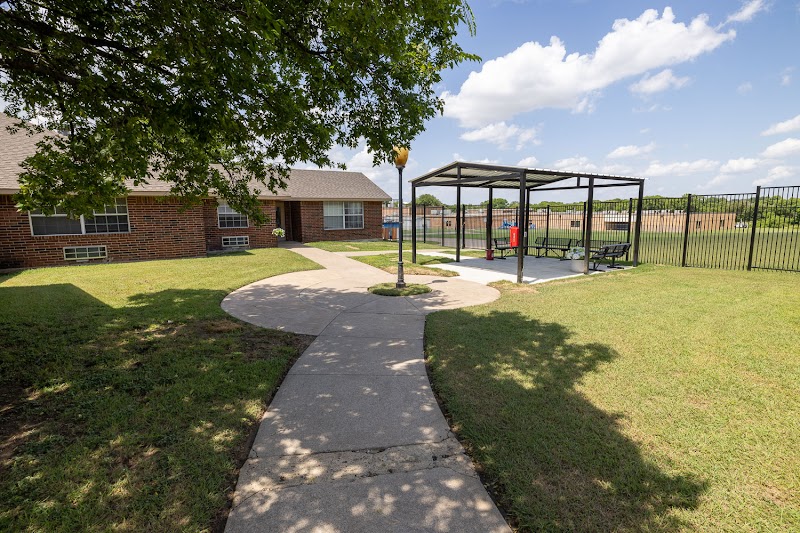
How is Park Village Healthcare And Rehabilitation Staffed?

CMS rates Park Village Healthcare and Rehabilitation's staffing level at 2 out of 5 stars, which is below average compared to other nursing homes. Staff turnover is 67%, which is 21 percentage points above the Texas average of 46%. High turnover can affect care consistency as new staff learn residents' individual needs.

What Have Inspectors Found at Park Village Healthcare And Rehabilitation?

State health inspectors documented 49 deficiencies at Park Village Healthcare and Rehabilitation during 2022 to 2025. These included: 6 Immediate Jeopardy (the most serious level, indicating potential for serious harm or death), 2 that caused actual resident harm, and 41 with potential for harm. Immediate Jeopardy findings are rare and represent the most serious regulatory concerns. They require immediate corrective action.
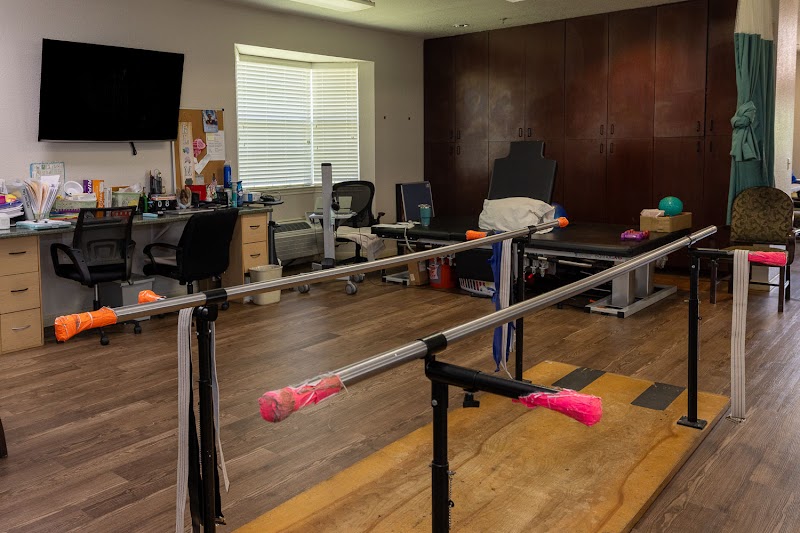
Who Owns and Operates Park Village Healthcare And Rehabilitation?

Park Village Healthcare and Rehabilitation is owned by a for-profit company. For-profit facilities operate as businesses with obligations to shareholders or private owners. The facility is operated by THE ENSIGN GROUP, a chain that manages multiple nursing homes. With 150 certified beds and approximately 83 residents (about 55% occupancy), it is a mid-sized facility located in Desoto, Texas.

How Does Park Village Healthcare And Rehabilitation Compare to Other Texas Nursing Homes?

Compared to the 100 nursing homes in Texas, Park Village Healthcare and Rehabilitation's overall rating (2 stars) is below the state average of 2.8, staff turnover (67%) is significantly higher than the state average of 46%, and health inspection rating (1 stars) is much below the national benchmark.

What Should Families Ask When Visiting Park Village Healthcare And Rehabilitation?

Based on this facility's data, families visiting should ask: "What changes have been made since the serious inspection findings, and how are you preventing similar issues?" "What safeguards and monitoring systems are in place to protect residents from abuse or neglect?" "How do you ensure continuity of care given staff turnover, and what is your staff retention strategy?" "Can you walk me through typical staffing levels on day, evening, and night shifts?" These questions are particularly relevant given the facility's Immediate Jeopardy citations, the substantiated abuse finding on record, the facility's high staff turnover rate, and the below-average staffing rating.

Is Park Village Healthcare And Rehabilitation Safe?

Based on CMS inspection data, Park Village Healthcare and Rehabilitation has documented safety concerns. The facility has 1 substantiated abuse finding (meaning confirmed case of resident harm by staff or other residents). Inspectors have issued 6 Immediate Jeopardy citations (the most serious violation level indicating risk of serious injury or death). The facility has a 2-star overall rating and ranks #100 of 100 nursing homes in Texas. Families considering this facility should ask detailed questions about what corrective actions have been taken since these incidents.

Do Nurses at Park Village Healthcare And Rehabilitation Stick Around?

Staff turnover at Park Village Healthcare and Rehabilitation is high. At 67%, the facility is 21 percentage points above the Texas average of 46%. High turnover means new staff may not know residents' individual needs, medications, or preferences. It can also be disorienting for residents, especially those with dementia who rely on familiar faces. Families should ask: What is causing the turnover? What retention programs are in place? How do you ensure care continuity during staff transitions?

Was Park Village Healthcare And Rehabilitation Ever Fined?

Park Village Healthcare and Rehabilitation has been fined $119,405 across 3 penalty actions. This is 3.5x the Texas average of $34,273. Fines at this level are uncommon and typically indicate a pattern of serious deficiencies, repeated violations, or failure to correct problems promptly. CMS reserves penalties of this magnitude for facilities that pose significant, documented risk to resident health or safety. Families should request specific documentation of what issues led to these fines and what systemic changes have been implemented.

Is Park Village Healthcare And Rehabilitation on Any Federal Watch List?

Park Village Healthcare and Rehabilitation is not on any federal watch list. The most significant is the Special Focus Facility (SFF) program, which identifies the bottom 1% of nursing homes nationally based on persistent, serious quality problems. Not being on this list means the facility has avoided the pattern of deficiencies that triggers enhanced federal oversight. This is a positive indicator, though families should still review the facility's inspection history directly.