Williamsburg Village Healthcare Campus
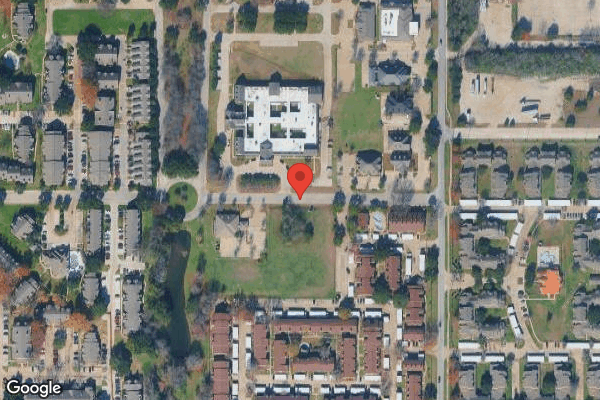
941 Scotland Dr, Desoto, TX 75115 (972) 572-6200
For profit - Corporation 242 Beds STONEGATE SENIOR LIVING Data: November 2025 7 Immediate Jeopardy citations
Trust Grade
0/100
#905 of 1168 in TX
Last Inspection: December 2024

Within standard 12-15 month inspection cycle. Federal law requires annual inspections.

Overview

Williamsburg Village Healthcare Campus has a Trust Grade of F, which indicates significant concerns about the quality of care provided. Ranking #905 out of 1168 facilities in Texas places it in the bottom half, and #65 out of 83 in Dallas County means there are only a few local options that are better. While the facility is trending slightly improving, reducing issues from 18 in 2024 to 15 in 2025, it still has a long way to go. Staffing is a concern, with only 1 out of 5 stars, indicating high turnover at 45%, but this is slightly better than the state average. There have been serious incidents, including a resident being abused by another resident leading to hospitalization and failure to provide proper supervision that allowed a resident to wander off and be found 5 minutes away from the facility.

Trust Score
F
0/100
In Texas
#905/1168
Bottom 23%
Safety Record
High Risk
Review needed
Inspections
Getting Better
18 → 15 violations
Staff Stability
○ Average
45% turnover. Near Texas's 48% average. Typical for the industry.
Penalties
✓ Good
$127,982 in fines. Lower than most Texas facilities. Relatively clean record.
Skilled Nurses
⚠ Watch
Each resident gets only 11 minutes of Registered Nurse (RN) attention daily — below average for Texas. Fewer RN minutes means fewer trained eyes watching for problems.
Violations
⚠ Watch
60 deficiencies on record. Higher than average. Multiple issues found across inspections.
★★☆☆☆
2.0
Overall Rating
★☆☆☆☆
1.0
Staff Levels
★★★★★
5.0
Care Quality
★☆☆☆☆
1.0
Inspection Score
Stable
2024: 18 issues
2025: 15 issues

The Good

  • 5-Star Quality Measures · Strong clinical quality outcomes
  • Full Sprinkler Coverage · Fire safety systems throughout facility
  • No fines on record
  • Staff turnover below average (45%)

    3 points below Texas average of 48%

Facility shows strength in quality measures, fire safety.

The Bad

2-Star Overall Rating

Below Texas average (2.8)

Below average - review inspection findings carefully

Staff Turnover: 45%

Near Texas avg (46%)

Typical for the industry

Federal Fines: $127,982

Well above median ($33,413)

Significant penalties indicating serious issues

Chain: STONEGATE SENIOR LIVING

Part of a multi-facility chain

Ask about local staffing decisions and management

The Ugly 60 deficiencies on record

7 life-threatening
Jun 2025 6 deficiencies 2 IJ
CRITICAL (J) 📢 Someone Reported This

A family member, employee, or ombudsman was alarmed enough to file a formal complaint

Immediate Jeopardy (IJ) - the most serious Medicare violation

Free from Abuse/Neglect (Tag F0600)

Someone could have died · This affected 1 resident

**NOTE- TERMS IN BRACKETS HAVE BEEN EDITED TO PROTECT CONFIDENTIALITY** Based on observation, interview, and record review, the facility failed to ensure residents were free from abuse for 2 of 6 resi...

Read full inspector narrative →
**NOTE- TERMS IN BRACKETS HAVE BEEN EDITED TO PROTECT CONFIDENTIALITY** Based on observation, interview, and record review, the facility failed to ensure residents were free from abuse for 2 of 6 residents (Resident #6 and Resident #8) reviewed for abuse. 1. The facility failed to ensure Resident #8 had the right to be free from abuse on 03/01/25 when Resident #9 hit him with a ruler 2-3 times, as the argument escalated further, Resident #9 then stabbed Resident #8 with a pen which resulted in scratches on his abdomen and the back of his neck. Resident #8 was sent to the hospital for further evaluation. 2. The facility failed to ensure Resident #6 had the right to be free from abuse when Resident #7 pushed her on 03/09/25 while on the secure unit, causing Resident #6 to fall which resulted in a right hip fracture that required a hospital stay and surgery to repair the injury. The noncompliance was identified as PNC. The IJ began on 03/01/25 and ended on 03/09/25. The facility had corrected the noncompliance before the investigation visit began. This failure placed residents at risk for injury, hospitalization, and emotional distress. Findings included: 1. Record review of Resident #8's face sheet, dated 06/19/25, reflected the resident was a [AGE] year-old male who admitted to the facility on [DATE] and readmitted on [DATE]. Record review of Resident #8's Quarterly MDS Assessment, dated 05/15/25, reflected his BIMS score was blank, indicating severe cognitive impairment. Her diagnoses included Seizure Disorder or Epilepsy, Bipolar Disorder and Schizophrenia. Record review of Resident #'8s care plan, updated 02/20/25, reflected Resident #8 was a fall risk related to fall [03/01/25]. Goals: Resident will be free from complications related to falling. Resident at risk for falls, resident safety will be maintained. Interventions included to Administer first aid as needed. Assess contributing factors related to fall history. Assess for potential fall-related injury prevention, looking at circumstances, location, new or worsening medical problems. Keep call light and most frequently used personal items withing reach. Record review of Resident #8's Nurses Notes dated 03/01/25 written by LVN AA reflected the following: Upon arrival to resident room, Resident witnessed to be positioned on the floor of his room perpendicular to the foot of his bed. Resident noted to have [varies] wounds on his body starting at the base of his neck an approximate 1.5-2 cm laceration, on his right proximate of spine there are 2 bright red scratched on his back. There were two superficial lacerations observed on upper abdomen. On the left shoulder the resident appears to possess a contusion. The neighboring end table appeared to have been flipped over laying on top of a broken bedside table. Various contents of food were on the floor of the room. The resident's G-tube was still connected at the item of the incident. When arriving to the room the G-tube was paused and disconnected. When assessing the resident, breathing was even but labored related to an emotional state of distress. Resident was redirected verbally to a state of ease. Resident was alert and oriented to person and place. Resident stated, I'm ok, but my neck hurts a little, resident was referred to hospital for further evaluation due to unwitnessed patent altercation. Family and Administrative staff has been notified of incident. Record review of Resident #8's Nurses Notes dated 03/01/25 written by LVN OO reflected the following: Resident was evaluated after altercation between roommate and self. Due to present injuries on body, Resident will be sent emergency room by Emergency Service to hospital. Resident is alert and orientated to person, place, and time. Resident sated to possess pain localized at the back of his head. Record review of Resident #8's Nurses Notes dated 03/01/25 written by LVN AA reflected the following: Resident returned from hospital with no change in condition. Resident was transferred to room [ROOM NUMBER]a. Vistal signs 119/96-83-17-98.5 New order for Bacitracin 500gm apply topically twice a day for 7 days. Nurse Practitioner made aware of new order. Skin assessment completed left voice message with his mother to contact the facility regarding update. Call light in reach. Plan of care ongoing. Record review of LVN OO's interview statement dated 03/01/25 at 12:30 PM reflected Did not hear commotion, was alerted resident was on the floor. When I arrived to the room, I witnessed [Resident #9] ]sitting at the end of hall and [Resident #8] was on the floor. I asked [Resident #8] how he got on the floor he stated, he did it. First aide was provided for superficial scratches, transported to the emergency room for evaluation and treatment. Record review of Resident #8's Psychiatric Periodic Evaluation, dated 03/03/25, reflected the following: Patient lying in bed with multiple scratches/abrasions over body. Tube feeds infusing. Patient was involved in altercation with his roommate 2 days ago. Per nursing report roommate attacked the patient. Patient was sent out to the ER for evaluations of wounds and PEG tube positioning. Patient was sent back to facility with bacitracin ordered twice daily to wounds. Patient denies any complaints at this time. Observation and interview on 06/18/25 at 10:35 AM with Resident #8 revealed him stating he stabbed me, and I had to go to the hospital, he wanted to get his anger out on me. He had a weapon, stabbing me in the stomach and the neck area. (Surveyor observations did not reveal any skin tears or scratches) To be that angry and take it out on someone, it was methodically planned out. Resident #8 stated he stayed at the hospital for a day and returned to the facility to a new room. Resident #8 stated he felt nervous and upset about the incident at the time, however now felt safe to remain in the facility, that he did not see Resident #9, but if he did, he would avoid him. Resident #8 expressed he never got his map pencils and activity books back, he believed that Resident #9 stole them, he did not want to bring that up to staff, he would let it go. Interview on 06/18/25 at 11:34 AM with Resident #9 revealed he was in his room, sitting in wheelchair soaking his feet looking at activity books. According to Resident #9, there was a lot going on between he and Resident #8, Resident #9 stated it escalated so fast that it got out of hand. We both said some racial things to each other, then it got physical between us. I was trying to defend myself, I hit him on the right shoulder with a wood staff, like a ruler 2-3 times. [Resident #8] kept talking and agitating me, so I picked up a pen and stabbed him in the left collar bone. One of the nurses came by and stopped the incident. When she asked what happened I told her that I was in the restroom and when I came out, I saw him on my side of the room trying to get something. [Resident #9] stated that he knew [Resident #8] was weak on one side of his body therefore he could have very well just fell out of the bed and landed on his side of the room, but it all escalated very fast. Interview on 06/18/25 at 1:32 PM with CNA I revealed Resident #8 was seen on the floor when she entered the room to pick up food trays. CNA I stated Resident #8 was laying flat on his back, Resident #9 was sitting on the side of his bed. CNA I stated Resident #8 was saying something like he did it, my roommate did this to me. CNA I stated Resident #8 was yelling and upset, when she entered the room she noticed Resident #8 with scratches with some bleeding, at this point she alerted the nurse. According to CNA I, Resident #9 was usually a loner and keeps to himself. Interview on 06/18/25 at 2:18 PM with LVN AA revealed she was working the opposite side of the hall, but due to the situation she came to help LVN OO. LVN AA stated Resident #9 was removed from the room to keep both residents safe. Resident #9 was sitting down the hall away from the room. LVN AA stated the room presented that violence had occurred, room was in shambles, furniture was flipped over, food was all over the floor, Resident #8 was on the floor. Resident #8 had abrasion to his abdomen and there was a laceration to the back of his neck. LVN AA explained Resident #9 was sitting down the hall, with a blank stare, rocking back and forth. According to LVN AA she did not see a weapon or device in Resident #9's hands, but she did not want to get too close. LVN AA stated she had never observed any aggressive behaviors with Resident #9 prior to this incident. LVN AA stated when speaking with the MDS Coordinator, Resident #9 reported he needed help, mediation was provided to him, and he was sent out to hospital for evaluation. LVN AA stated Resident #8 was transported to the hospital for further evaluation, returned to the facility, and relocated to a different room. LVN AA stated Resident #9 also transferred for medication evaluation. She stated upon his return, he was also relocated to a private room. Interview on 06/18/25 at 3:04 PM with MDS Coordinator PP revealed she was alerted to the altercation between Resident #8 and Resident #9, Resident #9 was on my angel rounds, we had a good rapport, so I went to speak with him. At the time, Resident #8 was sent out to hospital for further evaluation, Resident #9 was sitting on his bed. MDS Coordinator PP stated, the room was disheveled with stuff all over the floor from the altercation., She stated when asked if he was ok, Resident #9 responded he was ok, just injustice going on, I just need my medications. MDS Coordinator PP stated Resident #9 stated he had refused his medication that morning, so she went to consult with staff to his medication administered. MDS Coordinator PP stated, there had not been any concerns or behaviors expressed by Resident #9 prior to this incident, he is usually quiet and to himself. Interview on 06/19/25 at 12:30 PM with the Assistant Administrator revealed she was notified about the altercation between Resident #8 and Resident #9. she was told that Resident #8 was found on the floor by staff, and that he was yelling he did it referring to Resident #9 whom was his roommate at the time. The Assistant Administrator stated Resident #8 was assessed and sent out the hospital for further evaluation, and Resident #9 remained in his room with one-on-one monitoring until he was sent out for psychiatric evaluations that day as well. According to the Assistant Administrator, in-services were completed with all staff on abuse, neglect, and resident to resident altercations; to also notify the Administrator, DON, family, and physician. The Assistant Administrator stated resident to resident altercations placed residents at risk of harm, all staff were responsible for resident safety and to separate immediately when there is a reported resident to resident altercation. 2. Record review of Resident #6's face sheet, dated 06/19/25, reflected the resident was a [AGE] year-old female who admitted to the facility on [DATE]. Record review of Resident #6's Quarterly MDS Assessment, dated 12/15/24, reflected her BIMS score was blank, indicating severe cognitive impairment. Her diagnoses included hip fracture, Non-Alzheimer's Dementia, and anxiety disorder. The MDS indicated she utilized a walker and wheelchair for mobility. Record review of Resident #6's care plan, updated 03/14/25, reflected she was a fall risk evidenced by fall within the last month. Goal: Resident at risk for fall resident safety will be maintained. Interventions included to anticipate resident's needs check frequently. Assess contributing factors related to fall history. Assess medications for contributing factors. Assist resident with toileting as needed. Keep call light and most frequently used personal items within reach. Keep glasses clean and fit with adequate prescription. Remind resident to call when needing assistance. Impaired physical mobility evidenced by left side weakness. Goal: Resident will maintain or improve physical function in Bed Mobility, Transfer, Ambulation, Locomotion, and Range of Motion. Interventions included to provide appropriate level of assistance to promote safety of resident. Record review of Resident #6's Nurses Notes dated 03/09/25 written by LVN QQ reflected the following: 4:21 PM - Resident was standing in common area on the side of another resident's wheelchair, when the resident pushed her down causing her to fall to the floor landing on her back. While attempting to stand Resident up, she began to yell she is also noted to yell when left hand is touched. There is no discoloration noted to hand. Nurse Practitioner notified with new order given for x-rays. Xray notified. Responsible Party and DON notified with message left as there were no answers. 6:26 PM - Xray performed to bilateral hips, bilateral femurs, and left wrist at 5:00 PM. Awaiting results at this time. 8:41 PM - Spoke with DON regarding incident. Xray confirms fracture to left wrist and hip. Nurse Practitioner was called and new order to transport to hospital emergency department was received and processed. Transportation notified with an estimated time of arrival 1 hour and 15 minutes. Resident at this time remains lying in bed on back with eyes closed. Attempts X 3 made to call report to RN at the hospital emergency room, with no answer to call. Resident transferred by stretcher to emergency department accompanied by emergency medical transportation service X2 at 9:30 PM. 03/14/25 8:06 PM - Resident readmitted to facility by stretcher accompanied by emergency medical transportation service X2. Alert to name, orders and advance directive verified by Nurse Practitioner on call for doctor. Resident admitted to hospice. Resident is noted with bruising to back of both hands, there are 24 staples noted to left hip. There is no cast or sling noted to fracture of left wrist. All activities of daily living are provided by 1-2 staff members, resident not able to make needs known due to not making complete sentences, needs are anticipated by staff. Record review of Resident #6's hospital records dated 03/18/25 with discharged date of 03/14/25 reflected the following: Reason for Admission- Chief complaint Patient presents with Fall. Discharge Diagnoses - Principal Problem: Hip Fracture. Active Problem: Wrist fracture. Operative Procedures: Hemi Arthroplasty Hip Anterior Approach Left. Hospital Course: Comminuted and displaced left femoral neck fracture s/p fall . Record review of LVN QQ's interview statement dated 03/09/25 at 7:00 PM reflected [Resident #6] approached Resident #7 while siting the in the wheelchair. Resident #7 began arguing with Resident #6 to move away from her wheelchair and pushed her away from her. Resident #6 fell on her left side and had difficulty bearing weight on her left leg. Physician was contacted and stat x-ray was ordered as a precaution, pain medication given and assisted to bed for comfort. Resident #7 was placed on 15-minute checks as a precaution. Interview on 06/18/25 at 4:07 PM with CNA JJ revealed she worked closely with both Resident #6 and Resident #7. CNA JJ stated Resident #6 used to walk really good around in the television room, had never had behaviors towards staff or other residents, however now upon her return from the hospital she is wheelchair bound. Resident #7 can be aggressive at times and will push others. According to CNA JJ staff often will educate Resident #7 on resident-to-resident altercations, redirect her and complete one on one monitoring when was having behaviors. Interview on 06/18/25 at 3:56 PM with LVN Y revealed during the 2:00 PM-10:00 PM shift, she was sitting at the nursing station when she heard Resident #7 get upset, she was loudly screaming at Resident #6. LVN Y stated by the time she got to both residents to separate them, Resident #7 had pushed Resident #6 down. LVN Y stated she asked what happened however she stated I knew quickly that [Resident #6] was in pain when she grabbed her hip, and I observed her foot was turned in. I called emergency services and she was transferred to the hospital. According to LVN Y the altercation was not provoked, Resident #7 had a temper and did not like to be touched. LVN Y stated, [Resident #7] was educated on sharing space in the television room and on altercations. She was placed on 15-minute checks for behaviors. Attempted interview by phone on 06/18/25 with LVN QQ was unsuccessful. Interview on 06/18/25 at 4:24 PM with the ADON revealed she was not present during the resident-to-resident altercation between Resident #6 and Resident #7. The ADON stated Resident #7 was someone staff had to keep an eye on with constant monitoring because she does not like others in her space. The ADON stated she expected staff to act quickly when there was an altercation between residents. The ADON stated staff were to separate, deescalate the situation, keep residents safe, document the incident and provide 15-minute checks on residents for further behaviors. The ADON stated the CNAs were to notify nursing staff with any allegations of abuse and incidents between residents. The Nurses were to investigate, contact family, physician, and management after assessing to ensure residents were safe. Not doing so placed residents at risk of unknown or delayed injuries. Interview on 06/19/25 at 2:30 PM with the DON revealed Resident #6 had a fall in the memory care unit during an altercation with Resident #7. The DON stated Resident #6 was sent to the hospital in pain. The DON stated, upon findings from the hospital, [Resident #6] had a pathological fracture which led me to believe the fracture could have been there regardless of the fall, The DON stated she did not believe the fracture resulted from Resident #7 pushing Resident #6. The DON further stated upon her investigation with Resident #8, he reported to her that he slid out of his bed, there was not an actual altercation between he and Resident #9. The DON stated in both altercations residents were separated, Resident # 6 was sent to the hospital immediately after the incident due to complaint of pain, Resident #7 was placed on monitoring, Resident #8 was sent to hospital for further evaluation to ensure he was ok, and Resident #9 was sent out for psychiatric evaluation. The DON stated she expected all staff to report any allegations of abuse to the Abuse Coordinator which was the Administrator and herself immediately. The DON stated all staff was to intervene and separate residents to deescalate the situation. The DON stated residents are monitored every 15 minutes for safety for 72 hours, the family and physicians were notified of the incidents. The DON stated the inhouse psychiatrist was also notified to evaluate medications, and if he was not available, residents were sent to a psychiatric facility to be evaluated. The DON stated if these steps were not followed, residents are placed at risk for safety and feeling secure in their environment. The DON stated in-services were completed on both reported incidents to ensure resident safety. Interview on 06/19/25 at 2:59 PM with the Administrator revealed he was the abuse coordinator for the whole campus. The Administrator said all staff were responsible for monitoring residents and their behaviors to ensure they were not getting into an altercation with each other. The Administrator said several things could happen to residents if they were to get into an altercation with each other such as harm or injury. The Administrator said because of the residents' diagnoses, a lot of times they did not remember what they did or who they did something to. The Administrator stated all staff were in-serviced on signs and symptoms of abuse and neglect along with resident-to-resident altercations. Record review of the facility's Abuse, Neglect and Exploitation and Misappropriation of Resident Property policy, dated 02/12/20, reflected: Policy 1. Resident Rights. Each resident has the right to be free from abuse, neglect, exploitation, misappropriation of resident's property, corporal punishment, and involuntary seclusion. Residents must not be subjected to abuse, neglect, exploitation, misappropriation of resident's property by anyone, including, but not limited to, facility staff, other residents, consultants, volunteers, staff of other agencies serving the resident, family members, legal guardians, resident representative, friends, or other individuals. 2. Facility Duty to Protect Resident Rights. The facility must prohibit and prevent abuse, neglect, and exploitation of residents and misappropriation of resident's property. This was determined to be a Past Non-Compliance Immediate Jeopardy on 06/18/23 at 4:45 PM. The Administrator and the DON were notified. The Administrator was provided with the IJ template on 06/18/25 at 6:35 PM. The facility took the following actions to correct the non-compliance prior to the abbreviated survey: 1. Record review of an in-service, dated 03/01/25, reflected 34 staff including nurses, nurse aides, housekeeping, medication aide, Business Office Manager, and dietary aides were in-serviced regarding Abuse & Neglect, Abuse Coordinator, Resident Behaviors, Fall Prevention. Record review of Safe surveys were completed on 03/01/25 with five residents with no issues noted. Record review of Resident #8's clinical records reflected Resident # 8was transported to the hospital on [DATE] for further evaluation. Upon return Resident #8 was relocated to another room on 03/01/25. Record review of Resident #8's psych services notes reflected Resident #8 was seen by psych on 03/03/25, and no medication adjustments were made. Record review of Resident #9's clinical records reflected Resident #9 was placed on one-on-one supervision until he was sent to the hospital for further evaluation and medications adjustment. Record review of Resident #9's clinical records reflected Resident #9 was relocated to a private room on 03/01/25. Record review of Resident #9's psych services notes reflected Resident #9 was seen by psych on 03/04/25, medications were adjusted. Resident #9 received an order for Seroquel 150MG, 1.5 TAB PO BID for schizoaffective disorder. Record review of Resident #9's clinical records reflected Resident #9 was being monitored for behaviors throughout each shift. 2. Record review of an in-service, dated 03/09/25, reflected 50 staff including nurses, nurse aides, housekeeping, medication aide, Business Office Manager, dietary aides, and transportation staff were in-serviced regarding Abuse, neglect and exploitation and misappropriation of resident property, Fall Precaution/Fall management, Behaviors (Altercations) of Residents. Record review of safe surveys completed by the facility on 03/10/25 reflected five residents reported no issues. Record review of Resident #6's clinical records reflected Resident #6 was at the hospital from [DATE] and discharged on 03/14/25. Resident #6 had surgery. Resident #6 was provided with pain medication every 4 hours as needed for pain. Record review of Resident #6's clinical records reflected Resident #6 was being monitored for pain. Record review of Resident #7's clinical records reflected she was placed on q15 check for 72 hours. Facility continued to monitor behaviors and document. Record review of Resident #7's progress notes reflected Resident #7's medications were reviewed by Hospice and no new orders were given. Observations completed on 06/18/25 from 11:00 AM through 06/19/25 4:00 PM in the South building and North building memory care unit revealed residents engaged in activities, staff were providing snacks. Observed staff monitoring and redirecting residents from wandering and unwanted behaviors. No observations of aggressive behaviors. Observed staff answering call lights and completing rounds every 2 hours. Interviews on 06/18/25 from 11:22 AM through 06/19/25 3:30 PM with MDS Coordinator PP, LVN OO, LVN LL, CNA JJ, CNA EE, ADON, CNA B, Wound Care Nurse F, CAN I, CNA L, CMA K, RN X, CNA V, LVN Y, LVN AA, CMA RR, CNA SS, CMA TT, LVN UU, Activity Director, [NAME] K, Housekeeping R, Floor Tech Q, CNA J, CNA W. The facility staff were able to verify education was provided to them. Facility staff were able to accurately summarize abuse and neglect, how to work with residents with behaviors, immediately separate residents in altercations and report and fall prevention. Facility staff stated they monitor residents throughout the shifts, if known behaviors they will redirect them, placed them on 1:1 or q15 minute checks depending on the behavior. Staff stated for residents who have had altercations or incidents they monitor closely, keep them separated to prevent any further incidents. Staff stated they provide activities to keep them engaged and provide snacks throughout the day. Staff stated upon shift change they will notify the incoming staff of any incidents or behaviors.
CRITICAL (J) 📢 Someone Reported This

A family member, employee, or ombudsman was alarmed enough to file a formal complaint

Immediate Jeopardy (IJ) - the most serious Medicare violation

Accident Prevention (Tag F0689)

Someone could have died · This affected 1 resident

**NOTE- TERMS IN BRACKETS HAVE BEEN EDITED TO PROTECT CONFIDENTIALITY** Based on observation, interview, and record review, the facility failed to ensure that the resident environment remained as free...

Read full inspector narrative →
**NOTE- TERMS IN BRACKETS HAVE BEEN EDITED TO PROTECT CONFIDENTIALITY** Based on observation, interview, and record review, the facility failed to ensure that the resident environment remained as free of accident hazards as is possible and each resident received adequate supervision and assistive devices to prevent accidents for 1 of 5 residents (Resident #1) reviewed for supervision. The facility failed to ensure Resident #1 who had a history of wandering and exit-seeking, was provided with adequate supervision to prevent her from eloping on 06/09/25. Resident #1 was found 5 minutes away from the facility by police and was transported to the hospital for evaluation due to the resident experiencing hallucinations and delusions. The noncompliance was identified as a past non-compliance. The Immediate Jeopardy (IJ) began on 06/09/25 and ended on 06/10/25. The facility had corrected the noncompliance before the survey began. This failure placed residents at risk of harm and/or serious injury. Findings included: Record review of Resident #1's face sheet, dated 06/18/25, reflected the resident was a [AGE] year-old female who was admitted to the facility on [DATE]. Record review of Resident #1's quarterly MDS assessment, dated 06/05/25, reflected her diagnoses included unspecified dementia, severe, with other behavioral disturbance, schizophrenia, and delusional disorders. Resident #1's BIMS score was 00 which indicated severe cognitive impairment. The MDS further revealed Section E - Behaviors indicated Resident #1 exhibited wandering behaviors. Record review of Resident #1's care plan, dated 06/04/25, reflected: Care Area/Problem: Attempted to Elopement: Resident is Exit seeking, high elopement risk. Goal: Resident safety will be maintained over the next 90 days. Interventions: Assess for contributing sensory. Check resident location every 15 minutes. Maintain behavior log. Notify physician and family/responsible party. Remove resident from immediate situation to assure safety. Distract resident from wandering by offering pleasant diversions, structured activities, food, conversation, television, book. Record review of Resident #1's Resident Visual Monitoring dated 06/04/25-06/05/25 reflected Resident #1 was on 1:1 supervision. Record review of Resident #1's Nurse Visual Check Individual Resident Monitoring dated 06/06/25 - 06/09/25 reflected Resident #1 was on 15 minutes checks. Record review of Resident #1's progress notes dated 06/09/25 at 6:54 PM by LVN A reflected the following entries: 7:30 AM - in room dressed for the day 7:46 AM - CNA summoned resident to the dining room for breakfast and noted resident not in room and window broken. CNA notified nurse and I contacted DON and Administrator. Staff began searching unit and grounds. All other doors and courtyard exit found to be in locked position. 8:00 AM - unable to find resident in building or on grounds, contacted PD [Police Number] for missing resident. 8:15 AM [Police Department] police contacted nurse, [LVN A], LVN stating they have resident in custody. 8:20 AM - Administrator and nursing staff attempting to calm resident along with PD, but resident remained belligerent and psychotic. Currently, she is delusional and believes buzzards are raping her and nursing staff are putting a curse on her. 8:25 AM - Attempted to transport resident for further evaluation and care via facility van without success. 8:39 AM - [Police Department] PD unable to coax resident in car or ambulance and were forced to restrain resident with handcuffs for everyone's safety and then transported to [Hospital] for further evaluation and treatment. 8:39 AM - Nursing staff at ER bedside to give report on patient. ER nurse stated they would have to continue to restrain her and give her some medication in order to do a proper exam. At bedside, no outward sign of injury or c/o pain noticed. unable to contact family members on file as there is no working number. PCP notified of incident. Record review of the facility's Provider Investigation Report, completed by the Assistant Administrator on 06/16/25, reflected the following: Incident date: 06/09/2025, Time of Incident: 07:45 AM Resident noted by staff to not be in room and window broken. Perimeter search completed and [Police Department] police notified. Assessment Date 06/09/25; Time: 08:15 AM; Resident assessed and no apparent injuries noted. Perimeter search and [Police Department] police notified. Physician [name], notified. Family [name], notified. Safe surveys completed. Staff in-service on Elopement procedures. Entire facility check to ensure all residents accounted for. Investigation Summary: Resident noted by nursing staff to not be in room or on south memory community. Resident room noted with broken window. Perimeter search completed and [Police Department] located resident after resident noted missing and transported resident to [hospital] ER for psychiatric evaluation. Staff interview state resident was currently on every 15 minute checks and when checked resident not in room and window broken. Staff state perimeter check completed and when not able to locate during perimeter check [police department] police were notified. Staff interview stat resident had no attempted to leave memory unit prior to this incident. Resident placed on q 15 minute checks due to pacing and wandering in and out of other resident rooms. Chat review reflects resident referred to psych service for behavioral and medication management. Provider Action Taken Post-Investigation: Resident care plan to be updated upon return from hospital. All staff in-service on Elopement procedures. Window alarms ordered for memory care windows. Resident elopement risk assessments updated. Care plans reviewed and updated for elopement risk residents. QAPI meeting conducted with Medical Director to review elopement protocols and action plan. Record review of CNA C statement, dated 06/09/25 at 9:00 AM, reflected: Summoned resident for breakfast and noticed she was missing from her room and window was broken notified charge nurse immediately and assisted in search for resident. Record review of LVN A statement, dated 06/09/25 at 9:00AM reflected: CNA notified nurse that resident was missing from room and window was broken. We immediately contacted DON/admin and began search on unit and grounds. Admin assisted with search effort and 911 called; last time seen: 7:30, summoned for breakfast 0745, called DON/ED 0746, began search 0746, called 911 0800, police located resident 0815, staff/admin 0820, 0839 [Police} police restrained resident and escorted to [hospital] for further evaluation and treatment. Interview on 06/18/25 at 11:27 AM, CNA B revealed she worked the day Resident #1 eloped from the facility. She stated she was not the CNA assigned to Resident #1. She stated she could not recall the exact time, but she observed Resident #1 standing by her room door and then she closed the door. She stated Resident #1 was on q15 minutes checks and LVN A was completing them. She stated from what she was told Resident #1 was last seen at 7:30 AM in her room, then at 7:45 AM CNA C went to inform Resident #1 it was time for breakfast and that is when they realize she was gone. She stated Resident #1 broke the window and jumped the fence. She stated they called Code Green and initiated a search inside and outside the facility and notified the police department. She stated Resident #1 was found by the police department, unknown where she found. She stated prior to Resident #1's elopement, the resident was placed on 1:1 supervision and then q15 minute checks because Resident #1 was having behaviors and pacing up and down. She stated they were in-serviced on abuse, neglect, and elopement. She stated the facility added alarms to all residents' windows. An attempt was made to contact LVN A on 06/18/25 at 11:55 AM by phone; however, there was no answer. Interview on 06/18/25 at 2:05 PM, the DON revealed Resident #1 eloped from the facility on 06/09/25. She stated she received a call from LVN A at 7:46 AM and informed her Resident #1 had broken the window from her room. She stated they initiated a search inside and outside the facility. She stated the police was notified and they were able to locate Resident #1 about .5 miles from the facility. She stated Resident #1 was a fast walker, when she was found she had no injuries; however, resident was having behaviors and the police decided to take her to the hospital for further evaluation. She stated prior to Resident #1 elopement, resident was not exit-seeking; however, she was pacing the hall and wandering into residents' rooms. She stated Resident #1 had history of eloping at home. She stated since Resident #1 was wandering into residents' room and pacing the hall, as an intervention, they placed Resident #1 on 1:1 supervision and then she was doing better and placed Resident #1 on q15 minute checks. She stated staff were completing q15 minutes checks when Resident #1 eloped, the last time she was observed was at 7:30 AM and then noticed she was gone at 7:45 AM. She stated all staff were in-serviced on abuse and neglect, and elopement. She stated alarms were also added to both North and South memory care unit and they also implemented resident logs which have to be completed before a resident was taken off the unit either for a visit or therapy session. Interview on 06/18/25 at 3:26 PM, the Administrator revealed he had arrived at the facility when he was informed Resident #1 had broken her room window and eloped. He stated the staff had initiated a search inside and outside facility grounds. He stated the police were notified, and the police was able to locate Resident #1 about 5 minutes from the facility. He stated he went to the scene were Resident #1 was located, he stated resident was having behaviors and was transported to the hospital for further evaluation. He stated prior to Resident #1's elopement, they had interventions in place due to Resident #1 having behaviors and refusing medications. He stated Resident #1 was placed on 1:1 and then q15 minute checks due to the resident pacing the halls and wandering into residents' rooms. He stated when Resident #1 eloped, staff were still completing q15 minute checks on Resident #1. He stated they in-serviced all staff on abuse and neglect and elopement. He stated they added alarms to all windows in the memory care unit. The Administrator stated Resident #1 had not returned to the facility since incident. Interview on 06/19/25 at 10:16 AM, CNA C revealed she was the CNA assigned to Resident #1 when she eloped. She stated the last time she observed Resident #1 was around 6:15 AM in her room. She stated Resident #1 was on q15 minutes check and LVN A was completing them while she was assisting other residents with getting them up for the day. She stated when it was time for breakfast, she went to Resident #1's room and that was when she noticed Resident #1 was not in the room and the window was broken. She stated she notified LVN A and they began a search for Resident #1. She stated she was in-serviced on abuse and neglect, and elopement. Record review of facility Elopement Management policy, revised 05/02/25, reflected the following: An immediate investigation and search will be conducted if a resident is considered missing. The resident will be located and returned to a safe environment within standard practice guidelines. This was determined to be a Past Non-Compliance Immediate Jeopardy on 06/18/23 at 4:45 PM. The Administrator and the DON were notified. The Administrator was provided with the IJ template on 06/18/25 at 6:35 PM. The facility took the following actions to correct the non-compliance prior to the abbreviated survey: Record review revealed an elopement assessment were reviewed and completed on residents on 06/09/25. Record review of safe surveys completed by the facility on 06/09/25 with five residents reflected there were no issues noted. Record review of the facility's South Memory Unit Elopement binder located at the nurses' station reflected the binder contained pictures of residents, who were elopement risk, and contained information regarding the residents. Record review of the facility's Resident Log on North and South Memory Unit reflected residents were being signed out when taken off unit for therapy sessions. Observation on 06/18/25 at 11:34 AM revealed all windows in the South Memory Unit had an alarm. Alarms were loud enough to be heard throughout the unit. Record review of the following in-services dated 06/09/2025 reflected all facility staff were in-serviced on abuse, neglect, elopement, missing person, and Code [NAME] for elopements/missing persons. The in-services were conducted and signed by all facility staff. Interviews on 06/18/25 from 11:22 AM through 06/19/25 at 3:30 PM with CNA B, CNA C, LVN D, CNA E, Wound Care Nurse F, MDS Coordinator G, MDS Coordinator H, CNA I, CNA J, CMA K, CNA L, CNA M, [NAME] K. Physical Therapy O, CNA P, Floor Tech Q, Housekeeping R, Housekeeping Supervisor S, LVN/Coordinator T, LVN U, CNA V, CNA W, RN X, LVN Y, LVN Z, LVN AA, LVN BB, LVN CC, CNA EE, CNA FF, CNA GG, CNA HH, Activity Assistant, and the Assistant Administrator revealed the facility staff were able to verify education was provided to them. Facility staff were able to accurately summarize missing person/elopement policy, missing/elopement code, abuse and neglect, completing head counts before and after shift change and alarms added to all windows in the memory care unit.
CONCERN (E) 📢 Someone Reported This

A family member, employee, or ombudsman was alarmed enough to file a formal complaint

Potential for Harm - no one hurt, but risky conditions existed

ADL Care (Tag F0677)

Could have caused harm · This affected multiple residents

**NOTE- TERMS IN BRACKETS HAVE BEEN EDITED TO PROTECT CONFIDENTIALITY** Based on observation, interview, and record review, the facility failed to ensure residents who were unable to carry out activit...

Read full inspector narrative →
**NOTE- TERMS IN BRACKETS HAVE BEEN EDITED TO PROTECT CONFIDENTIALITY** Based on observation, interview, and record review, the facility failed to ensure residents who were unable to carry out activities of daily living received necessary services to maintain good personal hygiene for 2 of 2 residents (Residents #3 and #4) reviewed for ADL care. The facility failed to provide incontinence care to Residents #3 and #4 every 2 hours and as needed. This failure could place residents who were dependent on staff for ADL care at risk for loss of dignity, risk for infections and a decreased quality of life. Findings included: Record review of Resident #3's quarterly MDS assessment, dated 05/22/25, reflected the resident was a [AGE] year-old male who was admitted to the facility on [DATE] and readmitted on [DATE]. Resident #3 had a diagnosis of Malignant neoplasm of brain, unspecified (cancerous brain tumors where the specific location within the brain has not been determined). He had a BIMS score of 00, which indicated his cognition was severely impaired. The MDS reflected the resident was frequently incontinent (7 or more episodes of urinary incontinence, but at least one episode of continent voiding). Record review of Resident #3's Care Plan dated 03/19 /25, reflected the following the resident was at risk for problems with bowel and bladder elimination. The care plan reflected: Goal: Resident will be assisted with incontinence to ensure social acceptance over the next 90 days . intervention: Assist to toilet as needed. Provide peri care after each incontinent episode . Observation and interview on 06/18/25 at 9:50 AM revealed Resident #3 was in his room on his bed. He stated his brief was changed this morning when he got a shower. He denied being wet. Observation on 06/18/25 at 3:00 PM revealed CNA JJ providing Resident #3 with incontinence care. She went to the room and explained the procedure to Resident #3. CNA JJ put supplies together and went to the resident's bedside. She did not perform hand hygiene before contact with Resident #3, she put on gloves, and she unfastened the resident's brief. Resident #3 had on two briefs and was heavily soaked in urine. Interview on 06/18/25 at 5:06 PM, CNA JJ revealed she was the one assigned to Resident #3. She stated she had not changed the resident since they changed shift at 2:00 PM, and she was not aware when he was last changed. She stated she was aware they were not supposed to double the briefs on residents. She stated the risk of doubling the briefs would be skin break down. She stated she had done training of not putting residents on two briefs and rounding every two hours. She had just started her shift at 2:00 PM. Interview on 06/19/25 at 10:08 AM, CNA C revealed she was the one assigned to Resident #3 yesterday on 06/18/25 morning shift. She stated she had changed the resident but could not tell when she changed Resident #3's brief. She stated she did not put two briefs on the resident. She stated she was aware they was not supposed to double the briefs on residents. She stated the risk of doubling the briefs would be skin break down. She stated she had done training of not putting residents on two briefs and rounding every two hours. 2. Record review of Resident #4's Quarterly MDS Assessment, dated 05/02/25, reflected Resident #4 was an [AGE] year-old female. She was admitted to the facility on [DATE]. BIMS score was 00. Record review of her cognitive patterns revealed she was severely impaired. Her diagnoses included diabetes mellitus (a group of metabolic diseases characterized by high blood sugar levels) and Acute respiratory failure with hypoxia (Acute impairment in gas exchange between the lungs and the blood causing hypoxia) and Stage 4 pressure ulcers that were present upon admission (the most severe stage of a pressure ulcer, characterized by full-thickness tissue loss with exposed bone, tendon, or muscle) and always incontinent. Record review of Resident #4's Care Plan dated 02/05 /25, reflected the resident was at risk for problems with bowel and bladder elimination. The care plan reflected: Goal: Resident will be assisted with incontinence to ensure social acceptance over the next 90 days . intervention: Assist to toilet as needed. Check resident every 2 hours and assist with toileting as needed . Observation and interview on 06/18/25 at 12:08 PM, revealed Resident #4 was in her room on her bed. She was not a good historian she was not able to tell when she was last changed. The room had urine odor smell, and the mattress cover was observed wet and soaked with urine. Observation on 06/18/25 at 12:13 PM, revealed CNA KK and CNA I providing Resident #4 with incontinence care. They both entered the room and explained the procedure to Resident #4. CNA KK put supplies together and they both went to the bedside, and they did not perform hand hygiene before contact with Resident #4. They put on gown and gloves and unfastened the resident's brief. Resident #4 was observed soaked and wet, the brief the pad and the mattress cover was wet, and she had urine odor smell. Interview on 06/18/25 at 1:26 PM with CNA KK revealed he was the one assigned to Resident #4. He stated he last changed the resident at around 7:15 AM before she ate breakfast. He stated he was aware they were supposed to do rounds every two hours and as needed but he was busy with other residents. He stated failure to round and change resident every 2 hours could lead to skin break down. CNA KK stated they had been given training on rounding every two hours. Interview with on 06/18/25 at 1:15 PM with RN X, who was the day shift nurse, revealed he had been to Resident #4's room, and he had not noticed she was wet. He stated staff are supposed to perform the incontinent rounds every 2 hours and as needed. He stated the risk of leaving residents wet for a long time was that they would be predisposed to skin irritation and urinary tract infections. Interview on 06/18/25 at 6:05 PM, the ADON revealed her expectation was that the staff performed rounds every two hours and as needed. She stated the nurses was responsible for monitoring the CNAs during their shifts. She stated staff should not double the briefs on residents. She stated the risk of not performing every two hours rounds and doubling the briefs could lead to skin issues and infections. Interview on 06/19/25 at 2:21 PM, the DON revealed her expectation was that the staff performed rounds every two hours and as needed. She stated the nurses were responsible for monitoring the CNAs during their shifts. She stated staff should not double the briefs on residents. She stated the risk of not performing every two hours rounds and doubling the briefs was that it could lead to skin issues and infections. The DON stated she had done training with staff on providing incontinence care every two hours and not putting 2 briefs on residents. On 06/19/25, the facility was asked to provide the training records; however, the records were not provided prior to the exit conference. Record review of the facility's Perineal Care policy, revised April 2024, reflected the following: .Staff will provide perineal care in accordance with the standard of practice to prevent skin breakdown and infection
CONCERN (E) 📢 Someone Reported This

A family member, employee, or ombudsman was alarmed enough to file a formal complaint

Potential for Harm - no one hurt, but risky conditions existed

Pressure Ulcer Prevention (Tag F0686)

Could have caused harm · This affected multiple residents

**NOTE- TERMS IN BRACKETS HAVE BEEN EDITED TO PROTECT CONFIDENTIALITY** Based on interview and record review, the facility failed to ensure a resident with pressure ulcers received necessary treatment...

Read full inspector narrative →
**NOTE- TERMS IN BRACKETS HAVE BEEN EDITED TO PROTECT CONFIDENTIALITY** Based on interview and record review, the facility failed to ensure a resident with pressure ulcers received necessary treatment and services, consistent with professional standards of practice, to promote healing, prevent infection and prevent new ulcers from developing for 1 of 3 residents (Resident #2) reviewed for pressure ulcer treatment. The facility failed to ensure Resident #2 received wound care according to physician orders. This failure could place the resident at risk of worsening wounds. Findings included: Record review of Resident #2's face sheet, dated 06/18/25, reflected the resident was an [AGE] year-old female who was admitted to the facility on [DATE] and discharged on 04/02/25. Record review of Resident #2's admission MDS assessment, dated 02/23/25, reflected her diagnoses included metabolic encephalopathy (brain disorder), Pressure ulcer of sacral region, stage 4, Unspecified severe protein-calorie malnutrition, Osteomyelitis of vertebra, sacral and sacrococcygeal region (a bone infection affecting the sacrum). Resident #1's BIMS score was 01 which indicated severe cognitive impairment. The MDS further revealed Section M - Skin Conditions indicated Resident #2 had pressure ulcers upon admission/entry to the facility. Record review of Resident #2's care plan, 02/27/25, reflected: Care Area/Problem: Skin Breakdown: At risk for/actual Related to: Stage 3 Pressure Ulcer, Stage 4 Pressure Ulcer. Goal: Resident will maintain clean and intact skin over the next 90 days. Measures will be taken to prevent skin breakdown over the next 90 days. Open area will be healed over the next 90 days. Interventions: Assist resident to turn and reposition frequently. Inspect skin complete body head to toe every week and document results. Inspect skin daily with care and bathing and report any changes to charge nurse. Monitor nutritional intake, weight, lab values, report significant changes to MD. Off load heels. Position resident properly; use pressure-reducing or pressure-relieving devices (e.g. pillows, positioning wedges, and alternating pressure mattress) if indicated. Stage 3 Wound: Skin Prep area daily and leave open to air. Stage 4 Wound: Cleanse with NS, Pay Dry. Treatments and dressings. Record review of Resident #2's Initial Wound Evaluation & Management Summary, dated 02/20/25, reflected the following Treatment Plan/Orders: (Site 1) Stage 3 Pressure Wound of the right, medial knee: Collagen Powder, Sodium Hypochlorite Gel (Anasept), gauze island w/bdr. Frequency: Three times per week. (Site 2) Stage 3 Pressure Wound of the right, distal, medial foot: Collagen Powder, Sodium Hypochlorite Gel (Anasept), gauze island w/bdr. Frequency: Three times per week. (Site 3) Unstageable (Due to Necrosis) Wound of Left Hip: Collagen Powder, Sodium Hypochlorite Gel (Anasept), gauze island w/bdr. Frequency: Three times per week. (Site 4) Stage 4 Pressure Wound of the Sacrum: Sodium Hypochlorite Solution (Dakins) Gauze Island w/bdr 4 x 10 ABD Pad: Frequency Daily. Record review of Resident #2's eTAR for February 2025 indicated orders were not put in the system and wound care was not provided until 02/27/25. New orders were put in on 02/26/25, which reflected the following: Cleanse Wound every am shift (6am-2pm) Stage 4 Pressure Wound of the Sacrum: Cleanse with NS or WC, pat dry, apply Dakin's soaked gauze, then cover with a dry dressing daily. Dx: Pressure ulcer of sacral region, state 4. Start Date: 02/26/25. Cleanse Wound Tuesday, Thursday, Saturday every am shift (6am-2pm) Stage 3 Pressure Wound of the right, medial knee: Cleanse with NS or WC, pat dry, apply anasept and collagen, then cover with a dry dressing 3x/week. Dx: Other skin changes Start Date: 02/26/25. Cleanse Wound Tuesday, Thursday, Saturday every am shift (6am-2pm) Stage 4 Pressure Wound of the Right, Distal Medial foot: Cleanse with NS or WC, pat dry, apply anasept and collagen, then cover with a dry dressing 3x/week. Dx: other skin changes. Start Date: 02/26/25. Cleanse Wound Tuesday, Thursday, Saturday every am shift (6am-2pm) Unstageable (Due to Necrosis) Wound of Left Hip: Cleanse with NS or WC, pat dry apply skin prep 3X/week. Dx: Other skin changes. Start Date: 02/26/25. Interview on 06/19/25 at 11:27 AM, Wound Care Nurse F revealed Resident #2 admitted to the facility with multiple wounds. He stated his work schedule was from Monday-Thursday, and when Resident #2 admitted to the facility, he was not working. He stated the facility had a weekend wound care nurse, who would have provided wound care during the weekend to Resident #2. He stated Resident #2 was seen by the Wound Care Doctor on 02/25/25 and wound care was provided. Wound Care Nurse F reviewed Resident #2's TAR and stated Resident #2 had no treatment orders in the system until 02/26/25. He reviewed Resident #2's initial evaluation and stated the Wound Care NP provided orders on 02/20/25 but whoever the orders were provided to, they did not put the orders in the system. He stated the orders provided on 02/20/25 wound care should had been completed Tuesdays, Thursdays, and Saturdays. He stated based on documentation; Resident #2 only missed one wound care treatment which was 02/22/25. He stated he cannot say if treatment was not provided to Resident #2, it appeared it might had been a documentation issue. He stated when he completed rounds with the Wound Care Doctor on 02/26/25, Resident #2 had dressings on with the date of 02/22/25. Wound Care Nurse F stated the expectation for when they get treatment orders, either from the Wound Care Doctor or hospital, the nurses or the wound care nurses were responsible for putting the orders in the system. He stated the failure to follow the doctors' orders could result in the wounds worsening and failure of documenting could result in not knowing if treatment was provided. Attempts were made to contact weekend Wound Care Nurse DD, LVN MM and LVN NN who were assigned to Resident #2 during 02/20/25 through 02/25/25 on 06/19/25 from 12:09 PM-12:12 PM by phone; however, there was no answer. Interview on 06/19/25 at 1:39 PM, Wound Care NP revealed the expectations for when treatment orders were provided to the facility were for the nurses or wound care nurse to put them on the system and to follow them. Wound Care NP stated there was no potential risk for Resident #2 if one treatment was missed, because depending on the order, some dressings could last up to 7 days. Interview on 06/19/25 at 2:00 PM, the DON revealed based on the initial assessment completed by the Wound Care NP on 02/20/25, wound care was provided to Resident #2. She stated the expectation was when treatment orders were provided, it was the responsibility of the nurse or wound care nurse to put the orders in the system. She stated she expects her staff to follow the treatment orders. She stated she was not aware the orders were not put in the system until 02/26/25. She stated the potential risk could results in the wounds deteriorating. Interview on 06/20/25 at 9:33 AM, the Wound Care Doctor revealed when treatments orders were provided, the receiving nurse should put them in the system, and she expected the nursing staff to follow them. She stated Resident #2's wounds were healing when she was at the facility. She stated there was no potential risk to the resident if a treatment was missed. Review of the facility's current policy dated July 2018 titled, Treatment of Wounds: Dressing Changes-Performing reflected: . 1. Review orders and treatments and gather supplies. .4. Ensure all wound dressing products are completely removed with each dressing change if present Review of the facility's current policy dated January 10,2023 titled, Physician Orders - Manual/Paper reflected: . 2. Record the actual order received from the physician.
CONCERN (E) 📢 Someone Reported This

A family member, employee, or ombudsman was alarmed enough to file a formal complaint

Potential for Harm - no one hurt, but risky conditions existed

Tube Feeding (Tag F0693)

Could have caused harm · This affected multiple residents

**NOTE- TERMS IN BRACKETS HAVE BEEN EDITED TO PROTECT CONFIDENTIALITY** Based on observation, interview and record review, the facility failed to ensure residents fed by enteral means received the app...

Read full inspector narrative →
**NOTE- TERMS IN BRACKETS HAVE BEEN EDITED TO PROTECT CONFIDENTIALITY** Based on observation, interview and record review, the facility failed to ensure residents fed by enteral means received the appropriate treatment and services to prevent complications of enteral feedings for 1 of 1 resident (Resident #100) reviewed for enteral nutrition. The facility failed to follow Resident #100's physician orders for enteral feeding. These failures could affect residents receiving enteral nutrition/hydration and place them at risk of health complications and decline in health. Findings included: Record review of Resident #100's face sheet dated 06/19/25 reflected the resident was [AGE] year-old male admitted on [DATE]. Record review of Resident #100's Quarterly MDS dated [DATE] reflected the resident had severe cognitive impairment with a BIMS score of 00. Resident #100 required supervision or touching assistance with eating. The assessment reflected Resident #100's diagnosis included Anemia (lack of healthy red blood cells), Diabetes Mellitus (high blood sugar), Alzheimer's Disease (gradual decline in memory, thinking, and behavior), Malnutrition (imbalance of nutrients the body needs and what it actually received). Resident #100 utilized a feeding tube, mechanically altered diet, and therapeutic diet while a resident at the facility. Record review of Resident #100's undated care plan reflected the following: Resident #100 had Altered Nutritional Status related to Dysphagia/Swallowing difficulty, limited mobility, and risk of malnutrition as evidenced by: Diet: Consistency - Puree - Level 4, Crushed medication, Diet: Liquids-Nectar/Mildly thick, Jevity 1.2 Cal 0.06 gram-1.2 kcal 65 ml/hr. X 9 hrs. GOAL: Resident will be comfortable with food and fluids provided. Snacks between meals as preference on a daily basis. Interventions included Dietitian referral as indicated. Monitor oral intake of food and fluid. Provide snacks between meals as preferred. Altered Nutritional Status: Enteral Feeding Monitor related to Jevity 1.2 Cal 0.06 gram-1.2 Kcal 65ml/hr. X 9 hrs. Evidenced by Peg-tub Dressing every noc shift (10PM-6AM). Peg-tub Flush 30 Cubic centimeter PEG Tube every shift. Peg-Tube Residual Cubic centimeter Feeding Tube every shift. Peg-tube Flush 200 Cubic centimeter G-tube every 4 hours. GOAL: Resident will have no signs or symptoms of aspiration over the next 90 days. Interventions included keep the head of the resident's bed at 30 degree and 45 degrees after bolus feeding. Monitor labs when available. Monitor tolerance of tube feeding. Monitor weight monthly/weekly. Provide family support/education regarding palliative nutrition and hydration care. Provide water flush as ordered. Provide water flush at med pass per nursing policy. Record review of Resident #100's physician orders included the following: Glucerna 1.5 Cal 0.08 gram-1.5 Kcal/mL oral liquid (nutritional tx. Glucose intolerance, lactose-free, soy/fiber) 237 Milliliter PEG Tube every 4 hours once Osmolite 1.5 is available discontinue Glucerna 1.5 and restart previous Osmolite 1.5 orders. Diagnosis: unspecified severe protein-calorie malnutrition. Start date 04/23/25. Record review of Resident #100's April 2025, MAR reflected Resident #100 had not been administered Glucerna 1.5 on April 24, 2025, at 01:00 AM, 05:00 AM and April 25, 2025, at 01:00 AM. Observation on 06/18/24 at 12:38 PM of Resident #100 revealed him in the dining room assisted with puree diet. Interview by phone on 06/19/25 at 11:20 AM with LVN LL revealed she worked overnight shift with Resident #100. LVN LL stated Resident #100 was on 20 hours of continuous tube feedings with Osomilte, 200 flush of water every 4 hours. LVN LL stated she received a new order to substitute Jevity until Osomilte formula came in. LVN LL was asked to confirm if the alternative formula was for Jevity or Glucerna, she replied I do not recall the order being for Glucerna, I am really good about completing my feedings over night, I never miss. LVN LL stated she did not recall Resident #100 missing any feedings, there was only one resident that was on Glucerna and Resident #100 was not one of them. LVN LL was asked about Resident #100 MAR dated 04/24/25 with two missed feedings and 04/25/25 with one missed feeding on her shift, LVN LL stated she did not know why there would be any missed feedings. LVN LL stated when residents miss their feedings it placed them at risk of losing weight. LVN LL stated she was responsible for following physician orders to ensure resident's feedings were administered. Interview on 06/19/25 at 12:20 PM with RN X revealed he was working with Resident #100, RN X stated Resident #100 was on continuous feeding with puree diet pleasure foods. Upon review of Resident #100's April 2025 MAR he expressed there were two missed feedings on April 24, 2025 and one missed feeding on April 25, 2025 as indicated by the red X. RN X stated he was not able to review any progress notes on these days that indicated a reason for the missed feedings. According to RN X, the nurse that was on duty those days were responsible for ensuring Resident #100 completed his feedings. RN X stated not doing so placed him at risk of losing weight and malnutrition. Interview and record review on 06/19/25 at 2:30 PM with DON revealed Resident #100 is on continuous feeding by tube feeding 20 hours a day, 200 flushes with water every 4 hours. The DON stated Resident #100 is doing really well with no concerns of weight loss. Upon record review, the DON stated she confirmed the red x's indicated missed feedings for Resident #100 on 04/24/25 at 1:00 AM and 5:00 AM, and 04/25/25 at 1:00 AM. The DON stated she was able to review any notes on missed feedings in the clinical record. The DON stated nurses on duty with Resident #100 were expected to record the orders as they come in and follow them, if orders are placed on hold there should be documentation. The DON stated not following the orders or holding the orders without documentation placed Resident #100 at risk of weight loss. Record review of the facility's Physician Orders policy revised 01/10/23, reflected: The qualified nursing personnel will take and implement telephone orders according to the Practice Guidelines. Immediate electronic entry is recommended; however, manual orders may be required in instances . Procedure: 1. Enter Resident's last name and first name, attending physician's name, date, resident number, and community's name. 2. Record the actual order received from the physician. 3. The nurse taking the order signs full signature (first initial, last name, and title) in the signature of Nurse Receiving Order box. Enter the time the order was received and check appropriate box (a.m. or p.m.). Telephone and verbal orders are immediately recorded on resident's medical record. 4. After initiating the steps to carry out the physician's written order (I.e., entering it on the medication sheet, placing order with pharmacy, etc.), the nurse countersigns and dates the order with full signature in the Signature of Nurse Noting Order box. 5. Telephone orders must be entered into the HER as soon as possible. 6. A licensed nurse will confirm manual/paper order has been entered into the HER. 7. Send copy of the Physician's Order(s) to the pharmacy. This provides backup to your verbal communication with the pharmacist.
CONCERN (E) 📢 Someone Reported This

A family member, employee, or ombudsman was alarmed enough to file a formal complaint

Potential for Harm - no one hurt, but risky conditions existed

Infection Control (Tag F0880)

Could have caused harm · This affected multiple residents

**NOTE- TERMS IN BRACKETS HAVE BEEN EDITED TO PROTECT CONFIDENTIALITY** Based on observation, interview, and record review, the facility failed to maintain an infection control program designed to pre...

Read full inspector narrative →
**NOTE- TERMS IN BRACKETS HAVE BEEN EDITED TO PROTECT CONFIDENTIALITY** Based on observation, interview, and record review, the facility failed to maintain an infection control program designed to prevent the development and transmission of infection for 2 of 2 residents (Residents #3 and #4) observed for infection control. 1. CNA I, CNA JJ and CNA KK failed to perform hand hygiene while providing incontinence care to Resident #3 and #4. 2. The facility failed to ensure RN X performed hand hygiene and changed gloves during wound care for Resident #4. This failure could affect the residents by placing them at risk for worsening conditions and cross contamination. Findings included: Record review of Resident #3's quarterly MDS assessment, dated 05/22/25, reflected the resident was a [AGE] year-old male who was admitted to facility the on 02/18/25 and readmitted on [DATE]. Resident #3 had a diagnosis of Malignant neoplasm of brain, unspecified (cancerous brain tumors where the specific location within the brain has not been determined). He had a BIMS score of 00, which indicated his cognition was severely impaired. The MDS reflected the resident was frequently incontinent (7 or more episodes of urinary incontinence, but at least one episode of continent voiding). Record review of Resident #3's Care Plan dated 03/19 /25, reflected the following: Resident at risk for problems with Elimination (B&B) (bowel and bladder) Goal: Resident will be assisted with incontinence to ensure social acceptance over the next 90 days . intervention: Assist to toilet as needed. Provide peri care after each incontinent episode . Observation on 06/18/25 at 03:00 PM, revealed CNA JJ providing incontinent care to Resident #3. CNA JJ was observed putting on gloves before washing hands. CNA JJ explained procedure to Resident #3, she positioned the resident and unfastened the brief and proceeded to cleanse Resident #3. She cleansed the abdominal folds and penis in a clockwise direction. She then removed gloves covered the resident and she left the room and went to get briefs from the storage. She did not perform hand hygiene after removing the gloves. She came back to the room and put on gloves without performing hand hygiene. She positioned the resident on his side and cleansed his bottom area inside out. CNA JJ did not complete hand hygiene or change the gloves she applied the clean brief and left the resident comfortable bed low and call light within reach. CNA JJ was observed leaving the room after removing gloves without washing hands and walked down the hall with barrels. Interview on 06/18/25 at 05:06 PM with CNA JJ, revealed she forgot to perform hand hygiene before, during, and after perineal care. CNA JJ stated she was expected to wash hands before and in between the care if gloves was soiled and after care, but she forgot. CNA JJ stated she was supposed to complete hand hygiene and change gloves during incontinent care to prevent cross contamination. She stated failure to wash hands after or before contact with resident removing gloves could lead to cross contamination. She stated she has done training on Handwashing. 2. Record review of Resident #4's Quarterly MDS Assessment, dated 05/02/25, reflected Resident #4 was an [AGE] year-old female. She was admitted to the facility on [DATE]. BIMS score was 00 revealing her cognition was severely impaired. Her diagnoses included diabetes mellitus (a group of metabolic diseases characterized by high blood sugar levels) and Acute respiratory failure with hypoxia (Acute impairment in gas exchange between the lungs and the blood causing hypoxia) and Stage 4 pressure ulcers that were present upon admission (the most severe stage of a pressure ulcer, characterized by full-thickness tissue loss with exposed bone, tendon, or muscle) and always incontinent. Record review of Resident #4's physician orders dated 06/10/25 reflected the following order: Cleanse Wound every am shift (6am-2pm) stage 4 pressure wound to the sacrum: Cleanse with normal saline or wound cleanser, pat dry. Apply collagen sheet and calcium alginate, then cover with a dry dressing daily. Observation on 06/18/25 at 12:13 PM, revealed CNA KK and CNA I providing incontinent care to Resident #4. CNA KK and CNA I was observed entering the room and they put on gown and gloves without performing hand hygiene. CNA KK explained procedure to Resident #4. CNA I positioned the resident and unfastened the brief. He did not cleanse the abdominal folds and peri area they positioned the resident on her side and CNA KK was observed pat drying the area that had the wound and he did not cleanse the buttocks and thighs. The open area on the sacrum was observed with dressing having fallen off on the brief that was soaked with urine. Resident #4's brief, pad, and the sheets was soaked with urine. He removed the gloves and left the room to call the nurse for wound dressing and he failed to wash hands. He came back and put on gloves, he was observed folding the soiled brief and linen towards the CNA I and then with soiled gloves picked the clean brief and clean linen and started to spread on the bed. CNA I removed the soiled brief and the pad and the soiled sheet and put in a plastic bag. She did not change gloves and came to help CNA KK complete making the bed on her side and positioning the resident they did not provide resident with peri care CNA I was observed removing soiled gloves did not perform hand hygiene and left the room when the wound care nurse came to the room. Observation on 06/18/25 at 12:17 PM, revealed RN X got all supplies ready outside Resident #4's room. He put on gown and gloves without performing hand hygiene. He entered Resident #4's room and explained the procedure. He was observed placing the dressing supplies on the tv stand and the area was not disinfected. He cleansed Resident #4's, pressure ulcer on the sacrum with normal saline soaked gauzes. He was observed placing the dirty gauze on the clean bedsheet. He pat dried the wound. He then applied collagen, calcium alginate, and dry dressing dated 06/18/25 without changing the gloves and performing hand hygiene. He then picked the soiled gauze and put in a cup, help CNA KK pull and position Resident #4. They both removed the gown and gloves, and they left the room without washing hands. Interview with RN X on 06/18/25 at 01:15 PM, revealed he was supposed to perform hand hygiene before contact and during wound care, before applying a clean dressing and after removal of the gown and gloves. He stated he forgot to disinfect the table where he placed the wound care supplies. He stated he also forgot to have a biohazard paper to place the soiled gauze that he had used to cleanse the wound. He stated failure to perform hand hygiene and change of gloves would cause cross contamination and spread of infection. He stated he had done training on infection control and handwashing. Interview on 06/18/25 at 1:15 PM, CNA KK revealed he forgot to perform hand hygiene during perineal care. CNA KK stated he was expected to wash hands before contact, between the care if gloves was soiled and after care, but he forgot. CNA KK stated he was supposed to cleanse the abdominal walls and the peri area before he turned Resident #4 and changed the soiled brief, pad, and linen. He stated he thought when he left the room to call RN X, CNA I cleansed the resident. He said he was supposed to complete hand hygiene and change gloves during incontinent care to prevent cross contamination. He stated failure to washing hands before and between care and after removing gloves could lead to cross contamination. Failure to perform peri care on Resident #2 could lead to infection. He stated he has done training on handwashing. Interview on 06/18/25 at 1:49 PM, CNA I revealed he forgot to perform hand hygiene during perineal care. CNA I said she was aware she was supposed to wash hands before contact, between the care if gloves was removed and after care, but she forgot. CNA I stated CNA KK was supposed to cleanse the abdominal walls and the peri area before he turned Resident #4 and changed the soiled brief, pad, and linen but she thought he would later after making the bed. She stated failure to wash hands before and between care and after removing gloves could lead to cross contamination. Failure to perform peri care on Resident #2 could lead to infection. Interview on 06/18/25 at 06:05 PM, the ADON revealed her expectation during incontinent care was staff to complete hand hygiene before contact with residents, during care, and after care and also to perform peri care before applying a clean brief. The ADON stated CNA I, CNA JJ and CNA KK was supposed to complete hand hygiene and change gloves while performing incontinent care on Resident #3 and #4 to prevent cross contamination and infection. She stated RN X, was expected to complete hand hygiene during wound care to prevent cross contamination. The ADON stated the nursing staff had been offered the in-service on hand hygiene/infection control. Interview on 06/19/25 at 02:21 PM, the DON revealed her expectation was RN X was supposed to change gloves from dirty to clean and wash hands. She stated she expected RN X to disinfect the area before putting supplies together and have a place to discard the soiled gauze. She stated failure to change gloves and perform hand hygiene could risk infection and wound getting worse. She stated she had done training with staffs on infection control hand washing and wound care. The DON said her expectation during incontinent care was staff to complete hand hygiene before and after care. The DON also stated in between care CNA I, CNA JJ and CNA KK was supposed to complete hand hygiene and change gloves because their hands was considered dirty after cleaning the resident. The DON stated CNA KK was to complete peri care before applying a clean brief on Resident #4. She stated staff was expected to perform hand hygiene to prevent the spread on infection. The DON stated the nursing staff had been offered the in-service on hand hygiene/infection. Record review of the facility training records was requested on 06/19/25 and none was provided. Record review of the facility Hand Hygiene for Staff and Residents policy, dated July 2024, reflected, .The purpose of this procedure is to reduce the spread of infection with proper hand hygiene ' 1.Hand hygiene is done: Before A.resident contact After: A.contact with soiled or contaminated articles, such as articles that are contaminated with body fluids. B. Resident contact. D. Toileting or assisting others with toileting, or after personal grooming. Record review of the facility's Treatment of Wounds: Dressing Changes-Performing (General Information) policy, dated July 2018, reflected: .10. Perform Hand Hygiene .
Mar 2025 3 deficiencies
CONCERN (D) 📢 Someone Reported This

A family member, employee, or ombudsman was alarmed enough to file a formal complaint

Potential for Harm - no one hurt, but risky conditions existed

Pharmacy Services (Tag F0755)

Could have caused harm · This affected 1 resident

**NOTE- TERMS IN BRACKETS HAVE BEEN EDITED TO PROTECT CONFIDENTIALITY** Based on interviews and record review, the facility failed to provide pharmaceutical services (including procedures that assure ...

Read full inspector narrative →
**NOTE- TERMS IN BRACKETS HAVE BEEN EDITED TO PROTECT CONFIDENTIALITY** Based on interviews and record review, the facility failed to provide pharmaceutical services (including procedures that assure the accurate acquiring, receiving, dispensing, and administering of all drugs and biologicals) to meet the needs of each resident for one (Resident #3) of four residents reviewed for pharmacy services. The facility failed to administer Resident #3, who had a diagnosis of dementia, with her morning medications on 03/26/25 and 03/27/25. Both the medication aide and nurse acknowledged they were busy and did not attempt to give them to her again after one refusal. As a result, Resident #3 missed eight different medications both days, including blood pressure readings related to blood pressure medication, as well as two supplements. The failure could place residents at risk for exacerbation of health conditions, worsening of conditions, and physical/emotional discomfort. Findings included: Record review of Resident #3's face sheet dated 03/26/25 reflected the resident was an [AGE] year-old female who admitted to the facility on [DATE] with active diagnoses of senile degeneration of brain (also known as dementia, is a group of conditions that cause a decline in cognitive function and memory and is a progressive and irreversible process that typically occurs in older adults), sequelae of cerebral infarction (also known as an ischemic stroke, is the death of brain tissue (cerebral infarct) due to a lack of blood flow (ischemia) caused by a blockage or narrowing of blood vessels in the brain), chronic kidney disease-stage 3 (a gradual progressive loss of kidney function leading to a buildup of waste and fluid in the body), major depressive disorder (persistent feelings of sadness, hopelessness, and a loss of interest or pleasure in activities, impacting daily functioning), hyperlipidemia (a condition characterized by elevated levels of lipids (fats) in the blood which can increase the risk of heart disease and stroke), Alzheimer's disease (a progressive neurodegenerative disorder that primarily affects memory, thinking, and behavior), neuromuscular dysfunction of bladder (a condition where bladder control is lost due to problems with the brain, spinal cord, or nerves that control bladder function, leading to difficulties in emptying or holding urine) and pain. Record review of Resident #3's quarterly MDS assessment dated [DATE] reflected a BIMS score of 00, which indicated severe cognitive impairment and a mood score of 00 which indicated no negative mood issues. Resident #3 had no potential indicators of psychosis, no physical or verbal behavioral symptoms, no rejection or care and no wandering behaviors. Record review of Resident #3's care plan dated 09/07/24 reflected the following problems/issues: 1) Poor balance, 2) Problems with elimination (bowel/bladder), 3) Dysphagia (difficulty swallowing) and chewing difficulty, and 4) Pain. The interventions for her prescribed medications were to administer medications as ordered. Record review of Resident #3's March 2025 Physician Orders reflected she was prescribed: mirtazapine 15 mg 0.5mg at bedtime (antidepressant-start date 02/14/25), divalproex 125 mg twice a day (anticonvulsant-start date 02/21/25), bupropion ER on ce a day (antidepressant-start date 02/12/25), Myrbetriq 50 mg ER on ce a day (treats overactive bladder-start date 09/27/24), atorvastatin 40 mg once a day for cholesterol (start 09/27/24), megestrol 5ml by mouth once a day for dementia (start date 02/21/25), aspirin 81 mg once a day (start date 09/27/24), amlodipine 10 mg once a day (blood pressure-hold if SBP less than 110 and DBP less than 60) (start date 09/27/24), polyethylene glycol 17 grams once a day in eight ounces of fluid (start date 12/17/25), 2.0 Cal Med Pass supplement 60 ml four times a day with medication pass for adult failure to thrive (start 12/17/24). Record review of Resident #3's March 2025 MAR reflected she was not administered the following medications on 03/26/25 and 03/27/25 on the morning shift: amlodipine, aspirin, atorvastatin (including no blood pressure recordings), bupropion, multivitamin, divalproex, megestrol, Myrbetriq, polyethylene glycol and med pass supplement. The MAR for the missed med administrations was initialed by MA D as resident refusals. Record review of Resident #3's nursing progress notes revealed no entry for 03/26/25 and 03/27/25 to document the nurse was notified of the medication refusals, why the medication was not given, nor what was done after the resident refused to take the medication and if the doctor was notified. An interview with LVN C on 03/26/25 at 12:47 PM revealed if a medication aide could not administer a medication for whatever reason, then the medication would show on the MAR as not given and the med aide had to tell the charge nurse, then that charge nurse had to document and follow up on it. He said if a medication was not able to be given after three attempts, including for resident refusals, the nurse had to contact the doctor. LVN C stated he liked to notify the doctor after the first refusal especially if it was a high-risk medication, Just to put it on the doctor's radar in case it becomes an issue. An interview with the DON on 03/26/25 at 2:18 PM revealed she did not have an ADON working in the facility, so she had been responsible for all the DON duties and the ADON's duties. In response to Resident #3's medication not being given for two days on the morning shift and documented as refusals, the DON stated, We need to figure out why med aides are clicking not given on these MARs. Maybe they are just going too fast and not clicking the correct reason is why it was not given. An interview with MA D on 03/28/25 at 1:05 PM revealed she was the person who did the med administration pass for Resident #3 on 03/26/25 and 03/27/25 in the morning. She stated Resident #3 did not take the medication when offered both those days and spit it out. MA D stated in the mornings, sometimes Resident #3 refused to let the med aide take her blood pressure and would move her arms around to where she could not get an accurate reading on the machine. MA D stated that with the medications, she crushed them and put them in applesauce but Resident #3 would spit it out. MA D stated, If she is feisty, she will not accept. MA D stated when that happened, she was supposed to let the charge nurse know that an attempt was made and refused. MA D stated there was one other medication aide in the facility who passed medications on the other halls and in the mornings, they had to have their own routine due to the number of medications that had to be administered. MA D stated she typically started administering medications around 6:30 AM-7AM and tried to be finished by 10:00 AM. MA D stated, I have to keep moving. If someone refuses, I got to keep going because I have other meds to give. MA D stated again that her job was to report medication refusals to the charge nurse and it was on the charge nurse to chart it, call the doctor and follow up and decide what to do. An interview with MA E on 03/28/25 at 1:14 PM revealed she had administered Resident #3's medications that morning (03/28/25) with no issues. She stated sometimes when Resident #3 was mad, she would refuse to let the med aide take her blood pressure and give her medications, but not every day. MA E stated when Resident #3 refused the blood pressure, she would tell her that her family member really wanted her to stay healthy and would like it, and she would normally comply. MA E stated Resident #3 liked sweet things, so when she crushed her medications , she put them in applesauce with a little bit of jelly. MA E said if Resident #3 did refuse her medications during a med pass, the med aide had to document it in the e-chart and then notify the nurse and both of them would try together to encourage the resident to take them. MA E stated it was important for Resident #3 to take her medications as ordered because she needed the blood pressure medication due to her running high at times, and there was another medication to help her calm down and not stress or feel frustrated. An interview with LVN F on 03/28/25 at 2:00 PM revealed she was the charge nurse for Resident #3 and stated MA D did notify her about the medication refusals. LVN F stated, I was busy, but typically we have to document if they refuse. She stated if the resident continued to refuse for a couple of days, which was not typical, then the NP was notified. LVN F stated, As a nurse, I am supposed to document that the med aide tried to administer meds but the patient didn't want them. LVN F stated when that happened, she would normally go to the resident's room and try to encourage them but at the end of the day, it was their right. She said for the past two mornings (03/26/25 and 03/27/25), she did not try to get Resident #3 to take her medications when she was notified of the refusals. LVN F stated, At the time when the med aide let me know [03/26/25], I was in the middle of doing ten things at once. I would have gone in there normally under regular circumstances to try to get her to take it but I was very busy and not able to go in. Same thing yesterday [03/27/25]. Last couple of weeks we have been slammed and busy. An interview with the DON on 03/28/25 at 3:03 PM revealed LVN F was a newer nurse and although she was a good nurse, it was just a mistake and she and she had already begun in-serving the nursing staff. The DON stated her expectation was that when notified of medication refusals, the nurse should notify the physician after two medication refusals. Record review of the facility's policy titled, Medication Administration Guidelines, dated January 2024 reflected, Medications are administered as prescribed in accordance with manufacturers' specifications, good nursing principles and practices .Procedures .2. Obtain and record any vital signs as necessary prior to medication administration .Documentation .2. If a dose of regularly scheduled medication is withheld, refused, or given at other than the scheduled time, the space provided on the MAR for that dosage is initialed and circled .If two consecutive doses of a vital medications are withheld or refused, the physician is notified.
CONCERN (D) 📢 Someone Reported This

A family member, employee, or ombudsman was alarmed enough to file a formal complaint

Potential for Harm - no one hurt, but risky conditions existed

Deficiency F0757 (Tag F0757)

Could have caused harm · This affected 1 resident

**NOTE- TERMS IN BRACKETS HAVE BEEN EDITED TO PROTECT CONFIDENTIALITY** Based on observation, interview, and record review, the facility failed to ensure that each resident's drug regimen must be free...

Read full inspector narrative →
**NOTE- TERMS IN BRACKETS HAVE BEEN EDITED TO PROTECT CONFIDENTIALITY** Based on observation, interview, and record review, the facility failed to ensure that each resident's drug regimen must be free from unnecessary drugs, without adequate indications for its use for two (Residents #1 and #2) of four residents reviewed for psychotropic medications. The facility failed to ensure Residents #1 and #2 were not prescribed Austedo (a prescription medicine used to treat involuntary movements in adults with tardive dyskinesia (movement disorder characterized by involuntary movements) or Huntington's disease (an illness that causes nerve cells in the brain to decay over time and affects a person's movement, thinking ability, mental health) without adequate indications for its use. The failure could affect residents by placing them at risk for possible adverse side effects, a decreased quality of life and continued use of possible unnecessary medications. Findings included: 1. Record review of Resident #1's face sheet dated 03/26/25 reflected the resident was a [AGE] year-old female who admitted to the facility on [DATE] with active diagnoses of hypertensive chronic kidney disease (occurs when high blood pressure damages the kidneys, leading to impaired kidney function and potentially end-stage renal disease), intervertebral disc degeneration (a condition where the discs between vertebrae in the spine break down or wear down, potentially causing pain, numbness, and weakness) osteoarthritis in right knee (degenerative joint disease), mixed hyperlipidemia (a condition where multiple types of lipids (fats) in the blood are elevated above normal levels), morbid (severe) obesity, overactive bladder, constipation, and allergic rhinitis. Resident #1's face sheet reflected MD A was listed as her attending physician. Resident #1 did not have any diagnoses of mental illness or EPS (involuntary movements and other motor disturbances that can occur as a side effect of certain medications, particularly antipsychotic drugs) and tardive dyskinesia (a chronic movement disorder that can develop as a side effect of long-term use of certain medications, primarily antipsychotic drugs). Record review of Resident #1's quarterly MDS assessment dated [DATE] reflected a BIMS score of 03, which indicated severe cognitive impairment. Resident #1 had no signs/symptoms of delirium (inattention, disorganized thinking and altered level of consciousness), her mood score was a 00 which indicated no negative mood issues. Resident #1 had no potential indicators of psychosis, physical or verbal behaviors, rejection of care or wandering. Resident #1 was administered three at-risk drugs-an antipsychotic, an antidepressant and a diuretic (medicines that increase the amount of urine you produce). Record review of Resident #1's care plan initiated on 10/02/23 and last updated 01/14/25 reflected the following problem/issues: 1) Psychotropic drug use related to schizophrenia, 2) Impaired physical mobility due to stroke and 3) Dementia, dysphagia (difficulty swallowing) and inability to communicate. Record review of Resident #1's AIMS assessments dated 01/16/24, 04/17/24, 08/20/24 and 02/20/25 each reflected an assessed score of 0, which indicated no evidence of tardive dyskinesia. The AIMS assessment evaluated and observed for facial and oral movements, extremity movements and trunk movements. Record review of Resident #1's Psychiatric Periodic Evaluation dated 09/13/24 and completed by the PMHNP reflected she was being seen for a monthly routine follow-up evaluation visit due to an original referral from MD A for psychotropic management, intermittent agitation and spontaneous psychosis. The evaluation also indicated she presented as actively delusional, with intermittent anxiety and restlessness. The PMHNP documented, Patient is also noted with involuntary tremors likely due to prolonged use of psychotropics. Upon review, will start patient on Austedo 12 mg XR to target extrapyramidal movements (involuntary movements without one's control) and increase Risperdal to 2mg two tablets for schizophrenia .will monitor closely. The PMHNP's AIMS assessment section in the evaluation reflected Resident #1 had facial and oral movements and upper extremity movements. Prior visits from the PMHNP on 03/28/24, 07/22/24 and 08/12/24 reflected no issues with Resident #1's movements. Record review of Resident #1's March 2025 Physician Orders reflected she was prescribed the following medications related to her mental/cognitive diagnoses: duloxetine 20 mg at bedtime (antidepressant-start date 10/02/23), risperidone 2 mg two tablets at bedtime (anti-psychotic-start date 10/17/24), Austedo XR 36 mg once at bedtime for schizophrenia (start date 09/13/25, end date 03/26/25). Record review of Resident #1's March 2025 MAR reflected she was administered Austedo 17 times from 03/01/25 through 03/28/25 before it was discontinued. Record review of Resident #1's nursing progress notes from 03/01/24 to 09/13/24 (prior to being prescribed Austedo), revealed no mention of the resident having any issues with uncontrolled movements. An observation and interview with Resident #1 on 03/26/25 at 12:20 PM revealed she was eating lunch and was not observed to have any movements or tremors. Due to her limited cognition, she was unable to provide insight on the medication and its use. An interview with the DON on 03/26/25 at 2:18 PM revealed a representative from the company that made the medication Austedo came to give a presentation to nursing management in July/August 2024 and let them know what the medication could be used for. The DON stated after that presentation, the staff noticed some pill rolling (a type of tremor associated with Parkinson's disease named for the way it looks, where a person appears to be rolling a pill or small object between their thumb and index finger) that Resident #1 was doing, Nothing more, it was small, nothing with her limbs or large movements. The DON stated because of that, the decision was made to try her on the medication the representative from Austedo had presented on. However, after Resident #1 was on the medication, the representative left his position and it became complicated to get the medication and it was costly. As a result, the PMHNP decided to use a different medication instead. 2. Record review of Resident #2's face sheet dated 03/26/25 the resident was a [AGE] year-old female who admitted to the facility on [DATE] with active diagnoses of paraplegia, vitamin D deficiency, constipation, essential (primary) hypertension, neuromuscular dysfunction of bladder, gastro-esophageal reflux disease and chronic pain due to trauma. Resident #2's face sheet reflected MD A was listed as her attending physician. Record review of Resident #2's quarterly MDS assessment dated [DATE] reflected a BIMS score of 08, which indicated moderate cognitive impairment. Resident #2 had fluctuating behaviors of inattention and disorganized thinking and sometimes experienced social isolation. She had no potential indicators of psychosis, physical or verbal behaviors, rejection of care or wandering. Resident #2 required physical assistance of staff for her ADLs, had an indwelling catheter and was frequently incontinent of bowel. She used a wheelchair for mobility and had no range of motion issues. Resident #2 had no indicators of pain and had no falls since the last MDS assessment. Resident #2 was administered three at-risk drugs: an antipsychotic, an antidepressant, an opioid and an anticonvulsant. Record review of Resident #2's care plan initiated 01/21/21 and last revised 03/07/25 reflected the following problems/issues: 1) Use of Xanax due to anxiety, restlessness and fidgeting; 2) History of depression and use of multiple antidepressants, 3) Acute pain from trauma due to paraplegia and spinal cord injury, 4) Use of antihypertensive medications due to elevated blood pressure, 5) Impaired physical mobility and self-care deficits and use of a Foley catheter. Record review of Resident #2's AIMS assessments dated 01/16/24, 04/23/24 and 03/26/25 each reflected an assessed score of 0, which indicated no evidence of tardive dyskinesia. The AIMS assessment evaluated and observed for facial and oral movements, extremity movements and trunk movements. Record review of Resident #1's Psychiatric Periodic Evaluation dated 10/25/24 and completed by the PMHNP reflected she was being seen for a monthly routine follow-up evaluation visit due to an original referral from MD A for reports of resistance to care and a medication check. The PMHNP's AIMS assessment section reflected Resident #2 had no abnormal facial or oral movements, no abnormal extremity movements and no abnormal trunk movements. The PMHNP documented, Patient is presenting with increased tremors, around the mouth, and trunk movement, suggestive of tardive dyskinesia due to prolonged use of anti-psychotics .start patient on Austedo. Record review of Resident #2's March 2025 Physician Orders reflected she was prescribed the following medications related to her mental/cognitive diagnoses: Austedo XR once at bedtime for drug-induced subacute dyskinesia (start date 11/03/24, end date 03/28/25), duloxetine 20 mg twice a day for anxiety (anti-depressant-start 03/07/25), escitalopram 10 mg 1 ½ tablet at bedtime to equal 15 mg for depression (antipsychotic-start date 03/07/25), lamotrigine 100 mg twice a day for schizoaffective disorder (antiepileptic-start date 01/17/25) and Uzedy 200 mg/0.56 ml subcutaneously once a month on the 27th for schizoaffective disorder (antipsychotic-start date 10/25/24). Record review of Resident #2's March 2025 MAR reflected she was administered Austedo 19 times from 03/01/25 through 03/27/25 before it was discontinued. Record review of Resident #1's nursing progress notes from 03/01/24 to 09/01/24 (prior to being prescribed Austedo), revealed no mention of the resident having any issues with uncontrolled movements. An interview and observation with Resident #2 on 03/28/25 at 12:45 PM revealed she was sitting in her wheelchair outside her room softly bobbing her head. Resident #2 said that she tended to [NAME] her head when she was feeling anxiety and if she tried to stop while she was feeling anxious, it could make her feel worse inside her head. She said it did not bother her and helped her relax. Resident #2 stated she was not aware she had been prescribed and was taking the medication Austedo for movement issues. Resident #2 said her movements were not uncontrolled, it was just a way to calm down. Resident #2 stated she had been taking Risperdal injections but did not think they were causing her any side effects with movements or tremors. An interview with the DON on 03/28/25 at 11:00 AM revealed Resident #2 used to rock back and forth a while back but got it under control. 3. An interview with LVN C on 03/26/25 at 12:47 PM revealed he was the charge nurse for Residents #1 and #2 and from his observations, neither had any movement issues he was aware of. He was not aware of the medication Austedo both residents were prescribed or what it was for. An interview with the PMHNP on 03/28/25 at 10:13 AM revealed residents who were prescribed antipsychotic medications for a long period of time could develop side effects from prolonged use, such as tremors, rocking, buccal (mouth/cheek) movements, tardive dyskinesia. He stated Austedo was a medication that decreased the side effects of movements which could be difficult for patients. The PMHNP stated he determined the need for Resident #1 and Resident #2 to be prescribed Austedo based off his clinical observations he made during his visits. The PMHNP stated Austedo was very expensive and costly and the pharmacy wanted a pre-authorization every time, which could be hard to get, which was why it was discontinued and another brand was prescribed. The PMHNP stated Resident #2's movements had improved but he was going to prescribe her a new medication called Ingrezza because she was rocking slowly when he saw her earlier in the morning on 03/28/25. He stated, I think it can exhaust the patient. 4. Record review of the facility policy titled, Abnormal Involuntary Movement Scale (AIMS) Evaluations, effective 01/12/18 reflected, To formally evaluate residents for whom dopamine blocking medications have been prescribed to identify symptoms that may indicate the presence of Tardive Dyskinesia .Tardive Dyskinesia: A neurologic disorder characterized by abnormal involuntary movements which may occur as an undesired effect of dopamine blocking medications .7. Only a physician or physician extender shall make a diagnosis of the presence of Tardive Dyskinesia. When such a diagnosis is made, the interdisciplinary team shall work with the resident and family to determine the most appropriate course of treatment, considering both the effects of Tardive Dyskinesia and the patient's psychiatric condition.
CONCERN (E) 📢 Someone Reported This

A family member, employee, or ombudsman was alarmed enough to file a formal complaint

Potential for Harm - no one hurt, but risky conditions existed

Deficiency F0712 (Tag F0712)

Could have caused harm · This affected multiple residents

**NOTE- TERMS IN BRACKETS HAVE BEEN EDITED TO PROTECT CONFIDENTIALITY** Based on interview and record review, the facility failed to ensure residents were seen by a physician at least once every 30 da...

Read full inspector narrative →
**NOTE- TERMS IN BRACKETS HAVE BEEN EDITED TO PROTECT CONFIDENTIALITY** Based on interview and record review, the facility failed to ensure residents were seen by a physician at least once every 30 days for the first 90 days after admission, and at least once every 60 days thereafter or alternate between personal visits by the physician and visits by a physician assistant, nurse practitioner or clinical nurse specialist for four (Residents #1, #2, #3 and #4) of four residents reviewed for physician services. The facility failed to ensure Residents #1, #2, #3 and #4 were seen by their attending physician at least once every 60 days. The attending physician's extender was completing all visits for the residents, not alternating visits with the physician. The failure could place residents at an increased risk of not receiving appropriate and adequate medical care and a lack of oversight by the physician, which could place the residents at risk of harm and health decline. Findings included: 1. Record review of Resident #1's face sheet dated 03/26/25 reflected the resident was a [AGE] year-old female who admitted to the facility on [DATE] with active diagnoses of hypertensive chronic kidney disease (occurs when high blood pressure damages the kidneys, leading to impaired kidney function and potentially end-stage renal disease), intervertebral disc degeneration (a condition where the discs between vertebrae in the spine break down or wear down, potentially causing pain, numbness, and weakness), osteoarthritis in right knee (degenerative joint disease), mixed hyperlipidemia (a condition where multiple types of lipids (fats) in the blood are elevated above normal levels), morbid (severe) obesity, overactive bladder, constipation, and allergic rhinitis. Resident #1's face sheet reflected MD A was listed as her attending physician. Record review of Resident #1's quarterly MDS assessment dated [DATE] reflected a BIMS score of 03, which indicated severe cognitive impairment. Resident #1 had no signs/symptoms of delirium (inattention, disorganized thinking and altered level of consciousness), her mood score was a 00 which indicated no negative mood issues. Resident #1 had no potential indicators of psychosis, physical or verbal behaviors, rejection of care or wandering. She required partial/moderate assistance from staff for her ADL's and was incontinent of bowel and bladder. Resident #1 had no indicators of pain and had no falls since the last MDS assessment. Resident #1 was administered three at-risk drugs-an antipsychotic, an antidepressant and a diuretic (medication that helps reduce fluid build-up). Record review of Resident #1's care plan initiated on 10/02/23 and last updated 01/14/25 reflected the following problem/issues: 1) Psychotropic drug use related to schizophrenia, 2) Impaired physical mobility due to stroke and 3) Dementia, dysphagia (difficulty swallowing) and inability to communicate. Record review of Resident #1's March 2025 Physician Orders reflected she was prescribed the current labs and medications while under MD A's medical care: TSH, CBC, CMP and lipid profile every 12 months in October (start date 10/04/23), montelukast 10 mg once every evening (start date 10/02/23), omeprazole 40 mg once a day (start date 08/15/24), oxybutynin 40 mg once a day (start date 10/03/23), simvastatin 20 mg once at bedtime (start date 10/02/23), duloxetine 20 mg at bedtime (start fate 10/02/23), risperidone 2 mg two tablets at bedtime (start date 10/17/24), loratadine 10 mg once a day (start day 11/25/23), Lisinopril 40 mg once a day-hole if SPB less than 110 and DBP less than 60 (start date 10/02/23), Mucinex 600 mg ER twice a day every 12 hours (start date 08/15/24), Ingrezza 40 mg once at bedtime (start date 03/05/25), furosemide 40 mg once a day (start date 11/05/23), fluticasone propionate 50 mcg/actuation nasal spray one in each nostril once a day (start date 10/03/23), fenofibrate nano crystallized 145 mg once at bedtime (start date 10/02/23) and donepezil 10 mg two tablets at bedtime (start date 11/08/24). Record review of Resident #1's clinical chart reflected no evidence of any visit by a physician in the past 12 months from 03/01/24 through 03/26/25. Review of Resident #1's clinical chart revealed the following physician extender visits by NP B since 03/01/2024: 03/08/24, 04/07/24, 05/07/24, 06/04/24, 07/04/24, 08/09/24, 09/04/24, 10/08/24 (NH annual History and Physical Exam), 11/03/24, 12/03/24, 01/02/25 and 02/05/25. 2. Record review of Resident #2's face sheet dated 03/26/25 reflected the resident was a [AGE] year-old female who admitted to the facility on [DATE] with active diagnoses of paraplegia (the inability to voluntarily move the lower parts of the body), vitamin D deficiency, constipation, essential (primary) hypertension (a condition where the force of blood against the artery walls is consistently too high, potentially damaging the heart, brain, and other organs), neuromuscular dysfunction of bladder (lack of bladder control due to brain, spinal or nerve problems) , gastro-esophageal reflux disease (a common condition in which the stomach contents move up into the esophagus) and chronic pain due to trauma. Resident #2's face sheet reflected MD A was listed as her attending physician. Record review of Resident #2's quarterly MDS assessment dated [DATE] reflected a BIMS score of 08, which indicated moderate cognitive impairment. Resident #2 had fluctuating behaviors of inattention and disorganized thinking and sometimes experienced social isolation. She had no potential indicators of psychosis, physical or verbal behaviors, rejection of care or wandering. Resident #2 required physical assistance of staff for her ADL's, had an indwelling catheter and was frequently incontinent of bowel. She used a wheelchair for mobility and had no range of motion issues. Resident #2 had no indicators of pain and had no falls since the last MDS assessment. Resident #2 was administered three at-risk drugs: an antipsychotic, an antidepressant, an opioid and an anticonvulsant. Record review of Resident #2's care plan initiated 01/21/21 and last revised 03/07/25 reflected the following problems/issues: 1) Use of Xanax due to anxiety, restlessness and fidgeting; 2) History of depression and use of multiple antidepressants, 3) Acute pain from trauma due to paraplegia and spinal cord injury, 4) Use of antihypertensive medications due to elevated blood pressure, 5) Impaired physical mobility and self-care deficits and use of a F oley catheter. Record review of Resident #2's March 2025 Physician Orders reflected she was prescribed the current labs and medications while under MD A's medical care: TSH, CMP, CBC and lipid profile every 12 months (start date 12/16/24), duloxetine 20 mg twice a day (start 03/07/25), escitalopram 10 mg 1 ½ tablet at bedtime to equal 15 mg (start date 03/07/25), lamotrigine 100 mg twice a day (start date 01/17/25), Uzedy 200 mg/0.56 ml subcutaneously once a month on the 27th (start date 10/25/24) and sennosides 8.6 mg-docusate sodium 50 mg twice a day (start date 03/11/21). Record review of Resident #2's clinical chart reflected no evidence of any visit by a physician in the past 12 months from 03/01/24 through 03/26/25. Review of Resident #2's clinical chart revealed the following physician extender visits by NP B since 03/01/2024: 03/04/24, 04/03/24, 05/07/24, 05/24/24, 06/06/24, 07/06/24, 08/11/24, 09/06/24, 10/06/24, 11/05/24, 12/23/24, 01/14/25 and 02/05/25. 3. Record review of Resident #3's face sheet dated 03/26/25 reflected the resident was an [AGE] year-old female who admitted to the facility on [DATE] with active diagnoses of senile degeneration of brain (also known as dementia, is a group of conditions that cause a decline in cognitive function and memory and is a progressive and irreversible process that typically occurs in older adults), sequelae of cerebral infarction (also known as an ischemic stroke, is the death of brain tissue (cerebral infarct) due to a lack of blood flow (ischemia) caused by a blockage or narrowing of blood vessels in the brain), chronic kidney disease-stage 3 (a gradual progressive loss of kidney function leading to a buildup of waste and fluid in the body), major depressive disorder (persistent feelings of sadness, hopelessness, and a loss of interest or pleasure in activities, impacting daily functioning), hyperlipidemia (a condition characterized by elevated levels of lipids (fats) in the blood which can increase the risk of heart disease and stroke), Alzheimer's disease (a progressive neurodegenerative disorder that primarily affects memory, thinking, and behavior), neuromuscular dysfunction of bladder (a condition where bladder control is lost due to problems with the brain, spinal cord, or nerves that control bladder function, leading to difficulties in emptying or holding urine) and pain. Resident #3'w face sheet reflected MD A was listed as her attending physician. Record review of Resident #3's quarterly MDS assessment dated [DATE] reflected a BIMS score of 00, which indicated severe cognitive impairment and a mood score of 00 which indicated no negative mood issues. Resident #3 had no potential indicators of psychosis, no physical or verbal behavioral symptoms, no rejection or care and no wandering behaviors, fluctuating behaviors of inattention and disorganized thinking and sometimes experienced social isolation. She had no potential indicators of psychosis, physical or verbal behaviors, rejection of care or wandering. Resident #3 required extensive physical assistance of staff for her ADL's and was incontinent of bowel and bladder. She used a wheelchair for mobility and had no range of motion issues. Resident #3 had no indicators of pain and had no falls since the last MDS assessment. Resident #3 received physical and occupational therapy during her last assessment period. Record review of Resident #3's care plan dated 09/07/24 reflected the following problems/issues: 1) Poor balance, 2) Problems with elimination (bowel/bladder), 3) Dysphagia and chewing difficulty, and 4) Pain. Record review of Resident #3's March 2025 Physician Orders reflected she was prescribed the current labs and medications while under MD A's medical care: TSH, CMP, CBC labs every 12 months (start date 09/27/24), Depakote valproic acid every three months (start 12/27/24), mirtazapine 15 mg 0.5mg at bedtime (start date 02/14/25), divalproex 125 mg twice a day (start date 02/21/25), bupropion ER on ce a day (start date 02/12/25), Myrbetriq 50 mg ER on ce a day (start date 09/27/24), atorvastatin 40 mg once a day (start 09/27/24), aspirin 81 mg once a day (start date 09/27/24) and amlodipine 10 mg once a day (hold if SBP less than 110 and DBP less than 60) (start date 09/27/24). Record review of Resident #3's clinical chart reflected no evidence of any visit by a physician since her admission on [DATE]. Review of Resident #3's clinical chart revealed the following physician extender visits by NP B since her admission on [DATE]: 09/28/25, 10/14/24, 11/09/24, 12/07/24, 01/02/25 and 02/01/25. 4. Record review of Resident #4's face sheet dated 03/26/25 reflected the resident was a [AGE] year-old female who admitted to the facility on [DATE] with active diagnoses of heart failure (occurs when the heart muscle doesn't pump blood as well as it should), diarrhea, pruritus (itching), allergic rhinitis, hypertension, constipation, long term (current) use of anticoagulants, schizophrenia (a chronic mental disorder characterized by disruptions in thought processes, perceptions, emotional responsiveness, and social interactions), thyrotoxicosis (excessive thyroid hormone levels in the bloodstream) and pain. Resident #4's face sheet reflected MD A was listed as her attending physician. Record review of Resident #4's quarterly MDS assessment dated [DATE] reflected a BIMS score of 02, which indicated severe cognitive impairment. Resident #4 had signs/symptoms of delirium which included fluctuating inattention and disorganized thinking and her mood score was a 00 which indicated no negative mood issues. Resident #4 had no potential indicators of psychosis, physical or verbal behaviors, rejection of care or wandering. She required limited supervision/assistance from staff for her ADL's and was continent of bowel and occasionally incontinent of bladder. Resident #4 had no indicators of pain and had no falls since the last MDS assessment. Resident #4 was administered five at-risk drugs-an antipsychotic, an antidepressant, an anticoagulant (a medication to prevent or reduce blood clotting), a diuretic and an anticonvulsant. Resident #4 also received hospice care and occupational therapy during the last assessment period. Record review of Resident #4's care plan 02/27/25 reflected the following problems/issues: 1) Atrial fibrillation (abnormal heart rhythm) and use of anti-coagulants, 2) Use of anticonvulsant, antidepressant and opioid therapy, 3) Renal disease (gradual loss of kidney function) and constipation, 4) Skin breakdown and wound care, 5) Pain and hospice care related to a terminal diagnosis. Record review of Resident #4's March 2025 Physician Orders reflected she was prescribed the current medications while under MD A's medical care: rivaroxaban 15 mg once every evening (start date 02/27/25), olanzapine 5 mg at bedtime (start date 02/27/25), duloxetine 20 mg once a day (start date 02/27/25), divalproex 125 mcg two capsules twice a day (start date 02/27/25), tramadol 50 mg every six hours as needed (start date 02/27/25), thiamine 50 mg once a day (start date 02/27/25), midodrine 5 mg three times a day as needed- administer for SBP less than 90 (start date 02/27/25), trazadone 150 mg once at bedtime (start date 02/27/25), hydroxyzine 10 mg once a day (start date 02/27/25), folic acid 1 mg once a day (start date 02/27/25), docusate sodium 100 mg twice a day (start date 02/27/25), amlodipine 5 mg once a day-hold if SBP greater than 110 and hold if DBP greater than 60 (Start date 02/27/25) and methimazole 5 mg once a day (start date 02/27/25). Record review of Resident #4's clinical chart reflected no evidence of any visit by a physician for the past 12 months (03/01/24 through 03/26/25). 5. An interview with MD A on 03/26/25 at 1:34 PM revealed he did not have any documented evidence that he completed face to face visits for Residents #1, #2, #3 and #4. MD A stated he usually did rounds with his nurse practitioner and gave him instructions on what changes to make to treatment. He stated his office was across the street from the facility and if the nursing staff needed him to see a resident in person, he would go and see them. MD A stated, I would say I am falling behind on writing notes; I delegate that to the nurse practitioner. MD A stated he understood the CMS regulations related to face-to-face physician visits, but again stated, I am falling behind. MD A stated he had one physician extender, NP B. He stated it was important for the attending physician to see their assigned resident, for good medical service. For Resident #1, MD A stated she had degenerative arthritis and he was planning on seeing her later in the day (03/26/25) because she needed a steroid shot and ultrasound to do a knee injection. He stated he would complete his physician face to face visit with her at that time. An interview with the Administrator on 03/26/25 at 4:30 PM revealed there was no facility policy related to physician visits and they followed the CMS/HHSC regulatory language. A follow up interview with the Administrator on 03/28/25 at 10:11 AM revealed after investigator intervention, MD A saw Resident #1 on 03/27/25 at his office and provided her a knee injection the resident had been waiting to receive for knee discomfort. The Administrator provided MD A's physician documentation for the visit. 6. Record review of the facility's signed July 2014 Medical Director Agreement with MD A reflected in part, .3. Duties of Physician- a. Physician Leadership (i) Assist the Facility in ensuring that residents and patients have appropriate physician coverage and ensure the provision of physician and health care practitioner services; 3.2 Physician shall perform the Services in a timely and professional manner and in conformity with the highest standards of procedure and ethics. Physician shall comply with Facility's policies and procedures and medical staff bylaws, including, without limitation, those relating to conduct, standards of medical care and record compliance.
Mar 2025 3 deficiencies
CONCERN (D) 📢 Someone Reported This

A family member, employee, or ombudsman was alarmed enough to file a formal complaint

Potential for Harm - no one hurt, but risky conditions existed

Deficiency F0558 (Tag F0558)

Could have caused harm · This affected 1 resident

**NOTE- TERMS IN BRACKETS HAVE BEEN EDITED TO PROTECT CONFIDENTIALITY** Based on observation, interview, and record review, the facility failed to ensure residents received services in the facility wi...

Read full inspector narrative →
**NOTE- TERMS IN BRACKETS HAVE BEEN EDITED TO PROTECT CONFIDENTIALITY** Based on observation, interview, and record review, the facility failed to ensure residents received services in the facility with reasonable accommodation of resident needs for one (Resident #1) five reviewed for resident call system, in that: Resident #1's call lights was on the floor and not within reach on 03/24/2025. This failure could place the residents at risk of not receiving the care and services to maintain their highest level of well-being. Findings included: Record review of Resident #1's electronic face sheet printed on 03/08/2025 reflected the resident was a [AGE] year-old female admitted to the facility on [DATE] with diagnoses that included but not limited to Alzheimer's (a brain disorder that slowly destroys memory and thinking skills) and esophagitis (inflammation or irritation of esophagus, the pipe that carries food from mouth to stomach. This can cause pain, difficulty in swallowing or chest pain.) Record review of the annual MDS dated [DATE] did not indicate a BIMS score. Section GG Functional Abilities reflected Resident #1 required substantial/maximum assistance with transfers and sit to stand. Record review of Resident#1's service plan last reviewed 12/11/2024 reflected Resident #1 was a fall risk with interventions to include call light within reach. Observation and attempted interview on 03/08/2025 at 11:05 AM revealed the call button was on the floor and out of Resident #1's reach. Resident #1 was only able to answer yes or no questions. Interview and observation on 03/08/2025 at 11:15 AM with LVN A revealed the call light should have been within reach. LVN A stated all staff should ensure call lights were within reach each time they entered a room. LVN A stated Resident #1 never used her call light however it should have been within reach. Interview on 03/08/2025 at 11:53 AM with CNA B revealed he was last in Resident #1's room around 9:00 AM, and he thought the call light was within reach. CNA B stated he was not sure what the risk would be if the call light was not in reach. Interview on 03/08/2025 at 12:22 PM with the Assistant Executive Director revealed when she was made aware of the call light not being in place, she stated, Those questions would be more suitable for the Director of Nursing. The interview was ended. Interview on 03/08/2025 at 1:30 PM with the Director of Nursing revealed staff should have ensured call lights were within reach each time they entered a resident room. The Director of Nursing revealed the risk of not ensuring the call light was in place would be residents would not be able to reach staff if needed. Record review of the facility's Resident Rights policy, dated 08/22/2020, reflected it did not address resident rights to reasonable accommodations.
CONCERN (D) 📢 Someone Reported This

A family member, employee, or ombudsman was alarmed enough to file a formal complaint

Potential for Harm - no one hurt, but risky conditions existed

Comprehensive Care Plan (Tag F0656)

Could have caused harm · This affected 1 resident

**NOTE- TERMS IN BRACKETS HAVE BEEN EDITED TO PROTECT CONFIDENTIALITY** Based on observation, interview, and record review, the facility failed to ensure each resident has a person-centered comprehens...

Read full inspector narrative →
**NOTE- TERMS IN BRACKETS HAVE BEEN EDITED TO PROTECT CONFIDENTIALITY** Based on observation, interview, and record review, the facility failed to ensure each resident has a person-centered comprehensive care plan developed and implemented to meet his or her preferences and goals, and address the resident's medical, physical, mental and psychosocial needs for one of five residents (Resident #1) reviewed for care plans. The facility failed to follow Resident #1's care plan intervention of lowering the bed and the use of half bedrails due to fall risk. This failure could place residents at risk for receiving delayed treatment and not obtaining/maintaining their highest practicable wellbeing. Findings included: Record review of Resident #1's electronic face sheet printed on 03/08/2025 reflected the resident was a [AGE] year-old female admitted to the facility on [DATE] with diagnosis that included but not limited to Alzheimer's disease (a brain disorder that slowly destroys memory and thinking skills) and esophagitis (inflammation or irritation of esophagus, the pipe that carries food from mouth to stomach. This can cause pain, difficulty in swallowing or chest pain.) Record review of the annual MDS dated [DATE] did not indicate a BIMS score. Section GG Functional Abilities reflected Resident #1 required substantial/maximum assistance with transfers and sit to stand. Resident #1 was not coded for falls on the MDS. Record review of Resident#1's service plan last reviewed 12/11/2024 revealed Resident #1 was a fall risk with interventions to include call light within reach and ½ bed rail use. Observation on 03/08/2025 at 11:05 AM of Resident #1's bed revealed it was not in the lowest position, the fall mat was leaning against the wall and the bed rails were down. Observation on 03/08/2025 at 3:09 PM of Resident #1 revealed she was in bed sleeping. The bed was not in the lowest position, the bed rails were not raised, and a fall mat was not on the floor. Interview on 03/08/2025 at 11:15 AM with LVN A revealed Resident #1's fall mat should have been down and the bed rail should have been up on one side. LVN A stated she was not sure why the fall mat was not down, bed not in lowest position and rail not up. LVN A stated anyone who entered the room should have ensured fall interventions were in place. Interview on 03/08/2025 at 11:53 AM with CNA B revealed he had not been in Resident #1's room since around 9:00 AM when he attempted to feed her. He stated he forgot to lower the bed and put the fall mat down when he left the room. CNA B stated he was not aware of what the risk would be if interventions were not followed. Interview on 03/08/2025 at 1:30 PM with the Director of Nursing revealed Resident #1 was a fall risk and should have had the bed in the lowest position and the fall mat on the floor on one side of the bed and the bed rail up on the other side of the bed. The Director of Nursing stated all staff should ensure fall interventions were in place each time they enter the room. The Director of Nursing stated the risk of not ensuring interventions were in place would be the resident could fall and get hurt. Record review of the facility's Comprehensive Care plan policy, revised 02/12/2020, reflected: Qualified staff responsible for carrying out interventions specified in the care plan will be notified of their roles and responsibilities for carrying out the interventions, initially and when changes are made.
CONCERN (D) 📢 Someone Reported This

A family member, employee, or ombudsman was alarmed enough to file a formal complaint

Potential for Harm - no one hurt, but risky conditions existed

ADL Care (Tag F0677)

Could have caused harm · This affected 1 resident

**NOTE- TERMS IN BRACKETS HAVE BEEN EDITED TO PROTECT CONFIDENTIALITY** Based on observation, interview, and record review, the facility failed to ensure a resident who were unable to carry out activi...

Read full inspector narrative →
**NOTE- TERMS IN BRACKETS HAVE BEEN EDITED TO PROTECT CONFIDENTIALITY** Based on observation, interview, and record review, the facility failed to ensure a resident who were unable to carry out activities of daily living received the necessary services to maintain good nutrition for one of three residents (Resident #1) reviewed for ADLs in that: The facility failed to ensure Resident #1 was provided with feeding assistance. This failure could place residents at risk of not receiving care and services to meet their needs which could result in nutritional needs not being met and a diminished quality of life. Findings included: Record review of Resident #1's electronic face sheet printed 03/08/2025 reflected the resident was a [AGE] year-old female admitted to the facility on [DATE] with diagnoses that included but not limited to Alzheimer's disease (a brain disorder that slowly destroys memory and thinking skills) and esophagitis (inflammation or irritation of esophagus, the pipe that carries food from mouth to stomach. This can cause pain, difficulty in swallowing or chest pain.) Record review of Resident #1's service plan revised 12/11/2024 reflected Resident #1 was on puree diet with liquid nectar/mildly thick liquids. The care plan did not address the need for assistance with feeding. Record review of Resident #1's annual MDS dated [DATE] did not indicate a BIMS score. Section GG Functional Abilities reflected Resident #1 required partial/moderate assistance with eating. Record review of Resident #1's nutrition progress notes, dated 12/11/2024, and completed by the Physician reflected Resident #1 had unplanned weight loss/at risk for malnutrition. Interventions included diet as prescribed, encourage fluid intake, meals/ snacks as necessary and provide necessary assistance with fluid and meals. Record review of the electronic ADL sheet dated 03/08/2025 reflected there was no documentation of Resident #1 eating breakfast. During observation and attempted interview on 03/08/2025 at 11.05 AM, Resident #1's puree breakfast on the bedside table was completely intact. An interview was attempted with Resident #1, and the resident was able to answer yes/no questions. Resident #1 responded no when asked if someone had assisted her with feeding. Resident #1 responded yes when asked she wanted to eat. Interview and observation on 03/08/2025 at 11;15 AM with LVN A revealed she was the nurse for Resident #1, and she stated she was not aware Resident #1 had not eaten breakfast. LVN A stated Resident #1 did require assistance with feeding, and CNA B would have been responsible for ensuring Resident #1 was assisted with eating. LVN A stated CNA B did not inform her that Resident #1 had not eaten. LVN A entered Resident #1's room and asked Resident #1 if she wanted to eat, and Resident #1 responded yes. LVN A proceeded to feed Resident #1 applesauce and provided apple juice. She acknowledged that Resident #1 required total assistance from staff for eating. Interview on 03/08/2025 at 11:53 AM with CNA B revealed he delivered the breakfast tray to Resident #1 at 8:15 AM and attempted to assist the resident with feeding; however, Resident #1 would not open her mouth. CNA B stated he went back around 9:00 AM to attempt to feed Resident #1 again, but he forgot to report to LVN A that Resident #1 did not eat breakfast. CNA B stated he was not sure what the risk would be if Resident #1 was not eating her meals. CNA B confirmed that Resident #1 required total assistance for eating. Interview on 03/08/2025 at 12:22 PM with the Assistant Executive Director revealed CNAs were responsible for ensuring residents who required assistance with eating received the assistance. The Assistant Executive Director revealed CNAs were responsible for ensuring they informed nursing staff if a resident did not eat. The Assistant Executive Director revealed there could be a risk to residents depending on the specifics for each resident however did not give any specific information stating the question would be more suitable for the Director of Nursing and the interview was ended. Interview on 03/08/2025 at 1:30 PM with the Director of Nursing revealed CNAs should make several attempts to assist residents with meals when required. The Director of Nursing stated Resident #1 did require full assistance during meals however would refuse occasionally. The Director of Nursing stated CNA B was responsible for ensuring LVN A was made aware of Resident #1 not eating. The Director of Nursing revealed the risk of not ensuring meals were eaten could be unwanted weight loss. Record review of the facility's Assisting Residents with Eating policy, revised 02/12/2020, reflected: Report to the licensed nurse if food consumption is 25% or less. Amount will be recorded by percentage in the HER or POCS device.
Feb 2025 3 deficiencies 1 IJ
CRITICAL (J) 📢 Someone Reported This

A family member, employee, or ombudsman was alarmed enough to file a formal complaint

Immediate Jeopardy (IJ) - the most serious Medicare violation

Free from Abuse/Neglect (Tag F0600)

Someone could have died · This affected 1 resident

**NOTE- TERMS IN BRACKETS HAVE BEEN EDITED TO PROTECT CONFIDENTIALITY** Based on observation, interview, and record review, the facility failed to ensure residents were free from abuse for one of six ...

Read full inspector narrative →
**NOTE- TERMS IN BRACKETS HAVE BEEN EDITED TO PROTECT CONFIDENTIALITY** Based on observation, interview, and record review, the facility failed to ensure residents were free from abuse for one of six residents (Resident #6) reviewed for abuse. The facility failed to ensure Resident #6 had the right to be free from abuse when Resident #7 punched and then pushed her on 02/05/25 located on a secure unit, causing Resident #6 to fall which resulted in a right hip fracture that required a hospital stay and surgery to repair the injury. The noncompliance was identified as PNC. The IJ began on 02/05/25 and ended on 02/05/25. The facility had corrected the noncompliance before the survey began. This failure placed residents at risk for abuse. Findings included: Record review of Resident #6's face sheet, dated 02/26/25, reflected the resident was an [AGE] year-old female who admitted to the facility on [DATE]. Record review of Resident #6's Quarterly MDS Assessment, dated 02/12/25, reflected she had a BIMS score of 01, indicating severe cognitive impairment. Her diagnoses included hip fracture, anxiety disorder, and other orthopedic condition. The MDS indicated she had no behaviors of any kind and that she utilized a wheelchair. Record review of Resident #6's care plan, updated 01/13/25, reflected she was a fall risk. Record review of Resident #6's Nurses Notes reflected the following: - Resident noted standing up off from couch when another resident pushed her, and she went down landing on her sacral area resident removed from area made safe during assessment resident screaming and protecting right leg and hip area prn apap given dr [Physician Z] called 911 called DON preset and aware family called and message left resident transferred to [Hospital Y] for evaluation. Written on 02/05/25 by LVN X. - 1830; Met with [Resident #6's RP] in person to discuss fall and injury. She was made aware, per investigation, fellow resident pushed her as she was standing from sofa, she lost her balance and fell landing on her buttocks. [Resident #6] complained of pain to her right hip and thigh area, could not recall event or how she landed on floor. [Resident #6's RP] informed resident was sent to ER at [Hospital Y] due to c/o pain and inability to bear weight on right leg . written on 02/05/25 by the DON. - Resident returned from [Hospital Y] via stretcher and EMT with oxygen therapy at 2L/min via nasal cannula at 1810. Resident diagnosed with subcapital fracture of the right femoral neck. Resident surgical wound is clean and dry, with no signs of infection . Written by RN W on 02/08/25. Record review of Resident #6's hospital records reflected the following: Hospital Course: patient got into physical altercation with another resident, they pushed to this patient [sic] to the ground when she landed on her bottom, she developed severe pain in the right hip, presented to the ER where she was found to have right neck femur fracture, s/p surgery 02/06 .Active Problems: Closed fracture of neck of right femur . Observation and interview on 02/26/25 at 1:40 PM with Resident #6 revealed she was sitting on the couch in the common area. Resident #6 had her wheelchair next to her and said she was doing okay. Resident #6 said she was not in any pain and felt safe in the facility. Resident #6 said she never had a fall or had anyone push her in the facility before. Attempted phone interview on 02/26/25 at 1:57 PM with Resident #6's RP was unsuccessful as they did not answer or call back. Record review of Resident #7's face sheet, dated 02/26/25, reflected the resident was a [AGE] year-old female who admitted to the facility on [DATE]. Record review of Resident #7's Quarterly MDS Assessment, dated 02/12/25, reflected she had a BIMS score of 07, indicating severe cognitive impairment. Her diagnoses included other neurological conditions, Alzheimer's disease, and anxiety disorder. Her MDS indicated she did not have any behaviors towards anyone. Record review of Resident #7's care plan, updated 04/08/25, did not reflect or include anything about her behaviors. Record review of Resident #7's Nurses Notes reflected the following: - Resident very disruptive and verbally aggressive with other residents, walked over to sofa and pushed another resident unprovoked and then went directly to her room. Dose not recall incident but is paranoid that fellow residents are taking her belongings. DON notified and gave directive to contact PCP for order to send resident to [Hospital S] for eval and treatment, message left with [Resident #7's RP] NO ANSWER WHEN CALLED, [NP N] contacted, order received to send out for eval. Resident placed on 1:1 monitoring until transferred to [Hospital S]. written on 02/05/25 by the DON. - Resident return from [Hospital S] via EMT at 10:19. Resident is alert, appears calm and cooperative at this time. DON and family member notified. Plan of care continues. Written on 02/05/25 by the DON. Record review of Resident #7's Psychiatric Periodic Evaluation, dated 02/07/25, reflected the following: .[Resident #7] is seen today per staff request due to reports of increased anxiety, compulsivity, restlessness, and for psychotropics management. Resident is sitting up in the common area, she is calm at the moment and denying any pain or discomfort. Aspiration of reports of recent mood swing, agitation, and restlessness reported by nursing staff, patient started crying, and reports that people are 'getting to her face'. She reports mood swing, and spontaneous anxiety and agitation. Chart reviewed, medication profile reviewed, she is on the following psychotropics with no noticeable adverse effects: Aricept 10mg po daily for dementia, Levothyroxine 100 mcg for hypothyroidism, Cymbalta 20 mg p.o. twice daily for depression/anxiety lamotrigine 25 mg p.o. twice for mood regulation, and Atarax 25 mg po daily for anxiety. Due to reports of mood swing, and spontaneous combativeness, will increase lamotrigine and monitor closely. Nursing staff notified. Observation and interview on 02/26/25 at 1:42 PM with Resident #7 revealed she was sitting on a different couch in the common area. Resident #7 said she was doing okay and sometimes argued with others, but she never got into a fight with anyone or pushed anyone down. Resident #7 said she felt safe in the facility. Attempted phone interview on 02/26/25 at 1:55 PM with Resident #7's RP was unsuccessful as they did not answer or call back. Interview on the phone on 02/26/25 at 12:15 PM with CNA V revealed Resident #7 had a tendency to go off and always think someone was in her room. CNA V said she was down the hall making up a resident's bed when Resident #7 was upset at another resident saying things like she's going to jail and I'm going to kill her. CNA V said Resident #7 was not referring to Resident #6 at this time, but she de-escalated the situation and sat Resident #7 down on the couch. CNA V said she turned around and started to walk to the nurse's station when Resident #6 asked to go to the bathroom and stood up to get off the couch. CNA V said Resident #7 went over to Resident #6, punched her, then pushed her to the ground. CNA V said she ran over to the residents and asked Resident #7 why she did that and noticed Resident #7 was still trying to go after Resident #6 who was on the ground. CNA V said everything happened so fast but she was trying to get Resident #7 away from the situation and have her go to her room. CNA V said Resident #6 went to the hospital that night and did not come back for a few days and had a hip fracture. CNA V said Resident #7 was more alert than other residents on the secured unit because one of her triggers was when residents went down the hall who did not have rooms down there. CNA V said she was in-serviced after the incident happened on abuse and resident-to-resident altercations and knew to immediately separate residents and de-escalate any situation between residents. Interview on the phone on 02/26/25 at 12:43 PM with CNA U revealed it was after a meal one day (02/05/25), Resident #7 said that Resident #6 went to her room and stole something and then there was a lot of commotion. CNA U said she went towards Residents #6 and #7 to divide them up because Resident #7 had punched Resident #6 and then pushed her down to the ground. CNA U said she told Resident #7 not to do that and to let staff handle the situation but Resident #6 was already on the ground. CNA U said she was not working on the secured unit at the time but had just stopped by to drop something off. CNA U said she thought Resident #6 was injured when she said her head was hurting and she could not walk. CNA U said she was in-serviced after the incident happened on abuse and resident-to-resident altercations and knew to immediately separate residents and de-escalate any situation between residents. Interview on 02/26/25 at 1:34 PM with LVN X revealed Resident #6 was a sweet lady and Resident #7 was very nasty with her mouth and bossy. LVN X said on 02/05/25, Resident #7 was amped up for whatever reason and staff were not sure why. LVN X said Resident #6 was getting off the couch while talking to Resident #7 when Resident #7 pushed Resident #6. LVN X said she did not witness what happened but heard about it from another aide. LVN X said when Resident #6 was on the ground she called 911 and sent her to the hospital. LVN X said during her assessment while checking Resident #6's range of motion, she yelled when assessing her right side. LVN X said after the incident happened, the NP came to see Resident #7 and adjusted her medications which seems to have worked because she's been extremely pleasant and calm ever since. LVN X said she's never seen Resident #7 be physically aggressive towards others, only verbally aggressive. LVN X said she was in-serviced after the incident happened on abuse and resident-to-resident altercations and knew to immediately separate residents and de-escalate any situation between residents. Interview on 02/26/25 at 1:43 PM with CNA T revealed she was leaving the shower room and heard Resident #7 talking loudly and arguing about something when she hauled off and hit Resident #6 who fell down. CNA T said Resident #7 did not have any injuries from this situation but Resident #6 did because she was grabbing her leg and crying and saying her leg was hurting. CNA T said Resident #6 was sent to the hospital afterwards. CNA T said Resident #7 yells at others when she thought someone was stealing her clothes, but no one was. CNA T said she had never seen Resident #7 be physically aggressive towards anyone before this. CNA T said she was in-serviced after the incident happened on abuse and resident-to-resident altercations and knew to immediately separate residents and de-escalate any situation between residents. Interview on the phone on 02/26/25 at 2:14 PM with NP O revealed Resident #7 she had episodes of psychosis based on her thinking people were taking her things from her room. NP O said Resident #7 was very paranoid and had mood swings with agitation, so she was eventually moved to the all-female secured unit. NP O said he was informed Resident #7 was involved in a resident-to-resident altercation, so he went to assess her and review her medications. NP O said based on the assessment, he thought she needed mood stabilizers, so he added those to her orders. NP O said since then, Resident #7 was more stable and engaged in activities that she's participating more in. NP O said he was not aware of any other physical altercation Resident #7 was involved in. NP O said Resident #7 was now more redirectable. Interview on 02/26/25 at 3:19 PM with the DON revealed the day the incident occurred, LVN X was here and came to get the DON because she was concerned about Resident #6's leg. The DON said she was told that Resident #6 was trying to stand and Resident #7 pushed her, causing Resident #6 to lose her balance and fall in a squatting position since she's so tall. The DON said Resident #6 fell on her bottom and complained of her leg hurting. The DON said she was worried Resident #6 had a fracture from the incident. The DON said Resident #7 had walked away from the situation and went to her room but was clueless about what had just happened. The DON said Resident #7 was put on one-to-one care until she was sent to [Hospital S] where she was evaluated and sent back to the facility the same day. The DON said Resident #7 was also seen by the NP who adjusted her meds and she had been quiet ever since. The DON said Resident #7 had a behavior of thinking someone was stealing her clothes and would get upset but never became violent with anyone. The DON said she was not told that Resident #7 had first punched Resident #6 before pushing her down. The DON said after the situation happened, staff were in-serviced regarding abuse, resident-to-resident altercations, and frequent visual checks of residents. Interview on 02/26/25 at 4:01 PM with the Administrator revealed he was the abuse coordinator for the whole campus, but he had an Administrator's Assistant who was also the abuse coordinator for the South building where Residents #6 and #7 were. The Administrator said he understood that Resident #6 stood up from the sofa and Resident #7 pushed her causing her to fall to the ground when she started to complain of pain. The Administrator said Resident #6 was sent out to have x-rays done which showed she had a fracture. The Administrator said all staff were responsible for monitoring resident's and their behaviors to ensure they were not getting into an altercation with each other. The Administrator said several things could happen to residents if they were to get into an altercation with each other such as harm. The Administrator said because of the resident's diagnoses a lot of times they did not remember what they did or who they did something to. Interview on 02/26/25 at 4:17 PM with the Administrator's Assistant revealed based on what she heard and through her investigation, Resident #7 was the aggressor towards Resident #6. The Administrator's Assistant said Resident #6 was on the couch and as she was getting up, Resident #7 pushed her causing her to fall to the ground. The Administrator's Assistant said the charge nurse did an assessment on Resident #6 and found that she was complaining of pain, so she was sent to the hospital. The Administrator's Assistant said at the hospital, x-rays were done where it was found she had a fracture which required surgery to repair it. The Administrator's Assistant said there had not been any other instances of physical aggression from Resident #7 before this. The Administrator's Assistant said she was also the abuse coordinator for the facility and staff were to report any instance or allegation of abuse to her. The Administrator's Assistant said all residents have the right to be free from abuse in the facility. The Administrator's Assistant said she was not told that Resident #7 punched Resident #6 in the face. The Administrator's Assistant said staff were in-serviced regarding abuse, resident-to-resident altercations, and frequent visual checks of residents. Record review of a provider investigation report reflected the following information: Investigation Summary: On 2/5/25, a resident-to-resident altercation occurred between [Resident #6] and [Resident #7], both residing in the South Memory Community. The incident occurred when [Resident #7], who was loudly fussing, accused [Resident #6] of entering her room. As [Resident #6] attempted to rise from the couch in the dining room, [Resident #7] pushed [Resident #6], causing [Resident #6] to fall to the floor and land on her sacral area. Nursing staff were present and immediately intervened, separating the residents. A head-to-toe assessment was conducted for both residents by the charge nurse, [LVN X]. [Resident #6] complained of right hip pain, held her right leg, and was unable to bear weight on it. Although no visible injuries were noted and vital signs stable. Pain medication was administered and [Resident #6] was sent to the ER for further evaluation and treatment. [Resident #7], [sic] no adverse effect and injuries noted, vital signs stable. Placed on 1:1 supervision pending a transfer to [Hospital S]. Notifications made to Family, [Resident #6's RP and Resident #7's RP] notified. [Physician R and Physician Q] notified. Interview and statements collected from witnesses present attached. Social worker conducted safety survey, noting no concerns. Staff in-service [sic] resident to resident altercation, resident behaviors, resident 1:1, abuse and neglect. [Resident #6] was admitted to the hospital and underwent surgery for a right hip repair. She returned to the facility on 2/8/25 with new order for Tylenol 3 and a follow-up appointment scheduled with [Physician P] on 2/20/25 at 11:30 AM. She is currently alert and resting in bed. [Resident #7] was placed on 1:1 supervision pending a transfer to [Hospital S]. On 2/5/25, [Resident #7] was evaluated by [Hospital S] and cleared to return to the facility the same day. Q15-minute checks were conducted for 72 hours per facility. [Resident #7] is currently cooperative and participating in normal activities without further incidents. Record review of resident safe surveys revealed 5 were completed with residents on 02/05/25 with no additional findings of any other abuse in the facility. Record review of an in-service, dated 02/05/25, reflected staff were in-serviced regarding abuse, falls, resident monitoring, injury of unknown origin, and resident-to-resident altercation. Record review of the facility's Abuse, Neglect and Exploitation and Misappropriation of Resident Property policy, dated 02/12/20, reflected: Policy 1. Resident Rights. Each resident has the right to be free from abuse, neglect, exploitation, misappropriation of resident's property, corporal punishment, and involuntary seclusion. Residents must not be subjected to abuse, neglect, exploitation, misappropriation of resident's property by anyone, including, but not limited to, facility staff, other residents, consultants, volunteers, staff of other agencies serving the resident, family members, legal guardians, resident representative, friends, or other individuals. 2. Facility Duty to Protect Resident Rights. The facility must prohibit and prevent abuse, neglect, and exploitation of residents and misappropriation of resident's property. The Administrator was notified on 03/12/25 at 10:00 AM that a past non-compliance IJ situation had been identified due to the above failures. It was determined this failure placed Resident #6 in an IJ situation on 02/05/25.
CONCERN (D) 📢 Someone Reported This

A family member, employee, or ombudsman was alarmed enough to file a formal complaint

Potential for Harm - no one hurt, but risky conditions existed

Deficiency F0602 (Tag F0602)

Could have caused harm · This affected 1 resident

**NOTE- TERMS IN BRACKETS HAVE BEEN EDITED TO PROTECT CONFIDENTIALITY** Based on interview and record review, the facility failed to ensure residents had the right to be free from abuse, neglect, misa...

Read full inspector narrative →
**NOTE- TERMS IN BRACKETS HAVE BEEN EDITED TO PROTECT CONFIDENTIALITY** Based on interview and record review, the facility failed to ensure residents had the right to be free from abuse, neglect, misappropriation of resident property, and exploitation for one of five residents (Resident #1) reviewed for misappropriation of property. The facility failed to prevent the ADON from taking two morphine pills prescribed for Resident #1 on 02/24/25. This failure could place residents at risk of pain and failure to achieve therapeutic effects intended by the physician. The noncompliance was identified as past noncompliance that began on 02/24/25 and ended on 02/24/25. The facility had corrected the noncompliance before the surveyor entered. No Plan of Correction required. Findings included: Record review of Resident #1's undated Face Sheet reflected the resident was a [AGE] year-old male admitted to the facility on [DATE] with diagnoses which included lung cancer, brain cancer, and high blood pressure. Record review of Resident #1's admission MDS, dated [DATE], reflected a BIMS score of 8 indicating he was moderately cognitively impaired. His Function Status indicated he needed limited assistance with his ADLs. Record review of Resident #1's care plan, dated 02/19/25, reflected he had anxiety and depression, he had pain that was treated with morphine in pill and liquid forms, and he was a fall risk. Record review of Resident #1's physician orders reflected an order dated 02/18/25 Morphine 15 mg ER, one tablet twice a day for pain Interview on 02/26/25 at 12:04 PM with the DON revealed Resident #1 had been admitted from hospice at home with a bottle of Morphine 15 mg extended release tablets, as well as liquid morphine. The morphine pills were counted and a count sheet was created indicating he started with 9 pills. The DON stated the physician's order was 1 pill twice a day. The DON stated on 02/24/25 on the 6:00 AM-2:00 PM shift the ADON notified LVN A there was a change in Resident #1's medications, the morphine pills were discontinued and the resident was to only receive the liquid morphine. The ADON took the pills and the corresponding count sheet to her office. The DON stated on the 2:00 PM-10:00 PM shift on 02/24/25 Resident #1's MAR indicated he was due for a morphine pill and there were none on the cart. The ADON was contacted about the order, and she brought the pills back out with a new count sheet that started with three pills. The resident was medicated, but staff thought there were pills missing. The DON was contacted the morning of 02/25/25 about their concern. The DON reviewed the order and determined Resident #1 should have had 5 pills the previous night, not 3. The count sheet should not have been a new one, it should have been the original sheet with all the previous doses documented. The DON contacted the ADON who brought in the original count sheet. The original count sheet had the numbers altered to indicate the resident had admitted with 7 pills instead of 9 pills. The ADON was currently suspended pending an investigation. The DON stated the resident did not miss any doses of his morphine pills, and his hospice nurse brought a refill of pills in a pill pack form instead of loose pills in a bottle. Interview on 02/26/25 at 1:15 PM with LVN A revealed the ADON came to her on 02/24/25 and stated there were no orders from hospice for any of Resident #1's medications. The ADON removed the morphine pills as well as the liquid morphine from her cart. LVN A stated the ADON brought the liquid morphine back to her within about an hour, but not the pills. LVN A stated the count at 2:00 PM was not off because the pills and the count sheet were not on the cart. Attempts were made on 02/26/25 at 1:30 PM and 2:00 PM to interview the the ADON by phone, but the attempts were unsuccessful. Record review of the facility's Abuse, Neglect, and Exploitation, and Misappropriation of Resident Property, dated 02/12/20, reflected the following: The facility must prohibit and prevent abuse, neglect, and exploitation of residents and misappropriation of resident property. Misappropriation: The deliberate misplacement, exploitation, or wrongful, temporary, or permanent use of a resident's belongings or money without the resident's consent.
CONCERN (D) 📢 Someone Reported This

A family member, employee, or ombudsman was alarmed enough to file a formal complaint

Potential for Harm - no one hurt, but risky conditions existed

Deficiency F0760 (Tag F0760)

Could have caused harm · This affected 1 resident

**NOTE- TERMS IN BRACKETS HAVE BEEN EDITED TO PROTECT CONFIDENTIALITY** Based on interviews and record reviews the facility failed to ensure residents were free of any significant medication errors fo...

Read full inspector narrative →
**NOTE- TERMS IN BRACKETS HAVE BEEN EDITED TO PROTECT CONFIDENTIALITY** Based on interviews and record reviews the facility failed to ensure residents were free of any significant medication errors for one of six residents (Resident #2) reviewed for pharmacy services. The facility failed to administer Resident #2's cancer medication, Ibrance, as prescribed, which resulted in the resident missing four doses between 08/26/24 and 08/29/24. This failure could place residents at risk of not achieving the therapeutic effects intended by the physician. Findings included: Record review of Resident #2's undated Face Sheet reflected the resident was a [AGE] year-old female admitted to the facility on [DATE] with diagnoses which included heart failure, swelling of the legs, and breast cancer in 2019. Record review of resident #2's quarterly MDS, dated 01/24//25, reflected a BIMS score of 8 indicating she mildly cognitively impaired. Her Functional Status indicated she required staff assistance with her ADLs. Record review of Resident #2's care plan, dated 02/18/25, reflected she had anxiety and seizures, breast cancer to the left breast. Record review of physician orders for Resident #2 reflected an order dated 08/08/24: Ibrance 125 mg capsule (PALBOCICLIB) 1 capsule by mouth 1 time per day 21 Days. Ibrance 125 mg 1 tablet by mouth daily x 21 days, then off for 1 week, then resume for another 3 weeks Dx: Malignant neoplasm of central portion of left female breast Record review of Resident #2's MARs from August 2024 to December 2024 reflected the resident did not receive her Ibrance as ordered from 08/26/24-08/29/24. Interview on 02/26/24 at 3:30 PM with the DON revealed there were some problems getting Resident #2's Ibrance delivered initially as it came from a specialty pharmacy, not their normal pharmacy. The DON stated there should be no reason the resident did not receive her Ibrance from August 26th through the 29th. The MAR indicated on the 27th (08/27/24) the resident was at a doctor's appointment, but the resident should have received her dose before she left or after she returned. The DON stated cancer medications like that were important to ensure all doses were given to maintain therapeutic blood levels. Record review of the facility's Medication Administration policy, dated January 2024, reflected: .Medications are administered as prescribed, in accordance with manufacturer's specifications, good nursing principles and practices . .19. For residents not in their rooms or otherwise unavailable to receive medications on the pass, the nurse returns to the missed residents to administer the medication .
Dec 2024 10 deficiencies
CONCERN (D)

Potential for Harm - no one hurt, but risky conditions existed

Deficiency F0557 (Tag F0557)

Could have caused harm · This affected 1 resident

**NOTE- TERMS IN BRACKETS HAVE BEEN EDITED TO PROTECT CONFIDENTIALITY** Based on observation, interview and record review, the facility failed to ensure residents had a right to be treated with respec...

Read full inspector narrative →
**NOTE- TERMS IN BRACKETS HAVE BEEN EDITED TO PROTECT CONFIDENTIALITY** Based on observation, interview and record review, the facility failed to ensure residents had a right to be treated with respect and dignity for 1 of 3 residents (Resident #189) reviewed for dignity. The facility failed to ensure Resident #189's catheter urine collection bag had a privacy cover. This failure could place residents with catheters at risk for a loss of dignity, decreased self-worth and decreased self-esteem. Findings included: Record review of Resident #189's face Sheet, dated 12/11/24, reflected the resident was a [AGE] year-old male who was admitted on [DATE]. Review of Resident #189's MDS dated [DATE] reflected the resident's cognition was moderately impaired with a BIMS score of 07. Active diagnosis included Indwelling catheter (including suprapubic catheter and nephrostomy tube), ostomy, cancer, hypertension, benign prostatic hyperplasia, renal insufficiency, obstructive uropathy, diabetes mellitus, fractures, and stroke. Section GG reflected resident required partial/moderate assistance with toileting hygiene and toilet transfers. Section H indicated indwelling catheter. Review of Resident #189's care plan dated 12/11/24 reflected resident at risk for problems with elimination related to history of urinary tract infection. Goals included residents' elimination status will be maintained or improved over the next 90 days. Decrease in number of incontinent episodes by implementation of a scheduled toileting program over the next 90 days. Interventions included Monitor signs for symptoms of urinary tract infection. Observe pattern of incontinence, and initiate toileting schedule or prompted voiding if indicated. Uses brief. Resident with urinary catheter related to anatomical or functional diagnosis. Goal included resident will be free complications of indwelling catheter over the next 90 days. Interventions included care/changing of urinary catheter as ordered. Confer with physician regarding the continued need of urinary catheter, consider the risks and benefits of continuing the long-term use of an indwelling urinary catheter and remove it as soon as possible if indicated. Monitor urine appearance, amount, odor, clarity. Record review of Resident #189's order summary report dated 12/11/24 reflected the resident had an order for: 1. Foley Catheter 16 Fr (CATHETER) 1 Urethral every shift Bulb size 10cc ***PROVIDE CATHETER CARE, MONITOR FOR SECURITY STRAP AND PRIVACY BAG PLACEMENT*** 2. Catheter as Needed CLOGGED /DISLODGED Change foley catheter (change drainage bag with catheter change) CDC recommendation: Change catheters and drainage bags based on clinical indications such as infection, obstruction, or when the closed system is compromised 3. Catheter every shift Assess for bladder distention, small frequent voids, dribbling, resident complaint of bladder feeling full. Complications can include an increased risk of urinary tract infection, blockage of the catheter with associated bypassing of urine, expulsion of the catheter, pain, discomfort, and bleeding, if present notify MD. Observation and interview on 12/08/24 at 2:07 PM revealed Resident #189's catheter bag was laying on the floor on the side of the bed without a privacy bag. Resident #189 stated he knew his catheter bag did not have a privacy bag; however, he was usually in his room most of the time. Resident #189 stated he felt uncomfortable with his catheter revealing the contents of his urine especially when he had visitors. Observation and interview on 12/10/24 at 2:37 PM revealed Resident #189's catheter bag did not have a privacy bag. Observation and interview on 12/11/24 at 2:07 PM revealed Resident #189's catheter bag was laying on the floor on the side of the bed without a privacy bag. Observation and interview on 12/11/24 at 2:15 PM with LVN K revealed Resident #189 was usually in bed, in his room most of the day so his catheter bag was rarely seen by the community. LVN K stated it was important to have a privacy bag to protect his dignity, and that any nursing staff could place a privacy bag. Interview on 12/11/24 at 2:20 PM with ADON C revealed she was not aware Resident #189 was without a privacy cover, and she stated catheter bags should be covered at all times for privacy. ADON C stated all nursing staff were responsible for ensuring urine collection bags were covered and not on the floor at all times. Interview on 07/25/24 at 6:00 PM with DON revealed she was not notified by the that Resident #189's catheter was found without a privacy bag and was on the floor. The DON stated all catheter bags were to be covered with a privacy bag to protect resident privacy and dignity. The DON stated her expectation was for all nursing staff to ensure catheter bags were covered and hanging properly to allow the fluid to drain properly by flow of gravity. Record review of the facility's Care and Removal of an Indwelling Catheter policy, dated 01/12/20, reflected: Staff will provide care of an indwelling catheter in accordance with standard practice guidelines. Evaluate the need for catheter care, provide privacy, and assist resident to a comfortable position.
CONCERN (D)

Potential for Harm - no one hurt, but risky conditions existed

Deficiency F0558 (Tag F0558)

Could have caused harm · This affected 1 resident

**NOTE- TERMS IN BRACKETS HAVE BEEN EDITED TO PROTECT CONFIDENTIALITY** Based on observation and interview, the facility failed to ensure residents received services in the facility with reasonable ac...

Read full inspector narrative →
**NOTE- TERMS IN BRACKETS HAVE BEEN EDITED TO PROTECT CONFIDENTIALITY** Based on observation and interview, the facility failed to ensure residents received services in the facility with reasonable accommodation of resident needs and preferences for 1 of 35 residents (Resident #55) reviewed for call light access. The facility failed to ensure Resident #55 had access to her call light. This failure could place residents at risk of not being able to call for assistance when needed. Findings included: Record review of Resident #55's undated Face Sheet reflected the resident was a [AGE] year-old female admitted to the facility on [DATE] with diagnoses which included legal blindness, muscle wasting, and difficulty swallowing. Record review of Resident #55's quarterly MDS assessment, dated 11/06/24, reflected a BIMS score was not completed due to her medical conditions. Her Functional Status assessment reflected she required substantial assistance with all of her ADLs. Record review of Resident #55's care plan, dated 09/24/24, reflected she had a self-care deficit and required assistance by staff. Observation on 12/09/24 at 10:59 AM revealed Resident #55 sitting in her wheelchair, and her call light cord was on the floor behind her and under the bed. Observation and interview on 12/10/24 at 9:09 AM revealed Resident #55 was sitting in her wheelchair, with her feet on a stool, and her call light was on the floor behind her and under the bed. Resident #55 stated she just yelled for help when she needed it, or waited for someone to come check on her. She stated she did not know where her call light was. Interview on 12/10/24 at 9:38 AM with LVN E revealed she did not know why the CNAs had not placed Resident #55's call light where she could reach it when they put her in her wheelchair. LVN E stated she would monitor the resident and ensure her call light was clipped to her clothing. Review of the facility's Call Lights Answering policy, dated 01/19/23, reflected: .The staff will provide an environment that helps meet the needs of the resident by answering call lights appropriately. .7. When leaving the room, be sure the call light is placed within the resident's reach.
CONCERN (D)

Potential for Harm - no one hurt, but risky conditions existed

Quality of Care (Tag F0684)

Could have caused harm · This affected 1 resident

**NOTE- TERMS IN BRACKETS HAVE BEEN EDITED TO PROTECT CONFIDENTIALITY** Based on observation, interview, and record review, the facility failed to ensure residents receive treatment and care in accord...

Read full inspector narrative →
**NOTE- TERMS IN BRACKETS HAVE BEEN EDITED TO PROTECT CONFIDENTIALITY** Based on observation, interview, and record review, the facility failed to ensure residents receive treatment and care in accordance with professional standards of practices, the comprehensive care plan, and the residents' choices and based on the comprehensive assessment of a resident for 1 of 1 resident (Resident #133) reviewed for wound care. The facility failed to ensure the diabetic wound on Resident #133's left upper side second toe was covered with a dressing. This failure could place residents at risk of pain and lead to systemic infections causing harm for residents. Findings included: Review of Resident #133's face sheet dated 12/10/24 reflected the resident was a [AGE] year-old male who was admitted to the facility on [DATE]. Review of Resident #133's quarterly MDS assessment dated [DATE], reflected Resident #133 had diagnoses which included diabetes (high blood sugar). Had a BIMS score of 03, reflecting the resident's cognition was severely impaired. He was at risk of diabetic foot ulcers. Review of Resident #133's care plan revised date 11/23/24 reflected: Problem: Wound (pressure, diabetic or stasis). Cleanse Wound Tuesday, Thursday, and Sunday every am shift (6am-2pm) 10/31/24 Goal: The resident will maintain or develop clean and intact skin by the review date. Open area will be healed over the next 90 days. Interventions: Treatments and dressings as ordered per physician. Review of Resident #133's physician orders dated 11/05/24 reflected: Cleanse Wound Tuesday, Thursday, Sunday every am shift (6am-2pm) DIABETIC WOUND TO THE LEFT DORSAL SECOND TOE: Cleanse with NS or WC, pat dry. Apply collagen sheet and calcium alginate with silver, cover with a dry dressing 3x/week. Review of Residnet#133 December medication administration record revealed wound care was last administered on 12/08/24. Observation/interview on 12/10/24 at 09:12 AM with Resident #133 revealed he had wound on his left second toe that was observed not covered and was bleeding. He stated he just removed a scab on it. He stated the last time the wound was dressed was a week ago, but he could not remember the day or the date. Observation/Interview on 12/10/24 at 09:40 AM with LVN F revealed the diabetic wound on Resident #133's second left toe did not have a dressing on it. LVN F stated he was not aware Resident #133 did not have a dressing on. He stated the wound care nurse performed wound care as per the orders and they also had as needed orders in case the dressing fell off. He put supplies together, washed hands and put on gloves, cleansed the wound. He removed the gloves, and the wound care nurse came and took over. He was observed checking inside the Residnet#133 socks that he had removed, and a dressing dated 12/3/24 was found stuck inside the socks. Observation on 12/10/24 at 10:05AM with LVN T who was the wound care nurse performing wound care revealed he washed hands and put all the supplies together. He put on gloves and pat dried the diabetic wound on Resident #133's second left toe. He applied collagen, calcium alginate with silver and covered with a dry dressing dated 12/10/24. He removed the gloves and washed his hands. He put the socks back on and left the resident comfortable. Interview on 12/10/24 10:15AM with LVN T revealed Resident #133 had a physician's order to cleanse and cover the wound three days in a week: Tuesday, Thursday, and Sunday. He stated he was not made aware that Resident #133's dressing had come off until now when he was called. He stated he completed wound care (12/03/24) on Resident #133, and since then he was off duty. He stated his expectations were for the nurses to monitor the dressing every shift and if the dressing came off, they had PRN treatment orders to follow. He stated the potential risk if the dressing comes off would be a decline in the wound status and infections. He stated he had not done annual training on wound care. No C N A was interviewed that worked with Res #133 to see if they were aware the dressing fell off, and the LVN T was not asked about the wound status. Interview on 12/10/24 01:47 PM with RN V revealed she was responsible for wound care on Friday, Saturday, and Sunday. She stated she performed wound care for Resident #133 on Sunday 12/8/24 and she thought she used an old dressing that was already dated and initialed and she forgot to change the date and the initial. She stated she did not work on 12/5/24 and she did not know who signed with her initials. RN V stated she now knew better and not to use left over dressings because it looked like she did not do the dressing change and she had no proof. She said failure to change the dressing as per the physician's orders could lead to wound being infected and worsening of the wound. She stated she had not done training on wound care. Interview on 12/11/24 at 11:00 AM with the DON revealed her expectations were for her staff to follow orders and as needed orders. If the dressing, came off the nurses were to apply a new dressing. The DON stated she had done annual skill check off for nurse for wound care. She stated the risk of not having a dressing and not performing dressing change per doctor's orders could lead to infection and wound getting worse. Review of the facility's in-service training on wound care dated 4/18/24 revealed LVN T was in attendance. The policy the training covered reflected the licensed nurses were supposed to complete wound care treatments per physician orders, and they were supposed to properly and accurately document completion of wound care orders. Review of the facility's Non-Pressure Wounds: Diabetic and Neuropathic Ulcers policy, revised July 2018, reflected the following: 2. Follow physician orders.
CONCERN (D)

Potential for Harm - no one hurt, but risky conditions existed

Incontinence Care (Tag F0690)

Could have caused harm · This affected 1 resident

**NOTE- TERMS IN BRACKETS HAVE BEEN EDITED TO PROTECT CONFIDENTIALITY** Based on observation, interview and record review, the facility failed to ensure a resident who is incontinent of bladder receiv...

Read full inspector narrative →
**NOTE- TERMS IN BRACKETS HAVE BEEN EDITED TO PROTECT CONFIDENTIALITY** Based on observation, interview and record review, the facility failed to ensure a resident who is incontinent of bladder received appropriate treatment and services to prevent urinary tract infections based on the resident's comprehensive assessment for 1 of 3 residents (Residents #189) reviewed for urine incontinence/catheters. The facility failed to ensure Resident #189's catheter urine collection bag was kept off the floor. This failure placed residents at risk of urinary tract infection. Findings included: Record review of Resident #189's face Sheet, dated 12/11/24, reflected the resident was a [AGE] year-old male who was admitted on [DATE]. Record review of Resident #189's MDS dated [DATE] reflected the resident's cognition was moderately impaired with a BIMS score of 07. Active diagnosis included Indwelling catheter (including suprapubic catheter and nephrostomy tube), ostomy, cancer, hypertension, benign prostatic hyperplasia, renal insufficiency, obstructive uropathy, diabetes mellitus, fractures, and stroke. Section GG reflected resident required partial/moderate assistance with toileting hygiene and toilet transfers. Section H indicated indwelling catheter. Record review of Resident #189's care plan dated 12/11/24 reflected resident at risk for problems with elimination related to history of urinary tract infection. Goals included residents' elimination status will be maintained or improved over the next 90 days. Decrease in number of incontinent episodes by implementation of a scheduled toileting program over the next 90 days. Interventions included Monitor signs for symptoms of urinary tract infection. Observe pattern of incontinence, and initiate toileting schedule or prompted voiding if indicated. Uses brief. Resident with urinary catheter related to anatomical or functional diagnosis. Goal included resident will be free complications of indwelling catheter over the next 90 days. Interventions included care/changing of urinary catheter as ordered. Confer with physician regarding the continued need of urinary catheter, consider the risks and benefits of continuing the long-term use of an indwelling urinary catheter and remove it as soon as possible if indicated. Monitor urine appearance, amount, odor, clarity. Record review of Resident #189's order summary report dated 12/11/24 reflected the resident had an order for: 1. Foley Catheter 16 Fr (CATHETER) 1 Urethral every shift Bulb size 10cc ***PROVIDE CATHETER CARE, MONITOR FOR SECURITY STRAP AND PRIVACY BAG PLACEMENT*** 2. Catheter as Needed CLOGGED /DISLODGED Change foley catheter (change drainage bag with catheter change) CDC recommendation: Change catheters and drainage bags based on clinical indications such as infection, obstruction, or when the closed system is compromised 3. Catheter every shift Assess for bladder distention, small frequent voids, dribbling, resident complaint of bladder feeling full. Complications can include an increased risk of urinary tract infection, blockage of the catheter with associated bypassing of urine, expulsion of the catheter, pain, discomfort, and bleeding, if present notify MD. Observation and interview on 12/08/24 at 2:07 PM revealed Resident #189's catheter bag was laying on the floor on the side of the bed. Resident #189 revealed at times he can feel the catheter pulling but could not tell if it was from the bag being on the floor. Observation and interview on 12/10/24 at 2:37 PM revealed Resident #189's catheter bag was laying on flat in bed with urine in the line near the insertion cite. Resident #189's catheter bag was tangled with both his nephrostomy tubes. Resident #189 stated he felt pressure and felt like he could not urinate. LVN G observed the urine collection bag on Resident #189's bed. LVN G stated the resident catheter bag should be hung at the lowest part of the bed, not doing so placed resident at risk of urine flowing backwards causing pain or discomfort to the resident. LVN G stated it was the responsibility of all nursing staff to ensure his catheter bag was placed properly in a hanging position, not laying flat. Observation and interview on 12/11/24 at 2:07 PM revealed Resident #189's catheter bag was laying on the floor on the side of the bed. Resident #189 stated he was not aware his catheter bag was on the floor. Resident #189 stated he was not aware of whom his aide or nurse was, that it had been a while since he had last seen staff. Observation and interview on 12/11/24 at 2:15 PM with LVN K revealed it was the responsibility of all nursing staff to ensure all catheter bags were hanging on the lowest part of the resident's bed. LVN K entered Resident 189's room to reveal his catheter bag on the floor. LVN K stated having the catheter bag on the floor left resident at risk of infection and contamination. LVN K stated the aide was good about assisting residents with picking the catheter up off the floor; however, she could not do it while picking up trays from the rooms. Interview on 12/11/24 at 2:20 PM with ADON C revealed she was not aware Resident #189's urine collection bag was observed the floor several times. ADON C stated resident catheter bags should not be on the floor but hung low to allow for gravity to work, not doing so placed residents at risk of infection and bacteria. ADON C stated all nursing staff were responsible for ensuring urine collection bags were not on the floor at all times. Interview on 07/25/24 at 6:00 PM with DON revealed she was not notified by the that Resident #189's catheter was found on the floor. The DON stated her expectation was for all nursing staff to ensure catheter bags were hanging properly to allow the fluid to drain properly by flow of gravity. The DON stated if not residents were placed at risk of decline in health, possible infection and leaking. DON further stated phyician orders were expected to be followed, ADONs and floor nurses were responsible to ensure physician orders were being followed. Record review of the facility's Care and Removal of an Indwelling Catheter policy, dated 01/12/20, reflected: Staff will provide care of an indwelling catheter in accordance with standard practice guidelines. Evaluate the need for catheter care, provide privacy, and assist resident to a comfortable position.
CONCERN (D) 📢 Someone Reported This

A family member, employee, or ombudsman was alarmed enough to file a formal complaint

Potential for Harm - no one hurt, but risky conditions existed

Deficiency F0692 (Tag F0692)

Could have caused harm · This affected 1 resident

**NOTE- TERMS IN BRACKETS HAVE BEEN EDITED TO PROTECT CONFIDENTIALITY** Based on observation, interview, and record review, the facility failed to ensure residents maintained acceptable parameters of ...

Read full inspector narrative →
**NOTE- TERMS IN BRACKETS HAVE BEEN EDITED TO PROTECT CONFIDENTIALITY** Based on observation, interview, and record review, the facility failed to ensure residents maintained acceptable parameters of nutritional status for 1 of five resident (Resident #81) reviewed for nutrition. The facility failed to ensure Resident #81 maintained acceptable parameters of nutritional status and provide timely interventions as demonstrated by Resident #81 experiencing a 15.51% weight loss in 30 days from October to November. Resident #81 had not continued to lose weight from November to December, however. This failure could place residents at risk for decreased nutritional status, decline in health, serious illness, or hospitalization. Findings included: Review of Resident #81's face sheet, dated 12/10/24, reflected she was an [AGE] year-old female who admitted to the facility on [DATE]. Review of Resident #81's admission MDS Assessment, dated 10/03/24, reflected she did not have a BIMS score calculated (a term used to screen and identify a resident's cognition) Her active diagnoses included stroke (when blood flow to a part of the brain is interrupted, leading to brain cell death), Alzheimer's Disease (a type of brain disorder that causes problems with memory, thinking and behavior), and Depression (characterized by persistent feelings of sadness and loss of interest in activities once enjoyed). Her functional abilities included needing partial/moderate assistance with eating and no indication of weight loss was noted. Her MDS indicated she was on a therapeutic diet. Review of Resident #81's Consolidated Orders for December 2024 reflected the following: -as of 12/09/24, Daily Multivitamin-Minerals tablet, 1 tablet by mouth 1 time per day -as of 12/09/24, 2.0 Cal Med Pass Supplement () 60 Milliliters by mouth 4 times per day with medication pass [sic] Review of Resident #81's Care Plan, initiated 09/27/24, reflected the following: Care Area/Problem: Altered Nutritional Status, Evidenced by: Diet: Consistency- Regular .Interventions: Monitor oral intake of food and fluid . Review of Resident #81's electronic health record revealed under the weights tab of her chart was the following dates and weights: -10/03/24 149.6 pounds -11/4/24 89.6 pounds Review of Resident #81's Nurses Note from 11/26/24 reflected the following: LVN Q wrote During breakfast, resident noted to be pocketing food. 25% of meal consumed. NP notified. Interview on 12/09/24 at 11:27 AM on the phone with Resident #81's RP revealed he knew her eating habits could not be helped because she was on antipsychotics due to her dementia. Resident #81's RP said a long time ago, a doctor had explained to him that eventually she would not be able to eat on her own due to her conditions so other family members went to the facility to make sure she was assisted with her meals and encouraged to eat. Resident #81's RP said other family members who visit the resident daily have noticed her weight loss and communicated that with him. Interview on 12/10/24 at 4:28 PM on the phone with Physician P revealed he needed a few minutes to review Resident #81's chart before answering the surveyor's questions. Physician P said after reviewing Resident #81's chart her weight loss was related to sarcopenia (the loss of muscle mass specifically related to aging. It's normal to lose some muscle mass as you age) which was unavoidable but there were things the facility could put in place to slow the weight loss down. Physician P said he was not aware that Resident #81 had a decrease in appetite or was pocketing food and that he normally would be notified of those things so he could put interventions in place. Physician P said more than likely, Resident #81 was going to lose weight regardless of what interventions were put in place though. Observation and interview on 12/09/24 at 12:00 PM with Resident #81 revealed she was in the dining room sitting in a wheelchair with a family member seated next to her. Resident #81's family member had brought a protein shake with her from outside of the facility and was encouraging the resident to drink some of it. Resident #81 could be heard and seen refusing to drink the protein shake initially but eventually did accept some of it. When Resident #81 received her meal tray, the resident said she was cautious of the food and said it was terrible and that she did not want to eat any of it. Resident #81's family member was seen attempting to assist the resident with eating some of the food from the plate and once the resident had the food in her mouth, she was seen pushing it to the sides of her mouth and holding the food in her cheek. Resident #81 was seen not swallowing or attempting to chew the food. The surveyor asked Resident #81 if she wanted something different like a soup, sandwich, or salad and Resident #81 said no and that she was cautious of all the foods and that she did not believe the food was good. Interview on 12/09/24 at 1:00 PM with LVN B revealed she was new to the secured unit and to Resident #81, but she had noticed the resident pocketing food and not eating as much while she had been caring for her. LVN B said the family brought in shakes for Resident #81 to drink. LVN B said she was not sure if Resident #81 had lost weight or not and was not sure if the NP or Physician had been notified of these things. Interview on 12/10/24 at 10:05 AM with CNA A revealed she worked PRN and was newer to the secured unit. CNA A said it was normal for Resident #81 to not eat a lot, even if staff tried to assist her with eating. CNA A said Resident #81's family member was trying to help her eat yesterday (12/09/24) but she was refusing. CNA A said sometimes Resident #81 would eat and sometimes she would not; but when she did not she was offered a shake . CNA A said sometimes she would drink the shake but sometimes she did not, it depended on how she was feeling that day. Interview on 12/10/24 at 2:04 PM with the Dietitian revealed she saw the 89.6 pounds weight entered into Resident #81's chart but wanted to get another weight for her because it did not seem right. The Dietitian said Resident #81 was put on her radar last month due to the weight and was not sure why a new weight was not provided to her by the ADON or DON. The Dietitian said she was not sure why the weight was not followed up on over a month ago. The Dietitian said she did not believe Resident #81 had lost that much weight and could not pull up additional information in the system at this time to provide more information. The Dietitian said she would look into it and follow-up at a later time. Interview on 12/10/24 at 2:52 PM with ADON D revealed the 89.6 pounds weight in Resident #81's chart was not right. ADON D said she only received the weights for each resident and entered the information; she was not aware that the new weight indicated such a significant weight loss. ADON D said she worked the memory care unit last week and saw that Resident #81 had a decline and decrease in appetite. ADON D said she sat at the table with Resident #81 and tried to help her to eat but she did not eat. ADON D said normally when staff noticed a resident had a decrease in appetite they would notify the doctor. ADON D said since this was only the first time she saw Resident #81 had a decrease in appetite she wanted to wait and see if it was going to be a pattern or not. ADON D said Resident #81 also had family with her at mealtimes and even the family could not get the resident to eat the meal in front of her. Interview on 12/10/24 at 3:08 PM with ADON C said she was not aware that Resident #81 had lost weight, was pocketing food, or had loss of appetite. ADON C said normally staff would share their concerns they had with her to see what interventions need to be put in place and would notify the family and doctor about their concerns. ADON C said she was not sure why nothing had been done to address Resident #81's weight loss or to see if the 89.6 pounds was an accurate weight. Observation on 12/10/24 at 3:14 PM of Resident #81 being weighed in her wheelchair with a scale revealed she weighed 166.2 pounds. Resident #81 was taken back to her room and placed in bed, while the Infection Preventionist and Staffing Coordinator brought her wheelchair back to the scale to be weighed at 3:18 PM. The wheelchair weighed 39.6 pounds. This meant that Resident #81 weighed 126.6 pounds. [This reflected a 15.51%, or 22.8 pounds, weight loss since admission, 09/27/24.] Interview on 12/10/24 at 4:38 PM with the DON revealed she had paper copies of all residents' weights for November and December 2024. The DON showed for November 2024 next to Resident #81's name was 89.6 crossed out and 126 written next to it. The DON showed for December 2024 next to Resident #81's name was 126.4 x2 written next to it. The DON explained that Resident #81 was confused with a different resident when being weighed and that was why there was a weight discrepancy in her chart, and why the 89.6 lbs was added instead of the 126.4 lbs weight that should have been entered for her November weight. The DON said even with the 126.4 pounds, it indicated Resident #81 had weight loss from admission that had not been addressed. The DON said she knew Resident #81's appetite was going down, but she was not aware the resident was pocketing her food. The DON said Resident #81 was in the other building's secured unit and was not eating as much so she was moved to the other building's secured unit for less stimulation and seemed to be doing better. The DON said both the Physician and Dietitian could see weights in a resident's chart when they came to review care for the resident. The DON said weights were reviewed every week by the nursing department as well, but she was not sure why no one had noticed the weight discrepancy. The DON said if the nursing staff noticed Resident #81 pocketing food or having a hard time swallowing, they could put in a referral to speech therapy to see if their diet consistency needed to be changed or a swallow study needed to happen. The DON said if Resident #81 had an appetite change or was not eating the same it would be the same process, but that the Physician should be notified as well. The DON said lots of things could happen to a resident who was losing weight due to an appetite change or pocketing food; that the outcome depended on their disease process. Review of the facility's policy revised 01/12/20, and titled Weight Monitoring reflected: 2. Monthly: b) Unplanned and undesired weigh variance will be evaluated for significance utilizing the Resident Assessment Instrument Guidelines and will be reweighed according to the RAI guidelines are as followed: i. 5% in thirty (30) days, ii. 7.5% in ninety (90) days, iii. 10% in one hundred-eighty (180) days .e) If the monthly weight gain or loss shows significance as indicated in (b) above, the resident is reweighed within twenty-four (24) hours to assure accuracy of weight. f) if the reweigh identifies there is an actual weight gain or loss according to RAI guidelines outlined in (b), the resident/family, physician and Registered Dietician are notified via phone, the Registered Dietician via email. The date of such notification is documented in the nurse's notes in the HER. g) The Registered Dietitian reviews the resident's nutritional status and makes recommendations for interventions in the nutritional therapy assessment if significant weight change is noted. h) Significant, unplanned changes in weights are reviewed at the Standards of Care Committee meeting. The Committee will also identify any gradual weight loss.
CONCERN (D)

Potential for Harm - no one hurt, but risky conditions existed

Deficiency F0761 (Tag F0761)

Could have caused harm · This affected 1 resident

**NOTE- TERMS IN BRACKETS HAVE BEEN EDITED TO PROTECT CONFIDENTIALITY** Based on observation, interview, and record review the facility failed to ensure, in accordance with State and Federal laws, all...

Read full inspector narrative →
**NOTE- TERMS IN BRACKETS HAVE BEEN EDITED TO PROTECT CONFIDENTIALITY** Based on observation, interview, and record review the facility failed to ensure, in accordance with State and Federal laws, all drugs and biologicals were stored securely for 2 (Resident #177 and Resident #189) of 18 residents and for 1 (100 Back Hall cart) of 8 carts reviewed for secure medication storage. 1. RN-F failed to secure his medication cart. 2. Resident #177 had 1 new box of arthritis pain cream stored at the resident's bedside table not locked in a lock box or secured in the medication cart or medication room. 3. Resident #189 had a tube of arthritis pain cream, zinc oxide cream, and eye drops inside his nightstand table not locked in a lock box or secured in the mediation cart or mediation room. These failures could place residents at risk of accessing medications not prescribed for them, and at risk of overmedicating or adverse drug reactions. Findings included: 1.Observation and interview on 12/08/24 at 11:15 AM revealed the nurse medication cart for the 100 Hall was unsecured, the locking mechanism was not depressed. RN-F was observed to be seated at the nurse's station charting on the computer, then getting up to go into the medication room and then returning to the computer at the nurse's station. All of the drawers for the cart were able to be opened. RN-F stated he did not know why the cart was unlocked. He confirmed he had the only key for the cart, and he was responsible for locking it when he stepped away from it. RN-F stated the risk of leaving the cart unlocked was residents gaining access to the medications and possibly taking medications not meant for them. 2.Record review of Resident #177's Face Sheet, dated 12/11/24, revealed the resident was a [AGE] year-old male who was admitted on [DATE]. Review of Resident #177's MDS dated [DATE] revealed the resident's cognitive was intact with a BIMS score left blank indicating score was not obtainable. Active diagnosis included fractures and other multiple traumas, cancer (abnormal cell growth with potential to spread to other parts of the body), anemia (blood disorder), coronary artery disease (heart disease), hypertension, dementia (decline in cognitive abilities), anxiety disorder (significant and uncontrollable feelings), depression (feelings of severe despondency). Section J did not indicate resident experienced any pain. Review of Resident #177's care plan, dated 12/11/24, revealed the resident had care area/problem History of severe pain with Goal: Risk for negative outcomes related to black box warning will be reduced/minimized over this review period. Patient will rate pan as a 2/10 or less at the end of the shift. Interventions included ask physician to review medication for possible does reduction every three months, monitor for constipation, nausea, vomiting, sedation, lethargy, weakness confusion, dysphoria, physical and psychological dependency, hallucinations, unintended respiratory depression, report pertinent lab results to physician. Care area/problem related to chronic pain with Goal: Resident will report or demonstrate relief of pain every day over the next 90 days, Cognitively Impaired: Painaide will be used to assure resident demonstrates decreased signs of pain over the next 90 days. Resident will have pain assessed and managed for optimal comfort. Interventions included assess characteristics of pain; location, severity, on a scale 1-10, type of pain, frequency, precipitating factors, and relief factors using the pain assessment form. Give pain medications before pain becomes severe. Instruct family/resident about pain care and pain medications. Notify physician of any changes in level or frequency of pain and increase in the use of prn pain medications and any noted side effects of pan medications. Observe resident for sings of pain with care and interactions, obtain pain history, intensity, frequency. Obtain resident's pain tolerance and attempt to maintain pain tolerance level. Reassess interventions with any changes in response to pain or pain medication and with every assessment. Record review of Resident #177's order summary report dated 12/11/24 did not reveal physician's order for arthritis pain cream (over-the-counter medication used to treat symptoms caused pain). The orders further reflected: Check Pain Scale every shift indicated pain scale and location due to diagnosis Pathological fracture, left lower leg. Start date 09/23/24. Acetaminophen 300 mg-codeine 30 mg tablet. 1 tablet by mouth every 8 hours as needed for pain due to diagnosis of iron deficiency anemia. Start date 08/28/24. Observation on interview on 12/11/24 at 11:51 AM revealed Resident #177 with a new box of arthritis pain cream stored at the resident's bedside table. According to Resident #177, he used the cream for pain on his knees. Resident #177 was not able to communicate where he received the medication. Interview and observation with RN I on 12/08/24 at 11:55 AM, who was the charge nurse for Hall 100, revealed this was his first time working with Resident #177 however, the facility did not have residents who self-administered medications. RN I stated Resident #177 had complaints of constipation but no bodily pain. Observation in resident room revealed new box of pain cream at bedside table. RN I stated Resident #189 did not have an order for the cream and having the medication in his possession placed him at risk of overuse the medication or adverse reactions. RN I stated residents were not allowed to have medications in their rooms, and residents' families were educated not to leave over-the-counter medications with the residents. RN I was observed removing the pain cream from the bedside table. RN I stated it was the responsibility of all nursing staff to remove any medications from resident's bedside, he stated he did not see the mediation when rounded upon start of his shift. Interview on 12/08/24 at 12:00 PM with ADON J revealed she covered this hall, ADON J stated she had spoken with family previously about bringing in over-the-counter medications and leaving them with Resident #177. ADON J stated she had educated both Resident #177 and his family that it was important to inform the nursing staff of any complaints of pain, so the nursing staff can alert the physician so interventions could be put into place. ADON J stated medications are not to be administered by residents, she expected nursing staff to remove any over the counter medications and notify her immediately. ADON J stated it was not safe for residents to have medications in their room it placed them at risk of adverse reactions. ADON J stated Resident #177 had an order to pain management however did not have an order for the over-the-counter pain cream. 3. Record review of Resident #189's face Sheet, dated 12/11/24, revealed the resident was a [AGE] year-old male who was admitted on [DATE]. Review of Resident #189's MDS dated [DATE] revealed the resident's cognition was moderately impaired with a BIMS score of 07. Active diagnosis included Indwelling catheter (including suprapubic catheter and nephrostomy tube), ostomy (a surgically created openig to the intestines), cancer, hypertension, benign prostatic hyperplasia (enlarged prostate), renal insufficiency (decreased kidney function), obstructive uropathy (structural hinderance of normal urine flow), diabetes mellitus, fractures, and stroke. Section J revealed the resident received or was offered pain medications as needed. Review of Resident #189's care plan, dated 12/11/24, revealed the resident had care area/problem History of severe pain with Goal: Risk for negative outcomes related to black box warning will be reduced/minimized over this review period. Patient will rate pan as a 2/10 or less at the end of the shift. Interventions included ask physician to review medication for possible dose reduction every three months. Monitor for constipation, nausea, vomiting, sedation, lethargy, weakness confusion, dysphoria, physical and psychological dependency, hallucinations, unintended respiratory depression. Report pertinent lab results to physician. Care area/problem related to pain with Goal: Resident will report or demonstrate relief of pain every day over the next 90 days, resident will have pain assessed and managed for optimal comfort. Interventions included administer pain medications as ordered. Assess characteristics of pain; location, severity, on a scale 1-10, type of pain, frequency, precipitating factors, and relief factors using the pain assessment form. Give pain medications before pain becomes severe. Instruct family/resident about pain care and pain medications. Notify physician of any changes in level or frequency of pain and increase in the use of prn pain medications and any noted side effects of pan medications. Observe resident for sings of pain with care and interactions, obtain pain history, intensity, frequency. Obtain resident's pain tolerance and attempt to maintain pain tolerance level. Reassess interventions with any changes in response to pain or pain medication and with every assessment. Record review of Resident #189's order summary report dated 12/11/24 revealed he had an order for: Tylenol 325mg tablet 650 milligrams by mouth every 6 hours as needed Pain/temperature for not exceed 3mg/day. Hydromorphone 4mg/m/ oral solution .5ml 2Milligram sublingually I(under the tongue) every 4 hours as needed for pain/short of breath. Hydromorphone 4mg/m/ oral solution .75ml 3Milligram sublingually every 4 hours as needed for pain/short of breath. Hydromorphone 4mg/m/ oral solution 1 Milliliter sublingually every 4 hours as needed for pain/short of breath. Interview and observations on 12/08/24 at 2:07 PM revealed Resident #189 in bed, stated he was in pain on his left torso area, Resident #189 was instructing surveyor to his bedside table to get pain aide cream out of the nightstand drawer. Observation of Resident #189 reach over into the drawer and pulled out 1 tube of over-the-counter arthritis pain cream and zinc oxide cream. Resident #189 was observed to apply the cream to this left side back area, further explaining when he was in pain, he administered the pain medication. Resident #189 was asked if nursing staff assisted him with administering the cream and he responded, they take too long to answer the call light so he would do it himself. Interview with LVN K on 12/08/24 at 2:15 PM, who was the charge nurse for Hall 200, revealed her assignment included Resident #189. LVN K stated residents were not allowed to self-administer their own medications. She stated residents were not allowed to have medications in their rooms. LVN K was observed going to Resident #189's room, and she asked the resident about the pain cream now located on top of nightstand. Resident #189 stated he used it to relieve pain and pointed toward his kidney area on the left side. LVN K was observed removing the pain cream and zinc cream from the nightstand. LVN K stated it was nursing staff's responsibility to remove any over the counter medications from resident rooms, not doing so placed residents at risk of having adverse reactions and staff not being aware of why the resident was having a reaction. Interview on 12/11/24 at 2:19 AM with the ADON C revealed residents should not have any medications in the room with them. The ADON C stated nursing staff were responsible for ensuring residents did not have any type of medications whether over the counter or prescribed in their rooms. The ADON C stated Resident #189 should not have any type of pain creams in his room because it placed him at risk of those medications negatively interacting with other medications. The ADON C stated Resident #189 frequently had visitors and they probably were bringing him over the counter medications. Interview on 12/11/24 at 3:21 PM with the DON revealed residents were not supposed to have medication of any kind in their rooms. The DON stated all medications were kept on the medication carts, not in the possession of the residents. The DON stated it was the responsibility of the nursing staff to remove any pills, prescriptions, or over-the-counter medications from resident rooms. The DON stated residents having medications in their rooms put them at risk of double medicating, staff not knowing what they are taking, or other residents could get ahold of them. Review of the facility's policy Storage of Medication, dated January 2024, reflected: Medications and biologicals are stored properly, following manufacturer's recommendations, to keep their integrity and to support safe effective drug administration. The medication supply shall be accessible only to licensed nursing personnel, pharmacy personnel, or staff members lawfully authorized to administer medications.
CONCERN (D)

Potential for Harm - no one hurt, but risky conditions existed

Deficiency F0805 (Tag F0805)

Could have caused harm · This affected 1 resident

**NOTE- TERMS IN BRACKETS HAVE BEEN EDITED TO PROTECT CONFIDENTIALITY** Based on observation, interview, and record review, the facility failed to ensure food was prepared and served according to the ...

Read full inspector narrative →
**NOTE- TERMS IN BRACKETS HAVE BEEN EDITED TO PROTECT CONFIDENTIALITY** Based on observation, interview, and record review, the facility failed to ensure food was prepared and served according to the resident's assessment, plan of care, and in a form designed to meet the resident's needs for 1 (lunch on 12/10/24) of 3 meals reviewed for resident's needs. The facility failed to follow Resident #29's physician's order for pureed consistency food and nectar thickened liquids for the lunch meal on 12/10/24. This failure could place residents at risk of decreased food intake, weight loss and an increased risk of aspiration. Findings include: Review of Resident #29's face sheet, dated 12/11/24, reflected he was a [AGE] year-old male who originally admitted to the facility on [DATE] and readmitted on [DATE]. Review of Resident #29's Quarterly MDS Assessment, dated 10/31/24, reflected he had a BIMS score of 05, indicating severe cognitive impairment. His diagnoses included pneumonia (an infection that inflames the air sacs in one or both lungs), Cerebrovascular Accident (CVA), Transient Ischemic Attack (TIA) or stroke (occurs when something blocks blood supply to part of the brain), and seizure disorder or epilepsy (a long-term brain condition where a person has repeated seizures). He also had complaints of difficulty or pain with swallowing and had a mechanically altered diet while a resident. Review of Resident #29's Consolidated Order, dated 12/11/24, reflected the following: Diet: Consistency- Puree .Diet: Liquids- Nectar/Mildly thick . Review of Resident #29's Care plan, initiated on 11/04/24, reflected the following: Care Area/Problem: Altered Nutritional Status, Evidence By: Therapeutic diet .Diet: Consistency- Puree .Diet: Liquids- Nectar/Mildly Thick . Review of Resident #29's meal ticket for Lunch- Day 10 reflected the following: Diet: Large Portion, Texture: Pureed Level 4, Liquid: Mildly Thick(2)/Nectar .Menu: Pureed Meatball Sub on Bun, Pureed Steamed Broccoli, Pureed Boston Cream Pie, Coffee or Tea- Nectar/Mild Thick (2), Water-Nectar/Mild Thick (2). Review of Resident #29's Nurses Note reflected the following: -On 12/10/24 ADON C wrote: At lunch time this resident consumed 1 potato chip and about half a glass of thin liquids. Items removed, tea replaced with thickened apple juice. No coughing noted education done with the resident and dietary manager notified to do education with there [sic] staff. The patient states I'm ok, I knew I wasn't supposed to have it, but I just ate one. [sic] No acute distress noted. [NP O] notified of the same, received new orders to do speech evaluation and treat and monitoring for any coughing and if occur obtain stat chest X-ray [sic]. Observation on 12/10/24 at 12:50 PM of Resident #29 revealed he was sitting at a table in the dining room in his wheelchair. Resident #29 had a plate in front of him with food that was a pureed consistency. Resident #29 had a bowl of whole potato chips served to him by a woman passing by. Resident #29 was observed taking a whole potato chip from the bowl and eating it. (The surveyor found a staff from the nursing department and informed them that Resident #29 was eating whole potato chips but was ordered a pureed diet.) The potato chips were removed from Resident #29 by a member of the nursing department. Interview on 12/10/24 at 12:53 PM with [NAME] N revealed she was passing whole potato chips to residents in the dining room and gave Resident #29 a bowl of whole potato chips. [NAME] N said she was told to only give the whole potato chips to any resident with a sub sandwich and thought Resident #29 had one on his plate. [NAME] N said she did not see that Resident #29 had a plate of pureed food and not a whole sub sandwich in front of him. Observation on 12/10/24 at 1:00 PM of Resident #29 revealed he was telling Nutrition Aide L that he was missing his cake from his meal. Observation on 12/10/24 at 1:05 PM revealed Resident #29 had a whole piece of cake in front of him and he was attempting to take a bite of it. (The surveyor intervened and told someone from the nursing department that Resident #29 had a whole piece of cake, and they took it away from him before he could eat any of it.) The Dietitian brought Resident #29 a bowl of pureed cake to eat. Observation on 12/10/24 at 1:06 PM revealed Resident #29 had a cup of mostly drank tea in a glass in front of him; the tea was not thickened. The Dietitian took the tea away saying, It was not nectar thick and another staff member brought Resident #29 nectar thickened juice for him to drink. Interview on 12/10/24 at 2:04 PM with the DM, Dietitian, and Assistant Administrator revealed he was not sure what happened or why Resident #29 was served whole potato chips as they should not have been available to him. The DM said the person who passed the whole potato chips to Resident #29 should have recognized that he was ordered a pureed diet and not to give him whole potato chips. The DM said he was not sure why Resident #29 was served whole cake. The Dietitian said all staff should have seen the resident with pureed food and provided him with the pureed cake instead. The DM said the kitchen had thickened liquids readily available, so he was not sure why Resident #29 was given thin liquids instead today during lunch. The DM said the staff member passing liquids out should have known what the resident required. The DM said the purpose of providing residents with their ordered diet was to prevent them from aspirating (when contents such as food, drink, saliva or vomit enters the lungs) and choking which could ultimately kill someone even if it was an accident. The DM said each person in the dining room was responsible for looking at a resident's meal ticket to ensure they were provided the correct diet for food and drinks. The DM said he counted on the nursing department to catch any mistakes made by the dietary department. Review of the facility's policy, revised 02/06/24, and titled Menus reflected the following: Nutrition Services will provide a nourishing, palatable, well-balanced meal that observes the nutritional requirements, special dietary needs, preferences, and allergies of each resident.
CONCERN (D)

Potential for Harm - no one hurt, but risky conditions existed

Deficiency F0919 (Tag F0919)

Could have caused harm · This affected 1 resident

**NOTE- TERMS IN BRACKETS HAVE BEEN EDITED TO PROTECT CONFIDENTIALITY** Based on observation, interview, and record review, the facility failed to be adequately equipped to allow residents to call for...

Read full inspector narrative →
**NOTE- TERMS IN BRACKETS HAVE BEEN EDITED TO PROTECT CONFIDENTIALITY** Based on observation, interview, and record review, the facility failed to be adequately equipped to allow residents to call for staff assistance through a communication system which relays the call directly to a centralized staff work area and to ensure call light cord was accessible for 1 of 35 residents (Resident #130) reviewed for call light access. The facility did not adequately equip Resident #130's room with a call light cord to allow the resident to call for assistance. This failure could place residents at risk of not being able to call for assistance when needed. Findings included: Review of Resident #130's Face sheet, dated 12/10/24, reflected the resident was a [AGE] year-old male who admitted to the facility on [DATE]. Review of Resident #130's quarterly MDS assessment, dated 10/27/24, reflected he had diagnoses of hypertension (high blood pressure) and hemiplegia (paralysis on one side of the body) and hemiparesis (one-side muscle weakness). His brief interview for mental status assessment was unable to be completed due to the resident was rarely/never understood. The MDS further indicated Resident #130 was partial/moderate assistance from staff. Review of Resident #130's care plan, updated on 09/17/24, reflected Problem: Fall Risk: [Resident #130] has the potential for falls related to cognitive status. Goal: [Resident #130] Resident at Risk for Falls resident safety will be maintained over the next 90 days. Interventions: Keep call light and most frequently used personal items within reach. Observation and interview on 12/08/24 at 11:08 AM revealed Residents #130 lying in bed. Observation further revealed no call light cord for Bed A (Resident #130). Interview with Resident #130's revealed he had no call light cord and could not explain for how long he did not have a call light. Resident #130 stated he pushed his call light at times for help, but he was able to ambulate to the nurse's station. Observation and interview on 12/09/24 at 8:18 AM with CNA H revealed Resident#130 did not have a call light cord. She stated she was the CNA assigned to Resident #130. She stated every resident should have a call light cord in their room and within reach. CNA H stated she was not aware Resident #130 did not have a call light cord and she had not noticed during the rounds. She stated in case of a missing call light staff was supposed to document on the maintenance logbook and report to the Maintenance Director. She stated it was all staff's responsibility to check for call rights while performing the 2 hourly rounds. She stated the potential risk of not having a call light would be residents not being able to ask for help. She stated she had done training on call lights checking and answering.She was not asked on type of assitance she offered to resident #130. Interview on 12/09/24 at 8:24 AM with LVN F revealed he was the nurse assigned to Resident #130. LVN F stated he had not noticed Resident #130 did not had a call light cord until it was pointed out today (12/09/24). He stated the potential risk would be residents would be unable to call for assistance. He stated staff was supposed to document on maintenance logbook and notify the maintenance director in case of missing call light or call that are not functioning. Interview on 12/09/24 at 8:28 AM with the ADON revealed each resident should have a call light cord in their room and within reach. It was all staff's responsibility to check and ensure residents have the call light within reach and they have call light in their rooms. She stated she was unaware Resident #130 did not have a call light. She stated the risk of not having a call light would be not getting help and needs not being met. Observed the ADON review the maintenance logbook and stated there had not been any requests for call lights documented. Interview on 12/10/24 at 2:08 PM with the Maintenance Director revealed each resident should have a call light in their room. He stated he was unaware Resident #130 did not have a call light until on12/09/24. The Maintenance Director stated he had a maintenance logbook on each nurse's station, and they were checked daily by the maintenance department and there was no documentation of call light missing and those that were reported were already replaced. He stated he had not had any requests for call lights. Interview on 12/11/24 11:12 AM with the DON revealed each resident should have a call light in their room and within reach and functioning. She stated she was unaware Resident #130 did not have a call light. She stated she expected the staff to document on maintenance logbook so that the call light was replaced if not functioning. She stated the risk of not having a call light in place and functioning would be safety. Review of the facility's Call Lights Answering policy, dated 01/19/23, reflected: The staff will provide an environment that helps meet the needs of the resident by answering call lights appropriately. .7. When leaving the room, be sure the call light is placed within the resident's reach. The policy did not address room being equipped with a functioning call light.
CONCERN (E)

Potential for Harm - no one hurt, but risky conditions existed

ADL Care (Tag F0677)

Could have caused harm · This affected multiple residents

**NOTE- TERMS IN BRACKETS HAVE BEEN EDITED TO PROTECT CONFIDENTIALITY** Based on observation, interview, and record review, the facility failed to ensure a resident who was unable to carry out activit...

Read full inspector narrative →
**NOTE- TERMS IN BRACKETS HAVE BEEN EDITED TO PROTECT CONFIDENTIALITY** Based on observation, interview, and record review, the facility failed to ensure a resident who was unable to carry out activities of daily living received the necessary services to maintain good personal hygiene for 3 of 8 residents (Residents #23, #55 and #81) reviewed for ADL care. 1. The facility failed to ensure Residents #23 and #55 received grooming assistance to remove unwanted facial hair. 2. The facility failed to ensure staff provided consistent showers/baths for Resident #81. These failures could place residents at risk of not receiving hygiene care which could cause skin breakdown, a loss of dignity and self-worth. Findings included: 1. Record review of Resident #23's Quarterly MDS assessment, dated 11/09/24, reflected the resident was an [AGE] year-old-female who initially admitted on [DATE] and readmitted on [DATE]. The resident had diagnoses of anemia (condition in which the blood doesn't have enough health red blood cells and hemoglobin to carry oxygen through the body), heart failure, hypertension (condition in which the force of the blood against the artery walls is too high), and hyperlipidemia (elevated levels of lipids like cholesterol in the blood). The resident had severe cognitive impairment and required partial to moderate assistance of one person for personal hygiene. Record review of Resident #23's Comprehensive Care Plan, dated 12/11/24, revealed the resident had an ADL self-care performance deficit related to a disease (dementia) in which the resident required one-staff participation with personal hygiene because the resident had a general loss of memory, language, problem-solving, and other thinking abilities that are severe enough to interfere with daily life. Observation and interview on 12/08/24 at 11:49 AM revealed Resident #23 had more than 10 long black and gray facial hairs approximately 0.5 inches in length on her chin area. Resident #23 stated she wanted to have her facial hair removed. Observation and interview on 12/10/24 at 09:12 AM revealed Resident #23 had more than 10 long black and gray facial hairs approximately 0.5 inches in length on her chin area. Resident #23 did not recall when she was last showered. Record review of Resident #23's shower sheets, progress notes, and personal hygiene tasks for 11/01/24 through 12/10/24 in the electronic health record on 12/11/24 at 10:10 AM revealed there was no documentation of shaving refusals recorded. Interview on 12/10/24 at 9:17 AM with CNA A revealed Resident #23's shower days were on Mondays, Wednesdays, and Fridays. CNA A stated residents' facial hairs were removed on their shower days. CNA A stated she was the only CNA working on the secured unit on 12/08/24 during her shift. CNA A said when only one CNA worked the floor with the one nurse on the unit that no showers would be completed that shift. CNA A stated it was the CNA's responsibility to provide personal hygiene (including removing facial hair) on the residents. CNA A said it was a dignity issue for the residents to have facial hair. CNA A also stated she was last in-serviced on ADLs in the last month. CNA A said the expectation was that residents were clean and free of facial hair. Interview on 12/10/24 at 9:37 AM with LVN B revealed CNAs were responsible for shaving the residents when they showered them. LVN B stated that the nurses were supposed to monitor the residents' showers and personal hygiene and ensure that facial hair was removed when showers were given to residents by the CNAs. LVN B stated it was a dignity issue for the residents to have facial hair. Interview on 12/10/24 at 10:10 AM with ADON C revealed the facility expectation was that resident's facial hair should be removed on their bath days. ADON C stated that it was the CNAs responsibility to remove the facial hair when they showered residents on their shower days three times per week. ADON C said that it was the nurses' responsibility to ensure that the residents were showered, and facial hair removed. ADON C also stated that it was a dignity issue if a resident's facial hair was not removed. Interview on 12/10/24 at 4:55 PM with DON revealed the staff had a shower schedule to follow. The DON stated that it was a dignity issue for women to have facial hair. The DON also said it was the CNA's responsibility to shower and remove the resident's facial hair. The DON stated it was the charge nurses' responsibility to monitor the residents shower schedule and ensure that showers and facial hair removal were being completed. The DON finished by stating she was in-servicing all direct care staff on ADLs today. Record review of Resident #55's undated Face Sheet reflected the resident was a [AGE] year-old female admitted to the facility on [DATE], with diagnoses which included legal blindness, and muscle weakness. Record review of Resident #55's quarterly MDS assessment, dated 11/06/24, reflected her BIMS score was not calculated, and her Functional Status reflected she required staff assistance with all of her ADLs, including personal hygiene. Record review of Resident #55's care plan, dated 03/24/23, reflected she had a self-care deficit requiring the assistance of staff for her ADLs. She had a preference for bed baths instead of showers. There was no documentation of Resident #55 being non-compliant with her hygiene. Observation and interview on 12/08/24 at 10:59 AM revealed Resident #55 had facial hair, consisting of a mustache and chin hair. Resident #55 stated she preferred not to have facial hair as it was embarrassing. She stated she could not recall the last time she had been shaved, but she did get bathed 2-3 times a week. Observation on 12/09/24 at 2:31 PM revealed Resident #55's facial hair remained in place. Observation on 12/10/24 at 11:30 AM revealed Resident #55 's facial hair remained in place. Interview on 12/10/24 at 11:35 AM with LVN E revealed the CNAs were responsible for showering residents, which included shaving facial hair if needed. She stated she relied on the CNAs to do their job and she didn't necessarily follow up to ensure the residents are showered and shaved. LVN-E stated Resident #55 should have been bathed on 12/09/24 according to the shower schedule but she was unsure if the resident had been showered. Interview on 12/10/24 at 2:05 PM ADON-D stated the CNAs are responsible for resident hygiene, which included shaving residents that want their facial hair to be removed. She stated female residents should not have to request their facial hair be shaved, most females would not like to have facial hair. Interview on 12/10/24 at 4:55 PM the DON stated all residents should be shaved as part of their hygiene process if the resident allowed it. Record review of the facility's Hair Care-Combing and Shaving, policy, revised 01/12/20, reflected the following: POLICY Statement: Hair care, combing, and shaving will be provided for residents in accordance with standard practice guidelines 2. Record review of Resident #81's face sheet, dated 12/10/24, reflected the resident was an [AGE] year-old female who admitted to the facility on [DATE]. Record review of Resident #81's admission MDS Assessment, dated 10/03/24, reflected she did not have a BIMS score calculated (a term used to screen and identify a resident's cognition). She had not rejected care and required partial/moderate assistance with showers and baths. Her active diagnoses included stroke (when blood flow to a part of the brain is interrupted, leading to brain cell death), Alzheimer's Disease (a type of brain disorder that causes problems with memory, thinking and behavior), and Depression (characterized by persistent feelings of sadness and loss of interest in activities once enjoyed). Record review of Resident #81's Care Plan, initiated on 09/27/24, reflected: Care Area/Problem: Self Care Deficit, Related To: History of Cardiovascular Disease Onset .Goal: Resident will maintain or improve self care area of dressing, grooming hygiene and bathing over the next 90 days .Interventions: Prefers Bath in AM . Record review of Resident #81's Physical Functioning Instructions report for November 2024 reflected under the category Bathing for the following dates a code of 8 was entered under the PF- Supp column indicating ADL activity itself did not occur: 11/07/24, 11/08/24, 11/09/24, 11/10/24, 11/11/24, 11/12/24, 11/14/24, 11/15/24, 11/16/24, 11/18/24, 11/20/24, 11/21/24, 11/23/24, 11/24/24, 11/25/24, 11/26/24, 11/27/24, 11/28/24, 11/29/24, and 11/30/24. Observation on 12/09/24 at 12:00 PM of Resident #81 revealed she was sitting in a wheelchair at a table in the dining room waiting for her lunch tray to arrive. She had a person sitting next to her later identified as a family member . Resident #81 said she was doing okay today but was cautious of the food. Resident #81 was dressed in clean clothes and had her hair braided. Interview on 12/10/24 at 10:05 AM with CNA A revealed she worked PRN at the facility and did not normally work on the memory care unit. CNA A said Resident #81's shower days were during the 2:00 PM-10:00 PM shift, but she was not sure what days she received showers. CNA A said normally there was supposed to be 2 aides per shift so that they could assist the nurse in monitoring the residents while showers were given. CNA A said when a CNA called in or did not show up, it meant the showers for that shift would not be completed. CNA A said for instance, yesterday (12/09/24) she was the only aide for the shift, so no residents received their showers. CNA A said normally showers would be completed at least by the next day if possible, but it depended on what the schedule was like for that day as well. CNA A said the CNA on shift was responsible for ensuring residents received their showers. Interview on 12/11/24 at 10:32 AM with ADON D revealed the CNAs document a provided shower in a resident's chart. ADON D reviewed Resident #81's Physical Functioning Instructions Report for November 2024 and said that based on the documentation, it appeared as if Resident #81 had not been receiving showers/baths. Interview on 12/11/24 at 3:32 PM with the DON revealed the memory care unit had plenty of staff, and she expected staff to complete showers during their shifts. The DON said if the staff could not get to something they should let their charge nurse and ADON know so it could be escalated and resolved. The DON said she expected residents to be offered a shower/bath at least 3 times per week. The DON said the CNA was responsible for completing the shower task for each resident. The DON said poor hygiene could result from residents not being offered a shower/bath. The DON said nurse managers looked at ADL documentation weekly. Record review of the facility's Bathing (Not Partial or Complete Bed Bath) policy, dated 02/12/20, reflected: .Assist resident with bathing .Record the procedure in the record .
CONCERN (E)

Potential for Harm - no one hurt, but risky conditions existed

Food Safety (Tag F0812)

Could have caused harm · This affected multiple residents

Based on observation, interview, and record review, the facility failed to store, prepare, distribute, and serve food in accordance with professional standards for food service safety for 2 of 2 kitch...

Read full inspector narrative →
Based on observation, interview, and record review, the facility failed to store, prepare, distribute, and serve food in accordance with professional standards for food service safety for 2 of 2 kitchens (North kitchen and South kitchen) reviewed for food and nutrition services. 1. The facility failed to ensure food items were labeled and dated with name of product, date opened, and use by date. 2. Nutrition Aide M failed to wear a beard guard while prepping drinks for the lunch meal on 12/10/24. 3. Nutrition Aide L failed to wear a beard guard while putting away clean dishes on 12/10/24. These failures could place residents at risk for food borne illness. Findings included: 1. Observation on 12/08/24 at 9:16 AM of the facility's North Building kitchen revealed the following: -cooked chicken and rice soup in a plastic container was not labeled and did not have a prepared date or use by date. -cheese in a plastic container was not labeled and did not have a prepared date or use by date. -sautéed mushrooms in a plastic container was not labeled and did not have a prepared date or use by date. -cooked meatloaf in a plastic container was not labeled and did not have a prepared date or use by date. -a bag of uncooked biscuit did not have an open date. -ground meat in the fridge thawing with no pulled out or used by date. -three component cereal container not dated or used by date. Interview on 12/08/24 at 9:36 AM with [NAME] R revealed all items that had been open or leftover food should be labeled and dated. She stated for meats that were pulled from the freezer to thaw should be dated with the date that was removed from the freezer. She stated it was the responsibility of all kitchen staff to ensure everything was dated and labeled. She stated the potential risk would be residents getting sick. Interview on 12/09/24 at 2:34 PM with DM S revealed her expectations were for her staff to label and date any open or left over items. She stated her staff and herself were responsible for ensuring all open and leftover items were labeled and dated. She stated this failure would cause food borne illness. Review of the facility policy Use of Leftovers revised 02/06/24, reflected the following: Leftovers will be properly handled and used. . 2. Leftovers should be covered, labeled, dated and stored appropriately. Record review of the Federal Food Code, 2022, reflected 3-501.17, Ready-to-Eat, Time/Temperature Control for Safety Food, Date Marking, revealed (A) .food prepared and held in a food establishment for more than 24 hours shall be clearly marked to indicate the date or day by which the food shall be consumed on the premises, sold or discarded when held at a temperature 5 C (41 F) or less for a maximum of 7 days. The day of preparation shall be counted as Day 1. And (B) .refrigerated, ready-to-eat time/temperature controlled for safety food prepared and packaged by a food processing plant shall be clearly marked, at the time the original container is opened in a food establishment and if the food is held for more than 24-hours, to indicate the date or day by which the food shall be consumed on the premises, sold, or discarded, based on the temperature and time combinations .and .(2) The day or date marked by the food establishment ay not exceed a manufacturer's used-by date if the manufacturer determined the use-by date based on food safety. 2. Observation on 12/10/24 at 11:20 AM of the facility's South Building's kitchen revealed Nutrition Aide M had a mustache but was not wearing a beard guard. Nutrition Aide M was prepping drinks for the lunch meal service on 12/10/24. Interview on 12/10/24 at 11:33 AM with Nutrition Aide M revealed he forgot to put on a beard guard before starting service today. Nutrition Aide M said he knew he needed one because of his facial hair. 3. Observation on 12/10/24 at 11:28 AM of the facility's South Building's kitchen revealed Nutrition Aide L was wearing a surgical mask but not a beard guard and had a full beard. Nutrition Aide L was taking clean dishes from the dishwasher and putting them on drying racks or putting them away. Interview on 12/10/24 at 11:30 AM with Nutrition Aide L revealed he knew he was supposed to have a beard guard on because he had facial hair. Nutrition Aide L said he forgot to get one when he clocked in for work earlier. Interview on 12/10/24 at 2:04 PM with the DM, Dietitian, and Assistant Administrator revealed both Nutrition Aides M and L had facial hair and were not wearing beard guards while in the kitchen earlier in the day. The DM said there were not any beard guards available for them to use as he had taken the last one this morning. The DM said normally beard guards were always available to staff to use and they had been trained to make sure they were wearing one if they had facial hair. The DM said they could have used hair restraints instead as those were available. The DM said the purpose of wearing the beard guard was so that hair would not get in a resident's food and contaminate it. The DM said he was responsible for making sure that staff had beard guards available to them and were using them at all times. The DM said normally he would monitor the kitchen staff to ensure they were wearing beard guards at all times. Review of the facility's policy revised 02/06/24, and titled Employee Infection Control, reflected: .5. Anyone who enters the kitchen will have all hair restrained using bouffant caps, mesh or net, beard guard and clothing which covers body hair . Record review of the Federal Food Code 2022 reflected: 2-402.11 Effectiveness. (Hair Restraints) 1. Code of Federal Regulations, Title 21, Sections 110.10 Personnel. (b) (1) Wearing outer garments suitable to the operation (4) Removing all unsecured jewelry (6) Wearing, where appropriate, in an effective manner, hair nets, head bands, caps, beard covers, or other effective hair restraints (8) Confining .eating food, chewing gum, drinking beverages or using tobacco and (9) Taking other necessary precautions
Sept 2024 1 deficiency
CONCERN (D) 📢 Someone Reported This

A family member, employee, or ombudsman was alarmed enough to file a formal complaint

Potential for Harm - no one hurt, but risky conditions existed

Safe Environment (Tag F0584)

Could have caused harm · This affected 1 resident

**NOTE- TERMS IN BRACKETS HAVE BEEN EDITED TO PROTECT CONFIDENTIALITY** Based on observation, interview, and record review, the facility failed to ensure the resident had a right to a safe, clean, com...

Read full inspector narrative →
**NOTE- TERMS IN BRACKETS HAVE BEEN EDITED TO PROTECT CONFIDENTIALITY** Based on observation, interview, and record review, the facility failed to ensure the resident had a right to a safe, clean, comfortable, and home-like environment for 1 of 5 residents (Resident #1) reviewed for environment. The facility failed to ensure Resident #1's bed was made in a timely manner after being sanitized, which prevent the resident from being able to lie in bed. These failures could place residents at risk of an unsafe or uncomfortable environment. Findings included: Record review of Resident #1's face sheet dated 09/18/24 reflected the resident was an [AGE] year-old female admitted on [DATE] with diagnoses including dementia (general decline in cognitive ability), history of falling, muscle weakness, lack of coordination, hypertension (high blood pressure). Record review of Resident #1's Quarterly MDS assessment dated [DATE] reflected the resident was usually understood and understood others. The MDS indicated a BIMS score of 05 indicating Resident #1 was severely cognitively impaired. The MDS reflected Resident #1 utilized a wheelchair and required partial assistance from staff for activities of daily living. Record review of Resident #1's care plan reflected Resident #1 was a fall risk with goals that included maintaining the resident's safety and having the resident verbalizing understanding of the need for assistance. The care plan interventions included checking on the resident frequently, anticipating her needs, and assessing for contributing factors related to her fall history. During an observation on 09/17/24 at 1:13 PM, Resident #1's bed was observed without any sheets, and the bed was not made. Resident #1's mattress had small puddles of liquid on top of the mattress. The mattress appeared to have been sprayed some time ago, leaving the mattress with wet areas that had not dried or been wiped. Some areas appeared as though it had rings of liquid that had dried on the mattress and had not been wiped. On Resident #1's dresser, there were three pillows, one without a pillowcase, and 2 with pillowcases and a blanket. Interview and observation on 09/17/24 at 1:19 PM revealed Resident #1 leaving the dining room after having lunch. Resident #1 asked if she could transfer herself to bed, as she wanted to lay down. After entering Resident #1's room, observation of Resident #1's bed revealed the bed was not made and had small puddles of liquid on the mattress. Resident #1 revealed staff removed her linen to clean the bed and had not returned to make the bed. Interview on 09/17/24 at 1:30 PM with CNA A revealed she was working with Resident #1 today. CNA A stated Resident #1's bed was not made because she stripped the bed when Resident #1 got up because today (09/17/24) was Resident #1's shower day. CNA A stated Resident #1 showered on the 2:00 PM-10:00 PM shift. According to CNA A, she asked housekeeping to spray Resident #1's mattress, and they had not returned to wipe it down. CNA A stated Resident #1 had a visitor that came often and would smell the mattress reporting it smelled like urine, so she wanted to ensure the bed was sanitized. CNA A stated she was responsible for ensuring Resident #1's bed was sanitized, cleaned, and made daily. CNA A stated she did not think it was a problem that Resident #1's bed was not made because Resident #1 usually was in her wheelchair until after dinner time. CNA A stated she was working a double-shift and would ensure the bed was made. She did not see any risk to the resident. CNA A stated she was not aware Resident #1 wanted to get into bed. Observation on 09/17/24 at 2:35 PM revealed Resident #1's bed still had dried rings of liquid and small wet puddles on the mattress. Resident #1's bed had not been wiped down, cleaned, and the bed was not made. Interview on 09/18/24 at 11:11 AM with LVN B revealed Resident #1 was able to transfer herself and could place herself in bed whenever she wanted. LVN B stated he did not work yesterday (09/17/24) and was not aware of any visitor complaints regarding Resident #1's bed. LVN B stated he expected CNAs to clean and make resident beds on shower days and as needed. LVN B stated housekeeping did have a different sanitizing agent which may have a wait time before wiping; however, it was not acceptable to let the bed sit all day without cleaning it. LVN B stated the CNA should have returned to the room, cleaned, and made the bed immediately. LVN B stated there was a shortage of linen and that could have been the issue; however, letting the bed sit for eight hours was not acceptable. LVN B stated letting the liquid sit on the bed so long placed Resident #1 at risk of infection and caused detriment to the resident. During an interview on 09/18/24 at 2:17 PM with the DON, she said it was the responsibility of CNAs to ensure resident bed linens were properly replaced each day in a timely manner. The DON said if there was a concern doing so; CNAs should report to their nurses. She stated she was not aware of Resident #1 wanted to lie in bed after lunch and was not aware her bed was not made throughout the 6:00 AM-2:00 PM shift. She stated the resident's bed should not have been that way all day long. She stated the facility had ordered new linen due to a shortage. She stated when CNA did not make the bed in a timely manner it placed Resident #1 at risk of not being able to lie down when tired, possibly gaining skin issues, and not feeling comfortable in her home. Review of the facility's Resident Rights policy revised 08/14/22 reflected: The staff will abide by and protect resident rights in accordance with state and federal guidelines .In the event a resident rights issue is observed or alleged, staff will report the issue to the Administrator. The Administrator will purse appropriate action regarding the alleged issues regarding resident rights
Aug 2024 1 deficiency
CONCERN (D) 📢 Someone Reported This

A family member, employee, or ombudsman was alarmed enough to file a formal complaint

Potential for Harm - no one hurt, but risky conditions existed

Deficiency F0761 (Tag F0761)

Could have caused harm · This affected 1 resident

Based on observation, interview, and record review, the facility failed to store all drugs and biologicals in locked compartments and permit only authorized personnel to have access for one (Medicatio...

Read full inspector narrative →
Based on observation, interview, and record review, the facility failed to store all drugs and biologicals in locked compartments and permit only authorized personnel to have access for one (Medication Cart #1) of three medication carts reviewed. MA B failed to ensure Medication Cart #1 was locked when unattended on 08/27/24. This failure could place residents at risk of having access to unauthorized medications and/or lead to possible harm or drug diversion. Findings included: In an observation on 08/27/24 at 10:23 AM, Medication Cart #1 was observed unlocked and unattended near the one of the main entrances of the facility. There were two staff members at the nurses' station but walked away after a couple of minutes. There were four residents in wheelchairs in the immediate area. Another resident wheeled himself into the building from outside while the cart was unlocked and unattended. LVN A was observed coming from an office area behind the nurses' station. The office did not have any windows. LVN A stated Medication Cart #1 belonged to MA B. He stated she was down the hall, and he would go get her. MA B was observed as she walked toward Medication Cart #1 at 10:31 AM. In an interview on 08/27/24 at 10:31 AM, MA B stated she could not say why she left the cart unlocked and unattended. She stated she last used Medication Cart #1 right before 10:00 AM. She stated the cart was used for the 100 hall and the hall across from the 100 hall. MA B stated she would usually take the cart with her down the halls when she used it and would return the medication cart to the entrance area once she was done using it. MA B stated the risk of leaving the mediation cart unlocked when unattended was anyone could get medication from the cart. In an interview on 08/27/24 at 2:20 PM, the DON stated all staff who worked with medications had been trained on keeping the medication carts locked when unattended. The DON stated the risk of an unlocked and unattended medication cart was residents could get the medications. In the same interview, the Administrator stated the medications carts should always be locked when staff step away from it. The Administrator stated the risk was anyone could get to the medications. Record review of the facility's policy titled, Medication Administration General Guidelines, dated January 2024, reflected the following: .17. During administration of medications, the medication cart is kept closed and locked when out of sight of the medication nurse. No medications are kept on top of the cart. The cart must be clearly visible to the personnel administering medications when unlocked.
May 2024 4 deficiencies 1 IJ
CRITICAL (J) 📢 Someone Reported This

A family member, employee, or ombudsman was alarmed enough to file a formal complaint

Immediate Jeopardy (IJ) - the most serious Medicare violation

Free from Abuse/Neglect (Tag F0600)

Someone could have died · This affected 1 resident

**NOTE- TERMS IN BRACKETS HAVE BEEN EDITED TO PROTECT CONFIDENTIALITY** Based on interview and record review, the facility failed to ensure residents had the right to be free from abuse for 1 (Residen...

Read full inspector narrative →
**NOTE- TERMS IN BRACKETS HAVE BEEN EDITED TO PROTECT CONFIDENTIALITY** Based on interview and record review, the facility failed to ensure residents had the right to be free from abuse for 1 (Resident #11) of 6 residents reviewed for abuse. The facility failed to supervise and protect Resident #11 from Resident #12, who had a diagnosis of dementia with a behavioral disturbance and was acting out on auditory hallucinations to hit other residents. On 04/02/24, Resident #11 was found on the floor, crying with bloody nostrils, while Resident #12 was standing over her yelling in an aggressive manner. The noncompliance was identified as PNC. The IJ began on 03/27/24 and ended on 04/03/24. The facility had corrected the noncompliance before the investigation began. This failure could place residents at risk of abuse, physical harm, mental anguish, and emotional distress. Finding included: Review of Resident #11's face sheet, dated 04/18/24, reflected the resident was a [AGE] year-old female who admitted to the facility on [DATE]. Her diagnoses included dementia (a condition characterized by the gradual decline of memory, language, and other cognitive abilities). Review of Resident #11's quarterly MDS assessment, dated 03/15/24, reflected she had a BIMS score of 00, indicating sever cognitive impairment. Further review revealed Resident #11 had not had any physical or verbal behaviors directed towards others. Review of Resident #11's undated care plan reflected: Care Area/Problem: *Fall Risk [04/03/24: Updated], Related To: Fall 4/2/24 .[sic]. Review of Resident #11's Psychiatric Periodic Evaluation, dated 03/21/24, reflected under History of Present Illness: Today, resident is seated in the TV room alert and oriented x1 in no distress or discomfort. She is pleasantly confused and collateral information is gathered from Medical records adn staff. Per satf, residenthas been calm with less aggression and is redirectable [sic] Review of Resident #11's hospital records, dated 04/05/24, reflected the following: Chief complaint: Domestic Violence .[Resident #11] .presents to the ED with epistaxis [Bleeding from the nostril, nasal cavity or nasopharynx] secondary to an assault which occurred prior to arrival by another fellow nursing home resident. EMS brought patient from facility and reports that they found patient on the ground bleeding from bilateral nares [ the external openings in human nose that leads to the nasal cavity] .Patient endorses facial pain and neck pain . and Discussed case with [hospital doctor]. Reviewed CT and states that current fracture is benign and non displaced (meaning the bone cracked in only one place and remained aligned without shifting). And Final diagnoses: epistaxis due to trauma, facial pain, assault, maxillary fracture (a break in the upper jaw bone) , left side, initial encounter for closed fracture. Review of Resident #12's face sheet, dated 04/18/24, reflected she was a [AGE] year-old female who admitted to the facility on [DATE] and discharged on 04/03/24. Her diagnoses included depression (a mood disorder that causes a persistent feeling of sadness and loss of interest), anxiety disorder (a group of mental illnesses that cause constant fear and worry), senile degeneration of the brain (the mental deterioration (loss of intellectual ability) that is associated with or the characteristics of old age), and dementia with behavioral disturbance (a condition characterized by the gradual decline of memory, language, and other cognitive abilities). Review of Resident #12's quarterly MDS assessment, dated 03/08/24, reflected she had a BIMS score of 00, indicating severe cognitive impairment. Further review revealed Resident #12 had not had any physical or verbal behaviors directed towards others. Review of Resident #12's physician's orders, printed 04/18/24 , reflected the following: Transfer to hospital for increased aggression and psych evaluation with a start date of 04/03/24. Review of Resident #12's undated care plan reflected: Care Area/Problem: *Behavioral Changes, Evidence By: Behavioral Aggression, angry/aggressive behavior .Interventions: Frequent visual checks, Maintain behavior log .[sic]. And Physically Aggressive, Related To: Altercation 3/27/24, Altercation 3/28/24 x2, Altercation 3/29/24, Altercation 03/30/24 .Interventions: 15min monitoring . Review of Resident #12's Psychiatric Periodic Evaluation, dated 03/26/24, reflected under History of Present Illness: .[Resident #12] is being seen for follow up, medication check and to monitor for staff c/o of increased anxiety, aggression and irritability .Per staff, resident has been walking up and down the hallway hitting other residents with her doll and getting aggressive and unredirectable. resident is posing a risk to self and others and staff is having to monitor her 1:1. I have instructed staff to continuously monitor and redirect resident. [sic] Review of Resident #12's progress notes reflected the following entries: - On 03/13/24 written by ADON Y, Resident noted with increased agitation, routine buspar administered per orders , redirected to activities, psych NP notified. - On 03/21/24 written by LVN X, Resident is exhibiting aggressive behaviors, constant redirecting by staff noted. - On 03/27/24 written by ADON W, 0930- Resident walking past nurse's station and physically hit another resident on the side of the head with her hand unprovoked. Resident continued walking down hallway and threw garment down while yelling out. - On 03/27/24 written by ADON W, 0939- contacted [Psych NP]. Received new telephone orders .for aggression and agitation .Initiated increased monitoring. - On 03/27/24 written by ADON W, 0955- Contacted patient's [family member], [Resident #12's RP] for update and consent for new medication orders. [Resident #12's RP] refused medications at this time. States, Because [Resident #12] hit someone today yall want to drug her up with medications? No. Don't give her anything. I'm coming up there. Attempted to educate on medications and increased aggression. [Resident #12's RP] continued to refuse treatment. Notified DON. [sic] - On 03/27/24 written by ADON W, 1600 [4:00 PM]- New order per [NP V]: Collect UA .for increased agitation . - On 03/27/24 written by LVN U, 7:30pm- Resident was involved in altercation with another resident. She was swinging her baby doll at the other resident hitting her in the face. Residents were separated. Resident was assessed and no injuries were observed. - On 03/28/24 written by LVN T, Pt is continuing to have random outburst where she is aggressive and agitated for no apparent reason. Pt outburst are not directed towards any individual but general to whomever .Later that day around 10:30 Pt hit a random resident for no reason and walk off afterwards. will continue to monitor. [sic] - On 03/29/24 written by NP Z, .Patient with dementia with agitation and behaviors. Patient resides on memory care unit. She is uncooperative with care .Had an incident where she was aggressive towards another resident for no reason . - On 03/29/24 written by LVN S, 0900:) Resident observed standing in the hallway near her room yelling and making threats at other resident walking in the hallway. Staff re-directed resident and escorted the other residents to their destination. 0930:) Resident observed hitting a male resident with a closed fist in his chest while walking past him in the hallway. Staff re-directed patient and escorted the male resident to his destination. No injuries noted. Management contacted resident's [family member] to notify of behaviors and also requested the [family member] to come into facility to discuss a treatment plan to reduce/prevent these episodes. - On 03/30/24 written by LVN T, Pt was walking down the hallway to hit another resident with her baby doll. Family and MD was noticed will continue to monitor. [sic] - On 04/02/24 written by LVN U, Resident is having auditory hallucinations, she stated her [family member] is telling her to hit other residents. - On 04/02/24 written by LVN R, resident noted with aggression towards other residents, RP contacted and made aware of situation stated [NAME] wanted to speak with social worker at this time. - On 04/02/24 written by ADON Y, Spoke to NP regarding family refusal to allow psych treatment, per NP attempted to call family on multiple attempts with no return call or answer. Resident observed with no behaviors at this time per NP if aggressive behaviors send to ER for further psych evaluation. - On 04/02/24 written by LVN U, Resident was involved in an altercation with another resident. Resident was found standing over another resident while they were on the floor and yelling at them. - On 04/03/24 written by ADON W, 0140- New order to send to [hospital] for increased and psych evaluation. Review of Resident #12's social services notes reflected the following: - On 04/01/24 written by the SW, Call placed to the [family member] and RP for the resident in order to discuss the increased aggression by the resident toward the other residents on the unit. The residents current medical status was discussed and the resident currently has a UTI that is on the second day of treatment . - On 04/02/24 written by the SW, Report received from the Unit staff that the resident continues to be a danger to the other residents on the Memory Unit due to increasing aggression toward residents on the unit. This resident has initiated two physical altercations towards other residents and is stating her [family member] is telling her to 'get them'. The resident has verbalized Auditory Hallucinations and admits to acting out as a result of the voices and commands she believes she is hearing. Medication management has been attempted but the residents' [family member] continues to refuse any attempts at medical intervention. The resident will be referred again for Inpatient psychiatric evaluation for stabilization due to increasing physical aggression and Auditory Hallucinations. [sic]. Review of Resident #12's Individual Resident Monitoring Nurse Visual Checks revealed they were started on 03/27/24 and ended on 03/29/24. Staff were documenting where the resident was seen every 15 minutes . Interview via phone on 04/18/24 at 12:37 PM with RN P revealed the incident between Residents #12 and #11 occurred during her shift. RN P said she turned the corner and Resident #11 was on the floor and Resident #12 was standing over her. RN P said she found the residents like this outside of Resident #12's room. RN P said as she got closer to the two residents, she noticed that Resident #11 was bleeding from her nostrils, and she kept putting her head down as if she was traumatized from what happened. RN P said Resident #11 could not and did not vocalize anything due to her cognitive condition. RN P said she rendered first aid to Resident #11 but when the bleeding did not stop the doctor was notified and she was sent to the hospital. RN P said Resident #12 just kept saying she was tired of this but was unharmed. RN P said she worked PRN, and this was her first time working on the unit in a while, but she was told that Resident #12 had become aggressive in the last week or so towards other residents. RN P said she was not told what to do during her shift to care for Resident #12 and her increased behaviors. RN P said neither Residents #11 or #12 were her residents at the time, but she heard Resident #11 whining and moaning which was what made her go around the corner to see what was happening. RN P said she was not sure how Resident #11 ended up on the floor. Interview on 04/18/24 at 1:17 PM with LVN R revealed she had only recently started working with Resident #12. LVN R said Resident #12 was showing physical aggression towards other residents by randomly hitting other residents. LVN R said she was not told to do anything specifically regarding Resident #12's increased behaviors. LVN R was able to explain what to do when there was a resident-to-resident altercation. LVN R was able to explain the facility's abuse and neglect policies and how to handle a resident with behaviors. Interview on 04/18/24 at 2:44 PM with LVN U revealed she cared for Resident #12 who normally had moods but recently had a UTI that caused her to go on a rampage and wanted to hit and fight everyone. LVN U said she heard yelling in the direction of Resident #12's room where both Residents #11 and #12 were. LVN U said she went to see what happened and saw Resident #11 on the floor and Resident #12 yelling and standing over her. LVN U said she assessed Resident #11 who had a nosebleed which kept bleeding, so she was sent to the hospital for further treatment. LVN U said she was able to look through the window of the closed double doors where the residents were on the other side of the door, and it looked like Resident #12 was fighting with Resident #11 and that it appeared Resident #12 hit Resident #11. LVN U said Resident #11 was crying and was unable to say what happened due to her cognitive condition. LVN U said Resident #12 was yelling but did not sustain any injuries. LVN U said Resident #12 was on observations before this incident which meant staff were documenting where she was every 15 minutes. LVN U said Resident #12 was not currently on every 15-minute checks at the time of this incident though. LVN U said she knew that other staff had contacted the psych doctor who ordered medications, but the family refused them. LVN U said she tried making sure to keep a close eye on Resident #12 because of the increase in behaviors because she had heard Resident #12 had been hitting people lately. LVN U was able to explain the facility's abuse and neglect policies, how to handle a resident with behaviors, and what to do when there was a resident-to-resident altercation. Interview on 04/18/24 at 3:37 PM with ADON W revealed she cared for Resident #12 as her nurse before becoming the unit manager. ADON W said Resident #12 started having outbursts where she was assaulting other residents on the unit. ADON W said Resident #12's attacks were random and unprovoked. ADON W said Resident #12 told her that [Resident #12's family member] was telling her to do these things. ADON W said Resident #12 was being frequently monitored and at one point was on every 15-minute checks by staf f. ADON W said staff communicated with the psych doctor to make medication adjustments for Resident #12, but her family refused it. ADON W said she was not here for the incident between Resident #11 and #12 but heard that Resident #12 hit Resident #11 who fell to the floor. ADON W said Resident #11 was sent to the hospital and returned with a facial fracture. ADON W was able to explain the facility's abuse and neglect policies, how to handle a resident with behaviors, and what to do when there was a resident-to-resident altercation. Interview on 04/18/24 at 4:09 PM with the Administrator revealed Resident #12 was a challenge who started having an increase in behaviors and outbursts. The Administrator said he tried to get psych involved in Resident #12's care, but the family was adamant that they would not allow for any medication adjustments. The Administrator said he told Resident #12's family if her behaviors continued, they would have to consider an inpatient psych facility next. The Administrator said after the first incident Resident #12 was placed on frequent checks and staff were monitoring her consistently. The Administrator said regarding Resident #11 and #12's incident, he was told that they had an altercation and had to send Resident #11 to the hospital because she had a maxillary fracture. The Administrator said Resident #12 was also taken to the hospital for a psychological evaluation, The Administrator said staff could not see what happened between the two residents to determine if Resident #12 pushed or hit Resident #11. The Administrator said Resident #12 had six incidents with other residents in a short period of time from 03/27/24 to 04/02/24. The Administrator said he had tried to send Resident #12 out multiple times related to the behaviors, requested a care conference with her family, had her on every 15-minute checks, and asked staff to redirect her. The Administrator said Resident #12 was not on every 15-minute checks the entire time she was having behaviors, including when she had the incident with Resident #11 on 04/02/24. The Administrator said he thought the behaviors were due to Resident #12 having a UTI at the time of the incidents and she was being treated for that. The Administrator said he continued notifying the psych doctor of Resident #12's behaviors but since the family refused any additional medication adjustments there was nothing to be done. The Administrator said all staff assigned to the unit were responsible for making sure all residents were safe. The Administrator said the purpose of making sure residents were safe was the facility's due diligence to monitor them and try to prevent any accidents/incidents. The Administrator said the risk of not keeping residents safe was that they can have injuries from resident-to-resident altercations. The Administrator was able to explain the facility's abuse and neglect policies, how to handle a resident with behaviors, and what to do when there was a resident-to-resident altercation. Interview on 04/18/24 at 4:26 PM with the SW revealed Resident #12 all of a sudden had a violent streak with multiple physical altercations with other residents. The SW said Resident #12 was actually hitting and fighting people. The SW said he was in the process of getting Resident #12 set up to go to a psych hospital when she was sent to the hospital to try and get an evaluation regarding her medications. The SW said Resident #12's family members refused any medication adjustments from the facility's doctors which would have helped to lessen Resident #12's aggressive behaviors. The SW said Resident #12 reported hearing her dead family members voices telling her to hit and beat people up. The SW said Resident #12 could not go to a psych facility originally because she had been diagnosed with a UTI that she was being treated for. Interview on 04/18/24 at 5:15 PM with the DON revealed the situation with Residents #11 and #12 was not witnessed. The DON said staff observed Resident #11 on the floor and she had an injury which was a facial fracture. The DON said Resident #12 was found standing over Resident #11 who did not have any injuries. The DON said the facility had tried to send Resident #12 out for a psych evaluation, but no facility would take her since she was being treated for a UTI. The DON said the psych doctor had also tried to make medication adjustments for Resident #12, but the family refused them all. The DON said staff were monitoring Resident #12 for her increased aggressive behaviors and were monitoring her every 15 minutes while she still had seven incidents with other residents in a short span of time. The DON said the facility also took her dolls away from her so that she could not use them to continue hitting others with them. The DON said the facility only had Resident #12 on every 15-minute checks from 03/27/24 to 03/29/24. The DON said Resident #12 did not have any noted aggressive behaviors past 03/30/24 so there was no need to continue every 15-minute checks. The DON said the entire nursing department made the decision to keep a resident on every 15-minute checks or not. The DON said the facility was not going to keep Resident #12 on every 15-minute checks for too long of a time. The DON said staff were supposed to be monitoring the residents on the unit in general and separating them if there were any altercations that occurred. Follow-up interview on 05/06/24 at 1:52 PM with ADON W revealed Resident #12's situation taught the facility the harm of delay. ADON W said the facility thought they had intervened and tried things before sending Resident #12 out because they knew the family truly did not want that. ADON W said now the facility understands that they have to think of all the other residents in the facility. ADON W said there were not any current residents on the memory care unit who had aggressive tendencies or any behaviors right now. Follow-up interview on 05/06/24 at 2:27 PM with the DON revealed there were not any current residents on the memory care unit who had aggressive tendencies or behaviors right now. The DON said Resident #11 has not had any changes in her behavior after the incident on 04/02/24. Follow-up interview on 05/06/24 at 3:07 PM with the Administrator revealed there were not any current residents on the memory care unit who had aggressive tendencies or behaviors right now. The Administrator said Resident #11 has not had any changes in her behavior after the incident on 04/02/24. Review of a census, dated 05/06/24, revealed Resident #12 was not a resident of the facility. Review of the facility's Incident Report log from 04/06/24 to 05/06/24 revealed there were no altercations with injuries amongst the residents. Review of the facility's training in-service form, dated 04/03/24, revealed all staff were trained regarding abuse, neglect, exploitation, misappropriation of resident property and resident to resident behaviors. Review of the facility's training in-service form, dated 04/20/24, revealed all staff were trained regarding abuse, neglect, exploitation, misappropriation of resident property and fall prevention/fall management. Review of the facility's policy, revised February 2020, and titled Behavior Management reflected: .A. Anticipating Behaviors: 1. Staff is responsible for preempting behavior problems before they occur. 2. At onset of anxiousness, agitation, or any behavior that signifies the resident is having difficulty, staff is responsible for immediately attempting to rule any unmet needs .[sic]. Review of the facility's policy revised 02/12/20, and titled Abuse, Neglect and Exploitation and Misappropriation of Resident Property reflected: .Each resident has the right to be free from abuse, neglect, exploitation, misappropriation of resident's property, corporal punishment, and involuntary seclusion. Residents must not be subjected to abuse, neglect, exploitation, misappropriation of resident's property by anyone, including, but not limited to, facility staff, other residents, consultants, volunteers, staff of other agencies serving the resident, family members, legal guardians, resident representative, friends, or other individuals. On 05/06/24 at 5:05 PM the Administrator was informed an Immediate Jeopardy was determined to have existed from 03/27/24 to 04/02/24. The IJ was determined to have been removed on 04/03/24 due to the facility's implemented actions that corrected the non-compliance prior to the beginning of the investigation.
CONCERN (E) 📢 Someone Reported This

A family member, employee, or ombudsman was alarmed enough to file a formal complaint

Potential for Harm - no one hurt, but risky conditions existed

Safe Environment (Tag F0584)

Could have caused harm · This affected multiple residents

**NOTE- TERMS IN BRACKETS HAVE BEEN EDITED TO PROTECT CONFIDENTIALITY** Based on observation, interview, and record review, the facility failed to provide housekeeping and maintenance services necessa...

Read full inspector narrative →
**NOTE- TERMS IN BRACKETS HAVE BEEN EDITED TO PROTECT CONFIDENTIALITY** Based on observation, interview, and record review, the facility failed to provide housekeeping and maintenance services necessary to maintain a safe, sanitary, orderly, and comfortable interior for six (Residents #2, #3, #4 #5 #6 and #7) of six residents reviewed for safe clean homelike environment. 1. The facility failed to ensure Residents #2, and #3 did not have soiled briefs in the trash cans in their rooms. 2. The facility failed to ensure Residents #2, #4, and #5 had clean privacy curtains in their rooms. 3. The facility failed to ensure the ceiling vents Resident #5, #6 and #7's rooms were clean. These failures could affect residents and place them at risk for not having a safe and sanitary homelike environment. Findings included: 1. Review of Resident #2's Face Sheet, dated 04/18/24, revealed the resident was a [AGE] year-old female admitted to the facility on [DATE]. The resident's diagnoses included cerebral ischemia (common mechanism of acute brain injury that results from impaired blood flow to the brain). Review of Resident #2's MDS assessment, dated 03/18/24, revealed the resident had a BIMS score of 10 indicating moderate cognitive impairment. Observation and interview on 04/18/24 at 11:10 AM with Resident #2 in her room revealed the resident was on her bed. A soiled brief with fecal matter observed in the trash can. Some dried brown stains were observed on the resident's privacy curtain. Resident#2 stated the brief was changed during wound care by the nurse, but she was not aware it was put in the trash can. She stated her curtain was all stained, and she did not like the way it looked. She stated she would like somebody to wash it. 2. Review of Resident 3's EHR revealed the resident was a [AGE] year-old female admitted to the facility on [DATE]. The resident's diagnoses included hypertension (high blood pressure) and obesity (excessive fat deposits that can impair health) Review of Resident #3's MDS assessment, dated 03/19/24, revealed the resident had a BIMS score of 15 indicating cognitive intact. Observation and interview on 04/18/24 at 11:10 AM with Resident #2 in her room revealed resident was on her bed. A soiled brief was observed in the trash can. The resident revealed she had changed herself in the morning when she was preparing to go for therapy. She stated she decided to put the brief in the trash can by the door, because if she kept it in the trash can in the bathroom the CNAs did not empty it and would leave it for the housekeepers. 3. Review of Resident #5's face sheet, dated 04/18/24, revealed the resident was a [AGE] year-old female admitted to the facility on [DATE]. Resident #5's diagnoses included bipolar disorder (a mental illness that causes unusual shifts in a person's mood, energy, activity levels, and concentration) and chronic kidney disease (a condition in which the kidneys are damaged and cannot filter blood as well as they should). Review of Resident #5's MDS assessment, dated 04/02/24, revealed the resident had a BIMS score of 00 indicating severe cognitive impairment. Observation on 04/18/24 at 12:01 PM with Resident #5 in her room in the memory care unit revealed the ceiling vent was dusty, and there were black marks on the ceiling around the vent opening. 4. Review of Resident #6's Face Sheet, dated 04/18/2024, revealed the resident was a [AGE] year-old female admitted to the facility on [DATE]. The resident's diagnoses included Unspecified dementia (a mental disorder in which a person loses the ability to think, remember, learn, make decisions, and solve problems) and Unilateral primary osteoarthritis, left knee (a condition in which the natural cushioning between joints cartilage wears away). Review of Resident #6's MDS assessment, dated 03/28/2024, revealed the resident had a BIMS score of 03 indicating severe cognitive impairment. Observation on 04/18/24 at 12:09 PM revealed Resident #6's room on the memory care unit had a privacy curtain with brown stains, and the vents in the room were dusty with black marks on the ceiling round the ventilation opening. 5. Review of Resident #4's Face Sheet, dated 04/18/24, revealed the resident was an [AGE] year-old female admitted to the facility on [DATE].The resident's diagnoses included Unspecified dementia (a mental disorder in which a person loses the ability to think, remember, learn, make decisions, and solve problems) and hypertension (high blood pressure). Review of Resident #4's MDS assessment, dated 03/28/2024, revealed the resident had a BIMS score of 00 indicating severe cognitive impairment. Observation on 04/18/24 at 12:30 PM of Resident #4's room in the memory care unit revealed the privacy curtain in the room had brown stains. 6. Review of Resident #7's face sheet, dated 04/18/24, revealed the resident was an [AGE] year-old male admitted to the facility on [DATE]. Resident #7's diagnoses included Chronic systolic (congestive) heart failure (a condition in which the left ventricle of your heart was weak) and Muscle weakness (happens when full effort doesn't produce a normal muscle contraction or movement). Review of Resident #7's MDS assessment, dated 03/25/24, revealed the resident had a BIMS score of 10 indicating moderate cognitive impairment. Observation and interview on 04/18/24 at 1:09 PM in Resident #7's room revealed he pointed out that the ceiling vent was dusty and there were black marks on the ducts. He stated his expectation was the housekeepers should have wiped the ducts when cleaning the room, and they did not. Resident #7 stated he felt if action was not taken the dust might continue to accumulate, and it might affect him in the future. Observation and interview with CNA C, who was assigned to Residents #2 and #3, on 04/18/24 at 11:15 AM revealed there were soiled briefs in the trash cans in both residents' rooms and a stained privacy curtain for Resident #2. She stated she had been to both rooms earlier, and she did not see the briefs in the trash cans. She stated briefs were not supposed to be left in the room after incontinence care. She stated they should be put in a plastic bag and put in the barrel outside the rooms on the hallway. She stated she was aware if the curtains were dirty or stained, she should notify the housekeepers, but she had not noticed the stains. She stated leaving soiled briefs in the room could cause contamination. She stated she had done training on incontinence care. Observation and interview with LVN A on 4/18/24 at 11:38 AM, revealed he was the one who provided incontinence care to Resident #2 during wound care. He stated he was in a hurry to go and observe breakfast in the dining room and that was how he left the soiled brief in the trash can. LVN stated he was aware he was not supposed to leave a soiled brief in the trash can. He stated he was supposed to put it on plastic bag and then put it in the barrel outside the room on the hallway. He stated he had not checked on Resident #3's room but revealed staff had been leaving soiled briefs in the trash cans, and they needed to be trained on the importance of not leaving soiled briefs in the trash can. He stated the risk of leaving soiled briefs in the room was contamination. He stated he had done an in-service on incontinence care and disposal of soiled briefs. Observation and interview with CNA D, who was assigned to Residents #4, #5, and #6, on 04/18/24 at 12:11 PM revealed she had observed the privacy curtains were stained. CNA D revealed she was aware if curtains were dirty or stained, she should notify housekeeping, but she had not because she was busy. Observation and interview with Housekeeper I on 04/18/24 at 1:12 PM revealed the rooms vents were dusty. He stated it was his responsibility and other housekeepers to clean the vent ducts as they cleaned the rooms. He stated he was supposed to let the maintenance department know in case they were dirty for cleaning. Housekeeper I, stated the vents do not look good. He stated there was no schedule for dusting, they were supposed to dust daily as they clean the rooms, but he has not dusted the vents for some time, and he did not have any reason for not dusting. He stated it was also the housekeepers' responsibility to check on curtains. If they were dirty, they should notify maintenance to remove them, so they could be taken to the laundry to be washed. He stated the risk of having dusty vents was that it could affect resident with allergies and also residents were entitled to a clean and safe homelike environment. Interview with Maintenance Director on 04/18/24 at 2:47 PM revealed he had one of his staff who was responsible for ensuring the curtains and the ventilation ducts were clean. He stated the vents were supposed to be removed cleansed and painted at times and other times they only required dusting. He stated he did not like how the ceiling vents looked. He stated he did not manage to see the curtains, but he was informed three privacy curtains were stained, and they were removed by his assistant. He stated he would take full responsibility for the vents and curtains being dirty, and he would be working closely with the staff to ensure they were cleansed. He stated the risk of the ceiling vents being dusty was that if they blew on residents they could be affected, especially those allergic to dust. He also stated residents were entitled to clean and safe environment. Interview with Assistant Maintenance Director on 04/18/24 at 3:00 PM revealed he was responsible for the curtains and air vents with help from the housekeepers, but there was no schedule of when to clean them. He stated he did go to the rooms to check how they looked, and he was notified by the director they did not look good. He stated he was notified of the stained curtains, and he saw three were stained. He stated he had to remove them for the housekeepers to wash them. He stated he did not have any reason why the vents and curtains were dirty. He stated residents were entitled to a clean and safe environment. He stated he was notified by the housekeepers if they needed to be changed or washed. Interview with the DON on 04/18/24 at 3:44 PM revealed her expectation was that staff performing incontinence care should put soiled briefs in a plastic bag, get them out of the room, and dispose of them in the barrels outside the room. She stated they should not leave soiled briefs in the room to prevent contamination and to control odors. The DON stated she had provided an in-service on incontinence care. Review of the facility's Resident Room Cleaning policy dated November 2021 reflected: PURPOSE: To provide a clean, attractive, and safe environment for residents, visitors, and staff. .K. Heater/ A/C Unit - wipe top and all sides, check top vents for accumulation of dust or debris; remove built-up dirt under the unit, sweep, and damp mop. J. Windows - clean window tracks and check curtains/blinds for soiling. Report any soiled blinds or curtains to the Housekeeping Supervisor
CONCERN (E) 📢 Someone Reported This

A family member, employee, or ombudsman was alarmed enough to file a formal complaint

Potential for Harm - no one hurt, but risky conditions existed

ADL Care (Tag F0677)

Could have caused harm · This affected multiple residents

**NOTE- TERMS IN BRACKETS HAVE BEEN EDITED TO PROTECT CONFIDENTIALITY** Based on observation, interview, and record review, the facility failed to ensure residents who were unable to carry out activit...

Read full inspector narrative →
**NOTE- TERMS IN BRACKETS HAVE BEEN EDITED TO PROTECT CONFIDENTIALITY** Based on observation, interview, and record review, the facility failed to ensure residents who were unable to carry out activities of daily living received necessary services to maintain good personal hygiene for 6 (Residents #1, #2, #8, #9, #10, #13 ) of 6 residents reviewed for ADL care. The facility failed to provide incontinence care to Residents #1, #2, #8, #9, #10, #13 every 2 hours and as needed. This failure could place residents who were dependent on staff for ADL care at risk for loss of dignity, risk for infections and a decreased quality of life. Findings include: 1. Review of Resident #2's Face Sheet, dated 04/18/24, revealed the resident was a [AGE] year-old female admitted to the facility on [DATE]. The resident's diagnoses included cerebral ischemic (common mechanism of acute brain injury that results from impaired blood flow to the brain). Record review of Resident #2's Care Plan dated 02/16 /24, reflected the following: Goal: Resident will be assisted with incontinence to ensure social acceptance over the next 90 days . Approach: Check resident every two hours and assist with toileting as needed . Review of Resident #2's MDS assessment, dated 03/18/24, revealed the resident had a BIMS score of 10 indicating moderate cognitive impairment. The MDS assessment indicated Resident #2 required moderate assistance with toileting and personal hygiene. Observation and interview on 04/21/24 at 7:30 AM revealed LVN H providing Resident #2 with incontinence care. LVN H washed her hands, put on gloves, and explained the procedure to Resident #2. She unfastened the resident's brief, which was wet with urine. The resident stated the last time she was changed was at 11:00 PM during her nighttime medication administration. Resident #2 stated she only got changed once at night and after that she had to wait until morning. She was observed to have a dressing on her coccyx (a small triangular bone at the base of the spinal column in human) dated 04/18/24. 2. Review of Resident #10's face sheet, dated 04/21/24, revealed the resident was a [AGE] year-old male who was admitted to the facility on [DATE]. His diagnoses included hypertension (high blood pressure) and cerebrovascular disease (a group of conditions that affect blood flow and the blood vessels in the brain). Review of Resident #10's MDS Quarterly Assessment, dated 01/15/24, reflected a BIMS score of 0, which indicated severe cognitive impairment. Further review reflected Resident #10 needed substantial/maximal assistance from staff in regard to activities of daily living. Review of Resident #10's care plan, dated 02/07/24, reflected the following: Goal: Resident will be assisted with incontinence to ensure social acceptance over the next 90 days Approach: Check resident every two hours and assist with toileting as needed . Observation and interview on 04/21/24 at 7:35 AM revealed RN G providing Resident #10 with incontinence care. RN G washed his hands, put on gloves, and unfastened the resident's brief. Resident #10 had on two briefs and was heavily urine soaked. Resident #10 stated he requested the night staff to put two briefs on him because he was a heavy wetter, and staff took a long to come and change him at night. His skin was intact. 3. Record review of Resident #1's face sheet dated 04/21/2024 reflected Resident #1 was a [AGE] year-old male admitted to the facility on [DATE] with diagnoses included altered mental status and hemiplegia and hemiparesis following unspecified cerebrovascular disease affecting right dominant side (Paralysis of partial or total body function on one side of the body). Record review of Resident #1's Comprehensive MDS assessment dated [DATE] reflected, Resident #1's BIMS score of 0, which indicated Resident #1 was unable to complete the interview. The MDS assessment indicated Resident #1 required moderate assistance with toileting and personal hygiene. Record review of Resident #1's Care Plan dated 03/03 /24, reflected the following: Goal: Resident will be assisted with incontinence to ensure social acceptance over the next 90 days . Approach: Check resident every two hours and assist with toileting as needed . Observation and interview on 04/18/24 at 10:57 AM with Resident #1 and his Power of Attorney revealed the resident's room had a urine odor smell. According to them, since last night, the resident only had his brief changed once. The Power of Attorney stated the resident was always wet at around that time, and she visited him 3 times a week in the morning. Observation on 04/21/24 at 8:10 AM revealed RN G providing Resident #1 with incontinence care. RN G washed his hands, put on gloves, and explained the procedure to Resident #1. He then unfastened the resident's brief, and Resident #1 had on two briefs which were heavily soaked wiht urine. The resident could not remember when he was changed last, and he did not know he was wearing two briefs. 4. Review of Resident #8's face sheet, dated 04/21/24, revealed the resident was a [AGE] year-old female who was admitted to the facility on [DATE]. Her diagnoses included acute respiratory failure (a serious condition that makes it difficult to breathe), muscle wasting and atrophy and congestive heart failure (long-term condition in which heart could not pump blood well enough to meet body's needs). Review of Resident #8's MDS Quarterly Assessment, dated 03/26/24, reflected a BIMS score of 0, which indicated severe cognitive impairment. Further review reflected Resident #8 needed substantial/maximal assistance from staff in regard to activities of daily living. Review of Resident #8's care plan, dated 04/03/24, reflected the following: Goal: Resident will be assisted with incontinence to ensure social acceptance over the next 90 days Approach:Check resident every two hours and assist with toileting as needed . Observation and interview on 04/18/24 at 5:30 PM revealed MA/CNA K providing Resident #8 witih incontinence care. The resident was heavily soaked with urine. Resident #8 stated the last time she had a brief change was before breakfast. She stated she had been complaining, and it had been all the same. The resident's skin was observed intact. Observation on 04/21/24 at 7:50 AM with LVN revealed he washed his hands, put on gloves, and explained the procedure to Resident#8. He unfastened the resident's brief, and the brief was heavily soaked with urine. Resident #8 stated the last time she had her brief changed was at 8:00 PM. Her skin was intact. 5. Review of Resident #9's face sheet, dated 04/21/24, revealed the resident was an [AGE] year-old female who was admitted to the facility on [DATE]. Her diagnoses included acute kidney failure (occurs when kidneys suddenly become unable to filter waste products from the blood) and dementia (impaired ability to remember, think, or make decisions that interferes with doing everyday activities). Review of Resident #9's MDS Quarterly Assessment, dated 01/15/24, reflected a BIMS score of 0, which indicated severe cognitive impairment. Further review reflected Resident #9 dependent with staff in regard to activities of daily living. Review of Resident #9's care plan, dated 04/10/24, reflected the following: Goal: Resident will be assisted with incontinence to ensure social acceptance over the next 90 days Approach: Check resident every two hours and assist with toileting as needed . Observation and interview on 04/21/24 at 7:52 AM revealed LVN F revealed he washed hands, put on gloves, and unfastened the resident's brief. Resident #9 had on two briefs, which were heavily urine soaked with fecal matter in the briefs. Resident #9 was not a good historian, and she could not tell when she was last changed. The resident's skin was intact. 6. Review of Resident #13's face sheet, dated 04/21/24, revealed the resident was a [AGE] year-old female who was admitted to the facility on [DATE]. Her diagnoses included hypertension (high blood pressure) and chronic kidney disease (a condition in which the kidneys are damaged and cannot filter blood as well as they should). Review of Resident #13's MDS Quarterly Assessment, dated 02/06/24, reflected a BIMS score of 03, which indicated severe cognitive impairment. Further review reflected Resident #13 needed substantial/maximal assistance from staff in regard to activities of daily living. Review of Resident #13's care plan, dated 02/07/24, reflected the following: Goal: Resident will be assisted with incontinence to ensure social acceptance over the next 90 days Approach: Check resident every two hours and assist with toileting as needed . Observation and interview on 04/21/24 at 7:58 AM with LVN A revealed he washed his hands, put on gloves, and unfastened the resident's brief. Resident #13's brief was heavily soaked with urine. Resident #13 stated her brief was not changed overnight. The resident's skin was observed intact. Interview on 04/21/24 at 9:00 AM with LVN X, who was the night charge nurse, revealed he was not aware the CNAs, who worked on night shift, were not changing the residents. He stated he would see CNAs on the hallway with barrels, and he thought they were going room to room changing the residents. He stated he did his rounds, but he was not checking whether the residents were wet. He stated when the morning staff came, he gave them report at the desk. He stated he was not aware that his CNA had left before the on-coming shift crew arrived. He stated he was aware staff were supposed to check resident every two hours and ensure they were dry to prevent skin issues and infections like urinary tract infections. LVN X stated they should not put double briefs on residents. Interview on 04/21/24 at 9:16 AM with CNA L revealed she came to work late, and she did not meet the night crew. She stated when she reported in the morning most of the time the resident were soaked and wet, and she had reported it to her nurses. She stated she was aware they were supposed to do rounds every two hours and as needed. CNA L stated they had been given training of not putting residents two briefs and rounding every two hours. Interview with on 04/21/24 at 10:31 AM with LVN F, who was the day shift nurse, revealed when he reported there was an odor in some rooms. He stated when he reported in the morning, he did not meet the night shift CNA. He stated residents were being left wet by night shift on weekends, and he had once reported to the management, but he could not recall when. He stated the risk of putting two briefs and leaving residents wet for a long time was that they would be predisposed to skin irritation and urinary tract infections. Interview on 04/21/24 at 10:35 AM with the DON revealed her expectation was that the staff perfomed rounds every two hours and as needed. She stated the nurses were responsible for monitoring the CNAs during their shifts. She stated staff should not double the briefs on residents, and she had educated the staff and also the family members. She stated the risk of not performing every two hours rounds and doubling the briefs was that it could lead to skin issues and infections. The DON stated she had done training with staff on providing incontinence care every two hours and not leaving the soiled briefs in the trash cans in residents' rooms. Interviews were attempted with night shift staff on 04/21/24 via telephone calls, but the calls were not successful. Record review revealed the facility had completed training on timely ADL care/incontinence care, making rounds every 2 hours and as needed, and skin integrity: no double briefing on 03/26/24. Record review of the facility's policy Perineal care revised April 2024, reflected the following: . Staff will provide perineal care in accordance with the standard of practice to prevent skin breakdown and infection.
CONCERN (E) 📢 Someone Reported This

A family member, employee, or ombudsman was alarmed enough to file a formal complaint

Potential for Harm - no one hurt, but risky conditions existed

Pressure Ulcer Prevention (Tag F0686)

Could have caused harm · This affected multiple residents

**NOTE- TERMS IN BRACKETS HAVE BEEN EDITED TO PROTECT CONFIDENTIALITY** Based on observation, interview, and record review, the facility failed to ensure a resident with pressure ulcers received neces...

Read full inspector narrative →
**NOTE- TERMS IN BRACKETS HAVE BEEN EDITED TO PROTECT CONFIDENTIALITY** Based on observation, interview, and record review, the facility failed to ensure a resident with pressure ulcers received necessary treatment and services, consistent with professional standards of practice, to promote healing, prevent infection and prevent new ulcers from developing for 2 (Resident #2 and #5) of 2 residents reviewed for pressure ulcer treatment. The facility failed to ensure Resident #2 and #5 received wound care according to physician orders. This failure could place the resident at risk of worsening wounds. Findings included: 1. Review of Resident #5's face sheet, dated 04/18/24, revealed the resident was a [AGE] year-old female admitted to the facility on [DATE]. Resident #5's diagnoses included bipolar disorder (a mental illness that causes unusual shifts in a person's mood, energy, activity levels, and concentration) and chronic kidney disease (a condition in which the kidneys are damaged and cannot filter blood as well as they should). Review of Resident #5's MDS assessment, dated 04/02/2024, revealed the resident had a BIMS score of 00 indicating severe cognitive impairment and Resident #5 was at risk of developing pressure ulcers/injuries. Review of Resident #5's care plan, dated 04/10/24, indicated skin breakdown: At risk for/actual skin, Cleanse Wound every am shift (6am-2pm). Cleanse Wound as Needed as Needed Dislodged. She was care planned for open area will be healed over the next 90 days. Interventions: Treatments and dressings as ordered per physician. Review of Resident #5's physician orders revealed the following wound care orders, dated 04/10/24, reflected the following orders: Cleanse Wound every am shift (6am-2pm) WOUND OF THE RIGHT BUTTOCK: Cleanse with normal saline or wound cleanser pat dry. Apply mupirocin topical 2% and Santyl. Cover with a dry dressing daily. Cleanse Wound as Needed Dislodged WOUND OF THE RIGHT BUTTOCK: Cleanse with normal saline or wound cleanser, pat dry. Apply mupirocin topical 2% and Santyl. Cover with a dry dressing as needed. Review of Resident #5's Treatment Record for April 2024 indicated wound care was not provided on 04/17/24 and 04/18/24. Observation on 04/18/24 at 12:10 PM with CNA D revealed Resident #5 had a dressing on her coccyx dated 04/16/24. Observation and interview on 04/18/24 at 3:05 PM with LVN E, who was the Wound Care Nurse, revealed she was not responsible for performing wound care on the North Side. She stated the floor nurses were responsible for their residents since the wound care nurse was off duty. She assessed the resident and confirmed the dressing was dated 04/16/23. She stated failure to follow the doctor's orders could result in the wound getting worse and getting infected. She then prepared and disinfected the table, put supplies together, and she changed the resident's wound dressing. Interview on 04/18/24 at 5:20 PM with LVN B revealed she was not aware Resident #5's wound care was not performed by the 6:00 AM-2:00 PM shift, and the nurse had not told her during shift change. LVN B stated failure to perform wound care as indicated could worsen the wound and slow the healing. 2. Review of Resident #2's Face sheet, dated, 04/18/2024 revealed the resident was a [AGE] year-old female admitted to the facility on [DATE]. The resident's diagnoses included cerebral ischemic (common mechanism of acute brain injury that results from impaired blood flow to the brain). Review of Resident #2's MDS assessment, dated 03/18/24, revealed the resident had a BIMS score of 10 indicating moderate cognitive impairment. Her Skin Conditions indicated she was at risk of developing pressure ulcers/injuries. Resident has open lesion. Review of Resident #2's care plan, dated 02/20/24, indicated skin breakdown: At risk for/actual skin, cleanse wound as needed if dislodged. She was care planned for open area will be healed over the next 90 days. Interventions: Treatments and dressings as ordered per physician. Review of Resident #2's physician orders revealed the following wound care orders, dated 04/03/24: Cleanse Wound every am shift (6am-2pm) NON-PRESSURE WOUND OF THE LEFT BUTTOCK: Cleanse wound with NS/WC, pat dry. Apply anapest and collagen sheet, then cover with a dry dressing daily. Review of Resident #2's Treatment Record for April 2024 indicated wound care was provided on 04/19/24 and 04/20/24. Observation on 04/21/24 at 11:25 AM with LVN A revealed him performing wound care. He washed his hands and put on gloves. He disinfected the table and let to dry. He removed the gloves and washed his hands. He explained the procedure to Resident #2. He put supplies together, washed his hands, put on gloves, and explained the procedure to Resident #2. He unfastened the resident's brief, and Resident #2's wound dressing was dated 04/18/24. He removed the old dressing, doffed his gloves, washed his hands, and put on new gloves. LVN A then cleansed the wound, patted it dry, doffed his gloves, washed his hands, and put on new gloves. The wound was healing with no signs of infection. LVN A next applied anapest, collagen sheet then covered the wound with a dry dressing. He then doffed his gloves and washed his hands. Interview on 04/21/24 at 11:35 AM with LVN A revealed the dressing was dated 04/18/24. He stated he was responsible for performing wound care on 04/19/24 and 04/20/24, and he had not managed to perform wound care for all residents because there were many. He stated Resident #2's wound care was supposed to be done daily on the 6:00 AM-2:00 PM shift. He stated the risk of not performing wound care as per the doctor's order was that it could lead to the wound worsening. He stated he did not understand how he signed the treatment administration record as wound care was performed while it was not performed. He stated he understood signing without performing wound care could make the resident miss the treatment as per physicians' orders and could worsen the wound. Interview on 04/21/24 at 11:38 AM with the DON revealed the nursing staff knew they had to follow physician orders as they were written. The DON stated the facility had a Wound Care Nurse, but she was out. She stated they had requested for nurses on the floor to perform wound care on their halls. Staff nurses were responsible for wound care when the Wound Care Nurse was not available. The DON stated she was not aware that nurses were not performing wound care and were signing treatment administration records before administering care. She stated she would perform a wound sweep on all residents and ensure all the wounds were taken care of. She stated failure to follow the doctors' orders could result in the wounds worsening. She stated she was responsible for ensuring wound care was being provided. She stated she was responsible for monitoring that wound care was being provided. Interview on 04/22/24 at 11:40 AM with LVN N revealed she worked the 6:00 AM-2:00 PM shift with Resident #5. She stated she was aware the resident's wound care was supposed to be done, but the resident refused. She stated she had not notified the on-coming nurse, and she had not notified the management or documented in the progress notes. She stated failure to perform wound care as indicated could result in the the wound getting worse or getting infected. She stated she was also supposed to let the doctor know about the refusal. Review of the facility's current policy dated July 2018 titled, Treatment of Wounds: Dressing Changes-Performing reflected: . 1. Review orders and treatments and gather supplies. 2. Follow standard precautions and infection control methods depending on the appropriate type of transmission-based precautions. .4. Ensure all wound dressing products are completely removed with each dressing change if present
Feb 2024 2 deficiencies
CONCERN (D) 📢 Someone Reported This

A family member, employee, or ombudsman was alarmed enough to file a formal complaint

Potential for Harm - no one hurt, but risky conditions existed

Respiratory Care (Tag F0695)

Could have caused harm · This affected 1 resident

**NOTE- TERMS IN BRACKETS HAVE BEEN EDITED TO PROTECT CONFIDENTIALITY** Based on observation, interview, and record review, the facility failed to ensure that a resident who needs respiratory care was...

Read full inspector narrative →
**NOTE- TERMS IN BRACKETS HAVE BEEN EDITED TO PROTECT CONFIDENTIALITY** Based on observation, interview, and record review, the facility failed to ensure that a resident who needs respiratory care was provided such care, consistent with professional standards of practice for one of three residents (Resident #3) reviewed for oxygen. The facility failed to ensure Resident #3's oxygen concentrator and nasal cannula was dated, labeled, and changed on a weekly basis. The facility failed to ensure Resident #3's oxygen delivered as ordered by physician at 2 liters per minute. This failure placed residents who received oxygen therapy at risk for inadequate or inappropriate amounts of oxygen delivery and possible infection. Findings included: Review of Resident #3's admission Record dated 02/23/24 revealed the resident was a [AGE] year-old female admitted to the facility on [DATE] with diagnoses that included low back pain, Hypoxemia (an abnormally low level of oxygen in the blood), chronic pain due to trauma, elevated blood-pressure reading with diagnosis of high blood pressure, anemia (reduced ability to carry oxygen), shortness of breath, dehydration, hypokalemia (low blood potassium levels), difficulty walking. Review of Resident #3's quarterly MDS assessment, dated 02/12/24, revealed a BIMS score of 8, indicating moderate cognitive impairment. Her MDS indicated she received oxygen therapy while a resident. Review of Resident #3's baseline care plan dated with onset of 08/02/23 revealed Resident #3 had issues with breathing patterns. Goal: Resident #3 will demonstrate an effective respiratory rate, depth, and pattern. Intervention: Adjust head of bed and body positioning to assist ease of respirations, Administer medications, respiratory treatments, and oxygen as ordered, administer nebulizer treatments as ordered, monitor lung sounds, pallor, cough, and character of sputum, monitor respiratory rate, depth, and effort, notify medical doctor and family of any change of condition. Record review of Resident #3's orders dated 08/02/23 revealed: Oxygen at 2 liters per minutes delivered by nasal cannula, every shift, Oxygen saturation check, if Oxygen saturation less than 90 percent notify medical doctor. Oxygen, every Sunday on every night shift (10:00 PM-6:00 AM) Change and label oxygen tubing and humidifier bottle and clean concentrator filter weekly. Record review of Resident #3's electronic medication and treatment record revealed: Orders to change and label oxygen tubing and humidifier bottle and clean concentrator filter was completed on 02/04/24, 02/11/24, 02/18/24. Orders to check oxygen saturation every shift was completed daily starting from 02/01/24 - 02/23/24 morning shift, all readings above 90 percent. Observation and interview on 02/21/24 at 10:47 AM with Resident #3 revealed she had constant use of oxygen. Resident #3 stated she had issues with breathing, pain, anxiety and required oxygen to help her breath and calm down. Resident #3 stated staff was not changing out her oxygen bottle or tube, and she could not recall the last time staff had come in to check the oxygen level or the humidifier on the oxygen machine before today. Observation of Resident #3 revealed she was not wearing the tubing., She stated staff had just came in to check the machine. Observation of Resident's nasal cannula revealed it was not labeled or dated and water bottle concentrator was empty, not labeled or dated, delivered 2.5 liters per minute. Observation revealed staff entered the room to change out the tubing and humidifier and left the room when she observed surveyor in the room. Interview on 02/21/24 at 11:28 AM with LVN A revealed she entered the room to change out Resident #3's nasal cannula and water bottle because she did a round to check and noticed it had not been changed. LVN A stated the tubing and water bottle should be changed out on the overnight shift every Sunday. LVN A stated the nursing staff was responsible for changing both the tubing and water bottle. LVN A stated both the tubing and water bottle should be labeled and dated. According to LVN A, Resident #3's machine should be running at 2 liters. LVN A stated she was not sure of any risk to Resident #3 not having her tubing changed weekly or her water bottle checked often because Resident #3 hardly wore the tubing and frequently took it off. Interview on 02/21/24 at 11:40 AM with CNA B revealed she was working today with Resident #3; CAN B stated she had entered the room a couple times during the morning. CNA B stated she often saw Resident #3 with her tubing in her nose but has not seen her having a hard time breathing. CNA B stated when she completed care she did not notice that the water bottle on the oxygen machine was empty, but if she did, she would have notified the nurse. Interview on 02/23/24 at 11:10 AM with ADON revealed nursing staff on the overnight shift were responsible to change out humidifiers and tubing every Sunday on the 10:00 PM-6:00 AM shift. ADON stated nursing staff should be monitoring oxygen every shift, therefore if the water bottle was empty, it should have been changed out at that time it was found empty. ADON stated Resident #3 had orders to have 2 liters per minute, and she was not aware Resident #3 was using the machine at 2.5 liters. ADON stated it was expectation to have tubing and humidifiers dated and labeled, and nurses should be following physician orders to change, label, date and monitor according to the orders. According to ADON, Resident #3 should be only on 2 liters. ADON stated using oxygen at 2 liters per minute does not require water, only when you use at 3 liters but there could be a risk of respiratory problems. ADON stated ADON's were responsible for checking to ensure nursing staff were changing out the tubing and oxygen weekly. Interview on 02/23/24 at 12:21 PM with DON revealed nursing staff was responsible for ensuring to follow physician orders when it came to Resident #3's oxygen use. DON stated she expected the tubing and humidifier to be changed, labeled, and dated weekly. DON stated the humidifier was just for comfort, there was no risk to Resident #3 if there was not water present. DON stated Resident #3 did not wear her tubing all the time; however, nursing staff needed to always follow orders. Record review of facility's Applying an Oxygen Delivery Device policy, revised 01/12/20, reflected: Standard of Practice: Staff will apply oxygen delivery devices in accordance with standard practice guidelines. Procedure: Identify the resident. Validate physician orders. Validate peripheral capillary oxygen saturation. Attach oxygen delivery device as required. Attach humidified oxygen source if required, nasal cannula. Verify setting on the flowmeter and oxygen source and the prescribed flow rate .
CONCERN (E) 📢 Someone Reported This

A family member, employee, or ombudsman was alarmed enough to file a formal complaint

Potential for Harm - no one hurt, but risky conditions existed

ADL Care (Tag F0677)

Could have caused harm · This affected multiple residents

**NOTE- TERMS IN BRACKETS HAVE BEEN EDITED TO PROTECT CONFIDENTIALITY** Based on interview and record review, the facility failed to ensure a resident who was unable to carry out activities of daily l...

Read full inspector narrative →
**NOTE- TERMS IN BRACKETS HAVE BEEN EDITED TO PROTECT CONFIDENTIALITY** Based on interview and record review, the facility failed to ensure a resident who was unable to carry out activities of daily living received the necessary services to maintain good nutrition, grooming and personal and oral hygiene for 2 of 6 residents (Residents #1 and #2) reviewed for ADLs. The facility failed to ensure Resident #1 and Resident #2 received showers as scheduled for the month of December 2023, January 2024, and February 2024. These failures could place residents at risk of not receiving services or care, decreased quality of life, and decreased self-esteem. Findings included: 1. Review of Resident #1's face sheet, dated 02/23/24, revealed the resident was a [AGE] year-old female who was admitted to the facility on [DATE]. Her diagnoses included hemiplegia and hemiparesis following cerebral infarction affecting right dominant side (paralysis of partial or total body function on one side of the body), muscle wasting and atrophy, Type 2 diabetes mellitus, muscle weakness, other lack of coordination. Review of Resident #1's MDS Quarterly Assessment, dated 01/01/24, reflected a BIMS score of 05, which indicated severe cognitive impairment. Further review reflected Resident #1 needed substantial/maximal assistance from staff in regard to bathing. Review of Resident #1's care plan, dated 02/23/24, reflected Non-Compliance [09/11/2023: Updated], refusing scheduled showers [09/11/23]. Goal: Resident will verbalize understanding of consequences of non-compliance. Interventions: Accept resident's right to refuse and show respect for resident's decisions. Review of Resident #1's ADL Flow Record for December 2023 reflected the following under Bathing five entries dated: 12/08/23, 12/15/23, 12/18/23, 12/20/23, and 12/29/23 bath/shower were provided - No indications of refusals. ADL Flow Record for January 2024 reflected the following under Bathing six entries dated: 01/03/24, 01/17/24, 01/24/24, 01/26/24, 01/29/24, and 01/31/24 bath/shower were provided and three days bath/shower were refused 01/05/24, 01/8/24, and 01/12/24. ADL Flow Record for February 2024 reflected the following under Bathing four entries dated: 02/07/24, 02/09/24, 02/12/24, and 02/19/24 bath/shower were provided - No indications of refusals. 2. Review of Resident #2's face sheet, dated 02/23/24, revealed the resident was a [AGE] year-old female who was admitted to the facility on [DATE] and readmitted on [DATE]. Her diagnoses included fluid overload, chronic kidney disease, pulmonary hypertension (a condition that affects the blood vessels in the lungs), muscle weakness, unsteadiness on feet. Review of Resident #2's MDS Quarterly Assessment, dated 01/15/24, reflected a BIMS score of 15, which indicated no cognitive impairment. Further review reflected Resident #2 needed Partial/moderate assistance from staff in regard to bathing. Review of Resident #2's care plan, dated 02/23/24, reflected Self-Care Deficit [10/20/2023], generalized weakness; Goal: Resident will maintain or improve self-care area of dressing, grooming hygiene and bathing over the next 90 days. Bathing: Resident will assist with bathing and hygiene on a daily basis over the next 90 days. Interventions: Prefers Bath in AM. Provide assistance with self-care as needed. The care plan did not indicate bath/shower refusals. Review of Resident #2's ADL Flow Record for December 2023 reflected the following under Bathing two entries dated: 12/13/23 and 12/27/23 bath/shower were provided - No indications of refusals. ADL Flow Record for January 2024 reflected the following under Bathing seven entries dated: 01/03/24, 01/05/24, 01/08/24, 01/15/24, 01/17/24, 01/24/24, and 01/26/24 bath/shower were provided and one refusal 01/19/24. ADL Flow Record for February 2024 reflected the following under Bathing four entries dated: 02/02/24, 02/07/24, 02/16/24, and 02/21/24 bath/shower were provided - No indications of refusals. Observation and interview on 02/21/24 at 10:48 AM of Resident #1 sitting in her wheelchair outside her room. Resident #1 appeared clean and well-groomed. Resident #1 revealed her shower days were Monday, Wednesday, and Fridays. She stated she recently received a shower on Monday 02/19/24; however, she had gone without a shower for weeks. She stated she had only refused showers about 2-3 times. She stated it upsets her when she does not receive her showers. Resident #1 denied any skin breakdowns. Observation and interview on 02/21/24 at 11:07 AM of Resident #2 sitting on her bed, observed Resident #2 had a hospital gown on. Resident #2 stated her shower days were Monday, Wednesdays, and Fridays. She stated today (02/21/24) was her shower day. She stated she did not receive a shower on Monday (2/19/24). Resident #2 stated she would go days without showering. She stated staff are not consistent with their shower days, and when she asked to get a shower, the staff provided different explanations like they have no linen or staff to provide showers or they would leave and not come back. Resident #2 denied any skin breakdowns. Interview on 02/22/24 at 11:34 AM with CNA B revealed CNAs were responsible for providing showers to residents on their shower days. She stated shower days are Monday, Wednesday, and Fridays for even rooms and Tuesday, Thursday, and Saturdays for odd rooms. She stated they document all showers provided or refusals on the kiosk under the ADL tab. She stated even if a resident refused a shower, they must document the refusal and notify the charge nurse. Interview on 02/22/24 at 11:46 AM with CNA C revealed CNAs were responsible for providing showers to residents on their shower days. She stated shower days are Monday, Wednesday, and Fridays for even rooms and Tuesday, Thursday, and Saturdays for odd rooms. She stated residents in bed A get showers during the 6:00 AM-2:00 PM shift and residents in bed B get showers during the 2:00 PM-10:00 PM shift. She stated they document all showers provided or refusals on the kiosk under the ADL tab. She stated even if a resident refused a shower, they must document the refusal and notify the charge nurse. She stated even if the resident is known to refuse, they must still offer the shower. She stated Resident #2 was not known to refuse showers. She stated she was unaware of any residents not receiving their showers, she stated she made sure her residents on her hall get their showers. CNA C stated if residents did not receive their showers or baths like they were supposed to, it could lead to them developing skin breakdowns. Interview on 02/22/24 at 12:05 PM with LVN A revealed it was the responsibility of the CNAs to provide showers and it was the nurses' responsibility to ensure showers were being completed. She stated shower days are Monday, Wednesday, and Fridays for even rooms and Tuesday, Thursday, and Saturdays for odd rooms. She stated residents in bed A get showers during the 6:00 AM-2:00 PM shift and residents in bed B get showers during the 2:00 PM-10:00 PM shift. She stated CNAs document showers on the kiosk and if a resident refused CNAs would notify the nurses and they would follow up with the residents. LVN A reviewed Resident #1's ADLs and stated she was missing documentation whether if she received a shower or refused. She stated if it was not documented it did not happen. LVN A stated residents who did not receive their showers or baths like they were supposed to, it could lead to them developing skin breakdowns. Interview on 02/22/24 at 1:05 PM with LVN E revealed it was the responsibility of the CNAs to provide showers and it was the nurses' responsibility to ensure showers were being completed. He stated he has had residents who have complained about showers; however, they address the concern immediately. He stated CNAs should document on the kiosk under ADLs if showers were given or refused. LVN E reviewed Resident #1's ADLs and stated Resident #1 had missing shower dates, he stated he was not sure if Resident #1 received or refused her showers. He stated residents who did not receive their showers or baths like they were supposed to, it could lead to them developing infections and skin breakdowns. Interview on 02/23/24 at 11:06 AM with the ADON revealed her expectations are for staff to provide residents with showers on their shower days. She stated it was the charge nurse's responsibility to ensure showers were being completed. She stated CNAs should be documenting in the POC whether a shower/bed bath was provided and if refused. The ADON stated residents who did not receive their showers or baths like they were supposed to, it could lead to them developing infections. Interview on 02/23/24 at 12:09 PM with the DON revealed her expectations are for staff to provide residents with showers on their shower days and to document if showers were provided or refused in the resident's charts under ADLs. She stated if residents are known to refuse, they should still offer showers and documents any refusals. She stated if it was not documented it did not happened. She stated it was the nurse's responsibility to ensure showers were being provided and from there it goes up the chain. She stated the potential risk of showers not being provided would be cleanliness and infections. Review of the facility's Bathing (Not partial or completed bed bath) policy, revised 01/20/23, reflected the following: .Staff will provide bathing services for resident within standard guidelines 37. Document bath in EHR. If the resident refuses to independently or allow staff to assist with bathing, document the refusal in the record
Nov 2023 2 deficiencies
CONCERN (D) 📢 Someone Reported This

A family member, employee, or ombudsman was alarmed enough to file a formal complaint

Potential for Harm - no one hurt, but risky conditions existed

Notification of Changes (Tag F0580)

Could have caused harm · This affected 1 resident

**NOTE- TERMS IN BRACKETS HAVE BEEN EDITED TO PROTECT CONFIDENTIALITY** Based on interview and record review the facility failed to ensure the resident's representative was notified when there was a s...

Read full inspector narrative →
**NOTE- TERMS IN BRACKETS HAVE BEEN EDITED TO PROTECT CONFIDENTIALITY** Based on interview and record review the facility failed to ensure the resident's representative was notified when there was a significant change in the resident's physical, mental, or psychosocial status for one (Resident #1) of four residents reviewed for resident rights. The RP/family was not notified when of Resident #1 who was not capable of making decisions was discovered with a new wound on 09/22/23 denying the RP/family the opportunity to participate in the resident's treatment options. This failure could place residents at risk of not having the RP/family aware, informed of and/or participating in treatment options. Findings included: Review of Resident #1's closed clinical records revealed a quarterly MDS assessment dated [DATE]. The MDS assessment reflected the resident was a [AGE] year-old female admitted to the facility 07/05/23. Diagnoses included dementia (general term for loss of memory, language, problem-solving and other thinking abilities that are severe enough to interfere with daily life), hypertensive heart disease heart problems that occur because of high blood pressure), and severe protein-calorie malnutrition (a nutritional status in which reduced availability of nutrients leads to changes in body composition and function). The MDS assessment reflected Resident #1's BIMS score was 0 indicating severe cognitive impairment. The assessment reflected the resident's skin problems included Open lesion(s) other than ulcers, rashes, cuts, and Moisture Associated Skin Damage. Additionally, the resident used a wheelchair for mobility, was always incontinent of bowel/bladder, required extensive physical assistance of two people for bed mobility/transfers and extensive physical assistance of one person for dressing, eating and hygiene. Review of Resident #1's comprehensive care plan dated 08/31/23 revealed the problem of risk for and actual impaired skin integrity was addressed. Review of nurse's notes dated 09/22/23 documented by LVN A revealed Resident #1 was noted with a new wound to the right middle finger. Orders were received to treat with triple antibiotic ointment. There was no documentation the RP/family was notified of the new wound. Review of Resident #1's weekly wound assessments dated September and October 2023 revealed the first documented assessment of the finger wound was 09/26/23 four days after discovery. The assessment dated [DATE] reflected the resident was assessed with a 0.2 by 0.2-centimeter (length by width) area of dried fibrinous exudate (scab) to the right hand/finger that was facility acquired on 09/22/23. Treatment with triple antibiotic ointment continued. According to the assessment a notification was made on 09/26/23, but there was no documentation as to who was notified. Interview on 11/10/23 at 10:09 a.m. the TN stated he never spoke to Resident #1's family about the finger wound. During an interview on 11/13/23 at 1:26 p.m. the TN stated he notified Resident #1's family about the resident's finger wound on 09/26/23 during his initial assessment of the wound. Interview on 11/10/23 at 1:12 LVN A stated she was not able to recall what Resident #1's finger wound looked like on 09/22/23, but thought it looked infected. Interview on 11/10/23 at 12:21 p.m. Resident #1's RP stated they noticed a Band-Aid on the resident's finger in August 2003 but was never informed of why the Band-Aid was in place . They stated facility staff never informed them of any wound or problems with the resident's finger until 10/23/23. Interview on 11/13/23 at 10:55 a.m. LVN A stated she did not notify Resident #1's RP/family on 09/22/23 when the resident was noted with a wound to the finger. The nurse stated she thought it was close to the end of her shift and she was rushing. LVN A stated the RP/family should be notified for any changes in a resident's condition to include a newly discovered wound and she just forgot to do so. Interview on 11/13/23 at 9:30 a.m. the DON stated the facility had initiated in-service training on 11/10/23 for nursing staff related to changes in condition, wounds, and notifications. Interview on 11/13/23 at 3:13 p.m. the DON stated it was important to notify the RP/family of any changes in a resident's condition to include the discovery of a new wound because the RP/family should be aware to allow them to be part of the resident's plan of care. She stated the facility's P/P related to acute changes in condition include the discovery of new wounds. Review of the facility's P/P revised 01/18/18 related to change in condition revealed the resident's family, guardians, or other appropriate people should be notified when there was a significant change in condition. The P/P defined an acute change of condition as a sudden, clinically important deviation from a resident's baseline in physical, cognitive, behavioral, or functional domains. Clinically important was defined as a deviation that, without intervention, might result in complications or death.
CONCERN (D) 📢 Someone Reported This

A family member, employee, or ombudsman was alarmed enough to file a formal complaint

Potential for Harm - no one hurt, but risky conditions existed

Quality of Care (Tag F0684)

Could have caused harm · This affected 1 resident

**NOTE- TERMS IN BRACKETS HAVE BEEN EDITED TO PROTECT CONFIDENTIALITY** Based on interview and record review the facility failed to ensure residents received treatment and care in accordance with prof...

Read full inspector narrative →
**NOTE- TERMS IN BRACKETS HAVE BEEN EDITED TO PROTECT CONFIDENTIALITY** Based on interview and record review the facility failed to ensure residents received treatment and care in accordance with professional standards of practice, the comprehensive person-centered care plan, and the residents' choices for one (Resident #1) of four residents reviewed for wound assessments. Resident #1's wound to the right finger was not assessed until four days after discovery on 10/26/23. This failure placed residents at risk for delays in treatment, developing infections and unidentified deterioration of their wounds. Findings included: Review of Resident #1's closed clinical records revealed a quarterly MDS assessment dated [DATE]. The MDS assessment reflected the resident was a [AGE] year-old female admitted to the facility 07/05/23. Diagnoses included dementia (general term for loss of memory, language, problem-solving and other thinking abilities that are severe enough to interfere with daily life), hypertensive heart disease heart problems that occur because of high blood pressure), and severe protein-calorie malnutrition (a nutritional status in which reduced availability of nutrients leads to changes in body composition and function). The MDS assessment reflected Resident #1's BIMS score was 0 indicating severe cognitive impairment. The assessment reflected the resident's skin problems included Open lesion(s) other than ulcers, rashes, cuts, and Moisture Associated Skin Damage. Additionally, the resident used a wheelchair for mobility, was always incontinent of bowel/bladder, required extensive physical assistance of two people for bed mobility/transfers and extensive physical assistance of one person for dressing, eating and hygiene. Review of Resident #1's comprehensive care plan dated 08/31/23 revealed the risk for and actual impaired skin integrity was addressed. Interventions included documenting each area of skin breakdown. Review of nurse's notes dated 09/22/23 and documented by LVN A revealed Resident #1 was noted with a wound to the right middle finger. Orders were received to treat with triple antibiotic ointment. There was no documented assessment or description of the wound to include color, size, or the presence of drainage or pain. Review of Resident #1's weekly wound assessments dated September and October 2023 revealed the first documented assessment of the finger wound was 09/26/23 four days after discovery. The assessment dated [DATE] reflected the resident was assessed with a 0.2 by 0.2-centimeter (length by width) area of dried fibrinous exudate (scab) to the right hand/finger that was facility acquired on 09/22/23. Interview on 11/10/23 at 1:12 LVN A stated she was not able to recall what Resident #1's finger wound looked like on 09/22/23, but thought it looked infected. She stated she did not document an assessment/description of the resident's wound because she thought the TN would assess and document. Interview on 11/10/23 at 2:34 p.m. the DON stated her expectations were when nurses discovered a resident with a wound she should be notified. She was not sure if nurses in the South building where Resident #1 had resided were aware to notify her as there had been another DON previously. The DON further stated she expected nurses to document a full assessment and description of a wound to include the location, color, odor and if there was pain. Interview on 11/13/23 at 9:30 a.m. the DON stated the facility had initiated in-service training on 11/10/23 for nursing staff related to wound assessments and documentation of assessments. Interview on 11/13/23 at 3:13 p.m. the DON stated it was important to assess and document a full assessment and description of a wound in order to determine if the wound was getting better or worse. Review of the journal of Advances in Wound and Skin care article on 11/13/23 at https://journals.lww.com/aswcjournal/fulltext/2019/06000/comprehensive_patient_and_wound_assessments.10.aspx revealed, The wound assessment helps define the status of the wound and helps identify impediments to the healing process. A detailed assessment of the patient's wound status includes, but is not limited to, the following parameters: location, size, color, drainage, odor, and pain. Review of the facility's P/P related to skin assessments entitled Skin Data Collection revised July 2018 revealed wound evaluations/assessments were addressed. The P/P reflected in part: that abnormal skin findings would be documented in the resident's medical record.
Nov 2023 9 deficiencies
CONCERN (D) 📢 Someone Reported This

A family member, employee, or ombudsman was alarmed enough to file a formal complaint

Potential for Harm - no one hurt, but risky conditions existed

Safe Environment (Tag F0584)

Could have caused harm · This affected 1 resident

**NOTE- TERMS IN BRACKETS HAVE BEEN EDITED TO PROTECT CONFIDENTIALITY** Based on observation, interview and record review the facility failed to provide housekeeping and maintenance services necessary...

Read full inspector narrative →
**NOTE- TERMS IN BRACKETS HAVE BEEN EDITED TO PROTECT CONFIDENTIALITY** Based on observation, interview and record review the facility failed to provide housekeeping and maintenance services necessary to maintain a safe, sanitary, orderly, and comfortable interior for 3 of 5 residents (Residents #503, #161, and #60) reviewed for environment. 1. The facility failed to ensure Residents #503's bed curtain was free from a dried brown substance. 2. The facility failed to ensure the large hole in Resident #161's and #60's bedroom wall was repaired. These failures could affect any resident and place them at risk for not having a safe and sanitary homelike environment. Findings included: 1. Review of Resident #503's undated admission Record reflected the resident was a [AGE] year-old male admitted to the facility on [DATE] with diagnoses that included acute and chronic respiratory failure, acute congestive heart failure, chronic obstructive pulmonary disease, and chronic kidney disease. Review of Resident #503's quarterly MDS, dated [DATE], revealed a BIMS score of 11 indicating moderate cognitive impairment. His functional status revealed he required assistance for his ADLs. Observation of Resident #503's room on 11/06/23 at 12:01 PM revealed the bed curtain had a dried brown substance on it. Observation of Resident #503's room on 11/7/2023 at 3:11 PM revealed the dried brown substance was still on the curtain. Observation on 11/8/2023 at 11:35 AM revealed resident #503's curtain revealed the same dried brown substance was still on the curtain. Record review revealed Resident #503 went out to the hospital per nurses' notes via EMS documented at 9:30 AM on 11/8/2023 and was not available for interview at any point during the day because he was not in the facility. Interview and observation on 11/08/23 at 11:40 AM with CNA E revealed he had been employed with the facility for approximately four months. CNA E stated he had been Resident #503's CNA on 11/07/23 as well and did not see the soiled curtain either day. He said that he should report a soiled curtain such as this to his charge nurse. He revealed the curtain with feces put the resident at a high infection control risk. He also stated the resident's self-worth was decreased because he was not living in a safe, clean, homelike environment. Interview and observation on 11/08/23 at 11:51 AM with LVN D revealed he did not see the soiled curtain in Resident #503's room while caring for Resident #503 11/06/23 through 11/08/23. LVN D said he was supposed to check residents' curtains when conducting rounds. LVN D also stated it was the resident's nurse's responsibility to inform housekeeping so that housekeeping could change the curtain. LVN D also revealed feces on the resident's curtain created an infection control risk as well as a decreased safe, clean, homelike environment. Interview on 11/08/23 at 12:49 PM the DON stated she was not aware Resident #503's curtain had dried feces on it. The DON said housekeeping was responsible for making rounds and checking for soiled curtains. The DON also stated soiled curtains with feces created an infection control risk as well as a decreased safe, clean, homelike environment. 2. Review of Resident #161's face sheet, dated 11/08/23, revealed the resident was a [AGE] year-old female who admitted to the facility on [DATE]. Her diagnoses included unspecified convulsions and diabetes. Review of Resident #161's quarterly MDS Assessment, dated 10/10/23, revealed she had a BIMS score of 08 indicating she had moderate cognitive impairment. Review of Resident #60's face sheet, dated 11/08/23, revealed the resident was a [AGE] year-old female who originally admitted to the facility on [DATE] and readmitted on [DATE]. Her diagnoses included cerebrovascular disease (refers to a group of conditions that affect blood flow and the blood vessels in the brain) and seizures (a sudden surge of electrical activity in the brain that can affect how a person feels, thinks, or acts). Review of Resident #60's quarterly MDS Assessment, dated 10/20/23, revealed she had a BIMS score of 08 indicating she had moderate cognitive impairment. Observation on 11/06/23 at 10:30 AM, during initial tour of Resident #161's and #60's room, revealed there was a large hole in the wall exposing the interior of the wall and dry wall. The hole was about a foot long and four inches tall and had crumbled up pieces inside of the hole. Interview on 11/06/23 at 10:30 AM with Resident #60 revealed she was not sure about the hole in the wall since it was on her roommate's side of the room. Interview on 11/06/23 at 10:31 AM with Resident #161 revealed she was blind and did not know there was a hole in the wall next to her. Resident #161 said she thought it probably happened about two weeks ago when staff were trying to provide her care and their foot went through the wall. Resident #161 said she was worried about something coming through the hole from the outside so it did bother her even though she could not see it. Review of the maintenance log for October 2023 revealed the following: Date: 10/19/23, Room Number [Residents #161 and #60's room number], Maintenance Concern: A big hole in the wall, Maintenance Follow Up: in process, Date Resolved: 10/19/23. Interview on 11/08/23 at 8:50 AM with the Maintenance Director revealed he knew about the hole in Resident #161 and #60's room because it was put on the maintenance log a few weeks ago. The Maintenance Director said the reason why it had not been fixed yet was because other maintenance things came up that were larger and affected more residents like floods and air conditioning. The Maintenance Director said resident rooms were supposed to be homelike and should look nice and neat for them. The Maintenance Director said he probably should have already made plans to patch the hole up and he was responsible for ensuring things in resident rooms were repaired. The Maintenance Director said there was no risk that something could come through the wall from the outside because it was not all the way through to the outside. Interview on 11/08/23 at 3:38 PM with the Administrator revealed he expected the room ambassadors to look at things like environment in a resident's room and report it in the daily meetings. The Administrator said the Maintenance Director tried to look in the maintenance logbook often and address what was reported in it. The Administrator said resident rooms should be in good repair and not have holes in the walls. The Administrator said the Maintenance Director was responsible for ensuring things were fixed and repaired in the facility. The Administrator said the Maintenance Director had an assistant to help him manage the building. Interview on 11/08/23 at 4:00 PM with the Maintenance Assistant revealed he knew about the hole in the wall in Resident #161 and #60's room. The Maintenance Assistant said he was not sure when he first found out about the hole in the wall because he's told about things needing repair all day. The Maintenance Assistant said he had not been able to repair the hole yet because something else that was a bigger issue affecting more residents will come up and need to be repaired first. The Maintenance Assistant said he expected the residents to have repaired walls and it did not look good to have such a large hole in a resident's room. The Maintenance Assistant said he did speak with the Maintenance Director about the hole in the wall and they agreed there was no time to repair it currently and they would eventually fix it because other things took precedent. The Maintenance Assistant said he signed on the log that the job was in process but resolved on 10/19/23 because he did not want to leave the log blank. Review of the facility's Maintenance Service policy, dated December 2004, reflected: Maintenance service shall be provided to all areas of the building, grounds, and equipment .1. The maintenance department is responsible for maintaining the buildings, grounds, and equipment in a safe and operable manner at all times. 2. The following function are performed by maintenance, but are not limited to: a. Maintaining the building in compliance with current federal, state, and local laws, regulations, and guidelines.
CONCERN (D)

Potential for Harm - no one hurt, but risky conditions existed

Deficiency F0685 (Tag F0685)

Could have caused harm · This affected 1 resident

**NOTE- TERMS IN BRACKETS HAVE BEEN EDITED TO PROTECT CONFIDENTIALITY** Based on interview and record review, the facility failed to ensure that residents received proper treatment and assist the resi...

Read full inspector narrative →
**NOTE- TERMS IN BRACKETS HAVE BEEN EDITED TO PROTECT CONFIDENTIALITY** Based on interview and record review, the facility failed to ensure that residents received proper treatment and assist the resident in making appointments for 1 of 1 resident (Resident #116) whose records were reviewed for vision services in that: Nursing staff failed to ensure that Resident #116 was scheduled for an ophthalmologist appointment since July 2023. This failure could affect residents and contribute to a decline in vision. Findings included: Review of Resident #116's face sheet, dated 11/08/23, revealed the resident was initially admitted to the facility on [DATE] with diagnoses to include cerebral infarction and chronic diastolic congestive heart failure. Review of Resident #116's Consolidated Order dated 10/21/23 revealed Resident #116 had a diagnosis of Unspecified Glaucoma. Review of Resident #1's quarterly MDS, dated [DATE], revealed the resident had severe cognitive impairment with a BIMS score of 6. Review of Resident #1's nurse's note, dated 07/19/23, reflected in part: Called [name of optometry clinic] to schedule surgery for removal of cataracts, and they stated that they were referring her to [name of hospital] with [name of doctor], and once the referral process has been completed then someone from [name of hospital] would be giving her a call. Informed resident of this and she would need to ensure that she answers the phone to get appointment set up. Resident verbalized an understanding. Called residents family member to inform her of follow up status, but no answer and unable to LM. Interview on 11/06/23 at 12:28 PM with Resident #116 revealed Resident #116 had difficulty seeing due to her poor eyesight. Resident #116 stated the facility was supposed to make a follow-up appointment for her about her cataracts and glaucoma with an ophthalmologist, following her 07/19/23 appointment, but the facility failed to schedule an appointment and transport for her. This was supposed to have been after her appointment on 07/19/23. Interview and record review on 11/7/2023 at 9:31 AM with the Social Worker revealed she scheduled the appointments for residents for vision. Review of Resident #116's mobile vision note dated 08/22/23 reflected: Vision MDS Code: Impaired. [Name of Company] was provided by [Physician]. The Social Worker revealed she did not schedule any referral appointments for Resident #116. Interview on 11/08/23 at 5:10 PM with the DON revealed the last notes for Resident #116 she saw were in July 2023. The DON stated the staff member responsible for ensuring referrals were completed and residents were seen by those physicians was the DON of the building the resident lived in. The DON stated the previous DON was responsible for Resident #116's referral. The previous DON's last day was 11/01/23, and he had failed to ensure a referral and transport to an ophthalmologist was scheduled for Resident #116. The current DON was acting as an interim DON over the South building as well as her current position as DON of the North building on the facility's campus. She assumed this role when the previous DON of the South building resigned. Review of the facility's Resident's Right: Clinical Operations Policy policy, revised August 2022, reflected: The staff will abide by and protect resident rights in accordance with state and federal guidelines. Procedure: Staff will abide by resident rights as outlined within CMS State Operations Manual Appendix PP-Guidance to Surveyors for Long Term Care Facilities (Rev. 11-22-17) In the Event a resident rights issue is observed or alleged, staff will report the issue to the Administrator. The Administrator will pursue appropriate action regarding the alleged issue regarding resident rights, which may include but are not limited to1. Social Service Referral .
CONCERN (D)

Potential for Harm - no one hurt, but risky conditions existed

Deficiency F0687 (Tag F0687)

Could have caused harm · This affected 1 resident

**NOTE- TERMS IN BRACKETS HAVE BEEN EDITED TO PROTECT CONFIDENTIALITY** Based on observation, interview, and record review, the facility failed to ensure that residents receive proper treatment and ca...

Read full inspector narrative →
**NOTE- TERMS IN BRACKETS HAVE BEEN EDITED TO PROTECT CONFIDENTIALITY** Based on observation, interview, and record review, the facility failed to ensure that residents receive proper treatment and care to maintain good foot health for 1 of 36 residents (Resident #146) reviewed for foot care. The facility did not ensure Resident #146 received toenail care. This failure could place residents at risk for not receiving foot care which is consistent with professional standards of practice. Findings included: Record review of the face sheet, dated 11/08/23, revealed Resident #146 was a [AGE] year-old male who admitted to the facility on [DATE] with diagnoses of secondary hypertension (high blood pressure), cerebral infarction (disrupted blood flow to the brain), central pain syndrome. Record review of Resident #146's MDS, dated [DATE], revealed resident BIMS score was 00, indicative of severe cognitive impairment. The MDS revealed Resident #146 had no behaviors or rejection of care. The MDS revealed Resident #146 required substantial/maximal assistance when putting on/taking off footwear. Record review of the comprehensive care plan, revised on 09/20/23, reflected: Generalize weakness Goal: Resident will maintain or improve self-care area of dressing, grooming hygiene and bathing over the next 90days. Interventions: Encourage resident o complete as much self-care as possible independently or with minimal assist. Provide assistance with self-care as needed. Care plan did no address fingernails or toenails. Record review of Resident #146's physician orders revealed Podiatrist Consult for long thick toenails with PVD Date started 10/13/22. Record review of Resident #146 podiatrist notes revealed the last time the podiatrist visited and saw the resident was on 06/13/23. Podiatric Diagnosis: Onychomycosis (nail fungus) and PVD (Peripheral vascular disease - poor blood flow). The podiatrist notes revealed seen at request for treatment of mycotic nail in presence of PVD. Observation on 11/06/23 at 10:44 AM revealed Resident #146 was sitting on his bed. Observed Resident #146's bilateral lower extremities with grown tall nails. Resident #146 was not a good historian and was unable to answer questions. Observation and interview on 11/06/23 at 11:15 AM revealed Resident #146 walking on the hallway with no socks on. Observed Resident #146 bilateral lower extremities with grown tall nails. Resident #146 was not a good historian, resident stated his toenails were cut; however, resident's toenails were approximately an inch long. Resident #146 unable to answer further questions. Interview on 11/08/23 at 12:46 PM with CNA J revealed she was the CNA assigned to Resident #146. She stated CNAs were not responsible for cutting residents fingernails or toenails. She stated it was the responsibility of the nurses to cut residents fingernails and toenails. She stated when they observed residents' nails being long, they will notify the nurse on duty. She stated she had observed Resident #146 toenails. She stated the resident toenails were long. She stated she could not recall if she had notified the nurse about it. Interview on 11/08/23 at 12:48 PM with LVN K revealed he was the nurse for Resident #146. He stated the CNAs were responsible to notify the nurses regarding residents' toenails and the nurses would notify the Social Worker to request a podiatry appointment. LVN K stated he had not observed Resident #146's toenails and had not been notified by the CNA's regarding Resident #146 toenails. LVN K stated the podiatrist last visit was in October 2023, could not recall of the exact date. He stated he could not recall if Resident #146 was seen by the podiatrist. Interview on 11/08/23 at 1:00 PM with Social Worker revealed he was responsible for scheduling podiatry appointments. He stated podiatry only comes when they request it. He stated the nurses on duty would notify him of which residents need podiatry services. He stated when he has enough residents who need podiatry, he would schedule podiatry appointment. He stated enough residents would be about 10 residents. He stated when the Podiatrist comes, he would provide the Podiatrist with a census list and the Podiatrist would see all the residents in both buildings. He stated the last time the Podiatrist visited was 06/12/23 and 10/18/23. Social Worker stated he had not been notified regarding Resident #146 needing podiatry. He stated Resident #146 was on the census list on October 18th; however, he was unsure if resident refuse service from podiatry. Interview on 11/08/23 at 1:23 PM with the ADON revealed the nurses were responsible for cutting residents fingernails and toenails unless the residents were diabetic or had something acute. The ADON stated nail care was monitored by performing rounds. She stated the Social Worker was responsible for scheduling podiatry. The ADON stated the last time podiatry visited was on 10/19/23, they usually come for 2-3 days to complete both buildings. The ADON stated she was unsure if Resident #146 was seen last month; however, resident should had been seen by podiatry. The ADON stated when podiatry comes, they would get podiatry notes on the residents that were seen. She stated risk not providing nail care could cause infection control. Interview on 11/08/23 at 3:24 PM with the DON revealed her expectations were for residents' fingernails and toenails to be completed by her staff unless the residents were diabetic. She stated the nurses on duty would notify the Social Worker of residents who need podiatry and the Social Worker would send the referral. The DON stated the Podiatrist comes every 60 days and would see all the residents in both buildings. The DON stated the last time Podiatry visited was last month on 10/18/23. She stated Resident #146 was seen by the Podiatrist. The DON stated no staff have notified her regarding Resident #146 toenails. She stated the risk of not providing foot care and toenail care could cause skin breakdown, infections such as nail fungus. A request of 10/18/23 Podiatry Notes was requested from the ADON and DON; however, it was not provided prior to exit, or documentation of Resident #146 refusing service care. Review of the facility's Foot and Toenail Care, Routine policy, revised 02/12/20, reflected: Residents will be provided routine foot and toenail care within the professional scope of practice for CNAs, LVN/LPNs and RNs as dictated per state guidelines and in accordance with standard practice. The skill of toenail trimming of residents with diabetes, peripheral vascular disease/peripheral arterial disease (PVD/PAD), or circulatory compromise cannot be delegated to Certified Nursing Assistants (CNAs) and unlicensed personnel. CNAs should report special considerations, breaks in skin, redness, numbness, swelling and pain. CNAs shall be trained in accordance with professional practice guidelines prior to performing foot and toenail care.
CONCERN (D) 📢 Someone Reported This

A family member, employee, or ombudsman was alarmed enough to file a formal complaint

Potential for Harm - no one hurt, but risky conditions existed

Deficiency F0688 (Tag F0688)

Could have caused harm · This affected 1 resident

**NOTE- TERMS IN BRACKETS HAVE BEEN EDITED TO PROTECT CONFIDENTIALITY** Based on observation, interview and record review, the facility failed to ensure residents received appropriate treatment and se...

Read full inspector narrative →
**NOTE- TERMS IN BRACKETS HAVE BEEN EDITED TO PROTECT CONFIDENTIALITY** Based on observation, interview and record review, the facility failed to ensure residents received appropriate treatment and services to prevent further decrease of ROM for 1 of 5 residents (Resident #113) reviewed with limited range of motion. The facility failed to ensure Resident #113 was receiving contracture management to treat their contracted hands. This failure could place residents at risk for decrease in mobility, range of motion, and contribute to worsening of contractures. Findings included: Review of Resident #113's face sheet, dated 11/08/23, revealed the resident was an [AGE] year-old female who originally admitted to the facility on [DATE] and readmitted on [DATE]. Her diagnoses included acute kidney failure, severe sepsis (a life-threatening condition that occurs when an infection triggers a massive inflammatory response in the body, damaging vital organs), and diabetes. Review of Resident #113's physician's orders, dated 11/08/23, reflected the following: Frequent visual checks every shift CARROT TO BILATERAL HANDS: as tolerated .remove device and inspect skin under device qshift, if s/s skin breakdown present do not reapply device and notify MD .as of 09/18/23. Review of Resident #113's quarterly MDS Assessment, dated 08/10/23, reflected a BIMS score of 00 indicating the resident was unable to complete the interview. Review of Resident #113's care plan, dated 04/10/23, reflected the following: Care Area/Problem: *Self Care Deficit [04/10/23 .] Decreased RT fingers ROM .Decreased LT fingers ROM .Goal: Resident will maintain or improve ROM over the next 90 days . Observation and interview on 11/06/23 at 10:40 AM revealed Resident #113 in her bed in her room. She did not have carrots in either hand. Resident #113's hands were contracted to where her thumbs were folded into the palms of her hands and her fingers were closed around it. Resident #113 was not able to answer any questions or seem to recognize that questions were being asked. Resident #113 just stared blankly at the surveyor. Observation on 11/07/23 at 2:40 PM revealed Resident #113 in her bed in her room. She did not have carrots in either hand. Observation on 11/07/23 at 3:17 PM revealed Resident #113 in her bed. She did not have carrots in either hand. Interview on 11/07/23 at 3:18 PM with CNA E revealed he was not familiar with Resident #113 because he had only been assigned to her hall today and had not worked with her before. CNA E said he did see that Resident #113 had contractures to both of her hands and described her hands as being closed and in a fist form. CNA E said he would have to ask the nurse if she was supposed to have anything in her hands or not but had not seen anything in her hands today (11/07/23). Interview on 11/07/23 at 3:19 PM with LVN D revealed he was Resident #113's nurse and was familiar with her. LVN D said Resident #113 had contractures to both of her hands to where they were closed like a fist. LVN D said Resident #113 did not have any interventions to be put in place for her contractures such as carrots or hand towel rolls. LVN D said the purpose of having those interventions was to reduce the effect and pain caused by contractures. LVN D said it was the nurses responsibility to ensure interventions for contractures were put in place. LVN D said he would have to check and see if Resident #113 had an order for contracture intervention such as a carrot. LVN D said he checked Resident #113's orders and saw that she was supposed to have carrots in both of her hands to prevent the contractures from getting worse. LVN D said the risk to Resident #113 of not having her carrots was that her nails could start to dig into her skin and cause damage like a skin tear and could cause her to be in pain. Interview on 11/08/23 at 11:02 AM with the DON revealed she was not sure if Resident #113 had contractures or not. The DON said the responsibility of ensuring contracture interventions were in place as ordered was on the CNA when providing ADL care to residents. The DON said the purpose of having an intervention for a contracture was to minimize them. The DON said the risk to the resident of not having the intervention in place was that it may cause contractures to get worse. Review of the facility's Joint Mobility, Splinting, and Range of Motion policy, revised 02/12/20, reflected: The nursing staff will assist the resident with activities of daily living regarding joint mobility, splinting and range of motion using restorative and rehabilitative care techniques [sic].
CONCERN (D) 📢 Someone Reported This

A family member, employee, or ombudsman was alarmed enough to file a formal complaint

Potential for Harm - no one hurt, but risky conditions existed

Accident Prevention (Tag F0689)

Could have caused harm · This affected 1 resident

**NOTE- TERMS IN BRACKETS HAVE BEEN EDITED TO PROTECT CONFIDENTIALITY** Based on observation, interview, and record review, the facility failed to ensure each resident received adequate supervision an...

Read full inspector narrative →
**NOTE- TERMS IN BRACKETS HAVE BEEN EDITED TO PROTECT CONFIDENTIALITY** Based on observation, interview, and record review, the facility failed to ensure each resident received adequate supervision and assistance devices to prevent accidents for 2 (Resident #153 and #250) of 11 residents reviewed for accidents. 1. The facility failed to ensure Resident #153, who resided in the secure unit, did not have access to a razor. 2. The facility failed to have a fall mat in place, while in bed, for Resident #250. These failures could place residents at risk for decline in health, and decreased quality of life. Findings included: 1. Review of Resident #153's MDS assessment dated [DATE] reflected the resident was a [AGE] year-old male admitted to the facility on [DATE]. The resident's diagnoses included non-Alzheimer's dementia and bipolar disorder . The MDS further reflected Resident #153 had a BIMS score of 6 (cognition severely impaired). The resident also required extensive assistance of two staff for personal hygiene. Review of Resident #153's care plan updated on 11/06/23 indicated the resident had cognitive deficit and poor decision making related to dementia. Observation and interview on 11/06/23 at 1:27 PM revealed Resident #153 resided in the secure unit, and he was sitting in the TV area. The resident had a 2 blade razor and was dry shaving his face at the time and then put it in his pant pocket. Resident #153 was asked where he got the razor from and he just stated I just picked it up somewhere and would not elaborate further. LVN A took the razor from the resident at that time. Interview on 11/06/23 at 1:30 PM with LVN A revealed resident on the secure unit were not allowed to have razor on hand due to safety reasons. LVN A further stated he did not know how Resident #153 got the razor. Interview on 11/08/23 at 10:37 AM with CNA B revealed Resident #153 required supervision while shaving and he was not allowed to have a razor on him. CNA B stated the razor must have been given to Resident #153 by a staff member to shave and they must have forgotten to take it from him after he was done shaving. Interview on 11/09/23 at 1:14 PM with ADON C revealed typically they would not allow residents in the secure unit to have razors because the residents would be too confused to handle it safely. Interview on 11/08/23 at 3:16 PM with the DON revealed razors were stored in the shower rooms away from resident in the secure unit. The DON further stated residents in the secure unit should not possess any razors for safety due to being sharp. Interview on 11/08/23 at 5:02 PM with the Administrator revealed they did not have a policy or list of items prohibited in the secure unit as everything back there was a case-by-case basis. 2. Review of Resident #250's MDS assessment dated [DATE] reflected the resident was an [AGE] year-old male admitted to the facility on [DATE]. Diagnoses included hip fracture, CVA (stroke), seizure disorder, anxiety disorder, and abnormal gait and mobility. The MDS further reflected the resident had a BIMS score of 7 (cognition severely impaired) and he had a history of falls. Review of Resident #250's care plan updated dated 11/02/23 reflected the resident was a fall risk. Interventions included a padded floor mat. Observation on 11/06/23 at 10:58 AM revealed Resident #250 was in bed sleeping and there was not fall mat in place next to the bed or anywhere in the room. Observation on 11/07/23 at 10:23 AM revealed Resident #250 was not in his room at the time but there was no fall mat observed anywhere in the room. Interview on 11/06/23 at 10:25 AM with CNA B revealed Resident #250 had recently been moved to the secure unit from the other side of the facility. The CNA stated when the resident moved over, he did not have a fall mat and she was not aware Resident #250 needed to have one in place while he was in bed. Interview on 11/08/23 at 1:13 PM with ADON C revealed Resident #250 should have a fall mat in place while he was in bed. ADON C stated the resident had recently moved over from the other side of the facility and knows a fall mat was moved over with him but thought maybe another resident on the unit had moved it out at some time. ADON C further stated it was important for Resident #250 to have a fall mat in place to prevent injuries because he had a history of falls. Interview on 11/08/23 at 3:19 PM with the DON revealed Resident #250 should have a fall mat in place while he was in bed to prevent injuries due to having a history of falls. Review of the facility's Fall Management policy, dated 01/12/20, reflected the following: Purpose 1. The community will identify each resident who is at risk for falls and will care plan and implement interventions to manage falls
CONCERN (D)

Potential for Harm - no one hurt, but risky conditions existed

Pharmacy Services (Tag F0755)

Could have caused harm · This affected 1 resident

**NOTE- TERMS IN BRACKETS HAVE BEEN EDITED TO PROTECT CONFIDENTIALITY** Based on interview and record review, the facility failed to provide routine and emergency drugs and biologicals to its resident...

Read full inspector narrative →
**NOTE- TERMS IN BRACKETS HAVE BEEN EDITED TO PROTECT CONFIDENTIALITY** Based on interview and record review, the facility failed to provide routine and emergency drugs and biologicals to its residents to include providing pharmaceutical services including procedures that assure the accurate acquiring of all drugs and biologicals to meet the needs of each resident for 1 of 6 residents (Resident #300) reviewed for medication administration. The facility failed to administer medication, Xtandi, to Resident #300 from 10/27/23- 11/08/23. This failure placed resident at risk of preventable pain and worsening of their medical conditions. Findings included: Review of Resident #300's undated face sheet revealed the resident was a [AGE] year-old male admitted to facility on 10/27/23 with a history of malignant neoplasm of prostate (prostate cancer). Review of Resident #300's MDS, dated [DATE], revealed a BIMS score of 12, indicating resident had moderate cognitive impairment. His functional status indicated he required the assistance of one person for all ADLs. Review of Resident #300's Physician Order dated 10/27/2023-11/07/2023 revealed an order dated 10/27/2023 for Xtandi (Enzalutamide, sold under the brand name Xtandi, is a nonsteroidal antiandrogen medication which is used in the treatment of prostate cancer) 80 mg Tablet 2 tablets to = 160 mg by mouth 1 time per day. Review of Resident #300's care plan dated 11/03/23 revealed resident was care-planned to receive Xtandi 40 mg tablets 4 tablets (160 mg) by mouth each day. Review of Resident #300's MAR, dated 10/27/23 - 11/07/23, revealed resident had not received Xtandi since admission [DATE]. Observation on 11/07/23 at 8:30 AM, during routine medication pass, LVN H was unable to locate Xtandi 80 mg for Resident #300. Interview on 11/07/23 at 8:45 AM with LVN H revealed during routine medication pass she was unable to locate Resident #300's medication Xtandi, after checking the medication cart, medication storage room and the medication room refrigerator. LVN H stated Resident #300 had prostate cancer and the drug, Xtandi, was used to treat Prostate cancer. LVN H stated failure to administer Xtandi medication placed Resident #300 at risk of cancer spread. LVN H stated she had notified the DON of missing Xtandi medication. Interview on 11/07/23 at 10:10 AM with the DON revealed she was aware Resident #300 had not received Xtandi medication; stated facility pharmacy was unable to supply the medication. DON stated pharmacy stated Xtandi medication could be obtained from a specialty pharmacy. The DON stated the facility pharmacy was unable to supply a list of specialty pharmacies. The DON stated, if you can't get it (Xtandi) you can't get it. When surveyor asked the DON if she had contacted Resident #300's discharge hospital, the DON stated, No. When the surveyor asked if the DON had contacted Resident #300's oncologist (cancer specialist), the DON replied, No. Interview on 11/08/23 at 8:40 AM with the ADON C revealed the admitting nurse would enter medications into Collain, the facility's electronic chart system and pharmacy would receive all orders. The pharmacy would then fill the medications and place an alert in the Collain system notifying the facility that the medication(s) had been filled. ADON C stated when medication Xtandi was not filled on 10/28/23 the pharmacy was called regarding Xtandi and was told the pharmacy was unable to fill the order, that Xtandi medication must come from a specialty pharmacy. ADON C stated she had notified facility doctor of inability to get Xtandi. ADON C stated medication review had changed to include a more strenuous process to ensure medications were available in a timely manner. ADON C stated Resident #300 had Stage 4 cancer and missed doses of Xtandi would not affect Resident #300. Interview on 11/08/23 at 10:45 AM with RN I revealed he had administered medications to Resident #300 and was aware Xtandi medication was missing. RN I stated he had called the pharmacy and was told the medication was not available; stated he reported missing medication and the pharmacy staff's response to ADON and the DON. RN I stated Xtandi was used to treat Prostate cancer and failure to administer Xtandi could cause Resident #300's cancer to spread. Interview on 11/08/23 at 11:05 AM with the DON revealed she had called the facility pharmacy and was told if the Xtandi dosage was changed from 80 mg to 40 mg the pharmacy would be able to provide the medication. The DON stated she notified the physician and Xtandi order was changed from 80 mg - give 2 tablets (160 mg) once daily to 40 mg - give 4 tablets (160 mg) once daily. The DON stated the new order was submitted to pharmacy and would be delivered 11/08/23. Interview on 11/08/23 at 2:15 PM with Resident #300 revealed he did not feel any improvement since his hospital discharge on [DATE]. Interview on 11/08/23 at 3:15 PM with the Pharmacist revealed missed doses of Xtandi were unlikely to cause any notable problem. Interview on 11/08/23 at 3:30 PM with the Hospital Oncology Triage Nurse revealed no concern with the resident missing 11 doses of Xtandi. She stated it was not uncommon for patients to miss Xtandi for months at a time due to multiple causes. Interview on 11/08/23 at 3:45 PM with the Hospital Physician with the Hospital Outpatient Clinic revealed missed doses of Xtandi was unlikely to cause problems for patient. Interview on 11/08/2023 at 4:25 PM with the Administrator revealed failure to deliver medications to residents could cause residents to suffer from some kind of side effect/impairment. Review of the facility's Medication Ordering and Receiving from Pharmacy Provider policy dated 2010, reflected: .Receiving medications from pharmacy: Promptly reports discrepancies and omissions to th issuing pharmacy and the charge nurse/supervisor
CONCERN (D)

Potential for Harm - no one hurt, but risky conditions existed

Deficiency F0760 (Tag F0760)

Could have caused harm · This affected 1 resident

**NOTE- TERMS IN BRACKETS HAVE BEEN EDITED TO PROTECT CONFIDENTIALITY** Based on interview and record review, the facility failed to ensure one (Resident #300) of 6 residents reviewed for medication e...

Read full inspector narrative →
**NOTE- TERMS IN BRACKETS HAVE BEEN EDITED TO PROTECT CONFIDENTIALITY** Based on interview and record review, the facility failed to ensure one (Resident #300) of 6 residents reviewed for medication errors was free of significant medication errors. The facility failed to obtain Xtandi (medication used in treatment of cancer) and administer medication per Physician Order. This failure placed the resident at risk of complications due to possible cancer spread. Findings included: Review of Resident #300's undated face sheet revealed the resident was a [AGE] year-old male admitted to facility on 10/27/23 with a history of malignant neoplasm of prostate (prostate cancer). Review of Resident #300's MDS, dated [DATE], revealed a BIMS score of 12, indicating resident had moderate cognitive impairment. His functional status indicated he required the assistance of one person for all ADLs. Review of Resident #300's Physician Order dated 10/27/2023-11/07/2023 revealed an order dated 10/27/2023 for Xtandi (Enzalutamide, sold under the brand name Xtandi, is a nonsteroidal antiandrogen medication which is used in the treatment of prostate cancer) 80 mg Tablet 2 tablets to = 160 mg by mouth 1 time per day. Review of Resident #300's care plan dated 11/03/23 revealed resident was care-planned to receive Xtandi 40 mg tablets 4 tablets (160 mg) by mouth each day. Review of Resident #300's MAR, dated 10/27/23 - 11/07/23, revealed resident had not received Xtandi since admission [DATE]. Observation on 11/07/23 at 8:30 AM, during routine medication pass, LVN H was unable to locate Xtandi 80 mg for Resident #300. Interview on 11/07/23 at 8:45 AM with LVN H revealed during routine medication pass she was unable to locate Resident #300's medication Xtandi, after checking the medication cart, medication storage room and the medication room refrigerator. LVN H stated Resident #300 had prostate cancer and the drug, Xtandi, was used to treat Prostate cancer. LVN H stated failure to administer Xtandi medication placed Resident #300 at risk of cancer spread. LVN H stated she had notified the DON of missing Xtandi medication. Interview on 11/07/23 at 10:10 AM with the DON revealed she was aware Resident #300 had not received Xtandi medication; stated facility pharmacy was unable to supply the medication. DON stated pharmacy stated Xtandi medication could be obtained from a specialty pharmacy. The DON stated the facility pharmacy was unable to supply a list of specialty pharmacies. The DON stated, if you can't get it (Xtandi) you can't get it. When surveyor asked the DON if she had contacted Resident #300's discharge hospital, the DON stated, No. When the surveyor asked if the DON had contacted Resident #300's oncologist (cancer specialist), the DON replied, No. Interview on 11/08/23 at 8:40 AM with the ADON C revealed the admitting nurse would enter medications into Collain, the facility's electronic chart system and pharmacy would receive all orders. The pharmacy would then fill the medications and place an alert in the Collain system notifying the facility that the medication(s) had been filled. ADON C stated when medication Xtandi was not filled on 10/28/23 the pharmacy was called regarding Xtandi and was told the pharmacy was unable to fill the order, that Xtandi medication must come from a specialty pharmacy. ADON C stated she had notified facility doctor of inability to get Xtandi. ADON C stated medication review had changed to include a more strenuous process to ensure medications were available in a timely manner. ADON C stated Resident #300 had Stage 4 cancer and missed doses of Xtandi would not affect Resident #300. Interview on 11/08/23 at 10:45 AM with RN I revealed he had administered medications to Resident #300 and was aware Xtandi medication was missing. RN I stated he had called the pharmacy and was told the medication was not available; stated he reported missing medication and the pharmacy staff's response to ADON and the DON. RN I stated Xtandi was used to treat Prostate cancer and failure to administer Xtandi could cause Resident #300's cancer to spread. Interview on 11/08/23 at 11:05 AM with the DON revealed she had called the facility pharmacy and was told if the Xtandi dosage was changed from 80 mg to 40 mg the pharmacy would be able to provide the medication. The DON stated she notified the physician and Xtandi order was changed from 80 mg - give 2 tablets (160 mg) once daily to 40 mg - give 4 tablets (160 mg) once daily. The DON stated the new order was submitted to pharmacy and would be delivered 11/08/23. Interview on 11/08/23 at 2:15 PM with Resident #300 revealed he did not feel any improvement since his hospital discharge on [DATE]. Interview on 11/08/23 at 3:15 PM with the Pharmacist revealed missed doses of Xtandi were unlikely to cause any notable problem. Interview on 11/08/23 at 3:30 PM with the Hospital Oncology Triage Nurse revealed no concern with the resident missing 11 doses of Xtandi. She stated it was not uncommon for patients to miss Xtandi for months at a time due to multiple causes. Interview on 11/08/23 at 3:45 PM with the Hospital Physician with the Hospital Outpatient Clinic revealed missed doses of Xtandi was unlikely to cause problems for patient. Interview on 11/08/2023 at 4:25 PM with the Administrator revealed failure to deliver medications to residents could cause residents to suffer from some kind of side effect/impairment. Review of the facility's Medication Ordering and Receiving from Pharmacy Provider policy, dated 2010, reflected: .Receiving medications from pharmacy: Promptly reports discrepancies and omissions to the issuing pharmacy and the charge nurse/DON
CONCERN (D) 📢 Someone Reported This

A family member, employee, or ombudsman was alarmed enough to file a formal complaint

Potential for Harm - no one hurt, but risky conditions existed

Medical Records (Tag F0842)

Could have caused harm · This affected 1 resident

**NOTE- TERMS IN BRACKETS HAVE BEEN EDITED TO PROTECT CONFIDENTIALITY** Based on observation, interview and record review, the facility failed to maintain clinical records in accordance with accepted ...

Read full inspector narrative →
**NOTE- TERMS IN BRACKETS HAVE BEEN EDITED TO PROTECT CONFIDENTIALITY** Based on observation, interview and record review, the facility failed to maintain clinical records in accordance with accepted professional standards and practices that are complete and accurately documented for 1 of 5 residents (Resident #113) reviewed for clinical records. The facility failed to ensure staff accurately documented on Resident #113's MAR on 11/07/23. This failure could affect residents that received medications and place them at risk of inaccurate or incomplete clinical records. Findings included: Review of Resident #113's face sheet, dated 11/08/23, revealed th resident was an [AGE] year-old female who originally admitted to the facility on [DATE] and readmitted on [DATE]. Her diagnoses included acute kidney failure, severe sepsis (a life-threatening condition that occurs when an infection triggers a massive inflammatory response in the body, damaging vital organs), and diabetes. Review of Resident #113's physician's orders, dated 11/08/23, reflected the following: Frequent visual checks every shift CARROT TO BILATERAL HANDS: as tolerated ***remove device and inspect skin under device qshift, if s/s skin breakdown present do not reapply device and notify MD*** as of 09/18/23. Review of Resident #113's quarterly MDS Assessment, dated 08/10/23, reflected a BIMS score of 00 indicating the resident was unable to complete the interview. Review of Resident #113's care plan, dated 04/10/23, reflected the following: Care Area/Problem: *Self Care Deficit [04/10/23 .] Decreased RT fingers ROM Decreased LT fingers ROM .Goal: Resident will maintain or improve ROM over the next 90 days Observation and interview on 11/06/23 at 10:40 AM revealed Resident #113 in her bed in her room. She did not have carrots in either hand. Resident #113's hands were contracted to where her thumbs were folded into the palms of her hands and her fingers were closed around it. Resident #113 was not able to answer any questions or seem to recognize that questions were being asked. Resident #113 just stared blankly at the surveyor. Observation on 11/07/23 at 2:40 PM revealed Resident #113 in her bed in her room. She did not have carrots in either hand. Observation on 11/07/23 at 3:17 PM revealed Resident #113 in her bed. She did not have carrots in either hand. Review of Resident #113's November 2023 MAR revealed an O for on was documented for the day shift on 11/07/23 for the following order: Frequent visual checks every shift CARROT TO BILATERAL HANDS: as tolerated .remove device and inspect skin under device qshift, if s/s skin breakdown present do not reapply device and notify MD Interview on 11/07/23 at 3:19 PM with LVN D revealed he was Resident #113's nurse and was familiar with her. LVN D said he checked Resident #113's orders and saw that she was supposed to have carrots in both of her hands to prevent the contractures from getting worse. LVN D said he did check off on Resident #113's MAR today (11/07/23) that she had the carrots in her hands, ut she actually did not. LVN D said he must have overlooked it when he was charting. Interview on 11/08/23 at 11:02 AM with the DON revealed she was not sure if Resident #113 had contractures or not. The DON said she expected staff to document accurately on the resident's MAR. The DON said LVN D should not have documented on Resident #113's MAR that she had the carrots in her hand if they were not actually in her hands. The DON said the purpose of documenting accurately was to make sure orders were completed correctly. The DON said it was the nurse's responsibility for that shift and providing that treatment, medication, or service to document accurately on a resident's MAR. The DON said the risk to the resident was that if staff documented it was provided when it was not it could make it appear that the intervention was not working because it was never provided. Review of the facility's policy, revised 01/12/20, and titled Documentation- Clinical reflected: Documentation of the clinical assessment of the resident will be recorded in accordance with state specific regulations, other regulatory bodies as indicated and the practice guideline in the EHR [sic].
CONCERN (E) 📢 Someone Reported This

A family member, employee, or ombudsman was alarmed enough to file a formal complaint

Potential for Harm - no one hurt, but risky conditions existed

Deficiency F0561 (Tag F0561)

Could have caused harm · This affected multiple residents

**NOTE- TERMS IN BRACKETS HAVE BEEN EDITED TO PROTECT CONFIDENTIALITY** Based on observation, interview, and record review, the facility failed to ensure residents had the right to self-determination ...

Read full inspector narrative →
**NOTE- TERMS IN BRACKETS HAVE BEEN EDITED TO PROTECT CONFIDENTIALITY** Based on observation, interview, and record review, the facility failed to ensure residents had the right to self-determination for 2 of 7 residents (Residents #55, and #173) reviewed for self-determination in that: 1. CNAs failed to change Resident #55's bed linen, leaving her with no bed sheets. 2. Dietary staff were rude in their interactions with Resident #173 when discussing her food choices. These failures could place residents at risk of decreased feelings of self-worth. Findings included: Review of Resident #55's undated admission Record revealed the resident was a [AGE] year-old female admitted to the facility on [DATE] with diagnoses that included stroke, speech impairment, seizures, and obesity. Review of Resident # 55's quarterly MDS assessment, dated 08/21/23, revealed a BIMS score of 8, indicating she was moderately cognitively impaired. Her Functional Status indicated she required extensive assistance with most of her ADLs. Review of Resident #55's care plan, dated 10/25/23, revealed she had a speech deficit related to her stroke, mobility impairment related to her stroke, and a self-care deficit. Interview on 11/06/23 at 11:44 AM Resident #55 stated her bed linen were not changed very often, maybe once or twice a week. Staff do not bring fresh water and ice unless they were asked to do so. Her current pitcher of water was from the previous evening and had no ice left in it. Observation and interview on 11/07/23 at 8:49 AM revealed Resident #55 had no fitted sheet under her, she was lying directly on her mattress. Resident #55 stated her linen had been changed the previous evening and was told there were no more fitted sheets. Observation on 11/08/23 at 9:32 AM revealed Resident #55 remained directly on her mattress with no fitted sheet under her. Resident #55 stated no one had ever brought in linen the previous day. Interview on 11/08/23 at 9:38 AM CNA F stated she had not been to Resident #55's room except to pass her breakfast tray. CNA F stated she did not notice the resident had no bedding under her. but she would address it immediately. Interview on 11/08/23 at 9:40 AM LVN G stated she had been made aware Resident #55 needing a fitted sheet and it had been addressed. LVN G stated the risk of leaving a resident directly on the mattress without a sheet to protect them was skin breakdown and discomfort. Review of Resident #173's undated admission Record revealed the resident was a [AGE] year-old female admitted on [DATE] with diagnoses that included UTI, emphysema, morbid obesity, diabetes, and dementia. Review of Resident #173's quarterly MDS assessment, dated 10/05/23, revealed a BIMS score of 9 indicating she was moderately cognitively impaired. Her Functional Status indicated she required minimal assistance with her ADLs. Review of Resident #173's care plan, dated 09/26/23, revealed she had a cognitive, hearing, and visual impairment, and she was a fall risk due to mobility impairment. Interview on 11/06/23 at 1:52 PM, Resident #173 stated she had limited food that she could eat because of medical problems. Resident #173 stated she had tried to discuss it with the dietary staff but had been yelled at and felt belittled, so she no longer tried. Resident #173 stated she would ask for an alternative if she could not eat what was brought to her. Interview on 11/07/23 at 3:35 PM, the DON stated she had investigated Resident #173's complaint and discovered the resident had met with the Dietary Manger, the resident stated she felt afraid of the Dietary Manager at that moment, feeling they would be retaliatory. The DON stated if the resident had felt fear in that moment, that was abuse as far as she was concerned. The DON stated the Dietary Manager had been suspended pending an investigation. The DON stated the Dietary Manager had a heavy accent and that might have lead to the misunderstanding, but she would counsel the Dietary Manager. The DON stated she expected all of the staff to speak to, and treat, the residents with the utmost respect at all times.
Nov 2023 1 deficiency
CONCERN (D) 📢 Someone Reported This

A family member, employee, or ombudsman was alarmed enough to file a formal complaint

Potential for Harm - no one hurt, but risky conditions existed

Report Alleged Abuse (Tag F0609)

Could have caused harm · This affected 1 resident

**NOTE- TERMS IN BRACKETS HAVE BEEN EDITED TO PROTECT CONFIDENTIALITY** Based on observation, interview, and record review, the facility failed to ensure that all alleged violations involving abuse, n...

Read full inspector narrative →
**NOTE- TERMS IN BRACKETS HAVE BEEN EDITED TO PROTECT CONFIDENTIALITY** Based on observation, interview, and record review, the facility failed to ensure that all alleged violations involving abuse, neglect, exploitation or mistreatment, including injuries of unknown source and misappropriation of resident property, were reported immediately for 1 of 3 residents (Resident #1) reviewed for abuse reporting. The facility failed to ensure LVN A reported an allegation of sexual abuse involving Resident #1. This failure could place residents at risk for not having allegations of abuse reported. Findings included: 1. Review of Resident #1's face sheet, dated 11/07/23, reflected the resident was a [AGE] year-old female. Her diagnoses included a sexually transmitted disease and dementia. Review of Resident #1's MDS assessment, dated 09/07/23, reflected she admitted to the facility on [DATE]. The resident's cognitive status was moderately impaired. She had no behaviors. Her diagnoses included traumatic brain dysfunction and depression. Review of Resident #1's Care Plan, dated 10/25/23, reflected she had a care plan for dementia, elopement, physical aggression, and sexually transmitted disease. There were no care plans for sexual activity. A phone interview on 11/04/23 at 11:05 AM with LVN A revealed she told the Surveyor an allegation of abuse. She said in the main building of the facility she was concerned that residents in the male/female memory care unit were being forced into sexual activities with other residents. She said she did not know the names of the residents. She said the staff in the memory care unit were in the area where the residents were being forced into sexual interactions. She said she was also concerned because Resident #1 had a sexually transmitted disease, and it was well known that Resident #1 had sexual encounters with residents and those residents could have been exposed to. LVN A said she did not report the allegation to the facility. She said she did not have names of residents, dates, times, or names of staff involved. She said it was a conversation she overheard but could not remember when or who it was she overheard. LVN A said she reported it to the Surveyor because she felt it was something that needed to be looked into, but she did not want to get involved and had no plans to report the allegation of abuse to the facility. She said she regretted telling the Surveyor because she did not want to get involved. LVN A said she did not do anything to protect the residents from the abuse but that she discussed it with LVN F. LVN A said any sexual activity would be sexual abuse because the residents in the memory care unit could not consent, but she would not report it. An interview on 11/04/23 at 10:55 AM with the DON and Administrator revealed there were no allegations of sexual abuse with the male/female memory care unit reported to them. They said Resident #1 was not sexually active and was moved to the all-female unit because she would stand next to the exit door to see the keypad to try to elope . They said that all allegations of sexual abuse had to be reported and investigated. The Administrator said he was going to self-report and investigate the allegation of sexual abuse that the Surveyor reported to him. An observation of the male/female secure unit on 11/07/23 at 11:30 am revealed residents were ambulating in the hall and day room. Residents were seated in chairs and couches. There was no inappropriate touching or sexual activity observed. An interview on 11/04/23 at 11:35 AM with LVN B revealed there were no residents in the male/female unit who were sexually active. She said Resident #1 never displayed sexual behaviors. LVN B said if she observed or heard about an allegation of abuse, she would report it to the Abuse Coordinator. An interview on 11/04/23 at 11:40 am with LVN C revealed there were no residents in the male/female unit who were sexually active. She said Resident #1 never displayed sexual behaviors. LVN C said if she observed or heard about an allegation of abuse, she would report it to the Abuse Coordinator. An interview on 11/04/23 at 11:45 am with CNA D revealed there were no residents in the male/female unit who were sexually active. She said some residents would hold hands. CNA D said if she observed or heard about an allegation of abuse, she would report it to the Abuse Coordinator. An interview and observation on 11/04/23 at 2:05 PM with Resident #1 revealed she was in the female only memory care unit. She was lying in bed. The resident sat up when the Surveyor entered. The resident said she was doing well and watching TV. The resident was confused, but indicated she was doing ok. An interview on 11/04/23 at 2:20 PM with LVN E revealed Resident #1 did not have any sexual behaviors and none of the memory care residents were sexually active. She said if she saw or heard an allegation of abuse she would intervene and report it. An interview on 11/04/23 at 2:35 PM with LVN F revealed she was not aware of any allegations of sexual abuse with the memory care residents. She said she worked with Resident #1 and the resident did not have a history of any sexual activity. LVN F said she would report any allegation of abuse she heard or observed to the abuse coordinator. She said she never talked with any staff concerning an allegation of sexual abuse with residents. An interview on 11/04/23 at 2:45 PM with the ADON revealed she was not aware of any allegations of sexual activity in either memory care unit. She said Resident #1 did not have a history of sexual activity. The ADON said if she heard or observed an allegation of sexual abuse she would report it. An interview on 11/04/23 at 3:00 PM with the Administrator and DON revealed LVN A was working. The Surveyor notified them of the allegation of abuse made by LVN A. They said they were not aware of any allegations of sexual abuse. The Administrator said he would need to report the allegation and conduct a facility investigation. The Administrator said LVN A would be suspended pending investigation. An interview on 11/04/23 at 3:40 PM with the DON revealed LVN A was hired in 2021 and had no disciplinary actions related to failure to report. The DON said the facility did on-going in-services for abuse and neglect reporting. She said the most recent in-service was completed in October 2023. She said staff knew who to report to and that the phone number for Abuse Coordinator was posted. Record review of an in-service on the Abuse, Neglect, and Misappropriation of Property policy, dated 09/18/23, reflected it was signed by LVN A. Review of the Facility Policy and Procedure, Abuse, Neglect and Exploitation and Misappropriation of Resident Property, 02/12/20, reflected: Purpose The purpose of this policy is to ensure that all healthcare facilities comply with federal and state regulations regarding (i) protecting facility patients and residents from abuse, neglect, exploitation, and misappropriation of resident property, and (ii) timely investigation of and reporting to state and local agencies all allegations of abuse, neglect, exploitation and misappropriation of resident property .
Oct 2023 2 deficiencies
CONCERN (D) 📢 Someone Reported This

A family member, employee, or ombudsman was alarmed enough to file a formal complaint

Potential for Harm - no one hurt, but risky conditions existed

Resident Rights (Tag F0550)

Could have caused harm · This affected 1 resident

**NOTE- TERMS IN BRACKETS HAVE BEEN EDITED TO PROTECT CONFIDENTIALITY** Based on observation, interview, and record review, the facility failed to ensure residents were treated with dignity and respec...

Read full inspector narrative →
**NOTE- TERMS IN BRACKETS HAVE BEEN EDITED TO PROTECT CONFIDENTIALITY** Based on observation, interview, and record review, the facility failed to ensure residents were treated with dignity and respect for one (Resident #1) of five residents reviewed for resident rights. The facility failed to ensure Dietary Aide B treated Resident #1 with respect and dignity in her interaction with him on 09/15/23 to which Resident #2 was a witness to. This failure led to the residents having feelings of being worried or scared. Findings included: Review of Resident #1's face sheet, dated 10/12/23, revealed the resident was a [AGE] year-old male who admitted to the facility on [DATE] and discharged on 10/03/23. His diagnoses included chronic obstructive pulmonary disease (a persistent respiratory symptoms like progressive breathlessness and cough) and morbid obesity. Review of Resident #1's significant change in status MDS Assessment, dated 08/28/23, reflected he had a BIMS of 07, indicating moderate cognitive impairment. Review of Resident #2's face sheet, dated 10/12/23, reflected the resident was a [AGE] year-old male who admitted to the facility on [DATE]. His diagnoses included hypertension (high blood pressure) and hyperlipidemia (high cholesterol). Review of Resident #2's quarterly MDS Assessment, dated 08/04/23, reflected he had a BIMS of 14, indicating the resident was cognitively intact. Review of the Provider Investigation Report for Incident Intake ID 451901 reflected under the description of the allegation was the following: Resident [#1] states that he was using profanities in the south dining room and the dietary employee told him not to talk that way and stated she was going to take him to his room if he continues. Resident states that employee is unprofessional and should not talk to him that way. Further review revealed under the investigation summary was the following: Resident [#1] states that while he was in the dining room taking [sic] with another resident he started using profanities. Resident [#1] states that he was told by the dining employee that he cannot talk that way in the dining room. He stated employee told him that he would be removed from the dining room if he continued to use profanities in front of the other residents .Employee [Dietary Aide B] denied allegation. Employee [Dietary Aide B] states that she was in the dining room and asked resident to stop using loud profanities in front of other residents. In an observation and interview on 10/11/23 beginning at 11:40 AM with Resident #2 revealed he was in his room sitting in a wheelchair. Resident #2 said that a while back he was sitting in the dining room around the corner from his room during the lunch meal service with Resident #1. Resident #2 said he was not sure who the staff was in the dining room with them, but she was from the kitchen staff. Resident #2 said Resident #1 said something to himself or the table of residents and the kitchen staff person probably thought he said something about her or the food. Resident #2 said the kitchen staff got upset and both Resident #1 and the staff member started arguing with each other. Resident #2 said he could not remember everything that was said but did remember her saying that she was going to get her boyfriend up to the facility to whip his butt. Resident #2 said this statement made him worried because he was not sure if she was serious about that or not. Resident #2 said he was especially worried about it because there was not a staff member who sat at the front of the building to watch people coming into the building. In an interview on 10/12/23 at 2:03 PM with CNA C revealed she was walking through the dining room one day when she saw Resident #1 and Dietary Aide B verbally going back and forth with each other arguing. CNA C said she was not sure who started the argument or what it was about and was trying to intervene before it escalated. CNA C said she overheard Dietary Aide B tell Resident #1 she was going to get her husband on him. CNA C told Dietary Aide B she could not speak to Resident #1 that way and asked Resident #1 if she could take him away from the dining room and back to his room to which he agreed. Attempted interviews via phone on 10/11/23 at 1:17 PM and 1:35 PM with Dietary Aide B were unsuccessful. Review of an interview statement from Dietary Aide B, dated 09/20/23, reflected under the interviewer's observations/comments reflected the following: I was preparing meal plates in the dining room on 09/15/23 for lunch. During meal service overheard resident call me a 'bitch' I told the resident note [sic] to speak to me that way and to show me respect. Resident continued to yell profanities at me. I walked away and notified my supervisor [sic]. In an interview on 10/12/23 at 2:41 PM with the Dietary Manager revealed Dietary Aide B came to her and said Resident #1 was using profane language against her in the dining room. The Dietary Manager said she reported this to the Administrator and Dietary Aide B was suspended pending the investigation of what occurred. She stated since the incident happened in the other building and that was also where Resident #1 lived, when Dietary Aide B was unsuspended, she was only allowed to work in the North Building. She stated she was never told anyone that Dietary Aide B had allegedly threatened Resident #1. The Dietary Manager stated she expected staff to not respond to residents in a verbal way and to notify management if there was a situation arising to that level again. In an interview on 10/12/23 at 11:46 AM with the ADON revealed Resident #1 made an allegation of staff being verbally mean to him, and she completed the staff interviews regarding the situation. The ADON said during the interviews no one had reported to her that Dietary Aide B made a threat towards Resident #1. In an interview on 10/12/23 at 12:21 PM with DON D revealed he expected residents to be treated with privacy and dignity and expected staff to respond to residents in a professional and calm manner. In an interview on 10/12/23 at 12:58 PM with DON E revealed Resident #1 came and told her what happened between him and Dietary Aide B. DON E said Resident #1 told her he said something along the lines of ain't that a bitch while in the dining room and Dietary Aide B misunderstood and thought Resident #1 had called her that name. DON E said Dietary Aide B responded by saying that Resident #1 could not talk like that, or he would have to go to his room . DON E said she was told that Resident #1 and Dietary Aide B went back and forth arguing because Resident #1 felt like Dietary Aide B could not make him leave the area. DON E said she took this as an allegation of abuse, so she stopped Resident #1 from continuing the story, and went to get the Administrator who was the Abuse Coordinator. DON E said she was told that Dietary Aide B said she would tell her husband about the situation but had not heard anything about an alleged threat made. DON E said Dietary Aide B was suspended immediately pending the investigation. In an interview on 10/12/23 at 2:09 PM with the Administrator revealed he was the Abuse Coordinator and was responsible for reporting and investigating allegations of abuse. The Administrator said he heard from Resident #1 that he had an issue with Dietary Aide B when she did not like that, he was using profanity in the dining room. The Administrator said Resident #1 was talking to his friend and said the word bitch and Dietary Aide B thought Resident #1 was calling her that name. The Administrator said Dietary Aide B told Resident #1 that he could not talk that way in the dining room and that she would remove him if he continued to speak that way . The Administrator said he was never told about the alleged threat made by Dietary Aide B. The Administrator said staff should not respond to residents and enter into a verbal argument with them and instead should leave and report the situation to him. Review of the facility's Exercise of Rights policy, dated 2011, reflected: .5. Our facility will not hamper, compel by force, treat differently, or retaliate against a resident for exercising his or her rights
CONCERN (D) 📢 Someone Reported This

A family member, employee, or ombudsman was alarmed enough to file a formal complaint

Potential for Harm - no one hurt, but risky conditions existed

ADL Care (Tag F0677)

Could have caused harm · This affected 1 resident

**NOTE- TERMS IN BRACKETS HAVE BEEN EDITED TO PROTECT CONFIDENTIALITY** Based on observation, interview, and record review, the facility failed to ensure a resident who was unable to carry out activit...

Read full inspector narrative →
**NOTE- TERMS IN BRACKETS HAVE BEEN EDITED TO PROTECT CONFIDENTIALITY** Based on observation, interview, and record review, the facility failed to ensure a resident who was unable to carry out activities of daily living received the necessary services to maintain good nutrition, grooming, and personal and oral hygiene for one of five residents (Resident #3) reviewed for ADL care. The facility failed to ensure Resident #3 received timely incontinent care. This failure could put residents at risk of impaired skin integrity and decreased feelings of self-worth and dignity. Findings included: Review of Resident #3's face sheet, dated 10/12/23, revealed the resident was a [AGE] year-old female who admitted to the facility on [DATE]. Her diagnoses included generalized anxiety disorder and muscle weakness. Review of Resident #3's quarterly MDS Assessment, dated 09/13/23, reflected she had a BIMS of 08 indicating moderate cognitive impairment. Further review revealed she required assistance with personal hygiene and toilet use as extensive assistance with one person physical assistance. Review of Resident #3's care plan, dated 08/03/23, reflected a self care deficit where the resident will maintain or improve self care area of dressing, grooming hygiene and bathing over the next 90 days with an intervention to provide assistance with self care as needed. In an observation and interview on 10/12/23 beginning at 9:25 AM of the 100-hallway revealed Resident #3's call light was on. Resident #3 was observed sitting up in bed wearing a hospital gown. Resident #3 said she had her call light on all morning and had not been changed since 8:00 PM last night and it was now 9:30 AM. Resident #3 said she was worried about getting an infection because she had a history of getting UTIs. Resident #3 lifted up her hospital gown to show that her brief was full and soiled. In an observation on 10/12/23 at 9:50 AM of the 100-hallway revealed the IP Nurse walked into Resident #3's and then walked out a few seconds later, went to the nurse's station down the hall, and then went to a room across from Resident #3 to talk to CNA F. In an observation on 10/12/23 at 9:55 AM revealed CNA F walked into Resident #3's room an closed the door. At 9:58 AM CNA F walked out of the room. In an interview on 10/12/23 at 10:00 AM with CNA F revealed she had not changed Resident #3 at all during her shift that started at 6:00 AM. CNA F said the last time she checked on Resident #3 was this morning during rounds at about 7:00 AM. CNA F said she did not see Resident #3's light on and she only went into the room to provide incontinent care to her because the IP Nurse told her that was what the resident had asked for. CNA F said she was supposed to make rounds at least every two hours or more depending on what the residents' needs were. CNA F said she was the only aide for the hall and was responsible for providing care to the residents on the 100-hallway. In an interview on 10/12/23 at 10:08 AM with the IP revealed she walked into Resident #3's room because she saw the call light on. The IP said Resident #3 told her she needed to be changed so she left the room and went to find the aide on the hall. The IP said she could have changed the resident but did not give a reason why she did not and instead, she went to find the aide. In an interview on 10/12/23 at 12:21 PM with DON D revealed residents should be checked on and changed as needed but the CNAs on the floor should be rounding on the residents at least every two hours. DON D said the risk to residents not being provided incontinent care timely was that they could develop skin issues or an infection. Review of the facility's Perineal Care policy, revised 04/10/23, reflected the following: .Staff will provide perineal care in accordance with the standard of practice to prevent skin breakdown and infection
May 2023 1 deficiency
CONCERN (D) 📢 Someone Reported This

A family member, employee, or ombudsman was alarmed enough to file a formal complaint

Potential for Harm - no one hurt, but risky conditions existed

Deficiency F0558 (Tag F0558)

Could have caused harm · This affected 1 resident

**NOTE- TERMS IN BRACKETS HAVE BEEN EDITED TO PROTECT CONFIDENTIALITY** Based on observation, interview, and record review the facility failed to ensure 1 of 4 residents (Resident #1) received reasona...

Read full inspector narrative →
**NOTE- TERMS IN BRACKETS HAVE BEEN EDITED TO PROTECT CONFIDENTIALITY** Based on observation, interview, and record review the facility failed to ensure 1 of 4 residents (Resident #1) received reasonable accommodation of needs. The facility staff did not place Resident #1's call lights within reach. This failure could affect all residents who needed assistance with activities of daily living and could result in needs not being met. Findings included: Review of Resident #1's face sheet, dated 05/16/2023, reflected a [AGE] year-old male readmitted to the facility on [DATE] with diagnoses that included other cerebral infarction (stroke), hemiplegia (paralysis of one side of body) and hemiparesis (one sided weakness) following cerebral infarction affecting right dominant side. Review of Resident #1's most recent Quarterly MDS, dated [DATE] reflected a BIMS of 3 indicating severe cognitive impairment. The MDS further reflected Resident #1 required extensive two person assist for transfers, bed mobility and toileting. Review of Resident #1's care plan, updated 05/16/2023, indicated Resident #1 was a fall risk with interventions to keep the call light and most frequently used personal items within reach and remind the resident to call when he needed assistance. Observation and interview on 05/16/2023 at 12:05 p.m., revealed Resident #1 was lying in bed on his right side but was able to reposition himself using his left arm and hand. Observation revealed one call light under the roommate's bed and one call light wrapped around the handrail of the roommate's bed. The Surveyor asked Resident #1 if he could reach his call light and said he did not hardly use it but would use it if he could if he wanted water or something like that. When asked how he got help, Resident #1 stated he just got into the wheelchair if he didn't fall down. Observation and interview on 05/16/2023 at 12:36 p.m. with LVN A in Resident #1's room revealed the call light was not in reach of Resident #1. LVN A stated it should be in reach, then donned gloves, and moved the call light from beneath the roommate's bed. LVN A explained to Resident #1 that she was going to lower the bed and make sure his call light was in reach. LVN A stated she was the infection control nurse and normally did not work the hall but was filling in. LVN A said she did not know if Resident #1 was able to use his call light and did not know why it was out of reach. LVN A stated if the call light was not in reach, the resident could need something and not be able to get staff to come in to take care of his needs. LVN A stated all staff that go into the room were responsible to make sure it was reach. Interview on 05/16/2023 at 2:46 p.m., the Assistant Administrator stated her expectation was that staff put the call light in reach of residents. She said Resident #1 was able to push the call light and could talk with you, and his roommate can verbalize his needs but has some psych issues so he constantly needs to be redirected. She said the roommate wraps the call light around his bed so once it was brought to her attention they care planned it, did a sweep on the hall, and started an in-service. The Assistant Administrator stated anybody who goes to the room and notices the call light out of place should put it in reach. She said residents would not be able to get their needs met and not able to notify anybody if it was not. She said the nurse manager and herself monitor daily when making rounds; and department heads round daily and were assigned a hall to complete round sheets with call lights as one of the things they check. Interview on 05/16/2023 at 3:18 pm, the Administrator stated the expectation was that call lights were in reach and accessible to the resident, if not there needed to be an explanation, and care planned whether it was the resident's preference. He said all staff in general are responsible to ensure call lights were in reach and if not, the resident would not be able to call someone for help. He stated room rounds were done every day and the ADON and DON come in during off hours to do random checks. Record review of facility policy titled, Call Lights - Answering, effective: February 12, 2018 revised: February 12, 2020 reflected in part, Standard of Practice: The staff will provide an environment that helps meet the resident's needs by answering call lights appropriately. Procedures: . 7. When leaving the room, be sure the call light is placed within the resident's reach.
Apr 2023 1 deficiency
CONCERN (D) 📢 Someone Reported This

A family member, employee, or ombudsman was alarmed enough to file a formal complaint

Potential for Harm - no one hurt, but risky conditions existed

Comprehensive Care Plan (Tag F0656)

Could have caused harm · This affected 1 resident

**NOTE- TERMS IN BRACKETS HAVE BEEN EDITED TO PROTECT CONFIDENTIALITY** Based on observation, interview and record review, the facility failed to implement a comprehensive person-centered care plan fo...

Read full inspector narrative →
**NOTE- TERMS IN BRACKETS HAVE BEEN EDITED TO PROTECT CONFIDENTIALITY** Based on observation, interview and record review, the facility failed to implement a comprehensive person-centered care plan for each resident, consistent with the resident that includes measurable objectives and timeframes to meet a resident's medical, nursing, and mental and psychosocial needs that are identified in the comprehensive assessment for 1 of 3 (Resident #1) residents reviewed for comprehensive care plans, in that; The facility failed to ensure Resident #1 was wearing a safety helmet as ordered. These failures could place residents at risk of not having their care plan implemented as written and decline in their health status. Findings include: Record review of Resident #1's face-sheet revealed a [AGE] year-old female initially admitted to the facility on [DATE]. Resident #1 diagnoses included dementia, diabetes, anemia, dysphagia, seizures, anxiety, depression, hypertension, and hyperlipidemia. Record review of Resident #1's quarterly Minimum Data Set (MDS) dated [DATE] revealed a BIMS score of 00, suggests severe cognitive impairment. Record review of Resident #1's care plan revised on 03/21/23 revealed in part .intervention: Resident to wear safety helmet .Goal: Fall-related complications, such as injury or change in cognitive function, will be promptly assessed and treated to prevent adverse outcomes . Review of Resident #1's physician orders, dated 03/21/23, revealed, .monitor every shift for soft helment placement (may remove for ADL care and re-apply) . Record review of the Provider Investigation Report dated 03/20/23 revealed Provider Action Taken Post-Investigation - soft helmet in use for safety. Observation on 04/04/23 at 12:02 PM, revealed Resident #1 sitting in a chair located in the memory care common room. Resident #1 appeared to be sleeping, responded to her name resident sat up did not give a verbal response. Resident #1 was observed not wearing a soft helmet. Observation on 04/04/23 at 2:26 PM, revealed Resident #1 walking along the hall in memory care not wearing soft helmet. Observation on 04/04/23 at 2:30 PM, revealed in Resident #1's room on the over bed shelf on side A was a safety helmet brown in color without a resident name, Resident #1 was assigned to the B bed. Interview with LVN A on 04/04/23 at 2:30 PM, revealed there is not a name on it I don't think this is for her it looks very small. No there is no one else in memory care that wears a helmet. LVN A said the purpose of the helmet is if she falls, she will not hurt her head. Interview with ADON on 04/04/23 at 3:32 PM, revealed it is in her care plan if she is not wearing it then she is not in compliance with her care plan. They should monitor her each shift if she is taking it off, they should be trying to put it back on. The helmet is for if she falls it protects the skull and helps prevent head injuries. Her name should be on it, I think she is the only one ordered to wear a helmet. Record review of facility Policy and Procedure Fall Management dated reviewed January 12, 2022, reveals A resident fall management program will be implemented that educates staff in creative, functional strategies while recognizing resident's rights and their need to maintain the highest practical level of function. Record review of facility Policy and Procedure Care Plan Process dated revised February 12, 2020, reveals The Plan of Care identifies the: Date, Problem, Goals (measurable and realistic), Time frames for achievement, Interventions (discipline specific services and frequency)
Jan 2023 1 deficiency
CONCERN (D) 📢 Someone Reported This

A family member, employee, or ombudsman was alarmed enough to file a formal complaint

Potential for Harm - no one hurt, but risky conditions existed

Deficiency F0694 (Tag F0694)

Could have caused harm · This affected 1 resident

**NOTE- TERMS IN BRACKETS HAVE BEEN EDITED TO PROTECT CONFIDENTIALITY** Based on observation, interview and record review the facility failed to ensure resident care policies were implemented for pare...

Read full inspector narrative →
**NOTE- TERMS IN BRACKETS HAVE BEEN EDITED TO PROTECT CONFIDENTIALITY** Based on observation, interview and record review the facility failed to ensure resident care policies were implemented for parenteral fluids based on current professional standards of practice for the preparation, insertion, administration, maintenance, and discontinuance of the IV as well as prevention of infection at the site to the extent possible for 1 of 3 residents (Resident #2) reviewed for PICC line dressing change. (PICC- peripherally inserted central catheter-a thin, soft, long tube that is inserted into a vein into the arm, leg, or neck). The facility failed to ensure Resident #2 received dressing changes to the PICC line every 7 days as ordered by the physician. This failure could place residents at risk of unidentified skin issues and risk of infection . Findings include: Record review of Resident #2 face sheet, dated 01/18/23, reflected a [AGE] year-old male who was admitted to the facility on [DATE]. His diagnoses included Arthritis due to right knee bacteria, Chronic kidney disease and Sepsis. Review of Resident #2's MDS dated [DATE] revealed a BIMS of 13, indicating cognitively intact. Resident #2 required extensive for ADLs. He required the assistance of one person assist. Resident #2 required IV feeding while being a resident at the facility. Record review of Resident #2's care plan, dated 01/18/23, revealed he required IV Therapy via A PICC line. The facility would assess the catheter site for signs and symptoms of infection. Catheter site dressing change as ordered , onset 12/14/22. Review of the physician order dated 01/18/23 revealed an order for Resident #2 PICC Line dressing change, Every Tuesday on every am shift (6am-2pm) or when it becomes, damp, loose, soiled of the patient develops problems at the site that requires further inspection, start date 12/13/21. Record review of Resident #2's progress notes dated 01/01/23 to 01/18/23 revealed the dressing change for the PICC line was completed on 01/05/23. Record review of Resident #2 MAR/TAR, dated 01/18/22, revealed Resident #2 received dressing changes to the PICC line on 01/03/23, 01/10/23 and 01/17/23. Observation on 01/18/23 at 1:48 PM revealed the PICC line dressing was dated 01/05/23 for Resident #2 . An interview with Resident #2 on 01/18/23 at 1:50 pm revealed no concern regarding pain. Observation and interview on 01/18/23 with the DON at 2:13 PM, inside of Resident #2's room, revealed Resident #2's PICC line dressing was last changed on 01/05/23, according to the date on the bandage. She revealed there was no signs or symptoms of infection noted for Resident #2. The site was not painful for Resident #2 . The DON asked Resident #2 while observing the site. Further interview with the DON on 01/18/23 at 2:20 PM revealed after reviewing the physician orders for Resident #2 the dressing change for the PICC line must be completed every 7 Tuesday. The orders also revealed a PRN order to change the dressing as needed if soiled or loosen. The charge nurses were responsible for changing the dressing as ordered. There was no reason why the dressing change had not been completed since 01/05/23. She had not been made aware Resident #2 had refused dressing changes. The DON stated no one had informed her of any concerns of the dressing changes not being completed as ordered. The nurses were required to follow the physician orders. The DON stated it was important for Resident #2 to have the dressing changes and not changing the dressing had the potential of infection. An interview with the Attending Physician on 01/18/23 at 2:43 PM revealed he was not aware of the dressing changes for the PICC line not being completed as ordered. The Attending Physician stated the dressing change must be completed to prevent infection. An interview with LVN D on 01/18/23 at 2:50 PM revealed Resident #2 had an order for dressing changes to the PICC line site, schedule for every Tuesday or PRN . LVN D revealed he had documented on 01/03/23 and 01/10/23 he completed the dressing change, though he had not completed the dressing change on 01/10/23. He had not completed the dressing change on 01/10/23 because the dressing change had recently been completed and it looked good. LVN D stated the dressing must be completed as ordered to prevent infection. Record review of the facility's Dressing change for Vascular access devices policy, dated 08/21, revealed .1. Short peripheral catheter dressings are changed every 7 days or when the integrity of the dressing is compromised. Change the dressing if moisture, drainage, or blood is present or for further assessment if infection is suspected.
Jan 2023 4 deficiencies 3 IJ (1 affecting multiple)
CRITICAL (J) 📢 Someone Reported This

A family member, employee, or ombudsman was alarmed enough to file a formal complaint

Immediate Jeopardy (IJ) - the most serious Medicare violation

Quality of Care (Tag F0684)

Someone could have died · This affected 1 resident

**NOTE- TERMS IN BRACKETS HAVE BEEN EDITED TO PROTECT CONFIDENTIALITY** Based on observation, interview and record review, the facility failed to ensure that residents receive treatment and care in ac...

Read full inspector narrative →
**NOTE- TERMS IN BRACKETS HAVE BEEN EDITED TO PROTECT CONFIDENTIALITY** Based on observation, interview and record review, the facility failed to ensure that residents receive treatment and care in accordance with professional standards of practice, the comprehensive person-centered care plan, and the resident's choices to meet each resident's physical mental and psychosocial needs for one (Resident #6) of seven residents reviewed for quality of care. The facility failed to ensure Resident # 6 received medications according to physician orders for pain management when the resident experienced a fall with injury that resulted in a fracture to the left hip. Resident # 6 was in pain for three days before being sent to the hospital. This failure placed residents at risk of unrelieved pain and discomfort. An Immediate Jeopardy was determined to have existed from 11/04/22 through 11/07/22. The IJ was removed on 11/08/22 because the facility implemented actions that corrected the non-compliance prior to the beginning of the survey. The facility Administrator was provided the IJ Template on 01/12/23 at 9:52 AM. Findings included: Review of Resident # 6's Face Sheet dated 12/23/2022 revealed a 79-yr-old female who admitted to the facility on [DATE] and discharged on 11/07/2022. Resident # 6's diagnoses included cerebral infarction, unspecified injury of head, diabetes mellitus, and central pain syndrome. Review of Resident # 6's Progress Note dated 11/04/22 written by LVN S reflected, Resident was in her room and was pushed down by another resident, resident fell on her left hip and exhibited signs of pain called dr to report change of condition, ordered x- ray to have left hip examined. Review of Resident # 6's NP Note dated 11/4/22 reflected, The patient is seen for a periodic follow-up visit. She is seen sleeping in her bed recently, easily awoke with verbal stimuli. She is very confused secondary to dementia but denies any acute problem at the present time. Later on I was notified over the phone while I am driving that the patient is complaint pain on the left hip area. She was pushed by another confused patient and the patient fell. Ordered left hip x ray and instructed to treat the pain with the pain medication. Nurse will notify provider if symptoms get worst. She is generally agreeable to care routine and easily redirected. Review of the Incident Report dated 11/04/22 reflected Resident # 6 was involved in a witnessed altercation with a fall and had pain upon movement at a level four on a scale of 1-10. Review of Resident #6's Physician's Orders reflected the only pain ordered for Resident # 6 was 500 mg of Naproxen. One tablet was to be given twice per day as needed for Mild pain on a scale of 1-3. This Naproxen medication was to be given with food and the diagnosis for this medication was central pain syndrome. Review of the Medication Administration Record (MAR) in the electronic medical record on 01/12/23 for Resident #6 revealed she had pain at a level six to her left hip on 11/06/22 in the evening. The MAR also revealed Naproxen was not administered to Resident # 6 from 11/4/22 through 11/7/22. The MAR reflected that no pain medication was given to Resident #6 during that time frame. Review of Resident # 6's Progress Note dated 11/06/22 at 2:13 PM written by LVN S reflected, resident having difficultly standing on left hip has mild edema of left leg, notified NP, ordered x ray STAT per NP if not completed in 3-4hr span was advised to send resident out. Review of Resident # 6's Progress Note dated 11/07/22 at 1:55 PM written by LVNS on reflected, resident having difficultly standing on left hip has mild edema of left leg, notified Dr ordered x ray STAT per NP if not completed in 3-4hr span was advised to send resident out , x- ray not done notified [agency name] ambulance to transport resident to hospital for x- ray and further care, notified family/ unit manager of change of condition, ambulance scheduled for 3:30pm to transport. Review of the Witness Statement dated 11/08/22 reflected LVN S was notified on 11/04/22 that Resident # 6 was pushed by another resident and fell. LVN S found resident on her left side and completed an assessment. The written statement indicated, Assessment noted pain to left hip with no visible injuries. New orders received and inputted for x-ray to left hip. On 11/6/22 x-ray had not been performed, I was notified by aide that resident continued with decrease in mobility and signs of pain upon assessment left hip noted with minimal edema, I notified NP and was given orders to reorder Xray as STAT, I inputted the orders. Upon arrival on 11/7/22 X-rays had not been performed I notified the NP and received orders to send to ER for further evaluation, resident was sent via non-emergency transportation. Review of the Witness Statement dated 11/08/22 reflected CNA AF witnessed the incident with Resident # 6 and notified LVN S immediately. CNA AF's written statement indicated, Resident #6, continued to have symptoms of pain to her left hip and decreased mobility on 11/5/22 and 11/6/22, I notified the charge nurse and resident remained in bed on those dates. Interview on 12/22/22 at 10:20 AM with LVN S revealed the general procedure if a resident had a witnessed fall, the nurse was to complete a full assessment to include skin and pain evaluations, vital signs, then inform the unit manager, the Administrator, the family and the doctor. In a later interview on 01/12/23 at 10:09 AM LVN S stated she gave Resident #6 pain medication after she fell on [DATE]. LVN S stated Resident # 6 typically wanted to stay in bed, but once staff got her up, she would get up and walk around. LVN S said she would personally walk the halls with Resident # 6 but would keep a wheelchair close by in case the resident got weak and needed to sit down. A later phone Interview on 01/12/23 at 3:01 PM with LVN S revealed she attributed not documenting the administration of the Naproxen to the adrenaline of the whole issue. Interview on 01/12/23 at 11:27 AM with CNA AF stated Resident # 6 was able to walk to the dining room on 11/4/22 after the fall with no problem after LVN S did all the assessments. CNA AF stated that on 11/5/22 Resident # 6 was no longer getting up, could not walk and was screaming of pain. CNA AF stated that Resident #6 was able to walk before the fall, although if the staff would let her, she would lay in bed all day. In an interview on 01/12/23 at 12:45 PM the ADON stated she checked their system and did not find any documentation of pain medication given to Resident #6, however she spoke with LVN S who stated she gave Resident # 6 Naproxen. Interview on 12/22/22 at 3:38 PM with Resident # 6's Primary Contact listed on Face Sheet stated Resident #6 was diagnosed with left hip fracture and had surgery where her socket was removed. The primary contact stated the resident was still in pain and was at another (different) facility and had to go on hospice after the surgery. The Primary contact stated Resident #6 used to walk and now she stayed in a fetal position in bed because she was in too much pain. Interview on 01/12/23 at 5:30 PM DON stated if a Resident has had a fall, their pain should be treated. DON stated that if pain medication was not adequate, the staff should contact the doctor to get something stronger so that the resident is not in distress. DON stated If the stronger medication does not help, the resident should be sent to the hospital. DON also stated that in the nursing world if it was not documented, it was not done. Review of the facility's Pain Management and Basic Comfort Measures policy, revised 01/12/20, revealed, .Provide pain medication as prescribed by an authorized prescriber . Consult with family members, other health care providers for assistance with pain management techniques . Observe for unresolved pain and address per physician's orders . Record pain management techniques in the record. The Plan of Removal process was not needed at this time because the facility implemented actions that corrected the non-compliance prior to the beginning of the survey on 12/20/2023. The facility implemented the following interventions to address non-compliance: Review of the facility's one on one in-service (training) titled Fall prevention, Xray ordering process, family communication, dated 11/07/22 with LVN included: pain management, Xray process, review of adverse events that occurred as a purpose for the training or identified gaps during facility assessment (these must be part of the in-service and discussed), all steps in the fall management process and the credentials to login to the online portal for the x-ray company. Review of the facility's In-Service for all nursing staff on falls with injury dated 11/8/22, included pain management. Review of additional in-services dated and completed on 11/29/22, 12/19/22, 12/22/22, 12/23/22 and 1/5/23 revealed staff were trained on all aspects of the fall management process especially when the resident was injured. In an interview on 01/12/23 at 10:09 AM LVN S stated she was in-serviced (one on one) by the Unit Manager (LVN U) after the incident where Resident #6 was sent to the hospital. In a later interview on 1/13/23 at 3:01 PM LVN S stated the Unit Manager discussed with her about the fall process and stressed the importance of documenting administration of medication because if it is documented it means it was not done. The Unit Manager pointed out to her that she needed to call the doctor for a stronger medication since the Naproxen was only for pain on a scale of 1-3. LVN S stated she has since had to call the doctor for stronger pain meds for a different patient with a similar issue. Interviews beginning on 12/20/22 at 7:53 AM through 01/12/23 at 4:30 PM with the nursing staff included: LVN E, LVN V, LVN W, LVN AA, LVN AB, LVN AG, LVN AH, LVN AI, RN AJ, and LVN AK. Interviews revealed nurses knew the procedure for pain management, communicated via the 24 hr report and gave a verbal report at shift change to each other, the nursing staff knew the steps to follow if a resident had a fall with suspected injury, and the nursing staff had been in-serviced on these topics. The nurses also were aware that if there was not a medication to cover the pain level indicated, that they should call the doctor to get another order. Observations from 12/20/22 at 7:40 PM to 01/12/23 at 3:30 PM revealed fall protocols were in place for residents who required such protocols (Resident #'s 4, 7, 8, 10, 11 and 13). Interviews with Residents with PRN pain management on 01/12/23 revealed they got medication when requested and they were not in any pain (Resident #'s 11, 12 and 13). Review of the MAR for Residents with PRN pain management revealed pain assessments were completed and pain medications administered as ordered for Resident #'s 11, 12, 13, 15, 16, 17 and 18. Review of a facility Monitoring Tool dated from 11/7/2022 to 01/12/23 titled Incident/Accident Report and Diagnostic Review was used daily from 11/7/22 to 01/12/23 by the ADON. In an interview on 01/12/23 at 5:45 PM DON revealed signing off on the monitoring tool meant the incident reports were reviewed daily by the ADON and the DON. The ADON and DON were following up to check what was done to address the pain scale on the incident reports. The ADON and DON were monitoring pain meds and ensuring they had meds ordered that covered all numbers on the pain scale. The DON stated for example that if a Resident only had pain medication coverage for pain level of 1-3, the facility would call the doctor to get a medication to cover a higher level of pain. DON stated the IDT team met daily to review each fall and to ensure follow up from each department as needed.
CRITICAL (J) 📢 Someone Reported This

A family member, employee, or ombudsman was alarmed enough to file a formal complaint

Immediate Jeopardy (IJ) - the most serious Medicare violation

Deficiency F0777 (Tag F0777)

Someone could have died · This affected 1 resident

**NOTE- TERMS IN BRACKETS HAVE BEEN EDITED TO PROTECT CONFIDENTIALITY** Based on observation, interview, and record review the facility failed to promptly notify the ordering physician of results that...

Read full inspector narrative →
**NOTE- TERMS IN BRACKETS HAVE BEEN EDITED TO PROTECT CONFIDENTIALITY** Based on observation, interview, and record review the facility failed to promptly notify the ordering physician of results that fell outside of clinical procedures for notification of the ordering physician for one (Resident #6) of five residents reviewed for diagnostic services. The facility did not ensure diagnostic services were provided for Resident #6 as ordered when the resident experienced a fall with injury that resulted in a fracture to the left hip. Resident # 6 remained at the facility for three days before being sent to the hospital where the x-rays were obtained. These failures could place residents at risk for delayed identification and treatment of undiagnosed illnesses, hospitalization, pain, and suffering. An Immediate Jeopardy was determined to have existed from 11/04/22 through 11/07/22. The IJ was removed on 11/08/22 because the facility implemented actions that corrected the non-compliance prior to the beginning of the survey. The facility Administrator was provided the IJ Template on 01/12/23 at 9:52 AM. Findings included: Review of Resident # 6's Face Sheet dated 12/23/2022 revealed a 79-yr-old female who admitted to the facility on [DATE] and discharged on 11/07/2022. Resident # 6's diagnoses included cerebral infarction, unspecified injury of head, diabetes mellitus, and central pain syndrome. Review of Resident # 6's Care Plan dated 12/23/22 revealed a 'fall care plan was in place with the following intervention added on 11/04/22, Assess for potential fall-related injury prevention, looking at circumstances, location, medication, new or worsening medical problems, etc. Review of 24-hour report dated 11/4/22 reflected a comment written by LVN S, resident was pushed down by another resident, exhibited pain in left hip call Dr and ordered x-ray. Review of Resident # 6's Progress Note dated 11/04/22 written by LVN S reflected, Resident was in her room and was pushed down by another resident, resident fell on her left hip and exhibited signs of pain called dr to report change of condition, ordered x- ray to have left hip examined. Review of Resident # 6's Progress Note dated 11/06/22 at 2:13 PM written by LVN S reflected, resident having difficultly standing on left hip has mild edema of left leg, notified NP, ordered x ray STAT per NP if not completed in 3-4hr span was advised to send resident out. Review of Resident # 6's Progress Note dated 11/07/22 at 1:55 PM written by LVNS on reflected, resident having difficultly standing on left hip has mild edema of left leg, notified Dr ordered x ray STAT per NP if not completed in 3-4hr span was advised to send resident out , x- ray not done notified [agency name] ambulance to transport resident to hospital for x- ray and further care, notified family/ unit manager of change of condition, ambulance scheduled for 3:30pm to transport. Review of Resident # 6's NP Note dated 11/4/22 reflected, The patient is seen for a periodic follow-up visit. She is seen sleeping in her bed recently, easily awoke with verbal stimuli. She is very confused secondary to dementia but denies any acute problem at the present time. Later on I was notified over the phone while I am driving that the patient is complaint pain on the left hip area. She was pushed by another confused patient and the patient fell. Ordered left hip x ray and instructed to treat the pain with the pain medication. Nurse will notify provider if symptoms get worst. She is generally agreeable to care routine and easily redirected. Review of facility's Provider Investigation Report dated 11/15/22 revealed Resident # 6 was pushed by another resident on 11/08/22 which resulted in a witnessed fall. Resident # 6 was assessed and complained of pain to left lower leg. Further review of the report indicated the resident was sent to ER for further evaluation where x-rays revealed a fracture to the left hip. This report reflected the incident occurred on 11/8/22 even though it occurred on 11/4/22. The facility was informed of Resident # 6's x-ray results on 11/8/22 after sending her to the hospital on [DATE]. The facility in-serviced (trained) staff on abuse, neglect, resident to resident behaviors, fall with injury and x-ray ordering on 11/8/22. Review of the Witness Statement dated 11/08/22 reflected LVN S was notified on 11/04/22 that Resident # 6 was pushed by another resident and fell. LVN S found resident on her left side and completed an assessment. The written statement indicated, Assessment noted pain to left hip with no visible injuries. New orders received and inputted for x-ray to left hip. On 11/6/22 x-ray had not been performed, I was notified by aide that resident continued with decrease in mobility and signs of pain upon assessment left hip noted with minimal edema, I notified NP and was given orders to reorder Xray as STAT, I inputted the orders. Upon arrival on 11/7/22 X-rays had not been performed I notified the NP and received orders to send to ER for further evaluation, resident was sent via non-emergency transportation. Interview and record review on 12/20/22 beginning at 7:53 AM with LVN AA revealed a one-time left hip x-ray (2 views) was ordered for Resident # 6 on Friday 11/04/22. A Stat x-ray with the same views was ordered for Resident # 6 on Sunday 11/06/22. LVN AA stated he did not know why the x-rays were not done. LVN AA stated after reviewing the record that it was LVN S that entered the x-ray orders. LVN AA stated that it was the doctor and not the LVN that determined the type of x-ray that was ordered, whether stat or regular. LVN AA stated that normal practice was if someone had a fall and was in pain, to get an order from the doctor, enter the order into the system and then call it into the x-ray company. Interview on 12/22/22 at 10:20 AM with LVN S stated she entered an x-ray order after Resident # 6 fell on [DATE]. LVN S stated she had some time off in between the two x-ray orders on 11/04/22 and 11/06/22. LVN S stated the general procedure if a resident had a witnessed fall, the nurse was to complete a full assessment to include skin and pain evaluations, vital signs, then inform the unit manager, the Administrator, the family and the doctor. Interview on 01/12/23 at 10:09 AM with LVN S revealed at the time of the fall LVN S did not know she had to call the x-ray company after entering the order in the facility's electronic medical record. LVN S stated she did not call the company on 11/4/22, however she stated she called them on 11/06/22. LVN S stated Resident # 6 typically wanted to stay in bed, but once staff got her up, she would get up and walk around. LVN S said she would personally walk the halls with Resident # 6 but would keep a wheelchair close by in case the resident got weak and needed to sit down. Interview via telephone on 12/22/22 at 11:22 AM with NP AD revealed the x-ray company typically obtained the x-ray the same day it was ordered whether he ordered a stat x-ray or not. He stated that when x-ray orders came in, the facility was supposed to informed him right away. NP AD stated if an x-ray revealed a fracture, it would be an immediate transfer to the ER. NP AD stated with a fall on 11/4/22, if the staff called him on 11/6/22 he would have told them if an x-ray was not done within the hour, that the Resident should be sent out to the hospital. When informed Resident # 6 was not sent out until 11/7/22 after falling on 11/4/22, NP AD was surprised at the length of time that had elapsed, NP AD stated he did not know what happened, and stated that he always answered his phone. Interview on 12/22/22 at 3:38 PM with Resident # 6's primary contact listed on Resident # 6's Face Sheet on revealed Resident was diagnosed with left hip fracture and had surgery where her socket was removed. She stated the resident was still in pain and was at another facility and had to go on hospice after the surgery. She stated Resident #6 used to walk and now she stayed in the fetal position in bed because she was in too much pain. Interview on 12/22/22 beginning at 5:02 PM with the Assistant Administrator and DON revealed LVN S should have called the x-ray company to find out the estimated time of arrival of the x-ray company. They stated LVN S thought that when she entered the order in the facility's electronic medical record platform, that it automatically went to the x-ray company, but there was actually an additional step. DON stated The facility needed to fax the company and then the company would call to confirm. The Assistant Administrator stated that after the incident she told LVN U, the Unit Manager to educate LVN S on the process of x-ray ordering. The Assistant Administrator stated x-ray ordering should have been part of LVN S's new hire training process. The DON stated the LVN that worked 2-10 PM shift on 11/06/22 should have sent Resident # 6 out to the hospital when it was realized that the x-ray was not obtained in the time frame (3-4 hr span of time) provided by the nurse practitioner. The DON stated she understood the danger of having a long-time lapse before being sent to the hospital after a fall. She stated if a person was normally ambulatory and then that changes, they should have an x-ray and often those patients need to be sent out to the hospital for further evaluation. In a later interview on 01/12/23 at 12:01 PM with the DON and ADON, it was clarified that staff could either enter the x-ray order in the online portal of the x-ray company or call them on the phone to communicate the x-ray order. The Plan of Removal process was not needed at this time because the facility implemented actions that corrected the non-compliance prior to the beginning of the survey on 12/20/2023. The facility implemented the following interventions to address non-compliance: Review of the facility's In-Service (training) dated 11/07/22 reflected LVN U, the Unit Manager provided one on one training to LVNS S titled Fall prevention, Xray ordering process, family communication, included pain management, Xray process, review of adverse events that occurred as a purpose for the training or identified gaps during facility assessment (these must be part of the in-service and discussed), all steps in the fall management process and the credentials to login to the online portal for the x-ray company. Review of the facility's in-service dated 11/8/22 reflected training for all nursing staff on Falls with Injury, included instructions on ordering x-rays from the x-ray company. Review of additional in-services dated and completed on 11/29/22, 12/19/22, 12/22/22, 12/23/22 and 1/5/23 revealed staff were trained on all aspects of the fall management process especially when the resident was injured. In an interview on 01/12/23 at 10:09 AM LVN S stated she was in-serviced (one on one) by the Unit Manager (LVN U) after the incident where Resident #6 was sent to the hospital. LVN S stated she was given instructions on the entering the x-ray orders on the online portal of the x-ray company and on calling the company on the phone to get confirmation that the order was received. Interviews beginning on 12/20/22 at 7:53 AM through 01/12/23 at 4:30 PM with the nursing staff included: LVN E, LVN V, LVN W, LVN AA, LVN AB, LVN AG, LVN AH, LVN AI, RN AJ, and LVN AK. Interviews revealed nurses knew the procedure for ensuring x-ray orders were carried out, communicated via the 24 hr report and gave a verbal report at shift change to each other, the nursing staff knew the steps to follow if a resident had a fall with suspected injury, and the nursing staff stated they had been in-serviced on these topics. Observations from 12/20/22 at 7:40 AM to 01/12/23 at 3:30 PM revealed fall protocols were in place for residents who required such protocols (Resident #'s 4, 7, 8, 10, 11 and 13). Review of facility Fall Incidents between November 2022 and December 2022, aside from Resident # 6, reflected facility residents with a fall were sent out to the hospital in a timely manner when a change of condition was identified for Resident #'s 4, 8, 9 and 10. Review of a facility Monitoring Tool dated from 11/7/2022 to 01/12/23 titled Incident/Accident Report and Diagnostic Review was used daily from 11/7/22 to 01/12/23 by the ADON. In an interview on 01/12/23 at 5:45 PM DON revealed signing off on the monitoring tool meant the incident reports were reviewed daily by the ADON and the DON. The ADON and the DON were following up to check that x-rays were completed if ordered. DON stated the IDT Team met daily to review each fall and to ensure follow up from each department as needed.
CRITICAL (K) 📢 Someone Reported This

A family member, employee, or ombudsman was alarmed enough to file a formal complaint

Immediate Jeopardy (IJ) - the most serious Medicare violation

Infection Control (Tag F0880)

Someone could have died · This affected multiple residents

**NOTE- TERMS IN BRACKETS HAVE BEEN EDITED TO PROTECT CONFIDENTIALITY** Based on observation, interview, and record review the facility failed to maintain an infection prevention and control program t...

Read full inspector narrative →
**NOTE- TERMS IN BRACKETS HAVE BEEN EDITED TO PROTECT CONFIDENTIALITY** Based on observation, interview, and record review the facility failed to maintain an infection prevention and control program to provide a safe, sanitary and comfortable environment to help prevent the development and transmission of COVID-19 for 1 of 2 (Resident # 2) residents and 3 of 5 (CNA B, CNA C, and Med Aide D) staff reviewed for infection control. The facility failed to ensure CNA B, CNA C, and Med Aide D were wearing appropriate PPE and following infection control practices during care of residents positive with COVID-19. The staff subsequently entered rooms of residents who were negative for COVID-19 and did not perform hand hygiene during meal service. An Immediate Jeopardy (IJ) was identified on 12/21/22 at 12:03 PM. While the IJ was removed on 12/23/22 at 4:40 PM, the facility remained out of compliance at a level of no actual harm with potential for more than minimal harm that is not immediate jeopardy with a scope of pattern as the facility was continuing to monitor the implementation and effectiveness of their corrective systems. The IJ template was provided to the Assistant Administrator on 12/21/22 at 2:43 PM. These failures could place residents at risk of exposure of Covid-19 virus which could result in serious illness, hospitalization, and/or death. Findings included: Record review of Resident # 2's face sheet, dated 12/23/22, revealed an [AGE] year-old female admitted to the facility on [DATE]. Record review Resident # 2's consolidated orders, dated 12/23/22, revealed she had a diagnosis of COVID-19. Review of the Resident Census Roster dated 12/20/22 revealed as of 12/20/22 two residents (including Resident # 2) were positive for COVID-19 and Resident # 2 was assigned to RM [ROOM NUMBER]. Review of Admission/Discharge log revealed Resident # 2 went to the hospital on [DATE] and returned to the facility on [DATE]. Review of Isolation list revealed Resident # 2 was placed on isolation upon return to the facility on [DATE] because she tested positive for COVID-19 while at the hospital. Interview with Resident # 2's family representative on 12/20/22 at 8:54 AM revealed there was a camera in Resident # 2's room. Review of video footage on 12/20/22 at 9:15 AM revealed CNA A and an unknown agency staff were at bedside of Resident # 2 to perform incontinent care at 4:40 AM that morning. Both staff wore a N95 mask and gloves. No eye protection or gowns were noted. CNA A wore two N95 masks with the top strap of both masks behind her head, while the bottom straps of both masks hung underneath her chin. Review of the staff schedule dated 12/19/22 revealed CNA A was assigned to 23 residents on 12/19/22 10PM-6AM shift, including Residents #2 and #3. The schedule also revealed 2 agency aides had worked on that shift as well. Interview via telephone with CNA A on 12/21/22 at 7:07 AM revealed she did not know the name of the aide that helped her change Resident # 2 in the morning on 12/20/22. When asked what the appropriate PPE was for entering a covid-19 positive room, CNA A stated gown, gloves, face shield and mask. Interview with Staffing Coordinator on 12/20/22 at 3:30 PM revealed she did not have access to the phone numbers of the staff sent to her from the agency company with whom the facility had a contract. Observation on 12/20/22 at 5:56 PM revealed CNA B entered Resident # 2's room to answer the call light. CNA B was wearing an N95 and a face shield. He did not wear a gown. Review of video footage of Resident # 2's room from 12/20/22 at 5:56 PM when CNA B answered the call light revealed CNA B reached over without gloves, grabbed the resident with both hands and pulled her over so that she was positioned in the center of the bed. The video footage revealed hand hygiene was not performed while CNA B was in the room. Observation on 12/20/22 at 5:58 PM revealed CNA B exited Resident # 2's room pushed his face shield up to his forehead leaving the face shield at an angle and pulled his N95 down below his chin and turned around to speak with the resident from the doorway. No hand hygiene was performed. Observation on 12/20/22 at 6:02 PM to 6:14 PM revealed CNA B in a COVID-19 negative room delivering dinner meals. CNA B exited the COVID-19 negative room and proceeded to the beverage cart on the hallway. CNA B picked up drinking cups by the rim and lined them up on the cart, grabbed pitchers of water and iced tea and poured drinks into the respective cups. CNA C then grabbed those same beverage pitchers to pour drinks that were delivered to other residents as well. CNA B delivered resident meals and beverages, and helped residents get set up to eat in four covid negative resident rooms. Each room housed two residents each (8 residents total). CNA B used hand sanitizer only once upon exit of one of the four rooms. Observation on 12/20/22 at 6:15 PM revealed CNA C and the kitchen server pushed the beverage and hot food cart down to the other side of the 100 hall to continue serving meals to covid negative residents (the same cart CNA B had touched to deliver food to residents after entering Resident #2's room). Interview via telephone on 12/21/22 at 12:36 PM with CNA B revealed he recalled entering Resident # 2's room without a gown during the evening shift on 12/20/22. CNA B stated there were gowns available in the gray container outside the resident's room and stated he could not explain why he did not wear a gown before entering the room. He stated he had been in-serviced recently on the need to wear N95, face shield and gown to enter a covid positive room. He stated handwashing was covered in the recent in-services. CNA B stated entering a covid positive room without proper PPE and then entering a covid negative room could increase the chances of getting other residents sick or contamination of other things. Review of video footage revealed on 12/20/22 at 7:13 PM Med aide D entered Resident # 2's room with medications and a cup. Med aide D wore gloves, N95 mask and goggles. He was not wearing a gown. Observation on 12/20/22 at 7:30 PM revealed Med aide D entered a covid negative room to administer medications to both residents in that room. In an interview on 12/21/22 at 4:10 PM Med aide D revealed he gave Resident # 2 her medications first for the 7PM medication pass on 12/20/22. Med aide D stated after Resident # 2, he gave meds to two residents on the same side of the hall as Resident # 2, and then gave meds to the residents on the A side of 100 hall as most of the residents on that hall had 7PM meds ordered. Med aide D stated it escaped his mind to use the gown when he administered meds to Resident # 2 on 12/20/22. He stated the risk for entering covid negative rooms after not wearing appropriate PPE in a covid positive room was transmission of covid-19. Record review of the Coronavirus Management Plan Texas Phase 2 & 3, which the facility was using as their policy, dated 11/03/22, revealed COVID Positive Unit .Personnel who enter the room will wear N95 respirators. In addition, staff should wear a gown, gloves, and face shield or goggles. Review of the CDC Guidance titled, Interim Infection Prevention and Control Recommendations for Healthcare Personnel During the Coronavirus Disease 2019 (COVID-10) Pandemic, dated 09/23/22, reflected HCP who enter the room of a patient with suspected or confirmed SARS-CoV-2 infection should adhere to Standard Precautions and use a NIOSH-approved particulate respirator with N95 filters or higher , gown, gloves, and eye protection (i.e., goggles or a face shield that covers the front and sides of the face). On 12/21/22 at 1:11 PM the Assistant Administrator, DON and Regional Director of Operations were notified an Immediate Jeopardy (IJ) situation was identified due to the above failures. The IJ template was provided to the Assistant Administrator on 12/21/22 at 2:43 PM. The facility's Plan of Removal was accepted on 12/22/22 at 12:14 PM and reflected the following: [name of the facility] PLAN OF REMOVAL FOR IMMEDIATE JEOPARDY on 12/21/22 To Whom it May Concern, Infection Control F880- The facility failed to establish and maintain an infection prevention and control program designed to provide a safe, sanitary, and comfortable environment and to help prevent the development and transmission of communicable diseases and infections. Identify residents who could be affected All residents have the potential to be affected by this alleged proficient practice Problem Staff members were seen providing care for a COVID positive resident without wearing appropriate PPE and/or wearing PPE in an inappropriate manner. Staff members were seen not performing hand hygiene after entering a COVID positive resident's room and when passing meal trays to residents. Action Taken Infection Control ¢ ICP will re-educate Director of Nursing and Assistant Director of Nursing on company's infection control policy related to Covid 19 by end of day on 12/22/2022. ¢ Use of alcohol-based hand sanitizer and hand washing with soap and water with emphasis on when to use soap and water versus alcohol-based hand sanitizer ¢ Donning/Doffing of proper PPE for N95, gowns, gloves, face-shields/goggles before entering and exiting Covid positive rooms ¢ ICP is responsible for monitoring the education of the Director of Nursing and the Assistant Director of Nursing on company's infection control policy related to Covid 19 Hand Hygiene and Competency ¢ Staff in-servicing on alcohol-based hand sanitizer and hand washing with soap and water with emphasis on when to use soap and water versus alcohol-based hand sanitizer with competency conducted by ICP, Director of Nursing, Assistant Director of Nursing, and/or Designee include staff handwashing and when to use hand sanitizer. ¢ Competencies consist of review of necessary steps and 100 % accuracy on return demonstration. ¢ Inservicing was implemented on 12/21/2022. All staff to be included in training. Training to be completed by 12/23/22. Staff not physically in community to receive their education in person prior to their next shift by ICP, Director of Nursing or Assistant Director of Nursing and/or Designee and will be able to perform a return demonstration. ¢ This training will be part of new hire orientation checklist starting 12/22/2022 to include any new agency staff prior to working their next shift. ¢ Monitoring will begin 12/22/2022 and will be conducted by ICP, Director of Nursing, Assistant Director of Nursing, and/or designee to observe and document hand hygiene compliance twice daily throughout the outbreak then three times a week for four weeks, then two times a week for two weeks, then weekly for one month then as needed thereafter to ensure continued compliance. If the Director of Nursing or designee sees that a staff member is not following the company's infection policy, immediate on the spot re-education and redirection will be given. PPE and Competency ¢ ICP, Director of Nursing, Assistant Director of Nursing, and Designee in-serviced all staff on what PPE to wear to include type of mask i.e. N95, gowns, gloves, face-shields/goggles before entering and exiting Covid positive rooms ¢ All staff will be in-serviced in person prior to working their shift. Training to be completed by 12/23/22 Those not physically in community will receive their education in-service in person prior to working their shift by ICP, Director of Nursing or Assistant Director of Nursing and/or Designee and will be able to perform a return demonstration prior to working their next shift. ¢ This training will be part of new hire orientation checklist starting 12/22/2022 to include any new agency staff prior to working their first shift. ¢ Monitoring began 12/22/2022 and will be done by ICP, Director of Nursing, Assistant Director of Nursing, or designee through random questioning on PPE and hand hygiene to ensure knowledge has been retained on various eight hour shifts to begin 12/22/2022. ¢ Director of Nursing or designee is rounding twice daily throughout the outbreak then three times a week for four weeks, then two times a week for two weeks, then weekly for one month then as needed thereafter to ensure continued compliance ensuring proper infection control practices are in place through observation and questioning. If the Director of Nursing or designee sees that a staff member is not following the company's infection policy, immediate on the spot re-education and redirection will be given. On 12/22/22 to 12/23/22 the surveyor confirmed the facility implemented their Plan of Removal sufficiently to remove the IJ by: Review of the facility's in-service and competency testing records revealed: 1.The DON's name was listed as the facilitator of the in-services. The in-service topic was Infection Control, Covid-19 with an emphasis on hand hygiene and donning/doffing PPE. 2.As of 12/23/22 at 4:40 PM a total of 132 staff employed at the facility had been in-serviced and passed the hand hygiene and PPE competency. Observations conducted from 12/22/22 at 10:55 AM to 5:00 PM on 12/23/22 revealed staff were donning and doffing PPE appropriately upon entrance and exit of covid-19 positive rooms. Interviews conducted on 12/23/22 from 9:48 AM to 5:30 PM with staff from all three shifts(LVN E, Med aide F, CNA G, CNA H, CNA I, CNA J, COTA, ST Assistant Director, LVN K, Housekeeper L, Environmental Director, Laundry aide, Dietary cook M, Dietary cook N, PT O, CNA P, RN Q, CNA R, LVN S, CNA T, LVN U, LVN V, Housekeeper Z, LVN W, RN X, CNA Y, and Rehab tech), revealed staff were knowledgeable about what PPE was required to enter a COVID-19 positive room and why hand hygiene was important after doffing to prevent the spread of infection. The staff stated they had to watch videos on hand hygiene and PPE and had to perform a skills test. In an interview with the ADON on 12/23/22 at 4:56 PM it was revealed that utilizing PPE and performing hand hygiene was the way to ensure COVID-19 was not being spread when going from a positive room to a negative room. The ADON stated charge nurses, direct supervisors and everyone was in charge of going behind staff to ensure they followed infection control protocols. They could make rounds and address any issues at that time. The ADON stated an IJ was identified because the staff were not following the proper PPE and hand hygiene protocols, thereby placing residents at risk. The ADON stated the facility was going to implement ongoing monitoring, monitoring tools and schedules to ensure proper infection control measures were followed. In an interview with the DON on 12/22/22 at 8:39 AM she stated an IJ was identified because staff was caring for sick residents and then entered rooms of residents who were not sick without proper PPE or hand hygiene, thereby spreading germs to others. In an interview with the DON on 12/22/22 at 8:39 AM she stated she understood why this was identified as an IJ because staff was caring for sick residents and then entered rooms of residents who were not sick without proper PPE or hand hygiene, thereby spreading germs to others. In an interview on 12/23/22 at 5:48 PM, the Assistant Administrator stated an IJ was identified because of the failure of staff to wear the proper PPE, going in and out of resident rooms that were covid positive and negative in addition to concerns with handwashing and sanitizing. She stated all this could lead to potential harm or spread of infections and diseases. An Immediate Jeopardy (IJ) was identified on 12/21/22 at 12:03 PM. While the IJ was removed on 12/23/22 at 4:40 PM, the facility remained out of compliance at a level of no actual harm with potential for more than minimal harm that is not immediate jeopardy with a scope of pattern as the facility was continuing to monitor the implementation and effectiveness of their corrective systems.
CONCERN (E) 📢 Someone Reported This

A family member, employee, or ombudsman was alarmed enough to file a formal complaint

Potential for Harm - no one hurt, but risky conditions existed

ADL Care (Tag F0677)

Could have caused harm · This affected multiple residents

**NOTE- TERMS IN BRACKETS HAVE BEEN EDITED TO PROTECT CONFIDENTIALITY** Based on observation, interview, and record review the facility failed to ensure residents who were unable to carry out activiti...

Read full inspector narrative →
**NOTE- TERMS IN BRACKETS HAVE BEEN EDITED TO PROTECT CONFIDENTIALITY** Based on observation, interview, and record review the facility failed to ensure residents who were unable to carry out activities of daily living received necessary services to maintain personal hygiene for 4 of 5 (Resident # 4 , # 5, #21 and #22) residents reviewed for ADL care. 1. The facility failed to ensure Resident #21 was provided showers as scheduled and personal hygiene based on the resident's preference. 2. The facility failed to ensure Resident #22 was provided showers as scheduled. 3. The facility failed to ensure Resident # 4, and Resident # 5 had their ADL needs met in a timely manner. These failures could place residents at risk of not receiving personal care services and a decreased quality of life. Findings included: Resident #21 Record review of Resident #21's face sheet revealed a [AGE] year-old male who admitted to the facility on [DATE] with diagnoses that included pneumonia, end stage renal disease, metabolic encephalopathy, and muscle wasting and atrophy. Record review of Resident #21's admission MDS dated [DATE], revealed a BIMS of 9, indicating moderate cognitive impairment. Further review of the MDS revealed Resident #21 required extensive assistance of one staff for bed mobility, dressing, personal hygiene, extensive assistance of two staff for transfers, and was total dependence on one staff for bathing. Record review of Resident #21's care plan, dated 10/15/2022, revealed Self care deficit with goal of resident will maintain or improve self-care area of dressing, grooming hygiene and bathing over the next 90 days with interventions that included Encourage resident to complete as much self care as possible independently or with minimal assist, Prefers bath in AM, Provide assistance with self care as needed. Review of the care plan did not indicate Resident #21 had refused any care. Record review of Resident #21's ADL sheet dated 10/17/2022 to 12/20/2022, revealed the last shower that was documented was on 11/11/2022. Observation and interview on 12/21/2022 at 9:52 am revealed Resident #21 was lying in bed eating breakfast. When asked if he received his showers or bed baths, Resident #21 stated if he had one complaint that would be it. Resident #21 stated he liked to be clean and dress nice, and once or twice he has gone 2-3 days without water touching him. Resident #21 stated he was told by staff he could ask for a shower or bath but he would not receive one. Resident #21 stated he told the nurse or the tech on an unknown date that he would like to bathe or shower and stay clean. Resident #21 stated he did not know when his shower days were scheduled. Resident #21 stated staff told him he could request a shower but when he did, staff would not provide him with a shower. Interview on 12/21/2022 at 11:03 am with CNA P revealed she has worked at the facility for 3 years and normally worked 700 hall. She stated CNA's are responsible to give showers to residents. She stated the shower schedule was even numbered rooms on Monday, Wednesday, and Friday and the odd numbered rooms were Tuesday, Thursday, and Saturday. She stated the 6 am to 2 pm shift showered the A beds and the 2 pm to 10 pm shift showered the B beds. She stated if a resident refused their shower, she would try again later and if they still refused, she would tell the nurse and document the refusal. She stated when CNA's completed showers they were documented as given. She stated she was about to shower Resident #21 when surveyor requested to speak with her. She stated Resident #21's shower was actually B bed shower (2 pm to 10 pm shift) but she was going to do everybody's shower. She stated she just asked him today because she had extra time. Observation and interview on 12/22/2022 at 4:43 pm, revealed Resident #21 lying in bed wearing a blue t shirt which appeared to have crumbs or flakes on the chest/chin area. Resident #21 was observed to have stubble on chin, cheeks and above the lip. When asked if he received his shower, Resident #21 stated he got the first one yesterday (12/21/2022) in a long time but he felt so good. Resident #21 stated he was going to get another one tomorrow. Resident #21 stated the last time he had a shower before 12/21/22 was 4-5 days before that. Resident #21 stated he wanted his face to be shaved and said it had been about a week since the aides had last shaved him. Observation and interview on 12/23/2022 at 4:15 pm, revealed Resident #21 was lying in bed and was observed to be wearing the same blue t shirt as yesterday (12/22/2022). There appeared to be crumbs or flakes on the shirt on the chest area. Resident #21 was observed to have stubble on his face the same as the previous day. Resident #21 stated he did not get a shower today and stated whenever the staff came back into the room, he was going to ask for a soapy towel to wash himself. Resident #21 stated he had no skin breakdown. Resident #21 stated he liked to be shaved every 3-4 days. Resident #22 Record review of Resident #22's face sheet revealed he was a [AGE] year-old male who admitted to the facility on [DATE] and discharged on 10/02/2022. Resident #22's diagnoses included encephalopathy, unspecified intracranial injury without loss of consciousness, displaced comminuted fracture of shaft of right femur, and heart failure. Record review of Resident#22's of the 5-day MDS revealed a BIMS of 13, which indicated the resident's cognition was intact. Record review of Resident#22's discharge MDS dated [DATE], revealed Resident #22 required limited assistance with transfer and dressing, extensive assistance with toilet use and personal hygiene, and physical help in part of bathing activity. Record review of Resident #22's care plan, dated 09/05/2022, revealed Self care deficit with goal that resident will maintain or improve self care area of dressing, grooming hygiene and bathing over the next 90 days with interventions that included Prefer Bath in PM and Provide assistance with self care as needed. Review of the care plan did not indicate Resident #22 had refused any care. Record review on 12/21/2022 of Resident #22's ADL sheet dated, 08/03/2022 to 10/01/2022, revealed no entries for bathing. Record review of the provider investigation report dated 10/07/2022 revealed Resident #22 reported that he was not receiving his showers as requested and that was neglect. Record review of the investigation summary revealed the ADON had interviewed staff about Resident #22's showers and the staff had reported that showers were given, and at times the resident would request showers on nonscheduled days or would refuse. Interview on 12/23/2022 at 3:37 pm, the ADON stated CNA's are responsible for giving residents showers. She stated the schedule is per room per shift and even rooms are Monday, Wednesday, Friday and odd are Tuesday, Thursday, Saturday with A bed 6 am to 2 pm shift and B Bed 2 pm to 10 pm shift. She stated the facility has ongoing education with CNA's but have not had any issues with showers or bed baths. She stated the risk to residents if they do not get showers/ADL care was skin integrity and infection control. When asked how it would make the resident feel to not get a shower, she stated she could not say how they feel or not feel. She stated Resident #21's shower schedule was Monday, Wednesday, Friday 6 am to 2 pm and the resident wanted a shower everyday and only the times he wanted, he never complained on his shower days that he was not getting a shower, he complained that he was not getting a shower on his off days. Interview on 12/23/2022 at 5:33 pm, the ADON stated she had just got off the phone with IT and said that the bathing task was unassigned and that was why it was not showing but they would be showing now. She stated with agency aides sometimes they cannot document so they are looking at doing a soft file where the aide can chart it on paper and staff can later put it in the system. She stated she was going to in-service the nurses about assigning the aides in the system. The ADON provided ADL sheets for Residents #21 and #22. Review of ADL sheets dated 12/23/2022 for Resident #21 reflected Resident #21 had no entry for the following dates on his scheduled shower days: 11/07/2022, 11/09/2022, 11/25/2022, 12/02/2022, 12/09/2022, 12/14/2022, 12/12/2022, and 12/19/2022. Review of ADL sheets dated 12/23/2022 for Resident #22 reflected Resident #22 had no entry on his scheduled shower days for 09/12/2022 and 09/16/2022. Record review of facility policy titled, Bathing (not partial or complete Bed bath) effective 01/12/2018, revised 02/12/2020 reflected the procedure for showers and included, in part: Residents have the right to choose if they want to be bathed at certain times and with certain methods in accordance to the care plan .tasks commonly completed during the bathing process: inspect skin, especially those what are showing redness or signs of breakdown .record the procedure in the record .If the resident refuses to independently or allow staff to assist with bathing, document the refusal in the record. Resident # 4 Record review of Resident # 4's face sheet, dated 11/29/22, revealed she was a [AGE] year-old who admitted to the facility on [DATE]. Resident # 4's diagnoses included long term (current) use of antibiotics, edema, overactive bladder, osteoarthritis, non-pressure chronic ulcer of right heel and ankle. Record review of Resident # 4's MDS, dated [DATE], revealed a BIMS of 14, which indicated the resident's cognition was intact. Record review of Resident # 4's care plan, dated 11/29/22, revealed resident was incontinent, was an extensive assist for transfers, used a wheelchair and staff was to provide assistance with self-care as needed. Resident # 5 Record review of Resident # 5's face sheet dated 12/28/22 revealed a 70-yr-old male who admitted to the facility on [DATE]. Resident # 5's diagnoses included other specified metabolic disorders, acute kidney failure, personal history of transient ischemic attack, cerebral infarction and hypertension. Observation on 12/20/22 at 7:49 AM revealed call light for Resident # 5 was triggered and CNA AE walked past his room without responding to the call light. Interview on 12/20/22 at 7:50 AM with Resident # 5 revealed he triggered his call light six hours ago and no one came to answer it. Interview on 12/20/22 at 7:53 AM with LVN AA who was on the hall passing meds revealed he was unsure if call light for Resident # 5 was triggered when he started his shift at 6AM that morning. When asked if he attempted to answer Resident # 5's call light when he saw that it was on, LVN AA stated he had not really noticed the light was on until he observed the surveyors enter the room. Observation on 12/20/22 at 7:53 AM revealed call light for Resident # 4 was triggered. A member of the housekeeping staff was at the entrance of Resident # 4's Rm cleaning that area. Observation on 12/20/22 at 7:58 AM revealed a male Janitor walked past still triggered call light for Resident # 5 without entering the room to see what Resident # 5 needed. Observation on 12/20/22 at 8:00 AM revealed ICN AC walked down the hallway and passed the rooms of Resident # 4 and Resident # 5 without responding to the call lights. Observation and interview on 12/20/22 at 8:04 AM revealed Resident # 4 was not wearing pants, was covered in a purple blanket with her legs exposed and bent over leaning off the bed. Resident #4 stated she pressed her call light a while ago because she wanted to get changed and dressed. As Resident # 4 was speaking urine began falling from resident onto the floor. Interview on 12/20/22 at 8:07 AM with LVN AA revealed CNA AE was working with him, he was not sure exactly which room she was in at the moment, and he was unsure how many rooms CNA AE had to cover but he could find out. Interview on 12/20/22 at 12:53 AM with ICN AC revealed that all staff were to answer call lights including house keeping staff. ICN AC stated if a staff member was not able to render the requested service, they were to leave he call light on and go report to an aide or a nurse. When asked why she did not answer two call lights that were triggered this morning when she passed by surveyors interviewing LVN AA, she stated she did not notice the call lights were triggered. This interview was witnessed by the Assistant Administrator. Interview on 12/22/22 at 9:05 AM with Resident # 5 revealed it was typical for staff to ignore his call light from 10:30 PM to 7:30 AM. He stated there were 2 occasions when his urinal fell, and no one came. Interview on 12/22/22 at 9:24 AM with Resident # 4 revealed that on 12/20/22 after surveyor visit it took about fifteen minutes for staff to come get her cleaned up. Resident # 4 sated the facility was shorthanded and could not keep enough staff. Review of the facility's policy titled, Call lights - Answering, revised 02/12/20, indicated Respond to patients/resident's call lights and emergency lights in a timely manner.
Nov 2022 3 deficiencies
CONCERN (D) 📢 Someone Reported This

A family member, employee, or ombudsman was alarmed enough to file a formal complaint

Potential for Harm - no one hurt, but risky conditions existed

Deficiency F0583 (Tag F0583)

Could have caused harm · This affected 1 resident

Based on observation, interview and record review, the facility failed to respect the residents' right to confidentiality in his or her personal and medical records for one (Residents #4) of three res...

Read full inspector narrative →
Based on observation, interview and record review, the facility failed to respect the residents' right to confidentiality in his or her personal and medical records for one (Residents #4) of three residents reviewed for privacy, in that: LVN A left the EMR screen unlocked on the medication cart and Resident #4's personal and medical information was left open on the screen. This failure could affect the residents residing in the facility by placing them at risk of losing their right to privacy and confidentiality. Finding included: An observation on 11/07/22 at 9:57 AM revealed that at the nurses' station in the north building, was a medication cart that had a laptop left open on top, and the EMR screen was on, facing the hallway with Resident 4's medical information showing. No staff were observed within eyesight, but 2 residents were observed within eyesight. An observation and interview on 11/07/22 at 9:59 AM revealed that LVN A was walking out of a resident room with the DON. LVN A stated the cart and laptop belonged to him and that he should have locked or minimized his screen for HIPAA purposes. The DON was observed walking out of the room with LVN A and stated that it was her fault the screen was up as she had asked LVN A to help her with a resident and pulled him away. In an interview on 11/08/22 at 3:16 PM, the Administrator stated his expectation was that all laptop screens were to be covered or secured, to minimize exposure of resident health information and to ensure HIPAA compliance. Review of facility policy titled HIPAA Compliance last revised 04/2020 reflected: it is the policy of this facility to protect resident information from unauthorized use, access to or release.
CONCERN (D) 📢 Someone Reported This

A family member, employee, or ombudsman was alarmed enough to file a formal complaint

Potential for Harm - no one hurt, but risky conditions existed

Assessment Accuracy (Tag F0641)

Could have caused harm · This affected 1 resident

**NOTE- TERMS IN BRACKETS HAVE BEEN EDITED TO PROTECT CONFIDENTIALITY** Based on interview and record review the facility failed to have assessments that accurately reflected the resident's status for...

Read full inspector narrative →
**NOTE- TERMS IN BRACKETS HAVE BEEN EDITED TO PROTECT CONFIDENTIALITY** Based on interview and record review the facility failed to have assessments that accurately reflected the resident's status for one (Resident #2) of 9 of residents reviewed for resident assessments. The facility failed to ensure Resident #2's admission and discharge MDS Assessments accurately reflected his skin conditions. This failure could place residents at risk of not having accurate assessments, which could compromise their plan of care. Findings included: Review of Resident #2's MDS assessment dated [DATE] revealed he was a [AGE] year-old male who admitted on [DATE]. His diagnoses included: anemia, heart failure, PVD/PAD, cirrhosis, renal insufficiency/renal failure/ESRD, septicemia, DM, hyperkalemia, hyperlipidemia, thyroid disorder, malnutrition, asthma/COPD/Chronic lung disease, respiratory failure. Section M (skin) indicated that the resident did not have any unhealed pressure ulcers/injuries. Review of Resident #2 MDS assessment dated [DATE] revealed he was a [AGE] year-old male who admitted to the facility on [DATE]. His diagnoses included: PVD, DM, malnutrition, acute pulmonary edema, respiratory failure with hypoxia, type 2 diabetes mellitus with proliferative diabetic retinopathy, cirrhosis of liver, end stage renal disease, unspecified lack of coordination, unspecified abnormalities of gait and mobility, muscle weakness, unspecified disorders of muscles, encounter for orthopedic aftercare following surgical amputation. Section M (skin) indicated the resident did not have any unhealed pressure ulcers/injuries. Review of Resident #2's care plan, undated, revealed the following: Care Area/Problem Skin Breakdown: At risk for/actual, related to history of cardiovascular disease, evidence by cleanse wound every am shift . [onset date of 09/28/22] . Review of hospital records for Resident #2 dated 09/15/22, revealed that Resident #2 had deep soft tissue ulceration [formation of an ulcer] along the medial ankle Skin: Warm and Dry .wound vac [cum] to stump of right leg with no redness .in need of aggressive wound care. Review of Resident #2's wound care physician notes, Summarize Wound Care Assessment . dated 10/12/22, revealed he had a diabetic wound of the left lateral heel, stage 4 pressure ulcer wound on his sacrum [lower back], stage 2 pressure wound of the left distal medial buttock. Review of Resident #2's wound report for the date of 10/01/22 through 10/31/22 revealed he and a had a stage 2 pressure wound to the left buttock, a stage 4 pressure wound to the sacrum. In an interview with the WCN on 11/07/22 at 9:18 AM it was revealed that Resident #2 admitted with a wound to his sacrum, and she did provide wound care to the wound during his stay at the facility. She said that Resident #2 was receptive and compliant with wound care and stated that the size of the wound was in between the size of a tennis ball or ping pong ball. In an interview with the ADON on 11/07/22 at 12:20 PM revealed that pressure ulcers should be indicated on the MDS, and she stated it was the MDS Nurses' responsibility to ensure that and that the admitted MDS should have reflected Resident #2's wounds. She stated that Resident #2 admitted with a stage 4 pressure ulcer to his sacrum, a stage 2 pressure ulcer to his buttock, diabetic wound to left heel and a non-pressure ulcer to his left heel. In an interview on 11/07/22 at 12:45 PM, DON stated that on 09/20/22 Resident #2 was noted with central black slough (dropping off of dead tissue) on his sacrum while at the hospital and had a wound to his right toe, gluteal fold, surgical wound to his right lower extremity. She stated at that time the wound was not staged but she suspected that the wound physician completed debridement (removal of damaged tissue) and staged the wound at a 4. She stated that the MDS should reflect Resident #2's wounds. In an interview on 11/07/22 at 1:09 PM the MDS Nurse stated that she would know if a resident had a pressure related wound by reviewing their admitting documentation, talking to the WCN, and going through hospital records if applicable. She stated the MDS captures skin tears, decub[it is], basic stuff. She did not remember if Resident #2 had wounds. She stated if Resident #2 had wounds, the MDS should reflect so. She stated that it was important for the MDS to be accurate for reimbursement and it was used as a method to know what type and level of care a resident may need. In an interview on 11/08/22 at 3:16 PM the Administrator stated the facility did not have a MDS policy, but they followed the RAI manual. Record review of the Long-Term Care Facility Resident Assessment Instrument 3.0 User's Manual, version 1.17.1, dated October 2019, reflected, The RAI process has multiple regulatory requirements. Federal regulations at 42 CFR 483.20 (b)(1)(xviii), (g), and (h) require that (1) the assessment accurately reflects the resident's status.
CONCERN (D) 📢 Someone Reported This

A family member, employee, or ombudsman was alarmed enough to file a formal complaint

Potential for Harm - no one hurt, but risky conditions existed

Quality of Care (Tag F0684)

Could have caused harm · This affected 1 resident

**NOTE- TERMS IN BRACKETS HAVE BEEN EDITED TO PROTECT CONFIDENTIALITY** Based on the interview and record review, the facility failed to maintain complete and accurately documented medical records for...

Read full inspector narrative →
**NOTE- TERMS IN BRACKETS HAVE BEEN EDITED TO PROTECT CONFIDENTIALITY** Based on the interview and record review, the facility failed to maintain complete and accurately documented medical records for 1 (Resident #3) of 5 residents reviewed for weekly skin assessments. The facility failed to accurately document weekly skin assessments on 09/17/22, 10/01/22 , 10/08/22, and 10/15/22 and failed to complete a weekly skin assessment on 11/05/22 in Resident #3's medical record. This failure could place residents at risk of unidentified skin issues due to inaccurate and incomplete documentation. Findings included: A record review of Resident #3's Quarterly MDS assessment dated [DATE] revealed a [AGE] year-old male admitted on [DATE]. Resident #3 had diagnoses of Diabetes Mellitus, Hypertension, and Depression. Resident #3's BIMS score was 10, which indicated moderate cognitive impairment per staff assessment. The Quarterly MDS reflected skin conditions other than foot problems as other ulcers, wounds, and skin problems - open lesion(s) other than ulcers, rashes, and cuts. A review of Resident #3's active wound care orders with a start date of 09/21/22 revealed an order for: Cleanse wound Monday, Wednesday, and Friday every am shift (6am-2pm) WOUND OF THE RIGHT MEDIAL FIRST TOE: Cleanse with NS/WC , pat dry. Apply collagen powder and anasept gel then cover with dry dressing 3x/week. Dx: Other specified diabetes mellitus with hyperglycemia entered by the WCN on 09/21/2022 16:25 (4:25 PM). There was also an order to perform wound care using the same treatment PRN . The same routine and PRN wound care orders were written for TRAUMA TO RIGHT FOURTH TOE on 10/19/2022 by the WCN. A review of Resident #3's weekly skin assessments reflected: - On 09/17/22, skin data revealed Wound (pressure, diabetic or stasis) - No; Dry/Flaky - Yes; Location of Dry/Flaky - Foot Rt, Foot Lt. - On 10/08/22, skin data revealed Wound (pressure, diabetic or stasis) - No; Dry/Flaky - No - On 10/15/22, skin data revealed Wound (pressure, diabetic or stasis) - No; Dry/Flaky - No - On 11/05/22, Resident #3's medical record did not reflect a completed skin assessment. An interview on 11/07/22 at 11:30 AM with the WCN revealed her role is performing wound care, documentation, generating the wound report, and rounding with the wound doctor. The WCN stated that skilled nurses performed weekly skin checks and documented skin assessments. The WCN said that she performs the skin assessments, looking for open areas, skin tears, bruising, and redness on the days she rounds with the wound care doctor every Wednesday. The WCN stated that she is informed of Resident #3's wound care needs when she reviews the TAR for scheduled wound treatment and orders. The WCN said that she documents skin issues, then reports changes in skin condition to the wound MD by phone or during walking rounds on Wednesday mornings. The WCN stated that she does not know why the skin assessment was not completed on 11/05/22, the following week after the 10/29/22 skin assessment. The WCN could not explain why a skin assessment was not completed on 11/02/22 if she performed walking rounds with the wound doctor on Wednesday and completed a skin assessment at that time. In an interview on 11/07/22 at 1:38 PM, the DON indicated the facility implemented protocols to prevent missing skin issues, such as CNA documentation that alerts the nurse about skin issues identified during incontinent care and shower observations. The DON stated that weekly skin assessments are in place to identify skin issues; however, she could not explain the inconsistent documentation in Resident #3's skin assessments. The DON revealed her expectation was for nurses to conduct skin assessments for every resident weekly by visually assessing each resident skin from head to toe. Review of facility policy titled Skin Data Collection: Licensed Nurses last revised 07/2018 reflected: a licensed nurse will collect data during weekly skin assessments .weekly the licensed nurse performs a head-to-toe check of the patients/resident's skin paying attention to: A. The surfaces of the skin that come in contact with the bed and chair B. Bony prominences (heels tailbone shoulder blades elbows back of the head etc.) C. the services of the skin that come in contact with any orthotic device tube brace or poisoning positioning device breast and gluteal folds. The licensed nurse should pay attention to A. redness (check for blanching and document blanchable or non-blanchable redness) B. rashes C. discolorations D. open areas E. blisters F. dry/flaking skin G. edema. Anysignificant abnormal findings are reported to the patient slash residence physician and resident or responsible party documentation that the check was performed is denoted in the EMR/medical record abnormal findings are to be documented in the EMR/ medical record.
Sept 2022 3 deficiencies
CONCERN (D)

Potential for Harm - no one hurt, but risky conditions existed

Infection Control (Tag F0880)

Could have caused harm · This affected 1 resident

**NOTE- TERMS IN BRACKETS HAVE BEEN EDITED TO PROTECT CONFIDENTIALITY** Based on observation, interview, and record review, the facility failed to maintain an Infection Prevention and Control Program ...

Read full inspector narrative →
**NOTE- TERMS IN BRACKETS HAVE BEEN EDITED TO PROTECT CONFIDENTIALITY** Based on observation, interview, and record review, the facility failed to maintain an Infection Prevention and Control Program designed to provide a safe, sanitary and comfortable environment and to help prevent the development and transmission of communicable diseases and infections for one (LVN A) of three staff observed for infection control during medication pass and one (CNA B) of one staff observed for infection control during incontinence care reviewed for infection control practices. 1. LVN A failed to perform hand hygiene during medication pass and failed to clean the B/P cuff between residents. 2. CNA B failed to performed hand hygiene during incontinence care for Residents #3. These failures placed residents at risk for the cross contamination of infections and development and/or worsening of urinary tract infections. Findings Included: 1. An observation on [DATE] at 9:02 AM revealed LVN A without sanitizing it, placed the blood pressure (BP) cuff on Resident #92's right wrist. When the B/P was completed, LVN A took the B/P machine and placed it on top of his cart without sanitizing it. After retrieving Resident #92's medications, opening and closing his medication cart and without performing hand hygiene, went to the nurses' station, retrieved a health shake, took the medications, a glass of water, and health shake to Resident #92. LVN A gave Resident #92 the medications with a glass of water. After Resident #92 took the medications and drank the water, LVN A opened the health shake carton without gloves on, and poured it into the glass and gave it to the resident. LVN A went back to his cart and charted the medications as given then with the surveyor observing, he went to the next resident (Resident #42) without performing hand hygeine or sanitizing the B/P cuff and machine. An observation on [DATE] at 9:13 AM revealed LVN A, without performing hand hygiene, took the B/P machine from the top of his medication cart and without cleaning/sanitizing it, placed it on Resident #42's left wrist, the battery died so LVN A took it off, went to the nurses' station, looked in his backpack and pulled out a regular B/P cuff and stethoscope. Without cleaning/sanitizing the B/P cuff and stethoscope or performing hand hygiene, placed the B/P cuff on Resident #42's left upper arm, took his B/P, took his pulse with his ungloved hand. LVN A went back to his medication cart, without performing hand hygiene or cleaning/sanitizing the B/P cuff or stethoscope, placed the B/P cuff and stethoscope on top of his medication cart, unlocked the cart, and began to prepare Resident #42's medications. Then without performing hand hygiene, LVN A poured a cup of water, and took the medications and water to Resident #42. On [DATE] at 10:38 AM, the surveyor attempted to call LVN A and left a voicemail with a call back number. On [DATE] at 10:42 AM, the surveyor sent a text to LVN A stating who they were and asking for him to contact them as they had a few questions. LVN A never called or texted back and was not scheduled to work from [DATE] through the end of survey on [DATE]. In an interview on [DATE] at 11:01 AM, ADON C revealed she called and left a message on LVN A's telephone. She stated he tended to sleep during the day and had not answered her call as well. ADON C did not say if she had left him a message. 2. An observation on [DATE] at 11:14 AM revealed CNA B performing incontinence care on Resident #1. CNA B, without performing hand hygiene, donned gloves, directed and assisted Resident #1 to remove his urine soaked pants, had Resident #1 sit down on a chair in his room, without placing a barrier between the resident and the chair. CNA B placed the wet pants into a plastic bag and without performing hand hygiene changing gloves or wiping resident #1's peri area, assisted Resident #1 to put on a brief and clean pants. In an interview on [DATE] at 11:23 AM, CNA B revealed she removed Resident #1's wet pants and forgot to perform hand hygiene or change her gloves. CNA B stated the practice was to change gloves between soiled clothing removal and new dry clothing. 3. In an interview on [DATE] at 11:01 AM, ADON C revealed staff should wash their hands before entering a resident's room, between dirty and clean, and when they leave the resident's room. She stated, during medication pass, they should use hand sanitizer gel that was provided on their carts before and after, as well as in between if needed. Then they should wash their hands after every 3-5 residents. ADON C also stated medical equipment shared between residents should be sanitized between residents and the waiting period recommended should be honored. She stated these practices were to prevent cross contamination of infections between residents. In an interview on [DATE] at 1:55 PM, the ED revealed he expected staff to wash their hands between contact, before and after care, and as needed. He stated sharable equipment should be sanitized between residents, and washing hands was the best way to prevent the spread of infection. In an interview on [DATE] at 2:05 PM, the DON revealed washing hands was the best way to prevent the spread of infections. She expected staff to perform hand hygiene and change gloves at the beginning and end of their shift, before, after, and during care, between medications given and if soiled. The DON also stated staff should sanitize their B/P cuff/machine or shared medical equipment between residents and allow to dry to prevent cross contamination of germs between residents. Review of the facility's policy, Hand Hygiene for Staff and Residents- Infection Control, dated [DATE], revealed in part, .1. Hand Hygiene is done: Before: A. resident contact .After: A. Contact with soiled or contaminated articles, such as articles that are contaminated with body fluids .B. Resident Contact .H. removal of medical/surgical or utility gloves. I. Contact with a resident's intact skin (e.g. taking a pulse or blood pressure .). J. Contact with environmental surfaces in the immediate vicinity of resident Review of the facility's policy, Cleaning, Disinfecting and Sterilizing Resident Care Equipment, dated [DATE], revealed Equipment will be maintained and kept sanitized or disinfected in accord with acceptable policies .Determination of Specific Level of Disinfection: .3. Non-critical items are those that either do not ordinarily touch the resident or touch only intact skin. Such items include crutches, bed boards, blood pressure cuffs and other medical accessories .Depending on the piece of equipment or item, washing with detergent or disinfectant detergent, rinsing and thorough drying may be sufficient.
CONCERN (E)

Potential for Harm - no one hurt, but risky conditions existed

ADL Care (Tag F0677)

Could have caused harm · This affected multiple residents

**NOTE- TERMS IN BRACKETS HAVE BEEN EDITED TO PROTECT CONFIDENTIALITY** Based on observation, interview and record review, the facility failed to provide the necessary services to maintain good groomi...

Read full inspector narrative →
**NOTE- TERMS IN BRACKETS HAVE BEEN EDITED TO PROTECT CONFIDENTIALITY** Based on observation, interview and record review, the facility failed to provide the necessary services to maintain good grooming and personal hygiene for a resident who is unable to carry out activities of daily living for 2 (Resident #95 and Resident #108) of 40 residents reviewed for activities of daily living. The facility failed to provide baths/showers as scheduled for Resident #95 and Resident #108. This deficient practice could potentially place residents at risk of poor hygiene and skin breakdown. The findings included: Review of Resident #95's Face Sheet revealed she was a [AGE] year-old female who admitted to the facility on [DATE] with diagnoses which included cerebral palsy, Type 1 diabetes mellitus without complications, other skin changes, and rash and other nonspecific skin eruption. Review of Resident #95's MDS assessment dated [DATE] revealed she was moderately impaired cognitively with a BIMS score of 8. She had no behaviors and required extensive assistance of two or more persons for toileting, dressing, eating, and personal hygiene and was a total assist for bathing. She was always incontinent of bowel and bladder and was at risk for pressure ulcers and had other skin issues. Review of Resident #95's care plan dated 06/24/20 revealed she had a self-care deficit and CNAs were to inspect skin daily with care and bathing and report any changes to charge nurse. Review of Resident #95's ADL Log for 07/21/2022 through 09/22/2022 revealed the resident inconsistently received showers. The documentation indicated bathing did not occur on following dates: 08/01/22 - 08/05/22 (2 days total) 08/07/22- 08/31/22 (10 days total) 09/01/22 - 09/12/22 (5 days total) 09/15/22 - 09/21/22 (3 days total) Review of Resident #108's face sheet revealed she was a [AGE] year-old female with an initial admission to the facility on [DATE] and a readmission on [DATE]. Resident #108's diagnoses included encephalopathy, urinary tract infection, infection, and inflammatory reaction due to indwelling urethral catheter, and muscle wasting and atrophy. Review of Resident #108's MDS assessment dated [DATE] revealed she was severely impaired cognitively with a BIMS score of 3. She had no behaviors and required extensive assistance of two or more persons for toileting, dressing, eating, and personal hygiene and was a total assist for bathing. She has a urinary catheter and always incontinent of bowel, was at risk for pressure ulcers and had other skin issues. Review of Resident #108's care plan dated 10/24/2021 revealed she had a self-care deficit and preferred her baths in the AM. CNAs were to encourage resident to participate in ADLs and praise resident accomplishments, give resident as many choices as possible about her care, and inspect skin daily with care and bathing. The care plan further reflected CNAs would provide assistance with self-care as needed. Review of Resident #108's ADL Log for 07/28/2022 through 09/20/2022 revealed the resident inconsistently received showers. The documentation indicated bathing did not occur on the following dates: 08/01/22 -08/31/22 (13 days total) 09/02/22 -09/12/22 (4 days total) 09/14/22 09/20/22 (3 days total) In an observation and interview on 09/21/22 02:13 PM revealed Resident #95 was in her room laying the bed under the cover watching television. She stated her biggest gripe was not having enough people to work. She stated the people who work are always late. She stated she was supposed to receive her bath on Tuesdays, Thursday, and Saturdays. She stated she only receives her bath once or twice a month. She stated she has very bad eczema and her skin has been very irritated because she is not getting her baths when she should. She stated after she receives her baths, the CNAs or nurses are supposed to put some lotion or cream on eczema patches. She stated they had not been putting the cream on her and was itching really bad on her back. She stated no one comes when she uses the call light. She stated the nurses and med aides don't like to do any care; they always say they will get a CNA. Observed Resident #95's hair to be oily and disheveled and to have a red rash with dry skin on the upper left side of her shoulder and back. In an observation on 09/21/22 at 02:24 PM, Unit Manager-LVN D knocked on the door and walked in and asked Resident #95 why she didn't let her know that she didn't receive her bath yesterday? Resident #95 then yelled that she hasn't taken a bath in weeks and her roommate (Resident #108) hasn't received a bath in weeks either. Unit Manager-LVN D then asked, Resident #108 why didn't you tell me you haven't received your bath? And Resident #108 responded I just want a bath. Resident #108's response indicates her cognitive decline. Unit Manager-LVN A told both residents she will take care of them both and then left the room. An interview with LVN E on 09/22/22 at 01:10 PM revealed shower schedule was based on even and odd room numbers and which bed the resident is in. LVN E stated if a resident refuses their shower, then the CNA is supposed to tell the nurse on shift and the nurse is supposed to document the refusal under the nursing notes. An interview on 09/22/22 at 01:18 PM with Unit Manger- LVN D revealed that the residents have a choice to pick their bath preference. LVN D stated some residents choose to do their baths on Monday, Wednesday, and Friday and others choose to do their baths on Tuesday, Thursday, and Saturday. She stated the CNAs are supposed to documents when they give the residents a bath in POC - Point of Care. She stated Resident #95 told the Social Worker that she did not receive her bath and that is why she came into the room when the Surveyor was present yesterday to ask why the Resident didn't tell her that she hadn't received her bath. She stated she knows Resident #108 received her shower yesterday and Resident #95 received her bed bath today. She stated they asked Resident #95 if she wanted a shower, but she stated she preferred the bed bath. She stated she will get Surveyor documentation of the shower log from POC. She stated she tried to implement using paper shower logs with the CNAs, but Management said no. So she didn't go through with using the shower logs because she is a new unit manager, and she did not want to go against what she was told by the mangers. She stated now she wishes she would have kept those shower logs because they would be helpful. But she will try to get the Surveyor the shower log information from POC-Point of Care directly. Surveyor did not receive the documentation from POC. An interview with CNA F on 09/22/22 at 01:31 PM revealed Resident #95 received her showers on Tuesdays, Thursdays, and Saturdays. CNA F stated most days Resident #95 refuses her shower, but she will ask for a bed bath in place of the shower. She stated she has never refused her bed bath, just the shower. She stated she is very consistent with asking for her baths. She stated when the CNAs give the residents a shower or a bed bath, they are expected to document is in the POC system and then they let the nurses know so that the nurses can also documents it in their system. She stated if the resident refuses the shower or the bed bath, the CNAs are supposed to tell the nurses on shift. An observation and interview on 09/22/2022 at 01:33 PM with Unit Manger- LVN D revealed LVNA D came out of a resident's room and stated she had not forgot about the shower logs. She stated she is going to get her computer so the nurse educator can show her how to pull the logs and print them from POC because she also needs to learn for herself. An interview with LVN E on 09/22/22 at 01:39 PM revealed Resident #95 was in the B Bed so she receives her showers on Tuesdays, Thursdays, and Saturdays on the 2pm-10pm shift. He stated the CNA is supposed to notify the nurses when the resident refuses their shower. He stated if a resident receives their shower or bed bath, then the CNA will document it in POC, and it will show as shower received. He stated he normally works the 6am-2pm shift, but he does not know of Resident #95 ever refusing her bed bath. An interview with LVN D on 09/22/22 at 02:20 revealed Resident #95 prefers bed bath, and she was positive that she received her shower last week because she encouraged her to get up and take an actual shower to help with her skin rash. She stated she knows there is an Agency CNA who normally works the 2pm-10pm shift, and she has given Resident #95 bed baths often and they are very good baths. An Interview with CNA G on 09/22/22 at 02:25 PM revealed she normally works the 2:00PM to 10:00PM shift and she floats to different units when she picks up shifts at the facility. She stated she is familiar with Resident #95, and she knows that she is supposed to receive her showers on Tuesdays, Thursdays, and Saturdays. She stated on the shifts that she has been assigned to Resident #95; she has requested a bed bath in place of her shower. She stated she loves to take bed bath and she has never refused her bed bath. She stated she does have access the POC system to document when she performs ADLs on the residents. She stated she always documents in POC when she gives the Residents their showers and bed baths. In an interview with DON at 09/23/22 at 11:07 AM revealed agency staff were not always assigned to be able to log ADL information into POC. She revealed some agency staff were not aware they were able to document in POC. She stated the ADON updated the information regarding Resident #95 showers/baths in from the shower sheets. Surveyor asked for shower sheets for the two residents. DON stated she would ask for the shower sheets. In an interview with the Region Nurse Consultant on 09/23/22 at 11:44 AM, she stated the unit manager LVN A told her she was using shower sheets so she could monitor the resident's ADLs. She stated the shower sheets were not used throughout the facility and LVN D told her she implemented on her unit only. She stated the CNAs are supposed to enter the ADLs they completed on each resident before the end of their shift. She stated the CNAs do not have access to POC after the end of their shift. So, the ADL information for each resident must be manually entered into EMR system. She stated when the information is manually entered into the EMR, it auto populates the 2pm time. Surveyor explained the contradicting conversation about LVN D previously stating that she no longer had any shower sheets because management did not want to bring back any paper documentation. Surveyor explained the discrepancy in the documentation from the day before and the interview with LVN D, Regional Nurse Consultant stated she no longer had an answer for how the resident's ADL information was updated in the EMR without any physical documentation or shower sheets. In an interview with the ADON on 09/23/22 at 12:20 PM she stated the nurses used laptops to document resident information into EMR system instead of the POC system, then the information was a manual entry. She stated the information was manually logged in at the start of the shift time and not the specific time the ADL was completed. She stated LVN D did not have any paper bath or shower logs. She stated each resident has a specific shower schedule. She stated the unit manager are supposed to look every day to see what documentation is entered into the system and what was not entered. She stated if there is any missing documentation, then they ask the CNAs to update the resident's information if they are in the facility. She stated if the CNA is not in the facility, then the unit managers can call the CNA over the phone to enter the resident information. She stated there is no time frame for how far back they are supposed to manually updated the resident's ADL information. She stated most of the CNA's work at the facility at the same times and they remember who refused, and who they bathe regularly. She stated LVN D told her yesterday that there were issues with the shower documentation. An interview with the Executive Director on 09/23/22 at 03:10 PM revealed the expectation was that the residents receive their shower based on their scheduled shower times. He stated the residents have a basic shower schedule that is usually Monday, Wednesday, Friday or Tuesday, Thursday, and Saturday. He stated the Residents could request alternate schedules if they wanted. He stated the CNAs should be documenting the ADLs sometime during their shifts. He stated the facility merged away from using shower sheets a while ago and no one should be using any paper documentation. He stated the CNAs should be using the POC system, laptop computers, or their phones to document Resident ADLs during their shift. He stated if the unit managers notice a pattern with the CNAs not documenting ADLs, as expected, then they should be doing education and in-services with the CNAs or nurses that were having trouble with documentation. Record Review of the facility's policy and procedure for Bathing (Not Partial Or Complete Bed Bath) dated 02/12/20 revealed, Standard of Practice: Staff will provide bathing services for residents within standard practice guidelines. Record Review of the facility's policy and procedure for Complete or Partial Bed Bath dated 02/12/20 revealed, Standard of Practice: Staff will provide complete or partial bed bath for residents in accordance with standard practice guidelines.
CONCERN (E)

Potential for Harm - no one hurt, but risky conditions existed

Food Safety (Tag F0812)

Could have caused harm · This affected multiple residents

Based on observation, interview, and record review, the facility failed to store, distribute and serve food in accordance with professional standards for food safety in one of two of the facility's ki...

Read full inspector narrative →
Based on observation, interview, and record review, the facility failed to store, distribute and serve food in accordance with professional standards for food safety in one of two of the facility's kitchens that served 114 of the facility's 205 residents. The facility failed to date, label and seal food items in the dry storage area. This failure could place residents at risk for contamination and food-borne illness. Findings included: An observation of the dry storage area on 09/20/22 at 8:46 AM revealed an undated bag of hamburger buns that were covered in plastic wrap, three undated bags of hamburger buns that had been previously opened and had a few buns remaining. One of the three bags had green mold on the bread that could be seen through the transparent bagging. There was also a previously opened bag of hot dog buns, sealed properly, yet undated. Additionally, one unopened bag of hot dog buns was observed with green mold throughout the transparent bag. In an interview on 09/20/22 at 8:50 AM, the Nutrition Aide revealed it was facility policy to date the breads. She stated she was responsible for helping the Nutrition Services Director by dating items and going around to dispose of old food items. She stated that if a bread bag was opened, it should be dated and sealed well. An observation in the dry storage area on 9/20/22 at 8:51 AM revealed a bag of salt undated and unsealed. Observation of a container of sugar was undated and mislabeled as spoons. In an interview on 09/20/22 at 8:52 AM, the Nutrition aide revealed the salt bag should have been closed. She stated that some staff were negligent about closing the bag of salt properly. In an interview on 09/22/22 at 10:08 AM, the Nutrition Services Director revealed if staff opened bread, they needed to seal it properly and date it. She stated dating and labeling was important to ensure proper food storage and avoid contamination. The Nutrition Services Director stated she transferred the salt into a bin and the sugar container had been labeled correctly. She stated it was important to label the bins correctly so that staff could identify the content and prevent cross contamination. In an interview on 09/22/22 at 3:07 PM, the ED revealed all food should be labeled and dated when opened. The ED stated that all food items ought to be sealed. The ED stated that labeling was important so that the product could be properly identified. Review of the facility's policy, Food Storge, dated 8/1/18, revealed, .Air-tight containers or bags are used for all opened packages of food. All containers are accurately labeled with the item and date opened. Review of the U.S. Public Health Service Food Code, dated 2017, reflected: .3-501.18 Ready-to-Eat, Time/Temperature Control for Safety Food, Disposition. (A) A food specified in 3-501.17(A) or (B) shall be discarded if it: (2) Is in a container or package that does not bear a date or day; (3) Marking the date or day the original container is opened in a food establishment, with a procedure to discard the food on or before the last date or day by which the food must be consumed on the premises, sold, or discarded as specified under (B) of this section .
Understanding Severity Codes (click to expand)
Life-Threatening (Immediate Jeopardy)
J - Isolated K - Pattern L - Widespread
Actual Harm
G - Isolated H - Pattern I - Widespread
Potential for Harm
D - Isolated E - Pattern F - Widespread
No Harm (Minor)
A - Isolated B - Pattern C - Widespread

Questions to Ask on Your Visit

  • "What changes have you made since the serious inspection findings?"
  • "What safeguards are in place to prevent abuse and neglect?"
  • "Can I speak with families of current residents?"
  • "What's your RN coverage like on weekends and overnight?"

Our Honest Assessment

Strengths
  • • 45% turnover. Below Texas's 48% average. Good staff retention means consistent care.
Concerns
  • • Multiple safety concerns identified: Federal abuse finding, 7 life-threatening violation(s), $127,982 in fines. Review inspection reports carefully.
  • • 60 deficiencies on record, including 7 critical (life-threatening) violations. These warrant careful review before choosing this facility.
  • • $127,982 in fines. Extremely high, among the most fined facilities in Texas. Major compliance failures.
  • • Grade F (0/100). Below average facility with significant concerns.
Bottom line: This facility has a substantiated abuse finding. Extreme caution advised. Explore alternatives.

About This Facility

What is Williamsburg Village Healthcare Campus's CMS Rating?

CMS assigns Williamsburg Village Healthcare Campus an overall rating of 2 out of 5 stars, which is considered below average nationally. Within Texas, this rating places the facility higher than 0% of the state's 100 nursing homes. A rating at this level reflects concerns identified through health inspections, staffing assessments, or quality measures that families should carefully consider.

How is Williamsburg Village Healthcare Campus Staffed?

CMS rates Williamsburg Village Healthcare Campus's staffing level at 1 out of 5 stars, which is much below average compared to other nursing homes. Staff turnover is 45%, compared to the Texas average of 46%. This relatively stable workforce can support continuity of care. RN turnover specifically is 71%, which is notably high. RNs provide skilled clinical oversight, so turnover in this role can affect medical care quality.

What Have Inspectors Found at Williamsburg Village Healthcare Campus?

State health inspectors documented 60 deficiencies at Williamsburg Village Healthcare Campus during 2022 to 2025. These included: 7 Immediate Jeopardy (the most serious level, indicating potential for serious harm or death) and 53 with potential for harm. Immediate Jeopardy findings are rare and represent the most serious regulatory concerns. They require immediate corrective action.

Who Owns and Operates Williamsburg Village Healthcare Campus?

Williamsburg Village Healthcare Campus is owned by a for-profit company. For-profit facilities operate as businesses with obligations to shareholders or private owners. The facility is operated by STONEGATE SENIOR LIVING, a chain that manages multiple nursing homes. With 242 certified beds and approximately 193 residents (about 80% occupancy), it is a large facility located in Desoto, Texas.

How Does Williamsburg Village Healthcare Campus Compare to Other Texas Nursing Homes?

Compared to the 100 nursing homes in Texas, Williamsburg Village Healthcare Campus's overall rating (2 stars) is below the state average of 2.8, staff turnover (45%) is near the state average of 46%, and health inspection rating (1 stars) is much below the national benchmark.

What Should Families Ask When Visiting Williamsburg Village Healthcare Campus?

Based on this facility's data, families visiting should ask: "What changes have been made since the serious inspection findings, and how are you preventing similar issues?" "What safeguards and monitoring systems are in place to protect residents from abuse or neglect?" "Can you walk me through typical staffing levels on day, evening, and night shifts?" "Can I visit during a mealtime to observe dining assistance and food quality?" These questions are particularly relevant given the facility's Immediate Jeopardy citations, the substantiated abuse finding on record, and the below-average staffing rating.

Is Williamsburg Village Healthcare Campus Safe?

Based on CMS inspection data, Williamsburg Village Healthcare Campus has documented safety concerns. The facility has 1 substantiated abuse finding (meaning confirmed case of resident harm by staff or other residents). Inspectors have issued 7 Immediate Jeopardy citations (the most serious violation level indicating risk of serious injury or death). The facility has a 2-star overall rating and ranks #100 of 100 nursing homes in Texas. Families considering this facility should ask detailed questions about what corrective actions have been taken since these incidents.

Do Nurses at Williamsburg Village Healthcare Campus Stick Around?

Williamsburg Village Healthcare Campus has a staff turnover rate of 45%, which is about average for Texas nursing homes (state average: 46%). Moderate turnover is common in nursing homes, but families should still ask about staff tenure and how the facility maintains care continuity when employees leave.

Was Williamsburg Village Healthcare Campus Ever Fined?

Williamsburg Village Healthcare Campus has been fined $127,982 across 7 penalty actions. This is 3.7x the Texas average of $34,359. Fines at this level are uncommon and typically indicate a pattern of serious deficiencies, repeated violations, or failure to correct problems promptly. CMS reserves penalties of this magnitude for facilities that pose significant, documented risk to resident health or safety. Families should request specific documentation of what issues led to these fines and what systemic changes have been implemented.

Is Williamsburg Village Healthcare Campus on Any Federal Watch List?

Williamsburg Village Healthcare Campus is not on any federal watch list. The most significant is the Special Focus Facility (SFF) program, which identifies the bottom 1% of nursing homes nationally based on persistent, serious quality problems. Not being on this list means the facility has avoided the pattern of deficiencies that triggers enhanced federal oversight. This is a positive indicator, though families should still review the facility's inspection history directly.