DEVINE HEALTH & REHABILITATION

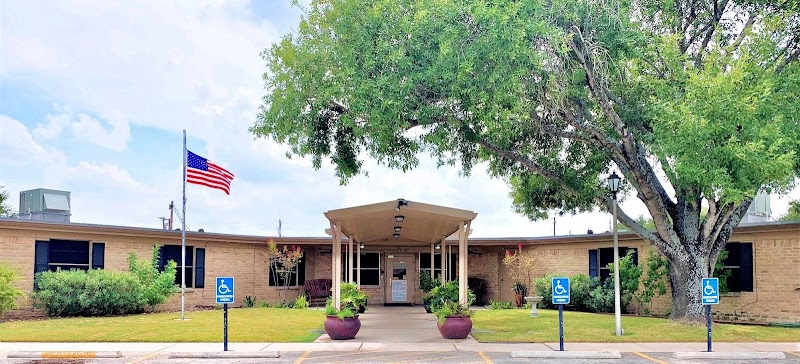
104 ENTERPRISE AVE, DEVINE, TX 78016 (830) 663-4451
For profit - Corporation 96 Beds CREATIVE SOLUTIONS IN HEALTHCARE Data: November 2025
Trust Grade
85/100
#46 of 1168 in TX
Last Inspection: November 2024

Within standard 12-15 month inspection cycle. Federal law requires annual inspections.

Overview

Devine Health & Rehabilitation has a Trust Grade of B+, which means it's above average and recommended for families considering care options. It ranks #46 out of 1,168 facilities in Texas, placing it in the top half, and it is the best option among the three nursing homes in Medina County. However, the facility is experiencing a worsening trend, with issues increasing from 3 in 2023 to 7 in 2024. Staffing is a relative strength, with a 3/5 star rating and a turnover rate of 41%, which is below the Texas average of 50%. On the positive side, there have been no fines reported, indicating compliance with regulations, and the facility offers more RN coverage than 93% of Texas facilities, ensuring better oversight of resident care. However, recent inspections revealed concerns, such as a dirty ice maker that could lead to foodborne illnesses and failures in maintaining equipment like the Automatic External Defibrillator, which could jeopardize resident safety. Overall, while there are notable strengths, families should be aware of the recent issues that need addressing.

Trust Score
B+
85/100
In Texas
#46/1168
Top 3%
Safety Record
Low Risk
No red flags
Inspections
Getting Worse
3 → 7 violations
Staff Stability
○ Average
41% turnover. Near Texas's 48% average. Typical for the industry.
Penalties
✓ Good
No fines on record. Clean compliance history, better than most Texas facilities.
Skilled Nurses
○ Average
Each resident gets 37 minutes of Registered Nurse (RN) attention daily — about average for Texas. RNs are the most trained staff who monitor for health changes.
Violations
⚠ Watch
14 deficiencies on record. Higher than average. Multiple issues found across inspections.
★★★★★
5.0
Overall Rating
★★★☆☆
3.0
Staff Levels
★★★★★
5.0
Care Quality
★★★★★
5.0
Inspection Score
Stable
2023: 3 issues
2024: 7 issues

The Good

  • 5-Star Quality Measures · Strong clinical quality outcomes
  • Full Sprinkler Coverage · Fire safety systems throughout facility
  • No fines on record
  • Staff turnover below average (41%)

    7 points below Texas average of 48%

Facility shows strength in quality measures, fire safety.

The Bad

Staff Turnover: 41%

Near Texas avg (46%)

Typical for the industry

Chain: CREATIVE SOLUTIONS IN HEALTHCARE

Part of a multi-facility chain

Ask about local staffing decisions and management

The Ugly 14 deficiencies on record

Nov 2024 3 deficiencies
CONCERN (D)

Potential for Harm - no one hurt, but risky conditions existed

Quality of Care (Tag F0684)

Could have caused harm · This affected 1 resident

**NOTE- TERMS IN BRACKETS HAVE BEEN EDITED TO PROTECT CONFIDENTIALITY** Based on observations, record reviews and interviews, the facility failed to ensure treatment and care was provided in accordanc...

Read full inspector narrative →
**NOTE- TERMS IN BRACKETS HAVE BEEN EDITED TO PROTECT CONFIDENTIALITY** Based on observations, record reviews and interviews, the facility failed to ensure treatment and care was provided in accordance with the comprehensive assessment and professional standards of practice that met the physical, mental and psychological needs for 1 of 6 residents (#10) reviewed for pacemakers in that: The facility did not maintain physician orders and medical information needed to monitor Resident #10's cardiac pacemaker (electronic device that is implanted in the body to monitor heart rate and rhythm that stimulates the heart with electrical impulses to maintain or restore a normal heartbeat) parameters for proper functioning. This failure could place residents of risk for not receiving proper care and treatment. The findings included: Record review of Resident #10's face sheet, dated 06/28/2023 revealed a [AGE] year-old female with an initial admission 4/2/2024 and a readmission on [DATE] with diagnoses of; Chronic Obstructive Pulmonary Disease (lung disease that damages the lungs making it hard to breathe), Atherosclerotic Heart Disease (plaque in heart arteries that reduces blood flow), and Presence of Cardiac Pacemaker. Record review of Resident #10's MDS, dated [DATE] revealed BIMS score of 11, which indicated moderate cognitive impairment. Record review of Resident #10's Care Plan, dated 9/19/2024 revealed, The resident will maintain heart rate within acceptable limits as determined by MD/pacemaker settings . Record review of Resident #10's most recent admission Initial admission assessment, dated 5/31/2023 revealed Pacemaker frequency unknown. Per resident, this is pacemaker number 4. It is managed by a vascular clinic. Record review of Resident #10's Order Summary Report, dated 11/6/2024 did not have orders for pacemaker parameters. Record review of Resident # 10's TAR's for October and November 2024 indicated no vital signs completed for pacemaker parameters. During an interview on 11/8/2024 at 11:46 AM with LVN A - she verified pacemaker placement to resident's upper left chest area. She also verified there was no order in place to monitor pacemaker parameters. During an interview on 11/8/2024 at 11:51 AM with the DON - he verified there was no order for pacemaker parameter monitoring, he stated the potential for harm could be, possibly anything having to do with cardiac care. Record review of facility policy titled, Permanent Pacemaker, .check per manufacturers direction and physician's order of frequency.
CONCERN (D)

Potential for Harm - no one hurt, but risky conditions existed

Respiratory Care (Tag F0695)

Could have caused harm · This affected 1 resident

**NOTE- TERMS IN BRACKETS HAVE BEEN EDITED TO PROTECT CONFIDENTIALITY** Based on observation, interview, and record review the facility failed to ensure a resident who needed respiratory care, was pro...

Read full inspector narrative →
**NOTE- TERMS IN BRACKETS HAVE BEEN EDITED TO PROTECT CONFIDENTIALITY** Based on observation, interview, and record review the facility failed to ensure a resident who needed respiratory care, was provided such care, consistent with professional standards of practice, the comprehensive person-centered care plan, the residents' goals and preferences for 1 of 6 residents (Resident #10), reviewed for quality of care. Resident #10's oxygen nasal cannula was visibly soiled. This failure could result in cross contamination and could result in infection, and illness. The findings were: Record review of Resident #10's face sheet, dated 06/28/2023 revealed an [AGE] year-old female with an initial admission 4/2/2024 and a readmission on [DATE] with diagnoses of; Chronic Obstructive Pulmonary Disease (lung disease that damages the lungs making it hard to breathe), Atherosclerotic Heart Disease (plaque in heart arteries that reduces blood flow), Presence of Cardiac Pacemaker. Record review of Resident #10's MDS, dated [DATE] revealed BIMS score of 11, which indicated moderate cognitive impairment. Record review of Resident #10's Care Plan, dated 9/19/2024 revealed, The resident has Oxygen Therapy. Record review of Resident #10's Order Summary Report, dated 11/6/2024, revealed order, Change nasal cannula as needed. Record review of Resident # 10's TARs for October and November 2024 indicated nasal cannula had not been changed. Observation on 11/5/2024 at 9:15 am - Observed Resident #10's nasal cannula was visibly soiled. Staff interview on 11/6/2024 at 3:26 pm with GVN B - she verified that the resident's nasal cannula was visibly soiled. She stated that a soiled nasal cannula could cause skin breakdown or an infection. Staff interview on 11/6/2024 at 3:40 with the DON - He observed that the resident's nasal cannula was visibly soiled. He stated there could be a potential for infection due to soiled cannula. Review of the facility policy titled, Oxygen Administration, dated 3/21/2023, stated Change the tubing (including any nasal prongs or mask) .when it malfunctions or becomes visibly contaminated.
CONCERN (D)

Potential for Harm - no one hurt, but risky conditions existed

Drug Regimen Review (Tag F0756)

Could have caused harm · This affected 1 resident

**NOTE- TERMS IN BRACKETS HAVE BEEN EDITED TO PROTECT CONFIDENTIALITY** Based on interview and record review, the facility failed to ensure an irregularity noted by the pharmacist was acted upon for 1...

Read full inspector narrative →
**NOTE- TERMS IN BRACKETS HAVE BEEN EDITED TO PROTECT CONFIDENTIALITY** Based on interview and record review, the facility failed to ensure an irregularity noted by the pharmacist was acted upon for 1 of 6 Residents (Resident #10) reviewed for pharmacy review in that: The facility failed to implement to monitor Resident #10 for edema. This failure could place resident as risk of not having their pharmacy consultations reviewed or recommendations implemented. The findings included: Record review of Resident #10's face sheet, dated 06/28/2023 revealed a [AGE] year-old female with an initial admission 4/2/2024 and a readmission on [DATE] with diagnoses of; Chronic Obstructive Pulmonary Disease (lung disease that damages the lungs making it hard to breathe), Atherosclerotic Heart Disease (plaque in heart arteries that reduces blood flow), Presence of Cardiac Pacemaker. Record review of Resident #10's MDS, dated [DATE] revealed BIMS score of 11, which indicated moderate cognitive impairment. Record review of Resident #10's Care Plan, dated 9/19/2024 revealed, The resident has potential fluid deficit r/t Diuretic use. Record review of Pharmacy Nursing Summary Report, dated 10/10/2024, indicated, Resident is receiving a diuretic, please add edema monitoring to routine orders. Record review of Resident #10's Order Summary Report, dated 11/6/2024 did not have orders to monitor resident for edema. Staff interview on 11/6/2024 at 3:26 pm with GVN B, she verified that there was no doctor order to monitor resident for edema. Staff interview on 11/6/2024 at 3:40 pm with the DON, he verified that there was no doctor order to monitor resident for edema. He stated the potential for harm could be fluid overload. Records review of facility policy titled, Resident Assessment, indicated Documentation reflecting assessment and changes in the plan of care will be reflected in the resident's medical record and/or plan of care.
Oct 2024 4 deficiencies
CONCERN (D) 📢 Someone Reported This

A family member, employee, or ombudsman was alarmed enough to file a formal complaint

Potential for Harm - no one hurt, but risky conditions existed

Comprehensive Care Plan (Tag F0656)

Could have caused harm · This affected 1 resident

**NOTE- TERMS IN BRACKETS HAVE BEEN EDITED TO PROTECT CONFIDENTIALITY** Based on interview, observation, and record review, the facility failed to ensure that the comprehensive person-centered care pl...

Read full inspector narrative →
**NOTE- TERMS IN BRACKETS HAVE BEEN EDITED TO PROTECT CONFIDENTIALITY** Based on interview, observation, and record review, the facility failed to ensure that the comprehensive person-centered care plan described services that are to be furnished to maintain the resident's highest practicable physical, mental and psychosocial well-being for one of 14 residents (Resident #5) reviewed for care plans in that: The facility failed to ensure Resident #5's care plan indicated that Resident #5 had abrasions on her left 2nd, 3rd and 4th toe and her right 2nd and 3rd toe that required a daily wound treatment, when the care plan record was reviewed on 10/21/2024. This deficient practice could place residents who had wounds at risk for not receiving treatment and services. The findings included: Review of Resident #5's undated face sheet revealed Resident #5 was a 77- year-old female who admitted to the facility on [DATE] with diagnoses that included Type 2 Diabetes (a condition resulting from insufficient production of insulin, causing high blood sugar) , Chronic Obstructive Pulmonary Disease (a group of lung diseases causing constriction of the airways and difficulty breathing), Cirrhosis of Liver (scarring of the liver typically caused by hepatitis viruses or chronic alcohol abuse), Chronic Pain, Hemiplegia (paralysis of one side of the body), and Vascular Dementia (brain damage typically caused by multiple strokes). Review of Resident #5's quarterly MDS assessment, dated 09/12/2024, reflected Resident #5 had a BIMS score of 13, indicating no cognitive impairment. Section GG, titled Functional Abilities and Goals, reflected Resident #5 was dependent on staff for rolling left and right in bed and dependent for chair/bed transfers. Section M, titled Skin Conditions, reflected Resident #5 was at risk for developing pressure ulcers/injuries and had a pressure relieving mattress. Record review of Resident #5's care plan, date initiated 06/30/2022 and revised 05/08/2024, reflected Resident #5 had the potential for pressure ulcer development, refused preventative measures and heel protectors, and was non-compliant with treatment. Review of Resident #5's October 2024 TAR reflected the following orders scheduled for a.m.: A) Wound-cleanse left foot 2nd toe with ns, pat dry, paint with betadine, one time a daily for wound healing. Start date 10/12/2024. B) Wound-cleanse left foot 3rd toe with ns, pat dry, paint with betadine, one time a daily for wound healing. Start date 10/12/2024. C) Wound-cleanse left foot 4th toe with ns, pat dry, paint with betadine, one time a daily for wound healing. Start date 10/12/2024. D) Wound-cleanse right foot 2nd toe with ns, pat dry, paint with betadine, one time a daily for wound healing. Start date 10/12/2024. E) Wound-cleanse right foot 3rd toe with ns, pat dry, paint with betadine, one time a daily for wound healing. Start date 10/12/2024. Record review of a Wound Care Consult Note for Resident #5, dated 10/15/2024, the Wound Care NP described Resident #5's toe wounds as abrasions and the wound bed as dry scab and said to cleanse with normal saline or wound cleanser, dry, apply betadine and leave open to air. During an observation and interview with Resident #5, 10/21/2024 at 2:14 p.m., Resident #5 was observed in her room lying in bed with a low air loss mattress. The left side of the bed was up against the room wall. Resident #5's toes were exposed at the end of the bed and Surveyor A observed Resident #5 had abrasions/dried scabs to her 2nd, 3rd and 4th toes on her right foot and on her 2nd and 3rd toes on her left foot. Resident #5 said she had diabetes and could not feel her toes and sometimes would hit them on the wall or scraped them together. Resident #5 said the facility had offered interventions to prevent further abrasions that included moving her bed away from the wall and wearing preventative boots or other items to protect her feet. Resident #5 said the staff pull her bed away from the wall when turning and repositioning her, but she would not allow them to leave her bed away from the wall. Resident #5 also stated she did not like wearing other things on her feet. Resident #5 said staff were good about providing treatments and her scabs were healing. During an interview with the Wound Care NP, 10/23/2024 at 12:37 p.m., the Wound Care NP stated Resident #5 had dry abrasions to her toes that were healing and stated the current treatment of betadine was an appropriate treatment. During as interview with the MDS Coordinator, 10/24/2024 at 11:49 a.m., the MDS Coordinator stated care plans were completed by the MDS Coordinator, DON, or ADON, and care plans should be updated at the time of a change in a resident's plan of care. The MDS Coordinator stated it was important to update the care plan at the time of the change in a resident's plan of care, so everyone was aware of the changes for that resident. During an interview with the DON, 10/24/2024 at 11:56 a.m., the DON said during the morning meeting daily, the DON, ADON or MDS Coordinator would update resident care plans when reviewing new orders or changes in resident care. The DON said a resident's care plan should be updated as soon as a change was identified, and new interventions were put in place to address the change. The DON said it was important for resident care plans to be up to date and accurate because it is the care that the patient is needing, and it is a way for staff members to be aware of the type of care that we are providing to that specific resident. Record review of an undated facility policy titled Comprehensive Care Planning (Nursing Policy and Procedure Manual GP MC 03-18.0) reflected the facility will develop and implement a comprehensive person-centered care plan for each resident, consistent with the resident rights that includes measurable objectives and timeframes to meet a resident's medical, nursing, and mental and psychosocial needs that are identified in the comprehensive assessment. The policy also reflected residents' preferences and goals may change throughout their stay, so facilities should have ongoing discussions with the resident and the resident representative, if applicable, so that changes can be reflected in the comprehensive care plan.
CONCERN (D) 📢 Someone Reported This

A family member, employee, or ombudsman was alarmed enough to file a formal complaint

Potential for Harm - no one hurt, but risky conditions existed

Pharmacy Services (Tag F0755)

Could have caused harm · This affected 1 resident

**NOTE- TERMS IN BRACKETS HAVE BEEN EDITED TO PROTECT CONFIDENTIALITY** Based on interview, and record review, the facility failed to provide pharmaceutical services, including procedures that assure ...

Read full inspector narrative →
**NOTE- TERMS IN BRACKETS HAVE BEEN EDITED TO PROTECT CONFIDENTIALITY** Based on interview, and record review, the facility failed to provide pharmaceutical services, including procedures that assure the accurate acquiring and administering of all drugs to meet the needs of the residents for 1 (Resident #5) of 14 residents reviewed for controlled medication use, in that: The facility failed to ensure LVN A, LVN B, and LVN C failed to follow facility policy to ensure all controlled medications were accurately reconciled at the start and end of the shift which resulted in a controlled medication discrepancy. This failure could place residents at risk for medication overdose, medication under-dose, ineffective therapeutic outcomes, and drug diversion. The findings included: Review of Resident #5's undated face sheet revealed Resident #5 was a 77- year- old female who admitted to the facility on [DATE] with diagnoses that included Type 2 Diabetes (a condition resulting from insufficient production of insulin, causing high blood sugar), Chronic Obstructive Pulmonary Disease (a group of lung diseases causing constriction of the airways and difficulty breathing), Cirrhosis of Liver (scarring of the liver typically caused by hepatitis viruses or chronic alcohol abuse), Chronic Pain, Hemiplegia (paralysis of one side of the body), and Vascular Dementia (brain damage typically caused by multiple strokes). Review of Resident #5's quarterly MDS assessment, dated 09/12/2024, reflected Resident #5 had a BIMS score of 13, indicating no cognitive impairment. Section J Health Conditions reflected Resident #5 received a pain medication regimen. Resident was interviewed about her pain and stated she rarely/not at all experienced pain or hurting, pain rarely/not at all made it hard for her to sleep at night, pain rarely/not at all limited her participation in rehabilitation therapy sessions and rarely/not at all limited her day-to-day activities. On a scale of 1 to 10, Resident #5 stated 3 was the worst her pain had been over the previous 5 days. Review of Resident #5's care plan, dated initiated 06/30/2022 and revised 09/23/2022, reflected Resident #5 had the potential for uncontrolled pain and the interventions included administering medications as ordered and anticipate need for pain relief and respond immediately to any complaints of pain. Review of Resident # 5's October 2024 MAR reflected an order for Norco oral Tablet 10-325mg (Hydrocodone-Acetaminophen) Give 1 tablet by mouth four times a day related to chronic pain syndrome. The medication was scheduled for 5:00 a.m., 12 p.m., 6 p.m. and 11 p.m. Review of Resident #5's-controlled medication count sheet log revealed a space for a licensed nurse to log the date, time, amount of medication given, amount of medication remaining and signature. The log reflected Resident #5 received 1 tab of her Norco medication on 10/15/24 at 11 p.m. with 11 pills remaining and administered 1 tab on 10/16/2024 at 5 a.m. with 10 pills remaining. The medications were initialed as administered by LVN C. Review of Resident #5 controlled drug audit record reflected a log for the oncoming and outgoing nurse to sign at each shift change to validate that the controlled medications were reconciled before the next nurse took possession of the medication cart and keys. The audit log was blank on 10/16/2024 for the 10 p.m. - 6 a.m. shift nurse and the 6 a.m.- 2 p.m. nurse. During an interview with Resident #5, 10/21/2024 at 2:14 p.m., Resident #5 stated she had been receiving her pain medications as scheduled, her pain was controlled and stated she did not have any issues with getting her pain medication on time when it was due, stating they do a good job with it. During an interview with LVN A, 10/24/2024 at 10:28 a.m., LVN A stated she arrived for her 6 a.m. shift on 10/16/2024 a few minutes before 6 a.m. and stated LVN C asked LVN A to count the controlled medications and take report on 400/500 hall since LVN B was running late for the shift, and LVN A agreed. LVN A stated LVN C called out the number of pills remaining listed on the audit sheet and LVN A called out the number of controlled medications remaining on each resident's blister pack that contained the controlled medication. LVN A said the purpose was to ensure the number of remaining pills in the blister pack and the number of remaining pills listed on the audit sheet matched. LVN A said Resident #5 had 9 pills remaining in her blister pack and said LVN C also said 9 when reading off of the audit sheet. LVN A said she remembered it so clearly because she thought to herself that LVN A would need to get a triplicate to reorder the medication since the count dropped below 10 pills. LVN A said when they were finished counting the controlled medications, LVN C left the facility. LVN A said when LVN B arrived, LVN B asked LVN A if she counted with LVN C and LVN A said yes. LVN A said she then gave the keys to LVN B without counting the medications with LVN B. LVN A stated a short time later LVN B came to the nurse's station and told LVN A that Resident #5 only had 9 pills in her blister pack and her count sheet said she should have had 10. LVN A said LVN A and LVN B completed a cart audit for any other discrepancies and to see if there were any loose pills in the bottom of the cart and did not find any loose medication or discrepancies with other resident counts. LVN B stated she had received training on counting narcotics and stated the facility protocol was LVN A should have looked at the controlled count sheets when LVN C was calling out the numbers to verify the accuracy. LVN B said she had been trained that both nurses should visually check the blister pack and audit sheet to validate the numbers the other nurse was reciting was accurate. LVN A also stated when LVN B arrived to take over the shift, LVN A and LVN B should have completed a controlled medication count together before LVN A gave the keys and the cart to LVN B. LVN A stated LVN A and LVN B notified the DON around 6:40 a.m. of the controlled medication discrepancy. During an interview with LVN B, 10/24/2024 at 11:32 a.m., LVN B stated she arrived at the facility around 6:14 a.m. and was told by LVN A that LVN C left and counted the controlled medications with LVN A. LVN B said she did not count the controlled medications with LVN A when she arrived and said she had received training on counting controlled medications before taking the keys from another nurse and said she was just thrown off because she was running late and didn't do the count. LVN B said a few minutes into her shift, she opened the controlled medication cart to pull a medication and noticed that Resident #5 only had 9 pills in her blister pack and her audit sheet said 10 pills should still be remaining. LVN B said she asked LVN A about the count and LVN A told her LVN C said there were 9 pills still remaining on the audit sheet. LVN B said she audited the rest of her controlled medications on her cart and then notified the DON of the discrepancy around 6:40 a.m. During an interview with the DON, 10/24/2024 at 11:56 a.m., the DON stated he was notified of a medication count discrepancy by LVN B around 6:46 a.m. The DON stated LVN B said she did not count with LVN C or LVN A, but LVN B had been counting the controlled medications independently and told the DON Resident #5's blister pack had 9 pills in it and the audit sheet stated she should have had 10 pills left. The DON stated he asked LVN A and LVN B to remain at the facility, and the DON and Administrator began an investigation into the discrepancy. The DON said he audited Resident #5's-controlled audit count sheet and did not identify a discrepancy with the audit log sheet and the medication administration record. However, the blister pack only contained 9 pills and should have contained 10 according to the audit and administration record. The DON said all facility residents on controlled medications were audited and no further discrepancies were identified. The DON stated Resident #5 was interviewed by the ADON on the morning of 10/16/2024 and Resident #5 stated she had received her medication on time and had no complaints of unresolved pain. LVN C was contacted on 10/16/2024 and asked to return to the facility to provide a statement for the investigation and participate in a drug test. The DON said LVN C said she lived 40 miles away and was not feeling well and could not come back. LVN C was told she would need to drug test prior to her shift on the evening of 10/16/2024. LVN C called in for her shift and did not comply with the drug test. LVN A and LVN B were both drug tested and the test results were negative. The DON stated the expectation for managing controlled medications was the nurse with possession of the medication cart and the nurse taking possession of the medication cart was to complete the controlled medication reconciliation together by both nurses visualizing the number of medications remaining on the audit sheet and the number of medications in the blister pack. The DON said both nurses should then sign the controlled drug audit record to validate the count was completed. The DON said staff received re-education on the facility protocol for counting controlled medication. During an interview with the Administrator, 10/24/2024 at 1:21 p.m., the Administrator stated LVN C provided a statement to the facility but did not return to work or participate in a drug test and was no longer employed at the facility. The Administrator stated the incident was reported to the city police department, Ombudsman, and Health and Human Services, and stated staff had received re-education on expectations for reconciling controlled medications. The Administrator stated the DON and ADON would be responsible for auditing the system to ensure accuracy. During an interview with the Consultant Pharmacist, 10/24/2024 at 2:20 p.m., the Consulting Pharmacist stated she was notified of the medication discrepancy by the administrator on 10/16/2024 and stated Resident #5's medication would be re-ordered timely so Resident #5 did not miss a dose related to the medication discrepancy. Review of a statement dated 10/19/2024, and signed by LVN C, stated LVN C counted the med cart with LVN A because LVN B was late and LVN C said there was no discrepancy. LVN C when she got home, she received a call from the DON and said she explained to him that when LVN C left the building every single narcotic was accounted for. Review of an in-service titled Narcotic Documentation, dated 03/18/2024, stated narcotics must be counted at the beginning and end of your scheduled shift. Never assume the cart without counting and signing the chain of custody shift to shift count. Never leave the cart keys with another nurse without counting. The in-service is signed by 7 nurses including LVN A and LVN B. Review of an in-service titled Narcotic Counts; Medication Management, dated 08/24/2024, stated narc count oncoming nurses counts actual medication and off going nurse reads out the number to the oncoming nurse to ensure accuracy. The in-services was signed by 12 nurses including LVN C. Review of facility policy titled Medication Administration Procedures (Pharmacy Policy and Procedure Manual 2003 revised 10/25/2017), stated there shall be a narcotics audit at each change of shift to ensure against any discrepancy. Upon a correct audit, the nurses or med aides involved will sign the narcotic check list at the time of the audit, the nurses are to observe for both the correct count and the correct medication. Review of facility policy titled Storage and Documentation of controlled Medications (Pharmacy Policy and Procedure Manual 2003), stated All controlled medications will be stored under double lock and checked for accountability at each change of shift by the nurse going off duty and the nurse coming on duty. Documentation of the audit will be completed on the appropriate form. Review of facility policy titled Controlled Drugs Audit and Accountability (Pharmacy Policy and Procedure Manual 2003), stated the change of shift audit sheets is where nursing staff will sign to indicate that the controlled drugs were audited and that the responsibility of accountability of the controlled drugs is being changed to a different nursing staff. This form has columns to indicate the total number of controlled drug audit sheets present at each shift change audits.
CONCERN (D) 📢 Someone Reported This

A family member, employee, or ombudsman was alarmed enough to file a formal complaint

Potential for Harm - no one hurt, but risky conditions existed

Food Safety (Tag F0812)

Could have caused harm · This affected 1 resident

Based on observation, interviews and record review, the facility failed to store, prepare, distribute and serve food in accordance with professional standards for food service safety for 1 of 1 meal (...

Read full inspector narrative →
Based on observation, interviews and record review, the facility failed to store, prepare, distribute and serve food in accordance with professional standards for food service safety for 1 of 1 meal (lunch 10/21/24) observed, in that; The facility failed to identify a food item held below proper holding temperature prior to surveyor intervention This failure could place residents, who consumed food prepared in the facility kitchen, at risk of reduced meal satisfaction, diminished nutritional intake, food borne illness and weight. The findings were: An observation, 10/21/2024 at 11:40 a.m., in the facility dining room revealed a posted lunch menu that included BBQ beef on a bun, tater tots, onion, pork beans, apple cobbler and drink of choice. The alternate food items included a bologna sandwich, chef salad, and grilled cheese sandwich. An observation, 10/21/2024 at 12:20 p.m., of the serving line revealed [NAME] A taking temperatures of the food on the steam table. The tater tot's temperature was 130 degrees, and all of the other food items temperatures were above 140 degrees. [NAME] A was observed telling staff she was ready to start serving the food and began serving resident plates. During an interview with the Dietary Manager, 10/21/2024 at 12:23 p.m., the Dietary Manager said she was not sure what temperature the hot food had to be held at in order to be safely served to the residents and said she would be right back. She returned in less than a minute and said the temperature should be above 140 degrees. She was notified the tater tots temperature was 130 degrees and [NAME] A was starting to serve the residents. The Dietary Manager said the tater tots would need to be reheated until they were at the correct temperature before being served to the residents. The Dietary Manager said serving food below the correct temperatures could cause a resident to get a bacteria and said that her staff had received training on safe food temperatures. During an interview with [NAME] A, 10/21/2024 at 12:26 p.m., [NAME] A stated hot food should be served above 140 degrees and the tater tot temperature was 130. [NAME] A said she should not have started the food service until all the food temperatures were over 140 degrees and she was going to reheat the tater tots in the oven until they reach a safe temperature before serving to the residents. During an interview with the Administrator, 10/24/2024 at 1:21 p.m., the Administrator stated her expectation was for hot food to be served above 140 degrees. The Administrator said if the temperature was not 140 degrees prior to the meal service, the food item should be heated on the stove or oven until it reached the safe temperature. The Administrator said the staff had received training on food temperatures and said the importance of servicing food at the correct temperature was for the safely and enjoyment of the resident. Record review of document titled, Certificate of Completion, certified that [NAME] A successfully completed a Food Handler Course on March 21, 2022. The certificate stated the certificate was valid for 3 years from the date of completion. Record review of a document titled, [Company Name] Food Manager Certification Program, certified that the Dietary Manager had successfully completed a Texas Food Safety Manager Certification Examination, effective date 09/09/2024. Record review of facility document titled in-service training attendance roster listed the topic as Charts/Temps and dated 04/09/2024. The attached undated in-service policy titled Food Service stated potentially hazardous food shall be maintained at: 41 degrees or less or 140 degrees or above. The in-service attendance sheet revealed 6 signatures including [NAME] A and the Dietary Manager. Record review of an undated facility policy titled, Daily Food Temperature Control stated we will assure that food is served at a safe temperature. Temperatures of all hot and cold food shall be taken prior to every meal service and recorded on the temperature log. This is done to help ensure that food is safe and served within acceptable ranges. The procedures included all hot foods shall be cooked and held for service at a temperature of 140 degrees F or above.
CONCERN (D) 📢 Someone Reported This

A family member, employee, or ombudsman was alarmed enough to file a formal complaint

Potential for Harm - no one hurt, but risky conditions existed

Medical Records (Tag F0842)

Could have caused harm · This affected 1 resident

**NOTE- TERMS IN BRACKETS HAVE BEEN EDITED TO PROTECT CONFIDENTIALITY** Based on interview, observation, and record review, the facility failed to maintain clinical records in accordance with accepted...

Read full inspector narrative →
**NOTE- TERMS IN BRACKETS HAVE BEEN EDITED TO PROTECT CONFIDENTIALITY** Based on interview, observation, and record review, the facility failed to maintain clinical records in accordance with accepted professional standard and practices that are complete and accurately documented for 1 (Resident #5) of 4 residents reviewed for treatment administration. The facility failed to ensure the treatment administration records (TAR) for Resident #5 reflected that the administration of the treatment orders was accurately documented evidenced by the lack of documentation of Resident #5's wound treatments provided on 10/21/2024. This deficient practice could place residents receiving treatments at risk for not receiving appropriate care. The findings were: Review of Resident #5's undated face sheet revealed Resident #5 was a [AGE] year-old female who admitted to the facility on [DATE] with diagnoses that included Type 2 Diabetes(a condition resulting from insufficient production of insulin, causing high blood sugar) , Chronic Obstructive Pulmonary Disease (a group of lung diseases causing constriction of the airways and difficulty breathing), Cirrhosis of Liver (scarring of the liver typically caused by hepatitis viruses or chronic alcohol abuse), Chronic Pain, Hemiplegia (paralysis of one side of the body), and Vascular Dementia (brain damage typically caused by multiple strokes). Review of Resident #5's quarterly MDS assessment, dated 09/12/2024, reflected Resident #5 had a BIMS score of 13, indicating no cognitive impairment. Section GG, titled Functional Abilities and Goals, reflected Resident #5 was dependent on staff for rolling left and right in bed and dependent for chair/bed transfers. Section M, titled Skin Conditions, reflected Resident #5 was at risk for developing pressure ulcers/injuries and had a pressure relieving mattress. Review of Resident #5's October 2024 TAR, 10/23/2024 at 10:05 a.m., reflected the following orders scheduled for a.m.: A) Wound-cleanse left foot 2nd toe with ns, pat dry, paint with betadine, one time a daily for wound healing. Start date 10/12/2024. B) Wound-cleanse left foot 3rd toe with ns, pat dry, paint with betadine, one time a daily for wound healing. Start date 10/12/2024. C) Wound-cleanse left foot 4th toe with ns, pat dry, paint with betadine, one time a daily for wound healing. Start date 10/12/2024. D) Wound-cleanse right foot 2nd toe with ns, pat dry, paint with betadine, one time a daily for wound healing. Start date 10/12/2024. E) Wound- cleanse right foot 3rd toe with ns, pat dry, paint with betadine, one time a daily for wound healing. Start date 10/12/2024. The TAR for each order was not initialed by a nurse as completed on 10/21/2024. Record review of the facility staffing schedule dated, Monday 10/21/2024, revealed LVN B was assigned to Resident #5's hall on 6 a.m.- 2 p.m. shift then ADON was assigned to the hall at 10:00 a.m. During an observation and interview with Resident #5, 10/21/2024 at 2:14 p.m., Resident #5 was observed in her room lying in bed with a low air loss mattress. The left side of the bed was up against the room wall. Resident #5's toes were exposed at the end of the bed and Surveyor A observed Resident #5 had abrasions/dried scabs to her 2nd, 3rd and 4th toes on her right foot and on her 2nd and 3rd toes on her left foot. Resident #5 said she had diabetes and could not feel her toes and sometimes would hit them on the wall or scrape them together. Resident #5 said the facility had offered interventions to prevent further abrasions that included moving her bed away from the wall and wearing preventative boots or other items to protect her feet. Resident #5 said the staff pulled her bed away from the wall when turning and repositioning her, but she would not allow them to leave her bed away from the wall. Resident #5 also stated she did not like wearing other things on her feet. Resident #5 said staff were good about providing treatments and her scabs were healing. During an interview with the ADON on 10/23/2024 at 10:30 a.m., the ADON stated she did not perform wound care for Resident #5 on Monday 10/21/2024. The ADON said wound care would have been completed by the charge nurse and she did not know who the charge nurse was on that day. During an interview with the Wound Care NP, 10/23/2024 at 12:37 p.m., the Wound Care NP stated Resident #5 had dry abrasions to her toes that were healing and stated the current treatment was appropriate. The Wound Care NP stated if a wound treatment was missed for one day, it would not have negatively affected Resident #5's healing process. During an interview with LVN B on 10/23/2024 at 2:52 p.m., LVN B stated she worked on 10/21/2024 from 6 a.m. until the ADON took over the shift at 10 a.m. LVN B stated she did not perform wound care for Resident #5 on 10/21/2024 and said she did not tell ADON that wound care had not been completed on Resident #5. LVN A said treatments scheduled for a.m. on the TAR were usually completed before 10 a.m. or 11 a.m. each day. Record review of Resident #5's October 2024 TAR, 10/23/2024 at 3:17 p.m., reflected the ADON had initialed all the blank wound orders for 10/21/2024, marking them as completed. During an interview with Resident #5, 10/23/2024 at 3:35 p.m., Resident #5 said she could not recall if her wound care was completed or not on Monday, 10/21/2024, but stated the nurses were good about doing it daily. During an interview with the ADON, 10/23/2024 at 3:45 p.m., the ADON stated she did not realize she worked as the Charge Nurse on 10/21/2024. The ADON said she recalled doing the treatments for Resident #5 on 10/21/2024 so she completed a late entry on 10/23/2024 and initialed the treatments as completed. The ADON stated she did not document on the TAR when she completed wound care on 10/21/2024 and stated she had been trained on the importance of documenting at the time the care was provided. During an interview with the DON, 10/24/2024 at 11:56 a.m., the DON stated the Charge Nurse assigned to each hall was responsible for providing wound care according to the physician orders on the resident TARS. The DON stated wound care documentation should have been completed at the time the wound care was provided and said the importance of timely documentation was to make sure the physician orders and care was provided as indicated and in a timely manner. During an interview with the Administrator, 10/24/2024 at 1:21 p.m., the Administrator stated the Charge Nurses were responsible for providing wound care and the nurse managers were to spot check the documentation daily. The Administrator also stated wound care documentation should be completed in a resident's TAR as soon as it is done, on the same shift. Record review of facility policy titled Nursing Facility Medication Administration (Pharmacy Policy and Procedure Manual 2003 PA 03-6.14a), included 3. Medications shall be administered only to the resident for whom they are prescribed, given in accordance with directions on the prescription or the physician's order and recorded on the resident's medication record. Record review of a facility in-service training attendance roster, dated 01/29/2024, titled Medication Administration, contained 6 signatures including the ADON. The facility policy attached to the training attendance roster was titled Medication Administration Procedures (Pharmacy Policy and Procedure Manual 2003 revised 10/25/2017 PA 03-4.02) included all nurses administering medication must sign and initial the designated area of each resident's medication/treatment administration record or resident specific master signature log for identification of all initials used in charting.
Sept 2023 3 deficiencies
CONCERN (D)

Potential for Harm - no one hurt, but risky conditions existed

Resident Rights (Tag F0550)

Could have caused harm · This affected 1 resident

**NOTE- TERMS IN BRACKETS HAVE BEEN EDITED TO PROTECT CONFIDENTIALITY** Based on observation, interview, and record review, the facility failed to treat each resident with respect and dignity and care...

Read full inspector narrative →
**NOTE- TERMS IN BRACKETS HAVE BEEN EDITED TO PROTECT CONFIDENTIALITY** Based on observation, interview, and record review, the facility failed to treat each resident with respect and dignity and care in a manner and in an environment that promoted maintenance or enhancement of his or her quality of life, for 1 of 16 residents (Resident #23) reviewed for resident rights in that: Resident #23 was not served her meal timely with respect to residents sitting at the same table and was served 9 minutes later than other residents sitting at the same table. This failure could place residents needing assistance at risk for diminished quality of life, loss of dignity, and self-worth. The findings included: Record review of Resident #23's face sheet, dated 9/28/2023, reflected a [AGE] year-old resident most recently admitted to the facility on [DATE] with diagnosis of unspecified dementia, unspecified severity, without behavioral disturbance, psychotic disturbance, mood disturbance, and anxiety (a group of conditions characterized by two brain functions such as memory loss and judgement, and intense, excessive, and persistent worry). Record review of Resident #23's MDS Assessment, dated 9/28/2023, reflected a BIMS score of 99, which indicates the resident chose not to participate, or the resident gave a nonsensical response. Observation on 9/25/2023 at 12:40 PM revealed staff began to pass trays for lunch meal service. Observation on 9/25/2023 at 1:08 PM revealed residents at Resident #23's table had been served. Resident #23 was not served at this time. Observation and interview on 9/25/2023 at 1:16 PM revealed Resident #23 was fidgeting and looking at the food of the residents sitting at her table. When Resident #23 was asked if she was hungry, resident stated yes. When Resident #23 was asked if it upsets her to wait while the others at her table have food, the resident nodded yes. Observation and interview on 9/25/2023 at 1:17 PM, GVN B stated she was not sure where Resident #23's meal tray was, but that she would get it for her. Resident #23 was then observed being served by GVN B. Interview on 9/27/2023 at 1:57 PM, GVN B stated staff attempt to serve residents at the same table at the same time and was not sure why Resident #23 was not served appropriately. Interview on 9/28/2023 at 1:41 PM, the Administrator stated that her expectation was for all residents to be served at the same time. Record review of facility policy on dignity, undated, revealed residents are to be treated with respect, dignity, and care in a manner and in an environment that promotes maintenance or enhancement of their quality of life.
CONCERN (D)

Potential for Harm - no one hurt, but risky conditions existed

Deficiency F0657 (Tag F0657)

Could have caused harm · This affected 1 resident

**NOTE- TERMS IN BRACKETS HAVE BEEN EDITED TO PROTECT CONFIDENTIALITY** Based on observation, interviews and record reviews, the facility failed to review and revise the comprehensive person-centered ...

Read full inspector narrative →
**NOTE- TERMS IN BRACKETS HAVE BEEN EDITED TO PROTECT CONFIDENTIALITY** Based on observation, interviews and record reviews, the facility failed to review and revise the comprehensive person-centered care plan after each assessment for 1 (#12) out of 8 residents reviewed for comprehensive care plans in that: Resident #12's comprehensive care plan inaccurately reflected she had an indwelling urinary catheter. This deficient practice could affect residents who are assessed and have care plans and places them at risk for not receiving necessary care. The findings included: Record review of Resident #12's electronic face sheet dated 09/28/2023 reflected she was initially admitted to the facility on [DATE] and readmitted on [DATE]. Her diagnoses included metabolic encephalopathy (condition in which the brain function is disturbed either temporarily or permanently due to different diseases or toxins in the body), type 2 diabetes mellitus (condition that affects how the body uses glucose, the main source of energy for cells), and hemiplegia (symptom that involves one-sided paralysis) and hemiparesis (weakness on one side of the body) following cerebral infarction (ischemic stroke happens when the blood supply to part of the brain is reduced or interrupted, preventing brain tissue from getting oxygen and nutrients). Record review of Resident #12's quarterly MDS assessment with an ARD of 08/26/2023 reflected she did not have an indwelling urinary catheter. Record review of Resident #12's comprehensive care plan revised on 07/10/2023 reflected Focus .I have an Indwelling Catheter .Interventions .Monitor and document output. Observation on 09/25/2023 at 10:40 a.m. of Resident #12 revealed she was sitting up in the sitting room in the facility and she did not have an indwelling urinary catheter. Interview on 09/28/2023 at 1:03 p.m. with LVN A, who completed the comprehensive care plan revealed that Resident #12's indwelling urinary catheter was removed on August 3, 2023, and her care plan needed to be revised. She stated revision and update of the comprehensive care plan was important because it reflected what care the resident required. Interview on 09/28/2023 at 2:00 p.m. with the DON revealed Resident #12's comprehensive person-centered care plan needed to be revised to reflect she no longer had an indwelling urinary catheter. She stated the comprehensive care plan was a communication tool to address what the resident needs were. Record review of the facility policy and procedure undated reflected The resident's care plan will be reviewed after each .MDS assessment, and revised based on changing goals, preferences and needs of the resident in response to current interventions. Record review of CMS Long-Term Care Facility Resident Assessment Instrument 3.0 User's Manual, Version 1.17.1, October 2019 revealed Care Plan Completion .the resident's care plan must be reviewed after each assessment, as required by §483.20, except discharge assessments, and revised based on changing goals, preferences and needs of the resident and in response to current interventions.
CONCERN (F)

Potential for Harm - no one hurt, but risky conditions existed

Food Safety (Tag F0812)

Could have caused harm · This affected most or all residents

Based on observation, interview, and record review, the facility failed to store, prepare, distribute, and serve food in accordance with professional standards for food service safety for 1 of 1 kitch...

Read full inspector narrative →
Based on observation, interview, and record review, the facility failed to store, prepare, distribute, and serve food in accordance with professional standards for food service safety for 1 of 1 kitchen reviewed for kitchen sanitation in that: The facility failed to maintain the cleanliness of the ice maker found within the kitchen These failures could place residents at risk for cross-contamination and foodborne illnesses. The findings included: Observation on 9/25/2023 at 11:10 AM revealed a black substance build-up within the ice maker in the dining room. Interview on 9/25/2023 at 12:53 PM, the DM stated the kitchen and maintenance staff were both responsible for cleaning the ice maker. The DM stated the ice maker was cleaned weekly and deep cleaned monthly. The DM stated the ice maker should be cleaned and her expectation for it was to be cleaned properly and not have any black substance build-up within the ice maker. The DM stated she did not know there was black substance in the ice maker, and that it had been cleaned last week. The DM stated it was her responsibility to monitor kitchen cleanliness. Interview on 9/26/2023 at 12:35 PM, the Administrator stated her expectation is for the ice maker to be cleaned appropriately, and there should not be black substance in the ice maker. The Administrator confirmed the ice maker needed to be cleaned. The Administrator stated the risk to residents could include foodborne illness. Record review of the facility nutritional policy titled Cleaning of the Ice Machine, undated, reflected The ice machine shall be cleaned and sanitized according to manufacturer's instructions to maintain sanitary conditions in order to prevent food contamination and the growth of disease producing organisms and toxins. Record review of the facility ice maker cleaning log, undated, revealed the ice maker is on the task list for the facility maintenance department to clean monthly. This record did not indicate the last time the ice maker was cleaned. Record review of US FDA Food Code, dated 2022, revealed Surfaces of utensils and equipment contacting food that is not time/temperature control for safety food such as . ice makers, and ice bins must be cleaned on a routine basis to prevent the development of slime, mold, or soil residues that may contribute to an accumulation of microorganisms. Some equipment manufacturers and industry associations, e.g., within the tea industry, develop guidelines for regular cleaning and sanitizing of equipment . and 3-304.11 Food Contact with Equipment and Utensils. FOOD shall only contact surfaces of: (A) EQUIPMENT and UTENSILS that are cleaned as specified under Part 4-6 of this Code and SANITIZED as specified under Part 4-7 of this Code; P (B) Single-service and single-use articles.
Aug 2022 4 deficiencies
CONCERN (D)

Potential for Harm - no one hurt, but risky conditions existed

Deficiency F0804 (Tag F0804)

Could have caused harm · This affected 1 resident

Based on observation, interview, and record review; the facility failed to ensure the food was prepared by methods that conserve nutritive value and appearance for 1 of 1 Facility. The facility failed...

Read full inspector narrative →
Based on observation, interview, and record review; the facility failed to ensure the food was prepared by methods that conserve nutritive value and appearance for 1 of 1 Facility. The facility failed to maintain the nutritive value of the pureed meal for residents by mixing the bread and beef as a single meal item. This failure could place all residents who ate pureed meals prepared from the kitchen at risk of loss of nutritive value and protein. The findings included: In an observation on 08/03/2022 at 12:56 PM, [NAME] A provided a pureed meal to servers in the kitchen without a bread slice as documented on the meal ticket. The meal ticket indicated pureed meatloaf . pureed bread as individual line items. In an interview on 08/03/2022 at 12:57 PM, [NAME] A stated the pureed meals were not being provided with bread slices as she had pureed the meatloaf with slices of bread in order to serve the food as a single item. [NAME] A stated she understood this to be acceptable being that both items were used and provided to the residents. In an interview on 08/03/2022 at 3:11 PM, the facility Dietitian consult stated that Cooks were not to mix items for pureed meals as that would potentially reduce the nutritive value and potentially reduce protein. The Dietitian stated that she has completed an in-service with all Cooks in the kitchen on pureeing meals. The Dietitian stated that [NAME] A was trained on pureeing meals but mixed the items and served them due to being nervous during the meal observation by the surveyor. In an interview on 08/03/2022 at 3:42 PM, the Dietary Manager stated that she trained dietary staff to prepare pureed meals to maintain nutritive value. The Dietary Manager stated she oversees the kitchen for pureeing but is always not present in the kitchen as her office is across the facility. The Dietary Manager stated she reviewed an in-service completed by the Dietitian with all Cooks that addressed pureeing meals for residents to maintain nutritive value and not mixing items without following proper dietary policy. The Dietary Manager stated this likely was due to [NAME] A being nervous while being observed by a surveyor. The Dietary Manager stated the risk associated with mixing items intended for pureed meals and providing them as a single food item has the potential for reducing the nutritive value and thus reducing the protein intake. Record review of the facility's policy titled, Dietary Policy undated, revealed, meals prepared for residents must maintain nutritive value regardless of mechanicalizing or pureeing method .
CONCERN (D)

Potential for Harm - no one hurt, but risky conditions existed

Infection Control (Tag F0880)

Could have caused harm · This affected 1 resident

**NOTE- TERMS IN BRACKETS HAVE BEEN EDITED TO PROTECT CONFIDENTIALITY** Based on observation, interview and record review, the facility failed to maintain an infection and prevention control program t...

Read full inspector narrative →
**NOTE- TERMS IN BRACKETS HAVE BEEN EDITED TO PROTECT CONFIDENTIALITY** Based on observation, interview and record review, the facility failed to maintain an infection and prevention control program that included, at a minimum, a system for preventing and controlling infections for 1 of 2 (Resident #30) reviewed for incontinent care, in that: CNA A did not use proper technique when cleaning Resident #30's rectal area during incontinent care. This deficient practice could place residents at risk for infection and skin break down due to improper care practices. The findings were: Record review of Resident #30's face sheet, dated 8/4/22, revealed an [AGE] year old with diagnoses that included urinary tract infection, diabetes, hemiplegia (paralysis on one side of the body) and hemiparesis (muscle weakness or partial paralysis) following cerebral infarction (stroke) affecting left non-dominant side, dementia, hyperlipidemia (high cholesterol), major depressive disorder and hypertension (high blood pressure) Record review of Resident #30's most recent quarterly MDS assessment, dated 7/12/22 revealed a BIMS score of 11 which indicated the resident was moderately cognitively impaired for daily decision-making skills, was continent of bladder and frequently incontinent of bowel. Record review of Resident #30's care plan, revision date 5/27/22 revealed the resident was incontinent with interventions that included incontinent care frequently throughout the day and as requested/required. Observation and interview on 8/4/22 at 9:09 a.m., CNA A, assisted by Med Aide F, completed incontinent care on Resident #30 by wiping the resident's rectal area with one wipe. CNA A then took a clean incontinent brief and fastened the brief on the resident. CNA A stated to the Surveyor she had completed incontinent care on Resident #30. The Surveyor asked CNA A to unfasten Resident #30's clean brief and upon inspection, CNA A confirmed she had not used proper technique when cleaning Resident #30's rectal area. Resident #30 was noted with stool around the rectal area and a nickel size smudge of stool was noted on the resident's left upper inner thigh. CNA A required 1 wipe to clean the nickel size smudge of stool on the resident's left upper inner thigh and 3 additional wipes to remove the stool around the resident's rectal area. During an interview on 8/4/22 at 9:22 a.m., CNA A stated she did not use proper technique when cleaning Resident #30's rectal area because it was clear the resident still had stool on her. CNA A stated she was nervous. CNA A stated she had received competency training on incontinent care but could not recall when. CNA A stated, not using proper technique when providing incontinent care could result in the resident developing an infection, such as a urinary tract infection or skin infection. During an interview on 8/4/22 at 9:27 a.m., Medication Aide F stated she was aware Resident #30 still had visible stool around the rectal area and had also noted the smudge of stool on the resident's thigh. Medication Aide F stated, leaving stool on the resident's rectal area and on the thigh could result in the resident developing a urinary tract infection or skin breakdown. During an interview on 8/4/22 at 1:15 p.m., the DON stated, it was the expectation of the CNA to ensure there was no stool left on the resident after incontinent care because it could cause skin irritation, skin breakdown or possibly a urinary tract infection. The DON stated she was responsible for in-services and competency training on incontinent care. Record review of the facility document titled, Skills Proficiency - Incontinent Care, dated 2/10/22 revealed CNA A had successfully completed the required in-service training to properly perform incontinent care. Further review of the document revealed in part, cleanse the rectal area thoroughly, including .the anus and the buttocks and hips .
CONCERN (F)

Potential for Harm - no one hurt, but risky conditions existed

Food Safety (Tag F0812)

Could have caused harm · This affected most or all residents

Based on observation, interview, and record review, the facility failed to provide each resident with a nourishing, palatable, well-balanced diet that meets his or her daily nutritional and special di...

Read full inspector narrative →
Based on observation, interview, and record review, the facility failed to provide each resident with a nourishing, palatable, well-balanced diet that meets his or her daily nutritional and special dietary needs for 1 of 1 meal (Lunch meal) reviewed, in that: During the lunch meal on 08/03/20202 temperature logs were not completed prior to serving. This failure could place residents at risk for unpalatable food temperature. The findings included: Observation on 08/03/2022 between 12:16 PM and 12:58 PM revealed [NAME] A completed lunch service in providing all meals and did not complete a temperature evaluation or documentation of the temperatures prior to serving. In an interview with [NAME] A on 08/03/2022 at 12:59 PM, [NAME] A stated she completed temperature checks during cooking to ensure proper temperatures were reached and then immediately logged into the temperature logbook. [NAME] A stated she completed an additional temperature check once the food was on the steam table and about to be served to ensure the foods were maintained to palatable temperatures. [NAME] A stated she will sometimes forget to check the temperatures after the food has been cooked and on the steam table and will document the temperatures at a later time. [NAME] A stated that she will log temperatures sometimes hours later after the meal has ended and she has time. [NAME] A stated the risk associated with not completing temperature checks and logs were that the food may not be at palatable temperatures and then cannot be audited after. [NAME] A stated she was trained by a previous Dietary Manager and was currently supervised by the current Dietary Manager. In an interview on 08/03/2022 at 2:30 PM, the Dietary Manager stated she supervises [NAME] A and that each kitchen shift always consists of a single [NAME] and a single Dietary Aide. The Dietary Manager stated the [NAME] was responsible for completing temperature evaluations of each food item during a meal and then logging them into the temperature logbook. The Dietary Manager stated that Cooks were required to immediately log each temperature once it was assessed. The Dietary Manager stated that the temperatures should be captured once they are in the oven cooking, and again 30 minutes prior to being served. The Dietary Manager stated the risk associated with not completing a temperature evaluation and logging the temperature would be a risk for not serving food at palatable temperatures. In an interview on 08/03/2022 at 3:45 PM, [NAME] A stated that she incorrectly mixed two items for pureed residents to consume and made this error due to being nervous of a surveyor observing her work. Record review of temperature log book, titled Temperature Logs, undated, revealed temperature categories for During Cooking and Prior to Serving columns. On day of review, 08/03/2022, column for Prior to Serving was found empty. Record review of the facility's policy titled, Dietary Policy undated, revealed, temperatures are to be logged throughout the preparation process . during [cooking] and additionally prior to serving.
CONCERN (F)

Potential for Harm - no one hurt, but risky conditions existed

Room Equipment (Tag F0908)

Could have caused harm · This affected most or all residents

**NOTE- TERMS IN BRACKETS HAVE BEEN EDITED TO PROTECT CONFIDENTIALITY** Based on observation, interview and record review, the facility failed to maintain all mechanical, electrical, and patient care ...

Read full inspector narrative →
**NOTE- TERMS IN BRACKETS HAVE BEEN EDITED TO PROTECT CONFIDENTIALITY** Based on observation, interview and record review, the facility failed to maintain all mechanical, electrical, and patient care equipment, including emergency equipment in safe operating condition for 1 of 1 facility in that: The facility did not maintain the Automatic External Defibrillator (AED; used to help those experiencing sudden cardiac arrest by analyzing the heart's rhythm and if necessary, deliver an electrical shock/defibrillation to help the heart re-establish an effective rhythm) in working condition at all times. These failure could place residents at-risk for not receiving treatment and care to meet their needs and preferences. The findings were: Record review of the product user manual for the Defibtech DDU-100 Semi-Automatic External Defibrillator, undated, revealed the following: - Section 1.1 Overview. Defibrillation and AED operating power is supplied by a replaceable (non-rechargeable) lithium battery pack that provides for long standby life and low maintenance operation. Battery packs are available in several configurations optimized for use in specific applications. Each pack is marked with an 'install by' or expiration date. -Section 1.2 K. Active Status Indicator (ASI). When the unit is off, this indicator blinks green to indicate the unit is fully operational and blinks red to indicate unit needs attention from the user or servicing. - Section 3.4 Installing and Removing the Battery Pack. A green Active Status Indicator on the label side of the battery pack will blink periodically to indicate that the battery pack is ready for use. If the status indicator is not blinking, either the 9V status battery has discharged of the battery pack is not suitable for use. If the indicator does not blink after a new 9V batter has been installed, the Battery pack should no longer be used and should be removed from service. When the battery pack is in the AED, a beep will provide notice that the 9V battery's capacity is low and that the 9V battery should be replaced. Within moments of insertion (if a non-discharged 9V ASI battery is installed) the DDU-100 will turn on and run a battery pack insertion self-check. The unit will automatically shut off after the test is run. Afterwards, the Active Status Indicator on the top corner of the DDU-100 AED will periodically flash (if a nondischarged 9V ASI battery was previously installed in the battery pack). If the indicator flashes green, the AED and battery pack are functioning properly, if the indicator flashes red, there is a problem. Record review of the facility Defibtech DDU-100 Operator Checklist for [DATE] revealed the following: Daily. Check the Active Status Indicator. Is it flashing green? Yes or No. Date of battery pack expiration [DATE]. Further review indicated the checklist was marked No, needs 9V battery on [DATE] and [DATE]. Record review of the facility Defibtech DDU-100 Operator Checklist for [DATE] revealed the following: Daily. Check the Active Status Indicator. Is it flashing green? Yes or No. Date of battery pack expiration [DATE]. Further review indicated the checklist was marked No on [DATE], [DATE] through [DATE] and [DATE] through [DATE]. Record review of the facility Defibtech DDU-100 Operator Checklist for [DATE] revealed the following: Daily. Check the Active Status Indicator. Is it flashing green? Yes or No. Date of battery pack expiration [DATE]. Further review indicated the checklist was marked Yes on [DATE]. Record review of the facility resident roster, dated [DATE] revealed there were 14 residents who identified as FULL CODE status, indicating those residents requested CPR (cardiopulmonary resuscitation). Observation on [DATE] at 1:33 p.m. revealed the AED defibrillator mounted on a wall across from the nurse's station displayed a red blinking light. Observation on [DATE] at 4:35 p.m. revealed the AED defibrillator had been removed from where it had been mounted across from the nurse's station. Observation and interview on [DATE] at 4:41 p.m. revealed Medical Records Clerk C, who also identified herself as the Supplies Clerk, had disassembled the AED defibrillator on a desk in the DON's office. Medical Records Clerk C stated, the battery pack on the AED defibrillator was removed and a new 9V battery had been installed but the AED defibrillator was showing an error code. Medical Records Clerk C stated a staff had been instructed to go the store and obtain a new 9V battery. Medical Records Clerk C confirmed the facility had only 1 AED defibrillator. During an interview on [DATE] at 4:42 p.m., the Regional Nurse stated she had observed the AED defibrillator mounted on the wall across from the nurse's station had a solid red light which indicated the AED defibrillator was not operable and needed to be inspected. The Regional Nurse further stated, if the AED defibrillator was flashing a green light that meant the AED defibrillator was operable. The Regional Nurse confirmed the facility had only 1 AED defibrillator. During an observation and interview on [DATE] at 8:26 a.m., the DON stated a new AED defibrillator was acquired during the evening of [DATE] because the previous AED defibrillator was inoperable. The DON confirmed the facility had only one AED defibrillator. The DON stated if there was a problem with the AED defibrillator sometimes the staff would tell me about it, but not always. The DON stated she personally collected and reviewed the Defibtech DDU-100 Operator Checklist monthly. The DON stated, if the AED defibrillator light indicator flashed a red light that meant the AED defibrillator was inoperable. The DON reviewed the Defibtech DDU-100 Operator Checklist for [DATE] and stated she had worked on [DATE] and had marked no on the checklist indicating she was aware the AED defibrillator was inoperable. The DON stated, at that point I should have replaced the battery, didn't do it, don't know why, I don't remember. The DON stated, if a resident coded (refers to cardiac arrest; sudden unexpected loss of heart function, breathing and consciousness) and the AED defibrillator needed to be used and was inoperable the resident could die. Interview on [DATE] at 9:52 a.m., LVN E stated she had received CPR certification and completed competency training on the use of the AED defibrillator. LVN E stated, if the AED defibrillator displayed a flashing or solid red light it meant something was wrong with the defibrillator and notify the DON. Interview on [DATE] at 10:00 a.m., Medication Aide F stated she had received CPR certification and had completed competency training on the use of the AED defibrillator. Medication Aide F stated, if the AED was flashing red or if the light was solid red it means the battery is low, it does make a noise, I think. I've never looked at that or watched to see that there's a red light. Not sure if the flashing red light or solid red light meant the AED machine wasn't working. Interview on [DATE] at 10:09 a.m., LVN B stated she had received CPR certification and had completed competency training on the use of the AED defibrillator. LVN B stated, if the AED defibrillator flashed a red blinking light it indicated the AED defibrillator had an operational malfunction, typically the battery pack. LVN B further stated, the flashing red light on the AED defibrillator meant it was not working and you could not use it because it was malfunctioning. During a telephone interview on [DATE] at 12:56 p.m., RN D stated the facility had only one AED that I know of. RN D stated she had worked on [DATE] and marked No and needs battery on the Defibtech DDU-100 Operator Checklist for [DATE]. RN D stated she had informed the DON the AED defibrillator had a low battery and had replaced the 9V battery, but the AED defibrillator did not flash a green light which would have indicated the AED defibrillator was operable. RN D stated she was not aware the AED defibrillator had a battery pack. RN D stated she was trained on the use of the AED from working at the hospital but not by the facility. The facility did not provide documentation on staff competency training on the use of the AED defibrillator at the time of the exit on [DATE].
Understanding Severity Codes (click to expand)
Life-Threatening (Immediate Jeopardy)
J - Isolated K - Pattern L - Widespread
Actual Harm
G - Isolated H - Pattern I - Widespread
Potential for Harm
D - Isolated E - Pattern F - Widespread
No Harm (Minor)
A - Isolated B - Pattern C - Widespread

Questions to Ask on Your Visit

  • "Can I speak with families of current residents?"
  • "What's your RN coverage like on weekends and overnight?"

Our Honest Assessment

Strengths
  • • Grade B+ (85/100). Above average facility, better than most options in Texas.
  • • No major safety red flags. No abuse findings, life-threatening violations, or SFF status.
  • • No fines on record. Clean compliance history, better than most Texas facilities.
  • • 41% turnover. Below Texas's 48% average. Good staff retention means consistent care.
Concerns
  • • 14 deficiencies on record. Higher than average. Multiple issues found across inspections.
Bottom line: Generally positive indicators. Standard due diligence and a personal visit recommended.

About This Facility

What is Devine Health & Rehabilitation's CMS Rating?

CMS assigns DEVINE HEALTH & REHABILITATION an overall rating of 5 out of 5 stars, which is considered much above average nationally. Within Texas, this rating places the facility higher than 99% of the state's 100 nursing homes. This rating reflects solid performance across the metrics CMS uses to evaluate nursing home quality.
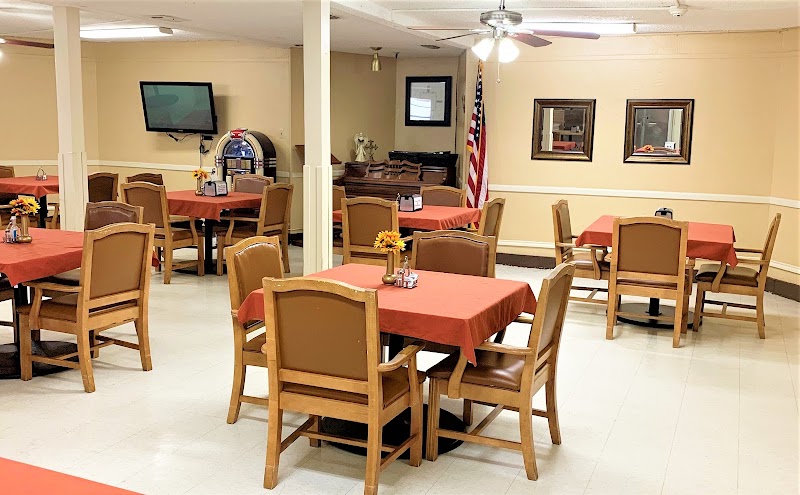
How is Devine Health & Rehabilitation Staffed?

CMS rates DEVINE HEALTH & REHABILITATION's staffing level at 3 out of 5 stars, which is average compared to other nursing homes. Staff turnover is 41%, compared to the Texas average of 46%. This relatively stable workforce can support continuity of care.

What Have Inspectors Found at Devine Health & Rehabilitation?

State health inspectors documented 14 deficiencies at DEVINE HEALTH & REHABILITATION during 2022 to 2024. These included: 14 with potential for harm.
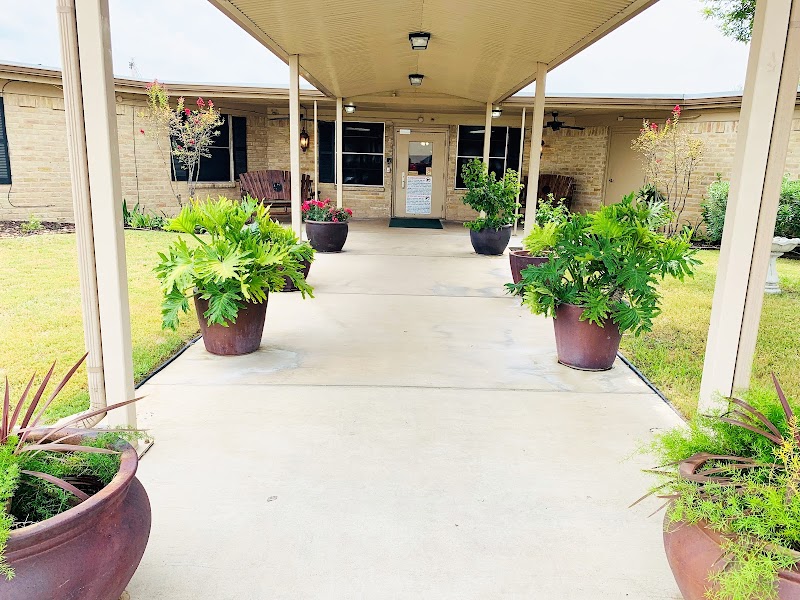
Who Owns and Operates Devine Health & Rehabilitation?

DEVINE HEALTH & REHABILITATION is owned by a for-profit company. For-profit facilities operate as businesses with obligations to shareholders or private owners. The facility is operated by CREATIVE SOLUTIONS IN HEALTHCARE, a chain that manages multiple nursing homes. With 96 certified beds and approximately 38 residents (about 40% occupancy), it is a smaller facility located in DEVINE, Texas.
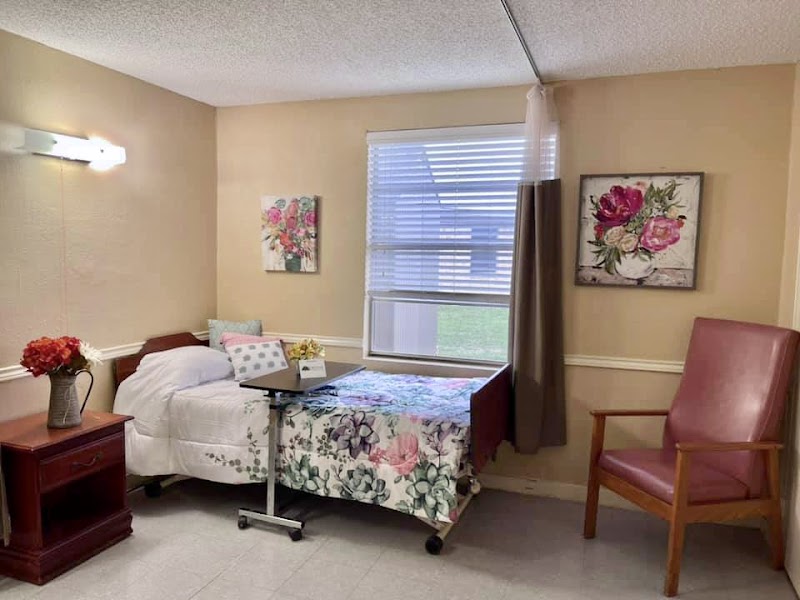
How Does Devine Health & Rehabilitation Compare to Other Texas Nursing Homes?

Compared to the 100 nursing homes in Texas, DEVINE HEALTH & REHABILITATION's overall rating (5 stars) is above the state average of 2.8, staff turnover (41%) is near the state average of 46%, and health inspection rating (5 stars) is much above the national benchmark.

What Should Families Ask When Visiting Devine Health & Rehabilitation?

Based on this facility's data, families visiting should ask: "Can I visit during a mealtime to observe dining assistance and food quality?" "How do you handle medical emergencies, and what is your hospital transfer rate?" "Can I speak with family members of current residents about their experience?"

Is Devine Health & Rehabilitation Safe?

Based on CMS inspection data, DEVINE HEALTH & REHABILITATION has a clean safety record: no substantiated abuse findings (meaning no confirmed cases of resident harm), no Immediate Jeopardy citations (the most serious violation level indicating risk of serious injury or death), and is not on the Special Focus Facility watch list (a federal program monitoring the lowest-performing 1% of nursing homes). The facility has a 5-star overall rating and ranks #1 of 100 nursing homes in Texas. While no facility is perfect, families should still ask about staff-to-resident ratios and recent inspection results during their visit.

Do Nurses at Devine Health & Rehabilitation Stick Around?

DEVINE HEALTH & REHABILITATION has a staff turnover rate of 41%, which is about average for Texas nursing homes (state average: 46%). Moderate turnover is common in nursing homes, but families should still ask about staff tenure and how the facility maintains care continuity when employees leave.

Was Devine Health & Rehabilitation Ever Fined?

DEVINE HEALTH & REHABILITATION has no federal fines on record. CMS issues fines when nursing homes fail to meet care standards or don't correct problems found during inspections. The absence of fines suggests the facility has either maintained compliance or corrected any issues before penalties were assessed. This is a positive indicator, though families should still review recent inspection reports for the full picture.

Is Devine Health & Rehabilitation on Any Federal Watch List?

DEVINE HEALTH & REHABILITATION is not on any federal watch list. The most significant is the Special Focus Facility (SFF) program, which identifies the bottom 1% of nursing homes nationally based on persistent, serious quality problems. Not being on this list means the facility has avoided the pattern of deficiencies that triggers enhanced federal oversight. This is a positive indicator, though families should still review the facility's inspection history directly.