AVIR AT DRIPPING SPRINGS
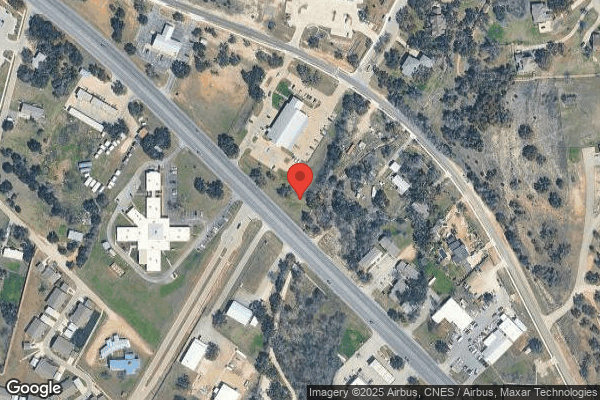
1505 W HWY 290, DRIPPING SPRINGS, TX 78620 (512) 858-5624
For profit - Limited Liability company 60 Beds AVIR HEALTH GROUP Data: November 2025
Trust Grade
65/100
#399 of 1168 in TX
Last Inspection: September 2024

Within standard 12-15 month inspection cycle. Federal law requires annual inspections.

Overview

Avir at Dripping Springs has a Trust Grade of C+, indicating it's slightly above average but not exceptional. It ranks #399 out of 1,168 facilities in Texas, placing it in the top half, and #1 out of 6 in Hays County, meaning it is the best option locally. Unfortunately, the facility is experiencing a worsening trend, with issues increasing from 5 in 2023 to 7 in 2024. Staffing is a significant concern here, rated at 1 out of 5 stars, although the turnover rate is impressively low at 0%, meaning staff stay long-term. While there have been no fines, which is a positive sign, the nursing home has received several concerning reports, including failing to ensure residents were treated with dignity and respect, and not providing adequate infection control practices, suggesting a need for improvement in care standards.

Trust Score
C+
65/100
In Texas
#399/1168
Top 34%
Safety Record
Low Risk
No red flags
Inspections
Getting Worse
5 → 7 violations
Staff Stability
○ Average
Turnover data not reported for this facility.
Penalties
✓ Good
No fines on record. Clean compliance history, better than most Texas facilities.
Skilled Nurses
⚠ Watch
Each resident gets only 13 minutes of Registered Nurse (RN) attention daily — below average for Texas. Fewer RN minutes means fewer trained eyes watching for problems.
Violations
⚠ Watch
17 deficiencies on record. Higher than average. Multiple issues found across inspections.
★★★☆☆
3.0
Overall Rating
★☆☆☆☆
1.0
Staff Levels
★★★★☆
4.0
Care Quality
★★★★☆
4.0
Inspection Score
Stable
2023: 5 issues
2024: 7 issues

The Good

  • 4-Star Quality Measures · Strong clinical quality outcomes
  • Full Sprinkler Coverage · Fire safety systems throughout facility
  • No fines on record

Facility shows strength in quality measures, fire safety.

The Bad

3-Star Overall Rating

Near Texas average (2.8)

Meets federal standards, typical of most facilities

Chain: AVIR HEALTH GROUP

Part of a multi-facility chain

Ask about local staffing decisions and management

The Ugly 17 deficiencies on record

Sept 2024 6 deficiencies
CONCERN (D)

Potential for Harm - no one hurt, but risky conditions existed

Deficiency F0558 (Tag F0558)

Could have caused harm · This affected 1 resident

**NOTE- TERMS IN BRACKETS HAVE BEEN EDITED TO PROTECT CONFIDENTIALITY** Based on observations, interviews, and record review the facility failed to ensure residents received services in the facility w...

Read full inspector narrative →
**NOTE- TERMS IN BRACKETS HAVE BEEN EDITED TO PROTECT CONFIDENTIALITY** Based on observations, interviews, and record review the facility failed to ensure residents received services in the facility with reasonable accommodations of resident's needs and preferences except when to do so would endanger the health and safety of the resident or other residents for 3 of 5 residents (Resident #6, Resident #14, and Resident #50) reviewed for resident rights. The facility failed to ensure Resident #6, Resident #14, and Resident #50's call lights were within reach on 09/24/2024. This failure could place residents at risk of needs not being met. Findings included: Record review of Resident #6's admission Record dated 09/24/2024 revealed an [AGE] year-old female admitted to the facility on [DATE] with diagnoses that included psychotic disturbance, mood disturbance, anxiety, seizures, cerebral infarction (long term effects of a stroke), type 2 diabetes mellitus with hyperglycemia (high blood sugar), heart failure, sleep apnea (breathing pauses while sleeping), weakness, seasonal allergies, vitamin D deficiency, anemia (not enough healthy red blood cells), insomnia (difficulty sleeping), hyperlipidemia (high cholesterol), hypertension (high blood pressure), hypothyroidism (excessive production of thyroid hormones), and gastroesophageal reflux disease without esophagitis (reflux). Record review of Resident #6's Quarterly MDS assessment dated [DATE] revealed Resident #6 had a BIMS score of 15, indicating resident was intact cognitively. Resident #6's MDS also revealed that the resident was dependent on staff for transfers and needed maximal assistance with bed mobility and toileting. Record Review of Resident #6's care plan dated 07/14/2024 revealed be sure the resident's call light is within reach and encourage the resident to use it for assistance as needed. The resident needs prompt response to all request for assistance. Record review of Resident #14's admission Record dated 09/26/2024 revealed a [AGE] year-old female admitted to the facility on [DATE] with diagnoses that included type 2 diabetes mellitus with hyperglycemia (high blood sugar), cramp and spasm, insomnia (difficulty sleeping), depression, anemia (not enough healthy red blood cells), hypothyroidism (excessive production of thyroid hormones), hyperlipidemia (high cholesterol), dementia (memory, thinking, difficulty), bipolar (extreme mood swings), heart disease, allergies, gastroesophageal reflux disease without esophagitis (reflux), and repeated falls. Record review of Resident #14's Quarterly MDS assessment dated [DATE] revealed Resident #14 had a BIMS score of 15, indicating resident was intact cognitively. Resident #14's MDS also revealed that the resident was dependent on staff for transfers. Record Review of Resident #14's care plan dated 08/29/2024 revealed be sure the resident's call light is within reach and encourage the resident to use it for assistance as needed. The resident needs prompt response to all request for assistance. A working and reachable call light. Record review of Resident #50's admission Record dated 08/12/2024 revealed a [AGE] year-old female admitted to the facility on [DATE] with diagnoses that included Alzheimer's disease (memory loss), type 2 diabetes mellitus with hyperglycemia (high blood sugar), dementia (memory, thinking, difficulty), depression, anxiety, hypertension (high blood pressure), and angina pectoris (chest pain caused by reduced blood flow to the heart). Record review of Resident #50's Quarterly MDS assessment dated [DATE] revealed Resident #50 had a BIMS score of 07, indicating resident was severely cognitively impaired. Resident #50's MDS also revealed that the resident was independent for transfers and bed mobility. Record Review of Resident #50's care plan dated 08/30/2024 revealed be sure the resident's call light is within reach and encourage the resident to use it for assistance as needed. The resident needs prompt response to all request for assistance. Observation of Resident #6 on 09/24/2024 at 9:00am revealed that the resident was sitting in her wheelchair watching television. Resident #6's call light was observed on the floor by the resident out of the residents reach. Observation of Resident #14 on 09/24/2024 at 11:03am revealed that the resident was sitting in her wheelchair approximately two feet from her bed. Resident #14's call light was hanging straight down to the floor with the bed pushed up against the wall. Observation of Resident #50 on 09/24/2024 at 11:05am revealed that the resident was in the bed laying down. Resident #50's call light was hanging straight to the floor and the bed was pushed up against the wall. An interview with Resident #14 on 09/26/2024 at 10:12am revealed that her call light is not always in her reach. She said that when she cannot reach her call light, she would get a hanger out of her closet and use it to pull the call light to her. She also said if the hanger does not work, she would try to get a staff member who is passing by. She said she does not get upset she would just figure out how to get the call light. An interview with Resident #6 on 09/26/2024 at 10:16am was unsuccessful. Resident #6 refused to talk to surveyor. An interview with Resident #50 on 09/26/2024 at 10:19 am revealed that half the time her call light was not in her reach. She stated when she could not reach her call light she would have to yell for help. She stated she gets upset and frustrated when her call light is not in her reach. An interview with the ADM on 09/26/2024 at 10:32am revealed that he had been trained on resident rights. He stated that the call light was to be always in the reach of the resident and available. He stated all staff were responsible for ensuring the call light was in the residents' reach. He said if the call light was not in reach of the resident, then the resident would not be able to call staff in an emergency or when they need something. He said he did not know why the residents' call lights were not in their reach. He said that the management staff were responsible for monitoring that the call lights are in the residents' reach. He said that they have a checklist that was filled out and given to him. An interview with LVN A on 09/26/2024 at 1:12pm revealed that she had been trained on resident rights. She said that the call light had to be always in the reach of the resident. She said it should be placed next to the resident so they could have easy access to the call light. She said that if the call light is not in reach of the resident the resident could fall and that the resident used the call light for a reason. She said all residents were to have their call light in reach and she was not sure why the residents did not have their call lights in reach. An interview with MA B on 09/26/2024 at 1:29pm revealed that he had been trained on resident rights. He stated that the policy was that the call light was to be always in the reach of the resident. He said that all staff were responsible for placing the call light in the reach of the resident. He said if the resident could not reach the call light they could fall or must yell out for help. He said that he thought that the call lights were not in the reach of the residents because everyone was running around, and it got missed. An interview with the DON on 09/26/2024 at 2:07pm revealed that she had been trained on resident rights. She said that the call light was to be in reach of the resident even if the resident was not in their bed. She said all staff were responsible for ensuring the call light was in the reach of the resident. She said if the call light were not in reach of the resident they could fall and injure themselves. She said that all of management were responsible for monitoring the call light placement. She said the facility monitors the call light placement by filling out the ambassador round sheet and giving it the ADM. Record review of Call Lights Policy not dated revealed the call light must always be within patients' reach. Record review of Ambassador Rounds Checklist revealed call light in reach and call light functioning were on the checklist.
CONCERN (D)

Potential for Harm - no one hurt, but risky conditions existed

Assessment Accuracy (Tag F0641)

Could have caused harm · This affected 1 resident

**NOTE- TERMS IN BRACKETS HAVE BEEN EDITED TO PROTECT CONFIDENTIALITY** Based on interview and record review, the facility failed to ensure the resident's assessment accurately reflected the resident'...

Read full inspector narrative →
**NOTE- TERMS IN BRACKETS HAVE BEEN EDITED TO PROTECT CONFIDENTIALITY** Based on interview and record review, the facility failed to ensure the resident's assessment accurately reflected the resident's status for 1 (Resident #11) of 4 residents reviewed for MDS assessments. The facility failed to include Resident #11's psychiatric diagnose on his quarterly MDS and significant change MDS. This failure could place residents at risk of not having their care and treatment needs assessed to ensure necessary care and services were provided. Findings included: Review of Resident #11's face sheet dated 09/26/2024 revealed an [AGE] year-old male with initial admission date of 09/01/2022 and with diagnoses of Alzheimer's disease, anxiety disorder, major depressive disorder, and atherosclerotic heart disease. Review of Resident #11's physician orders revealed order for Zyprexa with start date of 06/13/2024. Order revealed medication was indicated for Paranoid Schizophrenia. Further review revealed behavior monitoring order for Zyprexa to monitor for delusions and paranoia with start date of 06/06/2024. Review of Resident #11's significant change assessment dated [DATE] revealed a BIMS score of 12 which indicated he had a moderate cognitive impairment. Review of active diagnoses section on significant change assessment revealed neither bipolar disorder nor schizophrenia were selected as active diagnoses. Review of Active Diagnoses section on Resident #11's Quarterly MDS assessment dated [DATE] revealed anxiety disorder and depression were selected for psychiatric/mood disorders. Bipolar Disorder and Schizophrenia were not selected. Review of Resident #11's care plan with revision date of 06/06/2024 revealed Resident used an antipsychotic related to schizophrenia. Review of Resident #11's progress notes dated 06/2024 to 09/26/24 revealed no information regarding diagnosis change for Zyprexa. Review of Resident #11's psychiatric provider visit note dated 06/06/2024 revealed resident had some paranoia and delusions and changes would be made to help with symptoms of schizophrenia. Review revealed resident continued Olanzapine (Zyprexa) for Schizophrenia. Diagnoses included Paranoid Schizophrenia. Review of Resident #11's psychiatric provider note dated 06/13/2024 included resident would continue Olanzapine (Zyprexa) for Schizophrenia. Review of Resident #11's psychiatric provider note dated 07/18/24 included resident continued Olanzapine (Zyprexa for Schizophrenia). Review of Resident #11's psychiatric provider note dated 07/25/2024 included updated diagnosis of Bipolar for Olanzapine (Zyprexa). Review of Resident #11's psychiatric provider note dated 08/01/2024 included Resident would continue Olanzapine (Zyprexa) for Bipolar. Review of Resident #11's consent for antipsychotic medication treatment revealed that the consent for Zyprexa for bipolar disorder was signed on 07/25/2024 by the DON and NP. During an interview on 09/26/2024 at 9:55 AM, PNP she stated that Resident #11 was on Zyprexa for bipolar disorder. NP stated that she had changed the diagnosis for Zyprexa from Schizophrenia to bipolar disorder because she did not think the diagnoses was accurate. NP stated Resident #11 hallucinated, and had delusions, aggression and behavioral disturbances. She stated that Resident #11's Alzheimer's diagnosis could have contributed to his behaviors and that was why she revisited his diagnosis. NP stated that she believed it has been at least a month or two since she changed the diagnoses for Resident #11's Zyprexa. The NP stated that she talked to the DON about the change, and she also talks to nurses and the ADM about changes. During an interview on 09/26/2024 at 11:31 AM, LVN A stated that Resident #11's Zyprexa was for his schizophrenia and bipolar disorder. LVN A stated that Resident #11 had a diagnosis of schizophrenia and bipolar disorder. LVN A reviewed Resident #11's diagnoses list and stated that she did not see diagnoses of schizophrenia and bipolar disorder. LVN A reviewed Resident #11's order for Zyprexa and stated it was indicated for paranoid schizophrenia. LVN A stated that she would expect to see the diagnoses on the Resident's diagnosis list. LVN A stated she knew the resident had the diagnoses because of his behaviors. During an interview on 09/26/2024 at 11:38 AM he SW stated that Resident #11 was being seen by psychiatric provider for agitation and verbal abuse to staff. SW stated that Resident had a lot of behaviors. SW stated that he was seen weekly. SW stated that Resident #11's order read he was taking Zyprexa for Schizophrenia and that it was started in June. SW stated that they would not have attached the schizophrenia diagnosis to the order if the resident did not have the diagnosis. The SW stated that any diagnoses changes made by the psychiatric provider are communicated to the DON. The SW stated that Resident #11 did not have schizophrenia or bipolar disorder on his diagnoses list. The SW stated that she does not complete the diagnoses portion of the MDS. During an interview on 09/26/2024 at 11;31 AM, the DON stated that the MDS should have accurately reflected the resident's status. The DON stated that she does not complete the MDS, so she is unsure if the MDS accurately reflected a resident's status if it was missing diagnoses. The DON stated that information on the resident's care plan and MDS should match. The DON stated that information for the MDS assessment is gathered based off the assessment nurses completed and therapy provide to MDS coordinators. The DON stated that if a resident's order is indicated for a specific diagnosis, she would have expected it on the diagnosis list. The DON stated that she usually put a progress note in when updates are made. During an interview on 09/26/2024 at 2:37 PM, the ADM stated that he would expect a resident to have a diagnosis for which a medication was ordered. The ADM stated that the potential harm for a resident who received a medication but does not have a diagnosis for it would be an adverse effect. The ADM stated that the MDS assessment should include resident's diagnoses. The ADM stated that he expected the MDS assessment should accurately reflect a resident's status. The ADM stated that he expected resident's information on the MDS and care plan to be very similar. The ADM stated that there was a corporate MDS that oversees what information goes on the MDS. The ADM stated that information and changes were gathered during weekly UR calls to review any updates. During an interview on 09/27/2024 at 10:34 AM, the regional MDS nurse stated that she made sure everything was completed on the MDS. She stated that the MDS automatically pulled information from the Resident's active diagnoses list. She stated that she expected that they were corrected and added on the list. She stated that if there were changes then it would have been reflected on the next MDS and pull it from the list. The regional MDS stated that any new psychiatric diagnosis is communicated by the SW. The regional MDS stated that they also review information from the hospital for any changes or updates. Review of undated facility policy titled Policy for Resident Assessments revealed a reassessment shall be performed to all substantial changes in the resident's condition. This policy and procedure shall ensure that staff consistently and accurately gathers information regarding resident needs, strengths, which provides the foundation for an individualized plan of care for each resident, developed by the Interdisciplinary team.
CONCERN (D)

Potential for Harm - no one hurt, but risky conditions existed

Pharmacy Services (Tag F0755)

Could have caused harm · This affected 1 resident

Based on observation, interview and record review the facility failed to provide pharmaceutical services to assure the accurate acquiring, receiving, dispensing, and administering of all drugs and bio...

Read full inspector narrative →
Based on observation, interview and record review the facility failed to provide pharmaceutical services to assure the accurate acquiring, receiving, dispensing, and administering of all drugs and biologicals to meet the needs of each resident for 1 of 3 medication carts reviewed in that: The medication cart Contained 3 loose pills. These deficient practices could affect residents and result in a drug diversion due to medications not being properly disposed and secured. The findings were: Observation and interview with MA B on 09/25/2024 at 9:40 am of the medication cart Revealed 1 blue tablet in the right middle drawer. MA B was able to identify the 1 blue tablet as Zoloft. DON was standing next to the cart and made the same observation. Interview with MA B on 09/25/2024 at 09:45 am, he said that the loose blue pill indicated that a resident did not get their Zoloft medication today. MA B stated he holds onto the pill bags after he takes out the medications daily and places them in the middle drawer because of HIPAA rules. He said the medication bags have the resident identifiers on them. Therefore, the empty pill bags after given to the resident are placed in that drawer. MA B stated he may have missed a pill in a bag and that is why it is there. Observed MA B and DON on 09/25/2024 at 09:50 am immediately destroy the blue loose pill. DON verbalized it would be destroyed because they cannot pinpoint to whom it belongs. Observation with MA B on 09/25/2024 at 10:20 am of the medication cart for the whole building revealed 1 peach oblong tablet imprinted 68 and one peach round pill in the middle-left drawer. DON was standing next to the cart and made the same observation. The pills were immediately destroyed by both MA B and DON. Interview with MA B on 09/25/2024 at 10:20 am confirmed that there were 3 loose pills. MA B was able to identify 1 blue pill as Zoloft and 1 pink oblong tablet as Eliquis and 1 pink round tablet as Plavix. When MA B was asked if he knew why the pills were loose he voiced the blue pill was loose because it must have stayed in the package and he didn't notice. He then voiced the Eliquis and Plavix were probably loose because they are all smooshed in the cart. Interview with DON on 09/25/2024 at 10:30 AM confirmed there were loose pills in the medication cart for the whole building. DON stated the pink oblong and pink round tablet were probably loose in the cart because they are stored in pill packs and there are duplicates in that drawer which makes it tighter in such a small spot that the pill packs have so much pressure the pills come out of the packets. DON verbalized to MA B to take out all duplicates from the cart and place them in the medication room until needed.
CONCERN (E)

Potential for Harm - no one hurt, but risky conditions existed

Resident Rights (Tag F0550)

Could have caused harm · This affected multiple residents

**NOTE- TERMS IN BRACKETS HAVE BEEN EDITED TO PROTECT CONFIDENTIALITY** Based on observations, interviews, and record review, the facility failed to ensure each resident was treated with respect and d...

Read full inspector narrative →
**NOTE- TERMS IN BRACKETS HAVE BEEN EDITED TO PROTECT CONFIDENTIALITY** Based on observations, interviews, and record review, the facility failed to ensure each resident was treated with respect and dignity in an environment that promotes maintenance or enhancement of his or her quality of life for 4 of 5 residents (Resident #7, Resident #10, Resident #41, and Resident #45) reviewed for resident rights. The facility failed to ensure that Resident #7, and Resident #45 were fed their lunch in a timely manner. The facility failed to ensure that Resident #7, and Resident #10, were covered completely before transporting them in the hall to/from the shower room. The facility failed to ensure that Resident #41 were covered completely and dressed before taken to the common area. This failure placed all residents at risk for not receiving adequate care and diminished quality of life and embarrassment. Findings included: Record review of Resident #7's admission Record dated 09/25/2024 revealed the resident was a [AGE] year-old female, who was admitted to the facility on [DATE]. Resident #7's medical diagnoses included heart failure, psoriasis (skin disease), hypothyroidism (excessive production of thyroid hormones), Alzheimer's disease (brain disorder that gets worse over time), vitamin deficiency, constipation, pain and dementia (memory, thinking, difficulty). Record review of Resident #7's Quarterly MDS assessment dated [DATE] revealed that Resident #7 had a BIMS score of 99 indicating the resident was unable to complete the interview. The MDS also revealed that Resident #7 required maximal assistance with feeding. Further review revealed resident had a memory problem and her cognitive skills for daily decision making were severely impaired. Record review of Resident #7's care plan dated 08/25/2024 revealed that resident required extensive assist of one staff for eating. The care plan revealed Resident #7 was dependent on staff for meeting emotional, intellectual, physical, and social needs related to cognitive deficits. Further review revealed Resident #7 had an ADL self-care deficit and was dependent on staff for dressing and bathing. Record review of Resident #45's admission Record dated 09/25/2024 revealed the resident was a [AGE] year-old male, who was admitted to the facility on [DATE]. Resident #45's medical diagnoses included Alzheimer's disease (brain disorder that gets worse over time), constipation, type 2 diabetes mellitus without complications (high blood sugar), hyperlipidemia (high cholesterol), delirium (a state of confusion), psychotic disorder with hallucinations and delusions, Schizophrenia (mental disorder), heart failure, depression, insomnia (difficulty sleeping), and disturbances of salivary secretions (blockage of a salivary gland). Record review of Resident #45's Quarterly MDS assessment dated [DATE] revealed that Resident #45 had a BIMS score of 99 indicating the resident was unable to complete the interview. The MDS also revealed that Resident #45 required maximal assistance with feeding. Record review of Resident #45's care plan dated 07/14/2024 revealed that resident was dependent on one staff for eating. Review of Resident #10's face sheet dated 09/26/2024 revealed a [AGE] year old female admitted initially on 07/22/2022 with diagnoses of bipolar disorder (mental illness that causes extreme shifts in mood, energy and activity levels), paraplegia (chronic condition that involves loss of motor or sensory function in lower body, including the legs, feet and toes), and chronic kidney disease (a condition that occurs when the kidneys are damaged and can't filter blood properly). Review of Resident #10's annual MDS assessment dated [DATE] revealed resident had a BIMS score of 15 which indicated she was cognitively intact. Review of Resident #10's care plan dated 04/04/2024 revealed resident is dependent on staff for meeting emotional, intellectual, physical, and social needs related to physical limitations. Further review revealed Resident #10 had an ADL self-care deficit related to paraplegia and required assistance with 1-2 staff for bathing and dressing. Review of Resident #41's face sheet dated 09/26/2024 revealed a [AGE] year-old female initially admitted on 0007/2022 with diagnoses of Alzheimer's disease (brain disorder that gradually destroys memory and thinking skills), anxiety disorder (mental health condition that cause uncontrollable and excessive feelings of fear or anxiety), and dementia (a progressive condition that causes a decline in cognitive abilities). Review of Resident #41's quarterly MDS assessment dated [DATE] revealed resident was unable to complete BIMS. Further review revealed Resident #41 had a memory problem and her cognitive skills for daily decision making were severely impaired. Further review revealed resident had an ADL self-care deficit related to Alzheimer's and dementia with interventions that she required assistance with dressing. Review of Resident #41's care plan dated 10/03/2023 revealed that Resident #41 is dependent on staff for meeting emotional, intellectual, physical, and social needs related to cognitive deficits. Observation of lunch dining services on 09/24/2024 at 12:35pm revealed that Resident #45's meal tray was placed in front of him by LVN B. Staff then walked off and did not come back to feed the resident until 12:43pm. At 12:39pm Resident #45 was observed trying to get his food so he could eat. Observation of lunch dining services on 09/24/2024 at 12:39pm revealed Resident #7's meal tray was placed in front of her and uncovered by CNA C. Staff did not come back to feed her until 12:46pm. Observation on 09/25/2024 at 10:58 AM revealed Resident #7 was taken by CNA E in a shower wheelchair down the hall to the shower room. Further observation revealed that Resident #7's side of her leg up to her thigh and lower back was exposed through the shower chair. Observation on 09/25/2024 at 11:00 AM revealed Resident #10 was taken by CNA F from the shower room in a shower wheelchair to her room. Further observation revealed Resident #10 had a towel wrapped around her body with her lower back and upper buttock exposed through the shower wheelchair. Observation on 09/24/2024 at 1:22 PM revealed Resident #41 sat in a common area without pants. Resident's brief was visible as well as her thigh and the side of her calves. An interview with Resident #7 on 09/24/2024 at 9:45am was unsuccessful resident did not respond to surveyor. She just looked at the surveyor. An interview with Resident #45 on 09/24/2024 at 12:39pm was unsuccessful, resident just continued to try to get his food. An interview with the ADM on 09/26/2024 at 10:36am revealed all staff have been trained on resident rights. He stated that the policy for feeding residents who need assistance was that staff were to alert the resident, give them a bite and the meal tray was not to be uncovered until staff were ready to feed the resident. He said that staff were to give the residents who could feed themselves their tray first and then go back and give the residents who need assistance feeding their tray. He said staff were to sit down and feed the resident when the resident got their tray. He said if staff did not feed the resident when he or she got their tray the resident could get missed or not eat at all. He said that the resident would probably feel left out or get upset if staff put their tray in front of them and did not feed them. He said the charge nurse was responsible for overseeing the residents got fed. He said that the nurses monitor this by observation only. He said he did not know why the residents had to wait to be fed. During an interview on 09/24/2024 at 1:25 PM, Resident #41 was unable to answer simple questions and was confused. During an interview on 09/26/2024 at 11:10 AM, CNA E stated that the process for showers was to get the resident's clothes ready and put them in a clean bag. CNA E stated that if a resident utilized the Hoyer Lift they were wheeled down to the shower room in the shower chair. CNA E stated that the residents are undressed for their shower in their rooms. CNA E stated that there is a shower cover and that the shower cover was supposed to cover the resident. CNA E stated that only the shower cover was supposed to be on and cover their whole body. CNA E stated that was no need to use sheets to cover the residents. CNA E stated that no part of their skin was supposed to be exposed and this included the resident's lower back. CNA E stated that residents were supposed to have clothes on in the common areas and dining room and this includes bottoms, and their brief should not be exposed. During an interview on 09/26/2024 at 11:20 AM, CNA F stated that staff helped residents get undressed in their room before their shower. She stated that a shower cover is put over the resident and they were not supposed to leave their shirt on. She stated that the shower cover should cover all the resident and no part of the skin should be visible when they were taken to the shower room. CNA F stated that residents are supposed to be dressed for the day and this included to have pants on. CNA F stated that resident should not be in just their brief in the dining room or common areas. During an interview on 09/26/24 at 11:26 AM LVN A stated residents were undressed in their room before they were taken to the shower room. LVN A stated that the residents top was usually left on, and the shower cover is put over them. LVN A stated that the shower cover was supposed to cover all their skin and no part of the resident was supposed to be exposed and this included their lower back. She stated that the shower cover went down to the resident's knees. LVN A stated that residents were supposed to have clothes on in common areas and this included bottoms. LVN A stated that residents should not be in their brief in the dining room. During an interview on 09/26/24 at 11:44 AM SS H stated when residents are being transferred to a shower, they were supposed to be fully covered. SS H stated that it was imperative that they were covered completely because they may have to go from one hall to another and go through common area. SS H stated that the harm would be that they would not have their dignity, privacy and common courtesy. SS H stated that no one would have wanted anyone to see them without clothes. SS H stated that residents should have their shirt and pants on when in the common areas. SS H stated that residents should not be in common areas in just a brief. An interview with LVN A on 09/26/2024 at 1:15pm revealed that she had been trained on resident rights. She stated the policy for assisting resident with meals was that staff were to pass all the trays to the residents and if a resident needs assistance with eating their food was to stay covered until the staff could feed the resident. She said if staff put the resident's food in front of them, they could get burned or their food could get cold. She said she did not know how it could make the resident feel because the ones that need help feeding cannot talk. She said she did not know why the residents had to wait to get fed or why the meal tray for Resident #7 was uncovered. An interview with CNA C on 09/26/2024 at 1:54pm revealed she had been trained on resident rights. She stated the policy for feeding residents that needed assistance was as soon as the tray was delivered to the resident, staff were to sit down and help the resident eat. She said that if staff put the resident's tray down in front of them and walked off the resident may not get fed. She said staff not feeding the resident when he or she got their tray could make the resident feel bad. She said staff should never put the resident's meal tray down in front of them and walk off without feeding the resident. She stated that she did not know why staff did not sit and feed the residents when their meals were delivered. An interview with the DON on 09/26/2024 at 2:18pm revealed she had been trained on resident rights. She stated that staff were to pass the meal trays and keep them covered until staff were ready to feed the resident. She said that if the meal tray was put down in front of the resident and staff walked off without feeding the resident, the food could get cold. She also said that if the food sat too long the resident could get sick. She said the resident could get hungry and upset as well. She said the resident may wonder why staff are not feeding them. She said she would hope that the staff were explaining to the resident what was going on. She stated she did not know why the resident's food was uncovered and both residents had to wait to be fed. She said that all of management were responsible for monitoring that residents were being fed. She stated that management monitors by checking the dining rooms to ensure that there were enough staff. During an interview on 09/26/24 at 02:26 PM the DON stated that it was her expectation that residents should be clean, their hair should be neat they should be shaved, and their outfit should be clean for the day. The DON stated that the residents should be wearing clothes and she would not expect a resident to just be in their brief. The DON stated that residents should not be in their brief in the dining room or common area. The DON stated that when residents are being taken to and from the shower, she expects that the was resident is fully covered. She stated that the resident's dignity would be at risk if they were exposed or in only their brief. During an interview on 09/26/24 at 02:37 PM the ADM stated that he expected that residents be put together for the day, and this included hygiene and hair made. He stated that they should not be in only their brief and he would expect the residents to be the way he would want his mom or grandparent to be presented. The ADM stated that it was not acceptable to be able to see their brief in common areas. The ADM stated that he expected residents be fully covered going to and from the shower. The ADM stated that the top of their buttock, lower back and sides should not be showing. The ADM stated that the potential harm was that going down the hall there may be people around and the resident could be embarrassed if they are exposed. Review of facility in-service dated 02/14/2024 reflected that resident rights were reviewed which included that resident had the right to privacy and dignity. Review of facility policy titled Resident Right- Respect, Dignity/Right to have Personal Property dated 10/24/2022 reflected it is the policy of the facility to provide care and services in such a manger to acknowledge and respect resident rights. Further review revealed that residents have the right to be treated with dignity. Record review of Feeding the Resident Policy revealed the purpose of this policy was to provide nourishment to all who cannot or will not feed themselves. The policy did not cover feeding the resident as soon as the tray is passed. The policy is as followed. 1. Wash hands 2. Bring equipment and prescribed diet to bedside table or feeding table. 3. Identify resident and explain procedure. 4. Cover resident's upper body with bib to prevent soiling of clothing. 5. Alternate food offered. a. Make sure food and liquids are not hot. b. Make sure to follow thickened liquids per diet card. 6. If feeding a resident who is paralyzed on one side, place food in the side of the mouth that is not paralyzed. 7. Allow resident time to finish, do not rush the resident. 8. Make sure the resident has had enough to eat or drink according to their diet, offer seconds or substitutes. 9. Wipe the resident's mouth and hands when they are finished eating. 10. Wipe any clothing that has been soiled with food or change clothing if necessary. 11. Wash hands 12. Report any unusual events such as coughing or choking or decreased intake to the charge nurse.
CONCERN (E)

Potential for Harm - no one hurt, but risky conditions existed

Deficiency F0679 (Tag F0679)

Could have caused harm · This affected multiple residents

**NOTE- TERMS IN BRACKETS HAVE BEEN EDITED TO PROTECT CONFIDENTIALITY** Based on observation, interview, and record review, the facility failed to provide an ongoing program of activities based on the...

Read full inspector narrative →
**NOTE- TERMS IN BRACKETS HAVE BEEN EDITED TO PROTECT CONFIDENTIALITY** Based on observation, interview, and record review, the facility failed to provide an ongoing program of activities based on the comprehensive assessment to meet the interests and support the physical, mental, and psychosocial well-being of 4 of 4 (Residents #7, #13, #29 and #30) residents reviewed for activities. 1. The facility did not provide Resident #7, , #29 and #30 with individual or group activities. These failures placed residents at risk for a decline in their physical, mental, and psychosocial well-being due to a lack of ongoing activities. Findings included: Review of the September 24-26 2024 Activity Calendar for the week of 09/01/2024- 09/07/2024 reflected the following: Tuesday 09/24/2024 08:45 Daily Chronicle word search 09:45 Exercise 10:00 Question of the day 10:30 Red Hat w/pop corn 2:00 Beading 3:00 Dominoes Group Wednesday 09/25/2024 08:45 a.m. Daily Chronical Word Search 09:45 Rosary 11:00 a.m. Music on request 02:30 Rummikub 3:00 pm Dominoes Group Thursday 09/26/2024 08:45 Daily Chronicle Word Search 09:45 Exercise 10:00 Question of the Day 10:30 Bingo with [NAME] 02:00 p.m. Pretty Nails 03:00 p.m. Dominoes Group Review of the 09/25/2024 face sheet for Resident #7 reflected a [AGE] year-old female had an original admission date of 09/18/2016 and re-admitted to the facility on [DATE] with diagnoses of Multiple Sclerosis, Type 2 Diabetes Mellitus without complications, Hyperlipidemia (high cholesterol essential (primary) Hypertension (high blood pressure), Heart failure, Psoriasis (skin Disease), Hypothyroidism (excessive production of thyroid hormones, Alzheimer's disease (type of dementia that affects memory, thinking and behavior), Vitamin Deficiency, Constipation, Age-related osteoporosis without current pathological fracture, pain (joint pain), unspecified dementia (memory, thinking difficulty), , without behavioral disturbance, psychotic disturbance, mood disturbance, and anxiety. Review of the annual MDS assessment for Resident #7 dated 08/08/2024 reflected a BIMS score of 00, indicating that the resident's cognition was too impaired to participate in the assessment. The MDS also revealed that the resident was dependent on staff for activities. Review of the care plan for Resident #7 dated 02/22/2019 reflected the following: Resident #7 is dependent on staff for meeting emotional, intellectual, physical and social needs r/t: cognitive deficits, physical limitations. Observation of Resident #7 on 09/25/2024 at 9:37 a.m. resident has been sitting in front of TV today after meals. Resident was not observed in any activities. Observation of Resident #7 on 09/25/2024 at 2:47 p.m. revealed the resident, sitting in front of TV again. Activity was scheduled for 2:30 p.m. and scheduled resident council for 2:30 p.m. as well. Resident along with other residents were sat by staff in front of the TV with no activity. At 3:10 p.m. Observed resident sitting in front of the TV. Review of the undated face sheet for Resident #29 reflected an [AGE] year-old female admitted to the facility on [DATE] with diagnoses of Alzheimer's disease, Chronic obstructive pulmonary disease (chronic progressive lung disease), edema (swelling), Hypokalemia (low potassium), Chronic embolism and thrombosis of unspecified deep veins of left lower extremity (blood clot in blood vessels), Circadian rhythm sleep disorder (pause in heart during sleep), delayed sleep phase type, Bipolar disorder (severe mood disorder), constipation, major depressive disorder, recurrent, insomnia (difficulty sleeping) , Essential (primary) Hypertension (high blood pressure), Tachycardia (fast heart rate), Anxiety disorder, Anemia (not enough healthy red blood cells), Polyneuropathy (damage affecting the nerves) , and Allergic rhinitis (allergies). Review of the annual MDS assessment for Resident #29 dated 07/12/2024 reflected a BIMS score of 15 , indicating she is cognitively intact. Review of the care plan for Resident #29 dated 07/26/2022 reflected the following: Resident does not attend activities due to personal choice and/or acute/chronic medical condition. There was not an activity assessment completed for the resident. In an interview on 09/24/2024 with Resident #29 at 08:42 am resident stated she does not attend activities because they are elementary style, and she just stays in her room. Reading books, knitting and doing crossword puzzles. Resident stated I would be more open to do them if they were higher level things, but they are not. So, I rather be alone in my room. Asked resident how she felt about not having group activities that met her interests and she voiced I don't care to be out with other residents. I prefer to stay in my room and do my own things such as knitting, watching TV and crossword puzzles. Review of the 08/29/2024 progress notes for Resident #29 reflected There is no change in residents' activity preferences. Observation on 09/24/2024 at 08:42 a.m. revealed Resident #29 was sitting up in bed watching TV. Observation on 09/25/2024 at 11:15 a.m. revealed Resident #29 was sitting up in bed watching TV and working on a cross word puzzle. No observations were made of Resident #29 involved in any group activities. Review of the face sheet for Resident #30 reflected an [AGE] year-old male admitted to the facility with an initial admission date of 10/03/2019 and a re-admission date on 3/15/2020 with diagnoses of other seasonal, allergic rhinitis (allergies), Bilateral Primary Osteoarthritis of knee (arthritis in the knee), Personal history of COVID-19, anxiety disorder, Atherosclerotic heart disease of native coronary artery without angina pectoris (heart disease), Left bundle-branch block (a delay or block of electrical impulses to the left side of the heart), and constipation. Review of the annual MDS for Resident #30 dated 06/27/2024 reflected a BIMS score of 10, indicating a moderate cognitive impairment. In section F (F0400) on his MDS assessment the resident was asked the following question: How important is it to you to do your favorite activities. Resident rated this question with a 1 indicating it is very important. Review of the care plan item for Resident #30 dated 3/15/2024 reflected the following: The resident is dependent on staff for meeting emotional, intellectual, physical and social needs related to impaired cognitive function/dementia. Resident's activity preferences are reading, nature, snacks and live entertainment. Resident has bonding with facility bird named Mango. He spends most of his time with his bird. Review of progress notes for Resident #30 dated 09/25/2024 reflected: There is no change in resident's activity preferences. Observation on 09/26/2024 at 09:29 a.m. resident #30 was sitting in common area where other residents were watching TV and he was sitting with the facility bird Mango. During an interview on 09/24/2024 at 11:49 a.m., Resident #30 stated he does not really have many activities to do here at the facility. Resident stated he used to work for a company where he was outdoors all the time. Asked the resident how he felt about not having many activities to do at the facility and how he felt about it, he responded they keep this place so clean, we can't really do much. During an interview on 09/26/2024 at 9:29 a.m., Resident #30 stated all we do here is sit and watch people. They keep the place so neat and clean. I would like to have activities outdoors such as a washer's game, with other residents. In an interview on 09/24/2024 at 2:51 p.m., DON stated she has observed bed-bound residents listen to music in their room as an activity. DON verbalized that BINGO is an important thing at the facility. In an interview on 09/24/2024 at 1:28 PM the Activities Director (AD). stated that bed bound residents are provided with music and hand massages on Fridays from her. AD stated that she is also charges the phone for bed bound residents so they can call their families AD explained that the activities calendar is color coded, black is regular activities, red is for popular activities and blue is for new activities. AD stated that she gets residents engaged in activities by asking residents that attend resident council for choices or ideas. AD stated that morning activities are provided in the morning because residents usually take naps in the afternoons. She has smaller group activities in the afternoon because of this reason. AD will be on vacation for the next 3 weeks; therefore, she will have volunteers coming in to assist with daily activities and when they cannot come in the resident council president will step in to provide daily activities for all the residents. When asked AD if resident #29 had other activities offered other than knitting, crossword puzzles and watching TV in her room. The AD replied Resident #29 doesn't come out of her room much, so I just give her things she requests, I bring her knitting materials and take her crossword puzzles if she asks for them. When asked AD if resident #30 got to go outside often, she voiced he likes to talk to our bird Mango and walk the halls. In an interview on 09/26/2024 at 9:55 a.m., CNA E stated she has observed residents doing BINGO and music for activities. But mainly BINGO. CNA E stated she has not seen residents that are bed-bound do any activities. In an interview on 09/26/2024 at 1:45 p.m., CNA F stated she has observed residents doing BINGO, exercises and on Mondays they do the bucks they earned, they turn them in for snacks, nail care, therapy takes them out to do activities to play volleyball.
CONCERN (E)

Potential for Harm - no one hurt, but risky conditions existed

Infection Control (Tag F0880)

Could have caused harm · This affected multiple residents

Based on observation, interview, and record review, the facility failed to maintain an infection prevention and control program designed to provide a safe, sanitary, and comfortable environment and to...

Read full inspector narrative →
Based on observation, interview, and record review, the facility failed to maintain an infection prevention and control program designed to provide a safe, sanitary, and comfortable environment and to help prevent the development and transmission of communicable diseases and infections for 4 (CNA D, HK G, MA B, and AD) staff members reviewed for hand hygiene. HK G, CNA D, MA B, and AD failed to perform hand hygiene when performing tasks for or around residents and their environment. 1. HG failed to perform hand hygiene in between cleaning resident rooms and failed to remove gloves after cleaning in resident rooms. 2. CNA D failed to perform hand hygiene after she removed bagged dirty linen from a resident room and entered another resident's room and proceed to assist another resident. 3. MA B failed to perform hand hygiene in-between medication pass with residents and failed to sanitize a blood pressure cuff in-between resident use. 4. AD failed to perform hand hygiene before passing snacks to residents and after she touched her face and hair. These failures placed residents at an increased risk of exposure to infections to include COVID-19, decreased quality of life or hospitalization. Findings include: Observation on 09/24/2024 at 7:53 AM revealed MA B did not perform hand hygiene before he prepared medications for a resident. Further observation revealed MA B exited a resident room and did not perform hand hygiene. MA B prepared medication for another resident and did not perform hand hygiene prior to preparing medications. Observation on 09/24/2024 at 7:55 AM revealed MA B did not sanitize the community blood pressure cuff prior to it being utilized. Observation on 09/24/2024 at 8:05 AM revealed MA B did not perform hand hygiene prior to preparing medications for a resident. MA B utilized the blood pressure cuff on a resident and did not sanitize it prior to or after use. Further observation revealed MA B exited a resident room and did not perform hand hygiene prior to entering another resident room. Observation on 09/24/2024 at 8:18 AM revealed that MA B did not sanitize the blood pressure cuff and utilized it on a resident. MA B proceeded to exit the resident room and did not perform hand hygiene. Observation on 09/24/2024 at 10:48 AM, revealed HK G took gloves off after she exited a resident's room and did not perform hand hygiene. HK G then entered another resident's room to clean. Observation on 09/24/2024 at 10:51 AM revealed AD passed out snacks during an activity and did not perform hand hygiene in between residents. AD did not have gloves on while snacks were passed out. Observation on 09/24/2024 at 10:54 AM revealed AD pushed hair out of her face and then proceeded to pass out snacks and drinks to residents in a common area without performing hand hygiene. Observation on 09/24/2024 at 10:57 AM revealed AD continued to pass out snacks and did not perform hand hygiene. Further observation revealed hand sanitizer was not present on the snack cart. Observation on 09/25/2024 at 11:20 AM revealed CNA D exited a resident room with a bag of dirty clothes. CNA D placed the bag in the dirty clothes bin and did not perform hand hygiene. CNA D then entered another resident room. CNA D exited the resident room without performing hand hygiene and assisted another resident in their wheelchair. Observation on 09/26/2024 at 10:29 AM revealed HK G put on gloves and did not perform hand hygiene. HK G took out a resident's trash from their room and placed the trash bag in a cart. HK G kept the gloves on and proceeded to get the roommate's trash and placed the trash bag in the cart. Observation revealed HK G kept the same pair of gloves on and then proceeded to clean the residents' room with the gloves she took out the trash with. During an interview on 09/26/2024 at 10:36 AM, CNA D stated that they were supposed to perform hand hygiene anytime to enter a resident's room and when they exited a resident's room. She stated that they should clean their hands after they have taken dirty clothes or linen to the bin. CNA D stated that hands were also supposed to be cleaned after they removed gloves. During an interview on 09/26/2024 at 10:42 AM HK G stated that she has worked at the facility for 17 years. She stated that she had received training on hand hygiene and when to wash her hands. She stated that she used gloves, took them off, and washed them per room. She stated that when she was done cleaning the room, she was supposed to take off her gloves. During an interview on 09/26/2024 at 11:10 AM, CNA E stated that staff were supposed to perform hand hygiene often. She stated that staff should wash their hands after they remove gloves and after they take out dirty clothes. During an interview on 09/26/2024 at 11:20 AM, CNA F stated that staff were supposed to perform hand hygiene after they removed gloves. CNA F stated that they should also wash hands after removing dirty linen and after leaving a resident's room. During an interview on 09/26/2024 at 11:26 AM, LVN A stated that hand hygiene should be performed prior to going into a patient's room and after they exit. She stated that if they are taking out dirty linen or trash, hand hygiene should be performed after. LVN A stated that anytime they are going to work with a resident they should wash or sanitize their hands. During an interview on 09/26/2024 at 1:29 PM, MA B stated that he has worked here for almost a year. He stated that he had not been trained on hand hygiene when he first started. He stated that hand hygiene should be performed between every three residents during medication pass unless they are going to do nose or eye drop then they would wash their hands before and after. He stated that community supplies such as blood pressure cuffs are wiped down once a shift and that it is not usually cleaned in between residents. During an interview on 09/26/2024 at 2:07 PM, the DON stated that hand hygiene should be performed before starting anything with residents, in between gloves changes and if staff noticed their hands are dirty. She stated that she expected hand hygiene also be performed when passing out snacks. The DON stated that blood pressure cuffs should also be sanitized in between resident use. The DON stated that hand hygiene should also be performed after gloves are taken off in between working with residents. During an interview on 09/26/2024 at 2:00pm, the ADM stated that he expected hand hygiene be performed before any treatments and in-between treating residents. She stated that hand hygiene should be performed when staff go from one resident to another. He stated that staff should not have the same gloves on from one resident to another after taking out their trash. He stated that community equipment such a blood pressure cuff should be sanitized in between each resident. He stated that the potential harm of not sanitizing or performing hand hygiene was the transmission of bacteria, illness and viruses and spreading germs. Review of undated facility policy titled Hand Washing revealed the purpose of hand washing is to decrease the risk of transmission of infection by appropriate hand hygiene. Further review reflected that hand washing is required before and after a procedure that involved direct or indirect contact with a resident, after contact with any wastes or contaminated materials, before handling any food or food receptacle, or at any time the hands are soiled.
May 2024 1 deficiency
CONCERN (D) 📢 Someone Reported This

A family member, employee, or ombudsman was alarmed enough to file a formal complaint

Potential for Harm - no one hurt, but risky conditions existed

Report Alleged Abuse (Tag F0609)

Could have caused harm · This affected 1 resident

**NOTE- TERMS IN BRACKETS HAVE BEEN EDITED TO PROTECT CONFIDENTIALITY** Based on observation, interview, and record review, the facility failed to ensure all alleged violations involving abuse or negl...

Read full inspector narrative →
**NOTE- TERMS IN BRACKETS HAVE BEEN EDITED TO PROTECT CONFIDENTIALITY** Based on observation, interview, and record review, the facility failed to ensure all alleged violations involving abuse or neglect were reported immediately or no later than 24 hours for one (Resident #1) of four residents reviewed for abuse and neglect, in that: The facility failed to report to HHSC an allegation that Resident #1 was overdosed with opioid medication. This failure could place residents at risk of abuse or neglect. Findings included: Review of Resident #1's undated face sheet reflected a [AGE] year-old male who was admitted to the facility on [DATE] with diagnoses including type II diabetes, paranoid schizophrenia, major depressive disorder, history of heart attack, hypertension (high blood pressure), chronic pain, and age-related physical debility. Review of Resident #1's quarterly MDS assessment, dated 05/04/24, reflected a BIMS of 6, indicating a severe cognitive impairment. Section J (Health Conditions) reflected he had occasional pain and received PRN pain medication. Review of Resident #1's quarterly care plan, revised 02/05/24, reflected he experienced severe/almost constant pain at times with an intervention of administering medications as ordered by physician. Review of Resident #1's physician order, dated 02/08/24, reflected Fentanyl Transdermal Patch 72 Hour 25 MCG/HR - Apply 2 patches trans dermally every 72 hours for pain related to chronic pain syndrome. Review of Resident #1's physician order, dated 04/29/24, reflected Fentanyl Patches were discontinued. Review of Resident #1's progress notes in his EMR, dated 04/28/24 at 10:45 AM and documented by LVN A, reflected the following: After breakfast, CNA report [Resident#1] has a white substance in his mouth - nothing missing from his tray. [Resident #1] unable to swallow. Cleaned out mouth. He is difficult to arouse. Grip strength intact - able to follow that command. Able to follow finger with right eye, but he is not opening left eye on command . BG taken: first attempt read Low second attempted 68. On-call paged, awaiting call back with further instruction. Review of Resident #1's progress notes in his EMR, dated 04/28/24 at 11:12 AM and documented by LVN A, reflected the following: Called EMS r/t declining clinical status as noted previously . Review of Resident #1's EMS records, dated 04/28/24, reflected the following: [Resident #1]'s airway was open w/ decreased respiratory effort noted . NH staff stated that they have been unable to wake [Resident #1] up this morning, and that he has been lethargic. Staff stated they had noticed that [Resident #1] had shallow respirations. The staff denied any recent illness, fever, or trauma, and no trauma was noted. EMS located a Fentanyl patch on [Resident #1]'s L shoulder and removed the patch. .Placed [Resident #1] on O2 at 2 LPM via ETC02 N/C . Administered 1 mg Narcan via IN route . En route [Resident #1] begins to wake up and is A&O to self with GCS of 14 . Review of Resident #1's ER records, dated 04/28/24, reflected the following: Altered mental status due to opiate overdose. During an observation and interview on 05/16/24 at 10:02 AM, revealed Resident #1 in his room. He was pleasantly confused and did not remember going to the hospital recently. During an interview on 05/16/24 at 1:11 PM, the ADM stated he would make a report to HHSC when there was an allegation of abuse, neglect, actual harm, or a drug diversion. He stated he learned of the allegation of a drug overdoes for Resident #1 on Monday, 04/29/24. He stated due to him being on the correct dosage of Fentanyl that he had been on for months and the hospital not doing any blood work, he and his team believed it was just an allegation as there was no proof. He stated failing to report to HHSC when necessary, could lead to something slipping through the cracks or actual abuse or neglect of residents taking place. Review of the facility's undated Abuse and Neglect Policy, reflected the following: Purpose: To ensure that the facility is doing all that is within its control to prevent occurrences of abuse, neglect, involuntary seclusion and misappropriation of resident's belongings or money. Procedure: The Administrator and/or Designee is responsible for maintaining ALL facility policies that prohibit abuse, neglect, involuntary seclusion and misappropriation of resident's property to include the following: . Reporting of Incidents, investigations and facility response to results of investigations to all appropriate regulatory entities.
Jul 2023 5 deficiencies
CONCERN (D)

Potential for Harm - no one hurt, but risky conditions existed

Assessment Accuracy (Tag F0641)

Could have caused harm · This affected 1 resident

**NOTE- TERMS IN BRACKETS HAVE BEEN EDITED TO PROTECT CONFIDENTIALITY** Based on interviews and record reviews, the facility failed to provide an MDS assessment that accurately reflected the resident'...

Read full inspector narrative →
**NOTE- TERMS IN BRACKETS HAVE BEEN EDITED TO PROTECT CONFIDENTIALITY** Based on interviews and record reviews, the facility failed to provide an MDS assessment that accurately reflected the resident's status for one resident (#58) of three residents reviewed for accurate assessments in that: Resident #58's MDS inaccurately reflected he discharged to the hospital. This deficient practice could affect residents who receive MDS assessments and could result in disruption of continuity of care. The findings were: Review of Resident #58's electronic face sheet dated 07/26/2023 revealed he was admitted to the facility, on 6/8/23, with diagnoses of cerebral infarction (occurs because of disrupted blood flow to the brain due to problems of the blood vessels that supply it), major depressive disorder (a mood disorder that causes a persistent feeling of sadness and loss of interest that can interfere with daily routines), anemia (results from lack of red blood cells, and can cause fatigue, skin pallor and shortness of breath) and diabetes mellitus (metabolic disease, involving inappropriately elevated blood glucose levels). Review of Resident #58's discharge MDS assessment dated [DATE] revealed under section A2100, revealed he was discharged to 03. Acute Hospital. Review of Resident #58's progress notes dated 06/14/2023 at 3:26 pm.by the SW revealed the resident discharged to an assisted living and transported by his son. Interview on 07/27/2023 at 1:00 p.m. with the SW revealed that there was discussion about where Resident #58 would discharge, but that he discharged to an assisted living facility and not to the hospital. Interview on 07/28/2023 at 12:00 p.m. with the DON revealed that Resident #58's MDS at discharge needed to reflect accurately where the resident went and this was important for resident information and continuity of care. Interview on 07/28/2023 at 12:50 p.m. with RN A revealed she completed Resident #58's MDS and there was discussion about where he was going and that it was her mistake. She stated had him discharged to the hospital instead of to the community. She stated an accurate MDS assessment was important for continuity of care and services for a resident. Review of the facility policy and procedure titled Minimum Data Set (MDS) Policy for MDS assessment Data Accuracy (undated) revealed According to CMS's RAI Version 3.0 Manual; the MDS is a core set of screening, clinical, and functional status elements, including common definitions and coding categories, which forms the foundation of a comprehensive assessment for all residents of nursing homes certified to participate in Medicare or Medicaid. The items in the MDS standardize communication about the resident problems and conditions, within nursing homes, between nursing homes and outside agencies .Federal regulations require that the assessment accurately reflects the resident's status.
CONCERN (D)

Potential for Harm - no one hurt, but risky conditions existed

Medical Records (Tag F0842)

Could have caused harm · This affected 1 resident

**NOTE- TERMS IN BRACKETS HAVE BEEN EDITED TO PROTECT CONFIDENTIALITY** Based on interviews, and record reviews the facility failed to maintain medical records on each resident that are complete; accu...

Read full inspector narrative →
**NOTE- TERMS IN BRACKETS HAVE BEEN EDITED TO PROTECT CONFIDENTIALITY** Based on interviews, and record reviews the facility failed to maintain medical records on each resident that are complete; accurately documented; readily accessible; and systematically organized, for 1 of 22 residents (Resident #13) reviewed for accurate medical records, in that: Resident #13's electronic medical record inaccurately care planned an anti-convulsive medication as an anti-Parkinson's medication. This failure could cause confusion about the residents diagnoses and place residents at risk for harm due to inaccurate records. The findings included: Record review of Resident #13's face sheet dated 7/27/2023 revealed the resident was admitted to the facility on [DATE] and had diagnoses that included bipolar disorder (a disorder associated with episodes of mood swings ranging from depressive lows and manic highs), paraplegia unspecified (a type of paralysis that affects movement of the lower half of the body), type 2 diabetes mellitus (a chronic condition that affects the way the body processes blood sugar/glucose), cognitive communication deficit, and essential hypertension (abnormally high blood pressure that is not the result of high blood pressure). Record review of Resident #13's Quarterly MDS assessment dated [DATE] revealed the resident had a BIMS score of 15, which indicates the resident was cognitively intact, and she requires extensive assistance of 2 staff members with bed mobility, dressing, and toilet use. Record review of Resident #13's care plan revealed a care plan initiated 7/26/2022, noting, The resident is on anti-Parkinson's therapy (medication used to treat Parkinson's disease-a disorder of the central nervous system where nerve cell damage causes dopamine levels to drop) Depakote (an anti-convulsant, dopamine antagonist used to treat seizures and bipolar disorder) r/t bipolar disorder. Review of Resident #13's diagnoses listed in the resident electronic record revealed the resident did not have Parkinson's disease. In an interview on 7/27/2023 at 11:10 a.m. with the DON she reported she created the care plan for Resident #13's bipolar disorder and prescribed Depakote. The DON reported she was aware that Depakote was an anti-convulsant medication that could also aide in mood stabilization of bipolar disorder. The DON reported the computer generates the care plans and there was not an option for anti-convulsant medication. The DON reviewed Resident #13's care plan and reported she was able to correct it. In an interview on 7/27/2023 at 11:20 a.m. with the DON she reported she created the care plans based on Resident #13's record and diagnoses, and that a corporate nurse completed the MDS. The DON reported there could be some confusion with the resident's care due to referring to the resident's anti-convulsive medication as an anti-Parkinson's medication when Resident #13 did not have Parkinson's disease. Review of an In-Service Training Report, not dated, provided by the facility revealed, Care plans should be developed for each resident that reflects an accurate picture of the resident's needs and should always be resident specific.
CONCERN (D)

Potential for Harm - no one hurt, but risky conditions existed

Infection Control (Tag F0880)

Could have caused harm · This affected 1 resident

**NOTE- TERMS IN BRACKETS HAVE BEEN EDITED TO PROTECT CONFIDENTIALITY** Based on observation, interview, and record review, the facility failed to maintain an infection prevention and control program ...

Read full inspector narrative →
**NOTE- TERMS IN BRACKETS HAVE BEEN EDITED TO PROTECT CONFIDENTIALITY** Based on observation, interview, and record review, the facility failed to maintain an infection prevention and control program designed to provide a safe, sanitary, and comfortable environment to help prevent the development and transmission of communicable diseases and infections, in that; The facility failed to ensure that staff sanitized the blood pressure cuff between 2 of 3 residents (Resident # 44 and Resident #18) to prevent cross contamination. This deficient practice had the potential to affect residents in the facility by placing them at risk of contracting, spreading and/or exposing them to pathogens that could lead to the spread of communicable diseases. The findings included: Record review of the quarterly MDS assessment dated [DATE], revealed Resident #44 was a [AGE] year-old female admitted on [DATE]. Primary medical condition was debility related to cardiorespiratory conditions. Other active diagnoses included hypertension. Record review of the quarterly MDS assessment dated [DATE], revealed Resident #18 was a [AGE] year-old female admitted on [DATE]. Primary medical condition was non-traumatic brain dysfunction. Other active diagnoses included hypertension. In an observation on 7/26/2023 between 6:54 AM and 7:28 AM, MA F was observed to not sanitize a blood pressure cuff between residents (Resident # 44 and Resident #18) who needed to have their blood pressure assessed before administering medications. In an interview on 7/26/2023 at 7:34 AM, MA F stated she was not aware of any of the residents to whom she had administered medications that morning who might have a communicable illness. MA F stated it was possible that any of the residents might be asymptomatic for a contagious illness such as COVID as it could take several days before symptoms appeared. MA F stated she was unaware of any policy or procedure that required her to sanitize the blood pressure cuff or other equipment between residents. MA F stated she would check with her supervisor on how to sanitize the blood pressure cuff between residents. In an interview on 7/26/2023 at 1:45 PM, the DON stated the facility policy was for multiuse equipment to be sanitized after each use to ensure cross contamination did not occur. The DON stated when she first learned of an issue with the blood pressure cuff she misunderstood it as an issue with calibration of the blood pressure cuff, but now that she understood it was an issue of cleaning the blood pressure cuff between residents, she would initiate an In-Service as a refresher to the nurses and medication aides. The DON stated her expectation was that equipment be cleaned after each resident to prevent the spread of illness. Review of an undated facility policy entitled Cleaning, Disinfection and Sterilization revealed the following policy statement: Supplies and equipment will be cleaned immediately after use. Review of In-Service dated 7/28/2023, entitled Sanitizing Equipment Between Residents revealed the following Practice Standards: All staff are responsible for cleaning all direct patient care equipment between patient use Under Procedure, in step 2f. Medical equipment used between patients such as pulse oximeter probes, thermometers, blood pressure cuffs .will be cleaned between patients.
CONCERN (E)

Potential for Harm - no one hurt, but risky conditions existed

Deficiency F0761 (Tag F0761)

Could have caused harm · This affected multiple residents

Based on observation, interview, and record review the facility failed to ensure all drugs and biologicals were stored in locked compartments under proper temperature controls and permitted only autho...

Read full inspector narrative →
Based on observation, interview, and record review the facility failed to ensure all drugs and biologicals were stored in locked compartments under proper temperature controls and permitted only authorized personnel to have access to the keys in 2 medication carts of 3 medication carts (the Nurses Medication Cart and the Treatment Cart) reviewed for medication storage, in that; The facility failed to ensure the Treatment Cart was locked when it was left unattended in the common area of the 200-hallway; and the facility failed to ensure the Nurses Medication Cart was locked when it was left unattended on two different occasions in a common area near the nurses' station. This deficient practice could place residents at risk of medication misuse or drug diversion. The findings were: In an observation on 7/25/2023 at 3:38 PM, the Nurses Medication Cart was unlocked and unattended. The Nurses Medication Cart had prescription and over the counter medications in the drawers. The top drawer also had 3 plastic souffle cups with several pills in each souffle cup. Staff, visitors, and residents were in the immediate vicinity of the unlocked and unattended Nurses Medication Cart. This surveyor reviewed the contents of the unlocked drawers of the Nurses Medication Cart for approximately 4 minutes before being approached by facility staff. The nurse determined to be responsible for the unlocked and unattended Nurses Medication Cart was sitting at the far end of the nurses' station at a computer facing away from the cart. In an observation on 7/27/2023 at 2:18 PM, the Nurses Medication Cart was unlocked and unattended. The Nurses Medication Cart had prescription and over the counter medications in the drawers. Staff, visitors, and residents were in the immediate vicinity of the unlocked and unattended Nurses Medication Cart. The nurse determined to be responsible for the unlocked and unattended Nurses Medication Cart was sitting at the far end of the nurses' station facing away from the cart. In an observation on 7/27/2023 at 2:25 PM, the Treatment Cart was unlocked and unattended on the 200-hallway. A nurse was observed walking away from the cart and out of sight from the Treatment Cart. The Treatment Cart had a sheet of parchment paper spread out on the top of the cart, with a souffle cup of an unidentified ointment in it, along with gauze pads in a small plastic cup dampened with an unidentified fluid. The Treatment Cart had prescription and over the counter medications in it. Residents and visitors were in the immediate vicinity of the unlocked and unattended Treatment Cart. In an interview on 7/25/2023 at 3:45 PM, RN B stated she was responsible for the Nurses Medication Cart. RN B stated she had prepared the medications in the souffle cups and had not yet dispensed them for the following reasons: Residents were in a Resident Council Meeting called by another surveyor; RN B did not want to interrupt the prayer session one resident was engaged in; RN B stated some of the residents were new to her case load and she did not realize they would not be attending the Resident Council Meeting due to COVID-19 transmission based precautions (droplet isolation precautions) at the time. RN B stated she knew no one had messed with the medications in the souffle cups because she was very familiar with her case load, and RN B was the nurse who had pulled the medications. RN B stated the Nurses Medication Cart was unlocked and unattended for less than 2 minutes while she was consulting the computer for resident records. RN B stated she knew the facility policy was to ensure medication carts were locked when not in active use. RN B stated she could not get back to the cart fast enough to prevent this surveyor from opening the drawers. RN B could not tell this surveyor how long the drawers had been opened. RN B declined to answer if there was any risk to residents or visitors having access to prescription or over the counter medications. In an interview on 7/26/2023 at 1:45 PM, the DON stated the facility policy was for medication carts to be locked when not in use. The DON stated her expectation is that the nurse or medication aide lock the cart as soon as they are done with it. The DON stated that a negative outcome could occur if a person took or used a medication found in the cart inappropriately. The DON stated that an In-Servicing on the topic of ensuring the cart is locked when not in used had been initiated as a refresher for nurses and medication aides. The DON stated she and the current ADON both did random spot checks of the medication carts for security. In an interview on 7/27/2023 at 2:20 PM, RN D stated she was responsible for the Nurses Medication Cart. RN D stated she thought she had pushed in the lock before she went to make a temporary name badge with the tape she had in the drawer and needed a permanent marker from a drawer on the far side of the nurses' station in order to write her name. RN D stated the cart had been left unlocked and unattended for less than 30 seconds. RN D stated she knew the facility policy was to lock the medication cart if you were walking away. RN D stated anything could happen if a resident, staff, or visitor took a medication not prescribed to them or used it in the wrong way. In an interview on 7/27/2023 at 2:25 PM, LVN D stated she was responsible for the Treatment Cart. LVN D stated she thought she would be close enough to see the Treatment Cart as she went to the nurses' station to obtain a roll of trash bags that she would need to provide wound care to her assigned residents. LVN D stated she did not expect any of their residents would take anything off the top of the Treatment Cart as we don't have those kinds of behaviors here. In an interview on 7/27/2023 at 5:40 PM, the ADM stated he was not happy that the medication carts were observed unlocked after the first cart was found unlocked several days ago. The ADM stated training had been initiated and random checks would be made going forward. The ADM stated he expected the medication carts to be locked except when being used. In an interview on 7/28/2023 at 10:10 AM, LVN E stated he would be assuming the role of ADON soon. LVN E stated the medication carts should be secured when not being used. LVN E stated this would prevent anything from happening. Review of the facility policy entitled, Medication Ordering, Receiving and Storage, dated 4/01/2011, revealed a policy statement that the facility, shall store all medication .in a safe secure, and orderly manner. Under General Guidelines in step 7.) Compartments containing medications and biologicals shall be locked when not in use.
MINOR (C)

Minor Issue - procedural, no safety impact

Room Equipment (Tag F0908)

Minor procedural issue · This affected most or all residents

Based on observation, interview, and record review the facility failed to maintain all mechanical, electrical, and patient care equipment in safe operating condition for 1 of 1 stovetop grill in the k...

Read full inspector narrative →
Based on observation, interview, and record review the facility failed to maintain all mechanical, electrical, and patient care equipment in safe operating condition for 1 of 1 stovetop grill in the kitchen reviewed for essential equipment. The facility did not ensure the stovetop grill was in working order. This failure could place the residents at risk of not having safe operating equipment. Findings included: During an observation on 7/26/2023 at 12:22 p.m. in the kitchen, there was a large grill on the stovetop. Further observation of the grill revealed a hand-written sign, Grill out of order. During an interview on 7/26/2023 at 12:23 p.m. with [NAME] #G revealed the stovetop grill had not worked for about a month. During an interview on 7/26/2023 at 4:35 p.m. with the facility owner he reported, This was the first time I heard about this. He reported he would investigate it. During an interview on 7/26/2023 at 4:35 p.m. with the Maintenance Director he reported he was aware the stovetop grill was not working, reporting, They don't use it. The Maintenance Director reported the staff used the 2 small burners next to the grill and they had a small, portable grill they used. During an interview on 7/27/2023 at 12:02 p.m. with the Administrator he reported he knew the stovetop grill was not working, stating, I did not realize it had been that long that the grill had not been working. During an interview on 7/28/2023 at 1:23 p.m. the Administrator reported he did not have a policy that addressed essential equipment in operating condition.
May 2022 5 deficiencies
CONCERN (D)

Potential for Harm - no one hurt, but risky conditions existed

Comprehensive Care Plan (Tag F0656)

Could have caused harm · This affected 1 resident

**NOTE- TERMS IN BRACKETS HAVE BEEN EDITED TO PROTECT CONFIDENTIALITY** Based on observation, interviews and record review, the facility failed to develop and implement a comprehensive person-centered...

Read full inspector narrative →
**NOTE- TERMS IN BRACKETS HAVE BEEN EDITED TO PROTECT CONFIDENTIALITY** Based on observation, interviews and record review, the facility failed to develop and implement a comprehensive person-centered care plan for one resident (#44) of 12 residents reviewed for comprehensive person-centered care plans in that: Resident #44 had a diagnosis of iron deficiency anemia which was not reflected in his comprehensive person-centered care plan This deficient practice could affect residents with treated diagnoses and could result in missed or inadequate care. The findings were: Review of Resident #44's face sheet dated 5/18/22 revealed he was admitted to the facility on [DATE] with diagnoses of gastrostomy (tube in stomach), dysphagia (difficulty swallowing), congestive heart failure (heart malfunction), cardiac defibrillator (device implanted to defibrillate heart) and iron deficiency anemia (blood lacks healthy red blood cells related to lack of iron). Review of Resident #44's quarterly MDS with an ARD of 12/2/21 revealed under section I - Active Diagnoses under Heart/Circulation .10200 .Anemia was checked off. Review of Resident #44's quarterly MDS with an ARD of 3/4/22 revealed under section I - Active Diagnoses under Heart/Circulation .10200 .Anemia was checked off. Review of Resident #44's annual MDS with an ARD of 5/2/22 revealed under section I - Active Diagnoses under Heart/Circulation .10200 . Anemia was checked off. Review of Resident #44's comprehensive person-centered care plan started on 4/29/21 did not reflect he had iron deficient anemia. Review of Resident #44's Order Summary Report .Active Orders As Of: 5/18/22 revealed Ferrous Sulfate Liquid 5 MG/ML. Give 5 ml via PEG-Tube two times a day related to Iron Deficiency Anemia .start date 4/28/22. Observation on 5/18/22 at 08:45 a.m. of the ADON during medication pass, she poured 5 ml of ferrous sulfate liquid (iron supplement) to give to Resident #44, and stated it was for his iron deficiency, and that he received it twice a day. Interview on 5/19/22 at 3:00 p.m. with the DON revealed that she was accountable for the care plans, and that she must have missed not putting Resident #44's iron deficiency anemia on his person-centered care plan because it was an active diagnoses and staff needed to know what conditions he has that need interventions. She stated he received medications and lab work and his iron level was monitored. She stated that not having the iron deficiency anemia on Resident #44's comprehensive person-centered care plan could result in missed or overlooked care. Review of the facility policy and procedure titled Care Plans (undated) revealed Purpose .1. To identify resident real and potential needs.
CONCERN (D)

Potential for Harm - no one hurt, but risky conditions existed

Deficiency F0761 (Tag F0761)

Could have caused harm · This affected 1 resident

**NOTE- TERMS IN BRACKETS HAVE BEEN EDITED TO PROTECT CONFIDENTIALITY** Based on observation, interview and record review, the facility failed to store all drugs and biological's in locked compartment...

Read full inspector narrative →
**NOTE- TERMS IN BRACKETS HAVE BEEN EDITED TO PROTECT CONFIDENTIALITY** Based on observation, interview and record review, the facility failed to store all drugs and biological's in locked compartments under proper temperature control, and permit only authorized personnel to have access to keys for one medication cart (100 Hall) out of 4 medication carts observed in that: The 100 Hall medication cart was left unlocked and unattended beside the nurses station. This deficient practice could affect residents with medications and could result in missing or misuse of drugs by unauthorized personnel. The findings were: Observation on 5/18/22 at 2:19 p.m. the medication cart for 100 Hall was found by the surveyor unlocked beside the nurses station and left unattended for approximately 10 minutes. There were no staff observed at the nurses station or the surrounding area, only residents. Interview on 5/18/22 at 2:30 p.m. with LVN B revealed she had left the 100 Hall medication cart unlocked and it was her mistake. She stated that she was distracted and left the cart and area to talk to another staff member. She stated she was responsible and was trained not to leave a medication cart unlocked in an open area. She said residents and others could have access to the cart and take any medications and that was unsafe. Interview on 5/18/22 at 2:45 p.m. with the DON, she stated LVN B knew better than to leave her medication cart for 100 [NAME] unlocked. She stated the nurses were responsible to lock the medication carts and that ultimately she and the nursing staff assigned to the carts were accountable. She stated it was not safe for the cart to be unlocked and for anyone to have access because medications could be stolen or taken inappropriately. Review of the facility policy and procedure titled Specific Medication Administration Procedures dated 2006 revealed Procedures .A. Medication cart is locked at all times unless in use and under the direct observation of the medication nurse/aide.
CONCERN (D)

Potential for Harm - no one hurt, but risky conditions existed

Food Safety (Tag F0812)

Could have caused harm · This affected 1 resident

Based on observation, interview, and record review, the facility failed to store, prepare, distribute, and serve food in accordance with professional standards for food service safety for 1 of 1 kitch...

Read full inspector narrative →
Based on observation, interview, and record review, the facility failed to store, prepare, distribute, and serve food in accordance with professional standards for food service safety for 1 of 1 kitchen, in that: 1. The service window where dirty trays were passed through to the dishwashing area had food splatters around it. 2. The beverage dispensing rack had a wet sticky substance on it. 3. Raw meat was being thawed in standing water. These failures could place residents who received meals and/or snacks from the kitchen at risk for food borne illness. The findings were: 1. Observation on 5/18/2022 at 4:06 p.m. in the dining room, revealed to the left of door to enter the kitchen, there was a pass-through window that led to the dishwashing area where dirty dishes were retrieved. Observation around the pass-through window revealed there was food splattered around the window. 2. Observation on 5/18/2022 at 4:45 p.m. in the kitchen revealed a beverage rack, which held a beverage dispenser on the top shelf and various beverage containers below it. The beverage dispenser had 2 dispensing hoses with nozzles that were hanging from the dispenser. Closer observation of the beverage rack revealed there was a wet sticky substance on the beverage rack and on the containers and where the nozzles laid. In an interview on 5/20/2022 at 10:20 a.m. with the Regional Food Service Manager revealed the kitchen staff had a daily cleaning schedule and a weekly cleaning where they did more deep cleaning. The Regional Food Service Manager reported they were in the hiring process for a Food Service Supervisor to oversee the daily operations of the facility kitchen. 3. Observation on 5/19/2022 at 4:30 p.m. in the facility kitchen sink revealed there were 20 raw beef patties in a bowl, thawing in standing water. Interview on 5/19/22 at 4:30 p.m. with [NAME] H reported she planned to use the meat patties if she needed more meat servings for the evening meal. The cook reported she had left the water running over the meat when she placed the meat in the bowl. She reported she knew meat had to be thawed under running water and did not turn off the water. The Regional Food Service Manager was also present and denied turning off the water. Review of the facility policy, Environment, revised 9/2017 revealed, All food preparation areas, food service areas, and dining areas will be maintained in a clean and sanitary condition. Review of the facility policy, Food: Preparation, revised 9/2017 revealed, 5. The Cook(s) thaws frozen items that requires defrosting prior to preparation using one of the following methods: Completely submerging the item under cold water (at a temperature of 70 F or below) that is running fast enough to agitate and float off loose ice particles. 3. Observation on 5/19/2022 at 4:30 p.m. in the facility kitchen sink revealed there were 20 raw beef patties in a bowl, thawing in standing water. Interview on 5/19/22 at 4:30 p.m. with [NAME] H reported she planned to use the meat patties if she needed more meat servings for the evening meal. The cook reported she had left the water running over the meat when she placed the meat in the bowl. She reported she knew meat had to be thawed under running water and did not turn off the water. The Regional Food Service Manager was also present and denied turning off the water. Review of the facility policy, Environment, revised 9/2017 revealed, All food preparation areas, food service areas, and dining areas will be maintained in a clean and sanitary condition. Review of the facility policy, Food: Preparation, revised 9/2017 revealed, 5. The Cook(s) thaws frozen items that requires defrosting prior to preparation using one of the following methods: Completely submerging the item under cold water (at a temperature of 70 F or below) that is running fast enough to agitate and float off loose ice particles.
CONCERN (D)

Potential for Harm - no one hurt, but risky conditions existed

Infection Control (Tag F0880)

Could have caused harm · This affected 1 resident

**NOTE- TERMS IN BRACKETS HAVE BEEN EDITED TO PROTECT CONFIDENTIALITY** Based on observations, interviews, and record reviews, the facility failed to establish and maintain an infection prevention and...

Read full inspector narrative →
**NOTE- TERMS IN BRACKETS HAVE BEEN EDITED TO PROTECT CONFIDENTIALITY** Based on observations, interviews, and record reviews, the facility failed to establish and maintain an infection prevention and control program designed to provide a safe, sanitary and comfortable environment and to help prevent the development and transmission of communicable diseases and infections for 2 residents (#22 and #44) reviewed for infection control practices in that: 1. The ADON picked up a medication capsule with her bare hands to open it to give Resident #44 his medications via his gastrostomy tube and she did not sanitize the stethoscope when she listened for gastrostomy tube placement prior to medicating Resident #44. 2. CNA A removed her soiled gloves after she completed incontinent care for Resident #22 and did not sanitize her hands prior to continue working with the resident. These deficient practices could affect visitors, staff and residents and could result in the transmission of disease. The findings were: 1. Review of Resident #44's face sheet dated 5/18/22 revealed he was admitted to the facility on [DATE] with diagnoses of gastrostomy (tube in stomach), dysphagia (difficulty swallowing), congestive heart failure (heart malfunction), cardiac defibrillator (device implanted to defibrillate heart) and iron deficiency anemia (blood lacks healthy red blood cells related to lack of iron). Review of Resident #44's annual MDS assessment with an ARD of 5/2/22 revealed he scored a 6/15 on his BIMS which indicated he was moderately cognitively impaired. He required extensive assistance with his ADL's. Under Section K-Swallowing/Nutritional Status revealed he was checked off to have a gastrostomy tube. Review of Resident #44's comprehensive person-centered care plan revision date 3/13/22 revealed requires tube feeding r/t swallowing problem. Review of Resident #44's Order Summary Report .Active Orders as Of: 5/18/22 revealed May alter medications by crushing, opening caps or administration in food or fluid. (Only open or crush med's if manufacturer allows). Review of Resident #44's Order Summary Report .Active Orders as Of: 5/18/22 revealed G-Tube: Check for tube placement prior to feeding or medication administration .start date 9/14/21. Observation on 5/18/22 at 08:30 a.m. of the ADON during medication pass revealed she opened Resident #22's potassium chloride ER cap with her bare hands to empty the contents into a medicine cup. Interview on 5/18/22 at 08:40 a.m. with the ADON, she stated she should have sanitized her hands and wore gloves when handling the medications because of cross contamination. Observation on 5/18/22 at 09:00 a.m. of the ADON getting ready to give Resident #44 his medications via his gastrostomy tube revealed she needed a stethoscope to check for gastrostomy tube placement and was handed one by the DON. She did not sanitize the stethoscope prior to checking for tube placement. Interview on 5/18/22 at 09:15 a.m. with the ADON, she stated she should have sanitized the stethoscope prior to checking for gastrostomy tube placement for Resident #44 because medical equipment should not be used between residents without sanitizing and she did not know where that stethoscope had been. She stated that it was not good practice not to sanitize equipment in order to prevent cross contamination. Interview on 5/19/22 at 09:30 a.m. with the DON revealed that medication nurses and aides should not use their bare hands when touching medications, even to open capsules. She stated that cross contamination could happen and the spread of disease. She stated that the nurses and aides were trained not to touch medications with their bare hands. She stated that medication nurses and aides need to sanitize medical equipment between residents and prior to use on a resident. She stated that nurses were trained on how to prevent the transmission of infection and that the ADON should have sanitized the stethoscope she used to check tube placement for Resident #44. Review of the facility policy and procedure titled Specific Medication Administration Procedures dated 2006 revealed H. Cleanse hands before handling medication and before contact with resident. Review of the facility policy and procedure titled Cleaning, disinfection and sterilization (undated) revealed Purpose: To provide supplies and equipment that are adequately cleaned, disinfected or sterilized .Noncritical (touches intact skin) .stethoscopes .low level disinfection .hospital disinfectant. 2. Review of Resident #22's electronic face sheet dated 5/19/22 revealed she was admitted to the facility on [DATE] with diagnoses of protein-calorie malnutrition (not enough protein or calories in diet), sepsis (infection throughout body system), iron deficiency anemia (blood lacks healthy red blood cells related to lack of iron) and vascular dementia (a condition caused by lack of blood that carries oxygen and nutrient to part of the brain). Review of Resident #22's significant change MDS assessment with an ARD of 3/31/22 revealed under section H-Bladder and Bowel, she was coded a 3 on both bowel and bladder which indicated she was always incontinent. Review of Resident #22's comprehensive person-centered care plan with a review date of 4/2/22 revealed she was incontinent of bowel and bladder. Observation on 5/19/22 at 10:40 a.m. of incontinent care for Resident #22 revealed that CNA A finished the incontinent care, removed her soiled gloves and did not sanitize her hands prior to continuing to work with the resident. Interview at the same time revealed that she knew that she should have sanitized her hands when she took off her gloves because that is how they were trained to prevent the spread of infection. Interview on 5/19/22 at 3:00 p.m. wit the DON revealed that CAN's need to sanitize their hands when they take off their gloves and prior to putting on gloves. She stated it was important during incontinent care to prevent the spread of infection such as the resident getting a urinary tract infection from cross contamination. She stated that she was accountable and nurses and CNA's received training as required. Review of the facility policy and procedure titled Perineal Care (undated) revealed Procedure .16. Remove gloves and perform hand hygiene.
CONCERN (E)

Potential for Harm - no one hurt, but risky conditions existed

Deficiency F0730 (Tag F0730)

Could have caused harm · This affected multiple residents

Based on interview and record review, the facility failed to conduct a performance review at least once every 12 months and provide regular in-service education based on the outcome of these reviews f...

Read full inspector narrative →
Based on interview and record review, the facility failed to conduct a performance review at least once every 12 months and provide regular in-service education based on the outcome of these reviews for 6 of 7 CNAs or NAs (CNA A, CNA C, CNA D, CNA E, CNA F and CNA G) reviewed for performance reviews: The facility failed to conduct performance reviews at least every 12 months for CNA A, CNA C, NA D, NA E, CNA F and CNA G. This failure could result in residents not receiving the necessary care and services due to nurse aides not receiving training based on their performance review outcome. The findings were: Review of the facility's personnel files revealed the personnel files of CNA A (hired 04/01/2019), CNA C (hired 07/29/2019), NA D (hired 12/01/2020), NA E (hired 04/21/2019), CNA F (hired 04/01/2019) and CNA G (hired 12/15/2020) contained no documented evidence that performance reviews had been conducted since January 2021. In an interview on 05/19/2022 at 2:38 p.m. with the DON, she revealed the ADON was responsible for completing the annual performance reviews for the CNA's. The DON revealed she was not aware the annual competencies had not been completed for CNA A, CNA C, NA D, NA E, CNA F and CNA G. The DON reported if competency checks were not done staff could not be providing proper care or following policy. In an interview on 05/20/2022 at 9:05 a.m. with the ADON revealed she was aware she had gotten behind on completing annual competencies with nurse aide staff, including CNA A, CNA C, NA D, NA E, CNA F and CNA G. The ADON stated she had been going to school 2 days a week and she had to work on the floor at times, so she had not been able to keep up with getting the annual competencies done. The ADON reported the areas assessed included peri-care, transfers with gate belt, transfers with Hoyer mechanical lifts, assisting residents with meals, positioning residents to prevent or heal pressure ulcers, and how to check vital signs. The ADON stated competency checks were done to assure nurse aide staff know what to do when providing care, assure they were not taking shortcuts and for a refresher. Review of the facility policy, Nurse Aide Proficiency, not dated, revealed, To assure nurse aides are able to demonstrate knowledge and proficiency in all areas of patient care within their scope of responsibility and 1. All nurse aides will have a Proficiency check done during new employee orientation and yearly at the time of their proficiency evaluation.
Understanding Severity Codes (click to expand)
Life-Threatening (Immediate Jeopardy)
J - Isolated K - Pattern L - Widespread
Actual Harm
G - Isolated H - Pattern I - Widespread
Potential for Harm
D - Isolated E - Pattern F - Widespread
No Harm (Minor)
A - Isolated B - Pattern C - Widespread

Questions to Ask on Your Visit

  • "Can I speak with families of current residents?"
  • "What's your RN coverage like on weekends and overnight?"

Our Honest Assessment

Strengths
  • • No major safety red flags. No abuse findings, life-threatening violations, or SFF status.
  • • No fines on record. Clean compliance history, better than most Texas facilities.
Concerns
  • • 17 deficiencies on record. Higher than average. Multiple issues found across inspections.
Bottom line: Mixed indicators with Trust Score of 65/100. Visit in person and ask pointed questions.

About This Facility

What is Avir At Dripping Springs's CMS Rating?

CMS assigns AVIR AT DRIPPING SPRINGS an overall rating of 3 out of 5 stars, which is considered average nationally. Within Texas, this rating places the facility higher than 99% of the state's 100 nursing homes. This mid-range rating indicates the facility meets federal standards but may have areas for improvement.

How is Avir At Dripping Springs Staffed?

CMS rates AVIR AT DRIPPING SPRINGS's staffing level at 1 out of 5 stars, which is much below average compared to other nursing homes.

What Have Inspectors Found at Avir At Dripping Springs?

State health inspectors documented 17 deficiencies at AVIR AT DRIPPING SPRINGS during 2022 to 2024. These included: 16 with potential for harm and 1 minor or isolated issues.

Who Owns and Operates Avir At Dripping Springs?

AVIR AT DRIPPING SPRINGS is owned by a for-profit company. For-profit facilities operate as businesses with obligations to shareholders or private owners. The facility is operated by AVIR HEALTH GROUP, a chain that manages multiple nursing homes. With 60 certified beds and approximately 51 residents (about 85% occupancy), it is a smaller facility located in DRIPPING SPRINGS, Texas.

How Does Avir At Dripping Springs Compare to Other Texas Nursing Homes?

Compared to the 100 nursing homes in Texas, AVIR AT DRIPPING SPRINGS's overall rating (3 stars) is above the state average of 2.8 and health inspection rating (4 stars) is above the national benchmark.

What Should Families Ask When Visiting Avir At Dripping Springs?

Based on this facility's data, families visiting should ask: "Can you walk me through typical staffing levels on day, evening, and night shifts?" "Can I visit during a mealtime to observe dining assistance and food quality?" "How do you handle medical emergencies, and what is your hospital transfer rate?" "Can I speak with family members of current residents about their experience?" These questions are particularly relevant given the below-average staffing rating.

Is Avir At Dripping Springs Safe?

Based on CMS inspection data, AVIR AT DRIPPING SPRINGS has a clean safety record: no substantiated abuse findings (meaning no confirmed cases of resident harm), no Immediate Jeopardy citations (the most serious violation level indicating risk of serious injury or death), and is not on the Special Focus Facility watch list (a federal program monitoring the lowest-performing 1% of nursing homes). The facility has a 3-star overall rating and ranks #1 of 100 nursing homes in Texas. While no facility is perfect, families should still ask about staff-to-resident ratios and recent inspection results during their visit.

Do Nurses at Avir At Dripping Springs Stick Around?

AVIR AT DRIPPING SPRINGS has not reported staff turnover data to CMS. Staff turnover matters because consistent caregivers learn residents' individual needs, medications, and preferences. When staff frequently change, this institutional knowledge is lost. Families should ask the facility directly about their staff retention rates and average employee tenure.

Was Avir At Dripping Springs Ever Fined?

AVIR AT DRIPPING SPRINGS has no federal fines on record. CMS issues fines when nursing homes fail to meet care standards or don't correct problems found during inspections. The absence of fines suggests the facility has either maintained compliance or corrected any issues before penalties were assessed. This is a positive indicator, though families should still review recent inspection reports for the full picture.

Is Avir At Dripping Springs on Any Federal Watch List?

AVIR AT DRIPPING SPRINGS is not on any federal watch list. The most significant is the Special Focus Facility (SFF) program, which identifies the bottom 1% of nursing homes nationally based on persistent, serious quality problems. Not being on this list means the facility has avoided the pattern of deficiencies that triggers enhanced federal oversight. This is a positive indicator, though families should still review the facility's inspection history directly.