Deer Creek of Wimberley
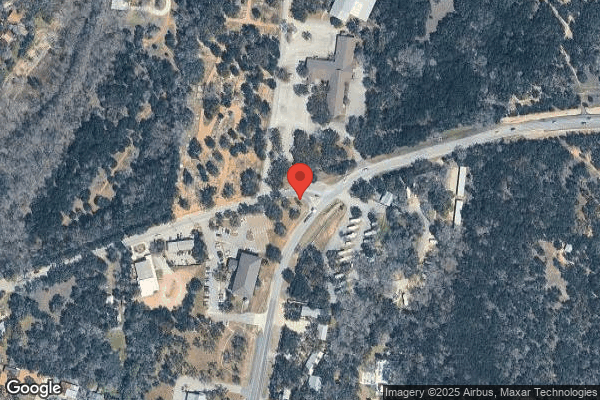
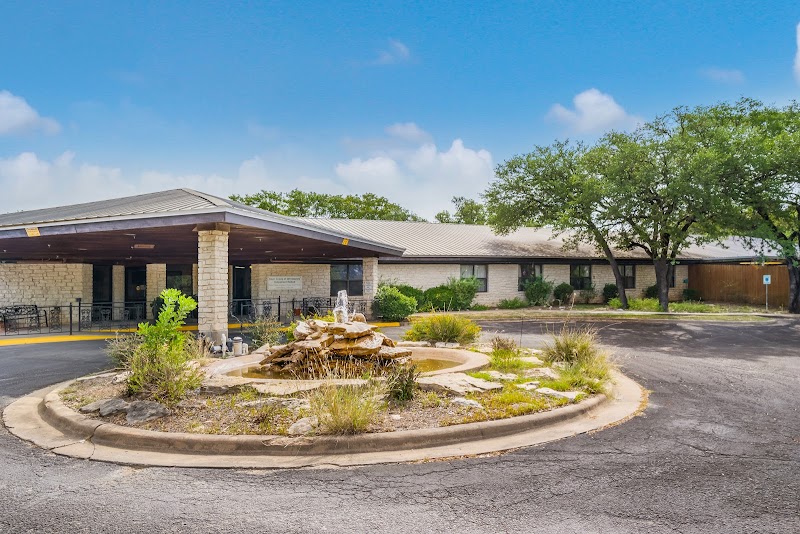
555 Ranch Rd 3237, Wimberley, TX 78676 (512) 847-5540
For profit - Corporation 122 Beds EDURO HEALTHCARE Data: November 2025 4 Immediate Jeopardy citations
Trust Grade
0/100
#696 of 1168 in TX
Last Inspection: June 2025

Inspected within the last 6 months. Data reflects current conditions.

Overview

Deer Creek of Wimberley has received a Trust Grade of F, indicating significant concerns and poor performance. Ranking #696 out of 1168 facilities in Texas places it in the bottom half, and #4 out of 6 in Hays County means there are only two local options that are better. The facility is worsening, with the number of issues increasing from 12 in 2024 to 17 in 2025. While it has a good staffing rating with a 3 out of 5 stars and a turnover rate of 34%, which is below the Texas average, it still struggles with critical care failures. For example, there were serious lapses in notifying medical professionals about changes in residents' conditions, such as a malfunctioning insulin pump and infection risks, which could jeopardize residents' health. Overall, while there are some strengths in staffing, the critical care incidents raise serious red flags for potential residents and their families.
Trust Score
F
0/100
In Texas
#696/1168
Bottom 41%
Safety Record
High Risk
Review needed
Inspections
Getting Worse
12 → 17 violations
Staff Stability
○ Average
34% turnover. Near Texas's 48% average. Typical for the industry.
Penalties
✓ Good
$57,040 in fines. Lower than most Texas facilities. Relatively clean record.
Skilled Nurses
⚠ Watch
Each resident gets only 28 minutes of Registered Nurse (RN) attention daily — below average for Texas. Fewer RN minutes means fewer trained eyes watching for problems.
Violations
⚠ Watch
34 deficiencies on record. Higher than average. Multiple issues found across inspections.
★★☆☆☆
2.0
Overall Rating
★★★☆☆
3.0
Staff Levels
★★★★★
5.0
Care Quality
★☆☆☆☆
1.0
Inspection Score
Stable
2024: 12 issues
2025: 17 issues

The Good

  • 5-Star Quality Measures · Strong clinical quality outcomes
  • Full Sprinkler Coverage · Fire safety systems throughout facility
  • No fines on record
  • Staff turnover below average (34%)

    14 points below Texas average of 48%

Facility shows strength in quality measures, fire safety.

The Bad

2-Star Overall Rating

Below Texas average (2.8)

Below average - review inspection findings carefully

Staff Turnover: 34%

12pts below Texas avg (46%)

Typical for the industry

Federal Fines: $57,040

Above median ($33,413)

Moderate penalties - review what triggered them

Chain: EDURO HEALTHCARE

Part of a multi-facility chain

Ask about local staffing decisions and management

The Ugly 34 deficiencies on record

4 life-threatening 2 actual harm
Sept 2025 1 deficiency 1 Harm
SERIOUS (G) 📢 Someone Reported This

A family member, employee, or ombudsman was alarmed enough to file a formal complaint

Actual Harm - a resident was hurt due to facility failures

Accident Prevention (Tag F0689)

A resident was harmed · This affected 1 resident

**NOTE- TERMS IN BRACKETS HAVE BEEN EDITED TO PROTECT CONFIDENTIALITY** Based on observation, interviews and records review the facility failed to ensure that residents (Resident #1) environment remai...

Read full inspector narrative →
**NOTE- TERMS IN BRACKETS HAVE BEEN EDITED TO PROTECT CONFIDENTIALITY** Based on observation, interviews and records review the facility failed to ensure that residents (Resident #1) environment remains as free of accident hazards. The facility failed to ensure Resident #1 was free of accidents and hazards, as Resident #1 spilled a hot liquid onto her leg. Resident #1 sustained a second-degree burn to her left thigh. This failure placed residents at risk of serious harm and injuries which could result in hospitalization and a diminished quality of life. Findings included: Observations on 9/26/2025, at 10:00 a.m. revealed no hot water dispensers were observed in the halls of the facility. Observation and interview on 09/26/2025, at 12:25 p.m. revealed Resident# 1 was observed lying in bed and watching TV. Resident#1 stated she expressed that she is doing well overall. While she did mention having a burn on her leg, she said she was not in pain, and that she felt safe in the facility. Resident #1 mentioned that she was aware that the water dispenser provided hot water and had used it in the past without any issues. Additionally, Resident #1 expressed interest in having a coffee machine available for use. Record Review of Resident #1's face sheet, revealed an [AGE] year-old-female, with a current admit date of 01/02/2024. Resident #1's face sheet further revealed diagnoses including senile degeneration of the brain, arthritis, unspecified dementia, and mobility issues. Review of Resident #1's Minimum Data Set (MDS) dated [DATE], for Resident #1 indicated a BIMS score of 10, suggesting moderate cognitive impairment.Record Review of Resident # 1's Provider Investigation Report, reflects on 9/21/2025 the Resident let CMA know she had spilled hot water on her lap. The water machine was immediately unplugged, and the resident was assessed. POA, Physician and DON were notified. Record Review of Resident #1's progress dated and timed 09/22/2025 at 10:04 PM (p.m.), revealed, the resident was seen today after she spilled hot water on her leg causing a burn. The resident was seen sitting in her wheelchair, able to stand to remove pants for assessment. No pain with standing. The exam showed Resident with a second degree burn to Resident #1's thigh and a Left lateral upper leg with 2 open areas from hot water burn. Record Review of Resident #1's wound care notes created and signed by PA-C - 1, date and timed 09/23/2025 at 07:11 PM, revealed, an [AGE] year-old English speaking female was being seen today for wound(s). At the request of a thorough wound care assessment and evaluation was performed today. Exam showed Resident #1 sustained burns to her left thigh on 9/21/25 when she spilled 180 degrees F water onto her lap. Reports moderate pain. Comprehensive wound care orders require the application of Silvadene to wound beds. Layer with xeroform. Secure with dry dressing or bordered dressing. Record review of Resident #1's physician's orders, dated 9/25/2025, revealed Resident #1's injury was being treated with Silvadene External Cream 1 %. Record review for Resident# 1 in the assessment section of PCC revealed a Hot liquid Assessment was not found. Interview on 9/26/2025, at 1:32 pm CNA A stated she had been employed at the facility for 10 years and attended an in-service training session yesterday. She received training on handling hot beverages as well as protocols related to abuse and neglect. CNA A was knowledgeable about the proper reporting procedures for incidents and understood the importance of safety regarding hot beverages. She utilized the EMR to verify which residents were permitted to have hot drinks and knew to consult with the nurse for any further clarification on this matter. Interview on 9/26/2025, at 1:41pm CNA B stated her commitment to resident safety. CNA B participated in monthly in-service training on abuse and neglect and understood the importance of reporting any incidents to the administration. CNA B recently completed training focused on beverage temperatures, ensuring that they remain below 135 F. When a resident requested a hot drink, CNA B took the necessary precautions by holding the item for them and confirming that it was safe. CNA B also checked the computer for any restrictions related to hot items for residents. Interview on 9/26/2025, at 1:53pm RN A stated she actively participated in monthly in-service trainings focused on preventing abuse and neglect and was well-versed on the procedures for reporting incidents to administration. Recently, RN A completed an in-service training session on the safe preparation and serving of hot beverages, including teas and coffee. This training highlighted the importance of checking beverage temperatures to ensure resident safety. She emphasized the necessity of assessing each resident's abilities to determine their safety in performing specific activities. Interview on 9/26/2025, at 1:56pm the DON stated that all staff members received in-service training on abuse and neglect in August of 2025. An upcoming in-service session focused on the safe handling of beverages and snack drinks was scheduled for Monday, October 1, 2025. The DON shared a recent incident in which a Resident # 1 accidentally spilled a drink. Resident# 1 had placed the cup between her leg and the wheelchair, resulting in a spill on her leg. The DON emphasized the facility's commitment to continuous education and the safety and well-being of both residents and staff. Interview on 9/26/2025, at 1:56pm, with the DON stated that she has neither seen nor heard of a hot liquid assessment related to hot beverages. She indicated that decisions regarding beverage safety were typically based on the residents' diagnosis and functional abilities. When asked about the potential impact of such an assessment on residents, she acknowledged uncertainty, as she was not familiar with its specifics. The DON confirmed that there has been no implementation of a hot beverage assessment at the facility.Hot Liquid Safety Policy Provided on 9/27/2025:Hot liquids are to be served at proper (safe and appetizing) temperatures using appropriate safety precautions.Definitions:Proper (safe and appetizing) temperature means both appetizing to the resident and minimizing the risk forscalding and bums.Scalding is a bum caused by spills, immersion, splashes, or contact with hot water, food and hot beverages,or steam.Policy Explanation and Compliance Guidelines:1. Hot liquids can cause scalding and bums. The degree of injury depends on the temperature, the amount ofskin exposed, and the duration of exposure. Refer to the table attached to this policy for an illustration ofthe time required for a bum to occur at various temperatures.2. The temperatures of hot liquids will be checked in the dietary department prior to distribution to thenursing units. If the temperature is greater than 140 degrees Fahrenheit, hold the liquid in the dietarydepartment until it reaches an appropriate: temperature.3. All residents are assessed for their ability to handle containers and consume hot liquids. Residents withdifficulties will receive appropriate supervision and use of assistive devices in order to consume hotliquids. Interventions will be individualized and noted on the resident's plan of care. Interventions include,but are not limited to:a. Wide-based cupsb. Cups with lids and handlesc. Limit Styrofoam cups to residents with no difficultiesd. Apronse. Disallow hot liquids while lying in bed4. Staff shall respond immediately to spills or other accidents with hot liquids to minimize the risk for burns.Follow procedures regarding incidents/accidents should anyone experience exposure to hot liquids.5. Monitor residents for at least 24 hours following exposure to hot liquids, as redness or blisters may notappear initially.6. General safety precautions when serving hot liquids include, but are not limited to:a. Make sure residents are alert and in proper positioning to consume hot liquids.b. Use cups, mugs, or other containers that are appropriate for hot beverages.c. Do not overfill containers.d. Regulate temperature of hot liquids to which residents have direct access.e. Place filled containers directly on table. Do not hand them directly to residents.f. Keep hot liquids away from edges of the table.g. Do not refill containers while the resident is holding the container.
Aug 2025 2 deficiencies 2 IJ (2 affecting multiple)
CRITICAL (K) 📢 Someone Reported This

A family member, employee, or ombudsman was alarmed enough to file a formal complaint

Immediate Jeopardy (IJ) - the most serious Medicare violation

Notification of Changes (Tag F0580)

Someone could have died · This affected multiple residents

**NOTE- TERMS IN BRACKETS HAVE BEEN EDITED TO PROTECT CONFIDENTIALITY** Based on interview and record review, the facility failed to immediately consult with the resident's physician when there was a ...

Read full inspector narrative →
**NOTE- TERMS IN BRACKETS HAVE BEEN EDITED TO PROTECT CONFIDENTIALITY** Based on interview and record review, the facility failed to immediately consult with the resident's physician when there was a significant change for one (Resident #1) of four residents reviewed for notification of changes. The facility failed to notify the NP when Resident #1's diabetic pump malfunctioned in July of 2025. Resident #1's blood sugar readings were sporadically out of range which led her to experience increased dizziness, nausea, and sweatiness. This failure resulted in an identification of an Immediate Jeopardy (IJ) on 07/30/25 PM and a template was provided. While the IJ was removed on 08/01/25 at 2:13 PM, the facility remained at a level of no actual harm at a scope of pattern that is not immediate jeopardy due to the facility's need to evaluate the effectiveness of the corrective systems. These failures could place residents at risk of DKA, dizziness, nausea, and a decreased quality of life. Findings included:Review of Resident #1's undated face sheet reflected a [AGE] year-old female who was admitted to the facility on [DATE] with diagnoses including type I diabetes, gastroparesis (a condition in which the muscles in the stomach do not move well), chronic kidney disease, and muscle weakness. Review of Resident #1's admission MDS, dated [DATE], reflected a BIMS score of 15, indicating she was cognitively intact. Section N (Medications) reflected she received insulin injections since admission. Review of Resident #1's admission care plan, dated 06/30/25, reflected there was not a focus regarding her being a diabetic or having an insulin pump. Review of Resident #1's physician order, dated 07/03/25, reflected the following: Dexcom G7 Receiver Device (Continuous Glucose System Receiver) - Apply to bar of upper arm topically one time a day every 10 day(s) for DM management. Review of Resident #1's TAR, July of 2025, reflected the receiver was changed on 07/03/25 and 07/13/25. Review of Resident #1's physician order, dated 07/01/25, reflected the following: Omnipod 5 Libre2 Plus G6 Kit (Insulin Infusion Disposable Pump) - Inject 200 ml subcutaneously one time a day every 3 day(s) for DM management. Review of Resident #1's MAR, July of 2025, reflected insulin was placed in the pump on 07/01/25, 07/04/25, 07/10/25, and 07/14/25. It reflected she refused on 07/07/25. Review of Resident #1's physician order, dated 07/01/25, reflected Glucagon Emergency Kit 1 MG - Inject 1 mg intramuscularly as need for hypoglycemia per protocol if patient is unconscious or unable to swallow. Review of Resident #1's MAR, July of 2025, reflected she was administered the Glucagon three times: 07/08/25 at 4:36 AM - BS: 7407/09/25 at 4:48 PM - BS: 5307/11/25 at 3:49 AM - BS: 65 Review of Resident #1's blood sugar readings in her EMR, from 07/01/25 - 07/15/25, reflected the following days/times her blood sugar was abnormally out of normal the range (normal range is 70 mg/dL -100 mg/dL): 07/01/25 10:43 PM - 42.0 mg/dL07/05/25 6:21 PM - 300.0 mg/dL07/06/25 6:33 AM - 326.0 mg/dL07/09/25 4:49 PM - 52.9 mg/dL07/13/25 8:55 PM - 350.0 mg/dL07/14/25 7:09 AM - 400.0 mg/dL07/14/25 12:09 PM - 399.0 mg/dL Review of Resident #1's physician order, dated 07/15/25, reflected to d/c insulin pump. Review of Resident #1's physician order, dated 07/15/25, reflected HumaLOG KwikPen Subcutaneous Solution Pen-inject 100 UNIT/ML - Inject subcutaneously before meals for DM. Review of Resident #1's physician order, dated 07/15/25, reflected Lantus Subcutaneous Solution 100 UNIT/ML - Inject 10 unit subcutaneously in the morning for DM - hold if BG is less than 110. During a telephone interview on 07/15/25 at 12:23 PM, Resident #1's NP stated she had been working with the facility for about a week but was familiar with Resident #1. She stated she had a conversation with her that morning (on 07/15/25) and there were concerns that the pump was not functioning the way it should be, so she put in orders to discontinue the pump. She stated she should not have it on her if it was not working. She stated she ordered a sliding scale to better manage her blood sugars. She stated the staff had been informing her of general concerns regarding Resident #1 such as refusing showers and not eating much of her meals, but they had not mentioned irregular blood sugar readings. She stated if she had been, she would have discontinued the pump sooner. She stated if the pump was not working, a negative outcome could be potentially all the negative things with diabetes. She stated there was not a way to check those pumps in these environments. During a telephone interview on 07/15/25 at 12:38 PM, RN A stated she was very familiar with Resident #1. She stated since she had a pump, she would tell the nurses what her blood sugar was, and they would document it. She stated her biggest concern was that the nurses did not know what the pump was set at, so they did not know how much insulin she was getting. She stated Resident #1 had also not been eating much and that was a problem as well. She stated she did relay to the NP that she was not eating but not about the irregular blood sugar readings. She stated a few days prior in the morning (could not remember date), her blood sugar was 400 and she realized the pump was off. She stated there had been a time when her blood sugar was in the 60's and she realized it was not working and changed it out. She stated the day prior, 07/14/25, she had never seen Resident #1 with so much anger. She stated she was mad her pump was off and was not getting the insulin she needed. She stated she notified the NP who said she was going to put her on a sliding scale. She stated insulin pumps were rare in nursing facilities because they are hard to regulate. She stated Resident #1 had a history of being nauseous and did not notice an increase when her blood sugars were extremely high or extremely low. During an interview on 07/15/25 at 12:58 PM, Resident #1 stated the NP saw her that morning and discontinued her insulin pump. She stated that was what she requested because she was having a hard time keeping her blood sugar level up. She stated when it would get really high or really low, she would get extremely nauseated, more than normal. She stated she would get sweaty, dizzy, and was miserable. She stated she had difficulty sleeping and the nurses were aware.During an interview on 07/15/25 at 2:00 PM, the DON stated she had been working at the facility for about a month. She stated if Resident #1's blood sugar was in the 300-400 range that would be abnormal for her. She stated if it were her, she would have rechecked her blood sugar in an hour with one of their glucometers because the insulin pumps were not always accurate. She stated she would expect the nurses to follow-up on the blood sugar and notify the NP. She stated if she had known her blood sugar had not been stable, she would have spoken to the NP sooner about getting the pump discontinued and getting her on a sliding scale. She stated with really high or low blood sugar, a negative outcome could be DKA or feeling really hot or dizzy. During an interview on 07/30/25 at 12:52 PM, RN A stated there was a time (could not remember the date) when Resident #1's diabetic pump had been turned off or was not working properly. She stated she was not trained on the pump and had read the instructions inside the monitor's box on how to apply a new one. She stated the monitoring was being done on Resident #1's phone and she would go into her room every morning to the blood sugar readings off her phone so that she could document the numbers. She stated prior to the removal of her pump, there were no parameters of when to notify the NP in the (electronic monitoring system). She stated after it was removed, she was put on a sliding scaled and nursing staff were in-serviced to notify the NP if her blood sugar was above 400. During an interview on 07/30/25 at 1:13 PM, RN B stated she started working at the facility about two weeks prior and did not work with Resident #1 when she had the insulin pump. She stated when she was hired, she was in-serviced on rechecking the blood sugar when a reading was too high or too low to ensure the reading was accurate. She stated she the in-service also included when to notify the NP (blood sugar above 400). She stated she could not recall if the in-serviced including applying a sensor or pump. During an interview on 07/30/25 at 1:24 PM, RN C stated she had not worked with Resident #1. She stated a few weeks ago (could not remember the date), the DON present an in-service on insulin pumps and continuous glucose monitoring. She stated if there was a high reading (above 400), they would need to do a finger stick to have a comparison reading and then notify the NP. She stated if a resident was being administered insulin, there needed to be parameters in their chart of when to notify the NP if a reading was out of range. She stated if there were no parameters listed, the nurses needed to reach out the NP to get those parameters. She stated if a resident's blood sugar was too high or too low, they could experience increased confusion, drowsiness, and dizziness. During an interview on 07/30/25 at 1:33 PM, the DON stated the glucose monitoring devices/pumps were pretty self-explanatory and had directions in the box. She stated the staff had to read the device instructions to be able to apply it. She stated she was not at the facility at the time that it had to be applied to Resident #1 after it was found nonfunctional, so she did not check or verify that the new one was functioning. She stated she conducted an in-service to nurses on 07/15/25 on what to do if blood sugars were out of range on a Dexcom or Libre and they were required to re-check with a finger stick. She stated there was no in-service conducted on the application of the device itself (when Resident #1 was admitted ). She stated it was her expectation that there be parameters in residents' charts for glucose readings especially if there were fluctuating high and low numbers like she (Resident #1) did. She stated that was her expectation and felt like my nurses all knew that. She stated residents could experience out of parameter symptoms such as being hot or cold, clammy, thirsty, dizziness, and as nurses, we knew to look for those symptoms as they were very educated and taught that in nursing school. She stated there were no diabetic pumps currently in the facility and those devices were not seen much in nursing facilities. She stated if another resident was admitted with one, she would ensure parameters were in place and ensure glucose levels were checked manually AC and HS and that the NP was involved. She stated she would conduct in-services regularly on parameters, monitoring, and what to do if out of range. Review of the facility's undated Change in a Resident's Condition or Status Policy, reflected the following: Our facility shall promptly notify the reside, his or her Attending Physician, and representative of any changes in the resident's medical/mental condition and/or status.The ADM and DON were notified on 07/30/25 at 2:14 PM that an IJ had been identified and an IJ template was provided.The following POR was approved on 07/31/25 at 3:50 PM: IMMEDIATE CORRECTIVE ACTIONS FOR REMOVAL OF IMMEDIATE JEPOARDY:On July 30,2025 at approximately 3:00 pm the following actions were initiated upon facility identification of concern. Action: Resident # 1 was assessed to ensure that the resident was not suffering from ongoing negative effects. Prior Glucose Dexcom Receiver Devise (Continuous Glucose System Receiver) was discontinued, and new orders were put in place for monitoring on 7.15.25. There are no other pumps in the facility at this time.Start Date: 7/30/2025Completion Date: 7/30/2025Responsible: Director of Nursing Action: Director of Nursing was educated on Notification of Changes and Change of Condition protocols.Start Date: 7/30/2025Completion Date: 7/30/2025Responsible: Director of Clinical Services Action: All Nurses were educated on Notification of Changes. Nursing should also complete Change of Condition in system as well as notify physician and Director of Nursing. Certified Medication Aides and Certified Nursing Aides were also educated on Notifying Charge Nurse of any Change in Condition.Start Date: 7/30/2025Completion Date: This was initiated and completed on 7/30/2025. The Director of Nursing/designee will utilize staff roster to track those who have received education and to determine those who still require it. Anyone not able to be reached by phone or in person, agency and new nurses will be educated prior to the start of their next shift. Responsible: Director of Nursing IDENTIFICATION OF OTHER AFFECTED: All residents with diabetes have the potential to be affected by the alleged deficient practice. Action: Review of 22 residents who have diabetes diagnoses for proper orders and hypo/hyper glycemic protocols in place and care planned. Three were sent to MD to review and see if any orders wanted to be changed. One change to a sliding scale, one added accucheck schedule. The third one we are requesting labs. Nurse will inform physician when admissions occur and go over any devices to ensure proper monitoring and orders are in place.Start Date: 7/30/2025Completion Date: 7/30/2025Responsible: Director of Nursing SYSTEMIC CHANGES AND/OR MEASURES: Action: ADHOC QAPI was performed for blood glucose monitoring and how to proceed with equipment failure. To perform in service and training to nurses. All residents with accuchecks will be audited to ensure appropriate orders are in place.Start Date: 7/30/2025Completion Date: 7/30/2025Responsible: Director of Nursing Action: All residents that with diabetes were audited to ensure checks were occurring and that hypo/hyper glycemic protocols were in placed and care planned. Start Date: 7/30/2025Completion Date: 7/30/2025Responsible: Director of Nursing TRACKING AND MONITORING: Action: Change of Condition will be monitored by running 24 hour report and order listing report. This will be completed daily for a week, then biweekly for 2 weeks, then monthly for 2 months. This will be kept on a log.Start Date: 7/30/2025Completion Date: 7/30/2025. Responsible Party: Director of Nursing/DesigneeAction: Any new admissions will be reviewed by Director of Nursing/Designee to ensure physician is aware of any devices and that proper orders are in place. This review will take place daily for 2 weeks, then biweekly for 2 weeks, then monthly for 2 months. Any noncompliance will be communicated to nurse responsible and counseled accordingly. This will be tracked on a log.Start Date: 7/30/2025Completion Date: 7/31/2025. Responsible Party: Director of Nursing/DesigneeAction: Implemented interventions immediately if notifications have not been made to the provider of any suspected change in condition. Documentation of notifications made to resident/representative and physician will be noted in the resident's electronic medical record to include alert charting for change in condition if warranted. Staff responsible for the deficient practice will be contacted and counseled accordingly.Start Date: 7/30/2025Completion Date: 7/30/2025. Responsible Party: Director of Nursing/DesigneePlease accept this letter as our plan of removal for determination of the alleged Immediate Jeopardy issued 7/31/2025. The Surveyor monitored the POR from 07/31/25 - 08/01/25 as followed: During interviews on 08/01/25 from 11:54 AM - 1:05 PM with staff from all shifts - RN A, RN B, RN D, MA E, MA F, CNA G, and CNA H all stated they had been in-serviced before their shifts by the DON. The CNAs and MAs stated they closely monitored the residents for any changes in condition or changes from their baselines. The CNAs and MAs stated they would notify their nurse immediately of any changes and would document in their documenting system. The RNs stated they were in-serviced on changes in condition and notifying the NP/MD immediately. The RNs stated if a residents BS readings were not within parameters it was important for the NP/MD to be informed and for a change of condition form to be completed in their charts. During an interview on 08/01/25 at 1:30 PM, the DON stated Resident #1 remained on long-acting insulin. She stated Resident #1 had type I diabetes and her pancreas did not work, so in her case her blood sugar would remain and, go up and down, and will always have to be closely monitored. She stated she and the ADM were in-serviced by their corporate nurse before providing education to the staff on notification on changes in condition. She stated any time a resident's blood sugar was outside of the parameters, the physician needed to be notified. During an interview on 08/01/25 at 1:38 PM, the ADM stated she and the DON were in-serviced by their DCS on notification of changes in condition before the staff were in-serviced. She stated 94% of the nursing staff had been in-serviced, and none could work the floor until they were.Review of Resident #1's physician order, dated 07/22/25, reflected record blood sugar AC/HS (before meals and at bedtime for monitoring). Review of Resident #1's physician order, dated 07/35/25, reflected HumaLOG Injection Solution - 100 UNIT/ML - Inject subcutaneously before meals for DM. Review of Resident #1's physician order, dated 08/01/25 reflected Insulin Glargine Subcutaneous Solution - 100 UNIT/ML - Infect 14 units subcutaneously in the morning for DM1. Hold if less than 110. Review of the facility's ADHOC meeting agenda, dated 07/30/25, reflected the ADM, DON, MDSC, DOR, and MD were in attendance. Review of an in-service, dated 07/30/25 and conducted by the DCS, reflected the ADM and DON were in-serviced on NP notification of changes with a key point: A malfunctioning diabetic pump and/or elevated blood glucose levels require immediate attention and notification to MD and nurse management. Provider and representative notification must be timely and clearly documented. Documentation should include date/time of change identification, communication, provider response, and new orders. Review of their monitoring audit tool for review the 24-hour report for any changes in condition, on 08/01/25, reflected three different residents had been sampled on 07/30/25 and 08/01/25. It reflected if there was a change in condition in 24 hours, order listing report reviewed, notifications completed, and corrective actions taken if change in condition was identified. Four residents were idented with a change of condition and corrective actions were taken and verified. Review of an in-service dated 07/30/25 - 08/01/25 and conducted by the DON, reflected all nursing staff were notified on of their Notification of Changes/Change in Condition Policy. The CNAs and MAs were expected to notify the nurses of any change and nurses were expected to complete a change of condition form and to notify the NP and DON.The ADM and DON were notified on 08/01/25 at 2:13 PM that the IJ had been removed. While the IJ was removed, the facility remained at a level of no actual harm at a scope of pattern that is not immediate jeopardy due to the facility's need to evaluate the effectiveness of the corrective systems.
CRITICAL (K) 📢 Someone Reported This

A family member, employee, or ombudsman was alarmed enough to file a formal complaint

Immediate Jeopardy (IJ) - the most serious Medicare violation

Quality of Care (Tag F0684)

Someone could have died · This affected multiple residents

**NOTE- TERMS IN BRACKETS HAVE BEEN EDITED TO PROTECT CONFIDENTIALITY** Based on interview and record review, the facility failed to ensure that residents received treatment and care in accordance wit...

Read full inspector narrative →
**NOTE- TERMS IN BRACKETS HAVE BEEN EDITED TO PROTECT CONFIDENTIALITY** Based on interview and record review, the facility failed to ensure that residents received treatment and care in accordance with professional standards of practice, the comprehensive person-centered care plan, and the residents' choices for one (Resident #1) of four residents reviewed for quality of care. The facility failed to: - Notify Resident #1's NP when her diabetic insulin pump malfunctioned in July of 2025. - Ensure nursing staff were trained on Resident #1's insulin pump.- Ensure nursing staff were aware of how much insulin Resident #1 was receiving and not relying on her for blood sugar readings.- Ensure there were parameters in place on when to notify Resident #1's NP when her readings were abnormal.These failures resulted in an identification of an Immediate Jeopardy (IJ) on 07/30/25 at 2:14 PM and a template was provided. While the IJ was removed on 08/01/25 at 2:13 PM, the facility remained at a level of no actual harm at a scope of pattern that is not immediate jeopardy due to the facility's need to evaluate the effectiveness of the corrective systems. These failures could place residents at risk of DKA, dizziness, nausea, and a decreased quality of life, and death. Findings included:Review of Resident #1's undated face sheet reflected a [AGE] year-old female who was admitted to the facility on [DATE] with diagnoses including type I diabetes, gastroparesis (a condition in which the muscles in the stomach do not move well), chronic kidney disease, and muscle weakness. Review of Resident #1's admission MDS, dated [DATE], reflected a BIMS score of 15, indicating she was cognitively intact. Section N (Medications) reflected she received insulin injections since admission. Review of Resident #1's admission care plan, dated 06/30/25, reflected there was not a focus regarding her being a diabetic or having an insulin pump. Review of Resident #1's physician order, dated 07/03/25, reflected the following: Dexcom G7 Receiver Device (Continuous Glucose System Receiver) - Apply to bar of upper arm topically one time a day every 10 day(s) for DM management. Review of Resident #1's TAR, July of 2025, reflected the receiver was changed on 07/03/25 and 07/13/25. Review of Resident #1's physician order, dated 07/01/25, reflected the following: Omnipod 5 Libre2 Plus G6 Kit (Insulin Infusion Disposable Pump) - Inject 200 ml subcutaneously one time a day every 3 day(s) for DM management. Review of Resident #1's MAR, July of 2025, reflected insulin was placed in the pump on 07/01/25, 07/04/25, 07/10/25, and 07/14/25. It reflected she refused on 07/07/25. Review of Resident #1's physician order, dated 07/01/25, reflected Glucagon Emergency Kit 1 MG - Inject 1 mg intramuscularly as need for hypoglycemia per protocol if patient is unconscious or unable to swallow. Review of Resident #1's MAR, July of 2025, reflected she was administered the Glucagon three times: *07/08/25 at 4:36 AM - BS: 74*07/09/25 at 4:48 PM - BS: 53*07/11/25 at 3:49 AM - BS: 65 Review of Resident #1's blood sugar readings in her EMR, from 07/01/25 - 07/15/25, reflected the following days/times her blood sugar was abnormally out of normal the range (normal range is 70 mg/dL -100 mg/dL): *07/01/25 10:43 PM - 42.0 mg/dL*07/05/25 6:21 PM - 300.0 mg/dL*07/06/25 6:33 AM - 326.0 mg/dL*07/09/25 4:49 PM - 52.9 mg/dL*07/13/25 8:55 PM - 350.0 mg/dL*07/14/25 7:09 AM - 400.0 mg/dL*07/14/25 12:09 PM - 399.0 mg/dL Review of Resident #1's physician order, dated 07/15/25, reflected to d/c insulin pump. Review of Resident #1's physician order, dated 07/15/25, reflected HumaLOG KwikPen Subcutaneous Solution Pen-injector 100 UNIT/ML - Inject subcutaneously before meals for DM. Review of Resident #1's physician order, dated 07/15/25, reflected Lantus Subcutaneous Solution 100 UNIT/ML - Inject 10 unit subcutaneously in the morning for DM - hold if BG is less than 110. During a telephone interview on 07/15/25 at 12:23 PM, Resident #1's NP stated she had been working with the facility for about a week but was familiar with Resident #1. She stated she had a conversation with her that morning (on 07/15/25) and there were concerns the pump was not functioning the way it should be, so she put in orders to discontinue the pump. She stated she should not have it on her if it was not working. She stated she ordered a sliding scale to better manage her blood sugars. She stated the staff had been informing her of general concerns regarding Resident #1 such as refusing showers and not eating much of her meals, but they had not mentioned irregular blood sugar readings. She stated if she had been, she would have discontinued the pump sooner. She stated if the pump was not working, a negative outcome could be potentially all the negative things with diabetes. She stated there was not a way to check those pumps in these environments. During a telephone interview on 07/15/25 at 12:38 PM, RN A stated she was very familiar with Resident #1. She stated since she had a pump, she would tell the nurses what her blood sugar was, and they would document it. She stated her biggest concern was that the nurses did not know what the pump was set at, so they did not know how much insulin she was getting. She stated Resident #1 had also not been eating much and that was a problem as well. She stated she did relay to the NP that she was not eating but not about the irregular blood sugar readings. She stated a few days prior in the morning (could not remember date), her blood sugar was 400 and she realized the pump was off. She stated there had been a time when her blood sugar was in the 60's and she realized it was not working and changed it out. She stated the day prior, 07/14/25, she had never seen Resident #1 with so much anger. She stated she was mad her pump was off and was not getting the insulin she needed. She stated she notified the NP who said she was going to put her on a sliding scale. She stated insulin pumps were rare in nursing facilities because they are hard to regulate. She stated Resident #1 had a history of being nauseous and did not notice an increase when her blood sugars were extremely high or extremely low. During an interview on 07/15/25 at 12:58 PM, Resident #1 stated the NP saw her that morning and discontinued her insulin pump. She stated that was what she requested because she was having a hard time keeping her blood sugar level up. She stated when it would get really high or really low, she would get extremely nauseated, more than normal. She stated she would get sweaty, dizzy, and was miserable. She stated she had difficulty sleeping and the nurses were aware. During an interview on 07/15/25 at 2:00 PM, the DON stated she had been working at the facility for about a month. She stated if Resident #1's blood sugar was in the 300-400 range that would be abnormal for her. She stated if it were her, she would have rechecked her blood sugar in an hour with one of their glucometers because the insulin pumps were not always accurate. She stated she would expect the nurses to follow-up on the blood sugar and notify the NP. She stated if she had known her blood sugar had not been stable, she would have spoken to the NP sooner about getting the pump discontinued and getting her on a sliding scale. She stated with really high or low blood sugar, a negative outcome could be DKA or feeling really hot or dizzy. During an interview on 07/30/25 at 12:52 PM, RN A stated there was a time (could not remember the date) when Resident #1's diabetic pump had been turned off or was not working properly. She stated she was not trained on the pump and had read the instructions inside the monitor's box on how to apply a new one. She stated the monitoring was being done on Resident #1's phone and she would go into her room every morning to the blood sugar readings off her phone so that she could document the numbers. She stated prior to the removal of her pump, there were no parameters of when to notify the NP in the (electronic monitoring system). She stated after it was removed, she was put on a sliding scaled and nursing staff were in-serviced to notify the NP if her blood sugar was above 400. During an interview on 07/30/25 at 1:13 PM, RN B stated she started working at the facility about two weeks prior and did not work with Resident #1 when she had the insulin pump. She stated when she was hired, she was in-serviced on rechecking the blood sugar when a reading was too high or too low to ensure the reading was accurate. She stated she the in-service also included when to notify the NP (blood sugar above 400). She stated she could not recall if the in-serviced including applying a sensor or pump. During an interview on 07/30/25 at 1:24 PM, RN C stated she had not worked with Resident #1. She stated a few weeks ago (could not remember the date), the DON present an in-service on insulin pumps and continuous glucose monitoring. She stated if there was a high reading (above 400), they would need to do a finger stick to have a comparison reading and then notify the NP. She stated if a resident was being administered insulin, there needed to be parameters in their chart of when to notify the NP if a reading was out of range. She stated if there were no parameters listed, the nurses needed to reach out the NP to get those parameters. She stated if a resident's blood sugar was too high or too low, they could experience increased confusion, drowsiness, and dizziness. During an interview on 07/30/25 at 1:33 PM, the DON stated the glucose monitoring devices/pumps were pretty self-explanatory and had directions in the box. She stated the staff had to read the device instructions to be able to apply it. She stated she was not at the facility at the time that it had to be applied to Resident #1 after it was found nonfunctional, so she did not check or verify that the new one was functioning. She stated she conducted an in-service to nurses on 07/15/25 on what to do if blood sugars were out of range on a Dexcom or Libre and they were required to re-check with a finger stick. She stated there was no in-service conducted on the application of the device itself (when Resident #1 was admitted ). She stated it was her expectation that there be parameters in residents' charts for glucose readings especially if there were fluctuating high and low numbers like she (Resident #1) did. She stated that was her expectation and felt like my nurses all knew that. She stated residents could experience out of parameter symptoms such as being hot or cold, clammy, thirsty, dizziness, and as nurses, we knew to look for those symptoms as they were very educated and taught that in nursing school. She stated there were no diabetic pumps currently in the facility and those devices were not seen much in nursing facilities. She stated if another resident was admitted with one, she would ensure parameters were in place and ensure glucose levels were checked manually AC and HS and that the NP was involved. She stated she would conduct in-services regularly on parameters, monitoring, and what to do if out of range. Review of the facility's undated Change in a Resident's Condition or Status Policy, reflected the following: Our facility shall promptly notify the reside, his or her Attending Physician, and representative of any changes in the resident's medical/mental condition and/or status. Review of the facility's Blood Glucose Monitoring Policy, revised 05/13/25, reflected the following: For residents who have continuous glucose monitoring systems, blood glucose via glucometer for verification of results will be done as per physician order. Review of the facility's Insulin Pump Use Policy, dated 05/16/25, reflected the following: It is the policy of this facility to allow access to administration of insulin via insulin pump in order to meet the needs of residents requiring the use of insulin and to prevent adverse effects on a resident's condition.1. Insulin pump settings will be in accordance with physician's orders. Depending on the pump, settings may include: insulin correction factor, carbohydrate to insulin ratio, basal and bolus settings, maximum bolus limits, glucose goals, correction above what glucose value, target ranges, duration of insulin action, temporary basal and activity settings and pump software updates.2. A hypoglycemia management plan will be documented and followed per physician's orders.The ADM and DON were notified on 07/30/25 at 2:14 PM that an IJ had been identified and an IJ template was provided.The following POR was approved on 07/31/25 at 3:50 PM: IMMEDIATE CORRECTIVE ACTIONS FOR REMOVAL OF IMMEDIATE JEPOARDY:On July 30,2025 at approximately 3:00 pm the following actions were initiated upon facility identification of concern. Action: Resident # 1 was assessed to ensure that the resident was not suffering from ongoing negative effects. Prior Glucose Dexcom Receiver Devise (Continuous Glucose System Receiver) was discontinued, and new orders were put in place for monitoring on 7.15.25. There are no other pumps in the facility at this time.Start Date: 7/30/2025Completion Date: 7/30/2025Responsible: Director of Nursing Action: Director of Nursing was educated on Insulin Pumps, Continuous Glucose Monitors and expectations when monitoring glucose and to check manually with glucometer if readings on a device are out of normal range.Start Date: 7/30/2025Completion Date: 7/30/2025Responsible: Director of Clinical Services Action: All Nurses were educated on Insulin Pumps, Continuous Glucose Monitors and expectations when monitoring glucose and to check manually with glucometer if readings on a device are out of normal range.Start Date: 7/30/2025Completion Date: This was initiated and completed on 7/30/2025. The Director of Nursing/designee will utilize staff roster to track those who have received education and to determine those who still require it. Anyone not able to be reached by phone or in person, agency and new hires will be educated prior to the start of their next shift. Responsible: Director of Nursing IDENTIFICATION OF OTHER AFFECTED: All residents with diabetes have the potential to be affected by this alleged deficient practice.Action: Review of 22 residents who have diabetes diagnoses for proper orders and hypo/hyper glycemic protocols in place and care planned. Three were sent to MD to review and see if any orders wanted to be changed. One changed to a sliding scale, one added accucheck schedule. The third one we are requesting labs today. Nurse will inform physician when admissions occur and go over any devices to ensure proper monitoring and orders are in place.Start Date: 7/30/2025Completion Date: 7/31/2025Responsible: Director of Nursing SYSTEMIC CHANGES AND/OR MEASURES: Action: ADHOC QAPI was performed for blood glucose monitoring and how to proceed with equipment failure. To perform in service and training to nurses. All residents with accuchecks will be audited to ensure appropriate orders are in place.Start Date: 7/30/2025Completion Date: 7/30/2025Responsible: Director of Nursing Action: All residents with diabetes were audited to ensure checks were occurring and that hypo/hyper glycemic protocols were in placed and care planned. Start Date: 7/30/2025Completion Date: 7/30/2025Responsible: Director of Nursing TRACKING AND MONITORING: Action: Audits will be conducted on blood sugar monitoring daily for a week, biweekly for 2 weeks and then monthly for 2 months. This will be tracked on a log.Start Date: 7/30/2025Completion Date: 7/30/2025. Responsible Party: Director of Nursing/Designee Action: Any new admissions will be reviewed by Director of Nursing/Designee to ensure physician is aware of any devices and that proper orders are in place. This review will take place daily for 2 weeks, then biweekly for 2 weeks, then monthly for 2 months. Any noncompliance will be communicated to nurse responsible and counseled accordingly. This will be tracked on a log. Start Date: 7/30/2025Completion Date: 7/31/2025. Responsible Party: Director of Nursing/DesigneeThe Surveyor monitored the POR from 07/31/25 - 08/01/25 as followed: During interviews on 08/01/25 from 11:54 AM - 1:05 PM with staff from all shifts - RN A, RN B, RN D, MA E, MA F, CNA G, and CNA H all stated they had been in-serviced before their shifts by the DON. The CNAs and MAs stated they closely monitored the residents for any changes in condition or changes from their baselines. The CNAs and MAs stated they would notify their nurse immediately of any changes and would document in their documenting system. The RNs stated they were in-serviced on changes in condition and notifying the NP/MD immediately. The RNs stated if a residents BS readings were not within parameters it was important for the NP/MD to be informed and for a change of condition form to be completed in their charts. The nurses stated if a resident was on an insulin pump and their sugar level was too high or too low (out of parameters), they were to recheck it with glucometer to ensure accuracy. The nurses stated if they believed an insulin pump was malfunctioning, they would notify the DON and NP/MD immediately. The nurses stated any resident that was administered insulin should have parameters in place on when to notify the NP/MD. The nurses stated signs and symptoms of blood sugar being outside of parameters could be nausea, dizziness, lethargy, or being unable to swallow. During an interview on 08/01/25 at 1:30 PM, the DON stated Resident #1 remained on long-acting insulin. She stated Resident #1 had type I diabetes and her pancreas did not work, so in her case her blood sugar would remain and, go up and down, and will always have to be closely monitored. She stated she and the ADM were in-serviced by their corporate nurse before providing education to the staff on notification on changes in condition, glucose monitoring, and insulin pumps. She stated any time a resident's blood sugar was outside of the parameters, the physician needed to be notified. During an interview on 08/01/25 at 1:38 PM, the ADM stated she and the DON were in-serviced by their DCS on notification of changes in condition, glucose monitoring, and insulin pumps before the staff were in-serviced. She stated 94% of the nursing staff had been in-serviced, and none could work the floor until they were. Review of Resident #1's physician order, dated 07/22/25, reflected record blood sugar AC/HS (before meals and at bedtime for monitoring). Review of Resident #1's physician order, dated 07/35/25, reflected HumaLOG Injection Solution - 100 UNIT/ML - Inject subcutaneously before meals for DM. Review of Resident #1's physician order, dated 08/01/25 reflected Insulin Glargine Subcutaneous Solution - 100 UNIT/ML - Inject 14 units subcutaneously in the morning for DM1. Hold if less than 110. Review of five sampled residents' charts that required insulin, on 08/01/25, reflected their care plans had diabetic interventions and there were ordered parameters for their blood sugar levels. Review of the facility's ADHOC meeting agenda, dated 07/30/25, reflected the ADM, DON, MDSC, DOR, and MD were in attendance. Review of an in-service, dated 07/30/25 and conducted by the DCS, reflected the ADM and DON were in-serviced on two key points: A malfunctioning diabetic pump and/or elevated blood glucose levels require immediate attention and notification to MD and nurse management. Provider and representative notification must be timely and clearly documented. Documentation should include date/time of change identification, communication, provider response, and new orders. Timely recognition and management of changes in condition, including care and management of diabetic pumps, and blood glucose readings. Clinical assessments and documentation must reflect staff recognizing when a blood glucose reading is inconsistent or clinically abnormal. Staff to recognize when to utilize a backup manual finger stick for malfunctioning diabetic pumps. Delay in response or lack of intervention may constitute a deficiency. Review of an audit conducted by the DON, dated 07/30/25 - 07/31/25, reflected all 22 residents who had a diagnosis of diabetes were audited for proper orders and hyper/hypo glycemic protocols in place and care planned. Of the 22 audited residents, three residents' clinicals were sent to the MD to review for a determination if any orders wanted to be changed. One resident was put on a sliding scale, one resident was added to the accucheck schedule, and one received an order for lab work. Review of their monitoring audit tool for review the 24-hour report for any changes in condition, on 08/01/25, reflected three different residents had been sampled on 07/30/25 and 08/01/25. It reflected if there was a change in condition in 24 hours, order listing report reviewed, notifications completed, and corrective actions taken if change in condition was identified. Four residents were idented with a change of condition and corrective actions were taken appropriately and verified. Review of an in-service dated 07/30/25 - 08/01/25 and conducted by the DON, reflected all nursing staff were notified on of their Notification of Changes/Change in Condition Policy. The CNAs and MAs were expected to notify the nurses of any change and nurses were expected to complete a change of condition form and to notify the NP and DON. Review of an in-service dated 07/30/25 - 08/01/25 and conducted by the DON, reflected all nurses were in-serviced on their Continuous Glucose Monitors Policy. Review of an in-service dated 07/30/25 - 08/01/25 and conducted by the DON, reflected all nurses were in-serviced on their Insulin Pump Use Policy.The ADM and DON were notified on 08/01/25 at 2:13 PM that the IJ had been removed. While the IJ was removed, the facility remained at a level of no actual harm at a scope of pattern that is not immediate jeopardy due to the facility's need to evaluate the effectiveness of the corrective systems.
Jun 2025 10 deficiencies
CONCERN (D)

Potential for Harm - no one hurt, but risky conditions existed

Deficiency F0679 (Tag F0679)

Could have caused harm · This affected 1 resident

**NOTE- TERMS IN BRACKETS HAVE BEEN EDITED TO PROTECT CONFIDENTIALITY** Based on interview, observation, and record review, the facility failed to provide an ongoing activities program to support resi...

Read full inspector narrative →
**NOTE- TERMS IN BRACKETS HAVE BEEN EDITED TO PROTECT CONFIDENTIALITY** Based on interview, observation, and record review, the facility failed to provide an ongoing activities program to support residents in their choice of activities, both facility sponsored group and individual activities, and independent activities, designed to meet the interests of and support the physical, mental, and psychosocial well-being of each resident, encouraging both independence and interaction in the community for one of three residents (Resident #7) reviewed for activities. The facility failed to provide Resident #7 in room activities during the months of May and June of 2025. This failure could place residents at risk for boredom, depression, and diminished quality of life. Finding included: Review of Resident #7's face sheet reflected a [AGE] year-old male with an initial admission date of 02/24/2010 and readmitted on [DATE] with diagnoses of spastic hemiplegia (most common type of cerebral palsy) affecting left dominant side, encounter for palliative care (typically involves providing specialized medical care focused on relieving symptoms and improving the quality of life for patients with serious illnesses), cognitive communication deficit (communication difficulties that arise from cognitive impairments), hyperlipidemia, unspecified (high cholesterol), major depressive disorder, single episode, unspecified, depersonalization-derealization syndrome (is a mental health condition characterized by persistent feelings of detachment from one's body or surroundings), pseudobulbar affect (a neurological condition characterized by uncontrollable episodes of inappropriate laughing or crying that do not match the individuals' emotional state), psychophysiologic insomnia (medical term used to describe insomnia linked to excessive worry about sleep). Review of Resident #7's MDS dated [DATE] reflected a BIMS of 99 (resident was unable to complete the interview) indicating severe impairment, and had an active diagnosis, Hemiplegia or Hemiparesis (disorder that affects how you communicate) and taking IV (intravenous) medications. Review of Resident #7's Care Plan dated 4/11/2025 reflected resident had depression and bipolar disorder with anxiety and seizure disorder. Resident also had activity goal to attend at least one activity per week by the next review date. Further review reflected resident had interventions in place to address alternate periods of rest with activity out of bed to prevent respiratory complications, dependent edema (a type of swelling in the lower body due to gravity), flexion deformity (the inability of the knee to fully extend or straighten) and skin pressure areas. Further review Resident #7 will attend (passively at times) 1 cognitive activities including games, trivia, current events, or sensory groups for increase in cognitive abilities or cognitive stimulation. Interventions: Provide me with sensory activities in accordance with past/current interests including music, pet therapy, adapted games/sports, exercise, socials, family visits, being read to, &/or familiar tasks. Review of Resident #7's active orders as of 4/11/2025 reflected resident is currently under services of Hospice with DX: late effect CVA effective 12/3/2024. Review of Resident #7's Activities assessment dated [DATE] revealed the resident had an activity-related focus to remain appropriate as per current care plan. Review of Resident #7's active orders as of 7/7/2023 reflected resident had order to participate in activities as tolerated. Review of Resident #7's active orders as of 7/7/2023 reflected resident had order to participate in group and individual activities of choice as tolerated including those involving foods as per current diet order. Review of Resident #7's Activity Participation Record during the month of May from 05/01/2025 to 05/31/2025 reflected Resident #7 did not refuse one-on-one activities or receive one-on-one activities. Review of Resident #7's Activity Participation Record during the month of June from 06/01/2025 to 06/09/2025 and 06/11/2025 to 06/26/2025 reflected Resident #7 did not refuse one-on-one activities or receive one-on-one activities. Observation and interview on 06/24/2025 at 9:00 AM, revealed Resident #7 was sitting in his medical recliner in the television room with four other non-ambulatory residents and the television was turned off. There was no stimulation in the room, and he would not respond to any conversation or questions. Resident #7 was not interviewable. Observation and interview on 06/24/2025 at 11:30 AM revealed Resident #7 was still sitting in his medical recliner in the television room with four other non-ambulatory residents and the television was turned off. There was no stimulation in the room, and he would not respond to any conversation or questions. In a phone interview on 06/25/2025 at 12:46 PM with Resident #7's FM stated overall he was happy with the facility's care and things pop up periodically that need attention. FM stated 90% of the team members pay attention to Resident #7, Resident #7 is very limited on what he can do. FM would like to see Resident #7 involved in more activities and would like staff to pay a little more attention and have Resident #7 engaged in group activities throughout the day. FM stated Resident #7 cannot participate in many activities because of his condition, but FM has discussed in Resident #7's care plan meetings and directly with the AD to spend 30 minutes 2-3 times a week playing music for Resident #7, and FM does not believe this is being done often. FM stated he and another family member visit 5 times per week and very little interaction was observed. Observation and interview on 6/26/2025 at 12:45 PM revealed Resident #7 was sitting in his medical recliner asleep at a dining table with three other residents and three feeding assistants in the dining room. Resident #7 remained asleep for 30 minutes during lunch. Staff did not engage with Resident #7 or make any attempt to wake him up to engage in lunch. In an interview on 6/26/2025 at 3:00 PM SS stated the expectation for residents who are non-ambulatory was to be stimulated with activities and staff should involve residents in individual and group activities. She stated the AD was responsible for providing activities for residents who are non-ambulatory and was not sure as to what was all involved. She stated when residents are not engaged in activities it can be harmful to their mental health. She stated she was familiar with Resident #7's care plan. She stated he was non-ambulatory and believed the AD provided individual activities in the resident's room, but she was not sure. She stated her involvement with Resident #7 was limited and she helped to complete his quarterly assessments/care plans. The SS stated she had only met him a few times, knew his BIMS was at 00 and that he could not do a lot. She stated he needed more care and more assistance than other residents. In an interview on 6/26/2025 at 11:48 AM the AD stated she would stop to talk with non-ambulatory residents who do not want to or who were unable to leave their rooms and were interested in music and social conversation. She stated she would also turn on their [NAME] in their rooms for music. She stated for residents who were non-ambulatory and non-verbal they enjoyed looking out the windows at the birds and yard. The AD stated Resident #7 enjoys being involved in activities. She stated she would have Resident #7 sit and observe the group activities and it would depend on how tired he was and how he was doing during the day. She stated she would provide individual activities for Resident #7 2 -3 times a week and she documented each individual and group activity for him and other residents she provided services to. She stated the potential impact for not including a resident in activities could be detrimental to their mental health and cause them to be isolated. When asked about Resident #7 sitting in the television room with the television off, she stated there were times she was unable to keep an eye on him and other times he was agitated, depending on the activity and would not have him participate. She stated he did participate in daily devotion group even if agitated and she documented all activities each resident engaged in in their electronic medical records. In an interview on 6/26/2025 at 5:50 PM DON stated she has been employed only two weeks at this facility. She stated the activities for non-ambulatory residents whether group or individual was the responsibility of the AD. The expectation was for all residents to be included in activities. Review of In-Service dated 2/16/2025 titled Care for Resident #7 reflected the following: Between meals whether Resident #7 is in the TV room or his room, turn on the TV so he can watch something he enjoys versus sitting in the dark/quiet. Review of facility policy dated 2024 and titled Promoting/Maintaining Resident Dignity reflected the following: It is the practice of this facility to protect and promote resident rights and treat each resident with respect and dignity as well as care for each resident in a manner and in an environment, that maintains or enhances resident's quality of life by recognizing each resident's individuality. Review of facility policy dated 2024 and titled Promoting/Maintaining Resident Dignity reflected the following: 1. All staff members are involved in providing care to residents to promote and maintain resident dignity and respect resident rights. Review of facility policy dated 2024 and titled Promoting/Maintaining Resident Dignity reflected the following: 13. Assist residents to participate in activities of choice. Review of facility policy dated 2024 and titled Promoting/Maintaining Resident Dignity reflected the following: 14. Each resident will be provided equal access to quality care regardless of diagnosis, severity of condition or payment source. Review of facility policy dated Quarter 3, 2022 and titled Resident Rights reflected the following: 2. Copies of our resident rights are posted throughout the facility, and a copy is provided to each employee, provider, and contracted staff member. In addition, staff will have appropriate in-service training on resident rights prior to having direct-care responsibilities for residents and 4. Orientation and in-service training programs are conducted quarterly to assist our employees in understanding our residents' rights. Review of facility policy dated 2025 and titled Activities reflected the following: It is the policy of this facility to provide an ongoing program to support residents in their choice of activities based on their comprehensive assessment, care plan, and preferences. Facility-sponsored group, individual, and independent activities will be designed to meet the interests of each resident, as well as support their physical, mental, and psychosocial well-being. Activities will encourage both independence and interaction within the community. c. Program of Activities -to include a combination of large and small groups, one-to-one, and self-directed as the resident desires to attend.
CONCERN (D)

Potential for Harm - no one hurt, but risky conditions existed

Quality of Care (Tag F0684)

Could have caused harm · This affected 1 resident

**NOTE- TERMS IN BRACKETS HAVE BEEN EDITED TO PROTECT CONFIDENTIALITY** Based on observations, interviews, and record review, the facility failed to ensure that residents received treatment and care i...

Read full inspector narrative →
**NOTE- TERMS IN BRACKETS HAVE BEEN EDITED TO PROTECT CONFIDENTIALITY** Based on observations, interviews, and record review, the facility failed to ensure that residents received treatment and care in accordance with professional standards of practice, the comprehensive person-centered care plan, and the residents' choices for one (Resident #20) of three residents reviewed for quality of care. The facility failed to ensure Resident #20 had his lower extremities wrapped with elastic compression bandages as directed by physician orders. These failures could place residents at risk of not receiving necessary medical care, pain, injury, infection, and hospitalization. Findings included: Review of Resident #20's face sheet revealed an [AGE] year-old male initially admitted to the facility on [DATE] and readmitted on [DATE] with the diagnoses of type 2 diabetes mellitus with diabetic chronic kidney disease (a condition that affects the way the body processes blood sugar that leads to damage to the kidneys that impairs the kidneys from filtering toxins adequately), major depressive disorder (a mood disorder that causes a persistent feeling of sadness and loss of interest), anxiety disorder, unspecified (intense and excessive worry and fear), chronic embolism and thrombosis of unspecified deep veins of lower extremity, bilateral (a long term condition of blood clots in both legs), localized edema (swelling), unsteadiness on feet, cognitive communication deficit (problem with communication caused by cognition rather than a language or speech deficit), need for assistance with personal care, other abnormalities of gait (walking pattern) and mobility. Review of Resident #20's MDS, dated [DATE], reflected Resident #20 had a BIMS score of a 14 indicating his cognition was intact. Further review reflected active diabetes mellitus diagnoses and skin and ulcer/injury care. Review of Resident #20's Comprehensive Care Plan, dated 5/14/2025, reflected Resident #20 had altered skin integrity and interventions included encouraging ambulation if patient was able. Review of Resident #20's active orders as of 4/24/2025 reflected resident had order to apply elastic compression bandage on during day and off at night for BLE edema (bilateral lower extremity) with an order start date of 4/24/2025. Review of Resident #20's Medication Administration Record (MAR) reflected elastic compression bandage on during day and off at night was administered every morning at 8:00 AM from 6/1/2025 to 6/26/2025. Observation and interview on 6/24/2025 at 9:48 AM revealed Resident #20 stated he had cellulitis and in recent and follow up treatment was to have legs wrapped from 8 AM - 8 PM to help with pressure and pain. He stated the last two mornings the nurse forgot and neglected to get it done. He removed his blanket from his legs and his legs were both exposed and the elastic compression bandages were located on his bookshelf out of reach. He stated the nurses did not understand the bandages helped him and he would like them to put them on daily if they could. Observation and interview on 6/24/2025 at 10:55 AM revealed Resident #20 did not have elastic compression bandages placed on his legs. Resident #20 stated he was still waiting for a nurse to wrap his legs. Observation and interview on 6/26/2025 at 12:44 PM revealed Resident #20 did not have elastic compression bandages placed on his legs. Resident #20 was sitting in the dining room eating lunch and he lifted his pant legs and stated he was still waiting for the elastic compression bandage to be placed on his legs and that they were sitting on his bookshelf and a 2nd pair was sitting in his restroom in a small basket. He stated he asked the nurse about the wraps during medication administration and was told they would return and that he continued to wait. In an interview on 6/26/2025 at 2:00 PM RN B stated when there were orders for an elastic compression bandage it would be added in the resident's MAR, nurses were expected to ensure the skin was clean, dry, and intact. They were then expected to wrap the ordered area and notify the doctor and family if skin issues formed. She stated if wraps were ordered and not being applied this could cause skin concerns for the resident. She stated she was not familiar with Resident #20's care. In an interview on 6/26/2025 at 2:20 PM DON stated the charge nurse that documented Resident #20's Medication Administration Record was sent home due to a verbal altercation with care and inappropriate behavior and would not be available for an interview. In an interview on 6/26/2025 at 5:50 PM DON stated the procedures for the Medication Administration Record was to be documented correctly and accurately by nurses. She stated nurses were to review the orders for a resident, administer the medication or treatment, and document it on the MAR. She stated if there are any medication errors they should be documented, and she should be notified immediately. She stated if orders are to wrap extremities for edema, then this is what needs to be done, there should be no delays in treatment. She stated it could impact the resident by causing an infection and resident can become sick. When Resident #20's MAR was shown to the DON with elastic compression bandage marked as completed for AM she stated the nurses' initials indicate the elastic compression bandages were placed on the resident and the nurse acknowledged completing this. When informed Resident #20's elastic compression bandages not being put on his legs today or several times this week the DON stated this didn't surprise her. She stated the nurses' initials belong to the nurse that was sent home for her behavior on this morning's shift, and she was unavailable to discuss this concern. She stated she would ensure Resident #20 is receiving the care he needed. Review of facility policy dated 2024 and titled Promoting/Maintaining Resident Dignity reflected the following: It is the practice of this facility to protect and promote resident rights and treat each resident with respect and dignity as well as care for each resident in a manner and in an environment, that maintains or enhances resident's quality of life by recognizing each resident's individuality. Review of facility policy dated 2024 and titled Promoting/Maintaining Resident Dignity reflected the following: 1. All staff members are involved in providing care to residents to promote and maintain resident dignity and respect resident rights. Review of facility policy dated 2024 and titled Promoting/Maintaining Resident Dignity reflected the following: 14. Each resident will be provided equal access to quality care regardless of diagnosis, severity of condition or payment source. Review of facility policy dated Quarter 3, 2022 and titled Resident Rights reflected the following: 2. Copies of our resident rights are posted throughout the facility, and a copy is provided to each employee, provider, and contracted staff member. In addition, staff will have appropriate in-service training on resident rights prior to having direct-care responsibilities for residents and 4. Orientation and in-service training programs are conducted quarterly to assist our employees in understanding our residents' rights.
CONCERN (D)

Potential for Harm - no one hurt, but risky conditions existed

Pharmacy Services (Tag F0755)

Could have caused harm · This affected 1 resident

**NOTE- TERMS IN BRACKETS HAVE BEEN EDITED TO PROTECT CONFIDENTIALITY** Based on observations, interviews, and record review, the facility failed to provide pharmaceutical services (including procedur...

Read full inspector narrative →
**NOTE- TERMS IN BRACKETS HAVE BEEN EDITED TO PROTECT CONFIDENTIALITY** Based on observations, interviews, and record review, the facility failed to provide pharmaceutical services (including procedures that assure the accurate acquiring, receiving, dispensing, and administering of all drugs and biologicals) to meet the needs of each resident for 1 of 1 resident (Resident #15) and 1 of 1 (100-Hall) medication room reviewed for pharmacy services. The facility failed the ensure expired medication, including medication prescribed for Resident #15, and medical supplies were removed from 100-hall medication storage room. This failure could place residents at risk of receiving an expired medication, not reaching the intended therapeutic dose, and/or contamination from expired supplies. Findings included: 1. Record review of Resident #15's admission record, dated 6/26/2025, reflected an [AGE] year-old male who was admitted to the facility on [DATE] and readmitted on [DATE]. Resident #15 had diagnoses which included: chronic obstructive pulmonary disease (a chronic lung disease that limits airflow and causes ongoing respiratory symptoms) and asthma (a chronic lung disease that is caused by inflammation and muscle tightening around the airways, which makes it difficult to breathe). Record review of Resident #15's Quarterly MDS, dated [DATE], reflected a BIMS score of 05, which indicated severe cognitive impairment. Record review of Resident #15's order summary, dated 06/26/2025, reflected Albuterol Sulfate nebulization solution (2.5 mg/3ml) 0.083% 3ml inhale orally via nebulizer every 6 hours as needed for shortness of breath. (Albuterol Sulfate is a medication that is given by breathing in to assist with opening the airway). Record review of Resident #15's care plan, dated 08/23/2024 and last revised on 04/10/2025, reflected no care plan related to respiratory diseases. Observation of 06/26/2025 at 01:53 PM of the 100-hall medication room revealed: Two boxes of Albuterol Sulfate Inhalation Solution 0.083% that belonged to Resident #15 with an expiration date of May 2025. Seven 100-ml bottles of Sterile Water with an expiration date of 05/16/2025 One Catheter Stabilization with an expiration date of 03/28/2025 (a device used to secure a Foley catheter tube to the leg to prevent dislodgement) One Suture removal tray with an expiration date of 12/31/2024 During an interview on 06/26/2025 at 05:23 PM, LVN D stated all the nurses and medication aides were responsible for checking for expired medications/supplies in the medication room. She stated she tried to check it every other day when she had time. LVN D stated she thought the DON followed up to ensure all expired medications/supplies were removed. She stated if a resident was to take expired medication, then the medication concentration could be altered, either higher or lower than intended. LVN D stated she was unsure of how residents could be affected if expired supplies were used on the residents. During an interview on 06/26/2025 at 05:30 PM, LVN E stated all the nurses, medication aides, and management were responsible for checking for expired supplies and medications in the medication room monthly. He stated if a resident was to take expired medication, then the medication may not be at the intended dosage. LVN E stated that if expired supplies were used then there was a possibility that the supplies may not be sterile, or the materials could have deteriorated. During an interview on 06/26/2025 at 05:36 PM, MA stated the person in charge of central supply and the medication aides were responsible for checking the medication rooms for expired supplies and medications. He stated he attempted to check the rooms weekly when time allowed. MA stated if expired medications were administered to resident, then the medication may not work like it should or the resident could have an adverse reaction to the medication, like an upset stomach. During an interview on 06/26/2025 at 05:39 PM, LVN F stated the person in charge of central supply and the nurses were responsible for checking the medication rooms for expired supplies and medications. She stated she was unsure of how often the medication rooms were checked or if someone monitored to ensure the medication rooms were being checked. LVN F stated if the expired medications were used for residents, then the resident may not get the right potency of the medication that was ordered. She stated she was unsure how using expired supplies might affect a resident. During an interview on 06/26/2025 at 05:49 PM, the DON stated the medication aide that is responsible for central supply was responsible for checking for expired medications and supplies on a weekly basis. The DON stated that since she had only been at the facility for about 2 weeks, she had not initiated a process to verify the medication rooms were checked for expired medications and supplies yet. She stated that if expired medications were used for residents, then the medication may not work the same as medication that was not expired. During an interview on 06/26/2025 at 06:06 PM, the ADM stated she expected the nurses and medication aides to check the medication rooms for expired supplies and medications. She stated she was unsure of how often the medication rooms were to be checked. The ADM stated the previous DON would conduct audits to ensure the medication rooms were checked but she was unsure how often the audits were being performed. She stated the pharmacy consultant would come in about once a month to audit all medication carts and the medication rooms for expired supplies and medications. The ADM stated she was unsure how using expired medications and supplies on residents might affect a resident. She stated it all depended on the medication or supplies on how it might affect the resident. Record review of the facility's, undated, policy titled Storage of Medications reflected: Policy Statement: The facility stores all drugs and biologicals in a safe, secure, and orderly manner. Policy Interpretation and Implementation . 4. The facility shall not use discontinued, outdated, or deteriorated drugs or biologicals. All such drugs shall be returned to the dispensing pharmacy or destroyed.
CONCERN (E)

Potential for Harm - no one hurt, but risky conditions existed

Deficiency F0565 (Tag F0565)

Could have caused harm · This affected multiple residents

Based on interview and record review, the facility failed to consider the views of the resident or family group and act promptly upon the grievances and recommendations of such groups concerning issue...

Read full inspector narrative →
Based on interview and record review, the facility failed to consider the views of the resident or family group and act promptly upon the grievances and recommendations of such groups concerning issues of resident care and life in the facility or to demonstrate their response and rationale for such response for 1 of 1 resident council reviewed. The facility failed to follow up on concerns and requests expressed in resident council meetings from January 2025 through June 2025. This failure placed residents at risk of not having their preferences honored. Findings included: Review of Resident Council minutes reflected the following with no documentation of the facility's responses to the grievances: February 2025 reflected: choose 5 entrees with sides and dietary manager will try to choose 3 he can possibly make for the future month. 1 meal can be chosen out of the 3 for a meal of the month. 3/6/2025 reflected: wanting to know when we can start meal of the month. 4/3/2025 reflected: 2. Resolutions from last month are not satisfactory or even resolutions. 3. Will start by taking ideas for meal of the month. Spoke about why we are not allowed to have fried chicken. April meal of the month by vote - Frito chili pie with baked beans and 2 cookies. 5/1/2025 reflected: 7. food committee would like to meet with dietary manager about the meal of the month. 14. Get some decent coffee. 6/6/2025 reflected: 2. introduce new dietary manager. 6. Residents wanting to know how to talk to dietary manager directly. During a Resident Council meeting on 6/25/2025 at 2:00 PM, 16 anonymous residents stated the SS helps to document the minutes for each monthly meeting. They all stated when there is a concern, they address it in the Resident Council meeting monthly and a grievance is documented, but these grievances are not being addressed. They all stated they were not aware of any method by which the facility management provided resolutions to the concerns that came up in the resident council minutes. They all stated most of the complaints were about the food, the facility being short staffed, and the maintenance of the physical environment. They stated they have discussed the meal of the month and better coffee in numerous monthly meetings over the last six months. They all stated they have filed a grievance each time as these are a priority of the residents. They all stated that they discuss their resident rights during meetings, but feel they are not being taken seriously. They stated they had never seen any kind of written paper or grievance form that reflected their concerns and requests during resident council or explained any resolution. They stated they had become tired of saying anything to the staff because nothing ever changed. They all stated with the turnover of SSs it is hard to get anything resolved. They stated they tried to speak with the SS two months back, they would go by her office, left a note almost weekly, and no response. Stated they have worked with the RECP to get a message to the new SS and even a phone message was left for her a week back and there is yet to be a response. They all stated the meal of the month is a small ask and has been discussed for more than six months now and when they thought it was going to happen and the DM scheduled a day for it last month it was cancelled without warning or information as to why. They all stated they drink coffee daily and have asked for better coffee, but this also falls on deaf ears. In an interview on 6/26/2025 at 3:00 PM Ombudsman stated he has attended the monthly Resident Council meetings on numerous occasions and the residents have addressed the meal of the month grievance as their top priority issue they would like addressed. He stated he has received individual food complaints from residents here at the facility and has been working directly with the ADM to address. He stated he has not received any information on resolution of said complaints other than an email from the ADM that it would be addressed. In an interview on 6/26/2025 at 11:48 AM AD stated Resident Council grievances are followed-up by the Resident Council President and VP. She stated she was voted in to help take the minutes at the monthly meetings and she doesn't give input or voice her opinions, she just takes notes for the group as they have challenges with writing and keeping order. She stated if there is a grievance addressed in the meeting, she will work with the resident council president and write a grievance report and give directly to the SS who in turn is responsible for passing it out to the head of department the concern addresses, it is investigated, reviewed by the ADM, signed, and entered in the grievance binder. She stated at the following resident council meeting she will read the resolution to the grievance. She stated the #1 complaint is food. AD stated the meal of the month grievance was provided to the dietary manager to address. She stated the DM stated the resident council could vote on 3 meals and he would choose one. AD stated the previous month she completed a grievance form, and the meal of the month was voted on, and the chili dogs and Fritos were chosen. She stated she did not receive the form back from the SS or ADM. When asked about following up on the grievance she stated she doesn't follow-up on grievances and this responsibility is that of the ADM and SS. She stated the SS has been employed a month at this facility and she was aware of this grievance and would be taking care of it. AD stated grievances are discussed in the morning meetings with all department heads in attendance. She stated she has brought up the Resident Council grievances regarding the meal of the month and coffee and the heads of the departments inform the ADM they would handle the grievance. AD stated that the potential impact of not having the Resident Council receive follow up on their concerns can be frustrating and disappointing. In an interview on 6/26/2025 at 1:45 PM RD stated she has not been made aware of the meal of the month grievance request. She stated she was not aware this was a request. She stated her understanding of this process would be to have the AD and DM plan the menu and consult with her on menu options. In an interview on 6/26/2025 at 2:00 PM CK J stated about a year back the facility did away with the meal of the month. She stated the DM has been made aware of this request but because he has only been in this position since December 2024, he has not been able to implement. She stated she and the DM were made aware of this grievance about two months back and the DM is planning to get to working on it as soon as he returns from vacation next week. She stated the kinds need to be worked out for the special meal of the month and believes this is the responsibility of dietician, DM, and ADM. She stated the meal of the month is needed in the facility as the residents want it and are constantly asking for this. She would like to see this implemented again. In an interview on 6/26/2025 at 3:00 PM SS stated she has been employed one month with this facility. She stated her first week here at the facility she was invited by the council to the monthly meeting to introduce herself and to discuss the submission of grievances. She stated the Resident Council residents stated they did not like agency staff, and this was documented on a grievance form. She stated to resolve this issue the residents were informed that staff would be utilized first then last resort to bring on agency staff, but if staff are not available there is no other option as they need to have staff present on each shift. She stated the current grievance process is for staff to assist resident with filling out a grievance form, getting it over to her or ADM so it can be assigned to the department head to address. She stated depending on the type of grievance there should be a 72-hour turnaround, it is then returned to her for review and to provide follow-up. She stated she and the ADM will provide resolution information to the individual or group. She stated if the grievance is given directly to the department head, she is sure it will be worked on. She stated her understanding is that the resolution of a grievance would be provided at the next meeting by the AD. She stated she is sure this information would get passed on to the residents. When asked how the grievance is tracked to ensure it was returned by the department head or if it was resolved and residents notified, she stated she is not currently doing this. She stated if no resolution or response to a grievance is provided to residents it can impact them. She stated if just one grievance on a particular issue may not cause an impact, but if continuously happening residents can become upset. She stated she was not aware of the meal of the month grievance, but she is familiar with the better coffee grievance. She stated there are few residents who have a concern with the quality of the coffee and those few residents have been notified they can get a better-quality coffee from the nurses' stations. In an interview on 6/26/2025 at 5:50 PM DON stated she has been employed only two weeks at this facility. She stated grievances are discussed in morning meetings, SS will discuss any new or pending grievances. She stated she has not heard of any Resident Council grievances mentioned. She stated when grievances are not addressed this can impact the resident by feeling they are not important, or their concern is not a priority, and this can cause mental health anguish. In an interview on 6/26/2025 at 6:15 PM ADM stated grievance forms are located directly outside of her door, the RECP helps log them and assigns them to head of department staff to be resolved within 5 days. She stated individual and group grievances are addressed in the morning meetings and assigned to department heads. She stated she and the SS will usually go and speak to the individual or resident council to follow-up on grievance and to notify them of the resolution. She stated she was notified of the meal of the month grievance filed by the Resident Council a few months back, but she couldn't recall the month. ADM stated the DM took over the position 6 months back, has worked a lot of shifts himself, has had to fire staff not following regulations in the kitchen and hire and train new staff. She stated the DM would like to coordinate more with the Resident Council on the meal of the month, but he doesn't have the ability to do this at this time, hard to make progress, and if going to commit he needs to have enough staff to do this monthly. She stated the meal of the month is on hold and can be revisited later. She stated this information has been provided to the Resident Council members. Review of Grievance/Concern Report dated 5/1/2025, reflected: Resident Council communicated concern, get some decent coffee was assigned to the DM by the SS and the date of resolution was 6/6/2025 noting, No changes have been made to the coffee that has been ordered over the last year, nor under this dietary manager. Each nurse's break room has a Keurig if residents want a more specialized coffee than either resident or family can purchase, and staff can make the coffee and temp prior to serving. The investigation results and resolution reported to resident council. Review of facility admission Packet dated 9.2022 and titled 15. Resident Grievances reflected the following: We urge you to bring any grievances concerning the Facility to the attention of the Facility Administrator. Please know that you have the right to voice grievances to the Facility personnel without reprisal. Review of facility admission Packet dated 9.2022 and titled Statutory Patient's Rights - Statement of Resident's Rights in Texas reflected the following: 7. You have a right to: Complain about the facility and to organize or participate in any program that presents residents' concerns to the administrator of the facility. Review of facility admission Packet dated 9.2022 and titled Resident's Rights Under Federal Regulations reflected the following: A facility must protect and promote the rights of each resident, including each of the following rights: (f) Grievances. A resident has the right to - (1) Voice grievances without discrimination or reprisal; and (2) Prompt efforts by the facility to resolve grievances the resident may have. Review of facility policy dated Quarter 3, 2022 and titled Resident Rights reflected the following: h. be supported by the facility in exercising his or her rights. Review of facility policy dated Quarter 3, 2022 and titled Resident Rights reflected the following: u. voice grievances to the facility, or other agency that hears grievances, without discrimination or reprisal and without fear of discrimination or reprisal and v. have the facility respond to his or her grievances. Review of facility policy dated Quarter 3, 2022 and titled Resident Rights reflected the following: 2. Copies of our resident rights are posted throughout the facility, and a copy is provided to each employee, provider, and contracted staff member. In addition, staff will have appropriate in-service training on resident rights prior to having direct-care responsibilities for residents and 4. Orientation and in-service training programs are conducted quarterly to assist our employees in understanding our residents' rights.
CONCERN (E)

Potential for Harm - no one hurt, but risky conditions existed

Deficiency F0567 (Tag F0567)

Could have caused harm · This affected multiple residents

Based on interviews and records review, the facility failed to allow residents to manage his or her financial affairs for 1 of 1 resident council reviewed. The facility failed to ensure all residents...

Read full inspector narrative →
Based on interviews and records review, the facility failed to allow residents to manage his or her financial affairs for 1 of 1 resident council reviewed. The facility failed to ensure all residents whose funds are managed by the facility had ready access to his or her funds upon request in a timely manner, including non-business days, Saturday, and Sundays. This failure could place all residents whose funds were managed by the facility of not receiving funds deposited with the facility and not having their rights and preferences honored. Findings included: During a Resident Council meeting on 6/25/2025 at 2:00 PM, 16 anonymous residents stated they were allowed to access their petty trust funds during the week. They all stated they were not aware of a petty cash fund policy, but they know it is accessible on the weekdays and to work with RECP to withdraw petty cash. They all stated they liked to get dollar bills for the vending machines. They all stated they were not able to access funds during the weekend as the RECP did not work those days. The VP and President both stated there was a time when they could access funds on the weekend when there was an employed RECP, but it had been over a year since one was employed. They all stated they wanted to see the facility hire a new staff to help with this task for residents. In an interview on 6/25/2025 at 3:27 PM RECP stated petty cash for trust fund accounts could be accessed by residents only Monday - Friday, 8 AM - 4 PM. She stated there was no weekend access to funds. She stated she locked up the petty cash on Friday and no other staff had access. RECP stated she was given a daily balance if a resident inquired on their fund availability. She stated some residents would visit her daily for a few dollars as they enjoyed making purchases out of the soda and snack vending machines and required dollar bills. RECP stated the residents were aware there was no weekend access to the petty cash and to make sure on Friday to withdraw funds for the weekend if needed. She stated there was a weekend receptionist for a few months to help with petty cash, but she didn't last long. She stated she was not sure if there was a specific policy for resident access to their funds. In an interview on 6/26/2025 at 11:48 AM AD stated for the residents that require funds for community outings she worked with RECP to withdraw funds. She stated funds could be accessed Monday - Friday as there was no weekend RECP. She stated residents were aware of the rule to withdraw funds Monday - Friday. AD stated last year, resident council asked about money on the weekends and facility hired a receptionist, and they had access to it on the weekend, after one month she quit, and they never hired another receptionist. Weekend petty cash access was implemented for a month. She stated she was not familiar with the policy on trust funds and to reach out to the Business Office Manager for more details. In an interview on 06/26/2025 at 3:20 PM BOM stated RECP is responsible for trust fund petty cash for residents. She stated every morning she would provide RECP a total account balance that gives totals for each resident and if the residents asked to withdraw petty cash funds, they would sign the money out with RECP. She stated the petty cash funds were available Monday-Friday 8 AM - 5 PM. She stated she had open communication with all the residents and if they needed money for the weekend, she would be happy to assist, but the residents made sure they came up on Fridays to get the appropriate amount for weekends. BOM stated some residents did not remember withdrawals occurred Monday - Friday but it was repetitive. She stated a few residents would ask the same questions. The BOM stated she believed 99% of the residents were aware of how to access funds on the weekend. She stated there was no policy in place that outlined when trust fund petty cash was available and how the residents could access it. She stated a resident would not go without funds on the weekend and ADM or DON would be notified if funds were needed. She stated residents were notified of trust funds with their admission paperwork and she talked to residents individually and passed this information on. She stated the residents would not have a negative impact as there was always a way to accommodate the resident's trust fund petty cash needed it just was not documented in a policy. In an interview on 6/26/2025 at 6:15 PM ADM stated the petty cash process was taken care of by RECP, it was available to residents Monday - Friday 8 AM - 5 PM and it was not available on weekends as she did not have anyone at the facility to access the funds on the weekends. She stated a while back a few residents asked if someone could be available on the weekends to access personal funds and a part-time RECP was hired. She stated the part-time RECP did not last long, and the position had since been vacant. She couldn't recall how long back. She stated she did not believe there was an impact to residents if they were unable to access personal funds as staff could help them purchase something until Monday mornings. Review of Resident Funds Management Service Withdrawal Records reflected petty cash account funds withdrawal is only accessed Monday - Friday: 5/7/2025 Petty Cash Account - Petty cash trust fund check logs for week dated 4/29/2025 - 5/1/2025. 5/12/2025 Petty Cash Account - Petty cash trust fund check logs for week dated 5/6/2025 - 5/9/2025. 5/16/2025 Petty Cash Account - Petty cash trust fund check logs for week dated 5/12/2025 - 5/15/2025. 5/27/2025 Petty Cash Account - Petty cash trust fund check logs for week dated 5/19/2025 - 5/23/2025. 6/6/2025 Petty Cash Account - Petty cash trust fund check logs for week dated 5/27/2025 - 5/30/2025. 6/11/2025 Petty Cash Account - Petty cash trust fund check logs for week dated 6/2/2025 -6/4/2025. 6/12/2025 Petty Cash Account - Petty cash trust fund check logs for week dated 6/9/2025 -6/12/2025. Review of facility policy dated Quarter 3, 2022 and titled Resident Rights reflected the following: r. manages his or her personal funds, or have the facility manage his or her funds (if he or she wishes). Review of facility policy no date noted and titled Resident Trust Policy and Procedures reflected the following: The facility Business Office Manager is responsible for maintaining patient trust accounts and is required to leave a sufficient balance (State Allowance) in the account to cover unforeseen personal needs the resident may request or require in the immediate future (such as hair care, outing expenses, etc.). Review of facility policy dated 2025 and titled Resident Personal Funds reflected the following: 2. If the resident chooses to deposit personal funds with the facility, upon written authorization of a resident, the facility must act as a fiduciary of the resident's funds and hold, safeguard, manage, and account for the personal funds of the resident deposited with the facility. Review of facility policy dated Quarter 3, 2022 and titled Resident Rights reflected the following: 2. Copies of our resident rights are posted throughout the facility, and a copy is provided to each employee, provider, and contracted staff member. In addition, staff will have appropriate in-service training on resident rights prior to having direct-care responsibilities for residents and 4. Orientation and in-service training programs are conducted quarterly to assist our employees in understanding our residents' rights. Review of facility admission Packet dated 9.2022 and titled Statutory Patient's Rights - Statement of Resident's Rights in Texas reflected the following: 13. You have a right to: Access money and property you have deposited with the facility and to an accounting of your money and property that are deposited with the facility and of all financial transactions made with or on behalf of you.
CONCERN (E)

Potential for Harm - no one hurt, but risky conditions existed

Deficiency F0804 (Tag F0804)

Could have caused harm · This affected multiple residents

Based on observations, interviews, and record review, the facility failed to serve foods that were palatable and attractive and prepare food by methods that conserve nutritive value, flavor, and appea...

Read full inspector narrative →
Based on observations, interviews, and record review, the facility failed to serve foods that were palatable and attractive and prepare food by methods that conserve nutritive value, flavor, and appearance for 1 of 1 kitchen observed. 1.The pureed kitchen test tray of the lunch meal foods were unappealing and lacked flavor. The pureed kitchen test tray lacked condiments, the food items did not hold their form and ran together, there was no garnishment of the food tray, and the dessert of lemon pie parfait was so thick, gummy, and tasted of food thickener it was inedible. 2. The regular texture kitchen test tray of the lunch foods were unappealing and lacked flavor. The regular texture kitchen test tray lacked condiments, the food items of roast pork loin was dried out, Harvard beet juice had run into the rice pilaf, the dessert of lemon pie parfait was not a full serving size of ½ cup, and there was no garnishment of the food tray. These failures could place residents at risk of decreased food intake, hunger, unwanted weight loss, and diminished quality of life. Findings included: Observation on 6/25/25 at 10:30 AM of lunch meal puree preparation revealed CK K was pureeing pork loin. CK K was observed pouring food thickener from thickener container into puree machine with pork loin and broth. CK K did not measure food thickener just poured straight from container on 3 different occasions while pureeing pork loin. Further observation revealed CK K did not taste the pork loin after the pureed process was complete. Observation on 6/25/25 at 1:13 PM of Pureed texture lunch kitchen test tray revealed the test tray did not have any condiments on the tray, the food items of (roast pork loin, Harvard beets, rice pilaf, and dinner roll) did not hold their form and ran together. There was no garnishment on the meal tray. The dessert of lemon pie parfait was so thick, gummy, and tasted of food thickener it was inedible. The pureed foods items were unappealing in appearance and lacked flavor. Observation on 6/25/25 at 1:13 PM of the Regular texture lunch kitchen test tray revealed the test tray did not have any condiments on the tray, the food items of roast pork loin was dried out and had no gravy or sauce to give any moisture, Harvard beet juice had ran all over the plate and got into the rice pilaf, and the dessert of lemon pie parfait was not a full serving size of ½ cup (per diet spreadsheet and recipe), and there was no garnishment for the food tray. Observation on 6/26/25 at 10:05 AM of lunch meal puree preparation revealed CK K was pureeing Salisbury steak, carrots, dinner rolls, and strawberries. CK K stated the food thickener scoop was missing from the container and proceeded to use a table cutlery teaspoon to measure food thickener for each of the food items prepared. CK K visually looked at each food item to ensure desired consistency was achieved. CK K did not taste any of the food items prepared after the puree process was complete. During a confidential resident council interview on 6/25/25 at 2:03 PM it was revealed that several concerns and complaints were made of the food being inedible and being told when asking for alternatives that none are available. Ombudsman present at resident council meeting confirmed food concerns have been brought up for the last several months at the resident council meetings with no resolution being provided. Interview on 6/25/25 at 3:24 PM with CK J revealed CK J stated when pureeing foods, you need to start with 2 oz of liquid then add more as needed. CK J stated the next step is to use the spoon test to see if the desired consistency has been achieved and add food thickener as needed until the desired consistency is reached. CK J stated you always need to use the least amount of liquid and food thickener as possible so as not to compromise the flavor or nutrients of the food. Interview on 6/26/25 at 10:33 AM with CK K revealed CK K stated she had received 1 month of training from the DM. CK K stated the method she used was to start the puree machine, count 30 seconds, then check the consistency of the food item to see if food thickener needs to be added. CK K stated, I add 1 tsp at a time if the scoop is missing from the thickener container, I just use a regular teaspoon that the residents receive on their trays. CK K stated you visually check the food item, and you also taste the food items. CK K could not explain or give an answer as to why she had not tasted any of the food items when she completed the puree process. Interview on 6/26/25 at 10:50 AM with RD revealed the RD stated she expected the meals served to be attractive and palatable to the residents. When shown photos of the pureed texture test tray, RD stated the foods are not supposed to run together and the food items should hold their form. RD stated the dessert item lemon pie parfait should not be as thick as it appeared in the photo. RD stated all food items should have the flavor of the food item and not just the flavor of food thickener. When shown photos of the regular texture test tray, RD stated the Harvard beets could have been drained better before plating so the juices did not run into the other food items. RD stated she was unsure if the dessert item of lemon pie parfait was the correct serving size as it was hard to tell from a photo. When asked if the RD watched the tray line process RD responded, yes. When asked if the RD felt the dessert items were of the correct serving size, RD stated she was unsure as she had not specifically looked at the dessert items. When asked if condiments were supposed to be on the meal trays RD stated, Yes condiments should be on the meal trays. RD stated she was unsure about the cook training specifics, RD stated she knew the DM had trained the cook. RD stated if she sees a concern when she is present then she works with the staff member in the moment and alerts the DM for further training and or follow up. RD stated she was unsure if the diet spreadsheet and recipes address the pureed texture diets. Telephone interview on 6/26/25 at 1:49 PM with DM revealed the DM stated the cooks were trained on how to prepare pureed foods from the corporate office. DM stated corporate had a trainer come to the facility and train and that the ADM had a copy of the in-service training provided. DM stated he was aware that the pureed recipes were not in the diet spreadsheet binder. DM stated he had contacted the food service company that the facility used to request these recipes be sent to him to add to the diet binder. DM stated he had not received a reply from the food service company at this time. DM stated he expected the meal trays to be attractive and palatable to the residents. Interview on 6/26/25 at 5:26 PM with the DON revealed she expected the meal tray to be clean, meal ticket to be correct with all the information needed, and the meal to be presentable and appealing. DON stated she was unsure if there should be recipes for the pureed foods in the diet spreadsheet binder. DON stated she was unsure how the cooks were trained about how to puree foods. DON stated she had only been employed at the facility for a couple of weeks and she was still unsure about several of the processes, but she felt the DM was responsible for the kitchen and the kitchen staff. Interview on 6/26/25 at 6:00 PM with ADM revealed the cooks work with the DM for a minimum of 3 days of training and that the RD and speech therapist both assist as needed for training and coaching the staff. ADM stated recipes for pureed foods were not necessarily needed to be in the diet spreadsheet binder as the cooks should be visually looking at the food items to see if the desired consistency has been achieved and tasting all the foods items to ensure the desired flavor was present. ADM stated the cooks had received training on the puree process from the corporate office. ADM further stated that the cooks were to be using the least amount of food thickener as possible to achieve the desired consistency and taste. ADM stated she expected the tray appearance to be appetizing for the regular texture and for the pureed texture she expected those trays to also be appetizing in appearance and for the food to hold its consistency. Record review of diet spreadsheet binder reflected no recipes available for pureed food items. Record review of food thickener container listed specific thickener mixing chart instructions depending on desired consistency of food item. Pureed fruits 4 oz drained use 3/4-1 1/2 tsp thickener Pureed vegetables 4 oz drained uses ¾-1 1/2 tsp thickener Pureed meats 3 oz uses 1 oz meat broth slurry. Meat broth slurry =4 oz meat broth thickened with 1 Tbsp. thickener Record review of Menus and Adequate Nutrition policy undated reflected under heading policy: The purpose of this policy is to assure menus are developed and prepared to meet resident choices including their nutritional, religious, cultural, and ethnic needs, while using established guidelines. Under heading policy explanation and compliance guidelines: 5. Menus shall reflect input from residents and resident groups. a. Resident preferences, including likes and dislikes will be documented in the resident's chart, and shall be reviewed when planning menus. i. Alternatives shall be immediately available if the primary menu or selections for a particular meal is not to a resident's liking. ii. Each resident's plan of care will reflect interventions to accommodate nutritional needs. when his/her preferences exclude a food group (i.e. vegetarian, does not eat dairy). b. The resident council will be included periodically in menu planning, and efforts will be made. to accommodate requests. The facility shall make the final decision on all menus. Record review of IDDSI implementation in-service training log dated 5/20/21 reflected DM, CK J, and CK K had attended the training. Record review of pureed recipes provided by ADM reflected: 1. Prepare food item according to regular recipe. 2. Prepare slurry. 3. Process until smooth adding 1oz slurry per portion. Notes: 1. Amount of thickener required may vary relative to liquid content of cooked product. For best results alternate thickener and processing checking product consistency periodically. Record review of always available menu posted on bottom of daily menu reflected options of cottage cheese w/fruit, baked potato (butter, cheese, and sour cream), and sandwich (ham, turkey, chicken salad, tuna salad, peanut butter & jelly). Record review of grievance binder reflected 10 grievances filed since 1/2025 concerning food preferences no grievances had resolution part of grievance form completed.
CONCERN (E)

Potential for Harm - no one hurt, but risky conditions existed

Deficiency F0809 (Tag F0809)

Could have caused harm · This affected multiple residents

Based on observation, interview, and record review, the facility failed to ensure that residents had suitable, nourishing meals and snacks outside of scheduled meal service times for 2 of 2 halls (100...

Read full inspector narrative →
Based on observation, interview, and record review, the facility failed to ensure that residents had suitable, nourishing meals and snacks outside of scheduled meal service times for 2 of 2 halls (100 and 200 halls) and 2 of 2 refrigerators in 2 of 2 nourishment rooms (100 hall and 200 hall) reviewed for evening snack. The facility failed to ensure residents were offered snacks at bedtime on the 100 and 200 halls. The facility failed to have reserves of snacks for after dinner and at bedtime in 2 of 2 refrigerators in the nourishment rooms. This failure could affect all residents who received meals served from the facility's only kitchen by placing residents at risk for unplanned weight loss, side effects from medication given without food, and diminished quality of life. Finding included: Observation on 6/24/2025 at 9:39 AM of hall 200 nourishment room revealed health shakes, cartons of milk, and containers of yogurt in refrigerator. One peanut butter and jelly sandwich on nourishment room shelf dated 6/23 and several packages of peanut butter crackers. Further observation revealed no temperature monitoring log on nourishment room refrigerator. Observation on 6/24/2025 at 12:52 PM of hall 100 nourishment room revealed no refrigerator in nourishment room. Further observation revealed no snacks on shelving in nourishment room. Nourishment room contained ice chest with ice in it and a coffee maker with a tray of mugs. Observation on 6/26/2025 at 4:41 PM of hall 200 nourishment room revealed health shakes, 2 cartons of milk, 1 container of thickened milk, 11 bottles of Boost supplement drink and a thermometer. No resident snacks available in refrigerator. On nourishment room shelving revealed to have 5 packages of peanut butter crackers, and a supermarket bag with 3 packages of pudding cups. Observation on 6/26/2025 at 4:44 PM of hall 100 nourishment room revealed nourishment room now has a refrigerator. Refrigerator only has a thermometer and a jar of picante sauce with a resident name labeled on it. During a Resident Council meeting on 6/25/2025 at 2:00 PM, 16 anonymous residents stated snacks were not offered and were not aware they could ask for them. Some residents stated they have asked for a snack during bedtime and have been informed they do not have any or are told they will come back with one and the staff does not return. Interview on 6/26/2025 at 10:50 AM with RD revealed RD stated she was unsure about what the daily snack rotation was. RD stated she did not know the snack policy or procedure for this facility specifically but stated that generally snacks are offered 3 times a day. RD stated she knew the snacks were delivered to the nursing station on each hall by the dietary staff. Interview on 6/26/2025 at 1:49 PM with DM revealed DM stated the dietary staff deliver a tray of snacks and health shakes to the nursing station in the morning and then the nurses are responsible for storage and passing of snacks. DM stated the one tray of snacks supplies for the entire day. DM states the snacks consist of half sandwiches, cookies, peanut butter crackers, yogurt, and health shakes. Interview on 6/26/2025 at 4:35 PM with RN I revealed the dietary staff deliver the morning snacks consisting of yogurt, sandwiches, cookies, and peanut butter crackers which are brought with the morning coffee and the nursing staff pass the snacks to the residents. RN I stated any snacks left are placed into the nourishment room refrigerator. RN I stated she was unsure of who was responsible for cleaning the nourishment room refrigerator and has asked that since she started working at the facility and has not received an answer yet. Interview on 6/26/2025 at 4:38 PM with LVN F revealed there were never any snacks brought to the nurse station for residents. If a resident requested a snack, then the nurse needed to go to the kitchen and ask for something. LVN F stated if the kitchen was already closed for the day, then the nurse needed to go into the kitchen and find some options for the resident as a snack. LVN F stated the only option usually available to the residents was peanut butter crackers. Interview on 6/26/2025 at 5:26 PM with DON revealed she was unsure of the facility snack process as she had just started at the facility a couple of weeks ago. Interview on 6/26/2025 at 6:00 PM with ADM revealed the nursing staff had resident snacks available in the nourishment room on each station. ADM stated typically the morning dietary staff deliver a tray of snacks to cover the entire day. ADM stated the snack rotation consists of sandwiches, peanut butter crackers, cookies, and yogurt. Policy regarding snacks was requested on 6/26/2025 at 3:41 PM. Email correspondence from ADM on 6/26/2025 at 3:45 PM revealed the facility did not have a snack policy. Review of facility policy dated Quarter 3, 2022 and titled Resident Rights reflected the following: 2. Copies of our resident rights are posted throughout the facility, and a copy is provided to each employee, provider, and contracted staff member. In addition, staff will have appropriate in-service training on resident rights prior to having direct-care responsibilities for residents and 4. Orientation and in-service training programs are conducted quarterly to assist our employees in understanding our residents' rights.
CONCERN (E)

Potential for Harm - no one hurt, but risky conditions existed

Deficiency F0919 (Tag F0919)

Could have caused harm · This affected multiple residents

**NOTE- TERMS IN BRACKETS HAVE BEEN EDITED TO PROTECT CONFIDENTIALITY** Based on observations, interviews, and record review, the facility failed to adequately equip residents the ability to call for ...

Read full inspector narrative →
**NOTE- TERMS IN BRACKETS HAVE BEEN EDITED TO PROTECT CONFIDENTIALITY** Based on observations, interviews, and record review, the facility failed to adequately equip residents the ability to call for staff assistance through a communication system, which relays the call directly to a staff member or to a centralized staff work area, from the bathroom for 56 of 61 resident rooms reviewed for resident call systems. The facility failed to ensure resident bathrooms had a pull string attached to the push button call light switch making the call light button inaccessible if the resident was lying on the floor in their bathrooms in rooms: 1) 100 2) 102 3) 103 4) 105 5) 106 6) 107 7) 110 8) 111 9) 113 10) 115 11) 116 12) 117 13) 118 14) 119 15) 120 16) 121 17) 122 18) 123 19) 124 20) 125 21) 126 22) 127 23) 128 24) 129 25) 130 26) 131 27) 200 28) 201 29) 202 30) 203 31) 204 32) 205 33) 206 34) 207 35) 208 36) 209 37) 210 38) 211 39) 212 40) 213 41) 214 42) 215 43) 217 44) 219 45) 221 46) 222 47) 223 48) 224 49) 225 50) 226 51) 227 52) 228 53) 229 54) 230 55) 231 56) 232 This failure could place residents at risk of harm by not being able to call for help when needed and at risk of not receiving the care and services to maintain their highest level of well-being. Findings included: Observations on 06/24/2025 by the survey team during the initial pool screening of residents' rooms in the 100 and 200 halls from 9:30 AM to 4:30 PM revealed most bathrooms (56 rooms in total) had a push button call light system next to the toilet on the wall. There were no strings attached to the push call light buttons that extended to the floor. In an interview on 06/25/2025 at 02:50 PM RN G stated she was familiar with the facility's call light policy. Call lights must be within reach of the resident. In the bathroom, RN G stated she did not know exactly where the placement should be, but the current push button call light system in room [ROOM NUMBER], and many other rooms, would not be within reach if a resident was lying on the floor and that could potentially cause harm if the resident fell and could not call for help. RN G stated that help could be delayed due to the resident not being able to reach the call light. RN G stated she thought the call light system should have a pull string cord. In an interview on 06/25/2025 at 03:04 PM CNA H stated he was aware of the facility's call light policy. He stated the call light policy was for the call light to be within reach of the resident and he would clip the call light bedroom call light to the resident or the bedding. In the bathroom, CNA H stated he did not know exactly where the placement should be, but the current push button call light system in room [ROOM NUMBER], and many other rooms, would not be within reach if the resident was lying on the floor and that could potentially cause harm if the resident fell and could not call for help. He stated help would be delayed due to the resident not being able to reach the call light. CNA H stated he thought the call light should have a pull string, which is the new system and easier for the residents to use as it took less effort and force on the resident's part. The old system call light system was the push button. In an interview on 06/25/2025 at 03:22 PM the Maintenance Director stated he was responsible for repairing call lights. He stated that their policy was that call lights needed to be within reach if the resident was lying on the floor. He stated he did not know why some bathrooms had pull string cords vs. push buttons but stated that a resident could not reach the push call button if they were on the floor and that could cause a delay in staff's response to provide care, which would not be good for the resident. During observations and an interview on 06/26/2025 at 08:31 AM the Maintenance Director measured the distance from the floor to the push call light button in three random rooms (205, 211, and 223) using a standard hard tape measure. The push button call lights were 41 inches from the base of floor to the push button. The Maintenance Director stated 41 inches was the standard placement and it should be the same in all rooms. The State Surveyor also measured with own tape measuring device and got the same measurement of 41 inches from the base of floor to the push button call light. All these rooms also have a shower in them, and it would not be accessible from the shower area as the call light is on the opposite wall of the shower, next to the toilet. The Maintenance Director stated the push call lights could not be reached by a resident lying on the floor. In an interview on 06/26/2025 at 09:20 AM the DON stated she did not know what the policy said about call light placement because she has only been at the facility for two weeks. The DON stated there were some pull lights with strings and some push buttons call lights in bathrooms and she had not had any complaints about the call light system. The DON stated she did not think either pull string or push button would be accessible to a resident lying on the floor. The DON stated it was important for a resident to be able to reach the call light and if they could not, they might try to get up by themselves and fall. Also, not being able to reach the call light could cause a delay in response time by staff. In an interview on 06/26/2025 at 10:12 AM the ADM stated that their policy for call lights placement in the bathrooms were to be accessible to a resident lying on the floor. The ADM stated she was not sure if a resident lying on the floor could reach the call push button or not. She stated she was not sure if a resident on the floor could reach a pull cord string call light either. The ADM stated those push button call lights were old and had been in the facility for years. The pull string system was new. She thought there were 55 rooms with the old push button call light system. The ADM stated it was important for a resident to be able to call for assistance so their needs can be met timely and not being able to reach the call light could cause a delay in care, which could result in potential harm depending on the situation. The ADM stated she did not believe any residents had fallen in the bathrooms and had tried to use the call lights. The ADM stated that when residents fell, they usually do not use the call lights because they were on the floor. The ADM stated this was a list of rooms with push buttons for call lights in the bathrooms: 100 102 103 105 106 107 110 111 113 115 116 117 118 119 120 121 122 123 124 125 126 127 128 129 130 131 200 201 202 203 204 205 206 207 208 209 210 211 212 213 214 215 217 219 221 222 223 224 225 226 227 228 229 230 231 232 Review of the facility policy Call lights: Accessibility and Timely Response, undated, reflected: Policy: The purpose of this policy is to assure the facility is adequately equipped with a call light at each residents' bedside, toilet, and bathing facility to allow residents to call for assistance. Call lights will directly relay to a staff member or centralized location to ensure appropriate response. 7. The call system must be accessible to the resident at each toilet and bath or shower facility. The call system should be accessible to a resident lying on the floor.
CONCERN (E)

Potential for Harm - no one hurt, but risky conditions existed

Deficiency F0925 (Tag F0925)

Could have caused harm · This affected multiple residents

**NOTE- TERMS IN BRACKETS HAVE BEEN EDITED TO PROTECT CONFIDENTIALITY** Based on observations, interviews, and record review, the facility failed to maintain an effective pest control program so that ...

Read full inspector narrative →
**NOTE- TERMS IN BRACKETS HAVE BEEN EDITED TO PROTECT CONFIDENTIALITY** Based on observations, interviews, and record review, the facility failed to maintain an effective pest control program so that the facility was free of pests and rodents for 1 of 1 facility reviewed for pests. 1. The facility failed to ensure resident rooms were free from flies for Resident #58. 2. The facility failed to ensure the facility was free of gnats and flies throughout the facility including dining rooms, hallways, and kitchen. This failure placed residents at risk of exposure to pests, diseases, infections, and diminished quality of life. The findings included: 1. Record review of Resident #58's admission record, dated 06/26/2025, reflected a [AGE] year-old female who was admitted to the facility on [DATE]. Resident #58 had diagnoses which included: chronic obstructive pulmonary disease (a chronic lung disease that limits airflow and causes ongoing respiratory symptoms), chronic kidney disease (a disease that impairs the kidney's ability to filter toxins), unspecified dementia (a disease that causes a general decline in cognitive abilities that can affect the ability to perform everyday activities, memory loss, and poor judgement), and generalized anxiety disorder (a condition characterized by persistent and excessive worry about various everyday issues). Record review of Resident #58's Quarterly MDS, dated [DATE], reflected a BIMS score of 12, which indicated moderate cognitive impairment. 2. Record review of Resident #3's admission record, dated 06/26/2025, reflected an [AGE] year-old female who was admitted to the facility on [DATE] and readmitted on [DATE]. Resident #3 had diagnoses which included: chronic obstructive pulmonary disease (a chronic lung disease that limits airflow and causes ongoing respiratory symptoms), essential hypertension (high blood pressure), chronic kidney disease (a disease that impairs the kidney's ability to filter toxins), and type 2 diabetes mellitus - (a condition that affects the way the body processes blood sugar). Record review of Resident #3's Quarterly MDS, dated [DATE], reflected a BIMS score of 11, which indicated moderate cognitive impairment. During an observation and interview on 06/24/2025 at 12:34 PM a fly landed on Resident #58's meal tray in the dining room during lunch meal service. Resident #58 stated, The fly is always here, and it bothers me. During an observation and interview on 06/24/2025 at 03:42 PM 2 flies were observed on Resident #3's wheelchair and 1 fly was observed on Resident #3's plant on the windowsill. Resident #3 stated the flies were frequently in her room and they bothered her. During an observation on 06/25/2025 at 10:30 AM of the pureed lunch meal preparation process, a gnat and 2 flies were buzzing around and landed near the puree station. Further observation revealed a bug light plugged in with sticky catch pad covered in flying insects. During an observation on 06/26/2025 at 10:20 AM of the pureed lunch meal preparation process revealed 3 flies and a gnat flew all around the area and landed on various items in the kitchen. During an interview on 06/26/2025 at 10:50 AM the RD stated she was unsure of the specifics of the pest control policy, procedures, and interventions. The RD stated she knew maintenance handled the pest control. During an interview on 06/26/2025 at 11:10 AM the MS stated he had not seen any pests, including flies and gnats, in the building recently. He stated the facility had a contract with a local pest company to come and treat the building (spray the perimeter and change the bait) once a month for insects and rodents. The MS stated there were bug lights in the kitchen and dining room to help prevent flying insects. He stated there were air-curtains at 3 of the exterior doors to prevent flying insects. The MS stated it was his expectation that there would not be insects or rodents in the kitchen or dining room. The MS stated the presence of insects and/or rodents could potentially cause the residents to become sick. During an interview on 06/26/2025 at 01:49 PM the DM stated he felt the pest control services were adequate as the pest control company came out monthly to spray, the kitchen had a blue bug light, and a blower at the back door to blow insects away from the door when it was opened. The DM could not explain as to why flies and gnats were observed in the kitchen. The DM stated that he was aware that insects could affect the residents negatively by biting them and possibly making them sick. During an interview on 06/26/2025 at 05:21 PM CNA C stated she had seen flies in the facility every once in a while. She stated she primarily saw the flies in the staff break room. CNA C stated that she told the DON and pest control responded by spraying around the facility. She stated flies could affect the residents negatively by laying eggs on the residents and spreading infection. During an interview on 06/26/2025 at 05:23 PM LVN D stated she had occasionally seen flies and/or gnats all over random areas of the facility. She stated the policy was to write the observation of any pests in the pest control book for the exterminator to review when he was in the facility. LVN D stated she was unsure how having pests in the facility could negatively affect residents. During an interview and observation on 06/26/2025 at 05:30 PM in the dining room with LVN E, he stated he had seen pests in the facility in the past. He stated he had seen ants in the hallways near the resident's room doors. LVN E stated he had previously seen flies in some of the resident's rooms because the resident had taken food into their room. He stated the policy was to notify the ADM and she would ensure it was addressed by the exterminator. LVN E stated that insects could negatively affect residents by landing in their food and that is not hygienic. During the interview, a fly was observed flying around the dining room then landed on the table next to LVN E. During an interview on 06/26/2025 at 05:26 PM the DON stated she was unsure what the facility's current policy was concerning pest control as she had only been at this facility for a couple of weeks. The DON stated that at prior facilities her expectation concerning pest control was that the facility would be free of pests and that all pests would be reported to the appropriate contacts and that the policy and procedure were followed. The DON stated she felt like the MS would be responsible for pest control. The DON stated she had not seen any pests in the facility. The DON stated that it could negatively affect a resident if pests were present because the residents could be bitten or become sick. During an interview on 06/26/2025 at 05:36 PM the MA stated he had not seen any pests in the facility. He stated if he were to see any pests, then he would notify the nurse and the MS. The MA stated flies and/or gnats could negatively impact a resident by landing in their food, laying eggs, and spreading infection. During an interview on 06/26/2025 at 05:39 PM LVN F stated she had seen pests in the facility pretty much everywhere. She stated when she saw pests in the facility, she reported it to the MS through their computerized tracking system and then follow up with verbally telling him. LVN F stated pests in the facility could negatively impact a resident by spreading infection, or the pest could get into the residents' mouth, nose, or even their food. During an interview on 06/26/2025 at 06:00 PM the ADM stated that her expectation concerning pest control was that the facility had and maintained the pest control program. The ADM stated the MS was responsible for overseeing the pest control program. The ADM stated the facility had a contract with a pest control company that came and serviced the building. The ADM stated she had occasionally seen flies in her office and toward the front entrance to the facility. She stated that she expected staff to log any observations of pests in the pest control binder. The ADM stated it could negatively affect the residents if pests were present in the facility by the residents possibly getting bitten or becoming sick. Record review of pest control service log reflected documentation on 01/14/2025 of roach spotted in room [ROOM NUMBER] restroom with no documentation of service completed, 02/10/2025 of ants in room [ROOM NUMBER] B windowsill with documentation of service completed, 04/16/2025 of rat no location listed with documentation of service completed, 06/19/2025 of roach in room [ROOM NUMBER] A & B with no documentation of service completed. Further review reflected pest control company documents coming to facility bi-monthly to service facility. Record review of facility policy titled Pest Control Program, dated 2025, reflected: Policy: It is the policy of this facility to maintain an effective pest control program that eradicates and contains common household pests and rodents . Policy Explanation and Compliance Guidelines: 3.Facility will maintain a report system of issues that may arise in between scheduled visits with the outside pest service and treat as indicated.
CONCERN (F)

Potential for Harm - no one hurt, but risky conditions existed

Food Safety (Tag F0812)

Could have caused harm · This affected most or all residents

Based on observation, interview, and record review, the facility failed to store, prepare, distribute, and serve food in accordance with professional standards for food service safety for one of one k...

Read full inspector narrative →
Based on observation, interview, and record review, the facility failed to store, prepare, distribute, and serve food in accordance with professional standards for food service safety for one of one kitchen reviewed for sanitation. 1.The facility failed to ensure sanitation practices (cleaning the ice machine, cleaning the juice machine dispenser, cleaning the inside of the microwave, covering lemonade and iced tea drink receptacles to ensure they remain free of contamination, storing the ice scoop in an ice scoop receptacle that had a lid and that was free from standing water accumulation and free from food debris buildup, ensuring staff utilize hair restraints while in the kitchen, ensuring trash receptacles in the kitchen had lids secured covering contents, cleaning the walk in refrigerator unit shelving and walls to ensure they are free of mold and debris, sweeping the kitchen prep area floors to be free of debris and crumbs, and cleaning the kitchen prep area shelving to be free of debris and crumbs) 2.The facility failed to ensure cleaning logs were being completed. 3.The facility failed to ensure all items were covered and stored properly. 4.The facility failed to label and date all food items in the kitchen. 5. The facility failed to ensure all flooring was free from cracks and breakage and ice buildup and not a fall hazard. These failures could place residents at risk of foodborne illness. Findings included: Observation on 6/24/25 at 9:11 AM of 55-gallon trash can without a lid near 3 compartments sink area. Observation on 6/24/25 at 9:12 AM of broken kitchen floor tiles in speed rack / cart storage area near ovens. Observation on 6/24/25 at 9:15 AM of juice dispenser machine revealed the underside of the nozzle dispensing area to be covered in orange and red sticky buildup with fuzzy mold appearing substance on dispensing nozzles. Observation on 6/24/25 at 9:16 AM of 1 5-gallon container of lemonade and 2 5-gallon containers of iced tea without a lid or covering to prevent debris or containment from falling in. Observation on 6/24/25 at 9:17 AM of 55-gallon trash can near ice machine without lid. Observation on 6/24/25 at 9:18 AM of ice machine revealed mineral deposit buildup on outside of machine all around door and seal. Further observation revealed black and brown mold appearing substance and a pink and reddish slime appearing substance on the interior of the ice machine on the ice guard, door, door seal, and interior wall. Observation on 6/24/25 at 9:20 AM of the microwave revealed the interior of the microwave to have dried food debris on the interior top and in the corners. Observation on 6/24/25 at 9:22 AM of the kitchen dry goods pantry revealed a package of dry jello mix unsealed, dated 7/5, unsure if that is receipt date, open date, or use by date. Further observation revealed an undated, opened but securely sealed package of penne pasta. Observation on 6/24/25 at 9:26 AM of walk-in refrigerator unit revealed dunnage racks where crates of milk were being stored to be covered in a gray black mold appearing substance. Further observation revealed shelving and walls to have gray and black mold appearing substance on underside and tops of shelving and on walls behind shelving. Observation on 6/24/25 at 9:28 AM of walk-in freezer unit revealed ice buildup on floor of unit. Observation on 6/24/25 at 9:30 AM of kitchen prep area shelving to have crumbs and food debris on lower level. Observation on 6/24/25 at 9:33 Am of kitchen floor revealed crumbs and food debris on flooring. Observation on 6/25/25 at 12:11 PM of floor dolly where dish machine racks were stored with drinking glasses to have black and brown mold appearing substance on it. Observation on 6/26/25 at 10:15 AM of MS entering kitchen without hairnet or beard guard wearing ball cap. MS walked over to ice machine to perform checks on it. MS walked to back of kitchen to chemical storage closet and back to front of kitchen near DM office before exiting thru side door of kitchen. Interview on 6/26/25 at 10:50 AM with RD revealed the evening shift staff complete the cleaning logs. RD stated she was unsure of what the monthly ice machine cleaning entailed, and she was unsure of the specifics of the cleaning logs in general. RD stated she was unsure how often the walk-in refrigerator was supposed to be cleaned. RD stated all staff were to wear hair restraints while in the kitchen. RD stated she just consulted for the facility and was at the facility 1-2 times a week. RD stated the day to day running of the kitchen was the responsibility of the DM who was currently on vacation. RD stated if the kitchen sanitation was not maintained, and hair restraints were not worn then the residents have the potential for food borne illness and food contaminants. Interview on 6/26/25 at 11:10 AM with MS revealed he services the ice machine quarterly and deep cleans it twice a year. MS stated when he cleans and services the ice machine it was for the internal electrical and plumbing components of the machine not the interior or exterior cleaning of the machine. MS stated a hair restraint is to be always worn in the kitchen unless a ball cap was worn then that would count as a hair restraint and a beard guard was required for any facial hair more than 1 inch long. MS stated this was to prevent hair getting into the food and the food being contaminated. Interview on 6/26/25 at 1:49 PM with DM revealed it was expectation of the staff to follow the cleaning logs concerning the kitchen sanitation. DM stated he was unaware of the issues with the ice machine mold, juice machine buildup and mold, and walk-in refrigerator buildup and mold. DM stated he was also unaware of the food debris and crumbs on the kitchen prep area lower shelving and floors. DM stated it was his expectation that all food items were to be labeled, dated, and sealed properly. DM stated he was unaware of the broken floor tiles near the oven and the ice buildup in the freezer. DM stated all staff were to be wearing hair restraints while in the kitchen including beard guards if they have facial hair. DM stated it was his responsibility to ensure staff are completing the kitchen cleaning logs and to be monitoring the kitchen for proper sanitation practices. DM stated the kitchen staff needs to ensure proper sanitation practices, so the residents do not become sick. Interview on 6/26/25 at 5:26 PM with DON revealed it was her expectation that the kitchen be kept clean, and everything should be labeled, dated, and organized. DON stated she expected the staff to be following appropriate hand hygiene and hair restraint practices. DON stated it was the responsibility of the DM to ensure kitchen sanitation. DON stated if the kitchen sanitation is not maintained it can negatively affect the residents with the potential of food borne illness. Interview on 6/26/25 at 6:00 PM with ADM revealed she expected the kitchen staff were following a cleaning schedule and maintaining it. ADM stated it was her expectation that the staff were following policy concerning hair restraints. ADM stated it was the responsibility of the DM and the ADM to ensure kitchen sanitation was maintained. ADM stated it could potentially negatively affect the residents if kitchen sanitation was not maintained by food borne illness. ADM stated if hair restraints were not worn there was potential for contamination of food from hair. Record review of cleaning logs revealed there to gaps in completion in the logs from 2/25, 3/25, 4/25, 5/25, and 6/25. Attempted record review of kitchen sanitation policy was unsuccessful as the policy was requested on 6/26/25 at 1:33 pm with response from ADM on 6/26/25 at 3:48 pm that the facility does not have a kitchen sanitation policy. Record review of Preventing Foodborne Illness-Employee Hygiene and Sanitary Practices policy undated reflected under policy interpretation and implementation: 12. Hair nets or caps and / or beard restraints must be worn to keep hair from contacting exposed food, clean equipment, utensils, and linens .
Jun 2025 2 deficiencies
CONCERN (E) 📢 Someone Reported This

A family member, employee, or ombudsman was alarmed enough to file a formal complaint

Potential for Harm - no one hurt, but risky conditions existed

Quality of Care (Tag F0684)

Could have caused harm · This affected multiple residents

**NOTE- TERMS IN BRACKETS HAVE BEEN EDITED TO PROTECT CONFIDENTIALITY** Based on observation, interviews, and record review, the facility failed to ensure based on the comprehensive assessment of a re...

Read full inspector narrative →
**NOTE- TERMS IN BRACKETS HAVE BEEN EDITED TO PROTECT CONFIDENTIALITY** Based on observation, interviews, and record review, the facility failed to ensure based on the comprehensive assessment of a resident, that residents received treatment and care in accordance with professional standards of practice, the comprehensive person-centered care plan, and the residents' choices for two (Resident #1 and Resident #2) of five residents reviewed for quality of care. The facility failed to document wound care treatments for Resident #1's right calf (11 times) and Resident #2's left and right heels (4 times) according to physician orders in the months of May and June 2025. This failure could place residents at risk of not receiving appropriate care and treatment and/or a decline in health. Findings included: Review of Resident #1's undated face sheet reflected a [AGE] year-old male who was admitted to the facility on [DATE] with diagnoses including personal history of traumatic brain injury, type II diabetes, and venous insufficiency (the flow of blood through the veins is impaired). Review of Resident #1's quarterly MDS assessment, dated 04/27/25 reflected a BIMS score of 15, indicating he was cognitively intact. Section M (Skin Conditions) reflected Resident #1 was at risk of developing pressure ulcers/injuries. Review of Resident #1's quarterly care plan, dated 04/09/25, reflected he had a post-surgical wound to his right calf with an intervention of treating it as ordered. Review of Resident #1's physician order dated 03/27/25 reflected, Wound care - post surgical wound of right calf - cleanse wound with w/c, pat dry, soften Hydrofera Blue with wound cleaner, and apply to wound bed, cover with ABD pad, and wrap with Kerlix every day [sic] shift for wound care start date 03/28/25. Review of Resident #1's TAR for May 2025 reflected the wound care to the post-surgical wound of the right calf was not documented as completed on 05/03/25, 05/04/25, 05/10/25, 05/11/25, 05/14/25, 05/17/25, 05/18/25, 05/24/25, and 05/31/25. Review of Resident #1's TAR for June 2025 reflected the wound care to the post-surgical wound of the right calf was not documented as completed on 06/07/25 and 06/08/25. An observation on 06/11/25 at 11:19 AM revealed Resident #1 lying in bed as the WCN treated the wound on his right calf. The wound bed was pink/red, and the edges were clean. There was no drainage or foul odor noted. Review of Resident #2's undated face sheet reflected a [AGE] year-old male who was admitted to the facility on [DATE] with diagnoses including type II diabetes, muscle weakness, chronic kidney disease, and hemiplegia (paralysis on one side of the body) and hemiparesis (weakness on one side of the body) following a stroke. Review of Resident #2's quarterly MDS assessment, dated 05/29/25, reflected a BIMS of 13, indicating he was cognitively intact. Section M (Skin conditions) reflected he was at risk of developing pressure ulcers/injuries and had one or more unhealed pressure ulcers/injuries. Review of Resident #2's quarterly care plan, dated 02/07/25, reflected he had a DTI to his left and right heels with an intervention of providing treatment as ordered. Review of Resident #2's physician's order dated 05/20/25 reflected, Wound care - Stage 4 right heel - cleanse wound with w/c, pat dry, apply collagen sheet to wound bed, cover with ABD pad, wrap with Kerlix daily every day [sic] shift for wound care. Start date 05/21/25. Review of Resident #2's physician's order dated 05/20/25 reflected, Wound care - Stage 4 left heel - cleanse wound with w/c, pat dry, apply collagen sheet to wound bed, cover with ABD pad, wrap with Kerlix daily every day [sic] shift for wound care. Start date 05/21/25. Review of Resident #2's TAR for May 2025, reflected the wound care for both the right and left heels was not documented as completed on 06/25/25 and 05/31/25. Review of Resident #2's TAR for June 2025, reflected the wound care for both the right and left heels was not documented as completed on 06/01/25 and 06/07/25. An observation and interview on 06/11/25 at 4:08 PM, revealed Resident #2 sitting up in his bed. Resident #1 stated the staff provided frequent wound care and he believed his wounds were improving. During an interview on 06/11/25 at 1:52 PM, the ADM stated she expected wound care to be completed and documented accurately by the nurse. She stated the administrative team was responsible to monitor documentation. During an interview on 06/11/25 at 2:26 PM, LVN A stated treatments were documented in the medical record when the treatment was completed. He stated if a treatment was not completed, he marked it as not completed and entered the code number for the reason it was not completed. He stated if a treatment was not documented on the TAR, that meant the treatment was not done. He stated if documentation was not accurate, you may not have been able to assess the effectiveness of interventions, or the resident may not have received the intended care. During an interview on 06/11/25 at 2:40 PM, RN B stated the nurses were expected to complete the treatments on their assigned residents. She stated the treatments should have been documented in the medical record when it was completed. She stated a blank on the TAR indicated the treatment was not completed. During an interview on 06/11/25 at 3:10 PM, the DON stated she expected the nurses followed the physicians' orders. She stated if the order was for a daily treatment, she expected the treatment to be completed daily. She stated she expected treatments to be documented when done so the nurse would not get distracted or forget to go back later to document. She stated it was her second day at the facility and she was not yet familiar with all the monitoring systems in place. During an interview on 06/11/25 at 4:16 PM, the ADM stated the facility did not have a policy specific to documentation. Review of the facility policy titled Wound Care dated Qtr. 3, 2024, reflected in part, Documentation. The following information may be recorded in the resident's medical record, if applicable: 1. The type of wound care given. 2. The date and time the wound care was given . 4. The name and title of the individual performing the wound care . 9. If the resident refused the treatment and the reason(s) why. 10. The signature and title of the person recording the data .
CONCERN (E) 📢 Someone Reported This

A family member, employee, or ombudsman was alarmed enough to file a formal complaint

Potential for Harm - no one hurt, but risky conditions existed

Pressure Ulcer Prevention (Tag F0686)

Could have caused harm · This affected multiple residents

**NOTE- TERMS IN BRACKETS HAVE BEEN EDITED TO PROTECT CONFIDENTIALITY** Based on interview and record review, the facility failed to ensure residents received necessary treatment and services, consist...

Read full inspector narrative →
**NOTE- TERMS IN BRACKETS HAVE BEEN EDITED TO PROTECT CONFIDENTIALITY** Based on interview and record review, the facility failed to ensure residents received necessary treatment and services, consistent with professional standards of practice to promote wound healing and to prevent new pressure ulcers from developing for one ( Resident #2) of five residents reviewed for pressure injuries. The facility failed to conduct wound care treatments for Resident #2's left and right heels (4 times) according to physician orders in the months of May and June 2025. This failure could place residents at risk of not receiving appropriate care and treatment and/or a decline in health. Findings included: Review of Resident #2's undated face sheet reflected a [AGE] year-old male who was admitted to the facility on [DATE] with diagnoses including type II diabetes, muscle weakness, chronic kidney disease, and hemiplegia (paralysis on one side of the body) and hemiparesis (weakness on one side of the body) following a stroke. Review of Resident #2's quarterly MDS assessment, dated 05/29/25, reflected a BIMS of 13, indicating he was cognitively intact. Section M (Skin conditions) reflected he was at risk of developing pressure ulcers/injuries and had one or more unhealed pressure ulcers/injuries. Review of Resident #2's quarterly care plan, dated 02/07/25, reflected he had a DTI to his left and right heels with an intervention of providing treatment as ordered. Review of Resident #2's physician's order dated 05/20/25 reflected, Wound care - Stage 4 right heel - cleanse wound with w/c, pat dry, apply collagen sheet to wound bed, cover with ABD pad, wrap with Kerlix daily every day [sic] shift for wound care. Start date 05/21/25. Review of Resident #2's physician's order dated 05/20/25 reflected, Wound care - Stage 4 left heel - cleanse wound with w/c, pat dry, apply collagen sheet to wound bed, cover with ABD pad, wrap with Kerlix daily every day [sic] shift for wound care. Start date 05/21/25. Review of Resident #2's TAR for May 2025, reflected the wound care for both the right and left heels was not documented as completed on 06/25/25 and 05/31/25. Review of Resident #2's TAR for June 2025, reflected the wound care for both the right and left heels was not documented as completed on 06/01/25 and 06/07/25. An observation and interview on 06/11/25 at 4:08 PM, revealed Resident #2 sitting up in his bed. Resident #1 stated the staff provided frequent wound care and he believed his wounds were improving. During an interview on 06/11/25 at 1:52 PM, the ADM stated she expected wound care to be completed and documented accurately by the nurse. She stated the administrative team was responsible to monitor documentation. During an interview on 06/11/25 at 2:26 PM, LVN A stated treatments were documented in the medical record when the treatment was completed. He stated if a treatment was not completed, he marked it as not completed and entered the code number for the reason it was not completed. He stated if a treatment was not documented on the TAR, that meant the treatment was not done. He stated if documentation was not accurate, you may not have been able to assess the effectiveness of interventions, or the resident may not have received the intended care. During an interview on 06/11/25 at 2:40 PM, RN B stated the nurses were expected to complete the treatments on their assigned residents. She stated the treatments should have been documented in the medical record when it was completed. She stated a blank on the TAR indicated the treatment was not completed. During an interview on 06/11/25 at 3:10 PM, the DON stated she expected the nurses followed the physicians' orders. She stated if the order was for a daily treatment, she expected the treatment to be completed daily. She stated she expected treatments to be documented when done so the nurse would not get distracted or forget to go back later to document. She stated it was her second day at the facility and she was not yet familiar with all the monitoring systems in place. Review of the facility policy titled Wound Care dated Qtr. 3, 2024, reflected in part, Documentation. The following information may be recorded in the resident's medical record, if applicable: 1. The type of wound care given. 2. The date and time the wound care was given . 4. The name and title of the individual performing the wound care . 9. If the resident refused the treatment and the reason(s) why. 10. The signature and title of the person recording the data .
May 2025 2 deficiencies 2 IJ
CRITICAL (J) 📢 Someone Reported This

A family member, employee, or ombudsman was alarmed enough to file a formal complaint

Immediate Jeopardy (IJ) - the most serious Medicare violation

Notification of Changes (Tag F0580)

Someone could have died · This affected 1 resident

**NOTE- TERMS IN BRACKETS HAVE BEEN EDITED TO PROTECT CONFIDENTIALITY** Based on observation, interview and record review, the facility failed to immediately consult with the resident's physician when...

Read full inspector narrative →
**NOTE- TERMS IN BRACKETS HAVE BEEN EDITED TO PROTECT CONFIDENTIALITY** Based on observation, interview and record review, the facility failed to immediately consult with the resident's physician when there was a significant change for one (Resident #1) of four residents reviewed for notification of changes. The facility failed to ensure the NP was notified on 02/10/25 when there was reported swelling and tenderness to Resident #1's incision sites. On 02/11/25 one of the incisions dehisced requiring hospitalization where he was diagnosed with an infection to the surgical site requiring antibiotics. This failure resulted in an identification of an Immediate Jeopardy (IJ) on 05/02/25 at 4:44 PM. While the IJ was removed on 05/05/25 12:46 PM, the facility remained at a level of no actual harm at a scope of isolated that is not immediate jeopardy due to the facility's need to evaluate the effectiveness of the corrective systems. These failures could place residents at risk of not receiving necessary medical care, pain, infection, and hospitalization. Findings included: Review of Resident #1's undated face sheet reflected a [AGE] year-old male who was admitted to the facility on [DATE] with diagnoses including chronic pain, osteoarthritis (inflammation of one or more joints), hemiplegia (paralysis or severe weakness on one side of the body), and hemiparesis (one-sided muscle weakness). Review of Resident #1's quarterly MDS assessment, dated 01/19/25, reflected a BIMS score of 13, indicating he was cognitively intact. Section J (Health conditions) reflected he was almost constantly in pain. Review of Resident #1's quarterly care plan, revised 01/30/25, reflected he had chronic pain and neuropathy with an intervention of having a pain stimulator in place. Revision on 03/20/25 reflected he had the potential for infections related to infection to back pain stimulator with an intervention of notifying the MD as needed. Review of Resident #1's document from the surgical center, dated 01/06/25, reflected he was scheduled for a Spinal Cord Stimulator Implant on 01/07/25. Review of Resident #1's EMR, on 04/05/25, reflected no physician orders to monitor the surgical sites. Review of Resident #1's skin assessment, dated 01/16/25 and completed by RN E, reflected he had a total of 18 staples - 9 in the middle of the back and 9 on the left flank. Review of Resident #1's skin assessment, dated 01/26/25 and completed by LVN D, reflected s/p spinal cord stimulator placement. Incisions OTA closed/healed. (Staples presumably removed at recent ortho appointment - unknown date) Review of Resident #1's progress notes, dated 02/11/25 at 9:34 PM and documented by LVN A, reflected the following: [Resident #1] was sent to (hospital), [Resident #1]'s surgical site from pain stimulator was bleeding, mixture of blood and puss [sic] over left hip, bleeding was persistent . Review of Resident #1's hospital records, dated 02/11/25, reflected he had a left lower back spinal stimulator placed one month ago, site had dehisced, and there was purulent drainage. Review of the facility's Infection Control binder, on 04/16/25, reflected Resident #1 had a skin infection on 02/11/25 with symptoms of pus/bleeding. Review of Resident #1's progress notes, dated 02/12/25 at 3:22 AM and documented by LVN B, reflected the following: [Resident #1] returned to room at 3:15am with personal belongings . rcvd 1G Rocephin and 1L NS at hospital, dressing clean, dry and intact. New orders for clindamycin 150mg . Review of Resident #1's Infection Surveillance Form, dated 02/12/25, reflected pus was present at wound, skin, or soft tissue site and he met McGreers (infection surveillance checklist). Review of Resident #1's physician orders, dated 02/12/25, reflected Clindamycin HCl Oral Capsule 150 MG - Give 3 capsules by mouth three times a day for cellulitis for 10 days and Bactrim DS Oral Tablet 800-160 MG - Give 1 tablet by mouth two times a day. Review of Resident #1's physician orders, dated 02/13/25, reflected wound care with dressing changes twice daily, partially open to air to allow drainage two times a day. During a telephone interview on 04/16/25 at 12:28 PM, Resident #1's NP was asked if pus was related to cellulitis and she stated it could be, but it could also be an infected surgical site. She stated it would depend on what she was looking at. She stated if there was pus, redness, blood, or warmth at a surgical site, there would be concern for infection. During a telephone interview on 04/15/25 at 12:42 PM, Resident #1's FR stated he was currently in the hospital. She stated when he had his procedure in January (2025) he had staples closing it shut. She stated she did not think the staff did anything for the incision and believed that was why he got an infection. During a telephone interview on 04/16/25 at 1:16 PM, LVN A stated she was the nurse who sent him to the hospital in February (2025) when there was drainage to the surgical site. She stated he came back from the hospital with orders for dressing changes and antibiotics. During a telephone interview on 04/16/25 at 1:33 PM, LVN C stated she worked with Resident #1. She stated she did not remember seeing staples to his incision site but did remember it being glued shut. During an interview on 04/16/25 at 2:09 PM, the DON was asked how Resident #1's incision could have dehisced in February (2025) if there was no opening, she stated that was not possible. She stated he went back to the clinic for a follow-up on 01/12/25 and again did not return with any new orders nor was she notified he had his staples removed. She stated if Resident #1 had sutures after his procedure, she would have expected him to have orders to monitor the site for signs and symptoms of infection, and she was not aware if there had been an actual opening. During a telephone interview on 04/16/25 at 3:30 PM, LVN B stated she had recently started working at the facility when Resident #1 had his procedure for the pain stimulator. She stated she remembered he had staples closing the incision on his back. She stated she remembered he began having a lot of bloody drainage and they had to start covering it with a dressing. During an observation and interview on 05/02/25 at 10:42 AM revealed Resident #1 watching television in his room. He stated he did not remember if the nurses were checking his surgical sites after the staples were removed. His incision sites were intact with no redness or swelling. He stated he remembered a for a few days before he was sent to the hospital (02/11/25), the sites felt sore, but he thought it was just part of the process. He stated he could not see the incisions so he could not tell if anything else was going on, but he knew they were not completely healed yet. He stated on the day he was sent out to the hospital, CNA F was giving him a bed bath and he saw some blood coming out of one of the incisions. He stated he got the nurse came and pushed on it and told him blood and pus were coming out. He stated he was sent to the hospital and was prescribed antibiotics. During a phone interview on 05/02/25 at 11:08 AM, LVN A stated she worked with Resident #1 on 02/10/25 and 02/11/25. She stated days leading up to the day the site had drainage (on 02/11/25), the sites looked like they were healing, and she had no concerns. She stated the day prior (02/10/25), CNA F informed her that the sites appeared swollen. She stated she assessed them, notified ADON G, who told her she would look at it in the morning with the NP. She stated she did not remember if she documented it. She stated Resident #1 was not complaining of pain just that they felt a little tender. She stated the following day (02/11/25), CNA F was giving him a bed bath and when he rolled him on his side, one of the sites (the one on the left, closer to his buttocks) began leaking. She stated CNA F came and informed her and she went to assess and saw what looked to be a pinhole to the site draining pus and blood. She stated she applied pressure with gauze and sent him to the ER. During an interview on 05/02/25 at 11:17 AM, ADON H stated she was also the WCN at the facility. She stated she primarily covered the 200 hall and ADON G covered the 100 hall, but she provided wound care for the whole facility. She stated if a resident had a procedure that required a surgical incision, she and the NP would assess the surgical sites. She stated neither she nor the NP ever assessed his surgical sites because they had not been communicated to about the procedure. She stated it was her expectations she be notified of any skin integrity issues, including surgical incision sites. She stated the facility did contract with an outside WCD, but she only followed some residents. She stated they decided collectively as a nursing team who should be followed by the WCD. During a telephone interview on 05/02/25 at 11:42 AM, CNA F stated Resident #1 had two incisions after his procedure in January (2025), one on his spine (which was bigger) and one on his left side close to his buttocks. He stated after the procedure he had a lot of staples but was not sure how many. He stated the incision sites looked fine until 02/10/25 when they appeared swollen, and Resident #1 complained of them feeling tender/sore. He stated he informed LVN A and assumed she had passed it on to the doctor. He stated the follow day, he was giving Resident #1 a bed bath and when he turned him on his side, the incision on his left side started dripping, and that was when he went and got LVN A. He stated when LVN A assessed it, the incision opened a little bit and started oozing much more. He stated the opening was bigger than a pinhole. During a telephone interview on 05/02/25 at 12:02 PM, ADON G stated she over-saw the 100 hall (the hall Resident #1 resided on). She stated if a wound was brought to her attention and ADON H was not there, she would do the assessment. She stated she was aware of Resident #1's procedure and thought ADON H knew about it. She stated the admitting nurse after the procedure should have notified ADON H. She stated she never assessed or saw the incisions and did not know what they looked like. She stated if there was a change with the incision sites, her expectation would be for the nurse to notify the WCN and NP. She stated a change could be redness, warmth, drainage, or swelling. She stated she was never informed Resident #1's incision sites had become swollen on 02/10/25. She stated she would have expected to have been notified so she could also follow-up with the WCN and NP. During a telephone interview on 05/02/25 at 12:19 PM, Resident #1's NP stated she did lay eyes on his surgical incisions right after the procedure (on 01/07/25). She stated she pulled off the dressing and noted the staples and that they did not show any signs of infection. She stated she was not notified of swelling to the sites on 02/10/25 but she her expectation was that she was notified with any change for with any resident. She stated if she had been notified, she would have assessed the sites, ordered labs, notified the clinic of where he got the procedure done, and would have started Rocephin (antibiotic) temporarily. She stated if the incision sites had been completely healed, she could not image they could dehisce, but anything was possible. During an interview on 05/02/25 at 1:01 PM, RN E stated she worked the day shift with Resident #1 and was not working when his incision site opened (it happened during the night shift). She stated she was not notified or aware if there was any swelling to the sites (on 02/10/25). She stated if she had been notified, she would have notified the NP immediately. She stated swelling could indicate infection, pus, or leakage. She stated nurses could not determine if a wound or surgical site was healed, it had to be the NP or MD. During an interview on 05/02/25 at 1:23 PM, the DON stated usually a physician was who determined a site was healed. She stated normally the WCN will clear it and then the NP or physician would follow-up. She stated she was not notified the day before Resident #1 was sent to the hospital (on 02/11/25) that his surgical sites were swollen. She stated she did not always expect to be notified. She would expect the nurses to follow up with the NP. She stated swelling to an incision site was natural. She stated if the sites were healed and was swollen a week later, she would think maybe something happened like his body was rejecting the pain stimulator or there could be other factors that would warrant a concern. When asked if a healed wound could dehisce, she stated, His (Resident #1) surgical site? I do not know anything about that. During a telephone interview on 05/02/25 at 4:07 PM, LVN D stated she did not remember if she completed a skin assessment on 01/26/25 for Resident #1, but if her name was on it, she completed it. She stated if she documented the surgical sites were healed, that was what she thought. She could not answer if a nurse was able to determine if a wound/surgical site was healed. Review of the facility's undated Change in a Resident's Condition or Status Policy reflected the following: Our facility shall promptly notify the resident, his or her Attending Physician . of changes in the resident's medical/mental condition and/or status. . Except in medical emergencies, notifications will be made within twenty-four (24) hours of a change occurring in the resident's medical/mental condition or status. The ADM and DON were notified on 05/02/25 at 4:44 PM that an IJ had been identified and an IJ template was provided. The following POR was approved on 05/03/25 at 6:23 PM: IMMEDIATE CORRECTIVE ACTIONS FOR REMOVAL OF IMMEDIATE JEOPARDY: On May 2,2025 at approximately 5:00 pm the following actions were initiated upon facility identification of concern: Action: Assessed Resident #1 to validate that the resident was not suffering from any ongoing negative effects related to the deficient practice and that there were no new issues with skin integrity that would need to be reported to the physician. Resident #1 was found to be free from adverse effects related to deficiency. Start Date: 5/2/2025 Completion Date: 5/2/2025 Responsible Party: Director of Nursing/Designee Action: Administrator was educated on Change in a Resident's Condition or Status, Surgery-Related (Pre-Postoperative) Management - Clinical Protocol in accordance with professional standards. Nursing should notify physician on call when there is change in status, Director of Nursing/Assistant Director of Nursing and resident family. Review questions were answered correctly. Start Date: 5/2/2025 Completion Date: 5/2/2025 Responsible Party: Area President Action: Director of Nursing was educated on Change in a Resident's Condition or Status, Surgery-Related (Pre-Postoperative) Management - Clinical Protocol in accordance with professional standards. Nursing should notify physician on call when there is change in status, Director of Nursing/Assistant Director of Nursing and resident family. Review questions were answered correctly. Start Date: 5/2/2025 Completion Date: 5/2/2025 Responsible Party: Chief Nursing Officer IDENTIFICATION OF OTHER AFFECTED: All residents with surgical sites or skin integrity issues have the potential to be affected by the deficient practice. Action: A skin sweep of current residents to identify residents who have surgical sites or other skin integrity issues and initiated evaluations these residents through chart review and physical exam/interview, to determine if any were suffering a change in condition related to their skin impairment such as increased redness, swelling, drainage, increased or unmanaged pain or any other signs or symptoms of infection such as fever. The above was completed with 0 of 72 residents identified as having a change in condition related to their skin impairment. Start Date: 5/2/2025 Completion Date: 5/2/2025 Responsible Party: Director of Nursing/Designee SYSTEMIC CHANGES AND/OR MEASURES: Action: An ADHOC QAPI was conducted. Start Date: 5/2/2025 Completion Date: 5/2/2025 Responsible Party: Administrator, Director of Nursing, ADON, MDS, Staffing Nurse and Medical Director. Action: Nurses including new and PRN and agency employees, were education regarding the expectation that skin integrity issues (including residents admitted after surgical procedure) be reported to the wound care nurse, DON, provider upon identification or with any noted change in condition that would indicate deterioration or infection and that interventions be implemented timely to ensure residents are being cared for appropriately. Start Date: 5/2/2025 Completion Date: This was initiated and completed on 5/2/2025. Staff not onsite or unable to reached, agency and new employees will be in-serviced upon hire and prior to the start of their first shift. Responsible Party: Director of Nursing/Designee. Action: Assistant Director of Nursing was educated on Change in a Resident's Condition or Status, Surgery-Related (Pre-Postoperative) Management - Clinical Protocol in accordance with professional standards. Nursing should notify physician on call when there is change in status, Director of Nursing/Assistant Director of Nursing and resident family. Review questions were answered correctly. Start Date: 5/2/2025 Completion Date: 5/2/2025 Responsible Party: Director of Nursing Action: Director of Maintenance, Directory of Rehabilitation, Medical Data Set Nurse, Business Office Manager, Activities, Marketing, Social Worker and Housekeeping/Laundry Manager were educated on Change in a Resident's Condition or Status, Surgery-Related (Pre-Postoperative) Management - Clinical Protocol in accordance with professional standards. Nursing should notify physician on call when there is change in status, Director of Nursing/Assistant Director of Nursing and resident family. Review questions were answered correctly. Start Date: 5/2/2025 Completion Date: This was initiated and completed on 5/2/2025. Leaders not able to be present were educated by phone and will complete the checklist before starting work. Responsible Party: Administrator/Designee Action: Certified nurses aides were educated regarding the expectation that concern for skin integrity issues be reported to the licensed nurse on duty and Assistant Director of Nurses upon identification or with any noted change that might indicate deterioration or infection such as increased pain, redness, swelling, fever or increased or foul drainage so that further evaluation may be conducted. Start: 5/2/2025 Completion Date: This was initiated and completed on 5/2/2025. The Director of Nursing/Designee will utilize a signed staff roster to track those who have received education and to determine those who still require it. Anyone not in attendance at education sessions, or unable to be reached by phone, as evidenced by missing signatures on the staff roster sheet, due to vacation, sick leave, or casual work status will be educated upon their return, prior to their first shift worked. Responsible Party: Director of Nursing/Designee. TRACKING AND MONITORING: Action: Audits will be conducted on skin assessments for 7 days then daily Monday-Friday for 3 weeks, then weekly thereafter to ensure that providers are notified of any changes in skin condition timely to ensure that residents with skin integrity issues are cared for appropriately. This will be tracked on a log. Start Date: 5/2/2025 Completion Date: 5/2/2025. Responsible Party: Director of Nursing/Designee. Action: Implemented interventions immediately if notifications have not been made to the provider of any suspected change in condition related to skin integrity. Documentation of notifications made to resident/representative and physician will be noted in the resident's electronic medical record to include alert charting for change in skin condition. Staff responsible for the deficient practice will be contacted and counseled accordingly. Start Date: 5/2/2025 Completion Date: 5/2/2025. Responsible Party: Director of Nursing/Designee. Action: Audit alert charting daily in the morning meeting, M-F, to validate that alert charting for changes in skin condition is present for those who need it. Any trends or concerns will be addressed with the Quality Assurance Performance Committee and monitoring will continue until a lessor frequency is deemed appropriate. Results of audits will be presented by the Administrator or designee at the monthly QAPI meeting with the IDT and Medical Director on or before 5/30/2025 then monthly and as needed thereafter to identify trends and sustainability. If ongoing deficiencies or concerns are noted through these audits, resident interventions and staff education will be implemented immediately. Monitoring will not be discontinued until the facility completes three consecutive rounds of monthly monitoring that demonstrate sustained compliance as approved by the QAPI committee and medical director. Additional interventions, education and monitoring will be implemented, as needed, based on the recommendations of the QAPI committee for any negative trends identified to ensure sustainability. Start Date: 5/2/2025 Completion Date: 5/2/2025. Responsible Party: Director of Nursing/Designee. Please accept this letter as our plan of removal for determination of the alleged Immediate Jeopardy issued 5/2/2025. The Surveyor monitored the POR from 05/04/25 - 05/05/25 as followed: During observations on 05/05/25 from 10:52 AM - 11:05 AM revealed the WCN conducting a skin assessment on three residents. There was no skin breakdown, redness, or any concerns. During interviews on 05/04/25 from 2:26 PM - 4:02 PM and on 05/05/25 from 11:15 AM - 11:38 AM, staff from both shifts including three RNs, three LVNs, and three CNAs all stated they were interviewed before their shifts on abuse and neglect, changes in condition, skin assessments, and reporting skin issues/concerns. All staff knew their Abuse and Neglect Coordinator was their ADM and were able to give several times of abuse such as emotional, physical, and sexual. The CNAs all stated it was important to check all areas of a resident's skin when providing care so they could notify the nurse, so nothing worsened. The CNAs stated they would report to their nurse rashes, redness, skin tears, swelling, or any open areas. The CNAs all stated they also documented any changes on a resident's skin on their shower sheets. The nurses all stated their expectations were for the CNAs to report any change in a resident's skin to them immediately. They stated they would complete a skin assessment and notify the WCN. The nurses all stated skin assessments should be conducted weekly in order to ensure the residents' skin was intact or nothing was worsening. The nurses all stated any changes such as swelling, redness, or drainage would be relayed to the WCN and NP immediately. The nurses stated only the NP or MD could determine if a wound was healed. Review of the Facility's Ad Hoc QAPI Agenda, dated 05/02/25, reflected the ADM, the DON, ADON G, ADON H, the MDSC, and the MD were in attendance. Review of an in-service titled Regulatory Education - Resident Surgical Wound Case, dated 05/02/25 and conducted by the AP, reflected the ADM and DON were educated on the following: Timely recognition and management of changes in condition, including a wound deterioration, is required. Clinical assessments and documentation must reflect wound progression and corresponding interventions. Review of an audit, dated 05/02/25 and conducted by the DON, reflected seven residents with skin integrity issues that had treatment orders in place and had no signs or symptoms of infection. Review of an in-service, dated 05/01/25 - 05/03/25 and conducted by the DON, reflected all staff were in-serviced on their Abuse and Neglect Policy. Review of In-Service Education Quiz, dated 05/01/25 - 05/03/25, reflected all licensed nurses and agency staff completed a quiz covering skin issues with no concerns. Review of an in-service, dated 05/01/25 - 05/03/25 and conducted by the DON, reflected all staff were in-serviced on their Change of Condition Policy. Review of In-Service Education Quiz, dated 05/01/25 - 05/03/25, reflected all staff completed a quiz covering Notification of Changes with no concerns. Review of eight resident's EMR, on 05/05/25, reflected they had a skin assessment conducted with no concerns on 05/02/25. The ADM and DON were notified on 05/02/25 12:46 that the IJ had been removed. While the IJ was removed, the facility remained at a level of no actual harm at a scope of isolated that is not immediate jeopardy due to the facility's need to evaluate the effectiveness of the corrective systems.
CRITICAL (J) 📢 Someone Reported This

A family member, employee, or ombudsman was alarmed enough to file a formal complaint

Immediate Jeopardy (IJ) - the most serious Medicare violation

Quality of Care (Tag F0684)

Someone could have died · This affected 1 resident

**NOTE- TERMS IN BRACKETS HAVE BEEN EDITED TO PROTECT CONFIDENTIALITY** Based on observation, interview, and record review, the facility failed to ensure that residents received treatment and care in ...

Read full inspector narrative →
**NOTE- TERMS IN BRACKETS HAVE BEEN EDITED TO PROTECT CONFIDENTIALITY** Based on observation, interview, and record review, the facility failed to ensure that residents received treatment and care in accordance with professional standards of practice, the comprehensive person-centered care plan, and the residents' choices for one (Resident #1) of four residents reviewed for quality of care. The facility failed to ensure Resident #1's surgical sites were determined to be healed by the NP or MD. On 02/10/25 there was reported swelling to the incisions and on 02/11/25 one of the incisions dehisced requiring hospitalization where he was diagnosed with an infection to the surgical site requiring antibiotics. This failure resulted in an identification of an Immediate Jeopardy (IJ) on 05/02/25 at 4:44 PM. While the IJ was removed on 05/05/25 12:46 PM, the facility remained at a level of no actual harm at a scope of isolated that is not immediate jeopardy due to the facility's need to evaluate the effectiveness of the corrective systems. These failures could place residents at risk of not receiving necessary medical care, pain, infection, and hospitalization. Findings included: Review of Resident #1's undated face sheet reflected a [AGE] year-old male who was admitted to the facility on [DATE] with diagnoses including chronic pain, osteoarthritis (inflammation of one or more joints), hemiplegia (paralysis or severe weakness on one side of the body), and hemiparesis (one-sided muscle weakness). Review of Resident #1's quarterly MDS assessment, dated 01/19/25, reflected a BIMS score of 13, indicating he was cognitively intact. Section J (Health conditions) reflected he was almost constantly in pain. Review of Resident #1's quarterly care plan, revised 01/30/25, reflected he had chronic pain and neuropathy with an intervention of having a pain stimulator in place. Revision on 03/20/25 reflected he had the potential for infections related to infection to back pain stimulator with an intervention of notifying the MD as needed. Review of Resident #1's document from the surgical center, dated 01/06/25, reflected he was scheduled for a Spinal Cord Stimulator Implant on 01/07/25. Review of Resident #1's EMR, on 04/05/25, reflected no physician orders to monitor the surgical sites. Review of Resident #1's skin assessment, dated 01/16/25 and completed by RN E, reflected he had a total of 18 staples - 9 in the middle of the back and 9 on the left flank. Review of Resident #1's skin assessment, dated 01/26/25 and completed by LVN D, reflected s/p spinal cord stimulator placement. Incisions OTA closed/healed. (Staples presumably removed at recent ortho appointment - unknown date) Review of Resident #1's progress notes, dated 02/11/25 at 9:34 PM and documented by LVN A, reflected the following: [Resident #1] was sent to (hospital), [Resident #1]'s surgical site from pain stimulator was bleeding, mixture of blood and puss [sic] over left hip, bleeding was persistent . Review of Resident #1's hospital records, dated 02/11/25, reflected he had a left lower back spinal stimulator placed one month ago, site had dehisced, and there was purulent drainage. Review of the facility's Infection Control binder, on 04/16/25, reflected Resident #1 had a skin infection on 02/11/25 with symptoms of pus/bleeding. Review of Resident #1's progress notes, dated 02/12/25 at 3:22 AM and documented by LVN B, reflected the following: [Resident #1] returned to room at 3:15am with personal belongings . rcvd 1G Rocephin and 1L NS at hospital, dressing clean, dry and intact. New orders for clindamycin 150mg . Review of Resident #1's Infection Surveillance Form, dated 02/12/25, reflected pus was present at wound, skin, or soft tissue site and he met McGreers (infection surveillance checklist). Review of Resident #1's physician orders, dated 02/12/25, reflected Clindamycin HCl Oral Capsule 150 MG - Give 3 capsules by mouth three times a day for cellulitis for 10 days and Bactrim DS Oral Tablet 800-160 MG - Give 1 tablet by mouth two times a day. Review of Resident #1's physician orders, dated 02/13/25, reflected wound care with dressing changes twice daily, partially open to air to allow drainage two times a day. During a telephone interview on 04/16/25 at 12:28 PM, Resident #1's NP was asked if pus was related to cellulitis and she stated it could be, but it could also be an infected surgical site. She stated it would depend on what she was looking at. She stated if there was pus, redness, blood, or warmth at a surgical site, there would be concern for infection. During a telephone interview on 04/15/25 at 12:42 PM, Resident #1's FR stated he was currently in the hospital. She stated when he had his procedure in January (2025) he had staples closing it shut. She stated she did not think the staff did anything for the incision and believed that was why he got an infection. During a telephone interview on 04/16/25 at 1:16 PM, LVN A stated she was the nurse who sent him to the hospital in February (2025) when there was drainage to the surgical site. She stated he came back from the hospital with orders for dressing changes and antibiotics. During a telephone interview on 04/16/25 at 1:33 PM, LVN C stated she worked with Resident #1. She stated she did not remember seeing staples to his incision site but did remember it being glued shut. During an interview on 04/16/25 at 2:09 PM, the DON was asked how Resident #1's incision could have dehisced in February (2025) if there was no opening, she stated that was not possible. She stated he went back to the clinic for a follow-up on 01/12/25 and again did not return with any new orders nor was she notified he had his staples removed. She stated if Resident #1 had sutures after his procedure, she would have expected him to have orders to monitor the site for signs and symptoms of infection, and she was not aware if there had been an actual opening. During a telephone interview on 04/16/25 at 3:30 PM, LVN B stated she had recently started working at the facility when Resident #1 had his procedure for the pain stimulator. She stated she remembered he had staples closing the incision on his back. She stated she remembered he began having a lot of bloody drainage and they had to start covering it with a dressing. During an observation and interview on 05/02/25 at 10:42 AM revealed Resident #1 watching television in his room. He stated he did not remember if the nurses were checking his surgical sites after the staples were removed. His incision sites were intact with no redness or swelling. He stated he remembered a for a few days before he was sent to the hospital (02/11/25), the sites felt sore, but he thought it was just part of the process. He stated he could not see the incisions so he could not tell if anything else was going on, but he knew they were not completely healed yet. He stated on the day he was sent out to the hospital, CNA F was giving him a bed bath and he saw some blood coming out of one of the incisions. He stated he got the nurse came and pushed on it and told him blood and pus were coming out. He stated he was sent to the hospital and was prescribed antibiotics. During a phone interview on 05/02/25 at 11:08 AM, LVN A stated she worked with Resident #1 on 02/10/25 and 02/11/25. She stated days leading up to the day the site had drainage (on 02/11/25), the sites looked like they were healing, and she had no concerns. She stated the day prior (02/10/25), CNA F informed her that the sites appeared swollen. She stated she assessed them, notified ADON G, who told her she would look at it in the morning with the NP. She stated she did not remember if she documented it. She stated Resident #1 was not complaining of pain just that they felt a little tender. She stated the following day (02/11/25), CNA F was giving him a bed bath and when he rolled him on his side, one of the sites (the one on the left, closer to his buttocks) began leaking. She stated CNA F came and informed her and she went to assess and saw what looked to be a pinhole to the site draining pus and blood. She stated she applied pressure with gauze and sent him to the ER. During an interview on 05/02/25 at 11:17 AM, ADON H stated she was also the WCN at the facility. She stated she primarily covered the 200 hall and ADON G covered the 100 hall, but she provided wound care for the whole facility. She stated if a resident had a procedure that required a surgical incision, she and the NP would assess the surgical sites. She stated neither she nor the NP ever assessed his surgical sites because they had not been communicated to about the procedure. She stated it was her expectations she be notified of any skin integrity issues, including surgical incision sites. She stated the facility did contract with an outside WCD, but she only followed some residents. She stated they decided collectively as a nursing team who should be followed by the WCD. During a telephone interview on 05/02/25 at 11:42 AM, CNA F stated Resident #1 had two incisions after his procedure in January (2025), one on his spine (which was bigger) and one on his left side close to his buttocks. He stated after the procedure he had a lot of staples but was not sure how many. He stated the incision sites looked fine until 02/10/25 when they appeared swollen, and Resident #1 complained of them feeling tender/sore. He stated he informed LVN A and assumed she had passed it on to the doctor. He stated the follow day, he was giving Resident #1 a bed bath and when he turned him on his side, the incision on his left side started dripping, and that was when he went and got LVN A. He stated when LVN A assessed it, the incision opened a little bit and started oozing much more. He stated the opening was bigger than a pinhole. During a telephone interview on 05/02/25 at 12:02 PM, ADON G stated she over-saw the 100 hall (the hall Resident #1 resided on). She stated if a wound was brought to her attention and ADON H was not there, she would do the assessment. She stated she was aware of Resident #1's procedure and thought ADON H knew about it. She stated the admitting nurse after the procedure should have notified ADON H. She stated she never assessed or saw the incisions and did not know what they looked like. She stated if there was a change with the incision sites, her expectation would be for the nurse to notify the WCN and NP. She stated a change could be redness, warmth, drainage, or swelling. She stated she was never informed Resident #1's incision sites had become swollen on 02/10/25. She stated she would have expected to have been notified so she could also follow-up with the WCN and NP. During a telephone interview on 05/02/25 at 12:19 PM, Resident #1's NP stated she did lay eyes on his surgical incisions right after the procedure (on 01/07/25). She stated she pulled off the dressing and noted the staples and that they did not show any signs of infection. She stated she was not notified of swelling to the sites on 02/10/25 but she her expectation was that she was notified with any change for with any resident. She stated if she had been notified, she would have assessed the sites, ordered labs, notified the clinic of where he got the procedure done, and would have started Rocephin (antibiotic) temporarily. She stated if the incision sites had been completely healed, she could not image they could dehisce, but anything was possible. During an interview on 05/02/25 at 1:01 PM, RN E stated she worked the day shift with Resident #1 and was not working when his incision site opened (it happened during the night shift). She stated she was not notified or aware if there was any swelling to the sites (on 02/10/25). She stated if she had been notified, she would have notified the NP immediately. She stated swelling could indicate infection, pus, or leakage. She stated nurses could not determine if a wound or surgical site was healed, it had to be the NP or MD. During an interview on 05/02/25 at 1:23 PM, the DON stated usually a physician was who determined a site was healed. She stated normally the WCN will clear it and then the NP or physician would follow-up. She stated she was not notified the day before Resident #1 was sent to the hospital (on 02/11/25) that his surgical sites were swollen. She stated she did not always expect to be notified. She would expect the nurses to follow up with the NP. She stated swelling to an incision site was natural. She stated if the sites were healed and was swollen a week later, she would think maybe something happened like his body was rejecting the pain stimulator or there could be other factors that would warrant a concern. When asked if a healed wound could dehisce, she stated, His (Resident #1) surgical site? I do not know anything about that. During a telephone interview on 05/02/25 at 4:07 PM, LVN D stated she did not remember if she completed a skin assessment on 01/26/25 for Resident #1, but if her name was on it, she completed it. She stated if she documented the surgical sites were healed, that was what she thought. She could not answer if a nurse was able to determine if a wound/surgical site was healed. Review of the facility's undated Change in a Resident's Condition or Status Policy reflected the following: Our facility shall promptly notify the resident, his or her Attending Physician . of changes in the resident's medical/mental condition and/or status. . Except in medical emergencies, notifications will be made within twenty-four (24) hours of a change occurring in the resident's medical/mental condition or status. A request was made to the ADM on 04/16/25 at 3:35 PM and 5:09 PM and 05/02/25 at 2:16 PM for a policy on wound care/treatment orders. A policy was not received prior to exit. The ADM and DON were notified on 05/02/25 at 4:44 PM that an IJ had been identified and an IJ template was provided. The following POR was approved on 05/03/25 at 6:23 PM: IMMEDIATE CORRECTIVE ACTIONS FOR REMOVAL OF IMMEDIATE JEOPARDY: On May 2,2025 at approximately 5:00 pm the following actions were initiated upon facility identification of concern. Action: Administrator was educated on abuse and neglect, resident's rights, comprehensive person-centered care plans and the treatment and care in accordance with professional standards. Ensure care plans are up to date for the individual resident and constantly monitored. If there is anything identified that needs to be updated, immediate notification to Directory of Nursing. Ensure documentation and all notifications occur timely. Review questions were answered correctly. Start Date: 5/2/2025 Completion Date: 5/2/2025 Responsible Party: Area President Action: Director of Nursing was educated on abuse and neglect, resident's rights, comprehensive person-centered care plans and the treatment and care in accordance with professional standards. Ensure care plans are up to date for the individual resident and constantly monitored. If there is anything identified that needs to be updated, immediate notification to Directory of Nursing. Ensure documentation and all notifications occur timely. Review questions were answered correctly. Start Date: 5/2/2025 Completion Date: 5/2/2025 Responsible Party: Chief Nursing Officer Action: Assistant Director of Nursing was educated on abuse and neglect, resident's rights, comprehensive person-centered care plans and the treatment and care in accordance with professional standards. Ensure care plans are up to date for the individual resident and constantly monitored. If there is anything identified that needs to be updated, immediate notification to Directory of Nursing. Ensure documentation and all notifications occur timely. Review questions were answered correctly. Start Date: 5/2/2025 Completion Date: 5/2/2025 Responsible Party: Director of Nursing Action: Resident #1 was assessed to ensure that the resident was not suffering from any ongoing negative effects related to the deficient practice and that there were no new issues with skin integrity that would need to be reported to the physician. Resident #1 was found to be free from adverse effects related to deficiency. Start Date: 5/2/2025 Completion Date: 5/2/2025 Responsible Party: Director of Nursing or Designee Action: A skin sweep of current residents was completed to identify residents who have surgical sites or other skin integrity issues and initiated evaluations these residents, through chart review and physical exam/interview, to determine if any areas were in need of treatment, that providers, responsible parties, and residents were aware of status of wounds, and if any were suffering ongoing negative consequences related to the deficient practice such as redness, swelling, increased or unmanaged pain or any other signs or symptoms of infection such as fever. 0 residents were found to have a change in condition related to their skin impairment. Skin assessments are in the medical record. Start Date: 5/2/2025 Completion Date: 5/2/2025 Responsible Party: Director of Nursing/Designee Action: Nursing staff including new hires and PRN employees, were educated on abuse and neglect, resident's rights, comprehensive person-centered care plans and the treatment and care in accordance with professional standards. Ensure care plans are up to date for the individual resident and constantly monitored. If there is anything identified that needs to be updated, immediate notification to Directory of Nursing. Ensure documentation and all notifications occur timely. Review questions were answered correctly. A checklist verifying understanding of policies was completed. Staff not onsite or unable to reached, agency and new employees will be in-serviced upon hire and prior to the start of their first shift. Start Date: 5/2/2025 Completion Date: This was initiated and completed on 5/2/2025. Responsible Party: Director of Nursing/Designee. Action: Director of Maintenance, Directory of Rehabilitation, Medical Data Set Nurse, Business Office Manager, Activities, Marketing, Social Worker and Housekeeping/Laundry Manager were educated on abuse and neglect, resident's rights, comprehensive person-centered care plans and treatment and care in accordance with professional standards. Ensure care plans are up to date for the individual resident and constantly monitored. If there is anything identified that needs to be updated, immediate notification to Directory of Nursing. Ensure documentation and all notifications occur timely. Review questions were answered correctly. Start Date: 5/2/2025 Completion Date: This was initiated and completed on 5/2/2025. Leaders not able to be present were educated by phone and will complete the checklist before starting work. Responsible Party: Administrator/Designee IDENTIFICATION OF OTHER AFFECTED: All residents with skin conditions have the potential to be affected by the deficient practice. Action: Skin assessment on 72 of 72 residents. No new skin conditions were identified. Start Date: 5/2/2025 Completion Date: 5/2/2025 Responsible Party: Director of Nursing/Designee SYSTEMIC CHANGES AND/OR MEASURES: Action: An ADHOC QAPI was conducted. Start Date: 5/2/2025 Completion Date: 5/2/2025 Responsible Party: Administrator, Director of Nursing, ADON, MDS, Staffing Nurse and Medical Director. Action: Initiated process effective immediately, all new surgical wounds/incisions will be referred to the ADON/designee upon admission or upon return from a procedure. The ADON/designee will complete wound assessments weekly (or more often as needed) until wounds/incisions are determined healed by NP or MD. All referrals will be tracked on a Wound Care Log maintained by the ADON/designee. Start Date: 5/2/2025 Completion Date: 5/3/2025 Responsible Party: Director of Nursing/Designee TRACKING AND MONITORING: Action: Audits will be performed on residents with surgical sites and other wounds to ensure that NP or MD determination of wound/incision healing is documented, and wound changes are promptly reported and addressed. A log will be kept. Start Date: 5/2/2025 Completion Date: 5/3/2025 Responsible Party: Director of Nursing/Designee Action: Wound care log will be submitted weekly to Director of Nursing and Regional Clinical Nurse to ensure compliance with notification and documentation. Start Date: 5/2/2025 Completion Date: 5/3/2025 Responsible Party: Director of Nursing/Designee Action: Audits will be conducted daily x 2 weeks, 3x weekly x 2 weeks, and then weekly x 4 weeks, or until sustained compliance is achieved. A log will be kept. Start Date: 5/2/2025 Completion Date: 5/3/2025 Responsible Party: Director of Nursing/Designee Action: Results will be provided to the Quality Assurance Committee monthly, for three months and as needed thereafter. Start Date: 5/2/2025 Completion Date: 5/3/2025 Responsible Party: Director of Nursing/Designee The Surveyor monitored the POR from 05/04/25 - 05/05/25 as followed: During observations on 05/05/25 from 10:52 AM - 11:05 AM revealed the WCN conducting a skin assessment on three residents. There was no skin breakdown, redness, or any concerns. During interviews on 05/04/25 from 2:26 PM - 4:02 PM and on 05/05/25 from 11:15 AM - 11:38 AM, staff from both shifts including three RNs, three LVNs, and three CNAs all stated they were interviewed before their shifts on abuse and neglect, changes in condition, skin assessments, and reporting skin issues/concerns. All staff knew their Abuse and Neglect Coordinator was their ADM and were able to give several times of abuse such as emotional, physical, and sexual. The CNAs all stated it was important to check all areas of a resident's skin when providing care so they could notify the nurse, so nothing worsened. The CNAs stated they would report to their nurse rashes, redness, skin tears, swelling, or any open areas. The CNAs all stated they also documented any changes on a resident's skin on their shower sheets. The nurses all stated their expectations were for the CNAs to report any change in a resident's skin to them immediately. They stated they would complete a skin assessment and notify the WCN. The nurses all stated skin assessments should be conducted weekly in order to ensure the residents' skin was intact or nothing was worsening. The nurses all stated any changes such as swelling, redness, or drainage would be relayed to the WCN and NP immediately. The nurses stated only the NP or MD could determine if a wound was healed. Review of the Facility's Ad Hoc QAPI Agenda, dated 05/02/25, reflected the ADM, the DON, ADON G, ADON H, the MDSC, and the MD were in attendance. Review of an in-service titled Regulatory Education - Resident Surgical Wound Case, dated 05/02/25 and conducted by the AP, reflected the ADM and DON were educated on the following: Timely recognition and management of changes in condition, including a wound deterioration, is required. Clinical assessments and documentation must reflect wound progression and corresponding interventions. Delay in response or lack of intervention may constitute a deficiency under F684. Review of an audit, dated 05/02/25 and conducted by the DON, reflected seven residents with skin integrity issues that had treatment orders in place and had no signs or symptoms of infection. Review of an in-service, dated 05/01/25 - 05/03/25 and conducted by the DON, reflected all staff were in-serviced on their Abuse and Neglect Policy. Review of In-Service Education Quiz, dated 05/01/25 - 05/03/25, reflected all licensed nurses and agency staff completed a quiz covering skin issues with no concerns. Review of an in-service, dated 05/01/25 - 05/03/25 and conducted by the DON, reflected all staff were in-serviced on their Change of Condition Policy. Review of In-Service Education Quiz, dated 05/01/25 - 05/03/25, reflected all staff completed a quiz covering Notification of Changes with no concerns. Review of eight resident's EMR, on 05/05/25, reflected they had a skin assessment conducted with no concerns on 05/02/25. The ADM and DON were notified on 05/02/25 12:46 that the IJ had been removed. While the IJ was removed, the facility remained at a level of no actual harm at a scope of isolated that is not immediate jeopardy due to the facility's need to evaluate the effectiveness of the corrective systems.
Dec 2024 1 deficiency
CONCERN (D) 📢 Someone Reported This

A family member, employee, or ombudsman was alarmed enough to file a formal complaint

Potential for Harm - no one hurt, but risky conditions existed

Deficiency F0761 (Tag F0761)

Could have caused harm · This affected 1 resident

**NOTE- TERMS IN BRACKETS HAVE BEEN EDITED TO PROTECT CONFIDENTIALITY** Based on observations, interviews, and record review, the facility failed to ensure storing all drugs and biologicals in locked ...

Read full inspector narrative →
**NOTE- TERMS IN BRACKETS HAVE BEEN EDITED TO PROTECT CONFIDENTIALITY** Based on observations, interviews, and record review, the facility failed to ensure storing all drugs and biologicals in locked compartments under proper temperature controls, and permit only authorized personnel to have access to the keys , for 1 (Resident #1) of 3 residents reviewed for their controlled drugs storage. The facility failed to ensure one bottle of Hydrocodone and one bottle of Valium of Resident #1 were stored in a separately locked, permanently affixed compartments for storage of controlled drugs. This failure could place residents at risk of not receiving medications due to drug diversion that leads to not achieving the intended therapeutic effects of medications. . The findings included: Record review of Resident #1's face sheet dated 12/04/24 revealed a [AGE] year-old female who was admitted to the facility on [DATE] and discharged on 11/18/24 . Her diagnoses were, Unspecified fracture of lower end of left ulna and radius (The two bones of the forearm), Subsequent encounter for closed fracture with routine healing, UTI, Polyneuropathy ( a peripheral nerve disease), Unspecified temporomandibular joint disorder ( a disease that causes pain and dysfunction of the joints and muscles ) and Cognitive communication deficit. Record review of Resident #1's initial MDS assessment, dated 10/28/24 revealed a BIMS score of 13 indicating her cognition was intact. Record review of Resident #1's care plan dated 10/22/24 indicated 1. Resident #1 needed pain management and monitoring related to left ulna and radius fracture and the relevant intervention was administering Pain medication as ordered. 2. Resident #1 had temporomandibular joint disorder and history of taking Valium (2 mg-0.5 mg PRN at bedtime) and the relevant intervention was administering anti-anxiety medications ordered by physician. Record review of Resident #1's MAR of October 2024 reflected: 1.Pending confirmation : Hydrocodone-Acetaminophen Oral Tablet 5-325 MG (Hydrocodone-Acetaminophen): Give 1 tablet by mouth four times a day for pain -D/C Date- 10/22/2024 19:18. 2. There was no Valium listed in the MAR . The facility incident investigation report dated 11/01/24 revealed, on 10/23/24 Hydrocodone Rx of Resident #1 was missing from med cart. Resident #1's FM dropped off medications on 10/22/24 with admission nurse, RN A. It was stated in the report that RN A notified incoming night nurse RN B that she had placed Hydrocodone bottle in one of the drawers with other non- controlled medications to returning to Resident #1's FM, because RN A found out from Resident #1's medical records that she had an allergy to Hydrocodone and the NP would need to clarify orders. RN A reported RN B assured RN A that she would make the med sheets for it. On 10/23/24, in the morning, MA C found Resident #1's Valium on the top of her med cart . However, there was no Hydrocodone. MA C immediately reported to RN D who was the nurse on duty on 10/23/24 and she made a med sheet for the Valium. Resident #1's FM was contacted to clarify if the Hydrocodone had been picked up, and they confirmed it had not. During a telephone interview on 12/04/24 at 12:55 pm, RN A stated she worked on 10/22/24 in the afternoon shift and was the nurse who admitted Resident #1 to the facility. She stated the family, during admission, brought in medications that included Valium and Hydrocodone. She stated, that evening, she found out from Resident #1's medical records that the resident was allergic to Hydrocodone, and Valium was not listed in the discharge medication sheet. RN A stated she bundled both the bottles with a rubber band and stored in the third drawer of the med cart so that those medications could be returned to the FM the next day in the morning. MA A said she instructed RN B to let the morning nurse know about it so that she could return the medications to the family. However, the next morning, the DON called her and informed her that the Hydrocodone was missing, and the family never received the medication. RN A stated she made a mistake, and she should have stored Hydrocodone and Valium under double lock in the controlled drug compartment instead of storing them with regular medications. She stated it was necessary to enter them in the controlled drug logbook as soon as it was received. RN A said she learned a lesson from this incident and made a point not to repeat the same mistake even again. Phone calls made on 10/22/24 to RN B at 1:08 pm , 2:10 pm and 3:00 pm, and message were left requesting a call back. No returned call was received as of 11/04/24 at 5:00 pm. During an interview on 12/04/24 at 12:25 pm, MA C stated on 10/23/24 at about 9:30 am, she noticed a bottle of Valium sitting at the top of her med cart in Hall 200, and on closer observation, it was revealed that it was for Resident #1, who was admitted on [DATE]. She said she immediately reported to the charge nurse, RN D. MA C said RN D immediately entered the medication in the controlled drug logbook, and then stored the medication in the controlled drug locker inside the med cart. She stated she knew controlled drugs should always be stored under double lock in the cart. During an interview on 12/04/24 at 11:50 am, RN D stated she was the day shift charge nurse on 10/23/24 . She said at about 9:30 am, MA C reported to her that she found a bottle of Valium for Resident #1 sitting on her med cart. RN D stated when she checked the controlled drug logbook, and noticed that the Valium for Resident #1 was not entered in the logbook. She said she immediately entered it in the logbook as witnessed by MA C and stored it in the controlled drug drawer in the MA med cart for Hall 200. RN D stated she reported the incident to the DON immediately. She stated DON asked her to search for Resident #1's Hydrocodone, after talking to RN A over the phone however the Hydrocodone was not found anywhere in the facility. RN D stated she took over the shift on 10/23/24 from the night shift nurse RN B, and RN B did not mention about any of Resident #1's controlled drugs. During an interview on 12/04/24 at 3:00 pm, LVN E stated he worked in the afternoon shift on 10/23/24 and his duty was administering medications . He said, as he heard during the shift changeover that Resident #1's Hydrocodone was not in the facility, he contacted the FM thinking that the Hydrocodone was returned to them. LVN E stated they confirmed to him that the facility never returned any of Resident #1's medication. LVN E stated, most likely the medication missed in the time frame between Resident's admission time on 10/22/24 and the beginning of the morning shift on 10/23/24. He stated the Hydrocodone was not traceable as the staff did not follow the controlled drug policy. The staff had not recorded those drugs in the logbook as soon as they received, also not stored properly in the controlled drug locker in the med cart. During a telephone interview on 12/04/24 at 3:20 pm, the FM of Resident #1 stated the resident was transferred from another facility by her on 10/22/24 in the afternoon. The FM stated she handed over all the medications to the staff on duty on that day including Valium and Hydrocodone. She stated Resident #1 did not have any allergy to Hydrocodone. However, it was not a preferred pain medication by her due to the after effect of the medication. The FM stated the facility called her on 10/23/24 and asked if anyone from facility gave her back the medications. The FM confirmed none of the medications were returned to her. The FM stated she did not think the absence of Hydrocodone affected Resident #1 adversely since she was on other pain medications, Hydrocodone was a newly added medication by her PCP on 10/22/24, and she had not started taking it. During an interview on 12/04/24 at 11:30 am, the DON stated Resident #1 was admitted from another facility on 10/22/24 in the afternoon. She said after the completion of the admission of Resident #1 , the FM went home and brought in Resident #1's medications, and that included Valium and newly ordered Hydrocodone. She stated she confirmed with the pharmacy that there were 28 tablets of Hydrocodone in the bottle. The medications were dropped off with the charge nurse RN A who completed the admission process. The DON stated RN A reported to her that she kept the Hydrocodone and Valium to the side for returning to the FM. She stated RN A did not enter Hydrocodone and Valium into the PCC as resident had allergy to Hydrocodone and Valium was not in the list of discharge medications. The DON stated, per RN A, she stored it in the MA med cart on Hall 200, with other non-controlled medications , with the intention to return it to the family. The DON stated RN A did not follow the facility's policy of storing controlled drugs in the locked compartment designated for controlled drugs . The DON stated , RN A reported that she instructed RN B to let the day nurse RN D know about it so that she could return it to the family. The DON stated RN D reported that RN B never talked about Hydrocodone and Valium during the shift change on 10/23/24 in the morning. The DON stated on 10/23/24 in the morning MA C found a bottle of Valium on the top of the med cart in hall 200 , who informed the nurse in charge, RN D. DON stated RN D in turn reported to her and then she immediately started the investigation. The DON stated during her investigation it was revealed that RN A neither entered Hydrocodone and Valium in the controlled drug logbook nor stored under the double lock in the med cart as instructed by facility policy. The DON stated it was also revealed that the night nurse, RN B did not report about the medications to the morning shift nurse RN D . The DON stated the facility conducted a drug test at the facility and the result was negative to all the staff members involved except RN B as RN B refused to undergo the drug test. The DON said after the completion of the facility investigation on 11/01/24 , RN B was terminated from the service and RN A and other staff members had additional training on controlled drugs management. Review of the facility's policy Controlled Substances revised in November 2022 reflected, Policy Statement The facility complies with all laws, regulations, and other requirements related to handling, storage, disposal, and documentation of controlled medications (listed as Schedule JJ-V of the Comprehensive Drug Abuse Prevention and Control Act of 1976) . 3. Controlled substances are counted upon delivery. The nurse receiving the medication, along with the person delivering the medication, must count the controlled substances together. Both individuals sign the designated controlled substance record . Storing Controlled Substance: Controlled substances are separately locked in permanently affixed compartments , except when using single unit package drug distribution systems in which the quantity stored is minimal and a missing dose can be readily detected .
Jun 2024 2 deficiencies
CONCERN (D) 📢 Someone Reported This

A family member, employee, or ombudsman was alarmed enough to file a formal complaint

Potential for Harm - no one hurt, but risky conditions existed

Report Alleged Abuse (Tag F0609)

Could have caused harm · This affected 1 resident

**NOTE- TERMS IN BRACKETS HAVE BEEN EDITED TO PROTECT CONFIDENTIALITY** Based on interview and record review, the facility failed to ensure that all allegations involving abuse, neglect, or injuries o...

Read full inspector narrative →
**NOTE- TERMS IN BRACKETS HAVE BEEN EDITED TO PROTECT CONFIDENTIALITY** Based on interview and record review, the facility failed to ensure that all allegations involving abuse, neglect, or injuries of an unknown source were reported immediately but not later than 24 hours after the allegation was made for one (Resident #1) of four residents reviewed for abuse and neglect. The facility failed to report to the State Survey agency of an injury of unknow origin as Resident #1 was found with a deep purple hematoma to her vaginal area. This deficient practice could place residents at risk of abuse and neglect. Findings included: Review of Resident #1's undated face sheet reflected a [AGE] year-old female who was admitted to the facility on [DATE] with diagnoses including encounter for orthopedic aftercare for right hip replacement, age-related osteoporosis (a disease that weakens your bones), muscle weakness, and unsteadiness on feet. Review of Resident #1's admission MDS assessment, dated 05/28/24, reflected a BIMS of 11, indicating a moderate cognitive impairment. Section J (Health Conditions) reflected she had a fall in the last month prior to admission but had not had any falls since admission. Section N (Medications) reflected she was on an anticoagulant (blood thinner). Review of Resident #1's admission care plan, dated 05/29/24, reflected she had potential for abnormal bleeding related to anticoagulant use with an intervention of stressing the importance of reporting signs and symptoms of tenderness, swelling, or pain. It further reflected she was at risk for falls with an intervention of needing a safe environment (even floors free from spills and/or clutter, a working and reachable call light, and the bed in low position at night). Review of Resident #1's progress notes, dated 06/20/24 at 5:55 AM and documented by LVN C, reflected the following: This writer heard a thud from the Nurse's station and went to [Resident #1]'s room. [Resident #1] was laying on her right side . Head to toe assessment completed. A small skin tear to her right forearm was cleansed . measurement 1 cm by 1 cm . Review of Resident #1's progress notes, date 06/20/24 at 10:33 PM and documented by LVN A, reflected the following: Was called to [Resident #1] room by [CNA B] and informed there was abnormalities in the peri-area of the [Resident #1]. When assessed the peri area this nurse noted a hematoma, dark bruising to the vaginal area and right rear buttock, noted swelling to the area . Review of Resident #1's ER records, dated 06/23/24, reflected pictures of bruising to her body. The pictures revealed a dark purple bruise to her left medial thigh, dark bruising to her groin and pelvis area with swelling of her left labia, and dark bruising to her buttocks/perineum. During an interview on 06/25/24 at 11:03 AM, LVN A stated he was notified of Resident #1's hematoma to her vaginal area in the evening of 06/20/24 by CNA B. He stated he assessed her and noted there to be bruising to the pubis and vaginal area running towards the left buttock. He stated when his shift started earlier in the afternoon, he was informed by LVN D that she had a fall earlier that morning. He stated he attributed the bruising to the fall, thinking she may have hit or landed on something. He stated that was the only assumption he had. He stated he did notify the NP and DON. During an interview on 06/25/24 at 11:25 AM, LVN D stated she worked from 6:00 AM - 2:00 PM on 06/20/24. She stated she was told by LVN C at shift change that Resident #1 had a fall earlier that morning but did not mention any injuries. She stated during her shift that day no one brought anything about a hematoma to her vaginal area to her attention. She stated she did complain of generalized pain that day but it was nothing acute. During an interview on 06/25/24 at 12:02 PM, the NP stated she was notified of the hematoma to Resident #1's vaginal area. She stated she assessed her the following day on 06/21/24. She stated she had recently had multiple falls and was on a blood thinner and was informed that RN C believed she fell on a trash can on 06/20/24. She stated Resident #1 did not complain of pain to the area but did complain of burning. She stated she ordered a UA and hip/pelvis x-rays which both came back negative. She stated Resident #1 was sent out to the hospital on [DATE] for altered mental status. This Surveyor showed her the pictures from the hospital and she stated when she did her assessment there was no bruising to her buttocks. She stated the increased bruising to her buttocks and lady parts did not surprise her due to her recent falls and being on a blood thinner. During an interview on 06/25/24 at 1:02 PM, Resident #1's RP stated he was notified of the hematoma to her vaginal area. He stated it did concern him and that was why he asked for x-rays to be taken. He stated he was informed it probably happened during a fall and he believed it could have happened during a fall. During a telephone interview on 06/25/24 at 1:34 PM, RN C stated she assessed Resident #1 after the fall on 06/20/24 and did not notice any red areas to her vaginal area. She stated there was a trash can near her when she found her and attributed that to the hematoma that was later noticed by the CNA. During an interview on 06/25/24 at 1:55 PM, the DON stated she was notified of the hematoma to Resident #1's vaginal area on 06/21/24. She stated the NP assessed her that day and ordered x-rays. She stated she did not assess Resident #1 herself. She stated Resident #1 is dependent on care, was on a blood thinner, and had recent falls. She stated the resident is dying and her body is failing her. She stated it was reported to her by the NP and RN C that she had fallen on top of a trash can. She stated if she had not had recent falls there would have been a more thorough investigation and would have been reported to HHSC. During an interview on 06/24/24 at 3:22 PM, the AADM stated Resident #1's hematoma was not reported to HHSC because the NP had associated it with the fall she had on 06/20/24. She stated any allegations of abuse or neglect were reported to HHSC. Review of the facility's Abuse and Neglect Policy, revised March of 2018, did not address what/when something should be reported to HHSC.
CONCERN (E) 📢 Someone Reported This

A family member, employee, or ombudsman was alarmed enough to file a formal complaint

Potential for Harm - no one hurt, but risky conditions existed

Quality of Care (Tag F0684)

Could have caused harm · This affected multiple residents

**NOTE- TERMS IN BRACKETS HAVE BEEN EDITED TO PROTECT CONFIDENTIALITY** Based on interview and record review, the facility failed to ensure that residents received treatment and care in accordance wit...

Read full inspector narrative →
**NOTE- TERMS IN BRACKETS HAVE BEEN EDITED TO PROTECT CONFIDENTIALITY** Based on interview and record review, the facility failed to ensure that residents received treatment and care in accordance with professional standards of practice, the comprehensive person-centered care plan, and the residents' choices for one (Resident #1) of four residents reviewed for quality of care. The facility failed to conduct all necessary neurological checks after Resident #1 had unwitnessed falls on 06/17/24 and 06/20/24 and failed to complete a skin assessment after she was found with a hematoma to her vaginal area on 06/20/24. These failures could place residents at risk of uncontrolled pain, injury, and hospitalization. Findings included: Review of Resident #1's undated face sheet reflected a [AGE] year-old female who was admitted to the facility on [DATE] with diagnoses including encounter for orthopedic aftercare for right hip replacement, age-related osteoporosis (a disease that weakens your bones), muscle weakness, and unsteadiness on feet. Review of Resident #1's admission MDS assessment, dated 05/28/24, reflected a BIMS of 11, indicating a moderate cognitive impairment. Section J (Health Conditions) reflected she had a fall in the last month prior to admission but had not had any falls since admission. Section N (Medications) reflected she was on an anticoagulant (blood thinner). Review of Resident #1's admission care plan, dated 05/29/24, reflected she had potential for abnormal bleeding related to anticoagulant use with an intervention of stressing the importance of reporting signs and symptoms of tenderness, swelling, or pain. It further reflected she was at risk for falls with an intervention of needing a safe environment (even floors free from spills and/or clutter, a working and reachable call light, and the bed in low position at night). Review of Resident #1's progress notes, dated 06/17/24 at 11:13 AM and documented by LVN D, reflected the following: Nurse was in hallway and heard a bang noise, then someone yelling for help. Upon entering room, [Resident #1] was noted on floor, supine. Head against tall clothes cabinet . Abrasion to back of head cleaned and band aid applied . Review of Resident #1's neurological evaluations, from 06/17/24 - 06/20/24, reflected the following: 06/17/24 10:45 AM - evaluation completed 11:00 AM - evaluation completed 11:15 AM - evaluation completed 11:30 AM - evaluation not completed 12:00 PM - evaluation not completed 12:30 PM - evaluation not completed 1:00 PM - evaluation not completed 1:30 PM - evaluation not completed 2:30 PM - evaluation not completed 3:30 PM - evaluation not completed 11:30 PM - evaluation completed 6/18/2024 7:30 AM - evaluation not completed 3:30 PM - evaluation not completed 11:30 PM - evaluation completed 6/19/2024 7:30 AM - evaluation completed 3:30 PM - evaluation not completed 11:30 PM - evaluation completed 6/20/2024 7:30 AM - evaluation not completed 3:30 PM - evaluation not completed Review of Resident #1's progress notes, dated 06/20/24 at 5:55 AM and documented by LVN C, reflected the following: This writer heard a thud from the Nurse's station and went to [Resident #1]'s room. [Resident #1] was laying on her right side . Head to toe assessment completed. A small skin tear to her right forearm was cleansed . measurement 1 cm by 1 cm . Review of Resident #1's neurological evaluations, from 06/20/24 - 06/22/24, reflected the following: 06/20/2024 6:15 AM - evaluation completed 6:30 AM - evaluation not completed 6:45 AM - evaluation not completed 7:00 AM - evaluation not completed 7:30 AM - evaluation not completed 8:00 AM - evaluation not completed 9:00 AM - evaluation not completed 10:00 AM - evaluation not completed 6:00 PM - evaluation not completed 06/22/2024 11:00 AM - evaluation completed Review of Resident #1's Head to Toe Skin Check, dated 06/24/24 at 10:02 AM and documented by RN C, reflected a skin tear to her right forearm. Review of Resident #1's progress notes, date 06/20/24 at 10:33 PM and documented by LVN A, reflected the following: Was called to [Resident #1] room by [CNA B] and informed there was abnormalities in the peri-area of the [Resident #1]. When assessed the peri area this nurse noted a hematoma, dark bruising to the vaginal area and right rear buttock, noted swelling to the area . Review of Resident #1's EMR, on 06/25/24, reflected a skin assessment was not completed after the finding of the hematoma to her vaginal area. Review of Resident #1's ER records, dated 06/23/24, reflected pictures of bruising to her body. The pictures revealed a dark purple bruise to her left medial thigh, dark bruising to her groin and pelvis area with swelling of her left labia, and dark bruising to her buttocks/perineum. During an interview on 06/25/24 at 11:03 AM, LVN A stated he was notified of Resident #1's hematoma to her vaginal area in the evening of 06/20/24 by CNA B. He stated he assessed her and noted there to be bruising to the pubis and vaginal area running towards the left buttock. He stated when his shift started earlier in the afternoon, he was informed by LVN D that she had a fall earlier that morning. He stated he attributed the bruising to the fall, thinking she may have hit or landed on something. He stated that was the only assumption he had. He stated he did notify the NP and DON. He stated he did not complete a full-body skin assessment because he was more concerned at ensuring she was not in pain. He stated he administered her PRN morphine. He stated neurological checks should have been conducted because she had the unwitnessed fall but he could not remember if he conducted them. He stated they should be documented in the resident's chart - every 15 minutes x4, then every 30 minutes x4, then every 8 hours x4. He stated the duration of the checks should be three days. During an interview on 06/25/24 at 11:25 AM, LVN D stated she worked from 6:00 AM - 2:00 PM on 06/20/24. She stated she was told by LVN C at shift change that Resident #1 had a fall earlier that morning but did not mention any injuries. She stated she could not remember if she conducted all necessary neurological checks but believed she did. She stated checks should be done every 15 minutes x3, then every 30 minutes x4, every hour x4, then every 8 hours. She stated the during should last about three days or so. She stated neurological checks were important to ensure there was not a change in mental status or speech. During an interview on 06/25/24 at 12:02 PM, the NP stated after an unwitnessed fall, neurological checks should be conducted based on facility protocol and the staff should be on top of it. She stated a negative outcome of not conducting the checks appropriately was hard to answer. During an interview on 06/25/24 at 1:55 PM, the DON stated she was notified of the hematoma to Resident #1's vaginal area on 06/21/24. She stated the NP assessed her that day and ordered x-rays. She stated she did not assess Resident #1 herself. She stated she did not realize a skin assessment had not been done when LVN A assessed her and it was her expectation that he would have completed a full-body assessment. She stated skin assessments were important to monitor all of the injuries and to be able to monitor and treat them appropriately. She stated not conducting skin assessments was not the standard of care here. She stated it was unacceptable for all neurological checks to not be completed after an unwitnessed fall. She stated they should be documented in the resident's EMR for 72 hours - every 15 minutes x4, every 30 minutes x4, every one-hour x4, every 8 hours x4, then once a day. Review of a facility in-serviced entitled Neurological Assessments, dated 06/24/24 and conducted by the DON, reflected nurses were in-serviced on their Neurological Assessment Policy. Review of the facility's Neurological Assessment Policy, Revised October of 2010, reflected the following: 1. Neurological assessments are indicated: a. Upon physician order; b. Following an unwitnessed fall . . Perform neurological checks with the frequency as ordered per falls protocol. Review of the facility's Assessing Falls and Their Causes Policy, revised July of 2023, reflected the following: .After a Fall: .6. Observe for delayed complications of a fall for approximately Seventy Two (72) hours after an observed or suspected fall, and will document findings in the medical record.
Apr 2024 9 deficiencies
CONCERN (D)

Potential for Harm - no one hurt, but risky conditions existed

Resident Rights (Tag F0550)

Could have caused harm · This affected 1 resident

**NOTE- TERMS IN BRACKETS HAVE BEEN EDITED TO PROTECT CONFIDENTIALITY** Based on observation, interview, and record review, the facility failed to ensure residents were treated with respect and dignit...

Read full inspector narrative →
**NOTE- TERMS IN BRACKETS HAVE BEEN EDITED TO PROTECT CONFIDENTIALITY** Based on observation, interview, and record review, the facility failed to ensure residents were treated with respect and dignity and care for each resident in a manner and in an environment, that promotes maintenance or enhancement of his or her quality of life, for 1 resident (Resident #16) of 2 residents reviewed for dignity issues. The facility failed to put a privacy bag on the foley catheter drainage bag for Resident #16, leaving the urine in the bag visually exposed. This failure could place residents at risk of feeling uncomfortable and disrespected and could decrease residents' self-esteem and/or quality of life. Findings include: Review of the Face Sheet for Resident #16 a male aged 83 reflected he was admitted on [DATE] with diagnoses of: UTI, Low Blood Pressure, Obstructive uropathy, Macular Degeneration, Anemia, Schizophrenia, Anxiety disorder, Benign Prostatic Hyperplasia with urinary tract symptoms and Chronic Obstructive Pulmonary Disease. Review of the MDS assessment dated [DATE] for Resident #16 dated 4/06/24 reflected a BIMS score of 15 indicating normal cognitive function. His physical assessment reflected he was independent in ambulation with his walker and could dress himself independently, he required supervision and assistance of one person for all other ADLs. He was assessed as utilizing a Foley Catheter for urination and always continent of bowel. Review of the Care Plan for Resident #16 dated 3/19/24 reflected interventions were in place for: Impaired Cardiovascular health, High Blood Pressure, COPD, use of Psychotropic Medications, Schizophrenia (with disorganized thinking), Foley catheter for Obstructive Uropathy, Monitoring for signs/symptoms of UTIs. The care plan did not reflect Resident #16 refused to keep a privacy bag over his catheter collection bag was not included in his care plan. Review of the Physician's orders for Resident #16 dated 4/23/24 reflected his Foley catheter and collection tubing were to be changed every 30 days. Review of the Progress notes for Resident #16 dated from 3/04/24 to 4/18/24 reflected no mention of any behaviors, dementia or hallucinations. Observation of Resident #16 on 4/23/24 at 11:35 am revealed his Foley catheter bag was hanging on his walker without a privacy bag. Resident #16 stated he was offered a privacy bag but refused it. He stated it was easier to empty the bag without the privacy bag. Observation of Resident #16 on 4/24/24 at 8:40 am revealed his collection bag and tubing had been changed to a different bag which had a blue privacy panel over the clear collection side and a blue opaque back. No privacy bag was in use. In an interview on 4/24/24 at 10:30 am RN A stated Resident #16 had a known behavior of not wanting a privacy bag on his catheter collection bag. She stated he also had a behavior of emptying the collection bag himself. She stated Resident #16 had been given an in-service or patient education on dignity and keeping the bag covered. In an interview on 4/25/24 at 8:35 am CNA E stated she often provided care for Resident #16. She stated he had never told her he would not utilize a privacy bag on his catheter collection bag. She stated he was cooperative with staff during care. She stated he took his walker with him always and did not need reminders to follow safety guidelines In an interview on 4/25/24 at 8:43 am the Administrator stated her expectation was privacy bags were to be used to cover catheter collection bags in the facility. She stated she was aware Resident #16 was non-compliant with the recommendation. She stated he did as he liked. In an interview on 4/25/24 at 9:40 am the DON stated Resident #16 was non-compliant at times related to his diagnosis of Schizoaffective disorder. She stated he had been known to take the privacy bag off his urine collection bag. She stated staff will redirect him and remind him the bag was used to provide dignity and privacy to residents with catheters. The DON stated Resident #16 had been educated on catheters and infection control. She stated he had his way of doing things and that is what he liked to do. Review of the Facility Catheter Care Policy dated 08/2022 reflected no mention of the use of privacy bags for resident catheter collection bags. The facility policy reflected the resident's tubing and collection bag must be positioned below the bladder. Aseptic or clean technique with the use of appropriate PPE during handling of the collection bag, tubing and catheter, including draining the bag every 8 hours and recording output. The Catheter policy included instructions to not change indwelling catheters or drainage bags at routine fixed intervals. Catheters and drainage bags were to be changed based on clinical indicators such as infection, obstruction or when the system seemed compromised. Record review of the facility's Statement of Resident Rights Dated February 2017 Revised 10/2022 reflected: Resident/Patient Rights include: 1. To all care necessary for them to have the highest possible level of health; 2. To safe, decent and clean conditions; 3. To be treated with courtesy, consideration and respect; 4. To privacy, including privacy during visits and telephone calls .
CONCERN (D)

Potential for Harm - no one hurt, but risky conditions existed

Deficiency F0554 (Tag F0554)

Could have caused harm · This affected 1 resident

**NOTE- TERMS IN BRACKETS HAVE BEEN EDITED TO PROTECT CONFIDENTIALITY** Based on observations, interviews and record reviews the facility failed to ensure residents had the right to self-administer me...

Read full inspector narrative →
**NOTE- TERMS IN BRACKETS HAVE BEEN EDITED TO PROTECT CONFIDENTIALITY** Based on observations, interviews and record reviews the facility failed to ensure residents had the right to self-administer medications if the Interdisciplinary Team determined the practice was clinically appropriate for one ( Resident #171) of two residents reviewed for medication administration. The facility failed to ensure Resident #171 did not have medications prescribed by physician in her room. These failures could place residents at risk for injuries, illness, and hospitalization. Findings included: Record review of Resident #171's face sheet, dated 04/25/2024, reflected an [AGE] year-old female admitted on [DATE] and readmitted on [DATE] with diagnoses of congestive heart failure (a weakened heart condition that causes fluid buildup in the feet, arms, lungs, and other organs), paroxysmal atrial fibrillation (irregular heartbeat), and depression (a constant feeling of sadness and loss of interest, which stops you doing your normal activities). Record review of Resident #171's MDS Assessment (coded none of above assessment), dated 03/13/2024 reflected the resident had a BIMS score of 15 which indicated her cognition was intact. She required assistance with ADLs. Record review of Resident #171's Care Plan revised on 04/24/2024 reflected there was not a care plan that Resident #171 was capable of administering her own medications. Record review in Resident #171's electronic medical records reflected there was not an assessment completed to reflect Resident #171 had been assessed to administer her own medications. Observation on 04/23/2024 at 09:35 AM reflected Resident #171 had two bottles of Fluticasone Propionate nasal spray with a prescription label on both bottles. Both of the bottles were 1/4 to 1/2 empty. Resident #171 also had a prescription bottle for [NAME] Vision supplement. Prior to leaving the room a CNA entered the room and was standing in front of the rolling table where the medications were located. Interview on 04/23/2024 at 9:37 AM Resident #171 stated the nasal spray was for her allergies and she was given the nasal spray at the hospital to bring to the facility. She also stated the [NAME] Vision pills was also a prescription, however, both were over the counter medications. She stated she had two bottles of nasal spray and one bottle of the [NAME] Vision Pills. Resident #171 stated the medications had been in her room since she was admitted to the facility a few days ago. She stated she kept them at her bedside or on the rolling table that went over her bed. Resident #171 stated she had not been out of the room since she was admitted . She stated she had used the nasal spray and had taken the vision pills on her own since she was admitted few days ago. She stated the nurse also brings her the same nasal spray in the room at night and puts some up both sides of her nose. She also stated the nurses gives her 2 tablets at different times a day of her vision supplements. She stated she thought she needed more of the vision supplement and she had taken some of the vision supplement herself out of the bottle she had in her room. Record review of the Physician's Orders, dated April 2024, revealed Resident #171 did not have a physician's order to administer her own medications. Resident #171 physician's order did reflect an order for [NAME] Vision Areds 2 Oral Capsule, give one capsule by mouth two times a day for vision supplement. Resident #171 also had a physician's order for Fluticasone Propionate Nasal Suspension, give one spray in both nostrils at bedtime for allergies. Interview on 04/24/2024 at 3:18 PM, the Director of Nurses stated Resident #171 was not assessed to administer her own medications in her room or to keep any type of medications in her room including over the counter medications. She stated for any resident to have over the counter medications in their room the facility staff was required to complete a competency assessment. She also stated the physician was required to state a resident was competent to administer own medications. The Director of Nurses stated no one in the facility had completed a competency assessment on Resident #171 and the Physician or the Nurse Practitioner did not write an order of Resident #171 being competent to administer her own medications. She stated Resident #171 was not to have any type of medications in her room. The Director of Nurses showed a form the nurses on the hall were to fill out every shift stating they had made rounds on the residents they are assigned to and observe everything on the form. The Director of Nurses stated one of the questions on the form was there any medications in residents' rooms. She also stated she did not know if the nasal spray or the vision supplements would have an adverse effect on Resident #171 if she used too much nasal spray or if the resident had too many of the vision supplements. She stated she would need to do research on both over the counter medications. She stated there was not any residents wandered where Resident #171 resided. Interview on 04/25/2024 at 9:15 AM LVN B stated she was not aware Resident #171 had any type of over-the-counter medications in her room. She stated she did not know of a form the nurses used to make rounds. LVN B stated she did not know the Director of Nurses had made a form for the nurses to use. She stated for any resident to administer their own medications an assessment would be completed and a physician order would be required by the resident's attending physician or the nurse practitioner. LVN B also stated she would need to review the medications side effects to determine if there would be any adverse reaction to the over-the-counter medications. Interview on 04/25/2024 at 10:31 AM the Administrator stated for any resident to administer their own medication a nurse would assess the resident to determine if the resident was competent. She stated the physician would be required to agree with the assessment and write a physician order for the resident to administer own medications and the MDS nurse would be expected to care plan the resident was capable of administering their own medications. The Administrator also stated Resident #171 was not assessed by anyone to determine if she was capable of administering her own medications. She stated she was not going to answer any other questions about Resident #171 having medications in her room. Record review of the Facilities Policy on Self-Administration of Medications, revised in February 2021, reflected residents have the right to self-administer medications if the interdisciplinary team has determined that it is clinically appropriate and safe for the resident to do so.
CONCERN (D)

Potential for Harm - no one hurt, but risky conditions existed

Deficiency F0558 (Tag F0558)

Could have caused harm · This affected 1 resident

**NOTE- TERMS IN BRACKETS HAVE BEEN EDITED TO PROTECT CONFIDENTIALITY** Based on observation, interview and record review the facility failed to ensure residents received services in the facility with...

Read full inspector narrative →
**NOTE- TERMS IN BRACKETS HAVE BEEN EDITED TO PROTECT CONFIDENTIALITY** Based on observation, interview and record review the facility failed to ensure residents received services in the facility with reasonable accommodation of each resident's needs for 2 (Resident #46 and Resident #173) out of 14 reviewed for call lights in that: The facility failed to ensure Resident #46's and Resident #173's call lights were within reach. This failure could affect all residents who needed assistance with activities of daily and could result in needs not being met. Findings included: 1. Record review of Resident #46's Face Sheet dated 04/25/2024 reflected a [AGE] year-old female admitted to the facility on [DATE] and readmitted on [DATE] with diagnoses of: unspecified convulsions (involuntary muscle contractions that cause uncontrollable shaking), personal history of transient ischemic attack, cerebral infarction without residual deficits (no lasting brain damage but serve as a warming sign that a person is at higher risk of a major stroke- a loss of blood flow to part of the brain), and vascular dementia, moderate, with anxiety (experience mood changes such as depression, anxiety, may feel tired, insecure or irritable). Record review of Resident #46's admission MDS assessment dated [DATE] reflected Resident #46 had a BIMS score of a three which indicated her cognition was severely impaired. Resident required assistance with ADLs. Record review of Resident #46's Comprehensive Care Plan revised on 03/29/2024 reflected Resident #46 was at risk for falls/injuries/related to cognitive impairment and fall history. Intervention: Encourage Resident #46 to request assistance whenever needed; have call signal (call light) within easy reach. Observation and interview on 04/23/2024 at 9:30 AM reflected Resident #46 were lying in bed. Her call light was lying on the nightstand approximately 3 feet away from Resident #46's bed. Resident #46 stated she did not know where her call light was located. She looked and stated it was on that table (nightstand). Resident #46 reached her right hand out to attempt to reach the call light and was unable to touch the nightstand or the call light. She stated she was not able to reach the call button. Resident #46 had a soft-spoken voice and it was difficult to hear her at times during the conversation. She stated she did not know what she would do if she needed help. 2. Record review of Resident #173's Face Sheet dated, 04/25/2024, reflected an 85- year-old female admitted to the facility on [DATE] with a diagnoses of: history of falling (can indicate balance issues, muscle weakness, vision problems, or other health conditions that increase the risk of falling), unsteadiness on feet (unstable when walking), fracture of pelvis without disruption of pelvic ring, and subsequent encounter for fracture with routine healing (happens from low -impact events, such as a minor fall). Record review of Resident #173's MDS revealed was not due when record review was completed on Resident #173. Record review of Resident #173's Baseline Care Plan, dated 04/17/2024, reflected Resident #173 was at risk for falls. Intervention: Call light within reach at all times. Observation and interview on 04/23/2024 at 10:08 AM revealed Resident #173's call light was partially under the bed. When Resident #173 was asked where her call light was, she began looking around her bed and pulled on her sheets. She stated she did not know. Interview on 04/25/2024 at 9:15 AM LVN B stated if a resident's call light was on the floor or on a table and the resident was unable to reach the call light there was a possibility a resident may fall attempting to reach the call light. LVN B stated there was a possibility a resident may break a bone if the resident fell out of bed trying to locate the call light if they needed assistance with anything. She stated it was everyone's responsibility to place the call light within reach if any staff observed the call light not in reach of the resident. LVN B also stated it was difficult for residents to yell for help if the staff was not near the residents' room. She stated it would be difficult for Resident #173 and Resident #46 to yell for help. She stated she had been in-serviced on call lights and ensure the call lights were within reach but did not recall the last time she received in-service. Interview on 04/25/2024 at 9:38 AM CNA F stated Resident #46 and Resident #173 were at risk for falls. She stated if the residents (Resident #46 and Resident #173) did not have their call light within reach it would be very difficult for both ladies to yell for help or attempt to reach the call light if it was on the floor or on nightstand. She stated all call lights were expected to be within reach of the resident for them to use for any type of physical need or any need. CNA F stated she did not remember the last time she had been in-serviced on call lights but she had received an in-service to make sure call lights were within reach of the residents. Interview on 04/25/2024 at 10:07 AM the ADON stated all call lights were expected to be within reach of all residents when they were in their room. She stated if a resident was lying in bed and the call light was located on the floor or on a nightstand and not within reach of the resident, there was a possibility a resident may fall and hurt themselves attempting to reach for the call light. She stated it was a possibility a resident may break a bone if they fell out of bed trying to find the call light. She stated it would be very difficult for Resident #173 and Resident #46 to yell out for help if they did not have access to their call light. The ADON also stated they were soft spoken and would be difficult to hear them in their room. Interview on 04/25/2024 at 10:31 AM the Administrator stated it was her expectations for all call lights to be within reach of the residents when they were in their rooms. She stated if the resident did not have access to their call light and they needed assistance the resident may attempt to try and reach the call light and possibly fall and have some type of bodily harm. She did not respond when asked who was responsible to ensure the call light was within reach of the residents. Record review of the facility policy on Answering Call Light, revised July 2023, reflected the purpose for the procedure is to ensure timely responses to the resident's requests and needs. The following are the general guidelines: 1. Upon admission and periodically as needed, explain, and demonstrate use of the call light to the resident. 2. Ask the resident to return the demonstration. 3. Explain to the resident that a call system is also located in his/her bathroom. 4. Be sure the call light is plugged in and functioning at all times. 5. Ensure that the call light is accessible to the resident when in bed, from the toilet, from the shower or bathing facility and from the floor. 6. Report all defective call lights to the nurse supervisor promptly.
CONCERN (D)

Potential for Harm - no one hurt, but risky conditions existed

ADL Care (Tag F0677)

Could have caused harm · This affected 1 resident

**NOTE- TERMS IN BRACKETS HAVE BEEN EDITED TO PROTECT CONFIDENTIALITY** Based on observation, interview, and record review the facility failed to ensure residents unable to conduct activities of daily...

Read full inspector narrative →
**NOTE- TERMS IN BRACKETS HAVE BEEN EDITED TO PROTECT CONFIDENTIALITY** Based on observation, interview, and record review the facility failed to ensure residents unable to conduct activities of daily living (ADLs) received the necessary services to maintain good grooming and personal hygiene for three of eight residents (Residents #29, Resident #46, and Resident #174) reviewed for quality of life. The facility failed to ensure Resident #29, Resident #46 and Resident #174's nails were cleaned. These failures could place residents at risk for poor hygiene, dignity issues, and decreased quality of life. Findings included: 1. Record review of Resident #29's Face Sheet dated 04/25/2024 revealed a [AGE] year-old male admitted on [DATE] with diagnoses of Parkinson's disease with dyskinesia, with fluctuations (involuntary movements of the face, arms, legs or trunk, dyskinesia motor fluctuations when Parkinson's symptoms come back during times your meds aren't working), muscle weakness (a lack of strength in the muscles), lack of coordination (uncoordinated of movement due to a muscle control problem that causes an inability to coordinate movement), and need assistance with personal care (hands on assistance with essential daily activities individuals are challenged to perform independently such as: bathing, toileting, hygiene, feeding, dressing, positioning, and transferring are some of the examples of personal care). Record review of Resident #29's Quarterly MDS Assessment, dated 02/17/2024, reflected the resident had a BIMS score of 0 which indicated his cognitive status was severely impaired. Resident #29 was dependent on staff for personal hygiene, dressing, toileting, bathing, and oral hygiene. Record review of Resident #29's Comprehensive Care Plan dated 02/28/2024 reflected Resident #29 would maintain a current level of physical functioning. Intervention: Resident #29 was dependent from staff for personal hygiene needs. His nail care was to be completed PRN. Observation on 04/23/2024 at 10:14 AM reflected Resident #29 had a blackish/brownish hard substance underneath all nails on his right and left hand. Resident #29 was not interview able. 2. Record review of Resident #46's Face Sheet dated 04/25/2024 reflected a [AGE] year-old female admitted to the facility on [DATE] and readmitted on [DATE] with diagnoses of: unspecified convulsions (involuntary muscle contractions that cause uncontrollable shaking), personal history of transient ischemic attack, cerebral infarction without residual deficits (no lasting brain damage but serve as a warming sign that a person is at higher risk of a major stroke- a loss of blood flow to part of the brain), and vascular dementia, moderate, with anxiety (experience mood changes such as depression, anxiety, may feel tired, insecure or irritable). Record review of Resident #46's admission MDS assessment dated [DATE] reflected Resident #46 had a BIMS score of a three which indicated her cognition was severely impaired. Resident #46 required supervision or touching assistance with personal hygiene. Record review of Resident #46's Care Plan dated 03/22/2024 reflected Resident #46's ADLs were not assessed on the care plan. Record review of Resident #46's Comprehensive Care Plan dated 04/11/2024 reflected Resident #46's ADLs was not assessed on Resident #46 care plan. Observation and interview on 04/23/2024 at 9:30 AM revealed Resident #46 had a hard thick blackish substance with an odor of bowel movement underneath her middle fingernail on her left hand. Resident #46 stated her nails were dirty and needed to be cleaned. Resident #46 did not know if she stated anything about her nails to any staff. 3. Record review of Resident #174's Face Sheet dated, 04/25/2024, reflected a [AGE] year-old female admitted to the facility on [DATE] with diagnoses of malignant neoplasm of brain, unspecified (cancer of the brain, the cells multiply uncontrollably, which leads to abnormal growth of tissue), hemiplegia, unspecified affecting unspecified side (affects either the right or left side of your body. Depending on the cause, hemiplegia can be temporary or permanent), need assistance with personal care (hands on assistance with essential daily activities individuals are challenged to perform independently such as: bathing, toileting, hygiene, feeding, dressing, positioning, and transferring are some of the examples of personal care), and muscle weakness muscle weakness (a lack of strength in the muscles). Record review of Resident #174's MDS Assessment (coded none of above on the type of assessment), dated on 04/17/2024 reflected Resident #174 had a BIMS score of 8 which indicated the resident's cognition was moderately impaired. She was dependent on staff for oral hygiene, toileting hygiene, shower/ bath, and upper and lower dressing. Record review of Resident #174's Comprehensive Care Plan, date initiated on 04/11/2024, reflected Resident #174 was admitted for skilled serviced and medical management. Interventions: Personal hygiene assistance- dependent with one staff assistance. Nail care PRN (as needed). Observation on 04/23/2024 at 10:32 AM Resident #174 was lying in bed. There was black substance underneath all fingernails on her left hand and black substance underneath her ring finger and middle fingernails on her right hand. Resident #174 was difficult to understand when she was answering questions. In an interview on 04/25/2024 at 9:15 AM LVN B stated the nurses and CNAs were responsible for nail care and the nurses were responsible to trim and clean all residents' nails with a diagnosis of diabetes. LVN B stated it was the CNAs responsibility to clean and trim all other residents' nails. She stated the CNAs reported to nurses of any diabetic resident's nails to be cleaned. She also stated the CNAs usually did nail care when residents received a shower or as needed. She stated if anyone observed a brownish and/or blackish substance underneath residents nails the nursing staff were expected to clean the resident's nails or ask the appropriate nurse to complete the nail care. She stated the blackish/ brownish substance possibility be any type of bacteria underneath the resident's nails. LVN B stated if a resident swallowed the bacteria there was a possibility a resident may become ill with stomach issues such as diarrhea or vomiting. She stated she was not aware of Resident #29, Resident #46 or Resident # 174 refusing nail care. In an interview on 04/25/2024 at 9:38 AM CNA F stated CNAs were responsible for nail care unless a resident was a diabetic. She stated the CNAs usually trimmed and cleaned nails during showers or on Sundays. She stated the nails could be cleaned by nurses or CNAs as needed. CNA F stated the nursing staff was expected to clean and trim residents' nails immediately if there was a blackish substance underneath the residents' nails. CNA F stated the blackish substance may be bacteria or fungal matter underneath the residents' nails. She stated if a resident swallowed the blackish substance there was a possibility a resident may become ill with vomiting and possibly have a temperature. She stated she did give care to Resident #29 and he would refuse showers at times, however, she was not aware of him refusing nail care. CNA F also stated Resident #46 or Resident #174 did not refuse nail care. In an interview on 04/25/2024 at 10:07 AM the Assistant Director of Nurses stated it was the nurse's responsibility to trim/clean residents nails with a diagnosis of diabetes. She stated the CNAs were expected to give nail care to other residents during showers or as needed. She stated if a resident had blackish substance underneath the nails and the resident ingested the substance there was a possibility the resident may become ill such as vomiting or diarrhea. She stated if the blackish substance was feces the resident may develop e coli. In an interview on 04/25/2024 at 10:31 AM the Administrator stated nail care was overseen by the nurses and the CNAs assisted with nail care directed by the nurse. She stated she would need to review the protocol of nail care to determine when the nursing staff completed the nail care on residents. The Administrator also stated she was certain the staff could complete nail care as needed. She stated it was according to what type of bacteria was underneath the residents' fingernails for her to know if a resident may become ill. She stated she did not know how to answer the question if a resident may become ill if ingested bacteria without knowing what type of bacteria it was and she would need to review the information of the bacteria. Record review of the facility policy on Fingernails/Toenails Care, revised in February 2018, reflected nail care included daily cleaning and regular trimming. Clean the nail bed and keep the nails trimmed, and to prevent infections.
CONCERN (D)

Potential for Harm - no one hurt, but risky conditions existed

Accident Prevention (Tag F0689)

Could have caused harm · This affected 1 resident

**NOTE- TERMS IN BRACKETS HAVE BEEN EDITED TO PROTECT CONFIDENTIALITY** Based on observation, interviews, and record reviews the facility failed to ensure the resident environment remained free of acc...

Read full inspector narrative →
**NOTE- TERMS IN BRACKETS HAVE BEEN EDITED TO PROTECT CONFIDENTIALITY** Based on observation, interviews, and record reviews the facility failed to ensure the resident environment remained free of accidents and hazards as possible for 2 (Resident #28 and Resident #67) of 8 residents reviewed for accidents and supervision. The facility failed to ensure the Housekeeping Supervisor and Housekeeper G had a lock on the compartment where chemicals were stored on two of three housekeeping carts. The facility failed to ensure Housekeeper H had a key to lock the compartment where chemicals were stored on one of three housekeeping cart. Resident #28 and Resident #67 were within five feet of the housekeeping carts unsupervised. These failures could place residents at risk for injuries, illness, and hospitalization. Findings included: Record review of Resident #67's Face Sheet, dated 04/25/2024, reflected an [AGE] year-old female admitted to the facility on [DATE] with a diagnoses included: Unspecified Dementia, unspecified severity, without behavioral disturbance, psychotic disturbance, mood disturbance, and anxiety (has yet to be diagnosed as a specific type of dementia-loss of memory language, problem-solving and other thinking abilities that are severe enough to interfere with daily life. Record review of Resident #67's admission MDS Assessment, dated, 02/15/2024, reflected Resident #67 had a BIMS score was a 3 which indicated her cognitive status was severely impaired. Resident #67 did not have any wandering behavior. Record review of Resident #67's Comprehensive Care Plan, dated, 03/19/2024, reflected Resident #67 had impaired cognitive deficit related to dementia (thinking remembering, and reasoning to such an extent that it interferes with a person's daily life and activities). Intervention: Provide the resident, with necessary cues- stop and return if agitated. Resident #67 was at risk for falls related to confusion and unaware of safety needs. Intervention: Staff to provide daily orientation of her surroundings. Observation on 04/23/2024 at 11:43 AM revealed Resident #67 was approximately 5 feet away from housekeeping cart #1 on the 200 hall near room [ROOM NUMBER]. She propelled herself by the cart and did not touch the cart or anything on or inside the cart. Observation on 04/23/2024 at 11:45 AM revealed a housekeeping cart was located on the 200 hall near room [ROOM NUMBER]. The housekeeping cart was not locked and the housekeeper was in room [ROOM NUMBER] emptying garbage and cleaning the bed side table. At first glance in room [ROOM NUMBER] did not observe the housekeeper in the room until the room was entered and saw her with her back turned and unable to view the door entering into room [ROOM NUMBER]. After further observation of the housekeeping cart, there was not a lock on the housekeeping cart. The location on the housekeeping cart where the lock was expected to be located, there was a hole. Observation on 04/23/2024 at 11:47 AM revealed the housekeeping cart on the 200 hall near room [ROOM NUMBER] revealed the following chemicals were not secured in the compartment where chemicals are stored: 1. Bio-enzymatic odor eliminator - keep out of reach of children. Wash hands thoroughly after handling. Get medical advice/attention if you feel unwell. Store in accordance with local regulations. 2. Clinging Toilet Bowl Cleaner- Causes severe skin burns and eye damage. Causes burns/serious damage to mouth, throat, and stomach. 3. Clean-Up Cleaner + Bleach - This chemical is considered hazardous. This chemical can cause serious eye damage and eye irritation. Keep out of reach of children. 4. Toilet heavy duty bowl cleaner- Causes severe skin burns and serious eye damage. Do not breathe mist/vapors/spray. Immediately call a poison center or a doctor/physician. Store locked up in corrosive resistant container. 5. Peroxide Multi Surface Cleaner and Disinfectant- Harmful if swallowed or in contact with skin. Causes severe skin burns and eye damage. Toxic if inhaled. Store locked up. Interview on 4/23/2024 at 11:44 AM Housekeeper G stated she had been working at the facility since December 2023. She stated she was not aware the chemicals were expected to be locked in the housekeeping cart. She stated she never used a key on the housekeeping cart. Housekeeper G stated she reported to the Housekeeping Supervisor the lock was broken on the housekeeping cart two weeks ago. She stated she did not recall the exact date; however, it was in April 2024. Housekeeper G stated she had not been trained or in-serviced to keep chemicals locked on her housekeeping cart. She also stated she could not view the housekeeping cart when she was in room # 223. She stated if a resident drank some of the chemicals, they may become severely ill and may vomit or have burns to their throat. Observation on 4/23/2024 at 11:46 AM revealed the Housekeeping Supervisor entered the 200 hall with the second housekeeping cart. The second housekeeping cart did not have a lock on the compartment where chemicals were stored. There was a hole in the area where the lock was supposed to be located. Observation on 4/23/2024 at 11:55 AM the second Housekeeping Cart revealed the following chemicals were not secured in a locked compartment on the housekeeping cart: 1. Clinging Toilet Bowl Cleaner- Causes severe skin burns and eye damage. Causes burns/serious damage to mouth, throat, and stomach. 3. Clean-Up Cleaner + Bleach - This chemical is considered hazardous. This chemical can cause serious eye damage and eye irritation. Keep out of reach of children. 4. Toilet heavy duty bowl cleaner- Causes severe skin burns and serious eye damage. Do not breathe mist/vapors/spray. Immediately call a poison center or a doctor/physician. Store locked up in corrosive resistant container. 5. Peroxide Multi Surface Cleaner and Disinfectant- Harmful if swallowed or in contact with skin. Causes severe skin burns and eye damage. Toxic if inhaled. Store locked up. Interview on 04/23/2024 at 11:58 AM the Housekeeping Supervisor stated he was aware two of the three housekeeping carts did not have locks on the compartment where the chemicals were stored. He stated the third housekeeping cart did have a key; however, the key did not work all the time. He stated he did verbally voice to the Maintenance Supervisor of the issues with the locks on all three carts last week (he did not recall the exact date or time). He stated the three carts had not been repaired and he did not follow up with the Maintenance Supervisor to ensure the carts were repaired to secure the chemicals. He stated all chemicals were to be locked at all times on the housekeeping carts. He stated if a resident drank some of the chemicals the resident could die, becomes serious ill and possibly burn their stomach or throat. He stated he did not complete any training or in-services on securing chemicals in housekeeping carts with his staff. The Housekeeping Supervisor stated if a resident drank some of the chemicals, they could possibly become severely ill and may die. He also stated they could burn their throat and cause damage to their eyes if they hand chemical on their hands and rubbed their eyes. Record review of Resident #28's Face Sheet, dated 04/25/2024, reflected an [AGE] year-old female admitted to the facility on [DATE] and readmitted on [DATE] with a diagnoses included: Alzheimer's disease (parts of the brain that control thought, memory, and language), cognitive communication deficit (what is used to process information and communicate with others effectively), and impulsive disorder (characterized by urges and behaviors that are excessive and /or harmful to oneself or others and cause significant impairment in social and occupational functioning, as well as legal and financial difficulties). Record review of Resident #28's Quarterly MDS Assessment, dated, 04/11/2024, reflected Resident #28 had a BIMS score was a 6 which indicated her cognitive status was severely impaired. Resident #28 did not have any wandering behavior. Record review of Resident #28's Comprehensive Care Plan, dated, 02/28/2024, reflected Resident #28 thought process was altered related to short attention span and she needed one step directions. Intervention: encourage and support the continuation of my life roles by involving me in familiar tasks. She is a long-term care due to mental and functional decline related to diagnosis of Alzheimer's (parts of the brain that control thought, memory, and language). Intervention: Observe/document/report as needed any changes, any potential for improvement, reasons for self-care deficit, expected course, declined in function. Observation on 04/23/2024 at 12:01 PM revealed Resident #28 was approximately 5 feet from the housekeeping cart located near room [ROOM NUMBER]. She was in a wheelchair and propelled herself by the housekeeping cart; however, she did not stop at the housekeeping cart. Observation on 04/23/2024 at 12:02 PM revealed housekeeping cart #3 was on 200 hall. The compartment where chemicals were located was not locked. There were chemicals in the compartment. A set of keys was lying on top of the housekeeping cart. Observed Housekeeper H in room [ROOM NUMBER]. Housekeeper H had her back turned to the door and was mopping in room [ROOM NUMBER]. She could not view the housekeeping cart from where she was mopping in room [ROOM NUMBER]. Observation on 04/23/2024 at 12:03 PM the following chemicals were located in housekeeping cart #3 on the 100 hall near room [ROOM NUMBER]: 1. Clinging Toilet Bowl Cleaner- Causes severe skin burns and eye damage. Causes burns/serious damage to mouth, throat, and stomach. 2. Clean-Up Cleaner + Bleach - This chemical is considered hazardous. This chemical can cause serious eye damage and eye irritation. Keep out of reach of children. 3. Toilet heavy duty bowl cleaner- Causes severe skin burns and serious eye damage. Do not breathe mist/vapors/spray. Immediately call a poison center or a doctor/physician. Store locked up in corrosive resistant container. 4. Peroxide Multi Surface Cleaner and Disinfectant- Harmful if swallowed or in contact with skin. Causes severe skin burns and eye damage. Toxic if inhaled. Store locked up. Interview on 04/23/2024 at 12:04 PM Housekeeper H stated the key did not work and the key was bent and would not lock the housekeeping cart. She stated it had been this way approximately a month or longer. She stated she reported it to the Housekeeping Supervisor few weeks ago. She stated she did not recall the exact date. She also stated she had not been trained or in-serviced on locking the cart or the effect the chemicals could have on the residents. Housekeeper H stated when she was in room [ROOM NUMBER], she could not view the housekeeping cart. She also stated if a resident did drink some of the chemicals, they could burn their throat and become severely ill and possibly die. Interview with the Administrator on 4/23/2024 at 12:10 PM, she stated the housekeeping carts were to be locked at all times. She stated she was not aware the housekeeping carts was broken and there were no locks on the carts where the chemicals were stored. She also stated during morning meetings the team including Maintenance Supervisor and Housekeeping Supervisor attended the meetings and no one voiced concerns about the housekeeping carts. She stated we have residents move very quickly and they can get the chemicals and take them somewhere and there was a possibility no one would know who got the chemical or if a chemical was missing until a housekeeper needed to use it and that could be hours after a resident removed the chemical from housekeeping cart. She stated a resident could give the chemical to another resident. She stated the worse incident to occur if a resident ingested some type of chemical is the resident may die. She also stated the chemical had potential to damage their internal organs and if the chemical somehow was in their eyes the resident eyes may be severely damaged. She stated her concern was a resident had a potential to die if ingested chemical and had a reaction to the chemical. Interview with the Maintenance Director on 4/24/2024 at 8:29 AM, he stated he was verbally notified by the Housekeeping Supervisor the locks on two of three housekeeping were missing and the key on one of the housekeeping carts was bent and did not lock the cart. He stated the compartment where chemicals were being stored was not secured. He stated that was not his top priority and he forgot about the carts needing to be repaired. He stated the staff does work order in a separate electronic record and he is notified immediately on his phone anytime there is a new work order but the Housekeeping Supervisor verbally informed him about the locks not working on the three housekeeping carts. Record review of the housekeeping staffs competency checklist on all housekeepers when they were hired to the facility; revealed the competency checklist did not have locking chemicals on the checklist. Record review of housekeeping staffs training records requested from March 2023 until April 2024 reflected the housekeepers had not been in-serviced on locking chemicals. Record review of the facility's policy on Storage Area Environment Services, revised in December 2009, reflected cleaning supplies, etc., shall be stored in areas separate from food storage rooms and she be stored as instructed on the labels of such products.
CONCERN (D)

Potential for Harm - no one hurt, but risky conditions existed

Tube Feeding (Tag F0693)

Could have caused harm · This affected 1 resident

**NOTE- TERMS IN BRACKETS HAVE BEEN EDITED TO PROTECT CONFIDENTIALITY** Based on observation, interview, and record review the facility failed to ensure a resident who was fed by enteral means receive...

Read full inspector narrative →
**NOTE- TERMS IN BRACKETS HAVE BEEN EDITED TO PROTECT CONFIDENTIALITY** Based on observation, interview, and record review the facility failed to ensure a resident who was fed by enteral means received appropriate treatment and services to prevent complications for 1 of 1 resident (Resident #63) reviewed for feeding tubes in that: The facility failed to ensure RN A properly checked for residual prior to administering medications to Resident #63's gastrostomy tube or feeding tube. This deficient practice could place residents who received medications via a gastrostomy tube at risk for medical complications or a decline in health. Findings include: Review of the Face Sheet for Resident #63 a male aged 69 reflected he was admitted on [DATE] with diagnosis of: Aphasia, Epilepsy, Severe Protein calorie malnutrition, High blood pressure, Vascular Syndrome of Brain in Cerebrovascular Disease, Hemiplegia, Cerebral Infarction. Review of the MDS assessment for Resident #63 dated 4/08/24 reflected a BIMS score of 02 indicating severe cognitive impairment. His physical function assessment reflected he required supervision but was able to feed himself, he required extensive assistance for all other ADLs. Review of the Care Plan for Resident #63 reflected interventions were in place for: Recent heart disease, HTN and Coronary Artery disease problems, Aphasia, CVA impaired memory loss, Feeding tube with continuous feedings x 10 hours at night, Dehydration risk, enhanced barrier protection during G-tube/feeding tube care, Aspiration (accidental inhalation) precautions r/t tube feeding, G-tube site infection (antibiotic). The care plan did not reflect injecting air into feeding tube or aspiration of contents to determine potency. Observation on 4/24/24 at 7:30 am revealed RN A administering G-tube medications to Resident #63. RN A auscultated (listened with stethoscope) for tube placement by injecting air into the tubing. RN A did not check for residual volume and then administered medications via G-tube. In an interview on 4/24/24 at 8:00 am RN A stated she had checked tube placement by injecting air because that is the method she was taught in school. She stated she was unaware regulations had been updated to check placement by aspirating for residual volume. In an interview on 4/25/24 at 8:40 am LVN B stated procedures for assessing Peg tube placement. She stated they used to auscultate or inject air to determine placement, but now they would aspirate to see if any stomach contents were present. She stated PEG tubes could also be flushed with a small amount of water. In an interview on 4/25/24 at 8:43 am the Administrator stated she was unsure if nursing staff were checking tube placement by auscultation. She stated the facility policy reflected the nurse was to verify feeding tube placement but did not specify how. In an interview on 4/25/24 at 9:40 am the DON stated the facility policy was to verify placement of a PEG tube or feeding tube before use, but was vague on how it should be checked. She stated she would check for residual volume. She was aware the recommendations for how to check placement changed from time to time. She added she was not sure how to check tube placement if there was no residual. Review of the facility policy Confirming Placement of Feeding Tubes dated 11/2019 reflected the nurse should confirm physician's orders. Then gather equipment at bedside, aspirate for gastric contents, check the Ph of the gastric contents. Flush the tubing with 30 cc of water.
CONCERN (D)

Potential for Harm - no one hurt, but risky conditions existed

Infection Control (Tag F0880)

Could have caused harm · This affected 1 resident

**NOTE- TERMS IN BRACKETS HAVE BEEN EDITED TO PROTECT CONFIDENTIALITY** Based on observation, interview, and record review the facility failed to establish and maintain an infection prevention and con...

Read full inspector narrative →
**NOTE- TERMS IN BRACKETS HAVE BEEN EDITED TO PROTECT CONFIDENTIALITY** Based on observation, interview, and record review the facility failed to establish and maintain an infection prevention and control program designed to provide a safe, sanitary, and comfortable environment and to help prevent the development and transmission of communicable diseases and infections for 2 of 8 residents (Resident #12 and Resident #16) reviewed for infection control. 1. The facility failed to ensure the Assistant Director of Nurses sanitized or wash her hands after touching contaminated items when feeding Resident #12. 2. The facility failed to ensure Resident #16's catheter tubing did not drag on the floor. This failure could place residents at risk of cross contamination which could result in physical illness and development/transmission of communicable diseases and infections. Findings include: 1. Record review of Resident #12's face sheet revealed a [AGE] year-old male admitted to the facility on [DATE] and readmitted on [DATE]. His diagnoses included spastic hemiplegia affecting left dominant side (one-sided paralysis), pseudobulbar affect (a nervous system disorder that causes inappropriate laughing and crying), personal history of brain injury (sudden injury that causes damage to the brain), need for assistance with personal care (hands on assistance with essential daily activities individuals are challenged to perform independently such as: bathing, toileting, hygiene, feeding, dressing, positioning, and transferring are some of the examples of personal care). Record review of Resident #12's Quarterly MDS Assessment, dated 03/20/2024, reflected Resident #12 had a BIMS score of 0 which indicated his cognition was severely impaired. Resident #12 was assessed to be dependent on staff for eating, oral hygiene, toileting, bathing, dressing, and personal hygiene. Record review of Resident #12's Comprehensive Care Plan with a start date of 02/28/2024 reflected Resident #12 was at risk for altered nutrition related to: inability to feed himself, inability to clearly communicate, and difficulty with swallowing. He required total assistance with feeding. Observation on 04/23/2024 at 1:14 PM revealed the ADON was feeding Resident #12. The ADON pulled her shirt down and all fingers on her right hand touched her shirt. She touched the arms of her chair as she moved the chair closer to Resident #12. She touched Resident #12's right arm and hand with her fingers with her left-hand numerous times during feeding and when she was attempting to remove food from Resident #12's mouth. The ADON also touched clothes and his wheelchair numerous times with the fingers on her right hand when feeding Resident #12 and when holding a cup to his mouth to give him something to drink. She moved Resident #12's plate and touched the pureed meat with the middle finger, forefinger, and ring finger on her left hand. Resident #12 was not swallowing his food and the ADON picked up the spoon with the fingers on her right hand and began to remove the food out of his mouth. The ADON was removing the food out of his mouth with a spoon and the tips of her ring finger and middle finger touched the right side of the resident's mouth. When the ADON opened the thickened liquid cup to pour into a cup, the tips of her forefinger and middle finger on her right hand touched the inside of the cup. The ADON continued to attempt to remove food from Resident #12's mouth and used oral care swabs (used to moisten the mouth, help loosen food debris and thickened saliva). When the ADON placed the pink oral care swabs to his mouth to remove food her middle finger and her fore finger touched the middle to right side of Resident #12's bottom lip. During the observation of the ADON feeding Resident #12 she did not sanitize her hands. In an interview on 04/23/2024 at 1:35 PM the ADON stated she sanitized her hands prior to sitting down to feed Resident #12. She stated she did not sanitize her hands after she touched his clothes, his hands, his wheelchair, and the chair she was sitting on during feeding. She stated did not recall if she touched her own clothes but if she did her clothes would be considered contaminated. ADON stated she would consider a person's hands, clothes, a wheelchair, and the dining room chair contaminated. She stated when staff was feeding a resident and the staff touched contaminated items or touched a person the staff was expected to sanitize their hands. ADON also stated she had hand sanitizer in her pocket but did not think about using it during feeding Resident #12. She stated there was a possibility Resident #12 may get an infection from bacteria from her hands. ADON also stated it would be difficult to determine what type of infection due to not having all the information of what type of bacteria was on her hands. ADON stated she had been in-serviced on sanitizing hands. She stated she learned during in-service if staff touches anything that is possibly contaminated the staff was to sanitize or wash their hands when giving any type of care including feeding. In an interview on 04/23/2024 at 3:18 PM The Director of Nurses stated the only time staff was to sanitize or wash their hands in the dining room was between passing out each tray. She stated staff was not required to sanitize or wash hands when feeding residents. The Director of Nurses stated if staff touched a resident's hand and was feeding that resident that would not be considered cross contamination due to the resident would be receiving their own germs if the staff touched their food or their mouth. She also stated the staff was not expected to sanitize their hands if they touched their clothes, wheelchair, or the chair they were sitting in when feeding a resident. She stated that was the resident's home and the staff couldn't be constantly sanitizing their hands if they touched an object or the resident's hand. The Director of Nurses stated if staff touched their own clothes and allegedly touched a resident's mouth or inside of their plate that would not be cross contamination. She also stated the ADON did not do anything wrong when she touched her clothes, Resident #12's wheelchair, his arm/hand, or his mouth. She stated her hands would not be considered contaminated and she did not expect her staff to stop what they are doing every time they touch an object when feeding a resident. She stated the staff would be contaminating their hands when they touched the top of the hand sanitizer to sanitize their hands. She stated all the things the ADON touched was the resident's own germs and that would not be considered contaminating the ADON's hands. In an interview on 04/25/2024 at 9:15 AM LVN B stated anytime staff is feeding a resident and the staff touched the resident's hand/arm, touched wheelchair, their own clothes, and the chair they were sitting on while feeding a resident, the staff was expected to sanitize their hands after they touched person body part or any object. She stated all those things were considered contaminated and there was a possibility the staff can cross contaminate germs on other people skin including residents onto their hands. She stated there was a possibility the resident may ingest some type of bacteria and become ill. LVN B stated it was according to what was on the staff's hands as to what type of illness the resident may receive from possible bacteria. She stated she had been in-service on hand hygiene. She also stated the in-service covered to wash or sanitize hands anytime you touch anything or anyone that may be contaminated with germs. In an interview on 04/25/2024 at 9:38 AM CNA F stated the staff was required to sanitize their hands when staff touched anything. She stated if any object or a person's hand/arm was touched by staff during feeding this would be considered contaminated. CNA F stated if staff touches anything but the utensils used to hold in their hands it would be considered contaminated and staff was expected to sanitize hands after touching any object. CNA F also stated there was a possibility the resident may become sick if the resident ingested any type of germs. She stated the resident may become sick with vomiting or diarrhea. She also stated she had been in-serviced on hand hygiene in the dining room. She stated during the in-service the staff was instructed to sanitize their hands between passing meal trays, and to sanitize their hands when feeding a resident if their hands touched anything that was contaminated. She stated she did not recall when she received this in-service. In an interview on 04/25/2024 at 10:31 AM The Administrator stated she would need to refer to the facility policy on hand hygiene before answering questions about the protocol for hand hygiene when feeding a resident. She also stated the staff was not expected to touch the top of the sanitizer when needing to sanitize their hands every time they touched something when feeding a resident. She stated the staff would be contaminating their hands by touching the top of the sanitizer. The Administrator stated the staff would not have time to feed a resident if their hands touched a wheelchair, their clothes, the resident's hands or any object and have to sanitize their hands in between touching other objects except the utensils. She also stated the hand sanitizer bottle would be considered contaminated. Record review of the facility's policy on Handwashing/ Hand Hygiene, revised on 08/2019, reflected the facility considers hand hygiene the primary means to prevent the spread of infection. All personnel shall follow the handwashing/hand hygiene to help prevent the spread of infections to other personnel, residents, and visitors. Hand hygiene products and supplies (sinks, soap, towels, alcohol-based hand rub, etc.) shall be readily accessible and convenient for staff use to encourage compliance with hand hygiene policies. After contact with a resident's intact skin. Review of the Face Sheet for Resident #16 reflected he was admitted on [DATE] with diagnosis of: UTI, Low Blood Pressure, Obstructive uropathy, Macular Degeneration, Anemia, Schizophrenia, Anxiety disorder, Benign Prostatic Hyperplasia with urinary tract symptoms and Chronic Obstructive Pulmonary Disease. Review of the MDS assessment for Resident #16 dated 4/06/24 reflected a BIMS score of 15 indicating normal cognitive function. His physical assessment reflected he was independent in ambulation with his walker and could dress himself independently, he required supervision and assistance of one person for all other ADLs. He was assessed as utilizing a Foley Catheter for urination and always continent of bowel. Review of the Care Plan for Resident #16 dated 3/19/24 reflected interventions were in place for: Impaired Cardiovascular health, High Blood Pressure, COPD, use of Psychotropic Medications, Schizophrenia (with disorganized thinking), Foley catheter for Obstructive Uropathy, Monitoring for signs/symptoms of UTIs. Note Resident #16's reported behavior of refusing to keep a privacy bag over his catheter collection bag was not included in his care plan. Review of the Physician's orders for Resident #16 dated 4/23/24 reflected his foley catheter and collection tubing were to be changed every 30 days. Review of Progress notes for Resident #16 dated from 4/18/24 back to 3/04/24 reflected no mention of any behaviors, dementia or Hallucinations. Observation of Resident #16 on 4/23/24 at 11:35 am revealed his Foley catheter bag was hanging on his walker without a privacy bag. Observation revealed when Resident #16 sat on his bed the collection tubing was dragging on the floor. Resident #16 stated he was offered a Privacy bag but refused it, he stated it was easier to empty without the privacy bag. Observation of Resident #16 on 4/24/24 at 8:40 am revealed his collection bag and tubing had been changed to a different bag which had a blue privacy panel over the clear collection side and a blue opaque back. No privacy bag was in use. Resident #16's tubing was observed to be dragging on the floor. Observation of catheter care for Resident #16 on 4/24/24 at 10:15 am revealed care was performed by RN A. The catheter tube was cleaned with [NAME] wipes, cleaned away from the body down the catheter towards the collecting tube. The urine in the bag and the collecting tube was clear yellow. Resident #16's collection bag had been replaced since observation on 4/23/24, the one seen during care had a privacy flap to hide contents, the one on 4/23/24 had a clear and open front. During the care Resident #16 denied any discomfort. He stated he had a few UTIs since his catheter was started. The catheter tubing was observed to be touching the floor and dragging on the floor when he stood up. In an interview on 4/24/24 at 10:30 am RN A stated Resident #16 had a known behavior of not wanting a privacy bag on his catheter collection bag. She stated he also had a behavior of emptying the collection bag himself. RN A stated Resident #16 had been educated that nursing personnel needed to monitor his catheter output, but he just wanted to do things his way. She stated Resident # 16 had been given in-service or patient education on Dignity and keeping the bag covered. RN A stated since the surveyors saw his urine collection tubing on the floor on 4/23/24 it had been replaced also. She stated the tubing and collecting bag were replaced as needed and once monthly per physician's orders. In an interview on 4/25/24 at 8:35 am CNA E stated she often provided care for Resident # 16. She stated he had never told her he would not utilize a privacy bag on his catheter collection bag. She stated he was cooperative with staff during care. She stated he took his walker with him always and did not need reminders to follow safety guidelines. She stated Resident #16 would empty his own catheter bag and report the amount emptied to staff. In an interview on 4/25/24 at 8:43 am the Administrator stated her expectation was privacy bags were to be used to cover catheter collection bags in the facility. She stated she was aware Resident #16 was non-compliant with this recommendation. She stated he does as he likes. The administrator stated she was unsure if catheter tubing on the floor was an infection control concern and she would ask nursing staff for information on the topic. The Administrator stated it was her expectation nursing staff would empty and track output from all catheters. In an interview on 4/25/24 at 9:40 am the DON stated Resident #16 could be non-compliant at times related to his diagnosis of Schizoaffective disorder. She stated he had been known to take the privacy bag off his urine collection bag. She stated staff will redirect him and remind him the bag was used to provide dignity and privacy to residents with catheters. The DON stated Resident #16 had been educated on catheters and Infection control, she stated he knew he should not let his catheter tubing drag on the floor. She stated he had his way of doing things and that is what he liked to do. In an interview on 4/25/24 at 10:00 am the ADON stated Resident 16 had a history of refusing to utilize a privacy bag for his urinary catheter collection bag. She stated the facility had tried using other types of bags (a leg bag during the day). She stated he just wanted to do thing his way and he was very set in his ways. She stated she had personally educated Resident 16 on infection control and keeping his tubing off the floor but he continued to do as he wanted. She stated staff was replacing the bag and tubing for infection control reasons at least every 14 days. The ADON stated because of Resident 16's Schizoaffective disorder he did not tolerate replacing the bag very well and would get upset. In an interview on 4/24/24 at 8:20 am Med Aide C was observed to be working with long false fingernails which extended over 1/4 inch or 0.5 cm past her fingertips. She stated she had worked in other facilities where false nails were not allowed. She stated she had started at this facility in December 2023 and no one had informed her it was against policy. Med Aide C was observed utilizing hand sanitizer and washing hands between residents. She stated she should wash her hands going into and exiting each resident room or utilize hand sanitizer. In an interview on 4/25/24 at 10:00 am the ADON stated she was unaware of any policy prohibiting wearing long artificial fingernails. Observation revealed the ADON had artificial fingernails in place which were pointed and did extend past her fingertips. In an interview on 4/25/24 at 11:20 am the DON stated staff policy reflected direct care staff should be discouraged from wearing long artificial fingernails. She stated she would in-service staff today about infection control and not wearing long fingernails to work. The DON stated she had discussed the issue with the med aide noted by surveyors. In an interview on 4/25/24 at 11:30 am CNA F stated she had never been informed there was a policy against the wearing of long false fingernails. CNA F was observed to be wearing false fingernails which were over 1/2 inch past the end of her fingertips. She stated she had been working at the facility since October 2023. In an interview on 4/25/24 at 11:32 am Med Aide D stated she was not aware of any policy which prohibited wearing long false or glue on fingernails. Observation revealed her nails were trimmed clean and did not extend past her fingertips. In an interview on 4/25/24 at 11:34 am LVN B stated she was aware professional practice recommended not having long fingernails when performing resident care. She stated she was not aware the facility had a policy against wearing long or false fingernails. Record review of the facility's policy on Handwashing/ Hand Hygiene, revised on 08/2019, reflected the facility considers hand hygiene the primary means to prevent the spread of infection. The policy reflected wearing long artificial fingernails was strongly discouraged and prohibited among those caring for severely ill residents. The long artificial fingernails present an unusual infection control risk. All personnel shall follow the handwashing/hand hygiene to help prevent the spread of infections to other personnel, residents, and visitors. Hand hygiene products and supplies (sinks, soap, towels, alcohol-based hand rub, etc.) shall be readily accessible and convenient for staff use to encourage compliance with hand hygiene policies.
CONCERN (E)

Potential for Harm - no one hurt, but risky conditions existed

Garbage Disposal (Tag F0814)

Could have caused harm · This affected multiple residents

Based on observation, interview and record review, the facility failed to dispose of garbage and refuse properly for 3 of 3 dumpsters reviewed for proper garbage disposal. The facility failed to ensu...

Read full inspector narrative →
Based on observation, interview and record review, the facility failed to dispose of garbage and refuse properly for 3 of 3 dumpsters reviewed for proper garbage disposal. The facility failed to ensure the dumpsters were closed and that the area around the dumpsters was free from trash and debris. This failure placed residents at risk of encountering pests and rodents. Findings included: An observation on 4/23/2024 at 9:24 a.m. revealed there were three dumpsters outside the kitchen. One dumpster had both doors completely opened and one had one door halfway opened. All three dumpsters had trash or food debris around them including plastic cups, plastic lids, plastic silverware, paper trash, used gloves, a mattress, a cigarette butt, a vape, condiment packages, brussels sprouts, and a soda can. An observation on 4/24/2024 at 11:50 a.m. revealed one of three dumpsters had one lid completely opened, while another had one lid halfway opened. The dumpsters were filled about halfway with garbage bags. Trash and food debris was on the ground around the dumpster included brussels sprouts, plastic gloves, a vape, a cigarette butt, a cane, a mattress, paper trash, foam cups, plastic cups, condiment wrappers and other miscellaneous plastic and paper scraps. During an interview on 4/24/2024 at 3:21 p.m. the Dietary Supervisor stated he had not heard what the policy was on maintaining the dumpster, but he ensured the door was shut and that no liquid ran out of the bag. The Dietary Supervisor stated he was not too sure whose responsibility it was to keep the dumpster clean and covered, and said he'd have to ask the Administrator, and further stated everyone used the dumpster. The Dietary Supervisor stated he had worked in a lot of kitchens and it's better than most. The Dietary Supervisor stated he took the trash out every night, and said he came in before the sun came up, was there after the sun went down, and said yes it was dark outside when he went out to the dumpster. The Dietary Supervisor stated he was trained to take trash out, not spill anything, and break down boxes. The Dietary Supervisor stated if the dumpster were not clean and covered, there could be critters. He said he had not seen any, just a bobcat. An observation on 4/25/2024 at 9:33 a.m. revealed the dumpster area no longer had trash debris and all doors were closed. During an interview on 4/25/2024 at 11:38 p.m., the Administrator stated the facility did not have a policy on maintaining the dumpster, but trash was supposed to stay in the dumpster and the doors were to be closed. The Administrator stated she saw the dumpster on Monday morning and that morning, on 4/25/2024. The Administrator said, everyone knows trash was supposed to be picked up and doors closed. The Administrator stated anyone who took the trash out was responsible for keeping the dumpster clean and covered. The Administrator stated housekeeping and maintenance kind of kept an eye on it but there was no official schedule. The Administrator stated trash was picked up on Mondays and she thought that was why the dumpster was messy. The Administrator stated she would think when staff were trained in the kitchen, that they would be trained on taking out trash. The Administrator stated if the dumpsters were not clean and covered, it could attract things. A record review of the facility's policy titled Sanitization dated November 2022 reflected the following: Policy Statement The food service area is maintained in a clean and sanitary manner. Policy Interpretation and Implementation 14. Garbage and refuse containers are in good condition, without leaks, and waste is properly contained in dumpsters/compactors with lids (or otherwise covered). 15. Areas used for garbage disposal are free from odors and waste fats, and maintained to prevent pests. A record review of the FDA's 2022 Food Code reflected the following: 5-501.15 Outside Receptacles. (A) Receptacles and waste handling units for REFUSE, recyclables, and returnables used with materials containing FOOD residue and used outside the FOOD ESTABLISHMENT shall be designed and constructed to have tight-fitting lids, doors, or covers.
CONCERN (F)

Potential for Harm - no one hurt, but risky conditions existed

Food Safety (Tag F0812)

Could have caused harm · This affected most or all residents

Based on observation, interview and record review, the facility failed to store, prepare, distribute and serve food in accordance with professional standards for food service safety for 1 of 1 kitchen...

Read full inspector narrative →
Based on observation, interview and record review, the facility failed to store, prepare, distribute and serve food in accordance with professional standards for food service safety for 1 of 1 kitchens reviewed for sanitation. The facility failed to ensure all items were labeled, dated with opened and pull dates, and discarded prior to their use-by date. The facility failed to ensure hot foods were served at > or = 135° F. The facility failed to ensure the blender was washed with soap prior to reusing it. The facility failed to ensure the kitchen's drains were free from standing water. These failures placed residents at risk for foodborne illness. Findings included: During an interview on 4/23/2024 at 9:10 a.m., the Dietary Supervisor stated he was the dietary manager because the last one walked out. An observation of the walk-in refrigerator on 4/23/2024 at 9:15 a.m. revealed a container of low-fat cultured buttermilk with an opened dated of 3/08/2024 and a best-by date of 4/02/2024. An observation of the walk-in refrigerator on 4/23/2024 at 9:18 a.m. revealed a container of milk with a best-by date of 5/02/2024. The milk had been opened but was not marked with an opened date. An observation of the walk-in refrigerator on 4/23/2024 at 9:19 a.m. revealed two logs of ground meat in its original package defrosting in a plastic container. The container was not labeled or dated. During an interview on 4/23/2024 at 9:20 a.m., the Dietary Supervisor stated the logs of meat were beef that he pulled from the freezer yesterday . The Dietary Supervisor stated he had been training a new cook and she just put it in there. During an interview on 4/23/2024 at 9:31 a.m., the Dietary Supervisor stated, yes everything in the walk-in refrigerator needed to be labeled and dated . The Dietary Supervisor stated anything passed its use-by date needed to be discarded and meat pulled from the freezer needed to be labeled and dated with the date it was pulled . The Dietary Supervisor stated he did a walk-through of the walk-in refrigerator every 2-3 days, and the last time he had completed one was about 2 days prior. An observation of the kitchen on 4/23/2024 at 11:30 a.m. revealed water was pooled above the drain under the tilt skillet as well as above the drain under the steamer. The pooled water was approximately 1 cm deep and appeared brownish. The steamer was observed to be to the left of the tilt skillet and the floor sloped downwards towards the tilt skillet. A copper pipe was observed running from the steamer directly to a drain underneath the tilt skillet. During an interview on 4/23/2024 at 11:41 a.m., the Dietary Supervisor stated the Maintenance Supervisor knew about the drains not working. The Dietary Supervisor stated the issue with the drain started a week ago and the Maintenance Director had been in every day to drain it but he had not yet obtained a 50 foot auger, The Dietary Supervisor stated the Maintenance Supervisor only had a 25 foot auger, which was not long enough. Observations of the service line temperature checks on 4/23/2024 at 12:40 p.m. revealed the Dietary Supervisor measured food items on the steam table before serving lunch. The sliced beets were 121.4° F; the soft and bite sized pork was 131° F; and the ground pork was 119° F. The Dietary Supervisor then put white gravy on the ground pork, remeasured the temperature, and it was 134° F. The Dietary Supervisor began serving lunch without reheating the food items. An observation of the kitchen on 4/24/2024 at 11:53 a.m. revealed the pipe connected to the title skillet was touching the drain with no space in between. There was a pool of water approximately 1 cm deep. During an interview on 4/24/2024 at 3:18 p.m., the Dietary Supervisor stated he had not been taught how to submit work orders but had gone to the Administrator regarding the plumbing issue in the kitchen. The Dietary Supervisor stated hot foods needed to be served at 140° F or higher. The Dietary Supervisor stated having surveyors observe him prepare the puree the day prior (4/23/2024) threw him off. The Dietary Supervisor stated he had used the steam table to reheat foods to 165° F. The Dietary Supervisor stated himself and the Administrator monitored the kitchen for food storage and sanitation. The Administrator stated the Dietary Supervisor monitored by checking dates and observing temperature checks, and the Administrator said she monitored by going into the kitchen when the Dietary Supervisor was off work. The Dietary Supervisor stated if food were not stored or handled properly, it could result in spoilage, cross-contamination bacterial infection, and residents could become ill. During an interview on 4/25/2024 at 10:19 a.m., the Maintenance Supervisor stated he started working at the facility two months prior. The Maintenance Supervisor stated he had the kitchen's grease traps pumped out a month prior and I guess I need to get the line augered or cleared out. The Maintenance Supervisor stated food was getting down there into the line and it was blocking the line. The Maintenance Supervisor stated the water would come up from the drain and after an hour or two, would go back down. The Maintenance Supervisor stated about 3-4 days prior, they told me the drain was not draining so he plunged it. The Maintenance Supervisor stated, At that time, the back one wasn't an issue and confirmed there was a drain underneath the steamer. The Maintenance Supervisor stated I believe it was the girl in the kitchen who reported the drain issue to him. When asked why there was no work order, the Maintenance Supervisor stated, Because she just saw me and told me verbally it wasn't draining well. The Maintenance Supervisor stated he was responsible for ensuring drains were raining and I guess I need to escalate it and get it augered out. The Maintenance Supervisor stated his auger was about 30 ft and he was not sure whether it was long enough. The Maintenance Supervisor stated he was not whether space was required between the pipe underneath the tilt skillet and the drain. The Maintenance Supervisor stated no he had not contacted a plumber in regard to the issue and said he had been able to manage it with a plunger. The Maintenance Supervisor stated the last time he plunged the drain in the kitchen was ten days prior. The Maintenance Director stated if water was pooled in the kitchen, it would no be a clean situation and it was a trip hazard. During an interview on 4/25/2024 at 11:36 a.m., the Administrator stated she would have to look at the policy to remember what the facility's policy was on food storage but said she knew there needed to be dates and use-by dates. The Administrator stated the Dietary Supervisor was supposed to be monitoring as well as the cooks. The Administrator stated the Dietary Supervisor was a cook and had been moved to assistant dietary manager. She said a new dietary manager started next week. The Administrator stated she did not know what temperature hot foods needed to be served at. The Administrator stated the Dietary Supervisor had his food handler's and food manager's license. The Administrator stated she checked the kitchen for food storage and sanitation about twice a week, and the RD came every week. The Administrator stated she had instructed the Dietary Supervisor to look at things in the kitchen when he came into work. The Administrator stated the Dietary Supervisor had reported to her that week that water had been backed up in the kitchen's drain. The Administrator stated she thought the Maintenance Supervisor had planned to get a longer auger and yes, absolutely the kitchen's drains should be draining so that water did not become pooled. When asked if the facility had contacted a plumber, the Administrator said she did not know. The Administrator stated that for financial reasons, the facility tied to handle issues first before contacting vendors. The Administrator stated sitting water could attract bugs and that would cause problems. The Administrator stated she believed staff had been putting food down the drain. She said that would cause it to clog and would attract bugs. An observation on 4/25/2024 at 12:04 p.m. revealed CK I pureed brownies, rinsed the blender in the prep sink, and then placed the blender in sanitizer water. The three-compartment sink was observed to be empty in the first 2 compartments, and the third compartment was filled with sanitizer water. CK I did not wash the blender with soap prior to placing it in the sanitizer section of the three-compartment sink. CK I proceeded to puree fish using the blender. When asked why CK I had not washed the blender, he stated he thought he had. A record review of in-services from April 2023 through April 2024 reflected no in-services on kitchen sanitation. A record review of the facility's policy titled Food Receiving and Storage dated November 2022 reflected the following: Policy Statement Foods shall be received and stored in a manner that complies with safe food handling practices. Policy Interpretation and Implementation Refrigerated/Frozen Storage 1. All foods stored in the refrigerator or freezer are covered, labeled and dated ('use by' date). 7. Refrigerated foods are labeled, dated and monitored so they are used by their 'use-by' date, frozen, or discarded. A record review of the facility's policy titled Sanitization dated November 2022 reflected the following: Policy Statement The food service area is maintained in a clean and sanitary manner. Policy Interpretation and Implementation 1. All kitchens, kitchen areas and dining areas are kept clean, free from garbage and debris, and protected from rodents and insects. 6. Manual washing and sanitizing is a three-step process for washing, rinsing and sanitizing: a. Scrape food particles and wash using hot water and detergent; b. Rinse with hot water to remove soap residue; and c. Sanitize with hot water (at least 171 degrees F for 30 seconds) or chemical sanitizing solution. Chemical sanitizing solutions (e.g., chlorine, iodine, quaternary ammonium compound) are used according to manufacturer's instructions. A record review of the FDA's 2022 Food Code reflected the following: 3-501.16 Time/Temperature Control for Safety Food, Hot and Cold Holding. (A) Except during preparation, cooking, or cooling, or when time is used as the public health control as specified under §3-501.19, and except as specified under [paragraph] (B) and in [paragraph] (C ) of this section, TIME/TEMPERATURE CONTROL FOR SAFETY FOOD shall be maintained: (1) At 57°C (135°F) or above, except that roasts cooked to a temperature and for a time specified in [paragraph] 3-401.11(B) or reheated as specified in [paragraph] 3-403.11(E) may be held at a temperature of 54°C (130°F) or above; or (2) At 5ºC (41ºF) or less. 3-501.17 Ready-to-Eat, Time/Temperature Control for Safety Food, Date Marking. (A) Except when PACKAGING FOOD using a REDUCED OXYGEN PACKAGING method as specified under § 3-502.12, and except as specified in (E) and (F) of this section, refrigerated, READY-TOEAT, TIME/TEMPERATURE CONTROL FOR SAFETY FOOD prepared and held in a FOOD ESTABLISHMENT for more than 24 hours shall be clearly marked to indicate the date or day by which the FOOD shall be consumed on the PREMISES, sold, or discarded when held at a temperature of 5ºC (41ºF) or less for a maximum of 7 days. The day of preparation shall be counted as Day 1. (B) Except as specified in (E) -(G) of this section, refrigerated, READY-TO-EAT TIME/TEMPERATURE CONTROL FOR SAFETY FOOD prepared and PACKAGED by a FOOD PROCESSING PLANT shall be clearly marked, at the time the original container is opened in a FOOD ESTABLISHMENT and if the FOOD is held for more than 24 hours, to indicate the date or day by which the FOOD shall be consumed on the PREMISES, sold, or discarded, based on the temperature and time combinations specified in (A) of this section and: (1) The day the original container is opened in the FOOD ESTABLISHMENT shall be counted as Day 1; and (2) The day or date marked by the FOOD ESTABLISHMENT may not exceed a manufacturer's use-by date if the manufacturer determined the use-by date based on FOOD safety. 5-205.15 System Maintained in Good Repair. Improper repair or maintenance of any portion of the plumbing system may result in potential health hazards such as cross connections, backflow, or leakage. These conditions may result in the contamination of food, equipment, utensils, linens, or single-service or single-use articles. Improper repair or maintenance may result in the creation of obnoxious odors or nuisances, and may also adversely affect the operation of warewashing equipment or other equipment which depends on sufficient volume and pressure to perform its intended functions. 4-501.17 Warewashing Equipment, Cleaning Agents. When used for WAREWASHING, the wash compartment of a sink, mechanical warewasher, or wash receptacle of alternative manual WAREWASHING EQUIPMENT as specified in 4-301.12(C), shall contain a wash solution of soap, detergent, acid cleaner, alkaline cleaner, degreaser, abrasive cleaner, or other cleaning agent according to the cleaning agent manufacturer's label instructions.
Sept 2023 1 deficiency 1 Harm
SERIOUS (G) 📢 Someone Reported This

A family member, employee, or ombudsman was alarmed enough to file a formal complaint

Actual Harm - a resident was hurt due to facility failures

Free from Abuse/Neglect (Tag F0600)

A resident was harmed · This affected 1 resident

**NOTE- TERMS IN BRACKETS HAVE BEEN EDITED TO PROTECT CONFIDENTIALITY** Based on observation, interview, and record review, the facility failed to ensure the residents had the right to be free from ne...

Read full inspector narrative →
**NOTE- TERMS IN BRACKETS HAVE BEEN EDITED TO PROTECT CONFIDENTIALITY** Based on observation, interview, and record review, the facility failed to ensure the residents had the right to be free from neglect for one (Resident #1) out of three residents reviewed for neglect, in that: The facility failed to ensure Resident #1's environment was safe and comfortable when she was left alone in a hot motorized van with the doors open for 14 minutes causing her to feel dizzy, thirsty, panicked, and the fearful she would lose consciousness. This failure placed residents at risk of experiencing helplessness, heat exhaustion, dehydration, and a decrease of self-worth. Findings included: Review of Resident #1's undated face sheet reflected a [AGE] year-old female who was admitted to the facility on [DATE] and readmitted on [DATE] with diagnoses including bradycardia (slow resting heart rate), syncope (fainting), and hypertension (high blood pressure). Review of Resident #1's quarterly MDS assessment, dated 09/18/23, reflected a BIMS of 15, indicating she was cognitively intact. Review of Resident #1's quarterly care plan, dated 09/12/23, reflected she was at risk for falls related to weakness, fatigue, and unsteadiness with an intervention of assessing for pain each shift. During an interview on 09/26/23 at 9:54 AM, Resident #1 stated on 09/20/23, the MKD took her to her appointment with her cardiologist. She stated when they left the appointment, they had to stop at the hospital to pick up a resident. She stated she felt like she was left in the van for over 30 minutes. She stated the van and AC were on, but it was blowing out hot air. She stated she was so damn hot, she felt dizzy, like her brain was sinking and she was panicked she would faint because she had a history of fainting episodes. She stated she felt absolutely helpless as she had no control over the situation. She stated after awhile she called the facility, spoke to the Receptionist, and told her she did not know when the MKD was going to return and she felt like she was going to pass out. She stated once the MKD did return, she asked if they could stop for something cold to drink and the MKD stated they could not because she had no money. Resident #1 stated she told her, I have 15 dollars in cash, I'll buy everyone a drink!, but the MKD did not stop. She stated her mouth and throat felt so dry on the drive to the facility and she did not get anything cold to drink until she arrived back. She stated for the rest of the evening she felt nauseous and dizzy. She stated a staff member told her that what they did to her (leaving her in a hot van) was against the law. She stated she was disappointed that the MKD had put too many appointments on her schedule, which led to her having to go through that situation. She stated she felt as though she had PTSD from it and stated, there was an activity outing later that afternoon, but I do not feel comfortable getting in the van yet. She stated, What truly frosted the pumpkin was that the MKD would not stop to get her something to drink and that was what felt like the ultimate wound. She stated the ADM did come and speak to her the following day and asked if she wanted to file a grievance, but she declined as she did not want to ruffle any feathers or get anyone in trouble. During an interview on 09/26/23 at 10:15 AM, the MAINTD stated he had not heard any complaints regarding the AC in the facility van. He stated their van driver had recently quit and she had been the one to get the van serviced when it needed to be. During an interview on 09/26/23 at 10:34 AM, the MKD stated she was very rarely asked to transport residents to appointments but had done it before. She stated she was asked to take Resident #1 to her appointment on 09/20/23 because their van driver had recently left and they were in the middle of hiring a new one. She stated she knew she also had to pick up a new admission from the hospital between 3:00 - 3:30 PM that day so she asked the DON if it would be okay to have Resident #1 wait in the van. She stated the DON told her if the van and AC were going to be on, on it would be fine. She stated she was not in the hospital longer than 20 minutes when she returned to the van. She stated Resident #1 immediately stated, It is fucking hot in here. She stated she noticed Resident #1 had removed her long sleeve shirt and did appear uncomfortable. She stated the van did feel warm and she felt uncomfortable and thought the AC vents were blowing warm air while the van was idled. She teared up and stated she felt horrible that Resident #1 had been in that situation, but there had been no way for her to know the AC was not working properly. She stated once they left the hospital to return to the facility, a 20 - 30-minute drive, the van immediately cooled down. She stated Resident #1 had asked to stop for a drink, but she did not want to stop in fear the AC would again blow hot air while the van was idled and did not want to put the residents in that situation. She stated she had notified the ADM upon their return to the facility. During an interview on 09/26/23 at 11:10 AM, the Receptionist stated she remembered Resident #1 calling her in the afternoon on 09/20/23 and told her, I'm stuck in the van and needed to get out. The MKD had been in the hospital for at least 30 minutes, I'm thirsty, I don't feel well, and I feel like I'm going to faint. The Receptionist stated the call dropped, and by the time she got ahold of Resident #1 again, the MKD had returned to the van. She stated Resident #1 had sounded frightened and anxious. She stated she had not notified the ADM. She stated Resident #1 returned to the facility around 4:15 or 4:30 PM and she appeared pale, tired, and upset. During an observation and interview on 09/26/23 at 11:24 AM, the MAINTD was asked if he could turn the van on and let it run for ten minutes while a small dial thermometer was placed in the front seat (where Resident #1 had been sitting). At 11:34 AM, the thermometer read 74 degrees Fahrenheit. During an interview on 09/26/23 at 1:44 PM, the ADM stated she spoke to Resident #1 the morning after the incident on 09/20/23 when she found out about it from an anonymous email that was sent to their head of corporate. She stated Resident #1 told her the van was warm and she called the facility and she had not mentioned feeling dizzy or like she was about to faint. She stated she believed the van had gotten warm possibly because the MKD had left the front and back door open with the wheelchair lift in the back down, to be able to get the new resident (from the hospital) into the van quickly. She stated she was not sure if it was because of the open doors or if the AC was not working properly. She stated she had not self-reported the incident because she saw it as a service failure, and not that Resident #1 was at risk of harm since she was not privy to all of the information that had been detailed to the Surveyor by Resident #1. She stated it was not normal to leave a resident in the van while out in the community, but the MKD had gotten approval by the DON earlier that morning. She stated they did not have a policy on anything related to the transporting of residents. During an interview on 09/26/23 at 2:07 PM, Resident #1's FM stated that Resident #1 had informed her of the incident on 09/20/23 and it was a very big deal. She stated Resident #1 had told her she was left on the van for around 30 minutes. She stated, we are not allowed to leave a dog in a car, so you sure should not leave a [AGE] year-old in one. She stated Resident #1 told her while in the van she felt like her mind was slipping and she had been about to faint. She stated Resident #1 told her the MKD would not get her something cold to drink. She stated Resident #1 was obviously very upset. She stated the ADM contacted her and told her she spoke with Resident #1 and she had not wanted to file a grievance. She stated she was not surprised as Resident #1 did not like to make waves or upset anyone. During an interview on 09/26/23 at 3:31 PM, the DON stated she gave the MKD approval to let Resident #1 wait in the van while she picked up the new resident because Resident #1 was cognitively intact and knew it would not take long in the hospital. She stated she had not been informed that Resident #1 experienced dizziness or felt like she was going to faint. During a telephone interview on 09/26/23 at 3:42 PM, Resident #1's NP stated that any amount of time in the heat could be detrimental to anyone's health. She stated it also depended on the person and what diagnoses they had. She stated being in the extreme heat for any amount of time could lead to heat exhaustion or dehydration. Review of the MKD's GPS reading on her cell phone, dated 09/20/23, reflected she and Resident #1 had arrived at the hospital at 3:17 PM and departed at 3:31 PM for a total of 14 minutes. Review of the website Timeanddate.com/weather, on 09/26/23, reflected the temperature outside reached 97 degrees on 09/20/23 at 3:00 PM. Review of the facility's Resident Rights Policy, dated 2022, reflected the following: Federal and state laws guarantee certain basic rights to all residents of this facility. These rights include the resident's right to: . c. be free from abuse, neglect, . Review of the facility's Abuse and Neglect Policy, revised March 2018, reflected the following: 2. Neglect means the failure of the facility, its employees or service provers to provide goods and services to a resident that are necessary to avoid physical harm, pain, mental anguish, or emotional distress. Review of an in-service entitled Identifying and Reporting Abuse, dated 09/26/23, reflected staff were educated on reporting all allegations or concerns of abuse to the ADM immediately. Review of an in-service entitled Heat Exhaustion, dated 09/26/23, reflected staff were educated on the following: Without prompt treatment, heat exhaustion can lead to heatstroke, a life-threatening illness. Symptoms: heavy sweating, faintness, dizziness, fatigue, nausea, headache . Review of an in-service entitled Transportation, dated 09/26/23, reflected staff were educated on the facility's updated Transportation policy. Review of the facility's Transportation policy, revised 2023, reflected the following: Policy Statement: Our facility may provide transportation for residents as needed. . 4. Drivers will assure vehicle is equipped and prepared for inclement weather should need arise during transport (e.g. Fluids for residents, blankets/coats, etc.) 5. Drivers will not leave resident unattended or without appropriate precautions taken and the resident having the ability to communicate needs, during transportation to and from appointments. Review of the facility's undated Van Checklist reflected it was revised to include a cooler with ice and water and two blankets.
Feb 2023 2 deficiencies
CONCERN (E)

Potential for Harm - no one hurt, but risky conditions existed

Deficiency F0565 (Tag F0565)

Could have caused harm · This affected multiple residents

Based on interview and record review, the facility failed to consider the views of a resident or family group and act promptly upon the grievances and recommendations of such groups concerning issues ...

Read full inspector narrative →
Based on interview and record review, the facility failed to consider the views of a resident or family group and act promptly upon the grievances and recommendations of such groups concerning issues of resident care and life in the facility or to demonstrate their response and rationale for such response for one of one resident council. The facility had no procedure in place to maintain documentation of meeting notes, address grievances, concerns, or suggestions. This failure could place residents at risk of not exercising their rights and not having any agency or control over their own home. Findings included: During a confidential interview, 10 residents stated they had sent countless concern forms to administration and had never gotten any back. They stated administration currently was not very supportive. They described a recent change they discovered in which the main living room of the facility, which had always been a living room where families could have birthday parties and visit together, was to be converted to the therapy gym. They stated they signed petitions to prevent this from happening, but it was going to happen anyway. They did not remember the exact date of the petition. The residents said they were told they could meet in the dining room, but it's even more difficult to hear in the dining room due to the acoustics. The residents said the activity rooms and the therapy gyms were not big enough for the entire resident council to fit. They stated they had tried to have a meeting in one of those rooms before, and some of the attendees had to stay outside the doors. One resident stated when they had concerns and bring them to administration, they get the party line and platitudes about moving in the right direction. The resident stated the administrative staff said they could not help the issues, or they were addressing the issues. The resident said she responded with, I don't want to know how you're feeling; I want it fixed. It's your job. The other residents spoke at this time and said there was a lot of passing the buck. They all stated once they voice a concern, whether it's a legitimate complaint or not, they always hear that someone else would handle it . Another resident stated they have brought up the temperature in the common areas of the facility to staff many times, as most of them found it too cold. They all stated that cold air was often blowing even on days when it was not warm outside. They said nobody from administration had addressed that concern. They all stated they had also brought odors in the facility to the attention of administration, and nothing had been done about it or any follow-up with them. They stated they had discussed the fact that much of the staff speaks to them as if they have Alzheimer's or are children, and they had never heard any response to that concern. During an interview on 02/27/23 at 3:22 PM, the RCP stated she had not gotten any training on how to take notes for Resident Council. The RCP stated when the residents first asked her to be their secretary, the previous ADM was still at the facility, and she was always invited to Resident Council meetings. The RCP stated she only took notes and tried to type them up afterward, but she did not make copies of the notes or maintain a binder for the notes or anything else. The RCP stated, if there was a concern in the Resident Council, she passed out concern forms to anyone who wanted one. The RCP stated she did not recall if she had given anyone concern forms in the past several months. The RCP stated she remembered the Resident Council speaking about the temperature in the facility. The RCP stated she had never heard of a Resident Council Concern Resolution form. During an interview on 02/28/23 at 01:38 PM, the SW stated she had worked at the facility around a month. She stated she had nothing to do with resident council and had not heard of the Resident Council Concern Form. She stated she had heard about Resident Council and had heard it being mentioned but she had not participated. The SW stated she figured it was the residents' thing, and if someone brought her problems from the meetings, she would resolve them. The SW stated the residents had only brought to her the problem about the living room changing to a therapy gym and about wanting to have memorial services when other residents expire. The SW stated she implemented the memorial services, but she understood they were all still struggling with the matter of the living room. The SW stated it was important to follow up with the aggrieved so they knew what was going on, did not feel left in the dark. The SW stated following up on concerns built rapport and trust and let residents and families know they were doing something to fix what the residents and families did not like. The SW stated it was important to fix what they did not like because this was their home, and they deserved to feel heard and safe. During an interview on 02/28/23 at 02:17 PM, the ADM stated she was told she should only attend resident council when she was invited. She stated they had monthly resident council meetings. The ADM stated the RCP had been the secretary and taken notes for the meetings instead of the activity director doing it like she had seen in other facilities. The ADM stated that system was in place when she got there, in December 2022 so she did not have an answer for whether the RCP had been trained. The ADM stated she had been invited to the January 2023 meeting, and she did not recall any concerns or grievances which came from it, but she had not seen the Resident Council Concern Form be used. The ADM stated she felt sure that the activities director had been in the meetings before and kept track of the minutes and the concern forms, but the important thing would be for them to get a process in place. Review of the Resident Council Minutes binder, which was being kept in the room of the Resident Council president, revealed there was no chronological order. Most of the papers in the binder were copies of meeting agendas with illegible handwritten minutes on only 6 months of the previous 12 months (March 2022-February 2023) and no documentation of follow-up on any resident concerns. Review of grievances from March 2022 to February 2023 reflected two grievances related to the change from the living room to the therapy gym. There were no grievances that were directly from Resident Council meetings. Review of facility policy dated April 2017 and titled Resident Council reflected the following: The facility supports residents' rights to organize and participate in the Resident Council. Policy, interpretation and implementation 1. The purpose of the Resident Council is to provide a forum for: a. residents, families, and resident representatives to have input in the operation of the facility; b. discussion of concerns and suggestions for improvement; c. consensus building in communication between residents and facility staff; d. and disseminating information and gathering feedback from interested residents. 5. A resident council response form will be utilized to track issues and their resolution. The facility department related to any issues will be responsible for addressing the item of concern. 6. The Quality Assurance and Performance Improvement (QAPI) committee will review information and feedback from the Resident Council as part of their quality review. Issues documented on council response forms may be referred to the QAPI committee, if applicable (i.e. if the issue is a serious nature or there is a pattern, etc.).
CONCERN (F)

Potential for Harm - no one hurt, but risky conditions existed

Food Safety (Tag F0812)

Could have caused harm · This affected most or all residents

Based on observation, interview and record review the facility failed to store, prepare, distribute, and serve food in accordance with professional standards for food service safety for one of one kit...

Read full inspector narrative →
Based on observation, interview and record review the facility failed to store, prepare, distribute, and serve food in accordance with professional standards for food service safety for one of one kitchen reviewed for food storage. The facility failed to ensure all items in the walk-in refrigerator were covered, labeled, dated, with use by date. The DM failed to ensure mechanically altered hot foods (foods that can be safely and successfully swallowed) prepared for a modified consistency diet of reached the temperate of 165 degrees Fahrenheit for at least 15 seconds. These failures could place residents at risk of foodborne illness. Findings included: Observations on 02/26/2023 at 8:51 AM of letter sized paper (8.5 x 11) taped above the handle of the walk-in facility refrigerator revealed: Labeling and Dating Label all: Non-Identifiable Food Items Date all: Open/prepped/Leftover Food Items Date LEFTOVER Items as Follows: Open or Prep Date/ 3-day DC Date Example: [NAME] Beans: P:05-16-18 / D-5/18/18 Note: Dressings/cheese/Mayo Open Date: DC + 1 Month Observations of the walk-in refrigerator on 02/26/2023 at 8:52 AM revealed the following: 1. One Twenty-pound container of hard-boiled eggs with date 2/21 written on top of container. 2. Five clear plastic cups containing orange juice, plastic wrap covering the top of the cups, undated. 3. Ten clear plastic cups containing red drink, plastic wrap covering the top of the cups, dated 2/25. 4. Five cucumbers in open brown box dated 2/21 written on outside of the box. 5. Approximately 15 tomatoes, in lidless clear plastic container, dated 2/21 on outside of container. 6. Unspecified lettuce product, unlabeled and undated, wrapped in clear plastic wrap. 7. Approximately 25 limes in open brown box with date 2-14 written on outside of box. 8. Five green bell peppers in open brown box with date 2-21 written on outside of box. 9. Ten lemons in open brown box with date 2-14 written on outside of box. 10. Twenty-four muffins in brown box wrapped in plastic with date 2-24 written on outside of box. 11. Eight individual serving containers of fruit (appeared to be pineapple) unlabeled with plastic lids, undated. 12. Approximately 3 large bunches of green grapes in open brown box with date 2-24 written on outside of box. 13. One-gallon size container of mayonnaise, previously opened, with R: 2/17/23 on side and 2/20 on the lid. Observation on 02/26/2023 at 11:45 AM of DA A testing the temperature of mechanically altered hot bread for 15 seconds revealed preparation temperate of 98 degrees Fahrenheit. Interview on 02/26/2023 at 11:48 with DA A revealed that if foods were not cooked to the required temperature, and the residents consumed the food, the residents could become sick. Interview on 02/26/2023 at 9:27 AM with DA B. DA B revealed that foods in the refrigerator should be labeled and dated in accordance with the Labeling and Dating example posted on the outside of the refrigerator (he acknowledged that the example of the dating used for the green beans was contradictory to the dating instructions). DA B revealed that foods in the refrigerator should have two dates identifying an open or prepared date and a discard date. DA B revealed that all items in the refrigerator had either no dates or one date. DA B revealed that the items in the refrigerator needed to be relabeled with both a date that the food was opened or the dated the food was prepared and a date that the food needed to be discarded date. DA B revealed that if dates on food in the refrigerator were not dated correctly or there was confusion about a discard date residents might be served food that was expired and could become ill from eating out of date food. Interview on 02/27/2023 at 9:45 AM with DM revealed he was the dietary manager in training. He has worked at the facility for three weeks. He revealed he was halfway through completing his dietary manager training but has had a lot of training and could not specifically explain the training areas he has completed. He revealed that since he has arrived, he has been, putting his fingers in the dyke because most of the kitchen staff quit immediately prior to his arrival. He revealed that he has not had time to organize the walk-in refrigerator and has not had time to label or date foods according to the Labeling and Dating example posted on the outside of the refrigerator. He acknowledged that the example of the dating used for the green beans was contradictory to the dating instructions and removed the sign. He acknowledged that the food in the refrigerator was either undated or labeled with only one date. He acknowledged he will order food labels and label the food with the opened or prepared date and the discard date. He revealed that if food was past their use by dates, and should have been discarded, were consumed by residents the residents could become very ill. He revealed that if residents consume food that has not been heated to a temperature to destroy bacteria, residents could become sick or even die. Interview on 02/27/23 at 10:16 AM with the IADM revealed that the DM has not been at the facility for very long and revealed that the previous DM left the facility and virtually all the dietary staff left with her. IADM revealed the current DM was in the process of being fully trained but has not been formally trained in the facility corporate policies and procedures, but he should have been given the facility kitchen policies and procedures to follow. IADM revealed that the DM knows that many of the kitchen facility policy and procedures were in place to make sure that the residents are safe from food borne illnesses. IADM revealed that food labeling date policies have been discussed with the DM. The IADM revealed that residents could become ill if they consumed food that was not properly dated to ensure that it has not expired and was fresh. Interview on 02/27/2023 at 10:34 AM with the ADM revealed the DM has worked at the facility beginning 02/07/2023 and she has reviewed kitchen policies and discussed the procedure for dating food. The ADM acknowledged that food should have a date that indicates when it was moved from the freezer to the refrigerator, the date the food was prepared, or the date the food was opened and a date to indicate when the food should be discarded. The ADM acknowledged that the Labeling and Dating example posted on the outside of the refrigerator was what the kitchen staff should have been following to label and date the food in the refrigerator. The ADM revealed that if food was not labeled correctly to make sure it has not expired, and residents consume expired food because of incorrect dating, residents could become ill. Interview on 02/27/2023 at 9:30 AM with the DS, she revealed that all staff should be following the directions on the FIRST IN FIRST OUT poster and label foods with the contents enclosed, the date the food was first placed in the refrigerator and freezer and the date the food should be used. The DS said she would, get this straightened up. When asked the DS what could happened if residents consumed spoiled food, she replied they could get sick. Interview on 02/27/2023 at 12:33 PM the DM revealed he was aware that food should be both dated when food it was opened and have a date when it should be used. He revealed food currently in the kitchen was obviously not dated according to policy and the lack of dating food according to the policy could cause food spoilage and this could be averse to the health of residents or cause residents to become ill. Review of food preparation and services facility policy statement, undated, revealed, Mechanically altered hot foods prepared for a modified consistency diet must stay above 135 degrees Fahrenheit for the preparation or they must be reheated to 165 degrees Fahrenheit for at least 15 seconds. Review of food receiving and storage policy statement, undated, revealed all foods stored in the refrigerator or freezer will be covered, labeled, and dated (use by date). Review on 02/28/2023 of facility Dietary Services policy, undated, revealed all food should be appropriately dated to ensure proper rotation by expiration dates. Received dates, the dates of their delivery, will be marked on cases and on individual items removed from cases for storage. Used by dates will be completed with expiration dates on all prepared food and refrigerators. Expiration dates on unopened food will be observed and used by dates indicated once food is opened. Supervisors will be responsible for ensuring food items in pantry, refrigerators, and freezers are not expired or passed parish dates. Supervisors should contact the vendors or manufacturers when expiration dates are in question or to decipher codes.
Dec 2022 2 deficiencies
CONCERN (D) 📢 Someone Reported This

A family member, employee, or ombudsman was alarmed enough to file a formal complaint

Potential for Harm - no one hurt, but risky conditions existed

Report Alleged Abuse (Tag F0609)

Could have caused harm · This affected 1 resident

**NOTE- TERMS IN BRACKETS HAVE BEEN EDITED TO PROTECT CONFIDENTIALITY** Based on observation, interview, and record review the facility failed to report alleged violations related to abuse and report ...

Read full inspector narrative →
**NOTE- TERMS IN BRACKETS HAVE BEEN EDITED TO PROTECT CONFIDENTIALITY** Based on observation, interview, and record review the facility failed to report alleged violations related to abuse and report the results of all investigations to the proper authorities within prescribed timeframes for two (Resident #1 and Resident #2) out of five residents reviewed for abuse and neglect, in that: The facility failed to report allegations of abuse between Resident #1 and Resident #2 to the State Agency. The SW did not immediately report an allegation sexual abuse to the Administrator. This deficient practice placed the residents at risk for not having allegations and results reported as required. Findings included: Review of the facility's Abuse Prevention Program, dated 2022, reflected the following: Our residents have the right to be free from abuse, neglect, misappropriation of resident property and exploitation. This includes but is not limited to . verbal, mental, sexual, or physical abuse . . 6. Identify and assess all possible incidents of abuse. 7. Investigate and report any allegations of abuse within timeframes as required by federal requirements. Review of Resident #1's undated face sheet reflected a [AGE] year-old male who was admitted to the facility on [DATE] with diagnoses including unspecified dementia, history of a stroke, major depressive disorder, and anxiety disorder. Review of Resident #1's quarterly MDS, dated [DATE], reflected a BIMS of 14, indicating a mild cognitive impairment. Review of Resident #1's quarterly care plan, revised 11/15/22, reflected he had depression related to disease process with an intervention of discussing with the resident/family/caregivers any concerns, fears, or issues regarding health or other subjects. The care plan further reflected no focus areas regarding physical aggression. Review of Resident #2's undated face sheet reflected an [AGE] year-old male who was admitted to the facility on [DATE] with a diagnosis of primary insomnia (trouble falling and/or staying asleep). Review of Resident #2's quarterly MDS, dated [DATE], reflected a BIMS of 15, indicating no cognitive impairment. MDS further reflected he had not exhibited any behaviors in the last three months. Review of Resident #2's quarterly care plan, revised 11/29/22, reflected there were no focus areas regarding behaviors of masturbation. Review of Resident #1's progress notes in his EMR, dated 09/11/22, reflected LVN B documented, [Resident #1] became combative during overnight shift, unwitnessed incident, [Resident #2] (roommate) stated [Resident #1 struck him on the face and body with a heavy large, wooded stick. Writer noted [Resident #1] holding the cane with his right hand. Slowly attempted to remove stick from resident. Questioned and assessed resident of incident. Asked [Resident #1] if he hit his roommate, [Resident #1] responded, yes, he tried to kill me. Review of Resident #1's progress notes in his EMR, dated 09/11/22, reflected LVN C documented, This nurse spoke with [Resident #2] today . [Resident #2] then states he is a light sleeper, and woke up when he heard his roommate get out of bed. [Resident #2] stated that it was dark and therefore he could not see well, and the next thing he knew was his roommate was standing next to his bed hitting him with his walking stick. [Resident #2] states while [Resident #1] was hitting him with his walking stick, [Resident #1] was telling him, I'm going to kill you. During a telephone interview on 12/05/22 at 9:15 AM with Resident #1's FM, she stated approximately ten days ago LVN D mentioned to her that at the time of the incident that occurred on 09/11/22, Resident #2 was found masturbating over her Resident #1, which probably caused him to get angry and hit him with his walking stick. Resident #1's FM stated she immediately went and told the SW, and she did nothing about it. During an interview on 12/05/22 at 10:12 AM with the SW, she stated Resident #1's FM had recently come to her to tell her what she had heard regarding Resident #2 supposedly was found masturbating over Resident #1 on 09/11/22. The SW stated she did nothing about it because the incident happened months earlier . The SW stated everyone was talking about the new allegation of the masturbation and the DON was aware of what was being said . The SW stated Resident #1 had no history of aggressive behaviors prior to the incident, and he had not shown any signs of aggression since then. The SW stated she could see the allegation of Resident #2 masturbating over Resident #1 because most of the male residents masturbated. The SW stated she did not interview staff or investigate, because again, the incident had been resolved months earlier, and had been reported to the State at that time . During an interview on 12/05/22 at 11:02 AM with th ADM and DON, they both stated they had never heard of the new allegation of masturbation that was made, until this Surveyor brought it to their attention. The ADM stated she was surprised Resident #1's FM had not come to her. The ADM stated it was unacceptable that the SW was made aware of the allegation and did not notify her or start any kind of investigation. The ADM stated this was absolutely a huge issue and should have not only been investigated but reported to the State. The ADM stated all allegations of abuse needed to be taken seriously to ensure all residents were free from harm, abuse, and neglect. During an observation and interview on 12/05/22 at 11:24 AM with Resident #1, he was lying in bed watching television. This Surveyor asked if he remembered the incident between himself and Resident #2 from a few months ago. Resident #1 stated he did vaguely but was recently told Resident #2 had been found standing over him masturbating. He stated he did not know if that was true because he had been sleeping. On 12/05/22 at 11:29 AM, an attempt to reach LVN B (the staff member that worked the night shift on 09/11/22) by telephone for an interview was made; a message was left requesting a call back. During an interview on 12/05/22 at 11:43 AM with RN E, she stated the Abuse and Neglect Coordinator was their ADM. RN E stated there were several types of abuse such as verbal, emotional, and physical. RN E stated it was important for any allegation of abuse to be investigated to ensure all residents were safe. During an interview on 12/05/22 at 11:54 AM with CNA A, she stated there were many types of abuse, including verbal, physical, and mental. CNA A had not heard about an allegation of Resident #2 masturbating over Resident #1, or any resident for that matter. CNA A stated if she heard or saw anything that could be abuse, she would notify their ADM immediately. CNA A stated it was important because if there was abuse occurring, it could continue if not investigated. During a telephone interview on 12/05/22 at 4:30 PM with LVN D, she stated she could not remember who told her, but it was mentioned to her that Resident #2 was picking at his private parts during the incident with Resident #1 back in September 2022 . LVN D stated she had not been Resident #1's nurse at the time of the incident, so she was not involved when it happened. LVN D stated she did not tell Resident #1's FM that Resident #2 was masturbating over him but was possibly picking at his genitals. LVN D stated she did not feel the need to notify the DON or ADM because she was not aware this was new information and knew the incident had already been investigated months ago. Review of the facility's in-service, dated 12/01/22, reflected an in-serviced was conducted by ADM on 12/01/22 on the topic of Abuse, Neglect, and reporting to her or the DON immediately.
CONCERN (D) 📢 Someone Reported This

A family member, employee, or ombudsman was alarmed enough to file a formal complaint

Potential for Harm - no one hurt, but risky conditions existed

Investigate Abuse (Tag F0610)

Could have caused harm · This affected 1 resident

**NOTE- TERMS IN BRACKETS HAVE BEEN EDITED TO PROTECT CONFIDENTIALITY** Based on interview and record review, the facility failed to, in response to allegations of abuse, neglect or mistreatment, have...

Read full inspector narrative →
**NOTE- TERMS IN BRACKETS HAVE BEEN EDITED TO PROTECT CONFIDENTIALITY** Based on interview and record review, the facility failed to, in response to allegations of abuse, neglect or mistreatment, have evidence that all alleged violations were investigated for two (Resident #1 and Resident #2) of five residents reviewed for abuse and neglect, in that: The facility failed to investigate an allegation of abuse reported by Resident #1's FM to the SW that she was notified by LVN D that Resident #2 was found masturbating over Resident #1. This failure placed residents at risk for allegations of abuse not being investigated and corrective action taken. Findings included: Review of the facility's Abuse Prevention Program, dated 2022, reflected the following: Our residents have the right to be free from abuse, neglect, misappropriation of resident property and exploitation. This includes but is not limited to . verbal, mental, sexual, or physical abuse . . 6. Identify and assess all possible incidents of abuse. Cause Identification: 1. The staff will investigate all alleged abuse and neglect to clarify what happened and identify possible causes. Review of Resident #1's undated face sheet reflected a [AGE] year-old male who was admitted to the facility on [DATE] with diagnoses including unspecified dementia, history of a stroke, major depressive disorder, and anxiety disorder. Review of Resident #1's quarterly MDS, dated [DATE], reflected a BIMS of 14, indicating a mild cognitive impairment. Review of Resident #1's quarterly care plan, revised 11/15/22, reflected he had depression related to disease process with an intervention of discussing with the resident/family/caregivers any concerns, fears, or issues regarding health or other subjects. The care plan further reflected no focus areas regarding physical aggression. Review of Resident #2's undated face sheet reflected an [AGE] year-old male who was admitted to the facility on [DATE] with a diagnosis of primary insomnia (trouble falling and/or staying asleep). Review of Resident #2's quarterly MDS, dated [DATE], reflected a BIMS of 15, indicating no cognitive impairment. MDS further reflected he had not exhibited any behaviors in the last three months. Review of Resident #2's quarterly care plan, revised 11/29/22, reflected there were no focus areas regarding behaviors of masturbation. Review of Resident #1's progress notes in his EMR, dated 09/11/22, reflected LVN B documented, [Resident #1] became combative during overnight shift, unwitnessed incident, [Resident #2] (roommate) stated [Resident #1 struck him on the face and body with a heavy large, wooded stick. Writer noted [Resident #1] holding the cane with his right hand. Slowly attempted to remove stick from resident. Questioned and assessed resident of incident. Asked [Resident #1] if he hit his roommate, [Resident #1] responded, yes, he tried to kill me. Review of Resident #1's progress notes in his EMR, dated 09/11/22, reflected LVN C documented, This nurse spoke with [Resident #2] today . [Resident #2] then states he is a light sleeper, and woke up when he heard his roommate get out of bed. [Resident #2] stated that it was dark and therefore he could not see well, and the next thing he knew was his roommate was standing next to his bed hitting him with his walking stick. [Resident #2] states while [Resident #1] was hitting him with his walking stick, [Resident #1] was telling him, I'm going to kill you. During a telephone interview on 12/05/22 at 9:15 AM with Resident #1's FM, she stated approximately ten days ago LVN D mentioned to her that at the time of the incident that occurred on 09/11/22, Resident #2 was found masturbating over Resident #1, which probably caused him to get angry and hit him with his walking stick. Resident #1's FM stated she immediately went and told the SW, and she did nothing about it. During an interview on 12/05/22 at 10:12 AM with the SW, she stated Resident #1's FM had recently come to her to tell her what she had heard regarding Resident #2 supposedly was found masturbating over Resident #1 on 09/11/22. The SW stated she did nothing about it because the incident happened months earlier. The SW stated everyone was talking about the new allegation of the masturbation and DON was aware of what was being said. The SW stated Resident #1 had no history of aggressive behaviors prior to the incident, and he had not shown any signs of aggression since then. The SW stated she could see the allegation of Resident #2 masturbating over Resident #1 because most of the male residents masturbated. The SW stated she did not interview staff or investigate, because again, the incident had been resolved months earlier. During an interview on 12/05/22 at 11:02 AM with the ADM and DON, they both stated they had never heard of the new allegation of masturbation that was made. The ADM stated she was surprised Resident #1's FM had not come to her. The ADM stated it was unacceptable that the SW was made aware of the allegation and did not notify her or start any kind of investigation. The ADM stated this was absolutely a huge issue and should have not only been investigated but reported to the State. The ADM stated she was responsible for investigating allegations of abuse. The ADM stated all allegations of abuse needed to be taken seriously to ensure all residents were free from harm, abuse, and neglect . During an interview on 12/05/22 at 11:43 AM with RN E, she stated the Abuse and Neglect Coordinator was their ADM. RN E stated there were several types of abuse such as verbal, emotional, and physical. RN E stated it was important for any allegation of abuse to be investigated to ensure all residents were safe. During an interview on 12/05/22 at 11:54 AM with CNA A, she stated there were many types of abuse, including verbal, physical, and mental. CNA A had not heard about an allegation of Resident #2 masturbating over Resident #1, or any resident for that matter. CNA A stated if she heard or saw anything that could be abuse, she would notify their ADM immediately. CNA A stated it was important because if there was abuse occurring, it could continue if not investigated. During a telephone interview on 12/05/22 at 4:30 PM with LVN D, she stated she could not remember who told her, but it was mentioned to her that Resident #2 was picking at his private parts during the incident with Resident #1 back in September 2022. LVN D stated it had been brought up when speaking with Resident #1's FM because she thought everyone knew the facts of the incident. LVN D stated she had not been Resident #1's nurse at the time of the incident, so she was not involved when it happened. LVN D stated she did not tell Resident #1's FM that Resident #2 was masturbating over him but was possibly picking at his genitals. LVN D stated she did not feel the need to notify the DON or ADM because she was not aware this was new information and knew the incident had already been investigated months ago. Review of the facility's in-service, dated 12/01/22, reflected an in-serviced was conducted by ADM on 12/01/22 on the topic of Abuse, Neglect, and reporting to her or the DON immediately.
Understanding Severity Codes (click to expand)
Life-Threatening (Immediate Jeopardy)
J - Isolated K - Pattern L - Widespread
Actual Harm
G - Isolated H - Pattern I - Widespread
Potential for Harm
D - Isolated E - Pattern F - Widespread
No Harm (Minor)
A - Isolated B - Pattern C - Widespread

Questions to Ask on Your Visit

  • "What changes have you made since the serious inspection findings?"
  • "Can I speak with families of current residents?"
  • "What's your RN coverage like on weekends and overnight?"

Our Honest Assessment

Strengths
  • • 34% turnover. Below Texas's 48% average. Good staff retention means consistent care.
Concerns
  • • Multiple safety concerns identified: 4 life-threatening violation(s), 2 harm violation(s), $57,040 in fines. Review inspection reports carefully.
  • • 34 deficiencies on record, including 4 critical (life-threatening) violations. These warrant careful review before choosing this facility.
  • • $57,040 in fines. Extremely high, among the most fined facilities in Texas. Major compliance failures.
  • • Grade F (0/100). Below average facility with significant concerns.
Bottom line: This facility has 4 Immediate Jeopardy findings. Serious concerns require careful evaluation.

About This Facility

What is Deer Creek Of Wimberley's CMS Rating?

CMS assigns Deer Creek of Wimberley an overall rating of 2 out of 5 stars, which is considered below average nationally. Within Texas, this rating places the facility higher than 0% of the state's 100 nursing homes. A rating at this level reflects concerns identified through health inspections, staffing assessments, or quality measures that families should carefully consider.

How is Deer Creek Of Wimberley Staffed?

CMS rates Deer Creek of Wimberley's staffing level at 3 out of 5 stars, which is average compared to other nursing homes. Staff turnover is 34%, compared to the Texas average of 46%. This relatively stable workforce can support continuity of care.

What Have Inspectors Found at Deer Creek Of Wimberley?

State health inspectors documented 34 deficiencies at Deer Creek of Wimberley during 2022 to 2025. These included: 4 Immediate Jeopardy (the most serious level, indicating potential for serious harm or death), 2 that caused actual resident harm, and 28 with potential for harm. Immediate Jeopardy findings are rare and represent the most serious regulatory concerns. They require immediate corrective action.
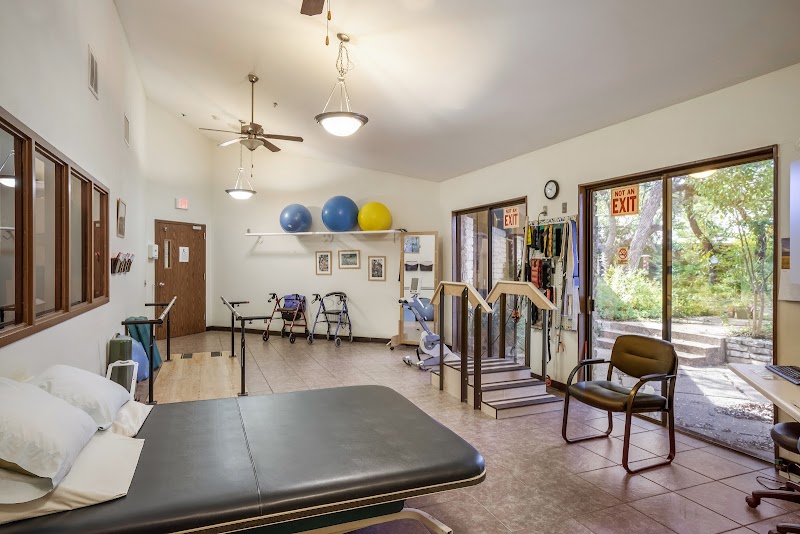
Who Owns and Operates Deer Creek Of Wimberley?

Deer Creek of Wimberley is owned by a for-profit company. For-profit facilities operate as businesses with obligations to shareholders or private owners. The facility is operated by EDURO HEALTHCARE, a chain that manages multiple nursing homes. With 122 certified beds and approximately 72 residents (about 59% occupancy), it is a mid-sized facility located in Wimberley, Texas.

How Does Deer Creek Of Wimberley Compare to Other Texas Nursing Homes?

Compared to the 100 nursing homes in Texas, Deer Creek of Wimberley's overall rating (2 stars) is below the state average of 2.8, staff turnover (34%) is significantly lower than the state average of 46%, and health inspection rating (1 stars) is much below the national benchmark.

What Should Families Ask When Visiting Deer Creek Of Wimberley?

Based on this facility's data, families visiting should ask: "What changes have been made since the serious inspection findings, and how are you preventing similar issues?" "Can I visit during a mealtime to observe dining assistance and food quality?" "How do you handle medical emergencies, and what is your hospital transfer rate?" "Can I speak with family members of current residents about their experience?" These questions are particularly relevant given the facility's Immediate Jeopardy citations.

Is Deer Creek Of Wimberley Safe?

Based on CMS inspection data, Deer Creek of Wimberley has documented safety concerns. Inspectors have issued 4 Immediate Jeopardy citations (the most serious violation level indicating risk of serious injury or death). The facility has a 2-star overall rating and ranks #100 of 100 nursing homes in Texas. Families considering this facility should ask detailed questions about what corrective actions have been taken since these incidents.

Do Nurses at Deer Creek Of Wimberley Stick Around?

Deer Creek of Wimberley has a staff turnover rate of 34%, which is about average for Texas nursing homes (state average: 46%). Moderate turnover is common in nursing homes, but families should still ask about staff tenure and how the facility maintains care continuity when employees leave.

Was Deer Creek Of Wimberley Ever Fined?

Deer Creek of Wimberley has been fined $57,040 across 2 penalty actions. This is above the Texas average of $33,649. Fines in this range indicate compliance issues significant enough for CMS to impose meaningful financial consequences. Common causes include delayed correction of deficiencies, repeat violations, or care failures affecting resident safety. Families should ask facility leadership what changes have been made since these penalties.

Is Deer Creek Of Wimberley on Any Federal Watch List?

Deer Creek of Wimberley is not on any federal watch list. The most significant is the Special Focus Facility (SFF) program, which identifies the bottom 1% of nursing homes nationally based on persistent, serious quality problems. Not being on this list means the facility has avoided the pattern of deficiencies that triggers enhanced federal oversight. This is a positive indicator, though families should still review the facility's inspection history directly.