THE LAURENWOOD NURSING AND REHABILITATION
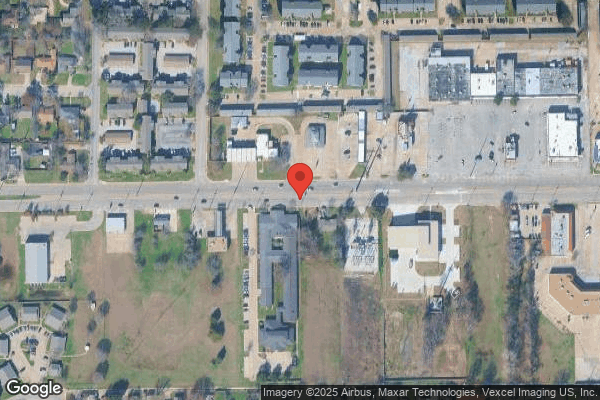
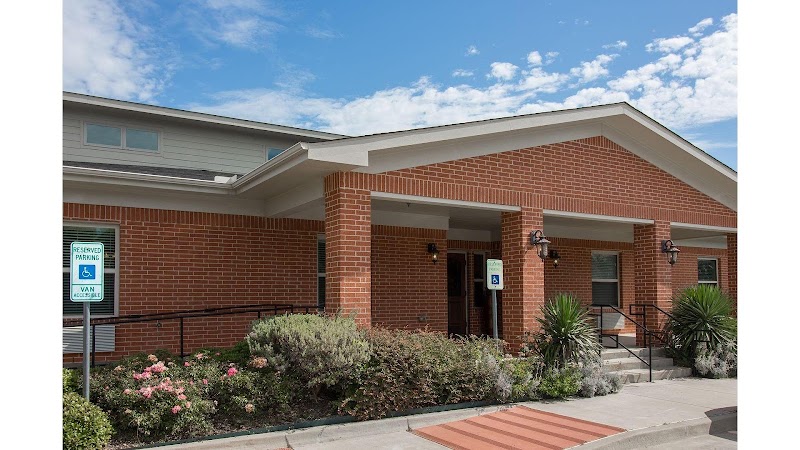
330 W CAMP WISDOM RD, DUNCANVILLE, TX 75116 (972) 298-3398
For profit - Corporation 103 Beds PARAMOUNT HEALTHCARE Data: November 2025 4 Immediate Jeopardy citations
Trust Grade
0/100
#1123 of 1168 in TX
Last Inspection: April 2025

Within standard 12-15 month inspection cycle. Federal law requires annual inspections.

Overview

The Laurenwood Nursing and Rehabilitation in Duncanville, Texas has received a Trust Grade of F, indicating significant concerns about the quality of care provided. This facility ranks #1123 out of 1168 in Texas, placing it in the bottom half, and #80 out of 83 in Dallas County, meaning there are very few local options that are worse. The trend is worsening, with issues increasing from 7 in 2024 to 9 in 2025, and staffing is a major concern, rated 1 out of 5 stars with a turnover rate of 66%, significantly higher than the Texas average. While the facility does have some RN coverage, it is concerning as it is less than that of 79% of Texas facilities. There have been critical incidents, such as a resident being diagnosed with Legionnaires' disease due to inadequate infection control, and another resident eloping unsupervised due to lack of adequate supervision, raising serious safety concerns. Overall, families should weigh these significant weaknesses against any potential strengths when considering this facility for their loved ones.

Trust Score
F
0/100
In Texas
#1123/1168
Bottom 4%
Safety Record
High Risk
Review needed
Inspections
Getting Worse
7 → 9 violations
Staff Stability
⚠ Watch
66% turnover. Above average. Higher turnover means staff may not know residents' routines.
Penalties
○ Average
$38,522 in fines. Higher than 51% of Texas facilities. Some compliance issues.
Skilled Nurses
⚠ Watch
Each resident gets only 12 minutes of Registered Nurse (RN) attention daily — below average for Texas. Fewer RN minutes means fewer trained eyes watching for problems.
Violations
⚠ Watch
22 deficiencies on record. Higher than average. Multiple issues found across inspections.
★☆☆☆☆
1.0
Overall Rating
★☆☆☆☆
1.0
Staff Levels
★★★☆☆
3.0
Care Quality
★★☆☆☆
2.0
Inspection Score
Stable
2024: 7 issues
2025: 9 issues

The Good

  • Full Sprinkler Coverage · Fire safety systems throughout facility
  • No fines on record

Facility shows strength in fire safety.

The Bad

1-Star Overall Rating

Below Texas average (2.8)

Significant quality concerns identified by CMS

Staff Turnover: 66%

20pts above Texas avg (46%)

Frequent staff changes - ask about care continuity

Federal Fines: $38,522

Above median ($33,413)

Moderate penalties - review what triggered them

Chain: PARAMOUNT HEALTHCARE

Part of a multi-facility chain

Ask about local staffing decisions and management

Staff turnover is elevated (66%)

18 points above Texas average of 48%

The Ugly 22 deficiencies on record

4 life-threatening
Apr 2025 2 deficiencies
CONCERN (D) 📢 Someone Reported This

A family member, employee, or ombudsman was alarmed enough to file a formal complaint

Potential for Harm - no one hurt, but risky conditions existed

Comprehensive Care Plan (Tag F0656)

Could have caused harm · This affected 1 resident

**NOTE- TERMS IN BRACKETS HAVE BEEN EDITED TO PROTECT CONFIDENTIALITY** Based on interview and record review, the facility failed to develop and implement a comprehensive person-centered care plan for...

Read full inspector narrative →
**NOTE- TERMS IN BRACKETS HAVE BEEN EDITED TO PROTECT CONFIDENTIALITY** Based on interview and record review, the facility failed to develop and implement a comprehensive person-centered care plan for 1 of 6 residents (Residents #1) reviewed for comprehensive care plans. 1. The facility failed to ensure Resident #1's care plan included a diagnosis of Pneumonia. This failure could place residents at risk of not receiving the care and services to maintain their highest practicable physical, mental, and psychosocial well-being. Findings included: Record review of Resident #1's face sheet dated 03/27/25, reflected an [AGE] year-old female, with an initial admission date of 08/05/22, and a readmission date of 03/12/25. Resident #1 had a diagnosis of Dementia (loss of memory and other thinking abilities) and Secondary Hypertension (high blood pressure). Record review of Resident #1's care plan, dated 03/27/25, did not address her diagnosis of Pneumonia. Record review of the facility's Infection Surveillance Monthly Report, dated 03/27/25, reflected Resident #1 had an infection: Infection onsite date (identification date): 02/24/25 admit date : [DATE] Infection: Pneumonia Status: Open, Confirmed Order: Levaquin Tablet 250 MG (an antibiotic medication) In an interview on 03/27/25 at 3:22 PM, the DON stated she was not sure why Resident #1's care plan did not address pneumonia. She stated Resident #1 started taking the Levaquin on 02/25/25. The DON she would be notified by central intake if a resident went to the hospital and returned with a change or new medication. She stated nurses on the floor or audits that she completed would alert her to changes that occurred in the facility. She stated she would then know the care plan needed to be updated. The DON stated the risk of pneumonia not addressed on the care plan was missed needs of Resident #1 and potential issues for the resident. In an interview on 03/27/25 at 3:51 PM, the Administrator stated she was not sure why the pneumonia was not listed on Resident #1's Care Plan. She stated she would have to refer to her DON regarding the care plans and the risk of pneumonia not addressed, because that was not her lane. Record review of the facility's policy titled, Care Plans, Comprehensive, dated [DATE], reflected the following: Policy Statement A comprehensive, person-centered care plan that included measurable objectives and timetables to meet the resident's physical, psychosocial and functional needs is developed and implemented for each resident. Policy Interpretation and Implementation 8. The comprehensive, person-centered care plan will: b. Describe the services that are to be furnished to attain or maintain the resident's highest practicable physical, mental, and psychosocial well-being. g. incorporate identified problem areas h. incorporate risk factors associated with the identified problems m. Aid in preventing or reducing decline in the resident's functional status and/or element of care 13. Assessments of residents are ongoing and care plans are revised as information about the residents and the residents' conditions change.
CONCERN (D) 📢 Someone Reported This

A family member, employee, or ombudsman was alarmed enough to file a formal complaint

Potential for Harm - no one hurt, but risky conditions existed

Infection Control (Tag F0880)

Could have caused harm · This affected 1 resident

**NOTE- TERMS IN BRACKETS HAVE BEEN EDITED TO PROTECT CONFIDENTIALITY** Based on interview and record review, the facility failed to establish and maintain an infection prevention and control program ...

Read full inspector narrative →
**NOTE- TERMS IN BRACKETS HAVE BEEN EDITED TO PROTECT CONFIDENTIALITY** Based on interview and record review, the facility failed to establish and maintain an infection prevention and control program designed to provide a safe, sanitary, and comfortable environment and to help prevent the development and transmission of communicable diseases and infections for one of three residents (Resident #2) reviewed for infection control. The facility failed to add Resident #2 to the infection control log when he was diagnosed with Pneumonia on 03/15/25. This deficient practice could place residents at-risk for infections. Findings included: Record review of Resident #2's face sheet, dated 03/27/25, reflected a [AGE] year-old male, with an initial admission date of 09/04/24, and a re-admission date of 03/21/25. Resident #1 had a diagnosis of Pneumonia (lung infection causing inflammation and fluid buildup), Acute Respiratory Failure (lungs cannot adequately supply oxygen to the blood), Alzheimer's Disease (progressive memory loss and cognitive decline), and Chronic Obstructive Pulmonary Disease (progressive lung disease that makes it hard to breathe). Record review of the progress notes on Resident #2's electronic record dated 03/15/25 reflected Resident #2's doctor ordered the resident to be sent to the hospital after the facility received results of his chest x-ray, which noted the resident had possible pneumonia. The progress notes noted Resident #2 was discharged from the hospital back to the facility on [DATE]. Record review of Resident #2's hospital record dated, 03/15/25, reflected Resident #2 had an encounter diagnosis of Pneumonia and Sepsis (life-threatening medical emergency caused by the body's overwhelming response to infection). The hospital record reflected the encounter diagnosis was, Pneumonia of the right lung due to infectious organism, unspecified part of the lung. Record review of the facility's Infection Surveillance Monthly Report did not reflect that Resident #2 had an infection. Resident #2 was not on the report. In an interview on 03/27/25 at 3:22 PM, the DON stated she was aware Resident #2 went to the hospital and was diagnosed with pneumonia. She stated Resident #2 was treated for pneumonia while at the hospital. The DON stated he returned to the facility around 03/21/25. She stated she was the infection control preventionist, and she was the one responsible for updates on the infection control log. The DON stated any infection that was identified at the facility, would be added to the infection control log. The DON stated she did not add Resident #2 to the infection control log, because he was treated for pneumonia at the hospital. The DON stated she felt there was no risk of Resident #2 not listed on the infection control log, because he was not diagnosed with pneumonia at the facility. The DON stated the facility did not have a policy on infection control logs. In an interview on 03/27/25 at 3:51 PM, the Administrator stated she would have to refer to the DON for information regarding the infection control log. She stated the DON was also the facility's infection preventionist. The Administrator stated she was not sure what needed to be on the infection control log. The Administrator stated she would also have to refer to the DON regarding the risk of a resident not listed on the infection control log when the resident was diagnosed upon admission to the hospital. A general infection control policy was requested on 03/27/25 at 3:30 PM but not provided. Record review of the facility's policy titled, Infection Control Guidelines for All Nursing Procedures, dated December 2024, reflected the following: Purpose To provide guidelines for general infection control while caring for residents.
Apr 2025 5 deficiencies
CONCERN (D) 📢 Someone Reported This

A family member, employee, or ombudsman was alarmed enough to file a formal complaint

Potential for Harm - no one hurt, but risky conditions existed

Report Alleged Abuse (Tag F0609)

Could have caused harm · This affected 1 resident

**NOTE- TERMS IN BRACKETS HAVE BEEN EDITED TO PROTECT CONFIDENTIALITY** Based on interviews and record reviews the facility failed to ensure all alleged violations involving abuse, neglect, including ...

Read full inspector narrative →
**NOTE- TERMS IN BRACKETS HAVE BEEN EDITED TO PROTECT CONFIDENTIALITY** Based on interviews and record reviews the facility failed to ensure all alleged violations involving abuse, neglect, including injuries of unknown source were reported immediately, but not later than 2 hours after the allegation was made, if the events that caused the allegation involved abuse or resulted in serious bodily injury, to the administrator of the facility and to other officials (including to the State Survey Agency where state law provides for jurisdiction in long-term care facilities) in accordance with State law through established procedures for one (Resident #179) of five residents reviewed for injury of unknown origin reporting. The facility failed to ensure on 03/12/25 Resident #179's injury of unknown origin was reported to HHSC when the staff did not know why she had an unwitnessed fall (03/10/25) that was later diagnosed (03/12/25) as periprosthetic fracture (broken) in the region of the greater trochanter (hip). This failure could place fall risk residents of getting more injuries, bruises, and pain which could result in emotional turmoil and cause decreased health and psycho-social well-being. Findings included: Record review or Resident #179's admission MDS assessment dated [DATE] revealed, an [AGE] year-old female who admitted on [DATE], and did not return after hospitalization. Resident #179 had diagnoses which included: hypertension (high blood pressure), anemia, (low red blood cells), dementia (confusion), and malnutrition (skinny). Resident #179 was severely cognitively impaired and unable to make all decisions for herself and required one staff for total care for all activities of daily living. Resident #179 had not been coded for falls, as she had no actual falls. Record review of Resident #179's Care Plan dated 12/10/24 revealed, Impaired cognitive function/dementia or impaired thought processes related to dementia. On 12/10/24 At risk for at risk for falls related to decreased safety awareness, impaired cognition, and gait and balance problems. On 03/11/25 was dependent on staff for activities, cognitive stimulation, social interaction related to cognitive deficits. On 03/10/25 had an actual fall. On 03/12/25 was diagnosed with periprosthetic fracture (broken) in the region of the greater trochanter (hip). Record review of Resident #179's Incident Report by LVN C dated 03/10/25 at 9:38 a.m. revealed, Incident Description Nursing Description: Resident was observed on the floor leaning on left side with left elbow holding her head up. Incident was unwitnessed. Resident Description: Resident was unable to specify. Was this incident witnessed: No. Immediate Action Taken: Description: ROM exercises and Neuro checks within normal limits. No injuries noted, continue to monitor. Resident Taken to Hospital? No. Mental status: oriented to person, lack of safety awareness, forgetful. Predisposing physiological factors: confused, gait imbalanced, DON, ADON, doctor, and family member notified. Record review of the nursing progress notes dated 03/12/25 at 5:21 p.m. by LVN G reflected, Upon last completion of rounds. [Patient] Resident #179 in bed resting with eyes closed during assessment and repositioned Patient showed objective signs of pain as evidence by yelling out and guarding left thigh.The nurse immediately notified doctor with orders for x-ray of entire left leg STAT (right away). Pain medication ordered and given. Family notified and DON notified. Record review of Resident #179's Left Hip X ray dated 03/12/25 reflected, S/p total hip arthroplasty. There is periprosthetic fracture in the region of the greater trochanter, this appears new. Record review on Resident #179's Nurses note dated 03/12/25 by LVN F revealed, [physician] new order to send resident to ER for evaluation. Record review of Resident #179's Medication Administration Record dated March 2025 reflected no pain medications administered after 03/10/2025 until 03/12/2025, when Resident #179 was assessed by LVN G and Resident #179 was transferred to the emergency room following the positive x-ray results. Interview on 04/02/25 at 10:39 am, LVN C stated she worked 6:00 a.m. through 2:00 p.m. She stated Resident #179 admitted several years ago and she was very familiar with Resident #179. Resident #179 normally wheeled about in her wheelchair and was always leaning over trying to pick up something or touch someone and they always made sure her bed was in the lowest position. She stated they also increased monitoring of Resident #179 and anticipated her needs and that she was alert and oriented to herself. She stated Resident #179 was doing well wheeling without assist. She stated she worked on the day shift the day she was found on the floor in the television room. LVN C stated she had seen Resident #179 earlier sitting in her wheelchair in the television room. She stated she did not remember Resident #179 having any other falls for over three months. She stated when she assessed Resident #179, she found no injuries. She stated she began neurological checks and continued to monitor for pain, as was the policy to monitor for 72 hours after any fall in case there were latent injuries. LVN C stated Resident #179 had no pain for the remaining of her shift and had no pain assessed the next day during her shift of 6:00 a.m. to 2:00 p.m. LVN C stated she reported the fall to the DON, ADON, and the family. LVN C stated through the monitoring another nurse assessed Resident #179, the resident exhibited pain and guarding with the left leg, the nurse notified physician and gotten x-rays ordered, that later indicated a left hip fracture. Resident #179 was sent to the hospital. Interview on 04/02/2025 at 1:15 p.m. with CNA F revealed CNA F worked 6:00 a.m. to 2:00 p.m. shift and was working the day that Resident #179 fell. CNA F stated she had seen Resident #179 in the television room approximately 20 minuets earlier and she was sitting in her wheelchair. CNA F sated she came back around by the television room and Resident#179 was on the floor. CNA F stated she went and got the nurse in charge LVN C, who assessed her and Resident #179 did not complain of any pain. CNA F stated she and LVN C got Resident #179 up an into her wheelchair, she did not want to go back to bed, and she started wheeling around, she ate a very good lunch and then I placed her back in bed and completed incontinent care. CNA F stated she did not complain of any pain during care. CNA F stated that Resident #179 had no current falls and she had a low bed in place, with a stability mat. Resident #179 had been in therapy and anti-tip bars had been added to the wheelchair and the seat had been lowered on the wheelchair. CNA F stated Resident #179 was a busy lady she liked to pick up items on the floor and pat other resident's on their back, she also likes to rearrange and arrangements that are available to her. CNA F stated she had taken care of Resident #179 the next day after the fall and she complained of no pain that day, The CNA performed transfer, incontinent and got her dressed. Interview on 04/02/2205 at 2:00 p.m. with CNA I revealed she worked 10:00 p.m. through 6:00 a.m. shift. CNA I stated she did care for Resident #179 and she complained of no pain, when she performed incontinent care. CNA I stated she would have told the charge nurse. Interview on 04/02/2025 at 2:15 p.m. with LVN G revealed she was working on the 2:00 p.m. through 10:00 p.m. shift. LVN G stated she was aware that Resident #179 had fallen out of her wheelchair in the television room, and there was no witness to the fall. LVN G stated she was making her rounds and completing the assessment her assessment of Resident #179, when she exhibited pain and guarding. LVN G stated she contacted the physician, followed orders for the x-ray and later the resident was transported to the hospital for further evaluation of her left hip. LVN G stated Resident #179 had exhibited no pain prior to this assessment. Interview on 04/02/25 at 2:02 p.m., the Administrator stated she was on maternity leave at the time and had no idea Resident #179 had fallen and had an injury of unknown origin. The Administrator said if she had been working at the time, she would have investigated the incident and reported it to HHSC. The Administrator knew that it was supposed to be reported should have been reported timely, but she was not there at the time. The Administrator the facility had various interims that were sitting in her place, as she was out on maternity leave, but was not aware of who the individuals were. Interview on 04/02/2025 at 2:45 p.m. with CNA H revealed that he works the 2:00 p.m. through 10:00 p. m. and had taken care of Resident #179. CNA H stated was working when she complained of pain with her leg during the LVN G's nursing assessment, she did not complain of any pain when I had gone in to check on her earlier. CNA H stated he had taken care of her on the day that she had fallen. Resident #179 complained of no pain, the CNA stated he performed incontinent care, changed her clothing, had gotten her up for dinner and placed her back in bed, she did not complain of any pain. Interview on 04/02/25 at 3:30 p.m. the DON stated there was different people covering for the Administrator while she was out on maternity leave. The DON could not recall who was there on the day that Resident #179 fell. The DON was aware that the resident had fallen and later had a diagnosis of a hip fracture but was unaware that the incident had not been reported and investigated as an unwitnessed fall. The DON stated she had never been trained how to report incidents and would have reported and investigated if she had of known how. The DON stated that different individuals were sitting in during the Administrator's maternity leave, but she had no idea who they were or who was there when this occurred. Review of the neurological assessments dated 03/10/2025 through 03/12/2025 reflected that each nursing shift was following the neurological assessments for each shifts with no omissions noted, or complaints of pain or related changes in conditions, until the assessment reflected a change of condition completed by LVN G. Record review of the facility's policy Abuse, Neglect, and exploitation dated January 2012 and revised December 2024 revealed, Purpose: It is the policy of this facility to provide protections for health, welfare, and rights of each resident by developing and implementing written policies and procedures that prohibit and prevent abuse, neglect, exploitation and misappropriation of resident property .IV Identification of Abuse, Neglect, and Exploitation: B. Possible indicator of abuse include, but not limited to: 3. Physical injury of a resident, of unknown source . V. Investigation of Alleged Abuse, Neglect and Exploitation A. and immediate investigation is warranted .B. 1. Identify staff responsible for investigation; . 3. Investigation of different types of alleged violations; 4. Identify and interview all involved person . and other who might have knowledge .5. Focusing the investigation on determine if abuse, neglect, exploitation, and/or mistreatment has occurred, the extent and cause; 6. Proving complete and through documentation of the investigations.VII Reporting/Response . 1. Reporting of alleged violations to the Administrator, state agency A. immediately, but not later than 2 hours after . if the event . result in bodily injury 13. The Administrator should/will follow-up with the government agencies, during business hours, to confirm the initial report was received, and to report the results of the investigation when final within 5 working days of the incident, as required by state agencies .
CONCERN (D)

Potential for Harm - no one hurt, but risky conditions existed

Investigate Abuse (Tag F0610)

Could have caused harm · This affected 1 resident

**NOTE- TERMS IN BRACKETS HAVE BEEN EDITED TO PROTECT CONFIDENTIALITY** Based on interviews and record review, the facility failed, in response to allegations of neglect, have evidence that all allege...

Read full inspector narrative →
**NOTE- TERMS IN BRACKETS HAVE BEEN EDITED TO PROTECT CONFIDENTIALITY** Based on interviews and record review, the facility failed, in response to allegations of neglect, have evidence that all alleged violations were thoroughly investigated and report the results of all investigations to the administrator and to other officials in accordance with State law, including the State Survey Agency, within 5 working days of the incident for 1 of 5 (Resident #179) residents reviewed for abuse, neglect, and exploitation investigations. The facility failed to investigate an injury of unknown origin sustained by Resident #179 that was suspicious of abuse or neglect. This failure could cause diminished quality of life and place residents at risk for mistreatment. Findings included: Record review or Resident #179's admission MDS assessment dated [DATE] revealed, an [AGE] year-old female who admitted on [DATE], and did not return after hospitalization. Resident #179 had diagnoses which included: hypertension (high blood pressure), anemia, (low red blood cells), dementia (confusion), and malnutrition (skinny). Resident #179 was severely cognitively impaired and unable to make all decisions for herself and required one staff for total care for all activities of daily living. Resident #179 had not been coded for falls, as she had no actual falls. Record review of Resident #179's Care Plan dated 12/10/24 revealed, Impaired cognitive function/dementia or impaired thought processes related to dementia. On 12/10/24 At risk for at risk for falls related to decreased safety awareness, impaired cognition, and gait and balance problems. On 03/11/25 was dependent on staff for activities, cognitive stimulation, social interaction related to cognitive deficits. On 03/10/25 had an actual fall. On 03/12/25 was diagnosed with periprosthetic fracture (broken) in the region of the greater trochanter (hip). Record review of Resident #179's Incident Report by LVN C dated 03/10/25 at 9:38 a.m. revealed, Incident Description Nursing Description: Resident was observed on the floor leaning on left side with left elbow holding her head up. Incident was unwitnessed. Resident Description: Resident was unable to specify. Was this incident witnessed: No. Immediate Action Taken: Description: ROM exercises and Neuro checks within normal limits. No injuries noted, continue to monitor. Resident Taken to Hospital? No. Mental status: oriented to person, lack of safety awareness, forgetful. Predisposing physiological factors: confused, gait imbalanced, DON, ADON, doctor, and family member notified. Record review of the nursing progress notes dated 03/12/25 at 5:21 p.m. by LVN G reflected, Upon last completion of rounds. [Patient] Resident #179 in bed resting with eyes closed during assessment and repositioned Patient showed objective signs of pain as evidence by yelling out and guarding left thigh.The nurse immediately notified doctor with orders for x-ray of entire left leg STAT (right away). Pain medication ordered and given. Family notified and DON notified. Record review of Resident #179's Left Hip X ray dated 03/12/25 reflected, S/p total hip arthroplasty. There is periprosthetic fracture in the region of the greater trochanter, this appears new. Record review on Resident #179's Nurses note dated 03/12/25 by LVN F revealed, [physician] new order to send resident to ER for evaluation. Record review of Resident #179's Medication Administration Record dated March 2025 reflected no pain medications administered after 03/10/2025 until 03/12/2025, when Resident #179 was assessed by LVN G and Resident #179 was transferred to the emergency room following the positive x-ray results. Interview on 04/02/25 at 10:39 am, LVN C stated she worked 6:00 a.m. through 2:00 p.m. She stated Resident #179 admitted several years ago and she was very familiar with Resident #179. Resident #179 normally wheeled about in her wheelchair and was always leaning over trying to pick up something or touch someone and they always made sure her bed was in the lowest position. She stated they also increased monitoring of Resident #179 and anticipated her needs and that she was alert and oriented to herself. She stated Resident #179 was doing well wheeling without assist. She stated she worked on the day shift the day she was found on the floor in the television room. LVN C stated she had seen Resident #179 earlier sitting in her wheelchair in the television room. She stated she did not remember Resident #179 having any other falls for over three months. She stated when she assessed Resident #179, she found no injuries. She stated she began neurological checks and continued to monitor for pain, as was the policy to monitor for 72 hours after any fall in case there were latent injuries. LVN C stated Resident #179 had no pain for the remaining of her shift and had no pain assessed the next day during her shift of 6:00 a.m. to 2:00 p.m. LVN C stated she reported the fall to the DON, ADON, and the family. LVN C stated through the monitoring another nurse assessed Resident #179, the resident exhibited pain and guarding with the left leg, the nurse notified physician and gotten x-rays ordered, that later indicated a left hip fracture. Resident #179 was sent to the hospital. Interview on 04/02/2025 at 1:15 p.m. with CNA F revealed CNA F worked 6:00 a.m. to 2:00 p.m. shift and was working the day that Resident #179 fell. CNA F stated she had seen Resident #179 in the television room approximately 20 minuets earlier and she was sitting in her wheelchair. CNA F stated she came back around by the television room and Resident#179 was on the floor. CNA F stated she went and got the nurse in charge LVN C, who assessed her and Resident #179 did not complain of any pain. CNA F stated she and LVN C got Resident #179 up an into her wheelchair, she did not want to go back to bed, and she started wheeling around, she ate a very good lunch and then I placed her back in bed and completed incontinent care. CNA F stated she did not complain of any pain during care. CNA F stated that Resident #179 had no current falls and she had a low bed in place, with a stability mat. Resident #179 had been in therapy and anti-tip bars had been added to the wheelchair and the seat had been lowered on the wheelchair. CNA F stated Resident #179 was a busy lady she liked to pick up items on the floor and pat other resident's on their back, she also likes to rearrange and arrangements that are available to her. CNA F stated she had taken care of Resident #179 the next day after the fall and she complained of no pain that day, The CNA performed transfer, incontinent and got her dressed. Interview on 04/02/2205 at 2:00 p.m. with CNA I revealed she worked 10:00 p.m. through 6:00 a.m. shift. CNA I stated she did care for Resident #179 and she complained of no pain, when she performed incontinent care. CNA I stated she would have told the charge nurse. Interview on 04/02/2025 at 2:15 p.m. with LVN G revealed she was working on the 2:00 p.m. through 10:00 p.m. shift. LVN G stated she was aware that Resident #179 had fallen out of her wheelchair in the television room, and there was no witness to the fall. LVN G stated she was making her rounds and completing the assessment her assessment of Resident #179, when she exhibited pain and guarding. LVN G stated she contacted the physician, followed orders for the x-ray and later the resident was transported to the hospital for further evaluation of her left hip. LVN G stated Resident #179 had exhibited no pain prior to this assessment. Interview on 04/02/25 at 2:02 p.m., the Administrator stated she was on maternity leave at the time and had no idea Resident #179 had fallen and had an injury of unknown origin. The Administrator said if she had been working at the time, she would have investigated the incident and reported it to HHSC. The Administrator knew that it was supposed to be reported should have been reported timely, but she was not there at the time. The Administrator the facility had various interims that were sitting in her place, as she was out on maternity leave, but was not aware of who the individuals were. Interview on 04/02/2025 at 2:45 p.m. with CNA H revealed that he works the 2:00 p.m. through 10:00 p m. and had taken care of Resident #179. CNA H stated was working when she complained of pain with her leg during the LVN G's nursing assessment, she did not complain of any pain when I had gone in to check on her earlier. CNA H stated he had taken care of her on the day that she had fallen. Resident #179 complained of no pain, the CNA stated he performed incontinent care, changed her clothing, had gotten her up for dinner and placed her back in bed, she did not complain of any pain. Interview on 04/02/25 at 3:30 p.m. the DON stated there was different people covering for the Administrator while she was out on maternity leave. The DON could not recall who was there on the day that Resident #179 fell. The DON was aware that the resident had fallen and later had a diagnosis of a hip fracture but was unaware that the incident had not been reported and investigated as an unwitnessed fall. The DON stated she had never been trained how to report incidents and would have reported and investigated if she had of known how. The DON stated that different individuals were sitting in during the Administrator's maternity leave, but she had no idea who they were or who was there when this occurred. Review of the neurological assessments dated 03/10/2025 through 03/12/2025 reflected that each nursing shift was following the neurological assessments for each shifts with no omissions noted, or complaints of pain or related changes in conditions, until the assessment reflected a change of condition completed by LVN G. Record review of the facility's policy Abuse, Neglect, and exploitation dated January 2012 and revised December 2024 revealed, Purpose: It is the policy of this facility to provide protections for health, welfare, and rights of each resident by developing and implementing written policies and procedures that prohibit and prevent abuse, neglect, exploitation and misappropriation of resident property .IV . Identification of Abuse, Neglect, and Exploitation: B. Possible indicator of abuse include, but not limited to: 3. Physical injury of a resident, of unknown source . V. Investigation of Alleged Abuse, Neglect and Exploitation A. and immediate investigation is warranted .B. 1. Identify staff responsible for investigation; . 3. Investigation of different types of alleged violations; 4. Identify and interview all involved person . and other who might have knowledge .5. Focusing the investigation on determine if abuse, neglect, exploitation, and/or mistreatment has occurred, the extent and cause; 6. Proving complete and through documentation of the investigations.VII Reporting/Response . 1. Reporting of alleged violations to the Administrator, state agency A. immediately, but not later than 2 hours after . if the event . result in bodily injury 13. The Administrator should/will follow-up with the government agencies, during business hours, to confirm the initial report was received, and to report the results of the investigation when final within 5 working days of the incident, as required by state agencies .
CONCERN (D)

Potential for Harm - no one hurt, but risky conditions existed

Deficiency F0692 (Tag F0692)

Could have caused harm · This affected 1 resident

**NOTE- TERMS IN BRACKETS HAVE BEEN EDITED TO PROTECT CONFIDENTIALITY** Based on observations, interviews, and record review, the facility failed to maintain acceptable parameters of nutritional statu...

Read full inspector narrative →
**NOTE- TERMS IN BRACKETS HAVE BEEN EDITED TO PROTECT CONFIDENTIALITY** Based on observations, interviews, and record review, the facility failed to maintain acceptable parameters of nutritional status, such as usual body weight or desirable body weight range and electrolyte balance, unless the resident's clinical condition demonstrates that this is not possible or resident preferences indicate otherwise for 2 of 4 residents (Residents #44 and #30) reviewed for nutritional status. MA A administered nutritional supplement to Resident #44, who was interviewable but moderately confused and unable to make decision for herself, without a physician's order. MA administered nutritional supplement to Resident # 30, who was interviewable moderately confused and unable to make decisions for herself, without a physician's order. This failure could result in residents not having an accurate overall view of their care and services. The findings included: Record review of Resident #44's admission MDS assessment dated [DATE], revealed a [AGE] year-old female who admitted to the facility on [DATE]. Resident #44 had diagnoses which included: hypertension (high blood pressure), Peripheral vascular disease (inadequate blood circulation), and diabetes (high blood sugar). Resident #44 was moderately cognitively impaired, and unable to make all decisions for herself and required one staff for assistance with activities of daily living. Record review of Resident #44's Physician Order Summary report dated 03/10/2025 revealed there was no written order for a nutritional supplement. Record review of Resident #44's Medication Administration Record dated 03/20205 revealed there was no area to document the nutritional supplement. Record review of Resident #30's quarterly MDS Assessment, dated 03/26/25, revealed a [AGE] year-old female who was admitted to the facility on [DATE]. Resident #30 had diagnoses which included: cerebrovascular accident (stroke), hypertension (increased blood pressure), and cerebrovascular disease (clogged up vessels in heart). Resident #30 was moderately cognitively impaired and unable make all decisions for herself and required one staff for assistance with activities of daily living. Record review of Resident #30's Physician Order Summary Report dated 03/21/25 revealed there was no written order for a nutritional supplement. Record review of Resident #30's Medication Administration Record dated 03/2025 revealed there was no area to document the nutritional supplement. Observation on 03/31/2025 at 8:26 a.m. with MA A during the morning medication pass revealed she administered 4 ounces of nutritional supplement to Resident #44. Observation on 03/31/15 at 8:44 a.m. with MA A during the morning medications pass revealed she administered 4 ounces of nutritional supplement to Resident #30. An interview on 04/02/2025 at 10:47 a.m. with MA A revealed if she gave the nutritional supplement to residents, she would have physician orders to do so. The MA stated if she gave the nutritional supplement to resident's #44 and #30 and did not have a physician order, she would be wrong. The MA said if a resident asked for the nutritional supplement she would have to tell the charge nurse, to get a doctor's order, before it could be given. An interview on 04/02/2025 at 10:58 a.m. with LVN D revealed all the nutritional supplements given to the residents must have a physician order before anyone can give. An interview on 04/02/2025 at 11:00 a.m. with LVN C revealed the nurse or the medication Aide must have a physician order to give nutritional supplements to any resident, unless they eat less than 50% of their meal, then the staff can give them a health shake, but that was not the same as nutritional supplement. An interview on 04/02/2025 at 11:52 a.m. with the DON revealed that any resident receiving nutritional supplements, including Resident #44 and #30, had a nutritional reason to need them and they must have physician orders to receive them. If the nutritional supplements were given without a physician order, that could possibly cause harm to the resident. The physician orders are followed-up monthly by nursing administration. Record review of the facility policy and procedure titled Medications Orders, dated December 2024 revealed in part, .Purpose: The purpose of this procedure is to establish uniform guidelines in the receiving and recording of medication orders . Recording Orders: . 7. Commercial Dietary Supplements-When recording orders for commercial dietary supplements, specify the type, amount, and frequency. Resident mush gave physician's order to receive nutritional supplements
CONCERN (E) 📢 Someone Reported This

A family member, employee, or ombudsman was alarmed enough to file a formal complaint

Potential for Harm - no one hurt, but risky conditions existed

Food Safety (Tag F0812)

Could have caused harm · This affected multiple residents

Based on observations, interviews, and record review the facility failed to store, prepare, distribute, and serve food in accordance with professional standards for food service safety in the facility...

Read full inspector narrative →
Based on observations, interviews, and record review the facility failed to store, prepare, distribute, and serve food in accordance with professional standards for food service safety in the facility's only kitchen reviewed for food safety. 1. The facility failed to ensure dented cans were placed in a separate storage area. 2. The facility failed to ensure food items were labeled and dated with the preparation date or discard by date. These failures could place residents at risk for food-borne illness and cross contamination. Findings Include: Observation of the dry storage on 03/31/2025 at 7:50am revealed the following: -1 4lbs can of tuna received date 3/29/2025 was dented on top right. -1 4lbs can of tuna received date 3/29/2025 was dented on front. -1 3lbs 2 oz can of cream of mushroom received date 12/27/2024 was dented on front and bottom right, -1 3lbs 2oz can of cream of mushroom received date 12/27/2024 was dented on back. -1 6.27 lbs can of zucchini tomato juices received date 3/28/2025 was dented on bottom left. Observation of the dining room on 03/31/2025 at 8:09am revealed the following: -4 large pitchers of unidentified liquid drinks. There was no label description or preparation dates. In an interview with the DM on 03/11/2025 at 11:18 am she stated her, or the kitchen aides were responsible for putting away canned goods once the canned goods were delivered. She stated dented cans were kept in her office and then returned to vendor. She stated all kitchen staff were responsible for ensuring food and drinks were labeled and dated. She stated the risks of dented cans not stored in a separate area and food and drinks could cause residents to become sick. Interview with [NAME] E on 03/31/2025 at 11:30am she stated dented cans were stored in the DM's office. She stated all kitchen staff were responsible for checking canned goods for dents. She stated all kitchen staff were responsible for correctly labeling and dated all food items. She stated the risks of not separating dented cans could cause residents to be sick. She stated not labeling and dating food or drinks could cause staff to serve expired or spoiled food that could cause residents to become sick. Record review of the facility's Food Receiving and Storage Policy, revised 2017 reflected, Policy Statement: Food and supplies will be received according to facility approved standards and practices to ensure quality of products received. Procedure: Unacceptable products (dented cans) will be rejected, and a notation made on both the delivery receipt and the order form. Cool per regulations, label, and date all food. Record review of the U.S. FDA Food Code 2022 reflected: Chapter 3 . FDA considers food in hermetically sealed containers that are swelled or leaking to be adulterated and actionable under the Federal Food, Drug, and Cosmetic Act. Depending on the circumstances, rusted, and pitted or dented cans may also present a serious potential hazard. Food Labeling [* .(b) A food which is subject to the requirements of section 403(k) of the act shall bear labeling, even though such food is not in package form. Section 3-302.12 Food Storage Containers, Identified with Common Name of Food: Except for containers holding FOOD that can be readily and unmistakably recognized such as dry pasta, working containers holding food or food ingredients that are removed from their original packages for use in the food establishment, such as cooking oils, flour, herbs, potato flakes, salt, spices, and sugar shall be identified with the common name of the food. Section 3-501.17 . Commercial processed food: Open and hold cold . B . 1. The day the original container is opened in the food establishment shall be counted as Day 1. 2. The day or date marked by the food establishment may not exceed a manufacturer's use-by date if the manufacturer determined the use-by date based on food safety . C. 2. Marking the date or day of preparation, with a procedure to discard the food on or before the last date or day by which the food must be consumed on the premises, sold, or discarded as specified under (A) of this section. 3. Marking the date or day the original container is opened in a food establishment, with a procedure to discard the food on or before the last date or day by which the food must be consumed on the premises, sold, or discarded as specified under (B) of this section. Definitions 3 . Food Receiving and Storage - Section 3-302.11 Packaged and Unpackaged Food-Separation, Packaging, and Segregation Food shall be protected from cross contamination by: when combined as ingredients, separating raw animals' foods during storage, preparation, holding, and display.
CONCERN (E)

Potential for Harm - no one hurt, but risky conditions existed

Infection Control (Tag F0880)

Could have caused harm · This affected multiple residents

**NOTE- TERMS IN BRACKETS HAVE BEEN EDITED TO PROTECT CONFIDENTIALITY** Based on observation, interview, and record review the facility failed to establish and maintain an infection prevention and con...

Read full inspector narrative →
**NOTE- TERMS IN BRACKETS HAVE BEEN EDITED TO PROTECT CONFIDENTIALITY** Based on observation, interview, and record review the facility failed to establish and maintain an infection prevention and control program designed to provide a safe, sanitary, and comfortable environment and to help prevent the development and transmission of communicable diseases and infections for 2 of 2 (MA A and CNA B) staff members and 4 of 4 residents (Residents #4, #30, #54, and #31) reviewed for infection control procedures. MA A failed to disinfect the blood pressure cuff in between blood pressure checks for Residents #4 and #30. CNA B failed to change their soiled gloves and perform hand hygiene during incontinent care on Residents #54 and #31. These failures could place residents at risk for cross contamination and infections. Findings included: Record review of Resident #4's quarterly MDS assessment, dated 02/24/25, revealed a [AGE] year-old female who was admitted to the facility on [DATE]. Resident #4 had diagnoses which included: Schizophrenia (mental illness), and hypertension (high blood pressure). Resident #4 was not cognitive and unable to make decisions and required assistance of one staff for activities of daily living. Record review of Resident #4's physician orders dated 03/14/25 reflected, amlodipine Besylate (high blood pressure) 5mg give one tab by mouth two times a day and to obtain blood pressure one time a day on each shift. Record review of Resident #30's quarterly MDS Assessment, dated 03/26/25, revealed a [AGE] year-old female who was admitted to the facility on [DATE]. Resident #30 had diagnoses which included: cerebrovascular accident (stroke), hypertension (increased blood pressure), and cerebrovascular disease (clogged up vessels in heart). Resident #30 was moderately cognitively impaired and unable make all decisions for herself and required one staff for assistance with activities of daily living. Record review of Resident #30's physician orders dated 03/21/25 (open ended) reflected, Coreq (high blood pressure) 3.125 mg give one tab by mouth two times a day. Obtain blood pressure one time a day on each shift. Record review of Resident #54's quarterly MDS Assessment, dated 01/15/25, revealed a [AGE] year-old female who was admitted to the facility on [DATE]. Resident #54 had diagnoses which included: peripheral vascular disease (clogged arteries), hypertension (increased blood pressure), and diabetes (high blood sugar). Resident #53 was moderately cognitively impaired and able make all decisions for herself and required one staff for assistance with activities of daily living. She was incontinent of bowel and bladder. Record review of Resident #31's quarterly MDS Assessment, dated 03/18/25, revealed a [AGE] year-old male who was admitted to the facility on [DATE]. Resident #31 had diagnoses which included: end stage renal disease (kidneys do not work correctly), cerebrovascular accident (stroke), and diabetes (high blood sugar). Resident #31 was moderately cognitively impaired and able make all decisions for himself and required one staff for assistance with activities of daily living. He was incontinent of bowel and bladder. Observation on 03/31/25 at 8:29 a.m., revealed MA A performing morning medication pass, during which time she checked the blood pressure on Resident #4. MA A failed to sanitize the blood pressure cuff before or after using it on Resident #4. Observation on 03/31/25 at 8:44 a.m., revealed MA A performing morning medication pass, during which time she checked the blood pressure, on Resident #30, used the same blood pressure cuff used on Resident #4. MA A failed to sanitize the blood pressure cuff before or after using it on Resident #30. An interview on 03/31/25 at 9:00 a.m., MA A stated she did not think about cleaning the blood pressure cuff between usage, she did not know she needed to. MA A stated she had washed her hands between each usage when she took the blood pressure. MA A stated if the cuff was on the residents and then not cleaned it could spread germs to others. Observation on 03/31/2025 at 9:30 a.m. CNA B entered the room to perform incontinent care and activities of daily living with Resident #54. CNA B did not use hand gel in the hallway or wash his hands and donned clean gloves. Resident #54 was lying on her back in the bed. CNA B explained to the resident what he was going to do, the resident agreed. CNA B picked out the clothing that Resident #54 requested. CNA B unfastened the brief tabs and wiped the pubic area with a disposable wipe, discarded the wipe. CNA B used another wipe on the peri area and discarded. CNA B repositioned Resident #54 to her right side while pulling the clean brief under the resident, He then used another wipe on the left buttocks, pulling the urine soiled brief off and placing in the trashcan. CNA B repositioned Resident #54 to her left side while pulling the clean brief under the resident. CNA B without changing his soiled gloves or washing his hands fastened the tabs of the clean brief, placed on the resident's pants and shirt, repositioning her on the bedside. CNA B picked up a clean pillowcase placed on a pillow and placed the pillow in the wheelchair, transferred the resident into her wheelchair. CNA B while still wearing his soiled gloves and not washing his hands, combed the resident's hair, placed on her glasses, moved her around in the wheelchair, and placed her bedside table in front of the resident, turned on the TV using the remote. CNA B placed his gloves in the trashcan and left the room, without washing his hands or using hand sanitizer. Observation on 04/01/2025 at 10:00 am with CNA B entered the room to perform incontinent care on Resident #31. CNA B did not use hand gel in the hallway or wash his hands and donned clean gloves. Resident #31 was lying on his back in the bed. CNA B explained to the resident what he was going to do, the resident agreed. CNA B unfastened the brief tabs and wiped the pubic area with a disposable wipe discarded wipe, and used another disposable wipe cleaned the penal shaft and head of penis discarded the wipe. CNA B assisted Resident #31 to reposition to his left side, used a disposable wipe and cleaned the left buttocks and anal area of urine and small soft bowel movement. CNA B placed the clean brief under Resident #31, assisted in repositioning Resident #31 to his right side, pulling the urine and bowel movement soiled brief from under resident. CNA B placed the brief in the trashcan. CNA B used additional disposable wipes to clean the right buttocks and anal area, discarding the wipes. CNA B wearing the same soiled gloves applied barrier cream to Resident #31's buttocks, then assisted the resident to reposition himself to his back. CNA B still wearing the soiled gloves and not washing his hands pulled the clean gown down for the resident and pulled the clean linens up over the resident. The CNA moved the bedside table back into place and offered the resident the television remote. CNA B removed the soiled gloves, placed them in the trashcan and left the room with the surveyor, without washing his hands or using hand sanitizer. An interview on 04/01/2025 at 10:00 a.m. with CNA B revealed the CNA stated, he did not bring his [A game] yesterday, but today he was going to show the surveyor how good he was and how he was supposed to do incontinent care. CNA B stated he knew he did not change his gloves. CNA A did not appear to understand that by not removing his gloves what could happen. An interview with the DON, who was the infection control preventionist on 04/01/25 at 2:39 p.m., revealed the DON stated that all direct care staff must clean equipment, including blood pressure cuffs after having contact with each resident. The DON stated, the staff has available the disinfectant wipes that will kill all germs. The DON stated the staff when performing incontinent care should be changing gloves from dirty to clean and washing their hands or using the available hand sanitizer. The DON stated she had just had an in-service on 03/25/25 concerning all of this, presenting step by step the cleaning of equipment and incontinent care. The DON stated that some of the CNAs she had spent extra time with, to make sure they understood. The DON stated during the in-service the staff did not ask any questions and appeared to understand and indicated they knew everything. The DON stated if they do not clean the blood pressure cuffs appropriately and change glovers and clean their hands when they should, they could spread germs to themselves and the residents. Record review of an in-service log dated 03/25/25 revealed MA A and CNA B, had received cleaning and properly storing equipment after each use and how to perform correct incontinent care. Record review of the Facility's Policy titled Infection Control Guidelines for All Nursing Procedures dated December 2024, reflected: Purpose: to provide guidelines for general infection control while caring for residents . for residents when performing high-contact resident care activities: dressing, grooming, transferring, providing hygiene, changing linens, changing briefs ., 4. Employees must wash hands for twenty (20) seconds or longer using antimicrobial or non-antimicrobial soap and water under the following conditions: .a. after direct contact with resident, d. after removing gloves, after handling items potentially contaminated with blood, body fluids, or secretions, Record review of the Facility's Policy titled Cleaning and Disinfecting Resident Care items and Equipment dated December 2024 reflected: Resident care equipment, including reusable items Will be cleaned an disinfected . 4. Reusable resident care equipment with be decontaminated and/or sterilized between residents Record review of the Facility's Policy titled Perineal/Incontinent Care dated December 2024 reflected: Purpose: The purposes of this procedure are to provide cleanliness an discomfort to the resident t, to prevent infections and skin irritations, and to observe the resident's skin condition . Steps to procedure 1. Place equipment on bedside . 2. Wash and dry your hands thoroughly . 7. Put on gloves . [steps to perform incontinent care for male/female] . 12. Remove gloves and discard into designated container. Wash and dry hands thoroughly. 13. Replace the bed covers. Make the resident comfortable . 17. Wash and dry hands thoroughly
Jan 2025 2 deficiencies 1 IJ
CRITICAL (J) 📢 Someone Reported This

A family member, employee, or ombudsman was alarmed enough to file a formal complaint

Immediate Jeopardy (IJ) - the most serious Medicare violation

Accident Prevention (Tag F0689)

Someone could have died · This affected 1 resident

**NOTE- TERMS IN BRACKETS HAVE BEEN EDITED TO PROTECT CONFIDENTIALITY** Based on observations, record reviews and interviews, the facility failed to ensure the resident received adequate supervision t...

Read full inspector narrative →
**NOTE- TERMS IN BRACKETS HAVE BEEN EDITED TO PROTECT CONFIDENTIALITY** Based on observations, record reviews and interviews, the facility failed to ensure the resident received adequate supervision to prevent accidents for one (Resident #1) resident of three residents reviewed for elopement. The facility failed to ensure Resident #1 was adequately supervised to prevent him from leaving the facility unsupervised on 01/13/2025. Resident #1 had unspecified dementia, other lack of coordination and wore a wander guard. Resident #1 eloped from the facility without anyone noticing him or hearing the wander guard alarm system go off. Resident #1 was located between the facility's white fence and the home next door approximately 10-15 feet from the facility's nearest exit door. The noncompliance was identified as PNC. The IJ began on 01/13/2025 and ended on 01/13/2025. The facility had corrected the noncompliance before the survey began. This failure placed residents at risk for harm and/or serious injury. Findings included: Record review of Resident #1's undated Facesheet reflected Resident #1 was a [AGE] year-old-male who admitted to the facility on [DATE] and discharged on 01/13/2025. Resident #1 had diagnoses which included: dementia (confusion and forgetfulness), other lack of coordination (problem with balance), unspecified cataracts (clouding of the lens in your eye) and viral hepatitis (infection that causes liver inflammation and damage). Record review of Resident #1's Quarterly MDS assessment, dated 12/05/2024 reflected Resident #1 had a BIMs score of 3, which indicated severe cognitive impairment. Under Section E (Behavior) did not reflect any wandering behavior for Resident #1. Under Section GG (Functional Abilities) reflected Resident #1 ambulated independently. Record review of Resident #1's undated care plan, reflected Resident #1 was an elopement risk/wanderer with interventions/tasks that included, staff to monitor wander guard. Record review of Resident #1's clinical record reflected an Elopement Risk Assessment completed on 01/13/2025, indicating a high risk for elopement. Record review of the Provider Investigation Report dated 01/13/2025 revealed on 01/13/2025 [Resident #1] was observed sitting in the dining room eating breakfast at 8:00 am. At 08:15 am, staff were alerted that the resident was outside. [Resident #1] was noted to be found by staff on the facilities sidewalk between the facility and the adjacent home, approximately 15-20 feet from the facility's exterior door. [Resident #1] was promptly and easily re-directed back into the facility and a head-to-toe assessment followed immediately, with no injuries noted. When asked about his intentions, [Resident #1] stated, I was going to pick up some money [Resident #1] was placed on one-on-one supervision, and an elopement assessment was competed. [Resident #1] reported no pain or discomfort. The MD and Family was promptly notified. An Order was received for transfer to a male secure unit at another SNF facility. [Resident #1] remained on one-on-one supervision until time of transfer the same day at 04:00 pm. The facility investigation findings were inconclusive. Record review of Resident #1's Physician Orders reflected Check wander guard every shift effective 11/1/2023. Record review of Resident #1's order summary dated 12/01/2024 to 01/13/2025 revealed a new order starting on 01/13/2025 for 1:1 Monitoring x 24 hours every shift for 2 days. Review of website: timeanddate.com on 01/30/2025 reflected the following temperatures for the area the facility was located: 1/13/24 7:53 AM 31°F 1/13/24 8:53 AM 34°F Record review of Resident #1's progress notes dated 01/13/2025 at 09:33 AM written by the SW revealed, [Resident #1] recently moved to another room due to [Resident #1] and roommate not being compatible. [Resident #1's] prior roommate stated that [Resident #1] was packing up his belongings and putting them on the roommate's bed while he was in the bed. [Resident #1] had confusion and wandered about the facility and appeared to be more lost since the room move. [Resident #1] was pleasantly confused. The nurse reported that [Resident #1] exited the facility this morning. [Resident #1] will need alternate placement in a secured memory care unit. [Resident #1] was currently on one-to-one supervision at this time. Record review of Resident #1's progress notes dated 01/13/2025 at 11:59 AM written by the SW revealed, I called other facilities with secured areas ([Name of other Facilities]) to see if they have any openings in their secured areas. [Name of Facilities] have openings. I have sent [Resident #1] referral paperwork to [Name of Facilities] (marked urgent) and will follow up shortly. I spoke with [Resident #1] [family member]/RP. He understood and is fine with [Resident #1] moving to either of the above facilities. I will notify him once I know which facility [Resident #1] will be going to and what time. [Resident #1] remains on one-to-one supervision at this time. Record review of Resident #1's progress notes dated 01/13/2025 at 01:25 PM written by [LVN] revealed, the resident was found walking outside of facility by another employee. [Resident #1] went out the side door of the facility after he finished breakfast. [Resident #1] stated he was trying to get his money. [Resident #1] was brought back into the facility by staff, he was redirected, and educated on the importance/safety of not exit seeking from the building. [Resident #1] was also placed on 15-minute observation, and an aide was with him at all times. [Family member] was notified of situation and understood that [Resident #1] did leave facility, and the actions the facility has taken to ensure his safety. Record review of Resident #1's progress notes dated 01/13/2025 at 03:54 PM written by LVN C revealed, the representative from [Facility] was at the facility to pick up the resident for admission to facility. All meds, med list with face sheet were provided and the resident was transported. The MD was notified. During an observation and interview on 01/24/2025 at 12:05 pm with the DON, the outside of the facility, the parking lot, both sides of the facility, the house next door, the four-lane street and surrounding area were observed by Surveyor. The facility was located in a business and residential area and was adjacent to a multi-purpose gas station on one side and a private residence on the other side. The DON reported Resident #1 was located standing in the grass area adjacent to the house next door approximately 10-15 feet from the facility's nearest exit door. In an interview on 01/24/2025 at 02:15 pm with the HRM, she stated when she returned to the facility on [DATE] around 08:15 am, as she walked towards the door, something caught her eye and she saw Resident #1 walking outside of the facility. The HRM stated CNA E had already ran outside and yelled that was Resident #1. The HRM stated Resident #1 stopped by the white fence that separated the facility from the home next door. The HRM stated they spoke with Resident #1 and redirected him back into the building. The HRM stated Resident #1 kept saying let me go. The HRM stated nothing they said worked. The HRM stated they eventually got Resident #1 to return to the facility as they convinced him he needed to put on a jacket. The HRM stated she was in-serviced by the DON and the MTD on elopements, wander guard and door alarms and they completed elopement drills on several days. In an interview on 01/24/2025 at 02:40 pm with LVN A, she stated they believed Resident #1 exited the front door when someone left out because it took 15 seconds for the alarm to re-activate. LVN A said the HRM saw Resident #1 outside and CNA E ran outside after him. LVN A stated they brought Resident #1 back inside, assessed him, and placed him on 1:1 monitoring until he transferred to a secure unit. LVN A said Resident #1 wore a wander guard and he had never eloped prior to the incident. LVN A said she took the two residents that wore a wander guard to the front door and ensured the wander guards worked properly. LVN A said she was in-serviced on abuse and neglect, elopements, wander guards, door alarms and they completed elopement drills. LVN A stated the wander guard alarm sound was now different and louder throughout the facility. LVN A said she was in-serviced by the DON and the MTD. LVN A stated she did not learn anything new, and the only thing that was different was the sound of the alarm and its increased volume. In an observation and interview on 01/24/2025 at 03:50 pm with the MTD, revealed the wander guard system had been checked weekly. The MTD provided a copy of the Doors, Locks, & Alarms logbook and it revealed it was updated. The MTD stated they had a wander guard alarm on the 100 and 200 hall exit doors by the nurse's station. The MTD stated the main entrance, the 400 hall and the backdoor all have an alarm that released in 15 seconds. The MTD stated management requested he check the alarms weekly, but he checked the alarms three times a day. The MTD stated they had not had any issues with the alarms. The MTD stated if they had any issues, they called [Service Company]. The MTD stated no resident knew the door code. The MTD stated he checked all the exit doors and they were all operating properly. The MTD stated he still called [Service Company] to come out. The MTD stated the DON and he conducted in-services on door alarms, elopements, fire drills, abuse and neglect and they also conducted elopement drills on 01/14/2025, 01/15/2025, and 01/16/2025. The MTD demonstrated for the Surveyor at each door and both nursing stations that the alarm system worked properly. In an interview on 01/24/2025 at 04:20 pm with the DON, she stated only two residents remained with wander guards. The DON stated they had three nurses on duty and now utilized four nurses. The DON stated at the time of the elopement, the nurses were away from the nurse's station on dining duty and did not hear the alarm. The DON stated [Service Company] came out and adjusted the alarm volume on all doors and ensured everything worked properly. The DON stated [Service Company] increased the volume of the alarm system at the nurse's station and it was now heard throughout the facility. The DON stated they completed elopement drills and in-serviced on abuse and neglect, elopements and missing residents, and fire drills. The DON stated she was in-serviced by the DOR on the Elopement Process on Missing Residents and they toured the building and checked all doors. The DON stated the biggest thing for her was the alarm system and how crucial and important it was it worked properly. The DON stated it exposed her to what she needed to improve on and ensured staff did not become complacent. The DON stated it was bad it happened, but good due to being retrained and refreshed on the emergency codes. In an interview on 01/27/2025 at 10:00 am with LVN B, she stated she was told the HRM saw Resident #1 outside. LVN B stated Resident #1 wore a wander guard. LVN B stated Resident #1 was high functioning. LVN B stated Resident #1 liked to walk up to the doors but had never eloped. LVN B stated she was in-serviced on the alarm systems, how to recognize the sounds, and the protocols if a resident was missing. LVN B stated they completed an in-service on elopements and completed an elopement drill. LVN B stated she was in-serviced by the ADON, DON and the MTD. LVN B stated she learned the new sound system. LVN B stated the wander guard system had a different tone now and the volume was much louder. In an interview on 01/27/2025 at 10:25 am with CNA A, he stated he was informed when he exited a door to make sure the door closed properly. CNA A stated if someone eloped, he searched the inside and outside of the building and if needed, he expanded the search. CNA A stated he was in-serviced on abuse and neglect, doors and door codes, elopements, fire drills and they signed the paperwork. CNA A stated he was in-serviced by the MTD and the DON. CNA A stated the in-services were more of a re-education as he already knew the information. In an interview on 01/27/2025 at 10:50 am with CNA B, she stated she was at work when Resident #1 eloped. CNA B stated Resident #1 had recently moved to another hall. CNA B stated after Resident #1 finished breakfast, he walked back towards his room. CNA B stated she returned to the dining room and assisted with breakfast. CNA B stated she observed Resident #1 re-enter the facility with the HRM and CNA E. CNA B stated the ADON assigned her to 1:1 supervision and she completed a 15-minute checklist. CNA B stated she was in-serviced on abuse and neglect, elopement policy, wander guard system, 15-Miniute elopement checklist, and the different emergency color codes. CNA B stated she was in-serviced by the ADON, the DON, and the MTD. CNA B stated she did not learn anything new. CNA B stated she continued to monitor all residents more closely. In an interview on 01/27/2025 at 01:25 pm with CNA C, she stated she was not at work when the incident occurred. CNA C stated she was in-serviced by the DON and the MTD on abuse and neglect, the different alarm systems, door codes, elopement, and what to do and how to react if one of these situations occurred. CNA C stated they completed an elopement drill and had unscheduled fire drills without warning. CNA C stated whenever she saw Resident #1 approach the door, she immediately redirected him. CNA C stated even if Resident #1 stared at the door, she redirected him. CNA C stated the in-services were more of a refresher. CNA C stated she would not do anything different, just remain aware and vigilant. In an interview on 01/27/2025 at 01:50 pm with CNA D, she stated Resident #1 eloped prior to her shift. CNA D stated Resident #1 stayed in his room mostly and did things for himself. CNA D stated she did not know what made Resident #1 leave. CNA D said she was in-serviced by the DON and the MTD on door alarms and if the fire alarm sounded, they called 911. CNA D said they had alarms on the doors in case a resident attempted to leave unsupervised. CNA D stated the alarms were now louder and she noticed the difference. CNA D said they were in-serviced on elopements and they completed an elopement drill. CNA D stated the MTD conducted the drills. CNA D said the DON conducted the training on abuse and neglect. CNA D stated she did not know what could had been done different. CNA D stated based on what she learned, it was a refresher and she would not be doing anything different. In an interview on 01/27/2025 at 02:15 pm with LVN C, he stated this incident occurred prior to his shift, but Resident #1 was transferred out during his shift. LVN C stated he was told Resident #1 exited the building and had to be redirected inside. LVN C said Resident #1 was new to his hall as he had transferred to a new room. LVN C stated he was unaware if Resident #1 ever attempted to leave the facility. LVN C stated he believed everything was handled accordingly. LVN C stated all doors had been tested. LVN C stated Resident #1 would ask him where his room was located. LVN C stated Resident #1 never came across as an exit-seeker. LVN C stated he was in-serviced on elopements, abuse and neglect, and they conducted an elopement drill. LVN C stated he was in-serviced by the ADON and the DON. LVN C stated the MTD was present and he led the actual elopement drill. LVN C stated the wander guard system is now much louder. LVN C stated he did not learn anything new and it was more of a refresher. LVN C stated moving forward, he would be more vigilant and mindful of the residents that like to wander. In an interview on 01/27/2025 at 02:30 pm with the MR/ADC, she stated she was at work but did not see what happened. The MR/ADC stated she sat at the main entrance and Resident #1 had not exited from her area. The MR/ADC stated she did not see Resident #1 walk past her office window. The MR/ADC stated when she heard Resident #1 got out, she searched inside and outside. The MR/ADC stated she completed a fire and elopement drill and was in-serviced on abuse and neglect, door codes, and elopement. The MR/ADC stated Resident #1 was quiet and had never eloped. The MR/ADC stated she learned to pay attention even when she was already paying attention. The MR/ADC stated moving forward, she would go outside and look to make sure no resident was out front. The MR/ADC stated the alarm system was much louder now. In an interview on 01/27/2025 at 02:45 pm with LVN D, she stated she was not working when Resident #1 eloped. LVN D stated Resident #1 recently transferred from her hall. LVN D stated she was in-serviced on abuse and neglect, the elopement policy, monitoring the residents, door safety, and the alarm systems. LVN D said they also conducted an all-staff elopement drill. LVN D stated if they saw a resident leaving, they were supposed to make sure the wander guard is on and working properly. On 01/27/2025, multiple attempts were made to contact the MD. A returned phone call was not received prior to exiting. On 01/27/2025, multiple attempts were made to contact the ADON. A returned phone call was not received prior to exiting. On 01/27/2025, multiple attempts were made to contact CNA E. A returned phone call was not received prior to exiting. In an interview on 01/27/2025 at 04:15 pm with the DON, she stated Resident #1 recently moved to a new room. The DON stated the room change made Resident #1 confused and disoriented due to his new surroundings. The DON stated Resident #1 wore a wander guard due to aimlessly wandering throughout the facility. The DON stated Resident #1 had been in the dining room eating breakfast as usual. The DON stated once Resident #1 finished eating, he normally went back to his room. The DON stated Resident #1 was stopped between the facility and the house next door. The DON stated there had been maybe a 15-minute gap from the time Resident #1 finished breakfast. The DON stated Resident #1 had never tried to elope. The DON stated Resident #1 watched tv, slept, and minded his business. The DON stated Resident #1 was not an exit-seeking resident. The DON stated Resident #1 started wearing a wander guard in July 2023 due to wanting to return home and pushing on the door. The DON stated they kept eyes on Resident #1 and he had done good. The DON stated they explained to the family back then if Resident #1 tried to elope he would be transferred out. The DON stated Resident #1 never tried to leave until the recent incident on 01/13/2025. The DON stated Resident #1 was assessed with no injuries, placed on 1:1 and transferred out the same day. The DON stated the MTD checked the alarms every morning and at the end of the day. The DON stated on 01/13/2025 the MTD said he checked the doors and alarms at 08:00 am and they worked properly. The DON stated she could not say for sure, which door Resident #1 exited from because they found him on the side of the building. The DON stated if Resident #1 had exited the front door, the alarm was loud and the wander guard would had triggered it. The DON stated the side doors had alarms and wander guard systems were at both nursing stations. The DON stated they did not have video cameras. The DON stated staff observed Resident #1 at 08:00 am in the dining room, and they observed him again outside at approximately 8:15 am. The DON stated the alarms were checked at 08:00 am and worked properly. The DON stated the HRM saw Resident #1 outside when she returned from the store. The DON stated either Resident #1 pushed the door, or he followed someone out. The DON stated due to it being breakfast time, no one was at either nurse's station. The DON stated the nurses went to the dining room to assist. The DON stated the CNAs assisted in the dining room after passing trays on the halls. Record review of the Quality Assurance Performance Improvement Meeting revealed it was held on 01/20/2025 with the Medical Director in attendance. Under Nursing Concerns, QM Action Plan or PIP reflected, Elopement Incident regarding Resident #1 with interventions put in place. Elopement - Dated 01/13/2025 A new elopement assessment was conducted on 01/13/2025 to identify any residents who may be at imminent risk of elopement. No residents were found to be at immediate risk. Responsibility: Nurse Management Monitoring: Regional Director of Clinical Services / Director of Nursing Elopement assessments will be completed upon admission, on a quarterly basis, and whenever a resident triggers a potential imminent risk for elopement. In such cases, the elopement response protocol will be activated. Any resident identified as having an elopement risk will be placed under 1:1 monitoring until it is no longer deemed necessary. Monitoring: Regional Director of Clinical Services - Residents at risk of elopement will remain on 1:1 supervision until alternative or safe living arrangements are found. They will be supervised by facility staff. The resident's photo and face sheet will be included in an elopement binder, and care plans will be updated accordingly. The Director of Nursing and/or Nurse Manager will conduct weekly audits to ensure compliance by reviewing elopement assessments and the elopement binders. These audits will be performed weekly for a duration of four weeks, ending on 02/06/2024, and will then be conducted monthly on an ongoing basis. The Regional Director of Clinical Services will also review the documentation weekly for compliance. The Executive Director will monitor daily compliance for the first four weeks, then conduct a review. Record review of an in-service dated 01/13/2025 reflected all staff attended and the subject matter was regarding the facility policy on Missing Resident Drill: Create an incident response protocol that staff can easily activate when a patient is missing. The protocol should specify the sequence of events (e.g., the action plan) that should take place when staff are notified that a patient is missing. The protocol should include the communication plan (e.g., notification of unit supervisor, security, patient's physician, patient's family, administration) and must include up-to-date contact information for all parties who need to be notified. Ensure that all staff are educated about preventing and responding to elopement events e.g., risk factors, communication protocols, action plans). Evaluate elopement events and attempted elopement events to identify gaps in the protocol or in staff education or response. Modify the protocol as needed. Record review of the Elopement Drill Checklists for an all-staff elopement drill revealed drills were conducted on 01/14/2025 at 10:00 am, 01/15/2025 at 10:00 pm, and 01/16/2025 at 01:30 pm. Record review of an in-service dated 01/14/2025 reflected all staff attended and the subject matter was regarding the facility policy on abuse and neglect. Record review of an invoice from [Company] dated 01/13/2025 revealed under notes, Checked all doors and all mag locks are locked and alarming and egressing as they should. Interviews were conducted with facility staff from various shifts on 01/27/2025 from 3:00 pm to 4:00 pm. Staff interviewed were ADON, HRM, CNA A, CNA B, CNA C, CNA D, LVN A, LVN B, LVN C, LVN D. Interviews with staff revealed they verbalized comprehension of the in-service training. They stated they had been in-serviced on responding to all alarms to ensure resident safety, how to check the panel on the halls to determine what door alarm was sounding, conducting a resident head count, full searches inside/outside the facility, and ensuring they searched all sides of the building outside. Record review of the Facility's Policy titled Elopements revised December 2024 reflected: 1. Staff shall promptly report any resident who tries to leave the premises or is suspected of being missing to the Charge Nurse or Director of Nursing .2. If an employee observes a resident leaving the premises, he/she should: a. attempt to prevent the departure in a courteous manner; b. get help from other staff members in the immediate vicinity, if necessary; and c. instruct another staff member to inform the Charge Nurse or the Director of Nursing Services that a resident has left the premises. 3. When a departing individual returns to the facility, the Director of Nursing Services or Charge Nurse shall; a. examine the resident; b. Notify the attending physician; c. Notify the resident's legal representative (sponsor) of the incident; d. Complete and file Report of Incident/Accident; and e. Document the event in the resident's medical record.
CONCERN (D) 📢 Someone Reported This

A family member, employee, or ombudsman was alarmed enough to file a formal complaint

Potential for Harm - no one hurt, but risky conditions existed

Notification of Changes (Tag F0580)

Could have caused harm · This affected 1 resident

**NOTE- TERMS IN BRACKETS HAVE BEEN EDITED TO PROTECT CONFIDENTIALITY** Based on interviews, and record review, the facility failed to immediately notify the resident's responsible party consistent wi...

Read full inspector narrative →
**NOTE- TERMS IN BRACKETS HAVE BEEN EDITED TO PROTECT CONFIDENTIALITY** Based on interviews, and record review, the facility failed to immediately notify the resident's responsible party consistent with his or her authority, when there was an accident involving the resident which results in injury and has the potential for requiring physician intervention for 1 of 4 residents (Resident #2) reviewed for notification of changes. LVN D failed to promptly notify Resident #2's responsible party when an injury of unknown origin was discovered on Resident #2's face during the evening on 01/18/2025. Resident #2's responsible party was not made aware of the injury of unknown origin until she arrived at the facility to visit the next day on 01/19/2025. Resident #2 was transferred back to the Hospice In-House Unit where she was diagnosed with a hematoma (collection of blood that has accumulated outside of blood vessels in a localized area). This deficient practice could place residents at risk of not having their responsible party informed when there was a change in condition resulting in a delay in medical intervention and decline in health. Findings included: Record review of Resident #2's undated Face Sheet revealed that the resident was an [AGE] year-old female that admitted to the facility on [DATE]. Resident #2 admitted under hospice with diagnoses including cirrhosis of the liver (scar tissue), chronic obstructive pulmonary disease (inflammation and narrowing of the airways), coronary artery disease (narrowing of the arteries), heart failure, restlessness and agitation, and personal history of other diseases of the circulatory system. Record review of Resident #2's admission MDS Assessment, dated 01/11/2025, reflected Resident #2 did not meet the criteria for a Brief Interview for Mental Status (assess a person's cognitive function). Resident #2 was assessed to require assistance with ADLs including the following: eating, dressing, personal hygiene, showers, and transfers. Record review of Resident #2's undated Care Plan revealed she was a DNR with interventions including keep my family and MD updated on my condition. Record review of Resident #2's electronic medical records reflected Resident #2 had a progress note on 01/18/2025 at 2:24 pm that was entered by LVN D. The progress note revealed [LVN D] was called by the CNA to [Resident #2's] room regarding she had a small scratch on her right forehead. Upon entering the room [Resident #2] was in the bed, awake, alert, confused and disoriented, respirations even and unlabored, and there was no bleeding from the small area on the right forehead. The MD [Name] was notified and gave an order to monitor [Resident #2]. The family was called, left no answer. [Resident #2] was monitored, and the call light was within reach. Record review of Resident #2's electronic medical records reflected Resident #2 had a progress note on 01/18/2025 at 2:33 pm that was entered by LVN D. The progress note revealed. Vitals: Temperature 97.4 degrees F - 1/19/2025 02:37 pm Route: Forehead (non-contact); Blood Pressure 126/52 - 1/19/2025 02:37 pm Position: Lying left/arm; Pulse 70 - 1/19/2025 02:37 pm Pulse Type: Regular; Respiratory 18 - 1/19/2025 02:37 pm; O2 93 % - 1/19/2025 02:37 pm Method: Oxygen via Nasal Cannula. Record review of Resident #2's electronic medical records reflected Resident #2 had a progress note on 01/19/2025 at 2:47 pm that was entered by LVN D. The progress note revealed follow-up area on the forehead, [Resident #2's] face looked bruised and area on the forehead remained. The right side of the face was bruised with some bruises; pain medication was given this morning and lorazepam for anxiety. [Resident #2] was monitored. Interview on 01/24/2025 at 11:15 am with the RP, she stated Resident #2 entered hospice in July 2024 for COPD, cirrhosis of the liver and heart failure. The RP stated she was not notified on Saturday evening (01/18/2025) by LVN D when Resident #2 was observed with bruising to her face. The RP stated she noticed the bruising when she arrived to visit Resident #2 the next morning on Sunday (01/19/2025). The RP stated hospice then went to assess Resident #2 and transferred her back to the Hospice In-House Unit. The RP confirmed the DON followed up with her the next day and informed her that she believed the bruising was delayed from her fall on 01/15/2025. Interview on 01/27/2025 at 02:45 pm with LVN D, she stated on 01/18/2025, CNA B told her that Resident #2 had a small bruise on her forehead. LVN D stated she went to look at it, and Resident #2 was sitting up on the bed. LVN D stated there was no blood, so she completed a Skin Incident Report for Resident #2's forehead and called hospice. LVN D stated she did not notice any pronounced bruising on Resident #2's face until the next morning. LVN D stated she did not see Resident #2 fall nor observe her on the floor, she was still sitting up on the side of the bed. LVN D stated Resident #2's bruising must had set in overnight and she saw it the next morning. LVN D stated she called hospice on 01/18/2025 about Resident #2's forehead and called them that morning on 01/19/2025 about the bruising. LVN D stated she did not call the family. LVN D stated she thought hospice may relay the message to the family. LVN D stated they normally called the family. LVN D stated there was no reason she did not call the RP. LVN D stated per policy, she should had called the RP. Interview on 01/27/2025 at 03:20 pm with Hospice RN A, she stated she was Resident #2's assigned hospice nurse. Hospice RN A stated she had no concerns for the care provided at the facility. Hospice RN A stated Resident #2 had a rapid decline and she believed she would have passed within 7 days. Hospice RN A stated when she saw Resident #2 on 01/15/2025, she was going to mark her status as being, eminent. She stated Resident #2 was always in pain and she was thinking was it restlessness from pain or more terminal restlessness, but she just was not ready to make that call that day. She stated she was going to update Resident #2's status the following week, but Resident #2 was readmitted back to their Hospice In-House Unit on 01/19/2025. Hospice RN A confirmed that hospice provided Resident #2 with a bedside table. Interview on 01/27/2025 at 03:40 pm with Hospice RN B, she stated she sent Resident #2 back to the Hospice In-House Unit on 01/19/2025. Hospice RN B stated Resident #2 was evaluated by the doctor and noted with a hematoma to the left side of the forehead. Hospice RN B stated there was nothing suspicious and she did not suspect foul play. Hospice RN B stated the bruising was blackish blue and could had been from the night before. Hospice RN B stated she notified the family that Resident #2 would be transferred back to Hospice In-house Unit and they agreed. Hospice RN B stated it looked as though Resident #2 may had bumped something hard. Hospice RN B stated with Resident #2's condition, she sustained injuries easily. Hospice RN B stated when she assessed Resident #2 she was resting in bed. Hospice RN B stated staff reported Resident #2 was found yesterday, 02/28/2025 sitting on the side of the bed with a small bruise to the face. Hospice RN B stated staff reported they believed Resident #2 hit her face on the overbed table while sitting up. Hospice RN B stated LVN D reported she did not believe it was from a fall and that was why she did not report a fall. Hospice RN B stated the bruising probably developed through the night. Hospice RN B stated Resident #2 had poor skin turgor and only weighed 85 lbs. Hospice RN B stated she believed Resident #2 was getting close to the end. Interview on 01/27/2025 at 04:15 pm with the DON, she stated Resident #2 admitted to the facility on [DATE] already on hospice and she was impulsive and very confused. The DON stated she assessed Resident #2 and you could not keep her in the bed. The DON stated they would reposition her, and she continued to move. The DON stated even Lorazepam could not control Resident #2. The DON stated the bed was kept in the lowest position and Resident #2 would crawl all over the place. The DON stated she was informed Resident #2 sustained a fall on 01/15/2025 and landed on her right side. Resident #2 said she was sorry and did not know how she fell. The DON stated they assessed her, completed neuro checks around the clock and reported it to hospice. The DON stated Resident #2 had slight bruising on the right side of her forehead, but there was no bleeding or broken skin. The DON stated hospice brought in a thick bedside table and kept it by the bed. The DON stated they would sometimes find Resident #2 lying under the table. The DON stated when Resident #2 raised up, her head would sometimes be under the table. The DON stated she believed the bruising on 01/19/2025 was delayed from Resident #2's fall on 01/15/2025. The DON stated there was even a scab on it and if it had been bruising from 01/18/2025, it would have been fresh bruising. The DON stated they were able to determine that the bruising was delayed. The DON stated they could tell that the bruising was yellow and the purple was coming in. The DON stated she, the ADON and the IDT discussed it during their morning meeting. The DON stated per policy, LVN D should had called the RP in addition to hospice. On 01/27/2025, multiple attempts were made to contact the MD. A returned phone call was not received prior to exiting. Record Review of the Change in a Resident's Condition or Status Policy dated December 2024 reflected that: Our facility shall promptly notify the resident, his or her Attending Physician, and representative (sponsor) of changes in the resident's medical/mental condition and/or status. 4. Unless otherwise instructed by the resident, a nurse will notify the resident's representative when: a. The resident is involved in any accident or incident that results in an injury including injuries of an unknown source; b. There is a significant change in the resident's physical, mental, or psychosocial status;.
Dec 2024 3 deficiencies 2 IJ
CRITICAL (J) 📢 Someone Reported This

A family member, employee, or ombudsman was alarmed enough to file a formal complaint

Immediate Jeopardy (IJ) - the most serious Medicare violation

Free from Abuse/Neglect (Tag F0600)

Someone could have died · This affected 1 resident

**NOTE- TERMS IN BRACKETS HAVE BEEN EDITED TO PROTECT CONFIDENTIALITY** Based on observations, interviews, and record reviews, the facility failed to ensure resident was free from abuse and neglect fo...

Read full inspector narrative →
**NOTE- TERMS IN BRACKETS HAVE BEEN EDITED TO PROTECT CONFIDENTIALITY** Based on observations, interviews, and record reviews, the facility failed to ensure resident was free from abuse and neglect for 1(Resident # 2) of 10 residents reviewed for abuse and neglect. 1. The facility failed to protect Resident # 2 from physical abuse by CNA F. Resident #2 was aggressively respositioned and hit twice in the face with an opened hand and closed fist by CNA F. Resident #2 grimaced after being hit twice in the face by CNA F. This failure could place residents at risk of abuse, injury, and emotional distress. The noncompliance was identified at PNC. The noncompliance began on 5/15/2024 and ended on 5/15/2024. CNA F was arrested by law enforcement and terminated immediately. The facility had corrected the non-compliance by conducting skin assessments on all nonverbal residents, conducted safe surveys for every verbal resident, educated staff on abuse and neglect and customer service, and the facility implemented monitoring by all departments completing guardian angel daily rounds daily for six weeks. Findings include: Record review of Resident #2 face sheet dated 12/19/2024 reflected an [AGE] year-old female who was admitted to the facility 6/24/2021 with diagnoses which included: combined systolic and diastolic heart failure, dysphasia following other cerebrovascular disease, hyperlipidemia, and Alzheimer's disease. Record review of Resident #2 quarterly MDS assessment dated [DATE] reflected a BIMS score of 99 which indicated the interview was unable to be completed. Record review of Resident #2 care plan dated 10/4/2024 reflected Resident #2 had impaired cognitive function and impaired thoughts and communication problem related to Alzheimer's, ADL self-care performance deficit related to Alzheimer's, confusion, and limited mobility, and swallowing problem related to dysphasia. (Requires total assistance with eating, bed mobility, transfers, dressing, toilet use and personal hygiene) Record review of provider investigation report dated 5/22/2024 reflected video footage of CNA F slapping and hitting Resident #2 and rearranging Resident #2 forcefully. Skin assessments and x-rays were conducted and showed no results of bodily harm or bruising. CNA F was removed by law enforcement and was terminated immediately. Further investigation, documentation, and evidence confirmed the allegation. In an interview on 12/17/2024 at 4:37pm, Resident #2's representative stated Resident #2 room had video surveillance camera installed 5/14/2024. The representative stated on 5/15/24 at approximately 5:00am, she reviewed the video footage and observed a staff member hitting resident twice in the face with an open hand, and aggressively pulling Resident #2 from the top of the head to the other side of the bed. Resident #2's representative stated after viewing the video footage she notified law enforcement. She stated law enforcement visited the facility and arrested CNA F. Observation and interview on 12/18/2024 at 12:28pm. Resident #2 were observed sitting up staring at the ceiling. The state surveyor attempted to interview Resident #2 but Resident #2 could not verbally communicate. In an interview on 12/18/2024 at 1:00pm, the DON stated Resident #2 is nonverbal and require total care and is dependent on staff for ADL's. She stated on 5/14/2024 at approximately 5:00pm or 6:00pm, resident # 2 had video surveillance camera installed in her with approval from the facility. She stated on 5/15/2024 at approximately 6:00am, she was contacted by staff and informed law enforcement showed up to the facility with video footage of CNA F hitting Resident #2 twice in the face. She stated staff told her law enforcement addressed the incident with CNA F and then arrested CNA F. She stated immediately following the arrest, CNA F was terminated. She stated there were no witnesses present during the incident. She stated following the incident, the resident was treated off site, and a skin assessment and X-rays were conducted. She stated no injuries were founded. She stated on 5/15/2024, the facility started their investigation and initiated skin assessments on all non-verbal residents, safe surveys on all verbal residents, in services on abuse and neglect and customer service, and Angel rounds were conducted and completed by all department heads daily for six weeks. Attempted interview on 12/19/2024 at 12:55pm, the state surveyor attempted to contact CNA F via phone. The attempt was unsuccessful, the state surveyor left a message requesting a call back. In an interview on 12/20/2024 at 4:37am, RN D stated on 5/15/2024, she was the nurse on duty during the 10pm-6am shift. She stated at approximately 5:00am, law enforcement showed up to the facility and approached the nurse's station. She stated the officer asked who provided care to Resident # 2. She stated CNA F was standing at the nurse's station and responding to the officer stating she provided care to Resident # 2. She stated the officer asked CNA F if she physically assaulted Resident #2 and CNA F denied physically assaulting Resident # 2. She stated the officer showed CNA F video footage of CNA F physically assaulting Resident # 2. She stated after the officer showed CNA F the video footage, she still denied physically assaulting Resident # 2. She stated the officer handcuffed CNA F and escorted CNA F out of the facility. She stated the officer showed her the video footage. She stated in the video footage she identified CNA F and observed CNA F pulling Resident # 2 roughly and slapping Resident #2 on her forehead. She stated she notified the ADM and the DON immediately. She stated she was in serviced on abuse and neglect. She stated the risks of staff not reporting abuse or neglect to the abuse coordinator could allow the abuse to continue. In an interview on 12/20/2024 at 5:17am, CNA G stated she worked full time during the 10pm-6am at the facility. She stated the night the incident between CNA F and Resident # 2 took place, she was off. She stated she was in serviced on abuse and neglect. She stated the risks of staff failing to report abuse or neglect could put the residents a harm for continued abuse. In an interview on 12/20/2024 at 8:07am, the ADM stated she was not employed at the facility when the incident between CNA F and Resident # 2 occurred. She stated she was hired in September 2024. She stated after reviewing the PIR, she was informed there was video footage of CNA F physically hitting Resident # 2 twice to the face. She stated the PIR indicated law enforcement arrested CNA F at the facility. She stated the PIR revealed CNA F was terminated immediately and the facility-initiated safety and prevention measures. She stated the facility initiated in services on abuse and neglect and customer service. She stated skin assessments were conducted on all non-verbal residents, and safe surveys conducted on all verbal residents. She stated the facility's monitoring plan included angel rounds conducted daily for 6 weeks by all department heads. She stated the risks of staff failing to report abuse or neglect could put the residents at risks of getting hurt and having adverse effects. Observation and interview on 12/20/2024 at 9:00am with the ADM and the DON, the state surveyor revealed she received the video footage of the incident between CNA F and Resident # 2 on 12/20/2024. Surveyors reviewed the video with the ADM and the DON. The video revealed at 5/15/24 at 2:26am, CNA F was observed in Resident #2 room whipping Resident #2 chin with a towel. CNA F was observed slapping Resident # 2 on her forehead with a right open hand causing loud noise. CNA F was then observed aggressively grabbing Resident #2 by the head and pulling Resident #2 to the other side of the bed as she positioned Resident #2. CNA was then observed hitting Resident #2 on the forehead with a right closed fist. Resident #2 was observed with a grimacing face after being hit in the face. After watching the video, the DON was able to identify the CNA as CNA F. The DON stated after she was informed about the incident, the facility terminated the CNA F immediately. She stated she tried to contact CNA F, but the attempt was unsuccessful. Record review revealed a skin assessment performed on 5/15/2024 on Resident # 2 with no adverse physical findings. Record review revealed skin assessments performed on 5/15/2024 on all non-verbal residents. Record review of in-service training record dated 5/15/2024 revealed nurses, CNAs, and CMAs were in serviced by nursing management on abuse and neglect and customer service. Dietary staff was in serviced on customer service. Record review of safe surveys dated 5/15/2024 revealed departments heads conducted safe surveys on verbal residents. Record review of Guardian Angel Daily Rounds revealed department heads conducted angel rounds. The angel rounds were initiated on 5/15/2024 and completed on 7/16/2024. Record review of Police Report dated 5/15/2024, reflected law enforcement dispatched to the facility. The video footage was provided to the responding officer. Due to the video evidence CNA F was taken into custody for the offense of injury to elderly. The disposition of the police report was cleared by arrest. Record review of the facility's policy titled Risk Management: Abuse, neglect, exploitation, mistreatment of resident, or misappropriation of resident property dated December 2023, Policy statement: The facility has designated and implemented processes which strive to reduce the risk of abuse, neglect, exploitation, mistreatment, and misappropriation of residents' property. Definitions: Abuse means the willful infliction of injury, unreasonable confinement/involuntary seclusion, or separation of a resident from other residents or from their room or other area against the resident's will or the will of the resident's legal representative. Intimidation with resulting physical harm, or pain, or mental anguish. Punishment with resulting physical harm, or pain, or mental anguish. Deprivation by an individual, including a caretaker, of goods or services that are necessary to attain or maintain physical, mental, and psychosocial well-being. Instances of abuse of all residents, irrespective of any mental or physical condition, cause physical harm, pain, or mental anguish. It includes verbal abuse, sexual abuse, physical abuse, and mental abuse including abuse facilitated or enabled through the use of technology. Willful means the individual must have acted deliberately, not that the individual must have intended to inflict injury or harm. Physical Abuse includes, but is not limited to hitting, slapping, punching, biting, and kicking. It also includes controlling behavior through corporal punishment. 1. Residents must bit be subject to abuse by anyone including, but not limited to, facility staff, other residents, consultants or volunteers, staff or other agencies serving the resident, family members or legal guardians, or other individuals.
CRITICAL (J) 📢 Someone Reported This

A family member, employee, or ombudsman was alarmed enough to file a formal complaint

Immediate Jeopardy (IJ) - the most serious Medicare violation

Accident Prevention (Tag F0689)

Someone could have died · This affected 1 resident

**NOTE- TERMS IN BRACKETS HAVE BEEN EDITED TO PROTECT CONFIDENTIALITY** Based on observations, record reviews and interviews, the facility failed to ensure the resident environment remains as free of ...

Read full inspector narrative →
**NOTE- TERMS IN BRACKETS HAVE BEEN EDITED TO PROTECT CONFIDENTIALITY** Based on observations, record reviews and interviews, the facility failed to ensure the resident environment remains as free of accident hazards as is possible and that residents received adequate supervision to prevent accidents for one (Resident #1) resident of three residents reviewed for elopement. 1. The facility failed to ensure Resident #1 was adequately supervised to prevent her from leaving the facility unsupervised. Resident #1 had severely cognitive impairment and lacked safety awareness. Resident #1 eloped from the facility rolling in her wheelchair across a four-lane busy residential street arriving at the fire station across the street 50 yards away. It was determined these failures placed Resident #1 in a non-compliance Immediate Jeopardy (IJ) situation from 07/01/24-07/02/24. The facility corrected the noncompliance before the survey began. This failure placed residents at risk for harm and /or serious injury. Findings included: Record review of Resident #1's other MDS assessment, dated 07/11/2024 reflected the Resident was an [AGE] year-old-female who admitted to the facility on [DATE] and readmission on [DATE] and discharged on 07/11/2024. The resident had diagnosis which included: Malignant Neoplasm of colon (cancer of the colon), intestinal obstruction (mass in the intestine), dementia (confusion and forgetfulness), functional decline, generalized weakness, anxiety (restlessness) and lack of coordination (unable to walk). The MDS reflected he had a BIMs score of 4, which indicated severe cognitive impairment and the resident was ambulatory with a wheelchair and required assist of one staff for activities of daily living. The MDS did not reflect any wandering behavior. Record review of Resident #1's care plan, dated with an review date of 07/01/2024, addressed the resident's impaired cognition due to short term memory loss (unable to remember after 5 minutes), and assistance required for activities of daily living. Further review of the clinical record reflected, the resident's moderate risk for elopement was not addressed, until 07/01/2024. Record review of Resident #1's Elopement [NAME] Assessment completed 06/05/2023 scored Resident #1 as no risk for elopement. Further review of Resident #1's elopement risk dated 06/04/2024 reflected Resident #1 as no risk for elopement. Record review of the clinical record reflected an Elopement Risk Assessment completed on 07/01/2024, indicating a high risk for elopement. Record review of Provider Investigation Report dated 07/01/2024 reflected a finding of Unfounded for Neglect. Review of the External/Internal/Systemic Approach Investigation Summary dated 07/01/2024 completed on 07/05/2024 reflected: . An emergency QAPI meeting was held on 07/02/2024 with Medical Director in attendance . all residents had a new elopement assessment to identify any current patients that are imminent risk for elopement (no other residents were found to be at imminent risk of elopement) . (who was responsible: Nurse Management . who will monitor: Regional Director of Clinical Services/Director of Nursing.elopement assessment will be completed upon admission and quarterly by the charge nurse and/or nurse managers and for any resident that triggers an imminent risk for elopement, the elopement response protocol will be initiated Any patient that triggers elopement risk will be placed on 1:1 monitoring until no longer deemed necessary. DON will monitor for compliance for 4 weeks until 08/08/2024 and then monthly on an ongoing basis .Who will monitor: Regional Nurse of Clinical Services Until alternative and or safe living arrangements are made, they will be placed on one-one-supervision with facility staff. The resident's picture and face sheet will be placed in an elopement binder. Resident care plans will also be updated. The Director of Nursing and/or Nurse Manager will monitor weekly for compliance by completing an audit of the elopement assessments and the elopement binders. Audits will be completed weekly for 4 weeks until 08/08/2024 and monthly on an ongoing basis The Regional Director of Clinical Services will review the documentation each week for compliance The Executive Director will monitor daily to ensure compliance for four weeks and will review . Further review of the Providers Investigation Report reflected monitoring and audits by the designated staff (DON Nurse Managers and Regional Nurse consultant) had occurred. Record review of progress notes reflected Resident #1 on 06/01/2024 through 07/01/2024 had previously indicated she had no behaviors of wandering or attempting to exit the facility. Further review of the progress note reflected Resident #1 had a diagnosis of anxiety, that had increased on 06/17/2024, The nursing staff contacted the physician, who came and visited the resident who as not sleeping well at night and stating she did not know what to do with herself anymore. The physician medications changes increased the anxiety medication. Record review of the Medication Administration Records for Resident #1 reflected the Lorazepam 05mg two time a day had been increased to three times a day on 06/17/2024. Record review of progress notes reflected Resident #1 on 07/01/2024 she was observed by LVN A, who was the MDS coordinator at the time, in her wheelchair mobilizing across a busy four lane residential road. Record review of In-service dated 07/01/2024 reflected all staff attended and the subject matter was regarding Facility policy on elopement and reducing the risk for elopement: initiating a frequent monitoring form, communicating any related changes in any resident immediately to the charge nurse, if you notice a residents exhibiting exit seeking behavior to notify the charge nurse immediately and do not leave the resident alone, and to be aware where the elopement binders are located at each nurses station. and updating the care plan. Record review of the In-serviced dated 07/02/2024 reflected an all-staff elopement drill. In an interview on 12/18/2024 at 10:00 am with the ADON revealed she was working on the day that Resident #1 left the facility, she did not know which door she went out of. ADON stated, A code was called and everyone went running, I stayed inside to assist the other nurse to make sure all the other residents were accounted for and were safe. The ADON said she did not know the resident that well, she had not worked here long. Resident #1 was pleasant and she had never been told by staff that she would elope, she did not wear a wander guard. The ADON stated at times the resident was anxious, but not exit seeking. In an interview on 12/18/2024 with LVN A at 10:53 a.m. revealed he was looking at the window and he thought he saw the resident crossing the street in her wheelchair, going towards the old fire station. LVN A said, I could not believe my eyes; I called a code pink and ran out telling he receptionist to tell everyone. By the time I got to her she was already across the street and in the parking lot of the fire station. LVN A stated the traffic had stopped on both sides of the street as she crossed. Resident #1 told me she was coming to see about the fireman, the DON was right behind me and a whole lot of staff. She was brought back to the facility and the DON assessed her; she was not injured. Resident #1 never mentioned about leaving, the LVN stated he saw her every day and she was always out of her room and she was wheeling around in her wheelchair, but not trying to leave. The LVN stated Resident #1 goes to all activities and she will sit at the nurse's station and talk to other residents. An observation on 12/18/2024 at 4:00 p.m. revealed the surrounding outside area, parking lot, and streets adjacent to the facility. The facility was in a residential/business area with multiple car lots, multiple restaurants, a large shopping center, and multiple businesses. The street in front of the facility was very busy with cars. There was a popular highway less than a quarter of a mile away, as well as a very busy main four lane street that leads to residential areas, and large shopping centers, that has heavy traffic on the road all times of the day and night. Where the resident was found (in the parking lot of the old fire station) is approximately 150-200 feet away across busy streets. In an interview on 12/18/2024 with Social Worker at 11:10 a.m. revealed she had worked here since December 2017 there had not been any elopements. The Social Worker stated she had been in-served by the new Administrator. The staff is supposed to report any exit seeking behaviors, that would include a resident talking about leaving. The resident is immediately replaced on 1:1 until they can locate a safe place for them to reside. The Social Worker stated she assisted in locating several secured units for the family to tour and pick from. The Social Worker stated Resident #1 had never had any exit seeking behaviors. The Social Worker stated the facility had an in-service about elopement and conducted an elopement drill. In an interview on 12/18/2024 at 11:15 a.m. with CNA B revealed she was working the day that Resident #1 left the facility. CNA B stated she had been in the dining area around 12:30 p.m. and Resident #1 had been in the dining room, ate her lunch and left the dining area. The CNA stated she did not say anything about leaving and she did not notice any unusual behavior related to Resident #1. The CNA stated the resident came into the dining area ate her lunch and left, came as she has always done. CNA B stated when she came back inside, I got the feeling she was not eloping, she was just going to introduce herself to the fireman, like she was their neighbor. The CNA stated the facility had in-service on elopement and we had an elopement drill also. CNA B stated Resident #1 had a wander guard placed on her and staff was asked to do 1:1 monitoring her 24 hours a day until she left the facility. In an interview on 12/18/2024 with CNA E at 12:00 p.m. revealed she knew where the wander guard binders were at the nurse's station. CNA E stated she had taken care of Resident #1; she was very busy resident and would sit for awhile if you gave her an activity book. CNA E stated Resident #1 attended all the activities. The resident never said anything about leaving the facility. The CNA stated she had been in-serviced on elopement and had attended a drill for elopement and knew what to do. In an interview/observation on 12/18/2024 with the Maintenance Director at 12:10 p.m. revealed the wander guard system was checked once a week. The Maintenance Director and the Surveyor revealed the maintenance logs together the last check had been on 12/16/2024. Further view revealed the wander guard system had been checked the morning of 07/01/2024. The Maintenance Director stated the doors were easy release doors that if you hold them, they will release in 15 seconds and if you wear a wander guard the doors will alarm. The maintenance demonstrated that the wander guard worked with a loose wander guard that had been engaged. The maintenance Director explained if the wander guard bracelet was engaged it was blinking. In an interview on 12/18/2024 with LVN C at 12:45 p.m. revealed LVN C had seen Resident #1 on 07/01/2024 coming out of the dining room. LVN C stated it was after she had eaten lunch. Resident #1 was not her resident, but she knew her because she mobilized all around in her wheelchair. LVN C stated that Resident #1 had never said anything about wanting to leave that day or any other day. LVN C stated she was working that day. She stayed inside and made sure all the other residents were accounted for. The LVN stated the facility had an in-service on elopement and had an elopement drill. In an interview on 12/18/2024 at 3:45 p.m. with primary care physician revealed Resident #1 was his resident. The physician stated the resident could be confused at times due to the cancer that had spread to her brain. He stated Resident #1 did not have history of wandering. Resident #1 anxiety medications had been changed prior to her leaving the facility, when the nurses had called me informing me that her anxiety had increased. I came to see her around June the 17th 2024 and she was more anxious, but she never mentioned to me about leaving or wanting to go home. I was concerned about her pain making her more anxious, but she said she did not hurt, so I made sure her pain medication was scheduled since she did not have to ask for it. The facility informed me when she left the building and then when she was back inside. I told them she needed to be moved to a secured unit, since she was so mobile still in her wheelchair. I spoke to the family about her moving, they did not want her to, since she had lived there for so long, but I assured them this was the right thing to do for her safety, The facility was offered several options, and moved her. The physician stated that Resident #1 had never tried to leave the facility before and he had not had other occurrences of elopement. In an interview on 12/20/204 at 4:45 a.m. with RN D revealed she was surprised when she heard about Resident #1 leaving the facility. RN D stated she would get up at night and roll around the facility, but never tried to leave. She did not sleep that much at nighttime, but she was not disruptive. RN D stated Resident #1 was more restless at times than others and would ask what she should do, but she was easily redirected and she would go back to bed most of the time. The physician had changed the anxiety medicine sometime in June I cannot recall, the increase settled her down some. Resident #1 never went into other resident's rooms and she always recalled where her room was. The RN stated she had an in-serviced on elopement a drill and on abuse/neglect after this happened. Resident #1 had a 1:1 staff member on the night shift until she transferred to another facility with a secured unit. In an interview on 12/20/2024 at 8:45 a.m. with DON revealed Resident #1 did leave the facility on 07/01/2024. The DON stated she was in the medication room when the code was called and went out the side door and ran out to the street. The MDS nurse was already there with Resident #1 in the old fire station parking lot. The DON stated that it really scared me, Resident #1 had no history of exit seeking behavior, and never tried to leave before, we immediately placed a wander guard on here and I called the family and told them she needed to be relocated to a secured unit for her safety. The family did not want her to move, but only agreed that it was best for her. The DON stated Resident #1 was placed on 1:1 monitoring until she transferred. The DON stated Resident #1 tried one time when she was on 1:1 to leave again, that was when I told the Social Worker the family had to decide right away. The Social Worked called the family again and she left the next day. The DON stated that she had an all-staff elopement drill on 07/02/2024 and had an in-service on 07/01/2024. In an interview on 12/20/2024 at 10:15 a.m. with the Administrator revealed she was not the administrator at that time and there had been no elopements since she had been at the facility. The Administrator stated she had been informed of the elopement when she first came to work at the facility. The DON had informed me that in-services had been conducted as well as an elopement drill. There is a wander guard system on the doors and the maintenance director checks it once a week and the nurses are required to check the wander guards each shift to make sure they are working correctly. Attempts were made to contact the previous administrator on 12/18/2024, 12/19/2024 and 12/20/2024 with no return calls. Record review of the Facility's Policy titled Elopements revised December 2023 reflected: 1. Staff shall promptly report any resident who tries to leave the premises or is suspected of being missing to the Charge Nurse or Director of Nursing .2. I an employee observes a resident leaving the premises, he/she should: a. attempt to prevent the departure in a courteous manner; b. get help from other staff members in the immediate vicinity, if necessary; and c. instruct another staff member to inform the Charge Nurse or the Director of Nursing Services that a resident has left the premissies.3. When a departing individual returns to the facility, the Director of Nursing Services or Charge Nurse shall; a. examine, the resident; b. Notify the attending physician; c. Notify the resident's legal representative (sponsor) of the incident; Record review of the facility's policy titled Risk Management: Abuse, neglect, exploitation, mistreatment of resident, or misappropriation of resident property dated December 2023, Policy statement: The facility has designated and implemented processes which strive to reduce the risk of abuse, neglect, exploitation, mistreatment, and misappropriation of residents' property Definitions: Abuse means the willful infliction of injury, unreasonable confinement/involuntary seclusion, or separation of a resident from other residents or from their room or other area against the resident's will or the will of the resident's legal representative. Intimidation with resulting physical harm, or pain, or mental anguish. Punishment with resulting physical harm, or pain, or mental anguish. Deprivation by an individual, including a caretaker, of goods or services that are necessary to attain or maintain physical, mental, and psychosocial well-being. Instances of abuse of all residents, irrespective of any mental or physical condition, cause physical harm, pain, or mental anguish. It includes verbal abuse, sexual abuse, physical abuse, and mental abuse including abuse facilitated or enabled through the use of technology. Willful means the individual must have acted deliberately, not that the individual must have intended to inflict injury or harm. Physical Abuse includes, but is not limited to hitting, slapping, punching, biting, and kicking. It also includes controlling behavior through corporal punishment. 1. Residents must be subject to abuse by anyone including, but not limited to, facility staff, other residents, consultants or volunteers, staff or other agencies serving the resident, family members or legal guardians, or other individuals
CONCERN (D) 📢 Someone Reported This

A family member, employee, or ombudsman was alarmed enough to file a formal complaint

Potential for Harm - no one hurt, but risky conditions existed

Deficiency F0726 (Tag F0726)

Could have caused harm · This affected 1 resident

**NOTE- TERMS IN BRACKETS HAVE BEEN EDITED TO PROTECT CONFIDENTIALITY** Based on interviews and record review, the facility failed to ensure sufficient nursing staff with appropriate competencies and ...

Read full inspector narrative →
**NOTE- TERMS IN BRACKETS HAVE BEEN EDITED TO PROTECT CONFIDENTIALITY** Based on interviews and record review, the facility failed to ensure sufficient nursing staff with appropriate competencies and skills set to provide nursing and related services for 1 (CNA F) of 11 employees reviewed for staff qualifications. 1. The facility failed to ensure CNA F had a current nurse aide certification while employed at the facility while actively providing care for residents. This failure could result in residents being provided care by staff who have not provided documentation of training and competency in providing care. Findings include: Record review of CNA F's personnel file revealed her date of hire was [DATE]. Record review of CNA F's NAR, Certificate registry date [DATE], revealed CNA F's certification expired on [DATE]. Record review of CNA F's Timecard Report for [DATE]-[DATE], revealed CNA F worked a total of 9 shifts scheduled 10:00pm-6:00am. Record review of CNA F's Timecard Report for [DATE]-[DATE], revealed CNA F worked a total of 21 shifts scheduled 10:00pm-6:00am. Record review of CNA F's Timecard Report for [DATE]-[DATE] , revealed CNA F worked a total of 9 shifts scheduled 10:00pm-6:00am. The record review revealed CNA F last day worked was [DATE]. Record review of CNA F's New Hire/Termination Form revealed CNA F was terminated [DATE]. Record review of Tulip Credentialing Transition Grace Period dated [DATE], revealed HHS extended the grace period to [DATE]st for aides to allow users additional time to learn and understand the new credentialing system. Attempted interview on [DATE] at 12:55pm, the state surveyor attempted to contact CNA F via phone. The attempt was unsuccessful, the state surveyor left a message requesting a call back. In an interview on [DATE] at 10:26am, HR stated she has worked for the facility since 2014. She stated she transitioned into the HR role in [DATE]. She stated HR is responsible for completing background checks and registry checks prior to hire and annually once hired. She stated when she transitioned into her role, she was trained on how to complete background and registry checks. She stated she completed background checks once a year and registry checks 1-2 times a year. She stated completing checks annually is how she monitors criminal history and expired licenses and certifications. She stated if an aide's certification was close to expiring, it is her responsibility to remind the aide to renew their certification. She stated she would inform the aide as soon as possible. She stated if an aide's certification is expired, an aide cannot perform duties until their certification is renewed. She stated CNA F's certification expiration date was [DATE]. She stated she informed CNA F, her certification was expiring however, HR did not follow up with CNA F regarding the status of the certification renewal. She stated the risks of staff working with an expired license or certification while working with residents can cause a lack of skills and affect the quality of care the resident will receive. In an interview on [DATE] at 1:02pm, the Regional Nurse Consultant stated HR is expected to complete background and registry checks routinely. She stated background checks and registry checks should be completed prior to hire and annually once hired. She stated HR is responsible to have communication when notifying staff about certification expiration. She stated HHS sent out a memo regarding a waiver. The wavier extended the grace period for certification renewal twice. She stated the first grace period was extended to [DATE]st then extended to [DATE]th. However, a copy of the waiver application was not provided. She stated the risks of staff working with an expired license of certification can result in incompetent staff and put residents at risk for abuse and neglect and a lack of quality of care. The state surveyor requested a policy for nurse aide registry verification and was informed the facility did not have a policy for nurse aide registry verification .
Apr 2024 3 deficiencies
CONCERN (D) 📢 Someone Reported This

A family member, employee, or ombudsman was alarmed enough to file a formal complaint

Potential for Harm - no one hurt, but risky conditions existed

Comprehensive Care Plan (Tag F0656)

Could have caused harm · This affected 1 resident

**NOTE- TERMS IN BRACKETS HAVE BEEN EDITED TO PROTECT CONFIDENTIALITY** Based on observation, interview and record review the facility failed to develop and implement a comprehensive person-centered c...

Read full inspector narrative →
**NOTE- TERMS IN BRACKETS HAVE BEEN EDITED TO PROTECT CONFIDENTIALITY** Based on observation, interview and record review the facility failed to develop and implement a comprehensive person-centered care plan for each resident, consistent with the resident that included measurable objectives and timeframes to meet a resident's medical, nursing, and mental and psychosocial needs that were identified in the comprehensive assessment and the services that were to be furnished to attain or maintain the resident's highest practicable physical, mental, and psychosocial well-being for one of 5 residents (Resident #1) reviewed for care plans. 1. The facility failed to ensure the comprehensive care plan for Resident #1 was developed to accurately address the resident's need for dining assistance. 2. The facility failed to ensure Resident #1's bed was in the lowest position possible as noted in the care plan while the resident was lying in bed. Resident #1, noted to be at risk for falls, fell out of bed and sustained a left shoulder injury. This failure could place residents at risk for not receiving care and services to meet their needs. Findings include: 1. Record review of Resident #1's face sheet, dated 4/02/24, reflected an [AGE] year-old female who was re-admitted to the facility on [DATE]. Relevant diagnoses included Alzheimer's Disease unspecified (a progressive brain disorder, leads to changes in memory, thinking, and behavior), Major Depressive Disorder, recurrent, unspecified (mood disorder characterized by persistent feelings of sadness and hopelessness, often accompanied by a loss of interest in activities they once enjoyed), Dysphagia, oropharyngeal phase (disorder or impairment in the ability to swallow), Muscle Wasting and Atrophy, not elsewhere classified (loss or thinning of muscle tissue), and Other, Lack of Coordination. Record review of Resident #1's quarterly MDS assessment, dated 3/28/24, reflected she was severely cognitively impaired with a BIMS score of 03. She required Substantial/Maximal assistance with eating. She was fully dependent with toileting/hygiene, shower/bathing self, upper body dressing, and lower body dressing. Record review of Resident #1's Comprehensive Care Plan reflected she had an ADL Self Care Performance Deficit related to Alzheimer's Disease. Her goals included she would maintain current level of function through the review date and she would improve current level of function through the review date. Related intervention reflected Resident #1 was independent with eating with setup assistance and monitoring . Resident #1's care plan did not address the resident's need for dining assistance. Record review of Resident #1's Intake records, accessed on 4/04/24, reflected from 3/22/24 to 4/04/24, Resident #1 consumed 41 meals as follows: 22 meals at 51-75% 9 meals at 26-50% 6 meals at 76-100% 4 meals at 0-25% Interview on 4/02/24 at 9:51 AM with Resident #1 was unsuccessful due to the resident's communication and cognitive limitations. Observation on 4/02/24 at 12:33 PM revealed lunch was delivered to Resident #1. Nurse Aide A was observed assisting the resident with eating. In an interview on 4/02/24 at 12:34 PM with Nurse Aide A, she stated Resident #1 did not need assistance with eating. She stated the resident only required encouragement and supervision. She stated the resident's food intake was recorded in her chart. In an interview on 4/02/24 at 12:50 PM with the ADON, she stated Resident #1 could not eat independently. She stated care plans were updated quarterly and with any change in the residents' condition. She stated the DON updated the care plans. Interview with Resident #1's physician on 4/02/24 at 1:10 PM and on 4/04/24 at 12:02 PM were unsuccessful. In an interview on 4/02/24 at 1:45 PM with the Dietary manager, she stated the leadership staff had care plan meetings once a week. She stated Resident #1 was on a low sodium diet. The Dietary manager stated Resident #1 did not feed herself independently. She stated the resident ate in the assisted dining room. The Dietary manager stated nurse leadership was responsible for updating the residents' care plans. In an interview on 4/02/24 at 2:26 PM with the Social Worker, she stated she was responsible for organizing weekly SOC and Care Plan meetings. She stated the facility leaders attended the meetings to discuss resident concerns and the DON updated the residents' care plans accordingly. Interview with Resident #1's representative on 4/02/24 at 2:42 PM was unsuccessful. Voicemail was left with a call back number. In an interview on 4/02/24 at 4:34 PM with the DON, she stated care plans were updated quarterly and as needed based on the residents' needs and the SOC meetings. She stated SOC meetings addressed interventions with nursing, the NP, therapy, the social worker, ADON, treatment nurse and the dietician. She stated the resident recently had a decline in her disease process. She stated Resident #1 could not eat independently and the aides were aware they needed to assist the resident with her meals. The DON stated the interdisciplinary team, which included nurse leadership, was responsible for updating resident care plans . In an interview on 4/02/24 at 5:17 PM with Resident #1's representative, he stated the resident needed assistance with feeding but did not know if the aides were helping her eat. The interview was cut short due to his time constraints. Interview on 4/04/24 at 1:35 PM with Resident #1's representative was reattempted but was unsuccessful. In an interview on 4/04/24 at 10:21 AM with the Dietician, he stated Resident #1 could not eat independently. He stated she needed assistance due to her cognitive and physical limitations. He stated he could just look at Resident #1 and determine she could not feed herself. He stated he believed it was the DON and ADON's responsibility to update care plans. 2. Record review of Resident #1's face sheet, accessed on 4/02/24, reflected an [AGE] year-old female who was re-admitted to the facility on [DATE]. Relevant diagnoses included Alzheimer's Disease, unspecified (a progressive brain disorder, leads to changes in memory, thinking, and behavior), Acquired absence of Left leg above the knee (above the knee amputation), Muscle Wasting and Atrophy, not elsewhere classified (loss or thinning of muscle tissue), and Other, Lack of Coordination. Record review of Resident #1's quarterly MDS assessment, dated 3/28/24, reflected she was severely cognitively impaired with a BIMS score of 03. She was fully dependent on two staff for bed mobility, repositioning, and transfers. Record review of Resident #1's Comprehensive Care Plan, accessed on 4/02/24, reflected she was at risk for falls related to Alzheimer's Disease. Related goals, initiated on 1/24/24 with a target goal date of 4/23/24, reflected the following: I will not sustain serious injury through the review date . I will be free of minor injury through the review date . I will be free of falls through the review date Related interventions included, bed in the lowest position possible. The Care Plan further reflected Resident #1 sustained a fall on 3/26/24. Record review of Resident #1's Nurse's Notes reflected the resident sustained a fall on 3/29/24: 3/29/24 at 9:10 PM authored by the Wound Nurse revealed, Writer notified of resident laying on floor. Upon entering room, resident awake, alert as per resident normal, laying towards left side on floor next to bed, head resting hands on base of bedside table. No immediate signs of pain or distress. Denies pain when asked. Able to move all extremities as per normal. Redness noted to left side of face and shoulder. Assisted onto bed X 4 staff. Record review of Resident #1's Radiologic Report, dated 3/30/24 at 5:04 AM by the Radiologist, included the following: Left shoulder x-ray complete, two or more views. Impression reflected: Inferior and medial dislocation in relation to the glenoid (the socket of the ball-and-socket shoulder joint). Left Humerus x-ray, two views. Impression reflected: Inferior and medial dislocation in relation to the glenoid. Record review of Resident #1's hospital After Visit Summary, dated 4/01/24 at 5:41 PM, reflected the resident was admitted to the emergency department on 4/01/24 with a complaint of shoulder pain. Imaging was conducted of Resident #1's Right foot and Left shoulder . Observation on 4/02/24 at 9:52 AM revealed Resident #1 was resting in bed. The bed was in a high position, no fall mats were present, and a wedge pillow was sitting on the resident's night stand next to the resident's bed. Observation on 4/02/24 at 11:29 AM revealed Resident #1's resting in bed with bed in a high position. Interview on 4/02/24 at 9:51 AM with Resident #1 was unsuccessful due to the resident's communication and cognitive limitations. In an interview on 4/02/24 at 12:44 PM with Nurse Aide A, she stated Resident #1's bed was not in the lowest position. She stated the resident was not a fall risk. In an interview on 4/02/24 at 12:50 PM with the ADON, she stated the bed was not in the lowest position possible. She stated the resident was a fall risk, and the bed should be in a low position. She stated injury was a possibility if the bed was in a high position. Interview with Resident #1's physician on 4/02/24 at 1:10 PM and on 4/04/24 at 12:02 PM were unsuccessful. In an interview on 4/02/24 at 1:50 PM with LVN B, he stated Resident #1 had never fallen before except in the last week. He stated he was not working when the resident fell. LVN B stated Resident #1 was a fall risk, and her bed should be in the lowest possible position. He stated if it was not in the lowest position, the resident could fall out of bed. He stated he checked bed heights during his rounds when he went to work. In an interview on 4/02/24 at 2:02 PM with the Physical Therapy Director, she stated Resident #1 was not receiving physical or occupational therapy. She stated the resident was discharged because she had plateaued. She stated Resident #1's last PT treatment was on 2/23/24 and her last OT treatment was on 3/01/24. She stated Resident #1 was a fall risk. She stated the resident could not transfer or reposition herself in bed; she needed complete assistance. She stated the aides must reposition her in bed and in her wheelchair. The PT Director stated she thought the aides used wedges to address the resident's fall status. She stated side bed rails were ruled out because Resident #1 did not have the ability to reposition herself. In an interview on 4/02/24 at 2:26 PM with the Social Worker, she stated Resident #1 had recently become a fall risk. She stated as a team, they tried to find interventions to address falls. She stated that primarily, nursing and therapy worked on interventions for resident falls and she was not aware of the interventions for Resident #1. Interview with Resident #1's representative on 4/02/24 at 2:42 PM was unsuccessful. Voicemail was left with a call back number. In an interview on 4/02/24 at 4:34 PM with the DON, she stated Resident #1 had an unwitnessed fall on 3/29/24, had x-rays on her Left shoulder on 3/20/24, and was sent to the emergency room on 4/01/24 for a possible dislocation of Resident #1's Left shoulder. She stated the hospital did not verify a dislocation to the resident's shoulder. The DON stated Resident #1 had fallen maybe twice in the past 30 days. She stated that on 3/26/24, the resident fell out of her wheelchair and on 3/29/24, the resident fell from her bed. She stated the resident was completely dependent for transfers and could not independently reposition herself in bed. The DON stated Resident #1 was not a fall risk so bed height was not something that would need to be addressed. She stated for residents who were fall risks, ensuring their beds were in a low position would be the responsibility of nurses, aides, or anyone who saw the bed in a high position. She stated the risks of a high positioned bed for fall risk residents depended on the resident and what their needs were. In an interview on 4/02/24 at 4:50 PM with the Administrator, he stated he was aware of the happenings with the residents but was not really involved in the clinical part. He stated he left that to the DON and ADON and expected them to follow policy and procedures. In an interview on 4/02/24 at 5:17 PM with Resident #1's representative, he stated he received a call from the facility on Sunday night, 3/31/24 to inform him the resident had an unwitnessed fall from her bed. He stated he found it hard to believe she would fall because she could not move by herself. The resident's representative stated he was aware of her emergency room visit but had not heard back from the facility regarding the resident's current condition. The interview was cut short due to his time constraints. Interview on 4/04/24 at 1:35 PM with Resident #1's representative was reattempted but was unsuccessful. Record review of the facility's Comprehensive Care Plans policy, dated December 2023, reflected the following policy statement: A comprehensive, person-centered care plan that includes measurable objectives and timetables to meet the resident's physical, psychosocial and functional needs is developed and implemented for each resident . The comprehensive, person-centered care plan will: Include measurable objectives and timeframes. Describe the services that are to be furnished to attain or maintain the resident's highest practicable physical, mental, and psychosocial well-being. Incorporate identified problem areas. Reflect treatment goals, timetables, and objectives in measurable outcomes. Aid in preventing or reducing decline in the resident's functional status and/or functional levels. Enhance the optimal functioning of the resident by focusing on a rehabilitative program. Reflect currently recognized standards of practice for problem areas and conditions
CONCERN (D) 📢 Someone Reported This

A family member, employee, or ombudsman was alarmed enough to file a formal complaint

Potential for Harm - no one hurt, but risky conditions existed

Accident Prevention (Tag F0689)

Could have caused harm · This affected 1 resident

**NOTE- TERMS IN BRACKETS HAVE BEEN EDITED TO PROTECT CONFIDENTIALITY** Based on observation, interview and record review the facility failed to ensure each resident's environment remained as free of ...

Read full inspector narrative →
**NOTE- TERMS IN BRACKETS HAVE BEEN EDITED TO PROTECT CONFIDENTIALITY** Based on observation, interview and record review the facility failed to ensure each resident's environment remained as free of accident hazards as was possible and each resident received adequate supervision and assistance devices to prevent accidents for one of five residents (Resident #1) reviewed for accidents and hazards. The facility failed to ensure Resident #1's bed was in the lowest position possible while the resident was lying in bed. Resident #1 was noted to be at risk for falls. This deficient practice could place residents at risk for falls and could contribute to avoidable falls, resulting in injury. Findings include: Record review of Resident #1's face sheet, accessed on 4/02/24, reflected an [AGE] year-old female who was re-admitted to the facility on [DATE]. Relevant diagnoses included Alzheimer's Disease, unspecified (a progressive brain disorder, leads to changes in memory, thinking, and behavior), Acquired absence of Left leg above the knee (above the knee amputation), Muscle Wasting and Atrophy, not elsewhere classified (loss or thinning of muscle tissue), and Other, Lack of Coordination. Record review of Resident #1's quarterly MDS assessment, dated 3/28/24, reflected she was severely cognitively impaired with a BIMS score of 03. She was fully dependent on two staff for bed mobility, repositioning, and transfers. Record review of Resident #1's Comprehensive Care Plan, accessed on 4/02/24, reflected she was at risk for falls related to Alzheimer's Disease. Related goals, initiated on 1/24/24 with a target goal date of 4/23/24, reflected the following: I will not sustain serious injury through the review date . I will be free of minor injury through the review date . I will be free of falls through the review date Related interventions included, bed in the lowest position possible. The Care Plan further reflected Resident #1 sustained a fall on 3/26/24. Record review of Resident #1's Nurse's Notes reflected the resident sustained a fall on 3/29/24: 3/29/24 at 9:10 PM authored by the Wound Nurse revealed, Writer notified of resident laying on floor. Upon entering room, resident awake, alert as per resident normal, laying towards left side on floor next to bed, head resting hands on base of bedside table. No immediate signs of pain or distress. Denies pain when asked. Able to move all extremities as per normal. Redness noted to left side of face and shoulder. Assisted onto bed X 4 staff staff .Spoke to [Name], NP and received orders for Neuro checks, hold anticoagulants x 3 days, X-ray; skull series, left arm and left shoulder, and give Norco as prescribed and PRN . Record review of Resident #1's nurse's note, dated 03/30/2024 at 12:30 AM, written by RN C revealed no delayed injuries noted from fall, x-ray skull series, left shoulder and left arm done, awaiting results. Record review of Resident #1's Radiologic Report, dated 3/30/24 at 5:04 AM by the Radiologist, included the following: Left shoulder x-ray complete, two or more views. Impression reflected: Inferior and medial dislocation in relation to the glenoid (the socket of the ball-and-socket shoulder joint). Left Humerus x-ray, two views. Impression reflected: Inferior and medial dislocation in relation to the glenoid. Record review of Resident #1's nurse's note, dated 03/30/2024 at 11:10 PM, written by LVN D revealed Remains on fall follow up with neuro check, no delayed injury noted. Record review of Resident #1's progress note, dated 03/31/2024 revealed Patient seen via telemedicine with nurse - [Name] .transfer to ED for management of left shoulder dislocation. Record review of Resident #1's nurse's note, dated 03/31/2024 at 9:00 PM, written by Wound Nurse revealed X-rays sent to [Provider Name], NP. New order to send to nearest ER for further evaluation. Charge nurse notified. DON notified. Record review of Resident #1's nurse's note, dated 03/31/2024 at 9:22 PM, written by LVN E revealed Nurse informed by Treatment nurse [Name] patient needed to be transferred to [Hospital Name] for possible shoulder dislocation. Nurse was unable to secure non-emergency transport. Nurse called for 911 assistance EMS arrived stating they could not assist with transport d/t situation being non-emergent at this time. Pt x-ray results received on 3/30/24. Nurse informed on call nurse to contact Administrator or DON to escalate the situation d/t all resorts have been done by nurse. Nurse notified family by text and call without a response. Record review of Resident #1's nurse's note, dated 03/31/2024 at 9:24 PM, written by Wound Nurse revealed Received call from charge nurse with 911 paramedics that verbalizing this is a non-emergency and they will not take the resident. Call placed to [Transport Name] in attempt to set up ER transport. Spoke to [Name]. Pick up scheduled for 04/01/2024 at 08:00am. Record review of Resident #1's nurse's note, dated 04/01/2024 at 8:10 AM, written by LVN F revealed Called [Name] transport to see when resident is supposed to be picked up and if stretcher or W/C. Was informed that they were going to pick her up at 0930 AM and by stretch. Stated Ok and thank you. Will continue to monitor. Record review of Resident #1's nurse's note, dated 04/01/2024 at 9:45 AM, written by LVN F revealed [Name] transportation here to take resident to [Hospital Name] ER D/T X-Ray showed a dislocated collarbone/shoulder for further eval. Resident was assisted to stretcher times 3 people 2 EMTS and this nurse. PRN pain med given at this time. Resident left facility via stretcher in stable condition accompanied by 2 EMTS. Record review of Resident #1's hospital After Visit Summary, dated 4/01/24 at 5:41 PM, reflected the resident was admitted to the emergency department on 4/01/24 with a complaint of shoulder pain. Imaging was conducted of Resident #1's Right foot and Left shoulder. Review of hospital records dated 04/01/2024 revealed Resident #1 is a 81 y.o. female with Alzheimer, hyperlipidemia and hypertension presents with left shoulder pain and possible dislocation. Per transfer facility they stated they got films that revealed that patient had a shoulder dislocation brought her into the ER evaluation . Further review revealed X-ray shoulder 2+ view left .Findings: No fracture or dislocation of the left shoulder is seen. Alignment and joint spaces are preserved. Mild glenohumeral and acromioclavicular joint degenerative changes with marginal osteophyte formation. Bones appear demineralized. No erosions or bone destruction. Surrounding soft tissues are unremarkable. Observation on 4/02/24 at 9:52 AM revealed Resident #1 was resting in bed. The bed was in a high position (at waist level), no fall mats were present, and a wedge pillow was sitting on the resident's night stand next to the resident's bed. Observation on 4/02/24 at 11:29 AM revealed Resident #1's resting in bed with bed in a high position (at waist level). Interview on 4/02/24 at 9:51 AM with Resident #1 was unsuccessful due to the resident's communication and cognitive limitations. In an interview on 4/02/24 at 12:44 PM with Nurse Aide A, she stated Resident #1's bed was not in the lowest position. She stated the resident was not a fall risk. In an interview on 4/02/24 at 12:50 PM with the ADON, she stated the bed was not in the lowest position possible. She stated the resident was a fall risk, and the bed should be in a low position. She stated injury was a possibility if the bed was in a high position. Interview with Resident #1's physician on 4/02/24 at 1:10 PM and on 4/04/24 at 12:02 PM were unsuccessful. In an interview on 4/02/24 at 1:50 PM with LVN B, he stated Resident #1 had never fallen before except in the last week . He stated he was not working when the resident fell. LVN B stated Resident #1 was a fall risk, and her bed should be in the lowest possible position. He stated if it was not in the lowest position, the resident could fall out of bed. He stated he checked bed heights during his rounds when he went to work. In an interview on 4/02/24 at 2:02 PM with the Physical Therapy Director, she stated Resident #1 was not receiving physical or occupational therapy. She stated the resident was discharged because she had plateaued. She stated Resident #1's last PT treatment was on 2/23/24 and her last OT treatment was on 3/01/24. She stated Resident #1 was a fall risk. She stated the resident could not transfer or reposition herself in bed; she needed complete assistance. She stated the aides must reposition her in bed and in her wheelchair. The PT Director stated she thought the aides used wedges to address the resident's fall status. She stated side bed rails were ruled out because Resident #1 did not have the ability to reposition herself. In an interview on 4/02/24 at 2:26 PM with the Social Worker, she stated Resident #1 had recently become a fall risk. She stated as a team, they tried to find interventions to address falls. She stated that primarily, nursing and therapy worked on interventions for resident falls and was not aware of the interventions for Resident #1. Interview with Resident #1's representative on 4/02/24 at 2:42 PM was unsuccessful. Voicemail was left with a call back number. In an interview on 4/02/24 at 4:34 PM with the DON, she stated Resident #1 had an unwitnessed fall on 3/29/24, had x-rays on her Left shoulder on 3/20/24, and was sent to the emergency room on 4/01/24 for a possible dislocation of Resident #1's Left shoulder. She stated the hospital did not verify a dislocation to the resident's shoulder. The DON stated Resident #1 had fallen maybe twice in the past 30 days. She stated that on 3/26/24, the resident fell out of her wheelchair and on 3/29/24, the resident fell from her bed. She stated the resident was completely dependent for transfers and could not independently reposition herself in bed. The DON stated Resident #1 was not a fall risk so bed height was not something that would need to be addressed. She stated for residents who were fall risks, ensuring their beds were in a low position would be the responsibility of nurses, aides, or anyone who saw the bed in a high position. She stated the risks of a high positioned bed for fall risk residents depended on the resident and what their needs were. In an interview on 4/02/24 at 4:50 PM with the Administrator, he stated he was aware of the happenings with the residents but was not really involved in the clinical part. He stated he left that to the DON and ADON and expected them to follow policy and procedures. In an interview on 4/02/24 at 5:17 PM with Resident #1's representative, he stated he received a call from the facility on Sunday night, 3/31/24 to inform him the resident had an unwitnessed fall from her bed. He stated he found it hard to believe she would fall because she could not move by herself. The resident's representative stated he was aware of her emergency room visit but had not heard back from the facility regarding the resident's current condition. The interview was cut short due to his time constraints. Interview on 4/04/24 at 1:35 PM with Resident #1's representative was reattempted but was unsuccessful. Record review of the facility's Fall In-Service Training Record, dated 3/25/24, administered by Nursing Leadership which consisted of the DON, ADON, and the Wound Nurse to all staff reflected the topic of the training was Fall Prevention Awareness and included the following: Keep bed at lowest position Keep floor clutter free Keep call light and familiar items within reach Ensure residents are positioned in bed properly Record review of the facility's Fall - Clinical Protocol, dated December 2023, included the following protocols: As part of the initial assessment, the physician will help identify individuals with a history of fall and risk factors for subsequent falling . In addition, the nurse shall assess and document/report the following: .precipitating factors, details on how fall occurred . The staff will document risk factors for falling in the resident's record and discuss the resident's fall risk . For an individual who has fallen, staff will attempt to define possible causes within 24 hours of the fall . Based on the preceding assessment, the staff and physician will identify pertinent interventions to try to prevent subsequent fall and to address risks of serious consequences of falling . If underlying causes cannot be readily identified or corrected, staff will try various relevant interventions, based on assessment of the nature or category of falling, until falling reduces or stops or until a reason is identified for its continuation. The staff and physician will monitor and document the individual's response to interventions intended to reduce falling or the consequences of falling.
CONCERN (D) 📢 Someone Reported This

A family member, employee, or ombudsman was alarmed enough to file a formal complaint

Potential for Harm - no one hurt, but risky conditions existed

Deficiency F0777 (Tag F0777)

Could have caused harm · This affected 1 resident

**NOTE- TERMS IN BRACKETS HAVE BEEN EDITED TO PROTECT CONFIDENTIALITY** Based on interview and record review, the facility failed to promptly notify the ordering physician, physician assistant, nurse ...

Read full inspector narrative →
**NOTE- TERMS IN BRACKETS HAVE BEEN EDITED TO PROTECT CONFIDENTIALITY** Based on interview and record review, the facility failed to promptly notify the ordering physician, physician assistant, nurse practitioner, or clinical nurse specialist of results that fall outside of clinical reference ranges in accordance with facility policies and procedures for notification of a practitioner or per the ordering physician's orders for one (Resident #1) of five residents reviewed for radiology services. The facility failed to retrieve x-ray results for Resident #1's shoulder in a timely manner. This failure could place residents at risk of injury, pain and a delay in treatment. Findings included: Record review of Resident #1's admission record, dated 04/02/2024, revealed an [AGE] year-old female who admitted on [DATE] and readmitted on [DATE] with a diagnosis that included Alzheimer's Disease and acquired absence of left leg above knee. Record review of Resident #'1's Quarterly MDS assessment, dated 03/28/2024, reflected a BIMS of 3 indicating severe cognitive impairment. Record review of Resident #1's care plan, undated, reflected Resident #1 was at risk for falls related to Alzheimer's Disease. Further review of the care plan revealed Resident #1 had an ADL self-care performance deficit r/t Alzheimer's Disease requiring extensive staff assist with transferring, reposition and turning in bed, personal hygiene, extensive assist of 1 staff for toilet use, and 1 staff for dressing and bathing. Record review of Resident #1's nurse's note, dated 03/29/2024 at 9:10 PM, written by Wound Nurse revealed Writer notified of resident laying on floor. Upon entering room, resident awake, alert as per resident normal, laying towards left side on floor next to bed, head resting hands on base of bedside table. No immediate signs of pain or distress. Denies pain when asked. Able to move all extremities as per normal. Redness noted to left side of face and shoulder . Assisted onto bed X 4 staff .Spoke to [Name], NP and received orders for Neuro checks, hold anticoagulants x 3 days, X-ray; skull series, left arm and left shoulder, and give Norco as prescribed and PRN . Record review of Resident #1's nurse's note, dated 03/30/2024 at 12:30 AM, written by RN C revealed no delayed injuries noted from fall, x-ray skull series, left shoulder and left arm done, awaiting results. Record review of Resident #1's nurse's note, dated 03/30/2024 at 11:10 PM, written by LVN D revealed Remains on fall follow up with neuro check, no delayed injury noted. Record review of Resident #1's progress note, dated 03/31/2024 revealed Patient seen via telemedicine with nurse - [Name] .transfer to ED for management of left shoulder dislocation. Record review of Resident #1's nurse's note, dated 03/31/2024 at 9:00 PM, written by Wound Nurse revealed X-rays sent to [Provider Name], NP. New order to send to nearest ER for further evaluation. Charge nurse notified. DON notified. Record review of Resident #1's nurse's note, dated 03/31/2024 at 9:22 PM, written by LVN E revealed Nurse informed by Treatment nurse [Name] patient needed to be transferred to [Hospital Name] for possible shoulder dislocation. Nurse was unable to secure non-emergency transport. Nurse called for 911 assistance EMS arrived stating they could not assist with transport d/t situation being non-emergent at this time. Pt x-ray results received on 3/30/24. Nurse informed on call nurse to contact Administrator or DON to escalate the situation d/t all resorts have been done by nurse. Nurse notified family by text and call without a response. Record review of Resident #1's nurse's note, dated 03/31/2024 at 9:24 PM, written by Wound Nurse revealed Received call from charge nurse with 911 paramedics that verbalizing this is a non-emergency and they will not take the resident. Call placed to [Transport Name] in attempt to set up ER transport. Spoke to [Name]. Pick up scheduled for 04/01/2024 at 08:00am. Record review of Resident #1's nurse's note, dated 04/01/2024 at 8:10 AM, written by LVN F revealed Called [Name] transport to see when resident is supposed to be picked up and if stretcher or W/C. Was informed that they was going to pick her up at 0930 AM and by stretch. Stated Ok and thank you. Will continue to monitor. Record review of Resident #1's nurse's note, dated 04/01/2024 at 9:45 AM, written by LVN F revealed [Name] transportation here to take resident to [Hospital Name] ER D/T X-Ray showed a dislocated collarbone/shoulder for further eval. Resident was assisted to stretcher times 3 people 2 EMTS and this nurse. PRN pain med given at this time. Resident left facility via stretcher in stable condition accompanied by 2 EMTS. Record review of Resident #1's Radiology Results Report, dated 03/30/2023 at 5:06 AM reviewed by Wound Nurse on 03/31/2024 at 9:03 PM revealed Left shoulder x-ray complete 2 or more views: .impression: 1. Inferior and medial dislocation of the humerus in relation to the glenoid .Left humerus x-ray - 2 view: .impression: 1. Inferior and medial dislocation of the humerus in relation to the glenoid. Review of hospital records dated 04/01/2024 revealed Resident #1 is a 81 y.o. female with Alzheimer, hyperlipidemia and hypertension presents with left shoulder pain and possible dislocation. Per transfer facility they stated they got films that revealed that patient had a shoulder dislocation brought her into the ER evaluation . Further review revealed X-ray shoulder 2+ view left .Findings: No fracture or dislocation of the left shoulder is seen. Alignment and joint spaces are preserved. Mild glenohumeral and acromioclavicular joint degenerative changes with marginal osteophyte formation. Bones appear demineralized. No erosions or bone destruction. Surrounding soft tissues are unremarkable. Interview on 04/24/2024 at 10:27 AM with Wound Nurse revealed she was notified by one of the aides but did not remember which aide, that Resident #1 was on the floor on her left side. She stated she remembered reaching out to the doctor and had requested x-rays. She said Resident #1 was able to move everything just fine, Resident #1 was not able to say if she was hurting and the x-ray was to rule out injury and for precaution. She stated she was not there when the x-rays were done. She stated she found the results on Sunday 03/31/2024 and reported it to the DON, family and physician. She stated she thought an agency nurse took over for her on Sunday and that was who she reported it to. Interview and record review on 04/24/2024 at 10:52 AM with LVN G revealed x-ray results were under the clinical tab in [EHR Name]. LVN G stated if she called for a stat x-ray, the results go to [EHR Name] and she would check the results, or the next nurse would. She stated if the previous nurse orders the x-ray, it would be in the 24-hour report which would prompt her to check the results. Interview on 04/24/2024 at 12:36 PM with LVN E revealed she worked for agency and worked at the facility on 03/29/2024. She stated she got the to the facility around 4 PM and relieved the Wound Nurse. She stated the Wound nurse texted her around 8 PM to send the patient to the hospital due to a fall 3 or 4 days prior. She stated the ambulance would not take the patient and told the Wound Nurse to have the DON or Administrator get involved because they would not take the patient. She stated the Wound Nurse told her to get nonemergent transportation scheduled and to inform the family. Interview on 04/24/2024 at 1:04 PM the DON stated she believed Resident #1 fell on [DATE] about 9:30 PM and had an x-ray that day or at 2 AM. When asked when the results were received, the DON stated technically they call the facility to report a critical finding but to her knowledge they did not. She stated she believed she was notified of the results on Sunday (03/31/2024) early morning, and she automatically notified the Administrator and told the Wound Care Nurse who was on the floor to notify the Administrator as well, assess the patient, and continue with neuros. She stated the medical director was notified. The DON stated the physician orders based on the nurse's assessment of where to do the x-rays. She stated a skull series was done for Resident #1 and everything was negative, she went to the hospital and there was no dislocation or fracture. When asked about the findings from the x-ray taken on 03/30/2024 that said dislocation, the DON stated the next steps were to send Resident #1 out to the hospital. The DON stated nurses should receive the results through fax and some are automatically in [EHR NAME] where nurses can go in there to access. The DON stated LVN D did not tell her of any reports because she did reach out to him and did not know if RN C, who worked night shift, missed it. The DON said she did not see it until Sunday morning and her impression was that x-rays were not done. The DON stated the weekend supervisor had left that weekend. She stated when she was notified, she made recommendations to the doctor and Resident #1 received pain medication. Review of facility policy titled Test Results revised April 2007, reflected The resident's Attending Physician will be notified of the results of diagnostic tests. 1. Results of laboratory, radiological, and diagnostic tests shall be reported in writing to the resident's Attending Physician or to the facility. 2. Should the test results be provided to the facility, the Attending Physician shall be promptly notified of the results. 3. The Director of Nursing Services, or Charge Nurse receiving the test results, shall be responsible for notifying the Physician of such test results. 4. Signed and dated reports of all diagnostic services shall be made a part of the resident's medical record.
Feb 2024 1 deficiency
CONCERN (E)

Potential for Harm - no one hurt, but risky conditions existed

Food Safety (Tag F0812)

Could have caused harm · This affected multiple residents

Based on interviews, observation and record review the facility failed to store, prepare, distribute and serve food in accordance with professional standards for food service safety for the facility's...

Read full inspector narrative →
Based on interviews, observation and record review the facility failed to store, prepare, distribute and serve food in accordance with professional standards for food service safety for the facility's only kitchen. The Facility failed to ensure food in the facility's refrigerator was discarded by the use by date according to the facility guidelines. This failure could place residents who receive food prepared in the facility kitchen at an increased risk of exposure to food born illness. Findings Included: Observation on 02/20/2024 at 9:40 am revealed in the walk-in refrigerator a rolling cart, with a tray containing 12 small cups of cheese with use by 02/17/2024 dates on them. Observation on 02/22/2024 at 11:30 am revealed in the walk in refrigerator a salad sitting on a rolling cart with a use by date of 02/21/2024 sitting with other salads. An interview on 02/22/2024 at 11:33 am with the Dietary Manager revealed that staff were supposed to throw away food on the use by date. She stated that staff know to throw away things when they have a use by date on them or don't look right. She stated that she would be conducting an in-service later today with all staff. She stated that she understands the requirement to properly date and store food for the safety of the residents and food safety practices in general. In an interview on 02/22/2024 at 11:40 am with [NAME] A, she stated that she basically handles only the uncooked food items and she checks dates before she starts preparing them to cook. She stated the dietary aides handle the cooked foods and salads. She stated that she understands why dates and temperatures are important in a setting like this as foodborne illness could be serious for the residents. An interview on 02/22/2024 at 2:35 pm with the Administrator revealed he was not aware of the outdated foods in the kitchen and wanted to know specifically what foods were out of date. He stated that he could provide the facility policy concerning the dating of foods and retention of foods. Record review of the facility policy Menu Service Policy and Procedure 2017. Details on Page 19, Section c bullet point 10 reads as follows Check expiration date of milk, prepared salads and other dated foods. Discard outdated product daily. The facility failed to follow its policy by not discarding food before it became outdated Review of Facility's Dietary Services Food Storage of . Policy/ Procedure, effective of 08/ 2007, it reflected that Policy: It is the policy of this facility to ensure leftover food is maintained in a manner that is safe to eat and retains optimal nutrient content. Procedures: . 2. Food containers shall be labeled by date the food was originally prepared/ opened/purchased 4. Refrigerated leftover food will be used within seventy-two (72) hours of the prepared/opened date. 5. Items such as ketchup, peanut butter, etc. are to be dated when they are opened and may be store up to one (1) month if they are kept in the original container. 6. Foods with expiration dates must be discarded once expiration date is reached. Canned goods can be stored up to 18 months. 7. Any items which do not maintain their characteristic appearance or nutritional quality shall be disposed.
Sept 2023 1 deficiency
CONCERN (E) 📢 Someone Reported This

A family member, employee, or ombudsman was alarmed enough to file a formal complaint

Potential for Harm - no one hurt, but risky conditions existed

Deficiency F0761 (Tag F0761)

Could have caused harm · This affected multiple residents

**NOTE- TERMS IN BRACKETS HAVE BEEN EDITED TO PROTECT CONFIDENTIALITY** Based on observation, interviews, and record review the facility failed to ensure that medications were secure and inaccessible ...

Read full inspector narrative →
**NOTE- TERMS IN BRACKETS HAVE BEEN EDITED TO PROTECT CONFIDENTIALITY** Based on observation, interviews, and record review the facility failed to ensure that medications were secure and inaccessible to unauthorized staff and residents for 2 (one medication cart for Hall 100 and one medication cart for Hall 500) of 5 medication carts and two medication rooms reviewed for medication storage. The facility failed to ensure medication supplies were all stored in locked compartments and permit only authorized personnel to have keys, when MA A's one medication cart for Hall 100, was left unlocked an unattended by MA A. The facility failed to ensure medication supplies were all stored in locked compartments and permit only authorized personnel to have keys when MA B's one medication cart for Hall 500 was left unlocked and unattended by MA B. The facility failed to ensure medication supplies were all stored in locked compartments and permit only authorized personnel to have keys when LVN C's one medication cart for Hall 500 and medication room for Hall 500 were left unlocked and unattended by LVN C. This failure could result in resident access and ingestion of medications leading to a risk for harm and possible drug diversion. Findings included: An observation on 09/06/23 at 8:54 a.m. revealed MA A's one medication cart on Hall 100 was left in the hallway outside of the break room. MA A was in a resident's room with her back to the unlocked medication cart, giving medication to the resident. The lock on the medication carts were popped out showing the red bottom indicating the carts were unlocked. An observation on 09/06/23 at 9:22 a.m. revealed MA A's one medication cart was left at the end of Hall 100 near the dining room unlocked. MA A's whereabouts was unknown at this time and no other staff was in the hallway. An unknown resident rolled past the unlocked medication cart and a visitor walked past the unlocked medication cart. The lock on the medication carts were popped out showing the red bottom indicating the carts were unlocked. An observation on 09/06/23 at 9:37 a.m. revealed MA B's medication cart was left outside of room [ROOM NUMBER] unlocked. MA B was inside the resident's room, with the door open, giving medication with her back to the medication cart. Further observation revealed MA B never looked at the cart when she was in the resident's room. The lock on the medication cart popped out showing the red bottom indicating the carts were unlocked. An observation on 09/06/23 at 9:39 a.m. revealed MA B's medication cart was left outside of room [ROOM NUMBER] unlocked. MA B was inside the resident's room, with the door open, checking the resident's blood pressure. MA B opened the unlocked cart and obtained medications for the resident. MA B returned to the room, giving medication with her back to the medication cart. Further observation revealed MA B never looked at the cart when she was in the resident's room. The lock on the medication cart popped out showing the red bottom indicating the carts was unlocked. An observation on 09/06/23 at 9:44 a.m. revealed MA A's unlocked medication cart for Hall 100 was outside room [ROOM NUMBER], the privacy curtain was pulled obstructing the ability to see the medication cart. The medications carts remained unlocked and not in direct site of the MA. The lock on the medication cart popped out showing the red bottom indicating the cart was unlocked. In an observation on 09/06/23 at 10:10 a.m. with MA A of the medication cart for Hall 100 revealed: for Resident #1 Alopurinol 100mg (gout), Duloxetine Slow release 80mg (depression), MiraLAX 17g (constipation), Plavix 75mg (blood thinner), Carvedilol 12.5 mg (hypertension), Docusate sodium 100 mg (constipation), Multivitamin-minerals oral tablet (Supplement), Protonix delayed release 40 mg (gastric reflux), Meclizine 25 mg (dizziness), Pentoxifylline 400 mg (heart disease), Torsemide 20mg (heart failure), and Vitamin C 1000 mg (supplement). In an observation on 09/06/23 at 10:20 a.m. with MA A of the medication cart for Hall 100 revealed: for Resident #2 Macrobid 100mg (antibiotic), Losartan Potassium 100mg (hypertension), Potassium Chloride extended release 20meq (for potassium imbalance), Hydralazine HCL 25 mg (hypertension), Doxazosin Mesylate Tablet 4 Mg (hypertension), Docusate sodium 100 mg (constipation), Multivitamin-minerals oral tablet (Supplement), Calcium-Vitamin D3 Tablet 250-125 Mg (supplement), Citalopram Hydrobromide Tablet 10 Mg (depression), and Aricept Tablet 10 Mg (dementia). In an interview on 09/06/23 at 10:30 a.m. with MA A revealed MA A said her medication cart was locked. It was explained to MA A the drawers on the medications cart were opened, MA A stated, maybe I did not press the button all the way in. MA A stated if the medications were accessible to the residents, it could cause them harm and the medications could be stolen. In an interview on 09/06/23 at 11:00 a.m. with MA B revealed that after the medications were taken off the cart for the resident it was locked. MA B stated she always had the cart in her sight if it had been left unlocked. MA B stated she always locked her cart after she was finished with using it. MA B said she was unaware that her medication cart was left unlocked. MA B stated a resident could take medications and it could cause harm. In an observation on 09/06/23 at 11:20 a.m. with MA B of the medication cart for Hall 500 revealed: for Resident #3 Multivitamin-minerals oral tablet (Supplement), Arginaid (supplement), Ascorbic Acid 500 mg (supplement) Depakote Sprinkles delayed release 125 mg (seizures), Docusate sodium 100 mg (constipation), Liquid Protein (supplement), Megestrol Acetate 40mg (appetite stimulant). In an observation on 09/06/23 at 11:30 a.m. with MA B of the medication cart for Hall 500 revealed: for Resident #4 Gabapentin Oral Capsule 100 Mg (pain), Donepezil HCl Tablet 10 Mg (dementia), Humalog KwikPen Subcutaneous Solution Pen-injector 100 UNIT/ML (diabetes), Budesonide-Formoterol Fumarate Aerosol 160-4.5 MCG/ACT (Asthma), Pantoprazole Sodium Tablet Delayed Release 40 Mg (heartburn), Morphine Sulfate ER Oral Tablet Extended Release 60 Mg (Pain), Alprazolam ER Tablet Extended Release 24 Hour 0.5 Mg (anxiety), Sennosides Tablet 8.6 Mg (constipation), Enulose Solution 10 GM (constipation), Amlodipine Besylate Tablet 10 Mg (hypertension), Folic Acid Tablet 1 Mg (supplement), Cozaar Tablet 50 Mg (hypertension), and Finasteride Tablet 5 Mg (urine retention). An observation and interview on 09/06/23 at 3:30 p.m. revealed an unlocked medication cart was at the nurse's station on Hall 500. Further observation revealed the medication room had been left unlocked, with the door open, for Hall 500 nurse's station. LVN C returned to the nurse's station and observed the surveyor looking at the unlocked medication cart and locked it. LVN C sated she had just forgotten to lock it. LVN C did not notice that the medication room was unlocked, when it was brought to her attention, she stated, I had nothing to do with that, and pushed the door closed. LVN C stated she was aware that the medication cart was always supposed to be locked, when not in use and the same for the medications room. LVN C stated that it could be dangerous because anyone could enter the cart or the medication room and take medications and if residents got the medications and took them it could cause them to be harmed. The lock on the medication cart popped out showing the red bottom indicating the cart was unlocked. In an interview on 09/06/23 at 3:45 p.m., the DON stated it was her expectation that medication carts should be locked when not in use. The DON said that the nurses were responsible to keep the medication carts locked when not in use. She stated if they were not locked, residents and unauthorized staff could get into the cart and there would be opportunities for harm and medication diversion. The DON said that the staff that was using the carts were responsible to monitor them to ensure they were locked. Review of the Policy and Procedure Security of Medication Cart revised dated April 2007, reflected, The medication cart shall be secured during medication passes and biologicals are stored properly . policy Interpretation and Implementation: 1. The nurses must secure the medication during the medication pass to prevent unauthorized entry .3.the medication cart must be locked before the nurse enters the resident's room [ROOM NUMBER]. The medication cart must be securely locked at all times when out of the nurse's view 5. When the medication cart is not being used, it must be locked . Review of the Policy and Procedure Storage of medications dated December 2020, reflected, The facility shall store all store all drugs and biologicals in a safe, secure, and orderly manner . 7. Compartments (including, but not limited to, drawers, cabinets, rooms, refrigerators, carts, and boxes). containing drugs and biologicals shall be locked at all times .
Jan 2023 3 deficiencies
CONCERN (D)

Potential for Harm - no one hurt, but risky conditions existed

Comprehensive Care Plan (Tag F0656)

Could have caused harm · This affected 1 resident

**NOTE- TERMS IN BRACKETS HAVE BEEN EDITED TO PROTECT CONFIDENTIALITY** Based on observation, interview and record review, the facility failed to development and implement a comprehensive care plan fo...

Read full inspector narrative →
**NOTE- TERMS IN BRACKETS HAVE BEEN EDITED TO PROTECT CONFIDENTIALITY** Based on observation, interview and record review, the facility failed to development and implement a comprehensive care plan for each resident consistent with their rights with objectives and timeframes to meet the resident's medical and psycho-social needs for 1 of 8 (Resident #7) residents reviewed for Care Plan Revisions. The facility failed to ensure Resident# 7's care plan was updated to reflect her clothing preferences for wearing bootie slippers year-round and faded and inappropriately fitting clothes. This failure could place residents at risk of their needs not being addressed and met with receiving appropriate care and services which could result in safety issues and decline in physical and psycho-social well-being. Findings included: Observation on 01/08/23 at 9:43 am, Resident #7 was lying in bed wearing a light pink house dress with large baggy blue sweatpants and dark blue bootie slippers. Observation on 01/09/23 at 12:02 pm, Resident #7 was in the dining room eating her meal and was wearing a long oversized discolored brownish/white shirt with pink stripes, baggy grey sweatpants and dark blue bootie slippers. Observation on 01/10/23 at 8:40 am, Resident #7 was sitting in the tv area of the 100 hall and was wearing a long oversized discolored brownish/white shirt with pink stripes, baggy grey sweatpants and dark blue bootie slippers. Record review of Resident #7's Order Summary Report dated 01/10/23 revealed, A [AGE] year old female who admitted [DATE] with diagnoses Psychosis , cough, Alzheimer's disease, abnormal gait and mobility, muscle wasting and atrophy, cognitive communicative deficit .with orders for Aricept, carvedilol, divalproex, Mirapex, risperidone . Record review of Resident #7's Quarterly MDS assessment dated [DATE] revealed, BIMS score was a 14 (Cognitively Intact), Functional Status F. Locomotion off unit: Supervision with one person physical assist, G. Dressing: Supervision with setup help only . Balance during transitions and walking: Not steady, but able to stabilize without staff assist with moving from seated to standing position, walking, turning around, moving on off toilet and surface to surface transfer .with no mobility devices . Record review of Resident #7's Care Plan dated 01/10/23 revealed, Stroke related to a blocked blood flow to an artery, impaired cognitive function/dementia, hypertension, falls, psychotropic medications . Review of the care plan reflected there was nothing addressing clothing preferences Interview on 01/09/23 at 4:23 pm, Resident #7 stated she had plenty of clothes and preferred to wear her house shoe booties all the time and did not have any other type of shoes. Interview on 01/10/23 at 9:28 am, with CNA/Restorative Aide E indicated she worked at this facility for five years stated Resident #7 walked without assistance and was a bit confused and needed minimum assistance with dressing. She stated Resident #7 preferred to pick out her own clothes and was not sure if her bootie slippers were skid resistant. She stated Resident #7 always had on those bootie slippers and she had no other shoes and added Resident #7 had a lot of clothes and mainly wore jogging pants with t-shirts. Interview on 01/10/23 at 9:51 am, LVN F said she noticed this morning how Resident #7 was dressed and checked to see if she had any other shoes. She stated Resident #7 dressed herself and usually wore a dress with pants underneath it and chose to wear older clothes. Interview on 01/10/23 at 10:50 am, the ADON said Resident #7's gait was steady when she walked and liked to wear her bootie slippers everywhere and including during the summer times and wore housedresses with pants on too. She stated Resident #7's family member picked her up to take her out on pass at times and Resident #7 still chose to wear those bootie slippers. She stated Resident #7's family brought her clothes in the past and Resident #7 was able to pick out her own clothes to wear. She stated Resident #7 was very quiet and said she would talk to Resident #7's family about getting her some better fitting clothes and another pair of shoes. She stated they had no care plan about Resident #7's clothing and house shoe preferences and was not sure why the facility had not created one. Interview on 01/10/23 at 11:28 am, the DON said she had worked at this facility for eight months and Resident #7's family brought her clothes. Resident #7 dressed herself and if they tried to redirect her to change clothes she refused. She stated they had tried to get her to stop wearing the bootie slippers, but she preferred to wear them. She stated Resident #7 had schizophrenia and the possible reason why she dressed the way she did and believed she was being care planned for her preferred clothing and safety of the bootie slippers she wore and was not sure why the MDS Coordinator had not created one. Interview on 01/10/23 at 12:10 pm, with the Social Worker revealed she worked at this facility for 21 years, stated Resident #7's family was every involved with her needs and had taken Resident #7 out on pass in the past. She stated Resident #7's family brought her some different clothes and house shoes in the past but Resident #7 preferred the bootie slippers and clothes she already had. She stated Resident #7's taste in dressing was different and preferred the clothes she currently wore, and stated she was not sure if Resident #7's clothing and shoes preference was care planned. Interview on 01/10/23 at 12:38 pm, with the BOM revealed she worked at this facility for three months and Resident #7 had money in her trust fund account at this facility. Interview on 01/10/23 at 12:47 pm, with MDS J revealed he worked at this facility for three months stated Resident #7 was alert and ambulatory without assistance and noticed this morning she had on a tan shirt that looked too big on her but since then she was changed into something else. He stated Resident #7 was compliant with her care and needed minimum assist with ADL care and he was not aware Resident #7 preferred to wear the old, oversized clothes and house shoes. He stated it had not been communicated to him she preferred to dress the way she did, otherwise he would have it care planned it. Interview on 01/10/23 at 1:24 pm, with the Administrator revealed she worked at this facility for 10 months. When she first started working at this facility, she spoke to the facility's Social Worker about how Resident #7's clothes looked and was told her family was good about getting her clothes and the CNA's dressed her. She stated Resident #7 only agreed to wear certain things and had thrown away some shoes her family brought her but Resident #7 had schizophrenia which could be why she preferred to dress that way. She stated Resident #7's family had taken her out on pass to eat at a restaurant last summer and she was dressed the same way with those bootie slippers on. She stated she was not sure if Resident #7 was being care planned for her clothing and shoe preferences and stated MDS J was responsible for ensuring care plans were reviewed and updated. Interview on 01/10/23 at 2:20 pm, with the Activities Director revealed she worked at this facility for almost nine years. She stated Resident #7 refused to wear the items her family brought her and very seldomly accepted new clothes. She stated Resident #7 preferred to wear her bootie slippers all the time even when going out on pass with her family. She stated Resident #7 had several pairs of house slippers and dressed herself and picked out what she wanted to wear and honestly Resident #7 had not been care planned about this. She stated care plans were needed in order to give each resident individualized care for the staff to go by. Record review of the facility's Comprehensive Care Plan Policy dated 10/2016 and revised 12/2022 revealed, Policy: It is the policy of this facility to develop and implement a comprehensive person-centered care plan for each resident, consistent with resident rights, that includes measurable objectives and timeframes to meet a resident's medical, nursing and mental and psychological needs that are identified in the resident's comprehensive assessment .Definitions: Person-centered care means to focus on the resident as the locus of control and support the resident in making their own choices and having control over their daily lives .5. The comprehensive care plan will be reviewed and revised by the interdisciplinary team after each comprehensive and quarterly MDS Assessment .
CONCERN (D)

Potential for Harm - no one hurt, but risky conditions existed

ADL Care (Tag F0677)

Could have caused harm · This affected 1 resident

**NOTE- TERMS IN BRACKETS HAVE BEEN EDITED TO PROTECT CONFIDENTIALITY** Based on observation, interview, and record review the facility failed to ensure residents who were unable to carry out activiti...

Read full inspector narrative →
**NOTE- TERMS IN BRACKETS HAVE BEEN EDITED TO PROTECT CONFIDENTIALITY** Based on observation, interview, and record review the facility failed to ensure residents who were unable to carry out activities of daily living received necessary services to maintain personal hygiene for 2 of 3 (Resident # 17 and #40) residents reviewed for ADL care. The facility failed to ensure Resident #17 and #40 were provided oral care maintenance for their teeth, lips, and gums. These failures could place residents at risk of not receiving needed oral hygiene care which could prevent complications including, infections, dry mouth, and compromised dentition. Findings: Record review of Resident #17's face sheet dated 1/10/2023 indicated she was an [AGE] year-old female who admitted to the facility on [DATE] with diagnoses of kidney failure, depression, muscle wasting, swallowing difficulties, complications of surgical incision of the stomach and nutritional tube placement and dementia. Record review of Resident #40's face sheet dated 1/10/2023 indicated he was a [AGE] year-old male who admitted to the facility on [DATE] with diagnoses of Narrowing, blockage in a blood vessel, diabetes, weakness, complications of surgical incision of the stomach and nutritional tube placement, and swallowing difficulties. Record review of Resident #17's consolidated physician orders dated 11/05/2022 indicated Resident #1's diet was for her to have nothing by mouth and was prescribed a tube feed formula to run through her stomach gastric tube. The physician order also stated that Resident #17 should be evaluated and treated for swallowing difficulties and determine swallowing strategies to provide the resident with a less restrictive diet option. There was no evidence of an order for maintenance of oral care. Record review of Resident #40's consolidated physician orders dated 1/09/2023 in indicated Resident #1's diet was for her to have nothing by mouth and was prescribed a tube feed formula to run through his stomach gastric tube. There was no evidence of an order for maintenance of oral care. Record review of the MDS assessment, dated 10/05/2022, revealed Resident #40 clear speech and was usually understood by the nursing staff. The MDS revealed Resident #40's revealed a BIMS score of 3 which indicated he had Severe cognitive impact. The MDS revealed Resident #40 had no behaviors or rejection of care. The MDS revealed Resident #40's functional abilities for oral hygiene required help from nursing staff for all oral care the entire day, 7 days a week, and stated the resident did not have the effort to complete the activity and needed the help from 1 person assist. The MDS Oral status revealed there were no dental problems for Resident #40. Record review of a care plan dated 1/09/2023 indicated Resident #17's had an ADL (Activities of Daily Living) self-care performance deficit and interventions included staff to assist with toileting, transfers, bed mobility and bathing. Resident #17's care plan had no documented behaviors or rejection of care. Resident #17's care plan did not address her dental issues for daily maintenance. Record review of a care plan dated 9/27/2022 indicated Resident #40's had an ADL (Activities of Daily Living) self-care performance deficit and interventions included staff to assist with toileting, transfers, bed mobility and bathing. Resident #1's care plan had no documented behaviors or rejection of care. Resident #1's care plan did not address his dental issues for daily maintenance. Record review of the point of care, certified Nursing aide dated for the date of November 2022 revealed that CNA's had completed personal hygiene tasks for the entire month, Oral care is not singled out. Facility failed to provide a review of personal hygiene task performed on December 2022, DON was asked to provide copies, but she did not do so upon request. Record review of Point of care response history dated 1/10/2023 for Resident #17 indicated by staff member that her family had performed personal hygiene tasks for their mother on 12/30/2022, 1/01/2023, 1/03/2023, 1/04/2023, 1/08/2023, 1/09/2023 and 1/10/2023. Record review of Point of care response history dated 1/10/2023 for Resident#40 indicated that he received total personal hygiene care from 12/28/2022 through 1/09/2023. During an observation on 01/10/2023 at 12:14 pm of Resident #17's mouth, the oral cavity revealed dryness, cracked tongue, caked white substance on teeth, inflamed dental gums. Interview on 01/10/2023 at 10:00 am, Resident #17 was asked to open mouth, asked what she felt her mouth felt like, she said it was dry, and her tongue hurt. Resident #17 also said she was very dry and wanted her mouth to stop being dry. Observation on 01/10/2023 at 10:15 am of Resident #17's room revealed, there were some dry swab packages utilized for oral care, but no evidence of a cup of water used to dip the swabs and provide the resident with moisturizing purposes. Interview on 01/10/2023 at 11:00 am with DON, she said the family was misusing the moisturizing swabs because the family was not educated on the proper use, so the facility staff was directed to remove all the swabs from the room. The DON was informed that there were several packages of swabs observed in the resident's room on 1/10/2023 by surveyor and was told that an assessment of the resident mouth for two consecutive days revealed Resident #17's oral cavity appeared dry, cracked tongue and evidence of thick whitish secretion was found on the residents' gums and teeth. The DON said she was not aware of swabs being left unguarded in the room and was not sure why the staff was not providing oral care for a resident who needed it. She could not ascertain if oral care was added to Resident #1's care plan, saying she would have to review her medical record and get back with the information that was requested. The DON said that not providing regular oral care for residents who were dependent on total care for hygiene practices from nursing staff were at risk for infections and dental caries, and tooth loss. Interview on 1/10/2023 at 1:00 pm with speech therapist, she said that Resident #17 receives oral care from herself 3 to 4 times a week, she said the resident's teeth are brushed thoroughly, and she is not aware of who takes over the cleaning when she is not on duty. She denies knowing that her oral cavity is dry and said she does not take the guilt of nursing staff who may not be performing daily oral care. Record review of Speech Therapy notes dated from 12/26/2022 through 1/09/2023 revealed Resident #17 had been noted as having speech therapy oral care on 1/05/2023, 1/09/2023 and 12/29/2022. Interview on 1/10/2023 at 1:30 pm with Resident #40, he was observed laying in bed, tube feeding was running to his abdominal tube, he stated that no one had been providing him with oral care and was not sure when the last time he had his teeth brushed. He explained that he would like to have oral care and felt that his breath smelled. Observation on 1/10/2023 at 1:40 pm, Resident #40's restroom revealed there was no toothbrush or tooth paste in the area, further observation of his room showed no evidence of either a toothbrush or toothpaste. Observation of Resident #40's mouth revealed he had a thick coating of brown/white substance that was extremely foul smelling, he was missing some teeth, his gums looked reddened and swollen. Interview on 1/10/2023 at 1:50 pm, CNA E indicated that she had not provided oral care for Resident #40, she said that she had not been able to find the time, she was observed trying to find a toothbrush in the resident's room and admitted there was not one in his room. She denied knowing if Resident #40 had received oral care in the prior days stating that it was her first time working with the resident the week starting 1/10/2023. Interview on 1/10/2023 at 2:00 pm with DON, she said Resident #40 usually refuses hygiene care, and that maybe he has a history of gingivitis, she would need to check on his dental history and get the information to refute the observation of tartar and food build up on the resident's oral cavity. She stated that a resident not receiving oral care is not acceptable and that she would in-service the nursing staff and said the neglect could place the resident at risk for infections. The DON could not comment on whether Resident #40 was assessed for oral care and replied that she would need to look into his plan of care. Record review of Speech Therapy notes dated 12/06/22 through 1/04/2023 indicated that Resident #40 required oral care stating that the task would be assessed for his current functional limits. The speech therapy referral was generated to assess Resident #40's swallowing function. No oral care strategies were discussed withing this certification period. Interview on 1/10/2023 at 2:30 pm with Speech Therapist, she did agree that Resident #40 was assessed for swallowing difficulties, and denies having orders to assess his oral care, she said the resident was discharged from services on 12/06/2022 with instructions to be assessed by nursing staff to obtain evident of an ability to safely swallow a less restrictive diet. Record review of a facility activities of daily living, supporting policy dated 3/2018 revealed Residents will be provided with care, treatment and services as appropriate to maintain or improve their ability to carry out ADLs .Residents who are unable to carry out activities of daily living independently will receive the services necessary to maintain good nutrition, grooming, and personal and oral hygiene .
CONCERN (E)

Potential for Harm - no one hurt, but risky conditions existed

Accident Prevention (Tag F0689)

Could have caused harm · This affected multiple residents

**NOTE- TERMS IN BRACKETS HAVE BEEN EDITED TO PROTECT CONFIDENTIALITY** Based on observations, interviews and record reviews, the facility failed to ensure residents were adequately supervised and ass...

Read full inspector narrative →
**NOTE- TERMS IN BRACKETS HAVE BEEN EDITED TO PROTECT CONFIDENTIALITY** Based on observations, interviews and record reviews, the facility failed to ensure residents were adequately supervised and assisted to prevent accidents for five of 10 (Residents #7, #18, #24, #29, #36) residents reviewed for Accident Hazards. The facility failed to provide adequate supervision to the residents in the dining room while they consumed their meals. The facility failed to ensure the dining room resident's meals were checked by a nurse prior to the residents eating. The facility failed to have nursing personnel inspect food trays to determine if they had the correct meal as per their policy. The residents could have been served the wrong meal as the cook served the residents and nursing personnel did not inspect the food trays. These failures could place residents at risk for choking or aspirating resulting in illnesses which could result in a decreased psycho-social well-being and overall medical decline. Findings included: Observation on 01/08/23 at 12:03 pm, there were three residents (#24, #36 and #29) in the dining room eating their meals without any nursing staff present. Interview on 01/08/23 at 12:15 pm, the Administrator stated she was not sure why the nurse was not in the dining room yet and would check to see why and get a nurse. Observation 01/08/23 at 12:19 pm, while the five residents (#24, #36, #29, #7 and # 18) were eating their meals, RN A walked into the dining room to monitor the residents. Observation on 01/09/23 at 12:02 pm, there were four residents (#24, #29, #36 and #7) eating their meals in the dining room without a nurse present. Observation on 01/09/23 at 12:05 pm, Resident #18 walked into the dining room and started eating his meal. Observation on 01/09/23 at 12:08 pm, Resident #24 began to cough without choking and without a nurse present. Observation on 01/09/23 at 12:09 pm Resident #36 finished her meal and left the dining room. Interview on 01/09/23 at 12:09 pm, the Administrator stated she was not aware a nurse was not in the dining room at this time, but a nurse should be in the dining room for every meal service, then she went to the 100 hall. Observation and interview on 01/09/23 at 12:11 pm, LVN B came to the dining room, she said she had just clocked in, and they had just told her to go to the dining room to monitor the residents. Observation on 01/09/23 at 12:17 pm, Resident #7 finished her meal and walked out of the dining room. Observation on 01/09/23 at 4:40 pm, Residents #29 and #36 were eating their meals in the dining room then Resident #18 walked into the dining room and there was not any nursing staff present. Observation on 01/09/23 at 4:43 pm, [NAME] C served Resident #18 his dinner meal and Resident #24 walked into the dining room and was served her meal by [NAME] C. Observation on 01/09/23 at 4:48 pm, there was no nurse in the dining then [NAME] C went back into the kitchen. Observation on 01/09/23 at 4:49 pm, the HHSC Surveyor alerted the Administrator there was not a nurse in the dining room with the four residents. Observation on 01/09/23 at 4:51 pm, LVN D came to the dining room to monitor the residents eating their meals. A) Record review of Resident #7's Order Summary Report dated 01/10/23 revealed, A [AGE] year old female who admitted [DATE] with diagnoses Psychosis not due to substance unknown, cough, Alzheimer's disease, abnormal gait and mobility, muscle wasting and atrophy, cognitive communicative deficit, dysphagia with orders for No added salt diet, regular texture, thin consistency for nutrition . Record review of Resident #7's Quarterly MDS assessment dated [DATE] revealed, C. BIMS score was a 14 (Cognitively Intact), Functional Status H. Eating: Supervision with one person physical assist, Functional Limitation in Range in Motion: No upper extremity impairments . K. Swallowing disorder: None of above . Record review of Resident #7's Care Plan dated 01/10/23 revealed, Stroke related to a blockage of blood flow to an artery, impaired cognitive function/dementia, hypertension, falls, psychotropic medications, nutritional problem related to resident's dislike of pureed food, ADL Self-care performance deficit and No added salt, thin liquids, regular texture . B) Record review of Resident #18's Order Summary Report dated 01/10/23 revealed, A [AGE] year old male who admitted [DATE] with constipation, Type II diabetes mellitus, Hyperlipidemia, Hemiplegia and Hemiparesis following cerebral infarction affecting right side, hypertension, gastro-esophageal reflux, gout, Rheumatoid Arthritis, hyperosmolality and hypernatremia, heart failure, chronic kidney disease (stage 3), lack of coordination, muscle wasting and atrophy .with orders for no added salt/consistent carbohydrate diet regular texture, thin consistency, related to Type 2 diabetes mellitus without complications . Record review of Resident #18's Significant Change MDS assessment dated [DATE] revealed, C. BIMS score of 15 (Cognitively Intact), Functional Status- H. Eating: Supervision with one-person physical assist, no impaired upper extremity, K. Swallowing/Nutritional Status: None of above Record review of Resident 18's Care Plan dated 01/10/23 revealed, Diagnosis of diabetes mellitus, hypertension, GERD, falls, ADL self-care performance deficit, No added salt/consistent carbohydrate diet, thin liquids, regular texture . C) Record review of Resident #24's Order Summary Report dated 01/10/23 revealed, A [AGE] year old female who admitted [DATE] with diagnoses Atherosclerotic heart disease, anxiety disorder, constipation, subsequent fall, hypertension, muscle wasting and atrophy, anemia, lack of coordination, dementia and order for No added salt diet, soft bite sized texture, thin consistency, ok to have breads . Record review of Resident #24's Quarterly MDS assessment dated [DATE] revealed, C. BIMS score of 15 (Cognitively intact), Functional Status - H. Eating: Limited assistance and one person physical assistance, no upper extremity impairment and use of a wheelchair for mobility K. Swallowing Disorder: None of the above . Record review of Resident #24's Care Plan dated 01/10/23 revealed, Falls, hypertension, anti-anxiety, GERD, regular diet, thin liquids, regular with soft bite size texture, ADL self-care performance deficit . D) Record review of Resident #29's Order Summary Report dated 01/10/23 revealed, An [AGE] year old female who admitted [DATE] with diagnoses of hyperlipidemia, anxiety, muscle weakness, lack of coordination, Alzheimer's disease, anemia .with an order for a regular diet: regular texture, thin consistency, health shakes with breakfast and dinner . Record review of Resident #29's Quarterly MDS assessment dated [DATE] revealed, C. BIMS score of 14 (Cognitively Intact), Functioning Status - H. Eating: Supervision with setup help only, no upper extremity impairment, use of a wheelchair for mobility . K. Swallowing disorder: None of the above . Record review of Resident #29's Care Plans dated 01/10/23 revealed, Anti-anxiety, dependent on staff cognitive stimulation .related to cognitive deficit, depression, Regular diet: Thin liquids, regular texture, health shakes with breakfast & dinner . E) Record review of Resident #36's Order Summary Report dated 01/10/23 revealed, [AGE] year-old female who admitted [DATE] with diagnoses Acidosis (acid buildup in bloodstream), other intestinal obstruction (blockage in the intestines), hypokalemia (low potassium in the blood), protein-calorie malnutrition (inadequate food intake), Intellectual disabilities (limited cognition), hypotension (low blood pressure), seizures (electrical brain disturbance), dysphagia (swallowing difficulty), anemia (Low iron in the blood), cognitive communication deficit (difficulty thinking and language), cerebrovascular disease .and order for No added salt diet: Regular texture, thin consistency . Record review of Resident #36's Quarterly MDS assessment dated [DATE] revealed, C. BIMS score of 03 (Severely Impaired Cognition), Functional Status-H. Eating: Supervision with setup help only, no upper extremity impairment, no device for mobility .K. Swallowing Disorder: None of the above. Record review of Resident #36's Care Plan dated 01/10/23 revealed, Falls, dehydration, fluid deficit, Regular diet, thin liquids, with regular texture, ADL self-care performance deficit . Interview on 01/09/23 at 4:54 pm, [NAME] C stated a nurse came to the dining room to check on the residents and left at times because the dining room residents were able to feed themselves. She stated the nurse or CNA was supposed to check the resident's meal tickets but had not done so and she had checked the resident's meals and served the four residents in the dining room for dinner this day (01/09/23). She said she was a cook and usually did not serve the residents and was filling in for another dietary person today. Interview on 01/10/23 at 9:04 am, Resident #18 stated there had not been any nursing staff in the dining until today and that a nurse watched them eat and made sure they were okay eating their meals. Interview on 01/10/23 at 9:13 am, Resident #29 stated they normally did not have nursing staff watching them eat in the dining room until about a day ago and was wondering why now the nurses were in the dining room. She stated she was not sure if they had enough staff to go to the dining room three times a day. Interview on 01/10/23 at 9:28 am, CNA/Restorative Aide E stated usually two to four residents ate in the dining room. She stated a majority of the time she saw a nurse in the dining room monitoring the residents eating but not all the time. She stated there should be a nurse in the dining room at all times the residents were eating because anything could happen to them such as choking. Interview on 01/10/23 at 9:43 am, Resident #24 stated she ate lunch and dinner in the dining room and there was usually five residents who ate in the dining room. She stated she saw staff walking through the dining room to get to the other hall at times and on occasion a nurse would stay in the dining room while they ate. She stated she had trouble with her stomach and could only eat a few bites of food and had to stop eating for a few minutes at a time. She stated the nurses did not check her food before she ate it. Interview on 01/10/23 at 9:51 am, LVN F stated they had one nurse for one hall and one nurse working the other hall. She stated a nurse was needed in the dining room for meals in case a resident was to have a choking episode and to make sure they had the right type of diet. She stated normally she was able to monitor the breakfast meals service to make sure the residents had the right diet, consistency and right silverware. She stated she monitored the dining room residents for their breakfast meals and the 500-hall nurse did the monitoring of the residents for lunch. She stated the administrative staff preferred the nurses not the CNAs monitor the residents eating in the dining room and added the ADON and DON were responsible for ensuring a nurse was in the dining room. She stated the dietary department announced over the overhead intercom system when the meal trays were in the dining room for the nurse to go to the dining room. Interview on 01/10/23 at 10:17 am, [NAME] G stated usually three residents ate breakfast in the dining room and five residents usually ate lunch in the dining room. She stated she saw the nursing staff monitoring the residents for meal services most of the time, but not all the time and added the dietary staff announced over the loudspeaker the need for a nurse in the dining room and when the nurses did not show up she figured they were probably busy. She stated she was not sure what to do if she did not see a nurse in the dining room monitoring meal services. Interview on 01/10/23 at 10:23 am, Dietary Aide H stated she helped with getting the residents their meals in the dining room and sometimes a nurse was in the dining room and sometimes they were not. She stated she requested a nurse was needed in the dining room in the past and the nurses would say they were busy passing out medication. She stated when she was not able to get a nurse in the dining room she reported it to the Dietary Director. Interview on 01/10/23 at 10:30 am, Dietary Director stated the nursing staff came to the dining room late or not at all for meal services. She stated the dietary department announced the meal carts were ready in the dining room and on the halls and added if the facility had enough staff that day, the nurses came to the dining room. She stated the nurses were to check the residents' meals for textures and diet and monitor the residents. She stated Residents #18, #36, #7, #24 and #29 usually ate in the dining room and that her staff did not have time to watch the residents eat their meals. She stated she and her dietary staff served the residents meals and stated the nurses said at times they had to complete blood sugar checks and would show up late or not at all. She stated a nurse was needed in the dining room to prevent residents from choking and to make sure there were no choking hazards. She stated she had spoken to the DON and Administrator about not always having a nurse in the dining room and it would get better then it would go back to no nurse being in the dining room. Interview on 01/10/23 at 10:50 am, RN I stated she was not sure how they did the dining room duty because she usually worked the 10:00 pm - 6:00 am. She stated she was working the 500 hall today (01/10/23) 6:00 am - 2:00 pm because someone called off (did not come to work). She stated she did not do dining room duty this morning and was not scheduled for dining room duty for lunch but stated there should be a nurse in the dining room for residents eating meals for choking precautions in the event a resident did not tolerate their meals well. Interview on 01/10/23 at 10:50 am, the ADON stated they were supposed to have a nurse in the dining room while the residents were eating to check their meals and to ensure they had the right diet textures and liquids, and to check for preferences and allergies. She stated the 100/200 nurse was scheduled for dining room duty during the breakfast meal and 400/500 hall nurse did the dining room duty for lunch. She stated the Dietary staff announced over the intercom system the carts were ready and when a nurse was needed in the dining room. She stated she had even assisted with doing dining room duty at times and added a nurse was needed in the dining room due to the resident's risk of choking hazards and to assist with meal prep and cutting up food. She stated Residents #18, #29, #24, #36 and #7 most times ate in the dining room. She stated she was responsible for ensuring the nurses were in the dining room for mealtimes and added she was not sure why the nurses were not in ADON, DON, MDS , and three floor nurses and 1 treatment nurse). Interview on 01/10/23 at 11:28 am, the DON stated there was supposed to be a nurse in the dining room with the residents for meal services to check their diets and safety in case a resident choked. She stated they did not have a policy that staff had to be in the dining room for meal services but was a best standards practice of care. She stated the residents needed to have nurse supervision in the dining room at all times with a department head if possible and stated they had no dining room duty schedule sheets for the nurses to go by, but the nurses knew according to the hall they worked. She stated due to COVID -19 they had to pull some of their main nurses to the COVID -19 hall and the When needed nursing staff working the other halls may not know they had to go to the dining room to monitor the residents. She stated the dietary department informed the nursing staff about the meal trays being ready in the dining room and halls. She stated she just recently in serviced the staff about making sure they had nursing covering dining room meal services. When queried about why there was no nurse in the dining room yesterday (01/09/23) for lunch meal services until late into the meal service and the DON replied LVN M was scheduled for dining room duty, but she was still doing blood sugar checks and was not able to make it to the dining room, so she had LVN B do the dining room duty for lunch. When queried about why there was no nurse in the dining room yesterday for dinner until late into the meal service, the DON replied there was miscommunication with the dietary department and the dietary staff should not have served the residents meals until the nurse checked them. She stated she was not sure why LVN D was late getting to the dining room for dinner meal service. She stated Residents #7, #24, #29 and #18 had their meals in the main dining room and were pretty much independent and they had no problems tolerating their meals. She stated if a resident was to choke and was not breathing a nurse would have to do Cardiopulmonary Resuscitation or the Heimlich maneuver. She stated she, the Administrator and ADON were responsible for ensuring a nurse was in the dining room. Interview on 01/10/23 at 12:47 pm, MDS J stated he was not really sure if there were nurses in the dining room watching the residents eat their meals. He stated a nurse should be in the dining room with the residents to monitor them eating and to check to make sure their meal tickets were accurate to prevent them from choking for residents with swallowing risks. He stated not knowing until this morning there was an issue with the nurses not being in the dining room for meal services and said he told the Dietary Director to let him know if he was needed to monitor the residents for meal services. He stated he did the dining room duty for breakfast this morning. Interview on 01/10/23 at 1:24 pm, the Administrator stated they had nurses in the dining room at all times and very seldom had she walked by and not seen a nurse in the dining room. She stated she was not sure what happened last Sunday (01/08/23) for lunch, and with yesterday (01/09/23) for lunch and dinner. She stated LVN F was the nurse that was always did dining room duty and was not sure if the nurse missed going to the dining room because of the staff recently assigned to the COVID-19 hall. She stated she told the Dietary Director to inform all of her staff not to serve any of the resident's meal trays until a nurse checked them and she said she spoke to the DON to ensure a nurse went to the dining room to monitor the residents eating in the dining room. She stated a nurse was needed in the dining room just in case a resident choked and cardiopulmonary resuscitation or the Heimlich maneuver was needed and to ensure the residents received the correct meals. She stated she was not aware of the nurses not being in the dining room with the residents until the surveyor told her Sunday (01/08/23). She stated the DON was responsible for ensuring nurses were in the dining room for meal services. Record review of the Nurses Inservice Training done by DON dated 01/09/23 revealed, Mealtimes .All trays must be verified by a nurse .once order and tickets are verified it can be given to the resident .A nurse must be present at all times until no other meal ticket need to be verified and resident is done with eating .all residents must be done, no exceptions. Record review of the Dietary Department Inservice Training done by Dietary Director dated 01/09/23 revealed, Serving residents with nurse not present .Summary of meeting: Staff advised to wait until a nurse is present before meal service to prevent choke hazards and encourage 100% meal intake .staff encouraged to report any concerns to supervisor, DON or Administrator. Record review of the facility's Accident and Supervision Policy dated 07/10/17 and revised 12/2022 revealed, Policy: The resident environment remains free of accident hazards as is possible; each resident receives adequate supervision and assistive devices to prevent accidents. This includes: 1. Identifying hazard(s) and risk(s) 2.Evaluating and analyzing hazard(s) and risk(s) 3. Implementing interventions to reduce hazard(s) 4. Monitoring for effectiveness and modifying interventions when necessary .Policy Explanation and Compliance Guidelines: the facility shall establish and utilize a systematic approach to address resident risk and environmental hazards to minimize the likelihood of accidents . 5. Supervision: Supervision is an intervention and a means of mitigating accident risk. The facility will provide adequate supervision to prevent accidents. Adequacy of supervision: a. Defined by type and frequency b. Based on the individual resident's assessed needs and identified hazards in the resident environment. Record review the facility's Resident Nutrition Services policy dated 2021 revealed, Policy Interpretation and Implementation: 3. Nursing personnel will provide assistance with eating and ensure that assistive devices are available to residents as needed .Nursing personnel will inspect food trays as they are delivered to ensure that the correct meal has been delivered .5. Nursing personnel will evaluate (and document as indicated) food and fluid intake of the resident with, or at risk for significant nutritional problems .
Nov 2022 1 deficiency
CONCERN (D) 📢 Someone Reported This

A family member, employee, or ombudsman was alarmed enough to file a formal complaint

Potential for Harm - no one hurt, but risky conditions existed

Transfer Requirements (Tag F0622)

Could have caused harm · This affected 1 resident

**NOTE- TERMS IN BRACKETS HAVE BEEN EDITED TO PROTECT CONFIDENTIALITY** Based on interview and record review, the facility failed ensure that the transfer or discharge is documented in the resident's ...

Read full inspector narrative →
**NOTE- TERMS IN BRACKETS HAVE BEEN EDITED TO PROTECT CONFIDENTIALITY** Based on interview and record review, the facility failed ensure that the transfer or discharge is documented in the resident's medical record and ensure appropriate information is communicated to the receiving health care institution or provider to ensure safe and orderly transfer or discharge from the facility for 1 of 8 residents reviewed for transfer/discharge. (Resident #1) The facility did not allow Resident #1 to return to the facility after she was sent to the emergency room and did not document in the clinical record the basis for not allowing her to return and/or the specific needs that could not be met if she returned. This failure could place residents at risk of being discharged without appropriate documentation in clinical record and not being allowed to return to the facility causing a disruption in their care and/or services. Findings included: Record review of a facesheet dated 11/16/22 indicated Resident #1, was a [AGE] year-old female admitted on [DATE]. She had diagnoses of depression, diabetes, hyperlipidemia, cerebral infarction (ischemic stroke), acute respiratory distress syndrome, aphasia (loss of speech). Record review of MDS assessment dated [DATE] indicated Resident #1 BIMS score of 99, unable to complete assessment. Record review of a care plan dated 7/07/22 indicated Resident #1 had an ADL Self Care Performance Deficit related to her immobility and inability to complete tasks independently. Record review of nursing note dated 9/30/22 indicated Resident #1 was transferred to the hospital with anticipated return . Resident #1 was sent to hospital due to respiratory issues. Resident was diagnosed with CRE (multi-drug resistant organism) while at the hospital. In an interview on 11/16/22 at 10:27 a.m. with hospital staff, stated Resident #1 was admitted on [DATE]. On 10/21/22 resident had an anticipated discharge back to facility. Hospital staff stated he called facility because resident was able to return, and he was informed by the facility ADMIN they were currently experiencing contaminated water and they would have it tested on [DATE]. Hospital staff stated he called back on or around 11/4/22 and the facility gave him the run around and with no plan for resident to return to facility. The hospital staff stated the ADMIN informed him that the contaminated water was tested and now to be treated on 11/14/22. The hospital staff stated he called back again on 11/14/22 but no one answered the phone. Attempted interviews on 11/16/22 at 11:36 a.m. and 11:51 a.m. with Resident #1's FM were unsuccessful. In an interview on 11/16/22 at 11:43 a.m. the ADMIN, stated Resident #1 was technically not discharged from facility. The ADMIN stated she was aware Resident #1 was to return to facility, but facility was not able to provide care for the resident at that time. The ADMIN stated she spoke with hospital staff supervisor to inform her of the situation with the contaminated water. The ADMIN stated to accommodate Resident #1 the facility would have to do contact isolation and the facility would have to basically shut down a whole hall in order to care for Resident #1. The ADMIN stated CRE is a very serious infection antibiotic resistant that can pose a threat to other residents at the facility. The ADMIN stated the contaminated water was another risk for Resident #1 whom had a catheter and trach tubing. The ADMIN stated she had reached out to other facilities for placement of Resident #1, but no one has responded . The ADMIN stated there was no documentation in Resident #1 clinical record to support contact made. The ADMIN stated she had not made contact with the FM and stated the FM does not answer her phone. The ADMIN stated she had not reached out via mail nor email to speak with the family about new placement. The ADMIN stated physician orders were not completed because discharge had not been discussed with MD. The ADMIN stated that facility policy on transfer/discharge they must obtain physician orders, notify resident or representative, complete discharge and update care plan. The ADMIN stated that they had not completed any of the task nor had facility made direct contract to give hospital a date for Resident #1 return. The ADMIN stated that Resident #1 was an ideal resident, and the only concern was putting her at risk. In an interview on 11/16/22 at 11:45 a.m. the DON stated she was aware resident was to return to facility but due to the contaminated water she felt it was not in the best interest for the resident to return. The DON stated she had not spoken with FM nor hospital staff in regard to her concern. The DON stated that it was possible for the facility for care for the resident and can it definitely get done but, with Resident #1 having the potential risk for infection and facility did not want to put Resident #1 at risk. In an interview on 11/16/2022 at 3:16 p.m. MD stated he started at the facility 11/01/22. MD stated due to Resident #1 being diagnosed with CRE is a bacteria that is resistant to antibiotics and the facilities current contaminated water status he would recommend Resident #1 not return facility. MD stated that no physician order was completed because he was unaware of the situation. The SW was unavailable for interivew during investigation. Record review of the facility's policy titled, Transfer and Discharge Policy, dated 10/4/22, revealed Policy: It is the policy of this facility to permit each resident to remain in the facility, and not transfer or discharge the resident from the facility except in limited situations when the health and safety of the individual or other residents are endangered. Policy Explanation and Compliance Guidelines 1. The facility will evaluate and determine the level of care needed for the resident prior to admission to ensure the facility's ability to meet the resident's needs. 2. The facility permits each resident to remain in the facility , and not transfer or discharge the resident from the facility except in limited situations when the health and safety of the individual or other residents are endangered. Non-Emergency Transfer/Discharge- initiated by the facility, return not anticipated. A. Document reasons for transfer or discharge in the resident's medical record, and in the case of necessity for the resident's welfare and the resident's needs cannot be met in the facility, document the specific resident needs that cannot be met, facility attempts to meet the resident needs, and the service available at the receiving facility to meet the needs. Document any danger to the health and safety of the resident or other individuals that failure to transfer or discharge would pose. B. At least 30 days before the resident is transferred or discharged , the Social Services Director will notify the resident and the resident's representative in writing in a language and manner they understand.
Nov 2022 1 deficiency 1 IJ (1 facility-wide)
CRITICAL (L) 📢 Someone Reported This

A family member, employee, or ombudsman was alarmed enough to file a formal complaint

Immediate Jeopardy (IJ) - the most serious Medicare violation

Infection Control (Tag F0880)

Someone could have died · This affected most or all residents

⚠️ Facility-wide issue

**NOTE- TERMS IN BRACKETS HAVE BEEN EDITED TO PROTECT CONFIDENTIALITY** Based on observations, interviews and record review the facility failed to establish and maintain an infection prevention and co...

Read full inspector narrative →
**NOTE- TERMS IN BRACKETS HAVE BEEN EDITED TO PROTECT CONFIDENTIALITY** Based on observations, interviews and record review the facility failed to establish and maintain an infection prevention and control program designed to provide a safe, sanitary and comfortable environment for one of one facility reviewed for infection control. The facility failed to identify the source and implement measures timely to respond to Legionella after a resident (Resident #1) was diagnosed on [DATE] with the disease while at the hospital. The facility completed testing of the water on [DATE] and received information on [DATE] that the facility had three areas positive for legionella. An Immediate Jeopardy (IJ) situation was identified on [DATE] at 4:35 pm. While the IJ was removed on [DATE], the facility remained out of compliance at a severity level of actual harm that is not immediate jeopardy a scope of isolated, due to the facility's need to monitor effectiveness of their corrective systems. The failure increased the risk of the residents being infected with Legionnaires' disease, which could result in the residents becoming ill or dying. Findings include: Record Review of Resident's #1 face sheet dated [DATE] revealed she was an [AGE] year-old female that was originally admitted to the facility [DATE]. She was readmitted to the facility on [DATE] after returning from the hospital. The resident discharged from the the facility on [DATE]. Resident #1 diagnoses that included Type 2 diabetes, Chronic Obstructive disorder Pulmonary Disease and Shortness of breath. The resident discharged home from the facility on hospice. She was placed on hospice related to COVID-19 and expired on [DATE] while discharged from the facility. Review of Resident #1's Physician order summary for [DATE] revealed an order to provide oxygen at 3 liter per minute. Review of Resident #1's care plan dated [DATE] revealed she had previous respiratory infections. The facility would give the resident oxygen therapy as order by the physician. The facility would monitor for difficulty breathing, the facility would monitor for signs and symptoms of acute respiratory insufficiency. Review of Resident #1's hospital physician notes dated [DATE] reflect Resident #1 had a diagnosis of Legionella pneumonia (disease is a serious type of pneumonia (lung infection) caused by Legionella bacteria. People can get sick when they breathe in small droplets of water or accidentally swallow water containing Legionella into the lungs.). An interview with the Health Department staff on [DATE] at 10:07 am revealed she was contacted by the hospital on [DATE] after Resident #1 was diagnosed with legionella. She began an investigation of the nursing facility Resident #1 had resided. On [DATE] she informed the nursing facility Administrator an investigation was started to determine the source of legionella. On [DATE] , the Health Department staff had a meeting with the facility requesting information to be provided and rule out the spread of the infection. She informed the facility to complete environment sampling, to include testing Resident #1's room water sources for legionella. She requested weekly updates, a Center for Disease Control and Prevention Legionella Environmental Assessment form completed and installing point of use filters on sinks and showers to ensure the water was safe for use. Health Department staff requested a copy of the water management plan for the facility. The Health Department staff stated as of [DATE], she had not received any of the things she requested. She had contacted the facility management staff and did not get cooperation starting on [DATE]. Review of the emails provided by the DON, addressed to the DON and ADM on [DATE], an email dated [DATE] revealed a request for the facility to complete environment sampling, to include testing Resident #1's room water sources for legionella. The Health Department Staff requested weekly updates, a Center for Disease Control and Prevention Legionella Environmental Assessment form completed and installing point of use filters on sinks and showers to ensure the water was safe for use. There were also subsequent emails dated [DATE] and [DATE] from the health department asking for updates. An interview with the ADM on [DATE] at 10:17 am revealed she had been contacted by the Health department after Resident #1 had tested positive for legionella while at the hospital. She was informed by the health department staff an investigation was starting to determine the source on [DATE]. The Health Department Staff had informed the facility it needed to complete the following: -complete environment sampling, to include testing Resident #1's room water sources for legionella. -weekly updates regarding the progress. - a Center for Disease Control and Prevention Legionella Environmental Assessment form. - installing point of use filters on sinks and showers to ensure the water is safe for use. - Water management plan. The ADM stated she did not immediately complete the requested information for the health department because she believed Legionella likely was at the hospital that Resident #1 had been admitted to and did not think legionella was at the facility. She did not complete the CDC assessment, she did not install the point of use filters as requested. She did not have a water management plan and had been working to complete the plan. She completed 6 environmental samplings on [DATE], that resulted in 3 areas (500 hallway shower area, room [ROOM NUMBER] shower head and 100 hallway shower area) testing positive for legionella. She received the results on [DATE]. She informed the health department on [DATE] of the positive legionella test results. She said there was currently no plan to treat legionella. The residents were instructed to eat from paper plates on [DATE], following the positive test results. Review of the Legionella summary Sheet on [DATE] provided by a laboratory revealed the following area tested positive for legionella: 500 hallway shower area (9 residents assigned to the hallway), room [ROOM NUMBER] shower head(non occupied single room) and 100 hallway shower area (13 residents assigned to the hallway). All the showers had not been tested on ly 2 showers. On [DATE] the residents were prohibited from showering in the area that tested positive. The two additional showers had not been tested and were being used daily. The other areas that were tested were the kitchen sink, sink in room [ROOM NUMBER] and 200 hallway shower room, these areas were negative. Observation on [DATE] at 11:19 am of the facility revealed the staff were providing the residents with papers products and bottled water. However, the kitchen are reflected the staff using the water in the kitchen area (not tested for legionella) for cooking. The showers that had not been tested were being used by the residents. An interview with the DON on [DATE] at 11:24 am revealed the residents of the facility were not being actively monitored for signs and symptoms of legionella. An interview with the Medical Director on [DATE] at 4:15 pm revealed he became the director on [DATE]. He was not aware of Resident #1's testing positive for legionella. He was not aware of the list of items requested to be done and had not been completed. Record review of the Legionella Surveillance and Detection policy dated 12/21 revealed As part of the infection Prevention and Control Program, all cases of pneumonia that are diagnosed in resident under 48 hours will be investigated for possible Legionnaires Disease. Review of the Legionella Water Management program policy dated 12/21 revealed the control limits or parameters that are acceptable and that are monitored, a plan for when control limits are not met and or control measures are not effective and documenting of the program. The ADM and DON was notified on [DATE] at 4:35 p.m. an Immediate Jeopardy (IJ) was identified due to the above failures The ADM was provided with the IJ Template on [DATE] at 4:37 p.m. The following Plan of Removal submitted by the facility was accepted on [DATE] at 3:42 pm: The facility failed to identify the source and implement measures timely to respond to Legionella after a resident was diagnosed with the disease while at the hospital. The facility completed testing of the water on 10/26 and received information on [DATE] that identified three sources of legionella. o The facility's plan is to no longer use the water sources in the building that has been deemed contaminated and unknown. But will continue to use the source deemed clear of the bacteria: shower room [ROOM NUMBER] o All residents are to receive only purified water to take care of their ADL needs. The administrator has taken action on to ensure all processes are in place and will continue to monitor the plan. Action put in place on [DATE] Staff have been educated on the precautions put in place. o All facility staff have been educated on the precaution put in place [DATE] o Facility will provide a mandated facility wide in -service to in-service all staff on Legionella disease and the measures that are in place. This training will take place on [DATE] @ 2 p.m. o Ongoing training to all staff: there will be a training pamphlet in all new hire packets prior to working The DON will be responsible for this action To be completed [DATE] Facility will not use any kitchen equipment that requires water use for cleaning such as pots, pans, and utensils used to eat and drink. o Styrofoam utensils have been put in place for the residents use effective [DATE] o All meals have been modified to accommodate no water use approved by the dietitian o Ready to eat meals o Cold sandwich o All water sources have been labeled do not use in the kitchen are until completed treatment o We are not using any kitchen equipment that produces a mist in the air until water treatment is completed. Equipment identified: o Steam table o Stove top o Dishwasher o Water faucets o Dishwasher sprayer Competed by [DATE] Continued monitoring system in place by the dietary manager and administrator Medical Director notified for further evaluation and only recommended Continued routine care as needed. The medical Director and the Nursing Department will track acquired pneumonia as part of the quality monitoring system for legionnaires disease. o There are no orders from the medical director, however residents were informed about the signs and symptoms of legionnaires. They are to immediately notify their nurse of any sign. o The Administrator and/or designee will conduct QA review Biweekly to verify that DON and ADON are reviewing daily. o When any signs or symptoms are present the attending physician shall be informed. o If a positive chest X ray is determined abnormal, an antigen urine test will be completed as stated by the Health Department. o Will be reviewed by the Director if Nursing, Assistant Director of Nursing and/or Wound care Nurse by auditing daily for completion. o Continue routine care as needed Monitoring of the POR included: Observation on [DATE] at 2:24 pm revealed education of all facility staff regarding legionella. Observation of the facility kitchen on [DATE] at 2:39 pm revealed no use of the water in the facility kitchen. Staff brought in bottled water from outside sources. Observation on [DATE] at 2:44pm revealed staff handing out legionella information and providing education to residents of the facility of the signs and symptoms. Record review Inservice training regarding signs and symptoms of legionella and the common sources of infection. Interview with CNA B(10pm -6am shift), CNA C (6am-2pm), CNA D (2pm-10pm), LVN E(2pm-10pm), MA F(2pm-10pm) , Dietary Aide G, Cook, RN H (10pm -6am shift), on [DATE] from 3:50 pm to 4:30 pm revealed they had been informed regarding legionella. The staff members were educated on the signs and symptoms of legionella, the response if residents were showing signs and symptoms, not using the water source until testing was completed. An interview with the DON on [DATE] at 4:45 pm revealed she had educated the residents on signs and symptoms of legionnaire on [DATE] and [DATE]. The staff members were informed if residents have symptoms the aides are required to report to the charge nurse. The charge nurse must notify the physician and respond the accordingly, additional test would likely be required to determine the diagnosis. An interview with the ADM on [DATE] at 4:52 pm revealed she had completed the CDC assessment form, scheduled and hired a water treatment company for [DATE] to complete additional testing. Provided the health department with updates. The staff were informed to use only purchased water in the facility. The ADM was informed the Immediate Jeopardy was removed on [DATE] at 3:42 p.m. However, the facility remained out of compliance at a severity level of actual harm that is not immediate a scope of isolated, , due to the facility's need to monitor effectiveness of their corrective systems.
Understanding Severity Codes (click to expand)
Life-Threatening (Immediate Jeopardy)
J - Isolated K - Pattern L - Widespread
Actual Harm
G - Isolated H - Pattern I - Widespread
Potential for Harm
D - Isolated E - Pattern F - Widespread
No Harm (Minor)
A - Isolated B - Pattern C - Widespread

Questions to Ask on Your Visit

  • "What changes have you made since the serious inspection findings?"
  • "What safeguards are in place to prevent abuse and neglect?"
  • "Why is there high staff turnover? How do you retain staff?"
  • "Can I speak with families of current residents?"
  • "What's your RN coverage like on weekends and overnight?"

Our Honest Assessment

Strengths
  • • Licensed and certified facility. Meets minimum state requirements.
Concerns
  • • Multiple safety concerns identified: Federal abuse finding, 4 life-threatening violation(s), $38,522 in fines. Review inspection reports carefully.
  • • 22 deficiencies on record, including 4 critical (life-threatening) violations. These warrant careful review before choosing this facility.
  • • $38,522 in fines. Higher than 94% of Texas facilities, suggesting repeated compliance issues.
  • • Grade F (0/100). Below average facility with significant concerns.
Bottom line: This facility has a substantiated abuse finding. Extreme caution advised. Explore alternatives.

About This Facility

What is The Laurenwood Nursing And Rehabilitation's CMS Rating?

CMS assigns THE LAURENWOOD NURSING AND REHABILITATION an overall rating of 1 out of 5 stars, which is considered much below average nationally. Within Texas, this rating places the facility higher than 0% of the state's 100 nursing homes. A rating at this level reflects concerns identified through health inspections, staffing assessments, or quality measures that families should carefully consider.
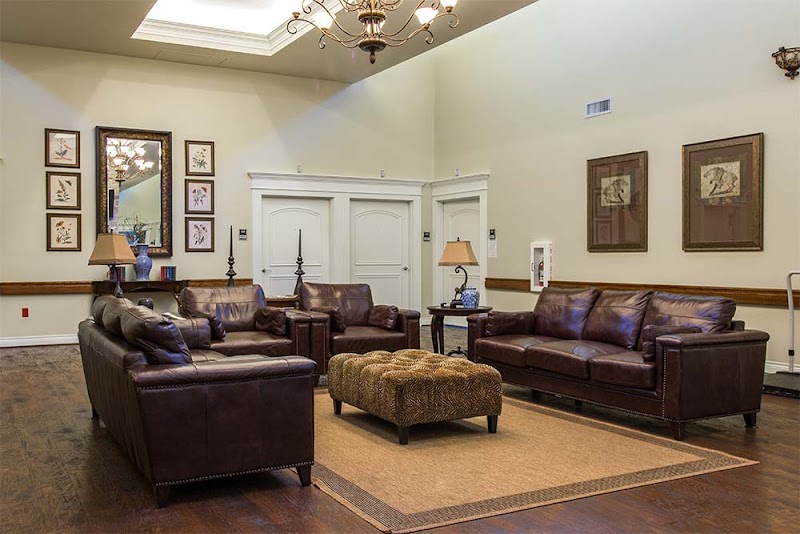
How is The Laurenwood Nursing And Rehabilitation Staffed?

CMS rates THE LAURENWOOD NURSING AND REHABILITATION's staffing level at 1 out of 5 stars, which is much below average compared to other nursing homes. Staff turnover is 66%, which is 20 percentage points above the Texas average of 46%. High turnover can affect care consistency as new staff learn residents' individual needs. RN turnover specifically is 80%, which is notably high. RNs provide skilled clinical oversight, so turnover in this role can affect medical care quality.

What Have Inspectors Found at The Laurenwood Nursing And Rehabilitation?

State health inspectors documented 22 deficiencies at THE LAURENWOOD NURSING AND REHABILITATION during 2022 to 2025. These included: 4 Immediate Jeopardy (the most serious level, indicating potential for serious harm or death) and 18 with potential for harm. Immediate Jeopardy findings are rare and represent the most serious regulatory concerns. They require immediate corrective action.
Who Owns and Operates The Laurenwood Nursing And Rehabilitation?

THE LAURENWOOD NURSING AND REHABILITATION is owned by a for-profit company. For-profit facilities operate as businesses with obligations to shareholders or private owners. The facility is operated by PARAMOUNT HEALTHCARE, a chain that manages multiple nursing homes. With 103 certified beds and approximately 72 residents (about 70% occupancy), it is a mid-sized facility located in DUNCANVILLE, Texas.
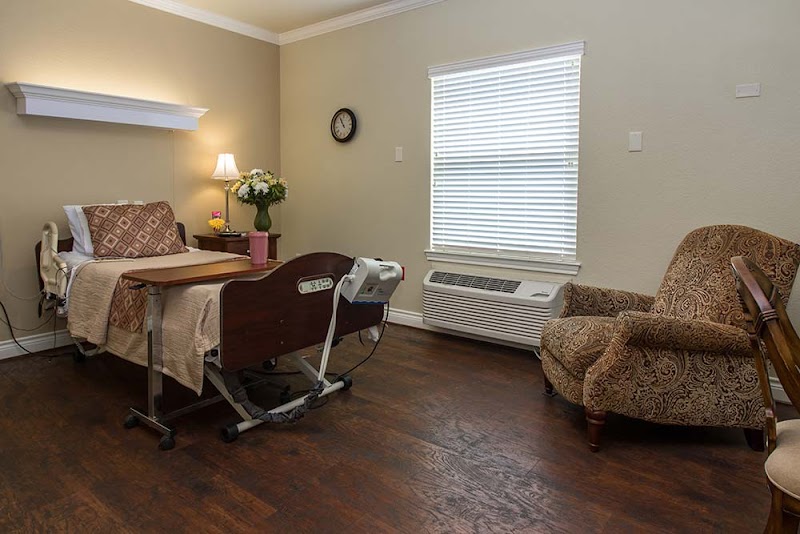
How Does The Laurenwood Nursing And Rehabilitation Compare to Other Texas Nursing Homes?

Compared to the 100 nursing homes in Texas, THE LAURENWOOD NURSING AND REHABILITATION's overall rating (1 stars) is below the state average of 2.8, staff turnover (66%) is significantly higher than the state average of 46%, and health inspection rating (2 stars) is below the national benchmark.

What Should Families Ask When Visiting The Laurenwood Nursing And Rehabilitation?

Based on this facility's data, families visiting should ask: "What changes have been made since the serious inspection findings, and how are you preventing similar issues?" "What safeguards and monitoring systems are in place to protect residents from abuse or neglect?" "How do you ensure continuity of care given staff turnover, and what is your staff retention strategy?" "Can you walk me through typical staffing levels on day, evening, and night shifts?" These questions are particularly relevant given the facility's Immediate Jeopardy citations, the substantiated abuse finding on record, the facility's high staff turnover rate, and the below-average staffing rating.

Is The Laurenwood Nursing And Rehabilitation Safe?

Based on CMS inspection data, THE LAURENWOOD NURSING AND REHABILITATION has documented safety concerns. The facility has 1 substantiated abuse finding (meaning confirmed case of resident harm by staff or other residents). Inspectors have issued 4 Immediate Jeopardy citations (the most serious violation level indicating risk of serious injury or death). The facility has a 1-star overall rating and ranks #100 of 100 nursing homes in Texas. Families considering this facility should ask detailed questions about what corrective actions have been taken since these incidents.

Do Nurses at The Laurenwood Nursing And Rehabilitation Stick Around?

Staff turnover at THE LAURENWOOD NURSING AND REHABILITATION is high. At 66%, the facility is 20 percentage points above the Texas average of 46%. Registered Nurse turnover is particularly concerning at 80%. RNs handle complex medical decisions and coordinate care — frequent RN changes can directly impact care quality. High turnover means new staff may not know residents' individual needs, medications, or preferences. It can also be disorienting for residents, especially those with dementia who rely on familiar faces. Families should ask: What is causing the turnover? What retention programs are in place? How do you ensure care continuity during staff transitions?

Was The Laurenwood Nursing And Rehabilitation Ever Fined?

THE LAURENWOOD NURSING AND REHABILITATION has been fined $38,522 across 3 penalty actions. The Texas average is $33,464. While any fine indicates a compliance issue, fines under $50,000 are relatively common and typically reflect isolated problems that were subsequently corrected. Families should ask what specific issues led to these fines and confirm they've been resolved.

Is The Laurenwood Nursing And Rehabilitation on Any Federal Watch List?

THE LAURENWOOD NURSING AND REHABILITATION is not on any federal watch list. The most significant is the Special Focus Facility (SFF) program, which identifies the bottom 1% of nursing homes nationally based on persistent, serious quality problems. Not being on this list means the facility has avoided the pattern of deficiencies that triggers enhanced federal oversight. This is a positive indicator, though families should still review the facility's inspection history directly.