S.P.J.S.T. REST HOME 3

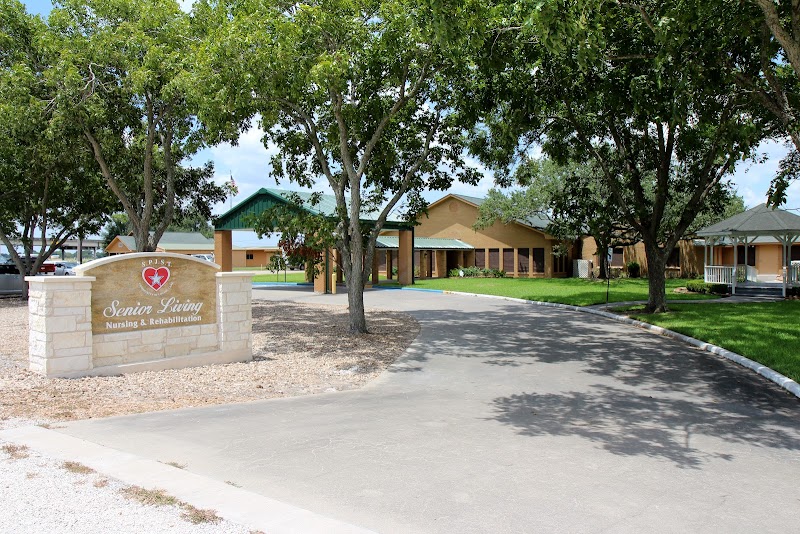
248 WISTERIA LANE, EL CAMPO, TX 77437 (979) 648-2628
Non profit - Corporation 57 Beds Independent Data: November 2025
Trust Grade
95/100
#122 of 1168 in TX
Last Inspection: August 2024

Within standard 12-15 month inspection cycle. Federal law requires annual inspections.

Overview

S.P.J.S.T. Rest Home 3 has earned a Trust Grade of A+, indicating it is an elite facility with top-tier quality care. It ranks #122 out of 1,168 nursing homes in Texas, placing it comfortably in the top half of facilities statewide, and is the top choice among four options in Wharton County. The facility is on an improving trend, having reduced issues from two in 2024 to one in 2025, and it has a solid staffing rating of 4 out of 5 stars with a turnover rate of just 24%, well below the state average. However, there are some concerns, including a recent finding where medication cart keys were left accessible, raising risks for drug diversion, and instances of improper garbage disposal that could expose residents to health risks. While the nursing home has no fines on record and generally provides good care, these incidents highlight areas that need attention.

Trust Score
A+
95/100
In Texas
#122/1168
Top 10%
Safety Record
Low Risk
No red flags
Inspections
Getting Better
2 → 1 violations
Staff Stability
✓ Good
24% annual turnover. Excellent stability, 24 points below Texas's 48% average. Staff who stay learn residents' needs.
Penalties
✓ Good
No fines on record. Clean compliance history, better than most Texas facilities.
Skilled Nurses
⚠ Watch
Each resident gets only 24 minutes of Registered Nurse (RN) attention daily — below average for Texas. Fewer RN minutes means fewer trained eyes watching for problems.
Violations
○ Average
9 deficiencies on record. Average for a facility this size. Mostly minor or procedural issues.
★★★★★
5.0
Overall Rating
★★★★☆
4.0
Staff Levels
★★★★★
5.0
Care Quality
★★★★★
5.0
Inspection Score
Stable
2024: 2 issues
2025: 1 issues

The Good

  • 4-Star Staffing Rating · Above-average nurse staffing levels
  • 5-Star Quality Measures · Strong clinical quality outcomes
  • Low Staff Turnover (24%) · Staff stability means consistent care
  • Full Sprinkler Coverage · Fire safety systems throughout facility
  • No fines on record
  • Staff turnover is low (24%)

    24 points below Texas average of 48%

Facility shows strength in staffing levels, quality measures, staff retention, fire safety.

The Bad

No Significant Concerns Identified

This facility shows no red flags. Among Texas's 100 nursing homes, only 1% achieve this.

The Ugly 9 deficiencies on record

Aug 2025 1 deficiency
CONCERN (D) 📢 Someone Reported This

A family member, employee, or ombudsman was alarmed enough to file a formal complaint

Potential for Harm - no one hurt, but risky conditions existed

Infection Control (Tag F0880)

Could have caused harm · This affected 1 resident

**NOTE- TERMS IN BRACKETS HAVE BEEN EDITED TO PROTECT CONFIDENTIALITY** Based on video observation, interviews, and record review, the facility failed to maintain implement and maintain an infection c...

Read full inspector narrative →
**NOTE- TERMS IN BRACKETS HAVE BEEN EDITED TO PROTECT CONFIDENTIALITY** Based on video observation, interviews, and record review, the facility failed to maintain implement and maintain an infection control program designed to provide a safe, sanitary, and comfortable environment and to help prevent the development and transmission of disease and infection for 1 (Resident # 1) of 5 resident reviewed for infection control.The facility failed to ensure LVN A used gloves and performed hand hygiene during Resident # 1's care tasks, including wound care and injection administration.This facility failure could place residents at increased risk for cross-transmission of infectious organisms. Record review of Resident #1's Facesheet dated 08/01/2025 revealed resident was originally admitted to the facility on [DATE], and readmitted on [DATE], age [AGE] years old. Resident #1's Primary Admitting diagnosis of Hemiplegia and Hemiparesis Following Cerebral Infarction, Affecting Left Non-Dominant Side (indicating paralysis or weakness on the left side of the body due to a stroke), secondary diagnosis documented with history of a Sacral Region Stage 2, Pressure Ulcer (characterized by partial-thickness skin loss, shallow with a pink to red base. Stage 2 also includes intact or partially ruptured blisters secondary to pressure).Record review of Resident #1's MDS dated [DATE] Resident#1 had a BIMS (Brief Interview for Mental Status) score of 07, which indicated severe cognitive impairment. The MDS indicated a need for comprehensive assistance and specialized care approaches.Record review of Resident # 1's Care Plan dated 08/01/2025 revealed, Focus area: Resident #1 had potential for pressure ulcer development related to dehydration, nutritional deficiencies, disease process, immobility, diabetes mellitus and her decision to stay up in wheelchair without off-loading time for long periods of time: 11/04/22- stage II to sacral area-resolved; 12/30/23 reopened stage II to sacral area;- resolved; 05/23/24 reopened Stage II to sacral area. Goal: Resident #1 will have intact skin, free of redness, blisters or discoloration by Intervention: Follow facility policies/protocols for the prevention/treatment of skin breakdown or pressure areas.Record review of Resident #1's Clinical physician order, with start date of 05/29/2024 and discontinued date 10/25/2025, revealed Cleanse the sacral area with Anasept (used to treat or prevent infections), pat dry, apply collagen powder, and cover with bordered dressing daily every evening shift for prevention.Video observation review provided by complainant, dated 09/24/2024, revealed care provided to Resident #1. In the video: CNA A and CNA B were shown providing incontinence care. Both CNAs positioned Resident #1 while LVN A applied a dressing to Resident #1 buttocks without wearing gloves. Upon completing the dressing application, LVN A obtained an injection syringe and supplies from bedside table and administered an injection to the resident's right arm. LVN A did not perform hand hygiene between the dressing application and injection administration.Interview attempted with Resident #1 on 08/01/2025 between the hours of 9:00am 12:00pm were unsuccessful, as Resident #1 had a scheduled procedure the morning of surveyor's visit.Interview with ADON M, on 08/01/2025 at 10:33am, ADON M confirmed that the facility had provided infection control training to all staff. ADON M stated proper hand hygiene should be implemented before and after all patient care tasks. ADON M confirmed the name of the three staff shown in the video. ADON M identified LVN A as the staff who implemented the dressing application and then administered an injection. After viewing the video, ADON M confirmed LVN A did not perform hand hygiene between the wound care dressing application and injection administration. She stated according to facility policy and CDC guidelines, staff must perform hand hygiene, before and after wound dressing application, incontinence care, and before performing another clean or invasive task like an injection to prevent cross-contamination.Interview with the Administrator on 08/01/2025 at 4:30 PM, the Administrator stated that the facility's Director of Nursing (DON), who also served as the Infection Preventionist, was out of the facility on vacation. The Administrator indicated that she was the designated backup Infection Preventionist while the DON was out. The Administrator stated the facility had not received information regarding LVN A not wearing gloves during the wound care dressing change for Resident #1. She stated if the information had been emailed, it was possible that it had been overlooked due to the large number of emails from the family, despite being advised about the importance of following the grievance process to ensure concerns related to Resident #1 were thoroughly investigated and appropriate interventions were implemented to ensure the safety and well-being of each resident. The Administrator affirmed that all staff were expected to adhere to the facility's infection control policy. She stated standard precautions such as hand hygiene should always be implemented before and after staff tasks such as administering an injection or applying wound dressing. She stated the shortcoming of LVN A not wearing gloves was a breakdown in staff adherence to infection control training and could have placed both staff and residents at an increased risk for cross-transmission and infection. The Administrator stated the facility had provided ongoing infection control training to all staff to prevent such action. She stated the most recent training was conducted in 07/2025. She stated the DON, Administrator, and ADON was responsible for ensuring staff implemented infection prevention measure. She stated compliance is assessed during facility environmental and safety rounds. Interview with the CNA A on 08/01/2025 at 6:30 PM, she stated the facility had provided infection control training, including prior hand hygiene. CNA A recalled the occurrence depicted in the video but could not recall the specific date, time, and details of the occurrence. CNA A confirmed she was one of the two CNAs observed in the video. She stated LVN A did not wear gloves, did not perform hand hygiene between the dressing application and injection administration and did not wash hands prior to exiting Resident #1's room. CNA A verbalized knowledge of when to implement hand hygiene and gloves. She stated gloves should be worn by LVN A when there was direct contact with a resident's buttocks and genital area of the body. She stated she did not recall LVN A not wearing gloves, but if she had witnessed staff not wearing gloves, she would have encouraged them to do so. She stated LVN A not wearing gloves and not performing hand hygiene placed residents at risk for infection.Observation of Resident #1 on 08/01/2025 around 8:45pm, Resident #1 observed lying in bed, eyes closed, with no notable sign of pain or distress.Interview with LVN A on 08/02/2025 at 4:34 PM, was conducted via telephone. LVN A stated she had been a Licensed Vocational Nurse for twenty-four years and had worked at the facility for four years. LVN A stated she always washed her hands before providing care but could not recall specific details from her shift on 09/24/2024. She acknowledged being aware of Resident #1 and the presence of video surveillance in Resident #1's room. LVN A confirmed that she had provided care to Resident #1 but could not recall whether she had performed wound care or administered an injection to the resident on 09/24/2024. She stated it was likely she had provided both wound care and administered an injection without wearing gloves and a gown, explained that she may had attempted to quickly implement care because Resident #1 demonstrated aggressive behaviors toward staff at the time. She confirmed that the facility had provided infection control and wound care training upon hire, as well as ongoing training throughout her four years of employment. She explained the appropriate steps for providing wound care to a resident, stated that proper hand hygiene should be performed before and after the procedure. She stated gloves should have been implemented with any care provided to the resident buttocks. She stated when applying a dressing application as a prevention measure it was considered a wound care intervention. She further stated an aseptic or clean technique should be used depending on the wound type, and that appropriate dressings should be applied using proper technique to prevent contamination. LVN A did not view video footage. LVN A acknowledged that if she had failed to wear gloves dressing application to a resident's buttocks, and did not wash or sanitize her hands before administering an injection, it could have caused contamination and exposed both Resident #1 and herself to infection. She did not provide any additional explanation as to why she had not performed hand hygiene between providing dressing application and administering the injection.Interview with the CNA B on 08/08/2025 at 6:30 PM, CNA B confirmed she was the second CNA observed in the video. She stated the facility had provided infection control training, including prior hand hygiene. CNA B verbalized LVN A should have worn gloves when care was provided to a resident's buttock area to protect residents and staff. She stated she did not notice LVN A had not worn gloves at the time of the occurrence. She stated she would have reminded LVN A to wear gloves. CNA B stated that failure to do so could place residents at risk for infection.Record review of LVN A employee file revealed the facility provided infection control and wound care training upon hire on 08/09/2021 and most recent 07/2025.Review of the facility's infection control policy, revised 12/2023, stated the facility adopted infection prevention and control policies and procedures are intended to help maintain a safe, sanitary, and comfortable environment and to help prevent and manage transmission of diseases and infections. There was no specific language, for Hand Hygiene and, Wound care technique referenced in the infection control policy provided by the facility.Review of CDC's Summary of Infection Prevention Practices retrieved from CDC website on 08/01/2025.According to the CDC's Summary of Recommendations for Application of Standard Precautions, healthcare personnel must wear gloves when it is reasonably anticipated that contact will occur with blood, other potentially infectious materials, mucous membranes, nonintact skin, or potentially contaminated intact skin (e.g., of a patient incontinent of stool or urine) (CDC, 2023). The sacral/buttocks area is a high-contamination zone due to its proximity to the perineal region. Therefore, contact with any dressing, even over intact skin, may involve exposure to potentially contaminated materials.Gloves must be changed during patient care if the hands will move from a contaminated body site (e.g., perineal area) to a clean body site (e.g., face). Aseptic technique must be used to avoid contamination of sterile injection equipment (CDC, 2023). Additionally, perform hand hygiene: After contact with blood, body fluids, excretions, mucous membranes, nonintact skin, or wound dressings. If hands will be moving from a contaminated-body site to a clean-body site during patient care (CDC, 2023).
Aug 2024 2 deficiencies
CONCERN (D)

Potential for Harm - no one hurt, but risky conditions existed

Deficiency F0760 (Tag F0760)

Could have caused harm · This affected 1 resident

**NOTE- TERMS IN BRACKETS HAVE BEEN EDITED TO PROTECT CONFIDENTIALITY** Based on observation, interview, and record review the facility failed to ensure residents were free of significant medication e...

Read full inspector narrative →
**NOTE- TERMS IN BRACKETS HAVE BEEN EDITED TO PROTECT CONFIDENTIALITY** Based on observation, interview, and record review the facility failed to ensure residents were free of significant medication errors for 1 (Resident #8) of 6 residents reviewed for medication errors. -LVN A attempted to administer the wrong dose of insulin to Resident #8 before Surveyor intervention. This failure placed resident at risk for inadequate therapeutic outcomes and decline in health. Findings included: Record review of Resident #8's face sheet revealed an [AGE] year-old female admitted on [DATE]. Her diagnoses included: Type 2 diabetes mellitus with diabetic chronic kidney disease. Record review of Resident #8's annual MDS assessment dated [DATE] revealed a BIMS score of 08 indicating moderate cognitive impairment. Record review of Resident #8's care plan revised on 5/2/2019 read in part, . (Resident #8) is at risk for unstable glucose level r/t dm2 . Interventions/Tasks . Diabetes medication as ordered by doctor . Record review of Resident #8's Order Summary Report dated August 8, 2024, read in part, Novolin R Solution 100 unit/ml (insulin aspart) inject as per sliding scale: if 150 - 199 = 4 units; 200 - 249 = 6 units; 250 - 299 = 9 units; 300 - 349 = 9 units; 350 - 999 = 15 units; IF BS above 349 give 15 UNITS AND CALL MD subcutaneously before meals related to type 2 diabetes mellitus with unspecified complications . order date, 8/31/2021 . Record review of Resident #8's MAR dated August 2024 revealed a blood sugar level of 249 on 08/07/24 at 4:30 p.m. Observation and Interview on 08/07/24 at 4:40 p.m. with LVN A, the Surveyor observed LVN A draw 9 units insulin from multidose vial. LVN A said that Resident #8's blood sugar was 249 and she was to receive 9 units of Novolog according to the sliding scale order. Observed her turn towards the resident to administer the insulin. Surveyor intervened and asked the nurse to check the MAR/Order. LVN A said that the amount of insulin in the syringe was more than prescribed by the doctor. LVN A discarded the additional 3 units of insulin that were prepared after surveyor intervention. LVN A administered 6 units into resident's right upper arm. Interview on 8/07/24 at 5:07 p.m. with LVN A who said she was PRN staff and she said she came out of retirement to cover some shifts. Interview on 08/08/24 at 2:08 p.m. with the DON, who said the expectation was for nurses to give insulin correctly. She said, the nurses should take time to ensure that the correct insulin dose is administered. The DON verbalized the last time there was an insulin in-service was 09/11/23 with return demonstration on insulin pen and insulin Vials. She said the risk of administering Insulin outside of the parameters can cause hypoglycemia (low blood sugar levels below the standard range). She said some of the side effects of hypoglycemia could ultimately result in death. Interview on 8/08/24 at 2:47 p.m. with the administrator, she said nursing staff were to check a minimal of five rights of medication administration, which included the right dose. Record review of the facility's General Guidelines for Medication Administration policy revised 08/2020 read in part, . Procedure . 4. At a minimum, the 5 Rights-right resident, right drug, right dose, right route, and right time-should be applied to all medication administration . Record review of the facility's Insulin Administration policy revised 10/2010 read in part, Steps in the Procedure (Insulin Injection via syringe) . 8. Check order for the amount of insulin .12. Double check the order for the amount of insulin .
CONCERN (E)

Potential for Harm - no one hurt, but risky conditions existed

Deficiency F0761 (Tag F0761)

Could have caused harm · This affected multiple residents

Based on observation, interview, and record review, the facility failed to, in accordance with State and Federal laws, store all drugs and biologicals in locked compartments under proper temperature c...

Read full inspector narrative →
Based on observation, interview, and record review, the facility failed to, in accordance with State and Federal laws, store all drugs and biologicals in locked compartments under proper temperature controls, and permit only authorized personnel to have access to the keys for two of four medication carts. -The keys to the [NAME] medication cart and the East medication carts were hanging on a hook inside of the [NAME] nurses' station, which was not locked, and the keys were within reach of persons outside the nurses' station. The failure placed the two medication carts at risk for drug diversion. Findings include: Observation on 08/07/24 at 1:30 p.m. of the [NAME] nurses' station revealed two sets of keys hanging on hooks on the inside of the counter. They were visible from the hallway. They were within reach of persons on the other side of the counter. The nurses' station had a gate that was approximately waist-high. It was unlocked. There were no staff within sight of the nurses' station. There was a locked medication cart just outside of the nurses' station. There was a locked medication cart inside of the nurses' station. There were tags on the keys. One tag read West Med Cart. The other read East CMA Cart. Observation and interview on 08/07/24 at 1:38 p.m. revealed the DON walked up to the [NAME] nurses' station. When the Surveyor asked about the keys, the DON said LVN L and MA H were probably eating lunch. The DON tried the keys in the medication cart in the nurses' station. The cart did not unlock. She then tried to unlock the medication cart outside of the nurses' station. The key on one of the sets of keys unlocked the cart. There were medications in the cart. The DON then went to the dining room. There were residents in the dining room. Observation revealed there was a medication cart in the dining room. The key on one of the sets of keys unlocked the cart. There were medications in the cart. The DON said that medications could have been taken from the carts if someone had taken the keys. In an interview on 08/07/24 at 1:50 p.m., LVN L said she usually would give the keys to another nurse when she left. LVN L said, I had to step out so I hung them up. She said she had both sets of keys. The facility policy Storage of Medications (revised April 2007) read, in part, .10. Only persons authorized to prepare and administer medications shall have access to the medication room , including keys.
Jun 2023 2 deficiencies
CONCERN (D)

Potential for Harm - no one hurt, but risky conditions existed

Comprehensive Care Plan (Tag F0656)

Could have caused harm · This affected 1 resident

**NOTE- TERMS IN BRACKETS HAVE BEEN EDITED TO PROTECT CONFIDENTIALITY** Based on observation, interview, and record review, the facility failed to develop and implement a person-centered care plan for...

Read full inspector narrative →
**NOTE- TERMS IN BRACKETS HAVE BEEN EDITED TO PROTECT CONFIDENTIALITY** Based on observation, interview, and record review, the facility failed to develop and implement a person-centered care plan for each resident, that includes measurable objectives and timeframes to meet a resident's medical, nursing, and mental and psychosocial needs that are identified in the comprehensive assessment for 1 (Resident #1) of 5 residents reviewed for comprehensive care plans. Resident #1 was not care planned for tube feeding. This deficient practice could place residents at risk for not receiving appropriate care and services. Findings Included: Observation on 06/22/2023 at 5:22 p.m. revealed Resident #1 was being fed via her G-tube. Record review of Resident #1's Face Sheet, dated 06/22/2023, revealed a [AGE] year-old female who was admitted to the facility on [DATE]. Her diagnoses included heart failure, gastrostomy status (an artificial external opening into the stomach for nutritional support), dietary folate deficiency anemia (Vitamin B9 deficiency), hypothyroidism (to little thyroid hormone) and vitamin deficiency. Record review of Resident #1's admission MDS, dated [DATE], revealed a BIMS score of 3 out of 15 indicating severe cognitive impairment. Further review revealed Resident #1 required two-person assist with toileting and bathing, and one-person assist with feeding. Resident #1's Nutritional Approaches section reflected a feeding tube. Record review of Resident #1's orders, dated 06/22/2023, reflected in part . cleanse G Tube site with NS, pat dry, apply drain sponge, and secure with tape .elevate hospital bed 30-45 degrees at all times during internal feeding and for 30 minutes after feeding has completed .Jevity 1.5 cal per feeding pump @ 75ml/hr x 16hrs (4pm-8am), free water flush 140ml Q 4hr bowel rest, pump off 8am-4pm daily every shift related to gastrostomy status. Record review of Resident #1's Care Plan, dated 05/08/2023, revealed it did not reflect Resident #1's need for tube feeding. In an interview on 06/22/2023 at 5:50 p.m., the DON said she and the ADON were responsible for completing care plans. She said Resident #1's need for tube feeding was not documented on the resident's care plan but should have been included. She said it was not added on the care plan because the Dietitian had to increase her caloric intake. The DON said she forgot to go back and update the care plan once the change was completed. She said the risk posed to residents when the required information was not included on their care plan was not getting the proper care. Record review of facility's policy titled Care Plans-Comprehensive revised on 09/2010, reflected in part . 3. Each resident's comprehensive care plan is designed to: a. Incorporate identified problem areas; b. Incorporate risk factors associated with identified problems; .
CONCERN (E) 📢 Someone Reported This

A family member, employee, or ombudsman was alarmed enough to file a formal complaint

Potential for Harm - no one hurt, but risky conditions existed

Garbage Disposal (Tag F0814)

Could have caused harm · This affected multiple residents

Based on observation, interview, and record review, the facility failed to dispose of garbage and refuse properly for 2 of 2 waste receptacles reviewed for garbage disposal. -Both dumpster's contained...

Read full inspector narrative →
Based on observation, interview, and record review, the facility failed to dispose of garbage and refuse properly for 2 of 2 waste receptacles reviewed for garbage disposal. -Both dumpster's contained waste; Dumpster #1 had its top front lids missing; and Dumpster #2 had one front top lid missing and the other front top lid was open. These failures could place residents at risk for exposure to germs and diseases carried by vermin and rodents. Findings Included: Observation on 06/20/2023 at 9 a.m. accompanied by the Dietary Manager revealed both dumpster's contained waste. Dumpster #1's front top lids were missing, and Dumpster #2's front top lid was open, and the front top right lid was missing. Observation on 06/22/2023 at 5:35 p.m. accompanied by the Administrator revealed no waste in either dumpster. Dumpster #1's front top lids were missing and Dumpster #2's front top right lid was missing. In an interview on 6/22/2023 at 4 p.m., the Administrator said the facility did not have a Food-Related Garbage and Refuse Disposal Policy. In an interview on 06/22/2023 at 5:10 p.m. the Dietary Manager said she did not think the facility had a policy regarding the dumpster and trash disposal but that the doors should have been closed. She said the risk to residents is bugs and rodents could get into the trash. She said the worst thing that can happen to the resident when proper protocols are not practiced was residents could get sick. In an interview on 06/22/2023 at 5:16 p.m., the Administrator said the policy or procedure for disposing of trash was to lift the lid and throw the trash toward the back if there was space and close the lid if it was able to be closed. She said she had contacted the trash company 8 months ago when they asked for the 2nd dumpster and requested new dumpster's then and she requested new dumpster's again 3 months ago, but they refused to provide her with new ones. She said the company they use is the only one that services this area and cannot find another in the rural area. She said the requests for new dumpster's was over the phone. She said the risk to residents was if left in the facility, infection, rodents, but the dumpster's were too far from the facility it didn't pose a risk to the residents. She said the worst thing that could happen to resident when proper protocols are not practiced was, again if waste was not taken out of the facility then it could result in residents getting infections.
Feb 2023 1 deficiency
CONCERN (E) 📢 Someone Reported This

A family member, employee, or ombudsman was alarmed enough to file a formal complaint

Potential for Harm - no one hurt, but risky conditions existed

Respiratory Care (Tag F0695)

Could have caused harm · This affected multiple residents

**NOTE- TERMS IN BRACKETS HAVE BEEN EDITED TO PROTECT CONFIDENTIALITY** Based on observation, interview, and record review, the facility failed to ensure that a resident who needs respiratory care, in...

Read full inspector narrative →
**NOTE- TERMS IN BRACKETS HAVE BEEN EDITED TO PROTECT CONFIDENTIALITY** Based on observation, interview, and record review, the facility failed to ensure that a resident who needs respiratory care, including tracheotomy care and tracheal suctioning, is provided such care, consistent with professional standards of practice, the comprehensive person-centered care plan, the residents' goals and preferences for 2 of 4 residents (Resident #1 and Resident #3) reviewed for respiratory care. -The facility failed to obtain a physician's order for Resident #1's oxygen he received via nasal cannula. The O2 tubing was not changed in over 16 days. -Resident #3's nasal cannula tubing not changed in over 10 days. These failures could affect all residents using supplemental oxygen and place them at risk of receiving incorrect or inadequate oxygen support and could result in a decline in health. Findings included: Resident#1 Record review of Resident #1's face sheet undated revealed the resident was a [AGE] year-old male admitted on [DATE] with diagnoses that included dementia, ataxia and anemia in other chronic diseases classified elsewhere Record review of Resident #1's MDS dated [DATE] revealed a BIMS score of 03 out of 15 indicating severely impaired cognitively. He required extensive assistance in performing all activities of daily living (ADLs). He was in-continent to bowel and in-continent to bladder. Section C0100. Special treatment, procedures and program was coded for receiving oxygen therapy. Record of Resident #1's care plan initiated on 11/07/2022 and revised on 02/02/2023 revealed the following: Focus: I have as needed oxygen therapy r/t hospice services. Goal: I will have no s/sx of poor oxygen absorption though the review date. Interventions: oxygen settings: 2-4 L as needed per standing hospice orders. Record of Resident #1's physician order dated 11/13/22 revealed an order to change O2 concentrator tubing every night shift every Sunday. Record review of Resident #1's Treatment Sheet for the month of January 2023 revealed: nurses made an entry that the tubing was changed and dated 01/22/2023 and 01/29/2023. [tubing is changed every Sunday]. Record of Resident #1's physician order dated 02/02/2023 created by LVN A revealed an order for O2 via NC 2-4L/min prn every 1 hours as needed for SOB or sats below 92% room air. Attempted interview and observation on 02/02/23 at 9:40a.m., of Resident #1 revealed he was lying in his bed. He had a nasal cannula in place and an oxygen concentrator at his bedside. The concentrator was on and set to deliver 4 LPM (liters per minute). The oxygen tubing was dated 01/16/23. Record of Resident #1's nurses notes created by LVN A on 2/2/2023 9:42 a.m. read in part: . Note Text: notified [hospice company] of residents change in condition. Resident had episode of paleness along with clammy skin. Resident taken to his room by cna and cna notified nurse. Nurse assessed resident- at that time resident was not pale and clammy. o2 sat at84-85% on room air. o2 at 2l/min via NC applied and sats remained the same. Nurse then administered 4l/min o2 via nc- sats at 85% after 3 mins of administration. Resident assisted to bed x 2 staff. Resident doesn't appear sob and is acting as usual self. Will cont to monitor for any changes. [hospice company]to notify rp . Observation and interview on 02/02/23 at 10:03 a.m., LVN A said the oxygen tubing was dated 01/16/23. She said oxygen tubing were changed weekly by night shift nurses on Sunday. She said Resident#1 had a change of condition this morning. She said resident had standing orders from hospice. She said there was an oxygen concentrator in the resident's room not being used with tubing connected. She said she did not check the date on the tubing prior to administering the oxygen therapy this morning. She said tubing should be changed weekly to avoid infection control issues and to let the nursing staff know when the tubing was changed. In an interview and record review on 02/02/23 at 10:11 a.m., with LVN A, LVN A reviewed Resident #1's Physician's orders with this Surveyor. LVN A said she did not see an order for oxygen. Resident#3 Record review of Resident #3's face sheet undated revealed the resident was a [AGE] year-old female admitted [DATE] and re-admitted on [DATE] with diagnoses that included Parkinson's disease, Acute respiratory failure with hypoxia, restlessness and agitation Record review of the Resident #3's MDS dated [DATE] revealed a BIMS score of 00 out of 15 indicating severely impaired cognitive skills. Further review of the MDS revealed that she required extensive assistance from staff for dressing, toilet use and personal hygiene. The resident was incontinent of bowel and bladder. Section C0100. Special treatment, procedures and program was coded for receiving oxygen therapy. Record review of Resident#3's Care Plan initiated 9/23/2019 and revised on 10/8/2019 revealed the following: Focus: Resident #3 has Oxygen Therapy r/t O2 via N/C at 3L/min at night as needed Goal: Resident#3 will have no s/sx of poor oxygen absorption through the review date. Interventions: OXYGEN SETTINGS: Resident #3 has O2 via nasal cannula @ 3L continuously at night as needed. Record review of Resident #3's physician order dated 02/20/22 revealed an order to Change O2 tubing Q week on Sunday every night shift every Sun related to ACUTE RESPIRATORY FAILURE WITH HYPOXIA. Record review of Resident #3's physician order dated 9/30/22 revealed an order for 02 @ 2-4L CONTINUOUS TO KEEP SATS >90%. every shift for TO KEEP 02 SATS > 90%. Record review of Resident #3's MAR/TAR for the month of January 2023 revealed nurses made an entry that the tubing was changed and dated 01/29/2023 [tubing is changed every Sunday]. Attempted interview and observation on 02/02/23 at 9:56a.m., revealed Resident #3 was in the dining room sitting on a W/C receiving continuous oxygen from a portable concentrator. The concentrator was on and set to deliver 4 LPM (liters per minute). The oxygen tubing was dated 01/23/23. Observation and interview on 02/02/23 at 10:06 a.m., LVN B stated Resident #3's oxygen concentrator tubing was labeled 01/23/23. LVN B stated not changing the tubing could be an infection control issue. She said tubing were changed weekly by night nurses on Sunday. She said she knew resident was on oxygen therapy but did not check the tubing this morning. Record review and interview on 02/02/23 at 12:00p.m., the DON reviewed Resident #1 and #3's physician orders and MAR/TAR with the Surveyor. The DON said the tubing and humidifier were checked on Sunday by the night shift nurse. The DON said nurses were responsible for ensuring the procedures involving oxygen therapy and the dating/changing of tubes were completed. She said she had no explanation of why the changing of the oxygen equipment was not done. She said the nurses documented that tubing were changed. She said LVN A brought it to her attention that Resident #1 had a change of condition this morning and there was a set-in resident's room. LVN A told her that she did not check the date on the tubing before administering oxygen. The DON said her expectation was to follow physician order and have a clean set available in case of emergency. She said not changing the oxygen equipment could have the potential outcome of the residents experiencing breathing issues and possible infections. In an interview on 02/02/23 at 12:14p.m., with the DON and the Administrator, the Administrator said the facility did not have a policy on dating/replacing oxygen therapy equipment.
May 2022 3 deficiencies
CONCERN (D)

Potential for Harm - no one hurt, but risky conditions existed

Deficiency F0657 (Tag F0657)

Could have caused harm · This affected 1 resident

**NOTE- TERMS IN BRACKETS HAVE BEEN EDITED TO PROTECT CONFIDENTIALITY** Based on interview and record review, the facility failed to ensure that the comprehensive care plan is reviewed and revised by ...

Read full inspector narrative →
**NOTE- TERMS IN BRACKETS HAVE BEEN EDITED TO PROTECT CONFIDENTIALITY** Based on interview and record review, the facility failed to ensure that the comprehensive care plan is reviewed and revised by an interdisciplinary team for 2 (#27 and #32) of 16 residents reviewed for care plan revisions in that: 1. Resident #27s care plan was not updated to reflect her use of Depakote Sprinkle capsules (drug used for treatment of mania associated with bipolar disorder (also known as manic depression), seizures (epilepsy), and migraine headaches. 2 Resident #32's care plan was not update to reflect the use of Eliquis tab (drug used as anti-clotting drug to prevent blood clots to brain, lungs and heart) and Megestrol Acetate (drug used to treat loss of appetite, malnutrition, and severe weight loss in patients with acquired immunodeficiency syndrome( AIDS) These deficient practices could affect residents by placing them at risk of receiving inadequate care. The findings include: Resident #27 Review of Resident #27's face sheet dated revealed she was [AGE] year-old, admitted to the facility on [DATE]. Her diagnoses included Diagnosis included: contusion of left hip (caused by a direct blow to the body that can cause damage to the surface the skin), heart failure, chronic kidney disease, abnormalities of gait and mobility, (unsteady movement) essential (primary) hypertension, (high blood), insomnia ( lack of sleep), hypothyroidism ( low thyroid), dementia (a chronic or persistent disorder of the mental processes cause by brain disease) with behavioral disturbance, constipation, vomiting, hypotension (low blood pressure), chronic gout (disease in which defective metabolism uric acid cause arthritis) open wound of left forearm, chronic kidney disease, abnormal weight loss, gout, open wound, left lower leg. Record Review of Resident #27's quarterly MDS assessment dated [DATE] revealed the BIMS score 03 out of 15 indicating severely impaired cognitively. Further review of the MDS revealed she required extensive assistance from two-person physical assist for dressing, toilet use and personal hygiene Record review of the Resident #27's physician's order dated 04/19/22 revealed Depakote sprinkles Capsule Delayed Release sprinkle (Divalproex Sodium) 125 mg by mouth one time daily for Alzheimer's with agitation Record review of Resident #27's care plan revealed it was last reviewed on 2/21/22. Further review revealed no care plan for Depakote sprinkles capsule. Resident #32 Review of Resident #32's face sheet dated revealed she was [AGE] year-old, admitted to the facility on [DATE]. Diagnosis included secondary hypertension, (high blood pressure), atrial fibrillation (increased heart rate), gastro-esophageal reflux disease without esophagitis (gastric reflux), anorexia (lack of appetite), presence of cardiac pacemaker (monitor place in the heart), encounter for adjustment and management of other part of cardiac pacemaker, dyspnea, unspecified, hyperlipidemia, vitamin b12 deficiency anemia (low vitamin B12 deficiency), Alzheimer's disease, cerebral ischemia, osteoarthritis, vitamin D deficiency, open wound of lip, laceration without foreign body of left elbow, initial encounter, laceration, without foreign body of right elbow, initial encounter, pain in left ankle and joints of left foot. Record Review of Resident #32's admission MDS assessment dated [DATE] revealed the BIMS score 09 out of 15 indicating moderately impaired cognitively. Further review of the MDS revealed she required extensive assistance from one-person physical assist for dressing, toilet use and personal hygiene. Record review of the Resident #32's physician's order dated 04/07/22 revealed an order of Eliquis tab 2.5mg BID for Atrial Fibrillation. On 5/5/22 there was an order for Megestrol Acetate 40 mg give 5 tab every day for Anorexia. Record review of Resident #32's care plan revealed it was last reviewed on 4/11/22. Further review revealed no care plan for Eliquis tab 2.5mg BID for Atrial Fibrillation and Megestrol Acetate 40 mg give 5 tab every day for Anorexia. Interview on 5/12/22 at 1:20 PM with the DON, she said she does the MDS and care plans she had been very busy working because the MDS nurse quit, the nurses are supposed to notify her when there was any new medication so she could care plan it. DON said she was responsible for updating care plan. She said the care plans needed to reflect the current condition of the residents and what was going on with them so they could be provided proper care. During an interview on 5/12/22 at 2:24 PM the LVN A said did not known, he was to notify the DON when a resident got a new medication. Interview on 5/12/22 at 2:20PM with the Administrator, she said the DON does the care plan now since the MDS nurse retired/quit on 4/20/22. Administrator said they should have updated the care plans when they started new medication per the CMS guidelines. She said they were following the guidelines, but just failed to put it in the care plans. Record review of the facility policy Care Plans, Comprehensive Person-Centered, dated October 2010, revealed, in part, assessments of residents are ongoing and care plans are revised as information about the residents and the residents' conditions change .
CONCERN (D)

Potential for Harm - no one hurt, but risky conditions existed

Deficiency F0757 (Tag F0757)

Could have caused harm · This affected 1 resident

**NOTE- TERMS IN BRACKETS HAVE BEEN EDITED TO PROTECT CONFIDENTIALITY** Based on interview and record review, the facility failed to ensure each resident's drug regimen was free from unnecessary drugs...

Read full inspector narrative →
**NOTE- TERMS IN BRACKETS HAVE BEEN EDITED TO PROTECT CONFIDENTIALITY** Based on interview and record review, the facility failed to ensure each resident's drug regimen was free from unnecessary drugs for one (Resident #27) of 16 residents reviewed for unnecessary drugs , in that: The facility failed to ensure the diagnosis and/or indication for use was appropriate and adequate monitoring was in place prior to administering Depakote Sprinkles. This failure could place residents receiving medications at risk of a possible adverse drug reaction or hospitalization. The findings were: Resident #27 Review of Resident #27's face sheet revealed she was [AGE] year-old, admitted to the facility on [DATE]. Her diagnoses included : contusion of left hip (caused by a direct blow to the body that can cause damage to the surface of the skin), heart failure, chronic kidney disease, abnormalities of gait and mobility, (unsteady movement) essential (primary) hypertension, (high blood), insomnia (lack of sleep), hypothyroidism (low thyroid), dementia (a chronic or persistent disorder of the mental processes cause by brain disease) with behavioral disturbance, constipation, vomiting, hypotension ( low blood pressure), chronic gout (disease in which defective metabolism of uric acid cause arthritis) open wound of left forearm, chronic kidney disease, abnormal weight loss, gout, open wound, left lower leg. Record Review of Resident #27's quarterly MDS assessment dated [DATE] revealed the BIMS score 03 out of 15 indicating severely impaired cognitively. Further review of the MDS revealed she required extensive assistance from two-person physical assist for dressing, toilet use and personal hygiene Record review of the Resident #27's physician's order dated 04/19/22 revealed Depakote sprinkles Capsule Delayed Release sprinkle (Divalproex Sodium) 125 mg by mouth 1time every day for Alzheimer's with agitation. There was no order to do behavior or side effect monitoring for Resident #27's use of Depakote (antiepileptic drugs (AEDS), also used treat of mania associated with bipolar disorder known as manic depression, seizures (epilepsy), and migraine headaches.) Record review of Resident #27's MAR dated 04/19/22 revealed resident had been receiving Depakote sprinkles Capsule Delayed Release sprinkle (Divalproex Sodium) 125 mg by mouth one time daily for Alzheimer's with agitation daily since 04/19/22. There was no diagnosis listed for the medication. Record review of Resident #27's Quarterly MDS assessment, Section E dated 04/04/22, revealed Resident #27: - no potential indicators of psychosis -exhibited no behavioral symptoms or psychosis and, -rejected care one to three days. Record review of Resident #27's Care Plan, initiated 12/08/21, and revised on 2/21/22 revealed Resident #27 had potential for mood problem, would refuse care at times and medication. During an interview on 5/12/22 at 1:20 PM with the DON, she said resident #27 had agitation, hitting staffs, and combative with staffs that was why she was place on Depakote. The DON said the retired MDS nurse was responsible for ensuring that physicians ordering medication had diagnosis and indication for each medication. The pharmacist also checks on resident's medication, diagnosis and labs. DON said she would be responsible now on for physician's order to ensure meds having appropriate diagnosis and indication. DON said Alzheimer's with agitation should not be the diagnosis and nurse recorded the diagnosis wrong. During an interview on 5/12/22 at 2:24 PM the LVN A said Resident #27 does get verbally agitated and can lash out to staff and she was easily redirected. LVN A said Resident #27 order for Depakote was a telephone order he received from his primary doctor on 4/19/22 and he faxed it to the pharmacy, he did not remember what Depakote was used for. During an interview on 5/12/22 at 3:15 PM the Administrator said the physician verifies and changes orders electronically. They should always put a diagnosis for medications. I would believe medications should not be sent without a proper diagnosis. This should have been caught by the pharmacy or the nurse. They would be responsible for ensuring the medications are correct. Review of the facility's undated policy on, Pharmacy Services- Drug Regimen Free From Unnecessary Drugs: Revealed the following under procedures: 1. Each resident's drug regimen must be free from unnecessary drugs. An unnecessary drug is any drug when used: C. Without adequate monitoring without adequate indications for its use .
CONCERN (D)

Potential for Harm - no one hurt, but risky conditions existed

Laboratory Services (Tag F0770)

Could have caused harm · This affected 1 resident

**NOTE- TERMS IN BRACKETS HAVE BEEN EDITED TO PROTECT CONFIDENTIALITY** Based on record reviews and interviews, the facility failed to provide or obtain laboratory services to meet the needs of the re...

Read full inspector narrative →
**NOTE- TERMS IN BRACKETS HAVE BEEN EDITED TO PROTECT CONFIDENTIALITY** Based on record reviews and interviews, the facility failed to provide or obtain laboratory services to meet the needs of the residents for timeliness and quality of the services for one of 16 residents (Resident #27) reviewed for labs in that: Resident #27 had a physician's order dated 9/13/21 for BNP, HGA1C, Lipids and Vitamin D labs to be drawn yearly in March. The lab request was sent to the lab on 3/21/22 but were never drawn and the facility failed to follow up on the labs. This failure could put residents who may have lab work ordered at risk of not having their medical needs met. Finding include: Resident #27 Review of Resident #27's face sheet dated revealed she was [AGE] year-old, admitted to the facility on [DATE]. Her diagnoses included Diagnosis included: contusion of left hip (caused by a direct blow to the body that can cause damage to the surface the skin), heart failure, chronic kidney disease, abnormalities of gait and mobility, (unsteady movement) essential (primary) hypertension, (high blood), insomnia (lack of sleep), hypothyroidism (low thyroid), dementia ( a chronic or persistent disorder of the mental processes cause by brain disease) with behavioral disturbance, constipation, vomiting, hypotension (low blood pressure), chronic gout (disease in which defective metabolism of uric acid cause arthritis) open wound of left forearm, chronic kidney disease, abnormal weight loss, gout, open wound, left lower leg. Record Review of Resident #27's quarterly MDS assessment dated [DATE] revealed the BIMS score 03 out of 15 indicating severely impaired cognitively. Further review of the MDS revealed she required extensive assistance from two-person physical assist for dressing, toilet use and personal hygiene. Record review of the current Order Summary Report for Resident #27 revealed that she had an order stating, Order Status Active. Order Date 09/13/2021. BNP( Brain Natriuretic peptide -blood test used to measured protein level in the heart and blood vessels), HGA1C ( hemoglobin A1C- blood test that measures average blood sugar levels over the past 3 months), Lipids and Vitamin D every year (March) Record review of the clinical record for Resident #27 revealed there was no documentation in the clinical record/chart the lab had been drawn for March 2022 During an interview on 05/12/2022 at 1:20 PM with the DON, she said the facility was having problem with lab during COVID-19 last year (2020) and the contracted lab were not showing up. She said they have a new lab services now since 2021. DON said she would check with ADON to see if she had put the results in another file. The DON said she and the ADON were responsible for checking on the lab. The ADON was off duty. DON and the administrator checked files where lab results were kept. During the exit conference on 5/12/22 at 4:00PM with DON and Administrator said the reason labs were not done was due to oversite. The lab request reviewed was sent to the new lab on 3/21/22 and lab was not drawn. DON said Resident #27 lab not being done could lead to missed diagnoses and suboptimal outcomes. During an interview on 05/12/2021 at 4:00 PM with Administrator she stated she was aware of the current missing labs. Stated they are working on an action plan to address the problem. Record review of the facility lab and diagnostic test results -Clinical Protocol revised April 2013: Assessment and Recognition: 1. The physician will identify, and order diagnostic and lab testing based on diagnostic and monitoring needs. 2. The staff will process test requisitions and arrange for tests. 3. The laboratory, diagnostic radiology provider, or other testing source will report test results to the facility.
Understanding Severity Codes (click to expand)
Life-Threatening (Immediate Jeopardy)
J - Isolated K - Pattern L - Widespread
Actual Harm
G - Isolated H - Pattern I - Widespread
Potential for Harm
D - Isolated E - Pattern F - Widespread
No Harm (Minor)
A - Isolated B - Pattern C - Widespread

Questions to Ask on Your Visit

  • "Can I speak with families of current residents?"
  • "What's your RN coverage like on weekends and overnight?"

Our Honest Assessment

Strengths
  • • Grade A+ (95/100). Above average facility, better than most options in Texas.
  • • No major safety red flags. No abuse findings, life-threatening violations, or SFF status.
  • • No fines on record. Clean compliance history, better than most Texas facilities.
  • • 24% annual turnover. Excellent stability, 24 points below Texas's 48% average. Staff who stay learn residents' needs.
Concerns
  • • No significant concerns identified. This facility shows no red flags across CMS ratings, staff turnover, or federal penalties.
Bottom line: Generally positive indicators. Standard due diligence and a personal visit recommended.

About This Facility

What is S.P.J.S.T. Rest Home 3's CMS Rating?

CMS assigns S.P.J.S.T. REST HOME 3 an overall rating of 5 out of 5 stars, which is considered much above average nationally. Within Texas, this rating places the facility higher than 99% of the state's 100 nursing homes. This rating reflects solid performance across the metrics CMS uses to evaluate nursing home quality.
How is S.P.J.S.T. Rest Home 3 Staffed?

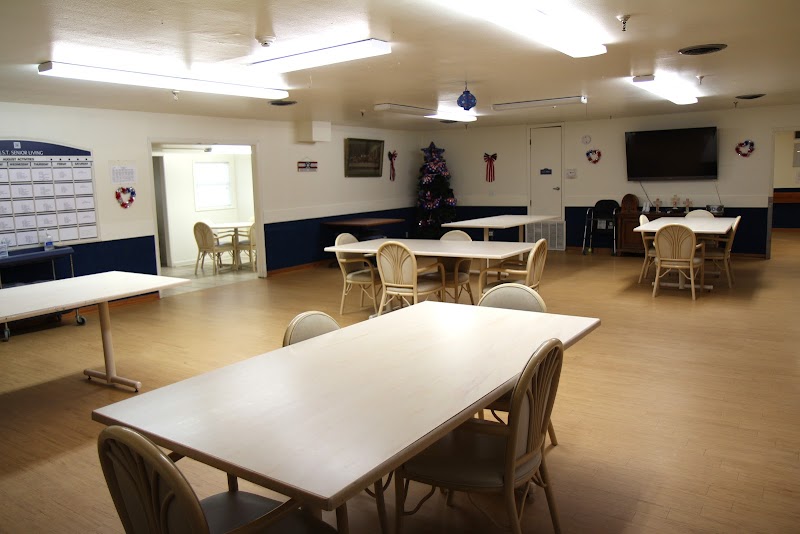
CMS rates S.P.J.S.T. REST HOME 3's staffing level at 4 out of 5 stars, which is above average compared to other nursing homes. Staff turnover is 24%, compared to the Texas average of 46%. This relatively stable workforce can support continuity of care.

What Have Inspectors Found at S.P.J.S.T. Rest Home 3?

State health inspectors documented 9 deficiencies at S.P.J.S.T. REST HOME 3 during 2022 to 2025. These included: 9 with potential for harm.
Who Owns and Operates S.P.J.S.T. Rest Home 3?

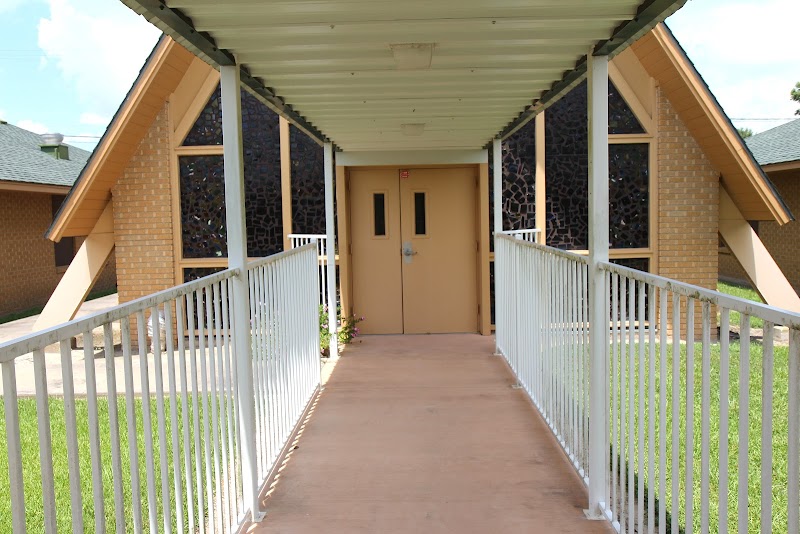
S.P.J.S.T. REST HOME 3 is owned by a non-profit organization. Non-profit facilities reinvest revenue into operations rather than distributing to shareholders. The facility operates independently rather than as part of a larger chain. With 57 certified beds and approximately 39 residents (about 68% occupancy), it is a smaller facility located in EL CAMPO, Texas.
How Does S.P.J.S.T. Rest Home 3 Compare to Other Texas Nursing Homes?

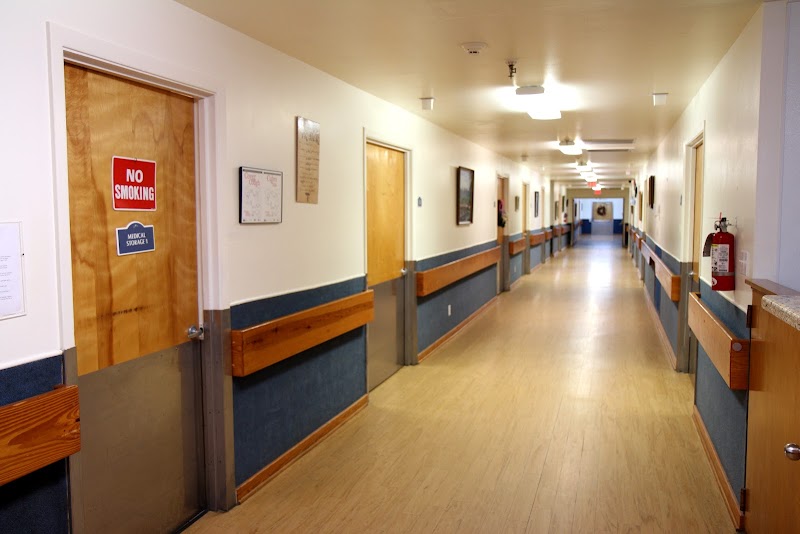
Compared to the 100 nursing homes in Texas, S.P.J.S.T. REST HOME 3's overall rating (5 stars) is above the state average of 2.8, staff turnover (24%) is significantly lower than the state average of 46%, and health inspection rating (5 stars) is much above the national benchmark.

What Should Families Ask When Visiting S.P.J.S.T. Rest Home 3?

Based on this facility's data, families visiting should ask: "Can I visit during a mealtime to observe dining assistance and food quality?" "How do you handle medical emergencies, and what is your hospital transfer rate?" "Can I speak with family members of current residents about their experience?"

Is S.P.J.S.T. Rest Home 3 Safe?

Based on CMS inspection data, S.P.J.S.T. REST HOME 3 has a clean safety record: no substantiated abuse findings (meaning no confirmed cases of resident harm), no Immediate Jeopardy citations (the most serious violation level indicating risk of serious injury or death), and is not on the Special Focus Facility watch list (a federal program monitoring the lowest-performing 1% of nursing homes). The facility has a 5-star overall rating and ranks #1 of 100 nursing homes in Texas. While no facility is perfect, families should still ask about staff-to-resident ratios and recent inspection results during their visit.

Do Nurses at S.P.J.S.T. Rest Home 3 Stick Around?

Staff at S.P.J.S.T. REST HOME 3 tend to stick around. With a turnover rate of 24%, the facility is 22 percentage points below the Texas average of 46%. Low turnover is a positive sign. It means caregivers have time to learn each resident's needs, medications, and personal preferences. Consistent staff also notice subtle changes in a resident's condition more quickly. Registered Nurse turnover is also low at 20%, meaning experienced RNs are available to handle complex medical needs.

Was S.P.J.S.T. Rest Home 3 Ever Fined?

S.P.J.S.T. REST HOME 3 has no federal fines on record. CMS issues fines when nursing homes fail to meet care standards or don't correct problems found during inspections. The absence of fines suggests the facility has either maintained compliance or corrected any issues before penalties were assessed. This is a positive indicator, though families should still review recent inspection reports for the full picture.

Is S.P.J.S.T. Rest Home 3 on Any Federal Watch List?

S.P.J.S.T. REST HOME 3 is not on any federal watch list. The most significant is the Special Focus Facility (SFF) program, which identifies the bottom 1% of nursing homes nationally based on persistent, serious quality problems. Not being on this list means the facility has avoided the pattern of deficiencies that triggers enhanced federal oversight. This is a positive indicator, though families should still review the facility's inspection history directly.