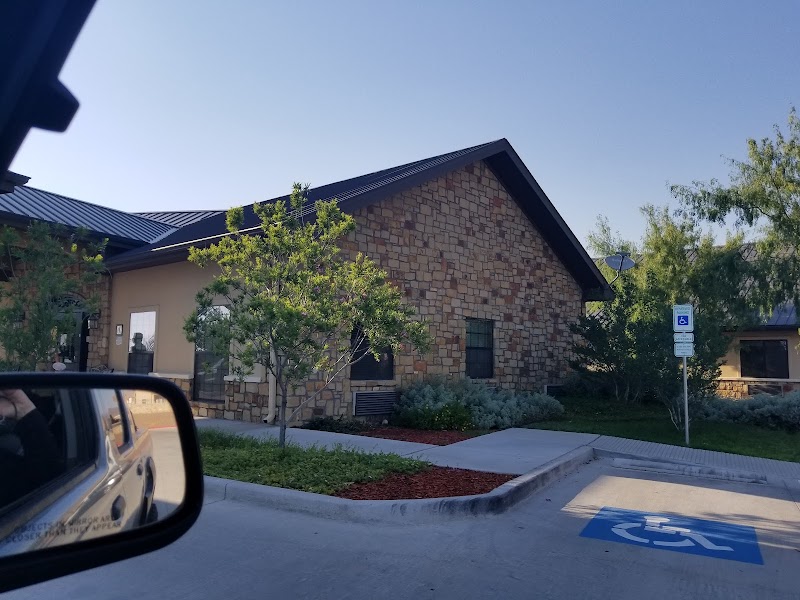
Avir at El Paso

7441 PASEO DEL NORTE, EL PASO, TX 79911 (915) 842-8700
For profit - Limited Liability company 124 Beds AVIR HEALTH GROUP Data: November 2025 5 Immediate Jeopardy citations
Trust Grade
0/100
#930 of 1168 in TX
Last Inspection: March 2025

Within standard 12-15 month inspection cycle. Federal law requires annual inspections.

Overview

Avir at El Paso has received a Trust Grade of F, indicating significant concerns about the facility's quality of care. With a state rank of #930 out of 1168, they fall in the bottom half of Texas nursing homes, and they rank #16 out of 22 in El Paso County, meaning there are very few local options that are worse. While the facility's trend shows improvement, with issues decreasing from 62 in 2024 to 15 in 2025, it is still concerning that they have accumulated $224,879 in fines, which is higher than 92% of Texas facilities, suggesting ongoing compliance issues. Staffing is a weakness, with only 1 out of 5 stars and a turnover rate of 57%, which is higher than the state average. Notable incidents include a failure to properly supervise a resident, allowing them to leave the building unsupervised, leading to hospitalization for dehydration, and serious lapses in care that resulted in another resident being intubated after staff failed to respond appropriately to signs of choking. Overall, families should weigh these significant weaknesses against any potential strengths when considering this facility for their loved ones.

Trust Score
F
0/100
In Texas
#930/1168
Bottom 21%
Safety Record
High Risk
Review needed
Inspections
Getting Better
62 → 15 violations
Staff Stability
⚠ Watch
57% turnover. Above average. Higher turnover means staff may not know residents' routines.
Penalties
⚠ Watch
$224,879 in fines. Higher than 93% of Texas facilities. Major compliance failures.
Skilled Nurses
⚠ Watch
Each resident gets only 10 minutes of Registered Nurse (RN) attention daily — below average for Texas. Fewer RN minutes means fewer trained eyes watching for problems.
Violations
⚠ Watch
98 deficiencies on record. Higher than average. Multiple issues found across inspections.
★☆☆☆☆
1.0
Overall Rating
★☆☆☆☆
1.0
Staff Levels
★★★★☆
4.0
Care Quality
★☆☆☆☆
1.0
Inspection Score
Stable
2024: 62 issues
2025: 15 issues

The Good

  • 4-Star Quality Measures · Strong clinical quality outcomes
  • Full Sprinkler Coverage · Fire safety systems throughout facility
  • No fines on record

Facility shows strength in quality measures, fire safety.

The Bad

1-Star Overall Rating

Below Texas average (2.8)

Significant quality concerns identified by CMS

Staff Turnover: 57%

11pts above Texas avg (46%)

Frequent staff changes - ask about care continuity

Federal Fines: $224,879

Well above median ($33,413)

Significant penalties indicating serious issues

Chain: AVIR HEALTH GROUP

Part of a multi-facility chain

Ask about local staffing decisions and management

Staff turnover is elevated (57%)

9 points above Texas average of 48%

The Ugly 98 deficiencies on record

5 life-threatening 1 actual harm
Aug 2025 1 deficiency 1 IJ
CRITICAL (J) 📢 Someone Reported This

A family member, employee, or ombudsman was alarmed enough to file a formal complaint

Immediate Jeopardy (IJ) - the most serious Medicare violation

Accident Prevention (Tag F0689)

Someone could have died · This affected 1 resident

**NOTE- TERMS IN BRACKETS HAVE BEEN EDITED TO PROTECT CONFIDENTIALITY** Based on observation, interview and record review the facility failed to ensure each resident receives adequate supervision to p...

Read full inspector narrative →
**NOTE- TERMS IN BRACKETS HAVE BEEN EDITED TO PROTECT CONFIDENTIALITY** Based on observation, interview and record review the facility failed to ensure each resident receives adequate supervision to prevent accidents for 1 (Residents #1) of 8 resident reviewed for accidents and supervision. The facility failed to ensure adequate supervision to prevent accidents for Resident #1 when, on 8/3/25, Receptionist A allowed him to leave the building without confirming with staff whether he could be outside independently or verifying if he was a visitor. Resident #1 made it across the border to another state and then to the port of entry to another country. Resident #1 required hospital treatment for dehydration. The noncompliance was identified as PNC. The IJ began on 8/3/25 and ended 8/4/25. The facility had corrected the noncompliance before the survey began. These failures placed residents at risk of injuries, hospitalization, and death.Findings included: Record review of Resident #1's face sheet dated 8/13/25 revealed a [AGE] year-old male that was admitted to the facility on [DATE]. Resident #1's History and Physical dated 7/7/25 revealed diagnoses of Schizophrenia (a brain disorder that makes it hard to know what's real, sometimes causing people to hear voices or believe things that aren't true), Anxiety (a condition where a person feels overly worried or fearful, even when there's no real danger), Dementia/Alzheimer's (disease that slowly damages memory and thinking, making it hard to do daily activities), and Depression (long-lasting sadness that affects mood, energy, and interest in everyday life). Resident #1 admission MDS dated [DATE] revealed a BIMS score of 2, indicating his cognition was severely impaired, no wandering behavior was noted and was dependent on ADLs. Record review of Resident #1's elopement assessment dated [DATE] revealed he was not a risk. Record review of Resident #1's incident report dated 8/3/25 written by RN B revealed [Resident #1] was observed at breakfast time, having a meal in the morning in the dining room, around 9:30 am, med aid gave his medication. [Resident #1] is ambulatory, continent of bladder and bowel. When lunch time was coming around 11:30 hours, [Resident #1] was unable to be located, this nurse and CNA started looking for him on every room, every restroom, activities room and therapy room. After that Code Silver (missing person) was announced, Weekend supervisor and HR present at that time were notified. Searching was extended around the building and streets. RP was notified also. He was marked as oriented to person only, confused, and ambulating without assist. Record review of Resident #1's local hospital records dated 8/3/25 revealed Resident #1 was transported by ambulance to the ED from Santa [NAME] Port of Entry with heat exhaustion. He had left physical therapy, decided to walk, became lost, and was later found along the roadside. EMS reported he had been dropped off near the port and began walking in the wrong direction. On arrival at 3:27 MDT, he was alert, warm, and dry, with vitals notable for HR 122 bpm (Normal: 60-100 beats per minute; heart is beating faster than normal ), RR 24 (Normal: 12-20 breaths per minute; is breathing faster than normal), SpO 89% on room air (Normal: 95-100%; Oxygen in the blood is lower than normal), and BP 98/66 (Normal: Around 120/80; The blood pressure is on the lower side but not critically low). Labs showed leukocytosis (this usually means the body is fighting an infection, stress, or inflammation), elevated creatinine (if it's high, it can mean the kidneys are under stress or not working as well as they should), low magnesium (too little magnesium can cause weakness, cramps, or irregular heartbeats), hypophosphatemia (low levels can cause fatigue, muscle weakness, or breathing problems), and elevated glucose (blood sugar is higher than normal). A chest X-ray showed central vascular congestion without consolidation (lungs are showing signs of fluid overload (like early heart failure or too much IV fluid), but there's no infection or collapse in the lung tissue). Treatment included two 1,000 mL IV Lactated Ringer's boluses (they're giving IV fluids rapidly to keep blood pressure up and prevent dehydration), oral Tylenol 1,000 mg, and oral potassium phosphate-sodium phosphate for low phosphate. He was diagnosed with dehydration, elevated creatinine, and heat exposure. After IV fluid resuscitation and clinical improvement, he was discharged back to his prior living arrangement with instructions for follow-up and return precautions.Record review of accuweather.com revealed local weather for August 3, 2025, was a low 76F and high 105F. Record review of accuweather.com revealed bordering city and state weather for August 3, 2025, was a low 76F degrees and high 105F degrees. Record review of Maps (ipone cell phone application) revealed by car, the driving distance from the facility to the Santa[NAME] Port of Entry to Mexico was approximately 13 miles, taking about 19 minutes via I10 and US180.During an interview on 8/13/25 at 11:37 am, Resident #1 stated the incident happened the previous week. He stated he had been sitting outside, decided to go for a walk, got a haircut, then went to a corner store for a soda. He stated he had not planned to leave; it was a spur of the moment decision. He stated he became dehydrated, passed out in a truck, and the driver took him to the hospital where he was treated and returned. He stated staff were worried when he got back, and he felt bad. He stated he felt comfortable at the facility, had no desire to leave, and had been drinking water before leaving.During an interview on 8/13/25 at 6:56 pm, Receptionist A stated she was working on 08/03/2025 when Resident #1 left. She stated she opened the door for him, assuming he was a visitor because she did not recognize him. She stated he smiled and pointed to the door without speaking. She later saw on camera the time was about 9:30 a.m. (the video footage was unavailable for review due to it only going back 7 days). She stated she had been trained to verify with staff before letting someone out but admitted she did not follow procedure, which could place the resident at risk. She stated he was wearing pants, a long sleeve shirt, and had shoes on.During an interview on 8/13/25 at 6:44 pm, RN B stated he last saw Resident #1 around 9:15-9:20 a.m. in the lounge after breakfast. He stated the resident was independent and usually visited friends. He noticed Resident #1 was missing before lunch (approximately 11:30 am), searched his usual spots, and learned from another resident that he had purchased a soda and chips before leaving. RN B stated he notified his supervisors, directed staff to search the facility, and then searched outside up to the fence near a local high school without finding him. RN B stated he was later returned to the facility after he finished his shift. RN B stated Resident #1 had not voiced wanting to leave the facility in the past and did not have history of wandering or exit seeking. During an interview on 8/14/25 at 12:01 pm, the Administrator stated the expectation was for the receptionist to get a sign out sheet signed by the nurse or whoever was taking the resident out and then open the door for him. The Administrator stated Receptionist A did not follow the procedure because she did not get a sign-out sheet signed, and she opened the door for Resident #1. He stated the facility changed the procedure to sign-in/sign-out where everyone needed to sign, the receptionist was educated on the new policy. The Administrator stated Resident #1 had not voiced wanting to leave the facility and did not have exit seeking/ wandering behaviors. The Administrator stated this was the first time Resident #1 had attempted to leave the facility and there had not been any indication for it. The Administrator stated the facility contacted local hospitals to inquire about the resident's whereabouts and was able to locate him. A police report was also filed.Record review of the facility's Signing Resident's Out policy dated August 2006 revealed in part All residents leaving the premises must be signed out. #1- Each resident leaving the premises (excluding transfers/discharges) must be signed out; #6- Staff observing a resident leaving the premises and having doubts about the resident being properly signed out, should notify their supervisor at once.Record review of the facility's Wandering and Elopements policy dated 2001 revealed in part The facility will identify residents who are at risk of unsafe wandering and strive to prevent harm while maintaining the least restrictive environment for residents. #2- If an employee observes a resident leaving the premises, he/she should: a. attempt to prevent the resident from leaving in a courteous manner; b. get help from other staff members in the immediate vicinity, if necessary; and c. instruct another staff member to inform the charge nurse or director of nursing services that a resident is attempting to leave or has left the premises The facility completed the following corrective actions to address the non-compliance after the incident occurred and prior to the surveyor entering on 8/13/25.Record review: Record review of an in-service dated 8/3/25 revealed the topic was resident sign-out procedure and had the Signing Resident's Out policy dated August 2006 policy attached for reference was signed by all staff.Record review of Resident #1's elopement assessment dated [DATE] revealed he was a high risk. Record review of Resident #1 physician order dated 8/3/25 revealed Resident has exit seeking behaviors. Wander Guard to be placed for resident safety. Placement location - right wrist.Record review of Resident #1's progress notes revealed no other elopement's were attempted/ reported. Record review of Resident #1's care plan dated 8/3/25 revealed focus area for elopement risk/wander risk as evidenced by history of wandering off in last 30 days. Impaired safter awareness and require a wander guard for safety with interventions that included Check wander guard placement every shift to ensure wander guard is functioning to right wrist; Visually check wander guard placement every 2 hours. Observations: Observation on 8/13/25 at 11:37 am, revealed Resident #1 was observed with a wander guard to his right wrist. Observation on 8/14/25 at 2:20 pm, recalled Resident #1 was observed with a wander guard to right wristThe facility posted signs at the door All visitors must sign in upon entering and must sign out upon exiting the facility, by entrance door and the reception desk informing all visitors must sign in and out of the facility.Interviews:During an interview on 8/14/25 at 2:30 pm, Resident #1 verbalized understating on the need to sign out and notify the nurse of his outing. He stated he was ok with wearing the wander guard in case he got confused and got out the facility, they would know and get him back inside. He stated he felt ok and felt safe inside the facilityInterviews from 8/13/25 at 6:37 pm- 8/14/25 at 12:01 pm with Receptionist A, RN B, Receptionist C, BOA, LVN D, RN E, and LVN F reflected they had received the in-service on visitor sign in and out sheet on 8/3/25 and verbalized they needed to ask the residents if their nurses were aware of their outing and confirm with the nurses this was signed by all staff. The staff reported that they would reference the elopement binder located in the receptionist area and verify with the nurses. During an interview on 8/14/25 at 12:01 pm, the Administrator stated that the receptionist along with the rest of the staff received an in-service regarding the procedure of signing in and out of the facility. He stated that in order for the incident to not repeat itself again, the facility implemented the process that day for signing in/out, they put Resident #1 on a wander guard and the facility updated his care plan and the elopement assessment to reflect there was a risk of him eloping.
Jul 2025 3 deficiencies
CONCERN (D) 📢 Someone Reported This

A family member, employee, or ombudsman was alarmed enough to file a formal complaint

Potential for Harm - no one hurt, but risky conditions existed

Deficiency F0602 (Tag F0602)

Could have caused harm · This affected 1 resident

**NOTE- TERMS IN BRACKETS HAVE BEEN EDITED TO PROTECT CONFIDENTIALITY** The facility failed to maintain a system to prevent Resident #1's personal money from being taken by a staff member.Findings inc...

Read full inspector narrative →
**NOTE- TERMS IN BRACKETS HAVE BEEN EDITED TO PROTECT CONFIDENTIALITY** The facility failed to maintain a system to prevent Resident #1's personal money from being taken by a staff member.Findings included:Record Review of the admission record dated 6/30/25, revealed an [AGE] year-old male with an original admission date of 11/27/24 and a readmission date of 12/18/24. Record Review of Resident # 1's admission MDS record dated 11/27/24 revealed a BIMS score of 2 reflecting severe cognitive impairment. MDS revealed Resident #1 had short-term memory problems and was moderately impaired to make decisions regarding tasks of daily life. It described the resident as lethargic (a state of extreme tiredness, sluggishness, and lack of energy or enthusiasm. It implies a noticeable decrease in physical and mental activity). MDS indicated Resident #2 had anxiety disorder and depression.Record Review of Resident # 1's Care Plan initiated on 11/29/24 revealed Resident #1 had a diagnosis of depression and at risk of fluctuating moods with little interest or pleasure in doing things with decreased socialization. The care plan called for interventions to encourage frequent socialization, to be an active participant in decision making and to voice feelings and thoughts. The care plan revealed Resident #1 had episodes of adverse behaviors such as being verbally aggressive evidenced by cursing, racial yelling and screaming and becoming physically aggressive by hitting staff, kicking, and throwing objects.Record Review of CNA C's bank account Deposits and other Additions from 11/20/24 to 12/19/24 revealed the following Mobile on-line banking deposits made by from Resident # 1's smart phone:*12/04/24 Mobile online bank payment of 3,500.00*12/05/24 Mobile online payment of 1,800.00*12/09/24 Mobile online payment of 1,480.00*12/13/24 Mobile online payment of 500.00*12/16/24 Mobile online payment of 500.00*12/18/24 Mobile online payment of 3,000.00The total amount deposited into CNA C's bank account from the Mobile-Online banking deposits was $10,780.00 made by resident # 1.Record Review of CNA C's bank account Withdrawals and other subtractions dated 1/23/25 revealed the following transactions were done by Resident # 1's bank account:*01/23/25 CLAIMS PROCESSING -3,500.00*01/23/25 CLAIMS PROCESSING -3,000.00*01/23/25 CLAIMS PROCESSING -1,800.00*01/23/25 CLAIMS PROCESSING -1,480.00*01/23/25 CLAIMS PROCESSING -1,200.00*01/23/25 CLAIMS PROCESSING -800.00*01/23/25 CLAIMS PROCESSING -500.00*01/23/25 CLAIMS PROCESSING -500.00Total amount withdrawn from CNA C's bank account. Total Amount: -12,780.00 Record Review on 7/1/25 at 9:33 AM of the SW progress notes dated 12/23/24 revealed she had a meeting with the DON informing her Resident # 1 had a change of condition and was very confused. Progress notes indicated the facility discussed the possibility of having the resident on palliative care (specialized medical care for people living with a serious illness). Progress notes revealed the SW called the family to discuss this possibility, and the family had agreed with the plan. SW informed DON and LVN D that family had agreed to place Resident # 1 under palliative care.Record Review on 7/1/25 at 11:33 AM of the medical progress notes dated 11/25/24 revealed Resident # 1 was an [AGE] year-old male who seemed slightly confused on that date but was alert to time, place and person.In an Interview on 6/26/25 at 3:38 PM with the Administrator, revealed, he was informed by his superiors that a Google review was posted in the facility's website by the resident's family, that stated that a nurse, name unknown, had stolen thirteen thousand dollars from the resident. The Administrator said the facility made several attempts to contact the family but were not successful, and the family did not return their calls. The Administrator said the investigation was concluded and was deemed unfunded since there was no way to gather information. He said that he had not conducted any investigation to determine if a staff member had taken money from the resident, because had had not been able to contact the resident's family member.Telephone interview on 6/30/25 at 11:36 AM with Resident #1's family member, stated Resident #1 had been admitted to the facility for about a month and they visited him frequently. The family member said Resident #1 was very confused and unable to carry meaningful conversations, remember passwords or easily operate his smartphone, so she had removed the passwords to allow him to use the phone without issues. The family member also stated that during one visit, she accessed Resident #1's Bank account app on his smartphone to monitor for activity and observed several transactions made from Resident #1's phone through the Mobile banking on-line application (a popular money transfer service that allows individuals to send and receive money directly between eligible U.S. bank accounts) to a recipient identified as CNA C. These transactions totaled almost thirteen thousand dollars. The family member reported that after noticing these transactions, she reported it to the police and was informed the financial crimes department would investigate the incident. The family member stated she had reported these transactions to Resident # 1's bank on 1/23/25 after Resident # 1 had been discharged from the facility. The family member said on that same date she had contacted the Police department to make a report and stated the Police had advised her to not contact the facility or the administrator to ask questions and to allow the police to investigate.In an interview on 6/30/25 at 12:03 PM with CNA C, stated she started receiving money from Resident #1 around November 2024 through the Mobile banking on-line application, totaling around ten thousand dollars. CNA C explained she was assigned to Resident #1's care and often interacted with him. She stated one day, Resident #1 saw her crying and asked what was wrong, to which she explained she was having financial problems. CNA C said Resident #1 offered her money to help, and she accepted his assistance. CNA C explained Resident # 1 continued to send her money throughout November 2024 and December 2024. CNA C then stated she considered keeping and using the money but became scared and returned it to Resident #1's account. CNA C also stated she had been trained on ANE (Abuse, Neglect, and Exploitation) and misappropriation upon being hired at the facility in 2021 and had been in-serviced several times on ANE, though she could not remember her last training date. CNA C stated she understood she had done something wrong and should not have accepted money from Resident #1, as it could have been perceived as taking advantage of him. CNA C explained she had not informed the Administrator or anyone at the facility that Resident #1 had given her money, nor did she disclose this information to her coworkers, other residents, or Resident #1's family members.In an interview on 6/30/25 at 1:03 PM with LVN D, revealed she was the charge nurse that was assigned to Resident # 1 resided while he was at the facility. LVN D said she remembered Resident # 1 was able to have small talk and answer simple questions such as how are you? and answering, good morning but he was not alert enough to make his own decisions. LVN D stated she had no knowledge of missing funds from the resident and that she was not approached by anyone in the facility to ask her if she knew anything about it.In an interview on 6/30/25 at 3:11 PM with the Bank Teller, revealed that CNAC's bank account had been closed at that bank on 4/8/25 after the account was over drafted. The bank teller stated that in the system he was able to see that on 1/23/25, a claim was made from a different bank account and the amounts that had been deposited via the Mobile-Online bank account had been extracted and returned to the original bank account. The bank teller explained that this happens when a bank gets a fraud report and they put a stop to the transactions from one bank account to the other.Record Review of the facility's policy and procedures revised in February 2021 and titled Resident Rights, read in part: Federal and state laws guarantee certain basic rights to all residents of this facility. These rights include the resident's right to: be free from abuse, neglect, misappropriation of property, and exploitation.Record Review of the Team Member Handbook Receipt and Acknowledgement, signed and initialed by CNA C on 10/28/21 read in part: By signing in the space below, I am indicating that I have received a copy of this facility Team Member Handbook and agree to abide by the guidelines outlined in the Handbook. Additionally, I specifically acknowledge the following. I understand and agree to comply with [facility] guideline forbidding abuse, neglect and/or exploitation of a patient/resident, including misappropriation of patient/resident property and I understand my obligation to immediately report such behavior including injuries of an unknown source or alleged behavior, as set forth in [facility] guideline.Record Review of the facility's policy and procedures dated April 2025 and titled Gifts and Gratuities, in the employee handbook read in part: The Company strongly discourages accepting gifts, gratuities, or tips from residents or donors and/or giving gifts or gratuities to residents or donors. If a question arises regarding this issue, speak with your supervisor or Administrator. Business and Financial Practices: Fraud is an intentional deception or misrepresentation made by a person who knows the deception could result in some unauthorized benefit or financial gain. The act does not have to be successful; it is enough that the person attempted the deception.Record Review of the Facility's ANE Policy revised in April 2021 read in part: Abuse, Neglect, Exploitation and Misappropriation Prevention Program.Policy Statement:Residents have the right to be free from abuse, neglect, misappropriation of resident property and exploitation.Policy Interpretation and ImplementationThe resident abuse, neglect and exploitation prevention program consist of a facility-wide commitment and resource allocation to support the following objectives: 1. Protect residents from abuse, neglect, exploitation or misappropriation of property by anyone including, but not necessarily limited to:a. Facility Staff 2. Develop and implement policies and protocols to prevent and identify: a. abuse or mistreatment of residents; c. theft, exploitation or misappropriation of resident property.8. Identify and investigate all possible incidents of abuse, neglect, mistreatment, or misappropriation of resident property.
CONCERN (D) 📢 Someone Reported This

A family member, employee, or ombudsman was alarmed enough to file a formal complaint

Potential for Harm - no one hurt, but risky conditions existed

Accident Prevention (Tag F0689)

Could have caused harm · This affected 1 resident

**NOTE- TERMS IN BRACKETS HAVE BEEN EDITED TO PROTECT CONFIDENTIALITY** Based on interview and record review, the facility failed to ensure each resident receives adequate supervision to prevent accid...

Read full inspector narrative →
**NOTE- TERMS IN BRACKETS HAVE BEEN EDITED TO PROTECT CONFIDENTIALITY** Based on interview and record review, the facility failed to ensure each resident receives adequate supervision to prevent accidents for 1 (Resident #2) of 6 residents reviewed for accident prevention. The facility failed to provide supervision when Resident #2 exited the facility on 6/23/25 and propelled herself in her wheelchair down towards the sidewalk exiting the parking lot of the facility. This failure could place residents at risk of a fall, weather exposure, or being run over by a moving vehicle, which could result in injuries. Scope and Severity D Findings include:Record Review of Resident #2's admission record dated 6/26/25, revealed a [AGE] year-old female with an admission date of 4/22/25.Record Review of Resident #2's History and Physical dated 4/24/25 revealed diagnoses of atrial fibrillation (An irregular and often rapid heart rate that can lead to symptoms like palpitations, shortness of breath, and fatigue), hypothyroidism (A condition in which the thyroid gland doesn't produce enough crucial hormones. Symptoms can include fatigue, weight gain, constipation, dry skin, and increased sensitivity to cold), morbid obesity and falls with recent right humerus fracture (A break in the humerus bone, which is the long bone in the upper arm that extends from the shoulder to the elbow), impaired gait and mobility (deviation from a normal, healthy walking pattern), generalized weakness, sarcopenia (A progressive and generalized skeletal muscle disorder involving the accelerated loss of muscle mass and function).Record Review of the admission MDS dated [DATE] revealed a [AGE] year-old female with a diagnoses of anxiety disorder and depression. MDS revealed under section GG for Functional Abilities that Resident #2 had limited ROM on lower extremities and required a wheelchair for mobility. It revealed Resident #2 required substantial assistance with personal hygiene and upper body dressing, sitting to standing, transferring to toilet and from chair to bed and for walking ten feet on uneven surfaces. Functional Abilities revealed Resident # 2 was dependent on staff for toileting hygiene, showering, lower body dressing and putting on footwear. MDS revealed under section V for Care Area Assessment that Resident #2 triggered for cognitive loss, dementia, and falls.Record Review of Resident #2's Care Plan initiated on 4/23/25 revealed Resident #2 had care areas as follows:*episodes of anxiety and was at risk for fluctuations in mood related to a diagnosis of bipolar disorder (a mental health condition that causes extreme and unusual shifts in a person's mood, energy, activity levels, and concentration), episodes of adverse behaviors evidenced by being verbally aggressive, cursing and using racial slurs, yelling and screaming and being physically aggressive evidenced by hitting, pinching, kicking and throwing objects.*tendency for fabricating facts, manipulating staff, and displaying accusatory behavior towards staff.* at risk of complications due to refusing assistance with ADLS and refusing medications.*on psychotropic medications and was at frequent fall risk.In an Interview on 6/26/25 at 8:45 AM with the DON revealed she received a report from the admissions coordinator that a family member had called the receptionist from the facility stating Resident # 2 was down the street and was requesting assistance. DON stated the ADON, and other staff left the building to look for Resident # 2 and they were able to find her about a block away and after taking her to the store, staff returned to the facility along with Resident # 2. DON stated the incident should have been recorded at least in a progress note, but to her knowledge, there was nothing recorded about the incident.In an Interview on 6/26/25 at 8:50 AM with ADON A stated the family members were talking to an LVN at the nurse's station. She said that later at 1:46 PM, the Administrator sent a group text message to staff informing them that Resident #2 was away from the building exiting the parking lot and requesting their assistance to locate Resident # 2. ADON A said the Admissions Coordinator told her that the family had gone back to the facility to request assistance because Resident # 2 was refusing to get into her vehicle and was propelling herself in her wheelchair to the store. ADON A stated she and the Admissions Coordinator went looking for Resident #2 and found her at a business parking lot next to the facility. Resident # 2 was arguing with her family member and was shouting and refusing to get into the family's vehicle. ADON A said she stood with the resident for about ten minutes, trying to de-escalate and convince her to go back to the facility, but Resident # 2 declined and insisted on being taken to the store.In an Interview on 6/26/25 at 10:14 AM Resident # 2, revealed she remembered the incident that happened on 6/23/25. Resident # 2 said her family had gone to the facility to pick her up and take her to the store. She stated after having lunch, her family kept talking to a nurse and were taking too long to take her out and she became upset. Resident # 2 said she exited through the front door while a man (name unknown) opened the door, and she took off in her wheelchair to try to get to the store. Resident # 2 said one of her family members came running after her and another family member caught up with them in a nearby parking lot trying to get her in her family's vehicle, but she wanted to go to the store and refused to get into the vehicle. Resident # 2 said some nurses and staff (she did not know their name) went to the parking lot and told her they would take her to the store, and she agreed to get into the vehicle. Resident # 2 said she did some shopping and was taken back to the facility and said she went about her day without concerns.In an Interview on 6/26/25 at 10:51 AM with Family Member J, revealed that she had gone to the facility with another family member to sign out Resident # 2 and take her to the store for groceries. She stated she was talking to a nurse, and Resident # 2 got upset because she was taking too long to take her out and left on her own. Family Member J said a receptionist (name unknown) had opened the door for Resident # 2, and she had gone out unsupervised. Family Member J said she got worried because Resident # 2 could get into an accident if left unsupervised, so she ran out of the facility along with the other family member to look for the Resident. Family Member J said while she got into her vehicle, the other family member ran after Resident # 2, who had already left the facility parking lot and was propelling herself towards the sidewalk. Family Member J said she caught up with Resident # 2 and her family member around the corner in a business parking lot and started to ask Resident # 2 to get into the vehicle, but she kept refusing. Family Member J said she went back to the facility and requested their assistance to get Resident # 2 into her vehicle and went back to the parking lot where Resident #2 and her family were. Family Member J said once she arrived back at the resident's location, the facility staff was already there with her family member, trying to de-escalate the situation and trying to convince Resident # 2 to get back to the facility. Family Member J said she told the facility staff that she needed to leave because Resident # 2 would stay upset while she was in her presence and told them to take care of the Resident. Family Member J said she left the Resident under the facility staff care, and she and the other family member left Resident # 2 with the staff. Family Member J stated the incident would have been avoided if Resident # 2 was supervised while outside the facility or by not allowing her to exit on her own.In an Interview on 6/26/25 at 1:48 PM with Receptionist F revealed she did not go outside the facility to check if Resident #2 was still by the front door or if she was leaving the facility's parking lot. Receptionist F stated she did not receive official training which talked about timeframes for checking on residents who wished to be outside the facility by the front door. Receptionist F stated she had been informed that before letting a resident go out the door she needed to check with a nurse before, and admitted she failed to do so. Receptionist F stated she should have kept the resident inside and in line of sight before allowing her to exit the facility and admitted she failed to report to the Administrator, DON or ADON that she let the resident exit the facility and did not check on her after. In an Interview on 6/26/25 at 11:38 AM with the Administrator revealed that on 6/23/25 the family members talked to LVN D to inform her they were taking the resident out. He stated that later that day at around 1:30, the Admissions Coordinator went into his office and told him Resident # 2's family member was requesting for the facility to assist her because the resident was refusing to get into her vehicle, and she had left the facility parking lot on her own. The Administrator said he sent a group text message to the facility staff so they could assist the family members with the resident. The Administrator said that to his knowledge, a family member had signed Resident # 2 out and after they left the facility, they got into an argument which led to the resident leaving the parking lot on her own and refusing to get into the family' vehicle. The Administrator said the family members left Resident # 2 under the facility staff care, and they took the resident shopping and took her back to the facility later that evening. The Administrator said there was no incident report created for the incident because the resident was under the family's care once they had signed her out but that in hindsight, Him, the DON or ADON should have recorded the incident to have accountability and statements from those who were involved.In an Interview on 6/26/25 at 11:50 AM with LVN D revealed Resident # 2 should not be left outside the facility unsupervised because the resident was impulsive and had the tendency to make rash decisions which could place her in danger, such as leaving the facility on her own in her wheelchair.In an Interview on 6/26/25 at 2:00 PM with the Admissions Coordinator, stated she did not know if Resident # 2 should be left unsupervised outside the facility and said that the facility should train staff better for them to be able to know which residents can be out of the facility by themselves.In an Interview on 6/27/25 at 11:30 AM with the Director of Rehabilitation, explained that Resident #2 was able to propel on her own while in her wheelchair. She stated Resident #2 required supervision while outside the facility due to her history of cognitive deficit. She said the resident could be forgetful and could be non-compliant with treatment and therapy by refusing to do the exercises needed for her recovery. She stated the resident could become agitated, belligerent, and could potentially get confused and not know how to go back to the facility if she left the premises and she could potentially fall off her wheelchair sustaining injuries.In an Interview on 6/27/25 at 2:38 PM with ADON A revealed that Resident # 2 was impulsive and should not be outside the facility without supervision. ADON A said the resident could potentially attempt to leave on her own if left alone outside and could potentially sustain a fall, injuring herself and there was a possibility of dehydration due to the hot weather.In an Interview on 6/27/25 at 2:53 PM with the DON revealed Resident # 2 should not have been left out of the facility on her own without proper supervision. DON said there was a potential for the resident to fall off her wheelchair and sustain injuries and there was a risk of heatstroke due to the hot weather.In an Interview on 6/27/25 at 3:06 PM with LVN G she stated Resident # 2 should not be outside the facility without supervision, and said the resident had strong opinions about things and could be stubborn. LVN G said she had seen the resident argue with her family in the past and said Resident # 2 more than likely would leave the facility if she had the opportunity and was left unsupervised. LVN G explained the resident could potentially fall from her wheelchair if she left on her own. LVN G said the expectation was if a resident exited the building, staff would ask them if they needed help, ask them where they were going, ask them where their family member was, try to redirect and get them back into the building, and contact immediate supervisor for assistance if needed.In an Interview on 6/27/25 at 3:21 PM with CNA H, stated he had been working at the facility for two years and he was familiar with Resident # 2. He stated CNAs knew that if a resident wished to go outside to sit by the entrance of the facility, they needed to consult with a nurse first and ask if it was permitted for the resident to go outside. CNA H stated he would not make the decision on his own if a resident could go outside by themselves. CNA H explained that he believed Resident # 2 should not be outside on her own because she can get confused sometimes and if she was left unsupervised, there was a possibility for her to leave without telling anyone in the facility. He stated there was a possibility of the resident getting hurt from having an accident by falling off her wheelchair or if she went on the street there was a risk of a traffic accident.In an Interview on 6/27/25 at 3:35 PM with the Administrator, he said staff should periodically check on those residents who are able to go outside to the front on their own. The Administrator stated the facility did not have a written policy which stated a concrete timeframe for staff to check on residents who are outside. The Administrator explained that staff should have checked if Resident # 2 stayed in the parking lot or if she attempted to leave on her own. The Administrator stated Resident # 2 could potentially leave the premises if she was left unchecked for a long period of time due to resident being impulsive. The Administrator stated there was no policy, procedure or training for staff, including receptionists, on how to check residents' safety while they were outside in front of the facility. In an interview on 6/30/25 at 10:01 AM with the SW she stated Resident # 2 should not be outside on her own because the resident might not be aware of danger. The SW said Resident # 2 should have staff supervising her while outside the facility because there was a potential outcome of her trying to get up from her wheelchair and potentially fall resulting in injuries. SW explained there was the potential of the resident trying to leave the premises if she was left unsupervised.Record Review of the facility's policy and procedure dated 2001 and titled Signing Residents Out, stated in part: Staff observing a resident leaving the premises, and having doubts about the resident being properly signed out, should notify their supervisor at once. Inquiries concerning the signing-out of residents should be referred to the director of nursing services or to the administrator.
CONCERN (E) 📢 Someone Reported This

A family member, employee, or ombudsman was alarmed enough to file a formal complaint

Potential for Harm - no one hurt, but risky conditions existed

Investigate Abuse (Tag F0610)

Could have caused harm · This affected multiple residents

**NOTE- TERMS IN BRACKETS HAVE BEEN EDITED TO PROTECT CONFIDENTIALITY** Based on interview and record review, the facility failed to ensure that incidents and investigations were complete and accurate...

Read full inspector narrative →
**NOTE- TERMS IN BRACKETS HAVE BEEN EDITED TO PROTECT CONFIDENTIALITY** Based on interview and record review, the facility failed to ensure that incidents and investigations were complete and accurately documented for 2 of 6 (Resident #1 and #2) residents reviewed for accuracy and completeness of records. 1. The facility failed to have complete and accurate documentation and investigation for an allegation of misappropriation and exploitation for Resident # 1. 2. The facility failed to complete an incident report or accurately document progress notes, when Resident # 2 exited the facility. These deficient practices could put residents at risk of not receiving needed services such as monitoring or supervision, and incident investigations. Findings included: Resident # 1 Record Review of the admission record dated 6/30/25, revealed an [AGE] year-old male with an original admission date of 11/27/24 and a readmission date of 12/18/24.Record Review of the Initial Evaluation dated 11/27/24 revealed an [AGE] year-old male with a diagnosis of type two diabetes, coronary artery disease (a common and serious condition that affects the heart. It occurs when the coronary arteries, which are the blood vessels responsible for supplying oxygen-rich blood to the heart muscle, become narrowed or blocked), hypertension (a medical condition where the force of blood pushing against the walls of your arteries is consistently too high), and hypothyroidism (or underactive thyroid, is a medical condition where the thyroid gland does not produce enough thyroid hormones to meet the body's needs).Record Review of Resident # 1's initial MDS record dated 11/27/24 revealed a BIMS score of 2 reflecting severe cognitive impairment. MDS revealed Resident #1 had short-term memory problems and was moderately impaired to make decisions regarding tasks of daily life. It described the resident as lethargic (a state of extreme tiredness, sluggishness, and lack of energy or enthusiasm. It implies a noticeable decrease in physical and mental activity). MDS indicated Resident #1 had anxiety disorder and depression.Record Review of Resident # 1's Care Plan initiated on 11/29/24 revealed Resident #1 had a diagnosis of depression and at risk of fluctuating moods with little interest or pleasure in doing things with decreased socialization. The care plan called for interventions to encourage frequent socialization, to be an active participant in decision making, and to voice feelings and thoughts. The care plan revealed Resident #1 had episodes of adverse behaviors such as being verbally aggressive evidenced by cursing, racial yelling and screaming and becoming physically aggressive by hitting staff, kicking, and throwing objects.Record Review of the facility's grievances binder on 6/27/25 at 3:30 PM revealed there were no records of the facility investigation on the allegations of exploitation for Resident # 1.Record Review of Resident #1s EMR from 12/27/24 to 7/1/25, revealed there were no progress notes created to document the Exploitation allegation regarding Resident # 1. In an Interview on 6/26/25 at 3:24 PM with ADON A, she stated she did not know anything about this incident. ADON A said she had not discussed the possible misappropriation of the resident's funds with the Administrator or anyone in the facility. ADON A stated any suspicion of exploitation was expected to be thoroughly investigated by gathering information with staff, residents, and family members. ADON A said if she had been overseen the investigating of the incident, she would have documented attempts to contact the family members and would have conducted in-services to employees to make sure everyone knew how to report ANE if they suspected something.In an Interview on 6/26/25 at 3:38 PM with the Administrator, he explained the facility made several attempts to contact the family but were not successful, and the family did not return their calls. The Administrator admitted there were no records of the facility's attempts to contact the family. He stated the investigation was concluded and was deemed unfunded since there was no way to gather information from the family members.In an interview on 6/27/25 at 9:30 AM with the Ombudsman revealed he had no knowledge of the incident in which it was alleged that a staff member from the facility had stolen money from Resident # 1. He stated the facility had not provided information on this incident to him. In an interview on 6/30/25 at 10:06 AM with SW, revealed she remembered Resident # 1 being discharged from the facility in December 2024. SW said she had no knowledge of the incident in which it was reported that someone from the facility had stolen money from Resident # 1. SW stated that whenever there's an allegation of abuse, neglect or exploitation, it was expected for the facility to investigate and make the effort to contact family members and other residents and determine if they felt safe in the facility. SW explained that after an investigation of this nature, the facility gives training to staff to ensure they know how and when to report any suspicions of ANE. In an interview on 6/30/25 at 1:03 PM with LVN D, she stated she was the charge nurse of the hallway on which Resident # 1 resided while admitted in the facility. LVN D said she had no knowledge of missing funds from the resident and that she was not approached by anyone in the facility to ask her if she knew anything about it. In an Interview on 7/1/25 at 3:18 PM, the Administrator revealed he had not documented anywhere the attempts the facility had done to contact Resident # 1's family members and that he did not interview staff or other residents from the facility to thoroughly investigate the allegation of exploitation. The administrator admitted that he had not gathered enough information to find the investigation unfounded, as stated in his Provider Investigation Report. Resident # 2Record Review of Resident #2's admission record dated 6/26/25, revealed a [AGE] year-old female with an admission date of 4/22/25.Record Review of Resident #2's History and Physical dated 4/24/25 revealed a [AGE] year-old female with a diagnosis of atrial fibrillation (An irregular and often rapid heart rate that can lead to symptoms like palpitations, shortness of breath, and fatigue), hypothyroidism (A condition in which the thyroid gland doesn't produce enough crucial hormones. Symptoms can include fatigue, weight gain, constipation, dry skin, and increased sensitivity to cold), morbid obesity and falls with recent right humerus fracture (A break in the humerus bone, which is the long bone in the upper arm that extends from the shoulder to the elbow), impaired gait and mobility (deviation from a normal, healthy walking pattern), generalized weakness, sarcopenia (A progressive and generalized skeletal muscle disorder involving the accelerated loss of muscle mass and function).Record Review of the admission MDS dated [DATE] revealed a [AGE] year-old female with a diagnosis of anxiety disorder and depression. MDS revealed under section GG for Functional Abilities that Resident #2 had LROM on lower extremities and required a wheelchair for mobility. It revealed Resident #2 required substantial assistance with personal hygiene and upper body dressing, sitting to standing, transferring to toilet and from chair to bed and for walking ten feet on uneven surfaces. Functional Abilities revealed Resident # 2 was dependent on staff for toileting hygiene, showering, lower body dressing and putting on footwear. MDS revealed under section V for Care Area Assessment that Resident #2 triggered for cognitive loss, dementia, and falls.Record Review of Resident #2's Care Plan initiated on 4/23/25 revealed Resident #2 had episodes of anxiety and was at risk for fluctuations in mood related to a diagnosis of bipolar disorder (a mental health condition that causes extreme and unusual shifts in a person's mood, energy, activity levels, and concentration), episodes of adverse behaviors evidenced by being verbally aggressive, cursing and using racial slurs, yelling and screaming and being physically aggressive evidenced by hitting, pinching, kicking and throwing objects. It revealed Resident # 2 had a tendency for fabricating facts, manipulating staff, and displaying accusatory behavior towards staff. The resident was at risk of complications due to refusing assistance with ADLS and refusing medications.In an Interview on 6/26/25 at 8:45 AM with the DON, she explained the incident should have been recorded at least in a progress note, but to her knowledge, there was no incident report created or recorded about the incident regarding Resident # 2.In an Interview on 6/26/25 at 8:50 AM with ADON A, she stated that to her knowledge, there had been no progress notes entered into EMR regarding Resident # 2 leaving the facility's parking lot on her own. She explained she believed an incident report was not needed because the incident happened while the resident was under the family's care and not the facilities.In an interview on 7/1/25 at 8:30 AM with the Admissions Coordinator, revealed she had not created documentation on her involvement with the incident related to Resident # 2 arguing with her family members and refusing to get into their vehicle. She stated that since she worked on business operations in the facility, she did not have access to EMR to write progress notes in the residents' charts. The Admissions Coordinator said she believed either the Social Worker, ADON A or the Administrator should have documented the incident either in the progress notes or in an incident report.In an interview on 7/1/25 at 8:40 AM with the Administrator, he stated he had not documented anything related to the incident with Resident # 2 because she was under the family's care at that time, but admitted that on hindsight, either progress notes or an incident report should have been completed either by him or ADON A.In an interview on 7/1/25 at 10:12 AM with ADON B stated she was not in the facility the day the incident occurred with Resident # 2 and her family members, however, she expressed that an incident such as this should have been documented in the resident's progress notes by ADON A or as an incident report by the Administrator or the DON. She stated that whenever there's an unusual incident involving a resident from the facility, it should be documented somewhere.In an interview on 7/1/25 at 10:24 AM with CNA I, he stated he assisted ADON A and the Guest Relations staff to get Resident # 2 into the vehicle to then transport her shopping and afterwards, back to the facility. He explained he did not document the incident in the resident's progress notes because he was not directed to document it. CNA I said he had received training in proper documentation but said he thought that either ADON A or the Administrator would create an incident report for the resident.In an interview on 7/1/25 at 10:37 AM the Guest Relations staff revealed she had not created documentation in the resident's progress notes or anywhere else because she was not sure she had to document it. The Guest Relations staff admitted she did not follow up to ask for guidance with ADON A or the Administrator and asked if she needed to write a witness statement or any other documentation explaining what happened with Resident # 2 on 6/23/25.In an interview on 7/1/25 at 10:50 AM with DON revealed she did not document anything because she was not directly involved in the incident with Resident # 2 leaving the facility without her family members. The DON stated the expectation was that someone wrote the incident in the progress notes to have documentation of it or to create an incident report explaining everything that happened that day.Record Review of the facility's policy and procedures dated 2001 titled Charting and Documentation read in part:1. Documentation in the medical record may be electronic, manual, or combination.2. The following information is to be documented in the resident medical record: e. Events, incidents or accidents involving the resident; and3. Documentation in the medical record will be objective (not opinionated or speculative), complete, and accurate.4. Entries may only be recorded in the resident's clinical record by licensed personnel (e.g., RN, LPN/LVN, physicians, therapists, etc.) in accordance with state law and facility policy. Certified nursing assistants may only make entries in the resident's medical chart as permitted by facility policy. Record Review of the facility's policy and procedures revised in February 2021 and titled Change in a Resident's Condition or Status, read in part:Policy Statement: our facility promptly notifies the resident, his or her attending physician, and the resident representative of changes in the resident's medical/mental condition and/or status (e.g., changes in level of care, billing/payments, resident rights, etc.).Policy Interpretation and Implementation.1. The nurse will notify the resident's attending physician or physician on call when there has been a(n):a. Accident or incident involving the resident.2. A significant change of condition is a major decline or improvement in the resident's status.3. The nurse will record in the resident's medical record information relative to changes in the resident's medical/mental condition or status.
May 2025 2 deficiencies
CONCERN (D) 📢 Someone Reported This

A family member, employee, or ombudsman was alarmed enough to file a formal complaint

Potential for Harm - no one hurt, but risky conditions existed

Notification of Changes (Tag F0580)

Could have caused harm · This affected 1 resident

**NOTE- TERMS IN BRACKETS HAVE BEEN EDITED TO PROTECT CONFIDENTIALITY** Based on interview and record review, the facility failed to immediately inform the resident, consult with the resident's physic...

Read full inspector narrative →
**NOTE- TERMS IN BRACKETS HAVE BEEN EDITED TO PROTECT CONFIDENTIALITY** Based on interview and record review, the facility failed to immediately inform the resident, consult with the resident's physician when there was a significant change in the resident's physical, mental, or psychosocial status for one (Resident #1) of four residents reviewed for resident rights. The facility failed to ensure LVN A and LVN B communicate to the physician the need to administer medications while pending G-Tube placement result from KUB. This failure could place residents at risk of unmet medical needs and a decreased in quality of life. The findings included: Record review of Resident #1's hospital transfer form not dated revealed a [AGE] year-old female who was admitted to the facility on [DATE] and had diagnoses of: Attention and concentration deficit (Difficulty staying focused or paying attention, which can affect daily tasks and communication); Cognitive communication deficit (Problems with thinking and using language, such as trouble understanding, speaking, or remembering words); Unspecified dementia (general decline in memory and thinking skills, often due to aging or disease, that affects daily life); Alzheimer's disease (progressive brain disorder that slowly destroys memory, thinking skills, and the ability to carry out simple tasks); Cervical disc disorder with radiculopathy (problem with a disc in the neck that is pressing on nerves, causing pain, numbness, or weakness in the arms or shoulders); Type 2 diabetes with diabetic neuropathy (nerve damage caused by high blood sugar levels, leading to tingling, pain, or numbness, usually in the feet or hands); Other specified depressive episodes (period of depression with symptoms like sadness, loss of interest, or fatigue that doesn't exactly fit the standard categories but still significantly impacts well-being); Gastronomy status (person has feeding tube directly placed in their stomach); Gastroesophageal reflux disease (GERD) without esophagitis (stomach acid flows back into the esophagus (food pipe), causing heartburn or discomfort, but without damage to the esophagus lining); Epigastric pain (pain or discomfort in the upper belly area, just below the ribs, often related to digestion); Mild protein-calorie malnutrition (not getting enough calories and protein, which can lead to weakness, weight loss, and poor healing); Essential (primary) hypertension (high blood pressure with no known specific cause, which can increase the risk of heart problems over time); Atherosclerotic heart disease without angina (buildup of plaque in the heart's arteries, reducing blood flow, but without causing chest pain yet); Peripheral vascular disease (poor circulation in the arms or legs due to narrowed blood vessels, often leading to leg pain when walking) Record review of Resident #1's physician order dated 07/06/24 revealed every shift for adequate nutrition related to mild protein-calorie malnutrition, Glucerna 1.2 at 45ml/hr with water flush 140ml/hr. Record review of Resident #1's physician order dated 6/29/23 revealed mechanical ground texture, nectar consistency, finely chopped/minced may have thin small quantities with spoon only, hold feeding 30 minutes before and 30 minutes after. Record review of Resident #1's physician order dated 3/3/25 revealed Lasix oral tablet 20mg, give 1 tablet by mouth one time a day for swelling. Record review of Resident #1's physician order dated 5/19/23 revealed Plavix tablet 75mg, give one tablet via g-tube one time a day related to peripheral vascular disease. Record review of Resident #1's MARS for May 2025 revealed Lasix 20mg tablet and Plavix 75 mg were not administered on 5/14/25. Record review of Resident #1's SBAR dated 5/14/25 revealed situation: gastronomy tube blockage or displacement; vitals: blood pressure 104/48, pulse 62, respiration 17, temperature 98.2 Fahrenheit, weight 96.2 lbs, blood sugar 187; Code status: DNR; Primary care clinician notified yes, date 5/14/25 at 6:55 am, recommendations of primary clinician KUB Xray. Record review of Resident #1's progress note dated 5/14/25 written by RN C revealed Notified ADON on-call, RP, and Dr. r/t resident pulling out her G-tube. New order for STAT KUB placed. Pending Xray in order to re-start tube feedings. RT with no s/s of pain or discomfort lying in bed, awakens easily to voice. Record review of Resident #1's progress note dated 5/14/25 written by LVN A revealed Nurse received on report that the resident removed her peg tube during the night. This nurse replaced new 27F/20mL peg tube with no problems. No pain or discomfort note or reported. Placement auscultate with 30 mL of residuals noted. STAT KUB was ordered to confirm placement. MD, ADON and [RP] all aware, evening nurse notified on report. During a follow up interview on 5/20/25 at 2:38 pm, LVN A stated that he did not administer any medications to Resident #1 during his shift based on the report he received from the outgoing nurse (RN C). LVN A stated that he was informed the physician had directed staff to hold all medications at that time. LVN A stated that although Resident #1 was on pleasure feedings and might have tolerated medications in crushed form, no such attempts were made during his shift, as the prior report indicated a hold on all medications. During a follow up interview on 5/20/25 at 2:23 pm, The Dr. stated that she did instruct staff to withhold medications following the dislodgement of Resident #1's G-tube due to that being the primary source of medication administration until KUB placement was completed to verify placement. The Dr. stated that the facility had the option to crush and administer medications orally if the resident was able to tolerate it. The Dr. stated that this was a common alternative when a G-tube was temporarily unavailable, provided the patient could safely ingest the medication. The Dr. stated that she was not specifically informed whether this practice was carried out in this case. The Dr. stated that had there been difficulty administering medications, she expected to have been notified by the facility. The Dr. stated that she did not receive any communication indicating that medications were withheld or that administration was interrupted during that period. The Dr. stated that failing to administer medications, even in crushed form, could pose a concern if not reported. The Dr. stated that although medication administration had not previously been problematic, the facility should have reported any inability to administer medications. The Dr. stated that she did not receive any such report. The Dr. stated that while regular administration of Lasix or anticoagulants such as Plavix was important, a single missed dose was unlikely to cause significant harm. The Dr. stated that not administering Lasix while the resident was not eating or drinking adequately could potentially prevent dehydration. The Dr. stated that missing one dose of an anticoagulant generally did not result in immediate complications. The Dr. stated that she had not seen any indications in the hospital records of coagulation-related issues. During an interview on 5/20/25 at 2:46 pm, LVN B stated she worked the 2-10 shift on May 14th, 2025. LVN B stated the KUB for Resident #1 was completed at the beginning of her shift. LVN B stated that while waiting for verification of tube placement, staff were unable to administer anything via the G-tube. LVN B stated she did not give medications by mouth, as the resident had difficulty swallowing and the physician had not cleared oral administration. LVN B stated she did not call the physician to clarify if oral administration was an option. LVN B stated she did not believe there was a risk by not administering the medications due to learning that Resident #1 was diagnosed with kidney failure her medications may have led to a more rapid decline. During an interview on 5/20/25 at 3:28 pm, ADON stated that she did not receive any report indicating delays in imaging on May 14, 2025. ADON stated that while G-tube administration was not possible due to the tube's status, medications could have been crushed and administered orally as Resident #1 was receiving pleasure feedings. ADON stated that in such cases, it was expected that nursing staff follow up with the physician to clarify whether medications could be given orally . ADON stated that she was not made aware that medication had been withheld and did not find documentation indicating the physician had been contacted regarding alternative administration routes. ADON stated that she reviewed the MAR and found no medications were administered on the day of the G-tube dislodgement. ADON stated that Resident #1 was prescribed Plavix and Lasix for fluid retention and swelling and had a history of heart-related conditions. ADON stated that the risks included fluid overload and heart problems. During an interview on 5/21/25 at 9:21 am, The DON stated that Resident #1 received pleasure feedings and was not NPO, stating she ate well. The DON stated that medications had been placed on hold, and while crushed medications could have been considered, she was informed they were held, likely out of concern that the daughter may not have approved of crushed administration. The DON stated that she expected nursing staff to follow physician orders and document accordingly. The DON stated that missing a single dose of medications such as Plavix and Lasix would likely not have posed significant risk, as Plavix was a long-acting medication.
CONCERN (D) 📢 Someone Reported This

A family member, employee, or ombudsman was alarmed enough to file a formal complaint

Potential for Harm - no one hurt, but risky conditions existed

Laboratory Services (Tag F0770)

Could have caused harm · This affected 1 resident

**NOTE- TERMS IN BRACKETS HAVE BEEN EDITED TO PROTECT CONFIDENTIALITY** Based on interview and record review, the facility failed to ensure labratory services were provided to meet the needs of the re...

Read full inspector narrative →
**NOTE- TERMS IN BRACKETS HAVE BEEN EDITED TO PROTECT CONFIDENTIALITY** Based on interview and record review, the facility failed to ensure labratory services were provided to meet the needs of the resident in accordance with professional standards of practice, and for 1 of 6 residents (Resident #1) reviewed for labratory service. The facility failed to ensure LVN A followed up with diagnostic lab for Resident #1's stat KUB order. This failure could place residents at risk of delayed treatment, unmet medical needs, and a decreased in quality of life. The findings included: Record review of Resident #1's hospital transfer form not dated revealed a [AGE] year-old female who was admitted to the facility on [DATE] and had diagnoses of: Attention and concentration deficit (Difficulty staying focused or paying attention, which can affect daily tasks and communication); Cognitive communication deficit (Problems with thinking and using language, such as trouble understanding, speaking, or remembering words); Unspecified dementia (general decline in memory and thinking skills, often due to aging or disease, that affects daily life); Alzheimer's disease (progressive brain disorder that slowly destroys memory, thinking skills, and the ability to carry out simple tasks); Cervical disc disorder with radiculopathy (problem with a disc in the neck that is pressing on nerves, causing pain, numbness, or weakness in the arms or shoulders); Type 2 diabetes with diabetic neuropathy (nerve damage caused by high blood sugar levels, leading to tingling, pain, or numbness, usually in the feet or hands); Other specified depressive episodes (period of depression with symptoms like sadness, loss of interest, or fatigue that doesn't exactly fit the standard categories but still significantly impacts well-being); Gastronomy status (person has feeding tube directly placed in their stomach); Gastroesophageal reflux disease (GERD) without esophagitis (stomach acid flows back into the esophagus (food pipe), causing heartburn or discomfort, but without damage to the esophagus lining); Epigastric pain (pain or discomfort in the upper belly area, just below the ribs, often related to digestion); Mild protein-calorie malnutrition (not getting enough calories and protein, which can lead to weakness, weight loss, and poor healing); Essential (primary) hypertension (high blood pressure with no known specific cause, which can increase the risk of heart problems over time); Atherosclerotic heart disease without angina (buildup of plaque in the heart's arteries, reducing blood flow, but without causing chest pain yet); Peripheral vascular disease (poor circulation in the arms or legs due to narrowed blood vessels, often leading to leg pain when walking) Record review of Resident #1's physician order dated 07/06/24 revealed every shift for adequate nutrition related to mild protein-calorie malnutrition, Glucerna 1.2 at 45ml/hr with water flush 140ml/hr. Record review of Resident #1's physician order dated 6/29/23 revealed mechanical ground texture, nectar consistency, finely chopped/minced may have thin small quantities with spoon only, hold feeding 30 minutes before and 30 minutes after. Record review of Resident #1's physician order dated 3/3/25 revealed Lasix oral tablet 20mg, give 1 tablet by mouth one time a day for swelling. Record review of Resident #1's physician order dated 5/19/23 revealed Plavix tablet 75mg, give one tablet via g-tube one time a day related to peripheral vascular disease. Record review of Resident #1's MARS for May 2025 revealed Lasix 20mg tablet and Plavix 75 mg were not administered on 5/14/25. Record review of Resident #1's SBAR dated 5/14/25 revealed situation: gastronomy tube blockage or displacement; vitals: blood pressure 104/48, pulse 62, respiration 17, temperature 98.2 Fahrenheit, weight 96.2 lbs, blood sugar 187; Code status: DNR; Primary care clinician notified yes, date 5/14/25 at 6:55 am, recommendations of primary clinician KUB Xray. Record review of Resident #1's progress note dated 5/14/25 written by RN C revealed Notified ADON on-call, RP, and Dr. r/t resident pulling out her G-tube. New order for STAT KUB placed. Pending Xray in order to re-start tube feedings. RT with no s/s of pain or discomfort lying in bed, awakens easily to voice. Record review of Resident #1's progress note dated 5/14/25 written by LVN A revealed Nurse received on report that the resident removed her peg tube during the night. This nurse replaced new 27F/20mL peg tube with no problems. No pain or discomfort note or reported. Placement auscultate with 30 mL of residuals noted. STAT KUB was ordered to confirm placement. MD, ADON and [RP] all aware, evening nurse notified on report. During an interview on 5/20/25 at 11:50 am, LVN A stated that Resident #1's stat KUB order was placed around 7:00 a.m., but the imaging was not completed during his shift. LVN A stated that stat x-ray orders were typically addressed promptly but may have been delayed depending on the imaging service's availability. LVN A stated that he contacted the local diagnostic lab and was informed they were booked but would arrive as soon as possible. LVN A stated that he documented the follow-up but later noted that his entry did not appear in the system, only in the 24-hour report. LVN A stated that he checked the 24-hour report and found no documentation completed either. LVN A stated that he could not recall if he reported the matter to the ADON or DON. During an interview on 5/20/25 at 1:31 pm, The Dr. stated that the imaging vendor typically responded within 2-3 hours for stat orders, depending on location, technician availability, and competing priorities. The Dr. stated that she was not contacted about a delay in imaging after the stat order was placed early on May 14. The Dr. stated that had she been notified by mid-morning (e.g., around 10-11 a.m.) that imaging was still pending, she might have directed that Resident #1 be sent out to the hospital sooner for timely intervention. The Dr. stated the potential risk for delayed stat KUB would be risk of delayed treatment. During an interview on 5/20/25 at 3:08 pm, The imaging representative stated that she reviewed the KUB X-ray reports associated with the resident's G-tube placement verification. The imaging representative stated that the first STAT order was entered on May 14, 2025, at 7:20 am CDT (6:20 am MST) The imaging representative stated that the order was assigned to a technician at 11:29 am CDT (10:29 am MST), The imaging representative stated that the imaging was completed at 3:41 pm CDT (2:41 pm MST), and the report was signed by the interpreting physician at 8:18 pm CDT (7:18 pm MST). The imaging representative stated that two prior time slots had been assigned but were unsuccessful. The imaging representative stated that she did not recall receiving any follow-up calls from the facility regarding the STAT order. During an interview on 5/20/25 at 3:28 pm, ADON stated that she received a text message at 5:34 a.m. on May 14, 2025, from RN C, who was on night shift. ADON stated that RN C reported Resident #1's G-tube had dislodged and that she was preparing to send the resident to the hospital. ADON stated that shortly afterward, RN C contacted the Responsible Party who requested that nursing staff attempt reinsertion. ADON stated that she was later informed around 6:30 am that the G-tube had been reinserted and that a stat KUB had been ordered to confirm placement. ADON stated that the order was submitted through the facility's portal system. ADON stated that although stat imaging orders were submitted electronically, nursing staff were expected to follow up with a phone call to notify the imaging provider that the request was urgent. ADON stated that while stat responses typically occurred within a few hours, delays could happen, and staff should monitor and follow up. During an interview on 5/21/25 at 9:21 am, the DON stated that she was notified by LVN C around 5:45 to 6:00 a.m. that Resident #1's G-tube had become dislodged, and that Resident #1 RP had requested for LVN A to replace it. The DON stated that by the time she arrived at the facility, the G-tube had already been replaced and they were awaiting the stat KUB. The DON stated that the imaging contract required a response within four hours; however, reading the film could take additional time depending on the availability of the physician. The DON stated she expected the nurses to follow up if diagnostic personnel had not arrived within the four-hour timeframe and report it to her and the physician. The DON stated failure to follow up could delay treatment based on results. Record review of the facility's Test Results policy dated 04/2007 did not address STAT orders. Record review of the facility's contract agreement with local imaging services read in part Addendum No. 1 Additional Terms and Conditions: #2 Services will be provided twenty-four hours a day for STAT ordered exams (Radiology) .#4 STAT exams will be performed within 60 minutes of the call to [local imaging services]. A verbal report will be provided within 120 min or less of completion of the exam. Routine exams will be provided within 120 min or less of completion of the exam.
Apr 2025 1 deficiency
CONCERN (D) 📢 Someone Reported This

A family member, employee, or ombudsman was alarmed enough to file a formal complaint

Potential for Harm - no one hurt, but risky conditions existed

Comprehensive Care Plan (Tag F0656)

Could have caused harm · This affected 1 resident

**NOTE- TERMS IN BRACKETS HAVE BEEN EDITED TO PROTECT CONFIDENTIALITY** Based on, interviews, and record review the facility failed to develop and implement a comprehensive person-centered care plan f...

Read full inspector narrative →
**NOTE- TERMS IN BRACKETS HAVE BEEN EDITED TO PROTECT CONFIDENTIALITY** Based on, interviews, and record review the facility failed to develop and implement a comprehensive person-centered care plan for each resident that included measurable objectives and timeframes to meet a resident medical, nursing and mental and psychosocial needs for 2 (Residents #1 and 2) of 4 residents reviewed for care plans. -The facility failed to ensure Resident #1 and 2's diagnoses of dysphagia (difficulty swallowing) was addressed on their care plan. This failure could place resident at risk for not having their individual needs met in a timely manner injury, and a decline in physical well-being. Findings included. Review of Resident #1 face sheet, dated 04/10/2025, reflected a [AGE] year-old female with an original admission date of 01/07/2022 and a readmission date of 01/01/2025 to the facility with a diagnosis of dysphagia oropharyngeal phase(difficulty moving food and liquids from back of the mouth to esophagus). Review of Resident #1's Annual MDS, dated [DATE], reflected Resident #1 had moderate impairment of cognitive skills for daily decision making (decisions poor; cues/supervision required). Resident #1 needed supervision or touching assistance with eating (Helper provides verbal cues and or touching/ steady and or contact guard assistance as resident completes activity. Assistance may be provided throughout activity or intermittently). MDS did not reflect resident had any signs and symptoms of possible swallowing disorder. Review of Resident # 1's comprehensive Care plan dated 01/09/25 did not reflect the dysphagia diagnosis. Resident #2 Review of Resident #2 face sheet, dated 04/10/2025, reflected an [AGE] year-old male with an admission date of 11/10/2025 to the facility with a diagnosis of dysphagia oropharyngeal phase (difficulty moving food and liquids from back of the mouth to esophagus). Review of Resident #2's quarterly MDS, dated [DATE], reflected Resident #2 had a BIMS score of 07 indicating severe cognitive impairment. Resident #1 needed supervision or touching assistance with eating(Helper provides verbal cues and or touching/ steady and or contact guard assistance as resident completes activity. Assistance may be provided throughout activity or intermittently). MDS did not reflect resident had any signs and symptoms of possible swallowing disorder. Review of Resident # 2's comprehensive Care plan dated 02/04/25 did not reflect the dysphagia diagnosis. Interview on 04/09/25 at 1:43 p.m. with DON, revealed the purpose of the care plan was to show the kind of care the resident needed. She stated dysphagia was supposed to be included in the care plan because it was in both residents' diagnosis upon admission to the facility. She stated that MDS coordinator was responsible for completing care plan assessments. She stated nursing interventions were being done such as sitting residents at assisted feeding table in the dining room, CNAs observed her for any food pocketing or trouble swallowing and prompting to eat meals. The risk of not having dysphagia included in the care plan was that signs of dysphagia could be missed by the staff and could have resulted in signs not being reported to nurse. Interview with MDS coordinator on 4/09/25 at 2:07p.m. revealed that dysphagia was a therapy diagnosis for both residents and therefore this did not need to be added in the care plan because it was not a medical diagnosis. This diagnosis was rationalized with the therapeutic diet which was puree foods for both residents. She stated both residents are seated at the assisted feeding table and monitored by the staff for any signs of trouble swallowing. Review of facility policy Care Plans - Comprehensive Person Centered revised on 03/2022, reads in part, A comprehensive, person-centered care plan that includes measurable objectives and timetables to meet the residents physical, psychosocial and functional needs is developed and implemented for each resident. the care plan interventions are derived from a thorough analysis of the information gathered as part of the comprehensive assessment.
Mar 2025 8 deficiencies
CONCERN (D)

Potential for Harm - no one hurt, but risky conditions existed

Deficiency F0761 (Tag F0761)

Could have caused harm · This affected 1 resident

Based on observation, interview and record review, the facility failed to ensure that drugs and biologicals used in the facility were labeled in accordance with currently accepted professional princip...

Read full inspector narrative →
Based on observation, interview and record review, the facility failed to ensure that drugs and biologicals used in the facility were labeled in accordance with currently accepted professional principles, and include the appropriate accessory and cautionary instructions, and the expiration date when applicable in that: -The facility failed to keep liquid medication bottle free from dried drippings in medication cart for 100 hall. This finding can lead to spills which obscure the label or cause the medication to be contaminated and affect the 26 residents that reside in 100 hall. Findings included Observation on 03/05/2025 at 11:30 AM of liquid medication bottle in medication cart for 100 Hall revealed red dried debris on opening of bottle. In an interview with ADON on 03/06/2025 at 01:56 PM revealed the medication aides and nurses are responsible for medication carts. She stated LVN F was also responsible for monitoring the facility's medication carts. ADON stated risks of oral medication bottles with debris around the opening include possible infection control issues as the debris can contain bacteria that can contaminate the medication administration for the next resident which can cause illness. In an interview with LVN F on 03/06/2025 at 02:40 PM revealed that nurses and medication aides are responsible for medication carts. She stated herself, ADON, and DON, are responsible for auditing the facility's medication carts. LVN F stated she was not sure how often medication carts are audited. She stated medication aides are to monitor the medication carts daily, and nurses are to monitor them per shift. She stated medication bottles are to be clean and can be an infection control issue if they have debris on opening of the bottle as dust particles can be caught in the debris. In an interview with the DON on 03/06/2025 at 04:24 PM revealed medication bottles should be clean and free from debris. DON stated nurses and medication aides are responsible for monitoring their medication cart. She stated LVN F also had the responsibility of auditing medication carts once a week. DON stated risks of medication bottles with debris on the opening included an infection control issue that can cause illness. Record Review of facility's policy for Medication Storage dated 07/2022, revealed in part: It is the policy of this facility to ensure all medications house on our premises will be stored in the pharmacy and/or medication rooms according to manufacturer's recommendations and sufficient to ensure proper sanitation, temperature, light, ventilation, moisture control, segregation, and security.
CONCERN (D)

Potential for Harm - no one hurt, but risky conditions existed

Garbage Disposal (Tag F0814)

Could have caused harm · This affected 1 resident

Based on the observations, interviews, and record reviews the facility failed to dispose of garbage and refuse properly for 1 of 1 dumpster reviewed for food safety requirements. -Dumpster had trash ...

Read full inspector narrative →
Based on the observations, interviews, and record reviews the facility failed to dispose of garbage and refuse properly for 1 of 1 dumpster reviewed for food safety requirements. -Dumpster had trash on the ground outside and around the dumpster. -Dumpster was left open and with food substance running down the side of it. This failure could result in providing harborage and breeding areas for insects, rodents and other pests which could infest the facility placing the residents at risk of illnesses, and living in an unsafe, unsanitary, and uncomfortable environment. Findings include: Observation on 03/06/2025 at 11:20 AM revealed dumpster to be open, with food left outside on the ground and an orange, brown food substance dripping down the side of it. Interview on 03/06/2025 at 12:34 p.m. with the ADON/ infection control nurse, revealed she was aware when throwing trash away staff tied up trash bags and disposes of them in dumpster. She stated the risk of leaving the dumpster open with food laying on ground outside of the dumpster would be breeding ground for bacteria, staff could possibly walk over it and track it inside building and causing cross contamination. She stated that Maintenance director does an external round every morning and picks up any trash around building. Interview on 03/06/2025 at 2:34 p.m. with Maintenance Director revealed he does morning environmental rounds every day this included the dumpster. He stated rounds include him picking up any trash around the building. He stated the risk of leaving the dumpster open with food on the ground and food running down the side of it may attract pests and create smells. Interview on 03/06/2025 at 3:16 p.m. with facility administrator revealed That the dumpster should be free from trash around it and the door should be closed. He stated that all staff were responsible for ensuring the dumpster was free from trash on the ground and closed when staff goes outside to throw trash away. Risks included the attraction of pests. Review of facility policy Disposal of Garbage and Refuse dated 7/2022 revealed in part Containers and dumpsters shall be kept covered when not being loaded. Surrounding area shall be kept clean so that the accumulation of debris and insects/rodent attraction are minimized.
CONCERN (E)

Potential for Harm - no one hurt, but risky conditions existed

Resident Rights (Tag F0550)

Could have caused harm · This affected multiple residents

**NOTE- TERMS IN BRACKETS HAVE BEEN EDITED TO PROTECT CONFIDENTIALITY** Based on observation, interview, and record review the facility failed to treat each resident with respect and dignity and care ...

Read full inspector narrative →
**NOTE- TERMS IN BRACKETS HAVE BEEN EDITED TO PROTECT CONFIDENTIALITY** Based on observation, interview, and record review the facility failed to treat each resident with respect and dignity and care for each resident in a manner and in an environment that promotes maintenance or enhancement of his or her quality of life, recognizing each resident's individuality for 3 (Residents #5, #16 and #26 ) of 9 residents reviewed for dignity. Resident #16 did not have a privacy bag on his catheter bag. Resident# 5 and Resident# 26 had their names written on their clothes with black marker across their chest. This failure could place residents at risk of diminished quality of life. Findings included: Resident #5 Record Review of Resident # 5's admission Record dated 3/6/25 revealed he was an [AGE] year-old male with an initial admission of 8/1/23 and a readmission on [DATE]. His diagnoses included attention and concentration deficit, depression, unspecified dementia, anxiety, cognitive communication deficit and depressive episodes. Record Review of Resident # 5's quarterly MDS dated [DATE] reflected a brief interview for mental status score of 12 (moderate cognitive impairment). It indicated he had present symptoms of depression, hopelessness, trouble falling or staying asleep and feeling bad about himself with a frequency of seven to eleven days in a period of two weeks. Record Review of Resident # 5's Care Plan revised 2/4/25 reflected Resident # 5 was at risk of depression and he was to be encouraged to socialize frequently, to participate in his decision makings, to voice his thoughts and feelings. It reflected Resident # 5 would maintain a sense of dignity by being clean, dry, odor free and well groomed. During an observation on 03/03/25 at 11:59 AM at the dining room, Resident # 5 was observed eating his lunch at the left side of the dining hall sitting by himself. Resident # 5 was eating a pureed meal at this time. He was wearing a long sleeve gray sweater, and, on his chest, he had his last name written with black marker. The letters spelling his name were between two to three inches in length and width. During an observation and interview on 03/04/25 at 02:50 PM at Resident #5's room, he was in bed watching TV. Resident # 5 had challenges with his speech. Resident # 5 was asked if he liked to have his name written on his clothes on his chest and he said no. Resident # 5 was not able to provide more information and he kept watching TV. Resident #16 Record Review of Resident #16's admission Record dated 3/4/25 revealed he was a [AGE] year-old male with an initial admission date of 9/23/21 and a readmission date of 3/1/25. His diagnoses included end stage renal disease, fluid overload, renal dialysis (a life-sustaining treatment that replaces the function of failing kidneys), urinary tract infection and type 2 diabetes. Record Review of Resident #16's initial MDS dated [DATE] reflected a brief interview for mental status score of 12 (moderate cognitive impairment). His MDS was still in progress and was not completed at this time. Record review of Resident #16's care plan dated 3/1/25 reflected Resident #16 had altered urinary elimination related to urinary retention; he was to be administered with antibiotics as prescribed. Resident #16 was at risk for edema related to his diagnosis of renal failure and refusals of dialysis. During an observation on 03/03/25 at 10:52 AM Resident # 16 was laying on his bed watching TV. Resident # 16's foley bag was hanging from his bed frame and was not covered with a privacy bag. The bag was also touching the floor. During an observation and interview on 03/04/25 at 11:36 AM Resident # 16 was laying on bed watching TV, his foley bag was not covered by a privacy bag and was touching the floor. Resident # 16 said he had not been educated to know his foley bag should not be touching the floor and said he did not know the risk of infection it posed. Resident # 16 said he did not know his foley bag should be in a privacy bag and said he would feel ashamed if other people saw the contents of the bag especially at this time since he had a urinary tract infection and blood was visible in the tubbing and inside the bag. Resident #26 Record review of Resident #26's admission record dated 3/5/25 revealed he was an [AGE] year-old male with an admission date of 6/24/21. Record review of Resident #26's quarterly MDS dated [DATE] reflected a brief interview for mental status score of 14 (cognitively intact). Resident # 26's mood interview revealed symptoms of depression and hopeless for two to six days in a period of two weeks. Record review of Resident #26's Care Plan revised on 11/10/24 revealed he was taking antianxiety medication, and he was to be monitored for depression. It revealed Resident # 26 had cognitive impairment with memory problems and staff was to meet and anticipate his needs by maintaining his dignity encouraging him to attend activities of his preference and to encourage him to maintain a home like environment in his room. During an observation and interview on 03/03/25 at 10:17 AM with Resident # 26 in his room, he was exercising using his peddler, sitting down on his wheelchair. He was wearing a yellow and gray sweater and across his chest, he had his last name written with black marker. The letters were around 3 to 6 inches in length and width. The resident stated did not know who had written his name on his sweater and that his clothes were labeled for the most part on the back of his shirts where the brand tag could be found. Resident # 26 said he did not like to have his name displayed on the open, but that he was going to change clothes after taking a shower later in the day. In an interview on 03/04/25 at 11:40 AM with LVN A he said the facility has their own laundry and they are supposed to label the resident's clothes on the inside where only laundry staff can see it. LVN A said the facility was not supposed to label residents with their names on their chest or a visible area because it could violate their rights or dignity making them feel like they are being labeled. In an interview on 03/04/25 at 11:52 AM with CNA B, she said she the facility trained the staff to label the resident's clothes on the back where the tag or brand label is located inside of the shirts. CNA B staff was not supposed to write the residents names on a visible area because that violates their privacy. CNA B stated residents could feel ashamed and exposed if they had labels that were visible for everyone to see. In an interview on 03/04/25 03:05 PM with CNA C, stated she had been trained that clothes should have the residents name on the inside because their privacy needed to be protected. CNA C said a resident could feel labeled or ashamed by having their name displayed to the public in general and all staff was responsible for ensuring the resident's rights were respected. In an interview on 03/06/25 10:44 AM with RN D he said the residents should not have their names displayed for everyone to see because it could potentially violate their privacy or dignity making them feel as if they were labeled, signaled or identified without their consent. In an interview on 03/06/25 at 01:09 PM with the ADON, she stated the facility staff labeled the residents clothes on the back where the tag was. The ADON said she had observed on that date the resident council president wearing a shirt with the resident's name displayed. The ADON said if the resident's family [NAME] in the clothes pre-labeled, she would not tell them anything because it was their right to bring in clothes for their loved ones. In an interview on 03/06/25 at 03:37 PM the DON she said facility wrote the names of the residents inside and on the back of the clothes where the tags were. The DON said that if a resident had their name written on an exposed area such as on their chest or any part of their clothes that was visible to everyone, it could result on residents felling like they were singled out or signaled and this could potentially be a violation of their right to privacy. In an interview on 03/06/25 at 02:52 PM with the Administrator, he stated the facility label the resident's clothes on the back by the tag. The Administrator said he was not aware there were residents with their names written with their names across their chests. The Administrator said there was a dignity issue with the resident having their name written on their clothes across their chest for everyone to read. The Administrator stated if a family member was to take clothes to a resident with their name written with marker on their chest, he would have let them know that it was not acceptable and that it was a violation of their loved one's rights to privacy and dignity. The administrator said his expectation was that if a staff member observed a resident with a piece of clothing labeled like that, they needed to report it to him so the resident's dignity could be protected and for the facility to correct the issue. In an interview on 3/6/25 at 1:10 PM a policy for labeling the resident's clothes to protect their dignity and privacy was requested from the ADON. At 3:37 PM on 3/6/25, the DON went into the conference room and informed the ADON the facility did not have policies addressing these topics. Record review of the facility's policy titled Catheter Care dated 07/2022 stated in part: It is the policy of this facility to ensure that residents with indwelling catheters receive appropriate catheter care and maintain their dignity and privacy when indwelling catheters are in use. Privacy bags will be available and catheter drainage bags will be covered at all times while in use. Ensure drainage bag is located below the level of the bladder to discourage backflow of urine.
CONCERN (E)

Potential for Harm - no one hurt, but risky conditions existed

Deficiency F0558 (Tag F0558)

Could have caused harm · This affected multiple residents

**NOTE- TERMS IN BRACKETS HAVE BEEN EDITED TO PROTECT CONFIDENTIALITY** Based on observation, interview and record review the facility failed to provide reasonable accommodation of resident needs and ...

Read full inspector narrative →
**NOTE- TERMS IN BRACKETS HAVE BEEN EDITED TO PROTECT CONFIDENTIALITY** Based on observation, interview and record review the facility failed to provide reasonable accommodation of resident needs and preferences involving the call light for of 5 residents of 18 (Resident #76 #91, #278, #284, #286) in that: - Resident #76 had no access to his call light which was hanging behind his bed and in between the foot of his bed. - Resident #91 had no access to his call light which was lying on the floor at the foot of his bed. - Resident #278 did not have access to his call light which was lying on the floor next to his bed. - Resident #284 had no access to his call light which was lying on the floor. -Resident #286 did not have access to his call light which was hanging on the resident's bed frame. This deficient practice could affect the residents in maintaining and/or achieving independent functioning, dignity, and well-being. Findings included: Resident #76 Record Review of Resident #76's admission Record dated 3/3/25 revealed a [AGE] year-old male with an admission date of 9/25/23. His diagnoses included: cerebral infraction, unsteadiness of feet, abnormalities of gait and mobility, cognitive communication deficit and muscle weakness with lack of coordination. Record Review of Resident #76's quarterly MDS dated [DATE] reflected a brief interview for mental status score of 13 (moderative cognitively impaired). Functional Abilities for Resident # 76 revealed he required moderate assistance to reposition in bed and maximal assistance to sit to stand, transfer to wheelchair to bed, transfer to toilet and for showers. Record Review of Resident #76's Care Plan revised on 11/6/24 revealed he was at fall risk, had a communication problem related to hearing deficit and the facility had to provide a safe environment by ensuring he had his call light within reach. It stated staff had to do frequent rounds and remind the resident to use his call light for assistance. Observation on 3/3/25 at 10:34 a.m. revealed resident #76's call light was hanging to the back of his bed in between the wheels of the bed and bout four inches from touching the floor. The call light was out of the resident's reach. In an interview on 03/04/25 at 11:28 AM at Resident #76's room, he stated whenever his call light was not within reach, he would have to wait for someone to check on him in his room or yell for help. Resident# 76 stated it was frustrating for him to have to wait for help whenever the call light was not within reach. Resident #278 Record Review of Resident's #278 face sheet revealed resident is a [AGE] year-old male with admission date 02/21/2025. His medical diagnoses included: dementia (a group of symptoms affecting behavior, memory and thinking abilities), cognitive communication deficit, muscle wasting and atrophy (the wasting or loss of muscle tissue), muscle weakness, and spondylosis (degeneration of the vertebral column) without Myelopathy or Radiculopathy (compression of spinal cord). Record Review of Resident #278's MDS dated [DATE] revealed a brief interview for mental status score of 12, meaning resident has moderate cognitive impairment. MDS revealed resident needed set up or clean-up assistance with eating and oral hygiene. MDS revealed resident needed partial to moderate assistance with toileting, showering, putting on or taking off shoewear. Record Review of Resident #278's care plan dated 03/06/2025 revealed resident had ADL Self Care Performance Deficit and intervention included encouraging resident to use call bell for assistance. Observation on 03/03/2025 at 10:39 AM revealed Resident #278's call light on the floor and out of resident's reach. Resident #284 Record Review of Resident #284's face sheet dated 03/06/2025 revealed resident is a [AGE] year-old male with admission date 02/27/2025. His medical diagnoses included: depression, paraplegia (a condition that causes partial or complete paralysis of the lower body, including legs, feet, and toes), osteomyelitis (an infection in the bone caused by bacteria or fungi) of vertebra lumbar region (an irregular bone that make up the spine, located in the lower back), muscle weakness, and muscle atrophy (the wasting or thinning of muscle mass). Record Review of Resident #284's Nursing Home MDS dated [DATE] revealed a Brief Interview for Mental Status of 14 indicating little to no cognitive impairment. MDS revealed resident needed partial assistance from another person to complete any activities. Record Review of Resident #284's Care Plan dated 03/06/2025 revealed resident had ADL Self Care Performance Deficit and intervention included encouraging resident to use call bell for assistance. Observation on 03/03/2025 at 02:28 PM revealed Resident #284's call light was on the floor by the head of the resident's bed. Resident #286 Record Review of Resident #286's face sheet dated revealed resident is [AGE] year-old male with initial admission date 11/19/2024, and re-admission date 02/28/2025. Resident #286's medical diagnoses included: Chronic systolic (congestive) heart failure, acute and chronic respiratory failure with hypoxia (condition characterized by low levels of oxygen in the body tissues), and muscle wasting and atrophy (the wasting or loss of muscle). Record Review of Resident #286's Care Plan dated 11/20/2024 revealed resident had ADL Self Care Performance Deficit and intervention included encouraging resident to use call bell for assistance. Care Plan revealed resident is At Risk for Falls and intervention included for staff to be sure to leave call light is within reach and encourage resident to use for assistance as needed. Observation on 03/03/2025 at 10:09 AM revealed Resident #286's call light was hanging on resident's bed frame on the head of the bed and out of resident's reach. Resident #91 Record review of Resident #91's admission Record dated 03/05/25 revealed an [AGE] year-old male with an admission date of 05/14/2024. His diagnoses included: cerebral infraction unspecified, cognitive communication deficit, muscle weakness generalized, difficulty in walking, not elsewhere classified, unsteadiness on feet. Record review of Resident #91's MDS dated [DATE] reflected a brief interview for mental status score of 02(severe cognitive impairment). Resident #91 required substantial/ maximal assistance (helper does more than half the effort) for toileting hygiene (The ability to maintain perineal hygiene, adjust clothes before and after voiding or having a bowel movement. If managing an ostomy, include wiping the opening but not managing equipment.). Needed substantial/ maximal assistance to shower/bathe (bathe, wash, rinse, and dry self). Record review of Resident #91's care plan dated 02/11/25 reflected Resident #91 has a communication problem related to hearing loss. Interventions included to ensure/ provide a safe environment: call light in reach, adequate low glare light, bed in lowest position and wheels locked, avoid isolation. Resident #91 was also at risk for falls, interventions included provide safe environment with even floors free from spills and/or clutter; adequate, glare-free light; a working and reachable call light, the bed in low position at night; Slide fails as ordered, handrails on walls, personal items within reach). Observation on 3/3/25 at 10:45 a.m. revealed Resident #91's call light on floor at the foot of his bed. In an interview with RN D on 03/06/2025 at 11:07 AM revealed nursing staff round on residents every 2 hours. He stated all staff was responsible for ensuring a resident's call light was within reach, which include staff that provide care to residents in their room such as therapy, wound care, and nursing staff. RN D stated the risks of residents not having their call light within reach included falls or injuries. In an interview with ADON on 03/06/2025 at 01:30 PM revealed that the facility conducts Angel Rounds every morning. ADON stated Angel Rounds consists of management of different departments that round on their assigned residents. ADON stated rounding on their assigned residents included ensuring that call lights are within reach. ADON stated all staff was responsible for ensuring residents have their call light within reach. ADON stated the risks of residents not having their call light within reach included residents not receiving the assistance they need or falling if attempting to reach for the call light. In an interview with DON on 03/06/2025 at 04:46 PM revealed that nursing staff was responsible for ensuring call lights are within reach. DON stated nursing staff rounds on residents every 2 hours, and management rounds every day. DON stated call lights need to be accessible to residents so they can receive the help they need. DON stated the risks of call lights that are not within the resident's reach included skin breakdown if the resident is incontinent, or the resident can fall. Record Review of facility's policy Call Lights: Accessibility and Timely Response dated 07/2022, revealed in part: The purpose of this policy is to assure the facility is adequately equipped with a call light at each residents' bedside, toilet, and bathing facility to allow residents to call for assistance. Call lights will directly relay to a staff member or centralized location to ensure appropriate response. Staff will ensure the call light is within reach of the resident and secured, as needed.
CONCERN (E)

Potential for Harm - no one hurt, but risky conditions existed

Deficiency F0687 (Tag F0687)

Could have caused harm · This affected multiple residents

**NOTE- TERMS IN BRACKETS HAVE BEEN EDITED TO PROTECT CONFIDENTIALITY** Based on observation, interview, and record review, the facility failed to ensure residents received proper treatment and care t...

Read full inspector narrative →
**NOTE- TERMS IN BRACKETS HAVE BEEN EDITED TO PROTECT CONFIDENTIALITY** Based on observation, interview, and record review, the facility failed to ensure residents received proper treatment and care to maintain good foot health for 3 (Resident #28, Resident #57, and Resident #284) of 16 residents reviewed for foot care. -The facility's CNA's and licensed nurses failed to provide foot care for Resident #28, Resident #57, and Resident #284. This failure could affect residents by placing them at risk for poor foot health, decreased personal hygiene, and a decline in their quality of life. Findings included: Resident #28 Record review of Resident #28's admission Record dated 03/05/25 revealed a [AGE] year-old male with an original admission date of 09/25/2021 and a readmission date of 04/08/2024. His diagnoses included: cerebral infraction unspecified, aphasia, hemiplegia and hemiparesis following cerebral infarction affecting right dominant side, cognitive communication deficit, dementia in other disease classified elsewhere, unspecified severity with other behavioral disturbance, Alzheimer's disease unspecified. Record review of Resident #2's MDS dated [DATE] reflected a brief interview for mental status score of 00(severe cognitive impairment). Resident #28 required substantial/ maximal assistance (helper does more than half the effort) for personal hygiene (combing hair, shaving, applying makeup, washing/drying face, and hands). Needed substantial/ maximal assistance to shower/bathe (bathe, wash, rinse, and dry self), required substantial/maximal assistance (helper does more than half the effort) for lower body dressing (dress/undress below the waist), and required substantial/maximal assistance (helper does more than half the effort) for putting on/taking off footwear (put on/take off socks and shoes/footwear). Record review of Resident #28's care plan dated 02/04/25 reflected Resident #28 required assistance with ADLs and was a risk for deterioration in ADLs: (bed mobility, bathing, transfer, walking in room, walking in corridor, locomotion on unit, locomotion off unit, dressing, eating, toilet use, personal hygiene) related to cognitive impairment, current functional status supervision with set up for safety. Goal included to maintain a sense of dignity by being clean, dry, odor free, well-groomed and would show no measurable decline in transferring/ bed mobility ADL functional ability. Record review of Resident #28's order summary dated 03/05/25 reflected an order for the in-house podiatrist to treat and evaluate as needed. Order date: 03/14/2024. Record review of Resident #28's progress notes from 3/14/2024 - present reflected there were no notes found that resident was seen by podiatrist. Observation of Resident #28 on 03/03/2025 at 10:37 a.m. revealed resident #28's toenails to be about an inch longer than nailbed and thick and yellow. Resident was non interview able. Resident # 57 Record Review of Resident #57's admission record dated 03/05/25 revealed a [AGE] year-old male with an original admission date of 10/07/2022 and a readmission date of 01/08/2025. His diagnoses included: cerebral infraction unspecified, cognitive communication deficit, hemiplegia and hemiparesis following cerebral infarction affecting left dominant side. Record review of Resident #57's MDS dated [DATE] reflected a brief interview for mental status score of 06(severe cognitive impairment). Resident #57 required substantial/ maximal assistance (helper does more than half the effort) for personal hygiene (combing hair, shaving, applying makeup, washing/drying face, and hands). Needed substantial/ maximal assistance to shower/bathe (bathe, wash, rinse, and dry self), required substantial/maximal assistance (helper does more than half the effort) for lower body dressing (dress/undress below the waist), and was dependent (helper does all of the effort) for putting on/taking off footwear (put on/take off socks and shoes/footwear). Record review of Resident #57's care plan dated 01/14/25 reflected Resident #57 required assistance with ADLs and was a risk for deterioration in ADLs: (bed mobility, bathing, transfer, walking in room, walking in corridor, locomotion on unit, locomotion off unit, dressing, eating, toilet use, personal hygiene) related to cognitive impairment, current functional status supervision with set up for safety. Goal included to maintain a sense of dignity by being clean, dry, odor free, well-groomed and would show no measurable decline in transferring/ bed mobility ADL functional ability. Record review of Resident #57's order summary dated 03/05/25 reflected an order for the in-house podiatrist to treat and evaluate as needed. Order date: 01/08/2025. Record review of Resident #57's progress notes dated 02/21/2025 - revealed a note entered by DON stating that resident was seen by podiatrist. Observation of Resident #57 on 03/03/2025 at 3:00 PM revealed Resident #57's toenails to be about an inch longer than nailbed and thick. Resident #284 Record Review of Resident #284's face sheet dated 03/06/2025 revealed resident was a [AGE] year-old male with admission date 02/27/2025. His medical diagnoses included: depression, paraplegia (a condition that causes partial or complete paralysis of the lower body, including legs, feet, and toes), osteomyelitis (an infection in the bone caused by bacteria or fungi) of vertebra lumbar region (an irregular bone that make up the spine, located in the lower back), muscle weakness, and muscle atrophy (the wasting or thinning of muscle mass). Record Review of Resident #284's MDS dated [DATE] revealed a Brief Interview for Mental Status of 14 indicating little to no cognitive impairment. MDS revealed Resident #284 required substantial/maximal assistance with showering/bathing, lower body dressing, and putting on/taking off footwear. Record Review of Resident #284's Care Plan dated 03/06/2025 revealed resident has an ADL Self Care performance deficit and interventions included: checking nail length and trim and clean on bath day and as necessary. Observation of Resident #284 on 03/03/2025 at 02:28 PM revealed resident's toenails on both feet were approximately 1 inch longer than the nailbed and thick. Interview on 3/06/25 with RN D at 11:04 a.m. revealed that he was not aware of podiatrist coming into facility to see residents. He stated that as soon as he would identify need, he would let the physician know so that the resident could be seen by podiatrist. Risks of residents having long toenails included ingrown toenails, pain, and injury. He stated that residents having groomed toenails was part of residents' dignity. Interview on 03/06/25 with ADON at 12:56 p.m. revealed that once the nurse identifies the need for toenails to be trimmed, if the resident was not diabetic and toenails were not thick, the CNA would trim them. She stated that if toenails were identified to be thicker than normal and a regular toenail cutter would not be able to be used, then residents would get put on podiatrist list. ADON was responsible for placing residents on the list. ADON stated that podiatrist comes every 2 to 3 weeks, the last time being on February 21st. 20252/21/25. She stated that there is was no policy requiring staff to document when resident was seen by podiatrist. She stated that usually the podiatrist sends sent progress notes of all residents' who were seen, the podiatrist has been behind in sending all the progress notes. ADON stated that she recently took over podiatrist task and has asked podiatrist to send over all progress notes, podiatrist stated that she would send them by end of day tomorrow (3/7/25). Residents with long toenails were at risk of infection as bacteria breeds and grows under long nails, pain and injury. She stated that residents having groomed toenails was a part of residents' dignity. Interview on 3/06/2025 with DON at 3:30 p.m. the DON revealed podiatrist comes in 2-3 weeks, last time being on 2/21/2025. Once a need was identified, nurses would let ADON know that resident needed to be seen by podiatrist as ADON was responsible for placing residents on list to be seen. She stated that there was no specific policy requiring staff to document progress notes of when residents were seen. She stated that the podiatrist would be sending progress notes by the end of tomorrow (3/7/25). The risk of residents having long toenails were an ingrown toenail, pain, and injury. She stated that groomed toenails were a part of resident dignity. Review of facility policy Podiatry Services dated 07/2022 revealed in part, it is the policy of this facility to ensure residents receive proper treatment and care within professional standards of practice and state scope of practice, as applicable, to maintain mobility and good foot health.
CONCERN (E)

Potential for Harm - no one hurt, but risky conditions existed

Food Safety (Tag F0812)

Could have caused harm · This affected multiple residents

Based on the observations, interviews, and record review the facility failed to store, prepare, distribute, and serve food in accordance with professional standards for food service safety in 1 of 1 k...

Read full inspector narrative →
Based on the observations, interviews, and record review the facility failed to store, prepare, distribute, and serve food in accordance with professional standards for food service safety in 1 of 1 kitchen reviewed for food sanitation and storage, in that: -The facility failed to ensure gallon of liquid in the refrigerator was properly closed. -The facility failed to ensure tub of chocolate icing was free from dried drippings around lid. These failures could affect residents by placing them at risk of food borne illness. Findings include: Observation on 03/03/25 at 9:04 a.m. of the walk-in refrigerator revealed a tub of chocolate icing with dried dripping around lid and a gallon of red liquid not properly closed. During an interview on 03/06/25 at 3:30 p.m. with the kitchen cook, revealed she was trained to keep all containers clean after each use and properly sealed. She stated she was trained to clean the container with a damp cloth and sanitizer. She stated staff were supposed to make sure all containers and gallons were closed properly after each use. It was the responsibility of all the kitchen staff to make sure containers and gallons were clean and properly closed. She stated having a container with dried drippings on lid could cause bacteria to grow on container, it could cause cross contamination with other items in the refrigerator, and it was not hygienic. This could cause foodborne illnesses to the residents. During an interview on 03/06/25 at 4:34 p.m. with Dietary Manager revealed staff were trained to clean containers after every use with a damp cloth and sanitizer. Staff were also trained to make sure all containers and gallons were properly closed after each use. She stated it was the responsibility of herself, the cook and all other kitchen staff to ensure this. She stated that having open containers and gallons could lead to cross contamination and bacterial growth causing foodborne illnesses to residents. Facility did not provide policy prior to surveyors exit.
CONCERN (E)

Potential for Harm - no one hurt, but risky conditions existed

Infection Control (Tag F0880)

Could have caused harm · This affected multiple residents

**NOTE- TERMS IN BRACKETS HAVE BEEN EDITED TO PROTECT CONFIDENTIALITY** Based on observation, interview, and record review the facility failed to maintain an infection prevention and control program d...

Read full inspector narrative →
**NOTE- TERMS IN BRACKETS HAVE BEEN EDITED TO PROTECT CONFIDENTIALITY** Based on observation, interview, and record review the facility failed to maintain an infection prevention and control program designed to provide a safe, sanitary, and comfortable environment and to help prevent the development and transmission of communicable diseases and infections. - The facility failed to ensure Residents # 13, 16 and 82's indwelling catheter tubing was not on the floor. - The facility failed to keep linen cart covers in the laundry room free of tears. These failures could affect the residents at risk for spread of infection through cross-contamination of pathogens and illness. Findings included: Resident # 13 Record Review of Resident #13's admission Record dated 3/3/25 revealed an 82-year-female with an initial admission date of 5/18/23 and a readmission date of 1/13/24. Her diagnosis included chronic kidney disease stage four severe and neuromuscular dysfunction of the bladder (occurs when the nerves that control the bladder and its related muscles don't function properly). Record Review of Resident #13's quarterly MDS dated [DATE] reflected a brief interview for mental status score of 14 (cognitively intact). Resident # 13's Functional Abilities revealed she needed moderate assistance with toileting hygiene. It revealed she had an indwelling catheter and was urinary incontinent. Record Review of Resident #13's Care Plan revised on 3/3/25 revealed the resident had an indwelling foley catheter that needed to be positioned below the bladder and away from entrance of room door. During an observation and interview on 03/03/25 at 11:27 AM Resident # 13, her foley bag was hanging from her bed frame below the bladder and it was touching the floor. Resident #13 said she did not notice the foley bag was touching the floor and said she would call staff to assist with the issue because she was worried it could result on an infection. Resident # 16 Record Review of Resident #16's admission Record dated 3/4/25 revealed he was a [AGE] year-old male with an initial admission date of 9/23/21 and a readmission date of 3/1/25. His diagnosis included end stage renal disease, fluid overload, renal dialysis (a life-sustaining treatment that replaces the function of failing kidneys), and urinary tract infection . Record Review of Resident #16's initial MDS dated [DATE] reflected a brief interview for mental status score of 12 (moderate cognitive impairment). Record review of Resident #16's care plan dated 3/1/25 reflected Resident #16 had altered urinary elimination related to urinary retention; he was to be administered with antibiotics as prescribed. Resident #16 was at risk for edema related to his diagnosis of renal failure and refusals of dialysis. During an observation and interview on 03/04/25 at 11:36 AM Resident # 16 was laying on bed watching TV, his foley bag was touching the floor. Resident # 16 said he had not been educated to know his foley bag should not be touching the floor and said he did not know the risk of infection it posed. Resident #82 Record Review of Resident #82's admission Record dated 3/3/25 revealed a [AGE] year-old male with an original admission date of 1/18/24 and a readmission date of 2/10/25. Resident #82 had a diagnosis of generalized edema (a medical condition characterized by widespread swelling throughout the body when excess fluid accumulates in the body's tissues), urinary tract infection and benign prostatic hyperplasia (a common condition in aging men. It involves the non-cancerous enlargement of the prostate gland). Record Review of Resident #82's quarterly MDS dated [DATE] reflected a brief interview for mental status score of 0 (severe cognitively impaired). He was urinary incontinent. Record Review of Resident #82's Care Plan revised on 2/4/25 revealed he had a history of suprapubic catheter (a type of urinary catheter that is inserted into the bladder through an incision in the abdomen) and urinary tract infection. During an observation on 03/04/25 at 11:35 AM Resident# 82 was asleep in bed. His bed was on the lowest position, and he had a fall mat beside his bed. Resident #82's foley bag was placed flat on the fall mat. In an interview on 03/04/25 at 11:37 AM with LVN A he stated the placement of the bag was not appropriate .e for Resident#16's Foley bag. LVN A said the bag was supposed to be secured and not touching the floor. LVN A said the potential outcome for a foley bag to be touching the floor could result on a resident getting an infection or there were possibilities to spread an infection that a resident had, to other residents if staff went from room to room. In an Interview on 03/04/25 at 11:50 AM with CNA B, she stated she had been trained that foley bags are not to touch the floor, said there was a risk of contamination and infection for those residents who have a catheter and that it could result in major infection. In an Interview on 03/04/25 at 03:20 PM CNA C stated foley bags need to be hanging below the bladder so that the urine can drain into the bag properly. She said if the bag was not below the bladder, the risk could be the urine could backflow and cause infection to the resident. She said the bag should never touch the floor because there was a risk of infection. During an Interview on 03/06/25 at 10:35 AM with RN D, he stated the foley bag needed to be on the lowest position and it must be inside the privacy bag. RN D said if the foley bag was touching the floor there was a risk for infection. During an Interview on 03/06/25 at 12:40 PM with the ADON, she said if the foley bag touching the floor there was a risk of infection for the resident and cross contamination for the rest of the residents in the facility. During an Interview on 03/06/25 at 03:33 PM with the DON, she said the bag needs to be below bladder, on the bed frame. The DON said the foley bag should not be touching the floor, and it did not matter if it was inside a privacy bag, the foley bag should not be touching the floor at any time. The DON said the risk to the resident was that they could get an infection and have health problems if infection was already present. During an Interview on 03/06/25 at 02:59 PM with the Administrator, he said the foley bag needs to be above the floor to prevent infection control The Administrator said residents could get infections if the bags were touching the floor. Linen Cart Observation on 03/05/25 at 9:40 a.m. revealed a linen cart covered with a blue cover, observed to have a tear to the left back of the cover exposing a part of the white shelf where clean linen was placed. Interview on 03/06/25 at1:40p.m. with ADON revealed she was not aware of linen cart cover being torn. The purpose of the cover was to protect clean linen from possible cross contamination. A torn linen cover could lead to contaminated linen posing a risk to residents' health. Interview on 03/06/2025 at 2:19 p.m. with housekeeping manager revealed that linin cart covers served the purpose of keeping clean linen clean and free from dust, and other microbes. She stated that laundry aide as well as other staff members were responsible for making sure that linen cart covers were intact and if they noticed wear and tear, they were to let her know immediately. She stated that linin cart covers had been torn for 5 months now. The risks of having torn linin covers were cross contamination of clean linen. Interview on 03/06/25 at 2:27 p.m. with laundry aide revealed that linen cart cover tear because it leans and scrapes against the wall. She was not sure how long the cover had been torn. She stated that she, along with other staff members, were responsible for making sure the cover was intact. The risks of cover being torn included cross contamination of clean linen and residents could get sick. Interview on 03/06/25 at 3:16 p.m. with facility administrator revealed that linen cart cover should not be torn, it was an infection control issue because clean linen would not be clean anymore. He stated that the housekeeping manager and laundry aid are responsible for making sure that the cover was intact. Risks included contaminated linen posing a risk of illness to residents because linen was not clean, and linen could fall out of cart. Review of facility policy Infection Prevention and Control Program dated 07/2022 read in part: This facility has established and maintains an infection prevention and control program designed to provide a safe, sanitary, and comfortable environment and to help prevent the development and transmission of communicable diseases and infections as per accepted national standards and guidelines. Clean linen shall be delivered to the resident care units on covered linen carts with covers down. Linen shall be stored on all resident care units on covered carts, shelves, in bins, drawers, or linen closets. Record review of the policy provided by the facility titled Catheter Care, did not mention prevention of infection on foley bags touching the floor.
CONCERN (E) 📢 Someone Reported This

A family member, employee, or ombudsman was alarmed enough to file a formal complaint

Potential for Harm - no one hurt, but risky conditions existed

Room Equipment (Tag F0908)

Could have caused harm · This affected multiple residents

**NOTE- TERMS IN BRACKETS HAVE BEEN EDITED TO PROTECT CONFIDENTIALITY** Based on observations, interviews, and record reviews the facility failed to maintain all mechanical, electrical, and patient ca...

Read full inspector narrative →
**NOTE- TERMS IN BRACKETS HAVE BEEN EDITED TO PROTECT CONFIDENTIALITY** Based on observations, interviews, and record reviews the facility failed to maintain all mechanical, electrical, and patient care equipment in safe operating condition for 1 of 1 of the facility's laundry department and 1 tankless water heater reviewed for patient care equipment in safe operating condition. -The facility failed to maintain dryer in operation condition. -The facility failed to ensure the residents for hallway 200 of the facility had hot water in their showers and bathrooms. These failures could place residents at risk for harm by the facility's inability to provide clean sanitary linens and could place residents at risk for poor hygiene and health. Findings include: 1.During an observation on 03/05/25 at 09:05 AM, the facility's laundry department revealed 1 commercial was not operational. During an interview on 03/05/2025 at 09:07AM, laundry Aide stated dryers and washer had been inoperable for about 3 weeks. Laundry Aide stated she was able to provide clean linens for the facility's residents with the current operational equipment because they prioritize the linen and washed and dried residents' personal clothes daily. She also stated that laundry staff have been working at night as well to meet the demands. During an interview on 03/06/25 at 2:19 p.m. with housekeeping manager, revealed she was notified of dryer breaking down immediately after it happened by laundry aide. After she was notified, she notified maintenance director. After notifying him, she stated she prioritized washing bed linen first and personal clothes second. She stated that laundry staff washed residents' personal clothes during the nighttime to keep up with the demand. She stated residents have gotten their personal clothes back to them in about 3 to 4 days. Housekeeping manager stated that residents need to get their clothes back in a timely manner due to weather changes. During an interview on 03/06/25 at 2:34 p.m. with administrator revealed that he was made aware of dryer not working this week, he stated that the order had not been able to be placed because the company got bought by another company and the credit cards had not been working, they had been cut off since Saturday 3/1. He stated he would reach out to corporate and let them know they needed to place order for dryer part. He stated with 1 working dryer residents take longer to get their clothes back than they would usually. He stated that laundry aids have been washing and drying during the nighttime to meet the demand. During an interview on 03/06/25 at 3:16 PM with maintenance director, the dryer had been broken down for about 3 weeks. He was notified immediately after dryer broke down and he was able to troubleshoot it and find the part that was not working. He stated he had not placed the order for the part that was needed yet because it was a little more expensive. 2.During an interview and Observation on 03/05/2025 at 03:00 PM with the Maintenance Director at hallway 200, he stated the facility had received complaints from residents in hallway 200 at the beginning of 2025 stating the water was too cold to shower in the morning. The facility had been taking the residents to hallway 100 to assist with showers because in that hallway, the temperature was higher and more comfortable for the residents. The Maintenance Director said the facility had waterless tanks. The Maintenance Director stated the problem with cold water was solved when the valve for the gas was ordered and replaced on the tankless water heater for hallway 200. The Maintenance Director and the Surveyor selected four rooms at random in hallway 200 to test the water temperature with a thermometer and the results were as follows: room [ROOM NUMBER] at 3:05 PM temp 97 F room [ROOM NUMBER] at 3:08 PM temp 96 F room [ROOM NUMBER] at 3:11 PM temp 91 F During and observation on 03/06/25 starting atat 11:43 AM The Maintenance Director and the Surveyor selected four rooms at random in hallway 200 to test the water temperature with a thermometer and the results were as follows: room [ROOM NUMBER] at 3:00 PM temp 84 F room [ROOM NUMBER] at 3:05 PM temp 82 F room [ROOM NUMBER] at 3:08 PM temp 89 F room [ROOM NUMBER] at 3:11 PM temp 85 F After taking the temperature for the water on the resident's showers, The Maintenance Director stated the water was not within range for a resident to have a comfortable shower and said the range had to be no lower than 100 degrees Fahrenheit and to hold the temperature not higher than 110 degrees Fahrenheit. In an Interview on 03/05/25 at 11:14 AM Resident #13, she stated the facility had been taking the residents from hallway 200 to be showered in the common bathroom of hallway 100. Resident #13 said she had overheard residents from hallway 200 complaining they had to be taken out of their room to be showered somewhere else. During an interview on 03/06/25 at 02:48 PM with the Administrator stated he received complaints about the water temperatures in January of 2025 at the beginning of the month. The complaint was the water was too cold to be taking showers in the room. He said the facility staff did not shower the residents with cold water and took residents from hallway 200 to shower in 100. The Administrator said the potential outcome could be the Residents could be inconvenienced by not having proper working equipment and not being able to shower in their own rooms. During an interview on 03/06/25 at 03:39 PM with the DON stated she had heard about the issues with hallway 200 and low water temperatures and that residents from that hallway were being taken to hallway 100 to be showered. She stated the potential outcome could be the residents could be frustrated because they can't take showers in their rooms Record Review of the facility's policy titled Safe Water Temperatures dated 07/2022 stated in part: Water temperatures will be set to a temperature of no more than 110 degrees for sink faucets showers and lavatories. Facility did not provide policy for the functioning essential equipment upon surveyor exit.
Nov 2024 7 deficiencies 2 IJ
CRITICAL (J) 📢 Someone Reported This

A family member, employee, or ombudsman was alarmed enough to file a formal complaint

Immediate Jeopardy (IJ) - the most serious Medicare violation

Deficiency F0658 (Tag F0658)

Someone could have died · This affected 1 resident

**NOTE- TERMS IN BRACKETS HAVE BEEN EDITED TO PROTECT CONFIDENTIALITY** Based on interview and record review, the facility failed to ensure that services provided or arranged by the facility met profe...

Read full inspector narrative →
**NOTE- TERMS IN BRACKETS HAVE BEEN EDITED TO PROTECT CONFIDENTIALITY** Based on interview and record review, the facility failed to ensure that services provided or arranged by the facility met professional standards of quality for 1 of 8 (Resident #1) residents reviewed for care, in that: The facility failed to provide care that included but not limited to assessing, evaluating, and responding to residents needs for Resident #1. On 08/10/24, LVN D did not conduct a thorough assessment of Resident #1 when informed by CNA C that Resident #1's family informed her the resident had stopped talking while eating and spit out a piece of meat. LVN D did not have her stethoscope to check lung sounds. LVN D, when the family requested 911 be called, responded that they (the family) could call 911 if they wanted. LVN D did not go back to re-assess Resident #1 to determine if the resident needed the Heimlich maneuver, or stay with the resident to observe her eating to determine if there was a problem with her eating or swallowing. The family contacted 911, and EMS took Resident #1 to the hospital where she was intubated, and expired on 08/11/24. An IJ (immediate jeopardy) was identified on 11/06/24. The IJ template was provided to the facility on [DATE] at 1:15 PM. While the IJ was removed on 11/08/24, the facility remained out of compliance at a severity of potential for more than minimal harm at a scope of isolated because all staff had not been trained on reporting changes in condition. This failure placed Residents at risk for abuse and neglect. Findings included: Record review of Resident #1 ' s face sheet dated 11/05/24, revealed, an [AGE] year-old female admitted on [DATE], diagnosed with Muscle weakness, Acute Respiratory failure with Hypoxia (not enough oxygen in the blood) she was a full code status. Record review of Resident #1 ' s quarterly MDS dated [DATE], revealed ADLs for feeding to be Independent to setup or clean up assistance. Resident #1 ' s BIMS score was a 15 score, indicating no cognitive impairment. There was no indication of swallowing issues. Record review of Resident #1 ' s physician order dated 06/13/24 revealed no concentrated sweets, diet regular texture, thin consistency. Record review of Resident #1 ' s Nutrition Risk assessment dated [DATE], revealed Regular Diet and Thin liquids. Record review of Resident #1 ' care plan dated 08/19/24 revealed focus area of receiving a therapeutic or altered consitency diet and it at risk for nutritional impairment with no concentrated sweets, regular texture and thin liquid Record review of Resident #1 ' s Progress Note written by LVN D dated 08/10/24 revealed Resident #1 choked on a piece of meat. Resident #1 was able to spit the meat out. Did not appear aspirate. Resident #1 ' s family member called local police because he felt Resident #1 was Not Doing Well. Resident #1 is vitally stable and blood sugar level is 129. Oxygen via nasal intact, oxygen 93% on 3LPM. EMS arrived and will be taking residents to local hospital Record review of Resident #1 ' s EMS record dated 8/10/24 revealed they arrived at resident at 2:13 pm, patient is unresponsive with rapid breathing presented to be laying supine on her bed in nursing home. Patient had trouble breathing and was breathing rapidly. Family called 911 and gave report to EMS. Patient was assessed and did have rapid breathing at about 35 breathes per minute and did have wheezing on the left side ofver lungs with diminshed lung sounds to the right. Patient was placed on a mass nonrebreather at 15 ml per minute. Patient had an initial saturation of 58%. Record review of Resident #1 ' s local hospital emergency department dated 8/10/24 revealed diagnoses of altered mental status, aspiration of food, and respiratory failure (difficulty to breathe) Record review of Resident # ' s1 local hospital consultation note dated 8/10/24 revealed reason for consultation patient sedated and intubated upon evaluation. History of present illness revealed patient was emergently intubated in the emergency department and bronchoscopy was performed by Doctor but unable to remove the entire choked material. Record review of Resident #1 ' s local hospital Discharge summary dated [DATE] revealed palliative following morning, the patients RP came to bedside and change to code status to DNR. The patient died at 2:53 am on 8/11/24. Record review of Resident #1 ' s Death Certificate dated 08/11/24, indicated cause of Death was Acute on chronic Respiratory failure with hypoxia, Aspiration Pneumonia, Aspiration of food, and Sequelae of choking. During an interview on 10/21/24 at 10:21 AM with CNA C revealed on 08/10/24 at 1:30 PM-2:00 PM, CNA C was told by Resident #1 ' s family member , who was present in Resident #1 ' s room, that Resident #1 had stopped eating and speaking when he was feeding her as they were conversing. CNA C gave Resident #1 water and patted Resident #1 on the back, just in case she had food in her throat. CNA C denied seeing Resident #1 turning blue, struggling for air, nor coughing. CNA C stated she went to get LVN D at that time. During an interview on 10/19/24 at 12:58 PM, with LVN D revealed she assessed Resident #1 on 08/10/24 around 1:30 PM-2:00 Pm and found no sign or symptoms of choking or aspiration. LVN D stated she took vital signs that were within normal range and had not seen any respiratory distress and Resident #1 was able to talk. LVN D stated she took Resident #1 vitals and oxygen level, she stated she did not have her stethoscope with her to listen to lung sounds because it was missing. LVN D stated Resident #1 did not appear in respiratory distress. LVN D stated Resident #1 did not have any swallowing issues and was redirected to eat slow. LVN D stated there were no restrictions to her diet she had a regular diet with thin consistency. LVN D stated Resident #1 son went to let her know he would be calling 911; she stated she went to assess her again and did not see any distress and told Resident #1 family to call 911 while she got Resident #1 paperwork ready. During an interview on 10/29/24 at 10:57 AM with CNA B revealed at around 2:00P on 08/10/24, CNA B initiated initial rounds starting her evening (2-10pm). CNA B stated when entered Resident #1 ' s room CNA B observed Resident #1 was slouching down in her bed, was turning blue around her lips, Resident #1 appeared rigid and loose, and was struggling to breathe. CNA B repositioned Resident #1 to see if it would help improve her breathing. CNA B did not notify LVN D as she was told by the family member that LVN D had already completed an assessment of Resident #1 and found nothing to be wrong with Resident #1. CNA B stated she told Resident #1 family member if i were you I'd call 911. During an interview on 10/19/24 at 12:25 PM the Family member stated he was told by CNA B to go call 911 on 8/10/24 little after 2 PM. The Family member went to the nurse ' s station to notify LVN D to call 911 but LVN D stated if he wanted to call he could. The Family member called 911. During an interview on 10/29/24 at 1:31 pm, the DON stated she would have expected for LVN D to have checked Resident #1 airway and use stethoscope to listen to lung sounds. DON stated she was not aware that CNA B saw the resident in distress and did not report it to the nurse. During an interview on 11/5/24 at 3:31 pm, the Physician stated if Resident #1 was seen turning blue and with difficulty in breathing the staff should had taken immediate action to call 911 to get further evaluation at the emergency room. Record review of the Facility Foreign Body Airway Obstruction Management (Choking) dated 07/2022, revealed, If a resident is coughing forcefully and is able to speak, monitor the situation and intervene if the condition doesn't improve, following the guidelines for performing Heimlich maneuver. If the resident becomes unconscious, lower resident to the ground, call for help and activate the emergency response system. Clear the airway only if the object is seen using the finger sweep motion. Initiate CPR if indicated. The policy did not specify what type of assessemnet to conduct. The Administrator and the DON were informed on 11/06/24 at 1:15 PM, that an Immediate Jeopardy (IJ) had been identified and a copy of the IJ Template identifying the areas of non-compliance, elements of risk, and need for immediate action were provided to the Administrator and a Plan of Removal was requested. The Plan of Removal was accepted on 11/08/24 and read: Alleged Issues: The facility failed to ensure resident #1 was free from neglect when they failed to implement their system for a choking resident, when they failed to activate the emergency response system. Goal: Facility will be in compliance with federal health, safety, and/or quality regulations. Its employees or service providers are to provide goods and services to a resident that are necessary to avoid physical harm, pain, mental anguish or emotional distress. Approaches: The Director of Nursing, Clinical Support Specialist, and ADON ' s will deliver all following in service education to nurses one on one. Nursing staff will be in-serviced to respond to medical emergencies for residents, staff, and visitors. The employee who first witnesses or is first on site of a medical emergency, will initiate immediate action, (if trained), including CPR as appropriate, basic first aid, or (if not trained), summon for assistance immediately. Staff will not leave the resident unattended until appropriate nursing personnel are on site. A nurse will assess the situation and determine the severity of the emergency. If necessary, designate a staff member to perform emergency response including calling EMS if necessary. This in-service was initiated on 11/06/2024. All nursing staff will be in serviced prior to them arriving to the facility for their next shift. The Director of Nursing, Clinical Support Specialist, and ADON ' s will deliver all following in service education to nurses one on one. The facility medical Director was informed of the IJ on 11/06/24 by the Facility Administrator. Resident #1 expired in the hospital 8/11/2024. All nursing staff will be in serviced, that if they are notified of a change in condition, they must immediately go assess the resident. This in-service was initiated on 11/06/2024. The Director of Nursing, Clinical Support Specialist, and ADON ' s will deliver all following in service education to nurses one on one. All nursing staff will be in serviced prior to them arriving to the facility for their next shift. All nurses will be required to notify the DON of any changes in condition that require higher level of care, prior to transfer The DON will review new hire orientation packet to ensure these above in services are completed prior to the first shift on the floor. DON will provide in-service to nurses to Changes in condition will be reviewed using the SBAR/E-Interact Change of Condition form will be utilized in the EMR, and a change of condition note will be opened every shift for at least 72 hours to monitor. The Director of Nursing, Clinical Support Specialist, and ADON ' s will deliver all following in service education to nurses one on one. All nursing staff will be in serviced prior to them arriving to the facility for their next shift. The DON has completed in-service education on 11/07/24, with the RN weekend supervisor regarding supervisor to round on all residents on the weekend, on all residents in facility to ensure no changes in condition are in progress, that have not been previously addressed. Monitoring: The 24-hour report in the EMR which runs all progress notes in real time, will be monitored daily in the clinical meeting for changes in condition by the clinical team, DON/ADON/MDS. The DON or designee will perform random in person audits with nursing staff to ensure they understand the emergency response procedure, as well as notification of changes in condition, at least 3 nursing staff daily X1 month. This process began 11/7/24. Changes in condition will be reviewed using the SBAR/E-Interact Change of Condition form will be utilized in the EMR, and a change of condition note will be opened every shift for at least 72 hours to monitor. The DON/Clinical team will monitor daily in clinical meeting to ensure changes in condition are addressed and interventions in place. This process began 11/7/24. DON/ADON ' s will make rounds daily M-F, the weekend RN supervisor will round on all residents on the weekend, on all residents in facility to ensure no changes in condition are in progress, that have not been previously addressed, daily X 1 month. This process began 11/7/24. Assessment: The Director of Nursing reviewed the 24-hour report on 11/6/24, to ensure there were no changes in condition that she was not aware of. On 11/7/2024 the DON made rounds on all residents in the facility to ensure there were no residents who had a change in condition that was not already identified. On 11/07/2024, the Regional Clinical Support Specialist added at risk residents with respiratory disorders or dysphagia to the CNA [NAME] for increased monitoring during meals. QAPI Committee review: An interim QAPI committee meeting will be completed on 11/7/24. IDT will review for compliance monthly in QAPI X3 months. The Plan of Removal revealed the facility took the following actions: Record review 11/08/24: 1. QAPI dated 11/07/24: this QAPI meeting is being conducted to discuss the plan of removal for IJ received on 11/06/24. Attached is the plan of removal and the steps we will follow to ensure compliance has been met. attendance: Administrator, DON, medical director, IPC, regional clinical. 2. In-service dated 11/07/24: making rounds on all residents on the Saturday and Sunday to assess for change of condition and report to DON. This is documented in midnight census. signed by RN S. 3. In-service dated 11/06/24: DON will be notified of each change in condition that may require a higher level of care, immediately and transfer as needed. DON will ask staff if a head-to-toe assessment was completed and results. signed by DON. 4. In-service dated 11/06/24: change in condition reporting (MD/nurse/RP) and response to medical emergencies. CNA to contact DON if nurse does not asses resident. signed by staff on several shifts. 5. In-service dated 11/06/24: providing care to include assessing, evaluating, and responding to resident needs. signed by staff on several shifts. 6. Midnight census dated 11/07/24: tool used by the DON and checked off on all stating she laid on eyes on all residents, stated 1 was in the hospital and 2 were ordered UA ' s. No respiratory/dysphagia concerns identified. Interviews on 11/08/24 started from 8:54 am- 10:58 am revealed: CNA G, LVN H, CNA I, CNA J, LVN D, CNA K, CNA N, LVN O, CNA P, CNA Q, LVN R, CNA T, CNA U, CNA V confirmed receiving in-services for reporting changes in condition to the charge nurse; when changes in condition are reported to the nurse, they will conduct a head to toe assessment and report changes and condition and head to toe assessment to ADON/DON, RP, and MD. CNA to contact DON if nurse does not assess resident. Providing care to include assessing, evaluating, and responding to residents needs. If a medical emergency the CNA is to stay by resident ' s bedside and yell out for help. RN S confirmed receiving in-service on making rounds on all residents on the Saturday and Sunday to assess for change of condition and report to DON and would documented in midnight census. DON stated staff were in-serviced on: RN would be making rounds on all residents on Saturdays and Sundays using the midnight census and any findings would be documented on the midnight census. She will be notified of each change in condition that may require a higher level of care, immediately and transfer as needed. The DON will ask staff if a head-to-toe assessment was completed and results. Change in condition reporting (MD/nurse/RP) and response to medical emergencies. CNA to contact DON if nurse does not assess resident. Providing care to include assessing, evaluating, and responding to resident needs. The DON stated she checked all residents off on the census stating she laid on eyes on all residents, stated 1 was in the hospital and 2 were ordered UA ' s. No respiratory/dysphagia concerns identified. The DON stated she was in-serviced on being notified of changes in condition and ask for head-to-toe assessment results. The Physician stated he was notified of the IJ. The Administrator stated the physician was notified of the IJ. The Administrator stated the DON did all the in-services and he held the QAPI meeting on 11/07/24. Observations on 11/08/24 from 9:47 am- 10:48 am revealed: CNA P was able to identify Resident #6 with respiratory distress and showed Resident #6 ' s [NAME] that revealed if resident appears to have respiratory change, staff member to notify nurse for assessment. CNA Q was able to identify Resident #11 with respiratory distress and showed Resident #11 ' s [NAME] that revealed if resident appears to have respiratory change, staff member to notify nurse for assessment. CNA T was able to identify Resident #12 with dysphagia and showed Resident #12 ' s [NAME] that revealed monitor/ document/ report as needed any signs and symptoms of dysphagia. Pocketing, choking, coughing, drooling, holding food in mouth. Several attempts at swallowing. Refusing to eat. Appears concerned during meals. CNA U was able to identify Resident #13 ' s with dysphagia and showed Resident #13 ' s [NAME] that revealed monitor/ document/ report as needed any signs and symptoms of dysphagia. Pocketing, choking, coughing, drooling, holding food in mouth. Several attempts at swallowing. Refusing to eat. Appears concerned during meals. The Administrator was informed the Immediate Jeopardy was removed on 11/08/24 at 11:15 AM. The facility remained out of compliance at a severity level of potential for more than minimal harm and a scope of isolated due to the facility's need to evaluate the effectiveness of the corrective systems that were put into place.
CRITICAL (J) 📢 Someone Reported This

A family member, employee, or ombudsman was alarmed enough to file a formal complaint

Immediate Jeopardy (IJ) - the most serious Medicare violation

Quality of Care (Tag F0684)

Someone could have died · This affected 1 resident

**NOTE- TERMS IN BRACKETS HAVE BEEN EDITED TO PROTECT CONFIDENTIALITY** Based on interview and record review, the facility failed to ensure residents received treatment and care in accordance with pro...

Read full inspector narrative →
**NOTE- TERMS IN BRACKETS HAVE BEEN EDITED TO PROTECT CONFIDENTIALITY** Based on interview and record review, the facility failed to ensure residents received treatment and care in accordance with professional standards of practice for 1 of 5 residents (Resident #1) reviewed for change in condition. On 08/10/24 around 2PM, CNA B failed to report to LVN D that CNA B observed Resident #1 had blue lips and difficulty breathing. CNA B failed to report Resident #1's change in condition to LVN D so that LVN D could reassess Resident #1. LVN D, when notified by the family that they were requesting 911 called responded that they (the family) could call 911 if they wanted. LVN D failed to re-assess Resident #1 by not checking her lung sounds, attempting the Heimlich maneuver, and staying with the Resident #1 to determine if she was choking, aspirating, or developing difficulty with chewing or swallowing. The Family contacted 911 and EMS arrived and transferred Resident #1 to the hospital. Resident #1 was intubated at the local hospital, and expired on 08/11/24. An IJ (immediate jeopardy) was identified on 11/06/24. The IJ template was provided to the facility on [DATE] at 1:15 PM. While the IJ was removed on 11/08/24, the facility remained out of compliance at a severity of more than minimal harm at a scope of isolated because all staff had not been trained on reporting changes in condition. This failure placed residents at risk for not being assessed by nursing staff, and serious changes of condition going unrecognized and untreated. Findings included: Record review of Resident #1 ' s face sheet dated 11/05/24, revealed, an [AGE] year-old female admitted on [DATE], diagnosed with Muscle weakness, Acute Respiratory failure with Hypoxia (not enough oxygen in the blood) she was a full code status. Record review of Resident #1 ' s quarterly MDS dated [DATE], revealed ADLs for feeding to be Independent to setup or clean up assistance. Resident #1 ' s BIMS score was a 15 score, indicating no cognitive impairment. There was no indication of swallowing issues. Record review of Resident #1 ' s physician order dated 06/13/24 revealed no concentrated sweets, diet regular texture, thin consistency. Record review of Resident #1 ' s Nutrition Risk assessment dated [DATE], revealed Regular Diet and Thin liquids. Record review of Resident #1 ' care plan dated 08/19/24 revealed focus area of receiving a therapeutic or altered consistency diet and it at risk for nutritional impairment with no concentrated sweets, regular texture and thin liquid Record review of Resident #1 ' s Progress Note written by LVN D dated 08/10/24 revealed Resident #1 choked on a piece of meat. Resident #1 was able to spit the meat out. Did not appear aspirate. Resident #1 ' s family member called local police because he felt Resident #1 was Not Doing Well. Resident #1 is vitally stable and blood sugar level is 129. Oxygen via nasal intact, oxygen 93% on 3LPM. EMS arrived and will be taking residents to local hospital. Record review of Resident #1 ' s EMS record dated 8/10/24 revealed they arrived at resident at 2:13 pm, patient is unresponsive with rapid breathing presented to be laying supine on her bed in nursing home. Patient had trouble breathing and was breathing rapidly. Family called 911 and gave report to EMS. Patient was assessed and did have rapid breathing at about 35 breathes per minute and did have wheezing on the left side of her lungs with diminished lung sounds to the right. Patient was placed on a mass nonrebreather at 15 ml per minute. Patient had an initial saturation of 58%. Record review of Resident #1 ' s local hospital emergency department dated 8/10/24 revealed diagnoses of altered mental status, aspiration of food, and respiratory failure (difficulty to breathe) Record review of Resident # ' s1 local hospital consultation note dated 8/10/24 revealed reason for consultation patient sedated and intubated upon evaluation. History of present illness revealed patient was emergently intubated in the emergency department and bronchoscopy was performed by Doctor but unable to remove the entire choked material. Record review of Resident #1 ' s local hospital Discharge summary dated [DATE] revealed palliative following morning, the patients RP came to bedside and change to code status to DNR. The patient died at 2:53 am on 8/11/24. Record review of Resident #1 ' s Death Certificate dated 08/11/24, indicated cause of Death was Acute on chronic Respiratory failure with hypoxia, Aspiration Pneumonia, Aspiration of food, and Sequelae of choking. During an interview on 10/21/24 at 10:21 AM with CNA C revealed on 08/10/24 at 1:30 PM-2:00 PM, CNA C was told by Resident #1 ' s family member, who was present in Resident #1's room, that Resident #1 had stopped eating and speaking when he was feeding her as they were conversing. CNA C gave Resident #1 water and patted Resident #1 on the back, just in case she had food in her throat. CNA C denied seeing Resident #1 turning blue, struggling for air, nor coughing. CNA C stated she went to get LVN D at that time. During an interview on 10/19/24 at 12:58 PM, with LVN D revealed she assessed Resident #1 on 08/10/24 around 1:30 PM-2:00 Pm and found no sign or symptoms of choking or aspiration. LVN D stated she took vital signs that were within normal range and had not seen any respiratory distress and Resident #1 was able to talk. LVN D stated she took Resident #1 vitals and oxygen level, she stated she did not have her stethoscope with her to listen to lung sounds because it was missing. LVN D stated Resident #1 did not appear to be in respiratory distress. LVN D stated Resident #1 did not have any swallowing issues and was redirected to eat slow. LVN D stated there were no restrictions to her diet she had a regular diet with thin consistency. LVN D stated Resident #1 son went to let her know he would be calling 911; she stated she went to assess her again and did not see any distress and told Resident #1 family to call 911 while she got Resident #1 paperwork ready. During an interview on 10/29/24 at 10:57 AM with CNA B revealed at around 2:00P on 08/10/24, CNA B initiated initial rounds starting her evening (2-10pm). CNA B stated when entered Resident #1 ' s room CNA B observed Resident #1 was slouching down in her bed, was turning blue around her lips, Resident #1 appeared rigid and loose, and was struggling to breathe. CNA B repositioned Resident #1 to see if it would help improve her breathing. CNA B did not notify LVN D as she was told by the family member that LVN D had already completed an assessment of Resident #1 and found nothing to be wrong with Resident #1. CNA B stated she told Resident #1 family member if i were you I'd call 911. During an interview on 10/19/24 at 12:25 PM the Family member stated he was told by CNA B to go call 911 on 8/10/24 little after 2 PM. The Family member went to the nurse's station to notify LVN D to call 911 but LVN D stated if he wanted to call he could. The Family member called 911. During an interview on 10/29/24 at 1:31 pm, the DON stated she would have expected for LVN D to have checked Resident #1 airway and use stethoscope to listen to lung sounds. DON stated she was not aware that CNA B saw the resident in distress and did not report it to the nurse. During an interview on 11/5/24 at 3:31 pm, the Physician stated if Resident #1 was seen turning blue and with difficulty in breathing the staff should had taken immediate action to call 911 to get further evaluation at the emergency room. Record review of the Facility Foreign Body Airway Obstruction Management (Choking) dated 07/2022, revealed, If a resident is coughing forcefully and is able to speak, monitor the situation and intervene if the condition doesnt improve, following the guidelines for performing Heimlich maneuver. If the resident becomes unconscious, lower resident to the ground, call for help and activate the emergency response system. Clear the airway only if the object is seen using the finger sweep motion. Initiate CPR if indicated. The policy did not specify what type of assessment to conduct. The Administrator and the DON were informed on 11/06/24 at 1:15 PM, that an Immediate Jeopardy (IJ) had been identified and a copy of the IJ Template identifying the areas of non-compliance, elements of risk, and need for immediate action were provided to the Administrator and a Plan of Removal was requested. The Plan of Removal was accepted on 11/08/24 and read: Alleged Issues: The facility failed to ensure resident #1 was free from neglect when they failed to implement their system for a choking resident, when they failed to activate the emergency response system. Goal: Facility will be in compliance with federal health, safety, and/or quality regulations. Its employees or service providers are to provide goods and services to a resident that are necessary to avoid physical harm, pain, mental anguish or emotional distress. Approaches: The Director of Nursing, Clinical Support Specialist, and ADON ' s will deliver all following in service education to nurses one on one. Nursing staff will be in-serviced to respond to medical emergencies for residents, staff, and visitors. The employee who first witnesses or is first on site of a medical emergency, will initiate immediate action, (if trained), including CPR as appropriate, basic first aid, or (if not trained), summon for assistance immediately. Staff will not leave the resident unattended until appropriate nursing personnel are on site. A nurse will assess the situation and determine the severity of the emergency. If necessary, designate a staff member to perform emergency response including calling EMS if necessary. This in-service was initiated on 11/06/2024. All nursing staff will be in serviced prior to them arriving to the facility for their next shift. The Director of Nursing, Clinical Support Specialist, and ADON ' s will deliver all following in service education to nurses one on one. The facility medical Director was informed of the IJ on 11/06/24 by the Facility Administrator. Resident #1 expired in the hospital 8/11/2024. All nursing staff will be in serviced, that if they are notified of a change in condition, they must immediately go assess the resident. This in-service was initiated on 11/06/2024. The Director of Nursing, Clinical Support Specialist, and ADON ' s will deliver all following in service education to nurses one on one. All nursing staff will be in serviced prior to them arriving to the facility for their next shift. All nurses will be required to notify the DON of any changes in condition that require higher level of care, prior to transfer The DON will review new hire orientation packet to ensure these above in services are completed prior to the first shift on the floor. DON will provide in-service to nurses to Changes in condition will be reviewed using the SBAR/E-Interact Change of Condition form will be utilized in the EMR, and a change of condition note will be opened every shift for at least 72 hours to monitor. The Director of Nursing, Clinical Support Specialist, and ADON ' s will deliver all following in service education to nurses one on one. All nursing staff will be in serviced prior to them arriving to the facility for their next shift. The DON has completed in-service education on 11/07/24, with the RN weekend supervisor regarding supervisor to round on all residents on the weekend, on all residents in facility to ensure no changes in condition are in progress, that have not been previously addressed. Monitoring: The 24-hour report in the EMR which runs all progress notes in real time, will be monitored daily in the clinical meeting for changes in condition by the clinical team, DON/ADON/MDS. The DON or designee will perform random in person audits with nursing staff to ensure they understand the emergency response procedure, as well as notification of changes in condition, at least 3 nursing staff daily X1 month. This process began 11/7/24. Changes in condition will be reviewed using the SBAR/E-Interact Change of Condition form will be utilized in the EMR, and a change of condition note will be opened every shift for at least 72 hours to monitor. The DON/Clinical team will monitor daily in clinical meeting to ensure changes in condition are addressed and interventions in place. This process began 11/7/24. DON/ADON ' s will make rounds daily M-F, the weekend RN supervisor will round on all residents on the weekend, on all residents in facility to ensure no changes in condition are in progress, that have not been previously addressed, daily X 1 month. This process began 11/7/24. Assessment: The Director of Nursing reviewed the 24-hour report on 11/6/24, to ensure there were no changes in condition that she was not aware of. On 11/7/2024 the DON made rounds on all residents in the facility to ensure there were no residents who had a change in condition that was not already identified. On 11/07/2024, the Regional Clinical Support Specialist added at risk residents with respiratory disorders or dysphagia to the CNA [NAME] for increased monitoring during meals. QAPI Committee review: An interim QAPI committee meeting will be completed on 11/7/24. IDT will review for compliance monthly in QAPI X3 months. The Plan of Removal revealed the facility took the following actions: Record review 11/08/24: 1. QAPI dated 11/07/24: this QAPI meeting is being conducted to discuss the plan of removal for IJ received on 11/06/24. Attached is the plan of removal and the steps we will follow to ensure compliance has been met. attendance: Administrator, DON, medical director, IPC, regional clinical. 2. In-service dated 11/07/24: making rounds on all residents on the Saturday and Sunday to assess for change of condition and report to DON. This is documented in midnight census. signed by RN S. 3. In-service dated 11/06/24: DON will be notified of each change in condition that may require a higher level of care, immediately and transfer as needed. DON will ask staff if a head-to-toe assessment was completed and results. signed by DON. 4. In-service dated 11/06/24: change in condition reporting (MD/nurse/RP) and response to medical emergencies. CNA to contact DON if nurse does not assess resident. signed by staff on several shifts. 5. In-service dated 11/06/24: providing care to include assessing, evaluating, and responding to resident needs. signed by staff on several shifts. 6. Midnight census dated 11/07/24: tool used by the DON and checked off on all stating she laid on eyes on all residents, stated 1 was in the hospital and 2 were ordered UA ' s. No respiratory/dysphagia concerns identified. Interviews on 11/08/24 started from 8:54 am- 10:58 am revealed: CNA G, LVN H, CNA I, CNA J, LVN D, CNA K, CNA N, LVN O, CNA P, CNA Q, LVN R, CNA T, CNA U, CNA V confirmed receiving in-services for reporting changes in condition to the charge nurse; when changes in condition are reported to the nurse, they will conduct a head to toe assessment and report changes and condition and head to toe assessment to ADON/DON, RP, and MD. CNA to contact DON if nurse does not assess resident. Providing care to include assessing, evaluating, and responding to resident's needs. If a medical emergency the CNA is to stay by resident ' s bedside and yell out for help. RN S confirmed receiving in-service on making rounds on all residents on the Saturday and Sunday to assess for change of condition and report to DON and would documented in midnight census. DON stated staff were in-serviced on: RN would be making rounds on all residents on Saturdays and Sundays using the midnight census and any findings would be documented on the midnight census. She will be notified of each change in condition that may require a higher level of care, immediately and transfer as needed. The DON will ask staff if a head-to-toe assessment was completed and results. Change in condition reporting (MD/nurse/RP) and response to medical emergencies. CNA to contact DON if nurse does not assess resident. Providing care to include assessing, evaluating, and responding to resident needs. The DON stated she checked all residents off on the census stating she laid on eyes on all residents, stated 1 was in the hospital and 2 were ordered UA ' s. No respiratory/dysphagia concerns identified. The DON stated she was in-serviced on being notified of changes in condition and ask for head-to-toe assessment results. The Physician stated he was notified of the IJ. The Administrator stated the physician was notified of the IJ. The Administrator stated the DON did all the in-services and he held the QAPI meeting on 11/07/24. Observations on 11/08/24 from 9:47 am- 10:48 am revealed: CNA P was able to identify Resident #6 with respiratory distress and showed Resident #6 ' s [NAME] that revealed if resident appears to have respiratory change, staff member to notify nurse for assessment. CNA Q was able to identify Resident #11 with respiratory distress and showed Resident #11 ' s [NAME] that revealed if resident appears to have respiratory change, staff member to notify nurse for assessment. CNA T was able to identify Resident #12 with dysphagia and showed Resident #12 ' s [NAME] that revealed monitor/ document/ report as needed any signs and symptoms of dysphagia. Pocketing, choking, coughing, drooling, holding food in mouth. Several attempts at swallowing. Refusing to eat. Appears concerned during meals. CNA U was able to identify Resident #13 ' s with dysphagia and showed Resident #13 ' s [NAME] that revealed monitor/ document/ report as needed any signs and symptoms of dysphagia. Pocketing, choking, coughing, drooling, holding food in mouth. Several attempts at swallowing. Refusing to eat. Appears concerned during meals. The Administrator was informed the Immediate Jeopardy was removed on 11/08/24 at 11:15 AM. The facility remained out of compliance at a severity level of potential for more than minimal harm and a scope of isolated due to the facility's need to evaluate the effectiveness of the corrective systems that were put into place.
CONCERN (D) 📢 Someone Reported This

A family member, employee, or ombudsman was alarmed enough to file a formal complaint

Potential for Harm - no one hurt, but risky conditions existed

Notification of Changes (Tag F0580)

Could have caused harm · This affected 1 resident

**NOTE- TERMS IN BRACKETS HAVE BEEN EDITED TO PROTECT CONFIDENTIALITY** Based on interview and record review the facility failed to immediately notify and consult with the resident's physician and res...

Read full inspector narrative →
**NOTE- TERMS IN BRACKETS HAVE BEEN EDITED TO PROTECT CONFIDENTIALITY** Based on interview and record review the facility failed to immediately notify and consult with the resident's physician and resident's representative when a significant change in a resident physical, mental, or psychosocial status (that was a deterioration in health, mental, or psychosocial status in either life-threatening conditions or clinical complications) for 1 (Resident #2) of 4 residents reviewed for change in condition. The facility failed to immediately inform the NP/MD and the family (RP/POA) on 09/24/24 of Resident #2's change in condition addressing her fall on 09/24/24. This failure could place residents at risk of serious decrease in health related to delayed treatment. Findings included: Record review of Resident #2's face sheet dated 11/05/24, revealed, admission on [DATE] and re-admission on [DATE] to the facility. Record review of Resident #2's facility history and physical dated 11/03/24, revealed, an [AGE] year-old female diagnosed with Dementia and falls. Record review of Resident #2's quarterly MDS dated [DATE], revealed, a severely impairment in cognition BIMS score of 6 to be able to recall and make daily decisions. Resident #2's ADLs revealed, to be coded for Substantial/maximal assistance for personal hygiene, toileting, and shower/bath, partial/moderate assistance (facility staff does less than half the work). Resident #2's functional abilities was coded for substantial/maximal assistance (facility staff do more than half of the work) for roll left and right in bed, sit to lying, lying to sitting on side of bed, chair/bed to chair transfer. Resident #2 was diagnosed with difficultly in walking, muscle weakness (when you have difficulty moving your muscles normally, even when you try your best), muscle wasting (the loss of muscle mass and strength), and atherosclerosis native arteries of the extremities (disease that causes the arteries that supple the legs and feet to narrow and harden). Record review of Resident #2's care plan dated 05/21/24, revealed, Resident #2 had a history of falls related to self-transfer without assistance and had balance issues during transition. Increased frequency of rounds, educate about safety reminders and what to do if a fall occurs, follow facility fall protocol, keep bed to lowest position, resident to have mat on floor beside bed when bed was occupied, and attempt to determine cause of falls. Record review of Resident #2's Fall Risk assessment dated [DATE], revealed, a score of 13 being High Risk for falls. History of Falls in the pasted 3 months was coded for 102 falls in pasted 3 months. Record review of Resident #2's Fall Risk assessment dated [DATE], revealed, a score of 5 and did not indicate the level of Risk for falls on the scale. History of Falls in the pasted 3 months was coded as 0 - No falls in past 3 months. Record review of Resident #2's Progress Notes created by LVN A dated 09/26/24, revealed, On 09/24/24, Resident #2 was found on the floor mat. Resident #2 stated she wanted to turn off the TV and forgot to ask for help. Resident #2 was assessed and neuro checks - WNL, full ROM x4 extremities with no pain. Resident #2 assisted back to bed. No s/s of injury noted. Record review of Physician R's text message from LVN A dated 09/26/24 at 1:19 PM, revealed, LVN A - Hi, Tuesday night (09/24/24) after you (Physician R) left. Resident #2 fell out of bed on the floor mat. I forgot to text you but no injuries. [NAME] checks wnl. No Pain. During an interview on 10/19/24 at 3:01 PM, with the family member and Resident #2. The family member stated, she came into the facility on [DATE] to see Resident #2. The family member stated Resident #2 was complaining that her butt was hurting and asked why. The family member stated Resident #2 had remembered she had a fallen the previous day (09/24/24). The family member stated she asked CNA T if Resident #2 had a fallen and CNA T told her she did have a fall on 09/24/24. The family member stated she was unaware of any fall and was not notified of a fall for Resident #2 as she was the RP/POA for Resident #2. The family member stated MDS Coordinator F was asked if Resident #2 had fallen and wanted to see the incident report. The family member stated the DON and MDS Coordinator F did not see any report for the fall. The family member stated she conducted her own investigation into what had happened. The family member stated the DON had written up LVN A for failure to notify her of the fall incident for Resident #2. The family member stated she had wrote her own questions that she wanted to ask LVN A with the approval of the DON in a meeting. The family member stated the facility approved the meeting with the questions. The family member stated LVN A commented that she was busy and there was a lot going on that night that she had forgot to make the notification to her. Resident #2 remained quiet and did not answer any questions, only looked at state agency. During an interview on 10/24/24 at 1:51 PM, with LVN E, she stated Resident #2 had a fall but not on her shift. LVN E stated Family member was upset because she had not heard about the fall right away. LVN E stated LVN F told her that Resident #2' family wanted to know what had happened with Resident #2 on 09/24/24. LVN E stated anytime there was an incident with a resident the family members and physician were to be notified. LVN E stated they were to be notified because they need to be made aware of what was going on with the resident. LVN E stated the risk would depend on the resident's incident situation. During an interview on 10/24/24 at 2:10 PM, with LVN A, she stated she was working the day of the incident and Resident #2 was one of her residents. LVN A stated she normally does not worked hall 200 and was working a double shift (6AM-10PM) on 09/24/24. LVN A stated she was overwhelmed and busy. LVN A stated Resident #2 did have a fall and did forget to call the family member. LVN A stated she did notify the physician of the incident that night on 09/24/24. LVN A stated the family was notified the next day on 09/25/24 of the fall Resident #2 had. LVN A stated she assessed Resident #2 and started neurological checks and Resident #2 was fine. LVN A stated she was counseled by the DON and re-educated on notifications to family. LVN A stated that the family wanted to have a meeting with her and the DON regarding the notification and other questions the family had about the incident. LVN A stated the negative outcome of not notifying the family would depend on the situation the resident was in. On 10/24/24 at 2:29 PM, Physician R was called but there was no answer, and a text message was sent to call back state agency due to not being able to leave voice message. On 10/25/24 at 11:03 AM - Physician R was called and was forwarded to automated message system. Voice message was left, and another text message sent to call back state agency. During an interview on 10/25/24 at 1:01 PM, with the DON, she stated LVN A had picked a shift on 09/24/24. The DON stated Resident #2 slid out of bed. The DON stated LVN A called the physician but not the family. The DON stated LVN A was written up and counseled for failure to made notifications. The DON stated Resident #2 had no injuries. During an interview on 10/25/24 at 11:32 AM, with MDS Coordinator F, he stated the family member had asked him if Resident #2 had fallen on 09/24/24. MDS Coordinator F stated he was not working the floor and did not know but would check. MDS Coordinator F stated he did not see anything documented in the progress notes for a fall and directed her to the DON for further information. MDS Coordinator stated it was expected for nursing staff to be notifying the family and the physician anytime a resident had a incident. MDS Coordinator F stated he could not answer if there would be a negative outcome because he was not there to assess the situation. On 10/28/24 at 9:52 AM, CNA T was called, and a voice message and text message were sent/left to call back state agency. During an interview on 10/28/24 at 2:40 PM, with CNA T, she stated she was working the day (09/24/24) of the incident in which Resident #2 had a fall. CNA T stated she was coming back from back and passing by Resident #2's room and saw Resident #2 on the ground on her rear with her back leaning on her bed. CNA T stated she reported it to LVN A and did not know if she had notified the family or physician. CNA T stated the following day (09/25/24) when she was assisting in toileting Resident #2 the family member asked her if Resident #2 had fallen. CNA T stated the family member had told her she was not informed of the fall. During an interview on 10/29/24 at 1:17 PM, with Physician R, he stated he was informed of the incident with Resident #2 who had a fall on 09/24/24, 48 hours later on 09/26/24. The Physician R stated it was expected of the facility to notify him of the incident when it happens. Physician R stated LVN A had told him via text message that Resident #2 had a fall and was fine on 09/24/24. Physician R stated there could have been a negative outcome of not notifying him which would depend on the situation and condition at the time of the incident for Resident #2, in case she was fine. During an interview on 11/04/24 at 8:52 AM, with the DON, she stated Resident #2 had an unwitnessed fall on 09/24/24. The DON stated Resident #2 was found on the ground on her fall mat sitting down on her rear. The DON stated it was facility policy that the physician will be notified of a change in condition. The DON stated LVN A had contacted the physician that night. The DON stated the risk would depend on if the resident had sustained any injuries but she was fine. Record review of the facility Notification of Changes dated 02/2003, revealed, Policy: The purpose of this policy was to ensure the facility promptly informs the resident, consults the resident's physician; and notifies, consistent with his or her authority, the resident's representative when there was a change requiring notification. Record review of the facility Grievance/Complaint Report dated 09/27/24, revealed, A grievance/complaint related to nursing care for LVN A for failing to call family on 09/24/24 of a fall for Resident #1 incident. DON conducted an investigation on 09/26/24, with findings of LVN A who did forget to call the family. Recommendations/Action taken was to re-educate LVN A on CIC and notifications of RP. Resolution of Grievance/Complaint was coded as grievance/complaint report not being resolved - Family felt that LVN A should have called her. Record review of LVN A's Corrective Action Notice dated 09/24/24, revealed, Specific Reason for Corrective Action (Rule violated, Unacceptable Action or performance shortcoming): Not contacting family of fall. The following improvements are required immediately (what the employee must do to correct the problem(s). Including time frames.): Follow policy, call all parties. Employee Comments: I forgot to call because I got busy.
CONCERN (E) 📢 Someone Reported This

A family member, employee, or ombudsman was alarmed enough to file a formal complaint

Potential for Harm - no one hurt, but risky conditions existed

Assessment Accuracy (Tag F0641)

Could have caused harm · This affected multiple residents

**NOTE- TERMS IN BRACKETS HAVE BEEN EDITED TO PROTECT CONFIDENTIALITY** Based on observation, interviews and record reviews, the facility failed to ensure that the assessment accurately reflected the ...

Read full inspector narrative →
**NOTE- TERMS IN BRACKETS HAVE BEEN EDITED TO PROTECT CONFIDENTIALITY** Based on observation, interviews and record reviews, the facility failed to ensure that the assessment accurately reflected the resident's status for 3 (Resident #5, Resident #9, and Resident #10) of 10 resident reviewed for accuracy of MDS assessment, in that: Resident #5's quarterly MDS did not accurately reflect the residents' oxygen therapy in the quarterly MDS assessment. Resident #9's quarterly MDS did not accurately reflect the residents' oxygen therapy in the in the quarterly MDS assessment. Resident #10's quarterly MDS did not accurately reflect the residents' oxygen therapy in the in the quarterly MDS assessment. This failure could affect residents at the facility who had been assessed for oxygen therapy use and could contribute to inadequate care. Findings included: Resident #5 Record review of Resident #5's face sheet dated 11/05/24, revealed, admission on [DATE] to the facility. Resident #5's profile picture had Resident #5 wearing his nasal cannula. Record review of Resident #5's facility history and physical dated 09/17/24, revealed, an 89year-old female diagnosed with COPD and history of tobacco smoking. Record review of Resident #5's admission MDS dated [DATE], revealed, a moderately cognition BIMS score of 8 to be able to recall and make daily decisions. Resident #5 was diagnosed with respiratory failure and one of the following asthma, COPD, or Chronic Lung disease. Resident was not coded for oxygen therapy. Record review of Resident #5's orders reviewed on 10/22/24, revealed, no orders for oxygen therapy. Record review of Resident #5's baseline care plan dated 09/17/24, revealed, coded for oxygen therapy. Observation on 10/23/24 at 3:04 PM, revealed, Resident #5 in bed with his nasal cannula on and concentrator on. Oxygen tank was seen behind Resident #5's wheelchair. Observation and interview on 10/28/24 at 3:59 PM, with Resident #5, revealed, Resident #5 to have his nasal cannula on while in the dining room. Resident #5's oxygen tank was placed behind his wheelchair reading empty with arrow on white mark on tank. Resident #5 was not coughing nor struggling to breath. Resident #5 stated he did not know his oxygen tank was out. Resident #5 stated it needed to be changed. Resident #5 stated he was okay. Resident #9 Record review of Resident #9's face sheet dated 11/05/24, revealed, admission on [DATE] and re-admission on [DATE] to the facility. Record review of Resident #9's facility history and physical dated 09/19/24, revealed a [AGE] year-old male diagnosed with COPD and chronic hypoxia respiratory failure. Record review of Resident #9's 5-day MDS dated [DATE], revealed, a severely impaired cognition BIMS score of 3 to be able to recall information or make daily decisions. Resident #9 was diagnosed with asthma and respiratory failure, chronic respiratory failure with hypoxia. Resident was not coded for oxygen therapy. Record review of Resident #9's care plan dated 08/22/24, revealed, at risk of respiratory infections/distress, hypoxia, shortness of breath, and cough related to COPD. Administrator medications as ordered. Administrator oxygen as ordered. Record review of Resident #9's orders dated 08/08/24, revealed, oxygen at 2 liters per minute via nasal cannula to maintain saturation level greater than 90percent related to asthma and COPD (a common lung disease that makes it difficult to breathe). Observation and interview on 10/28/24 at 3:59 PM, with Resident #9 revealed Resident #9 had her nasal cannula on in the dining room. Oxygen tank behind her wheelchair read empty with arrow pointing on white. Resident #9 was not struggling to breathe nor coughing or wheezing for air. Resident #9 shook her heading indicating she was fine when asked if she was okay and able to breathe. Resident #10 Record review of Resident #10's face sheet dated 11/05/24, revealed, admission on [DATE] and re-admission on [DATE] to the facility. Record review of Resident #10's facility history and physical dated 02/05/21 provided by the ADON, revealed, an [AGE] year-old female (actual age in 2024 - [AGE] year-old) diagnosed with Alzheimer and Diabetes Mellitus (chronic disease that occurs when the body cannot regulate blood sugar levels). Record review of Resident #10's quarterly MDS dated [DATE], revealed, a severely impaired cognitive BIMS score of 5 to be able to recall or make daily decisions. Resident #10 was diagnosed with Non-Alzheimer's Dementia, Alzheimer's Disease, and muscle wasting. Resident #10 was not coded for oxygen therapy. Record review of Resident #10's orders dated 08/23/22, revealed, oxygen at 2-3 liter per minute via nasal cannula as needed for any s/s of Shortness of Breath and dyspnea (the frightening sensation of being unable to breathe normally or feeling suffocated). Record review of Resident #10's care plan dated 11/05/24, revealed, impaired gas exchange related to lung consolidation (bringing together some large number of items into a single, smaller number) related to pneumonia (infection of one or both of the lungs to fill with fluid or pus, making it difficult to breath). Administer oxygen as ordered: none ordered at this time. Monitor oxygen saturation through pulse oximetry every shift as needed, maintaining oxygen saturation of 90 percent or greater. Observation and interview on 10/25/24 at 9:53 AM, with Resident #10, revealed, she was in room wearing a nasal cannula with her oxygen tank behind her wheelchair on empty with the arrow reading white. Resident #10 stated she was fine. Resident #10 did was not wheezing, coughing, or struggling for air. During an interview on 11/06/24 at 1:06 PM, with MDS Coordinator F and MDS Coordinator V. MDS Coordinator F stated the MDS Department was responsible for the MDSs that were generated and conducted. MDS Coordinator F stated if a resident was on oxygen such as Resident #5, Resident #9, and Resident #10, then it would have to be coded in the MDS for oxygen therapy. MDS Coordinator F stated MDS department was responsible for ensuring they were accurate. MDS Coordinator V stated the negative outcome would be for reimbursement purposes. MDS Coordinator F stated that the reimbursement would be lower. Record review of the facility Maintaining Minimum Data Set (MDS) Assessments policy dated 07/22, revealed, Policy: The facility will maintain all resident assessments completed within the previous 15 months in the resident's active clinical record. This policy does not specify accuracy of MDS assessments. Record review of the facility Resident Assessment - RAI dated 07/22, revealed, Policy: This facility makes a comprehensive assessment of each resident's needs, strengths, goals, life history and preferences using the resident assessment instrument (RAI_ specified by CMS. The assessment will include at least the following: Medications and Special treatments and procedure.
CONCERN (E) 📢 Someone Reported This

A family member, employee, or ombudsman was alarmed enough to file a formal complaint

Potential for Harm - no one hurt, but risky conditions existed

Comprehensive Care Plan (Tag F0656)

Could have caused harm · This affected multiple residents

**NOTE- TERMS IN BRACKETS HAVE BEEN EDITED TO PROTECT CONFIDENTIALITY** Based on observation, interview, and record review the facility failed to develop and implement comprehensive person-centered ca...

Read full inspector narrative →
**NOTE- TERMS IN BRACKETS HAVE BEEN EDITED TO PROTECT CONFIDENTIALITY** Based on observation, interview, and record review the facility failed to develop and implement comprehensive person-centered care plan that includes measurable objectives and time frames to meet a resident medical and nursing needs to be furnished to attain or maintain the residents highest practicable physical, mental, and psychosocial well-being for 2 of 10 residents (Resident #4 and Resident #7) reviewed for care plans. The facility failed to implement a comprehensive person-centered care plan for Resident #4's history of oxygen therapy. The facility failed to implement a comprehensive person-centered care plan for Resident #7's history of oxygen therapy. This failure could place residents in the facility at risk of not receiving the necessary care or services and having personalized plans developed to address their needs. Findings include: Resident #4 Record review of Resident #4's face sheet dated 11/05/24, revealed, admission on [DATE] and re-admission on [DATE] to the facility. Record review of Resident #4's facility history and physical dated 03/06/24, revealed, a [AGE] year-old female diagnosed with dysarthria (difficulty speaking clearly due to muscles used to speak are weak or not working properly.) and weakness. Record review of Resident #4's annual MDS dated [DATE], revealed, a severely impaired cognition BIMS score of 5 to be able to make daily decisions and recall information. Resident #4 was coded for oxygen therapy. Record review of Resident #4's orders dated 05/06/24, revealed, oxygen at 4 liter per minute via nasal cannula continuous. May remove for ADLs. Record review of Resident #4's care plan reviewed on 11/05/24 revealed there was no care plan for oxygen therapy. Observation and interview on 10/24/24 at 1:32 PM, with Resident #4. Resident #4 was in bed with nasal cannula on. Resident #4 stated she does use her wheelchair and had used it prior to being in bed that day. Resident #4 stated nursing staff do change out her oxygen tank. Resident #4's oxygen tank was placed behind her wheelchair. The oxygen tank read empty. Resident #4 stated she had just sat in her wheelchair earlier but could not remember if there was oxygen coming out or not. Resident #7 Record review of Resident #7's face sheet dated 11/05/24 revealed an [AGE] year-old female who was re-admitted to the facility on [DATE] with diagnoses of acute respiratory failure with hypoxia, pneumonia, dysphagia, and dementia. Record review of Resident #7's facility history and physical dated 10/16/24, revealed, a [AGE] year-old female diagnosed with history of pulmonary Embolism (a life-threatening blockage in an artery in the lung that occurs when a blood clot breaks loose and travels through the bloodstream). Record review of Resident #7's admission MDS dated [DATE] revealed a BIMS score of 15, her cognition was intact and was coded for receiving oxygen therapy. Record review of Resident #7's care plan dated 11/05/24, revealed, no focus area for oxygen therapy. Record review of Resident #7's orders dated 10/25/24 revealed order for oxygen therapy at 2 LPM via nasal cannula. Observation on 10/24/24 at 1:32 PM, revealed, Resident #7 to be in bed with the nasal cannula on and concentrator running. During an interview on 11/06/24 at 1:06 PM, with MDS Coordinator F and MDS Coordinator V. MDS Coordinator F stated the MDS Department was responsible for the care plans. MDS Coordinator V stated the purpose of a care plan was to address the needs and services that the nurses will do for a resident. MDS Coordinator F stated the negative outcome of not care planning the oxygen therapy for a resident would be someone not knowing to give oxygen to a resident. Record review of the facility Comprehensive Care Plan(s) policy not dated, revealed, Policy: It was the policy of this facility to develop and implement a comprehensive person-centered care plan for each resident, consistent with resident rights, that includes measurable objectives and timeframes to meet a resident's medical, nursing, and mental and psychosocial needs that are identified in the resident's comprehensive assessment.
CONCERN (E) 📢 Someone Reported This

A family member, employee, or ombudsman was alarmed enough to file a formal complaint

Potential for Harm - no one hurt, but risky conditions existed

Respiratory Care (Tag F0695)

Could have caused harm · This affected multiple residents

**NOTE- TERMS IN BRACKETS HAVE BEEN EDITED TO PROTECT CONFIDENTIALITY** Based on observations, interviews, and record reviews the facility failed to ensure that a resident who needs respiratory care i...

Read full inspector narrative →
**NOTE- TERMS IN BRACKETS HAVE BEEN EDITED TO PROTECT CONFIDENTIALITY** Based on observations, interviews, and record reviews the facility failed to ensure that a resident who needs respiratory care is provided such care, consistent with professional standards of practice for 5 (Resident #3, Resident #4, Resident #5, Resident #9, and Resident #10) of 10 residents observed for oxygen management and 6 (room [ROOM NUMBER], room [ROOM NUMBER], room [ROOM NUMBER], room [ROOM NUMBER], room [ROOM NUMBER], and room [ROOM NUMBER]) of 15 rooms observed for oxygen sign postings, and 1 (Resident#5) of 5 residents reviewed for oxygen orders. Resident #3's oxygen tank was empty behind his wheelchair. Resident #4's oxygen tank behind her wheelchair in her room was empty. Resident #5's oxygen tank was on empty behind his wheelchair while he was in the dining area. Resident #9's oxygen tank was empty behind her wheelchair she was in the dining area. Resident #10's oxygen tank was empty behind her wheelchair in her room. Residents on oxygen in Rooms 207, 211, 215, 302, 303, 315, 316, did not have oxygen signs posted outside their bedrooms. Resident #5 had no orders for oxygen but was using oxygen. These failures could place residents on oxygen therapy at risk of receiving incorrect or inadequate oxygen support and decline in health. Findings include: Resident #3 Record review of Resident #3's face sheet dated 11/05/24, revealed, admission on [DATE] and re-admission on [DATE] to the facility. Record review of Resident #3's facility history and physical dated 05/22/24, revealed, an [AGE] year-old male diagnosed with Alzheimer Dementia, hypoxia (a dangerous condition that occurs when your body does not have enough oxygen in the blood, tissues, or cells to function normally) likely due to pulmonary edema (Too much fluid in the lungs)/pleural effusion (buildup of excess fluid between the layers of the pleura outside of your lungs) ESBL. Record review of Resident #3's 5-day MDS dated [DATE], revealed, no BIMS was taken to measure the cognitive status of the resident Resident #3 was diagnosed with Non-Alzheimer's Dementia and Respiratory Failure, Acute respiratory failure with hypoxia, and muscle weakness. Resident #3 was coded for oxygen therapy - continuous. Record review of Resident #3's orders dated 10/03/24, revealed, Oxygen at 2 liter per minute via nasal cannula. Record review of Resident #3's care plan dated 08/09/24, revealed, requires oxygen therapy related to respiratory failure with hypoxia. Monitor for s/s of respiratory distress and report to MD as needed. Respirations, pulse, oximetry. Oxygen setting at 2 liter per minute via nasal cannula continuously. Observation on 10/24/24 at 10:16 AM, revealed, Resident #3 was lying down in bed asleep on his concentrator. Next to the bed was a wheelchair with an oxygen tank in the back. The nasal cannula was seen hanging all the way down to the left side wheel and not bagged. The gage on the oxygen tank was reading empty on the white area. Resident #4 Record review of Resident #4's face sheet dated 11/05/24, revealed, admission on [DATE] and re-admission on [DATE] to the facility. Record review of Resident #4's facility history and physical dated 03/06/24, revealed, a [AGE] year-old female diagnosed with dysarthria (difficulty speaking clearly due to muscles used to speak are weak or not working properly.) and weakness. Record review of Resident #4's annual MDS dated [DATE], revealed, a severely impaired cognition BIMS score of 5 to be able to make daily decisions and recall information. Resident #4 was coded for oxygen therapy. Record review of Resident #4's orders dated 05/06/24, revealed, oxygen at 4 liter per minute via nasal cannula continuous. May remove for ADLs. Record review of Resident #4's care plan reviewed on 11/05/24 revealed there was no care plan for oxygen therapy. Observation and interview on 10/24/24 at 1:32 PM, with Resident #4. Resident #4 was in bed with nasal cannula on. Resident #4 stated she does use her wheelchair and had used it prior to being in bed that day. Resident #4 stated nursing staff do change out her oxygen tank. Resident #4's oxygen tank was placed behind her wheelchair. The oxygen tank read empty. Resident #4 stated she had just sat in her wheelchair earlier but could not remember if there was oxygen coming out or not. Resident #5 Record review of Resident #5's face sheet dated 11/05/24, revealed, admission on [DATE] to the facility. Resident #5's profile picture had Resident #5 wearing his nasal cannula. Record review of Resident #5's facility history and physical dated 09/17/24, revealed, an [AGE] year-old female diagnosed with COPD and history of tobacco smoking. Record review of Resident #5's admission MDS dated [DATE], revealed, a moderately cognition BIMS score of 8 to be able to recall and make daily decisions. Resident #5 was diagnosed with respiratory failure and one of the following asthma, COPD, or Chronic Lung disease. Resident was not coded for oxygen therapy. Record review of Resident #5's orders reviewed on 10/22/24, revealed, no orders for oxygen therapy. Record review of Resident #5's baseline care plan dated 09/17/24, revealed, coded for oxygen therapy. Observation on 10/23/24 at 3:04 PM, revealed, Resident #5 in bed with his nasal cannula on and concentrator on. Oxygen tank was seen behind Resident #5's wheelchair. Observation and interview on 10/28/24 at 3:59 PM, with Resident #5, revealed, Resident #5 to have his nasal cannula on while in the dining room. Resident #5's oxygen tank was placed behind his wheelchair reading empty with arrow on white mark on tank. Resident #5 was not coughing nor struggling to breathe. Resident #5 stated he did not know his oxygen tank was out. Resident #5 stated it needed to be changed. Resident #5 stated he was okay. Observation and interview on 10/28/24 at 4:04 PM, with LVN Z. LVN Z used the oximeter which read 88 percent oxygen saturation. A second try was taken revealing it to be in the 90s. LVN Z stated sometimes when residents move the reading could be off. LVN Z stated it was everyone's responsibility for ensuring the oxygen tanks were full. LVN Z stated the risk again was de-saturation of oxygen. Resident #9 Record review of Resident #9's face sheet dated 11/05/24, revealed, admission on [DATE] and re-admission on [DATE] to the facility. Record review of Resident #9's facility history and physical dated 09/19/24, revealed a [AGE] year-old male diagnosed with COPD and chronic hypoxia respiratory failure. Record review of Resident #9's 5-day MDS dated [DATE], revealed, a severely impaired cognition BIMS score of 3 to be able to recall information or make daily decisions. Resident #9 was diagnosed with asthma and respiratory failure, chronic respiratory failure with hypoxia. Resident was not coded for oxygen therapy. Record review of Resident #9's care plan dated 08/22/24, revealed, at risk of respiratory infections/distress, hypoxia, shortness of breath, and cough related to COPD. Administrator medications as ordered. Administrator oxygen as ordered. Record review of Resident #9's orders dated 08/08/24, revealed oxygen at 2 liters per minute via nasal cannula to maintain saturation level greater than 90 percent related to asthma and COPD (a common lung disease that makes it difficult to breathe). Observation and interview on 10/28/24 at 3:59 PM, with Resident #9. Resident #9 had her nasal cannula on in the dining room. Oxygen tank behind her wheelchair read empty with arrow pointing on white. Resident #9 was not struggling to breathe nor coughing or wheezing for air. Resident #9 shook her heading indicating she was fine when asked if she was okay and able to breathe. Observation and interview on 10/28/24 at 4:02 PM, with LVN Z. LVN Z used the oximeter which read 87 percent oxygen saturation. A second try was taken revealing it to be in the 90s. LVN Z stated everyone was responsible for ensuring the oxygen tanks were full and if one was on empty then they would have to change it. LVN Z stated the risk could be de-saturation of oxygen. Resident #10 Record review of Resident #10's face sheet dated 11/05/24, revealed, admission on [DATE] and re-admission on [DATE] to the facility. Record review of Resident #10's facility history and physical dated 02/05/21 provided by the ADON, revealed, an [AGE] year-old female (actual age in 2024 - [AGE] year-old) diagnosed with Alzheimer and Diabetes Mellitus (chronic disease that occurs when the body cannot regulate blood sugar levels). Record review of Resident #10's quarterly MDS dated [DATE], revealed, a severely impaired cognitive BIMS score of 5 to be able to recall or make daily decisions. Resident #10 was diagnosed with Non-Alzheimer's Dementia, Alzheimer's Disease, and muscle wasting. Resident #10 was not coded for oxygen therapy. Record review of Resident #10's orders dated 08/23/22, revealed, oxygen at 2-3 liter per minute via nasal cannula as needed for any s/s of Shortness of Breath and dyspnea (the frightening sensation of being unable to breathe normally or feeling suffocated). Record review of Resident #10's care plan dated 11/05/24, revealed, impaired gas exchange related to lung consolidation (bringing together some large number of items into a single, smaller number) related to pneumonia (infection of one or both of the lungs to fill with fluid or pus, making it difficult to breath). Administer oxygen as ordered: none ordered at this time. Monitor oxygen saturation through pulse oximetry every shift as needed, maintaining oxygen saturation of 90 percent or greater. During an interview on 10/23/24 at 4:11 PM, with CNA W, she stated, the CNAs were responsible for ensuring the oxygen tanks that were being used by residents on oxygen was full. CNA W stated when changing out a tank we must inform the nurse and the driver of the amount of oxygen in the tank. CNA W stated there could be a risk of low oxygen. During an interview on 10/23/24 at 4:21 PM, with the Transporter, she stated, anytime residents who have oxygen and being transported anywhere, are to be checked by the transporter to ensure the residents have oxygen in their tank(s). The Transporter stated not ensuring the oxygen tanks were full could result in the resident stopping from breathing. Observation and interview on 10/24/24 at 4:30 PM, with Resident #10, revealed, she was in room wearing a nasal cannula with her oxygen tank behind her wheelchair on empty with the arrow reading white. Resident #10 stated she was fine. Resident #10 did was not wheezing, coughing, or struggling for air. Observation and interview on 10/24/24 at 4:37 PM, with LVN U and Resident #10. LVN U stated the oxygen tank was empty and there was no air coming out of the nasal cannula. LVN U was observed grabbing the nasal cannula and checking it for air. LVN U stated the CNA on duty should have changed the tank. LVN U used the oximetry (an electronic device that measures the saturation of oxygen carried in your red blood cells) and revealed Resident #10 to be in the 90s. LVN U stated the risk could be de-saturation of oxygen. During an interview on 10/23/24 at 11:56 AM, with Physician X, she stated the nurses and drivers were responsible for ensuring the oxygen tanks for resident on oxygen were full. The Physician X stated the risk could be de-saturation of the resident. During an interview on 10/25/24 at 11:09 AM, with the DON, she stated, everyone was responsible for ensuring the oxygen tanks were full and not in the red. The DON stated the risk could be desaturation. No Oxygen Sign During an interview on 10/23/24 at 11:56 AM, with Physician X, she stated that an oxygen sign needed to be posted outside of a resident's room who was on oxygen to prevent someone from smoking. Observation on 10/23/24 at 2:50 PM, revealed, in room [ROOM NUMBER] to have no oxygen sign posted. Oxygen tank was placed behind a wheelchair in the room. Observation on 10/23/24 at 3:04 PM, revealed, in room [ROOM NUMBER] was on oxygen as concentrator could be seen and heard. Outside of the room there was no oxygen sign posted. Observation on 10/23/24 at 3:18 PM, revealed, in room [ROOM NUMBER] the concentrators could be heard and were seen. In the restroom there was a wheelchair in the shower room with an oxygen tank. Outside of room [ROOM NUMBER] there was no oxygen sign posted. During an interview on 10/24/24 at 10:09 AM, with LVN Y, he stated, the CNAs and nurses were expected to be checking the oxygen tanks on residents who were on oxygen. LVN Y stated the risk would be low oxygen saturation. LVN Y stated anyone on oxygen needed to have oxygen signs posted outside of their rooms. LVN Y stated this was so everyone was aware oxygen was being used in the room and could result in combustion and fire. Observation on 10/24/24 at 1:25 PM, revealed, in room [ROOM NUMBER] a black concentrator heard to be on. There was no oxygen sign posted outside of room [ROOM NUMBER]. Observation on 10/24/24 at 1:32 PM, revealed, in room [ROOM NUMBER] that there was a black and blue concentrator in the room. A black concentrator was heard to be on. Outside of room [ROOM NUMBER], there was no oxygen sign posted. Observation on 10/24/24 at 1:32 PM, revealed, in room [ROOM NUMBER] there was no oxygen sign posted. Oxygen tank was observed placed behind a wheelchair and concentration was heard to be on. Observation on 10/25/24 at 9:44 AM, revealed, in room [ROOM NUMBER], there to be two concentrators on. Outside of room [ROOM NUMBER] there was no oxygen sign posted. During an interview on 10/25/24 at 11:09 AM, with the DON, she stated, anybody on oxygen should have an oxygen sign posted outside of their rooms. The DON stated the risk could be an open flame. Record review of the facility Oxygen Administration policy dated 07/22, revealed, Policy: Oxygen was administrated to residents who need it, consistent with professional standards of practice, the comprehensive person-centered care plans, and the resident's goals and preferences. Oxygen was administrated under orders of a physician. Oxygen warning signs must be placed on the door of the resident's room where oxygen was in use. Record review of the facility Oxygen Safety policy dated 07/22, revealed, Policy: It was the policy of this facility to provide a safe environment for residents, staff, and the public. This policy addresses the use and storage of oxygen and oxygen equipment. Oxygen Storage - Precautionary signs readable form 5 feet shall be maintained on the door or gate where oxygen was used or stored. Oxygen in Use - No smoking signs will be utilized to clearly identify oxygen was in use before connecting the oxygen supply and will remain in place until oxygen administration has been discontinued.
CONCERN (E) 📢 Someone Reported This

A family member, employee, or ombudsman was alarmed enough to file a formal complaint

Potential for Harm - no one hurt, but risky conditions existed

Infection Control (Tag F0880)

Could have caused harm · This affected multiple residents

**NOTE- TERMS IN BRACKETS HAVE BEEN EDITED TO PROTECT CONFIDENTIALITY** Based on observation, interview, and record review the facility failed to maintain an infection prevention and control program d...

Read full inspector narrative →
**NOTE- TERMS IN BRACKETS HAVE BEEN EDITED TO PROTECT CONFIDENTIALITY** Based on observation, interview, and record review the facility failed to maintain an infection prevention and control program designed to provide a safe, sanitary, and comfortable environment and to help prevent the development and transmission of communicable disease and infection for 3 (Resident #3, Resident #4, Resident #5) of 10 residents and 1 (room [ROOM NUMBER]) of 6 rooms reviewed for infection control. 1. Resident #3's nasal cannula was not stored in a zip lock bag and or baggy. 2. Resident #4's nasal cannula was not stored in a zip lock bag and or baggy. 3. Resident #5's nasal cannula was not stored in a zip lock bag and or baggy. room [ROOM NUMBER] in the restroom was a nasal cannula that was hanging in the shower area and not in zip lock bag and or baggy. These failures could place residents at risk for infection due to improper care practices. Resident #3 Record review of Resident #3's face sheet dated 11/05/24, revealed, admission on [DATE] and re-admission on [DATE] to the facility. Record review of Resident #3's facility history and physical dated 05/22/24, revealed, an [AGE] year-old male diagnosed with Alzheimer Dementia, hypoxia (a dangerous condition that occurs when your body does not have enough oxygen in the blood, tissues, or cells to function normally) likely due to pulmonary edema (Too much fluid in the lungs)/pleural effusion (buildup of excess fluid between the layers of the pleura outside of your lungs) ESBL. Record review of Resident #3's 5-day MDS dated [DATE], revealed, no BIMS was taken to measure the cognitive status of the resident. Resident #3 was diagnosed with Non-Alzheimer's Dementia and Respiratory Failure, Acute respiratory failure with hypoxia, and muscle weakness. Resident #3 was coded for oxygen therapy - continuous. Record review of Resident #3's orders dated 10/03/24, revealed, Oxygen at 2 liter per minute via nasal cannula. Record review of Resident #3's care plan dated 08/09/24, revealed, requires oxygen therapy related to respiratory failure with hypoxia. Monitor for s/s of respiratory distress and report to MD as needed. Respirations, pulse, oximetry. Oxygen setting at 2 liter per minute via nasal cannula continuously. Observation on 10/24/24 at 10:16 AM, revealed, Resident #3 was lying down in bed asleep. Next to the bed was a wheelchair with an oxygen tank in the back. The nasal cannula was seen hanging all the way down to the left side wheel and not bagged. Resident #4 Record review of Resident #4's face sheet dated 11/05/24, revealed, admission on [DATE] and re-admission on [DATE] to the facility. Record review of Resident #4's facility history and physical dated 03/06/24, revealed, a [AGE] year-old female diagnosed with dysarthria (difficulty speaking clearly due to muscles used to speak are weak or not working properly.) and weakness. Record review of Resident #4's annual MDS dated [DATE], revealed, a severely impaired cognition BIMS score of 5 to be able to make daily decisions and recall information. Resident #4 was coded for oxygen therapy. Record review of Resident #4's orders dated 05/06/24, revealed, oxygen at 4 liter per minute via nasal cannula continuous. May remove for ADLs. Record review of Resident #4's care plan reviewed on 11/05/24 reviewed there was no care plan for oxygen therapy. Observation on 10/24/24 at 1:32 PM, revealed, an oxygen tank placed behind Resident #4's wheelchair. The nasal cannula was placed over the shoulder of the wheelchair and not zip locked or bagged. Footrests were placed on top of the nasal cannula tubing. Resident #5 Record review of Resident #5's face sheet dated 11/05/24, revealed, admission on [DATE] to the facility. Resident #5's profile picture had Resident #5 wearing his nasal cannula. Record review of Resident #5's facility history and physical dated 09/17/24, revealed, an [AGE] year-old female diagnosed with COPD and history of tobacco smoking. Record review of Resident #5's admission MDS dated [DATE], revealed, a moderately cognition BIMS score of 8 to be able to recall and make daily decisions. Resident #5 was diagnosed with respiratory failure and one of the following asthma, COPD, or Chronic Lung disease. Was not coded for oxygen therapy. Record review of Resident #5's orders reviewed on 10/22/24, revealed, no orders for oxygen therapy. Record review of Resident #5's baseline care plan dated 09/17/24, revealed, coded for oxygen therapy. Observation on 10/23/24 at 3:04 PM, revealed, Resident #5 in bed sleeping on his right side with his nasal cannula on and concentrator on. Oxygen tank was seen behind Resident #5's wheelchair. Nasal cannula on wheelchair was not stored bagged in a zip lock or baggy. During an interview on 10/23/24 at 11:56 AM, with Physician X, she stated nasal cannulas were to be bagged to prevent contamination but has rarely seen them being bagged in the facility. Physician X stated they were hung on the wheelchair or somewhere and not on the floor. Physician X stated it was the nurse's responsibility to ensure they were bagged. Observation on 10/23/24 at 3:18 PM, revealed, in room [ROOM NUMBER] in the restroom there was a wheelchair in the shower room with an oxygen tank. The nasal cannula was not stored in a zip lock bag nor baggy and was daggling off the left back side in the air. During an interview on 10/23/24 at 4:11 PM, with CNA W, she stated, the nasal cannulas were to be stored in a zip lock bag or baggy to prevent them from becoming contaminated. During an interview on 10/24/24 at 10:09 AM, with LVN Y, he stated, the nasal cannulas were to be bagged to prevent bacteria from getting into the tubing. During an interview on 11/06/24 at 2:38 PM, with the DON. The DON stated nasal cannulas were to be stored in a bag for infection control. The DON stated the nursing staff were responsible for placing in the bags. Record review of the facility Infection Prevention Control Program policy dated 07/22, revealed, Policy: this facility has established and maintains an infection prevention and control program designed to provide a safe, sanitary, and comfortable environment and to help prevent the development and transmission of communicable diseases and infections as per accepted national standards and guidelines.
Aug 2024 2 deficiencies
CONCERN (D) 📢 Someone Reported This

A family member, employee, or ombudsman was alarmed enough to file a formal complaint

Potential for Harm - no one hurt, but risky conditions existed

PASARR Coordination (Tag F0644)

Could have caused harm · This affected 1 resident

**NOTE- TERMS IN BRACKETS HAVE BEEN EDITED TO PROTECT CONFIDENTIALITY** Based on interview and record review the facility failed to coordinate assessments with the pre-admission screening and resident...

Read full inspector narrative →
**NOTE- TERMS IN BRACKETS HAVE BEEN EDITED TO PROTECT CONFIDENTIALITY** Based on interview and record review the facility failed to coordinate assessments with the pre-admission screening and resident review program for one (Resident #10) of 3 residents reviewed for compliance with PASRR regulations. -The facility failed to submit and coordinate Resident #10's PASRR assessment and screening in the LTC Online Portal -The facility failed to refer Resident #10 for a PASRR evaluation based on mental disorder diagnoses including [NAME]-[NAME] Syndrome (genetic disorder that causes obesity, intellectual disability, and shortness in height). This failure could place residents at risk of not receiving necessary care and services in accordance with individually assessed needs. The findings were: Record review of Resident #10's admission Record dated 08/14/2024, revealed Resident #10 was admitted to the facility on [DATE] and originally admitted on [DATE] with diagnoses to include cerebral palsy (congenital disorder of movement, muscle tone or posture due to abnormal brain development, often before birth), dementia (condition characterized by progressive or persistent loss of intellectual functioning, especially with impairment of memory and abstract thinking, and often with personality change, resulting from organic disease of the brain), and [NAME]-[NAME] Syndrome (genetic disorder that causes obesity, intellectual disability, and shortness in height). Record review of Resident #10's quarterly MDS assessment dated [DATE], revealed a BIMS score of 00, indicating severe cognitive impairment. Section I Active Diagnoses shows Resident #10 was diagnosed with [NAME]-[NAME] syndrome. The quarterly MDS did not reflect any information for PASRR. Record review of Resident #10's Order Summary Report revealed an order dated 04/09/2024, that reads Patient certified for skilled physical therapy services 5 times a week for 60 days. Skilled speech therapy services to be provided 5 times a week for 60 days. Patient to be seen 5 times a week for 60 days for occupational services. Record Review of document titled, PASRR Level 1 Screening dated 04/08/2024 revealed that Resident #10 did not have evidence or indicator of mental illness, intellectual disability, or developmental disability. Record review of psychiatric service progress note, dated 06/02/2024, stated Resident #10 was being seen for evaluation of dementia, depression, anxiety, and psychosis. It further showed that Resident #10 confirmed with [NAME]-[NAME] syndrome that was stable at the time on current medication managed by PCP. Resident #10 was not exhibiting signs of aggression. During an interview on 8/14/2024 at 9:00 a.m., Resident #10's LAR (an individual or judicial or other body authorized under applicable law to make decisions on behalf of another individual) said Resident #10 was admitted to the nursing facility in April and she had noticed that Resident #10 had not been visited by the Local Authority for a few months. LAR said she reached out to the Local Authority to find out what was going on. LAR said there was a meeting held at the facility on 07/31/2024 as Resident #10 was PASRR positive (individuals who test positive at Level I are then evaluated in depth called Level II PASRR). LAR said she never received a letter showing that Resident #10 was PASRR negative (indicates person is not suspected of having an intellectual disability, developmental disability and/or mental illness). LAR said she does not believe there were any delays in Resident #10's services. The LAR said Resident #10 was supposed to receive services for more than 30 days at the nursing facility. During an interview on 08/14/2024 at 9:13 a.m., Local Authority (an entity that provides mental health services to a specific geographic area, also known as a local service area) RP said Resident #10's guardian had contacted her in June 2024 regarding wanting to transition Resident #10 from the nursing facility to the SSLC. Local Authority RP said she checked the system and found out there was no PASRR in the system for Resident #10. Local Authority RP said she reached out to the facility through email and received no response from the facility. Local Authority RP said she visited the facility on 7/17/2024 and was assured that the facility would submit a PASRR into the system that same day. Local Authority RP said she followed up on 7/22/2024 about not receiving a PL1 alert. Local Authority RP said on 7/29/2024 they got the alert of the positive PASRR. Local Authority RP said current plans were for Resident #10 to stay at the nursing facility until guardianship was resolved. Local Authority RP said upon admission the PASRR should have been done and once the Local Authority receives the alert, they have 72 hours to assess the patient and seven days to enter the portal and fourteen days to conduct the meeting. Local Authority RP said Resident #10 was doing well at the nursing facility at the time and had improved. Local Authority RP said part of the services they provide are occupational, speech, and physical therapy. Local Authority RP said during the meeting with the facility she learned the facility was paying for the therapies but not under PASRR. During an interview on 08/14/2024 at 11:28 a.m., MDS Nurse C said he had been working at the facility since 05/15/2024. MDS Nurse C said the purpose of a PASRR was to identify if residents have any needs that may need accommodations and resources. MDS Nurse C said Resident #10 was admitted to the facility on [DATE]. MDS Nurse C said Resident #10 was screened by hospital staff upon admission to the facility on [DATE]. MDS Nurse C said review of Resident #10's medical records shows that the facility received the PL1 and uploaded the document into the resident record on 04/09/2024. MDS Nurse C said the facility then was to upload the PASRR information into the LTC Online Portal. MDS Nurse C said review of the LTC Online Portal revealed that Resident #10's PASRR PL1 information was not submitted until 05/31/2024. MDS Nurse C said he did not know why the information was uploaded on 05/31/2024 rather than immediately in April 2024. MDS Nurse C said the hospital PASRR did not deem Resident #10 PASRR positive on the PL1. MDS Nurse C said this was most likely an error on the part of the hospital screener because Resident #10 should have been PASRR positive for IDD, specifically with diagnosis of [NAME]-[NAME] syndrome. MDS Nurse C said part of facility MDS process was to review the admitting diagnoses and note any discrepancy. The MDS Nurse C said the discrepancy should have been caught before by the former MDS nurse who is no longer working at the facility. MDS Nurse C said he did not know why but another PASRR was done on 07/24/2024 and Resident #10 was deemed positive for suspected IDD. MDS Nurse C said that information was uploaded into the LTC Online Portal on 07/31/2024. MDS Nurse C said that although the diagnosis was missed by the facility initially, Resident #10 received speech, occupational and physical therapy as a skilled nursing patient. During an interview on 08/14/2024 at 2:14 p.m., the DON said back in April 2024, both her MDS nurses quit. The DON said she did not know that Resident #10's PL1 had not been entered into the LTC Online Portal when Resident #10 was first admitted to the facility. The DON said she did not remember when the facility realized that the PASRR from the hospital for Resident #10 was wrong. The DON said the facility MDS nurse ended up doing a new screening because the PASRR was wrong. The DON said the diagnosis of [NAME]-[NAME] should have been care planned but was not. The DON said Resident #10 had received occupational, speech, and physical therapy services because she was skilled nursing resident. The DON said the purpose for PASRR was to help patients with disabilities to maintain their quality of life. The DON said residents who are PASRR positive get special services because of their disability. The DON said by failing to follow the PASRR process, there was a risk to residents of not capturing the services and extra layer of help they can get with PASRR. Review of schedule of therapy services provided to Resident #10 from 04/09/2024 to 08/14/2024, revealed Resident #10 was assessed by therapy services on 04/09/2024. Skilled PT was warranted to minimize falls and increase range of motion and strength. Duration was for 60 days at five times a week from 4/9/2024 to 6/7/2024. Records show that Resident #10 continued to receive occupational and physical therapy services from 6/10/2024 to 07/12/2024. Therapy services started up again on 08/01/2024 to 08/14/2024. Review of facility Resident Assessment - Coordination with PASARR Program policy dated 07/2022, reads in part This facility coordinates assessments with the preadmission screening and resident review (PASARR) program under Medicaid to ensure that individuals with a mental disorder, intellectual disability, or a related condition receives care and services in the most integrated setting appropriate to their needs. All applicants to this facility will be screened for serious mental disorders or intellectual disabilities and related conditions in accordance with State's Medicaid rules for screening. PASSARR Level I initial pre-screening is completed prior to admission. Any resident who exhibits a newly evident or possible serious mental disorder, intellectual disability, or a related condition will be referred promptly to the state mental health or intellectual disability authority for a level II resident review. Examples include a resident whose intellectual disability or related condition was not previously identified and evaluated through PASARR. Review of the Long-term Care (LTC) User Guide for Preadmission Screening and Resident Review (PASRR), dated 2024, reads in part, An initial PASRR Level 1 (PL1) Screening Form is completed for every person seeking admission to a Medicaid-certified NF to identify people suspected of having MI, ID, and/or DD . The information on the hard copy of the PL1 Screening Form, which is completed by the referring entity (RE), is submitted directly on the LTC Online Portal by either the NF or the LA . If the person is PASRR negative based on the PE, a letter will be provided to the person and their legally authorized representative (LAR) if an LAR is documented on the PE. If the person does not agree with this result, the person or LAR can contact the PASRR evaluator at the LA stated in the letter with questions regarding the reason for the determination.
CONCERN (D) 📢 Someone Reported This

A family member, employee, or ombudsman was alarmed enough to file a formal complaint

Potential for Harm - no one hurt, but risky conditions existed

Comprehensive Care Plan (Tag F0656)

Could have caused harm · This affected 1 resident

**NOTE- TERMS IN BRACKETS HAVE BEEN EDITED TO PROTECT CONFIDENTIALITY** Based on interview, and record review, the facility failed to develop and implement a comprehensive person-centered care plan th...

Read full inspector narrative →
**NOTE- TERMS IN BRACKETS HAVE BEEN EDITED TO PROTECT CONFIDENTIALITY** Based on interview, and record review, the facility failed to develop and implement a comprehensive person-centered care plan that includes measurable objectives and time frames to meet a resident's medical, nursing, mental, and psychosocial needs and describes the services to be furnished to attain or maintain the residents highest practicable physical, mental, and psychosocial well-being for 1 (Resident #10) of 6 residents reviewed for comprehensive care plans in that: -The facility failed to develop a comprehensive care plan for Resident #10's diagnosis of [NAME]-[NAME] syndrome. This deficient practice could place residents in the facility at risk of not receiving the necessary care or services and not having personalized plans developed to address their needs. Findings include: Record review of Resident #10's admission Record dated 08/14/2024, revealed Resident #10 was admitted to the facility on [DATE] and originally admitted on [DATE] with diagnoses to include cerebral palsy (congenital disorder of movement, muscle tone or posture due to abnormal brain development, often before birth), dementia (condition characterized by progressive or persistent loss of intellectual functioning, especially with impairment of memory and abstract thinking, and often with personality change, resulting from organic disease of the brain), and [NAME]-[NAME] Syndrome (genetic disorder that causes obesity, intellectual disability, and shortness in height). Record review of Resident #10's quarterly MDS assessment dated [DATE], revealed a BIMS score of 00, indicating severe cognitive impairment. Section I Active Diagnoses shows Resident #10 was diagnosed with [NAME]-[NAME] syndrome. The quarterly MDS did not reflect any information for PASRR. Record review of Resident #10's Order Summary Report dated 08/14/2024, revealed an order dated 05/28/2024 for Resident #10 to be evaluated and treated as warranted by physician for diagnosis [NAME]-[NAME] with suspected pseudobulbar affect (neurological condition that causes people to have sudden, uncontrollable, and inappropriate episodes of laughing or crying). Record review of psychiatric service progress note, dated 06/02/2024, stated Resident #10 was being seen for evaluation of dementia, depression, anxiety, and psychosis. It further showed that Resident #10 confirmed with [NAME]-[NAME] syndrome that was stable at the time on current medication managed by PCP. Resident #10 was observed laughing hysterically during the consultation. Resident #10 was not exhibiting signs of aggression. Record review of Resident #10's Care Plan dated 08/14/2024, revealed no focus or intervention plan addressing [NAME]-[NAME] syndrome. During an interview on 08/14/2024 at 2:14 p.m., the DON said the purpose of a care plan is to help the staff know the patient's needs. The DON said she reviewed Resident #10's care plan and noted that a [NAME]-[NAME] syndrome specific focus was not included in the care plan. The DON said it should have been care planned. The DON said she would follow-up to find out why it was not care planned. The DON said Resident #10's initial PASRR was wrong and was redone on 07/24/2024 finding resident PASRR positive for IDD. The care plan did not include any information on specialized services or rehabilitation services as a result of PASRR. The DON said the risk to the resident was missing services and a risk for decline in areas associated with the diagnosis. The DON said Resident #10 was stable at the time with no behavioral issues reported. Review of facility provided Comprehensive Care Plans policy dated 07/2022, reads in part, it is the policy of this facility to develop and implement a comprehensive person-centered care plan for each resident, consistent with resident rights, that includes measurable objectives and timeframes to meet a resident's medical, nursing, and mental and psychosocial needs that are identified in the resident's comprehensive assessment. The comprehensive care plan will describe, at a minimum, the following: 1) The services that are to be furnished to attain or maintain the resident's highest practicable physical, mental, and psychosocial well-being. 3) Any specialized services or specialized rehabilitation services the nursing facility will provide as a result of PASARR recommendations.
Jul 2024 15 deficiencies 1 IJ
CRITICAL (J) 📢 Someone Reported This

A family member, employee, or ombudsman was alarmed enough to file a formal complaint

Immediate Jeopardy (IJ) - the most serious Medicare violation

Accident Prevention (Tag F0689)

Someone could have died · This affected 1 resident

**NOTE- TERMS IN BRACKETS HAVE BEEN EDITED TO PROTECT CONFIDENTIALITY** Based on observation, interview, and record review, the facility failed to provide adequate supervision to prevent accidents for...

Read full inspector narrative →
**NOTE- TERMS IN BRACKETS HAVE BEEN EDITED TO PROTECT CONFIDENTIALITY** Based on observation, interview, and record review, the facility failed to provide adequate supervision to prevent accidents for 1 (Resident #1) of 5 residents reviewed for accidents. The facility failed to place Resident #1's bed low to the ground and place the fall mat next to the bed while Resident #1 was in bed. This led to Resident #1 on 06/22/24 having her left arm/hand caught in between the grab bars (enablers) and the mattress, her right back shoulder hit the tray table, her right arm hit the trash can, and her rear hit the ground while her legs slid underneath the bed. An Immediate Jeopardy (IJ) was identified on 07/26/24 at 4:24 PM. While the IJ was removed on 07/27/24, the facility remained out of compliance at a scope of no actual harm and a severity level of isolated because the facility was continuing to monitor its plan of removal for effectiveness. This failure could place residents who are at risk for falls, injury, or death. The findings included: Record review of Resident #1's admission Record dated 07/08/24 revealed, Resident #1 was initially admitted on [DATE] and re-admitted [DATE]. Record review of Resident #1's Hospital History & Physical dated 06/23/24 revealed, Chief Complaint: Right Hip Fracture. [AGE] year-old-female with PMH of DM II (insulin dependent), recurrent UTI, dementia, hypertension was brought to our hospital due to fall. Patient had an accidental mechanical fall 2 days ago from her bed, when she rolled from her bed. Her left hand was caught in the handrail and landed on her left lower limb. She was able to move well after the fall, no head strike/LOC. She had complained of generalized pain/was fatigued during the next day. Record review of Resident #1's hospital MRI dated 06/23/24, revealed, it was reported that the x-ray along with the CT scan and MRI, did not see any evidnce of a fracture on the MRI. There was questionable concern of CT scan of an area of the lesser trochanter that was fractuered. However she does have a chronic great trochanter fracture along with bruising. There was no evidnce of fracture here. Record review of Resident #1's Physician Progress Note dated 07/10/24 written by attending for Resident #1 revealed, Chief Complaint: s/p hospitalization secondary to fall and right hip contusion (a bruise caused by a direct blow or an impact, such as a fall.) and complain of LBP and review of X-rays. The patient was seen in LTC facility, as per nursing she had been complaining of LBP for last few days and she has been medicated with PRN Oxycodone. (Oxycodone is used to relieve pain severe enough to require opioid treatment and when other pain medicines did not work well enough or cannot be tolerated.) Record review of Resident #1's Quarterly MDS assessment dated [DATE] revealed hearing adequate, clear speech, usually understood, usually understands others, vision impaired, BIMS Score 06, (severely cognitively impaired), no behavior symptoms, wheelchair, ADLs-partial/moderate assistance with toileting hygiene, upper body dressing, hygiene; Functional Abilities: Requires partial/moderate assistance with roll left and right, sit to lying, lying to sitting on side of bed; substantial/maximal assistance with sit to stand, chair/bed-to-chair transfer, toilet transfer, shower transfer; always incontinent of urine; frequently incontinent of bowel; No falls since admission. Record review of Resident #1's Physical Therapy Evaluation and Plan of Treatment dated 04/08/24, revealed, Resident #1 was supervision with transfers prior but was now a high fall risk due to trying to transfer without adequate strength. : Gross Motor Coordination = Impaired. Clinical Impressions: [AGE] year-old female who has decreased strength, coordination, and balance. Instructed patient and primary caregivers in safety sequencing techniques, safe bed mobility/transfers techniques, safety precautions and compensatory strategies to increase safety Record review of Resident #1's Fall assessment dated [DATE], revealed, intermittent confusion, 1-2 falls in the past 3 months, with a High-Risk Score of 13.0. Record review of Resident #1's Fall assessment dated [DATE], revealed, intermittent confusion, 1-2 falls in the past 3 months, with a High-Risk Score of 13.0. Record review of Resident #1's Enabler assessment dated [DATE] revealed, that it was incomplete. Commented that Resident #1's, level of consciousness or cognitive deficit was yes and stated forgetful/confused at times. Was there a risk to the resident if enablers are used? - Was left blank. There was no signature of Resident, guardian, or Legal Representative. Record review of Resident #1's Enabler assessment dated [DATE], revealed, that it was incomplete. The digital form was not signed nor was there any input in the questions such as, Was there a risk to the resident if enablers are used? (all left blank). Record review of Resident #1's Care Plan revised 02/10/21 revealed Cognitive Impairment-short term memory r/t dementia. Revised 06/26/24 Risk for injury r/t history of falls and is at risk for further falls r/t noncompliance with safety interventions, cognitive impairment, impaired safety awareness, incontinence urgency, gait/balance impairment. Interventions: 08/25/23 Continue with bed to lowest position with floor mat next to bed. 06/22/24 Actual Fall. Interventions: Sent to emergency room. Ordered x-rays. 2/25/24 Bed will continue to be kept to lowest position while pt. is on bed to prevent further falls. 02/10/21 Fall mat next to bed. 12/12/23 Instruct resident to call for help before getting out of bed or chair. Always keep call light in reach, visible to resident and the resident is informed of its location and use. Revised 02/10/21 Require one person assistance with ADLs r/t cognitive deficit. Revised: 07/07/23 May use enablers x 2 to assist with turning & repositioning and enhance independence. Record review of Resident #1's Physician Order Recap reviewed on 07/24/24, revealed, there were no orders for fall mat nor lowering of bed. Record review of Resident #1's Physician Order Summary Report dated 07/08/24 at 5:28 PM revealed, Order Date Range: 04/01/24 - 07/31/24 Physician Order Summary did not document an order for use of grab bars. Record review of Resident #1's Event Report dated 06/22/24 at 1:00 AM written by LVN I revealed, Incident Description Nursing Description: heard yelling from hall. Nurse entered room and observed her on the floor with left arm in[sic] the siderail. Resident Description: She doesn't know what she was doing. She thinks she was just turning over and slipped off the bed. Immediate Action Taken Description: Assessed for injuries. X2 [sic] assist to bed. Assessed left arm and found 3-inch skin tear to forearm. Area cleansed with normal saline. Skin protectant applied. Edges approximated and secured with steri-strips. Nonstick dressing and kerlix applied as secondary dressing. Neuro checks initiated. Predisposing Situation Factors-Other, Side Rails up. Record review of Resident #1's electronic Nurse Progress Note dated 06/22/24 at 1:44 AM, written by LVN I revealed, heard resident yelling from hallway. Nurse went to investigate. Found resident on resident on the sitting [sic] on the floor with her left arm in the enabler. With 2 assist, [sic] was removed from enabler. Assessment conducted. 2 assist [sic] to bed. Resident doesn't know what happened. She thinks she was just rolling over. She was soiled with BM. This nurse believes she may have been trying to go to the restroom. This nurse pulled up her sleeve and found a 3-inch skin tear to her left forearm. She had a Fall Risk band in place. Arm band removed. As it may have contributed to the skin tear. Area cleansed with NS. Skin prep barrier. Edges approximated and secured with steri-strips (thin adhesive bandages used for skin closure). Secondary dressing applied, non-stick dressing and kerlix. Neuro checks initiated and WNL (within normal limits). [family member], MD and DON notified. Record review of Resident #1's SBAR INTERACT form dated 06/22/24 at 1:30 AM for Resident #1 written by LVN I revealed, The Change of Condition: Fall. Since this started it has gotten: Stayed the same. Primary Diagnoses is Urinary Tract Infection, dementia, diabetes mellitus. Outcome of Physical Assessment: Mental Status Evaluation: No changes observed. Functional Status Evaluation: Fall (one or more). Skin Status Evaluation: Skin Tear. Record review of Resident #1's Nurse Progress Note dated 06/22/24 at 7:59 AM, written by RN L, revealed Per attending nurse pt. s/p fall resulting in a skin tear to left forearm. Area assessed and measured L 4 cm x W 1.5 cm, unable to assess depth. Noted skin tear with edges well approximated with steri-strips in place. Wound care performed as ordered. Pt. tolerated well. Record review of the Nurse Progress Note dated 06/23/24 at 1:00 PM written by LVN E, for Resident #1 revealed, resident had a fall on 6/22 prior to day shift. Ordered stat x-ray of lumbar spine, pelvis, bilateral hips, left forearm for pain related to fall. X-ray completed on 06/23/24 with abnormal results, acute and suspected fractures. Consulted with attending physician and [family member]. ADON notified. Resident to be transferred to hospital. Record review of Resident #1's Provider Investigation Report dated 06/23/24 revealed incident date 06/22/24 at 1:00 AM in resident room. Incident Category: Other. If other specify: Bruise of unknown origin. Resident x-ray showed osteopenia (loss of bone density). Description of allegation: Resident fell out of bed resulting in a skin tear to the left forearm. Assessment: 06/22/24 at 1:15 AM, by LVN I, documented resident received a skin tear to her left forearm as a result from the fall. Nurse provided treatment to left forearm for the skin tear. Investigation summary: Resident was assessed at the time of the fall and had complete range of motion. Later in the day the resident complained about having pain in her leg. Stat x-ray were ordered and they performed the x-rays on the 23rd of the lumbar spine, pelvis, both hips, and left forearm. The results of the x-ray were her left wrist had a fracture and her right hip had a fracture. Upon further tests at the hospital, it was determined that the right hip may or may not have a fracture. We are awaiting results from the MRI. The left [sic] was fractured and was treated with pain management. Provider Response: Provide all steps taken immediately to make sure resident(s) are protected including evaluating if resident feels safe, room relocation, increased supervision, immediate notification to physician and responsible party when involving an injury or change in condition, removal of alleged perpetrator and other measures to prevent further abuse, neglect, exploitation, and misappropriation. The resident returned to the facility and is receiving pain management for her fractured arm. Facility Investigation Findings: Inconclusive. Provider action taken Post-Investigation: Facility will continue to monitor the resident for any other adverse effects [sic]. During an interview on 07/08/24 at 8:43 AM, with LVN J, revealed, stated Resident #1 was alert, oriented to person and place. Resident #1 was chairbound and propels her wheelchair with her feet independently. Resident #1 transfers independently from bed to chair and chair to bed. Resident #1 toilets independently and uses call-light for assistance. Residents are checked every two hours by nurses and CNAs. LVN J reported CNAs stay at the decentralized stations to monitor residents and answer call-lights when they are doing their charting. LVN J reported that Resident #1 was impulsive and requires close supervision and re-direction. Resident #1 can verbalize needs. Resident #1's family member visits daily. Resident #1 uses grab bars on side of bed to get in and out of bed and to turn and reposition. Resident #1 sustained a fall on the weekend (06/22/24). After the fall, the grab bars were discontinued. Resident #1 was still able to get in and out of bed. During an interview on 07/08/24 at 4:58 PM, with LVN D, revealed, stated Resident #1's family member visits daily on the evening shift. LVN D reported resident was alert, oriented to person, place, and recognized familiar people. Resident #1 was able to verbalize needs and was able to make decisions. It was reported that the Resident bangs on the wall with a cup for help. Resident #1 can use her call light and does not know why Resident #1 bangs on the wall for help. LVN D reported resident frequently attempts to toilet without assistance. Resident #1 was sent to the hospital 2 weeks ago on the night shift because she was found on the floor and sustained a skin tear to the left arm and a fractured left wrist. Resident #1 had Grab Bars on her bed to turn and reposition, and to get in and out of bed on her own. After the incident she got a different bed, and the Grab Bars were removed. Resident #1 was still able to get in and out of bed on her own. She continues to require close supervision and re-direction, so she does not attempt to use the toilet without assistance. During an interview and observation on 07/09/24 at 6:09 AM, with LVN B, stated on the 10-6 shift revealed, she was assigned to Resident #1 on the day of the incident on 06/22/24. LVN B demonstrated to the surveyor, that Resident #1 was found on the floor on the fall mat, her legs were bent at the knees, and her buttocks were on lower legs, on her calfs in a sitting position facing the bed and was holding the grab bar with her left hand, and her arm was stuck slightly above the elbow joint between the mattress and the grab bar. The plastic bracelet on her left arm was caught in the skin tear on the left arm. LVN B stated, she was walking down the hall towards the decentralized nursing station, two doors from resident's room and heard someone moaning and yelling out. When I went to check to see who was yelling. Upon entering Resident #1's room, I noted that her left arm was stuck between the mattress and the Grab Bar on the side of the bed. I told the resident that I needed to go and get help. As I was walking out of the room, I noted the CNA was charting at the decentralize station, so I called her to come and help me. There was not a gap between the mattress or the Grab Bar. We had to slightly lift the mattress to release the arm. Resident #1 did not complain of pain upon assessment and did not have guarded movement. Resident had a superficial skin tear to the left arm, wound was cleaned with normal saline and applied steri-strips. I completed an Event Report and Interact SBAR Communication Form and notified physician, responsible party, and DON. The family member did not voice any concerns on that day. LVN B reported putting the resident back to bed, she appeared to be very sleepy and was not fully awake, she kept grabbing down the side of the bed with her right arm, like if she was looking for something. We noted resident had had a bowel movement when we put her back to bed. An x-ray was done on the morning shift on that day. On that day, she had complained of knee pain prior to the incident and was medicated with Acetaminophen as ordered for pain. Medication was effective. Resident did not complain of pain, the rest of the shift on that day. LVN B reported that prior to the incident, resident was able to get in and out of bed by using the Grab Bar on the sides of the bed, had an unsteady gait, was confused at times, was oriented to person, place, and recognizes familiar people, and was able to verbalize needs. The resident sleeps most of the night, occasionally gets out of bed and propels her wheelchair to the bathroom and attempts to toilet without assistance. Sometimes, she gets up at night and will propel her wheelchair up and down the halls. Resident requires close supervision and re-direction as needed. It was reported that resident had a history of falls. Rounds were made every 2 hours by the nurses and CNAs. It was reported that resident was at Risk for falls prior to incident. Resident occasionally uses the call light or bangs on the wall with her hand or the call light when she wants help. During an interview on 07/09/24 at 11:22 AM, with CNA A, revealed, Resident #1 was alert, confused at times, able to verbalize needs, very impulsive, frequently gets in and out of bed by holding on the grab bars on the side of the bed and uses the grab bars to turn and reposition in bed. Resident #1 also frequently attempts to toilet without assistance. Resident #1 requires close supervision and re-direction. CNA A stated nursing staff encourage Resident #1 to go to the toilet when they go to her room during scheduled rounds. She does not call for help. Observation and interview on 07/09/24 at 3:28 PM, revealed, the family member was visiting Resident #1. The Family member reported that Resident #1 had fallen from the bed, sustained a big skin tear on her left arm, fractured her arm and hip. After the fall, they changed her bed and removed the grab bars on side of the bed. The Family member stated, Now, the resident is no longer able to get out of bed on her own or turn and re-position while in bed since they removed the grab bars on the side of the bed. The Family member reported Resident #1 did not feel safe without the Grab Bar on the side of the bed and was afraid of falling when she got out of bed. Resident #1 was sent to the emergency room, and they kept her over-night. The x-ray and CT scan revealed a hip fracture. In the hospital they did an MRI and the doctor reported that there was no right hip fracture, and that Resident #1 had a large contusion (is a bruise caused by a direct blow to the body that causes damage to the surface of the skin and to deeper tissues as well depending on the severity of the blow) on her hip. Interview and record review on 07/10/24 at 1:05 PM, with the DON, stated Resident #1's bed was changed to a high/low bed and that was not as wide as the bed that she had when she sustained the fall on 06/22/2024. The DON reported the day of the incident on 06/22/24, Resident #1 was found by LVN B, the night nurse on the floor, by the side of the bed with one of her arms caught between the mattress and the grab bar that was attached to the side of the bed. Resident #1 sustained a skin tear to the left forearm. The DON reported that the resident had not complained of pain at the time of the initial assessment that was completed by the night nurse (LVN B). Later in the day, Resident #1 complained of having pain to her right leg and x-rays were ordered. The X-Rays revealed Resident had a fracture to the left wrist and right hip. Resident #1 was sent to the hospital for evaluation and was admitted . The hospital reported MRI revealed Resident #1 did not have a hip fracture and had a contusion to the right hip. Resident #1 returned to the facility on [DATE] with a diagnosis of left wrist fracture and contusion to right hip. The DON reported facility had a meeting with Resident #1's family member and the Ombudsman when the decision was made to remove the Grab Bars on the side of the bed and Resident #1's family member had agreed with the recommendation to remove the Grab Bars. The DON stated, the facility did not document this meeting in the resident's electronic clinical record, we should have. The DON stated she did not remember the date of the meeting. The DON stated, she did not find a physician's order listed in the Physician Order Summary Report dated July 08, 2024, Order Date Range: 04/01/24 - 07/31/24 to use Grab bars on the side of the bed as an enabler. The DON stated, the facility needed to have a physician's order to use the Grab Bars on the side of the bed as an enabler, according to facility's policy on use of bed rails. We do not have a signed consent from the responsible party for Resident #1 to use Grab Bars on the side of the bed. During a telephone interview on 07/11/24 at 10:16 AM, with CNA K, reported she was on duty on the day of the incident involving Resident #1. CNA K stated, she was making rounds and went to check if resident was asleep, because she has the tendency to get out of bed without assistance. The resident was asleep, and noted that her legs were uncovered, so she covered her feet with her blanket and left the room. CNA K went to the decentralize nurse's station to do my charting because it was almost time for me to make my next round. The decentralized station is at the end of the hall, two rooms from Resident #1's room. CNA K was charting, when I heard someone was yelling louder than before, I thought it was Resident #1 that was yelling. That is when LVN B was coming down the hall towards the decentralize nurse's station, and she went to check the rooms to see who was yelling. When LVN B entered Resident #1's room, she came out right away and asked me to go to the room to help her. Upon entering the room, CNA K noted resident was on her knees and her buttocks were resting on her calfs, on the floor facing her bed and noted resident's arm was caught between the Grab Bar and the mattress. It appeared like she had flipped out of bed. We slightly lifted the mattress to remove the left arm from between the mattress and the Grab Bar. CNA K reported that there was no gap between the mattress and the Grab Bar. Resident #1 had a big skin tear to her left arm, that was caused by the Fall Risk bracelet that was stuck on her skin where the skin tear was on the arm. It appeared that the bracelet had sliced the skin to the arm, where the bracelet got stuck. We cut the bracelet off, and LVN I treated the skin tear. LVN B and CNA K put the resident back to bed and was not fully awake. The resident kept saying her family member and kept saying the family member had fallen with her and wanted to know where he was. Then the resident kept saying that her family member had also fallen with her and wanted to know where he was. The incident happened approximately, 1 minute after I had left the room and went across her room to room [ROOM NUMBER] to check on Resident #2. The incident with Resident #1 happened real fast right after I left her room. The Resident #1 was still able to get out of bed after the incident, without the Grab Bars. It was reported that the resident sleeps most of the night, but occasionally she does get out of bed to attempt and use the toilet unassisted. She will sit in her wheelchair and propel the wheelchair with her feet to the bathroom. CNA K reported that in between rounds, she made visual rounds to check up on those residents that attempt to get up without assistance and require close supervision and re-direction. It was reported that Resident #1 requires close supervision and re-direction, because she has a history of falls and will get out of bed without assistance to attempt to use the bathroom without assistance. CNA K reported Resident #1 has had the Grab Bars on her bed, since she started working at the facility 7 months ago. Record review of the facility Incidents and Accents policy not dated, revealed, It was policy of this facility for staff to utilize to report, investigate, and review any accidents or incidents that occur or allegedly occur, on facility property and may involve or allegedly involve a resident. Accident - refers to any unexpected or unintentional incident, which results or may result in injury or illness to a resident. Policy Explanation: Assuring that appropriate and immediate interventions are implemented, and corrective actions are taken to prevent recurrences and improve the management of resident care. Conducting root cause analysis to ascertain causative/contributing factors as part of the Quality Assurance Performance Improvement to avoid further occurrences. Record review of the facility Fall Prevention Program policy dated 07/01/22, revealed, Each resident will be assessed for fall risk and will receive care and services in accordance with their individualized level of risk to minimize the likelihood of falls. High Risk Protocols: Indicate fall risk on care plan. Provide interventions that address unique risk factors measured by the risk assessments tool. Provide additional interventions as directed by the resident's assessment including but not limited to - low bed and assistive devices. Each resident's risk factors, and environmental hazards will be evaluated when developing the resident's comprehensive plan of care. Interventions will be monitored for effectiveness. Record review of facility's policy & procedure on Proper Use of Bed Rails implemented 07/2022 revealed, Topic: It is the policy of this facility to utilize a person-centered approach when determining the use of bed rails. Appropriate alternative approaches are attempted prior to installing or using bed rails. If bed rails are used, the facility ensures correct installation, use and maintenance of the rails. Bed Rails are adjustable or rigid plastic bars that attach to the bed. Examples of bed rails include, but are not limited to side rails, bed side rails, safety rails, grab bars and assist bars. Entrapment - was an event in which a resident was caught, trapped, or entangled in the space in or about the bed rails. Resident Assessment: As part of the resident's comprehensive assessment, the following components will be considered when determining the resident's needs, and whether or not the use of bed rails meet those needs: medical diagnosis, conditions, symptoms, and/or behavioral symptoms, sleep habits, ability to toilet self safely, cognition, communication, mobility (in and out of bed), risk for falling. The resident assessment must also assess the resident's risk from using bed rails. Examples of the potential risks with the use of bed rails include - Accident hazards (e.g., falls, entrapment, and other injuries sustained from attempts to climb over, around, between, or through the rails, or over the footboard). Barriers to resident from safely getting out of bed. The resident assessment should assess the resident's risk of entrapment between the mattress and bed rails or in the bed rail itself. Observation and interview on 07/24/24 at 11:23 AM, of hall 110 revealed, room [ROOM NUMBER] had Resident #1 in bed A. Resident #1 was in bed A with the bed low, but no fall mat placed next to her. There were no grab bars (enablers) attached to Resident #1's bed either. Resident #1 was mumbling words but could not understand what was being said. During an interview on 07/24/24 at 1:11 PM, with the ADON, she stated Resident #1 had a fall on 06/22/24. The ADON stated the facility placed Resident #1's bed low and placed a fall mat next to the bed anytime Resident #1 was in bed. The ADON stated the staff had been trained to place the fall mat next to the bed when Resident #1 was in bed. The ADON stated during Resident #1's fall she had acquired a fracture on her left wrist. The ADON stated when state agency observed no fall mat on 07/24/24, that there should have been a fall mat placed. The ADON stated the grab bars (enablers) were removed due to Resident #1 getting her hand caught when having the fall, and they were no longer appropriate. During an interview on 07/25/24 at 8:27 AM, with the Physician, she stated Resident #1 was a high risk for falls. The Physician stated the bed should have been lowered towards the ground and the fall mat placed next to the bed to prevent the risk of Resident #1 hitting the hard floor which could add to the impact of the fall. The Physician stated she was uninformed of the laceration to the left forearm and the left hand being caught on the bed for Resident #1 by LVN B. The Physician stated it was expected for the nursing staff to inform her of all the information of a fall regarding Resident #1. During an interview on 07/25/24 at 3:10 PM, with the DON, she stated the day of the incident 06/22/24, Resident #1 did not have a high low bed like she has right now. The DON stated the Resident #1's bed would not go all the way down. During an interview on 07/25/24 at 3:17 PM, with MDS Coordinator CC, she stated the purpose of a care plan was designed for the type of care the residents are to get. MDS Coordinator CC stated if a resident had it in their care plan to place the fall mat next to the bed and lower the bed when resident was in it then it would have to be done. MDS Coordinator stated the risk of not following the care plan not placing the fall mat next to the bed and not lowering the bed could result in harm to the resident(s). During an interview on 07/25/24 at 3:20 PM, with the MDS Coordinator BB and Director of Reimbursement. The Director of Reimbursement stated she could not find physician orders for the fall mat and lowering of the bed for Resident #1. The Director of Reimbursement stated the care plan orders were not discontinued and Resident #1's intervention to place the fall mat next to the bed and lower the bed were still active. The Director of Reimbursement stated the risk of not lowering the bed and placing the fall mat next to the bed could result in harm to the resident. Record review of Resident #1's video reviewed on 07/25/24 at 8:55 PM - Video was review for 06/22/24 fall incident of Resident #1. - 12:30:53 AM - Resident #1's right arm was dangling downwards as if to pick up something off the ground. There was a trash can next to the head of bed area, a tray table next to the bed of Resident #1, and no fall mat was placed next to the bed. Bed was not in a low position. Next to the trash can was a dark unknown substance. - 12:30:55 AM - Resident #1 is seen grabbing the bed rail with her right hand. Cannot see left hand/arm. - 12:31:00 AM - Resident #1 was on bed closest to the restroom and entrance door. - 12:31:00 AM - Resident #1 was seen turning to her left side (body). Tray table was seen close to resident. No floor mat seen. Bed is raised (not low position). Bed rail is up. - 12:31:02 AM - Resident #1 was wearing dark socks. Residents' feet touched the floor. - 12:31:03 AM - Resident #1 tried to stand up, but legs gave out. - 12:31:04 AM - Resident #1 hit the tray table with her right arm moving the tray table and hit the trash can also moving the trash can that was on the floor next to the bed. Left hand was stuck (trapped) in between the mattress and the bed rail. Resident's feet slid underneath the bed and butt hit the floor. Loud sounds could be heard as Resident #1 hit the tray, trash can, and floor. - 12:31:23 AM - Resident #1 could be seen moving and moved the tube feeding stand as the flush bag was seen moving back and forth. - 12:31:31 AM - Resident #1's right side arm was on the trash can and then the trash can tips sideways causing Resident #1 to fall down from her shoulders and head to the floor making a loud sound. The feeding stand was also moved at the same time. The flush bag was seen moving back and forth. - 12:31:38 AM - There was another loud sound that was made but nothing could be seen to know what was moved. - 12:31:58 PM - Resident was lying on her right-side hip and head was seen moving downwards and upwards in the air. Right shoulder arm was not [NAME] in the lying down position. Both legs and half of her body sideways was underneath the bed. Left arm/hand was still caught between the mattress and grab bars (enablers). - 12:32:21 AM - Resident #1's height of bed was at the mid-section of the white scratches that were on the wall exposing the white wall where paint was coming off. - 12:32:46 AM - Resident #1 was seen moving her legs upwards into a fetal position underneath the bed. Resident #1 was not heard calling for help. Resident #1 was still hook and lying sideways on her right side. - 12:33:11 AM - Resident moves her right arm and positions herself to lean on it. Resident #1's right elbow was touching the floor and her head was raised upwards in a diagonal angle to the right side of her body. - 12:34:06 AM - Resident #1 was seen leaning backwards and still on her right elbow, legs underneath the bed towards the head[TRUNCATED]
CONCERN (D) 📢 Someone Reported This

A family member, employee, or ombudsman was alarmed enough to file a formal complaint

Potential for Harm - no one hurt, but risky conditions existed

Grievances (Tag F0585)

Could have caused harm · This affected 1 resident

**NOTE- TERMS IN BRACKETS HAVE BEEN EDITED TO PROTECT CONFIDENTIALITY** Based on interview and record review, the facility failed to ensure the prompt resolution of all grievances to include all writt...

Read full inspector narrative →
**NOTE- TERMS IN BRACKETS HAVE BEEN EDITED TO PROTECT CONFIDENTIALITY** Based on interview and record review, the facility failed to ensure the prompt resolution of all grievances to include all written grievance decisions include the date the grievance was received, a summary statement of the resident's grievance, the steps taken to investigate the grievance, a summary of the pertinent findings or conclusions regarding the resident's concerns, a statement as to whether the grievance was confirmed, any corrective action or to be taken by the facility as a result of the grievance, and the date when the decision was issued for 1 of 6 (Resident #3 ) reviewed for resident rights. -The facility failed to ensure prompt resolution when Resident #3 was not administered 8 doses of the prescribed IV antibiotics according to physician's orders. These failures could place residents at risk for grievances not being addressed or resolved promptly. Findings included: Resident #3 Closed Record review of the admission Record dated 07/09/24 for Resident #3 revealed, original admission date: 06/06/24. Resident discharged home on [DATE] with Home Health Services. Review of the Initial Medical Visit dated 06/10/24 for Resident #3 revealed, [AGE] year-old-female discharge form hospital where she was treated for right knee septic arthritis (is a painful infection in a joint that can come from germs that travel through your bloodstream from another part of your body) for which patient underwent a Right knee irrigation and debridement (a process of removing dead skin and foreign material from a wound) on 05/25/24. The patient continues with Vancomycin 1000 mg/200 ml BID and Ceftriaxone 2 GM QD (daily) through PICC line (a long, thin tube that's inserted through a vein in the arm and passed through to the larger veins near your heart) to RUE (Right Upper Extremity). Active Medical Problems: Hypertension, Diabetes Mellitus type 2, Right knee irrigation and debridement on 05/25/24, Right knee arthroplasty (a surgery to restore the function of a joint) 06/20/23. Review of the Medical Visit dated 06/12/24 for Resident #3 revealed she underwent right knee arthrotomy (is a surgical exploration of a joint) with debridement and synovectomy with poly insert exchange (surgical removal of the membrane that lines a joint). Patient also seen by ID (Infectious disease doctor) recommending continue IV antibiotic for 6 weeks. Patient was admitted to our facility for PT and rehab. Review of the admission MDS dated [DATE] for Resident #3, revealed clear speech, makes self-understood, understands others, vision adequate, BIMs Score 15 (Cognitively Intact), wheelchair, occasionally incontinent of bowel & bladder; other major orthopedic surgery; surgical wounds; antibiotic; IV medications. Review of the Care Plan revised on 07/09/24 for Resident #3, revealed Resident was on IV (giving medicines or fluids through a needle or tube inserted into a vein) medications. Revised 07/09/24 Resident was on antibiotic therapy. Interventions: Administer ANTIBIOTIC [sic] medications as ordered by physician. Monitor/document side effects and effectiveness Q-shift. Report pertinent lab results to MD. Review of the Grievance/Complaint Report dated 06/26/24 for Resident #3 written by Social Worker revealed, Resident reported that nursing staff were inconsistent with providing her IV antibiotics. Summary/Findings written by DON on 06/26/24 revealed, medication required labs prior to every 3rd dose. Medication may change depending on results. Recommendations/Action Taken continue to draw labs as ordered and give medication. Resolution of Grievance/Complaint Was grievance/complaint resolved? No. Family feels we should give medication at 8 AM and 8 PM regardless. Identify the method(s) used to notify the resident and/or representative of the resolution: Phone conversation. Review of the Physician Order Summary Report dated 07/09/24 at 3:08 PM, Order Date Range: 05/01/24 - 07/31/24 for Resident #3 revealed: -Order Date: Vanco trough every Friday. (A trough level is the concentration reached by a drug immediately before the next dose is administered, often used in therapeutic drug monitoring.) -Order Date: 06/06/24 Vancomycin HCl (antibiotic to treat bacterial infections) intravenous solution 1000 mg/200 ml every 12 hours for infection to surgical wound. -Order Date: 06/13/24 Vancomycin HCl intravenous solution 1250 mg/250 ml every 12 hours for infection to surgical wound. -Order Date: 06/18/24 Vancomycin HCl intravenous solution 1500 mg/15 ml every 12 hours for Osteomyelitis (an inflammation or swelling of bone tissue that is usually the result of an infection). -Order Date: 06/24/24 Vancomycin HCl intravenous solution 1750 mg/350 ml every 12 hours for infection to right knee. -Order Date: 06/27/24 Vancomycin HCl intravenous solution 1750 mg/350 ml every 12 hours for infection to right knee. Interview on 07/09/24 at 1:58 PM, with Administrator from sister facility at 1:58 PM, revealed he was covering for facility's administrator who was on vacation. The Administrator reported the Administrators were designated as the Grievance Official at the facility and were responsible for overseeing the grievance process; receiving and tracking grievances through to their conclusion; leading any necessary investigation by the facility. It was reported that the Administrator was on vacation since last week and he was not aware of the Grievance regarding missed doses of IV medications for Residents #2 and #3 due to labs not being done on a timely basis and/or medications not being on hand. In an interview on 07/09/24 at 3:59 PM, LVN F, reported Resident #3 was at the facility for a very short stay and was discharged back home. Resident was alert and oriented to x 4, she was admitted for IV antibiotics, status post-surgery to right knee, hardware got infected. LVN F stated, We had issues with the Lab not sending the trough level results on a timely basis, which delayed timely delivery of the IV antibiotic. The resident also went out on frequent 4 hours passes with her family. The family member was very upset because the resident had missed the morning dose of the IV antibiotic. The family could not understand that the blood work needed to be done prior to administering the next dose of the IV medication so the dosage could be adjusted as need and could not understand that they could not double up on missed doses, because the medication was very toxic to the kidneys. LVN F stated DON and ADON were aware that they were having problems with the Lab not coming to draw blood as ordered and/or Lab results not sent to facility on a timely basis resulted in residents not getting prescribed antibiotics as ordered. Telephone interview on 07/10/24 at 8:50 AM, with attending physician revealed, that he expected the licensed staff to immediately notify him and/or the Nurse Practitioner, when prescribed medications were not available to administer as ordered, so another medication can be prescribed to treat the resident as soon as possible. Physician reported that he was not aware that Resident #3 had missed several doses of the Vancomycin IV because the medication was not on hand to administer as ordered. The physician stated, The licensed staff need to report to physician and/or Nurse Practitioner if the prescribed medications were not administered as ordered due to the lab not coming to draw blood and/or not sending lab results on a timely basis. This is very important, so that there is no delay in medical treatment. Interview and record review on 07/12/24 at 2:53 PM, with the Social Worker revealed, she had talked to Resident #3 about her not getting her prescribed antibiotic as ordered. The Social Worker stated, I do not know why she was not getting her medication as ordered. Interview and Record Review of electronic Nurses Progress Notes at 07/12/24 at 3:01 PM with ADON for Resident #3 revealed IV antibiotic was not administered according to physician's orders due to lab results not received on time when the Vancomycin was scheduled to be administered and/or pending delivery from the pharmacy. ADON stated, That is why we are changing labs, because labs were not done on a timely basis or lab results were not received on a timely basis. The ADON confirmed that the facility did not have any written documentation in Resident #3's electronic Nurses Notes that documented physician was notified medication was not administered as ordered due to not having the medication on hand and/or labs not done on a timely basis and/or not receiving lab results on a timely basis to determine the dosage for the next medication administration. ADON reported Nurses had been trained to immediately notify the attending physician/NP/DON/ADON if medications were not administered as ordered and to document the notification in the Nurse's Progress Notes. The MAR revealed: -06/11/24 at 8:08 PM written by LVN F, revealed, pending delivery from pharmacy, couldn't send until the [sic] had result of the Vanco trough. -06/13/24 revealed facility did not have any written documentation in the nurse's progress notes by LVN F that documented Vancomycin HCl intravenous solution 1250/250 ml was not administered as ordered. -06/14/24 10:38 PM written by LVN F revealed, Vancomycin HCl intravenous solution 1250/250 ml for Osteomyelitis. Medication not available, pending delivery. -06/18/24 at 9:00 PM, revealed facility did not have any written documentation in the nurse's progress notes by LVN F that documented Vancomycin HCl intravenous solution 1250/250 ml was not administered as ordered. -06/19/24 at 7:32 AM, written by LVN G revealed, Vancomycin HCl intravenous solution 1500 mg/15 ml every 12 hours for Osteomyelitis. Pending delivery. -06/21/24 at 3:13 PM, written by LVN F revealed, writer obtained results of Vanco trough that was drawn during previous shift and faxed them to the pharmacy twice. Pharmacy employee stated to ADON for the 300 hall [sic] that the results had not been received, when ADON asked if she could provide a verbal result, pharmacy employee stated she (ADON) would have to be transferred to the IV department. ADON did not receive an answer but left a message for an individual in the IV department named [NAME]. Results were faxed a third time by the ADON, pending response. -06/21/24 at 9:06 PM, written by LVN F, revealed, Vancomycin HCl intravenous solution 1500 mg/15 ml every 12 hours for Osteomyelitis. Increase to medication dose, pending delivery. -06/26/24 at 8:38 PM, written by LVN F, revealed, Vancomycin HCl intravenous solution 1750 mg/350 ml for infection to the right knee two times a day. Pending delivery of possible dose change. -06/27/24 at 10:31 AM, Note Text written by LVN G revealed, this order is outside of the recommended dose or frequency. Vancomycin HCl 1750 mg/350 ml intravenously two times a day for infection to the right knee. This dose fails a general dose range check based on drug inputs and/or patient information provided. This drug's dose should be adjusted based on renal function. Manual screening is required. Interview and record review 07/12/24 at 3:07 PM with ADON confirmed LVN G had initialed the MAR on 06/27/24 at 8:00 AM. ADON stated, I am not able to determine if Vancomycin HCl 1750 mg/350 ml intravenously was administered. There is no documentation in the resident's electronic Nurse's Progress Note that LVN G notified the physician, that medication was outside of recommended dose. -07/06/24 at 2:58 PM written by LVN H revealed, Vancomycin HCl intravenous solution 1750 mg/350 ml for infection to the right knee not given pending delivery from pharmacy. Review of the facility's policy & procedure implemented 07/20/22 on Resident and Family Grievances revealed, Policy: It is the policy of this facility to support each resident's and family member's right to voice grievances without discrimination, reprisal or fear of discrimination or reprisal. Policy Explanation and Compliance Guidelines: The administrator has been designated as the Grievance Official. The Grievance Official is responsible for overseeing the grievance process; receiving and tracking grievances through to their conclusion; leading any necessary investigation by the facility; maintaining the confidentiality of all information associated with grievances; issuing written grievance decisions to the resident; and coordinating with state and federal agencies as necessary in light of specific allegations. A resident or family member may voice grievances with respect to care and treatment which has been furnished as well as that which had not been furnished, the behavior of staff and other residents, and other concerns regarding their LTC facility stay. The facility will not prohibit or in any way discourage a resident from communicating with external entities including federal and state surveyors or other federal or state health department employees. Upon request, the facility will give a copy of this grievance policy to the resident. This facility will not retaliate or discriminate against anyone who files a grievance or participates in the investigation of a grievance. The staff member receiving the grievance will record the nature and specifics of the grievance on the designated grievance form, or assist the resident or family member to complete the form. Take any immediate actions needed to prevent further potential violations of any resident rights. Forward the Grievance form to the Grievance Official as soon as possible. Steps to resolve the grievance may involve forwarding the grievance to the appropriate department manager for follow up. All staff involved in the grievance investigation should make prompt efforts to resolve the grievance and return the grievance form to the Grievance Official. Prompt efforts include acknowledgement of complaint/grievance and actively working toward a resolution of that complaint/grievance. In accordance with the resident's right to obtain a written decision regarding his or her grievance, the Grievance Official will issue a written decision on the grievance to the resident or representative at the conclusion of the investigation. The written investigation will include at a minimum: The date the grievance was received. The steps taken to investigate the grievance. A summary of the pertinent findings or conclusion regarding the resident's concern(s). A statement as to whether the grievance was confirmed or not confirmed. Any corrective action taken or to be taken by the facility as a result of the grievance. The date the written decision was issued. The facility will make prompt efforts to resolve grievances.
CONCERN (D) 📢 Someone Reported This

A family member, employee, or ombudsman was alarmed enough to file a formal complaint

Potential for Harm - no one hurt, but risky conditions existed

Deficiency F0604 (Tag F0604)

Could have caused harm · This affected 1 resident

**NOTE- TERMS IN BRACKETS HAVE BEEN EDITED TO PROTECT CONFIDENTIALITY** Based on observation, interview, and record review, the facility failed to protect the residents' right to be treated with digni...

Read full inspector narrative →
**NOTE- TERMS IN BRACKETS HAVE BEEN EDITED TO PROTECT CONFIDENTIALITY** Based on observation, interview, and record review, the facility failed to protect the residents' right to be treated with dignity and respect, to include the right to be free from physical restraints for 1 of 6 residents (Resident #1) reviewed for physical restraints. The facility failed to have medical symptoms for Resident #1 that warranted use of physical restraint; failed to have an order for use of Grab Bars on the bed; and failed to conduct on-going evaluation for use of restraint. Resident #1 sustained a fall on 06/22/24, left arm was caught between the mattress and the grab bar resulting in a left wrist fracture and contusion to right hip. This failure could place residents with restraints at risk of restricted movement, entrapment, decline in ADLs function, and psychological distress. The findings included: Review of the admission Record dated 07/08/24 at 5:31 PM revealed, Resident #1 was initially admitted on [DATE] and re-admitted [DATE]. Review of the Hospital History & Physical dated 06/23/24 for Resident #1 revealed, Chief Complaint: Right Hip Fracture. [AGE] year-old-female with PMH (past medical history) of DM II (insulin dependent), recurrent UTI, dementia, hypertension was brought to our hospital due to fall. Patient had an accidental mechanical fall 2 days ago from her bed, when she rolled from her bed. Her left hand was caught in the handrail and landed on her left lower limb. She was able to move well after the fall, no head strike/LOC. She had complained of generalized pain/was fatigued during the next day. Review of the Physician Progress Note dated 07/10/24 written by attending for Resident #1 revealed, Chief Complaint: s/p (status post) hospitalization secondary to fall and right hip contusion (a bruise caused by a direct blow or an impact, such as a fall.) and complain of LBP (low back pain) and review of X-rays. The patient was seen in LTC facility, as per nursing she had been complaining of LBP for last few days and she has been medicated with PRN Oxycodone. Oxycodone is used to relieve pain severe enough to require opioid treatment and when other pain medicines did not work well enough or cannot be tolerated.) Review of Quarterly MDS dated [DATE] for Resident #1, revealed hearing adequate, clear speech, usually understood, usually understands others, vision impaired, BIMs Score 06, (severely impaired), no behavior symptoms, wheelchair, ADLs-partial/moderate assistance with toileting hygiene, upper body dressing, hygiene; Functional Abilities: Requires partial/moderate assistance with roll left and right, sit to lying, lying to sitting on side of bed; substantial/maximal assistance with sit to stand, chair/bed-to-chair transfer, toilet transfer, shower transfer; always incontinent of urine; frequently incontinent of bowel. Review of the Care Plan Date initiated 02/09/24 and revised 02/10/21 for Resident #1 revealed, I have Cognitive Impairment r/t dementia, episodes of disorganized thinking, episodes of inattention, and Impaired Safety Awareness. Revised 06/26/24 Risk for injury r/t history of falls and is at risk for further falls r/t noncompliance with safety interventions, cognitive impairment, impaired safety awareness, incontinence urgency, gait/balance impairment. Interventions: 02/03/22 Will keep closer to nurses' station for closer supervision. 08/25/23 Continue with bed to lowest position with floor mat next to bed. Instruct resident to call for help before getting out of bed or chair, always keep call light in reach. Provide toileting assistance per rounds and PRN. Date initiated 02/09/21; Revised 02/10/21 I require assist with ADLs transfers and toilet use. Approaches: Date initiated: 02/10/23; Revised 07/07/23. Bed Mobility: independent I use the quarter enablers to assist me in bed for reposition and transfers. Date initiated: 08/31/23. May use T-bar for bed positioning. Transfer, limited assistance x 1 person, uses quarter enablers to assist in support for transfers. Record review of Physician Order Summary Report dated 07/08/24 at 5:28 PM for Resident #1 revealed, Order Date Range: 04/01/24 - 07/31/24 did not document an order for use of grab bars. Record review of Resident #1's electronic record nurse's progress notes revealed did not have documentation of alternative approaches attempted prior to installing or using grab bars. The facility did not have a comprehensive assessment to determine the resident's needs, and whether or not the use of grab bars met those needs. The facility did not have documentation Resident #1 was assessed for risk of entrapment between mattress and grab bars. The facility did not have signed consent from the resident's responsible for use of the grab bars. Record review of Event Report dated 06/22/24 at 1:00 AM written by LVN B, for Resident #1 revealed, Incident Description Nursing Description: heard yelling from hall. Nurse entered room and observed her on the floor with left arm in the siderail. Resident Description: She doesn't know what she was doing. She thinks she was just turning over and slipped off the bed. Immediate Action Taken Description: Assessed for injuries. X 2 assist to bed. Assessed left arm and found 3 inch skin tear to forearm. Area cleansed with normal saline. Skin protectant applied. Edges approximated and secured with steri strips. Nonstick dressing and kerlix applied as secondary dressing. Neuro checks initiated. Injuries Observed at time of incident-No injuries observed at time of incident. Mental Status: Oriented to Person and Situation. Injuries Report Post Incident-No injuries observed post incident. Predisposing Situation Factors-Other, Side Rails up. Record review of the electronic Nurse Progress Note dated 06/22/24 at 1:44 AM, written by LVN I revealed, heard resident yelling from hallway. Nurse went to investigate. Found resident on resident on the sitting [sic] on the floor with her left arm in the enabler. With 2 assist, [sic] was removed from enabler. Assessment conducted. 2 assist [sic] to bed. Resident doesn't know what happened. She thinks she was just rolling over. She was soiled with BM. This nurse believes she may have been trying to go to the restroom. This nurse pulled up her sleeve and found a 3-inch skin tear to her left forearm. She had a Fall Risk band in place. Arm band removed. As it may have contributed to the skin tear. Area cleansed with NS (normal saline). Skin prep barrier. Edges approximated and secured with steri-strips (thin adhesive bandages used for skin closure). Secondary dressing applied, non-stick dressing and kerlix. Neuro checks initiated and WNL (within normal limits). Family member, MD and DON notified. Record review of the SBAR INTERACT form dated 06/22/24 at 2:19 AM, for Resident #1 revealed, The Change of Condition: Fall. Primary Diagnosis is Urinary Tract Infection. Outcome of Physical Assessment: Mental Status Evaluation: No changes observed. Functional Status Evaluation: Fall. Skin Status Evaluation: Skin Tear. Pain Status Evaluation: was left blank. Record review of the Nurse Progress Note dated 06/22/24 at 7:59 AM, for Resident #1 written by RN L, revealed Per attending nurse pt. S/P fall resulting in a skin tear to left forearm. Area assessed and measured L 4 cm x W 1.5 cm, unable to assess depth. Noted skin tear with edges well approximated with steri-strips in place. Wound care performed as ordered. Pt. tolerated well. Record review of the Nurse Progress Note dated 06/23/24 at 1:00 PM written by LVN E, for Resident #1 revealed, resident had a fall on 6/22 prior to day shift. Ordered stat x-ray of lumbar spine, pelvis, bilateral hips, left forearm for pain related to fall. X-ray completed on 06/23/24 with abnormal results, acute and suspected fractures. Consulted with attending physician and family member. ADON notified. Resident to be transferred to hospital. Review of the Provider Investigation Report dated 06/23/24 for Resident #1, revealed incident date 06/22/24 at 1:00 AM in resident room. Incident Category: Other. If other specify: Bruise of unknown origin. Resident x-ray showed osteopenia. Description of allegation: Resident fell out of bed resulting in a skin tear to the left forearm. Assessment: 06/22/24 at 1:15 AM, by LVN I, documented resident received a skin tear to her left forearm as a result from the fall. Nurse provided treatment to left forearm for the skin tear. Investigation summary: Resident was assessed at the time of the fall and had complete range of motion. Later in the day the resident complained about having pain in her leg. Stat x-rays were ordered and they performed the x-rays on the 23rd of the lumbar spine, pelvis, both hips, and left forearm. The results of the x-ray were her left wrist had a fracture and her right hip had a fracture. Upon further tests at the hospital, it was determined that the right hip may or may not have a fracture. We are awaiting results from the MRI. The left [sic] was fractured and was treated with pain management. Provider Response: Provide all steps taken immediately to make sure resident(s) are protected including evaluating if resident feels safe, room relocation, increased supervision, immediate notification to physician and responsible party when involving an injury or change in condition, removal of alleged perpetrator and other measures to prevent further abuse, neglect, exploitation, and misappropriation. The resident returned to the facility and is receiving pain management for her fractured arm. Facility Investigation Findings: Inconclusive. Provider action taken Post-Investigation: Facility will continue to monitor the resident for any other adverse affects [sic]. In an interview on 07/08/24 at 8:43 AM, with LVN J, revealed Resident #1 was alert, oriented to person and place. Chairbound, propels her wheelchair with her feet independently. Transfer independently from bed to chair and chair to bed. Toilets independently. Uses call-light for assistance. Residents are checked every two hours by nurses and CNAs. LVN J reported CNAs stay at the decentralized stations to monitor residents and answer call-lights when they are doing their charting. LVN J reported that Resident #1 was impulsive and required close supervision and re-direction. Resident can verbalize needs. Resident's family member visits daily. Resident uses grab bars on side of bed to get in and out of bed and to turn & reposition. Resident sustained a fall on the weekend. After the fall, the grab bars were discontinued. Resident #1 was still able to get in and out of bed. Interview on 07/08/24 at 4:58 PM, with LVN D revealed, Resident #1's family member visits daily on the evening shift. LVN D reported resident was alert, oriented to person, place, and recognized familiar people. Resident was able to verbalize needs and was able to make decisions. It was reported that the resident bangs on the wall with a cup for help. Resident can use her call light and does not know why the resident bangs on the wall for help. LVN reported resident frequently attempts to toilet without assistance. Resident was sent to the hospital 2 weeks ago on the night shift because she was found on the floor and sustained a skin tear to the left arm and a fractured left wrist. Resident had Grab Bars on her bed to turn & reposition, and to get in and out of bed on her own. After the incident she got a different bed, and the Grab Bars were removed. Resident #1 was still able to get in and out of bed on her own. She continues to require close supervision and re-direction, so she does not attempt to use the toilet without assistance. Interview and observation 07/09/24 at 6:09 AM, with LVN B on the 10-6 shift revealed she has been employed at the facility for two and a half years and Resident #1 had always had the grab bars on the side of the bed. It was observed that Resident #1 did not have grab bars on her bed. Resident was asleep, in a low bed and there was a floor mat next to the side of the bed. The bed was against the wall. LVN B stated, she was assigned to Resident #1 on the day of the incident on 06/22/24. LVN B demonstrated to the surveyor, that Resident #2 was found on the floor on the fall mat, her legs were bent at the knees, and her buttocks were on lower legs, on her calves like in a sitting position facing the bed and was holding the grab bar with her left hand, and her arm was stuck slightly above the elbow joint between the mattress and the grab bar. The plastic bracelet on her left arm was caught in the skin tear on the left arm. LVN B stated, that on that day, she was walking down the hall towards the decentralized nursing station, two doors from Resident #1's room and heard someone moaning and yelling out. When she went to check to see who was yelling. Upon entering Resident #1's room, she noted that her left arm was stuck between the mattress and the Grab Bar on the side of the bed. LVN B reported she had immediately went to get help to release the left arm that was stuck between the mattress and the grab bar. LVN B reported there was not a gap between the mattress or the Grab Bar. LVN B reported they slightly lifted the mattress to release the arm. LVN B stated Resident #1 had not complained of pain upon assessment and did not have guarded movement when she was put in bed, resident only had a superficial skin tear to the left arm, that she cleaned with normal saline and applied steri-strips. LVN B stated she had completed an Event Report and Interact SBAR Communication Form and notified physician, responsible party, and DON. LVN B reported an x-ray was done on the morning shift on that day. LVN B reported that prior to the incident, Resident #1 was able to get in and out of bed by using the Grab Bar on the sides of the bed, unsteady gait, confused at times, oriented to person, place, recognizes familiar people, and able to verbalize needs. The resident sleeps most of the night, occasionally gets out of bed and propels her wheelchair to the bathroom and attempts to toilet without assistance. LVN B reported resident required close supervision and re-direction to prevent falls. LVN B reported rounds were made every 2 hours by the nurses and CNAs. It was reported that resident was at Risk for falls prior to incident. LVN B reported resident occasionally used the call light or banged on the wall with her hand or the call light when she wants help to go to the bathroom. In an interview 07/09/24 at 11:22 AM with CNA A revealed, Resident #1 was alert, confused at times, able to verbalize needs, very impulsive, frequently gets in and out of bed by holding on the grab bars on the side of the bed and uses the grab bars to turn & reposition in bed. Resident also frequently attempts to toilet without assistance. Resident requires close supervision and re-direction. They encourage the resident to go to the toilet when they go to her room during scheduled rounds. She does not call for help. Observation and interview on 07/09/24 at 3:28 PM, revealed the family member was visiting resident. The family member reported that Resident #1 had fallen from the bed, sustained a big skin tear on her left arm, fractured her arm and hip. After the fall, they changed her bed and removed the grab bars on side of the bed. The family member stated, Now, the resident is no longer able to get out of bed on her own or turn & re-position while in bed since they removed the grab bars on the side of the bed. The family member reported Resident did not feel safe without the Grab Bar on the side of the bed and was afraid of falling when she got out of bed. The resident was sent to the emergency room, and they kept her over-night. The x-ray and CT scan revealed a hip fracture. In the hospital they did an MRI and the doctor reported that there was no right hip fracture and that she had a large contusion (is a bruise caused by a direct blow to the body that cause damage to the surface of the skin and to deeper tissues as well depending on the severity of the blow) on her hip. Interview and record review on 07/10/24 at 1:05 PM with the DON revealed, Resident #1's bed was changed to a high/low bed and that was not as wide as the bed that she had when she sustained the fall on 06/22/2024. The DON reported the day of the incident on 06/22/24, Resident #1 was found by LVN I the night nurse on the floor, by the side of the bed with one of her arm's caught between the mattress and the grab bar that was attached to the side of the bed. The Resident sustained a skin tear to the left forearm. The DON reported that the resident had not complained of pain at the time of the initial assessment that was completed by the night nurse. Later in the day, Resident #1 complained of having pain to her right leg and x-rays were ordered. The X-Rays revealed Resident had a fracture to the left wrist and right hip. Resident was sent to the hospital for evaluation and was admitted . The hospital reported MRI revealed Resident did not have a hip fracture and had a contusion to the right hip. Resident returned to the facility on [DATE] with a diagnosis of left wrist fracture and contusion to right hip. The DON reported facility had a meeting with the Resident's family member and the Ombudsman when the decision was made to remove the Grab Bars on the side of the bed and the resident's family member had agreed with the recommendation to remove the Grab Bars. The DON stated, We did not document this meeting in the resident's electronic clinical record, we should have. I do not remember the date of the meeting. The DON stated, I did not find a physician's order listed in the Physician Order Summary Report dated July 08, 2024, Order Date Range: 04/01/24 - 07/31/24 to use Grab bars on the side of the bed as an enabler. The DON stated, We needed to have a physician's order to use the Grab Bars on the side of the bed as an enabler, according to facility's policy on use of bed rails. We do not have a signed consent from the responsible party for Resident #2 to use Grab Bars on the side of the bed. The DON did not know how long Resident #1 had the grab bars on her bed. The DON stated that she was not aware of what was documented on the facility's policy on used of restraints and need to read the policy and procedure. In a telephone interview on 07/11/24 at 10:16 AM, with CNA K reported she was on duty on 06/22/24 when Resident #1 had sustained a fall form the bed. CNA K reported Resident #1 had the tendency to get out of bed without assistance during the night shift. CNA K reported was charting, at the decentralized nurse's station when she heard someone was yelling for help. CNA K reported LVN B was coming down the hall towards the decentralize nurse's station, and she went to check the rooms to see who was yelling. When LVN B entered Resident #1's room, she came out right away and asked me to go to the room to help her because Resident # 1 was stuck between the mattress and the grab bar. CNA K stated that upon entering the room, she noted Resident #1 was on the floor and her knees and her buttocks were resting on her calves, the resident was facing towards the bed and the left arm was caught between the Grab Bar and the mattress. CNA K she had slightly lifted the mattress to remove the left arm from between the mattress and the Grab Bar and noted resident had a big skin tear to the lower left arm. Aide reported that there was no gap between the mattress and the Grab Bar. CNA K reported that the Fall Risk bracelet on the left arm had sliced the skin to the arm, where the bracelet got stuck between the mattress and grab bar. CNA K reported they had put the resident back to bed and was not fully awake. The resident kept saying for her saying a family had fallen with her and wanted to know where he was. CNA K reported Resident #1 sleeps most of the night, and occasionally got out of bed without assistance to use the toilet. It was reported that Resident #1 requires close supervision and re-direction, because she has a history of falls. CNA K reported Resident #1 has had the Grab Bars on her bed, since she started working at the facility 7 months ago. Review of facility's policy & procedure on Proper Use of Bed Rails implemented 07/2022 revealed, Topic: It is the policy of this facility to utilize a person-centered approach when determining the use of bed rails. Appropriate alternative approaches are attempted prior to installing or using bed rails. If bed rails are used, the facility ensures correct installation, use and maintenance of the rails. Bed Rails are adjustable or rigid plastic bars that attach to the bed. Examples of bed rails include, but are not limited to side rails, bed side rails, safety rails, grab bars and assist bars. Removes easily means that the manual methods, physical or mechanical device, equipment, or material, can be removed intentionally by the resident in the same manner as it was applied by the staff. Resident Assessment: As part of the resident's comprehensive assessment, the following components will be considered when determining the resident's needs, and whether the use of bed rails meet those needs: medical diagnosis, conditions, symptoms, and/or behavioral symptoms, sleep habits, ability to toilet self safely, cognition, communication, mobility (in and out of bed), risk for falling. The resident assessment must include an evaluation of the alternatives that were attempted prior to the installation or use of a bed rail and how these alternatives failed to meet the resident's assessed needs. The resident assessment must also assess the resident's risk from using bed rails. Examples of the potential risks with the use of bed rails include Accident hazards (e.g., falls, entrapment, and other injuries sustained from attempts to climb over, around, between, or through the rails, or over the footboard). Barriers to resident from safely getting out of bed. The resident assessment should assess the resident's risk of entrapment between the mattress and bed rails or in the bed rail itself. Informed consent from the resident or resident's representative must be obtained after appropriate alternatives have been attempted prior to installation and use of bed rails. The information that the facility should provide to the resident, or resident representative includes, but is not limited to: The resident benefits from the use of the bed rail, risk from the use of bed rails, alternatives attempted that failed to meet the resident's needs and alternatives considered but not attempted because they were inappropriate. The facility will assure the correct installation and maintenance of bed rails, prior to use. This includes Checking with the manufacturer(s) to make sure the bed rails, mattress, and bed frame are compatible. Ongoing Monitoring and Supervision. On-going assessment to assure that the bed rail is used to meet the resident's needs.
CONCERN (D) 📢 Someone Reported This

A family member, employee, or ombudsman was alarmed enough to file a formal complaint

Potential for Harm - no one hurt, but risky conditions existed

Abuse Prevention Policies (Tag F0607)

Could have caused harm · This affected 1 resident

Based on interview and record review, the facility failed to implement written policies that prohibit and prevent abuse for 1 of 12 employees (the Administrator) reviewed for criminal background check...

Read full inspector narrative →
Based on interview and record review, the facility failed to implement written policies that prohibit and prevent abuse for 1 of 12 employees (the Administrator) reviewed for criminal background checks. The facility failed to run the Administrator's criminal background check prior to him starting his duties on 05/13/24. This failure could place residents at risk of potential abuse. Findings included: Interview and record review on 07/12/24 at 5:08 PM with the Administrator revealed his start date was 05/13/24. The Administrator informed surveyor facility did not have any documentation in his personal file that Criminal Check, Employee Misconduct Check and Nurse Aide Registry Check had been completed prior employment or on this first day of work. The Administrator reported that he had terminated the HR manager on 07/11/24 and would send him a text message to see if he would respond back to check if he had completed his criminal check prior to and/or on first day of employment. The Administrator stated, I have checked my personnel file several times and the HR Manager's office and did not find any of these documents. The Administrator stated, Criminal Checks needed to be completed according to facility policy. Review of the facility's Policy & Procedure dated 07/20/22 revealed, Policy: It is the policy of this facility to provide protections for the health, welfare, and rights of each resident by developing and implementing written policies and procedures that prohibit and prevent abuse, neglect, exploitation, and misappropriation of resident property. The components of the facility abuse prohibition plan are discussed herein: Screening A. Potential employees will be screened for a history of abuse, neglect, exploitation, or misappropriation of resident property. 1. Background, reference, and credentials' check shall be conducted on potential employees, contracted temporary staff, students affiliated with academic institutions, volunteers, and consultants. 2. Screenings may be conducted by the facility itself, third-party agency, or academic institution. 3. The facility will maintain documentation of proof that the screening occurred.
CONCERN (D) 📢 Someone Reported This

A family member, employee, or ombudsman was alarmed enough to file a formal complaint

Potential for Harm - no one hurt, but risky conditions existed

Deficiency F0700 (Tag F0700)

Could have caused harm · This affected 1 resident

**NOTE- TERMS IN BRACKETS HAVE BEEN EDITED TO PROTECT CONFIDENTIALITY** Based on observation, interview, and record review the facility failed to assess the resident for risk of entrapment from an ena...

Read full inspector narrative →
**NOTE- TERMS IN BRACKETS HAVE BEEN EDITED TO PROTECT CONFIDENTIALITY** Based on observation, interview, and record review the facility failed to assess the resident for risk of entrapment from an enabler (bed rail) prior to installation or review the risks and benefits of bed rails with the resident or resident representative and obtain informed consent prior to installation for 1 (Resident #1) of 5 residents reviewed for enablers (bed rails/grab bars). On 06/22/24, Resident #1 fell out of bed at 12:31:04 AM - Resident #1 was noted to have an enabler (bed rail/grab bar) connected to the upper area of her bed. Resident #1's Enabler assessment dated [DATE], revealed, that it was incomplete. The digital form was not signed nor was there any input in the questions such as, Was there a risk to the resident if enablers are used? (all left blank). This failure could place residents who have grab bars (enablers) at risk of having inappropriate or unnecessary enablers in place, increasing their risk of injury. Findings included: Record review of Resident #1's admission Record dated 07/08/24 revealed, Resident #1 was initially admitted on [DATE] and re-admitted [DATE]. Record review of Resident #1's Hospital History & Physical dated 06/23/24 revealed, Chief Complaint: Right Hip Fracture. [AGE] year-old-female with PMH of DM II (insulin dependent), recurrent UTI, dementia, hypertension was brought to our hospital due to fall. Patient had an accidental mechanical fall 2 days ago from her bed, when she rolled from her bed. Her left hand was caught in the handrail and landed on her left lower limb. She was able to move well after the fall, no head strike/LOC. She had complained of generalized pain/was fatigued during the next day. Record review of Resident #1's Quarterly MDS assessment dated [DATE] revealed hearing adequate, clear speech, usually understood, usually understands others, vision impaired, BIMS Score 06, (severely cognitively impaired), no behavior symptoms, wheelchair, ADLs-partial/moderate assistance with toileting hygiene, upper body dressing, hygiene; Functional Abilities: Requires partial/moderate assistance with roll left and right, sit to lying, lying to sitting on side of bed; substantial/maximal assistance with sit to stand, chair/bed-to-chair transfer, toilet transfer, shower transfer; always incontinent of urine; frequently incontinent of bowel; No falls since admission. Not marked for bed rails. Record review of Resident #1's Enabler assessment dated [DATE] revealed, that it was incomplete. Commented that Resident #1's, level of consciousness or cognitive deficit was yes and stated forgetful/confused at times. Was there a risk to the resident if enablers are used? - Was left blank. There was no signature of Resident, guardian, or Legal Representative. Record review of Resident #1's Enabler assessment dated [DATE], revealed, that it was incomplete. The digital form was not signed nor was there any input in the questions such as, Was there a risk to the resident if enablers are used? (all left blank). Record review of Resident #1's Physical Therapy Evaluation and Plan of Treatment dated 04/08/24, revealed, Resident #1 was supervision with transfers prior but was now a high fall risk due to trying to transfer without adequate strength. : Gross Motor Coordination = Impaired. Clinical Impressions: [AGE] year-old female who had decreased strength, coordination, and balance. Instructed patient and primary caregivers in safety sequencing techniques, safe bed mobility/transfers techniques, safety precautions and compensatory strategies to increase safety Record review of Resident #1's Care Plan revised 02/10/21 revealed Cognitive Impairment-short term memory r/t dementia. Revised 06/26/24 Risk for injury r/t history of falls and is at risk for further falls r/t noncompliance with safety interventions, cognitive impairment, impaired safety awareness, incontinence urgency, gait/balance impairment. Interventions: 08/25/23 Continue with bed to lowest position with floor mat next to bed. 06/22/24 Actual Fall. Interventions: Sent to emergency room. Ordered x-rays. 2/25/24 Bed will continue to be kept to lowest position while pt. is on bed to prevent further falls. 02/10/21 Fall mat next to bed. 12/12/23 Instruct resident to call for help before getting out of bed or chair. Always keep call light in reach, visible to resident and the resident is informed of its location and use. Revised 02/10/21 Require one person assistance with ADLs r/t cognitive deficit. Revised: 07/07/23 May use enablers x 2 to assist with turning & repositioning and enhance independence. There was no care plan for enablers noted. Record review of Resident #1's Physician Order Summary Report dated 07/08/24 at 5:28 PM revealed, Order Date Range: 04/01/24 - 07/31/24 Physician Order Summary did not document an order for use of grab bars. Record review of Resident #1's Event Report dated 06/22/24 at 1:00 AM written by LVN I revealed, Incident Description Nursing Description: heard yelling from hall. Nurse entered room and observed her on the floor with left arm in[sic] the siderail. Resident Description: She doesn't know what she was doing. She thinks she was just turning over and slipped off the bed. Immediate Action Taken Description: Assessed for injuries. X2 [sic] assist to bed. Assessed left arm and found 3-inch skin tear to forearm. Area cleansed with normal saline. Skin protectant applied. Edges approximated and secured with steri-strips. Nonstick dressing and kerlix applied as secondary dressing. Neuro checks initiated. Predisposing Situation Factors-Other, Side Rails up. Record review of Resident #1's electronic Nurse Progress Note dated 06/22/24 at 1:44 AM, written by LVN I revealed, heard resident yelling from hallway. Nurse went to investigate. Found resident on resident on the sitting [sic] on the floor with her left arm in the enabler. With 2 assist, [sic] was removed from enabler. Assessment conducted. 2 assist [sic] to bed. Resident doesn't know what happened. She thinks she was just rolling over. She was soiled with BM. This nurse believes she may have been trying to go to the restroom. This nurse pulled up her sleeve and found a 3-inch skin tear to her left forearm. She had a Fall Risk band in place. Arm band removed. As it may have contributed to the skin tear. Area cleansed with NS. Skin prep barrier. Edges approximated and secured with steri-strips (thin adhesive bandages used for skin closure). Secondary dressing applied, non-stick dressing and kerlix. Neuro checks initiated and WNL (within normal limits). [family member], MD and DON notified. Record review of Resident #1's SBAR INTERACT form dated 06/22/24 at 1:30 AM for Resident #1 written by LVN I revealed, The Change of Condition: Fall. Since this started it has gotten: Stayed the same. Primary Diagnoses is Urinary Tract Infection, dementia, diabetes mellitus. Outcome of Physical Assessment: Mental Status Evaluation: No changes observed. Functional Status Evaluation: Fall (one or more). Skin Status Evaluation: Skin Tear. Review of Resident #1's Nurse Progress Note dated 06/22/24 at 7:59 AM, written by RN L, revealed Per attending nurse pt. s/p fall resulting in a skin tear to left forearm. Area assessed and measured L 4 cm x W 1.5 cm, unable to assess depth. Noted skin tear with edges well approximated with steri-strips in place. Wound care performed as ordered. Pt. tolerated well. Review of the Nurse Progress Note dated 06/23/24 at 1:00 PM written by LVN E, for Resident #1 revealed, resident had a fall on 6/22 prior to day shift. Ordered stat x-ray of lumbar spine, pelvis, bilateral hips, left forearm for pain related to fall. X-ray completed on 06/23/24 with abnormal results, acute and suspected fractures. Consulted with attending physician and [family member]. ADON notified. Resident to be transferred to hospital. Record review of Resident #1's hospital MRI dated 06/23/24, revealed, it was reported that the x-ray along with the CT scan and MRI, did not see any evidnce of a fracture on the MRI. There was questionable concern of CT scan of an area of the lesser trochanter that was fractuered. However seh does have a chronic great trochanter fracture along with bruising. There was no evidnce of fracture here. During an interview on 07/08/24 at 8:43 AM, with LVN J, revealed Resident #1 was alert, oriented to person and place. Resident #1 was chairbound and propels her wheelchair with her feet independently. Resident #1 transfers independently from bed to chair and chair to bed. Resident #1 toilets independently and uses call-light for assistance. Residents are checked every two hours by nurses and CNAs. LVN J reported CNAs stay at the decentralized stations to monitor residents and answer call-lights when they are doing their charting. LVN J reported that Resident #1 was impulsive and requires close supervision and re-direction. Resident #1 can verbalize needs. Resident #1's family member visits daily. Resident #1 uses grab bars on side of bed to get in and out of bed and to turn and reposition. Resident #1 sustained a fall on the weekend (06/22/24). After the fall, the grab bars were discontinued. Resident #1 was still able to get in and out of bed. During an interview on 07/08/24 at 4:58 PM, with LVN D, revealed, stated Resident #1's family member visits daily on the evening shift. LVN D reported resident was alert, oriented to person, place, and recognized familiar people. Resident #1 was able to verbalize needs and was able to make decisions. It was reported that the Resident bangs on the wall with a cup for help. Resident #1 can use her call light and does not know why Resident #1 bangs on the wall for help. LVN D reported resident frequently attempts to toilet without assistance. Resident #1 was sent to the hospital 2 weeks ago on the night shift because she was found on the floor and sustained a skin tear to the left arm and a fractured left wrist. Resident #1 had Grab Bars on her bed to turn and reposition, and to get in and out of bed on her own. After the incident she got a different bed, and the Grab Bars were removed. Resident #1 was still able to get in and out of bed on her own. She continues to require close supervision and re-direction, so she does not attempt to use the toilet without assistance. During an interview on 07/09/24 at 11:22 AM, with CNA A, revealed, Resident #1 was alert, confused at times, able to verbalize needs, very impulsive, frequently gets in and out of bed by holding on the grab bars on the side of the bed and uses the grab bars to turn and reposition in bed. Resident #1 also frequently attempts to toilet without assistance. Resident #1 requires close supervision and re-direction. CNA A stated nursing staff encourage Resident #1 to go to the toilet when they go to her room during scheduled rounds. She does not call for help. Observation and interview on 07/09/24 at 3:28 PM, revealed, the family member was visiting Resident #1. The Family member reported that Resident #1 had fallen from the bed, sustained a big skin tear on her left arm, fractured her arm and hip. After the fall, they changed her bed and removed the grab bars on side of the bed. The Family member stated, Now, the resident is no longer able to get out of bed on her own or turn and re-position while in bed since they removed the grab bars on the side of the bed. The Family member reported Resident #1 did not feel safe without the Grab Bar on the side of the bed and was afraid of falling when she got out of bed. Resident #1 was sent to the emergency room, and they kept her over-night. The x-ray and CT scan revealed a hip fracture. In the hospital they did an MRI and the doctor reported that there was no right hip fracture, and that Resident #1 had a large contusion (is a bruise caused by a direct blow to the body that cause damage to the surface of the skin and to deeper tissues as well depending on the severity of the blow) on her hip. Interview and record review on 07/10/24 at 1:05 PM, with the DON, stated Resident #1's bed was changed to a high/low bed and that was not as wide as the bed that she had when she sustained the fall on 06/22/2024. The DON reported facility had a meeting with Resident #1's family member and the Ombudsman when the decision was made to remove the Grab Bars on the side of the bed and Resident #1's family member had agreed with the recommendation to remove the Grab Bars. The DON stated, the facility did not document this meeting in the resident's electronic clinical record, we should have. I do not remember the date of the meeting. The DON stated, she did not find a physician's order listed in the Physician Order Summary Report dated July 08, 2024, Order Date Range: 04/01/24 - 07/31/24 to use Grab bars on the side of the bed as an enabler. The DON stated, the facility needed to have a physician's order to use the Grab Bars on the side of the bed as an enabler, according to facility's policy on use of bed rails. We do not have a signed consent from the responsible party for Resident #1 to use Grab Bars on the side of the bed. During a telephone interview on 07/11/24 at 10:16 AM, with CNA K, reported Resident #1 was still able to get out of bed after the incident, without the Grab Bars. It was reported that the resident sleeps most of the night, but occasionally she does get out of bed to attempt and use the toilet unassisted. She will sit in her wheelchair and propel the wheelchair with her feet to the bathroom. CNA K reported that in between rounds, she made visual rounds to check up on those residents that attempt to get up without assistance and require close supervision and re-direction. It was reported that Resident #1 requires close supervision and re-direction, because she has a history of falls and will get out of bed without assistance to attempt to use the bathroom without assistance. CNA K reported Resident #1 has had the Grab Bars on her bed, since she started working at the facility 7 months ago. Observation on 07/24/24 at 11:23 AM, of hall 110 revealed, room [ROOM NUMBER] had Resident #1 in bed A. Resident #1 was in bed A with the bed low. There were no grab bars (enablers) attached to Resident #1's bed. Resident #1 was mumbling words but could not understand what was being said. During an interview on 07/24/24 at 1:11 PM, with the ADON, she stated Resident #1 had a fall on 06/22/24. The ADON stated the grab bars (enablers) were removed due to them being determined to be no longer appropriate. Observation and interview on 07/24/24 at 2:45 PM, with the Maintenance Director. Maintenance Director was observed going into residents' rooms in hall 300 and taking off bed rails from resident beds and was placing them on a cart. Maintenance Director stated he was asked by the Administrator to go into the residents' rooms that where audited and follow the list given to him by the Administrator, of residents who do not need bed rails (enablers) but have them on. The Maintenance Director stated he had just started working on 07/22/24 and was not notified by the outgoing Maintenance Director or anybody to monitor or conduct monthly checks on the bed rails. The Maintenance Director stated he did not have in his office any instructions or manual for the bed rails. The Maintenance Director stated there could be a risk if monthly checks or monitoring of the bed rails were not being done such as faulty equipment or equipment needing repair. The Maintenance Director stated he did not know if there was any risk to the residents who had bed rails on and did not need them. During an interview on 07/24/24 at 1:34 PM, with the Director of Rehabilitation, she stated she began working for the facility in 04/2024, and the therapy department was not doing assessments on residents with enablers since she started working there. The Director of Rehabilitation stated when the previous Surveyor left the facility at the beginning week of July 2024, that was when the facility notified her to start auditing the residents with enablers. The Director of Rehabilitation stated the department had completed the list on 07/19/24. The Director of Rehabilitation stated before the facility was conducting Enabler Assessments that were being done by the nurses. The Director of Rehabilitation stated the grab bar or enabler was called an adaptive equipment per therapy department language and was equipment that the resident would use to be able to reposition themselves. The Director of Rehabilitation stated the Family Member had requested that Resident #1 use the grab bars (enablers). The Director of Rehabilitation stated she that it was a must to assess residents with enablers to see if they were appropriate for use or not as an enabler. The Director of Rehabilitation stated the risk of not doing the enabler assessments could be obstructive to the resident(s) depending on what the enabler was. During an interview on 07/24/24 at 3:25 PM, with Central Supply/Medical Records Director, he stated he had not seen any bed rails or instructions for the bed rails. Central Supply/Medical Records Director stated he was shown how to install the bed rails by the outgoing Maintenance Director. The Central supply /Medical Records Director stated the risk of not having instructions or a manual guide was missing something from the bed rails. The Central Supply/ Medical Records Director stated he was not told to conduct monitoring checks on the bed rails. The Central Supply/ Medical Records Director stated there was no logs for checking the bed rails. During an interview on 07/25/24 at 8:27 AM, with the Physician, she stated Resident #1 was a high risk for falls. The Physician stated the bed should have been lowered towards the ground and the fall mat placed next to the bed to prevent the risk of Resident #1 hitting the hard floor which could add to the impact of the fall. The Physician stated that she believed that Resident #1 was appropriate for use of the grab bars (enablers). During an interview on 07/25/24 at 10:39 AM, with Occupational Therapy, he stated the therapy department had discussed on 07/10/24-07/18/24, that the department was going to be tasked with conducting enabler assessments on resident(s) to see if they were deemed appropriate for the use of the grab bars (enabler). Occupational Therapy stated they would be checking for a residents' functional mobility which includes bed mobility, sit to stand. The Occupational Therapy stated the assessment was conducted by a questionnaire on the facility system combined with their physical evaluation of the resident. Occupational Therapy stated he would assume that the residents would require a physician order for the grab bars (enablers). The Occupational Therapy stated that before the fall Resident #1 was able to use the grab bars (enabler). Record review of facility's policy & procedure on Proper Use of Bed Rails implemented 07/2022 revealed, Topic: It is the policy of this facility to utilize a person-centered approach when determining the use of bed rails. Appropriate alternative approaches are attempted prior to installing or using bed rails. If bed rails are used, the facility ensures correct installation, use and maintenance of the rails. Bed Rails are adjustable or rigid plastic bars that attach to the bed. Examples of bed rails include, but are not limited to side rails, bed side rails, safety rails, grab bars and assist bars. Entrapment - was an event in which a resident was caught, trapped, or entangled in the space in or about the bed rails. Resident Assessment: As part of the resident's comprehensive assessment, the following components will be considered when determining the resident's needs, and whether or not the use of bed rails meet those needs: medical diagnosis, conditions, symptoms, and/or behavioral symptoms, sleep habits, ability to toilet self safely, cognition, communication, mobility (in and out of bed), risk for falling. The resident assessment must also assess the resident's risk from using bed rails. Examples of the potential risks with the use of bed rails include - Accident hazards (e.g., falls, entrapment, and other injuries sustained from attempts to climb over, around, between, or through the rails, or over the footboard). Barriers to resident from safely getting out of bed. The resident assessment should assess the resident's risk of entrapment between the mattress and bed rails or in the bed rail itself. Record review of the facility Bed Assist Bars Instructions Manual dated 2008, revealed, Entrapment Warning - Proper patient assessment and monitoring, and proper maintenance and use of equipment was required to reduce the risk of entrapment. Record review of the Manufacturers' Manual not dated, revealed, Danger! - risk of Death, Injury, or Damage: Proper patient assessment and monitoring, and proper maintenance and use of equipment was required to reduce the risk of entrapment. Record review of the FDA website http://www.fda.gov not dated, revealed, A Guide to Bed Safety Bed Rails in hospitals, Nursing Homes and Home Health Care: The Facts - Bed Rail Entrapment Statistics - Between 1985 and January 1, 2009, 803 incidents of patients caught, trapped, entangled, or strangled in beds with rails were reported to the U.S. Food and Drug Administration. Of these reports, 480 people died, 138 had a nonfatal injury, and 185 were not injured because staff intervened. Most patients were frail, elderly or confused. Potential risks of bed rails may include: Strangling, suffocating, bodily injury or death when patient or part of their body are caught between rails or between the bed rails and mattress. Skin bruising, cuts, and scrapes. Which ways of Reducing Risks are Best? - A process that requires ongoing patient evaluation and monitoring will result in optimizing bed safety. Reassess the need for using bed rails on a frequent, regular basis.
CONCERN (E) 📢 Someone Reported This

A family member, employee, or ombudsman was alarmed enough to file a formal complaint

Potential for Harm - no one hurt, but risky conditions existed

Deficiency F0558 (Tag F0558)

Could have caused harm · This affected multiple residents

**NOTE- TERMS IN BRACKETS HAVE BEEN EDITED TO PROTECT CONFIDENTIALITY** Based on observation, interviews and record review the facility failed to ensure residents the right to reside and receive servi...

Read full inspector narrative →
**NOTE- TERMS IN BRACKETS HAVE BEEN EDITED TO PROTECT CONFIDENTIALITY** Based on observation, interviews and record review the facility failed to ensure residents the right to reside and receive services in the facility with reasonable accommodation of resident needs and preferences for 2 (Residents #1, and #2) of 4 residents reviewed for call light placement. The facility failed to ensure that Residents #1, and #2 's call lights were within their reach. This failure placed residents at risk of not being able to call for assistance when needed. Findings included: Resident #1 Review of the admission Record dated 07/08/24 at 5:31 PM revealed, Resident #1 was initially admitted on [DATE] and re-admitted [DATE]. Review of the Hospital History & Physical dated 06/23/24 for Resident #1 revealed, Chief Complaint: Right Hip Fracture. [AGE] year-old-female with PMH (past medical history) of DM II (insulin dependent), recurrent UTI, dementia, hypertension was brought to our hospital due to fall. Patient had an accidental mechanical fall 2 days ago from her bed, when she rolled from her bed. Her left hand was caught in the handrail and landed on her left lower limb. She was able to move well after the fall, no head strike/LOC. She had complained of generalized pain/was fatigued during the next day. Hence, after discussion with her PCP, plan was to prescribe pain medication for her pain, but facility's pharmacy not opened at this time and hence was transferred to the hospital for pain management. Patient was still able to perform her ADLs by herself, but with pain. Baseline: She is wheelchair bound, able to transfer from bed to the chair and commode herself. She is still able to do so after the fall. Medical History: Acute UTI, Anxiety, Dementia, Lower back pain, osteoporosis, PVD (peripheral vascular disease). Review of the Quarterly MDS dated [DATE] for Resident #1 revealed hearing adequate, clear speech, usually understood, usually understands others, vision impaired, BIMS Score 06, (severely impaired), no behavior symptoms, wheelchair, ADLs-partial/moderate assistance with toileting hygiene, upper body dressing, hygiene; Functional Abilities: Requires partial/moderate assistance with roll left and right, sit to lying, lying to sitting on side of bed; substantial/maximal assistance with sit to stand, chair/bed-to-chair transfer, toilet transfer, shower transfer; always incontinent of urine; frequently incontinent of bowel. Review of the Care Plan revised 02/10/21 for Resident #1 revealed Cognitive Impairment-short term memory r/t dementia. Revised 06/26/24 Risk for injury r/t history of falls and is at risk for further falls r/t noncompliance with safety interventions, cognitive impairment, impaired safety awareness, incontinence urgency, gait/balance impairment. Interventions: 12/12/23 Instruct resident to call for help before getting out of bed or chair. Always keep call light in reach, visible to resident and the resident is informed of its location and use. Interview on 07/08/24 at 8:43 AM, with LVN J, on the 6-2 shift revealed Resident #1 was alert, oriented to person and place, able to verbalize needs and was able to use the call-light for assistance. LVN reported rounds were made every two hours by Nurses and CNAs and the CNAs stayed at the decentralized station to monitor residents and answer call-lights while they were doing their charting. LVN reported Resident #1 was impulsive and required close supervision and re-direction because Resident #1 was able to transfer independently from bed to chair, had unsteady gait and toileted independently. Observation on 07/08/24 at 4:50 PM, revealed Resident #1 was propelling her wheelchair in her room with her hands and feet towards the bathroom and was attempting to open the bathroom door. The Enteral Feeding pump and portable oxygen cylinder were attached to the back of the wheelchair. The resident's call light was not on. The Surveyor immediately alerted CNA that was sitting at the decentralize station, that resident was attempting to open the door to the bathroom. The CNA immediately went to the room to assist the resident to the toilet. Interview on 07/08/24 at 4:58 PM, with LVN D on the 2-10 shift revealed, Resident #1 was alert, oriented to person, place, recognized familiar people, was able to verbalize needs and make decisions. LVN D reported Resident #1 at times would not use the call light and would bang on the wall with her hands or with a cup to call for assistance. LVN reported resident frequently attempted to toilet without assistance and required close supervision and re-direction, to prevent falls due to unsteady gait. Observation and interview at 07/09/24 at 6:09 AM, with LVN B on the 10-6 shift revealed, Resident #1 was lying in bed asleep and call light was not within reach. It was observed that the call light was on top of the nightstand by the side of the bed. LVN B immediately clipped the call light to the pillowcase. LVN B reported that prior to the incident on 06/22/24, Resident #1 was able to get in and out of bed by using the Grab Bar on the sides of the bed, had unsteady gait, was confused at times, oriented to person and place, recognized familiar people, and was able to verbalize needs. LVN stated Resident #2 occasionally uses the call light. LVN B stated, Resident #2 bangs on the wall with her hand and/or uses the call light when she needs assistance. LVN B reported nursing staff had been trained to place call-lights within reach and to check during scheduled rounds that are made every two hours or as needed that call lights are always within resident's reach. Interview on 07/09/24 at 11:22 AM with CNA A revealed, Resident #1 was alert, confused at times, was able to verbalize needs, was very impulsive, and frequently attempted to toilet without assistance. CNA reported Resident #1 required close supervision and re-direction to prevent falls due to unsteady gait. CNA A stated, We encourage the resident to go to the toilet when we go to her room during scheduled rounds. Resident #1 does not use the call light for assistance, she bangs on the wall with her hands or a cup when she needs assistance. Interview on 07/09/24 at 3:01 PM with DON, revealed Resident #1, was alert, confused at times, was able to verbalize needs at times. DON reported Resident #1 was able to use her call light when she needed assistance. DON reported nurses and CNAs made rounds every two hours and as needed to check the residents and call light placement. DON reported nursing staff had been trained to always place call lights within reach. Observation and interview on 07/09/24 at 3:28 PM, with family member revealed Resident #1 was able to use the call light for assistance. Family member reported the staff took a long time to answer Resident #1's call light, so the resident would bang on the walls with her hands or whatever she could get to call for assistance. Family member stated, Look, that why the paint on the wall on the right side of the bed is scraped due to Resident #1 hitting the wall with her cup or remote control to call for assistance. Family member reported resident's call light was not always within reach when she came to visit the resident. Observation and interview on 07/10/24 at 9:18 AM, revealed Resident #1 was sitting in her wheelchair in her room, was oriented to person and was able to answer simple questions. Resident did not recall having a fall. Resident reported that she used the call light to call for assistance. Resident's call light was clipped on the side of the bed and was within reach. Resident #2 Review of the admission Record dated 07/08/24 at 5:30 PM revealed, Resident #2 was initially admitted on [DATE] and re-admitted [DATE]. Review of the Annual History & Physical dated 08/01/23 revealed Resident #2' was an [AGE] year-old female with diagnoses of hypertension, dementia, anxiety, epilepsy, hyponatremia (a condition that occurs when the level of sodium in the blood is too low), stenosis of peripheral vascular stent (A stent is a permanent device that's inserted to keep blood flowing) stable (stenosis is a narrowing of the arteries in the legs and feet, malignant epithelial neoplasm of vulva (a cancer of the external genitals), encephalopathy (is a serious neurological condition that occurs when the brain is damaged or diseased causing brain function to change), Alert, oriented to person. Review of the Quarterly (MDS) dated [DATE] for Resident #2, revealed hearing adequate, clear speech, usually understood, usually understands others, vision impaired, BIMS Score 05, (severely impaired), no behavior symptoms, wheelchair, ADLs-toileting supervision or touching assistance; extensive to moderate assistance with sit to lying, sit to stand, chair/bed transfer, shower transfer; always incontinent of bowel & bladder; active diagnoses-heart failure, hyponatremia, non-Alzheimer's dementia, epilepsy, depression, encephalopathy; repeated falls; no pain; medications-antianxiety, antidepressant, hypnotic. Review of the Care Plan Revised 03/27/24 for Resident #2, revealed she require assist with ADLs and at risk for deterioration ADLs r/t cognitive deficits, physical impairment, behaviors. Interventions: always keep call light in reach, and visible. Inform me of its location and use. Answer promptly. Revision on 03/27/24 Communication Problems related to Cognitive Communication Disorder (difficulty in paying attention to a conversation, staying on topic, remembering information, responding accurately, or following instructions). Observation and interview on 07/08/24 at 4:52 PM, with LVN D, revealed Resident #2 required total assistance of one person with ADLs, was incontinent of bowel and bladder. Resident was lying in bed awake and did not answer simple questions. Resident just stared at the surveyor and the nurse and would not answer questions. LVN D reported Resident #2 could voice simple needs at times such as when she wanted to go back to bed or was having pain. It was observed that call light was clipped to the pillowcase. LVN D reported resident used the call light at times and yelled for assistance most of the time. Observation and Interview on 07/10/24 at 9:22 AM, revealed CNA A entered Resident #2's room, the resident was sitting in her wheelchair by the side of the bed and call light was not within reach. There was a pillow on top of the nightstand, directly behind the resident's wheelchair and the call light was attached to the pillow. CNA reported that resident occasionally used the call light to call for assistance. Resident usually yells out for assistance. CNA A immediately placed the call light within reach by clipping the call light to the side of the bed. CNA stated, I just went in to check on the resident, and that is when I noted that the call light was not within reach. We have been trained to always keep the call lights within reach so the residents can call for assistance as needed. Surveyor requested copy of call light policy. The policy was not provided prior to exit.
CONCERN (E) 📢 Someone Reported This

A family member, employee, or ombudsman was alarmed enough to file a formal complaint

Potential for Harm - no one hurt, but risky conditions existed

Deficiency F0573 (Tag F0573)

Could have caused harm · This affected multiple residents

**NOTE- TERMS IN BRACKETS HAVE BEEN EDITED TO PROTECT CONFIDENTIALITY** Based on interview and record review the facility failed to allow the resident to obtain a copy of the records upon request and ...

Read full inspector narrative →
**NOTE- TERMS IN BRACKETS HAVE BEEN EDITED TO PROTECT CONFIDENTIALITY** Based on interview and record review the facility failed to allow the resident to obtain a copy of the records upon request and upon two working days advance notice to the facility for 2 of 6 residents (Resident #2 and Resident #5) whose records were reviewed in that: -The facility failed to provide Resident #5's legal representative copies of medical records after a request was submitted to the facility. - The facility failed to provide Resident #2's family member a copy of the EKG report. This failure could place residents at risk of violation of their rights by not receiving copies of their medical records. The findings were: Resident #5 Closed Record Review of admission Record dated 07/10/24 at 9:44 AM, for Resident #5 revealed an original admission date of 03/09/23. Responsible Party was listed as family member. Resident was transferred to the hospital via EMS on 04/28/24. Review of the Medical Visit dated 03/18/23 for Resident #5 revealed Reason for visit: Initial Visit. [AGE] year-old-female, transferred from hospital where she was treated for cellulitis and decubitus ulcer. Transferred to facility to resume her rehabilitation. Past Medical History chronic paraplegia (paralysis that affects the legs) s/p motor vehicle accident over 30 years ago, hypertension, History of DVT (deep vein thrombosis). Alert, oriented to person, place, and time. Review of the admission MDS dated [DATE] for Resident #5 revealed, hearing adequate, clear speech, makes self-understood, understands others, vision adequate, BIMS score 15 (cognitively intact), ADLs extensive assistance of two persons with bed mobility, transfers, dressing, and toilet use; extensive assistance of one person with locomotion on/off unit; supervision with eating and personal hygiene; Balance during transitions-Surface-to-surface transfer 2- not steady, only able to stabilize with staff assistance; wheelchair; indwelling catheter, Ostomy. Review of the Care Plan revised on 11/09/23 for Resident #5 revealed, Date initiated 04/28/23 I do not require discharge planning as my family plans are to stay LTC until my daughter think is appropriate for me to go home if possible. I desire to remain in the facility and receive assist with my care. Review of an email dated 06/15/24 at 7:52 PM, From: DON. To: Medical Records Clerk regarding Resident #5 revealed, Subject: Record Request/Legal documentation etc. Follow Up Flag: Medical Records Clerk, please follow up ASAP. Review of attached email dated 06/14/24 at 11:32 AM From: Corporate Admin. Subject: Record Request/Legal documentation etc. We are already past the date on these documents. This is a request to determine guardianship. We need to send the documents. Review of an email dated 04/11/24 for Resident #5 revealed, legal representative had sent email to facility Administrator. By certified letter dated July 5, 2023, we sent notice to the Administrator at facility requesting a complete record for Resident #5 of her entire admission to facility that includes the date of 4/27/23 (including all Nurses' and PT Notes). Enclosed please find a copy of the medical release signed by Resident #5. Also enclosed is a signed HIPAA release for Resident #5. We sent follow up letters on 8/17/23 and 10/11/23. Hand delivered a follow up letter on 12/12/23, and then sent an email on January 8, 2024. Since January 2024, have sent multiple emails and spoken with current Administrator about facility's utter failure to provide records, as required by Texas Law and HIPAA. To date, facility has failed to provide the requested medical records for Resident #5 from your facility. Review of U.S. Portal Service Certified Mail Receipt for Resident #5 revealed, received by Receptionist on 07/07/23. Review of the Authorization Form for Release of Protected Health Information for Resident #5 revealed form was signed by resident, on 06/12/23. Review of emails sent to facility regarding Resident #5's Record Requests revealed: -Email dated 01/08/24 at 12:00 PM, sent by #5's legal representative to ABOM (Assistant Business Office Manager) revealed, Good morning. I spoke to Assistant Office Business Manager a few minutes ago. Please contact me to provide your medical records for Resident #5. -Email dated 02/28/24 at 3:10 PM, sent to former Administrator: Since July 2023, facility has failed to respond to several letters asking for medical records for Resident #5. I left a message today with your receptionist, asking that you call me. I was told that you were in a meeting. -Email dated 03/19/24 at 2:07 PM, sent to former Administrator regarding Resident #5's record request revealed, despite our telephone discussion on March 6,2024, I still do NOT have my client's medical records from your corporate office. -Email dated 04/01/24 at 5:29 PM, sent to Administrator regarding Resident #5's record request revealed, As of April 1, 2024, your company STILL has not provided the medical records to me. I really don't understand this. Please contact me about this. -Email dated 04/08/2 at 11:37 AM, sent to Administrator regarding Resident #5's record request revealed, please state the name and address of your corporate supervisor/contact, so I may contact them about the FAILURE to comply with Texas Law and HIPAA to produce my client's medical records for me. This is a serious situation, that will be addressed to Medicare and Texas Department of Aging and Disability. Review of the electronic Nurse's Progress Note dated 04/28/24 at 11:45 AM, written by former DON revealed Resident's Responsible Party informed of radiology results. Family member informed of orders for pain and an orthopedic consult and was not satisfied with physician's orders. Family member stated, You have to send her to the ER right now. Telephone placed on 07/09/24 at 3:00 PM, to Resident #5's responsible party, no answer, left message to call surveyor back. Return call was not received prior to exit. Interview on 07/09/24 at 3:03 PM, with Receptionist C revealed that she did not remember talking to anyone about a records request for Resident #5. Interview on 07/09/24 at 3:09 PM, with the Assistant Business Office Manager revealed she did not recall talking to anyone or receiving an email regarding records request for Resident #5. Interview on 07/10/24 at 9:43 AM, with the Medical Records Clerk, revealed Resident #5 was discharged from the facility May 2023. He reported that 2 weeks ago, a family member had called to let him know that her lawyer was requesting a copy of the medical records for Resident #5. The family member did not voice any concerns. He stated, I immediately forwarded an email to Risk Management at Corporate Office regarding medical records request. I am awaiting instructions of what I need to do with this request. Surveyor requested a copy of Policy & Procedure on Release of Medical Records. He reported that he had been informed by the DON, on 07/09/24 of the records request for Resident #5. He stated that he was not aware if previous requests had been made by Resident #5's family member requesting copies of the medical record. He reported that he had immediately contacted family member to report that they were working on her request to obtain copies of the Medical Record. Interview on 07/10/24 at 10:07 AM with the DON revealed, the former Administrator had never processed the request for Medical Records for Resident #5. The DON stated, I found out today, that the former Administrator had never sent the request for Medical Records to Corporate office. Telephone interview on 07/12/24 at 2:35 PM with the former Administrator, reported her last day of work at the facility was May 14, 2024. The Administrator stated, I remembered getting a medical records request for Resident #5 but I do not remember who made the request or if I sent the request to Risk Management at corporate office so they could process the request. Resident #2 Review of the admission Record dated 07/08/24 at 5:30 PM revealed, Resident #2 was initially admitted on [DATE] and re-admitted [DATE]. Review of the Annual History & Physical dated 08/01/23 for Resident #2 revealed [AGE] year-old female with diagnoses of hypertension, dementia, anxiety, epilepsy, hyponatremia (a condition that occurs when the level of sodium in the blood is too low), stenosis of peripheral vascular stent (A stent is a permanent device that's inserted to keep blood flowing) stable (stenosis is a narrowing of the arteries in the legs and feet, malignant epithelial neoplasm of vulva (a cancer of the external genitals), encephalopathy (is a serious neurological condition that occurs when the brain is damaged or diseased causing brain function to change). Alert, oriented to person. Review of the Quarterly MDS dated [DATE] for Resident #2, revealed Atherosclerosis with unspecified Angina Pectoris (Thickening or hardening of the arteries, with chest pain or discomfort when heart muscle does not get enough blood). Review of the Care Plan Revised 03/27/24 for Resident #2, revealed she require assist with ADLs and at risk for deterioration ADLs r/t cognitive deficits, physical impairment, behaviors. Interventions: always keep call light in reach, and visible. Inform me of its location and use. Answer promptly. Revision on 03/27/24 Communication Problems related to Cognitive Communication Disorder (difficulty in paying attention to a conversation, staying on topic, remembering information, responding accurately, or following instructions). Review of the Physician Order Summary Report dated July 08, 2024, for Resident #2 revealed Order Range: 04/01/24 - 07/31/24. -Order Date: 07/03/24 STAT EKG [sic] for irregular heartbeat. In a telephone interview on 07/08/24 at 8:08 AM, with family member revealed LVN J had called her to give her the results of the EKG at which time she requested a copy of the EKG and asked LVN J to send it to my email. Interview and record review on 07/09/24 at 9:08 AM, with LVN J revealed that family member, had requested that he send her a copy of the EKG results to her email. He stated that he had not reported this request to the DON and/or Medical Records Clerk. LVN J stated he had not documented the change in condition and MD/family notification in the resident's electronic record. LVN stated, I know that I wrote a note in the electronic progress notes but can't find it. Review of the facility's policy & procedure on Release of Medical Records implemented 07/22/23, revealed Policy: Medical records will be released with a valid request and in accordance with state and federal laws. Policy Explanation and Compliance Guidelines: Request for records should be referred to the Director of Nursing or Administrator, or another staff member. Upon request to access or obtain copies of the medical record, the facility should review the authorization to ascertain access rights of that person. Authority to access or release records is only granted by the resident or the resident's legal representative. The facility should request copies of any legal papers necessary to authenticate authority. The legal papers should be attached to the request for records. A valid request for medical information concerning a resident, by a party other than the resident, includes Name of resident. Name and address of facility, Name, and address of individual or organization requesting information. Specific information and reports requested. Period of stay for which information is to be released. Date of request. Signature of the resident or legally appointed representative authorizing release of information. The corporate office/risk manager should be notified of the request for records. Records should not be released prior to discussion with the corporate office/risk manager, to further validate authenticity of the request. Upon receipt of a request for medical record copies, the facility should notify the requesting party, in writing, of the cost for obtaining records and that records are available 2 days after receipt of payment for the copies. Copies should not be released prior to the receipt of payment for copying charges. Once a request for records is received, all records for that resident should be gathered and secure in a place inaccessible to anyone except the Administrator, Director of Nursing, or designee. Once the record is assembled, it should be reviewed to ensure inappropriate records have not been included. If the resident wishes to access their medical records via electronic means, the facility will release those records in a secure, electronic format as deemed per their IT department and/or software security means for accessing records. The facility should respond to any subpoena for medical records in the same manner as a request for records by the resident, family, or attorney. The subpoena, however, may have a different time frame for production of records. When the subpoena is issued on behalf of the resident or legal representative, the records should be released according to this policy. When the subpoena is issued on behalf of a non-legal representative, then the facility should respond to the subpoena according to the type of subpoena.
CONCERN (E) 📢 Someone Reported This

A family member, employee, or ombudsman was alarmed enough to file a formal complaint

Potential for Harm - no one hurt, but risky conditions existed

Notification of Changes (Tag F0580)

Could have caused harm · This affected multiple residents

**NOTE- TERMS IN BRACKETS HAVE BEEN EDITED TO PROTECT CONFIDENTIALITY** Based on interview and record review the facility failed to consult with the resident's physician when there was a significant c...

Read full inspector narrative →
**NOTE- TERMS IN BRACKETS HAVE BEEN EDITED TO PROTECT CONFIDENTIALITY** Based on interview and record review the facility failed to consult with the resident's physician when there was a significant change in the resident's physical status for two (Resident #2 and Resident #3) of six residents reviewed for physician notification. -The facility failed to immediately consult with physician and/or Nurse Practitioner when the facility did not have 7 doses of the prescribed IV antibiotics on hand to administer to Resident #2 according to physician's orders. -The facility failed to immediately consult with physician and/or Nurse Practitioner when the facility did not have 8 doses of the prescribed IV antibiotics on hand to administer to Resident #3 according to physician's orders. This failure could place residents at risk of delayed medical treatment. Findings include: Resident #2 Review of the admission Record dated 07/08/24 at 5:30 PM revealed, Resident #2 was initially admitted on [DATE] and re-admitted [DATE]. Review of the Annual History & Physical dated 08/01/23 for Resident #2 revealed an [AGE] year-old female with diagnoses of hypertension, dementia, anxiety, epilepsy, hyponatremia (a condition that occurs when the level of sodium in the blood is too low), stenosis of peripheral vascular stent (A stent is a permanent device that's inserted to keep blood flowing) stable (stenosis is a narrowing of the arteries in the legs and feet, malignant epithelial neoplasm of vulva (a cancer of the external genitals), encephalopathy (is a serious neurological condition that occurs when the brain is damaged or diseased causing brain function to change), Alert, oriented to person. Review of the Quarterly MDS dated [DATE] for Resident #2, revealed Atherosclerosis with unspecified Angina Pectoris (Thickening or hardening of the arteries, with chest pain or discomfort when heart muscle does not get enough blood). Incontinent of bowel & bladder. Review of the Care Plan revised 06/27/23 for Resident #2 revealed, At Risk for UTIs (Urinary Tract Infection) r/t incontinent of bowel & bladder due to poor cognition. Interventions: Administer meds per MD order. Review of the Physician Order Summary Report dated July 08, 2024, for Resident #2 revealed Order Range: 04/01/24 - 07/31/24. -Order Date: 06/14/24. Start Date: 06/15/24 Clindamycin Phosphate in NaCl (sodium chloride) intravenous solution 300-0.9 mg/50 ml intravenously three times a day for UTI infection for 7 days. -Order Date: 06/17/24. Start Date: 06/17/24 Clindamycin HCl Oral Capsule 300 mg give 1 capsule by mouth three times a day for UTI for 10 days. Review of the electronic Nurses Progress Notes for Resident #2 revealed: -06/14/24 at 9:41 PM INTERACT SBAR Summary form (provides a framework for communication between health care team about a patient's condition) written by LVN D documented Clindamycin 300 mg IV 3 x a day for 7 days for UTI. -06/15/24 at 12:59 PM note written by LVN E documented, Clindamycin Phosphate in NaCl (Sodium Chloride) intravenous solution 300-0.9 mg/50 ml (milliliter) three times a day x 7 days. Not available. -06/15/24 at 5:39 PM note written by LVN E documented, Clindamycin Phosphate in NaCl (Sodium Chloride) intravenous solution 300-0.9 mg/50 ml (milliliter) three times a day x 7 days. Not available, pending pharmacy delivery. -06/15/24 at 7:27 PM note written by LVN E documented, Clindamycin Phosphate in NaCl (Sodium Chloride) intravenous solution 300-0.9 mg/50 ml (milliliter) three times a day x 7 days. Not available, pending pharmacy delivery. Record Review revealed the facility did not have written documentation in Resident #2's electronic Nurses Progress Notes that documented attending physician and/or NP were notified Clindamycin Phosphate in NaCl (Sodium Chloride) intravenous solution 300-0.9 mg/50 ml (milliliter) was not available to administer according to physician's order on 06/15/24 at 8:00 AM, 2:00 PM and 8:00 PM; 06/16/24 at 8:00 AM, 2:00 PM and 8:00 PM; 06/17/24 at 8:00 AM. Review of the MAR dated June 2024 for Resident #2 revealed: -Order Date: 06/14/24 for Clindamycin Phosphate 300-0.9 mg/50 ml in sodium chloride solution intravenously three times a day for UTI for 7 days. MAR documented medication was not administered on 06/15/24 at 8:00 AM, 2:00 PM and 8:00 PM; 06/16/24 at 8:00 AM, 2:00 PM and 8:00 PM; 06/17/24 at 8:00 AM. IV Clindamycin Phosphate was discontinued on 06/17/24 and was changed on 06/17/24 to Clindamycin HCL 300 mg give 1 capsule by mouth three times a day for UTI x 10 days. Telephone interview on 07/08/24 at 7:43 AM, with family member for Resident #2 revealed, that the nurses do not given Resident #2 her medications as ordered by the physician. Interview and record review at 07/10/24 at 7:19 AM, with the DON revealed facility did not have an order in the Resident #2's electronic record for a UA. The DON stated, The Nurses have been trained to immediately notify physician or Nurse Practitioner of changes in condition. The nurses must get a doctor's order for labs. Interview and record review on 07/10/24 at 7:35 AM, with the DON, stated, It took 3 days for the nurses to call the physician and report that Clindamycin IV had not been given as ordered and change the Clindamycin from IV to PO. There is no excuse. The Nurses should have notified the physician or the NP, right away to let them know that the pharmacy had not delivered the Clindamycin IV as ordered. The nurses have been trained to immediately notify the physician and NP if the medications are not in the E-Kit or if the pharmacy has not delivered the prescribe medication to administer as ordered. The nurses have been trained to document this in the resident's clinical records. I do not know why the nurses failed to document in the resident's clinical record. Telephone interview on 07/10/24 at 8:50 AM, with attending physician for Resident #2 revealed, that he expected the licensed staff to report to physician and/or NP if the prescribed medication had not been administered as ordered due to the lab not coming to draw blood for ordered labs and/or not sending lab results on a timely basis to determine Vancomycin IV can be administered as ordered. The Physician stated that licensed staff cannot order labs without a physician's order. The physician stated The licensed staff should immediately notify physician and/or the NP of a change in condition at which time a decision will be made if labs will need to be ordered, depending on the resident's change in condition. It is very important that labs results are obtained as soon as possible to ensure that medical treatment is not delayed. Confidential interview on 07/11/24 at 11:01 AM, revealed Resident #2 had a physician order for Clindamycin IV to treat a UTI. The medication was not given as ordered because the medication was not delivered by the pharmacy and the medication was not on hand in the Emergency Kit. It was reported that the lab did not come on a timely basis to draw blood for the ordered labs and the IV medication could not be administered until labs have been done and results have been received and reported to physician. Resident #3 Closed Record review of admission Record dated 07/09/24 for Resident #3 revealed, original admission date: 06/06/24. Resident discharged home on [DATE] with Home Health Services. Review of the Initial Medical Visit dated 06/10/24 for Resident #3 revealed, [AGE] year-old-female discharged from hospital where she was treated for right knee septic arthritis (is a painful infection in a joint that can come from germs that travel through your bloodstream from another part of your body) for which patient underwent a Right knee irrigation and debridement (a process of removing dead skin and foreign material from a wound) on 05/25/24. The patient continues with Vancomycin 1000 mg/200 ml BID and Ceftriaxone 2 GM QD (daily) through PICC line (a long, thin tube that's inserted through a vein in the arm and passed through to the larger veins near your heart) to RUE (Right Upper Extremity). Active Medical Problems: Hypertension, Diabetes Mellitus type 2, Right knee irrigation and debridement on 05/25/24, Right knee arthroplasty (a surgery to restore the function of a joint) 06/20/23. Review of the Medical Visit dated 06/12/24 for Resident #3 revealed she underwent right knee arthrotomy (is a surgical exploration of a joint) with debridement and synovectomy with poly insert exchange (surgical removal of the membrane that lines a joint). Patient also seen by ID (Infectious disease doctor) recommending continue IV antibiotic for 6 weeks. Patient was admitted to our facility for PT and rehab. Review of the admission MDS dated [DATE] for Resident #3, revealed clear speech, makes self-understood, understands others, vision adequate, BIMS Score 15 (Cognitively Intact), wheelchair, occasionally incontinent of bowel & bladder; other major orthopedic surgery; surgical wounds; antibiotic; IV medications. Review of the Care Plan revised on 07/09/24 for Resident #3, revealed Resident was on IV (giving medicines or fluids through a needle or tube inserted into a vein) medications. Revised 07/09/24 Resident was on antibiotic therapy. Interventions: Administer ANTIBIOTIC [sic] medications as ordered by physician. Monitor/document side effects and effectiveness Q-shift. Report pertinent lab results to MD. Review of the Grievance/Complaint Report dated 06/26/24 for Resident #3 written by Social Worker revealed, Documentation of Grievance/Complaint related to Nursing Care. Resident stated that nursing staff are inconsistent with providing her antibiotics. Summary/Findings written by DON on 06/26/24 revealed, medication required labs prior to every 3rd dose. Medication may change depending on results. Recommendations/Action Taken continue to draw labs as ordered and give medication. Resolution of Grievance/Complaint Was grievance/complaint resolved? No. Family feels we should give medication at 8 AM and 8 PM regardless. Identify the method(s) used to notify the resident and/or representative of the resolution: Phone conversation. Review of the Physician Order Summary Report dated 07/09/24 at 3:08 PM, Order Date Range: 05/01/24 - 07/31/24 for Resident #3 revealed: -Order Date: Vanco trough every Friday. (A trough level is the concentration reached by a drug immediately before the next dose is administered, often used in therapeutic drug monitoring.) -Order Date: 06/06/24 Vancomycin HCl (antibiotic to treat bacterial infections) intravenous solution 1000 mg/200 ml every 12 hours for infection to surgical wound. -Order Date: 06/13/24 Vancomycin HCl intravenous solution 1250 mg/250 ml every 12 hours for infection to surgical wound. -Order Date: 06/18/24 Vancomycin HCl intravenous solution 1500 mg/15 ml every 12 hours for Osteomyelitis (an inflammation or swelling of bone tissue that is usually the result of an infection). -Order Date: 06/24/24 Vancomycin HCl intravenous solution 1750 mg/350 ml every 12 hours for infection to right knee. -Order Date: 06/27/24 Vancomycin HCl intravenous solution 1750 mg/350 ml every 12 hours for infection to right knee. In an interview on 07/09/24 at 3:59 PM, LVN F, reported Resident #3 was at the facility for a very short stay and was discharged back home. Resident was alert and oriented to x 4, she was admitted for IV antibiotics, status post-surgery to right knee, hardware got infected. LVN F stated, We had issues with the Lab not sending the trough level results on a timely basis, which delayed timely delivery of the IV antibiotic. The resident also went out on frequent 4 hours passes with her family. The family member was very upset because the resident had missed the morning dose of the IV antibiotic. The family could not understand that the blood work needed to be done prior to administering the next dose of the IV medication so the dosage could be adjusted as need and could not understand that they could not double up on missed doses, because the medication was very toxic to the kidneys. LVN F stated DON and ADON were aware that they were having problems with the Lab not coming to draw blood as ordered and/or Lab results not sent to facility on a timely basis resulted in residents not getting prescribed antibiotics as ordered. Telephone interview on 07/10/24 at 8:50 AM, with the attending physician for Resident #3 revealed, that he expected the licensed staff to report to physician and/or NP if the prescribed medication had not been administered as ordered due to the lab not coming to draw blood for ordered labs and/or not sending lab results on a timely basis to determine Vancomycin IV can be administered as ordered. The Physician stated that licensed staff cannot order labs without a physician's order. The physician stated The licensed staff should immediately notify physician and/or the NP of a change in condition at which time a decision will be made if labs will need to be ordered, depending on the resident's change in condition. It is very important that labs results are obtained as soon as possible to ensure that medical treatment is not delayed. Interview and record review on 07/12/24 at 2:53 PM, with Social Worker revealed, she had talked to Resident #3 about her not getting her prescribed antibiotic as ordered. Social Worker stated, I do not know why she was not getting her medication as ordered. Interview and Record Review of electronic Nurses Progress Notes on 07/12/24 at 3:01 PM with the ADON for Resident #3 revealed IV antibiotic was not administered according to physician's orders due to lab results not received on time when the Vancomycin was scheduled to be administered and/or pending delivery from the pharmacy. ADON stated, That is why we are changing labs, because labs were not done on a timely basis or lab results were not received on a timely basis. The ADON confirmed that the facility did not have any written documentation in Resident #3's electronic Nurses Notes that documented physician was notified medication was not administered as ordered due to not having the medication on hand and/or labs not done on a timely basis and/or not receiving lab results on a timely basis to determine the dosage for the next medication administration. ADON reported Nurses had been trained to immediately notify the attending physician/NP/DON/ADON if medications were not administered as ordered and to document the notification in the Nurse's Progress Notes. The MAR revealed: -06/11/24 at 8:08 PM written by LVN F, revealed, pending delivery from pharmacy, couldn't send until the [sic] had result of the Vanco trough. -06/13/24 revealed facility did not have any written documentation in the nurse's progress notes by LVN F that documented Vancomycin HCl intravenous solution 1250/250 ml was not administered as ordered. -06/14/24 10:38 PM written by LVN F revealed, Vancomycin HCl intravenous solution 1250/250 ml for Osteomyelitis. Medication not available, pending delivery. -06/18/24 at 9:00 PM, revealed facility did not have any written documentation in the nurse's progress notes by LVN F that documented Vancomycin HCl intravenous solution 1250/250 ml was not administered as ordered. -06/19/24 at 7:32 AM, written by LVN G revealed, Vancomycin HCl intravenous solution 1500 mg/15 ml every 12 hours for Osteomyelitis. Pending delivery. -06/21/24 at 3:13 PM, written by LVN F revealed, writer obtained results of Vanco trough that was drawn during previous shift and faxed them to the pharmacy twice. Pharmacy employee stated to ADON for the 300 hall [sic] that the results had not been received, when ADON asked if she could provide a verbal result, pharmacy employee stated she (ADON) would have to be transferred to the IV department. ADON did not receive an answer but left a message for an individual in the IV department named [NAME]. Results were faxed a third time by the ADON, pending response. -06/21/24 at 9:06 PM, written by LVN F, revealed, Vancomycin HCl intravenous solution 1500 mg/15 ml every 12 hours for Osteomyelitis. Increase to medication dose, pending delivery. -06/26/24 at 8:38 PM, written by LVN F, revealed, Vancomycin HCl intravenous solution 1750 mg/350 ml for infection to the right knee two times a day. Pending delivery of possible dose change. -06/27/24 at 10:31 AM, Note Text written by LVN G revealed, this order is outside of the recommended dose or frequency. Vancomycin HCl 1750 mg/350 ml intravenously two times a day for infection to the right knee. This dose fails a general dose range check based on drug inputs and/or patient information provided. This drug's dose should be adjusted based on renal function. Manual screening is required. Interview and record review 07/12/24 at 3:07 PM with ADON confirmed LVN G had initialed the MAR on 06/27/24 at 8:00 AM. ADON stated, I am not able to determine if Vancomycin HCl 1750 mg/350 ml intravenously was administered. There is no documentation in the resident's electronic Nurse's Progress Note that LVN G notified the physician, that medication was outside of recommended dose. -07/06/24 at 2:58 PM written by LVN H revealed, Vancomycin HCl intravenous solution 1750 mg/350 ml for infection to the right knee not given pending delivery from pharmacy. Review of the facility's undated policy & procedure on Notification of Changes revealed, Policy: The purpose of this policy is to ensure that facility promptly informs the resident, consults with the resident's physician; and notifies, consistent with his or her authority, the resident's representative when there is a change requiring information. Compliance Guidelines: The facility must inform the resident, consult with the resident's physician and/or notify the resident's family member or legal representative when there is a change requiring such notification. Circumstances requiring notification include Accidents resulting in injury, potential to require physician intervention. Significant change in the resident's physical, mental or psychological condition such as deterioration in health, mental or psychological status. Circumstances that require a need to alter treatment. This may include new treatment. Discontinuation of current treatment due to: Adverse consequences, Acute condition, Exacerbation of a chronic condition. Competent individuals: The facility must still contact the resident's physician and notify resident's representative if known. A family that wishes to be informed would designate a member to receive calls.
CONCERN (E) 📢 Someone Reported This

A family member, employee, or ombudsman was alarmed enough to file a formal complaint

Potential for Harm - no one hurt, but risky conditions existed

Assessment Accuracy (Tag F0641)

Could have caused harm · This affected multiple residents

**NOTE- TERMS IN BRACKETS HAVE BEEN EDITED TO PROTECT CONFIDENTIALITY** Based on interviews, and record reviews, the facility failed to ensure the assessment accurately reflected the resident's status...

Read full inspector narrative →
**NOTE- TERMS IN BRACKETS HAVE BEEN EDITED TO PROTECT CONFIDENTIALITY** Based on interviews, and record reviews, the facility failed to ensure the assessment accurately reflected the resident's status for 2 (Resident #1, and Resident #3) of 6 residents reviewed for accuracy of MDS assessments. - The facility failed to ensure that Resident #1's MDS accurately reflected resident had an Enteral Feeding. -The facility failed to ensure that Resident's #3's MDS accurately reflected resident had an infection to right knee. These failures could put residents at risk of not receiving the necessary care and services to prevent falls and injuries related to inaccurate MDS assessment. Findings included: Resident #1 Record review of the admission Record dated 07/08/24 at 5:31 PM revealed, Resident #1 was initially admitted on [DATE] and re-admitted [DATE]. Record review of the Hospital History & Physical dated 06/23/24 for Resident #1 revealed, Chief Complaint: Right Hip Fracture. [AGE] year-old-female with PMH (past medical history) of DM II (insulin dependent), recurrent UTI, dementia, hypertension. Record review of the Quarterly MDS dated [DATE] for Resident #1 completed by Director of Reimbursement revealed MDS did not document resident had a Feeding tube. Record review of the Care Plan revised 02/10/21 for Resident #1 revealed, Enteral Feeding: Peg Tube r/t aphasia [sic]. Aphasia (a language disorder that makes it hard for a to read, write, and say what you mean to say.) Review of the Medication Administration Record dated May 2024 for Resident #1 revealed, Order Date Range: 04/01/24 - 07/31/24. Order date: 04/18/24 Diabetic Source 1.2 at 45 ml/hr. with water flush 120 m/4 hr. Observation on 07/08/24 at 4:50 PM, revealed Resident #1 was propelling her wheelchair in her room with her hands and feet towards the bathroom and was attempting to open the bathroom door. The Enteral Feeding pump was attached to the back of the wheelchair. Interview on 07/09/24 at 3:01 PM with the DON, revealed the two MDS nurses had quit at the same time, and they had just hired two new MDS nurses that were in training due to not having experience with completing MDS forms. The DON confirmed that Quarterly MDS assessment completed on 05/21/24 by Director of Reimbursement did not document Resident # 2 had Enteral Feeding, had a history of falls since admission to the facility on [DATE]. Resident #3 Closed Record review of the admission Record dated 07/09/24 for Resident #3 revealed, original admission date: 06/06/24. Resident discharged home on [DATE] with Home Health Services. Review of the Initial Medical Visit dated 06/10/24 for Resident #3 revealed, [AGE] year-old-female discharge form hospital where she was treated for right knee septic arthritis (is a painful infection in a joint that can come from germs that travel through your bloodstream from another part of your body) for which patient underwent a Right knee irrigation and debridement (a process of removing dead skin and foreign material from a wound) on 05/25/24. The patient continues with Vancomycin 1000 mg/200 ml BID and Ceftriaxone 2 GM QD (daily) through PICC line (a long, thin tube that's inserted through a vein in the arm and passed through to the larger veins near your heart) to RUE (Right Upper Extremity). Active Medical Problems: Hypertension, Diabetes Mellitus type 2, Right knee irrigation and debridement on 05/25/24, Right knee arthroplasty (a surgery to restore the function of a joint) 06/20/23. Review of the Medical Visit dated 06/12/24 for Resident #3 underwent right knee arthrotomy (is a surgical exploration of a joint) with debridement and synovectomy with poly insert exchange (surgical removal of the membrane that lines a joint). Patient also seen by ID (Infectious disease doctor) recommending continue IV antibiotic for 6 weeks. Patient was admitted to our facility for PT and rehab. Review of the admission MDS dated [DATE] for Resident #3, completed by Director of Reimbursement revealed clear speech, makes self-understood, understands others, vision adequate, BIMs Score 15 (Cognitively Intact), wheelchair, occasionally incontinent of bowel & bladder; other major orthopedic surgery; surgical wounds; antibiotic; IV medications. MDS did not document resident had an infection to right knee. Review of the Care Plan revised on 07/09/24 for Resident #3, revealed Resident was on IV (giving medicines or fluids through a needle or tube inserted into a vein) medications. Revised 07/09/24 Resident was on antibiotic therapy. Interventions: Administer ANTIBIOTIC [sic] medications as ordered by physician. Monitor/document side effects and effectiveness Q-shift. Report pertinent lab results to MD. Review of Physician Order Summary Report dated 07/09/24 at 3:08 PM, Order Date Range: 05/01/24 - 07/31/24 for Resident #3 revealed, Order Date: 06/06/24 Ceftriaxone Sodium (antibiotic to treat bacterial infections) 2 GM intravenous one time a day for infection to surgical site. Order Date: 06/06/24 Vancomycin HCl (antibiotic to treat bacterial infections) intravenous solution 1000 mg/200 ml every 12 hours for infection to surgical wound. In an interview on 07/09/23 at 3:59 PM, LVN F, revealed Resident #3 was at the facility for a very short stay and was discharged back home. Resident was alert and oriented to x 4, was admitted for IV anti-biotics, status post-surgery to right knee, hardware got infected. Review of the facility's policy & procedure on Maintaining Minimum Data Set (MDS) Assessments implemented 07/2022 revealed, policy did not relate to accuracy of MDS assessments. No other policy was brought forth prior to exit.
CONCERN (E) 📢 Someone Reported This

A family member, employee, or ombudsman was alarmed enough to file a formal complaint

Potential for Harm - no one hurt, but risky conditions existed

PASARR Coordination (Tag F0644)

Could have caused harm · This affected multiple residents

**NOTE- TERMS IN BRACKETS HAVE BEEN EDITED TO PROTECT CONFIDENTIALITY** Based on interviews and record reviews the facility failed to coordinate with the appropriate, State-designated authority, to en...

Read full inspector narrative →
**NOTE- TERMS IN BRACKETS HAVE BEEN EDITED TO PROTECT CONFIDENTIALITY** Based on interviews and record reviews the facility failed to coordinate with the appropriate, State-designated authority, to ensure that individuals with a mental disorder, intellectual disability, or related conditions received care and services to meet the needs of the residents for 2 (Resident #4 and Resident #6) 2 residents reviewed for PASRR services. -The facility failed to provide Specialized Services to Resident #4 as agreed to during the interdisciplinary meeting. -The facility failed to ensure that all PSCR benefits were being provided to Resident #6. The failures could affect residents who are PASRR positive by placing them at risk of not receiving needed PASRR services which could lead to a decline in health and well-being. Findings included: Resident #4 Review of the admission Record dated 07/09/24 for Resident #4 revealed original admission date 12/28/23; re-admission date 01/23/24. Review of a Medical Visit dated 01/02/24 for Resident #4 revealed, [AGE] year-old-female status post fracture right ankle, s/p closed reduction (is a procedure to set (reduce) a broken bone without cutting the skin open), transferred to facility to resume her rehabilitation. Past Medical History: schizophrenia, bipolar disorder, depressive disorder, anxiety disorder, hypertensive heart disease, GERD. Review of the Quarterly MDS dated [DATE] for Resident #4 revealed, hearing adequate, clear speech, made self-understood, understood others, vision impaired, BIMs score 15 (cognitively intact), no behaviors, used a wheelchair, frequently incontinent of bowel & bladder, received an antipsychotic and antidepressant. Resident received Occupational Therapy and Physical Therapy. Review of Resident #4's Care Plan revised on 01/11/24 revealed, Resident #4 had been identified as having PASRR positive status R/T (related to) intellectual/development disability. Interventions included: Invite the LIDDA representative and responsible party to the quarterly care plan meeting to discuss my function status. Level PASRR completed. Review of the Care Plan revised on 01/11/24 for Resident #4 revealed, Resident #4 had been identified as having PASRR positive status R/T a severe mental illness: bipolar, schizophrenia, major depression. Interventions included: Coordinate services with a representative from the LMHA. Invite the LMHA representative and responsible party to the quarterly care plan meeting to discuss Resident #4's status. Participation may be in person or telephonic. Level 2 PASRR completed. Notify MD (physician) and RP (responsible party) as needed. Psych consult as needed. Review of the Care Plan revised on 01/11/24 for Resident #4 revealed, required assistance with ADL (activities of daily living) and at risk of deterioration in ADLs r/t (related to) immobility, physical impairment, Self-Care performance fluctuates d/t (due to) pain. Review of the Care Plan revised on 01/11/24 for Resident #4 revealed, she had depression/Bipolar and was at risk for fluctuation in moods, little interest, or pleasure in doing things, and decreased socialization. Currently receiving: Venlafaxine 75 mg 1 tablet by mouth daily. Review of the Care Plan revised on 01/11/24 for Resident #4 revealed, had the potential for hallucinations, delusions, and behaviors r/t schizophrenia/psychosis/mental illness. Currently receives antipsychotic medication. Review of the PASRR Level 1 Screening dated 12/28/23 for Resident #4 revealed, PASRR Screening: Mental Illness-Yes. Review of the PASRR Evaluation dated 01/12/2024 for Resident #4 revealed, Type of Evaluation IDD and MI. Date of IDD Evaluation: 01/12/24 by Habilitation Coordinator. Section: B0100 Does the individual has a Developmental Disability which manifested before the age of 18? Yes. -Specialized Services Determination/Recommendations: Yes; Self-monitoring and coordinating medical treatment. Yes -Self-help with ADLs such as toileting, grooming, dressing, and eating. Yes -Sensorimotor development with ambulation, positioning, transferring, or hand eye coordination to the extent that a prosthetic, orthotic, corrective or mechanical support device could improve independent functioning. Yes -Social development to include social/recreational activities or relationships with others. Yes -Expressing interest, emotions, making judgement, or making independent decisions. Yes -Independent living skills such as cleaning, shopping in the community, money management, laundry, accessibility within the community. Yes -Vocational development, including current vocational skills. Yes -Additional adaptive medical equipment or adaptive aids to improve independent functioning. Yes Section C: Primary Diagnosis of Dementia - No. Mental Illness: Schizophrenia, Mood Disorder, Panic or Other Severe Anxiety Disorder. Functional Limitations: None. Oriented to person, place, and time. Section E: 1 fall in the last 90 days. Poor balance & weakness. Clear speech understood and understood. Review of the PASRR Comprehensive Service Plan (PCSP) Form for Resident #4 revealed, Quarterly Meeting on 04/25/24. The form reflected Resident #4 was PASRR positive for IDD only. Nursing Facility Specialized Services reflected: Customized Manual Wheelchair (6) Pending. New-PT/OT. Review of the NFSS (Nursing Facility Specialized Services) for Resident #4 revealed, Status: Form Not Accepted. The following errors were returned from TMHP: (Fatal) The Occupational Therapy (OT) request cannot be processed because the person does not have a Medicaid Daily Care or Medicare Skilled Nursing service authorization for the submitted Provider number as of the assessment date. Correct the OT assessment date or submit the necessary paperwork to establish the appropriate service authorization before resubmitting the NFSS form. Habilitative Therapies Type: Occupational Therapy and Physical Therapy. Review of the Occupational Therapy Evaluation & Plan of Treatment for Resident #4 revealed Certification Period: 05/15/24 - 07/13/24. Start of Care: 05/15/24. Diagnoses: Displaced trimalleolar fracture of right lower leg (happens when you break your lower leg sections that form your ankle and help you move your foot and ankle), subsequent encounter for close fracture with routine healing. Encounter for other orthopedic aftercare, Muscle Weakness, Unsteadiness on feet, Other reduced mobility. Plan of Treatment: Treatment Approaches May Include Therapeutic exercises, Neuromuscular reeducation, Manual therapy techniques, Group therapeutic procedure, Occupational therapy evaluation: high complexity, Therapeutic activities, Self-care management training. Frequency: 3 time(s)/week. Duration: 60 days. Intensity: Daily. Cert. Period: 05/15/24 - 07/13/24. Payer: PASRR (MCD) Start of Care: 05/15/24. Review of the Physical Therapy Evaluation & Plan of Treatment for Resident #4 revealed Certification Period: 05/15/24 - 07/13/24. Start of Care: 05/15/24. Diagnoses: Displaced trimalleolar fracture of right lower leg, subsequent encounter for close fracture with routine healing. Encounter for other orthopedic aftercare, Muscle Weakness, Unsteadiness on feet, Other reduced mobility. Plan of Treatment: Treatment Approaches May Include Therapeutic exercises, Neuromuscular reeducation, Gait training therapy, Manual therapy techniques, Physical therapy evaluation, Therapeutic exercises, Wheelchair management training. Frequency: 3 time(s)/week. Duration: 60 days. Intensity: Daily. Cert. Period: 05/15/24 - 07/13/24. Focus POT: Skilled Intervention Focus = Restoration. Interview on 07/09/24 at 3:01 PM, with Resident #4 revealed, she was alert, oriented to person, place and time. Resident reported she was getting physical and occupational therapy every day. Interview on 0712/24 at 4:30 PM with ADON, in the presence of Corporate Consultant revealed, corporate staff were responsible for making the arrangements to provide Specialized Services for a PASRR positive resident as agreed to during the resident's interdisciplinary team (IDT) meeting. It was reported that the DON, was responsible for checking the LTCSP portal to ensure NFSS (Nursing Facility Specialized Services) forms were transmitted timely. Corporate Consultant reported that Resident #4 initially did not have Medicaid upon admission and the facility had paid for the resident's therapy. Resident #6 Review of the admission Record dated 07/09/24 for Resident #6 revealed original admission date 01/18/2023. Review of a Medical Visit dated 01/20/24 for Resident #6 revealed, Initial Visit, [AGE] year-old-female treated for dementia, down syndrome, osteoarthritis. Review of the Quarterly MDS dated [DATE] for Resident #6 revealed, hearing adequate, clear speech, usually makes self-understood, usually understands others, vision adequate, BIMs score 07 (cognitive ability severely impaired), used a wheelchair, ADL's set up assistance with meals, partial/moderate assistance with oral hygiene, toileting, hygiene, shower, lower body dressing, and personal hygiene; partial/moderate assistance with sit to lying, sit to stand, chair/bed-to-chair transfer, and toilet transfer; incontinent of bowel & bladder; Medication: getting an antidepressant and was receiving occupational therapy, and physical therapy. Review of the Care Plan dated 06/24/24 for Resident #6 revealed: -Care Plan revised 02/28/24, revealed Resident was at Risk for falls r/t (related to) gait problems and impaired cognition. -Care Plan revised 02/28/24, revealed Resident required assist with ADLs (activities of daily living) r/t cognitive impairment, physical impairment. -Care Plan revised 02/22/24, revealed Resident was identified as needing the specialized recommended services of customize manual wheelchair. The customize manual wheelchair was purchased for me as my own equipment. -Care Plan revised 02/22/24, revealed Resident had been identified as having PASRR positive status r/t intellectual/developmental disability. Interventions: Level PASRR completed. Report any need to evaluate for habilitative services and/or durable medical equipment to maintain my current level of function. Staff to utilize all community resources available for resident. -Care Plan revised 02/22/24, revealed Resident required specialized services of (PT/OT/ST) to maintain her highest level of practicable wellbeing. Review of the PASRR Level 1 Screening dated 01/16/23 for Resident #6 revealed, Intellectual Disability - Yes. Review of PASRR Evaluation dated 01/20/23 for Resident #6 revealed, type of assessment IDD only. Section: B0100 Does the individual has a Developmental Disability which manifested before the age of 18? Yes. B0200 To your knowledge, does the individual have a Developmental Disability other than an Intellectual Disability that manifested before the age of 22? Yes. B0400. Does the individual need assistance in any of the following areas? -Self-monitoring of nutritional support. Yes. -Self-monitoring and coordinating medical treatment. Yes. -Self-help with ADLs such as toileting, grooming, dressing, and eating. Yes -Expressing interest, emotions, making judgement, or making independent decisions. Yes -Independent living skills such as cleaning, shopping in the community, money management, laundry, accessibility within the community. Yes B0500 Recommended Services: Habilitation Coordination and Independent Living Skills Training. B0600 Recommended Services Provided/Coordinated by Nursing Facility Specialized Occupational Services. Review of PASRR Comprehensive Service Plan (PCSP) Form for Resident #6 revealed, Quarterly Meeting on 05/01/24. Medical Eligibility confirmed. PASRR positive for IDD only. Nursing Facility Specialized Services: Customized Manual Wheelchair (8) completed; Specialized Assessment OT/PT/ST not needed; Specialized Therapy OT/PT. Specialized Habilitation Coordination. Review of Occupational Therapy Evaluation & Plan of Treatment for Resident #6 revealed, Certification Period: 04/08/24 - 06/06/24. Start of Care: 04/08/24. Payer: PASRR (MCD). Diagnose: Unspecified Dementia, Other symptoms and signs involving the musculoskeletal system, Down Syndrome, Muscle weakness generalized, Unsteadiness on feet, Other reduced mobility. Plan of Treatment: Therapeutic exercises, Neuromuscular reeducation, Manual therapy techniques, Group therapeutic procedure, Occupational therapy evaluation: high complexity, Therapeutic activities, Self-care management training. Frequency: 3 time(s)/week. Duration: 60 days. Intensity: Daily. Cert. Period: 04/08/24 - 06/06/24. Skilled Intervention Focus = Restoration. Payer: PASRR (MCD) Start of Care: 04/08/24. Review of Occupational Therapy Evaluation & Plan of Treatment for Resident #6 revealed, Certification Period: 05/15/24 - 07/31/24. Start of Care: 05/15/24. Payer: PASRR (MCD). Diagnose: Unspecified Dementia, Other symptoms and signs involving the musculoskeletal system, Down Syndrome, Muscle weakness generalized, Unsteadiness on feet, Other reduced mobility. Plan of Treatment: Therapeutic exercises, Neuromuscular reeducation, Manual therapy techniques, Group therapeutic procedure, Occupational therapy evaluation: high complexity, Therapeutic activities, Self-care management training. Frequency: 3 time(s)/week. Duration: 60 days. Intensity: Daily. Cert. Period: 05/15/24 - 07/13/24 Skilled Intervention Focus = Restoration. Payer: PASRR (MCD) Start of Care: 05/15/24. Review of Physical Therapy Evaluation & Plan of Treatment for Resident #6 revealed, Certification Period: 04/08/24 - 06/06/24. Start of Care: 04/08/24. Diagnose: Unspecified Dementia, Other symptoms and signs involving the musculoskeletal system, Down Syndrome, Muscle wasting and atrophy, not elsewhere classified, multiple sites. Difficulty walking not elsewhere classified Skilled Intervention Focus = Restoration. Review of Physical Therapy Evaluation & Plan of Treatment for Resident #6 revealed, Certification Period: 05/15/24 - 07/13/24. Start of Care: 05/15/24. Diagnose: Unspecified Dementia, Other symptoms and signs involving the musculoskeletal system, Down Syndrome, Muscle wasting and atrophy, not elsewhere classified. multiple sites. Difficulty walking not elsewhere classified. Skilled Intervention Focus = Restoration. Interview with the ADON at 4:30 PM, in the presence of the Corporate Consultant revealed that Resident #6 initially was not eligible for Medicaid and the facility had paid for Resident #6's Physical and Occupational Therapy. The ADON reported that Resident #6 now had Medicaid services and was currently getting Occupational and Physical therapy services that were paid by PASRR (MCD). The Surveyor requested policy and procedure on PASRR and Coordination of Specialized Services. No policy was provided prior to exit.
CONCERN (E) 📢 Someone Reported This

A family member, employee, or ombudsman was alarmed enough to file a formal complaint

Potential for Harm - no one hurt, but risky conditions existed

Comprehensive Care Plan (Tag F0656)

Could have caused harm · This affected multiple residents

**NOTE- TERMS IN BRACKETS HAVE BEEN EDITED TO PROTECT CONFIDENTIALITY** Based on interview, and record review, the facility failed to develop and implement comprehensive person-centered care plan that...

Read full inspector narrative →
**NOTE- TERMS IN BRACKETS HAVE BEEN EDITED TO PROTECT CONFIDENTIALITY** Based on interview, and record review, the facility failed to develop and implement comprehensive person-centered care plan that includes measurable objectives and time frames to meet a resident medical and nursing needs to be furnished to attain or maintain the residents highest practicable physical, mental, and psychosocial well-being for 1 of 6 residents (Resident #1) reviewed for comprehensive care plans in that: The facility failed to develop a comprehensive care plan for Resident #1 after she sustained a fall on 06/22/24 that addressed the resident's skin tear and fracture to her left wrist. This deficient practice could place residents in the facility at risk of not receiving the necessary care or services and not having personalized plans developed to address their needs. Findings include: Resident #1 Review of the admission Record dated 07/08/24 at 5:31 PM revealed, Resident #2 was initially admitted on [DATE] and re-admitted [DATE]. Review of the Hospital History & Physical dated 06/23/24 for Resident #1 revealed, Chief Complaint: Right Hip Fracture. [AGE] year-old-female with PMH (past medical history) of DM II (insulin dependent), recurrent UTI, dementia, hypertension was brought to the hospital due to fall. She was able to move well after the fall, no head strike/LOC. She had complained of generalized pain/was fatigued during the next day. Hence, after discussion with her PCP, plan was to prescribe pain medication for her pain, but facility's pharmacy was not opened at the time and hence was transferred to the hospital for pain management. Patient was still able to perform her ADLs by herself, but with pain. Baseline: She was wheelchair bound, able to transfer from bed to the chair and commode herself. She was still able to do so after the fall. Medical History: Acute UTI, Anxiety, Dementia, Lower back pain, osteoporosis, PVD (peripheral vascular disease is the reduced circulation of blood to a body part other than the brain or heart). Review of the Hospital Physician Progress note dated 06/24/24 for Resident #1 revealed, Chief Complaint: Right Hip Fracture. Reason for Consultation: Possible right hip intertrochanteric femur fracture (a specific type of hip fracture) and possible left distal radius fracture (the larger forearm bone is broken near the wrist). Will recommend an MRI (type of diagnostic test that can create detailed images of nearly every structure and organ inside the body). Splint to left wrist. Review of the Quarterly Minimum Data Set (MDS) dated [DATE] for Resident #1 revealed hearing adequate, clear speech, usually understood, usually understood others, vision impaired, BIMs Score 06, (severely impaired cognition), no behavior symptoms, used a wheelchair, ADL's-partial/moderate assistance with toileting hygiene, upper body dressing, hygiene; Functional Abilities: Required partial/moderate assistance with roll left and right, sit to lying, lying to sitting on side of bed; substantial/maximal assistance with sit to stand, chair/bed-to-chair transfer, toilet transfer, shower transfer; always incontinent of urine; frequently incontinent of bowel. Review of the Care Plan revised 02/10/21 revealed Cognitive Impairment-short term memory r/t dementia. Revised 06/26/24 Risk for injury r/t history of falls and is at risk for further falls r/t noncompliance with safety interventions, cognitive impairment, impaired safety awareness, incontinence urgency, gait/balance impairment. Interventions: 12/12/23 Instruct resident to call for help before getting out of bed or chair. Always keep call light in reach, visible to resident and the resident is informed of its location and use. Review of the SBAR Communication Form dated 06/22/24 at 1:30 AM for Resident #1 completed by LVN B revealed, the change in condition: Fall. Skin Evaluation: Skin Tear. Review of the Nurse Progress Note dated 06/22/24 at 7:59 AM, written by RN L, revealed per the attending nurse pt. s/p fall resulting in a skin tear to left forearm. The area was assessed and measured L 4 cm x W 1.5 cm, unable to assess depth. Noted skin tear with edges well approximated with steri-strips in place. Wound care performed as ordered. Pt. tolerated well. Review of the Nurse Progress Note dated 06/23/24 at 1:00 PM written by LVN E, for Resident #1 revealed, the resident had a fall on 06/22/24 prior to day shift. Ordered a stat x-ray of lumbar spine, pelvis, bilateral (both) hips, left forearm for pain related to fall. X-ray completed on 06/23/24 with abnormal results, acute and suspected fractures. Consulted with attending physician and family member. The ADON was notified. Resident #2 to be transferred to hospital. Record Review of Physician Order Summary Report dated 07/08/24 revealed, Order Date Range: 04/01/24 - 07/31/24. Order date: 06/22/24 X-ray to lower back, hips, pelvis, and left arm. Order date: 06/22/24 cleanse skin tear on left forearm with normal saline, pat dry, and apply steri-strips, apply dressing and secure with tape daily until healed. Interview and record review 07/10/24 at 1:05 PM with the DON revealed, Resident #1 had sustained a skin tear to the left forearm and fracture to her left wrist on 06/22/24 status post fall. The DON confirmed that the Care Plan did not address the resident had a skin tear to left arm that were sustained on 06/22/24 on the day of the incident. In an interview and record review 07/12/24 at 2:59 PM, with LVN MDS Nurse M in the presence of the ADON, revealed she had not care planned the skin tear to the left arm and fractured left wrist Resident #1 sustained on 06/22/24 after a fall. The MDS nurse stated she was new and was training on MDS assessments and care plans. The MDS confirmed these changes should have been care plan but had not had the time to do it. Review of facility's policy & procedure on Comprehensive Care Plans implemented 07/2022 revealed, Policy: It is the policy of this facility to develop and implement a comprehensive person-centered care plan for each resident, consistent with resident rights, that include measurable objectives and timeframes to meet a resident's medical, nursing, and mental and psychological needs that are identified in the resident's comprehensive assessment.
CONCERN (E) 📢 Someone Reported This

A family member, employee, or ombudsman was alarmed enough to file a formal complaint

Potential for Harm - no one hurt, but risky conditions existed

Respiratory Care (Tag F0695)

Could have caused harm · This affected multiple residents

**NOTE- TERMS IN BRACKETS HAVE BEEN EDITED TO PROTECT CONFIDENTIALITY** Based on observation, interview, and record review the facility failed to ensure that a resident who needs respiratory care is p...

Read full inspector narrative →
**NOTE- TERMS IN BRACKETS HAVE BEEN EDITED TO PROTECT CONFIDENTIALITY** Based on observation, interview, and record review the facility failed to ensure that a resident who needs respiratory care is provided such care, consistent with professional standards of practice for 1 (Resident #1) of 1 resident observed for oxygen management. Resident #1 was on oxygen without a physician's order. This failure could place residents on oxygen therapy at risk of receiving incorrect or inadequate oxygen support and decline in health; and place them at risk of an unsafe environment which could lead to accidents and injuries. Findings included: Resident #1 Record review of the admission Record dated 07/08/24 at 5:31 PM revealed, Resident #1 was initially admitted on [DATE] and re-admitted [DATE]. Record review of the Hospital History & Physical dated 06/23/24 for Resident #1 revealed, Chief Complaint: Right Hip Fracture. [AGE] year-old-female with PMH (past medical history) of DM II (insulin dependent), recurrent UTI, dementia, hypertension. Record review of the Quarterly MDS dated [DATE] for Resident #1 completed by Director of Reimbursement revealed MDS did not document resident #1 was receiving oxygen. Record review of the Care Plan revised 02/10/21 for Resident #1 revealed, care plan did not document resident was receiving oxygen. Record review of the Physician Order Summary Report dated for Resident #1 revealed, Order Date Range: 04/01/24 - 07/31/24. revealed there was no order for oxygen. Review of the Medication Administration Record dated May 2024 for Resident #1 revealed, Start Date: 08/23/2022 Oxygen at 2-3 liters via nasal cannula prn for shortness of breath and dyspnea. Observation on 07/08/24 at 4:50 PM, revealed Resident #1 was propelling her wheelchair in her room with her hands and feet towards the bathroom and was attempting to open the bathroom door. The portable oxygen cylinder was attached to the back of the wheelchair. Interview on 07/09/24 at 3:01 PM with the DON, revealed the two MDS nurses had quit at the same time, and they had just hired two new MDS nurses that were in training due to not having experience with completing MDS forms. The DON confirmed that Quarterly MDS assessment completed on 05/21/24 by Director of Reimbursement did not document Resident # 2 was receiving oxygen. In an interview and record review on 07/10/24 at 1:05 PM, with DON confirmed Physician Order Summary Report for Resident #1 did not document an order for oxygen.
CONCERN (E) 📢 Someone Reported This

A family member, employee, or ombudsman was alarmed enough to file a formal complaint

Potential for Harm - no one hurt, but risky conditions existed

Pharmacy Services (Tag F0755)

Could have caused harm · This affected multiple residents

**NOTE- TERMS IN BRACKETS HAVE BEEN EDITED TO PROTECT CONFIDENTIALITY** Based on interview and record review, the facility failed to provide pharmaceutical services (including procedures that assure t...

Read full inspector narrative →
**NOTE- TERMS IN BRACKETS HAVE BEEN EDITED TO PROTECT CONFIDENTIALITY** Based on interview and record review, the facility failed to provide pharmaceutical services (including procedures that assure the accurate acquiring, receiving, dispensing, and administering of all drugs and biologicals) to meet the needs of each resident for 2 (Resident #2 and Resident #3) of 6 reviewed for medication administration in that: -The facility failed to immediately consult with physician and/or Nurse Practitioner when the facility did not have 7 doses of the prescribed IV antibiotics on hand to administer to Resident #2 according to physician's orders. -The facility failed to immediately consult with physician and/or Nurse Practitioner when the facility did not have 8 doses of the prescribed IV antibiotics on hand to administer to Resident #3 according to physician's orders. This failure put residents at risk of delayed medical treatment. Findings include: Resident #2 Review of the admission Record dated 07/08/24 revealed, Resident #2 was initially admitted on [DATE] and re-admitted [DATE]. Review of the Annual History & Physical dated 08/01/23 for Resident #2 revealed an [AGE] year-old female with diagnoses of hypertension, dementia, anxiety, epilepsy, hyponatremia (a condition that occurs when the level of sodium in the blood is too low), stenosis of peripheral vascular stent (a stent is a permanent device that's inserted to keep blood flowing) stable (stenosis is a narrowing of the arteries in the legs and feet, malignant epithelial neoplasm of vulva (a cancer of the external genitals), encephalopathy (is a serious neurological condition that occurs when the brain is damaged or diseased causing brain function to change). Alert, oriented to person. Review of the Quarterly MDS dated [DATE] for Resident #2, revealed Atherosclerosis with unspecified Angina Pectoris (Thickening or hardening of the arteries, with chest pain or discomfort when heart muscle does not get enough blood). Incontinent of bowel & bladder. Review of the Care Plan revised 06/27/23 for Resident #2 revealed, At Risk for UTIs (Urinary Tract Infection) r/t incontinent of bowel & bladder due to poor cognition. Interventions: Administer meds per MD order. Review of the Physician Order Summary Report dated July 08, 2024, for Resident #2 revealed Order Range: 04/01/24 - 07/31/24. -Order Date: 06/14/24. Start Date: 06/15/24 Clindamycin Phosphate in NaCl (sodium chloride) intravenous solution 300-0.9 mg/50 ml intravenously three times a day for UTI infection for 7 days. -Order Date: 06/17/24. Start Date: 06/17/24 Clindamycin HCl Oral Capsule 300 mg give 1 capsule by mouth three times a day for UTI for 10 days. Review of the electronic Nurses Progress Notes for Resident #2 revealed: -06/14/24 at 9:41 PM INTERACT SBAR Summary form (provides a framework for communication between health care team about a patient's condition) written by LVN D reflected Clindamycin 300 mg IV 3 x a day for 7 days for UTI. -06/15/24 at 12:59 PM note written by LVN E reflected, Clindamycin Phosphate in NaCl (Sodium Chloride) intravenous solution 300-0.9 mg/50 ml (milliliter) three times a day x 7 days. Not available. -06/15/24 at 5:39 PM note written by LVN E reflected, Clindamycin Phosphate in NaCl (Sodium Chloride) intravenous solution 300-0.9 mg/50 ml (milliliter) three times a day x 7 days. Not available, pending pharmacy delivery. -06/15/24 at 7:27 PM note written by LVN E reflected, Clindamycin Phosphate in NaCl (Sodium Chloride) intravenous solution 300-0.9 mg/50 ml (milliliter) three times a day x 7 days. Not available, pending pharmacy delivery. Record review revealed the facility did not have any written documentation in the electronic Nurses Progress Notes that documented Clindamycin Phosphate in NaCl (Sodium Chloride) intravenous solution 300-0.9 mg/50 ml (milliliter) was not available to administer according to physician's order on 06/16/24 at 8:00 AM, 2:00 PM and 8:00 PM and 06/17/24 at 8:00 AM. Record review revealed the facility did not have written documentation in Resident #2's electronic Nurses Progress Notes that documented the attending physician and/or NP were notified Clindamycin Phosphate in NaCl (Sodium Chloride) intravenous solution 300-0.9 mg/50 ml (milliliter) was not available to administer according to physician's order on 06/15/24 at 8:00 AM, 2:00 PM and 8:00 PM; 06/16/24 at 8:00 AM, 2:00 PM and 8:00 PM; 06/17/24 at 8:00 AM. Review of the Medication Administration Record (MAR) dated June 2024 for Resident #2 revealed: -Order Date: 06/14/24 for Clindamycin Phosphate 300-0.9 mg/50 ml in sodium chloride solution intravenously three times a day for UTI for 7 days. The MAR reflected the medication was not administered on 06/15/24 at 8:00 AM, 2:00 PM and 8:00 PM; 06/16/24 at 8:00 AM, 2:00 PM and 8:00 PM; 06/17/24 at 8:00 AM. IV Clindamycin Phosphate was discontinued on 06/17/24 and was changed on 06/17/24 to Clindamycin HCL 300 mg give 1 capsule by mouth three times a day for UTI x 10 days. Telephone interview on 07/08/24 at 7:43 AM, with the family member for Resident #2 revealed, that the nurses did not give her IV antibiotics as ordered by the physician. Telephone interview 07/10/24 at 8:50 AM, with the attending physician for Resident #2 revealed, that he expected the licensed staff to report to the physician and/or NP if the prescribed medication had not been administered as ordered due to the lab not coming to draw blood for ordered labs and/or not sending lab results on a timely basis to determine if Vancomycin IV could be administered as ordered. The Physician stated that licensed staff could not order labs without a physician's order. Confidential interview on 07/11/24 at 11:01 AM, revealed Resident #2 had a physician order for Clindamycin IV to treat a UTI. The medication was not given as ordered because the medication was not delivered by the pharmacy and the medication was not on hand in the Emergency Kit. It was reported that the lab did not come on a timely basis to draw blood for the ordered labs and the IV medication could not be administered until labs have been done and results have been received and reported to physician. Resident #3 Closed Record review of the admission Record dated 07/09/24 for Resident #3 revealed, original admission date: 06/06/24. Resident discharged home on [DATE] with Home Health Services. Review of the Initial Medical Visit dated 06/10/24 for Resident #3 revealed, [AGE] year-old-female discharge from the hospital where she was treated for right knee septic arthritis (is a painful infection in a joint that can come from germs that travel through your bloodstream from another part of your body) for which patient underwent a right knee irrigation and debridement (a process of removing dead skin and foreign material from a wound) on 05/25/24. The patient continues with Vancomycin 1000 mg/200 ml BID and Ceftriaxone 2 GM QD (daily) through PICC line (a long, thin tube that's inserted through a vein in the arm and passed through to the larger veins near your heart) to RUE (Right Upper Extremity). Active Medical Problems: Hypertension, Diabetes Mellitus type 2, Right knee irrigation and debridement on 05/25/24, Right knee arthroplasty (a surgery to restore the function of a joint) 06/20/23. Review of the Medical Visit dated 06/12/24 for Resident #3 revealed the resident underwent right knee arthrotomy (is a surgical exploration of a joint) with debridement and synovectomy with poly insert exchange (surgical removal of the membrane that lines a joint). Patient also seen by ID (Infectious disease doctor) recommending continue IV antibiotic for 6 weeks. Patient was admitted to our facility for PT and rehab. Review of the admission MDS dated [DATE] for Resident #3, revealed clear speech, makes self-understood, understood others, vision adequate, BIMs score 15 (cognitively intact), used a wheelchair, occasionally incontinent of bowel & bladder; other major orthopedic surgery; surgical wounds; antibiotic and IV medications. Review of the Care Plan revised on 07/09/24 for Resident #3, revealed the resident was on IV (giving medicines or fluids through a needle or tube inserted into a vein) medications. Revised 07/09/24, the resident was on antibiotic therapy. Interventions: Administer ANTIBIOTIC [sic] medications as ordered by physician. Monitor/document side effects and effectiveness Q-shift. Report pertinent lab results to MD. Review of the Physician Order Summary Report dated 07/09/24 at 3:08 PM, Order Date Range: 05/01/24 - 07/31/24 for Resident #3 revealed: -Order Date: Vanco trough every Friday. (A trough level is the concentration reached by a drug immediately before the next dose is administered, often used in therapeutic drug monitoring.) -Order Date: 06/06/24 Vancomycin HCl (antibiotic to treat bacterial infections) intravenous solution 1000 mg/200 ml every 12 hours for infection to surgical wound. -Order Date: 06/13/24 Vancomycin HCl intravenous solution 1250 mg/250 ml every 12 hours for infection to surgical wound. -Order Date: 06/18/24 Vancomycin HCl intravenous solution 1500 mg/15 ml every 12 hours for Osteomyelitis (an inflammation or swelling of bone tissue that is usually the result of an infection). -Order Date: 06/24/24 Vancomycin HCl intravenous solution 1750 mg/350 ml every 12 hours for infection to right knee. -Order Date: 06/27/24 Vancomycin HCl intravenous solution 1750 mg/350 ml every 12 hours for infection to right knee. Review of a Grievance/Complaint Report dated 06/26/24 for Resident #3 written by the Social Worker revealed, Documentation of Grievance/Complaint related to Nursing Care. The resident stated that nursing staff were inconsistent with providing her antibiotics. Summary/Findings written by the DON on 06/26/24 revealed the medication required labs prior to every 3rd dose. The medication may change depending on results. Recommendations/Action Taken continue to draw labs as ordered and give the medication. Resolution of Grievance/Complaint Was grievance/complaint resolved? No. Family feels the facility should give medication at 8 AM and 8 PM regardless. Identify the method(s) used to notify the resident and/or representative of the resolution: Phone conversation. In an interview 07/09/24 at 3:59 PM, LVN F reported Resident #3 was at the facility for a very short stay and was discharged back home. The resident was alert and oriented to person, time, place, she was admitted for IV antibiotics, status post-surgery to right knee, due to the hardware got infected. LVN F stated, We had issues with the lab not sending the trough level results on a timely basis, which delayed timely delivery of the IV antibiotic. The resident also went out on frequent 4 hours passes with her family. The family member was very upset because the resident had missed the morning dose of the IV antibiotic. The family could not understand that the blood work needed to be done prior to administering the next dose of the IV medication so the dosage could be adjusted as need and could not understand that they could not double up on missed doses, because the medication was very toxic to the kidneys. LVN F stated the DON and ADON were aware that they were having problems with the lab provider not coming to draw blood as ordered and/or lab results were not sent to facility on a timely basis and resulted in residents not getting prescribed antibiotics as ordered. Telephone interview at 8:50 AM, with the attending physician for Resident #3 revealed that he expected the licensed staff to report to physician and/or NP if the prescribed medication had not been administered as ordered due to the lab not coming to draw blood for ordered labs and/or not sending lab results on a timely basis to determine Vancomycin IV can be administered as ordered. The Physician stated that licensed staff cannot order labs without a physician's order. The physician stated The licensed staff should immediately notify physician and/or the NP of a change in condition at which time a decision is made if labs will need to be ordered, depending on the resident's change in condition. It is very important that labs results are obtained as soon as possible to ensure that medical treatment is not delayed. Interview and record review on 07/12/24 at 2:53 PM, the Social Worker revealed she had talked to Resident #3 about her not getting her prescribed antibiotic as ordered. The Social Worker stated, I do not know why she was not getting her medication as ordered. Interview and record review of the electronic Nurses Progress Notes at 07/12/24 at 3:01 PM with the ADON for Resident #3 revealed IV antibiotic was not administered according to physician's orders due to lab results not received on time when the Vancomycin was scheduled to be administered and/or pending delivery from the pharmacy. ADON stated, That is why we are changing labs, because labs were not done on a timely basis or lab results were not received on a timely basis. The ADON confirmed that the facility did not have any written documentation in Resident #3's electronic Nurses Notes that documented physician was notified medication was not administered as ordered due to not having the medication on hand and/or labs not done on a timely basis and/or not receiving lab results on a timely basis to determine the dosage for the next medication administration. ADON reported Nurses had been trained to immediately notify the attending physician/NP/DON/ADON if medications were not administered as ordered and to document the notification in the Nurse's Progress Notes. revealed: -06/11/24 at 8:08 PM written by LVN F, revealed pending delivery from pharmacy. The pharmacy could not dispense the medication until the facility sent the result of the vanco trough to the pharmacy. -06/13/24 revealed the facility did not have any written documentation in the nurse's progress notes by LVN F that reflected Vancomycin HCl intravenous solution 1250/250 ml was not administered as ordered as documented on the MAR. -06/14/24 10:38 PM written by LVN F revealed, Vancomycin HCl intravenous solution 1250/250 ml for Osteomyelitis. Medication not available, pending delivery. -06/18/24 at 9:00 PM, revealed the facility did not have any written documentation in the nurse's progress notes by LVN F that reflected Vancomycin HCl intravenous solution 1250/250 ml was not administered as ordered as documented on the MAR. -06/19/24 at 7:32 AM, written by LVN G revealed Vancomycin HCl intravenous solution 1500 mg/15 ml every 12 hours for Osteomyelitis. Pending delivery. -06/21/24 at 3:13 PM, written by LVN F revealed the writer obtained results of Vanco trough that was drawn during previous shift and faxed them to the pharmacy twice. Pharmacy employee stated to ADON for the 300 hall that the results had not been received. When ADON asked if she could provide a verbal result the pharmacy employee stated she (ADON) would have to be transferred to the IV department. The ADON did not receive an answer but left a message for an individual at the pharmacy. Results were faxed a third time by the ADON, pending response. -06/21/24 at 9:06 PM, written by LVN F, revealed Vancomycin HCl intravenous solution 1500 mg/15 ml every 12 hours for Osteomyelitis. Increase to medication dose, pending delivery. -06/26/24 at 8:38 PM, written by LVN F, revealed Vancomycin HCl intravenous solution 1750 mg/350 ml for infection to the right knee two times a day. Pending delivery of possible dose change. -06/27/24 at 10:31 AM, Note Text written by LVN G revealed, the order was outside of the recommended dose or frequency. Vancomycin HCl 1750 mg/350 ml intravenously two times a day for infection to the right knee. The dose fails a general dose range check based on drug inputs and/or patient information provided. The drug's dose should be adjusted based on renal function. Manual screening was required. Interview and record review 07/12/24 at 3:07 PM the ADON confirmed that LVN G had initialed the MAR on 06/27/24 at 8:00 AM but did document if she had administered the medication as ordered. The ADON stated, I am not able to determine if Vancomycin HCl 1750 mg/350 ml intravenously was administered. There is no documentation in the resident's electronic Nurse's Progress Note that LVN G notified the physician, that medication was outside of recommended dose. -07/06/24 at 2:58 PM written by LVN H revealed, Vancomycin HCl intravenous solution 1750 mg/350 ml for infection to the right knee not given pending delivery from pharmacy. Confidential interview on 07/11/24 at 11:01 AM, revealed Resident #2 had a physician order for Clindamycin IV to treat a UTI. The medication was not given as ordered because the medication was not delivered by the pharmacy and the medication was not on hand in the Emergency Kit. It was reported that the lab did not come on a timely basis to draw blood for the ordered labs and the IV medication could not be administered until labs have been done and results have been received and reported to physician. Review of the facility's policy & procedure on Medication Administration implemented 07/22/2023 revealed, Policy: Medications are administered by licensed staff, or other staff who are legally authorized to do so in this state as ordered by the physician and in accordance with professional standards of practice, in a manner to prevent contamination or infection.
CONCERN (E) 📢 Someone Reported This

A family member, employee, or ombudsman was alarmed enough to file a formal complaint

Potential for Harm - no one hurt, but risky conditions existed

Laboratory Services (Tag F0770)

Could have caused harm · This affected multiple residents

**NOTE- TERMS IN BRACKETS HAVE BEEN EDITED TO PROTECT CONFIDENTIALITY** Based on interviews, and record review, the facility failed to provide laboratory services to meet the needs of its residents, f...

Read full inspector narrative →
**NOTE- TERMS IN BRACKETS HAVE BEEN EDITED TO PROTECT CONFIDENTIALITY** Based on interviews, and record review, the facility failed to provide laboratory services to meet the needs of its residents, for 1 of 6 (Resident #3) residents reviewed for laboratory orders. -The facility failed to ensure that labs were done on a timely basis and lab results were promptly received to prevent delay in medical treatment for and for 8 doses of the prescribed IV antibiotics on hand to administer to Resident #3 according to physician's orders. This failure could place residents at risk for untreated medical conditions and diminished quality of care. Findings included: Resident #3 Closed Record review of the admission Record dated 07/09/24 for Resident #3 revealed, original admission date: 06/06/24. Resident discharged home on [DATE] with Home Health Services. Review of the Initial Medical Visit dated 06/10/24 for Resident #3 revealed, [AGE] year-old-female discharge from the hospital where she was treated for right knee septic arthritis (is a painful infection in a joint that can come from germs that travel through your bloodstream from another part of your body) for which patient underwent a right knee irrigation and debridement (a process of removing dead skin and foreign material from a wound) on 05/25/24. The patient continues with Vancomycin 1000 mg/200 ml BID and Ceftriaxone 2 GM QD (daily) through PICC line (a long, thin tube that's inserted through a vein in the arm and passed through to the larger veins near your heart) to RUE (Right Upper Extremity). Active Medical Problems: Hypertension, Diabetes Mellitus type 2, Right knee irrigation and debridement on 05/25/24, Right knee arthroplasty (a surgery to restore the function of a joint) 06/20/23. Review of the Medical Visit dated 06/12/24 for Resident #3 revealed the resident underwent right knee arthrotomy (is a surgical exploration of a joint) with debridement and synovectomy with poly insert exchange (surgical removal of the membrane that lines a joint). Patient also seen by ID (Infectious disease doctor) recommending continue IV antibiotic for 6 weeks. Patient was admitted to our facility for PT and rehab. Review of the admission MDS dated [DATE] for Resident #3, revealed clear speech, makes self-understood, understood others, vision adequate, BIMs score 15 (cognitively intact), used a wheelchair, occasionally incontinent of bowel & bladder; other major orthopedic surgery; surgical wounds; antibiotic and IV medications. Review of the Care Plan revised on 07/09/24 for Resident #3, revealed the resident was on IV (giving medicines or fluids through a needle or tube inserted into a vein) medications. Revised 07/09/24, the resident was on antibiotic therapy. Interventions: Administer ANTIBIOTIC [sic] medications as ordered by physician. Monitor/document side effects and effectiveness Q-shift. Report pertinent lab results to MD. Review of the Physician Order Summary Report dated 07/09/24 at 3:08 PM, Order Date Range: 05/01/24 - 07/31/24 for Resident #3 revealed: -Order Date: Vanco trough every Friday. (A trough level is the concentration reached by a drug immediately before the next dose is administered, often used in therapeutic drug monitoring.) -Order Date: 06/06/24 Vancomycin HCl (antibiotic to treat bacterial infections) intravenous solution 1000 mg/200 ml every 12 hours for infection to surgical wound. -Order Date: 06/13/24 Vancomycin HCl intravenous solution 1250 mg/250 ml every 12 hours for infection to surgical wound. -Order Date: 06/18/24 Vancomycin HCl intravenous solution 1500 mg/15 ml every 12 hours for Osteomyelitis (an inflammation or swelling of bone tissue that is usually the result of an infection). -Order Date: 06/24/24 Vancomycin HCl intravenous solution 1750 mg/350 ml every 12 hours for infection to right knee. -Order Date: 06/27/24 Vancomycin HCl intravenous solution 1750 mg/350 ml every 12 hours for infection to right knee. Interview and Record Review of electronic Nurses Progress Notes on 07/12/24 at 3:01 PM with the ADON for Resident #3 revealed IV antibiotic was not administered according to physician's orders due to lab results not received on time when the Vancomycin was scheduled to be administered and/or pending delivery from the pharmacy. ADON stated, That is why we are changing labs, because labs were not done on a timely basis or lab results were not received on a timely basis. The ADON confirmed that the facility did not have any written documentation in Resident #3's electronic Nurses Notes that documented physician was notified medication was not administered as ordered due to not having labs not done on a timely basis and/or not receiving lab results on a timely basis to determine the dosage for the next medication administration. ADON reported Nurses had been trained to immediately notify the attending physician/NP/DON/ADON if medications were not administered as ordered and to document the notification in the Nurse's Progress Notes. The MAR revealed: -06/11/24 at 8:08 PM written by LVN F, revealed, pending delivery from pharmacy, couldn't send until the [sic] had result of the Vanco trough. -06/21/24 at 3:13 PM, written by LVN F revealed, writer obtained results of Vanco trough that was drawn during previous shift and faxed them to the pharmacy twice. Pharmacy employee stated to ADON for the 300 hall [sic] that the results had not been received, when ADON asked if she could provide a verbal result, pharmacy employee stated she (ADON) would have to be transferred to the IV department. ADON did not receive an answer but left a message for an individual in the IV department named [NAME]. Results were faxed a third time by the ADON, pending response. Review of a Grievance/Complaint Report dated 06/26/24 for Resident #3 written by the Social Worker revealed, Documentation of Grievance/Complaint related to Nursing Care. The resident stated that nursing staff were inconsistent with providing her antibiotics. Summary/Findings written by the DON on 06/26/24 revealed the medication required labs prior to every 3rd dose. The medication may change depending on lab results. Recommendations/Action Taken continue to draw labs as ordered and give the medication. Resolution of Grievance/Complaint Was grievance/complaint resolved? No. Family feels the facility should give medication at 8 AM and 8 PM regardless. Identify the method(s) used to notify the resident and/or representative of the resolution: Phone conversation. In an interview 07/09/24 at 3:59 PM, LVN F reported Resident #3 was at the facility for a very short stay and was discharged back home. The resident was alert and oriented to person, time, place, she was admitted for IV antibiotics, status post-surgery to right knee, due to the hardware got infected. LVN F stated, We had issues with the lab not sending the trough level results on a timely basis, which delayed timely delivery of the IV antibiotic. The resident also went out on frequent 4 hours passes with her family. The family member was very upset because the resident had missed the morning dose of the IV antibiotic. The family could not understand that the blood work needed to be done prior to administering the next dose of the IV medication so the dosage could be adjusted as need and could not understand that they could not double up on missed doses, because the medication was very toxic to the kidneys. LVN F stated the DON and ADON were aware that they were having problems with the lab provider not coming to draw blood as ordered and/or lab results were not sent to facility on a timely basis and resulted in residents not getting prescribed antibiotics as ordered. Telephone interview on 07/10/24 at 8:50 AM, with the attending physician for Resident #3 revealed, that he expected the licensed staff to report to physician and/or NP if the prescribed medication had not been administered as ordered due to the lab not coming to draw blood for ordered labs and/or not sending lab results on a timely basis to determine Vancomycin IV can be administered as ordered. The Physician stated that licensed staff cannot order labs without a physician's order. The physician stated The licensed staff should immediately notify physician and/or the NP of a change in condition at which time a decision will be made if labs will need to be ordered, depending on the resident's change in condition. It is very important that labs results are obtained as soon as possible to ensure that medical treatment is not delayed. Interview and record review on 07/12/24 at 2:53 PM, the Social Worker revealed she had talked to Resident #3 about her not getting her prescribed antibiotic as ordered. The Social Worker stated, I do not know why she was not getting her medication as ordered. Interview and record review of the electronic Nurses Progress Notes at 07/12/24 at 3:01 PM with the ADON for Resident #3 revealed IV antibiotic was not administered according to physician's orders due to lab results not received on time when the Vancomycin was scheduled to be administered and/or pending delivery from the pharmacy. ADON stated, That is why we are changing labs, because labs were not done on a timely basis or lab results were not received on a timely basis. The ADON confirmed that the facility did not have any written documentation in Resident #3's electronic Nurses Notes that documented physician was notified medication was not administered as ordered due to not having labs not done on a timely basis and/or not receiving lab results on a timely basis to determine the dosage for the next medication administration. ADON reported Nurses had been trained to immediately notify the attending physician/NP/DON/ADON if medications were not administered as ordered and to document the notification in the Nurse's Progress Notes. revealed: -06/11/24 at 8:08 PM written by LVN F, revealed pending delivery from pharmacy. The pharmacy could not dispense the medication until the facility sent the result of the vanco trough to the pharmacy. -06/21/24 at 3:13 PM, written by LVN F revealed the writer obtained results of Vanco trough that was drawn during previous shift and faxed them to the pharmacy twice. Pharmacy employee stated to ADON for the 300 hall that the results had not been received. When ADON asked if she could provide a verbal result the pharmacy employee stated she (ADON) would have to be transferred to the IV department. The ADON did not receive an answer but left a message for an individual at the pharmacy. Results were faxed a third time by the ADON, pending response. In an interview and record review 07/09/24 at 8:43 AM, with LVN J revealed that a lot of the times the lab provider did not send test results on a timely basis and the nurses would report that to the DON. LVN J reported that not getting lab results on a timely basis delayed the start of treatment. Confidential interview on 07/11/24 at 11:01 AM, revealed Resident #2 had a physician order for Clindamycin IV to treat a UTI. The medication was not given as ordered because the medication was not delivered by the pharmacy and the medication was not on hand in the Emergency Kit. It was reported that the lab did not come on a timely basis to draw blood for the ordered labs and the IV medication could not be administered until labs have been done and results have been received and reported to physician. Interview 07/10/24 at 2:11 PM, with the Administrator revealed he had started to work at the facility on May 13, 2024. The Administrator stated he was informed by the DON upon hire, that the facility was having a lot of problems with the current lab provider not drawing or collecting specimens on a timely basis and/or lab results were not sent on a timely basis delaying medical treatment. The Administrator reported they were in the process of changing lab providers and signing of the lab provider contract was pending. The Surveyor requested policy & procedure of Laboratory Services. No policy was brought forth prior to exit.
CONCERN (E) 📢 Someone Reported This

A family member, employee, or ombudsman was alarmed enough to file a formal complaint

Potential for Harm - no one hurt, but risky conditions existed

Medical Records (Tag F0842)

Could have caused harm · This affected multiple residents

**NOTE- TERMS IN BRACKETS HAVE BEEN EDITED TO PROTECT CONFIDENTIALITY** Based on interview and record review, the facility failed to ensure medical records were maintained on each resident that were c...

Read full inspector narrative →
**NOTE- TERMS IN BRACKETS HAVE BEEN EDITED TO PROTECT CONFIDENTIALITY** Based on interview and record review, the facility failed to ensure medical records were maintained on each resident that were complete and accurately documented for 2 of 6 (Resident #1, and Resident #2) reviewed for accuracy and completeness of medical records. -The facility failed to document notification of change of condition for Resident #2 on 07/03/24. -The facility failed to ensure SBAR INTERACT Communication Form for Resident #1 did not have blanks in the documentation. -The facility failed to document in Event Report for Resident #1 injuries and mental status at time of incident on 06/22/24. -The facility failed to document an order for use of grab bars for Resident #1. -The facility failed to document for Resident #1 the type of pain and pain medication that was administered. -The facility failed to ensure Pain Evaluation dated 06/26/24 for Resident #1, was signed and dated. -The facility failed to ensure the Pain Evaluation dated 07/12/24 for Resident #1 did not have blanks in the documentation. -The facility failed to document the attending physician was notified the IV antibiotic for Resident #2 was not administered as ordered. -The facility failed to document pain medication was administered to Resident #2 according to physician's orders. These failures could place residents at risk of not receiving needed services. Findings included: Resident #1 Review of the admission Record dated 07/08/24 at 5:31 PM revealed, Resident #1 was initially admitted on [DATE] and re-admitted [DATE]. Review of the Hospital History & Physical dated 06/23/24 for Resident #1 revealed, Chief Complaint: Right Hip Fracture. [AGE] year-old-female with PMH (past medical history) of DM II (insulin dependent), recurrent UTI, dementia, hypertension was brought to our hospital due to fall. Patient had an accidental mechanical fall 2 days ago from her bed, when she rolled from her bed. Her left hand was caught in the handrail and landed on her left lower limb. She was able to move well after the fall, no head strike/LOC. She had complained of generalized pain/was fatigued during the next day. Hence, after discussion with her PCP, plan was to prescribe pain medication for her pain, but facility's pharmacy not opened at this time and hence was transferred to the hospital for pain management. Patient was still able to perform her ADLs by herself, but with pain. Baseline: She is wheelchair bound, able to transfer from bed to the chair and commode herself. She is still able to do so after the fall. Medical History: Acute UTI, Anxiety, Dementia, Lower back pain, osteoporosis, PVD (peripheral vascular disease). Review of the Quarterly MDS dated [DATE] for Resident #1 revealed hearing adequate, clear speech, usually understood, usually understands others, vision impaired, BIMS Score 06, (severely impaired), no behavior symptoms, wheelchair, ADLs-partial/moderate assistance with toileting hygiene, upper body dressing, hygiene; Functional Abilities: Requires partial/moderate assistance with roll left and right, sit to lying, lying to sitting on side of bed; substantial/maximal assistance with sit to stand, chair/bed-to-chair transfer, toilet transfer, shower transfer; always incontinent of urine; frequently incontinent of bowel. Review of the Care Plan Date initiated 02/09/24 and revised 02/10/21 for Resident #1 revealed, I have Cognitive Impairment r/t dementia, episodes of disorganized thinking, episodes of inattention, and Impaired Safety Awareness. Revised 06/26/24 Risk for injury r/t history of falls and is at risk for further falls r/t noncompliance with safety interventions, cognitive impairment, impaired safety awareness, incontinence urgency, gait/balance impairment. Interventions: 02/03/22 Will keep closer to nurses' station for closer supervision. 08/25/23 Continue with bed to lowest position with floor mat next to bed. Instruct resident to call for help before getting out of bed or chair, always keep call light in reach. Provide toileting assistance per rounds and PRN. Date initiated 02/09/21; Revised 02/10/21 I require assist with ADLs transfers and toilet use. Approaches: Date initiated: 02/10/23; Revised 07/07/23. Bed Mobility: independent I use the quarter enablers to assist me in bed for reposition and transfers. Date initiated: 08/31/23. May use T-bar for bed positioning. Transfer, limited assistance x 1 person, uses quarter enablers to assist in support for transfers. Review of Physician Order Summary Report dated 07/08/24 at 5:28 PM for Resident #1 revealed, Order Date Range: 04/01/24 - 07/31/24. Order date: 06/22/24 X-ray to lower back, hips, pelvis, and left arm. Order date: 06/22/24 cleanse skin tear on left forearm with normal saline, pat dry, and apply steri-strips, apply dressing and secure with tape daily until healed. Order date: 06/25/24 at 9:00 PM Oxycodone HCl give 2.5 ml via G-Tube every 6 hours as needed for moderate to severe pain. Order date: Plavix 75 mg give 1 tablet via G-tube once a day for peripheral vascular disease. Order date: 04/18/24 Enteral Feeding Order every shift with Diabetic Source 1.2 at 45 ml/hr. with water flush 120 m/4 hrs. was discontinued on 06/27/24. Order date: 07/06/24 Enteral Feeding Order every shift for adequate nutrition Glucerna 1.2 at 45 ml/hr. with water flush 140 ml/hr. The Physician Order Summary did not reflect an order for use of grab bars. Record review of Physician Order Summary Report dated 07/08/24 at 5:28 PM for Resident #1 revealed, Order Date Range: 04/01/24 - 07/31/24 did not document an order for use of grab bars. Review of the SBAR INTERACT form dated 06/22/24 written by LVN B at 2:19 AM, for Resident #1 revealed, The Change of Condition: Fall. Primary Diagnosis is Urinary Tract Infection. Outcome of Physical Assessment: Mental Status Evaluation: No changes observed. Functional Status Evaluation: Fall. Skin Status Evaluation: Skin Tear. Pain Status Evaluation: was left blank. Review of the SBAR Communication Form dated 06/22/24 completed by LVN B for Resident #1 revealed, The change in condition: Fall. Since this started it has gotten: Stayed the same. Functional Status Evaluation (compared to baseline; check all that you observe) Falls (one or more); Skin Evaluation: Skin Tear. Pain Evaluation: Not clinically applicable to the change in condition being reported. Review and Notify: Primary Care Clinician Notified: Yes Date: 06/22/24 at 6:00 AM. b. Check all that apply: Testing checked-Other (describe) was left blank. Interventions: Other (describe) was left blank. Review of Event Report dated 06/22/24 written by LVN B for Resident #1 revealed, nurse did not document injuries observed at time of incident and mental status. Review of the Pain Evaluation dated 06/26/24 for Resident #1 revealed PAINAD Score: 0 (The Pain Assessment in Advanced Dementia is a tool used to assess pain in patients with dementia and other illnesses). Pain Category was left blank. A. Pain Evaluation 1a. Does the resident have any diagnosis which would give reason to believe he/she would be in pain? Yes. 1b. If yes, describe cause, origin of pain, radiation of pain, and prior treatment: Was left blank. D. Pain Intensity Numeric Rating Scale (00-10) was left blank. Assessment was not signed or dated by the nurse that completed the assessment. Review of the Pain Evaluation dated 07/12/24 for Resident #1 revealed PAINAD Score: 2. Pain Category was left blank. A. Pain Evaluation 1a. Does the resident have any diagnosis which would give reason to believe he/she would be in pain? Yes. If yes, describe cause, origin of pain, radiation of pain, and prior treatment: Wrist Fracture. Numeric Rating Scale (00-10) 07. The assessment was signed by ADON. Interview and record review 07/12/24 at 10:22 AM with the ADON, revealed that the facility did not have any documentation of the meeting that was held with the Resident #1's family member and the Ombudsman. The ADON stated, I call the DON, and she said that she had not written a note in the resident's electronic record, because the Ombudsman's visit was not a formal meeting. Interview and record review 07/12/24 at 10:50 AM with the ADON, revealed LVN B had not documented that Resident #1 had sustained a skin tear to left arm and had a fractured her left wrist on 06/22/24 in the resident's electronic record. The nurses have been trained to immediately document changes in condition in the electronic records. Resident #2 Review of the admission Record dated 07/08/24 at 5:30 PM revealed Resident #2 was initially admitted on [DATE] and re-admitted [DATE]. Review of the Annual History & Physical dated 08/01/23 for Resident #2 revealed [AGE] year-old female with diagnoses of hypertension, dementia, anxiety, epilepsy, hyponatremia (a condition that occurs when the level of sodium in the blood is too low), stenosis of peripheral vascular stent (a stent is a permanent device that's inserted to keep blood flowing) stable (stenosis is a narrowing of the arteries in the legs and feet, malignant epithelial neoplasm of vulva (a cancer of the external genitals), encephalopathy (is a serious neurological condition that occurs when the brain is damaged or diseased causing brain function to change). Alert, oriented to person. Review of the Quarterly Minimum Data Set (MDS) dated [DATE] for Resident #2, revealed hearing adequate, clear speech, usually understood, usually understands others, vision impaired, BIMs Score 05, (severely impaired cognition), no behavior symptoms, wheelchair, ADLs-toileting supervision or touching assistance; extensive to moderate assistance with sit to lying, sit to stand, chair/bed transfer, shower transfer; always incontinent of bowel & bladder; active diagnoses-heart failure, hyponatremia, non-Alzheimer's dementia, epilepsy, depression, encephalopathy; repeated falls; no pain; medications-antianxiety, antidepressant, and hypnotic. Review of the Care Plan revised 06/27/23 for Resident #2 revealed the resident was at Risk for UTIs (Urinary Tract Infection) r/t incontinent of bowel & bladder due to poor cognition. Interventions: Administer meds per MD order. In an interview and record review 07/09/24 at 8:43 AM, with LVN J, revealed that the last week on 07/03/24, he was checking Resident #2's vital signs, and had noted Resident #2 had an irregular pulse, and had reported this to the attending physician and an order was given for a stat (immediately) EKG (electrocardiogram is a test to record the electrical signals in the heart). LVN J reported the EKG and was still pending to be done at the change of shift and he had notified the on-coming nurse at the change of shift and had not documented this in the resident's electronic Nurses Progress Notes. LVN J stated, I notified Nurse Practitioner on 07/09/24 via text message of the new order and I did not document the notification in the resident's electronic record. LVN J reported licensed staff had been trained to document changes in condition and notifications in the resident's electronic progress notes. The Surveyor requested a screen shot of text message. Review of a text message sent to the surveyor on 07/09/24 at 9:22 AM, by LVN J revealed a copy of x-ray report was attached to text message sent to the NP. The text message reflected Ok, thanks. Do you want to refer to cardio? No, I don't think the [family member] would agree. Interview and record review on 07/09/24 at 9:10 AM, with LVN J revealed he had not documented the change in condition and physician and family notification in the resident #2's electronic nurse's progress notes. LVN J stated, I know that I wrote a note in the electronic progress notes but can't find it. LVN J reported that they had been trained to complete SBAR Communication Form Interact Tool for changes in condition that included notification of the physician and family. LVN J reported that he had notified the Nurse Practitioner (NP) on 07/04/24 via text message of the new orders and had not documented the notification in the resident's electronic Nurse's Progress Notes. LVN J stated the NP had responded back to the text message and had not given any orders. Interview and record review on 07/09/24 at 9:12 with the DON, in the presence of LVN J confirmed he had not documented in the Resident #2's clinical record on 07/03/24 the change in condition and notification to the physician and responsible party. The DON stated, The licensed staff had been trained to complete SBAR Communication Form Interact Tool for changes in condition that includes notification of physician and family. Review of the electronic Nurses Progress Notes for Resident #2 revealed: -06/14/24 at 9:41 PM INTERACT SBAR Summary form (provides a framework for communication between health care team about a patient's condition) written by LVN D reflected Clindamycin 300 mg IV 3 x a day for 7 days for UTI. -06/15/24 at 12:59 PM note written by LVN E reflected, Clindamycin Phosphate in NaCl (Sodium Chloride) intravenous solution 300-0.9 mg/50 ml (milliliter) three times a day x 7 days. Not available. -06/15/24 at 5:39 PM note written by LVN E reflected, Clindamycin Phosphate in NaCl (Sodium Chloride) intravenous solution 300-0.9 mg/50 ml (milliliter) three times a day x 7 days. Not available, pending pharmacy delivery. -06/15/24 at 7:27 PM note written by LVN E reflected Clindamycin Phosphate in NaCl (Sodium Chloride) intravenous solution 300-0.9 mg/50 ml (milliliter) three times a day x 7 days. Not available, pending pharmacy delivery. Review of the Medication Administration Record (MAR) dated June 2024 for Resident #2 revealed: -Order Date: 06/14/24 for Clindamycin Phosphate 300-0.9 mg/50 ml in sodium chloride solution intravenously three times a day for UTI for 7 days. The MAR reflected the medication was not administered on 06/15/24 at 8:00 AM, 2:00 PM and 8:00 PM; 06/16/24 at 8:00 AM, 2:00 PM and 8:00 PM; 06/17/24 at 8:00 AM. IV Clindamycin Phosphate was discontinued on 06/17/24 and was changed on 06/17/24 to Clindamycin HCL 300 mg give 1 capsule by mouth three times a day for UTI x 10 days. Record review revealed the facility did not have written documentation in Resident #2's electronic Nurses Progress Notes that reflected the attending physician and/or NP were notified Clindamycin Phosphate in NaCl (Sodium Chloride) intravenous solution 300-0.9 mg/50 ml (milliliter) was not available to administer according to physician's order on 06/15/24 at 8:00 AM, 2:00 PM and 8:00 PM; 06/16/24 at 8:00 AM, 2:00 PM and 8:00 PM; 06/17/24 at 8:00 AM. Review of the Medication Administration Record (MAR) dated June 2024 for Resident #2 revealed: MAR did not document Acetaminophen 500 mg give 2 tabs by mouth every 8 hours as needed for pain was administered by LVN D, when resident complained of pain on 06/06/24 Pain Level was at a 3; 06/07/24 Pain Level was at a 2; 06/12/24 Pain Level was at a 4; 06/13/24 Pain Level was at a 4; 06/17/24 Pain Level was at a 1; 06/19/24 Pain Level was at a 2; 06/20/24 Pain Level was at a 2; 06/25/24 Pain Level was at a 1. Interview and record review 07/10/24 at 7:35 AM, the DON stated, It took 3 days for the nurses to call the physician for Resident #2 and report that Clindamycin IV had not been given as ordered and to change the Clindamycin from IV to PO. There is no excuse. The nurses should have notified the physician or the NP right away to let them know that the pharmacy had not delivered the Clindamycin IV as ordered. The nurses have been trained to immediately notify the physician and NP if the medications are not in the E-Kit or if the pharmacy has not delivered the prescribe medication to administer as ordered. The nurses have been trained to document this in the resident's clinical records. I do not know why the nurses failed to document in the resident's clinical record. Interview and record review on 07/12/24 at 3:19 PM, with LVN D on the 2-10 shift revealed, she had documented on the MAR dated June 2024, that Resident #2 had pain on the following days: 06/06/24 Pain Level was at a 3; 06/07/24 Pain Level was at a 2; 06/12/24 Pain Level was at a 4; 06/13/24 Pain Level was at a 4; 06/17/24 Pain Level was at a 1; 06/19/24 Pain Level was at a 2; 06/20/24 Pain Level was at a 2; 06/25/24 Pain Level was at a 1. LVN D stated, I did not document in the electronic progress notes, what type of pain the resident was having, and I did not document in the electronic progress notes or on the medication administration record if I medicated the resident with Acetaminophen as needed for pain according to physician's orders. LVN D reported they had been trained to document their assessment in the resident's electronic progress notes and on the MAR if pain medication was administered. The LVN D stated they were also trained to follow up if the pain medication was effective. Surveyor requested policy & procedure on documentation in Resident's clinical record. No information was brought forth prior to exit.
May 2024 7 deficiencies
CONCERN (D) 📢 Someone Reported This

A family member, employee, or ombudsman was alarmed enough to file a formal complaint

Potential for Harm - no one hurt, but risky conditions existed

Deficiency F0655 (Tag F0655)

Could have caused harm · This affected 1 resident

**NOTE- TERMS IN BRACKETS HAVE BEEN EDITED TO PROTECT CONFIDENTIALITY** Based on interview and record review the facility failed to develop a baseline care plan for each resident within 48 hours of a ...

Read full inspector narrative →
**NOTE- TERMS IN BRACKETS HAVE BEEN EDITED TO PROTECT CONFIDENTIALITY** Based on interview and record review the facility failed to develop a baseline care plan for each resident within 48 hours of a resident's admission for one (Resident #1) of seven residents reviewed for baseline care plan. The facility failed to complete Resident #1's baseline care plan until 04/09/2024 although he was admitted on [DATE]. This failure could put residents at risk of not having their care needs met. Finding included: Record review of Resident #1's face sheet dated 05/06/2024 revealed he was [AGE] years old and was admitted to the facility on [DATE]. Record review of Resident #1's physician's admission note dated 04/08/2024 revealed that resident had a history of diabetes, hypertension (high blood pressure) and paraplegia (lower body paralysis). He had been in the hospital for surgeries for his right knee and for an infected pressure wound (injury to the skin from extended pressure) on the sacral area (tail bone). Record review of Resident #1's baseline care plan dated 04/09/2024 revealed he had a wound on his sacrum. Skin checks were to be done weekly, he was to be turned and repositioned frequently to decrease pressure, a cushion was too be put in his wheelchair, he was to have a pressure relieving mattress and staff were to notify the physician of changes in wound or emerging wounds. He was totally dependent of one staff member to transfer between surfaces and for bathing. He needed limited help from one person to move around in bed, use the toilet, and move around the facility in a wheelchair. He was to receive occupational and physical therapies. His risk for falls was not assessed. He had current skin concerns including pressures ulcer to his sacrum and right knee. He had an infection to wound/skin and staff were to observe for signs of increased infection, such as redness, warmth, drainage, increased pain, or fever. He was to be discharged to the community and the facility was to arrange for home health services. Discharge planning meetings were to be held every quarter or as needed, and referrals were to be made to local agencies or other entities. Record review of Resident #1's admission MDS assessment dated [DATE] revealed his BIMS score was 15 (cognitively intact). He had no symptoms of delirium, depression or psychosis. He had no symptomatic behaviors. He had impairment to his upper and lower extremities and needed moderate assistance to eat, dress, and toilet. He needed substantial assistance to bathe. He had no pressure ulcers but had open lesions, surgical wounds and skin tears. He was receiving insulin injections and antibiotics. Record review of Resident #1's comprehensive care plan dated 04/08/2024 revealed plans to address the resident's DNR (Do Not Resuscitate - does not want medical treatments to restart the heart) code status, activities preferences and limited physical mobility secondary to recent surgery. No other care plans were documented. Record review of grievances revealed a grievance from Resident #1 dated 05/02/2024 stating the resident asked for a copy of his care plan and asked when a care plan meeting was scheduled. The summary of findings stated that the resident's care plan was incomplete, and the care plan meeting had been rescheduled. The resident was advised that the assigned MDS Coordinator had resigned and had not completed the resident's care plan. The ADON was to update the care plan and provide a copy to the resident. The care plan meeting was to be rescheduled for the next week [date not indicated]. The resident was in agreement. In an interview and record review on 05/04/2024 at 9:34 AM Resident #1 stated that the facility did not have a care plan for him. He stated that the facility was not doing anything for him that he could not do for himself at home and had been asking about plans to discharge him back to the community but that nothing was happening. He said he had been told that there would be a care plan meeting but that then it did not happen. The Resident presented a printed e-mail indicating that a care plan meeting had been scheduled for him on 04/23/2024. He stated that the care plan meeting did not take place and that another one was planned for later in the week of 05/06/2024. In an interview on 05/07/2024 at 4:15 AM the DON revealed that the baseline care plan was used to determine resident's care until the comprehensive care plan was developed. She stated that the risk of not having a care plan was that care that was needed could be missed. In an interview on 05/08/2024 at 1:35 PM the Administrator revealed that if a baseline care plan was not in place staff would not know how to care for residents. Record review of the facility policy Baseline Care Plan dated 2023 revealed the facility would develop and implement a baseline care plan for each resident that included instructions needed to provide effective and person-centered care of the resident that met professional standards of care. The baseline care plan would be developed within 48 hours of the resident's admission.
CONCERN (D) 📢 Someone Reported This

A family member, employee, or ombudsman was alarmed enough to file a formal complaint

Potential for Harm - no one hurt, but risky conditions existed

Deficiency F0660 (Tag F0660)

Could have caused harm · This affected 1 resident

**NOTE- TERMS IN BRACKETS HAVE BEEN EDITED TO PROTECT CONFIDENTIALITY** Based on interview and record review the facility failed to implement an effective discharge planning process that focused on th...

Read full inspector narrative →
**NOTE- TERMS IN BRACKETS HAVE BEEN EDITED TO PROTECT CONFIDENTIALITY** Based on interview and record review the facility failed to implement an effective discharge planning process that focused on the resident's discharge goals and ensured that the discharge needs of each resident are identified and result in the development of a discharge plan for each resident for one (Resident #1) of seven residents reviewed for development of a discharge plan. The facility failed to develop a discharge plan for Resident #1 who was admitted on [DATE] until the day before he was discharged on 05/07/2024. This failure increased resident's risks for not having their care needs addressed after discharge. Findings included: Record review of Resident #1's face sheet dated 05/06/2024 revealed he was [AGE] years old and was admitted to the facility on [DATE]. Record review of Resident #1's physician's admission note dated 04/08/2024 revealed that resident had a history of diabetes, hypertension (high blood pressure) and paraplegia (lower body paralysis). He had been in the hospital for surgeries for his right knee and for an infected pressure wound (injury to the skin from extended pressure) on the sacral area (tail bone). Record review of Resident #1's baseline care plan dated 04/09/2024 revealed he was to be discharged to the community and the facility was to arrange for home health services. Discharge planning meetings were to be held every quarter or as needed, and referrals were to be made to local agencies or other entities. Record review of Resident #1's admission MDS assessment dated [DATE] revealed his BIMS score was 15 (cognitively intact). He had no symptoms of delirium, depression, or psychosis. He had no symptomatic behaviors. He had impairment to his upper and lower extremities and needed moderate assistance to eat, dress, and toilet. He needed substantial assistance to bathe. He had no pressure ulcers but had open lesions, surgical wounds, and skin tears. He was receiving insulin injections and antibiotics. He participated in his assessment and goal setting. His overall goal was discharge to another facility or institution. Active discharge planning for the resident to return to the community had not yet begun. No referrals had been made to a local contact agency because the referral was not wanted. Record review of Resident #1's comprehensive care plan dated 04/08/2024 revealed plans to address the resident's code status, activities preferences and limited physical mobility secondary to recent surgery. No other care plans were documented. Record review of Resident #1's progress notes dated from 04/05/2024 to 05/07/2024 revealed no notes regarding discharge planning until a note from Social Services dated 05/06/2024 stating the resident said he wanted to go home. In an interview and record review on 05/04/2024 at 9:34 AM Resident #1 stated that the facility did not have a care plan for him. He stated the facility did not have a social worker and this hindered his efforts to plan for discharge. He said he had been asking about discharge back to the community but that nothing was happening, and that the facility was not doing anything for him that he could not do for himself at home. He said he had been told that there would be a care plan meeting scheduled for him on 04/23/2024 but that did not happen, and another was planned for the week of 05/06/2024. In an interview on 05/06/2024 at 2:38 PM the Social Work Trainee revealed that the social worker did not have input into resident's care plan, and that it was the responsibility of the rehabilitation director, the DON, and physicians to make decisions about discharges. She said she had assessed Resident #1 and that he was not happy with being here, that he said he had his own personal care team at home, and he did not understand why he was sent to the facility. The Social Work Trainee said she told Resident #1 that the nurses would give him information about the timeline for his discharge. She said that she had not documented her interactions with the resident regarding discharge planning. She stated that when she did document, she did so under the name of the PRN social worker. In an interview on 05/07/2024 at 4:15 AM the DON revealed that the PRN social worker had been helping with resident's discharge planning. For Resident #1 she stated that she was not aware of the risk of not having a discharge plan in place because the resident was from another state that did not require a social worker. She said that discharge planning for Resident #1 had been done including setting up home health and transportation. In an interview on 05/08/2024 at 1:35 PM the Administrator revealed that if a baseline care plan was not in place staff would not know how to care for residents. This included planning for the resident's discharge. In an interview on 05/08/2024 at 2:20 PM the DON stated that Resident #1 was discharged at 1:00 PM on 05/07/2024 and discharge materials were faxed to [Name] home health. In a telephone interview on 05/08/2024 at 3:07 PM with Resident #1's home health company, the Home Health Company Employee revealed that although Resident #1 had been in touch with the home health company regarding his discharge, the facility had not been in touch with the Home Health Company on 05/07/2024. Record review of the facility policy Discharge Planning Process dated 2023 revealed that discharge planning generally began at admission and included identifying resident's discharge goals and needs, developing and implementing interventions to address goals and needs, and evaluating throughout the resident's stay to ensure a successful discharge. The facility would identify the resident's discharge goals upon admission and include them in the comprehensive care plan. An active individualized discharge care plan would address discharge destination, identified needs, caregiver/support availability and resident's goals of care and treatment preferences. The facility would document any referrals to local agencies or other entities. The facility would update the resident's comprehensive care plan and discharge plan in response to information received from referrals to local agencies.
CONCERN (D) 📢 Someone Reported This

A family member, employee, or ombudsman was alarmed enough to file a formal complaint

Potential for Harm - no one hurt, but risky conditions existed

Infection Control (Tag F0880)

Could have caused harm · This affected 1 resident

**NOTE- TERMS IN BRACKETS HAVE BEEN EDITED TO PROTECT CONFIDENTIALITY** Based on observation, interview and record review the facility failed to maintain an infection prevention and control program de...

Read full inspector narrative →
**NOTE- TERMS IN BRACKETS HAVE BEEN EDITED TO PROTECT CONFIDENTIALITY** Based on observation, interview and record review the facility failed to maintain an infection prevention and control program designed to provide a safe, sanitary, and comfortable environment and to help prevent the development and transmission of communicable diseases and infections for two (Resident #4 and #7) of seven reviewed for infection prevention and control. The facility failed to ensure that Resident #4's catheter tubing and catheter drainage bag was not touching the floor on 5/4/2024. The facility failed to ensure that Resident #7's catheter tubing and catheter drainage bag was not touching the floor on 5/6/2024. This failure put residents at increased risk of infection. Findings included: Record review of Resident #4's face sheet dated 05/07/2024 revealed he was [AGE] years old and was admitted to the facility on [DATE]. Record review of Resident #4's Medical Visit doctor's note dated 04/25/2024 revealed he had a medical history that included a urinary tract infection, encephalopathy (disturbance of the brain function), hypertension (high blood pressure), diabetes, and Parkinson's Disease. During his previous hospitalization he had developed multiple pressure wounds and was transferred to the skilled nursing facility to continue wound care and resume rehabilitation. He had a long-term history of using a urinary catheter. Record review of Resident #4's admission MDS dated [DATE] documented he was not able to participate in the BIMS assessment interview and was assessed by staff as having long- and short-term memory problems. He was dependent on staff for eating, toileting, bathing, dressing, and needed substantial assistance from staff to move around in bed, sit up, and transfer between surfaces. He had an indwelling catheter. Record review of Resident #4's base-line care plan dated 4/24/2024 revealed he had current skin concerns as evidenced by abrasions, pressure ulcer and being at risk for skin breakdown related to immobility and incontinence. Interventions included providing wound care and preventative skin care. Record review of Resident #4's physician's order dated 04/28/2024 revealed he was to receive foley catheter care every shift and as needed. Observation on 05/04/2024 at 9:11 revealed that Resident #4 was in bed. He responded to questions about how he was with unintelligible vocalizations. It was observed that a catheter tube ran from under his brief onto the floor and into a catheter drainage bag that was lying on the floor. In interview and observation on 05/04/2024 at 9:20 CNA N observed the position of Resident #4's catheter tubing and catheter drainage bag. She stated that the catheter tubing and catheter drainage bag should not be on the floor. She said she had emptied Resident #4's catheter drainage bag earlier in the morning and forgot to reposition the bag and tubing. She said that having the catheter tubing and catheter drainage bag on the floor put the resident at risk for infection. In an interview on 05/04/2024 at 9:24 AM LVN O revealed that Resident #4's catheter tubing and catheter drainage bag should not be on the floor because of infection control issues. She said that CNAs empty catheter bags, but nurses do catheter care and so the bag and tubing on floor should have been noticed and corrected. Record Review of Resident #7's face sheet dated 05/07/2024 revealed she was [AGE] years old and was initially admitted to the facility on [DATE] and readmitted on [DATE]. Record review of Resident #7's Physicians admission Medical Visit note dated 04/19/2024 revealed she had a history of UTIs and was using a urinary catheter. Record review of Resident #7's Baseline Care plan dated 04/18/2024 revealed she had a catheter for elimination. The goal of the care plan was that she would be free of catheter-related complications. Record review of Resident 37's MDS admission assessment dated [DATE] revealed she had a BIMS score of 10 (moderate cognitive impairment). She used a wheelchair and needed substantial assistance to wheel 50 feet with two turns. She had an indwelling urinary catheter. Record review of Resident #7's physician order dated 04/19/2024 revealed she was to receive foley catheter care every shift and as needed. Observation on 05/06/2024 at 4:51 PM in the facility rotunda revealed that Resident #7 was wheeling herself in a wheelchair from the rotunda toward the 200 hall. Urinary catheter tubing was observed running from under her clothing. The tubing was dragging on the floor as was the catheter drainage bag. In an interview and observation on 05/06/2024 at 4:52 PM the DON observed the position of Resident #7's catheter bag and catheter drainage bag and revealed that the catheter tubing and catheter drainage bag should not be touching the floor due to infection control issues. The DON was observed inviting the resident to go with her to the resident's room so they could reposition the catheter. Record review of the facility policy Catheter Care dated 07/2022 revealed that it was the facility policy to ensure that residents with indwelling catheters received appropriate catheter care and maintained their dignity and privacy while indwelling catheters were in use. In an interview on 05/07/2024 at 4:45 PM with the DON a policy on infection control related to catheter positioning was requested. A policy for infection control related to catheter positioning was not received prior to exit.
CONCERN (E) 📢 Someone Reported This

A family member, employee, or ombudsman was alarmed enough to file a formal complaint

Potential for Harm - no one hurt, but risky conditions existed

Quality of Care (Tag F0684)

Could have caused harm · This affected multiple residents

**NOTE- TERMS IN BRACKETS HAVE BEEN EDITED TO PROTECT CONFIDENTIALITY** Based on observation, interview and record review the facility failed to ensure that residents received treatment and care in ac...

Read full inspector narrative →
**NOTE- TERMS IN BRACKETS HAVE BEEN EDITED TO PROTECT CONFIDENTIALITY** Based on observation, interview and record review the facility failed to ensure that residents received treatment and care in accordance with professional standards of practice, the comprehensive person-centered care plan for 5 (Resident # 1, 2, 3, 4, 5 and 6) of 7 residents reviewed for wound treatment of wounds, 1. Resident #1 did not receive physician-ordered wound treatment on 6 occasions: for physician's order 04/09/2024 provision of care was not documented on 04/21/2024; for physician's order 04/09/2024 through 04/24/2024 provision of care was not documented on 04/14/2024, 04/20/2024, 04/21/2024, 04/24/2024; for physician's order dated 04/09/2024 through 04/19/2024 for provision of care was not documented on 04/19/2024. 2. Resident #2 did not receive physician-ordered wound treatment on 16 occasions: for physician's order dated 3/4/24 to 3/11/24 provision of care was not documented on 03/10/2024 or 03/11/1024: for physician's order dated 03/12/2024 to 4/8/2024 provision of care was not documented on 03/16/24, 03/17/24 or 03/23/24; for physician's order dated 04/04/24 to 04/08/24, provision of care was not documented on 04/07/24; for physician order dated 04/10/24 provision of care was not documented on 04/14/24, 04/21/2024 or 04/28/2024; for physician's order dated 04/11/2024 to 4/16/2024, provision of care was not documented on 04/12/2024, 04/14/2024, 04/15/2024, or 04/16/2024; for physician's order dated 04/19/2024, provision of care was not documented on 04/28/2024; for physician's order dated 04/17/24 was not documented on 04/21/24 or 04/29/2024; and for physician's order dated 04/20/24 to 04/24/24 provision of care was not documented on 04/28/2024. 3.Resident #3 did not receive physician-ordered wound treatment on 6 occasions: for physician's order dated 04/15/2024 through 04/17/2024, provision of care was not documented on 04/15/2024, 04/16/2024 or 04/17/2024; for physician's order dated 04/20/2024, provision of care was not documented on 04/21/2024 or 04/29/2024;.for physician's order dated 04/20/2024, provision of care was not documented on 05/05/2024. 4.Resident #4 did not receive physician-ordered wound treatment on 3 occasions: for physician order dated 04/26/2024 through 05/01/2024 provision of care was not documented on 04/29/2024; for physician order dated 04/26/2024 provision of care was not documented on 04/29/2024; for physician order dated 04/26/2024 through 05/01/2024 provision of care was not documented on 04/29/2024 5.Resident #5 did not receive physician-ordered wound treatment on 16 occasions: for physician's orders dated 03/06/2024 through 03/27/2024 provision of care was not documented on 3/10/24, 3/16/24, 3/17/24, and 3/23/24; for physician's orders dated 03/06/2024 through 03/11/2024 provision of care was not documented on 03/10/2024; for physician's orders dated 04/02/2024 through 05/03/2024 provision of care was not documented on 4/6/2024, 4/7/2024, 4/14/2024, 4/20/2023, 4/21/2024, and 4/29/2024; for physician's order dated 05/04/2024 provision of care was not documented on 05/04/2024. 6.Resident #6 did not receive physician-ordered wound treatment on 2 occasions: for physician's orders dated 04/05/2024 through 04/15/2024 provision of care was not documented on 04/07/2024; provision of care was not documented 04/21/2024. This failure put residents at increased risk of slow wound healing and infection of wounds. Findings included: 1. Record review of Resident #1's face sheet dated 05/06/2024 revealed he was [AGE] years old and was admitted to the facility on [DATE]. Record review of Resident #1's physician's admission note dated 04/08/2024 revealed that resident had a history of diabetes, hypertension (high blood pressure) and paraplegia (lower body paralysis). He had been in the hospital for surgeries for his right knee and for an infected pressure wound (injury to the skin from extended pressure) on the sacral area (tail bone). Record review of Resident #1's baseline care plan dated 04/09/2024 revealed he had a wound on his sacrum. Skin checks were to be done weekly, he was to be turned and repositioned frequently to decrease pressure, a cushion was too be put in his wheelchair, he was to have a pressure relieving mattress and staff were to notify the physician of changes in wound or emerging wounds. He was totally dependent of one staff member to transfer between surfaces and for bathing. He needed limited help from one person to move around in bed, use the toilet, and move around the facility in a wheelchair. He was to receive occupational and physical therapies. His risk for falls was not assessed. He had current skin concerns including pressures ulcer to his sacrum and right knee. He had an infection to wound/skin and staff were to observe for signs of increased infection, such as redness, warmth, drainage, increased pain, or fever. He was to be discharged to the community and the facility was to arrange for home health services. Discharge planning meetings were to be held every quarter or as needed, and referrals were to be made to local agencies or other entities. Record review of Resident #1's admission MDS assessment dated [DATE] revealed his BIMS score was 15 (cognitively intact). He had no symptoms of delirium, depression, or psychosis. He had no symptomatic behaviors. He had impairment to his upper and lower extremities and needed moderate assistance to eat, dress, and toilet. He needed substantial assistance to bathe. He had no pressure ulcers but had open lesions, surgical wounds, and skin tears. He was receiving insulin injections and antibiotics. Record review of Resident #1's comprehensive care plan dated 04/08/2024 revealed plans to address the resident's code status, activities preferences and limited physical mobility secondary to recent surgery. No other care plans were documented. Record review of Resident #1's active physician's order dated 04/09/2024 revealed that every other day the resident was to have his left trochanter (widest part of the hip at the top of the thighbone) surgical incision, status post skin flap (a surgery where healthy skin is placed over a wound), cleansed with normal saline (salt water), patted dry, covered with xeroform (a special kind of gauze) and then covered with a dry dressing. Record review of Resident #1's physician's order dated 04/09/2024 through 04/24/2024 revealed that every day the resident was to have his right knee surgical incision with dehisce (a wound from surgery that had reopened) cleansed with normal saline, patted dry, have Medihoney (medical honey specially formulated for wound care) applied to the eschar area (dried blood and tissue), and covered with a dry dressing. Record review of Resident #1's physician's order dated 04/09/2024 through 04/19/2024 revealed that every other day the resident was to have a skin tear on his right thigh cleansed with normal saline, patted dry, covered with xeroform and then covered with a dry dressing. Record review of grievances revealed a grievance dated 04/16/2024 from Resident #1 that stated in part that he was having to clean his own wounds. The facility response stated the grievance was resolved by speaking to staff and putting the resident on 2-hour checks. In an interview and record review on 05/04/2024 at 9:34 AM Resident #1 stated that he had a wound flap (a surgery where healthy skin is placed over a wound) and had a dehisced knee wound (a surgical wound that has reopened). He said he was not getting wound care that had been ordered and that he had to do his own wound care on several occasions. Record review of Resident #1's April 2024 MAR/TAR revealed provision of wound care was not documented as follows: For physician's order dated 04/09/2024 for treatment every other day of left trochanter surgical incision, status post skin flap, provision of care was not documented on 04/21/2024. For physician's order dated 04/09/2024 through 04/24/2024 for daily treatment of right knee surgical incision with dehisce, provision of care was not documented on 04/14/2024, 04/20/2024, 04/21/2024, 04/24/2024. For physician's order dated 04/09/2024 through 04/19/2024 for treatment of skin tear on his right thigh provision of care was not documented on 04/19/2024. 2. Record review of Resident #2's face sheet dated 05/06/2024 revealed he was [AGE] years old and was admitted to the facility on [DATE]. Record review of Resident #2's physician's Progress Note dated 01/19/2024 revealed he had a medical history including high blood pressure, coronary artery disease (partial blockage of the arteries of the heart) AD, atrial fibrillation (when the upper chambers of the heart quiver instead of contract), diabetes, and dementia. He had a supra-pubic catheter (a tube into the bladder to drain urine). Record review of Resident #2's admission assessment dated [DATE] revealed he had a Stage II pressure ulcer (injury to the skin from extended pressure) to his coccyx (tail bone). He was bedfast all or most of the time and required two people to help him move between surfaces, eat, use the toilet, and move around in bed. Record review of Resident #2's admission MDS dated [DATE] revealed he had a BIMS of 7 (severe cognitive impairment). He had no symptoms of delirium, depression, or psychosis and no symptomatic behaviors. He needed to substantial assistance to toilet, shower, dress, move in bed, sit up, stand, transfer between surfaces, and move around in a wheelchair. He had a Stage II pressure ulcer. He had no other wounds. He had fallen once since he was admitted to the facility with no wounds. Record review of Resident #2's care plan dated 01/22/2024 revealed he had a Stage II pressure ulcer to the sacrum (upper part of tail bone or lower back), and a DTI (a pressure injury where the skin was purple but the depth was unknown because the skin has not opened) to his right heel. Interventions included to follow orders for prevention and treatment of skin breakdown and to monitor dressings to ensure they remained intact. Weekly treatment was to include documentation of the size of each area of skin breakdown. Record review of Resident #2's care plan dated 04/19/2024 revealed he had a skin tear or potential for skin tear of his left shin and right elbow. Interventions included to keep his skin clean and dry. Record review of Resident #2's physician's order dated 3/4/24 to 3/11/24 revealed that every day the resident was to have the Stage II wound on his coccyx cleaned, patted dry, Traid cream with collagen particles (a type of wound treatment to stimulate healing) applied and it was to be covered with a dry protective dressing. Record review of Resident #2's physician's order dated 03/12/2024 to 4/8/2024 revealed that every day the resident was to have the Stage II wound on his coccyx cleaned with normal saline, patted dry, Traid cream and collagen particles applied and left open to the air until resolved. Record review of Resident #2's physician's order dated 04/11/2024 to 4/16/2024 revealed that every day the resident was to have the Stage II wound on his coccyx cleaned with normal saline, patted dry, santyl (medication that removes damaged skin to allow for wound healing) and calcium alginate (a wound dressing that absorbs wound fluids to create a protective gel) applied and covered with a dry dressing. Record review of Resident #2's active physician's order dated 04/19/2024 revealed that every day the resident was to have the Stage II wound on his coccyx cleaned with hypochlorous acid (a treatment that fights bacteria, viruses and fungus), patted dry, Anacept (an antimicrobial) with collagen particles applied and covered with a dry dressing. Record review of Resident #2's active physician's order dated 04/17/24 revealed that every other day the resident was to have the skin tear to his left lower extremity (leg) cleansed with normal saline, patted dry, have xeroform applied, and covered with a dry dressing. Record review of Resident #2's physician's order dated 04/04/24 to 04/08/24 revealed that every day the resident was to have the redness to his right heel cleaned with normal saline, patted dry, painted with betadine and covered with a dry protective dressing. Record review of Resident #2's active physician's order dated 04/10/24 revealed that every other day the resident was to have the DTI on his right heel cleaned with normal saline, patted dry, painted with betadine, and left open to the air. Record review of Resident #2's physician's order dated 04/20/24 to 04/24/24 revealed that every other day the resident was to have the skin tear to his right elbow cleansed with normal saline, patted dry, have xeroform applied, and covered with a dry dressing. Record review of Resident #2's MAR/TAR for March 2024 revealed provision of wound treatment was not documented as follows: For physician's order dated 3/4/24 to 3/11/24 for daily treatment daily of Stage II wound to the coccyx was not documented on 03/10/2024 or 03/11/1024. For physician's order dated 03/12/2024 to 4/8/2024 for daily treatment of Stage II wound on his coccyx provision of treatment was not documented on 03/16/24, 03/17/24 or 03/23/24. Record review of Resident #2's MAR/TAR for April 2024 revealed provision of wound treatment was not documented as follows: For physician's order dated 04/04/24 to 04/08/24, daily treatment of the redness to his right heel was not documented on 04/07/24. For physician order dated 04/10/24 for treatment of DTI to right heel every other day, treatment was not documented on 04/14/24, 04/21/2024 or 04/28/2024. For physician's order dated 04/11/2024 to 4/16/2024, daily treatment of Stage II wound on the coccyx was not documented on 04/12/2024, 04/14/2024, 04/15/2024, or 04/16/2024. For physician's order dated 04/19/2024, daily treatment of Stage II wound on the coccyx was not documented on 04/28/2024. For physician's order dated 04/17/24 for treatment to the skin tear to the left lower extremity treatment was not documented on 04/21/24 or 04/29/2024. For physician's order dated 04/20/24 to 04/24/24 for treatment every other day to the skin tear to the right elbow, treatment was not documented on 04/28/2024. In observation and interview on 05/04/2024 at 8:40 AM Resident #2 was seated in bed receiving assistance with dining. He had several stiches in his right eyebrow. No blood or exudate was noted. The number of stiches could not be determined as they were partially obscured by his eyebrows. He had an adhesive patch on his left mid-arm that was partially obscured by loosely wrapped gauze. The resident was not able to recall how he cut his eyebrow or why he had a bandage on his left arm. 3. Record review of Resident #3's face sheet dated 05/06/2024 revealed he was [AGE] years old and was admitted to the facility on [DATE]. Record review of Resident #3's Medical Visit physician's note dated 03/19/2024 revealed he had a history of recurrent nephrolithiasis (kidney stones), and diagnoses including acute pyelonephritis (kidney infection), and gross hematuria (visible blood in the urine). Record review of Resident #3's admission MDS dated [DATE] revealed he a BIMS score of 10 (moderate cognitive impairment). He required substantial assistance to toilet, bathe, and dress his upper body, to move around in bed, sit up, stand, and transfer between surfaces. He was dependent on staff to dress his lower body. Diagnoses included deep vein thrombosis (blood clot in a deep vein, usually the leg), BPH (enlarged prostate), and septicemia (blood poisoning), He had no existing skin injuries. Record review of Resident #3's care plan dated 04/24/2024 revealed a care plan for a Stage II pressure ulcer to the sacrum. Interventions included to monitor dressings to ensure they remained intact, and that treatment was to include documentation of the area of skin breakdown. Record review of Resident #3's physician's order dated 04/15/2024 through 04/17/2024 revealed that he was to receive daily treatment to address MASD (moisture-associated skin damage) to the sacrum which included cleaning with wound cleanser, pat dry, application of Triad cream with collagen and cover with protective dressing. Record review of Resident #3's active physician's order dated 04/20/2024 revealed he was to receive daily treatment to a Stage II pressure ulcer to the Sacrum which included to cleanse area with normal saline, pat dry, apply calcium alginate and cover with a dry dressing of choice. Record review of Resident #3's MAR/TAR for April 2024 revealed provision of wound treatment was not documented as follows: For physician's order dated 04/15/2024 through 04/17/2024, daily treatment to address MASD to the sacrum was not documented on 04/15/2024, 04/16/2024 or 04/17/2024. For physician's order dated 04/20/2024, daily treatment to a Stage II pressure ulcer to the sacrum was not documented on 04/21/2024 or 04/29/2024. Record review of Resident #3's MAR/TAR for May 2024 revealed provision of wound treatment was documented as follows: For physician's order dated 04/20/2024, daily treatment to a Stage II pressure ulcer to the sacrum was not documented on 05/05/2024. 4. Record review of Resident #4's face sheet dated 05/07/2024 revealed he was [AGE] years old and was admitted to the facility on [DATE]. Record review of Resident #4's Medical Visit doctor's note dated 04/25/2024 revealed he had a medical history that included encephalopathy (disturbance of the brain function), hypertension (high blood pressure), diabetes, and Parkinson's Disease. During his previous hospitalization he had developed multiple pressure wounds and was transferred to the skilled nursing facility to continue wound care and resume rehabilitation. Record review of Resident #4's admission MDS dated [DATE] documented he was not able to participate in the BIMS assessment interview and was assessed by staff as having long- and short-term memory problems. He was dependent on staff for eating, toileting, bathing, dressing, and needed substantial assistance from staff to move around in bed, sit up, and transfer between surfaces. He had one Stage II pressure ulcer, one ulcer that was unstageable because it was covered by eschar (dried blood or tissue), and one deep tissue injury. He also had surgical wounds and MASD. Record review of Resident #4's base-line care plan dated 4/24/2024 revealed he had current skin concerns as evidenced by abrasions, pressure ulcer and being at risk for skin breakdown related to immobility and incontinence. Interventions included providing wound care and preventative skin care. Record review of Resident #4's physician order dated 04/26/2024 through 05/01/2024 revealed he was to receive daily treatment to the left Ischium Stage II wound including cleansing with normal saline, pat dry, paint with skin prep and leave open to the air. Record review of Resident #4's active physician order dated 04/26/2024 revealed he was to receive treatment every day to a right Medial Ankle (inside of the right ankle) DTI including cleansing it with normal saline, pat dry, paint with betadine (an antiseptic) and leave open to the air. Record review of Resident #4's physician order dated 04/26/2024 through 05/01/2024 revealed he was to receive daily treatment to an unstageable pressure ulcer to the Coccyx including cleansing with Dakin's (an antiseptic), pat dry, apply Santyl to slough area (area with yellow/white material in the wound), pack with calcium alginate and cover with dry dressing. Record review of Resident #4's MAR/TAR for April 2024 revealed provision of wound treatment was not documented as follows: For physician order dated 04/26/2024 through 05/01/2024 daily treatment to the left Ischium Stage II wound was not documented on 04/29/2024. For physician order dated 04/26/2024 daily treatment to the right Medial Ankle DTI was not documented on 04/29/2024. For physician order dated 04/26/2024 through 05/01/2024 daily treatment to an unstageable pressure ulcer to the Coccyx was not documented on 04/29/2024. 5. Record review of Resident #5's face sheet dated 05/07/2024 revealed he was [AGE] years old and was admitted to the facility on [DATE]. Record review of Resident #5's physician's Medical Visit Note dated 11/15/2022 revealed he had a medical history including stroke, vascular dementia, hypertension (high blood pressure), BPH and diabetes. Record review of Resident #5's quarterly MDS dated [DATE] revealed he had a BIMS score of 6 (severe cognitive impairment). He required supervision for eating, toileting, and bathing, and moderate assistance for dressing. He required moderate assistance for moving in bed, sitting up and standing, and moderate assistance for transfers. He had no skin impairment although he was at risk for pressure ulcers. Record review of Resident #5's care plan 03/06/2024 and revised on 04/24/2024 revealed he had a left heel DTI that had resolved, and a Stage II to his sacrum. No goals or interventions for the DTI or Stage II were in place. Record review of Resident #5's physician order dated 03/06/2024 through 03/27/2024 revealed he was to receive treatment daily to his left L great toe for a traumatic wound including wound cleansed with normal saline, patted dry, painted with betadine and left open to air until it was resolved. Record review of Resident #5's physician order dated 03/06/2024 through 03/27/2024 revealed he was to receive treatment every other day to a left Heel DTI including wound cleansed with normal saline, patted dry, painted with betadine and left open to air until it was resolved. Record review of Resident #5's physician order dated 03/06/2024 through 03/11/2024 revealed he was to receive treatment daily to a left lateral (outside) knee scab including wound cleansed with normal saline, patted dry, painted with betadine and left open to air until it was resolved. Record review of Resident #5's physician order dated 04/02/2024 through 05/03/2024 revealed he was to receive treatment every day to a Stage II pressure ulcer to sacrum including wound cleansed with normal saline, patted dry, apply triad cream with collagen particles and cover with dry dressing of choice. Record review of Resident #5's active physician order dated 05/04/2024 revealed he was to receive treatment every two days for a Stage II to sacrum including cleansed with normal saline, patted dry, apply hydrocolloid dressing. Record review of Resident #5's MAR/TAR for March 2024 revealed that on 3/10/24, 3/16/24, 3/17/24, and 3/23/24 he did not receive treatment as ordered 03/06/2024 through 03/27/2024 for daily treatment to his left L great toe for a traumatic wound including wound cleansed with normal saline, patted dry, painted with betadine and left open to air until it was resolved. Record review of Resident #5's MAR/TAR for March 2024 revealed that on 3/10/24, 3/16/24, 3/17/24, and 3/23/24 he did not receive treatment as ordered for 03/06/2024 through 03/27/2024 for treatment every other day to a left Heel DTI including wound cleansed with normal saline, patted dry, painted with betadine and left open to air until it was resolved. Record review of Resident #5's MAR/TAR for March 2024 revealed that on 03/10/2024 he did not received treatment as ordered for 03/06/2024 through 03/11/2024 for treatment daily to a left lateral (outside) knee scab including wound cleansed with normal saline, patted dry, painted with betadine and left open to air until it was resolved. Record review of Resident #5's MAR/TAR for April 2024 revealed that on 4/6/2024, 4/7/2024, 4/14/2024, 4/20/2023, 4/21/2024, and 4/29/2024 he did not receive treatment as ordered for 04/02/2024 through 05/03/2024 daily to a Stage II pressure ulcer to sacrum including wound cleansed with normal saline, patted dry, apply triad cream with collagen particles and cover with dry dressing of choice. Record review of Resident #5's MAR/TAR for May 2024 revealed that on 05/04/2024 he did not receive treatment every two days as ordered for 05/04/2024 for a Stage II to sacrum including cleansed with normal saline, patted dry, apply hydrocolloid dressing. 6. Record review of Resident #6's face sheet dated 05/06/2024 revealed he was [AGE] years old and was admitted to the facility on [DATE]. Record review of Resident #6's physician's Medical Visit note dated 04/09/2024 revealed he had diagnoses including Alzheimer's disease and fall resulting in left-sided subcapital displaced femur fracture (left leg broken at the hip), chronic kidney disease. He had a skin tear to his left hand. Record review of Resident #6's admission MDS dated [DATE] revealed he had a BIMS score of 3 (severe cognitive impairment). He required substantial assistance with bathing, and upper body dressing and substantial assistance for lower body dressing. He required substantial assistance for moving around in bed, sitting up, standing and transferring between surfaces. He had a skin tear. Record review of Resident #6's care plan dated 04/04/2024 revealed he had a skin tear on the left dorsal hand (back of the left hand). The goal was that the skin tear would be healed by the next review date. Record review of Resident #6's nursing progress noted dated 04/15/2024 revealed he slipped out of bed and had a skin tear to his right dorsal hand. Record review of Resident #6's physician's order dated 04/05/2024 through 04/15/2024 revealed an order for treatment every other day for the skin tear to left dorsal hand to cleanse with ns, pat dry, apply xeroform and cover with dry dressing of choice. Record review of Resident #6's physician's order dated 04/19/2024 through 05/03/2024 revealed an order for treatment every other day for the skin tear to right dorsal hand to cleanse with ns, pat dry, apply xeroform and cover with dry dressing. Record review of Resident #6's MAR/TAR for April 2024 revealed that on 04/07/2024 he did not receive treatment every other day as ordered for 04/05/2024 through 04/15/2024 for the skin tear to left dorsal hand to cleanse with ns, pat dry, apply xeroform and cover with dry dressing of choice. Record review of Resident #6's MAR/TAR for May 2024 revealed on 04/21/2024 he did not receive treatment every other day as ordered for 04/05/2024 through 04/15/2024 for the skin tear to left dorsal hand to cleanse with normal saline, pat dry, apply xeroform and cover with dry dressing of choice. In an interview on 05/04/2024 at 12:04 PM LVN C revealed that on the weekends the floor nurses provided wound care because there were no wound care nurses on the weekends. She stated that if she did wound care, it would be documented in the MAR/TAR. In an interview on 05/04/2024 the Weekend Supervisor said the Wound Care nurse was not working that day (05/04/2024) and so the floor nurses would be providing wound care. She stated all wound care would be documented in the MAR/TAR. In an interview on 05/04/2024 at 12:25 PM Wound Care Nurse A revealed she worked on weekdays only and that all treatments provided were documented on the MAR/TAR. In an interview on 05/04/2024 at 2:16 PM Wound Care Nurse B revealed he worked every other weekend. He stated he always documented all wound care provided in the MAR/TAR. He stated that the risk of skipping wound treatment was the at some wound that drain a lot could get maceration (softening and breaking down due to prolonged exposure to moisture) around the edges and so get bigger. He stated that if a treatment was skipped the physician would be notified and it would be documented in the progress notes. Wound Care Nurse A stated that Resident #1 had not mentioned that his wound care had been missed. In an interview on 05/07/2024 at 1:20 PM LVN D revealed she was familiar with Resident #2 but had never done a wound dressing change for him. She stated that the Wound Care nurse was responsible for providing wound care, although she would change a dressing if she was told to do so. LVN D stated she did not know how to do wound care and was afraid [she] would mess up a dressing if she had to do one. In an interview on 05/07/2024 at 1:36 PM LVN E revealed he sometimes worked Sunday mornings. He stated he was familiar with Residents #2, #3, #4, and #5, but that he had not provided wound care to any of them. He stated he did do any routine wound care but would clean and change a dressing if it was soiled, wet or falling off. He stated that the risk to residents of skipped wound care was that the wound could take longer to heal, that there was risk of the wound getting infected, including possible sepsis (infection in the blood causing inflammation throughout the body). In an interview on 05/07/2024 at 2:03 PM LVN F revealed that she usually worked Saturdays. She said that she would do wound care if she was told that there was no one to do wound care. She said she thought she did wound care one weekend, but that she would expect to be told if she needed to do wound care. In an interview and observation on 05/07/2024 at 10:40 AM Resident #1 revealed he had had to do wound care on his knee two times. He was not able to state which days this was necessary but said he had 4X4 gauze squares that he would put on his wound. An open package of 4X4 kerlix was observed on the resident's over-bed table. In an interview on 05/07/2024 at 4:15 PM the DON revealed that if a wound care nurse was not available, floor nurses were expected to provide wound care, and would document it in the MAR/TAR. She said the weekend supervisor was notified if a weekend wound care nurse was not scheduled, the weekend supervisor was advised so wound care would be provided. The DON was not aware that wound care was being missed for some residents on the weekends. She stated that the facility did not have a system for tracking whether wound care was being provided. She said that the risk to the residents of not getting scheduled wound care was that that wound could get infected or get worse. In an interview on 05/08/2024 at 1:35 PM the Administrator revealed that missing wound care treatments was a quality-of-care issue. She stated that the floor nurses should be providing wound care when the wound care nurse was not available. She stated she had not been aware that treatments were being missed until the DON discussed it with her in response to concerns raised during the investigation. She stated that if wound care was not provided, the wound might not heal and get work, and that there was a risk of infection. In an interview on 05/09/2024 at 8:08 AM Wound Care Nurse A revealed that while providing wound care on Mondays, sometimes she would find residents with dressing she herself had placed on Fridays, although the physician's order was for daily wound care. She was not able to provide a specific date or resident to who this occurred. She stated that treatment was not provided wounds could deteriorate and could get infected. Record review of the facility policy Wound Treatment Management dated 06/2022 revealed that the policy of the facility was to provide evidence-based treatments in accordance with current standards of practice and physician orders. Wound treatments would be provided in accordance with physician orders, including the cleansing method, type of dressing and frequency of dressing change. Treatments would be documented on the TAR or in the electronic health record.
CONCERN (E) 📢 Someone Reported This

A family member, employee, or ombudsman was alarmed enough to file a formal complaint

Potential for Harm - no one hurt, but risky conditions existed

Deficiency F0761 (Tag F0761)

Could have caused harm · This affected multiple residents

Based on observation, interview and record review the facility failed to store all drugs and biologicals in locked compartments for one of four medication carts (Medication Cart 100 Hall) and four Tre...

Read full inspector narrative →
Based on observation, interview and record review the facility failed to store all drugs and biologicals in locked compartments for one of four medication carts (Medication Cart 100 Hall) and four Treatment Carts (Treatment Carts in 300 hall, facility rotunda, 200 hall, 100 hall) of five Treatment carts observed for being locked when staff were absent from the area. On 05/04/2024 the 300 hall Treatment cart was unlocked and unattended. On 05/04/2024 Rotunda Treatment Cart was unlocked and unattended. On 05/04/2024 The 200 Hall Treatment Cart was unlocked and unattended. On 05/04/2024 The 100 Hall Medication Cart was unlocked and unattended. On 05/04/2024 The 100 Hall Treatment Cart was unlocked and unattended. This failure put residents at risk of unauthorized and unsupervised access to medications and medical equipment. Findings included: Observation on 05/04/2024 at 12:03 PM in the 300 hall revealed a cart labeled Treatment. A lock for a key was observed to be protruding from the front of the cart. No staff were observed at or near the cart. Opening the top drawer of the cart revealed containers of nasal spray, eye drops, suppositories, boxes labeled insulin Lispro Injection (insulin), Humalog (insulin), Solostar100 Unit/ML(insulin), Lantus Insulin glargine Injections (insulin), acetaminophen, stool softener, magnesium oxide (dietary supplement), and pyridostigmine BR 50 mg (medication to treat muscle weakness). The second drawer contained scissors, lacets, Enoxaparin 40 MG/0.4 ML syringes (anticoagulant), alcohol swabs and insulin syringes. The third drawer contained ipratropium Bromide Inhalation Solution 0.5 MG/3MG per 3 ML (breathing treatment); Albuterol sulfate inhalation solution 1.25 mg/3 ML (breathing treatment); Diclofenac Sodium Topical Gel, 1% (gel for pain relief); and triple antibiotic ointment. In an interview and observation on 05/04/2024 at 12:05 PM, LVN C revealed that the wound care cart in the 300 hall labeled Treatment should not be unlocked. She said that having the cart unlocked was a threat to resident safety because a confused resident could get into the cart and eat the creams or cut themselves. She was observed to push the protruding lock in, thus locking the treatment cart. Observation on 05/04/2024 at 12:07 AM revealed an unattended Treatment cart in the facility rotunda area. A lock for a key was observed to be protruding from the front of the cart. No staff were observed at or near the cart. Opening the top drawer of the cart revealed Dermaprep wound barrier skin prep, silver nitrate applicators (wound treatment), bandage scissors, and a hypodermic needle. The second drawer contained Collagenase Santyl ointment 250 units/g (wound treatment); ammonium lactate cream 12% (wound treatment), and wound dressings. Observation on 05/04/2024 at 12:20 PM in the 200 hall revealed an unlocked, unattended treatment cart. Opening the top drawer of the cart revealed bottles of ibuprofen, laxatives, expectorants (thins mucus or sputum from the airways), boxes of antihistamine, famotidine (for heart burn), antidiarrheal, cranberry pills, bottles of vitamin D, vitamin B-6, vitamin B complex with vitamin C; Calcium with Vitamin D; Ferrex 150 (iron supplement), Zinc, meclizine (antihistamine), pyridostigmine, eye drops, and latanoprost 0.005% eye drops. Observation on 05/04/2024 at 12:11 PM in the 100 hall revealed an unlocked, unattended medication cart. Opening the second drawer of the cart revealed medication cards for residents the 100 hall. In an interview and observation on 05/04/2024 at 12:12 PM the Weekend Supervisor said the unlocked, unattended medication cart on the 100 hall posed a threat to residents because they could get into the medications that were not prescribed for them and might be dangerous for them. Observation with the Weekend Supervisor of the second and third drawer of the 100 hall medication cart which had been unlocked and unattended revealed they contained medication. Observation on 05/04/2024 at 12:12 PM of the 100 hall revealed an unlocked, unattended treatment cart. Observation of the top drawer revealed had sanitizer, surgical tape, exam gloves. The second drawer contained lancets, insulin syringes, Novolog Flex pens, Lantus SoloStar insulin pens, a bottle of insulin Glargine. The third drawer contained ipratropium Bromide and albuterol sulfate inhalation solution, fluticasone Propionate nasal spray, Trelegy Ellipta inhalation power (breathing treatment), and medication cards. In an interview on 05/04/2024 at 12:25 PM the Wound Care Nurse revealed that wound care carts should be locked because they contained items such as scissors, scalpels, and wound care creams. She said if a confused resident gained access to these items, the resident could get injured. In an interview on 5/7/24 at 4:15 PM the DON revealed that she had been made aware by staff that medication and wound care carts had been discovered open. She said the carts should be locked because anyone could get in and take out medications if they are not locked. She said that the med aides and nurses were responsible for making sure they were locked. In an interview on 05/08/2024 at 1:35 PM the Administrator revealed that medication and treatment carts should not be left open and unattended. She said that residents could get into the carte and grab things that could be harmful Record review of the facility policy Medication Storage sated 07/2022 revealed that the policy of the facility would be stored in the pharmacy and/or medication rooms to ensure proper security. All drugs and biologicals will be stored in locked compartments such as medication carts. During medication pass, medications must be under the direct observation of the person administering medications or locked in the medication storage cart.
CONCERN (E) 📢 Someone Reported This

A family member, employee, or ombudsman was alarmed enough to file a formal complaint

Potential for Harm - no one hurt, but risky conditions existed

Medical Records (Tag F0842)

Could have caused harm · This affected multiple residents

**NOTE- TERMS IN BRACKETS HAVE BEEN EDITED TO PROTECT CONFIDENTIALITY** Based on observation, interview and record review the facility failed to ensure that, in accordance with accepted professional s...

Read full inspector narrative →
**NOTE- TERMS IN BRACKETS HAVE BEEN EDITED TO PROTECT CONFIDENTIALITY** Based on observation, interview and record review the facility failed to ensure that, in accordance with accepted professional standards and practices, the facility maintained medical records on each resident that were complete and accurately documented for four (Residents #1, #3, #4 and #6) of seven residents reviewed for documentation of provision of assistance with bathing. The CNAs software for documentation of bathing assistance was incorrectly set up at admission/readmission for Residents #1, #3, #4 and #6 so there was no documentation showing bathing assistance had been provided. This failure put residents at risk of diminished self-image, poor self-hygiene, and impaired skin integrity as a result of undetected lapses in the provision of assistance with bathing. Findings included: Record review of Resident #1's face sheet dated 05/06/2024 revealed he was [AGE] years old and was admitted to the facility on [DATE]. Record review of Resident #1's physician's admission note dated 04/08/2024 revealed that resident had a history of diabetes, hypertension (high blood pressure) and paraplegia (lower body paralysis). He had been in the hospital for surgeries for his right knee and for an infected pressure wound (injury to the skin from extended pressure) on the sacral area (tail bone). Record review of Resident #1's baseline care plan dated 04/09/2024 revealed he had a wound on his sacrum. Skin checks were to be done weekly, he was to be turned and repositioned frequently to decrease pressure, a cushion was too be put in his wheelchair, he was to have a pressure relieving mattress and staff were to notify the physician of changes in wound or emerging wounds. He was totally dependent of one staff member to transfer between surfaces and for bathing. He needed limited help from one person to move around in bed, use the toilet, and move around the facility in a wheelchair. He was to receive occupational and physical therapies. His risk for falls was not assessed. He had current skin concerns including pressures ulcer to his sacrum and right knee. He had an infection to wound/skin and staff were to observe for signs of increased infection, such as redness, warmth, drainage, increased pain, or fever. He was to be discharged to the community and the facility was to arrange for home health services. Discharge planning meetings were to be held every quarter or as needed, and referrals were to be made to local agencies or other entities. Record review of Resident #1's admission MDS assessment dated [DATE] revealed his BIMS score was 15 (cognitively intact). He had no symptoms of delirium, depression, or psychosis. He had no symptomatic behaviors. He had impairment to his upper and lower extremities and needed moderate assistance to eat, dress, and toilet. He needed substantial assistance to bathe. He had no pressure ulcers but had open lesions, surgical wounds, and skin tears. He was receiving insulin injections and antibiotics. Record review of Resident #1's comprehensive care plan dated 04/08/2024 revealed plans to address the resident's code status, activities preferences and limited physical mobility secondary to recent surgery. No other care plans were documented. In an interview on 05/04/2024 at 9:30 AM Resident #1 revealed that sometimes the staff missed his baths. He stated he was supposed to have baths every three days but had only been bathed a few times since he had been in the facility. Record review of Resident #1's Point of Care ADL Bathing Task sheet accessed on 05/04/2024 showed no responses to the question regarding bathing self-performance for the 30-day look-back period. Record review of Resident #3's face sheet dated 05/06/2024 revealed he was [AGE] years old and was admitted to the facility on [DATE]. Record review of Resident #3's Medical Visit physician's note dated 03/19/2024 revealed he had a history of recurrent nephrolithiasis (kidney stones), and diagnoses including acute pyelonephritis (kidney infection), and gross hematuria (visible blood in the urine). Record review of Resident #3's admission MDS dated [DATE] revealed he a BIMS score of 10 (moderate cognitive impairment). He required substantial assistance to toilet, bathe, and dress his upper body, to move around in bed, sit up, stand, and transfer between surfaces. He was dependent on staff to dress his lower body. Diagnoses included deep vein thrombosis (blood clot in a deep vein, usually the leg), BPH (enlarged prostate), and septicemia (blood poisoning), He had no existing skin injuries. Record review of Resident #3's care plan dated 04/24/2024 revealed no care plan indicating his need for assistance with bathing. He had a care plan for a Stage II pressure ulcer to the sacrum. Interventions included to monitor dressings to ensure they remained intact, and that treatment was to include documentation of the area of skin breakdown. Record review of Resident #3's Point of Care ADL Bathing Task sheet accessed on 05/06/2024 showed no responses to the question regarding bathing self-performance for the 30-day look-back period. Record review of Resident #4's face sheet dated 05/07/2024 revealed he was [AGE] years old and was admitted to the facility on [DATE]. Record review of Resident #4's Medical Visit doctor's note dated 04/25/2024 revealed he had a medical history that included encephalopathy (disturbance of the brain function), hypertension (high blood pressure), diabetes, and Parkinson's Disease. During his previous hospitalization he had developed multiple pressure wounds and was transferred to the skilled nursing facility to continue wound care and resume rehabilitation. Record review of Resident #4's admission MDS dated [DATE] documented he was not able to participate in the BIMS assessment interview and was assessed by staff as having long- and short-term memory problems. He was dependent on staff for eating, toileting, bathing, dressing, and needed substantial assistance from staff to move around in bed, sit up, and transfer between surfaces. He had one Stage II pressure ulcer, one ulcer that was unstageable because it was covered by eschar (dried blood or tissue), and one deep tissue injury. He also had surgical wounds and MASD. Record review of Resident #4's base-line care plan dated 4/24/2024 revealed he had current skin concerns as evidenced by abrasions, pressure ulcer and being at risk for skin breakdown related to immobility and incontinence. Interventions included providing wound care and preventative skin care. Record review of Resident #4's Point of Care ADL Bathing Task sheet accessed on 05/07/2024 showed no responses to the question regarding bathing self-performance for the 30-day look-back period. Record review of Resident #6's face sheet dated 05/06/2024 revealed he was [AGE] years old and was admitted to the facility on [DATE]. Record review of Resident #6's physician's Medical Visit note dated 04/09/2024 revealed he had diagnoses including Alzheimer's disease and fall resulting in left-sided subcapital displaced femur fracture (left leg broken at the hip), chronic kidney disease. He had a skin tear to his left hand. Record review of Resident #6's admission MDS dated [DATE] revealed he had a BIMS score of 3 (severe cognitive impairment). He required substantial assistance with bathing, and upper body dressing and substantial assistance for lower body dressing. He required substantial assistance for moving around in bed, sitting up, standing, and transferring between surfaces. He had a skin tear. Record review of Resident #6's Point of Care ADL Bathing Task sheet accessed on 05/06/2024 showed no responses to the question regarding bathing self-performance for the 30-day look-back period. In an interview on 05/6/2024 at 1:20 PM CNA H revealed that there were times when the icon for assistance with bathing (a bathtub) did not appear on the computer screen although she did provide a resident a bath. She said that she thought it was because some residents would have a room change. She said the facility used to document baths using a bath sheet that had a drawing of a person on it, but that they were no longer doing that. In an interview on 05/06/2024 at 1:34 PM the DON revealed that at admission the MDS nurse was supposed to input information about resident's bath time preference in the point of care software, and that triggered the appearance of the bathtub icon on the CNAs documentation screen. The DON said that since they no longer had an MDS nurse, resident's bathing preference was not being put in the computer, so CNAs were not able to record resident's bathing status. The DON said although CNAs might be assisting residents with baths if it is not documented, it didn't happen. She said the risks to residents included issues related to dignity, infection control issues, quality of life and quality of care and risks to skin integrity. She said CNAs should report problems with documenting to the charge nurse, the ADON, or DON. In an interview on 05/06/2024 at 1:44 PM the ADON revealed that the nurse admitting a new resident should put in the resident's bathing preference in the computer or there would be problem with the documenting baths. She said without access to the bathing icon CNAs would be unable to document that assistance with bathing had been provided. She said that without documentation it was like it did not happen. She said residents need showers because of basic hygiene issues, residents' rights, and increased risk of skin breakdown. The ADON said she usually audited new admissions to make sure they were complete but had not been able to audits recently. In an interview on 05/06/2024 at 3:21 PM CNA I revealed that the bathtub icon [assistance with bathing] did not appear on the computer screen for every resident, and that when this happened there was no place to document that a bath had been given. She stated she had told LVN E about this in the past. She said that up until about a month ago they filled out a sheet to show they showered a resident but that they were no longer using the sheet. In an interview and observation on 05/06/2024 at 3:32 PM CNA J revealed there were residents for whom the bathtub icon did not appear, so there was no way to document that a bath had been provided. She demonstrated how documentation was completed in the computer kiosk used by the CNAs. She reviewed the shower status of residents assigned to her that day, none of whom had icons for assistance with bathing except for the PRN bath icon which CNA J said she did not use. In an interview on 05/06/2024 at 3:40 PM CNA K revealed that she worked frequently with Resident #1 and that she had never missed bathing him. She stated that his regular bath schedule was Tuesday, Thursday and Saturday, but that the bathtub icon did not appear for him when she documented assisting him with ADLs, so she was not able to document that she had helped him with a bath. She said that baths used to be documented on a form that they did not use any more. In an interview on 05/06/2024 at 3:47 PM LVN L revealed that problems documenting provision of assistance with bathing had not been reported to her by the CNAs. She stated that she did admissions of new residents but that this did not include documenting the resident's bath schedule or anything else that was associated with the CNAs documentation of assistance with ADLs. In a follow-up interview on 05/07/2024 at 4:15 PM the DON said the bathing task was not being scheduled in the computer system so the provision of assistance with bathing did not appear in the point of care software so CNAs were not able to document that assistance could be provided. She said that as a result there was no way to determine if residents were being bathed and that missing baths posed a risk to cleanliness, dignity and could result in skin issues. caused In an interview on 05/08/2024 at 1:35 PM the Administrator revealed that there was an issue with the documentation of bathing assistance. She said that if baths were not tracked baths might be missed which could negatively affect resident's hygiene and overall health. Record review of the facility policy Documentation in Medical Record dated 07/2022 revealed that each resident's medical record would provide an accurate representation of the actual experiences of the resident and include enough information to provide a picture of the resident's progress through complete, accurate and timely documentation.
CONCERN (E) 📢 Someone Reported This

A family member, employee, or ombudsman was alarmed enough to file a formal complaint

Potential for Harm - no one hurt, but risky conditions existed

Social Worker (Tag F0850)

Could have caused harm · This affected multiple residents

Based on interview and record review the facility failed to ensure that it employed a qualified social worker on a full-time basis for one of one social worker positions reviewed. The facility, which ...

Read full inspector narrative →
Based on interview and record review the facility failed to ensure that it employed a qualified social worker on a full-time basis for one of one social worker positions reviewed. The facility, which was licensed for 124 beds, failed to employ qualified social worker on a full-time basis since on 02/29/2024 This failure put facility residents at risk of not having their psychosocial or discharge planning needs met. Findings included: Record review of the facility census dated 05/07/2024 revealed that the facility had 124 beds. In an interview on 05/06/2024 at 1:44 PM the ADON revealed that the facility did not have a full-time social worker and that the person who currently occupied the social work office [Social Work Trainee] was not licensed. In an interview on 05/06/2024 at 2:38 PM the Social Work Trainee revealed that she had worked at the facility for about two months. She said she was working on completing her Bachelor of Social Work degree and was not yet licensed as a social worker. She said she was responsible for assessments of residents at admission and was helping residents with discharge planning. In an interview on 05/06/2024 at 4:55 PM the HR Manager revealed that on 02/29/2024 the facility's licensed social worker had changed from full-time to PRN status. He stated that he and the administrator had sought applicants for the position on Indeed and talked to other facilities to see if they knew of a social worker that could be hired. He stated that a new full time social worker was scheduled to start work on 05/15/2024. In an interview on 05/07/2024 at 4:15 PM the DON revealed that the facility had not had a full-time social worker since February of 2024. She said that the duties of a social worker included discharge planning and arranging care plan meetings, but these needs were being addressed by other staff members. She stated that the facility had a PRN Social Worker who was available 24 hours a day by telephone and a student social work student. In an interview on 05/08/2024 at 1:35 PM the Administrator revealed that the facility did not have a Social Worker in place. She stated that the facility's previous full-time social worker was no longer full time but was accessible. She stated that in the absence of a full-time social worker, residents might not get their needs met for help with family issues, or with discharge planning. Record review of the facility policy Social Services dated 07/2022 revealed that a facility with more than 120 beds would employ a qualified social work on a full-time basis. A qualified social worker was a person with a bachelors' degree in social work or a bachelor's degree in a human services field including but not limited to sociology, gerontology, special educations, rehabilitation counseling and psychology and one year of supervised social work experience in a health care setting working directly with individuals.
Apr 2024 7 deficiencies
CONCERN (D) 📢 Someone Reported This

A family member, employee, or ombudsman was alarmed enough to file a formal complaint

Potential for Harm - no one hurt, but risky conditions existed

Notification of Changes (Tag F0580)

Could have caused harm · This affected 1 resident

**NOTE- TERMS IN BRACKETS HAVE BEEN EDITED TO PROTECT CONFIDENTIALITY** Based on observation, interview and record review the facility failed to consult with the resident's physician when there was a ...

Read full inspector narrative →
**NOTE- TERMS IN BRACKETS HAVE BEEN EDITED TO PROTECT CONFIDENTIALITY** Based on observation, interview and record review the facility failed to consult with the resident's physician when there was a significant change in the resident's physical status for one (Resident #1) of four residents reviewed for physician notification. The physician/FNP were not notified that Resident #1 was restless on 04/16/24 on the night shift and was found with her face on the air mattress pump on the foot of the bed. This failure put residents at risk of delayed medical treatment. Findings include: Resident #1 Review of Resident #1's admission Record dated 04/18/24 revealed Initial admit date : [DATE]. admission Date: 02/11/2024. admitted from the hospital. Review of Resident #1's History & Physical dated 01/23/2024, revealed a [AGE] year-old with a history of diabetes mellitus type 2, hypertension, and atrial fibrillation (an irregular heartbeat) and anemia. The resident was cognitively impaired; alert and oriented x 0 (resident was not oriented to person, place, or time). Review of Resident #1's admission Minimum Data Set (MDS) dated [DATE], revealed, : Hearing minimal difficulty; Unclear speech; understood; understands; Vision adequate; BIMS score: 0 (severely cognitively impaired); Functional limitation in Range of Motion to lower extremities; wheelchair; Functional Abilities on admission: eating, oral hygiene, toileting hygiene, shower, upper/lower body dressing, personal hygiene-dependent; Roll left & right-dependent; Sit to lying dependent; Lying to sitting on side of bed dependent; Sit to stand dependent; Chair/bed transfer dependent; Toilet transfer dependent; shower dependent; incontinent of bowel & bladder; Antiplatelet; Speech/Physical therapy. Review of Resident #1's Care Plan revised on 02/26/24, revealed, potential for impaired skin integrity r/t decreased mobility, incontinence, low albumin, and low protein intake. At risk for injury r/t seizure disorder. Potential for self-care deficit in ADL's r/t stroke. Hypertension at risk for blurred vision, vertigo (is a sensation of motion or spinning that is often described as dizziness), headache, and nosebleed. Episodes of anxiety and at risk for fluctuation in moods. Review of Resident #1's Review of Physician Order Summary date April 18, 2024, at 10:16 PM revealed, Active Orders as of: 04/19/24 - 03/13/24 Antiplatelet monitoring-bleeding, pruritus (feeling or sensation on your skin that you want to scratch), abnormal bleeding and/or bruising every shift; 04/17/24 May send to ED (Emergency Department) for further evaluation of hematoma to the right upper forehead and altered mental status. 03/10/24 Aspirin 81 mg orally one time a day for PPX. 03/10/24 Hydroxyzine HCL 25 mg give 50 mg by mouth every 6 hours as needed for anxiety. 04/18/24 Levaquin 500 mg give 1 tablet by mouth at bedtime for UTI for 7 days. Review of Medication Administration Record (MAR) dated April 2024 for Resident #1 revealed, LVN B had not documented on 04/16/24 that she had adminstered Hydroxyzine HCL 25 mg give 50 mb by mouth every 6 hours as needed for anxiety. Review of Resident #1's Fall Risk assessment dated [DATE] revealed, Score: 11, Category: High Risk. Intermittent Confusion. 1-2 Fall in the past 1-2 months. Chair Bound. Vision: Adequate; Gait/Balance: Requires use of assistive devices (w/c); Medications takes 1-2 of these medications currently and/or within last 7 days. Anti-hypertensives, Anti-seizure. Predisposing Diseases: None Present. Review of Resident #1's Fall Risk assessment dated [DATE] revealed, Score: 1. Category: High Risk. Intermittent Confusion. 1-2 Fall in the past 1-2 months. Chair Bound. Vision: Adequate; Gait/Balance: Requires use of assistive devices (w/c); Medications takes 1-2 of these medications currently and/or within last 7 days. Anti-hypertensives, Anti-seizure. Predisposing Diseases: None Present. Review of Resident #1's SBAR Communication Form dated 04/17/24 at 10:40 AM, written by the DON for Resident #1 revealed, Situation: This started on: 04/17/24. Bruise found on top of forehead. This condition, symptoms, or sign has occurred before: No. Resident is on another anticoagulant. Vital signs B/P: 112/53, Pulse: 69, RR: 16, Temp: 98.4 Fahrenheit Mental Status Evaluation: Altered level of consciousness. Functional Status Evaluation (compared to baseline; check all that you observed) Needs more assistance with ADL's. Swallowing difficulty, weakness (general). Pain Evaluation: Yes. Neurological Evaluation: Resident in hallway and nurse noticed bruise/hematoma to right top of forehead. Review and Notify: Appearance: Resident in hallway and noticed bruise/hematoma to right top of forehead. Primary Care Clinician Notified: Yes. Date: 04/17/24. Time: 10:30 AM. Recommendations: Send to ER for evaluation and treatment. Review of Resident #1's Progress Note dated 04/17/24 for Resident #1 written by the FNP revealed, patient found sitting in the hallway with other residents, is less interactive today and appears drowsy and somnolent, oriented only to person Patient presents with right forehead swelling and ecchymosis (a small bruise caused by blood vessels into the tissues of the skin or mucous membranes) that was found by morning nurse. It is unknown if the patient fell and hit her head, but swelling is significant, and patient is altered from her baseline mental status. No other swelling, redness, ecchymosis during head-to-toe assessment. Plan to send the patient to the emergency department emergently for stat head CT. Patient cognitively impaired. Diagnosis: Traumatic hematoma of head. Agitation. Review of Resident #1's Physician's Order dated 04/17/24 at 10:59 AM, written by the FNP revealed, may send to ED for further evaluation of hematoma to the right upper forehead and altered mental status. Review of Resident #1's Emergency Department Encounter dated 04/17/24 at 12:13 PM revealed, Stated Complaint: Contusion .EMS. Chief Complaint: Head Pain/Injury. Patient's description of reason for visit: Pt. arrived via EMS after being called by Nursing Home for contusion found to right side of head. As reported to EMS, nursing home did not notice any symptoms related to trauma apart from contusion to head. Unwitnessed fall could have happened between 7:00 PM last night to 7:00 AM today. Objective assessment: Pt AAOx1 (name only). Chief Complaint: Head Pain. Pain intensity: 3. CT Brain w/o Contrast: 04/17/24 66 years female, contusion. EMS; Head Contusion. Impression: Right frontal soft tissue hematoma without acute hemorrhage or extra-axial fluid collection (collection of blood or cerebrospinal fluid outside the brain and inner skull. CT Cervical Spine w/o contrast 04/17/24 Indication: 66 years female, contusion .EMS; Head Contusion. Impression: No acute abnormality of the cervical spine. Diagnosis: Head Contusion, UTI, and Pneumonia. Medications: Levaquin 500 mg orally daily for UTI/Pneumonia x 7 days 04/17/24 at 4:46 PM. Review of Resident #1's incident report dated 04/17/24 10:12 AM, for Resident #1 written by the DON revealed, resident was sitting in the hallway in her wheelchair and the nurse noted a bruise/hematoma to the right temple. There was a pinpoint red area in the middle of the hematoma. Asked resident if she fell, stated no but resident is Alert &Oriented to person and place. Observation on 04/18/24 at 9:19 PM, revealed Resident #1 was lying in bed, asleep. The resident's low bed was against the wall, with a floor mat, and air mattress in place. The air mattress pump was hung on the foot board. The resident had an oxygen cannula in place and was receiving 2 L/Min of oxygen. The resident had a hematoma on right side of forehead with fading light purple discoloration from the hair line down to the mid-forehead measuring approximately 3 cm x 3 cm. Interview on 04/18/24 at 9:20 PM, with LVN A revealed he had worked on 04/17/24 on the 6 AM-2 PM shift, and that the night nurse did not mention during report at the change of shift that Resident #1 had a change in condition. LVN A stated, Later during the shift, when I went to check [Resident #1's] blood pressure, is when I noticed that she had a hematoma on the right side of forehead. I immediately reported this to the DON, who was at the facility at that time. [Resident #1] was sent to the emergency room by EMS on 04/17/24 for evaluation and returned with a diagnosis of UTI, pneumonia, hematoma to right side of forehead. Interview on 04/18/24 at 10:27 PM, with LVN B revealed she had worked on the night shift on 04/16/24 and was assigned to Resident #1. LVN B reported Resident #1 had not sustained a fall on her shift on that day. LVN B stated, On that day while I was making rounds at approximately 12 midnight, and I heard [Resident #1] making a lot of noise and was swearing. I went to the room and found Resident #1 lying in bed with her head on the foot of the bed. The right side of her face was against one of the metal hooks that hold the air mattress pump in place at the foot of the bed. Resident is confused, has incoherent speech and was not able to say what had happened. I called for help and [CNA C] came to the room to help me reposition the resident in bed. LVN B reported [Resident #1] was not able to stand without assistance. I administered Hydroxyzine to Resident #1 as ordered for anxiety that night because she was very restless and kept moving in bed. After the medication was administered, she slept the rest of the night on that day. I did not ask Resident #1 if she had sustained a fall on that day. I did not assess [Resident #1] on that day during the night shift since the resident had no apparent injury when she was repositioned in bed. LVN B reported she had not documented anything in the resident's clinical record on that day, since the resident did not have any apparent injuries when resident was moved from the foot of the bed to the head of the bed. I called the evening nurse and DON the next day on 04/17/24 to ask them if Resident #1 had sustained a fall in the morning or evening shift on 04/16/24 and both stated that the CNAs had not reported any falls on that day. At that time, the DON told me that Resident #1 was found in the morning on 04/17/24 with a hematoma to the right side of forehead. LVN B reported Resident #1 was very restless and moved constantly in bed and attempted to get out of bed without assistance. LVN B stated Resident #1 needed close supervision and re-direction to prevent falls. The nurse was not aware if the resident had a history of falls. Interview on 04/18/24 at 10:46 PM, CNA C revealed Resident #1 was confused, and only oriented to person. CNA C reported Resident #1 became combative and pushed staff away when attempts were made to provide care, and very restless while in bed and moved around in her bed. CNA C reported Resident #1 had not sustained any falls during the night shift on 04/16/24. CNA C reported the DON had sent him a text message on 04/17/24 asking him if Resident #1 had sustained a fall on the night shift on 04/16/24. CNA C stated, On 04/16/24 at approximately 10:30 - 11:00 PM, [LVN B] called me to the room to assist her to reposition [Resident #1] in bed. Upon entering the room, I noted Resident #1 had slid down in the bed and was in a fetal position. We pulled her up in bed using the draw sheet and did not see any visible injuries at that time. CNA C denied finding the resident at the foot of the bed with her face on the air mattress pump on that day as reported by LVN B. Interview on 04/18/24 at 10:57 PM, with the Administrator revealed the night nurse had reported to LVN A that she had found [Resident #1] with her head on the air mattress pump at the foot of the bed and had no visible injuries at that time. On 04/17/24 LVN A noted Resident #1 had a bump on the right side of her forehead and was sent to the hospital for a CT scan. Resident #1 was confused and was not able to say how she got the bump on the right side of her forehead. In an interview on 04/23/24 at 10:22 AM, with CNA D revealed she was assigned to Resident #1 on 04/17/24 on the morning shift. CNA D stated, I do not remember what time I got [Resident #1] out of bed on that day and sat her in her wheelchair to take her to the dining room for breakfast. I did not notice any injuries when I combed her hair. After breakfast, I heard that [LVN A] and the Med Aide had noted the bruise to the right side of forehead and was sent to the hospital for evaluation. Interview and record review on 04/23/24 at 3:46 PM, with the DON revealed Resident #1 was sitting in her wheelchair in the hallway, when she arrived at the facility on 04/17/24 at approximately 7:30 AM on that day. The DON reported LVN A had noted the bruise on Resident #1's forehead on 04/17/24 at approximately 8:30 AM - 9:00 AM, when he was going to check the resident's blood pressure. The DON stated the FNP was in the facility making rounds at that time and was notified of the contusion to the right side of Resident #1's forehead and gave orders to send the resident by ambulance to the hospital for a CT scan of her head. The DON reported LVN B who worked on the night shift had reported she had found Resident #1 upside down, with her head on the foot of the bed. LVN B reported that the resident's head was on the metal hook that was used to hang the pressure mattress air pump from the foot of the bed. The night nurse reported the resident did not have any visible injuries at that time. In a telephone interview on 04/24/24 at 9:55 AM, the FNP revealed Resident #1 had been sent to the emergency department on 04/17/24 for evaluation of hematoma to the right side of her forehead and altered mental status. Resident #1 returned to the facility with a diagnosis of altered mental status, UTI, and pneumonia. Resident #1 was started on antibiotics and was getting oxygen. The FNP reported Resident #1 had a history of falls. The FNP stated the licensed staff should have reported to him on 04/16/24, that Resident #1 had been restless and moving in bed on the night shift and the Hydroxyzine was administered for anxiety. The FNP reported that he had arrived at the facility on 04/17/24 to make his routine rounds when LVN A had reported to him that he had noted Resident #1 had a contusion to the right side of her forehead and staff did not know how the resident had sustained the injury. The FNP stated that upon assessment on 04/17/24 Resident #1 was not at her baseline and he gave orders to send the resident to the emergency department for evaluation of altered mental status and contusion to the right side of her forehead. In a telephone interview on 04/23/24 at 10:39 AM, with LVN E revealed she had worked on the evening shift on 04/16/24 and Resident #1 had not had any falls or injuries during her shift. LVN E stated, I received a text message from [LVN B] that works on the night shift on 04/17/24 at 7:20 PM, asking if [Resident #1] had sustained a fall yesterday, because the day nurse had asked her if she had seen the bump on the resident's head. LVN B said that she had noticed anything on the night shift on 04/16/24 when she had given her the Hydroxyzine for anxiety. Interview and record review on 04/23/24 at 5:49 PM, with the DON facility's undated policy & procedure on Notification of Changes in Condition provided by the DON revealed, Policy: The purpose of this policy is to ensure the facility promptly informs, consults the resident's physician; and notifies, consistent with is or her authority, the resident's representative where there is a change requiring notification. Compliance Guidelines: The facility must inform the resident, consult with the resident's physician, the resident's family member or legal representative when there is a change requiring such notifications.
CONCERN (D) 📢 Someone Reported This

A family member, employee, or ombudsman was alarmed enough to file a formal complaint

Potential for Harm - no one hurt, but risky conditions existed

Abuse Prevention Policies (Tag F0607)

Could have caused harm · This affected 1 resident

**NOTE- TERMS IN BRACKETS HAVE BEEN EDITED TO PROTECT CONFIDENTIALITY** Based on interview and record review the facility failed to implement written policies that prohibit and abuse, neglect, and ex...

Read full inspector narrative →
**NOTE- TERMS IN BRACKETS HAVE BEEN EDITED TO PROTECT CONFIDENTIALITY** Based on interview and record review the facility failed to implement written policies that prohibit and abuse, neglect, and exploitation of residents and to investigate any such allegations for two (Resident #1 and Resident #2) of 4 residents reviewed for implementation of written abuse, neglect, and exploitation policies: The facility failed to follow the facility policy on reporting allegations of all alleged violations to the Administrator, State agency and other officials in accordance with state law on and to investigate any such allegations on; -04/17/24 when Resident # 1 was found with a hematoma to right side of forehead of unknown origin. -04/05/24 when Resident # 2 was found with a hematoma to ghe forehead of unknown origin. This failure could place all residents at the facility at risk for abuse. Findings included: Review of facility's undated policy & procedure on Abuse, Neglect, and Exploitation provided by Administrator on 04/18/24 revealed, Policy: It is the policy of this facility to provide protections for the health, welfare, and rights of each resident by developing and implementing written policies and procedures that prohibit and prevent abuse, neglect, exploitaion and misappropriation of resident property. Policy Explanation and Compliance Guidelines: The facility will develop and implement written policies and procedure that: Prohibit and prevent abuse, neglect, and exploitation of residents and misappropriation of resident property; Establish policies and procedures to investigate any such allegations; The facility will designate an Abuse Prohibition Coordinator in the facility who is responsible for reporting allegations or suspected abuse, neglect, or exploitation to the state survey agency and other officials in accordance with state law. Investigation of Alleged Abuse, Neglect and Exploitation: An immediate investigation is warranted when suspicion of abuse, neglect or exploitation, or reports of abuse, neglect or exploitation. Identifying and interviewing all involved persons, including the alleged victim, alleged perpetrator, witnesses, and others who might have knowledge of the allegations. Providing complete and through documentation of the investigation. Reporting/Response: The facility will have written policies the include: Reporting of all alleged violations to the Administrator, state agency, and to all other required agencies (e.g., law enforcement when applicable) within specified timeframes. Resident #1 Review of Resident #1's admission Record dated 04/18/24 revealed Initial admit date : [DATE]. admission Date: 02/11/2024. admitted from the hospital. Review of Resident #1's History & Physical dated 01/23/2024, revealed a [AGE] year-old with a history of diabetes mellitus type 2, hypertension, and atrial fibrillation (an irregular heartbeat) and anemia. The resident was cognitively impaired; alert and oriented x 0 (resident was not oriented to person, place, or time). Review of Resident #1's admission Minimum Data Set (MDS) dated [DATE], revealed, : Hearing minimal difficulty; Unclear speech; understood; understands; Vision adequate; BIMS score: 0 (severely cognitively impaired); Functional limitation in Range of Motion to lower extremities; wheelchair; Functional Abilities on admission: eating, oral hygiene, toileting hygiene, shower, upper/lower body dressing, personal hygiene-dependent; Roll left & right-dependent; Sit to lying dependent; Lying to sitting on side of bed dependent; Sit to stand dependent; Chair/bed transfer dependent; Toilet transfer dependent; shower dependent; incontinent of bowel & bladder; Antiplatelet; Speech/Physical therapy. Review of Resident #1's Care Plan revised on 02/26/24, revealed, potential for impaired skin integrity r/t decreased mobility, incontinence, low albumin, and low protein intake. At risk for injury r/t seizure disorder. Potential for self-care deficit in ADL's r/t stroke. Hypertension at risk for blurred vision, vertigo (is a sensation of motion or spinning that is often described as dizziness), headache, and nosebleed. Episodes of anxiety and at risk for fluctuation in moods. Review of Resident #1's Review of Physician Order Summary date April 18, 2024, at 10:16 PM revealed, Active Orders as of: 04/19/24 - 03/13/24 Antiplatelet monitoring-bleeding, pruritus (feeling or sensation on your skin that you want to scratch), abnormal bleeding and/or bruising every shift; 04/17/24 May send to ED (Emergency Department) for further evaluation of hematoma to the right upper forehead and altered mental status. 03/10/24 Aspirin 81 mg orally one time a day for PPX. 03/10/24 Hydroxyzine HCL 25 mg give 50 mg by mouth every 6 hours as needed for anxiety. 04/18/24 Levaquin 500 mg give 1 tablet by mouth at bedtime for UTI for 7 days. Review of Resident #1's Fall Risk assessment dated [DATE] revealed, Score: 11, Category: High Risk. Intermittent Confusion. 1-2 Fall in the past 1-2 months. Chair Bound. Vision: Adequate; Gait/Balance: Requires use of assistive devices (w/c); Medications takes 1-2 of these medications currently and/or within last 7 days. Anti-hypertensives, Anti-seizure. Predisposing Diseases: None Present. Review of Resident #1's Fall Risk assessment dated [DATE] revealed, Score: 1. Category: High Risk. Intermittent Confusion. 1-2 Fall in the past 1-2 months. Chair Bound. Vision: Adequate; Gait/Balance: Requires use of assistive devices (w/c); Medications takes 1-2 of these medications currently and/or within last 7 days. Anti-hypertensives, Anti-seizure. Predisposing Diseases: None Present. Review of Resident #1's SBAR Communication Form dated 04/17/24 at 10:40 AM, written by the DON for Resident #1 revealed, Situation: This started on: 04/17/24. Bruise found on top of forehead. This condition, symptoms, or sign has occurred before: No. Resident is on another anticoagulant. Vital signs B/P: 112/53, Pulse: 69, RR: 16, Temp: 98.4 Fahrenheit Mental Status Evaluation: Altered level of consciousness. Functional Status Evaluation (compared to baseline; check all that you observed) Needs more assistance with ADL's. Swallowing difficulty, weakness (general). Pain Evaluation: Yes. Neurological Evaluation: Resident in hallway and nurse noticed bruise/hematoma to right top of forehead. Review and Notify: Appearance: Resident in hallway and noticed bruise/hematoma to right top of forehead. Primary Care Clinician Notified: Yes. Date: 04/17/24. Time: 10:30 AM. Recommendations: Send to ER for evaluation and treatment. Review of Resident #1's Progress Note dated 04/17/24 for Resident #1 written by the FNP revealed, patient found sitting in the hallway with other residents, is less interactive today and appears drowsy and somnolent, oriented only to person Patient presents with right forehead swelling and ecchymosis (a small bruise caused by blood vessels into the tissues of the skin or mucous membranes) that was found by morning nurse. It is unknown if the patient fell and hit her head, but swelling is significant, and patient is altered from her baseline mental status. No other swelling, redness, ecchymosis during head-to-toe assessment. Plan to send the patient to the emergency department emergently for stat head CT. Patient cognitively impaired. Diagnosis: Traumatic hematoma of head. Agitation. Review of Resident #1's Physician's Order dated 04/17/24 at 10:59 AM, written by the FNP revealed, may send to ED for further evaluation of hematoma to the right upper forehead and altered mental status. Review of Resident #1's Emergency Department Encounter dated 04/17/24 at 12:13 PM revealed, Stated Complaint: Contusion .EMS. Chief Complaint: Head Pain/Injury. Patient's description of reason for visit: Pt. arrived via EMS after being called by Nursing Home for contusion found to right side of head. As reported to EMS, nursing home did not notice any symptoms related to trauma apart from contusion to head. Unwitnessed fall could have happened between 7:00 PM last night to 7:00 AM today. Objective assessment: Pt AAOx1 (name only). Chief Complaint: Head Pain. Pain intensity: 3. CT Brain w/o Contrast: 04/17/24 66 years female, contusion. EMS; Head Contusion. Impression: Right frontal soft tissue hematoma without acute hemorrhage or extra-axial fluid collection (collection of blood or cerebrospinal fluid outside the brain and inner skull. CT Cervical Spine w/o contrast 04/17/24 Indication: 66 years female, contusion .EMS; Head Contusion. Impression: No acute abnormality of the cervical spine. Diagnosis: Head Contusion, UTI, and Pneumonia. Medications: Levaquin 500 mg orally daily for UTI/Pneumonia x 7 days 04/17/24 at 4:46 PM. Review of Resident #1's incident report dated 04/17/24 10:12 AM, for Resident #1 written by the DON revealed, resident was sitting in the hallway in her wheelchair and the nurse noted a bruise/hematoma to the right temple. There was a pinpoint red area in the middle of the hematoma. Asked resident if she fell, stated no but resident is Alert &Oriented to person and place. Record review of TULIP (computer software that tracks incident/complaint intakes reported to state office) revealed no self-report for Resident #1's injury of unknown origin to the right side of her forehead. Observation on 04/18/24 at 9:19 PM, revealed Resident #1 was lying in bed, asleep. The resident's low bed was against the wall, with a floor mat, and air mattress in place. The air mattress pump was hung on the foot board. The resident had an oxygen cannula in place and was receiving 2 L/Min of oxygen. The resident had a hematoma on right side of forehead with fading light purple discoloration from the hair line down to the mid-forehead measuring approximately 3 cm x 3 cm. Interview on 04/18/24 at 9:20 PM, with LVN A revealed he had worked on 04/17/24 on the 6 AM-2 PM shift, and that the night nurse did not mention during report at the change of shift that Resident #1 had a change in condition. LVN A stated, Later during the shift, when I went to check [Resident #1's] blood pressure, is when I noticed that she had a hematoma on the right side of forehead. I immediately reported this to the DON, who was at the facility at that time. [Resident #1] was sent to the emergency room by EMS on 04/17/24 for evaluation and returned with a diagnosis of UTI, pneumonia, hematoma to right side of forehead. Interview on 04/18/24 at 10:27 PM, with LVN B revealed she had worked on the night shift on 04/16/24 and was assigned to Resident #1. LVN B reported Resident #1 had not sustained a fall on her shift on that day. LVN B stated, On that day while I was making rounds at approximately 12 midnight, and I heard [Resident #1] making a lot of noise and was swearing. I went to the room and found Resident #1 lying in bed with her head on the foot of the bed. The right side of her face was against one of the metal hooks that hold the air mattress pump in place at the foot of the bed. Resident is confused, has incoherent speech and was not able to say what had happened. I called for help and [CNA C] came to the room to help me reposition the resident in bed. LVN B reported [Resident #1] was not able to stand without assistance. I administered Hydroxyzine to Resident #1 as ordered for anxiety that night because she was very restless and kept moving in bed. After the medication was administered, she slept the rest of the night on that day. I did not ask Resident #1 if she had sustained a fall on that day. I did not assess [Resident #1] on that day during the night shift since the resident had no apparent injury when she was repositioned in bed. LVN B reported she had not documented anything in the resident's clinical record on that day, since the resident did not have any apparent injuries when resident was moved from the foot of the bed to the head of the bed. I called the evening nurse and DON the next day on 04/17/24 to ask them if Resident #1 had sustained a fall in the morning or evening shift on 04/16/24 and both stated that the CNAs had not reported any falls on that day. At that time, the DON told me that Resident #1 was found in the morning on 04/17/24 with a hematoma to the right side of forehead. LVN B reported Resident #1 was very restless and moved constantly in bed and attempted to get out of bed without assistance. LVN B stated Resident #1 needed close supervision and re-direction to prevent falls. The nurse was not aware if the resident had a history of falls. Interview on 04/18/24 at 10:46 PM, CNA C revealed Resident #1 was confused, and only oriented to person. CNA C reported Resident #1 became combative and pushed staff away when attempts were made to provide care, and very restless while in bed and moved around in her bed. CNA C reported Resident #1 had not sustained any falls during the night shift on 04/16/24. CNA C reported the DON had sent him a text message on 04/17/24 asking him if Resident #1 had sustained a fall on the night shift on 04/16/24. CNA C stated, On 04/16/24 at approximately 10:30 - 11:00 PM, [LVN B] called me to the room to assist her to reposition [Resident #1] in bed. Upon entering the room, I noted Resident #1 had slid down in the bed and was in a fetal position. We pulled her up in bed using the draw sheet and did not see any visible injuries at that time. CNA C denied finding the resident at the foot of the bed with her face on the air mattress pump on that day as reported by LVN B. Interview on 04/18/24 at 10:57 PM, with the Administrator revealed the night nurse had reported to LVN A that she had found [Resident #1] with her head on the air mattress pump at the foot of the bed and had no visible injuries at that time. On 04/17/24 LVN A noted Resident #1 had a bump on the right side of her forehead and was sent to the hospital for a CT scan. Resident #1 was confused and was not able to say how she got the bump on the right side of her forehead. The Administrator reported that the incident had not been reported to state office, because they went by what was reported by LVN B. In an interview on 04/23/24 at 10:22 AM, with CNA D revealed she was assigned to Resident #1 on 04/17/24 on the morning shift. CNA D stated, I do not remember what time I got [Resident #1] out of bed on that day and sat her in her wheelchair to take her to the dining room for breakfast. I did not notice any injuries when I combed her hair. After breakfast, I heard that [LVN A] and the Med Aide had noted the bruise to the right side of forehead and was sent to the hospital for evaluation. Interview and record review on 04/23/24 at 3:46 PM, with the DON revealed Resident #1 was sitting in her wheelchair in the hallway, when she arrived at the facility on 04/17/24 at approximately 7:30 AM on that day. The DON reported LVN A had noted the bruise on Resident #1's forehead on 04/17/24 at approximately 8:30 AM - 9:00 AM, when he was going to check the resident's blood pressure. The DON stated the FNP was in the facility making rounds at that time and was notified of the contusion to the right side of Resident #1's forehead and gave orders to send the resident by ambulance to the hospital for a CT scan of her head. The DON reported LVN B who worked on the night shift had reported she had found Resident #1 upside down, with her head on the foot of the bed. LVN B reported that the resident's head was on the metal hook that was used to hang the pressure mattress air pump from the foot of the bed. The night nurse reported the resident did not have any visible injuries at that time. The Administrator decides when to report incidents to state office. The DON, stated, We did not consider this to be an injury of unknown origin because of how she was found at night in her bed with her head against the metal hook where the air mattress pump was attached. I guess that is how we weighed the situation. We did not investigate the injury, because we went by what the night nurse had reported to LVN A. DON, confirmed Provider Letter dated July 10, 2019, Title: Abuse, Neglect, Exploitation, Misappropriation of Resident Property, and other Incidents that a Nursing (NF) Must Report to the Health and Human Services Commission (HHSC). 2.0 Policy Details & Provider Responsibilities. DON stated that according to the Provider Letter the incidents for Resident #1 and Resident #2 should have been classified as injuries of unknown origin and should have been reported to state office since the residents were not able to explain how they got injured and there were no witnesses to the incidents. The DON stated, The Administrator I did not think that the incidents involving [Resident #1] and [Resident #2] were reportable based on what was reported by the nurses assigned to the residents. However, after reading the provider letter, we should have reported this incident to state office. In a telephone interview on 04/24/24 at 9:55 AM, the FNP revealed Resident #1 had been sent to the emergency department on 04/17/24 for evaluation of hematoma to the right side of her forehead and altered mental status. Resident #1 returned to the facility with a diagnosis of altered mental status, UTI, and pneumonia. Resident #1 was started on antibiotics and was getting oxygen. The FNP reported Resident #1 had a history of falls. The FNP stated the licensed staff should have reported to him on 04/16/24, that Resident #1 had been restless and moving in bed on the night shift and the Hydroxyzine was administered for anxiety. The FNP reported that he had arrived at the facility on 04/17/24 to make his routine rounds when LVN A had reported to him that he had noted Resident #1 had a contusion to the right side of her forehead and staff did not know how the resident had sustained the injury. The FNP stated that upon assessment on 04/17/24 Resident #1 was not at her baseline and he gave orders to send the resident to the emergency department for evaluation of altered mental status and contusion to the right side of her forehead. In a telephone interview on 04/23/24 at 10:39 AM, with LVN E revealed she had worked on the evening shift on 04/16/24 and Resident #1 had not had any falls or injuries during her shift. LVN E stated, I received a text message from [LVN B] that works on the night shift on 04/17/24 at 7:20 PM, asking if [Resident #1] had sustained a fall yesterday, because the day nurse had asked her if she had seen the bump on the resident's head. LVN B said that she had noticed anything on the night shift on 04/16/24 when she had given her the Hydroxyzine for anxiety. Resident #2 Review of Resident #2's admission Record dated 04/23/24 at 3:06 PM, revealed admission Date: 09/12/2020. admitted from hospital. Review of Medical Visit dated 04/15/2024 at 12:09 PM, History: Resident #2 revealed, [AGE] year-old female seen today for a Hospice follow-up visit. History of Present Illness: During this visit the patient was found to have a large bruise to her forehead and bilateral (both) eye orbits, per nursing reports the patient hit herself with the closing door. The patient continues under the care of Hospice of El Paso for terminal Chronic Obstructive Pulmonary Disease. Past Medical History: Alzheimer Dementia, Generalize anxiety, Major depressive disorder. Review of the MDS Quarterly Assessment, dated 01/26/2024 for Resident #2 revealed, hearing adequate; Clear speech; Rarely makes self-Understood; Rarely understands others; Vision Adequate; BIMS-score 0 (severely impaired); Acute onset Mental Status Change-Inattention, Disorganized Thinking; Behaviors: Physical Aggression-Behaviors of this type occurred 1 to 3 days. Verbal Aggression-Behaviors of this type occurred 1 to 3 days. Other behavioral symptoms not directed toward others-Behaviors of this type occurred 1 to 3 days. Rejection of Care Behaviors of this type occurred 1 to 3 days. Functional Limitation in Range of Motion: Impairment on one side - upper extremity. Impairment on both sides - lower extremity. Wheelchair. Self-Care Assessment: Eating setup assistance, Oral hygiene dependent, toileting dependent, shower dependent, upper body dressing dependent, personal hygiene-dependent; lower body dressing substantial assistance. Mobility: Roll left and right-dependent; Sit to lying-dependent; Lying to sitting on side of bed-dependent; Sit to stand-dependent; Chair/bed transfer-dependent; Toilet transfer-dependent; shower-dependent; incontinent of bowel & bladder; Medications-Antidepressant, Antiplatelet; Hospice Care; Occupational Therapy. Review of the Care Plan revised 12/14/2021, for Resident #2 revealed, Cognitive Impairment r/t Alzheimer Dementia, impaired ability to make decisions, difficulty in expressing needs, impaired safety awareness. Potential for Injury r/t Actual falls, noncompliance with safety interventions, cognitive impairment, impaired safety-revised 06/12/2022. Require assistance with ADLs r/t cognitive deficits revised 08/01/2023. Potential for alteration in bleeding tendencies and increase bruising r/t use of anticoagulant/antiplatelet Aspirin revised 12/15/2021. Resident receiving Hospice Services r/t terminal disease COPD revised 07/21/2022. Episodes of adverse behaviors: Verbally aggressive-cursing, racial slurs, yelling/screaming; physically aggressive hitting staff or residents. Review of an Incident Report dated 04/05/2024 2:00 PM, written by LVN F for Resident #2 revealed, Resident #2 was agitated and aggressive this morning. After lunch time the resident presented with a hematoma to her forehead. The resident was in her room going through her personal belongings and the roommate's drawers and closets. The resident was transferred to bed and the CNA reported the resident's status. Head to toe assessment. The hospice provider was notified. The family member was notified. The MD was notified. The resident had a hematoma to face the size of an egg. Predisposing Physiological Factors-confused and impaired memory. Witnesses: No witnesses found. Review of Nursing Progress Note dated 04/07/2024 6:46 PM, written by the DON, for Resident #2 revealed, LATE ENTRY: This nurse was on phone video after permission obtained. This nurse noted bruise from top of hematoma down the right side of face to chin. It appears that the bruise had dissipated. Resident was in bed at time of assessment. Able to lift head. Charge nurse stated that the resident was up in chair for meals, and she was at baseline. Review of the Nursing Progress Note dated 04/07/2024 7:07 PM, written by LVN F for Resident #2 revealed, called hospice regarding hematoma to her forehead. Review of the Physician's Order dated 04/08/2024, provided by the DON for Resident #2 revealed, send resident to hospital via ambulance for a CT scan of the head. Review of the Nursing Progress Note dated 04/08/2024 11:30 AM, written by LVN G, for Resident #2 revealed, resident was picked up via ambulance to be transported to hospital to get CT scan of head and facial x-rays due to hematoma and scattered bruising to her face. The family and DON were contacted about transport. Review of CT Head Final Report dated 04/08/2024 1:23 PM, provided by the DON for Resident #2 revealed, Reason for Exam: Female, 99-years-old. Trauma. Findings: A right forehead scalp 1.5 x 2 cm diameter by 0.9 cm thickness hematoma is seen. There is no intracranial hemorrhage. Impression: Right forehead scalp hematoma. Review of Resident #2's Medical Visit dated 04/15/2024 at 12:09 PM revealed the resident was found to have a large bruise to her forehead and bilateral (both) eye orbits. Per nursing reports the patient hit herself with the closing door. The patient continues under the care of hospice for terminal COPD. Past Medical History: Alzheimer Dementia, hypertension, HLD, Atrial Fibrillation, Hypothyroidism, Generalize anxiety, Major depressive disorder. Review of the Medication Administration Record dated April 04/01/24 - 04/30/2024, for Resident #2 revealed, Aspirin 81 mg give one tablet by mouth one time daily for PPX (Prophylaxis). Lorazepam Oral Concentrate 1 mg/0.5 ml give 1 mg by mouth evert 4 hours as needed for mild anxiety. Lorazepam Oral Concentrate 1 mg/0.5 ml give 2 mg by mouth evert 4 hours as needed for severe anxiety. In an interview on 04/23/24 at 3:24 PM, the DON stated, she did not recall if Resident #2 had been sent to the emergency room for a CT scan of the head. The DON stated, Let me check. An observation on 04/23/24 at 4:37 PM, revealed Resident #2 was sitting in a wheelchair in the hallway by the entrance to her room. The resident was oriented to her name and did not respond to simple questions. It was observed that Resident #2 had a fading, very light purple bruising to bilateral eyes, cheeks, and her nose. In a telephone interview on 04/24/24 at 10:34 AM, with Resident #2's family member revealed the staff reported they had found Resident #2 with a bump to her head. The origin of injury was unknown. The staff initially reported that Resident #2 had hit her head on the bed and then they kept changing the story. LVN F did not report the bump on the head to the DON and nothing was done about it. In a telephone interview on 04/24/24 at 11:22 AM, with the family member for Resident #2 revealed staff had reported to her that Resident #2 was pulling things from drawers/closets and maybe she had hit herself with the drawers or closet doors. On Friday 04/05/24 at breakfast, Resident #2 was throwing food, staff took her to her room and put her in bed. The staff reported that during rounds, they had noted the bruise to her face on 04/05/24. On Saturday 04/06/24 the family member reported she went to visit Resident #2 and noted purple bruises around her eyes. On Sunday 04/07/24 the family member reported she went to visit Resident #2 and found her sitting in her wheelchair, and her face was all purple. The family member reported she took the resident to the head nurse to see what they had done to address the bruising to her face. Resident #2 was sent on Monday 04/08/24 to hospital ambulance for a CT scan of the face. In an observation and interview on 04/24/24 at 11:33 PM, with LVN F on the day shift, revealed Resident #2 was in her room sitting in a wheelchair. The resident did not answer simple questions. It was observed the resident had fading, light purple bruising around the eye orbits down to her cheeks. LVN F stated, I was working on 04/05/24, when Resident #2 was found with the bump on her forehead the size of a quarter. The bump to her head was noted at approximately 1:30 PM on that day by the therapist. No other injuries were noted at the time of the assessment. LVN F reported that he and CNA H had seen Resident #2 forcefully opening & closing the closet doors and dresser drawers in her room and going through the dresser drawers. LVN F reported that on that day Resident #2 was agitated and was cursing. LVN F stated, I was working in the decentralized nurses' station that is close to Resident #2's room, and I heard loud banging of drawers, closet doors, and loud yelling. I went to the room to check and see if the Resident # 2 was OK. The door to the room was opened. It was already the end of the shift, and I was making the last round. CNA H was in the room attempting to calm down Resident #2. LVN F, stated, I assumed that Resident #2 got hit with the closet door on the face. The resident was not able to tell me what had happened. The resident was sitting in her wheelchair, was calm, and smiling at me. I assessed the resident and did not see any injuries at time of assessment. In an observation and interview on 04/24/24 at 12:03 PM, with CNA H, revealed that she worked on 04/05/24 on the morning shift and after breakfast heard someone yelling loudly and making a lot of noise. CNA stated, I walked down the hall and noticed the noise was coming from Resident #2's room. When I entered Resident #2's room she was by the window forcefully opening and forcefully closing the closet doors. The resident was also forcefully opening and closing the dresser drawers. The dresser drawers would bounce back and would slightly open when closed. I did not see resident get hit by the dresser drawers or the closet doors on that day. CNA H reported that she had left the room to allow [Resident #1] to calm down and went to report LVN F. CNA stated, In the evening, I was at the decentralized nurse's station feeding a resident when I saw one of the therapist's came to report to LVN F that Resident #2 had a bruise on forehead. I went to check the resident before the end of the shift and noted that she had a bruise on the forehead and down to the bridge of the nose. The next day when I returned to work on 04/06/24 on the day shift and noted Resident #2 had dark purple bruising on both eyes and on her cheeks. I remember that on that day, the hospice nurse came to see the resident. CNA H reported Resident #2 would take the clothes from the drawers and mix her clothes in her room mate's drawers and frequently refused care. CNA H stated they had been trained to report any behaviors immediately to the nurses. In a telephone interview on 04/24/24 at 5:59 PM with the COTA, revealed [Resident #2] was on hospice and was receiving occupational therapy. The COTA stated, I remember that on that day 04/05/24, I had not finished my therapy session and went later that afternoon to complete the therapy session. I wrote in my therapy notes that upon entering the room, I had noted [Resident #2] had a bruise on the forehead and immediately went to report this to LVN F on the morning shift. LVN F came to the room assessed the resident and said, it was a vein and not a bruise. The COTA agreed to email the surveyor a copy of the notes for 04/05/24. The therapy note was not emailed to the surveyor prior to exit on 04/24/24. In an interview and record review on 04/23/24 at 3:36 PM, with the Administer revealed a Provider Letter dated July 10, 2019, Title: Abuse, Neglect, Exploitation, Misappropriation of Resident Property, and other Incidents that a Nursing (NF) Must Report to the Health and Human Services Commission (HHSC). 2.0 Policy Details & Provider Responsibilities. Incidents that a NF Must Report to HHSC and the Time Frames for Reporting. A NF must report to HHSC the following types of incidents, in accordance with applicable state and federal requirements: Suspicious injuries of unknown source. Injuries of unknown source: Note: an injury should be classified as an injury of unknown source when both of the following conditions are met: The source of the injury was not observed by any person, or the source of the injury could not be explained by the resident; and the injury is suspicious because of the extent of the injury, the location of the injury, the number of injuries observed at one point in time or the incidence of injuries over time. The Administrator stated, I did not think that the incidents involving Resident #1 and Resident #2 were reportable. However, after reading the provider letter, we should have reported these two incidents to state office and investigated the cause of injury.
CONCERN (D) 📢 Someone Reported This

A family member, employee, or ombudsman was alarmed enough to file a formal complaint

Potential for Harm - no one hurt, but risky conditions existed

Report Alleged Abuse (Tag F0609)

Could have caused harm · This affected 1 resident

**NOTE- TERMS IN BRACKETS HAVE BEEN EDITED TO PROTECT CONFIDENTIALITY** Based observation, interviews and record reviews the facility failed to ensure all alleged violations which involved abuse, negl...

Read full inspector narrative →
**NOTE- TERMS IN BRACKETS HAVE BEEN EDITED TO PROTECT CONFIDENTIALITY** Based observation, interviews and record reviews the facility failed to ensure all alleged violations which involved abuse, neglect, exploitation, or mistreatment, including injuries of unknown source and misappropriation of resident property, were reported immediately to the administrator of the facility and to other officials, including to the State Survey Agency, in accordance with State law through established procedures for 2 of 4 Residents (Residents #1, and #2) reviewed for injuries of unknown origin. 1. The facility failed to ensure staff reported to the Administrator and or the state agency on 04/17/24 when Resident #1 was found with a hematoma (a pool of mostly clotted blood that forms in an organ, tissue, or body space) to the right side of her forehead and the cause of injury was unknown. 2. The facility failed to ensure staff reported to the Administrator and or the state agency on 04/05/24 when Resident #2 was found with a hematoma to her forehead and the cause of injury was unknown. These deficient practices could have placed residents at risk for abuse, neglect, exploitation, and or mistreatment. Findings include: Resident #1 Review of Resident #1's admission Record dated 04/18/24 revealed Initial admit date : [DATE]. admission Date: 02/11/2024. admitted from the hospital. Review of Resident #1's History & Physical dated 01/23/2024, revealed a [AGE] year-old with a history of diabetes mellitus type 2, hypertension, and atrial fibrillation (an irregular heartbeat) and anemia. The resident was cognitively impaired; alert and oriented x 0 (resident was not oriented to person, place, or time). Review of Resident #1's admission Minimum Data Set (MDS) dated [DATE], revealed, : Hearing minimal difficulty; Unclear speech; understood; understands; Vision adequate; BIMS score: 0 (severely cognitively impaired); Functional limitation in Range of Motion to lower extremities; wheelchair; Functional Abilities on admission: eating, oral hygiene, toileting hygiene, shower, upper/lower body dressing, personal hygiene-dependent; Roll left & right-dependent; Sit to lying dependent; Lying to sitting on side of bed dependent; Sit to stand dependent; Chair/bed transfer dependent; Toilet transfer dependent; shower dependent; incontinent of bowel & bladder; Antiplatelet; Speech/Physical therapy. Review of Resident #1's Care Plan revised on 02/26/24, revealed, potential for impaired skin integrity r/t decreased mobility, incontinence, low albumin, and low protein intake. At risk for injury r/t seizure disorder. Potential for self-care deficit in ADL's r/t stroke. Hypertension at risk for blurred vision, vertigo (is a sensation of motion or spinning that is often described as dizziness), headache, and nosebleed. Episodes of anxiety and at risk for fluctuation in moods. Review of Resident #1's Review of Physician Order Summary date April 18, 2024, at 10:16 PM revealed, Active Orders as of: 04/19/24 - 03/13/24 Antiplatelet monitoring-bleeding, pruritus (feeling or sensation on your skin that you want to scratch), abnormal bleeding and/or bruising every shift; 04/17/24 May send to ED (Emergency Department) for further evaluation of hematoma to the right upper forehead and altered mental status. 03/10/24 Aspirin 81 mg orally one time a day for PPX. 03/10/24 Hydroxyzine HCL 25 mg give 50 mg by mouth every 6 hours as needed for anxiety. 04/18/24 Levaquin 500 mg give 1 tablet by mouth at bedtime for UTI for 7 days. Review of Resident #1's Fall Risk assessment dated [DATE] revealed, Score: 11, Category: High Risk. Intermittent Confusion. 1-2 Fall in the past 1-2 months. Chair Bound. Vision: Adequate; Gait/Balance: Requires use of assistive devices (w/c); Medications takes 1-2 of these medications currently and/or within last 7 days. Anti-hypertensives, Anti-seizure. Predisposing Diseases: None Present. Review of Resident #1's Fall Risk assessment dated [DATE] revealed, Score: 1. Category: High Risk. Intermittent Confusion. 1-2 Fall in the past 1-2 months. Chair Bound. Vision: Adequate; Gait/Balance: Requires use of assistive devices (w/c); Medications takes 1-2 of these medications currently and/or within last 7 days. Anti-hypertensives, Anti-seizure. Predisposing Diseases: None Present. Review of Resident #1's SBAR Communication Form dated 04/17/24 at 10:40 AM, written by the DON for Resident #1 revealed, Situation: This started on: 04/17/24. Bruise found on top of forehead. This condition, symptoms, or sign has occurred before: No. Resident is on another anticoagulant. Vital signs B/P: 112/53, Pulse: 69, RR: 16, Temp: 98.4 Fahrenheit Mental Status Evaluation: Altered level of consciousness. Functional Status Evaluation (compared to baseline; check all that you observed) Needs more assistance with ADL's. Swallowing difficulty, weakness (general). Pain Evaluation: Yes. Neurological Evaluation: Resident in hallway and nurse noticed bruise/hematoma to right top of forehead. Review and Notify: Appearance: Resident in hallway and noticed bruise/hematoma to right top of forehead. Primary Care Clinician Notified: Yes. Date: 04/17/24. Time: 10:30 AM. Recommendations: Send to ER for evaluation and treatment. Review of Resident #1's Progress Note dated 04/17/24 for Resident #1 written by the FNP revealed, patient found sitting in the hallway with other residents, is less interactive today and appears drowsy and somnolent, oriented only to person Patient presents with right forehead swelling and ecchymosis (a small bruise caused by blood vessels into the tissues of the skin or mucous membranes) that was found by morning nurse. It is unknown if the patient fell and hit her head, but swelling is significant, and patient is altered from her baseline mental status. No other swelling, redness, ecchymosis during head-to-toe assessment. Plan to send the patient to the emergency department emergently for stat head CT. Patient cognitively impaired. Diagnosis: Traumatic hematoma of head. Agitation. Review of Resident #1's Physician's Order dated 04/17/24 at 10:59 AM, written by the FNP revealed, may send to ED for further evaluation of hematoma to the right upper forehead and altered mental status. Review of Resident #1's Emergency Department Encounter dated 04/17/24 at 12:13 PM revealed, Stated Complaint: Contusion .EMS. Chief Complaint: Head Pain/Injury. Patient's description of reason for visit: Pt. arrived via EMS after being called by Nursing Home for contusion found to right side of head. As reported to EMS, nursing home did not notice any symptoms related to trauma apart from contusion to head. Unwitnessed fall could have happened between 7:00 PM last night to 7:00 AM today. Objective assessment: Pt AAOx1 (name only). Chief Complaint: Head Pain. Pain intensity: 3. CT Brain w/o Contrast: 04/17/24 66 years female, contusion. EMS; Head Contusion. Impression: Right frontal soft tissue hematoma without acute hemorrhage or extra-axial fluid collection (collection of blood or cerebrospinal fluid outside the brain and inner skull. CT Cervical Spine w/o contrast 04/17/24 Indication: 66 years female, contusion .EMS; Head Contusion. Impression: No acute abnormality of the cervical spine. Diagnosis: Head Contusion, UTI, and Pneumonia. Medications: Levaquin 500 mg orally daily for UTI/Pneumonia x 7 days 04/17/24 at 4:46 PM. Review of Resident #1's incident report dated 04/17/24 10:12 AM, for Resident #1 written by the DON revealed, resident was sitting in the hallway in her wheelchair and the nurse noted a bruise/hematoma to the right temple. There was a pinpoint red area in the middle of the hematoma. Asked resident if she fell, stated no but resident is Alert &Oriented to person and place. Record review of TULIP (computer software that tracks incident/complaint intakes reported to state office) revealed no self-report for Resident #1's injury of unknown origin to the right side of her forehead. Observation on 04/18/24 at 9:19 PM, revealed Resident #1 was lying in bed, asleep. The resident's low bed was against the wall, with a floor mat, and air mattress in place. The air mattress pump was hung on the foot board. The resident had an oxygen cannula in place and was receiving 2 L/Min of oxygen. The resident had a hematoma on right side of forehead with fading light purple discoloration from the hair line down to the mid-forehead measuring approximately 3 cm x 3 cm. Interview on 04/18/24 at 9:20 PM, with LVN A revealed he had worked on 04/17/24 on the 6 AM-2 PM shift, and that the night nurse did not mention during report at the change of shift that Resident #1 had a change in condition. LVN A stated, Later during the shift, when I went to check [Resident #1's] blood pressure, is when I noticed that she had a hematoma on the right side of forehead. I immediately reported this to the DON, who was at the facility at that time. [Resident #1] was sent to the emergency room by EMS on 04/17/24 for evaluation and returned with a diagnosis of UTI, pneumonia, hematoma to right side of forehead. Interview on 04/18/24 at 10:27 PM, with LVN B revealed she had worked on the night shift on 04/16/24 and was assigned to Resident #1. LVN B reported Resident #1 had not sustained a fall on her shift on that day. LVN B stated, On that day while I was making rounds at approximately 12 midnight, and I heard [Resident #1] making a lot of noise and was swearing. I went to the room and found Resident #1 lying in bed with her head on the foot of the bed. The right side of her face was against one of the metal hooks that hold the air mattress pump in place at the foot of the bed. Resident is confused, has incoherent speech and was not able to say what had happened. I called for help and [CNA C] came to the room to help me reposition the resident in bed. LVN B reported [Resident #1] was not able to stand without assistance. I administered Hydroxyzine to Resident #1 as ordered for anxiety that night because she was very restless and kept moving in bed. After the medication was administered, she slept the rest of the night on that day. I did not ask Resident #1 if she had sustained a fall on that day. I did not assess [Resident #1] on that day during the night shift since the resident had no apparent injury when she was repositioned in bed. LVN B reported she had not documented anything in the resident's clinical record on that day, since the resident did not have any apparent injuries when resident was moved from the foot of the bed to the head of the bed. I called the evening nurse and DON the next day on 04/17/24 to ask them if Resident #1 had sustained a fall in the morning or evening shift on 04/16/24 and both stated that the CNAs had not reported any falls on that day. At that time, the DON told me that Resident #1 was found in the morning on 04/17/24 with a hematoma to the right side of forehead. LVN B reported Resident #1 was very restless and moved constantly in bed and attempted to get out of bed without assistance. LVN B stated Resident #1 needed close supervision and re-direction to prevent falls. The nurse was not aware if the resident had a history of falls. Interview on 04/18/24 at 10:46 PM, CNA C revealed Resident #1 was confused, and only oriented to person. CNA C reported Resident #1 became combative and pushed staff away when attempts were made to provide care, and very restless while in bed and moved around in her bed. CNA C reported Resident #1 had not sustained any falls during the night shift on 04/16/24. CNA C reported the DON had sent him a text message on 04/17/24 asking him if Resident #1 had sustained a fall on the night shift on 04/16/24. CNA C stated, On 04/16/24 at approximately 10:30 - 11:00 PM, [LVN B] called me to the room to assist her to reposition [Resident #1] in bed. Upon entering the room, I noted Resident #1 had slid down in the bed and was in a fetal position. We pulled her up in bed using the draw sheet and did not see any visible injuries at that time. CNA C denied finding the resident at the foot of the bed with her face on the air mattress pump on that day as reported by LVN B. Interview on 04/18/24 at 10:57 PM, with the Administrator revealed the night nurse had reported to LVN A that she had found [Resident #1] with her head on the air mattress pump at the foot of the bed and had no visible injuries at that time. On 04/17/24 LVN A noted Resident #1 had a bump on the right side of her forehead and was sent to the hospital for a CT scan. Resident #1 was confused and was not able to say how she got the bump on the right side of her forehead. The Administrator reported that the incident had not been reported to state office, because they went by what was reported by LVN B. In an interview on 04/23/24 at 10:22 AM, with CNA D revealed she was assigned to Resident #1 on 04/17/24 on the morning shift. CNA D stated, I do not remember what time I got [Resident #1] out of bed on that day and sat her in her wheelchair to take her to the dining room for breakfast. I did not notice any injuries when I combed her hair. After breakfast, I heard that [LVN A] and the Med Aide had noted the bruise to the right side of forehead and was sent to the hospital for evaluation. Interview and record review on 04/23/24 at 3:46 PM, with the DON revealed Resident #1 was sitting in her wheelchair in the hallway, when she arrived at the facility on 04/17/24 at approximately 7:30 AM on that day. The DON reported LVN A had noted the bruise on Resident #1's forehead on 04/17/24 at approximately 8:30 AM - 9:00 AM, when he was going to check the resident's blood pressure. The DON stated the FNP was in the facility making rounds at that time and was notified of the contusion to the right side of Resident #1's forehead and gave orders to send the resident by ambulance to the hospital for a CT scan of her head. The DON reported LVN B who worked on the night shift had reported she had found Resident #1 upside down, with her head on the foot of the bed. LVN B reported that the resident's head was on the metal hook that was used to hang the pressure mattress air pump from the foot of the bed. The night nurse reported the resident did not have any visible injuries at that time. The Administrator decides when to report incidents to state office. The DON, stated, We did not consider this to be an injury of unknown origin because of how she was found at night in her bed with her head against the metal hook where the air mattress pump was attached. I guess that is how we weighed the situation. We did not investigate the injury, because we went by what the night nurse had reported to LVN A. DON, confirmed Provider Letter dated July 10, 2019, Title: Abuse, Neglect, Exploitation, Misappropriation of Resident Property, and other Incidents that a Nursing (NF) Must Report to the Health and Human Services Commission (HHSC). 2.0 Policy Details & Provider Responsibilities. DON stated that according to the Provider Letter the incidents for Resident #1 and Resident #2 should have been classified as injuries of unknown origin and should have been reported to state office since the residents were not able to explain how they got injured and there were no witnesses to the incidents. The DON stated, The Administrator I did not think that the incidents involving [Resident #1] and [Resident #2] were reportable based on what was reported by the nurses assigned to the residents. However, after reading the provider letter, we should have reported this incident to state office. In a telephone interview on 04/24/24 at 9:55 AM, the FNP revealed Resident #1 had been sent to the emergency department on 04/17/24 for evaluation of hematoma to the right side of her forehead and altered mental status. Resident #1 returned to the facility with a diagnosis of altered mental status, UTI, and pneumonia. Resident #1 was started on antibiotics and was getting oxygen. The FNP reported Resident #1 had a history of falls. The FNP stated the licensed staff should have reported to him on 04/16/24, that Resident #1 had been restless and moving in bed on the night shift and the Hydroxyzine was administered for anxiety. The FNP reported that he had arrived at the facility on 04/17/24 to make his routine rounds when LVN A had reported to him that he had noted Resident #1 had a contusion to the right side of her forehead and staff did not know how the resident had sustained the injury. The FNP stated that upon assessment on 04/17/24 Resident #1 was not at her baseline and he gave orders to send the resident to the emergency department for evaluation of altered mental status and contusion to the right side of her forehead. In a telephone interview on 04/23/24 at 10:39 AM, with LVN E revealed she had worked on the evening shift on 04/16/24 and Resident #1 had not had any falls or injuries during her shift. LVN E stated, I received a text message from [LVN B] that works on the night shift on 04/17/24 at 7:20 PM, asking if [Resident #1] had sustained a fall yesterday, because the day nurse had asked her if she had seen the bump on the resident's head. LVN B said that she had noticed anything on the night shift on 04/16/24 when she had given her the Hydroxyzine for anxiety. Resident #2 Review of Resident #2's admission Record dated 04/23/24 at 3:06 PM, revealed admission Date: 09/12/2020. admitted from hospital. Review of Medical Visit dated 04/15/2024 at 12:09 PM, History: Resident #2 revealed, [AGE] year-old female seen today for a Hospice follow-up visit. History of Present Illness: During this visit the patient was found to have a large bruise to her forehead and bilateral (both) eye orbits, per nursing reports the patient hit herself with the closing door. The patient continues under the care of Hospice of El Paso for terminal Chronic Obstructive Pulmonary Disease. Past Medical History: Alzheimer Dementia, Generalize anxiety, Major depressive disorder. Review of the MDS Quarterly Assessment, dated 01/26/2024 for Resident #2 revealed, hearing adequate; Clear speech; Rarely makes self-Understood; Rarely understands others; Vision Adequate; BIMS-score 0 (severely impaired); Acute onset Mental Status Change-Inattention, Disorganized Thinking; Behaviors: Physical Aggression-Behaviors of this type occurred 1 to 3 days. Verbal Aggression-Behaviors of this type occurred 1 to 3 days. Other behavioral symptoms not directed toward others-Behaviors of this type occurred 1 to 3 days. Rejection of Care Behaviors of this type occurred 1 to 3 days. Functional Limitation in Range of Motion: Impairment on one side - upper extremity. Impairment on both sides - lower extremity. Wheelchair. Self-Care Assessment: Eating setup assistance, Oral hygiene dependent, toileting dependent, shower dependent, upper body dressing dependent, personal hygiene-dependent; lower body dressing substantial assistance. Mobility: Roll left and right-dependent; Sit to lying-dependent; Lying to sitting on side of bed-dependent; Sit to stand-dependent; Chair/bed transfer-dependent; Toilet transfer-dependent; shower-dependent; incontinent of bowel & bladder; Medications-Antidepressant, Antiplatelet; Hospice Care; Occupational Therapy. Review of the Care Plan revised 12/14/2021, for Resident #2 revealed, Cognitive Impairment r/t Alzheimer Dementia, impaired ability to make decisions, difficulty in expressing needs, impaired safety awareness. Potential for Injury r/t Actual falls, noncompliance with safety interventions, cognitive impairment, impaired safety-revised 06/12/2022. Require assistance with ADLs r/t cognitive deficits revised 08/01/2023. Potential for alteration in bleeding tendencies and increase bruising r/t use of anticoagulant/antiplatelet Aspirin revised 12/15/2021. Resident receiving Hospice Services r/t terminal disease COPD revised 07/21/2022. Episodes of adverse behaviors: Verbally aggressive-cursing, racial slurs, yelling/screaming; physically aggressive hitting staff or residents. Review of an Incident Report dated 04/05/2024 2:00 PM, written by LVN F for Resident #2 revealed, Resident #2 was agitated and aggressive this morning. After lunch time the resident presented with a hematoma to her forehead. The resident was in her room going through her personal belongings and the roommate's drawers and closets. The resident was transferred to bed and the CNA reported the resident's status. Head to toe assessment. The hospice provider was notified. The family member was notified. The MD was notified. The resident had a hematoma to face the size of an egg. Predisposing Physiological Factors-confused and impaired memory. Witnesses: No witnesses found. Review of Nursing Progress Note dated 04/07/2024 6:46 PM, written by the DON, for Resident #2 revealed, LATE ENTRY: This nurse was on phone video after permission obtained. This nurse noted bruise from top of hematoma down the right side of face to chin. It appears that the bruise had dissipated. Resident was in bed at time of assessment. Able to lift head. Charge nurse stated that the resident was up in chair for meals, and she was at baseline. Review of the Nursing Progress Note dated 04/07/2024 7:07 PM, written by LVN F for Resident #2 revealed, called hospice regarding hematoma to her forehead. Review of the Physician's Order dated 04/08/2024, provided by the DON for Resident #2 revealed, send resident to hospital via ambulance for a CT scan of the head. Review of the Nursing Progress Note dated 04/08/2024 11:30 AM, written by LVN G, for Resident #2 revealed, resident was picked up via ambulance to be transported to hospital to get CT scan of head and facial x-rays due to hematoma and scattered bruising to her face. The family and DON were contacted about transport. Review of CT Head Final Report dated 04/08/2024 1:23 PM, provided by the DON for Resident #2 revealed, Reason for Exam: Female, 99-years-old. Trauma. Findings: A right forehead scalp 1.5 x 2 cm diameter by 0.9 cm thickness hematoma is seen. There is no intracranial hemorrhage. Impression: Right forehead scalp hematoma. Review of Resident #2's Medical Visit dated 04/15/2024 at 12:09 PM revealed the resident was found to have a large bruise to her forehead and bilateral (both) eye orbits. Per nursing reports the patient hit herself with the closing door. The patient continues under the care of hospice for terminal COPD. Past Medical History: Alzheimer Dementia, hypertension, HLD, Atrial Fibrillation, Hypothyroidism, Generalize anxiety, Major depressive disorder. Review of the Medication Administration Record dated April 04/01/24 - 04/30/2024, for Resident #2 revealed, Aspirin 81 mg give one tablet by mouth one time daily for PPX (Prophylaxis). Lorazepam Oral Concentrate 1 mg/0.5 ml give 1 mg by mouth evert 4 hours as needed for mild anxiety. Lorazepam Oral Concentrate 1 mg/0.5 ml give 2 mg by mouth evert 4 hours as needed for severe anxiety. In an interview on 04/23/24 at 3:24 PM, the DON stated, she did not recall if Resident #2 had been sent to the emergency room for a CT scan of the head. The DON stated, Let me check. An observation on 04/23/24 at 4:37 PM, revealed Resident #2 was sitting in a wheelchair in the hallway by the entrance to her room. The resident was oriented to her name and did not respond to simple questions. It was observed that Resident #2 had a fading, very light purple bruising to bilateral eyes, cheeks, and her nose. In a telephone interview on 04/24/24 at 10:34 AM, with Resident #2's family member revealed the staff reported they had found Resident #2 with a bump to her head. The origin of injury was unknown. The staff initially reported that Resident #2 had hit her head on the bed and then they kept changing the story. LVN F did not report the bump on the head to the DON and nothing was done about it. In a telephone interview on 04/24/24 at 11:22 AM, with the family member for Resident #2 revealed staff had reported to her that Resident #2 was pulling things from drawers/closets and maybe she had hit herself with the drawers or closet doors. On Friday 04/05/24 at breakfast, Resident #2 was throwing food, staff took her to her room and put her in bed. The staff reported that during rounds, they had noted the bruise to her face on 04/05/24. On Saturday 04/06/24 the family member reported she went to visit Resident #2 and noted purple bruises around her eyes. On Sunday 04/07/24 the family member reported she went to visit Resident #2 and found her sitting in her wheelchair, and her face was all purple. The family member reported she took the resident to the head nurse to see what they had done to address the bruising to her face. Resident #2 was sent on Monday 04/08/24 to hospital ambulance for a CT scan of the face. In an observation and interview on 04/24/24 at 11:33 PM, with LVN F on the day shift, revealed Resident #2 was in her room sitting in a wheelchair. The resident did not answer simple questions. It was observed the resident had fading, light purple bruising around the eye orbits down to her cheeks. LVN F stated, I was working on 04/05/24, when Resident #2 was found with the bump on her forehead the size of a quarter. The bump to her head was noted at approximately 1:30 PM on that day by the therapist. No other injuries were noted at the time of the assessment. LVN F reported that he and CNA H had seen Resident #2 forcefully opening & closing the closet doors and dresser drawers in her room and going through the dresser drawers. LVN F reported that on that day Resident #2 was agitated and was cursing. LVN F stated, I was working in the decentralized nurses' station that is close to Resident #2's room, and I heard loud banging of drawers, closet doors, and loud yelling. I went to the room to check and see if the Resident # 2 was OK. The door to the room was opened. It was already the end of the shift, and I was making the last round. CNA H was in the room attempting to calm down Resident #2. LVN F, stated, I assumed that Resident #2 got hit with the closet door on the face. The resident was not able to tell me what had happened. The resident was sitting in her wheelchair, was calm, and smiling at me. I assessed the resident and did not see any injuries at time of assessment. In an observation and interview on 04/24/24 at 12:03 PM, with CNA H, revealed that she worked on 04/05/24 on the morning shift and after breakfast heard someone yelling loudly and making a lot of noise. CNA stated, I walked down the hall and noticed the noise was coming from Resident #2's room. When I entered Resident #2's room she was by the window forcefully opening and forcefully closing the closet doors. The resident was also forcefully opening and closing the dresser drawers. The dresser drawers would bounce back and would slightly open when closed. I did not see resident get hit by the dresser drawers or the closet doors on that day. CNA H reported that she had left the room to allow [Resident #1] to calm down and went to report LVN F. CNA stated, In the evening, I was at the decentralized nurse's station feeding a resident when I saw one of the therapist's came to report to LVN F that Resident #2 had a bruise on forehead. I went to check the resident before the end of the shift and noted that she had a bruise on the forehead and down to the bridge of the nose. The next day when I returned to work on 04/06/24 on the day shift and noted Resident #2 had dark purple bruising on both eyes and on her cheeks. I remember that on that day, the hospice nurse came to see the resident. CNA H reported Resident #2 would take the clothes from the drawers and mix her clothes in her room mate's drawers and frequently refused care. CNA H stated they had been trained to report any behaviors immediately to the nurses. In a telephone interview on 04/24/24 at 5:59 PM with the COTA, revealed [Resident #2] was on hospice and was receiving occupational therapy. The COTA stated, I remember that on that day 04/05/24, I had not finished my therapy session and went later that afternoon to complete the therapy session. I wrote in my therapy notes that upon entering the room, I had noted [Resident #2] had a bruise on the forehead and immediately went to report this to LVN F on the morning shift. LVN F came to the room assessed the resident and said, it was a vein and not a bruise. The COTA agreed to email the surveyor a copy of the notes for 04/05/24. The therapy note was not emailed to the surveyor prior to exit on 04/24/24. In an interview and record review on 04/23/24 at 3:36 PM, with the Administer revealed a Provider Letter dated July 10, 2019, Title: Abuse, Neglect, Exploitation, Misappropriation of Resident Property, and other Incidents that a Nursing (NF) Must Report to the Health and Human Services Commission (HHSC). 2.0 Policy Details & Provider Responsibilities. Incidents that a NF Must Report to HHSC and the Time Frames for Reporting. A NF must report to HHSC the following types of incidents, in accordance with applicable state and federal requirements: Suspicious injuries of unknown source. Injuries of unknown source: Note: an injury should be classified as an injury of unknown source when both of the following conditions are met: The source of the injury was not observed by any person, or the source of the injury could not be explained by the resident; and the injury is suspicious because of the extent of the injury, the location of the injury, the number of injuries observed at one point in time or the incidence of injuries over time. The Administrator stated, I did not think that the incidents involving Resident #1 and Resident #2 were reportable. However, after reading the provider letter, we should have reported these two incidents to state office and investigated the cause of injury. Review of facility's undated policy & procedure on Abuse, Neglect, and Exploitation provided by Administrator on 04/18/24 revealed, Policy: It is the policy of this facility to provide protections for the health, welfare, and rights of each resident by developing and implementing written policies and procedures that prohibit and prevent abuse, neglect, exploitaion and misappropriation of resident property. Policy Explanation and Compliance Guidelines: The facility will develop and implement written policies and procedure that: Prohibit and prevent abuse, neglect, and exploitation of residents and misappropriation of resident property; Establish policies and procedures to investigate any such allegations; The facility will designate an Abuse Prohibition Coordinator in the facility who is responsible for reporting allegations or suspected abuse, neglect, or exploitation to the state survey agency and other officials in accordance with state law. Investigation of Alleged Abuse, Neglect and Exploitation: An immediate investigation is warranted when suspicion of abuse, neglect or exploitation, or reports of abuse, neglect or exploitation. Identifying and interviewing all involved persons, including the alleged victim, alleged perpetrator, witnesses, and others who might have knowledge of the allegations. Providing complete and through documentation of the investigation. Reporting/Response: The facility will have written policies the include: Reporting of all alleged violations to the Administrator, state agency, and to all other required agencies (e.g., law enforcement when applicable) within specified timeframes.
CONCERN (D) 📢 Someone Reported This

A family member, employee, or ombudsman was alarmed enough to file a formal complaint

Potential for Harm - no one hurt, but risky conditions existed

Investigate Abuse (Tag F0610)

Could have caused harm · This affected 1 resident

**NOTE- TERMS IN BRACKETS HAVE BEEN EDITED TO PROTECT CONFIDENTIALITY** Based on observation, interview and record review the facility failed to implement their written policies and procedures to proh...

Read full inspector narrative →
**NOTE- TERMS IN BRACKETS HAVE BEEN EDITED TO PROTECT CONFIDENTIALITY** Based on observation, interview and record review the facility failed to implement their written policies and procedures to prohibit and prevent abuse, neglect, and exploitation of residents and misappropriation of resident property for 2 of 4 (Resident #1 and Resident #2) reviewed for abuse and injuries of unknown origin. The facility failed to ensure Resident #1's and Resident #2's injuries of unknow origin were thoroughly investigated. This failure could place residents at risk of abuse, physical harm, mental anguish, and emotional distress. Findings include: Resident #1 Review of Resident #1's admission Record dated 04/18/24 revealed Initial admit date : [DATE]. admission Date: 02/11/2024. admitted from the hospital. Review of Resident #1's History & Physical dated 01/23/2024, revealed a [AGE] year-old with a history of diabetes mellitus type 2, hypertension, and atrial fibrillation (an irregular heartbeat) and anemia. The resident was cognitively impaired; alert and oriented x 0 (resident was not oriented to person, place, or time). Review of Resident #1's admission Minimum Data Set (MDS) dated [DATE], revealed, : Hearing minimal difficulty; Unclear speech; understood; understands; Vision adequate; BIMS score: 0 (severely cognitively impaired); Functional limitation in Range of Motion to lower extremities; wheelchair; Functional Abilities on admission: eating, oral hygiene, toileting hygiene, shower, upper/lower body dressing, personal hygiene-dependent; Roll left & right-dependent; Sit to lying dependent; Lying to sitting on side of bed dependent; Sit to stand dependent; Chair/bed transfer dependent; Toilet transfer dependent; shower dependent; incontinent of bowel & bladder; Antiplatelet; Speech/Physical therapy. Review of Resident #1's Care Plan revised on 02/26/24, revealed, potential for impaired skin integrity r/t decreased mobility, incontinence, low albumin, and low protein intake. At risk for injury r/t seizure disorder. Potential for self-care deficit in ADL's r/t stroke. Hypertension at risk for blurred vision, vertigo (is a sensation of motion or spinning that is often described as dizziness), headache, and nosebleed. Episodes of anxiety and at risk for fluctuation in moods. Review of Resident #1's Review of Physician Order Summary date April 18, 2024, at 10:16 PM revealed, Active Orders as of: 04/19/24 - 03/13/24 Antiplatelet monitoring-bleeding, pruritus (feeling or sensation on your skin that you want to scratch), abnormal bleeding and/or bruising every shift; 04/17/24 May send to ED (Emergency Department) for further evaluation of hematoma to the right upper forehead and altered mental status. 03/10/24 Aspirin 81 mg orally one time a day for PPX. 03/10/24 Hydroxyzine HCL 25 mg give 50 mg by mouth every 6 hours as needed for anxiety. 04/18/24 Levaquin 500 mg give 1 tablet by mouth at bedtime for UTI for 7 days. Review of Resident #1's Fall Risk assessment dated [DATE] revealed, Score: 11, Category: High Risk. Intermittent Confusion. 1-2 Fall in the past 1-2 months. Chair Bound. Vision: Adequate; Gait/Balance: Requires use of assistive devices (w/c); Medications takes 1-2 of these medications currently and/or within last 7 days. Anti-hypertensives, Anti-seizure. Predisposing Diseases: None Present. Review of Resident #1's Fall Risk assessment dated [DATE] revealed, Score: 1. Category: High Risk. Intermittent Confusion. 1-2 Fall in the past 1-2 months. Chair Bound. Vision: Adequate; Gait/Balance: Requires use of assistive devices (w/c); Medications takes 1-2 of these medications currently and/or within last 7 days. Anti-hypertensives, Anti-seizure. Predisposing Diseases: None Present. Review of Resident #1's SBAR Communication Form dated 04/17/24 at 10:40 AM, written by the DON for Resident #1 revealed, Situation: This started on: 04/17/24. Bruise found on top of forehead. This condition, symptoms, or sign has occurred before: No. Resident is on another anticoagulant. Vital signs B/P: 112/53, Pulse: 69, RR: 16, Temp: 98.4 Fahrenheit Mental Status Evaluation: Altered level of consciousness. Functional Status Evaluation (compared to baseline; check all that you observed) Needs more assistance with ADL's. Swallowing difficulty, weakness (general). Pain Evaluation: Yes. Neurological Evaluation: Resident in hallway and nurse noticed bruise/hematoma to right top of forehead. Review and Notify: Appearance: Resident in hallway and noticed bruise/hematoma to right top of forehead. Primary Care Clinician Notified: Yes. Date: 04/17/24. Time: 10:30 AM. Recommendations: Send to ER for evaluation and treatment. Review of Resident #1's Progress Note dated 04/17/24 for Resident #1 written by the FNP revealed, patient found sitting in the hallway with other residents, is less interactive today and appears drowsy and somnolent, oriented only to person Patient presents with right forehead swelling and ecchymosis (a small bruise caused by blood vessels into the tissues of the skin or mucous membranes) that was found by morning nurse. It is unknown if the patient fell and hit her head, but swelling is significant, and patient is altered from her baseline mental status. No other swelling, redness, ecchymosis during head-to-toe assessment. Plan to send the patient to the emergency department emergently for stat head CT. Patient cognitively impaired. Diagnosis: Traumatic hematoma of head. Agitation. Review of Resident #1's Physician's Order dated 04/17/24 at 10:59 AM, written by the FNP revealed, may send to ED for further evaluation of hematoma to the right upper forehead and altered mental status. Review of Resident #1's Emergency Department Encounter dated 04/17/24 at 12:13 PM revealed, Stated Complaint: Contusion .EMS. Chief Complaint: Head Pain/Injury. Patient's description of reason for visit: Pt. arrived via EMS after being called by Nursing Home for contusion found to right side of head. As reported to EMS, nursing home did not notice any symptoms related to trauma apart from contusion to head. Unwitnessed fall could have happened between 7:00 PM last night to 7:00 AM today. Objective assessment: Pt AAOx1 (name only). Chief Complaint: Head Pain. Pain intensity: 3. CT Brain w/o Contrast: 04/17/24 66 years female, contusion. EMS; Head Contusion. Impression: Right frontal soft tissue hematoma without acute hemorrhage or extra-axial fluid collection (collection of blood or cerebrospinal fluid outside the brain and inner skull. CT Cervical Spine w/o contrast 04/17/24 Indication: 66 years female, contusion .EMS; Head Contusion. Impression: No acute abnormality of the cervical spine. Diagnosis: Head Contusion, UTI, and Pneumonia. Medications: Levaquin 500 mg orally daily for UTI/Pneumonia x 7 days 04/17/24 at 4:46 PM. Review of Resident #1's incident report dated 04/17/24 10:12 AM, for Resident #1 written by the DON revealed, resident was sitting in the hallway in her wheelchair and the nurse noted a bruise/hematoma to the right temple. There was a pinpoint red area in the middle of the hematoma. Asked resident if she fell, stated no but resident is Alert &Oriented to person and place. Record review of TULIP (computer software that tracks incident/complaint intakes reported to state office) revealed no self-report for Resident #1's injury of unknown origin to the right side of her forehead. Observation on 04/18/24 at 9:19 PM, revealed Resident #1 was lying in bed, asleep. The resident's low bed was against the wall, with a floor mat, and air mattress in place. The air mattress pump was hung on the foot board. The resident had an oxygen cannula in place and was receiving 2 L/Min of oxygen. The resident had a hematoma on right side of forehead with fading light purple discoloration from the hair line down to the mid-forehead measuring approximately 3 cm x 3 cm. Interview on 04/18/24 at 9:20 PM, with LVN A revealed he had worked on 04/17/24 on the 6 AM-2 PM shift, and that the night nurse did not mention during report at the change of shift that Resident #1 had a change in condition. LVN A stated, Later during the shift, when I went to check [Resident #1's] blood pressure, is when I noticed that she had a hematoma on the right side of forehead. I immediately reported this to the DON, who was at the facility at that time. [Resident #1] was sent to the emergency room by EMS on 04/17/24 for evaluation and returned with a diagnosis of UTI, pneumonia, hematoma to right side of forehead. Interview on 04/18/24 at 10:27 PM, with LVN B revealed she had worked on the night shift on 04/16/24 and was assigned to Resident #1. LVN B reported Resident #1 had not sustained a fall on her shift on that day. LVN B stated, On that day while I was making rounds at approximately 12 midnight, and I heard [Resident #1] making a lot of noise and was swearing. I went to the room and found Resident #1 lying in bed with her head on the foot of the bed. The right side of her face was against one of the metal hooks that hold the air mattress pump in place at the foot of the bed. Resident is confused, has incoherent speech and was not able to say what had happened. I called for help and [CNA C] came to the room to help me reposition the resident in bed. LVN B reported [Resident #1] was not able to stand without assistance. I administered Hydroxyzine to Resident #1 as ordered for anxiety that night because she was very restless and kept moving in bed. After the medication was administered, she slept the rest of the night on that day. I did not ask Resident #1 if she had sustained a fall on that day. I did not assess [Resident #1] on that day during the night shift since the resident had no apparent injury when she was repositioned in bed. LVN B reported she had not documented anything in the resident's clinical record on that day, since the resident did not have any apparent injuries when resident was moved from the foot of the bed to the head of the bed. I called the evening nurse and DON the next day on 04/17/24 to ask them if Resident #1 had sustained a fall in the morning or evening shift on 04/16/24 and both stated that the CNAs had not reported any falls on that day. At that time, the DON told me that Resident #1 was found in the morning on 04/17/24 with a hematoma to the right side of forehead. LVN B reported Resident #1 was very restless and moved constantly in bed and attempted to get out of bed without assistance. LVN B stated Resident #1 needed close supervision and re-direction to prevent falls. The nurse was not aware if the resident had a history of falls. Interview on 04/18/24 at 10:46 PM, CNA C revealed Resident #1 was confused, and only oriented to person. CNA C reported Resident #1 became combative and pushed staff away when attempts were made to provide care, and very restless while in bed and moved around in her bed. CNA C reported Resident #1 had not sustained any falls during the night shift on 04/16/24. CNA C reported the DON had sent him a text message on 04/17/24 asking him if Resident #1 had sustained a fall on the night shift on 04/16/24. CNA C stated, On 04/16/24 at approximately 10:30 - 11:00 PM, [LVN B] called me to the room to assist her to reposition [Resident #1] in bed. Upon entering the room, I noted Resident #1 had slid down in the bed and was in a fetal position. We pulled her up in bed using the draw sheet and did not see any visible injuries at that time. CNA C denied finding the resident at the foot of the bed with her face on the air mattress pump on that day as reported by LVN B. Interview on 04/18/24 at 10:57 PM, with the Administrator revealed the night nurse had reported to LVN A that she had found [Resident #1] with her head on the air mattress pump at the foot of the bed and had no visible injuries at that time. On 04/17/24 LVN A noted Resident #1 had a bump on the right side of her forehead and was sent to the hospital for a CT scan. Resident #1 was confused and was not able to say how she got the bump on the right side of her forehead. The Administrator reported that the incident had not been reported to state office, because they went by what was reported by LVN B. In an interview on 04/23/24 at 10:22 AM, with CNA D revealed she was assigned to Resident #1 on 04/17/24 on the morning shift. CNA D stated, I do not remember what time I got [Resident #1] out of bed on that day and sat her in her wheelchair to take her to the dining room for breakfast. I did not notice any injuries when I combed her hair. After breakfast, I heard that [LVN A] and the Med Aide had noted the bruise to the right side of forehead and was sent to the hospital for evaluation. Interview and record review on 04/23/24 at 3:46 PM, with the DON revealed Resident #1 was sitting in her wheelchair in the hallway, when she arrived at the facility on 04/17/24 at approximately 7:30 AM on that day. The DON reported LVN A had noted the bruise on Resident #1's forehead on 04/17/24 at approximately 8:30 AM - 9:00 AM, when he was going to check the resident's blood pressure. The DON stated the FNP was in the facility making rounds at that time and was notified of the contusion to the right side of Resident #1's forehead and gave orders to send the resident by ambulance to the hospital for a CT scan of her head. The DON reported LVN B who worked on the night shift had reported she had found Resident #1 upside down, with her head on the foot of the bed. LVN B reported that the resident's head was on the metal hook that was used to hang the pressure mattress air pump from the foot of the bed. The night nurse reported the resident did not have any visible injuries at that time. The Administrator decides when to report incidents to state office. The DON, stated, We did not consider this to be an injury of unknown origin because of how she was found at night in her bed with her head against the metal hook where the air mattress pump was attached. I guess that is how we weighed the situation. We did not investigate the injury, because we went by what the night nurse had reported to LVN A. DON, confirmed Provider Letter dated July 10, 2019, Title: Abuse, Neglect, Exploitation, Misappropriation of Resident Property, and other Incidents that a Nursing (NF) Must Report to the Health and Human Services Commission (HHSC). 2.0 Policy Details & Provider Responsibilities. DON stated that according to the Provider Letter the incidents for Resident #1 and Resident #2 should have been classified as injuries of unknown origin and should have been reported to state office since the residents were not able to explain how they got injured and there were no witnesses to the incidents. The DON stated, The Administrator I did not think that the incidents involving [Resident #1] and [Resident #2] were reportable based on what was reported by the nurses assigned to the residents. However, after reading the provider letter, we should have reported this incident to state office. In a telephone interview on 04/24/24 at 9:55 AM, the FNP revealed Resident #1 had been sent to the emergency department on 04/17/24 for evaluation of hematoma to the right side of her forehead and altered mental status. Resident #1 returned to the facility with a diagnosis of altered mental status, UTI, and pneumonia. Resident #1 was started on antibiotics and was getting oxygen. The FNP reported Resident #1 had a history of falls. The FNP stated the licensed staff should have reported to him on 04/16/24, that Resident #1 had been restless and moving in bed on the night shift and the Hydroxyzine was administered for anxiety. The FNP reported that he had arrived at the facility on 04/17/24 to make his routine rounds when LVN A had reported to him that he had noted Resident #1 had a contusion to the right side of her forehead and staff did not know how the resident had sustained the injury. The FNP stated that upon assessment on 04/17/24 Resident #1 was not at her baseline and he gave orders to send the resident to the emergency department for evaluation of altered mental status and contusion to the right side of her forehead. In a telephone interview on 04/23/24 at 10:39 AM, with LVN E revealed she had worked on the evening shift on 04/16/24 and Resident #1 had not had any falls or injuries during her shift. LVN E stated, I received a text message from [LVN B] that works on the night shift on 04/17/24 at 7:20 PM, asking if [Resident #1] had sustained a fall yesterday, because the day nurse had asked her if she had seen the bump on the resident's head. LVN B said that she had noticed anything on the night shift on 04/16/24 when she had given her the Hydroxyzine for anxiety. Resident #2 Review of Resident #2's admission Record dated 04/23/24 at 3:06 PM, revealed admission Date: 09/12/2020. admitted from hospital. Review of Medical Visit dated 04/15/2024 at 12:09 PM, History: Resident #2 revealed, [AGE] year-old female seen today for a Hospice follow-up visit. History of Present Illness: During this visit the patient was found to have a large bruise to her forehead and bilateral (both) eye orbits, per nursing reports the patient hit herself with the closing door. The patient continues under the care of Hospice of El Paso for terminal Chronic Obstructive Pulmonary Disease. Past Medical History: Alzheimer Dementia, Generalize anxiety, Major depressive disorder. Review of the MDS Quarterly Assessment, dated 01/26/2024 for Resident #2 revealed, hearing adequate; Clear speech; Rarely makes self-Understood; Rarely understands others; Vision Adequate; BIMS-score 0 (severely impaired); Acute onset Mental Status Change-Inattention, Disorganized Thinking; Behaviors: Physical Aggression-Behaviors of this type occurred 1 to 3 days. Verbal Aggression-Behaviors of this type occurred 1 to 3 days. Other behavioral symptoms not directed toward others-Behaviors of this type occurred 1 to 3 days. Rejection of Care Behaviors of this type occurred 1 to 3 days. Functional Limitation in Range of Motion: Impairment on one side - upper extremity. Impairment on both sides - lower extremity. Wheelchair. Self-Care Assessment: Eating setup assistance, Oral hygiene dependent, toileting dependent, shower dependent, upper body dressing dependent, personal hygiene-dependent; lower body dressing substantial assistance. Mobility: Roll left and right-dependent; Sit to lying-dependent; Lying to sitting on side of bed-dependent; Sit to stand-dependent; Chair/bed transfer-dependent; Toilet transfer-dependent; shower-dependent; incontinent of bowel & bladder; Medications-Antidepressant, Antiplatelet; Hospice Care; Occupational Therapy. Review of the Care Plan revised 12/14/2021, for Resident #2 revealed, Cognitive Impairment r/t Alzheimer Dementia, impaired ability to make decisions, difficulty in expressing needs, impaired safety awareness. Potential for Injury r/t Actual falls, noncompliance with safety interventions, cognitive impairment, impaired safety-revised 06/12/2022. Require assistance with ADLs r/t cognitive deficits revised 08/01/2023. Potential for alteration in bleeding tendencies and increase bruising r/t use of anticoagulant/antiplatelet Aspirin revised 12/15/2021. Resident receiving Hospice Services r/t terminal disease COPD revised 07/21/2022. Episodes of adverse behaviors: Verbally aggressive-cursing, racial slurs, yelling/screaming; physically aggressive hitting staff or residents. Review of an Incident Report dated 04/05/2024 2:00 PM, written by LVN F for Resident #2 revealed, Resident #2 was agitated and aggressive this morning. After lunch time the resident presented with a hematoma to her forehead. The resident was in her room going through her personal belongings and the roommate's drawers and closets. The resident was transferred to bed and the CNA reported the resident's status. Head to toe assessment. The hospice provider was notified. The family member was notified. The MD was notified. The resident had a hematoma to face the size of an egg. Predisposing Physiological Factors-confused and impaired memory. Witnesses: No witnesses found. Review of Nursing Progress Note dated 04/07/2024 6:46 PM, written by the DON, for Resident #2 revealed, LATE ENTRY: This nurse was on phone video after permission obtained. This nurse noted bruise from top of hematoma down the right side of face to chin. It appears that the bruise had dissipated. Resident was in bed at time of assessment. Able to lift head. Charge nurse stated that the resident was up in chair for meals, and she was at baseline. Review of the Nursing Progress Note dated 04/07/2024 7:07 PM, written by LVN F for Resident #2 revealed, called hospice regarding hematoma to her forehead. Review of the Physician's Order dated 04/08/2024, provided by the DON for Resident #2 revealed, send resident to hospital via ambulance for a CT scan of the head. Review of the Nursing Progress Note dated 04/08/2024 11:30 AM, written by LVN G, for Resident #2 revealed, resident was picked up via ambulance to be transported to hospital to get CT scan of head and facial x-rays due to hematoma and scattered bruising to her face. The family and DON were contacted about transport. Review of CT Head Final Report dated 04/08/2024 1:23 PM, provided by the DON for Resident #2 revealed, Reason for Exam: Female, 99-years-old. Trauma. Findings: A right forehead scalp 1.5 x 2 cm diameter by 0.9 cm thickness hematoma is seen. There is no intracranial hemorrhage. Impression: Right forehead scalp hematoma. Review of Resident #2's Medical Visit dated 04/15/2024 at 12:09 PM revealed the resident was found to have a large bruise to her forehead and bilateral (both) eye orbits. Per nursing reports the patient hit herself with the closing door. The patient continues under the care of hospice for terminal COPD. Past Medical History: Alzheimer Dementia, hypertension, HLD, Atrial Fibrillation, Hypothyroidism, Generalize anxiety, Major depressive disorder. Review of the Medication Administration Record dated April 04/01/24 - 04/30/2024, for Resident #2 revealed, Aspirin 81 mg give one tablet by mouth one time daily for PPX (Prophylaxis). Lorazepam Oral Concentrate 1 mg/0.5 ml give 1 mg by mouth evert 4 hours as needed for mild anxiety. Lorazepam Oral Concentrate 1 mg/0.5 ml give 2 mg by mouth evert 4 hours as needed for severe anxiety. In an interview on 04/23/24 at 3:24 PM, the DON stated, she did not recall if Resident #2 had been sent to the emergency room for a CT scan of the head. The DON stated, Let me check. An observation on 04/23/24 at 4:37 PM, revealed Resident #2 was sitting in a wheelchair in the hallway by the entrance to her room. The resident was oriented to her name and did not respond to simple questions. It was observed that Resident #2 had a fading, very light purple bruising to bilateral eyes, cheeks, and her nose. In a telephone interview on 04/24/24 at 10:34 AM, with Resident #2's family member revealed the staff reported they had found Resident #2 with a bump to her head. The origin of injury was unknown. The staff initially reported that Resident #2 had hit her head on the bed and then they kept changing the story. LVN F did not report the bump on the head to the DON and nothing was done about it. In a telephone interview on 04/24/24 at 11:22 AM, with the family member for Resident #2 revealed staff had reported to her that Resident #2 was pulling things from drawers/closets and maybe she had hit herself with the drawers or closet doors. On Friday 04/05/24 at breakfast, Resident #2 was throwing food, staff took her to her room and put her in bed. The staff reported that during rounds, they had noted the bruise to her face on 04/05/24. On Saturday 04/06/24 the family member reported she went to visit Resident #2 and noted purple bruises around her eyes. On Sunday 04/07/24 the family member reported she went to visit Resident #2 and found her sitting in her wheelchair, and her face was all purple. The family member reported she took the resident to the head nurse to see what they had done to address the bruising to her face. Resident #2 was sent on Monday 04/08/24 to hospital ambulance for a CT scan of the face. In an observation and interview on 04/24/24 at 11:33 PM, with LVN F on the day shift, revealed Resident #2 was in her room sitting in a wheelchair. The resident did not answer simple questions. It was observed the resident had fading, light purple bruising around the eye orbits down to her cheeks. LVN F stated, I was working on 04/05/24, when Resident #2 was found with the bump on her forehead the size of a quarter. The bump to her head was noted at approximately 1:30 PM on that day by the therapist. No other injuries were noted at the time of the assessment. LVN F reported that he and CNA H had seen Resident #2 forcefully opening & closing the closet doors and dresser drawers in her room and going through the dresser drawers. LVN F reported that on that day Resident #2 was agitated and was cursing. LVN F stated, I was working in the decentralized nurses' station that is close to Resident #2's room, and I heard loud banging of drawers, closet doors, and loud yelling. I went to the room to check and see if the Resident # 2 was OK. The door to the room was opened. It was already the end of the shift, and I was making the last round. CNA H was in the room attempting to calm down Resident #2. LVN F, stated, I assumed that Resident #2 got hit with the closet door on the face. The resident was not able to tell me what had happened. The resident was sitting in her wheelchair, was calm, and smiling at me. I assessed the resident and did not see any injuries at time of assessment. In an observation and interview on 04/24/24 at 12:03 PM, with CNA H, revealed that she worked on 04/05/24 on the morning shift and after breakfast heard someone yelling loudly and making a lot of noise. CNA stated, I walked down the hall and noticed the noise was coming from Resident #2's room. When I entered Resident #2's room she was by the window forcefully opening and forcefully closing the closet doors. The resident was also forcefully opening and closing the dresser drawers. The dresser drawers would bounce back and would slightly open when closed. I did not see resident get hit by the dresser drawers or the closet doors on that day. CNA H reported that she had left the room to allow [Resident #1] to calm down and went to report LVN F. CNA stated, In the evening, I was at the decentralized nurse's station feeding a resident when I saw one of the therapist's came to report to LVN F that Resident #2 had a bruise on forehead. I went to check the resident before the end of the shift and noted that she had a bruise on the forehead and down to the bridge of the nose. The next day when I returned to work on 04/06/24 on the day shift and noted Resident #2 had dark purple bruising on both eyes and on her cheeks. I remember that on that day, the hospice nurse came to see the resident. CNA H reported Resident #2 would take the clothes from the drawers and mix her clothes in her room mate's drawers and frequently refused care. CNA H stated they had been trained to report any behaviors immediately to the nurses. In a telephone interview on 04/24/24 at 5:59 PM with the COTA, revealed [Resident #2] was on hospice and was receiving occupational therapy. The COTA stated, I remember that on that day 04/05/24, I had not finished my therapy session and went later that afternoon to complete the therapy session. I wrote in my therapy notes that upon entering the room, I had noted [Resident #2] had a bruise on the forehead and immediately went to report this to LVN F on the morning shift. LVN F came to the room assessed the resident and said, it was a vein and not a bruise. The COTA agreed to email the surveyor a copy of the notes for 04/05/24. The therapy note was not emailed to the surveyor prior to exit on 04/24/24. In an interview and record review on 04/23/24 at 3:36 PM, with the Administer revealed a Provider Letter dated July 10, 2019, Title: Abuse, Neglect, Exploitation, Misappropriation of Resident Property, and other Incidents that a Nursing (NF) Must Report to the Health and Human Services Commission (HHSC). 2.0 Policy Details & Provider Responsibilities. Incidents that a NF Must Report to HHSC and the Time Frames for Reporting. A NF must report to HHSC the following types of incidents, in accordance with applicable state and federal requirements: Suspicious injuries of unknown source. Injuries of unknown source: Note: an injury should be classified as an injury of unknown source when both of the following conditions are met: The source of the injury was not observed by any person, or the source of the injury could not be explained by the resident; and the injury is suspicious because of the extent of the injury, the location of the injury, the number of injuries observed at one point in time or the incidence of injuries over time. The Administrator stated, I did not think that the incidents involving Resident #1 and Resident #2 were reportable. However, after reading the provider letter, we should have reported these two incidents to state office and investigated the cause of injury. Review of facility's undated policy & procedure on Abuse, Neglect, and Exploitation provided by Administrator on 04/18/24 revealed, Policy: It is the policy of this facility to provide protections for the health, welfare, and rights of each resident by developing and implementing written policies and procedures that prohibit and prevent abuse, neglect, exploitaion and misappropriation of resident property. Policy Explanation and Compliance Guidelines: The facility will develop and implement written policies and procedure that: Prohibit and prevent abuse, neglect, and exploitation of residents and misappropriation of resident property; Establish policies and procedures to investigate any such allegations; The facility will designate an Abuse Prohibition Coordinator in the facility who is responsible for reporting allegations or suspected abuse, neglect, or exploitation to the state survey agency and other officials in accordance with state law. Investigation of Alleged Abuse, Neglect and Exploitation: An immediate investigation is warranted when suspicion of abuse, neglect or exploitation, or reports of abuse, neglect or exploitation. Identifying and interviewing all involved persons, including the alleged victim, alleged perpetrator, witnesses, and others who might have knowledge of the allegations. Providing complete and through documentation of the investigation. Reporting/Response: The facility will have written policies the include: Reporting of all alleged violations to the Administrator, state agency, and to all other required agencies (e.g., law enforcement when applicable) within specified timeframes.
CONCERN (D) 📢 Someone Reported This

A family member, employee, or ombudsman was alarmed enough to file a formal complaint

Potential for Harm - no one hurt, but risky conditions existed

Assessment Accuracy (Tag F0641)

Could have caused harm · This affected 1 resident

**NOTE- TERMS IN BRACKETS HAVE BEEN EDITED TO PROTECT CONFIDENTIALITY** Based on observations, interviews, and record reviews, the facility failed to ensure the assessment accurately reflected the res...

Read full inspector narrative →
**NOTE- TERMS IN BRACKETS HAVE BEEN EDITED TO PROTECT CONFIDENTIALITY** Based on observations, interviews, and record reviews, the facility failed to ensure the assessment accurately reflected the resident's status for 2 (Residents #1, and Resident #4) of 4 residents reviewed for accuracy of MDS assessments. - The facility failed to ensure that Resident #1's MDS accurately reflected resident's behaviors that put her at risk for falls. -The facility failed to ensure that Resident's #3's MDS accurately reflected resident had a history fo falls and use of anti-anxiety medication. These failures could put residents at risk of not receiving the necessary care and services to prevent falls and injuries related to inaccurate MDS assessment. Findings included: Resident #1 Review of Resident #1's admission Record dated 04/18/24 revealed Initial admit date : [DATE]. admission Date: 02/11/2024. admitted from the hospital. Review of Resident #1's History & Physical dated 01/23/2024, revealed a [AGE] year-old with a history of diabetes mellitus type 2, hypertension, and atrial fibrillation (an irregular heartbeat) and anemia. The resident was cognitively impaired; alert and oriented x 0 (resident was not oriented to person, place, or time). Review of Resident #1's admission Minimum Data Set (MDS) dated [DATE], revealed, : Hearing minimal difficulty; Unclear speech; understood; understands; Vision adequate; BIMS score: 0 (severely cognitively impaired); Functional limitation in Range of Motion to lower extremities; wheelchair; Functional Abilities on admission: eating, oral hygiene, toileting hygiene, shower, upper/lower body dressing, personal hygiene-dependent; Roll left & right-dependent; Sit to lying dependent; Lying to sitting on side of bed dependent; Sit to stand dependent; Chair/bed transfer dependent; Toilet transfer dependent; shower dependent; incontinent of bowel & bladder; Antiplatelet; Speech/Physical therapy. Review of Resident #1's Care Plan revised on 02/26/24, revealed, potential for impaired skin integrity r/t decreased mobility, incontinence, low albumin, and low protein intake. At risk for injury r/t seizure disorder. Potential for self-care deficit in ADL's r/t stroke. Hypertension at risk for blurred vision, vertigo (is a sensation of motion or spinning that is often described as dizziness), headache, and nosebleed. Episodes of anxiety and at risk for fluctuation in moods. Interview and record review on 04/24/24 at 10:00 AM, with DON revealed, Resident #1's admission Minimum Data Set (MDS) dated [DATE], did not document resident's behaviors that put her at risk of falls. DON stated, We are aware that behaviors were not documented on the MDS Assessments by the former MDS nurse. Resident #4 Review of the admission Record dated 04/23/24 at 5:02 PM for Resident #4, revealed, Original admit date : [DATE]. Review of History & Physical dated 01/22/2024, Resident #4 revealed, [AGE] year-old male Past Medical History: Diabetes Mellitus, hypertension, coronary artery disease, benign prostatic hyperplasia (overgrowth of prostate tissue pushes against the urethra and the bladder, blocking the flow of urine), paroxysmal atrial fibrillation (when heartbeat returns to normal within 7 days on its own or with treatment), iron deficiency anemia and Dementia associated with alcoholism with behavioral disturbance. Review of the PPS 5-day Scheduled MDS dated [DATE], for Resident #4 revealed, hearing adequate; clear speech; makes self-understood; understands others; vision adequate; BIMS-score 2 (severely impaired); Functional Limitation in Range of Motion: Impairment on both sides - upper extremity. Wheelchair. Self-Care Assessment: Eating setup assistance, oral hygiene supervision, toileting substantial assistance, shower substantial assistance, upper body dressing substantial assistance, lower body dressing substantial assistance. Mobility: Roll left and right-substantial assistance; Sit to lying- substantial assistance; Lying to sitting on side of bed- substantial assistance; Sit to stand- substantial assistance; Chair/bed transfer- substantial assistance; Toilet transfer- substantial assistance; Indwelling catheter. incontinent of bowel; Falls since admission with no injury. Medications-antipsychotic; Speech/Occupational/Physical therapy. Interview and record review on 04/24/24 at 6:55 PM, with DON, revealed PPS 5-day Scheduled MDS dated [DATE], for Resident #4 anti-anxiety medication use and history of falls prior to admission to the nursing facility. Review of facility's policy on undated policy & procedure on Conducting an Accurate Assessment provided by DON on 04/23/24 revealed, Policy: The purpose of this policy is to assure that all residents receive an accurate assessment, reflective of the resident's status at the time of the assessment, by staff qualified to assess relevant care areas. Policy explanation: Qualified staff who are knowledgeable about the resident will conduct an accurate assessment addressing each resident's status, needs, strengths, and areas of decline. The assessment will be documented in the clinical record. The appropriate, qualified health professional will correctly document the resident's medical status, functional abilities, and psychosocial status.
CONCERN (E) 📢 Someone Reported This

A family member, employee, or ombudsman was alarmed enough to file a formal complaint

Potential for Harm - no one hurt, but risky conditions existed

Comprehensive Care Plan (Tag F0656)

Could have caused harm · This affected multiple residents

**NOTE- TERMS IN BRACKETS HAVE BEEN EDITED TO PROTECT CONFIDENTIALITY** Based on observation, interview, and record review, the facility failed to develop and implement comprehensive person-centered c...

Read full inspector narrative →
**NOTE- TERMS IN BRACKETS HAVE BEEN EDITED TO PROTECT CONFIDENTIALITY** Based on observation, interview, and record review, the facility failed to develop and implement comprehensive person-centered care plan that includes measurable objectives and time frames to meet a resident medical and nursing needs to be furnished to attain or maintain the residents highest practicable physical, mental, and psychosocial well-being for 3 of 4 residents (Resident #1, Resident #2, and Resident #4) reviewed for comprehensive care plans in that: - The facility failed to develop a comprehensive care plan for Resident #1 that addressed antiplatelet platelet medication, feeding tube, restlessness when in bed, anti-anxiety medication, hematoma to right side of head, UTI, and pneumonia. - The facility failed to develop a comprehensive care plan for Resident #2 that addressed restlessness while in bed and orders for anti-anxiety, hematoma to the right side of forehead, behaviors and risk for bruising r/t use of ASA 81 mg. -The facility failed to develop a comprehensive care plan for Resident #4 that addressed restlessness while in bed, anti-anxiety/anti-psychotic medication use, pneumonia, a UTI treated with antibiotics, hematoma to the right side of forehead and risk for bruising r/t use of ASA 81 mg, suprapubic catheter and incontinence of bowel, receiving rehabilitation services, skin tear to left lower extremity, use of abdominal binder. Refused care and medications. This deficient practice could place residents in the facility at risk of not receiving the necessary care or services and not having personalized plans developed to address their needs. Findings include: Resident #1 Review of Resident #1's admission Record dated 04/18/24 revealed Initial admit date : [DATE]. admission Date: 02/11/2024. admitted from the hospital. Review of Resident #1's History & Physical dated 01/23/2024, revealed a [AGE] year-old with a history of diabetes mellitus type 2, hypertension, and atrial fibrillation (an irregular heartbeat) and anemia. The resident was cognitively impaired; alert and oriented x 0 (resident was not oriented to person, place, or time). Review of Resident #1's admission Minimum Data Set (MDS) dated [DATE], revealed, : Hearing minimal difficulty; Unclear speech; understood; understands; Vision adequate; BIMS score: 0 (severely cognitively impaired); Functional limitation in Range of Motion to lower extremities; wheelchair; Functional Abilities on admission: eating, oral hygiene, toileting hygiene, shower, upper/lower body dressing, personal hygiene-dependent; Roll left & right-dependent; Sit to lying dependent; Lying to sitting on side of bed dependent; Sit to stand dependent; Chair/bed transfer dependent; Toilet transfer dependent; shower dependent; incontinent of bowel & bladder; Antiplatelet; Feeding Tube; Seizure Disorder; Speech/Physical therapy. Review of Resident #1's Review of Physician Order Summary date April 18, 2024, at 10:16 PM revealed, Active Orders as of: 04/19/24 - 03/13/24 Antiplatelet monitoring-bleeding, pruritus (feeling or sensation on your skin that you want to scratch), abnormal bleeding and/or bruising every shift; 04/17/24 May send to ED (Emergency Department) for further evaluation of hematoma to the right upper forehead and altered mental status. 03/10/24 Aspirin 81 mg orally one time a day for PPX. 03/10/24 Hydroxyzine HCL 25 mg give 50 mg by mouth every 6 hours as needed for anxiety. 04/18/24 Levaquin 500 mg give 1 tablet by mouth at bedtime for UTI for 7 days. The physician's orders did not document an order for Entral Feedings or Mechanically altered diet. Review of Resident #1's Care Plan revised on 02/26/24, revealed, potential for impaired skin integrity r/t decreased mobility, incontinence, low albumin, and low protein intake. At risk for injury r/t seizure disorder. Potential for self-care deficit in ADL's r/t stroke did not reflect the level of assistance provided by staff. Hypertension at risk for blurred vision, vertigo, headache, and nosebleed. Episodes of anxiety and at risk for fluctuation in moods. The care plan did not address restlessness while in bed; use of anti-anxiety medication revised on 04/23/24; pneumonia; UTI treated with antibiotics; hematoma to the right side of forehead; restlessness when in bed; 04/17/24 Urinary Tract Infection/Pneumonia; and mechanically altered diet, were not care planned. Resident #2 Review of Resident #2's admission Record dated 04/23/24 at 3:06 PM, revealed admission Date: 09/12/2020. admitted from hospital. Review of Medical Visit dated 04/15/2024 at 12:09 PM, History: Resident #2 revealed, [AGE] year-old female seen today for a Hospice follow-up visit. History of Present Illness: During this visit the patient was found to have a large bruise to her forehead and bilateral (both) eye orbits, per nursing reports the patient hit herself with the closing door. The patient continues under the care of Hospice of El Paso for terminal Chronic Obstructive Pulmonary Disease. Past Medical History: Alzheimer Dementia, Generalize anxiety, Major depressive disorder. Review of the MDS Quarterly Assessment, dated 01/26/2024 for Resident #2 revealed, hearing adequate; Clear speech; Rarely makes self-Understood; Rarely understands others; Vision Adequate; BIMS-score 0 (severely impaired); Acute onset Mental Status Change-Inattention, Disorganized Thinking; Behaviors: Physical Aggression-Behaviors of this type occurred 1 to 3 days. Verbal Aggression-Behaviors of this type occurred 1 to 3 days. Other behavioral symptoms not directed toward others-Behaviors of this type occurred 1 to 3 days. Rejection of Care Behaviors of this type occurred 1 to 3 days. Functional Limitation in Range of Motion: Impairment on one side - upper extremity. Impairment on both sides - lower extremity. Wheelchair. Self-Care Assessment: Eating setup assistance, Oral hygiene dependent, toileting dependent, shower dependent, upper body dressing dependent, personal hygiene-dependent; lower body dressing substantial assistance. Mobility: Roll left and right-dependent; Sit to lying-dependent; Lying to sitting on side of bed-dependent; Sit to stand-dependent; Chair/bed transfer-dependent; Toilet transfer-dependent; shower-dependent; incontinent of bowel & bladder; Medications-Antidepressant, Antiplatelet; Hospice Care; Occupational Therapy. Review of the Care Plan revised 12/14/2021, for Resident #2 revealed, Cognitive Impairment r/t Alzheimer Dementia, impaired ability to make decisions, difficulty in expressing needs, impaired safety awareness. Potential for Injury r/t Actual falls, noncompliance with safety interventions, cognitive impairment, impaired safety-revised 06/12/2022. Require assistance with ADLs r/t cognitive deficits revised 08/01/2023. Potential for alteration in bleeding tendencies and increase bruising r/t use of anticoagulant/antiplatelet Aspirin revised 12/15/2021. Resident receiving Hospice Services r/t terminal disease COPD revised 07/21/2022. Episodes of adverse behaviors: Verbally aggressive-cursing, racial slurs, yelling/screaming; physically aggressive hitting staff or residents.The care plan did not address use of anti-anxiety medication revised on 04/23/24; Hematoma to the righ side of forehead; restlessness while in bed; risk for bruising r/t use of ASA 81 mg; Urinary Tract Infection; Pneumonia and mechanically diet. Review of an Incident Report dated 04/05/2024 2:00 PM, written by LVN F for Resident #2 revealed, Resident #2 was agitated and aggressive this morning. After lunch time the resident presented with a hematoma to her forehead. The resident was in her room going through her personal belongings and the roommate's drawers and closets. The resident was transferred to bed and the CNA reported the resident's status. Head to toe assessment. The hospice provider was notified. The family member was notified. The MD was notified. The resident had a hematoma to face the size of an egg. Predisposing Physiological Factors-confused and impaired memory. Witnesses: No witnesses found. Review of the Nursing Progress Note dated 04/07/2024 7:07 PM, written by LVN F for Resident #2 revealed, called hospice regarding hematoma to her forehead. Review of the Physician's Order dated 04/08/2024, provided by the DON for Resident #2 revealed, send resident to hospital via ambulance for a CT scan of the head. Review of the Nursing Progress Note dated 04/08/2024 11:30 AM, written by LVN G, for Resident #2 revealed, resident was picked up via ambulance to be transported to hospital to get CT scan of head and facial x-rays due to hematoma and scattered bruising to her face. The family and DON were contacted about transport. Review of CT Head Final Report dated 04/08/2024 1:23 PM, provided by the DON for Resident #2 revealed, Reason for Exam: Female, 99-years-old. Trauma. Findings: A right forehead scalp 1.5 x 2 cm diameter by 0.9 cm thickness hematoma is seen. There is no intracranial hemorrhage. Impression: Right forehead scalp hematoma. Resident #4 Review of the admission Record dated 04/23/24 at 5:02 PM for Resident #4, revealed, Original admit date : [DATE]. Review of History & Physical dated 01/22/2024, Resident #4 revealed, [AGE] year-old male Past Medical History: Diabetes Mellitus, hypertension, coronary artery disease, benign prostatic hyperplasia (overgrowth of prostate tissue pushes against the urethra and the bladder, blocking the flow of urine), paroxysmal atrial fibrillation (when heartbeat returns to normal within 7 days on its own or with treatment), iron deficiency anemia and Dementia associated with alcoholism with behavioral disturbance. Review of the PPS 5-day Scheduled MDS dated [DATE], for Resident #4 revealed, hearing adequate; clear speech; makes self-understood; understands others; vision adequate; BIMS-score 2 (severely impaired); Functional Limitation in Range of Motion: Impairment on both sides - upper extremity. Wheelchair. Self-Care Assessment: Eating setup assistance, oral hygiene supervision, toileting substantial assistance, shower substantial assistance, upper body dressing substantial assistance, lower body dressing substantial assistance. Mobility: Roll left and right-substantial assistance; Sit to lying- substantial assistance; Lying to sitting on side of bed- substantial assistance; Sit to stand- substantial assistance; Chair/bed transfer- substantial assistance; Toilet transfer- substantial assistance; Indwelling catheter. incontinent of bowel; Falls since admission with no injury. Medications-antipsychotic; Speech/Occupational/Physical therapy. Review of the Care Plan, for Resident #4 revealed, revealed Stage II pressure ulcer to sacrum and DTI to right heel r/t history of ulcers and immobility revised 02/06/2024. Skin tear to left shin and right elbow r/t fragile skin revised 04/19/24. Care plan did not address ADL deficit; addressed restlessness while in bed, anti-anxiety medication use, pneumonia, a UTI treated with antibiotics, hematoma to the right side of forehead and risk for bruising r/t use of ASA 81 mg, suprapubic catheter and incontinence of bowel, receiving rehabilitation services, skin tear to left lower extremity, use of abdominal binder. Review of the Physician's Order Active Order Summary dated 04/23/2024 for Resident #4 revealed, Hydroxyzine HCL 25 mg give 2 tablets by mouth every 24 hours as needed for agitation/anxiety at HS-order date 03/04/24. Pallperidone ER 1.5 mg give 2 tablets by mouth at bedtime for mood disorder-order date 02/21/24. Suprapubic catheter. Cleanse skin tear to left lower extremity with normal saline, pat dry, and apply xerofoam, cover with dressing QOD & PRN. PT/OT/ST evaluate & treat as warranted. Abdominal Binder. Review of electronic nurse progress notes dated 02/02/24 through 04/22/24 for Resident #4 revealed, resident refusing to go to bed and attempted to stand up without assistance; refused medications and meals; ambulated without assistance. Skin tear to left lower shin; antibiotic for UTI; Found on floor lying on floor mat next to bed. The surveyor requested a copy of facility's policy on comprehensive care plans on 04/24/24 at 5:00 PM. The DON did not provide the surveyor a copy of the comprehensive care plans prior to exit.
CONCERN (E) 📢 Someone Reported This

A family member, employee, or ombudsman was alarmed enough to file a formal complaint

Potential for Harm - no one hurt, but risky conditions existed

Quality of Care (Tag F0684)

Could have caused harm · This affected multiple residents

**NOTE- TERMS IN BRACKETS HAVE BEEN EDITED TO PROTECT CONFIDENTIALITY** Based on observation, interviews and record review the facility failed to ensure that residents receive treatment and care in ac...

Read full inspector narrative →
**NOTE- TERMS IN BRACKETS HAVE BEEN EDITED TO PROTECT CONFIDENTIALITY** Based on observation, interviews and record review the facility failed to ensure that residents receive treatment and care in accordance with professional standards of practice, the comprehensive person-centered care plan for 3 (Resident #1, Resident #2, and Resident #4) of 4 residents reviewed for neurological checks. -The facility failed to ensure Resident #1 had neurological checks done after she was found with a hematoma (a pool of mostly clotted blood that forms in an organ, tissue, or body space) to right side of forehead on 04/17/23 on the morning shift. -The facility failed to ensure Resident #2 had neurological checks done after she was found with a hematoma on the forehead on 04/05/23 on the morning shift. -The facility failed to ensure Resident #4 had had neurological checks done after he was found on the floor on 02/03/24 and could not say what had happened and if he had hit his head. This failure could affect residents by placing them at risk of changes in condition due to not conducting neurological checks. Findings included: Resident #1 Review of Resident #1's admission Record dated 04/18/24 revealed Initial admit date : [DATE]. admission Date: 02/11/2024. admitted from the hospital. Review of Resident #1's History & Physical dated 01/23/2024, revealed a [AGE] year-old with a history of diabetes mellitus type 2, hypertension, and atrial fibrillation (an irregular heartbeat) and anemia. The resident was cognitively impaired; alert and oriented x 0 (resident was not oriented to person, place, or time). Review of Resident #1's admission Minimum Data Set (MDS) dated [DATE], revealed, : Hearing minimal difficulty; Unclear speech; understood; understands; Vision adequate; BIMS score: 0 (severely cognitively impaired); Functional limitation in Range of Motion to lower extremities; wheelchair; Functional Abilities on admission: eating, oral hygiene, toileting hygiene, shower, upper/lower body dressing, personal hygiene-dependent; Roll left & right-dependent; Sit to lying dependent; Lying to sitting on side of bed dependent; Sit to stand dependent; Chair/bed transfer dependent; Toilet transfer dependent; shower dependent; incontinent of bowel & bladder; Antiplatelet; Speech/Physical therapy. Review of Resident #1's Care Plan revised on 02/26/24, revealed, potential for impaired skin integrity r/t decreased mobility, incontinence, low albumin, and low protein intake. At risk for injury r/t seizure disorder. Potential for self-care deficit in ADL's r/t stroke. Hypertension at risk for blurred vision, vertigo (is a sensation of motion or spinning that is often described as dizziness), headache, and nosebleed. Episodes of anxiety and at risk for fluctuation in moods. Review of Resident #1's Fall Risk assessment dated [DATE] revealed, Score: 11, Category: High Risk. Intermittent Confusion. 1-2 Fall in the past 1-2 months. Chair Bound. Vision: Adequate; Gait/Balance: Requires use of assistive devices (w/c); Medications takes 1-2 of these medications currently and/or within last 7 days. Anti-hypertensives, Anti-seizure. Predisposing Diseases: None Present. Review of Resident #1's Fall Risk assessment dated [DATE] revealed, Score: 1. Category: High Risk. Intermittent Confusion. 1-2 Fall in the past 1-2 months. Chair Bound. Vision: Adequate; Gait/Balance: Requires use of assistive devices (w/c); Medications takes 1-2 of these medications currently and/or within last 7 days. Anti-hypertensives, Anti-seizure. Predisposing Diseases: None Present. Review of the Incident Log dated 04/18/24 provided by the DON revealed Resident #1 had a bruise on 04/17/24 to the forehead. Review of Resident #1's SBAR Communication Form dated 04/17/24 at 10:40 AM, written by the DON for Resident #1 revealed, Situation: This started on: 04/17/24. Bruise found on top of forehead. This condition, symptoms, or sign has occurred before: No. Resident is on another anticoagulant. Vital signs B/P: 112/53, Pulse: 69, RR: 16, Temp: 98.4 Fahrenheit Mental Status Evaluation: Altered level of consciousness. Functional Status Evaluation (compared to baseline; check all that you observed) Needs more assistance with ADL's. Swallowing difficulty, weakness (general). Pain Evaluation: Yes. Neurological Evaluation: Resident in hallway and nurse noticed bruise/hematoma to right top of forehead. Review and Notify: Appearance: Resident in hallway and noticed bruise/hematoma to right top of forehead. Primary Care Clinician Notified: Yes. Date: 04/17/24. Time: 10:30 AM. Recommendations: Send to ER for evaluation and treatment. Review of Resident #1's Progress Note dated 04/17/24 for Resident #1 written by the FNP revealed, patient found sitting in the hallway with other residents, is less interactive today and appears drowsy and somnolent, oriented only to person Patient presents with right forehead swelling and ecchymosis (a small bruise caused by blood vessels into the tissues of the skin or mucous membranes) that was found by morning nurse. It is unknown if the patient fell and hit her head, but swelling is significant, and patient is altered from her baseline mental status. No other swelling, redness, ecchymosis during head-to-toe assessment. Plan to send the patient to the emergency department emergently for stat head CT. Patient cognitively impaired. Diagnosis: Traumatic hematoma of head. Agitation. Review of Resident #1's Review of Physician Order Summary date April 18, 2024, at 10:16 PM revealed, Active Orders as of: 04/19/24 - 03/13/24 Antiplatelet monitoring-bleeding, pruritus (feeling or sensation on your skin that you want to scratch), abnormal bleeding and/or bruising every shift; 04/17/24 May send to ED (Emergency Department) for further evaluation of hematoma to the right upper forehead and altered mental status. 03/10/24 Aspirin 81 mg orally one time a day for PPX. 03/10/24 Hydroxyzine HCL 25 mg give 50 mg by mouth every 6 hours as needed for anxiety. Review of Resident #1's Physician's Order dated 04/17/24 at 10:59 AM, written by the FNP revealed, may send to ED for further evaluation of hematoma to the right upper forehead and altered mental status. Review of Resident #1's Emergency Department Encounter dated 04/17/24 at 12:13 PM revealed, Stated Complaint: Contusion .EMS. Chief Complaint: Head Pain/Injury. Patient's description of reason for visit: Pt. arrived via EMS after being called by Nursing Home for contusion found to right side of head. As reported to EMS, nursing home did not notice any symptoms related to trauma apart from contusion to head. Unwitnessed fall could have happened between 7:00 PM last night to 7:00 AM today. Objective assessment: Pt AAOx1 (name only). Chief Complaint: Head Pain. Pain intensity: 3. CT Brain w/o Contrast: 04/17/24 66 years female, contusion. EMS; Head Contusion. Impression: Right frontal soft tissue hematoma without acute hemorrhage or extra-axial fluid collection (collection of blood or cerebrospinal fluid outside the brain and inner skull. CT Cervical Spine w/o contrast 04/17/24 Indication: 66 years female, contusion .EMS; Head Contusion. Impression: No acute abnormality of the cervical spine. Diagnosis: Head Contusion, UTI, and Pneumonia. Medications: Levaquin 500 mg orally daily for UTI/Pneumonia x 7 days 04/17/24 at 4:46 PM. Review of Resident #1's incident report dated 04/17/24 10:12 AM, for Resident #1 written by the DON revealed, resident was sitting in the hallway in her wheelchair and the nurse noted a bruise/hematoma to the right temple. There was a pinpoint red area in the middle of the hematoma. Asked resident if she fell, stated no but resident is Alert &Oriented to person and place. Observation on 04/18/24 at 9:19 PM, revealed Resident #1 was lying in bed, asleep. The resident's low bed was against the wall, with a floor mat, and air mattress in place. The air mattress pump was hung on the foot board. The resident had an oxygen cannula in place and was receiving 2 L/Min of oxygen. The resident had a hematoma on right side of forehead with fading light purple discoloration from the hair line down to the mid-forehead measuring approximately 3 cm x 3 cm. Interview on 04/18/24 at 9:20 PM, with LVN A revealed he had worked on 04/17/24 on the 6 AM-2 PM shift, and that the night nurse did not mention during report at the change of shift that Resident #1 had a change in condition. LVN A stated, Later during the shift, when I went to check [Resident #1's] blood pressure, is when I noticed that she had a hematoma on the right side of forehead. I immediately reported this to the DON, who was at the facility at that time. [Resident #1] was sent to the emergency room by EMS on 04/17/24 for evaluation and returned with a diagnosis of UTI, pneumonia, hematoma to right side of forehead. Interview on 04/18/24 at 10:27 PM, with LVN B revealed she had worked on the night shift on 04/16/24 and was assigned to Resident #1. LVN B reported Resident #1 had not sustained a fall on her shift on that day. LVN B stated, On that day while I was making rounds at approximately 12 midnight, and I heard [Resident #1] making a lot of noise and was swearing. I went to the room and found Resident #1 lying in bed with her head on the foot of the bed. The right side of her face was against one of the metal hooks that hold the air mattress pump in place at the foot of the bed. Resident is confused, has incoherent speech and was not able to say what had happened. I called for help and [CNA C] came to the room to help me reposition the resident in bed. LVN B reported [Resident #1] was not able to stand without assistance. I administered Hydroxyzine to Resident #1 as ordered for anxiety that night because she was very restless and kept moving in bed. After the medication was administered, she slept the rest of the night on that day. I did not ask Resident #1 if she had sustained a fall on that day. I did not assess [Resident #1] on that day during the night shift since the resident had no apparent injury when she was repositioned in bed. LVN B reported she had not documented anything in the resident's clinical record on that day, since the resident did not have any apparent injuries when resident was moved from the foot of the bed to the head of the bed. I called the evening nurse and DON the next day on 04/17/24 to ask them if Resident #1 had sustained a fall in the morning or evening shift on 04/16/24 and both stated that the CNAs had not reported any falls on that day. At that time, the DON told me that Resident #1 was found in the morning on 04/17/24 with a hematoma to the right side of forehead. LVN B reported Resident #1 was very restless and moved constantly in bed and attempted to get out of bed without assistance. LVN B stated Resident #1 needed close supervision and re-direction to prevent falls. The nurse was not aware if the resident had a history of falls. Interview on 04/18/24 at 10:46 PM, CNA C revealed Resident #1 was confused, and only oriented to person. CNA C reported Resident #1 became combative and pushed staff away when attempts were made to provide care, and very restless while in bed and moved around in her bed. CNA C reported Resident #1 had not sustained any falls during the night shift on 04/16/24. CNA C reported the DON had sent him a text message on 04/17/24 asking him if Resident #1 had sustained a fall on the night shift on 04/16/24. CNA C stated, On 04/16/24 at approximately 10:30 - 11:00 PM, [LVN B] called me to the room to assist her to reposition [Resident #1] in bed. Upon entering the room, I noted Resident #1 had slid down in the bed and was in a fetal position. We pulled her up in bed using the draw sheet and did not see any visible injuries at that time. CNA C denied finding the resident at the foot of the bed with her face on the air mattress pump on that day as reported by LVN B. Interview on 04/18/24 at 10:57 PM, with the Administrator revealed the night nurse had reported to LVN A that she had found [Resident #1] with her head on the air mattress pump at the foot of the bed and had no visible injuries at that time. On 04/17/24 LVN A noted Resident #1 had a bump on the right side of her forehead and was sent to the hospital for a CT scan. Resident #1 was confused and was not able to say how she got the bump on the right side of her forehead. In an interview on 04/23/24 at 10:22 AM, with CNA D revealed she was assigned to Resident #1 on 04/17/24 on the morning shift. CNA D stated, I do not remember what time I got [Resident #1] out of bed on that day and sat her in her wheelchair to take her to the dining room for breakfast. I did not notice any injuries when I combed her hair. After breakfast, I heard that [LVN A] and the Med Aide had noted the bruise to the right side of forehead and was sent to the hospital for evaluation. In a telephone interview on 04/23/24 at 10:39 AM, with LVN E revealed she had worked on the evening shift on 04/16/24 and Resident #1 had not had any falls or injuries during her shift. LVN E stated, I received a text message from [LVN B] that works on the night shift on 04/17/24 at 7:20 PM, asking if [Resident #1] had sustained a fall yesterday, because the day nurse had asked her if she had seen the bump on the resident's head. LVN B said that she had noticed anything on the night shift on 04/16/24 when she had given her the Hydroxyzine for anxiety. Interview and record review on 04/23/24 at 3:46 PM, with the DON revealed Resident #1 was sitting in her wheelchair in the hallway, when she arrived at the facility on 04/17/24 at approximately 7:30 AM on that day. The DON reported LVN A had noted the bruise on Resident #1's forehead on 04/17/24 at approximately 8:30 AM - 9:00 AM, when he was going to check the resident's blood pressure. The DON stated the FNP was in the facility making rounds at that time and was notified of the contusion to the right side of Resident #1's forehead and gave orders to send the resident by ambulance to the hospital for a CT scan of her head. The DON reported LVN B who worked on the night shift had reported she had found Resident #1 upside down, with her head on the foot of the bed. LVN B reported that the resident's head was on the metal hook that was used to hang the pressure mattress air pump from the foot of the bed. The night nurse reported the resident did not have any visible injuries at that time. In a telephone interview on 04/24/24 at 9:55 AM, the FNP revealed Resident #1 had been sent to the emergency department on 04/17/24 for evaluation of hematoma to the right side of her forehead and altered mental status. Resident #1 returned to the facility with a diagnosis of altered mental status, UTI, and pneumonia. Resident #1 was started on antibiotics and was getting oxygen. The FNP reported Resident #1 had a history of falls. The FNP stated the licensed staff should have reported to him on 04/16/24, that Resident #1 had been restless and moving in bed on the night shift and the Hydroxyzine was administered for anxiety. The FNP reported that he had arrived at the facility on 04/17/24 to make his routine rounds when LVN A had reported to him that he had noted Resident #1 had a contusion to the right side of her forehead and staff did not know how the resident had sustained the injury. The FNP stated that upon assessment on 04/17/24 Resident #1 was not at her baseline and he gave orders to send the resident to the emergency department for evaluation of altered mental status and contusion to the right side of her forehead. In a second interview on 04/23/24 at 4:01 PM, with LVN A, revealed that on 04/17/24 at approximately 7:00 AM - 8:00 AM, he went to check resident's blood pressure and that is when he noted Resident #1 had a hematoma to the right side of her forehead, that was approximately the size of an egg and had started to turn a light purple. LVN A stated, The FNP was at the facility at the time, when I noticed the hematoma on Resident #1's forehead. The FNP examined [Resident #1] and gave orders to send the resident to the emergency room for evaluation by ambulance. I called EMS and sent [Resident #1]to the hospital as ordered. LVN A stated Resident #1 was confused and was not able say how she got the hematoma to the right side of the head. I did not initiate neuro checks since I did not know the time that the injury had occurred. LVN A stated the nurses had been trained to immediately initiate neuro checks for all unwitnessed falls and or suspected head injuries x 72 hours according to facility policy and procedure. The FNP did not tell me to start neuro checks on the day on Resident #1. I remember that I checked her vital signs and checked her pupils that were reactive to light. The resident was alert and was able to answer simple questions. There are a lot of residents in the 200 hall, and I got busy and forgot to document my assessment in the electronic progress notes. Resident #2 Review of Resident #2's admission Record dated 04/23/24 at 3:06 PM, revealed admission Date: 09/12/2020. admitted from hospital. Review of Medical Visit dated 04/15/2024 at 12:09 PM, History: Resident #2 revealed, [AGE] year-old female seen today for a Hospice follow-up visit. History of Present Illness: During this visit the patient was found to have a large bruise to her forehead and bilateral eye orbits, per nursing reports the patient hit herself with the closing door. The patient continues under the care of Hospice of El Paso for terminal Chronic Obstructive Pulmonary Disease. Past Medical History: Alzheimer Dementia, hypertension, Atrial Fibrillation, Generalize anxiety, Major depressive disorder. Review of MDS Quarterly Assessment, dated 01/26/2024 for Resident #2 revealed, hearing adequate; Clear speech; Rarely makes self-Understood; Rarely understands others; Vision Adequate; BIMS-score 0 (severely impaired); Acute onset Mental Status Change-Inattention, Disorganized Thinking; Behaviors: Physical Aggression-Behaviors of this type occurred 1 to 3 days. Verbal Aggression-Behaviors of this type occurred 1 to 3 days. Other behavioral symptoms not directed toward others-Behaviors of this type occurred 1 to 3 days. Rejection of Care Behaviors of this type occurred 1 to 3 days. Functional Limitation in Range of Motion: Impairment on one side - upper extremity. Impairment on both sides - lower extremity. Wheelchair. Self-Care Assessment: Eating setup assistance, Oral hygiene dependent, toileting dependent, shower dependent, upper body dressing dependent, personal hygiene-dependent; lower body dressing substantial assistance. Mobility: Roll left and right-dependent; Sit to lying-dependent; Lying to sitting on side of bed-dependent; Sit to stand-dependent; Chair/bed transfer-dependent; Toilet transfer-dependent; shower-dependent; incontinent of bowel & bladder; Medications-Antidepressant, Antiplatelet; Hospice Care; Occupational Therapy. Review of Care Plan revised 12/14/2021, for Resident #2 revealed, Cognitive Impairment r/t Alzheimer Dementia, impaired ability to make decisions, difficulty in expressing needs, impaired safety awareness. Potential for Injury r/t Actual falls, noncompliance with safety interventions, cognitive impairment, impaired safety-revised 06/12/2022. Require assistance with ADLs r/t cognitive deficits revised 08/01/2023. Potential for alteration in bleeding tendencies and increase bruising r/t use of anticoagulant/antiplatelet Aspirin revised 12/15/2021. Resident receiving Hospice Services r/t terminal disease COPD revised 07/21/2022. Episodes of adverse behaviors: Verbally aggressive-cursing, racial slurs, yelling/screaming; physically aggressive hitting staff or residents. Care plan did not address risk for falls. Review of Incident Report dated 04/05/2024 2:00 PM, written by LVN F for Resident #2 revealed, Resident #2 was agitated and aggressive this morning. After lunch time resident presented with a hematoma to her forehead. Resident was in room going through her personal belongings and roommate's drawers and closets. Resident was transferred to bed and CNA reported resident's resident's behaviors to LVN F. Head to toe assessment. Hospice of El Paso notified. Daughter [NAME] notified. MD notified. Hematoma to face. Predisposing Physiological Factors-confused and impaired memory. Witnesses: No witnesses found. Review of electronic progress notes dated 04/05/24 through 04/08/24 for Resident #2 revealed, Neuro checks had not been completed when resident was found with a hematoma and bruises around the eyes and on both cheeks. Review of Physician Order dated 04/08/2024, provided by DON for Resident #2 revealed, send resident to hospital via ambulance for a CT scan of the head. Review of Nursing Progress Note dated 04/08/2024 11:30 AM, written by LVN G, for Resident #2 revealed, resident was picked up via Ambulance to be transported to hospital to get CT scan of head and facial x-rays due to hematoma and scattered bruising to face. Family and DON was contacted about transport. Review of hospital CT scan report dated 04/08/24 at 2:23 PM, for Resident #2 revealed, Reason for Exam: Female, [AGE] years old. Trauma. Finding forehead scalp 1.5 x 2 cm diameter by 0.9cm thickness hematoma is seen. There is no intracranial hemorrhage. Impression: Right forehead scalp hematoma. Telephone interview on 04/23/24 at 10:39 AM, with LVN E on the evening shift revealed, revealed licensed staff had been trained to report changes in condition to the physician, FNP, responsible party, DON, ADON and MDS Nurses. The licensed staff were trained to document assessments, changes in condition/behaviors and notification of changes in condition in the electronic record and complete an SBAR form for any change in condition. The nurses were also trained to start Neuro checks for all unwitnessed falls or head injuries according to policy. Neuro checks were documented on the Neurological Assessment Flow Sheet. In an observation and interview on 04/24/24 at 11:33 PM, with LVN F on the day shift, revealed Resident #2 was in her room sitting in a wheelchair. The resident did not answer simple questions. It was observed the resident had fading, light purple bruising around the eye orbits down to her cheeks. LVN F stated, I was working on 04/05/24, when Resident #2 was found with the bump on her forehead the size of a quarter. The bump to her head was noted at approximately 1:30 PM on that day by the therapist. No other injuries were noted at the time of the assessment. LVN F reported that he and CNA H had seen Resident #2 forcefully opening & closing the closet doors and dresser drawers in her room and going through the dresser drawers. LVN F reported that on that day Resident #2 was agitated and was cursing. LVN F stated, I was working in the decentralized nurses' station that is close to Resident #2's room, and I heard loud banging of drawers, closet doors, and loud yelling. I went to the room to check and see if the Resident # 2 was OK. The door to the room was opened. It was already the end of the shift, and I was making the last round. CNA H was in the room attempting to calm down Resident #2. LVN F, stated, I assumed that Resident #2 got hit with the closet door on the face. The resident was not able to tell me what had happened. The resident was sitting in her wheelchair, was calm, and smiling at me. I assessed the resident and did not see any injuries at time of assessment. In an observation and interview on 04/24/24 at 12:03 PM, with CNA H, revealed that she worked on 04/05/24 on the morning shift and after breakfast heard someone yelling loudly and making a lot of noise. CNA stated, I walked down the hall and noticed the noise was coming from Resident #2's room. When I entered Resident #2's room she was by the window forcefully opening and forcefully closing the closet doors. The resident was also forcefully opening and closing the dresser drawers. The dresser drawers would bounce back and would slightly open when closed. I did not see resident get hit by the dresser drawers or the closet doors on that day. CNA H reported that she had left the room to allow [Resident #1] to calm down and went to report LVN F. CNA stated, In the evening, I was at the decentralized nurse's station feeding a resident when I saw one of the therapist's came to report to LVN F that Resident #2 had a bruise on forehead. I went to check the resident before the end of the shift and noted that she had a bruise on the forehead and down to the bridge of the nose. The next day when I returned to work on 04/06/24 on the day shift and noted Resident #2 had dark purple bruising on both eyes and on her cheeks. I remember that on that day, the hospice nurse came to see the resident. CNA H reported Resident #2 would take the clothes from the drawers and mix her clothes in her room mate's drawers and frequently refused care. CNA H stated they had been trained to report any behaviors immediately to the nurses. In a telephone interview on 04/24/24 at 5:59 PM with the COTA, revealed [Resident #2] was on hospice and was receiving occupational therapy. The COTA stated, I remember that on that day 04/05/24, I had not finished my therapy session and went later that afternoon to complete the therapy session. I wrote in my therapy notes that upon entering the room, I had noted [Resident #2] had a bruise on the forehead and immediately went to report this to LVN F on the morning shift. LVN F came to the room assessed the resident and said, it was a vein and not a bruise. The COTA agreed to email the surveyor a copy of the notes for 04/05/24. The therapy note was not emailed to the surveyor prior to exit on 04/24/24. Resident #4 Review of the admission Record dated 04/23/24 at 5:02 PM for Resident #4, revealed, Original admit date : [DATE]. Review of History & Physical dated 01/22/2024, Resident #4 revealed, [AGE] year-old male Past Medical History: Diabetes Mellitus, hypertension, coronary artery disease, benign prostatic hyperplasia (overgrowth of prostate tissue pushes against the urethra and the bladder, blocking the flow of urine), paroxysmal atrial fibrillation (when heartbeat returns to normal within 7 days on its own or with treatment), iron deficiency anemia and Dementia associated with alcoholism with behavioral disturbance. Review of the PPS 5-day Scheduled MDS dated [DATE], for Resident #4 revealed, hearing adequate; clear speech; makes self-understood; understands others; vision adequate; BIMS-score 2 (severely impaired); Functional Limitation in Range of Motion: Impairment on both sides - upper extremity. Wheelchair. Self-Care Assessment: Eating setup assistance, oral hygiene supervision, toileting substantial assistance, shower substantial assistance, upper body dressing substantial assistance, lower body dressing substantial assistance. Mobility: Roll left and right-substantial assistance; Sit to lying- substantial assistance; Lying to sitting on side of bed- substantial assistance; Sit to stand- substantial assistance; Chair/bed transfer- substantial assistance; Toilet transfer- substantial assistance; Indwelling catheter. incontinent of bowel; Falls since admission with no injury. Medications-antipsychotic; Speech/Occupational/Physical therapy. Review of the Care Plan, for Resident #4 revealed, revealed Stage II pressure ulcer to sacrum and DTI to right heel r/t history of ulcers and immobility revised 02/06/2024. Skin tear to left shin and right elbow r/t fragile skin revised 04/19/24. Care plan did not address ADL deficit; Use of anti-anxiety medication; Use of anti-psychotic mediation use; and Recurrence of falls. Review of the Physician's Order Active Order Summary dated 04/23/2024 for Resident #4 revealed, Hydroxyzine HCL 25 mg give 2 tablets by mouth every 24 hours as needed for agitation/anxiety at HS-order date 03/04/24. Pallperidone ER 1.5 mg give 2 tablets by mouth at bedtime for mood disorder-order date 02/21/24. Review of the Fall Risk assessment dated [DATE], for Resident #4 revealed, Score: 15. Category: High Risk. Mental Status: Intermittent confusion. History of Falls (past 3 months) 1-2 falls in past 3 months. Gait/Balance: Ambulatory/incontinent. Review of the Fall Risk assessment dated [DATE], for Resident #4 revealed, Score: 17. Category: High Risk. Mental Status Disoriented to person, place, and time. History of Falls (past 3 months) 3 or more falls in past 3 months. Ambulation/Elimination Status: Chair Bound - Requires restraints and assist with elimination. Gait/Balance: Decreased muscular coordination. Review of the Fall Risk assessment dated [DATE], for Resident #4 revealed, Score: 15. Category: High Risk. Mental Status: Disoriented to person, place, and time. History of Falls (past 3 months) 3 or more falls in past 3 months. Ambulation/Elimination Status; Chair Bound - Requires restraints and assist with elimination. Gait/Balance: Balance problems while standing. Review of the Fall Risk assessment dated [DATE],for Resident #4 revealed, Score: 13. Category: High Risk. Mental Status: Intermittent confusion. History of Falls (past 3 months) 1-2 Falls in past 3 months. Ambulation/Elimination Status; Chair Bound - Requires restraints and assist with elimination. Gait/Balance: Balance problems while standing. Review of the Fall Risk assessment dated [DATE], for Resident #4 revealed, Score: 13. Category: High Risk. History of Falls (past 3 months) 3 or more falls in past 3 months. Ambulation/Elimination Status; Chair Bound - Requires restraints and assist with elimination. Gait/Balance: Balance problems while standing. Review of the Incident Report dated 02/03/24 at 4:15 PM for Resident #4 written by LVN K, revealed, While walking in the hallway, I could hear knocking, when walked into room, observed resident lying on floor on his lateral right side. Half of his body was observed to be on the blue floor mat next to bed. Call device not activated; brief dry minus blood observed in front of brief. The resident stated he was trying to scoot off the bed. When asked if he hit his head, he stated, he hoped not. Injuries Observed at Time of Injury: Abrasion to chest. Mental Status: Pleasantly confused. Predisposing Physiological Factors: Confused, impaired memory. No witnesses found. There was no documentation of neuro checks being completed. Interview with the DON on 04/24/24 at 7:22 PM, revealed that she and her ADON had looked all over for the neuro checks for Resident #2 for the incident on 02/03/24 and did not find the Neurological Assessment Flow Sheet. In an interview on 04/18/24 at 10:54 PM, LVN A revealed Resident #4 was confused, required total care, had a suprapubic catheter, was incontinent of bowel, was turned & repositioned in bed every two hours and as needed. The resident had a history of falls and had a low bed with a floor mat to prevent injuries from falls. The nurse reported the resident did not have any behaviors. The resident was able to answer simple questions at times and he used his call light as needed. The nurse reported the resident would put his legs down on the side of the bed and did not attempt to stand up without assistance. Interview and record review of facility's policy and procedure on Head Injury dated October 2023, provided by the DON on 04/24/24 at 7:22 PM, revealed policy: It is the policy of this facility to report potential injures to the physician and implement interventions to prevent further injury. Policy Explanation & Guidance: Assess resident following a known, or verbalized head injury. Neurological evaluations for changes in: Physical functioning, behavior, level of consciousness, dizziness, nausea, irritability, and slurred speech or slow to answer questions. Evaluation of the head, eyes, ears, and nose for significant changes in vision, hearing, smell, or bleeding. Notify physician and follow orders for care. Provide information from physical assessment. Describe how [TRUNCATED]
Apr 2024 2 deficiencies
CONCERN (D) 📢 Someone Reported This

A family member, employee, or ombudsman was alarmed enough to file a formal complaint

Potential for Harm - no one hurt, but risky conditions existed

Assessment Accuracy (Tag F0641)

Could have caused harm · This affected 1 resident

**NOTE- TERMS IN BRACKETS HAVE BEEN EDITED TO PROTECT CONFIDENTIALITY** Based on interview and record review the facility failed to ensure that resident assessments accurately reflected the resident's...

Read full inspector narrative →
**NOTE- TERMS IN BRACKETS HAVE BEEN EDITED TO PROTECT CONFIDENTIALITY** Based on interview and record review the facility failed to ensure that resident assessments accurately reflected the resident's status for one (Resident #6) of nine residents reviewed for accuracy of resident assessments. The facility failed to ensure that Resident #6's MDS admission assessment accurately reflected the resident's history of falls. This failure put residents at increased risk of falling as a result of staff not being aware of their history of falling. Findings included: Closed record review of Resident #6's face sheet dated 3/26/2024 revealed he was [AGE] years old and was admitted to the facility on [DATE]. He had admitting principal diagnoses of syncope and collapse (passing out and falling). Other diagnoses included muscle weakness (generalized), unsteadiness on feet, and difficulty in walking, Closed record review of Resident #6's hospital History and Physical dated 01/31/2024 revealed he had falling while in the hospital and had a history of his legs giving out. The hospital assessment indicated that he had fallen in the past and was to be under fall precautions. Closed record review of Resident #6's admission MDS dated [DATE] revealed he had a BIMS of 15 (cognitively intact). He had no symptoms of delirium or psychosis and had no symptomatic behaviors. He had no impairments to his lower extremities (legs) and used a walker or a wheelchair for ambulation during the 7 days of the look-back period. He required supervision for toileting hygiene, and moderate assistance for showering, lower body dressing and putting on/taking off foot wear. He needed substantial assistance to stand from sitting, and for transfers between surfaces. The MDS indicated that it could not be determined if he had a fall any time in the last month or in the last 2-6 months. Closed record review of Resident #6's Fall Risk assessment dated [DATE] revealed he had no falls in the past three months. He had balance problems when standing. His fall risk score was 3 (low risk). Closed record review of Resident #6's baseline care plan dated 02/07/2024 revealed he had a history of falling with a goal that he would be free of falls or fall related injury. Interventions included keep call bed [sic] in place, encourage use of call bell, therapy referral and low bed. Closed review of Resident #6's Care Plan dated 02/13/2024 revealed that he was at risk for injury due to a history of falls and as being at risk for further falls. Interventions included keeping bed in its's lowest position, education to use call light, and education about the risks of non-compliance with safety interventions. Closed record review of Resident #6's progress note dated 02/15/2024 revealed he was found lying on the floor but was unable to provide a statement of the incident. He was assisted back to bed and told to use the call light for assistance with his ADLs. In an interview on 3/26/2024 at 4:06 PM the MDS Nurse revealed it looked like they missed it referring to not including Resident #7's history of falls in the initial MDS. She said the MDS was developed based on hospital documents, history and physicals, orders, and by looking at the first seven day after admission. The MDS Nurse said if a fall was documented in the hospital records or History and Physical it should be on MDS. She said if the MDS was not accurate the care plan may not be accurate. The MDS nurse said that referral documents would be used to construct MDS, but in Resident ##7's case it looked like information regarding his fall risk was missed. She said missing the resident's risk of falls on the MDS could increase the risk of falls because it might not get onto the resident's care plan. In an interview on 03/26/24 at 4:43 PM the DON revealed that to construct the MDS assessment they look at everything such as resident's diagnoses, medications from the hospital, and discussions with the resident. She said the MDS triggers things on the CAA that need to go on the care plan so something is missed on the MDS it could be missed on the care plan. Record review of the facility policy Conducting an Accurate Resident assessment dated 2023 revealed that an accurate assessment was one where the health professional correctly documented the resident's problems and strengths to maintain or improve their medical status, functional abilities using the Resident Assessment Instrument (RAI). Information provided by the initial comprehensive assessment establishes baseline date for the ongoing assessment of resident progress.
CONCERN (D) 📢 Someone Reported This

A family member, employee, or ombudsman was alarmed enough to file a formal complaint

Potential for Harm - no one hurt, but risky conditions existed

Quality of Care (Tag F0684)

Could have caused harm · This affected 1 resident

**NOTE- TERMS IN BRACKETS HAVE BEEN EDITED TO PROTECT CONFIDENTIALITY** Based on observation, interview and record review the facility failed to ensure that residents receive treatment and care in acc...

Read full inspector narrative →
**NOTE- TERMS IN BRACKETS HAVE BEEN EDITED TO PROTECT CONFIDENTIALITY** Based on observation, interview and record review the facility failed to ensure that residents receive treatment and care in accordance with professional standards of practice, the comprehensive person-centered care plan, and the residents' choices for one (Resident #9) of nine residents reviewed for quality of care. The facility failed to ensure that an unlicensed staff member did not put a bandage on Resident #9's left forearm without prior assessment by a nurse or a physician's order. This failure could put residents at risk of unassessed wounds, undocumented treatment and undiagnosed infections. Findings include: Record review of Resident #9's face sheet dated 03/26/2024 revealed he was [AGE] years old, was initially admitted on [DATE] and readmitted on [DATE]. Record review of Resident #9's history and physical effective date 12/27/2023 for readmission of 02/03/2024 revealed he had diagnoses including diabetes, hypertension (high blood pressure), and hyperlipidemia (high cholesterol). No problems with his skin were noted, except for an abrasion on his face. Record review of Resident #9's admission MDS dated [DATE] revealed he was admitted to the facility on [DATE]. His BIMS was 12 (moderate cognitive impairment). He had symptoms of delirium including intermittent inattention and disorganized thinking. He had no symptoms of psychosis and no behavioral symptoms. He needed moderate assistance from a helper for showering/bathing. He was at risk of developing pressure ulcers. Record review of Resident #9's care plan dated 12/26/2023 revealed he was at risk for frequent infections, pressure/venous/ stasis ulcers, skin desensitized to pain or pressure, and slow healing process due to his diagnosis of Diabetes. Interventions included to monitor skin for changes such as redness, circulatory problem, breakdown and report to the physician and patient representative. His care plan dated 12/26/2023 revealed he needed assistance with bathing and dressing. His care plan dated 12/26/2023 revealed he had a potential for impaired skin integrity related to decreased mobility, low albumin (a protein in the blood) level and low protein intake. Record review of Resident #9's MAR/TAR for the month of March 2024 revealed an order for weekly skin assessments on Sundays, discontinued on 03/13/2024. Another order with a start date of 03/15/2024 and end date of 03/19/2024 was in place for treatment of a skin tear to Resident #9's right forearm to cleanse with normal saline, pat dry, apply xeroform (gauze with petroleum and antibiotic), and secure with kerlix (rolled gauze) every day and as needed. Record review of Resident #9's skin assessment dated [DATE] revealed he had a skin tear to his left forearm that was healing. Record review of Resident #9's skin assessment dated [DATE] revealed he had no alterations in his skin integrity. In observation and interview on 03/26/2024 at 10:18 AM of Resident #9 revealed he had a 2X4 skin-tone band-aid type dressing bandage on his left forearm. Resident #9 said that the enfermero (male nurse) on his hall [400 hall] had put the bandage on him. The bandage was not dated. In observation and interview on 3/26/2024 at 10:30 AM with LVN E and Resident #9 the LVN observed the 2X4 skin-tone bandage on Resident #9's left arm. LVN E revealed that he had not put the bandage on the resident although he had put one on the resident's right arm around two weeks ago. Resident #9 stated that the bandage was put on after a bath buy the muchacha [young woman]. Observation with LVN E of the cabinets in the 400 hall nurses station revealed a package of 2X4 skin-tone bandages. LVN E stated that these bandages were acceptable to use for small skin tears. He stated that the Wound Care nurse should be advised of the use of the bandages and that the Wound Care nurse would write an order for their use. LVN E stated that CNAs should not be putting bandages on residents. LVN E said CNA F would have been assigned to provide the afternoon bath to Resident #9. In a telephone interview on 3/26/2024 at 3:27 PM CNA F revealed that she helped Resident #9 with a shower on 03/25/2024. The CNA stated that the resident had a lot of little scabs, and that she had put a bandage on him because one was bleeding a little. She said that the resident was rough when washing himself and a scab had come off. CNA F stated she had asked the nurse [LVN H] if she could get a band-aid and put it on the resident. The CNA stated the nurse was talking to another resident but gave her permission to put the bandage on the resident. In an interview on 3/26/24 at 3:42 PM LVN H revealed she worked with Resident #9. The LVN said the resident always has scabs and picks at them. She said when Resident #9 has a scab that was bleeding, she would clean it with normal saline and apply something if needed. The LVN stated she did not advise the Wound Care Nurse when she cared for Resident #9's wounds because the Wound Care nurse was only in the facility in the mornings. LVN H said when she treated Resident #9's wounds she would get a physician's order and the order wound appear on the MAR/TAR. She said she had not gotten an order to treat Resident #9's wounds from the doctor. LVN H said that yesterday CNA F had asked for a band-aid and she (LVN H) did not know it was for a resident. LVN H said CNAs are not supposed to put band aids on residents. She said that if a bandage was used for a resident, it would be dated. In an interview on 03/25/2024 at 11:12 AM the Wound Care Nurse revealed she would not use skin-tone bandages (band-aid) to dress resident's wounds. She said that rather than a band-aid she would use a 2X2 dressing and put a date on it. She said she was not aware of the use of band-aid type dressings in the facility. In an interview on 03/26/24 at 4:43 PM the DON revealed she had been made aware of concerns related Resident #9 having a band-aid on his left arm. The DON said that CNA F had asked LVN H for a band-aid because one of Resident #9's scabs had fallen off and he was bleeding. The DON said it was not standard practice for CNAs to put band-aids on a resident, and she was not aware of this happening before. She said that application of a band-aid by a CNA was not a good idea because the wound needed to be assessed by a nurse. She said if a wound was not assessed by a nurse, follow up on the status of the wound might not happen, and might put residents at risk of other issues such as infection. She said that instead of a band-aid, a 2X2 dressing and medifix tape would be used. She said medifix tape was better on the skin than a band-aid type bandage. Record review of the facility policy Wound Treatment Management dated 2023 revealed it was the policy of the facility to provide evidence-based treatments in accordance with current standards of practice and physician orders. Wound treatments will be provided in accordance with physician orders, including the cleansing method, type of dressing and frequency of dressing change.
Feb 2024 7 deficiencies
CONCERN (D) 📢 Someone Reported This

A family member, employee, or ombudsman was alarmed enough to file a formal complaint

Potential for Harm - no one hurt, but risky conditions existed

Deficiency F0558 (Tag F0558)

Could have caused harm · This affected 1 resident

**NOTE- TERMS IN BRACKETS HAVE BEEN EDITED TO PROTECT CONFIDENTIALITY** Based on observation, interviews and record review the facility failed to ensure residents the right to reside and receive servi...

Read full inspector narrative →
**NOTE- TERMS IN BRACKETS HAVE BEEN EDITED TO PROTECT CONFIDENTIALITY** Based on observation, interviews and record review the facility failed to ensure residents the right to reside and receive services in the facility with reasonable accommodation of resident needs and preferences for 1 (Residents #3) of 4 residents reviewed for call light placement. The facility failed to ensure that Residents #3's call light was within reach. This failure placed residents at risk of not being able to call for assistance when needed. Findings included: Record review of Resident #3's face sheet dated 02/07/24, revealed, admission on [DATE] to the facility. Record review of Resident #3 's most recent facility history and physical in the facility system dated 10/29/23, revealed, an [AGE] year-old diagnosed with End Stage Renal Disease (condition in which a person's kidneys cease functioning on a permanent basis leading to the need for a regular course of long-term dialysis or a kidney transplant to maintain life), Dementia (loss of memory), Renal Cancer (a disease in which malignant (cancer) cells are found in the lining of tubules (very small tubes) in the kidney), and Diabetes Mellitus type 2 (a condition that happens because of a problem in the way the body regulates and uses sugar as a fuel). Record review of Resident #3' quarterly MDS dated [DATE], revealed, a moderately impaired cognition to be able to recall and make daily decisions BIMS (a quick snapshot of how well you are functioning cognitively) score of 7. Activities of daily living required partial/moderate assistance from nursing staff to perform toileting, bathing, taking off footwear, and personal hygiene. Resident #3 also needed partial/moderate assistance from nursing staff to be able to sit to lying, lying to sitting on side of bed, sit to stand, chair/bed to chair transfer, and tub/shower transfer. Diagnosed with End Stage Renal Disease, Diabetes Mellitus, Non-Alzheimer's Dementia, lack of coordination (a muscle control problem that causes an inability to coordinate movements). At risk for pressure ulcers Record review of Resident #3's care plan dated 10/27/23, revealed, requires assistance with activities of daily living and at risk for deterioration. Assess my risk factors for deterioration and eliminate risk factors, assist with activities of daily living, assist with dressing according to climate, monitor appearance, with eating, staff to feed if I am unable to complete, wheelchair extensive assistance. Observation on 02/08/24 at 4:17 PM, revealed Resident #3's call light underneath the concentrator (take air from your surroundings, extract oxygen and filter it into purified oxygen for you to breathe). The call light cord was wrapped around the black concentrator cord. Resident #3 was asleep in bed covered. Observation and interview on 02/08/24 at 4:32 PM, with LVN A, he stated that the call light was underneath the air concentrator and should not have been placed or left there. LVN A went to move the concentrator and picked up the call light. LVN A stated that the call light should have been within reach of Resident #3. LVN A stated it was so that Resident #3 could call nursing staff for assistance or in an emergency. LVN A stated not having the call light within reach could have been a risk to Resident #3 if something had happened resulting in an injury. Resident #3 remained asleep in bed. LVN A stated it was everyone's responsibility to ensure the call light was in reach of the residents. During an interview on 02/082024 at 3:16 PM, with LVN B, he stated call lights need to be placed within reach of residents. LVN B stated the risk was not having it within reach of a resident could be their safety. LVN B stated the risk could be anything depending on the situation. During an interview on 02/20/24 at 4:18 PM, with the DON, she stated call lights have to be within reach of a resident. The DON stated it was so that the residents would be able to call for assistance. The DON stated there could be a risk to the residents if it was not within reach such as a fall, where the resident could not call for help. The DON stated it was everyone's responsibility for ensuring the call lights were placed within reach of a resident. Record review of the facility Call Lights: Accessibility and Timely Response policy not dated revealed, The purpose of this policy was to assure the facility was adequately equipped with a call light at each residents' bedside, toilet, and bathing facility to allow residents to call for assistance. Call lights will directly relay to a staff member or centralized location to ensure appropriate response. All staff will be educated on the proper use of the resident call system, including how the system works and ensuring resident access to the call light.
CONCERN (D) 📢 Someone Reported This

A family member, employee, or ombudsman was alarmed enough to file a formal complaint

Potential for Harm - no one hurt, but risky conditions existed

Notification of Changes (Tag F0580)

Could have caused harm · This affected 1 resident

**NOTE- TERMS IN BRACKETS HAVE BEEN EDITED TO PROTECT CONFIDENTIALITY** Based on interview and record review the facility failed to immediately notify and consult with the resident's physician when a ...

Read full inspector narrative →
**NOTE- TERMS IN BRACKETS HAVE BEEN EDITED TO PROTECT CONFIDENTIALITY** Based on interview and record review the facility failed to immediately notify and consult with the resident's physician when a significant change in a resident physical, mental, or psychosocial status (that was a deterioration in health, mental, or psychosocial status in either life-threatening conditions or clinical complications) for 1 (Resident #7) of 3 residents reviewed for change in condition. The facility failed to immediately inform NP/MD on 02/12/24 of Resident #7's change in condition addressing her antibiotics that the facility did not have on hand and had to wait two days before the facility could administer her antibiotics. This failure could place residents at risk of serious decrease in health related to delayed treatment. Findings include: Record review of Resident #7's face sheet dated 02/20/24, revealed, admission on [DATE] to the facility. Record review of Resident #7 's local hospital history and physical dated 02/05/24, revealed, an [AGE] year-old female diagnosed with Dementia (loss of memory) and Rheumatoid arthritis was a chronic (long-lasting) autoimmune disease that mostly affects joints, diverticular abscess (untreated, diverticulitis may lead to an abscess (a ball of pus)). Record review of Resident #7' admission MDS dated [DATE], revealed, a severely impaired cognition to be able recall information and make daily decision BIMS (a quick snapshot of how well you are functioning cognitively) score of 4. Resident #7 was diagnosed with Non-Alzheimer's Dementia. Resident #7 was on antibiotic and on intravenous therapy. Intravenous access was marked as central. Record review of Resident #7's baseline care plan dated 02/14/24, revealed, potential/actual infection related to infection, wound/skin, UTI, and respiratory. My infectious process will resolve with treatment ordered/provided with antibiotic therapy per ordered, observe for signs of increase infection such as redness, warmth, drainage, increased pain, fever, and infection control per protocol. Treatments will be intravenous medications/fluids. Physician orders - Meropenem intravenous solution 500 milligrams four times a day. Record review of Resident #7's physician order dated 02/15/24, revealed, Meropenem Intravenous Solution Reconstituted 500 milligrams. Use 500 mg intravenously four times a day for anti-infective agents for 7 days. Antibotics revealed on NMAR were given on 02/15/24 at 1PM. Record review of Resident #7's Assessment called Antibiotic Time Out, dated 02/15/24, revealed, initial treatment - antibiotic Meropenem intravenous solution, four times a day. Infection(s) Peritoneal Abscess, Acute Pyelonephritis, Other Cystitis without Hematuria (Blood in your urine). Record review of Resident #7's Pharmacy Packing Slip for intravenous medication dated 02/13/24, revealed, the facility received the Meropenem 500 milligrams/50mililiter on 02/13/24. During an interview on 02/08/24 at 10:47 AM, with Nurse Practitioner, stated the nursing staff are to be reporting changes in conditions to the physician or the NP. Did not indicated what the risk would be of not reporting changes in conditions to the physician or NP. During an interview on 02/26/24 at 8:47 AM, with Family Member, he stated Resident #7 was not given her medication for four days and did not know why. Family member stated Resident #7 was on antibiotics for a UTI and had to take them every day as he was told by the hospital that she needed to be taking them everyday. During an interview on 02/26/24 at 3:39 PM, with LVN C, stated she was the admitting nurse for Resident #7 who was on antibiotics (Meropenem). LVN C did not notify the physician that the facility did not have the antibiotics on hand to see if there could be something else that could be given. During an interview on 02/26/24 at 4:36 PM, with LVN B, stated Resident #7's Meropenem was placed on hold until the facility received the medication. LVN B stated the facility did not have it on hand and whoever admitted Resident #7 should have called the physician to let the physician know that they facility did not have it on hand. LVN B stated so that the physician may order something else to be able to give Resident #7 instead of having her wait for it. LVN B stated it was expected for the nurses to call the physician when putting orders on hold or the facility does not have the medication on hand to see if there was something else to give the resident(s). During an interview on 02/27/24 at 10:32 AM, with the Physician, stated he was not notified of the facility not having the Meropenem for Resident #7. The Physician stated if he would have known he would have looked into Resident #7's chart to see if there could have been something else that he could have given to her. The Physician stated it would have depended on the antibiotics being given and would have to review Resident #7's chart to see if there was a risk of delay and not being given. During an interview on 02/27/24 at 1:15 PM, with the DON, she stated if the facility did not have a medication on hand, then it was expected for the nurse to call the physician to see if there was something else that could be given. The DON stated there would be a risk to Resident #7 but could not remember the risk. Record review of the facility Notification of Changes policy not dated revealed, The purpose of this policy was to ensure the facility promptly informs the resident, consults the resident's physician; and notifies, consistent with his or her authority, the resident's representative when there was a change requiring notification. Compliance Guidelines: - The facility must inform the resident, consult with the resident's physician and or notify the resident's family member or legal representative when there was a change requiring such notification.
CONCERN (D) 📢 Someone Reported This

A family member, employee, or ombudsman was alarmed enough to file a formal complaint

Potential for Harm - no one hurt, but risky conditions existed

Quality of Care (Tag F0684)

Could have caused harm · This affected 1 resident

**NOTE- TERMS IN BRACKETS HAVE BEEN EDITED TO PROTECT CONFIDENTIALITY** Based on interview and record review the facility failed to ensure that residents receive treatment and care in accordance with ...

Read full inspector narrative →
**NOTE- TERMS IN BRACKETS HAVE BEEN EDITED TO PROTECT CONFIDENTIALITY** Based on interview and record review the facility failed to ensure that residents receive treatment and care in accordance with professional standards of practice, the comprehensive person-centered care plan for 1 (Resident #3) of 4 residents reviewed for folowing physician orders. Resident #3 was not given wound care as prescribed by physician orders. This failure could affect others by placing them at risk of potential medical complications related to changes in condition. Findings included: Record review of Resident #3's face sheet dated 02/07/24, revealed, admission on [DATE] to the facility. Record review of Resident #3's most recent facility history and physical in the facility system dated 10/29/23, revealed, an [AGE] year-old diagnosed with End Stage Renal Disease (condition in which a person's kidneys cease functioning on a permanent basis leading to the need for a regular course of long-term dialysis or a kidney transplant to maintain life), Dementia (loss of memory), Renal Cancer (a disease in which malignant (cancer) cells are found in the lining of tubules (very small tubes) in the kidney), and Diabetes Mellitus type 2 (a condition that happens because of a problem in the way the body regulates and uses sugar as a fuel). Record review of Resident #3's quarterly MDS dated [DATE], revealed, a moderately impaired cognition to be able to recall and make daily decisions BIMS (a quick snapshot of how well you are functioning cognitively) score of 7. Activities of daily living required partial/moderate assistance from nursing staff to perform toileting, bathing, taking off footwear, and personal hygiene. Resident #3 also needed partial/moderate assistance from nursing staff to be able to sit to lying, lying to sitting on side of bed, sit to stand, chair/bed to chair transfer, and tub/shower transfer. Diagnosed with End Stage Renal Disease, Diabetes Mellitus, Non-Alzheimer's Dementia, lack of coordination (a muscle control problem that causes an inability to coordinate movements). At risk for pressure ulcers. Record review of Resident #3's Order Recap dated 02/07/24, revealed, right ankle diabetic ulcer-cleanse with normal saline. Pat dry and apply Medi-honey. Cover with padded dry dressing of choice every day and as needed until resolved. Everyday shift for deep tissue injury management. Order date 02/05/24, revealed, left elbow deep tissue injury to be cleansed with normal saline and pat dry. Cover with padded dry dressing of choice every day and as needed until resolved. Everyday shift for deep tissue injury management. Order date 02/05/24, revealed, cleanse with normal saline, pat dry, apply Medi-honey, apply skin prep to peri wound, apply padded dry dressing every day and as needed until resolved. Everyday shift for Stage II Management. Order date 02/07/24, revealed, left lateral ankle diabetic ulcer to be cleansed with normal saline, pat dry, apply Medi-honey, cover with padded dry dressing of choice every day and as needed until resolved. Everyday shift for deep tissue injury management. Record review of Resident #3's care plan dated 10/27/23, revealed, was on hemo-dialysis due to renal failure. Check and change dressing daily at access site. Monitor/document for peripheral edema, bleeding. At risk for pressure ulcers. Monitor skin for changes of redness, circulatory problem, breakdown and report to medical doctor and representative party. During an interview on 02/20/24 at 3:40 PM, with the DON, she stated the nurses need to be following the physicians' orders. The DON stated not following the physician orders for Resident #3 could be a risk of infection. During an interview on 02/27/24 at 10:32 AM, with the Physician, he stated weekly wound assessments had to be done. The Physician stated not doing the weekly wound assessment could be a risk to the resident. The Physician stated the risk could be an infection, septic, or death to the residents if they were not done. During an interview on 02/27/24 at 10:32 AM, with Assistant Wound Care Nurse, he stated on 02/16/24 he was not able to perform wound care for Resident #3. Assistant Wound Care Nurse stated Resident #3 was at dialysis and was waiting for him to come back but was taking long at dialysis and left. Assistant Wound Care Nurse stated he did not document anything regarding why he did not perform wound care on Resident #7 and should have. Assistant Wound Care Nurse stated the nurses have to follow physician orders and if it was to be done daily then it needed to be done daily for Resident #3. Assistant Wound Care Nurse stated not doing wound care daily could cause excessive drainage and cause skin break down. Record review of facility Medication Administration policy not dated revealed, Medications are administrated by licensed nurses, or other staff who are legally authorized to do so in this state, as ordered by the physician and in accordance with professional standards of practice, in a manner to prevent contamination or infection.
CONCERN (D) 📢 Someone Reported This

A family member, employee, or ombudsman was alarmed enough to file a formal complaint

Potential for Harm - no one hurt, but risky conditions existed

Pressure Ulcer Prevention (Tag F0686)

Could have caused harm · This affected 1 resident

**NOTE- TERMS IN BRACKETS HAVE BEEN EDITED TO PROTECT CONFIDENTIALITY** Based on observation, interview, and record review the facility failed to provide the necessary treatment and services based on ...

Read full inspector narrative →
**NOTE- TERMS IN BRACKETS HAVE BEEN EDITED TO PROTECT CONFIDENTIALITY** Based on observation, interview, and record review the facility failed to provide the necessary treatment and services based on the comprehensive assessment and consistent with professional standards of practice to promote healing and prevent worsening of pressure injuries for 1 (Resident #3) of 3 residents reviewed for pressure ulcers. The facility failed to provide and assess care for Resident #3's facility acquired pressure ulcers to the left elbow in which the same Q-tip was used for two wounds in cross contaimation and to the right outer heel with pulling off the dressing without soaking to the dressing to prevent injury to Resident #3. This deficient practice could place residents at risk for worsening pressure injuries, pain, and a decline in health. Findings include: Record review of Resident #3's face sheet dated 02/07/24, revealed, admission on [DATE] to the facility. Record review of Resident #3's most recent facility history and physical in the facility system dated 10/29/23, revealed, an [AGE] year-old diagnosed with End Stage Renal Disease (condition in which a person's kidneys cease functioning on a permanent basis leading to the need for a regular course of long-term dialysis or a kidney transplant to maintain life), Dementia (loss of memory), Renal Cancer (a disease in which malignant (cancer) cells are found in the lining of tubules (very small tubes) in the kidney), and Diabetes Mellitus type 2 (a condition that happens because of a problem in the way the body regulates and uses sugar as a fuel). Record review of Resident #3's care plan dated 10/27/23 , revealed, was on Hemodialysis (a machine filters wastes, salts and fluid from your blood when your kidneys are no longer healthy enough to do this work adequately) due to renal failure. Check and change dressing daily at access site. Monitor/document for peripheral edema, bleeding. At risk for pressure ulcers. Monitor skin for changes of redness, circulatory problem, breakdown and report to medical doctor and representative party. Record review of Resident #3's quarterly MDS dated [DATE], revealed, a moderately impaired cognition to be able to recall and make daily decisions BIMS (a quick snapshot of how well you are functioning cognitively) score of 7. Activities of daily living required partial/moderate assistance from nursing staff to perform toileting, bathing, taking off footwear, and personal hygiene. Resident #3 also needed partial/moderate assistance from nursing staff to be able to sit to lying, lying to sitting on side of bed, sit to stand, chair/bed to chair transfer, and tub/shower transfer. Diagnosed with End Stage Renal Disease, Diabetes Mellitus, Non-Alzheimer's Dementia, lack of coordination (a muscle control problem that causes an inability to coordinate movements). At risk for pressure ulcers. Record review of Resident #3's Order Recap dated 02/07/24, revealed, right ankle diabetic ulcer-cleanse with normal saline. Pat dry and apply Medi-honey. Cover with padded dry dressing of choice every day and as needed until resolved. Everyday shift for deep tissue injury management. Order date 02/05/24, revealed left elbow deep tissue injury to be cleansed with normal saline and pat dry. Cover with padded dry dressing of choice every day and as needed until resolved. Everyday shift for deep tissue injury management. Observation and interview on 02/08/24 at 9:27 AM, with the Wound Care Nurse. Wound Care Nurse grab a Q-tip and dripped it into dipped a Q-Tip into Medi-honey gel that she had placed on a gauze pad (hastens the healing of wounds through its anti-inflammatory effects) and applied it to two wounds on Resident #3's left elbow using the same Q-Tip. Wound Care Nurse stated she had been trained to apply Medi-honey to the two wounds on Resident #3's left elbow using the same Q-tip. Resident #3 made a loud moan with a grimacing (to make an expression of pain, strong dislike, etc.) on his face when Wound Care Nurse tried to pull off the graze on his right heel. The area on the right heel where the graze was pulled off started to bleed. Wound Care Nurse stated she had been trained to wet the dressing with normal saline to prevent injury to the wound. Wound Care Nurse stated not using the saline or wetting the graze to loosen up the graze could cause pain or bleeding on the resident. During an interview on 02/08/24 at 10:47 AM, with the Nurse Practitioner, she stated when providing wound care if the gauze was stuck to the skin, then the gauze needed to be soaked with normal saline to prevent trauma and bleeding to the wound. The Nurse Practitioner stated when providing wound care, the Q-tip (a short thin stick, used for cosmetic or hygienic purposes) used should only be used for one wound and then discarded. The Nurse Practitioner stated it would not be okay to use one Q-tip for multiple wounds. Nurse Practitioner stated each wound should have its own Q-tip to prevent cross-contamination that could result in an infection. During an interview on 02/20/24 at 3:40 PM, with the DON, she stated she would have used alcohol on the outside of the dressing or saline to loosen up the gauze when providing wound care on a resident. The DON stated the risk of not using saline or alcohol could be injury to the resident. The DON stated that one Q-tip should have been used for Resident #3 for each of his wounds to his left elbow to prevent infection. During an interview on 02/27/24 at 10:32 AM, with Assistant Wound Care Nurse, he stated on 02/16/24 he was not able to perform wound care for Resident #3. Assistant Wound Care Nurse stated Resident #3 was at dialysis and was waiting for him to come back but was taking long at dialysis and left. Assistant Wound Care Nurse stated he did not document anything regarding why he did not perform wound care on Resident #3 and should have. Assistant Wound Care Nurse stated the nurses must follow physician orders and if it was to be done daily then it needed to be done daily for Resident #3. Assistant Wound Care Nurse stated not doing wound care daily could cause excessive drainage and cause skin break down. Record review of the facility Wound Treatment Management policy not dated revealed, To promote wound healing of various types of wounds, it was the policy of this facility to provide evidence-based treatments in accordance with current standards of practice and physician orders. Wound treatments will be provided in accordance with physician orders including the cleansing method, type of dressing, and frequency of dressing change.
CONCERN (D) 📢 Someone Reported This

A family member, employee, or ombudsman was alarmed enough to file a formal complaint

Potential for Harm - no one hurt, but risky conditions existed

Pharmacy Services (Tag F0755)

Could have caused harm · This affected 1 resident

**NOTE- TERMS IN BRACKETS HAVE BEEN EDITED TO PROTECT CONFIDENTIALITY** Based on interview and record review, the facility failed to provide pharmaceutical services (including procedures that assure t...

Read full inspector narrative →
**NOTE- TERMS IN BRACKETS HAVE BEEN EDITED TO PROTECT CONFIDENTIALITY** Based on interview and record review, the facility failed to provide pharmaceutical services (including procedures that assure the accurate acquiring, receiving, dispensing, and administering of all drugs and biologicals) to meet the needs of each resident for 1 (Resident #7) of 4 reviewed for medication administration in that: Resident #7 was not given her antibiotics according to physician's orders four times a day every day for 02/13/24, 02/14/24, and on 02/18/24, two doses at 9:00 AM and 1:00 PM . This deficient practice could result in a decline in health due to incorrect medication administration and inaccurate count of controlled medications. Findings included: Record review of Resident #7's face sheet dated 02/20/24, revealed, admission on [DATE] to the facility. Record review of Resident #7 's local hospital history and physical dated 02/05/24, revealed, an [AGE] year-old female diagnosed with Dementia (loss of memory) and Rheumatoid arthritis was a chronic (long-lasting) autoimmune disease that mostly affects joints. Record review of Resident #7's packing slip for intravenous medication dated 02/13/24, revealed, the facility received the Meropenem 500 milligrams/50mililiter on 02/13/24. Record review of Resident #7's baseline care plan dated 02/14/24, revealed, potential/actual infection related to infection, wound/skin, UTI, and respiratory. My infectious process will resolve with treatment ordered/provided with antibiotic therapy per ordered, observe for signs of increase infection such as redness, warmth, drainage, increased pain, fever, and infection control per protocol. Treatments will be intravenous medications/fluids. Physician orders - Meropenem intravenous solution 500 milligrams four times a day. Record review of Resident #7' admission MDS dated [DATE], revealed, a severely impaired cognition to be able recall information and make daily decision BIMS (a quick snapshot of how well you are functioning cognitively) score of 4. Resident #7 was diagnosed with Non-Alzheimer's Dementia. Resident #7 was on antibiotic and on intravenous therapy. Intravenous access was central. Record review of Resident #7's physician order dated 02/15/24, revealed, Meropenem Intravenous Solution Reconstituted 500 milligrams. Use 500 mg intravenously four times a day for anti-infective agents for 7 days. Antibotics revealed on NMAR were not given on 02/13/24, 02/14/24, and on 02/18/24 at 9:00 AM and 1:00 PM. Record review of Resident #7's antibiotic time out assessment dated [DATE], revealed, initial treatment - antibiotic Meropenem intravenous solution, four times a day. Infection(s) Peritoneal Abscess (contain cellular debris, enzymes, and liquid from an infectious or non-infectious source), Acute Pyelonephritis (a bacterial infection causing inflammation of the kidneys), Other Cystitis (inflammation of the bladder, usually caused by a bladder infection) without Hematuria (blood). During an interview on 02/20/24 at 3:40 PM, with the DON, she stated on the medical administration record Resident #7 did not get her two doses on 02/18/24 at 9:00 AM and 1:00 PM administered as order, could be a risk of Resident #7's infection not clearing up and it lasting for a longer period of time. The DON stated nursing staff have to follow physician's orders and the risk could be infection. During an interview on 02/26/24 at 3:39 PM, LVN C, she stated Resident #7 was on antibiotics (Meropenem). LVN C stated she did not know what would have been the risk of Resident #7 missing a dose since she did not know Resident #7's white blood cell count and was not an Infective Disease Physician. During an interview on 02/20/24 at 3:16 PM with LVN B, he stated the Nursing Medical Administered Record revealed on 2/18/24 there were two doses that were not recorded for 9:00 AM and 1:00 PM were not administered as order for an infection Resident #7 had. LVN B stated nursing staff have to follow physician's orders. LVN B stated not following physician's orders could be a risk to Resident #7. LVN B stated the risk could be the medication being ineffective for Resident #7 and having the infection for a lot longer. During an interview on 02/27/24 at 10:32 AM, with the Physician, stated he was not notified of the facility not having the Meropenem for Resident #7. The Physician stated if he would have known he would have looked into Resident #7's chart to see if there could have been something else that he could have given to her. The Physician stated it would have depended on the antibiotics being given and would have to review Resident #7's chart to see if there was a risk of delay and not being given. Record review of facility Medication Administration policy not dated revealed, Medications are administrated by licensed nurses, or other staff who are legally authorized to do so in this state, as ordered by the physician and in accordance with professional standards of practice, in a manner to prevent contamination or infection.
CONCERN (D) 📢 Someone Reported This

A family member, employee, or ombudsman was alarmed enough to file a formal complaint

Potential for Harm - no one hurt, but risky conditions existed

Medical Records (Tag F0842)

Could have caused harm · This affected 1 resident

**NOTE- TERMS IN BRACKETS HAVE BEEN EDITED TO PROTECT CONFIDENTIALITY** Based on, interview and record review the facility failed to ensure medical records, in accordance with accepted professional st...

Read full inspector narrative →
**NOTE- TERMS IN BRACKETS HAVE BEEN EDITED TO PROTECT CONFIDENTIALITY** Based on, interview and record review the facility failed to ensure medical records, in accordance with accepted professional standards and practices, were maintained on each resident that were accurately documented for 1 (Resident #3) of 5 residents reviewed for medical records. The Assistant Wound Care Nurse failed to ensure Resident #3's treatment administration record accurately documented treatment for the Resident #3's wound care according to physician's orders. This failure could place residents at risk of not receiving needed services. Findings include: Record review of Resident #3's face sheet dated 02/07/24, revealed, admission on [DATE] to the facility. Record review of Resident #3's care plan dated 10/27/23 , revealed, was on hemo-dialysis due to renal failure. Check and change dressing daily at access site. Monitor/document for peripheral edema, bleeding. At risk for pressure ulcers. Monitor skin for changes of redness, circulatory problem, breakdown and report to medical doctor and representative party. Record review of Resident #3 's most recent facility history and physical in the facility system dated 10/29/23, revealed, an [AGE] year-old diagnosed with End Stage Renal Disease (condition in which a person's kidneys cease functioning on a permanent basis leading to the need for a regular course of long-term dialysis or a kidney transplant to maintain life), Dementia (loss of memory), Renal Cancer (a disease in which malignant (cancer) cells are found in the lining of tubules (very small tubes) in the kidney), and Diabetes Mellitus type 2 (a condition that happens because of a problem in the way the body regulates and uses sugar as a fuel). Record review of Resident #3' quarterly MDS dated [DATE], revealed, a moderately impaired cognition to be able to recall and make daily decisions BIMS (a quick snapshot of how well you are functioning cognitively) score of 7. Activities of daily living required partial/moderate assistance from nursing staff to perform toileting, bathing, taking off footwear, and personal hygiene. Resident #3 also needed partial/moderate assistance from nursing staff to be able to sit to lying, lying to sitting on side of bed, sit to stand, chair/bed to chair transfer, and tub/shower transfer. Diagnosed with End Stage Renal Disease, Diabetes Mellitus, Non-Alzheimer's Dementia, lack of coordination (a muscle control problem that causes an inability to coordinate movements). At risk for pressure ulcers. Record review of Resident #3's Order Recap dated 02/07/24, revealed, right ankle diabetic ulcer-cleanse with normal saline. Pat dry and apply Medi-honey. Cover with padded dry dressing of choice every day and as needed until resolved. Everyday shift for deep tissue injury management. Order date 02/05/24, revealed, left elbow deep tissue injury to be cleansed with normal saline and pat dry. Cover with padded dry dressing of choice every day and as needed until resolved. Everyday shift for deep tissue injury management. Order date 02/05/24, revealed, cleanse with normal saline, pat dry, apply Medi-honey, apply skin prep to peri wound, apply padded dry dressing every day and as needed until resolved. Everyday shift for Stage II Management. Order date 02/07/24, revealed, left lateral ankle diabetic ulcer to be cleansed with normal saline, pat dry, apply Medi-honey, cover with padded dry dressing of choice every day and as needed until resolved. Everyday shift for deep tissue injury management. Record review of Resident #3's Treatment Adminsitration Record dated 02/16/24 revealed no wound care was conducted for Resident #3. During an interview on 02/27/24 at 10:32 AM, with the Physician, he stated weekly wound assessments had to be done and documented by the Wound Care Nurse. The Physician stated not doing the weekly wound assessment could be a risk to the resident. The Physician stated the risk could be an infection, septic, or death to the residents if they were not done. During an interview on 02/27/24 at 10:32 AM, with Assistant Wound Care Nurse, he stated on 02/16/24 he was not able to perform wound care for Resident #3. Assistant Wound Care Nurse stated Resident #3 was at dialysis and was waiting for him to come back but was taking long at dialysis and left. Assistant Wound Care Nurse stated he did not document anything regarding why he did not perform wound care on Resident #3 and should have. Assistant Wound Care Nurse stated there was a risk of not documenting. Assistant Wound Care Nurse stated the facility would not see if the wounds were getting better or worse. Assistant Wound Care Nurse stated the purpose of doing weekly skin assessments was to see if there was an increase or decrease in the wounds of the residents. Assistant Wound Care Nurse stated on week 02/11/24-02/17/24 there was no documentation for the weekly skin assessment for Resident #3 done. Assistant Wound Care Nurse stated there was a small risk if the weekly skin assessment was not done but did not indicate what it was. During an interview on 02/20/24 at 3:40 PM, with the DON, she stated weekly wound skin assessments have to be done for each resident who has pressure wounds. The DON stated it was to see if the wounds were healing or getting worse. The DON stated not doing the weekly wound assessment could be a risk to the resident's wounds getting worse.
CONCERN (D) 📢 Someone Reported This

A family member, employee, or ombudsman was alarmed enough to file a formal complaint

Potential for Harm - no one hurt, but risky conditions existed

Infection Control (Tag F0880)

Could have caused harm · This affected 1 resident

**NOTE- TERMS IN BRACKETS HAVE BEEN EDITED TO PROTECT CONFIDENTIALITY** Based on observation, interview and record review the facility failed to maintain an infection prevention and control program de...

Read full inspector narrative →
**NOTE- TERMS IN BRACKETS HAVE BEEN EDITED TO PROTECT CONFIDENTIALITY** Based on observation, interview and record review the facility failed to maintain an infection prevention and control program designed to provide a safe, sanitary and comfortable environment and to help prevent the development and transmission of communicable disease and infection for 1 (Resident #3) of 5 residents reviewed for infection control in that: Wound Care Nurse used the same Q-tip dipped in Med-honey to apply to two different pressure ulcers on Resident #3. These deficient practices could place residents at risk for infection due to improper care practices. Findings Resident #3 Findings include: Record review of Resident #3's face sheet dated 02/07/24, revealed, admission on [DATE] to the facility. Record review of Resident #3 's most recent facility history and physical in the facility system dated 10/29/23, revealed, an [AGE] year-old diagnosed with End Stage Renal Disease (condition in which a person's kidneys cease functioning on a permanent basis leading to the need for a regular course of long-term dialysis or a kidney transplant to maintain life), Dementia (loss of memory), Renal Cancer (a disease in which malignant (cancer) cells are found in the lining of tubules (very small tubes) in the kidney), and Diabetes Mellitus type 2 (a condition that happens because of a problem in the way the body regulates and uses sugar as a fuel). Record review of Resident #3' quarterly MDS dated [DATE], revealed, a moderately impaired cognition to be able to recall and make daily decisions BIMS (a quick snapshot of how well you are functioning cognitively) score of 7. Activities of daily living required partial/moderate assistance from nursing staff to perform toileting, bathing, taking off footwear, and personal hygiene. Resident #3 also needed partial/moderate assistance from nursing staff to be able to sit to lying, lying to sitting on side of bed, sit to stand, chair/bed to chair transfer, and tub/shower transfer. Diagnosed with End Stage Renal Disease, Diabetes Mellitus, Non-Alzheimer's Dementia, lack of coordination (a muscle control problem that causes an inability to coordinate movements). At risk for pressure ulcers. Record review of Resident #3's care plan dated 10/27/23, revealed, was on hemo-dialysis due to renal failure. Check and change dressing daily at access site. Monitor/document for peripheral edema (swelling caused by the retention of fluid in leg tissues), bleeding. At risk for pressure ulcers. Monitor skin for changes of redness, circulatory problem, breakdown and report to medical doctor and representative party. Record review of Resident #3's Order Recap dated 02/07/24, revealed, right ankle diabetic ulcer-cleanse with normal saline. Pat dry and apply Medi-honey (hastens the healing of wounds through its anti-inflammatory effects). Cover with padded dry dressing of choice every day and as needed until resolved. Everyday shift for deep tissue injury management. Observation and interview on 02/08/24 at 9:27 AM, with the Wound Care Nurse. Wound Care Nurse grab a Q-tip and dripped it into Medi-honey (hastens the healing of wounds through its anti-inflammatory effects) and applied it to two wounds on Resident #3's left elbow. Wound Care Nurse stated she had been trained by the facility to apply Medi-honey to the two wounds on Resident #3's left elbow using the same Q-tip . During an interview on 02/08/24 at 10:47 AM, with Nurse Practitioner, she stated when providing wound care, the Q-tip (a short thin stick, used for cosmetic or hygienic purposes) used should only be used for one wound and then discarded. The Nurse Practitioner stated it would not be okay to use one Q-tip for multiple wounds. The Nurse Practitioner stated each wound should have its own Q-tip to prevent infection. During an interview on 02/20/24 at 3:40 PM, with the DON, she stated that one Q-tip should have been used for Resident #3 for each of his wounds to his left elbow to prevent infection. Record review of the facility Infection Control Plan: Overview policy and procedure manual dated 2019 revealed, The facility will establish and maintain an Infection Control Program designed to provide a safe, sanitary and comfortable environment and to help prevent the development and transmission of disease and infection.
Jan 2024 15 deficiencies
CONCERN (D) 📢 Someone Reported This

A family member, employee, or ombudsman was alarmed enough to file a formal complaint

Potential for Harm - no one hurt, but risky conditions existed

Deficiency F0558 (Tag F0558)

Could have caused harm · This affected 1 resident

**NOTE- TERMS IN BRACKETS HAVE BEEN EDITED TO PROTECT CONFIDENTIALITY** Based on observation, interviews and record review the facility failed to ensure residents the right to reside and receive servi...

Read full inspector narrative →
**NOTE- TERMS IN BRACKETS HAVE BEEN EDITED TO PROTECT CONFIDENTIALITY** Based on observation, interviews and record review the facility failed to ensure residents the right to reside and receive services in the facility with reasonable accommodation of resident needs and preferences for 3 (Residents #98, #101, and #431) of 10 residents reviewed for call light button placement. The facility failed to ensure that Residents #98, #101, and #431 ' s call lights were within their reach. This failure put residents at risk of not being able to call for assistance when needed. Findings included: Resident #98 Record review of Resident #98 ' s admission MDS dated [DATE] revealed he had a BIMS score of 15 (cognitively intact). He had no symptomatic behaviors. He had impaired range of motion in both arms. He required substantial assistance from one person to use the toilet and to bathe. He had an indwelling catheter and was always incontinent of bowel. He had no history of falls. In an observation and interview on 01/09/2024 at 11:26 AM, Resident #98 revealed staff were slow to respond to call lights. When asked how he called for help he said he used his call light, but that he did not know where it was. It was observed that his call light was on the floor next to his bed. He asked that the call light be clipped to his clothes where he could easily reach it. In an interview on 01/09/2024 at 11:30 AM, LVN E observed Resident #98 ' s call light on the floor and revealed that the call light was on the floor and that it should be where the resident could reach it. LVN E said if the resident tried to reach the call light he might fall out of bed. Resident #101 Record review of Resident #101 ' s face sheet dated 01/10/24 revealed admission on [DATE] to the facility. Resident #101 was a 79 -year-old female diagnosed with cerebral infarction (occurs as a result of disrupted blood flow to the brain due to problems with the blood vessels that supply it), Type 2 Diabetes Mellitus, and cognitive communication deficit (difficulty with thinking and how someone uses language). Record review of Resident #101 ' s history and physical dated 10/26/23 revealed a [AGE] year-old female diagnosed with type 2 diabetes mellitus. Record review of Resident #101 ' s admission MDS dated [DATE] revealed a severely impairment of cogitation to be able to make daily decision which she had no BIMS (an assessment used to monitor cognition) score which was not taken for whatever reason. Resident #101 ' s activities of daily living for eating, oral hygiene, toileting, showers, dressing, and personal hygiene are all dependent on the staff for assistance. Resident #101 was diagnosed with Diabetes Mellitus, Stroke, cerebral infarction, and muscle weakness (no muscle strength). Record review of Resident #101 ' s care plan dated 11/20/23 revealed at risk for circulatory impairment, chest pain, irregular pulse, and impaired skin. Encourage me to call for assist before attempting to transfer. Resident #101 will require discharge planning for transfer to a hospital rehabilitation when able to tolerate rehab dated 11/10/23. Explain methods of monitoring resident ' s status. Stress importance of reporting emergency of complications. Resident #101 ' s care plan does not identify that the call light needs to be within reach of resident. Observation on 01/09/24 at 3:05 PM, revealed Resident #101 was in her bed and the call light was wrapped around the bed rail lying on the floor on the left side of the bed. Family member unwrapped the call light and placed it within reach of Resident #101. During an interview on 01/09/24 at 3:10 PM with LVN A, he stated the call light needed to be within reach of Resident #101. LVN A stated it was so that Resident #101 or any resident could call for whatever they needed or in case of an emergency. During an interview on 01/10/24 at 4:18 PM with CNA F, he stated resident call lights need to be within reach of the residents. CNA F stated this was how the residents communicate with the nursing staff about what they need or for emergencies. Resident #431 Record review of Resident #431 ' s face sheet dated 01/1/24 revealed admission on [DATE] to the facility. Record review of Resident #431 ' s facility history and physical dated 12/28/23 revealed a [AGE] year-old male diagnosed with Type 2 Diabetes Mellitus, Peripheral vascular disease (the reduced circulation of blood to a body part other than the brain or heart) and Benign prostatic hyperplasia (a noncancerous enlargement of the prostate gland). Record review of Resident #431 ' s admission MDS dated [DATE] revealed an independent cognition to be able to make decisions consistently BIMS (an assessment used to monitor cognition) score of 15. Resident #431 ' s activities of daily living indicated partial/moderate assistance from nursing staff with dressing, oral hygiene, and toileting and substantial/maximal assistance in which nursing staff do more than half of the work for footwear, showering, and dressing. Resident #431 was diagnosed with peripheral vascular disease, benign prostatic hyperplasia, diabetes mellitus, and muscle weakness (no muscle strength). Record review of Resident #431 ' s care plan dated 01/10/24 did not reveal anything regarding having call light placed within reach of resident. Observation on 01/09/24 at 3:41 PM, revealed Resident #431 ' s was in bed and the call light was on the floor next the right side of the bed. Observation and interview on 01/09/24 at 3:45 PM with LVN A, he picked up the call light from the floor and gave it to Resident #431. LVN A stated the call light needed to be within reach of Resident #431 in case he needed help or needed something. LVN A stated the risk of not having the call light could be Resident #431 having an injury. During an interview on 01/12/24 at 11:10 AM with CNA B, she stated the call lights for residents needed to be within reach of the residents. CNA B stated it was so residents could communicate with the facility staff and not having it within reach could be risky for the residents. CNA B stated the risk could be an injury if the residents are not able to use the call light for help. Record review of the facility Call Lights: Accessibility and Timely Response policy dated 02/2023 revealed, The purpose of this policy was to assure the facility was adequately equipped with a call light at each resident ' s bedside, toilet, and bathing facility to allow residents to call for assistance. All staff will be educated on the proper use of the resident call system, including how the system works and ensuring resident access to the call light. Staff will ensure the call light was within reach of resident and secured, as needed. The call system will be accessible to residents while in their bed or other sleeping accommodations within the resident ' s room.
CONCERN (D)

Potential for Harm - no one hurt, but risky conditions existed

Investigate Abuse (Tag F0610)

Could have caused harm · This affected 1 resident

**NOTE- TERMS IN BRACKETS HAVE BEEN EDITED TO PROTECT CONFIDENTIALITY** Based on interview and record review the facility failed to have evidence that all alleged abuse violations are throroughly inve...

Read full inspector narrative →
**NOTE- TERMS IN BRACKETS HAVE BEEN EDITED TO PROTECT CONFIDENTIALITY** Based on interview and record review the facility failed to have evidence that all alleged abuse violations are throroughly investigated for 1 (Resident #18) of 23 residents reviewed for employee treatment of residents. The facility failed to interview CNA P who had provided services to Resident #18 at the time abuse was alleged. This failure could put residents at increased risk of abuse or neglect. Findings included: Record review of Resident #18 ' s face sheet dated 01/02/2024 revealed he was [AGE] years old and was admitted to the facility on [DATE]. Record review of Resident #18 ' s annual MDS assessment dated [DATE] revealed he had a BIMS score of 10 (Moderate cognitive impairment. He had no symptoms of delirium or psychosis. He rejected evaluation or care 4 to 6 of the days during the 7-say look-back period. He used a wheelchair and was dependent on staff members to feed him, provide oral care, for toileting and bathing, to dress and for personal hygiene. He was dependent on staff to move around in bed, sit up and lie down and to transfer between surfaces. He was always incontinent of bowel and bladder. His diagnoses included non-Alzheimer's dementia and morbid (severe) obesity. Record review of Resident #18 ' s care plan dated 11/07/2022 revealed he required extensive assistance from one person for dressing. His care plan dated 07/28/2023 revealed he needed extensive assistance from two people to move around in bed. In an interview on 01/11/2024 at 8:55 AM, Resident #18 alleged that CNA G had come in last week (he was unable to specify a date, day of the week or time of day) and hit him all over his body with closed fists and had used foul language toward him. He stated he reported the alleged incident to the head nurse and that the facility did investigate the allegation. Resident #18 stated that the alleged perpetrator (CNA G) was moved to another part of the building. The resident said this behavior had been going on for a while, but he did not report it. In an interview on 01/11/24 at 10:00 AM the Administrator revealed that the alleged perpetrator (CNA G) was not in the building on the date the alleged incident took place. Record review of the facility investigation report dated 01/08/2024 revealed that on 12/30/2024 [sic] the facility became aware that Resident #18 alleged that in the afternoon CNA G entered his room and slapped him on his arms, legs, face, stomach and buttocks and yelled Move from here dummy in Spanish. The resident was assessed and was found to have a small bluish area on his abdomen from insulin injections. He reported he felt safe in the facility but wanted CNA G to be moved off his hallway. The investigation report included statements from CNA G and CNA N. No other CNAs were identified in the report and statements from other CNAs were not included in the investigation report. Record review of a typed statement dated 01/04/2023 [sic] signed by CNA G stated she did not work on 12/30/2023 and on 12/31/2023 did not work on Resident #18 ' s hall. Record review of a typed statement dated 01/04/23 [sic] signed by CNA N stated she did not work with Resident #18 on 12/30/2023 and was not scheduled to work on 12/31/2023. In an interview on 01/12/24 at 09:13 AM, CNA G revealed the last time she had worked with Resident #18 was either 12/17/23 or 12/24/17. She reported making a verbal statement to the DON that the DON typed up. CNA G stated she did not work with Resident #18 on 12/30/23 or 12/31/23 because she was out sick. She stated she had never raised her voice to him, had never said Move dummy to him in Spanish, and had never hit Resident #18 with an open hand or closed fist. She said the Administrator pulled her aside to find out if she worked on Saturday that week (12/30/2023) but she had not. CNA G stated she thought another CNA worked with him and the resident was confusing the other CNA with her. In an interview on 01/12/24 at 10:08 AM the DON said the Administrator (Abuse Coordinator) did the investigation into Resident #18 ' s allegation of abuse although the DON said she interviewed CNA G with the Administrator. The DON confirmed that CNA G was out sick on the day of the alleged abuse. The DON did not know if the Administrator investigated whether the alleged perpetrator could have been another CNA besides CNA G, she stated that another CNA was assigned to Resident #18 ' s hall but did not know who that CNA was or if the other CNA had been interviewed by the Administrator. The DON stated Resident #18 was not sure of the exact date of the alleged abuse. In an interview on 01/12/24 at 11:00 AM, the Administrator revealed CNA G did not work on 12/30/2023 or 12/31/2023, the dates on which Resident #18 alleged abuse took place. The Administrator said Resident #18 had not been able to give the name of the alleged perpetrator but said it was CNA G when he saw her. She stated that another CNA (CNA P) had worked with Resident #18 on the day of the alleged abuse and that the CNA P had not been interviewed. The Administrator stated CNA P had not been interviewed because she had not returned to work after 12/31/2023. The Administrator stated that if CNA P was the alleged perpetrator and had returned to work without being interviewed, residents cared for by CNA P might be at risk for abusive treatment. Record review of the facility policy Abuse, Neglect and Exploitation dated 2023 revealed that the facility would identify and interview all involved persons, including others who might have knowledge of the allegations.
CONCERN (D)

Potential for Harm - no one hurt, but risky conditions existed

Deficiency F0655 (Tag F0655)

Could have caused harm · This affected 1 resident

**NOTE- TERMS IN BRACKETS HAVE BEEN EDITED TO PROTECT CONFIDENTIALITY** Based on observation, interview, and record review the facility failed to develop and implement a baseline care plan for each re...

Read full inspector narrative →
**NOTE- TERMS IN BRACKETS HAVE BEEN EDITED TO PROTECT CONFIDENTIALITY** Based on observation, interview, and record review the facility failed to develop and implement a baseline care plan for each resident that includes the instructions needed to provide effective and person-centered care of the resident that meet professional standards of quality care. The baseline care plan must be developed within 48 hours (about 2 days) of a resident's admission for 2 of 5 residents (Resident #57 and Resident #428) reviewed for baseline care plan. Resident #57 did not have a baseline care plan that addressed her focus areas of needed care. Resident #428 baseline care plan address her focused area of diabetes care. This failure could have placed newly admitted residents at risk of not receiving the care and services and continuity of care. Findings include: Record review of Resident #57's face sheet dated 01/10/24 revealed admission on [DATE] and re-admission on [DATE] to the facility. Record review of Resident #57's facility physical and history dated 12/14/23 revealed a [AGE] year-old female diagnosed with cirrhosis (a condition in which the liver is scarred and permanently damaged), diabetes mellitus, and paracentesis (a procedure performed in patients with ascites, during which a needle is inserted into the peritoneal cavity to obtain ascitic fluid). Record review of Resident #57's admission MDS dated [DATE] revealed independent cognition to be able to make decisions consistently BIMS (an assessment used to monitor cognition) score of 14. Resident #57 was noted to have a walker, wheelchair, and pressure reducing device for chair for devices used. Resident #57 activities of daily livening revealed shower to be partial/moderate assistance from staff, supervision/ touching assistance from staff for dressing and toileting. Resident #57 needed substantial/maximal assistance from staff to help turn in bed, sit to lying, sit to stand, chair/bed to chair transfer, toileting transfer, and shower transfer. Resident #57 was diagnosed with cirrhosis (a condition in which the liver is scarred and permanently damaged), heart failure, difficulty in walking, and muscle weakness (lack of muscle strength). Record review of Resident #57's baseline care plan dated 01/10/24 revealed Resident #57 had no baseline care plan or comprehensive care plan made. During an interview on 01/09/24 at 9:18 AM with Resident #57, she stated she had cirrhosis of the liver and wanted to see a doctor to see what treatment she was going to receive. Resident #57stated she was able to do most things independently such as change herself and shower herself. Observation on 01/10/24 at 3:00 PM revealed, the facility system did not have a baseline care plan or comprehensive care plan for Resident #57. During an interview on 01/10/24 at 5:50 PM with LVN A, he stated he did not see a baseline care plan in the facility system for Resident #57, nor a comprehensive care plan. LVN A stated there was no [NAME] (a system like care plan for CNAs that was generated by the comprehensive or baseline care plan) as a blank page appeared in the facility system with the words in black bold letters in the top left hand side corner stating, No records found. LVN A stated Resident #57 was admitted to the on 01/05/23. LVN A stated he does not know who creates the baseline care plan for the residents. LVN A stated if residents are diabetic like Resident #57 then it needs to be care planned to ensure the residents are getting the care they need. LVN A stated if resident care was not care planned then there could be a risk to the resident depending on their diagnosis and situation. During an interview on 01/10/24 at 6:06 PM with the DON, she stated the admitting nurse was responsible for creating a baseline care plan for the resident. The DON stated Resident #57 was re-admitted to the facility on [DATE] and the facility system was not showing a baseline care plan or a comprehensive care plan. The DON stated the [NAME] was also reflecting that there was no comprehensive or baseline care plan that had transferred over. Observation and interview on 01/10/24 at 6:15 PM with the DON and LVN A. LVN A, on his computer he pulled up the baseline care plan in the comprehensive care plans section of the system. It was observed in the system as added on 01/10/24. LVN A stated the baseline care plan had been in the system all the time. The DON stated it was in the system now. Resident #428 Record review of Resident #428's face sheet dated 01/10/24 revealed admission on [DATE] to the facility. Record review of Resident #428's facility history and physical dated 01/03/24 revealed [AGE] year-old female diagnosed with diabetes mellitus, asthma, and atrial fibrillation (a type of arrhythmia, or abnormal heartbeat). Record review of Resident #428's baseline care plan dated 01/03/24 revealed the summary of Baseline Care Plan did not indicate any diagnoses focus areas for diabetes mellitus for Resident #428 or anywhere on the baseline care plan form for areas of focus. During an interview on 01/12/24 at 9:31 AM with MDS Coordinator J, she stated when residents are admitted to the facility the admitting nurse was to generate a baseline care plan for the resident. MDS Coordinator J stated the baseline care plan need to be made within 48 hours of the resident's admission to the facility as it was a requirement. MDS Coordinator J stated the purpose of a baseline care plan was the plan of care for the resident, what services the resident will get, and what will be done for the resident. MDs Coordinator J stated the baseline care plan for Resident #57 was uploaded into the system that evening on 01/10/24. MDS Coordinator J stated there would not be any negative outcome if the baseline care plan was not created for Resident #57 or any other resident because nurses know how to care for residents. MDS Coordinator J stated it was nursing 101. MDS Coordinator J stated Resident #57 was diabetic and it would be important to have it on the baseline care plan because it tells the nursing staff that the resident has a disease and how to monitor it. Record review of the facility baseline care plan policy not dated revealed, The facility will develop and implement a baseline care plan for each resident that includes the instructions needed to provide effective and person-centered care of the resident that meet professional standards of quality of care. The Baseline care plan will be developed within 48 hours of a resident's admission. Include the minimum healthcare information necessary to properly care for a resident including but not limited to: Initial goals based on admission orders Physician Orders Dietary Orders Therapy services Social services PASRR Recommendations
CONCERN (D)

Potential for Harm - no one hurt, but risky conditions existed

ADL Care (Tag F0677)

Could have caused harm · This affected 1 resident

**NOTE- TERMS IN BRACKETS HAVE BEEN EDITED TO PROTECT CONFIDENTIALITY** Based on observation, interview, and record review the facility failed to provide pnecessary services to maintain good grooming ...

Read full inspector narrative →
**NOTE- TERMS IN BRACKETS HAVE BEEN EDITED TO PROTECT CONFIDENTIALITY** Based on observation, interview, and record review the facility failed to provide pnecessary services to maintain good grooming for 1 of 6 residents (Resident #20) reviewed for foot care. The facility failed to provide nail care for Resident #20 . This deficient practice placed residents at risk of poor foot hygiene and decline in residents' physical condition. Findings include: Record review of Resident #20's face sheet dated 01/10/24 revealed admission on [DATE] and re-admission on [DATE] to the facility. Resident #20 was a [AGE] year-old male diagnosed with type 2 Diabetes Mellitus and Alzheimer's Disease. Record review of Resident #20's admission MDS dated [DATE] revealed an independent cognition to be able to make daily decisions BIMS (an assessment used to monitor cognition) score of 15. Resident #20 was diagnosed with diabetes mellitus, Alzheimer disease. Record review of Resident #20's care plan dated 01/09/24 revealed risk of infections due to history of diabetes mellitus. Podiatrists consult as needed per medical doctor's order. Observation on 01/09/24 at 9:16 AM, revealed Resident #20 to be laying down in bed inclined. Resident #20's fingernails were long with an unknown substance underneath 9 out of 10 fingernails. The right hand middle and 4th digit fingernail had jagged edges. During an interview on 01/10/24 at 5:34 PM with LVN A, he stated Resident #20's nails looked dirty and long. LVN A stated Resident #20's needed to be cut and cleaned. LVN A stated it was the responsibility of the CNAs and nurses to ensure resident nails are clean and trimmed. LVN A stated CNAs were not allowed to cut or trim the nails of a diabetic resident. LVN A stated diabetic residents would get referred to podiatry for fingernail and toenail care. LVN A stated the risk of not doing or having a CNA cut fingernail or toenail care on a diabetic resident would be infection. During an interview on 01/11/24 at 2:35 PM with CNA H, she stated the nails of Resident #20 were not appropriate because they were dirty underneath the nails and long with jagged edges; in which he could cut himself or acquire an infection. During an interview on 01/12/24 at 11:10 AM, CNA B, she stated she did not know when nail care for the residents was done. CNA B stated she had a lot of residents who had diabetes and needed to have nail care conducted. CNA B stated she has worked for the facility for six months and had not seen nail care be conducted. CNA B stated she had reported the long and dirty fingernail and toenails to the nurses. CNA B stated she had asked who goes cuts the residents finger and toenails and the nurses have responded with they would like to know who cuts and trims the residents' nails as well. During an interview on 01/12/24 at 11:52 AM with Activities Director, she stated she manicures residents' nails expect for diabetic residents. Activities Director stated diabetic residents that need fingernail and toenail care she reports it to the nurses and CNAs. Activities Director stated that 10 percent of the facility residents need nail care to be done. Activities Director stated Resident #20's fingernails should not have been dirty and long because the CNAs see him on a daily basis and should have reported his fingernails. Activities Director stated the risk could be Resident #20 scratching himself and getting germs in the scratch. During an interview on 01/11/24 at 2:35 PM with CNA H, she stated CNAs brush the nails of the residents expect for diabetic residents. CNA H stated the podiatrist cuts and trims the fingernails and toenails. CNA H stated some residents will play with their feces creating a risk of infection. CNA H stated the risk of cutting a diabetics toenail could be infection. CNA H stated the nails of Resident #20 were not appropriate because they were dirty underneath the nails and long with jagged edges in which he could cut himself. During an interview on 01/12/24 at 1:02 PM with the DON, she stated the CNAs normally cut the residents fingernails and the nurses would cut the toenails of the residents. The DON stated nurses and CNAs were to be assessing residents for nail care. The DON stated the negative outcome of residents not receiving nail care could be infection. Record review of the facility Nail Care policy not dated revealed, The purpose of this procedure was to provide guidelines for the provision of care to a resident's nails for good grooming and health. Report unusual or abnormal conditions of the nails to the physician and the responsible party (e.g. curling, color changes, separation from the nailbed, redness, bleeding, pain, odor, infection, etc.) Routine cleaning and inspection of nails will be provided during ADL care on an ongoing basis. The person(s) responsible for providing nail care (e.g. licensed nurse, nurse aide, podiatrist, activity professional) Only licensed nurses shall trim or file fingernails of residents with diabetes. Toenails of residents with diabetes or circulation problems shall be filed only. If a resident has a toe infection, diabetes mellitus, neurologic disorders (disorders that affect the brain as well as the nerves found throughout the human body and the spinal cord), renal failure, or PVD (Peripheral vascular disease), toenail trimming should be performed by a physician or practitioner.
CONCERN (D)

Potential for Harm - no one hurt, but risky conditions existed

Deficiency F0687 (Tag F0687)

Could have caused harm · This affected 1 resident

**NOTE- TERMS IN BRACKETS HAVE BEEN EDITED TO PROTECT CONFIDENTIALITY** Based on observation, interview, and record review the facility failed to provide proper treatment and care to maintain mobility...

Read full inspector narrative →
**NOTE- TERMS IN BRACKETS HAVE BEEN EDITED TO PROTECT CONFIDENTIALITY** Based on observation, interview, and record review the facility failed to provide proper treatment and care to maintain mobility and good foot health in accordance with professional standards of practice, including to prevent complications from the resident's medical conditions and if necessary, assist the resident in making appointments with a qualified person, and arranging for transportation to and from such appointments for 1 of 6 residents (Resident #431) reviewed for foot care. The facility failed to provide access to a podiatrist for Resident #431. This deficient practice placed residents at risk of poor foot hygiene and decline in residents' physical condition. Findings include: Record review of Resident #431's face sheet dated 01/1/24 revealed admission on [DATE] to the facility. Record review of Resident #431's facility history and physical dated 12/28/23 revealed a [AGE] year-old male diagnosed with Type 2 Diabetes Mellitus, Peripheral vascular disease (the reduced circulation of blood to a body part other than the brain or heart) and Benign prostatic hyperplasia (a noncancerous enlargement of the prostate gland). Record review of Resident #431's admission MDS dated [DATE] revealed an independent cognition to be able to make decisions consistently BIMS (an assessment used to monitor cognition) score of 15. Resident #431's activities of daily living indicated partial/moderate assistance from nursing staff with dressing, oral hygiene, and toileting and substantial/maximal assistance in which nursing staff do more than half of the work for footwear, showering, and dressing. Resident #431 was diagnosed with peripheral vascular disease, benign prostatic hyperplasia, diabetes mellitus, and muscle weakness (no muscle strength). Record review of Resident #431's care plan dated 12/26/23 revealed podiatrist consult as needed per medical doctor order. Observation on 01/09/24 at 3:41 PM, revealed Resident #421's toenails to be long, untrimmed, and on the right 4th digit toe to be jagged on the right side of the toenail. During an interview on 01/10/24 at 5:45 PM with LVN A, he stated Resident #431 had long toenails that needed to be cut and trimmed. LVN A stated that Resident #431 would be referred to podiatry. During an interview on 01/11/24 at 2:35 PM with CNA H, she stated CNAs brush the nails of the residents expect for diabetic residents. CNA H stated the podiatrist cuts and trims the fingernails and toenails. CNA H stated some residents will play with their feces creating a risk of infection. CNA H stated the risk of cutting a diabetics toenail could be infection. CNA H stated the nails of Resident #20 were not appropriate because they were dirty underneath the nails and long with jagged edges in which he could cut himself. During an interview on 01/12/24 at 12:26 PM, with the Social Worker, she stated she will ask for al list of residents who need nail care from podiatry from the DON. The Social Worker stated the nurses would be responsible the residents being added to the podiatry list for podiatry care. The Social Worker stated podiatry will see anybody who qualifies for podiatry care. The Social Worker stated she believes there would be a risk for residents not receiving podiatry care. The Social Worker stated she would not know the risk as she was not a doctor to know what the exact risk would be. During an interview on 01/12/24 at 1:02 PM with the DON, she stated the facility had standing orders for podiatry care. The DON stated she would give a list to the Social Worker that had residents who were diabetic on the list who needed podiatry care. The DON stated the CNAs normally cut the residents fingernails and the nurses would cut the toenails of the residents. The DON stated nurses and CNAs were to be assessing residents for nail care. The DON stated the negative outcome of residents not receiving podiatry care could be infection. Record review of the facility Nail Care policy not dated revealed, The purpose of this procedure was to provide guidelines for the provision of care to a resident's nails for good grooming and health. Report unusual or abnormal conditions of the nails to the physician and the responsible party (e.g. curling, color changes, separation from the nailbed, redness, bleeding, pain, odor, infection, etc.) Routine cleaning and inspection of nails will be provided during ADL care on an ongoing basis. The person(s) responsible for providing nail care (e.g. licensed nurse, nurse aide, podiatrist, activity professional) Only licensed nurses shall trim or file fingernails of residents with diabetes. Toenails of residents with diabetes or circulation problems shall be filed only. If a resident has a toe infection, diabetes mellitus, neurologic disorders (disorders that affect the brain as well as the nerves found throughout the human body and the spinal cord), renal failure, or PVD (Peripheral vascular disease), toenail trimming should be performed by a physician or practitioner. Record review of the facility Podiatry Services policy dated 02/2023 revealed, It was the policy of this facility to ensure residents receive proper treatment and care within professional standards of practice and state scope of practice, as applicable, to maintain mobility and good foot health. Foot care that was provided in the facility, such as toenail clipping for residents without complicating diseases processes, should be provided by staff who have received education and training to provide this service. Residents requiring foot care have complicating disease processes will be referred to qualified professionals such as a Podiatrist, Doctor of Medicine, and or Doctor of Osteopathy. Employees should refer any identified need for foot care to the social worker or designee. The social worker or designee will assist residents in making appointments and arranging transportation to obtain needed services.
CONCERN (D)

Potential for Harm - no one hurt, but risky conditions existed

Deficiency F0761 (Tag F0761)

Could have caused harm · This affected 1 resident

Based on observation, interview and record review the facility failed to store all drugs and biologicals in locked compartments for 1 of 7 medication carts reviewed for medication storage and security...

Read full inspector narrative →
Based on observation, interview and record review the facility failed to store all drugs and biologicals in locked compartments for 1 of 7 medication carts reviewed for medication storage and security. Medication Cart #1. Facility failed to ensure Medication Cart #1 was secured when it was left unattended. These failures could place clients at risk for drug diversion or accidental ingestion. Findings included: Observation on 01/09/24 at 12:50 PM of Medication Cart #1 unlocked and unattended with no staff present from 12:50 -12:52. LVN K locked cart after receiving medication from cart for a resident. There were no residents present near the medication cart during this time. Observation on 01/10/24 at 03:30 PM, Medication Cart #1 at end of hall 100 to be unlocked with no staff present. Medication cart #1 remained unlocked from 3:30 pm until 3:58 pm, 1 resident rolled past cart to her room. LVN L placed gloves into top of cart then locked cart. Interview on 01/10/24 at 04:02 PM, LVN L stated there is one set of keys per hall with three of the four halls having two medication carts. LVN L stated the medication carts need to be kept clean and organized. The cart is supposed to always be locked. Failure to lock carts allows anyone to access the contents inside. Interview on 01/10/24 at 04:54 PM, the Cooperate nurse consultant stated there are no policies for Medication Carts. Interview on 01/11/24 at 10:37 AM, LVN K stated Medication carts are expected to be always locked when not in use. Failure to lock medication carts could result in medications or supplies being available for residents to access. Interview on 01/11/24 at 11:12 AM, MA D said Medication Carts for hall 300 are to be kept clean, organized, free of out of date or discontinued medication, should be always locked when not using it. Interview on 01/11/24 at 11:27 AM, RN O said Medication Carts for hall 300 are to be locked when unattended. RN o stated failure to ensure carts remain locked when unattended would allow residents access to medications and supplies inside the carts.
CONCERN (D)

Potential for Harm - no one hurt, but risky conditions existed

Medical Records (Tag F0842)

Could have caused harm · This affected 1 resident

**NOTE- TERMS IN BRACKETS HAVE BEEN EDITED TO PROTECT CONFIDENTIALITY** Based on observation, interview and record review the facility failed to safeguard medical records against loss, destruction, or...

Read full inspector narrative →
**NOTE- TERMS IN BRACKETS HAVE BEEN EDITED TO PROTECT CONFIDENTIALITY** Based on observation, interview and record review the facility failed to safeguard medical records against loss, destruction, or unauthorized use for 1 (medical records black box) of 1 reviewed for medical records. The facility medical records black box had resident information coming out of its slit opening exposing resident information to the public. This failure could place residents at risk of having their personal information exposed to everyone. Findings include: Observation and interview on 01/09/24 at 12:50 PM with the ADON C. The medical records black was hanging off the wall next to the door of the medical records office. Residents paper works were sticking out of the slit of the medical records black box underneath the slit was a posting sign stating in big red bold letters, - If full do not continue to shove papers inside!! The ADON C stated having resident papers sticking out of the medical records black box was inappropriate. ADON C stated the medical records black box contained resident information such as consents, new medications, and other resident information. ADON C stated there was a risk to having the resident paperwork sticking out of the medical records black box. ADON C stated anyone could go and pull out the resident paperwork and see their information. ADON C stated it was a HIPPA violation and with someone taking the residents paper the resident might end up having an incomplete chart. ADON C stated the Medical Record Director was not working that day. Observation on 01/09/24 at 12:57 PM revealed the DON with the Maintenance Director taking down the medical records black box with resident paperwork sticking out of the slit. During an interview on 01/11/23 at 6:14 PM with the Medical Records Director, he stated the DON had notified him that the medical records black box was taken off the wall. The Medical Records Director stated it was full due to him being on vacation and not being able to empty the medical records black box. The Medical Records Director stated it never gets full and since it never got full there was no need to have a backup plan when he's out. The Medical Records Director stated the medical records black box had in bold red letters for facility staff to not be over [NAME] the medical records black box. The Medical Records Director stated the resident paperwork sticking out of the slit of the medical records black box was a HIPPA violation because it was information accessible to the public. During an interview on 01/12/24 at 1:02 PM with the DON, she stated the medical records black was taken down due to being over filled. The DON stated the resident's paperwork was sticking out of the box. The DON stated she made the decision of taking it down due to resident paperwork being in view of the public where anybody could see it or take it. The DON stated it was a HIPPA violation having resident information exposed to the public. Record review of the facility HIPPA Organizational Requirements policy not dated revealed, It was the facility policy to comply with the organizational, policy/procedural, and documentation requirements of HIPAA. The business associate to implement administrative, physical, and technical safeguards that reasonably appropriately protect the confidentiality, integrity, and availability of the electronic protected health information that it creates, receives, maintains, or transmits on behalf of the facility. The reporting to the facility any security incident of which it becomes aware, including breaches of unsecured protected health information. The facility will implement reasonable and appropriate policies and procedures to comply with the standards, implementation specifications, or other requirements of the HIPAA Privacy and Security Rules. The facility may change its polices and procedures at any time, provided that the changes are documented and are implemented accordingly. Record review of the facility HIPPA privacy and security policy dated 02/2023 revealed, It was the policy of this facility to comply with applicable regulations pertaining to the protection of individually identifiable health information. Record review of the facility medical records posting not dated revealed, No folders or hospital packets inside the mailbox! If full do not continue to shove papers inside!! MON-FRI: Morning Shift - Give the packets personally to Medical Records. If I'm not available put them in the mailbox inside xerox room. Afternoon Shift - Give packet personally to Medical Records, If gone for the day, keep them and morning shift will give them to me. SAT-SUN: Weekend Shift - Give all packets to weekend supervisor to keep in ADON office or weekend receptionist to put in the mailbox inside the xerox room.
CONCERN (D)

Potential for Harm - no one hurt, but risky conditions existed

Deficiency F0919 (Tag F0919)

Could have caused harm · This affected 1 resident

**NOTE- TERMS IN BRACKETS HAVE BEEN EDITED TO PROTECT CONFIDENTIALITY** Based on observation, interviews and record review the facility failed an adequately equipped system allowed residents to call f...

Read full inspector narrative →
**NOTE- TERMS IN BRACKETS HAVE BEEN EDITED TO PROTECT CONFIDENTIALITY** Based on observation, interviews and record review the facility failed an adequately equipped system allowed residents to call for staff assistance through a communication system for 1 (Resident #227) of 10 residents reviewed for call light button placement. The facility failed to ensure that Resident #227 ' s call light was functioning properly. This failure put residents at risk of not being able to call for assistance when needed. Findings included: Record review of Resident #227 ' s face sheet dated 01/12/2024 revealed she was [AGE] years old and was admitted to the facility on [DATE]. Record review of Resident #227 ' s admission Note dated 01/02/2023 revealed she had diagnoses including dementia, left hip surgery, urinary tract infection. She had memory deficits and was on fall precautions, Record review of Resident #227 ' s baseline care plan dated 01/10/2024 revealed she needed extensive assistance from one person to bathe, for toileting and for walking. She required limited assistance from one person to move around in bed, and to transfer between surfaces. She was at risk of falling, and her call bell was to be in place. She had a cognitive impairment. The level or type of impairment was not specified in the care plan. In observation and interview on 01/09/24 at 11:57 AM, Resident #227 revealed she had been waiting a long time for someone to come change her brief. She was not able to remember how long she had been waiting. When asked how she called for help she said she pressed the call light, which she then demonstrated. It was observed that the light on the wall (an indicator that the call light had been activated) did not light up, and observation of the light outside Resident #227 ' s room also did not light up. In interview and observation on 01/09/2024 at 12:00 PM, Med Aide D was observed pressing Resident #227 ' s call light button and pushed the call light cord into the wall, with no change. Med Aide D was observed to push Resident #227 ' s call light button again and went into the hall to see if the light went on. She stated that the call light was not working, and she needed to let the maintenance man know so he could fix it. In an interview on 01/09/24 at 12:03 PM, LVN E said he had a call bell to put in Resident #227 ' s room. He was observed to have a call light cord in his hands. He said not having a working call light put the resident at risk of not getting the help she needed. He said when something was broken a note could be put in a notebook at the front of the facility and usually maintenance staff would come down and get it fixed right away. During an interview on 01/12/24 at 11:10 AM with CNA B, she stated the risk could be an injury if the residents are not able to use the call light for help. Record review of the facility Call Lights: Accessibility and Timely Response policy dated 02/2023 revealed, The purpose of this policy was to assure the facility was adequately equipped with a call light at each resident ' s bedside, toilet, and bathing facility to allow residents to call for assistance. All staff will be educated on the proper use of the resident call system, including how the system works and ensuring resident access to the call light. Staff will ensure the call light was within reach of resident and secured, as needed. The call system will be accessible to residents while in their bed or other sleeping accommodations within the resident ' s room.
CONCERN (E)

Potential for Harm - no one hurt, but risky conditions existed

Comprehensive Care Plan (Tag F0656)

Could have caused harm · This affected multiple residents

**NOTE- TERMS IN BRACKETS HAVE BEEN EDITED TO PROTECT CONFIDENTIALITY** Based on observation, interview, and record review the facility failed to develop and implement comprehensive person-centered ca...

Read full inspector narrative →
**NOTE- TERMS IN BRACKETS HAVE BEEN EDITED TO PROTECT CONFIDENTIALITY** Based on observation, interview, and record review the facility failed to develop and implement comprehensive person-centered care plan that includes measurable objectives and time frames to meet a resident medical and nursing needs to be furnished to attain or maintain the residents highest practicable physical, mental, and psychosocial well-being for 3 (Resident #15, Resident #23, and Resident #54) of 28 residents reviewed for care plans in that: The facility failed to implement a comprehensive person-centered care plan for Resident #15 that reflected the physician ' s order for continuous tube feeding. The facility failed to implement a comprehensive person-centered care plan for Resident #23 that reflected the resident ' s diagnosis of dysphagia. The facility failed to implement a comprehensive person-centered care plan for Resident #54 that addressed the resident ' s renal dialysis, or his behaviors related to bowel movements. This deficient practice could place residents in the facility at risk of not receiving the necessary care or services and having personalized plans developed to address their needs. Findings included: Resident #15 Record review of Resident #15 ' s face sheet dated 01/10/2024 revealed she was [AGE] years old, was initially admitted to the facility on [DATE] and readmitted on [DATE]. Record review of Resident #15 ' s Physician ' s note dated 06/15/2023 revealed she had diagnoses including dysphagia (difficulty swallowing) and was receiving tube feedings (a tube into the stomach for nutrition). Record review of Resident #15 ' s quarterly MDS assessment dated [DATE] revealed she had a BIMS score of 89 (moderate cognitive impairment). She had no behavioral symptoms of delirium or psychosis. She required extensive assistance from one person to eat and to move around the facility. She used a wheelchair. She had a feeding tube that supplied 26 to 50% of her total calories. Record review of Resident #15 ' s care plan revised 05/18/2023 she required enteral feedings of DiabetiSource every evening while in bed because of a diagnosis of aphasia (inability to swallow). Record review of Resident #15 ' s physician ' s order dated MAR for dated 10/19/2023 revealed an enteral feed order (tube feeding order) that she was to receive DiabeticSource 1.2 (a diabetic tube feeding formula) at 45 ml/hr with 120ml of water every four hours to flush continuously, meaning the tube feeding pump was to always be on. The order was discontinued after questions about the resident's tube feeding were raised on 01/10/2024. In an interview on 01/10/24 at 11:18 AM Resident #15 ' s Family Member revealed the resident was supposed to only have tube feedings at night. The Family Member said that Resident #15 would get in and out of bed and on one such occasion pulled out her feeding tube. In an interview on 01/09/24 at 12:06 PM, LVN K revealed that Resident #15 did receive tube feedings. LVN K stated Resident #15 did still eat and was typically only hooked up to feedings during the night or when the resident was in her room for extended periods of time. In an interview on 01/11/24 at 06:03 PM, ADON C revealed that based on Resident #15 ' s physician order, the resident should always have the feeding pump on. She said that the resident ' s tube feeding status needed to be clarified with the provider because the resident did sit in the dining room for meals. In an interview on 01/12/24 at 10:55 AM, the DON said Resident #15 was on continuous tube feeding and that her feeding tube pump should go with her into the dining room. The DON said the resident may not want the tube feeding hooked up and her behavior of going to the dining room might be on her care plan as resisting care. She stated that the resident ' s wandering resulting in tube feeding disconnection should be on the resident ' s care plan. She said having it on the resident ' s care plan was important because the facility needed to monitor how long the resident was off the tube feed to make sure she got the amount of nourishment she needed. Resident #23 Review of Resident #23 ' s admission Record, dated 01/11/24, revealed a [AGE] year-old female admitted to the facility on [DATE] with diagnoses which included cerebral infarction (stroke caused by disrupted blood supply and restricted oxygen supply in the brain), facial weakness following cerebral infarction, and dysphagia - oropharyngeal phase (difficulty initiating swallowing). Review of Resident #23 ' s Speech Therapy Plan of Care, dated 02/18/21, revealed a current level of function of patient presents with marked left sided labial weakness, evident in retraction (meaning a left sided weakness in an area of the muscles of the lips) and a goal of patient will achieve labial symmetry on retraction during 60% oral motor movements via structured motor treatment in order to improve oral phase of swallow for bolus control, management and movement and reduce anterior spillage for safe and adequate oral intake. The long-term goals were patient will tolerate mechanical soft solids with thin liquids without overt s/s of aspiration noted via dysphagia treatment exercises in order to maximize safety with intake, optimize nutrition/hydration, quality of life, and minimize risk for aspiration and/or associated sequelae. Review of Resident #23 ' s Order Summary revealed the following: Regular diet Mechanical soft texture, Thin (regular) consistency (liquids) Order Date 08/25/22 Start Date 08/25/22, Speech Therapy 3x/week for 60 days to treat R41.841 (Cognitive Communication Deficit), R13.10 (Dysphagia) Order Date 12/12/23. Review of Resident #23 ' s Comprehensive Care Plan, revised 10/17/22, revealed: Focus: Receiving a therapeutic or altered consistency diet and is at risk for nutritional impairment Regular Diet Mechanical Soft Thin Liquids Self-care performance fluctuates R/T: Cognition; Eating ADLs are: Supervision With tray set up and reminder of meal times (Date Initiated: 03/02/2021, Revision on: 10/17/2022) Goal: Will have adequate fluid intake and will consume 75% or more of meal served within my liking with no associated weight loss through next review date. Resident's self-performance in eating ADL will have no measurable decline in ADL functional ability through next review date. (Date Initiated: 03/02/2021 Revision on: 11/11/2021 Target Date: 06/01/2024) Interventions: Report any episodes of choking/coughing (Date Initiated: 03/02/2021) There was no care plan in place for Resident #23 ' s diagnosis of dysphagia. Review of Resident #23 ' s Swallow Screen Note, dated 12/12/23, revealed she had no loss of liquids or solids, no pocketing/residual food in her mouth, no choking/coughing during meals, and no complaints of pain or difficulty swallowing. The screening stated that her current diet was thin liquids and mechanical soft textures. The recommendations were that speech therapy was warranted to ensure safe PO intake of potential diet upgrade/least restrictive diet, and speech therapist recommended continuing resident ' s current diet. Review of Resident #23 ' s Quarterly MDS Assessment, dated 12/20/23, revealed in Section C0600 she scored a 00 on her mental status exam indication severe cognitive impairment. Section GG0130 revealed she required supervision or touching assistance while eating. Section K0100 revealed she had no signs or symptoms of a swallowing disorder during the lookback period. Section K0310 revealed she received a mechanically altered diet while she was a resident. Observation of lunch in dining room on 01/09/24 at 1:33 PM, revealed four residents sitting at a table in the back of the room. Resident #23 began coughing and turned red in the face. When surveyor approached the table, she stated the tortilla was stuck but was still able to speak and cough. Surveyor instructed resident to keep coughing. Staff approached the table and stated they would take her to her room and have a nurse assess her. In an interview on 01/09/24 at 1:45 PM, Resident #23 stated that she had not actually choked on the tortilla, but she did have difficulty swallowing it. When asked if that was common for her, she stated that it happened often and that her doctor had told her to expect it after she had her stroke. When asked if certain foods were harder for her to swallow, she stated that tortillas, bread, and crackers were the worst for her to swallow as well as spicy foods. She stated that when she did have problems swallowing the food the kitchen made for meals, she was given soup or yogurt and that was fine with her. Resident #54 Record review of Resident #54 ' s face sheet dated 01/11/2024 revealed he was [AGE] years old, was initially admitted to the facility on [DATE] and readmitted on [DATE]. Record review of Resident #54 ' s electronic medical diagnoses listing revealed he had diagnoses including end stage renal disease (Kidney failure) and dependence on renal dialysis. Record review of Resident #54 ' s admission MDS assessment dated [DATE] revealed he had a BIMS score of 0 (severe cognitive impairment). He had no symptomatic behaviors and no behaviors that affected his care. He required substantial assistance from staff with toileting. He was frequently incontinent of bowel and bladder. He was receiving dialysis treatments. Record review of Resident #54 ' s care plan revised 12/19/2023 revealed no care plans for dialysis and no care plan for his behavior of digital removal of his feces and storing of feces in his bedside drawer. Record review of Resident #54 ' s nursing note dated 12/21/2023 revealed that the resident had a behavior of storing fecal waste in his bedside drawer. In an interview on 01/11/24 at 03:00 PM, CNA H revealed that Resident #54 poked his butt. She said the resident would feel uncomfortable and would unfasten his brief to do this. She did not know why he engaged in this behavior. In an interview on 01/12/24 at 08:13 AM, LVN E revealed that Resident #54 removed his feces digitally to stimulate bowel movements. LVN N states this behavior was discussed with the nurse practitioner who stated it was not an issue. LVN E stated it was the resident ' s right to engage in this behavior. LVN E stated that he had found Resident #54 ' s sheets soiled and feces on the floor. He said Resident #54 was continent of stool and wore a brief to avoid getting feces on his clothing. He said the resident was alert and oriented and would ask to be taken to bathroom throughout the day. In an interview on 01/12/24 at 11:29 AM, CNA B revealed that Resident #54 complained to her about having hemorrhoids. She stated he would put his finger up his butt and put it [feces] on a wipe and put it in the drawer. She stated she had found his drawer full of soiled wipes. She stated that she had found a cup with six bollitas (little balls) of feces in his drawer. In an interview on 01/12/24 at 01:13 PM, the DON revealed that she was aware that the resident had a behavior of playing with his feces. She stated this behavior should be care planned because it was related to the care he needed. She stated that if he had hemorrhoids which might itch, they should be on his care plan. She stated that the resident ' s behavior of smearing poop created risks related to infection control and should be on his care plan. She stated he should have a care plan for dialysis. In an interview on 01/12/24 at 9:30 AM, MDS J stated the purpose of a comprehensive care plan was to outline the complete care of the resident. MDS I stated the comprehensive care plans were more inclusive and had more details than the baseline care plans. MDS J stated for example, for a resident who had diabetes the care plan would include monitoring for hyperglycemia/hypoglycemia, how to care for the resident in the building regarding blood sugar checks and medications, podiatry, and nail care needs all specific to that resident. MDS J stated however nursing 101 would be that the nurses should know how to take care of the resident based on their disease process, so they do not detail out the actual care of the disease, they include more personal aspects for the resident related to the disease/diagnosis. When asked if a resident with a mechanically altered diet due to dysphagia caused by a stroke should have a dysphagia care plan both stated yes. MDS I was asked to look at Resident #23 ' s comprehensive care plan with surveyor. MDS I acknowledged that there was no care plan present for her diagnosis of dysphagia and stated there was no excuse for Resident #23 to not have a care plan for dysphagia, it was just overlooked. In a brief interview on 01/12/24 at 1:02 PM, the DON stated that dysphagia should be care planned. Record review of the facility Comprehensive Care Plan policy not dated revealed, It was the policy of this facility to develop and implement a comprehensive person-centered care plan for each resident, consistent with resident rights, that includes measurable objectives and timeframes to meet a resident ' s medical, nursing, and mental and psychosocial needs that are identified in the resident ' s comprehensive assessment. The care planning process will include an assessment of the resident ' s strengths and needs and will incorporate the president ' s personal and cultural preferences in developing goals of care. Services provided or arranged by the facility, as outlined by the comprehensive care plan, shall culturally competent and trauma informed. The services that are to be furnished to attain or maintain the resident ' s highest practicable physical, mental, and psychosocial well-being.
CONCERN (E)

Potential for Harm - no one hurt, but risky conditions existed

Deficiency F0694 (Tag F0694)

Could have caused harm · This affected multiple residents

**NOTE- TERMS IN BRACKETS HAVE BEEN EDITED TO PROTECT CONFIDENTIALITY** Based on observation, interviews, and record review the facility failed to ensure residents received parenteral fluids must be a...

Read full inspector narrative →
**NOTE- TERMS IN BRACKETS HAVE BEEN EDITED TO PROTECT CONFIDENTIALITY** Based on observation, interviews, and record review the facility failed to ensure residents received parenteral fluids must be administered consistent with professional standards of practice and in accordance with physician orders for 2 (Resident #27 and Resident #20) of 2 residents reviewed for Midline/PICC (Peripherally Inserted Central Catheter) care. The facility failed to ensure that Resident #27's and Resident #20's midline dressing was changed according to doctor's order. This failure placed residents at risk of developing an infection. Findings included: Resdient #27 Record review of Consolidated Physician Orders dated 01/10/2024 indicated Resident #27, admitted [DATE], was [AGE] years old with diagnoses which included essential (primary) hypertension, chronic kidney disease, morbid obesity, non-pressure chronic ulcer of other part of right foot, type 2 diabetes mellitus with unspecified complications. Record review of the MDS with a completed date of 09/07/2023 indicated Resident #27's cognition was intact. The resident had clear speech, was understood, and could usually understand. It was indicated in the MDS Resident #27 had a diagnosis of Cellulitis (bacterial infection of the skin) of the left lower limb. Record review of Resident #27 ' s order summary dated 01/10/2024 revealed, CHANGE MIDLINE DRESSING TO RUE (right upper extremity) QWEEKLY (every week), every day shift every Fri . Observation on 01/09/24 at 09:53 AM, of Resident #27 sitting in his wheelchair, alert and oriented. Resident had a Midline catheter (a small plastic tube that is inserted into a vein for medications and blood samples) to his upper right arm. The Midline dressing that was intact and dated 12/29/2023. Interview on 01/11/24 at 10:37 AM, LVN K stated to make sure IV dressings are clean and intact, follow orders for changes, and as needed. LVN K stated that if IV dressings aren't changed appropriately this can cause irritation to residents, but the risk of infection would be most important. Interview on 01/10/24 at 05:14 PM, the DON stated IV dressing changes the staff are to follow orders on how often to change or as needed. All wound care and dressing changes are per order and as needed. Interview on 01/11/24 at 11:27 AM, RN O stated IV dressings are to be changed weekly, as ordered and PRN.RN O stated the dressing should be clean, intact, and dated. If IV dressings are not clean, intact or dated RN stated she would change the dressing. If dressing changes aren ' t done regularly and as needed it could be a source of infection Resident #20 Record review of Resident #20's face sheet dated 01/10/24 revealed admission on [DATE] and re-admission on [DATE] to the facility. Resident #20 was a [AGE] year-old male diagnosed with cellulitis of corpus cavernosum (swelling and pain due to infection) and penis, type 2 Diabetes Mellitus, and Alzheimer's Disease. Record review of Resident #20's admission MDS dated [DATE] revealed an independent cognition to be able to make daily decisions BIMS (an assessment used to monitor cognition) score of 15. Resident #20 was diagnosed with diabetes mellitus, Alzheimer disease, and cellulitis of corpus cavernosum (swelling and pain due to infection) and penis. Resident #20 was not marked for IV therapy. Record review of Resident #20's order recap dated 12/27/23 revealed, Dressing change to MIDLINE site every 7 days and as needed for soiling or displacement ad every day shift every Wednesday. New Order dated 12/27/23 revealed, Monitor MIDLINE site every shift for signs and symptoms of infiltration and or infection. Every shift. Record review of Resident #20's care plan dated 01/09/24 revealed Resident #20 requires intravenous therapy via PICC Line for history of cellulitis (a deep infection of the skin caused by bacteria) to the penis. Provide dressing changes as ordered. Monitor the IV site for edema, redness, drainage, etc. - report abnormal findings to the medical doctor. Administer flushes as ordered. Administer IV therapy as ordered. Observation on 01/09/24 at 9:16 AM, revealed Resident #20 was laying in bed with a right arm PICC line and dressing. Dressing was dated 12/23/23. The skin around the area did not look red or swollen. The dress tape was coming of the sides and the tape the date was written on was starting to rip and come off. Observation on 01/10/24 at 5:30 PM with LVN A, revealed Resident #20 laying in bed with a PICC line and dressing. The dressing was dated 12/23/23. The right side of the dressing was already unstuck and coming off. The tape where the date was written on was unsticking on the bottom right side. Area around the skin was not red or swollen. LVN A stated the dressing had to be changed every seven days or as needed. LVN A stated the dressing for Resident #20 had not been changed out. LVN A stated it was the responsibility of the charge nurse to ensure the dressing was changed. LVN A stated the purpose of changing out the dressing was to it remains sterile and without infection. LVN A stated the risk to Resident #20 of not changing the dressing would be infection. During an interview on 01/12/24 at 1:02 PM with the DON, she stated PICC line dressing have to be changed every seven days or as needed to prevent infection to the resident. The DON stated it was the nurse's responsibility to ensure the PICC line dressings were changed. Record review of the facility Intravenous Therapy policy dated 02/2023 revealed, the facility will adhere to accepted standards of practice regarding infusion practices. Intravenous (IV) Therapy - was the administration of parenteral fluids or medications through an IV catheter to treat a condition. IV sites are changed every seventy-two (72) hours unless otherwise ordered by the physician, if site becomes infiltrated (entered or gain access too), or if the resident exhibits signs and symptoms of phlebitis (inflammation of a vein near the surface of the skin).
CONCERN (E)

Potential for Harm - no one hurt, but risky conditions existed

Pharmacy Services (Tag F0755)

Could have caused harm · This affected multiple residents

**NOTE- TERMS IN BRACKETS HAVE BEEN EDITED TO PROTECT CONFIDENTIALITY** Based on interview and record review the facility failed to provide pharmaceutical services including procedures that assure the...

Read full inspector narrative →
**NOTE- TERMS IN BRACKETS HAVE BEEN EDITED TO PROTECT CONFIDENTIALITY** Based on interview and record review the facility failed to provide pharmaceutical services including procedures that assure the accurate acquiring, receiving, dispensing, and administering of all drugs and biologicals to meet the needs of one (Resident #105) of five residents reviewed for accurate administering of drugs. The facility failed to obtain physician-ordered medication for sleep apnea (Modafinil) for Resident #105 from admission until 01/11/2024. This failure placed residents at risk of inadequate therapeutic outcomes and a decline in health due to not receiving medication for sleep apnea as ordered. Findings included: Record review of Resident #105 ' s face sheet dated 01/10/2024 revealed he was [AGE] years old and was admitted to the facility on [DATE]. Record review of Resident #105 ' s History and Physical dated 11/07/2023 revealed he had diagnoses including quadriplegia (paralysis of all four limbs), chronic hypoxic respiratory failure (not enough oxygen in the blood) and morbid obesity. Record review of Resident #105 ' s 5-day MDS assessment dated [DATE] revealed his BIMS score was 15 (no cognitive impairment). The movement of his arms and legs was impaired. He was dependent on staff for all activities of daily living. Record review of Resident #105 ' s Care plan revised 12/19/2023 revealed no care plan for sleep apnea. Record review of Resident #105 ' s physician ' s order dated 12/05/2023 revealed he was to receive 100 MG of Modafinil (a medication to treat sleepiness caused by diagnoses like sleep apnea) one time a day for sleep apnea. Record review of Resident #105 ' s December 2023 MAR revealed he had not been administered Modafinil oral tabs 100 MG at any time from 12/06/2023 through 12/31/2023. Entries for the Modafinil were all coded 9 indicating that a nurse's notes had been written regarding the administration of the medication. Review of nurse ' s notes indicated that the medication was not available because it was on back order from the pharmacy. Record review of Resident #105 ' s January 2024 MAR revealed he had not been administered Modafinil oral tabs 100 MG at any time from 01/01/2024 through 01/11/2024 when the MAR was reviewed. Entries for the Modafinil were all coded 9 indicating that a nurse's notes had been written regarding the administration of the medication. Review of nurse ' s notes indicated that the medication was not available because it was on back order from the pharmacy. In an interview on 01/12/24 at 10:19 AM, the DON revealed that the admitting nurse was responsible for inputting new resident ' s medication orders. Medication orders would then automatically appear in the pharmacy computers to be filled. The pharmacy would advise the facility of the status of medications, including if a medication was on back order. The DON stated communication with the physician and the pharmacy regarding the status of the Resident #105 ' s Modafinil should be documented in the nurse's progress notes but that she was not able to locate any documents indicating that the facility had been in contact with the physician or the pharmacy. She stated that the impact of not receiving the medication would depend on the resident's other comorbidities. She stated that not having the medication could affect the quality of the resident's sleep. Record review of the facility policy Pharmacy Services dated 2023 revealed that pharmaceutical services would be provided to meet the needs of each resident and reflect current standards of practice. The facility would provide pharmaceutical services to include procedures that assure the accurate acquiring, receiving, dispensing and administering of all routine drugs to meet the needs of each resident.
CONCERN (E)

Potential for Harm - no one hurt, but risky conditions existed

Medication Errors (Tag F0758)

Could have caused harm · This affected multiple residents

**NOTE- TERMS IN BRACKETS HAVE BEEN EDITED TO PROTECT CONFIDENTIALITY** Based on interview and record review the facility failed to ensure that residents who have not used psychotropic drugs are not g...

Read full inspector narrative →
**NOTE- TERMS IN BRACKETS HAVE BEEN EDITED TO PROTECT CONFIDENTIALITY** Based on interview and record review the facility failed to ensure that residents who have not used psychotropic drugs are not given these drugs unless the medication is necessary to treat a specific condition as diagnosed and documented in the clinical record for 1 (Resident #24) of 6 residents reviewed for psychotropic medication. The facility failed to ensure that Resident #24 did not receive antipsychotics (Seroquel/quetiapine and Risperdal/risperidone) that were not necessary to treat a specific condition. These failures could put residents at risk of side effects from unnecessary psychotropic medications. Findings included: Record review of Resident #24 ' s face sheet dated 01/10/2024 revealed she was [AGE] years old and was admitted to the facility on [DATE]. Record review of Resident #24 ' s hospital Physician ' s Report dated 12/08/2023 revealed that the resident had medical history including dementia and was taking 25 MG of Quetiapine at bedtime. While at the hospital she was diagnosed with delirium and a urinary tract infection. Record review of Resident #24 ' s admission MDS assessment dated [DATE] revealed she had a BIMS score of 2 (severe cognitive impairment). She had signs and symptoms of delirium including fluctuation in attention, disorganized thinking, and continuous altered level of consciousness. She had no signs or symptoms of psychosis. Her diagnoses included Non-Alzheimer ' s Dementia. In her diagnosis listing no psychiatric or mood disorders were identified. She was being administered antipsychotics on a routine basis. Record review of Resident #24 ' s care plan initiated on 12/19/23 and revised on 01/10/2024 revealed she had a cognitive impairment as evidenced by memory problems and a diagnosis of Dementia/Alzheimer ' s. She was at risk for adverse consequences related to receiving psychotropic medications. Record review of Resident #24 physician ' s orders revealed an order dated 12/13/2023 for 50 MG of Quetiapine Fumarate at bedtime for delirium. She had an order dated 12/13/2023 to receive three 0.5 MG Risperdal Tablets 0.5 MG (Risperidone) at bedtime for delirium. Record review of Resident #24 ' s December 2023 MAR revealed she received 50 MG of Quetiapine Fumarate at bedtime for delirium and three 0.5 MG Risperdal Tablets 0.5 MG (Risperidone) at bedtime for delirium every day starting on 12/14/2023. Record review of Resident #24 ' s January 2024 MAR revealed she received 50 MG of Quetiapine Fumarate at bedtime for delirium and three 0.5 MG Risperdal Tablets 0.5 MG (Risperidone) at bedtime for delirium every day starting on 01/01/2024 to 01/09/2024 (date the record was accessed by the surveyor). In an interview on 01/11/24 at 04:25 PM, ADON Q revealed that the admitting nurse put new resident ' s medication into the computer based on the med list that came with admission paperwork on which the physician had indicated which medication to prescribe. If there was a question the nurse would call the MD to clarify the diagnosis. Contact made with the physician should be documented in the resident ' s progress notes. ADON Q stated she did not know Resident #24. ADON Q stated the admitting nurse should call the physician to clarify multiple medications for one diagnosis. She said never place a resident on more than 2 antipsychotics due to side effects. She said that Seroquel, Risperdal had been used on older population despite risks because they were better than other alternatives. In an interview on 01/11/24 at 05:43 PM, ADON C revealed that for a resident who gets an antipsychotic medication for an inappropriate diagnosis a gradual dose reduction or more appropriate diagnosis should be requested. Such requests should be made in consultation with the physician within 48 hours. Resident #24 ' s order for Quetiapine for Delirium should have resulted in a call to the physician discuss gradual dose reduction or an appropriate diagnosis. She said the facility had recently had a lot of admissions which might account for the physician not being contacted regarding Resident #24 ' s orders for antipsychotics for delirium. ADON C stated that delirium is not a psychosis so the physician should be consulted because of the long-term side effects of these types of medications. In an interview on 01/12/24 at 10:09 AM, the DON revealed medications were reviewed with the physician at admission. If there were questions about a medication the nurse would ask the physician for clarification. Seeking clarification from the physician was something nurses would have learned in nursing school. It was the physician who would make decisions about antipsychotic medications. Regarding Resident #24, the resident ' s family member had said the resident had been taking Quetiapine and Seroquel for a long time, and the son had signed consents for these medications. Regarding the time frame for review of the medications for Resident #24 the DON said she was new and had not had an opportunity to review the anti-psych binder and saw that there were concerns that were outstanding. Record review of the facility policy Use of Psychotropic Medication dated 2023 revealed residents were not given psychotropic medication unless they were necessary to treat a specific condition as diagnosed and documented in the clinical record, and the medication was beneficial to the resident as evidenced by monitoring and documentation of the resident ' s response to the medication.
CONCERN (E)

Potential for Harm - no one hurt, but risky conditions existed

Deficiency F0805 (Tag F0805)

Could have caused harm · This affected multiple residents

**NOTE- TERMS IN BRACKETS HAVE BEEN EDITED TO PROTECT CONFIDENTIALITY** Based on observation, interview, and record review the facility failed to ensure food was prepared in a form designed to meet in...

Read full inspector narrative →
**NOTE- TERMS IN BRACKETS HAVE BEEN EDITED TO PROTECT CONFIDENTIALITY** Based on observation, interview, and record review the facility failed to ensure food was prepared in a form designed to meet individual needs for two (lunch) of two meals reviewed. The facility failed to ensure the mechanical soft lunch meals were prepared to the desired consistency. This placed residents who received mechanical soft meals from the kitchen at risk of weight loss, poor intake, choking, and aspiration. The findings included: Review of Resident #23's admission Record, dated 01/11/24, revealed a [AGE] year-old female admitted to the facility 02/17/21 with diagnoses which included cerebral infarction (stroke caused by disrupted blood supply and restricted oxygen supply in the brain), facial weakness following cerebral infarction, and dysphagia - oropharyngeal phase (difficulty initiating swallowing). Review of Resident #23's Speech Therapy Plan of Care, dated 02/18/21, revealed a current level of function of patient presents with marked left sided labial weakness, evident in retraction (meaning a left sided weakness in an area of the muscles of the lips) and a goal of patient will achieve labial symmetry on retraction during 60% oral motor movements via structured motor treatment in order to improve oral phase of swallow for bolus control, management and movement and reduce anterior spillage for safe and adequate oral intake. The long-term goals were patient will tolerate mechanical soft solids with thin liquids without overt s/s of aspiration noted via dysphagia treatment exercises in order to maximize safety with intake, optimize nutrition/hydration, quality of life, and minimize risk for aspiration and/or associated sequelae. Review of Resident #23's Order Summary revealed the following: Regular diet Mechanical soft texture, Thin (regular) consistency (liquids) Order Date 08/25/22 Start Date 08/25/22, Speech Therapy 3x/week for 60 days to treat R41.841 (Cognitive Communication Deficit), R13.10 (Dysphagia) Order Date 12/12/23. Review of Resident #23's Swallow Screen Note, dated 12/12/23, revealed she had no loss of liquids or solids, no pocketing/residual food in her mouth, no choking/coughing during meals, and no complaints of pain or difficulty swallowing. The screening stated that her current diet was thin liquids and mechanical soft textures. The recommendations were that speech therapy was warranted to ensure safe PO intake of potential diet upgrade/least restrictive diet, and speech therapist recommended continuing resident's current diet. Review of Resident #23's Quarterly MDS Assessment, dated 12/20/23, revealed in Section C0600 she scored a 00 on her mental status exam indication severe cognitive impairment. Section GG0130 revealed she required supervision or touching assistance while eating. Section K0100 revealed she had no signs or symptoms of a swallowing disorder during the lookback period. Section K0310 revealed she received a mechanically altered diet while she was a resident. Observation of lunch in dining room on 01/09/24 at 1:33 PM, revealed four residents sitting at a table in the back of the room. Resident #23 began coughing and turned red in the face. When surveyor approached the table, she stated the tortilla was stuck but was still able to speak and cough. The surveyor instructed the resident to keep coughing. Staff approached the table and stated they would take her to her room and have a nurse assess her. When observing Resident #23's plate it was noted that her printed meal ticket had mechanical soft listed for her diet, however the food on the plate was not the proper consistency for mechanical soft texture. The meal was chicken fajitas with rice and observation of the chicken on Resident #23's plate revealed chicken cut into pieces approximately one inch by one half inch with sliced peppers and onions mixed together, a whole tortilla with several bites taken from it, and a scoop of rice. This observation was verified with two additional surveyors who also checked the meal ticket to see that the diet order was for mechanical soft, and all agreed the texture did not appear appropriate for a mechanical soft consistency. A picture was taken of Resident #23's plate and meal ticket as evidence. In an interview on 01/09/24 at 1:45 PM, Resident #23 stated that she had not actually choked on the tortilla, but she did have difficulty swallowing it. When asked if that was common for her, she stated that it happened often and that her doctor had told her to expect it after she had her stroke. When asked if certain foods were harder for her to swallow, she stated that tortillas, bread, and crackers were the worst for her to swallow as well as spicy foods. She stated that when she did have problems swallowing the food the kitchen made for meals, she was given soup or yogurt and that was fine with her. In an interview on 01/10/24 at 11:30 AM, with [NAME] M and Dietary Director, when asked how they determined what the correct consistency/texture for mechanical soft diet, both stated meats should be cut into small pieces and other foods should be soft. [NAME] M stated since lunch for the day was Philly steak, he did not have to alter the texture because it was already thin sliced, and it would be easy to chew. [NAME] M stated he did not alter the bread for mechanical soft diets. When asked how many residents in the facility received a mechanical soft diet Dietary Director stated between 30 and 35, then stated she could not remember the exact number. Dietary Director was asked what the training was for dietary staff regarding altered texture diets and how to prepare them and she stated that she was trained when she first started working at the facility and she trained the most senior cook who then trained the rest of the staff. She stated there was no formal facility training on how to prepare altered texture diets. During the interview surveyor requested that the survey team be provided with test trays of each consistency prepared by the dietary staff. Observation of test trays on 01/10/24 at 1:10 PM, revealed four plates delivered by Dietary Director who stated they were regular, mechanical soft, chopped, and pureed texture. The meal was Philly steak sandwich with coleslaw, carrots, and fried potato wedges for the regular diet, Philly steak sandwich with carrots and fried potato wedges for the mechanical soft diet, and Philly steak sandwich with carrots and mashed potatoes for the chopped diet and pureed diets. The meat on the mechanical soft plate was thinly sliced however in strips that were up to two inches long as were the peppers and onions in the sandwich, all of which was served on a long hoagie-style bun. The fried potato wedges on the mechanical soft plate were deep fried with a hard outer shell, were at least two inches long and required cutting to get a small enough size to fit on a fork. The carrots on the mechanical soft plate were diced and soft. The chopped diet plate had adequate consistency meat served in a whole hoagie-style bun. The survey team agreed that the mechanical soft plate did not meet the criteria for mechanical soft texture with the exception of the carrots. A picture was taken of the mechanical soft plate for evidence. In an interview on 01/11/24 at 10:17 AM, Speech Therapist stated that swallow screenings were done quarterly for all residents in the facility. She stated that process started about a month ago. She stated prior to the quarterly screenings being implemented she had to rely on the nurses to tell her about changes with residents, who needed to be screened or who needed to be rescreened. She stated she did not have much communication with dietician because they (dietician) were contracted with the facility. Speech Therapist stated the nurses communicate with the dietician regarding how much the resident was eating and their preferences. She (Speech Therapist) was more in charge of consistency/texture and how the residents were able to eat. She stated the different textures in this setting were puree, mechanical soft and regular. Speech Therapist stated regular texture looked like bacon, eggs, basically any regular food. Mechanical soft texture was more like ground meat, softer foods, a person should be able to easily mash with a fork. Puree texture was blended to a pudding consistency. When Speech Therapist was shown the picture of Resident #23's meal from 01/09/24 she agreed that the meal served to Resident #23 was not mechanical soft. She stated that the chicken was not the right texture, nor were the vegetables, stating they should have been cut much smaller than what was shown in the picture. When shown the picture of the mechanical soft test tray, she said the sandwich and fried potato wedges would not be considered mechanical soft texture. Speech Therapist stated she would be the person to train the cooks/dietary staff on altered texture diets and to her knowledge there were no such trainings done prior to her starting her employment at the facility 6 months ago and she herself had not done any trainings with the dietary staff. She stated she believed it would be beneficial if she and the dietician worked together on a training for the dietary staff regarding altered texture diets. In an interview on 01/11/24 at 11:53 AM, Registered Dietician stated she did not have anything to do with altered texture diets and added that it was more a speech therapy issue, and they should be assessing residents for those needs. She stated a resident could need a mechanical soft diet for reasons like dysphagia or dental pain, denture issues, any number of medical problems that could cause swallowing issues. She stated that bread was not considered part of mechanical soft diet, but tortillas were, French fries were debatable depending on how crispy they were. When shown the picture of Resident #23's plate from 01/09/24, Registered Dietician stated that she would not consider the chicken or vegetables to be mechanical soft. When shown the picture of the mechanical soft test tray she stated the sandwich would not be considered mechanical soft because of the bread and the meat and vegetable mix and that the fried potato wedges looked too big and too crispy to be mechanical soft. In an interview on 01/12/24 at 1:02 PM, DON stated that a mechanical soft diet would be food that was chopped up, not mushy, but small pieces that were easy to chew. When she was shown the picture of Resident #23's plate from 01/09/24 she stated that the chicken was not mechanical soft, and it should have been cut into much smaller pieces. When shown the picture of the mechanical soft test tray, DON said the fried potato wedges did not appear to be mechanical soft to her. Review of undated facility policy titled Therapeutic Diet Orders revealed, in part: Policy: The facility provides all residents with foods in the appropriate form and/or the appropriate nutritive content as prescribed by a physician, and/or assessed by the interdisciplinary team to support the resident's treatment/plan of care, in accordance with his/her goals and preferences. Definitions: 'Mechanically Altered Diet' is one in which the texture or consistency of food is altered to facilitate oral intake. Examples include soft solids, pureed foods, ground meat, and thickened liquids. Policy Explanation and Compliance Guidelines: 1. Each resident's nutritional status is assessed by the interdisciplinary team in accordance with assessment policies. 2. Therapeutic diets, including mechanically altered diets where appropriate, will bebased on the resident's individual needs as determined by the resident's assessment. Therapeutic diets may be considered in certain situations, such as, but not limited to: a. Inadequate nutrition b. Nutritional deficits c. Weight loss d. Medical conditions such as diabetes, renal disease, or heart disease e. Swallowing difficulty 3. Dietary and nursing staff are responsible for providing therapeutic diets in the appropriate form and/or the appropriate nutritive content as prescribed.
CONCERN (E)

Potential for Harm - no one hurt, but risky conditions existed

Deficiency F0809 (Tag F0809)

Could have caused harm · This affected multiple residents

**NOTE- TERMS IN BRACKETS HAVE BEEN EDITED TO PROTECT CONFIDENTIALITY** Based on interview and record review, the facility failed to provide snacks at times outside of the scheduled meal service times...

Read full inspector narrative →
**NOTE- TERMS IN BRACKETS HAVE BEEN EDITED TO PROTECT CONFIDENTIALITY** Based on interview and record review, the facility failed to provide snacks at times outside of the scheduled meal service times and consistent with the plan of care for 1 of 39 residents reviewed for bedtime snacks. (Resident #27) The facility did not provide Resident #27 with a bedtime snack. The facility failure could place residents who received ordered bedtime snacks at risk of low blood sugar, experiencing hunger in the evening hours, weight loss, and a diminished quality of life. Findings included: Review of Consolidated Physician Orders dated 01/10/2024 indicated Resident #27, admitted [DATE], was [AGE] years old with diagnoses which included essential (primary) hypertension, chronic kidney disease, morbid obesity, non-pressure chronic ulcer of other part of right foot, type 2 diabetes mellitus with unspecified complications. Review of the most recent MDS signed date of 09/07/2023 indicated Resident #27' ' s cognition was intact. The resident had clear speech, was understood, and could usually understand. It was indicated in the MDS Resident #27 had a diagnosis of diabetes. During an interview on 01/09/24 at 09:53 AM, Resident #27 stated he had not been receiving his bedtime snacks since about the new year. Resident stated he is a diabetic and needs his snacks at night. Resident states he had not questioned the staff about not receiving the bedtime snacks and had just assumed the kitchen wasn ' t making the snacks. Review of an undated list provided by the facility noted 39 residents who had orders for bedtime snacks. Resident #27 was on the list. Interview on 01/12/24 at 09:30 AM, LVN L stated the CNAs will pass the snacks out at night and to her knowledge everyone has been receiving them. LVN L stated she has not had anything brought to her attention by the CNAs or the residents of anyone not receiving their ordered snacks. She stated she will contact ADON to ensure a solution is found. Phone interview on 01/12/24 at 09:49 AM, CNA N stated that for a few weeks the Resident #27 had not been receiving his snacks at bedtime. She stated the snacks have not been on the tray that is brought from the cafeteria. CNA N stated that she has not told anyone about the resident not receiving the ordered snacks because she thought the other CNA on the hall had informed the Nurse.
CONCERN (E)

Potential for Harm - no one hurt, but risky conditions existed

Infection Control (Tag F0880)

Could have caused harm · This affected multiple residents

**NOTE- TERMS IN BRACKETS HAVE BEEN EDITED TO PROTECT CONFIDENTIALITY** Based on observation, interview and record review the facility failed to maintain an infection prevention and control program de...

Read full inspector narrative →
**NOTE- TERMS IN BRACKETS HAVE BEEN EDITED TO PROTECT CONFIDENTIALITY** Based on observation, interview and record review the facility failed to maintain an infection prevention and control program designed to provide a safe, sanitary and comfortable environment and to help prevent the development and transmission of communicable disease and infection for 5 of 6 unidentified residents observed during glucose checks , 1 (yellow bin) of 2 yellow bins, and 1 (laundry cart cover) of 1 laundry cart reviewed for infection control in that: 1. Failed to disinfect the glucometer between residents. 2. 1 yellow bin had its lid off exposing the linen. 3. 1 laundry cover had holes and was coming apart. These deficient practices could place residents at risk for infection due to improper care practices. Findings include: An observation on 01/09/24 at 11:30 PM, LVN K checked five resident's blood glucose without cleaning or disinfecting the glucometer between each resident. Observed LVN K after each glucose check to gather the testing used strip, used alcohol wipe, used lancet in her palm, removing her gloves over the items in her palm, enclosing items within gloves, then throwing the gloves in the trash can. Interview on 01/10/24 at 04:07 PM, LVN L stated during performing glucose checks the glucometer should be cleaned before and after each use. LVN L stated the used lancet should be thrown in the sharps container. Interview on 01/10/24 at 05:10 PM, with the DON stated the glucometer should be cleaned before and after each use and the used lancets should be placed in the sharps container. Interview on 01/11/24 at 10:37 AM, LVN K stated, after being prompted about what is done with the items used during the glucose check, she holds the items in her hand and removes her gloves over it collecting it in her gloves then throws in the trash. LVN K was not aware the lancets are to be thrown in the sharps. LVN K stated since the rooms do not have their own sharps, she disposes the lancet in the trash encased in her gloves. LVN K stated she sees how it could be an infection control issue since the lancet comes in contact with blood and the resident's fingers. When asked about multiuse items, such as Glucose monitors used for multiple residents, LVN K states to clean items with alcohol or bleach wipes before and after use with each resident. LVN K states this is an infection control precaution. LVN K could not recall if she had been cleaning the glucometer between residents due to being really busy during that time. Record review of facility policy titled Blood Glucose Monitoring under Policy Explanation and Compliance Guidelines, number 4. If possible, glucometers should not be shared between residents, but if this is not possible, the nurse is responsible for cleaning and disinfection of the machine between residents following the manufacturer's instructions and in accordance with the facility's glucometer disinfection policy. Section 14. Discard the lancet in a puncture resistant sharp container. Yellow Bin Observation on 01/10/24 at 4:10 PM in hall 300 near room [ROOM NUMBER] revealed a yellow bin container with the lid on the floor. The clear plastic bag was exposed showing linens, gowns, and blankets. It was unknow if the linens, gowns, and blankets that were soiled. During an interview on 01/10/24 at 4:15 PM with LVN A, he stated the yellow bin container could not have the lid off. LVN A stated having the lid off exposed the residents to soiled linen and infection. LVN A stated the CNAs and everyone were responsible for ensuing the lid was on and appropriately created a seal. During an interview on 01/10/24 at 4:18 PM with CNA F, he stated the yellow bin was for solid linen. CNA F stated the lid needed to be on the yellow bin closed creating a proper seal. CNA F stated this was to prevent pathogens from spreading. CNA F stated everyone was responsible for ensuring the lids were on the yellow bins. During an interview on 01/11/24 at 12:50 PM with the Administrator, she stated the yellow bin was used for soiled linen, such as clothes, towels, and sheets. The Administrator stated the CNAs were responsible for the containers. The Administrator stated the yellow bin container need to be closed with the lid on creating a seal. The Administrator stated not having the lid on was a risk of infection to the residents. During an interview on 01/11/24 at 2:35 PM with CNA H, she stated the yellow bin was for the dirty solid linen and the lid had to be covered and sealed properly. CNA H stated this was so the smell would not come out and for the protection of the resident who might in the bin and start digging around and get an infection. During an interview on 01/12/24 at 1:02 PM with DON, she stated the yellow bin was for dirty/solid laundry and the lid should be on all the yellow bins secured properly creating a good seal. The DON stated the risk to the resident was infection control. Laundry Cart Cover Observation on 01/10/24 at 2:50 PM revealed linen cart with blue cover filled with gowns, linen, blankets. The blue cover had several holes and was coming apart in the middle and top where the PVC Piping (a type of plastic used for pipes that carry water and for many other product) laid horizontally. During an interview on 01/11/24 at 12:50 PM with the Administrator, she stated linen was to be transported on a linen cart and had to be covered. The Administrator stated linen covers having holes or coming apart was inappropriate because contaminates could contaminate the clean linen posing a risk of infection to the residents. The Administrator stated it was the housekeeping responsible to ensure the linen cart covers were in good working order. During an interview on 01/11/24 at 4:27 PM with Director of Housekeeping, she stated the linen cart covers where to protect the linen from falling outside and from foreign objects touching the clean linen. Director of Housekeeping stated if the covers had holes or was coming apart then it might give access to residents or foreign objects cause a risk of infection. Record review of the facility laundry policy not dated revealed, The facility launders linens and clothing in accordance with CDC guidelines to prevent transmission of pathogens. Laundry equipment will be used and maintained according to manufacturer's instructions. Record review of the laundry carts manufacturer's instructions dated 2024 revealed no information regarding the cover of the laundry cart maintenance. Record review of the facility Soiled Linen and Trash Containers not dated revealed, All mobile containers shall be actively attended when not in the soiled utility rooms. Policy does not indicate if the bin lids need to be on top properly closing and securing the bin.
Dec 2023 1 deficiency
CONCERN (E) 📢 Someone Reported This

A family member, employee, or ombudsman was alarmed enough to file a formal complaint

Potential for Harm - no one hurt, but risky conditions existed

Food Safety (Tag F0812)

Could have caused harm · This affected multiple residents

Based on observation, interview, and record review the facility failed to store, prepare, distribute, and serve food in accordance with professional standards for food service safety in 1 of 1 kitchen...

Read full inspector narrative →
Based on observation, interview, and record review the facility failed to store, prepare, distribute, and serve food in accordance with professional standards for food service safety in 1 of 1 kitchen reviewed for professional standards for food service safety. -1 bag of fish fillets found in freezer opened to air and outside of its original package without a label of its contents. -1 bag of garlic bread found in freezer removed from the original package that was without a label of its contents. These failures could place residents at risk of food-borne illness. Findings include: Observation and interview on 11/29/2023 at 11:10 a.m., of the walk-in freezer revealed a bag of 14 fillets opened to air and without a label of its contents. The Dietary Manager (DM) identified the fillets to be fish fillets. The DM said the bag should have been labeled with contents and sealed. Observation and interview on 11/29/2023 at 11:10 a.m., of walk-in freezer revealed a clear bag of garlic bread out of its original package and not labeled. The DM said the garlic bread should have been labeled when opened and removed from the original package. The DM said she did not know the date when the garlic bread was used. During an interview on 11/29/2023 at 11:15 a.m., the DM said that all food items when opened should be labeled with the date when it was opened. The DM said this was done to prevent food spoilage. The DM said all open food items should be sealed closed to prevent from spoilage. The DM said the risk was food could spoil and someone could get sick from eating spoiled food. The DM said it was kitchen staff responsibility to seal and label food items. The DM said she did not know who failed to seal and label to the food items. Review of facility policy titled Food Safety Requirements dated 2023, reads Food safety practices shall be followed throughout the facility's entire food handling process .Elements of the process include the following: Storage of food in a manner that helps prevent deterioration or contamination of the food, including the growth of microorganisms. Refrigerated storage - foods that require refrigeration shall be refrigerated immediately upon receipt or placed in freezer, whichever is applicable. Practices to maintain safe refrigerated storage included: Labeling, dating, and monitoring refrigerated food, including, but not limited to leftovers, so it is used by its use-by date, or frozen (where applicable)/discarded; and keeping foods covered or in tight containers.
Sept 2023 3 deficiencies
CONCERN (D) 📢 Someone Reported This

A family member, employee, or ombudsman was alarmed enough to file a formal complaint

Potential for Harm - no one hurt, but risky conditions existed

Assessment Accuracy (Tag F0641)

Could have caused harm · This affected 1 resident

**NOTE- TERMS IN BRACKETS HAVE BEEN EDITED TO PROTECT CONFIDENTIALITY** Based on interviews and record reviews, the facility failed to provide an MDS assessment that accurately reflected the resident'...

Read full inspector narrative →
**NOTE- TERMS IN BRACKETS HAVE BEEN EDITED TO PROTECT CONFIDENTIALITY** Based on interviews and record reviews, the facility failed to provide an MDS assessment that accurately reflected the resident's status for 1 of 4 residents (Resident #1) reviewed for accurate assessments in that: -The facility failed to accurately reflect Resident #1's active diagnosis of chronic obstructive pulmonary disease (COPD), and oxygen therapy on the Quarterly MDS assessment. This deficient practice could affect residents who receive MDS assessments and could cause residents not to receive correct care and services. The findings were: Record review of Resident #1's face sheet, dated 09/01/2023, revealed Resident #1 was an [AGE] year-old female, with admission date of 03/22/2022. The resident had diagnoses of cognitive communication deficit, hypertension, muscle wasting, anemia, type 2 diabetes, hyperlipidemia, hypertension, retention of urine, and adult failure to thrive. Record review of Resident #1's History and Physical dated 04/04/2023, reflected the History of Present Illness indicated in part that Resident #1 had a diagnosis of COPD. Supplemental oxygen would be given as needed via nasal cannula to maintain O2 above 90%. Record review of Resident #1's order summary, dated 06/13/2023, revealed O2 @ 2 LPM via nasal cannula to maintain above 90% every shift. Record review of Resident #1's MAR for the month of August 2023, revealed Resident #1 received O2 as ordered. Record review of Resident #1's Quarterly MDS, dated [DATE], Section C. revealed Resident #1 had a BIMS score of 10, indicating the person she had moderate cognitive impairment. Resident had no difficulty in the ability to understand others, clear speech, and had moderate difficulty hearing. Resident #1's MDS Section G revealed Resident #1 required extensive assistance with bed mobility, transferring and toilet use. Resident #1 was total dependence with locomotion, dressing, and personal hygiene. Review of Section I Active Diagnoses revealed the section titled Pulmonary, the category of Asthma, Chronic Obstructive Pulmonary Disease (COPD), or Chronic Lung Disease, was not checked off. Section O Special Treatments, Procedures, and Programs revealed section title Respiratory Treatments, the category of Oxygen therapy was not checked off. Record review of Resident #1's Care Plan date printed 09/01/2023, revealed on 03/23/2023 Resident #1 had a diagnosis of COPD. Part of the intervention steps reflected Oxygen as per MD order. During an interview on 09/06/2023 at 10:35 a.m., the MDS Nurse said he provided the HHSC Investigator with the most current care plan for Resident #1. The MDS Nurse said he is responsible for ensuring accuracy of the record based on the look back and record review. The MDS Nurse said the diagnosis of COPD is not on Resident #1's MDS. The MDS Nurse said Resident #1's care plan reflected the diagnosis of COPD was on 3/23/2023. The MDS Nurse said oxygen therapy was ordered on 3/23/2023 which relates back to the COPD. The MDS Nurse said oxygen therapy was not documented in the MDS. The MDS Nurse said he does not why there was a breakdown with oxygen therapy information. The MDS Nurse said the process should be the new diagnosis was captured in Point Click Care system (manage revenue cycles, manage point-of-care documentation, and electronically validate patient visits), get the order (progress note), and manually put it on the care plan diagnosis. The MDS Nurse said the breakdown with the diagnosis information was the nurse did not transcribe the new diagnosis to a physician's order. The MDS Nurse said he is responsible for ensuring the MDS is accurate. The MDS Nurse said the risk of inaccurate assessments could result in residents not receiving correct care and services. On 09/06/2023 at 11:15 a.m., the HHSC Investigator requested a policy on MDS assessment and accuracy of assessments from the facility DON. At time of exit on 09/06/2023 at 4:00 p.m., the DON said they were unable to find a policy specific to accuracy of assessments. Review of the RAI Version 3.0 Manual dated October 2019 Section I: Active Diagnoses reflected in part the items in this section are intended to code diseases that have a direct relationship to the resident's current functional status, cognitive status, mood or behavior status, medical treatments, nursing monitoring, or risk of death. One of the important functions of the MDS assessment is to generate an updated, accurate picture of the resident's current health status. Section O: Special Treatments, Procedures, and Programs reflected in part the intent of the items in this section is to identify any special treatments, procedures, and programs that the resident received during the specified time periods.
CONCERN (D) 📢 Someone Reported This

A family member, employee, or ombudsman was alarmed enough to file a formal complaint

Potential for Harm - no one hurt, but risky conditions existed

Respiratory Care (Tag F0695)

Could have caused harm · This affected 1 resident

**NOTE- TERMS IN BRACKETS HAVE BEEN EDITED TO PROTECT CONFIDENTIALITY** Based on observation, interview, and record review the facility failed to ensure that a resident who needed respiratory care was...

Read full inspector narrative →
**NOTE- TERMS IN BRACKETS HAVE BEEN EDITED TO PROTECT CONFIDENTIALITY** Based on observation, interview, and record review the facility failed to ensure that a resident who needed respiratory care was provided with such care, consistent with professional standards of practice for 1 of 4 residents (Residents #8) reviewed for respiratory care in that: -The facility failed to ensure that Resident #8's humidifier for her oxygen concentrator had water. This deficient practice could affect residents who received oxygen therapy and could result in residents receiving incorrect or inadequate oxygen support and could result in a decline in health. Findings included: Record review of Resident #8's face sheet dated 09/06/2023, revealed an [AGE] year-old female, admitted to the facility on [DATE]. No diagnosis noted on the face sheet. Record review of Resident #8's initial MDS (in progress) dated 09/06/2023, Section C. revealed Resident #8 BIMS score of 0 indicating the resident was severely impaired cognitively. Section G. revealed Resident #8 required extensive assistance with bed mobility, dressing, eating, toilet use and personal hygiene. Resident #8 is total dependence with transferring. Record review of Resident #8's orders sheet, dated 08/31/2023, reflected in part oxygen tubing and delivery device (nasal cannula) is to be stored in bag when not in use. Oxygen at 2 LPM via NC every shift for SOB and to maintain pulse oxygen at 90%. Change Oxygen administration device (nasal cannula, mask, or collar) and humidifier bottle weekly on Sunday night. Observation on 09/05/2023 at 10:58 a.m., in Resident #8's room revealed her nasal cannula tubing and oxygen humidifier were not dated. Further observation revealed the oxygen humidifier that was in use, did not have water inside the humidifier. Resident #8 did not respond to questions about the tubing or humidifier or when was the last time it was changed. Resident #8 did not appear to be in any respiratory distress. During an interview on 09/05/2023 at 11:12 a.m., LVN G said she did not know why there was no water inside Resident #8's humidifier. LVN G said she would immediately address the issues. LVN G said Residents #8 and #9 did not exhibit any issues with respiratory distress. Record review of facility provided policy Oxygen Administration, dated 2023, reflected in part Oxygen is administered to residents who need it, consistent with professional standards of practice. Compliance guidelines included the following: Change humidifier bottle when empty, every 72 hours or per facility policy, or as recommended by the manufacturer.
CONCERN (D) 📢 Someone Reported This

A family member, employee, or ombudsman was alarmed enough to file a formal complaint

Potential for Harm - no one hurt, but risky conditions existed

Infection Control (Tag F0880)

Could have caused harm · This affected 1 resident

**NOTE- TERMS IN BRACKETS HAVE BEEN EDITED TO PROTECT CONFIDENTIALITY** Based on observation, interview, and record review, the facility failed to maintain an infection prevention and control program ...

Read full inspector narrative →
**NOTE- TERMS IN BRACKETS HAVE BEEN EDITED TO PROTECT CONFIDENTIALITY** Based on observation, interview, and record review, the facility failed to maintain an infection prevention and control program designed to provide a safe, sanitary, and comfortable environment to help prevent the development and transmission of communicable diseases and infections for 1 of 8 residents (Resident #8) reviewed for infection control, in that, -The facility failed to ensure that staff sanitized a nasal cannula that was observed on the floor before placing the nasal cannula back on the resident. -The facility failed to ensure that staff performed hand hygiene and don gloves when in contact with Resident #8's oxygen equipment. This deficient practice had the potential to affect residents in the facility by placing them at risk of contracting, spreading and/or exposing them to pathogens that could lead to the spread of communicable diseases. The findings included: Record review of Resident #8's face sheet dated 09/06/2023, revealed an [AGE] year-old female, admitted to the facility on [DATE]. No diagnosis noted on the face sheet. Record review of Resident #8's initial MDS (in progress) dated 09/06/2023, Section C. revealed Resident #8 BIMS score of 0 indicating the resident was severely impaired cognitively. Section G. revealed Resident #8 required extensive assistance with bed mobility, dressing, eating, toilet use and personal hygiene. Resident #8 is total dependence with transferring. During an observation and interview on 09/05/2023 at 10:58 a.m., revealed Resident #8 lying in bed. Resident #8's nasal cannula was on the floor while the oxygen machine was running. CNA I entered the bedroom. Investigator did not observe CNA I wash her hands or perform any hand hygiene prior to entering the room. CNA I said Resident #8 did not like wearing the nasal cannula at times and would throw the cannula onto the floor. CNA I proceeded to pick up the nasal cannula from the floor without donning any gloves and place the cannula back on Resident #8. CNA I was observed touching resident on the face while placing the nasal cannula back on Resident #8's nasal passages. CNA I then immediately left from the bedroom. During an interview on 09/05/2023 at 11:12 a.m., LVN G said the nasal cannula should be replaced if it was on the floor. LVN G said that CNA I should have let her know that the tubing was on the floor, so that LVN G could replace the tubing. During an interview on 09/06/2023 at 3:14 p.m., the Director of Clinical Operations said that the issue of the oxygen nasal cannula being on the floor and returned to the resident without changing or sterilizing was not best practice and should have been rinsed or changed. Review of the Oxygen Administration policy dated 2023, reflected in part Staff shall perform hand hygiene and don gloves when administering oxygen or when in contact with oxygen equipment. Review of the Infection Prevention and Control Program dated 2023, reflected in part under Equipment Protocol, Reusable items potentially contaminated with infectious materials shall be placed in an impervious clear plastic bag, labeled bag as CONTAMINATED and place in the soiled utility room for pickup and processing.
Jul 2023 2 deficiencies 1 IJ
CRITICAL (J) 📢 Someone Reported This

A family member, employee, or ombudsman was alarmed enough to file a formal complaint

Immediate Jeopardy (IJ) - the most serious Medicare violation

Accident Prevention (Tag F0689)

Someone could have died · This affected 1 resident

**NOTE- TERMS IN BRACKETS HAVE BEEN EDITED TO PROTECT CONFIDENTIALITY** Based on observation, interview and record review the facility failed to ensure the resident environment remains as free of acci...

Read full inspector narrative →
**NOTE- TERMS IN BRACKETS HAVE BEEN EDITED TO PROTECT CONFIDENTIALITY** Based on observation, interview and record review the facility failed to ensure the resident environment remains as free of accident hazards as is possible; and Each resident receives adequate supervision and assistance devices to prevent accidents for 1 of 14 (Resident #13) residents reviewed for supervision. The facility failed to respond to door alarm that resulted in Resident #13 elopement on [DATE]. Resident #1, who had dementia and a history of wandering, was last seen by CNA at 5 pm and left the facility through an alarmed door on [DATE] at unknown time. Staff did not hear or respond to the alarm. CNA B realized Resident #1 was missing when they were unable to locate her at 5:45 pm and a search was initiated. The resident wandered 0.2 miles down the street, in 103-degree Fahrenheit heat, and entered a neighbor's garage. The neighbor's returned her to the facility at 6:16 pm. An IJ was identified to have existed from [DATE] to [DATE]. While the IJ was removed on [DATE] the facility remained out of compliance at a scope of isolated and a severity level of potential for more an minimal harm due to the need for the facility to monitor it corrective action for effectiveness. This failure could place residents at risk of not being properly supervised resulting in injury or death. Findings included: Record review of Resident #13's facility's initial assessment dated [DATE] revealed a [AGE] year-old female with diagnosis of dementia with history of psychosis. She required extensive assistance with two person assist for transfer and required limited assistance with one person physical assist when walking in unit. Record review of Resident #13's quarterly MDS assessment dated [DATE] revealed a BIMS score of 00, indicating she was severely cognitive impaired. Record review of Resident #13's care plan dated [DATE] (day created) revealed focus area for wanders throughout building, goes into other residents' room and attempts to leave building with interventions that included assess quarterly and as needed for wandering/ elopement risk, assist with reorientation to room and facility with verbal cues, encourage group activities and attempt to keep occupied. Review of wunderground.com revealed facility town temperature on [DATE] at 4:51 PM was 103 degrees Fahrenheit. Record review of Resident #13's quarterly elopement risk assessment dated [DATE] revealed she was high risk. Record review of nursing schedule and staff timecards for [DATE] revealed 8 CNAs, 4 LVNs, 2 med-aides, and 1 RN were working 2p-10p shift. Record review of Resident #13 incident report dated [DATE] revealed incident description revealed at 5:00 PM on [DATE] Resident #13 left the facility shortly after being fed at 5:00 PM and walked 0.3 miles past the property to near by street. Resident #13 was found by neighbors and brought back to the facility at 6:18 PM. Resident #13 was unable to described her events. Immediate action taken section revealed Resident #13 was taken back to her assigned hallway, a head to toe assessment was completed and water was provided for hydration. Resident #13 RP and NP were notified, vitals were taken and were normal range. Mental status section revealed she was oriented to person only. Injuries section revealed no injuries were noted. Predisposition factors section revealed Resident #13 was a active exit seeker. People Notified section revealed RP and NP. Interview on [DATE] at 3:53 PM Director of Clinical Operations stated she was notified by weekend supervisor that Resident #13 had eloped on [DATE] at around 5 PM. The Director of Clinical Operations stated Resident #13 had exited the building, she was not sure how and had ended up at a neighbor's house who had brought her back. The Director of Clinical Operations stated when Resident #13 was brought back she was assessed by LVN G and was provided fluids to hydrate and was placed 1:1 the rest of the evening until she fell asleep. The Director of Clinical Operations stated LVN G reported no injuries were noted during his assessment. The Director of Clinical Operations stated she had started a 100% elopement assessment that was completed by [DATE]. The Director of Clinical Operations stated she updated elopement risk binder and placed it by the receptionist area for easy access. The Director of Clinical Operations stated the receptionist were in-serviced on calling nurse prior to letting a resident out to verify leave status and to ensure someone was aware of the leave. The Director of Clinical Operations stated she started in-service on re-enforcing response to door alarms and completed in-servicing full-time employees by [DATE] and PRN staff that were pending would not be allowed to work until they were in-serviced on elopements. Interview on [DATE] at 4:21 AM LVN J who works the night shift (10p-6a) stated she had recently received elopement in-service by nursing administration. LVN J stated nursing administration re-enforced door alarm response and hourly checks for elopement risk residents. LVN J stated she had been trained on verbally redirecting residents to their room when seen wandering during the night, ask if they need or want anything, not leave their side until they are back in their room. LVN J stated the Director of Clinical Operations had updated the elopement binder and placed it in the receptionist area for easy access. LVN J stated when conducting hourly rounds checking on elopement risk residents, they were to check the doors to ensure that they were properly locked. LVN J stated she also received training on activating and deactivating door alarms. LVN J denied any concerns with doors not locking properly and/or issues with door alarms not working. Observation and interview on [DATE] at 5:46 AM CNA H (worked 10p-6a) stated he had recently received an in-service on elopement that covered expectations to door alarm response, how to deactivate door alarm, where to find elopement risk binder, reminder to conduct hourly check on elopement risk residents at night, if he sees residents wandering to verbally redirect them to their room. CNA H denied any concerns with doors not locking or alarms not working. CNA H showed surveyor how to deactivate the door alarm, he pushed the 400 hall exit door and stated it does not open, he then pushed on the bar and the door alarm sounded off. 3 staff were observed coming down the hall to check on the door. CNA H deactivated then deactivated the door alarm. Observation on [DATE] at 5:54 AM surveyor pushed all hallway exit door (100 hall, 200 hall, 300 hall, 400 hall) and entrance door, they were all locked. No concerns. Interview on [DATE] at 6:03 AM CNA I (works 10p-6a) stated she had recently received an in-service on elopement that covered expectations to door alarm response, how to deactivate door alarm, where to find elopement risk binder, reminder to conduct hourly check on elopement risk residents at night, if she sees residents wandering to verbally redirect them to their room. Interview on [DATE] at 6:42 AM the ADON stated elopement in-service was started on [DATE] by the Director of Clinical Operations and responding to door alarms was reinforced and hourly checks to be completed by all floor staff. The ADON stated Resident #13 was placed 1:1 for several hours when she was returned on [DATE] until she fell asleep. The ADON stated Resident #13 room was right next to nurses' station on the hallway and she had seen staff try to keep her busy with activities. Interview on [DATE] at 8:37 AM LVN D stated she had recently received an in-service on elopement that covered an updated binder with elopement risk residents were located in the receptionist area, hourly checks on elopement risk residents and checking door to ensure they were locked, and how to deactivate the door alarm system. Interview on [DATE] at 3:36 PM the Weekend Receptionist stated she had recently received elopement in-service that covered elopement binder that was located on her desk that had residents' pictures and diagnoses. The Weekend Receptionist stated she was not to let residents out before verifying with the nurse that they were aware they were leaving the facility and to ensure they were cleared to leave. The Weekend Receptionist stated she would approach resident ask for name and hallway they were at and call the nurse on the floor. Interview on [DATE] at 3:44 PM LVN G stated he worked on [DATE] the day when Resident #13 eloped. LVN G stated that day he came in at 6 AM and Resident #13 was in bed sleeping, he woke her up around 8AM to administer morning medication and she went back to bed to sleep. LVN G stated he woke the Resident up again around noon for lunch meal to eat because she required assistance with eating. LVN G stated he was pulled to dining room for meal observation around 5 PM, stated an unidentified CNA woke up Resident #13 to assist her with dinner meal. LVN G stated that was the last time a staff member had eyes on Resident #13. LVN G stated at around 5:45 PM when he was walking back to 100 hall he was approached by unidentified CNA who notified him that Resident #13 was not in her room. LVN G stated unidentified stated she had gone to check on Resident #13 and had not seen her in her bed and had checked the restroom then went to alert him. LVN G stated he went to Resident #13 room and double checked the room and restroom and did not see her. LVN G stated he then called a code silver for assistance in looking for Resident #13 whereabouts. LVN G stated at around 6 PM when Resident #13 was not seen in the building he alerted staff he would go drive around near areas to search for her. LVN G stated he drove down towards that shopping center down the street and had not seen her. LVN G stated when he was on his way back to check on the other side of the facility where a neighborhood was, he received a call from the Weekend Receptionist at 6:18 Pm who stated Resident #13 had been returned to the facility by neighbors. LVN G stated he drove back to facility and the Weekend Supervisor had Resident #13 by the receptionist area, he then took her back to her room to assessed her. LVN G stated she had no injuries noted and vitals were in normal range, Resident #13 was provided fluids for hydration because it was a hot day. LVN G stated he informed Resident #13 RP, NP and she was placed 1:1 until she had fallen asleep. 1:1 placement was in intervention placed by the facility. Interview on [DATE] at 4:14 PM CNA K stated she had worked on [DATE] the day of Resident #13 eloped. CNA K stated she had been assigned to dining room for assistance with feeding. CNA K stated she was made aware of Resident #13 was missing when a coworker went to the dining room asking staff if they had seen Resident #13 and was asked to continue assistance with meals. CNA K stated she did not recall hearing a door alarm due to music playing in dining room for residents to enjoy. CNA K stated she had received elopement in-service training prior to incident and was notified of binder with elopement risk residents was located in receptionist area. CNA K stated her coworkers and nurses had been good about pointing out which residents had tendencies of trying to leave the facility and was informed about constant monitoring at least every hour. CNA K stated she tried to conduct 30-minute checks on elopement risk residents. CNA K stated she had been informed if a resident requested to leave, she had to verify with the charge nurse about residents leave status. Interview on [DATE] at 4:29 PM the Weekend Receptionist stated on [DATE] she had been asked by a staff member if she had seen Resident #13 in which she had said no and was told she was not in the building. The Weekend Receptionist stated shortly after she had been approached, she had received a call from someone stating they believed they had a resident that belonged to the facility. The Weekend Receptionist stated she asked for their information and wrote in down to report to LVN G who was driving around looking for her. The Weekend Receptionist stated when she called LVN G to provide the address that was left by the people who called, the neighbors showed up to the facility with Resident #13; she alerted LVN G that Resident #13 had been returned to the facility. The Weekend Receptionist stated she called the Weekend Supervisor to notify her, and she went to the front to greet and assess Resident #13. The Weekend Receptionist stated LVN G arrived within minutes and took Resident #13 to her room and assessed her. Interview on [DATE] at 4:36 PM MA L said he had worked on [DATE] the day Resident #13 eloped. MA L stated he was assigned to 200 hall and when the elopement happened, he was busy assisting with a code blue down his hall. MA L stated 2 nurses and weekend supervisor and himself were providing CPR. MA L stated when EMS arrived at facility and took over CPR, he stepped aside and was approached by staff asking him for help in looking for Resident #13. MA L stated he did not recall hearing a door alarm because he was focused on assisting with CPR. MA L stated he had received an in-service on elopement that covered re-enforcement on responding to door alarm, checking doors to ensure they were locked, elopement binder at receptionist area, and continuous rounding on elopement risk residents. Observation on [DATE] at 4:45 PM a male resident was observed walking to the entrance door, the Weekend Receptionist approached the male resident. The Weekend Supervisor was observed saying something to male resident and then walked to the receptionist area to place a call. The male resident waited patiently by the door and seconds later the Weekend Supervisor opened the door for the male resident to go outside. Interview on [DATE] at 4:47 PM the Weekend Supervisor stated the day of the incident, [DATE], was her first day working for the facility. The Weekend Supervisor stated that afternoon a code blue was called, and she responded to it to assisted. The Weekend Supervisor stated the nurse assigned to 400 hall had responded to the code blue as well. The Weekend Supervisor stated when EMS arrived at the facility, she was approached by a staff member and was notified Resident #13 was not in the building. The Weekend Supervisor stated when she had been notified there was already staff searching for her and started assisting with search. The Weekend Supervisor stated she went down 400 hall looking for Resident #13 and Resident #11 had told her she had seen Resident #13 walk out the door several minutes ago. The Weekend Supervisor stated there was one unidentified CNA in the 400 hall that had been providing perineal care to a resident when she was looking in the 400 hall. The Weekend Supervisor stated she had been called over to the receptionist area and had seen neighbors with Resident #13. The Weekend Supervisor stated she was informed Resident #13 had walked into their garage and had called the facility to notify them, but opted to bring her back. The Weekend Supervisor stated LVN G had arrived shortly and took Resident #13 to her room for head-to-toe assessment. The Weekend Supervisor said she received a report that there were no injuries noted and the resident was provided liquids for hydration. The Weekend Supervisor stated she had reported to Director of Clinical Operations of Resident #13 elopement. The Weekend Supervisor stated she had received training on elopement binder and hourly checks. Observation and Interview on [DATE] at 5:06 PM Resident #11 was alert and oriented to person, time, place and event. Resident #11 stated she remembered the incident last Saturday, [DATE]. Resident #11 stated she saw Resident #13 walk to the exit door and the door alarm went off but she did not see Resident #13 walk back to the hallway. Resident #11 stated she had pressed on her call light for help to notify them of what she saw. Resident #11 stated it took several minutes for staff to respond and a staff finally walked towards the door, and she called her over. Resident #11 could not remember who the staff was, but she notified her that Resident #13 had walked out the door few minutes ago. Resident #11 bed was by the window and privacy curtain was opened and had clear view to the hallway. Observation on [DATE] at 5:26 PM the Director of Clinical Operations and surveyor tracing the steps of Resident #13 revealed: walked out thru the 400 hall, door alarms go off, 3 staff were seen responding to the 400-hall door alarm. Director of Clinical Operations and surveyor walked down thru the parking lot towards the sidewalk, it was about a minute walk. Director of Clinical Operations and surveyor then turned left on main street, there was an approximately 12-foot sidewalk with no holes or bumps noted to gravel. 7 cars noted to have passed us with 35 m/h sped noted to road. Director of Clinical Operations and surveyor then turned left to the street name where Resident #13 was found, the neighborhood was calm, and no cars passed. Director of Clinical Operations and surveyor walked up the street to the neighbor house where Resident #13 was found, the time we arrived was 5:30 PM. The temperature on record for the day was 104 Fahrenheit degrees. Interview on [DATE] at 10:41 AM the Administrator stated she had received a call on [DATE] and was notified of Resident #13's elopement. The Administrator stated she drove to the facility and when she arrived Resident #13 had already been back and had been assessed. No injuries were reported. The Administrator stated when she arrived she heard an alarm going off still. The Administrator stated she checked all hallways exit doors and all were locked. The Administrator stated the 400 hall door alarm was off. The Administrator stated she could not figure out what the alarm was for, and she called Maintenance for help. The Administrator stated Maintenance had told her it was the second door alarm on the panel that was still on and gave her instructions on turning it off. The Administrator stated Maintenance ended up showing up at the facility and started in-service on how to deactivate the door alarms and alarm panel. The Administrator stated her and Maintenance checked the hallway exit doors again and no issues were identified with alarms or locked doors. Interview on [DATE] at 3:18 PM the Maintenance Director stated he was called on [DATE] by the Administrator on an alarm that was going off. The Maintenance Director stated he came to the facility and started in-services on deactivating the door alarm and alarm on panel located by middle nurses' station. The Maintenance Director stated the door alarms have 2 sets of alarms. The Maintenance Director stated he had also checked all doors to ensure they were locking properly and found no issues. The Maintenance Director stated he had been conducting daily checks on doors and alarm every morning when he came in to work and had not found issues with doors not locking and alarms not working. The Maintenance Director stated he kept records of daily checks and provided copies as well as in-services he had initiated with staff regarding deactivating alarms. Record review on Elopement and wandering Residents policy dated 2022 revealed This facility ensures that residents who exhibit wandering behavior and/or are at risk for elopement receive adequate supervision to prevent accidents and receive care in accordance with their person-centered plan of care addressing the unique factors contributing to wandering or elopement risk. 4: monitoring and managing residents at risk for elopement or unsafe wandering: A- residents will be assessed for risk of elopement and unsafe wandering upon admission and throughout their stay by the interdisciplinary care plan team. The administrator was informed on [DATE] at 3:20 pm that an Immediate Jeopardy (IJ) existed on [DATE], and a copy of the IJ Template was provided. The following Plan of Removal was accepted on [DATE] at 5:10pm. - A 100% elopement audit was conducted by Director of Clinical Operations and was completed by [DATE]. - In-service dated [DATE] topic: elopement, wandering, and resident safety that covered report as soon as it's discovered to administrator and DON immediately, in-serviced on elopement policy. daily, report any concerns to administrator/maintenance, monitor high risk elopement. This was confirmed with observations on door alarm response on different shifts, interviews with staff on different shift were able to verbalize expectations. - In-service dated [DATE] topic: door locking procedures. - In-service dated [DATE] topic: receptionist will verify a residents leave status with prior to letting resident out. - Record review of exit door monitoring log for June and July were completed and up to date. Surveyors monitored the facility's Plan of Removal and confirmed it was sufficient to remove the IJ through observations, interviews, and record reviews from [DATE] at 3:20pm to [DATE] at 5:10pm as follows: - Record review of 14 residents revealed elopement audit conducted by Director of Clinical Operations by [DATE]. - Review of in-services dated [DATE] were completed on elopement, wandering, and resident safety that covered report as soon as it's discovered to administrator and DON immediately, in-serviced on elopement policy. Interviews with staff on different shifts confirmed by being able to verbalize expectations; door alarms, response times to alarms, angel rounds, door rounds daily, report any concerns to administrator/maintenance, monitor high risk elopement. This was confirmed with observations on door alarm response on different shifts, interviews with staff on different shift were able to verbalize expectations; receptionist will verify a residents leave status with prior to letting resident out. This was confirmed with receptionist interviews being able to verbalize expectations and observation of her stopping a resident and calling for verification. - Interviews on [DATE] at 3:20pm to [DATE] at 5:15pm with multiple staff on various shifts revealed confirmatory knowledge of in-services dated [DATE]. - Review of in-services dated [DATE] were completed on door locking procedures was confirmed with observations on doors locked, interviews with staff confirmed by verbalizing expectations. - Interviews on [DATE] at 3:20pm to [DATE] at 5:15pm with multiple staff on various shifts revealed confirmatory knowledge of in-services dated [DATE] - Review of In-service dated [DATE] topic: receptionist will verify a residents leave status with prior to letting resident out. - Interviews on [DATE] at 3:20pm to [DATE] at 5:15pm with multiple staff on various shifts revealed confirmatory knowledge of in-services dated [DATE]. - Review exit door monitoring log for June and July were completed and up to date. - Interview on [DATE] at 4:00 PM Administrator and Director of Clinical Operations stated all full-time staff had been in-serviced and completed by [DATE]. Pending PRN staff that had yet to be interviewed would not be allowed to work until they were in-serviced on elopement interventions and expectations. The administrator was informed on [DATE] at 5:10 pm the IJ was removed effective [DATE]. The facility remained out of compliance at a scope and severity of isolated potential for more than minimal harm due to the need for the facility to monitor its corrective actions for effectiveness.
CONCERN (E) 📢 Someone Reported This

A family member, employee, or ombudsman was alarmed enough to file a formal complaint

Potential for Harm - no one hurt, but risky conditions existed

Medical Records (Tag F0842)

Could have caused harm · This affected multiple residents

**NOTE- TERMS IN BRACKETS HAVE BEEN EDITED TO PROTECT CONFIDENTIALITY** Based on interview and record review the facility failed to maintain clinical records on each resident that were complete and ac...

Read full inspector narrative →
**NOTE- TERMS IN BRACKETS HAVE BEEN EDITED TO PROTECT CONFIDENTIALITY** Based on interview and record review the facility failed to maintain clinical records on each resident that were complete and accurately documented in accordance with accepted professional standards and practices for 1 (Resident #4) of 14 residents reviewed for accuracy and completeness. The facility failed to ensure Resident #4's elopement assessments were completed quarterly. This deficient practice could put residents at risk of not receiving needed services although services are documented as having been provided Findings included: Record review of Resident #4 facility's history and physical dated 4/4/23 revealed a [AGE] year-old male who was admitted on [DATE]. Diagnoses of dementia and major depressive disorder. Section revealed continue elopement precautions. Record review of Resident #4 quarterly MDS assessment dated [DATE] revealed a BIMS score of 12, he was cognitively intact. Record review of Resident #4 care plan dated with a created date of 2/16/22 revealed focus area for risk for injury related to identified elopement risk factors and/or exit seeking behavior and Resident #4 becomes aggressive when they attempt to put a wander guard with interventions that included complete elopement risk assessment upon admit, readmit, quarterly, annual, significant change, and as needed. The care plan was last revised on 5/22/23 and no changes were made. Record review of Resident #4 elopement risk assessment dated [DATE] revealed he was high risk for elopement. This was the last elopement assessment on Resident #4 electronic record. Next assessment due revealed in red letters 139 days overdue Record review of Resident #4 incident report dated 5/3/23 written by the Director of Clinical of Operation revealed reported to this nurse resident exited room through bedroom window after changing clothes and putting hat on. Resident #4 reports he wanted to go for coffee and for a walk. Record review of In-service training report dated 5/3/23 revealed topic: abuse/ neglect and elopement evaluation, comment, suggestions section revealed any concerns relating to abuse and neglect immediately report to administrator and DON. Round more on elopement risk residents, encourage residents to participate in activities, educate residents on importance of notifying facility staff when wanting to leave the facility, compete elopement assessment as needed. Staff working directly with Resident #4 received the in-service training and signed the in-service training. Record review of Resident #4 resident location monitoring sheet and visual checks dated 5/3/23-5/7/23 revealed 15 minutes checks for all shifts were initialed. Observation and interview on 6/27/23 at 11:40 AM Resident #4 was in his room and walked over to his bed, he had steady gait. Resident #4 was alert and oriented to person and event. Resident #4 stated he remembered leaving the facility but could not give a date or time. Resident #4 stated the sun was out and could not remember the weather of the day. Resident #4 stated he wanted to go for a walk and went to buy himself coffee. Resident #4 stated he did not want to share how he left the facility. Resident #4 stated when returning to the facility a lady from the facility picked him up and brought him back. Resident #4 stated he did not remember the name of the lady who picked him up but would be able to identify her because she still worked in the facility. Resident #4 stated nurse's asked him to let them know when he wanted to leave to assist him in making arrangements. Interview on 6/27/23 at 1:38 PM the DON stated she recalled the incident related to Resident #4 but could not recall the details of what occurred. The DON stated she was still under Director of Clinical of Operation training. Resident #4 elopement was reported to State Office. Interview on 6/27/23 at 2:07 PM the Director of Clinical of Operation stated she received a call from a staff on 5/3/23 early in the morning before 8 AM while she was on her way to work. The Director of Clinical of Operation stated she did not remember the nurse or staff who called but had reported that Resident #4 was not in the building, and they believed he had left thru his bedroom window. The Director of Clinical of Operation stated when almost arriving at the facility she saw Resident #4 walking on the sidewalk (could not give an estimated distance away from the facility) and was well dressed and had a coffee in his hand. The Director of Clinical of Operation stated she pulled over and asked Resident #4 to get in the car to drive him to the facility and he complied. The Director of Clinical of Operation stated once Resident #4 was in the car he stated he wanted to go for a walk and wanted coffee. The Director of Clinical of Operation stated Resident #4 did not appear in any distress. The Director of Clinical of Operation stated he had not tried to elopement before and was the first time this occurred and there was no indication that he would go out the window. The Director of Clinical of Operation said she provided an in-service for all staff that covered elopement and abuse and neglect the day of the incident 5/3/23. The Director of Clinical Operation stated during morning meetings the facility discussed possible modification to window but determined it would have been a safety hazard. The Director of Clinical Operation stated the facility also discussed the option of moving him rooms and/or away from window but they took in consideration his request of having a bed by the window. Interview on 6/28/23 at 10:58 AM phone call was placed to LVN D who was assigned to Resident #4 at the time the elopement occurred, no answer and left voicemail to return call. LVN D did not return call at time of exit on 6/29/23. Interview om 6/28/23 at 1:20 PM phone call was placed to CNA E who was the CNA assigned to Resident #4 at the time the elopement occurred. There was no answer, a voicemail was left to return the call. Surveyor did not receive a call back at time of exit 6/29/23. Interview on 6/28/23 at 1:45 PM the Director of Clinical of Operation stated nurses were responsible for completing elopement assessments upon admission and quarterly. The elopement assessment trigger in red when they were due, and the nurses should be checking to ensure each assessment had been completed. Director of Clinical of Operation did not have answer for Resident #4 assessment being overdue. Interview on 6/28/23 at 1:45 PM LVN F stated nurses were responsible for completing elopement assessments. LVN F stated she was the nurse assigned to Resident #4. LVN F referred to Resident #4 electronic record and stated the last elopement assessment completed for him was on 2/17/22. LVN F stated there was no excuse for his elopement assessment not being completed quarterly as mentioned. LVN F said she had not noticed the elopement assessment was overdue for that long. LVN F stated the electronic system triggers when elopement assessment were due and had overlooked the reminder marked in red. LVN F stated by not completing elopement assessment quarterly could affect the oversight by new nurses because the assessment was not accurate and up to date. LVN F stated she and assigned CNA's ensure to round on Resident #7 at least every hour and ask what activities he would like for the day. Interview on 6/29/23 at 10:17 AM LVN B stated she was trained to conduct elopement assessments upon hire and at least quarterly. LVN B stated elopement assessment was completed upon admission by admitting nurse and quarterly by charge nurse. LVN B stated by not completing elopement assessments quarterly could affect the continuous monitoring a resident receives and possibly miss a change in condition. Interview on 6/29/23 at 3:29 PM the Director of Clinical of Operation stated she did not have an answer for nurses not completing elopement assessment when Resident #4 elopement occurred after she had in serviced all staff. The Director of Clinical of Operation stated she had not checked to verify an elopement had been completed but one had been completed yesterday 6/28/23. The Director of Clinical of Operation stated staff were in-serviced on rounding more on elopement risk residents, ensuring their needs were met, and encouraging engaging in activities. The Director of Clinical of Operation stated she would personally be checking on Resident #7 and offer to make arrangements if wanting to go out on an outing. Record review on Elopement and wandering Residents policy dated 2022 revealed This facility ensures that residents who exhibit wandering behavior and/or are at risk for elopement receive adequate supervision to prevent accidents and receive care in accordance with their person-centered plan of care addressing the unique factors contributing to wandering or elopement risk. 4: monitoring and managing residents at risk for elopement or unsafe wandering: A- residents will be assessed for risk of elopement and unsafe wandering upon admission and throughout their stay by the interdisciplinary care plan team.
Dec 2022 2 deficiencies 1 Harm
SERIOUS (G) 📢 Someone Reported This

A family member, employee, or ombudsman was alarmed enough to file a formal complaint

Actual Harm - a resident was hurt due to facility failures

Accident Prevention (Tag F0689)

A resident was harmed · This affected 1 resident

**NOTE- TERMS IN BRACKETS HAVE BEEN EDITED TO PROTECT CONFIDENTIALITY** Based on observation, interview, and record review, the facility failed to ensure that the resident environment remained as free...

Read full inspector narrative →
**NOTE- TERMS IN BRACKETS HAVE BEEN EDITED TO PROTECT CONFIDENTIALITY** Based on observation, interview, and record review, the facility failed to ensure that the resident environment remained as free of accident hazards as possible, and that each resident received adequate supervision to prevent accidents for two (Resident #2 and Resident #3) of five residents reviewed for accident hazards and supervision to prevent accidents. 1. The facility failed to prevent Resident #2 from suffering a cut, requiring 25 stiches in her leg, when she was improperly transferred from her wheelchair to bed. The CNA failed to transfer the resident via a mechanical lift. 2. The facility did not take action to replace the cap on the end of the enabler bar on Resident #3's bed from 12/15/2022 to 12/19/2022. These failures placed residents at risk of injury and could result in injury to other residents. Findings include: Record review of Resident #2's face sheet, dated 12/19/2022, documented that she was [AGE] years old, was initially admitted on [DATE] and readmitted on [DATE]. Her diagnoses included COVID 19. Record review of Resident #2's Medical Diagnoses listing, dated 12/19/2022, documented in part that her diagnoses included cardiac arrythmia (abnormal heart beat), diabetes, hypertension and Parkinson's disease (worsening problems with the nervous and parts of the body controlled by the nerves). Record Review of Resident #2's annual MDS assessment, dated 9/21/2022, documented that her BIMS was 13 (cognitively intact). She had no behavioral symptoms. She required extensive assistance from two people to move around in bed and to transfer between surfaces. She did not walk and required extensive assistance from one person to move around the facility. She required extensive assistance from one person to dress, use the toilet, and for personal hygiene. She used a wheel chair as a mobility device. Record review of Resident #2's care plan, dated 09/13/2022, documented in part that she needed bed enablers to help her with repositioning in bed or for transfer in and out of bed. Interventions included to inspect and evaluate the enablers for malfunction and maintenance. Her care plan, dated 12/22/2022, documented that she had a skin tear to her left lower extremity related to transfer from wheelchair to bed. Interventions included to identify potential causative factors and eliminate or resolve thm when possible. Record review of Resident #2's Skin Assessment, dated 12/11/2022 ,documented that she had a skin tear to the front of the left lower leg. Comments included that the resident was being transferred by staff when her left leg came in contact with an enabler with no protective cover causing a six-inch laceration to the left mid lower leg. Record review of Resident #2's physician's order, dated 12/11/2022, said it was OK to send her to the emergency department for evaluation and possible treatment after as skin tear/laceration to the left lower extremity (leg). Record review of the facility's daily census for 12/11/2022 documented that Resident #2 was in Room [#] at the time of her injury. Record review of the facility's daily census for 12/19/2022 documented that Resident #3 now occupied the room that Resident #2 had occupied. Record review of Resident #3's face sheet, dated 12/20/2022, documented that he was [AGE] years old. Record review of Resident #3's Medical Diagnoses sheet, accessed 12/20/2022, documented that he had a traumatic subdural hemorrhage (bleeding in the brain), had a history of falling, dementia, anxiety, Parkinson's Disease and COVID-19. Record review of Resident #3's admission MDS assessment, dated 10/12/2022, documented he was admitted to the facility on [DATE]. His BIMS was 11 (moderate cognitive impairment). He required extensive assistance from one person to move around in bed, to transfer between surfaces, dress, use the toilet and for personal hygiene. Record review of Resident #3's census sheet on 12/20/2022 documented in part that he was moved to Resident #2's old room on 12/15/2022. In an interview and observation on 12/19/2022 at 9:22 AM, Resident #2 said that she cut her left leg on the bed when a man helped her transfer from the wheelchair into the bed. She said that usually a mechanical lift was used for transfers but that on that occasion it was not. Observation revealed a 4-inch by 4-inch dressing on the resident's left lower leg. She said she had the dressing because she gotten stiches when she cut her leg. She said she had changed rooms since she got cut and did not think that the bed had been moved with her. Observation of the resident's bed revealed no safety-related issues. In an interview and observation on 12/19/2022 at 9:41 AM, LVN D was observed while changing the dressing on Resident #2's left lower leg. The wound on her leg was shaped like a Y with right and left upper arms measuring 7.5 CM each and lower upright measuring 4 CM and had multiple surgical sutures. LVN D said that he had first dressed her wound, which had 25 stiches, on 12/12/2022 when she returned from the hospital. In interview, record review and observation on 12/19/2022 beginning at 10:12 AM, the Maintenance Director said that he received information regarding needed repairs from the Maintenance Log book, or by staff and residents approaching him with concerns. He said he had not received any report about a female resident who had cut her leg on the bed, or needing to repair a bed in the 200 hall. Review of the Maintenance Log book for the month of December 2022 revealed no notations regarding a bed needing repair. The Maintenance Director said he would have been in charge of moving the bed from the room if that had taken place. In interview and observation on 12/19/2022 at 10:21 AM in [Resident #2's old room] Resident #3 was sitting cross-legged on the bed. It was observed that the bed had enabler bars attached to each side of the bed and that the enabler bars were folded down and not in use. Resident #3 said that he had not had any problems with the bed and had not gotten scratched or injured by the bed. Observation of the left enabler bar revealed that one end did not have a rounded black plastic guard inserted in the open end of the tubing. The Maintenance Director who was present in the room said he was not aware that the enabler lacked the plastic guard and that if he were aware it was missing, he would have replaced it. He said that he did not think the unprotected end of the enabler bar posed a risk to residents but that those little things needed to be fixed. He left and returned shortly with a black plastic guard which he was observed to put in the open end of the enabler bar. In an interview on 12/19/2022 at 3:43 PM, NA E said that, on 12/11/2022, he had just started his shift and the other NA that worked on his hallway had not yet arrived. He said that the nurse on the floor told him to put Resident #2 to bed. He went to transfer Resident #2 from the wheelchair into bed, planning to use the mechanical lift by himself, but noticed that the sling in which the resident would lay during the transfer was improperly placed in the wheelchair and would that the Resident she might fall if he tried to transfer her using it. The resident said she was tired and asked that he please put her in bed. He was able to stand her up and swivel her from the wheelchair into the bed but when she was in bed she said that she had been cut. He looked at her leg and it was bleeding. He put pressure on the wound and called for help. He said that he had received training on the proper transfer of residents, but had transferred Resident #2 without the help because she was tired and wanted to go to bed. In an interview on 12/20/2022 at 4:23 PM, the DON said that Resident #2 was cut when she was improperly transferred from the wheelchair to the bed and her leg rubbed against the open end of the grab bar [enabler]. She said that the condition of bed was a causative factor to be considered when evaluating the incident, and that part of the facility action would be to address it as an environmental factor. She said that the process for repair of the bed would be to place a request in the Maintenance Log book. She was not aware that the enabler had not been repaired before it was brought to the attention of Maintenance Director by the surveyor earlier that day, or that another resident was occupying the unrepaired bed. She said that the unrepaired bed posed a risk for skin tears or cuts to residents. Record review of the facility policy Accidents and Supervision dated 03/2022 documented in part that the resident environment would remain as free of accident hazards as possible, and that each resident would receive adequate supervision and assistive devices to prevent accidents. This included identifying hazards and risk, evaluation and analyzing hazards and risks and implementing interventions to reduce hazards and risks.
CONCERN (D) 📢 Someone Reported This

A family member, employee, or ombudsman was alarmed enough to file a formal complaint

Potential for Harm - no one hurt, but risky conditions existed

Transfer Notice (Tag F0623)

Could have caused harm · This affected 1 resident

**NOTE- TERMS IN BRACKETS HAVE BEEN EDITED TO PROTECT CONFIDENTIALITY** Based on interview and record review, the facility failed to send a copy of the notice of discharge and the reasons for the move...

Read full inspector narrative →
**NOTE- TERMS IN BRACKETS HAVE BEEN EDITED TO PROTECT CONFIDENTIALITY** Based on interview and record review, the facility failed to send a copy of the notice of discharge and the reasons for the move in writing to a representative of the Office of the State Long-Term Care Ombudsman for one (Resident #1) of one residents reviewed for notice requirements before transfer/discharge. The facility failed to ensure the Long-Term Care Ombudsman was notified that Resident #1 was denied readmission after being sent to the hospital. This failure could put residents at risk of not having opportunity to appeal discharge, and not having their rights honored regarding facility -initiated discharges. Findings include: Record review of Resident #1's face sheet, dated 12/19/2022, documented in part that he was [AGE] years old, was admitted to the facility on [DATE] and discharged on 12/08/2022. His diagnoses included encephalopathy (disease that affects the brain's functioning). Resident #1 was listed as his own responsible party and Guardian A was listed as his guardian. Record review of Resident #1's Medical Diagnoses listing dated 12/19/2022 documented that he had diagnoses including encephalopathy, dementia, anxiety disorder, and mixed obsessional thoughts and acts (repeated thoughts, urges, or mental images that cause anxiety). Record review of Resident #1's quarterly MDS assessment, dated 10/13/2022, documented that he could not participate in an interview to assess his cognitive functioning (BIMS) and so was assessed through interview with staff. Staff assessed him as having moderately impaired cognitive skills for daily decision making. He had signs and symptoms of delirium including continuous difficulty focusing attention , continuous disorganized thinking, and continuous altered level of consciousness. He had no behavioral symptoms of psychosis. He wandered one to three days during the seven-day look back period. He required supervision for transfers, walking, and eating. He required limited assistance from one person to move around in bed, for locomotion around the building, for dressing, use of the toilet and hygiene. The MDS indicated that active discharge planning for the resident to return to the community was not occurring. Record review of Resident #1's Care Plan, dated 06/16/2022 (revised 12/15/2022), documented that the resident would be discharged when his guardian (Guardian A) found a proper foster home. Care Plan, dated 07/14/2021 and 10/24/2022, indicated he had episodes of adverse behaviors during which he would not allow nursing or therapy to touch him or to work with him, that he was verbally aggressive, would not allow staff in his room, and urinated and defecated in his room. Record review of Resident #1's Texas Public Sex Offender Registry sheet dated 8/17/2021 documented in part that he was a registered sex offender. Record review of Resident #1's Emergency Detention Order dated 12/02/2022 by the DON documented that the facility could no longer meet the resident's needs due to his behavior and that in the early morning of 12/01/2022, he was alleged to have entered a female resident's room, pulled down her blanket, lifted her gown and touched her upper thigh next to the inguinal area (groin). Record review of Resident #1's Order Listing dated 12/19/2022 documented that on 12/08/2022 an EDO (Emergency Detention Order) was received to transfer him to a local psychiatric center. Record review of Resident #1's social service Progress Notes dated 12/08/2022 documented that the EDO was approved, and that the resident was removed from the facility to be taken to a local psychiatric services provider. In an interview on 12/19/2022 at 2:15 PM, Guardian A said that Resident #1 was not currently under guardianship, so she was not involved in making decisions about his care or placement. His guardianship disposition was pending decisions by the court regarding his immigration status. She said that on 11/28/2022, she was contacted by the facility's former administrator who wanted to discharge him because of his history as a sex offender. On 12/01/2022 a second phone call was received from the former administrator and the Social Worker regarding an incident with the resident's behavior and that they again stated that the resident could not remain in the facility and EDO was going to be requested. In an interview on 12/20/2022 at 2:38 PM, the Social Worker said that she had been in contact with Resident #1's pending guardian [Guardian A] since August of 2022 regarding the resident's guardianship and discharge plans. She said that she had been aware that Resident #1 was a registered sex offender since before the incident of 12/01/2022. She said that prior ownership of the facility had allowed him to be in the facility and that he was grandfathered in [allowed to remain in the facility] when new ownership took over. She said that on an unknown date, she called the ombudsman to inform him that the resident had been discharged and was told that as long as the guardian was aware of the discharge, nothing further needed to be done. She said that she did not have any notes indicating when she spoke to the ombudsman or have any documentation of the conversation. In an interview on 12/20/2022 at 2:57 PM, the Regional Director of Business Development stated that she was aware that Resident #1 was on the sex offender registry prior to the incident on 12/01/2022. She stated that she did not think there was a policy specific to admission of residents who were on the sex offender registry. She stated that he had been admitted under a prior owner. In an interview on 12/20/2022 at 3:53 PM the Local Psychiatric Service Provider Discharge Planner (PSP) said that the Resident #1 came to the PSP for observation due to an EDO regarding his behavior. She said that the staff of the PSP did not observe any of the alleged behaviors, and when the PSP wanted to return Resident #1 to the facility, the facility did not want to take him back because he was a threat to other residents and because of his history as a sex offender. In an interview on 12/21/2022 at 10:52 PM, Assistant Ombudsman B stated that the only notice she had received about Resident #1's discharge from the facility was on 12/21/2022 from the local psychiatric center. In an interview on 12/21/2022 at 12:01 PM, Ombudsman C stated that he did not receive a telephone call or any documentation from the facility regarding Resident #1's discharge. The Ombudsman expressed concern that the facility did not follow proper procedure in discharging Resident #1 because they did not give 30 days' notice. He stated that he did not and would not tell a facility that a discharge was acceptable if the resident's guardian had been informed of the discharge. Record review of the facility's policy Transfer and discharge date d implemented 03/2022 documented in part that a facility-initiated transfer or discharge was one in which the did not originate through a resident's verbal or written request. In the case of an emergency transfer/discharge the Social Services Director or designee would provide notice of transfer to a representative of the State Long-Term Care Ombudsman via monthly list.
Nov 2022 13 deficiencies
CONCERN (D)

Potential for Harm - no one hurt, but risky conditions existed

PASARR Coordination (Tag F0644)

Could have caused harm · This affected 1 resident

**NOTE- TERMS IN BRACKETS HAVE BEEN EDITED TO PROTECT CONFIDENTIALITY** Based on interview and record review the facility failed to coordinate assessments with the pre-admission screening and resident...

Read full inspector narrative →
**NOTE- TERMS IN BRACKETS HAVE BEEN EDITED TO PROTECT CONFIDENTIALITY** Based on interview and record review the facility failed to coordinate assessments with the pre-admission screening and resident review (PASARR) program under Medicaid including referring residents with newly evident or possible serious mental disorders for level II resident review upon a significant change in status assessment for one (Resident #394) of 6 resident reviewed for PASARR. Resident #394 was admitted with a positive level 1 PASARR for a mental medical illness and the facility failed to coordinate level II resident review screening. This failure could place residents at risk of not receiving specialized services that may assist them in attaining and or maintaining their highest practicable level of psychosocial functioning. Findings include: Review of Resident #394's Face Sheet dated 11/10/2022 documented resident was an [AGE] year-old-male admitted to the facility on [DATE]. Resident #394 diagnoses included Unspecified dementia, unspecified severity, with psychotic disturbance, brief psychotic disorder, delusional disorder, and anxiety disorder. Review of Resident #394 baseline care plan dated 11/09/22 revealed a section that stated PASRR; is the resident considered by the stated for level II PASRR process to have a serious mental illness and/or intellectual disability and it was answered no. The next question was if specialized services were recommended, and again answered no. The baseline care-plan has medication listed for the Resident #394 as follows; Haldol, Paroxetine, and Paliperidone Extended Release which are all medications used for mental disorders. Review of Resident #394 of MDS dated [DATE] revealed active diagnoses of psychotic disorder and anxiety disorder. Review of Resident # 394's PASRR Level 1 screen completed on 10/31/2022 documented yes resident presented with a mental illness. Review of Resident #394 History and Physical dated 10/28/22 revealed an emergency room visit due to danger to self, danger to others, danger to deterioration, and debilitating psychosis. He presented with hallucination, delusions and anxiety. Review of Resident #394's order recap dated 11/09/22 revealed medications were paroxetine for depression and paliperidone extended release for schizoaffective disorder. Interview on 11/09/22 beginning at 11:22 AM MDS Nurse I revealed the facility has not coordinated level II evaluation PASARR screening for Resident #394. MDS Nurse I check the computer portal used for Resident #394 and realized it (PASSA Lever II) was not summited. When asked how long MDS Nurse I had to submit PASSAR information, MDS Nurse I reviewed her notes and stated she has 2 days after admission to submit the (PASSAR II) information after admission to the long-term care portal to communicate a positive PASARR. MDS Nurse I stated (she) the facility MDS nurse was responsible for submitting that (PASSAR) information to the long-term care portal. Interview on 11/10/22 at 11:30 AM DON stated she was unsure if Resident #394's PASSR (level I) was positive and if the referral was summited for the evaluation level II resident review (PASSR level II). DON stated she was fairly new to the position from what she was aware of, all residents are admitted with a PASSR screening, and it is evaluated by the MDS nurse who follows up with the process if the PASSR was positive. DON stated moving forward DON or a designee will be assigned to follow up and monitor the MDS nurse. DON stated she was going to do this because she understood if this deficiency continued, the quality of care the residents received can be affected. DON stated, They (residents) are at risk of not even getting the services they need. Interview on 11/09/22 at 02:23 PM Administrator stated the facility doesn't have a policy on PASARR.
CONCERN (D)

Potential for Harm - no one hurt, but risky conditions existed

Deficiency F0697 (Tag F0697)

Could have caused harm · This affected 1 resident

**NOTE- TERMS IN BRACKETS HAVE BEEN EDITED TO PROTECT CONFIDENTIALITY** Based on observation, interview and record review the facility failed to ensure that pain management is provided to residents wh...

Read full inspector narrative →
**NOTE- TERMS IN BRACKETS HAVE BEEN EDITED TO PROTECT CONFIDENTIALITY** Based on observation, interview and record review the facility failed to ensure that pain management is provided to residents who require such services for one (Resident #54) of seven residents reviewed for pain management. Resident #54 was complaining of pain and did not have a prescribed pain patch in place. This failure could put residents at risk of reduced quality of life and delayed healing as a result of poorly controlled pain. Findings include: Review of Resident #54's face sheet dated 11/10/2022 documented that he was 75- years old and was admitted to the facility on [DATE]. His diagnoses included Pain in Right Shoulder, anxiety disorder, and dementia. Review of Resident #54's quarterly MDS dated [DATE] documented that he had unclear speech but was usually understood. His BIMS was 10 (Moderate cognitive impairment). Resident #54 required extensive assistance from one person for most ADLs including dressing and personal hygiene. When assessed for pain Resident #54 stated he had not had any over the past five days. Review of Resident #54's history and physical dated 01/12/2022 documented that he had a history of chronic right shoulder pain, and of right shoulder subacromial bursitis (inflammation of the bursa - a small sack of fluid - which sits between tendon and bone in the shoulder). Record Review of Resident #54's care plan dated 02/21/2022 said that he was at risk for alteration in comfort and pain presence in his right shoulder. The goal was that he would have his pain alleviated with pharmacologic and nonpharmacological interventions and that evidence of pan relief would be through both verbal and nonverbal indicators such as grimacing, groaning or crying. Interventions included to administer pain medications as ordered and to observe for non-verbal signs of pain. Observation, interview on 11/07/22 beginning at 11:51 AM Resident #54 was difficult to understand. Resident #54 had a pained expression on his face and when asked if he had pain, he patted his right shoulder. When asked if he received anything for his pain, his response was not understandable, but he continued to pat his right shoulder, had a pained expression on his face, he also seemed to be moaning when he tried to speak. When Resident #54 was asked if he could show the surveyor his shoulder, the resident pulled back the right sleeve of his tee-shirt, but not patch was visible. Review of Resident #54's MAR for the month of November 2022 documented that a lidocaine patch 6% had been applied the morning of 11/07/2022 between 7:00 AM and 9:00 AM for pain in his right shoulder. Interview, observation, and record review on 11/07/2022 beginning at 11: 59 LVN M stated that she did not put a patch on Resident #54's shoulder that morning. LVN M stated that it would be a nurse who would apply the patch and not a CMA. LVN M observed to examine Resident #54 for a patch on the shoulder or in the area of the shoulder, lifting up his tee-shirt sleeve, and reaching through the neck of the tee-shirt to run her hand over his back, shoulder and chest area. LVN M stated that no patch was found, but that sometimes the resident would remove the patch himself. This surveyor made observation of the resident's trash can immediately to the right of his bed, his bedside table and the drawer of his bedside table revealed no patches were observed. After review of the Resident #54's MAR, LVN M stated she had not documented that a patch was applied to Resident #54 and did not know which nurse had initialed that the patch had been applied that morning. LVN M stated that the patch could come off in the shower, but that the nurse's aide had not notified her that his patch had come off that morning. LVN M stated that without the patch Resident # 54 would have pain. LVN M stated that the ADONs and DON monitor medications are administered. Interview on 11/07/22 at 12:09 PM NA M said she had showered Resident #54 first thing that morning - at about 6:30 AM - and he did not have a patch on his right shoulder. NA M stated that sometimes he did have the patch on when she showered him, but not this morning. NA M stated that if the patch comes off during the shower, she will notify the nurse. NA M stated she had never noticed if the resident took the patch off himself. Interview and record review on 11/10/22 beginning at 04:38 PM DON stated that resident (s) pain is monitored by the nurses who use various pain scales such as a 0-10 pain scale, a faces pain scale or evaluation based on resident's physical symptoms such as guarding, wincing, or crying. DON stated poorly controlled pain could affect a resident's healing process and could have a negative psychosocial impact. DON reviewed Resident #54's MAR and stated that application of the pain patch would be documented by RN N. Telephone interview on 11/10/22 at 05:13 PM RN N stated that he worked on the morning of 11/07/22 and remembered applying a pain patch to Resident #54's right shoulder between 7:00 AM and 9:00 AM. RN N stated the resident would sometimes take the patch off himself, or it might come off in the shower. RN N stated the NA had not told him it had come off in the shower. RN N stated Resident #54 had chronic shoulder pain and if he did not have the patch on, he would continue to have pain. Record review of the facility policy Medication Administration dated 03/2022 documented in part that medications are to be administered as ordered by the physician.
CONCERN (D)

Potential for Harm - no one hurt, but risky conditions existed

Pharmacy Services (Tag F0755)

Could have caused harm · This affected 1 resident

Based on observation, interview and record review the facility failed to provide pharmaceutical services (including procedures that assure the accurate acquiring, receiving, dispensing, and administer...

Read full inspector narrative →
Based on observation, interview and record review the facility failed to provide pharmaceutical services (including procedures that assure the accurate acquiring, receiving, dispensing, and administering of all drugs and biologicals) to meet the needs of each residents in 1of 1 medication rooms reviewed for storage in that : 1. -3 Benadryl itch cream containers expiration date of 05/21. 2. -Eye itch relief drops (Ketotifen fumarate ophthalmic solution) expiration date of 09/20. 3. -3 Miconazole vaginal suppositories expiration date of 03/22. 4. -1 Clotrimazole vaginal cream expiration date 10/21. 5. -Lamisil antifungal cream expiration date 12/20. This failure could place residents at risk of decline in health if expired medication were to be administered to them. Findings included: Observations of medication storage room on 11/08/22 at 09:47 AM revealed that the following medications were found to be expired: 1. -3 Benadryl itch cream containers expired on 05/2021. Benadryl cream is used to relieve itches from skin rashes. 2. -Ketotifen fumarate ophthalmic solution 0.035% expired 09/20. Ketotifen solution is used to relieve itching of eyes due to pollen or dust. 3. -3 Miconazole suppositories expired 03/22. Miconazole suppositories are used for yeast infections. 4. -Clotrimazole vaginal cream expired 10/21. Clotrimazole cream is used for yeast infections. 5. -Lamisil antifungal cream expired 12/20. Lamisil cream is used for skin infections. Interview on 11/08/22 at 09:51 AM DON stated the medications should have not been in the medication storage room. DON stated since they were expired, it could affect the residents if they were to be given to them. DON stated that is why there are recommendations on the medications for expiration; in order to not be given and to be disposed of. DON stated risks to the residents could be unknown side effects and adverse reactions. Interview on 11/10/22 at 04:22 PM Central Supply stated he was responsible for stocking the medication room and nursing carts. Central Supply stated that normally, he would check the medication room once a day to ensure it is stocked. Central Supply stated he checked that medications were not expired and that enough supplies were available. Central Supply stated that he became aware of expired medications in the medication storage room and what might have happened was that he put those medications aside and someone must have put them back on the shelves thinking they were new meds. Central Supply stated the expired medications should not be in the medication room because it was not the facility policy to have expired medications in the room. Central Supply stated some risks of expired medications could be that resident could get sick if they were to receive the medication. Review of facility policy titled Medication Storage dated 10/2022, read in part .It is the policy of this facility to ensure all medications housed on our premises will be stored in the pharmacy and/or medication rooms according to the manufacturer's recommendations .All medication rooms are routinely inspected by the consultant pharmacist for discontinued, outdated, defective, or deteriorated medications .
CONCERN (D)

Potential for Harm - no one hurt, but risky conditions existed

Drug Regimen Review (Tag F0756)

Could have caused harm · This affected 1 resident

**NOTE- TERMS IN BRACKETS HAVE BEEN EDITED TO PROTECT CONFIDENTIALITY** Based on Interview and record review the facility failed to ensure that the attending physician documented reviewed and responde...

Read full inspector narrative →
**NOTE- TERMS IN BRACKETS HAVE BEEN EDITED TO PROTECT CONFIDENTIALITY** Based on Interview and record review the facility failed to ensure that the attending physician documented reviewed and responded to the pharmacist reports of irregularity in the drug regimen review and what, if any, action has been taken to address irregularity for one (Resident #71) of five residents reviewed for physician response to pharmacist report of irregularity in the drug regimen review. Review of the Pharmacist drug regimen review for Resident #71 for the months of July and August 2022 documented that Seroquel 100 MG TID for dementia behaviors was an unnecessary medication and should be tapered off or the diagnosis for the antipsychotic should be updated. There were no documented responses from the physician to these reviews. Review of the Pharmacist drug regimen review for Resident #71 for September 2022 reflected the Physician response read that Resident #71 was to be seen by a psychiatrist, so no change was to be made to diagnoses for Seroquel. The resident continued to receive the antipsychotic for dementia with behaviors. This failure could put residents with irregularities in their medication regimen and at risk or injury of not receiving a timely response to these irregularities. Findings include: Review of Resident #71's face sheet dated 11/10/2022 documented she was 58- years- old and was admitted to the facility on [DATE]. Her diagnoses included Alzheimer's Disease, anxiety and depression. Record review of Resident #71's care plan dated 06/20/2022 documented that she had hallucinations, delusions and behaviors related to a diagnosis of dementia with behaviors and was receiving antipsychotic medication quetiapine for this diagnosis of dementia with behaviors. Resident #71's care plan dated 06/20/2022 documented that she had a diagnosis of depression/Bipolar and was receiving sertraline (an antidepressant) and velafaxine (sic.) [Venlafaxine] (an antidepressant) for this diagnosis. Resident #71's care plan dated 08/29/2022 documented in part that she had aggressive behavior related to Alzheimer's and anxiety. Record review of Resident #71's quarterly MDS dated [DATE] documented Resident #71 had unclear speech but could usually make herself understood. Resident #71 usually understood others. Resident #71's BIMS was scored 3 indicating severe cognitive impairment. Physical, verbal and other behaviors including wandering were documented as 4-6 of the seven days in the look-back period for Resident #71. Resident #71 required extensive assistance from a staff member for most of her activities of daily living. Resident #71 had received antipsychotics and antidepressants six of the seven look-back days. Review of Resident #71's History and Physical dated 06/08/2022 documented that she had diagnoses including Alzheimer's disease with behavioral disturbances, anxiety and depression. No psychiatric diagnoses were identified. Review of Resident #71's MAR for August 2022 documented that she received 100 mg of quetiapine fumarate three times a day for dementia with behaviors 27 0f 31 days of the month. On three days she was out of the facility for one or three of the scheduled administration times. Review of Resident #71's MAR for September 2022 documented that she received 100 mg of quetiapine fumarate three times a day for dementia with behaviors 30 of 30 days of the month. Review of Resident #71's MAR for October 2022 documented that she received 100 mg of quetiapine fumarate three times a day for dementia with behaviors 24 days of the month. On seven days she was not administered the medication as ordered because she was out of the facility at the scheduled administration times or for other reasons. Review of Resident #71's MAR for November 2022 documented that she received 100 mg of quetiapine fumarate three times a day for dementia with behaviors on all but one occasion when she was out of the facility. Review of Resident #71's physician's order dated 06/28/2022 for quetiapine fumarate (generic Seroquel - an antipsychotic/antimanic medicine) documented that she was to receive 100 MG three times a day to treat dementia with behaviors. The order indicated that the medication had a black box warning (a warning required by the U.S. Food and Drug Administration for medications that carry serious safety risks). Review of the Resident #71's Consultant Pharmacist's Medication Regimen Review for recommendations created between 07/01/2022 and 07/28/2022 documented that Seroquel 100 MG for dementia behaviors had been flagged as unnecessary and that the medication should be reduced by 50 MG every three days until it was discontinued, or the physician should update with an appropriate indication for the use of the antipsychotic. No response from the physician was noted. Review of the Resident #71's Consultant Pharmacist's Psychotropic & Sedative /Hypnotic Utilization for 8/1/2022 - 8/29/22 documented that the antipsychotic Seroquel 100 MG three times a day needed a diagnosis or to be discontinued. No response from the physician was noted. Review of the Resident #71's Consultant Pharmacist's Medication Regimen Review dated 08/29/2022 documented that Seroquel 100 MG for dementia behaviors had been flagged as unnecessary and that the medication should be reduced by 50 MG every three days until it was discontinued, or the physician should update with an appropriate indication for the use of the antipsychotic. A note from the physician dated 09/27/2022 read to continue with treatment because the resident had a follow-up with a psychiatrist. Consultant Pharmacist's Medication Regimen Review for October were not yet available. Interview on 11/10/22 at 04:58 PM DON stated that in a situation like that with Resident #71 when a physician does not respond to pharmacist's recommendations, she strongly recommends the pharmacist's suggested change and educates the physician about CMS guidelines. DON stated that dementia with behaviors was not a true and actual diagnosis or appropriate diagnosis for quetiapine fumarate (medication). In addition, DON stated that she did not see notes indicating that the resident had been seen by the facility psychiatric services provider. Review of the facility policy labeled, Use of Psychotropic Medication dated 11/2012 documented that the effects of psychotropic medications on a resident's wellbeing will be evaluated on an ongoing basis during the pharmacist's monthly medication regimen review. The attending physician will assume leadership in medication management by developing, monitoring, and modifying the medication with other professionals. Review of website www.drugs.com on 11/09/2022 documented that Quetiapine (medication) may cause serious side effects, including risk of death in the elderly with dementia. Medicines like this one can increase the risk of death in elderly people who have memory loss (dementia). This medication is not for treating psychosis in the elderly with dementia.
CONCERN (D)

Potential for Harm - no one hurt, but risky conditions existed

Deficiency F0757 (Tag F0757)

Could have caused harm · This affected 1 resident

**NOTE- TERMS IN BRACKETS HAVE BEEN EDITED TO PROTECT CONFIDENTIALITY** Based on observations, interviews and record reviews, the facility failed to ensure that each resident ' s drug regimen must be ...

Read full inspector narrative →
**NOTE- TERMS IN BRACKETS HAVE BEEN EDITED TO PROTECT CONFIDENTIALITY** Based on observations, interviews and record reviews, the facility failed to ensure that each resident ' s drug regimen must be free from unnecessary drugs. This is ensure there is no excessive dosing (including duplicate drug therapy), use for excessive duration, without adequate monitoring, or without adequate indications for its use, or in the presence of adverse consequences which indicate the dose should be reduced or discontinued, and or any combinations of these reasons for resident 1 (Resident #304) of 12 residents reviewed for unnecessary drugs. Resident #304 did not receive tests (blood work) to determine the level of Vancomycin (an antibiotic) in his blood. This failure could put residents receiving Vancomycin at risk of toxic levels of Vancomycin in their blood. Findings include: Record review of Resident 304's Face Sheet dated 11/09/2022 reflected a male admitted on [DATE] who is 49- years- old, had a diagnosis and or treatments including: Chronic viral Hepatitis C (viral infection causing the liver to inflame causing liver damage), Methicillin-resistant Staphylococcus aureus (antibiotic resistant staph bacteria), and received antibiotics. Record review of Resident #304's baseline Care Plan dated 11/09/2022 was incomplete reflecting the focuses of full code and had a Nicotine addiction but other focuses identified in the diagnosis or treatments were not included such as: Resident 304 stated he was receiving antibiotics for an infection, but the baseline care plan did not reflect this and was unknown if Resident #304 was receiving lab draws or was being monitored for the use of the antibiotic(s). Record review of Resident #304's Order Recap dated 11/08/2022 documented no record of doctors' orders of labs being ordered from date of admission [DATE] to present 11/08/2022. Record review of Resident #304's hospital records of the eMAR Administration report dated 10/21/2022 reflected Vancomycin with Special Instructions written as important lab drawn/hold dose. May call pharmacist to clarify special instructions which the hospital did but the facility failed to do so. Record review of Resident Resident #304's physician's orders on 11/08/2022 did report any orders for monitoring or lab works of the Vancomycin. Observation on 11/08/2022 at 9:00 a.m. reflected Resident #304 was in his room and was noted to have an antibiotic medication bag that was hanging on a pole. The bag had a IV line that feed the resident his medication through the line that would attach to a Midline PICC (is a long thin tube that is inserted through a vein in your arm and passed through to the larger veins near your heart). The medication bag that was ordered for the resident indicated Vanco 1.256m/250ml (Vancomycin is an antibiotic used to treat infections) . Interview on 11/09/2022 at 3:13 p.m., LVN E stated Resident #304 was on Vancomycin and received the medication twice a day. LVN E stated monitoring of the medication would depend on the doctor if he/she wanted to order labs for Resident #304. LVN E stated she did not see any orders for labs for the medication being administered. LVN E stated anyone being admitted to the facility; the admitting nurse would check all the resident's paperwork upon admission to see if there are any orders or other and make sure everything was correct. LVN E stated the hospital in which the Resident #304 came from was supposed to call the pharmacy and if there was any clarification the pharmacy was supposed to call the facility. LVN E stated from there the nurses at the facility verify everything. LVN E stated the admitting nurse should have verified everything for Resident 304. LVN E stated lab work not being conducted placed Resident #304 at risk of the medication not working or Resident #304 receiving too much medication causing the infection to either stay longer or not go away. Interview on 11/10/2022 at 8:13 a.m. DON stated it was up to the doctor if he/she wanted labs done. DON stated she did not see any orders for labs for Resident #304. DON reviewed Residents 304's chart and stated at this point, Resident #304 needed to have labs due taking Vancomycin for a long period of time and she was going to call the doctor regarding the concern. DON stated once a resident is admitted to the facility, the resident's paperwork is handed over to the charge nurse to review and call the doctor for any orders or follow ups with anything and everything within the admissions packet. DON stated as a nurse you review the information you have. DON stated the risk to Resident #304 was that he can go toxic and especially with Vancomycin which accumulates in the body.
CONCERN (D)

Potential for Harm - no one hurt, but risky conditions existed

Medication Errors (Tag F0758)

Could have caused harm · This affected 1 resident

**NOTE- TERMS IN BRACKETS HAVE BEEN EDITED TO PROTECT CONFIDENTIALITY** Based on interview and record review the facility failed to ensure that residents are not given psychotropic drugs unless the me...

Read full inspector narrative →
**NOTE- TERMS IN BRACKETS HAVE BEEN EDITED TO PROTECT CONFIDENTIALITY** Based on interview and record review the facility failed to ensure that residents are not given psychotropic drugs unless the medication is necessary to treat a specific condition as diagnosed and documented in the clinical record for one (Resident #71) of 5 residents reviewed for unnecessary medications. Resident #71 was administered an antipsychotic, Seroquel (quetiapine fumarate), to treat dementia with behaviors. This failure puts residents at increased risk of side effects as a result of being administered an unnecessary antipsychotic. Finding include: Record review of Resident #71's face sheet dated 11/10/2022 documented she was 58- years- old and was admitted to the facility on [DATE]. Her diagnoses included Alzheimer's Disease, anxiety and depression. Record review of Resident #71's care plan dated 06/20/2022 documented that she had hallucinations, delusions and behaviors related to a diagnosis of dementia with behaviors and was receiving antipsychotic medication quetiapine for the diagnosis of dementia with behaviors. Resident #71's care plan dated 06/20/2022 documented that she had a diagnosis of depression/Bipolar and was receiving sertraline (an antidepressant) and velafaxine (sic.) [Venlafaxine] (an antidepressant) for this diagnosis. Resident #71's care plan dated 08/29/2022 documented in part that she had aggressive behavior related to Alzheimer's and anxiety. Record review of Resident #71's quarterly MDS dated [DATE] documented Resident #71 had unclear speech but could usually make herself understood. Resident #71 usually understood others. Resident #71's BIMS was scored 3 indicating severe cognitive impairment. Physical, verbal and other behaviors including wandering were documented as 4-6 of the seven days in the look-back period for Resident #71. Resident #71 required extensive assistance from a staff member for most of her activities of daily living. Resident #71 had received antipsychotics and antidepressants six of the seven look-back days. Review of Resident #71's History and Physical dated 06/08/2022 documented that she had diagnoses including Alzheimer's disease with behavioral disturbances, anxiety and depression. No psychiatric diagnoses were identified. Review of Resident #71's MAR for August 2022 documented that she received 100 mg of quetiapine fumarate three times a day for dementia with behaviors 27 0f 31 days of the month. On three days she was out of the facility for one or three of the scheduled administration times. Review of Resident #71's MAR for September 2022 documented that she received 100 mg of quetiapine fumarate three times a day for dementia with behaviors 30 of 30 days of the month. Review of Resident #71's MAR for October 2022 documented that she received 100 mg of quetiapine fumarate three times a day for dementia with behaviors 24 days of the month. On seven days she was not administered the medication as ordered because she was out of the facility at the scheduled administration times or for other reasons. Review of Resident #71's MAR for November 2022 documented that she received 100 mg of quetiapine fumarate three times a day for dementia with behaviors on all but one occasion when she was out of the facility. Interview on 11/10/22 at 04:58 PM DON stated that dementia with behaviors was not an appropriate diagnosis for quetiapine fumarate (medication) and that she strongly suggested that the physician consider changing the orders for medications in these types of circumstances. Review of the facility policy Use of Psychotropic Medication dated 11/2012 documented that residents are not given psychotropic drugs unless the medication is necessary to treat a specific condition. Review of the website www.drugs.com on 11/09/2022 documented in part that Quetiapine may cause serious side effects, including risk of death in the elderly with dementia. Medicines like this one can increase the risk of death in elderly people who have memory loss (dementia). This medication is not for treating psychosis in the elderly with dementia.
CONCERN (D)

Potential for Harm - no one hurt, but risky conditions existed

Menu Adequacy (Tag F0803)

Could have caused harm · This affected 1 resident

Based on the observation, interview, and record review the facility failed to meet the nutritional needs of residents in accordance with established national guidelines for 1 (Spaghetti) of four puree...

Read full inspector narrative →
Based on the observation, interview, and record review the facility failed to meet the nutritional needs of residents in accordance with established national guidelines for 1 (Spaghetti) of four pureed food items. The recipe was not followed for pureed spaghetti. This failure could place residents on puree diets at risk of inadequate nutrition and weight loss. Findings include: Observation on 11/07/2022 beginning at 11:00 a.m. Kitchen Staff J was using tongs to grab the spaghetti in which she was counting up to 19 as a way of measurement. Kitchen Staff J was observed pouring water into the puree mixture. Interview on 11/07/2022 at 11:15 a.m. Kitchen Staff J stated she boiled the spaghetti in broth and that why she was just adding water to puree the mixture, so the recipe did have broth. Interview on 11/07/2022 at 11:30 a.m. Dietary Manger stated when measuring the spaghetti for puree the cook is supposed to use a scoop and not the tongs. Dietary Manager stated the kitchen staff are not to use water for the puree but instead broth. Record review of facility recipe for spaghetti and meat sauce dated 08/31/2022 did not indicate cooking the spaghetti in broth but instead using water. Record review of the facility recipe for puree spaghetti dated 08/31/2022 was noted on the puree recipe that water should not be used as a liquid to puree foods. Added liquid, if needed (ex. Reserved liquid, broth, juice, milk, gravy, or sauce), to assist with pureeing to assist with pureeing. If needed, gradually add thickener. Follow manufacturer instructions for amount of commercial thickener.
CONCERN (E)

Potential for Harm - no one hurt, but risky conditions existed

Deficiency F0655 (Tag F0655)

Could have caused harm · This affected multiple residents

**NOTE- TERMS IN BRACKETS HAVE BEEN EDITED TO PROTECT CONFIDENTIALITY** Record review of Resident 303's Face Sheet dated 11/09/2022 reflected a female who was admitted on [DATE] was 61-years-old and h...

Read full inspector narrative →
**NOTE- TERMS IN BRACKETS HAVE BEEN EDITED TO PROTECT CONFIDENTIALITY** Record review of Resident 303's Face Sheet dated 11/09/2022 reflected a female who was admitted on [DATE] was 61-years-old and had diagnosis of other acute osteomyelitis, right hand, crest syndrome, hypothyroidism, unspecified, pressure ulcer, gastro-esophageal reflux disease without esophagitis and had no baseline care plan that was to be initiated within 48 of admission. Record review of Resident 303's baseline Care Plan dated 11/09/2022 was incomplete reflecting the focuses of full code and encouraging resident to attend activities but other focuses identified in the diagnosis were not included such as: Resident #303 stated she had a contraction to her right hand but the baseline care plan did not reflect this and was unknown if Resident #303 was receiving therapies or needed adaptive equipment for the contractor. Resident #303 was receiving antibiotics, but it was not documented if the antibiotics had been monitored. Resident 303 was not care planned for having a pressure ulcer and the baseline care plan did not identifying what stages the ulcer was in or what must be done to heal the ulcer. Resident #303 was receiving assistance with daily activities however it was unknown if Resident # 303 need help with transfers, bathing or other ADL's. Staff do not have the proper instructions in the baseline care plan on how to care for the resident. Interview on 11/09/2022 at 3:38 p.m. LVN E stated that the baseline care plan is supposed to be completed in 24 hours. LVN E checked Resident #303's chart and she stated the baseline care plan was not showing in point click care. LVN E stated the baseline care plan was due on 10/20/2022. LVN E stated the baseline care plan for Resident #303 was delinquent and is red showing passed due on the system. LVN E stated the baseline care plan for Resident #303 was showing incomplete. LVN E stated the nurses need a baseline care plan because the nurses need to know how to take care of the patient. LVN E stated there is going to be certain things that the nurses are not going to know and is why they need the baseline care plan. Interview on 11/10/2022 at 9:04 a.m. DON stated there was not a baseline care plan for Resident 303. DON stated they have 72 hours to complete the baseline care plan. DON stated the baseline care plan was made to improve the residents care and prevent injury to the resident. Record review of Resident 304's Face Sheet dated 11/09/2022 reflected a male who is 49- years- old, had a diagnosis and or treatments including: Type 2 diabetes (an impairment where the body regulates and uses sugars) , Cirrhosis of the liver (scarring caused by long term damage to the liver), Chronic viral Hepatitis C (viral infection causing the liver to inflame causing liver damage), Methicillin-resistant Staphylococcus aureus (antibiotic resistant staph bacteria), hypertensive heart disease (high blood pressure present over a long period of time causing heart issues), open wound to his right forearm and closed wound to his left elbow with a Jackson Pratt Drain (closed suction device that collects fluids without the need for an outside suction device), and a Midline PICC (is a long thin tube that is inserted through a vein in your arm and passed through to the larger veins near your heart). Interview on 11/09/2022 3:24 p.m. LVN E stated when Resident #304 arrived to the facility and during admissions, LVNs has to do the baseline care plans and the RNs verify the information. LVN E stated Resident # 304 had no baseline care plan. LVN E stated the baseline care plan for Resident #304 was incomplete. LVN E stated since there was an incomplete baseline care plan that she knows how to assess the patient, LVN E stated she assesses by asking questions to the resident, the resident's family, and assessing the patient by looking at them from head to toe. LVN E stated the admission nurse will do the baseline care plan and will sign off stating it has been completed. LVN E stated if there is an incomplete baseline care plan for a resident that the nurse will not know what care to do for the residents and the residents will receive care incorrectly. LVN E stated the resident(s) may get sick if nursing staff are not aware of the issues not on the baseline care plan. Interview on 11/10/2022 at 9:20 a.m. DON stated when the admitting nurses are admitting residents the time frame was 72 hours. DON look at Resident 304's chart in point click care and stated his baseline care plan did look incorrect because it was red in the system. DON stated there was a lot of risk to the residents if there was an incomplete baseline care plan. DON stated the level of care that is being provided may hinder the patient. DON stated someone may go into the rooms and assume the resident is independent when they really are not. Record review of the facility policy dated 10/2022 Baseline Care Plan states the facility will develop and implement a baseline care plan for each resident that includes the instructions needed to provide effective and person-center care of the resident that meet professional standards of quality care. Policy explanation and Compliance Guidelines - The baseline care plan will be developed within 48 hours of a resident's admission. Include the minimum healthcare information necessary to properly care for a resident. Based on, interview, and record review the facility failed to develop and implement a baseline care plan within 48 hours of admission for each resident that includes the instructions needed to provide effective and person-centered care of the resident that meet professional standards of quality care for 4 (Resident # 303, Resident #304, Resident #394 and Resident # 395) of 12 reviewed for baseline care plans. A. Resident #303's baseline care plan did not address need for therapies or adaptive equipment, antibiotics, pressure ulcers or need for ADL assistance. B. Resident 304's baseline care plan did not address need for antibiotics C. The facility failed to have a baseline care plan in place for Resident #394. D. The facility failed to have a baseline care plan in place for Resident #395. This failure could place recently admitted residents at risk of not receiving care and services to meet their needs. Finding include: Review of Resident #394 face sheet dated 11/10/22 revealed an [AGE] year-old male admitted on [DATE]. Diagnoses revealed unspecified dementia, psychotic disorder, delusion disorders, anxiety disorder, blindness to one eye, muscle wasting and difficulty in walking. Review of Resident # 394 electronic care plan on 11/08/22 revealed no records found. When surveyor requested a care-plan for Resident #394, the surveyor was provided with a baseline care plan signed 11/09/22. Review of Resident # 394's hospital history and physical dated 10/28/22 revealed reason for admission danger to self, danger to others, danger deterioration, disabling psychosis. Diagnosis revealed delusional disorder (a type of mental health condition in which a person can't tell what's real from what's imagined), acute psychosis (the presence of visual hallucinations and absence of mood congruent delusions), dementia with psychosis (hallucinations (usually visual), delusions, and delusional misidentifications), anxiety disorder (feelings of worry, anxiety, or fear that are strong enough to interfere with one's daily activities). Review of Resident # 395 face sheet dated 11/10/22 revealed a [AGE] year-old female admitted on [DATE]. Review of Resident #395 electronic care plan on 11/08/22 revealed no records found. When surveyor requested a care-plan for Resident #395, the surveyor was provided with a baseline care plan signed 11/08/22. Review of Resident # 395 local hospital history and physical dated 10/31/22 medical problems revealed multiple decubitus ulcers, mid-sacral, right ischial, right thigh, left leg, left heel, left foot lateral wound status post debridement and closure, hypophosphatemia, chronic leukocytosis on hydroxyurea, COPD with chronic hypoxia, arterial hypertension, chronic paraplegia, and bedbound status secondary to spinal arterial thrombosis, anemia of inflammatory disease, hypothyroidism, hypoalbuminemia, and hypoproteinemia with severe malnutrition. Interview on 11/10/22 at 10:55 AM LVN J stated the baseline care plan was done by the nurse who admits the resident. LVN J stated she did not admit Residents (#394 & 395) but she did help the nurses at times. If Resident admitting nurse was unable to finish the admission process, the nurse from the following shift should have been able to complete the admission for resident. The whole admission process must be completed in 24hrs. to include the baseline care plan. The reason the admission was include the baseline care plan needs for the resident to be completed because this provides guidance for the care that needs to be provided to the resident during his stay. The baseline care plan informs all the other staff how much assistance needed, what precautions to use, basically anyone who works with him can know his needs, progress, or declines. Interview on 11/10/22 at 11:25AM DON stated care plans are usually done by interdisciplinary team, or all nursing staff can assist. This is something that will be monitor by periodic chart audits and tracking due to the fact that residents need a care plan to ensure that all their needs are met. Review of the facility policy dated 10/2022 Baseline Care Plan states the facility will develop and implement a baseline care plan for each resident that includes the instructions needed to provide effective and person-center care of the resident that meet professional standards of quality care. Policy explanation and Compliance Guidelines - The baseline care plan will be developed within 48 hours of a resident's admission. Include the minimum healthcare information necessary to properly care for a resident.
CONCERN (E)

Potential for Harm - no one hurt, but risky conditions existed

Deficiency F0658 (Tag F0658)

Could have caused harm · This affected multiple residents

**NOTE- TERMS IN BRACKETS HAVE BEEN EDITED TO PROTECT CONFIDENTIALITY** Based on the observation, interview, and record review the facility failed to provided or arranged services by the facility, as ...

Read full inspector narrative →
**NOTE- TERMS IN BRACKETS HAVE BEEN EDITED TO PROTECT CONFIDENTIALITY** Based on the observation, interview, and record review the facility failed to provided or arranged services by the facility, as outlined by the comprehensive care plan, which must meet professional standards of quality for one of one residents reviewed for PICC lines (Resident 298). The facility did not ensure Resident's 298 Midline/PICC was removed as ordered by the doctor in October of 2022. This failure may affect Resident 298 by placing him at risk for increase of infection for not receiving acceptable standards of qualtiy of care. Findings include: Record review of Resident #298's Face Sheet dated 11/07/2022 reflected a male admitted on [DATE] who is 46- years- old and had a diagnosis of cerebral infraction (stroke resulting from disruption of blood to the brain), gastrostomy status (opening in the stomach), respiratory failure, pancytopenia (fell blood cells in the body), dysphagia (problems with swallowing), metabolic encephalopathy (result of the cerebral dysfunction in the absence of primary structural brain disease). Record review of Resident #298's MDS dated [DATE] Special Treatments, procedures, and programs was marked under other for IV medications while not a resident. Record review of Resident #298's Order Recap dated 11/07/2022 reflected Resident #298 had a order dated 10/20/2022 to discontinue MID/PICC (is a long thin tube that is inserted through a vein in your arm and passed through to the larger veins near your heart) due to non-use of IV ABT (Intravenous antibiotics). Observation on 11/07/2022 at 3:51 p.m. Resident #298's PICC line was dated 10/04/2022. Interview on 11/07/2022 beginning at 3:51 p.m., LVN E stated there was an order to discontinue the PICC line for Resident #298. LVN E stated she did not know why it was not removed. Interview on 11/08/2022 at 9:00 a.m. LVN G stated she assessed Resident #298 on 11/07/2022 when she worked that morning from 6 AM to 2 PM. LVN G stated she saw his PICC line that's all and did not observe the date. Interview on 11/09/2022 at 2:39 p.m. LVN H wound care nurse stated the treatment and assessments of the wounds are done by him. LVN H observed a picture of the PICC line dressing and date. LVN H stated the dressing should have been changed by whoever admitted the Resident #298. LVN H stated dressing needed to be changed weekly or PRN. LVN H stated if nurses see and assessed the dressing than they should be able to change it. LVN H did not see it the dressing/PICC line. LVN H stated it was the nurses and the wound care nurses' job to change and assess Resident #298. LVN H stated he did not receive the order to remove or change the PICC or dressing because the wound care nurses do not view the NMAR only the TMAR and due to that the nurses should have been able to take it off. LVN H stated the dressing/midline PICC should have been change out weekly because it is a sterile technique and if we do not see any drainage than you may leave it in place. LVN H stated if the midline PICC green cap is missing then bacteria can get in and head to a main artery. Record review of Resident 298's Order Recap dated 11/07/2022 showed no order placed by the physician for dressing changes to the MID/PICC. Interview on 11/10/2022 at 8:20 a.m. DON stated she was not sure on how often Resident 298's PICC line needed to be replaced as it depended on site and location. DON stated the PICC line dressing should have been changed at least once a week. DON stated there was an order to discontinue the PICC line on 10/20/2022 which should have been overseen by the nurse. DON stated the risk to Resident 298's of the PICC line not being changed was an infection that could go through his system and become sceptic. Review of facility policy dated, 11/2022 labeled PICC/Midline/CVAD Dressing Change reflected it was the policy of this facility to change peripherally insert central catheter (PICC), midline or central venous access device (CVAD) dressing, weekly or if soiled, in manner to decrease potential for infection and or cross-contamination. Physician's orders will specify type of dressing and frequency of changes.
CONCERN (E)

Potential for Harm - no one hurt, but risky conditions existed

Tube Feeding (Tag F0693)

Could have caused harm · This affected multiple residents

**NOTE- TERMS IN BRACKETS HAVE BEEN EDITED TO PROTECT CONFIDENTIALITY** Based on observation, interview and record review the facility failed to ensure that three (Residents #64, #298, and #18) of thr...

Read full inspector narrative →
**NOTE- TERMS IN BRACKETS HAVE BEEN EDITED TO PROTECT CONFIDENTIALITY** Based on observation, interview and record review the facility failed to ensure that three (Residents #64, #298, and #18) of three residents' feeding(s), by enteral means, received appropriate treatment and services to prevent complications of enteral feeding including but not limited to diarrhea, vomiting, dehydration and metabolic abnormalities. 1. Resident #64 was not diabetic but was administered a diabetic tube feeding formula that was not the tube-feeding formula ordered by his physician and was lower in calorie content than the physician-prescribed formula. 2. Resident #298's feeding tube bag was not flushed per physician's orders. 3. NA P did not follow proper infection control procedures when caring for Resident #18's feeding tube. This failure puts residents who receive tube-feeding at risk of receiving incorrect and inadequate nutrition and hydration and at increased risk of infection. Findings include: Review of Resident #64's face sheet dated 11/10/2022 documented in part that he was [AGE] years old, was initially admitted to the facility on [DATE] and most recently on 05/09/2022. His diagnoses included dysphagia (difficulty swallowing food or liquid) following cerebral infarction (stroke); quadriplegia (paralysis of arms and legs); and encounter for attention to gastrostomy (tube feeding). Diabetes was not included among his diagnoses. Review of Resident #64's care plan initiated on 07/27/2021 and updated on 08/24/2022 documented in part that he was to receive tube feedings of IsoSource 1.5 (A tube feeding formula with 1.5 calories per cc) at 60 ccs per hour for 23 hours each day for a total of 2070 calories per day. Review of Resident #64's history and physical dated 02/22/2022 documented that he had an anoxic brain injury (damage to the brain due to a lack of oxygen) and was non-verbal. He had a feeding tube inserted in his stomach (PEG tube). Review of Resident #64's Annual MDS 08/09/2022 documented that he did not speak and was not able to make himself understood. Resident #64 rarely understood others. Staff assessed his cognitive capacity as severely impaired. Resident #64 required extensive assistance from two people to eat. This included intake of nourishment by other means including tube feeding. He had received tube feeding over the seven days prior to the assessment. 51% of more of his nutrition was received though his feeding tube, and his average fluid in-take via the feeding tube was 501 ccs a day or more. Review of Resident #64's physician order dated 08/24/2022 documented he was to receive Isosource 1.5 at 60 ccs per hour with water at 40 ccs per hour via his g-tube every 24 hours to provide 2070 calories. Review of Resident #64's MAR November (printed 11/09/2022) documented that he had received Isosource 1.5 at 60 ccs per hour with water at 40 ccs per hour via his g-tube every shift except the night shift of 11/05/2022. Observation on 11/07/2022 at 3:19 PM Resident #64's tube feeding formula revealed that a bag of formula labeled by the manufacturer as Diabetisource AC (1.2 calories per ml) was hung from an IV pole next to Resident #64's bed connected to a feeding pump that was delivering formula through tubing that ran under the resident's tee-shirt. There was a handwritten label on the tube feeding formula bag that had the resident's name and documented that the tube feeding was started 12:04 AM on 11/7/2022 at a rate 65 ML per hour. Interview and observation on 11/07/22 beginning at 04:09 PM LVN C observed the Diabetisource AC (a specialized formula to meet the nutritional needs of individuals with diabetes) tube feeding formula being administered to Resident #64. LVN C stated that Resident #64's tube feeding order was for Isosource 1.5 calories per ML and that the tube feeding that was being administered was Diabetisource 1.2 calories per ML. LVN C stated that as a result Resident #64 would not get the type of nutrition or calories he needs and might have weight loss. LVN C stated that when a bag of tube feeding formula was prepared to be administered to a resident, the nurse would look at the physician's order to get the correct formula for the resident. LVN C stated it was the responsibility of nurse to make sure the correct bag of tube feeding formula was hung. Interview and observation on 11/07/22 04:15 PM with LVN C of the supply closet where tube feeding formulas were stocked revealed that there were no bags of Isosource 1.5 calories in the supply room. There were cartons of Isosource 1.5 calories, LVN C stated that these could not be administered directly to Resident #64 because they were in small cartons, not a feeding tube bag. LVN C stated that since the physician's order also called for water at 40 ccs per hour, she would need to empty the Isosource into a double bag which would allow the administration of the water at the same time as the Isosource. LVN C was observed to examine several boxes of empty tube feeding bags. LVN C stated that she was not able to find any double bags in the supply closet would need to check with Central Supply to see if there were any in stock. Interview and observation on 11/07/22 beginning at 04:24 PM Central Supply manager was asked if he had any Isosource or double feeding tube bags in stock. Central Supply manager was observed looking through inventory in two of two main supply rooms, one of which was the supply closet where LVN C had looked for Isosource and double feeding tube bags. Central Supply manager stated he was told on Friday (11/04/2022) that he needed to order Isosource. Central Supply manager stated that Friday morning (11/04/2022) the morning shift nurse took the last bag. Central Supply manager stated he tried to order Isosource on 11/04/2022 but the computer system was not working properly so he placed the order on 11/6/2022 (Sunday). Central Supply manager stated he had tried to get some Isosource ahead of time by calling a local supplier but when they delivered the order on Monday (11/07/2022) it was small cartons instead of bags of the formula. Central Supply manager stated he did not know that double tube feeding bags might be needed until LVN C asked for them that afternoon (11/07/2022). Central Supply manager was aware of Resident #64 only required Isosource. Interview on 11/10/22 at 04:51 PM DON stated that receiving the wrong tube feeding formula could put Resident #64 at risk of not having his nutritional needs met and that the DIabetisource did not contain sufficient calories in comparison with the Isosource. Review of the facility policy Care and Treatment of Feeding Tubes dated 11/2022 documented in part that the facility would use feeding tubes in accordance with clinical standards of practice. Feeding tubes will be utilized according to physician orders which typically include the kind of feeding and it's caloric value. Staff will ensure that the administration of enteral nutrition is consistent with and follows the practitioner's orders. Resident #298 Record review of Resident #298's Face Sheet dated 11/07/2022 reflected a male admitted on [DATE] who is 46- years- old and had a diagnosis of cerebral infraction (stroke resulting from disruption of blood to the brain), gastrostomy status (opening in the stomach), respiratory failure, pancytopenia (too few blood cells in the body), dysphagia (problems with swallowing), metabolic encephalopathy (result of the cerebral dysfunction in the absence of primary structural brain disease). Observation on 11/07/2022 at 3:51 p.m. Resident #298's reflected that his feeding (Diabetisource AC) was dated 11/05/2022. Resident's flush bag was dated 11/05/2022. Interview on 11/07/2022 beginning at 3:51 p.m., LVN E stated Resident #298's tube feeding bag was supposed to be changed every 24 hours. LVN E stated Resident #298 was at risk of getting diarrhea from not changing the feeding tube or flushing the bag. Interview on 11/08/2022 at 9:00 a.m. LVN G stated she assessed Resident #298 on 11/07/2022 when she worked that morning from 6 AM to 2 PM. LVN G stated the night nurse reported the feeding and flush bags were changed for Resident #298. LVN G stated she did not ensure (follow-up) the bags were changed or the dates were correct. LVN G stated the (feeding) bags are supposed to be changed every 24 hours or when empty. LVN G stated the (feeding) bag for Resident #298 needed to be changed since they were dated 11/05/2022 and yesterday was 11/07/2022. LVN G stated the risk to Resident #298 was the milk would go bad and affect Resident #298 making him sick. Record review of Resident 298's Order Recap dated 11/07/2022 for an order dated 10/12/2022 ordered for Isosource 1.5 at 65 ml/hr x 23 hours with water flushes at 20 ml/hr x 23 hours via GT (Gastrostomy Tube) every shift for nutrition. Interview on 11/10/2022 at 8:20 a.m. DON stated the changing of the feeding and flush of feeding bags depends on the bags, which may last up to 72 hours. DON stated for these bags it was 23 hours for both the feeding and flush which needed to be changed. DON viewed a picture of the tube feeding bags for Resident #298 and stated the bags needed to be replaced. DON stated the risk to Resident #298 of his tube feeding and flush bags not being changed was that he could get an infection that could make his stomach upset. Resident #18 Review of Resident #18's Face Sheet reflected a [AGE] year-old male admitted on [DATE] with a diagnosis of dysphagia which is difficulty swallowing. Review of Resident 18's Care plan dated 10/02/22 reflected he was at risk for aspiration due to dysphagia. The goal was for Resident #18 was to have no aspirations with interventions of assessing correct position of tube before initiating feeding and documenting findings. The care plan reflected Resident #18 required enteral feedings via feeding tube related to dysphagia. Goal was for Resident #18 to receive appropriate feedings through interventions to include checking for proper positioning of tube. Record review of Resident #18's Quarterly MDS dated [DATE] showed a BIMS score of 12, which means he was moderately cognitively impaired. This meant that Resident #18 had difficulty being able to understand and comprehend conversation and knowledge. The quarterly MDS reflected Resident #18 had a feeding tube and recorded a diagnosis of dysphagia. Review of Resident #18's progress notes dated 11/06/22 reflected Resident is AXO x 2 (Resident #18 was alert to self and situation) and was able to verbalize his wants and needs. Resident continues to eat 100% of his meals daily. Resident G-tube was [NAME] t [in functioning condition] and flushed every 8 hours. Review of Resident #18's physician order dated 11/09/2022, reflected Cleanse G-Tubes site with normal saline, pat dry, apply TAO, cover with gauze secure with tape. Observation on 11/08/22 at 10:46 AM Resident #18 revealed the feeding tube site was pink and had crust around the site (not clean). Interview and observation on 11/09/22 beginning at 02:52 PM LVN A stated Resident #18's feeding tube should have been cleaned as needed. LVN A stated if the site is not cleaned, it could cause an infection. At this time, LVN A was observed taking the feeding tube with her bare hands and re-adjusted it back in place without wearing gloves. LVN A stated she should not have grabbed the tube without gloves. LVN A stated she was nervous and did not know why she was not wearing gloves. Interview on 11/09/22 at 03:45 PM LVN C stated the feeding tube site for Resident #18 looked red and infected. LVN C stated the nurses were supposed to clean the feeding tube site every shift and as needed. LVN C stated it was a nursing judgement to clean the tube. Interview on 11/10/22 at 10:07 AM DON stated the tube feeding site should have been cleaned every shift and PRN for Resident #18. DON stated even though the staff worked with orders, it should have been obvious to check on feeding tube site. DON stated she did not know the policy at facility but knew that it should have been done. DON stated the risks of not cleaning the feeding tube site was an infection. Review of facility policy titled Care and Treatment of Feeding Tubes dated 11/22 read in part .Direction for staff on how to provide the following care will be provided: The importance of, and frequency of, providing skin care to the resident. Examination and cleaning of the insertion site in order to identify, lessen, or resolve possible skin irritation and local infection .
CONCERN (E)

Potential for Harm - no one hurt, but risky conditions existed

Food Safety (Tag F0812)

Could have caused harm · This affected multiple residents

Based on the observations, interviews, and record review the facility failed to store, prepare, distribute and serve food in accordance with professional standards for food service safety in 1 (kitche...

Read full inspector narrative →
Based on the observations, interviews, and record review the facility failed to store, prepare, distribute and serve food in accordance with professional standards for food service safety in 1 (kitchen) of 1 reviewed for residents. 1. Hair nets were not worn properly in the kitchen. 2. Food products in dry storage were not correctly labeled, wrapped, or were expired. This failure could affect residents by placing them at risk of food borne illness. Findings include: Observations on 11/07/2022 at 8:14 a.m. revealed 4 kitchen staff improperly wearing hair nets. Hair nets were not covering all exposed hair from the sides and frontal areas on all 4 staff in the kitchen preparing the food for residents. Observations on 11/07/2022 at 9:10 a.m., inside the kitchen was a trash can that was full, and the lid was not able to be closed properly. Observation of the floor next to the kitchen trash can was empty cardboard boxes near the door exit. Observation on 11/10/2022 at 4:00 p.m., Kitchen Staff J was behind the kitchen lne in the cooking area wrapping items and food. Kitchen Staff K was behind the kitchen line tending to the food the was on the line warmer. Kitchen Staff J had most of her lower back head hair exposed about an inch outward. Kitchen J's hair was blue and sprouting out like branches from a tree. Kitchen Staff K's hair was back the lower back to the sides of her head were sticking out about half an inch. Kitchen K's hair was brown. Interview on 11/10/2022 at 4:09 p.m., Dietary Manager stated the dress code was blue shirt, black pants, no-slip shoes, and hairnet. Dietary Manager stated the hair net was used to protect the hair from falling into the food. Dietary Manger stated the hair net had to cover all the hair. Dietary Manager stated she did have hair exposed that was not being covered by the hair net. Dietary Manager stated her Kitchen Staff J was not wearing the hair net correctly as most of her hair was exposed. Dietary Manager stated Kitchen Staff K sides of head/hair were exposed and she was not having the hairnet on correctly. Observations on 11/10/2022 at 11:33 a.m. dry storage revealed there was a 5 lb. bag of [NAME] Lily Flour that was not wrapped correctly in cellophane wrap with no labels of date. Raisin Bran cereal was outdated and labeled as 10/04/2022 to 11/02/2022. [NAME] Cracker crumbs were dated 08/29/2022 with no expiration date. A bag of Potatoes Pearls had no label in a cellophane wrap. Gravy packets had no expiration date. Observation on 11/07/2022 at 8:30 a.m., the walk in refrigerator revealed a pan of puree sausage not covered but was labeled. Egg shells cracked laying on a container that was on the shelve and not trashed. Chile container on the shelve not labeled and top lid was cracked opened. Observation on 11/10/2022 at 11:53 a.m., revealed Garlic Powered 16 oz container and a cinnamon 16 oz container that had lids removed and that were not closed located on a shelf in the cooking area. Interview on 11/10/2022 at 12:00 p.m. Dietary Manager stated the risk of not having the lids on the garlic powder and the cinnamon containers was that they can get contaminated. Dietary Manager stated the risk of containers being left open was contamination of things getting into them. Observation on 11/07/2022 beginning at 11:00 a.m. Kitchen Staff J was using thongs to grab the spaghetti in which she was counting up to 19 as a way of measurement. Kitchen Staff J was observed pouring water into the puree mixture. Kitchen Staff K was observed checking the temperature of the resident's food with a thermometer and cleaning it with a rag instead of using alcohol wipes to clean it. Interview on 11/07/2022 at 11:15 a.m. Kitchen Staff J stated she boiled the spaghetti in broth and that why she was just adding water to puree the mixture, so the recipe did have broth. Interview on 11/07/2022 at 11:30 a.m. Dietary Manger stated when measuring the spaghetti for puree the cook is supposed to use a scoop and not the thongs. Dietary Manager stated the kitchen staff are not to use water for the puree but instead broth. Dietary Manager stated the kitchen staff was expected to use the alcohol pads to wipe off the thermometer and not a rag. Dietary Manager stated the risk was if using the rag instead of the alcohol wipes would be more germs on the thermometer and that is why alcohol wipes are used. Observation on 11/07/2022 at 11:31 a.m. Kitchen Staff K was observed at lunch time going for the wash rag to wipe the thermometer but stopped and used the alcohol wipes. Record review of facility recipe for spaghetti and meat sauce dated 08/31/2022 did not indicate cooking the spaghetti in broth but instead using water. Record review of the facility recipe for puree spaghetti dated 08/31/2022 was noted on the puree recipe that water should not be used as a liquid to puree foods. Added liquid, if needed (ex. Reserved liquid, broth, juice, milk, gravy, or sauce), to assist with pureeing to assist with pureeing. If needed, gradually add thickener. Follow manufacturer instructions for amount of commercial thickener. Record review of facility Personal Hygiene policy, undated, reflected kitchen Head coverings worn - If hair is long and not covered properly with a cap, a hairnet must be worn. Hair spray is not authorized substitute for a hairnet. The entire hair must be covered.
CONCERN (E) 📢 Someone Reported This

A family member, employee, or ombudsman was alarmed enough to file a formal complaint

Potential for Harm - no one hurt, but risky conditions existed

Infection Control (Tag F0880)

Could have caused harm · This affected multiple residents

**NOTE- TERMS IN BRACKETS HAVE BEEN EDITED TO PROTECT CONFIDENTIALITY** Based on observations, interviews, and record reviews the facility failed to establish and maintain an infection prevention and ...

Read full inspector narrative →
**NOTE- TERMS IN BRACKETS HAVE BEEN EDITED TO PROTECT CONFIDENTIALITY** Based on observations, interviews, and record reviews the facility failed to establish and maintain an infection prevention and control program designed to provide a safe, sanitary, and comfortable environment and to help prevent the development and transmission of communicable diseases and infections for 1 (Residents #298) of 5 residents reviewed for infection control. 1. Resident #298's midline pic was not changed/replaced/dressed per physician's orders. 2. Dietary Staff were not wearing the correct mask. These failures could place residents at increased risk of infection. Findings included: Record review of Resident #298's Face Sheet dated 11/07/2022 reflected a male admitted on [DATE] who is 46- years- old and had a diagnosis of cerebral infraction (stroke resulting from disruption of blood to the brain), gastrostomy status (opening in the stomach), respiratory failure, pancytopenia (fell blood cells in the body), dysphagia (problems with swallowing), metabolic encephalopathy (result of the cerebral dysfunction in the absence of primary structural brain disease). Record review of Resident #298's MDS dated [DATE] Special Treatments, procedures, and programs is marked under other for IV medications while not a resident. Record review of Resident #298's Order Recap dated 11/07/2022 reflected Resident #298 had a order dated 10/20/2022 to discontinue MID/PICC (is a long thin tube that is inserted through a vein in your arm and passed through to the larger veins near your heart) due to non-use of IV ABT (Intravenous antibiotics). Observation on 11/07/2022 at 3:51 p.m. Resident #298's pic line was dated 10/04/2022. Observation on 11/08/2022 at 5:43 p.m., for Resident #298 to right upper arm revealed a dressing dated 10/04/2022. The line was covered by the dressing which was taped to the [NAME] of the dressing. Under the covering there was a yellow area under the see-through covering (window) approxiamtely an inch across by an inch in length. The dressings sides where it tapes onto the skin were lifted and not secured onto the skin. Interview on 11/07/2022 beginning at 3:51 p.m., LVN E stated there was an order to discontinue the pic line for Resident #298. LVN E stated she did not know why it was not removed. Interview on 11/08/2022 at 9:00 a.m. LVN G stated she saw his pic line that's all and did not observe the date. Interview on 11/09/2022 at 2:39 p.m. LVN H wound care nurse stated he did not receive the order to remove or change the pic or dressing because the wound care nurses do not view the NMAR only the TMAR and due to that the nurses should have been able to take it off. LVN H stated the dressing/midline pic should have been change out weekly because it is a sterile technique and if we do not see any drainage then you may leave it in place. LVN H stated if the midline pic green cap is missing then bacteria can get in and head to a main artery. Record review of Resident 298's Order Recap dated 11/07/2022 documented no order placed by the physician for dressing changes to the MID/PICC. Interview on 11/10/2022 at 8:20 a.m. DON stated she was not sure on how often Resident 298's pic line needed to be replaced as it depended on site and location. DON stated the dressing should have been changed at least once a week. DON stated there was an order to discontinue the pic line on 10/20/2022 which should have been overseen by the nurse. DON stated the risk to Resident 298's of the pic line not being changed was an infection that could go through his system and become sceptic. Observations on 11/07/2022 at 8:20 a.m. revealed 2 (Kitchen Staff) of 4 kitchen staff were not wearing their N95 mask and wearing the wrong mask (regular medical mask) . At 11:44 a.m. DON was observed telling kitchen staff to change her mask to a N95 and for the other kitchen staff to put on her (N95) mask. At 11:47 a.m., Kitchen staff went to the back to wash dishes and removed her N95 mask. Not wearing the N95 mask or the correct mask could have placed the residents at risk of bacteria/viral infections potentially falling into the food, landing on trays or other kitchen items that may come into contact with the residents leading to residents getting sick. Interview on 11/7/22 at 10:15 AM DON stated N95 masks were mandatory for all staff and visitors during an outbreak. No surgical or cloth masks were allowed while there was positive Covid in the building. Interview with Dietary Manager dated 11/10/2022 at 4:55 p.m., stated the reason we have on our masks and the correct one is to protect ourselves and everyone around us and also because of the Covid that the facility had. Dietary Manager stated the risk of not having on the mask was that we don't know who has Covid and to prevent the spread to the residents. Review dated 10/25/2022 facility policy of Covid-19 states the facemask must be used by everyone (including staff and visitors), if community transmissions levels are high when they are in areas of the healthcare facility where they could encounter residents. Review of facility policy dated, 11/2022 labeled PICC/Midline/CVAD Dressing Change reflected it was the policy of this facility to change peripherally insert central catheter (PICC), midline or central venous access device (CVAD) dressing, weekly or if soiled, in manner to decrease potential for infection and or cross-contamination. Physician's orders will specify type of dressing and frequency of changes.
MINOR (C)

Minor Issue - procedural, no safety impact

Garbage Disposal (Tag F0814)

Minor procedural issue · This affected most or all residents

Based on the observations, interviews, and record reviews the facility failed to dispose of garbage and refuse properly for 2 (2 Dumpsters) of 2 garbage containers reviewed for food safety requirement...

Read full inspector narrative →
Based on the observations, interviews, and record reviews the facility failed to dispose of garbage and refuse properly for 2 (2 Dumpsters) of 2 garbage containers reviewed for food safety requirements. Two dumpsters in the parking lot were overflowing with garbage bags This failure could affect residents by placing them at risk of food borne illness, illnesses, or be provided a unsafe, unsanitary and uncomfortable environment. Findings include: Observation on date 11/07/2022 at 08:28 a.m., the two outside dumpsters located northwest of the kitchen area had its four top lids that were not covered. The dumpster to the right was overflowing with trash bags to include trash bags on the concrete floor all around the perimeter of the dumpster. The dumpster to the left had black bags and other miscellaneous bags and loose trash on the perimeter of the dumpster. The dumpster fence/door(s) were opened and not closed. The fence/door(s) has a sign to please keep dumpster doors closed at all times. It was noted there was a PVC pipe shower chair outside near the left dumpster perimeter and cardboard boxes on the concrete floor. Observations on 11/10/2022 at 4:00 p.m., of the left dumpster outside located northwest of the kitchen area were three big black trash bags on the floor with a four or five foot long 2 by 4 on top of the bags. The bags had to many flies to count clinging on bag and around the area. There were other miscellaneous loose pieces of trash on the outside concrete floor. The right dumpster had gloves on the outside concrete floor and cardboard boxes. Interview on 11/10/2022 at 4:09 p.m. Dietary Manager stated she noticed all the trash on the floor outside at the dumpsters from the other day (11/07/2022) when staff were out there. Dietary Manager stated the facility previous Administrator who told the facility staff in morning minutes to always keep the dumpster lids closed at all times but did not know why. Dietary Manager stated she did not know the risk of having the dumpster fence/door(s) open even though it had a sign to have them closed at all times. Interview on 11/10/2022 at 4:40 p.m. Administrator stated it was not appropriate to have trash on the floor outside on the concrete by the dumpsters. Administrator stated it was because it was an infection control issue and would invite pests. Administrator stated the risk to the resident was minimal since the dumpsters are outside but depending on the trash, if it is a major trash, which can be hazardous to the residents. Administrator stated the dumpster lids and fence/door(s) need to be closed. Review of facility policy labeled Disposal of Garage and Refuse dated 11/2022 stated the dumpsters shall be emptied according to the facility contract. Garbage should not accumulate or be left outside the dumpster. Storage areas, enclosures, and receptacles for refuse shall be maintained in good repair and cleared at a frequency necessary to prevent them from developing a buildup of soil or becoming attractants for insects and rodents.
Understanding Severity Codes (click to expand)
Life-Threatening (Immediate Jeopardy)
J - Isolated K - Pattern L - Widespread
Actual Harm
G - Isolated H - Pattern I - Widespread
Potential for Harm
D - Isolated E - Pattern F - Widespread
No Harm (Minor)
A - Isolated B - Pattern C - Widespread

Questions to Ask on Your Visit

  • "What changes have you made since the serious inspection findings?"
  • "Why is there high staff turnover? How do you retain staff?"
  • "Can I speak with families of current residents?"
  • "What's your RN coverage like on weekends and overnight?"

Our Honest Assessment

Strengths
  • • Licensed and certified facility. Meets minimum state requirements.
Concerns
  • • Multiple safety concerns identified: 5 life-threatening violation(s), 1 harm violation(s), $224,879 in fines. Review inspection reports carefully.
  • • 98 deficiencies on record, including 5 critical (life-threatening) violations. These warrant careful review before choosing this facility.
  • • $224,879 in fines. Extremely high, among the most fined facilities in Texas. Major compliance failures.
  • • Grade F (0/100). Below average facility with significant concerns.
Bottom line: This facility has 5 Immediate Jeopardy findings. Serious concerns require careful evaluation.

About This Facility

What is Avir At El Paso's CMS Rating?

CMS assigns Avir at El Paso an overall rating of 1 out of 5 stars, which is considered much below average nationally. Within Texas, this rating places the facility higher than 0% of the state's 100 nursing homes. A rating at this level reflects concerns identified through health inspections, staffing assessments, or quality measures that families should carefully consider.

How is Avir At El Paso Staffed?

CMS rates Avir at El Paso's staffing level at 1 out of 5 stars, which is much below average compared to other nursing homes. Staff turnover is 57%, which is 11 percentage points above the Texas average of 46%. High turnover can affect care consistency as new staff learn residents' individual needs. RN turnover specifically is 57%, which is notably high. RNs provide skilled clinical oversight, so turnover in this role can affect medical care quality.

What Have Inspectors Found at Avir At El Paso?

State health inspectors documented 98 deficiencies at Avir at El Paso during 2022 to 2025. These included: 5 Immediate Jeopardy (the most serious level, indicating potential for serious harm or death), 1 that caused actual resident harm, 91 with potential for harm, and 1 minor or isolated issues. Immediate Jeopardy findings are rare and represent the most serious regulatory concerns. They require immediate corrective action.

Who Owns and Operates Avir At El Paso?

Avir at El Paso is owned by a for-profit company. For-profit facilities operate as businesses with obligations to shareholders or private owners. The facility is operated by AVIR HEALTH GROUP, a chain that manages multiple nursing homes. With 124 certified beds and approximately 124 residents (about 100% occupancy), it is a mid-sized facility located in EL PASO, Texas.

How Does Avir At El Paso Compare to Other Texas Nursing Homes?

Compared to the 100 nursing homes in Texas, Avir at El Paso's overall rating (1 stars) is below the state average of 2.8, staff turnover (57%) is significantly higher than the state average of 46%, and health inspection rating (1 stars) is much below the national benchmark.

What Should Families Ask When Visiting Avir At El Paso?

Based on this facility's data, families visiting should ask: "What changes have been made since the serious inspection findings, and how are you preventing similar issues?" "How do you ensure continuity of care given staff turnover, and what is your staff retention strategy?" "Can you walk me through typical staffing levels on day, evening, and night shifts?" "Can I visit during a mealtime to observe dining assistance and food quality?" These questions are particularly relevant given the facility's Immediate Jeopardy citations, the facility's high staff turnover rate, and the below-average staffing rating.

Is Avir At El Paso Safe?

Based on CMS inspection data, Avir at El Paso has documented safety concerns. Inspectors have issued 5 Immediate Jeopardy citations (the most serious violation level indicating risk of serious injury or death). The facility has a 1-star overall rating and ranks #100 of 100 nursing homes in Texas. Families considering this facility should ask detailed questions about what corrective actions have been taken since these incidents.

Do Nurses at Avir At El Paso Stick Around?

Staff turnover at Avir at El Paso is high. At 57%, the facility is 11 percentage points above the Texas average of 46%. Registered Nurse turnover is particularly concerning at 57%. RNs handle complex medical decisions and coordinate care — frequent RN changes can directly impact care quality. High turnover means new staff may not know residents' individual needs, medications, or preferences. It can also be disorienting for residents, especially those with dementia who rely on familiar faces. Families should ask: What is causing the turnover? What retention programs are in place? How do you ensure care continuity during staff transitions?

Was Avir At El Paso Ever Fined?

Avir at El Paso has been fined $224,879 across 7 penalty actions. This is 6.4x the Texas average of $35,328. Fines at this level are uncommon and typically indicate a pattern of serious deficiencies, repeated violations, or failure to correct problems promptly. CMS reserves penalties of this magnitude for facilities that pose significant, documented risk to resident health or safety. Families should request specific documentation of what issues led to these fines and what systemic changes have been implemented.

Is Avir At El Paso on Any Federal Watch List?

Avir at El Paso is not on any federal watch list. The most significant is the Special Focus Facility (SFF) program, which identifies the bottom 1% of nursing homes nationally based on persistent, serious quality problems. Not being on this list means the facility has avoided the pattern of deficiencies that triggers enhanced federal oversight. This is a positive indicator, though families should still review the facility's inspection history directly.