OASIS NURSING & REHABILITATION CENTER

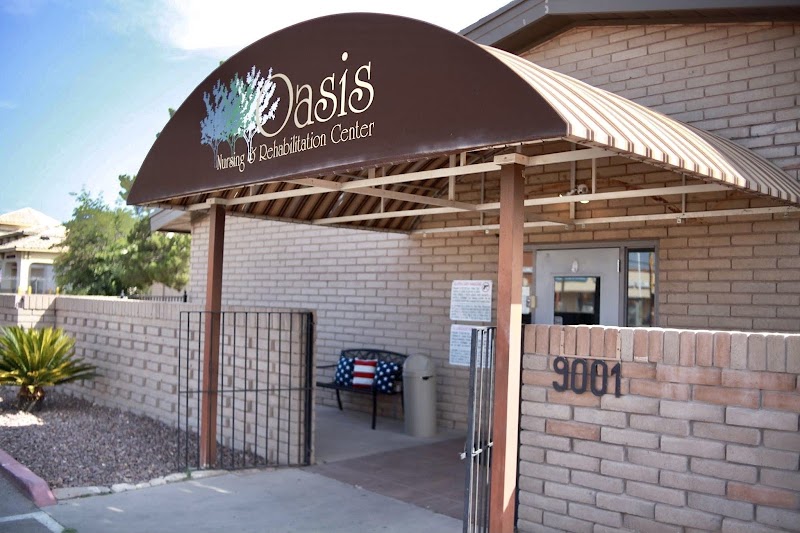
9001 N LOOP, EL PASO, TX 79907 (915) 859-1650
For profit - Corporation 130 Beds CREATIVE SOLUTIONS IN HEALTHCARE Data: November 2025
Trust Grade
80/100
#103 of 1168 in TX
Last Inspection: April 2025

Within standard 12-15 month inspection cycle. Federal law requires annual inspections.

Overview

Oasis Nursing & Rehabilitation Center has a Trust Grade of B+, indicating it is above average and recommended for families seeking care. It ranks #103 out of 1,168 facilities in Texas, placing it in the top half, and is the best option among 22 facilities in El Paso County. The facility is on an improving trend, with reported issues decreasing from 7 in 2024 to 4 in 2025. Staffing is a concern, with a rating of 2 out of 5 stars, but the turnover rate is relatively low at 35%, which is better than the Texas average of 50%. While there have been no fines, some specific incidents raised concerns, such as residents not having call lights within reach and food being served below safe temperatures, which could lead to potential risks for residents. Overall, while the nursing home shows strengths in its rankings and low fines, families should be aware of staffing challenges and recent issues in food service and accessibility.

Trust Score
B+
80/100
In Texas
#103/1168
Top 8%
Safety Record
Low Risk
No red flags
Inspections
Getting Better
7 → 4 violations
Staff Stability
○ Average
35% turnover. Near Texas's 48% average. Typical for the industry.
Penalties
✓ Good
No fines on record. Clean compliance history, better than most Texas facilities.
Skilled Nurses
⚠ Watch
Each resident gets only 22 minutes of Registered Nurse (RN) attention daily — below average for Texas. Fewer RN minutes means fewer trained eyes watching for problems.
Violations
⚠ Watch
27 deficiencies on record. Higher than average. Multiple issues found across inspections.
★★★★★
5.0
Overall Rating
★★☆☆☆
2.0
Staff Levels
★★★★★
5.0
Care Quality
★★★★☆
4.0
Inspection Score
Stable
2024: 7 issues
2025: 4 issues

The Good

  • 5-Star Quality Measures · Strong clinical quality outcomes
  • Full Sprinkler Coverage · Fire safety systems throughout facility
  • No fines on record
  • Staff turnover below average (35%)

    13 points below Texas average of 48%

Facility shows strength in quality measures, fire safety.

The Bad

Staff Turnover: 35%

11pts below Texas avg (46%)

Typical for the industry

Chain: CREATIVE SOLUTIONS IN HEALTHCARE

Part of a multi-facility chain

Ask about local staffing decisions and management

The Ugly 27 deficiencies on record

Apr 2025 4 deficiencies
CONCERN (D)

Potential for Harm - no one hurt, but risky conditions existed

Deficiency F0761 (Tag F0761)

Could have caused harm · This affected 1 resident

**NOTE- TERMS IN BRACKETS HAVE BEEN EDITED TO PROTECT CONFIDENTIALITY** Based on observation, interview, and record review the facility failed to ensure drugs and biologicals were labeled in accordanc...

Read full inspector narrative →
**NOTE- TERMS IN BRACKETS HAVE BEEN EDITED TO PROTECT CONFIDENTIALITY** Based on observation, interview, and record review the facility failed to ensure drugs and biologicals were labeled in accordance with currently accepted professional principles and included the appropriate accessory and cautionary instructions, and the expiration date for one of three medications carts reviewed. - The high north hall nurse's cart had a smeared (illegible) dated insulin pen for Resident # 58 This failure could place residents at risk for harm by receiving ineffective insulin therapy. Finding included: Review of Resident 58's face sheet dated [DATE] revealed a [AGE] year-old male with an original admission date of [DATE] and a readmission date of [DATE]. Review of Resident #58's medical diagnoses revealed Type 2 diabetes mellitus with proliferative diabetic retinopathy without macular edema unspecified eye. Review of Resident #58's quarterly MDS assessment dated [DATE] revealed a BIMS score of 07, indicating severe cognitive impairment. Review of Resident #58's Care Plan dated [DATE] revealed resident has Diabetes Mellitus and was at risk for hyper/hypoglycemia (high/low blood sugar). Record review of Resident #58's physician orders reflected the following order: NovoLOG Injection Solution 100 UNIT/ML (Insulin Aspart) Inject 3 unit subcutaneously three times a day for DM related to TYPE 2 DIABETES MELLITUS WITH HYPERGLYCEMIA. In an observation on [DATE] at 10:07 AM, while checking the north high side hall nurse's cart with LVN D, revealed a smeared (illegible) insulin pen date for Resident # 58. In an interview with LVN D on [DATE] at 10:07 AM revealed that all insulin pens were dated upon opening. She stated that the date was placed on the barrel of the pen, avoiding the plastic label portion of the pen because it could smear, preferably it should be dated on the paper label. In an interview with LVN E on [DATE] at 1:24 pm revealed that insulin pens should be dated as soon as they were opened for first use. Nurses were responsible to make sure that all pens were dated and to ensure that all dates were legible and not smeared off. A negative outcome for the resident would be using an old pen that was out of the range of the 28 days. In an interview with LVN B on [DATE] at 1:50 pm revealed that the insulin pens were dated as soon as they were opened, the date could be placed on the barrel but preferably on the paper tag to prevent smearing. She stated that all nurses were responsible to make sure all dates were printed clearly on the insulin pen. A negative outcome of an illegible date would be not knowing how long ago it was opened thus leading to medication being less effective. In an interview with the DON on [DATE] at 3:03 pm revealed that insulin pens were dated when opened, the date was placed on the label or on the barrel of the pen. She stated that the date was supposed to be placed on a spot where it would not smudge off. She stated that it was every nurse's responsibility to make sure pens were dated. A smudged off date could lead to medication being expired because it was unclear when it was opened, and medication could be less effective. Review of facility's policy titled Recommended Medication Storage revised in [DATE] revealed, Medications that require an open date as directed by the manufacturer should be dated when opened in a manner that is clear when the medication was opened.
CONCERN (E)

Potential for Harm - no one hurt, but risky conditions existed

Deficiency F0558 (Tag F0558)

Could have caused harm · This affected multiple residents

**NOTE- TERMS IN BRACKETS HAVE BEEN EDITED TO PROTECT CONFIDENTIALITY** Based on observation, interview, and record review the facility failed to ensure residents receive services in the facility with...

Read full inspector narrative →
**NOTE- TERMS IN BRACKETS HAVE BEEN EDITED TO PROTECT CONFIDENTIALITY** Based on observation, interview, and record review the facility failed to ensure residents receive services in the facility with reasonable accommodation of resident needs and preferences for 2 (Resident #52 and Resident #88) of 9 residents reviewed for call light placement. The facility failed to ensure call lights were at reach for Residents #52 and #88. This failure could affect residents by not having access to call for assistance resulting in needs not being met. Findings included: Resident #58 Review of Resident #52's face sheet dated 04/17/2025 reflected an [AGE] year-old female with an admission date of 10/31/2022 and a re-admission date of 01/23/2025 with diagnoses of a fracture of unspecified part of the neck of right femur, pain on right hip, muscle wasting and atrophy, difficulty in walking, unsteadiness on feet, muscle weakness generalized and other lack of coordination. Review of Resident #52's quarterly MDS assessment dated [DATE] revealed a BIMS score of 9 indicating a moderate cognitive impairment. Review of Resident #52's Functional Abilities revealed she had limitation in range of motion in upper and lower extremities. It revealed Resident #52 required substantial to maximal assistance with upper body dressing, sit to lying position, sit to stand, chair to bed transfer, toilet transfer and shower transfer. She was dependent for toileting hygiene, shower, lower body dressing and for putting and taking off footwear. Review of Resident #52's Comprehensive Care Plan revised on 11/13/2024 reflected that Resident #52 was at fall risk due to a personal history of falls and a hip fracture related to a fall. The plan called for intervention to anticipate and meet the needs of the resident, ensuring the call light was within reach and for staff to respond promptly to all requests for assistance. In an observation and interview on 04/15/25 at 11:01 AM, Resident #52 was lying in bed watching TV. Her call light was clipped to her bed sheet towards her right side, hanging behind in between the mattress and the headboard and out of her reach of the Resident. When asked if she could reach the call light, she said no. When asked what she would do if she needed help and couldn't reach it, she stated she did not know and would probably wait for a staff member to check on her in her room. Resident #88 Review of Resident #88's face sheet dated 04/16/2025 reflected a [AGE] year-old female with an admission date of 09/27/2024 with diagnoses of non-pressure chronic ulcer of back with unspecified severity, pain in unspecified joint, contracture of muscles in multiple sites, muscle wasting and atrophy, unspecified lack of coordination, muscle weakness generalized, unsteadiness on feet and lack of coordination. Review of Resident #88's quarterly MDS assessment dated [DATE] revealed a BIMS score of 9 indicating a moderate cognitive impairment. Review of Resident #88's Functional Abilities revealed she had limitation in range of motion in upper and lower extremities. It revealed Resident #88 required substantial to maximal assistance with eating, oral hygiene, upper body dressing and personal hygiene and she was dependent for toileting hygiene, shower, lower body dressing and for putting and taking off footwear. Review of Resident #88's Comprehensive Care Plan revised on 01/02/2025 reflected that Resident #88 was at risk of falls related to Cerebrovascular Accident (medical term for a stroke that occurs when the blood supply to part of the brain sin interrupted depriving brain tissue of oxygen) and required assistance with transfers and bed mobility. The Care Plan stated staff needed to ensure the residents' call light was within reach and to encourage the resident to use it for assistance as needed. In an observation on 04/16/25 at 10:43 AM Resident # 88 voiced to the surveyor that she was in pain, had a bowel movement, felt a burning sensation, and needed assistance from staff. The cable of her call light was located to her left side, clipped to her bed sheet towards the headboard, and the call light was lying between the mattress and the bed rail, out of her reach. Resident #88 stated she had not been able to call for help because she couldn't reach her call light and never knew where it was. The LVN was contacted to assist the resident. In an interview on 04/16/25 at 11:08 AM with CNA A she stated staff went to Resident's to rooms with the call light on to assist and consistently made rounds to ask residents if they needed something. She stated the call lights needed to be within reach of a resident so they could receive assistance, and if a resident couldn't use their call light, their condition could worsen, and they could get desperate. CNA A reviewed the pictures taken at Resident #55 and Resident #88 rooms and stated both call lights were not within the reach of the Residents. In an interview on 04/16/25 at 11:19 AM with LVN B reported that the call light was supposed to be within reach of residents. She noted that Resident #88's call light was not within reach when she went to assist her with a bowel movement, and the resident felt like it was burning. LVN B said rounds were made within 2 hours or as needed to ensure the Resident receive assistance in a timely manner. LVN B added that the risk for a resident not having their call lights within reach could result in them feeling distraught or ignored and if they had a fall and didn't receive assistance, their health could worsen by not receiving help in a timely manner. In an interview on 04/17/25 at 09:25 AM with the Social Worker she stated that call lights needed to be next to the residents and within reach. She mentioned a possible negative outcome of a resident not having a call light within reach could result in them not being assisted in time and could lead to worsening situations and their health. When the Social Worker was shown the pictures of Resident # 55 and Resident # 88 call lights, she agreed both call lights for the residents were not within reach. In an interview on 04/17/25 at 09:52 AM with the Corporate Nurse, she stated that call lights need to be always placed within reach of the residents. She stated that for both Resident # 55 and Resident # 88, the lights were not within reach. She added that staff needed to be making rounds to ensure call lights were within reach and that rounds should be done every two hours or as needed. She said that if a resident couldn't access a call light to request assistance, it could lead to health complications from the resident not being assisted on time. In an interview on 04/17/25 at 11:25 AM with the DON stated that call lights needed to be placed within reach of every resident so they could push the button to receive assistance. The DON noted that for residents who prefer the call light placed elsewhere, the preference needed to be care-planned. Regarding Resident #55 and Resident #88, DON stated the call lights were not within reach of the residents. The DON emphasized that not receiving care they needed in a timely manner and not being able to get assistance from staff were concerns and could possibly lead to health complications or, in the case of a resident fall, the potential negative outcome was they would not receive the assistance they needed in a timely manner. On 04/17/25 at 03:52 PM the DON entered the conference room and stated the facility did not have a specific policy addressing call lights.
CONCERN (E)

Potential for Harm - no one hurt, but risky conditions existed

Deficiency F0804 (Tag F0804)

Could have caused harm · This affected multiple residents

Based on observation, interview, and record review, the facility failed to provide food that was palatable, attractive, and at a safe and appetizing temperature, for one test tray reviewed. A test tra...

Read full inspector narrative →
Based on observation, interview, and record review, the facility failed to provide food that was palatable, attractive, and at a safe and appetizing temperature, for one test tray reviewed. A test tray of the food served at lunch on 04/16/25 on hall revealed the ribs were not hot and at an appetizing temperature. This failure could place residents who ate in their rooms at-risk of poor intake and/or foodborne illness. The findings included: Observation of test tray provided to this surveyor on 04/16/25 at 12:32 PM, revealed temperature reading of lunch entree alternative ribs were 120F degrees. In an interview on 04/17/25 at 3:10 PM with Dietary [NAME] F revealed that hot food temperature readings should be 140F or 150F degrees at time of the resident is served. She stated the purpose for hot foods to be at that temperature was to satisfy the resident as they can become upset being served a cold meal when it was meant to be a warm meal. She stated the risks of hot food being below the required temperature included residents not eating their meals or harm such as illness. In an interview on 04/18/25 at 10:30 AM with the Director of Food and Nutrition revealed that food temperature when served to a resident should be 140F. She stated the food was to come out hot from the kitchen, but it does cool down when being transported in the cart to the resident. She stated the risks to residents of food being served below 140F degrees included the risk for infection or illness. She stated that all kitchen staff were responsible for ensuring food was served hot to the residents of the facility. In an interview on 04/18/25 at 12:45PM with CNA G revealed she was unsure of the required serving temperature per the facility policy, but stated it was to be hot, so the resident was encouraged to eat their meal. She stated the process of passing out meal trays included nurses confirming meal tickets with the tray and they wereare to be passed out to the resident. She stated lids wereare removed from trays when in front of the resident to maintain their temperature. She stated if meal entrees were lower than the required temperature per policy, the risk for the resident could include illness. CNA G stated the responsibility of serving hot food to residents included the CNA's as they helped serve the residents. CNA G stated the kitchen staff were responsible for monitoring meal trays maintaining the required temperature per policy. In an interview on 04/18/25 at 2:45PM with the DON revealed that all hot meal entrees were to be 140F degrees or above. She stated the kitchen staff were responsible to check the temperature of meal entrees at the steamtable and nursing staff were responsible to pass out trays in a timely manner. She stated supervisors or managers from different departments rotate on rounding on meal tray pass to make sure trays were passed out to residents in a timely manner. She stated that nurses were also responsible for ensuring CNA's pass out meal trays to residents in a timely manner. She stated the risk for the resident not being served meals of the required 140F degree temperature included resident dissatisfaction. The DON stated the Director of Food and Nutrition or the Kitchen Supervisor was responsible for monitoring meal temperatures to make sure they were the temperature required per their policy. Record review of the Facility's Dietary Services Policy and Procedure Manual titled Daily Food Temperature Control, dated 2012, revealed in part: We will assure that food is served at a safe temperature. All hot foods shall be cooked and held for service at temperatures of 140 degrees F or above.
CONCERN (E)

Potential for Harm - no one hurt, but risky conditions existed

Food Safety (Tag F0812)

Could have caused harm · This affected multiple residents

Based on observation, interview, and record review, the facility failed to store, prepare, distribute, and serve food under sanitary conditions in the kitchen. The facility failed to date 04/15/25 and...

Read full inspector narrative →
Based on observation, interview, and record review, the facility failed to store, prepare, distribute, and serve food under sanitary conditions in the kitchen. The facility failed to date 04/15/25 and label the contents of the disposable plastic cups that contained syrup located in the fridge in the facility's main kitchen. The facility failed to maintain corn dogs and red onions free from visible freezer burn. The facility failed to maintain the water temperature for 2 of 3 compartment sink per their policy. The facility failed to maintain the kitchen area free from staff personal belongings. The facility failed to cover and seal a meal cart containing the residents' meal trays while transporting them through zone/hallway # 6. These failures could place all residents who received meals from the main kitchen and place them at risk for food borne illness. The findings were: In an observation on 04/15/25 at 07:09 AM during the initial kitchen tour, the fridge located in the main kitchen had disposable plastic cups that contained syrup that was placed in a plastic bin and was sealed with plastic wrapping. The disposable plastic cups were not dated when prepared 04/15/25 or labeled with contents of the container. At 07:14 AM, corn dogs in a ziplock bag sealed and red onion in a plastic container, not sealed, placed in the freezer were observed with freezer burn. In an Observation on 04/15/2025 at 8:00 AM in zone # 6, CNA A was observed delivering meal trays for residents who ate breakfast in their rooms. The food cart containing the meal trays for the residents was observed to be left uncovered at 8:03 AM. Three of the plates in the meal cart were observed to not be properly covered and sealed with the heat-retaining lid. CNA A was observed rolling the uncovered meal cart down the hallway and covering the meal cart at 8:15 AM. CNA A was observed placing dirty meal trays with food leftover from other residents who had already finished their meals on the lower racks of the meal cart in near proximity to undelivered meal trays that were to be served to residents down the hall. CNA A moved the meal cart down the hall and uncovered the meal cart at 8:16 AM and it was left uncovered until the last tray was taken out of the cart and delivered at 8:35 AM. The cart rolled back to the kitchen at 8:38 AM. In an Observation and Interview on 4/16/2025 at 08:15 AM with CNA C, she looked at the food cart and stated it was wrong to place soiled trays in close proximity to the trays with food that had not yet been delivered because there was a risk of cross-contamination. CNA C said the proper procedure was to place the soiled trays with the leftover food in the meal cart until all the food had been delivered to the rest of the residents in the hallway. CNA C said the possible outcome of leaving the cart uncovered for extended periods of time and placing soiled trays near other residents' food could result in cross-contamination potentially leading for residents to get sick, as well as the food for the residents getting cold. CNA C said if the food got cold, the resident might refuse to eat it, potentially leading to weight loss impacting the resident's health. In an observation on 04/17/25 at 10:00 AM, dietary cook used sink to wash kitchen utensils and this surveyor requested for temperature reading. Temperature readings for the Rinse compartment were 110F and the Wash compartment was 95F. In an interview on 04/16/25 at 10:55 AM CNA A stated she had been trained that all trays needed to be covered, and in between each delivery to every room, they needed to open and close the plastic from the carts. CNA A said she believed the bag served the purpose of insulating the cart to keep the resident's food warm and keeping the food free of cross-contamination. CNA A stated that leaving the cart uncovered could lead to cross-contamination and the food getting cold. CNA A said if the residents ate food that had been exposed to cross-contamination, there was a possibility for the residents to get sick. CNA A said she did not know what kind of sickness could result out of cross-contamination. CNA A said if the resident received cold food and refused to eat, she would ask if the resident wanted a substitution and offer it to the resident. CNA A said the potential outcome of a resident constantly refusing to eat a cold meal could result in poor satisfaction and create an uncomfortable environment for the resident In an Interview on 04/16/25 at 11:29 AM with LVN B, she said the cart should not have been left uncovered because there was a risk for infection control and also the food might not hold the correct temperature. LVN B said that if a resident ate a meal contaminated by cross-contamination, it might result in them getting sick or aggravating their condition. LVN B said delivering cold meals to residents could lead to them not feeling satisfied with the services they are provided by the facility. In an Interview on 04/16/25 at 2:26 PM with the Social Worker, she stated the plastic bag needed to be covering the cart all the way down to avoid leaving the resident's meals exposed to cross contamination. The Social Worker explained the reason for covering the cart with the bag all the way down was for infection control purposes. The Social Worker said the bag also served the purpose of keeping the food hot, and if it's left uncovered it could potentially make the resident decline their meal when they received it if it was cold, and if they request another meal, it creates delays on their times to eat, and if they were non-verbal and started refusing to eat, it could lead to weight loss and maybe sickness. The Social Worker stated that by leaving the meal cart uncovered, it could potentially result in cross-contamination and making the residents sick or worsening a pre-existing health condition. In an Interview on 04/16/25 at 2:58 PM with the Corporate Nurse, she stated the plastic bag covering the meal carts was to keep the food retaining their temperature and for infection prevention control. She stated that the plates were covered and that should help retain the food temperature, and the bag acted as a second barrier to prevent infection and to have the food retain the heat. She stated that those plates that were not covered and sealed correctly with the heat retaining lid could potentially be contaminated and make the residents sick, and by not covering the cart with the plastic bag in between distribution, it could lead for the rest of the trays getting contaminated and the food not retaining their temperature. In an interview on 04/17/2025 at 11:18 AM with the DON said the purpose of the plastic bags were to keep the meal trays covered for infection control as a second protection and also to keep the food warm. The DON stated that the food in the meal cart was exposed because it was not properly covered by the heat retaining lids nor by the plastic cover. The DON said the potential outcome for not covering the meal carts could result in the residents receiving contaminated food and getting sick depending on what gets to the food. The DON noted the potential outcome for serving food that was cold for a resident was that they were not satisfied. In an interview on 04/17/25 at 3:14 PM with Dietary [NAME] F revealed the process of preparing individual packets included dating them. She stated kitchen staff were to date individual packages of food to ensure they were not to be used after expiration timeframe. She stated if any food items were not observed with a date, kitchen staff was to dispose of it as it was not confirmed when it was packaged or received by kitchen staff. She stated the risks of not dating food items in the kitchen included illness caused by bacteria. She stated all kitchen staff wereare responsible for ensuring all food items were dated and labeled. In an interview on 04/18/25 at 10:33 AM with the Director of Food and Nutrition revealed that the plastic seal on the container with individually packed syrups were to be labeled and dated. She stated the protocol for food preparation and packaging included for kitchen staff to date it after preparing it. She stated this was to prevent disposing of unlabeled food items. She stated all kitchen staff were responsible for monitoring food items that were labeled on a daily basis. She stated she was also responsible, and she reviewed food items every 13 days to confirm they were dated and labeled. She stated she did not there wasis not a lot of risk for the residents as the unlabeled food item was syrup. In an interview on 04/17/25 at 3:16 PM with Dietary [NAME] F revealed kitchen staff were responsible for confirming food in the freezer was sealed properly and dated. She stated the red onions in their original container were not sealed correctly and should have been placed in another plastic Ziplock bag. She stated the red onions, and the corn dogs had visible freezer burn and should be disposed of. She stated the purpose of sealed food items in the freezer was to prevent the food from hitting the air which can cause a risk for bacteria and illnesses for the residents. Dietary [NAME] G stated the Director of Food and Nutrition was responsible for monitoring all food items in the freezer are properly sealed. In an interview on 04/18/25 at 10:35 AM with the Director of Food and Nutrition revealed that the kitchen staff were to repackage food in a Ziplock bag as it cannot be resealed in its' original packaging. She stated the red onion and corn dogs were not to be used because of the visible freezer burn and was contaminated. She stated the risks for residents eating food with freezer burn or were not sealed properly can cause illness as it is contaminated by bacteria. She stated the residents could have possibly experienced diarrhea, or vomiting. She stated the responsibility was the kitchen staff and they were to monitor food items being properly sealed or not contaminated on a daily basis. In an interview on 04/17/25 at 3:18 PM with Dietary [NAME] F revealed that the water temperature of the three compartments sink varied depending on the compartment. She stated the purpose of the water temperature maintenance per their policy was to ensure the dishes were properly cleaned. She stated the risks for residents being served on dishes not properly washed or sanitized included cross contamination which could cause illness. She stated the responsibility belonged to all kitchen staff. In an interview on 04/18/25 at 10:40 AM with the Director of Food and Nutrition revealed the water temperature of the three-compartment sink should be hot or per the facility policy. She stated if temperatures were not per policy, the kitchen staff were to drain and fill it as necessary. She stated the kitchen staff using the sink at that time were responsible for confirming temperatures reflected per the facility policy. She stated the risks for residents of having lower water temperatures for the three-compartment sink included infections or illness, including symptoms such as diarrhea. She stated she was also responsible for confirming kitchen staff washing and sanitizing dishes per their policy. In an interview on 04/17/25 at 3:22 PM with Dietary [NAME] F revealed that there were no designated areas for personal belongings in the kitchen. She stated the water bottles, and the chocolate were in fact staff personal belongings, and they should not be there behind the mixer. She stated it was a cross-contamination issue as it was items coming from outside the facility. She stated the risk for the residents being served food from a kitchen with staff personal belongings including illness. She stated all kitchen staff were responsible for making sure the kitchen was free from staff personal belongings, and the Director of Food and Nutrition was responsible for monitoring that kitchen staff comply. In an interview on 04/18/25 at 10:49 AM with the Director of Food and Nutrition revealed there should not be any staff personal belongings in the kitchen. She stated personal belongings in the kitchen can pose a risk to residents by exposing them to outside items as it was a cross-contamination issue. She stated the risk of personal belongings in a kitchen was infection or illness for residents. In an interview on 04/18/25 at 02:50 PM with the DON revealed that their staff were not to have their personal belongings in the kitchen. The DON stated all personal items were to be kept out of the kitchen preparatory area because food was being handled to be served to the resident, and it posed as a risk for contamination. She stated possible risk included residents becoming ill. She stated that all kitchen staff were responsible for ensuring they placed their personal belongings outside of the kitchen preparation area. The DON stated the Director of Food and Nutrition was responsible for monitoring the kitchen for staff personal belongings. Record review of the Facility's Dietary Policy and Procedure Manual titled Food Storage and Supplies, dated 2012, revealed in part: Open packages of food are stored in closed containers with covers or in sealed bags, and dated as to when opened. These non-perishable foods are still dated when received if they do not have an expiration date and once opened, but do not need to be discarded within 7 days after opening. Perishable items that are refrigerated are dated once opened and used within 7 days. The policy did not address freezer burn on food items. Record Review of sign posted above the three-compartment sink labeled Three-Compartment Sink Procedures, no date, revealed in part: the Rinse Compartment Sink was to 120F +, and the Wash compartment sink was to be 110F +. Record review of the Facility's Dietary Policy and Procedure Manual titled Dietary Food Service Personnel Policy and Procedures, dated 2012, revealed in part: All personal belongings must be kept out of the food preparation area. Record Review of the Facility's Policy and Procedures Manual titled Nursing Responsibilities at Meal Service, dated 2012 stated in part: Trays will be passed in a timely manner. Food must remain covered while being distributed through the hallways. Pick up food trays from resident rooms and return them to the Dietary department. Soiled trays cannot be placed in food carts with undelivered trays. All food transferred to resident rooms will be covered. The eating surface of utensils will be covered.
Apr 2024 2 deficiencies
CONCERN (D) 📢 Someone Reported This

A family member, employee, or ombudsman was alarmed enough to file a formal complaint

Potential for Harm - no one hurt, but risky conditions existed

Pressure Ulcer Prevention (Tag F0686)

Could have caused harm · This affected 1 resident

**NOTE- TERMS IN BRACKETS HAVE BEEN EDITED TO PROTECT CONFIDENTIALITY** Based on observations, record review, and interviews, the facility failed to ensure that residents receive care, consistent with...

Read full inspector narrative →
**NOTE- TERMS IN BRACKETS HAVE BEEN EDITED TO PROTECT CONFIDENTIALITY** Based on observations, record review, and interviews, the facility failed to ensure that residents receive care, consistent with professional standards of practice, to promote healing, prevent infection, and prevent new ulcers from developing for 1 (Resident #5) of 5 residents reviewed for quality of care. The facility failed on 03/29/2024 to ensure the pressure ulcer on Resident #5's right lateral foot was covered with a dressing as ordered. This failure could result in increased pain, infections, development of new pressure ulcers, and decline in quality of life for residents. Findings included: Review of admission Record dated 03/29/24 at 12:39 PM, for Resident #5 revealed initial admission dated 11/02/2016 and re-admission date 05/16/2021. Record review of Annual History and Physical dated 07/20/2023 at 9:48 AM, for Resident #5 revealed [AGE] year-old male with past medical history of respiratory failure (a condition that makes it difficult to breathe on your own), vitamin D deficiency, hypertension, neuromuscular dysfunction (affect the function of muscles due to problems with the nerves and muscles in your body), benign prostatic hyperplasia (overgrowth of prostate tissue pushes against the urethra and the bladder , blocking the flow of urine), retention of urine, paraplegia (paralysis that affects your legs, but not your arms), amputation of left leg above the knee, and GERD (gastroesophageal reflux disease). Resident has a suprapubic catheter (the placement of a drainage tube into the urinary bladder just above the pubic symphysis). He was oxygen dependent. He also had a history of behavior episodes. Baseline dementia. Plan: Turn every 2 hours while in bed. Wound care evaluates and treat. Review of Quarterly Minimum Data Set (MDS) dated [DATE], for Resident #5 clear speech; understood; understands; BIMS Score 13 cognitively intact; Behavior-verbal behavioral symptoms directed at others (e.g., screaming at others, cursing at others) occurred 1 to 3 days; Rejection of Care-occurred 1 to 3 days; functional limitation of range of motion impairment on one side to lower extremity; wheelchair; Functional Ability: eating setup or clean-up assistance; oral hygiene partial/moderate assistance; toileting hygiene substantial/maximal assistance; shower substantial/maximal assistance; upper and lower body dressing substantial/maximal assistance; personal hygiene partial/moderate assistance; indwelling catheter; always incontinent of bowel; resident has a pressure ulcer; risk for development of pressure ulcer; 1 stage IV pressure ulcer; pressure reducing device for bed; antibiotic; Review of Care Plan revised on 01/19/2024, for Resident #5 revealed stage IV pressure ulcer right lateral foot. Revisions on: 01/08/2024. Interventions: Administer treatment as ordered and monitor for effectiveness. Replace loose or missing dressing PRN to right lateral foot stage IV pressure injury. Cleanse with wound cleanser, pat dry, apply TheraHoney gel (used on wounds to provide moist wound healing environment and helps rapidly reduce wound odor), cover with bordered island dressing, and change every M-W-F. Air mattress in place. Review of Physician Order Summary Report dated 03/29/24 at 12:39 PM, for Resident #5 revealed Consult with wound care physician to evaluate and treat wounds as needed. Stage IV pressure injury to the right lateral foot. Cleanse with wound cleanser, pat dry, apply TheraHoney gel, protect with bordered island dressing, and change every M-W-F. Wound care to evaluate and treat as warranted. Review of Medication Administration Record (MAR) dated March 2024, for Resident #5 revealed Stage IV pressure ulcer to right lateral foot: cleanse with wound cleanser, pat dry, apply TheraHoney gel, protect with bordered island dressing, and change every M-W-F. Record review of Wound Evaluation & Management Summary dated 03/25/24, for Resident #5 signed by wound care physician revealed Chief Complaint: Wound on his right lateral foot. Focused Wound Exam: Pressure Stage 4 0.2 x 0.2 x 0.1 cm. Plan of Care Reviewed and addressed: Dressing Treatment Plan: Leptosperum honey (Medihoney) apply three times per week for 23 days. Gauze island with border apply three times per week for 23 days. Observation 03/29/24 at 12:41 PM, with Wound Care Nurse A, revealed Resident #5 was lying in bed on his side. Resident was alert and oriented of person, place, and time. It was observed resident had an air mattress, sheets were clean, and dry. Resident #5 had an amputation of the left lower extremity above the knee, right lower extremity was constructed at the knee, and: stage IV pressure ulcer on the right lateral foot. It was observed Resident #5 did not have a wound dressing on right lateral foot. Wound Care Nurse A stated, Resident #5 should have a Bordered Island dressing on stage IV pressure ulcer on the right lateral foot as ordered by wound care physician. Wound Care Nurse B that works on the weekends is doing treatments today, and I do not know if the treatment has been done today . An observation and interview on 03/29/24 at 12:51 PM, the Wound Care Nurse A and LVN ADON C revealed Resident #5 had a stage IV pressure ulcer on right lateral foot and did not have a dressing on the wound. LVN ADON C stated, The weekend Wound Care Nurse B is doing treatments today and I will let her know that she needs to do the treatment on Resident #5's right lateral foot. The weekend Wound Care Nurse B is still in training, so she had not done the treatment yet for Resident #5. LVN ADON C and Wound Care Nurse A reported CNAs had been trained to immediately report to the charge nurses when the residents do not have the wound dressing in place to prevent injury to wound and/or infection. The Wound Care Nurse A stated, The CNAs usually are good about reporting this to the charge nurses. I will check and see if they reported this to his charge nurse . In an interview on 03/29/24 at 1:00 PM, Weekend Wound Care Nurse B reported she was covering for LVN Wound Care Nurse A today. She stated she was doing treatments and still had not done the treatment for Resident #5. Wound Care Nurse B stated, The CNAs have been trained to immediately report to the charge nurses when the residents do not have the dressings to the wounds to prevent injury and/or infection to the wound. In an interview on 03/29/24 at 1:12 PM, the DON reported CNAs had been trained to immediately report to the charge nurses when the residents do not have the dressings to the wounds, to prevent injury to wound and/or infection. The DON stated The ADONs just started re-training the staff today on immediately reporting to the nurses if the residents do not have the wound dressing in place to prevent injury and/or infection to the wound. In an interview on 03/29/24 at 1:12 PM, LVN Charge Nurse D reported CNAs had been trained to immediately report to the charge nurses when the residents did not have the dressings on the wounds, to prevent injury to wound and/or infection. In an interview on 04/01/24 at 12:59 PM, CNA E reported she had been assigned to Resident #5 on Friday March 29, 2024, on the 6:00 AM - 2:00 PM shift. CNA E stated Resident #5 has a pressure ulcer on the right lateral foot. On that day, I noted Resident #5 did not have the dressing on the pressure ulcer on the right outer foot. I was going to report it to the charge nurse, but I got busy with another resident and forgot to report it to the charge nurse. I re-checked Resident #5 at 7:00 AM but did not notice if the dressing was in place on the right lateral foot, because I did not lift the sheet to check the resident. Resident #5 did not allow me to check him for incontinence. It was just before lunch when I went to check Resident #5 for incontinence and that is when I noted the wound dressing to the right lateral foot was still not in place. We have been trained to immediately report to the charge nurses when the residents do not have the dressings to the wounds, to prevent injury to the wound and/or infection. In an interview on 04/01/24 at 3:01 PM, Medication Aide F revealed CNAs and Med Aides had been trained to immediately report to the charge nurses when the residents do not have the dressings to the wounds, to prevent injury and/or infection. In a telephone interview on 04/02/24 at 12:14 PM, with Hospice CNA revealed Resident #5 had refused to shower on Thursday 03/28/24. Hospice CNA stated, I did not notice if Resident #5 had a wound dressing to the right lateral foot because he did not allow me to change his brief, so I did not pull the sheets down. Resident #5 became very angry when I attempted to pull the sheet down and started to cuss and yell at me. He kept asking me why I came every day to try to care for him. He stated, he could do whatever the Fuck he wanted. I reported the refusal of care to the LVN assigned to the resident. Record review of facility's policy on Pressure Injury: Prevention, Assessment and Treatment revised 08/12/16 revealed Treatment Nurse/designee or Director of Nursing will assess site and evaluate for appropriate stage as listed in this procedure. Notify physician; obtain an order and monitor site daily. Sign off on treatment sheet any treatment completed.
CONCERN (E) 📢 Someone Reported This

A family member, employee, or ombudsman was alarmed enough to file a formal complaint

Potential for Harm - no one hurt, but risky conditions existed

Medical Records (Tag F0842)

Could have caused harm · This affected multiple residents

**NOTE- TERMS IN BRACKETS HAVE BEEN EDITED TO PROTECT CONFIDENTIALITY** Based on interviews and record review, the facility failed to maintain medical records that were complete and accurately documen...

Read full inspector narrative →
**NOTE- TERMS IN BRACKETS HAVE BEEN EDITED TO PROTECT CONFIDENTIALITY** Based on interviews and record review, the facility failed to maintain medical records that were complete and accurately documented for 5 (Resident #1, #2, #3, #4, and #5) of 5 residents reviewed for accurate medical records. 1. The facility failed to ensure LVN ADON C signed the Initial Skin Assessment when completed for Resident #1 on [DATE]. 2. The facility failed to ensure Social Worker signed and dated Care Plan Conference Form when completed for Resident #2 on [DATE]. 3. The facility failed to ensure Social Worker signed and dated Care Plan Conference Form when completed for Resident #3 on [DATE]. 4. The facility failed to ensure Social Worker signed and dated Care Plan Conference Form when completed for Resident #4 on [DATE]. 5. The facility failed to ensure Social Worker signed and dated Care Plan Conference Form when completed for Resident #5 on [DATE]. This failure could place residents at risk for misinformation about professional care provided. Findings included: Resident #1 Closed record review admission Record dated [DATE] at 11:45 PM for Resident #1 revealed original admit date [DATE]. Resident #1 expired at nursing facility on [DATE] at 3:00 PM. Review of New admission History and Physical dated [DATE] at 9:39 AM for Resident #1, revealed [AGE] year-old male with past medical history of hypertension, hyperlipidemia, coronary artery disease (a disease in which there is narrowing or blockage of the coronary artery) with history of Myocardial infarction (heart attack), diabetes mellitus type 2, GERD, BPH, obstructive sleep apnea, dementia, insomnia, hallucinations, anxiety, depression, bipolar disorder, acute respiratory failure (serious condition that makes it difficult to breathe on your own) with hypoxia (low levels of oxygen in your body tissues) , pneumonia, metabolic encephalopathy (is a problem in the brain caused by chemical imbalance in the blood caused by an illness or organs that are not working as well as they should), stroke, rectal bleeding, and vertigo (is a sensation of motion or spinning that is often described as dizziness). Review of admission Minimum Data Set (MDS) assessment (is a standardized assessment tool that measures health status in nursing home residents) dated [DATE] for Resident #1 revealed hearing adequate; clear speech ; understood; understands; vision adequate; BIMS Score 7 cognitively severely impaired; functional status - requires extensive assistance of two persons with bed mobility, transfer, and toilet use; extensive assistance of one person with locomotion on and off unit, dressing, and personal hygiene; supervision with eating; total assistance of one person with bathing; wheelchair; incontinent of bowel & bladder; Review of Care Plan for Resident #1 revealed, Resident is a diabetic initiated [DATE]. Resident required antipsychotic/antianxiety/antidepressant medication initiated [DATE]. Resident incontinent of bladder initiated [DATE]. Resident was on thickened liquids initiated [DATE]. Resident has a bruise initiated [DATE]. Impaired cognitive function r/t dementia. At risk for altered respiratory status r/t pneumonia. Self-Care deficit r/t muscle weakness. Undated Care Plan revealed resident #1 has stage IV pressure ulcer to coccyx. At risk for falls r/t poor safety awareness; resident is incontinent of bowel and bladder. Review of Care Plan Conference Form, for Resident #1 revealed Effective Date: [DATE] at 4:39 PM. Care Plan Conference Form was signed [DATE] by social worker. Review of Initial Skin Assessment Form dated [DATE] at 6:00 PM, for Resident #1 revealed form was not signed or dated. In an interview on [DATE] at 10:17 AM, with LVN ADON C revealed she had completed the Skin Assessment Form dated [DATE] at 6:00 PM, for Resident #1 and could not remember why she had not signed the assessment form. LVN ADON E stated she had been trained to sign the resident assessment form in the computer on the date that the assessment was completed . LVN ADON C reported DON and ADON are responsible for checking that assessment forms are signed and dated by licensed staff when assessments are completed to ensure electronic records are accurate, and complete. Resident #2 Review of admission Record dated [DATE] at 12:31 PM for Resident #2 revealed original admission date [DATE] and re-admission date [DATE]. Review of New admission History and Physical dated [DATE] at 9:11 AM, for Resident #2 revealed [AGE] year-old male with past medical history of BPH, chronic kidney disease, dysphagia (swallowing difficulties), diabetes mellitus type 2, UTI, atherosclerotic heart disease, hypertension, gastritis, moderate protein malnutrition, cardiac pacemaker, thrombocytopenia (a condition that occurs when the platelet count in the blood is too low) , Left heel wound, left foot amputation of 4th and 5th toes, and coccyx stage III. Review of Quarterly Minimum Data Set (MDS) dated [DATE], for Resident #2 revealed hearing adequate; clear speech; understood; understands; vision adequate; BIMS Score 9 cognitive moderately impaired; wheelchair; Functional Ability: eating partial/moderate assistance; oral hygiene partial/moderate assistance; toileting hygiene partial/moderate assistance; shower partial/moderate assistance ; upper body dressing supervision; lower body dressing partial/moderate assistance; personal hygiene partial/moderate assistance; roll left and right supervision; Review of undated Care Plan for Resident #2 revealed Pacemaker r/t Atrial Fibrillation ; (an irregular heartbeat that occurs when the electrical signals in the atria (the two upper chambers of the heart) fire rapidly at the same time. This causes the heart to beat faster than normal.) Resident has hypertension; Resident has Diabetes Mellitus; Resident has renal failure r/t chronic kidney disease; Resident is on anticoagulant therapy; Resident has gastritis; Resident has diabetic ulcer right and left foot r/t diabetes; Self-Care deficit r/t muscle weakness. Record review Care Plan Conference Form for Resident #2 revealed effective Date: [DATE] at 11:53 AM. Care Plan Conference Form was signed [DATE] by social worker. Resident #3 Review of admission Record dated [DATE] at 9:59 AM, for Resident #3 revealed original admission date [DATE] and re-admitted on [DATE]. Record review of Annual History and Physical dated [DATE] at 9:22 AM, for Resident #3 revealed [AGE] year-old female with past medical history of anemia, cardiac arrest, diabetes mellitus type 2, hypertension, osteoarthritis , major depressive disorder, dementia w/o behaviors, vitamin D deficiency, vitamin B 12 deficiency, dysphagia , constipation, hyperlipidemia, osteoporosis (a bone disease that develops when bone material density and bone mass decreases, or when the structure and strength of bone changes.), and abnormalities with gait and mobility. Record review of Resident #3's Reentry Minimum Data Set (MDS) dated [DATE] revealed hearing adequate; clear speech; understood; usually understands; vision adequate; BIMS Score cognitive severely impaired; wheelchair; Functional Ability: eating supervision; oral hygiene partial/moderate assistance; toileting dependent; shower dependent; upper body dressing substantial/maximal assistance; lower body dressing dependent; personal hygiene substantial/maximal assistance; Record review of Care Plan for Resident #3 revealed Risk for skin impairment r/t incontinence revised on [DATE]; impaired decision-making r/t dementia revised [DATE]; risk for fall r/t unaware of safety needs, confusion, requires physical assistance with bed mobility and transfers revised [DATE]; able to self-proper in wheelchair revised [DATE]; impaired vision r/t cataracts revised [DATE]; communication problem r/t unclear speech revised [DATE]; Risk for altered mood problem r/t was found in male room in bed with male resident revised [DATE].; Record review Care Plan Conference Form for Resident #3 revealed effective Date: [DATE] at 11:53 AM. Care Plan Conference Form was signed [DATE] by social worker. Resident #4 Review of admission Record dated [DATE] at 11:04 AM, for Resident #4 revealed original admission date [DATE]. Record review Annual History and Physical dated [DATE] at 9:07 AM, of Resident #4 revealed [AGE] year-old male with past medical history dementia without behavioral disturbances, diabetes mellitus type II, hypertension, Peripheral Vascular Disease (the reduced circulation of blood to a body part other than the brain or heart), chronic kidney disease stage III, osteoarthritis, major depression, BPH, vitamin D deficiency. Alert oriented X 1. He is pleasant and cooperative. Record review of Quarterly Minimum Data Set (MDS) dated [DATE], for Resident #4 revealed hearing adequate; clear speech; understood; understands; vision adequate; BIMS Score 4 cognitive severely impaired; Functional Ability: eating independent; oral hygiene setup or clean-up assistance; toileting hygiene independent; shower supervision; upper and lower body dressing independent; personal hygiene independent. Record review of Care Plan for Resident #4 revealed Diabetes Mellitus revised on [DATE]. Resident has potential to demonstrate verbally abusive behaviors. He talks ugly to the employees and makes false accusations revised [DATE]. Record review Care Plan Conference Form for Resident #4 revealed effective Date: [DATE] at 10:10 AM. Care Plan Conference Form was signed [DATE] by social worker. Resident #5 Review of admission Record dated [DATE] at 12:39 PM, for Resident #5 revealed original admission date [DATE] and re-admitted [DATE]. Record review of Annual History and Physical dated [DATE] at 9:48 AM, for Resident #5 revealed [AGE] year-old male with past medical history of respiratory failure (a condition that makes it difficult to breather on your own), vitamin D deficiency, hypertension, neuromuscular dysfunction (affect the function of muscles due to problems with the nerves and muscles in your body), benign prostatic hyperplasia (overgrowth of prostate tissue pushes against the urethra and the bladder , blocking the flow of urine), retention of urine, paraplegia (paralysis that affects your legs, but not your arms), amputation of left leg above the knee, GERD (gastroesophageal reflux disease). Resident has a suprapubic catheter (the placement of a drainage tube into the urinary bladder just above the pubic symphysis). He is oxygen dependent. He also has a history of behavior episodes. Baseline dementia. Plan: Turn every 2 hours while in bed. Wound care evaluates and treat. Review of Quarterly Minimum Data Set (MDS) dated [DATE], for Resident #5 revealed hearing adequate; clear speech; understood; understands; vision impaired; BIMS Score 13 cognitively intact; Behavior-verbal behavioral symptoms directed at others (e.g., screaming at others, cursing at others) occurred 1 to 3 days; Rejection of Care-occurred 1 to 3 days; functional limitation of range of motion impairment on one side to lower extremity; wheelchair; Functional Ability: eating setup or clean-up assistance; oral hygiene partial/moderate assistance; toileting hygiene substantial/maximal assistance; shower substantial/maximal assistance; upper and lower body dressing substantial/maximal assistance; personal hygiene partial/moderate assistance; Review of Care Plan for Resident #5 revealed has stage IV pressure ulcer right lateral foot revised on [DATE]. Interventions: administer treatment as ordered and monitor for effectiveness. Replace loose or missing dressing PRN to right lateral foot stage IV pressure injury. Cleanse with wound cleanser, pat dry, apply TheraHoney gel (is used on wounds to provide moist wound healing environment and helps rapidly reduce wound odor), cover with bordered island dressing and change every M-W-F. Air mattress in place. Record review of Care Plan Conference Form dated [DATE] for Resident #5 revealed Social Worker had had only provided the state surveyor page 1 of document on [DATE]. In an interview and record review on [DATE] at 1:00 PM, with the DON revealed the Social Worker had not provided the state surveyor page 2 of the Care Plan Conference Form dated [DATE] for Resident #5. The DON provided the state surveyor page 2 of Care Plan Conference Form dated [DATE] for Resident #5. The DON confirmed the Care Plan Conference Form documented Effective Date: [DATE] at 11:39 AM and was signed by the Social Worker on [DATE]. The DON stated, I don't know why the form is dated [DATE], if the form was completed on [DATE]. Sometimes the staff will complete the forms and sign the forms later. The computer will stamp date the form when the form is signed. DON stated the staff should sign the electronic forms on the date that the forms are completed . DON reported that she and the ADON were responsible for checking that all documents in the clinical electronic records were signed by the staff on the date that the forms were completed to ensure records were accurate and complete. In an interview and record review on [DATE] at 1:20 PM, with the Social Worker confirmed she had completed the Care Plan Conference Form for Resident #5 on [DATE] and had signed the form on [DATE]. The Social Worker reported that she sometimes signs the forms later. The Social Worker stated that she was not aware if there was a facility policy that stated forms completed in the resident's electronic medical record needed to be signed on the date that the forms were completed . Review of facility policy on Documentation revised [DATE], provided by DON revealed, Documentation was the recording of all information, both objective and subjective, in the clinical record of an individual resident. It has legal requirements regarding accuracy and completeness, legibility, and timing. Special forms in the clinical record are utilized in nursing documentation, such as assessment, care plan, nursing progress notes, flow sheets, medications sheets, incident reports, and summary sheet (daily, weekly, monthly, discharge.) Documentation also occurs in the electronic clinical software. Goal: 1. The facility will maintain complete and accurate documentation for each resident on all appropriate clinical record sheets. 2. The facility will ensure that information is comprehensive and timely and properly signed. Procedure: Place all required and appropriate signed forms in the clinical record. Document completed assessments in a timely manner and per policy. Each entry will be dated and timed. Each entry will be signed with proper signature and title. If electronic clinical record is used for the assessment the signature and title of the person entering the information will be signed by entering their password. In computerized documentation is used, safeguards and controls to protect the data from changes should be present; each authorized person must have a personal identifier and electronic signature based on qualifications to access and enter data.
Feb 2024 5 deficiencies
CONCERN (D)

Potential for Harm - no one hurt, but risky conditions existed

Deficiency F0655 (Tag F0655)

Could have caused harm · This affected 1 resident

**NOTE- TERMS IN BRACKETS HAVE BEEN EDITED TO PROTECT CONFIDENTIALITY** Based on interview, and record review the facility failed to develop and implement a baseline care plan for each resident that i...

Read full inspector narrative →
**NOTE- TERMS IN BRACKETS HAVE BEEN EDITED TO PROTECT CONFIDENTIALITY** Based on interview, and record review the facility failed to develop and implement a baseline care plan for each resident that included the instructions needed to provide effective and person-centered care of the resident that met professional standards of quality care and the facility failed to ensure the baseline care plan was developed within 48 hours of a resident's admission for 2 of 8 residents (Resident #294 and Resident # 241) reviewed for baseline care plans. The facility failed to ensure Resident #294 had a baseline care plan that addressed her fracture of left femur (longest, strongest, thigh bone), pain management, wound care for surgical wound, Type 2 Diabetes Mellitus, Hypertension (high blood pressure), and Malignant neoplasm of lung (lung cancer). The facility failed to ensure Resident #241 had a baseline care plan that addressed his use of a feeding tube. This failure could place residents at risk of not receiving needed care and services or continuity of care. Findings include: Record review of Resident #294's face sheet, dated 02/08/24, revealed a [AGE] year-old female who was admitted to the facility on [DATE] with diagnoses which included fracture of left femur, Type 2 Diabetes Mellitus, Hypertension, and Malignant neoplasm of lung. Review of Resident #294's MDS section dated 02/05/24 showed her admission MDS was not completed yet. Review of Resident #294's Order Summary Report, dated 02/02/24, revealed orders: Fracture left femur with routine healing; Physical Therapy /Occupational Therapy /Speech Therapy and wound care to evaluate and treat as warranted. Baclofen Oral Tablet, give 10 mg by mouth three times a day for Pain. Acetaminophen Tablet, give 650 mg by mouth every 6 hours for Pain. Lantus SoloStar Subcutaneous Solution Pen-injector, Inject 20 unit subcutaneously one time a day for Diabetes Mellitus. Metformin Oral Tablet 850 MG, Give 1 tablet by mouth two times a day for Diabetes Mellitus. Review of Resident #294's care plan dated 02/06/24 showed no care plan for fracture of left femur, pain management, wound care for surgical wound or Type 2 Diabetes Mellitus. Record review of Resident #241's face sheet, dated 2/8/2024 revealed he was [AGE] years old, was initially admitted to the facility on [DATE], and readmitted on [DATE]. Record review of Resident #241's electronic census listing revealed he was discharged on 01/22/2024 and readmitted on [DATE]. Review of Resident #241's electronic diagnosis listing accessed 02/08/2024 revealed he had diagnoses including dysphagia (problems with swallowing). Review of Resident #241's MDS assessment (discharge - return anticipated) dated 01/22/2024 revealed he was unable to participate in an interview to determine his cognitive status. Staff assessed him as having problems with short-term memory and severely impaired cognitive skills for daily decision making. He required assistance with setup for eating, and moderate assistance with oral hygiene, toileting, upper body dressing and personal hygiene. He required maximal assistance with showering, lower body dressing and putting on/taking off footwear. He had not had a significant weight loss over the past month. He was receiving a mechanically altered therapeutic diet. Review of Resident #241's order dated 02/01/2024 revealed he was to receive 60 ml of FiberSource HN (tube feeding formula) per hour with 250 ml of water every shift. His order dated 02/01/2024 revealed his g-tube site (where the feeding tube enters the body) was to be cleaned every shift. Record review of Resident #241's History and Physical dated 02/06/2024 for admission [DATE] revealed that during his admission to a local hospital beginning on 01/22/2024 he underwent a PEG tube (a feeding tube into the stomach to deliver nutritional liquid) placement. Review of Resident #241's entire care plan with a last review date of 01/19/2024 revealed no active care plan addressing the care of his feeding tube or care related to him receiving his nutrition and hydration though a feeding tube. In an interview on 02/08/24 at 10:38 AM the MDS LVN revealed that when a resident was discharged to the hospital and returned, the old care plan should be locked, and a new care plan started. She said that Resident #241's care plan should have been locked and restarted to include his use of a feeding tube for nutrition. Interview on 02/08/24 at 10:55 AM DON stated that the admitting nurse should add baseline care plan based on the resident's diagnosis at the time of admission for all newly admitted residents. The residents record shows that the baseline care plan only includes resident wishes to be discharged to her home, resident needs in room socialization and sensory stimulation, and has an order for do not resuscitate. DON stated that when the facility admits a new resident, the admitting nurse is responsible for creating the baseline care plan. Unfortunately, the admitting nurse had several admissions that day and it was overlooked. The ADON is responsible for auditing all new admissions and she probably missed it as well. Interview on 02/08/24 at 09:26 AM with MDS nurse stated that nursing department is responsible for the baseline care plan. MDS nurse stated that the admitting nurse should initiate the baseline care plan within 48 hours and it should include diagnosis, medications, and referrals. Record review of the facility's Baseline Care Plans policy, undated, revealed: Completion and implementation of the baseline care plan within 48 hours of a resident's admission is intended to promote continuity of care and communication among nursing home staff, increase resident safety, and safeguard against adverse events that are most likely to occur right after admission, and to ensure resident is informed of the initial plan for delivery of care and services by receiving a written summary of the baseline care plan. The facility will develop and implement a baseline care plan for each resident that includes the instructions needed to provide effective and person-centered care of the resident that meet professional standards of quality care. The baseline care plan will: - be developed within 48 hours of a resident admission. - include the minimum healthcare information necessary to properly care for a resident, including but not limited to: *Initial goals based on admission orders. *Physician orders. *Dietary orders. *Therapy services. *Social services. *PASARR recommendations. The baseline care plan will reflect the resident's stated goals and objectives and include interventions that address his or her current needs. It will be based on the admission orders, information about the resident available from the transferring provider, and discussion with the resident. Facility staff will implement the interventions to assist the resident to achieve care plan goals and objectives.
CONCERN (D)

Potential for Harm - no one hurt, but risky conditions existed

Tube Feeding (Tag F0693)

Could have caused harm · This affected 1 resident

**NOTE- TERMS IN BRACKETS HAVE BEEN EDITED TO PROTECT CONFIDENTIALITY** Based on observation, interview and record review the facility failed to ensure that residents who receive enteral nutrition rec...

Read full inspector narrative →
**NOTE- TERMS IN BRACKETS HAVE BEEN EDITED TO PROTECT CONFIDENTIALITY** Based on observation, interview and record review the facility failed to ensure that residents who receive enteral nutrition received treatment to prevent complications of enteral feeding for one (Resident #241) of six residents reviewed for tube feeding. Resident #241 was receiving hydration through a g-tube (a tube into the stomach for nutrition and liquids) from a plastic bag which had been labeled using a marking pen. This failure could place residents who receive liquids through a g-tube at increased risk of having marking pen chemicals in the liquid. Findings included: Record review of Resident #241's face sheet, dated 2/8/2024 revealed he was [AGE] years old, was initially admitted to the facility on [DATE], and readmitted on [DATE]. Record review of Resident #241 ' s electronic census listing revealed he was discharged on 01/22/2024 and readmitted on [DATE]. Review of Resident #241 ' s electronic diagnoses listing accessed 02/08/2024 revealed he had diagnoses including dysphagia (problems with swallowing). Review of Resident #241's MDS assessment (discharge – return anticipated) dated 01/22/2024 revealed he was unable to participate in an interview to determine his cognitive status. Staff assessed him as having problems with short-term memory and severely impaired cognitive skills for daily decision making. He required assistance with setup for eating, and moderate assistance with oral hygiene, toileting, upper body dressing and personal hygiene. He required maximal assistance with showering, lower body dressing and putting on/taking off footwear. He had not had a significant weight loss over the past month. He was receiving a mechanically altered therapeutic diet. Review of Resident #241's order dated 02/01/2024 revealed he was to receive 60 ml of FiberSource HN (tube feeding formula) per hour with 250 ml of water every shift. His order dated 02/01/2024 revealed his g-tube site (where the feeding tube enters the body) was to be cleaned every shift. Record review of Resident #241 ' s History and Physical dated 02/06/2024 for admission [DATE] revealed that during his admission to a local hospital beginning on 01/22/2024 he underwent a PEG tube (a feeding tube into the stomach to deliver nutritional liquid) placement. Observation on 02/06/2023 at 3:37 PM of the water bag attached to Resident #241 ' s feeding pump had been written on with a marking pen. In an interview on 02/06/2024 at 03:44 PM LVN D revealed that the rate of flow for the water for Resident #241 ' s tube feedings had been written on the water bag with a marking pen. She said a marking pen should not be used to write directly on the water bag because the ink could leach through into the water. In an interview on 02/08/24 at 7:41 AM the DON revealed some tube feeding water bags should not be written on with a marker because it could go through the plastic into the water. The DON stated she was not sure which bags this would apply to and would need to check on it. The DON did not provide any additional information regarding Resident #241 ' s water bag prior to exit. Record review of the facility policy Gastrostomy Tube Care dated 02/13/2007 revealed that the formula and/or feedings should be labeled but did not outline what types of labels were to be used. Record review of the facility policy Hydration dated 10/05/2016 revealed that the facility was to provide each resident with sufficient fluid intake but did not address hydration for residents receiving tube feeding.
CONCERN (D) 📢 Someone Reported This

A family member, employee, or ombudsman was alarmed enough to file a formal complaint

Potential for Harm - no one hurt, but risky conditions existed

Deficiency F0726 (Tag F0726)

Could have caused harm · This affected 1 resident

**NOTE- TERMS IN BRACKETS HAVE BEEN EDITED TO PROTECT CONFIDENTIALITY** Based on observations, interview and record review the facility failed to ensure that nurse aides were able to demonstrate compe...

Read full inspector narrative →
**NOTE- TERMS IN BRACKETS HAVE BEEN EDITED TO PROTECT CONFIDENTIALITY** Based on observations, interview and record review the facility failed to ensure that nurse aides were able to demonstrate competency in skills and techniques to provide nursing and related services for 1 of 2 residents (Residents #27) by 1 of 3 certified staff (CNA A) reviewed for competent staff, in that: CNA A failed to change his gloves once they became contaminated during incontinent care for Resident #27. These failures could place residents at risk for not receiving nursing services by adequately trained and certified aides and could result in a decline in health and infection. The findings were: Record review of Resident #27s admission record dated 02/06/2024 indicated she was admitted to the facility on [DATE] with diagnoses of dementia, muscle wasting and atrophy (waste away). She was [AGE] years of age. Record review of Resident #27's care plan revised date 10/19/21 indicated in part: Focus: The resident has bladder incontinence r/t related to) Alzheimer's Disease and Dementia. The resident has bowel incontinence r/t Alzheimer's Disease and Dementia. Goals: The resident will not have any complications r/t incontinence. Interventions: Provide pericare after each incontinent episode. Record review of Resident #27's MDS dated [DATE] indicated in part: Cognitive Skills for Daily Decision Making = Severely impaired - never/rarely made decisions. Urinary and Bowel continence = Always incontinent. During an observation on 02/06/24 at 09:34 AM CNA A performed incontinent care for Resident #27. CNA A sanitized his hands and then put some gloves on. CNA A then undid the resident's brief and it was noted to be wet with urine. The CNA wiped the resident's vaginal and rectal area with some wet wipes. Resident #27 had urinated and had a bowel movement. After the CNA finished wiping the resident's urine and bowel movement, he removed the soiled brief. While still wearing the same gloves, CNA A then applied the clean brief on the resident and dressed the resident. Lastly CNA A placed a mechanical lift sling under the resident then pulled the privacy curtain out of the way while still wearing the same gloves then after that he removed his gloves. During an interview on 02/08/24 at 10:40 AM ADON C said there were no designated trainers for CNAs when hired on or afterwards. The ADON said the new CNAs were placed with other CNAs at first during their orientation to get trained by the CNAs that were already working there. During a telephone interview on 02/08/24 at 02:24 PM CNA A said he usually changed his gloves once they became contaminated. The CNA said he had gotten nervous and had not changed his gloves after they became contaminated when he had performed incontinent care for Resident #27. CNA A said if he did not change his gloves that could lead to cross contamination and the spread of germs. CNA A said he had received training on infection control and glove use but that he had just gotten nervous and had not done the steps correctly. During an interview on 02/08/24 at 02:40 PM the DON said the expectation was for CNAs to change their gloves if they became contaminated during personal care. The DON said the staff were supposed to change their gloves to prevent the spread of infections. The DON was made aware of the incontinent care performed by CNA A. The DON said the CNA should have changed his gloves prior to placing the new brief and doing the other things while still wearing the same gloves. The DON said the CNA was supposed to change his gloves to prevent cross contamination. The DON said they did on-going training with staff and did CNA proficiencies upon hire and yearly. During an interview on 02/08/24 at 02:52 PM the Administrator was made aware of the incontinent care performed by CNA A. The Administrator said the staff were expected to change their gloves when contaminated and that they did training and training over and over about glove changes at proper times. The Administrator acknowledged the issue and would continue with staff training. The Administrator agreed that staff would get nervous and forget the steps. Record review of the facility's document titled CNA proficiency audit dated 01/16/2024 and signed by CNA A indicated in part: Skills checked on were hand washing, perineal care female and infection control awareness. Record review of the facility's document titled Job description certified nursing assistant dated 2014 indicated in part: The following is a non-exhaustive criteria that relates to the job of a certified nursing assistant and it is consistent with the business needs of the facility. These are legitimate measure of the qualifications for a certified nursing assistant and are related to the functions that are essential to the job of a certified nursing assistant. Accountable for personal care (i.e., grooming, bathing, catheter care, pericare and dressing) and observation of residents within patient care policy guidelines Identify and report any condition requiring management attention. Record review of the facility's document titled Nursing personal care- perineal care dated 05/11/2022 indicated in part: It is essential that residents using various devices, absorbent products, external collection devices etc., be checked (and changed as needed) on a schedule based upon the resident's voiding pattern, professional standards of practice and the manufacturer's recommendations. Purpose- this procedure aims to maintain the resident dignity and self-worth and reduce embarrassment by providing cleanliness and comfort to the resident, preventing infections and skin irritation and observing the resident's skin condition. Start: Perform hand hygiene- Put on gloves and all other PPE per standard precautions, chose your PPE (Personal Protective Equipment) by considering the type of exposure, the durability and appropriateness for the task. Limit resident exposure to the perineal care-provide privacy at all times. Back: Reposition the resident to their side, gently perform care to the buttocks and anal area, working from front to back without contaminating the perineal area, remove gloves and PPE, perform hand hygiene. Important points: Do not wipe more than once with the same surface, removing and discarding of gloves are required if visibly soiled, always perform hand hygiene before and after gloves use. Record review of the facility's document titled Infection control policy and procedure manual 2019 updated 3/2022 indicated in part: Gloving- gloves are worn for three important reasons - To the likelihood that hands of personnel contaminated microorganisms from a resident or a fomite (materials which are likely to carry infection, such as clothes, utensils, and furniture) can transmit these microorganisms to another resident in this situation gloves must be changed between resident contacts and hands washed after gloves are removed. Wearing gloves does not replace the need for hand washing because gloves may have small inapparent defects or be torn during use, and hands can become contaminated during removal of gloves. Failure to change gloves between resident contact is an infection control hazard.
CONCERN (D) 📢 Someone Reported This

A family member, employee, or ombudsman was alarmed enough to file a formal complaint

Potential for Harm - no one hurt, but risky conditions existed

Infection Control (Tag F0880)

Could have caused harm · This affected 1 resident

**NOTE- TERMS IN BRACKETS HAVE BEEN EDITED TO PROTECT CONFIDENTIALITY** Based on observation, interview and record review the facility failed to maintain an infection prevention and control program de...

Read full inspector narrative →
**NOTE- TERMS IN BRACKETS HAVE BEEN EDITED TO PROTECT CONFIDENTIALITY** Based on observation, interview and record review the facility failed to maintain an infection prevention and control program designed to provide a safe, sanitary, and comfortable environment and to help prevent the development and transmission of communicable diseases and infections for 1 of 2 residents (Resident #27) reviewed for infection control. CNA A failed to change his gloves after they became contaminated during incontinent care while assisting Resident #27. This failure could place residents at risk for cross contamination and the spread of infection. Finding include: Record review of Resident #27s admission record dated 02/06/2024 indicated she was admitted to the facility on [DATE] with diagnoses of dementia, muscle wasting and atrophy (waste away). She was [AGE] years of age. Record review of Resident #27's care plan revised date 10/19/21 indicated in part: Focus: The resident has bladder incontinence r/t Alzheimer's Disease and Dementia. The resident has bowel incontinence r/t Alzheimer's Disease and Dementia. Goals: The resident will not have any complications r/t (related to)incontinence. Interventions: Provide pericare after each incontinent episode. Record review of Resident #27's MDS dated [DATE] indicated in part: Cognitive Skills for Daily Decision Making = Severely impaired - never/rarely made decisions. Urinary and Bowel continence = Always incontinent. During an observation on 02/06/24 at 09:34 AM CNA A performed incontinent care for Resident #27. CNA A sanitized his hands and then put some gloves on. CNA A then undid the resident's brief and it was noted to be wet with urine. The CNA wiped the resident's vaginal and rectal area with some wet wipes. Resident #27 had urinated and had a bowel movement. After the CNA finished wiping the resident's urine and bowel movement, he removed the soil brief. While still wearing the same gloves, CNA A then applied the clean brief on the resident and dressed the resident. Lastly CNA A placed a mechanical lift sling under the resident then pulled the privacy curtain out of the way while still wearing the same gloves then after that he removed his gloves. During an interview on 02/08/24 at 10:40 AM ADON C said there were no designated trainers for CNAs when hired on or afterwards. The ADON said the new CNAs were placed with other CNAs at first during their orientation to get trained by the CNAs that were already working here. During a telephone interview on 02/08/24 at 02:24 PM CNA A said he usually changed his gloves once they became contaminated. The CNA said he had gotten nervous and had not changed his gloves after they became contaminated when he had performed incontinent care for Resident #27. CNA A said if he did not change his gloves that could lead to cross contamination and the spread of germs. CNA A said he had received training on infection control and glove use but that he had just gotten nervous and had not done the steps correctly. During an interview on 02/08/24 at 02:40 PM the DON said the expectation was for CNAs to change their gloves if they became contaminated during personal care. The DON said the staff were supposed to change their gloves to prevent the spread of infections. The DON was made aware of the incontinent care performed by CNA A. The DON said the CNA should have changed his gloves prior to placing the new brief and doing the other things while still wearing the same gloves. The DON said the CNA was supposed to change his gloves to prevent cross contamination. The DON said they did on-going training with staff and did CNA proficiencies upon hire and yearly. During an interview on 02/08/24 at 02:52 PM the Administrator was made aware of the incontinent care performed by CNA A. The Administrator said the staff were expected to change their gloves when contaminated and that they did training and training over and over about glove changes at proper times. The Administrator acknowledged the issue and would continue with staff training. The Administrator agreed that staff would get nervous and forget the steps. Record review of the facility's document titled Nursing personal care- perineal care dated 05/11/2022 indicated in part: It is essential that residents using various devices, absorbent products, external collection devices etc., be checked (and changed as needed) on a schedule based upon the resident's voiding pattern, professional standards of practice and the manufacturer's recommendations. Purpose- this procedure aims to maintain the resident dignity and self-worth and reduce embarrassment by providing cleanliness and comfort to the resident, preventing infections and skin irritation and observing the resident's skin condition. Start: Perform hand hygiene- Put on gloves and all other PPE per standard precautions, chose your PPE by considering the type of exposure, the durability and appropriateness for the task. Limit resident exposure to the perineal care-provide privacy at all times. Back: Reposition the resident to their side, gently perform care to the buttocks and anal area, working from front to back without contaminating the perineal area, remove gloves and PPE (Personal Protective equipment), perform hand hygiene. Important points: Do not wipe more than once with the same surface, removing and discarding of gloves are required if visibly soiled, always perform hand hygiene before and after gloves use. Record review of the facility's document titled Infection control policy and procedure manual 2019 updated 3/2022 indicated in part: Gloving- gloves are worn for three important reasons - To the likelihood that hands of personnel contaminated microorganisms from a resident or a fomite (materials which are likely to carry infection, such as clothes, utensils, and furniture) can transmit these microorganisms to another resident in this situation gloves must be changed between resident contacts and hands washed after gloves are removed. Wearing gloves does not replace the need for hand washing because gloves may have small inapparent defects or be torn during use, and hands can become contaminated during removal of gloves. Failure to change gloves between resident contact is an infection control hazard.
MINOR (B)

Minor Issue - procedural, no safety impact

MDS Data Transmission (Tag F0640)

Minor procedural issue · This affected multiple residents

**NOTE- TERMS IN BRACKETS HAVE BEEN EDITED TO PROTECT CONFIDENTIALITY** Based on interview and record review the facility failed to fulfill automated data processing requirements that within 14 days a...

Read full inspector narrative →
**NOTE- TERMS IN BRACKETS HAVE BEEN EDITED TO PROTECT CONFIDENTIALITY** Based on interview and record review the facility failed to fulfill automated data processing requirements that within 14 days after a facility completes a resident's assessment, a facility must electronically transmit MDS data to the CMS System, including the subset of items upon a resident's discharge for 1 (Resident #83) of 24 residents reviewed for MDS completion. Resident #83's Discharge MDS dated [DATE] was not transmitted to CMS within the 14-day date processing requirement. This failure could place residents at risk of the CMS not being aware of their condition for payment and quality of measure purposes. Finding included: Record review of Resident #83's face sheet dated 02/08/2024 revealed he was 78 and was admitted to the facility on [DATE]. Record review of Resident #83's electronic census record revealed he was discharged on 10/11/2023. Record review of Resident #83's MDS transmittal information revealed his Discharge MDS had been completed but not transmitted to CMS. In an interview on 02/08/24 at 10:24 AM MDS Nurse B stated that there was a mistake in the transmission of Resident #83's discharge MDS. She said that for the resident's MDS for his discharge of 10/11/2023 she locked the 10/25/2023 ARD instead of submitting it. She stated it was a fluke, and that no one monitored the transmission of MDSs. She stated that Resident #83's discharge MDS would be submitted that day (02/08/2024). She could not identify any risk to residents due to missed or late MDS transmission. Record review of the facility policy MDS Transmission (undated) revealed that all Medicare and/or Medicaid-certified nursing homes must transmit required MDS data to CMS. Comprehensive and other assessments must be transmitted to MDS within 14 days of the MDS completion date.
Oct 2023 3 deficiencies
CONCERN (D) 📢 Someone Reported This

A family member, employee, or ombudsman was alarmed enough to file a formal complaint

Potential for Harm - no one hurt, but risky conditions existed

Safe Environment (Tag F0584)

Could have caused harm · This affected 1 resident

**NOTE- TERMS IN BRACKETS HAVE BEEN EDITED TO PROTECT CONFIDENTIALITY** Based on observation, interview, and record review, the facility failed to provide a safe, clean, comfortable, and homelike envi...

Read full inspector narrative →
**NOTE- TERMS IN BRACKETS HAVE BEEN EDITED TO PROTECT CONFIDENTIALITY** Based on observation, interview, and record review, the facility failed to provide a safe, clean, comfortable, and homelike environment for 1 (Resident #7) of 6 residents reviewed for resident rights, in that: The facility failed to ensure Resident #7's bedroom horizontal venetian blinds did not have several broken slats with jagged edges within reach of the resident. This failure could place the resident at risk of injury when manipulating the window blinds. Findings included: Review of Resident #7's face sheet dated 10/26/2023, revealed a [AGE] year-old female who was admitted to the facility on [DATE]. Resident #7's diagnoses included: nontraumatic intracranial hemorrhage (bleeding into the substance of the brain in the absence of trauma or surgery), cognitive communication deficit (difficulty with thinking and how someone uses language), hemiplegia affecting left nondominant side (paralysis of one side of the body), type 2 diabetes (a chronic condition that affects the way the body processes blood sugar), metabolic encephalopathy (alteration in consciousness caused due to brain dysfunction), hypertension (high blood pressure), heart failure (chronic condition in which the heart doesn't pump blood as well as it should), muscle weakness, abnormalities of gait and mobility (a change to walking pattern), cerebral infarction (result of disrupted blood flow to the brain due to problems with blood vessels that supply it), aphasia (a language disorder that affects a person's ability to communicate), respiratory failure (serious condition that makes it difficult to breathe on your own), and acute kidney failure (kidneys lose their filtering ability, dangerous levels of wastes may accumulate, and your blood's chemical makeup may get out of balance). Review of Resident #7's comprehensive MDS assessment dated [DATE], revealed a BIMS score of 00 indicating severe cognitive impairment. The Functional Status section revealed the resident required extensive assistance with bed mobility, and total dependence with transfers, locomotion, dressing, eating, personal hygiene and bathing. Resident had impairment to one side of her body. During an observation and interview on 10/26/2023 at 10:00 a.m., Resident #7 was observed reaching out her right-hand out towards the bedroom window located next to her bed. The horizontal venetian blinds were lowered and there was an area with two broken slats that Resident #7 was sticking her hand through. The broken slats were jagged, and it was observed Resident hand brushing the broken slats. There were no pieces of the broken slats observed on the windowsill or the floor. Resident #7 was asked about the venetian blinds and how long the blinds had been broken. Resident #7 did not offer any response to questions. During an observation and interview on 10/26/2023 at 10:05 a.m., LVN G checked Resident #7's right hand and said there was no injury noted. LVN G said that there was a risk of injury to Resident #7 as she could reach the area where the broken slats are located. LVN G said there had been no prior reports of injury to Resident #7's hands. LVN G said he routinely works the day shift during the week with Resident #7. LVN G said he does not know how long the blinds had been broken. LVN G said he had not notified maintenance of the broken blinds. During an interview on 10/26/2023 at 1:20 p.m., the Maintenance Supervisor (MS) said he was not aware of the broken jagged slats in Resident #7's bedroom. The MS said the broken slats were in reach of Resident #7 and that the slats had sharp edges. The MS said the resident could get hurt by sticking her hand through the stats or manipulating the blinds. The MS said any staff member can report maintenance issues to his department electronically by scanning the posted sign which creates a work order. The MS said he had not received any work orders for the damaged blinds in Resident #7's bedroom and does not know how long the blinds had been in that condition. The MS said he would change out the blinds immediately. During an interview on 10/26/2023 at 2:45 p.m., the Administrator said he would look for facility maintenance policy and provide the policy to the Investigator. During an interview on 10/27/2023 at 10:15 a.m., the Administrator said the facility did not have a maintenance policy or work order policy. The Administrator said there are posted signs which include a bar code that anyone can scan to report maintenance issues. The Administrator said that facility staff had been told about the sign and how to report maintenance issues. The Administrator said when the bar code is scanned, maintenance receives the work order. The Administrator said all staff are responsible to report maintenance issues they encountered through the scan and report process. During an observation on 10/27/2023 at 10:20 a.m., posted framed signs next to nursing stations that read, in part, to report maintenance issues by scanning (bar code). At time of exit on 10/27/2023 at 2:00 p.m., no maintenance policy was provided from the Administrator.
CONCERN (D) 📢 Someone Reported This

A family member, employee, or ombudsman was alarmed enough to file a formal complaint

Potential for Harm - no one hurt, but risky conditions existed

Comprehensive Care Plan (Tag F0656)

Could have caused harm · This affected 1 resident

**NOTE- TERMS IN BRACKETS HAVE BEEN EDITED TO PROTECT CONFIDENTIALITY** Based on observation, interview, and record review, the facility failed to develop and implement a comprehensive person-centered...

Read full inspector narrative →
**NOTE- TERMS IN BRACKETS HAVE BEEN EDITED TO PROTECT CONFIDENTIALITY** Based on observation, interview, and record review, the facility failed to develop and implement a comprehensive person-centered care plan that included measurable objectives and time frames to meet a resident medical and nursing needs and described the services to be furnished to attain or maintain the residents highest practicable physical, mental, and psychosocial well-being for 1 (Resident #7) of 6 residents reviewed for care plans in that: -The facility failed to follow the comprehensive person-centered care plan for risk of falling by applying a mat to bedside every shift for Resident #7. This deficient practice could place residents in the facility at risk of not receiving the necessary care or services as indicated in their comprehensive person-centered plans developed to address their needs. Findings include: Review of Resident #7's face sheet dated 10/26/2023, revealed a [AGE] year-old female who was admitted to the facility on [DATE]. Resident #7's diagnoses included: nontraumatic intracranial hemorrhage (bleeding into the substance of the brain in the absence of trauma or surgery), cognitive communication deficit (difficulty with thinking and how someone uses language), hemiplegia affecting left nondominant side (paralysis of one side of the body), type 2 diabetes (a chronic condition that affects the way the body processes blood sugar), metabolic encephalopathy (alteration in consciousness caused due to brain dysfunction), hypertension (high blood pressure), heart failure (chronic condition in which the heart doesn't pump blood as well as it should), muscle weakness, abnormalities of gait and mobility (a change to walking pattern), cerebral infarction (result of disrupted blood flow to the brain due to problems with blood vessels that supply it), aphasia (a language disorder that affects a person's ability to communicate), respiratory failure (serious condition that makes it difficult to breathe on your own), and acute kidney failure (kidneys lose their filtering ability, dangerous levels of wastes may accumulate, and your blood's chemical makeup may get out of balance). Review of Resident #7's MDS assessment dated [DATE], revealed a BIMS score of 00 indicating severe cognitive impairment. The Functional Status section revealed the resident required extensive assistance with bed mobility, and total dependence with transfers, locomotion, dressing, eating, personal hygiene and bathing. Resident had impairment to one side of her body. he Health Conditions section revealed resident did not have any falls in the last month, last 2-6 months, and no fractures related to a fall in the 6 months prior to admission. Resident #7 had not had any falls since admission. Review of Resident #7's care plan dated 10/26/2023, included a focus that Resident #7 is risk for falls related to cerebral vascular accident (CVA) (interruption in the flow of blood to cells in the brain), requires physical assist with transfers, with an initiation date of 08/29/2023 and revision date of 10/19/2023. Resident #7's care plan included an intervention stating, Apply mat to bedside every shift. Review of Resident #7's Order Summary Report dated 10/26/2023, read in part Apply mat to bedside every shift related to nontraumatic intracranial hemorrhage, with start date of 08/26/2023. Review of facility provided fall incidents report from 08/25/2023 to 10/26/2023, revealed no evidence of Resident #7 falls. During an observation on 10/26/2023 at 10:00 a.m., Resident #7 was lying in bed. Resident #7 did not respond to greeting or any questions asked of her. Resident #7 failed to have a fall mat located next to the bed. During an interview on 10/26/2023 at 10:30 a.m., the DON said Resident #7 had not had any falls since admission to the facility. The DON said the order for the fall mat was initiated when the resident first arrived and ordered as a prevention. The DON said the resident did not attempt to get off her bed without assistance. The DON said that the facility should have been following the comprehensive care plan which read to apply fall mat next to bed regardless of resident's low risk of falling. The DON said she would see if the intervention step was still needed since the resident had not had any falls or placed herself at risk of any falls from bed. The DON said the risk of failing to implement care plans and follow the plans was risk of injury to the residents. Review of facility-provided Comprehensive Care Planning policy dated March of 2018, read in part The facility will develop and implement a comprehensive person-centered care plan for each resident, consistent with resident rights that includes measurable objectives and timeframes to meet a resident's medical, nursing, mental and psychosocial needs that are identified in the comprehensive assessment. The services provided or arranged by the facility, as outlined by the comprehensive care plan, will meet professional standards of quality.
CONCERN (E) 📢 Someone Reported This

A family member, employee, or ombudsman was alarmed enough to file a formal complaint

Potential for Harm - no one hurt, but risky conditions existed

Incontinence Care (Tag F0690)

Could have caused harm · This affected multiple residents

**NOTE- TERMS IN BRACKETS HAVE BEEN EDITED TO PROTECT CONFIDENTIALITY** Based on observation, interview, and record review, the facility failed to ensure a resident who is incontinent of bladder recei...

Read full inspector narrative →
**NOTE- TERMS IN BRACKETS HAVE BEEN EDITED TO PROTECT CONFIDENTIALITY** Based on observation, interview, and record review, the facility failed to ensure a resident who is incontinent of bladder receives appropriate treatment and services to prevent urinary tract infections and to restore continence to the extent possible for 3 (Resident #7, Resident #8, and Resident #9) of 5 residents reviewed for quality of care. 1. The facility failed to ensure Residents #7's and #9's catheter leg strap was in place to secure the catheter. 2. The facility failed to ensure Resident #8's and Resident #9's'catheter tubing and drainage bags were off the floor. This failure could place residents with foley catheters at risk of catheter pulling causing pain and/or infection and risk for infection due to improper care practices and cross contamination. Findings include: Resident #7: Review of Resident #7's face sheet dated 10/26/2023, revealed a [AGE] year-old female who was admitted to the facility on [DATE]. Resident #7's diagnoses included: nontraumatic intracranial hemorrhage (bleeding into the substance of the brain in the absence of trauma or surgery), cognitive communication deficit (difficulty with thinking and how someone uses language), hemiplegia affecting left nondominant side (paralysis of one side of the body), type 2 diabetes (a chronic condition that affects the way the body processes blood sugar), metabolic encephalopathy (alteration in consciousness caused due to brain dysfunction), hypertension (high blood pressure), heart failure (chronic condition in which the heart doesn't pump blood as well as it should), muscle weakness, abnormalities of gait and mobility (a change to walking pattern), cerebral infarction (result of disrupted blood flow to the brain due to problems with blood vessels that supply it), aphasia (a language disorder that affects a person's ability to communicate), respiratory failure (serious condition that makes it difficult to breathe on your own), and acute kidney failure (kidneys lose their filtering ability, dangerous levels of wastes may accumulate, and your blood's chemical makeup may get out of balance). Review of Resident #7's MDS assessment dated [DATE], revealed a BIMS score of 00 indicating severe cognitive impairment. The Functional Status section revealed the resident required extensive assistance with bed mobility, and total dependence with transfers, locomotion, dressing, eating, personal hygiene and bathing. Resident had impairment to one side of her body. The Bowel and Bladder section revealed the resident had an indwelling catheter. Review of Resident #7's care plan dated 10/26/2023, included a focus that Resident #7 has indwelling Catheter: cerebral vascular accident (CVA) (interruption in the flow of blood to cells in the brain), with an initiation date of 08/29/2023 and revision date of 10/19/2023. Resident #7's care plan included an intervention stating, Ensure catheter strap in place and holding every shift. Review of Resident #7's Order Summary Report dated 10/26/2023, read in part Ensure catheter strap in place and holding every shift related to cerebral infarction, with start date of 08/25/2023. During an observation on 10/26/2023 at 1:15 p.m., Resident #7 was lying in bed. Resident #7 did not respond to greeting or any questions asked of her. Resident #7 did not have a catheter strap in place securing strap to leg. During an interview on 10/26/2023 at 1:16 p.m., the DON said that Resident #7 did not have a catheter strap for an unknown reason. The DON said she did not know why. The DON said Resident #7 should be checked every shift to ensure catheter strap is in place with securement to the leg. The DON said the risk of the strap not being in place was the tubing could become dislodged which could cause pain to the resident. The DON said the floor nurses were responsible to ensure the catheter strap is in place. Resident #8: Review of Resident #8's face sheet dated 10/27/2023, revealed a [AGE] year-old female who was admitted to the facility on [DATE]. Resident 8's diagnoses included: myocardial infarction (a blockage of blood flow to the heart muscle), cognitive communication deficit (difficulty with thinking and how someone uses language), abnormalities of gait and mobility (a change to walking pattern), cerebral infarction (result of disrupted blood flow to the brain due to problems with blood vessels that supply it), respiratory failure (serious condition that makes it difficult to breathe on your own), and neuromuscular dysfunction of bladder (urinary conditions in people who lack bladder control due to a brain, spinal cord or nerve problem). Review of Resident #8's MDS dated [DATE], revealed a BIMS score of 00 indicating severe cognitive impairment. The Functional Status section revealed the resident required extensive assistance with dressing. Resident #8 required total dependence with bed mobility, transfer, locomotion, eating, toilet use, and personal hygiene. The H Bowel and Bladder section revealed the resident had an indwelling catheter. Review of Resident #8's care plan dated 10/27/2023, included a focus that Resident #8 has indwelling catheter related to neuromuscular dysfunction of bladder, with initiation date of 09/27/2023. Resident #8's care plan included intervention stating, check tubing for kinks and maintain the drainage bag off the floor. Review of Resident #8's Order Summary Report dated 10/26/2023, read in part Ensure catheter strap in place and holding every shift. Ensure foley bag is in privacy bag while in bed or wheelchair every shift, with start date of 09/19/2023. During an observation on 10/26/2023 at 10:50 a.m., Resident #8 was lying in bed. Resident #8 did not respond to greeting or any questions asked of her. Resident #8's drainage bag was inside a privacy bag lying upward with tubing going into the drainage bag on the floor. During an interview on 10/26/2023 at 10:55 a.m., LVN E revealed the drainage bag should not have been on the floor. LVN E said that the bed was so low that the drainage bag and tubing were on the floor. LVN E said the risk of the drainage bag and tubing being on the floor was infection. Resident #9: Review of Resident #9's face sheet dated 10/26/2023, revealed a [AGE] year-old female who was admitted to the facility on [DATE] and an initial admission date of 04/28/2023. Resident #9's diagnoses included: elevated white blood cell count (more white blood cells than normal), acute respiratory failure (serious condition that makes it difficult to breathe on your own), hypertension (high blood pressure), type 2 diabetes (a chronic condition that affects the way the body processes blood sugar), cerebral infarction (result of disrupted blood flow to the brain due to problems with blood vessels that supply it), dementia (condition characterized by progressive or persistent loss of intellectual function), acute kidney failure (kidneys lose their filtering ability, dangerous levels of wastes may accumulate, and your blood's chemical makeup may get out of balance). Review of Resident #9's quarterly MDS dated [DATE], revealed a BIMS score of 00 indicating severe cognitive impairment. The Functional Status section revealed the resident required extensive assistance with bed mobility, transfers, dressing, eating, and toilet use. Resident #9 required total dependence with locomotion, personal hygiene, and bathing. The Bowel and Bladder section revealed the resident had an indwelling catheter. Review of Resident #9's care plan dated 10/26/2023, included a focus of Resident #9 The resident has (Condom/Intermittent/Indwelling Suprapubic) Catheter: with initiation date of 04/30/2023. Resident #9's care plan included intervention stating, Check tubing for kinks and maintain the drainage bag off the floor. Ensure tubing is anchored to the resident's leg or linens so that tubing is not pulling on the urethra. Review of Resident #9's Order Summary Report dated 10/26/2023, read in part Ensure catheter strap in place and holding every shift, with start date of 10/25/2023. During an observation on 10/26/2023 at 1:10 p.m., Resident #9 was lying in bed. Resident #9 did not respond to greeting or any questions asked of her. Resident #9's drainage bag was on the floor inside a privacy bag with part of the catheter tubing on the floor. Resident #9 did not have a catheter strap in place on the legs or on linens. During an interview on 10/26/2023 at 1:14 p.m., the DON said she observed Resident #9 did not have a catheter strap in place and the drainage bag on the floor. The DON said she did not know why a catheter strap was not in place for Resident #9. The DON said Resident #9 should have been checked every shift to ensure catheter strap is in place. The DON said the risk of the strap not being in place was the tubing could become dislodged which could cause pain to the resident. The DON said the floor nurses were responsible to ensure the catheter strap is in place. The DON said Resident #9's bed was lowered. The DON said the drainage bag should not be on the floor. The DON said the drainage bag was inside privacy bags which offered some protection. The DON said the risk of drainage bag on the floor would place the resident at risk for infection. Review of facility's infection control log from 08/01/2023 to 10/27/2023 revealed Residents #7, #8, and #9 did not have any UTIs. Review of facility provided Catheter Care policy dated 02/13/2007, read in part, Check the resident frequently to be sure he or she is not lying on the catheter and to keep the catheter and tubing free of kinks. Keep tubing off floor and minimize friction or movement at insertion site. Be sure the catheter tubing and drainage bag are kept off the floor.
Mar 2023 1 deficiency
CONCERN (D) 📢 Someone Reported This

A family member, employee, or ombudsman was alarmed enough to file a formal complaint

Potential for Harm - no one hurt, but risky conditions existed

Comprehensive Care Plan (Tag F0656)

Could have caused harm · This affected 1 resident

**NOTE- TERMS IN BRACKETS HAVE BEEN EDITED TO PROTECT CONFIDENTIALITY** Based on interviews, and record reviews the facility failed to develop person-centered comprehensive care plans that descried th...

Read full inspector narrative →
**NOTE- TERMS IN BRACKETS HAVE BEEN EDITED TO PROTECT CONFIDENTIALITY** Based on interviews, and record reviews the facility failed to develop person-centered comprehensive care plans that descried the services that would be furnished to attain or maintain the resident's highest practical physical, mental, and psychosocial well-being for 1 (Resident #1) of 5 residents reviewed for care plans, in that: Resident care plan did not address two-hour checks on incontinent care. This failure could affect residents at the facility who require a care plan by placing them at risk for not receiving the appropriate care and services needed to maintain quality of life. Findings include: Record review of face sheet dated 11/19/2020, for Resident #1 indicated he was admitted on [DATE] to the facility. Record review of Quarterly MDS dated [DATE] of Resident #1 indicated resident makes self-understood, (BIMS) Brief Interview of Mental Status score of 5, ADL self-performance resident was extensive assistance with two people assist when toileting and transfers and extensive assistance with one person assist with dressing. Self-care resident #1 safety and quality of performance if helper is required because resident scored unsafe or poor quality was at a 2 (substantial/maximal assistance) for toileting hygiene and a 9 (Not applicable (Activity was not attempted)) for toilet transfer, urinary continence was three, always incontinent, bowel continent was 3 always incontinent. Record review of (H&P) History and Physical of Resident #1 dated 07/05/2022, revealed he had a diagnosis of dementia. Record review of Care Plan for Resident #1 dated 10/10/2022, indicated Resident #1 has bladder incontinence (always incontinent), dementia, muscle weakness, age related cognitive decline, requires physical assist with toileting. Goal was for Resident #1 to remain free of skin breakdown due to incontinence and brief use. Interventions are to apply barrier cream after each incontinent episode, encourage fluids, during the day to promote voiding responses, monitor/document for signs symptoms (UTI, pain, burning, blood-tinged urine, cloudiness, no output, urinary frequency, smelling urine) and provide incontinent care and supply moisture barrier after each episode. Interview on 03/08/2023 at 2:43 p.m., the MDS Coordinator stated Resident #1 was incontinent on the MDS and would be reflected in his care plan. The MDS Coordinator stated on his care plan it says always incontinent but does not say how often to check on Resident #1 specifically, but it does say after each episode. The MDS Coordinator stated she would say that residents should be checked on every two hours. The MDS Coordinator stated Resident #1 does have a history of UTIs. The MDS Coordinator stated Resident #1 care plan was not appropriate for incontinence care because it does not have the time frames on checking on the resident. The MDS Coordinator stated this puts the resident at risk of developing an infection, pressure ulcers, and skin breakdown. Record review of facility policy of Comprehensive Care Planning not dated indicated the facility will develop and implement a comprehensive person-centered care plan for each resident, consistent with the resident rights that include measurable objectives and timeframes to meet a resident's medical, nursing, and mental and psychosocial needs that are identified in the comprehensive assessment. The services provided or arranged by the facility, as outlined by the comprehensive care plan, will meet professional standards of quality. Record review of facility policy on urinary incontinence dated 02/01/2007, stated it puts resident of risk of pressure ulcers, urinary tract infections, urosepsis, perineal rashes, falls and fractures. Urinary incontinence also can affect residents psychologically. Urinary incontinence is not necessarily a normal part of aging and will be managed to optimize each resident's self-esteem, dignity, and quality of life. Line 8. The nurse will implement an appropriate plan of care to address urinary incontinence.
Jan 2023 12 deficiencies
CONCERN (D)

Potential for Harm - no one hurt, but risky conditions existed

Respiratory Care (Tag F0695)

Could have caused harm · This affected 1 resident

**NOTE- TERMS IN BRACKETS HAVE BEEN EDITED TO PROTECT CONFIDENTIALITY** Based on observations, interviews, and record reviews the facility failed to ensure that residents who needed respiratory care w...

Read full inspector narrative →
**NOTE- TERMS IN BRACKETS HAVE BEEN EDITED TO PROTECT CONFIDENTIALITY** Based on observations, interviews, and record reviews the facility failed to ensure that residents who needed respiratory care were provided such care, consistent with professional standards of practice, the comprehensive person-centered care plan, the residents' goals and preferences for 1 of 6 residents reviews for respiratory care. The facility failed to ensure an oxygen sign was hung outside of Resident's #289's room, who received oxygen. This failure could place resident(s) at risk of hazardous exposures such as explosions and being flammable that may led to physical harm. Findings include: Observation on 01/03/2023 at 09:08 a.m. revealed, Resident #289, in his room on in his wheelchair using oxygen. It was noted there was not sign posted outside of his room telling patients, staff, or visitors oxygen was in use. Interview with LVN F on 01/03/2023 at 9:13 a.m., LVN F stated the oxygen sign up on the side of the doors meant there was oxygen in use. LVN F stated every resident who used oxygen had to have one posted outside their rooms. LVN F stated even if it was not continuous, as long as oxygen was in the room. LVN F stated the risk to residents was that if it made contact the oxygen could explode or go up into flames. LVN F stated a lot of the residents who smoked had concentrator with the oxygen inside of it and if contact was made with the [NAME] the oxygen could explode. Interview with the DON on 01/05/2023 at 2:00 p.m., the DON stated the oxygen signs posted outside of the resident's room and were for people to be aware that the resident was on oxygen. The DON stated the oxygen signs let staff, residents, and family members know to be careful because there was oxygen in use. The DON stated the risk to the residents having no posted sign(s) would be to make sure not to use anything flammable that could cause a fire. The DON stated that every staff was responsible for ensuring the signs were posted. The DON stated the facility had an oxygen policy about bagging but was not sure about the postings. Interview with the Administrator on 01/05/2023 at 11:41 a.m., the Administrator stated the oxygen signs lets the family members, residents, and staff know that oxygen was being used in the room(s). The Administrator stated the oxygen signs posted alerted family, friends, and staff that oxygen was in use. The Administrator stated the facility had an oxygen policy. The Administrator stated he did not see a risk if there were no signs that oxygen was in use because they did not have any residents that who smoked at the facility. The Administrator stated the oxygen orders were posted on PCC (Point Click Care software used to document resident information) for the nurses to see and to follow. The Administrator stated the risk to the residents not having the signs posted would be to alert the families in case they did smoke and vape. The Administrator stated he could not answer the risk because he was not clinical and would not know. Record review of the facility policy Oxygen Administration dated 02/13/2007, states stated on Procedure 11 to place No Smoking signs in area when oxygen is administered and stored. Store oxygen cannister in an area free of flammable substances. Avoid the use of electrical appliances in the area of oxygen use as well.
CONCERN (D)

Potential for Harm - no one hurt, but risky conditions existed

Deficiency F0761 (Tag F0761)

Could have caused harm · This affected 1 resident

Based on observation, interview and record review the facility failed to ensure, in accordance with State and Federal laws, all drugs and biologicals were stored in locked compartments under proper te...

Read full inspector narrative →
Based on observation, interview and record review the facility failed to ensure, in accordance with State and Federal laws, all drugs and biologicals were stored in locked compartments under proper temperature controls and permitted only authorized personnel to have access to the keys for one of two medication rooms (South side medication room) reviewed for medication storage. The facility failed to ensure the South Side medication room door was locked and supervised by staff. This failures could place residents at risk for having access to medications resulting in drug diversion or accidental ingestion. The findings included: During an observation and record review on 01/03/23 at 08:25 AM revealed the medication room door open and unattended in the south side nurses station. The medication room was noted to have several blister pack medications that included Donepezil (treats Alzheimer's disease), Memantine (treats Alzheimer's disease), Simvastatin (treat high cholesterol), Metformin (treats diabetes) and several other medications that belonged to different residents. There was a small refrigerator that also contained medications such as insulin vials and pens. During an interview on 01/04/23 at 09:40AM LVN F said she worked on the south side nurses station where the medication room was located. LVN F said the medication room door was supposed to be kept closed and locked when no one was using it. LVN F said she had never noticed the door not closing when she would let it go. LVN F said the times she would exit the medication room the door would self-close. During an interview on 01/05/23 at 02:25 PM the DON said it was her expectation for the medication room door to be closed and locked if no staff was using it. The DON said the failure occurred because someone failed to make sure the door was closed when they left the medication room. The DON said if the door was not closed then anyone could get enter the room to include residents or visitors. During an interview on 01/05/23 at 02:42 PM the Administrator said the medication room door was expected to be closed if there was no one there. The Administrator said he was not sure why the door was not closed and that they had checked the door and it had been working properly. The Administrator said if the door was not closed then anybody can have access to the medications. Record review of the facility's document titled Pharmacy policy and procedure dated March 2003 indicated in part: All medications and other drugs including treatment items shall be stored in a locked cabinet or room and inaccessible to patients and visitors. Drugs shall be accessible only to authorized personnel, only the authorized personnel will have access to the keys to the medication room and medication carts.
CONCERN (D)

Potential for Harm - no one hurt, but risky conditions existed

Infection Control (Tag F0880)

Could have caused harm · This affected 1 resident

**NOTE- TERMS IN BRACKETS HAVE BEEN EDITED TO PROTECT CONFIDENTIALITY** Based on observation, interview and record review the facility failed to maintain an infection prevention and control program de...

Read full inspector narrative →
**NOTE- TERMS IN BRACKETS HAVE BEEN EDITED TO PROTECT CONFIDENTIALITY** Based on observation, interview and record review the facility failed to maintain an infection prevention and control program designed to provide a safe, sanitary, and comfortable environment and to help prevent the development and transmission of communicable diseases and infections for 1 of 2 residents (Resident #18) reviewed for infection control. CNA A failed to change her gloves after they became contaminated during incontinent care while assisting Resident #18. This failure could place resident's at risk for cross contamination and the spread of infection. Finding include: Record review of Resident #18's admission record dated 01/03/23 indicated she was admitted to the facility on [DATE] with diagnoses of age related cognitive decline and muscle weakness. She was [AGE] years of age. Record review of Resident #18's quarterly MDS dated [DATE] indicated in part: BIMS = 08 indicating resident was moderately impaired. Urinary continence = always incontinent. Bowel continence = always incontinent. Record review of Resident #18's care plan dated 08/04/21 indicated in part: Focus: Resident has bowel incontinence. Resident has bladder incontinence. Goal: Resident will remain free from skin breakdown due to incontinence and brief use through the review date, resident will not have any complications related to bowel incontinence. Interventions: Provide pericare after each incontinent episode. During an observation on 01/03/23 at 09:22 AM CNAs A and CNA D performed incontinent care for Resident #18. Both CNAs entered the room, sanitized their hands, put on gloves, closed the door and explained to the resident what they were going to do. CNA A undid the resident's brief and used some wet wipes to wipe the residents front peri-area. Both CNAs then turned Resident #18 on her side. The resident had a bowel movement and started to urinate when they turned her on her side. CNA A took some wet wipes and wiped the urine and bowel movement. The urine and bowel movement came in contact with CNA A's gloves as she wiped the resident's bottom. CNA A removed the soiled brief and placed it in a trash bag. While wearing the same gloves, CNA A took the clean brief and fastened it to Resident #18. While still wearing the same gloves CNA A covered the resident with her blanket, pressed the down button on the bed control to lower the bed and adjusted the call light button. During an interview on 01/04/23 at 02:24 PM CNA A said she was supposed to change her gloves during resident care whenever they became contaminated. CNA A said if she did not change her gloves then that could lead to cross contamination and possible urinary tract infections. CNA A said she should have changed her gloves before applying the new brief on Resident #18. CNA A said she got nervous and forgot to change her gloves after she wiped the resident's peri-area. CNA A said they were trained on infection control and knew she was supposed to have changed her gloves after coming in contact with the urine and bowel movement but just got nervous and forgot. During an interview on 01/05/23 at 02:25 PM, the DON said it was her expectation for the aides to change their gloves when they became contaminated, she said if they did not then that could lead to cross contamination and infections. The DON said the failure occurred probably because the aide got nervous and forgot to change her gloves once they became contaminated. The DON said she would do random checks on nursing staff to make sure they were following infection control procedures. During an interview on 01/05/23 at 02:42 PM, the Administrator said the staff were expected to change their gloves if they became contaminated to prevent infections. The Administrator said they provided training to the staff regarding infection control. He said the failure probably occurred because the CNA got nervous and forgot to change her gloves. Record review of the facility document titled Fundamentals of infection control precautions dated 2019 indicated in part: A variety of infection control measures are used for decreasing the risk of transmission of microorganisms in the facility. These measures make up the fundamental of infection control precautions. Gloves are worn for three important reasons, to provide protective barrier and prevent gross contamination of the hand when touching blood, body fluids, secretions, excretions, mucous membranes and non-intact skin. The wearing of gloves in specified circumstances will reduce the risk of exposure to bloodborne pathogens and is mandatory for all employees. To reduce the likelihood that hands of personnel contaminated with microorganisms from a resident or a fomite can transmit these microorganisms to another resident, in this situation, gloves must be changed between resident contact, and hands washed after gloves are removed. Wearing gloves does not replace the need for hand washing because gloves may have a small inapparent defects or be torn during use and hands can become contaminated during removal of gloves. Failure to change gloves between resident contacts is an infection control hazard.
CONCERN (E)

Potential for Harm - no one hurt, but risky conditions existed

Comprehensive Care Plan (Tag F0656)

Could have caused harm · This affected multiple residents

**NOTE- TERMS IN BRACKETS HAVE BEEN EDITED TO PROTECT CONFIDENTIALITY** Based on observation, interview and record review the facility failed develop and implement a comprehensive person-centered care...

Read full inspector narrative →
**NOTE- TERMS IN BRACKETS HAVE BEEN EDITED TO PROTECT CONFIDENTIALITY** Based on observation, interview and record review the facility failed develop and implement a comprehensive person-centered care plan for each resident, consistent with resident rights,that included the services to be furnished to attain or maintain the resident's highest practicable physical, mental, and psychosocial well-being measurable objectives and timeframes to meet a resident's medical, nursing, and mental and psychosocial need that were identified in the comprehensive for 3 of 13 residents (Residents #29, #186 and #41) reviewed for comprehensive person-centered care plans. 1. The facility failed to ensure positioning care for tube feeding was included in Residents #29 and #186 care plan. 2. The facility failed to ensure Resident #41's contracture of his right leg was addressed in the care plan. These failures could place residents at risk of not attaining or maintaining their highest practicable wellbeing, loss of range of motion and capacity to perform ADLs. Findings include: 1. Record review of Resident #29's face sheet, dated 1/4/23, revealed a [AGE] year-old male readmitted to the facility on [DATE]. Record review of Resident #29's history and physical, dated 9/7/22, revealed a diagnosis which included dysphagia, oropharyngeal phase (oropharyngeal or dysphagia is characterized by difficulty initiating a swallow). Record review of Resident #29's physician order, dated 1/13/22, revealed every shift head of bed up at least 30 degrees during administration of enteral formula or water. Record review of Resident #29's care plan, dated 12/6/22, revealed [Resident #29] requires tube feeding related to dysphagia [difficulty swallowing foods or liquids, arising from the throat or esophagus, ranging from mild difficulty to complete and painful blockage] with no interventions on head of bed elevated. Observation on 01/03/23 at 08:54 AM revealed Resident #29 was lying bed. The head of the bed was raised 30 degrees but Resident #29's torso was leaning against the wall and not sitting up right to 30 degrees. Resident #29 G-tube was running at 80ml/hr. Observation on 01/04/23 at 08:35 AM revealed Resident #29 was lying bed. The head of the bed was raised 30 degrees but Resident #29's torso was leaning against the wall and not sitting upright to 30 degrees. Resident #29 G-tube was running at 80ml/hr. 2. Record review of Resident #186's face sheet, dated 1/4/23, revealed a [AGE] year-old female readmitted to the facility on [DATE]. Record review of Resident #186's local hospital history and physical, dated 10/4/22, revealed diagnoses which included hypercholesterolemia (high amounts of cholesterol in the blood) and hypertension (condition in which the force of the blood against the artery walls is too high). Record review of Resident #186 admission MDS assessment, dated 10/18/22, revealed BIMS score of 08, which indicated moderate cognitive impairment; section G: functional status bed mobility required extensive assistance with one-person physical assist; section I: active diagnosis: Dysphagia, Oropharyngeal Phase. Record review of Resident #186's physician order, dated 12/29/22, revealed every shift Head of bed up at least 30 degrees during administration of enteral formula or water. Record review of Resident #186 care plan, dated 11/14/22, revealed no documentation to include focus or interventions on g-tube feeding and positioning. Observation on 01/04/23 at 9:41 AM revealed Resident #186's head of bed was elevated about 30 degrees, but Resident #186 torso was flat on the bed. The G-tube ran at 50ml/hr and water flush of 160ml/6hr. Observation on 01/04/23 at 10:22 AM revealed Resident #186's head of bed was elevated about 30 degrees, but Resident #186 torso was flat on the bed. The G-tube ran at 50ml/hr and water flush of 160ml/6hr. Observation on 01/04/23 at 11:39 AM revealed Resident #186's head of bed was elevated and the resident laid flat with pillows under her left shoulder and hip. Observation on 01/04/23 at 1:40 PM revealed Resident #186's head of bed was elevated about 30 degrees, but Resident #186's torso was flat on the bed. The G-tube ran at 50ml/hr and water flush of 160ml/6hr. Interview on 1/5/22 at 2:44 PM, the DON stated MDS nurses were the ones in charge of updating and revising care plans. The DON sated nursing administration was in charge of overseeing care plans. The DON stated care plans were updated and revised quarterly or if an acute change in condition occurred. The DON stated MDS nurses refered to physician orders to revise care plan. The DON stated interventions for residents receiving g-tube care included head of the bed elevated, observations for aspiration and observe for leaks. The DON stated it was pertinent for the head of bed to be included due to the position being a prevention to prevent aspiration. 3. Record review of Resident #41's Face Sheet (admission Record), dated 01/05/2022, revealed a [AGE] year-old male who was initially admitted to the facility on [DATE] and readmitted on [DATE]. He had diagnoses which included acquired absence of left leg above the knee, and paraplegia (partial or complete paralysis of the lower half of the body). Record review of Resident #41's admission Nurse Note, dated 01/25/2019, documented in part the resident had an AKA (above the knee amputation) of the left leg. He had no contractures or limited range of motion. Record review of Resident #41's Annual MDS, dated [DATE], documented the residents BIMS was 15, which indicated Resident #41 was cognitively intact. He required extensive assistance from two people to move in bed, and to transfer between surfaces. He required extensive assistance from one person to move around the facility in a wheelchair, to dress, to use the toilet and for his personal hygiene. He required supervision from one person to eat. He had a functional limitation in range of motion of one lower extremity. No physical therapy treatment was documented. No restorative nursing was documented. Record review of Resident # 41's quarterly MDS, dated [DATE], documented his BIMS was 15 which indicated the resident was cognitively intact). He required extensive assistance from two people to move in bed, transfer between surfaces and use the toilet. He required extensive assistance from one person to move around the facility in a wheelchair, to dress, eat and for his personal hygiene. He had a functional limitation in range of motion of one lower extremity. No physical therapy treatment was documented. No restorative nursing was documented. Record review of Resident # 41's Order Recap Report for physician's orders, from 01/01/2022 through 01/05/2023, documented no orders related to therapy evaluation or treatment for right leg contracture. Record review of Resident #41's Care Plan, dated 12/04/2020 (revised on 07/29/2021), documented the resident was at risk for bowel incontinence and falls due to limited range of motion to both lower extremities. No care plan to focusing on limited range of motion of the lower extremities was found it the care plan. In observation and interview on 01/03/2023 at 8:58 AM, Resident #41's lower body was observed to be covered with a blanket, with absence of his left leg and with his right leg bent up so his right heel was higher than his knee. Resident #41 stated he was missing his left leg and said he was not able to straighten out his right leg. He said he did not remember anyone doing any exercises to straighten his leg or putting anything on his leg to keep it from bending more or to help straighten it out. In observation and interview on 01/05/23 at 10:21 AM, LVN K helped Resident #41 try to stretch out his right leg. The resident, with assistance from LVN K, was not able to stretch his right leg enough to form a 90-degree angle. LVN K said he had not noted any change in the resident's baseline in terms of range of motion. He said NAs would bring changes in resident's functioning to his attention but no changes had been reported regarding Resident #41. He said he did not know how to see the care plan for residents. In an interview on 01/05/23 at 02:04 PM, the ADON said NAs monitored residents for changes in condition and would report if a resident was not able to do what they had been able to do before. Also, nurses doing weekly skin assessments would notice changes. The ADON said when Resident #41 received showers he wanted to go to bed right away and rarely agreed to sit in the wheelchair. This might have limited the staff's opportunities to assess the status of how the leg looks. In an interview on 01/05/23 at 06:03 PM, the DON said nurses monitored and assessed residents for range of motion and if NAs noticed a change, they would notify the nurse. Changes in range of motion would result in a referral to therapy. The risk to a resident of not having a contracture identified and addressed though treatment was that the contracture could get worse, and that contractures could result in discomfort and pain. Record review of the facility policy titled Resident Assessment, dated 2003, documented in part comprehensive assessments would be used to develop and revise the resident's comprehensive care plan. Record review of the, undated, Comprehensive Care Planning policy revealed the facility will develop and implement a comprehensive person-centered care plan for each resident, consistent with the resident rights that includes measurable objectives and timeframes to meet a resident's medical, nursing, and mental and psychosocial needs that are identified in the comprehensive assessment.
CONCERN (E)

Potential for Harm - no one hurt, but risky conditions existed

Deficiency F0688 (Tag F0688)

Could have caused harm · This affected multiple residents

**NOTE- TERMS IN BRACKETS HAVE BEEN EDITED TO PROTECT CONFIDENTIALITY** Based on observation, interview and record review the facility failed to ensure that a resident who entered the facility without...

Read full inspector narrative →
**NOTE- TERMS IN BRACKETS HAVE BEEN EDITED TO PROTECT CONFIDENTIALITY** Based on observation, interview and record review the facility failed to ensure that a resident who entered the facility without limited range of motion did not experience reduction in range of motion unless the resident's clinical condition demonstrated that a reduction in range of motion was unavoidable and a resident with limited range of motion received appropriate treatment and services to increase range of motion and/or to prevent further decrease in range of motion for one of six residents (Resident #41) reviewed for range of motion. The facility failed to ensure Resident #41 did not develop a contracture of his right leg, which he did not have when he entered the facility. This failure could put residents at risk of decreased range of motion of their extremities thus reducing their quality of life and their capacity to care for themselves. Findings include: Record review of Resident # 41's Face sheet dated 01/05/2023, documented a [AGE] year-old male who was initially admitted to the facility on [DATE] and again on 05/16/2021. His diagnoses included acquired absence of left leg above the knee, and Paraplegia (partial or complete paralysis of the lower half of the body). Record review of Resident # 41's admission Nurse Note, dated 01/25/2019, documented the resident had AKA (above the knee amputation of the left leg). He had no contractures or limited range of motion. Record review of Resident # 41's Annual MDS, dated [DATE], documented his BIMS was 15 which indicated the resident was cognitively intact. He required extensive assistance from two people to move in bed, and to transfer between surfaces. He required extensive assistance from one person to move around the facility in a wheelchair, to dress, to use the toilet and for his personal hygiene. He required supervision from one person to eat. He had a functional limitation in range of motion of one lower extremity. No physical therapy treatment was documented. No restorative nursing was documented. Record review of Resident # 41's quarterly MDS, dated [DATE], documented his BIMS was 15, which indicated he was cognitively intact. He required extensive assistance from two people to move in bed, transfer between surfaces, and use the toilet. He required extensive assistance from one person to move around the facility in a wheelchair, to dress, eat and for his personal hygiene. He had a functional limitation in range of motion of one lower extremity. No physical therapy treatment was documented. No restorative nursing was documented. Record review of Resident # 41's Order Recap Report for physician's orders, from 01/01/2022 through 01/31/2023, documented no orders related to therapy evaluation or treatment for right leg contracture. Record review of Resident #41's Care Plan, dated 12/04/2020 (revised on 07/29/2021), documented the resident was at risk for bowel incontinence and falls due to limited range of motion to both lower extremities. No care plan focusing on limited range of motion of the lower extremities was found it the care plan. In observation and interview on 01/03/2023 at 8:58 AM revealed Resident #41's lower body was observed to be covered with a blanket, with absence of his left leg and with his right leg bent up so his right heel was higher than his knee. He stated he was missing his left leg and said he was not able to straighten out his right leg. He said he did not remember anyone doing any exercises to straighten his leg or putting anything on his leg to keep it from bending more or to help straighten it out. In an interview on 01/05/23 10:13 AM, NA C said Resident #41's leg was bent permanently. She had never seen a brace or device for the purpose of keeping the leg from pulling up. He did have some pain to his right hip, so staff would put a folded sheet under his hip to keep him comfortable. She said she saw staff (unidentified) give him some exercises to stretch out his right leg but could not remember when she had last saw this. She did not remember receiving any special instructions regarding the movement of his right leg. In an observation and interview on 01/05/23 at 10:21 AM, LVN K was observed to help Resident #41 try to stretch out his right leg. The resident, with assistance from LVN K, was not able to stretch his right leg enough to form a 90-degree angle. LVN K said he had not noted any change in the resident's baseline in terms of range of motion. He said NAs would bring changes in resident's functioning to his attention but no changes had been reported regarding Resident #41. He said if changes in a resident's range of motion were noticed, Physical Therapy would assess the resident to see if there was a change in the resident's baseline functioning and initiate therapy as needed. He said he did not know how to see the care plan for residents. In an interview and record review on 01/05/23 at 11:21 AM, the Director of Rehabilitation said Resident #41 had not been seen for physical therapy in the past year. She said prevention of contractures was part of the function of physical therapy. She stated Resident #41 was fitted for a prosthetic device two years ago and that was the last time she remembered him being on the PT case load. In an interview on 01/05/23 at 02:04 PM, the ADON said NAs monitored residents for changes in condition and would report if a resident was not able to do what they had been able to do before. Also, nurses doing weekly skin assessments would notice changes. The ADON said when Resident #41 received showers he wanted to go to bed right away and rarely agreed to sit in the wheelchair. This might have limited the staff's opportunities to assess the status of how the leg looked. In an interview on 01/05/23 at 06:03 PM, the DON said nurses monitored and assessed residents for range of motion and if NAs noticed a change, they would notify the nurse. Changes in range of motion would result in a referral to therapy. The risk to a resident of not having a contracture identified and addressed was the contracture could get worse, and contractures could result in discomfort and pain. In an interview on 01/05/23 at 06:06 PM, the Director of Rehabilitation said the last time Resident #41 received physical therapy was in October of 2020. He had not been assessed for physical therapy since then. Record review of the facility policy Resident Assessment, dated 2003, documented .comprehensive assessments would be completed at admission and annually, and a Resident Assessment Instrument would be completed every three months and as needed. Assessments would address a number of areas including but not limited to medically defined conditions and prior medical history, medical status measurements, physical functional status, physical impairments, special treatments. The assessment would be used to develop and revise the resident's comprehensive care plan. Record review of the facility policy Immobilization Devices, Splints/Slings/Collars/Straps, dated 2003, documented .splints could be used to treat contractures.
CONCERN (E)

Potential for Harm - no one hurt, but risky conditions existed

Tube Feeding (Tag F0693)

Could have caused harm · This affected multiple residents

**NOTE- TERMS IN BRACKETS HAVE BEEN EDITED TO PROTECT CONFIDENTIALITY** Based on observations, interviews, and record review the facility failed to ensure a resident who was fed by enteral means recei...

Read full inspector narrative →
**NOTE- TERMS IN BRACKETS HAVE BEEN EDITED TO PROTECT CONFIDENTIALITY** Based on observations, interviews, and record review the facility failed to ensure a resident who was fed by enteral means received the appropriate treatment and services to restore, if possible, oral eating skills to prevent complications of enteral feeding including but not limited to aspiration pneumonia, diarrhea, vomiting, dehydration, metabolic abnormalities, and nasal-pharyngeal ulcers for 5 of 6 residents (Residents #70, #287, #29, #61 and #186) reviewed for gastrostomy tube care. The facility failed to ensure Resident #70, Resident #287, Resident #29, Resident #61, and Resident #186 were positioned at a 30-degree angle during enteral feeding. This failure could place residents at risk for aspiration, pneumonia, dehydration, and metabolic abnormalities which could result in additional treatment and a decline in the residents' health if not positioned correctly. Findings include: Record review of Resident #70's face sheet, dated 12/02/2022, indicated the resident was a [AGE] year old male admitted to the facility on [DATE] and had a diagnosis diagnoses which included of dysphagia (Difficulty swallowing foods or liquids, arising from the throat or esophagus, ranging from mild difficulty to complete and painful blockage), pneumonia (Infection that inflames air sacs in one or both lungs, which may fill with fluid), and gastrostomy status (an opening into the stomach from the abdominal wall, made surgically for the introduction of food). Record review of Resident #70's Care Plan, dated 12/02/2022 , indicated the resident requires required tube feeding and with the HOB being elevated to 30 degrees during and thirty minutes after tube feeding. Record review of Resident #70's Physician Order, dated 12/02/2022, states stated every shift, Head of bed is was to be up at least 30 degrees during administration of enteral formula or water. Observation on 01/03/2023 at 09:40 AM revealed Resident #70 was in bed lying flat and not in at an angle. Resident #70 was seen and heard coughing. Resident #70 was attached to a feeding tube but was unknown if the feeding tube was on at the time the resident was lying flat instead of a 30-degree angle. 2. Record review of Resident #287's, face sheet, dated 12/28/2022 revealed the resident was a [AGE] year old male admitted to the facility on [DATE] and had a diagnoses which included of gastro-esophageal reflux disease (occurs when stomach acid repeatedly flows back into the tube connecting your mouth and stomach) without esophagitis (inflammation of the esophagus) and gastrostomy (an opening into the stomach from the abdominal wall, made surgically for the introduction of food). Record review of Resident #287's Care Plan, dated 12/29/2022, indicated the resident required tube feeding due to Dysphagia (Difficulty swallowing foods or liquids, arising from the throat or esophagus, ranging from mild difficulty to complete and painful blockage) and requires the resident needed to have the HOB elevated 30 degrees during and thirty minutes after tube feedings. Observation on 01/03/2023 at 8:50 AM revealed Resident #287 was in bed asleep. Resident #287 was slouched downwards, torso was not elevated 30 degrees. It was unknown if HOB was at a 30-degree angle but elevated. The resident needed to be repositioned upwards. Do not have observation on g-tube running. Observation on 01/03/2023 at 2:48 PM revealed Resident #287 was in bed that and HOB was elevated but was still slouched downwards, torso not elevated at 30 degrees. Resident #287 looked like he needed to be repositioned upwards. Do not have observation on g-tube running. Interview with LVN H on 01/04/2023 at 09:38 AM, the LVN stated residents were supposed to be in bed elevated beds if they were on tube feeding and if they were flat, they were at high risk for aspiration. LVN H stated residents were to be at thirty degrees or higher. LVN H stated the way they verified that it is was thirty degrees was with an angle measuring finder. LVN H sated the CNAs normally placed the beds in the thirty-degree position. LVH H stated the nurses were who oversaw the CNAs were positioning the beds correctly for the residents. LVH H stated that they did not have anything to measure the degrees but as long as the patients head was elevated. LVN H stated for Resident #287 she would not know if his head or the head of the bed was thirty degrees, but it was okay as long as the head was elevated. 3. Record review of Resident # 29's face sheet, dated 1/4/23, revealed a [AGE] year-old male who was readmitted to the facility on [DATE]. Record review of Resident # 29's history and physical, dated 9/7/22, revealed a diagnosis of which included dysphagia, oropharyngeal phase (oropharyngeal or dysphagia is characterized by difficulty initiating a swallow). Record review of Resident # 29's physician order, dated 1/13/22, revealed every shift Head of bed up at least 30 degrees during administration of enteral formula or water. Record review of Resident # 29's care plan, dated 12/6/22, revealed Resident # 29 requires tube feeding related to dysphagia (difficulty swallowing foods or liquids, arising from the throat or esophagus, ranging from mild difficulty to complete and painful blockage) with no documented interventions on head of bed elevated. Observation on 01/03/23 at 08:54 AM revealed Resident #29 was lying bed. The head of the bed was raised 30 degrees but Resident #29's torso was leaning against the wall and not sitting upright to 30 degrees. Resident #29's G-tube was running at 80 ml/hr. Observation on 01/04/23 at 08:35 AM revealed Resident #29 was lying bed. The head of the bed was raised 30 degrees but Resident #29's torso was leaning against the wall and not sitting upright to 30 degrees. Resident #29's G-tube was running at 80 ml/hr. Observation and interview on 01/04/23 at 08:39 AM revealed Resident #28 was lying in bed. The head of the bed was raised 30 degrees but Resident #29 was not sitting up at 30 degrees. The ADON stated Resident #29 could be repositioned and raised to head of the bed. The ADON stated CNAs and nurses were the ones in charge of overseeing the g-tube residents were upright daily. The ADON stated she was not sure how often they received training regarding g-tube bed positioning. The ADON stated by not being positioned upright could potentially put the resident at risk of aspiration (happens when food, liquid, or other material enters a person's airway and eventually the lungs by accident). 4. Record review of Resident # 61's face sheet, dated 1/4/23, revealed an [AGE] year-old male who was readmitted to the facility on [DATE]. Record review of Resident # 61's history and physical, dated 7/5/22, revealed a diagnosis of which included gastronomy (tube inserted through the wall of the abdomen directly into the stomach) status. Record review of Resident # 61's physician order, dated 9/16/22, revealed every shift Head of bed up at least 30 degrees during administration of enteral formula or water. Observation on 01/03/23 at 08:30 AM revealed Resident #61 was in bed, the head of the bed was elevated about 30 degrees, but Resident #61 was not positioned upright at 30 degrees. 5. Record review of Resident # 186's face sheet, dated 1/4/23, revealed a [AGE] year-old female who was readmitted to the facility on [DATE]. Record review of Resident # 186's local hospital history and physical, dated 10/4/22, revealed diagnoses which included of hypercholesterolemia (High amounts of cholesterol in the blood) and hypertension (high blood pressure). Record review of Resident # 186's admission MDS assessment, dated 10/18/22, revealed a BIMS score of 08, which indicated moderate cognitive impairment; section G: functional status bed mobility requires extensive assistance with one-person physical assist; section I: active diagnosis: Dysphagia, Oropharyngeal Phase (Dysphagia is defined as a subjective sensation of difficulty or abnormality of swallowing. Oropharyngeal or transfer dysphagia is characterized by difficulty initiating a swallow). Record review of Resident # 186's physician order, dated 12/29/22, revealed every shift Head of bed up at least 30 degrees during administration of enteral formula or water. Record review of Resident # 186 care plan, dated 11/14/22, revealed no focus or interventions on g-tube feeding and positioning. Observation on 01/04/23 at 9:41 AM revealed Resident #186's head of bed was elevated about 30 degrees, but Resident #186's torso was flat on the bed. The G-tube was running at 50 ml/hr and water flush of 160 ml/6hr. Observation on 01/04/23 at 10:22 AM revealed Resident #186's head of bed was elevated about 30 degrees, but Resident #186's torso was flat on the bed. The G-tube was running at 50 ml/hr and water flush of 160 ml/6 hr. Observation on 01/04/23 at 11:39 AM revealed Resident #186's head of bed was elevated, and the resident was lying flat with pillows under her left shoulder and hip. Observation on 01/04/23 at 1:40 PM revealed Resident #186's head of bed was elevated about 30 degrees, but Resident #186's torso was flat on the bed. The G-tube was running at 50 ml/hr and water flush of 160 ml/6hr. Observation and interview on 01/04/23 at 1:43 PM, LVN B stated she received training regarding providing care for residents on g-tube feedings. LVN B stated she was trained to monitor for any leaks from the tube, discharge around stoma, symptoms of infection, and the head of the bed be elevated at 30-45 degrees while receiving feeding every 2 hours. LVN B stated Resident #186's bed frame was elevated at 30 degrees. LVN B stated Resident #186 was lying flat on her back. LVN B stated the air mattress played a role on the position. LVN B stated the head of the bed should be elevated higher at 45 degrees for Resident #186 to be elevated as well. LVN B stated the purpose of the head of the bed being elevated was for Resident #186's head to be elevated to prevent aspiration. LVN B stated Resident #186 had history of pneumonia (infection that inflames air sacs in one or both lungs, which may fill with fluid). LVN B stated if Resident #186 was not positioned at 30-45 degrees it could place her at risk of aspiration and pneumonia. Interview on 01/04/23 at 1:55 PM, CNA C stated she received training regarding providing care for residents receiving g-tube feedings upon hire and annually. CNA C stated residents who received g-tube feedings were required to be positioned at a 30-degree angle when in bed. CNA C stated positioning was a crucial intervention to prevent aspiration. CNA C stated CNAs and nurses were in charge of ensuring residents who received g-tube feedings were positioned correctly. CNA C stated she was trained to conduct at least rounds every 2 hours. CNA C stated she was responsible for Resident #186. Interview with the DON on 01/05/2022 at 2:00 PM, she stated nursing staff were trained on tube feeding and positioning. The DON stated nursing staff were trained yearly on skills, through in-services, and as needed on tube feeding and (re)positioning. The DON stated residents who were tube feeding, their beds needed to be at a thirty-degree angle. The DON stated whoever (staff), the CNAs, Nurses, and Therapist may reposition the resident if they were working or doing something with them regarding the bed. The DON stated all of the staff were responsible for making sure the residents who had tube feedings had their beds elevated to thirty degrees and correctly positioned. The DON stated they did not have a device to measure the angle of the bed. The DON stated not having the beds at a thirty-degree angle could place the residents at risk of aspiration or they could get pneumonia. Record review of the Gastronomy Tube Care policy, dated 2/13/2007, revealed 10. Maintain the resident in a semi to high fowler's position for 45-60 minutes following a feeding.
CONCERN (E)

Potential for Harm - no one hurt, but risky conditions existed

Menu Adequacy (Tag F0803)

Could have caused harm · This affected multiple residents

Based on observation, interviews and record review the facility failed to follow menus for 1 of 1 resident meal (lunch) reviewed in that: The facility failed to ensure puree foods were prepared and me...

Read full inspector narrative →
Based on observation, interviews and record review the facility failed to follow menus for 1 of 1 resident meal (lunch) reviewed in that: The facility failed to ensure puree foods were prepared and met the number of puree residents who required puree meals. This deficient practice could place residents who consume food prepared by the facility kitchen at risk of having their nutritional status unmet. Findings include: Observation on 01/04/2023 at 10:00 a.m. revealed, Dietary Staff pureed carrots for 15 residents and did not yield 15 portions but instead 13 servings. Dietary staff scooped out 15 severing from a measuring 4-quart container into 8 inch deep well metal container. Dietary Staff used an ivory scoop to scoop out the portions from the mixture into another 8 inch deep well metal container. Staff counted out loud 13 servings. It was observed/heard staff tried again to recount and the outcome was the same with 13 scoops. Interview with Director of Food and Nutrition J on 01/05/2023 at 09:02 a.m., stated for the puree from yesterday (01/04/2023) he knew he did not come out with the correct servings it was because the ticket has had a comment for suggested portion sizes, and we were used the wrong scoops. DOFN J stated the risk to the resident if staff were not trained there was a risk of the residents getting sick. DOFN J stated all his staff were trained on/in the kitchen. Record review of the facility's recipe for the honey Glazed Carrots, dated 01/04/2023, indicated the recipe yielded 12 servings and a #10 scoop was to be used. The recipe indicated to get actual serving size, puree the number of portions needed, adding adequate liquid needed to achieve desired consistency as appropriate for resident, then divide the total amount equally by the number of portions pureed. Record review of facility's resident's weights and vital exceptions, dated 01/04/2023, did not indicate any significant weight loss from the past three months.
CONCERN (E)

Potential for Harm - no one hurt, but risky conditions existed

Food Safety (Tag F0812)

Could have caused harm · This affected multiple residents

Based on the observations, interviews, and record review the facility failed to store, prepare, distribute and serve food in accordance with professional standards for food service safety in 1 of 1 ki...

Read full inspector narrative →
Based on the observations, interviews, and record review the facility failed to store, prepare, distribute and serve food in accordance with professional standards for food service safety in 1 of 1 kitchen reviewed for kitchen sanitation. 1. The facility failed to ensure food products in the dry storage area were correctly labeled and wrapped. 2. The facility failed to ensure foods products in the dry storage area were not expired. These failures could place residents at risk of food borne illness and malnutrition. Finding include: Observation on 01/03/2023 at 08:30 a.m. revealed, garlic bread packaged in the fridge sitting on the shelve was not labeled. Nuggets packaged in a big clear bag which sat on the shelve in the freezer were not labeled. The refrigerator had expired cilantro, dated 12/02/2022, that looked wet/slimy. Observation on 01/04/23 at 11:41 a.m. revealed, a whole apple pie cut was left on the steel counter and was not covered or dated. Two maintenance staff and other dietary staff passed by the uncovered pie. There was a bit of pie on a bowl that was not covered, dated or labeled. Interview with Director of Food and Nutrition J on 01/05/2023 at 09:02 a.m., he stated the Dietary Staff had been trained and have had Food Handlers/Certificates. DOFN J stated he trained the Dietary staff on food preparation on his own. DOFN J stated he had no documentation or in-services to show staff were trained. DOFN J stated it was in their job description and duties in regard to preparation of foods, labeling foods, making sure temperatures were correct, etc. DOFN J stated he trained all his dietary staff on labeling, temperature, infection control and so far. DOFN J stated the risk to the resident if staff were not trained there was a risk of the residents getting sick. DOFN J stated all his staff were trained on/in the kitchen. Interview with Dietary Manager I on 01/05/2023 at 9:25 a.m., she stated she was trained by the Dietary Director and by the Food Handler Course. Dietary Manager I stated in the freezer the meats and other foods had to be label and old stuff came out and new food went in the back. Dietary Manager I stated the risk to the resident was if the food was not labeled then it was old and it could affect residents in their stomach by giving them diarrhea. Dietary Manger I stated she received the curriculum three or four times in a year. Dietary Manger I stated (the dietary staff) got refresher's sometimes when stuff happens. Dietary Manager I stated if staff were not trained the risk to the residents was they could choke or, they could die. Record review of the, undated, facility policy/curriculum indicates indicated the Dietary Training Inventory. Which stated the different topics staff would be trained on such as Dietary services, between meal feedings, food preparation, food service, food storage (labeling and dating), kitchen sanitation, and care and cleaning of kitchen equipment. To include various other topics.
CONCERN (E)

Potential for Harm - no one hurt, but risky conditions existed

Deficiency F0840 (Tag F0840)

Could have caused harm · This affected multiple residents

**NOTE- TERMS IN BRACKETS HAVE BEEN EDITED TO PROTECT CONFIDENTIALITY** Based on observation, interview and record review the facility failed to obtain services furnished by outside resources in a tim...

Read full inspector narrative →
**NOTE- TERMS IN BRACKETS HAVE BEEN EDITED TO PROTECT CONFIDENTIALITY** Based on observation, interview and record review the facility failed to obtain services furnished by outside resources in a timely manner one of six residents (Resident #49) reviewed for timeliness of services provided by outside resources. The facility failed to ensure Resident #49's physician's order to receive paracentesis (removing excess fluid from the abdomen) every two weeks was followed, and arrangements for paracentesis were not made in a timely manner. Which resulted in Resident #49 experiencing discomfort, difficult breathing, pain and increased anxiety. This failure could place residents at risk of not receiving treatments on a timely basis due to delays in having treatment arrangements made. Findings include: Record review of Resident #49's face sheet, dated 01/04/2023, documented a 61- year-old female who was initially admitted to the facility on [DATE] and readmitted on [DATE]. Her diagnoses included hepatic failure (liver failure), cirrhosis of the liver, acute kidney failure, end stage renal (kidney) disease, anxiety disorder, ascites (abnormal build-up of fluid in the abdomen), and acute pulmonary edema (accumulation of fluid in the lungs). Record review of Resident #49's quarterly MDS, dated [DATE], documented her BIMS was 8, which indicted the resident had moderate cognitive impairment. She required extensive assistance from a staff member to move around in bed, to transfer between surfaces, dress, eat, and use the toilet. She required limited assistance from one staff member to move around the facility in her wheelchair and for personal hygiene. She did not have any pain or shortness of breath. Record review of Resident #49's care plan, revised 12/19/2022, documented she had liver failure and ascites. A goal of care was she would not have symptoms of complications related to fluid overload (symptoms include swollen limbs, abdominal bloating, sudden weight gain, difficulty in breathing, or decreased urine output). She had liver disease with interventions which included to monitor, document and report to the physician signs of complications such as ascites and she was to have paracentesis as scheduled. Record review of Resident #49's nurse's progress note, dated 11/30/2022, documented the resident had returned from an appointment for paracentesis. No other notes regarding the resident having received paracentesis were found in review of all other nurse's progress notes from 11/30/2022 through 01/03/2022. Record review of Resident #49's History and Physical, dated 12/13/2022, documented the resident had gone to the hospital because she was vomiting blood and was to transfer back to the facility. Baseline labs were to be ordered. Record review of Resident #49's Laboratory Report documented a laboratory sample was collected on 12/14/2022 and results were released on 12/16/2022. Record review of Resident #49's physician's order, dated 12/14/2022, documented she was to have an Ultrasound guided paracentesis every 2 weeks for 6 months for a diagnosis of abdominal ascites (swelling of the stomach). Record review of Resident #49's nurse's progress note, dated 12/28/2022, documented all necessary paperwork to schedule paracentesis had been sent to the hospital where Resident #49 usually had the procedure, and the hospital said they would call the facility back in about two days. Record review of Resident #49's nurse's progress note, dated 12/30/2022, documented the facility contacted the hospital and the hospital had not yet scheduled an appointment for paracentesis. In observation and interview on 01/03/23 at 09:22 AM, Resident #49 was lying in bed. She said her stomach was very large, and she looked pregnant because of her liver. She pulled back the covers and her abdomen appeared very large. She said because of the swelling sometimes her stomach hurt, and she could not turn over. She said she had gone to the hospital in November (2022) to have the fluid drained out of her stomach but had not gone since then and she was very uncomfortable. She said the staff at the facility had not talked to her about arrangements to go in to have her stomach drained. In observation and interview on 01/04/23 at 09:44 AM, Resident #49 continued to complain of discomfort because of ascites, saying she could not move around easily. She said that she had mentioned her discomfort to staff members. She said her doctor told her she should go for paracentesis every two weeks. It was observed the resident had difficulty breathing when talking, taking breaths after every two or three words. In interview and observation on 01/04/23 at 9:50 AM it was observed Resident #49's abdomen was distended (swollen) to the point her navel was popped out and it was observed that she had difficulty talking because she was short of breath. Resident #49 reported it hurt her to have her stomach touched. She said her pain level was at a level 5 on a scale of 1 to 10 with 10 being the worst. In an interview on 01/04/23 at 10:03 AM, LVN B said about a week prior to the interview Resident #49 told the LVN she felt really full and wanted the water out of her stomach. LVN B said the resident had a standing order to go for paracentesis every two weeks but it had been discontinued in November 2022 because she was doing better and in December 2022 the resident had no more orders for paracentesis. LVN B said the nurses checked Resident #49's abdomen for fluid build-up once a week because it could get a lot fuller in one week. She stated checking the resident's abdomen for fluid build-up was not documented anywhere. LVN B said she started noticing fluid build-up in Resident #49's abdomen about two weeks ago. She said last week LVN G called the hospital where the resident received paracentesis and the facility was waiting for a reply from the hospital to schedule the procedure. LVN B stated if Resident #49's regular schedule of going in every two weeks had been followed she would already have had a paracentesis. She said if a paracentesis was not done quickly enough the resident could go into fluid overload (too much fluid in the body). LVN B said a fluid overload could put pressure on the resident's heart and put her at risk of heart problems. In an interview and record review on 01/04/23 at 10:28 AM, LVN G provided an appointment listing for Resident #49 for paracentesis that showed the resident had been scheduled for paracentesis every two weeks since June with the last being scheduled for 11/23/2022. The LVN stated the resident had a new standing order dated 12/14/2022 to receive paracentesis every two weeks. LVN G said she faxed necessary paperwork, H&P and lab results, to the hospital on [DATE]. She said she called the hospital multiple times since then without success, with the hospital saying they did not have enough staff in the scheduling department to make the appointment. In an interview on 01/04/23 at 02:49 PM, LVN G said Resident #49's new order for paracentesis was received on 12/14/2022. When she contacted the hospital, they said they needed a more recent H&P and labs before they could schedule the appointment. The LVN said although the new H&P was dated 12/13/2022 it was not showing up in the system. She did not know why the H&P would not be showing up in the resident's records. LVN G said Resident #49 had the required lab work done and results were available on 12/16/2022. The H&P and lab work were faxed to the hospital on [DATE]. The LVN said she did not know why the paperwork went out on 12/21/2022 because she was out of the facility for several days during that time. In an interview on 01/05/23 at 02:29 PM, the ADON said she was aware of the delay in getting Resident #49's paracentesis scheduled. She said staff had a hard time getting appointments scheduled since November (2022). In Resident #49's case they needed current labs. She said LVN G got an appointment arranged for paracentesis for Resident #49 on 01/06/2022. She said the risk of delaying paracentesis was fluid overload which could result in wheezing, pressure on the heart and the resident's lungs filling with fluid. In an interview on 01/05/23 at 05:58 PM, the DON said she was aware of the delay in scheduling Resident #49's paracentesis. The plan was to schedule the procedure at the end of December (2022), but the hospital needed a new H&P and labs. The holidays did not help because it was supposed to be done by the end of December. The nurses were responsible for monitoring Resident #49's status by seeing if the resident had trouble breathing, gaining weight, not getting up as usual, and by the resident reporting she was uncomfortable. The risk to the resident of needing paracentesis and not having it included being very uncomfortable, having trouble breathing and cardiac risks which included CHF (Congestive Heart failure - heart disease that affects pumping action of the heart) and pulmonary edema (excess fluid in the lungs). Record review of the facility policy Appointments, dated 2003, documented .the facility would assist resident with outside facility appointments to ensure the resident attended any scheduled appointments. Record review of the facility policy Physician's Orders, dated 2015, documented .the nurse receiving the order would contact any external facility as required, and if the order requires documentation, it would be directed to the proper electronic administration record once the order was completed.
CONCERN (E)

Potential for Harm - no one hurt, but risky conditions existed

Deficiency F0919 (Tag F0919)

Could have caused harm · This affected multiple residents

Based on observation, interview and record review the facility failed to ensure it was adequately equipped to allow residents to call for staff assistance through a communication system which relayed ...

Read full inspector narrative →
Based on observation, interview and record review the facility failed to ensure it was adequately equipped to allow residents to call for staff assistance through a communication system which relayed the call directly to a staff member or to a centralized staff work area for 3 of 3 public restrooms reviewed for resident call systems. The facility failed to ensure 3 public restrooms, that were accessible to the residents, had a call light system. This failure could place residents at risk of being unable to obtain timely assistance for activities of daily living or in the event of an emergency. Findings include: During an observation on 01/05/23 at 10:50 AM revealed 1 public restroom on the south side of the facility and 2 public restrooms on the north side of the facility, 2 of the 3 restrooms were noted to be kept unlocked on several occasions. The restrooms did not have a call light system. These restrooms were in an area where residents had access to them. During an interview on 01/05/23 at 10:58 AM, RN E said he saw some resident's using the public restroom on the south side. RN E said he saw residents use the restroom before that were ambulatory. RN E said the residents normally used the restrooms in their rooms and rarely used the public restroom. RN E said he had not thought about the restroom not having a call light system. During an interview on 01/05/23 at 11:02 AM, LVN G said she had not seen the resident's using the public restrooms on the north side of the facility. LVN G said one of the restrooms self-locked when the door closed but the other one did not and could be opened if no one was using it. LVN G said the residents normally used the restroom in their rooms or the shower room restroom which did have access to a call light. LVN G said she had not considered residents could access the restroom and there was no call light accessible. During an interview on 01/05/23 at 02:25 PM, the DON said it was her expectation for residents to have access to a call light. She said the residents were not supposed to use the public restrooms in the facility and was not aware of them using it. The DON said they would work on keeping the restrooms locked and residents only were allowed to use their own restrooms or the ones in the shower rooms as they had call lights in them. The DON said if a resident used the public restroom and needed assistance, they would not be able to call for help as there were no call lights in those restrooms. During an interview on 01/05/23 at 01:38 PM, the Administrator said they did not have a policy for call lights. During an interview on 01/05/23 at 02:42 PM, the Administrator said he thought the restrooms were kept locked and the residents would use the restrooms in their rooms or shower rooms as they had call light access. The Administrator said they would get that taken care off. The Administrator said he understood how that could be an issue if a resident went in and fell and would not be able to call for help.
MINOR (C)

Minor Issue - procedural, no safety impact

Deficiency F0575 (Tag F0575)

Minor procedural issue · This affected most or all residents

Based on observation and interview the facility failed to post, in a form and manner accessible and understandable to residents and, resident representatives: a list of names, addresses (mailing and e...

Read full inspector narrative →
Based on observation and interview the facility failed to post, in a form and manner accessible and understandable to residents and, resident representatives: a list of names, addresses (mailing and email), and telephone numbers of all pertinent State agencies and advocacy groups, such as the State Survey Agency, the licensure office, adult protective services were state law provides for jurisdiction in long-term care facilities, and the Office of the State Long-Term Care Ombudsman program, the protection and advocacy network, home and community based service programs, and the Medicaid Fraud Control Unit for 1 of 6 (zone 6) halls reviewed for posting of required information. The facility failed to post a written description of a resident's legal rights in an accessible area for the residents, including information about pertinent state client advocacy groups such as the State Survey Agency and the Ombudsman. This failure could place residents at risk of lack of knowledge of who to contact should they require advocacy, investigation, and not knowing their rights or how to exercise their rights. Findings included: Observation on 01/03/2023 from 10:00 AM to 9:05 AM, revealed information regarding resident rights, which included contact information for state agencies and advocacy groups, was available only in one hallway (zone 6), which was very far from other halls for accessibility to residents without staff assistance. Access to policies made were in a hallway in the far back close to an exit door and posted high near the ceiling. Observation on 01/04/2023 at 2:15 p.m., full facility reviews of posting policies were not see in the common areas and others on any other hallway visible to residents other than the one in the South side High Hallway near the back exist door towards the mid-top of the wall, about two to three inches away from the ceiling. In a confidential resident group interview on 1/4/22 at 1:00 PM, four of five residents said they did not know where to find information about how to contact the ombudsman or the state offices in order to address concerns about services received in the facility. Interview with LVN F on 01/04/2023 at 2:00 p.m., LVN F stated if the residents wanted to see the policies, they could ask anybody that was staff. LVN F stated was sure when they come into the facility, they knew and or were told where the policies were located. Interview with the DON on 01/05/2023 at 2:00 p.m., the DON stated the facility had residents with dementia, Alzheimer's and were forgetful. The DON stated the Administrator was responsible for postings. The DON stated the postings were located in the South side High hallway. The DON stated she guessed that during admissions that residents and families were informed about where the postings are were located at. The DON stated she was not sure if the residents knew where to see the postings other than during new admission. The DON stated residents who are were in the wheelchairs probably were not able to see the posting/policies towards the top of the wall. The DON stated all the staff oversaw and make made sure residents in wheelchairs were able to see the policies/postings. The DON stated residents probably may not be able to see the fine print since she was not able to without her glasses. The DON stated that the other residents of the far hallways might have issues with viewing and seeing the policies/posting. The DON stated the risk to the residents was they might not know how to contact the Ombudsman or know who the abuse coordinator was. Interview with the Administrator on 01/05/2023 at 11:41 a.m., the Administrator stated the facility had residents with dementia, Alzheimer's, and were very forgetful. The Administrator stated that himself and the HR clerk were responsible for the policy postings and were audited quarterly. The Administrator stated the postings were located in the South Side High hallway. The Administrator stated the Activities Director and Champions (Champions are Department head that go around the facility speaking to residents and seeing if they had any concerns and if they were alright) ensured residents know knew where the postings are were located at. The Administrator stated residents should know where the postings were. The Administrator stated if residents were to ask, the facility staff could take them to those postings and maybe they could ask their family members. The Administrator stated because of dementia the residents might know or might not know where the postings were located. The Administrator stated he would hope that the residents in the wheelchair would be able to see the postings towards the top of the wall. The Administrator stated he would not be able to answer who oversaw if the residents were able to see the fine print on the postings. The Administrator stated the risk to residents not being able to see the postings would be that they would not be able to know who to contact in regard to anything they might want to ask. Record review of the, undated, facility Mandatory Postings Sheet indicated the postings required to be posted and if they were posted or not. The posting Sheet also showed the expiration of two certain posting. Record review of the facility policy of Resident's Rights Sheet, dated 11/28/2016, indicated on information and communication #9. The resident has the right to examine the results of the most recent survey of the facility conducted by Federal or State surveyors and any plan of correction in effect with respect to the facility; and received information from agencies acting as clients advocates and be afforded the opportunity to contact these agencies.
MINOR (C)

Minor Issue - procedural, no safety impact

Deficiency F0577 (Tag F0577)

Minor procedural issue · This affected most or all residents

Based on observation, interview and record review the facility failed to post in a place readily accessible to residents, and family members and legal representatives of residents, the results of the ...

Read full inspector narrative →
Based on observation, interview and record review the facility failed to post in a place readily accessible to residents, and family members and legal representatives of residents, the results of the most recent survey of the facility conducted by Federal or State surveyors, and failed to have reports with respect to any surveys made respecting the facility during the 3 preceding years, and any plan of correction in effect with respect to the facility, available for any individual to review upon request for one of three (2021) preceding surveys reviewed for survey results. The facility failed to ensure the facility notebook which contained the survey results from previous surveys contained reports for the survey of 10/21/2021 which included plans of corrections in effect. This failure could place residents at risk of not knowing corrective actions the facility was to take to address past deficiencies and violations. Findings include: Observation and record review on 01/05/2022 at 3:45 PM in the facility reception area revealed a binder labeled as containing recent survey outcomes. Examination of the contents of the binder revealed there was no information regarding the specific deficiencies or violations identified during, or plans of correction developed, in response to the previous federal and state survey ending 10/21/2021. In an interview and observation on 01/05/2023 at 04:01 PM, the Administrator said the binder from the facility reception area was the one for family and resident review regarding of recent survey outcomes. He said the binder did contain the summary of areas of deficiency (3630) from the last survey in 2021. He said it did not contain documentation of the facility's plans of correction for the last survey in 2021. He said he was not aware making these documents available for review was required. He said if documents showing the facility deficiencies and plans of correction were not available to residents and families, they would not know what to look for in terms of what was going on in the facility with different types of deficiencies. Record review of the facility policy Resident Rights, dated 11/28/2016, documented .the resident had the right to examine the results of the most recent survey of the facility conducted by Federal or State surveyors and any plan of correction in effect with respect to the facility.
Understanding Severity Codes (click to expand)
Life-Threatening (Immediate Jeopardy)
J - Isolated K - Pattern L - Widespread
Actual Harm
G - Isolated H - Pattern I - Widespread
Potential for Harm
D - Isolated E - Pattern F - Widespread
No Harm (Minor)
A - Isolated B - Pattern C - Widespread

Questions to Ask on Your Visit

  • "Can I speak with families of current residents?"
  • "What's your RN coverage like on weekends and overnight?"

Our Honest Assessment

Strengths
  • • Grade B+ (80/100). Above average facility, better than most options in Texas.
  • • No major safety red flags. No abuse findings, life-threatening violations, or SFF status.
  • • No fines on record. Clean compliance history, better than most Texas facilities.
  • • 35% turnover. Below Texas's 48% average. Good staff retention means consistent care.
Concerns
  • • 27 deficiencies on record. Higher than average. Multiple issues found across inspections.
Bottom line: Generally positive indicators. Standard due diligence and a personal visit recommended.

About This Facility

What is Oasis Nursing & Rehabilitation Center's CMS Rating?

CMS assigns OASIS NURSING & REHABILITATION CENTER an overall rating of 5 out of 5 stars, which is considered much above average nationally. Within Texas, this rating places the facility higher than 99% of the state's 100 nursing homes. This rating reflects solid performance across the metrics CMS uses to evaluate nursing home quality.
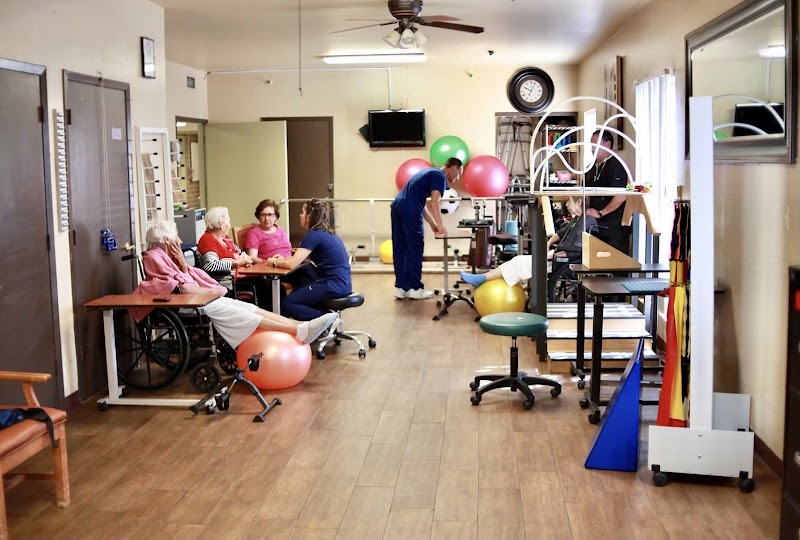
How is Oasis Nursing & Rehabilitation Center Staffed?

CMS rates OASIS NURSING & REHABILITATION CENTER's staffing level at 2 out of 5 stars, which is below average compared to other nursing homes. Staff turnover is 35%, compared to the Texas average of 46%. This relatively stable workforce can support continuity of care.

What Have Inspectors Found at Oasis Nursing & Rehabilitation Center?

State health inspectors documented 27 deficiencies at OASIS NURSING & REHABILITATION CENTER during 2023 to 2025. These included: 24 with potential for harm and 3 minor or isolated issues.
Who Owns and Operates Oasis Nursing & Rehabilitation Center?

OASIS NURSING & REHABILITATION CENTER is owned by a for-profit company. For-profit facilities operate as businesses with obligations to shareholders or private owners. The facility is operated by CREATIVE SOLUTIONS IN HEALTHCARE, a chain that manages multiple nursing homes. With 130 certified beds and approximately 97 residents (about 75% occupancy), it is a mid-sized facility located in EL PASO, Texas.
How Does Oasis Nursing & Rehabilitation Center Compare to Other Texas Nursing Homes?

Compared to the 100 nursing homes in Texas, OASIS NURSING & REHABILITATION CENTER's overall rating (5 stars) is above the state average of 2.8, staff turnover (35%) is significantly lower than the state average of 46%, and health inspection rating (4 stars) is above the national benchmark.

What Should Families Ask When Visiting Oasis Nursing & Rehabilitation Center?

Based on this facility's data, families visiting should ask: "Can you walk me through typical staffing levels on day, evening, and night shifts?" "Can I visit during a mealtime to observe dining assistance and food quality?" "How do you handle medical emergencies, and what is your hospital transfer rate?" "Can I speak with family members of current residents about their experience?" These questions are particularly relevant given the below-average staffing rating.

Is Oasis Nursing & Rehabilitation Center Safe?

Based on CMS inspection data, OASIS NURSING & REHABILITATION CENTER has a clean safety record: no substantiated abuse findings (meaning no confirmed cases of resident harm), no Immediate Jeopardy citations (the most serious violation level indicating risk of serious injury or death), and is not on the Special Focus Facility watch list (a federal program monitoring the lowest-performing 1% of nursing homes). The facility has a 5-star overall rating and ranks #1 of 100 nursing homes in Texas. While no facility is perfect, families should still ask about staff-to-resident ratios and recent inspection results during their visit.

Do Nurses at Oasis Nursing & Rehabilitation Center Stick Around?

OASIS NURSING & REHABILITATION CENTER has a staff turnover rate of 35%, which is about average for Texas nursing homes (state average: 46%). Moderate turnover is common in nursing homes, but families should still ask about staff tenure and how the facility maintains care continuity when employees leave.

Was Oasis Nursing & Rehabilitation Center Ever Fined?

OASIS NURSING & REHABILITATION CENTER has no federal fines on record. CMS issues fines when nursing homes fail to meet care standards or don't correct problems found during inspections. The absence of fines suggests the facility has either maintained compliance or corrected any issues before penalties were assessed. This is a positive indicator, though families should still review recent inspection reports for the full picture.

Is Oasis Nursing & Rehabilitation Center on Any Federal Watch List?

OASIS NURSING & REHABILITATION CENTER is not on any federal watch list. The most significant is the Special Focus Facility (SFF) program, which identifies the bottom 1% of nursing homes nationally based on persistent, serious quality problems. Not being on this list means the facility has avoided the pattern of deficiencies that triggers enhanced federal oversight. This is a positive indicator, though families should still review the facility's inspection history directly.