EL PASO HEALTH & REHABILITATION CENTER
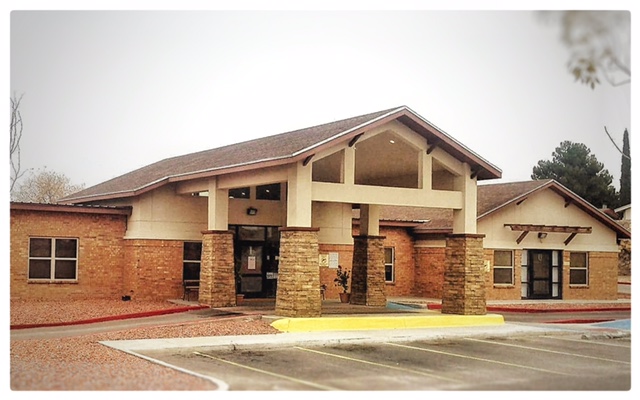
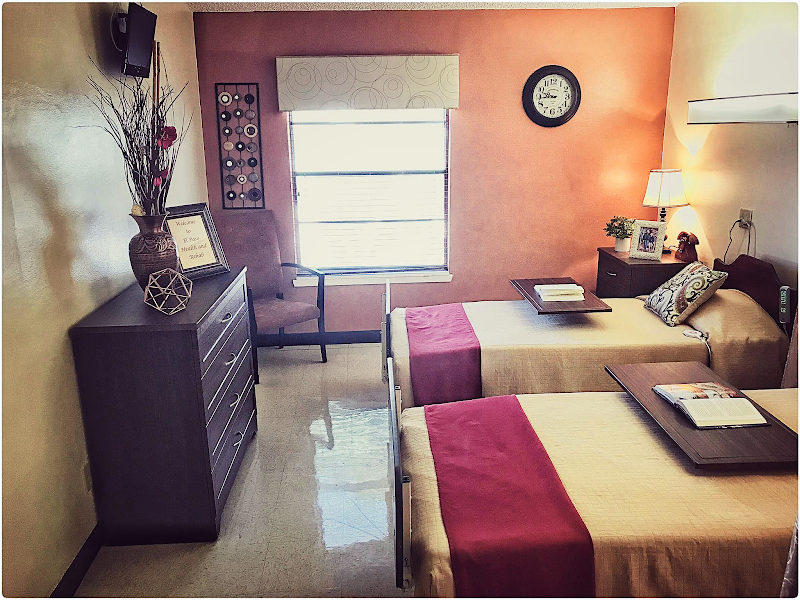
11525 VISTA DEL SOL DR, EL PASO, TX 79936 (915) 855-3636
Government - Hospital district 150 Beds ADVANCED HEALTHCARE SOLUTIONS Data: November 2025 2 Immediate Jeopardy citations
Trust Grade
27/100
#699 of 1168 in TX
Last Inspection: August 2025

Inspected within the last 6 months. Data reflects current conditions.

Overview

El Paso Health & Rehabilitation Center has a Trust Grade of F, indicating poor overall quality and significant concerns about care. It ranks #699 out of 1,168 nursing homes in Texas, placing it in the bottom half of facilities statewide, and #8 out of 22 in El Paso County, meaning there are only a few local options that are better. While the facility is showing signs of improvement, reducing serious issues from 29 in 2024 to 8 in 2025, it still has critical shortcomings. Staffing is a relative strength with a 27% turnover rate, significantly better than the Texas average, but the overall staffing rating is just 2 out of 5 stars. Recent inspections revealed serious incidents, including failure to notify a physician about a resident’s deteriorating health after multiple vomiting episodes and food safety violations that could risk residents' health. While there are some positive aspects, such as lower staff turnover, the facility’s overall performance raises concerns for families considering care for their loved ones.

Trust Score
F
27/100
In Texas
#699/1168
Bottom 41%
Safety Record
High Risk
Review needed
Inspections
Getting Better
29 → 8 violations
Staff Stability
✓ Good
27% annual turnover. Excellent stability, 21 points below Texas's 48% average. Staff who stay learn residents' needs.
Penalties
✓ Good
$20,312 in fines. Lower than most Texas facilities. Relatively clean record.
Skilled Nurses
⚠ Watch
Each resident gets only 16 minutes of Registered Nurse (RN) attention daily — below average for Texas. Fewer RN minutes means fewer trained eyes watching for problems.
Violations
⚠ Watch
66 deficiencies on record. Higher than average. Multiple issues found across inspections.
★★☆☆☆
2.0
Overall Rating
★★☆☆☆
2.0
Staff Levels
★★☆☆☆
2.0
Care Quality
★★☆☆☆
2.0
Inspection Score
Stable
2024: 29 issues
2025: 8 issues

The Good

  • Low Staff Turnover (27%) · Staff stability means consistent care
  • Full Sprinkler Coverage · Fire safety systems throughout facility
  • No fines on record
  • Staff turnover is low (27%)

    21 points below Texas average of 48%

Facility shows strength in staff retention, fire safety.

The Bad

2-Star Overall Rating

Below Texas average (2.8)

Below average - review inspection findings carefully

Federal Fines: $20,312

Below median ($33,413)

Minor penalties assessed

Chain: ADVANCED HEALTHCARE SOLUTIONS

Part of a multi-facility chain

Ask about local staffing decisions and management

The Ugly 66 deficiencies on record

2 life-threatening
Aug 2025 3 deficiencies
CONCERN (D)

Potential for Harm - no one hurt, but risky conditions existed

Comprehensive Care Plan (Tag F0656)

Could have caused harm · This affected 1 resident

**NOTE- TERMS IN BRACKETS HAVE BEEN EDITED TO PROTECT CONFIDENTIALITY** Based on interview and record review, the facility failed to develop and implement a comprehensive person-centered care plan tha...

Read full inspector narrative →
**NOTE- TERMS IN BRACKETS HAVE BEEN EDITED TO PROTECT CONFIDENTIALITY** Based on interview and record review, the facility failed to develop and implement a comprehensive person-centered care plan that includes measurable objectives and timeframes to meet a resident's medical, nursing, mental and psychosocial needs for one (Resident #9) of four resident reviewed for care plans.The facility failed to have a comprehensive person-centered care plan for Resident #9 to address the Resident's prescribed psychotropic medication, Mirtazapine 7.5 mg by mouth at bedtime.This failure could affect residents prescribed psychotropic medications by placing them at risk for not receiving care and services to meet their needs.Findings Include:Record review of Resident #9's face sheet dated 08/07/25 revealed an [AGE] year-old female with an admission date 06/09/21.Record review of Resident #9's health and physical dated 04/16/25 revealed resident's medical history, which were the following: Stroke (sudden interruption of continuous blood flow to the brain), Type 2 Diabetes (when the body cannot use insulin correctly and sugar builds up in the blood), Dementia (a general term for loss of memory, language, problem-solving and other thinking abilities that are severe enough to interfere with daily life), and Deep Vein Thrombosis (a blood clot in a vein located deep within your body, usually in your leg).Record review of Resident #9's Quarterly MDS dated [DATE] revealed a Brief Interview for Mental Status score of 0, indicating severe cognitive impairment. MDS revealed resident was taking an antidepressant.Record review of Resident #9's Order Summary Report dated 08/07/25 revealed resident was prescribed a psychotropic medication for appetite stimulation, Mirtazapine 7.5mg by mouth at bedtime, order start date 05/07/25.Record review of Resident #9's care plan dated 07/31/25 revealed her psychotropic medication, Mirtazapine, had not been cared planned. Interview on 08/07/25 at 3:29 PM with the Regional MDS Nurse revealed psychotropic medications were to be care planned. She stated psychotropics were to be added on the care plan so nursing staff could monitor residents for side effects relating to the psychotropic medications. She stated the risk to the resident was nursing staff being unable to identify the side effects and report as needed. The Regional MDS Nurse stated medications that were added to resident care was called an Acute Care Plan which was responsibility of the nursing staff.In an interview on 08/07/25 at 3:45 PM with the DON, she stated psychotropic medications were to be added to the residents' care plan. She stated care plans meant patient centered care, and it allows for staff to be aware of what medication side effects to monitor. She stated care plans also included non-pharmacological interventions that could benefit the residents. The DON stated, Acute Care Plans, and adding psychotropic medications to the care plan, were the responsibility of nursing staff and leadership. She stated the ADON's, and self (DON) were responsible for monitoring the care plans. She stated changes in resident care plans were discussed in daily morning rounding with the IDT team.During an interview on 08/07/25 at 4:14 PM with the ADON, she stated psychotropic medications were to be included in residents' care planned if prescribed. She stated care plans provided information about interventions and residents' specific health goals. The ADON stated nursing was responsible for reviewing care plans. She stated both ADON's and DON were responsible for monitoring residents' care plans on a quarterly basis. The ADON stated the risk of psychotropic medications not being in the care plan can affect the resident by not receiving the correct plan of care. She stated there was no reason psychotropic medication was not included in Resident #9's care plan. In an interview on 08/07/25 at 4:45 PM with the Administrator, she stated nursing was responsible for updated acute changes in the care plan and MDS nursing staff updated the Comprehensive Care Plan on a quarterly basis. She stated care plans reflected certain medications they were prescribed, and that information served as a guide on how to care for that resident. She stated risks of psychotropic medications not being included in residents' care plans would prevent staff on being aware of that resident's needs.Record Review of facility's policy and procedures, Nursing Policy & Procedure Manual, labeled Comprehensive Care Planning with no date, read in part: The facility will develop and implement a comprehensive person-centered care plan for each resident, consistent with the resident rights that includes measurable objectives and timeframes to meet a resident's medical, nursing, and mental and psychosocial needs that are identified in the comprehensive assessment. It also stated, Residents' goals set the expectations for the care and services he or she wishes to receive. Measurable objectives describe the steps toward achieving the resident's goals, and can be measured, quantified, and/or verified. The comprehensive care plan will reflect interventions to enable each resident to meet his/her objectives. Interventions are the specific care and services that will be implemented.
CONCERN (D)

Potential for Harm - no one hurt, but risky conditions existed

Deficiency F0761 (Tag F0761)

Could have caused harm · This affected 1 resident

**NOTE- TERMS IN BRACKETS HAVE BEEN EDITED TO PROTECT CONFIDENTIALITY** Based on observation, interview, and record review, the facility failed to ensure biologicals were stored in locked compartments...

Read full inspector narrative →
**NOTE- TERMS IN BRACKETS HAVE BEEN EDITED TO PROTECT CONFIDENTIALITY** Based on observation, interview, and record review, the facility failed to ensure biologicals were stored in locked compartments and accessed by authorized personnel for 1 (Resident #21) of 8 residents reviewed for medication storage, in that: Resident # 21 had two clear measuring cups at bedside, one with crushed medications and the second with a clear liquid, exposed and within reach of other residents. This failure could place residents at risk of access to medications not approved for administration by their physician. Findings included: Record Review of Resident # 21s' admission record dated 8/06/2025 revealed an [AGE] year-old female admitted to the facility on [DATE]. Record Review of Resident # 21's' history and physical dated 06/10/2025 revealed diagnoses of high blood pressure, other recurrent depressive disorder, constipation and rhabdomyolysis (a breakdown of muscle tissue that releases a damaging protein into the blood). Record Review of Resident # 21s' Quarterly MDS dated [DATE] revealed a BIMS score of 14, indicating intact cognitive function. Record Review of Resident # 21's care plan revealed nursing interventions to include giving medications as per doctor's orders and to monitor for side effects of medication. Record review of Resident # 21's medication administration record dated 08/06/2025 revealed Resident #21's morning medications as Bupropion HCL oral tablet 75mg, Jardiance oral tablet 10mg, Losartan Potassium oral tablet 25 mg, Miralax Oral 17gm/scoop, Carvediol oral tablet 12.5mg, Docusate Sodium oral tablet 100mg, Lactulose oral solution 10gm/15ml and Simethicone oral tablet 80 mg. In an observation and interview on 08/04/25 at 10:15 am in Residents #21 room revealed, the room door open, two clear plastic measuring cups, one with crushed medications mixed with pudding and another cup with an unknown clear liquid on Resident #21's bedside table. Resident #21 did not know what the medications were. She stated that the nurse had left them for her to take after breakfast as she had requested. Resident #21's roommate was present in room as well. In an interview on 08/07/25 at 1:40 PM with LVN A, she stated that nurses and medication aids were to dispose of medications when residents did not want to take them. She stated that they were to never leave medication unattended for residents to take by themselves. She stated that when administering medications, nurses or medication aides were to stay with residents until residents finished taking medications to ensure that medication was ingested. She stated that leaving medications unattended could pose a risk to residents because it could easily be gotten a hold of, and the wrong resident could ingest the medication. She stated that whoever was administering the medication was responsible for ensuring medications were not left unattended or properly disposed of. In an interview on 08/07/2025 at 3:30pm with DON, revealed that medications were not to be left at bedside unattended for any resident. She stated that leaving medication unattended could potentially expose the resident to misuse of the medication such as medication being taken by another resident. She stated that it was also an infection control issue because it was exposed to air. She stated that it was the responsibility of the nurses to ensure that medications were not left at the bedside. In an interview on 08/07/25 at 4:30 PM with the Administrator, she stated that medications were not supposed to be left unattended at bedside. She stated that if a resident did not want to take medication at the time of administration, they were to dispose medications. She stated that leaving the medications at bedside could potentially expose other residents to getting a hold of the medications and accidentally taking them. She stated that it was the responsibility of either the nurse or medication aide to ensure that medications were being taken as per doctor's orders. She stated that she could not recall the last training/In service that was given over leaving medications at bedside. Record Review of facility policies and procedures titled Medication Administration and General Guidelines, not dated, reads in part Medications are administered at the time they are prepared. Medications are not pre-poured. The procedure reads observe the resident take the medications.
CONCERN (F)

Potential for Harm - no one hurt, but risky conditions existed

Food Safety (Tag F0812)

Could have caused harm · This affected most or all residents

Based on observation, interviews and record review, the facility failed to store, prepare, distribute, and serve food in accordance with professional standards for food service safety for 1 of 1 kitch...

Read full inspector narrative →
Based on observation, interviews and record review, the facility failed to store, prepare, distribute, and serve food in accordance with professional standards for food service safety for 1 of 1 kitchen reviewed in that:-The facility failed on 8/4/25 to thaw two bags of boneless pork loin properly.-The facility failed on 8/4/25 to seal a receptacle containing refried beans in refrigerator #1.-The facility failed on 8/4/25 to seal Ziplock bags containing jalapenos and onions in refrigerator #1.-The facility failed on 8/4/25 to label an object approximately 15 inches long, wrapped in brown butcher paper and sealed in plastic wrap that was found inside refrigerator #2. -The facility failed on 8/4/25 to seal a receptacle containing cooked beef in refrigerator #2 and it was not used by the labeled use by date.-The facility failed on 8/5/25 to prevent cross-contamination while preparing puree diets.These failures could place residents who eat foods prepared in the kitchen at risk of cross contamination and food-borne illnesses.The findings include:During observation and interview on 8/4/25 at 8:07 AM with [NAME] D in the kitchen, two packs of boneless pork loin were observed inside a gray, square plastic receptacle in the kitchen sink, under the faucet. The faucet was closed, and the water was not running. [NAME] D stated that if the pork was to be used the same day, it had to be thawed under cold running water. He said leaving pork meat to thaw at room temperature was not acceptable and the procedure of leaving the meat to thaw under running cold water should not be stopped until it was prepared for cooking. [NAME] D explained that this protocol was essential because thawing pork could be susceptible to bacterial growth and infection, which could expose residents to cross-contaminated food. [NAME] D stated that if residents were to eat cross-contaminated food, they could become sick and experience severe stomach illness, vomiting, or diarrhea from bacterial pathogens which could lead to more serious health hazards including hospitalization. Under U.S. FDA Food Code 2022 Chapter 3-501.13 Thawing. Except as specified in (D) of this section, TIME/TEMPERATURE CONTROL FOR SAFETY FOOD shall be thawed: (B) Completely submerged under running water: (1) At a water temperature of 21oC (degrees Celsius) (70oF) (degrees Fahrenheit) or below, (2) With sufficient water velocity to agitate and float off loose particles in an overflow and (3) For a period of time that does not allow thawed portions of READY-TO-EAT FOOD to rise above 5oC (41oF). The facility failed to follow this procedure and was in violation of this code. During observation and interview on 8/4/25 at 8:24 AM, an observation and interview with [NAME] D in the kitchen revealed several findings:-Refrigerator #1: A square, clear receptacle containing refried beans with a clear lid was not labeled and was not properly closed. The lid was slightly slid from the corner of the receptacle, creating an opening of about one inch. -At 8:26 AM, two clear Ziploc bags inside the same refrigerator, one containing jalapenos and the other onions, were found open and not sealed. Under U.S. FDA Food Code 2022 Chapter 3-302.11 Packaged and Unpackaged Food - Separation, Packaging, and Segregation. (A) FOOD shall be protected from cross contamination by: (4) Except as specified under Subparagraph 3-501.15(B)(2) and in (B) of this section, storing the food in packages, covered containers, or wrappings. The facility was in violation of this code. Refrigerator #2:-An object approximately 15 inches long, wrapped in brown butcher paper and sealed in plastic wrap, was found unlabeled and undated inside the refrigerator. [NAME] D stated it was probably leftover food from over the weekend. Under U.S. FDA Food Code 2022 Chapter 3-602.11 Food Labels. (A) FOOD PACKAGED in a FOOD ESTABLISHMENT, shall be labeled as specified in LAW, including 21 CFR 101 - Food labeling, and 9 CFR 317 Labeling, marking devices, and containers. The facility was in violation of this code. Refrigerator #3:-A clear, square plastic receptacle with a green lid was labeled as Beef and had a prepared date of 7/17/25 with a use-by date of 7/23/25.Interview with [NAME] D: [NAME] D stated that all food items in the refrigerators needed to be properly closed, sealed, and labeled. He confirmed that Ziploc bags containing vegetables should have been closed to prevent cross-contamination. [NAME] D explained that using a cross-contaminated ingredient was potentially hazardous, and such items should have been disposed of immediately. [NAME] D reported that all cooks and the Director of Food and Nutrition were responsible for cleaning, organizing, and ensuring the contents of the refrigerators were properly sealed and labeled. He added that labels were used to provide use dates and identify contents that were not visible due to packaging. [NAME] D reported that this labeling system ensured food freshness, mitigated bacterial growth, and prevented cross-contamination. He confirmed that unlabeled food needed to be disposed of because cooks could not determine when it was received. [NAME] D also stated that if residents were to eat cross-contaminated food, they could become sick and experience symptoms like vomiting or diarrhea from bacterial pathogens, which could lead to serious illness and hospitalization. Under U.S. FDA Food Code 2022 Chapter 3-302.11 Packaged and Unpackaged Food - Separation, Packaging, and Segregation. (A) FOOD shall be protected from cross contamination by: (4) Except as specified under Subparagraph 3-501.15(B)(2) and in (B) of this section, storing the food in packages, covered containers, or wrappings; The facility was in violation of this code.During an observation and interview on 8/5/2025 at 11:01 AM with [NAME] E, a demonstration of puree diets and mechanical chop diet were scheduled to be conducted with a surveyor present. During which time, [NAME] E placed 16 breaded chicken breasts and chicken stock into the blender. [NAME] E then proceeded to remove the lid to the blender with her bare hand and add more stock to improve consistency; it was observed [NAME] E placed the lid into the uncovered container where the cooked breaded chicken met the lid at 11:03 AM. She stated the blender lid was not allowed to be in the container with the cooked food due to concern for cross contamination. [NAME] E washed hands at the beginning of the puree demonstration, but failed to rewash her hands after cross contaminating the breaded chicken with the lid and her bare hand. [NAME] E reports gloves are not used as per facility's policy unless directly handling food with hands. Under U.S. FDA Food Code 2022 Chapter 3-301.11 paragraph B .FOOD EMPLOYEES may not contact exposed, READY-TO-EAT FOOD with their bare hands and shall use suitable UTENSILS such as deli tissue, spatulas, tongs, single-use gloves, or dispensing equipment ., [NAME] E was not in compliance with the Food Code. [NAME] E had the equipment washed and sanitized by a dietary aide following the cross contamination, but failed to wash hands after touching the contaminated lid.In an interview conducted on 8/6/2025 at 01:32 PM, [NAME] E confirmed observations made on 8/5/2025 during puree demonstration where the blender lid was placed inside the container with the handle meeting cooked breaded chicken. [NAME] E reconfirmed this was cross contamination because the lid was handled by her bare hand with the potential outcome of feeding residents contaminated food. [NAME] E reported residents could become sick from their stomach if they were to eat contaminated food. [NAME] E was unable to elaborate on further outcomes or symptoms from sickness but agreed that some residents in the facility might have a compromised immune system, making them more susceptible to food borne illness. [NAME] E stated she was only required to use gloves when directly using her hands to prepare food and must practice hand hygiene before and after glove use. [NAME] E continued that it was the facility's policy that gloves do not have to be worn when using utensils as direct contact or serving food on the tray line.In an interview on 08/06/2025 at 1:32 PM with the Director of Food and Nutrition, he emphasized the critical importance of properly closing and sealing food items within the refrigerators to safeguard their composition and quality. He stated that if food was left unsealed or improperly closed, a range of contaminants including mold and bacteria, could compromise the food, potentially rendering it spoiled and requiring it to be discarded. The Director of Food and Nutrition also highlighted the risk of cross-contamination, where an item could contaminate other food inside the refrigerator. Regarding meat, he clarified the correct thawing procedure: it had to be completely thawed inside the refrigerator or, if necessary, thawed under running water in the sink. The purpose of this was to ensure even thawing and prevent the dangerous growth of bacteria. Thawing meat at room temperature was explicitly deemed unacceptable, as this could lead to bacterial growth and, if consumed, could result in residents suffering from diarrhea, vomiting, or dehydration. He explained that if a cook prepared pureed food without gloves, and utensils touched both the cook's hands and the food, this was considered a serious breach of protocol that could lead to residents becoming sick. The Director of Food and Nutrition concluded by stressing that the firm expectation for all staff was to wear gloves when preparing food and handling cooking utensils to prevent such incidents of cross-contamination which could result in resident's becoming ill. In an interview on 8/7/25 at 5:00 PM with the Administrator, she stated that staff were expected to follow the facility's Policies and Procedures for kitchen and safety practices to prevent cross-contamination and food born illness. The Administrator said staff not wearing gloves and using utensils that had touched their bare hands could lead to cross-contamination and bacterial growth if those utensils touched the food. She explained that containers in the refrigerator not being properly sealed or closed posed a similar risk for growing bacteria and contaminating other food inside the refrigerators. The Administrator stated that thawing meat at room temperature was also a significant concern and said the proper procedure was to leave the meat thawing underneath the faucet with cold water running so that meat thawed evenly and to prevent growth of bacteria. The Administrator stressed that all these actions could potentially lead to cross-contamination and the growth of bacteria, which in turn could make residents ill with stomach infections that could result in them experiencing vomiting, diarrhea or dehydration. Record review of the facility's policies and procedures labeled Dietary Service Policy and Procedure manual revised on 4/9/25 stated in part: Infection Control, Frozen items are thawed in refrigeration or under cold running water in a draining sink. Record review of the facility's policies and procedures labeled Dietary Department Glove Standard Protocol, not dated, stated in part: Glove use will be minimized in favor of serving utensils. This preference is based on the FDA's [NAME] Paper, Interventions to Prevent or Minimize Risks Associated with Bare-Hand Contact with Ready-to-Eat Foods . The Guidance to Surveyors for F371 also states The appropriate use of utensils such as gloves, tongs, deli paper and spatulas is essential in preventing food borne illness. Gloved hands are considered a food contact surface that can get contaminated or soiled. Failure to change gloves between tasks can contribute to cross-contamination. Proper hand washing techniques and glove use will be taught to all new hires to the dietary department during the orientation process. Their training will be verified with a hand washing and glove use proficiency audit . Gloves will not be worn on tray line. Instead, as much pre-assembly and/or prep work will be completed before meal service to minimize the potential for cross-contamination during service. If direct food contact is required to prepare a menu item, this preparation should be done prior to tray line while wearing a glove to perform this single task, and hands washed before and after glove use . Bare hand contact with tableware, glasses and eating utensils will also be minimized.
Mar 2025 2 deficiencies
CONCERN (D) 📢 Someone Reported This

A family member, employee, or ombudsman was alarmed enough to file a formal complaint

Potential for Harm - no one hurt, but risky conditions existed

ADL Care (Tag F0677)

Could have caused harm · This affected 1 resident

**NOTE- TERMS IN BRACKETS HAVE BEEN EDITED TO PROTECT CONFIDENTIALITY** Based on observation, interview, and record review, the facility failed to ensure that a resident who is unable to carry out act...

Read full inspector narrative →
**NOTE- TERMS IN BRACKETS HAVE BEEN EDITED TO PROTECT CONFIDENTIALITY** Based on observation, interview, and record review, the facility failed to ensure that a resident who is unable to carry out activities of daily living receives the necessary services to maintain good grooming, personal and oral hygiene, for 1 Resident (#1) of 6 residents reviewed for activities of daily living. The facility failed to provide fingernail care for Resident #1 by not maintaining trim and clean fingernails. This failure could place residents at risk of not having their personal hygiene needs met and cause low self-esteem. The findings include: Record review of Resident #1's face sheet, dated 3/27/25, indicated the resident was admitted on [DATE] with diagnoses: hemiplegia (paralysis of one side of the body, either right or left) and hemiparesis (weakness of one side of the body, either right or left) following cerebral infarction (stroke) affecting left non-dominant side, dysarthria (difficulty in speech because of weakness of the speech muscles), unspecified dementia, and Alzheimer's disease (a brain disorder that affects memory, thinking, and behavior). Record review of Resident #1's admission MDS dated [DATE] indicated a BIMS score of 2, indicating severe cognitive impairment. Per the MDS, Resident #1 required moderate assistance with personal hygiene meaning the helper did more than half the effort. Record review of Resident #1's Care Plan dated 03/15/25, revealed ADL Self-care performance deficit and interventions included nursing staff to Check nail length and trim and clean on bath day and as necessary. Report any changes to the nurse. If diabetic, the nurse will provide toenail care. Observation on 3/26/25 at 11:24 AM of Resident #1 revealed she had nails approximately 1 inch off the nail bed for all fingers on both her hands. Her fingernails on both hand hands were observed with dirt under them and chipped nail polish. Resident #1 was not able to voice whether she liked her nails this length or not. During an interview on 3/26/25 at 1:32 PM with CNA A, she said that residents are offered nail trimming services during the resident's scheduled shower. She stated if the resident is diabetic, nurses were to trim fingernails. CNA A stated that fingernails of residents should be maintained short and clean. She stated long fingernails can cause an infection control risk. During an interview on 3/26/25 at 3:27 PM with LVN B, she said that nursing staff such as nursing assistants were to offer residents nail trimming during the resident's shower. She stated if the resident was diabetic only nurses were to file down fingernails. LVN B stated if a resident did not want nails groomed, the ADON, DON and family member were notified. She stated the risks for residents having long nails included residents could scratch themselves causing injury, or also an infection control issue as there are possible bacteria entrapped under the nail. In an interview on 03/26/25 at 4:00 PM with the ADON, she said that residents received grooming services with their fingernails on Sundays. She stated that if resident's nails are observed long, the service could be offered at any time. She stated the nurses were responsible for monitoring (checking during daily rounds) residents through their rounding during their shift and could offer to trim or cut the resident's nails. She stated the risks for residents having long and dirty nails included infection risk, as the resident could touch their face or scratch their skin. In an interview on 3/26/25 at 4:15 PM with the DON, she said that residents were offered nail grooming services from CNAs on the residents' scheduled shower days. She stated the nurses were to offer nail grooming service if the resident is diabetic. She stated the CNAs are responsible for monitoring, filing and cleaning the resident's nails, and the nurses could file and trim nails including diabetic residents. The DON stated If any resident declined care, they are to notify the charge nurse so that nurse could go in to assess and find the reason on why the resident does not want care at the time. She stated the resident had the right to have clean nails. The DON stated the risks of residents having ungroomed nails included an infection control concern to the resident. Record review of facility's policy and procedures titled Activities of Daily Living, revised 2007, read in part: The facility provides necessary care to all residents that are unable to carry out activities of daily living on their own.
CONCERN (D) 📢 Someone Reported This

A family member, employee, or ombudsman was alarmed enough to file a formal complaint

Potential for Harm - no one hurt, but risky conditions existed

Respiratory Care (Tag F0695)

Could have caused harm · This affected 1 resident

**NOTE- TERMS IN BRACKETS HAVE BEEN EDITED TO PROTECT CONFIDENTIALITY** Based on observations, interviews and record reviews the facility failed to ensure a resident who needs respiratory care is prov...

Read full inspector narrative →
**NOTE- TERMS IN BRACKETS HAVE BEEN EDITED TO PROTECT CONFIDENTIALITY** Based on observations, interviews and record reviews the facility failed to ensure a resident who needs respiratory care is provided such care consistent with professional standards of practice for 2 of 10 residents (Residents #2, #3) who were reviewed for respiratory care in that: 1. The facility failed to ensure Resident #2's oxygen concentrator filter was clean. 2. The facility failed to ensure Resident #3's oxygen concentrator filter was clean. These deficiencies could affect the residents who received continuous oxygen and oxygen as needed and can result in a respiratory infection. Findings include: Resident #2 Record Review of Resident #2's face sheet dated 3/27/25 revealed a [AGE] year-old male that was admitted [DATE]. Resident #2 diagnoses included: Lymphedema (a condition of localized swelling caused by compromised lymphatic system), muscle weakness, obstructive sleep apnea, and peripheral vascular disease (a condition that narrows the vessels away from the heart and brain causing pain and discomfort in the limbs). Record Review of Resident #2's MDS dated [DATE] revealed a BIMS score of 15, indicating no cognitive impairment. The MDS revealed the resident required extensive assistance in bed mobility from 2 persons to physically assist. Record Review of Resident #2's Care Plan last revised 10/22/24 revealed that Resident #2 is at risk for ineffective gas exchange and used oxygen therapy routinely or as needed. The interventions included administering oxygen therapy per physician's orders. Observation on 3/26/25 at 10:13 AM at revealed Resident #2 sitting in bed with oxygen on through a nasal cannula (a medical device used to deliver supplemental oxygen to individuals with respiratory issues; it consists of a thin, flexible tube that wraps around the head, with two prongs that fit into the nostrils to provide oxygen directly) and an oxygen concentrator with dust particles on the filter. Resident #3 Record review of Resident #3's face sheet dated 3/29/25 revealed a [AGE] year-old male with an initial admission date of 10/25/18, and re-admission date of 2/28/25. The face sheet revealed Resident #3's diagnoses included: cerebral infarction due to embolism (stroke due to a blockage in the blood vessel), metabolic syndrome (a cluster of conditions that increased the risk of heart disease, stroke, and type 2 diabetes), dysthymic disorder (persistent depressive disorder), cognitive communication disorder, hypertension (high blood pressure), and muscle weakness. Record review of Resident #3's MDS dated [DATE] revealed a BIMS score of 15 , indicating no cognitive impairment. The MDS revealed Resident #3 required a 2-person limited to extensive assistance with ADLs such as bed mobility. Record review of Resident #3's head and physical physician note dated 02/26/25 revealed Resident #3 is diagnosed with Acute Hypoxic respiratory failure and required oxygen supplementation, 4 liters, to achieve oxygen level of 92% or more. Observation on 3/26/25 at 10:20 AM revealed Resident #3 sitting at his bed with oxygen on through a nasal cannula and an oxygen concentrator with dust on the filter. In an interview on 3/26/25 at 3:29 PM with LVN , she stated that the resident's oxygen filters are cleaned every Sunday night. She stated that nursing staff, nurses, were responsible for monitoring, and maintaining oxygen filters. LVN stated the ADON and DON are also responsible for monitoring the cleanliness of the oxygen concentrator filters when they round. She stated the risks for oxygen concentrator filters not being clean included infection control issues since bacteria and dust collect. In an interview on 03/26/25 at 4:05 PM with the ADON, she said that oxygen concentrator filters were to be cleaned once a week. She stated that CNAs can clean them. She stated that if the filter was damaged or needed a replacement, Central Supply are to supply a new filter. The ADON stated the risks for oxygen air filters being dirty included infection risk and possible malfunction of the oxygen concentrator. During an interview on 3/26/25 at 4:19 PM with the DON, revealed she said that it is everybody's responsibility to monitor and clean the oxygen concentrator air filters. She stated Central Supply can also change them. She stated if staff are not able to clean or replace the filter, they should notify the nurse so it can be completed. The DON stated if the oxygen concentrator air filters were not cleaned, it can introduce foreign objects or bacteria to the resident's body. Record Review of the oxygen concentrator manufacturer manual , read in part: recommended cleaning interval for the air filter is every 7 days.
Jan 2025 3 deficiencies
CONCERN (D) 📢 Someone Reported This

A family member, employee, or ombudsman was alarmed enough to file a formal complaint

Potential for Harm - no one hurt, but risky conditions existed

Safe Environment (Tag F0584)

Could have caused harm · This affected 1 resident

**NOTE- TERMS IN BRACKETS HAVE BEEN EDITED TO PROTECT CONFIDENTIALITY** Based on observation, interview and record review, the facility failed to maintain housekeeping and maintenance services to main...

Read full inspector narrative →
**NOTE- TERMS IN BRACKETS HAVE BEEN EDITED TO PROTECT CONFIDENTIALITY** Based on observation, interview and record review, the facility failed to maintain housekeeping and maintenance services to maintain a sanitary, orderly, and comfortable interior for 1 of 6 resident rooms, observed for housekeeping and maintenance, in that: The facility failed to ensure CNA E used the facility work order system to input the lights in the restroom and room of Resident #5 would not turn on while Resident #5 wanted to use the restroom but was dark and could not see. These failures could lead to resident injury and a diminished quality of life. Findings include: Record review of Resident #5's face sheet dated 01/15/25, revealed, admission on [DATE], re-admission on [DATE], and re-admission again on 02/22/22 to the facility. Record review of Resident #5's facility history and physical dated 07/28/24, revealed, a [AGE] year-old female diagnosed with Anxiety, Cholecystitis (inflammation of the gallbladder), reduced mobility, history of falls, and GI bleeding (bleeding from any part of the digestive tract, from the mouth to the anus). Record review of Resident #5's annual MDS dated [DATE], revealed, little to no impairment of cognition BIMS score of 15 and to be able to recall or make daily decisions. ADLs revealed to be independent for toileting, shower/bath, dressing. Independent for walking 10 feet/50 feet. Record review of Resident #5's Care Plan dated 04/27/22, revealed the resident was incontinent of bowel/bladder related to history of UTI, confusion, and incontinence. Maintain unobstructed path to the bathroom. Resident #5 had impaired visual function and was at risk for falls, injury, and a decline in functional ability. Anticipate needs and meet them as able. Keep call light in reach when in room or bathroom. Involve in activities which do not require vision to participate such as music, parties, and exercise. Monitor and report eye problems, change in ability to perform ADLs, decline in mobility, sudden visual loss, tunnel vision, blurred vison, hazy vision. Resident #5 was able to see large print in a well illuminated room. ADLs was supervision with set-up for toileting due to impairment with balance coordination. Observation and interview on 01/15/25 at 8:44 AM, with Resident #5, she stated she was looking for staff due to her lights in her restroom and room not turning on. Resident #5 showed state agency her room and tried to turn on the light switch in the room. It was observed that the light in the room was not turning on. Resident #5 stated she had to go to the restroom, but could not cause the light in the restroom would not turn on and was afraid to go to the restroom without the lights turning on. State agency tried turning on the lights in the restroom and would not turn on. It was observed that the room was dark, and, in the restroom, it was dark and darker if the restroom door was closed. It was observed that nothing could be seen if the restroom door was closed. Resident #5 had stated she told a nursing staff about the issues a little over an hour ago and did not know what had happened. In an interview on 01/15/25 at 8:48 AM, with CNA E, she stated Resident #5 had told her about the lights not turning on in her room and restroom. CNA E stated she was looking for the floor charge nurse of the hall at the nurse's station and could not find her. CNA E stated since she was not able to find her, she went back to assist another resident with feeding as she was busy. CNA E stated she did not use the facility work order system to input the work order. CNA E stated she had been trained to use the facility work order system when facility needed to report facility stuff that needed fixing and tell the nurse. CNA E stated the risk of the lights not working for Resident #5 could have been a fall. Observation on 01/15/25 at 8:50 AM, revealed, visible facility work order system QR Scan postings in around the nurse's station of the facility. In an interview on 01/15/25 at 9:19 AM, with the Maintenance Director, he stated facility staff have been trained to use the facility work order system and what to do if they see, hear, or get reported facility stuff that were broken. The Maintenance Director stated there were QR Scan codes posted everywhere in the facility in which facility staff could place the work orders through there phones. The Maintenance Director stated not using the facility work order system could have a negative outcome of broken item(s) not getting fixed affecting the resident negatively depending on the situation. The Maintenance Director stated he was told of Resident #5's lights not turning on around 10 minutes ago which he observed that the lights were not turning on. The Maintenance Director stated Resident #5 told him she wanted them to turn on. The Maintenance Director stated an issue like the lights not turning on for Resident #5 was considered to be a 911 call (defined as notify the Maintenance Director immediately with clogged toilet, lights out, Exit lights out, etc.) and should have inputted into the facility work order system and told immediately. In an interview on 01/15/25 at 10:49 AM, with ADON C and ADON D, ADON C stated all facility staff were trained on how to place a work order. ADON D stated there were QR Scan code postings throughout the facility in which facility staff could use the facility work order system to place work orders which was sent to the maintenance department. ADON C stated if nursing staff were reporting a work order issue and cannot find the nurse, then they need to directly let the Maintenance Director know aside from using the facility work order system. ADON D stated the risk would depend on the situation. In an interview on 01/15/25 at 11:13 AM, with the Administrator, she stated facility staff were trained on the facility work order system on how to place work orders in. The Administrator stated the maintenance department should be reviewing the work orders daily. The Administrator stated the risk of not using the facility work order system could result in the broken item not being forgotten and would not be fixed. The Administrator stated the risk to the resident would depend on the situation.
CONCERN (D) 📢 Someone Reported This

A family member, employee, or ombudsman was alarmed enough to file a formal complaint

Potential for Harm - no one hurt, but risky conditions existed

Accident Prevention (Tag F0689)

Could have caused harm · This affected 1 resident

**NOTE- TERMS IN BRACKETS HAVE BEEN EDITED TO PROTECT CONFIDENTIALITY** Based on the observation, interview, and record review, the facility failed to ensure that the residents environment remains fre...

Read full inspector narrative →
**NOTE- TERMS IN BRACKETS HAVE BEEN EDITED TO PROTECT CONFIDENTIALITY** Based on the observation, interview, and record review, the facility failed to ensure that the residents environment remains free of accidents hazards as possible and each resident receives adequate supervision to prevent accidents for 1 (Resident #3) of 3 residents reviewed for accidents and supervision. The facility failed to ensure CNA A secured the brakes on a mechanical lift when lifting and lowering Resident #3 to bed. This failure could place residents at risk for falls or injury. The findings included: 1. Record review of Resident #3's face sheet dated 1/14/25 revealed a [AGE] year-old female was readmitted to the facility on [DATE]. Record review of Resident #3's history and physical dated 11/27/24 revealed diagnoses of diabetes (blood sugar is too high), hypertension (high blood pressure), pulmonary embolism (blood clot that blocks and stops blood flow to an artery in the lung), and an unstageable pressure ulcer of the heel. Record review of Resident #3's significant change in condition MDS assessment dated [DATE] revealed a BIMS score of 15, indicating her cognition was intact. The resident was dependent on staff for transfers. Record review of Resident #3's care plan dated 10/16/24 revealed a focus area of ADL Self Care Performance Deficit and is at risk for not having their needs met in a timely manner and interventions that included assist x 2 (two people) with transfers, use mechanical lift. In an observation on 1/14/25 at 1:28 pm, CNA A and CNA B assisted with perineal care and performed a mechanical lift transfer for Resident #3. During the transfer, the brakes on the mechanical lift were not engaged, causing the lift to move slightly. The resident was moved over the bed, with CNA A maneuvering the mechanical lift and CNA B assisting. The brakes were also not secured when lowering the resident onto the bed. In an interview on 1/14/25 at 2:01 pm, CNA B stated that she had received training on how to properly hook the sling and secure brakes on mechanical lift. CNA B stated she received training twice a year. CNA B stated she did not see if CNA A had secured the brakes during the transfer. CNA B stated the brakes were required to be engaged when lifting and lowering the bed. CNA B stated risks included the potential for the mechanical lift to move during transfers, which could result in injury to the resident or staff. In an interview on 1/14/25 at 2:14 pm, CNA A stated she had received training on proper mechanical lift use, including how to hook the sling, ensure the sling is in good condition, and secure brakes during transfers. CNA A stated she forgot to secure the brakes during the lift and did not secure them when lowering the resident because the bed had been moved up. CNA A stated risks included potential injury to the resident or staff due to unsecured brakes. In an interview on 1/15/25 at 10:43 AM, with ADON C and ADON D, ADON C stated all nursing staff were trained on mechanical transfers and other transfers. ADON D stated they receive this training from the therapy department. ADON C stated when lifting a resident up from the bed or wheelchair the hoyer lift brakes have to be placed to lock. ADON D stated this was to secure and anchor the hoyer lift. ADON C stated the risk would be that the hoyer lift could move if it was not secure. Record review of the facility's Hydraulic Lift policy not dated read in part Goals: the resident will achieve safe transfer to bed or chair via mechanical lift device. The caregiver will demonstrate safe and correct transfer of the resident to the bed or chair via the hydraulic lift. Procedure: prepare the lift by setting the adjustable base to its position. Lock or unlock the base wheels according to the lift manufacture's recommendations.
CONCERN (F) 📢 Someone Reported This

A family member, employee, or ombudsman was alarmed enough to file a formal complaint

Potential for Harm - no one hurt, but risky conditions existed

Deficiency F0727 (Tag F0727)

Could have caused harm · This affected most or all residents

Based on observation, interview, and record review, the facility failed to ensure they had a full time DON for 1 of 1 facility reviewed for DON coverage. The facility failed to have a full-time DON s...

Read full inspector narrative →
Based on observation, interview, and record review, the facility failed to ensure they had a full time DON for 1 of 1 facility reviewed for DON coverage. The facility failed to have a full-time DON since 12/05/24 . This failure could place residents at risk of a lack of nursing oversight and a higher level of care. Findings included: Record review of staff hours from 12/01/24 through 01/15/25 indicated there was no DON in the facility from 12/06/24 through 01/15/25. In an interview on 01/14/25 at 8:40 AM, with the Administrator, ADON C, and ADON D, the Administrator stated the facility currently did not have a DON. ADON C stated the facility did not have an acting or interim DON. ADON D stated the facility was looking for a DON. In an interview on 01/15/25 at 10:53 AM, with ADON C and ADON D, ADON C stated they did not have a full time DON but were actively seeking to hire a DON. ADON D stated the facility was about to hire a DON but the applicant at the last minute turned down the offer. ADON C stated the facility was using social media and other websites to actively try to recruit a DON. ADON C stated the risk of not having a DON would be that there might be some tasks that would be out of the scope of what some nurse can and cannot which why the facility needed a DON. ADON D stated the facility needed to have that oversight of a manager a DON to be looking at everything. In an interview on 01/15/25 at 11:13 AM, with the Administrator, she stated the purpose of having a DON was so the DON could provide guidance to the nursing department. The Administrator stated the facility did have a corporate nurse and a weekend supervisor who was an RN that could provide that guidance. The Administrator stated the facility was using social media, websites, and by word of mouth to try to hire a DON. In an interview on 01/15/25 at 12:22 PM, with HR, he stated the facility did not have a full time DON nor an interim DON. HR stated they had an applicant that they were going to hire for DON but in the minute the applicant turned down the offer . HR stated the facility was using social media and websites to try to hire a full DON. HR stated the purpose of a DON was to manage all the nursing department, regulate all the services for the residents, and making sure the residents had all the services they needed. HR stated the risk was that services being provided to residents might not have oversight to ensure they were being provided. HR stated the last DON's last day in the facility was on 12/02/24 and official last day was on 12/05/24, since then, the facility has not had a full DON. In an interview on 01/15/25 at 12:32 PM, with the Administrator, she stated the facility did not have a DON policy and followed state guidelines.
Sept 2024 1 deficiency
CONCERN (D) 📢 Someone Reported This

A family member, employee, or ombudsman was alarmed enough to file a formal complaint

Potential for Harm - no one hurt, but risky conditions existed

Deficiency F0604 (Tag F0604)

Could have caused harm · This affected 1 resident

**NOTE- TERMS IN BRACKETS HAVE BEEN EDITED TO PROTECT CONFIDENTIALITY** Based on observations, interviews, and record review the facility failed to ensure resident#1 was free from any physical or chem...

Read full inspector narrative →
**NOTE- TERMS IN BRACKETS HAVE BEEN EDITED TO PROTECT CONFIDENTIALITY** Based on observations, interviews, and record review the facility failed to ensure resident#1 was free from any physical or chemical restraints imposed for purposes of discipline or convenience for one (Resident #2) of five residents reviewed for freedom from physical restraints. The facility failed to ensure Residents #2 did not have pillows under his mattress which restricted his movement from getting off the bed and were not required to treat his medical symptoms. This failure could put residents at risk of unnecessary restriction of their movements. Findings included: Resident #2 Record review of Resident #2's admission Record revealed he was a [AGE] year-old male who was admitted on [DATE] with diagnoses including paroxysmal atrial fibrillation (irregular heartbeat), atherosclerosis (with rest pain bilateral legs, type 2 diabetes, hyperlipidemia (high cholesterol), unspecified dementia without behavioral disturbance, hypertension, vascular disease, and shortness of breath. Record review of Resident #2's History and Physical dated 09/14/2024 did not have any documentation as the resident was just admitted into the facility on [DATE]. Record review of Resident #2's MDS dated [DATE] did not have anything documented as it was still pending completion due to him being a new admit. Record review of Resident #2's care plan, dated 09/14/2024, had no documentation regarding if the resident had any behavioral issues trying to get out of bed. The only focus that was set for the resident was the use of anxiety medication, with a goal that Resident #2 will be free from discomfort or adverse reactions related to anxiety therapy, with interventions of an increased risk of confusion, amnesia, loss of balance, and cognitive impairment that looks like dementia, fall, broken hips and legs, and monitor for safety. Record review of Resident #2's order recap report dated 09/14/2024 revealed a floor mat or other fall prevention device was ordered. In an observation on 09/20/2024 at 09:55 AM Resident #2 was lying in bed with about three pillows underneath his mattress. The pillows were placed on the left side under the resident's mattress causing the mattress to lean more towards the right side. Resident #2 could not verbalize complete sentences and mumbles words. In an interview on 09/21/2024 at 10:00 AM CNA A, stated the pillows were put that way so he did not roll off the bed. He was always falling and if the pillows were placed under the mattress, then the resident was unable to roll to the floor. She stated that was how they've done it for a while, and no one has told her differently. In an interview on 09/20/2024 at 11:13 AM RN A said that she just started here about 3 weeks ago and it was brought up to her attention by CNA A. RN A advised CNA A that it was not right and had her remove the pillows immediately. RN A educated CNA A and advised CNA A that there needed to be an order in place and there was not, so she needed to remove them, that it was a restraint. Resident #2 now does not have pillows under the mattress. RN A stated she always removed them if she sees that but believed CNA A has been doing it for a long time prior to her starting here. In an interview on 09/20/2024 at 11:23 am, the DON was shown the picture of Resident #2 and how the pillows where under his mattress. The DON has been employed with facility since July 15, 2024. Stated the pillows underneath the mattress was not considered appropriate and did not know that staff were doing that. She stated if she knew that, she would have had them immediately take it off and in-service the staff. It was usually the same aid during the day all week-long until nighttime the facility would have a different one. She stated everyone has been in-serviced and the weekend staff will be as well. On 09/21/2024 at 11:48 am an interview was conducted with ADON A and ADON B. ADON B has been employed with facility for 7 years and ADON B has been employed for 17 years with the facility. The same picture of Resident #2's pillows under the mattress were shown to both the ADON's. They both stated it was considered a restraint. They stated Resident #2 just arrived 2 weeks ago (more or less) and they stated they do educate their CNA's on ANE, Falls, and restraints. The last in-service was this past week, and they also have it on digital training system every year. ADON A can't recall if CNA A signed the in-service but did do the digital training system. She stated the resident had a consent form filed out by hospice and signed by family for bed rails, but they were taken off because he was not using them for repositioning. Staff knew it was a restraint free facility, and bed rails were only used for bed mobility. The resident wasn't using them, he was not able to move himself much, and the resident was not able to verbally communicate. The bed rails were removed last week, nursing staff removed them, called hospice, informed the family, did the assessment, and completed a consent while they were there. ADON B was not aware CNA A was placing the pillows like that. The CNAs usually work on their own, but the team nurses rotate so there was no same nurse on the same hallway all the time. There were 4 nurses on the floor right now, they should do rounds every 2 hours, at the beginning of the shift and on the off going shifts. ADON B couldn't say if they did it today since it was not seen. CNA A has been here about 3 years, they all know they were not supposed to do that. In an interview on 09/21/2024 at 12:05pm, CNA A, stated she's had multiple in-services on restraints and knows what a restraint was. She stated this was the first time that she has done this because she knew better. She stated that RN A was the one that told her this morning to do that. She knew that it was wrong but because her nurse told her to, she listened. She knew that she was to put the bed at a low position and have the floor mat on the floor only if they were a fall-risk or depending on the orders. Review of the facility policy Restraint revised February 1, 2007, states it is the policy of this facility to maintain an environment that prohibits the use of restraints for discipline of convenience. The facility is committed to nurturing the autonomy and independence of our residents by attempting to provide a restraint-free environment.
Sept 2024 5 deficiencies
CONCERN (D) 📢 Someone Reported This

A family member, employee, or ombudsman was alarmed enough to file a formal complaint

Potential for Harm - no one hurt, but risky conditions existed

Deficiency F0558 (Tag F0558)

Could have caused harm · This affected 1 resident

**NOTE- TERMS IN BRACKETS HAVE BEEN EDITED TO PROTECT CONFIDENTIALITY** Based on observation, interviews and record review the facility failed to ensure residents the right to reside and receive servi...

Read full inspector narrative →
**NOTE- TERMS IN BRACKETS HAVE BEEN EDITED TO PROTECT CONFIDENTIALITY** Based on observation, interviews and record review the facility failed to ensure residents the right to reside and receive services in the facility with reasonable accommodation of resident needs and preferences for 1 (Residents #1) of 8 residents reviewed for call light placement. -The facility failed to ensure that Residents #1's call light was within his reach. This failure placed residents at risk of not being able to call for assistance when needed. Findings included: Review of Resident #1's admission Record dated 09/13/2024, revealed a [AGE] year-old male who was admitted to the facility on [DATE] and readmitted on [DATE]. Resident #1's diagnoses included cerebral palsy (congenital disorder of movement, muscle tone, or posture), depressive disorder (mental health disorder characterized by persistently depressed mood or loss of interest in activities, causing significant impairment in daily life), muscle weakness, lack of coordination, intellectual disability (deficits in theoretical thinking/learning), seizures (uncontrolled jerking, loss of consciousness, blank stares, or other symptoms caused by abnormal electrical activity in the brain), and paraplegia (paralysis that affects your legs, but not your arms). Review of Resident #1's quarterly MDS assessment dated [DATE], revealed a BIMS score of 12 indicating moderate cognitive impairment. Section GG - Functional Abilities and Goals section revealed Resident #1 requires substantial/maximal assistance with toileting, showering, dressing, personal hygiene, and dependent for transfers. Section J - Health Conditions indicates Resident #1 had not had any falls since admission/entry or reentry or the prior assessment. Review of Resident #1's care plan dated 09/13/2024, reads in part Resident #1 had a communication problem related to Intellectual Disabilities as evidenced by slurred and mumbled speech. Part of the interventions included Ensure/provide a safe environment: Call light in reach. Another focus area reads in part that Resident #1 was risk for falls related to gait/balance problems. Part of the interventions included Be sure the resident's call light is within reach and encourage the resident to use it. Another focus area reads in part that Resident #1 had impaired visual function and was at risk for falls, injury, and a decline in functional ability. Part of the interventions included Anticipate needs and meet them as able. Keep call light in reach when in room or bathroom. During an observation and interview on 09/13/2024 at 10:52 a.m., Resident #1 was lying in bed. Resident #1's call button was observed on top of a bed side dresser located next to a second unoccupied bed in the room, approximately four feet away from Resident #1. Resident #1 said he was not able to get up from bed on his own. Resident #1 said he was not able to reach the call button. Resident #1 said he did not know why his call button was out of reach. Resident #1 said he did not know how long the button was out of his reach. Resident #1 said he had not had any falls. During an observation and interview on 09/13/2024 at 11:00 a.m., LVN G entered Resident #1's room and said Resident #1 was able to use a call button when needing something. LVN G observed Resident #1's call button was out of his reach. LVN G said Resident #1's call button was out of reach, and he would not be able to get up to get his call button since he was not able to get up from bed on his own. LVN G said Resident #1 was a fall risk and had not had any recent falls that she was aware of. LVN G said she did not know how long Resident #1's call button had been out of reach. LVN G said Resident #1 had received patient care 15 to 20 minutes before and most likely the CNAs failed to return his button within reach of Resident #1. During an interview on 09/17/2024 at 1:20 p.m., the DON said the purpose of a call light was to alert nursing staff and CNAs that resident assistance was needed. The DON said Resident #1 was able to use a call button to call for assistance. The DON said Resident #1 had limited mobility. The DON said the risk of having the call button out of reach was a possible delay in emergency assistance for the resident, or resident's needs being met. The DON said it was the responsibility of all staff in the hall to ensure that the resident's call button always remains in reach when he was in bed. Surveyor requested a copy of the call light policy. During an interview on 09/17/2024 at 2:20 p.m., the Administrator said the purpose of a call light was for residents to ask for help and to get staff's attention. The Administrator said there was a risk that residents would not be able to call for help if the call button was not in reach of the resident. The Administrator said Resident #1 was able to use a call button and the button must be always within his reach. Surveyor requested a copy of the call light policy. Review of an undated facility provided Resident Rights policy, reads in part the resident had a right to receive the services and/or items included in the plan of care. On 09/17/2024 at 3:30 p.m., the requested copy of call light policy was not provided prior to exit.
CONCERN (D) 📢 Someone Reported This

A family member, employee, or ombudsman was alarmed enough to file a formal complaint

Potential for Harm - no one hurt, but risky conditions existed

Comprehensive Care Plan (Tag F0656)

Could have caused harm · This affected 1 resident

**NOTE- TERMS IN BRACKETS HAVE BEEN EDITED TO PROTECT CONFIDENTIALITY** Based on observation, interview, and record review, the facility failed to develop and implement a comprehensive person-centered...

Read full inspector narrative →
**NOTE- TERMS IN BRACKETS HAVE BEEN EDITED TO PROTECT CONFIDENTIALITY** Based on observation, interview, and record review, the facility failed to develop and implement a comprehensive person-centered care plan that included measurable objectives and time frames to meet a resident's medical and nursing needs and described the services to be furnished to attain or maintain the resident's highest practicable physical, mental, and psychosocial well-being for 1 (Resident #1) of 7 residents reviewed for care plans. -The facility failed to follow the comprehensive person-centered care plan for Resident #1's fall risk, by failing to have a fall mat in place next to bed while resident was lying down in bed. This deficient practice could place residents in the facility at risk of not receiving the necessary care or services as indicated in their comprehensive person-centered plans developed to address their needs. Findings include: Review of Resident #1's admission Record dated 09/13/2024, revealed a [AGE] year-old male who was admitted to the facility on [DATE] and readmitted on [DATE]. Resident #1's diagnoses included cerebral palsy (congenital disorder of movement, muscle tone, or posture), depressive disorder (mental health disorder characterized by persistently depressed mood or loss of interest in activities, causing significant impairment in daily life), muscle weakness, lack of coordination, intellectual disability (deficits in theoretical thinking/learning), seizures (uncontrolled jerking, loss of consciousness, blank stares, or other symptoms caused by abnormal electrical activity in the brain), and paraplegia (paralysis that affects your legs, but not your arms). Review of Resident #1's quarterly MDS assessment dated [DATE], revealed a BIMS score of 12 indicating moderate cognitive impairment. Section GG - Functional Abilities and Goals section revealed Resident #1 was dependent for transfers. Section J - Health Conditions indicates Resident #1 had not had any falls since admission/entry or reentry or the prior assessment. Review of Resident #1's Order Summary Report dated 09/13/2024, revealed an order for a Fall mat while in bed two times a day for prevention of injury. Review of Resident #1's care plan dated 09/13/2024, reads in part, focus area with initiated date of 08/09/2024, Resident #1 had the potential for falls related to impaired mobility, such as cerebral palsy, paraplegia, seizures and intellectual disabilities. Part of the interventions included fall mat while in bed. During an observation and interview on 09/13/2024 at 10:52 a.m., Resident #1 was lying in bed. Fall mat noted leaning against a dresser located approximately six feet away from Resident #1's bed. Resident #1 said he did not know why the fall mat was away from the side of the bed. Resident #1 said he did not know who put the mat leaning up against the dresser. Resident #1 said he did not know how long the mat was leaning up against the dresser and not on the side of his bed. Resident #1 said he had not had any falls that he was aware of. During an observation and interview on 09/13/2024 at 11:00 a.m., LVN G entered Resident #1's room and said Resident #1 was a fall risk and should have a fall mat next to the bed when he was in bed. LVN G observed fall mat leaning up against the dresser approximately six feet away from Resident #1's bed. LVN G said it had been months since Resident #1 had a fall from her recollection. LVN G placed the fall mat next to Resident #1's bedside (other side of the bed was against the wall). LVN G said she did not know how long Resident #1's fall mat was not next to his bed. LVN G said Resident #1 had received patient care by CNAs about 15 to 20 minutes before and most likely the CNAs failed to return the fall mat next to Resident #1's bed. During an interview on 09/17/2024 at 1:20 p.m., the DON said the purpose of a care plan was to individualize a plan of care to address resident needs, behaviors, psychosocial needs, and other things like falls and other risks. The DON said the purpose of a fall mat was to reduce injuries. The DON said Resident #1 was a fall risk and failing to follow his plan regarding having a fall mat increased the risk of injury and/or severity of injury. The DON said it was all floor staff responsibility to follow the care plan and ensure interventions are implemented. During an interview on 09/17/2024 at 2:20 p.m., the Administrator said the purpose of a care plan was to let staff know how to take care of a resident. The Administrator said the purpose of a fall mat was to be used as a protective barrier to prevent injury. The Administrator said failure to follow the care plan for Resident #1, who was a fall risk, could place him at a higher risk of injury. The Administrator said staff on the floor have access to the resident care plans and are responsible for following the care plan. Review of facility-provided Comprehensive Care Planning policy undated, reads in part Each resident will have a person-centered comprehensive care plan developed and implemented to meet his/her preferences and goals, and address the resident's medical, physical, mental, and psychosocial needs. The comprehensive care plan will reflect interventions to enable each resident to meet his/her objectives. Interventions are the specific care and services that will be implemented.
CONCERN (D) 📢 Someone Reported This

A family member, employee, or ombudsman was alarmed enough to file a formal complaint

Potential for Harm - no one hurt, but risky conditions existed

Deficiency F0657 (Tag F0657)

Could have caused harm · This affected 1 resident

**NOTE- TERMS IN BRACKETS HAVE BEEN EDITED TO PROTECT CONFIDENTIALITY** Based on observation, interview and record review the facility failed to review and revise Resident Care Plans after each assess...

Read full inspector narrative →
**NOTE- TERMS IN BRACKETS HAVE BEEN EDITED TO PROTECT CONFIDENTIALITY** Based on observation, interview and record review the facility failed to review and revise Resident Care Plans after each assessment for 1 (Resident #1) of 8 residents whose records were reviewed. -Resident #1's Care Plan was not updated to reflect discontinuation of padding the wall. These deficient practices could lead to errors in treatment and services provided based on incorrect information. Findings included: Resident #1: Review of Resident #1's admission Record dated 09/13/2024, revealed a [AGE] year-old male who was admitted to the facility on [DATE] and readmitted on [DATE]. Resident #1's diagnoses included cerebral palsy (congenital disorder of movement, muscle tone, or posture), depressive disorder (mental health disorder characterized by persistently depressed mood or loss of interest in activities, causing significant impairment in daily life), muscle weakness, lack of coordination, intellectual disability (deficits in theoretical thinking/learning), seizures (uncontrolled jerking, loss of consciousness, blank stares, or other symptoms caused by abnormal electrical activity in the brain), and paraplegia (paralysis that affects your legs, but not your arms). Review of Resident #1's quarterly MDS assessment dated [DATE], revealed a BIMS score of 12 indicating moderate cognitive impairment. Section E - Behavior revealed Resident #1 had not exhibited any physical, verbal or other behavioral symptoms. Review of Resident #1's care plan dated 09/13/2024, reads in part Resident #1 had history of behavior problem as evidenced by resident will hit the wall with his hand. Part of the interventions included Place padding on wall to cushion the resident's hand in case the behavior continues. During observation and interview on 09/16/2024 at 10:47 a.m., Resident #1 was observed lying in bed. One side of his bed was against the wall. The wall was noted without any padding. Resident #1 said he had moved to the room from another room last week but could not remember the date. Resident #1 said he did not need any padding for the wall as he did not hit the wall. Resident #1 said he did not know what instructions were written on his care plan regarding padding on the wall. During an interview on 09/17/2024 at 10:05 a.m., ADON C said Resident #1's care plan still shows that wall should be padded. ADON C said the intervention step was in place in 2021 as Resident #1 had exhibited behaviors and hit the wall. ADON C said the care plan intervention step was no longer applicable as Resident #1 had not exhibited the behavior anymore since 2021, and the intervention should have come off his care plan. ADON C said Resident #1's care plan should have been updated and she did not know why the intervention was not taken off the care plan. ADON C reviewed Resident #1's injury history and noted there had been no injuries resulting from Resident #1 hitting the wall from 01/01/2023 to 09/17/2024. ADON C said the care plan should have been updated by nursing or the MDS department. During an interview on 09/17/2024 at 1:03 p.m., the MDS Coordinator said the purpose of the care plan was to address what the resident needs. The MDS Coordinator said the care plan not being accurate or up to date could result in confusion. The MDS Coordinator said social services, nursing and MDS department were able to update the care plans. The MDS Coordinator said the care plan should be reviewed quarterly and whenever there was a change of condition to make sure information was accurate. The MDS Coordinator said Resident #1 did not have an order for a padded wall and that it was a precautionary part of the care plan. The MDS Coordinator said when it was determined that Resident #1 did not require the padding on the wall, it should have been removed from the care plan. The MDS Coordinator said nursing or social services could have removed the intervention step. The MDS Coordinator said it appeared that the intervention step carried over from 2021 and was overlooked for revision. During an interview on 09/17/2024 at 1:20 p.m., the DON said the purpose of a care plan was to individualize a plan of care to address resident needs, behaviors, psychosocial needs, and other things like falls and other risks. The DON said the risk of care plans not being revised timely was confusion or providing the wrong type of services. The DON said care plans should be revised immediately or at least the following day when a change in the plan was identified. The DON said nursing services and MDS should revise the care plan as needed. The DON said there was no oversight on revisions and would begin an audit immediately. During an interview on 09/17/2024 at 2:20 p.m., the Administrator said the purpose of a care plan was to let staff know how to take care of a resident. The Administrator said not revising a care plan timely could result in confusion in care of resident regarding if an intervention was still needed. The Administrator said nursing, MDS, and social services are responsible for updating and ensuring the care plan is accurate. Review of facility-provided Comprehensive Care Planning policy undated, reads in part Each resident will have a person-centered comprehensive care plan developed and implemented to meet his/her preferences and goals, and address the resident's medical, physical, mental, and psychosocial needs. The comprehensive care plan will reflect interventions to enable each resident to meet his/her objectives. Interventions are the specific care and services that will be implemented.
CONCERN (D) 📢 Someone Reported This

A family member, employee, or ombudsman was alarmed enough to file a formal complaint

Potential for Harm - no one hurt, but risky conditions existed

ADL Care (Tag F0677)

Could have caused harm · This affected 1 resident

**NOTE- TERMS IN BRACKETS HAVE BEEN EDITED TO PROTECT CONFIDENTIALITY** Based on observation, interview, and record review the facility failed to ensure a resident who was unable to carry out activiti...

Read full inspector narrative →
**NOTE- TERMS IN BRACKETS HAVE BEEN EDITED TO PROTECT CONFIDENTIALITY** Based on observation, interview, and record review the facility failed to ensure a resident who was unable to carry out activities of daily living received the necessary services to maintain good nutrition, grooming, and personal and oral hygiene for 1 (Residents #1) of 7 residents reviewed for assistance with ADLs. -The facility failed to ensure Residents #1's fingernails were trimmed and cleaned. This failure could place residents who were dependent on staff for ADL care at risk for loss of dignity, risk of infection, and decreased quality of life. Findings include: Review of Resident #1's admission Record dated 09/13/2024, revealed a [AGE] year-old male who was admitted to the facility on [DATE] and readmitted on [DATE]. Resident #1's diagnoses included cerebral palsy (congenital disorder of movement, muscle tone, or posture), depressive disorder (mental health disorder characterized by persistently depressed mood or loss of interest in activities, causing significant impairment in daily life), muscle weakness, lack of coordination, intellectual disability (deficits in theoretical thinking/learning), seizures (uncontrolled jerking, loss of consciousness, blank stares, or other symptoms caused by abnormal electrical activity in the brain), and paraplegia (paralysis that affects your legs, but not your arms). Review of Resident #1's quarterly MDS assessment dated [DATE], revealed a BIMS score of 12 indicating moderate cognitive impairment. Section GG - Functional Abilities and Goals section revealed Resident #1 requires substantial/maximal assistance (level of assistance where a helper provides more than half of the effort for a task) with toileting, showering, dressing, and personal hygiene. Review of Resident #1's care plan dated 09/13/2024, reads in part Resident #1 had potential/actual impairment to skin integrity related to fragile skin due to contractures. Part of the interventions included avoid scratching and keep hands and body parts from excessive moisture. Keep fingernails short. Another focus area includes Resident #1 had ADL self-care performance deficit and was at risk for not having needs met in timely manner. Part of the interventions included provide shower, shave, oral care, hair care, and nail care per schedule and when needed. During observation and interview on 09/16/2024 at 11:05 a.m., Resident #1 was lying in bed. Observed Resident #1 scratch right side of face and noted fingernails on right hand were long and dirty. Nails were approximately 2 cm long and jagged. There was brown/black discoloration noted under the nails. Resident #1 said he did not know the last time his nails were trimmed or filed. Resident #1 said he would like his nails trimmed because they were too long. During observation and interview on 09/16/2024 at 2:45 p.m., LVN I entered Resident #1's room and observed his nails. LVN I said the resident's nails were a little long, jagged, and dirty. LVN I said the CNAs take care of nail care for Resident #1 during showers or as needed. LVN I said she did not know when was the last time Resident #1 had his fingernails trimmed or filed. LVN I said there was a risk Resident #1 may scratch himself causing skin tear and possible infection from dirty nails. Resident #1 told LVN I that he wanted his nails cut. During an interview on 09/17/2024 at 9:54 a.m., LVN G said nail care was usually done on Sundays or as needed. LVN G said generally the CNAs will take care of nail care but if they are busy, they will let the nurses know and the nurses can trim and file the nails. LVN G said she worked from Friday through Sunday, and no one mentioned anything about Resident #1's nails being long or dirty. During an interview on 09/17/2024 at 1:20 p.m., the DON said the purpose of fingernail care was to avoid someone scratching themselves, skin issues, and infection control if there are dirty nails. The DON said the risks of a person dependent on ADLs having long and dirty fingernails was scratching and/or possible infection. The DON said nail care should be done on Sundays and could be done either by the aides or a nurse. During an interview on 09/17/2024 at 2:20 p.m., the Administrator said the purpose of fingernail care was to minimize the risk of scratching and skin tears. The Administrator said that nail care could have been performed by aides and nurses as needed. Record review of facility policy titled Nail Care dated 2003, reflected in part Nail management is the regular care of the toenails and fingernails to promote cleanliness, and skin integrity of tissues, to prevent infection, and injury from scratching by fingernails . Goals: Nail care will be performed regularly and safely. The resident will be free from abnormal nail conditions.
CONCERN (D) 📢 Someone Reported This

A family member, employee, or ombudsman was alarmed enough to file a formal complaint

Potential for Harm - no one hurt, but risky conditions existed

Tube Feeding (Tag F0693)

Could have caused harm · This affected 1 resident

**NOTE- TERMS IN BRACKETS HAVE BEEN EDITED TO PROTECT CONFIDENTIALITY** Based on observation, interview, and record review, the facility failed to ensure residents who are fed by enteral means receive...

Read full inspector narrative →
**NOTE- TERMS IN BRACKETS HAVE BEEN EDITED TO PROTECT CONFIDENTIALITY** Based on observation, interview, and record review, the facility failed to ensure residents who are fed by enteral means received the appropriate treatment and services to prevent complications of enteral feeding for 1 (Resident #3) of 4 residents reviewed for gastrostomy tube management quality of care. -The facility failed to ensure Residents #3 was provided with the correct feeding through gastrostomy tube (g-tube, feeding tube) as ordered per physician. This failure could place residents who received feedings by gastrostomy tube at risk for decline in health and weight loss. Findings included: Review of Resident #3's admission Record dated 09/13/2024, revealed a [AGE] year-old female who was admitted to the facility on [DATE]. Resident #3's diagnoses included cerebral infarction (lack of oxygen to the brain causing damage to brain tissue), unspecified protein-calorie malnutrition, dysphagia (swallowing difficulties), and gastrostomy status (a feeding tube that delivers nutrition to your stomach). Review of Resident #3's quarterly MDS assessment dated [DATE], revealed a BIMS score of 00 indicating severe cognitive impairment. Section GG - Functional Abilities and Goals revealed Resident #3 is dependent on staff for toileting, showering, dressing, and personal hygiene. Section K - Swallowing/Nutritional Status revealed Resident #3's nutritional approach was feeding tube. Review of Resident #3's Order Summary dated 09/17/2024, revealed enteral feed order in the morning start continuous enteral feeding. Start at 0600 and run until midnight. Hold feeding from 0000 (12:00 a.m.) to 0600 (6:00 a.m.). Review of Resident #3's care plan dated 09/17/2024, revealed Resident #3 required tube feeding related to dysphagia. Part of the interventions included resident was dependent with tube feeding and water flushes; see MD orders for current feeding orders. Observation on 09/16/2024 at 1:45p.m., revealed Resident #3 was lying in bed asleep with head of bed elevated. There was tubing with Jevity 1.2 (liquid nutritional supplement that can be used for tube feeding or oral consumption) connected to a feeding pump on a pole next to Resident #3's bed. Continuous feed pump was turned off. Observation and interview on 09/16/2024 at 2:46 p.m., revealed Resident #3 was lying in bed asleep with head of bed elevated. There was tubing with Jevity 1.2 connected to a feeding pump on a pole next to Resident #3's bed. Continuous feed pump was turned off. LVN I entered the room and noted the feed machine was off. LVN I said Resident #3 was on continuous enteral feeding during the day and did not know why the machine was turned off. LVN I said the CNAs had provided patient care to Resident #3 over an hour ago and may have turned off the machine. LVN I said no one told her the machine was turned off. LVN I began to assess the resident. LVN I said Resident #3 was not in any distress. LVN I said Resident #3 had not had any significant weight loss. LVN I said Resident #3's vitals were at baseline for the resident. Review of Resident #3's weight records revealed initial weight taken on 06/21/2024 was 130.0 lbs. The latest weight taken on 09/10/2024 was 129.6. During an interview on 09/17/2024 at 1:20 p.m., the DON said the purpose of enteral feeding was to give someone nutrients and calories that are required as they can no longer eat for themselves. The DON said the risk of failing to follow the orders and the feeding machine being turned off, if it were a recurring thing, would be a loss of weight, and malnutrition. The DON said an isolated incident would not necessarily have the same risk but needs to be addressed with staff to ensure it does not become a recurring issue. The DON said nursing staff are responsible to ensure that orders are being followed for residents. During an interview on 09/17/2024 at 2:20 p.m., the Administrator said the purpose of enteral feeding was to provide nutrition to the resident. The Administrator said failure to follow orders for continuous feeding could result in the resident not receiving the required nutrition and caloric intake. The Administrator said nursing staff are responsible for following orders and resident care plan. Record review of facility policy titled Enteral Nutrition dated 02/13/2007, reflected in part the facility will provide nutritionally complete enteral or parenteral feedings as ordered by the physician for the nourishment of residents who are unable to eat by mouth. The Nursing Services Department is responsible for all feeding equipment and the administration of tube feedings. Problems with the administration of the tube feeding are monitored and corrected by nursing.
Aug 2024 6 deficiencies
CONCERN (D) 📢 Someone Reported This

A family member, employee, or ombudsman was alarmed enough to file a formal complaint

Potential for Harm - no one hurt, but risky conditions existed

Assessment Accuracy (Tag F0641)

Could have caused harm · This affected 1 resident

**NOTE- TERMS IN BRACKETS HAVE BEEN EDITED TO PROTECT CONFIDENTIALITY** Based on interviews and record reviews, the facility failed to ensure that the assessment accurately reflected the resident's st...

Read full inspector narrative →
**NOTE- TERMS IN BRACKETS HAVE BEEN EDITED TO PROTECT CONFIDENTIALITY** Based on interviews and record reviews, the facility failed to ensure that the assessment accurately reflected the resident's status for 1 (Resident #7) of 5 resident reviewed for accuracy of MDS assessment, in that: The facility failed to ensure Resident #7's quarterly MDS accurately reflected the residents' history of falls. This deficient practice could affect residents at the facility who had been assessed for risk of falls and could contribute to inadequate care. Findings included: Record review of Resident #7's face sheet dated 08/01/24, revealed, admission on [DATE] and re-admission on [DATE] to the facility. Record review of Resident #7's facility history and physical dated 05/29/24, revealed, an [AGE] year-old male diagnosed with Alzheimer's Disease, difficulty in walking, muscle wasting, muscle weakness, Dementia, lack of coordination, unspecified fall. Record review of Resident #7's quarterly MDS dated [DATE], revealed severely impaired cognition to be able to recall or make daily decision with a BIMS score of 6. Resident #7's ADLs were independence with sit to stand, transfers, and walking. Resident #7 was not marked for any mobility devices. Resident #7 was diagnosed with unspecified fall, difficult in walking, muscle wasting, muscle weakness (no muscle strength), lack of coordination, and Alzheimer's Dementia. Resident #7 was marked for fall history as having no falls since admission or re-entry to the facility. Record review of Resident #7's Care Plan dated 02/28/24, revealed he had the potential for falls related to impaired mobility and history of falls. Interventions: Fall Risk Screening upon admission and quarterly to identify risk factors. Educate the resident/family/caregivers about safety reminders and what to do if a fall occurs. Encourage the resident to participate in activities that promote exercise, physical activity for strengthening and improved mobility. Record review of Resident #7's Event Notes dated 06/23/24 and 06/25/24, revealed Resident #7 had a fall. On 06/23/24, Resident #7 fell on his rear and back hit the wall while trying to sit on a black round stool in the dining area. On 06/25/24, Resident #7 had an unwitnessed fall in his room and was found with his back against the closet door. During an interview on 08/01/24 at 11:17 AM, Family Member D stated Resident #7 had a history of falls. During an interview on 08/01/24 at 11:53 AM, Family Member E stated Resident #7 was having falls every week at the facility. During an interview on 08/05/24 at 10:37 AM, the Physician stated Resident #7 had a history of falls. The Physician stated Resident #7 had no safety awareness. The Physician stated Resident #7's fall history should put in the MDS to alert nursing staff that Resident #7 was a fall risk. The Physician stated the risk of not putting in the MDS would be not alerting nursing staff regarding resident's special care needs. During an interview on 08/05/24 at 11:35 AM, the MDS Coordinator stated the MDS department created the MDSs and were responsible for the MDSs. The MDS Coordinator stated Resident #7 had a history of falls. The MDS Coordinator stated the quarterly MDS dated [DATE], should have been marked indicating Resident #7 had a history of falls after admission or recently. The MDS Coordinator stated it would be important to have the MDS accurately marked because the information from the MDS was taken and put into the care plan and for interventions. The MDS Coordinator stated not marking the MDS accurately would have a negative outcome on the resident. During an interview on 08/05/24 at 3:29 PM, the DON stated Resident #7 had a history of falls. The DON stated the DON would oversee MDS. The DON stated she did not know the process of an MDS. Record review of the facility Resident Assessment Manual dated 2003, revealed, The facility will examine each resident and review the minimum date set expanded core elements specified in the RAI no less than once every three months and as appropriate. Results must be recorded to assure continued accuracy of the assessment. The results of the assessment are used to develop, review, and revise the resident's comprehensive care plan of care.
CONCERN (D) 📢 Someone Reported This

A family member, employee, or ombudsman was alarmed enough to file a formal complaint

Potential for Harm - no one hurt, but risky conditions existed

Comprehensive Care Plan (Tag F0656)

Could have caused harm · This affected 1 resident

**NOTE- TERMS IN BRACKETS HAVE BEEN EDITED TO PROTECT CONFIDENTIALITY** Based on interview, and record review the facility failed to develop and implement comprehensive person-centered care plan that ...

Read full inspector narrative →
**NOTE- TERMS IN BRACKETS HAVE BEEN EDITED TO PROTECT CONFIDENTIALITY** Based on interview, and record review the facility failed to develop and implement comprehensive person-centered care plan that includes measurable objectives and time frames to meet a resident medical and nursing needs to be furnished to attain or maintain the residents highest practicable physical, mental, and psychosocial well-being for 1 (Resident #7) of 5 residents reviewed for care plans in that: The facility failed to develop a comprehensive person-centered care plan for Resident #7's history of falls needing to have a fall mat placed when in bed as per physician orders. This deficient practice could place residents in the facility at risk of not receiving the necessary care or services and having personalized plans developed to address their needs. Findings include: Record review of Resident #7's face sheet dated 08/01/24, revealed an admission on [DATE] and re-admission on [DATE] to the facility. Record review of Resident #7's facility history and physical dated 05/29/24, revealed, an [AGE] year-old male diagnosed with Alzheimer's Disease, difficulty in walking, muscle wasting, muscle weakness, Dementia, lack of coordination, unspecified fall. Record review of Resident #7's quarterly MDS assessment dated [DATE], revealed severely impaired cognition to be able to recall or make daily decision BIMS score of 6. Resident #7's ADLs were independence with sit to stand, transfers, and walking. Resident #7 was not marked for any mobility devices. Resident #7 was diagnosed with unspecified fall, difficult in walking, muscle wasting, muscle weakness (no muscle strength), lack of coordination, and Alzheimer's Dementia. Resident #7 was marked for fall history as having no falls since admission or re-entry to the facility. Record review of Resident #7's Care Plan dated 02/28/24, revealed he had the potential for falls related to impaired mobility and history of falls. Interventions: Fall Risk Screening upon admission and quarterly to identify risk factors. Educate the resident/family/caregivers about safety reminders and what to do if a fall occurs. Encourage the resident to participate in activities that promote exercise, physical activity for strengthening and improved mobility. There were no interventions indicating placing a fall mat when Resident #7's was in bed. Record review of Resident #7's physician orders dated 08/01/24, revealed, May place floor mat due to high risk for fall. During an interview on 08/01/24 at 11:17 AM Family Member D stated Resident #7 had a history of falls and she had seen Resident #7's bed low. The Family Member D stated she had not seen a fall mat placed next to Resident #7's bed when she visited him. During an interview on 08/01/24 at 11:53 AM, Family Member E stated Resident #7 was having falls every week at the facility. The Family Member E stated he visited Resident #7 once a week and on Sundays and had not seen Resident #7 with a fall mat placed next to his bed when he was in bed. During an interview on 08/01/24 at4:11 PM, LVN G stated Resident #7 had a history of falls. LVN G stated Resident #7 was to have the fall mat placed next to the bed and the bed in a low position. LVN G stated the Physician had given an order for the fall mat and before today (08/01/24) it had not been care planned. LVN G stated it would have been appropriate if the facility had care planned the fall mat into the care plan. LVN G stated not care planning the fall mat could be a risk if staff did not know to place the fall mat for falls. During an interview on 08/05/24 at 10:37 AM, the Physician stated Resident #7 had a history of falls. The Physician stated Resident #7 had no safety awareness. The Physician stated if the intervention for Resident #7 was to place a fall mat and lower bed then it should be care planned in his care plan. The Physician stated the risk of not care planning could be a nurse not familiar with Resident #7 might not know he had no safety awareness and could fall. The Physician stated putting it in the care plan puts nursing staff on alert that the resident was a fall risk. During an interview on 08/05/24 at 9:38 AM, the NP stated she checked on Resident #7 at least once a week and had seen Resident #7 had the bed in the low position, but no fall mat placed. The NP stated that no one had told her that Resident #7 needed to have the fall mat placed next to the bed when he was in bed. The NP stated if there was a physician order to put the fall mat, then the facility would have to follow the order to place the fall mat. The NP stated if the facility policy stated to care plan residents care plans, person centered, then the facility would have to also follow their policy. The NP stated the negative outcome would be a risk of fracture, bleeding, injury. The NP stated the purpose of the care plan was to ensure the safety of the resident to reduce injury and harm. During an interview on 08/05/24 at 11:35 AM, the MDS Coordinator stated the MDS department created the MDSs and were responsible for the care plans. The MDS Coordinator stated if there was an order to place the fall mat, then it should have been care planned. The MDS Coordinator stated Resident #7 had an order dated 07/01/24 to place a fall mat. The MDS Coordinator stated if nursing staff were not placing the fall mat, then there can be accident if Resident #7 had a fall. During an interview on 08/05/24 at 3:29 PM, the DON stated if there was an order for a fall mat to be placed for Resident #7, then it would have had to be care planned. The DON stated not having it in the care plan could cause a negative outcome. The DON did not mention what the negative outcome would be. Record review of the facility Comprehensive Care Plan manual, not dated, revealed, The facility will develop and implement a comprehensive person-centered care plan for each resident, consistent with the resident rights that includes measurable objectives and timeframes to meet a resident's medical, nursing, and mental and psychosocial needs that identified in the comprehensive assessment .The services that are to be furnished to attain and maintain the resident's highest practicable physical, mental, and psychosocial well-being .The comprehensive care plan will reflect interventions to enable each resident to meet his/her objectives. Interventions are the specific care and services that will be implemented.
CONCERN (D) 📢 Someone Reported This

A family member, employee, or ombudsman was alarmed enough to file a formal complaint

Potential for Harm - no one hurt, but risky conditions existed

Accident Prevention (Tag F0689)

Could have caused harm · This affected 1 resident

**NOTE- TERMS IN BRACKETS HAVE BEEN EDITED TO PROTECT CONFIDENTIALITY** Based on the observations, interviews, and record reviews, the facility failed to ensure that the residents environment remains ...

Read full inspector narrative →
**NOTE- TERMS IN BRACKETS HAVE BEEN EDITED TO PROTECT CONFIDENTIALITY** Based on the observations, interviews, and record reviews, the facility failed to ensure that the residents environment remains free of accidents hazards as is possible and each resident receives adequate supervision and assistance devices to prevent accidents for 1 (Resident #7) of 4 residents reviewed for accidents. The facility failed to follow the physicians order to place a fall mat on the floor when Resident #7 remains in bed. This failure could place residents in the facility at risk of not receiving the necessary care of services as ordered by the physician to address their needs, resulting in accidents, falls, and potential harm. Findings include: Record review of Resident #7's face sheet dated 08/01/24, revealed, admission on [DATE] and re-admission on [DATE] to the facility. Record review of Resident #7's facility history and physical dated 05/29/24, revealed, an [AGE] year-old male diagnosed with Alzheimer's Disease, difficulty in walking, muscle wasting, muscle weakness, Dementia, lack of coordination, unspecified fall. Record review of Resident #7's quarterly MDS dated [DATE], revealed, a severely impaired cognition to be able to recall or make daily decision BIMS score of 6. Resident #7's ADLs was independent with sit to stand, transfers, and walking. Resident #7 was not marked for any mobility devices. Resident #7 was diagnosed with unspecified fall, difficult in walking, muscle wasting, muscle weakness (no muscle strength), lack of coordination, and Alzheimer's Dementia. Resident #7 was marked for fall history as having no falls since admission or re-entry to the facility. Record review of Resident #7's Care Plan dated 02/28/24, revealed, had the potential for falls related to impaired mobility and history of falls. Fall Risk Screening upon admission and quarterly to identify risk factors. Educate the resident/family/caregivers about safety reminders and what to do if a fall occurs. Encourage the resident to participate in activities that promote exercise, physical activity for strengthening and improved mobility. There were no interventions indicating placing a fall mat when Resident #7's was in bed. Record review of Resident #7's physician orders dated 08/01/24, revealed, May place floor mat due to high risk for fall. During an observation on 08/01/24 at 10:00 AM, Resident #7 was in his room trying to get up from his bed. Resident #7 legs were up in the air high as the Physician and LVN G rushed to enter his room. LVN G told the Physician that Resident #7 had been trying to get up all morning and did not call for help. Resident #7 was on a low bed with no fall mat placed. During an interview on 08/01/24 at 3:35 PM, Resident #7 stated he was fine and did not want to talk to the state. During an interview on 08/01/24 at 3:58 PM, CNA F stated Resident #7 would forget his walker and nursing staff had to redirect him to use it. CNA F stated Resident #7 had a history of falls. CNA F stated Resident #7 needed a lot of supervision because he liked to get out of bed without using the call light for assistance. CNA F stated Resident #7 needed to have his fall mat for safety since he liked to get out of bed a lot. CNA F stated anytime Resident #7 was in bed, he needed to have his fall mat placed. CNA F stated the risk could be Resident #7 could have another fall and without the fall mat he could have more injuries. During an interview on 08/01/24 at 4:11 PM, LVN G stated Resident #7 had a history of falls. LVN G stated on Monday (07/29/24), Resident #7 was trying to get out of bed. LVN G stated on 08/01/24, Resident #7 almost had a fall but the Physician and himself went into the room to assist him. LVN G stated Resident #7 was to have the fall mat placed and the bed in a low position. LVN G stated the Physician had given an order for the fall mat and before today (08/01/24) it had not been care planned. During an interview on 08/02/24 at 9:29 AM, LVN H stated Resident #7 was a confused resident who refused care. LVN H stated Resident #7 had a history of falls. LVN H stated Resident #7 had to have the fall mat placed when in bed. LVN H stated Resident #7 got up all the time and the staff were constantly having to redirect the resident. LVN H stated not placing the fall mat could result in a fall with more impact when hitting the floor. During an interview on 08/05/24 at 2:00 PM, with ADON A and ADON B. ADON A stated Resident #7 did not really have a history of falls but was moved closer to the nurse's station to be monitored after his last fall on 07/29/24. ADON A stated Resident #7 was non-compliant with using his walker and would refuse care. ADON B stated Resident #7 having an order for fall mat meant that the facility had to place the fall mat when Resident #7 was in bed. ADON B stated the risk of not putting the fall mat in place would be injury. Record review of the facility Preventive Strategies to Reduce Fall Risk manual dated 2003, revealed, Policy: The goal of fall prevention strategies was to design interventions that minimize fall risk by eliminating or managing contributing factor while maintain or improving the resident's mobility. After risk was assessed, individualized nursing care plans will be implemented to prevent falls. The resident and/or family members will be educated on methods to prevent falls. Interventions will focus on manipulating the environment, educating the resident/family, implementing rehabilitation programs to improve functional ability, and care monitoring of medication side effects. Environment - Keep bed low. On 08/05/24 at 4:45 PM, Administrator stated the facility did not have an Accidents Policy.
CONCERN (E) 📢 Someone Reported This

A family member, employee, or ombudsman was alarmed enough to file a formal complaint

Potential for Harm - no one hurt, but risky conditions existed

Safe Environment (Tag F0584)

Could have caused harm · This affected multiple residents

**NOTE- TERMS IN BRACKETS HAVE BEEN EDITED TO PROTECT CONFIDENTIALITY** Based on observation, interview and record review, the facility failed to maintain a safe, sanitary and comfortable environment ...

Read full inspector narrative →
**NOTE- TERMS IN BRACKETS HAVE BEEN EDITED TO PROTECT CONFIDENTIALITY** Based on observation, interview and record review, the facility failed to maintain a safe, sanitary and comfortable environment for 2 (Resident #2 and Resident #5) of 4 residents and 1 (room [ROOM NUMBER]B) of 3 rooms reviewed for environment. The facility failed to ensure Resident #2's blue face of the feeding pump machine had white unknown substance. The top of the feeding pump machine was dirty with a brown-ish substance. Resident #5's feeding pump machine was greasy and dirty. The pole the feeding bag was hung from, and the feeding pump machine was hooked up too had brown-ish substances all around the pole and the black power cord. The Face of the feeding pump machine also on the left side had a reddish substance. The right side of the feeding pump machine had some black smeared substance. Underneath the feeding pump machine was a brown-ish substance. The facility failed to ensure the feeding pump machine in room [ROOM NUMBER]B was not covered with an unknown brown-ish substance. This deficient practice could place residents at risk for infection due to improper care practices. Findings Included: Resident #2 Record review of Resident #2's face sheet dated 08/05/24, revealed, admission on [DATE] to the facility. Resident #2 was a [AGE] year-old female diagnosed with gastrostomy status (an opening into the stomach from the abdominal wall, made surgically for the introduction of food), dysphagia (difficulty swallowing), and Oropharyngeal phase (consists of the structures in the back of the throat, including the base of the tongue, palatine tonsils, posterior pharyngeal wall and soft palate). Record review of Resident #2's admission MDS assessment dated [DATE], revealed, there was no BIMS was conducted to evaluate the cognitive status of resident #2. Resident #2 was diagnosed with Malnutrition and oropharyngeal. Resident #2 was marked for feeding tube. Record review of Resident #2's order recap dated 06/10/24, revealed, Enteral feeding order in the morning start continuous enteral feeding. Formula: Jevity (a 1.1 kcal/ml tube feed with fibre, for people with, or at risk of developing, disease-related malnutrition) 1.2, Rate: 55. Start at 06:00 AM and run until midnight. Record review of Resident #2's care plan dated 06/10/24, revealed she required tube feeding due to dysphagia. The resident was dependent with tube feeding and water flushes. An observation on 08/01/24 at 9:43 AM, revealed, there was a feeding pump machine that was connected to Resident #2 in her room. The blue face of the feeding pump machine had white unknown substance. The top of the feeding pump machine was dirty with a brown-ish substance. Resident #5 Record review of Resident #5's face sheet dated 08/05/24, revealed, admission on [DATE] and re-admission on [DATE] to the facility. Record review of Resident #5's facility history and physical dated 03/28/24, revealed, a [AGE] year-old male diagnosed with Gastrostomy status and gastro-esophageal reflux disease without esophagitis (a type of GERD that does not involve inflammation of the esophagus). Record review of Resident #5's quarterly MDS dated [DATE], revealed, there was no BIMS score taken to evaluate the cognitive status of resident #5. Resident #5 was diagnosed with malnutrition, gastrostomy, muscle wasting, and muscle weakness. Marked for feeding tube. During an observation on 08/05/24 at 10:19 AM, Resident #5 was in bed with a continuous feeding pump machine on. The face of the feeding pump machine was greasy and dirty. The pole the feeding bag was hung from, and the feeding pump machine was hooked up too had brown-ish substances all around the pole and the black power cord. The Face of the feeding pump machine also on the left side had a reddish substance. The right side of the feeding pump machine had some black smeared substance. Underneath the feeding pump machine was a brown-ish substance. room [ROOM NUMBER]B During an observation on 08/05/24 at 10:29 AM, it was observed the feeding pump machine on the side had brown-ish substance where the tubing was hooked up to the roller on the machine. Underneath the feeding pump machine there was brown-ish substance. During an observation and interview on 08/05/24 at 3:29 PM, the DON stated nursing staff were responsible for cleaning the feeding pump machine and the surrounding area. The DON stated the feeding pumps machines were to be cleaned when they got dirty and as needed. The DON observed Resident #2 and Resident #5's feeding pump machine and stated that they were dirty and had a brown substance. The DON stated she hoped the red mark/stain on Resident #5's feeding pump machine was juice and nothing else. The DON stated there was no log or monitoring tool to ensure that the feeding pump machines were being cleaned. The DON stated the risk of not cleaning the feeding pumps machine and surrounding area could be infection. During an interview on 08/05/24 at 4:09 PM, LVN C stated the nurses were responsible for cleaning the feeding pump machine and cords/pole if it got dirty with formula. LVN C stated the feeding pump machines should be cleaned daily. LVN C stated she did have residents that were on a feeding pump machine but when she came into work that day, she did not check the feeding pump machines to see if they were clean or dirty. LVN C stated the risk of not cleaning could be infection. Record review of the facility Feeding Pump Manual dated 03/2020, revealed, Section VII-Cleaning: cleaning should be performed as needed. It may also be desirable to define cleaning intervals based on knowledge of the environment in which the pump was used. Only trained in the cleaning of medical devices should perform cleaning .Cleaning Frequency - It was recommended that the pump be cleaned after each feeding set use for a minimum duration of 30 seconds, to prevent bacterial contamination of the pump. Record review of the facility Infection Control Plan: Overview policy dated 03/2023, revealed, Infection Control -The facility will establish and maintain an Infection Control Program designed to provide a safe, sanitary, and comfortable environment and to help prevent the development and transmission of disease and infection.
CONCERN (E) 📢 Someone Reported This

A family member, employee, or ombudsman was alarmed enough to file a formal complaint

Potential for Harm - no one hurt, but risky conditions existed

ADL Care (Tag F0677)

Could have caused harm · This affected multiple residents

**NOTE- TERMS IN BRACKETS HAVE BEEN EDITED TO PROTECT CONFIDENTIALITY** Based on observation, interview, and record review, the facility failed to ensure a resident who is unable to carry out activiti...

Read full inspector narrative →
**NOTE- TERMS IN BRACKETS HAVE BEEN EDITED TO PROTECT CONFIDENTIALITY** Based on observation, interview, and record review, the facility failed to ensure a resident who is unable to carry out activities of daily living receives the necessary services to maintain good nutrition, grooming, and personal and oral hygiene for 2 (Resident #3 and Resident #6) of 5 residents reviewed for quality of life. The facility failed to ensure Resident #3 and Resident #6's fingernails were trimmed and cleaned. This failure could place residents who were dependent on staff for ADL care at risk for loss of dignity, risk of infection, and decreased quality of life. Findings include: Resident #3 Record review of Resident #3's face sheet dated 08/05/24, revealed, admission on [DATE] to the facility. Record review of Resident #3's outside facility history and physical dated 05/31/24, revealed, an [AGE] year-old male diagnosed with muscle wasting, lack of coordination, Type 2 Diabetes Mellitus, and anxiety. Record review of Resident #3's quarterly MDS assessment dated [DATE], revealed severely impaired cognition to be able to recall and make daily decisions as evidence by a BIMS score of 4. ADLs for personal hygiene were substantial/maximal assistance (nursing staff do more than 50% of the help). Resident #3 was diagnosed with Diabetes Mellitus, Non-Alzheimer's Dementia, muscle weakness, muscle wasting, lack of coordination. Record review of Resident #3's care plan dated 08/18/22, revealed, he had impaired cognition and was at risk of further decline. Resident needs supervision/assistance with all decision making. Diabetes care plan dated 12/29/22, revealed, inspect feet during bathing and as needed for open areas, sores, pressure areas, blisters, edema, or redness and report it to the nurse. ADLs care planned dated 04/15/24, revealed, personal hygiene care: the resident requires extensive assistance by one staff assistance. Resident #6 Record review of Resident #6's face sheet dated 08/05/24, revealed, admission on [DATE] and re-admission on [DATE] to the facility. Record review of Resident #6's facility history and physical dated 05/29/24, revealed, an [AGE] year-old female diagnosed with muscle wasting, muscle weakness, lack of coordination, pain in the joints, and Type 2 Diabetes Mellitus. Record review of Resident #6's annual MDS dated [DATE], revealed moderately impaired cognition to be able recall or make daily decisions as evidenced by a BIMS score of 9. ADLs for personal hygiene were supervision or touching assistance from staff. Resident #6 was diagnosed with Diabetes Mellitus, muscle weakness, muscle wasting, and lack of coordination. Record review of Resident #6's care plan dated 01/24/22, revealed she required x1 staff for personal hygiene. Diabetes care plan dated 01/24/22, revealed, weekly skin checks to monitor skin for redness, circulatory problems, infection, and breakdown. Notify physician of any new skin conditions. During an interview on 08/05/24 at 11:00 AM with the Resident Council group meeting members revealed they were not receiving nail care. During an observation and interview on 08/05/24 at 1:20 PM, Resident #6 stated it had been a long time since her nails have been cut. Resident #6 fingernails were long and dirty with a dark substance underneath the fingernails. Resident #6 stated it had been more than 4 months since they were cut. During an interview on 08/05/24 at 1:25 PM, CNA I stated that nail care was done by the CNAs and only the fingernails. CNA I stated they cut or trimmed resident nails on Sunday and as needed. During an interview on 08/05/24 at 1:36 PM, CNA J stated residents had not complained about nail care. CNA I stated CNAs cut and trimmed fingernails. During an observation and interview on 08/05/24 at 1:38 PM, Resident #3 stated he could not remember the last time his fingernails or toenails were cut. Resident #5 had long fingernails that were dirty and underneath had a dark black substance. Resident #3 stated he did want his nails cut and had not refused to have them cut. LVN J took Resident #3 into the dining room and began cutting Resident #3's fingernails and washed them in the sink. During an interview on 08/05/24 at 2:00 PM, with ADON A and ADON B. ADON A stated CNAs provided fingernail care such as filing. ADON B stated the nurse could file or cut the fingernails. ADON B stated the CNAs and nurses need to be checking the residents' fingernails to see that they don't have ingrown fingernails or anything wrong. ADON B stated the risk of not providing nail care could be infection or ingrown. During an interview on 08/05/24 at 3:29 PM, the DON stated nail care was done by the CNAs and nurses. The DON stated CNAs cleaned the fingernails, file them but cannot cut them. The DON stated nursing staff cut resident nails as well except if the resident was a diabetic. The DON stated an unknown resident (Could not remember the residents name) had asked her if she could cut her nails. The DON stated the ADONs (ADON A & ADON B) and herself had put out an in-service regarding fingernail care to the nursing staff about nail care for the residents. The DON stated she started working at the facility on 07/15/24 . The DON stated the negative outcome of not doing nail care for the residents could result in infection, and the resident(s) could scratch themselves or someone else. The DON stated there was no way for the CNAs to document that they had conducted nail care but would be adding a widget in the facility system to mark they had done it During an interview on 08/05/24 at 4:09 PM, LVN C stated she tried to cut the resident fingernails when they needed nail care. LVN C stated there had been residents that complained about fingernail care LVN C stated she had not checked the residents' fingernails lately. LVN C stated the risk would be ingrown fingernails/toenails and infection. Record review of the facility Nail Care manual dated 2003, revealed, Nail management was the regular care of the toenails and fingernails to promote cleanliness, and skin integrity of tissues, to prevent infection, and injury from scratching by fingernails or pressure of shoes on toenails .It includes cleansing, trimming, smoothing .Nail care especially trimming was performed by podiatrist in those with diabetes and peripheral vascular disease.
CONCERN (E) 📢 Someone Reported This

A family member, employee, or ombudsman was alarmed enough to file a formal complaint

Potential for Harm - no one hurt, but risky conditions existed

Deficiency F0687 (Tag F0687)

Could have caused harm · This affected multiple residents

**NOTE- TERMS IN BRACKETS HAVE BEEN EDITED TO PROTECT CONFIDENTIALITY** Based on observation, interview, and record review, the facility failed to provide foot care and treatment, or assist the reside...

Read full inspector narrative →
**NOTE- TERMS IN BRACKETS HAVE BEEN EDITED TO PROTECT CONFIDENTIALITY** Based on observation, interview, and record review, the facility failed to provide foot care and treatment, or assist the resident in making appointments with a qualified person for 2 (Resident #3 and Resident #6) of 5 residents reviewed for quality of life. The facility failed to ensure Resident #3 and Resident #6's toenails were trimmed and cleaned, or podiatry appointments scheduled. This failure could place residents at risk of infection or mobility issues. Findings include: Resident #3 Record review of Resident #3's face sheet dated 08/05/24, revealed, admission on [DATE] to the facility. Record review of Resident #3's outside facility history and physical dated 05/31/24, revealed, an [AGE] year-old male diagnosed with muscle wasting, lack of coordination, Type 2 Diabetes Mellitus, and anxiety. Record review of Resident #3's quarterly MDS assessment dated [DATE], revealed severely impaired cognition to be able to recall and make daily decisions as evidence by a BIMS score of 4. ADLs for personal hygiene were substantial/maximal assistance (nursing staff do more than 50% of the help). Resident #3 was diagnosed with Diabetes Mellitus, Non-Alzheimer's Dementia, muscle weakness, muscle wasting, lack of coordination. Record review of Resident #3's care plan dated 08/18/22, revealed, he had impaired cognition and was at risk of further decline. Resident needs supervision/assistance with all decision making. Diabetes care plan dated 12/29/22, revealed, inspect feet during bathing and as needed for open areas, sores, pressure areas, blisters, edema, or redness and report it to the nurse. ADLs care planned dated 04/15/24, revealed, personal hygiene care: the resident requires extensive assistance by one staff assistance. Record review of Resident #3's order recap dated 11/07/23, revealed, Podiatrist consult. Resident #6 Record review of Resident #6's face sheet dated 08/05/24, revealed, admission on [DATE] and re-admission on [DATE] to the facility. Record review of Resident #6's facility history and physical dated 05/29/24, revealed, an [AGE] year-old female diagnosed with muscle wasting, muscle weakness, lack of coordination, pain in the joints, and Type 2 Diabetes Mellitus. Record review of Resident #6's annual MDS dated [DATE], revealed moderately impaired cognition to be able recall or make daily decisions as evidenced by a BIMS score of 9. ADLs for personal hygiene were supervision or touching assistance from staff. Resident #6 was diagnosed with Diabetes Mellitus, muscle weakness, muscle wasting, and lack of coordination. Record review of Resident #6's care plan dated 01/24/22, revealed she required x1 staff for personal hygiene. Diabetes care plan dated 01/24/22, revealed, weekly skin checks to monitor skin for redness, circulatory problems, infection, and breakdown. Notify physician of any new skin conditions. Record review of Resident #6's order recap dated 11/07/23 and end date of order 02/27/24 revealed she may have podiatry care for thick toenails PRN. There were no new orders present. During an interview on 08/05/24 at 11:00 AM with the Resident Council group meeting members revealed they were not receiving nail care. The Resident Council group meeting members stated they had not seen the podiatrist since the facility had changed ownership back in 02/23/24. The Resident Council group meeting members stated they thought they were supposed to see the podiatry every 30 days. The Resident Council group meeting members stated before the ownership change, they were given a consent form to fill out and then taken by the previous Transporter to the podiatrist. During an interview on 08/05/24 at 1:07 PM, Resident #1 stated he had his fingernails cut but not his toenails. Resident #1 stated it had been a long time since he had his toenails cut. During an observation and interview on 08/05/24 at 1:20 PM, Resident #6 stated it had been a long time since her nails have been cut. Resident #6 stated it had been more than 4 months since they were cut. Resident #6 stated the podiatrist would cut her toenails. During an interview on 08/05/24 at 1:25 PM, CNA I stated that nail care was done by the CNAs and only the fingernails. CNA I stated toenails were cut by the doctor. CNA I stated it had been more then 2-3 months since the doctor has come to cut resident toenails. CNA I stated that residents had complained to her that their feet hurt because they had not had their toenails cut. CNA I stated the resident was no longer at the facility. CNA I stated she told the nurse and was told that they were going to make an appointment to the doctor. CNA I stated that days later, the resident still complained about it. During an interview on 08/05/24 at 1:36 PM, CNA I stated toenails are done by a doctor who went to the facility. CNA I stated it had been a long time since the doctor had went to the facility. During an observation and interview on 08/05/24 at 1:38 PM, Resident #3 stated he could not remember the last time his toenails were cut. Resident #3 stated he did want his nails cut and had not refused to have them cut. During an interview 08/05/24 at 1:42 PM, LVN G stated residents' toenails were done by the podiatrist. During an observation and interview on 08/05/24 at 2:13 PM, with Resident #3 and LVN G. Resident #3 was in his room and LVN G took off Resident #3's right sock. Resident #3's toenails were yellow, jagged, thick, and broken. LVN G had asked Resident #3 if his toes hurt and Resident #3 shook his head up and down and stated, Si duele (English translation - Yes, it hurts). LVN G was touching Resident #3 toe and toenails and asking him where it hurt. Resident #3 did not answer. LVN G stated he could not recall the last time podiatry had gone to the facility. LVN G stated residents nor his staff had told him that residents were complaining because they want their nails cut. During an interview on 08/05/24 at 2:00 PM, with ADON A and ADON B. ADON A stated CNAs do not provide toenail care for diabetics. ADON A stated the nursing staff set up the residents' appointments to see the podiatrist. ADON A stated the last time podiatry had gone to the facility was back in February 2024. ADON B stated it was very rare that they would get referrals for residents to see podiatry. ADON B stated the CNAs and nurses need to be checking the residents' toenails to see that they don't have ingrown toenails or anything wrong. ADON B stated, before, the Transporter would schedule the appointments and take the residents to see the podiatrist. ADON B stated the risk of not providing nail care could be infection or ingrown. During an interview on 08/05/24 at 3:29 PM, the DON stated diabetic residents are to be seen by the Podiatrist. The DON stated Podiatry had come to the facility as she saw it on a group text from the facility. The DON stated after searching for the text message that she was wrong that Podiatry had not come to the facility. The DON stated an unknown resident (Could not remember the residents name) had asked her if she could cut her nails. The DON stated the ADONs (ADON A & ADON B) and herself had put out an in-service regarding fingernail and toenail care to the nursing staff about nail care for the residents. The DON stated she started working at the facility on 07/15/24 and did not know who was responsible for podiatry and residents seeing podiatry. The DON stated the negative outcome of not doing nail care for the residents could result in infection, and the resident(s) could scratch themselves or someone else. During an interview on 08/05/24 at 4:09 PM, LVN C stated the Podiatrist was going to start going to the facility to cut the residents toenails. LVN C stated there had been residents that complained about toenail care and the facility nurses had tried to set up appointments to go see the podiatrist. LVN C stated the previous Transporter was being given the referrals from the nurses and then she would make the appointment for the residents to go see podiatry but the transporter no longer works at the facility since last week (08/02/24). LVN C stated she made all the appointments for residents herself. LVN C stated she had not made any podiatry appointments lately. LVN C stated she had not checked the residents' toenails lately. LVN C stated the risk would be ingrown toenails and infection. Record review of the facility Nail Care manual dated 2003, revealed, Nail management was the regular care of the toenails and fingernails to promote cleanliness, and skin integrity of tissues, to prevent infection, and injury from scratching by fingernails or pressure of shoes on toenails .It includes cleansing, trimming, smoothing .Nail care especially trimming was performed by podiatrist in those with diabetes and peripheral vascular disease.
Jun 2024 11 deficiencies
CONCERN (D) 📢 Someone Reported This

A family member, employee, or ombudsman was alarmed enough to file a formal complaint

Potential for Harm - no one hurt, but risky conditions existed

Abuse Prevention Policies (Tag F0607)

Could have caused harm · This affected 1 resident

**NOTE- TERMS IN BRACKETS HAVE BEEN EDITED TO PROTECT CONFIDENTIALITY** Based on interview and record review the facility failed to implement written policies that prohibit and prevent abuse for 1 of ...

Read full inspector narrative →
**NOTE- TERMS IN BRACKETS HAVE BEEN EDITED TO PROTECT CONFIDENTIALITY** Based on interview and record review the facility failed to implement written policies that prohibit and prevent abuse for 1 of 7 Resident #8) residents reviewed for abuse. The facility failed to implement their abuse policy when they failed to immediately suspend the Driver after Resident #8 ' s allegation of mistreatment was reported. This failure could place residents at risk of potential continued mistreatment and abuse. Findings included: Record review of Resident #8 ' s face sheet dated 06/19/24 revealed an [AGE] year-old female who was admitted to the facility on [DATE] and she was her own responsible party. Record review of Resident #8 ' s history and physical dated 11/07/23 revealed diagnoses of diabetes mellitus type 2, kidney stones, chronic pain, restless leg syndrome, physical debility, and depression. Record review of Resident #8 ' s quarterly MDS assessment dated [DATE] revealed a BIMS score of 10, indicating her cognitive was intact. Record review of Resident #8 ' s nursing progress note dated 06/18/24 written by LVN K revealed [Resident #8] left facility with activity department. Record review of Resident #8 ' s event note dated 06/19/24 revealed location of event was transportation van, cognition was oriented/ no problem and no pain. Description of event was [Resident #8] went out with activities on 06/18/24 to the park. Today [Resident #8] voicing that driver was too rough with her when transferring into van. Head to toe assessment performed. No bruising, discoloration or any injuries noted. No complaints of pain. The vital signs were: blood pressure was 142/82, temperature was 97.8 degrees, pulse was 90, respirations were 17 and blood glucose was 84. The Resident statement was [Resident #8] voiced driver was too rough with her while transferring to van. The NP and Resident #8 ' s family member was notified on 06/19/24. Other information not described above was [Resident #8] is own responsible party. She is alert and oriented x3, however confused at times. Family member called out of courtesy and informed of the situation. Family member voiced no concerns and stated she would talk with [Resident #8]. Record review of Resident #8 ' s other event nurses note dated 06/20/24 written by LVN L revealed follow up note no new bruising, no new discoloration or any injuries noted. [Resident #8] has no complains of pain. No changes that required physician notification. Record review of Resident #8 ' s other event nurses note dated 06/20/24 written by LVN M revealed follow up note no complaints of pain or discomfort. Head to toe assessment shows no injury or discoloration to the body. {Resident #8} has made no further comments about her trip to the park. No changes made that required physician notification. Record review of the Driver ' s timecard dated 06/19/24 revealed she clocked in for her shift at 3:58 am and clocked out at 1:15 pm. During an interview on 06/19/24 at 11:01 am, Resident #8 stated the Driver had been rough with her yesterday (06/18/24) when she had assisted her to the van. Resident #8 stated she had been rough while she was in the wheelchair and had caused her pain to her leg. Resident #8 stated she had not mentioned anything to any of the staff because she was waiting to talk to State Office Surveyors. Resident #8 stated she did not have any pain. Resident #8 was alert and oriented to person and event. Resident #8 did not appear in any distress while she recalled the alleged incident. During an interview on 06/20/24 at 8:22 am, a call was placed to Resident #8 ' s family member, a voicemail was left to return the call. No call was returned by date and time of exit. During an interview on 06/20/24 at 8:31 am, Resident #8 was in her bed resting. Resident #8 stated the people from administration, whose name she did not recall, had spoken to her yesterday regarding the incident. Resident #8 stated the nurse had assessed her shortly after but could not recall the time. Resident #8 stated she did not have any pain and she felt safe. During an interview on 06/20/24 at 8:34 am, the Receptionist stated the Driver would pick up and drop off residents in the front entrance. The Receptionist stated she was able to see the Driver pick up and drop off residents in the front door and had not seen the Driver be rough with any residents. The Receptionist stated she had not received complaints from any residents and/or family members regarding the care provided by the Driver. During an interview on 06/20/24 at 8:55 am, Activities Assistant the facility had scheduled an outing to the park on 06/18/24. The Activities assistant stated she had taken Resident #8 from her room to the lobby where the Driver then assisted her to the van. Activities Assistant she did not see anything unusual during their interaction. Activities Director stated Resident #8 had not mentioned the alleged incident to her and had not appeared any different during the outing. During an interview on 09/20/24 at 9:01 am, Resident #58 who was alert and oriented to person, place, time, and event, stated he had gone to the outing on 06/18/24 to the park. Resident #58 stated he did not see anything out of the ordinary. Resident #58 stated Resident #8 was assisted by the Driver to be sat on the third row and was to his right side. Resident #58 stated after the Driver had assisted everyone to their seats, she had gone to each resident checking their seatbelts to ensure they were properly secured, and Resident #8 had not voiced any concerns. Resident #58 stated Resident #8 appeared ok during the outing. Resident #58 stated he had not seen the Driver been rough with anyone in any of the outings that he had been a part of. During an interview on 06/20/24 at 1:53 pm, the Interim DON stated she had been notified by the Administrator of the allegation on 06/18/24 at around 11:30 am and had assisted her with following up with Resident #8. The Interim DON stated Resident #8 had mentioned the Driver had pushed her with her wheelchair in the front of the van. The Interim DON stated she did not voice any pain and no injuries were noted. During an interview on 06/20/24 at 2:11 pm, ADON J stated she had been notified by the Administrator of Resident #8 ' s voiced allegation regarding Driver being rough with her. ADON J stated she had called the Driver on 06/18/24 at 11:53 am to inquire about her whereabouts and asked her to go to DON ' s office as soon as she arrived. ADON J stated she did not give specific of details due to the Driver being on the road. ADON J stated the Driver had arrived between 5-10 minutes after the call was made. ADON J stated the Driver had denied the alleged incident and stated that Resident #8 had not voiced any pain during and post outing to her. ADON J stated she had asked the Driver to write a statement and gave her the form for her to fill out. AODN J stated she assumed the Driver had gone to a private area to fill out the statement form. ADON J stated a couple of minutes had passed and she went to follow up on the Driver statement and could not find her. ADON J stated she placed a call to the Driver at 12:43 pm and asked where she was with the statement. ADON J stated the Driver told her she had taken Resident #19 to his dialysis appointment and was already back in the premises. ADON J stated she had explained to the Driver she was not supposed to take anyone anywhere due to the allegation made. ADON J stated the Driver had misunderstood the instructions given and was worried about Resident #19 missing his appointment. ADON J stated the Driver completed her statement and then clocked out for the day. During an interview on 06/20/24 at 3:10 pm, Resident #19 was in his room and was alert and oriented to person, place, time, and event. Resident #19 stated the Driver had taken him to his dialysis appointment yesterday 06/19/24 and not been rough with him. Resident #19 stated the Driver had always been very kind and denied any concerns. Resident #19 stated he felt safe in the facility. During an interview on 06/20/24 at 3:15 pm, the Administrator stated she had been notified of Resident #8 ' s allegation regarding the Driver being rough with her, on 06/10/24 at around 11:15am -11:30 am. The Administrator stated she and the Interim DON had gone to follow up with Resident #8 where she was assessed, and no injuries were noted, and no pain was voiced. The Administrator stated she had delegated to ADON J to call the Driver to inquire about her whereabouts and ask her to come in to DON office. The Administrator expected ADON J to have ensured the Driver wrote her statement and had exited the facility. The Administrator stated the Driver was suspended pending investigation. The Administrator stated the Driver had misunderstood what was asked from her and was concerned about getting Resident #19 to his dialysis appointment. The Administrator stated the driver had placed Resident #19 at risk for possible continued mistreatment. The Administrator stated the facility followed up with Resident #19 and he had denied any concerns with interactions with the Driver. The Administrator stated since she had been working in the facility, she had not received complaints regarding the Drivers care provided during transportation. During an interview on 06/20/24 at 4:32 pm, the Driver stated she had taken a group of residents to a local park on 06/18/24 that included Resident #8. The driver denied the allegation and stated Resident #8 had been her normal self during transportation and post transportation. The Driver stated Resident #8 had not voiced any concerns and/or to her and did not act any differently with her. The driver stated she had been called by the ADON J to go to the office and was questioned about the alleged incident regarding being rough with Resident #8 and was asked to write a statement. The Driver stated the ADON J and Interim DON had asked her what transportation was pending for the rest of the day and she understood that they would find arrangements to pick Resident #19 up after dialysis. The Driver stated she was concerned about Resident #19 missing his dialysis appointment and opted to take him and write her statement after she got back. The Driver stated she got called again by ADON J when she was turning into the facility asking her about the written statement in which she was not supposed to take anyone anywhere after they had asked her to write the statement. Record review of Abuse/Neglect policy dated 03/29/18 read in part The resident has the right to be free from abuse, neglect, misappropriation of property, and exploitation as defined in this subpart. This includes but is not limited to freedom from corporal punishment, involuntary seclusion and any physical or chemical restraint not required to treat the resident ' s medical symptoms. Residents should not be subjected to abuse by anyone, including, but not limited to facility staff, other residents, consultants or volunteers, staff of other agencies serving the resident, family members or legal guardians, friends, or other individuals. Section F subpart #4 read in part With an allegation of abuse, neglect, exploitation, mistreatment of residents or misappropriation of resident property, the employee(s) will immediately be suspended pending an investigation.
CONCERN (D)

Potential for Harm - no one hurt, but risky conditions existed

Deficiency F0676 (Tag F0676)

Could have caused harm · This affected 1 resident

**NOTE- TERMS IN BRACKETS HAVE BEEN EDITED TO PROTECT CONFIDENTIALITY** Based on observation, interview, and record review the facility failed to ensure residents are given the appropriate treatment a...

Read full inspector narrative →
**NOTE- TERMS IN BRACKETS HAVE BEEN EDITED TO PROTECT CONFIDENTIALITY** Based on observation, interview, and record review the facility failed to ensure residents are given the appropriate treatment and services to maintain or improve his or her ability to carry out the activities of daily living (ADLs) for 1 of 7 residents (Resident #26) reviewed for meal assistance. The facility failed to encourage Resident #26 often during her meal per her care plan. This failure could place residents that needed encouragement to eat to maintain ADL independence at risk of possible weight loss and avoid ADL decline. Findings included: Record review of Resident #26 ' s face sheet dated 06/19/24 revealed an [AGE] year-old female who was admitted to the facility on [DATE]. Record review of Resident #26 ' s history and physical dated 05/20/24 revealed a diagnosis of Alzheimer's disease, anorexia, cognitive communication deficit, and unspecified dementia. Record review of Resident #26 ' s annual MDS assessment dated [DATE] revealed a BIMS score of 04, her cognitive was severely impaired and required supervision or touching assistance with eating. Record review of Resident #26 ' s care plan dated 04/22/24 revealed focus area for ADL self-care performance deficit Alzheimer ' s dementia, muscle weakness, lack of coordination secondary to Alzheimer ' s disease with interventions/tasks of eating: supervision set up; requires encouragement often. During an observation on 06/18/24 at 06/18/24 at 12:12 pm, CNA G assisted Resident #26 to the dining room and guided her to her seat. CNA G placed utensils within reach of Resident #26. During an observation on 06/18/24 at 06/18/24 at 12:22 pm, Resident #26 was moving her food around the plate, was pushing the food to one side of the plate and was drinking her fluids. During an observation on 06/18/24 at 12:26 pm, LVN H approached Resident #26 and asked her if she was done eating. Resident #6 had placed a napkin over her food. During an observation on 06/18/24 at 12:34 pm, CNA I picked up Resident #26 ' s plate. CNA I stated Resident #26 had refused to eat and removed her plate from her. No second choice was offered, and no encouragement was provided during the 24 minutes Resident #26 had her lunch plate. CNA I stated she was familiar with Resident #26 ' s care needed and stated she did not offer a second choice because she knew Resident #26 would refuse. CNA I stated she did not encouraged Resident #26 to eat but respected her right to refuse her food. LVN H stated he had approached Resident #26, and she did not want to eat. LVN H stated he respected her right to refuse her food. LVN H stated he was not sure how many times they were expected to approach and offer help to residents. LVN H stated a second choice should have been offered to Resident #26 and asked CNA I to offer her a second choice. CNA I approached Resident #26 and asked her if she wanted a sandwich, and she nodded no. CNA I and LVN H stated the risk of not providing encouragement and/or offering a second choice was a possible weight loss. During an interview on 06/19/24 at 11:19 am, Resident #26 ' s RP denied any concerns with care provided to resident, stating the facility appeared to be taking very good care of Resident #26. During an interview on 06/19/24 at 2:37 pm, Interim DON stated it was expected for CNAs to approach and offer assistance and/or cue residents to eat during their meal. Interim DON stated if a resident does not eat, staff should have different staff approach residents to see if they were more receptive with different staff offering/cueing. Interim DON stated it was expected for staff to offer a second choice or supplement shake if they saw a resident refuse a meal. Interim DON stated CNAs were provided with meal assistance training upon hire, annually and as needed. Interim DON stated the risk for not offering second choice and/or providing encouragement to eat was possible weight loss. During an interview on 06/20/24 at 1:32 pm, the Administrator stated it was expected for staff to encourage residents to eat at least 2-3 times during the meal. The Administrator stated CNAs were responsible for providing assistance and encouragement to eat. The Administrator stated the charge nurse was responsible for ensuring the CNAs were providing adequate meal assistance. The Administrator stated CNAs were trained for meal assistance upon hire, annually and as needed. The Administrator stated risks included weight loss and decline in ADL. Record review of Nursing Responsibilities at Meal Service policy dated 2012 read in part Nursing services will cooperate with Dietary Department to ensure that each resident is served according to regulations. The use of properly trained and supervised volunteers, family members, and other individuals can enhance the quality of life and quality of care for residents. Procedure: Nursing Service associates should follow these guidelines regarding meal service: 5- Adapt space and equipment to assist residents in maintaining independent functioning, dignity, well-being, and self-determination. 9- Offer substitute food of equal nutritive value to a resident if the resident refuses a menu item or eats less than 50% of the meal.
CONCERN (D)

Potential for Harm - no one hurt, but risky conditions existed

ADL Care (Tag F0677)

Could have caused harm · This affected 1 resident

**NOTE- TERMS IN BRACKETS HAVE BEEN EDITED TO PROTECT CONFIDENTIALITY** Based on observation, interview, and record review the facility failed to ensure a resident who was unable to carry out activiti...

Read full inspector narrative →
**NOTE- TERMS IN BRACKETS HAVE BEEN EDITED TO PROTECT CONFIDENTIALITY** Based on observation, interview, and record review the facility failed to ensure a resident who was unable to carry out activities of daily living received the necessary services to maintain good nutrition, grooming, and personal and oral hygiene for 1 of 7 residents (Resident #15) reviewed for nail care. The facility failed to trim Resident #15 ' s fingernails. This failure could place residents at risk of cross contamination and skin scratches that could result in infection. Findings include: Record review of Resident #15 ' s face sheet dated 06/19/24 revealed an [AGE] year-old male who was admitted to the facility on [DATE]. Record review of Resident #15 ' s history and physical dated 08/02/23 revealed a diagnosis of anemia, type 2 diabetes mellitus, Alzheimer ' s dementia, and hypertensive heart disease. Record review of Resident #15 ' s annual MDS assessment dated [DATE] revealed a BIMS score of 04, his cognitive was severely impaired and required substantial/maximal assistance with hygiene. Record review of Resident #15 ' s care plan dated 04/16/24 revealed a focus area for ADL self-care performance deficit dementia with interventions of personal hygiene/oral care: extensive x1 staff assistance with personal hygiene and oral care. During observation and interview on 06/18/24 at 12:15 pm, Resident #15 was seen eating a churro (a type of fried dough from Spanish and Portuguese cuisine, made with choux pastry dough piped into hot oil with a piping bag and large closed star tip or similar shape) with his hands and his nails were long with brown like particles under his nails. LVN H stated Resident #15 ' s nails were long and had brown like particles under his fingernails and the risk was cross contamination due to him eating food with his hands. LVN H stated the CNAs were responsible for trimming the fingernails. LVN H stated he had not noticed Resident #15 ' s fingernails were long. LVN H assisted Resident #15 to a sink next to him and assisted him to wash his hands. During an interview on 06/19/24 at 1:31 pm, CNA G stated she was the CNA responsible for Resident #15. CNA G stated the CNAs were responsible for trimming fingernails on Sundays. CNA G stated she had not noticed Resident #15 ' s fingernails were long and dirty. CNA G stated she received training in nail trimming upon hire and as needed. CNA G stated risk for nit trimming fingernails were acquired infection and possible injury if they scratched themselves. Resident #15 was pleasantly confused and did not answer questions. During an interview on 06/19/24 at 2:37 pm, the Interim DON stated the CNAs were responsible for providing and ensuring residents fingernails were trimmed. The Interim DON stated fingernail trimming was scheduled on Sundays. The Interim DON stated the charge nurses were responsible for ensuring the CNAs were trimming residents' fingernails during their daily rounds and/or assessments. The Interim DON stated risk included acquired infection and skin abrasion if they scratched themselves. The Interim DON stated the CNAs received grooming training upon hire, annually and as needed. During an interview on 06/20/24 at 1:32 pm, the Administrator stated that CNAs were responsible for trimming resident ' s grooming which included trimming of fingernails. The Administrator stated the charge nurses were responsible of ensuring fingernails were trimmed by checking on their daily rounds. The Administrator stated it was expected for nails to be trimmed as needed. The Administrator risk for having long fingernails was residents could scratch themselves and was infection control. The Administrator stated CNAs were trained on ADLs care upon hire, annually and as needed. Record review of Nail Care policy dated 2003 read in part Nail management is the regular care of toenails and fingernails to promote cleanliness, and skin integrity of tissues, to prevent infection, and injury from scratching by fingernails or pressure of shoes on toenails. It includes cleansing, trimming, smoothing, and cuticle are usually done during the bath. Goals: 1- Nail care will be performed regularly and safely. 3- the resident will be free from infection.
CONCERN (D)

Potential for Harm - no one hurt, but risky conditions existed

Medication Errors (Tag F0758)

Could have caused harm · This affected 1 resident

**NOTE- TERMS IN BRACKETS HAVE BEEN EDITED TO PROTECT CONFIDENTIALITY** Based on interview and record review the facility failed to ensure that residents did not receive psychotropic drugs on a PRN ba...

Read full inspector narrative →
**NOTE- TERMS IN BRACKETS HAVE BEEN EDITED TO PROTECT CONFIDENTIALITY** Based on interview and record review the facility failed to ensure that residents did not receive psychotropic drugs on a PRN basis for more than 14 days for one (Resident #61) of three residents reviewed for PRN psychotropic medication orders exceeding 14 days. The facility failed to ensure that Resident #61 did not have a PRN order for Lorazepam (antianxiety medication) for more than 14 days. This failure could place residents at risk of side effects from receiving unnecessary psychotropic medications. Findings included: Record review of Resident #61's face sheet dated 06/19/2024 revealed he was [AGE] years old, was initially admitted to the facility on [DATE] and readmitted on [DATE]. Record review of Resident #61's Progress Note dated 02/07/2024 revealed he had a diagnosis of anxiety disorder. Record review of Resident #61's History and Physical dated 03/22/2024 revealed no diagnosis of anxiety disorder. Record review of Resident #61's quarterly MDS assessment dated [DATE] revealed he was receiving antianxiety medication. A diagnosis of anxiety disorder was not indicated. Record review of Resident #61's care plan initiated 05/20/2024 revealed he used an anti-anxiety medication for anxiety disorder and would be free from discomfort or adverse reactions related to anti-anxiety therapy. Interventions included educating the resident/family/caregivers about risks, benefits and the side effects and/or toxic symptoms of anti-anxiety medication, and monitoring and documenting side effects of the medication including drowsiness, lack of energy, clumsiness, slow reflexes, slurred speech, confusion and disorientation, depression, dizziness, lightheadedness, impaired thinking and judgment, memory loss, forgetfulness, nausea, stomach upset, blurred or double vision, mania, hostility and rage, aggressive or impulsive behavior, or hallucinations. Record review of Resident #61's physician's order dated 03/23/2024 revealed he was to receive 2 MG of Lorazepam every 8 hours as needed for anxiety. The order was discontinued on 05/20/2024. Record review of Resident #61's active physician's order dated 06/12/2024 indicated he was to receive Lorazepam (an anti-anxiety medication) every 8 hours as needed for anxiety. The order did not include a 14-day limit. The order indicated the medication was to treat the resident biting his lip. Record review of Resident #61's MAR for April 2024 revealed he received 2 MG of Lorazepam on 04/06/2024, 04/12/2024, and 04/21/2024. Record review of Resident #61's MAR for May 2024 revealed he received 2 MG of Lorazepam on 05/11/2024 and 05/14/2024. Record review of Resident #61's MAR for June 2024 (accessed on 06/19/2024) revealed he received 2 MG of Lorazepam on 06/12/2024 and 06/18/2024. In an interview on 06/20/24 at 02:47 PM, the interim DON revealed Resident #61 was getting Lorazepam as needed for biting his lip. She stated that the standard for PRN orders for psychotropic medications was that orders needed to specify a 14-day stop date. After 14 days the physician could reorder the medication. She said the stop date was the standard because if the medication was not needed it would be discontinued. She stated that if an order came in with a 14-day limit like Resident #61's order for Lorazepam, the nurse should ask the physician if he wanted to put a stop date. She said the 14-day stop date was necessary to prevent residents from receiving unnecessary medications which might have unwanted side effects. Record review of the facility policy Psychotropic Drugs revised 10/25/2017 revealed PRN orders for psychotropic drugs are limited to 14 days. If there is a reason the physician wants to extend an order beyond 14 days the reason for this should be documented in the medical record and indicate the duration of the PRN order.
CONCERN (D)

Potential for Harm - no one hurt, but risky conditions existed

Infection Control (Tag F0880)

Could have caused harm · This affected 1 resident

**NOTE- TERMS IN BRACKETS HAVE BEEN EDITED TO PROTECT CONFIDENTIALITY** Based on observation, interview, and record review, the facility failed to maintain an infection prevention and control program ...

Read full inspector narrative →
**NOTE- TERMS IN BRACKETS HAVE BEEN EDITED TO PROTECT CONFIDENTIALITY** Based on observation, interview, and record review, the facility failed to maintain an infection prevention and control program designed to provide a safe, sanitary, and comfortable environment to help prevent the development and transmission of communicable diseases and infections for 2 (Residents #47 and #63) of 18 residents reviewed for infection control in that: The facility failed to ensure CNA A wiped from front to back during incontinent care of Resident #47. The facility failed to ensure Resident #63's oxygen nasal cannula was bagged when not in use. These failures could place residents at risk for cross contamination and the spread of infection. Findings included: RESIDENT #47 Record review of Resident #47's admission record dated 06/19/2024 indicated she was admitted to the facility on [DATE] with diagnoses of heart failure, muscle wasting and atrophy. She was [AGE] years of age. Record review of Resident #47's MDS dated [DATE] revealed: BIMS = 13 indicating resident was cognitively intact. Bladder and bowel: Urinary/bowel continence = Always incontinent. Record review of Resident #47's care plan revised on 02/29/2024 revealed: Focus: Incontinence: Resident is incontinent of bowel/bladder related to Impaired mobility. Goal: The resident will be clean and odor free through next review date. Interventions: INCONTINENT: Check frequently for wetness and soiling and change as needed. During an observation on 06/19/24 at 09:12 AM, CNA B and CNA A performed incontinent care for Resident #47. CNA B performed incontinent care to the vaginal area and CNA A performed the care to the resident's rectal area. CNA A took some wet wipes and wiped from the resident's buttock down to the rectal area and the made contact with the resident's vaginal area as well. CNA A took more wipes and continued to wipe with a back to front motion while passing the wipe into the rectal area and then towards the vaginal area. During the wiping by CNA A it was noted that the wipes contained a smudge of bowel movement which was being wiped towards the resident's vaginal area. During an interview on 06/19/24 at 09:38 AM, CNA A said during incontinent care the correct way to wipe was to wipe in a motion from front to back. CNA A said she realized she had wiped from back to front when performing incontinent care for Resident #47. CNA A said she had gotten nervous and made that error. CNA A said if she wiped from back to front she could introduce germs from the rectal area into the vaginal area which could lead to a UTI. During an interview on 06/20/24 at 11:30 AM, ADON E said it was expected for CNAs to wipe from front to back when they performed incontinent care. ADON E said if they wiped the wrong way it could lead to an infection. The ADON said she believed the failure occurred because the CNA got nervous. The ADON said they monitored the CNAs by conducting CNA competency checks on the staff's anniversary. During an interview on 06/20/24 at 11:58 AM, RNC F said it was expected for CNAs to wipe from front to back when performing incontinent care. RNC said if the CNA wiped in the opposite direction it could lead to infections such as UTIs. The RNC said the failure probably occurred because the CNA got nervous. The RNC said they would monitor the staff by conducting competency checks which were conducted on a random basis or annually. The RNC said they also conducted training and in-services on incontinent care and hand washing, the use of PPE and other infection control procedures. During an interview on 06/20/24 at 12:14 PM, the Administrator said it was expected for the CNAs to wipe from front to back during incontinent care to prevent infections. The Administrator said the failure occurred probably because the CNA got nervous. The Administrator said they would monitor their staff by conducting competency checks annually and as needed. RESIDENT #63 Record review of Resident #63's admission record dated 06/19/2024 indicated she was admitted to the facility on [DATE] with diagnosis of shortness of breath. She was [AGE] years of age. Record review of Resident #63's MDS dated [DATE] indicated in part: BIMS = 13 indicating resident was cognitively intact. Record review of Resident #63's care plan dated 01/30/2024 indicated in part: Focus: Oxygen -Resident uses oxygen therapy routinely or as needed and is at risk for ineffective gas exchange. Goal: Resident will have no signs or symptoms of hypoxia through as needed and is at risk for ineffective gas exchange. Interventions: Administer oxygen therapy per physician's orders. Record review of Resident #63's order summary report indicated in part: Active orders as of 06/19/2024. Order summary: Change O2 (oxygen) tubing and humidifier bottle. every night shift every Sunday Ensure that tubing is dated when changed start date 02/11/24. During an observation on 06/18/24 at 09:38 AM, Resident #63's oxygen tubing was seen wrapped around the oxygen tank and the nasal canula resting on the wheelchair. Resident #63 said she had not removed the oxygen tubing herself that it was the staff that had removed it and left it in that position. During an interview on 06/19/24 at 03:48 PM, CNA B said Resident #63 would transfer herself out of her wheelchair into the bed and was not sure if she would remove the oxygen tube from herself. CNA B was made aware of the observation of the oxygen tube wrapped around the oxygen tank and the CNA said she did not know who might have done that. CNA B said when she removed a resident's oxygen tubing, she would store it in a plastic bag to prevent it from getting contaminated. During an interview on 06/20/24 at 11:35 AM, ADON E said it was expected for oxygen tubing and nasal cannulas to be stored in a plastic bag when not in use. The ADON said they were not supposed to be wrapped around the oxygen tank or just left out like on top of the dresser as this could contaminate the tube and nasal cannula which could lead to infections. The ADON said they would monitor to make sure the oxygen tubing and cannulas were stored in bags by conducting walking rounds know as champion rounds where each particular staff member had a hall assigned to them to monitor. During an interview on 06/20/24 at 11:59 AM, RNC F said it was expected for oxygen tubing and nasal cannulas to be stored in a bag. The RNC said if it was not stored it could lead to respiratory infections. The RNC said they monitored to make sure the tubing and nasal cannulas were stored correctly by conducting champion rounds which meant a particular staff member had a certain hall assigned to them and they would monitor that hall. The RNC believed the failure occurred due to staff not storing the tubes and nasal cannulas in the bags as they were supposed to. During an interview on 06/20/24 at 12:16 PM, RNC the Administrator said it was expected for oxygen tubing and nasal cannulas to be stored in a plastic bag when not in use. The Administrator said if the oxygen tubing and nasal cannulas were not stored it could lead to infections and cross contamination. The Administrator said they conducted rounds and spot checks to make sure the tubing and cannulas were stored correctly. Record review of the facility's policy titled Oxygen administration dated 02/13/2007 indicated in part: Oxygen therapy includes the administration of oxygen (O2) in liters/minute (l/min) by cannula face mask to treat hypoxemic (low blood oxygen) conditions caused by pulmonary or cardiac diseases. Goals: The resident will be free from infection. Change the tubing (including any nasal prongs or mask) that is in use on one patient when it malfunctions or becomes visibly contaminated. Record review of the facility's policy titled Perineal care dated 05/11/2022 indicated in part: It is essential that residents using various devices, absorbent products, external collection devices etc, be checked (and changed as needed) on a scheduled based upon the resident's voiding pattern, professional standards of practice and the manufacturer's recommendations. Purpose: This procedure aims to maintain the resident dignity and self-worth and reduce embarrassment by providing cleanliness and comfort to the resident, preventing infection and skin irritation and observing the resident's skin condition. Perform hand hygiene, DON gloves and all other PPE per standard precautions. Gently perform perineal care, wiping from clean, urethral area to dirty rectal area to avoid contaminating the urethral area - clean to dirty. Female resident: Working from front to back, wipe one side of the labia majora, the outside folds or perineal skin that protect the urinary meatus and the vaginal opening. Gently perform care to the buttocks and anal area working from front to back without contaminating the perineal area.
CONCERN (E)

Potential for Harm - no one hurt, but risky conditions existed

Deficiency F0558 (Tag F0558)

Could have caused harm · This affected multiple residents

**NOTE- TERMS IN BRACKETS HAVE BEEN EDITED TO PROTECT CONFIDENTIALITY** Based on observation, interview, and record review, the facility failed to ensure that the resident had the right to reside and ...

Read full inspector narrative →
**NOTE- TERMS IN BRACKETS HAVE BEEN EDITED TO PROTECT CONFIDENTIALITY** Based on observation, interview, and record review, the facility failed to ensure that the resident had the right to reside and receive services in the facility with reasonable accommodation of resident needs and preferences for 5 of 18 residents (Resident #7, #8, #14, #51 and Resident #65) reviewed for activities of daily living., received reasonable accommodation of needs. The facility failed to place Residents #7, #8, #14 and #51's call lights within reach. The facility failed to ensure Resident #65's room door was closing properly. This deficient practice could affect all residents who need assistance with activities of daily living of not having needs met. Findings included: RESIDENT #7 Record review of Resident #7's face sheet dated 06/18/2024 revealed he was [AGE] years old, was initially admitted to the facility on [DATE] and readmitted on [DATE]. Record review of Resident #7's History and Physical dated 10/13/2023 revealed he had diagnoses including cerebral palsy and seizures. Record review of Resident #7's quarterly MDS dated [DATE] revealed he had a BIMS score of 14 (Cognitively intact). He had functional limitations in the range of motion of both his arms and legs. He was dependent on facility staff for toileting, bathing, upper and lower body dressing, and personal hygiene. He was dependent on facility staff to move around in bed, sit up in bed and lie back down. Record review of Resident #7's care plan revised 02/29/2024 revealed he had a potential for falls. Interventions included that items frequently used by the resident would be kept within easy reach. His call light was to be within reach and he was to be encouraged to use it for assistance as needed. Record review of Resident #7's care plan dated 10/15/2020 revealed he had a visual impairment and so was at risk for falls. Interventions included that his call light was to be kept within reach. During an observation and interview on 06/18/24 at 09:04 AM. Resident #7 was lying in bed. His call light was seen out of reach under the bed. He said he needed help transferring from the bed into the wheelchair. The resident said the call light was sometimes within reach but not all the time, so it was hard to get ahold of someone when he needed to get out of the bed. RESIDENT #8 Record review of Resident #8's admission record dated 06/19/2024 indicated she was admitted to the facility on [DATE] with diagnoses of muscle weakness, muscle wasting and atrophy. She was [AGE] years of age. Record review of Resident #8's MDS dated [DATE] indicated in part: BIMS = 10 indicating resident was moderately impaired. Mobility devices = Wheelchair. Bladder and bowel: Urinary/bowel continence = Frequently incontinent. Record review of Resident #8's care plan revised on 12/14/2023 revealed Focus: Falls: Goal: Resident will not sustain a fall related injury by utilizing fall precautions through next review date. Interventions: Anticipate and meet the resident's needs. Place items frequently used by the resident within easy reach when in the room. Ensure that the resident is wearing appropriate footwear when ambulating or mobilizing in wheelchair. During an observation on 06/18/24 at 09:31 AM, the call light in resident rest room [ROOM NUMBER] did not have a cord for Resident #8 to pull so she could call for help. The call light switch only had a ring attached to it where the string used to be tied to therefore the resident would not be able to call for help in case she fell on the floor and would be unable to reach the call light switch. During an interview on 06/18/24 at 09:34 AM, Resident #8 whom used a wheelchair to get around the facility said she would use the rest room on her own and sometimes she would call for assistance by pulling on the ring of the call light switch. The resident said she was aware the string was missing because the other room she used to reside in had a string. The resident said she had not fallen in the restroom but if she did, she would not be able to call for help as she would not be able to reach the ring on the call light switch. RESIDENT #51 Record review of Resident #51's Face Sheet dated 06/18/2024 revealed he was [AGE] years old, was initially admitted to the facility on [DATE] and readmitted on [DATE]. Record review of Resident #51's History and Physical dated 07/11/2023 revealed he had a history of falls and had a concussion with loss of consciousness. Record review of Resident #51's annual MDS dated [DATE] revealed he had a BIMS score of 12 (Moderate cognitive impairment). He had limitations in his range of motion in one leg and both arms. He needed staff supervision or steadying by staff for toileting, upper body dressing, personal hygiene, and for transfers. He needed moderate assistance from staff for bathing and lower body dressing. He had fallen once since he was admitted to the facility. During an observation and interview on 06/18/24 at 09:04 AM, Resident #51's call light was attached to the privacy curtain and out of his reach. Resident #51 said he was able to transfer on his own and did not need help. He stated he did not clip the call light to the privacy curtain and that the CNA had put it there when they came in the morning. Resident #14 Record review of Resident #14 ' s electronic diagnoses listing accessed 11/07/2023 revealed diagnoses of history of falling, generalized muscle weakness, lack of coordination, difficulty walking, muscle wasting and atrophy, other reduced mobility, other intraarticular fracture of lower end of left radius. Record review of Resident #14 ' s annual MDS assessment dated [DATE] revealed a BIMS score of 04, her cognitive was severely impaired and required substantial/maximal assistance for fall prevention. Record review of Resident #14 ' s care plan revealed she had impaired visual function related to natural aging process and was at risk for falls, injury, and a decline in functional ability. It was revealed that staff were to anticipate her needs and meet them as able. It stated that the staff at the facility needed to keep a call light in reach when Resident #14 was in her room or bathroom. It stated that Resident #14 has a communication problem related to a history of infection causing impaired cognition, confusion secondary to impaired cognition, dementia. It said that staff needed to ensure and provide a safe environment with the call light in reach, adequate low glare light, bed in lowest position and wheels locked, and to avoid isolation. It stated that Resident #14 had been educated to use a call light for assistance. In an observation on 06/18/24 at 09:56 AM., Resident #14 was asleep on her bed. The call light was on the floor by the foot of the bed. In an observation and interview on 06/19/24 at 09:32 am, with Med Aide I revealed, Resident #14 was in bed and the call light was on the floor by the foot of the bed. Interview with Med Aide I revealed that she knew Resident #14 but did not provide direct care to the resident since she's an MA (medication aide). The surveyor pointed out the call light that was found on the floor and Med Aide I said that it should not be there because Resident #14 is on fall precautions and if she needs help, she would not be able to reach for it. Med Aide I picked up the call light from the floor and placed it on the resident's bed sheet near her reach. During observation and interview on 06/19/24 at 09:33 am, CNA A revealed that Resident #14 fell from her bed about 2 to 3 weeks ago but there were no major injuries upon assessment of the resident. Surveyor showed the pictures of the call light being on the floor the day before (06/18/24) and a picture from the current morning and CNA A said that it was not correct for it to be on the floor and that the risk would be that if Resident #14 needed assistance, she would not be able to reach for the call light and that if she was to fall and injure herself, she would not be able to call for help. In an interview on 06/19/24 at 3:00 pm, with RNC F she said that she was aware that Resident #14 had fallen about a week ago and that the risk of her not having the fall mat beside her bed could result in her getting injured if she was to fall again from bed. RNC F said that by the call light not being accessible to her, if she was to fall, or required assistance, she would not be able to reach it. or if she needed help and decided to get up to get the call light, she could potentially fall and injure herself. Record review of Resident Rights policy dated 11/28/16 read in part The resident has the right to exercise his or her rights as a resident of the facility and as a citizen or resident of the United States. Safe environment- the resident has a right to a safe, clean, comfortable, and homelike environment, including but not limited to receiving treatment and supports for daily living safely. The facility did not have a policy on Call-lights. Resident #65 Record review of Resident #65's face sheet dated 06/19/24 revealed a [AGE] year-old female was admitted to facility on 02/01/24. Record review of Resident #65's history and physical dated 02/01/24 revealed diagnoses of Alzheimer's dementia, anxiety, and depression. Record review of Resident #65's quarterly MDS assessment dated [DATE] revealed a BIMS score of 11, her cognitive was intact. During observation and interview on 06/18/24 at 8:49 a.m., Resident #65 was seen struggling to close the door to get access to her closet behind the room door. Resident #65 was alert and oriented to person, place, and event. Resident #65 stated the door gets stuck and struggles to open and close and sometimes must wait to open/close due to the door making a lot of noise in attempts to not wake up her roommate. Resident #65 stated the door had been like that since her admission. During an interview on 06/19/24 at 1:31 p.m., CNA G stated Resident #65's room door had been getting stuck and both staff and residents struggle to open and close the door. CNA G stated the door had been like that for several months. CNA G stated she had not reported it to maintenance due to forgetting. CNA G stated risk for room door not opening/closing properly was risk for possible injury or getting hurt. During an interview on 06/19/24 at 1:54 p.m., LVN H stated Resident #65 door had been hard to open and close for several months now, even since before Resident #65 had been admitted . LVN H stated the door had been reported to maintenance several time back but could not remember how long ago. LVN H stated the door not closing/opening properly could cause some harm to the residents when they struggle to open it. During an interview on 06/20/24 at 1:32 p.m., the Administrator stated Resident #65 door had been fixed yesterday (06/19/24). The Administrator stated Maintenance had replaced some screws to the door. The Administrator stated it was expected for the Maintenance department to do daily if not weekly rounds to see if anything required repair. The Administrator stated with the new company change the facility had switched over to online Maintenance request with a QR code and had been struggling to get it to work. The Administrator stated that failure for room door to open/close was possible struggle to get in and out of room, stubbing her toe during the struggle of opening the door. During an interview on 06/20/24 at 4:37 p.m., the Maintenance Director stated he was notified of Resident #65's door yesterday (06/19/24) and was fixed the same day. The Maintenance Director stated he was not aware of the door not working for days and/or months. The Maintenance Director stated he was the one responsible for overseeing things being repaired. The Maintenance Director stated the facility had electronic Maintenance application where they can submit problems by using QR code and did not have access to his account and had not received training on how to use the application. The Maintenance Director stated risk included in case of emergency there could be delays on getting to the resident to provide help. During an interview on 06/20/24 at 11:32 AM, ADON E said it was expected for the call lights to be within the reach of the residents. The ADON said if the call lights were not within reach of the resident, then they would not be able to call for help when they needed it. The ADON said they would monitor to make sure the residents had their call lights within reach by conducting walking rounds known as champion rounds where each staff member had a hall assigned to them to monitor. During an interview on 06/20/24 at 11:56 AM, RNC F said it was expected for the call lights to be within reach. The RNC said they would monitor the call lights by conducting champion rounds and checking that the call lights were within reach. During an interview on 06/20/24 at 12:17 PM, the Administrator said it was expected for the call lights to be within reach of the residents. The Administrator said if the call lights were not within reach, then the residents would not be able to call for assistance. The Administrator said they would monitor the call lights by conducting champion rounds and checking that the call lights were within the resident's reach. During an interview on 06/19/24 at 09:14 AM, the Administrator said they had no policy for call lights. Record review of Resident Rights policy dated 11/28/16 read in part The resident has the right to exercise his or her rights as a resident of the facility and as a citizen or resident of the United States. Safe environment- the resident has a right to a safe, clean, comfortable, and homelike environment, including but not limited to receiving treatment and supports for daily living safely.
CONCERN (E)

Potential for Harm - no one hurt, but risky conditions existed

Comprehensive Care Plan (Tag F0656)

Could have caused harm · This affected multiple residents

**NOTE- TERMS IN BRACKETS HAVE BEEN EDITED TO PROTECT CONFIDENTIALITY** Based on observation, interview and record review the facility failed to develop and implement a comprehensive person-centered c...

Read full inspector narrative →
**NOTE- TERMS IN BRACKETS HAVE BEEN EDITED TO PROTECT CONFIDENTIALITY** Based on observation, interview and record review the facility failed to develop and implement a comprehensive person-centered care plan for each resident that included measurable objectives and timeframes to meet a resident's medical and nursing needs identified in the comprehensive assessment for two (Resident #59 and Resident #61) of 23 residents reviewed for comprehensive resident-centered care plans. The facility failed to include care plans to address Resident #59's limited range of motion of his upper and lower extremities. The facility failed to include care plans to address Resident #61's limited range of motion of his upper and lower extremities. This failure put residents at increased risk of being unable to maintain their highest practicable physical well-being. Findings included: Resident #59 Record review of Resident #59's face sheet dated 06/19/2024 revealed he was [AGE] years old and was admitted to the facility on [DATE]. Record review of Resident #59's admission MDS dated [DATE] revealed he was not able to speak. His vision was severely impaired. The BIMS assessment for cognitive status was not conducted because he was unable to speak. He had functional limitations in his range of motion (limit in ability to move that interferes with ADLS or places the resident at risk of injury) to the upper and lower extremities (arms and legs). He was dependent on staff to dress and for personal hygiene. Toileting and bathing did not take place during the three days before the assessment was done. He was dependent on staff to move around in bed and to sit up in bed. He did not stand and was not transferred out of bed during the three days before the assessment. His diagnoses included traumatic brain dysfunction (severe injury to the brain), tracheostomy status (tube into the throat for breathing), gastrostomy status (tube into the stomach for nutrition), muscle wasting and atrophy, and other reduced mobility. Record review of Resident #59's care plan with a review date of 04/05/2024 revealed no care plan to address the residents limited range of motion. Review of his care plan for ADL Self Care Performance deficit dated 03/14/2024 described interventions to address his inability to perform activities of daily living but did not describe interventions to address his muscle wasting and atrophy, reduced mobility, or his limited range of motion. Record review of Resident #59's physician orders dated 03/04/2024 revealed he was to receive occupational therapy five times a week for 60 days to return to his prior level of functioning. Record review of Resident #59's physician orders dated 03/04/2024 revealed he was to receive physical therapy three times a week for 60 days for therapeutic exercises and activities, neuromuscular reeducation. Observation on 06/18/24 at 09:36 AM revealed that Resident #59 was lying in bed. He did not respond when asked to confirm his name or when he was asked how he was doing. His knees were bent so his heels were about 12 inches from his buttocks. Resident # 61 Record review of Resident #61's face sheet dated 06/19/2024 revealed he was [AGE] years old, was initially admitted to the facility on [DATE] and readmitted on [DATE]. Record review of Resident #61's History and Physical dated 03/22/2024 revealed he had a medical history including a right thalamic stroke (blood clot in the brain), a craniotomy (brain surgery), intraventricular hemorrhage (bleeding in the brain), a tracheotomy, a gastrostomy and was in a chronic vegetative state (brain injury in which a person shows no sign of awareness). Record review of Resident #61's quarterly MDS assessment dated [DATE] revealed he was non-verbal. His hearing and vision were highly impaired. His cognitive status and mood could not be assessed. He had impaired range of motion to upper and lower extremities (arms and legs). He was totally dependent on facility staff for toileting, bathing, dressing, for personal hygiene and for movement in and out of bed. He received 151 minutes of occupational therapy in the seven days before the assessment. He had not received any physical therapy in the seven days prior to the assessment. Record review of Resident #61's care plan dated 04/22/2024 revealed he had an ADL self-care performance deficit. The goal was that the resident would improve his current level of function in bed mobility, transfers, eating, dressing, toilet use and personal hygiene. Interventions included that staff would provide assistance with these activities but did not describe interventions to address his impaired range of motion to upper and lower extremities. Record review of Resident #61's physician's order dated 03/25/2024 revealed he was to receive OT therapy five times a week for eight weeks to return to his prior level of functioning. Record review of Resident #61's physician's order dated 02/09/2024 revealed he was to receive PT therapy two times a week for eight weeks to address abnormalities of gait and mobility, and lack of coordination and to improve safety and functional independence. In observation on 06/18/24 at 02:40 PM Resident #61 was lying in bed. When asked to confirm his name and asked how he was doing he did not respond. His legs were at the knees and were about 10 inches from his buttocks. On 06/20/24 at 01:06 PM the Director of Rehabilitation revealed that she did not know if therapy services would be in Resident #59 or Resident #61's care plans. She stated that Resident #59 was currently on a break from therapies and Resident #61 had recently been evaluated but was not currently receiving physical or occupational therapy. She explained that residents usually received occupational and physical therapy for a time, and then were given a break. She said residents would remain on a break until nursing indicated that there was a change in the resident's condition which would trigger reevaluation by therapists. Based on the therapist's reevaluation, it was possible that a resident would requalify for therapy. She said the facility did not have a Restorative program, so interventions such as passive range of motion were not provided to residents. She said CNAs were not doing passive range of motion. In an interview on 06/20/24 at 05:28 PM the Interim DON revealed that if Resident #59 or Resident #61 were receiving therapies this should be on their care plan. She said that interventions to address limitations to a resident's range of motion should be on their care plan. She said that if interventions to address limitations to range of motion were not on the care plan it increased the resident's risk for contractures, decreased mobility and muscle atrophy. Record review of the facility policy Comprehensive Care Planning (undated) revealed that the facility would develop and implement a comprehensive person-centered care plan for each resident that included measurable objectives and timeframes to meet a resident's medical and nursing needs identified in the comprehensive assessment. The care plan would describe services to be furnished to attain or maintain the resident's highest practicable physical well-being. Care planning drives the type of care and service that a resident receives. Interventions are the specific care and services that will be implemented.
CONCERN (E)

Potential for Harm - no one hurt, but risky conditions existed

Deficiency F0679 (Tag F0679)

Could have caused harm · This affected multiple residents

**NOTE- TERMS IN BRACKETS HAVE BEEN EDITED TO PROTECT CONFIDENTIALITY** Based on observation, interview, and record review the facility failed to ensure all residents were provided, based on the prefe...

Read full inspector narrative →
**NOTE- TERMS IN BRACKETS HAVE BEEN EDITED TO PROTECT CONFIDENTIALITY** Based on observation, interview, and record review the facility failed to ensure all residents were provided, based on the preferences of each resident, an ongoing program to support residents in their choice of activities, both facility sponsored activities and individual activities, designed to meet the interests and support the physical, mental, and psychosocial well-being of each resident for 2 of 9 (Resident #65 and Resident #51) residents reviewed for activities. The facility failed to provide regular, individualized activities to Resident #65 and Resident #51. This failure placed residents at risk of decreased physical, mental, and psychosocial well-being. Findings included: Resident #51 Record review of Resident #51 ' s face sheet dated 06/18/24 revealed an [AGE] year-old male who was admitted to the facility on [DATE]. Record review of Resident #51 ' s history and physical dated 07/11/23 revealed a diagnoseis of weakness, pain, history of falls, cerebral edema, and concussion with loss of consciousness of 30 minutes or less. Record review of Resident #51 ' s annual MDS assessment dated [DATE] revealed a BIMS score of 12, his cognitive was intact. Record review of Resident #51 ' s care plan dated 04/09/24 revealed a focus area for activities with interventions of provide the resident with materials for individual activities as desired. During an interview on 06/18/24 at 9:04 am, Resident #51 was in his room. Resident #51 stated he did not attend group activities due to his legs hurting and needed to take it easy. Resident #51 stated he preferred to stay in his room and the facility did not provide materials for activities to do in his room. Resident #65 Record review of Resident #65 ' s face sheet dated 06/19/24 revealed a [AGE] year-old female was admitted to facility on 02/01/24. Record review of Resident #65 ' s history and physical dated 02/01/24 revealed diagnoses of Alzheimer ' s dementia, anxiety, and depression. Record review of Resident #65 ' s quarterly MDS assessment dated [DATE] revealed a BIMS score of 11, her cognitive was intact. Record review of Resident #65 ' s care plan dated 02/16/24 revealed focus area for activities with interventions/tasks of preferred activities: conversing with others, coloring, tell family stories. During observation and interview on 06/18/24 at 8:49 am, Resident #65 was in her room and was alert and oriented to person, place and event. Resident #65 stated she would be included in the group activities but did not have anything to do afterwards. Resident #65 stated when group activities were over, she did not have anything to do in her room. Resident #65 stated the TV in her room was on her roommate's side and she did not have one for herself. Resident #65 stated she had also been asked what she enjoyed doing and had mentioned she liked to color and had not been provided with materials to color. Resident #65 stated she would become very bored and would pace up and down the hallway to keep busy. During an interview on 06/19/24 at 1:31 pm, CNA G stated activities department were responsible for providing materials to residents for individualized leisure activities. CNA G stated activities staff would provide music and games daily and would visit for about 30 minutes. CNA G stated she had not seen Resident #65 with any materials to do activities in her room. During an interview on 06/19/24 at 1:54 pm, LVN H stated he had not seen materials provided to Resident #54 for room activities. LVN H stated activities were responsible for providing materials to do activities in the room. LVN H stated he had noticed Resident #65 pace up and down the hallway but she and never mentioned she didn't have anything to do and/or that she was bored. During an interview on 06/19/24 at 2:30 pm, Activities Assistant and Activities Director stated CNAs were responsible for providing materials for activities to do in room for the residents. Activities Assistant and Activities Director stated the CNAs could ask and had access to materials to provide to residents. Activities Assistant and Activities Director stated they had not received complaints regarding no materials being provided for in-room activities. Activities Assistant and Activities Director stated if residents did not receive materials that they enjoyed doing on their own, residents could become bored. During an interview on 06/19/24 at 2:37 pm, Interim DON stated activities department were responsible for providing materials to residents for leisure activities. Interim DON stated she had not received complaints regarding individualized in room activities. Interim DON stated the risk of not providing materials for leisure activities was being bored. During an interview on 06/20/24 at 1:32 pm, the Administrator stated the activities department were the ones responsible for providing materials for individualized leisure activities. The Administrator stated she had not received any complaints regarding in room activities. The Administrator stated the risk of not providing materials for in room activities included residents being isolated, lack of stimuli and possible depression. Record review of Individualized Activity Programs dated 2011 read in part The Activity Director and staff will provide individual programming to meet individual needs and interests. Section #2 revealed Individual programs are developed and implemented on a regular basis consistent with individualized leisure interests and based on assessment.
CONCERN (E)

Potential for Harm - no one hurt, but risky conditions existed

Medical Records (Tag F0842)

Could have caused harm · This affected multiple residents

**NOTE- TERMS IN BRACKETS HAVE BEEN EDITED TO PROTECT CONFIDENTIALITY** Based on interview and record review the facility failed to ensure the resident's medical records were complete and accurately d...

Read full inspector narrative →
**NOTE- TERMS IN BRACKETS HAVE BEEN EDITED TO PROTECT CONFIDENTIALITY** Based on interview and record review the facility failed to ensure the resident's medical records were complete and accurately documented in accordance with accepted professional standards and practices for 5 (Resident #1, #57, #59, #61 and #65) of 23 residents reviewed for advance directives. The facility failed to ensure that Resident #1, #57, #59, #61, and #65's Texas OOH DNR were completed correctly. This failure put residents at risk of not having their health care wishes honored, such as receiving unwanted resuscitative measures. Findings included: Resident #57 Record review of Resident #57's face sheet dated [DATE] revealed he was [AGE] years old, was initially admitted to the facility on [DATE] and readmitted on [DATE]. Record review of Resident #57's History and Physical dated [DATE] revealed he had diagnoses including severe traumatic brain injury, Tracheotomy status (tube into the neck for breathing), Gastrostomy status (tube into the stomach for nutrition), Encounter for palliative care (care focused on managing symptoms, not curing illness), impaired mobility and cognition, Record review of Resident #57's quarterly MDS assessment dated [DATE] revealed he was married, and non-verbal. He was rarely understood and rarely understood verbal content. He had severely impaired vision. His cognitive status and mood could not be assessed. He had impaired range of motion to upper and lower extremities (arms and legs). He was totally dependent on facility staff for toileting, bathing, dressing and for personal hygiene. Record review of Resident #57's care plan dated [DATE] revealed he had an order for Do Not Resuscitate, that his or his responsible party's decision for DNR would be honored. Interventions included that in the absence of blood pressure, pulse, or respiration, CPR would not be initiated. Record review of Resident #57's Texas OOH DNR dated [DATE] revealed his family member had signed in the space reserved for the resident's legal guardian, agent or proxy, rather than in the space reserved for a qualified relative. The family member's status as legal guardian, agent, or proxy was not indicated on the document. Record review of Resident #57's electronic medical record miscellaneous documents revealed no advance directives assigning his family member as legal guardian, agent, or proxy. In an interview on [DATE] at 2:00 PM, the facility Social Worker revealed she educated families and residents about advance directives including out of hospital DNRs. She said when a DNR was enacted she would scan the document for inclusion in the resident's electronic file. She said she thought Resident #57's DNR may have been enacted in the hospital before the resident was admitted to the facility. She said she had not noticed that the family member's signature was in the area for the signature of the legal guardian, agent, or proxy and not in the space reserved for a qualified relative. She did not know if this affected the validity of the document. Resident #59 Record review of Resident #59's face sheet dated [DATE] revealed he was [AGE] years old and admitted to the facility on [DATE]. His diagnoses included unspecified intracranial injury with loss of consciousness status unknown (brain injury), Gastrostomy status, tracheostomy status. Record review of Resident #59's admission MDS assessment dated [DATE] revealed he was non-verbal. He had an impaired ability to hear and to understand others and was rarely understood. His ability to see was severely impaired. His cognitive status and mood could not be assessed. He had impaired range of motion to upper and lower extremities (arms and legs). He was totally dependent on facility staff for dressing and for personal hygiene. Record review of Resident #59's care plan dated [DATE] revealed he had an order for Do Not Resuscitate, that his or his responsible party's decision for DNR would be honored. Interventions included that in the absence of blood pressure, pulse, or respiration, CPR would not be initiated. Record review of Resident #59's Texas OOH DNR revealed there was no date on the document showing when it was enacted. The declaration by a qualified relative which was signed by a family member was not dated. Witness signatures were present but were not dated. Physician's signatures were present but were not dated. In an interview on [DATE] at 2:00 PM the facility Social Worker revealed she was present at the time Resident #59's DNR was enacted but did not know why it was not dated. She said the OOH DNR should be dated and did not know if it affected the validity of the document. She said this put the resident at risk of having CPR done which he did not want. Resident #61 Record review of Resident #61's face sheet dated [DATE] revealed he was [AGE] years old, was initially admitted to the facility on [DATE] and readmitted on [DATE]. Record review of Resident #61's History and Physical dated [DATE] revealed he had a medical history including a right thalamic stroke (blood clot in the brain), a craniotomy (brain surgery), intraventricular hemorrhage (bleeding in the brain), a tracheotomy, a gastrostomy and was in a chronic vegetative state (brain injury in which a person shows no sign of awareness). Record review of Resident #61's quarterly MDS assessment dated [DATE] revealed he was non-verbal. His hearing and vision were highly impaired. His cognitive status and mood could not be assessed. He had impaired range of motion to upper and lower extremities (arms and legs). He was totally dependent on facility staff for toileting, bathing, dressing, for personal hygiene and for movement in and out of bed. Record review of Resident #61's care plan revised [DATE] revealed that had an order for Do Not Resuscitate, that his or his responsible party's decision for DNR would be honored. Interventions included that should cardiac arrest (when the heart stops beating) occur or breathing independently cease, staff would allow a natural death. Record review of Resident #61's Texas OOH DNR dated [DATE] revealed his family member had signed in the space reserved for the resident's legal guardian, agent, or proxy, rather than in the space reserved for a qualified relative. The family member's status as legal guardian, agent, or proxy was not indicated on the document. Record review of Resident #61's electronic medical record miscellaneous documents revealed no advance directives assigning his family member as legal guardian, agent, or proxy. In an interview on [DATE] at 2:00 PM, the facility Social Worker revealed regarding the OOH DNR for Resident # 61, that the family member's signature was in the area for the legal guardian, agent, or proxy's signature and not in the space reserved for a qualified relative. She said she did not know why the signature of the family member was in the wrong place. She did not know if this affected the validity of the OOH DNR. Resident #65 Record review of Resident #65's face sheet dated [DATE] revealed a [AGE] year-old female was admitted to facility on [DATE] and was DNR status. Record review of Resident #65's history and physical dated [DATE] revealed diagnoses of Alzheimer's dementia, anxiety, and depression. Record review of Resident #65's quarterly MDS assessment dated [DATE] revealed a BIMS score of 11, her cognitive was intact. Record review of Resident #65's care plan dated [DATE] revealed a focus area for DNR: has physicians order that include an order for DNR with interventions of should cardiac arrest occur or breathing independently cease, staff will allow a natural death. Record review of Resident #65's physician order dated [DATE] revealed DNR. Record review of Resident #65's Texas OOH DNR dated [DATE] revealed her family member had signed and dated but failed to print their name in the space reserved for the resident's legal guardian, agent, or proxy, rather than in the space reserved for a qualified relative. The family member's status as legal guardian, agent, or proxy was not indicated on the document. Resident #65's date of birth was also missing. Resident #1 Record review of Resident #1's face sheet dated [DATE] revealed a [AGE] year-old female who was admitted to the facility on [DATE] and was DNR status. Record review of Resident #1's history and physical dated [DATE] revealed a diagnosis of anxiety, dementia, pulmonary hypertension, anorexia, and chronic idiopathic constipation. Record review of Resident #1's quarterly MDS assessment dated [DATE] revealed a BIMS score of 04, her cognitive was severely impaired. Record review of Resident #1's Texas OOH DNR dated [DATE] revealed her family member had signed in the space reserved for declaration of the adult person that was meant for a competent person to sign. The family member's status as legal guardian, agent, or proxy was not indicated on the document. In an interview on [DATE] at 02:33 PM, the Interim DON revealed that Social Services oversaw Advance Directives and would help families enact DNRs if desired. She stated that random audits were done periodically to ensure that DNRs were being enacted properly. She said that if a DNR was improperly enacted it could put the resident at risk of receiving CPR when they should not. Record review of the facility policy Do Not Resuscitate Order policy dated [DATE] read in part The facility will honor two types of Not Resuscitate orders: a physician's order for do not resuscitate and the Texas Out-of-Hospital DNR order. Out of hospital DNR form- the out of hospital DNR form was designed by the Texas Department of Human Services to comply with the requirements as set forth in the Health and Safety Code for the purpose of instructing Emergency Medical personnel and other health care professionals to forgo resuscitation attempts. The policy did not specify the proper way the form needed to be completed.
CONCERN (F)

Potential for Harm - no one hurt, but risky conditions existed

Food Safety (Tag F0812)

Could have caused harm · This affected most or all residents

Based on observations, interviews, and record review the facility failed to store, prepare, distribute, and serve food in accordance with professional standards for food service safety in 1 of 1 kitch...

Read full inspector narrative →
Based on observations, interviews, and record review the facility failed to store, prepare, distribute, and serve food in accordance with professional standards for food service safety in 1 of 1 kitchen reviewed for sanitation and food storage. The facility failed to keep refrigerator and dry storage free of moldy foods. The facility failed to keep the freezers clean. The facility failed to store food in sealed containers. The facility failed to keep one plastic container stored on a metal rack clean and free of dried food residues on its side. The facility failed to keep one plastic bag with 2 bottles of liquid caramel stored on a metal rack clean and free of food drippings. The caramel stored inside the bag had leaked to the floor. The facility failed to properly store cleaning chemicals. This failure could affect residents by placing them at risk of food borne illness. Findings include: Observation and interview with DM N on 06/18/2024 at 8:26 AM, revealed a pink stain of frozen liquid at the bottom of the freezer #2. DM N said that it looked like strawberry drippings and that the expectation was for all staff to make observations and to clean the refrigerators and freezers as needed. DM N said that the potential outcome of finding those drippings could result in cross contamination of food and for the residents to get sick. Dry Storage Room: Observation and interview with DM N on 06/18/24 8:28 AM, revealed there were 11 boxes stored on the floor of the dry Storage room that contained cleaning chemicals for the 3-compartment sink and detergent for the dishwasher. The DM N said that he had received these chemicals the day before on 6/17/2024 at around 4:00 PM. When asked about the potential risk of storing these chemicals inside the dry storage pantry, he stated that there could be a risk of chemical contamination if a chemical where to spill. DM N said that the chemicals are supposed to be stored separately in a shed outside the facility away from any food products, but that he had not been able to store them in the shed because he did not find the dolly to move the boxes. Observation of a metal rack at the side wall, there was a box, open and uncovered with dry pinto beans inside. DM N stated that it was not the correct way to store the beans and that the expectation was that if any dry food item is open, it needs to be placed inside a sealed container or a sealed bag. DM N said that the risk of not storing the beans inside a sealed container could result in cross contamination or the potential risk of pests getting inside. Observation to the metal rack located to the right of the dry storage room, revealed that at the bottom there was a plastic bag with 2 bottles inside of it that contained liquid caramel. A droplet of caramel was found on the floor beneath the rack where the bag with the caramel bottles was located. On the second level of the metal rack, a peanut butter container was found with food particles smeared on the exterior of the container with what appeared to be peanut butter and jelly. DM N said the risk of bottles with drippings or food particles is that they could attract pests and contaminate food. He said that the expectation was for staff to clean the condiment bottles after each use for safe storage. Policies and procedures for storing food in the dry storage room and for chemical storage were requested. Observation and interview with DM N on 06/18/24 at 8:30 AM, freezer #3 revealed a box with cucumbers and 2 boxes with onions. It was observed that the box containing cucumbers had 2 vegetables with mold on them. The 2 boxes with onions contained mushy and moldy onions inside. DM N said that he throws any food that is not fresh on Tuesdays. He said that he did not have records on how often these items are disposed of. He said that the risk of having moldy vegetables would result in contamination of the rest of the vegetables and possibly contaminate the food inside the refrigerator. DM N stated that he would be throwing away the moldy vegetables found inside the refrigerator. On an interview with RNC F on 06/19/24 3:00 PM, she said all residents could be affected by storing moldy and spoiling food in the freezer. The surveyor showed the picture of the frost building up at the bottom of the freezer and RNC F said there was a risk of contamination from the drippings on the box and into the ice. She said the freezer and refrigerator must always be clean. On observation of the juice drippings, she stated there was a risk of cross contamination with the food stored in the freezer. RNC F observed the pictures from the chemical boxes stored directly on the floor of the dry storage room and said that they should not be on the floor and that they should not be in the kitchen or dry storage room. She said that there was a potential for contamination of the food of the residents if there was a chemical spill inside the room. The surveyor showed the picture of the box with pinto beans and RNC F stated that the expectation is to have them inside a container of a sealed container and that by storing them on an open box there was a potential for dust particles that could fall in or pests getting inside the box. Observation of the picture of the plastic container with dried food particles of peanut butter and jelly stored on the metal rack had the potential of attracting insects that could result in contamination and making residents sick. She said that the same thing could happen from the drippings on the floor from the bag that contained 2 bottles of caramel; stated that there was a risk of infection and that the drippings could potentially attract insects such as roaches and flies. The surveyor showed RNC F the pictures of the moldy vegetables that where inside the refrigerator and she said that there was a potential for them spoiling the rest of the food inside the refrigerator that could result on infection or making the residents sick if staff was to prepare food with them and for cross contamination. She said that those vegetables should not have been there and that they should be disposed of immediately. On an interview with Staff Q on 06/19/24 01:37 PM, revealed that by storing the spoiled and moldy vegetables that were found in the freezer #3 the potential outcome was that the food inside freezer #3 could spoil and could get the resident's sick. Saff Q was asked about the storage of the chemicals in the dry storage room and said that it is not the proper place to store the cleaning chemicals. She said there was a shed outside and the chemicals had to be stored there. She said that the potential outcome of storing the chemicals in the dry food storage room was that if there is a leak or spill of those chemicals, they could contaminate the food stored in the room. She said staff told her they had to store the chemicals in the dry storage room because they could not find the key for the shed to store the chemicals inside and that staff did not want to leave them outside, exposing them to the sun. Record review of the facility policy Food Storage and Supplies dated 2012 revealed that insecticides, sprays and cleaning supplies are stored separately from food products and disposable supplies. Record review of the facility policy Food Storage and Supplies dated 2012 revealed that dry bulk foods (e.g. flour, sugar) are stored in seamless metal or plastic containers with tight covers or bins which are easily sanitized. Containers are labeled, best practice is that scoops should not be left in food containers or bins, but if so, handles should be upright and not contacting the food items. Containers are cleaned regularly. Open packages of food are stored in closed containers with covers or in sealed bags and dated as to when opened. Storeroom floors should be swept and mopped to be maintained in a sanitary manner to prevent vermin or pest infestation. Record review of In-Service Training Attendance Roster dated 05/05/2024 addressed the instructions for daily, weekly and monthly cleaning schedules. Instructions are as follows: Dietary Service manager. This person is responsible for scheduling employees, supervising the department, and purchasing food and supplies. Consult with manager regarding the preparation of food items, tray assemble procedures, cleaning procedures, or any related questions. Inform the manager of any unusual situations. Spills are to be mopped up immediately. Use floor signs. Informing those in the area of the spill and then clean it up. Broken glass is to be swept up. DO NOT pick up broken glass with your bare hands. All stored items must be above the floor on surfaces which allow thorough cleaning. Nothing is to be placed or stored directly on the floor in the storeroom or refrigerator. The policies and procedures provided by the facility did not address the safe storage of food in the refrigerator to prevent food borne illness. Record review of Departmental In-service and meetings dated 6/18/2024-6/19/2024 addressed the following summary and objectives: Cleaning schedule is to be followed as posted depending on the position worked that day. Schedule is located in office on top of the schedule. The instructions provided did not address the sanitation or cleaning schedule for the refrigerator or the procedure to dispose of spoiled food.
CONCERN (F)

Potential for Harm - no one hurt, but risky conditions existed

Room Equipment (Tag F0908)

Could have caused harm · This affected most or all residents

Based on observation, interview and record review the facility failed to maintain all mechanical, electrical, and patient care equipment in safe operating condition for 1 of 1 kitchen reviewed for sa...

Read full inspector narrative →
Based on observation, interview and record review the facility failed to maintain all mechanical, electrical, and patient care equipment in safe operating condition for 1 of 1 kitchen reviewed for safe operating equipment in safe operating condition. -The facility failed to maintain the stove in operational condition. -The facility failed to maintain the freezer in operational condition. This failure could place residents at risk of foodborne illnesses; and potential for injury to residents and staff by not maintaining essential equipment in safe operating condition. Findings include: Observation and interview on 06/18/24 at 8:22 AM, with the DM N revealed that freezer #2 had condensation inside and that the bottom was frozen and had a thick layer of ice. In the ice, there were pieces of cardboard from the boxes stored at the bottom of the freezer and food particles that were stuck in the ice. DM N said he would place a work order with the maintenance department so they could repair the freezer The Surveyor asked DM N what was the procedure that he needed to follow to place a work order with the maintenance department and he explained that using his cell phone, he could take a picture of the QR code that was posted on the door of freezer #1; after scanning the QR code, an application would open in his cell phone which would allow him to report the issue to the maintenance department so that they could start working on repairing the freezer. DM N stated that it usually took about 24 hours for the maintenance department to take care of any issue reported through the application scanning the QR code. DMN stated that there was a potential of cross contamination by having ice buildup at the bottom of the freezer because food particles could get stuck in the ice. DM N scanned the QR code and reported the issue to the maintenance department and stated that he would provide the work order to the Surveyor. Observation and interview on 06/18/24 at 8:50 AM, with the DM N and [NAME] O revealed 4 of 8 stove knobs were missing. Both staff members stated that they had been working at the facility approximately for 2 months and that the stove knobs had been missing ever since they started working at the facility. DM N stated that he kept the stove knobs in his office and that whenever they were going to use the stove, he brought the knobs out to the kitchen so they could turn on the stove and regulate the temperature. He stated that he did this to prevent losing the stove knobs. DM N said he was struggling to find the knobs to replace the broken ones. The surveyor asked DM N what was the procedure that he needed to follow whenever he needed to replace an item for the kitchen, and he stated that he had been looking online for the parts to replace them. The surveyor asked DM N again for the procedure he needed to follow to order items for the kitchen, and DM N was not able to answer. The surveyor asked DMN N if he had informed the facility about the stove's condition or if he had documentation to demonstrate that he had requested for the stove to be fixed, and DM N said he did not have any documentation to demonstrate that. DM N stated that he had a quote with the total amount for the stove knobs. The surveyor requested the quote for the new stove knobs. In an interview on 06/19/24 at 10:48 AM, the Maintenance Director P revealed that the procedure for maintenance to receive work orders to repair equipment at the facility was done through and application using the cell phone in which a QR code was scanned, and the application would describe the issue or equipment that needed to be repaired. The Maintenance Director stated that the QR code system was new and that it had been implemented for about a week. He said he did not have access to the application because his credentials were not working yet. The Maintenance Director stated that before the implementation of the phone application and the QR code system, there was a binder with a log at the nursing station that contained work orders for the maintenance department to follow up for repairs needed throughout the facility, but for the most part he was notified verbally about issues he needed to tend to. The interview revealed that he worked at the facility Monday to Friday from 8 am to 5 pm and that he believed he was told about the freezer on Friday before the survey. He said this was told to him verbally by the DM N. He said that he did not have records of this. The Maintenance Director stated that he usually writes things that need to be repaired on a note pad, but the issue with the freezer was not noted anywhere because he was informed about it when he was outside at the back of the facility and that he was not carrying a note pad with him. Regarding the stove in the kitchen, the Maintenance Director said that they had been missing for about a month or more. He said that he had previously requested the parts to fix the stove several times but that once he makes the order, it's out of his hands. He said that he had PDFs saved on his computer from when he requested these parts. The Surveyor requested the PDFs via email and email address was provided to the Maintenance Director. The requested PDF documents were not provided. In an interview on 06/19/24 at 01:37 PM, Staff Q revealed she started working at the facility about one month ago and that the QR system was already operational by the time she started. She stated that she was aware that the freezer was not functioning properly. Staff Q said that the potential outcome of the freezer having condensation and freezing on the bottom, could result in spoiling the food they store to cook for the residents at the facility. Staff Q said she was not aware of the missing knobs for the stove until the day before (06/18/24) and that the parts had been ordered so the maintenance department could fix the issue. She stated that the potential outcome of the stove not having the knobs is that the staff would not be able to properly regulate the flames to cook the food for the residents and there was potential of food borne illnesses. She said not having the stove in proper operational condition could result in injury to kitchen staff. In an interview on 06/19/24 at 03:00 PM, RNC F reveled by having ice buildup at the bottom of the freezer, there was a risk of contamination from the drippings on the box that was stuck into the ice and said that all freezers, freezer Record review of a work order placed on 6/18/2024 by Staff N revealed that it was requested for the maintenance department to fix the condensation of Freezer #2. It revealed on the comments section stating: Freezer is Condensating inside. Record review of an Order revealed that 6 Knobs cost $92.67. The Order did not have a date of when the parts had been ordered and it did not contain information stating that the parts were ordered. The surveyor asked Staff Q for clarification as to when the parts were ordered since there was no date on the document. Staff Q said she would find out about the purchase date but did not provide this information to the surveyor by the time of exit. Policies and Procedures for work orders, emails and quotes for repairing the stove were requested on 06/18/2024 but were not provided to the surveyor by the time of exit.
Apr 2024 6 deficiencies
CONCERN (D) 📢 Someone Reported This

A family member, employee, or ombudsman was alarmed enough to file a formal complaint

Potential for Harm - no one hurt, but risky conditions existed

Safe Environment (Tag F0584)

Could have caused harm · This affected 1 resident

**NOTE- TERMS IN BRACKETS HAVE BEEN EDITED TO PROTECT CONFIDENTIALITY** Based on observation, interview, and record review, the facility failed to provide a safe, clean, comfortable, and homelike envi...

Read full inspector narrative →
**NOTE- TERMS IN BRACKETS HAVE BEEN EDITED TO PROTECT CONFIDENTIALITY** Based on observation, interview, and record review, the facility failed to provide a safe, clean, comfortable, and homelike environment for 1 (Resident #10) of 6 residents reviewed for resident rights. -The facility failed to ensure Resident #10's bedroom was clean and comfortable based on a dead roach being inside the resident's bed light fixture. This failure could place the resident at risk of decreased quality of life due to the lack of a well-maintained environment. Findings included: Record review of Resident #10's face sheet dated 04/16/2024, revealed a [AGE] year-old male who was originally admitted on [DATE] and readmitted on [DATE]. Record review of Resident #10's H&P dated 06/25/2023, revealed Resident #10's diagnoses to include hypertension, gait abnormality/difficulty walking and depression. Record review of Resident #10's Quarterly MDS assessment dated [DATE], revealed a BIMS score of 15 indicating the person is intact cognitively. During an observation and interview on 04/09/2024 at 3:30 p.m., Resident #10 said he felt that the facility staff does not clean thoroughly. Resident #10 pointed out a light fixture located above his bed and said that there is a dead roach inside the fixture that had been there since he moved into the room in January 2024. Resident #10 said he had mentioned it to staff in the past, but the issue had not been resolved. Resident #10 said that it bothered him to see that a dead roach remains in the light fixture casing. Resident #10 said he does not see as many pests recently but in the past had seen roaches and pests come in through the restroom wall with a metal plate that has small open areas around the plate. During an interview on 04/09/2024 at 04/09/2024 at 4:00 p.m., the HKS said resident hallways are cleaned every day. The HKS said there were only two housekeepers working each day to clean up two hallways each. The HKS said housekeeping sweep and mop floors, pick up trash, clean furniture to include dressers and nightstands. The HKS said housekeeping staff should be dusting the light fixtures in the room. The HKS said she was not aware that there was a dead roach in Resident #10's bedroom light fixture. The HKS said housekeeping is responsible for cleaning out the fixture and will follow up with hallway housekeeper to make sure she cleans out the fixture. The HKS said housekeeping should be checking the environment to make sure all areas are clean. Review of facility policy titled Deep Cleaning Process - Resident Room dated 2015, reads in part, High dusting and lights: clean lights in the ceiling and above the bed using microfiber high dusting tool. Be sure to remove any bugs inside lights.
CONCERN (D) 📢 Someone Reported This

A family member, employee, or ombudsman was alarmed enough to file a formal complaint

Potential for Harm - no one hurt, but risky conditions existed

Comprehensive Care Plan (Tag F0656)

Could have caused harm · This affected 1 resident

**NOTE- TERMS IN BRACKETS HAVE BEEN EDITED TO PROTECT CONFIDENTIALITY** Based on observation, interview, and record review the facility failed to develop and implement a comprehensive person-centered ...

Read full inspector narrative →
**NOTE- TERMS IN BRACKETS HAVE BEEN EDITED TO PROTECT CONFIDENTIALITY** Based on observation, interview, and record review the facility failed to develop and implement a comprehensive person-centered care plan that includes measurable objectives and time frames to meet a resident's medical and nursing needs and the services to be furnished to attain or maintain the resident's highest practicable physical, mental, and psychosocial well-being for 1 of 5 residents (Resident #1) reviewed for care plans in that: The facility failed to implement a comprehensive person-centered care plan for Resident #1 requiring wearing cushion boots (redistributing device for the prevention of heel pressure ulcers). This deficient practice could place residents in the facility at risk of not receiving the necessary care or services and having personalized plans developed to address their needs. Findings include: Record review of Resident #1's face sheet dated 04/11/24, revealed, admission on [DATE] to the facility. Record review of Resident #1's significant change in status MDS assessment dated [DATE], revealed, he was cognitively intact to be able to make daily decisions and able to recall information with a BIMS (tool used to screen and identify the cognitive condition of residents upon admission into a long-term care facility) score of 14. Resident #1 was diagnosed with Diabetes Mellitus, Pressure Ulcer of Sacral Stage 4, Pressure Ulcer of Unspecified site stage 4. Muscle wasting and atrophy (a joint disease, of which arthritis is a type). At risk for pressure ulcers. Resident #1 was marked down for having one or more unhealed pressure ulcers. Marked for pressure ulcer care. Care Area Assessment revealed care area trigger and care planning. Record review of Resident #1's care plan dated 04/10/24, revealed, has a pressure ulcer or potential for pressure ulcer development. Deep tissue injury to left and right heel. Administer medications as ordered. Administer treatment as ordered and monitor for effectiveness. Left heel: clean with normal saline, pat dry, apply collagen sheet and cover with bordered gauze dressing. Ensure heels are floated with the use of pillows. There was no mention of Resident #1 having to wear cushion boots. Record review of Resident #1's order recap dated 04/10/24, revealed, there were no orders from physician indicating that Resident #1 had to use cushion boots. Order dated 03/18/24, revealed, deep tissue injury to left heel: clean with normal saline, pat dry, apply collagen sheet, cover with gauze dressing, as needed and every day shift every Mon, Wed, Fri for wound care. Order dated 03/14/24, revealed, deep tissue injury to right heel: clean with normal saline, pat dry, apply betadine, cover with bordered gauze dressing, as needed and every day shift for wound care. Observation on 04/10/24 at 11:54 AM, with the Wound Care Nurse. The Wound Care Nurse was looking for the cushion boots and found them on the dresser. Resident #1 had pillows underneath his knees. The Wound Care Nurse told Resident #1 that he needed to have the cushion boots on as well to help heal his heels that had the pressure ulcers. Resident #1 stated he keeps telling the CNAs over and over and over again, but they do not put on the cushion boots. During an interview on 04/10/24 at 12:18 PM, with the Wound Care Nurse, she stated Resident #1 needed to have his cushion boots on to help heal his heels from the pressure ulcers. The Wound Care Nurse stated when wound care started, Resident #1 did not have his cushion boots on. The Wound Care Nurse stated she had already educated the nursing staff and Resident #1 in regard to having the cushion boots on to promote healing. The Wound Care Nurse stated not having the cushion boots could slow down the healing process or the wound could get worse. The Wound Care Nurse stated the cushion boots should be in the care plan of Resident #1. The Wound Care Nurse stated care planning would have let the nurses know to have the cushion boots on and not care planning it could lead to the wound worsening. During an interview on 04/11/24 at 8:59 AM, with CNA H, she stated when showering or moving residents that have pressure ulcers on their heels, the nursing staff if ordered has to put on the cushion boots once they are done moving or showering the resident. CNA H stated not putting on the cushion boots could result in the injury getting injured more. During an interview on 04/11/24 at 1:17 PM, with CNA E, she stated if a resident was required to have cushion boots on then once the nursing staff has completed doing whatever they were doing with the resident, then they have to put back on the cushion boots. CNA E stated this was so no more pressure ulcers developed. During an interview on 04/11/24 at 4:09 PM, with LVN D, she stated cushion boots should be care planned for a resident. LVN D stated a care plan was to provide the services a resident would need. LVN D stated not care planning the cushion boots for a resident with pressure ulcers could result in wounds getting worse. During an interview on 04/16/24 at 1:52 PM, with the DON, she stated the cushion boots for Resident #1 should have been care planned and Resident #1 also wanted them on. The DON stated it was expected to be care planned for reimbursement and the risk of not care planning could be the wound not healing. Record review of the facility Comprehensive Care Planning policy not dated, revealed, The facility will develop and implement a comprehensive person-centered care plan for each resident, consistent with the residents' rights that includes measurable objectives and timeframes to meet a resident's medical, nursing, and mental and psychosocial needs that identified in the comprehensive assessment. The comprehensive care plan will describe the following - The services that are to be furnished to attain or maintain the resident's highest practical physical, mental, and psychosocial well-being.
CONCERN (D) 📢 Someone Reported This

A family member, employee, or ombudsman was alarmed enough to file a formal complaint

Potential for Harm - no one hurt, but risky conditions existed

Pressure Ulcer Prevention (Tag F0686)

Could have caused harm · This affected 1 resident

**NOTE- TERMS IN BRACKETS HAVE BEEN EDITED TO PROTECT CONFIDENTIALITY** Based on observation, interview, and record review the facility failed to provide the necessary treatment and services based on ...

Read full inspector narrative →
**NOTE- TERMS IN BRACKETS HAVE BEEN EDITED TO PROTECT CONFIDENTIALITY** Based on observation, interview, and record review the facility failed to provide the necessary treatment and services based on the comprehensive assessment and consistent with professional standards of practice to promote healing and prevent worsening of pressure injuries for 1 (Resident #3) of 3 residents reviewed for pressure ulcers. The facility failed to provide proper wound care for Resident #1's facility acquired pressure ulcers to the right outer heel. This deficient practice could place residents at risk for worsening pressure injuries, pain, and a decline in health. Findings include: Record review of Resident #1's face sheet dated 04/11/24, revealed, admission on [DATE] to the facility. Record review of Resident #1's significant change in status MDS assessment dated [DATE], revealed, he was cognitively intact to be able to make daily decisions and able to recall information with a BIMS (tool used to screen and identify the cognitive condition of residents upon admission into a long-term care facility) score of 14. Resident #1 was diagnosed with Diabetes Mellitus, Pressure Ulcer of Sacral Stage 4, Pressure Ulcer of Unspecified site stage 4. Muscle wasting and atrophy (a joint disease, of which arthritis is a type). At risk for pressure ulcers. Resident #1 was marked down for having one or more unhealed pressure ulcers. Marked for pressure ulcer care. Care Area Assessment revealed care area trigger and care planning. Record review of Resident #1's care plan dated 04/10/24, revealed, has a pressure ulcer or potential for pressure ulcer development. Deep tissue injury to left and right heel. Administer medications as ordered. Administer treatment as ordered and monitor for effectiveness. Left heel: clean with normal saline, pat dry, apply collagen sheet and cover with bordered gauze dressing. Ensure heels are floated with the use of pillows. Record review of Resident #1's order recap dated 04/10/24, revealed, tissue injury to left heel: clean with normal saline, pat dry, apply collagen sheet, cover with gauze dressing, as needed and every day shift every Mon, Wed, Fri for wound care. Order dated 03/14/24, revealed, deep tissue injury to right heel: clean with normal saline, pat dry, apply betadine, cover with bordered gauze dressing, as needed and every day shift for wound care. Observation on 04/10/24 at 11:54 AM, with the Wound Care Nurse. Resident #1's right heel as it was being lifted did not have a dressing on it. The wound was exposed to the elements. The Wound Care Nurse with gloves grabbed a clean gauze and wiped right heel. The Wound Care Nurse then grabbed a 4 by 4 dressing and placed it on Resident #1's right heel. The dressing was sealed on Resident #1's skin. Cushion boots were put on and Resident #1 was covered with a blanket. The Wound Care Nurse did not date or initial both the dressing(s). The Wound Care Nurse was looking for the cushion boots and found them on the dresser. Resident #1 had pillows underneath his knees. The Wound Care Nurse told Resident #1 that he needed to have the cushion boots on as well to help heal his heels that had the pressure ulcers. Resident #1 stated he keeps telling the CNAs over and over and over again, but they do not put on the cushion boots During an interview on 04/10/24 at 12:18 PM, with the Wound Care Nurse, she stated Resident #1 did not have his wound dressing on his right heel and needed to have it on. The Wound Care Nurse stated she tells the nursing staff that if the wound dressing comes off to let her know to replace it with another dressing. The Wound Care Nurse stated the purpose of the dressing was to keep the Medi-honey or collagen on to heal the wound. The Wound Care Nurse stated not having the dressing on could worsen the wound by not letting it get better. The Wound Care Nurse stated she usually updates the dressing by labeling it with the date but did not have her marker to do it. The Wound Care Nurse stated the purpose of dating or labeling the dressing was so that the nursing staff knew when the dressings were changed. The Wound Care Nurse stated there was a risk of nursing staff not knowing the wound care was getting done if the dressing was not labeled and dated. The Wound Care Nurse, she stated the physician had given the order and it was a preventative measure. The Wound Care Nurse stated that physician orders needed to be placed for the cushion boots. The Wound Care Nurse did not answer if there would be a risk due to the Resident #1 already using them. During an interview on 04/11/24 at 8:59 AM, with CNA H, she stated when showering or moving residents that have pressure ulcers on their heels, the nursing staff if ordered has to put on the cushion boots once they are done moving or showering the resident. CNA H stated not putting on the cushion boots could result in the injury getting injured more. During an interview on 04/11/24 at 1:17 PM, with CNA E, she stated she would let the Wound Care Nurse know if the resident was missing a dressing so that they could replace it. CNA E stated having the dressing on would prevent infection. CNA E, she stated if a resident was required to have cushion boots on them then once the nursing staff has completed doing whatever they were doing with the resident, then they have to put back on the cushion boots. CNA E stated this was so no more pressure ulcers developed. During an interview on 04/16/24 at 1:52 PM, with the DON, she stated anytime wound care was conducted and dressings placed had to be labeled with dates and initials. The DON stated labeling the dressing would let the nursing staff know when the dressing(s) was changed. The DON stated the risk of not labeling and dating the dressings was the wound getting worse or infected. The DON stated the nursing staff are to be reapplying the wound dressings if they are off and missing. The DON stated again the risk would be infection if the dressing was not replaced. During an interview on 04/11/24 at 3:19 PM, with LVN G, she stated that cushion boots do not require a physician order as they are preventative measures. LVN G stated the purpose of physician orders was to indicate the treatment towards the resident. LVN G stated she would consider anything needing a physician order to be - medications, oxygen, transferring residents out of the hospital, wounds, and therapy. LVN G stated it would depend on the risk if not putting in the physician order. LVN G stated that assisted devices did need a physician's order. During an interview on 04/11/24 at 4:09 PM, with LVN D, she stated the nursing staff and the resident(s) with wound care should be telling the nurses if they are missing wound dressings so that they may be replaced. LVN D stated the purpose of the dressing was to make a barrier and not allow any new bacteria from getting in. LVN D stated that once the dressing was applied it needed to be dated and initialed. LVN D stated not labeling the dressing could have a negative impact on the wound's treatment. LVN D, she stated that there was no need to have physician orders for the cushion boots, as they could be considered a nursing intervention. LVN D stated she would consider the cushion boots to be an assistive device. LVN D stated from nursing school she was taught that cushion boots were used as a preventative which did not require a physician order. During an interview on 04/16/24 at 1:52 PM, with the DON, she stated anything that was a preventative measure that did not go inside the body does not require an order. The DON stated it was the facility's/company's policy to have physician orders for everything to be on the safe side. The DON stated the physician commented that a physician order was not warranted unless it was policy from the facility/company. The DON stated it was facility/company policy and the physician stated okay. Record review of the facility Dressing Changes policy dated 2003, revealed, Dressing changes will be completed to maintain sterility. Label the dressing with date, time, and initial. Record review of the facility Physician's Orders policy dated 2015, revealed, Purpose: to monitor and ensure the accuracy and completeness of the medication orders, treatment orders, and Activities of Daily Living order for each resident.
CONCERN (D) 📢 Someone Reported This

A family member, employee, or ombudsman was alarmed enough to file a formal complaint

Potential for Harm - no one hurt, but risky conditions existed

Garbage Disposal (Tag F0814)

Could have caused harm · This affected 1 resident

Based on observations and interviews the facility failed to dispose of garbage and refuse properly for 2 (Dumpsters #1 and #2) of 2 dumpsters located outside of the facility. -Two dumpsters located o...

Read full inspector narrative →
Based on observations and interviews the facility failed to dispose of garbage and refuse properly for 2 (Dumpsters #1 and #2) of 2 dumpsters located outside of the facility. -Two dumpsters located outside the facility were open with their sliding doors open when not in use and trash was on the ground. These failures could place residents at risk of decreased quality of life due to an exterior environment which could attract pests, rodents, and other animals. Findings included: Observation on 04/11/2024 at 11:15 a.m., two dumpsters were observed outside the facility on the back of the property. Dumpster #1 was observed with the sliding door open. There were several pieces of trash on the ground outside of the dumpster. Dumpster #2 was observed with the sliding door open with trash reaching the height of the side door. Observation on 04/11/2024 at 12:59 p.m., two dumpsters were observed outside the facility on the back of the property. Dumpsters #1 and #2 were both observed with sliding doors opened. There were several pieces of trash on the ground outside of Dumpster #1. During an interview on 04/11/2024 at 1:17 p.m., CNA E said CNAs and Housekeepers throw away the trash from the resident rooms. CNA E said there were trash barrels in the hallways and if they were not available, they throw the trash in the dumpsters outside. CNA E said staff open the dumpster door to throw out the trash and then close it afterwards. CNA E said if the dumpster doors are not closed there is a risk of contamination, infection control, and attracting pests. During an interview on 04/11/2024 at 2:07 p.m., CNA F said briefs and gowns are bagged and thrown out in dumpsters behind the facility. CNA F said staff open the side door of the dumpster, throw the trash in, and then close the door. CNA F said the risk of failing to close the dumpster door was contamination and smells. CNA F said all staff who use the dumpster are responsible for ensuring the doors are closed and trash is picked up around the dumpsters. During an interview on 04/11/24 at 2:50 p.m., the DM said Maintenance is responsible for the dumpster. The DM said Maintenance was also responsible for picking up the trash around the dumpster area. The DM said the dumpster doors are to be kept closed when not in use. The DM said the risk of not having the dumpsters closed and the area cleaned thoroughly was rodents and attracting flies. During an interview on 04/16/24 at 8:45 AM, with the Maintenance Director, he stated that he was responsible for the trash on the ground near the dumpster but has been really busy with other work. The Maintenance Director stated the dumpster doors needed to be closed after throwing the trash away because it could invite pests. The Maintenance Director stated the trash on the floor ground could cause pests and roaches. The Maintenance Director stated it was everyone's responsibility to ensure the dumpster doors were closed. During an interview on 04/16/24 at 1:52 PM, with the DON, she stated it was everyone's responsibility to pick up the trash off the ground near the dumpster. The DON stated the dumpster doors needed to be closed after every use. The DON stated not closing the dumpster doors or picking up the trash off the ground near the dumpster could attract roaches, bugs, and stray cats. The DON stated the risk would be infection.
CONCERN (D) 📢 Someone Reported This

A family member, employee, or ombudsman was alarmed enough to file a formal complaint

Potential for Harm - no one hurt, but risky conditions existed

Infection Control (Tag F0880)

Could have caused harm · This affected 1 resident

**NOTE- TERMS IN BRACKETS HAVE BEEN EDITED TO PROTECT CONFIDENTIALITY** Based on observation, interview, and record review the facility failed to maintain an infection prevention and control program d...

Read full inspector narrative →
**NOTE- TERMS IN BRACKETS HAVE BEEN EDITED TO PROTECT CONFIDENTIALITY** Based on observation, interview, and record review the facility failed to maintain an infection prevention and control program designed to provide a safe, sanitary, and comfortable environment and to help prevent the development and transmission of communicable disease and infection for 1 (Resident #11) of 6 residents reviewed for infection control. Resident #11's nasal cannula that was on the floor was placed back on Resident #11's nares (nostrils) without being replaced. This deficient practice could place residents at risk for infection due to improper care practices. Findings included: Record review of Resident #11's face sheet dated 04/11/2024, revealed a [AGE] year-old female who was originally admitted on [DATE] and readmitted on [DATE]. Record review of Resident #11's H&P dated 10/06/2023, revealed Resident #11's assessment included: Monitor O2 maintain adequate O2 saturation keep Sat>90%. Record review of Resident #11's MDS quarterly assessment dated [DATE], revealed a BIMS score of 00 indicating severe cognitive impairment. Section Special Treatments, Procedures, and Programs revealed resident on oxygen therapy. Record review of Resident #11's Order Summary Report dated 04/11/2024, revealed an order may use oxygen at 2 liter per minute via nasal cannula every shift, with order start date of 03/28/2024. Observation and interview on 04/11/2024 at 8:38 a.m., Resident #11 was observed lying in bed without her nasal cannula on. LVN D entered the room and noted that the nasal cannula was on the floor. LVN D picked up the nasal cannula off the floor and put it back on Resident #11's face. LVN D was asked about the cannula being on the floor and LVN D said she should have grabbed another canula for infection control reasons. LVN D said it was her mistake and she does not have an excuse for making the mistake. During an interview on 04/11/2024 at 1:17 p.m., CNA E said if a nasal canula was found on the floor, the CNA staff report it to the nurse so that the nurse can change the cannula because it was contaminated. CNA E said it would not be right if a staff or nurse put on the same contaminated cannula placing resident at risk of infection. During an interview on 04/11/2024 at 2:07 p.m., CNA F said if the cannula is on the floor it needs to be changed because it is dirty and needs to be thrown away and a new one needs to be put on. CNA F said she would let the nurse know if the cannula was on the floor. During an interview on 04/11/2024 at 3:19 p.m., LVN G said if a nasal cannula is found on the floor, it should be discarded and a new one put in place because the floor is dirty. LVN G said the risk was infection control. During an interview on 04/11/2024 at 4:09 p.m., LVN D said if a cannula is found on the floor it was the responsibility of facility nurse is to replace it. LVN D said the risk of using the cannula that was on the floor was inviting bacteria into the body and infection control. Record review of facility provided Oxygen Administration policy dated 03/21/2023, reads in part, change the tubing that is in use on one patient when it malfunctions or becomes visibly contaminated.
CONCERN (E) 📢 Someone Reported This

A family member, employee, or ombudsman was alarmed enough to file a formal complaint

Potential for Harm - no one hurt, but risky conditions existed

Safe Environment (Tag F0921)

Could have caused harm · This affected multiple residents

**NOTE- TERMS IN BRACKETS HAVE BEEN EDITED TO PROTECT CONFIDENTIALITY** Based on observation, interview, and record review the facility failed to provide a safe, functional, sanitary, and comfortable ...

Read full inspector narrative →
**NOTE- TERMS IN BRACKETS HAVE BEEN EDITED TO PROTECT CONFIDENTIALITY** Based on observation, interview, and record review the facility failed to provide a safe, functional, sanitary, and comfortable environment for residents, staff, and the public. The facility did not ensure the floors and ceilings were not stained, floor tiles were not broken/missing, restroom faucet(s) had running water, restroom(s) light bulbs were not out, there was not a strong urine smell in B-Hall, in a living area there was not trash on the floor, the wall under the medical records room/oxygen room did not have a huge hole, and hot water was available in C-hall, Room B105 had wet urine in the restroom and in the room, strong urine smell, there was wet pieces of toilet paper all over the room. Medical Records room had a hole in the wall, resident phone room had a hole in the wall, D-Hall had broken tile on the floor. These failures placed residents and staff at risk of living, working, and visiting in an unsafe, unsanitary, and uncomfortable environment. Findings include: Record review of Resident #3's face sheet dated 08/25/22, revealed admission on [DATE]and re-admission on [DATE] to the facility. Record review of Resident #3's facility history and physical dated 07/11/23, revealed, a [AGE] year-old male diagnosed with a history of falls, contusion (another word for a bruise-a collection of blood not in a blood vessel) of other part of head, cerebral (brain) edema (swelling caused by too much fluid trapped in the body's tissues), non-traumatic intracranial hemorrhage (bleeding into the brain), contusion (an injury to the brain that results in temporary loss of normal brain function) and laceration to cerebrum, concussion with loss of consciousness of 30-minutes or less. Record review of Resident #3's quarterly MDS assessment dated [DATE], revealed, a moderately impaired cognition to be able to recall or make daily decisions BIMS (test used to get a quick snapshot of how well you are functioning cognitively at the moment) score of 9. Activities of daily living revealed resident required supervision or touching assistance from facility staff for toileting. Resident #3 was always continent. Resident was diagnosed with traumatic brain injury, Non-Alzheimer's Dementia, Cerebrovascular Accident , blindness one eye, muscle weakness (no muscle strength). Resident #3 has had on e fall since admission. Record review of Resident #3's care plan dated 07/19/23, revealed, activities of daily living to be at risk of self-care performance of not having his needs met in a timely manner . Toileting was to be supervision with set-up. Ambulation: front wheel walker - supervision with set-up. Care Plan dated 07/10/23, revealed, resident was incontinent of bowel/bladder. Resident #3 will urinate in the toilet and tends to urinate on the floor. Revision was made on 04/09/24, when surveyors made facility aware - Monitor for floor wetness, if wet, staff to clean up. Care Plan dated 07/19/23, revealed, ensure that the resident was wearing appropriate footwear when ambulating or mobilizing in wheelchair. Educate the resident/family/caregivers/ about safety reminders and what to do if a fall occurs. Care Plan dated 03/25/24, revealed, impaired visual function. Identify/record factors affecting visual function including physiological (glaucoma, cataracts, color discrimination, dry eyes) and environment (poor lighting). Observation on 04/09/24 at 9:56 AM, in B-hall revealed it smelled of strong urine. Room B105 floor had streaks, stains, and wet toilet paper on it. There were wet pieces and tears of toilet paper leading from the restroom to Room B105 bed and nightstand. The room was strong with urine smell and the floor when stepping on it was sticky. In the restroom the floor was wet, damp, and stained (toilet was checked for leaks and it was not leaking, it was urine). Observation on 04/09/24 at 10:05 AM, in B-hall, revealed, on the floor dark spots/drips and streaks of unknown substance. Further down B-hall on the floor was a long 5-6 inch by 1-2-inch reddish orange stain(s). Several dark spots/drips of unknown substance were on four different floor tiles. Observation on 04/09/24 at 10:41 AM, in C-hall, revealed, on the floor several lines of drops/drips of dark reddish/maroon unknown substance of various different diameters. In room C114, underneath a bed with a resident on top there was wet toilet paper on the floor. The bottom border of the hallway wall was coming off. In room C106 the restroom faucet has no running water, and 1 out of 2 light bulbs was out on the lights above the mirror. There were three dots on the ceiling of different sizes from penny size to quarter that were reddish brown of an unknown substance. Observation on 04/10/24 at 10:41 AM, in the Medical Records room revealed a 2 foot by 2-foot hole exposing the yellow insulation towards the bottom of the wall with light coming from the other side of the room (Oxygen Room). A portable oxygen tank holder could be seen. A square foot tile and pieces of the surrounding tiles was missing exposing dirt. Observation of D-hall , revealed, In the phone room towards the bottom of the wall was a large 6 inch by 12-inch hole exposing the inside structure. Broken floor tile was missing outside of Room D101. Observation on 04/11/24 at 10:17 AM, with Maintenance Director, in room B110 revealed, the hot water when turned on was not flowing and was leaking from underneath the sink. During an interview on 04/08/24 at 10:13 AM, with CNA L, she stated Resident #3 tends to urinate everywhere in the room. CNA L stated housekeeping cleans the urine but did not know if they had been called to clean it up. CNA L stated the facility staff have been cleaning up the urine from the floor but because Resident #3 keeps urinating on the floor they cannot get the smell out. CNA L stated they clean and clean but after they clean the floor ends up being urinated on. Observation on 04/08/24 at 1:52 PM, revealed, Resident #3's room was clean but still had a strong odor of urine that could be smelled from the hallway. During an interview on 04/08/24 at 11:19 AM, with the Maintenance Director, he stated C-hall did not have hot running water. The Maintenance Director stated the circulating pump was installed backwards by the previous Maintenance Director K. The Maintenance Director stated when he reinstalled the circulating pump correctly in December 2023, the pipes erupted and C-hall had several rooms that the slab starting leaking water and had to turn off the water. During an interview on 04/16/24 at 1:52 PM, with the DON, she stated the nurse's staff are trained on how to put in work orders. The DON stated sometimes staff need to be re-educated on putting in orders instead of telling the Maintenance Director verbally. The DON stated the risk of not placing work orders in would be that the broken items would not get fixed or addressed. The DON stated the water temperature at the facility has been working sometimes and sometimes it did not work since she has been at the facility and that had been close to 1 1/2 years now. The DON stated the previous Maintenance Director K had installed the circulating pump backwards and when the Maintenance Director fixed it, it busted the pipes on the floor in C-hall. The DON stated the residents from C-hall were taken to shower in the communal showers in A-hall. Record review of facility Maintenance Log dated 01/01/23 to 04/09/24, revealed, no work orders for the Medical Records/Oxygen Room(s), Phone Room, C106 light bulb out, B110 underneath sink water leaking, the broken tile. 08/12/23, 08/13/23 - Not able to make out initials of reporter - In C & D-Hall(s) there was no hot water. Comment made by unknown writer - Working on it. 08/24/23 - CNA I reported - in C-Hall there was no hot water in the shower. Comment made by unknown writer - Waiting on quotes. 08/25/23 - CNA J reported - in A & D-hall there was not hot water. Comment made by unknown writer - waiting on quotes. 09/16/23 - CNA I reported - in C-Hall that there was no hot water in the shower room. Comment made by unknown writer - indicated working on it. Record review of the facility Deep Cleaning Process-Resident Room policy dated 2015, revealed, follow the cleaning procedures in the Housekeeping training Manual for using appropriate products can help you keep the room as sanitary as possible. Only use the provided pre-mixed chemical products provided by the supplier. Floors: dust mop and wet mob entire room by starting at the entrance, move straight to the back of room and use the figure 8 motion to work your way back to the door.
Oct 2023 3 deficiencies
CONCERN (D) 📢 Someone Reported This

A family member, employee, or ombudsman was alarmed enough to file a formal complaint

Potential for Harm - no one hurt, but risky conditions existed

Safe Environment (Tag F0584)

Could have caused harm · This affected 1 resident

**NOTE- TERMS IN BRACKETS HAVE BEEN EDITED TO PROTECT CONFIDENTIALITY** Based on observation, interview, and record review, the facility failed to provide a safe, clean, comfortable, and homelike envi...

Read full inspector narrative →
**NOTE- TERMS IN BRACKETS HAVE BEEN EDITED TO PROTECT CONFIDENTIALITY** Based on observation, interview, and record review, the facility failed to provide a safe, clean, comfortable, and homelike environment for 2 of 6 (Resident #1 and Resident #4) residents reviewed for resident rights. The facility failed to clean urine off the floor for Resident #1 and Resident #4, leaving a strong urine odor penetrating the shared room. This failure could place residents at risk at a diminished quality of life. Findings include: Record review of Resident #1's face sheet dated 10/10/23 revealed a [AGE] year-old female who was admitted on [DATE] with diagnoses of dementia. Record review of Resident #1's admission MDS assessment dated [DATE] revealed a BIMS score of 05; indicating severe cognitive impairment. Record review of Resident #1's care plan dated 09/09/23 revealed focus area for incontinence for bladder and bowel and goal was for resident to be clean and odor free through next review date. Record review of Resident #4's face sheet dated 10/10/23 revealed a [AGE] year-old female who was admitted [DATE] with diagnoses of Alzheimer's disease and anxiety. Record review of Resident #4's quarterly MDS assessment dated [DATE] revealed a BIMS score of 03; indicating severe cognitive impairment. Record review of Resident #4's care plan last reviewed on 09/02/23 revealed a focus area for incontinence to bladder and bowel and goal was resident will remain free from skin breakdown due to incontinence and brief use through next review date. During an observation on 10/10/23 at 9:56 am, Resident #1 was not in room. There was yellow dried substance noted on floor under and around the floor with a strong urine odor. Resident #4 was in the room lying in bed across from Resident #1 . Resident #4 did not answer any questions just smiled when questions asked. Resident #4 was well groomed, and her bed appeared to be dry. During observation 10/10/23 at 10:05 am, Resident #1 was in the common area in wheelchair, she did not answer any questions, was well groomed, and did not appear to be soiled. During observation and interview on 10/10/23 at 11:39 am, LVN A stated there was urine on the floor at bedside of Resident #1. LVN A stated he had received a report that Resident #1 had urinated on the floor overnight. LVN A stated he did not know why staff had not cleaned up the urine on the floor. LVN A asked CNA B in which she stated she got busy and did not clean the urine. LVN A stated Resident #1 and Resident #4's room had a strong urine odor and stated he would not be comfortable being in the room with the smell. LVN A stated the CNAs were responsible cleaning body fluids off the floor and housekeeping was responsible for disinfecting. LVN A stated a room with a dried urine smell could be a dignity and infection control issue. During interview on 10/10/23 at 11:45 am, CNA B stated she had seen the urine on the floor at bedside of Resident #1 earlier in the morning and stated she had gotten busy and forgot to clean the urine off the floor. CNA B stated the room Resident #1 and Resident #4 shared had a strong urine smell and would have not been comfortable staying in the room with that odor. CNA B stated the dried urine on the floor would be an infection control issue and not a comfortable room to be in. During interview on 10/10/23 at 2:56 pm, the DON stated she had received a report that Resident #1 had episodes of waking up during the night to urinate and defecate on the floor. DON stated the staff were aware and stated CNAs were responsible for doing the initial cleaning (cleaning urine and bowel movement) as soon as possible and housekeeping would do the follow up cleaning to disinfect. DON stated it was expected for staff to clean urine off the floor as soon as possible to avoid any infection control issues and to avoid residents being left uncomfortable with the urine smell in room. Record review of Resident Rights policy dated 02/20/2021 revealed in part The facility will inform the resident both orally and in writing in a language that the resident understands of his or her rights and all rules and regulations governing resident conduct and responsibilities during the stay in the facility. Resident rights: the resident has the right to dignified existence, self-determination, and communication with and access to persons and services inside and outside the facility.
CONCERN (D) 📢 Someone Reported This

A family member, employee, or ombudsman was alarmed enough to file a formal complaint

Potential for Harm - no one hurt, but risky conditions existed

Infection Control (Tag F0880)

Could have caused harm · This affected 1 resident

**NOTE- TERMS IN BRACKETS HAVE BEEN EDITED TO PROTECT CONFIDENTIALITY** Based on observation, interview, and record review the facility failed to maintain an infection prevention and control program d...

Read full inspector narrative →
**NOTE- TERMS IN BRACKETS HAVE BEEN EDITED TO PROTECT CONFIDENTIALITY** Based on observation, interview, and record review the facility failed to maintain an infection prevention and control program designed to provide a safe, sanitary, and comfortable environment and to help prevent the development and transmission of communicable diseases and infections for 1 of 6 (Resident #6) residents reviewed for infection control. The facility failed to ensure CNA D removed gown and gloves before exiting Resident #6 room, who was in isolation with contact precautions. This failure could place residents at risk of cross contamination which could result infections or illness. Findings include: Record review of Resident #6's face sheet dated 10/10/23 revealed a [AGE] year-old male who was readmitted on [DATE] with diagnoses of anxiety, Parkinson's disease (a brain disorder that causes unintended or uncontrollable movements, such as shaking, stiffness, and difficulty with balance and coordination), and metabolic encephalopathy (an alteration in consciousness caused due to brain dysfunction, people with this condition often experience a changed mental state). Record review of Resident #6's physician order dated 10/02/23 revealed CBC (complete blood count) and CPM (comprehensive metabolic panel) for C-Difficile (a germ that causes diarrhea and colitis [an inflammation of the colon]) isolation precautions. Record review of Resident #6's care plan dated 10/02/23 revealed a focused area for C-Difficile with interventions that included wear gowns and masks when changing contaminated linens. Place soiled linens in bags marked biohazard. During observation and interview on 10/10/23 at 11:56 am, CNA D walked out of Resident #6 room with gown, gloves, and face masks. Resident #6 room had isolation/ contact precautions posted at the door. RN C saw CNA D walk out of Resident #6 room with gown, gloves, and face mask and approached her to instruct and educate on importance of removing PPE before exiting room. RN C stated Resident #6's room had a red biohazard bag to dispose of PPE. RN C stated staff had been trained on removing PPE before exiting room with isolation precautions. RN C stated charge nurses were responsible for overseeing PPE donning and doffing for CNAs. RN C stated she educated CNA D and risks included spread of infection. During interview on 10/10/23 at 1:26 pm, CNA D stated she had been informed of Resident #6 C-Diff isolation precautions and was trained to take off PPE used before exiting the room in red bag. CNA D stated she forgot to take off ger gown, gloves, and mask and risks included spread of infection. During interview on 10/10/23 at 2:45 pm, the DON stated all nursing staff had been trained on contact precautions which covered removing PPE used prior to exiting room in infection control bin inside the room. DON stated charge nurses and nursing administration were responsible of ensuring staff were applying and removing PPE as instructed on contact precautions instructions posted on Resident #6 door. DON stated risk included spread of infection. Record review of Transmission Based (Isolation) Precautions policy dated 10/24/22 revealed in part It is our policy to take appropriate precautions to prevent transmission of pathogens' modes of transmission. For training and quick referencing purposes, a summary of precautions is contained at the end of this policy. Contact precautions: refer to measures that are intended to prevent transmission of infectious agents which are spread by direct or indirect contact with the resident or the residents' environment. 8- Contact precautions: D. donning personal protective equipment (PPE) upon entry and discarding before exiting the room is done to contain pathogens, especially those that have been implicated in transmission through environmental contamination (e.g. C-difficile).
CONCERN (D) 📢 Someone Reported This

A family member, employee, or ombudsman was alarmed enough to file a formal complaint

Potential for Harm - no one hurt, but risky conditions existed

Deficiency F0883 (Tag F0883)

Could have caused harm · This affected 1 resident

**NOTE- TERMS IN BRACKETS HAVE BEEN EDITED TO PROTECT CONFIDENTIALITY** Based on interview and record review, the facility failed to ensure the resident's medical record included documentation that in...

Read full inspector narrative →
**NOTE- TERMS IN BRACKETS HAVE BEEN EDITED TO PROTECT CONFIDENTIALITY** Based on interview and record review, the facility failed to ensure the resident's medical record included documentation that indicates the residents received education on the influenza immunizations for 1 of 6 (Resident #2) residents reviewed for immunizations. 1. The facility failed to document that Resident #2 or was provided education regarding the benefits and potential side effects of the influenza immunization and if the resident either receive the influenza immunization This failure could place residents at risk for contracting a viral disease and cause respiratory complications, and potential adverse health outcomes. Findings include: Record review of Resident #2's face sheet dated 10/10/23 revealed a [AGE] year-old male who was admitted on [DATE] with diagnoses of anxiety, hypertension (condition in which the force of the blood against the artery walls is too high), and atrial fibrillation (an irregular and often very rapid heart rhythm). Record review of Resident #2's admission MDS assessment dated [DATE] revealed a BIMS score of 13, indicating his cognition was intact. The influenza and pneumococcal vaccination section had not been completed. The assessment was coded red with an alert of 20 days overdue. Record review of Resident #2's electronic record revealed it did not have any documentation on influenza and pneumococcal vaccination status. During interview on 10/10/23 at 9:48 am, Resident #2 was in his room and was alert and oriented to person, place, time, and event. Resident #2 stated upon admission he was not offered and/or educated on the flu vaccine and was wanting to get it now that the season was started. Resident #2 stated he was not asked about his immunization status when he arrived. During interview on 10/10/23 at 2:28 pm, MDS Nurse E stated he was responsible for Resident #2 MDS admission assessment. MDS Nurse E stated admission MDS assessment was required to be completed at least within 5 days of admission. MDS Nurse E stated he was aware he was behind on some of the September assessments and had not asked for help to complete. MDS Nurse E stated he did not think there were any risks for incomplete MDS assessment other than payer source coding. During interview on 10/10/23 at 2:45 pm, the DON stated history of immunization record and/or consent of refusal were required to be obtained by the admitting nurse. DON stated the admitting nurse should have at least offered and/or educated on the flu and pneumococcal vaccine upon admission or at least within 48 hours.DON stated risks included spread and/or inquired respiratory infection. During interview on 10/10/23 at 3:00 pm, Medical Records stated she did not find a flu or pneumococcal consent or immunization record on hard copies for Resident #2 During interview on 10/10/23 at 3:05 pm, NP stated if no immunization record was found, it was expected for staff to offer and educate on the flu and pneumococcal vaccine. NP stated risk included the spread and/or inquiring a respiratory infection. Record review of Influenza Vaccination policy dated 08/01/22 revealed in part It is the policy of this facility to minimize the risk of acquiring, transmitting or experiencing complications from influenza by offering our residents, staff members, and volunteer workers annual immunization against influenza. Influenza vaccinations will be routinely offered annually from October 1st through March 31st unless such immunization is medically contraindicated, the individual has already been immunized during this time period or refuses to receive the vaccine.
Sept 2023 4 deficiencies 2 IJ
CRITICAL (J) 📢 Someone Reported This

A family member, employee, or ombudsman was alarmed enough to file a formal complaint

Immediate Jeopardy (IJ) - the most serious Medicare violation

Notification of Changes (Tag F0580)

Someone could have died · This affected 1 resident

**NOTE- TERMS IN BRACKETS HAVE BEEN EDITED TO PROTECT CONFIDENTIALITY** Based on record review and interview, the facility failed to immediately consult with resident physician and notify the resident...

Read full inspector narrative →
**NOTE- TERMS IN BRACKETS HAVE BEEN EDITED TO PROTECT CONFIDENTIALITY** Based on record review and interview, the facility failed to immediately consult with resident physician and notify the resident representative when there was a significant change in the resident's physical or mental status that is, a deterioration in health, mental, or psychosocial status in either life-threatening conditions or clinical complications for 1 of 5 (Resident #1) reviewed for notification of changes of condition. The facility failed to notify the physician and establish vital signs when [AGE] year-old female Resident #1, with a history of dementia, had multiple episodes of emesis. The facility failed to report to the NP or MD 08/10/23 when Resident #1 had a total of six episodes of emesis, beginning at approximately 10 a.m. The day shift CNA stated she informed the day RN after the second episode. The CNAs notified the facility nurses again at the change of shift, 2:20 pm, after 4 episodes. The facility failed to notify the NP or MD until 5:00 pm-5:30 pm after the fifth episode and was not informed of Resident #1 being described as pale and shaking. NP stated if the nurses would have taken vitals for Resident #1 it would have established the baseline for her. The facility failed to assess or document vital signs until 6:40 p.m., when the Resident #1's vitals were BP 90/50, pulse 101, respiration 24 when the resident was looking pale, and cool to touch, and had purplish lips. The NP or MD was not notified of additional episodes of emesis after the medication had been ordered and administered. The facility failed to contact the NP or MD and instead contacted family for the decision to transport Resident #1 to the hospital. Resident #1 expired at the hospital. This failure resulted in an identification of an Immediate Jeopardy (IJ) on 08/31/23. While the IJ was removed on 09/01/23, the facility remained out of compliance at a scope of actual harm and a severity level of isolated because the facility failed to have a system in place to ensure residents are monitored and assessed for changes in condition and are immediately reported to the attending physician. This failure could affect residents by placing them at risk of delay medical treatment, hospitalization, decline in condition, and death. Findings included: Closed record Review revealed Resident #1's face sheet dated 08/12/23 listed initial admission on [DATE] and readmission on [DATE]. Record Review Resident #1's history and physical dated 01/04/22 revealed a [AGE] year-old female. Past medical history multiple sclerosis, neurogenic bladder with chronic urinary tract infections due to intermittent catheterization. Record Review Resident #1's quarterly MDS dated [DATE] revealed resident rarely made self-understood and rarely understands others; short-term, long term memory problems; Active Diagnoses-Renal Insufficiency, Renal Failure, or End-Stage Renal Disease, Neurogenic Bladder, Non-Alzheimer's Dementia, Multiple Sclerosis. Record Review Resident #1's Care Plan revised 04/22/2023 revealed resident had neurogenic bladder and at times required catheterization. Monitor and report to Medical Doctor signs & symptoms of UTI. Record review of the Emergency Medical Services report dated 08/10/23 documented unit was dispatched at 6:36 PM and arrived at 6:47 PM. At resident 6:48 PM. Call Type: Sick Person. Urgency: Immediate. Patient Condition: Hypotension (low blood pressure). Primary Symptom-Hypovolemic (a condition that occurs you're your body loses fluid). Patient Care Narrative: Assessment Exam: Skin: Cyanotic (bluish color due to inadequately oxygenated blood), Mental Status: Unresponsive. Eyes: Non-reactive (A pupil which remains excessively dilated in the presence of light). Patient Care Narrative: According to staff patient was last seen 5 minutes prior to EMS arrival. Upon arrival patient agonal (related to or associated with the act of dying, gasping for air) with cyanotic (bluish or purplish discoloration) presumed patient had aspirated on vomit. EMS assisted ventilations and transferred patient to stretcher where manual Cardiopulmonary Resuscitation was initiated. EMS wheeled patient to rescue. Once in rescue auto pulse pads were placed and patient was showing Asystole (when your heart's electrical system fails, causing your heart to stop pumping). On the monitor, had copious amount of fluid coming from mouth. Patient was being suctioned and given CPR and ventilations throughout transport. Review of hospital emergency room record dated 08/10/23 6:59 PM, revealed [AGE] year-old female brought to emergency department in cardiac arrest. Reportedly was at the nursing facility having aspiration. When EMS arrived around 6:49 PM, she was found to be with agonal respiration (when someone who is not getting enough oxygen is gasping for air) and vomiting. No pulse was noted, and CPR started at this time. Patient was intubated by EMS in field, difficulty with bagging, copious vomitus, abdominal distention. ETT (Endotracheal Tube - tube used to provide oxygen and inhaled gases to the lungs) was suspected to be in the stomach and was replaced in the emergency department. Patient continued to receive CPR in the emergency room. Ultrasound was used to identify cardiac activity, but there were no signs of life until Resident #1 was then pronounced dead at 7:10 PM. Record review of the office of medical examiner investigation dated 08/10/23 at 7:27 PM revealed the decedent was a [AGE] year-old white female who was viewed with episodes of emesis and hypotensive by staff while at the facility on 08/10/23. 911 was phoned and Emergency Medical Services responded and transported the decent to the local hospital with cardiopulmonary resuscitation in progress. The decedent arrived to the Emergency Department on 08/10/23 at approximately 6:59 PM. CPR was continued; however, the decedent was viewed asystolic and was pronounced on 08/10/23 at 7:10 PM by physician. The following information was provided on 08/10/23 approximately 6:30 PM facility staff phoned Representative Party and advised Representative Party, that the decedent had emesis episodes x 6 and had sugar of 340. The facility advised decedent's physician who ordered an abdominal x-ray; however, they wanted to know if Representative Party wanted the decedent to be transported to the hospital. Representative Party advised the facility she did want the decedent to be transported to the hospital. Telephone interview on 08/12/23 at 11:00 AM with Resident #1's family member stated (RN I) called her on 08/10/23 at 6:30 PM to report Resident #1 had been vomiting all day and doctor had ordered an x-ray of the stomach and medication for nausea/vomiting. The family member stated, I told RN I to send Resident #1 to the hospital. When I called the nurse back, RN I reported that EMS had started CPR, when they got to the facility. The family member reported she had not been notified when Resident #1 started to vomit in the morning. The family member stated, If nurses had called to report to me when Resident #1 had the first emesis, I would have gone to check her and asked them to send her to the hospital. Interview on 08/12/23 at 1:04 PM with RN I revealed she worked 08/10/23 and was getting report from RN J at the change of shift at approximately 2:00 PM, when CNA K came to the nurse's station to report Resident #1 had vomited. RN I stated they continued with report and then proceeded to count narcotics. RN I stated she assessed Resident #1 at approximately 3:00 PM-3:30 PM on that day, Resident #1 was sitting in a wheelchair in the dining room, looked pale and complained of nausea. RN I stated that at approximately 5:00 PM MA L reported to her Resident #1 had vomited. RN I stated she checked the resident's physician's orders and there was not a standing order for to treat nausea/vomiting so she called the NP to report resident had vomited x 2 on her shift and was nauseated. NP gave orders for a KUB (KUB is an x-ray performed to assess the abdominal area for causes of abdominal pain, or to assess the organs and structures of the urinary and/or gastrointestinal system) and Promethazine IM (intramuscular) TID (three times a day) as needed for nausea/vomiting. RN I reported she administered Promethazine IM as ordered to Resident #1 at approximately 5:35 PM. RN I stated CNA K reported to her at approximately 6:40 PM, that Resident #1 had vomited after Promethazine was administered and did not look well. RN I stated she immediately went to the room to assess Resident #1. Resident #1 was lying in bed, blood pressure was low, she looked pale, was sweating and was having difficulty breathing. RN I stated at around 6:40PM-6:45PM she notified Resident #1's family member at which time family member requested resident be sent to ER. RN I stated she had not notified the NP, Resident #1 continued to vomit after the Promethazine was administered, because they had standing order to treat nausea/vomiting. RN I stated she had not notified the NP that Resident #1 was going to be sent out to the hospital emergency room for evaluation per family member's request. RN I stated, they had been trained to immediately notify attending physician and resident's responsible party of changes in condition, notify physician if resident's condition does not improve after PRN (as needed) medications has been administered and get a Physician's Order to send the resident to the hospital for evaluation per family's request. Telephone Interview on 08/12/23 at 2:42 PM RN J stated she worked on 08/10/23 and was assigned to Resident #1 during the morning shift, and resident did not have a change in condition during her shift. RN J denied CNA K had reported to her Resident #1 had vomited x 2 in the morning after breakfast. RN J stated, I was giving report to RN I at the change of shift at 2:00 PM, when CNA K came to the nurse's station to report Resident #1 had vomited. RN J stated she did not assess Resident #1 because her shift was over and continued to give report to RN I who was the on-coming nurse on the evening nurse and assigned to Resident #1. RN J stated that after report they proceeded to counted narcotics. RN J stated nurses have been trained to immediately assess and notify physician and/or nurse practitioner, responsible party when resident has a change in condition. Telephone interview on 08/13/23 at 1:47 PM with RN I stated she did not notify the physician of the 1st emesis Resident #1 had at 2:00 PM. RN I stated that at approximately 3:00 PM-3:30 PM MA L reported to her that Resident #1 had vomited in the dining room, and she went to assess resident and noted had vomited undigested food and did not notify the physician. RN I stated CNA K had reported to her, Resident #1 had another episode of vomiting in the dining room and she did not go assess the resident and did not notify physician. RN I stated nurses had been trained to immediately assess the resident and notify the attending physician and responsible party of the change in condition. RN, I stated Resident #1 vomited for the 4th time in her room and asked resident if she wanted to go to the hospital but resident stated No. RN I stated she had administered Promethazine for nausea and vomiting at approximately 5:35 PM and resident continued to vomit. RN I stated she had not notified the attending physician or NP that resident continued to vomit after the Promethazine was administered because they had a standing order for Promethazine to administered as needed for nausea/vomiting. Interview on 08/14/23 at 3:14 PM with CNA K reveled she had worked a double shift on 08/10/23 in the morning and evening shift and was assigned to Resident #1. CNA K stated, Resident #1 was not her usual self on that day and appeared to be having problems with eating. CNA K stated she went to resident's room after breakfast and noted Resident #1 vomited a large amount of undigested food that appeared to be egg/sausage. Resident #1 had vomitus on her left shoulder down to the leg. CNA K stated she left the room to go to answer the call light for another and forgot to report to RN J that Resident #1 had vomited. CNA K stated that approximately10 minutes later, she was walking by the Resident #1's room and noticed vomitus on the floor next by the side of the bed. CNA K stated she cleaned the emesis and saw RN J passing medications in the hallway and went to report to her that resident had vomited twice that morning. CNAK stated, RN J only looked at me and did not say anything. CNA K stated did not know if RN J had assessed the resident. CNA K reported that at approximately 1:45 PM Resident #1 yelling, so she went to the room to check the resident and noted that she had vomited for the 3rd. CNA K stated she did not immediately report to RN J that Resident #1 had vomited for the 3rd time during the morning shift because she was finishing her rounds. CNA K stated Resident #1 vomited for the 4th time while sitting in her wheelchair in the dining room at dinner time and had notified RN I. CNA K stated she did not know if RN I had assessed Resident #1. CNA K stated she was informed by resident's roommate family member at approximately 5:00 PM-5:30 PM that Resident #1 looked anxious and was shaking. CNA K stated she immediately reported this to RN I and did know if RN I went to go assess resident. CNA K stated MA L had reported to her that resident had vomited 2 times while in the dining and was being taken back to her room. CNA K stated she went to resident's room and Resident #1 did not look good, her breathing was different, fingertips were cold to touch, and lips looked slightly purplish. CNA K stated she informed RN I at around 5:30 PM. CNA K stated her and RN I went back to check on Resident #1 and tried taking Blood Pressure on right arm twice but could not get the reading and changed it to the left arm which was 76/50 and Pulse was 101. CNA K stated RN I gave Resident #1 a medication. CNA K stated at 6:30 PM Resident #1 was transferred to bed and was pale, with dark circles under her eyes. Interview on 08/15/23 at 3:36 PM with MA L revealed she noted Resident #1 had vomited in the dining room at around 5:00 PM and had not immediately reported this to the nurses because she went to get a cup of coffee for Resident #1. MA L stated 1 to 2 minutes later Resident #1 vomited again so she went to report this to the RN I. MA L stated at 6:30 PM she noticed Resident #1's call light room was ringing, went to the resident's room and noted RN I and LVN N were in the room and asked her to assist with changing the resident. MA L stated they had been trained to immediately report to the nurses when a resident had a change in condition. Interview on 08/15/23 at 4:19 PM with LVN N revealed she saw Resident #1 vomiting in the dining room during dinner time at approximately 5:00 PM, RN I was in the dining room and asked the CNAs to take Resident #1 to her room. LVN N stated at 6:00 PM-6:30 PM RN I had asked her to go with her to Resident #1's room to assist with changing the resident. LVN N stated RN I had checked resident's blood pressure and was 95/50, was pale, resident was trying to vomit but could not and was having trouble breathing. LVN N stated the CNAs needed to immediately report changes of condition and nurses immediately assess and notify the physicians of any changes of condition. LVN N stated if the doctor was not notified of a change of condition with a resident that would be a risk of not getting the necessary medical care. Telephone interview on 08/15/23 at 9:04 AM with the NP revealed nurses should immediately report a change in condition to physician and/or NP. NP confirmed RN I, had reported to her in the afternoon that Resident #1 had vomited multiple times and gave orders for a KUB and Promethazine as needed for nausea/vomiting. NP stated Nurses need to assess the resident after each emesis to determine if the resident is constipated, amount and color of emesis and they are expected to immediately notify the physician and/or NP each time that the resident had an emesis. NP stated, If the medication ordered for nausea/vomiting, has been administered and the resident continues to have emesis the nurses are expected to immediately notify the physician/NP. Interview on 08/15/23 at 4:43 PM with Roommate revealed that on 08/10/23 in the evening time she heard Resident #1 vomiting in the room but could not remember if it was before or after dinner time. Second interview on 08/16/23 at 9:29 AM with RN J revealed Resident #1 was had an emesis at the change of shift at 2:00 PM, and she had not assessed the resident. RN J stated they had been trained to assess the residents when they had a change in condition, even if it was the change of shift. RN J stated they were trained to check the resident, check the vital signs, and immediately notify the doctor. RN J stated CNAs had been trained to immediately report to the nurses when a resident had a change in condition. RN J stated CNA K came to the nurses' station to report Resident #1 had vomited at the change of shift, when she was giving report to RN I. Interview on 08/16/23 at 9:48 AM with Resident #1's roommates' family member revealed he arrived at the facility 08/10/23 at 5:30 PM and noticed Resident #1 was not in the cafeteria like she always was. Family Member #2 stated that upon return to the room at approximately 6:00 PM, Resident #1was not her usual self and appeared to be anxious and went to report this to CNA K. Family member #2 stated he told can K that Resident #1 was feeling sick and looked bad. Family member#2 stated Resident #1 was pale, eyes looked desperate, and upper body and hands were shaking. Family member #2 stated CNA K walked out of the room, and Family Member #2 followed CNA K and told CNA K Resident #1 needed help. Family member #2 stated he saw CNA K passed by the nurse's station and did not stop to talk to the nurses. Interview on 08/16/23 at 11:34 AM with the DON revealed CNAs had been trained to immediately report to the nurses when residents had a change in condition and the nurses had been trained to immediately report changes in condition to the physician/nurse practitioner and responsible party. The DON stated it was very important for the nurses to report to physician and/or NP when a resident vomited to ensure resident did not have any adverse effects like dehydration or other complications. The DON stated if Resident #1 was administered the prescribed medication for nausea and vomiting and continued to vomit, the nurse should have immediately notified the physician and/or NP to see if the physician and/or NP to see if they wanted to make a change to the treatment plan and/or give orders to send the resident to the hospital for evaluation of change in condition. Interview on 08/16/23 at 1:51 PM with the Administrator revealed CNAs had been trained and were expected to immediately report to the nurses when a resident has a change in condition. The Administrator stated the purpose of immediately reporting changes in condition to the nurses was for them to immediately assess the resident and call the physician and/or NP to ensure that the resident promptly received the needed medical care. The Administrator stated if the prescribed medication was not effective for a resident that had emesis, it was expected for the nurse to immediately notify NP or physician to see if they would make changes to the treatment plan. Second interview on 08/29/23 at 9:56 AM with the DON revealed they had conducted in-service training after the incident with Resident #1 on 08/10/23 for all nurses and CNAs on immediately reporting changes in condition to the nurses; nurses were trained to immediately assessing residents when they had a change in condition, check vital signs, document assessment findings in the resident's electronic clinical record and immediately notifying physician and/or NP of change in condition. Telephone call placed to attending Physician no answer, left a voice message to call surveyor back. Second telephone interview on 08/29/23 at 11:13 AM NP stated the evening nurse had called her on 08/10/23 to report Resident #1 had vomited and had not provide any other information to her on that day regarding the status of the resident. NP stated nurses were expected to assess Resident #1 after each vomiting episode, check vital signs as part of the assessment and immediately report to physician and/or NP. NP stated, If the nurses do not check vital signs when a resident has a change in condition, we do not have a baseline to determine if the residents' condition is getting worse and a need to change the treatment plan and/or send the resident to the hospital for evaluation. NP stated she was not notified that Resident #1 had 6 emesis throughout the day on 08/10/23. Interview on 08/29/23 at 2:01 PM LVN V stated nurses were in-serviced on 08/29/23 on assessing residents when they had a change in condition, checking vital signs, documentation of assessment in residents' electronic clinical record, and immediate notification to physician and/or NP of changes in condition. Interview on 08/29/23 at 3:47 PM RN U stated since working for the facility she had not been in-serviced on anything as far as she recalls. Interview on 08/29/23 at 4:18 PM with LVN S stated she had not been in-serviced on anything since she started working at the facility on the 14th of August 2023. LVN S stated she had not received any in-service training on what to do when a resident had a change in condition. Review of 24-Hour Report Worksheet dated 08/10/23 on the 6-2 shift documented Resident #1 Emesis x1; laying down, now. There was not time indicated on the 24-hour report of when the vomiting occurred. Review of 24-Hour Report Worksheet dated 08/10/23 on the 2-10 shift documented Resident #1 Emesis x4; NP notified. N.O. for KUB and Promethazine 12.5 mg TID PRN. Emesis x2 after New Orders, sent via Emergency Medical Services to hospital per family member's request. Coded on transfer to stretcher. Review of Weights & Vital Signs Summary report for Resident #1 revealed, pulse was last checked on 03/01/23, 81 beats per minute-Regular; Temperature was last checked on 02/18/23 and was 97.2 Fahrenheit; Blood Pressure was last checked on 03/01/23 and was 117/73. Record review RN I had not completed an SBAR assessment for Resident #1 on 08/10/23 when she notified NP on 08/10/23 of Resident #1 having vomited x 3 on the 2-10 shift. Review of Order Recap Report dated 01/01/2023 - 08/31/2023 for Resident #1 documented in part: -Order Date: 08/10/23 for portable KUB due to resident being confined to nursing home. Diagnosis: Pain. -Order Date: 08/10/23 Promethazine HCL (Hydrochloride) inject 12.5 mg intramuscular every 8 hours as needed for nausea/vomiting. The Recap Order Report dated 01/01/2023 - 08/31/2023 for Resident #1 did not document an order to send the resident to the emergency room for evaluation of change in condition. Review of Medication Administration Record (MAR) date 08/01/23 - 08/3123, printed on 08/12/23 for Resident #1 revealed an order for Promethazine HCL injection Solution inject 12.5 mg Intramuscular every 8 hours as needed for nausea/vomiting. Start Date: 08/10/23. MAR did not document Promethazine was administered as ordered on 08/10/23 by RN I. Record review of facility's policy and procedure on Notification of Changes Reviewed/Revised 02/10/21 revealed: Policy: To provide guidance on when to communicate acute changes in status to MD, NP, and responsible party. The facility will immediately inform the resident; consult with the resident's physician; and if known, notify the resident's legal representative or appropriate family member(s) of the following: -An emergency response situation that requires EMS involvement-A significant change in the physical, mental, or psychosocial status of the resident. -A decision to transfer or discharge the resident to another facility. Policy Explanation and Compliance Guidelines: -In the case of a resident who is incapable of making decision, the resident should still be notified. Notify the resident's physician. Decisions would be made by the legal representative or appropriate family members. -The facility documents resident assessment(s), interventions, precision and family notifications on SBAR, nurses progress notes or telephone order forms (physician/family notice) as appropriate The administrator, DON, and ADONs were informed on 08/31/23 at 10:44 AM that Immediate Jeopardy (IJ) had been identified and a copy of the IJ Template identifying the areas of noncompliance, elements of risk, and need for immediate action were provided to the Administrator and a Plan of Removal was requested within the hour. On 09/01/23 at 9:20 AM Administrator was notified 3rd Plan of removal was accepted. The Plan of Removal revealed the facility took following actions: 1. The DON in the morning meeting reviews the 24- hour report to identify any resident with a change in condition. DON/Designee will review documentation/assess if indicated, to verify that any identified change had a physician notification and documentation. 2. The DON/Designee will review the Stop and Watch notebook daily to verify that any communication from nurse assistance to license nurse has been reviewed and with timely interventions as indicated. 3. The DON/Designee will complete: o A license nurse QAPI tool daily x 30 days verifying license nurses training and knowledge in regard to the education they received (Vital Signs Guidelines, Clinical Practice Guidelines Alert Charting, Notification of Change of Condition, and The Stop and Watch program (A program in which CNAs see a resident having a change of condition and fill out a yellow form submitting it and reporting the change of condition to the nurses)) o A Nurse Assistant QAPI tool daily x 30 days verifying nurse assistant training and knowledge in regard to the education they received (Notification of Change of Condition, and the Stop and Watch program) On 8/31/2023 (unknown time) the facility's Administrator notified the Medical Director regarding the Immediate Jeopardy the facility received related to notification of change in condition, and Quality of care and reviewed plan to sustain compliance. Interviews and record review to confirm implementation of the Plan of Removal were conducted as follows: Record review of facility Stop and Watch Early Warning Tool in-service dated 08/31/23-09/01/23 at 4:53 PM was signed and acknowledged competency by the CNAs. Record review of facility changes in condition in-service dated 08/31/23 at 4:53 PM was signed and acknowledged competency by the CNAs. Record review of facility notification changes in-service dated 08/31/23 at 1:00 PM was signed and acknowledged competency by the nurses. Record review of the facility alert charting dated 08/31/23 at 1:00 PM was signed and acknowledged competency by the nurses. Record review of the facility vital signs dated 08/31/23 at 1:00 PM was signed and acknowledged competency by the nurses. Record review of facility SBAR Communication UDS for changes of conditions in-service dated 09/01/23 at 9:00 AM was signed and acknowledged competency by the nurses. Record review of facility's stop and watch binder dated 09/01/23 at 10:03 AM revealed Stop and Watch Early Warning Tool. If you have identified a change while caring for or observing a resident, please circle the change and notify a nurse. Either give the nurse a copy of this tool or review it with her/him as soon as you can. Record review of facility e-mail dated 09/01/23 at 3:23 PM indicating the licensed nurses on all other shifts cannot work until they have had this education (SBAR) and signed the in-service sheet. Make sure nurse manager at the beginning of each shift and throughout the weekend to provide this training before they work. Interview on 08/29/23 at 2:01 PM with LVN V stated they were in-serviced on alert charting, vitals, and notification of changes. LVN V stated on alert charting which was charting everything that was reported by the CNAs regarding residents' changes of condition. LVN V stated vitals are to be taken when residents have changes of conditions. LVN V stated vitals establish a baseline for the resident. LVN V stated if a resident had a change of condition, they need to notify the physician or NP immediately regarding the change in the resident. LVN V stated anytime the CNAs see a change of condition they need to fill out a stop and watch yellow sheet and turn it in to the nurses so they can check on the resident. Interview on 08/29/23 at 4:13 PM with LVN R stated, recently this month (August 2023) she had received in-services on changes of condition and assessing the residents. LVN R stated when preforming a head-to-toe assessment on a resident and something was found to let the physician know. LVN R stated she received an in-service on taking vitals and to communicate anything that was abnormal. LVN R stated it was important to take vitals when a resident had an incident because it could be a change of condition with the resident. LVN R stated she would then document it on the SBAR. Interview on 08/30/23 at 8:53 AM CNA K stated yesterday 08/29/23 was the first time she had got an in-service on stop and watch and changes of condition. CNA K stated if a resident had a change of condition, then they are to report it and write it down on a paper that was at the nurse's station and submit it to the nurses. CNA K stated any changes of condition that are not normal are considered changes to a resident and need to be reported immediately. Interview on 08/30/23 at 9:40 AM CNA W stated she received an in-service on changes of condition and vitals. CNA W stated she would report any changes a resident had that were not normal to the nurses. CNA W stated vitals are taken when a resident has a change in their condition that was different from what they normal act. Interview on 08/30/23 at 9:53 AM CNA X stated she had been in-serviced on changes of condition with a resident, reporting, and stop and watch. CNA X stated if the resident was having a change of condition that was not their normal self, then the CNAs were expected to go to the nurse's station where the Stop and Watch yellow sheet was at and fill one out. CNA X stated once filled it would be turned into the nurses reporting the change in the resident. Interview on 08/30/23 at 10:01 AM CNA Y stated she had received the in-services on changes of condition, reporting, and stop and watch. CNA Y stated anytime a resident shows a change in their condition the CNAs need to report it. CNA Y stated you go to the nurse's station and in the book called Stop and Watch fill out a yellow form. CNA Y stated once filled it was turned into the nurses so they may go assess the resident. Interview on 08/30/23 at 10:10 AM CNA D stated that the Stop and Watch binder was at the nurse's station. CNA D stated it was for when a resident had a change in condition. CNA D stated if they saw a resident different from their norm then they were to report by going to the stop and watch binder and pulling out a yellow sheet and filling it out. CNA D stated it would be turned into the nurses for follow up. Interview on 09/01/23 at 2:20 PM LVN AA stated she was in-serviced on alert charting, changes of condition, SBAR, and calling the physician. LVN AA stated anytime a resident has a change in condition it needed to be reported to the physician or if the CNAs see the change with a resident, they need to notify nursing. LVN AA stated the SBAR was where nurses document vitals, times, and anything vital with changes of condition with a resident. LVN AA stated it was a summary of what was going on with the resident. LVN AA stated everything needed to be charted regarding the residents change of condition and assess[TRUNCATED]
CRITICAL (J) 📢 Someone Reported This

A family member, employee, or ombudsman was alarmed enough to file a formal complaint

Immediate Jeopardy (IJ) - the most serious Medicare violation

Quality of Care (Tag F0684)

Someone could have died · This affected 1 resident

**NOTE- TERMS IN BRACKETS HAVE BEEN EDITED TO PROTECT CONFIDENTIALITY** Based on interview, and record review, the facility staff failed to ensure residents received treatment and care in accordance w...

Read full inspector narrative →
**NOTE- TERMS IN BRACKETS HAVE BEEN EDITED TO PROTECT CONFIDENTIALITY** Based on interview, and record review, the facility staff failed to ensure residents received treatment and care in accordance with professional standards of practice, the comprehensive care plan, and the residents' choices for 1 of 5 (Resident #1) reviewed for quality of care. The facility failed to notify the physician and establish vital signs when [AGE] year-old female Resident #1, with a history of dementia, had multiple episodes of emesis. The facility failed to report to the NP or MD 08/10/23 when Resident #1 had a total of six episodes of emesis, beginning at approximately 10 a.m. The day shift CNA stated she informed the day RN after the second episode. The CNAs notified the facility nurses again at the change of shift, 2:20 pm, after 4 episodes. The facility failed to notify the NP until 5:00 pm-5:30 pm after the fifth episode and was not informed of Resident #1 being described as pale and shaking. NP stated if the nurses would have taken vitals for Resident #1 it would have established the baseline for her. The facility failed to assess or document vital signs until 6:40 p.m., when the Resident #1's vitals were BP 90/50, pulse 101, respiration 24 when the resident was looking pale, and cool to touch, and had purplish lips. The NP was not notified of additional episodes of emesis after the medication had been ordered and administered. The facility failed to contact the NP and instead contacted family for the decision to transport Resident #1 to the hospital. Resident #1 expired at the hospital. This failure resulted in an identification of an Immediate Jeopardy (IJ) on 08/31/23. While the IJ was removed on 09/01/23, the facility remained out of compliance at a scope of actual harm and a severity level of isolated because the facility failed to have a system in place to ensure residents are monitored and assessed for changes in condition and are immediately reported to the attending physician. This failure could affect residents by placing them at risk of delay medical treatment, hospitalization, decline in condition, and death. Findings included: Closed record Review revealed Resident #1's face sheet dated 08/12/23 listed initial admission on [DATE] and readmission on [DATE]. Record Review Resident #1's history and physical dated 01/04/22 revealed a [AGE] year-old female. Past medical history multiple sclerosis, neurogenic bladder with chronic urinary tract infections due to intermittent catheterization. Record Review Resident #1's quarterly MDS dated [DATE] revealed resident rarely made self-understood and rarely understands others; short-term, long term memory problems; Active Diagnoses-Renal Insufficiency, Renal Failure, or End-Stage Renal Disease, Neurogenic Bladder, Non-Alzheimer's Dementia, Multiple Sclerosis. Record Review Resident #1's Care Plan revised 04/22/2023 revealed resident had neurogenic bladder and at times required catheterization. Monitor and report to Medical Doctor signs & symptoms of UTI. Record review of the Emergency Medical Services report dated 08/10/23 documented unit was dispatched at 6:36 PM and arrived at 6:47 PM. At resident 6:48 PM. Call Type: Sick Person. Urgency: Immediate. Patient Condition: Hypotension (low blood pressure). Primary Symptom-Hypovolemic (a condition that occurs you're your body loses fluid). Patient Care Narrative: Assessment Exam: Skin: Cyanotic (bluish color due to inadequately oxygenated blood), Mental Status: Unresponsive. Eyes: Non-reactive (A pupil which remains excessively dilated in the presence of light). Patient Care Narrative: According to staff patient was last seen 5 minutes prior to EMS arrival. Upon arrival patient agonal (related to or associated with the act of dying, gasping for air) with cyanotic (bluish or purplish discoloration) presumed patient had aspirated on vomit. EMS assisted ventilations and transferred patient to stretcher where manual Cardiopulmonary Resuscitation was initiated. EMS wheeled patient to rescue. Once in rescue auto pulse pads were placed and patient was showing Asystole (when your heart's electrical system fails, causing your heart to stop pumping). On the monitor, had copious amount of fluid coming from mouth. Patient was being suctioned and given CPR and ventilations throughout transport. Review of hospital emergency room record dated 08/10/23 6:59 PM, revealed [AGE] year-old female brought to emergency department in cardiac arrest. Reportedly was at the nursing facility having aspiration. When EMS arrived around 6:49 PM, she was found to be with agonal respiration (when someone who is not getting enough oxygen is gasping for air) and vomiting. No pulse was noted, and CPR started at this time. Patient was intubated by EMS in field, difficulty with bagging, copious vomitus, abdominal distention. ETT (Endotracheal Tube - tube used to provide oxygen and inhaled gases to the lungs) was suspected to be in the stomach and was replaced in the emergency department. Patient continued to receive CPR in the emergency room. Ultrasound was used to identify cardiac activity, but there were no signs of life until Resident #1 was then pronounced dead at 7:10 PM. Record review of the office of medical examiner investigation dated 08/10/23 at 7:27 PM revealed the decedent was a [AGE] year-old white female who was viewed with episodes of emesis and hypotensive by staff while at the facility on 08/10/23. 911 was phoned and Emergency Medical Services responded and transported the decent to the local hospital with cardiopulmonary resuscitation in progress. The decedent arrived to the Emergency Department on 08/10/23 at approximately 6:59 PM. CPR was continued; however, the decedent was viewed asystolic and was pronounced on 08/10/23 at 7:10 PM by physician. The following information was provided on 08/10/23 approximately 6:30 PM facility staff phoned Representative Party and advised Representative Party, that the decedent had emesis episodes x 6 and had sugar of 340. The facility advised decedent's physician who ordered an abdominal x-ray; however, they wanted to know if Representative Party wanted the decedent to be transported to the hospital. Representative Party advised the facility she did want the decedent to be transported to the hospital. Telephone interview on 08/12/23 at 11:00 AM with Resident #1's family member stated (RN I) called her on 08/10/23 at 6:30 PM to report Resident #1 had been vomiting all day and doctor had ordered an x-ray of the stomach and medication for nausea/vomiting. The family member stated, I told RN I to send Resident #1 to the hospital. When I called the nurse back, RN I reported that EMS had started CPR, when they got to the facility. The family member reported she had not been notified when Resident #1 started to vomit in the morning. The family member stated, If nurses had called to report to me when Resident #1 had the first emesis, I would have gone to check her and asked them to send her to the hospital. Interview on 08/12/23 at 1:04 PM with RN I revealed she worked 08/10/23 and was getting report from RN J at the change of shift at approximately 2:00 PM, when CNA K came to the nurse's station to report Resident #1 had vomited. RN I stated they continued with report and then proceeded to count narcotics. RN I stated she assessed Resident #1 at approximately 3:00 PM-3:30 PM on that day, Resident #1 was sitting in a wheelchair in the dining room, looked pale and complained of nausea. RN I stated that at approximately 5:00 PM MA L reported to her Resident #1 had vomited. RN I stated she checked the resident's physician's orders and there was not a standing order for to treat nausea/vomiting so she called the NP to report resident had vomited x 2 on her shift and was nauseated. NP gave orders for a KUB (KUB is an x-ray performed to assess the abdominal area for causes of abdominal pain, or to assess the organs and structures of the urinary and/or gastrointestinal system) and Promethazine IM (intramuscular) TID (three times a day) as needed for nausea/vomiting. RN I reported she administered Promethazine IM as ordered to Resident #1 at approximately 5:35 PM. RN I stated CNA K reported to her at approximately 6:40 PM, that Resident #1 had vomited after Promethazine was administered and did not look well. RN I stated she immediately went to the room to assess Resident #1. Resident #1 was lying in bed, blood pressure was low, she looked pale, was sweating and was having difficulty breathing. RN I stated at around 6:40PM-6:45PM she notified Resident #1's family member at which time family member requested resident be sent to ER. RN I stated she had not notified the NP, Resident #1 continued to vomit after the Promethazine was administered, because they had standing order to treat nausea/vomiting. RN I stated she had not notified the NP that Resident #1 was going to be sent out to the hospital emergency room for evaluation per family member's request. RN I stated, they had been trained to immediately notify attending physician and resident's responsible party of changes in condition, notify physician if resident's condition does not improve after PRN (as needed) medications has been administered and get a Physician's Order to send the resident to the hospital for evaluation per family's request. Telephone Interview on 08/12/23 at 2:42 PM RN J stated she worked on 08/10/23 and was assigned to Resident #1 during the morning shift, and resident did not have a change in condition during her shift. RN J denied CNA K had reported to her Resident #1 had vomited x 2 in the morning after breakfast. RN J stated, I was giving report to RN I at the change of shift at 2:00 PM, when CNA K came to the nurse's station to report Resident #1 had vomited. RN J stated she did not assess Resident #1 because her shift was over and continued to give report to RN I who was the on-coming nurse on the evening nurse and assigned to Resident #1. RN J stated that after report they proceeded to counted narcotics. RN J stated nurses have been trained to immediately assess and notify physician and/or nurse practitioner, responsible party when resident has a change in condition. Telephone interview on 08/13/23 at 1:47 PM with RN I stated she did not notify the physician of the 1st emesis Resident #1 had at 2:00 PM. RN I stated that at approximately 3:00 PM-3:30 PM MA L reported to her that Resident #1 had vomited in the dining room, and she went to assess resident and noted had vomited undigested food and did not notify the physician. RN I stated CNA K had reported to her, Resident #1 had another episode of vomiting in the dining room and she did not go assess the resident and did not notify physician. RN I stated nurses had been trained to immediately assess the resident and notify the attending physician and responsible party of the change in condition. RN, I stated Resident #1 vomited for the 4th time in her room and asked resident if she wanted to go to the hospital but resident stated No. RN I stated she had administered Promethazine for nausea and vomiting at approximately 5:35 PM and resident continued to vomit. RN I stated she had not notified the attending physician or NP that resident continued to vomit after the Promethazine was administered because they had a standing order for Promethazine to administered as needed for nausea/vomiting. Interview on 08/14/23 at 3:14 PM with CNA K reveled she had worked a double shift on 08/10/23 in the morning and evening shift and was assigned to Resident #1. CNA K stated, Resident #1 was not her usual self on that day and appeared to be having problems with eating. CNA K stated she went to resident's room after breakfast and noted Resident #1 vomited a large amount of undigested food that appeared to be egg/sausage. Resident #1 had vomitus on her left shoulder down to the leg. CNA K stated she left the room to go to answer the call light for another and forgot to report to RN J that Resident #1 had vomited. CNA K stated that approximately10 minutes later, she was walking by the Resident #1's room and noticed vomitus on the floor next by the side of the bed. CNA K stated she cleaned the emesis and saw RN J passing medications in the hallway and went to report to her that resident had vomited twice that morning. CNAK stated, RN J only looked at me and did not say anything. CNA K stated did not know if RN J had assessed the resident. CNA K reported that at approximately 1:45 PM Resident #1 yelling, so she went to the room to check the resident and noted that she had vomited for the 3rd. CNA K stated she did not immediately report to RN J that Resident #1 had vomited for the 3rd time during the morning shift because she was finishing her rounds. CNA K stated Resident #1 vomited for the 4th time while sitting in her wheelchair in the dining room at dinner time and had notified RN I. CNA K stated she did not know if RN I had assessed Resident #1. CNA K stated she was informed by resident's roommate family member at approximately 5:00 PM-5:30 PM that Resident #1 looked anxious and was shaking. CNA K stated she immediately reported this to RN I and did know if RN I went to go assess resident. CNA K stated MA L had reported to her that resident had vomited 2 times while in the dining and was being taken back to her room. CNA K stated she went to resident's room and Resident #1 did not look good, her breathing was different, fingertips were cold to touch, and lips looked slightly purplish. CNA K stated she informed RN I at around 5:30 PM. CNA K stated her and RN I went back to check on Resident #1 and tried taking Blood Pressure on right arm twice but could not get the reading and changed it to the left arm which was 76/50 and Pulse was 101. CNA K stated RN I gave Resident #1 a medication. CNA K stated at 6:30 PM Resident #1 was transferred to bed and was pale, with dark circles under her eyes. Interview on 08/15/23 at 3:36 PM with MA L revealed she noted Resident #1 had vomited in the dining room at around 5:00 PM and had not immediately reported this to the nurses because she went to get a cup of coffee for Resident #1. MA L stated 1 to 2 minutes later Resident #1 vomited again so she went to report this to the RN I. MA L stated at 6:30 PM she noticed Resident #1's call light room was ringing, went to the resident's room and noted RN I and LVN N were in the room and asked her to assist with changing the resident. MA L stated they had been trained to immediately report to the nurses when a resident had a change in condition. Interview on 08/15/23 at 4:19 PM with LVN N revealed she saw Resident #1 vomiting in the dining room during dinner time at approximately 5:00 PM, RN I was in the dining room and asked the CNAs to take Resident #1 to her room. LVN N stated at 6:00 PM-6:30 PM RN I had asked her to go with her to Resident #1's room to assist with changing the resident. LVN N stated RN I had checked resident's blood pressure and was 95/50, was pale, resident was trying to vomit but could not and was having trouble breathing. LVN N stated the CNAs needed to immediately report changes of condition and nurses immediately assess and notify the physicians of any changes of condition. LVN N stated if the doctor was not notified of a change of condition with a resident that would be a risk of not getting the necessary medical care. Telephone interview on 08/15/23 at 9:04 AM with the NP revealed nurses should immediately report a change in condition to physician and/or NP. NP confirmed RN I, had reported to her in the afternoon that Resident #1 had vomited multiple times and gave orders for a KUB and Promethazine as needed for nausea/vomiting. NP stated Nurses need to assess the resident after each emesis to determine if the resident is constipated, amount and color of emesis and they are expected to immediately notify the physician and/or NP each time that the resident had an emesis. NP stated, If the medication ordered for nausea/vomiting, has been administered and the resident continues to have emesis the nurses are expected to immediately notify the physician/NP. Interview on 08/15/23 at 4:43 PM with Roommate revealed that on 08/10/23 in the evening time she heard Resident #1 vomiting in the room but could not remember if it was before or after dinner time. Second interview on 08/16/23 at 9:29 AM with RN J revealed Resident #1 was had an emesis at the change of shift at 2:00 PM, and she had not assessed the resident. RN J stated they had been trained to assess the residents when they had a change in condition, even if it was the change of shift. RN J stated they were trained to check the resident, check the vital signs, and immediately notify the doctor. RN J stated CNAs had been trained to immediately report to the nurses when a resident had a change in condition. RN J stated CNA K came to the nurses' station to report Resident #1 had vomited at the change of shift, when she was giving report to RN I. Interview on 08/16/23 at 9:48 AM with Resident #1's roommates' family member revealed he arrived at the facility 08/10/23 at 5:30 PM and noticed Resident #1 was not in the cafeteria like she always was. Family Member #2 stated that upon return to the room at approximately 6:00 PM, Resident #1was not her usual self and appeared to be anxious and went to report this to CNA K. Family member #2 stated he told can K that Resident #1 was feeling sick and looked bad. Family member#2 stated Resident #1 was pale, eyes looked desperate, and upper body and hands were shaking. Family member #2 stated CNA K walked out of the room, and Family Member #2 followed CNA K and told CNA K Resident #1 needed help. Family member #2 stated he saw CNA K passed by the nurse's station and did not stop to talk to the nurses. Interview on 08/16/23 at 11:34 AM with the DON revealed CNAs had been trained to immediately report to the nurses when residents had a change in condition and the nurses had been trained to immediately report changes in condition to the physician/nurse practitioner and responsible party. The DON stated it was very important for the nurses to report to physician and/or NP when a resident vomited to ensure resident did not have any adverse effects like dehydration or other complications. The DON stated if Resident #1 was administered the prescribed medication for nausea and vomiting and continued to vomit, the nurse should have immediately notified the physician and/or NP to see if the physician and/or NP to see if they wanted to make a change to the treatment plan and/or give orders to send the resident to the hospital for evaluation of change in condition. Interview on 08/16/23 at 1:51 PM with the Administrator revealed CNAs had been trained and were expected to immediately report to the nurses when a resident has a change in condition. The Administrator stated the purpose of immediately reporting changes in condition to the nurses was for them to immediately assess the resident and call the physician and/or NP to ensure that the resident promptly received the needed medical care. The Administrator stated if the prescribed medication was not effective for a resident that had emesis, it was expected for the nurse to immediately notify NP or physician to see if they would make changes to the treatment plan. Second interview on 08/29/23 at 9:56 AM with the DON revealed they had conducted in-service training after the incident with Resident #1 on 08/10/23 for all nurses and CNAs on immediately reporting changes in condition to the nurses; nurses were trained to immediately assessing residents when they had a change in condition, check vital signs, document assessment findings in the resident's electronic clinical record and immediately notifying physician and/or NP of change in condition. Telephone call placed to attending Physician no answer, left a voice message to call surveyor back. Second telephone interview on 08/29/23 at 11:13 AM NP stated the evening nurse had called her on 08/10/23 to report Resident #1 had vomited and had not provide any other information to her on that day regarding the status of the resident. NP stated nurses were expected to assess Resident #1 after each vomiting episode, check vital signs as part of the assessment and immediately report to physician and/or NP. NP stated, If the nurses do not check vital signs when a resident has a change in condition, we do not have a baseline to determine if the residents' condition is getting worse and a need to change the treatment plan and/or send the resident to the hospital for evaluation. NP stated she was not notified that Resident #1 had 6 emesis throughout the day on 08/10/23. Interview on 08/29/23 at 2:01 PM LVN V stated nurses were in-serviced on 08/29/23 on assessing residents when they had a change in condition, checking vital signs, documentation of assessment in residents' electronic clinical record, and immediate notification to physician and/or NP of changes in condition. Interview on 08/29/23 at 3:47 PM RN U stated since working for the facility she had not been in-serviced on anything as far as she recalls. Interview on 08/29/23 at 4:18 PM with LVN S stated she had not been in-serviced on anything since she started working at the facility on the 14th of August 2023. LVN S stated she had not received any in-service training on what to do when a resident had a change in condition. Review of 24-Hour Report Worksheet dated 08/10/23 on the 6-2 shift documented Resident #1 Emesis x1; laying down, now. There was not time indicated on the 24-hour report of when the vomiting occurred. Review of 24-Hour Report Worksheet dated 08/10/23 on the 2-10 shift documented Resident #1 Emesis x4; NP notified. N.O. for KUB and Promethazine 12.5 mg TID PRN. Emesis x2 after New Orders, sent via Emergency Medical Services to hospital per family member's request. Coded on transfer to stretcher. Review of Weights & Vital Signs Summary report for Resident #1 revealed, pulse was last checked on 03/01/23, 81 beats per minute-Regular; Temperature was last checked on 02/18/23 and was 97.2 Fahrenheit; Blood Pressure was last checked on 03/01/23 and was 117/73. Record review RN I had not completed an SBAR assessment for Resident #1 on 08/10/23 when she notified NP on 08/10/23 of Resident #1 having vomited x 3 on the 2-10 shift. Review of Order Recap Report dated 01/01/2023 - 08/31/2023 for Resident #1 documented in part: -Order Date: 08/10/23 for portable KUB due to resident being confined to nursing home. Diagnosis: Pain. -Order Date: 08/10/23 Promethazine HCL (Hydrochloride) inject 12.5 mg intramuscular every 8 hours as needed for nausea/vomiting. The Recap Order Report dated 01/01/2023 - 08/31/2023 for Resident #1 did not document an order to send the resident to the emergency room for evaluation of change in condition. Review of Medication Administration Record (MAR) date 08/01/23 - 08/3123, printed on 08/12/23 for Resident #1 revealed an order for Promethazine HCL injection Solution inject 12.5 mg Intramuscular every 8 hours as needed for nausea/vomiting. Start Date: 08/10/23. MAR did not document Promethazine was administered as ordered on 08/10/23 by RN I. Record review of facility's policy and procedure on Notification of Changes Reviewed/Revised 02/10/21 revealed: Policy: To provide guidance on when to communicate acute changes in status to MD, NP, and responsible party. The facility will immediately inform the resident; consult with the resident's physician; and if known, notify the resident's legal representative or appropriate family member(s) of the following: -An emergency response situation that requires EMS involvement-A significant change in the physical, mental, or psychosocial status of the resident. -A decision to transfer or discharge the resident to another facility. Policy Explanation and Compliance Guidelines: -In the case of a resident who is incapable of making decision, the resident should still be notified. Notify the resident's physician. Decisions would be made by the legal representative or appropriate family members. -The facility documents resident assessment(s), interventions, precision and family notifications on SBAR, nurses progress notes or telephone order forms (physician/family notice) as appropriate The administrator, DON, and ADONs were informed on 08/31/23 at 10:44 AM that Immediate Jeopardy (IJ) had been identified and a copy of the IJ Template identifying the areas of noncompliance, elements of risk, and need for immediate action were provided to the Administrator and a Plan of Removal was requested within the hour. On 09/01/23 at 9:20 AM Administrator was notified 3rd Plan of removal was accepted. The Plan of Removal revealed the facility took following actions: 1. The DON in the morning meeting reviews the 24- hour report to identify any resident with a change in condition. DON/Designee will review documentation/assess if indicated, to verify that any identified change had a physician notification and documentation. 2. The DON/Designee will review the Stop and Watch notebook daily to verify that any communication from nurse assistance to license nurse has been reviewed and with timely interventions as indicated. 3. The DON/Designee will complete: o A license nurse QAPI tool daily x 30 days verifying license nurses training and knowledge in regard to the education they received (Vital Signs Guidelines, Clinical Practice Guidelines Alert Charting, Notification of Change of Condition, and The Stop and Watch program (A program in which CNAs see a resident having a change of condition and fill out a yellow form submitting it and reporting the change of condition to the nurses)) o A Nurse Assistant QAPI tool daily x 30 days verifying nurse assistant training and knowledge in regard to the education they received (Notification of Change of Condition, and the Stop and Watch program) On 8/31/2023 (unknown time) the facility's Administrator notified the Medical Director regarding the Immediate Jeopardy the facility received related to notification of change in condition, and Quality of care and reviewed plan to sustain compliance. Interviews and record review to confirm implementation of the Plan of Removal were conducted as follows: Record review of facility Stop and Watch Early Warning Tool in-service dated 08/31/23-09/01/23 at 4:53 PM was signed and acknowledged competency by the CNAs. Record review of facility changes in condition in-service dated 08/31/23 at 4:53 PM was signed and acknowledged competency by the CNAs. Record review of facility notification changes in-service dated 08/31/23 at 1:00 PM was signed and acknowledged competency by the nurses. Record review of the facility alert charting dated 08/31/23 at 1:00 PM was signed and acknowledged competency by the nurses. Record review of the facility vital signs dated 08/31/23 at 1:00 PM was signed and acknowledged competency by the nurses. Record review of facility SBAR Communication UDS for changes of conditions in-service dated 09/01/23 at 9:00 AM was signed and acknowledged competency by the nurses. Record review of facility's stop and watch binder dated 09/01/23 at 10:03 AM revealed Stop and Watch Early Warning Tool. If you have identified a change while caring for or observing a resident, please circle the change and notify a nurse. Either give the nurse a copy of this tool or review it with her/him as soon as you can. Record review of facility e-mail dated 09/01/23 at 3:23 PM indicating the licensed nurses on all other shifts cannot work until they have had this education (SBAR) and signed the in-service sheet. Make sure nurse manager at the beginning of each shift and throughout the weekend to provide this training before they work. Interview on 08/29/23 at 2:01 PM with LVN V stated they were in-serviced on alert charting, vitals, and notification of changes. LVN V stated on alert charting which was charting everything that was reported by the CNAs regarding residents' changes of condition. LVN V stated vitals are to be taken when residents have changes of conditions. LVN V stated vitals establish a baseline for the resident. LVN V stated if a resident had a change of condition, they need to notify the physician or NP immediately regarding the change in the resident. LVN V stated anytime the CNAs see a change of condition they need to fill out a stop and watch yellow sheet and turn it in to the nurses so they can check on the resident. Interview on 08/29/23 at 4:13 PM with LVN R stated, recently this month (August 2023) she had received in-services on changes of condition and assessing the residents. LVN R stated when preforming a head-to-toe assessment on a resident and something was found to let the physician know. LVN R stated she received an in-service on taking vitals and to communicate anything that was abnormal. LVN R stated it was important to take vitals when a resident had an incident because it could be a change of condition with the resident. LVN R stated she would then document it on the SBAR. Interview on 08/30/23 at 8:53 AM CNA K stated yesterday 08/29/23 was the first time she had got an in-service on stop and watch and changes of condition. CNA K stated if a resident had a change of condition, then they are to report it and write it down on a paper that was at the nurse's station and submit it to the nurses. CNA K stated any changes of condition that are not normal are considered changes to a resident and need to be reported immediately. Interview on 08/30/23 at 9:40 AM CNA W stated she received an in-service on changes of condition and vitals. CNA W stated she would report any changes a resident had that were not normal to the nurses. CNA W stated vitals are taken when a resident has a change in their condition that was different from what they normal act. Interview on 08/30/23 at 9:53 AM CNA X stated she had been in-serviced on changes of condition with a resident, reporting, and stop and watch. CNA X stated if the resident was having a change of condition that was not their normal self, then the CNAs were expected to go to the nurse's station where the Stop and Watch yellow sheet was at and fill one out. CNA X stated once filled it would be turned into the nurses reporting the change in the resident. Interview on 08/30/23 at 10:01 AM CNA Y stated she had received the in-services on changes of condition, reporting, and stop and watch. CNA Y stated anytime a resident shows a change in their condition the CNAs need to report it. CNA Y stated you go to the nurse's station and in the book called Stop and Watch fill out a yellow form. CNA Y stated once filled it was turned into the nurses so they may go assess the resident. Interview on 08/30/23 at 10:10 AM CNA D stated that the Stop and Watch binder was at the nurse's station. CNA D stated it was for when a resident had a change in condition. CNA D stated if they saw a resident different from their norm then they were to report by going to the stop and watch binder and pulling out a yellow sheet and filling it out. CNA D stated it would be turned into the nurses for follow up. Interview on 09/01/23 at 2:20 PM LVN AA stated she was in-serviced on alert charting, changes of condition, SBAR, and calling the physician. LVN AA stated anytime a resident has a change in condition it needed to be reported to the physician or if the CNAs see the change with a resident, they need to notify nursing. LVN AA stated the SBAR was where nurses document vitals, times, and anything vital with changes of condition with a resident. LVN AA stated it was a summary of what was going on with the resident. LVN AA stated everything needed to be charted regarding the residents change of condition and assessments. Second interview on 09/01/23 at 3:40 PM with LVN S stated she was in-serviced on 08/31/23 and on 09/01/23 with changes of condition, SBAR, and vital[TRUNCATED]
CONCERN (D) 📢 Someone Reported This

A family member, employee, or ombudsman was alarmed enough to file a formal complaint

Potential for Harm - no one hurt, but risky conditions existed

Medical Records (Tag F0842)

Could have caused harm · This affected 1 resident

**NOTE- TERMS IN BRACKETS HAVE BEEN EDITED TO PROTECT CONFIDENTIALITY** Based on observation, interview and record review the facility failed to ensure medical records, in accordance with accepted pro...

Read full inspector narrative →
**NOTE- TERMS IN BRACKETS HAVE BEEN EDITED TO PROTECT CONFIDENTIALITY** Based on observation, interview and record review the facility failed to ensure medical records, in accordance with accepted professional standards and practices, were maintained on each resident that were accurately documented for 1 of 6 residents (Resident #1) reviewed for medical records. The facility failed to ensure Resident #1's assessments for the change of condition were accurately documented clinical record. This failure could place residents at risk of inaccurate records with the potential for inadequate care and treatment. Findings included: Closed record Review revealed Resident #1's face sheet dated 08/12/23 listed initial admission on [DATE] and readmission on [DATE]. Record Review Resident #1's history and physical dated 01/04/22 revealed a [AGE] year-old female. Past medical history multiple sclerosis, neurogenic bladder with chronic urinary tract infections due to intermittent catheterization. Record Review Resident #1's quarterly MDS dated [DATE] revealed resident rarely made self-understood and rarely understands others; short-term, long term memory problems; Active Diagnoses-Renal Insufficiency, Renal Failure, or End-Stage Renal Disease, Neurogenic Bladder, Non-Alzheimer's Dementia, Multiple Sclerosis. Record Review Resident #1's Care Plan revised 04/22/2023 revealed resident had neurogenic bladder and at times required catheterization. Monitor and report to Medical Doctor signs & symptoms of UTI. Record review of the Emergency Medical Services report dated 08/10/23 documented unit was dispatched at 6:36 PM and arrived at 6:47 PM. At resident 6:48 PM. Call Type: Sick Person. Urgency: Immediate. Patient Condition: Hypotension (low blood pressure). Primary Symptom-Hypovolemic (a condition that occurs you're your body loses fluid). Patient Care Narrative: Assessment Exam: Skin: Cyanotic (bluish color due to inadequately oxygenated blood), Mental Status: Unresponsive. Eyes: Non-reactive (A pupil which remains excessively dilated in the presence of light). Patient Care Narrative: According to staff patient was last seen 5 minutes prior to EMS arrival. Upon arrival patient agonal (related to or associated with the act of dying, gasping for air) with cyanotic (bluish or purplish discoloration) presumed patient had aspirated on vomit. EMS assisted ventilations and transferred patient to stretcher where manual Cardiopulmonary Resuscitation was initiated. EMS wheeled patient to rescue. Once in rescue auto pulse pads were placed and patient was showing Asystole (when your heart's electrical system fails, causing your heart to stop pumping). On the monitor, had copious amount of fluid coming from mouth. Patient was being suctioned and given CPR and ventilations throughout transport. Review of hospital emergency room record dated 08/10/23 6:59 PM, revealed [AGE] year-old female brought to emergency department in cardiac arrest. Reportedly was at the nursing facility having aspiration. When EMS arrived around 6:49 PM, she was found to be with agonal respiration (when someone who is not getting enough oxygen is gasping for air) and vomiting. No pulse was noted, and CPR started at this time. Patient was intubated by EMS ion field, difficulty with bagging, copious vomitus, abdominal distention. ETT (Endotracheal Tube - tube used to provide oxygen and inhaled gases to the lungs) was suspected to be in the stomach and was replaced in the emergency department. Patient continued to receive CPR in the emergency room. Ultrasound was used to identify cardiac activity, but there were signs of life until Resident #1 was then pronounced dead at 7:10 PM. Body was released to Coroner. Record review of the office of medical examiner investigation dated 08/10/23 at 7:27 PM revealed the decedent was a [AGE] year-old white female who was viewed with episodes of emesis and hypotensive by staff while at the facility on 08/10/23. 911 was phoned and Emergency Medical Services responded and transported the decent to the local hospital with cardiopulmonary resuscitation in progress. The decedent arrived to the Emergency Department on 08/10/23 at approximately 6:59 PM. CPR was continued; however, the decedent was viewed a systolic and was pronounced on 08/10/23 at 7:10 PM by physician. The following information was provided on 08/10/23 approximately 6:30 PM facility staff phoned Representative Party and advised Representative Party, that the decedent had emesis episodes x 6 and had sugar of 340. The facility advised decedent's physician who ordered an abdominal x-ray; however, they wanted to know if Representative Party wanted the decedent to be transported to the hospital. Representative Party advised the facility she did want the decedent to be transported to the hospital. Telephone interview on 08/12/23 at 11:00 AM with Resident #1's family member stated (RN I) called her on 08/10/23 at 6:30 PM to report Resident #1 had been vomiting all day and doctor had ordered an x-ray of the stomach and medication for nausea/vomiting. The family member stated, I told RN I to send Resident #1 to the hospital. When I called the nurse back, RN I reported that EMS had started CPR, when they got to the facility. The family member reported she had not been notified when Resident #1 started to vomit in the morning. The family member stated, If nurses had called to report to me when Resident #1 had the first emesis, I would have gone to check her and asked them to send her to the hospital. Interview on 08/12/23 at 1:04 PM with RN I revealed she worked 08/10/23 and was getting report from RN J at the change of shift at approximately 2:00 PM, when CNA K came to the nurse's station to report Resident #1 had vomited. RN I stated they continued with report and then proceeded to count narcotics. RN I stated she assessed Resident #1 at approximately 3:00 PM-3:30 PM on that day, Resident #1 was sitting in a wheelchair in the dining room, looked pale and complained of nausea. RN I stated that at approximately 5:00 PM MA L reported to her Resident #1 had vomited. RN I stated she checked the resident's physician's orders and there was not a standing order for to treat nausea/vomiting so she called the NP to report resident had vomited x 2 on her shift and was nauseated. NP gave orders for a KUB (KUB is an x-ray performed to assess the abdominal area for causes of abdominal pain, or to assess the organs and structures of the urinary and/or gastrointestinal system) and Promethazine IM (intramuscular) TID (three times a day) as needed for nausea/vomiting. RN I reported she administered Promethazine IM as ordered to Resident #1 at approximately 5:35 PM. RN I stated CNA K reported to her at approximately 6:40 PM, that Resident #1 had vomited after Promethazine was administered and did not look well. RN I stated she immediately went to the room to assess Resident #1 . Resident #1 was lying in bed, blood pressure was low, she looked pale, was sweating and was having difficulty breathing. RN I stated at around 6:40PM-6:45PM she notified Resident #1's family member at which time family member requested resident be sent to ER. RN I stated she had not notified the NP, Resident #1 continued to vomit after the Promethazine was administered, because they had standing order to treat nausea/vomiting. RN I stated she had not notified the NP that Resident #1 was going to be sent out to the hospital emergency room for evaluation per family member's request . RN I stated, they had been trained to immediately notify attending physician and resident's responsible party of changes in condition, notify physician if resident's condition does not improve after PRN (as needed) medications has been administered and get a Physician's Order to send the resident to the hospital for evaluation per family's request. Telephone Interview on 08/12/23 at 2:42 PM RN J stated she worked on 08/10/23 and was assigned to Resident #1 during the morning shift, and resident did not have a change in condition during her shift. RN J denied CNA K had reported to her Resident #1 had vomited x 2 in the morning after breakfast . RN J stated, I was giving report to RN I at the change of shift at 2:00 PM, when CNA K came to the nurse's station to report Resident #1 had vomited. RN J stated she did not assess Resident #1 because her shift was over and continued to give report to RN I who was the on-coming nurse on the evening nurse and assigned to Resident #1. RN J stated that after report they proceeded to counted narcotics. RN J stated nurses have been trained to immediately assess and notify physician and/or nurse practitioner, responsible party when resident has a change in condition. Telephone interview on 08/13/23 at 1:47 PM with RN I stated she did not notify the physician of the 1st emesis Resident #1 had at 2:00 PM. RN I stated that at approximately 3:00 PM-3:30 PM MA L reported to her that Resident #1 had vomited in the dining room, and she went to assess resident and noted had vomited undigested food and did not notify the physician. RN I stated CNA K had reported to her, Rresident #1 had another episode of vomiting in the dining room and she did not go assess the resident and did not notify physician . RN I stated nurses had been trained to immediately assess the resident and notify the attending physician and responsible party of the change in condition. RN, I stated Rresident #1 vomited for the 4th time in her room and asked resident if she wanted to go to the hospital but resident stated No. RN I stated she had administered Promethazine for nausea and vomiting at approximately 5:35 PM and resident continued to vomit. RN I stated she had not notified the attending physician or NP that resident continued to vomit after the Promethazine was administered because they had a standing order for Promethazine to administered as needed for nausea/vomiting. Interview on 08/14/23 at 3:14 PM with CNA K reveled she had worked a double shift on 08/10/23 in the morning and evening shift and was assigned to Resident #1. CNA K stated, Resident #1 was not her usual self on that day and appeared to be having problems with eating. CNA K stated she went to resident's room after breakfast and noted Resident #1 vomited a large amount of undigested food that appeared to be egg/sausage. Resident #1 had vomitus on her left shoulder down to the leg. CNA K stated she left the room to go to answer the call light for another and forgot to report to RN J that Resident #1 had vomited. CNA K stated that approximately10 minutes later, she was walking by the Resident #1's room and noticed vomitus on the floor next by the side of the bed. CNA K stated she cleaned the emesis and saw RN J passing medications in the hallway and went to report to her that resident had vomited twice that morning. CNAK stated, RN J only looked at me and did not say anything. CNA K stated did not know if RN J had assessed the resident. CNA K reported that at approximately 1:45 PM Resident #1 yelling, so she went to the room to check the resident and noted that she had vomited for the 3rd. CNA K stated she did not immediately report to RN J that Resident #1 had vomited for the 3rd time during the morning shift because she was finishing her rounds. CNA K stated Resident #1 vomited for the 4th time while sitting in her wheelchair in the dining room at dinner time and had notified RN I. CNA K stated she did not know if RN I had assessed Resident #1. CNA K stated she was informed by resident's roommate family member at approximately 5:00 PM-5:30 PM that Resident #1 looked anxious and was shaking. CNA K stated she immediately reported this to RN I and did know if RN I went to go assess resident. CNA K stated MA L had reported to her that resident had vomited 2 times while in the dining and was being taken back to her room. CNA K stated she went to resident's room and Resident #1 did not look good, her breathing was different, fingertips were cold to touch, and lips looked slightly purplish. CNA K stated she informed RN I at around 5:30 PM. CNA K stated her and RN I went back to check on Rresident #1 and tried taking Blood Pressure on right arm twice but could not get the reading and changed it to the left arm which was 76/50 and Pulse was 101. CNA K stated RN I gave Resident #1 a medication. CNA K stated at 6:30 PM Resident #1 was transferred to bed and was pale, with dark circles under her eyes. Interview on 08/15/23 at 3:36 PM with MA L revealed she noted Resident #1 had vomited in the dining room at around 5:00 PM and had not immediately reported this to the nurses because she went to get a cup of coffee for Resident #1. MA L stated 1 to 2 minutes later Resident #1 vomited again so she went to report this to the RN I. MA L stated at 6:30 PM she noticed Resident #1's call light room was ringing, went to the resident's room and noted RN I and LVN N were in the room and asked her to assist with changing the resident. MA L stated they had been trained to immediately report to the nurses when a resident had a change in condition. Interview on 08/15/23 at 4:19 PM with LVN N revealed she saw Resident #1 vomiting in the dining room during dinner time at approximately 5:00 PM, RN I was in the dining room and asked the CNAs to take Resident #1 to her room. LVN N stated at 6:00 PM-6:30 PM RN I had asked her to go with her to Resident #1's room to assist with changing the resident. LVN N stated RN I had checked resident's blood pressure and was 95/50, was pale, resident was trying to vomit but could not and was having trouble breathing. LVN N stated the CNAs needed to immediately report changes of condition and nurses immediately assess and notify the physicians of any changes of condition. LVN N stated if the doctor was not notified of a change of condition with a resident that would be a risk of not getting the necessary medical care. Telephone interview on 08/15/23 at 9:04 AM with the NP revealed nurses should immediately report a change in condition to physician and/or NP. NP confirmed RN I, had reported to her in the afternoon that Resident #1 had vomited multiple times and gave orders for a KUB and Promethazine as needed for nausea/vomiting. NP stated Nurses need to assess the resident after each emesis to determine if the resident is constipated, amount and color of emesis and they are expected to immediately notify the physician and/or NP each time that the resident had an emesis. NP stated, If the medication ordered for nausea/vomiting, has been administered and the resident continues to have emesis the nurses are expected to immediately notify the physician/NP. Interview on 08/15/23 at 4:43 PM with Roommate revealed that on 08/10/23 in the evening time she heard Resident #1 vomiting in the room but could not remember if it was before or after dinner time. Second interview on 08/16/23 at 9:29 AM with RN J revealed Resident #1 was had an emesis at the change of shift at 2:00 PM, and she had not assessed the resident. RN J stated they had been trained to assess the residents when they had a change in condition, even if it was the change of shift. RN J stated they were trained to check the resident, check the vital signs, and immediately notify the doctor. RN J stated CNAs had been trained to immediately report to the nurses when a resident had a change in condition. RN J stated CNA K came to the nurses' station to report Resident #1 had vomited at the change of shift, when she was giving report to RN I. Interview on 08/16/23 at 9:48 AM with Resident #1's roommates' family member revealed he arrived at the facility 08/10/23 at 5:30 PM and noticed Resident #1 was not in the cafeteria like she always was. Family Member #2 stated that upon return to the room at approximately 6:00 PM, Resident #1was not her usual self and appeared to be anxious and went to report this to CNA K. Family member #2 stated he told can K that Resident #1 was feeling sick and looked bad. Family member#2 stated Resident #1 was pale, eyes looked desperate, and upper body and hands were shaking. Family member #2 stated CNA K walked out of the room, and Family Member #2 followed CNA K and told CNA K Resident #1 needed help. Family member #2 stated he saw CNA K passed by the nurse's station and did not stop to talk to the nurses. Interview on 08/16/23 at 11:34 AM with the DON revealed CNAs had been trained to immediately report to the nurses when residents had a change in condition and the nurses had been trained to immediately report changes in condition to the physician/nurse practitioner and responsible party. The DON stated it was very important for the nurses to report to physician and/or NP when a resident vomited to ensure resident did not have any adverse effects like dehydration or other complications. The DON stated if Resident #1 was administered the prescribed medication for nausea and vomiting and continued to vomit, the nurse should have immediately notified the physician and/or NP to see if the physician and/or NP to see if they wanted to make a change to the treatment plan and/or give orders to send the resident to the hospital for evaluation of change in condition. Interview on 08/16/23 at 1:51 PM with the Administrator revealed CNAs had been trained and were expected to immediately report to the nurses when a resident has a change in condition. The Administrator stated the purpose of immediately reporting changes in condition to the nurses was for them to immediately assess the resident and call the physician and/or NP to ensure that the resident promptly received the needed medical care. The Administrator stated if the prescribed medication was not effective for a resident that had emesis, it was expected for the nurse to immediately notify NP or physician to see if they would make changes to the treatment plan. Second interview on 08/29/23 at 9:56 AM with the DON revealed they had conducted in-service training after the incident with Resident #1 on 08/10/23 for all nurses and CNAs on immediately reporting changes in condition to the nurses; nurses were trained to immediately assessing residents when they had a change in condition, check vital signs, document assessment findings in the resident's electronic clinical record and immediately notifying physician and/or NP of change in condition. Telephone call placed to attending Physician no answer, left a voice message to call surveyor back. Second telephone interview on 08/29/23 at 11:13 AM NP stated the evening nurse had called her on 08/10/23 to report Resident #1 had vomited and had not provide any other information to her on that day regarding the status of the resident. NP stated nurses were expected to assess Resident #1 after each vomiting episode, check vital signs as part of the assessment and immediately report to physician and/or NP. NP stated, If the nurses do not check vital signs when a resident has a change in condition, we do not have a baseline to determine if the residents' condition is getting worse and a need to change the treatment plan and/or send the resident to the hospital for evaluation. NP stated she was not notified that Resident #1 had 6 emesis throughout the day on 08/10/23. Interview on 08/29/23 at 2:01 PM LVN V stated nurses were in-serviced on 08/29/23 on assessing residents when they had a change in condition, checking vital signs, documentation of assessment in residents' electronic clinical record, and immediate notification to physician and/or NP of changes in condition. Interview on 08/29/23 at 3:47 PM RN U stated since working for the facility she had not been in-serviced on anything as far as she recalls. Interview on 08/29/23 at 4:18 PM with LVN S stated she had not been in-serviced on anything since she started working at the facility on the 14th of August 2023. LVN S stated she had not received any in-service training on what to do when a resident had a change in condition. Review of 24-Hour Report Worksheet dated 08/10/23 on the 6-2 shift documented Resident #1 Emesis x1; laying down, now. There was not time indicated on the 24-hour report of when the vomiting occurred. Review of 24-Hour Report Worksheet dated 08/10/23 on the 2-10 shift documented Resident #1 Emesis x4; NP notified. N.O. for KUB and Promethazine 12.5 mg TID PRN. Emesis x2 after New Orders, sent via Emergency Medical Services to hospital per family member's request. Coded on transfer to stretcher. Review of Weights & Vital Signs Summary report for Resident #1 revealed, pulse was last checked on 03/01/23, 81 beats per minute-Regular; Temperature was last checked on 02/18/23 and was 97.2 Fahrenheit; Blood Pressure was last checked on 03/01/23 and was 117/73. Record review RN I had not completed an SBAR assessment for Resident #1 on 08/10/23 when she notified NP on 08/10/23 of Resident #1 having vomited x 3 on the 2-10 shift. Review of Order Recap Report dated 01/01/2023 - 08/31/2023 for Resident #1 documented in part: -Order Date: 08/10/23 for portable KUB due to resident being confined to nursing home. Diagnosis: Pain. -Order Date: 08/10/23 Promethazine HCL (Hydrochloride) inject 12.5 mg intramuscular every 8 hours as needed for nausea/vomiting. The Recap Order Report dated 01/01/2023 - 08/31/2023 for Resident #1 did not document an order to send the resident to the emergency room for evaluation of change in condition. Review of Medication Administration Record (MAR) date 08/01/23 - 08/3123, printed on 08/12/23 for Resident #1 revealed an order for Promethazine HCL injection Solution inject 12.5 mg Intramuscular every 8 hours as needed for nausea/vomiting. Start Date: 08/10/23. MAR did not document Promethazine was administered as ordered on 08/10/23 by RN I. Record review of facility's policy and procedure on Notification of Changes Reviewed/Revised 02/10/21 revealed: Policy: To provide guidance on when to communicate acute changes in status to MD, NP, and responsible party. The facility will immediately inform the resident; consult with the resident's physician; and if known, notify the resident's legal representative or appropriate family member(s) of the following: -An emergency response situation that requires EMS involvement-A significant change in the physical, mental, or psychosocial status of the resident. -A decision to transfer or discharge the resident to another facility. Policy Explanation and Compliance Guidelines: -In the case of a resident who is incapable of making decision, the resident should still be notified. Notify the resident's physician. Decisions would be made by the legal representative or appropriate family members. -The facility documents resident assessment(s), interventions, precision and family notifications on SBAR, nurses progress notes or telephone order forms (physician/family notice) as appropriate Interview on 08/15/23 at 9:04 AM with the NP revealed that nursing staff are to document everything with a resident. NP stated it was usual documented in the progress notes. NP stated if nursing staff contact her, they need to generate an SBAR. NP stated SBAR documents the situation, the background of what's going on, the assessments, and what was recommended. NP stated not generating an SBAR could lead to a negative outcome in which the resident was not properly assessed or diagnosed which creates a negative outcome for the resident. Interview on 08/16/23 at 11:44 AM with the DON revealed anytime something happens with a resident it needs to be documented. The DON stated the facility did not have an SBAR policy because the nursing staff are able to pick and choice form the notifications policy where they are going to document it in. Interview on 08/16/23 at 1:51 PM with the Administrator revealed nursing staff need to document any changes of condition usually in the progress notes. The Administrator stated it was on of the choices the facility was able to use. The Administrator stated the facility did not have an SBAR policy but had the choice of not using it. The Administrator stated the purpose of the SBAR was to gather the information of a resident to tell the doctor the most pertinent information of what's going on with the resident. Record review of facility clinical document guideline dated 03/14/14 revealed clinical document entries should be objective, factual information and communication that pertain to the care of the patient i.e., patient centered. Initialed entries on clinical documents should have a corresponding full signature identification of the initials on the same form or signature legend. Record review of the facility progress note for 08/10/23 revealed no information from 6AM-2PM shift regarding Resident #1 having an emesis, an assessment of resident being done, or being notified of Resident #1 having emesis. Record review of the facility 24-hour report indicated for 6AM-2PM for Resident #1 as emesis x1, laying down now. The form had no signature of the nurse and did not indicate what the emesis looked like or if an assessment was conducted for Resident #1. Record review of the facility 24-hour report indicated for 2Pm-10PM for Resident #1 as emesis x4, Nurse Practitioner notified, order for Kidney, Urinary, and Bladder (KUB), order Promethazine 12.5 mg (milligrams) TID as needed. Resident #1 had emesis x2 after new order and sent via EMS to hospital per mother's request. Coded on transfer to stretcher. The form did not indicate the times of each emesis, if they were looked at, if the resident was assessed, who notified nurse, and what the resident was doing at the time of emesis. Record review of facility's policy and procedure on Notification of Changes Reviewed/Revised 02/10/21 revealed: Policy: To provide guidance on when to communicate acute changes in status to MD, NP, and responsible party. The facility will immediately inform the resident; consult with the resident's physician; and if known, notify the resident's legal representative or appropriate family member(s) of the following: -An emergency response situation that requires EMS involvement-A significant change in the physical, mental, or psychosocial status of the resident. -A decision to transfer or discharge the resident to another facility Policy Explanation and Compliance Guidelines: -In the case of a resident who is incapable of making decision, the resident should still be notified. Notify the resident's physician. Decisions would be made by the legal representative or appropriate family members. -The facility documents resident assessment(s), interventions, precision and family notifications on SBAR, nurses progress notes or telephone order forms (physician/family notice) as appropriate.
CONCERN (E) 📢 Someone Reported This

A family member, employee, or ombudsman was alarmed enough to file a formal complaint

Potential for Harm - no one hurt, but risky conditions existed

Deficiency F0925 (Tag F0925)

Could have caused harm · This affected multiple residents

**NOTE- TERMS IN BRACKETS HAVE BEEN EDITED TO PROTECT CONFIDENTIALITY** Based on observation, interview, and record review the facility failed to maintain an effective pest control program so that the...

Read full inspector narrative →
**NOTE- TERMS IN BRACKETS HAVE BEEN EDITED TO PROTECT CONFIDENTIALITY** Based on observation, interview, and record review the facility failed to maintain an effective pest control program so that the facility was free of rodents/insects for one of four halls. A. The facility failed to ensure an effective pest control program was in place to keep cockroaches out of the facility. This failure could affect all residents by placing them at risk of potential spread of infection, cross-contamination, food-borne illness, and decreased quality of life. Findings included: Observation on 08/12/23 at 3:12 PM in hall A with LVN A. The roach was crossing the resident's room A117 on the other side of the hall. Observation and interview on 08/12/23 at 4:31 PM with Administrator in room A102, which was being used to store bed frames had to pieces of large roach wings. Administrator stated the roaches were bad months ago, but it had got better since then with minimal sightings of roaches. Observation on 08/13/23 at 9:14 AM in hallway A revealed a roach that was dead on the floor near a resident doorway. Observation on 08/13/23 at 9:16 AM in Room A103 was two mattresses on the floor side by side next to a low PVP piped bed with a resident asleep in bed. To the right of the two mattress was a dead roach. Nurse was notified of the dead roach in the room. Interview on 08/12/23 at 2:09 PM with Maintenance Director revealed the facility has many leaks due to cast iron pipping that rusts and becomes flakey causing leaks within the walls. Maintenance Director stated this causes the facility to have roaches because of the humidity due to the pipes leaking water. Maintenance Director stated the contracted pest control guy had been to the facility a lot of times. Maintenance Director stated the roaches were water roaches and they were coming out within the facility from somewhere. Maintenance Director stated the majority of the roaches were coming out of A hall because that was where most of the water damages was happening. Maintenance Director stated the huge number of roaches we had were due to the water damage. Maintenance Director stated the facility had a lot of leaks and had been bought up to the Administrator to repair the pipes but not in the hallways. Interview on 08/12/23 at 3:16 PM with CNA B revealed there are a lot of roaches at the facility. CNA B stated there are a bunch in A Hall. CNA B stated in Hall B in room [ROOM NUMBER] & 19 there have been roach sightings. CNA B stated the roaches were a risk to the resident because they carry bacteria and could get the resident's sick. Interview on 08/12/23 at 3:41 PM with CNA C revealed he had seen a few roaches like two or three when she works in the evening time. Interview on 08/13/23 at 10:20 AM with CNA D revealed seeing roaches in B Hall but had not seen them in a while. CNA D stated in C Hall there are the little roaches not the big ones. CNA D stated she had seen the roaches in the shower rooms. CNA D stated since the shower room had a clog and was keeping the water from draining it was attracting the roaches. CNA D stated she saw the maintenance guy fixing the clog in the shower room and it smelled bad. CNA D stated she had seen the pest control guy going around spraying. CNA D stated she had seen roaches in the dining area and in the hallway during the morning shift. CNA D stated she would not like to have roaches in her house because they cause many infections and come out of the sewer. Interview on 08/13/23 at 10:52 AM with the Maintenance Director revealed that he did not read the notes from the pest control guy. The Maintenance Director stated due to the water damage some walls are rotting. The Maintenance director stated he checks the walls everything he knocks down the walls if they have mold. The Maintenance Director stated if he had not knocked down a wall he would not know if there was any mold or was decayed due to the leaking water from the pipes that have spread throughout the walls. The Maintenance Director stated they have not called a specialist to check out the walls to see if they are decayed or moldy. The Maintenance Director stated the facility had always had issues with the pipes and especially during the winter when most of the pipes end up bursting. The Maintenance Director stated the risk to the residents was infection. The Maintenance Director stated he would not be okay with roaches in his home. The Maintenance Director stated the leaking pipes could be a risk to the residents if the slip or fall on the water. Interview on 08/13/23 at 11:12 AM with CNA E stated there are roaches and she has seen them when she works in the morning. CNA E stated she has seen then at different times in the day and the number of roaches was always different depending on the times. CNA E stated there was some guy that goes around spraying. CNA E stated the risk to the residents would be infection because they carry bacteria. Interview on 08/13/23 at 11:34 AM with CNA F revealed she had seen roaches in all the hallways. CNA F stated the facility has had pest control come and every few days thereafter. CNA F stated there was a risk to the residents was possibly infection if the roaches crawl on them. Interview on 08/13/23 at 11:54 AM with LVN G revealed there are roaches in the facility, and they are ugly and everywhere. LVN G stated we have let our supervisors know about the roaches. LVN G stated they were out a lot but have died down some. LVN G stated there was a risk because the roaches carry infections and God forbid that a roach gets on a resident and goes into their mouth. Interview on 08/13/23 at 2:46 PM with LPN H stated her first day working at the facility she saw a roach and they don't run away from you when you approach them. LPN H stated I have not seen the facility do anything in regard to the roach problem. LPN H stated the risk to the residents was the roach's carrying bacteria and germs. Interview on 08/16/23 at 11:44 AM with the DON revealed she had seen roaches in the facility in A Hall. The DON stated the facility gets the pest control guy to spray twice a month. The DON stated maintenance had been closing up holes in the walls to keep the roaches from coming into the building. The DON stated the roaches would be a risk to the residents which could cause infections. Interview on 08/16/23 at 1:51 PM with the Administrator revealed the facility had a lot of roaches when she started working at the facility in August 2022 but had only seen a few now. The Administrator stated The residents had lived with roaches for a very long time. The Administrator stated the holes in the walls have been filled in and the roach problem had got better. The Administrator stated the facility had [NAME] Meadow Roaches a roach type breed which are attracted to moisture but do not carry disease. The Administrative stated pest control had been going to the facility multiple times to spray. The Administrator stated the pipes breaking does not happen very often. The Administrator stated if the walls were decayed then the wood board would have been mushy. The Administrator stated water leaks in the wall have created an environment suitable for the roaches. The Administrator stated there was a minimal risk to the residents with the roaches if the residents were to swallow a roach. Record review of facility pest control invoice dated 05/16/23 at 9:25 AM revealed checked and filled mice/rats bait stations, small amount of activity on bait replaced all weathered bait. American roaches reported in Hall A, inspected and found that a storage room at front of the hall had 5 dead American roaches on the bathroom floor and found 3 holes in the wall from the plumping treated these holes with bait dust. Room A119 had a small hole behind the treated with a bait dust. Another storage room at the end off the hall had a big hole above toilet and three American roaches on the floor, treated with a bait dust. Maintenance and Administrator were told about these issues. Record review of facility pest control invoice dated 06/30/23 at 12:11 PM revealed follow up with American roach issues. A majority of the issues are coming from a hall upon walking property with Maintenance we noticed A hall had the most water damage and decaying walls mostly in the bathrooms which was were most of the plumbing issues occur which also leads to American roach issues. Due to all the plumbing issues this had led to there being a ton of holes in the bathrooms from previous repairs which also lets the roaches have and entry point into the rooms and hallways. Had maintenance follow me while I baited all the holes we could find with a granular bait and a dust bait, and he went directly behind me and sealed the holes up to try and keep the roaches in the walls while they eat the bait and die. We preformed this service on every hall including the secure unit. There were still some areas that need to be repaired like the lose baseboards and just decaying walls that are dry rotted. Record review of facility pest control invoice dated 07/18/23 at 8:41 AM revealed the sightings of American Roaches had gone down a lot since last service. There were a few sightings last week in hall 200 but most were dead or slow the treatments have been working, just need to give it time to work. Checked all glue boards placed out on last visit and some had one or two roaches on them. Record review of facility pest control invoice dated 08/08/23 at 8:45 AM revealed speaking to staff the roaches have gone down quite a bit but a few were seen. Did not change out glue boards since only one or two roaches in each compared to the last couple of months when they were almost full. Used more granular roach bait in the wall voids and plumbing access. Checked and filled mice/rat bait stations, small amount of activity on bait replaced all chewed and weathered bait. Record review of the facility pest control program dated 01/10/20 revealed it was the policy of this h facility to maintain an effective pest control program that eradicated and contains common household pests and rodents. The facility will utilize a variety of methods in controlling certain seasonal pests i.e. flies. These will involve indoor and outdoor methods that are deemed appropriate by the outside pest service and state and federal regulations.
Jun 2023 2 deficiencies
CONCERN (D) 📢 Someone Reported This

A family member, employee, or ombudsman was alarmed enough to file a formal complaint

Potential for Harm - no one hurt, but risky conditions existed

Deficiency F0558 (Tag F0558)

Could have caused harm · This affected 1 resident

**NOTE- TERMS IN BRACKETS HAVE BEEN EDITED TO PROTECT CONFIDENTIALITY** Based on observation, interview, and record review, the facility failed to provide reasonable accommodation of resident needs fo...

Read full inspector narrative →
**NOTE- TERMS IN BRACKETS HAVE BEEN EDITED TO PROTECT CONFIDENTIALITY** Based on observation, interview, and record review, the facility failed to provide reasonable accommodation of resident needs for 2 (Resident #7 and Resident #8) of 6 residents reviewed for call light: -Residents #7 and #8's call systems were not adequate to meet the needs of residents as both residents required padded call light buttons and both had push button call lights. -Resident #7's and #8's call system were not placed within reach of the residents. This failure could place residents who used call lights for assistance at risk in maintaining and/or achieving independent functioning, dignity, and well-being. Findings included: Record review of Resident #7's face sheet dated 06/09/2023, revealed a [AGE] year-old male, admitted to the facility on [DATE]. Resident #7's diagnoses included post traumatic seizures (seizures that occur at least 1 week after traumatic brain injury), Schizophrenia (disorder that affects a person's ability to think, feel, and behave clearly), dementia (a group of thinking and social symptoms that interferes with daily functioning), hypertension (high blood pressure), hemiplegia, and hemiparesis following cerebral infarction (paralysis of partial or total body function on one side of the body), bipolar disorder (a disorder associated with episodes of mood swings ranging from depressive lows to manic highs), major depressive disorder (mood disorder that interferes with daily life), cirrhosis of liver (chronic liver damage from a variety of causes leading to scarring and liver failure), traumatic brain injury (brain dysfunction caused by an outside force, usually a violent blow to the head). Record review of Resident #7's Quarterly MDS dated [DATE], revealed a BIMS score of 07, which indicated severe cognitive impairment. Section G. revealed that Resident #7 required extensive assistance with bed mobility, transfers, dressing, eating, and personal hygiene. Resident #7 was total dependence with toilet use and bathing. Record review of Resident #7's care plan dated 06/09/2023, revealed Resident #7 had focus area that included ADLs: Resident has an ADL Self Care Performance Deficit and is at risk for not having their needs met in a timely manner. Part of the interventions included: Resident to have padded call light. Observation and interview on 6/9/2023 at 9:30 a.m., in Resident #7's room revealed the call light button was not visible. Further observation revealed Resident #7's unpadded call light button was on the floor under the resident's bed. Resident #7 did not respond to questions about his call button and whether he was able to reach the button. During an interview on 6/9/2023 at 9:40 a.m., LVN E said that Resident #7's call button was out of his reach being under the bed. LVN E said that Resident #7 could not use a push button call button and should have had a padded call button. LVN E said she did not know why Resident #7 had a push button call light and would have it changed out immediately. LVN E said the risk to Resident #7 of not having his call button in reach and the proper type of call button was that his needs may not be met. Record review of Resident #8's face sheet dated 06/09/2023, revealed an [AGE] year-old male, admitted to the facility on [DATE]. Resident #8's diagnoses included hemiplegia and hemiparesis following cerebral infarction (paralysis of partial or total body function on one side of the body), type 2 diabetes (body does not use insulin properly), acute respiratory failure (often caused by a disease or injury that affects your breathing, such as pneumonia, opioid overdose, stroke, or a lung or spinal cord injury), dementia (a group of thinking and social symptoms that interferes with daily functioning), congestive heart failure (a chronic condition in which the heart does not pump blood as well as it should), and history of falling. Record review of Resident #8's Quarterly MDS dated [DATE], revealed a BIMS score of 03, which indicated severe cognitive impairment. Section G. revealed Resident #8 was total dependence for bed mobility, transfer, locomotion, dressing, eating, toilet use, and personal hygiene. Record review of Resident #8's care plan dated 06/09/2023, revealed Resident #8 had focus area that reflected resident has impaired visual function related to aging process and is at risk for falls, injury, and a decline in functional ability. Part of the interventions included: Keep call light in reach when in room or bathroom. Another focus area reads resident has communication problem related to dementia. Part of the interventions included: Ensure/provide a safe environment: call light in reach. Another focus area reads resident has an ADL self-care performance deficit and is at risk for not having their needs met in a timely manner. Part of the interventions included: resident uses padded call light; and encourage resident to use call light to call for assistance before attempting any activities of daily living (ADLs) that resident cannot do independently. Another focus area reads 'resident has the potential for falls related to poor safety awareness. Part of the interventions included: Place the resident's call light within reach and encourage the resident to use it for assistance as needed. Observation and interview on 6/9/2023 at 9:35 a.m., in Resident #8's room revealed the unpadded call light button was on the floor. Resident #8 did not respond to questions about his call button and whether he was able to reach the button. During an interview on 6/9/2023 at 9:45 a.m., LVN E said that Resident #8's call button was out of his reach being on the floor. LVN E said that Resident #8 could not use a push call button and should have had a padded call button. LVN E said she did not know why Resident #8 had a push button call light and will have it changed out immediately. LVN E said the risk to Resident #8 of not having his call button in reach and the proper call button was that his needs may not be met. During an interview on 6/9/2023 at 1:30 p.m., the DON said LVN E made her aware that the wrong call buttons were not on for the residents and call buttons were out of reach. The DON said Residents #7 and #8 are unable to push the call light button and should have had a padded call light button. The DON said she does not know why this was overlooked. The DON said the risk was not being able to meet the residents' needs. Record of facility Call Light Response policy, dated 02/10/2021, reflected the purpose of the policy is to assure the facility is adequately equipped with a call light at each residents' bedside, toilet, and bathing facility to allow residents to call for assistance. Process included the following: Special accommodations will be identified on the resident's person-centered plan of care, and provided accordingly (examples include touch pads, larger buttons, bright colors, etc.)
CONCERN (D) 📢 Someone Reported This

A family member, employee, or ombudsman was alarmed enough to file a formal complaint

Potential for Harm - no one hurt, but risky conditions existed

Respiratory Care (Tag F0695)

Could have caused harm · This affected 1 resident

**NOTE- TERMS IN BRACKETS HAVE BEEN EDITED TO PROTECT CONFIDENTIALITY** Based on observation, interviews, and record review, the facility failed to ensure that a resident needs respiratory care, is pr...

Read full inspector narrative →
**NOTE- TERMS IN BRACKETS HAVE BEEN EDITED TO PROTECT CONFIDENTIALITY** Based on observation, interviews, and record review, the facility failed to ensure that a resident needs respiratory care, is provided such care, consistent with professional standards of practice for 2 of 6 residents (Resident #7 and Resident #8) reviewed for respiratory care in that: Resident #7's and Resident #8's oxygen tubing nasal cannulas were not dated according to facility policy. This deficient practice could affect residents who receive oxygen and result in infection and respiratory compromise. The findings were: Record review of Resident #7's face sheet dated 06/09/2023, revealed a [AGE] year-old male, admitted to the facility on [DATE]. Resident #7's diagnoses included post traumatic seizures (seizures that occur at least 1 week after traumatic brain injury), Schizophrenia (disorder that affects a person's ability to think, feel, and behave clearly), dementia (a group of thinking and social symptoms that interferes with daily functioning), hypertension (high blood pressure), hemiplegia, and hemiparesis following cerebral infarction (paralysis of partial or total body function on one side of the body), bipolar disorder (a disorder associated with episodes of mood swings ranging from depressive lows to manic highs), major depressive disorder (mood disorder that interferes with daily life), cirrhosis of liver (chronic liver damage from a variety of causes leading to scarring and liver failure), traumatic brain injury (brain dysfunction caused by an outside force, usually a violent blow to the head). Record review of Resident #7's Quarterly MDS dated [DATE], revealed a BIMS score of 07, which indicated severe cognitive impairment. The MDS did not indicate Resident #7 was receiving oxygen therapy. Record review of Resident #7's care plan dated 06/09/2023, revealed Resident #7 had focus area that reflected resident may use oxygen therapy routinely or as needed and is at risk for ineffective gas exchange. This is related to sepsis pneumonia (a life-threatening complication of an infection). Record review of Resident #7's physician's orders dated 05/29/2023, reflected inspect O2 filter weekly. Clean/change if needed, every night shift, every Sunday for O2 use. Observation and interview on 6/9/2023 at 9:30 a.m., in Resident #7's room revealed his nasal cannula tubing was not dated. Resident #7 did not respond to questions about the nasal canula and when was the last time it was changed. During an interview on 6/9/2023 at 9:40 a.m., LVN E said that she had changed out Resident #7's nasal canula tubing earlier in the morning. LVN E said that she must have forgot to label the tubing. LVN E said that tubing was usually changed out on Sunday's but that she decided to change out the tubing that day. LVN E said the risk of failing to label the tubing was that staff may not know how long the tubing had been in place and may not change out the tubing in a timely manner which could cause the tubing to become dirty and ineffective. Record review of Resident #8's face sheet dated 06/09/2023, revealed an [AGE] year-old male, admitted on [DATE]. Resident #8's diagnoses included hemiplegia and hemiparesis following cerebral infarction (paralysis of partial or total body function on one side of the body), type 2 diabetes (body does not use insulin properly), acute respiratory failure (often caused by a disease or injury that affects your breathing, such as pneumonia, opioid overdose, stroke, or a lung or spinal cord injury), dementia (a group of thinking and social symptoms that interferes with daily functioning), congestive heart failure (a chronic condition in which the heart does not pump blood as well as it should), and history of falling. Record review of Resident #8's Quarterly MDS dated [DATE], revealed a BIMS score of 03, which indicated severe cognitive impairment. The MDS did not indicate Resident #7 was receiving oxygen therapy Record review of Resident #8's care plan dated 06/09/2023, revealed Resident #8 had focus area that reflected resident has a behavior problem as evidence by being impulsive. Interventions included: resident tends to take oxygen off and educate resident to keep oxygen on. Record review of Resident #8's physician's orders dated 05/29/2023, reflected inspect O2 filter weekly. Clean/change if needed, every night shift, every Sunday for O2 use. Observation and interview on 6/9/2023 at 9:35 a.m., in Resident #8's room revealed his nasal cannula tubing was not dated. Resident #8 did not respond to questions about the nasal canula and when was the last time it was changed. During an interview on 6/9/2023 at 9:45 a.m., LVN E said that she had changed out Resident #8's nasal canula tubing earlier in the morning. LVN E said that she must have forgot to label the tubing. LVN E said that tubing was usually changed out on Sunday's but that she decided to change out the tubing that day. LVN E said the risk of failing to label the tubing was that staff may not know how long the tubing had been in place and may not change out the tubing in a timely manner which could cause the tubing to become dirty and ineffective. During an interview on 6/9/2023 at 1:30 p.m., the DON said Resident #7 and Resident #8 were both receiving hospice services. The DON said hospice provided the oxygen concentrator for both residents. The DON said the facility nursing staff are supposed to change the oxygen tubing every Sunday. The DON said LVN E made her aware that she changed out the oxygen tubing earlier in the day and failed to label the tubing. The DON said facility practice was the nurse who changes the tubing should label the tubing. The DON said the risk was an infection control issue with the possibility of water sitting for more than a week. The DON said other risks included patients getting irritation from non-purified air. Review of facility Oxygen Administration policy dated 01/05/2020, reflected in part under Procedures: Change disposable parts once a week and label with date (tubing, plastic bag, mask or cannula).
Apr 2023 11 deficiencies
CONCERN (D)

Potential for Harm - no one hurt, but risky conditions existed

Resident Rights (Tag F0550)

Could have caused harm · This affected 1 resident

**NOTE- TERMS IN BRACKETS HAVE BEEN EDITED TO PROTECT CONFIDENTIALITY** Based on interviews, observations, and record reviews the facility failed to promote care for residents in a manner and in an en...

Read full inspector narrative →
**NOTE- TERMS IN BRACKETS HAVE BEEN EDITED TO PROTECT CONFIDENTIALITY** Based on interviews, observations, and record reviews the facility failed to promote care for residents in a manner and in an environment that maintained or enhanced dignity and respect for 1 (Resident #43) of 6 residents reviewed for care that maintained or enhanced their dignity. The facility failed to maintain Resident #43 sense of dignity by not proving the resident with a bath according to his bath schedule and changing his clothing to promote proper hygiene. This failure could place residents who require assistance with bathing and changing their clothing at risk of decreased self-esteem affecting their dignity. Findings included: Record Review of Resident #43 face sheet dated 04/25/23 is a [AGE] year-old male admitted on [DATE]. Record Review of Resident #43 care plan dated 10/29/2019 revealed Resident #43 has an ADL self-care deficit related to a history of stroke, expressive aphasia, hemiplegia, and Parkinson's and required limited assistance x1 for bathing and changing. Record Review of Resident #43 MDS dated [DATE] revealed Resident #43 had a BIMS of 08 meaning he was moderately cognitively impaired. Section G's functional Status revealed one person's assistance for personal hygiene and is totally dependent for bathing; requires a wheelchair; limited range of motion to both lower extremities, and limited range of motion to the right upper arm. Record Review of Resident #43 History and Physical revealed a diagnosis of Aphasia (a condition that affects the ability to communicate), right-side hemiplegia (loss of strength to the right arm), and hemiparesis (loss of strength to both legs). Record Review of Resident #43 electronic record bathing task point of care response history for 30 days dated 04/25/23 revealed Resident #43 only had 6 baths from 3/29/23 to 4/25/23 with 2 documented refusals. Observation on 04/25/23 at 11:47 AM Resident #43 was sitting in his wheelchair in the room noted resident's hair was uncombed and greasy. Resident #43 was wearing a white shirt where the collar of the shirt was noted to be yellow, and stiff with sweat. Interview and observation with LVN H in the resident's room on 04/25/23 beginning at 11:54 AM regarding Resident #43 confirmed he had uncombed greasy hair, and the collar of his shirt was stiff and had a yellow stain all around the collar. Noted the resident's bed had stains on the sheets and pillowcase. LVN H stated the resident was scheduled to receive baths 3 times a week in the evenings on Tuesdays, Thursdays, and Saturdays. LVN H was unaware when Resident #43 last received a bath. Interview and record review with DON on 04/27/23 beginning at 09:55 AM revealed, Resident #43 point of care response history and confirmed there were only 6 documented baths and 2 refusals for a 30-day period from 3/29/23 to 4/25/23. CNAs are trained upon hire on documentation to reflect the care provided. DON stated if the baths are not given then this can be a dignity issue for residents. Record review of facility policy Activities of Daily Living Care Guidelines dated 01/23/2016 revealed residents will receive essential services for activities of daily living to maintain good nutrition, grooming, and personal and oral hygiene. Record review of facility policy Provision of Quality Life dated 01/10/2023 revealed the facility will create and sustain an environment that humanizes and promotes each resident's well-being and feeling of self-worth and self-esteem.
CONCERN (D)

Potential for Harm - no one hurt, but risky conditions existed

Deficiency F0694 (Tag F0694)

Could have caused harm · This affected 1 resident

**NOTE- TERMS IN BRACKETS HAVE BEEN EDITED TO PROTECT CONFIDENTIALITY** Based on observation, interviews, and record review the facility failed to ensure residents received parenteral fluids must be a...

Read full inspector narrative →
**NOTE- TERMS IN BRACKETS HAVE BEEN EDITED TO PROTECT CONFIDENTIALITY** Based on observation, interviews, and record review the facility failed to ensure residents received parenteral fluids must be administered consistent with professional standards of practice and in accordance with physician orders for 1 (Resident #67) of 2 residents reviewed for Midline/PICC (Peripherally Inserted Central Catheter) care. The facility failed to ensure Resident # 67's midline (intravenous catheter) tubing was changed every 72 hours or sooner if contamination was suspected or integrity of system was compromised from 04/19/2023 to 04/27/2023. Resident 67's midline site was not changed as ordered by the physician, and care to the site was not completed every 24 hours. This failure placed residents at risk of developing an infection. Findings included: Record review of Resident #67's Face Sheet revealed admission [DATE] and readmission on [DATE] to the facility. Record review of Resident #67's MDS quarterly dated 04/06/2023 revealed a brief interview mental status score of 15, diagnosis of urinary tract infection, discitis (an infection of the intervertebral disc space), and candida cystitis and urethritis (fungus balls in the renal, pelvis, ureter, bladder, and urethritis), marked for intravenous medications. Record review of Resident #67's Care Plan dated 01/18/2023 revealed required intravenous therapy and was at risk for site infiltration, infection, pain, and other potential complications, change intravenous site dressing, tubing, extension sets, filters, stopcocks, and needleless devices according to facility policy, monitor site for swelling, redness, pain, streaking and drainage, dislodgement. Record review of Resident #67's history and physical dated 04/06/2023 revealed a [AGE] year-old female with a diagnosis of candida cystitis and diskitis (discitis) (an inflammation of the vertebral disk space often related to infection). Record review of Resident #67's order summary dated 04/08/2023 revealed PICC (Peripherally Inserted Central Catheter) line dressing to be changed every 7 days on Sunday and as needed every night shift. Observation and Interview on 04/24/2023 beginning at 3:47 PM Resident #67 had a PICC line with dressing on her left inner arm dated 04/19/2023. The bottom right corner of the dressing was covered with a brown substance extending left wards on the dressing attachment. There was an outline of redness on the skin near the bottom right-hand side of the dressing. The gauze covering and holding in place the intravenous line was soaked a yellow substance and to the left of end of the gauze was a darker shade of red on the skin. Resident #67 stated that the dressing was causing itching, but she did not have pain. When resident would lift- up her arm, the line would dangle downwards as the adhesive from the dressing was not sticking to the skin. Resident #67 stated the nurses did not check on the dressing and only administered her medication through the line and leave. Observation and Interview on 04/27/2023 at 10:22 AM revealed Resident #67's dressing still had not been changed. Observation and Interview on 04/27/2023 beginning at 10:25 AM with LVN K stated the PICC line was supposed to be inspected daily on every shift for redness, swelling, blood, tape not sticking, itchiness. LVN K stated Resident #67 was not receiving medication via the PICC. LVN K stated licensed vocational nurse could change out the dressings to the PICC line as needed. LVN K stated the PICC dressing for resident #67 was to be changed out weekly on Sundays according to physician orders. LVN K stated the dressing on the PICC line for resident #67 was passed the 7 days and needed to be changed. LVN K stated the dressing was not sealing as the adhesive was no longer sticking to the skin and there was a brow or yellow unknow substance on the dressing.? LVN K stated the intravenous site care meant she would check for redness, inflammation, swelling, integrity of the dressing, and how the dressing looks. LVN K stated the PICC line dressing on Resident #67 needed to be changed by the way it looked as she was trained to do so. LVN K stated she would notify the doctor if the resident had informed her that she was itchy or had pain. LVN K stated the risk to the Resident #67 was an infection control issue if the site got infected and the infection traveled to her heart. Interview on 04/27/2023 at 2:28 PM DON stated PICC Line dressing should be changed out once a week. DON stated the nurses flush the line every shift and make sure the dressing is intact and if the dressing needs to be changed as needed. DON stated the dressing should have a nice seal around the tape, the nurse looks for redness, warm to touch, and or bleeding at the site. DON stated licensed vocational nurses are trained to recognized if a dressing needs to be changed. DON stated licensed vocational nurses can change the dressing. DON stated that Resident #67's did not have an appropriate dressing on as it had a yellow substance which she did not know what it was, there was redness, and blood. DON stated that the dressing needed to be changed because the risk to the resident could be sepsis. Record review of the facility policy Intravenous Therapy dated 08/10/2022 revealed IV tubing is changed every 72 hours or sooner if contamination is suspected or integrity of system is compromised. IV sites are changed as ordered by the physician, or if the site becomes infiltrated, or if the resident exhibits signs and symptoms of phlebitis (inflammation of a vein near the surface of the skin). IV placed longer than 72 hours will have IV site care done every 24 hours.
CONCERN (E)

Potential for Harm - no one hurt, but risky conditions existed

Safe Environment (Tag F0584)

Could have caused harm · This affected multiple residents

**NOTE- TERMS IN BRACKETS HAVE BEEN EDITED TO PROTECT CONFIDENTIALITY** Based on observation, interview, and record review the facility failed to ensure residents had the right to a safe, clean, comfo...

Read full inspector narrative →
**NOTE- TERMS IN BRACKETS HAVE BEEN EDITED TO PROTECT CONFIDENTIALITY** Based on observation, interview, and record review the facility failed to ensure residents had the right to a safe, clean, comfortable, and homelike environment, including maintenance services necessary to maintain a sanitary, orderly, and comfortable interior for two (Halls C and D) of four halls reviewed for maintenance services and failed to maintain a safe environment on two halls (Halls A and B) of four halls reviewed for safe water temperatures. 1. Halls C and D had numerous unaddressed environmental issues including holes in walls, water leaks, collapsed ceilings, lose faucets, windowsill boards broken or cracked, restroom light fixture covers missing, closet doors missing or broken. 2. The hot water in the bathroom sink in room B19 measured 129.9 degrees. 3. The hot water in the bathroom sink in room B18 measured 135 degrees. 4. The hot water in A/B hall shower, Shower Stall One measured 124.8 degree 5. The hot water in A/B hall shower, Shower Stall Two measured 132.2 degrees. These failures could put residents at risk of living in an unsafe, uncomfortable environment, decreased quality of life due to poor conditions of the facility interior, decreased feelings of self-worth, and at risk of scalding. Findings included: Observation on 04/24/23 at 09:25 AM in Room B19 revealed that within 7 seconds the water in the bathroom sink became too hot for the surveyor to keep her hand in the water. In observation and interview on 04/24/23 beginning at 09:51 AM the Maintenance Manager was observed measuring the hot water in the bathroom sink in room B19. He said the water temperature was 129.9 degrees. The Maintenance Manager said the water temperature should be no more than 115 degrees and that water temperature needed to be regulated so residents did not burn themselves. He said that the facility had four water heaters; one for the A and B halls, one for the C and D halls, one for the laundry/kitchen, and the fourth for therapy. The Maintenance Manager said he checked the water temperatures in all rooms once a month and that he recorded these temperatures in an electronic document. He said that he had not received any complaints that the hot water was too hot. Documentation of water temperature checks for February, March and April of 2023 were requested from the Maintenance Manager. In observation and interview on 04/24/23 beginning at 09:55 AM the Maintenance Manager was observed measuring the hot water temperature in the bathroom sink in room B18. He said the water temperature was 135 degrees. In observation and interview on 04/24/23 beginning at 10:11 AM the Maintenance Manager was observed measuring the hot water temperatures in the two shower stalls in the shower room used by residents in the A and B halls. He said that the hot water in Shower Stall One measured 124.8 degrees and the hot water in Shower Stall 2 measured 132.2 degrees. In an interview on 04/24/23 at 11:48 AM the Administrator stated she was not aware that the water heaters were set at 150 degrees and did not know why they would be set at that temperature. She was not aware of the high hot water temperatures in residents' rooms. She said that the maximum acceptable hot water temperature was between 110 and 115 degrees. She was not aware of any incidents of residents being scalded by hot water or of any resident complaints about water temperatures. She was not aware that the thermometers on the water heaters were broken. She said that water temperatures in all resident rooms were checked weekly by the Maintenance Manager. Records of water temperature checks for February, March and April 2023 and the facility policy and procedure regarding water temperatures were requested. Record review of incident reports for the months of February, March and April 2023 documented no incidents associated with or reflecting injury due to hot water. In observation and interview on 04/24/2023 beginning at 12:11 PM water heaters marked A & B [hall] and C& D [hall] were observed. Both water heaters had thermometers on the top that were broken and did not show a temperature. The Maintenance Manager said the water heater marked A&B was the water heater for the A and B halls and the water heater marked C&D was at the water heater for the C and D halls. He said that the thermometers on the tops of the water heaters had been broken for some time, but that the temperatures for the hot water were regulated using dials on the sides of the water heaters.? He said that he had been keeping the two water heaters set at 150 degrees because the hot water would cool off on its way to residents' rooms.? He was observed to adjust the water temperature of one water heater to 120 and the other to 109 degrees, and to release the hot water out of the water heaters. In observations on 04/24/2023 between 3:15 PM and 3:28 PM in all halls (A, B C, and D) and in the A/B hall shower stalls one and two with the Maintenance Director, water temperatures ranged from 71 to 109.5 degrees. He stated that he was working to adjust the water heaters so water temperatures in resident rooms and showers were between 100 and 110 degrees. In observations on 04/25/2023 between 4:38 PM and 4:55 PM in all halls (A, B C, and D) and in the A/B hall shower stalls one and two with the Maintenance Director, temperatures ranged between 72.6 and 104 degrees. In an interview on 04/27/2023 at 3:16 PM the DON said if the water was too hot it would put some residents at risk of burns, such as those with peripheral neuropathy (nerve damage causing loss of sensation), or who were confused and might not know how to adjust water temperature. She said that CNAs did not have training regarding safe water temperatures. She was not aware of anyone except the Maintenance Director who would be checking the water temperatures. Record review of a sheet of notebook paper in the facility maintenance log provided by the Maintenance Director titled Feb '23 documented that water temperatures in 6 rooms in the A Hall were below 110, 3 of 11 water temperatures in the B Hall were above 110 degrees, 5 of 9 temperatures in the C Hall were over 110 degrees, and one of seven water temperatures in the D Hall was above 110 degrees. Record review of a sheet of notebook paper in the facility maintenance log provided by the Maintenance Director titled March 2023 documented that water temperatures in 6 rooms in the A Hall were below 110, 3 of 7 rooms in the B Hall were over 110, 3 of six rooms in the C Hall were over 110, and one of five rooms in the D hall were over 110. Policies and procedures regarding water temperatures were requested from the Administrator on 04/24/23 at 11:48 AM, and on 04/24/2023 at 5:10 pm. Policies and procedures regarding water temperatures were not received prior to exit. Observation and Interview in Hallway C on 04/24/23 at 10:24 AM with Maintenance Director. There was a green blanket on the floor on the wall by the exit door soaked with liquid. Maintenance Director stated it was water leaking from the broken pipes in the wall. Hallway C was deteriorating with the painting and wall coming off. The wall had the form of misshapen plaster due to the water leak inside the wall. Maintenance Director stated he had torn down the wall 3 times already and the pipes kept on leaking. Maintenance Director stated he needed to break the wall again to repair the new leaks but had no had to time repair it as he was the only maintenance employee in the facility. Maintenance Director stated that the other Maintenance Director at a sister facility had quit and was being sent there to fix work orders and had even less time to fix issues at the facility. Maintenance Director stated that the leak was coming from the kitchen on the other side of the wall. Maintenance Director stated he received a report about the headboard and foot board in room C-108. Maintenance Director stated he was acquiring the necessary materials to fix the headboard and footboard and had not been able to get to fixing it. Maintenance Director stated he had not received report about the broken headboard in room C-115. Maintenance Director stated there was a risk to the residents and they could hurt themselves when lying down by hitting the bolts/screw or the boards could fall in them. Interview on 04/24/2023 at 10:21 AM LVN A stated the bed's head and foot boards in room C-108 were reported to maintenance a long time ago but could not remember how long ago it was so it could be fixed. LVN A stated it still had not been fixed. LVN A stated the risk for the residents was physical injury. Observation on 04/24/23 at 10:35 AM - In room C-104 the corner wall between the closet and the living area had part of the vinyl wall base coming off. Room C-108 had two beds with broken head and foot boards exposing the bars and bolts/screws from the head and footboards. Room C-109/C-110 the windowsill boards were broken/cripped. C-110/ C-112 the faucets in the resident's bathroom sinks were loose and moving around. Room D-113 there was a white bed sheet that was on the floor next to the wall soaking up a yellowish-brown liquid due to a water leak in between the wall, the vinyl wall base was separating from the wall. Room C-114 there were two holes mid-level to the resident's bed in the wall closest to the window where a resident was laying down. Room C-115 the headboard was broken and there was a hole in the bottom of the closet wall. Room D-118 in the restroom there was a cover missing from the light fixture exposing the light bulb. Room D-119 in the restroom the ceiling fell all over the restroom causing a mess serval months ago. Due to the ceiling falling there was exposed electrical wiring and a hole. Observation and Interview on 04/26/23 beginning at 3:17 PM with LVN M. In Hallway C communal shower room there were two long rectangle tiles missing, the furthest shower room [ROOM NUMBER] in the room on the bottom left hand close to the floor the tile was separating from the wall exposing the inside of the wall. LVN M stated the tile separating could cause water to enter in between the walls and can attract an environment for pests. LVN M stated residents had been showered in the shower room recently. LVN M stated residents are showered daily in the shower room. The middle shower room [ROOM NUMBER] to the left side rail was hanging barely by one screw, the other end where it connected exposed one huge hole and 3 small holes. LVN M stated she would not have her bathroom the way the communal shower was like with holes and tile separating or missing. Interview on 04/26/2023 at 4:18 PM DON stated the facility is transitioning to a Tele-system where staff can input work orders from anywhere in the facility on the kiosk system but that not everyone knows how to use it yet to include the Maintenance Director. DON stated the facility was still using the maintenance log for work orders. DON reviewed the maintenance log and stated she see saw the work order for the broken headboard on room C-108 but not in room C-115. DON stated the risk to the residents for the boards not being fixed was the residents could get hurt when laying down with the boards falling on them or an injury with the bolts/screw. DON stated that staff tell the Maintenance Director directly about what needs to be fixed but he forgets to fix it. DON stated staff need to be inputting in the maintenance logbook broken or damaged things they see or find in facility. Interview on 04/27/2023 at 5:00 PM Administrator stated staff place work orders in the facility maintenance log located in the main nurse's station. Administrator stated most of the staff inform the Maintenance Director of what needs repairs when they see him, but he ends up forgetting about the repairs and since there are no records in the maintenance log the repairs do not get repaired. Administrator stated they have in-serviced staff over and over to write work orders into the maintenance log, but they just don't do it. Administrator stated the Maintenance Director was only one person and it was a lot of work for him. Administrator stated the broken head and footboards should have been fixed by maintenance and the risk to the resident in room C-108 was that the resident could have hit herself on the exposed bed bars hurting herself. Administrator stated the risk to the residents with the other repairs would depend on what those damages are. Administrator stated she approval from corporate to hire another maintenance man who was going to be tasked with certain areas to help expedite repairs and help elevate some of the workload from the Maintenance Director. Record review of facility maintenance log from various dates with DON revealed work orders for all areas that were identified during the rounds with maintenance man were not inputted into the maintenance log. It was noted D Hallway room [ROOM NUMBER] there was a work order for the leak in the wall that was placed in November of 2022 and one on January of 2023 where the work was not completed or signed off by the Maintenance Director. Record review of facility Angel Rounds (rounds that are done by department heads throughout the facility assigned to hallways for different tasks) with varies dates did not indicate that there were work orders for all areas that were identified during rounds with the maintenance man. It was noted that most Directors were marking that there were no issues with the environment. Record review of facility policy Provision of Quality Life dated 01/10/2023 revealed the facility will create and sustain an environment that humanizes and promotes each resident's well-being and feeling of self-worth and self-esteem. Record review of the facility policy Resident Rights dated 02/23/2016 documented that residents had the right to a safe, clean, comfortable, and homelike environment.
CONCERN (E)

Potential for Harm - no one hurt, but risky conditions existed

ADL Care (Tag F0677)

Could have caused harm · This affected multiple residents

**NOTE- TERMS IN BRACKETS HAVE BEEN EDITED TO PROTECT CONFIDENTIALITY** Based on observation, interviews, and record reviews the facility failed to provide the necessary services to maintain good nutr...

Read full inspector narrative →
**NOTE- TERMS IN BRACKETS HAVE BEEN EDITED TO PROTECT CONFIDENTIALITY** Based on observation, interviews, and record reviews the facility failed to provide the necessary services to maintain good nutrition, grooming, personal and oral hygiene care for 2 (Resident #36 & Resident #43) of 20 residents reviewed for ADL care. The facility failed to ensure facility staff provided showers and personal grooming for Resident # 36 and Resident #43. This failure could place residents at risk of not receiving assistance with personal care which could cause pain, skin breakdown, and low self-esteem. Findings included: Resident #36 Record review of Resident #36's Face Sheet revealed admission on [DATE] and readmission on [DATE] to the facility. Record review of Resident #36's facility diagnosis report dated 04/27/2023 revealed a diagnosis dementia and lack of coordination. Record review of Resident #36's MDS quarterly dated 01/31/2023 revealed a brief interview mental status score of 7, ADLs of 3 extensive assistance with a one-person assistance with personal hygiene, diagnosis of Aphasia, non-Alzheimer's, and dementia. Record review of Resident #36's Care Plan dated 08/02/2022 for alteration in musculoskeletal status. Interventions were to monitor arthritis, joint pain, joint stiffness, decline in self-care ability, contracture formation/ joint shape changes as Resident #36's fingers are stiff. Activities are dependent on staff for cognitive stimulation, activity attendance, social interaction. Interventions are to converse with resident while providing care, provide the resident with assistance as needed during the activity. No mention on ADLs regarding nail care. Observation and Interview on 04/24/2023 beginning at 10:05 AM Resident #36 was sitting down on his wheelchair with his hands on his lap. It was noted that Resident #36 had long nails with brownish black substance material underneath his fingernails. Resident #36 stated his fingernails needed to be cut and his hands are getting stiff and was not able to cut his own nails. Resident #36 stated they had not cut his nails and asked him if he wanted his nails cut. Resident #36 could not remember how long it had been since they cut his nails. Resident #36 stated he wanted someone to come cut his nails because he could not. Observation and Interview on 04/25/2023 beginning at 10:38 AM with LVN A. Resident #36 was in his room lying down on his bed with his hands on his stomach. LVN A observed Resident #36 fingernails and stated they were long. LVN A stated he did not know what the brownish black substance underneath the fingernails was. LVN A asked Resident #36 if he wanted his nails cut and resident replied with a Si (Yes). LVN A stated he did not know when the last time was Resident #36 had his nails cut. LVN A stated the CNAs are responsible for cutting the residents nails if resident are not diabetics. LVN A stated sometimes activities paints and does the residents nails. LVN A stated there was no policy that stated the CNAs needed to tell the nurses that they had cut the residents fingernails. LVN A stated the risk to Resident #36 was that his nails could cause skin tears and if the resident uses his hands for anything and touches his eyes or face then it's an infection control issue. Interview on 04/26/2023 at 10:46 AM CNA L stated every Sunday residents nails are cut from beds (A beds) closet to the door from 6AM to 2PM and furthest beds (B beds) away are from 2Pm to 10PM. CNA L stated they do not have a place to document nail care if it was done, only tell the nurse. CNA L stated she had asked if Resident #36 wanted his nails cut but had refused. CNA L stated all refusals are reported to the nurse. CNA L stated Resident #36 had refused me 4 or 5 times and it had been over 5 months since he had his nails cut. Interview on 04/26/2023 at 11:21 AM CNA I stated CNAs do the nail care for the residents, when necessary, and the residents ask for their nails to be cut. can I stated she did not remember the last time Resident #36's nails were cut but thought it was 4 months ago. CNA I stated the risk to Resident #36 was that he could scratch himself or get an infection due to the uncleanness if the fingers went into his mouth. CNA I stated they will report to the nurse if they cut the residents nails but there was no other form to document indicating that resident nails were cut. Interview on 04/26/2023 at 2:50 PM CNA J stated they do not cut nails if the resident was diabetic but if not, the CNAs cut them. CNA J stated residents who refuse to get their nail cut still have them filed. CNA J stated they do not have a way to track resident nails being cut other than telling the nurse they have been cut. CNA J stated the risk of not cutting Resident #36's nail was potentially cutting himself. Interview on 04/27/2023 at 2:28 PM DON stated if the resident was not diabetic then the CNAs and Activities cut the nails of the residents. DON stated every Sunday nail care was done. DON stated the risk to the Resident #36 would be infection control if Resident #36 used his hands to eat and the nails underneath are unclean then Resident #36 could get an infection. DON stated the Resident #36 could also be at risk of skin tears. Resident # 43 Record Review of Resident #43 face sheet dated 04/25/23 is a [AGE] year-old male admitted on [DATE]. Record Review of Resident #43 History and Physical revealed a diagnosis of Aphasia (a condition that affects the ability to communicate), right-side hemiplegia (loss of strength to the right arm), and hemiparesis (loss of strength to both legs). Record Review of Resident #43 MDS dated [DATE] revealed Resident #43 had a BIMS of 08 meaning he was moderately cognitively impaired. Section G functional Status revealed Resident #43 is one person assistance for personal hygiene and is totally dependent for bathing. Resident #43 requires a wheelchair, has limited range of motion to both lower extremities, and limited range of motion to the right upper arm. Record Review of Resident #43 care plan dated 10/29/2019 revealed Resident #43 has an ADL self-care deficit related to a history of CVA (cerebrovascular accident), expressive aphasia, hemiplegia, and Parkinson's. Record Review of Resident #43 bathing task point of care response history for 30 days dated 04/25/23 revealed Resident #43 only had 6 baths from 3/29/23 to 4/25/23 with 2 documented refusals. Observation on 04/25/23 at 11:47 AM Resident #43 was sitting in his room in his wheelchair with the lights off by himself initial interview started. Noted Resident #43 pillowcase and bed sheets with yellow stains. When talking to Resident #43 noted resident's hair was uncombed and greasy. Resident #43 had a white t-shirt on with a yellow stiff collar and stains on the shirt itself. Interview with LVN H on 04/25/23 at 11:54 AM regarding Resident #43 revealed that he is scheduled to receive baths 3 times a week in the evenings on Tuesdays, Thursdays, and Saturdays. LVN H was unaware when Resident #43 lasted received a bath and stated she would find out. LVN H confirmed Resident #43 linen and shirt were stained and stated, To me that indicates the CNAs have not changed it. LVN H stated Resident #43 was last showered on 04/22/23. Interview with DON on 04/27/23 at 09:55 AM revealed, Resident #43 will point to objects to make his needs known and he usually is very receptive to care. DON stated Resident #43 likes to take showers and will usually wait outside the shower room. DON stated, The bathing task point of care response history is utilized to track resident's baths, and stated N/A would just be justified in the morning shift since he is scheduled for the evening. DON reviewed Resident #43 Point of care response history and confirmed there were only 6 documented baths and 2 refusals for a 30-day period from 3/29/23 to 4/25/23. DON stated CNAs are trained upon hire one-to-one by the ADON and me. DON stated according to documentation and since there is no way to show otherwise baths were not given and this can be a dignity issue and can also lead to infection, and skin breakdown. Record review of facility policy Activities of Daily Living Care Guidelines dated 01/23/2016 revealed residents will receive essential services for activities of daily living to maintain good nutrition, grooming, and personal and oral hygiene. Record review of facility policy Provision of Quality Life dated 01/10/2023 revealed the facility will create and sustain an environment that humanizes and promotes each resident's well-being and feeling of self-worth and self-esteem.
CONCERN (E)

Potential for Harm - no one hurt, but risky conditions existed

Respiratory Care (Tag F0695)

Could have caused harm · This affected multiple residents

**NOTE- TERMS IN BRACKETS HAVE BEEN EDITED TO PROTECT CONFIDENTIALITY** Based on observations, interviews, and record review the facility failed to ensure that a resident who needs respiratory care is...

Read full inspector narrative →
**NOTE- TERMS IN BRACKETS HAVE BEEN EDITED TO PROTECT CONFIDENTIALITY** Based on observations, interviews, and record review the facility failed to ensure that a resident who needs respiratory care is provided such care, consistent with professional standards of practice for 3 (Resident #1, Resident #59, and Resident #132) of 7 residents observed for oxygen management. The Facility failed to ensure Resident #1, Resident #59, and Resident #132 who were on oxygen therapy to post oxygen signs outside the entrance of their room doors. This failure could place residents on oxygen therapy at risk of receiving incorrect or inadequate oxygen support, decline in health, and expose them to oxygen hazards without oxygen signs being posted outside of their rooms. Findings included: Resident #1 Record review of Resident #1's Face Sheet revealed admission on [DATE] to the facility. Record review of Resident #1's MDS quarterly dated 02/05/2023, had a brief interview for mental status score of 07, diagnoses of non-Alzheimer's dementia, asthma, chronic obstructive pulmonary disease or chronic lung disease, and pulmonary hypertension, no indication of shortness of breath, and no indication that she was on oxygen therapy. Record review of Resident #1's Care Plan dated 01/12/2023 indicated respiratory status as impaired and at risk of shortness of breath, respiratory distress, increased anxiety, and hypoxia. Interventions administer medications as ordered, monitor for shortness of breath, shortness of breath, respiratory distress, wheezing, provide oxygen therapy as ordered by the physician. Record review of Resident #1's history and physical dated 03/01/2023 revealed a [AGE] year-old female with a diagnosis of dementia, pulmonary hypertension, and choric obstructive pulmonary disease. Record review of Resident #1's order summary dated 04/09/2023, resident may use 2-3 liter per minute oxygen via nasal cannula to maintain saturation above 90 percent if needed. Observation on 04/24/2023 at 9:20 AM outside of Resident #1's room (C-108) revealed no oxygen sign posted outside of her room as needed for the black concentrator that was in her room. Interview on 04/24/2023 10:21 AM LVN A stated that the oxygen sign means a warning to people, so they don't smoke and to be cautious of oxygen in use. LVN A stated the risk to the resident would be fire. LVN A stated Resident #1 in room C-108 was on oxygen but as needed and needed to have an oxygen sign posted outside of her room. Resident #59 Record review of Resident #59's Face Sheet revealed admission on [DATE] and readmitted on [DATE] to the facility. Record review of Resident #59's MDS's annual dated 03/16/2023 revealed a brief interview mental status score of 02, a diagnosis of non-Alzheimer's dementia, chronic obstructive pulmonary disease, asthma, respiratory failure, and chronic lung disease, was not marked for shortness of breath, and on oxygen therapy. Record review of Resident #59's Care Plan dated 03/31/2023 revealed resident may use oxygen therapy routinely or as needed and is at risk for ineffective gas exchange. This is related to COPD and history of respiratory failure. Currently used due to recent hospitalization, shortness of breath, and Acute viral upper respiratory infection. Interventions to educate resident to keep nasal cannula on, administer oxygen therapy per physician's orders, position resident's head of bed elevated whenever possible to allow for optimal lung expansion and gas exchange, monitor sings of respiratory distress and report. Record review of Resident #59's history and physical dated 03/08/2022 revealed a [AGE] year old male with a diagnosis of acute and chronic respiratory failure with hypoxia, and chronic obstructive pulmonary disease. Record review of Resident #59's order summary dated 01/28/2023 indicated to change nasal cannula every Sunday night and oxygen at 2 liters per minute continuously via nasal cannula every shift for acute respiratory failure. Observation on 04/24/2023 at 9:37 AM. outside of Resident #59's room (C-111) oxygen sign was not posted and there was an oxygen concentrator was in the room. Interview on 04/24/2023 10:21 AM LVN A stated that the oxygen sign means a warning to people, so they don't smoke and to be cautious of oxygen in use. LVN A stated the risk to the resident would be fire. LVN A stated room C-111 Resident #59 was on oxygen and needed to have an oxygen posted outside of his room. Resident #132 Record review of Resident #132's Face Sheet revealed admission on [DATE] to the facility. Record review of Resident #132's MDS's admission dated 04/06/2023 revealed a brief interview mental status score of 15, diagnosis of pneumonia, respiratory failure, was not marked for shortness of breath, and was marked for oxygen therapy. Record review of Resident #132's Care Plan dated 04/25/2023 revealed respiratory status as impaired and is at risk of shortness of breath, respiratory distress, increased anxiety, and hypoxia. Interventions are administered medications as ordered, monitor for shortness of breath, respiratory distress, wheezing, monitor pulse oximetry as ordered and report abnormal to physician. Record review of Resident #132's history and physical dated 04/12/2023 revealed a [AGE] year-old male with a diagnosis of Alzheimer's Dementia, abdominal aortic aneurysm (AAA) is a swelling (aneurysm) of the aorta, and Empyema (a collection of pus in the space between the lung and the inner surface of the chest wall). Record review of Resident #132's order summary dated 04/04/2023 revealed continuous oxygen at 2 liter per minute via nasal cannula to ensure oxygen is above 90 percent. Check oxygen every shift. Observation on 04/24/2023 at 3:13 PM Outside of Resident #132's room D-118, resident was in bed using oxygen with no oxygen sign posted. Interview on 04/24/2023 10:21 AM LVN A stated that the oxygen sign means a warning to people, so they don't smoke and to be cautious of oxygen in use. LVN A stated the risk to the resident would be fire. Interview on 04/27/2023 2:28 PM DON stated oxygen sign needs to be posted on the door if the resident is receiving oxygen. DON stated any residents having tanks or concentrators in their rooms need to have the oxygen signs posted outside their doors. DON stated nursing is responsible for ensuring those signs are posted up. DON stated the risk to the residents not having the signs up are at risk for somebody bringing items that should not be in or around the oxygen. DON stated the DON and ADONs oversee and make sure the oxygen signs are up. Interview on 04/27/2023 at 5:00 PM Administrator stated oxygen signs notify everyone that oxygen was in the room and be sign of caution with smoking. Administrator stated oxygen signs are placed outside of resident doors if they are using oxygen (tanks or concentrator). Administrator stated the risk of not having the signs posted could be flammable. Record review of facility policy on Oxygen Administration dated 09/12/2014 revealed oxygen sign remains on room doorway the entire time the oxygen source is in the patient room. Equipment - oxygen source: tank, cylinder, concentrator, or wall unit.
CONCERN (E)

Potential for Harm - no one hurt, but risky conditions existed

Food Safety (Tag F0812)

Could have caused harm · This affected multiple residents

Based on the observations, interviews, and record review the facility failed to store, prepare, distribute and serve food in accordance with professional standards for food service safety in 1 (kitche...

Read full inspector narrative →
Based on the observations, interviews, and record review the facility failed to store, prepare, distribute and serve food in accordance with professional standards for food service safety in 1 (kitchen) of 1 reviewed for residents. 1. Food products in dry storage, freezer, and in refrigerator were not correctly labeled, wrapped, or were expired. This failure could affect residents by placing them at risk of food borne illness. Findings included: Observation and Interview on 04/24/2023 beginning at 8:15 AM Assistant Dietary Manager in dry storage revealed a 7 pound can of pudding that did not have a date, breadcrumbs in a sealed zip lock bag did not an expiration date, a tied bag of pasta that was opened did was not labeled with the date and name, a sealed bag of enriched quick creamy wheat did not have an expiration date, and thick n easy ensures that were not labeled and dated. Assistant Dietary Manager stated the Dietary Manager and himself oversee food items are being labeled and dated. Assistant Dietary Manager stated the risk of not labeling or dating or correctly labeling food items could get residents sick if those foods items are served to them. Observation and Interview on 04/24/2023 beginning at 8:25 AM Dietary Manager revealed the refrigerator had a container of cheese that was outdated and 25 cups that contained (juice, water, milk) were not dated. Dietary Manager stated the cups needed to be dated. Dietary Manager stated the labeling should have had an expiration date. Dietary Manager stated the importance of having food items labeled and correctly labeled was to ensure the dietary staff knew if the food was still fresh or if it was spoiled. Dietary Manager stated the risk to the resident if served would be stomach problem and getting sick. Interview on 04/26/2023 9:27 AM [NAME] B stated foods coming in from the delivery truck or if they are opened the dietary staff need to label them with the date, name, and expiration dates. [NAME] B stated labeling food items ensures the life of the food to prevent any sickness. [NAME] B stated foods label incorrectly or not at all is a risk to the residents if served which could get them sick if the food was spoiled. Interview on 04/26/23 at 9:44 AM Dietary Aid C stated food items need to be labeled because it lets people know food item, the date, and if it needs to be tossed out because it is expired. Dietary Aid C stated non labeled or incorrectly labeled food items could get the residents sick if the food item is served to them. Dietary Aid C stated the dietary staff ensure that food items are labeled correctly but was the overall it was the duty of the Dietary Manager to ensure. Interview on 04/27/23 at 5:00 PM Administrator stated the importance of labeling foods was so the dietary staff would know what was in a container/bag, when it was prepared, and when it should be throw away. Administrator stated there is a risk to the residents if they are served foods that are not labeled or labeled incorrectly which would be food poisoning. Record review of facility food safety and sanitation plan revealed ready to eat, date marking - will be clearly labeled using calendar date to indicate the date the product was prepared and the date the product must be used or discarded. Commercially prepared food products are clearly labeled using calendar date to indicate the date the product was opened and the date by which product must be used or discarded.
CONCERN (E)

Potential for Harm - no one hurt, but risky conditions existed

Garbage Disposal (Tag F0814)

Could have caused harm · This affected multiple residents

Based on the observations, interviews, and record reviews the facility failed to dispose of garbage and refuse properly for 2 (Dumpster #1 & Dumpster #2) of 2 dumpsters reviewed for food safety requir...

Read full inspector narrative →
Based on the observations, interviews, and record reviews the facility failed to dispose of garbage and refuse properly for 2 (Dumpster #1 & Dumpster #2) of 2 dumpsters reviewed for food safety requirements. 1. Two dumpsters outside in the back of the facility had trash around the dumpsters on the ground. 2. Two dumpsters were uncovered. This failure could affect residents by placing them at risk of illnesses, or be provided an unsafe, unsanitary, and uncomfortable environment. Findings included: Observation and Interview on 04/24/2023 beginning at 8:15 AM with Assistant Dietary Manager, revealed were two dumpsters in the back of the building near the kitchen door. Dumpster #1 nearest to the building had trash hanging off the side and from the front. The side door was not closed all the way exposing the trash inside and trash (napkins/BBQ sauce container) sat on the dumpster rail. On the ground were blue and clear medical gloves, a clear bag that had briefs in it, and next to it was an empty 5-gallon blue bucket lying on its side. There were pieces (medical gloves, spoons, napkins) of trash laying around. In the front of the dumpster #1 were blue gloves and spoons. From the dumpster #1 to the walkway leading to the kitchen back door were spoons, trash and clear gloves lying on the ground. Dumpster #2 furthest away from the building had both the side doors open exposing the trash inside. Assistant Dietary Manager stated both housekeeping and the kitchen were responsible for making sure the trash was in the dumpster. Assistant Dietary Manager stated the dumpster doors are to remain closed because animals can get in, it can attract flies and other pests. The risk of not having the door closed could be that flies coming from the dumpster could get into the kitchen and land on the food and if served to the residents they can get sick. Assistant Dietary Manager stated the risk of not making sure the trash was in the dumpster was infection control.?? Interview on 04/24/2023 at 8:25 AM Dietary Manager stated Maintenance was responsible for picking up the trash outside. Dietary Manager stated the trash needed to be in the dumpster and not on the ground or hanging form the dumpster sides. Dietary Manager stated the dumpster doors were to remain closed. Dietary Manager stated not having the dumpster door closed and trash not in the dumpster would be a risk because it could attract flies and because the dumpster was so close to the kitchen door that they could go into the kitchen and land on the food. Dietary Manager stated the residents could get sick with vomiting and diarrhea because flies could carry diseases. Dietary Manager stated having the trash on the ground and dumpster doors opened attracts cats which the facility had a lot in the back. Interview on 04/25/2023 at 3:00 PM Maintenance Director stated the trash outside was grounds responsibility. Maintenance Manager stated grounds was his responsibility but had not had time to go out and pick up the trash since he was busy with other duties and was the only maintenance personal in the facility. Interview on 04/26/2023 9:27 AM [NAME] B stated each person who throws the trash should make sure the trash is in the dumpster. [NAME] B stated it is everyone's responsibility to ensure the trash is in the dumpster with the doors closed. [NAME] B stated the siding door need to remain closed because they have a lot of cats outside and could attract flies. [NAME] B stated the dumpster is so close to the kitchen that flies, or pest could get into the kitchen possible contaminating the food if they land or touch it. [NAME] B stated the risk to the residents is that they can get sick. Interview on 04/26/23 at 9:44 AM Dietary Aid C stated everybody was in charge of throwing the trash and it is every departments duty to ensure the trash is in the dumpster with the dumpster doors closed. Dietary Aid C stated the doors are to remain closed to minimize the flies. Dietary Aid C stated he observed the trash outside on 04/24/2023 and stated it was disgusting with gloves on the floor and had seen four to five cats outside. Dietary Aid C stated the adverse outcome can be cat feces or urine everywhere outside by the kitchen and dumpster area, fumes from the dumpster, and flies which could have disease creating a risk to the residents through cross contamination if they touch or come into contact with the food. Interview on 04/27/23 at 5:00 PM Administrator stated all the staff are responsible with the dumpster outside. Administrator stated facility staff if they see trash on the ground to toss the trash in the dumpster and close the lid. Administrator stated each department responsible to police the dumpster area. Administrator stated the trash not being disposed of properly could invite pest. Administrator stated the facility had a lot of cats outside in the front and in the shaded area on the side of the facility. Administrator stated there could be a risk to the residents if the flies come into the kitchen and land on the food. Administrator stated the risk to the resident if they eat the food would be them getting sick from their stomachs. Interview with on 04/25/2023 at 08:45 AM Administrator stated they did not have a facility policy regarding proper disposal of garbage and refuse.
CONCERN (E)

Potential for Harm - no one hurt, but risky conditions existed

Medical Records (Tag F0842)

Could have caused harm · This affected multiple residents

**NOTE- TERMS IN BRACKETS HAVE BEEN EDITED TO PROTECT CONFIDENTIALITY** Based on observation, interview, and record review the facility filed to ensure resident records were readily accessible for two...

Read full inspector narrative →
**NOTE- TERMS IN BRACKETS HAVE BEEN EDITED TO PROTECT CONFIDENTIALITY** Based on observation, interview, and record review the facility filed to ensure resident records were readily accessible for two (Resident #31 and #131) of six residents reviewed for record accessibility. The facility failed to ensure that Resident #31 and #131's completed TX OOH DNR forms were in either their electronic or physical charts. This failure could result in staff having difficulty locating resident's TX OOH DNR forms and cause a delay in residents receiving desired treatment. Findings included: Record review of Resident #31's face sheet dated 4/26/2023 documented that she was [AGE] years old and was admitted to the facility on [DATE]. Record review of Resident #31's electronic diagnoses listing accessed 04/26/2023 documented that she had diagnoses including Alzheimer's disease. Record review of Resident #31's quarterly MDS dated [DATE] documented that she had a BIMS of 12 (Moderate cognitive impairment). Record review of Resident #31's care plan dated 05/20/2019 documented that Resident #31 had a physician's order for DNR. Interventions included obtaining the out of hospital DNR document and placing it with the physician's order to the resident's chart. Record review of Resident #31's physician order dated 06/15/2022 documented that her advance directive status was DNR. Record review of Resident #31's electronic chart revealed no completed TX OOH DNR order form. Record review of Resident #31's physical chart on 04/26/23 08:46 AM revealed no DNR sticker on the spine of the physical chart. A red sheet of paper with DNR and the resident's and physician names printed on it was in the front of chart. No TX OOH DNR document was found in the review of the physical chart. In an interview and record review on 04/26/23 beginning at 01:54 PM the Administrator reviewed Resident #31's electronic chart and revealed that she was not able to find a completed TX OOH DNR form. She said the TX OOH DNR should be in the Miscellaneous section of the electronic chart. The Administrator said the social worker was responsible for obtaining advance directives including the DNR. The social worker was responsible for uploading the TX OOH DNR form into the resident's electronic chart and informing the nurse that a resident had a TX OOH DNR so a DNR order could be obtained from the physician. She said that residents' code status was indicated on every page of their electronic record. She said that not having a copy of the TX OOH DNR for a resident would put them at risk of not having their wishes honored. In an interview on 04/26/23 at 02:21 PM LVN D said that if a resident coded, staff members would look for the resident's code status on at the top of the pages of the resident's electronic record. She said that staff could also look at the resident's physical chart. She said that if a resident did not have a completed TX OOH DNR form they would be a full code, even if it said DNR at the top of the pages of the resident's electronic record. In observation and interview on 04/26/23 beginning at 02:43 PM MDS/LVN E was observed reviewing Resident #31's physical chart. She stated that she did not find Resident #31's TX OOH DNR in the chart. MDS/LVN E said the document might be in the resident's older stored medical records, and so went to medical records to check. She came back and said that the Medical Records department did not have Resident #31's TX OOH DNR. She said she was not involved in placing TX OOH DNRs in the electronic or physical charts. In interview and record review on 04/26/23 beginning at 03:02 PM LVN F showed the surveyor a completed TX OOH DNR for Resident #31 dated 07/18/2018. She said it had been found in Medical Records in the resident's older records. In an interview on 04/27/23 at 03:08 PM the DON said that based on policy if a resident's record showed he/she was a DNR, an electronic copy of the TX OOH DNR form should be in the Resident's electronic chart. She said that the DON or the MDS Coordinator were responsible for putting copies of TX OOH DNRs in resident's electronic record. She said that the risk of not being able to find a resident's TX OOH DNR form was that the facility might go against the family's wishes regarding treatment of a resident. She said that without an actual TX OOH DNR form available, a physician's DNR order would not be honored. Resident #131 Record review of Resident #131's face sheet documented that he was [AGE] years old and was admitted to the facility on [DATE]. Record review of Resident #131's history and physical dated 04/07/2023 documented in part that he had diagnoses including prostate cancer with metastasis (prostate cancer that had spread to other areas of the body). He was receiving hospice services while in the facility. Record review of Resident #131's care plan dated 04/18/2023 documented that he had a DNR. Interventions included obtaining the out of hospital DNR document and placing it with the physician's order to the resident's chart. Record review of Resident #131's physician's order dated 04/07/2023 documented that his advance directive status was DNR. Record review on 04/25/23 at 11:08 AM of Resident #131's electronic medical record revealed no TX OOH DNR form. Record review on 04/26/23 at 08:36 AM of Resident #131's physical chart revealed no documentation indicating that he was a DNR and did not contain a TX OOH DNR form. In an interview on 04/26/23 11:08 AM the ADON said that the purpose of a DNR was so staff would know what to do if a resident coded. She said that residents who had a DNR code status should have a TX OOH DNR form uploaded in their electronic record under the Miscellaneous tab and a physician's order for DNR. When asked why Resident #131's record showed he was a DNR, but no TX OOH DNR form was found in his electronic medical record, she said that for a while the facility did not have a scanner. She said that it was the responsibility of the social worker to scan and upload the TX OOH DNR form to the medical record. She said that in an emergency if there was no TX OOH DNR form on the resident's physical chart and none in the Miscellaneous section of the medical record, resuscitation would be started. She said that to her knowledge, no one monitored to make sure that TX OOH DNR forms were consistently being uploaded to medical records or placed in physical charts. In an interview on 04/26/23 at 11:22 AM the Medical Records director said that in the past the social worker involved her (the Medical Records director) in the completion of TX OOH DNRs, but that in the absence of a social worker, she (the Medical Records director) had not been involved in getting the documents signed or placed in the medical record. The Medical Records director said the social worker would place the TX OOH DNR forms in the resident's physical chart and would scan and place a copy of the TX OOH DNR form in the resident's electronic chart. She said that the TX OOH DNR would be placed in residents' records under the Miscellaneous tab. In observation and record review on 04/26/23 beginning at 02:41 PM MDS/LVN E was observed reviewing Resident #131's chart from the hospice that was providing him hospice services. She found a TX OOH DNR form dated 04/15/2023 in the resident's Hospice binder which she showed to the surveyor. Record review of the facility policy Advance Directives/Advance Care Planning revised 04/2015 documented in part that the facility would honor a resident's wishes and advance directives pertaining to his/her medical treatment. Advance directives include the Out of Hospital DNR. In the absence of the social worker the Administrator would appoint a staff member to assume the responsibility for advance directives. Copies of advance directives would be placed in the resident's medical record.
CONCERN (E)

Potential for Harm - no one hurt, but risky conditions existed

Room Equipment (Tag F0908)

Could have caused harm · This affected multiple residents

**NOTE- TERMS IN BRACKETS HAVE BEEN EDITED TO PROTECT CONFIDENTIALITY** Based on observation, interview, and record review the facility failed to maintain essential mechanical and electrical equipment...

Read full inspector narrative →
**NOTE- TERMS IN BRACKETS HAVE BEEN EDITED TO PROTECT CONFIDENTIALITY** Based on observation, interview, and record review the facility failed to maintain essential mechanical and electrical equipment in safe operating condition for 1 facility of 1 reviewed for essential equipment. 1. The facility did not provide necessary repairs for 1 industrial washing machines, 2 industrial dryers, 1 washer soap dispenser, and 1 washer bleach dispenser. 2. 2 of 10 Resident beds in C Hallway had head and foot boards that were broken. 3. Resident #36 was sitting in his wheelchair with a broken footrest that had parts to the chair with sharp edges. This failure could place residents who had their clothes laundered by the facility at risk no having sufficient linen available to meet residents needs and place residents who use sleep on facility beds at risk for injury from lose head or foot boards that may fall on them or screws/bolts that my scratch or puncture them as they are lying or sitting down. Findings included: Interview with the Maintenance manager on 04/27/23 at 9:11 AM, he stated that he was not responsible for the soap dispensing mechanism on the washers and that would be the responsibility of the vendor and the housekeeping supervisor. He stated the responsibility of fixing the washers and dryers would fall in his job description. However, he can only try and if it becomes too complicated, he will just call a contract company to come and fix it. The maintenance manager stated, I personally have not worked on the washer and dryer, I have called a vendor. The maintenance manager stated he has been employed for the facility for 4 months, since he started working the 2 dryers and one washer have not been working about 2 months. He stated they had a vendor come and work on the washer on 4/25/23 but he was uncertain why the washer was still not working and was going to follow up. The maintenance manager stated the facility purchased a dryer and would be arriving on Monday 5/1/23. The maintenance manager denied having manuals for the washing machines or dryers and no quality assurance monitoring was being done on the machines to ensure they are working properly. The Maintenance manager stated if the issue continued and was not addressed it can lead to mold on clothing and pest which can be very harmful to residents. Interview and record review on 04/26/2023 beginning at 4:18 PM DON stated the facility is transitioning to a Tele-system where staff can input work orders from anywhere in the facility on the kiosk system but that not everyone knows how to use it yet to include the Maintenance Director. DON stated the facility staff are still supposed to write repairs in the maintenance logbook. DON reviewed the maintenance log and stated she saw the work order for the broken headboard on room C-108 but not in room C-115. DON stated the risk to the residents for the boards not being fixed was the residents could get hurt when laying down with the boards falling on them or an injury with the bolts/screw. Interview with DON on 04/27/23 at 10:15 AM revealed residents had communicated they had issues with delay in personal clothing and linen availability. The DON stated the issues were brought up and addressed as a team with the laundry/housekeeping department. Observation on 04/27/2023 at 6:31 PM in the laundry room outside inside on the wall was two different dispenser each having 4 hooks ups and tubing that run down to containers on the floor of liquid laundry chlorine beach, laundry neutral detergent, and liquid laundry-built detergent. There were two washers and only one worked. The broken washer on the right needed to have the computer from inside replaced. The other washer had clothes inside as it was being washed. In the other room there were 3 dyers and only one worked (furthest to the wall). The middle dryer was being used for spare parts to fix the dryer to the right closet to the exit, but that dryer was not working as well. There were bags upon bags of clothes on lined up on the wall and in bins needing to be washed. Head/Foot Boards Observation on 04/24/2023 at 9:29 AM in room C-108 there was a broken headboard on a bed (Bed A) that was tilted sideways not bolted on correctly. Bed B had a broken headboard hanging on the metal bar of the bar exposing a long bolt/screw. Bed B had the footboard of the bed was hanging and tilted slightly exposing another bolt/screw about an inch long. Observation on 04/24/2023 at 10:17 AM in room C-115 the headboard of bed A was hanging away (the board on one end was still screwed to the bar and the other was not) from the bed and screwed/bolted down. Interview on 04/24/2023 at 9:11 AM Laundry Worker G said one of the washers and two of the dryers in the facility laundry had been broken for about three months. Laundry Worker stated that as a result large amounts of dirty laundry would accumulate in the laundry area. Laundry Worker G stated that also the laundry did not have enough soap or other laundry products (chemicals) and so was worried about whether the linens were sanitary or not. Laundry Worker G stated she thought her supervisor had spoken to the facility administration, but she did not know when. Laundry Worker G stated the conditions in the laundry had been going on for a while and the situation had not improved. Interview on 04/24/2023 at 10:21 AM LVN A stated the beds head and footboards broken in room C-108 were reported to maintenance a long time ago but could not remember how long ago it was. LVN A stated it still had not been fixed. LVN A stated the headboards not being fixed was a risk for the residents for a potential physical injury. Interview on 04/24/20223 at 10:24 AM Maintenance Director he received a report about the bed boards being broken in room C-108 but did not have the time to fix it. Maintenance Director stated he had not received report about the broken headboard in room C-115. Maintenance Director stated there was a risk to the residents and they could hurt themselves when lying down by hitting the bolts/screw or the boards falling on their heads or if they are on their standing up the boards falling on their feet. Interview on 04/26/2023 at 4:18 PM DON stated the facility is transitioning to a Tele-system where staff can input work orders from anywhere in the facility on the kiosk system but that not everyone knows how to use it yet to include the Maintenance Director. DON stated the facility was still using the maintenance log for work orders. DON reviewed the maintenance log and stated she see saw the work order for the broken headboard on room C-108 but not in room C-115. DON stated the risk to the residents for the boards not being fixed was the residents could get hurt when laying down with the boards falling on them or an injury with the bolts/screw. DON stated that staff tell the Maintenance Director directly about what needs to be fixed but he forgets to fix it. DON stated staff need to be inputting repairs in the maintenance logbook. Resident #36 Record review of Resident #36's Face Sheet revealed admission on [DATE] and readmission on [DATE] to the facility. Record review of Resident #36's facility diagnosis report dated 04/27/2023 revealed a diagnosis of dementia, muscle weakness, difficult walking, and lack of coordination. Record review of Resident #36's MDS quarterly dated 01/31/2023 revealed a brief interview mental status score of 7, ADLs indicate transfer/locomotion on unit of 1 (supervision) and 1 (one person assistance), not marked for wheelchair, is a 4 (supervision/touching assistance) on chair/bed to chair (Wheelchair) transfer, 4 (supervision/touching assistance) walk 10 feet and a 3 (partial/moderate assistance) walk 50 feet, marked a 1 for wheelchair manual. Record review of Resident #36's care plan dated 08/02/2023 alteration in musculoskeletal status. Interventions are to monitor complications related to arthritis, joint pain, joint stiffness, swelling, contracture formation, pain after exercise or weight bearing. Activities are dependent on staff for cognitive stimulation, activity attendance, social interaction. Interventions are to converse with resident while providing care, provide the resident with assistance as needed during the activity. No mention of mobility with wheelchair or walking on care plan. Observation and Interview on 04/24/2023 beginning at 10:05 AM with Resident #36. Resident #36 was in his wheelchair sitting down. It was noted the left footrest was broken leaving three black sharp long backets that hold the pedal. Resident #36's left leg was moved away from the black backets. Resident #36 stated he did not know how long the footrest was broken or if the staff knew it was broken. Interview on 04/25/2023 at 1:57 PM LVN A stated he was not aware of the broken footrest and the CNAs if they had seen it broken should have reported it immediately to him. LVN A stated the footrest with the sharp edges could potentially cause an injury to Resident #36's leg/foot with a skin tear, scratch, or his foot could get caught with the broken pieces. Interview on 04/26/2023 at 10:46 AM CNA L stated when they come into work they focus on the resident and pay attention to the resident's equipment to make sure it was working and in good condition. CNA L stated if CNAs see something broken or wrong with the equipment of wheelchairs, they immediately notify the nurse. CNA L stated she was unaware that Resident #36's footrest was broken. CNA L stated the risk to the resident could have been if he tried to step on the broken pieces, he could injury himself or fall. Interview on 04/26/2023 at 2:20 PM LVN M stated broken medical equipment had to be report by the CNAs to him or therapy. LVN M stated medical equipment like wheelchair or walker if broken are reported to maintenance. LVN M stated there is a maintenance logbook in the main nurse's station where they can write the damages in. LVN M stated she was unaware that Resident #36 had a broken footrest. LVN M stated the risk could be injury to his skin or possible fall if his leg got caught on the broken footrest. Interview on 04/27/2023 at 2:28 PM DON stated if the wheelchair or other medical equipment was broken the facility would see if it was basic or specialized medical equipment in which they would send the equipment out for repair. DON stated any broken wheelchairs, walker, or broken items are reported to the nurse. DON stated the risk for not reporting a wheelchair footrest Resident #36 could become a fall risk or have a skin tear on his leg with the sharp brackets from the broken footrest. Interview on 04/27/2023 at 5:00 PM Administrator stated staff are repairs are written in the maintenance log located in the nurse's station. Administrator stated facility staff report damages to Maintenance Director directly but ends up forgetting about the repairs and damage item does not get fixed. Administrator stated they have in-serviced staff over and over to write repairs in the maintenance log, but facility staff don't do it. Administrator stated the Maintenance Director was only one person and it was a lot of work for him. Administrator stated the risk to the residents with the other repairs would depend on what those damages are. Administrator stated she approval from corporate to hire another maintenance man who was going to be tasked with certain areas to help expedite repairs and help elevate some of the workload from the Maintenance Director. Administrator stated the broke head and footboards should have been fixed by maintenance and the risk to the resident in room C-108 was that the resident could have hit herself on the exposed bed bars hurting herself. Administrator stated if the wheelchair had a broken footrest for Resident #36, then the staff were supposed to take the wheelchair out of serve and put a note on it stating it was broken so no one else would use it. Administrator stated staff are to report a broken wheelchair or walker immediately. Administrator stated there was a risk to the resident in which the resident could get a skin tear and possibly get punctured by the broken footrest. Interview with on 04/25/2023 at 08:45 AM Administrator stated they did not have a facility policy regarding reporting of broken equipment. Record review of facility policy Provision of Quality Life dated 01/10/2023 revealed the facility will create and sustain an environment that humanizes and promotes each resident's well-being and feeling of self-worth and self-esteem.
CONCERN (F)

Potential for Harm - no one hurt, but risky conditions existed

Infection Control (Tag F0880)

Could have caused harm · This affected most or all residents

**NOTE- TERMS IN BRACKETS HAVE BEEN EDITED TO PROTECT CONFIDENTIALITY** Based on observation and interview the facility failed to maintain an infection prevention and control program designed to provi...

Read full inspector narrative →
**NOTE- TERMS IN BRACKETS HAVE BEEN EDITED TO PROTECT CONFIDENTIALITY** Based on observation and interview the facility failed to maintain an infection prevention and control program designed to provide a safe, sanitary, and comfortable environment and to help prevent the development and transmission of communicable diseases and infection for the facility residents reviewed for infection control. The facility failed to remove linen from the facility and maintain in a sanitary condition until wash. The facility failed to maintain equipment in working condition to sanitize linens. This deficient practice could have placed residents at risk for cross-contamination resulting in acquiring infections. Findings included: Observation and Interview on 04/24/23 at 2:41 PM with laundry aide N revealed 8 gray linen plastic bins stored outside the facility that contained soiled linen were uncovered. Laundry aide N reported the facility has 2 commercial washing machines and only one is working at this time. The facility had 3 commercial dryers, only one dryer is working at this time. Laundry Aid N stated this has been a problem for about 3 months approximately. Laundry Aid N stated she works different shifts and at times she leaves late to try and ensure there was plenty of clean linen for the evening and night shift. Laundry aide N stated she has notified her supervisor, and she was told the facility was trying to fix the machines and was waiting for approval and there was nothing that can be done. Laundry Aid N stated they did hire another employee to assist to help reduce the amount of linen that was left overnight and to decrease the shortage of linen for the residents. Laundry Aid N stated that at times she has noted that the linen was not clean and had a foul odor after being washed. Stated she thinks the washer is not dispensing the correct amount of soap or Chlorine. Laundry aide N stated she had reported to her supervisor approximately a month ago, the washer was not dispensing the correct amount of Liquid Laundry Chlorine Bleach and Laundry Detergent and did not recall the exact date when she had reported this to her supervisor. Interview and observation with Housekeeping Supervisor on 4/24/23 beginning at 10:13 AM revealed the facility has had only one washing machine and one dryer for 4 months and the facility administrator was aware of the situation. The housekeeping manager stated they also had issues at one point with the washer was not dispensing the correct amount of chlorine and detergent she was notified by the laundry aid N. The housekeeping manager also reported that when she worked in the laundry for a day, she also noted the detergent level never changed in the container. The housekeeping manager stated after that incident she checked the chemical dispensing mechanism that was attached to the washers to ensure it was automatically dispensing the detergent and chlorine by marking the containers of detergent and Clorox during the day. When speaking with the housekeeping manager, noted 9 gray linen containers with soiled and not properly sealed or bag linen outside the facility in the linen area. Interview on 4/25/23 at 05:45 PM with CNA P stated she would find linen with mold, stained, and foul odor. Interview with the Maintenance manager on 04/27/23 at 9:11 AM, he stated that he was not responsible for the soap dispensing mechanism on the washers and that would be the responsibility of the vendor and the housekeeping supervisor. He stated the responsibility of fixing the washers and dryers would fall in his job description. However, he can only try and if it becomes too complicated, he will just call a contract company to come and fix it. The maintenance manager stated, I personally have not worked on the washer and dryer, I have called a vendor. The maintenance manager stated he has been employed for the facility for 4 months, since he started working the 2 dryers and one washer have not been working about 2 months. He stated they had a vendor come and work on the washer on 4/25/23 but he was uncertain why the washer was still not working and was going to follow up. The maintenance manager stated the facility purchased a dryer and would be arriving on Monday 5/1/23. The maintenance manager denied having manuals for the washing machines or dryers and no quality assurance monitoring was being done on the machines to ensure they are working properly. The Maintenance manager stated if the issue continued and was not addressed it can lead to mold on clothing and pest which can be very harmful to residents. Observation and interview with Laundry Aide O on 04/26/23 beginning at 03:55 PM revealed there was11 uncovered gray linen bins overflowing with soiled linen. Laundry Aide O stated she is currently washing the clothes by placing the detergent chlorine manually in the washer since the since the dispensing solution mechanism attached to the washer is not working. Laundry Aided O stated she had been placing the soap and Clorox manually since she started working there in March 2023. Laundry Aided O stated she uses a basin and pours 3quarts of detergent or chlorine then utilizes a cup to pour the detergent pouring a total of 1-2 cups until the container is full as instructed by the housekeeping supervisor. Laundry Aid O stated she always left minimal 5-6 linen bins at the end of her shift, stated it was impossible to finish all the laundry, and linen was always left exposed outside in non-covered linen bins. Interview with the Housekeeping supervisor on 4/26/23 beginning at 04:30 PM revealed the laundry detergent and chlorine dispenser were still not functioning. The housekeeping supervisor stated she was responsible for the chemicals since she worked for a contracted company that provided housekeeping and laundry services to the facility and they provided the chemicals utilized to wash the linen. The housekeeping supervisor stated she had not notified the facility Administrator of the ongoing issue of the dispensing mechanism not dispensing the detergent and chlorine. The housekeeping Supervisor stated she had not purchased detergent or chlorine since October 2022. She reported she had instructed employees laundry staff to open the containers and pour the detergent and chlorine in manually. The housekeeping Supervisor stated she called the vendor to come and check the detergent and Chlorine dispenser on 4/15/23 and did not have an invoice to provide since nothing was wrong with the dispenser. Housekeeping supervisor stated that if laundry is not washed with the appropriate amount of detergent and chlorine it can affect residents by placing them at risk of infections from cross contamination. Interview with the Administrator on 4/27/23 beginning at 10:43 AM revealed she was aware of the issues with the washing machine and dryer needing to be fixed however, she needed to provide 3 bids to her corporate and had not been able to obtain that. She stated the washing machine did get a part installed on 4/26/23 and should be working. She stated that she would follow up with the maintenance director as to why the washer was still not working. The Administrator stated she was not aware of the issue the facility had with the ongoing laundry detergent and Clorox dispenser not working until 04/26/23 when the housekeeping manager did not notify her. Telephone interview on 4/27/23 at 11:11 AM vendor, he stated he had gone out to the facility in April 2023 but could not tell me the exact date. He reported that during that visit, he had found no issue with the soap dispensing mechanism until the housekeeping supervisor brought it to his attention 04/25/23. He reported that he noted one of the parts was rusted in the automatic chemical dispensing mechanism, and he will be replacing that part once it comes in since it was not available locally and should be available 5/1/23. Record review of facility policy Infection Prevention and Control Program Dated 10/24/22 review on 4/12/23. [NAME] and direct care staff should handle, store, process, and transport linens to prevent spread of infection. Soiled linen should be placed in a linen bag and the bag should remain closed securely and placed in the soiled utility room. Environmental staff should not handle soiled linen unless it is properly bagged.
MINOR (C)

Minor Issue - procedural, no safety impact

Deficiency F0577 (Tag F0577)

Minor procedural issue · This affected most or all residents

Based on observation, interview, and record review the facility failed to ensure that resident had the right to examine the results of the most recent survey of the facility conducted by Federal or St...

Read full inspector narrative →
Based on observation, interview, and record review the facility failed to ensure that resident had the right to examine the results of the most recent survey of the facility conducted by Federal or State surveyors and any plan of correction in effect with respect to the facility for all facility residents (81) and their families. The facility failed to make the results of the most recent survey of the facility available to residents, and family members and legal representatives of residents. This failure placed residents and family members and legal representatives of residents at risk of not being able to fully exercise their rights to be informed of the facility's survey citation history. Findings included: In a group interview on 04/25/2023 at 2:00 PM three of ten anonymous residents interviewed did not know they could review past survey reports or where these survey reports could be found. Observation on 04/27/2023 at 5:20 PM in the facility reception area revealed a sign stating Survey Results with a document holder containing a folder and a binder. Record review of all the contents of the folder and binder revealed that it contained no survey results from any time or in any form. In observation and interview on 04/27/2023 at 5:25 PM the Receptionist said he did not know where the survey results might be. He was observed looking through the storage areas at the receptionist desk, and then went into the offices behind the reception desk. He then returned and said that he could not find the survey results. In an interview on 04/27/2023 at 5: 38 PM the Administrator said the state survey book was in the reception area. When told survey results were not found in the document holder under the Survey Results sign, she went to the reception area and looked at the documents under the Survey Results sign. The Administrator said that the survey results should be in that area and were there the last time she looked for them, a couple of months ago. She said it was her and the DON's responsibility to make sure the survey results were available in the reception area. She said that the risk to residents and families of not having the survey results available was that they would not be informed of issues in the building that they should know about.
Mar 2023 2 deficiencies
CONCERN (D) 📢 Someone Reported This

A family member, employee, or ombudsman was alarmed enough to file a formal complaint

Potential for Harm - no one hurt, but risky conditions existed

Deficiency F0655 (Tag F0655)

Could have caused harm · This affected 1 resident

**NOTE- TERMS IN BRACKETS HAVE BEEN EDITED TO PROTECT CONFIDENTIALITY** Based on interview and record review the facility failed to develop and implement a baseline care plan for each resident that in...

Read full inspector narrative →
**NOTE- TERMS IN BRACKETS HAVE BEEN EDITED TO PROTECT CONFIDENTIALITY** Based on interview and record review the facility failed to develop and implement a baseline care plan for each resident that included the minimum healthcare information necessary to properly care for a resident for 1 (Residents #1) of 4 residents reviewed for baseline care plans. The facility's failed to ensure that Resident #1's baseline care plan included plans to treat his diagnosis of diabetes or to treat an infection and pressure ulcer on his left foot or a pressure ulcer on his right heel. This deficient practice could place residents at risk of not receiving care essential to prevent decline in their condition. The findings were: Closed record review of Resident #1's face sheet, dated 03/11/2023, documented that he was a [AGE] year-old male admitted to the facility on [DATE]. Record review of Resident #1's facility admission History and Physical dated 03/02/2023 documented in part that Resident #1 had a history of diagnoses including Type 2 Diabetes with diabetic neuropathy; Upon examination by the doctor, he was found to have a new left great toe amputation with dressing; an unstageable wound to his left heel, and a deep-tissue injury (pressure sore) to his right heel. Record review of Resident #1's Hospitalist Discharge summary dated [DATE] documented in part that he had left foot osteomyelitis and necrosis after amputation of the left hallux of his foot (Infection where they had removed his left toe) and it was recommended that he continue with antibiotics (Daptomycin 600 MG every 48 hours via IV) and wound care for the foot. He had a diagnosis of insulin-dependent diabetes 2. He had a stage 2 ulcer on his right foot. Record review Resident #1's baseline care plan dated 03/02/2023 documented no baseline care plan for diabetes, a diabetic diet or wound care. Under the heading Medication resident is taking neither antibiotics were checked. Under the heading Medical Condition, Is resident diabetic was checked No. Under the heading Skin, Skin Issues was marked No. The Baseline Care plan indicated that he did not have any skin issues. In interview and record review on 03/13/2023 at 3:54 PM LVN A said that she was the admitting nurse for Resident #1. She remembered working on the assessments associated with his admission paperwork. She said that Resident #1 had come in very near the end of her shift, so she was not able to complete all the assessments, and passed the completion of the assessments, which would have included completion of the baseline care plan, on to LVN B, the nurse from the on-coming shift. In an interview on 03/15/2023 at 8:33 AM LVN B said that she did not remember being told about the need to complete Resident #1's admission paperwork. In an interview on 03/15/2023 at 4:22 PM the DON said that Resident #1's Baseline Care plan should have included his diagnosis of diabetes and need for wound care. She said that she (the DON) and ADONs were responsible for confirming that admission paperwork was completed. Record review of the facility policy titled Baseline Care Plan dated 09/20/2020 documented in part that the baseline care plan would include information necessary to properly care for a resident including initial goals based on admission orders, physician orders, and dietary orders. The admitting nurse or supervising nurse would gather information from sources such as the admission physical assessment, and hospital transfer information to identify initial goals and interventions to address the resident's current needs. This would include interventions including any special needs such as for dialysis or wound care.
CONCERN (E) 📢 Someone Reported This

A family member, employee, or ombudsman was alarmed enough to file a formal complaint

Potential for Harm - no one hurt, but risky conditions existed

Medical Records (Tag F0842)

Could have caused harm · This affected multiple residents

**NOTE- TERMS IN BRACKETS HAVE BEEN EDITED TO PROTECT CONFIDENTIALITY** Based on interview and record review the facility failed to maintain medical records on each resident that were accurately docum...

Read full inspector narrative →
**NOTE- TERMS IN BRACKETS HAVE BEEN EDITED TO PROTECT CONFIDENTIALITY** Based on interview and record review the facility failed to maintain medical records on each resident that were accurately documented for one (Resident #1) of 5 residents reviewed for accuracy of resident's medical records. On three occasions Resident #1 was administered 300 MG of Gabapentin at bedtime but this was not documented in his medical record. On two occasions Resident #1 received treatment for gangrene and pressure ulcer on his left foot but this was not documented on his medical record. Resident #1 received treatments for a pressure ulcer on his right heel for which there were no orders or documentation. This failure could put residents at risk of not receiving ordered medication or treatments, receiving undocumented medications or treatments, and/or receiving excessive doses of medications or unnecessary treatments. Findings include: Closed record review of Resident #1's face sheet, dated 03/11/2023, documented that he was a [AGE] year-old male admitted to the facility on [DATE]. Record review of Resident #1's hospital discharge instructions dated 02/16/2023 documented in part that he was to receive 300 MG of gabapentin (a pain medication) at bedtime for Type 2 Diabetes with diabetic neuropathy. He had a diagnosis of Left Foot Status Post Hallux amputation with necrotic area tissue (surgery removing the big toe on the left foot but with death of some of the tissue). He also had a stage 2 pressure ulcer (bed sore that has broken though the top layer of skin and some of the layer below) on his right heel. Record review of Resident #1's hospital record dated 02/24/2023 documented he was receiving treatments for the infected amputated toe wound, a deep tissue injury (pressure ulcer) to the left heel, and a right heel deep tissue injury. He was receiving 300 MG of Gabapentin daily at bedtime for Type 2 Diabetes with diabetic neuropathy. Record review of Resident #1's History and Physical dated 03/02/2023 completed by the Facility Physician stated that he had an amputation of his left great toe, an unstageable wound to the left heel and a deep tissue injury to the right heel. The facility was to continue Gabapentin capsules 300 MG orally once a day. Record review of Resident #1's physician's Order Recap Report for the months of February and March 2023 documented an order dated 03/02/2023 to be started 03/04/2023 to cleanse the left foot with normal saline (salt water), pat dry, put on xeroform (gauze dressing with petrolatum and an antimicrobial) and wrap the foot in an ace bandage every Tuesday, Thursday and Saturday. There were no orders for treatment of the right heel. An order was documented dated 03/01/2023 to administer 300 MG of Gabapentin at bedtime daily. Record review of Resident #1's MAR and TAR for March of 2023 revealed that administration of Gabapentin 300 MG was not documented on 03/02/2023, 03/07/2023 or 03/08/2023. Treatment of the resident's left foot was not documented on 03/04/2023 or 03/09/2023. No treatments for the resident's right foot appeared pm the MAR/TAR. In an interview on 03/15/2023 at 4:22 PM the DON said that she did not know why Resident #1's Gabapentin 300 MG was not documented as administered on 03/02/2023, 03/07/2023 or 03/08/2023 and did not know why wound treatments to Resident #1's left heel were not documented. She said that administration of medications and treatments should be documented on the MAR or TAR. She said that she (the DON) and the ADONs were responsible for monitoring that medications and treatments were provided as ordered and were documented in the resident's medical record. In observation, interview and record review 03/16/23 at 4:03 the DON provided a packing slip the facility pharmaceutical provider that documented that thirty 300 MG Gabapentin capsules had been delivered to the facility for Resident #1 on 03/01/2023. She provided a blister pack for 300 MG Gabapentin capsules for Resident #1 dated 03/01/2023 from which nine capsules had been dispensed. She stated that the dispensing nurse must have neglected to document that the medication had been administered to the resident. The DON stated that there was no order for care for Resident #1's pressure ulcer to his right heel, but there were progress notes from the Wound Care Nurse that she was providing treatment to his right heel. She said that there should have been orders for wound care to the right heel if treatments were to be provided. In an interview on 03/16/2023 at 4:20 PM the Wound Care Nurse stated she had been in communication with Resident #1's podiatrist on 03/01/2023 to review orders for treatment and had entered the physician's orders for treatment of both feet in the computer software at that point. She said she assessed and provided treatment to Resident #1's left and right feet on 03/01/2023 and documented this in the MAR/TAR. She stated that she provided treatment for Resident #1's left and right feet on 03/04/2023 and 03/09/2023 and entered documentation of treatments to the MAR/TAR. She did not know why documentation of treatments to the left foot on 03/01, 03/04 and 03/09/2023 were not appearing on the MAR/TAR, or why the order and documentation of treatments for the right heel were not appearing on the Order Recap or the MAR. The Wound Care Nurse said she would look for additional documentation of the orders or provision of care. No further documentation was provided prior to exit. In an interview on 03/16/23 at 4:03 PM wound care reports for March for Resident #1 were requested from the DON, but these were not provided prior to exit. Record review of the facility policy titled Following Physician Orders dated 09/28/2021 documented in part that the nurse would document orders by entering the order with the time, date and signature on the physician order sheet, and transcribe the order to the medication or treatment administration record. Record review of the facility policy Medication - Treatment Administration and Documentation Guidelines dated 02/02/2014 documented in part that accuracy of physician orders would be verified on the MAR or TAR prior to administering medications or treatments. Provision of medications or treatments would be documented with initials and/or signature on the MAR or TAR immediately following administration. MAR or TAR would be reviewed after medication or treatment administration to validate documentation was completed and supported services provided according to physician orders.
Jan 2023 4 deficiencies
CONCERN (D) 📢 Someone Reported This

A family member, employee, or ombudsman was alarmed enough to file a formal complaint

Potential for Harm - no one hurt, but risky conditions existed

Transfer Notice (Tag F0623)

Could have caused harm · This affected 1 resident

**NOTE- TERMS IN BRACKETS HAVE BEEN EDITED TO PROTECT CONFIDENTIALITY** Based on interview and record review the facility failed to ensure the resident and the resident's representative was notified o...

Read full inspector narrative →
**NOTE- TERMS IN BRACKETS HAVE BEEN EDITED TO PROTECT CONFIDENTIALITY** Based on interview and record review the facility failed to ensure the resident and the resident's representative was notified of the transfer or discharge and the reasons for the move in writing and in a language and manner they understood and send a copy of the notice to a representative of the Office of the State Long-Term Care Ombudsman for one of two residents (Resident #1) reviewed for transfer and discharge. The facility failed to ensure a transfer or discharge notice was sent in writing to the resident, resident's representative and the facility's Ombudsman as soon as practicable. This failure could place residents at risk of being discharged and not having access to available advocacy services, discharge/transfer options, and the appeal processes. Findings include: Record review of Resident #1's face sheet, dated 01/30/2023, revealed a [AGE] year-old male who was admitted to the facility on [DATE] with diagnoses which included congestive heart failure, kidney disease, Cirrhosis of the liver, anxiety disorder, major depressive disorder, impulse disorder and high blood pressure. Record review of Resident #1's quarterly Minimum Data Set (MDS), dated [DATE], revealed a BIMS score of 12, which indicated moderate cognitive impairment. Record review of Resident 1's Physician Discharge summary, dated [DATE], reads in part. Resident sent out to ER for GBU evaluation. In a telephone interview on 01/31/2023 at 8:55 a.m., FM stated he was the resident representative for Resident #1 and did not receive any written information on Resident #1 being discharged from the facility. The FM said he was called by a facility staff member who said Resident #1 was being transferred to the GBU for evaluation and the resident would be discharged from the facility due to aggression towards another resident. The FM said he contacted the Ombudsman about the discharge but did not have any other written information related to available advocacy services, discharge/transfer options, or any appeal processes. In an interview on 01/31/2023 at 9:02 a.m., the Ombudsman stated her office had not received any information on transfer or discharge of Resident #1 from the facility. She stated she had no documentation or records of Resident #1 being discharged from the facility . The Ombudsman said she knew the resident was discharged as Resident #1's family contacted her. In an interview on 1/31/2023 at 2:05 p.m., the Administrator said a written notice was not sent to Resident 1's representative regarding the discharge from the facility. The Administrator said the facility nursing staff did notify the resident representative verbally by phone. The Administrator said she did not know if the Ombudsman was notified or provided a written notice. The Administrator said Resident #1 was discharged due to endangering the health and safety of other residents. The Administrator said written notifications were handled by the facility Social Worker (SW). The Administrator said the facility currently did not have a SW for about a month now. The Administrator said she had enacted a contingency plan to cover the social services duties due to the vacant SW position. The Administrator said she did not know the facility had to send any written notice to the resident, resident's representative, and the Ombudsman for the immediate facility-initiated discharge. The Administrator said the risk of not notifying the resident, resident's representative, and Ombudsman in writing was they could say they were never notified of the discharge, which could interfere with discharge information being communicated which included the right to appeal . Record review of the facility policy titled Transfer and Discharge, dated 02/20/2020, reads in part Emergency Transfers/Discharges: Social Services Director, or designee, shall provide notice of transfer to a representative of the State Long-Term Care Ombudsman; Provide transfer notice as soon as practicable to resident and representative, and Provide a notice of the resident's bed hold policy to the resident and representative at the time of transfer, as possible, but no later than 24 hours of the transfer.
CONCERN (E) 📢 Someone Reported This

A family member, employee, or ombudsman was alarmed enough to file a formal complaint

Potential for Harm - no one hurt, but risky conditions existed

Social Worker (Tag F0850)

Could have caused harm · This affected multiple residents

Based on interview and record review the facility failed to ensure they employed a qualified social worker on a full-time basis for eight of eight weeks reviewed. The facility, licensed for 150 beds,...

Read full inspector narrative →
Based on interview and record review the facility failed to ensure they employed a qualified social worker on a full-time basis for eight of eight weeks reviewed. The facility, licensed for 150 beds, failed to have a full time Social Worker for seven weeks, from 12/05/2022 to 01/31/2023. This failure could place residents at risk of unmet psychosocial needs and poor quality of life. Findings include: Record review of the Facility Summary Report revealed the facility was licensed for 150 bed capacity. In an interview on 01/31/2023 at 9:13 a.m., the Human Resource Director (HRD) said the facility had not had a Social Worker since 12/05/2022. The HRD said the previous SW left a resignation letter without prior notice. The HRD said the position was posted on a job search website. In an interview on 01/31/2023, the Administrator said the facility did not currently have a social worker for nearly two months. The Administrator said she started a contingency plan for the lack of a social worker to cover the SW duties. She said they took a team approach with the DON, ADONs, MDS Coordinators, and Activities Director covering duties. The Administrator said the Activity Director handled the grievances while they as a team approach for handling discharges. The Administrator said the SW position was posted since the previous SW left without notice. The Administrator said the risk of not having a social worker was resident psychosocial needs not being met. Record review of the facility policy titled Social Services Personnel, dated 12/1997, read in part, Resident and their families have mental and psycho-social needs. Social services staff must be able to identify these needs and implement effective interventions. If the social worker is on leave or the position is vacant, the Administrator will develop a plan to cover the departmental duties.
CONCERN (E) 📢 Someone Reported This

A family member, employee, or ombudsman was alarmed enough to file a formal complaint

Potential for Harm - no one hurt, but risky conditions existed

Safe Environment (Tag F0921)

Could have caused harm · This affected multiple residents

Based on observation, interview and record review the facility failed to provide a safe, functional, sanitary and comfortable environment for residents, staff and the public for 4 of 8 rooms (A-7, A-1...

Read full inspector narrative →
Based on observation, interview and record review the facility failed to provide a safe, functional, sanitary and comfortable environment for residents, staff and the public for 4 of 8 rooms (A-7, A-11, A-13, and B-19) reviewed for environment. The facility failed to ensure housekeeping and maintenance services were provided. This failure could place residents at risk of decreased feelings of self-worth due to poor conditions of the facility interior. Findings include: Observation on 01/30/2023 at 11:00 a.m., in room A-11 revealed a light fixture positioned over an empty bed that appeared to be falling from one side. The was an approximate 2-inch broken floor tile noted by the empty bed. The restroom sink faucet was loose. A medium sized live roach was seen under the sink . Observation on 01/30/2023 at 11:10 a.m., in room A-13 revealed a 4-inch by 4-inch cracked hole to a lower unpainted plastered part of a wall. There was a 2-inch broken floor tile noted on the open floor. There was an approximate 6-inch x 5-inch yellowish dry stain on the floor . Observation on 01/30/2023 at 1:45 p.m., in room A-7, revealed a cracked windowsill. In the restroom, there was no lightbulb cover for the light above the restroom sink . Observation on 01/30/2023 at 2:05 p.m., in room B-19, revealed a cracked windowsill. In the restroom, there was a plaster cover that was falling behind the commode which revealed a hole . In an interview on 01/30/2023 at 3:00 p.m., the Maintenance Director said he had been working at the facility for about a month. He said the building was old and there were many maintenance issues when he took over with priorities being plumbing issues that required immediate attention. He said he was the only maintenance staff at the facility. He said he knew there were issues with holes in walls since he started working at the facility and was working to repair the holes. He said there were patches on the walls that had not been painted. He said he received information about needed repairs through work orders submitted by staff that were kept in a maintenance book at the nursing station. He said he did not know if there was a policy regarding work orders . In an interview on 01/31/2023 at 2:05 p.m., the Administrator said the facility did not have a policy regarding maintenance or regarding assuring a safe clean and homelike environment. The Administrator said the expectation was that work orders were submitted, and the Maintenance Director would address the work orders based on priorities. The Administrator said there was only one maintenance staff member who was handling all work issues. The Administrator said the risk of being behind on repairs and housekeeping services was resident dissatisfaction and perception that the facility was dirty. Record review of the Facility Maintenance Log, dated 01/01/2023 to 01/30/2023, documented no entries concerning the identified conditions . Record review of the facility policy on Resident Rights, dated 02/20/2021, read in part, the resident has a right to a safe, clean, comfortable and homelike environment, including but not limited to receiving treatment and supports for daily living safely.
CONCERN (E) 📢 Someone Reported This

A family member, employee, or ombudsman was alarmed enough to file a formal complaint

Potential for Harm - no one hurt, but risky conditions existed

Deficiency F0925 (Tag F0925)

Could have caused harm · This affected multiple residents

Based on observation, interview, and record review the facility failed to maintain an effective pest control program so that the facility was free of pests and rodents in 2 (Resident #2 and Resident #...

Read full inspector narrative →
Based on observation, interview, and record review the facility failed to maintain an effective pest control program so that the facility was free of pests and rodents in 2 (Resident #2 and Resident #6) of 8 rooms reviewed for the presence of pests in that: The facility failed to ensure an effective pest control program was in place to keep cockroaches out of resident rooms and hallways. This failure could place residents at risk of potential spread of infection, cross-contamination, food-borne illness, and decreased quality of life. Findings include: Observation on 01/30/2023 at 10:33 a.m. revealed a medium size live cockroach in room A-11's restroom running behind the commode. Observation on 01/30/2023 at 2:05 p.m., a medium size dead roach was seen under the bed of Resident #6 . Observation on 01/31/2023 at 11:05 a.m. revealed a medium size live roach (moving its legs in the air) was seen lying on its back in A-hallway. In an interview on 01/30/2023 at 10:51 a.m., the Maintenance Director said pest control was at the facility about two weeks ago. He said if there were pests seen in the facility, the facility needed to call pest control, contracted by the facility. He said he had not received any reports of any pests seen. The Maintenance Director looked inside room A-11's restroom and saw the live roach and proceeded to step on the roach . Interview on 01/30/2023 at 2:10 p.m., Resident #6 said he saw roaches on the floor at times but not very often . Resident #6 said he did not tell anyone about seeing the roaches. In an interview on 01/31/2023 at 10:27 a.m., LVN A said the facility had a pest problem of roaches. She said she has seen an exterminator come spray at the facility about a few weeks ago, but they continued to have roaches . In an interview on 01/31/2023 at 10:38 a.m., CNA C said she has seen roaches in the restrooms, coming into the facility. She said an outside exterminator fumigated regularly and had been there about a month ago . In an interview on 01/30/2023 at 1:32 p.m., Resident #3 said she saw roaches in the hallways. She said she had not seen any roaches in her room because she kept her room clean . In an interview on 01/30/2023 at 1:45 p.m., Resident #4 said she saw roaches during hotter seasons at the facility. Resident #4 said that the facility has a pest problem of roaches. In an interview on 01/31/2023 at 2:05 p.m., the Administrator said the facility building was old and in need of repair. The Administrator said the facility had a pest control program where an outside extermination agency came to fumigate. The Administrator said the most recent visits by the extermination agency was on 11/11/2022, 12/05/2022, and 12/20/2022. The Administrator said she had not received any complaints of any pests. The Administrator said the risk of having pests in the facility was dissatisfaction from residents and the assumption the facility was not clean . Record review of the facility policy titled Pest Control Program, dated 01/10/2020, read in part, It is the policy of the facility to maintain an effective pest control program that eradicates and contains common household pests and rodents.
Nov 2022 3 deficiencies
CONCERN (D) 📢 Someone Reported This

A family member, employee, or ombudsman was alarmed enough to file a formal complaint

Potential for Harm - no one hurt, but risky conditions existed

Deficiency F0558 (Tag F0558)

Could have caused harm · This affected 1 resident

**NOTE- TERMS IN BRACKETS HAVE BEEN EDITED TO PROTECT CONFIDENTIALITY** Based on observation, interview and record review the facility failed to ensure that residents receive services in the facility ...

Read full inspector narrative →
**NOTE- TERMS IN BRACKETS HAVE BEEN EDITED TO PROTECT CONFIDENTIALITY** Based on observation, interview and record review the facility failed to ensure that residents receive services in the facility with reasonable accommodation of resident needs for one (Resident #1) of seven residents reviewed for accommodation of needs. The facility failed to provide Resident #1 a call light she was able to use. This failure could put residents at risk of not being able to call for help to get their needs met. Findings include: Record Review of Resident #1's face sheet dated 11/21/2022 documented that she was [AGE] years old and was admitted to the facility on [DATE]. Her diagnoses included muscle wasting and atrophy (shrinking and weakening of the muscles), pain in unspecified wrist, and unspecified osteoarthritis (arthritis that damages joints, usually in the hands). Record review of Resident #1's History and Physical dated 10/25/2018 documented that she also had a diagnosis of rheumatoid arthritis (arthritis in the joints that can cause swollen joints and joint stiffness). She was bed-bound. Review of Resident #1's Care Plan last revised 05/16/2021 documented that she required supervision by one person to move around in bed, to transfer between surfaces, to dress, to use the toilet and to do personal hygiene such as combing her hair or brushing her teeth. Record review of Resident #1's annual MDS dated [DATE] documented that she had a BIMS of 11 (moderate cognitive impairment). She required extensive assistance from one person to move around in bed, to transfer between surfaces, to dress, to use the toilet and to do personal hygiene such as combing her hair or brushing her teeth. Record review of Resident #1's quarterly MDS assessment dated [DATE] documented that she had a BIMS of 9 (moderate cognitive impairment). She required extensive assistance from one person to move around in bed, to transfer between surfaces, to dress, and to do personal hygiene such as combing her hair or brushing her teeth. She was totally dependent on staff to use the toilet. In an observation and interview on 11/21/2022 at 12:08 PM Resident #1 said she needed a brief change. When asked, the resident said she had not used the call light to call staff. She said she had not used the call light because she could not find it. It was observed that the cord for the call light was wrapped around the side rail and had slid down beyond the resident's line of sight. At her request the call light was repositioned so she could reach it. It was observed that the fingers and thumbs of both of Resident #1's hands were stiff and bent backwards making it difficult for her to grasp the call light apparatus or press the button. The resident said that it was too hard for her to press the button and asked that the button be pressed for her. In an observation on 11/21/2022 at 12:10 PM CMA A entered Resident #1's room to see what she needed. Resident #1 requested a brief change. CMA A asked the resident if she had pressed the call light. Resident #1 told the CMA that she was not able to press the button and was observed trying to hold onto the call button apparatus without success. CMA A said she would get the resident help with a brief change and left the room. In an interview on 11/21/2022 at 12:19 PM LVN B said that Resident #1 had dementia and forget instructions quickly, so did not use her call light much. LVN B said that Resident #1 could use the call light because she had seen her press it in the past, but that if there was a concern a touch-pad call light could be provided. She stated that Resident #1 would be at increased risk for falling if she could not use the call light to call for help. She said that it was the job of the LVNs and NAs keep an eye on call lights to make sure they were in reach. LVN B said that when a resident was admitted to the facility their capacity to use a call button was assessed by the charge nurse. She did not know if capacity to use a call light would be documented as part of resident's MDS assessment or care plan. In an interview on 11/21/2022 at 12:42 PM ADON C said that Nurses and MDS nurses assessed residents' call light needs based on their cognitive status and condition of their hands, and that this was done as part of quarterly or annual assessments. She said that call light needs may be on the MDS assessment or Care Plan. In an interview on 11/21/2022 at 4:00 PM the Administrator said that during the initial and at later assessments issues with residents not being able to use the call light were identified. She said that if there were issues with a resident not being able to use a call light a paddle call light would be suggested. She said that the risk to residents not having a call light they could use was that they would not be able to call for assistance. In an interview on 11/21/2022 at 4:30 PM NA D said that Resident #1 needed help eating because she might have problems getting a good grip on a cup and needed help dressing because she could not button buttons. She said that the resident needed help combing her hair and brushing her teeth because she did not have the strength to move the toothbrush. She said that during an average shift the resident would use the call light five times. In an interview on 11/22/2022 at 8:30 AM the Administrator said that the facility did not have a policy about call light assessment. She stated that when Resident #1 entered the facility she did not have deformities of her hands like she now did. The Administrator said that per staff Resident #1 was always on the call light and that she was provided a touch pad call light when concerns by the surveyor were raised about her capacity to use a regular call light. In an interview on 11/22/2022 at 9:23 AM NA H said that Resident #1 did understand that that she needed to call for help if help was needed. She said that Resident #1 did use the call light a lot, as many as 10 times a shift. NA H said that she did help Resident #1 dress and that because of the condition of Resident's #1's hands did not think she could button buttons. She said that Resident's capacity to feed herself changed from day to day, and that she needed to be fed with a spoon an average of three times a week because the resident could not hold onto things. NA H said that she (the NA) brushed Resident #1's teeth for her because the resident did not have enough strength in her hands. NA H said that there were days when the resident may not have had the strength to press the call light button. Record review of the undated facility policy Resident Assessment (Comprehensive assessment ) documented in part that the comprehensive assessment was a head-to-toe review of the resident's functional status. The purpose of the assessment was to identify the resident's care needs. The procedure for the assessment included assessing how much assistance the resident needed. The assessment included in part noting the resident's range of motion and if there were any contractures or deformities of the extremities.
CONCERN (E) 📢 Someone Reported This

A family member, employee, or ombudsman was alarmed enough to file a formal complaint

Potential for Harm - no one hurt, but risky conditions existed

Safe Environment (Tag F0584)

Could have caused harm · This affected multiple residents

Based on observation, interview and record review the facility failed to provide maintenance services necessary to maintain a sanitary, orderly and comfortable interior in 9 (D101, D104, D105, D107, D...

Read full inspector narrative →
Based on observation, interview and record review the facility failed to provide maintenance services necessary to maintain a sanitary, orderly and comfortable interior in 9 (D101, D104, D105, D107, D115, D116, D117, D118, and D119) of 17 rooms reviewed for necessary maintenance, as evidenced by: - Scrapes through the paint and into the sheet rock in rooms D119, D118, D104, D107, D117 - Unpainted plaster with open mesh exposing an open area in the wall D101 - Soap dispensers with incomplete patches and exposed sheetrock from previously mounted soap dispensers in rooms D116, D115 and D107. - Poorly attached circular metal plate leaving exposed opening into wall above toilet in the Bathroom for D105 This failure could put residents at risk of decreased feelings of self-worth due to the poor conditions of the facility interior. Findings include: Observations on 11/18/2022 at 3:14 p.m. in room D101 revealed an incomplete patch on one of the walls. Plaster had been applied over a piece of mesh, but the mesh was not completely covered. More than half of the patch mesh was visible, with a dark hole visible behind the mesh. To the left of the patched area was a 4-inch by 10-inch scrape in the sheet rock. Above the patch were multiple scrapes through the paint and into the sheet rock. Observations on 11/18/2022 at 3:18 p.m. in room D119 the wall on the right hand side near the bathroom had two scrapes through the paint and into the sheet rock measuring approximately one inch wide and one to two inches in length. Observations on 11/18/2022 at 3:20 p.m. in room D118 wall outside bathroom has multiple scrapes one inch by two inches in length. There were several pieces of sheet rock that were scraped and peeling off the wall. Above the closet there was sheet rock that was coming apart measuring approximately eleven to twelve inches. Observations on 11/18/2022 at 3:25 p.m. in room D104 had long scrapes along the wall about a foot above the baseboard. At the entrance to the room there was an 18-inch foot wall that had paint scraped off exposing the sheetrock in three sections. 1st one is one inch to 1.5 inches wide. 2nd is around two to three inches wide, and 3rd is around one inch wide. Observations on 11/18/2022 3:27 p.m., in room D105 in the bathroom there is a round metal plate on the wall above the toilet that is improperly attached leaving an opening into the space behind the sheetrock. Observations on 11/18/2022 at 3:29 p.m., in room D 117 the wall has a gouge in the sheet rock about ½ inch deep and 5-6 inches long. There are multiple scrapes in the paint that are about an inch long and expose the sheet rock. In the bathroom there is a footlong section of wall at the top of the baseboard that is damaged exposing the sheetrock. Observations on 11/18/2022 at 3:31 p.m., in room D116 restroom sections of sheet rock were exposed around the soap dispenser. Observations on 11/18/2022 at 3:34 p.m., in room D115 restroom sections of sheet rock were exposed around the soap dispenser. Observations on 11/18/2022 at 3:39 p.m., in room D107 restroom sections of sheet rock were exposed around the soap dispenser. In an interview on 11/18/2022 at 4:32 p.m., the Maintenance Director said that any issues with maintenance in the building were mostly cosmetic. He stated he knew there were issues with holes and patch work in the walls due to receiving complaints in regard to the holes. He stated he had just started working at the facility and has been there only four days. He said he had not gone through all the bedrooms and restrooms to review the holes in the walls. He said he had received work orders to repair the walls and other issues. He said that he had received complaints from the Administrator regarding holes in the walls in the A hall. He said there were lots of patches on the walls that hasn't been painted. He received information about needed repairs by way of work orders that were kept in a book kept at the nurse's station. He did not know if there was any policy or procedure regarding work orders. In an interview on 11/18/2022 at 5:28 p.m., ADON G said that a complaint had been received from the family member of a resident about the condition of a room in the D hall - that there was a hole in the wall in the restroom and that the headboard of the bed was peeling. They were given another room. The ADON was not sure which rooms were involved. Record review of the Facility Maintenance Log dated 09/26/2022 through 11/21/2022 documented no entries concerning the conditions observed during the investigation on 11/18/2022. Record review of the facility policy Maintenance Inspection dated 04/11/2022 documented in part that the facility would use a checklist to assure a safe, functional, sanitary and comfortable environment. The Director of Maintenance Services, and Administrator/designee would perform routine and random inspections . All opportunities would be corrected immediately. The maintenance repair log would be reviewed daily to identify items for inspection and/or repair.
CONCERN (E) 📢 Someone Reported This

A family member, employee, or ombudsman was alarmed enough to file a formal complaint

Potential for Harm - no one hurt, but risky conditions existed

Deficiency F0657 (Tag F0657)

Could have caused harm · This affected multiple residents

**NOTE- TERMS IN BRACKETS HAVE BEEN EDITED TO PROTECT CONFIDENTIALITY** Based on interview and record review the facility failed to ensure that the comprehensive person-centered care plan was revised ...

Read full inspector narrative →
**NOTE- TERMS IN BRACKETS HAVE BEEN EDITED TO PROTECT CONFIDENTIALITY** Based on interview and record review the facility failed to ensure that the comprehensive person-centered care plan was revised to include the services to be furnished to attain or maintain the resident's highest practicable physical well-being as identified in the comprehensive assessment for one (Resident #1) of seven residents reviewed for care plans. Resident #1's care plan was not revised to accurately reflect her Activity of Daily Living (ADL) care needs as identified in the Functional Assessment of her MDS assessment. This failure cold place residents at risk of not receiving the services needed to attain or maintain their highest practicable physical wall-being. Findings include: Record Review of Resident #1's face sheet dated 11/21/2022 documented that she was [AGE] years old and was admitted to the facility on [DATE]. Her diagnoses included muscle wasting and atrophy (shrinking and weakening of the muscles), pain in unspecified wrist, and unspecified osteoarthritis (arthritis that can damage joints, most commonly in the hands). Record review of Resident #1's History and Physical dated 10/25/2018 documented that she also had a diagnosis of rheumatoid arthritis (arthritis in the joints that can cause swollen joints and joint stiffness). She was bed-bound. Record review of Resident #1's physician's progress note dated 08/21/2022 documented that she had pain and limited range of motion in her left shoulder as the result of a fall when she rolled of her bed. Record review of Resident #1's annual MDS dated [DATE] documented that she had a BIMS of 11 (moderate cognitive impairment). She required extensive assistance from one person to move around in bed, to transfer between surfaces, to dress, to use the toilet and to do personal hygiene such as combing her hair or brushing her teeth. She was totally dependent on staff to move around the facility. Record review of Resident #1's quarterly MDS assessment dated [DATE] documented that she had a BIMS of 9 (moderate cognitive impairment). She required extensive assistance from one person to move around in bed, to transfer between surfaces, to dress, and to do personal hygiene such as combing her hair or brushing her teeth. She was totally dependent on staff to use the toilet. Review of Resident #1's Care Plan last revised 05/16/2021 documented that she required supervision to move around in bed, to transfer between surfaces, to eat, ambulate, to use the toilet and to do personal hygiene such as combing her hair or brushing her teeth. She required limited assistance from one person dress and to bathe. In observation and interview on 11/21/2022 at 12:08 PM Resident #1 said she needed a brief change. It was observed that the fingers and thumbs of both of Resident #1's hands were stiff and bent backwards making it difficult for her to grasp the call light apparatus or press the button. The resident said that it was too hard for her to press the button and asked that the button be pressed for her. In an interview on 11/21/2022 at 4:30 PM NA D said that she could find out the level of care a particular resident might need by looking at the computer kiosk or talking with other staff. She said that Resident #1 needed help eating because she might have problems getting a good grip on a cup or spoon. NA D said that Resident #1 was a total assist for dressing because she was unable to lift her arms and would have problems buttoning buttons. She needed help combing her hair. She needed help brushing her teeth because she did not have the strength to move the toothbrush. In an interview on 11/22/2022 at 9:23 AM NA H said that Resident #1 was not able to get up to go to the bathroom so used a disposable brief. The NA said she helped the resident with every part of dressing. About three times a week the resident needed to be spoon-fed because she was not able to hold the spoon herself. The NA stated that she (the NA) combed Resident #1's hair and brushed her teeth because the resident did not have much strength in her hands and so was not able to do those things for herself. In an interview and record review on 11/22/2022 at 3:47 PM MDS Nurse I said that information from quarterly, annual and significant change MDS assessments were used to update resident's care plans. After comparing Resident #1's MDS the MDS nurse said that the care plan for Activities of daily living should have been updated. She said that the facility uses the care plan to help know what care to provide care to the resident, and if the care plan was wrong it could affect meeting the resident's needs. If someone reviewed Resident's #1's care plan they would not know what care she needed. Record review of the undated facility policy Resident Assessment (Comprehensive assessment ) documented in part that the comprehensive assessment was a head-to-toe review of the resident's functional status. The purpose of the assessment was to identify the resident's care needs. The procedure for the assessment included assessing how much assistance the resident needed. The assessment included in part noting the resident's range of motion and if there were any contractures or deformities of the extremities. Record review of the facility policy Comprehensive Care Plans dated 02/10/2021 documented in part that the comprehensive care plan would describe the services that were to be furnished to attain or maintain the resident's highest practicable physical, mental and psychosocial well-being. The comprehensive care plan would be reviewed and revised by the interdisciplinary team after each comprehensive and quarterly MDS assessment.
Understanding Severity Codes (click to expand)
Life-Threatening (Immediate Jeopardy)
J - Isolated K - Pattern L - Widespread
Actual Harm
G - Isolated H - Pattern I - Widespread
Potential for Harm
D - Isolated E - Pattern F - Widespread
No Harm (Minor)
A - Isolated B - Pattern C - Widespread

Questions to Ask on Your Visit

  • "What changes have you made since the serious inspection findings?"
  • "Can I speak with families of current residents?"
  • "What's your RN coverage like on weekends and overnight?"

Our Honest Assessment

Strengths
  • • 27% annual turnover. Excellent stability, 21 points below Texas's 48% average. Staff who stay learn residents' needs.
Concerns
  • • Multiple safety concerns identified: 2 life-threatening violation(s), Payment denial on record. Review inspection reports carefully.
  • • 66 deficiencies on record, including 2 critical (life-threatening) violations. These warrant careful review before choosing this facility.
  • • $20,312 in fines. Higher than 94% of Texas facilities, suggesting repeated compliance issues.
  • • Grade F (27/100). Below average facility with significant concerns.
Bottom line: Trust Score of 27/100 indicates significant concerns. Thoroughly evaluate alternatives.

About This Facility

What is El Paso Health & Rehabilitation Center's CMS Rating?

CMS assigns EL PASO HEALTH & REHABILITATION CENTER an overall rating of 2 out of 5 stars, which is considered below average nationally. Within Texas, this rating places the facility higher than 0% of the state's 100 nursing homes. A rating at this level reflects concerns identified through health inspections, staffing assessments, or quality measures that families should carefully consider.
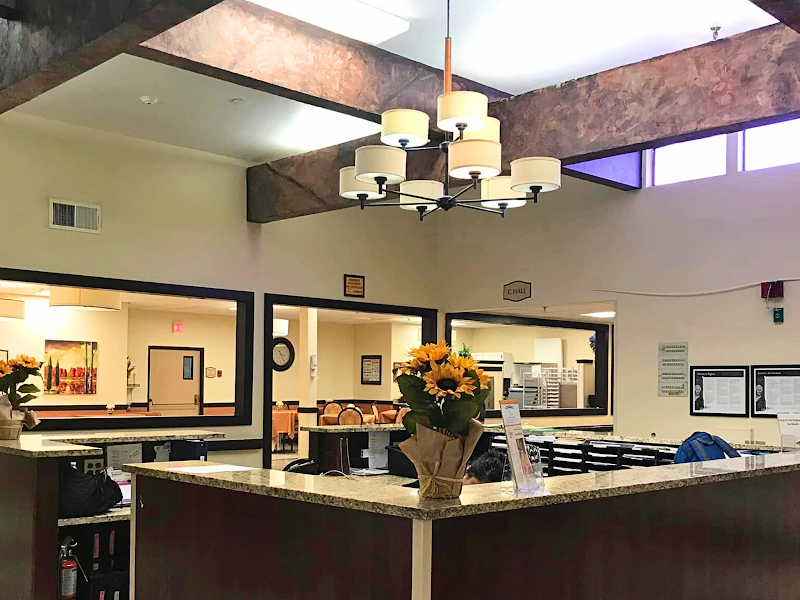
How is El Paso Health & Rehabilitation Center Staffed?

CMS rates EL PASO HEALTH & REHABILITATION CENTER's staffing level at 2 out of 5 stars, which is below average compared to other nursing homes. Staff turnover is 27%, compared to the Texas average of 46%. This relatively stable workforce can support continuity of care. RN turnover specifically is 62%, which is notably high. RNs provide skilled clinical oversight, so turnover in this role can affect medical care quality.

What Have Inspectors Found at El Paso Health & Rehabilitation Center?

State health inspectors documented 66 deficiencies at EL PASO HEALTH & REHABILITATION CENTER during 2022 to 2025. These included: 2 Immediate Jeopardy (the most serious level, indicating potential for serious harm or death), 63 with potential for harm, and 1 minor or isolated issues. Immediate Jeopardy findings are rare and represent the most serious regulatory concerns. They require immediate corrective action.
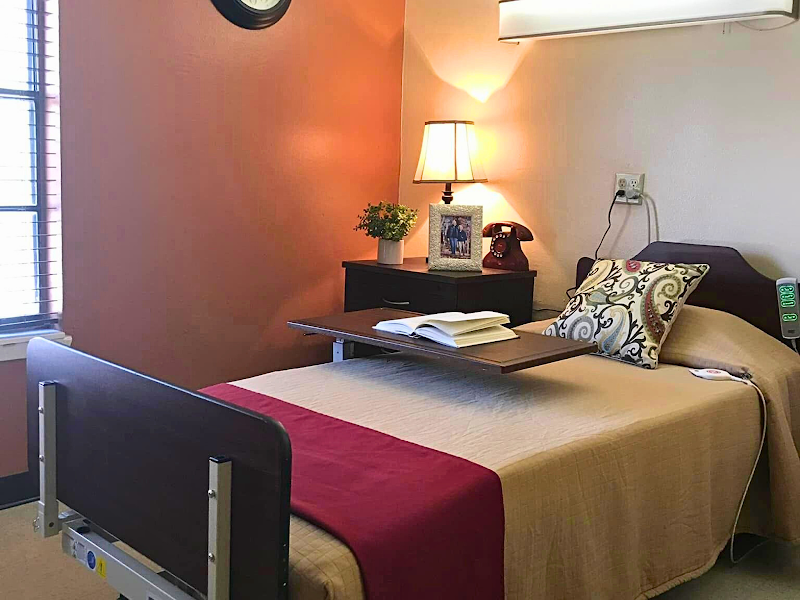
Who Owns and Operates El Paso Health & Rehabilitation Center?

EL PASO HEALTH & REHABILITATION CENTER is owned by a government entity. Government-operated facilities are typically run by state, county, or municipal agencies. The facility is operated by ADVANCED HEALTHCARE SOLUTIONS, a chain that manages multiple nursing homes. With 150 certified beds and approximately 87 residents (about 58% occupancy), it is a mid-sized facility located in EL PASO, Texas.
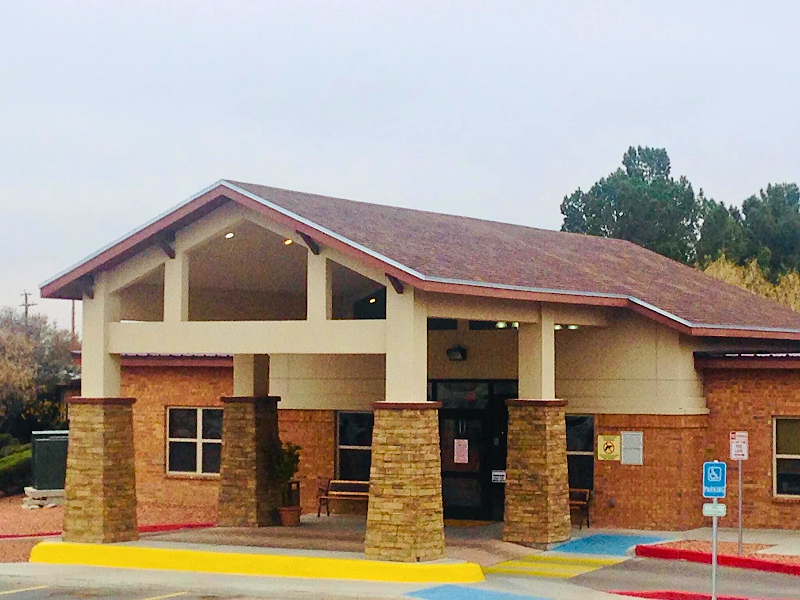
How Does El Paso Health & Rehabilitation Center Compare to Other Texas Nursing Homes?

Compared to the 100 nursing homes in Texas, EL PASO HEALTH & REHABILITATION CENTER's overall rating (2 stars) is below the state average of 2.8, staff turnover (27%) is significantly lower than the state average of 46%, and health inspection rating (2 stars) is below the national benchmark.

What Should Families Ask When Visiting El Paso Health & Rehabilitation Center?

Based on this facility's data, families visiting should ask: "What changes have been made since the serious inspection findings, and how are you preventing similar issues?" "Can you walk me through typical staffing levels on day, evening, and night shifts?" "Can I visit during a mealtime to observe dining assistance and food quality?" "How do you handle medical emergencies, and what is your hospital transfer rate?" These questions are particularly relevant given the facility's Immediate Jeopardy citations and the below-average staffing rating.

Is El Paso Health & Rehabilitation Center Safe?

Based on CMS inspection data, EL PASO HEALTH & REHABILITATION CENTER has documented safety concerns. Inspectors have issued 2 Immediate Jeopardy citations (the most serious violation level indicating risk of serious injury or death). The facility has a 2-star overall rating and ranks #100 of 100 nursing homes in Texas. Families considering this facility should ask detailed questions about what corrective actions have been taken since these incidents.

Do Nurses at El Paso Health & Rehabilitation Center Stick Around?

Staff at EL PASO HEALTH & REHABILITATION CENTER tend to stick around. With a turnover rate of 27%, the facility is 19 percentage points below the Texas average of 46%. Low turnover is a positive sign. It means caregivers have time to learn each resident's needs, medications, and personal preferences. Consistent staff also notice subtle changes in a resident's condition more quickly.

Was El Paso Health & Rehabilitation Center Ever Fined?

EL PASO HEALTH & REHABILITATION CENTER has been fined $20,312 across 1 penalty action. This is below the Texas average of $33,282. While any fine indicates a compliance issue, fines under $50,000 are relatively common and typically reflect isolated problems that were subsequently corrected. Families should ask what specific issues led to these fines and confirm they've been resolved.

Is El Paso Health & Rehabilitation Center on Any Federal Watch List?

EL PASO HEALTH & REHABILITATION CENTER is not on any federal watch list. The most significant is the Special Focus Facility (SFF) program, which identifies the bottom 1% of nursing homes nationally based on persistent, serious quality problems. Not being on this list means the facility has avoided the pattern of deficiencies that triggers enhanced federal oversight. This is a positive indicator, though families should still review the facility's inspection history directly.