FRANKLIN HEIGHTS NURSING & REHABILITATION
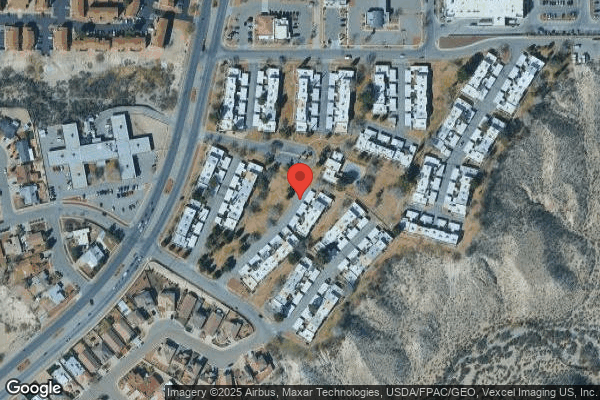
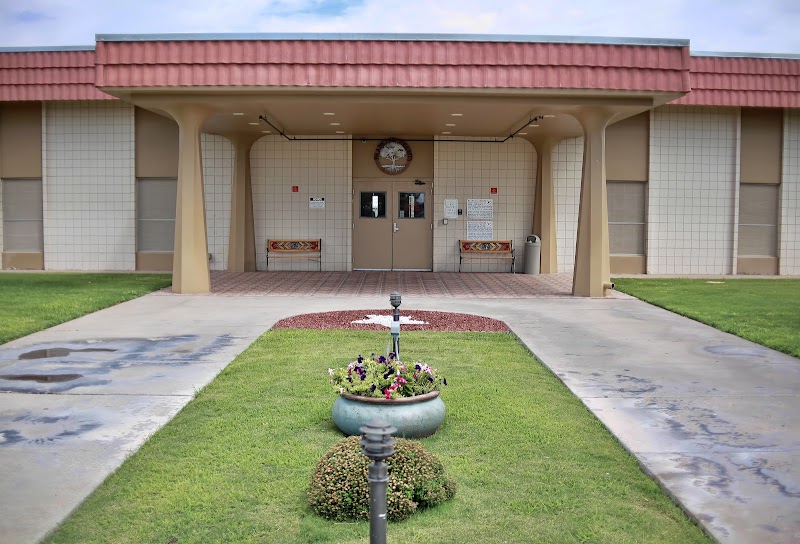
223 S RESLER, EL PASO, TX 79912 (915) 584-9417
For profit - Partnership 132 Beds CREATIVE SOLUTIONS IN HEALTHCARE Data: November 2025 5 Immediate Jeopardy citations
Trust Grade
0/100
#715 of 1168 in TX
Last Inspection: July 2025

Inspected within the last 6 months. Data reflects current conditions.

Overview

Franklin Heights Nursing & Rehabilitation has received a Trust Grade of F, indicating significant concerns about the facility's quality of care. With a state ranking of #715 out of 1168, they are in the bottom half of Texas nursing homes, and #9 of 22 in El Paso County, meaning there are many better options available locally. Although the facility's trend is improving, with a drop in issues from 46 in 2024 to 7 in 2025, they still face serious challenges, including a concerning $196,646 in fines, which is higher than 89% of Texas facilities. Staffing is a weakness here, receiving only 1 out of 5 stars, with a turnover rate of 56%, which is average but still concerning for consistency in care. Specific incidents include critical failures to properly investigate allegations of sexual abuse, which put residents at risk, highlighting severe lapses in safety and compliance. Overall, while there are some positive quality measures, the serious issues and low trust grade suggest families should consider other options for their loved ones.

Trust Score
F
0/100
In Texas
#715/1168
Bottom 39%
Safety Record
High Risk
Review needed
Inspections
Getting Better
46 → 7 violations
Staff Stability
⚠ Watch
56% turnover. Above average. Higher turnover means staff may not know residents' routines.
Penalties
✓ Good
$196,646 in fines. Lower than most Texas facilities. Relatively clean record.
Skilled Nurses
⚠ Watch
Each resident gets only 10 minutes of Registered Nurse (RN) attention daily — below average for Texas. Fewer RN minutes means fewer trained eyes watching for problems.
Violations
⚠ Watch
72 deficiencies on record. Higher than average. Multiple issues found across inspections.
★★☆☆☆
2.0
Overall Rating
★☆☆☆☆
1.0
Staff Levels
★★★★★
5.0
Care Quality
★☆☆☆☆
1.0
Inspection Score
Stable
2024: 46 issues
2025: 7 issues

The Good

  • 5-Star Quality Measures · Strong clinical quality outcomes
  • Full Sprinkler Coverage · Fire safety systems throughout facility
  • No fines on record

Facility shows strength in quality measures, fire safety.

The Bad

2-Star Overall Rating

Below Texas average (2.8)

Below average - review inspection findings carefully

Staff Turnover: 56%

Near Texas avg (46%)

Frequent staff changes - ask about care continuity

Federal Fines: $196,646

Well above median ($33,413)

Significant penalties indicating serious issues

Chain: CREATIVE SOLUTIONS IN HEALTHCARE

Part of a multi-facility chain

Ask about local staffing decisions and management

Staff turnover is elevated (56%)

8 points above Texas average of 48%

The Ugly 72 deficiencies on record

5 life-threatening
Jul 2025 7 deficiencies
CONCERN (E) 📢 Someone Reported This

A family member, employee, or ombudsman was alarmed enough to file a formal complaint

Potential for Harm - no one hurt, but risky conditions existed

Deficiency F0559 (Tag F0559)

Could have caused harm · This affected multiple residents

**NOTE- TERMS IN BRACKETS HAVE BEEN EDITED TO PROTECT CONFIDENTIALITY** Based on interview and record review, the facility to ensure resident's right to receive written notice, including the reason fo...

Read full inspector narrative →
**NOTE- TERMS IN BRACKETS HAVE BEEN EDITED TO PROTECT CONFIDENTIALITY** Based on interview and record review, the facility to ensure resident's right to receive written notice, including the reason for the change, before the resident's room or roommate in the facility was changed for 3 (Resident #13, Resident #57, and Resident #111) of four residents reviewed for notification of room change. 1-The facility failed to provide written notice of room transfer on 03/19/25 and 06/27/25 to Resident #13 or their Power of Attorney (POA), 5 days' notice must be given to the resident or responsible party prior to the move.2-The facility failed to provide written notice of room transfer on 04/11/25 to Resident #57 or their Responsible Party, 5 days' notice must be given to the resident or responsible party prior to the move.3-The facility failed to provide written notice of room transfer on 04/13/25 and 04/22/25 to Resident #111, 5 days' notice must be given to the resident or responsible party prior to the move.These facility failures placed all residents at risk of being displaced without notice and/or reason in order to accommodate other individuals. 1-Record review of Resident #13's face sheet dated 07/22/25 revealed resident was a [AGE] year-old female with an admission date of 03/19/25. Face sheet revealed Resident #13 had a medical and financial POA.Record review of Resident #13's history and physical dated 04/22/25 revealed resident was legally blind and had medical history of physical debility (physical weakness, fatigue, or lack of energy that can impact daily functioning).Record review of Resident #13's quarterly MDS (Minimum Data Set) dated 06/22/25 revealed a BIMS (Brief Interview for Mental Status) score of 3, indicating severely impaired cognitive status.Record review of census per the facility's electronic charting system revealed Resident #13 was transferred to different rooms on 03/19/25 and on 06/27/25.Record review of Resident #13's progress notes dated 03/19/25 by LVN F revealed resident was admitted to the facility from a hospital and was verbally aggressive to the staff upon arrival. Progress notes did not notate Resident #13 requesting a room change, or that a room change occurred on 03/19/25, both rooms within Hall 4. Record review of Resident #13's progress notes dated 06/27/25 by LVN E called Responsible Party on 06/27/25 but there was no answer, and resident was transferred to another room on 03/19/25, from Hall 4 to Hall 2 on 06/27/25. There was no documentation of the reason for room transfer, or that resident was given notice.2-Record review of Resident #57's face sheet dated 07/24/25 revealed a [AGE] year-old male with initial admission date 04/19/24 and re-admission date 06/25/25. Face sheet revealed Resident #57 had a Responsible Party.Record review of Resident #57's history and physical dated revealed medical diagnosis of hypertension (high blood pressure), severe anxiety, and Dementia with behavioral disturbances (Dementia is a decline of cognitive function that affects daily life, including memory, reasoning, and language skills).Record review of Resident #57's quarterly MDS dated [DATE] revealed a BIMS score of 12, indicating moderate cognitive impairment.Record Review of facility's Action Summary dated 07/24/25 revealed Resident #57 was transferred to different rooms within Hall 1 on 04/11/25.3-Record review of Resident #111's face sheet dated 07/24/25 revealed a [AGE] year-old female with admission date 02/04/25. Face sheet revealed Resident #111 was her own Responsible Party.Record review of Resident #111's history and physical dated 02/06/25 revealed medical diagnosis of Hypertension (high blood pressure), Diabetes Mellitus II (a chronic disease when a person has persistently high blood sugar levels), Acute Kidney Injury (sudden decrease in kidney function that can lead to the accumulation of waste products in the blood), and chronic kidney disease (a long-term kidney disease causing gradual loss of kidney function affecting kidney's ability to filter waste and excess fluids from your blood).Record review of Resident #111's quarterly MDS dated [DATE] revealed a BIMS score of 12, indicating moderate cognitive impairment.Record review of facility's Action Summary dated 07/24/25 revealed Resident #111 was transferred on 04/13/25, both rooms within Hall 1, and 04/22/25, to Hall 4.In an interview on 07/21/25 at 09:45 AM with Resident #13 stated she had been transferred to different rooms twice and she stated she did not know the reason for the transfers. Phone call attempt made to Resident #13's POA, message and callback request left. POA had not returned call prior to exit.In an interview on 07/24/25 at 2:40 PM with Resident #111 stated she was not provided written notice for room transfer on 04/13/25, both rooms in Hall 1, and for room transfer on 04/22/25 to Hall 4.In an interview on 07/24/25 at 2:43 PM with Resident #57 stated he was not provided written notice for room transfer on 04/11/25, both rooms within Hall 1.In a telephone interview on 07/24/25 at 2:48 PM with Resident #57's Responsible Party (RP), who stated the RP was not provided a written notice of room transfer on 04/11/25.In an interview on 07/24/25 at 12:40 PM with the ADON who stated that Resident #13 was verbally aggressive to residents that are not English speaking. She stated Resident #13 was transferred rooms on 03/19/25 because her roommate was not comfortable with Resident #13 since the roommate was primarily Spanish speaking. She stated Resident #13 was transferred rooms on 06/27/25 since resident was a skilled nursing resident and changed to a long-term resident. She stated Resident #13 had a Power of Attorney and she was unable to recall obtaining consent for immediate room transfers on 03/19/25 and 06/27/25. She stated she was not aware of the 5-day notification for room transfers. She stated the Social Worker was responsible for room transfer notification. The ADON stated room transfers without notification could place residents at risk for confusion or agitation due to sudden environment change.In an interview on 07/24/25 at 12:49 PM with Social Worker who stated she was not involved with room transfers or notification to residents or their Responsible Party (RP). She stated nursing was responsible for room transfers. The Social worker stated she was not aware of the 5-day notification for room transfers. The Social Worker stated she did not inform Resident #13, or their RP of room transfers during her stay. The Social Worker stated she did not provide any residents and/or their Responsible Party of room transfers.In an interview on 07/24/25 at 1:18PM with the DON who stated Resident #13 was transferred to another room on 03/19/25, both rooms in Hall 4, because of aggression to her initial roommate. The DON stated Resident #13 transferred rooms on 06/27/25, from Hall 4 to Hall 2, because she became a long-term resident. She stated nursing staff was responsible for room transfer notification. The DON stated self and the ADON failed to notify the residents of their room transfer with the 5-day notice. She stated if written notices for room transfers were provided to the residents, the facility would have copies. DON stated it was not done and could not provide a reason written notices were not provided.In an interview on 07/24/25 at 3:15 PM with the Administrator who stated Resident #13 was transferred on 03/19/25 because Resident #13 was upset her roommate in Hall 4 spoke primarily Spanish. She stated Resident #13 was transferred to another room in Hall 4 that day she was admitted [DATE]. She stated she was not familiar with the 5-day notification or written notice for room transfer. She stated she was not sure why Resident #57's RP was not notified of room transfer prior to change and his RP was involved in Resident #57's care. The Administrator stated there was no written notice of room transfers for residents. She stated the ADON and DON were responsible for room transfers. The Administrator stated she did was not sure how room transfers without notification could affect the residents.Record review of facility's policy Room Changes dated 07/11/25, read in part: -If a resident is asked to relocate to another room, 5 days' notice must be given to the resident or responsible party prior to the move. The resident or responsible party can waive the 5 days and move earlier. -The notice must be in writing and include the reason for the changes.
CONCERN (E) 📢 Someone Reported This

A family member, employee, or ombudsman was alarmed enough to file a formal complaint

Potential for Harm - no one hurt, but risky conditions existed

Deficiency F0574 (Tag F0574)

Could have caused harm · This affected multiple residents

Based on interview and record review the facility failed to ensure the residents had information and contact information for State and local advocacy organizations including but not limited to the Sta...

Read full inspector narrative →
Based on interview and record review the facility failed to ensure the residents had information and contact information for State and local advocacy organizations including but not limited to the State Survey Agency and the State Long-Term Care Ombudsman program in a language understood for 7 of 7 residents (Confidential Group). The facility failed to ensure the Ombudsman information was reviewed with residents in the facility and ensure the information was discussed on how to file a complaint with the State agency when residents interviewed in a confidential group meeting were unaware, they had a Long-Term Care Ombudsman Program, contact information for the Ombudsman or how to file a complaint with the State agency. This failure could affect the residents who reside in the facility, to not be aware of resources that were available to them.Findings included: Record review of monthly resident council minutes for the last 6 months on 7/24/2025 at 8:40 am revealed no documentation of discussion regarding information on filing a complaint directly with the state agency or review of ombudsman information. In a confidential group meeting at 9:00 a.m., (7) residents present stated they did not know how to contact the ombudsman and how to file a complaint with the state agency. The residents agreed they were given a brief overview of the program and the name of the Ombudsman.During an interview with Administrator on 07/24/2024 at 3:30 p.m., revealed that upon admission the admission packet should have information regarding addressing concerns and grievance procedures. She stated that that when residents were admitted she introduced herself as administrator and as abuse coordinator and if residents or residents' families had any concerns, they could file a grievance directly with her, DON or any staff member that they voiced concerns with. She stated that she did not provide information verbally regarding filing complaints directly with the state, unless the family of resident voices that they do not wish to file the complaint with facility staff and wish to do it directly with the state, then the facility provides state number and ombudsman information. She stated that during resident council meetings the topic on state agency information was not discussed with residents as it was not a part of the checklist that corporate provides staff to use. During an interview with Activities Director on 7/24/2025 at 4:45 pm revealed that during resident council meetings, she goes through a checklist that touches on each department. She stated that if there were any concerns brought up during the meeting she was responsible for writing down the grievance and she has 3 to 5 days to resolve it. It was then brought up during the next meeting. She stated that the facility has ombudsman information posted in the entrance of the facility. She stated that residents and families could ask staff if they wanted the state number. She stated that the residents were verbally told that they had the right to file a complaint directly with the state if they wished to do so. She stated that she did not document that she verbally explained the process of contacting the state agency to file a complaint. Record Review of facility admission packet titled Health Care Center Policies, Information and Required Notices table of contents listed a section for policy for raising and addressing concerns grievance procedure, however, raising and addressing concerns grievance procedure section, was not covered in the facility packet and state agency number and ombudsman numbers were also not included.Record Review of resident rights policy revised on 11/28/2016 revealed The facility must provide a notice of rights and services to the resident prior to or upon admission and during the residents stay. The resident has the right to receive notices orally (meaning spoken) and in writing (including braille) in a format and a language he or she understands including, a list of names, addresses (mailing or email) and telephone numbers of all pertinent State regulatory and informational agencies. Resident advocacy group such as the State Survey Agency, the State licensure office, the state long term care ombudsman program, the protection and advocacy agency . A statement that the resident may file a complaint with the State Survey Agency concerning any suspected violation of state or federal nursing facility regulations, including but not limited to resident abuse, neglect, exploitation, misappropriation of resident property in the facility, non-compliance with the advance directives requirements and requests for information regarding return to the community.
CONCERN (E) 📢 Someone Reported This

A family member, employee, or ombudsman was alarmed enough to file a formal complaint

Potential for Harm - no one hurt, but risky conditions existed

ADL Care (Tag F0677)

Could have caused harm · This affected multiple residents

**NOTE- TERMS IN BRACKETS HAVE BEEN EDITED TO PROTECT CONFIDENTIALITY** Based on observation, interview and record review, the facility failed to provide ADL care for 3 of 16 residents (Resident #56, ...

Read full inspector narrative →
**NOTE- TERMS IN BRACKETS HAVE BEEN EDITED TO PROTECT CONFIDENTIALITY** Based on observation, interview and record review, the facility failed to provide ADL care for 3 of 16 residents (Resident #56, # 94 and #107) reviewed for ADLs.-The facility failed to ensure Resident #56, # 94 and #107's fingernails were clean and free from debris on 07/21/2025.-This failure could place residents at risk of not having their personal hygiene needs met and cause low self-esteem.The findings include: Record review of Resident # 56's admission Record dated 7/23/2025 revealed a [AGE] year-old male with an initial admission date of 07/20/2020 and a readmission date of 08/19/2024. Record review of Resident # 56's health and physical dated 06/20/2025 revealed medical diagnosis of vascular dementia unspecified severity Record review of Resident # 56's quarterly MDS assessment dated [DATE] revealed a BIMS of 03 indicating severe cognitive impairment. Record review of Resident # 56's care plan dated 07/08/2025 revealed the resident had an ADL selfcare performance deficit related to muscle weakness, debility and unsteady gait/mobility and required 1 staff participation with personal hygiene and oral care. In an observation of Resident #56 on 07/21/2025 at 9:10am, the resident in the room was lying in bed. Some of his fingernails were observed to be long or chipped on hands bilaterally. Record review of Resident #94's admission Record dated 07/23/2025 revealed resident was a [AGE] year-old female with an initial admission date of 07/08/2022 and a readmission date of 07/26/2022. Record review of Resident #94's health and physical dated 08/01/2024 revealed medical diagnosis of Huntington's disease (inherited brain disorder that causes involuntary movements, cognitive decline and behavioral changes). Record review of Resident #94's quarterly assessment MDS dated [DATE] revealed BIMS of 06 indicating severe cognitive impairment. Record review of Resident #94's care plan dated 07/26/2025 revealed resident had an ADL self-care performance deficit calling for one staff participation with personal hygiene and oral care. In an observation and interview with Resident #94 on 07/21/2025 at 9:30 am, revealed resident with long dirty fingernails on both hands. She stated that staff did not cut them and that she would like them to cut them for her. Record review of Resident #107's face sheet dated 07/22/25 revealed resident was a[AGE] year-old male with an initial admission date 07/07/25. Record review of Resident #107's health and physical dated 07/07/25 revealed medical diagnosis of Unspecified Dementia with unspecified severity without behavioral disturbance, Diabetes Mellitus, hemiplegia (a condition characterized by severe or complete paralysis on one side of the body. This means a significant or total loss of muscle strength and control in the arm, leg, and sometimes the face on either the left or right side) and hemiparesis (a condition characterized by weakness or partial loss of strength on one side of the body) lack of coordination and inability to perform activities of daily living. Record review of Resident #107's admission MDS dated [DATE] revealed a BIMS score of 9 indicating moderate cognitive impairment. Section GG-Functional Abilities notated Resident #107 required substantial/maximal assistance and was dependent, meaning the helper does more than half or all the effort to complete activities.Record review of Resident #107's care plan revealed he had an ADL self-care performance deficit and called for staff to assist as needed with grooming, bathing, and personal hygiene. Interventions during bathing called to check for nail length and to trim and clean on bath day as necessary. In an observation and interview on 7/21/25 at 3:13 PM with Resident #107, revealed he was found lying in bed, watching TV, and eating cookies using his right hand. It was observed that he had long, yellowish fingernails with dirt and debris underneath them. Resident #107 stated that he was paralyzed from the left side of his body and could not move his arm, hand, leg, or feet. When asked if he preferred to have long fingernails, he stated he did not and had previously requested staff assistance to trim his nails several times, but no one had helped him.In an interview on 7/23/25 at 11:19 AM with CNA A, who stated the CNAs were able to assist residents with trimming their fingernails if they were not diabetic. She also stated that RNs and LVNs were able to assist residents if they observed them with long fingernails, and that it was all the staff's responsibility to check the resident's fingernails. CNA A said that if they detected a resident had long fingernails, they needed to report it to the charge nurse and then assist the resident with trimming the fingernails. CNA A stated the risk for a resident not having fingernails trimmed was that they could scratch themselves and open a wound which would lead to infection and make the resident sick.In an interview on 7/23/25 at 11:27 AM with LVN B, who stated that the nurses were responsible for assisting the residents with nail trimming. He stated that CNAs had more contact with the residents and were responsible for monitoring their hygiene in general and making sure their nails were trimmed. LVN B stated the risk for a resident having long and dirty fingernails could result in them getting an infection if they scratched themselves and opened a wound, and if their nails were contaminated with dirt, food residue or bodily fluids such as fecal matter if they had scratched themselves on their private parts.In an interview on 7/23/25 at 11:34 AM with LVN C, who stated that CNAs, LVNs, and RNs [BH2] were responsible for checking the resident's hands and ensuring their fingernails were trimmed and clean. LVN C said that only refusals were documented in the resident's progress notes in their health electronic records. LVN C explained there was a risk of infection if the residents' fingernails were long and dirty and if they touched their face and mouth. She added there was also a risk if they scratched themselves with dirty fingernails since they could open a wound on their skin which could lead to infection, bleeding, and sickness. LVN C said that a resident having long, and dirty fingernails could also impact their self-esteem and make them feel ashamed or that the facility did not care about them. In an interview on 07/24/2025 at 11:28 am with CNA D who stated that the importance of keeping resident fingernails clean was for their personal hygiene. She stated that the nurse was responsible for cutting residents' fingernails; CNAs are allowed to file them. She stated that she cleaned nails with a brush and water and reported that they needed trimming to the nurse. She stated that CNAs would check resident nails before showering them. She stated there have been Inservice on keeping resident nails clean. She could not remember the last Inservice. She stated that residents with long nails could scratch themselves and hurt themselves. In an interview on 07/24/2025 at 12:45pm with ADON who stated that long dirty fingernails could pose an infection control issue because residents touch their face. She stated that it was the responsibility of CNAs and nurses to try to keep up with fingernail trimming daily. She stated that the CNAs should've notified the nurses if residents needed fingernails trimmed, and CNAs were able to file them. She stated that there have been in-services pertaining to keeping resident nails clean and short, she could not recall date of last Inservice. In an interview on 07/24/2025 at 1:40pm with the DON who stated the importance of keeping resident nails clean and trimmed was to prevent infection and to keep residents from scratching themselves. She stated that the aids and nurses were responsible for ensuring that residents' nails were clean and trimmed. She stated that aids were responsible for trimming them. She stated that there have been in-services done pertaining to nail trimming; she could not recall the date of the last Inservice. In an interview on 07/24/2025 with Administrator at 2:45 pm stated, the CNA's and nurses were to ensure that nails were clean and trimmed. She stated that it was important to keep residents' fingernails clean and trimmed because residents touch food with their hands and put it in their mouths, they also touch their faces, and it could pose an infection control issue. She stated that she could not recall the last Inservice pertaining to nail care. Review of facility policy titled Nail Care Policy, not dated, read in part Nail management is the regular care of the toenails and fingernails to promote cleanliness, and skin integrity of tissues, to prevent infection, and injury from scratching by fingernails or pressure of shoes on toenails. It includes cleansing, trimming, smoothing, and cuticle are and is usually done during the bath. When performed at bath time, the nail care can be done following the procedure or as a separate procedure when needed at the convenience of the resident.
CONCERN (E) 📢 Someone Reported This

A family member, employee, or ombudsman was alarmed enough to file a formal complaint

Potential for Harm - no one hurt, but risky conditions existed

Food Safety (Tag F0812)

Could have caused harm · This affected multiple residents

**NOTE- TERMS IN BRACKETS HAVE BEEN EDITED TO PROTECT CONFIDENTIALITY** Based on observation, interview, and record review, the facility failed to store, prepare, distribute, and serve food in accorda...

Read full inspector narrative →
**NOTE- TERMS IN BRACKETS HAVE BEEN EDITED TO PROTECT CONFIDENTIALITY** Based on observation, interview, and record review, the facility failed to store, prepare, distribute, and serve food in accordance with professional standards for food service safety in 1 of 1 kitchen. -The facility failed on 07/21/2025 to seal a container with marinara sauce inside of refrigerator #1. -The facility failed on 07/21/2025 to maintain 1 strawberry ice cream container free from drippings in refrigerator # 3.-The facility failed on 07/21/2025 to close or seal a bag containing frozen egg omelets inside of refrigerator #4. -The facility failed on 07/21/2025 to dispose of rotting and moldy onions and potatoes in the pantry. These failures could place all residents who received meals from the main kitchen at risk of food borne illnesses.During observations on 07/21/2025 at 8:21 AM inside refrigerator #1, a container with marinara sauce was found not properly sealed with the lid not properly closed. At 8:23 AM, a tub of ice-cream was found inside refrigerator #3 that had dried and frozen drippings on its sides. At 8:29 AM a box with frozen egg omelets was found inside refrigerator #4. The box and the bag containing the frozen egg omelets was open and not sealed. At 8:32 AM, two rotten and moldy onions were found in the container with the rest of the fresh onions. At 8:33 AM, two moldy potatoes were found inside the box with the fresh potatoes. In an interview on 07/23/2025 at 8:21 AM with the Director of Food and Nutrition, stated that cooks were responsible for checking the pantries and fridges to ensure everything was clean, sealed, and free of rotting food. She explained the facility had a system in place where, at the end of their shifts, breakfast and evening cooks were required to check for spoiled or expired items and ensure everything was clean and sealed. The Director of Food and Nutrition said if an issue was found, it was expected for them to correct it by disposing the expired food. She said this was part of their cleaning duties worksheet, and they were required to check off that everything was clean. The Director of Food and Nutrition said staff would have been expected to conduct their daily checks on 7/20/25 after the evening shift was done. The Director of Food and Nutrition stated there was a potential risk of cross-contamination from open containers inside the refrigerator, bacteria and attracting pests from dry drippings, and rotten and moldy vegetables could contaminate other food and vegetables, potentially making residents sick. She stated that rotting vegetables could also potentially attract insects such as flies and cockroaches. In an interview on 07/23/2025 at 10:15 AM with the Dietary Supervisor who stated that everyone in the kitchen was responsible for checking that the food was dated, sealed, and containers inside the refrigerator were clean. The Dietary Supervisor said that it was her and the Director of Food and Nutrition's responsibility to check all recipients inside the refrigerators to ensure they were clean and sealed, and to dispose of any expired items or rotting and moldy vegetables. The Dietary Supervisor said she believed the facility did not have a system to track who was checking the refrigerators for cleanliness or for checking the pantries for expired or rotting food. The Dietary Supervisor stated that the risk for not properly sealing, closing, and cleaning containers inside the refrigerators when food was stored could result in cross-contamination and residents getting sick and there was also the possibility that they could attract pest such as insects. She stated that rotting food such as vegetables could create bacteria, spoil the rest of the vegetables, and potentially make residents sick if staff were to cook a meal with spoiled vegetables. In an interview on 07/23/2025 at 10:30 AM with a Dietary Cook, who stated that all staff were responsible for checking if containers were sealed and free of spills and drippings. If spills or drippings were present, staff needed to clean them, as the potential outcome was attracting insects, and serving food from unsealed containers could make residents sick. The cook also stated that the potential risk of having rotten vegetables mixed with other vegetables was for them to spoil the rest, and if food was prepared with rotten vegetables, there was a risk of making residents sick.In an interview on 7/24/25 at 3:32 PM, the Administrator stated that the kitchen staff had a cleaning list with tasks they were supposed to complete at the end of their shift. She said staff were trained annually through their computer system in everything related to cleaning and disinfecting the kitchen. The administrator said the Director of Food and Nutrition would be the person responsible for making rounds in the kitchen, ensuring there were no spoiled vegetables or expired food, and instructing staff to clean any containers that had dry drippings of food residues. She stated that the potential risk of having spoiled vegetables and open food containers could result in cross-contamination, which could make the residents sick. The administrator said that spoiled vegetables could create bacteria that would spoil other vegetables and could also potentially attract insects like roaches or flies, which carry diseases that could contaminate other foods and make the residents sick.Record Review of the form titled [NAME] Heights Cleaning Duties from July 20, 2025, to July 26, 2025, revealed the form had been initialed only by one staff member from the evening shift, indicating the blender, mixer and back wall had been cleaned. The form did not have times nor any other initials or information from other staff members.Record Review of the facility's policy dated 2012, titled Dietary Services Policy and Procedure Manual: Food Storage and Supplies, read in part: All facility storage areas will be maintained in an orderly manner that preserves the condition of food and supplies. We will ensure storage areas are clean, organized, dry and protected from vermin and insects. 0pen packages of food are stored in closed containers with covers or in sealed bags, and dated as to when opened.
CONCERN (E) 📢 Someone Reported This

A family member, employee, or ombudsman was alarmed enough to file a formal complaint

Potential for Harm - no one hurt, but risky conditions existed

Medical Records (Tag F0842)

Could have caused harm · This affected multiple residents

**NOTE- TERMS IN BRACKETS HAVE BEEN EDITED TO PROTECT CONFIDENTIALITY** Based on interview and record review the facility failed to have complete and accurately documented medical records for two (Res...

Read full inspector narrative →
**NOTE- TERMS IN BRACKETS HAVE BEEN EDITED TO PROTECT CONFIDENTIALITY** Based on interview and record review the facility failed to have complete and accurately documented medical records for two (Resident #13 and #111) of five residents whose clinical records were reviewed for accuracy.-The facility failed to document room transfers and the reason for transfers for Resident #13 on 03/19/25 (Hall 4) and 06/27/25 (Hall 4 to Hall 1).-The facility failed to document room transfer and the reason for transfer for Resident #111's on 04/13/25 and 04/22/25.These failures could affect the residents in the facility at risk of inaccurate or incomplete clinical records. Findings included:Resident #13Record review of Resident #13's face sheet dated 07/22/25 revealed resident was a [AGE] year-old female with an admission date of 03/19/25.Record review of Resident #13's history and physical dated 04/22/25 revealed resident was legally blind and had medical history of physical debility (physical weakness, fatigue, or lack of energy that can impact daily functioning).Record review of Resident #13's quarterly MDS (Minimum Data Set) dated 06/22/25 revealed a BIMS (Brief Interview for Mental Status) score of 3, indicating severely impaired cognitive status.Record review of census per the facility's electronic charting system revealed Resident #13 was transferred to different rooms on 03/19/25 and on 06/27/25.Record review of Resident #13's progress notes dated 03/19/25 by LVN F revealed resident was admitted to the facility from a hospital and was verbally aggressive to the staff upon arrival. Progress notes did not notate verbal aggression to her roommate, Resident #13 requesting a room change, or that a room change occurred on 03/19/25, both rooms within Hall 4. Record review of Resident #13's progress notes dated 06/27/25 by LVN E called Responsible Party on 06/27/25 but there was no answer, and resident was transferred to another room, from Hall 4 to Hall 2. There was no documentation of the reason for room transfer, or that resident was given notice.Resident #111Record review of Resident #111's face sheet dated 07/24/25 revealed a [AGE] year-old female with admission date 02/04/25.Record review of Resident #111's history and physical dated 02/06/25 revealed medical diagnosis of Hypertension (high blood pressure), Diabetes Mellitus II (a chronic disease when a person has persistently high blood sugar levels), Acute Kidney Injury (sudden decrease in kidney function that can lead to the accumulation of waste products in the blood), and chronic kidney disease (a long-term kidney disease causing gradual loss of kidney function affecting kidney's ability to filter waste and excess fluids from your blood).Record review of Resident #111's quarterly MDS dated [DATE] revealed a BIMS score of 12, indicating moderate cognitive impairment.In an interview on 07/21/25 at 9:45 AM with Resident #13 who stated she had been transferred to different rooms twice and she stated she did not know the reason for the transfers.In an interview on 07/24/25 at 2:40 PM with Resident #111 who stated he transferred rooms on 04/13/25, both rooms in Hall 1, and transferred rooms on 04/22/25 to Hall 4.In an interview on 07/24/25 at 12:40 PM with the ADON who stated that Resident #13 was verbally aggressive to staff and residents that are not English speaking. She stated Resident #13 was transferred rooms on 03/19/25 because her roommate was not comfortable with Resident #13 since the roommate was primarily Spanish speaking. She stated Resident #13 was transferred rooms on 06/27/25 since resident was a skilled nursing resident and changed to a long-term resident. The ADON stated the CNA's, and Nurses were responsible for their progress notes ensuring accurate documentation. She stated herself and the DON were responsible for monitoring documentation on a daily basis.In an interview on 07/24/25 at 1:18 PM with the DON, who stated Resident #13 was transferred to another room on 03/19/25 because of aggression to her initial roommate. The DON stated Resident #13 transferred rooms on 06/27/25 because she became a long-term resident. She stated the nurse's progress notes did not reflect the room change on 03/19/25 and did not reflect Resident #13's request for the room transfers that day. She stated it should have been documented, and accurate documentation was the responsibility of the nurse adding the progress note. She stated herself and the ADON monitor progress notes for accuracy daily. She stated the lack of documentation was a risk for inaccurate treatment of the resident because behaviors or trends are not documented. In an interview on 07/24/25 at 3:15 PM with the Administrator who stated Resident #13 was transferred on 03/19/25 because Resident #13 was upset her roommate in Hall 4 spoke primarily Spanish. She stated Resident #13 was transferred to another room in Hall 4 that day she was admitted [DATE]. The administrator stated the reasoning for the transfers on 03/19/25 and 06/27/25, should have been documented by the nurses. The Administrator stated she reviewed Resident #13's progress notes and did not observe any notation regarding reason for room change for both mentioned dates. She stated the ADON and DON were responsible for monitoring nurses' documentation on a daily basis. The Administrator stated there was no written notice of room transfers for residents. In an interview on 07/24/25 at 4:22 PM with LVN E, who stated Resident #13 was transferred 06/27/25 from Hall 4 to Hall 2 because resident was changed from skilled resident to long-term resident. LVN E stated she was trained to document observations and any changes including the reason for room transfers. She stated she forgot to add reason for transfer on 06/27/25. LVN E stated the risk for residents of lack of documentation included miscommunication, and other staff will not be aware of resident changes. Record review of policy Documentation, with no date, read in part: Documentation is the recording of all information, both objective and subjective, in the clinical record of an individual resident and or soft resident file. Goal: The facility will maintain complete and accurate documentation for each resident on all appropriate clinical record sheets. Procedure: Complete documentation as needed in a timely manner. Each entry will be dated and timed. Documentation at least for 72 hours will be required for each shift for new admissions, during and following an acute episode, following an incident, and during psychological, mental, or emotional changes or instability.
CONCERN (E) 📢 Someone Reported This

A family member, employee, or ombudsman was alarmed enough to file a formal complaint

Potential for Harm - no one hurt, but risky conditions existed

Deficiency F0925 (Tag F0925)

Could have caused harm · This affected multiple residents

**NOTE- TERMS IN BRACKETS HAVE BEEN EDITED TO PROTECT CONFIDENTIALITY** Based on observation, interview, and record review, the facility failed to maintain an effective pest control program so that th...

Read full inspector narrative →
**NOTE- TERMS IN BRACKETS HAVE BEEN EDITED TO PROTECT CONFIDENTIALITY** Based on observation, interview, and record review, the facility failed to maintain an effective pest control program so that the facility was free of pests and rodents for 1 of 1 kitchen. -The facility failed on 07/21/2025 to effectively remain free of cockroaches in the only kitchen in the facility. These findings placed residents at risk of ill effects of pest infestation.During observation and interview on 07/21/2025 at 8:15 AM with the Director of Food and Nutrition, two dead cockroaches were observed on the kitchen floor in between cooking stations near a water drain. They were in near proximity to cooking utensils, pots and pans. The Director of Food and Nutrition stated that it was likely that cockroaches were present in the kitchen because it had been raining in the area and that made the insects crawl into the kitchen. The Director of Food and Nutrition stated that she would direct her staff to immediately clean and disinfect the kitchen floors. She stated the potential outcome of having insects in the kitchen could result in cross contamination which could lead to residents getting sick if the insect were in contact with food or the utensils used to prepare their meals. Record Review of the form titled [NAME] Heights Cleaning Duties from July 20, 2025, to July 26, 2025, revealed the form had been initialed only by one staff member from the evening shift, indicating the blender, mixer and back wall had been cleaned. The form did not have times nor any other initials or information from other staff members. In an interview on 07/23/2025 at 10:15 AM with the Dietary Supervisor who stated she had seen cockroaches before in the kitchen but as of late, due to the rain, she had seen cockroaches more frequently. She stated whenever she had seen roaches, she reported it to her supervisor or to the administrator. The Dietary Supervisor said she believed her supervisor had called pest control on Monday 7/21/25 for them to spray insecticide in the kitchen. The Dietary Supervisor said the expectation was for staff to sweep, mop, and disinfect twice in the morning and once in the evening or as required if the floor looked dirty. The Dietary Supervisor stated it was her and her supervisor's responsibility for checking that staff were cleaning and disinfecting the kitchen properly. She stated the risk of having insects such as cockroaches in the kitchen could result in cross-contamination and residents could get sick because their defenses were low. In an interview on 07/23/2025 at 10:30 AM with a Dietary [NAME] who stated staff were supposed to clean, sweep, and mop as needed if the floors were dirty and before they left their shift. The Dietary cook admitted she had not been signing off the Cleaning Duties sheet, because she got busy with other tasks such as preparing food for the residents. She stated the potential outcome of having insects in the kitchen could result in food being contaminated and making the residents sick.In an interview on 7/24/25 at 1:22 PM with the DON who stated she was the appointed Infection Control Preventionist for the facility. She stated that the facility had a contract with a company for pest control, and they went to the facility monthly to spray insecticides to prevent plagues and insects which could get the residents sick. The DON stated staff in the kitchen were expected to clean the kitchen every day at the end of their shift and as needed if there was a spill or something was dirty or became contaminated. She explained that cleaning entailed sweeping, mopping, and disinfecting the floors, making sure there were no food residues or crumbs on the floor, pantries, or refrigerators. The DON said staff were expected and instructed to report any presence of insects to their immediate supervisor, the administration, or herself. The DON stated that if staff found cockroaches in the kitchen, it was expected for them to immediately clean and disinfect the area. The DON said there was a potential negative outcome of residents getting sick if they consumed food that had been contaminated by insects such as cockroaches, and they could get gastrointestinal infections making them sick.In an interview on 7/24/25 at 3:32 PM, the Administrator who stated kitchen staff were expected to clean the kitchen at the end of every shift and as needed. The Administrator said the expectation was for staff to immediately clean and disinfect the area if they found dead insects such as cockroaches to prevent the spread of infection or cross contamination. The administrator said that staff needed to report any findings of insects or rodents to their supervisor immediately so that the pest control company could be contacted for them to service the facility and prevent residents' widespread sickness. She stated that the potential risk of cooking meals for the residents while insects were present in the kitchen could result in cross-contamination, which could make the residents sick. Record Review of the facilities policy dated 2012, titled Dietary Services Policy and Procedure Manual: Food Storage and Supplies, read in part: All facility storage areas will be maintained in an orderly manner that preserves the condition of food and supplies. We will ensure storage areas are clean, organized, dry and protected from vermin and insects. Insect and Rodent Control 2. Facility will maintain appropriate screens, close fitting doors, properly sealed water/sewer pipes, structurally maintained walls, baseboards, etc. to prevent entrance access of insects and rodents.33. Sanitation of facility will be maintained per other stated sanitation policies to prevent food sources, breeding places, etc. for insects or rodents.
MINOR (B)

Minor Issue - procedural, no safety impact

Pharmacy Services (Tag F0755)

Minor procedural issue · This affected multiple residents

The findings included:An observation and interview on 07/23/25 at 11:55 AM with Treatment LVN, revealed red dried drippings on the Betadine bottle stored in the treatment cart. Treatment LVN stated al...

Read full inspector narrative →
The findings included:An observation and interview on 07/23/25 at 11:55 AM with Treatment LVN, revealed red dried drippings on the Betadine bottle stored in the treatment cart. Treatment LVN stated all bottles should be clean and free of dried drippings. He stated dried drippings were an infection control issue which can affect the residents. Treatment LVN stated he was responsible for the maintenance of the treatment cart.An interview on 07/24/25 at 12:25 PM with the ADON who stated the Treatment LVN was responsible for the treatment cart. She stated the Treatment LVN were to review their treatment cart daily for cleanliness including bottles being free from dried drippings. The ADON stated it was her and the DON's responsibility to monitor all carts for cleanliness on a weekly basis. The ADON stated the risk for dried drippings on the Betadine bottle included an infection control issue which was a risk for the residents being treated.An interview on 07/24/25 at 1:16 PM with the DON who stated that the Betadine bottle should be clean. The DON stated she was also the Infection Preventionist. She stated dried drippings were potential for bacteria accumulation which can cause the bottle to be contaminated. The DON stated the Treatment LVN was responsible for the cleanliness of their Betadine bottle stored in the treatment cart. She stated the Treatment LVN was to monitor their treatment cart daily throughout their shift while providing treatment. She stated herself and the ADON were responsible for monitoring all carts every 2 weeks.Record Review of policy Medication Carts, with no date, read in part: The medication carts shall be maintained by the facility, carts should be cleaned.The findings included:An observation and interview on 07/23/25 at 11:55 AM with Treatment LVN, revealed red dried drippings on the Betadine bottle stored in the treatment cart. Treatment LVN stated all bottles should be clean and free of dried drippings. He stated dried drippings were an infection control issue which can affect the residents. Treatment LVN stated he was responsible for the maintenance of the treatment cart.An interview on 07/24/25 at 12:25 PM with the ADON who stated the Treatment LVN was responsible for the treatment cart. She stated the Treatment LVN were to review their treatment cart daily for cleanliness including bottles being free from dried drippings. The ADON stated it was her and the DON's responsibility to monitor all carts for cleanliness on a weekly basis. The ADON stated the risk for dried drippings on the Betadine bottle included an infection control issue which was a risk for the residents being treated.An interview on 07/24/25 at 1:16 PM with the DON who stated that the Betadine bottle should be clean. The DON stated she was also the Infection Preventionist. She stated dried drippings were potential for bacteria accumulation which can cause the bottle to be contaminated. The DON stated the Treatment LVN was responsible for the cleanliness of their Betadine bottle stored in the treatment cart. She stated the Treatment LVN was to monitor their treatment cart daily throughout their shift while providing treatment. She stated herself and the ADON were responsible for monitoring all carts every 2 weeks.Record Review of policy Medication Carts, with no date, read in part: The medication carts shall be maintained by the facility, carts should be cleaned.
Aug 2024 4 deficiencies
CONCERN (D) 📢 Someone Reported This

A family member, employee, or ombudsman was alarmed enough to file a formal complaint

Potential for Harm - no one hurt, but risky conditions existed

Resident Rights (Tag F0550)

Could have caused harm · This affected 1 resident

**NOTE- TERMS IN BRACKETS HAVE BEEN EDITED TO PROTECT CONFIDENTIALITY** Based on observations, interviews, and record reviews, the facility failed to ensure that the resident had the right to a dignif...

Read full inspector narrative →
**NOTE- TERMS IN BRACKETS HAVE BEEN EDITED TO PROTECT CONFIDENTIALITY** Based on observations, interviews, and record reviews, the facility failed to ensure that the resident had the right to a dignified existence, self-determination, and communication with and access to persons and services inside and outside the facility for 1 (Resident #11) of 3 residents reviewed for resident rights. -The facility failed to ensure the urinary collection bag for Resident #11's catheter was covered with a privacy bag. This failure could place residents at risk for a loss of dignity, decreased self-worth and decreased self-esteem. Findings included: Record review of Resident #11's admission Record dated 08/07/2024, revealed a [AGE] year-old male who was admitted to the facility on [DATE]. Resident #11's diagnoses included neuromuscular dysfunction of bladder (unable to control bladder due to nerve damage), and history of urinary tract infections (an infection in any part of the urinary system). Record review of Resident #11's MDS dated [DATE], reflected a BIMS score of 15, which indicated the person is intact cognitively. Resident #11 had impairment to one side of upper extremity, and to both sides of lower extremities. Resident #11 had an indwelling catheter. Record review of Resident #11's Order Summary Report dated 08/07/2024, reflected an order started on 09/17/2021 to Ensure foley bag is in privacy bag while in bed or wheelchair every shift. Record review of Resident #11's Care Plan dated 08/07/2024, read in part Resident #11 has Suprapubic Catheter (surgically created connection between the urinary bladder and the skin used to drain urine from bladder) related to neuromuscular dysfunction of bladder. Part of the interventions included Position catheter bag and tubing below the level of the bladder and in a privacy bag. In an observation on 08/06/2024 at 10:55 a.m., Resident #11 was lying in bed with the bedroom door open and with the catheter collection bag attached to the frame of the bed and outside of a privacy bag viewable from the hall. Resident #11 was asleep at the time. During an observation and interview on 08/06/2024 at 11:01 a.m., LVN E entered Resident #11's bedroom and said the catheter collection bag should have been inside a privacy bag. LVN E said she did not know why the collection bag was not in a privacy bag. LVN E said Resident #11 had not gotten up from bed that day and required assistance for all transfers. LVN E said nurses and CNAs were responsible to ensure the collection bag was inside the privacy bag. In an observation and interview on 08/07/2024 at 9:09 a.m., Resident #11 was lying in bed awake eating his meal with the bedroom door open. The catheter collection bag was attached to the frame of the bed and outside of a privacy bag. Resident #11 said he had not gotten up from bed today. Resident #11 said he did not know why the collection bag was outside of the privacy bag. Resident #11 said he did not like for the collection bag to be visible for anyone passing but that staff take out the collection bag and just leave it out. During an interview on 08/08/2024 at 2:44 p.m., the DON said the purpose of using a privacy bag for the catheter collection bag was to provide privacy. The DON said it was the responsibility of the nurse and CNAs in the hall to ensure that the collection bag is attached to the frame and inside a privacy bag. The DON said the risk to the resident was resident privacy could be violated. Review of facility provided Catheter Care policy dated 02/2007, reads in part, Review the resident's plan of care daily for changes providing as much privacy as possible . Review of facility provided Resident Rights policy dated 11/28/2016, reads in part, The resident has a right to be treated with respect and dignity, including: the right to reside and receive services in the facility with reasonable accommodation of resident needs and preferences except when to do so would endanger the health or safety of the resident or other residents.
CONCERN (D) 📢 Someone Reported This

A family member, employee, or ombudsman was alarmed enough to file a formal complaint

Potential for Harm - no one hurt, but risky conditions existed

Deficiency F0558 (Tag F0558)

Could have caused harm · This affected 1 resident

**NOTE- TERMS IN BRACKETS HAVE BEEN EDITED TO PROTECT CONFIDENTIALITY** Based on observation, interviews and record review the facility failed to ensure residents the right to reside and receive servi...

Read full inspector narrative →
**NOTE- TERMS IN BRACKETS HAVE BEEN EDITED TO PROTECT CONFIDENTIALITY** Based on observation, interviews and record review the facility failed to ensure residents the right to reside and receive services in the facility with reasonable accommodation of resident needs and preferences for 1 (Residents #10) of 6 residents reviewed for call light placement. -The facility failed to ensure that Residents #10's call light was within her reach. This failure placed residents at risk of not being able to call for assistance when needed. Findings included: Record review of Resident #10's admission Record dated 08/07/2024, revealed a [AGE] year-old female who was admitted to the facility on [DATE]. Resident #10's diagnoses included cerebral palsy (congenital disorder of movement, muscle tone, or posture), vascular dementia (problems with reasoning, planning, judgment, memory and other thought processes caused by brain damage from impaired blood flow to the brain), major depressive disorder (mental health disorder characterized by persistently depressed mood or loss of interest in activities, causing significant impairment in daily life), mild intellectual disabilities (deficits in theoretical thinking/learning), paraplegia (paralysis that affects your legs, but not your arms) and contracture of muscle, right hand. Record review of Resident #10's quarterly MDS dated [DATE], revealed a BIMS score of 01 indicating severe cognitive impairment. Resident #10 had impairment to both sides of her upper and lower body. Resident #10 was dependent on staff assistance with eating, oral hygiene, toileting, bathing, dressing, personal hygiene, and transferring. Record review of Resident #10's care plan dated 08/07/2024, read in part Resident #10 had communication problem related to impaired cognition Cerebral Vascular Disease. Part of the interventions included Ensure/provide a safe environment: Call light in reach. Another focus area reads in part that Resident #10 had potential fluid deficit related to physical limitation. Part of the intervention included Keep fluids at bed side and offer fluids as much as possible. Resident #10 needs assistance with fluid intake in order to meet daily requirements. During an observation and interview on 08/06/2024 at 10:42 a.m., Resident #10 was lying in bed with her call button clipped onto the cord near the call light outlet. Resident #10's cup of water was on top of dresser approximately three feet away from the resident. Resident #10 said she could not reach the call button to call for help because her hand was contracted. Resident #10 said she was able to press the call pad button when she needed assistance, but someone left the button out of her reach. Resident #10 said she needs staff assistance when she wants water but could only do so using her call button which she could not reach. Resident #10 said the water was not within her reach. Resident #10 said she was given a shower in the morning and the staff returned her to bed and left her call button out of her reach. Resident #10 said she did not know how long the button had been out of her reach. During an observation and interview on 08/06/2024 at 10:44 a.m., LVN C entered Resident #10's bedroom and said Resident #10 had just been showered about 20 minutes before. LVN C said the CNAs brought Resident #10 back to her room and must have left the call button out of her reach. LVN C said Resident #10 was not in any distress or no signs of dehydration. LVN C said because resident was so contracted, the resident would have to call staff to help her get water. During an observation and interview on 08/06/2024 at 10:46 a.m., CNA E entered Resident #10's bedroom and said she assisted the other CNA in the hall to take Resident #10 to get a shower. CNA E said Resident #10 was assisted back to her room about 20 minutes ago and was transferred to her bed. CNA E said they must have forgotten to clip Resident #10's call pad within resident's reach. CNA E said resident was able to use the call pad to call for assistance when needed. During an interview on 08/08/2024 at 2:44 p.m., the DON said the purpose of the call button was for patients to call for staff assistance. The DON said she was familiar with Resident #10. The DON said Resident #10 was able to use the call light to call for assistance. The DON said the call light must be in reach of the resident. The DON said nurses and CNAs are responsible to ensure that the call button was in reach of the residents. The DON said the risk of the call button being out of reach of Resident #10 was that she would be unable to call for help or assistance including getting assistance with getting water. Surveyor requested a copy of the call light policy. Review of facility provided Resident Rights policy dated 11/28/2016, reads in part, The resident has a right to be treated with respect and dignity, including: the right to reside and receive services in the facility with reasonable accommodation of resident needs and preferences except when to do so would endanger the health or safety of the resident or other residents. On 08/08/2024 at 2:44 p.m., the Surveyor requested copy of call light policy. The policy was not provided prior to exit.
CONCERN (D) 📢 Someone Reported This

A family member, employee, or ombudsman was alarmed enough to file a formal complaint

Potential for Harm - no one hurt, but risky conditions existed

Incontinence Care (Tag F0690)

Could have caused harm · This affected 1 resident

**NOTE- TERMS IN BRACKETS HAVE BEEN EDITED TO PROTECT CONFIDENTIALITY** Based on observation, interview, and record review, the facility failed to ensure residents who are incontinent of bladder recei...

Read full inspector narrative →
**NOTE- TERMS IN BRACKETS HAVE BEEN EDITED TO PROTECT CONFIDENTIALITY** Based on observation, interview, and record review, the facility failed to ensure residents who are incontinent of bladder receives appropriate treatment and services to prevent urinary tract infections and to restore continence to the extent possible for 1 (Resident #11) of 3 residents reviewed for catheter care. -The facility failed to ensure Residents #11's catheter leg strap was in place to secure the catheter. This failure could place residents with foley catheters at risk of catheter pulling causing pain. Findings included: Record review of Resident #11's admission Record dated 08/07/2024, revealed a [AGE] year-old male who was admitted to the facility on [DATE]. Resident #11's diagnoses included neuromuscular dysfunction of bladder (unable to control bladder due to nerve damage), and history of urinary tract infections (an infection in any part of the urinary system). Record review of Resident #11's MDS dated [DATE], reflected a BIMS score of 15, which indicated the person is intact cognitively. Resident #11 had impairment to one side of upper extremity, and to both sides of lower extremities. Resident #11 required total assistance with toileting hygiene, and substantial/maximal assistance with bathing, dressing, and transfers. Resident #11 had an indwelling catheter. Record review of Resident #11's Order Summary Report dated 08/07/2024, reflected an order started on 09/17/2021 to Ensure catheter strap in place and holding every shift change as needed. Record review of Resident #11's Care Plan dated 08/07/2024, reads in part Resident #11 has Suprapubic Catheter related to neuromuscular dysfunction of bladder. Part of the interventions included Ensure tubing is anchored to the resident's leg or linens so that tubing is not pulling on the urethra. During an observation and interview on 08/07/2024 at 9:09 a.m., Resident #11 was lying in bed. Surveyor visited resident with LVN E. LVN E asked Resident #11 if she could see the catheter strap and resident agreed. LVN E observed there was no catheter strap in place anchored to the resident's leg or linen. LVN E said it should have been a piece of tape holding the catheter tubing. LVN E said there was no sign or any tape or any other securement in place. LVN E said the risk to Resident #11 was the catheter could be pulled out causing pain and discomfort. Resident #11 said he had not had the catheter pulled out while at the facility. LVN E said she was the nurse for the hall since 6:00 a.m. and did not know how long Resident #11 did not have a catheter strap on. LVN E said she checks for the securing/placement of the catheter strap every shift. During an interview on 08/08/2024 at 2:44 p.m., the DON said the purpose of the catheter strap was to hold the tubing in place. The DON said the placement of the strap was monitored by nursing per shift. The DON said Resident #11 had not had the catheter pulled out while at the facility. The DON said Resident #11 had personal history of UTIs but had not had one at the facility. The DON said the risk of not having the catheter strap in place was the catheter being pulled out which could cause pain and trauma. Review of facility provided Catheter Care policy dated 02/2007, reads in part, Check the resident frequently to be sure he or she is not lying on the catheter and to keep the catheter and tubing free of kinks .minimize friction or movement at insertion site.
CONCERN (D) 📢 Someone Reported This

A family member, employee, or ombudsman was alarmed enough to file a formal complaint

Potential for Harm - no one hurt, but risky conditions existed

Respiratory Care (Tag F0695)

Could have caused harm · This affected 1 resident

**NOTE- TERMS IN BRACKETS HAVE BEEN EDITED TO PROTECT CONFIDENTIALITY** Based on observation, interview, and record review, the facility failed to ensure that residents who needed respiratory care wer...

Read full inspector narrative →
**NOTE- TERMS IN BRACKETS HAVE BEEN EDITED TO PROTECT CONFIDENTIALITY** Based on observation, interview, and record review, the facility failed to ensure that residents who needed respiratory care were provided such care, consistent with professional standards of practice, for 1 (Resident #12) of 3 the residents reviewed for respiratory care. -The facility failed to ensure Residents #12 did not have an empty oxygen humidifier bottle on the oxygen concentrator dated 07/20/2024 while in use. This deficient practice could place residents who received oxygen therapy at risk for an increase in respiratory complications. Findings included: Record review of Resident #12's admission Record dated 08/07/2024, revealed an [AGE] year-old female who was admitted to the facility on [DATE]. Resident #12's diagnoses included pulmonary hypertension (type of high blood pressure that affects arteries in the lungs and in the heart), chronic obstructive pulmonary disease (lung disease that block airflow and make it difficult to breathe), pulmonary fibrosis (lung disease that occurs when lung tissue becomes damaged and scarred) and chronic respiratory failure with hypoxia (condition where you don't have enough oxygen in the tissues in your body). Record review of Resident #12's initial MDS dated [DATE], revealed a BIMS score of 08 indicating moderate cognitive impairment. Resident #12 had impairment to both lower extremities. Resident #12 was on oxygen therapy. Record review of Resident #12's Order Summary Report dated 08/07/2024, revealed an order May use oxygen at 2 l/m via nasal canula every shift. During an observation and interview on 08/06/2024 at 10:58 a.m., Resident #12 was lying down in bed with nasal cannula on. Resident's oxygen concentrator at bedside with the humidifier bottle empty, dated 07/20/2024. Resident #12 said she did not know why her humidifier bottle was empty. Resident #12 said she did not know how long the humidifier had been empty. Resident #12 said she was not in any distress at the time. During an interview on 08/06/2024 at 11:04 a.m., LVN E said the oxygen concentrator humidifier bottle should have had water in it. LVN E acknowledged that the bottle was empty and said she was going to get water for the oxygen. LVN E said the water was needed to humidify the oxygen for Resident #12. LVN E said she did not know why the bottle was dated 07/20/2024 and said she knows that the bottle had water in it the day before. LVN E said she did not know why the bottle was empty. LVN E said it was her responsibility to check the oxygen concentrator while making rounds during her shift to verify there was water and said she must have overlooked the bottle today. During an interview on 08/08/2024 at 2:44 p.m., the DON said the purpose of the oxygen concentrator humidifier was to humidify the oxygen going into the nose of the resident. The DON said she was not sure of the date written on the humidifier and why the date of 07/20/2024 was written on it. The DON said Resident #12 had not experienced any respiratory distress. The DON said the nurse assigned to the hall was the responsible person to check on the humidifier bottle while making rounds during their shift. The DON stated that residents risked possible dry nasal passages by having her oxygen humidifier bottle empty for Residents #12. Review of facility provided Oxygen Administration policy dated 03/21/2023, reads in part, Oxygen therapy includes the administration of oxygen in liters/minute by cannula or face mask to treat hypoxemic conditions caused by pulmonary or cardiac diseases. Under Procedures includes: Fill the humidifier container to the marked level with distilled water and attach to the cylinder.
May 2024 20 deficiencies
CONCERN (D)

Potential for Harm - no one hurt, but risky conditions existed

Abuse Prevention Policies (Tag F0607)

Could have caused harm · This affected 1 resident

Based on interviews and record review the facility failed to implement written policies that prohibit and prevent abuse for misappropriation of property for 1 (alleged allegation of unknown resident) ...

Read full inspector narrative →
Based on interviews and record review the facility failed to implement written policies that prohibit and prevent abuse for misappropriation of property for 1 (alleged allegation of unknown resident) of 1 alleged allegation reviewed for abuse. The facility failed to implement their abuse policy when they failed to report, investigate, and protect residents from further potential abuse when it was reported on 05/30/24 to the DON by LVN D that LVN K was stealing resident (unknown who the resident(s) were) medications. This placed residents at risk for misappropriation of property and other abuses by not immediately following the facility abuse policy and procedure manual of recognizing, reporting, investigating, and allegations of misappropriation and other abuses. Finding included: During an interview on 05/30/24 at 2:32 PM, with the DON, revealed she had received a report from LVN D. The DON stated LVN D made malicious allegations about other nurses. The DON stated LVN D made a malicious report regarding LVN K taking medications from the residents. The DON stated she followed up with LVN K and no one had reported any missing medications. The DON stated she had just started her investigation. The DON stated she did not report it to the Administrator. The DON stated as per the facility policy and protocol it had to be reported to the state agency, which was not reported too. During an interview on 05/30/24 at 3:15 PM, with the Administrator, Regional Compliance Nurse, and the DON. The Regional Compliance Nurse stated during a conversation with the DON on 05/30/24, the DON had reported to her that LVN D had told her that LVN K was stealing medications from the residents. The Administrator stated she was unaware of the situation. The DON stated she should have immediately reported it to the Administrator. The Administrator and Regional Compliance Nurse stated it should have been reported to the state agency when the facility received the allegation. Record review of the facility Abuse/Neglect policy dated 03/29/18, revealed, The resident has the right to be free from abuse, neglect, misappropriation of resident property, and exploitation as defined in this subpart. It was each individual ' s responsibility to recognize, report, and promptly investigate actual or alleged abuse, neglect, exploitation, mistreatment of residents, or misappropriation of resident property abuse and situations that may constitute abuse or neglect to any resident in the facility. Misappropriation of Resident Property: the deliberate misplacement, exploitation, or wrongful, temporary, or permanent use of a resident ' s belongings or money without the resident ' s consent. Reporting – Any person having reasonable cause to believe an elderly or incapacitated adult was suffering from abuse, neglect, or exploitation must report this to the DON, Administrator, state and or adult protective services. State law mandates that citizens report all suspected cases of abuse, neglect, or financial exploitation of the elderly and incapacitated persons. Facility employees must report all allegations of abuse, neglect, exploitation, mistreatment of residents, misappropriation of resident properly or injury of unknown source to the facility administrator. The facility administrator or designee will report to HHSC all incidents that meet criteria of Provider Letter 19-17 dated 07/10/19. Record review of facility Long Term Care Regulatory Provider Letter dated 07/10/19, revealed, A Nursing facility must report to HHSC the following types of incidents, in accordance with applicable state and federal requirements: Abuse, Neglect, Exploitation, Misappropriation, Drug Theft, Death due to unusual circumstances, Fire, Emergency situations that pose a threat to resident health and safety. State and federal law requires an owner or employee of nursing facility who has cause to believe that the physical or mental health or welfare of a resident has been or may be adversely affected by abuse, neglect, or exploitation caused by another person to report the abuse, neglect, or exploitation. Nursing facility must report all suspected or alleged incidents involving abuse, neglect, exploitation, or mistreatment of resident property. A Nursing facility must report these incidents to the HHSC CII section.
CONCERN (D)

Potential for Harm - no one hurt, but risky conditions existed

Report Alleged Abuse (Tag F0609)

Could have caused harm · This affected 1 resident

Based on interviews and record review the facility failed to ensure alleged violations involving abuse, neglect, exploitation, or mistreatment, including misappropriation were reported immediately, bu...

Read full inspector narrative →
Based on interviews and record review the facility failed to ensure alleged violations involving abuse, neglect, exploitation, or mistreatment, including misappropriation were reported immediately, but not later than 2 hours after the allegation was made, if the events that cause the allegation involve abuse or result in serious bodily injury, or not later than 24 hours if the events that cause the allegation do not involve abuse and do not result in serious bodily injury, to the administrator of the facility, and to other officials (including to the State Survey Agency and adult protective services where state law provides for jurisdiction in long-term care facilities) in accordance with State law through established procedures for 1 (DON) of 1 DON reviewed for reporting. The DON was reported on 05/30/24 to by LVN D that an unknown nurse was stealing medications from an unknown resident(s) and failed to report it to the administrator which was not reported to the state agency. This failure could place all residents at risk for misappropriation of property by not immediately reporting allegations of misappropriation of property to the proper authorities at the facility, other officials, and state survey agency. Findings included: During an interview on 05/30/24 at 2:32 PM, with the DON, she stated she had received a report from LVN D. The DON stated LVN D tends to make malicious allegations towards other nurses. The DON stated LVN D made a malicious report to her on 05/28/24, regarding LVN K taking medications from the residents. The DON stated she did not report it to the Administrator. The DON stated as per the facility policy and protocol it had to report it to the state agency, which was not reported too. During an interview on 05/30/24 at 3:15 PM, with the Administrator, Regional Compliance Nurse, and the DON. The Regional Nurse stated during a conversation with the DON on 05/30/24, the DON had reported to her that LVN D had told her that LVN K was stealing medications from the residents. The Administrator stated she was unaware of the situation. The Administrator and Regional Compliance Nurse stated it should have been reported to the state agency immediately when the facility received the allegation. Record review of the facility Abuse/Neglect policy dated 03/29/18, revealed, The resident has the right to be free from abuse, neglect, misappropriation of resident property, and exploitation as defined in this subpart. It was each individual ' s responsibility to recognize, report, and promptly investigate actual or alleged abuse, neglect, exploitation, mistreatment of residents or misappropriation of resident property abuse and situations that may constitute abuse or neglect to any resident in the facility. Misappropriation of Resident Property: the deliberate misplacement, exploitation, or wrongful, temporary, or permanent use of a resident ' s belongings or money without the resident ' s consent. Reporting – Any person having reasonable cause to believe an elderly or incapacitated adult was suffering from abuse, neglect, or exploitation must report this to the DON, Administrator, state and or adult protective services. State law mandates that citizens report all suspected cases of abuse, neglect, or financial exploitation of the elderly and incapacitated persons. Facility employees must report all allegations of abuse, neglect, exploitation, mistreatment of residents, misappropriation of resident properly or injury of unknown source to the facility administrator. The facility administrator or designee will report to HHSC all incidents that meet criteria of Provider Letter 19-17 dated 07/10/19. Record review of facility Long Term Care Regulatory Provider Letter dated 07/10/19, revealed, A Nursing facility must report to HHSC the following types of incidents, in accordance with applicable state and federal requirements: Abuse, Neglect, Exploitation, Misappropriation, Drug Theft, Death due to unusual circumstances, Fire, Emergency situations that pose a threat to resident health and safety. State and federal law requires an owner or employee of nursing facility who has cause to believe that the physical or mental health or welfare of a resident has been or may be adversely affected by abuse, neglect, or exploitation caused by another person to report the abuse, neglect or exploitation. Nursing facility must report all suspected or alleged incidents involving abuse, neglect, exploitation or mistreatment of resident property. A Nursing facility must report these incidents to the HHSC CII section.
CONCERN (D)

Potential for Harm - no one hurt, but risky conditions existed

Investigate Abuse (Tag F0610)

Could have caused harm · This affected 1 resident

Based on interviews, and record review the facility failed to ensure violations were thoroughly investigated with results of the investigations presented to the administrator and to other officials in...

Read full inspector narrative →
Based on interviews, and record review the facility failed to ensure violations were thoroughly investigated with results of the investigations presented to the administrator and to other officials in accordance with state law including to state survey agency, within 5 working days of the incident and if the alleged violation was verified appropriate corrective action must be taken for 1 (stealing of medications) of 1 facility medication reviewed for incidents. The facility failed to thoroughly investigate the stealing of medications reported on 05/30/24 to the DON. This failure could place residents at risk for abuse, neglect, exploitation, and misappropriation of property and decreased quality of life. Findings included: During an interview on 05/30/24 at 2:32 PM, with the DON, she stated she had received a report from LVN D. The DON stated LVN D tenses to makes malicious allegation towards other nurses. The DON stated LVN D made a malicious report to her on 05/28/24, regarding LVN K taking medications from the residents. The DON stated she followed up with LVN K and no one had reported any missing medications. The DON stated she had just started her investigation on 5/30/24. During an interview on 05/30/24 at 3:15 PM, with the Administrator, Regional Compliance Nurse, and the DON. The Regional Nurse stated during a conversation with the DON on 05/30/24, the DON had reported to her that LVN D had told her that LVN K was stealing medications from the residents. The Administrator stated she was unaware of the situation. The Administrator and Regional Compliance Nurse stated it should have been reported to the state agency when the facility received the allegation. Record review of the facility Abuse/Neglect policy dated 03/29/18, revealed, The resident has the right to be free from abuse, neglect, misappropriation of resident property, and exploitation as defined in this subpart. It was each individual ' s responsibility to recognize, report, and promptly investigate actual or alleged abuse, neglect, exploitation, mistreatment of residents or misappropriation of resident property abuse and situations that may constitute abuse or neglect to any resident in the facility. Misappropriation of Resident Property: the deliberate misplacement, exploitation, or wrongful, temporary, or permanent use of a resident ' s belongings or money without the resident ' s consent. Reporting – Any person having reasonable cause to believe an elderly or incapacitated adult was suffering from abuse, neglect, or exploitation must report this to the DON, Administrator, state and or adult protective services. State law mandates that citizens report all suspected cases of abuse, neglect, or financial exploitation of the elderly and incapacitated persons. Facility employees must report all allegations of abuse, neglect, exploitation, mistreatment of residents, misappropriation of resident properly or injury of unknown source to the facility administrator. The facility administrator or designee will report to HHSC all incidents that meet criteria of Provider Letter 19-17 dated 07/10/19. Record review of the facility Event Reporting: Completion of policy and procedure not dated revealed, Investigation: The investigation should be completed by the DON/Administrator or designee. The investigation report documents a thorough investigation of the events including person, equipment, and materials involved. The investigation report must include what actions were taken to prevent subsequent events and signatures of the individuals as indicated on the form. Record review of facility Long Term Care Regulatory Provider Letter dated 07/10/19, revealed, A Nursing facility must report to HHSC the following types of incidents, in accordance with applicable state and federal requirements: Abuse, Neglect, Exploitation, Misappropriation, Drug Theft, Death due to unusual circumstances, Fire, Emergency situations that pose a threat to resident health and safety. State and federal law requires an owner or employee of nursing facility who has cause to believe that the physical or mental health or welfare of a resident has been or may be adversely affected by abuse, neglect, or exploitation caused by another person to report the abuse, neglect or exploitation. Nursing facility must report all suspected or alleged incidents involving abuse, neglect, exploitation or mistreatment of resident property. A Nursing facility must report these incidents to the HHSC CII section.
CONCERN (D)

Potential for Harm - no one hurt, but risky conditions existed

Comprehensive Assessments (Tag F0636)

Could have caused harm · This affected 1 resident

**NOTE- TERMS IN BRACKETS HAVE BEEN EDITED TO PROTECT CONFIDENTIALITY** Based on observations, interviews, and record review the facility failed to ensure that resident assessments were accurate for 3...

Read full inspector narrative →
**NOTE- TERMS IN BRACKETS HAVE BEEN EDITED TO PROTECT CONFIDENTIALITY** Based on observations, interviews, and record review the facility failed to ensure that resident assessments were accurate for 3 (Resident #88, Resident #196, and Resident #198) of 5 residents reviewed for accuracy of resident assessments. The facility failed to accurately identify the need for oxygen therapy for Resident #88 admission MDS dated [DATE] and Resident #196 ' s admission MDS dated [DATE]. The facility failed to accurately identify the need for intervenors therapy for Resident #198 ' s admission MDS dated [DATE]. This deficient practice could place residents at risk of not receiving a completed initial assessment which could result in necessary care and services based on their individually assessed needs. Findings included: Resident #88 Record review of Resident #88 ' s face sheet dated 05/29/24, revealed admission on [DATE] and re-admission on [DATE] to the facility. Record review of Resident #88 ' s facility history and physical dated 03/22/24, revealed a [AGE] year-old male diagnosed with tongue and thyroid cancer and alcohol cirrhosis. Record review of Resident #88 ' s admission MDS dated [DATE], revealed a severely impaired cognition to be able to recall or make daily decision with a BIMS (tool used to screen and identify the cognitive condition of residents upon admission into a long-term care facility) score of 5. Resident #88 was diagnosed with cancer, muscle weakness (no muscle strength), and adult failure to thrive. Does not include that Resident #88 has trouble with shortness of breath. The MDS was not marked for oxygen therapy. Record review of Resident #88 ' s order recap dated 05/01/24, revealed oxygen via nasal cannula at 2 liters per minute via nasal cannula continuously every shift. Record review of Resident # ' s care plan dated 05/13/24, revealed oxygen therapy related to shortness of breath. Oxygen at blank (the amount of oxygen was not added and left blank) liters per minute per nasal cannula. Observation on 05/28/24 at 8:18 PM, the oxygen concentrator was running in Resident #88 ' s room and could be heard outside in the hallway. No Oxygen Sign was put up outside of Resident #88 ' s room. Observation and interview on 05/28/24 at 8:39 AM, Resident #88 was sitting down on her wheelchair eating breakfast. Resident #88 was wearing a nasal cannula with the concentrator on. Resident #88 stated she was on oxygen and needed it to breathe. Resident #196 Record review of Resident #196 ' s face sheet dated 05/29/24, revealed admission on [DATE] to the facility. Resident #196 was a [AGE] year-old female diagnosed with acute respiratory failure with hypoxia (a condition where you don ' t have enough oxygen in the tissues in your body). Record review of Resident #196 ' s admission MDS dated [DATE], revealed an intact cognition to be able to recall or make daily decisions with a BIMS (tool used to screen and identify the cognitive condition of residents upon admission into a long-term care facility) score of 15. Resident #196 was diagnosed with respiratory failure. Shortness of breath and oxygen therapy were not marked on the MDS. Record review of Resident #196 ' s order recap dated 05/23/24, revealed may use oxygen at 2 liters per minute via nasal cannula for oxygen saturations greater than 90 percent. May attempt to wean off oxygen every shift. Record review of Resident #196 ' s care plan dated 05/24/24, revealed oxygen therapy. Oxygen at blank (it was left blank) liters per minute per nasal cannula. Resident #196 has shortness of breath. Notify the charge nurse if the resident was having trouble breathing. Observation on 05/28/24 at 8:17 AM, the oxygen concentrator was running in Resident #196 ' s room and could be heard outside in the hallway. No Oxygen Sign was put up outside of Resident #196 ' s room. During an interview on 05/28/24 at 8:37 AM, with Resident #196, he stated he was on oxygen and had to use it. Resident # 198 Record review of Resident #198 ' s face sheet dated 05/29/24, revealed admission on [DATE] to the facility. Record review of Resident #198 ' s hospital history and physical dated 05/14/24, revealed a 67-year -old male diagnosed with Diabetes, End-stage renal disease, and chronic right foot wounds. Record review of Resident #198 ' s admission MDS dated [DATE], revealed a moderately impaired cognition to be able to recall or make daily decisions with a BIMS (tool used to screen and identify the cognitive condition of residents upon admission into a long-term care facility) score of 12Resident #198 was diagnosed with Diabetes. The MDS was not marked for IV Medications. Record review of Resident #198 ' s order recap dated 05/23/24, revealed ceftriaxone sodium intravenous solution. Use 1 gram intravenously one time a day for osteomyelitis for 3 weeks. Record review of Resident #198 ' s care plan dated 05/24/24, revealed antibiotic therapy related to infection osteomyelitis. Administer medication as ordered. Observation and interview on 05/28/24 at 9:07 AM, Resident #198 was in his room sitting down on the bed. Resident #198 had an IV with dressing on his right inner arm dated 05/24/24. Resident #198 stated he was on antibiotics and was getting them through the IV line. During an interview on 05/31/24 at 01:50 PM, with the MDS Coordinator, he stated the MDS department used nursing and CNA's information to generate the MDS for each resident. The MDS Coordinator stated anytime something happens with a resident the MDS assessment will be updated as needed. The MDS Coordinator stated if the resident was on oxygen, then it does need to be reflected in the MDS assessment. The MDS Coordinator stated residents with intravenous lines also need to be reported into the MDS assessment. The MDS Coordinator stated it was the responsibility of nursing to add them. The MDS coordinator stated there was no negative outcome, because when someone was admitted they were treating the resident for a baseline care and as the resident resides more in the facility the care plan will be updated. Record review of the facility Resident Assessment policy dated 2003, revealed, Comprehensive assessment will be completed with 14 days of admission and annually on each resident. The facility will utilize the Resident Assessment Instrument. The assessment will include - Special treatments or procedures. The results of the assessment are used to develop, review, and revise the resident's comprehensive plan of care.
CONCERN (D)

Potential for Harm - no one hurt, but risky conditions existed

Comprehensive Care Plan (Tag F0656)

Could have caused harm · This affected 1 resident

**NOTE- TERMS IN BRACKETS HAVE BEEN EDITED TO PROTECT CONFIDENTIALITY** Based on observations, interviews, and record review the facility failed to develop and implement a comprehensive person-centere...

Read full inspector narrative →
**NOTE- TERMS IN BRACKETS HAVE BEEN EDITED TO PROTECT CONFIDENTIALITY** Based on observations, interviews, and record review the facility failed to develop and implement a comprehensive person-centered care plan for each resident to meet a resident's medical, nursing, and mental and psychosocial needs that were identified in the comprehensive assessment for three (Residents #16, #49, and #89) of 18 residents assessed for comprehensive person-centered care plans. The facility failed to ensure that Resident #16's Care plan reflected interventions in place to address his frequent falls. The facility failed to ensure that Resident #49 had a care plan in place to address chronic pain. The facility failed to ensure that Resident #89 did not have a care plan in place to address potential trauma from use of a urinary catheter. These failures could put residents at increased risk of not having their care needs met. Findings included: Resident #16 Record review of Resident #16's face sheet dated 05/29/2024 revealed he was [AGE] years old, was initially admitted to the facility on [DATE] and re-admitted on [DATE]. Record review of Resident #16's history and physical dated 06/01/2023 revealed he had diagnoses including Diabetes Mellitus, dementia, and a Cerebrovascular Accident (a blockage of blood flow in the brain). Record review of Resident #16's quarterly MDS dated [DATE] revealed he had a BIMS score of 4 (severe cognitive impairment). Resident #16 had impaired ability to move his legs and used a wheelchair. He was dependent on staff members to stand up and needed substantial to maximal assistance to transfer between surfaces. He had fallen once with no injuries since his last MDS assessment. Record review of Resident #16's care plan date revised 12/28/2021 revealed he was at risk for falls because of balance problems and poor safety awareness. Interventions included to anticipate and meet his needs, make sure his call light was within reach and encourage him to use it, encourage him to participate in activities that promoted exercise, physical activity for strengthening and improved mobility, ensure he was wearing appropriate footwear, keep furniture in locked position, keep needed items in reach, and to be assisted with transfers by one staff member. Observation on 05/30/2024 at 11:18 AM revealed Resident #16 was asleep in bed. His bed was in a lowered position and a fall mat was at his bedside. In an interview on 05/31/24 at 09:50 AM LVN F revealed that interventions for Resident #16 for falls included keep him hear the nurse's station for close monitoring or at activities such as snack time, because he loved to eat. She stated that his bed was lowered and had a fall mat at his bedside when he was in bed. She said she did not have input regarding his care plan but thought that the interventions she mentioned would be part of his care plan for fall prevention. In an interview on 05/31/24 at 02:36 PM the DON revealed that Resident #16 had a history of falls and was not aware his care plan did not reflect the interventions the staff were using. She said it was important that care plans be individualized to reflect interventions used with residents. She said if care plans were not individualized, interventions used to address care needs could be missed and not followed, so residents might not get their needs met. She said that care plans were developed by the MDS nurse and updated by the IDT team. Resident #49 Record review of Resident #49's face sheet dated 05/31/2024 revealed she was [AGE] years old and was initially admitted to the facility on [DATE] and readmitted on [DATE]. Record review of Resident #49's History and Physical dated 4/4/2024 revealed she had a past medical history of chronic pain in her lower extremities (legs). She had paraplegia (paralysis of the lower body) and polyneuropathy (damaged nerves) for which she was prescribed Lyrica and Ibuprofen. Record review of Resident #49's quarterly MDS dated [DATE] revealed she had a BIMS score of 13 (cognitively intact). She had experienced pain frequently over the past five days that frequently affected her sleep. Her pain had caused her to occasionally limit her day-to-day activities. Her worst pain over the previous five days had been at an 8 on a zero to ten scale, with zero being no pain and ten as the worst pain. Record review of Resident #49's MAR revealed she received 3 Gabapentin capsules (300 MG each) three times a day to address autonomic neuropathy (nerve damage that can cause pain); 600 MG of Ibuprofen every 6 hours as needed for pain, and Tylenol with Codeine #3 300- 30 MG every 4 hours as needed for pain. In interviews on 05/28/2024 at 8:15 AM and on 05/29/24 at 09:49 AM, Resident #49 expressed concern that the facility had not been responsive to her requests for more effective pain medications. She said she had asked the doctor for Tylenol 4 and he said it would be ordered, but she had never received it. Record review of Resident #49's care plan last reviewed on 04/08/2024 revealed no care plan to address pain. In an interview on 05/31/24 at 02:37 PM the DON revealed that Resident #49 should have a care plan for her pain. She said it was important that care plans be individualized to reflect interventions used with residents. She said if care plans were not individualized, interventions used to address care needs could be missed and not followed. For Resident #49 she said lack of a care plan to address pain might result in the resident's pain being less effectively controlled than if there was a care plan. She said if care plans were not individualized, interventions used to address care needs could be missed and not followed, so residents might not get their needs met. She said that care plans were developed by the MDS nurse and updated by the IDT team. Resident #89 Record Review of Resident #89's Face Sheet dated 05/30/2024 revealed she was [AGE] year-old female, admitted to the facility on [DATE]. Record review of Resident #89's history and physical dated 03/18/2024 revealed she had a diagnosis of dementia. Record review of Resident #89's quarterly MDS dated [DATE], revealed a BIMS score of 3 (severely impaired cognition). Record review of Resident #89's care plan dated 04/16/2024, revealed Resident #89 had indwelling urinary catheter. Goals related to catheter were that she would remain free from catheter-related trauma. Interventions included changing the catheter as ordered, monitoring for any discomfort or urination and frequency, and monitor/document for pain/discomfort due to the urinary catheter . In her care plan dated 04/16/2024 with a focus on enhanced barriers precautions, there was a goal that there not be any transmission of infections to the resident related to the urinary catheter. During observation on 05/29/2024 at 04:29 PM, Resident #89 was sitting on her wheelchair in the facility hallway in front of the nursing station. Resident #89 had sediment in the urinary catheter tubing. RN on survey team was called to assist with nurse from facility to check if Resident #89 had a leg anchor strap for resident's urinary catheter tubing. During observation Resident #89 had little to no urine in catheter bag, white/yellow sediment in urine, and very strong urine order. In an interview on 05/29/2024 at 04:33 PM LVN L stated that Resident #89 does not intake a lot of water and her tubing was usually with sediment. It was confirmed that Resident #89's care plan stated she was to be encouraged liquids, and she does have history of UTI's. LVN L confirmed she was not on any antibiotics and does not have a leg anchor for her catheter on the leg. LVN L stated she will put a leg anchor strap on the resident. During an observation on 05/31/24 at 09:00 AM Resident #89 was observed sitting in her wheelchair in front of the nursing station. Resident had no leg anchor to hold the catheter in place on her leg. In an interview and observation on 05/31/24 at 09:02 AM LVN F stated Resident #89 did not have a leg anchor for the urinary catheter tubing and stated she would put one on her right away. In an interview on 05/31/24 at 11:27 AM the DON stated that every resident with a urinary catheter should have a care plan including use of a leg anchor. She said the leg anchor was to secure the foley to prevent pulling and harming the resident. She said the care plan should indicate how often the leg anchor would be checked. The DON said the MDS nurse or the floor nurse could add this to the resident's care plan. She said the risk of harm to the residents if a leg anchor for the urinary catheter was not on the care plan would be pulling on the urinary catheter which could cause trauma to the resident, resulting in bleeding and/or pulling out the catheter. Record review on 05/31/2024 at 01:00 PM, revealed that resident did not have any care plan regarding use of a leg anchor for her urinary catheter. Record review of the facility Nursing Policy and Procedure Manual for Catheter Care revised February 13, 2007, revealed Keep tubing off and minimize friction or movement at insertion site. Review the residents plan of care daily for changes.
CONCERN (D)

Potential for Harm - no one hurt, but risky conditions existed

ADL Care (Tag F0677)

Could have caused harm · This affected 1 resident

**NOTE- TERMS IN BRACKETS HAVE BEEN EDITED TO PROTECT CONFIDENTIALITY** Based on observations, interviews, and record review the facility failed to provide necessary services to maintain good grooming...

Read full inspector narrative →
**NOTE- TERMS IN BRACKETS HAVE BEEN EDITED TO PROTECT CONFIDENTIALITY** Based on observations, interviews, and record review the facility failed to provide necessary services to maintain good grooming and hygiene for a resident who was unable to carry out activities of daily living for 2 residents (Residents #89 and #77) out of 12 reviewed for services to maintain good grooming and hygiene. The facility failed to provide Resident #89 with removal of facial hair. The facility failed to provide personal hygiene for Resident #77 by not trimming his fingernails. This deficient practice placed residents at risk of poor hygiene and decline in residents' self-esteem. Findings included: Record Review of Resident #89's Face Sheet dated 05/30/2024 revealed she was [AGE] years old, admitted to the facility on [DATE]. Record review of Resident #89's history and physical dated 03/18/2024 revealed she had a diagnosis of dementia, hypertension, and dyslipidemia (elevated cholesterol or fats in the blood). Resident #89's activities for daily living (ADL) assistance was set up to one-person physical assist from staff. Record review of Resident #89's quarterly MDS dated [DATE], revealed a severely impaired cognition with a BIMS (tool used to screen and identify the cognitive condition of residents upon admission into a long-term care facility) score of 3. Resident #89 was diagnosed with dementia, hypertension, and dyslipidemia (elevated cholesterol or fats in the blood). Record review of Resident #89's care plan dated 04/16/2024, revealed Resident #89 had a focus of an ADL self-care performance who was unable to perform the routine task required to care for herself independently. Resident #89 had a goal Resident will maintain or improve current level of function in personal hygiene; ADL score, with an Intervention which stated Resident #89 needed assistance with personal hygiene as required; hair, shaving, and oral care as needed. Observation on 05/29/2024 at 10:52 AM revealed Resident #89 was seen outside in the hallway sitting on her wheelchair with chin facial hair about 3 cm long. Resident was unable to communicate effectively regarding her chin hair. In an interview on 05/30/2024 at 02:16 PM with CNA G stated that when the facility was short staffed (2 CNAs per wing) it was very hard to get 13-16 residents in the shower, so the residents do go days without receiving a shower. CNA G addressed missing signatures on the shower log binder dated 05/29/2024 and 05/30/2024 that was present at the nurse's station. CNA G stated that there were too many residents and not enough staff present and he can't get everyone showered as scheduled. CNA G stated that CNAs were trained to ask residents on their showering days if they would like to be shaved (male or female). If the residents say no then they do not provide the services . Observation on 05/30/2024 at 02:24 PM revealed Resident #89 was seen outside in the hallway still with facial hair present. Resident was not able to communicate effectively how she felt about having facial hair. In an interview on 05/31/2024 at 03:30 PM LVN F stated that the shower log information on the MAR for the CNAs labeled Other meant the CNA did not complete a full shower of the resident, or the resident received a wipe down. The LVN said this was either because the resident was having behaviors or just didn't want to be bathed. LVN F stated that it was the CNAs responsibility to address if the resident wanted to be shaved during shower time, and if the resident refused or had behaviors the CNAs were supposed to let nursing know to add to the progress notes. LVN F does not recall when Resident #89 was last showered and would have to look it up in the MAR. In an interview with Resident #89 on 05/31/2024 at 09:10 AM she was not able to communicate effectively but addressed the questions being asked about her facial hair. Resident #89 stated she felt embarrassed that she had facial hair and when she asked the CNA's how she looked they respond that she looked fine or good so she left it alone and believed that she looks good/fine since that's what the CNAs tell her. Resident #89 stated she has only been asked several times by the CNAs if she wants to be shaved and cannot recall when the last time was, they had asked her. In an interview on 05/31/2024 at 01:57 PM the Administrator stated the facility does not have a specific policy regarding female facial hair. She said the facility had a Grooming Activities policy but it does not address what the CNA's are responsible for regarding ADL care. Grooming Activities policy does not state anything about shaving or any responsibilities towards the CNA's for addressing shaving during shower time. A phone call was placed on 05/31/24 at 11:20 AM to Residents #89's daughter who is her RP (Responsible Party) did not answer, voicemail was left. In an interview on 05/31/2024 at 11:31 AM the ADON revealed staff are trained to ask the resident if they want to shave during their showers , and that Resident #89 had a pattern of resisting bathing. If a resident was resistant to shaving, it needed to be brought up with the family and depending on what was agreed on it would need to be care planned. The ADON said Resident #89's Her family has not stated anything about the facial hair. As a reasonable person concept the ADON stated she would not want to have facial hair. In an interview on 05/31/2024 at 01:50 PM the MDS Coordinator stated the purpose of a care plan was to ensure the facility was meeting the residents' needs. She said assessments were done the first day of admission and from there staff would learn from the residents and add to the care plan if needed. She said the MDS staff depended on nursing and CNAs to report or document on PCC about the residents so MDS could make a care plan for the needs of each of the residents. Nursing would also report in the morning meeting if there was an issue with a resident and then MDS would update the care plan as needed. Nursing could always update the MDS and make any changes to the care plan of the residents. Documentation was needed in order for resident behaviors to updated in the MDS . In an interview on 05/31/24 at 02:16 PM with Social Worker said it was the acute floor nurse's responsibility to update the care plan if there were any changes with the resident. She said behaviors like refusal of care regarding ADLs would be addressed by nursing. The Social Worker said Resident #89 was new to the facility so a quarterly care plan update had not yet been done for her, but care planned is done immediately until they that her care plan needs to be updated. Nursing can implement it in their care plan especially of a refusal the nurse will need to update it automatically on their care plan so they can implement a care plan of the change . Resident #77 Record Review of Resident #77's Face Sheet dated 05/31/2024 revealed he was [AGE] years old, admitted to the facility on [DATE]. Record Review of Resident #77's history and physical dated 02/20/2024 he had a diagnosis of neurocognitive disorder with Lewy Bodies (clumps of proteins that build up inside certain brain cells that cause damage that affect mental capabilities, behavior, movement, and sleep) and hydrocephalus (a condition in which fluid accumulates in the brain enlarging the head and sometime times causing brain damage.) Record Review of Resident #77's MDS dated [DATE] revealed a severely impaired cognition with a BIMS (tool used to screen and identify the cognitive condition of residents upon admission into a long-term care facility) score of 4. Resident #77 was diagnosed with neurocognitive disorder with Lewy Bodies (clumps of proteins that build up inside certain brain cells that cause damage that affect mental capabilities, behavior, movement, and sleep) and hydrocephalus (a condition in which fluid accumulates in the brain enlarging the head and sometime times causing brain damage.) Review of Resident #77's care plan dated 04/16/2024, revealed needs to be checked for nail length and trim and clean on bath day and as necessary. Record review of Grievance dated 5/28/2024 for Resident #77's revealed resident needed hand and foot care. The grievance was resolved on 5/28/2024 and the CNAs were educated on their ability to cut resident nails. Observation and interview on 05/29/24 at 01:58 PM Resident #77 revealed he had long fingernails. His spouse reported she had been requesting someone to trim his fingernails but that they had not done it . Observation on 05/31/24 at 09:07 AM revealed Resident #77's fingernails had been trimmed. Interview on 05/31/24 at 10:10 am with LVN E revealed Resident #77 nails needed to be cut as soon as the staff sees they were long. She said that the facility was short staffed and that was why no one had trimmed his nails. She said that the risk of him having long nails could result in him cutting, scratching, harming himself or that he could break his nails and cause pain. Interview on 05/31/24 at 11:00 AM with the DON revealed that by not cutting the residents' nails, there was a risk of him cutting or tearing his skin and injuring himself. The DON said the expectation was for the LVNs and the CNAs to monitor the residents throughout their shift to ensure that their needs were met. The facility was unable to provide any type of policy regarding the care and training needed of staff to assure residents get the proper ADL treatment for the residents.
CONCERN (D)

Potential for Harm - no one hurt, but risky conditions existed

Pressure Ulcer Prevention (Tag F0686)

Could have caused harm · This affected 1 resident

**NOTE- TERMS IN BRACKETS HAVE BEEN EDITED TO PROTECT CONFIDENTIALITY** Based on observations, interviews, and record review the facility failed to provide the necessary treatment and services based o...

Read full inspector narrative →
**NOTE- TERMS IN BRACKETS HAVE BEEN EDITED TO PROTECT CONFIDENTIALITY** Based on observations, interviews, and record review the facility failed to provide the necessary treatment and services based on the comprehensive assessment and consistent with professional standards of practice to promote healing and prevent worsening of pressure injuries for 1 (Resident #198) of 3 residents reviewed for pressure ulcers. LVN E failed to notify the Wound Care Nurse that Resident #198 ' s dressing for his right heel and calf was not placed according to physician orders exposing the unstageable right heel. This deficient practice could place residents at risk for worsening pressure injuries, pain, and a decline in health. Findings included: Record review of Resident #198 ' s face sheet dated 05/29/24, revealed an admission on [DATE] to the facility. Record review of Resident #198 ' s hospital history and physical dated 05/14/24, revealed a 67-year –old male diagnosed with Diabetes, End-stage renal disease, and chronic right foot wounds. Record review of Resident #198 ' s admission MDS dated [DATE], revealed a moderately impaired cognition with a BIMS (tool used to screen and identify the cognitive condition of residents upon admission into a long-term care facility) score of 12. Resident #198 was diagnosed with Diabetes. Record review of Resident #198 ' s order recap dated 05/22/24, revealed, Santyl external ointment 250 unit/grams. Phone - apply 1 application trans-dermally every shift related to pressure ulcer of right heel, unstageable. Hydrophera blue foam dressing over wound bed after applying Santyl and cover with bordered gauze dressing once a day and as needed. Record review of Resident #198 ' s care plan dated 05/21/24, revealed, Pressure ulcers to the lower right calf-unstageable and right heel unstageable. Ensure heels are floats with pillows, requires cushion to their wheelchair or geri-chair. There was no intervention to administer order as prescribed by physician. Care planned dated 05/21/24, revealed, had diabetes mellitus. Nurse to monitor foot care needs. Observation on 05/28/24 at 9:07 AM, LVN E was seen coming out of Resident #198 ' s room. Observation on 05/28/24 at 9:17 AM, Resident was sitting down on his bed. Right leg had a dressing from his foot up to his calf/knee area. It was dated 05/27 with the initials of the Wound Care Nurse. The dressing from the right foot was open and covering the front of the foot. The dressing had some discoloration of reddish-brown substance. The right heel was not covered with the dressing exposing the unstageable wound. Observation and interview on 05/28/24 at 3:16 PM, revealed Resident #198 ' s right leg dressing had been changed. The dressing was marked 05/28 with the initials. The dressing was wrapped completely from the foot/heel up towards underneath the knee/calf area. The right leg was being floated on a wedge. Resident #198 stated the Wound Care Nurse had gone in and changed his dressing. Observation on 05/29/24 at 2:37 PM, revealed Resident #198 ' s right leg dressing had been changed with the date of 05/29 with the initialed. Dressing was wrapped up all completely from foot/heel up to the knee/calf area. Observation on 05/30/24 at 3:49 PM, revealed Resident #198 ' s right leg dressing had been changed and initialed. It was completely wrapped from the foot/heel to the underneath the knee/calf area. During an interview on 05/30/24 at 10:15 AM, with LVN E, she stated she was coming out of Resident #198 ' s room and had seen his right leg dressing. LVN E stated she had informed the Wound Care Nurse that the dressing needed to be changed. LVN E stated Resident #198 ' s dressing was not okay to be left exposing the unstageable wound. LVN E stated the risk was the wound getting worse. During an interview on 05/30/24 at 10:54 AM, with the Wound Care Nurse, he stated Resident #198 had a right heel and upper calf unstageable wounds pressure ulcers. The Wound Care Nurse stated he conducts daily wound care on Resident #198 but had not got to him yet as he was doing other wound care on other residents. The Wound Care Nurse stated on 05/28/24, LVN E did not notify him about the dressing needing to be re-done or looked at. The Wound Care Nurse stated the wound being exposed and touching the floor was an infection control issue. The Wound Care Nurse stated the LVN E should have changed the dressing or notified him immediately. During an interview on 05/30/24 at 1:13 PM, with the DON, she stated Resident #198 wound dressing for his right leg unstageable wound needed to be wrapped up completely. The DON stated if a nurse seeing a resident who has a dressing that needs to be re-done should immediately change it or notify the Wound Care Nurse immediately. The DON stated not changing the dressing or notifying the Wound Care Nurse could be a risk of infection, especially for Resident #198 who had his heel exposed and touching the floor. During an interview on 05/31/24 at 4:33 PM, with the Wound Care Nurse, he stated the upper calf wound was healing fast and the heel was improving but slowly and not getting worse. Record review of the facility Skin Integrity Management policy dated 10/05/16, revealed, Wound care should be perform as ordered by the physician. Record review of the facility Pressure Injury: Prevention, Assessment and Treatment dated 08/12/16, revealed, Nursing personnel will continually aim to maintain the skin integrity, tone, turgor and circulation to prevent breakdown, injury and infection. Record review of the facility Skin Assessment policy dated 08/15/24, revealed, It was the policy of this facility to establish a method whereby nursing can assess a resident ' s skin integrity to allow of appropriate intervention be initiated in a timely manner.
CONCERN (D)

Potential for Harm - no one hurt, but risky conditions existed

Incontinence Care (Tag F0690)

Could have caused harm · This affected 1 resident

**NOTE- TERMS IN BRACKETS HAVE BEEN EDITED TO PROTECT CONFIDENTIALITY** Based on observations, interviews, record review the facility failed to ensure that a resident who was continent of bladder and ...

Read full inspector narrative →
**NOTE- TERMS IN BRACKETS HAVE BEEN EDITED TO PROTECT CONFIDENTIALITY** Based on observations, interviews, record review the facility failed to ensure that a resident who was continent of bladder and bowel on admission received services and assistance to maintain continence unless his or her clinical condition is or becomes such that continence was not possible to maintain for 1of 5 (Resident #89) residents reviewed for urinary catheter. The facility failed to ensure Resident #89's catheter leg strap was in place to secure the catheter. This failure could place residents with foley catheter at risk of catheter pulling causing pain and/or infection. Findings include: Record Review of Resident #89's Face Sheet dated 05/30/2024 revealed she was [AGE] years old, admitted to the facility on [DATE]. Record review of Resident #89's history and physical dated 03/18/2024 she had a diagnosis of dementia, hypertension, and dyslipidemia (elevated cholesterol or fats in the blood). Resident #89's activities for daily living (ADL) assistance was set up to one-person physical assist from staff. Record review of Resident #89's quarterly MDS dated [DATE], revealed a severely impaired cognition BIMS (tool used to screen and identify the cognitive condition of residents upon admission into a long-term care facility) score of 3. Resident #89 was diagnosed with dementia, hypertension, and dyslipidemia (elevated cholesterol or fats in the blood). Record review of Resident #89's care plan dated 04/16/2024, revealed Resident #89 had a focus of on ADL self-care performance, and was unable to perform the routine tasks required to care for herself independently. Resident #89 had a goal Resident will maintain or improve current level of function in personal hygiene; ADL score, with an intervention which stated Resident #89 needs assistance with personal hygiene as required; hair, shaving, and oral care as needed. During an observation on 05/29/2024 at 04:29 PM, Resident #89 was sitting on her wheelchair in the facility hallway in front of the nursing station. Resident #89 had catheter tubing hanging extremely low to where it was almost touching the floor, and sediment in the tubing. RN on survey team was called to assist with the nurse from the facility to check if resident #89 had a leg anchor strap for residents tubing. During the observation resident #89 had little to no urine in catheter bag, white/yellow sediment in urine, and very strong urine order. In an interview on 05/29/2024 at 04:33 PM LVN L, stated that resident #89 does not intake a lot of water and her tubing was usually with sediment. Confirmed that Resident #89's care plan stated she was to be encouraged liquids, and she does have history of UTI's. LVN L confirmed she is not on any antibiotics and does not have a leg anchor for catheter on the leg. LVN L stated she will put a leg anchor strap on resident. During an observation on 05/31/24 at 09:00 AM Resident #89 was observed sitting in her wheelchair in front of the nursing station Resident had no leg anchor for catheter strap on leg. In an interview on 05/31/24 at 09:02 AM LVN F stated Resident #89 does not have an anchor on and stated she will put one on her right away. Resident #89 had a lot of sediment in her tubing again. LVN F stated that she always has sediment in her tubing because she did not drink a lot of water, and it was in her care plan to be encouraged to drink liquids. The LVN stated it was the responsibility of the CNAs to document how much liquid the resident took in and the nurses would record how much she puts out when that bag is changed on every shift or more if needed . Received catheter policy on 05/31/24 at 11:11 AM, policy of catheter care was provided but requested if facility has another policy regarding the leg anchor strap for a catheter, as the policy provided did not have any information regarding the leg anchors for catheters. In an interview on 05/31/24 at 11:27 AM the ADON stated that every resident that has a catheter should have a leg anchor for the catheter. Staff are supposed to assist with making sure residents have the leg anchor, if it is not there, they need to replace it. Some residents are scheduled to be checked every shift, depending on their care plans, and this would be checked off on the MAR. The leg anchor is to secure the foley to prevent pulling and harming the resident. She said the risk of harm to the residents if staff did not ensure the resident had a leg strap to secure the urinary catheter would be pulling on the catheter which could cause trauma to the resident, bleeding, and/or pulling out the catheter. Record review of the facility Nursing Policy and Procedure Manual for Catheter Care revised February 13, 2007, revealed Keep tubing off and minimize friction or movement at insertion site. Review the residents plan of care daily for changes.
CONCERN (D)

Potential for Harm - no one hurt, but risky conditions existed

Deficiency F0694 (Tag F0694)

Could have caused harm · This affected 1 resident

**NOTE- TERMS IN BRACKETS HAVE BEEN EDITED TO PROTECT CONFIDENTIALITY** Based on observations, interviews, and record review the facility failed to ensure residents received parenteral fluids must be ...

Read full inspector narrative →
**NOTE- TERMS IN BRACKETS HAVE BEEN EDITED TO PROTECT CONFIDENTIALITY** Based on observations, interviews, and record review the facility failed to ensure residents received parenteral fluids must be administered consistent with professional standards of practice and in accordance with physician orders for 1 (Resident #198) of 2 residents reviewed for Midline/PICC (Peripherally Inserted Central Catheter) care. Resident #78 midline (intravenous catheter) dated 05/20/2024, the dressing edges where loose and coming off, dressing had dried blood towards the bottom of the dressing, and was dated 05/20/24. This failure placed residents at risk of developing an infection. Findings included: Record review of Resident #78 ' s face sheet dated 05/28/24, revealed an admission on [DATE] to the facility. Record review of Resident #78 ' s facility history and physical dated 06/08/23, revealed, a [AGE] year-old male diagnosed with borderline Diabetes and total knee replacement, and infection of prosthesis (a device such as an artificial leg, that replaces a part of the body). Record review of Resident #78 ' s admission MDS dated [DATE], revealed an intact cognition to be able to recall or make daily decision with a BIMS (tool used to screen and identify the cognitive condition of residents upon admission into a long-term care facility) score of 15. Resident #78 was diagnosed with Diabetes Mellitus, and infection due to internal right knee prosthesis. Resident #78 was marked for antibiotic use and IV medications. Record review of Resident #78 ' s order recap dated 05/07/24, revealed, PICC Line Dressing Change every 7 days one time a day every Tuesday, Wednesday – PICC Line dressing change every 7 days. Record review of Resident #78 ' s care plan dated 04/24/24, revealed had a skin soft tissue/cellulitis infection. Administer antibiotic as per medical doctor ' s orders. Perform any dressing changes as ordered. Observation and interview on 05/28/24 at 9:07 AM, Resident #78 was in his room lying down on the bed. Resident #78 had an IV with dressing on his left inner arm dated 05/20/24. The dressing edges were loose and coming off. Inside the dressing there was dried blood. Resident #198 stated he was on antibiotics and was getting them through the IV line. During an interview on 05/28/24 at 11:39 AM, with Resident #78, he stated the nurses had changed his dressing from his left arm to his right arm. Resident #78 stated he was receiving antibiotics for infection he had. During an interview on 05/30/24 at 9:47 AM, with Resident #78, he stated the dressing was changed on 05/29/24. Resident #78 stated the nurse came in and changed his dressing. During an interview on 05/30/24 at 9:50 AM, with LVN E, she stated Resident #198 was on antibiotics and was receiving them intravenous due to an infection. LVN E stated the IV line was changed from the left side arm to the right-side arm on 05/20/24. LVN E stated the dressing should have already been changed. LVN E stated it was expected for the nurses to be changing the dressing as ordered by the physician. LVN E stated that not changing the dressing could lead to an infection. During an interview on 05/31/24 at 1:13 PM, with the DON, she stated if a physician order stated to change the dressing every Tuesday and Wednesday then it needed to be changed out. The DON stated failure to follow the physician order could be a risk of infection for Resident #78.
CONCERN (D)

Potential for Harm - no one hurt, but risky conditions existed

Deficiency F0697 (Tag F0697)

Could have caused harm · This affected 1 resident

**NOTE- TERMS IN BRACKETS HAVE BEEN EDITED TO PROTECT CONFIDENTIALITY** Based on interview and record review the facility failed to ensure that pain management was provided to residents who require su...

Read full inspector narrative →
**NOTE- TERMS IN BRACKETS HAVE BEEN EDITED TO PROTECT CONFIDENTIALITY** Based on interview and record review the facility failed to ensure that pain management was provided to residents who require such services, consistent with professional standards of practice and the residents' goals and preferences for one (Resident #49) of 12 residents reviewed for pain control . The facility failed to ensure that Resident #49's request, and physician's order to administer Tylenol 4 (Acetaminophen-Codeine Oral Tablet 300-60 MG) were carried out in a timely manner. This failure could put residents at increased risk for pain and decreased quality of life. Findings included: Record review of Resident #49's face sheet dated 05/31/2024 revealed she was [AGE] years old and was initially admitted to the facility on [DATE] and readmitted on [DATE]. Record review of Resident #49's History and Physical dated 4/4/2024 revealed she had a past medical history of chronic pain in her lower extremities (legs). She had paraplegia (paralysis of the lower body) and polyneuropathy (damaged nerves) for which she was prescribed Lyrica and Ibuprofen. Record review of Resident #49's quarterly MDS dated [DATE] revealed she had a BIMS score of 13 (cognitively intact). She had experienced pain frequently over the five lookback days that frequently affected her sleep. Her pain had caused her to occasionally limit her day-to-day activities. Her worst pain over the previous five days had been at an 8 on a zero to ten scale, with zero being no pain and ten as the worst pain. Record review of Resident #49's MAR dated 5/5/2024 revealed she received 3 Gabapentin capsules (300 MG each) three times a day to address autonomic neuropathy (nerve damage that can cause pain); 600 MG of Ibuprofen every 6 hours as needed for pain, and Tylenol with Codeine #3 300- 30 MG every 4 hours as needed for pain. In interviews on 05/28/2024 at 8:15 AM and on 05/29/24 at 09:49 AM , Resident #49 expressed concern that the facility had not been responsive to her requests for more effective pain medications. She said she had been taking Tylenol 3 but had asked the doctor for Tylenol 4. She said the doctor said it would be ordered, but she had never received it. In an interview on 05/29/24 at 09:49 AM Resident #49 she said she asked the doctor for Tylenol 4 for her pain. She said the doctor said it would be ordered, but it had been a week or two since she had asked the doctor for the increase in medications . She said she wanted to change to a different doctor because her current physician was not responding to her needs. Record review of Resident #49's nursing progress note by LVN F dated 4/11/24 at 1:31 PM revealed the resident had informed Physician O that the Tylenol #3 was not working and wanted Tylenol #4. Physician O informed the nurse to change the order and the order was changed. Record review of Resident #49's April 2024 MAR revealed an order for Acetaminophen-Codeine Oral Tablet 300- 60 MG one tablet by mouth every 4 hours as needed for pain. No medication was documented as having been administered. Record review of Resident #49's nursing progress note by LVN F dated 4/16/24 at 9:34 AM revealed a new order was received from Physician O's nurse practitioner to discontinue the Tylenol #4 order and switch back to the Tylenol #3 order as before. The note did not give a reason for the change. Record review of Resident #49's physician orders revealed an order dated 05/15/2024 and discontinued on 05/21/2024 for Acetaminophen-Codeine 300-60 MG Tablet to be given every four hours as needed for pain. Resident #49 had another order for Acetaminophen-Codeine 300-60 MG Tablet to be given every four hours as needed for pain dated 05/26/2024 and 5/28/24. Review of Resident #49's MAR for May revealed that Acetaminophen-Codeine 300-60 MG Tablets were not administered during those time periods. Record review of Resident #49's nursing progress note by LVN F dated 5/21/24 revealed an order was received from Physician O's nurse practitioner to discontinue the Tylenol #4 at that time. Record review of Resident #49's nursing progress note by LVN F dated 05/30/2024, revealed she spoke to Physician O who asked the nurse to contact the pharmacy to see if they need a triplicate or a signed prescription on a prescription pad, and that the LVN learned from the pharmacy that the pharmacy was unable to get Tylenol #4 because it had been on back order for months and unaware when will be able to get it. LVN F's note indicated that she informed Physician O of this issue. In an interview on 05/30/2024 at 12:00 PM, Physician O stated he had written an order for Resident #49's Tylenol #4 but was just told that it was on back-order the past two months per pharmacy. He stated that Resident #49had been on Tylenol III but wanted Tylenol IV . In an interview on 05/31/24 at 09:34 AM, LVN F revealed she had received Resident #49's Physician order for Tylenol #4 and that she had entered the order, and it should appear on Resident #49's April 2024 MAR. She stated that the status right now was that the order was discontinued. She said she called the pharmacy on 05/30/2024 to see if the pharmacy needed a prescription or a triplicate and was told the medication was on back order. LVN F said the resident was sent to the pain center and had been getting Tylenol 3 as needed. The LVN said the Tylenol 3 was usually effective not in alleviating the pain but in dropping the level of the pain. She said she had spoken to the ADON, with a corporate level staff member, and with the DON about the issue in getting the resident the Tylenol 4. LVN F stated that the potential impact on the resident was that she could lose confidence in the facility and doctor (now she wants to switch). She said she did not know if the resident's pain control would be better. She said the resident could have depression due to being in constant pain and less motivation for movement or activities. In an interview on 5/31/24 at 3:34 PM, the DON revealed that the nurses should have been following up to see what the delay was in obtaining Tylenol #4 for Resident #49. If they had followed up, they might have received the pain medication or heard sooner it was on back order and sought a solution. The DON said that the risk to the resident was that her pain may not have been as well-controlled as it could have been. A policy and procedure on pain management was requested . Record review of the facility policy Pain Management, Assessment Scale dated 5/25/16 revealed complaints of pain would be assessed and effectively managed through prescribed medications and comfort measures and all available resources of the facility.
CONCERN (D)

Potential for Harm - no one hurt, but risky conditions existed

Administration (Tag F0835)

Could have caused harm · This affected 1 resident

Based on interviews and record review the facility failed to be administered in a manner that enables it to use its resources effectively and efficiently to attain or maintain the highest practicable ...

Read full inspector narrative →
Based on interviews and record review the facility failed to be administered in a manner that enables it to use its resources effectively and efficiently to attain or maintain the highest practicable physical, mental, and psychosocial well-being of each resident for 1 of 1alleged allegation of stealing of medications reviewed for allegations of misappropriation of property. The facility failed to ensure the DON followed the internal abuse policy, report allegations of abuse to State Office, and conduct thorough abuse allegation investigation. These failures could place all residents at risk of continued abuse by not immediately following the facility policy of abuse, neglect, exploitation, or misappropriation - reporting and investigating. Findings included: During an interview on 05/30/24 at 2:32 PM, with the DON, she stated she had received a report from LVN D. The DON stated LVN D tends to makes malicious allegation towards other nurses. The DON stated LVN D made a malicious report to her on 05/28/24, regarding LVN K taking medications from the residents. The DON stated she followed up with LVN K and no one had reported any missing medications. The DON stated she had just started her investigation. The DON stated she did not report it to the Administrator. The DON stated as per the facility policy and protocol it had to be reported to the state agency, which was not reported too. During an interview on 05/30/24 at 3:15 PM, with the Administrator, Regional Compliance Nurse, and the DON. The Regional Nurse stated during a conversation with the DON on 05/30/24, the DON had reported to her that LVN D had told her that LVN K was stealing medications from the residents. The Administrator stated she was unaware of the situation. The Administrator and Regional Compliance Nurse stated it should have been reported to the state agency when the facility received the allegation. Record review of the facility Abuse/Neglect policy dated 03/29/18, revealed, The resident has the right to be free from abuse, neglect, misappropriation of resident property, and exploitation as defined in this subpart. It was each individual ' s responsibility to recognize, report, and promptly investigate actual or alleged abuse, neglect, exploitation, mistreatment of residents or misappropriation of resident property abuse and situations that may constitute abuse or neglect to any resident in the facility. Misappropriation of Resident Property: the deliberate misplacement, exploitation, or wrongful, temporary, or permanent use of a resident ' s belongings or money without the resident ' s consent. Reporting – Any person having reasonable cause to believe an elderly or incapacitated adult was suffering from abuse, neglect, or exploitation must report this to the DON, Administrator, state and or adult protective services. State law mandates that citizens report all suspected cases of abuse, neglect, or financial exploitation of the elderly and incapacitated persons. Facility employees must report all allegations of abuse, neglect, exploitation, mistreatment of residents, misappropriation of resident properly or injury of unknown source to the facility administrator. The facility administrator or designee will report to HHSC all incidents that meet criteria of Provider Letter 19-17 dated 07/10/19. Record review of the facility Event Reporting: Completion Of policy and procedure not dated revealed, Investigation: The investigation should be completed by the DON/Administrator or designee. The investigation report documents a though investigation of the events including person, equipment, and materials involved. The investigation report must include what actions were taken to prevent subsequent Events and signatures of the individuals as indicated on the form. Record review of facility Long Term Care Regulatory Provider Letter dated 07/10/19, revealed, A Nursing facility must report to HHSC the following types of incidents, in accordance with applicable state and federal requirements: Abuse, Neglect, Exploitation, Misappropriation, Drug Theft, Death due to unusual circumstances, Fire, Emergency situations that pose a threat to resident health and safety. State and federal law requires an owner or employee of nursing facility who has cause to believe that the physical or mental health or welfare of a resident has been or may be adversely affected by abuse, neglect, or exploitation caused by another person to report the abuse, neglect or exploitation. Nursing facility must report all suspected or alleged incidents involving abuse, neglect, exploitation or mistreatment of resident property. A Nursing facility must report these incidents to the HHSC CII section.
CONCERN (D) 📢 Someone Reported This

A family member, employee, or ombudsman was alarmed enough to file a formal complaint

Potential for Harm - no one hurt, but risky conditions existed

Deficiency F0925 (Tag F0925)

Could have caused harm · This affected 1 resident

**NOTE- TERMS IN BRACKETS HAVE BEEN EDITED TO PROTECT CONFIDENTIALITY** Based on observation, interview and record review the facility failed to maintain an effective pest control program so that the ...

Read full inspector narrative →
**NOTE- TERMS IN BRACKETS HAVE BEEN EDITED TO PROTECT CONFIDENTIALITY** Based on observation, interview and record review the facility failed to maintain an effective pest control program so that the facility is free of pests and rodents in one of six zones (Zone 1 Rooms 1 -12) reviewed for effective pest control. The facility failed to ensure that two live cockroaches were not found in Zone 1 (Rooms 1 -12) of the facility. This failure put residents at increased risk of transmission of vermin-borne illness. Findings include: Observation on 05/29/2024 at 11:09 AM, in room [ROOM NUMBER] revealed two large cockroaches (1.5 to 2 inches long) crawling on the floor. Surveyor R stepped on one of the roaches that was running quickly out of room [ROOM NUMBER] and into the hallway. In an interview and observation on 05/29/2024 at 11:12 AM, the Administrator came to room [ROOM NUMBER] and observed the live roach in room [ROOM NUMBER] and the dead roach in the hallway. She said that there should not be roaches in the facility because they were a contamination risk. She said the facility had a pest control program and would provide a copy of the contract and invoices showing when treatments were provided. In an interview on 5/29/24 at 11:19 AM, CNA S revealed that in a normal week she saw roaches every other day or two. She said she would go into the main shower and bathroom and sometimes would see them, dead or alive. She said if roaches were seen housekeeping would be called. She said she had seen people spraying for pests. Record review of the facility policy Insect and Rodent Control dated 2012 revealed that the facility would maintain an effective pest control program to provide an insect and vermin free food service department. Record review revealed the facility did have a contract with a local pest control provider and monthly invoices showed services were provided regularly.
CONCERN (E)

Potential for Harm - no one hurt, but risky conditions existed

Resident Rights (Tag F0550)

Could have caused harm · This affected multiple residents

**NOTE- TERMS IN BRACKETS HAVE BEEN EDITED TO PROTECT CONFIDENTIALITY** Based on observations, interviews, and record review the facility failed to treat each resident with respect and dignity and car...

Read full inspector narrative →
**NOTE- TERMS IN BRACKETS HAVE BEEN EDITED TO PROTECT CONFIDENTIALITY** Based on observations, interviews, and record review the facility failed to treat each resident with respect and dignity and care for each resident in a manner and in an environment that promoted maintenance or enhancement of his or her quality of life, recognizing each resident ' s individuality for 4 (Resident #16, #54, #58, and #89) of 10 reviewed for dignity and 2 (the DON and CNA A) of 7 staff reviewed for Resident dignity. The facility failed to ensure staff were not standing up and feeding the residents in the main dining room. The facility failed to ensure that Resident #54 was offered a clothing protector resulting in his clothing being soiled during meals. The facility failed to ensure that Resident #58's privacy was respected by not covering his Foley bag with a privacy bag. The facility failed to provide personal hygiene for Resident #89 by not removing her facial hair. These failures could result in residents having decreased self-esteem and sense of worth. Findings included: Resident #16 Review of Resident #16 ' s face sheet dated 05/29/24, revealed admission on [DATE] and re-admission on [DATE] to the facility. Review of Resident #16 ' s facility history and physical dated 06/01/23, revealed an [AGE] year-old male diagnosed with Diabetes Mellitus, Dementia, and Cardiovascular Accident (a brain attack, is an interruption in the flow of blood to cells in the brain). Review of Resident #16 ' s quarterly MDS dated [DATE], revealed BIMS (A brief interview for mental status) score of 4 (severely impaired cognition). Eating-required setup and/or cleanup assistance from staff. Record review of Resident #16 ' s care plan dated 07/12/22, required 1 person participation to eat. Observation on 05/07/24 at 12:28 PM revealed CNA A was standing up assisting with feeding residents in the main dining room. It was observed that the Director of Area Operations grabbed a stool and pushed it over to CNA A, behind her knees, and told her to sit down. Observation on 05/07/24 at 12:59 PM revealed Resident #16 was seen at his table sitting down in his wheelchair. The DON was standing next to him and was assisting him with feeding. It was observed that the Director of Area Operations grabbed a chair and took it to the DON so that she could sit down to feed the resident. During an interview on 05/30/24 at 11:22 AM, with LVN B, she reported the staff needed to sit down when feeding a resident. LVN B stated eye contact had to be made and the staff needed to be close to the resident to monitor their swallowing or a change. LVN B stated those details cannot be observed if the staff are standing up. LVN B stated the negative outcome could be the resident pocketing food, choking, or they could aspirate. During an interview on 05/31/24 at 1:13 PM, with the DON, revealed she consistently tells the staff to sit down when helping with feeding a resident. The DON stated that feeding residents standing up was a dignity issue. Resident #54 Record review of Resident #54 ' s face sheet dated 05/31/2024 revealed he was [AGE] years old, initially admitted to the facility on [DATE] and readmitted on [DATE]. Record review of Resident #54 ' s history and physical dated 12/28/2023 revealed he had diagnoses including [NAME] ' s encephalopathy (brain damage), liver disease, and vascular dementia (brain damage from strokes). Record review of Resident #54 ' s quarterly MDS assessment dated [DATE] revealed he had short- and long-term memory problems. His cognitive skills for daily decision making were severely impaired. He required supervision during eating to use suitable utensils to bring food to his mouth once the meal was placed before him. He received a mechanically altered diet (chopped or pureed). Record review of Resident #54 ' s Care Plan dated 05/28/2024 revealed that he ate with his hands and would eat the dietary paper slip on his tray. Observation and interview on 05/28/24 at 01:06 PM revealed Resident #54 was eating lunch in the main dining room with his hands and had food particles on his shirt and pants. The resident was not able to answer simple questions. The resident did not have a clothing protector while he was eating. Observation on 05/29/24 at 01:25 PM revealed Resident #54 was seated in the dining room eating. He was holding a bowl of creamy soup in his hands and was eating the soup by scooping it up with his fingers and bringing it to his mouth. Soup was observed spilling down the front of his shirt and onto his pants. The resident did not have a clothing protector on while he was eating. Observation and interview on 05/31/2024 at 8:37 AM revealed Resident #54 was seated in the dining room eating. He was holding a bowl of thin oatmeal in his hands and was eating the oatmeal by scooping it up with his fingers and bringing it to his mouth. The oatmeal was observed spilling down the front of his shirt and onto his pants. He said the oatmeal was good but was not able to respond to other questions. The resident did not have a clothing protector on while he was eating. In an interview on 05/31/24 at 9:10 AM with LVN C revealed that Resident #54 always ate with his hands. He said that the CNAs offered a clothing protector to the resident, but he would take it off. The LVN stated he did not know if the CNAs had offered a clothing protector to Resident #54 that morning. He said if he were Resident #54, he would feel bad having oatmeal on his clothing, and that eating with his hands could put the resident at risk of infection. In an interview on 05/31/24 at 09:46 AM LVN F revealed CNAs should offer Resident #54 a clothing protector when eating. She said that Resident #54 would sometime refuse to use one but that the CNAs should offer one anyway. She said she would be embarrassed if she had food down the front of her clothing. She said that eating with his hands could put him at increased risk of infection. In an interview on 05/31/24 at 9:15 AM, CNA H revealed that the CNAs decided which residents needed a clothing protector. She stated when she did offer Resident #54 a clothing protector, he would just take it off. She said she should offer to help him eat but he would refuse her help. In an interview on 05/31/24 at 9:21 AM CNA I revealed that she decided who needed a clothing protector based on who was a messy eater. She stated the morning of 05/31/2024 she did not offer Resident # 54 a clothing protector because she got too busy and did not think about it. She said Resident #54 would grab the whole plate and eat with his hands. She said that in the past when she offered him a clothing protector, she would have to be putting it back on him constantly. She said that eventually she would stop putting it on him and leave the used clothing protector on the table. She said she would not want to have food down the front of her because she would be embarrassed. In an interview on 05/31/24 at 01:43 PM, the DON revealed that the floor nurse or CNA would offer residents clothing protectors to keep the resident and resident ' s clothing clean. She said that the use of clothing protectors helped maintain resident ' s dignity and was important for resident safety in case the food was too hot. She stated that CNAs do not offer clothing protectors to all residents but only to those who require them because of difficulty eating. The DON stated that not having a clothing protector could put Resident #54 at risk of a decreased sense of dignity. She said that refusal of clothing protectors should be on Resident #54 ' s care plan. Resident #58 Record Review of Resident #58 ' s Face Sheet dated 05/31/2024 revealed he was [AGE] years old, admitted to the facility on [DATE]. Record review of Resident #58 ' s history and physical dated 11/15/2023 revealed he had diagnoses of hypertension, type 2 diabetes mellitus, depression, and schizophrenia. Resident #58 had social issues of being homeless and unable to take care of himself. He also had a psychiatric medical history, not being compliant with medications, or plan of care. Resident #58 required nursing care around-the-clock. Record review of Resident #58 ' s quarterly MDS dated [DATE], revealed a BIMS score of 15 indicating he was cognitively intact. Record review of Resident #58 ' s care plan dated 08/02/2023, revealed Resident #58 has a Benign Prostatic Hypertrophy (a condition in men where the prostate gland enlarges and as the prostate grows, it can press against the urethra and bladder, which can make or difficult or impossible for urine to flow) and was at risk of urinary retention. The care plan also revealed that Resident #58 had an indwelling catheter r/t obstructive uropathy (a disorder of the urinary tract that occurs due to obstructed urinary flow). The care plan instructed to position the catheter bag and tubing below the level of the bladder and in a privacy bag. Observation on 05/29/24 at 01:24 PM revealed Resident #58 was lying in bed and his catheter bag was not covered by a privacy bag and it was hanging from the trash can near the floor. The catheter bag was not placed inside a dignity bag. In an interview with Resident #58 on 05/29/24 at 01:24 PM, revealed he did not know why the bag was not in the blue bag. Resident #58 said that when he sat on his wheelchair, the urine bag was covered with a blue bag but that he did not know why it was not covered when he was lying down on his bed. Observation on 05/31/24 at 8:59 AM revealed that Resident #58 was sleeping in his bed and the catheter bag was hanging from the resident's side bed rail and was not in a dignity bag. In an interview on 05/31/24 at 10:10 AM with LVN E revealed that catheter bags must be placed in a dignity bag for privacy, even if the resident was in his room alone. She said that if the bag was not placed in a dignity bag it could create embarrassment for the resident because it violated his privacy. Upon observation of the picture taken on 05/29/24 at 1:24 PM, LVN E stated that it was not acceptable for the bag to be uncovered and hanging from the trash can. She said that there was a risk of infection for the bag being hanging from the trash can. In an interview on 05/31/24 at 10:23 AM with LVN B revealed that the foley bag needed to be placed in a dignity bag, no matter if the resident was by himself in his room or if he was out in the common areas. Upon observing the picture taken on 05/29/24 at 1:24 PM, LVN B stated that the bag was not covered and that it shouldn't be hanging from a trash can due to the risk of infections or contamination. In an interview on 05/31/24 at 11:50 AM with the DON revealed the catheter bag should be placed in a dignity bag to respect the resident ' s dignity. The DON stated that it was expected for licensed staff to make rounds throughout their shifts to check on the Residents assigned to their halls for any privacy issues. The DON said that by the bag not being covered, it could result in Resident #58 feeling embarrassed since he was very vocal, and his cognitive level was high. Resident #89 Record Review of Resident #89 ' s Face Sheet dated 05/30/2024 revealed she was [AGE] year-old female, admitted to the facility on [DATE]. Record review of Resident #89 ' s history and physical dated 03/18/2024 revealed she had a diagnosis of dementia. Record review of Resident #89 ' s quarterly MDS dated [DATE], revealed a BIMS score of 3 (severely impaired cognition). Record review of Resident #89 ' s care plan dated 04/16/2024, revealed ADL self-care performance unable to perform the routine task required to care for herself independently. Intervention: needs assistance with personal hygiene shaving as needed. Observation on 05/29/2024 at 10:52 AM revealed Resident #89 was sitting in the hallway sitting in her wheelchair. It was observed that she had facial hair about 3 cm long on her chin. Observation on 05/30/2024 at 02:24 PM revealed Resident #89 was sitting in the hallway sitting in her wheelchair. It was observed that she had facial hair about 3 cm long on her chin. In an interview with Resident #89 on 05/31/2024 at 09:10 AM revealed she felt embarrassed that she has facial hair. Resident #89 stated she has only been asked several times by the CNAs if she wants to be shaved and cannot recall the last time they had asked her. A telephone call was placed on 05/31/24 at 11:20 AM to Residents #89's daughter who was her Responsible Party. She did not answer so a voicemail was left. The Responsible Party did not return telephone call, prior to exiting the facility. In an interview on 05/31/2024 at 11:31 AM with the ADON, it revealed staff had been trained to ask the residents if they want shave during their showers. If there was any resistance to shaving, then it needed to be brought up to the family. She stated depending on what was agreed on it would need to be care planned. As a reasonable person concept, the ADON stated she would not want to have facial hair. It needed to be removed if the resident allowed it. She stated that Resident #89 resisted care. The ADON stated Resident had not voiced any concerns about the facial hair. Interview and record review on 05/31/2024 at 01:57 PM with the Administrator stated the facility does not have a specific policy regarding shaving female resident ' s facial hair but does have a Grooming Activities policy. The policy did not state anything about shaving female residents. In an interview on 05/31/24 at 02:23 PM LVN L stated that Resident #89 did refuse ADL care at times. She stated CNAs should shave a resident when they were showered. As a reasonable person concept, LVN L stated she would not like it if she had facial hair. Record review of the facility ' s Resident Rights policy dated 11/28/16 revealed, Respect & Dignity – The resident has a right to be treated with respect and dignity. Record review of the facility Feeding, Assistive/Complete policy dated 02/14/07, revealed, assist with feeding as needed – Place the napkin or small towel over the chest or tuck under the chin. Staff should position themselves so not to stand over the resident while assisting with the meal.
CONCERN (E)

Potential for Harm - no one hurt, but risky conditions existed

Respiratory Care (Tag F0695)

Could have caused harm · This affected multiple residents

**NOTE- TERMS IN BRACKETS HAVE BEEN EDITED TO PROTECT CONFIDENTIALITY** Based on observations, interviews, and record review the facility failed to ensure that a resident who needs respiratory care wa...

Read full inspector narrative →
**NOTE- TERMS IN BRACKETS HAVE BEEN EDITED TO PROTECT CONFIDENTIALITY** Based on observations, interviews, and record review the facility failed to ensure that a resident who needs respiratory care was provided such care, consistent with professional standards of practice for 2 (Resident #88 and Resident #196) of 5 residents observed for oxygen management. Resident #88 and Resident #196 were on oxygen and did not have oxygen signs posted outside their bedrooms (room [ROOM NUMBER] and room [ROOM NUMBER]). This failure could place residents on oxygen therapy at risk of receiving incorrect or inadequate oxygen support and decline in health. Findings included: Resident #88 Record review of Resident #88 ' s face sheet dated 05/29/24, revealed an admission on [DATE] and re-admission on [DATE] to the facility. Record review of Resident #88 ' s facility history and physical dated 03/22/24, revealed, a [AGE] year-old male diagnosed with tongue and thyroid cancer and alcohol cirrhosis. Record review of Resident #88 ' s admission MDS dated [DATE], revealed severely impaired cognition to be able to recall or make daily decision with a BIMS (tool used to screen and identify the cognitive condition of residents upon admission into a long-term care facility) score of 5. Resident #88 was diagnosed with cancer, muscle weakness (no muscle strength), and adult failure to thrive. Does not have trouble with shortness of breath. The MDS was not marked for oxygen therapy. Record review of Resident #88 ' s order recap dated 05/01/24, revealed oxygen via nasal cannula at 2 liters per minute via nasal cannula continuously every shift. Record review of Resident # ' s care plan dated 05/13/24, revealed oxygen therapy related to shortness of breath. Oxygen at blank (the amount of oxygen was not added and left blank) liters per minute per nasal cannula. Observation on 05/28/24 at 8:18 PM, the oxygen concentrator was running in Resident #88 ' s room and could be heard outside in the hallway. No Oxygen Sign was put up outside of Resident #88 ' s room. Observation and interview on 05/28/24 at 8:39 AM, Resident #88 was sitting down on her wheelchair eating breakfast. Resident #88 was wearing a nasal cannula with the concentrator on. Resident #88 stated she was on oxygen and needed it to breathe. Resident #196 Record review of Resident #196 ' s face sheet dated 05/29/24, revealed, admission on [DATE] to the facility. Resident #196 was a [AGE] year-old female diagnosed with acute respiratory failure with hypoxia (a condition where you don ' t have enough oxygen in the tissues in your body). Record review of Resident #196 ' s admission MDS dated [DATE], revealed, an intact cognition to be able to recall or make daily decisions BIMS (tool used to screen and identify the cognitive condition of residents upon admission into a long-term care facility) score of 15. Resident #196 was diagnosed with respiratory failure. Was not marked for shortness of breath. Oxygen therapy was not marked. Record review of Resident #196 ' s order recap dated 05/23/24, revealed, may use oxygen at 2 liters per minute via nasal cannula for oxygen saturations greater than 90 percent. RA May attempt to wean off oxygen every shift. Record review of Resident #196 ' s care plan dated 05/24/24, revealed, oxygen therapy. Oxygen at blank (it was left blank) liters per minute per nasal cannula. Resident #196 has shortness of breath. Notify the charge nurse if the resident was having trouble breathing. Observation on 05/28/24 at 8:17 AM, the oxygen concentrator was running in Resident #196 ' s room and could be heard outside in the hallway. No Oxygen Sign was put up outside of Resident #196 ' s room. During an interview on 05/28/24 at 8:37 AM, with Resident #196, he stated he was on oxygen and had to use it. During an interview on 05/30/24 at 10:04 AM, with LVN E, she stated oxygen signs are placed outside of resident ' s rooms that are using oxygen. LVN E stated it lets everyone know not to smoke. LVN E stated not having the oxygen signs put up could be a risk of blowing up in the room. LVN E stated the nurses were responsible for putting up the oxygen signs for residents who are on oxygen. During an interview on 05/31/24 at 1:13 PM, with the DON, she stated oxygen signs alert everyone that oxygen was used and for precautions. The DON stated it was the responsibility of the nurses to put up the oxygen signs outside of residents who are on oxygen rooms. The DON stated the risk was a fire hazard. Record review of the facility Oxygen Administration policy dated 02/13/07, revealed, Place NO SMOKING signs in area when oxygen was administered and stored.
CONCERN (E)

Potential for Harm - no one hurt, but risky conditions existed

Staffing Information (Tag F0732)

Could have caused harm · This affected multiple residents

Based on observation, interview, and record review the facility failed to ensure nurse staffing data was posted and readily accessible to residents and visitors for thirty-two of fifty-two days review...

Read full inspector narrative →
Based on observation, interview, and record review the facility failed to ensure nurse staffing data was posted and readily accessible to residents and visitors for thirty-two of fifty-two days reviewed for nurse staffing information. The facility failed to post the required staffing information for [NAME] & East Wings– East Wing - 10/07/23, 10/21/23, 10/22/23. West Wing - 10/07/23, 10/21/23, 10/22/23. East Wing - 11/04/23, 11/18/23, 11/25/23, 11/26/23. West Wing - 11/04/23, 11/12/23, 11/18/23, 11/19/23, 11/25/23, 11/26/23 East Wing - 12/01/23, 12/02/23, 12/09/23, 12/10/23, 12/23/23, 12/24/23, 12/30/23, 12/31/23. West Wing - 12/02/23, 12/03/23, 12/09/23, 12/10/23, 12/23/23, 12/24/23, 12/30/23, 12/31/23. This failure could place residents, their families, and facility visitors at risk of not having access to information regarding staffing data and facility census. Findings include: Observation on 05/31/24 at 9:26 AM, of staffing posting revealed, missing information of number of RNs and LVNs scheduled to work and RN and LVN hours worked for both facility wings (West and East Wing). They are as following: East Wing - 10/07/23, 10/21/23, 10/22/23. West Wing - 10/07/23, 10/21/23, 10/22/23. East Wing - 11/04/23, 11/18/23, 11/25/23, 11/26/23. West Wing - 11/04/23, 11/12/23, 11/18/23, 11/19/23, 11/25/23, 11/26/23 East Wing - 12/01/23, 12/02/23, 12/09/23, 12/10/23, 12/23/23, 12/24/23, 12/30/23, 12/31/23. West Wing - 12/02/23, 12/03/23, 12/09/23, 12/10/23, 12/23/23, 12/24/23, 12/30/23, 12/31/23. During an interview on 05/31/24 at 1:13 PM, with the DON, she stated the nurses were responsible for filling out the posted staffing. The DON stated not filling out the staffing postings the family, residents, and visitors would not know if there were staff to provide service to the residents. The DON stated the nurses were responsible for filling out the staffing postings. Review of the facility document Mandatory Postings dated 5/16/2019 documented in part that the posting named Daily Staffing by shift of Licensed and Unlicensed Nursing Staff was listed as mandatory.
CONCERN (E) 📢 Someone Reported This

A family member, employee, or ombudsman was alarmed enough to file a formal complaint

Potential for Harm - no one hurt, but risky conditions existed

Pharmacy Services (Tag F0755)

Could have caused harm · This affected multiple residents

**NOTE- TERMS IN BRACKETS HAVE BEEN EDITED TO PROTECT CONFIDENTIALITY** Based on observation, interview, and record review the facility failed to provide pharmaceutical services that assured the accur...

Read full inspector narrative →
**NOTE- TERMS IN BRACKETS HAVE BEEN EDITED TO PROTECT CONFIDENTIALITY** Based on observation, interview, and record review the facility failed to provide pharmaceutical services that assured the accurate acquiring, receiving, dispensing, safe and secure storage of medications for 1 (Resident #10) of 6 residents reviewed for medication administration; and 1 of 3 medications carts (used in Zone 4 & Zone 5) reviewed for medication storage. -The facility failed to administer medication to Resident #10, according to physician ' s order. -The facility failed to follow the facility ' s policy and procedure on drug destruction by not providing the administrator copies of Individual Control Drug Records for 21 of 31 controlled substances to reconcile with the pharmacist at time of drug destruction. -The facility failed to keep medication drawers free of dust and paper particles in medication. These failures could place residents at risk of inadequate therapeutic outcomes and worsened health conditions; could place residents at risk of drug diversion. The findings include: Resident #10 Review of Resident #10 ' s admission Record dated [DATE], revealed initially admitted on [DATE]; re-admitted on [DATE]. Review of Resident #10 ' s History & Physical dated [DATE] revealed a [AGE] year-old female with a past medical history of diabetes mellitus type 2, end-stage renal disease stage III, and hypertension. Review of Resident #10 ' s Quarterly MDS dated [DATE], revealed hearing-adequate, clear speech, makes self-understood, understands others, vision-highly impaired, BIMS summary score 15-Cognitively intact; Active Diagnoses: Hypertension, End-Stage Renal Disease, Diabetes Mellitus. Hemodialysis. Review of Resident #10 ' s Care Plan dated [DATE] revealed, Risk for cardiac complications r/t hypertension. Approaches: Administer medications as ordered. Obtain B/P as ordered and PRN. The resident received dialysis three times a week. Review of Resident #10 ' s Physician Order Summary Report dated [DATE], revealed, Losartan give 100 mg by mouth one time a day for hypertension. Review of Resident #10 ' s MAR dated [DATE], revealed Losartan give 100 mg by mouth one time a day for hypertension in AM. Review of Pharmacist Drug Regime Reviews for [DATE] and [DATE] for Resident #10 did not document any recommendations regarding Losartan. Observation on [DATE] at 9:24 AM, during the Medication Pass Observation revealed, Medication Aide M, held Losartan 100 mg one tablet that was scheduled to administered in AM, according to physician ' s orders. Interview on [DATE] at 11:25 AM, with Medication Aide (MA) M, stated, I did not ask LVN N on [DATE], if I needed to hold the Losartan if the order did not have parameter. I only asked the nurse to confirm if I needed to hold the Amlodipine and Hydralazine because the resident's blood pressure was 112/56 and the order documented to hold the medications if the DBP was > (less than) 60. Interview on [DATE] at 11:28 AM, with LVN N revealed MA M should not have held the Losartan on [DATE] in the morning because the physician's order did not document parameters to hold the medication, like the orders for the Amlodipine and Hydralazine that documented to hold the medication if the resident's DBP was >60. Observation on [DATE] at 11:35 AM, revealed physician was at the facility and LVN N asked the physician in the presence of the surveyor if Losartan needed to be held if the order did not have parameter, like the orders for the Amlodipine and Hydralazine to hold the medication for SBP <110 or DBP <60. MD stated Losartan needed to be administered as ordered since the order did not have parameters to hold the medication. Interview and record review on [DATE] at 9:05 AM, with the DON and RN Regional Compliance Nurse revealed Physician Order Summary Report dated [DATE] for Resident #10, revealed order date [DATE] Losartan give 100 mg by mouth one time a day for hypertension in AM. RN Regional Compliance Nurse confirmed Medication Aide M, should have administered Losartan 100 mg as ordered because the physician order did not have parameters to hold the medication. Drug Destruction Observation and Iinterview on [DATE] at 9:17 AM, with DON and Corporate Nurse Consultant revealed controlled substances were kept in a locked cabinet in the DON's office. The DON said, The nurse will give a copy of the Individual Control Drug Record that has the count for each controlled substance stored in the locked cabinet in the DON ' s pending drug destruction. The Administrator keeps the Individual Control Drug Records in a binder in her office and is used to reconcile the controlled substances at time drug of destruction. I keep the original Individual Control Drug Record for each controlled substance stored in the locked medication cabinet under double lock cabinet in my office pending drug destruction. I keep the original Individual Control Drug Record for each controlled substance stored in the locked medication cabinet under double lock cabinet in my office pending drug destruction. I keep the original Individual Control Drug Record for each controlled substance stored in the locked medication cabinet under double lock cabinet in my office pending drug destruction. During drug destruction, the administrator will provide copies of the Individual Control Drug Records in her binder to the pharmacist to reconcile with the controlled medications stored in the locked medication cabinet at the time of drug destruction. This is done to ensure that all controlled substances that are pending drug destruction are accounted for at time of drug destruction with consulting pharmacist and two witnesses to prevent drug diversion. Surveyor requested the binder from Administrator's office to reconcile the controlled substances in the locked medication cabinet located in the DON's office with Corporate Nurse Consultant and the DON. Observation and record review on [DATE] at 9:17 AM, RN Corporate Nurse Consultant and the DON, revealed there were 31 controlled substances stored in a locked metal cabinet located in DON's office pending drug destruction. All the controlled substances had an Individual Control Drug Record with a count for each medication and signed by licensed nurse and DON. Review of Control Drug Record with DON revealed that all medications were accounted for, and actual counts were correct. Review of the Administrator's binder revealed that she did not have a copy of the Individual Control Drug Records for 21 of 31 controlled substances that were pending drug destruction. The Corporate Nurse Consultant placed a telephone call to the Administrator in the presence of the surveyor, to ask if she had any other Control Drug Records in her office for controlled substances that were pending drug destruction in the DON's office. Corporate Nurse Consultant stated, Administrator stated she did not have any other Control Drug Records in her office. In an interview on [DATE] at 3:38 PM, with the Administrator revealed that she did not know why she was missing 21 Individual Control Drug Records in her binder for the 31 controlled substances that were stored in the locked medication cabinet in the DON's office pending drug destruction. Administrator confirmed that this was a system that they had in the facility to ensure that all controlled substances were accounted for by the pharmacy consultant during drug destruction to prevent drug diversion of controlled substances. Medication Cart In an observation and interview on [DATE] 3:47 PM, LVN N revealed the medication cart used in Zone 4 and Zone 5 had dried stains and small particles in one of the drawers where medication blister packets are stored. LVN N stated medication carts should be cleaned by the nurses at least once a week. Review of facility's policy and procedure revised [DATE], provided by RN Corporate Nurse Consultant on [DATE] revealed, Policy: It is the policy of this facility to destroy dangerous and controlled medications according to the State of Texas law. Drugs to be destroyed will be destroyed under the supervision of a consultant pharmacist and at least one of the following: Director of Nursing, Assistant Director of Nursing or Administrator. Nursing staff will submit to the Director of Nursing any controlled medication and any applicable log that has expired, been discontinued by physician or that had been prescribed to a resident who no longer resides at the facility. The nurse submitting the discontinued medication will verify along with the Director of Nursing that the amount of medication remaining matches the log. After verification, both the nurse and the Director of Nursing will sign the log. The nurse will make a copy of the signed log and provide it to the administrator. The Director of Nursing will maintain the original log and medication. The Director of Nursing will log medications submitted for destruction. All controlled medications submitted to the Director of Nursing will be kept under a double lock system. During drug destruction, the administrator will provide copies of the controlled mediation logs to the pharmacist to reconcile with the controlled medications ready for destruction.
CONCERN (E) 📢 Someone Reported This

A family member, employee, or ombudsman was alarmed enough to file a formal complaint

Potential for Harm - no one hurt, but risky conditions existed

Deficiency F0761 (Tag F0761)

Could have caused harm · This affected multiple residents

**NOTE- TERMS IN BRACKETS HAVE BEEN EDITED TO PROTECT CONFIDENTIALITY** Based on observation, interview, and record review, the facility failed to ensure all drugs and biologicals in accordance with m...

Read full inspector narrative →
**NOTE- TERMS IN BRACKETS HAVE BEEN EDITED TO PROTECT CONFIDENTIALITY** Based on observation, interview, and record review, the facility failed to ensure all drugs and biologicals in accordance with manufacturer ' s specifications for of 3 medication carts (Zone 4 /Zone 5) reviewed for medication storage and handling of medications. -The facility failed to date Glucometer Normal/High Control Solutions when opened according to manufacturer specifications in Zone 4/Zone 5. These failures could affect diabetic residents that received medications from the facility. The findings include: Observation and interview on [DATE] 3:42 PM, LVN N revealed Glucose Control Solutions had not been dated when opened. LVN N confirmed that the manufacturer ' s specification on the Glucose Control Solution bottles documented to discard testing solutions 3 months after first opening. LVN N, stated licensed staff had been trained to write the date on the box and/or the control solution bottles when opened. Interview on [DATE] at 3:00 PM, the DON revealed licensed staff had been trained to date the bottles of the Glucose Control Testing Solution when opened and discarded according to manufacturer ' s specifications. Review of Glucometer policy revised February 13, 2007, provided by RN Corporate Nurse Consultant revealed, Quality of Control Solutions and Test Strips: Bottles must be dated when opened. Control solution is good for 3 months then discard. Review of the Blood Glucose Monitoring System User ' s Guide revealed record the date on the bottle when opening a new bottle of control Solution. Discard the unused control solution three months after the opening date. Always check the expiration date. DO NOT use control solutions if they are expired.
CONCERN (E) 📢 Someone Reported This

A family member, employee, or ombudsman was alarmed enough to file a formal complaint

Potential for Harm - no one hurt, but risky conditions existed

Infection Control (Tag F0880)

Could have caused harm · This affected multiple residents

**NOTE- TERMS IN BRACKETS HAVE BEEN EDITED TO PROTECT CONFIDENTIALITY** Based on observation, interview, and record review, the facility failed to maintain an infection prevention and control program ...

Read full inspector narrative →
**NOTE- TERMS IN BRACKETS HAVE BEEN EDITED TO PROTECT CONFIDENTIALITY** Based on observation, interview, and record review, the facility failed to maintain an infection prevention and control program designed to provide a safe, sanitary, and comfortable environment to help prevent the development and transmission of communicable diseases and infections for 1 (Resident #58) of 12 residents reviewed for infection control; and 2 of 6 linen carts observed for infection control; 2 of 2 crash carts observed for infection control. The facility failed to ensure Resident #58's foley bag was not hanging from the trash can near the floor. The facility failed to keep linen cart covers in the laundry room free of tears. The facility failed to keep linen cart covers used to store clean linen free of stains. The facility failed to ensure staff were not storing clean eating utensils in linen cart. The facility failed to ensure linen carts were covered when left unattended in resident-use areas. The facility failed to keep 2 of 2 crash carts free of dust, paper particles, and dried stains This failure could place residents at risk for cross contamination and the spread of infection. Findings include: Laundry Room: Observation and interview on 05/31/24 at 10:09 AM, with laundry worker P and the Housekeeping/Laundry Supervisor revealed a linen container was covered with black plastic cover. It was observed that the black plastic linen cover had multiple linear tears directly above the elastic around the edges of the linen cover. Observation on 05/31/24 at 10:34 AM, with Housekeeping/Laundry supervisor in the East Side revealed, PVC Plastic Frame 4-Shelf linen cart stored in Zone 1, was covered with light blue cover that had multiple white stains on the cover. The Housekeeping/Laundry supervisor touched the stains with her ungloved hand and reported that it was lotion. She stated that the linen covers should be kept clean and free of stains. The second shelf was broken and held in place with a metal clothes hanger. The third shelf was broken and held in place with yellow duct tape. It was observed that multiple disposable briefs and four metal teaspoons were stored on the third shelf of the linen cart. Housekeeping/Laundry supervisor stated, staff should not be storing supplies in the clean linen carts, to prevent cross contamination. Zone 1 Linen Cart: Observation on 5/30/2024 at 2:23 PM, revealed a linen cart was uncovered and unattended in Zone 1 hall (Rooms 1 - 12). An unidentified resident was observed moving towels around in the uncovered linen cart. The cart contained gowns, blankets, towels gloves, briefs, sheets, and three open medication cups with white cream in them. In an interview on 05/30/24 at 2:27 PM, CNA Q revealed the linen cart should have the cover down when the cart was unattended. He said that residents should not have access to the clean linens because of possible contamination. In an interview on 05/31/2024 at 2:39 PM, the DON revealed that linen carts should be covered to reduce the risk of contamination of the clean linens. Crash Carts: Observation and interview on 05/28/24 at 10:06 AM, revealed with DON, the crash cart in the East Side had dust, small paper particles and dried stains on the first shelf where the suction machine was stored. DON stated licensed staff on the night shift were responsible for cleaning the cart when they checked the crash cart every night during their shift. Observation and interview on 05/28/24 at 10:08 AM, revealed with DON, the crash cart in the [NAME] Side had dust, small paper particles and dried stains on the first shelf where the suction machine was stored and the bottom shelf. DON stated licensed staff on the night shift were responsible for cleaning the cart when they checked the crash cart every night during their shift. Resident #58 Record Review of Resident #58's Face Sheet dated 05/31/2024 revealed he was [AGE] years old, admitted to the facility on [DATE]. Record review of Resident #58's history and physical dated 11/15/2023 he had a diagnoses of hypertension, type 2 diabetes mellitus, depression, and schizophrenia. Resident #58 had social issues being homeless and unable to take care of himself, also with psychiatric medical history and not being compliant with medications or plan of care. Resident #58 required nursing care around-the-clock. Record review of Resident #58's quarterly MDS assessment dated [DATE], revealed a BIMS score of 15 (cognitively intact). Resident #58 was diagnosed with hypertension (high blood pressure), type 2 diabetes mellitus, depression and schizophrenia (a disorder that affects a person's ability to think, feel and behave clearly). Record review of Resident #58's care plan dated 08/02/2023, revealed Resident #58 had Benign Prostatic Hypertrophy (enlarged prostate gland which can make or difficult or impossible for urine to flow) and is at risk of urinary retention. The care plan also revealed that Resident #58 had an indwelling catheter related to obstructive uropathy (blockage of urine flow). The care plan instructed to position the catheter bag and tubing below the level of the bladder and in a privacy bag. In observation on 05/29/24 at 01:24 p.m., Resident #58 was lying in bed and his catheter bag not covered by a privacy bag and it was hanging from the trash can near the floor. In an interview on 05/29/24 at 01:24 p.m., Resident #58 revealed he did not know why the bag was not covered and why it was hanging on the trash can. Resident #58 said he knew that his urine bag is supposed to be hanging on the side of the bed, but he did not know why it was on the trash can. Resident #58 said that when he sits on his wheelchair, the urine bag is covered with a blue bag but that he did not know why it was not covered when he was lying down on his bed. Observation on 05/31/24 at 8:59 a.m., revealed that Resident #58 was sleeping on his bed and the catheter bag was hanging from the resident's side bed rail and that it was not covered with a privacy bag. In an interview on 05/31/24 10:10 a.m., LVN E revealed that catheter bags must be covered for privacy, even if the resident is in his room alone. She said that if the bag is not covered, it could create embarrassment for the resident because it violates his privacy. Upon observation of the picture taken on 05/29/24 at 1:24 PM, LVN E stated that it was not acceptable for the bag to be uncovered and hanging from the trash can. She said that there was a risk of infection for the bag hanging from the trash can. In an interview on 05/31/24 10:23 a.m., LVN B revealed that the foley bags need to be always covered, no matter if the resident is by himself in his room or if he's out in the common areas. Upon observing the picture taken on 05/29/24 at 1:24 PM, LVN B stated that the bag was not covered and that it should not be hanging from a trash can due to the risk of infections or contamination. In an interview on 05/31/24 11:50 a.m., the DON revealed that the catheter bag should be always covered to respect the resident's privacy and that it needs to be hung by the side rail of the bed to allow gravity to make the urine flow into the Foley bag. The DON observed the picture taken on 05/29/24 at 1:24 pm and stated that the way the bag was hanging on the trash can and not being covered was unacceptable. The DON said staff members such as LVNs and CNAs were expected to make rounds throughout their shifts to check on the residents assigned to their halls for privacy issues. The DON said that by the bag not being covered, it could result in Resident #58 feeling embarrassed since he is very vocal, and his cognitive level was high. The DON stated that there was a risk of infection because the bag was hanging from the trash can. Record review of the facility Resident Rights policy dated 11/28/16, revealed, Respect & Dignity - The resident has a right to be treated with respect and dignity. The right to reside and receive services in the facility with reasonable accommodation of resident needs and preferences except when to do so would endanger the health and safety of other residents. Record review of the facility Catheter Care policy dated 2/13/07 revealed no specific information regarding infection prevention for catheters or foley bags placement. It stated: 10. Be sure the catheter tubing and drainage bag are kept off the floor.
CONCERN (E) 📢 Someone Reported This

A family member, employee, or ombudsman was alarmed enough to file a formal complaint

Potential for Harm - no one hurt, but risky conditions existed

Room Equipment (Tag F0908)

Could have caused harm · This affected multiple residents

Based on observation, interview and record review the facility failed to maintain all mechanical, electrical, and patient care equipment in safe operating condition for 1 of 1 kitchen reviewed for sa...

Read full inspector narrative →
Based on observation, interview and record review the facility failed to maintain all mechanical, electrical, and patient care equipment in safe operating condition for 1 of 1 kitchen reviewed for safe operating equipment; failed to maintain 1 of 6 linen carts in safe operating condition. The facility failed to maintain the oven in operational condition. The facility failed to maintain a working trash can next to the hand washing sink in the kitchen. The facility failed to correctly wash cookware using the three-compartment sink. The facility failed to maintain 1 of 6 clean linen carts in safe operating conditions. This failure could place residents at risk of foodborne illnesses; and potential for injury to residents and staff by not maintaining essential equipment in safe operating condition. Findings include: Observation and interview on 05/28/24 at 8:31 AM, the Dietary Manager revealed 3 of 5 stove knobs were missing. The oven door was being held closed by a bungie cord. The Dietary Manager stated that the hinges to the oven door were not working, and the oven would not stay closed. Interview with the Dietary Manager on 5/28/24 at 4:05 p.m., revealed that the oven in the kitchen had not been working for over a month and that the knobs of the stove had been missing for about 3 months. The Dietary Manager said, We turn on the stove with our fingers or with a towel. Observation and interview on 05/30/24 8:48 a.m., revealed the foot pedal of the trash can next to the handwashing sink in the kitchen was not working. Dietary Staff #1 assigned to dish washing stated, The trash can broke this morning. Observation 05/30/24 8:49 AM, with Dietary Staff #1 revealed she was assigned to dish washing. Dietary Staff #1 stated In the first sink we scrape the food from the pans and cookie sheets, rinse them off with water, place them in the second sink to wash the pans, then we place the pans in the third sink that contains the chlorine. After that we place the pans/cookie sheets in dish rack and run them through the dish washing machine to sanitize them. She stated she was not aware and did not know why they needed to check the chemical levels in the Three-Compartment sink. She stated, We only check the chlorine in the dish washing machine and document the results in the log that is kept on the wall by the dishwashing machine. She stated, she was not aware of the Three-Compartment Sink Procedures posted directly above the 3-compartment written in English and Spanish. Dietary Staff #1 could not recall if she had been trained in how to wash the pots and pans in the Three-Compartment-Sink. Observation and interview 05/30/24 8:54 AM, the Corporate Traveling Certified Dietary Manager and Dietary Staff #1, revealed that facility did not have logs to show that they were checking the chemical levels in the Three-Compartment Sink. The Consultant stated the facility only kept logs of the chemical checks done on the dish washing machine. Surveyor requested Policy & Procedure on using the Three-Compartment. Observation and interview 05/30/24 8:55 AM, the Traveling Certified Dietary Manager and Dietary Staff #1 revealed that staff will check the chemical levels after the washing cycle is completed. The test strip level was dark orange color 150 ppm. Interview 05/30/24 at 9:00 AM, with the Dietary Manager in the presence of the Corporate Traveling Certified Dietary Manager revealed that he had started working at the facility 4 days ago. He reported that he was aware that the kitchen staff were following the correct procedure on using the 3-compartment sink and had not had the opportunity to provide in-service training. He stated, I need to try to fix all identified concerns in the kitchen little by little. Interview on 05/30/24 at 9:03 AM, with Dietary Staff #2 assigned to wash dishes, in the presence of the Corporate Traveling Certified Dietary Manager and the Dietary Manager, reported that she had been employed at the facility for 16 years. She reported that she washes pots and pans in the Three-Compartment sink. She reported that in the first sink staff scraped the food from the pans and cookie sheets and rinsed them off with water, then we put them in the second sink to wash the pans, then we put them in the third sink that contains the chlorine. After that we put them on plastic rack and run them through the dish washing machine to sanitize them. She reported that they only checked the chemical level for the dish washer and kept a log when chemical levels were checked when they started to wash dishes. She could not remember when she was trained in how to use the 3-compartment sink. Review of poster posted directly above the Three-Compartment Sink revealed, Three-Compartment Sink Procedures. Dispenser to wash and sanitizer. 1. Wash Hot 110 degrees Fahrenheit. Fill the wash compartment with detergent solution. Wash lightly soiled items first-heavily soiled items last. Refill wash sink when suds dissipate. 2. Rinse all items in clean, hot water until all soap is removed. Change water often to prevent soap residue. 3. Fill sanitizer compartment with proper sanitizer solution. Completely immerse cleaned items in the sanitizer solution for at least one minute. Remove and place on clean surface to air dry. Check sanitizer solution frequently. Sanitizer Test Procedure: 1. Tear about 2 of test paper Hydrion QT-10. 2. Dip test paper in sanitizing solution for 10 seconds. Do not shake. 3. Compare strip to color chart on test paper dispenser at once. Test paper must read 150-400 ppm. Interview on 05/30/24 at 9:45 AM, with Corporate Traveling Certified Dietary Manager revealed that 1 of 2 ovens in the kitchen was not working. Interview on 05/29/24 at 4:07 p.m., the Maintenance Supervisor revealed that the facility staff completed electronic work orders and send to him. He stated that one of the ovens in the kitchen had hinges that are not working properly, and the oven door does not close. The stove's temperature control valve was not working properly and does not regulate the temperature in the oven. He also reported the stove was missing the knobs to turn on the burners. He stated that the oven and stove issues have been going on for 2-3 months because the vendor had been having problems finding the parts. He stated that the parts for the oven and stove were ordered on Friday 05/24/24 and delivery were pending. I reported the issues with the oven and the stove to the administrator and she told me to fix them as soon as possible. Surveyor requested copy of Purchase Order and/or Invoice from Vendor. Interview on 05/30/24 at 9:32 AM, the Administrator revealed that she was aware that the hinges on the oven door had not been working for over a month. She stated that the oven door would not stay closed due to the hinges not working properly. She said she was not aware of any other issues with essential kitchen equipment. Administrator reported that the new Dietary Manager had started working May 23, 2024. She stated that the Dietary Supervisor had not reported any concerns to her. The administrator stated that she goes to the kitchen to check that Dietary staff are labeling foods and taking food temperatures. The administrator reported that they have an electronic system to submit work orders to the Maintenance Department. The staff will also verbally notify the Maintenance Director of any issues with equipment to ensure that work orders are promptly completed. The administrator reported that the area director had contacted a vendor to obtain the replacement parts for the oven door and that they are still pending delivery. The administrator stated that she was not aware that the oven hinges had not been working for several months. The Administrator was not aware that the stove knobs were missing from the stove. In a telephone interview on 05/30/24 at 9:52 a.m. the Dietitian revealed she started working at the facility on March 01, 2024. She said it was not part of her regular duties to conduct inspections of the kitchen during her monthly visits. She stated that she was not aware of any problems with equipment in the kitchen. She stated that if the dietary staff voiced any concerns during her visit, she would follow up on their concerns and conduct in-service training as needed. Record Review of Dietitian Consulting Contract dated March 01, 2024, revealed, Purpose: The purpose of this agreement is to arrange for dietetic consultation by the RD for the facility. Responsibilities of the Consultant: The RD's sole responsibility shall be to provide consultation to the facility. As such a consultant, the therapeutic dietitian shall give guidance and counsel the dietary department's food service program as follows: Oversees kitchen operation and provides consultation as necessary according to facility's policy. Participation of consultant on any survey for licensure or certification.
CONCERN (F)

Potential for Harm - no one hurt, but risky conditions existed

Food Safety (Tag F0812)

Could have caused harm · This affected most or all residents

Based on observations, interviews, and record review the facility failed to store, prepare, distribute and serve food in accordance with professional standards for food service safety in 1 of 1 kitche...

Read full inspector narrative →
Based on observations, interviews, and record review the facility failed to store, prepare, distribute and serve food in accordance with professional standards for food service safety in 1 of 1 kitchen reviewed for sanitation and food storage. -The facility failed to keep 1 gallon bottle of Soy sauce stored on a metal rack in the walk-in refrigerator free of dried drippings around the lid. -The facility failed to keep one plastic container with jelly stored on a metal rack in the walk-in refrigerator free of dried food residue on the lid. -The facility failed to store foods in the refrigerator in sealed containers. There was ground beef thawing inside the refrigerator and blood drippings were found on the floor where the meat was placed. This failure could affect residents by placing them at risk of food borne illness. Findings include: Observation and interview on 5/28/24 at 8:15 a.m., the Dietary Manager in the walk-in refrigerator, revealed that 1 plastic gallon of Soy Sauce had dried drippings around the cap. One large plastic container that was labeled with Jelly and dated with use by date of 5/31, had dried food residues on the lid. The Dietary Manager stated those containers should be cleaned after each use. They are not supposed to be like that. When asked what the potential harm for the residents could be, the Dietary Manager stated, that can contaminate the rest of the food inside the refrigerator creating cross contamination, and there are risks for food born illness to the residents in the facility. The Dietary Manager stated, these containers that have liquids in them should be placed at the bottom of the metal rack in case there are spills, they fall to the floor and the rest of the food is not contaminated by the substance. I will in-service the staff to clean the bottles every time they are done using them and will move the bottles to the bottom of the metal rack.There was a metal tray at the bottom of a metal rack that had a tube of ground beef on it. The metal tray with the ground beef was not covered and the meat was releasing blood from the package. The Dietary Manager stated, that is not supposed to be like that. When asked what the potential harm for the residents could be, the Dietary Manager stated, that can contaminate the rest of the food inside the refrigerator creating cross contamination, and there are risks for food born illness to the residents in the facility. Observation and interview on 5/28/24 at 8:31 a.m., the Dietary Manager in the kitchen, revealed that the oven to the left side of the stove was not in operational conditions and that the door was being secured with a yellow and red bungee cord with metal hooks. It also revealed that the stove to the right was missing the burner knobs to regulate the flames of the burners. The Dietary Manager stated that the oven had been in that condition for about 3 months and said that he had a work order in place to replace the burner knobs from the stove and to repair the oven and the door. Interview on 5/28/24 at 9:03 a.m., the Dietary Supervisor, asked for the procedure on how they were supposed to thaw meat such as the ground beef that was located in the walk-in refrigerator, she stated I take the meat out of the freezer and put it in the walk-in refrigerator for 4 days so it has time to completely thaw before using it. When she was asked about the potential risk for the residents for having dried blood drippings on the floor she stated, there can be cross contamination and can get the residents sick. An observation inside the walk-in refrigerator revealed that there were dried up blood stains on the floor directly below the metal tray that had the thawing ground beef tube of meat and on the walls to the side and back of the metal rack. The Dietary Manager stated, that on the wall it ' s dried ketchup, but yes, that on the floor looks like dried up blood and it ' s not supposed to be like that. When asked what the potential harm for the residents could be, the Dietary Manager stated, again, that can contaminate the rest of the food inside the refrigerator creating cross contamination, and there are risks for food born illness to the residents in the facility. Record review of the facility policy Infection Control dated 2012 revealed that all employees will practice infection control in the food and nutrition services department and maintain sanitary food preparation. All dietary service employees will follow infection control policies as established and approved by the infection control committee. The policies and procedures provided by the facility did not address the safe storage of food in the refrigerator to prevent food borne illness. Record review of the facility policy Infection Control dated 2012 revealed that the facility will provide clean and sanitized equipment for food preparation. The facility will clean all food service equipment in a sanitary manner. Policies and Procedures provided by the facility did not address hygiene and sanitation of the refrigerator. Record review of In-Service Training Attendance Roster dated 02/01/2024 addressed the instructions for daily, weekly and monthly cleaning schedules. Instructions are as follow: The dietary services manager will be responsible for the scheduling of personnel on cleaning sheets. Items not listed but part of the kitchen should be added by the dietary service manager in the space provided on each sheet to customize the cleaning schedule for each kitchen. The instructions provided did not address the sanitation or cleaning schedule for the refrigerator.
May 2024 2 deficiencies
CONCERN (D) 📢 Someone Reported This

A family member, employee, or ombudsman was alarmed enough to file a formal complaint

Potential for Harm - no one hurt, but risky conditions existed

Deficiency F0558 (Tag F0558)

Could have caused harm · This affected 1 resident

**NOTE- TERMS IN BRACKETS HAVE BEEN EDITED TO PROTECT CONFIDENTIALITY** Based on observations, interviews, and record review the facility failed to provide reasonable accommodation of resident needs f...

Read full inspector narrative →
**NOTE- TERMS IN BRACKETS HAVE BEEN EDITED TO PROTECT CONFIDENTIALITY** Based on observations, interviews, and record review the facility failed to provide reasonable accommodation of resident needs for one out of seven Residents (Resident #6) reviewed for resident rights. On two occasions 05/11/2024 and 05/13/2024 Resident #6 was left alone in her room on the bed without being able to reach her call light. This deficiency could put other residents who are unable to use their call lights at risk of not having their care needs met by not having access to call lights to communicate their needs. Findings Included: Review of the face sheet for Resident #6 dated 05/13/2024 revealed a [AGE] year-old female and who was admitted to the facility on [DATE], with a diagnoseis of Cerebral Palsy (a congenital disorder of movement, muscle tone, or posture), muscle weakness (decreased strength in muscles), and contracture of muscle (a permanent tightening of muscles, tendons, skin, and nearby tissues that cause joints to shorten and become very stiff) . Review of the History and Physical for Resident #6 dated 03/15/2023 revealed that she had diagnoses including Spastic quadriplegic cerebral palsy, Spinal stenosis, (osteo)arthritis, and contracture of muscle in multiple sites. Review of the Annual Minimum Data Set assessment (MDS) dated [DATE] revealed Resident #6 had no BIMS score reported on her MDS. All functional abilities and goals for everyday living were left blank. Review of the care plan for Resident #6 dated 03/13/2024 revealed she had a communication problem with impaired cognition, cerebral vascular disease, and required specialized services. She required staff to ensure/provide a safe environment: Call light in reach. Observation on 05/11/2024 at 11:32 AM revealed that Resident #6 was in bed, alert and oriented, and her head was leaning downward towards the left side of the bed. Resident #6 asked the state surveyor to help her pick up her head as she was sliding down and not comfortable. The state surveyor asked the resident if she could use her call light, which the call light was not near a place the resident could reach. Resident #6 ' s hands were contracted and unable to use the call light. The call light was under the bed sheet near her left elbow. The state surveyor advised residents that nurses were being called and to give them a second to get into the room. The state surveyor called out for the nurse. LVN A walked in to assist Resident #6. In an interview on 05/11/2024 at 11:33 AM LVN A stated, she does use the call light to call for help and addressed/demonstrated that she could tap the call light. Resident #6 was asked to tap on the call light to see if she was able to reach it where it was located under her elbow. Resident #6 was not able to tap on the call light. The call light was moved near her pillow where the resident could tap on it with her head. Interview on 05/11/2024 at 11:35 AM Resident #6 was asked how she calls for help, stating that she used her head to tap on the call light. Resident voiced the call light was not in reach where she could reach it. She addressed that she uses her head to tap on the call light when she needs help. Observation on 05/11/2024 at 01:17 PM, Resident #6 was in bed awake and listening to music. The call light was observed under the resident's pillow. The resident stated that she could not reach the call light. In an interview and observation on 05/11/2024 at 01:24 PM with ADON, ADON assisted the state surveyor with demonstrating how the call light works under the pillow. The nurse asked the resident to tap on the call light to show how she calls for help. Resident #6 stated she cannot use her head or hand unless it is on her chest. ADOB moved the call light under the resident's chin so she could use her chin to tap on it. The call light was moved to the resident's chest, and she was then able to tap the call light. ADON demonstrated with her weight on her hand on top of the pillow while standing that it turns on, but the resident was not able to turn on call light with her head when asked to. A facility policy regarding resident rights specifically to call lights was requested and received on 05/11/2024 at 02:35pm. Review of facilities policy under Respect and Dignity states The resident has a right to reside and receive services in the facility with reasonable accommodation of resident needs and preferences.
CONCERN (D) 📢 Someone Reported This

A family member, employee, or ombudsman was alarmed enough to file a formal complaint

Potential for Harm - no one hurt, but risky conditions existed

Deficiency F0849 (Tag F0849)

Could have caused harm · This affected 1 resident

**NOTE- TERMS IN BRACKETS HAVE BEEN EDITED TO PROTECT CONFIDENTIALITY** Based on interviews and record review the facility failed to communicate with hospice representatives for 1 of 7 (Resident #1) r...

Read full inspector narrative →
**NOTE- TERMS IN BRACKETS HAVE BEEN EDITED TO PROTECT CONFIDENTIALITY** Based on interviews and record review the facility failed to communicate with hospice representatives for 1 of 7 (Resident #1) residents reviewed for hospice services. The facility failed to notify Hospice of Resident #1's acute glucose level increase on 05/04/24. This deficient practice could place residents who receive hospice services at risk of receiving substandard care due to miscommunication between their hospice and facility care givers. The findings included: Record review of Resident #1's face sheet dated 5/16/24 revealed an [AGE] year-old female who was admitted to the facility on [DATE] with diagnoses of DM II (long-term condition in which the body has trouble controlling blood sugar and using it for energy), dementia (impaired ability to remember, think, or make decisions that interferes with doing everyday activities), and anxiety. Record review of Resident #1's physician order dated 09/27/23 revealed an order for accucheck daily for DM II, notify MD if blood glucose levels less than 70 or over 400, and symptomatic she was a full code. Record review of Resident #1's physician order dated 10/07/22 revealed order for admitted to hospice with diagnosis of hypertensive heart disease with heart failure. Record review of Resident #1's care plan dated 05/15/24 revealed focus area for DM II with hyperglycemia and interventions that included Monitor/document/report to MD PRN signs and symptoms of hypoglycemia: Sweating, Tremor, Increased heart rate (Tachycardia), Pallor, Nervousness, Confusion, slurred speech, lack of coordination, Staggering gait. Record review of Resident #1's vital signs for May 2024 revealed a blood glucose level of 349 on 05/04/24 at 5:31 am. In an interview on 5/11/24 at 12:07 pm, LVN C stated she had worked a double shift (6am-10pm) on 05/24/24 and was the nurse responsible for Resident #1. LVN C stated she had not received a report from the night shift nurse regarding Resident #1's blood glucose level 349. LVN C stated she had not checked Resident #1's vital signs therefore she was not aware of Resident #1's glucose level that morning. LVN C stated Resident #1 had been fatigued throughout the day and had an increase in thirst. LVN C stated when an acute change was noted, like an increase in glucose levels, she had been trained to report it to the Hospice nurses and document actions taken to address the increase in glucose level . In an interview on 5/11/24 at 12:56 pm, the Hospice Nurse stated he was on call the weekend of Friday 05/03/24 through Sunday 05/05/24. The Hospice nurse stated the facility was required to report any acute changes in condition to them. The Hospice nurse stated an increase of blood glucose level out of the resident's normal range would have been something the facility should have reported. The Hospice Nurse stated they would review the residents file and either adjust medication and/or insulin and reach out to the MD and the family to see what aggressive treatment they wanted for the resident . In an interview on 5/13/24 at 9:31 am, the DON stated it was expected for the charge nurses to report an acute change in blood glucose levels. The DON stated the charge nurses should have followed up on the glucose levels with another Accu-Chek, monitor symptoms, and report to MD if glucose levels and/or symptoms kept increasing. The DON stated the nurses received training upon hire and the risks included lack of blood glucose monitoring . In an interview on 5/14/24 at 11:56 am, the Hospice NP stated the facility should report glucose levels depending on their order parameters. The NP stated if the order read to report the glucose level if lower than 70 or higher than 400 and if the resident started showing some symptoms the facility should not wait until resident's blood glucose levels were over 400. The NP stated a blood glucose level of 349 with some symptoms should have been reported for medication adjustment or insulin to be adjusted . In an interview on 05/16/24 at 1:58 pm, the Compliance Nurse stated the facility was only to report a blood glucose level to hospice if over 400. The Compliance Nurse stated that hospice would not do anything for a blood glucose level of 349. Record review of Hospice Services policy dated 02/13/2007 read in part as an end-of-life measure, the resident or responsible family member may choose to use hospice services within the facility. The resident and/or responsible party will receive comfort care. The DON or designee will be responsible for immediately notifying the hospice of any significant change in condition. Notification will be documented in the medical record.
Mar 2024 2 deficiencies
CONCERN (D) 📢 Someone Reported This

A family member, employee, or ombudsman was alarmed enough to file a formal complaint

Potential for Harm - no one hurt, but risky conditions existed

Report Alleged Abuse (Tag F0609)

Could have caused harm · This affected 1 resident

**NOTE- TERMS IN BRACKETS HAVE BEEN EDITED TO PROTECT CONFIDENTIALITY** Based on interview and record review the facility failed to ensure alleged violations involving neglect or mistreatment, includi...

Read full inspector narrative →
**NOTE- TERMS IN BRACKETS HAVE BEEN EDITED TO PROTECT CONFIDENTIALITY** Based on interview and record review the facility failed to ensure alleged violations involving neglect or mistreatment, including misappropriation were reported immediately, but not later than 2 hours after the allegation is made, if the events that cause the allegation involve abuse or result in serious bodily injury, or not later than 24 hours if the events that cause the allegation do not involve abuse and do not result in serious bodily injury, to the administrator of the facility and to other officials (including to the State Survey Agency and adult protective services where state law provides for jurisdiction in long-term care facilities) in accordance with State law through established procedures for 2 (Resident #2 and Resident #6) of 4 residents reviewed for reporting. Resident #2 reported to facility staff missing $400 from his wallet and the facility failed to report the incident to the state agency. LVN B reported to the Administrator that LVN A was neglecting Resident #6 by not conducting wound care as per physician ordered. This failure could place all residents at risk for misappropriation and neglect by not immediately reporting allegations of misappropriation to the proper authorities at the facility, other officials, and state survey agency. Findings included: Resident #2 Record review of Resident #2's face sheet dated 03/18/24, revealed, admission on [DATE] to the facility. Record review of Resident #2's facility history and physical dated 02/21/24, revealed, a [AGE] year-old male diagnosed with hypertension (when the pressure in your blood vessels is too high (140/90 mmHg or higher)), dyslipidemia (the imbalance of lipids), and morbid obesity (being severely overweight). Record review of Resident #2's admission MDS dated [DATE], revealed, a moderate cognition to be able to recall and make daily decisions BIMS (evaluates cognitive impairment and can help with dementia diagnosis) score of 13. Active diagnoses did not reveal any neurological diagnoses that Resident #2 might have been affected by. Record review of Resident #2's progress notes generated by LVN A dated 03/08/24 at 2:23 AM, revealed, Resident #2 reporting he was missing money from his wallet. LVN A spoke with Resident #2. Resident #2 first stated, I am missing money I had $400. Resident #2 proceeded to count money with LVN A and CNA B present. Resident #2 counted $480. Resident #2 then stated, Oh I had $400 just in hundred bills. Money was recounted by LVN A in front of resident with CNA B present. Resident #2 stated, I don't know how I lost the money. I always keep my wallet in my chest within sight. Resident #2 has wallet with credit cards and total $480 cash. Record review of Resident #2's progress notes generated by Social Worker dated 03/08/24 at 10:43 AM, revealed, Resident #2 was interviewed at bedside regarding the allegation of lost money. Resident #2 reported he admitted the facility with $900. Resident #2 stated since he had been at the facility he only gave $40 to a friend for his birthday. When asked where Resident #2 keeps his wallet. Resident #2 stated he holds it under his shirt on his chest and that the wallet has not left his possession. Resident #2 was offered to have Administration keep his wallet in a safe. Resident refused for Social Worker to take wallet to safe and asked for Administrator. Administrator notified and Resident #2 refused to allow Social Worker to count the cash, or he did not want to get the police involved. No further concerns reported. Record review of Resident #2's progress notes generated by Social Worker dated 03/08/24 at 4:51 PM, revealed, called non-emergency - Number to complete a report regarding the allegation of lost money. Operator stated an officer would visit Resident #2, when they get freed up. Operator advised Social Worker to be patient as officers are busy. Social Worker continued to monitor. Record review of the facility Resident Grievance for Resident #2 dated 03/08/24, revealed, it was reported to the Administrator related to the missing $400. Social Worker was assigned to investigate the grievance. Corrective action was reported to local police. Resident #2 gave his wallet to his family member. Grievance was not resolved, and money not found. During an interview on 03/19/24 at 3:03 PM, with the Administrator, she stated she received a report from Resident #2 that he was missing $400 from his wallet. The Administrator stated the Regional Nurse, her, and the Area Director of Operations conducted the investigation. The Administrator stated the Social Worker also talked to Resident #2 and called the local police. The Administrator stated Resident #2 did not want to do a report and said it was not important. The Administrator stated she spoke with LVN A on 03/08/24, who Resident #2 had initially reported it too. The Administrator stated that Resident #2 had told LVN A that no one had taken his money and he slept with his wallet. The Administrator stated LVN A had counted the money from the wallet in front of Resident #2 and counted $480. The Administrator stated that Resident #2 had said he was originally missing $800 and $400 were taken from it. The Administrator stated it was not reported to state because Resident #2's stories were inconsistent. During an interview on 03/19/24 at 5:09 PM, with the DON, she stated she did not speak to Resident #2 in regard to the missing $400s. The DON stated the alleged allegation from Resident #2 was not reported to state agency. The DON stated from what she heard Resident #2's story was very inconsistent. The DON stated Resident #2 had stated he was missing $400s and then turned around and told the Social Worker that he had $800s. The DON stated the facility, nor the family member could not confirm where Resident #2 had acquired the money. The DON stated Resident #2 was refusing to call the local police. The DON stated Resident #2 does not leave his wallet out of his sight. The DON stated that it did not require a state notification. During an interview on 03/19/24 at 10:01 AM, with the Social Worker, she stated she was notified about Resident #2 claiming he had $400s missing. The Social Worker stated Resident #2 said he had $850 and had $400 was missing and only had $450s in his wallet. The Social Worker stated she told him the facility could hold on to his wallet to keep it safe but he refused. The Social Worker stated it was reported to the local police over the phone. The Social Worker stated Resident #2's family member had gone into the facility to pick up his wallet. The Social Worker stated that she assumed Resident #2 had not told the facility he was carrying that much money. The Social Worker stated she did not know what was done about replacing the missing money. The Social Worker stated she did not know if the facility had notified the state agency. The Social Worker stated she had been trained to do investigations and if found true then the Administrator was to report it to the state agency. During an interview on 03/20/24 at 9:33 AM, with Resident #2, he stated he was missing $400s from his wallet. Resident #2 stated on 03/08/24 in the nighttime he had notified the night nurse LVN A about the missing money . Resident #2 stated they both counted the money and he had $480s. Resident #2 stated originally, he had $880s in his wallet and was missing $400s and only had $480 left. Resident #2 stated he called the local police with the Social Worker and was told that it was not an emergency and when the local police have time that they would go to the facility. Resident #2 stated he always has his money with him on his chest and would have felt it and did not know how the money went missing. Resident #2 stated his family member took his wallet for safe keeping. During an interview on 03/20/24 at 11:21 AM, with the Area Director of Operations, she stated the Administrator was providing her all the documentation on all investigations conducted. The Area Director of Operations stated Resident #2 never alleged that someone took his money. Area Director of Operations stated it was investigated by the Administrator and herself. The Area Director of Operations stated Resident #2 claimed he was missing $400s which was reported at night and the night nurse counted the money revealing after counting the money to be $490s. The Area Director of Operations stated then Resident #2 changed his story and stated he had $800s. The Area Director of Operations stated then Resident #2 had said no one took the money because he sleeps with his wallet. The Area Director of Operations stated the local police was notified and they did go to the facility but Resident #2 did not want to talk to them. The Area Director of Operations stated she was not aware that the Social Worker and Resident #2 had made the phone call to the local police together. The Area Director of Operations stated it was not reported to state and should not be reported to state as per the facility policy and provider letter 19-17. The Area Director of Operations stated there was no misappropriation or exploitation identified during the investigation. During an interview on 03/20/24 at 11:46 AM, with LVN A, she stated Resident #2 notified her of missing $400s on 03/08/24. LVN A stated she helped him count it and he had $480s. LVN A stated at no point did Resident #2 say someone had taken his money. LVN A stated she reported to the ADON in the morning and in the 24-hour report. Resident #6 Record review of Resident #6's face sheet dated 03/18/24, revealed, admission on [DATE] to the facility. Record review of Resident #6's facility history and physical (most current history and physical in facility system) dated 01/06/23, revealed, a [AGE] year-old female (present time Resident #6 was 52-years-old) diagnosed with Severe intellectual disability (major delays in development, and individuals often have the ability to understand speech but otherwise have limited communication skill), Cerebral palsy (a group of conditions that affect movement and posture), epilepsy (a disorder of the brain characterized by repeated seizures), and perturbation (anxiety or uneasiness). Record review of Resident #6's quarterly MDS dated [DATE], revealed, no cognitive BIMS (evaluates cognitive impairment and can help with dementia diagnosis) to be able to recall and make daily decisions was taken for whatever reason. Resident #6 was totally dependent on facility on all activities of daily living. Resident #6 was diagnosed with cerebral palsy, severe intellectual disabilities. Resident #6 was at risk of pressure ulcers. Record review of Resident #6's physician orders dated 03/12/24, revealed, left lateral malleolus pressure injury, cleanse with normal saline, pat dry, apply anasept ointment sheet and abdominal pad , cover with kerlex dressing and secure with tape every day and as needed and every shift. Record review of Resident #6's Weekly Skin Assessment revealed the following: *dated 02/22/24, Callus area to outer ankle. No signs or symptoms of infection or cracked skin. Protective dressing over affect area for added protection. *dated 02/29/24, To bilateral outer ankles Resident #6 has callus areas over ankle bone, cleansed and covered with foam dressing 2 times a week for protection. /dated 03/07/24, callus areas to bilateral ankles. Record review of Resident #6's care plan dated 05/16/23, revealed, has potential for pressure ulcer development related to limited physical mobility. Administer medications as ordered. Redness, blisters, bruises, discoloration noted during bath or daily care. Record review of LVN D text message sent to state surveyor dated 03/18/24, revealed, a text message dated 03/12/24, stated the following: LVN D stated, this didn't happen overnight. These are in house and per wound care orders these are callouses. Regional Nurse stated, oh my god!! Let me take care. LVN D stated, Wound care orders are 3 times a week, just a protective dressing. This should be a daily treatment. Resident #6 should be on caseload. Last skin assessment says calloused areas to bilateral ankles. Regional Nurse stated, Ok I'm driving but will check. Thank you for sharing this with Administrator also LVN D but like I already told you I'll look at it as soon as possible. I reported it to the Administrator because this was neglect. Regional Nurse stated, Call me. Call me. Again (with an emoji face, the grimacing face (depicts awkwardness or nervousness). Record review of Administrator text message sent to state surveyor dated 03/18/24, revealed, text message undated named LVN D from 2-10PM stated the following: At 7:49 PM - Photo of wound on unknown body part (unknown if left or right ankle). At 7:50 PM - LVN D stated these are in house pressure injuries per wound care orders these are callouses. This was ridiculous Administrator. It's straight up abuse. At 7:51 PM - Patient was Resident #6. These should be treated daily these are orders for 3 times a week. Any nurse would tell you that needs to be done daily. At 7:53 PM - I'm not clinical, I'm talking to nursing management now. What can you do for the patient right now? Let's ensure we do a pain assessment for the patient. During an attempted interview on 03/15/24 at 8:57 AM, with Resident #6, she when asked questions did not respond. Resident #6 was just smiling and said nothing. Interview was terminated as there was no response back. During an interview on 03/18/24 at 2:38 PM, with LVN D, he stated he was notified by CNA E that Resident #6 needed to have her patches replaced on her wound on her ankles. LVN D stated when he went to Resident #6's room and found blood on the sheets where Resident #6 had callous but were now full wounds. LVN D stated he had reported it to the Regional Nurse and the Administrator. LVN D stated he looked at Resident #6's assessment and only saw the callous and not the wounds. LVN D stated when LVN C was not at the facility, the nurse should be directed to provide wound care by the DON/ADON or passed on in report. LVN D stated in the morning LVN C had said it was a callous and, in the evening, it was already wounds. LVN D stated that LVN C was suspended for Resident #6 wounds to her ankles. During an interview on 03/18/24 at 4:17 PM, with the Administrator, she stated LVN C was suspended. The Administrator stated LVN D had notified her that Resident #6 had a pressure ulcer. The Administrator stated the Regional Nurse had suspended LVN C pending investigation of Resident #6 wounds. The Administrator stated the Regional Nurse went over Resident #6's charts and did not find anything wrong with the documentation, information, and charting of Resident #6. The Administrator stated LVN Cs clinical notes looked okay. During an interview on 03/19/24 at 1:56 PM, with the Regional Nurse, she stated she had received a text message from LVN D regarding Resident #6. Regional Nurse stated LVN C was treating callus from Resident #6. Regional Nurse stated CNA E had reported to LVN D that Resident #6 needed her patches replaced. Regional Nurse stated LVN D went to see and saw that it was not a callus and already an open wound. Regional Nurse stated LVN D stated it was neglect on LVN C's part. Regional Nurse stated to LVN D, What do you mean it was neglect? Regional Nurse stated it was a callus and fell off. Regional Nurse stated she had told LVN D to let her take a look at LVN Cs notes for the wound care. Regional Nurse stated LVN C had noticed that Resident #6 had a change in her callus and orders were given for that change during wound care. Regional Nurse stated Administrator suspended LVN C and she looked into the alleged allegation. Regional Nurse stated it was not reportable to state agency after confirming it was not true. During an interview on 03/19/24 at 3:03 PM, with the Administrator, she stated the alleged allegation made by LVN D was not reported to state agency because the investigation determined it was unsubstantiated. The Administrator stated the facility had 24 hours to investigate to determine if it happened or not. The Administrator stated if it did happen, they would report to state agency, but since it was unconfirmed it was not reported. The Administrator stated she did not believe there would be a negative outcome form not reporting to the state agency. The Administrator stated after reviewing the facility abuse, neglect policy and provider letter 19-17 it still did not require a notification to state agency. During an interview on 03/19/24 at 5:09 PM, with the DON, she stated LVN C was suspended due to an allegation made by LVN D regarding Resident #6. The DON stated that it did not require to be reported to state agency as the investigation concluded no wrongdoing of neglect. The DON stated even reviewing the facility abuse, neglect policy and the provider letter 19-17, it still did not require to be reported to state. During an interview on 03/20/24 at 11:21 AM, with the Area Director of Operations, she stated LVN C was suspended and was aware of the allegation of neglect made. The Area Director of Operations stated it was investigated by the Administrator, herself, and the Regional Nurse and found there to be no neglect by LVN C to Resident #6. The Area Director of Operations stated it was not reported to state agency. The Area Director of Operations stated no it should have not been reported to state as there was no identification of neglect. Record review of LVN C's suspension - Employee Disciplinary Report dated 03/12/24, revealed, Investigatory Suspension. LVN C will be placed on suspension for pending allegations of neglect. Record review of the facility Abuse/Neglect policy dated 03/29/18, revealed, The resident has the right to be free from abuse, neglect, misappropriation of resident property, and exploitation as defined in this subpart. The facility will provide and ensure the promotion and protection of resident rights. It was each individual's responsibility to recognize, report, and promptly investigate actual or alleged abuse, neglect, exploitation, mistreatment of resident property abuse and situations that may constitute abuse or neglect to any resident in the facility. Reporting Facility employees must report all allegations of: abuse, neglect, exploitation, mistreatment of residents, misappropriation of resident property or injury of unknown source to the facility administrator. The facility administrator or designee will report to HHSC all incidents that meet the criteria of Provider Letter 19-17 dated 07/10/19. If the allegation involve abuse or result in serious bodily injury, the report was to be made within 2 hours of the allegation. If the allegation does not involve abuse or serious bodily injury, the report must be made within 24 hours of the allegation. Record review of facility Long Term Care Regulatory Provider Letter dated 07/10/19, revealed, A Nursing facility must report to HHSC the following types of incidents, in accordance with applicable state and federal requirements: Abuse, Neglect, Exploitation, Misappropriation, Drug Theft, Death due to unusual circumstances, Fire, Emergency situations that pose a threat to resident health and safety. State and federal law requires an owner or employee of nursing facility who has cause to believe that the physical or mental health or welfare of a resident has been or may be adversely affected by abuse, neglect, or exploitation caused by another person to report the abuse, neglect or exploitation. Nursing facility must report all suspected or alleged incidents involving abuse, neglect, exploitation or mistreatment of resident property. A Nursing facility must report these incidents to the HHSC CII section. Record review of the facility Grievances policy dated 11/02/16, revealed The resident has the right to voice grievances to the facility or other agency or entity that hears grievances without discrimination or reprisal and without fear of discrimination or reprisal. Such grievances include those with respect to care and treatment which has been furnished as well as that which has not been furnished, the behavior of staff and of other residents; and other concerns regarding their Long-Term Care facility stay. Coordinator with state and federal agencies as necessary. As need, the facility will take immediate action to prevent further potential violations of any resident rights while alleged violation was being investigated. All grievances involving alleged violations of neglect, abuse, including injuries of unknown source, and or misappropriation of resident property, by anyone furnishing services on behalf of the provider, to the abuse preventionist. The facility will take appropriate corrective action in accordance with state law if the alleged violation of the resident's right was confirmed by the facility or if an outside entity having jurisdiction, such as the State Survey Agency, Quality Improvement Organization, or local law enforcement agency confirmed a violation of any of these resident' rights within its area of responsibility.
CONCERN (D) 📢 Someone Reported This

A family member, employee, or ombudsman was alarmed enough to file a formal complaint

Potential for Harm - no one hurt, but risky conditions existed

Quality of Care (Tag F0684)

Could have caused harm · This affected 1 resident

**NOTE- TERMS IN BRACKETS HAVE BEEN EDITED TO PROTECT CONFIDENTIALITY** Based on interview, and record review the facility failed to ensure that residents receive treatment and care in accordance with...

Read full inspector narrative →
**NOTE- TERMS IN BRACKETS HAVE BEEN EDITED TO PROTECT CONFIDENTIALITY** Based on interview, and record review the facility failed to ensure that residents receive treatment and care in accordance with professional standards of practice, the comprehensive person-centered care plan for 1 (Resident #3) of 4 residents reviewed for wound care. Resident #3 was not given wound care as prescribed to left and right heel to cleanse with normal saline cleanser, pat dry, apply foam heel protector or abdominal pad and wrap with roll gauze dressing every Monday, Wednesday, and Friday for protection as ordered as there was no wound care performed on 03/13/24. This failure could affect residents by placing them at risk of deterioration of the wound. Findings included: Record review of Resident #3's face sheet dated 03/15/24, revealed, admission on [DATE] to the facility. Record review of Resident #3's facility history and physical dated 10/26/23, revealed, a [AGE] year-old male diagnosed with Diabetes Mellitus . Record review of Resident #3's care plan dated 01/15/24, revealed has a pressure ulcer or potential for pressure ulcer development. Administer medications as ordered. Follow facility policies/protocols for the prevention/treatment of skin breakdown. Notify nurse immediately of any new areas of skin breakdown. Open area, redness, blisters, bruises, discoloration noted during bath or daily care. Record review of Resident #3's physician orders dated 02/28/24, revealed, to trauma wound of the right 1st toe. Cleanse with normal saline wound cleanser, apply Medi-Honey (hastens the healing of wounds through its anti-inflammatory effects), then Hydrophera (treatment of wounds burns, ulcers, and yeast) blue foam, cover with abdominal dressing and wrap with roll gauze, secure with Med Fix tape, everyday shift. Wound care to evaluate and treat as warranted for wound of the right great toe. Record review of Resident #3's Weekly Skin assessment dated [DATE], revealed, open area to the right great toe, discoloration, black, red, serosanguinous drainage. Scab to the right knee. Record review of Resident #3's Weekly Skin assessment dated [DATE], revealed, open are to the right great toe, discoloration of black, red to affected area. Minimal serosanguinous drainage. No foul smell or purulent drainage present. No other signs and symptoms noted. Peri skin was dry. No Erythema or edema present. Record review of Resident #3's Weekly Skin assessment dated [DATE], revealed, Physician who was medical director of facility present and was asked to assess the patients wound. At this time order was given to floor nurse to transfer the Resident #3 to emergency room. At this time Physician F also notified. Wound care for Resident #3 was not observed due to Resident #3 being in the hospital. During an interview on 03/15/24 at 3:27 PM, with LVN C, he stated that the DON and him would be responsible for wound care during the weekdays. LVN C stated Resident #3 had hit his right big toe on the wall during shower time. LVN C stated Resident #3 had bleeding underneath his right big toenail. LVN C stated on 03/13/24, LVN D did not perform wound care as Resident #3 was notify him that it had not been done. LVN C stated Resident #3's dressing still had his initials from 03/12/24. LVN C stated Resident #3 had recorded LVN D, where Resident #3 had asked LVN D if he was going to do wound care and LVN D replied that he was going to go do it later and never did. During an interview on 03/15/24 at 4:48 PM, with NP, he stated he was informed of Resident #3 hitting his toe and having a discoloration. NP stated that wound care was ordered. NP stated on 03/13/24, Resident #3 had not had wound care done. NP stated it would have affected Resident #3 if wound care was not preformed. During an interview on 03/15/24 at 4:12 PM, with Physician, he stated it was reported to him that Resident #3 had bumped his foot on the wall and had a scab on the injury site. The Physician stated wound care was started last week. The Physician stated the nurses are to provide wound care. The Physician stated Resident #3 was diabetic. The Physician stated there could have been a risk to Resident #3 if physician orders were not followed. The Physician stated the wound could get worse if wound care was not provided. During an interview on 03/18/24 at 2:38 PM, with LVN D, he stated the nurses and LVN C needed to be providing wound care as per physician orders. LVN D stated not providing wound care as order could be a risk to the resident of the wound worsening or infection. LVN D stated he was aware on 03/13/24, that LVN C was suspended and did not provide wound care for Resident #3. LVN D stated not doing wound care would be a risk of wounds worsening. During an interview on 03/18/24 at 4:17 PM, with the Administrator, she stated anytime LVN C was not in the facility the nurses were expected to do wound care. The Administrator stated the DON, ADON, and nurse to nurse report was how the nurses will know to do their own wound care. The Administrator stated wound care not being done as per physician orders for the residents with wounds would be out compliance. The Administrator stated she was not clinical but said missing a day of wound care she thought would be bad. The Administrator stated Resident #3 had hit his toe in the shower wall and had a cut. The Administrator stated LVN C knew Resident #3 had a diagnoses of Diabetes Mellitus. The Administrator stated it was reported to the physician and wound care orders were given to conduct wound care. During an interview on 03/19/24 at 11:20 AM, with the ADON, she stated the facility does have a wound care nurse which was LVN C. The ADON stated the DON and ADON will tell the nurses that LVN C did not go into work and the nurses are expected once notified to doing the wound care. The ADON stated there could be a negative outcome if wound care was not provided which could result in the resident getting worse or sick. The ADON stated it was expected for the nurses to be following physician orders and not following physician orders could cause wounds to get worse. During an interview on 03/19/24 at 1:56 PM, with the Regional Nurse, she stated wound care needs to be conducted as per physician orders. Regional Nurse stated not providing wound care as prescribed could result in the missing a change in the wound care. Regional Nurse stated the DON, ADON, and the floor nurses in the weekdays when LVN C was not at work are to be doing the wound care on residents. Regional Nurse stated management would let the nurses know LVN C would not be at work. Record review of the facility Skin Integrity Management policy dated 10/05/16, revealed, Wound care should be performed as ordered by the physician. Record review of the facility Skin Assessment policy dated 08/15/24, revealed, It was the policy of this facility to establish a method whereby nursing can assess a resident's skin integrity to allow of appropriate intervention be initiated in a timely manner.
Feb 2024 8 deficiencies 4 IJ (3 affecting multiple)
CRITICAL (J) 📢 Someone Reported This

A family member, employee, or ombudsman was alarmed enough to file a formal complaint

Immediate Jeopardy (IJ) - the most serious Medicare violation

Accident Prevention (Tag F0689)

Someone could have died · This affected 1 resident

**NOTE- TERMS IN BRACKETS HAVE BEEN EDITED TO PROTECT CONFIDENTIALITY** Based on record review, and interview the facility failed to ensure residents were provided supervision and assistive devices to...

Read full inspector narrative →
**NOTE- TERMS IN BRACKETS HAVE BEEN EDITED TO PROTECT CONFIDENTIALITY** Based on record review, and interview the facility failed to ensure residents were provided supervision and assistive devices to prevent accidents for 1 (Resident #1) of 12 residents reviewed for accidents. The facility failed to provide supervision to prevent the elopement of Resident #1. The facility failed to have a monitoring tool in place for when residents were outside in the back patio area. Resident #1 was outside in the back patio area, unsupervised by staff for approximately 34 minutes, and was found near the facility building walking without her wheelchair near a ravine and busy street. An IJ Immediate Jeopardy (IJ) was identified on 02/16/24. The IJ template was provided to the facility on [DATE] at 3:01 PM. While the IJ was removed on 02/17/24, the facility remained out of compliance at a severity level of potential for more than minimal harm and a scope of isolated as the facility was continuing to monitor it's plan for effectiveness. These failures could place residents at risk for the outside in the back patio are unsupervised of elopement or injuries. Findings include: Record review of Resident #1's face sheet dated 02/09/24, revealed, admission on [DATE] to the facility. Record review of Resident #1's most recent facility history and physical in the system dated 09/12/22, revealed, a [AGE] year-old female (present age [AGE] years old) was diagnosed with Alzheimer (a brain disorder that gets worse over time) Dementia ( impaired ability to remember, think, or make decisions that interferes with doing everyday activities), and atrial fibrillation (a type of arrhythmia, or abnormal heartbeat). Record review of Resident #1's quarterly MDS dated [DATE], revealed, Resident #1 made poor decisions and cues/ supervision was required, regarding daily tasks; had wandering behaviors that occurred daily; required a wheelchair for mobilization; had 1 fall with major injury since admit. Resident #1 was on oxygen therapy. Record review of Resident #1's care plan dated 1/19/2024, revealed, she was at a risk for elopement, as evidenced by impaired safety awareness, wanders aimlessly. Supervise closely and make regular compliance rounds whenever resident was in room. Determine the reason the resident was attempting to elope. Was the resident looking for something or someone? Does it indicate the need for more exercise? Intervene as appropriate. Distract resident from elopement attempts by offering pleasant diversions, structed activities, food, conversation, television, books. If the resident was exit seeking, stay with the resident and notify the charge nurse by calling out, sending another staff member, call system, etc. Record review of Resident #1's Elopement Risk Assessment, dated 01/20/2024, revealed she had previous attempts to leave the facility, documented as one or more times in the last week. Record review of the Fall assessment dated [DATE], revealed, she was disoriented x3, at all times, she had 1-2 falls within the past 3 months, she was chair bound, and had balance problems while standing or walking. During an interview on 02/09/24 at 8:50 AM with the Maintenance Director, he stated Resident #1 had eloped from the back patio area and was found near the corner in the parking lot of the facility building. Maintenance Director stated residents are able to go outside to the back patio area that enclosed from 8AM-8PM unsupervised as the back patio black gates were locked with a pad lock. Maintenance Director stated the dining room doors have an alarm system but not the back black gate door as they will only open when the fire door alarm goes off. During an interview on 02/09/24 at 9:58AM, with LVN A, she stated Resident #1 was a wanderer and has a history of elopements. LVN A stated Resident #1 had an elopement on 02/06/24. LVN A stated there were not assessments or document in progress notes or anywhere else until 02/08/24 as DON stated she was going to put the incident information in the system but had not until 02/8/24. LVN A stated residents were able to go outside using the dining area door to go outside in the back patio area due where it was secured (Back patio black gate had a pad lock on it). LVN A stated when Resident #1 had an elopement the door alarm(s) did not sound. LVN A stated Resident #1 was outside the building near hallway 1, at the corner. LVN A stated Resident #1 was crying and had emotional distress and was swinging at the Housekeeper who found her. LVN A stated Resident #1 was standing but had unsteady gait and history of falls. LVN A stated Resident #1 has a wheelchair and staff try to keep her in her wheelchair to prevent falls. LVN A stated she could not remember when the last time was, she had seen Resident #1. LVN A stated there was a risk to Resident #1 being outside of the enclosed back patio area of Resident #1 falling in the ravine and possibly breaking something. LVN A stated the weather on 02/06/24, outside was below 50 degrees with Resident #1 was wearing a jacket and sneakers who was non-verbal. During an interview on 02/09/24 at 10:23 AM, with LVN B, she stated Resident #1 has a history of elopements and had an elopement on 02/06/24. LVN B stated staff responded to Resident #1's elopement and saw her outside the enclosed back patio area near the dumpsters. LVN B stated the Housekeeper found her and was being hit by Resident #1. LVN B stated they were not alerted as the door alarms did not go off. LVN B stated Resident #1 being outside of the enclosed back patio area could have been a risk to her as she could have gotten an injury. LVN B stated she did not know for how long Resident #1 was outside. During an interview on 02/09/24 at 10:42 AM, with the Housekeeper, she stated she went to go throw a trash bag at around 11:00 AM, in the dumpster when she turned around and saw Resident #1 standing up without her wheelchair near the corner of the building near hallway 1. The Housekeeper stated Resident #1's wheelchair was in the back patio area. The Housekeeper stated the sun was out and it was fresh outside. The Housekeeper stated Resident #1 was wearing pants and a blouse with no jacket on and her baby (doll). The Housekeeper stated Resident #1 was hitting her as she tried to assist Resident #1 back to her wheelchair in the back patio area. The Housekeeper stated she could not remember if the back patio door was open or closed. The Housekeeper stated there was a risk to Resident #1 with falling and there was a street nearby and could risk Resident #1 walking into oncoming traffic. The Housekeeper stated there was no door alarm going off to let staff know a resident had left the facility. During an interview on 02/09/24 at 11:04AM, with Housekeeping Director, she stated she received a call form Housekeeper letting her know that Resident #1 was outside of the facility. The Housekeeping Director stated Resident #1's wheelchair was inside the back patio area with the gate door closed. The Housekeeping Director stated she saw the Central Supply going to help out the Housekeeper with Resident #1 who was standing up outside of the enclosed back patio area. The Housekeeping Director stated Central Supply helped Resident #1 get back to her wheelchair. The Housekeeping Director stated there was a risk for Resident #1 knowing she was a in wheelchair and walking she could have fallen and injured herself. The Housekeeping Director stated the door alarms did not go off alerting facility staff that a resident or someone had left the facility. During an interview on 02/09/24 at 11:51 AM, with Central Supply, he stated he heard yelling outside of his office. Central Supply stated Resident #1's wheelchair was stuck in between the gate holding the gate door open. Central Supply stated the Housekeeper was holding Resident #1 between the storage and dumpster 1. Central Supply stated the back patio gate door did not have an alarm and did not hear door alarms going off. Central Supply stated the Housekeeping Director went to go get help while he went to get the wheelchair. Central Supply stated Resident #1 was wearing jeans, sweater or long sleeve (not sure), and shoes. Central Supply stated it was cold and had rained in the morning but was not raining at the time of the incident. Central Supply stated Resident #1 did not look like she had an injury. Central Supply stated there was a risk to Resident #1 of getting hurt. During an interview on 02/09/24 at 1:05 PM, with CNA W, she stated Resident #1 was being bought back into the back patio area on her wheelchair. CNA W stated Resident #1 was wearing a white shirt sweater type of blouse with jeans and pink/white shoes, with her baby (doll) wrapped up in a clothing protector. CNA W stated it was cold and windy at that time and had rained earlier in the day. CNA W stated she did not hear the door alarms going off. CNA W stated when Resident #1 was brought in she had dry clothes. CNA W stated there could have been a risk of Resident #1 wandering off all the way to the street and going into oncoming traffic. CNA W stated Resident #1 had a history of elopements. During an interview on 02/09/24 at 1:20 PM, with SCNA C, he stated the weather was a gloomy overcast with no wetness or rain. SCNA C stated Resident #1 was wearing jeans with a blue wind breaker and white shoes. SCNA C stated Resident #1 does wander off and tries to exit through the exit doors. SCNA C stated Resident #1 has a wandering stance type and her back was off set. SCNA C stated there was a risk and danger of Resident #1 walking into traffic and of fall over the brick wall into the ravine to her death. During an interview on 02/09/24 at 1:46 PM, with Receptionist, she stated Resident #1 was trying to escape all morning with trying to push the front door open and trying to stand up from her wheelchair. The Receptionist stated that LVN A and LVN B told her that Resident #1 was agitated due to receiving a shower and gets like that. The Receptionist stated the facility staff had tried redirecting Resident #1 with getting her drinks and her baby (doll) to calm down but was not calming down. The Receptionist stated the Administrator and DON were also present in the front lobby area and they did not comment on what was going on with Resident #1 being agitated. The Receptionist stated LVN A and LVN B went to talk Resident #1 to her hall but ended up coming back to the dining area. The Receptionist stated at that time in the dining area there were no facility staff present and most of the residents in the dining area were not alert residents. The Receptionist stated she was notified by the Housekeeping Director that Resident #1 was outside of the facility. The Receptionist stated she notified the facility via the intercom of Resident #1 being outside of the facility. The Receptionist stated Resident #1 looked dry and clean. During an interview on 02/09/24 at 2:01 PM, with CNA X, she stated she heard Resident #1 was found outside of the facility by Housekeeper. CNA X stated Resident #1 looked dry and it was cloudy outside. CNA X stated Resident #1 always tries to get up and walk and the facility staff ha to assist her to sit back down on her wheelchair to prevent falls. CNA X stated there was a risk to Resident #1 being outside the facility such as falling and getting hurt. During an interview on 02/09/24 at 2:15 PM, with the Activities Director, she stated she was doing her Champion Rounds (Random untimed hallway rounds that supervisory staff are assigned too to check on the residents) and was not in the dining area. Activities Director stated she did not hear the door alarms ring when Resident #1 eloped from the facility. Activities Director stated she found out due to facility staff talking about Resident #1 being found outside of the facility. Activities Director stated Resident #1 has history of standing up from her wheelchair. Activities Director stated it was fresh outside, cloudy, but not rainy. Activities Director stated Resident #1 could have fall and hurt herself or grabbed a piece of trash from dumpsters or floor. During an interview on 02/09/24 at 2:35 PM, with Assistant Activities, she stated the kitchen guy had told her that Resident #1 was outside if the facility. Assistant Activities stated the activities department was not doing activities during the time Resident #1 had her elopement. Assistant Activities stated Resident #1 was able to walk but with difficult without her wheelchair. Assistant Activities stated Resident #1 was wearing a sweater with tennis shoes and was combed with no injuries noted. Assistant Activities stated there was a risk of Resident #1 falling being outside of the facility. Assistant Activities stated the door alarm did not ring letting facility staff know someone was outside of the facility. Assistant Activities stated the purpose of the door alarms was for the safety and protection of the facility residents and to let the facility staff know when someone was outside. During an interview on 02/09/24 at 2:59 PM, with the Administrator, she stated Resident #1 did not get out of the premises even though Resident #1 exited the enclosed back patio area. The Administrator stated the Housekeeper found Resident #1. The Administrator stated Central Supply heard Resident #1 yelling and went to go help the Housekeeper. The Administrator stated Resident #1 was only outside for minutes but could not confirm this. The Administrator stated Central Supply had seen Resident #1 outside in the back patio area before she had gone outside of the enclosed back patio area. The Administrator stated Central Supply got Resident #1's wheelchair who was standing up and opened the back patio gate and prompted Resident #1 to go ahead and sit down on it. The Administrator stated Resident #1 was at the corner of the building near hallway 1 by the dumpsters. The Administrator stated there was a street near the facility and a ravine. The Administration stated Resident #1 had no steady gait (a pattern of walking that's unstable). The Administrator stated Resident #1 was assessed and was noted not to have any injuries. The Administrator stated she would consider the elopement to be serious in nature (serious problems or situations that are very bad and cause people to be worried or afraid). The Administrator stated that staff did not keep track of residents when they were in the back patio area alone because the back patio black gate was locked with a keypad lock. The Administrator stated the weather outside on 02/06/24 was a high of 50 degrees, fresh, and not raining or windy. The Administrator stated Resident #1 was wearing jeans, a long sleeve shirt, and shoes. The Administrator stated Resident #1 was not wet. The Administrator stated the back patio black gate did not go off as it was not connected to the fire alarm system. During an interview on 02/09/24 at 4:05 PM, with the DON, she stated the Housekeeping Director went to grab her and notified he that Resident #1 was found outside. The DON stated Resident #1 was near the dumpster and back door gate. The DON stated the facility staff already responding to Resident #1 being outside of the back patio area was trying to prompt Resident #1 to sit down on her wheelchair as she was standing up. The DON stated the Housekeeper had told her that she was throwing the trash when she turned around and she Resident #1 standing up at the corner of the building near hallway 1. The DON stated Housekeeper called the Housekeeping Director for help with Resident #1. The DON stated Central Supply heard Resident #1 yelling and went to check it out and found the Housekeeper with Resident #1. The DON stated she was not sure if the facility had placed an alarm on the back patio door gate. The DON stated when residents go to the back patio area alone there were no tools for monitoring the residents to ensure their safety because the back patio black gate was locked. The DON stated she assessed Resident #1 who had not injuries. The DON stated the door codes to the facility where changed, the facility staff were in-serviced to go outside with a resident who wanted or went outside int eh back patio area, and they would have a sign out sheet. The DON stated the alarm did not go off and did not say why it did not go off. During an interview on 02/12/24 at 1:23 PM, with LVN AF, she stated facility residents were allowed to go outside in the back patio area by themselves and there was no monitor tool in place to ensure the residents safety when outside in the back patio area . LVN AF stated if the door alarm goes off the facility staff had to respond to it and check the perimeter of the facility. Observation of on 02/12/24 at 1:30 PM of the facility back patio area revealed that it was enclosed. There were to black gates with keypads. Black gate doors were closed and locked. There was not pad lock with key hooked and door knock. During an interview on 02/12/24 at 1:50 PM, with LVN AH, she stated there was nothing in place to monitor residents when they were in the back patio area left alone. LVN AH stated she was in-serviced on when an alarm door rings and what to do. LVN AH stated when facility staff go outside that they had to make sure the door was shut behind them. During an interview on 02/12/24 at 3:18 PM, with the Administrator, she stated the door codes were switched out. The Administrator stated the only staff who had the codes to the back patio gate was the Administrator and the Maintenance Director. The Administrator stated the facility staff were in-service on 02/09/24 on not leaving residents alone outside in the back patio area and had to be monitored. The Administration stated the facility staff were also in-serviced with not sharing the door codes with family, visitors, or residents. During an interview on 02/15/24 at 10:28 AM, with ADON G, she stated there was no monitoring tool in place for residents who went to the back patio area alone. ADON G stated there could be a risk of elopement, injury, and anything because there was no way to monitor the residents when they were outside in the back patio area alone. During an interview on 02/15/24 at 3:48 PM with the Medical Director, he stated he was notified of Resident #1's elopement. The Medical Director stated Resident #1 needed to have her wheelchair as she was demented and had multiple falls in the past where she broke her shoulder. The Medical Director stated Resident #1 would have benefited from using the wheelchair. The Medical Director stated having any resident that was demented outside could be a risk of hurting themselves. The Administrator and DON were informed on 02/16/24 at 3:01 PM, that an Immediate Jeopardy (IJ) had been identified and a copy of the IJ Template identifying the areas of noncompliance, elements of risk, and need for immediate action were provided to the Administrator and a Plan of Removal was requested. 02/16/24 at 5:19 PM - Area Director of operations submitted 1st Plan of Removal. 02/16/24 at 6:27 PM - Facility was notified of the 1st denied Plan of Removal. 02/16/24 at 7:51 PM - Administrator submitted 2nd Plan of Removal. 02/17/24 at 11:12 AM - Facility notified of 2nd denied Plan of Removal. 02/17/24 at 11:50 AM - Administrator was notified of approved Plan of Removal. The Plan of Removal revealed the facility took the following actions: Interventions: All present facility staff were in-serviced by the Administrator/ADO on the following: o No residents to be left unsupervised in the patio area. Completion date: 2/16/2024 o Maintenance Director/Designee will ensure that the back door leading to the patio area is closed at all times and a code to enter and exit the building. Completion date: 2/16/2024 o Staff will not share the code with residents. Completion date: 2/16/2024 All staff not in service on 2/16/2024 in person or on the phone will be in service before the start of their shift to be completed and monitored by the facility administrator/ADO. On 2/7/24, the maintenance director of the facility did the following: o Changed the patio gate code. o Changed the back door leading to the patio area code. New staff will be in service during orientation. The medical director, was notified of this plan on 2/16/2024, and an off-cycle QAPI plan was initiated regarding this event, with a completion date of 2/16/2024 at 5 pm. This affected Resident #1 and had the potential to affect 27 other residents with wandering/exit-seeking behaviors. Monitoring: The Maintenance Director/Designee will monitor Monday-Friday and Maintenance Assistance will monitor weekends the patio daily to ensure no unsupervised residents are on the patio. On 02/17/24 at 11:55 AM Verification phase began with the facility approved Plan of Removal. During an interview on 02/17/24 at 11:57 AM, with the Administrator and Area Director of Operations, the Administrator stated the present facility staff were in-serviced regarding, No Residents to be left unsurprised in the patio area. The Area Director of operations stated all facility staff not present were called and in-serviced regarding, No Resident to be left unsurprised in the patio area. The Administrator stated all facility staff were in-serviced by 02/16/24. The Administrator stated facility staff not present, during the in-service will not be allowed to resume their duties until in-serviced. The Administrator stated the Maintenance Director was in-serviced with monitoring the facility doors Monday-Friday to ensure they were closed, every 2 hours and to change out the code (not share it). The Administrator stated the Area Director of Operations will be using a monitoring tool to ensure the Administrator and Maintenance Director were checks the facility doors every 2 hours. The Administrator stated on 02/17/24 all in-services provided to facility staff had to be communicate back to the presenter acknowledging they understood what was being in-serviced on. The Administrator stated quizzes were given and examples had to be provided by the in-service-e confirming understanding of the material. The Administrator stated new employee would be in-serviced on during orientation. The Area Director of Operation stated on 02/16/24 at 4:40 PM the Medical Director was notified of the Immediate Jeopardy, commenting that the facility will have to get better. The Administrator stated the facility had 27 wandering/exit seeking residents who were audited and will have assessments and care plans updated for each. During an interview on 02/17/24 at 12:42 PM, with LVN P , he stated, he had received an in-service on the door alarms. LVN P stated the facility staff were to respond to door alarms going off, do a head count of the residents, and check the outside of the facility for any resident(s). LVN P stated another in-service was to not leave residents outside in the back patio area alone. LVN P stated during the in-service it was asked, What do you do if a resident was seen outside in the back patio area by themselves? and it had to be answered. LVN P stated that the in-servicer did test his knowledge on the material by asking him questions and giving him a quiz on it. LVN P stated they were also in-serviced with not sharing the code with visitors or residents. During an interview on 02/17/24 at 12:48 PM, with LVN Q, he stated, he received an in-service on not leaving a resident outside alone in the back patio area. LVN Q stated that a facility staff member had to be with the resident at all times outside. LVN Q stated they were told not to share the code with family or residents. LVN Q stated he was asked questions about the in-service he had received and had to answer them. During an interview on 02/17/24 at 12:42 PM, with LVN I, she stated, she had received several in-services such as not leaving a resident unattended outside in the back patio area. LVN I stated she was in-serviced on door alarms. LVN I stated she had to respond to door alarms as soon as they went off. LVN I stated a code orange had to be called if a resident was missing for more than 30 minutes, a head count had to be done, and the police notified. LVN I stated they were in-serviced not to share the codes with visitors, family, and residents. LVN I stated she was questioned on the in-service like it was a test. During an interview on 02/17/24 at 1:15 PM, with MA R, she stated, she was in-serviced on the facility doors having to be closed when they or someone exits. MA R stated that she was in-serviced on not leaving a resident alone in the back patio area and a staff had to be with them. MA R stated she was questioned on what was in-serviced. During an interview on 02/17/24 at 1:23 PM, with ADON G, she stated, she had received an in-service on not leaving a resident outside alone in the back patio area. ADON G stated if a resident was outside the facility staff would have to immediately go outside and be with the resident. ADON G stated she was in-serviced on not giving the code to the residents, family, and visitors. ADON G stated she did not have the code to the back patio gate. ADON G stated she was questioned over the in-service(s) of not sharing the codes, closing the exit doors behind them, and not leaving a resident alone outside by themselves to check her knowledge. During an interview on 02/17/24 at 1:31 PM, with CNA T, she stated, an in-service of not sharing the door codes with residents nor family or visitors. CNA T stated resident could not be left alone outside in the back patio area and a staff had to be with them when outside. CNA T stated she was questioned over the material being presented. During an interview on 02/17/24 at 1:43 PM, with CNA U, she stated, she was in-serviced on when residents were in the back patio area. CNA U stated if residents want to go outside then a staff member had to go outside with them. CNA U stated if a resident was seen outside alone then the staff would have to go outside and stay with the resident until relieved or the resident came inside. CNA U stated she had received a quiz on the in-service. During an interview on 02/17/24 at 1:52 PM, with LVN V, she stated, she had received an in-service on residents could not be alone in the back patio area. LVN V stated facility staff had to go outside and stay with the resident. LVN V stated the exit doors had to be closed if a staff went outside and they had to ensure it was closed. LVN V stated she was in-serviced on not sharing the code with family, residents, or visitors. LVN V stated she was asked questions about the in-services. Observation on 02/17/24 at 2:32 PM, heard and saw facility staff checking the door alarms in the back dining area. Maintenance Director was seen going to each hallway and inspecting each door and making sure the door alarms rang. Record review of the facility Monitoring Tools dated 02/17/24, revealed, the following: Change back gait code do not share with staff Staff will not share the code with residents or families or visitors The back door leading to the patio area was to be closed at all times, a code was needed to enter and exit the building No resident was to be left unsupervised in the patio area Record review of the facility Monitoring Tools dated 02/17/24, revealed, the following: Monitoring Backdoor Patio Door - Maintenance Director will monitor the back door every 2 hours during the day Monday-Friday for a week, then daily for a week, then randomly. Monitoring Chart (Patio Door) - Frequency of monitoring: Every 2 hours. In-Services - The Administrator will audit all new employee filles to ensure in-services are being completed. After the Plan or Removal and Monitoring: The Administrator was informed the Immediate Jeopardy was removed on 02/17/24 at 3:35 PM. The facility remained out of compliance at a severity level of potential for more than minimal harm and a scope of isolated due to the facility's need to reevaluate the effectiveness of the corrective systems that were put into place.
CRITICAL (K) 📢 Someone Reported This

A family member, employee, or ombudsman was alarmed enough to file a formal complaint

Immediate Jeopardy (IJ) - the most serious Medicare violation

Abuse Prevention Policies (Tag F0607)

Someone could have died · This affected multiple residents

**NOTE- TERMS IN BRACKETS HAVE BEEN EDITED TO PROTECT CONFIDENTIALITY** Based on interviews and record review the facility failed to implement written policies that prohibit and prevent abuse for one ...

Read full inspector narrative →
**NOTE- TERMS IN BRACKETS HAVE BEEN EDITED TO PROTECT CONFIDENTIALITY** Based on interviews and record review the facility failed to implement written policies that prohibit and prevent abuse for one (Resident #2) of four residents reviewed for abuse The facility failed to implement their abuse policy when they failed to report, investigate and protect residents from further potential abuse when Resident #2 made an allegation of sexual abuse An IJ Immediate Jeopardy (IJ) was identified on 02/16/24. The IJ template was provided to the facility on [DATE] at 3:01 PM. While the IJ was removed on 02/17/24, the facility remained out of compliance at a severity level of potential for more than minimal harm and a scope of pattern as the facility was continuing to monitor its plan for effectiveness. This failure could place all residents at risk for sexual abuse/exploitation and other abuses by not immediately following the facility policy and procedure manual of recognizing, reporting, investigating, allegations of sexual abuse/exploitation and other abuses. Findings Include: Record review of the facility Abuse/Neglect policy and procedure manual dated 03/29/18, revealed, The resident has the right to be free from abuse, neglect, misappropriation of resident property, and exploitation as defined in this subpart. It was each individual's responsibility to recognize, report, and promptly investigate actual or alleged abuse, neglect, exploitation, mistreatment of residents or misappropriation of resident property abuse and situations that may constitute abuse or neglect to any resident in the facility. Sexual Abuse: Non-consensual sexual contact of any type with a resident. Reporting - Any person having reasonable cause to believe an elderly or incapacitated adult was suffering from abuse, neglect, or exploitation must report this to the DON, Administrator, state and or adult protective services. State law mandates that citizens report all suspected cases of abuse, neglect, or financial exploitation of the elderly and incapacitated persons. Facility employees must report all allegations of: abuse, neglect, exploitation, mistreatment of residents, misappropriate of resident properly or injury of unknown source to the facility administrator. The facility administrator or designee will report to HHSC all incidents that meet criteria of Provider Letter 19-17 dated 07/10/19. Investigation - Comprehensive investigations will be the responsibility of the administrator and or the Abuse Preventionist. All allegations of abuse, neglect, exploitation, mistreatment of residents, misappropriation of resident property and injuries of unknown source will be investigated. Record review of Resident #2's face sheet dated 02/13/24, revealed admission on [DATE] to the facility. Record review of Resident #2's most recent facility history and physical in the system dated 12/21/20, revealed a [AGE] year-old female (present age [AGE] year-old) diagnosed with Osteoporosis (a bone disease that develops when bone mineral density and bone mass decreases, or when the structure and strength of bone changes), Vascular Dementia (problems with reasoning, planning, judgment, memory and other thought processes caused by brain damage, and cachexia (a complicated metabolic syndrome related to underlying illness and characterized by muscle mass loss with or without fat mass loss). Record review of Resident #2's quarterly MDS dated [DATE], revealed a moderate impaired cognition BIMS (score is used regularly to measure and track a resident's cognitive decline or improvements) score of 11 to be able to make daily decision and recall information. Resident #2 needed partial/moderate (half the help) assistance from nursing staff to help in showering/bathing. Resident #2 was diagnosed with Non-Alzheimer's Dementia, muscle wasting, lack of coordination, and muscle weakness (no muscle strength). Record review of Resident #2's care plan dated 12/19/20, revealed for bathing she required two staff for assistances. Care plan dated 12/19/20 revealed impaired cognitive function or impaired thought processes due to Dementia. Engage the resident in simple, structed activities that avoid overly demanding tasks. Monitor/document/report to medical doctor any changes in cognitive function, specially changes in decision making ability, memory, recall and general awareness, difficulty expressing self, difficulty understanding other, level of consciousness, mental status. Record review of Resident #2's [NAME] (documentation on the facility system that CNAs use to view resident care) dated 02/17/24, revealed bathing: requires staff x2 for assistance. Record review of Resident #2's shower report dated 02/02/24 at 8:16 PM and 02/09/24 at 5:57 PM, revealed CNA H had showered/bathed Resident #2. Record review of CNA H's time sheet dated 02/02/24 and 02/09/24, revealed he had been working on Resident #2's shower days on Friday 02/02/24 and 02/09/24. Resident #2 showers on Mondays, Wednesdays and Fridays of every week. Record review of Resident #2's Weekly Assessments, Event Note Assessments, all other Assessments dated 02/12/24, revealed, from 02/02/24 to 02/13/24 did not indicate any assessments were conducted for the sexual abuse/exploitation allegation of Resident #2. Record review of Resident #2's Progress Notes dated 02/12/24 revealed, from 02/02/24 to 02/13/24, did not indicate any assessments were conducted or any information regarding the sexual abuse/exploitation allegation of Resident #2. Record review and observation of text message provided to surveyor between LVN F, LVN E, and DON 02/02/24 at 5:17 PM read as follows: LVN F when you get a chance can you go talk to Resident #2, she told the Business Office Assistant that when CNA H or CNA O bath her they do something to her. At 5:25 PM - LVN F stated, Yes I will. At 5:28 PM - DON stated, thank you, let me know what she says. At 6:08 PM - LVN F stated, Resident #2 says she feels CNA H touches her inappropriately when he's bathing her. At 6:13 PM - DON stated, OMG (oh my god). LVN F stated, Shouldn't the Social Worker and Administrator have interviewed Resident #2. I feel like that's serious allegations. LVN E stated, Resident #2 says that when CNA H's washing her he washes her Parts and she feels him put his fingers inside of her. DON - stated she would talk to her on Monday (unknown which Monday). LVN F stated, No one came to help out. Nothing else follows in the text message in regard to the sexual abuse/exploitation outcry from Resident #2. During an interview on 02/12/24 at 4:42 PM, with LVN F, he stated that he had received a text message on 0202/24 from the DON revealing that Resident #2 was stating CNA H was touching her in her private parts during shower/bath time. LVN F stated he and LVN E went to go speak with Resident #2 on 02/02/24 after he received the text message from the DON; in which she told them that CNA H was touching her and would stick his fingers inside of her when he showered her and did not want CNA H to shower her anymore. LVN F stated he thought it was a serious allegation and thought the Administrator and Social Worker would be the ones to go interview Resident #2 regarding her allegation. During an interview on 02/12/24 at 5:12 PM with LVN E, she stated the DON had sent LVN F a text message wanting for LVN F to go speak to Resident #2 about her allegation. LVN E stated that she went with LVN F to go talk to Resident #2 in which she stated that CNA H had touched her in her private parts. LVN E stated the DON and Administrator should have been the ones to go and interview Resident #2. LVN E stated Resident #2 claimed that CNA H would penetrate her through the shower chair and would go underneath the bottom of the shower chair. During an interview on 02/13/24 at 1:00 PM with Resident #2, she stated she had reported to LVN F that Resident #2 had been touching her down there when CNA H showers her. Resident #2 stated CNA H will put on his music and dance while he showers her. Resident #2 stated she did not have strength and was weak to fight back against CNA H. Resident #2 stated this happened everytime CNA H would shower her. Resident #2 stated she did not want CNA H around her and did not feel safe around him. Resident #2 stated she had not reported at first due to feeling embarrassed. During an interview on 02/13/24 at 1:35 PM with the DON, she stated that Resident #2 had made an outcry of sexual abuse/exploitation to the Business Office Assistant on 02/02/24. The DON stated the Business Office Assistant was told by Resident #2 that CNA H had touched Resident #2 in her private area. The DON stated she had instructed LVN F to go and speak with Resident #2 regarding the sexual abuse/exploitation outcry and report back to her what she had said. The DON stated she was still working on the investigation. The DON stated she had not done any assessments on Resident #2. The DON stated LVN E had done a body assessment for Resident #2, but it was not documented. The DON stated if it was not documented it did not happen. The DON stated she could not recall the exact date of Resident #2's sexual abuse/exploitation outcry. The DON stated she had not imputed anything into the computer. The DON stated there was no reason for the delay for not documenting and doing an assessment on Resident #2. The DON stated she would consider an outcry of sexual abuse/exploitation to be very important. The DON stated CNA H was not suspended and was still working at the facility and would not be able to answer why CNA H was not suspended. The DON stated CNA H was still working after the incident and there still existed a risk to the resident(s) of being sexually abuse/exploited. The DON stated it had not been reported to state survey agency and had no reason for the delay to notify state survey agency. The DON stated the Administrator was to report abuse and neglect allegations/incidents. The DON stated she had not reported it to the Administrator and said she had no explanation why she did not report it to her. During an interview on 02/13/24 at 2:55 PM with the Administrator, she stated she was unaware of the alleged allegation from Resident #2 of sexual abuse/exploitation. The Administrator stated she was just notified right now of the sexual abuse/exploitation outcry for Resident #2 from LVN F. The Administrator stated she was told by LVN F that Resident #2 had alleged CNA H had touched her inappropriately. The Administrator stated LVN F told the DON about what Resident #2 had alleged. The Administrator stated she was not told by the DON what Resident #2 had alleged. The Administrator stated once an outcry of an allegation has been made, it needed to be reported to the Abuse Coordinator which was her. The Administrator stated she would take measures to talk to the resident and see what had happened as well as suspend the staff to ensure the safety of the Resident #2 until the conclusion of the investigation. The Administrator stated there could be a risk if the outcome was proven correct in that CNA H did do the sexual abuse/exploitation. The Administrator stated she had sent CNA H home immediately as soon as she found out. The Administrator stated she still needed to go speak to Resident #2. The Administrator stated she did not know if a body assessment was conducted for Resident #2. The Administrator stated she did not report it to state survey agency as she was not notified of the sexual abuse/exploitation allegation. The Administrator stated facility staff were trained on abuse, neglect, and exploitation and facility staff did not follow the facility abuse policy protocol for reporting. The Administrator stated it would have been protocol for the nurses to do a body assessment. During an interview on 02/13/24 at 4:35 PM with the Social Worker, she stated she was just notified of the alleged allegation made of sexual abuse/exploitation from Resident #2 and was conducting interviews with the facility residents. The Social Worker stated Resident #2 had told her that she had reported CNA H. The Social Worker stated Resident #2 told her that CNA H touches her in her private parts and when he wipes her that he sticks his fingers in her. The Social Worker stated Resident #2 commented that CNA H puts on the music and begins to dance to it while he was showering her. The Social Worker stated Resident #2 had not reported it when it was happening because she felt embarrassed to report it and ashamed to tell her (family member). The Social Worker stated Resident #2 did not feel safe when CNA H was working at the facility. During an interview on 02/16/24 at 2:08 PM with the Administrator, she stated that law enforcement was not notified on 02/02/24. The Administrator stated during the investigation a head-to-toe assessment of Resident #2 was done by LVN F and LVN E indicating no harm to Resident #2. The Administrator stated the facility only contacts the police if there was harm. The Administrator stated both LVN F and LVN E did the body assessment but was only verbally communicated but there was not documentation of the incident or assessment. During an interview on 02/16/24 at 2:26 PM with LVN F, he stated he was never told to do a body assessment on Resident #2. LVN F stated there was no body assessment done on 02/02/24. LVN F stated he would have to have had a physician order or a directive from his DON to conduct the body assessment which there were none of. LVN F stated he was not trained or certified on assessing residents who claim sexual abuse/exploitation. LVN F stated he did not know what to look for. LVN F stated if he was looking for anything it would be bruises or marks on Resident #2. LVN F stated he recommended for Resident #2 to have been sent out to the hospital to have a rape kit done. LVN F stated on 02/13/24 he was told to go assess Resident #2. During an interview on 02/16/24 at 2:39 PM with LVN E, she stated she was never told to do a head-to-toe body assessment on Resident #2 on 02/02/24. LVN E stated she quickly checked Resident #2's thigh and opened up her brief to see if there was any bruises or marks but did not know what to look for as she was not trained or certified to conduct a sexual assessment on a resident. LVN E stated when a resident claims sexual abuse/exploitation that they were sent out to the hospital to go get checked out. LVN E stated on 02/13/24, she was directed to go assess Resident #2. During an interview on 02/17/24 at 5:02 PM with the Regional Nurse, she stated the facility nurses were not trained or certified to do sexual assessments but could assess the resident externally to see if there was any bruises or markings. Record review of the facility's Documentation policy and procedure manual dated 2003 revealed, Documentation was the recording of all information, both objective and subjective, in the clinical record of an individual resident. It includes observations, investigations, and communications of the resident involving care and treatments. It has a legal requirement regarding accuracy and completeness, legibility, and timing. Special forms in the clinical record are utilized in nursing documentation, such as assessments, care plan, nursing progress notes, flow sheets, medication sheets, incident reports, and summary sheets weekly, daily, monthly, discharge). Goal- The facility will maintain complete and accurate documentation for each resident on all appropriate clinical record sheets. The facility will ensure that information was comprehensive and timely and properly signed. Document completed assessments in a timely manner and per policy. Complete documentation in narrative nursing notes as needed in a timely manner. Daily documentation x72 hours will be required for each shift for new admissions, during and following an acute episode, following an incident, and during physiologic, mental, or emotional changes or instability. Record review of the facility Event Reporting: Completion Of (Regional Nurse stated this was the facility's accident policy) policy and procedure not dated revealed, Investigation: The investigation should be completed by the DON/Administrator or designee. The investigation report documents a though investigation of the events of the reported Event including person, equipment, and materials that were involved. The investigation report must include what actions were taken to prevent subsequent Events and signatures of the individuals as indicated on the form. The facility will complete an Event report on variances that occur with the facility. Variances include falls, skin tears, bruises, abrasions, lacerations, fractures, choking, burns, elopement, or behavior that affects others. Record review of the facility Bath, Tub/Shower policy and procedures dated 2003, revealed, The frequency and type of bathing depends on resident preference, skin condition, tolerance and energy level. The resident will experience improved comfort and cleanliness by bathing. Become familiar with type and pattern of bathing, assistance or aids needed, skin condition, presence of dress or casts. Remain with the resident if he was weak or assistance was needed in washing. The Administrator and DON were informed on 02/16/24 at 3:01 PM, that an Immediate Jeopardy (IJ) had been identified and a copy of the IJ Template identifying the areas of noncompliance, elements of risk, and need for immediate action were provided to the Administrator and a Plan of Removal was requested. 02/16/24 at 5:19 PM - Area Director of operations submitted 1st Plan of Removal. 02/16/24 at 6:27 PM - Facility was notified of the 1st denied Plan of Removal. 02/16/24 at 7:51 PM - Administrator submitted 2nd Plan of Removal. 02/17/24 at 11:12 AM - Facility notified of 2nd denied Plan of Removal. 02/17/24 at 11:50 AM - Administrator was notified of approved Plan of Removal. The Plan of Removal revealed the facility took the following actions: Interventions: One on One in-service on Abuse Reporting with the Administrator, DON, and Social Worker by Area Director of Operation on 2/13/2024 at 4:30 pm Staff working with Alleged perpetrators have been interviewed by ADO. The resident is doing ok; no distress was noted, and the resident was able to voice concerns. The alleged perpetrator was suspended on 2/13/2024 at 4:30 pm, pending the outcome of the investigation. Investigation completed on 2/14/2024. Resident safety surveys were initiated by the social worker on 2/13/2024, and no abuse incidents have been reported. Completion date of 2/13/2024 DON was suspended on 2/16/24 at 4:30 pm, pending the outcome of the investigation. The following in-services were initiated on 2/13/2024 by Administrator/ADO: Any staff member not present or in-service on 2/13/2024 will not be allowed to assume their duties until in-service. o All Staff Abuse/Neglect Abuse/Neglect Reporting Who to Report Abuse/Neglect to All in-serviced staff will need to be able to articulate back on reporting any abuse allegation and to whom to report. Completion date 2/17/2024 o The administrator/designee will assess and monitor understanding by quizzing and providing examples on in-services. New staff will be in service during orientation. Any employees who are allegedly involved in any abuse will be suspended pending investigation. The medical director was notified of the immediate jeopardy situation on 2/16/2024 at 4:40. Monitoring The administrator will report any abuse allegations, investigate, and submit findings to the Area Director and Risk Management for review. The administrator will submit documentation of the investigation with Resident and Staff interviews, as well as weekly follow-up interviews with staff and residents x 4 weeks to ensure resident safety/satisfaction with the outcome of the investigation. The Area Director will monitor abuse allegations reported and check the real-time system, which monitors keywords like abuse x 4 weeks' documentation and PCC for any incidents and accidents. The QA committee will review findings of abuse allegations and investigations monthly and make changes to the system as needed. On 02/17/24 at 11:55 AM Verification phase began with the facility approved Plan of Removal. During an interview on 02/17/24 at 11:57 AM with the Administrator and Area Director of Operations, the Area director of Operations stated on 02/13/24 at 4:30 PM she had already in-serviced the Administrator, DON, and Social Worker regarding Abuse Reporting. The Administrator stated on 02/13/24 at 4:30 PM CNA H was suspended pending the outcome of the investigation for Resident #2. The Area Director of Operations stated on 02/16/24 at 4:30 PM the DON was suspended pending the outcome of the investigation. The Area Director of Operations stated the facility had completed the investigation on 02/14/24, for Resident #2 and was found to be unconfirmed. The Administrator stated on 02/13/24 a Safety Survey of the residents was conducted by the Social Worker and found no abuse incidents had been reported by the residents. The Administrator stated the facility was moving forward with termination of CNA H with unrelated issues to the alleged allegation. The Administrator stated Resident #2 stated she was doing fine, able to voice concerns, and no distress was noted. The Administrator and Area Director of Operations stated on 02/13/24 an in-service was initiated by both Administrator and Area Director of Operations for Abuse/Neglect, Abuse/Neglect Reporting, and Who to report Abuse/Neglect too. The Administrator stated facility staff not present, during the in-service will not be allowed to resume their duties until in-serviced. The Administrator stated on 02/17/24 all in-services provided to facility staff had to be communicate back to the presenter acknowledging they understood what was being in-serviced on. The Administrator stated quizzes were given and examples had to be provided by the in-service-e confirming understanding of the material. The Administrator stated new employees would be in-serviced on during orientation. The Administrator stated all alleged employees involved in an allegation will be suspended pending the outcome of the investigation. The Area Director of Operation stated on 02/16/24 at 4:40 PM the Medical Director was notified of the Immediate Jeopardy, commenting that the facility will have to get better. The Area Director of Operation stated the Administrator was to report any and all allegations of abuse and submit all documentation for investigations conducted which would be reviewed by Area Director of Operations and Risk Management. The Area Director of Operations stated the Administrator was also to submit interviews with staff and residents related to investigations four times a week to ensure safety/satisfaction outcomes. The Area Director of Operations stated the facility system will be checked for key words like abuse four times a week for incidents or accidents that might have happened or have been documented. The Administrator stated an off-cycle Quality Assurance meeting was held on 02/16/24 at 5:00 PM, regarding the Immediate Jeopardy and follow ups will be held monthly to see if adjustments are needed to abuse allegations and investigations. During an interview on 02/17/24 at 12:42 PM with LVN P, he stated, he had received an in-service on abuse. LVN P stated that any kind abuse had to be reported to the Administrator immediately. LVN P stated during the in-service it was talked about the 5 different types of abuses such as emotional, verbal, physical, sexual, and financial abuse to include injuries of unknown origin. LVN P stated that the in-servicer did test his knowledge on the material by asking him questions and giving him a quiz on it. During an interview on 02/17/24 at 12:48 PM with LVN Q, he stated, he received an in-service on abuse and neglect. LVN Q stated as soon as an alleged allegation was made or suspect, it must be reported immediately to the Administrator. LVN Q stated he was asked questions about the in-service he had received and had to answer them. During an interview on 02/17/24 at 12:42 PM with LVN I, she stated, she had received several in-services such as abuse. LVN I stated she was told of the different types of abuses and if she saw or suspected abuse happening who to report it to. LVN I stated she had to report abuse to the Administrator who was the Abuse Coordinator. LVN I stated she was questioned on the in-service like it was a test. During an interview on 02/17/24 at 1:15 PM with MA R, she stated, she was in-serviced on abuse and neglect. MA R stated any suspected or seen abuse had to be report to the Abuse Coordinator which was the Administrator. MA R stated she was questioned on what was in-serviced. During an interview on 02/17/24 at 1:23 PM with ADON G, she stated, she had received an in-service regarding abuse and neglect. ADON G stated they told her what constitutes abuse and neglect and who to report it to. ADON G stated abuse was reported to the Administrator immediately. ADON G stated she was questioned over the in-service(s) of abuse to check her knowledge. During an interview on 02/17/24 at 1:31 PM with CNA T, she stated, an in-service of abuse was given to her. CNA T stated it entailed what abuse was and the different types. CNA T stated she was questioned over the material being presented. CNA T stated any kind of abuse had to be reported immediately to the Administrator. During an interview on 02/17/24 at 1:43 PM with CNA U, she stated, she was in-serviced on abuse regarding the different types of abuse. CNA U stated staff were to report if someone talks bad or physically hits a resident. bad or physically hits them. CNA U stated it had to be reported to the Administrator. CNA U stated she had received a quiz on the in-service. During an interview on 02/17/24 at 1:52 PM with LVN V, she stated, she had received an in-service on abuse and neglect on 02/16/24. LVN V stated to report anything the facility staff felt was abuse and who to report it to. LVN V stated it was to be reported to the Abuse Coordinator which was the Administrator. LVN V stated she was asked questions about what they felt it was reportable and why. Record review of the facility Monitoring Tools dated 02/17/24, revealed, the following: In-Services - The Administrator will audit all new employee filles to ensure in-services are being completed. Ensure Quizzes are being completed - Administrator will gather quiz sheet 3 per day. Record review of the facility In-services dated 02/13/24, 02/14/24, 02/16/24 revealed, the following: Abuse Reporting/Investigation Abuse and Neglect After the Plan or Removal and Monitoring: The Administrator was informed the Immediate Jeopardy was removed on 02/17/24 at 3:35 PM. The facility remained out of compliance at a severity level of potential for more than minimal harm and a scope of pattern as the facility was continuing to monitor it's plan for effectiveness.
CRITICAL (K) 📢 Someone Reported This

A family member, employee, or ombudsman was alarmed enough to file a formal complaint

Immediate Jeopardy (IJ) - the most serious Medicare violation

Report Alleged Abuse (Tag F0609)

Someone could have died · This affected multiple residents

**NOTE- TERMS IN BRACKETS HAVE BEEN EDITED TO PROTECT CONFIDENTIALITY** Based on interview and record review the facility failed ensure alleged violations involving abuse, including sexual abuse/explo...

Read full inspector narrative →
**NOTE- TERMS IN BRACKETS HAVE BEEN EDITED TO PROTECT CONFIDENTIALITY** Based on interview and record review the facility failed ensure alleged violations involving abuse, including sexual abuse/exploitation are reported immediately, but not later than 2 hours after the allegation is made, if the events that cause the allegation involve abuse or result in serious bodily injury, or not later than 24 hours if the events that cause the allegation do not involve abuse and do not result in serious bodily injury, to the administrator of the facility and to other officials (including to the State Survey Agency and adult protective services where state law provides for jurisdiction in long-term care facilities) in accordance with State law through established procedures for 1 (Resident #2) of 4 residents reviewed for reporting. The facility failed to report Resident #2's sexual abuse/exploitation in which Resident #2 claimed CNA H had touched in her private parts and when wiping would stick his fingers inside her when he showered her to the Administrator, to other officials, and to State Survey Agency. An IJ Immediate Jeopardy (IJ) was identified on 02/16/24. The IJ template was provided to the facility on [DATE] at 3:01 PM. While the IJ was removed on 02/17/24, the facility remained out of compliance at a at a severity level of potential for more than minimal harm and a scope of pattern as the facility was continuing to monitor it's plan for effectiveness. This failure could place all residents at risk for sexual abuse/exploitation by not immediately reporting allegations of sexual abuse/exploitation to the proper authorities at the facility, other officials, and state survey agency. Findings Include: Record review of Resident #2's face sheet dated 02/13/24, revealed admission on [DATE] to the facility. Record review of Resident #2's most recent facility history and physical in the system dated 12/21/20, revealed a [AGE] year-old female (present age [AGE] year-old) diagnosed with Osteoporosis (a bone disease that develops when bone mineral density and bone mass decreases, or when the structure and strength of bone changes), Vascular Dementia (problems with reasoning, planning, judgment, memory and other thought processes caused by brain damage, and cachexia (a complicated metabolic syndrome related to underlying illness and characterized by muscle mass loss with or without fat mass loss). Record review of Resident #2's quarterly MDS dated [DATE], revealed a moderate impaired cognition BIMS (score is used regularly to measure and track a resident's cognitive decline or improvements) score of 11 to be able to make daily decision and recall information. Resident #2 needed partial/moderate (half the help) assistance from nursing staff to help in showering/bathing. Resident #2 was diagnosed with Non-Alzheimer's Dementia, muscle wasting, lack of coordination, and muscle weakness (no muscle strength). Record review of Resident #2's care plan dated 12/19/20, revealed for bathing she required two staff for assistances. Care plan dated 12/19/20 revealed impaired cognitive function or impaired thought processes due to Dementia. Engage the resident in simple, structed activities that avoid overly demanding tasks. Monitor/document/report to medical doctor any changes in cognitive function, specially changes in decision making ability, memory, recall and general awareness, difficulty expressing self, difficulty understanding other, level of consciousness, mental status. Record review of Resident #2's [NAME] (documentation on the facility system that CNAs use to view resident care) dated 02/17/24, revealed bathing: requires staff x2 for assistance. Record review of Resident #2's shower report dated 02/02/24 at 8:16 PM and 02/09/24 at 5:57 PM, revealed CNA H had showered/bathed Resident #2. Record review of CNA H's time sheet dated 02/02/24 and 02/09/24, revealed he had been working on Resident #2's shower days on Friday 02/02/24 and 02/09/24. Resident #2 showers on Mondays, Wednesdays and Fridays of every week. Record review of Resident #2's Weekly Assessments, Event Note Assessments, all other Assessments dated 02/12/24, revealed, from 02/02/24 to 02/13/24 did not indicate any assessments were conducted for the sexual abuse/exploitation allegation of Resident #2. Record review of Resident #2's Progress Notes dated 02/12/24 revealed, from 02/02/24 to 02/13/24, did not indicate any assessments were conducted or any information regarding the sexual abuse/exploitation allegation of Resident #2. Record review and observation of text message provided to surveyor between LVN F, LVN E, and DON 02/02/24 at 5:17 PM read as follows: LVN F when you get a chance can you go talk to Resident #2, she told the Business Office Assistant that when CNA H or CNA O bath her they do something to her. At 5:25 PM - LVN F stated, Yes I will. At 5:28 PM - DON stated, thank you, let me know what she says. At 6:08 PM - LVN F stated, Resident #2 says she feels CNA H touches her inappropriately when he's bathing her. At 6:13 PM - DON stated, OMG (oh my god). LVN F stated, Shouldn't the Social Worker and Administrator have interviewed Resident #2. I feel like that's serious allegations. LVN E stated, Resident #2 says that when CNA H's washing her he washes her Parts and she feels him put his fingers inside of her. DON - stated she would talk to her on Monday (unknown which Monday). LVN F stated, No one came to help out. Nothing else follows in the text message in regard to the sexual abuse/exploitation outcry from Resident #2. During an interview on 02/12/24 at 4:42 PM, with LVN F, he stated that he had received a text message on 0202/24 from the DON revealing that Resident #2 was stating CNA H was touching her in her private parts during shower/bath time. LVN F stated he and LVN E went to go speak with Resident #2 on 02/02/24 after he received the text message from the DON; in which she told them that CNA H was touching her and would stick his fingers inside of her when he showered her and did not want CNA H to shower her anymore. LVN F stated he thought it was a serious allegation and thought the Administrator and Social Worker would be the ones to go interview Resident #2 regarding her allegation. During an interview on 02/12/24 at 5:12 PM with LVN E, she stated the DON had sent LVN F a text message wanting for LVN F to go speak to Resident #2 about her allegation. LVN E stated that she went with LVN F to go talk to Resident #2 in which she stated that CNA H had touched her in her private parts. LVN E stated the DON and Administrator should have been the ones to go and interview Resident #2. LVN E stated Resident #2 claimed that CNA H would penetrate her through the shower chair and would go underneath the bottom of the shower chair. During an interview on 02/13/24 at 1:00 PM with Resident #2, she stated she had reported to LVN F that Resident #2 had been touching her down there when CNA H showers her. Resident #2 stated CNA H will put on his music and dance while he showers her. Resident #2 stated she did not have strength and was weak to fight back against CNA H. Resident #2 stated this happened everytime CNA H would shower her. Resident #2 stated she did not want CNA H around her and did not feel safe around him. Resident #2 stated she had not reported at first due to feeling embarrassed. During an interview on 02/13/24 at 1:35 PM with the DON, she stated that Resident #2 had made an outcry of sexual abuse/exploitation to the Business Office Assistant on 02/02/24. The DON stated the Business Office Assistant was told by Resident #2 that CNA H had touched Resident #2 in her private area. The DON stated she had instructed LVN F to go and speak with Resident #2 regarding the sexual abuse/exploitation outcry and report back to her what she had said. The DON stated she was still working on the investigation. The DON stated she had not done any assessments on Resident #2. The DON stated LVN E had done a body assessment for Resident #2, but it was not documented. The DON stated if it was not documented it did not happen. The DON stated she could not recall the exact date of Resident #2's sexual abuse/exploitation outcry. The DON stated she had not imputed anything into the computer. The DON stated there was no reason for the delay for not documenting and doing an assessment on Resident #2. The DON stated she would consider an outcry of sexual abuse/exploitation to be very important. The DON stated CNA H was not suspended and was still working at the facility and would not be able to answer why CNA H was not suspended. The DON stated CNA H was still working after the incident and there still existed a risk to the resident(s) of being sexually abuse/exploited. The DON stated it had not been reported to state survey agency and had no reason for the delay to notify state survey agency. The DON stated the Administrator was to report abuse and neglect allegations/incidents. The DON stated she had not reported it to the Administrator and said she had no explanation why she did not report it to her. During an interview on 02/13/24 at 2:55 PM with the Administrator, she stated she was unaware of the alleged allegation from Resident #2 of sexual abuse/exploitation. The Administrator stated she was just notified right now of the sexual abuse/exploitation outcry for Resident #2 from LVN F. The Administrator stated she was told by LVN F that Resident #2 had alleged CNA H had touched her inappropriately. The Administrator stated LVN F told the DON about what Resident #2 had alleged. The Administrator stated she was not told by the DON what Resident #2 had alleged. The Administrator stated once an outcry of an allegation has been made, it needed to be reported to the Abuse Coordinator which was her. The Administrator stated she would take measures to talk to the resident and see what had happened as well as suspend the staff to ensure the safety of the Resident #2 until the conclusion of the investigation. The Administrator stated there could be a risk if the outcome was proven correct in that CNA H did do the sexual abuse/exploitation. The Administrator stated she had sent CNA H home immediately as soon as she found out. The Administrator stated she still needed to go speak to Resident #2. The Administrator stated she did not know if a body assessment was conducted for Resident #2. The Administrator stated she did not report it to state survey agency as she was not notified of the sexual abuse/exploitation allegation. The Administrator stated facility staff were trained on abuse, neglect, and exploitation and facility staff did not follow the facility abuse policy protocol for reporting. The Administrator stated it would have been protocol for the nurses to do a body assessment. During an interview on 02/13/24 at 4:35 PM with the Social Worker, she stated she was just notified of the alleged allegation made of sexual abuse/exploitation from Resident #2 and was conducting interviews with the facility residents. The Social Worker stated Resident #2 had told her that she had reported CNA H. The Social Worker stated Resident #2 told her that CNA H touches her in her private parts and when he wipes her that he sticks his fingers in her. The Social Worker stated Resident #2 commented that CNA H puts on the music and begins to dance to it while he was showering her. The Social Worker stated Resident #2 had not reported it when it was happening because she felt embarrassed to report it and ashamed to tell her (family member). The Social Worker stated Resident #2 did not feel safe when CNA H was working at the facility. During an interview on 02/16/24 at 2:08 PM with the Administrator, she stated that law enforcement was not notified on 02/02/24. The Administrator stated during the investigation a head-to-toe assessment of Resident #2 was done by LVN F and LVN E indicating no harm to Resident #2. The Administrator stated the facility only contacts the police if there was harm. The Administrator stated both LVN F and LVN E did the body assessment but was only verbally communicated but there was not documentation of the incident or assessment. During an interview on 02/16/24 at 2:26 PM with LVN F, he stated he was never told to do a body assessment on Resident #2. LVN F stated there was no body assessment done on 02/02/24. LVN F stated he would have to have had a physician order or a directive from his DON to conduct the body assessment which there were none of. LVN F stated he was not trained or certified on assessing residents who claim sexual abuse/exploitation. LVN F stated he did not know what to look for. LVN F stated if he was looking for anything it would be bruises or marks on Resident #2. LVN F stated he recommended for Resident #2 to have been sent out to the hospital to have a rape kit done. LVN F stated on 02/13/24 he was told to go assess Resident #2. During an interview on 02/16/24 at 2:39 PM with LVN E, she stated she was never told to do a head-to-toe body assessment on Resident #2 on 02/02/24. LVN E stated she quickly checked Resident #2's thigh and opened up her brief to see if there was any bruises or marks but did not know what to look for as she was not trained or certified to conduct a sexual assessment on a resident. LVN E stated when a resident claims sexual abuse/exploitation that they were sent out to the hospital to go get checked out. LVN E stated on 02/13/24, she was directed to go assess Resident #2. During an interview on 02/17/24 at 5:02 PM with the Regional Nurse, she stated the facility nurses were not trained or certified to do sexual assessments but could assess the resident externally to see if there was any bruises or markings. Record review of the facility's Abuse/Neglect policy and procedure manual dated 03/29/18 revealed, The resident has the right to be free from abuse, neglect, misappropriation of resident property, and exploitation as defined in this subpart. It was each individual's responsibility to recognize, report, and promptly investigate actual or alleged abuse, neglect, exploitation, mistreatment of residents or misappropriation of resident property abuse and situations that may constitute abuse or neglect to any resident in the facility. Sexual Abuse: Non-consensual sexual contact of any type with a resident. Reporting - Any person having reasonable cause to believe an elderly or incapacitated adult was suffering from abuse, neglect, or exploitation must report this to the DON, Administrator, state and or adult protective services. State law mandates that citizens report all suspected cases of abuse, neglect, or financial exploitation of the elderly and incapacitated persons. Facility employees must report all allegations of: abuse, neglect, exploitation, mistreatment of residents, misappropriate of resident properly or injury of unknown source to the facility administrator. The facility administrator or designee will report to HHSC all incidents that meet criteria of Provider Letter 19-17 dated 07/10/19. Record review of the facility's Documentation policy and procedure manual dated 2003 revealed, Documentation was the recording of all information, both objective and subjective, in the clinical record of an individual resident. It includes observations, investigations, and communications of the resident involving care and treatments. It has a legal requirement regarding accuracy and completeness, legibility, and timing. Special forms in the clinical record are utilized in nursing documentation, such as assessments, care plan, nursing progress notes, flow sheets, medication sheets, incident reports, and summary sheets weekly, daily, monthly, discharge). Goal- The facility will maintain complete and accurate documentation for each resident on all appropriate clinical record sheets. The facility will ensure that information was comprehensive and timely and properly signed. Document completed assessments in a timely manner and per policy. Complete documentation in narrative nursing notes as needed in a timely manner. Daily documentation x72 hours will be required for each shift for new admissions, during and following an acute episode, following an incident, and during physiologic, mental, or emotional changes or instability. Record review of the facility Event Reporting: Completion Of (Regional Nurse stated this was the facility's accident policy) policy and procedure not dated revealed, Investigation: The investigation should be completed by the DON/Administrator or designee. The investigation report documents a though investigation of the events of the reported Event including person, equipment, and materials that were involved. The investigation report must include what actions were taken to prevent subsequent Events and signatures of the individuals as indicated on the form. The facility will complete an Event report on variances that occur with the facility. Variances include falls, skin tears, bruises, abrasions, lacerations, fractures, choking, burns, elopement, or behavior that affects others. Record review of the facility Bath, Tub/Shower policy and procedures dated 2003, revealed, The frequency and type of bathing depends on resident preference, skin condition, tolerance and energy level. The resident will experience improved comfort and cleanliness by bathing. Become familiar with type and pattern of bathing, assistance or aids needed, skin condition, presence of dress or casts. Remain with the resident if he was weak or assistance was needed in washing. The Administrator and DON were informed on 02/16/24 at 3:01 PM, that an Immediate Jeopardy (IJ) had been identified and a copy of the IJ Template identifying the areas of noncompliance, elements of risk, and need for immediate action were provided to the Administrator and a Plan of Removal was requested. 02/16/24 at 5:19 PM - Area Director of operations submitted 1st Plan of Removal. 02/16/24 at 6:27 PM - Facility was notified of the 1st denied Plan of Removal. 02/16/24 at 7:51 PM - Administrator submitted 2nd Plan of Removal. 02/17/24 at 11:12 AM - Facility notified of 2nd denied Plan of Removal. 02/17/24 at 11:50 AM - Administrator was notified of approved Plan of Removal. The Plan of Removal revealed the facility took the following actions: Interventions: One on One in-service on Abuse Reporting with the Administrator, DON, and Social Worker by Area Director of Operation on 2/13/2024 at 4:30 pm Staff working with Alleged perpetrators have been interviewed by ADO. The resident is doing ok; no distress was noted, and the resident was able to voice concerns. The alleged perpetrator was suspended on 2/13/2024 at 4:30 pm, pending the outcome of the investigation. Investigation completed on 2/14/2024. Resident safety surveys were initiated by the social worker on 2/13/2024, and no abuse incidents have been reported. Completion date of 2/13/2024 DON was suspended on 2/16/24 at 4:30 pm, pending the outcome of the investigation. The following in-services were initiated on 2/13/2024 by Administrator/ADO: Any staff member not present or in-service on 2/13/2024 will not be allowed to assume their duties until in-service. o All Staff Abuse/Neglect Abuse/Neglect Reporting Who to Report Abuse/Neglect to All in-serviced staff will need to be able to articulate back on reporting any abuse allegation and to whom to report. Completion date 2/17/2024 o The administrator/designee will assess and monitor understanding by quizzing and providing examples on in-services. New staff will be in service during orientation. Any employees who are allegedly involved in any abuse will be suspended pending investigation. The medical director was notified of the immediate jeopardy situation on 2/16/2024 at 4:40. Monitoring The administrator will report any abuse allegations, investigate, and submit findings to the Area Director and Risk Management for review. The administrator will submit documentation of the investigation with Resident and Staff interviews, as well as weekly follow-up interviews with staff and residents x 4 weeks to ensure resident safety/satisfaction with the outcome of the investigation. The Area Director will monitor abuse allegations reported and check the real-time system, which monitors keywords like abuse x 4 weeks' documentation and PCC for any incidents and accidents. The QA committee will review findings of abuse allegations and investigations monthly and make changes to the system as needed. On 02/17/24 at 11:55 AM Verification phase began with the facility approved Plan of Removal. During an interview on 02/17/24 at 11:57 AM with the Administrator and Area Director of Operations, the Area director of Operations stated on 02/13/24 at 4:30 PM she had already in-serviced the Administrator, DON, and Social Worker regarding Abuse Reporting. The Administrator stated on 02/13/24 at 4:30 PM CNA H was suspended pending the outcome of the investigation for Resident #2. The Area Director of Operations stated on 02/16/24 at 4:30 PM the DON was suspended pending the outcome of the investigation. The Area Director of Operations stated the facility had completed the investigation on 02/14/24, for Resident #2 and was found to be unconfirmed. The Administrator stated on 02/13/24 a Safety Survey of the residents was conducted by the Social Worker and found no abuse incidents had been reported by the residents. The Administrator stated the facility was moving forward with termination of CNA H with unrelated issues to the alleged allegation. The Administrator stated Resident #2 stated she was doing fine, able to voice concerns, and no distress was noted. The Administrator and Area Director of Operations stated on 02/13/24 an in-service was initiated by both Administrator and Area Director of Operations for Abuse/Neglect, Abuse/Neglect Reporting, and Who to report Abuse/Neglect too. The Administrator stated facility staff not present, during the in-service will not be allowed to resume their duties until in-serviced. The Administrator stated on 02/17/24 all in-services provided to facility staff had to be communicate back to the presenter acknowledging they understood what was being in-serviced on. The Administrator stated quizzes were given and examples had to be provided by the in-service-e confirming understanding of the material. The Administrator stated new employees would be in-serviced on during orientation. The Administrator stated all alleged employees involved in an allegation will be suspended pending the outcome of the investigation. The Area Director of Operation stated on 02/16/24 at 4:40 PM the Medical Director was notified of the Immediate Jeopardy, commenting that the facility will have to get better. The Area Director of Operation stated the Administrator was to report any and all allegations of abuse and submit all documentation for investigations conducted which would be reviewed by Area Director of Operations and Risk Management. The Area Director of Operations stated the Administrator was also to submit interviews with staff and residents related to investigations four times a week to ensure safety/satisfaction outcomes. The Area Director of Operations stated the facility system will be checked for key words like abuse four times a week for incidents or accidents that might have happened or have been documented. The Administrator stated an off-cycle Quality Assurance meeting was held on 02/16/24 at 5:00 PM, regarding the Immediate Jeopardy and follow ups will be held monthly to see if adjustments are needed to abuse allegations and investigations. During an interview on 02/17/24 at 12:42 PM with LVN P, he stated, he had received an in-service on abuse. LVN P stated that any kind abuse had to be reported to the Administrator immediately. LVN P stated during the in-service it was talked about the 5 different types of abuses such as emotional, verbal, physical, sexual, and financial abuse to include injuries of unknown origin. LVN P stated that the in-servicer did test his knowledge on the material by asking him questions and giving him a quiz on it. During an interview on 02/17/24 at 12:48 PM with LVN Q, he stated, he received an in-service on abuse and neglect. LVN Q stated as soon as an alleged allegation was made or suspect, it must be reported immediately to the Administrator. LVN Q stated he was asked questions about the in-service he had received and had to answer them. During an interview on 02/17/24 at 12:42 PM with LVN I, she stated, she had received several in-services such as abuse. LVN I stated she was told of the different types of abuses and if she saw or suspected abuse happening who to report it to. LVN I stated she had to report abuse to the Administrator who was the Abuse Coordinator. LVN I stated she was questioned on the in-service like it was a test. During an interview on 02/17/24 at 1:15 PM with MA R, she stated, she was in-serviced on abuse and neglect. MA R stated any suspected or seen abuse had to be report to the Abuse Coordinator which was the Administrator. MA R stated she was questioned on what was in-serviced. During an interview on 02/17/24 at 1:23 PM with ADON G, she stated, she had received an in-service regarding abuse and neglect. ADON G stated they told her what constitutes abuse and neglect and who to report it to. ADON G stated abuse was reported to the Administrator immediately. ADON G stated she was questioned over the in-service(s) of abuse to check her knowledge. During an interview on 02/17/24 at 1:31 PM with CNA T, she stated, an in-service of abuse was given to her. CNA T stated it entailed what abuse was and the different types. CNA T stated she was questioned over the material being presented. CNA T stated any kind of abuse had to be reported immediately to the Administrator. During an interview on 02/17/24 at 1:43 PM with CNA U, she stated, she was in-serviced on abuse regarding the different types of abuse. CNA U stated staff were to report if someone talks bad or physically hits a resident. bad or physically hits them. CNA U stated it had to be reported to the Administrator. CNA U stated she had received a quiz on the in-service. During an interview on 02/17/24 at 1:52 PM with LVN V, she stated, she had received an in-service on abuse and neglect on 02/16/24. LVN V stated to report anything the facility staff felt was abuse and who to report it to. LVN V stated it was to be reported to the Abuse Coordinator which was the Administrator. LVN V stated she was asked questions about what they felt it was reportable and why. Record review of the facility Monitoring Tools dated 02/17/24, revealed, the following: In-Services - The Administrator will audit all new employee filles to ensure in-services are being completed. Ensure Quizzes are being completed - Administrator will gather quiz sheet 3 per day. Record review of the facility In-services dated 02/13/24, 02/14/24, 02/16/24 revealed, the following: Abuse Reporting/Investigation Abuse and Neglect After the Plan or Removal and Monitoring: The Administrator was informed the Immediate Jeopardy was removed on 02/17/24 at 3:35 PM. The facility remained out of compliance at a at a severity level of potential for more than minimal harm and a scope of pattern as the facility was continuing to monitor it's plan for effectiveness.
CRITICAL (K) 📢 Someone Reported This

A family member, employee, or ombudsman was alarmed enough to file a formal complaint

Immediate Jeopardy (IJ) - the most serious Medicare violation

Investigate Abuse (Tag F0610)

Someone could have died · This affected multiple residents

**NOTE- TERMS IN BRACKETS HAVE BEEN EDITED TO PROTECT CONFIDENTIALITY** Based on interview, and record review the facility failed to ensure violations are thoroughly investigated with results of the i...

Read full inspector narrative →
**NOTE- TERMS IN BRACKETS HAVE BEEN EDITED TO PROTECT CONFIDENTIALITY** Based on interview, and record review the facility failed to ensure violations are thoroughly investigated with results of the investigations presented to the administrator and to other officials in accordance with state law including to state survey agency, within 5 working days of the incident and if the alleged violation is verified appropriate corrective action must be taken for 1 (Resident #1) of 4 residents reviewed for incidents. The facility failed did not thoroughly investigate Resident #2's sexual abuse/exploitation in which Resident #2 claimed CNA H had touched in her private parts and when wiping would stick his fingers inside her when he showered her to the Administrator, to other officials, and to State Survey Agency. An IJ Immediate Jeopardy (IJ) was identified on 02/16/24. The IJ template was provided to the facility on [DATE] at 3:01 PM. While the IJ was removed on 02/17/24, the facility remained out of compliance at a severity level of potential for more than minimal harm and a scope of pattern as the facility was continuing to monitor it's plan for effectiveness. These failures could place residents at risk for abuse, neglect, exploitation, and elopement and decreased quality of life. Findings include: Record review of Resident #2's face sheet dated 02/13/24, revealed, admission on [DATE] to the facility. Record review of Resident #2's most recent facility history and physical in the system dated 12/21/20, revealed, a [AGE] year-old female (present age [AGE] year-old) diagnosed with Osteoporosis (a bone disease that develops when bone mineral density and bone mass decreases, or when the structure and strength of bone changes), Vascular Dementia (problems with reasoning, planning, judgment, memory and other thought processes caused by brain damage, and cachexia (a complicated metabolic syndrome related to underlying illness and characterized by muscle mass loss with or without fat mass loss). Record review of Resident #2's quarterly MDS dated [DATE], revealed, a cognitively intact BIMS (score is used regularly to measure and track a resident's cognitive decline or improvements) score of 11 to be able to make daily decision and recall information. Resident #2 needed partial/moderate (half the help) assistance from nursing staff to help in showering/bathing. Resident #14 was diagnosed with Non-Alzheimer's Dementia, muscle wasting, lack of coordination, and muscle weakness (no muscle strength). Record review of Resident #2's care plan dated 12/19/20, revealed for bathing she required two staff for assistances. Care plan dated 12/19/20 revealed impaired cognitive function or impaired thought processes due to Dementia. Engage the resident in simple, structed activities that avoid overly demanding tasks. Monitor/document/report to medical doctor any changes in cognitive function, specially changes in decision making ability, memory, recall and general awareness, difficulty expressing self, difficulty understanding other, level of consciousness, mental status. Record review of Resident #2's [NAME] (documentation on the facility system that CNAs use to view resident care) dated 02/17/24, revealed bathing: requires staff x2 for assistance. Record review of Resident #2's shower report dated 02/02/24 at 8:16 PM and 02/09/24 at 5:57 PM, revealed CNA H had showered/bathed Resident #2. Record review of CNA H's time sheet dated 02/02/24 and 02/09/24, revealed he had been working on Resident #2's shower days on Friday 02/02/24 and 02/09/24. Resident #2 showers on Mondays, Wednesdays and Fridays of every week. Record review of Resident #2's Weekly Assessments, Event Note Assessments, all other Assessments dated 02/12/24, revealed, from 02/02/24 to 02/13/24 did not indicate any assessments were conducted for the sexual abuse/exploitation allegation of Resident #2. Record review of Resident #2's Progress Notes dated 02/12/24 revealed, from 02/02/24 to 02/13/24, did not indicate any assessments were conducted or any information regarding the sexual abuse/exploitation allegation of Resident #2. Record review and observation of text message provided to surveyor between LVN F, LVN E, and DON 02/02/24 at 5:17 PM read as follows: LVN F when you get a chance can you go talk to Resident #2, she told the Business Office Assistant that when CNA H or CNA O bath her they do something to her. At 5:25 PM - LVN F stated, Yes I will. At 5:28 PM - DON stated, thank you, let me know what she says. At 6:08 PM - LVN F stated, Resident #2 says she feels CNA H touches her inappropriately when he's bathing her. At 6:13 PM - DON stated, OMG (oh my god). LVN F stated, Shouldn't the Social Worker and Administrator have interviewed Resident #2. I feel like that's serious allegations. LVN E stated, Resident #2 says that when CNA H's washing her he washes her Parts and she feels him put his fingers inside of her. DON - stated she would talk to her on Monday (unknown which Monday). LVN F stated, No one came to help out. Nothing else follows in the text message in regard to the sexual abuse/exploitation outcry from Resident #2. During an interview on 02/12/24 at 4:42 PM, with LVN F, he stated, that he had received a message form the DON revealing that Resident #2 was stating CNA H was touching her in her private parts during shower/bathe time. LVN F stated he and LVN E went ot go speak with Resident #2 in which she told them that CNA H was touching her and would stick his fingers inside of her when he showered her and did not want CNA H to shower her anymore. LVN F stated he though it was a serious allegation and though the Administrator and Social Worker would be the ones to go interview Resident #2 regarding her allegation. During an interview on 02/12/24 at 5:12 PM, with LVN E, she stated, the DON had sent LVN F a text message wanting for LVN F to go speak to Resident #2 about her allegation. LVN E stated that she went with LVN F to go talk to Resident #2 in which she stated that CNA H had touched her in her private parts. LVN E stated the DON and Administrator should have been the ones to go and interview Resident #2. LVN E stated Resident #2 claimed that CNA H would penetrate her through the shower chair and would go underneath the bottom of the shower chair. During an interview on 02/13/24 at 1:00 PM, with Resident #2, she stated, she had reported to LVN F that Resident #2 had been touching her down there when CNA H showers her. Resident #2 stated CNA H will put on his music and dance while he showers her. Resident #2 stated she did not have strength and was weak to fight back against CNA H. Resident #2 stated she did not want CNA H around her and did not feel safe around him. Resident #2 stated she had not reported it due to feeling embarrassed. During an interview on 02/13/24 at 1:35 PM, with the DON, she stated that Resident #2 had made an outcry of sexual abuse/exploitation to the Business Office Assistant. The DON stated the Business Office Assistant was told by Resident #2 that CNA H had touched Resident #2 in her private area. The DON stated she had instructed LVN F to go and speak with Resident #2 regarding the sexual abuse/exploitation outcry and report back to her what she had said. The DON stated she was still working on the investigation. The DON stated she had not done any assessments on Resident #2. The DON stated LVN E had done a body assessment for Resident #2 but was not documented. The DON stated if it was not documented it did not happen. The DON stated she could not recall the exact date of Resident #2's sexual abuse/exploitation outcry. The DON stated she had not imputed anything into the computer. The DON stated there was no reason for the delay for not documenting and doing an assessment on Resident #2. The DON stated she would consider an outcry of sexual abuse/exploitation to be very important. The DON stated CNA H was not suspended and was still working at the facility and would not be able to answer why CNA H was not suspended. The DON stated CNA H was still working after the incident and there still existed a risk to the resident(s) of being sexually abuse/exploited. The DON stated it had not been reported to state survey agency and had no reason for the delay to notify state survey agency. The DON stated the Administrator was to report abuse and neglect allegations/incidents. During an interview on 02/13/24 at 2:55 PM, with the Administrator, she stated she was unaware of the alleged allegation from Resident #2 of sexual abuse/exploitation. The Administrator stated she was just notified right now of the sexual abuse/exploitation outcry for Resident #2 from LVN F. The Administrator stated she was told by LVN F that Resident #2 had alleged CNA H had touched her incorrectly. The Administrator stated LVN F told the DON about what Resident #2 had alleged. The Administrator stated she was not told by the DON what Resident #2 had alleged. The Administrator stated once an outcry of an allegation has been made it needed to be reported to the Abuse Coordinator which was her. The Administrator started she would take measures to talk to the resident and see what had happened as well as suspend the staff to ensure the safety of the Resident #2 until the conclusion of the investigation. The Administrator stated there could be a risk if the outcome was proven correct in that CNA H did do the sexual abuse/exploitation. The Administrator stated she had sent CNA H immediately as soon as she found out. The Administrator stated she still needed to go speak to Resident #2. The Administrator stated she did not know if a body assessment was conducted for Resident #2. The Administrator stated she did not report it to state survey agency as she not notified of the sexual abuse/exploitation allegation. The Administrator stated facility staff are trained on abuse, neglect, and exploitation and facility staff did not follow the facility abuse policy protocol for reporting. The Administrator stated it would have been protocol for the nurses to do a body assessment. During an interview on 02/13/24 at 4:35 PM, with the Social Worker, she stated she was just notified of the alleged allegation made of sexual abuse/exploitation from Resident #2 and was conducting interviews with facility residents. The Social Worker stated Resident #2 had told her that she had reported CNA H. Social Worker stated Resident #2 told her that CNA H touches her in her private parts and when he wipes her that he sticks his fingers in her. The Social Worker stated Resident #2 commented that CNA H puts on the music and begins to dance to it while he is showering her. The Social Worker stated Resident #2 had not reported it early because she felt embarrassed to report it and ashamed to tell her family member. The Social Worker stated Resident #2 did not feel safe when CNA H was working at the facility. During an interview on 02/16/24 at 2:08 PM with the Administrator, she stated that law enforcement was not notified on 02/02/24. The Administrator stated during the investigation a head-to-toe assessment of Resident #2 was done by LVN F and LVN E indicating no harm to Resident #2. The Administrator stated the facility only contacts the police if there was harm. The Administrator stated both LVN F and LVN E did the body assessment but was only verbally communicated but there was not documentation of the incident or assessment. During an interview on 02/16/24 at 2:26 PM with LVN F, he stated he was never told to do a body assessment on Resident #2. LVN F stated there was no body assessment done on 02/02/24. LVN F stated he would have to have had a physician order or a directive from his DON to conduct the body assessment which there were none of. LVN F stated he was not trained or certified on assessing residents who claim sexual abuse/exploitation. LVN F stated he did not know what to look for. LVN F stated if he was looking for anything it would be bruises or marks on Resident #2. LVN F stated he recommended for Resident #2 to have been sent out to the hospital to have a rape kit done. LVN F stated on 02/13/24 I was told to go assess Resident #2. During an interview on 02/16/24 at 2:39 PM with LVN E, she stated she was never told to do a head-to-toe body assessment on Resident #2 on 02/02/24. LVN E stated she quickly checked Resident #2's thigh and open up her brief to see if there was any bruises or marks but did not know what to look for as see was not trained or certified to conduct a sexual assessment on a resident. LVN E stated when a resident claims sexual abuse/exploitation that they are sent out to the hospital to go get checked out. LVN F stated on 02/13/24, I was directed to go assess Resident #2. During an interview on 02/17/24 at 5:02 PM with Regional Nurse, she stated the facility nurses were not trained or certified to do sexual assessments but could assess the resident eternally to see if there was any bruises or markings. Record review of the facility Abuse/Neglect policy and procedure manual dated 03/29/18, revealed, The resident has the right to be free from abuse, neglect, misappropriation of resident property, and exploitation as defined in this subpart. It was each individual's responsibility to recognize, report, and promptly investigate actual or alleged abuse, neglect, exploitation, mistreatment of residents or misappropriation of resident property abuse and situations that may constitute abuse or neglect to any resident in the facility. Sexual Abuse: Non-consensual sexual contact of any type with a resident. Reporting - Any person having reasonable cause to believe an elderly or incapacitated adult was suffering from abuse, neglect, or exploitation must report this to the DON, Administrator, state and or adult protective services. State law mandates that citizens report all suspected cases of abuse, neglect, or financial exploitation of the elderly and incapacitated persons. Facility employees must report all allegations of: abuse, neglect, exploitation, mistreatment of residents, misappropriate of resident properly or injury of unknown source to the facility administrator. The facility administrator or designee will report to HHSC all incidents that meet criteria of Provider Letter 19-17 dated 07/10/19. Investigation - Comprehensive investigations will be the responsibility of the administrator and or the Abuse Preventionist. All allegations of abuse, neglect, exploitation, mistreatment of residents, misappropriation of resident property and injuries of unknown source will be investigated. Record review of the facility Documentation policy and procedure manual dated 2003, revealed, Documentation was the recording of all information, both objective and subjective, in the clinical record of an individual resident. It includes observations, investigations, and communications of the resident involving care and treatments. It has a legal requirement regarding accuracy and completeness, legibility, and timing. Special forms in the clinical record are utilized in nursing documentation, such as assessments, care plan, nursing progress notes, flow sheets, medication sheets, incident reports, and summary sheets weekly, daily, monthly, discharge). Goal- The facility will maintain complete and accurate documentation for each resident on all appropriate clinical record sheets. The facility will ensure that information was comprehensive and timely and properly signed. Document completed assessments in a timely manner and per policy. Complete documentation in narrative nursing notes as needed in a timely manner. Daily documentation x72 hours will be required for each shift for new admissions, during and following an acute episode, following an incident, and during physiologic, mental, or emotional changes or instability. Record review of the facility Event Reporting: Completion Of (Regional Nurse stated this was the facility's accident policy) policy and procedure not dated revealed, Investigation: The investigation should be completed by the DON/Administrator or designee. The investigation report documents a though investigation of the events of the reported Event including person, equipment, and materials that were involved. The investigation report must include what actions were taken to prevent subsequent Events and signatures of the individuals as indicated on the form. The facility will complete an Event report on variances that occur with the facility. Variances include falls, skin tears, bruises, abrasions, lacerations, fractures, choking, burns, elopement, or behavior that affects others. Record review of the facility Bath, Tub/Shower policy and procedures dated 2003, revealed, The frequency and type of bathing depends on resident preference, skin condition, tolerance and energy level. The resident will experience improved comfort and cleanliness by bathing. Become familiar with type and pattern of bathing, assistance or aids needed, skin condition, presence of dress or casts. Remain with the resident if he was weak or assistance was needed in washing. The Administrator and DON were informed on 02/16/24 at 3:01 PM, that an Immediate Jeopardy (IJ) had been identified and a copy of the IJ Template identifying the areas of noncompliance, elements of risk, and need for immediate action were provided to the Administrator and a Plan of Removal was requested. 02/16/24 at 5:19 PM - Area Director of operations submitted 1st Plan of Removal. 02/16/24 at 6:27 PM - Facility was notified of the 1st denied Plan of Removal. 02/16/24 at 7:51 PM - Administrator submitted 2nd Plan of Removal. 02/17/24 at 11:12 AM - Facility notified of 2nd denied Plan of Removal. 02/17/24 at 11:50 AM - Administrator was notified of approved Plan of Removal. The Plan of Removal revealed the facility took the following actions: Interventions: One on One in-service on conduct a thorough investigation when allegations are made and report to State Office to ensure supervision with the Administrator, DON and Social Worker by Area Director of Operation on 2/16/2024 at 4:30 pm Staff working with Alleged perpetrators have been interviewed by ADO. The resident #2 is doing ok; no distress was noted, and the resident was able to voice concerns. The alleged perpetrator was suspended on 2/13/2024 at 4:30 pm, pending the outcome of the investigation. Investigation completed on 2/14/2024. Resident safety surveys were initiated by the social worker on 2/13/2024, and no abuse incidents have been reported. Completion date of 2/13/2024. The following in-services were initiated on 2/13/2024 by Administrator/ADO: Any staff member not present or in-service on 2/13/2024 will not be allowed to assume their duties until in-service. o All Staff Abuse/Neglect Abuse/Neglect Reporting Who to Report Abuse/Neglect to All in-serviced staff will need to be able to articulate back on reporting any abuse allegation and to whom to report. Completion date 2/17/2024 o The administrator/designee will assess and monitor understanding by quizzing and providing examples on in-services. New staff will be in service during orientation. Any employees who are allegedly involved in any abuse will be suspended pending investigation. The medical director was notified of the immediate jeopardy situation on 2/16/2024 at 4:40. Monitoring The administrator will report any abuse allegations, investigate, and submit findings to the Area Director and Risk Management for review. The administrator will submit documentation of the investigation with Resident and Staff interviews, as well as weekly follow-up interviews with staff and residents x 4 weeks to ensure resident safety/satisfaction with the outcome of the investigation. The Area Director will monitor abuse allegations reported and check the real-time system which monitors keywords like abuse x 4 weeks documentation and PCC for any incident and accidents. The QA committee will review findings of any abuse allegations and investigations monthly and make changes as needed to the system. On 02/17/24 at 11:55 AM Verification phase began with the facility approved Plan of Removal. During an interview on 02/17/24 at 11:57 AM, with the Administrator and Area Director of Operations, the Administrator stated the present facility staff were in-serviced regarding, No Residents to be left unsurprised in the patio area. The Area Director of operations stated all facility staff not present were called and in-serviced regarding, No Resident to be left unsurprised in the patio area. The Administrator stated all facility staff were in-serviced by 02/16/24. The Area director of Operations stated on 02/13/24 at 4:30 PM she had already in-serviced the Administrator, DON, and Social Worker regarding Abuse Reporting. The Administrator stated on 02/13/24 at 4:30 PM CNA H was suspended pending the outcome of the investigation for Resident #2. The Area Director of Operations stated on 02/16/24 at 4:30 PM the DON was suspended pending the outcome of the investigation. The Area Director of Operations stated the facility had completed the investigation on 02/14/24, for Resident #2 and was found to be unconfirmed. The Administrator stated on 02/13/24 a Safety Survey of the residents was conducted by the Social Worker and found no abuse incidents had been reported by the residents. The Administrator stated the facility was moving forward with termination of CNA H with unrelated issues to the alleged allegation. The Administrator stated Resident #2 stated she was doing fine, able to voice concerns, and no distress was noted. The Administrator and Area Director of Operations stated on 02/13/24 an in-service was initiated by both Administrator and Area Director of Operations for Abuse/Neglect, Abuse/Neglect Reporting, and Who to report Abuse/Neglect too. The Administrator stated facility staff not present, during the in-service will not be allowed to resume their duties until in-serviced. The Administrator stated on 02/17/24 all in-services provided to facility staff had to be communicate back to the presenter acknowledging they understood what was being in-serviced on. The Administrator stated quizzes were given and examples had to be provided by the in-service-e confirming understanding of the material. The Administrator stated new employee would be in-serviced on during orientation. The Administrator stated all alleged employees involved in an allegation will be suspended pending the outcome of the investigation. The Area Director of Operation stated on 02/16/24 at 4:40 PM the Medical Director was notified of the Immediate Jeopardy, commenting that the facility will have to get better. The Area Director of Operation stated the Administrator was to report any and all allegations of abuse and submit all documentation for investigations conduct which would be reviewed by Area Director of Operations and Risk Management. The Area Director of Operations stated the Administrator was also to submit interviews with staff and residents related to investigations four times a week to ensure safety/satisfaction outcomes. The Area Director of Operations stated the facility system will be checked for key words like abuse four times a week for incidents or accidents that might have happened or been documented. The Administrator stated an off-cycle Quality Assurance meeting was held on 02/16/24 at 5:00 PM, regarding the Immediate Jeopardy and follow ups will be held monthly to see if adjustments were needed to abuse allegations and investigations. During an interview on 02/17/24 at 12:42 PM, with LVN P, he stated, he had received an in-service on abuse. LVN P stated that any kind of abuse had to be reported to the Administrator immediately. LVN P stated during the in-service it was talked about the 5 different types of abuses such as emotional, verbal, physical, sexual, and financial abuse to include injuries of unknown origin. LVN P stated that the in-servicer did test his knowledge on the material by asking him questions and giving him a quiz on it. During an interview on 02/17/24 at 12:48 PM, with LVN Q, he stated, he received an in-service on abuse and neglect. LVN Q stated as soon as an alleged allegation was made or suspected, must be reported immediately to the Administrator. LVN Q stated he was asked questions about the in-service he had received and had to answer them. During an interview on 02/17/24 at 12:42 PM, with LVN I, she stated, she had received several in-services such as abuse. LVN I stated she was told of the different types of abuses and if she saw or suspected abuse happening who to report it to. LVN I stated she had to report abuse to the Administrator who was the Abuse Coordinator. LVN I stated she was questioned on the in-service like it was a test. During an interview on 02/17/24 at 1:15 PM, with MA R, she stated, she was in-serviced on abuse and neglect. MA R stated any suspected or seen abuse had to be reported to the Abuse Coordinator which was the Administrator. MA R stated she was questioned on what was in-serviced. During an interview on 02/17/24 at 1:23 PM, with ADON G, she stated, she had received an in-service regarding abuse and neglect. ADON G stated they told her what constitutes abuse and neglect and who to report it to. ADON G stated abuse was reported to the Administrator immediately. ADON G stated she was questioned over the in-service(s) of abuse to check her knowledge. During an interview on 02/17/24 at 1:31 PM, with CNA T, she stated, an in-service of abuse was given to her. CNA T stated it entailed what abuse was like the five different types. CNA T stated she was questioned over the material being presented. CNA T stated any kind of abuse had to be reported immediately to the Administrator. During an interview on 02/17/24 at 1:43 PM, with CNA U, she stated, she was in-serviced on abuse regarding the different types of abuse. CNA U stated staff are to do report if someone talks bad or physically hits a resident. bad or physically hits them. CNA U stated it had to be reported to the Administrator. CNA U stated she had received a quiz on the in-service. During an interview on 02/17/24 at 1:52 PM, with LVN V, she stated, she had received an in-service on abuse and neglect on 02/16/24. LVN V stated to report anything the facility staff felt was abuse and who to report it too. LVN V stated it was to be reported to the Abuse Coordinator which was the Administrator. LVN V stated she was asked questions about they felt it was reportable and why. After the Plan or Removal and Monitoring: The Administrator was informed the Immediate Jeopardy was removed on 02/17/24 at 3:35 PM. The facility remained out of compliance at a severity level of potential for more than minimal harm and a scope of pattern as the facility was continuing to monitor it's plan for effectiveness.
CONCERN (D) 📢 Someone Reported This

A family member, employee, or ombudsman was alarmed enough to file a formal complaint

Potential for Harm - no one hurt, but risky conditions existed

Resident Rights (Tag F0550)

Could have caused harm · This affected 1 resident

**NOTE- TERMS IN BRACKETS HAVE BEEN EDITED TO PROTECT CONFIDENTIALITY** Based on observation, interview, and record review the facility failed to ensure the resident had a right to be treated with res...

Read full inspector narrative →
**NOTE- TERMS IN BRACKETS HAVE BEEN EDITED TO PROTECT CONFIDENTIALITY** Based on observation, interview, and record review the facility failed to ensure the resident had a right to be treated with respect and dignity for 1 (Resident #11) of 3 residents reviewed for urinary catheter care. Resident #11's catheter bag did not have a catheter bag cover exposing the catheter bag filled with urine This failure could have compromised residents' dignity for those who require urinary catheter care. Findings include: Record review of Resident #11's face sheet dated 02/14/24 revealed admission on [DATE] to the facility. Record review of Resident #11's facility history and physical dated 11/06/23 revealed a [AGE] year-old male diagnosed with schizophrenia (a serious mental disorder in which people interpret reality abnormally) and bipolar disorder (a serious mental illness that causes unusual shifts in mood, ranging from extreme highs (mania or manic episodes) to lows (depression or depressive episode)). Record review of Resident #11's quarterly MDS dated [DATE] revealed an intact cognition to be able to recall and make daily decisions BIMS (score is used regularly to measure and track a resident's cognitive decline or improvements) score of 13. Resident #11 was dependent on nursing staff for toileting. Resident #11 had an indwelling catheter. Record review of Resident #11's care plan dated 01/13/24 revealed indwelling catheter - check for kinks and maintain the drainage bag off the floor, ensure tubing is anchored to the resident's leg or linens so that tubing was not pulling on the urethra, monitor and document intake and output as per facility policy, and for signs of discomfort on urination and frequency. Observation on 02/15/24 at 9:47 AM revealed Resident #11 was lying down in the bed with an indwelling catheter. The indwelling catheter was hanging from the bed and did not have a cover. Observation and interview on 02/15/24 at 9:54 AM with LVN J, she stated Resident #11's indwelling catheter bag needed to have a cover for Resident #11's dignity, his privacy, and infection control. LVN J stated it was everyone's responsibility for ensuring the indwelling catheter bag had a covers. During an interview on 02/15/24 at 10:28 AM with the ADON G, she stated indwelling catheters were to be placed on the edge of the bed hanging with a cover for privacy. ADON G stated not having a cover could result in a negative outcome for the resident's dignity. ADON G stated it was the nurses and CNAs responsibility to ensure there was a privacy cover on the indwelling catheter bag. During an interview on 02/15/24 at 11:00 AM with the Area Director of operations, stated DON was suspended, so no interview regarding the indwelling catheter was conducted with DON. Record review of the facility's Catheter Insertion, Male/Female policy and procedure manual dated 2003 revealed, An indwelling catheter provides continuous bladder drainage in residents with a neurogenic bladder or urinary disfunction. Catheter Change/Replacement - Catheters that are encrusted so that urinary outflow was blocked should be changed. Record review of the facility's Resident Rights policy manual dated 11/28/16 revealed, Exercise of Rights - The resident has the right to exercise his or her rights as a resident of the facility and as a citizen or resident of the United States. Respect and Dignity - The resident has a right to be treated with respect and dignity.
CONCERN (D) 📢 Someone Reported This

A family member, employee, or ombudsman was alarmed enough to file a formal complaint

Potential for Harm - no one hurt, but risky conditions existed

Deficiency F0558 (Tag F0558)

Could have caused harm · This affected 1 resident

**NOTE- TERMS IN BRACKETS HAVE BEEN EDITED TO PROTECT CONFIDENTIALITY** Based on observation, interviews and record review the facility failed to ensure residents the right to reside and receive servi...

Read full inspector narrative →
**NOTE- TERMS IN BRACKETS HAVE BEEN EDITED TO PROTECT CONFIDENTIALITY** Based on observation, interviews and record review the facility failed to ensure residents the right to reside and receive services in the facility with reasonable accommodation of resident needs and preferences for 1 (Residents #14) of 16 residents reviewed for call light placement. The facility failed to ensure that Residents #14's call light was within her reach. This failure placed residents at risk of not being able to call for assistance when needed. Findings included: Record review of Resident #14's face sheet dated 02/17/24 revealed admission on [DATE] to the facility. Record review of Resident #14's facility history and physical dated 01/06/23 revealed a [AGE] year-old female diagnosed with severe intellectual disability (major delays in development, and individuals often have the ability to understand speech but otherwise have limited communication skills) and cerebral palsy (a group of disorders that affect a person's ability to move and maintain balance and posture). Record review of Resident #14's annual MDS dated [DATE], revealed positive for Intellectual Disability. No score was documented for BIMS (score is used regularly to measure and track a resident's cognitive decline or improvements). Activities of Daily Living noted Resident #14 was dependent on nursing staff for eating, oral/personal hygiene, toileting, showering, and dressing. Resident #14 was diagnosed with Cerebral Palsy, Seizure Disorder (a disorder of the brain), lack of coordination, and severe intellectual disabilities. Record review of Resident #14's care plan dated 03/16/23, revealed she has a communication problem due to Intellectual Disability. Ensure/provide a safe environment: Call light within reach. Observation and interview on 02/17/24 at 2:42 PM with Admissions Marketing Director K and Admissions Marketing Director L, revealed the call light was clipped on to the call light cord on the wall away from Resident #14 who was lying down on her bed. The Admissions Marketing Director K stated the call light had to be within reach of the resident. Admissions Marketing Director K stated it was so Resident #14 could call for assistance. Admissions Marketing Director L stated the risk of not having the call light within reach could result injury or a fall. Admissions Marketing Director L stated all staff were trained in call light placement with residents. During an attempted interview on 02/17/24 at 2:50 PM with Resident #14, when interviewed Resident #14 just looked and smiled at investigator. During an interview on 02/17/24 at 3:17 PM with CNA M, she stated call lights had to be within reach of a resident to be able to call facility staff for assistance. CNA M stated not having the call light within could result in the resident not being able to call for help or assistance if they needed. CNA M stated it was everyone's responsibility to ensure resident call lights were within reach. During an interview on 02/17/24 at 3:02 PM with CNA O stated everyone was responsible for ensuring call lights were within reach of the residents. CNA O stated there could be a risk if it was not within reach in which the resident would not be able to call for assistance or help. During an interview on 02/17/24 at 3:28 PM with NCNA N, he stated residents needed to have call lights within so residents would be able to call nursing staff for anything or in an emergency. NCNA N stated there could be a risk to the resident like falling or like someone was in their room that should not be in there . During an interview on 02/17/24 at 3:39 PM with the Administrator, she stated call lights have to be within the reach of the residents for assistance or an in emergency. The Administrator stated there was a risk if there was an emergency. The Administrator stated that all facility staff were trained on call lights. During an interview on 02/17/24 at 3:05 PM with the Regional Nurse, she stated the facility had no call light policy. Record review of the facility's Resident Rights policy manual dated 11/28/16 revealed, Exercise of Rights - The resident has the right to exercise his or her rights as a resident of the facility and as a citizen or resident of the United States. Respect and Dignity - The resident has a right to be treated with respect and dignity, including: The right to reside and receive services in the facility with reasonable accommodation of resident needs and preferences except when to do so would endanger the health or safety of the resident or other residents.
CONCERN (D) 📢 Someone Reported This

A family member, employee, or ombudsman was alarmed enough to file a formal complaint

Potential for Harm - no one hurt, but risky conditions existed

Incontinence Care (Tag F0690)

Could have caused harm · This affected 1 resident

**NOTE- TERMS IN BRACKETS HAVE BEEN EDITED TO PROTECT CONFIDENTIALITY** Based on observation, interviews, and record review the facility failed to ensure that residents received the appropriate treatm...

Read full inspector narrative →
**NOTE- TERMS IN BRACKETS HAVE BEEN EDITED TO PROTECT CONFIDENTIALITY** Based on observation, interviews, and record review the facility failed to ensure that residents received the appropriate treatment and services to prevent urinary tract infections and to restore as much normal bladder function as possible for 1 (Resident #11) of 5 residents reviewed for indwelling catheters in that: Resident #11's indwelling catheter tubing was full and cloudy and evaluated on a wedge not being able to drain downwards properly. These failures placed residents at risk of collection tube becoming full and allowing urine to flow back into the bladder that could result in a urinary tract infection. Findings include: Record review of Resident #11's face sheet dated 02/14/24 revealed admission on [DATE] to the facility. Record review of Resident #11's facility history and physical dated 11/06/23 revealed a [AGE] year-old male diagnosed with schizophrenia (a serious mental disorder in which people interpret reality abnormally) and bipolar disorder (a serious mental illness that causes unusual shifts in mood, ranging from extreme highs (mania or manic episodes) to lows (depression or depressive episode)). Record review of Resident #11's quarterly MDS dated [DATE] revealed an intact cognition to be able to recall and make daily decisions BIMS (score is used regularly to measure and track a resident's cognitive decline or improvements) score of 13. Resident #11 was dependent on nursing staff for toileting. Resident #11 had an indwelling catheter. Record review of Resident #11's care plan dated 01/13/24 revealed indwelling catheter - check for kinks and maintain the drainage bag off the floor, ensure tubing is anchored to the resident's leg or linens so that tubing was not pulling on the urethra, monitor and document intake and output as per facility policy, and for signs of discomfort on urination and frequency. Observation on 02/15/24 at 9:47 AM revealed Resident #11 was lying down in the bed with an indwelling catheter. The indwelling catheter tubing was cloudy. The catheter tubing was all the way full. The indwelling catheter tubing was hanging off a wedge creating a back flow to the resident. Observation and interview on 02/15/24 at 9:54 AM with LVN J, she stated Resident #11's indwelling catheter was full and looked cloudy. LVN J stated the way the indwelling catheter tubing was positioned could create blockage and back flow resulting in a risk of urinary tract infection. LVN J stated it was everyone's responsibility for ensuring the indwelling catheter tubing was positioned properly. During an interview on 02/15/24 at 10:28 AM with the ADON G, she stated tubing should be straight and not kinked allowing flow downwards to the catheter bag. ADON G stated the indwelling catheter tubing being kinked or elevated could cause back flow resulting in urinary retention and a urinary tract infection. ADON G stated it was the nurses and CNAs responsibility to ensure there the tubing was positioned correctly and not kinked. During an interview on 02/15/24 at 11:00 AM with the Area Director of operations, stated DON was suspended, so no interview regarding the indwelling catheter was conducted with DON. Record review of the facility's Catheter Insertion, Male/Female policy and procedure manual dated 2003 revealed, An indwelling catheter provides continuous bladder drainage in residents with a neurogenic bladder or urinary disfunction. Catheter Change/Replacement - Catheters that are encrusted so that urinary outflow was blocked should be changed. Record review of the facility's Resident Rights policy manual dated 11/28/16 revealed, Exercise of Rights - The resident has the right to exercise his or her rights as a resident of the facility and as a citizen or resident of the United States. Respect and Dignity - The resident has a right to be treated with respect and dignity.
CONCERN (D) 📢 Someone Reported This

A family member, employee, or ombudsman was alarmed enough to file a formal complaint

Potential for Harm - no one hurt, but risky conditions existed

Medical Records (Tag F0842)

Could have caused harm · This affected 1 resident

**NOTE- TERMS IN BRACKETS HAVE BEEN EDITED TO PROTECT CONFIDENTIALITY** Based on interview and record review the facility failed to ensure medical records, in accordance with accepted professional sta...

Read full inspector narrative →
**NOTE- TERMS IN BRACKETS HAVE BEEN EDITED TO PROTECT CONFIDENTIALITY** Based on interview and record review the facility failed to ensure medical records, in accordance with accepted professional standards and practices, were maintained on each resident that were accurately documented for 1 (Resident #2) of 5 residents reviewed for medical records. The facility failed to ensure Resident #2's medical record accurately documented Resident #2's sexual abuse/expiation allegation. This failure could place residents at risk of having incomplete and inaccurate medical records possibly resulting inadequate treatment/care. Findings include: Record review of Resident #2's face sheet dated 02/13/24 revealed admission on [DATE] to the facility. Record review of Resident #2's most recent facility history and physical in the system dated 12/21/20 revealed a [AGE] year-old female diagnosed with Osteoporosis (a bone disease that develops when bone mineral density and bone mass decreases, or when the structure and strength of bone changes), Vascular Dementia (problems with reasoning, planning, judgment, memory and other thought processes caused by brain damage, and cachexia (a complicated metabolic syndrome related to underlying illness and characterized by muscle mass loss with or without fat mass loss). Record review of Resident #2's quarterly MDS dated [DATE] revealed a cognitively intact BIMS (score is used regularly to measure and track a resident's cognitive decline or improvements) score of 11 to be able to make daily decision and recall information. Resident #2 needed partial/moderate (half the help) assistance from nursing staff to help in showering/bathing. Resident #2 was diagnosed with Non-Alzheimer's Dementia, muscle wasting, lack of coordination, and muscle weakness (no muscle strength). Record review of Resident #2's shower report dated 02/02/24 at 8:16 PM and 02/09/24 at 5:57 PM revealed CNA H had showered/bathed Resident #2. Record review of CNA H's time sheet dated 02/02/24 and 02/09/24 revealed he had been working on Resident #2's shower days (02/02/24, 02/09/24 (Resident #2 was to be showered Monday, Wednesday, Friday). Record review of Resident #2's Weekly Assessments, Event Note Assessments, all other Assessments dated 02/12/24 revealed, from 02/02/24 to 02/13/24 did not indicate any assessments were conducted for the sexual abuse/exploitation allegation of Resident #2. Record review of Resident #2's Progress Notes dated 02/12/24 revealed, from 02/02/24 to 02/13/24 did not indicate any assessments were conducted or any information regarding the sexual abuse/exploitation allegation of Resident #2. Record review of Resident #2's care plan dated 12/19/20, revealed for bathing she required two staff for assistances. Care plan dated 12/19/20 revealed impaired cognitive function or impaired thought processes due to Dementia. Engage the resident in simple, structed activities that avoid overly demanding tasks. Monitor/document/report to medical doctor any changes in cognitive function, specially changes in decision making ability, memory, recall and general awareness, difficulty expressing self, difficulty understanding other, level of consciousness, mental status. Record review of Resident #2's [NAME] (documentation on the facility system that CNAs use to view resident care) dated 02/17/24, revealed bathing: requires staff x2 for assistance. Record review of Resident #2's shower report dated 02/02/24 at 8:16 PM and 02/09/24 at 5:57 PM, revealed CNA H had showered/bathed Resident #2. Record review of CNA H's time sheet dated 02/02/24 and 02/09/24, revealed he had been working on Resident #2's shower days on Friday 02/02/24 and 02/09/24. Resident #2 showers on Mondays, Wednesdays and Fridays of every week. Record review of Resident #2's Weekly Assessments, Event Note Assessments, all other Assessments dated 02/12/24, revealed, from 02/02/24 to 02/13/24 did not indicate any assessments were conducted for the sexual abuse/exploitation allegation of Resident #2. Record review of Resident #2's Progress Notes dated 02/12/24 revealed, from 02/02/24 to 02/13/24, did not indicate any assessments were conducted or any information regarding the sexual abuse/exploitation allegation of Resident #2. Record review and observation of text message provided to surveyor between LVN F, LVN E, and DON 02/02/24 at 5:17 PM read as follows: LVN F when you get a chance can you go talk to Resident #2, she told the Business Office Assistant that when CNA H or CNA O bath her they do something to her. At 5:25 PM - LVN F stated, Yes I will. At 5:28 PM - DON stated, thank you, let me know what she says. At 6:08 PM - LVN F stated, Resident #2 says she feels CNA H touches her inappropriately when he's bathing her. At 6:13 PM - DON stated, OMG (oh my god). LVN F stated, Shouldn't the Social Worker and Administrator have interviewed Resident #2. I feel like that's serious allegations. LVN E stated, Resident #2 says that when CNA H's washing her he washes her Parts and she feels him put his fingers inside of her. DON - stated she would talk to her on Monday (unknown which Monday). LVN F stated, No one came to help out. Nothing else follows in the text message in regard to the sexual abuse/exploitation outcry from Resident #2. During an interview on 02/12/24 at 4:42 PM with LVN F, he stated that he had received a message from the DON revealing that Resident #2 was stating CNA H was touching her in her private parts during shower/bathe time. LVN F stated he and LVN E went to go speak with Resident #2 in which she told them that CNA H was touching her and would stick his fingers inside of her when he showered her and did not want CNA H to shower her anymore. LVN F stated he thought it was a serious allegation and though the Administrator and Social Worker would be the ones to go interview Resident #2 regarding her allegation. During an interview on 02/12/24 at 5:12 PM with LVN E, she stated the DON had sent LVN F a text message wanting for LVN F to go speak to Resident #2 about her allegation. LVN E stated that she went with LVN F to go talk to Resident #2 in which she stated that CNA H had touched her in her private parts. LVN E stated the DON and Administrator should have been the ones to go and interview Resident #2. LVN E stated Resident #2 claimed that CNA H would penetrate her through the shower chair and would go underneath the bottom of the shower chair. During an interview on 02/13/24 at 1:00 PM with Resident #2, she stated she had reported to LVN F that Resident #2 had been touching her down there when CNA H showers her. Resident #2 stated CNA H will put on his music and dance while he showers her. Resident #2 stated she did not have strength and was weak to fight back against CNA H. Resident #2 stated she did not want CNA H around her and did not feel safe around him. Resident #2 stated she had not reported it due to feeling embarrassed. During an interview on 02/13/24 at 1:35 PM, with the DON, she stated that Resident #2 had made an outcry of sexual abuse/exploitation to the Business Office Assistant. The DON stated the Business Office Assistant was told by Resident #2 that CNA H had touched Resident #2 in her private area. The DON stated she had instructed LVN F to go and speak with Resident #2 regarding the sexual abuse/exploitation outcry and report back to her what she had said. The DON stated she was still working on the investigation. The DON stated she had not done any assessments on Resident #2. The DON stated LVN E had done a body assessment for Resident #2 but was not documented. The DON stated if it was not documented it did not happen. The DON stated she could not recall the exact date of Resident #2's sexual abuse/exploitation outcry. The DON stated she had not imputed anything into the computer. The DON stated there was no reason for the delay for not documenting and doing an assessment on Resident #2. During an interview on 02/13/24 at 2:55 PM with the Administrator, she stated she was unaware of the alleged allegation from Resident #2 of sexual abuse/exploitation. The Administrator stated she was just notified right now of the sexual abuse/exploitation outcry for Resident #2 from LVN F. The Administrator stated she was told by LVN F that Resident #2 had alleged CNA H had touched her incorrectly. The Administrator stated LVN F told the DON about what Resident #2 had alleged. The Administrator stated she was not told by the DON what Resident #2 had alleged. The Administrator stated once an outcry of an allegation has been made it needed to be reported to the Abuse Coordinator which was her. The Administrator started she would take measures to talk to the resident and see what had happened as well as suspend the staff to ensure the safety of the Resident #2 until the conclusion of the investigation. The Administrator stated there could be a risk if the outcome was proven correct in that CNA H did do the sexual abuse/exploitation. The Administrator stated she had sent CNA H immediately as soon as she found out. The Administrator stated she still needed to go speak to Resident #2. The Administrator stated she did not know if a body assessment was conducted for Resident #2. The Administrator stated she did not report it to state survey agency as she not notified of the sexual abuse/exploitation allegation. The Administrator stated it would have been protocol for the nurses to do a body assessment. During an interview on 02/15/24 at 10:28 AM with ADON G, she stated when an incident happens it needs to be documented right away. ADON G stated not documenting or documenting right away could be a risk to the residents. ADON G stated the risk could be the resident having an injury and the facility not doing anything about it. ADON G stated facility staff were trained on documenting. During an interview on 02/16/24 at 2:08 PM with the Administrator, she stated that both LVN F and LVN E did not document the assessment nor the sexual abuse/exploitation outcry for resident #2. The Administrator stated it should have been documented and could have been a risk to the resident but did not indicate what the risk was. During an interview on 02/16/24 at 2:26 PM with LVN F, he stated he was not told do an assessment on Resident #2 nor was it documented. LVN F stated it should have been documented but did not indicate why it was not documented. During an interview on 02/16/24 at 2:26 PM with LVN E, she stated she was not asked to do a head-to-toe assessment on Resident #2. LVN E stated it should have been documented but did not indicate why it was not documented. Record review of the facility Documentation policy and procedure manual dated 2003 revealed, Documentation was the recording of all information, both objective and subjective, in the clinical record of an individual resident. It includes observations, investigations, and communications of the resident involving care and treatments. It has a legal requirement regarding accuracy and completeness, legibility, and timing. Special forms in the clinical record are utilized in nursing documentation, such as assessments, care plan, nursing progress notes, flow sheets, medication sheets, incident reports, and summary sheets weekly, daily, monthly, discharge). Goal- The facility will maintain complete and accurate documentation for each resident on all appropriate clinical record sheets. The facility will ensure that information was comprehensive and timely and properly signed. Document completed assessments in a timely manner and per policy. Complete documentation in narrative nursing notes as needed in a timely manner. Daily documentation x72 hours will be required for each shift for new admissions, during and following an acute episode, following an incident, and during physiologic, mental, or emotional changes or instability.
Jan 2024 10 deficiencies 1 IJ
CRITICAL (J) 📢 Someone Reported This

A family member, employee, or ombudsman was alarmed enough to file a formal complaint

Immediate Jeopardy (IJ) - the most serious Medicare violation

Accident Prevention (Tag F0689)

Someone could have died · This affected 1 resident

**NOTE- TERMS IN BRACKETS HAVE BEEN EDITED TO PROTECT CONFIDENTIALITY** Based on observation, record review, and interview the facility failed to ensure residents were provided supervision and assisti...

Read full inspector narrative →
**NOTE- TERMS IN BRACKETS HAVE BEEN EDITED TO PROTECT CONFIDENTIALITY** Based on observation, record review, and interview the facility failed to ensure residents were provided supervision and assistive devices to prevent accidents for 2 of 10 (Resident #1 and Resident #12) residents reviewed for accidents. The facility failed to provide supervision to prevent the elopement of Resident #1. Staff failed to respond to the door alarm when the resident exited the facility. Resident #1 was outside, unsupervised by staff for approximately 1 hours, and suffered lacerations and abrasions. This failure resulted in an identification of an Immediate Jeopardy (IJ) on 01/19/24. The IJ template was provided to the Administrator. The IJ was removed on 01/20/24, but the facility remained out of compliance at a scope of actual harm and severity level of isolated because the facility failed to have a system in place to ensure residents are monitored when facility door alarms sound off. The facility failed to conduct safe transfers for Resident #12, CNA F did a one-person transfer with Hoyer lift. These failure could place residents at risk of harm and injuries due to lack of supervision and failure to follow protocols. Findings include: Resident #1 Record review of Resident #1 ' s face sheet dated 01/19/24 revealed admission on [DATE] to the facility. Record review of Resident #1 ' s facility history and physical dated 11/20/23 revealed a [AGE] year-old male diagnosed with anoxic brain injury (caused by a complete lack of oxygen to the brain, which results in the death of brain cells after approximately four minutes of oxygen deprivation), mental illness (disorders that affect your mood, thinking and behavior), and cardiomyopathy (a disease of the heart muscle that makes it harder for the heart to pump blood to the rest of the body). Record review of Resident #1 ' s admission MDS dated [DATE] revealed a moderately cognitive impairment to be able to recall and make daily decisions BIMS (a brief cognitive screening measure that focuses on orientation and short-term word recall) score of 7. Resident #1 had a behavior of wandering. Activities of daily living revealed Resident #1 to be independent with eating, oral hygiene, toileting, dressing, toilet transfers, sit to stand, lying to sitting on side of bed, and be able to walk 150 feet but only 10 feet on uneven surfaces. Resident #1 was diagnosed with Coronary Artery Disease (caused by plaque buildup in the wall of the arteries that supply blood to the heart), Seizure Disorder (abnormal electrical brain activity), anoxic brain damage, cardiomyopathy, and lack of coordination (Uncoordinated movement is due to a muscle control problem that causes an inability to coordinate movements), muscle weakness (no muscle strength), and cognitive communication deficit (difficulty with thinking and how someone uses language). Record review of Resident #1 ' s care plan dated 12/06/23 [sic] revealed at risk for elopement as evidenced by anoxic brain damage. Assess/record/report to medical doctor risk factors for potential elopement such as - wandering. Repeated request to leave facility, statements such as, I ' m leaving (no date was indicated for this comment), I ' m going home (no date was indicated for this comment), attempts to leave facility, elopement attempts from previous facility. Supervise closely and make regular compliance rounds whenever resident was in room. Determine the reason the resident was attempting to elope. Is the resident looking for something or someone? Does it indicate the need for more exercise? Intervene as appropriate. Resident #1 was at risk for wandering. Impaired safety awareness. Assess for fall risk. Distract resident from wandering by offering pleasant diversions, structured activities, food, conversation, television, book. Identify pattern of wandering: Is wandering purposeful, aimless, or escapist? If a resident was exit seeking, stay with the resident and notify the charge nurse by calling out, sending another staff member, call system, etc. Resident #1 was on anticoagulant therapy. Avoid activities that could result injury. Take precautious to avoid falls. Record review of Resident #1 ' s Elopement Risk assessment dated [DATE] revealed high risk for elopement score of 12. Moderately impaired - decision poor, cues/supervision required. Elopement was signed and locked on 11/30/23 instead of being locked on 11/20/23 when Resident #1 was admitted to facility. Record review of Resident #1 ' s Elopement Risk assessment dated [DATE] revealed high risk for elopement score of 11. Moderately impaired - decision poor, cues/supervision required. It was unknown why an elopement assessment was conduct as Resident #1 was no longer returned to the facility. Record review of Resident #1 ' s Fall Risk assessment dated [DATE] revealed a moderate score of 8. Resident #1 had intermittent confusion. Record review of Resident #1 ' s Order Recap dated 11/20/23 revealed on anticoagulant - monitor for bruising, nosebleeds, for prolonged bleeding from wound. Review of weather records for 11/30/23 between 6:15 am to 7:45 am, the temperature was 51-53 degrees Fahrenheit, there was light rain, and wind gusts from 30 to 37 miles per hour. [https://www.wunderground.com/history/daily/us/tx/el-paso/KELP/date/2023-11-30 accessed 2/2/24]. Record review of Resident #1 ' s progress notes written by LVN A dated 11/30/23 revealed, at 8:30 am - As per nursing 06:00 am staff CNA (unidentified) noticed resident was not in his room. Checked on dining room and receptionist where resident always stays. Code orange elopement) was activated. Family, DON, Administrator, police department, medical doctor notified. 10:04 am - As per 6am CNA staff started doing rounds and got into patient room later around 7:00 am. Record review of sister facility ' s progress notes dated 11/30/23, where Resident #1 transferred, following the elopement, revealed Resident arrived via car accompanied by family member at 10:00 AM. According to family member he eloped from previous facility and was found wandering streets in the Westside of the city until he was picked up by the police. Police then transported Resident #1 to a family member residential address that he remembered. Family member was then contact and picked up Resident #1 and bought him here. Resident #1 looked disheveled (things other than hair that have a messy or untidy appearance) in appearance. Walking in socks because his shoes were still wet from the rain. Head to toe assessment - laceration and abrasion noted to facial area/upper right brow/forehead. Large dark discoloration to left side of ribs. Record review of Resident #1 ' s skin assessment from sister facility dated 11/30/23 revealed Resident #1 with the following: a dark painful bruise to left side of ribs 14cm by 9cm. Right pinky finger with a skin tear 0.3cm by 0.3cm. Right side abrasion above upper brow 6cm by 5.5cm. Right cheek abrasion 2cm by 2cm. Left palm abrasion 5cm by 4cm. Right palm abrasion 7cm by 4cm. Left knee abrasion 3.5cm by 3.5cm. Right knee abrasion 6cm by 3.5 cm. Left top of foot abrasion 4.5cm by 2cm. Right elbow abrasion 2cm by 2cm. Right side laceration above upper brow 0.5cm by 0.5cm Left side laceration near orbital 1cm linear laceration. Right side of sacral area laceration, crescent shaped 0.5cm. Skin findings - redness to neck and chest Record review of the x-ray conducted, by the sister facility, after the resident transferred from this facility, of Resident #1 dated 11/30/23 revealed X-Ray to right rib status post fall, pain, bruising. Findings: Multiple radiographs of ribs were obtained. They show no fracture or other focal bony abnormality. There was no evidence for pneumothorax (a collapsed lung), pleural effusion (an unusual amount of fluid around the lung), pleural thickening (develops when scar tissue thickens the delicate lining around the lungs (the pleura) or pulmonary contusion (an injury to the lung parenchyma in the absence of laceration to lung tissue or any vascular structures). The view of the chest shows no abnormality area. Record review of the Resident #1 ' s Event Note dated 11/30/23 revealed, As per nursing, 06:00AM - staff CNA noticed resident was not in his room. Checked on dining room and receptionist area where resident likes to stay. Code Orange was activated. Family, DON, Administrator, police department, medical doctor was notified. Note What door exited - Unknown Note How long missing - Unknown Record review of city streets on google maps dated 01/19/24 revealed near the facility was a busy two-way intersection (265.24 ft away) with a speed limit of 35 miles per hour. Further up the street near the facility was another four-way busy intersection (1,222.46 ft away) with a speed limit of 45 miles per hour. Record review of facility 3613-A that was submitted to state agency dated 12/07/23 revealed - Timeline - · 5AM resident was seen in his bed asleep · 5:30 AM resident was given his morning medications · 5:40 AM CNA observed resident walking around his room · 6:15 AM LVN heard back door alarm going off, she run to check and did not see anyone. · 6:25 AM Construction workers saw an old man walking around the parking lot, did not mention anything since they did not know he was a resident of the facility. · 6:35 AM Code Orange was initiated. Staff searched the premises and nearby stores and gas stations. · 7:12 AM EPPD notified of a missing person · 7:45 AM EPPD took resident to mothers · 8:45 AM resident arrived at sister facility and rehab · Transferred to sister facility as per family Record review of Detective e-mail dated 01/22/24 revealed Resident #1 was found at 7:50 AM on local retailer 1.29 miles (2.08 km). Resident #1 was alert and the weather was unknown at that time. During an observation and interview on 01/19/24 at 10:36 am, Surveyor A and Administrator opened hallway 1 exit door for alarm to ring. LVN K and CNA L responded to door alarm. No administrative staff were observed responding to the door alarm. LVN K stated when exit door alarm rings she was to open the door and check the outside premises to ensure no residents were observed outside. LVN K stated she would then do a head count and ensure all her residents were accounted for and notify DON. During an interview on 01/19/2024 at 10:43 am, LVN K stated when exit door alarms ring all staff were expected to respond to the exit door and assist to include housekeeping, CNAs, nurses, and administration staff. LVN K stated the lack of response from staff when door alarm rang was concerning. LVN K stated only her and CNA L responded to the door alarm. LVN K stated she had 5 CNAs on that side of the building. LVN K stated she knew 2 CNAs were busy with changing residents, CNA K responded, was not aware of CNA S whereabouts and CNA R was out on break. During an observation and interview on 01/19/24 at 11:13 am, SW office was the closest office to hallway 1. The SW denied hearing a door alarm ring. During an interview on 01/19/23 at 11:00 AM with the Administrator, she stated she was notified of Resident #1 missing from ADON E at 6:50 AM, in which the nursing staff could not find him. The Administrator stated she had instructed ADON E to check all the rooms in the facility. The Administrator stated a CNA went in Resident #1 ' s room to get him up for the day and could not find him. The Administrator stated she had informed the ADON E that she would start looking outside when she got to the facility. The Administrator stated Resident #1 did not have a history of elopement in their facility and the past facility he came from. The Administrator stated Resident #1 did not have a wander guard as the facility was a wander guard free facility. The Administrator stated the local police department did not give the facility the police report of Resident #1 and did not know why. The Administrator stated the back door leading to the back patio was going off in the morning around 6 AM. The Administrator stated LVN A responded to the door and turned off the alarm. The Administrator stated LVN A looked outside and saw no one and other staff members responded but once seeing LVN A had responded turned around and went back to their work areas. The Administrator stated the facility staff did not do a perimeter check around the facility. The Administrator stated it was not documented that a head count was conducted to make sure no other residents were missing. The Administrator stated it was expected for facility staff to respond immediately to door alarms and check to see what was going on or if anybody needed assistance. The Administrator stated she in-serviced the facility staff in regard to whenever a door alarm goes off that facility staff have to respond and not go back to what they are doing. The Administrator stated Resident #1 exited through the back door. The Administrator stated the facility implemented other interventions such as shortening the front door lock from 30 seconds to 15 seconds, changing the code on the doors, and conducting audits on residents with elopement. The Administrator stated the facility made every effort to prevent elopement. The Administrator stated as per their facility Elopement Prevention policy the facility did not think about placing all their wandering residents in the same hallway. During an observation and interview on 01/19/24 at 11:17 am, Surveyor B opened exit door on hallway 2 (furthest away from receptionist/ dining room area) for alarm to ring. Administrative staff offices were by the receptionist and dining room area. Surveyor A could faintly hear the door alarm ringing. No Administrative staff responded to door alarm. The Receptionist denied hearing a door alarm ringing. During an interview on 01/19/24 at 1:33 PM with Sister Facility Administrator, he stated Resident #1 was readmitted to his facility. Sister Facility Administrator stated the family bought Resident #1 to the facility. Sister Facility Administrator stated the facility had photos of Resident #1 having bruises to the right side of face and bruises to hands/knees and ribs. Sister Facility Administrator stated a skin assessment was conducted. Sister Facility Administrator state the local police found Resident #1 and took him to his family member place. Sister Facility Administrator stated Resident #1 was soaking wet due to it raining outside. Sister Facility Administrator stated the facility had x-rays and results were negative for fractures. During an interview on 01/19/24 at 2:23 PM with Police Officer, he stated a call was placed by the facility on 11/30/23 at 7:43 AM reporting a missing person. Police Officer stated Resident #1 was found at 7:50 AM. Police Office stated when missing persons are reported the officer responding was to create a report if they had sustained any injuries even if it was weather related. Police Officer stated there was not one made for this case. Police Officer stated could be possible he could be okay. Police Officer stated it did not indicate where the resident was found and he appeared okay. Police Officer stated Resident #1 was taken home. During an interview on 01/19/24 at 3:08 PM with LVN A, she stated the day of the incident with Resident #1 the back door alarm was going off. LVN A stated she came in at 6:00 AM and it was going off. LVN A stated the back patio fence doors were not open. LVN A stated she turned off the back door alarm and did not see a Receptionist posted near the front entrance door, which was opposite of the back. LVN A stated she checked that no one was outside. LVN A stated LVN Q looked in the front entrance and did not see anyone. LVN A stated as soon as the missing person was announced the nursing staff all jumped in to help and search. LVN A stated she did not let the other nurses know that they needed to do a head count, but all of her residents were accounted for. LVN A stated the alarm went off and after the alarm went off she did her head count. Record review of Family Members photos of Resident #1 dated 01/24/24, taken when Resident #1 was brought to their house, by police, revealed bleeding abrasion(s) to Resident #1 ' s right upper brow and right cheek, scrapes or scratches to both left and right knees, red marks. Record review of facility training dated 01/19/24 When exiting be aware of surroundings, wait until door was locked to step away in-service not dated revealed it was given and signed by facility staff. Record review of facility training Do not share door code with residents/family members not dated revealed it was given and signed by facility staff. Record review of facility training Changing door code every 2 weeks not dated revealed it was given and signed by facility staff. Record review of facility Remodel area Window door check for Hall 1, 2, 3, 4, 5, 6 dated September, October, November with no year revealed dates and times. Record review of facility Assessment Scoring Report sheet dated 01/01/20-01/01/19/24 revealed 30 facility residents at risk of elopment. Record review of the facility Elopement Prevention policy dated 01/2023 revealed, Every effort will be made to prevent elopement episodes while maintaining the least restrictive environment for resident who are at risk elopement. If a resident was discovered to be missing, a search shall begin immediately. (See policy entitled Elopement Response.) Use door locks that are out of reach/sight to prevent wanders from opening doors. Use door alarms or monitoring devices to notify staff when residents try to leave the facility. Consider putting wandering residents on the same unit with a single exit near the nursing station. If applicable, consider the resident for a secured unit. Physical Plant: All facility exits that residents have access to will have a device in place to alert staff of elopement attempts. Wander guard System Keypad exit magnetic locks Keyed Alarms Secured Unit Staff Training: Staff will receive training during their orientation process and then annually regarding - Elopement prevention, Operation of all exit devices, and Actions to take if elopement occurs. Record review of the facility Elopement Response policy dated 10/27/10 revealed, Nursing personnel must report and investigate all reports of missing residents. When an elopement has occurred or was suspected, our elopement response plan will be immediately implemented. Should an employee discover the resident was missing from the facility, he/she should: Make a thorough search of the building(s) and premises. Make an extensive search of the surrounding area. If unable to locate resident in the building, proceed as follows: After 30-minutes, if the resident has not been found, the following calls must be made: Report missing resident to the police. Post return resident evaluation and care: The facility will evaluate its elopement prevention program and all residents will be reassessed for elopement risk. Record review of the facility elopement Drill or Actual Elopement Guide and in-service dated 04/10/23, 06/29/23, and 10/31/23 revealed, Instruction: elopement drills should be conducted monthly on different shifts at random times. The facility Administrator only provided these 3 in-services and failed to produce the other months as indicated to be done monthly. Time how long it takes staff to begin looking and realize the resident/mascot cannot be found and initiate the elopement plan. Evaluate the actions of the staff and the efficiency of the elopement plan. Report the findings to the QAPI committee. Record review of the facility Preventive Strategies to Reduce Fall Risk policy dated 10/05/16 revealed, Policy: The goal of fall prevention strategies was to design interventions that minimize fall risk by eliminating or managing contributing factors while maintaining or improving the resident ' s mobility. Record review of the facility Assessment Scoring Report dated 01/01/20-01/19/24 revealed 30 resiudents with elopement risk. Incident Reporting - Reported falls will be thoroughly investigated to assess fall risk factors and contributing factors in order to provide a safe environment for the resident(s). The Administrator and DON were informed on 01/19/24 at 4:40 PM that Immediate jeopardy (IJ) had been identified and copy of the IJ Template identifying the areas of noncompliance, elements of risk, and need for immediate action were provided to the Administrator and a Plan of Removal was requested within the hour. The following Plan of Removal submitted by the facility was accepted on 1/20/2024 at 10:16 am. The Plan of Removal revealed the facility took the following actions: Starting 1/19/24, facility staff were in-serviced by the DON/ADON on the following: All active employee during shift where alarm is heard should Immediately respond to alarm and check the surrounding external areas when alarm goes off. Charge nurses are responsible to do a head count when the door alarm goes off. The head count will be completed within 15min. If resident is not accounted for, charge nurse will initiate code orange. The nurse will complete the head count and document on facility system, 24-hour report, and will report to the administrator. If all residents are accounted for charge nurse will page overhead speaker, code orange all clear. Installation of stop alarms will be completed by 1/19/24 by 8:00pm and alarms will be on, ON mode, at all times. Stop alarms were tested upon installation by Maintenance director to ensure that it is audible throughout the facility including dining room and offices. New staff/Agency staff will be educated during orientation. All staff not in-service on 1/19/2024 in person or on the phone will be in-serviced before the start of their shift. On 1/19/24, the maintenance director of the facility did the following: Stop alarms are being installed by 1/19/24 by 8:00pm in all exit doors to ensure the alarm sound is loud enough to reach offices and dining rooms. The medical director was notified of this plan on January 19, 2024, and an off-cycle QAPI plan was initiated regarding this event, completion date 1/20/24 9:00 am This affected Resident #1 and had the potential to affect 30 other residents with wandering/exit seeking behaviors, Residents are identified by the Elopement risk assessment in facility system. Monitoring: The DON and/or designee will monitor that headcount, outdoor checks, and sign-out sheets are used properly and completed at least five times per week. The administrator, DON, and/or designee will do elopement drills weekly to ensure staff are responding immediately to door alarms. Maintenance director/designee will be responsible for testing alarms 2 times a week to ensure alarms are working properly. Interviews, observations and Record Review to confirm implementation of the Plan of Removal were conducted as follows: Observations on 01/20/2024: 10:16 am, admin opened door to hallway 3. CNA U, 2 staff from down the hallway in hallway 1 respond. CNA W and CNA G, 2 maintenance personnel in the hallway looked over to door. 10:20 am, admin opened hallway 6 alarm. CNA I, Housekeeping Aide, HR, LVN X, Transportation Aide, LVN Y, and CNA F responded. 10:25 am, hallway 1 door was pushed alarm went off. LVN M, CNA U, CNA W, CNA Z, Housekeeping Aide, SCNA BB, and Maintenance Assistant all responded immediately within 5 seconds of pushing the exit door. 10:27 am, hallway 1 door was pushed alarm went off. Could hear in reception SW responded and receptionist was with family but notified Administrator. 10:38 AM - Maintenance Director turn on the alarm system and the doors in the hallway closed and exit doors opened. Facility staff were seen responding from all over the facility. Charge nurses were seen taken head count of the residents. An all clear was given after the head count was taken. Interviews on 01/20/24: CNA I, Housekeeping Aide, HR, LVN N, LVN X, Transportation Aide, LVN Y, CAN F confirmed in-services provided regarding code orange, response to exit door alarms, assist with head count, search outside premises/perimeter to ensure no residents were found outside, police notification, stated they could identify elopement risk residents in PCC and/or elopement binders that were located in nurses station and receptionist area. During an interview on 01/20/24 beginning at 10:30 AM with CNA I, Housekeeping Aide, HR, LVN N, LVN X, Transportation Aide, LVN Y, CAN F confirmed in-services provided regarding code orange, response to exit door alarms, assist with head count, search outside premises/perimeter to ensure no residents were found outside, police notification, stated they could identify elopement risk residents in PCC and/or elopement binders that were located in nurses station and receptionist area. During an interview on 01/20/24 at 11:30 AM with ADON E, she stated she had worked the night shift on 01/19/24 and was in-serviced with the door alarm response. ADON E stated it was procedures to responding to the door alarm soundings. ADON E stated when the door alarms sounds then everyone had to respond to the door that was alarming. ADON E stated facility staff where to also go outside and check the perimeter of the facility to see of there were any residents outside. ADON E stated the nurses were to conduct a head count of all the residents to ensure they were all in the facility. ADON E stated if all residents were accounted for then an all clear could be call, if not then a Code Orange (Indicating Elopement) would have to be initiated. ADON E stated if the resident was not found within 30 minutes, then the local police would have to be notified. During an interview on 01/20/24 at 11:58 AM with CNA T, she stated she was in-serviced on when the door alarm goes off the facility staff have to rush to the door that ' s sounding. CNA T stated two or three staff have to go outside and search the surrounding areas of the facility. CNA T stated if the resident was not found then they call a Code Orange (Indicating Elopement) and the Administrator gets notified. CNA T stated a head count was to be done by the nurses. CNA T stated after 30-minutes of looking for the missing resident then the facility staff call the police. CNA T stated if the resident was found then the nurse gets notified and an all clear gets called. During an interview on 01/20/24 at 11:58 AM with the DON, she stated when a door alarm goes off the nurses need to conduct a head count of all the residents to ensure they are all accounted for. The DON stated when a door alarm goes off all staff are to respond to the door alarm that was going off. The DON stated staff are to search the perimeter for any residents. The DON stated the managers will be responsible for ensuring the nurses are doing the head count of the residents. The DON stated the nurses will also review the sign in/out sheets to make sure the residents are accounted for and the DON and ADONs will oversee that the nurses are doing the checks. The DON stated Maintenance Director will check the outdoor combination locks. The DON stated there was a check sheet for maintenance checking the outdoor combination locks. The DON stated the Administrator, and the DON will be in charge of conducting the Elopement Drill every week with the assistance of an alert resident or a stuff animal. The DON stated the focus of the elopement drill was to check for staff response and timing. During an interview on 01/20/24 at 12:28 PM with the Administrator, she stated the DON will ensure that nurses are doing a head count when a door alarm goes off. The Administrator stated there was a spread sheet that was created to document the headcounts. The Administrator stated the outdoor checks are when the facility staff go outside and check the perimeter of the facility to see if there are any residents. The Administrator stated her, and the DON were responsible for checking the headcount and outdoor checks on the spread sheet to ensure the staff are doing the headcount and outdoor checks. The Administrator stated the elopement drill were to be conducted weekly on different times and days. The Administration stated they were looking to see the response time and how staff work together with deflating task with the elopement drill. The Administrator stated these drills will be record on the Elopement Drill Form. The Administrator stated the Maintenance Director will checking the door alarms to make sure they are working properly (making sure they are ringing) and will be recorded on a sign on/off sheet. The Administrator stated the sheets will be turned in at the end of each week for her to review. Record review of facility in-service dated 01/19/24 revealed it was given and signed by facility staff The in-service indicated when a door alarm goes off, charge nurse are responsible to do a head count within 15 minutes if resident not accounted for. Charge nurse will initiate Code Orange Record review of facility in-service dated 01/19/24 revealed it was given and signed by facility staff. The in-service indicate the nurse will complete the head count and document on facility system, 24-hours report, and will be reported to the administrator. Record review of facility in-service dated 01/19/24 revealed it was given and signed by facility staff. The in-service indicate If all residents are accounted for change nurse with page overhead speaker, code orange all clear Record review of facility Call police after 30-mintues of resident missing in-service dated 01/19/24 revealed it was given and signed by facility staff. Record review of facility Check and walk the perimeter when a door alarm goes off in-service dated 01/19/24 revealed it was given and signed by facility staff. Record review of fac[TRUNCATED]
CONCERN (D) 📢 Someone Reported This

A family member, employee, or ombudsman was alarmed enough to file a formal complaint

Potential for Harm - no one hurt, but risky conditions existed

Deficiency F0561 (Tag F0561)

Could have caused harm · This affected 1 resident

**NOTE- TERMS IN BRACKETS HAVE BEEN EDITED TO PROTECT CONFIDENTIALITY** Based on observation, interview and record review the facility failed to promote and facilitate resident self-determination thro...

Read full inspector narrative →
**NOTE- TERMS IN BRACKETS HAVE BEEN EDITED TO PROTECT CONFIDENTIALITY** Based on observation, interview and record review the facility failed to promote and facilitate resident self-determination through support of resident choice for 1 of 10 residents (Resident #11) reviewed for respect and dignity. The facility staff failed to honor Resident #11 ' s request to turn on her TV, instead of going to sleep. This failure could place residents at risk of diminished quality of life. Findings included: Record review of Resident # 11 ' s face sheet dated 01/18/24 revealed, admission on [DATE] and re-admission on [DATE] to the facility. Resident #11 was a [AGE] year-old female diagnosed with Cerebral Palsy (weakness or problems with using the muscles), muscle weakness (no muscle strength), contracture of muscle to right hand, insomnia (a sleep disorder in which you have trouble falling and/or staying asleep), vascular dementia (problems with reasoning, planning, judgment, memory and other thought processes caused by brain damage from impaired blood flow to your brain), paraplegia (paralysis that affects your legs, but not your arms), and mild intellectual disabilities. Record review of Resident # 11 ' s history and physical, MDS, and care plan were not obtained. Record review of facility investigation of alleged abuse dated 12/22/23 revealed in a witness statement not dated, Later that night we had an electrical problem, so CNA G left Resident #11 ' s room to go and help out the other CNAs with the electrical problem. After that CNA G went back to Resident #11 ' s room and her tv was off. Resident #11 was complaining she wanted her tv back on. CNA G tried to help her but some tv ' s sometimes turn off by themselves. Because CNA G could not turn on the tv Resident #11 did not want to go to sleep and wanted the tv on. CNA G could not turn on the tv and left to help the other patients. During an interview on 01/18/24 at 3:52 PM with ADON B, she stated she worked the night of the alleged incident on 12/14/23 that Resident #11 was alleged about. ADON B stated she was informed by Resident #11 that CNA G would not let her watch tv when and it was time to go to sleep. ADON B stated the remote and tv were easy to operate and staff should have no trouble with operating it and turning it on. ADON B stated that there were no issues with the remote and tv not working as far as she knew. ADON B was re-read CNA G ' s witness statement and stated she would not know why CNA G would make a comment about not being able to turn on the tv. ADON B stated that night CNA G did not report to me that the remote or tv were not working or turning on. ADON B stated that was not good customer service and CNA G should have got another staff to help her turn on the tv. ADON B stated it was Resident #11 ' s right to be able to watch tv. During an interview on 01/18/24 at 4:36 PM with Resident #11, she stated the day of the incident, 12/14/23, she really wanted her tv on, but CNA G wanted her to go to sleep as it was late in the evening. Resident #11 stated she wanted to watch her shows and did not know why CNA G would not let her watch her shows. During an interview on 01/19/24 at 11:00 AM with the Administrator, she stated when she conducted the investigation for the alleged incident regarding Resident #11 and CNA G she had read each witness statement and did not find anything concerning with the witness statements. The witness statement was re-read to the Administrator. The Administrator stated CNA G told her she tried turning on Resident #11 ' s television but it would not turn on. The Administrator stated it was not confirmed if the electrical problem, the facility had that night had anything to do with the television not turning on. The Administrator stated CNA G did not place a work order in for either the remote control or the television. The Administrator stated it was expected for staff to place work orders for equipment not being operable. The Administrator stated CNA G did not inform the nursing staff of the issue with the television. The Administrator stated she was not told if CNA G or the nurse went to go educate Resident #11 regarding the electrical problem which could have been possibly related to the television not turning on. The Administrator stated that Resident #11 had the right to watch television if she wanted too. During an interview on 01/22/24 at 11:42 AM with the DON, she stated her, and the Administrator conducted the investigation regarding the alleged allegation of Resident #11 not being allowed to watch tv. The DON stated she reviewed each witness statement. The DON stated she did not find anything concerning or alarming with the witness statements. CNA G ' s witness statement was re-read to the DON. The DON stated the tv was not working but did not know if the remote was not working either. The DON stated she did not know if the buttons were pushed on the tv itself to test out if the remote was not working to see if the tv would turn on to rule out that it was in fact the remote and not the tv. The DON stated the facility had an electrical problem that night but was not confirmed if that was the reason why the tv was not working. The DON stated CNA G should have asked for help from staff to try to turn on the tv. The DON stated she does not have access to see work orders and did not ask CNA G if she had placed a work order for the tv not working. The DON stated it was expected for staff and CNA G to put in a work order for the tv not working. The DON stated it was Resident #11 ' s right to watch tv because she was a human being. The DON stated the risk to resident would not be allowing the resident to exercise and express their rights. Record review of the facility Resident Rights policy dated 11/28/16 revealed, Exercise of Rights - The resident has the right to exercise his or her rights as a resident of the facility and as a citizen or resident of The United States. Respect and Dignity - The resident has a right to be treated with respect and dignity. Self-Determination - The resident has the right to and the facility must promote and facilitate resident self-determination through support of resident choice. The resident has a right to choose activities and schedules (including sleeping and waking times) with his or her interests. The resident has the right to make choices about aspects of his or her life in the facility that are significant to the resident.
CONCERN (D) 📢 Someone Reported This

A family member, employee, or ombudsman was alarmed enough to file a formal complaint

Potential for Harm - no one hurt, but risky conditions existed

Deficiency F0583 (Tag F0583)

Could have caused harm · This affected 1 resident

**NOTE- TERMS IN BRACKETS HAVE BEEN EDITED TO PROTECT CONFIDENTIALITY** Based on observation, interview and record review the facility failed to respect a resident's right to personal privacy during p...

Read full inspector narrative →
**NOTE- TERMS IN BRACKETS HAVE BEEN EDITED TO PROTECT CONFIDENTIALITY** Based on observation, interview and record review the facility failed to respect a resident's right to personal privacy during personal care for 1 of 10 residents ( Resident #12) reviewed for respect and dignity. The facility failed to close the curtain and provide privacy when changing Resident #12. This failure could place residents at risk of diminished quality of life. Findings included: Record review of Resident #12 ' s face sheet dated 01/19/24 revealed admission on [DATE] and re-admission on [DATE] to the facility. Record review of Resident #12 ' s quarterly MDS dated [DATE] revealed Resident #12 was cognitively intact to be able to recall and make daily decision BIMS (BIMS a brief cognitive screening measure that focuses on orientation and short-term word recall) score of 12. Functional limitation in range of motion was marked for upper and lower extremity for impairments on both sides. Activities of daily show substantial/maximal assistance for dressing and partial/moderate assistance form nursing staff for toileting. Resident #12 was always incontinent. Resident #12 was diagnosed with Diabetes Mellitus, Depression, and muscle weakness (no muscle strength). Record review of Resident # 12 ' s care plan dated 08/30/16 revealed an activities of daily living deficit related to history of functional impairment. Resident #12 required two staff to assist with toileting, transfers, and bed mobility. Care plan does not indicate anything regarding Resident #12 ' s activities of daily living for dressing and if assistance was needed from nursing staff. During an observation on 01/19/24 at 9:59 am, Resident #12 ' s room door was left opened, CNA F had provided perineal care to be seen from outside the hallway, he was seen without a brief on the Hoyer lift with private areas exposed. CNA F did a Hoyer transfer alone. During an interview on 01/19/24 at 10:01 am, CNA F stated she should had closed the door while providing perineal care. CNA F did not give reason for not closing Resident #12 ' s door; stated Resident #12 was left exposed and was a dignity and privacy concern. During an interview on 01/19/24 at 10:03 am, Resident #12 was alert and oriented to person and place. Resident #12 stated he would have preferred to have the door closed so Resident #12 ' s private parts would had not been exposed for people to be seen when passing by. During an interview on 01/22/24 at 10:07 am, CNA H stated she had received training upon hire and annually regarding privacy. CNA H stated she was expected to close the door and/or privacy curtain when providing perineal care to any of the residents. CNA H stated risks of not closing doors were privacy rights violated by been exposed. CNA H stated they were responsible for ensuring privacy was provided during perineal care. During an interview on 01/22/24 at 10:13 am, LVN J stated all staff were responsible for ensuring privacy was provided when perineal care was provided. LVN J stated charge nurses were responsible for overseeing privacy was respected and was done when doing their rounds. LVN J stated she had not witnessed staff providing perineal care with door and/or privacy curtain left opened. LVN J stated if she were to witness privacy not being provided, she was trained to educate the staff on privacy rights. LVN J stated not providing privacy was a risk of violation of their privacy rights and dignity. During an interview on 01/22/24 at 10:46 am, the DON stated all staff were responsible for ensuring privacy was provided during perineal care. All staff were expected to close privacy curtains and/or doors when providing perineal care. The DON stated the charge nurse was responsible of ensuring CNAs closed doors/ privacy curtains when providing perineal care at least every 2 hours while conducting their rounds. Th DON stated all staff were trained in privacy rights upon hire and annually. The DON stated risks included residents been seen by other people when passing by their room. During an interview on 01/22/24 at 12:44 pm, the Administrator stated staff were expected to close doors and/or privacy curtains when providing perineal care. Th Administrator stated she was not sure when the last time staff received an in-service on respecting and providing privacy during perineal care. The Administrator stated she would not have felt comfortable if she was being assisted with perineal care and the door was left open; she stated she would have felt exposed. Record review of the facility Resident Rights policy dated 11/28/16 revealed, Exercise of Rights - The resident has the right to exercise his or her rights as a resident of the facility and as a citizen or resident of The United States. Respect and Dignity - The resident has a right to be treated with respect and dignity. Privacy and confidentiality - The resident has a right to personal privacy and confidentiality of his or personal and medical records.
CONCERN (D) 📢 Someone Reported This

A family member, employee, or ombudsman was alarmed enough to file a formal complaint

Potential for Harm - no one hurt, but risky conditions existed

Report Alleged Abuse (Tag F0609)

Could have caused harm · This affected 1 resident

**NOTE- TERMS IN BRACKETS HAVE BEEN EDITED TO PROTECT CONFIDENTIALITY** Based on interview and record review the facility failed to report an alleged violation of injury of unknown origin immediately ...

Read full inspector narrative →
**NOTE- TERMS IN BRACKETS HAVE BEEN EDITED TO PROTECT CONFIDENTIALITY** Based on interview and record review the facility failed to report an alleged violation of injury of unknown origin immediately to the administrator of the facility and to other officials (including to state survey agency) in accordance with State law and according to their policy for 1 (Resident # 13) of 2 residents reviewed for allegations of injury with unknown origin. The facility failed to report Resident #13 ' s injury of unknown origin related to her dislocated jaw to State Office. This failure could place all residents at risk for abuse and/or neglect by not immediately reporting allegations of injuries of unknown origin to the proper authorities at the facility. Findings Include: Resident #13 Record review of Resident #13 ' s face sheet dated 01/18/2024 revealed an [AGE] year-old female who was admitted on [DATE]. Record review of Resident #13 ' s history and physical dated 06/08/2023 revealed admitting diagnoses of debility (weakness caused by an illness, injury, or aging) post observation and isolation due to exposure to coronavirus complicated by underlying dementia and chronic comorbidities. Record review of Resident #13 ' s quarterly MDS dated [DATE] revealed a BIMS score of 04, she was severely cognitive impaired and required extensive assistance with one-person physical assist for eating. Record review of Resident #13 ' s care plan last reviewed on 12/12/23 revealed focus area for ADL self-care performance deficit related to limited mobility with interventions for eating that requires staff participation. Record review of Resident #13 ' s SBAR dated 12/31/23 revealed noticed patient with poor appetite, she needs frequent monitoring to make her increase her fluid and meal intake. This was noticed on 12/26/23. Patient was diagnosed with URI she has been on antibiotics. MD was notified and new orders were continue monitoring and encouraging fluids. Resident #13 was her own responsible party. Record review of Resident 13 ' s transfer form dated 01/01/2024 revealed she was transferred to hospital. The document did not give reason for transfer. Record review of Resident #13 ' s progress note written by LVN A dated 01/01/2024 revealed Resident ' s mouth remained opened without ability to shut or speak. Resident is DNR though writer was concerned with change in condition. Resident was sent to local emergency room for evaluation. Record review of Resident #13 ' s local hospital discharge summary report dated 01/18/2024 revealed admission information: Resident #13 presenting with decreasing oral intake of fluids and evidence of urinary tract infection with sepsis (the body's extreme response to an infection). However, in addition of the above the patient has been found after being admitted to the hospital that she has a spontaneous dislocation of the jaw which apparently was the cause of her difficulty to have adequate oral intake of fluids and food. During an interview om 01/18/2024 at 9:43 am, Hospital Staff stated Resident #13 was transferred to the hospital with concerns of low blood pressure and low oxygen saturation level. Hospital Staff stated the facility did not notify the hospital of Resident #13 inability to close her jaw and was concerned. Hospital Staff stated they identified Resident #13 dislocated jaw shortly after she was admitted for treatment. During an interview on 01/18/2024 at 10:12 am, DON stated she had been notified by LVN A that she was sending out Resident #13 to the hospital for further evaluation due to being lethargic, altered mental status and low oxygen saturation level. The DON stated the facility does follow up with local hospital for updates. The DON stated she received referral paperwork on January 10th where she read Resident #10 had a dislocated jaw and was pending surgery for g-tube for feeding. The DON stated she was concerned on the dislocation of the jaw and asked the nurses and CNAs to follow up on any bruising and determine if Resident #12 had a recent fall that may had contributed. The DON stated Resident #13 had a decrease in appetite and was reported to MD, they thought it was a decline due to coronavirus infection. The DON stated the facility continued to monitor and after she talked to staff, she was not able to determine a possible cause for Resident #13 dislocation of jaw. The DON stated she assumed the dislocated jaw occurred while she was at the hospital but did not call the hospital to question the charge nurses. The DON stated it would be considered an injury of unknown origin and was not sure if she had to report to State Office due to the dislocated jaw found at the hospital. During an interview on 01/18/2024 at 11:05 am, Regional Compliance Nurse stated she was notified by the DON that Resident #13 had been sent out for further evaluation after a change in condition was later told about her dislocated jaw. Regional Compliance Nurse stated she asked the DON if Resident #13 had sustained a recent fall, if she followed up with staff to check if they noticed bruising or anything out the normal on her face in which she (DON) stated no evidence of recent falls, bruising or abnormalities to face noticed. Regional Compliance Nurse stated it was expected for DON to had followed up with hospital to verify if Resident #13 had been admitted with the dislocated jaw, if she had been and the facility did not identify a source of cause the dislocated jaw would be considered an injury of unknown origin. Regional Compliance Nurse stated the dislocated jaw should had been reported to State Office. Record review of the facility Abuse/Neglect policy dated 03/29/18 revealed, The facility will provide and ensure the promotion and protection of resident rights. It was each individuals ' responsibility to recognize, report, and promptly investigate actual or alleged abuse, neglect, exploitation, mistreatment of residents or misappropriation of resident property abuse and situations that may constitute abuse or neglect to any resident in the facility. Reporting – Any person having reasonable cause to believe an elderly or incapacitated adult was suffering from abuse, neglect, or exploitation must report this to the DON, Administrator, State and or Adult Protective Services. Stated law mandates that citizens report all suspected cases of abuse, neglect, or financial exploitation of the elderly and incapacitated persons. Facility employees must report all allegations of: abuse, neglect, exploitation, mistreatment of residents, misappropriation of resident property or injury of unknown source to the facility administrator. The facility Administrator or designee will report to HHSC all incidents that meet the criteria of Provider Letter 19-17 dated 07/10/19. If the allegations involve abuse or result in serious bodily injury, the report was to be made within 2 hours of the allegation.
CONCERN (D) 📢 Someone Reported This

A family member, employee, or ombudsman was alarmed enough to file a formal complaint

Potential for Harm - no one hurt, but risky conditions existed

Investigate Abuse (Tag F0610)

Could have caused harm · This affected 1 resident

**NOTE- TERMS IN BRACKETS HAVE BEEN EDITED TO PROTECT CONFIDENTIALITY** Based on observation, interview, and record review the facility failed to ensure all alleged violations involving abuse, neglect...

Read full inspector narrative →
**NOTE- TERMS IN BRACKETS HAVE BEEN EDITED TO PROTECT CONFIDENTIALITY** Based on observation, interview, and record review the facility failed to ensure all alleged violations involving abuse, neglect, and exploitation and injuries of unknown origin were thoroughly investigated for 1 (Resident #13 ) of 5 residents reviewed for abuse and neglect. The facility did not thoroughly investigate Resident #13 ' s injury of unknown origins. This failure could place residents at risk for abuse, neglect, and decreased quality of life. Findings include: Record review of Resident #13 ' s face sheet dated 01/18/2024 revealed an [AGE] year-old female who was admitted on [DATE]. Record review of Resident #13 ' s history and physical dated 06/08/2023 revealed admitting diagnoses of debility post been seen under observation and isolation due to exposure to coronavirus complicated by underlying dementia and chronic comorbidities. Record review of Resident #13 ' s quarterly MDS dated [DATE] revealed a BIMS score of 04, she was severely cognitive impaired. Required extensive assistance with one-person physical assist for eating. Record review of Resident #13 ' s care plan last reviewed on 12/12/23 revealed focus area for ADL self-care performance deficit related to limited mobility with interventions for eating that requires staff participation. Record review of Resident #13 ' s SBAR dated 12/31/23 revealed noticed patient with poor appetite, she needs frequent monitoring to make her increase her fluid and meal intake. This was noticed on 12/26/23. Patient was diagnosed with URI she has been on antibiotics. MD was notified and new orders were continue monitoring and encouraging fluids. Resident #13 was her own responsible party. Record review of Resident 13 ' s transfer form dated 01/01/2024 revealed she was transferred to hospital. The form did not specify reason for transfer. Record review of Resident #13 ' s progress note written by LVN A dated 01/01/2024 revealed Resident ' s mouth remained opened without ability to shut or speak. Resident is DNR though writer was concerned with change in condition. Resident was sent to local emergency room for evaluation. Record review of Resident #13 ' s local hospital discharge summary report dated 01/18/2024 revealed admission information: Resident #13 presenting with decreasing oral intake of fluids and evidence of urinary tract infection with sepsis. However, in addition of the above the patient has been found after being admitted to the hospital that she has a spontaneous dislocation of the jaw which apparently was the cause of her difficulty to have adequate oral intake of fluids and food. During an interview om 01/18/2024 at 9:43 am, Hospital Staff stated Resident #13 was transferred to the hospital with concerns of low blood pressure and low oxygen saturation level. Hospital Staff stated the facility did not notify the hospital of Resident #13 inability to close her jaw and was concerned. Hospital Staff stated they identified Resident #13 dislocated jaw shortly after she was admitted for treatment. During an interview on 01/18/2024 at 10:12 am, DON stated she had been notified by LVN A that she was sending out Resident #13 to the hospital for further evaluation due to lethargic, altered mental status and low oxygen saturation level. The DON stated the facility does follow up with local hospital for updates. The DON stated she received referral paperwork on January 10th where she read Resident #10 had a dislocated jaw and was pending surgery for g-tube for feeding. The DON stated she was concerned on the dislocation of the jaw and asked the nurses and CNAs to follow up on any bruising and determine if Resident #13 had a recent fall that may had contributed. The DON stated Resident #13 had a decrease in appetite and was reported to MD, they thought it was a decline due to coronavirus infection. The DON stated the facility continued to monitor and after she talked to staff, she was not able to determine a possible cause for Resident #13 dislocation of jaw. The DON stated she assumed the dislocated jaw occurred while she was at the hospital but did not call the hospital to question the charge nurses to gather information on findings. The DON although she was able to rule out abuse and neglect, no in-service was provided to the facility staff. The DON stated she did not document her internal investigation related to Resident #13 dislocated jaw, and did not give reason for not documenting. The DON stated risks included residents still being at risk for abuse and neglect. The DON stated she should had followed up with hospital staff to gather details on incident and should had in-service the staff on abuse and neglect. During an interview on 01/18/2024 at 11:05 am, Regional Compliance Nurse stated she was notified by DON that Resident #13 had been sent out for further evaluation after a change in condition was later told about her dislocated jaw. Regional Compliance Nurse stated she asked DON if Resident #13 had sustained a recent fall, if she followed up with staff to check if they noticed bruising or anything out the normal on her face in which she (DON) stated no evidence of recent falls, bruising or abnormalities to face noticed. Regional Compliance Nurse stated it was expected for DON to had followed up with hospital to verify if Resident #13 had been admitted with the dislocated jaw, if she had been and the facility did not identify a source of cause the dislocated jaw would be considered an injury of unknown origin. Regional Compliance Nurse stated it was expected for DON to do an in-service on abuse and neglect or even fall prevention to address the incident in hopes of preventing similar incident to re-occur. During an interview on 01/18/2024 at 11:49 am, MD stated he treated Resident #13 at the hospital when she was sent out for further evaluation. MD stated he had treated Resident #13 for several years. MD stated the facility would had not known the cause for Resident #13 dislocated jaw. MD stated when he assessed Resident #13 at the hospital and noticed she could not close her mouth and had difficulty speaking and did not see evidence of forced trauma to location. MD stated the facility could had asked him for update and he would had notified them that Resident #13 dislocated jaw could have been a slow process related her socket in jaw. MD stated while Resident #13 was in the hospital the staff were able to place her jaw back in place but was dropped shortly after. MD stated Resident #13 required surgery to keep jaw in place. During an interview on 01/19/2024 at 10:47 am, LVN A stated she was the nurse in charge who sent out Resident #13 to hospital for further evaluation. LVN A stated Resident #13 had already been on close monitoring due to decrease in appetite, she had a urinary infection and had recently recovered from coronavirus as well. LVN A stated the morning Resident #13 was sent out to the hospital, she was in her bed and would not answer any questions. LVN A stated this was unusual for Resident #13 and noticed she was not able to speak and close her mouth completely. LVN A stated she noticed the change around 8 am, and she had started shift at 6 am and did not have her mouth open like that. LVN A stated she decided to send Resident #13 out for further evaluation to be assessed and notified, MD, and family for courtesy since Resident #13 was her own responsible party. Record review of the facility Abuse/Neglect policy dated 03/29/18 revealed, The facility will provide and ensure the promotion and protection of resident rights. It was each individuals ' responsibility to recognize, report, and promptly investigate actual or alleged abuse, neglect, exploitation, mistreatment of residents or misappropriation of resident property abuse and situations that may constitute abuse or neglect to any resident in the facility. Investigation - Comprehensive investigations will be the responsibility of the administrator and or abuse preventionist. All allegations of abuse, neglect, exploitation, mistreatment of residents, misappropriation of resident property and injuries of unknown source will be investigated. The Abuse Preventionist and or Administrator will conduct a thorough investigation of the incident(s).
CONCERN (D) 📢 Someone Reported This

A family member, employee, or ombudsman was alarmed enough to file a formal complaint

Potential for Harm - no one hurt, but risky conditions existed

Deficiency F0655 (Tag F0655)

Could have caused harm · This affected 1 resident

**NOTE- TERMS IN BRACKETS HAVE BEEN EDITED TO PROTECT CONFIDENTIALITY** Based on interview, and record review the facility failed to develop and implement a baseline care plan for each resident that i...

Read full inspector narrative →
**NOTE- TERMS IN BRACKETS HAVE BEEN EDITED TO PROTECT CONFIDENTIALITY** Based on interview, and record review the facility failed to develop and implement a baseline care plan for each resident that includes the instructions needed to provide effective and person-centered care of the resident that meet professional standards of quality care 48 hours of a resident ' s admission for 2 (Resident #2) of 5 residents reviewed for baseline care plan, in that:. Resident #2 did not have a baseline care plan that addressed his history of falls. This failure could have placed newly admitted residents at risk of not receiving the care and services and continuity of care. Findings include: Record review of Resident #2 ' s face sheet dated 01/13/24 revealed admission on [DATE] to the facility. Record review of Resident #2 ' s facility history and physical dated 12/28/23 revealed a [AGE] year-old male diagnosed with Dementia and history of falls. Record review of Resident #2 ' s admission MDS dated [DATE] revealed Resident #2 to be cognitively intact to be able to recall and make daily decision BIMS (a brief cognitive screening measure that focuses on orientation and short-term word recall) score of 13. Devices used was a wheelchair. Activities of daily living for toileting was substantial/maximal assistance (nursing staff does more than half of the effort to assist) from nursing staff. Resident #2 was frequently incontinent. Resident #2 was diagnosed with Non-Alzheimer ' s Dementia and Cerebrovascular Accident (an interruption in the flow of blood to cells in the brain), anxiety disorder (a persistent feeling of anxiety or dread), nontraumatic subdural hemorrhage (a rare entity that presents gradually progressive neurological symptoms with an emphasis on the absence of any previous pathological or traumatic precedents), and history of falling. Resident #2 was also marked for fall history as a 1 indicating resident had a fall sometime in the last month prior to admission/entry or reentry. Record review of Resident #2 ' s progress notes dated 12/21/23 revealed, Patient arrived via private vehicle. Resident has history of falls and requires x1 assist with transfers. Record review of Resident #2 ' s baseline care plan dated 01/13/24 revealed there was not focus area for falls. Record review of Resident #2 ' Event Note dated 12/31/23 revealed, Resident stated fell trying to clean himself after using the bathroom. Record review of Resident #2 ' s Fall assessment dated [DATE] revealed high risk, scored at a 10. Resident #2 had intermittent confusion with 1-2 falls in the past 3 months. Resident #2 was chair bound. During an interview on 01/13/23 at 3:53 PM with LVN O, she stated Resident #2 had an unwitnessed fall on 12/31/23. LVN O stated Resident #2 had a history of falls but did not review the baseline care plan nor the comprehensive care plan to see the focus area of falls for Resident #2. LVN O stated the purpose of the baseline care plan was to be informed of the resident care needs. LVN O sated she had not received any formal training from the facility regarding care plans. LVN O stated she did not recall if she learned about care plans in nursing school. LVN O stated when residents are admitted to the facility the MDS department was responsible for creating the baseline care plan. During an interview on 01/13/24 at 5:12 PM with the Administrator and the DON, the DON stated, Resident #2 had an unwitnessed fall on 12/31/23. The Administrator stated her, and the DON conducted the investigation with Resident #2. The DON stated Resident #2 had a history of falling. The DON stated upon admission the nursing staff will start of the baseline care plan (within 24 hours) and every department will add their portion to it. The DON stated the purpose of a baseline care plan was to have a baseline on how the resident came from another facility to the current facility. The Administrator stated the purpose of a baseline care plan was so the facility staff know the baseline of the resident on how to care for the resident. The DON stated she did not see anything in Resident #2 ' s baseline care plan that address his falls. The DON stated she believed it would be important to have falls in the baseline care plan because if the resident falls, the facility would know how to care for the resident. It was noted when asked if the nurses in the facility were trained on care plans the DON did not answer and looked over at the Administrator and asked her if they were. The Administrator stated the DON and ADONs ensure the nurses are trained on the baseline care plans. During an interview on 01/19/24 at 6:17 PM with MDS Coordinator C and MDS Coordinator D, MDS Coordinator C, she stated the admitting nurses were responsible for creating the resident baseline care plan. MDS Coordinator C stated she was familiar with Resident #2, and he did have a history of falls. MDS Coordinator C stated the purpose of a baseline care plan was so anyone providing care would get familiar with the resident ' s care. The MDS Coordinator D stated the nurses had 48 hours to generate the baseline care plan. MDS Coordinator C stated she did not see a focus area for falls for Resident #2 in his baseline care plan. MDS Coordinator D stated when the admitting nurse was creating the baseline care plan, they need to be reviewing the resident packet they came to the facility with. MDS Coordinator C stated Resident #2 ' s history and physical and face sheet it did indicate Resident #2 did have a history of falling. MDS Coordinator C and MDs Coordinator D did not indicate what or if there was a risk if the baseline care plan did not have falls as the focus. Record review of the facility Baseline Care Plan not dated revealed, Completion and implementation of the baseline care plan within 48 hours of a resident ' s admission was intended to promote continuity of care and communication among nursing home staff, increase resident safety, and safeguard against adverse events that are most likely to occur right after admission; and to ensure the resident and representative, if applicable, are informed of the initial plan for delivery of care and services by receiving a written summary of the baseline care plan. This facility will develop and implement a baseline care plan for each resident that includes the instructions needed to provide effective and person-centered care of the resident that meet professional standards of quality care plan.
CONCERN (D) 📢 Someone Reported This

A family member, employee, or ombudsman was alarmed enough to file a formal complaint

Potential for Harm - no one hurt, but risky conditions existed

Respiratory Care (Tag F0695)

Could have caused harm · This affected 1 resident

**NOTE- TERMS IN BRACKETS HAVE BEEN EDITED TO PROTECT CONFIDENTIALITY** Based on observation, interview and record review the facility failed to ensure respiratory care was provided in a manner consis...

Read full inspector narrative →
**NOTE- TERMS IN BRACKETS HAVE BEEN EDITED TO PROTECT CONFIDENTIALITY** Based on observation, interview and record review the facility failed to ensure respiratory care was provided in a manner consistent with professional standards of practice for 1 (Resident#10) of 2 residents reviewed for respiratory care in that: The facility failed to place Resident #10 ' s nasal cannula in a clear labeled bag while not in use. These deficient practices could place residents at risk for infection due to improper care practices. Findings Include: Record review of Resident #10 ' s face sheet dated 01/22/24 revealed admission on [DATE] and re-admission on [DATE] to the facility. Record review of Resident #10 ' s facility history and physical dated 08/03/23 revealed an [AGE] year-old female diagnosed with Type 2 Diabetes Mellitus, Asthma, Alzheimer ' s Disease, multiple of falls, and Osteoporosis (a bone disease that develops when bone mineral density and bone mass decreases, or when the quality or structure of bone changes). Record review of Resident #10 ' s quarterly MDS dated [DATE] revealed a severe cognitive impairment to recall or make daily decisions BIMS (a brief cognitive screening measure that focuses on orientation and short-term word recall) score of 2. Resident #10 does have a behavior of delusions and wandering. Resident #10 needs partial/moderate assistance for nursing staff to sit to stand, chair/bed to chair transfer, toilet transfer. Resident #10 was total dependent on showers. Resident #10 was diagnosed with Alzheimer ' s, asthma, and muscle weakness (no muscle strength), and lack of coordination (Uncoordinated movement is due to a muscle control problem that causes an inability to coordinate movements). Resident was not marked for oxygen therapy as the MDS was done on 10/12/23 before Resident #10 needed oxygen. Record review of Resident #10 ' s order recap dated 01/05/24 revealed change nasal cannula as needed. Check oxygen saturation every shift and as needed and every shift. May use oxygen at 2 liter per minute via nasal cannula every shift. Record review of Resident #10 ' s Care Plan dated 08/22/22 revealed Resident #10 has asthma and was at risk for respiratory distress. Give medications as ordered. Give nebulizer treatments and oxygen therapy as ordered. Observation on 01/13/24 at 1:13 PM revealed Resident #10 ' s nasal cannula to be placed on top of the concentrator unbagged. The nasal cannula part where it goes into your nose had a slight tint color as well as some parts of the oxygen tubing. During an interview on 01/13/24 at 1:20 PM with the family member, she stated the nursing staff always just placed Resident #10 ' s nasal cannula on the concentrator unbagged. During an interview on 01/13/24 at 1:25 PM with MDS Coordinator C, she stated nasal cannulas are to be bagged if not in use. MDS Coordinator C stated the risk of not bagging the nasal cannula could be infection to the resident. Observation and interview on 01/22/24 at 10:25 AM with the DON, she stated Resident #10 ' s nasal cannula should be changed as needed or once a week. The DON stated Resident #10 ' s nasal cannula being unbagged and placed on the concentrator was unacceptable. The DON stated Resident #10 ' s nasal cannula should have been placed in a clear baggy that was labeled with the date. The DON stated that was so the nursing staff would know when to change the nasal cannula. The DON stated Resident #10 ' s nasal cannula had been used. The DON stated not bagging the nasal cannula was a risk to Resident #10 with an infection. Record review of the facility Infection Control Plan: Overview policy dated 2019 revealed, The facility will establish and maintain an Infection Control Program designed to provide a safe, sanitary and comfortable environment and to help prevent the development and transmission of disease and infection. On 01/22/24 at 9:00 AM with the Administrator, she stated the facility did not have an oxygen policy specifically about nasal cannulas being bagged. Record review of the facility Oxygen Administration policy dated 02/13/07 revealed, Oxygen therapy includes the administration of oxygen in liters per minute by cannula or face mask to treat hypoxemia conditions caused by pulmonary or cardiac diseases. The resident will maintain oxygenation with safe and effective delivery of prescribed oxygen. The resident will be free from infection. Changing the tubing (including any nasal prongs or mask) that was in use on one patient when it malfunctions or becomes visibly contaminated.
CONCERN (E) 📢 Someone Reported This

A family member, employee, or ombudsman was alarmed enough to file a formal complaint

Potential for Harm - no one hurt, but risky conditions existed

Safe Environment (Tag F0584)

Could have caused harm · This affected multiple residents

**NOTE- TERMS IN BRACKETS HAVE BEEN EDITED TO PROTECT CONFIDENTIALITY** Based on observation, interview, and record review the facility failed to provide a safe, functional, sanitary, and comfortable ...

Read full inspector narrative →
**NOTE- TERMS IN BRACKETS HAVE BEEN EDITED TO PROTECT CONFIDENTIALITY** Based on observation, interview, and record review the facility failed to provide a safe, functional, sanitary, and comfortable environment for 2 of 2 residents (Resident #10 and Resident #11) reviewed for environment. The facility did not ensure the foot boards of Resident #10 and Resident #11 were not broken. These failures placed residents and staff at risk of living, working and visiting in an unsafe, unsanitary, and uncomfortable environment. Findings include: Resident #10 Record review of Resident #10 ' s face sheet dated 01/22/24 revealed admission on [DATE] and re-admission on [DATE] to the facility. Record review of Resident #10 ' s history and physical dated 08/03/23 revealed an [AGE] year-old female diagnosed with Type 2 Diabetes Mellitus, Asthma, Alzheimer ' s Disease, multiple of falls, and Osteoporosis (a bone disease that develops when bone mineral density and bone mass decreases, or when the quality or structure of bone changes). Record review of Resident #10 ' s quarterly MDS dated [DATE] revealed a severely cognitive impairment to recall or make daily decisions BIMS (a brief cognitive screening measure that focuses on orientation and short-term word recall) score of 2. Resident #10 does have a behavior of delusions and wandering. Resident #10 needs partial/moderate assistance for nursing staff to sit to stand, chair/bed to chair transfer, toilet transfer. Resident #10 was total dependent on showers. Resident #10 was diagnosed with Alzheimer ' s, asthma, and muscle weakness (no muscle strength), and lack of coordination (Uncoordinated movement is due to a muscle control problem that causes an inability to coordinate movements). Record review of Resident #10 ' s Care Plan dated 08/22/22 revealed Resident #10 has impaired cognitive function or impaired thought process. Provide the resident with a homelike environment. Observation on 01/22/24 at 10:20 AM revealed Resident #10 ' s foot board to be broken up to the two black screws, screw from the foot board to the bed were. The edges of the foot board were jagged. Observation and interview on 01/22/24 at 10:25 AM with the DON, she stated Resident #10 ' s footboard should have been fixed. The DON stated the nursing staff and the maintenance department are responsible for ensuring the footboard was fixed. The DON stated the risk to Resident #10 could be a skin tear or a laceration. The DON stated she did not know if there was a work order placed for the broken foot board. During an interview on 01/22/24 at 12:37 PM with the Maintenance Director, he stated he was not informed of Resident #10 ' s broken footboard nor was there a work order specifically for the broken footboard. The Maintenance Director stated it was expected for the facility staff to be placing work orders in the facility system. The Maintenance Director stated there was a risk to Resident #10 in which she could get her feet caught or a cut. Resident #11 Record review of Resident # 11 ' s face sheet dated 01/18/24 revealed, admission on [DATE] and re-admission on [DATE] to the facility. Resident #11 was a [AGE] year-old female diagnosed with Cerebral Palsy (weakness or problems with using the muscles), muscle weakness (no muscle strength), contracture of muscle to right hand, insomnia (a sleep disorder in which you have trouble falling and/or staying asleep), vascular dementia (problems with reasoning, planning, judgment, memory and other thought processes caused by brain damage from impaired blood flow to your brain), paraplegia (paralysis that affects your legs, but not your arms), and mild intellectual disabilities. Record review of Resident # 11 ' s history and physical, MDS, and care plan were not obtained. Observation on 01/18/24 at 4:40 PM revealed Resident #11 ' s foot board hanging off towards the ground from the left side of the foot board. Resident #11 ' s was using an air pressure mattress that was hanging on the middle of the foot board. The beige cords were seen in front of the foot board. They were not secured traveling to the side of the foot board caught between the footboard and wall. Pump black cord were seen in front of the footboard on the floor curled. Observation and interview on 01/18/24 at 4:45 PM with ADON B, she stated Resident #11 ' s footboard was not to be hanging of the bed. ADON B stated Resident #11 was transferred recently to the new room but did not know when it occurred. ADON B stated there was a risk of the footboard hanging of the bed to Resident #11. ADON B stated it could result in injury. ADON B stated it was the responsibility of the maintenance department to ensure the footboards were not hanging. Observation and interview on 01/18/24 at 4:50 PM with the Maintenance Director, he stated that Resident #11 was recently moved on 01/17/24 but did not know what had happened to the footboard. The Maintenance Director stated he was not notified by the nursing staff nor was a work order placed for the damaged footboard. The Maintenance Director stated it was important the nursing staff report to him any broken or damaged footboards. The Maintenance Director stated there was no risk to Resident #11 but to other resident that have their footboards hanging or broken it would be a risk of injury. On 01/22/24 at 9:24 AM via text message a request of a facility Physical Environment policy was sent to the Administrator. One was not provided to the surveyors. Record review of the facility Drive Medical Med-Aire alternating pressure mattress (low air loss system 14027) manual dated 2012 revealed, Hang the pump over the frame or board at the foot end of the bed using the hangers on the back of the pump. Make sure the pump was secured. Note! - Make sure the air hoses are not kinked or tucked under the mattress. Connect the inflation tubes from the mattress to the pump ' s inflation nozzles. Makes sure they are properly attached.
CONCERN (E) 📢 Someone Reported This

A family member, employee, or ombudsman was alarmed enough to file a formal complaint

Potential for Harm - no one hurt, but risky conditions existed

Assessment Accuracy (Tag F0641)

Could have caused harm · This affected multiple residents

**NOTE- TERMS IN BRACKETS HAVE BEEN EDITED TO PROTECT CONFIDENTIALITY** Based on interviews and record reviews, the facility failed to ensure that the assessment accurately reflected the resident ' s ...

Read full inspector narrative →
**NOTE- TERMS IN BRACKETS HAVE BEEN EDITED TO PROTECT CONFIDENTIALITY** Based on interviews and record reviews, the facility failed to ensure that the assessment accurately reflected the resident ' s status for 2 (Resident #4 and Resident #8) of 5 resident reviewed for accuracy of MDS assessment, in that: Resident #4 ' s annual MDS did not accurately reflect the residents ' behaviors in the annual MDS. Resident #8 ' s annual MDs did not accurately reflect the residents ' behaviors in the annual MDS. This deficient practice could affect residents at the facility who had been assessed for behaviors and could contribute to inadequate care. Findings included: Resident #4 Record review of Resident #4 ' s face sheet dated 01/18/24 revealed admission on [DATE] and re-admission on [DATE] to the facility. Record review of Resident #4 ' s facility history and physical dated 05/18/23 revealed a [AGE] year-old female diagnosed with psychiatric behavior with aggression and paranoid schizophrenia (a pattern of behavior where a person feels distrustful and suspicious of other people and acts accordingly). Record review of Resident #4 ' s annual MDS dated [DATE] revealed a Preadmission Screening and Resident Review condition as serious mental illness. Resident #4 had a severely cognitive impairment to recall or make daily decisions BIMS (a brief cognitive screening measure that focuses on orientation and short-term word recall) score of 3. MDS indicated zero (no behavioral symptoms) for behaviors. Resident #4 was diagnosed with Non-Alzheimer ' s Disease, Psychotic Disorder (a collection of symptoms that affect the mind, where there has been some loss of contact with reality), Schizophrenia (a serious mental disorder in which people interpret reality abnormally), depression, and bipolar disorder (a mental health condition that causes extreme mood swings that include emotional highs (mania or hypomania) and lows (depression). Record review of Resident #4 ' s care plan dated 12/17/21 revealed Resident #4 requires anti-psychotic medication due to history of Schizophrenia (a serious mental disorder in which people interpret reality abnormally). Monitor/record/report to medical doctor adverse reactions of psychoactive medications – behavior symptoms usual to the person. Resident #4 had the potential to demonstrate physical behaviors due to Schizophrenia (a serious mental disorder in which people interpret reality abnormally). Local behavioral authority to be consulted as needed. If resident has physical behaviors toward another resident, immediately intervene to protect the residents involved and call for assistance. If intervening would be unsafe, call out for staff assistance immediately. Notify the charge nurse of any physically abusive behaviors. During an interview on 01/19/24 at 6:17 PM with MDS Coordinator C and MDS Coordinator D, MDS Coordinator C, she stated that Resident #4 does have behaviors. MDS Coordinator D stated she was diagnosed with history of behaviors. MDS Coordinator C stated her MDS does not reflect the behaviors accurately in the section. MDS Coordinator D stated not documenting accurately would affect the reimbursement. MDS Coordinator C stated it was the MDS departments responsibility for ensuring the MDS assessments were documented accurately. Resident #8 Record review of Resident #8 ' s face sheet dated 01/19/23 revealed admission on [DATE] to the facility. Record review of Resident #8 ' s facility history and physical dated 04/06/23 revealed a [AGE] year-old male diagnosed with severe intellectual disability, anxiety, and Major depressive Disorder (it affects how you feel, think and behave and can lead to a variety of emotional and physical problems). Record review of Resident #8 ' s annual MDS dated [DATE] revealed a Preadmission Screening and Resident Review condition as intellectual disability. Resident #4 had a severely cognitive impairment to recall or make daily decisions BIMS (a brief cognitive screening measure that focuses on orientation and short-term word recall) score that was not taken for whatever reason. Behaviors was marked zero revealing Resident #8 had no behaviors when Resident #8 really did have behaviors. Resident #8 was diagnosed with Seizure Disorder (abnormal electrical brain activity), Depression, and Serve Intellectual Disabilities (major delays in development, and individuals often have the ability to understand speech but otherwise have limited communication skills). Record review of Resident #8 ' s care plan dated 01/15/24 revealed Resident #8 required antidepressants. Monitor/document/report to medical doctor anger, sadness, crying, shame, guilt, worthlessness, and suicidal ideations. Focus care plan dated 10/06/23 revealed had a behavior problem related to verbal outburst and throwing the middle finger when upset. Keep resident safe during outbursts and away from other residents. Notify local crisis intervention of physical outbursts. Redirect resident when outbursts occur. Assess for overstimulation or cause of outburst. Focused care plan dated 10/27/23 revealed had the potential to demonstrate physical behaviors, anger, poor impulse control related to biting himself ort biting objects. If the resident had physical behaviors towards another resident immediately intervene to protect the residents involved and call for assistance. Notify the charge nurse of any physically abusive behaviors. During an interview on 01/19/24 at 6:17 PM with MDS Coordinator C and MDS Coordinator D, MDS Coordinator C, she stated he has behaviors with getting upset and will hit everything and everyone. MDS Coordinator C stated Resident #8 also bites himself and was verbally aggressive. MDS Coordinator C stated Resident #8 ' s MDS was not accurate. MDS Coordinator C stated there was no risks to not having it documented in the behavior section of the MDS. MDS Coordinator D stated it only affected the reimbursement. During an interview on 01/22/24 at 10:46 AM with the DON. The DON stated she was not familiar with the working of MDS, but that Resident #4 and Resident #8 should have had behaviors documented in his and her MDS. The DON stated there was a risk of not documenting accurately. Record review of the facility Resident Assessment policy dated 2003 revealed, A comprehensive assessment will be completed within 14 days of admission and annually on each resident. The facility will utilize the Resident Assessment Instrument (RAI). The facility will examine each resident and review the minimum date set expanded core elements specified in the RAI no less than once every three (3) months and as appropriate. Results must be recorded to assure continued accuracy of the assessment. Each assessment will be conducted or coordinated with the appropriate participation of health professionals. Each individual who completes a portion of the assessment must sign and verify the accuracy of that portion of the assessment. Record review of the facility Documentation policy dated 05/2015 revealed, Documentation was the recording of all information, both objective and subjective, in the clinical record of an individual resident. It includes observations, investigations, and communications of the resident involving care and treatments. It has legal requirements regarding accuracy and completeness, legibility and timing. Special forms in the clinical record are utilized in the nursing documentation, such as assessment, care plans, nursing progress notes, flow sheets, medications, incident reports, and summary sheets. Goal – the facility will maintain complete and accurate documentation for each resident on all appropriate clinical record sheets.
CONCERN (E) 📢 Someone Reported This

A family member, employee, or ombudsman was alarmed enough to file a formal complaint

Potential for Harm - no one hurt, but risky conditions existed

Comprehensive Care Plan (Tag F0656)

Could have caused harm · This affected multiple residents

**NOTE- TERMS IN BRACKETS HAVE BEEN EDITED TO PROTECT CONFIDENTIALITY** Based on interview and record review the facility failed to develop and implement comprehensive person-centered care plan that i...

Read full inspector narrative →
**NOTE- TERMS IN BRACKETS HAVE BEEN EDITED TO PROTECT CONFIDENTIALITY** Based on interview and record review the facility failed to develop and implement comprehensive person-centered care plan that includes measurable objectives and time frames to meet a resident medical and nursing needs to be furnished to attain or maintain the residents highest practicable physical, mental, and psychosocial well-being for 5 (Resident # 3, #4, #5, #7, and #8 ) of 12 residents reviewed for care plans. The facility failed to implement a comprehensive person-centered care plan for Resident #7 ' s history of falls. The facility failed to implement a comprehensive person-centered care plan to address elopement risk for Residents #3, #4, #5, #7, and #8. This deficient practice could place residents in the facility at risk of not receiving the necessary care or services and having personalized plans developed to address their needs. Findings include: Resident #7 Record review of Resident #7 ' s face sheet dated 01/19/24 revealed admission on [DATE] and re-admission on [DATE] to the facility with diagnoses of unspecified lack of coordination, abnormalities of gait and mobility, disorganized schizophrenia, muscle wasting and atrophy, muscle weakness, unsteadiness on feet, and unspecified dementia. Record review of Resident #7 ' s care plan dated 11/21/23 revealed at risk for wandering. Assess for fall risk. Care plan did not indicate anything regarding the focus area of falls. Record review of Resident #7 ' s Event Note dated 11/20/23 revealed bruising to left knee, left lower leg, left ankle bruising. Record review of Resident #7 ' s Fall Assessments dated 01/19/24 revealed from there were only fall assessments completed from 02/13/20-08/09/23. No fall assessment was conducted for the Event note that was completed on 11/20/23. Resident #3 Record review of Resident #3 ' s face sheet dated 01/18/24 revealed admission on [DATE] and re-admission on [DATE] to the facility. Record review of Resident #3 ' s facility history and physical dated 07/25/23 revealed a [AGE] year-old female diagnosed with Dementia and Major Depression Disorder (affects how you feel, think and behave and can lead to a variety of emotional and physical problems). Record review of Resident #3 ' s quarterly MDS dated [DATE] revealed a severely cognitive impairment to recall or make daily decisions BIMS (a brief cognitive screening measure that focuses on orientation and short-term word recall) score of 3. Resident #3 was diagnosed with Alzheimer Disease, Non-Alzheimer ' s Disease, and Depression. Record review of Resident #3 ' s elopement risk assessment dated [DATE] revealed a score of 13, high risk of elopement. Statements and or threats to leave the facility - Resident #5 verbalizes anger and frustration with the facility. Record review of Resident # 3 ' s care plan dated revealed no focus area and/or interventions to address elopement risk. Resident #4 Record review of Resident #4's face sheet dated 01/18/24 revealed admission on [DATE] and re-admission on [DATE] to the facility. Record review of Resident #4's facility history and physical dated 05/18/23 revealed a [AGE] year-old female diagnosed with psychiatric behavior with aggression and paranoid schizophrenia (a pattern of behavior where a person feels distrustful and suspicious of other people and acts accordingly). Record review of Resident #4's annual MDS dated [DATE] revealed a Preadmission Screening and Resident Review condition as serious mental illness. Resident #4 had a severely cognitive impairment to recall or make daily decisions BIMS (a brief cognitive screening measure that focuses on orientation and short-term word recall) score of 3. MDS indicated zero (no behavioral symptoms) for behaviors. Resident #4 was diagnosed with Non-Alzheimer's Disease, Psychotic Disorder (a collection of symptoms that affect the mind, where there has been some loss of contact with reality), Schizophrenia (a serious mental disorder in which people interpret reality abnormally), depression, and bipolar disorder (a mental health condition that causes extreme mood swings that include emotional highs (mania or hypomania) and lows (depression). Record review of facility assessment scoring report sheet dated 01/01/20-01/19/24 reviewed Resident #4 had a score of 13 for elopment risk. Record review of Resident #4's care plan dated 12/17/21 revealed no focus area for elopement. Resident #5 Record review of Resident #5 ' s face sheet dated 01/18/24 revealed admission on [DATE] to the facility. Resident #5 was a [AGE] year-old female diagnosed with Dementia and Psychosis (a collection of symptoms that affect the mind, where there has been some loss of contact with reality). Record review of Resident #5 ' quarterly MDS dated [DATE] revealed a moderately cognition to be able to recall and make daily decision BIMS (a brief cognitive screening measure that focuses on orientation and short-term word recall) score which was not taken for whatever reason. Resident #5 was diagnosed with Cerebrovascular Accident (an interruption in the flow of blood to cells in the brain), Non-Alzheimer ' s Dementia, Depression, Psychotic Disorder (affect brain function by altering thoughts, beliefs or perceptions) and Adjustment Disorder (excessive reactions to stress that involve negative thoughts, strong emotions and changes in behavior) with Depressed Mood (Feelings of sadness, hopelessness, crying and lack of joy from things that used to bring you pleasure). Record review of Resident #5 ' s Elopement assessment dated [DATE] revealed a elopement risk score of 18. Statements and or threats to leave the facility - Resident #5 verbalizes anger and frustration with the facility. Record review of Resident #5 ' care plan dated 01/22/24 revealed no focus area for elopement. Resident #8 Record review of Resident #8 ' s face sheet dated 01/19/23 revealed admission on [DATE] to the facility. Record review of Resident #8 ' s facility history and physical dated 04/06/23 revealed a [AGE] year-old male diagnosed with severe intellectual disability, anxiety, and Major depressive Disorder (it affects how you feel, think and behave and can lead to a variety of emotional and physical problems). Record review of Resident #8 ' s annual MDS dated [DATE] revealed a Preadmission Screening and Resident Review condition as intellectual disability. Resident #4 had a severely cognitive impairment to recall or make daily decisions BIMS (a brief cognitive screening measure that focuses on orientation and short-term word recall) score that was not taken for whatever reason. Behaviors was marked zero revealing Resident #8 had no behaviors when Resident #8 really did have behaviors. Resident #8 was diagnosed with Seizure Disorder (abnormal electrical brain activity), Depression, and Serve Intellectual Disabilities (major delays in development, and individuals often have the ability to understand speech but otherwise have limited communication skills). Record review of Resident #8 ' s elopement risk assessment dated [DATE] revealed a score of 14, high risk. Statements and or threats to leave the facility - Resident #5 verbalizes anger and frustration with the facility. Record review of Resident #8 ' s care plan dated 01/15/24 revealed no focus area for elopement. During an interview on 01/19/24 at 6:17 PM with MDS Coordinator C and MDS Coordinator D, MDS Coordinator C, she stated the comprehensive care plans should have had falls and elopement care planned for Resident #7, #3, #4, #5, #8. MDS Coordinator D stated there could be a risk of not care planning falls and elopement. MDS Coordinator stated the risk could be a resident elopement from the facility. MDS Coordinator C stated anytime there was an elopement assessment completed for a resident that meant it would need to be care planned for the resident. MDS Coordinator C stated the DON, ADON, and the MDS department were responsible for overseeing that the comprehensive care plans are accurate. During an interview on 01/22/24 at 10:46 AM with the DON, she stated residents with elopement risk should have elopement as a focus area in their care plans. The DON stated the charge nurse will update the care plans and the DON and ADONs will oversee to make sure it was done. The DON stated that Resident #7 had no focus area for falls and had overlooked the fall for the comprehensive care plan. The DON stated Residents #3, #4, #5, and #8 had no focus for elopement because she did not look for it on the comprehensive care plan as she did not know it needed to be care planned. The DON stated the risk of not including the elopement in the comprehensive care plan could be identifying resident elopement risk and monitoring of the resident. During an interview on 01/22/24 at 12:44 PM with the Administrator, she stated she was not too familiar with comprehensive care plans and asked to refer to the DON regarding care plans. Record review of the facility Elopement Assessment Scoring Report dated 01/01/20-01/19/24 was review revealed there were 30 residents on it to include Residents #3, #4, #5, #8. Record review of the facility Preventive Strategies to Reduce Fall Risk dated 10/05/16 revealed, Policy: The goal of fall prevention strategies was to design interventions that minimize fall risk by eliminating or managing contributing factors while maintaining or improving the resident ' s mobility. Residents at risk will be care planned for fall prevention. After risk was assessed, individualized nursing care plans will be implemented to prevent falls. The resident and family members will educate on methods to prevent falls. Interventions will focus on manipulating the environment, educating the resident/family, implementing rehabilitation programs to improve functional ability, and care monitoring of medication side effects. Record review of the facility comprehensive care plan policy not dated revealed, The facility will develop and implement a comprehensive person-centered care plan for each resident, consistent with the resident rights that includes measurable objectives and timeframes to meet a resident ' s medical, nursing, and mental and psychosocial needs that are identified in the comprehensive assessment. The comprehensive care plan will describe the following: The services that are to be furnished to attain and maintain the resident ' s highest practicable physical, mental, and psychosocial well-being. Record review of the facility Elopement Prevention policy 01/2023 revealed, Every effort will be made to prevent elopement episode while maintaining the least restrictive environment for residents who are at risk for elopement. All residents who area at risk for harm because of wandering (elopement) will be assessed by the interdisciplinary care planning team. The resident ' s care plan will be modified to indicate the resident was at risk for elopement episodes. Interventions into elopement episodes will be entered onto the resident ' s care plan and medical record. Record review of the facility Elopement Response policy dated 10/27/10 revealed, After an elopement the care plan coordinator will reevaluate the resident ' s care plan.
Sept 2023 3 deficiencies
CONCERN (D) 📢 Someone Reported This

A family member, employee, or ombudsman was alarmed enough to file a formal complaint

Potential for Harm - no one hurt, but risky conditions existed

Comprehensive Care Plan (Tag F0656)

Could have caused harm · This affected 1 resident

**NOTE- TERMS IN BRACKETS HAVE BEEN EDITED TO PROTECT CONFIDENTIALITY** Based on observation, interview, and record review the facility failed to develop and implement comprehensive person-centered ca...

Read full inspector narrative →
**NOTE- TERMS IN BRACKETS HAVE BEEN EDITED TO PROTECT CONFIDENTIALITY** Based on observation, interview, and record review the facility failed to develop and implement comprehensive person-centered care plan that includes measurable objectives and time frames to meet a resident medical and nursing needs to be furnished to attain or maintain the residents highest practicable physical, mental, and psychosocial well-being for 2 (Resident #1 & Resident #2) of 4 residents reviewed for care plans in that: 1. The facility failed to develop a comprehensive person-centered care plan for Resident #1's for oxygen use. 2. Resident #2's refusal to be evaluated in bed while eating foods and drinking liquids was not addressed in his comprehensive person-centered care plan. This deficient practice could place residents in the facility at risk of not receiving the necessary care or services and having personalized plans developed to address their needs. Findings include: Resident #1 Record review of Resident #1's face sheet dated 09/19/23 revealed Resident #1 was admitted on [DATE] and readmitted on [DATE] to the facility. Record review of Resident #1's history and physical dated 03/15/23 revealed a [AGE] year-old female diagnosed with cognitive impairment and traumatic brain injury Record review of Resident #1's quarterly MDS dated [DATE] revealed a [AGE] year-old female had diagnoses of a stroke, hemiparesis (weakness or the inability to move on one side of the body, making it hard to perform everyday activities like eating or dressing), and seizure disorder. Resident #1's cognition of understanding was a score of 6. Oxygen therapy was not added to MDS as the MDS was generated before the order was placed. Record review of Resident #1's order recap dated 09/12/23 revealed an order for oxygen, continuous use via nasal cannula at 5 liters and SPO2 (Oxygen saturation) greater than 90% every shift for Hypoxia (a state in which oxygen is not available in sufficient amounts at the tissue level to maintain adequate homeostasis). Resident #1 also had another order dated 09/14/23 to change the oxygen tubing and label weekly on Sunday every night shift every 7 days. Record review of Resident #1's care plan did not indicate oxygen therapy or initial revision for updated oxygen therapy use for Resident #1. Observation on 09/14/23 at 2:20 PM Resident #1 was in her room and on her wheelchair trying to leave the room. Resident #1 as she was leaving had her nasal cannula on and the concentator was running. The nasal cannual was being pulled while still on her head as she was trying to leave and then snapped off her head and fell to the ground. Interview on 09/15/23 at 2:33 PM LVN C stated any resident using oxygen should have it care planned. LVN C stated care planning it in the resident's care plan justified the reason the resident was on oxygen and to have goals to be able to take the resident off of the oxygen. LVN C stated not having oxygen use or therapy care planned could result in a risk to the resident. LVN C stated the risk was having a nurse deviate from an order. LVN C stated if the resident was continuous oxygen and the care plan did not indicate it, the resident may be at risk of not receiving oxygen. LVN C stated if oxygen labeling on tubing was not care planned it could result in the oxygen tubing not being changed as required. LVN C stated the risk was infection to the resident. LVN C stated it was the responsibility of the nurses to make sure the care plan was correct. Interview on 09/15/23 at 3:08 PM LVN D stated if a resident was on oxygen it does have to be care planned. LVN D stated not care planning oxygen use or labeling could result in infection and residents not receiving oxygen. LVN D stated nurses ensure the care plans are correct. Interview on 09/16/23 at 11:20 AM the MDS Nurse stated Resident #1 was placed on oxygen use on 09/12/23 and should have been inputted into the care plan as soon as the nurses received the orders. The MDS Nurse stated oxygen use not being care planned for Resident #1 could have had a risk of the resident not receiving oxygen like she should have. The MDS Nurse stated nurses and MDS department ensure the care plans are accurate. Interview on 09/18/23 at 10:06 AM the Administrator stated if a resident was on oxygen therapy, then it would have to be care planned in their care plan. The Administrator stated it needed to be care planned so nurses and CNAs are aware that the resident was using oxygen. The Administrator stated oxygen use not been care planned could have negative outcome if somebody did not know could result in flammability to the resident. Resident #2 Record review of Resident #2's face sheet dated 09/15/23 revealed Resident #2 was admitted on [DATE] to the facility. Record review of Resident #2's history and physical dated 01/20/23 revealed a [AGE] year-old male diagnosed with hypoxic (low levels of oxygen in your body tissues) and respiratory failure. Record review of Resident #2's quarterly MDS dated [DATE] revealed a [AGE] year-old male diagnosed with Parkinson's disease, non-Alzheimer's, muscle weakness, contracture of muscles, shortness of breath, and dysphagia (swallowing difficulties). Resident #2's cognitive understanding was a score of 11. Resident #2 was extensive assistance with two people for eating. Resident #2 was not marked for swallowing problems and was on mechanically altered diet (change in texture of foods or liquids (pureed food, thickened liquids)). Resident #2 was not receiving any speech therapy. Record review of Resident #2's care plan dated 01/31/23 indicated Resident #2 had Parkinson's disease and to refer to speech therapist for dysphagia problems. Monitor/document/report any signs or symptoms of dysphagia. ADLs revealed one person assistance with eating. Review of the care plan on dated 09/15/23 revealed it did not address that Resident #2 refused to eat while evaluated in bed and his preference to eat at a 10-degree angle. It also did not address that Resident #2 was educated of the risks of eating in a 10-degree angle and was fully aware and agreed to eat in a 10-degree angle knowing the risks. Record review of Resident #2's order recap dated 02/01/23 revealed an order for a regular diet, mechanical soft texture, nectar consistency, mechanical soft solids with ground meats and NTL (all foods need to puree to a liquid consistency). Observation and interview on 09/15/23 at 9:03 AM revealed Resident #2 was seen being given clear liquid from a cup and a straw while the resident was in his bed and the head of bed was very low, approximately 10 degrees or lower. At 9:05 AM CNA E stated Resident #2's head of the bed needed to be at a 90-degree angle, but the resident refused to have it moved up and would yell or complain if he was positioned in a 90-degree angle. CNA E stated since Resident #2 had been at the facility they have been feeding him this way. It was observed that Resident #2 was being given thicken liquid from the cup and as indicated on the resident's dietary slip. CNA E stated not having the resident up in a 90-degree angle could result in a risk of choking. CNA E stated she did not know if it was care planned. Interview on 09/15/23 at 9:08 AM Resident #2 stated the facility staff had educated him on the risks of him not being in an elevated position while he ate or drank. Resident #2 stated he was well aware, did not want to be evaluated, and was fine with it. Interview on 09/15/23 at 9:22 AM LVN F stated residents who ate in their beds have to be evaluated at a 30-degree angle. LVN F stated she looked at the care plan for Resident #2 and did not see anything care planned for refusing to be elevated when in bed while he ate and drink. LVN F stated it needed to be care planned because the nurses need to know that he needs to be in a 30-degree angle since he was bed bound. LVN F stated not being in a 30-degree angle or higher would place the resident at risk of choking. Observation and interview on 09/15/23 at 9:27 AM with LVN F in Resident #2's room revealed LVN F stated that Resident #2's bed was not at a 10-degree angle, and he run the risk of aspirating or choking. LVN F stated Resident #2's refusal to be elevated needed to be care planned. LVN F stated being care planned the nurses could monitor the resident or try to enforce the resident to be in an elevated 30 degrees or higher. Interview on 09/15/23 at 2:33 PM LVN C stated residents that ate in bed need to have the head of bed elevated to a 90-degree angle for the safety of the resident. LVN C stated the risk to the resident was aspiration or choking. LVN C stated if the resident needs assistance from facility staff to eat it means the resident probably had issues with swallowing. LVN C stated if a resident refuses to eat with the head of bed elevated and prefers to eat in a low setting then it needs to be care planned for the resident. LVN C stated the care plan needs to state that the resident understands not being in a 90-degree angle could be a risk for the resident, staff aware that the resident was educated and prefers to eat in a low setting, and it was the resident's right. LVN C stated nursing was responsible for making sure the care plans are correct. Interview on 09/15/23 at 3:08 PM LVN D stated residents when in bed have to have their head of bed at a 90 degree when eating or consuming liquids. LVN D stated the risk to the residents would be aspiration. LVN D stated residents that refuse to have their beds elevated when eating needs to be reported to the nurses and the ADON so that it was care planned. LVN D stated it needed to be care planned for the resident to show proof that the resident was refusing, it was the resident's choice, and the resident had been educated on the risks of not having the head of bed elevated when eating or drinking liquids in bed. Interview on 09/15/23 at 3:24 PM CNA G stated when assisting a resident with feeding who was eating or drinking in bed have to have their head of bed elevated to 20-30 degrees to prevent choking. CNA G stated if the resident s refuses to be elevated then it gets reported so that it can get care planned. CNA G stated it needs to be care planned so other facility staff know when coming onto work they know the residents. Observation and interview on 09/16/23 at 10:56 AM the Regional Nurse Consultant stated Resident #2's bed looked to be in a 10-degree angle. The Regional Nurse Consultant stated it was probably not appropriate to give liquids to a resident in a 10-degree angle due to aspiration. The Regional Nurse Consultant stated she did not know if it was care planned in his plan of care but if he refused and it was his choice and his right it would have to be care planned. Interview on 09/16/23 at 11:20 AM the MDS Nurse stated residents eating or drinking in bed would need to have their head of bed elevated to prevent coking or aspiration. The MDS Nurse stated Resident #2 refusing to have his head of bed elevated would have to be care planned. MDS Nurse stated it was not care planned because they were not informed of his refusal. The MDS Nurse stated the MDS department and management were responsible for ensuring that Resident #2's refusal to be elevated while drinking or eating was in his person center plan of care. Interview on 09/18/23 at 10:06 AM the Administrator stated having Resident #2 in a 10-degree angle was not appropriate but Resident #2 did state he did not want to be elevated to a higher angle. The Administrator stated facility staff educated the resident on the dangers of not being in the correct angle while eating and drinking and Resident #2 acknowledged he was aware. The Administrator stated Resident #2's refusal would have to be in his care plan. The Administrator stated it was so that if new staff came into work, they would know the resident. The Administrator stated she did not believe there would be a negative outcome if it was not care planned for Resident #2. Record review of the facility resident rights policy dated 11/28/16 revealed: Exercise of Rights - The resident has the right to exercise his or her rights as a resident of the facility and as a citizen or resident of the United States. Planning and implementing care - The resident has the right to be informed of and participate in his or her treatment, including the right to be informed of the risks and benefits of proposed care and of treatment. The right to request, refuse, and or discontinue treatment. Record review of the facility comprehensive care planning policy, not dated, revealed the facility will develop and implement a comprehensive person-centered care plan for each resident, consistent with the resident rights that includes measurable objectives and timeframes to meet a resident's medical, nursing, and mental and psychosocial needs that are identified in the comprehensive assessment. - The services that are to be furnished to attain or maintain the resident's highest practicable physical, mental, and mental, and psychosocial well-being. - The right to refuse treatment.
CONCERN (D) 📢 Someone Reported This

A family member, employee, or ombudsman was alarmed enough to file a formal complaint

Potential for Harm - no one hurt, but risky conditions existed

Respiratory Care (Tag F0695)

Could have caused harm · This affected 1 resident

**NOTE- TERMS IN BRACKETS HAVE BEEN EDITED TO PROTECT CONFIDENTIALITY** Based on observation, interview, and record review the facility failed to ensure that a resident who needs respiratory care is p...

Read full inspector narrative →
**NOTE- TERMS IN BRACKETS HAVE BEEN EDITED TO PROTECT CONFIDENTIALITY** Based on observation, interview, and record review the facility failed to ensure that a resident who needs respiratory care is provided such care, consistent with professional standards of practice for 1 (Resident #1) of 2 residents observed for oxygen management. 1. Resident #1 utilized oxygen in her room did not have an oxygen sign posted outside of the room. These failures could place residents on oxygen therapy at risk of receiving incorrect or inadequate oxygen support and decline in health. Findings include: Resident #1 Record review of Resident #1's face sheet dated 09/19/23 revealed Resident #1 was admitted on [DATE] and readmitted on [DATE] to the facility. Record review of Resident #1's History and physical dated 03/15/23 revealed a [AGE] year-old female diagnosed with cognitive impairment and traumatic brain injury Record review of Resident #1's quarterly MDS dated [DATE] revealed a [AGE] year-old female diagnosed with stroke, hemiparesis (weakness or the inability to move on one side of the body, making it hard to perform everyday activities like eating or dressing), and seizure disorder. Resident #1's cognition of understanding was a score of 6. Oxygen therapy was not added to MDS as the MDS was generated before the order was placed. Record review of Resident #1's care plan reviewed on 09/18/23 did not indicate an oxygen therapy or initial revision for updated oxygen therapy use for Resident #1. Record review of Resident #1's order recap dated 09/12/23 ordered for oxygen on continuous use via nasal cannula at 5 liters and SPO2 (Oxygen saturation) greater than 90% every shift for Hypoxia (a state in which oxygen is not available in sufficient amounts at the tissue level to maintain adequate homeostasis). Resident #1 also had another order dated 09/14/23 that revealed to change oxygen tubing and label weekly on Sunday every night shift every 7 days. Observation and interview on 09/14/23 at 2:25 PM with LVN A stated a resident using a concentrator or oxygen tank would need an oxygen sign placed outside of their bedroom. At 2:27 PM LVN A stated there was no oxygen sign posted outside of Resident #1's bedroom. LVN A stated it was the responsibility of nursing to have posted the oxygen sign outside of the resident's bedroom and label and date the oxygen tubing. Interview on 09/15/23 at 9:22 AM LVN F stated residents who are on oxygen require an oxygen sign letting everyone know there was oxygen being used in the room and not to smoke. LVN F stated having an oxygen sign posted also means to watch out for fire hazards. Interview on 09/15/23 at 2:33 PM LVN C stated any resident using an oxygen tank or concentrator were required to have an oxygen sign posted outside of their rooms indicating oxygen was in use. LVN C stated the risk of having no oxygen sign posted outside of the resident's room who use oxygen could be combustible (able to catch fire and burn easily). LVN C stated it was the nurses who were responsible for posting the sign outside of the resident's bedroom. Interview on 09/15/23 at 3:08 PM LVN D stated residents using oxygen need to have oxygen signs posted outside of their rooms letting everyone know of potential for flammability, in case of fire, and precautions for the resident, and anything. LVN D stated the risk of not having the oxygen sign posted would be flammability of the oxygen that's being used by the resident(s). Interview on 09/16/23 at 10:56 AM the Regional Nurse Consultant stated oxygen signs are required when a resident was using oxygen in their rooms. The Regional Nurse Consultant stated the oxygen signs let people know that oxygen was in use in the room. The Regional nurse Consultant stated not having an oxygen sign could be a risk to the resident with flammability. Interview on 09/18/23 at 10:06 AM the Administrator stated oxygen signs let everyone know that a resident was using oxygen in their rooms, and it could be flammable. The Administrator stated not having oxygen signs posted outside of a resident's room would be a risk to the resident. The Administrator stated the risk would be flammability. Record review of facility oxygen administration policy dated 02/13/07 revealed to change the tubing (including any nasal prongs or mask) that was in use on one patient when it malfunctions or becomes visibly contaminated. Place NO Smoking signs in area when oxygen was administrated and stored. - Goals the resident will maintain oxygenation with safe and effective delivery of prescribed oxygen.
CONCERN (E) 📢 Someone Reported This

A family member, employee, or ombudsman was alarmed enough to file a formal complaint

Potential for Harm - no one hurt, but risky conditions existed

Infection Control (Tag F0880)

Could have caused harm · This affected multiple residents

**NOTE- TERMS IN BRACKETS HAVE BEEN EDITED TO PROTECT CONFIDENTIALITY** Based on observation, interview and record review the facility failed to maintain an infection prevention and control program de...

Read full inspector narrative →
**NOTE- TERMS IN BRACKETS HAVE BEEN EDITED TO PROTECT CONFIDENTIALITY** Based on observation, interview and record review the facility failed to maintain an infection prevention and control program designed to provide a safe, sanitary and comfortable environment and to help prevent the development and transmission of communicable disease and infection for 3 (Linen Carts #1, Linen #2, and #3) of 4 linen carts and 1 (Resident #1) of 2 residents reviewed for infection control in that: 1. Linen Carts #1, #2, & #3 were not covered and sealed while storing linen, towels, Hoyers (allow a person to be lifted and transferred with a minimum of physical effort) slings, gloves, gowns, and briefs to prevent the spread of infection while in [NAME] Hall High & Low and East Hall Low. 2. Resident #1's nasal cannula fell on the floor in her room and LVN A picked up the nasal cannula and placed it back on Resident #1. These deficient practices could place residents at risk for infection due to improper care practices. Findings include: Linen Carts Observation on 09/14/23 at 1:57 PM revealed in the [NAME] Hall High Linen Cart #1 was not covered and sealed and the linens, towels, gloves, gowns, briefs, and Hoyer (allow a person to be lifted and transferred with a minimum of physical effort) slings. Were exposed At 1:58 PM an Unknown Resident #3 was seen passing by reaching out and grabbing and touching a towel. The Unknown Resident #3 then left the towel in the cart and wheeled away. Observation and interview on 09/14/23 at 2:05 PM LVN B stated the linen carts need to be covered and secured to prevent the items on the cart from becoming contaminated. LVN B stated the CNAs were responsible for making sure the linen carts were covered and the linen was secured to prevent infection. LVN B stated the risk to the residents was they could get sick. Observation on 09/14/23 at 2:00 PM in [NAME] Hall Low revealed on the left side of a Linen Cart #2 the cover was not properly creating a seal which exposed on all three shelves the Hoyer (allow a person to be lifted and transferred with a minimum of physical effort) slings that were dangling close to the floor. Observation and interview on 09/14/23 at 2:07 PM LVN B stated the Linen Cart #2 in [NAME] Hall Low was not supposed to have the Hoyer (allow a person to be lifted and transferred with a minimum of physical effort) slings sticking out being exposed. LVN B stated the slings were to be stored inside the cart with the cart cover closed creating a seal. Interview on 09/15/23 at 9:22 AM LVN F stated linen carts are to be covered when nursing staff are not getting supplies from the linen cart. LVN F stated the linen carts need to be covered to keep supplies clean and for privacy. LVN F stated not covering and securing the supplies inside of the linen cart could be a risk of infection. Interview on 09/15/23 at 2:33 PM LVN C stated linen carts need to be covered and sealed properly to prevent the towels, gowns, linens, and other items within the cart from infection. LVN C stated it was the nurses' responsibility to ensure the linen carts were covered and secured. Interview on 09/16/23 at 10:56 AM the Regional Nurse Consultant stated linen carts need to be covered when linen supplies were not being acquired. The Regional Nurse Consultant stated the reason the linen carts needed to be covered and secured was to prevent infection. Interview on 09/18/23 at 10:06 AM the Administrator stated it was expected for facility staff to close and cover the linen carts but was unsure why they needed to be closed, covered, and secured. Observation on 09/18/23 at 2:50 PM in East Hall Low revealed a Linen Cart #3 was not covered and properly sealed containing towels, gowns, briefs, gloves, linen, and Hoyer (allow a person to be lifted and transferred with a minimum of physical effort) slings. An Unknown Resident #4 was seen grabbing clear gloves from the floor and placing them on the linens/towels. The unknown resident continued to grab a bag of briefs by pulling out the brief in which 3 or 4 fell onto the floor. The Unknown Resident #4 continued to pick up the briefs and placed them back into the bag and placed it on the bottom shelf. The Unknown Resident #4 then began to touch and pat the linens and towels until family members and facility staff came to assist her. Interview on 09/18/23 at 2:57 PM Student Nurse Aide H stated she witnessed the Unknown Resident #4 grabbing the gloves and placing them back onto the linen cart and grabbing the briefs and other items from the linen cart. Student Nurse Aide H stated Linen Cart #3 should have been covered and secured to prevent anybody who was not authorized to grab the items from the cart and prevent items from going missing. Student Nurse Aide H stated it was risk to the resident because whoever grabbed items from the linen cart, it was unknown if their hands were clean. Student Nurse Aide H stated the risk was infection. Student Nurse Aide H stated it was the CNAs responsibility for ensuring the linen cart was covered and secured. Resident #1 Record review of Resident #1's face sheet dated 09/19/23 revealed Resident #1 was admitted on [DATE] and readmitted on [DATE] to the facility. Record review of Resident #1's History and physical dated 03/15/23 revealed a [AGE] year-old female diagnosed with cognitive impairment and traumatic brain injury Record review of Resident #1's quarterly MDS dated [DATE] revealed a [AGE] year-old female diagnosed with stroke, hemiparesis (weakness or the inability to move on one side of the body, making it hard to perform everyday activities like eating or dressing), and seizure disorder. Resident #1's cognition of understanding was a score of 6. Oxygen therapy was not added to MDS as the MDS was generated before the order was placed. Record review of Resident #1's care plan reviewed on 09/18/23 did not indicate an oxygen therapy or initial revision for updated oxygen therapy use for Resident #1. Record review of Resident #1's order recap dated 09/12/23 ordered for oxygen on continuous use via nasal cannula at 5 liters and SPO2 (Oxygen saturation) greater than 90% every shift for Hypoxia (a state in which oxygen is not available in sufficient amounts at the tissue level to maintain adequate homeostasis). Resident #1 also had another order dated 09/14/23 that revealed to change oxygen tubing and label weekly on Sunday every night shift every 7 days. Observation on 09/14/23 at 2:20 PM revealed Resident #1 was trying to come out of her room while her oxygen nasal cannula was being pulled. The nasal cannula gave way, popping off the resident and falling onto the floor. It was noted that the oxygen concentration was on. Observation and Interview on 09/14/23 at 2:23 PM revealed LVN A was seen picking up Resident #1's nasal cannula from the floor and telling the resident she was going to put it back on. LVN A then proceed to place the nasal cannula back on Resident #1. At 2:25 PM LVN A stated she should have replaced the nasal cannula because it was on the floor but did not realize she had done what she did. LVN A stated the risk to the Resident #1 was infection. Interview on 09/15/23 at 2:33 PM LVN C stated they have standing orders that stated if the nasal cannula falls to replace it and as needed. LVN C stated nasal cannulas falling on the floor are to be discarded and replaced with a new one and cannot be used again for the resident. LVN C stated the risk to the resident would be infection if reused. Interview on 09/16/23 at 10:56 AM the Regional Nurse Consultant stated nasal cannulas that have fallen to the floor may not be used and needs to be discarded. The Regional Nurse Consultant stated the risk to the resident using the fallen nasal cannula could be infection. Interview on 09/18/23 at 10:06 AM the Administrator stated it was not acceptable for a fallen nasal cannula that was on the floor to be placed back onto the resident. The Administrator stated the risk to the resident would be infection control. Record review of facility Infection Control Plan: Overview dated 10/22 revealed: Infection Control - The facility will establish and maintain an Infection Control Program designed to provide a safe, sanitary and comfortable environment and to help prevent the development and transmission of disease and infection. Linens - Personnel will handle, store, process and transport linens so as to prevent the spread of infection.
Aug 2023 2 deficiencies
CONCERN (D) 📢 Someone Reported This

A family member, employee, or ombudsman was alarmed enough to file a formal complaint

Potential for Harm - no one hurt, but risky conditions existed

Comprehensive Care Plan (Tag F0656)

Could have caused harm · This affected 1 resident

**NOTE- TERMS IN BRACKETS HAVE BEEN EDITED TO PROTECT CONFIDENTIALITY** Based on observation, interview and record review, the facility failed to develop and implement a comprehensive person-centered ...

Read full inspector narrative →
**NOTE- TERMS IN BRACKETS HAVE BEEN EDITED TO PROTECT CONFIDENTIALITY** Based on observation, interview and record review, the facility failed to develop and implement a comprehensive person-centered care plan for each resident describing the services that are to be furnished to attain or maintain the resident's highest practicable physical, mental, and psychosocial well-being and any services that would otherwise be required but are not provided due to the resident's exercise of rights including the right to refuse treatment for one (Resident #1) of 10 residents reviewed for Care Plans. The facility failed to develop a care plan to address resident's refusal of help with activities of daily living. This failure put residents at increased risk of impaired skin integrity, decreased quality of life. Findings include: Record review of Resident #1's face sheet dated 08/03/2023 documented that she was [AGE] years old and most recently admitted to the facility on [DATE]. Record review of Resident #1's History and Physical dated 09/17/2022 documented diagnoses including dementia, diabetes, coronary artery disease (blockage of the heart arteries) that required oxygen, and stage 2 pressure wound. The History and Physical noted that the resident refused to use chem sticks to test her blood sugar and refused to use oxygen or receive nebulizer treatments (breathing treatments). She had a medical history of an overactive bladder and urinary incontinence. Record review of Resident #1's quarterly MDS assessment dated [DATE] documented that her BIMS was 13 (cognitively intact). She rejected evaluation or care 1 to 3 days during the 7 day look-back period. She required extensive assistance from two staff members to move around in bed, transfer between surfaces, dress and to use the toilet. She required extensive assistance from one staff member to move around the facility in a wheel chair and for personal hygiene. She required limited assistance from one person to eat. It was documented that she was not bathed during the 7 day lookback period. Her history for rejection of evaluation or care revealed that she had refused care when her annual MDS was conducted on 10/10/2022. Record review of Resident #1's Care Plan accessed electronically on 8/3/2023 at 10:26 AM did not document a care plan to address the resident's refusal of help with activities of daily living. Care plans were in place for hospice care (initiated 01/06/2023). Care plan for bladder and bowel incontinence (revised 04/14/2023) did not include a plan for the resident refusing care for bladder or bowel incontinence. Care plan for rash/MASD (moisture associated skin damage) to the right buttock and groin areas (revised 04/14/2023) did not document a care plan to address the resident's refusal of help with rash/MASD. Care plan for ADL Self Care Performance Deficit (revised 04/14/2023 did not document a care plan to address the resident's refusal of help with ASL Self Care Performance Deficit. Record review of Resident #1's progress notes dated 05/22/23 and 05/23/2023 documented she had excoriation (chafing or wearing off of the skin) to right buttocks which was reported to the wound care nurse. In an interview and observation on 08/03/2023 at 2:35 PM, Resident #1 was alert and oriented. She said she did not like anyone looking at her coochie [referring to her perineal area]. She said that sometimes staff would get pushy about providing care but that she was the one who decided what care would and would not be provided to her. She was neatly groomed, and there were no offensive odors noted. In an interview on 08/01/2023 at 4:14 PM, Resident #1's family member said she was concerned about the resident's skin condition. Family member stated the resident had long open sores around her crotch area. She said the resident was not getting showers as scheduled and had frequently found the resident in need of brief changes. She said that she mentioned her concerns about the resident's bathing and brief changes several times to the facility's administrator, and although the resident's care would improve for a while, the family member would again find the resident in need of a brief change or bathing. In an interview on 08/02/2023 at 4:45 PM, CNA A stated that Resident #1 had her moods. CNA stated that the resident was resistant to brief changes about two times a week. CNA A said Resident #1 should get brief changes every two hours because she peed a lot and if she refused, the CNA would tell the nurse and would document that the resident refused. CNA A said the skin on Resident #1's inner thighs and coccyx was reddish. In an interview on 08/03/2023 at 11:07 AM, Wound Care Nurse B said he did weekly skin assessments with Resident #1 but at times she would not allow him to examine her. He said he had been advised by CNAs about excoriation and redness in Resident #1's groin area and that the CNAs said that at times the resident would refuse peri care. In an interview on 08/03/2023 at 11:20 AM, Hospice Nurse C stated that the Hospice CNAs had reported to her at times that Resident #1 refused baths or brief changes. She said that if a resident refused CNA services, the CNA was to make a verbal report to the facility's nurse. In an interview on 08/03/2023 at 11:33 AM, Hospice CNA D said Resident #1 resisted showers and incontinent care, and that facility staff had told her (the Hospice CNA) that Resident #1 refused incontinent care. She said that because of the resident's refusals, the Hospice care plan had changed. Instead of giving her showers they were now doing bed baths. She said that if a resident resisted care, it was to be reported to the facility's nurse. In an interview on 08/03/2023 at 3:33 PM ADON G said Resident #1 should have a care plan for refusal of baths and perineal care. In an interview on 8/04/2023 at 1:39 PM ADON G said care plans, goals, and interventions were developed so the facility could address problems related to resident's care. She said not having a care plan for a particular problem could result in increased risk of negative outcomes. Record review of the Residential Hospice Agreement & Nursing Home Facility Contract dated 04/22/2021 documented in part that there would be coordination of services between the facility and the hospice. The facility shall prepare and maintain complete, detailed clinical records for each resident receiving services. Each clinical record shall completely, promptly and accurately document all services provided to, and events concerning each Hospice resident. Record review of the facility's undated policy Comprehensive Care Plan stated that facility will develop and implement a comprehensive person-centered care plan for residents based on needs identified in the comprehensive assessment. The comprehensive care plan would describe the resident's right to refuse treatment. Care plans would be person-centered and reflect the resident's preferences and choices regarding care and services.
CONCERN (D) 📢 Someone Reported This

A family member, employee, or ombudsman was alarmed enough to file a formal complaint

Potential for Harm - no one hurt, but risky conditions existed

Deficiency F0849 (Tag F0849)

Could have caused harm · This affected 1 resident

**NOTE- TERMS IN BRACKETS HAVE BEEN EDITED TO PROTECT CONFIDENTIALITY** Based on observation, interview and record review, the facility failed to ensure a communication process, including how the comm...

Read full inspector narrative →
**NOTE- TERMS IN BRACKETS HAVE BEEN EDITED TO PROTECT CONFIDENTIALITY** Based on observation, interview and record review, the facility failed to ensure a communication process, including how the communication will be documented, between the LTC facility and the hospice provider, to ensure that the needs of the resident are addressed and met 24 hours per day for one (Resident #1) of two residents reviewed for administration. The facility failed to ensure accurate and complete documentation of bathing services provided to or refused by Resident #1 by the hospice. This failure put the resident at increased risk of undetected gaps in provision of bathing services which could result in impaired skin integrity and decreased quality of life. Findings include: Record review of Resident #1's face sheet dated 08/03/2023 documented that she was [AGE] years old and most recently admitted to the facility on [DATE]. It indicated that she was receiving hospice services. Record review of Resident #1's History and Physical dated 09/17/2022 documented diagnoses including dementia, congestive heart failure, coronary artery disease (blockage of the heart arteries), and hypertension. The History and Physical recommended referral for evaluation for hospice services. Record review of Resident #1's quarterly MDS assessment dated [DATE] documented that her BIMS was 13 (cognitively intact). She rejected evaluation or care 1 to 3 days during the 7 day look-back period. She required extensive assistance from two staff members to move around in bed, transfer between surfaces, dress and to use the toilet. She required extensive assistance from one staff member to move around the facility in a wheel chair and for personal hygiene. She required limited assistance from one person to eat. It was documented that she was not bathed during the 7 day lookback period. Enrollment in a hospice program was not indicated on the MDS. Record review of Resident #1's Care Plan initiated 01/06/2023 and revised on 04/14/2023 documented she was receiving hospice services. Interventions included that the facility was to work cooperatively with the hospice team to ensure that the resident's needs were met. Care plans (revised 04/14/2023) were in place for bowel and bladder incontinence, impaired skin integrity to her left lower extremity; pressure ulcer to right heel; rash/MASD (moisture associated skin damage) to the right buttock and groin areas, and ADL Self Care Performance Deficit with interventions including staff assistance with bathing. Record review of Resident #1's physician's order dated 11/03/2022 documented that the resident was admitted to a local hospice with a diagnosis of hypertensive heart disease with heart failure. Record review of Resident #1's Point of Care document for bathing dated 08/02/2023 documented that the resident received assistance with bathing three times during the previous 30 days. Record review of Resident #1's Point of Care document for PRN bathing dated 08/02/2023 documented that the resident did not receive any as-needed baths during the previous 30 days. There was no documentation that indicated that the resident was bathed or refused bathing. Record review of Resident #1's progress notes for the month of July 2023 documented refusal of a bath once on 07/10/2023. Record review of the facility's CNA shower list assignment sheets documented that Resident #1 was receiving hospice services and no facility CNA was assigned to provide baths for her. Record review of Resident #1's hospice Visit Note Reports dated from 07/03/2023 - 08/02/2023 documented that the hospice had provided Resident #1 assistance with bathing and perineal care two times a week during that time period. Comparison of facility documentation and hospice documentation related to assistance with bathing provided to Resident #1 during the month of July 2023 revealed that the resident was not bathed for four consecutive days during three time periods: 7/6 - 7/10; 7/14 - 7/17 and 7/28 - 7/31/2023 Record review on 08/02/2023 of Resident #1's hospice binder revealed untitled hospice visit logs with dates extending from 08/01/2023 to before 03/03/2023. The untitled hospice visit logs included signatures of visiting hospice workers (CNAs, RN, chaplain), titles and visit dates. No documentation of services offered, refused, or provided to the resident by hospice staff was included on the logs or found anywhere else in the Resident #1's hospice binder. In interview and observation on 08/03/2023 at 2:35 PM, Resident #1 was alert and oriented. She said she did not like anyone looking at her coochie [referring to her perineal area]. She said that sometimes staff would get pushy about providing care but that she was the one who decided what care would and would not be provided to her. The resident was neatly groomed and there were no offensive odors. In an interview on 08/01/2023 at 4:14 PM, Resident #1's family member said she was concerned about the resident's skin condition. Family member stated the resident had long open sores around her crotch area. She said the resident was not getting showers as scheduled. She said that these concerns had been mentioned to facility staff who tended to blame the hospice for the resident not being bathed. In an interview on 08/02/2023 at 4:45 PM, CNA A stated that Resident #1 had her moods. CNA stated that the resident was resistant to brief changes about two times a week. CNA A said Resident #1 should get brief changes every two hours because she peed a lot and if she refused the CNA would tell the nurse and would document that the resident refused. In an interview on 08/03/2023 at 11:07 AM, Wound Care Nurse B said he did weekly skin assessments with Resident #1 but that at times she would not allow him to examine her. He said he had been advised by CNAs about excoriation and redness in Resident #1's groin area and that the CNAs said that at times the resident would refuse peri care. In an interview on 08/03/2023 at 11:20 AM, Hospice Nurse C stated that the Hospice CNAs had reported to her at times that Resident #1 refused baths or brief changes. She said that if a resident refused CNA services, the CNA was to make a verbal report to the facility nurse. Review of the hospice care plan Current Problem List dated 07/31/2023 documented Need for skilled teaching regarding incontinent care. In an interview on 08/03/2023 at 3:33 PM ADON G said Resident #1 should have a care plan for refusal of baths and perineal care. In an interview on 8/04/2023 at 1:39 PM ADON G said care plans, goals, and interventions were developed so the facility could address problems related to resident's care. She said not having a care plan for a particular problem could result in increased risk of negative outcomes. In an interview on 08/03/2023 at 10:17 AM Hospice Nurse F said if Resident #1 refused hospice CNA services this would be reported by the hospice CNA to the facility nurse. In an interview on 08/03/2023 at 11:20 AM, Hospice Nurse C stated that she had received calls from Hospice CNAs that Resident #1 had refused baths. She was unable to say how often the resident refused baths. She said that the Hospice CNA would also advise the facility's nurse if a resident refused services. In an interview on 08/03/2023 at 11:33 AM, Hospice CNA D said that Resident #1 did refuse showering and that as a result the care plan for the resident had been changed from providing showers to providing bed baths. She said that in the past she had advised the facility's nurse verbally that the resident had refused services. In an interview on 08/03/2023 at 1:40 PM, the facility Administrator presented hospice Visit Note Reports dated 07/03/2023 - 08/02/2023. She said the reports from the hospice had been requested in response to the investigation of how the facility tracked the services being provide by the hospice. She said the facility had never received and did not use these or any other reports documenting services provided by the hospice to facility residents. In an interview on 08/04/2023 at 9:10 AM, ADON G said that hospice CNAs made verbal reports to the facility's charge nurses when they were done providing services to hospice clients and would have the facility charge nurse sign an electronic tablet to document the services provided. The ADON said there was no documentation of services provided by hospice staff to hospice residents besides what was located in each resident's hospice binder. In an interview on 08/04/2023 at 9:37 AM, the Administrator said Hospice CNAs made verbal reports to facility's nurses about services provided to hospice patients. She said the facility had no written communication or documentation of services provided to facility residents by hospice staff. She said that the facility had no way of knowing when or which services were being provided by the hospice to the resident. Record review of the Residential Hospice Agreement & Nursing Home Facility Contract dated 04/22/2021 documented in part that there would be coordination of services between the facility and the hospice. The facility shall prepare and maintain complete, detailed clinical records for each resident receiving services. Each clinical record shall completely, promptly and accurately document all services provided to, and events concerning each Hospice resident.
Mar 2023 10 deficiencies
CONCERN (D)

Potential for Harm - no one hurt, but risky conditions existed

Resident Rights (Tag F0550)

Could have caused harm · This affected 1 resident

**NOTE- TERMS IN BRACKETS HAVE BEEN EDITED TO PROTECT CONFIDENTIALITY** Resident #66 Record Review of Resident #64's Face Sheet dated 3/27/23 documented in part resident is a [AGE] year-old female adm...

Read full inspector narrative →
**NOTE- TERMS IN BRACKETS HAVE BEEN EDITED TO PROTECT CONFIDENTIALITY** Resident #66 Record Review of Resident #64's Face Sheet dated 3/27/23 documented in part resident is a [AGE] year-old female admitted on [DATE] to the facility. Record Review of Resident #64 History and Physical dated 07/06/22 established diagnosis of blindness right eye category 5, blindness left eye category 5, and anxiety. Record Review of Resident#64 Annual MDS dated [DATE] documented in section F that Resident #64 finds somewhat important her personal belongings and her clothing, and that her family involvement is not very important. Resident #64 had a BIMS of 14 indicating she is cognitively intact. In section Q, Resident #64 indicates no family participation in care/assessment plan. Record Review of Care Plan dated 7/01/22 documented in part Resident #64 needs out-of-the-room social, spiritual, and stimulus activities and mental stimulation. The Activity Director will encourage and remind Resident #64 of current activities. Record Review of Resident #64 weights summary stated, her current weight for March dated 03/01/23 was 130 lbs. Resident #64 initial weight upon arrival was 170 lbs. Interview with Resident #64 on 03/26/23 at 04:14 PM, stated she didn't participate in activities because she didn't want to leave her room. Resident #64 stated, How can I? I don't have clothes. I have to wear this hospital gown because I don't have anything else, and I don't want to go out like this am embarrassed. I have told several staff members I don't have anything to wear that's why am in this gown, but nothing happens. Interview with LVN M on 03/27/23 at 10:54 AM, LVN M, stated Resident #64 has she has plenty of clothes. LVN M stated she had a suite case bag next to her night stand full of clothes, and that family send her clothing she just refuses to wear it. LVN M, stated she was not aware if Resident #64 had lost weight, she assumes yes because Remeron was started to increase appetite. Interview with Social Worker on 3/28/23 at 09:24, stated that when she sees Resident #64, she is always in a gown. Social Worker stated, she had no grievance about her needing clothing. Social Worker stated when Resident #64 admitted she brought all her belongings and had plenty of clothing. Social Worker denied noticing weight loss on Resident #64. She did go with the Activities director and verified resident clothing size and they were 2XL and 16 in pants. Social Worker stated, Resident #64 would not be able to wear her clothing and if this issue does not get addressed it could affect Resident #64 psychosocial if she continues social isolation. Record review of Resident Rights policy, not dated, revealed The resident has the right to be treated with respect and dignity, including: the right to retain and use personal possessions, including furnishings, clothing, as space permits. Based on observation, interview and record review the facility failed to treat each resident with respect and dignity and care for each resident in a manner and in an environment that promotes maintenance or enhancement of his or her quality of life, recognizing each resident's individuality for 2 of 6 residents (Residents #55 and #64) reviewed for dignity. The facility did not provide Resident #55 or Resident #64 personal clothing to wear instead of hospital gowns. This failure could place residents at risk of diminished quality of life. Findings included: Record review of Resident #55's face sheet dated 3/28/23 revealed a [AGE] year-old female admitted on [DATE] and readmitted on [DATE]. Record review of Resident #55's history and physical dated 5/5/22 revealed diagnoses of depression and schizoaffective disorder (may include delusions, hallucinations, depressed episodes, and manic periods of high energy.) Record review of Resident #55's quarterly MDS assessment dated [DATE] revealed a BIMS score of 13, which indicated she was cognitively intact. Record review of Resident #55's inventory sheet dated 5/3/22 revealed personal purse, hospital gown, and medications. Observation and interview on 03/26/23 at 9:25 AM Resident #55 was in her bed wearing a hospital gown. Resident #55 stated she does not have any personal clothes. Resident #55 stated she had reported to nurses in the past but nothing has been done to help her get clothes. She stated she does not remember the names of the staff she reported to and does not remember the timeframe of when she reported. Resident #55 stated she wanted her own personal clothing to feel pretty, stated she is tired of wearing hospital gowns. Resident #55 stated she had been wearing gowns since she has been admitted to the facility. Observation on 3/26/23 at 12:30 PM Resident #55 was in dining room still wearing hospital gown. Observation on 3/27/23 at 12:16 PM Resident #55 was in dining room wearing hospital gown. Interview on 3/28/23 at 9:07 AM CNA A stated she had not seen Resident #55 wear normal clothes and Resident #55 had not reported or complained to her about only wearing hospital gowns. CNA A stated she is given clean gowns every day and as needed if she got soiled. CNA A stated she had not reported to any staff regarding not seeing Resident #55 with no personal clothes. Interview on 03/28/23 at 10:27 AM the DON stated all staff were responsible for ensuring residents had personal clothing. The DON stated nurses and administration were responsible of reaching out to family member to request clothing and if the residents did not have family members the facility had a lost and found clothing in laundry where unclaimed clothing were available for donations. The DON stated she had not received reports from any staff or residents regarding not having clothes available to wear. The DON stated if a resident had placed a complaint regarding not having clothes or clothes fitting too big, the staff the resident reported to was responsible of completing a grievance and following up on ensuring clothing was provided to resident. The DON stated not having clothing available could affect the resident's dignity and could result in resident's isolating themselves. Interview on 03/28/23 at 04:32 PM The Administrator stated all staff were responsible for ensuring residents had clothing that fit properly and clothing available to wear. The Administrator stated the facility had a lost and found clothing section in the laundry and the clothes that went unclaimed were available for donations to the residents. The Administrator stated they also did some shopping if needed in case the clothes available for donations did not fit properly. The Administrator stated she had not received any reports of any complaints regarding clothing not fitting properly or not having any clothing to wear. The Administrator stated Resident #55 had been encouraged in the past to use some of her money to buy clothes and she had refused because she would rather spend her money on cigarettes. The Administrator stated the donation of clothing in laundry was still an option for staff to consider.
CONCERN (D)

Potential for Harm - no one hurt, but risky conditions existed

Deficiency F0637 (Tag F0637)

Could have caused harm · This affected 1 resident

**NOTE- TERMS IN BRACKETS HAVE BEEN EDITED TO PROTECT CONFIDENTIALITY** Based on interviews and record reviews, the facility failed to ensure that the assessment accurately reflected the resident's st...

Read full inspector narrative →
**NOTE- TERMS IN BRACKETS HAVE BEEN EDITED TO PROTECT CONFIDENTIALITY** Based on interviews and record reviews, the facility failed to ensure that the assessment accurately reflected the resident's status for 1 (Resident #26) of 5 resident reviewed for accuracy of MDS assessment, in that: Resident #26's quarterly MDS did not accurately reflect the residents' significant changes in pressure ulcers and in bathing in the quarterly MDS. This deficient practice could affect residents at the facility who had been assessed for pressure ulcers and bathing and could contribute to inadequate care. Findings included: Record review of Resident #26's Face Sheet admission date was 06/10/21 and readmission was 01/25/2022 to the facility. Record review of Resident #26's History and Physical dated 09/20/2022 indicates Resident #26 was a [AGE] year-old male was a diagnosis with a stroke, hemiplegia (paralysis of one side of the body), and Atrial fibrillation is an irregular and often very rapid heart rhythm (arrhythmia) that can lead to blood clots in the heart). Record review of Resident #26's MDS significant change for 08/22/22, Quarterly MDS assessments for 09/18/22, 12/19/22, and 03/21/23 revealed that the 09/18/22 assessment was a significant change assessment and should not have been a quarterly assessment. Interview on 03/28/23 at 11:14 PM with MDS A and MDS B stated the care plans and MDS are completed by them. MDS A stated they complete the MDS assessments upon admission, annually, quarterly, and upon a significant change of condition. MDS A stated a significant change was a resident going into hospice, weight loss, or a significant physical change. Interview on 03/28/23 at 3:18 PM MDS A stated that when a resident had a significant change in condition that should have triggered a significant change of condition MDS. Once the significant change of condition MDS was completed it would have reset the time frame for the next quarterly MDS assessment. MDS A stated the MDS quarterly for 09/18/22 showed a significant change in condition with Stage III Pressure Ulcer from the amount being 0 in 08/22/22 to an increase of 3 in 09/18/22, Stage IV Pressure Ulcers from the amount in 08/22/23 to 2 in 09/18/22, and unstageable pressure ulcers from 0 in 08/22/22 to 1 in 09/18/22 and should have triggered MDS to generate a Significant Change MDS for Resident #26. MDS A stated she did not know why one was not triggered. MDS A stated the Quarterly MDS for 09/18/22 was incorrectly coded for Resident #26's bathing as total dependence with one person assist was inaccurate. MDS A stated in the Quarterly MDS 08/22/22 Resident #26 for bathing was two-person assistance. MDS A stated she does not assess the patient, only looks at the assessments. Observation on 03/28/23 at 3:20 PM with MDS A reviewed the MDSs for Resident #26 on the computer and on a sheet of paper where MDS information such as functional status and skin condition were written on to formulate the changes in MDSs to see if an improvement or decline in the Resident #26 was made. Interview on 03/28/23 at 3:21 PM with MDS A stated she did see the change from 08/22/23 to 09/18/22 and that a significant change in condition MDS was required because resident had an increase in pressure ulcers. Interview on 03/28/23 at 3:30 PM ADON B stated that a significant change for Resident #26 should have been made according to Resident #26's pressure ulcers decline for 09/18/22. Record review of facility policy CMS's RAI Version 3.0 Manual dated 04/2012 indicates a (SCSA) Significant Change in Status Assessment was appropriate when there was a determination that significant change (either improvement or decline) in a resident's condition from his/her baseline has occurred as indicated by comparison of the resident's current status to most recent comprehensive assessment and any subsequent quarterly assessments; and the resident's condition is not expected to return to baseline within two weeks.
CONCERN (E)

Potential for Harm - no one hurt, but risky conditions existed

Comprehensive Care Plan (Tag F0656)

Could have caused harm · This affected multiple residents

**NOTE- TERMS IN BRACKETS HAVE BEEN EDITED TO PROTECT CONFIDENTIALITY** Based on observations, interviews, and record reviews, the facility failed to develop and implement a comprehensive person-cente...

Read full inspector narrative →
**NOTE- TERMS IN BRACKETS HAVE BEEN EDITED TO PROTECT CONFIDENTIALITY** Based on observations, interviews, and record reviews, the facility failed to develop and implement a comprehensive person-centered care plan for a resident, consistent with the residents ' rights set forth that includes measurable objectives and timeframes to meet a resident ' s medical, nursing, and mental and psychosocial needs that are identified in the comprehensive assessment for 3 (Resident #26, Resident #2, and Resident #5) of 10 residents reviewed for comprehensive care plans in that: Resident #26 comprehensive care plan did not address pressure ulcers. Resident #2 comprehensive care plan did not address assisted feeding. Resident #5 was not wearing appropriate footwear as listed on comprehensive care plan. This deficient practice could affect residents by placing them at risk of not receiving care and services to meet their needs. Finding included: Record review of Resident #26 ' s Face Sheet admission date was 06/10/21 and readmission was 01/25/2022 to the facility. Record review of Resident #26 ' s History and Physical dated 09/20/2022 indicates Resident #26 was a [AGE] year-old male who had a diagnosis of stroke, hemiplegia (paralysis of one side of the body), and Atrial fibrillation was an irregular and often very rapid heart rhythm (arrhythmia) that can lead to blood clots in the heart). Record review of Resident #26 ' s MDS Quarterly dated 12/19/22 documented a BIMS score of 3 meaning resident was severely cognitive impaired revealing he required extensive assistance with two-person assistance with ADLs to include bed mobility and transfers. MDS assessment indicate risk for pressure ulcers and unhealed ulcers (Stage IV) and being on a repositioning program. Record review of Resident #26 ' s Comprehensive Care Plan dated 01/04/2023 indicated decrease mobility and muscle weakness with bed mobility and transfers of two-person assistance. Does not address focuses, goals, or interventions regarding pressure ulcers for Resident #26. Interview on 03/28/23 at 9:52 AM DON stated MDS completes the comprehensive care plans. DON stated if a resident has pressure ulcers, then it should be in the resident ' s care plan. Interview on 03/28/23 at 9:56 AM DON stated Resident #26 ' s care plan did not reflect any pressure ulcer documentation in which the resident did have pressure ulcers. Interview on 03/28/23 at 11:14 PM with MDS A and MDS B stated the care plans are completed by them. MDS A stated that Resident #26 does have pressure ulcers and did not address the pressure ulcers in the care plan. Interview on 03/28/23 at 11:17 AM MDS A and MDS B stated they did not see any information regarding pressure ulcers for Resident #26 in the care plan. MDS A stated the risk to not having the pressure ulcers care planned was treatment might not be provided to the resident as needed. Resident #2 Record review of Resident #2 ' s Face Sheet admission was on 03/28/2012 and readmitted on [DATE] at the facility. Record review of Resident #2 ' s History and Physical dated 05/26/2022 had a [AGE] year-old female with a diagnosis of dysphagia (swallowing difficulties), malnutrition, dementia and open wound unspecified. Record review of Resident #2 ' s Significant Change MDS n dated 01/18/2023 demonstrates a Brief Interview for Mental Score of 3 which cognition was not marked. It also indicated ADLs as extensive assistance with one person assistance for eating. Diagnoses were non-Alzheimer ' s dementia and malnutrition. It indicated mechanically altered diet. Record review of Resident #2 Care Plan dated 02/07/2023 did not indicate any information regarding assisted feeding or any kind of feeding on the care plan. Record review of Resident #2 ' s Order Summary Report dated 01/25/23 revealed Regular Diet – Puree texture, Nectar consistency, d/c thin liquids. Observation on 03/26/23 at 8:58 AM Resident #2 was in her room in bed being assisted with feeding and had the wrong liquid consistency of thin instead of nectar. It was noted on the meal tray that two cups were filled with thin liquids. The meal ticket next to the cups indicated nectar consistency and beverage. Beverage Texture to be regular. On the food tray itself was an open carton of regular unthicken milk. Resident #5 Record review of Resident #5 ' s Face Sheet admission date was 06/15/2005 and was readmitted on [DATE] at the facility. Record review of Resident #5 ' s History and Physical dated 08/19/2021 indicates Resident #5 was a [AGE] year-old female with a diagnosis dementia with behavioral disturbances and Alzheimer ' s with delusional psychotic features. Record review of Resident #5 ' s MDS Quarterly dated 03/14/2023 documented a BIMS score of 3 ( severe cognitive impairment) and was left unmarked on her cognitive impairment or independence. It also demonstrated Resident #5 ' s ADLs was extensive assistance one person assistance with personal hygiene, dressing, and bathing (physical help). Resident #5 was frequently incontinent with urinary and bowel. It also documents a diagnosis of schizophrenia, Alzheimer ' s disease, non-Alzheimer ' s dementia, is at risk for pressure ulcers. Record review of Resident #5 ' s Comprehensive Care Plan dated 02/24/2023 indicated resident is at high risk of falls related to unaware of safety needs, interventions included ensure [Resident #5] is wearing appropriate footwear when ambulating. Record review of Resident #5 ' s fall assessment dated [DATE] revealed a score of 13 which indicated she was at high risk for falls. Observation on 3/26/23 at 4:37 PM revealed Resident #5 was walking towards dining area had normal socks, she was not wearing shoes, did not have walker, and did not have nonslip socks. Observation on 3/27/23 at 12:14 PM revealed Resident #5 was walking towards dining area wearing socks that did not have non-slip soles, she was not wearing shoes, did not have walker. Observation on 3/27/23 at 4:01 PM revealed Resident #5 was walking down the hallway, wearing socks that did not have non-slip souls, she was not wearing shoes, did not have walker. Interview on 3/28/23 at 9:07 AM CNA A stated she had been trained regarding fall prevention upon hire and annually. CNA A stated residents who were at fall risk required to wear shoes, or nonslip socks. She stated some residents have walkers to assist with balance and some required constant reminder on using walker. CNA A stated she had not seen nonslip socks available for Resident #5 but she constantly reminds her to use her walker while she is ambulating around the facility. CNA A stated she did not report Resident #5 not having nonslip socks to anyone because Resident #5 uses her walker to ambulate. CNA A stated Resident #5 was confused and needed consistent redirection to use walker. Observation and interview on 3/28/23 at 10:09 AM revealed Resident #5 walked into conference room, did not have shoes on and was wearing socks that did not have non-slip soles ADON B and DON stated Resident #5 should be wearing nonslip socks. ADON B stated Resident #5 had a history of falls and staff should be redirecting her to wear nonslip socks. DON stated staff had been trained regarding fall preventions upon hire, annually and as needed. ADON B stated she had not followed up on Resident #5 non wearing nonslip socks these past few days. DON stated Resident #5 had history of changing nonslip socks to her regular socks. Record review of Comprehensive Care Planning policy, not dated, revealed The facility will develop and implement a comprehensive person-centered care plan for each resident, consistent with the resident rights that includes measurable objectives and timeframes to meet a resident ' s medical, nursing, and mental and psychosocial needs that are identified in the comprehensive assessment. The comprehensive care plan will describe the following- the services that are to be furnished to attain or maintain the resident's highest practicable physical, mental, and psychosocial well-being. The comprehensive care plan will reflect interventions to enable each resident to meet his/her objectives. Interventions are to the specific care and services that will be implemented. The residents care plan will be reviewed after each admission, quarterly, annual and/ or significant change MDS assessment, and revised based on changing goals, preferences and needs of the resident and in response to current interventions.
CONCERN (E)

Potential for Harm - no one hurt, but risky conditions existed

ADL Care (Tag F0677)

Could have caused harm · This affected multiple residents

**NOTE- TERMS IN BRACKETS HAVE BEEN EDITED TO PROTECT CONFIDENTIALITY** Based on observation, interviews, and record reviews the facility failed to provide the necessary services to maintain good groo...

Read full inspector narrative →
**NOTE- TERMS IN BRACKETS HAVE BEEN EDITED TO PROTECT CONFIDENTIALITY** Based on observation, interviews, and record reviews the facility failed to provide the necessary services to maintain good grooming and personal hygiene care for 4 (Resident #83, Resident #5, Resident #66 and Resident #18) of 5 residents reviewed for ADL care. Resident #18 did not have her brief changed on a timely basis and was not turned as needed. The facility failed to ensure facility staff provided showers, personal grooming for Resident #83, Resident #5, and Resident #14. This failure could place residents at risk of not receiving assistance with personal care which could cause pain, skin breakdown, and low self-esteem. Findings Included: Resident #83 Record review of Resident #83's Face Sheet admission date was 11/21/2022 at the facility. Record review of Resident #83's History and Physical dated 11/22/2022 indicates Resident #83 was a [AGE] year-old female who had a diagnosis of End Stage Renal Disease, hypertension, Type 2 diabetes, and osteomyelitis. Record review of Resident #83's MDS Quarterly dated 02/27/23 documented a BIMS score of 14 indicating no cognitive impairments. It also demonstrated she was extensive assistance with two-person assistance with ADLs including personal hygiene. It was also indicated bathing as total dependence with one person assistance. Record review of Resident #83's Comprehensive Care Plan dated 03/17/2023 documented resident had ADL self-care in which she will maintain or improve current level of function with personal hygiene. Will need two-person assistance with bathing and did not indicate how often resident was to be showered/bathed. Record review of Resident #83's Task Response History for bathing support provided - from 02/26/23 to 03/27/23, revealed 7 showers with one-person physical assist have only been conducted for that provided time period and the rest is marked as ADL activity itself did not occur. Task Response History for type of bath for 02/26/23 shown x15 did not occur. Record review of Resident #83's Schedule for March 2023 provided by the facility demonstrates Resident #83 as having QShift bathing. It shows Resident #83 was showered every day from 03/01/23 to 03/28/23 with PRN bathing (x11) when resident had not showered for 15 days in the month. Record review of Resident #83's Survey Report for March 2023, for bathing revealed (x19) 8.8s which indicates Total Dependence - Activity itself did not occur. Record review of facility shower list for the east wing for four different days which two are undated (other 03/22/23, 03/20/23, 03/19/23) revealed Resident #83 was not showered two times as there was no CNA initials. CNAs are to initial after showering the resident had been completed. Observation on 03/26/2023 at 8:30 a.m., Resident #83 was lying in bed in a gown face shiny with oil, hair was uncombed. Interview on 03/28/23 at 4:40 PM ADON F stated he looked at Resident #83's orders, progress notes, and the MDS Survey Report for bathing. ADON F stated it was marked with an 8 which indicates the bathing/showers did not occur. ADON F stated the risk to the Resident #83 would be false documentation, skin issues, hygiene, and infection. Interview on 03/28/23 at 4:45 PM ADON B stated the facility uses the facility shower list were CNAs initial for accountability in the CNA Assignment Book. Interview on 03/29/23 at 9:28 AM MDS B stated the Survey Report for March 2023 for Resident #83 reveals the dated and times resident was showered or not revealed Resident #83 was not showered. Interview and record review on 03/29/23 at 9:30 AM with MDS A and MDS B both stated if the date was marked with an 8 on the survey report, then it indicated that the resident was not showered for the day. MDS A stated resident was not showered. MDS B stated the showering schedule needed to be put into the care plan for Resident #83 which it was not in his care plan. MDS B stated the care plan did not mention anything about the shower schedule. MDS B stated the risk to not showering would be their dignity and infection. Resident #5 Record review of Resident #5's Face Sheet admission date was 06/15/2005 and was readmitted on [DATE] at the facility. Record review of Resident #5's History and Physical dated 08/19/2021 indicates Resident #5 was a [AGE] year-old female with a diagnosis dementia with behavioral disturbances and Alzheimer's with delusional psychotic features. Record review of Resident #5's MDS Quarterly dated 03/14/2023 documented a BIMS score of 3 and was left unmarked on her cognitive impairment or independence. It also demonstrated Resident #5's ADLs was extensive assistance one person assistance with personal hygiene, dressing, and bathing (physical help). It also documents a diagnosis of schizophrenia, Alzheimer's disease, non-Alzheimer's dementia, is at risk for pressure ulcers. Record review of Resident #5's Comprehensive Care Plan dated 02/24/2023 indicated ADLs self-care will maintain current level of function with one person assistance with dressing and personal hygiene/oral with one person participation with bathing in the care plan. Record review of Resident #5's Schedule for March 2023 provided by the facility demonstrates Resident #5 as having Q-Shift bathing as T-TH-SAT with PRN bathing (x11) for showering/bathing. Record review of facility shower list for the east wing for four different days which two are undated (other 03/22/23, 03/20/23, 03/19/23) revealed Resident #5 was not showered two times as there was no CNA initials. CNAs are to initial after showering the resident had been completed. Interview on 03/28/23 at 4:45 PM ADON B stated the facility uses the facility shower list were CNAs initial for accountability in the CNA Assignment Book. Interview on 03/29/23 at 9:28 AM MDS B stated the Survey Report for March 2023 for Resident #5 revealed the dates and times resident was showered or not revealed Resident #5 was not showered. Observation on 03/29/23 at 9:29 AM MDS B review the MDS Survey Report for March 2023 for Resident #5. Observation on 3/26/23 at 4:37 PM revealed Resident #5 hair was not combed and was disheveled. Observation on 3/27/23 at 12:14 PM revealed Resident #5 hair was not combed and was disheveled. Observation on 3/27/23 at 4:01 PM revealed Resident #5 hair was not combed and was disheveled. Observation on 3/28/23 at 10:09 AM revealed Resident #5 hair was not combed and was disheveled. Interview on 03/29/23 at 9:30 AM with MDS A and MDS B both stated if the date was marked with an 8 then it indicated that the resident was not showered for the day. MDS B stated he had not been showered. MDS B stated the showering schedule needed to be put into the care plan and on PCC for Resident #5. MDS B stated the care plan did not mention anything about the shower schedule in the care plan. MDS B stated the risk to not showering would be their dignity and infection. Resident #66 Record Review of Resident #66 Face Sheet dated 3/27/23 documented in part a [AGE] year-old male, admitted on [DATE]. Record Review of Resident#66 Quarterly MDS dated [DATE] documented Resident #66 had a BIMS of 6 indicating he was severely cognitively impaired. Resident #66 required extensive assistance with one person assistance for personal hygiene, and dressing. Resident #66 is wheelchair-bound and requires total dependence for bathing with one person's assistance. Section I revealed active diagnosis of abnormalities of gait and mobility and lack of coordination. Record Review of Care Plan dated 4/18/21 documented Resident #66 had an ADL self-care performance deficit. Resident #66 required assistance with personal hygiene, and bathing and did not indicate a shower schedule. Record Review of Resident #66 March bathing task scheduled record indicated Resident #66 only received 6 baths and all other days were marked as this activity did not occur indicating Resident #66 was not showered. Interview with Resident #66 on 3/26/23 at 02:59 PM revealed he was not getting his showers as scheduled. Resident #66 stated, they are times when I get maybe 2 showers a week and I know I am scheduled to receive 3 baths per week. Resident #18 Record review of Resident #18's admission MDS dated [DATE] documented that she was [AGE] years old and was admitted to the facility on [DATE]. Her diagnoses included a broken lower left leg (displaced comminuted fracture of shaft of left tibia). Her BIMS was 13 (cognitively intact). She needed extensive assistance from one person to dress and perform personal hygiene. She did not walk and did not move around the facility during the lookback period. She was totally dependent on one staff member for baths. She required extensive assistance from two people to move around in bed, to transfer between surfaces, and to use the toilet. She was always incontinent of bowel and bladder. She was at risk of developing pressure ulcers. In an interview on 03/26/23 at 10:15 AM Resident #18 stated that when she turned on her call light because she had urinated and needed a brief change, staff members did not come for a long time. She was unable to specify how long it took. She said that most of the time it took them too long. She also said she had diarrhea a few weeks back and she had to wait a long time for staff to change her soiled brief. In an interview on 03/27/23 at 10:28 AM Resident #18 stated that she had to wait a long time to get changed. She was not able to remember any particular dates or times. She stated that the only time NAs came to check on her was when she turned on the light and that the only times they turned her was when they changed the wound dressing on her back, which was every other day. Record review of Resident #18's Point of Care Response History for 02/28/2023 - 03/28/2023 documented that she was not turned on any shift on two days and turned only once on four days.
CONCERN (E)

Potential for Harm - no one hurt, but risky conditions existed

Quality of Care (Tag F0684)

Could have caused harm · This affected multiple residents

**NOTE- TERMS IN BRACKETS HAVE BEEN EDITED TO PROTECT CONFIDENTIALITY** Based on observation, interview, and record review the facility failed to ensure that residents receive treatment and care in ac...

Read full inspector narrative →
**NOTE- TERMS IN BRACKETS HAVE BEEN EDITED TO PROTECT CONFIDENTIALITY** Based on observation, interview, and record review the facility failed to ensure that residents receive treatment and care in accordance with professional standards of practice, and the comprehensive person-centered care plan for 2 (Resident #2, and Resident #55) of 10 residents reviewed for repositioning. The facility failed to ensure Resident #2, and Resident #55 were repositioned every 2 hours. This failure could affect others by placing them at risk of potential medical complications related to changes in condition. Findings included: Resident #2 Record review of Resident #2's Face Sheet dated 3/28/23 revealed a [AGE] year old female who was admitted on [DATE] and readmitted on [DATE] at the facility. Record review of Resident #2's History and Physical dated 05/26/2022 revealed diagnosis of open wound unspecified, muscle weakness, and dementia. Record review of Resident #2's MDS significant change in condition dated 01/18/2023 revealed she was severely cognitively impaired. It also indicated ADLs as extensive assistance with two-person assistance for bed mobility, transfers, and toilet use. Diagnosis was non-Alzheimer's dementia and malnutrition. It indicated a risk for pressure ulcers and 1(one) venous and arterial ulcer. It was documented treatments of a pressure reducing device for bed, turning/repositioning program, application of ointments/medications. Record review of Resident #2's Care Plan dated 0207/23 documented to position resident off affected area of foot. Record review of Resident #2's Order Summary Report dated 01/23/23 revealed heels were to be floated or in cushion boot in bed or w/c, 12/31/2013 pressure relieving mattress, 01/10/23 air mattress and chair cushion due to wounds. Observation and interview on 3/27/23 at 8:37 AM revealed Resident #2 was in bed laying on her right side with pillow on back, she could not remember if she is repositioned daily . Interview on 03/27/23 at 12:20 PM CNA B stated the residents were supposed to be repositioned every 2 hours. CNA B stated the CNAs reposition the residents and keep track of when they reposition a resident in the chart assessments. Observation, interview, and record review on 03/27/23 at 12:45 PM with CNA B of the facility East Side Turn Schedule revealed a picture of a bed with resident names underneath with initials next to them that was located in the CNA assignment book. The schedule did not yield document times of every two hours. CNA B stated CNAs will initial after repositioning the resident and initial next to it. CNA B stated the sheet did not indicate if two hours repositioning was being done. CNA B stated the charge nurse oversees that residents are being repositioned. CNA B stated the risk to the residents was a lot of bed sores and pressure ulcers. Observation on 3/27/23 at 10:03 AM Resident #2 was in bed lying on her right side with pillow under back. Observation on 3/27/23 at 11:03 AM Resident #2 was in bed lying on her right side with pillow on back. Observation on 3/27/23 at 11:25 AM Resident #2 was in bed lying on her right side with pillow on back. Resident #55 Record review of Resident #55's face sheet dated 3/28/23 revealed a [AGE] year-old female admitted on [DATE] and readmitted on [DATE] . Record review of Resident #55's history and physical dated 5/5/22 revealed diagnoses of depression and schizoaffective disorder (may include delusions, hallucinations, depressed episodes, and manic periods of high energy.) Record review of Resident #55's quarterly MDS assessment dated [DATE] revealed a BIMS score of 13, which indicated she was cognitively intact. Bed mobility section revealed she required 2extensive assistance with two-person physical assist. Record review of Resident #55 care plan dated 2/16/23 revealed she had a potential for pressure ulcer development r/t immobility and incontinence with interventions that included Resident #55 needed assistance to turn/reposition at least every 2 hours. Observation on 03/26/23 at 10:31 AM Resident #55 was taken to dining room in wheelchair, pillow noted under right hip. Observation and interview on 03/26/23 at 03:11 PM Resident #55 was in wheelchair with pillow under right side. Resident #55 stated she had been in the wheelchair since this morning and had not been asked to be taken back to bed because she wanted to wait to see how long it would take them to reposition her with State in the building. Observation and interview on 03/26/23 at 05:02 PM Resident #55 was in her bed, stated staff had put her back to bed few minutes ago because she requested them to do so. Resident #55 could not remember the staff that assisted her back to bed. Observation and interview on 3/27/23 at 12:39 PM LVN O stated CNAs were responsible for repositioning every 2 hours and as needed. LVN O stated floor nurses and nursing administration were in charge of ensuring residents were repositioned every 2 hours by doing daily rounds to observe residents were repositioned. LVN O stated Resident #2 was in bed lying on her right side with pillow on back. LVN O stated she had last seen Resident #2 around 11 AM and was lying on her back. LVN O stated facility CNAs should have repositioned prior to hospice nurse providing care. LVN O stated she was trained regarding repositioning upon hire and every so often. LVN O stated residents were being repositioned every 2 hours and denied getting complaints from residents or family members with concerns of repositioning. Interview on 03/28/23 at 09:31 AM The DON stated residents were required to be repositioned every 2 hours and as needed. The DON stated primarily the CNAs were responsible for repositioning residents every 2 hours while proving perineal care and charge nurse was responsible of ensuring that residents were being repositioned as required. The DON stated nursing administration conducted daily rounds throughout the day to ensure residents were repositioned as required. The DON stated the facility did not have a system in place to account for residents being repositioned every 2 hours that specified the last time they were repositioned to verify that residents were actually repositioned. The DON stated it was important for residents to be repositioned every to 2 to prevent skin breakdown and pressure ulcers and to avoid residents being left in soiled briefs. The facility staff had not noticed Resident's #55 and #2 had not been repositioned prior to surveyor bringing it to their attention. Record review of Pressure Injury: Prevention, Assessment and Treatment policy dated 8/12/16 revealed Prevention: The nurse can assist in prevention of pressure injuries by performing the following nursing interventions: residents should be turned every 2 hours or more often if necessary and notify treatment nurse/ designee of any potential problems.
CONCERN (E)

Potential for Harm - no one hurt, but risky conditions existed

Deficiency F0692 (Tag F0692)

Could have caused harm · This affected multiple residents

**NOTE- TERMS IN BRACKETS HAVE BEEN EDITED TO PROTECT CONFIDENTIALITY** Based on observation, interview, and record review, the facility failed to ensure that a resident maintained acceptable paramete...

Read full inspector narrative →
**NOTE- TERMS IN BRACKETS HAVE BEEN EDITED TO PROTECT CONFIDENTIALITY** Based on observation, interview, and record review, the facility failed to ensure that a resident maintained acceptable parameters of nutritional status, for 1 resident (Resident #64) of 21 residents reviewed for weight loss. The facility failed to monitor, document, care plan, and implementplace interventionss for Resident #64 significant weight loss. This failure could place all residents in the facility at risk for weight loss, and not maintaining their highest practicable level of health. The findings included: Record Review of Resident #64's Face Sheet dated 3/27/23 documented in part resident is a [AGE] year-old female admitted on [DATE] to the facility. Record Review of Resident #64's History and Physical dated 07/06/22 established diagnoses of anemia, prediabetic, gastroesophageal reflux disease, and hyperlipidemia. Record Review of Resident #64 Referral History and Physical dated 6/24/22 from doctor visit documented in part resident weight as 181 lbs. Record Review of Resident#64 Annual MDS dated [DATE] documented Resident #64 had a BIMS of 14 indicating she was cognitively intact. Resident #64 required limited assistance with one person's physical assistance for eating. Resident #64 required set up or clean up assistance for eating. Record Review of Care Plan dated 2/03/22 documented in part Resident #64 was is at risk for Malnutrition, with the goal to maintain stable weight and nutritional parameters. Interventions included monitor resident meal intake and resident weight. Record Review of Resident #64 weights summary trend displayed her current weight for 03/01/23 was 130 lbs. Resident #64 initial weight upon arrival on 07/06/22 at 04:08 PM was 170 lbs. Documentation was crossed out and disputed by Dietitian on 10/10/22 at 08:40 AM. Dietitian left Resident #64 weight of 148lbs obtained on 9/6/22. Resident had a 5% weight loss from 12/7/22 to 1/4/23. Record Review of Resident #64 Progress Notes dated 1/6/22 by the dietician indicated Resident #64 had 13% weight loss in 90 days, and 15.5% in 180 days. Dietician recommendations included adding fortified foods to all meals and the physician to consider appetite stimulants if medically feasible and plan to follow up as needed. Interventions were not implemented or acknowledged by nursing staff. Record Review of Resident #64 diet order dated creation date is 07/13/22 and date of revisedsion onis 09/20/22 read regular diet, regular texture and consistency, health shakes and red glass (feeding assistance). Record Review of Resident #64 Progress Notes dated 3/4/23 by the dietician, Resident #64 weight loss in 180 days was 18 lbs. Resident #64 diet was regular/texture/regular liquid and the supplement included health shakes three times a day. Documentation indicated Resident#64 average oral intake was 25-50% and the goal was being met. To continue with the current diet and support as ordered no recommendations at this time. Record Review of Resident #64 Medication Administration note dated 3/3/23 at 12:04 PM stated Health Shake Refused resident does not like it. Resident #64 stated, she did not like the health shakes that was the reason reason she kept refusing. Interview with Resident #64 on 3/26/23 at 3:50 PM, Resident disclosed she did not like the food in the facility, due to cultural preference. Resident #64 stated, I do not eat much because I just do not like it, I am not from this area, and in this facility, all they serve is Mexican food. Resident #64 stated, since I been in this facility, I have lost weight none of my clothes fit me, but they started giving medication. Resident #64 stated she had told several staff members. She stated, But the staff don't listen - they keep bringing me the same thing, I just try to eat whatever I can from my tray. Interview with Dietician on 03/29/23 at 01:30 PM, Dietician stated, when reviewing weights and diets for the residents, I check the admission listing daily, wound care reports, weight's daily progress notes, and weight summary if there is a weight trigger for 30 and 90 days. The facility staff will also notify me if they have any issues that I needed to review. Dietician stated, I send recommendations to the facility as needed, and I check daily that interventions are being followed. I have several buildings I check daily from my computer. For Resident #64 never triggered there was no weight loss trend in September 2022. I noticed a weight loss on 09/15/22 and disputed the weight on 07/06/22 of 170 lbs., since there was too much weight loss difference. Resident #64 was not re-weighed, Dietician stated in a similar situation he would have reviewed the history and physical as a guide for a baseline, however, with Resident #64 he did did not review her history and physical. Dietician stated, If I would have noticed her weight was 180 lbs. on her history and physical, I would have implemented interventions. Resident #64 did not trigger for weight loss; however, no weight was entered until September. The Dietician confirmed the facility should have weighed Resident #64 monthly. Since this did not occur, he was not able to do a full assessment. Dietician stated, When residents do trigger significant weight loss, I speak with them about their diet preferences, and if they have any issues with their food. I would then recommend diet modification, an appetite stimulant with physician approval, and fortified food. With Resident #64 I did not go speak to her about her preferences. Failure to identify a resident nutritional status can affect the resident weight. Interview on 03/29/23 at 02:00 PM with DON and Administrator revealed the CNAs responsibility was to weigh the residents however the nurse is responsible to ensure it is done. DON and Administrator stated, that weights are covered weekly in our meeting and Resident #64 did not trigger. If Resident #64 would have triggered the department head from dietary would be responsible to monitor recommendations are followed. Administrative staff confirmed Resident #64 had lost significant weight, and if this issue was not addressed it can lead to malnutrition. Record Review of the facility policy Resident Weights for nursing policy and procedure manual 2003 revised 2/13/2007 documented the facility all residents will be weight monthly, weights will be documented correctly, and appropriate actions regarding signification weight change will be carried out. Weights shall be obtained and documented on admission, readmission, and monthly unless ordered otherwise or dictated more frequently by the resident's condition. All significant weight changes will be referred to a dietician to complete an assessment of all significant weight losses. The dietician will review all facility interventions and make appropriate recommendations which will be approved by the physician if necessary.
CONCERN (E)

Potential for Harm - no one hurt, but risky conditions existed

Pharmacy Services (Tag F0755)

Could have caused harm · This affected multiple residents

**NOTE- TERMS IN BRACKETS HAVE BEEN EDITED TO PROTECT CONFIDENTIALITY** Based on interview and record review, the facility failed to provide pharmaceutical services (including procedures that assure t...

Read full inspector narrative →
**NOTE- TERMS IN BRACKETS HAVE BEEN EDITED TO PROTECT CONFIDENTIALITY** Based on interview and record review, the facility failed to provide pharmaceutical services (including procedures that assure the accurate acquiring, receiving, dispensing, and administering of all drugs and biologicals) to meet the needs of each resident for 1 resident (Residents #83) of 8 reviewed for medication administration. MA S administered Resident #83 medication prior to taking blood pressure. This deficient practice could cause a decline in health of residents who receive medication that are not according to physician orders. Findings included: Review of Resident #83's face sheet dated 03/28/23 revealed a [AGE] year-old female with an admission date of 11/21/22. Review of Resident #83's History and Physical dated 02/27/23 revealed she was diagnosed with hypertension (high blood pressure). Review of physician orders dated 3/28/2023 revealed an order for Lisinopril Tablet 10 MG Give 1 tablet by mouth one time a day for hypertension hold if SBP <110mm/Hg, pulse <60. Observations during medication pass on 03/28/23 at 8:40 AM, MA S was observed preparing medication and taking it to Resident #83 room. After MA S handed the medication to Resident #83 and Resident #83 took the medications. After the Resident #83 swallowed the medication MA S proceeded to take Resident #83 blood pressure which resulted in 181/85, and her heart rate was 93. Interview with MA S on 03/28/23 at 08:45 AM revealed Resident #83 blood pressure had been running high lately. The doctor was aware and had been modifying her medications to address this issue. MA S stated, I am trained to notify the floor nurse of any blood pressure that is too high or low and if they refuse. In an interview with LVN T on 03/18/23 at 9:00 AM, he stated Resident #83 usually had blood pressure readings that were high. LVN T stated, they are trained to take blood pressure prior to medication administration since it has parameters to hold if the parameter is out of range. LVN T stated Resident #83 blood pressure baseline is elevated and doctor is aware. Interview with the DON on 3/28/23 at 03:00 PM revealed that nursing staff administering medication should be taking blood pressure prior since it can cause resident to become hypotensive (have blood pressure that is too low). The staff gets yearly training and as needed. Policy not obtained.
CONCERN (E)

Potential for Harm - no one hurt, but risky conditions existed

Deficiency F0805 (Tag F0805)

Could have caused harm · This affected multiple residents

**NOTE- TERMS IN BRACKETS HAVE BEEN EDITED TO PROTECT CONFIDENTIALITY** Based on observation, interview, and record review, the facility failed to ensure food was prepared in a form designed to meet i...

Read full inspector narrative →
**NOTE- TERMS IN BRACKETS HAVE BEEN EDITED TO PROTECT CONFIDENTIALITY** Based on observation, interview, and record review, the facility failed to ensure food was prepared in a form designed to meet individual needs for 2 (Resident #2 and Resident #67) of 2 meals reviewed for residents with a diet order for nectar consistency reviewed for provision of food in a form designed to meet individual needs. 1. Resident #2 and Resident #67 received liquids of the wrong consistency. 2. Residents #2 and #67 had meal tickets that had not been updated and contained old information regarding dietary orders for liquid consistency. 3. Resident #2 and Resident #67 meal tickets were not updated. This failure could place residents who received liquid consistency diets at-risk of inadequate nutrition, choking, and aspiration. Findings include: Resident #2 Record review of Resident #2's Face Sheet admission was on 03/28/2012 and readmitted on [DATE] at the facility. Record review of Resident #2's History and Physical dated 05/26/2022 had a [AGE] year-old female with a diagnosis of dysphagia (difficult swallowing), malnutrition, and dementia. Record review of Resident #2's MDS significant change in condition dated 01/18/2023 demonstrates a Brief Interview for Mental Score of 3 which cognition was not marked. It also indicated ADLs as extensive assistance with one person assistance for eating but did not indicate swallowing issues. Diagnosis was non-Alzheimer's dementia and malnutrition. It indicated mechanically altered diet. Record review of Resident #2 Care Plan dated 02/07/2023 did not indicate any information regarding assisted feeding or swallowing problems. Record review of Resident #2's Order Summary Report dated 01/25/23 revealed Regular Diet - Puree texture, Nectar consistency, d/c thin liquids. Observation on 03/26/23 at 8:58 AM Resident #2 was in her room in bed being assisted with feeding by CNA L. It was noted on the meal tray that two cups were filled with thin liquids. The meal ticket next to the cups indicated nectar consistency and beverage. Beverage Texture to be regular. On the food tray itself was an open carton of regular unthicken milk. Interview on 03/26/23 at 9:12 AM CNA L stated Resident #2 was one person assistance when feeding. CNA L stated she noticed that the liquids were thin and immediately asked for nectar as she noticed the drink was thin and not nectar as prescribed in the dietary ticket. CNA L stated the stationed nurse that checks the trays would have checked it and from there it was passed out to the resident. CNA L stated the risk to the Resident #2 would be choking or aspiration. Observation on 03/27/23 at 12:20 PM Resident #2 was in her room in bed with CNA A who was assisting Resident #2 with feeding. It was noted on the meal tray that there was a cup with a thin liquid and a straw in it. The ticket read puree and nectar. It also demonstrated Thursday March 9, 2023, with the food and beverage textures not crossed off. Interview on 03/27/23 at 12:20 PM CNA A stated they receive the trays and do not check the meal tickets. CNA A stated she does not check them because they are checked by the nurses and the kitchen before getting to the residents. CNA A stated she had not been trained to review the tickets. CNA A stated the kitchen, and the nurses check the tickets. CNA A stated if they see normal water and the resident needs nectar then they report it to the nurses. CNA A stated she does not check the ticket and that Resident #2's diet was being changed regularly. CNA A stated the importance of checking the tickets would be for the sake of the residents. CNA A stated the risk to the residents could be that they could choke or gasp. Interview on 03/27/23 at 12:25 PM CNA B stated the charge nurse checks the tickets with the trays and from there they check the tray with the tickets to make sure everything is correct. CNA B stated the risk was residents could choke or aspirate. Interview on 03/28/23 at 8:40 AM Dietary Manager stated the menu system went down on 03/09/23; where resident tickets were generated and now, he manual scratches and writes in the new orders on the meal ticket. Dietary Manager stated the system in place for the serving trays and checking tickets is the dietary staff who handles the food carts, and the cook will check the diet ticket. Dietary Manager stated he does not check every card every day to make sure that handwritten slips are correct according to doctor's orders. Dietary Manager stated the facility had a dispensary that gives nectar liquids already mixed and did not know the nectar would settle since they are proportioned the day before. Dietary Manager stated the dietary staff are not trained on thickening liquids due to having the dispensary. Dietary Manager stated if Resident #67 would have drunk the nectar with the settlement than it could have caused him aspiration problems. Dietary Manager stated staff not being trained serving could be a risk for residents if they do not read the tickets and know the consistencies and textures that are being given leading to residents aspirating. Interview on 03/28/23 at 8:45 AM Assistant Interim Administrator stated the changes in diet orders are not communicated in the morning meetings. Assistant Administrator stated Dietary Manager is not present in the morning meetings. Assistant Administrator stated speech therapist are present in the morning meetings and if they change something then it is communicated. Assistant Administrator stated they called for administrative staff to come out to help serve the resident their meals during lunch time. Assistant Administrator stated since they are not feeding and only serving the administrative staff do not need to be trained. Assistant Administrator stated the staff are not trained to adding to liquids such as going form thin to nectar and so far. Resident #67 Record review of Resident #67's face sheet dated 3/29/2023 documented that he was [AGE] years old and was initially admitted to the facility on [DATE] and again on 10/19/2022. Record review of Resident #67's History and Physical dated 09/15/2022 documented that he was confused and oriented only to person. Record review of Resident #67's care plan dated 10/20/2021 documented no care plan related to food texture or liquid consistency. Record review of Resident #67's electronic diagnoses listing accessed 03/29/2023 documented an admitting diagnosis of chronic obstructive pulmonary disease (a lung disease with coughing and shortness of breath). Record review of Resident #67's Physician's order dated 03/20/2023 documented in part that he was to receive a regular pureed diet with nectar consistency liquids. Record review of Resident #67's quarterly MDS dated [DATE] did not document any issues with swallowing. In observation and record review on 03/27/2023 at 12:15 PM Resident #67 was observed eating in the dining room. He had three containers of liquid within his reach; a glass of thickened water, a glass of red liquid that was not thickened, and a cup of coffee that was not thickened. Record review of the dietary ticket next to the liquids had a hand-written note that Resident #67 was to have nectar-thick liquids. In an observation and interview on 03/27/2023 at 12:18 PM ADON F said that based on Resident #67's dietary ticket he was to have nectar thick liquids. He said that the resident needed thickened liquids because the resident had problems swallowing. The ADON said that if Resident #67 did not have thickened liquids the resident was at risk of aspiration (breathing liquids into his lungs). ADON F was observed to examine the glass of water and said that it was nectar-thick water. He was observed to examine the glass of red liquid. He said that it was thickened cranberry juice but needed to be stirred because the thickener was at the bottom of the glass. He was observed to put a spoon in the glass of liquid and bring up a mass of pudding-thick juice from the bottom which he then stirred into the thin cranberry juice. He picked up the cup of coffee and said it had not been thickened. The ADON was observed removing the coffee from the table. Observation on 03/29/23 at 2:13 PM of Resident #67's ticket for lunch revealed that it was not updated. It was dated Thursday March 9, 2023, but that date had been crossed out and no other date had been added. The ticket for lunch had a hand-written note indicating that he was to receive puree texture food and nectar thick liquids, but previous food and beverage textures had not been marked off. Record review of facility policy Nursing Responsibilities at Meal Service revealed the use of properly trained and supervised volunteers. Family members, and other individuals can enhance the quality of life and the quality of care for residents. Assist in preparing food after the tray has been delivered to the resident, if necessary. This includes unwrapping food, cutting meat, buttering bread, opening condiments packages, seasoning food when desired by resident, preparing beverages and explaining location of food items. Food should be removed from the serving tray when placed in front of the resident. If the facility elects to use volunteers, family members, and other individuals to pass out trays the facility should provide training to those individuals. Individuals providing assistance should also receive hands on training regarding such topics as various feeding techniques, proper use of adaptive equipment, and providing/coordinating emergency services if a resident experiences a problem while eating. All feeding assistance programs should be closely monitored and supervised by appropriate facility staff, including nursing and dietary services.
CONCERN (E)

Potential for Harm - no one hurt, but risky conditions existed

Deficiency F0806 (Tag F0806)

Could have caused harm · This affected multiple residents

**NOTE- TERMS IN BRACKETS HAVE BEEN EDITED TO PROTECT CONFIDENTIALITY** Based on observation, interview, and record review, the facility failed to ensure that a resident maintained acceptable paramete...

Read full inspector narrative →
**NOTE- TERMS IN BRACKETS HAVE BEEN EDITED TO PROTECT CONFIDENTIALITY** Based on observation, interview, and record review, the facility failed to ensure that a resident maintained acceptable parameters of nutritional status, for 1 resident (Resident #64) of 21 residents reviewed for weight loss. The facility failed to monitor, document, care plan, and implementplace interventionss for Resident #64 significant weight loss. This failure could place all residents in the facility at risk for weight loss, and not maintaining their highest practicable level of health. The findings included: Record Review of Resident #64's Face Sheet dated 3/27/23 documented in part resident is a [AGE] year-old female admitted on [DATE] to the facility. Record Review of Resident #64's History and Physical dated 07/06/22 established diagnoses of anemia, prediabetic, gastroesophageal reflux disease, and hyperlipidemia. Record Review of Resident #64 Referral History and Physical dated 6/24/22 from doctor visit documented in part resident weight as 181 lbs. Record Review of Resident#64 Annual MDS dated [DATE] documented Resident #64 had a BIMS of 14 indicating she was cognitively intact. Resident #64 required limited assistance with one person's physical assistance for eating. Resident #64 required set up or clean up assistance for eating. Record Review of Care Plan dated 2/03/22 documented in part Resident #64 was is at risk for Malnutrition, with the goal to maintain stable weight and nutritional parameters. Interventions included monitor resident meal intake and resident weight. Record Review of Resident #64 weights summary trend displayed her current weight for 03/01/23 was 130 lbs. Resident #64 initial weight upon arrival on 07/06/22 at 04:08 PM was 170 lbs. Documentation was crossed out and disputed by Dietitian on 10/10/22 at 08:40 AM. Dietitian left Resident #64 weight of 148lbs obtained on 9/6/22. Resident had a 5% weight loss from 12/7/22 to 1/4/23. Record Review of Resident #64 Progress Notes dated 1/6/22 by the dietician indicated Resident #64 had 13% weight loss in 90 days, and 15.5% in 180 days. Dietician recommendations included adding fortified foods to all meals and the physician to consider appetite stimulants if medically feasible and plan to follow up as needed. Interventions were not implemented or acknowledged by nursing staff. Record Review of Resident #64 diet order dated creation date is 07/13/22 and date of revisedsion onis 09/20/22 read regular diet, regular texture and consistency, health shakes and red glass (feeding assistance). Record Review of Resident #64 Progress Notes dated 3/4/23 by the dietician, Resident #64 weight loss in 180 days was 18 lbs. Resident #64 diet was regular/texture/regular liquid and the supplement included health shakes three times a day. Documentation indicated Resident#64 average oral intake was 25-50% and the goal was being met. To continue with the current diet and support as ordered no recommendations at this time. Record Review of Resident #64 Medication Administration note dated 3/3/23 at 12:04 PM stated Health Shake Refused resident does not like it. Resident #64 stated, she did not like the health shakes that was the reason reason she kept refusing. Interview with Resident #64 on 3/26/23 at 3:50 PM, Resident disclosed she did not like the food in the facility, due to cultural preference. Resident #64 stated, I do not eat much because I just do not like it, I am not from this area, and in this facility, all they serve is Mexican food. Resident #64 stated, since I been in this facility, I have lost weight none of my clothes fit me, but they started giving medication. Resident #64 stated she had told several staff members. She stated, But the staff don't listen - they keep bringing me the same thing, I just try to eat whatever I can from my tray. Interview with Dietician on 03/29/23 at 01:30 PM, Dietician stated, when reviewing weights and diets for the residents, I check the admission listing daily, wound care reports, weight's daily progress notes, and weight summary if there is a weight trigger for 30 and 90 days. The facility staff will also notify me if they have any issues that I needed to review. Dietician stated, I send recommendations to the facility as needed, and I check daily that interventions are being followed. I have several buildings I check daily from my computer. For Resident #64 never triggered there was no weight loss trend in September 2022. I noticed a weight loss on 09/15/22 and disputed the weight on 07/06/22 of 170 lbs., since there was too much weight loss difference. Resident #64 was not re-weighed, Dietician stated in a similar situation he would have reviewed the history and physical as a guide for a baseline, however, with Resident #64 he did did not review her history and physical. Dietician stated, If I would have noticed her weight was 180 lbs. on her history and physical, I would have implemented interventions. Resident #64 did not trigger for weight loss; however, no weight was entered until September. The Dietician confirmed the facility should have weighed Resident #64 monthly. Since this did not occur, he was not able to do a full assessment. Dietician stated, When residents do trigger significant weight loss, I speak with them about their diet preferences, and if they have any issues with their food. I would then recommend diet modification, an appetite stimulant with physician approval, and fortified food. With Resident #64 I did not go speak to her about her preferences. Failure to identify a resident nutritional status can affect the resident weight. Interview on 03/29/23 at 02:00 PM with DON and Administrator revealed the CNAs responsibility was to weigh the residents however the nurse is responsible to ensure it is done. DON and Administrator stated, that weights are covered weekly in our meeting and Resident #64 did not trigger. If Resident #64 would have triggered the department head from dietary would be responsible to monitor recommendations are followed. Administrative staff confirmed Resident #64 had lost significant weight, and if this issue was not addressed it can lead to malnutrition. Record Review of the facility policy Resident Weights for nursing policy and procedure manual 2003 revised 2/13/2007 documented the facility all residents will be weight monthly, weights will be documented correctly, and appropriate actions regarding signification weight change will be carried out. Weights shall be obtained and documented on admission, readmission, and monthly unless ordered otherwise or dictated more frequently by the resident's condition. All significant weight changes will be referred to a dietician to complete an assessment of all significant weight losses. The dietician will review all facility interventions and make appropriate recommendations which will be approved by the physician if necessary.
CONCERN (F)

Potential for Harm - no one hurt, but risky conditions existed

Food Safety (Tag F0812)

Could have caused harm · This affected most or all residents

**NOTE- TERMS IN BRACKETS HAVE BEEN EDITED TO PROTECT CONFIDENTIALITY** Based on the observations, interviews, and record review the facility failed to store, prepare, distribute and serve food in acc...

Read full inspector narrative →
**NOTE- TERMS IN BRACKETS HAVE BEEN EDITED TO PROTECT CONFIDENTIALITY** Based on the observations, interviews, and record review the facility failed to store, prepare, distribute and serve food in accordance with professional standards for food service safety in 1 of 1 kitchen reviewed for food and nutrition services, in that: 1. Food products in dry storage, freezer, and in refrigerator were not correctly labeled, wrapped, or were expired. 2. Staff were not wearing hairnets properly. 3. Freezer was dirty. 4. Food temperatures were not taken prior to serving meals. 5. Staff did not wash hands after touching hair on the serving line. These failures could affect residents by placing them at risk of food borne illness. Findings include: Observation and interview on 3/26/23 at 8:03 AM initial tour was conducted with Kitchen Aide P. Kitchen Aide P stated dessert in plastic containers (total of 11) were not labeled and should have been labeled with date they were prepared and chicken wings in freezer and sausages did not have date of when it was opened and should have been dated with date it was opened. The Kitchen Aide P stated the freezer was dirty with some spillage of unknown kind and stated the freezer was supposed to be cleaned weekly and stated it did not appear it had been cleaned recently, she stated there was spillage of some kind and dirt under the frozen goods. Kitchen Aide P stated the bins of flour (1 bin) and rice (1 bin) did not have labels with dates should be dated when they were filled. Kitchen Aide P stated she received training upon hire on food storage and labeling and sanitary conditions. Kitchen Aide P stated all kitchen staff were in charge of ensuring all goods were properly labeled and dated and kitchen supervisors were in charge of conducting checks as well. Kitchen Aide P stated kitchen managers were the ones in charge of taking food temperatures before meals and stated they did not keep a food temperature log. Kitchen Aide P stated she had not seen a temperature log for several days or seen the kitchen managers write down food temperatures anywhere. Interview on 3/26/23 at 8:10 AM the Kitchen Supervisor stated they have not had a food temperature log for several days and they have been writing food temperatures down on scratch sheet of paper. The Kitchen Supervisor stated she did not have today's food temperatures for breakfast meals because they were running behind in the morning and did not have a chance to take the food temperatures. The Kitchen Supervisor stated by not taking food temperature could place residents at risk of acquiring food borne illness by not ensuring foods were served at appropriate food temperatures. Observation and interview on 3/26/23 at 11:25 AM Dietary Manager stated all foods were required to be dated and labeled, he stated the items in the refrigerator were labeled on the food tray to not have to write on all items item by item (picture submitted to evidence shows 11 desserts in plastic containers not labeled [NAME] food tray that does not have a label with date).The Dietary Manager stated the staff should be cleaning the freezer at least weekly to not expose frozen goods to cross contamination. The Dietary Manager stated the flour and rice bins should have been dated and would get to it soon, stated he should have dated them when they were filled. The Dietary Manager obtained a copy of March ' s food temperature log with breakfast temperature for today recorded. The Dietary Manager stated she had filled out the form after State Surveyor left the kitchen and the information documented was not accurate for today ' s breakfast temperatures, The Dietary Manager stated food temperatures should be recorded before serving meals and not after they had served for accuracy in documentation and accuracy in temperatures. Observation on 3/26/23 at 11:56 AM Kitchen Aide was on the serving line preparing meal trays to be distributed, her bangs were not covered with the hair net. The Kitchen Aide touched her bangs to fix them off her face 4 times and continued to serve food using kitchen utensils every time. The Kitchen Aide did not wash hands, use hand sanitizer, and was not wearing gloves each time she touched her hair and continued to serve food. Interview on 3/26/23 at 12:50 PM Dietary Manager stated all staff who assisted with meal service were required to wash hands before assisting and could use hand sanitizer few times before having to wash again. The Dietary Manager stated hair nets were required to cover all hair and if staff were to touch hair while serving food on serving line they should be stepping aside to wash hands. The Dietary Manager stated the DON had conducted several hand hygiene in-services in the past addressing when they should be washing their hands. The Dietary Manager stated by not wearing hairnets appropriately and not washing hands after touching hair while at serving line was a cross contamination issue. Interview on 3/26/23 at 1:13 PM Kitchen Aide Q stated she should have been wearing her hair net correctly which included bangs being covered. The Kitchen Aide Q stated she should have stepped away to wash hands or use hand sanitizer each time she fixed her hair, and her failure could place residents at risk of cross contamination leading to some type of infection. The Kitchen Aide Q stated she received training of hand washing and hair nets upon hire. Record review of Daily Food Temperature Control Policy dated 2012 revealed We will assure that food is served at a safe temperature. Temperatures of all hot and cold food shall be taken prior to every meal service and recorded on the Temperature Log. This is done to help ensure that food is safe and is served within acceptable ranges. 2- Prior to meal service, the cook shall take the temperature of all hot and cold foods. 3- Temperatures are recorded on the Temperature Log Form. Record review of Dietary Food Service Personnel Policy and Procedures dated 2012 revealed Sanitation and Food Handling: 2- hair nets or hats covering the hairline are worn at all times. 3- wash your hands before starting work, touching something that is not clean and then handling food can cause food poisoning. Record review of Storage Refrigerators policy dated 2012 revealed All storage refrigerators shall be maintained clean and have proper temperature for food storage and to ensure a proper environment and temperature for food storage. 4- storage refrigerators shall be kept cleaned and organized. Spills are to be wiped up immediately. 5- food must be covered when stored, with date label identifying what is in the container.
Feb 2023 3 deficiencies
CONCERN (D) 📢 Someone Reported This

A family member, employee, or ombudsman was alarmed enough to file a formal complaint

Potential for Harm - no one hurt, but risky conditions existed

Deficiency F0761 (Tag F0761)

Could have caused harm · This affected 1 resident

Based on observation, interview, and record review, the facility failed to ensure drugs and biologicals used in the facility were stored and locked in compartments 1 of 3 medication carts (medication ...

Read full inspector narrative →
Based on observation, interview, and record review, the facility failed to ensure drugs and biologicals used in the facility were stored and locked in compartments 1 of 3 medication carts (medication cart A) reviewed for the storage of drugs and biologicals. - The facility failed to secure medications located in medication cart A when unattended. This failure could place residents at risk of having access to unauthorized medications and/or lead to possible harm or drug diversions. Findings included: An observation on 02/21/2023 at 09:12 AM, revealed the facility's medication cart A was unlocked and unattended. The medication cart was in the hallway of zone 6. The drawers were unlocked and able to be opened by the surveyor. No employees were noted in hallway. MA A was in a resident's room and LVN B was down the hall of zone 4 in bedroom of RES #5. An observation on 02/21/2023 at 08:55 AM, revealed RES #2 resided on zone 6 and was in the hallway. She used a wheelchair to transfer herself from one area to another. The unlocked medication cart A was in her hallway. An interview and observation on 02/21/2023 at 09:19 AM with MA A, she said the resident that she was administering medications to was talking with her inside the resident's bedroom. She said she did not have the medication cart A within view. She said she normally did not stay in the room that long. She was asked if she usually left her cart unlocked, and she said her cart is usually facing the door. She demonstrated by moving her medication cart and placing it in front of the door with the drawers facing the inside of the bedroom. She was aware her cart was unlocked. She said she had been doing this for a long time and she does not leave her cart unlocked when the cart is not in use. She said nothing has ever happened and she knows the cart to be locked. An interview on 02/21/2023 at 09:28 AM with LVN B, LVN B said each person was responsible for their cart. LVN B was asked if there was a risk for residents if a medication cart was to be left unlocked and shook her head no with her shoulder's raised. An interview on 02/21/2023 at 3:30 PM with MA B revealed that her cart was locked. She showed the surveyor her keys and said she does not share her keys with anyone. She said the cart being open is dangerous because anyone can have access to the medications. An interview on 02/21/2023 at 3:50 PM with RN A revealed each medication cart has it own set of keys. RN A keys are passed on at shift change. RN A said each nurse or medication aide was responsible for their cart during their shift. RN A said there could be a risk to the residents if they entered an unlocked medication cart. An interview on 02/21/2023 at 4:05 PM with the ADM revealed employees should be aware of their medication carts remaining locked. The ADM Revealed that an unlocked medication cart could cause harm to a resident. An interview on 02/21/2023 at 4:30 PM with ADON A, revealed employees have been educated to have their carts locked when not in view or in use. ADON A revealed that an unlocked cart could allow access to the cart. Record review of the facility's policy on Medication Administration Procedures (PA 03-4.02) Pharmacy Policy & Procedure Manual 2003 (undated), reflected in part . 5 . During the medication administration process, the unlocked side of the cart must always be in full view of the nurse . 8. After the medication administration process is complete, the medication cart must be completely locked, or otherwise secured.
CONCERN (D) 📢 Someone Reported This

A family member, employee, or ombudsman was alarmed enough to file a formal complaint

Potential for Harm - no one hurt, but risky conditions existed

Infection Control (Tag F0880)

Could have caused harm · This affected 1 resident

**NOTE- TERMS IN BRACKETS HAVE BEEN EDITED TO PROTECT CONFIDENTIALITY** Based on observation, interview, and record review, the facility did not maintain an infection prevention program designed to pr...

Read full inspector narrative →
**NOTE- TERMS IN BRACKETS HAVE BEEN EDITED TO PROTECT CONFIDENTIALITY** Based on observation, interview, and record review, the facility did not maintain an infection prevention program designed to provide a safe, sanitary, and comfortable environment to help prevent the development and transmission of communicable diseases and infections for 1 of 4 employees (SNA A) reviewed for infection control. -The facility failed to ensure SNA A followed infection control procedures on performing hand hygiene after providing perineal care to Res #1. The failure could place residents at risk for infection. Findings include: Record review of RES #1's face sheet with admission date of 01/02/2020 revealed an [AGE] year-old female with diagnoses of dementia (impairment of memory), repeated falls, muscle wasting and atrophy (loss of muscle tissue) abnormalities of gait and mobility (change in walking pattern), diabetes (high blood sugar) and abnormal posture. Record review of RES #1's Minimum Data Set Resident Assessment and Care Screening dated 01/26/2023 revealed a Brief interview for Mental Status summary score of 03 indicating a severe cognitive impairment. Record review of RES #1's care plan focus included bladder incontinence related to cognitive impairment and decrease mobility (revision on 01/10/2020), intervention/task reflected in part . Monitor/document for s/sx UTI (Urinary Tract Infection) . monitor/document/report . bladder infection Observation on 02/16/2023 at 3:11 PM revealed SNA A performing perineal care (cleaning the private area to include vaginal and rectum area of resident) on RES #1 in her bedroom. SNA A had the resident on her back with a clean adult brief and wipes on the side of bed. The resident had her adult brief open. SNA A placed her gloves on and proceeded to provide perineal care to resident. She took the wipe and wiped the resident's vaginal area from front to back. The adult brief appeared to be soiled with urine. SNA A completed the task of perineal care on RES #1. She transferred the resident to her side to remove the soiled adult brief and placed the new adult brief. She repositioned the resident on her back and took the soiled adult brief and wipes and placed them in the trash. She then continued to place the clean adult brief on resident and cover her. The bed was placed in the lowest position using the control. The head of the bed was slightly elevated using the control. SNA A took the floor mats located next to the wall and placed them on the floor next to RES #1's bed. She proceeded to place the call bell within reach. SNA A did not change gloves at any time after providing perineal care, changing the adult soiled brief, placing the clean brief on the resident, repositioning the resident, placing the floor mats, or placing the call bell. SNA A was observed to have also touched her own face while wearing contaminated gloves after repositioning the resident and lowering her bed. Interview on 02/16/2023 at 3:16 PM, SNA A said she forgot to change her gloves when she was done providing perineal care to RES #1. SNA A did contaminate other areas by not changing gloves. She said she was aware the correct technique was to change gloves after perineal care was provided. She said she was not aware she had not changed her gloves. washed her hands or used antibacterial hand gel prior to continuing care. Which included the placement of the mats and call bell with contaminated gloves on. She proceeded to remove her gloves and wash her hands after interview. Interview on 02/16/2023 at 4:30 PM, C. RN said that SNA were Student Nurse Aides who had received training from the facility. C. RN said the training is based on phases. C. RN said the initial phase is 16 hours of classroom training prior to going on the floor with residents. C. RN said then there are two phases based on task afterwards. C. RN said SNA A had completed the initial and both phases of the program and is waiting for a test date for her Certified Nurse Aide Certificate. Interview on 02/21/2023 at 1625, ADON A said the nurse aides go through training prior to working with residents. ADON A revealed she checked off on SNA A, Phase I and Phase II training and stated she had met competency. ADON A said student nurse aides are trained to preform competencies correctly to prevent injury or infection to residents. ADON A did stress the importance of hand hygiene to prevent cross contaminate of the residents. Record review of SNA A's training record dated from 01/16/2023 to 01/19/2023 reflected she demonstrated competency in Hand Hygiene on 01/16/2023. The record included training on perineal care/incontinent care female on 01/18/2023. The record reflected in part . after disposing of used linen, and placing used equipment in designated storage area, remove and dispose of gloves (without contaminating self) into waste container and wash hands. Record review of Hand Hygiene Phase 1 Competencies for Aides reflected in part . Procedural Guidelines: Turn on warm water. Wet hands and wrists. Apply soap or skin cleanser to hands to produce lather. Vigorously rub hands together in a circular motion producing lather for at least 20 seconds, washing all surfaces of the fingers and hands (including the wrists). Clean under nails by rubbing fingertips on palm of hand. Rinse hands thoroughly from wrist to fingertips, keeping fingertips down. Dry hands on clean paper towel and discard. Obtain a clean paper towel and turn off faucet with clean paper towel. Discard towel appropriately without contaminating hands .
CONCERN (E) 📢 Someone Reported This

A family member, employee, or ombudsman was alarmed enough to file a formal complaint

Potential for Harm - no one hurt, but risky conditions existed

Deficiency F0558 (Tag F0558)

Could have caused harm · This affected multiple residents

**NOTE- TERMS IN BRACKETS HAVE BEEN EDITED TO PROTECT CONFIDENTIALITY** Based on observation, interview, and record review, the facility failed to ensure residents received services with reasonable ac...

Read full inspector narrative →
**NOTE- TERMS IN BRACKETS HAVE BEEN EDITED TO PROTECT CONFIDENTIALITY** Based on observation, interview, and record review, the facility failed to ensure residents received services with reasonable accommodations of resident needs and preferences for three (RES #5, #8, and #9) of ten residents reviewed for accommodations of needs. -The facility failed to ensure RES's #5, #8, and #9 had their call bell within reach. This failure could place residents at risk of not having their needs met by not having their call light available to call for assistance. Findings Include: Record review of RES #5's face sheet with an admission date of 02/02/2023 revealed a [AGE] year-old female with diagnoses of chronic obstructive pulmonary disease (difficulty with airflow to lungs), anemia (decrease in red blood cells), malnutrition (poor nutrition), dementia (impairment of memory), muscle weakness, and cognitive communication deficit (difficulty with verbal and non-verbal interaction). Record review of RES #5 Minimum Data Set Resident Assessment and Care Screening dated 02/06/2023 revealed a Brief interview for Mental Status summary score of 09. Indicating a moderate cognitive impairment. Resident was aware to contact staff for assistance. Record review of RES #5's care plan focus included hip fracture (revision on 02/14/2023), intervention/task reflected in part . Be sure the resident's call light is within reach and respond promptly Record review of RES #8's face sheet with an admission date of 07/20/2022 revealed an [AGE] year-old female with diagnoses of fracture of cervical vertebra (break in neck bone), malnutrition (poor nutrition), adjustment disorder (difficulty adjusting to change), chronic pain (long-term pain), unsteadiness on feet, anemia (decrease in red blood cells), cognitive communication deficit (difficulty with verbal and non-verbal interaction), and senile degeneration of brain (metal loss of intellectual ability associated with advance age). Record review of RES #8's Minimum Data Set Resident Assessment and Care Screening dated 12/08/2022 revealed a Brief interview for Mental Status summary score of 00 indicating a severe cognitive impairment, requiring her to call for assistance for personal needs. Record review of RES #8's care plan focus included Risk for falls (revision on 08/11/2022), intervention/task reflected in part . Be sure the resident's call light is within reach Record review of RES #9's face sheet with an admission date of 12/29/2022, [AGE] year-old female with diagnoses of hypothyroidism (low activity of thyroid gland), muscle wasting and atrophy (loss of muscle tissue), muscle weakness, lack of coordination and malnutrition (poor nutrition). Record review of RES #9's Minimum Data Set Resident Assessment and Care Screening dated 01/18/2023 revealed a Brief interview for Mental Status summary score of 03 indicating severe cognitive impairment and requiring resident to call for assistance for personal needs. Record review of RES #9's care plan focus included Risk for falls (revision on 11/24/2022), intervention/task reflected in part . Be sure the resident's call light is within reach An observation on 02/16/2023 at 2:22 PM of zone 1, revealed RES #8 and #9 in a room together. Both residents were in their beds with their eyes closed laying down on their sides. RES #8 had her call bell located on her tray table which was in the middle of the room away from her bed. RES #9 had her call bell tangled behind the headboard of her bedframe. Both residents did not have a way to call for assistance based on the location of the call bells. An observation on 02/21/2023 at 08:55 AM in zone 4, revealed RES #5 located in her bedroom trying to get out of bed. She said she was unable to reach her call bell. The call bell was activated for Resident #5. The call bell was located underneath her bed. LVN B entered the room to assist RES #5. An interview on 02/16/2023 at 2:50 PM with SNA B, revealed when she did rounds on the residents in each zone, she checked on each resident to see if they needed something and made sure the call bells were within reach. An interview on 02/21/2023 at 08:56 AM with LVN B, revealed LVN B felt that RES #5's call bell is usually within reach. LVN B staid that she is always calling so she can use her call bell. She moved the call bell to area within reach after assisting the resident back to her bed from the restroom. She said the resident can communicate needs. An interview on 02/21/2023 at 3:35 PM with ADON A, revealed the facility does not have a policy on call bells. She said they are checked every two hours when the CNAs check the residents. She said the staff is aware of each resident's care plan based on the computer system format. ADON A said the residents should have their call light within reach and may not get help if not available. An interview on 02/21/2023 at 4:10 PM with the ADM, revealed staff should know to have call bells within reach. Resident's may have need or get hurt if they are not able to call for assistance.
Dec 2022 1 deficiency
CONCERN (E) 📢 Someone Reported This

A family member, employee, or ombudsman was alarmed enough to file a formal complaint

Potential for Harm - no one hurt, but risky conditions existed

Infection Control (Tag F0880)

Could have caused harm · This affected multiple residents

Based on interview and record review, the facility failed to maintain an infection prevention and control program designed to help prevent the development and transmission of communicable diseases and...

Read full inspector narrative →
Based on interview and record review, the facility failed to maintain an infection prevention and control program designed to help prevent the development and transmission of communicable diseases and infections for four (CMA A, NA B, Housekeeper C, and Admissions Employee D) of five employees reviewed for infection control. The facility failed to have documentation that CMA A, Housekeeper C, and Admissions Employee D had completed annual tuberculosis (TB) screening. The facility failed to have documentation that three employees (CMA A, NA B, and Housekeeper C) were educated about and offered the influenza vaccine. The facility failed to have documentation that one employee (CMA A) was educated about and offered COVID 19 vaccine. These failures could put residents at risk of contracting communicable diseases and infections. Findings include: Record review of CMA A's Resident/Employee Record of TB Tests & Immunization Records, revised 02/08/2003, documented that CMA A was hired on 12/01/2081. Review of CMA A's influenza immunization, revised 02/08/2003, and Influenza Informed Consent forms, revised 2/5/2007, documented that she was last educated and given the option to accept or decline the influenza immunization on 09/11/2020. It documented that CMA A was last screened for TB annually on 8/16/2017. No documentation was provided demonstrating that CMA A was educated and given the option to accept or decline the COVID-19 vaccine. In an interview on 12/21/2022 at 8:55 AM, CMA A stated that the facility had offered the flu (influenza) shot in the past and also offered the COVID-19 vaccine. She said that there was something to read about the risks of getting the vaccines and she was offered the opportunity to accept or decline the shots. She did not recall the dates when this information was provided. Record review on 12/22/2022 at 10:00 AM of NA B's Resident/Employee Record of TB Tests & Immunization Records, revised 02/08/2003, documented that NA B was hired on 12/01/1981. Review of NA B's influenza immunization revised 02/08/2003 documented that she was last educated and given the option to accept or decline the influenza immunization on 09/10/2020. Record review on 12/22/2022 at 10:10 AM of Housekeeper C's Resident/Employee Record of TB Tests & Immunization Records, revised 02/08/2003, documented that Housekeeper C was hired on 06/20/2007. Review of Housekeeper C's influenza immunization revised 02/08/2003 and Influenza Informed Consent forms revised 2/5/2007 documented that she was educated and given the opportunity to accept or decline the flu vaccine on 12/22/2022. Review of Housekeeper C's Influenza Consent form, revised 2/5/2007, documented that prior to 12/22/2022, she was last educated and given the option to accept or decline the influenza immunization on 11/10/2017. Housekeeper C's Resident/Employee Record of TB Tests & Immunization Records, revised 02/08/2003, documented that she was last screened for TB on 10/02/2017. There was no other documentation indicating that she had been screened for tuberculosis since then. In an interview on 12/21/2022 at 9:11 AM, Housekeeper C said that she had been offered the flu vaccine but that no education about the risks and possible side effects was provided. She was not able to remember when she had been offered the flu vaccine. Record review of Admissions Employee D's Influenza Informed Consent form, revised 2/5/2007, documented that she was educated and given the opportunity to accept or decline flu vaccine on 12/22/2022. Review of Admissions Employee D's Employee Tuberculosis Screening Form indicated that she had been screened for TB, but the form was not dated. No other documentation was provided that indicated that Admissions Employee D had been screened for TB at any point. In an interview on 12/22/2022 at 9:00 AM, the Human Resources Coordinator said that CMA A was hired on 12/01/1981, NA B was hired on 01/14/2020, Housekeeper C was hired on 06/20/2007, and Admissions Employee D was hired on 02/04/2020. In an interview on 12/22/2022 at 1:32 PM, the facility's Infectious Disease Preventionist said that employees were screened for TB upon hire using the PPD (a test for tuberculosis), and thereafter were screened annually using a paper-and-pencil symptom questionnaire. She stated that new employees were educated and offered the Hepatitis B series, once upon employment. She stated that during the annual influenza season, from October to March, all employees were educated about the risks associated with the influenza vaccine and given the opportunity to accept or decline the vaccine. She stated that the facility did offer COVID-19 vaccines to employees and had clinics in the past, so vaccines could be administered in-house. She said that employees were educated about the risks of COVID-19 vaccinations and given the opportunity to accept or decline. She stated that all documentation available regarding TB screenings, and education/opportunities to accept or decline vaccinations for the selected employees had been provided. In an interview on 12/22/2022 at 2:54 PM, the Administrator said that if employees were not screened for TB and if the vaccines were not offered to employees there was a possibility that others, including residents, would get sick. In an interview on 12/22/2022 at 4:02 PM, Human Resources Specialist E said that she did not know what had happened to the employee files that resulted in the absence of documentation of TB screenings, or acceptance or declination of vaccination for influenza or COVID-19. She stated she was conducting an audit to in order to develop a corrective action plan to bring the facility into compliance with regulations. Copies of any documentation pertaining to TB screening, or vaccination acceptance or declination for influenza or COVID-19 for CMA A, NA B, Housekeeper C or Admissions Employee D were requested. In an interview on 12/22/2022 at 4:35 PM, the facility Infectious Disease Preventionist stated any documentation of employee TB screens for CMA A, NA B, Housekeeper C or Admissions Employee D and any documentation related to influenza or COVID-19 vaccinations for CMA A, NA B, Housekeeper C or Admissions Employee D were requested. Record review of the facility Policy on Vaccine-Preventable Diseases (undated) documented in part that the purpose of the policy was to protect facility residents from vaccine preventable diseases. The vaccine preventable diseases covered by the policy would include those on the most current recommendations of the Advisory Committee on Immunization Practices of the Centers for Disease Control and Prevention. Among recommended vaccines were influenza which the facility would provide to employees who provide direct resident care. The facility would maintain documentation on vaccines for facility staff. Record review of the facility Infection Prevention and Control Assessment Tool for Long-Term Care Facilities, dated 11/30/2022, documented in part that the facility conducted baseline TB screening for all new personnel and annual TB screening for all personnel. The facility offered all personnel influenza vaccination annually and maintained written records of personnel influenza vaccination from the most recent influenza season. Record review of the facility policy Mandatory COVID-19 Vaccination Policy dated 05/04/2022 documented in part that the facility would distribute the COVID-19 Intentions of Vaccination Form to HCP who had not provided documentation of COVID-19 vaccination. The facility would secure and maintain documentation of COVID-19 vaccination status for all HCP.
Understanding Severity Codes (click to expand)
Life-Threatening (Immediate Jeopardy)
J - Isolated K - Pattern L - Widespread
Actual Harm
G - Isolated H - Pattern I - Widespread
Potential for Harm
D - Isolated E - Pattern F - Widespread
No Harm (Minor)
A - Isolated B - Pattern C - Widespread

Questions to Ask on Your Visit

  • "What changes have you made since the serious inspection findings?"
  • "Why is there high staff turnover? How do you retain staff?"
  • "Can I speak with families of current residents?"
  • "What's your RN coverage like on weekends and overnight?"

Our Honest Assessment

Strengths
  • • Licensed and certified facility. Meets minimum state requirements.
Concerns
  • • Multiple safety concerns identified: 5 life-threatening violation(s), $196,646 in fines, Payment denial on record. Review inspection reports carefully.
  • • 72 deficiencies on record, including 5 critical (life-threatening) violations. These warrant careful review before choosing this facility.
  • • $196,646 in fines. Extremely high, among the most fined facilities in Texas. Major compliance failures.
  • • Grade F (0/100). Below average facility with significant concerns.
Bottom line: This facility has 5 Immediate Jeopardy findings. Serious concerns require careful evaluation.

About This Facility

What is Franklin Heights Nursing & Rehabilitation's CMS Rating?

CMS assigns FRANKLIN HEIGHTS NURSING & REHABILITATION an overall rating of 2 out of 5 stars, which is considered below average nationally. Within Texas, this rating places the facility higher than 0% of the state's 100 nursing homes. A rating at this level reflects concerns identified through health inspections, staffing assessments, or quality measures that families should carefully consider.
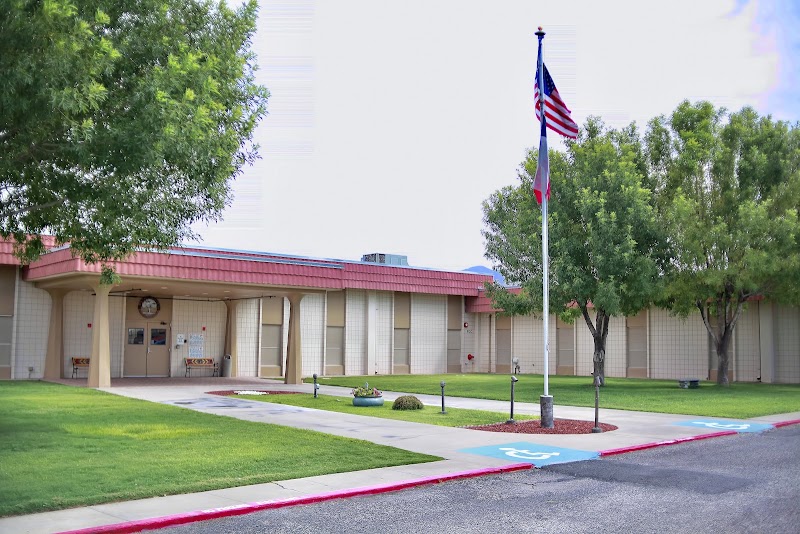
How is Franklin Heights Nursing & Rehabilitation Staffed?

CMS rates FRANKLIN HEIGHTS NURSING & REHABILITATION's staffing level at 1 out of 5 stars, which is much below average compared to other nursing homes. Staff turnover is 56%, which is 10 percentage points above the Texas average of 46%. High turnover can affect care consistency as new staff learn residents' individual needs. RN turnover specifically is 67%, which is notably high. RNs provide skilled clinical oversight, so turnover in this role can affect medical care quality.

What Have Inspectors Found at Franklin Heights Nursing & Rehabilitation?

State health inspectors documented 72 deficiencies at FRANKLIN HEIGHTS NURSING & REHABILITATION during 2022 to 2025. These included: 5 Immediate Jeopardy (the most serious level, indicating potential for serious harm or death), 66 with potential for harm, and 1 minor or isolated issues. Immediate Jeopardy findings are rare and represent the most serious regulatory concerns. They require immediate corrective action.
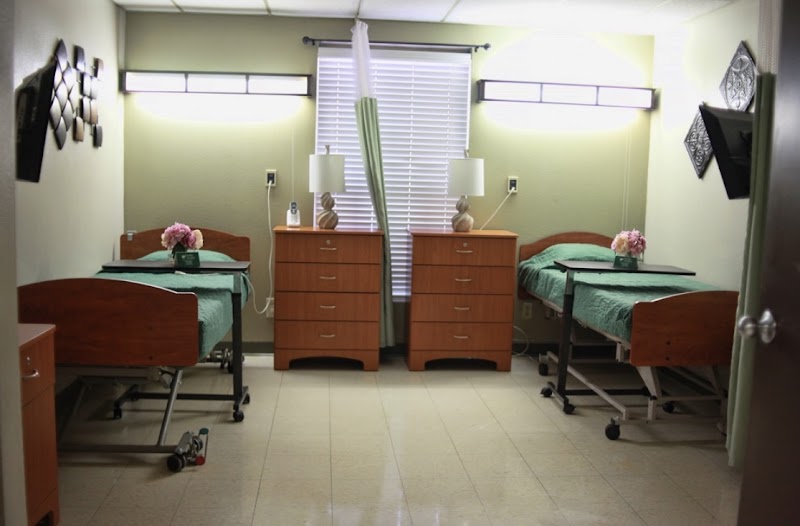
Who Owns and Operates Franklin Heights Nursing & Rehabilitation?

FRANKLIN HEIGHTS NURSING & REHABILITATION is owned by a for-profit company. For-profit facilities operate as businesses with obligations to shareholders or private owners. The facility is operated by CREATIVE SOLUTIONS IN HEALTHCARE, a chain that manages multiple nursing homes. With 132 certified beds and approximately 94 residents (about 71% occupancy), it is a mid-sized facility located in EL PASO, Texas.
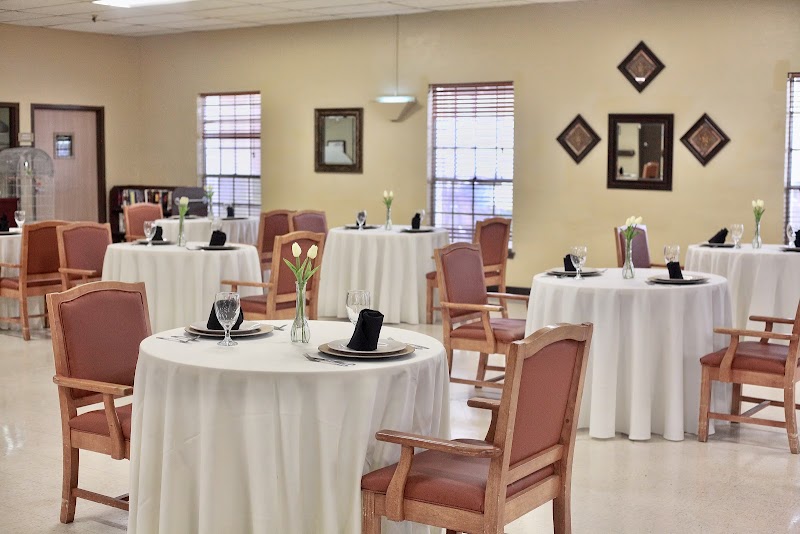
How Does Franklin Heights Nursing & Rehabilitation Compare to Other Texas Nursing Homes?

Compared to the 100 nursing homes in Texas, FRANKLIN HEIGHTS NURSING & REHABILITATION's overall rating (2 stars) is below the state average of 2.8, staff turnover (56%) is near the state average of 46%, and health inspection rating (1 stars) is much below the national benchmark.

What Should Families Ask When Visiting Franklin Heights Nursing & Rehabilitation?

Based on this facility's data, families visiting should ask: "What changes have been made since the serious inspection findings, and how are you preventing similar issues?" "How do you ensure continuity of care given staff turnover, and what is your staff retention strategy?" "Can you walk me through typical staffing levels on day, evening, and night shifts?" "Can I visit during a mealtime to observe dining assistance and food quality?" These questions are particularly relevant given the facility's Immediate Jeopardy citations, the facility's high staff turnover rate, and the below-average staffing rating.

Is Franklin Heights Nursing & Rehabilitation Safe?

Based on CMS inspection data, FRANKLIN HEIGHTS NURSING & REHABILITATION has documented safety concerns. Inspectors have issued 5 Immediate Jeopardy citations (the most serious violation level indicating risk of serious injury or death). The facility has a 2-star overall rating and ranks #100 of 100 nursing homes in Texas. Families considering this facility should ask detailed questions about what corrective actions have been taken since these incidents.

Do Nurses at Franklin Heights Nursing & Rehabilitation Stick Around?

Staff turnover at FRANKLIN HEIGHTS NURSING & REHABILITATION is high. At 56%, the facility is 10 percentage points above the Texas average of 46%. Registered Nurse turnover is particularly concerning at 67%. RNs handle complex medical decisions and coordinate care — frequent RN changes can directly impact care quality. High turnover means new staff may not know residents' individual needs, medications, or preferences. It can also be disorienting for residents, especially those with dementia who rely on familiar faces. Families should ask: What is causing the turnover? What retention programs are in place? How do you ensure care continuity during staff transitions?

Was Franklin Heights Nursing & Rehabilitation Ever Fined?

FRANKLIN HEIGHTS NURSING & REHABILITATION has been fined $196,646 across 3 penalty actions. This is 5.6x the Texas average of $35,045. Fines at this level are uncommon and typically indicate a pattern of serious deficiencies, repeated violations, or failure to correct problems promptly. CMS reserves penalties of this magnitude for facilities that pose significant, documented risk to resident health or safety. Families should request specific documentation of what issues led to these fines and what systemic changes have been implemented.

Is Franklin Heights Nursing & Rehabilitation on Any Federal Watch List?

FRANKLIN HEIGHTS NURSING & REHABILITATION is not on any federal watch list. The most significant is the Special Focus Facility (SFF) program, which identifies the bottom 1% of nursing homes nationally based on persistent, serious quality problems. Not being on this list means the facility has avoided the pattern of deficiencies that triggers enhanced federal oversight. This is a positive indicator, though families should still review the facility's inspection history directly.