GRACE POINTE WELLNESS CENTER
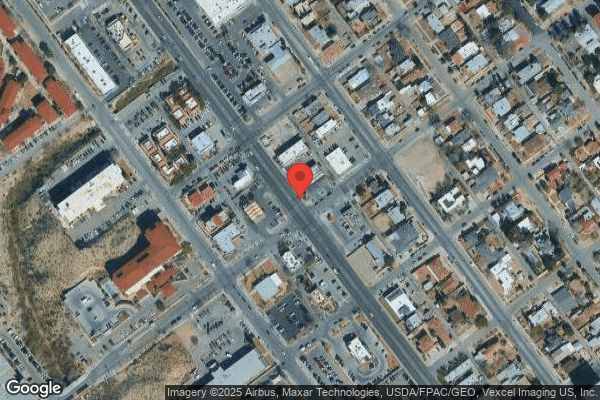
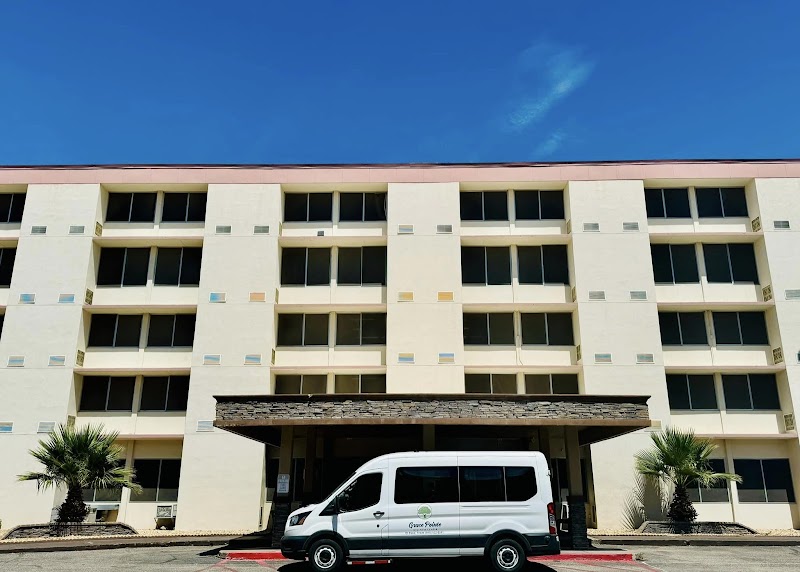
2301 N OREGON ST, EL PASO, TX 79902 (915) 532-8941
For profit - Corporation 154 Beds CREATIVE SOLUTIONS IN HEALTHCARE Data: November 2025 5 Immediate Jeopardy citations
Trust Grade
0/100
#722 of 1168 in TX
Last Inspection: December 2024

Within standard 12-15 month inspection cycle. Federal law requires annual inspections.

Overview

Grace Pointe Wellness Center in El Paso, Texas, has received a Trust Grade of F, indicating significant concerns about the quality of care provided. With a state rank of #722 out of 1168 facilities, they are in the bottom half of Texas nursing homes, and #10 out of 22 in the county shows that only a few local options rank lower. Although the facility is improving, reducing issues from 18 in 2024 to 6 in 2025, it still has a concerning history, including critical incidents where staff failed to notify medical professionals about a resident's dangerous change in condition, and allegations of neglect regarding abuse not being properly investigated. Staffing is a relative strength, rated 4 out of 5 stars with a 27% turnover rate, which is significantly lower than the state average. However, the facility has incurred $63,843 in fines, which raises red flags about compliance and ongoing issues that families should consider.

Trust Score
F
0/100
In Texas
#722/1168
Bottom 39%
Safety Record
High Risk
Review needed
Inspections
Getting Better
18 → 6 violations
Staff Stability
✓ Good
27% annual turnover. Excellent stability, 21 points below Texas's 48% average. Staff who stay learn residents' needs.
Penalties
✓ Good
$63,843 in fines. Lower than most Texas facilities. Relatively clean record.
Skilled Nurses
⚠ Watch
Each resident gets only 22 minutes of Registered Nurse (RN) attention daily — below average for Texas. Fewer RN minutes means fewer trained eyes watching for problems.
Violations
⚠ Watch
51 deficiencies on record. Higher than average. Multiple issues found across inspections.
★★☆☆☆
2.0
Overall Rating
★★★★☆
4.0
Staff Levels
★★★★★
5.0
Care Quality
★☆☆☆☆
1.0
Inspection Score
Stable
2024: 18 issues
2025: 6 issues

The Good

  • 4-Star Staffing Rating · Above-average nurse staffing levels
  • 5-Star Quality Measures · Strong clinical quality outcomes
  • Low Staff Turnover (27%) · Staff stability means consistent care
  • Full Sprinkler Coverage · Fire safety systems throughout facility
  • No fines on record
  • Staff turnover is low (27%)

    21 points below Texas average of 48%

Facility shows strength in staffing levels, quality measures, staff retention, fire safety.

The Bad

2-Star Overall Rating

Below Texas average (2.8)

Below average - review inspection findings carefully

Federal Fines: $63,843

Above median ($33,413)

Moderate penalties - review what triggered them

Chain: CREATIVE SOLUTIONS IN HEALTHCARE

Part of a multi-facility chain

Ask about local staffing decisions and management

The Ugly 51 deficiencies on record

5 life-threatening
Aug 2025 1 deficiency
CONCERN (D) 📢 Someone Reported This

A family member, employee, or ombudsman was alarmed enough to file a formal complaint

Potential for Harm - no one hurt, but risky conditions existed

Medical Records (Tag F0842)

Could have caused harm · This affected 1 resident

**NOTE- TERMS IN BRACKETS HAVE BEEN EDITED TO PROTECT CONFIDENTIALITY** Based on interview and record review the facility failed to ensure that information is comprehensive, timely and properly signed...

Read full inspector narrative →
**NOTE- TERMS IN BRACKETS HAVE BEEN EDITED TO PROTECT CONFIDENTIALITY** Based on interview and record review the facility failed to ensure that information is comprehensive, timely and properly signed for 1 of 9 residents (Resident #3) reviewed for accuracy and completeness. The facility failed to document when Resident #3 complained of pain to the right lower extremity. This failure could place residents at risk for incomplete or inaccurate clinical records, which could lead to miscommunication, a delay in treatment, or a potential decline in the resident's health. Findings included: Record review of closed admission Record dated 07/31/25 for Resident #3, revealed Original admission Date: 03/07/25; re-admission date 03/21/25. Date of discharge: [DATE] at 12:30 PM to hospital. Review of Hospital Operative Record dated 04/17/25 for Resident #3 revealed, Date of Surgery: 04/17/25. Preoperative diagnosis: Right reverse obliquity intertrochanteric femur fracture (is a break in the upper part of the right thigh bone femur, specifically in the area between the two bony bumps) due to osteoporosis (is a condition where bones become weak and brittle, making them more likely to break). Procedure: Right femur cephalomedullary nail (is a specific surgical procedure to fix a broken thigh bone (femur) particularly fractures near the hip joint). Indication for procedure: this is a [AGE] year-old female with multiple comorbidities (when someone has two or more illnesses or diseases at the same time) including quite severe renal osteodystrophy (is a serious bone disease that develops as a complication of advanced, long-standing kidney disease), sustained a fall from standing 4 weeks ago. She was seen in my clinic 2 days ago where I diagnosed a right reverse obliquity intertrochanteric femur fracture. Review of Hospital X-ray report dated 02/23/25 for Resident #3 revealed, X-ray Right knee, Impression: No acute osseous (joint appears normal, no fracture or infection seen in x-ray) or joint centered abnormality. Review of Hospital X-ray report dated 02/23/25 for Resident #3 revealed, X-ray Right lower Leg, Impression: No acute osseous (joint appears normal, no fracture or infection seen in x-ray) or joint centered abnormality. Record review of Nursing Facility History & Physical dated 03/07/25 for Resident #3, revealed [AGE] year-old recently had a fall and injured her right leg and currently in brace. Patient was admitted due to worsening pain and swelling of right lower extremity. Plan: Admit to SNF, PT and OT to evaluate, Multimodal Pain and Fall precautions.Record review of admission MDS dated [DATE] for Resident #3, functional limitation in range of motion-impairment on one side to lower extremity, mobility device-wheelchair, partial/moderate assistance to roll left and right; sit to lying; lying to sitting on side of bed; dependent - with sit to stand, transfer from bed to chair; substantial/maximum assistance with toilet transfer/shower transfer; received PRN pain medication; pain presence - none; History of Falls in the last month prior to admission; no falls since admission. Record review of Care Plan for Resident #3, revealed uncontrolled pain. Date Initiated: 03/10/2025 Revision on 04/04/2025 revealed:- Evaluate the effectiveness of pain interventions. Review for compliance, alleviating of symptoms, dosing schedules and resident satisfaction with results, impact on functional ability and impact on cognition.- Anticipate the resident's need for pain relief and respond immediately to any complaint of pain.- Monitor/document for probable cause of each pain episode. Remove/limit causes where possible.- Notify physician if interventions are unsuccessful or if current complaint is a significant change from resident's experience of pain.- Monitor/document for side effects of pain medication. Observe for constipation; new onset or increased agitation, restlessness, confusion, hallucinations, dysphoria; nausea; vomiting; dizziness and falls. Report occurrences to the physician.- Report to Nurse any change in usual activity attendance patterns or refusal to attend activities related to s/sx or c/o pain or discomfort.- Monitor/record/report to Nurse resident complaints of pain or requests for pain treatment.- Monitor/record/report to Nurse any sign/symptoms of non-verbal pain: Changes in breathing(noisy, deep/shallow, labored, fast/slow); Vocalizations (grunting, moans, yelling out,silence); Mood/behavior (changes, more irritable, restless, aggressive, squirmy,constant motion); Eyes (wide open/narrow slits/shut, glazed, tearing, no focus); Face(sad, crying, worried, scared, clenched teeth, grimacing) Body (tense, rigid, rocking, curled up, thrashing). Record review of Physician Order Summary dated 07/31/25 for Resident #3, revealed Observation: Pain - Observe every shift. If pain present, complete pain flow sheet and treat trying non pharmaceutical interventions prior to medicating if appropriate. Document and the progress note every shift for pain management. Ortho consult status post femur fracture. Portable x-ray of right knee for diagnosis of knee pain. PT to eval and treat as warranted. Orthopedic appointment on 04/15/25 at 9:00 AM. Acetaminophen-Codeine 300-30 mg give 1 tablet by mouth every 6 hours as needed for pain. Gabapentin 300 mg at bedtime for right thigh pain. Tylenol 325 mg give 650 mg by mouth every 4 hours as needed for pain. Record review of Nurse Practitioner Progress Note dated 03/07/25 for Resident #3, revealed encounter at 11:00 PM. History of Present Illness: Patient recently had a fall and injured her right leg and currently in brace. Patient was admitted due to worsening pain and swelling of right lower extremity. Plan: Admit to SNF, PT and OT to evaluate.Record review of Physical Therapy Evaluation dated 03/24/25 for Resident #3, revealed Diagnoses: Unsteadiness on feet, Muscle weakness, other abnormalities of gait and mobility, other lack of coordination. Current Past Medical History: [AGE] year-old female transferred to hospital from SNF on 03/18/25. Previous hospitalization due to progressive LE edema x 6 months and fall 2 days prior to admission. X-ray RLE negative for fracture per medical chart. R knee immobilizer for comfort. Pain Assessment at rest: Intensity = 0/10. She continued to report pain to right lower extremity from knee to ankle level. For nurse, X-rays have been done at this facility which were negative. Patient is very guarded to right lower extremity. Record review of Physical Therapy Treatment Note dated 04/01/25 written by, PTA for Resident #3 revealed, Right quad tightness (the muscles on the front of your right thigh feel stiff, tense, or shortened) noted. C/O pain with Right hip flexion (lifting your right thigh or knee towards your chest). Record review of Nurse Practitioner Progress Note dated 04/01/25 at 11:00 PM, for Resident #3, History of Present Illness: Patient recently had a fall and injured right leg and currently in brace. Patient was admitted due to worsening pain and swelling of right lower extremity. Plan: PT and OT, Multimodal Pain control strategies (using a combination of different methods to manage pain, rather than just one), Fall precautions. Record review of Nursing Progress Note dated 04/02/25 written by LVN A for Resident #3, revealed New Order after x-ray results. Reported to NP, continue Tramadol 50 mg po Q6H PRN pain. New order for Tylenol 650 mg po Q4H PRN pain. New order Gabapentin 300 mg po Q HS. Record review of Nurse Practitioner Progress Note dated 04/03/25 for Resident #3, revealed Interval History of Present Illness: Physical Therapy was reporting patient was having increased swelling to her lower extremities. X-ray does show femur fracture. No reports of falls or traumatic injuries while at SNF. Medical chart review performed to review acuity of her fracture given remote history of acute traumatic injuries. She will need to follow up with Ortho clinic. I requested nursing staff to assist patient with that follow up appointment. Physical examination: No acute distress. Assessment: RLE fracture. Plan: Follow up with Ortho clinic, requested nursing staff to assist patient with that follow up appointment. The case was discussed with attending physician, and he provided medical decision in this case. Physician documented on the progress note, I have reviewed the patient's information as well as discussed all the events and plans with NP, and agree with the findings, assessment, and recommendations. Record review of Nurse Practitioner Progress Note dated 04/10/25 at 11:00 PM, for Resident #3, revealed Interval History of Present Illness: No reports of falls or traumatic injuries as per nursing management this SNF admission. Pain is well controlled. Medical chart reviewed to investigate the acuity of RLE fracture. Pt. is pending follow up with Ortho clinic. Physical examination: No acute distress. Assessment: RLE fracture. Record review of Discharge summary dated [DATE] written by NP for Resident #3, revealed Date of admission: [DATE]. Date and time the encounter: 04/15/25 at 6:00 PM. Discharge Diagnosis: RLE fracture. History of Present Illness: Patient recently had a fall and injured her right leg and currently in brace. Patient was admitted due to worsening pain and swelling of right lower extremity. Discharge Disposition: She was sent to ER as per ortho for ongoing medical management. During an interview and record review on 08/04/25 at 2:00 PM, with LVN B on the 6-2 shift nurse assigned to Resident #3 revealed, he did not remember if the PTA had reported to him that Resident #3 was having pain to her right lower extremity with flexion. He said, I checked my notes, and I did not write a note on 04/01/25 for Resident #3. He said licensed staff had been trained to document in their nurse's notes when therapy staff reported to them if residents were having pain while receiving therapy services. During an interview and record review on 08/04/25 at 2:03 PM, with LVN A on the 2-10 pm shift assigned to Resident #3 revealed, resident had complained of pain to the right leg since admission to the nursing facility, and was administered Tylenol and Tramadol for pain and the pain medication was effective. He said he was not aware if resident had a history of fractures to the right leg. He said the resident had not sustained any falls in the nursing facility and did not know if resident had a history of falls at home. He said that he did not remember if the therapy staff had reported to him that the resident had complained of pain to the right leg when she was receiving physical therapy. He said that he did not remember if it was reported during the change of shift that the PTA had reported that resident was having pain to the right lower extremity. He said, I would have documented that in resident's nursing progress notes. During an interview on 08/04/25 at 2:41 PM, with PTA, revealed Resident #3 complained of Quad pain to the right leg. She said, Quad pain was pain in the large muscle at the front of the leg and thigh, extending from the hip and pelvis down to kneecap and below. She said, I reported this to one of the nurses, but I did not document that in my notes. She said that she had been trained to document in the therapy notes when she reported to the nurses when the residents were having pain. Telephone interview on 08/04/25 at 2:47 PM, with Physical Therapist revealed, Resident #3 was evaluated for Physical Therapy services on 03/24/25. She said the resident had sustained a fall at home prior to admission to the nursing facility. She said Resident #3 did not consistently complained of pain to the right lower leg. She said the resident had complained of pain on 04/01/25 with attempted movement to the right leg when therapy was provided. She said that she did not remember the pain level to the right leg. She said the PTA had not documented in her notes that she had notified the nurses that resident complained of pain to the right lower leg with flexion. She said they had been trained to document in their therapy notes when residents complained of pain and when they notified the nurses to ensure that this was communicated to the attending physician. During a second interview on 08/04/25 at 2:58 PM, with PTA, revealed that she had remembered reporting to one of the nurses, but could not remember who she had notified Resident #3 was having pain to the right leg with flexion. She said she had been trained to document the notification of pain to the nurses in her therapy notes. She said, I remember that I went upstairs to notify the nurse, I remember that it was a Friday, but I did not document the notification to the nurse in the therapy notes. During an interview and record review on 08/04/25 at 3:12 PM, with DON revealed, Resident #3 was having pain to the right hip with flexion. She said that therapy staff had been trained to document in their notes when the resident complained of pain and to immediately report the complain of pain to the nurses. She said that the resident was sent to an Orthopedic appointment on 04/15/25 and had been sent from the doctor's office to the ER at UMC. She said the resident had sustained a pathological fracture due to osteoporosis prior to admission to the nursing facility and it was a chronic and not an acute fracture. She said that LVN B had documented resident's level pain was at 4 out of 10, on 04/02/25. The DON confirmed that the facility did not have any documentation in the nurse's notes progress notes that the therapy staff had reported to the nurse that the resident was having pain with flexion to the right leg. She confirmed that the therapy staff, had not documented in their therapy notes that PTA had notified the nurse on 04/01/25 when the resident complained of pain with flexion to the right leg. She said that LVN B and LVN A had not documented in the nursing progress notes that the PTA had reported to them on 04/01/25 that Resident #3 was complaining of pain to the right lower extremity. She said licensed staff and therapy staff had been trained to document notification of pain in the progress notes. During an interview and record review on 08/04/25 at 2:53 PM, with LVN ADON, revealed he had completed the Weekly-Nursing Summary dated 04/01/25 and had documented Resident #3 had pain level of 4.4, and pain intensity was mild. He said that he had been trained to immediately notify the nurse when the resident's complained of pain. He said, I did not document in the progress notes, when I notified the nurse that Resident #3 was having pain to the right leg when I completed the Weekly Nursing Summary on 04/01/25. He said failure to notify the nurse, when a resident complained of pain could result in the pain getting worse. Record review of the facility provided Documentation policy, revised May 2015, read in part Documentation is the recording of all information, both objective and subjective, in the clinical record of an individual resident. It includes observations, investigations, and communications of the resident involving care and treatments. It has legal requirements regarding accuracy and completeness, legibility assessment, care plan, nursing progress notes, flow sheets, medication sheets, incident reports, and summary sheets . Goal .the facility will maintain complete and accurate documentation for each resident on all appropriate clinical record
Apr 2025 5 deficiencies 3 IJ
CRITICAL (J) 📢 Someone Reported This

A family member, employee, or ombudsman was alarmed enough to file a formal complaint

Immediate Jeopardy (IJ) - the most serious Medicare violation

Free from Abuse/Neglect (Tag F0600)

Someone could have died · This affected 1 resident

**NOTE- TERMS IN BRACKETS HAVE BEEN EDITED TO PROTECT CONFIDENTIALITY** Based on interview and record review the facility failed to ensure residents had the right to be free from abuse, neglect, misap...

Read full inspector narrative →
**NOTE- TERMS IN BRACKETS HAVE BEEN EDITED TO PROTECT CONFIDENTIALITY** Based on interview and record review the facility failed to ensure residents had the right to be free from abuse, neglect, misappropriation of resident property, and exploitation for 1 of 7 residents (Residents #1) reviewed for abuse. The facility failed to ensure residents right to be free from abuse when Resident #1 reported sexual abuse by CNA O to staff in January 2025 and the alleged perpetrator was not suspended, the allegation was not investigated, and the facility did not report the suspected crime to local law enforcement and the State Agency, resulting in failure to protect residents from further potential criminal activity by an alleged perpetrator. An Immediate Jeopardy (IJ) situation was identified on 04/09/25. While the IJ was removed on 04/10/25, the facility remained out of compliance at a scope of isolated with a potential for more than minimal harm, due to the facility need to evaluate the effectiveness of the corrective systems. These failures could place residents at risk for further abuse, physical harm, psychosocial harm, trauma, unrecognized abuse, and emotional distress. Findings include: Record review of Resident #1's admission Record, dated 04/09/2025, revealed a [AGE] year-old male who was admitted to the facility on [DATE]. Resident #1 had diagnoses which included: vascular dementia (type of dementia caused by conditions that disrupt blood flow to the brain, leading to cognitive and behavioral changes), hypertension (high blood pressure), hemiplegia (total or partial paralysis of one side of the body that results from disease of or injury to the motor centers of the brain) and hemiparesis (muscle weakness or partial paralysis on one side of the body that can affect the arms, legs, and facial muscles) following cerebral infarction (lack oxygen to the brain causing damage to brain tissue) affecting left non-dominant side, and lack of coordination. Record review of Resident 1's Quarterly MDS, dated [DATE], revealed a BIMS score of 10, which indicated moderate cognitive impairment. Section GG - Functional Abilities revealed Resident #1 required substantiated/maximal assistance with toileting hygiene and shower/bathing. Record review of Resident #1's Care Plan, dated 04/09/2025, revealed a focus area which reflected Resident #1 had an ADL self-care performance deficit. Part of the interventions reads in part, Bathing requires staff x1 for assistance. During an interview on 04/09/2025 at 10:44 a.m., Resident #1 said back on a day in January 2025, CNA O took him to a shower and while bathing the resident, CNA O stuck his finger inside Resident #1's anus once for about a second. Resident #1 said there were no other witnesses at the time of the incident. Resident #1 said he did not initially report the incident to anyone because he was embarrassed. Resident #1 said he was not injured or in any discomfort after the incident occurred. Resident #1 said he reported it to facility staff a few days later but could not remember who. Resident #1 said the facility did not do anything about what he reported because CNA O was still working at the facility although had not given Resident #1 any more showers. Resident #1 said he did not remember talking to any administrator or anyone else about what he reported. Resident #1 said this made him upset because he would not want another resident to go through what he went through. Resident #1 said CNA O did not work with him anymore after the incident. During an interview on 04/09/2025 at 12:22 p.m., CNA N said about two-three months ago, Resident #1 said he had been sexually abused by CNA O. CNA N said Resident #1 told another staff member during another shift about the allegation and CNA N believed the staff reported it to administration. CNA N said he did not report the allegation to anyone else because he thought it had already been reported. CNA N said he believed it was the Administrator who told staff males could not go into the room, and if they must go into Resident #1's room it needed to be with another staff. CNA N said CNA O was not suspended and stayed working on the floor with other residents. CNA N said no other residents complained about CNA O. CNA N said he did not know if anything was done about the allegation. During an interview on 04/09/2025 at 2:25 p.m., LVN H said Resident #1 refused to have males work with him. LVN H said Resident #1 just said to her he did not like one specific male CNA (CNA O) and was okay with the other male CNAs. LVN H said she did not know why Resident #1 did not want CNA O to work with him. During an interview on 04/09/2025 at 2:33 p.m., CNA P said she heard from other staff that a male was not supposed to take care of Resident #1. CNA P said she did not know why. CNA P said she did not know if the information was documented anywhere. During an interview on 04/09/2025 at 2:49 p.m., LVN F said one day about 3 or 4 months ago, CMA M informed LVN F Resident #1 was complaining about being sexually molested. LVN F said he talked with Resident #1 and the resident told him he felt he was sexually molested by inappropriate touching by a staff member. LVN F said Resident #1 did not say which staff at the time. LVN F said Resident #1 said he did not want any males working with him. LVN F said he reported the allegation to ADON E. LVN F said he believed ADON E reported it to the Administrator. LVN F said ADON E told him to make sure no males went into the room with Resident #1. LVN F said he then informed the staff on the floor about the instructions ADON E told him regarding no males in Resident #1's room. LVN F said the allegation was reported by Resident #1 days after the alleged incident occurred. LVN F said Resident #1 did not complain about any discomfort or injury. LVN F said he did not remember if he documented the incident. During an interview on 04/09/2025 at 3:37 p.m., the ADON E said all allegations reported needed to be reported to the Administrator or the DON right away. The ADON E said she had the DON and Administrator's numbers and they were on-call 24/7. The ADON E said one evening several months back, LVN F said Resident #1 felt he was abused two to three days before when he was getting showered and while staff cleaned his buttocks, Resident #1 felt CNA O touched him inappropriately. The ADON E said he asked LVN F to write him a statement. ADON E learned Resident #1 reported the allegation to CMA M, and she then reported it to LVN F. ADON E said he called the Administrator on the phone and told her there was an allegation of abuse in the building. ADON E could not recall the time he called the Administrator. ADON E said the Administrator told him she was out of the building, but when she came back, she would follow-up on the allegation. ADON E said he did not speak with Resident #1 and figured the Administrator would do what needed to be done such as report and investigate. ADON E said he had been trained to report allegations of abuse/neglect/exploitation to the Administrator immediately. The ADON E said he instructed LVN F no males were allowed in Resident #1's room. ADON E said Resident #1 was informed and he did not have a problem with any other male CNAs, and only CNA O. ADON E said he told LVN F to document the incident on the 24-hour report. ADON E said nothing was brought up in the morning meeting the following day. ADON E said he did not document any of the events anywhere . ADON E said the written statement by LVN F was given to the Administrator and he did not know what the Administrator did then. During an interview on 04/09/2025 at 4:19 p.m., CMA M said she was trained to report allegations of abuse, to include sexual abuse, to the charge nurse and Administrator immediately. CMA M said several months ago, Resident #1 reported to her he did not want CNA O in his room. CMA M said Resident #1 said an incident occurred 2 to 3 days before. CMA M said Resident #1 said while CNA O was assisting him to shower, CNA O touched Resident #1 inappropriately on his backside. CMA M said Resident #1 did not complain of any pain at the time. CMA M said she told Resident #1 she would report it to the nurse, and the nurse would talk with him. CMA M said she told LVN F, but she did not contact the Administrator. CMA M said she knew she should have informed the Administrator but failed to do so since she told LVN F. CMA M said CNA O still worked at the facility but did not provide any patient care to Resident #1. CMA M said she heard no other complaints from any other residents regarding CNA O. During an interview on 04/09/2025 at 4:30 p.m., CNA O said he had been working at the facility for 20 years. CNA O said he had been trained on reporting abuse/neglect allegations immediately to the Administrator. CNA O said no residents complained to him about any abuse or inappropriate touching. CNA O said he had not been suspended for any incidents or allegations. CNA O said no resident had complained about him. CNA O said he was familiar with Resident #1 and the resident did not want any males in the room. CNA O said Resident #1 did not have any problems with him. CNA O said he was told by LVN F not to work with Resident #1 with no other explanation. CNA O denied any knowledge of any sexual abuse. During an interview on 04/09/2025 at 5:05 p.m., the Administrator said her responsibility when it came to allegations of abuse, neglect, or exploitation was to protect the resident, gather information, and proceed with the investigation. The Administrator said she was also responsible to contact the State Survey Agency and if needed law enforcement. The Administrator said all allegations of abuse would be reported to the State Survey Agency within 2 hours. The Administrator said if there were any allegations of sexual abuse, the allegation would be reported to the State Survey Agency, law enforcement, and the physician and responsible parties. The Administrator said she had not received any reports of any type of sexual abuse. The Administrator said she was familiar with Resident #1, and he had not made any complaints with her. The Administrator denied being notified or having any knowledge of any alleged sexual abuse which involved Resident #1. Record review of Resident #1's Progress Notes from January 2025 to April 2025 did not reveal any documentation regarding the allegation of sexual abuse. Record review of Social Service Quarterly Assessment for Resident #1, dated 01/17/2025 at 4:00 p.m., read in part, Resident can have times when he becomes upset at staff but for the most part gets along well with everyone. At this time there are to be no male CNAs in resident's room. Record review of the 24-hour reports for the month of January 2025, did not reveal any information on the allegation of sexual abuse. Record review of TULIP revealed no prior self-reports related to the allegation of abuse which involved Resident #1 from 01/01/2025 to 04/09/2025. Record review of a copy of a statement written by CMA M, dated 1/14/2025, read To whom it may concern, On Wednesday, January 8th, [CMA M] reported to [LVN F] nurse in charge of [Resident #1] reporting an incident of sexual harassment. [Resident #1] stated that he was upset with [CNA O]. [Resident #1] said that [CNA O] inserted his fingers while [CNA O] was showering him. [CMA M] immediately reported to [LVN F]. Record review of the facility provided Abuse/Neglect policy, with revision date 3/29/2018, read in part Residents should not be subjected to abuse by anyone, including, but not limited to, facility staff . Prevention ., The facility will provide the residents, families, and staff an environment free from abuse and neglect. All reports of abuse or suspicion of abuse/neglect or potentially criminal behavior will be investigated as per facility protocol. Investigations will be reviewed by the facility administrator and/or Abuse Preventionist within 24 hours of complaint. Appropriate notification to state and home office will be the responsibility of the administrator and per policy .Reporting, Any person having reasonable cause to believe an elderly or incapacitated adult is suffering from abuse, neglect, or exploitation must report this to the DON, administrator, state and/or adult protective services. Facility employees must report all allegations of abuse, neglect, exploitation, mistreatment of residents, misappropriation of resident property or injury of unknown source to the facility administrator. The facility administrator or designee will report to HHSC all incidents that meet the criteria of Provider Letter 19-17 dated 7/10/19; a) If the allegations involve abuse or result in serious bodily injury, the report is to be made within 2 hours of the allegation Investigation .Comprehensive investigations will be the responsibility of the administrator and/or Abuse Preventionist.the employee(s) will immediately be suspended pending an investigation .Protection .The facility will take necessary measures to protect residents This was determined to be an Immediate Jeopardy (IJ) on 04/08/2025 at 8:00 p.m. The Administrator was notified. The Administrator was provided with the IJ template on 04/08/2025 at 8:00 p.m. The following Plan of Removal submitted by the facility was accepted on 4/10/2025 at 1:40 p.m.: Interventions: - Abuse allegation investigations started on 4/9/2025 and are ongoing. Furthermore, as per policy, all new investigations start immediately upon receiving an allegation. - The resident was interviewed at the time of discovery on 4/9/2025 and could not recall exact details of the event due to diagnosis of vascular dementia (type of dementia caused by conditions that disrupt blood flow to the brain, leading to damage and cognitive decline). He does not recall in the same way today, but the general allegation remains the same. A trauma informed care assessment was completed by the DON on 4/9/2025. Results were no negative outcomes. - One on One in-service on Abuse Reporting with the Administrator, DON, by Area Director of Operation (ADO) on 4/9/2025 at 20:08. - One on One in-service on Investigating allegations with the Administrator, DON, by ADO on 4/10/2025 at 10:23am. - Staff working with alleged perpetrators have been interviewed by the Administrator, Director of Nursing, ADO , and Compliance Nurse. Statements revealed the medication aide was the first to learn of the concern, she reported to the charge nurse who reported to the ADON. The ADON reported he phoned the administrator and left copies of the statements with her. All interviews were completed on 4/9/2025. The resident is doing ok; no distress was noted, and the resident was able to voice concerns. - The alleged perpetrator was suspended on 4/9/2025 at 6:00 p.m., pending the outcome of the investigation. - The ADON was suspended on 4/9/2025 at 9:00 p.m., pending the outcome of the investigation. - Notification of Authorities: Law enforcement and HHSC were notified promptly in accordance with state-mandated reporting guidelines on 04/09/2025. - Emotional Support: Social services and/or a mental health provider were contacted to provide counseling and emotional support to the resident; referral was sent as on 04/09/2025. - All residents who were able to be interviewed had safety surveys on 4/9/2025 by the social worker. No abuse incidents were reported. All surveys were completed on 4/9/2025. - All residents who were able to be interviewed were interviewed by DON/Compliance Nurse/Social worker on 4/9/2025. A new skin assessment was completed on all non-verbal residents, by the same group was completed on 4/9/2025 with no abnormal findings (unknown bruises, skin tears, abrasions). -The following in-services were initiated on 4/9/2025 by the Administrator/ADO: Any staff member not present or in-service on 4/9/2025 will not be allowed to assume their duties until in-service. These will be completed by 4/10/2025. - All Staff ? Abuse/Neglect with special focus on sexual abuse ? Abuse/Neglect Reporting ? Who to Report Abuse/Neglect to Administrator and Director of Nursing Previously this was to be reported to only the administrator, but a second layer of reporting was added to prevent oversight of a single individual. - All in-serviced staff will need to be able to articulate back on reporting any abuse allegation and to whom to report by 4/10/2025 -The administrator/designee will assess and monitor understanding by quizzing and providing examples on in-services beginning 4/9/2025. - New staff will be in service during orientation before assuming any duties. - The medical director was notified of the immediate jeopardy situation on 4/9/2025 at 8:23 p.m. - The administrator will report any abuse allegations, investigate, and submit findings to the Area Director and Risk Management for review. 4 weeks and PRN thereafter. -The administrator will submit documentation of the investigation with Resident and Staff interviews, as well as weekly follow-up interviews with staff and residents x 4 weeks to ensure resident safety/satisfaction with the outcome of the investigation. - The Area Director will monitor abuse allegations reported by residents and or staff and check the real-time system, which monitors keywords like abuse x 4 weeks' documentation and PCC for any incidents and accidents. - The QA committee will review the findings of abuse allegations and investigations monthly and make changes to the system as needed. 4 weeks until substantial compliance is achieved. Monitoring of the facility's plan of removal included the following: During an interview on 04/10/2025 at 1:50 p.m., the ADO stated an investigation into the allegation of sexual abuse was started on 04/09/2025 and continuing. The ADO said she in-serviced the DON and Administrator one-on-one regarding the reporting of abuse and investigating allegations. The ADO said all new investigations would start immediately upon receiving an allegation. The ADO said CNA O and ADON E were suspended pending the investigation. The ADO said a referral for emotional support was sent on 4/9/2025 to provide counseling and emotional support to Resident #1. The ADO said part of the plan included all new staff would be in-serviced during orientation. The ADO said the Administrator would submit documentation of the investigation and have weekly follow-up interviews with staff for 4 weeks to ensure resident safety. The ADO said she would monitor abuse allegations reported by residents and/or staff and check the real-time system for keywords like abuse for 4 weeks. The ADO said the QA committee would review findings of all abuse allegations and investigations monthly and make changes as needed. During an interview on 4/10/2025 at 2:10 p.m., the DON stated an investigation into the allegation of sexual abuse started on 4/9/2025. The DON stated being in-serviced by ADO regarding new investigations would start immediately upon receiving an allegation. The DON said CNA O and ADON E were suspended pending investigation. The DON said residents who were able to be interviewed were interviewed and a skin assessment was completed on all non-verbal residents on 4/9/2025. During an interview on 4/10/2025 at 2:24 p.m., the Administrator stated an investigation into the allegation of sexual abuse started on 4/9/2025 and CNA O and ADON E were suspended pending the investigation. The Administrator stated ADO in-serviced her on new investigations needing to start immediately upon receiving an allegation. The Administrator said staff working with the alleged perpetrator were interviewed on 4/9/2025. The Administrator said law enforcement was contacted on 4/9/2025. The Administrator said all facility staff, before assuming their duties, were in-serviced on abuse/neglect with focus on sexual abuse, abuse/neglect reporting, and who to report allegations of abuse/neglect to, being the Administrator and the DON. During an interview on 04/10/2025 at 2:01 p.m., CNA N who works the 6:00 a.m. to 2:00 p.m. shift, said he said he was in-serviced on abuse/neglect. CNA N said all allegations to include sexual abuse, needed to be reported to the DON and the Administrator immediately after ensuring resident were safe. CNA N was able to point out where to locate the contact number posting. During an interview on 04/10/2025 at 2:03 p.m., LVN J who works the 2:00 p.m. to 10:00 p.m. shift, said he was in-serviced on abuse/neglect reporting. LVN J said all allegations of abuse/neglect to include sexual abuse were to be reported to the Abuse Coordinator/Administrator and DON immediately as soon as verifying the resident was safe. LVN J was able to point out where to locate the posted contact numbers for the Administrator and DON. During an interview on 4/10/2025 at 2:04 p.m., LVN K who works the 6:00 a.m. to 2:00 p.m., shift, said she was in-serviced on abuse/neglect and reporting. LVN K said when it came to abuse/neglect, she must make sure the resident was safe from any abuse and then immediately report the allegation to the DON and Administrator/Abuse Coordinator. LVN K was able to point out where to find the posted contact numbers for the Administrator and DON. During an interview on 4/10/2025 at 2:05 p.m., LVN G who works 6:00 a.m. to 2:00 p.m. shift, said he was in-serviced on abuse/neglect reporting. LVN G said all allegations of abuse/neglect which included sexual abuse must be reported immediately to the Abuse Coordinator and the DON. LVN G was able to point out where to locate contact numbers for the Administrator and the DON. During an interview on 4/10/2025 at 2:06 p.m., CNA S who works 10:00 p.m. to 6:00 a.m. shift, said she was in-serviced on abuse/neglect reporting. CNA S said for all allegations of abuse/neglect which included sexual abuse, it should be reported immediately to Abuse Coordinator and DON after seeing the resident was safe. CNA S was able to point out where to locate the contact numbers for the DON and the Administrator. During an interview on 4/10/2025 at 2:09 p.m., LVN F who works the 2:00 p.m. to 10:00 p.m. shift, said he was in-serviced on abuse/neglect reporting. LVN F said he was responsible to protect residents and make sure they were safe and then report all allegations to the Abuse Coordinator/Administrator and the DON immediately. LVN F was able to point out where to locate the posted contact numbers for the DON and Administrator. During an interview on 4/10/2025 at 2:10 p.m., CNA T who works the 2:00 p.m. to 10:00 p.m. shift, said she was in-serviced on abuse/neglect reporting. CNA T said she needed to make sure residents were safe and then report it right away to the Administrator and the DON. CNA T was able to point out where to locate the posted contact numbers for the DON and Administrator. During an interview on 4/10/2025 at 2:11 p.m., LVN H who works the 2:00 p.m. to 10:00 p.m. shift, said she was in-serviced on abuse/neglect reporting. LVN H said when it came to allegations of abuse/neglect, first make sure the resident was safe, and then call the Administrator/Abuse Coordinator and the DON immediately as soon as possible. LVN H was able to point out where the posted contact numbers for the DON and Administrator were located. During an interview on 4/10/2025 at 2:18 p.m., CNA R said she was in-serviced on reporting abuse/neglect allegations. CNA R said it was the staff responsibility to make sure the resident was safe and then immediately report to the Administrator/Abuse Coordinator and the DON. CNA R was able to point out where to locate contact numbers. During an interview on 4/10/2025 at 2:20 p.m., HK Z said she was in-serviced on reporting abuse/neglect. The HK staff said her responsibility was to report any allegations of abuse/neglect to the Abuse Coordinator and the DON immediately. The HK was able to point out where to locate contact numbers for the Administrator and the DON. During an interview on 4/10/2025 at 2:23 p.m., LVN L who works multiple shift times from 2:00 p.m. to 10:00 p.m. and 10:00 p.m. to 6:00 a.m., said he was in-serviced on abuse/neglect reporting. LVN L said his responsibility was to keep the residents safe and remove the alleged perpetrator if with the resident. LVN L said he then called the Administrator/Abuse Coordinator and the DON immediately to report the allegation. LVN L was able to point out where to locate contact numbers. During an interview on 4/10/2025 at 2:24 p.m., MA Y said she was in-serviced on reporting abuse/neglect. MA Y said allegations of abuse/neglect which included sexual abuse needed to be reported immediately to the Abuse Coordinator and the DON after making sure the resident was safe. MA Y was able to point out where to locate contact number. During an interview on 4/10/2025 at 2:26 p.m., LVN I who works the 2:00 p.m. to 10:00 p.m. shift, said she received training on abuse/neglect reporting. LVN I said she was responsible to make sure residents were safe and call the Administrator and the DON to report immediately. LVN I was able to point out where the contact numbers of the Administrator and the DON were posted. During an interview on 4/10/2025 at 2:31 p.m., CNA U said she was in-serviced on reporting abuse/neglect. CNA U said she was trained to make sure residents were safe and report allegations of abuse/neglect, to include sexual abuse, to the Abuse Coordinator and the DON immediately. During an interview on 4/10/2025 at 2:35 p.m., the Activity Director said she was trained on reporting abuse/neglect. The Activity Director said for allegations of abuse/neglect, she would report immediately to the Abuse Coordinator/Administrator and the DON. The Activity Director pointed out where the contact numbers were for the DON and Administrator were located. During an interview on 4/10/2025 at 2:38 p.m., Dietary Staff W said she was trained on reporting abuse/neglect. Dietary Staff W said if she suspected or witnessed any abuse/neglect, she would make sure the resident was safe and then report it to the Abuse Coordinator/Administrator and the DON immediately. Record review of the Facility's In-Service training records titled Self-Reporting Protocol/Ad Hoc QAPI dated 4/9/2025, revealed allegation reported to the State; alleged perpetrator suspended; resident interviewed; interview of resident roommate; interviews with interviewable residents regarding staff treatment; skin assessment for residents who are unable to be interviewed; interview of staff regarding if they observed any potential abuse; performed a Trauma Informed PRN Assessment; notification to law enforcement; notification of medical director; were conducted and signed by the Administrator and the DON. Record review of the facility's document titled In-Service Training Attendance Roster, dated 4/9/2025, reflected that ADO conducted one-on-one in-services with the Administrator and the DON on training topic of allegation reporting guidelines. Record review of the facility's documentation regarding investigating allegations, revealed witness statements were taken on 04/09/2025 related to the allegation of sexual abuse, from Resident #1, the DON, ADON E and the Administrator. Record review of the Facility's In-Service Training records revealed training was conducted on 4/10/2025. The in-services were, dated 4/9/2025 and 4/10/2025, and included the topics of abuse/neglect/exploitation, abuse/neglect reporting, and who to report allegations of abuse/neglect to. Seventy-eight (78) out of (81) staff had signed the in-service training forms. Record review of Employee Disciplinary Reports, dated 04/09/2025, revealed CNA O and ADON E were placed on suspension pending investigation. Record review of the Police Department Incident Information Card, dated 4/9/2025, revealed a police report was made . Record review of Order, dated 4/10/2025, revealed an order for Resident #1 for counseling and emotional support services. Record review of Trauma Informed PRN Assessment, dated 04/09/2025, revealed the assessment was completed for Resident #1 by the DON. Record review of Resident Safe Surveys, dated 4/9/2025, reflected 45 resident surveys were conducted. The document covered the areas of 1) had anyone physically harmed the resident, if yes provide details; 2) has staff yelled or cursed at you; 3) does the resident feel comfortable asking staff for assistance; and 4) does staff treat you with respect. No potential abuse was noted. Record review of Resident Skin Assessments, dated 4/9/2025, reflected 17 assessments were performed for non-verbal residents with no abnormal findings. The ADO and Administrator were informed that the IJ was removed on 04/10/2025 at 4:46 a.m. The facility remained out of compliance at a severity level of no actual harm with the potential for more than minimal harm that is not immediate jeopardy due to the facility's need to evaluate the effectiveness of the corrective systems that were put into place.
CRITICAL (J) 📢 Someone Reported This

A family member, employee, or ombudsman was alarmed enough to file a formal complaint

Immediate Jeopardy (IJ) - the most serious Medicare violation

Report Alleged Abuse (Tag F0609)

Someone could have died · This affected 1 resident

**NOTE- TERMS IN BRACKETS HAVE BEEN EDITED TO PROTECT CONFIDENTIALITY** Based on interview and record review, the facility failed to ensure that all alleged violations involving abuse, neglect, exploi...

Read full inspector narrative →
**NOTE- TERMS IN BRACKETS HAVE BEEN EDITED TO PROTECT CONFIDENTIALITY** Based on interview and record review, the facility failed to ensure that all alleged violations involving abuse, neglect, exploitation or mistreatment, including injuries of unknown source and misappropriation of resident property, were reported immediately but not later than 2 hours after the allegation was made, if the events that caused the allegation involved abuse or resulted in serious bodily injury to the administrator of the facility and to other officials including the State Survey Agency in accordance with State law through established procedures for 1 of 7 residents (Resident #2) reviewed for abuse. -The Facility Administrator failed to report a suspected crime to local law enforcement and the State Survey Agency, resulting in failure to protect residents from further potential criminal activity by an alleged perpetrator when Resident #1 reported sexual abuse by CNA O to staff in January 2025. An Immediate Jeopardy (IJ) situation was identified on 04/09/25. While the IJ was removed on 04/10/25, the facility remained out of compliance at a scope of isolated with a potential for more than minimal harm, due to the facility need to evaluate the effectiveness of the corrective systems. This failure could place residents at risk for abuse, physical harm, psychosocial harm, trauma, unrecognized abuse, and emotional distress. Findings include: Record review of Resident #1's admission Record, dated 04/09/2025, revealed a [AGE] year-old male who was admitted to the facility on [DATE]. Resident #1 had diagnoses which included: vascular dementia (type of dementia caused by conditions that disrupt blood flow to the brain, leading to cognitive and behavioral changes), hypertension (high blood pressure), hemiplegia (total or partial paralysis of one side of the body that results from disease of or injury to the motor centers of the brain) and hemiparesis (muscle weakness or partial paralysis on one side of the body that can affect the arms, legs, and facial muscles) following cerebral infarction (lack oxygen to the brain causing damage to brain tissue) affecting left non-dominant side, and lack of coordination. Record review of Resident 1's Quarterly MDS, dated [DATE], revealed a BIMS score of 10, which indicated moderate cognitive impairment. Section GG - Functional Abilities revealed Resident #1 required substantiated/maximal assistance with toileting hygiene and shower/bathing. Record review of Resident #1's Care Plan, dated 04/09/2025, revealed a focus area which reflected Resident #1 had an ADL self-care performance deficit. Part of the interventions reads in part, Bathing requires staff x1 for assistance. During an interview on 04/09/2025 at 10:44 a.m., Resident #1 said back on a day in January 2025, CNA O took him to a shower and while bathing the resident, CNA O stuck his finger inside Resident #1's anus once for about a second. Resident #1 said there were no other witnesses at the time of the incident. Resident #1 said he did not initially report the incident to anyone because he was embarrassed. Resident #1 said he was not injured or in any discomfort after the incident occurred. Resident #1 said he reported it to facility staff a few days later but could not remember who. Resident #1 said the facility did not do anything about what he reported because CNA O was still working at the facility although had not given Resident #1 any more showers. Resident #1 said he did not remember talking to any administrator or anyone else about what he reported. Resident #1 said this made him upset because he would not want another resident to go through what he went through. Resident #1 said CNA O did not work with him anymore after the incident. During an interview on 04/09/2025 at 12:22 p.m., CNA N said about two-three months ago, Resident #1 said he had been sexually abused by CNA O. CNA N said Resident #1 told another staff member during another shift about the allegation and CNA N believed the staff reported it to administration. CNA N said he did not report the allegation to anyone else because he thought it had already been reported. CNA N said he believed it was the Administrator who told staff males could not go into the room, and if they must go into Resident #1's room it needed to be with another staff. CNA N said CNA O was not suspended and stayed working on the floor with other residents. CNA N said no other residents complained about CNA O. CNA N said he did not know if anything was done about the allegation. During an interview on 04/09/2025 at 2:25 p.m., LVN H said Resident #1 refused to have males work with him. LVN H said Resident #1 just said to her he did not like one specific male CNA (CNA O) and was okay with the other male CNAs. LVN H said she did not know why Resident #1 did not want CNA O to work with him. During an interview on 04/09/2025 at 2:33 p.m., CNA P said she heard from other staff that a male was not supposed to take care of Resident #1. CNA P said she did not know why. CNA P said she did not know if the information was documented anywhere. During an interview on 04/09/2025 at 2:49 p.m., LVN F said one day about 3 or 4 months ago, CMA M informed LVN F Resident #1 was complaining about being sexually molested. LVN F said he talked with Resident #1 and the resident told him he felt he was sexually molested by inappropriate touching by a staff member. LVN F said he reported the allegation to ADON E. LVN F said he believed ADON E reported it to the Administrator. LVN F said the allegation was reported by Resident #1 days after the alleged incident occurred. LVN F said he did not remember if he documented the incident. During an interview on 04/09/2025 at 3:37 p.m., the ADON E said all allegations reported needed to be reported to the Administrator or the DON right away. The ADON E said she had the DON and Administrator's numbers, and they were on-call 24/7. The ADON E said one evening several months back, LVN F said Resident #1 felt he was abused two to three days before when he was getting showered and while staff cleaned his buttocks, Resident #1 felt CNA O touched him inappropriately. The ADON E said he asked LVN F to write him a statement. ADON E learned Resident #1 reported the allegation to CMA M, and she then reported it to LVN F. ADON E said he called the Administrator on the phone and told her there was an allegation of abuse in the building. ADON E could not recall the time he called the Administrator. ADON E said the Administrator told him she was out of the building, but when she came back, she would follow-up on the allegation. ADON E said he had been trained to report allegations of abuse/neglect/exploitation to the Administrator immediately. ADON E said he told LVN F to document the incident on the 24-hour report. ADON E said the written statement by LVN F was given to the Administrator and he did not know what the Administrator did then. During an interview on 04/09/2025 at 4:19 p.m., CMA M said she was trained to report allegations of abuse, to include sexual abuse, to the charge nurse and Administrator immediately. CMA M said several months ago, Resident #1 reported to her he did not want CNA O in his room. CMA M said Resident #1 said an incident occurred 2 to 3 days before. CMA M said Resident #1 said while CNA O was assisting him to shower, CNA O touched Resident #1 inappropriately on his backside. CMA M said Resident #1 did not complain of any pain at the time. CMA M said she told Resident #1 she would report it to the nurse, and the nurse would talk with him. CMA M said she told LVN F, but she did not contact the Administrator. CMA M said she knew she should have informed the Administrator but failed to do so since she told LVN F. CMA M said CNA O still worked at the facility but did not provide any patient care to Resident #1. CMA M said she heard no other complaints from any other residents regarding CNA O. During an interview on 04/09/2025 at 4:30 p.m., CNA O said he had been working at the facility for 20 years. CNA O said he had been trained on reporting abuse/neglect allegations immediately to the Administrator. CNA O said no residents complained to him about any abuse or inappropriate touching. CNA O said he had not been suspended for any incidents or allegations. CNA O said no resident had complained about him. CNA O said he was familiar with Resident #1 and the resident did not want any males in the room. CNA O said Resident #1 did not have any problems with him. CNA O said he was told by LVN F not to work with Resident #1 with no other explanation. CNA O denied any knowledge of any sexual abuse. During an interview on 04/09/2025 at 5:05 p.m., the Administrator said her responsibility when it came to allegations of abuse, neglect, or exploitation was to protect the resident, gather information, and proceed with the investigation. The Administrator said she was also responsible to contact the State Survey Agency and if needed law enforcement. The Administrator said all allegations of abuse would be reported to the State Survey Agency within 2 hours. The Administrator said if there were any allegations of sexual abuse, the allegation would be reported to the State Survey Agency, law enforcement, and the physician and responsible parties. The Administrator said she had not received any reports of any type of sexual abuse. The Administrator said she was familiar with Resident #1, and he had not made any complaints with her. The Administrator denied being notified or having any knowledge of any alleged sexual abuse which involved Resident #1. Record review of Resident #1's Progress Notes from January 2025 to April 2025 did not reveal any documentation regarding the allegation of sexual abuse. Record review of Social Service Quarterly Assessment for Resident #1, dated 01/17/2025 at 4:00 p.m., read in part, Resident can have times when he becomes upset at staff but for the most part gets along well with everyone. At this time there are to be no male CNAs in resident's room. Record review of the 24-hour reports for the month of January 2025, did not reveal any information on the allegation of sexual abuse. Record review of TULIP revealed no prior self-reports related to the allegation of abuse which involved Resident #1 from 01/01/2025 to 04/09/2025. Record review of a copy of a statement written by CMA M, dated 1/14/2025, read To whom it may concern, On Wednesday, January 8th, [CMA M] reported to [LVN F] nurse in charge of [Resident #1] reporting an incident of sexual harassment. [Resident #1] stated that he was upset with [CNA O]. [Resident #1] said that [CNA O] inserted his fingers while [CNA O] was showering him. [CMA M] immediately reported to [LVN F]. Record review of the facility provided Abuse/Neglect policy, with revision date 3/29/2018, read in part All reports of abuse or suspicion of abuse/neglect or potentially criminal behavior will be investigated as per facility protocol. Appropriate notification to state and home office will be the responsibility of the administrator and per policy .Reporting: Any person having reasonable cause to believe an elderly or incapacitated adult is suffering from abuse, neglect, or exploitation must report this to the DON, administrator, state and/or adult protective services. Facility employees must report all allegations of abuse, neglect, exploitation, mistreatment of residents, misappropriation of resident property or injury of unknown source to the facility administrator. The facility administrator or designee will report to HHSC all incidents that meet the criteria of Provider Letter 19-17 dated 7/10/19; a) If the allegations involve abuse or result in serious bodily injury, the report is to be made within 2 hours of the allegation Investigation .Comprehensive investigations will be the responsibility of the administrator and/or Abuse Preventionist. This was determined to be an Immediate Jeopardy (IJ) on 04/08/2025 at 8:00 p.m. The Administrator was notified. The Administrator was provided with the IJ template on 04/08/2025 at 8:00 p.m. The following Plan of Removal submitted by the facility was accepted on 4/10/2025 at 1:40 p.m.: Interventions: - Abuse allegation investigations started on 4/9/2025 and are ongoing. Furthermore, as per policy, all new investigations start immediately upon receiving an allegation. - The resident was interviewed at the time of discovery on 4/9/2025 and could not recall exact details of the event due to diagnosis of vascular dementia (type of dementia caused by conditions that disrupt blood flow to the brain, leading to damage and cognitive decline). He does not recall in the same way today, but the general allegation remains the same. A trauma informed care assessment was completed by the DON on 4/9/2025. Results were no negative outcomes. - One on One in-service on Abuse Reporting with the Administrator, DON, by Area Director of Operation (ADO) on 4/9/2025 at 20:08. - One on One in-service on Investigating allegations with the Administrator, DON, by ADO on 4/10/2025 at 10:23am. - Staff working with alleged perpetrators have been interviewed by the Administrator, Director of Nursing, ADO, and Compliance Nurse. Statements revealed the medication aide was the first to learn of the concern, she reported to the charge nurse who reported to the ADON. The ADON reported he phoned the administrator and left copies of the statements with her. All interviews were completed on 4/9/2025. The resident is doing ok; no distress was noted, and the resident was able to voice concerns. - The alleged perpetrator was suspended on 4/9/2025 at 6:00 p.m., pending the outcome of the investigation. - The ADON was suspended on 4/9/2025 at 9:00 p.m., pending the outcome of the investigation. - Notification of Authorities: Law enforcement and HHSC were notified promptly in accordance with state-mandated reporting guidelines on 04/09/2025. - Emotional Support: Social services and/or a mental health provider were contacted to provide counseling and emotional support to the resident; referral was sent as on 04/09/2025. - All residents who were able to be interviewed had safety surveys on 4/9/2025 by the social worker. No abuse incidents were reported. All surveys were completed on 4/9/2025. - All residents who were able to be interviewed were interviewed by DON/Compliance Nurse/Social worker on 4/9/2025. A new skin assessment was completed on all non-verbal residents, by the same group was completed on 4/9/2025 with no abnormal findings (unknown bruises, skin tears, abrasions). -The following in-services were initiated on 4/9/2025 by the Administrator/ADO: Any staff member not present or in-service on 4/9/2025 will not be allowed to assume their duties until in-service. These will be completed by 4/10/2025. - All Staff ? Abuse/Neglect with special focus on sexual abuse ? Abuse/Neglect Reporting ? Who to Report Abuse/Neglect to Administrator and Director of Nursing Previously this was to be reported to only the administrator, but a second layer of reporting was added to prevent oversight of a single individual. - All in-serviced staff will need to be able to articulate back on reporting any abuse allegation and to whom to report by 4/10/2025 -The administrator/designee will assess and monitor understanding by quizzing and providing examples on in-services beginning 4/9/2025. - New staff will be in service during orientation before assuming any duties. - The medical director was notified of the immediate jeopardy situation on 4/9/2025 at 8:23 p.m. - The administrator will report any abuse allegations, investigate, and submit findings to the Area Director and Risk Management for review. 4 weeks and PRN thereafter. -The administrator will submit documentation of the investigation with Resident and Staff interviews, as well as weekly follow-up interviews with staff and residents x 4 weeks to ensure resident safety/satisfaction with the outcome of the investigation. - The Area Director will monitor abuse allegations reported by residents and or staff and check the real-time system, which monitors keywords like abuse x 4 weeks' documentation and PCC for any incidents and accidents. - The QA committee will review the findings of abuse allegations and investigations monthly and make changes to the system as needed. 4 weeks until substantial compliance is achieved. Monitoring of the facility's plan of removal included the following: During an interview on 04/10/2025 at 1:50 p.m., the ADO stated an investigation into the allegation of sexual abuse was started on 04/09/2025 and continuing. The ADO said she in-serviced the DON and Administrator one-on-one regarding the reporting of abuse and investigating allegations. The ADO said all new investigations would start immediately upon receiving an allegation. The ADO said CNA O and ADON E were suspended pending the investigation. The ADO said a referral for emotional support was sent on 4/9/2025 to provide counseling and emotional support to Resident #1. The ADO said part of the plan included all new staff would be in-serviced during orientation. The ADO said the Administrator would submit documentation of the investigation and have weekly follow-up interviews with staff for 4 weeks to ensure resident safety. The ADO said she would monitor abuse allegations reported by residents and/or staff and check the real-time system for keywords like abuse for 4 weeks. The ADO said the QA committee would review findings of all abuse allegations and investigations monthly and make changes as needed. During an interview on 4/10/2025 at 2:10 p.m., the DON stated an investigation into the allegation of sexual abuse started on 4/9/2025. The DON stated being in-serviced by ADO regarding new investigations would start immediately upon receiving an allegation. The DON said CNA O and ADON E were suspended pending investigation. The DON said residents who were able to be interviewed were interviewed and a skin assessment was completed on all non-verbal residents on 4/9/2025. During an interview on 4/10/2025 at 2:24 p.m., the Administrator stated an investigation into the allegation of sexual abuse started on 4/9/2025 and CNA O and ADON E were suspended pending the investigation. The Administrator stated ADO in-serviced her on new investigations needing to start immediately upon receiving an allegation. The Administrator said staff working with the alleged perpetrator were interviewed on 4/9/2025. The Administrator said law enforcement was contacted on 4/9/2025. The Administrator said all facility staff, before assuming their duties, were in-serviced on abuse/neglect with focus on sexual abuse, abuse/neglect reporting, and who to report allegations of abuse/neglect to, being the Administrator and the DON. During an interview on 04/10/2025 at 2:01 p.m., CNA N who works the 6:00 a.m. to 2:00 p.m. shift, said he said he was in-serviced on abuse/neglect. CNA N said all allegations to include sexual abuse, needed to be reported to the DON and the Administrator immediately after ensuring resident were safe. CNA N was able to point out where to locate the contact number posting. During an interview on 04/10/2025 at 2:03 p.m., LVN J who works the 2:00 p.m. to 10:00 p.m. shift, said he was in-serviced on abuse/neglect reporting. LVN J said all allegations of abuse/neglect to include sexual abuse were to be reported to the Abuse Coordinator/Administrator and DON immediately as soon as verifying the resident was safe. LVN J was able to point out where to locate the posted contact numbers for the Administrator and DON. During an interview on 4/10/2025 at 2:04 p.m., LVN K who works the 6:00 a.m. to 2:00 p.m., shift, said she was in-serviced on abuse/neglect and reporting. LVN K said when it came to abuse/neglect, she must make sure the resident was safe from any abuse and then immediately report the allegation to the DON and Administrator/Abuse Coordinator. LVN K was able to point out where to find the posted contact numbers for the Administrator and DON. During an interview on 4/10/2025 at 2:05 p.m., LVN G who works 6:00 a.m. to 2:00 p.m. shift, said he was in-serviced on abuse/neglect reporting. LVN G said all allegations of abuse/neglect which included sexual abuse must be reported immediately to the Abuse Coordinator and the DON. LVN G was able to point out where to locate contact numbers for the Administrator and the DON. During an interview on 4/10/2025 at 2:06 p.m., CNA S who works 10:00 p.m. to 6:00 a.m. shift, said she was in-serviced on abuse/neglect reporting. CNA S said for all allegations of abuse/neglect which included sexual abuse, it should be reported immediately to Abuse Coordinator and DON after seeing the resident was safe. CNA S was able to point out where to locate the contact numbers for the DON and the Administrator. During an interview on 4/10/2025 at 2:09 p.m., LVN F who works the 2:00 p.m. to 10:00 p.m. shift, said he was in-serviced on abuse/neglect reporting. LVN F said he was responsible to protect residents and make sure they were safe and then report all allegations to the Abuse Coordinator/Administrator and the DON immediately. LVN F was able to point out where to locate the posted contact number s for the DON and Administrator. During an interview on 4/10/2025 at 2:10 p.m., CNA T who works the 2:00 p.m. to 10:00 p.m. shift, said she was in-serviced on abuse/neglect reporting. CNA T said she needed to make sure residents were safe and then report it right away to the Administrator and the DON. CNA T was able to point out where to locate the posted contact numbers for the DON and Administrator. During an interview on 4/10/2025 at 2:11 p.m., LVN H who works the 2:00 p.m. to 10:00 p.m. shift, said she was in-serviced on abuse/neglect reporting. LVN H said when it came to allegations of abuse/neglect, first make sure the resident was safe, and then call the Administrator/Abuse Coordinator and the DON immediately as soon as possible. LVN H was able to point out where the posted contact numbers for the DON and Administrator were located. During an interview on 4/10/2025 at 2:18 p.m., CNA R said she was in-serviced on reporting abuse/neglect allegations. CNA R said it was the staff responsibility to make sure the resident was safe and then immediately report to the Administrator/Abuse Coordinator and the DON. CNA R was able to point out where to locate contact numbers. During an interview on 4/10/2025 at 2:20 p.m., HK Z said she was in-serviced on reporting abuse/neglect. The HK staff said her responsibility was to report any allegations of abuse/neglect to the Abuse Coordinator and the DON immediately. The HK was able to point out where to locate contact numbers for the Administrator and the DON. During an interview on 4/10/2025 at 2:23 p.m., LVN L who works multiple shift times from 2:00 p.m. to 10:00 p.m. and 10:00 p.m. to 6:00 a.m., said he was in-serviced on abuse/neglect reporting. LVN L said his responsibility was to keep the residents safe and remove the alleged perpetrator if with the resident. LVN L said he then called the Administrator/Abuse Coordinator and the DON immediately to report the allegation. LVN L was able to point out where to locate contact numbers. During an interview on 4/10/2025 at 2:24 p.m., MA Y said she was in-serviced on reporting abuse/neglect. MA Y said allegations of abuse/neglect which included sexual abuse needed to be reported immediately to the Abuse Coordinator and the DON after making sure the resident was safe. MA Y was able to point out where to locate contact number. During an interview on 4/10/2025 at 2:26 p.m., LVN I who works the 2:00 p.m. to 10:00 p.m. shift, said she received training on abuse/neglect reporting. LVN I said she was responsible to make sure residents were safe and call the Administrator and the DON to report immediately. LVN I was able to point out where the contact numbers of the Administrator and the DON were posted. During an interview on 4/10/2025 at 2:31 p.m., CNA U said she was in-serviced on reporting abuse/neglect. CNA U said she was trained to make sure residents were safe and report allegations of abuse/neglect, to include sexual abuse, to the Abuse Coordinator and the DON immediately. During an interview on 4/10/2025 at 2:35 p.m., the Activity Director said she was trained on reporting abuse/neglect. The Activity Director said for allegations of abuse/neglect, she would report immediately to the Abuse Coordinator/Administrator and the DON. The Activity Director pointed out where the contact numbers were for the DON and Administrator were located. During an interview on 4/10/2025 at 2:38 p.m., Dietary Staff W said she was trained on reporting abuse/neglect. Dietary Staff W said if she suspected or witnessed any abuse/neglect, she would make sure the resident was safe and then report it to the Abuse Coordinator/Administrator and the DON immediately. Record review of the Facility's In-Service training records titled Self-Reporting Protocol/Ad Hoc QAPI dated 4/9/2025, revealed allegation reported to the State; alleged perpetrator suspended; resident interviewed; interview of resident roommate; interviews with interviewable residents regarding staff treatment; skin assessment for residents who are unable to be interviewed; interview of staff regarding if they observed any potential abuse; performed a Trauma Informed PRN Assessment; notification to law enforcement; notification of medical director; were conducted and signed by the Administrator and the DON. Record review of the facility's document titled In-Service Training Attendance Roster, dated 4/9/2025, reflected that ADO conducted one-on-one in-services with the Administrator and the DON on training topic of allegation reporting guidelines. Record review of the facility's documentation regarding investigating allegations, revealed witness statements were taken on 04/09/2025 related to the allegation of sexual abuse, from Resident #1, the DON, ADON E and the Administrator. Record review of the Facility's In-Service Training records revealed training was conducted on 4/10/2025. The in-services were, dated 4/9/2025 and 4/10/2025, and included the topics of abuse/neglect/exploitation, abuse/neglect reporting, and who to report allegations of abuse/neglect to. Seventy-eight (78) out of (81) staff had signed the in-service training forms. Record review of Employee Disciplinary Reports, dated 04/09/2025, revealed CNA O and ADON E were placed on suspension pending investigation. Record review of the Police Department Incident Information Card, dated 4/9/2025, revealed a police report was made. Record review of Order, dated 4/10/2025, revealed an order for Resident #1 for counseling and emotional support services. Record review of Trauma Informed PRN Assessment, dated 04/09/2025, revealed the assessment was completed for Resident #1 by the DON. Record review of Resident Safe Surveys, dated 4/9/2025, reflected 45 resident surveys were conducted. The document covered the areas of 1) had anyone physically harmed the resident, if yes provide details; 2) has staff yelled or cursed at you; 3) does the resident feel comfortable asking staff for assistance; and 4) does staff treat you with respect. No potential abuse was noted. Record review of Resident Skin Assessments, dated 4/9/2025, reflected 17 assessments were performed for non-verbal residents with no abnormal findings. The ADO and Administrator were informed that the IJ was removed on 04/10/2025 at 4:46 a.m. The facility remained out of compliance at a severity level of no actual harm with the potential for more than minimal harm that is not immediate jeopardy due to the facility's need to evaluate the effectiveness of the corrective systems that were put into place.
CRITICAL (J) 📢 Someone Reported This

A family member, employee, or ombudsman was alarmed enough to file a formal complaint

Immediate Jeopardy (IJ) - the most serious Medicare violation

Investigate Abuse (Tag F0610)

Someone could have died · This affected 1 resident

**NOTE- TERMS IN BRACKETS HAVE BEEN EDITED TO PROTECT CONFIDENTIALITY** Based on observation, interview, and record review the facility failed to ensure in response to allegations of abuse, neglect, e...

Read full inspector narrative →
**NOTE- TERMS IN BRACKETS HAVE BEEN EDITED TO PROTECT CONFIDENTIALITY** Based on observation, interview, and record review the facility failed to ensure in response to allegations of abuse, neglect, exploitation, or mistreatment the facility had evidence that all alleged violations were thoroughly investigated and prevent further abuse, neglect, exploitation, or mistreatment while the investigation was in progress for 1 of 7 residents (Residents #1) reviewed for abuse/neglect. 1. The facility failed to investigate an allegation of sexual abuse of Resident #1. 2. The facility failed to prevent further potential abuse and mistreatment by allowing the alleged perpetrator to remain in the facility and to have direct contact with the residents. An Immediate Jeopardy (IJ) situation was identified 04/09/25. While the IJ was removed on 04/10/25, the facility remained out of compliance at a scope of isolated with a potential for more than minimal harm, due to the facility need to evaluate the effectiveness of the corrective systems. These failures could place residents at risk for abuse, physical harm, psychosocial harm, trauma, unrecognized abuse and emotional distress. The findings include: Record review of Resident #1's admission Record, dated 04/09/2025, revealed a [AGE] year-old male who was admitted to the facility on [DATE]. Resident #1 had diagnoses which included: vascular dementia (type of dementia caused by conditions that disrupt blood flow to the brain, leading to cognitive and behavioral changes), hypertension (high blood pressure), hemiplegia (total or partial paralysis of one side of the body that results from disease of or injury to the motor centers of the brain) and hemiparesis (muscle weakness or partial paralysis on one side of the body that can affect the arms, legs, and facial muscles) following cerebral infarction (lack oxygen to the brain causing damage to brain tissue) affecting left non-dominant side, and lack of coordination. Record review of Resident 1's Quarterly MDS, dated [DATE], revealed a BIMS score of 10, which indicated moderate cognitive impairment. Section GG - Functional Abilities revealed Resident #1 required substantiated/maximal assistance with toileting hygiene and shower/bathing. Record review of Resident #1's Care Plan, dated 04/09/2025, revealed a focus area which reflected Resident #1 had an ADL self-care performance deficit. Part of the interventions reads in part, Bathing requires staff x1 for assistance. During an interview on 04/09/2025 at 10:44 a.m., Resident #1 said back on a day in January 2025, CNA O took him to a shower and while bathing the resident, CNA O stuck his finger inside Resident #1's anus once for about a second. Resident #1 said there were no other witnesses at the time of the incident. Resident #1 said he did not initially report the incident to anyone because he was embarrassed. Resident #1 said he was not injured or in any discomfort after the incident occurred. Resident #1 said he reported it to facility staff a few days later but could not remember who. Resident #1 said the facility did not do anything about what he reported because CNA O was still working at the facility although had not given Resident #1 any more showers. Resident #1 said he did not remember talking to any administrator or anyone else about what he reported. Resident #1 said this made him upset because he would not want another resident to go through what he went through. Resident #1 said CNA O did not work with him anymore after the incident. During an interview on 04/09/2025 at 12:22 p.m., CNA N said about two-three months ago, Resident #1 said he had been sexually abused by CNA O. CNA N said Resident #1 told another staff member during another shift about the allegation and CNA N believed the staff reported it to administration. CNA N said he did not report the allegation to anyone else because he thought it had already been reported. CNA N said he believed it was the Administrator who told staff males could not go into the room, and if they must go into Resident #1's room it needed to be with another staff. CNA N said CNA O was not suspended and stayed working on the floor with other residents. CNA N said no other residents complained about CNA O. CNA N said he did not know if anything was done about the allegation. During an interview on 04/09/2025 at 2:25 p.m., LVN H said Resident #1 refused to have males work with him. LVN H said Resident #1 just said to her he did not like one specific male CNA (CNA O) and was okay with the other male CNAs. LVN H said she did not know why Resident #1 did not want CNA O to work with him. During an interview on 04/09/2025 at 2:33 p.m., CNA P said she heard from other staff that a male was not supposed to take care of Resident #1. CNA P said she did not know why. CNA P said she did not know if the information was documented anywhere. During an interview on 04/09/2025 at 2:49 p.m., LVN F said one day about 3 or 4 months ago, CMA M informed LVN F Resident #1 was complaining about being sexually molested. LVN F said he talked with Resident #1 and the resident told him he felt he was sexually molested by inappropriate touching by a staff member. LVN F said Resident #1 did not say which staff at the time. LVN F said Resident #1 said he did not want any males working with him. LVN F said he reported the allegation to ADON E. LVN F said he believed ADON E reported it to the Administrator. LVN F said ADON E told him to make sure no males went into the room with Resident #1. LVN F said he then informed the staff on the floor about the instructions ADON E told him regarding no males in Resident #1's room. LVN F said the allegation was reported by Resident #1 days after the alleged incident occurred. LVN F said Resident #1 did not complain about any discomfort or injury. LVN F said he did not remember if he documented the incident. During an interview on 04/09/2025 at 3:37 p.m., the ADON E said all allegations reported needed to be reported to the Administrator or the DON right away. The ADON E said she had the DON and Administrator's numbers, and they were on-call 24/7. The ADON E said one evening several months back, LVN F said Resident #1 felt he was abused two to three days before when he was getting showered and while staff cleaned his buttocks, Resident #1 felt CNA O touched him inappropriately. The ADON E said he asked LVN F to write him a statement. ADON E said he called the Administrator on the phone and told her there was an allegation of abuse in the building. ADON E could not recall the time he called the Administrator. The ADON E said he instructed LVN F no males were allowed in Resident #1's room. ADON E said Resident #1 was informed and he did not have a problem with any other male CNAs, and only CNA O. ADON E said he told LVN F to document the incident on the 24-hour report. ADON E said the written statement by LVN F was given to the Administrator and he did not know what the Administrator did then. During an interview on 04/09/2025 at 4:19 p.m., CMA M said she was trained to report allegations of abuse, to include sexual abuse, to the charge nurse and Administrator immediately. CMA M said several months ago, Resident #1 reported to her he did not want CNA O in his room. CMA M said Resident #1 said CNA O touched him inappropriately on his backside. CMA M said she told LVN F, but she did not contact the Administrator. CMA M said she knew she should have informed the Administrator but failed to do so since she told LVN F. CMA M said CNA O still worked at the facility but did not provide any patient care to Resident #1. During an interview on 04/09/2025 at 4:30 p.m., CNA O said he had been working at the facility for 20 years. CNA O said he had been trained on reporting abuse/neglect allegations immediately to the Administrator. CNA O said no residents complained to him about any abuse or inappropriate touching. CNA O said he had not been suspended for any incidents or allegations. CNA O said no resident had complained about him. CNA O said he was familiar with Resident #1 and the resident did not want any males in the room. CNA O said Resident #1 did not have any problems with him. CNA O said he was told by LVN F not to work with Resident #1 with no other explanation. CNA O denied any knowledge of any sexual abuse. During an interview on 04/09/2025 at 5:05 p.m., the Administrator said her responsibility when it came to allegations of abuse, neglect, or exploitation was to protect the resident, gather information, and proceed with the investigation. The Administrator said she was also responsible to contact the State Survey Agency and if needed law enforcement. The Administrator said all allegations of abuse would be reported to the State Survey Agency within 2 hours. The Administrator said if there were any allegations of sexual abuse, the allegation would be reported to the State Survey Agency, law enforcement, and the physician and responsible parties. The Administrator said she had not received any reports of any type of sexual abuse. The Administrator said she was familiar with Resident #1, and he had not made any complaints with her. The Administrator denied being notified or having any knowledge of any alleged sexual abuse which involved Resident #1. Record review of Resident #1's Progress Notes from January 2025 to April 2025 did not reveal any documentation regarding the allegation of sexual abuse. Record review of Social Service Quarterly Assessment for Resident #1, dated 01/17/2025 at 4:00 p.m., read in part, Resident can have times when he becomes upset at staff but for the most part gets along well with everyone. At this time there are to be no male CNAs in resident's room. Record review of the 24-hour reports for the month of January 2025, did not reveal any information on the allegation of sexual abuse. Record review of TULIP revealed no prior self-reports related to the allegation of abuse which involved Resident #1 from 01/01/2025 to 04/09/2025. Record review of a copy of a statement written by CMA M, dated 1/14/2025, read To whom it may concern, On Wednesday, January 8th, [CMA M] reported to [LVN F] nurse in charge of [Resident #1] reporting an incident of sexual harassment. [Resident #1] stated that he was upset with [CNA O]. [Resident #1] said that [CNA O] inserted his fingers while [CNA O] was showering him. [CMA M] immediately reported to [LVN F]. Record review of the facility provided Abuse/Neglect policy, with revision date 3/29/2018, read in part All reports of abuse or suspicion of abuse/neglect or potentially criminal behavior will be investigated as per facility protocol. Investigations will be reviewed by the facility administrator and/or Abuse Preventionist within 24 hours of complaint. Investigation .Comprehensive investigations will be the responsibility of the administrator and/or Abuse Preventionist. This was determined to be an Immediate Jeopardy (IJ) on 04/08/2025 at 8:00 p.m. The Administrator was notified. The Administrator was provided with the IJ template on 04/08/2025 at 8:00 p.m. The following Plan of Removal submitted by the facility was accepted on 4/10/2025 at 1:40 p.m.: Interventions: - Abuse allegation investigations started on 4/9/2025 and are ongoing. Furthermore, as per policy, all new investigations start immediately upon receiving an allegation. - The resident was interviewed at the time of discovery on 4/9/2025 and could not recall exact details of the event due to diagnosis of vascular dementia (type of dementia caused by conditions that disrupt blood flow to the brain, leading to damage and cognitive decline). He does not recall in the same way today, but the general allegation remains the same. A trauma informed care assessment was completed by the DON on 4/9/2025. Results were no negative outcomes. - One on One in-service on Abuse Reporting with the Administrator, DON, by Area Director of Operation (ADO) on 4/9/2025 at 20:08. - One on One in-service on Investigating allegations with the Administrator, DON, by ADO on 4/10/2025 at 10:23am. - Staff working with alleged perpetrators have been interviewed by the Administrator, Director of Nursing, ADO, and Compliance Nurse. Statements revealed the medication aide was the first to learn of the concern, she reported to the charge nurse who reported to the ADON. The ADON reported he phoned the administrator and left copies of the statements with her. All interviews were completed on 4/9/2025. The resident is doing ok; no distress was noted, and the resident was able to voice concerns. - The alleged perpetrator was suspended on 4/9/2025 at 6:00 p.m., pending the outcome of the investigation. - The ADON was suspended on 4/9/2025 at 9:00 p.m., pending the outcome of the investigation. - Notification of Authorities: Law enforcement and HHSC were notified promptly in accordance with state-mandated reporting guidelines on 04/09/2025. - Emotional Support: Social services and/or a mental health provider were contacted to provide counseling and emotional support to the resident; referral was sent as on 04/09/2025. - All residents who were able to be interviewed had safety surveys on 4/9/2025 by the social worker. No abuse incidents were reported. All surveys were completed on 4/9/2025. - All residents who were able to be interviewed were interviewed by DON/Compliance Nurse/Social worker on 4/9/2025. A new skin assessment was completed on all non-verbal residents, by the same group was completed on 4/9/2025 with no abnormal findings (unknown bruises, skin tears, abrasions). -The following in-services were initiated on 4/9/2025 by the Administrator/ADO: Any staff member not present or in-service on 4/9/2025 will not be allowed to assume their duties until in-service. These will be completed by 4/10/2025. - All Staff ? Abuse/Neglect with special focus on sexual abuse ? Abuse/Neglect Reporting ? Who to Report Abuse/Neglect to Administrator and Director of Nursing Previously this was to be reported to only the administrator, but a second layer of reporting was added to prevent oversight of a single individual. - All in-serviced staff will need to be able to articulate back on reporting any abuse allegation and to whom to report by 4/10/2025 -The administrator/designee will assess and monitor understanding by quizzing and providing examples on in-services beginning 4/9/2025. - New staff will be in service during orientation before assuming any duties. - The medical director was notified of the immediate jeopardy situation on 4/9/2025 at 8:23 p.m. - The administrator will report any abuse allegations, investigate, and submit findings to the Area Director and Risk Management for review. 4 weeks and PRN thereafter. -The administrator will submit documentation of the investigation with Resident and Staff interviews, as well as weekly follow-up interviews with staff and residents x 4 weeks to ensure resident safety/satisfaction with the outcome of the investigation. - The Area Director will monitor abuse allegations reported by residents and or staff and check the real-time system, which monitors keywords like abuse x 4 weeks' documentation and PCC for any incidents and accidents. - The QA committee will review the findings of abuse allegations and investigations monthly and make changes to the system as needed. 4 weeks until substantial compliance is achieved. Monitoring of the facility's plan of removal included the following: During an interview on 04/10/2025 at 1:50 p.m., the ADO stated an investigation into the allegation of sexual abuse was started on 04/09/2025 and continuing. The ADO said she in-serviced the DON and Administrator one-on-one regarding the reporting of abuse and investigating allegations. The ADO said all new investigations would start immediately upon receiving an allegation. The ADO said CNA O and ADON E were suspended pending the investigation. The ADO said a referral for emotional support was sent on 4/9/2025 to provide counseling and emotional support to Resident #1. The ADO said part of the plan included all new staff would be in-serviced during orientation. The ADO said the Administrator would submit documentation of the investigation and have weekly follow-up interviews with staff for 4 weeks to ensure resident safety. The ADO said she would monitor abuse allegations reported by residents and/or staff and check the real-time system for keywords like abuse for 4 weeks. The ADO said the QA committee would review findings of all abuse allegations and investigations monthly and make changes as needed. During an interview on 4/10/2025 at 2:10 p.m., the DON stated an investigation into the allegation of sexual abuse started on 4/9/2025. The DON stated being in-serviced by ADO regarding new investigations would start immediately upon receiving an allegation. The DON said CNA O and ADON E were suspended pending investigation. The DON said residents who were able to be interviewed were interviewed and a skin assessment was completed on all non-verbal residents on 4/9/2025. During an interview on 4/10/2025 at 2:24 p.m., the Administrator stated an investigation into the allegation of sexual abuse started on 4/9/2025 and CNA O and ADON E were suspended pending the investigation. The Administrator stated ADO in-serviced her on new investigations needing to start immediately upon receiving an allegation. The Administrator said staff working with the alleged perpetrator were interviewed on 4/9/2025. The Administrator said law enforcement was contacted on 4/9/2025. The Administrator said all facility staff, before assuming their duties, were in-serviced on abuse/neglect with focus on sexual abuse, abuse/neglect reporting, and who to report allegations of abuse/neglect to, being the Administrator and the DON. During an interview on 04/10/2025 at 2:01 p.m., CNA N who works the 6:00 a.m. to 2:00 p.m. shift, said he said he was in-serviced on abuse/neglect. CNA N said all allegations to include sexual abuse, needed to be reported to the DON and the Administrator immediately after ensuring resident were safe. CNA N was able to point out where to locate the contact number posting. During an interview on 04/10/2025 at 2:03 p.m., LVN J who works the 2:00 p.m. to 10:00 p.m. shift, said he was in-serviced on abuse/neglect reporting. LVN J said all allegations of abuse/neglect to include sexual abuse were to be reported to the Abuse Coordinator/Administrator and DON immediately as soon as verifying the resident was safe. LVN J was able to point out where to locate the posted contact numbers for the Administrator and DON. During an interview on 4/10/2025 at 2:04 p.m., LVN K who works the 6:00 a.m. to 2:00 p.m., shift, said she was in-serviced on abuse/neglect and reporting. LVN K said when it came to abuse/neglect, she must make sure the resident was safe from any abuse and then immediately report the allegation to the DON and Administrator/Abuse Coordinator. LVN K was able to point out where to find the posted contact numbers for the Administrator and DON. During an interview on 4/10/2025 at 2:05 p.m., LVN G who works 6:00 a.m. to 2:00 p.m. shift, said he was in-serviced on abuse/neglect reporting. LVN G said all allegations of abuse/neglect which included sexual abuse must be reported immediately to the Abuse Coordinator and the DON. LVN G was able to point out where to locate contact numbers for the Administrator and the DON. During an interview on 4/10/2025 at 2:06 p.m., CNA S who works 10:00 p.m. to 6:00 a.m. shift, said she was in-serviced on abuse/neglect reporting. CNA S said for all allegations of abuse/neglect which included sexual abuse, it should be reported immediately to Abuse Coordinator and DON after seeing the resident was safe. CNA S was able to point out where to locate the contact numbers for the DON and the Administrator. During an interview on 4/10/2025 at 2:09 p.m., LVN F who works the 2:00 p.m. to 10:00 p.m. shift, said he was in-serviced on abuse/neglect reporting. LVN F said he was responsible to protect residents and make sure they were safe and then report all allegations to the Abuse Coordinator/Administrator and the DON immediately. LVN F was able to point out where to locate the posted contact numbers for the DON and Administrator. During an interview on 4/10/2025 at 2:10 p.m., CNA T who works the 2:00 p.m. to 10:00 p.m. shift, said she was in-serviced on abuse/neglect reporting. CNA T said she needed to make sure residents were safe and then report it right away to the Administrator and the DON. CNA T was able to point out where to locate the posted contact numbers for the DON and Administrator. During an interview on 4/10/2025 at 2:11 p.m., LVN H who works the 2:00 p.m. to 10:00 p.m. shift, said she was in-serviced on abuse/neglect reporting. LVN H said when it came to allegations of abuse/neglect, first make sure the resident was safe, and then call the Administrator/Abuse Coordinator and the DON immediately as soon as possible. LVN H was able to point out where the posted contact numbers for the DON and Administrator were located. During an interview on 4/10/2025 at 2:18 p.m., CNA R said she was in-serviced on reporting abuse/neglect allegations. CNA R said it was the staff responsibility to make sure the resident was safe and then immediately report to the Administrator/Abuse Coordinator and the DON. CNA R was able to point out where to locate contact numbers. During an interview on 4/10/2025 at 2:20 p.m., HK Z said she was in-serviced on reporting abuse/neglect. The HK staff said her responsibility was to report any allegations of abuse/neglect to the Abuse Coordinator and the DON immediately. The HK was able to point out where to locate contact numbers for the Administrator and the DON. During an interview on 4/10/2025 at 2:23 p.m., LVN L who works multiple shift times from 2:00 p.m. to 10:00 p.m. and 10:00 p.m. to 6:00 a.m., said he was in-serviced on abuse/neglect reporting. LVN L said his responsibility was to keep the residents safe and remove the alleged perpetrator if with the resident. LVN L said he then called the Administrator/Abuse Coordinator and the DON immediately to report the allegation. LVN L was able to point out where to locate contact numbers. During an interview on 4/10/2025 at 2:24 p.m., MA Y said she was in-serviced on reporting abuse/neglect. MA Y said allegations of abuse/neglect which included sexual abuse needed to be reported immediately to the Abuse Coordinator and the DON after making sure the resident was safe. MA Y was able to point out where to locate contact number. During an interview on 4/10/2025 at 2:26 p.m., LVN I who works the 2:00 p.m. to 10:00 p.m. shift, said she received training on abuse/neglect reporting. LVN I said she was responsible to make sure residents were safe and call the Administrator and the DON to report immediately. LVN I was able to point out where the contact numbers of the Administrator and the DON were posted. During an interview on 4/10/2025 at 2:31 p.m., CNA U said she was in-serviced on reporting abuse/neglect. CNA U said she was trained to make sure residents were safe and report allegations of abuse/neglect, to include sexual abuse, to the Abuse Coordinator and the DON immediately. During an interview on 4/10/2025 at 2:35 p.m., the Activity Director said she was trained on reporting abuse/neglect. The Activity Director said for allegations of abuse/neglect, she would report immediately to the Abuse Coordinator/Administrator and the DON. The Activity Director pointed out where the contact numbers were for the DON and Administrator were located. During an interview on 4/10/2025 at 2:38 p.m., Dietary Staff W said she was trained on reporting abuse/neglect. Dietary Staff W said if she suspected or witnessed any abuse/neglect, she would make sure the resident was safe and then report it to the Abuse Coordinator/Administrator and the DON immediately. Record review of the Facility's In-Service training records titled Self-Reporting Protocol/Ad Hoc QAPI dated 4/9/2025, revealed allegation reported to the State; alleged perpetrator suspended; resident interviewed; interview of resident roommate; interviews with interviewable residents regarding staff treatment; skin assessment for residents who are unable to be interviewed; interview of staff regarding if they observed any potential abuse; performed a Trauma Informed PRN Assessment; notification to law enforcement; notification of medical director; were conducted and signed by the Administrator and the DON. Record review of the facility's document titled In-Service Training Attendance Roster, dated 4/9/2025, reflected that ADO conducted one-on-one in-services with the Administrator and the DON on training topic of allegation reporting guidelines. Record review of the facility's documentation regarding investigating allegations, revealed witness statements were taken on 04/09/2025 related to the allegation of sexual abuse, from Resident #1, the DON, ADON E and the Administrator. Record review of the Facility's In-Service Training records revealed training was conducted on 4/10/2025. The in-services were, dated 4/9/2025 and 4/10/2025, and included the topics of abuse/neglect/exploitation, abuse/neglect reporting, and who to report allegations of abuse/neglect to. Seventy-eight (78) out of (81) staff had signed the in-service training forms. Record review of Employee Disciplinary Reports, dated 04/09/2025, revealed CNA O and ADON E were placed on suspension pending investigation. Record review of the Police Department Incident Information Card, dated 4/9/2025, revealed a police report was made. Record review of Order, dated 4/10/2025, revealed an order for Resident #1 for counseling and emotional support services. Record review of Trauma Informed PRN Assessment, dated 04/09/2025, revealed the assessment was completed for Resident #1 by the DON. Record review of Resident Safe Surveys, dated 4/9/2025, reflected 45 resident surveys were conducted. The document covered the areas of 1) had anyone physically harmed the resident, if yes provide details; 2) has staff yelled or cursed at you; 3) does the resident feel comfortable asking staff for assistance; and 4) does staff treat you with respect. No potential abuse was noted. Record review of Resident Skin Assessments, dated 4/9/2025, reflected 17 assessments were performed for non-verbal residents with no abnormal findings. The ADO and Administrator were informed that the IJ was removed on 04/10/2025 at 4:46 a.m. The facility remained out of compliance at a severity level of no actual harm with the potential for more than minimal harm that is not immediate jeopardy due to the facility's need to evaluate the effectiveness of the corrective systems that were put into place.
CONCERN (D) 📢 Someone Reported This

A family member, employee, or ombudsman was alarmed enough to file a formal complaint

Potential for Harm - no one hurt, but risky conditions existed

Comprehensive Care Plan (Tag F0656)

Could have caused harm · This affected 1 resident

**NOTE- TERMS IN BRACKETS HAVE BEEN EDITED TO PROTECT CONFIDENTIALITY** Based on interview and record review the facility failed to develop and implement a comprehensive person-centered care plan for ...

Read full inspector narrative →
**NOTE- TERMS IN BRACKETS HAVE BEEN EDITED TO PROTECT CONFIDENTIALITY** Based on interview and record review the facility failed to develop and implement a comprehensive person-centered care plan for each resident, consistent with the resident rights, that included measurable objectives and timeframes to meet a resident's medical, nursing and mental and psychosocial needs that were identified in the comprehensive assessment and described the services that were to be furnished to attain or maintain the resident's highest practicable physical, mental, and psychosocial well-being for 1 of 7 residents (Resident #1) reviewed for care plans. The facility failed to develop a comprehensive person-centered care plan regarding information found in a Social Services Quarterly Assessment that no male CNAs should be in Resident #1's room. This deficient practice could place residents at risk of not receiving the necessary care or services. Findings include: Record review of Resident #1's admission Record, dated 04/09/2025, revealed a [AGE] year-old male who was admitted to the facility on [DATE]. Resident #1 had diagnoses which included: vascular dementia (type of dementia caused by conditions that disrupt blood flow to the brain, leading to cognitive and behavioral changes), hypertension (high blood pressure), hemiplegia (total or partial paralysis of one side of the body that results from disease of or injury to the motor centers of the brain) and hemiparesis (muscle weakness or partial paralysis on one side of the body that can affect the arms, legs, and facial muscles) following cerebral infarction (lack oxygen to the brain causing damage to brain tissue) affecting left non-dominant side, and lack of coordination. Record review of Resident 1's Quarterly MDS dated [DATE], revealed a BIMS score of 10, which indicated moderate cognitive impairment. Record review of Social Service Quarterly Assessment for Resident #1, dated 01/17/2025 at 4:00 p.m., read in part, Resident can have times when he becomes upset at staff but for the most part gets along well with everyone. At this time there are to be no male CNAs in resident's room. Record review of Resident #1's Care Plan, dated 04/09/2025, revealed no documentation regarding no male CNAs in resident's room. During an interview on 04/09/2025 at 12:22 p.m., CNA N said about two months ago Resident #1 made an allegation of sexual abuse by CNA O. CNA N said he believed following the reported allegation, the Administrator told staff males could not go into the room and if they must go, they needed to be with another staff member. During an interview on 04/09/2025 at 12:37 p.m., the SW stated she had been in her position for about a month. The SW said the previous SW, who was no longer employed at the facility, completed the Social Service Quarterly Assessment, dated 1/17/2025. The SW said she was not aware Resident #1 had any instructions or preferences regarding no male CNAs in his room. The SW said she met with Resident #1, and he did not voice any concerns regarding male CNAs. The SW said she did not know why this information was included in the assessment. The SW said she did not know if the request was followed through. During an interview on 04/09/2025 at 1:41 p.m., the DON said she was not aware of Resident #1 having any concerns regarding male CNAs in his room. The DON said if the information was based on a social worker assessment, then it would have been care planned regarding preferences. The DON said Resident #1 did not have any specific preferences she was aware of. The DON said she did not know why the information was written on the assessment but not care planned. The DON said it would have been the responsibility of the former SW to care plan the information. The DON said she did not know if the request was implemented regarding male CNAs not entering Resident #1's room. During an interview on 04/09/2025 at 2:16 p.m., LVN G said Resident #1 preferred female staff taking care of him and did not want males in his room. LVN G said he did not know the reason why. LVN G said he did not know if the information was care planned. During an interview on 04/09/2025 at 2:25 p.m., LVN H said Resident #1 refused to have males work with him. LVN H said Resident #1 just said to her he did not like one specific male CNA (CNA O) and was okay with the other male CNAs. LVN H said she did not know why Resident #1 did not want CNA O to work with him. During an interview on 04/09/2025 at 2:33 p.m., CNA P said she heard from other staff that a male was not supposed to take care of Resident #1. CNA P said she did not know why. CNA P said she did not know if the information was documented anywhere. During an interview on 04/09/2025 at 2:49 p.m., LVN F said one day about 3 or 4 months ago, CMA M informed LVN F Resident #1 was complaining about being sexually molested. LVN F said he talked with Resident #1 and the resident told him he felt he was sexually molested by inappropriate touching by a staff member. LVN F said Resident #1 did not say which staff at the time. LVN F said Resident #1 said he did not want any males working with him. LVN F said he reported the allegation to ADON E. LVN F said ADON E told him to make sure no males went into the room with Resident #1. LVN F said he did not remember if he documented the incident. During an interview on 04/09/2025 at 3:37 p.m., the ADON E said one evening several months back, LVN F said Resident #1 felt he was abused two to three days before when he was getting showered and while staff was cleaning his buttocks, Resident #1 felt CNA O touched him inappropriately. ADON E said he instructed LVN F no males were allowed in Resident #1's room. ADON E said Resident #1 was informed and said he did not have a problem with any other male CNA, and only CNA O. The ADON E said he told LVN F to document the incident on the 24-hour report. ADON E said nothing was brought up in the morning meeting the following day. ADON E said he did not document any of the events or instructions regarding no male CNAs in Resident #1's room, anywhere . During an interview on 04/10/2025 at 3:25 p.m., the DON said the purpose of a care plan was to individualize care for a resident's needs. The DON said the information on the SW assessment regarding no males in Resident #1's room should have been care planned. The DON said since it was the SW's observation, the SW should have ensured it was care planned. The DON said if the SW would have communicated the information to nursing or the MDS Coordinators, then they could have taken care of making sure it was care planned. The DON said the risk of not having an accurate or updated care plan was the care plan would not be individualized to ensure the resident preferences were respected and possibly get the care the resident needed. During an interview on 04/10/2025 at 3:35 p.m., the Administrator said the purpose of a care plan was to make everyone aware of individualized care and paints the picture of the resident and their needs. The Administrator said the information found in the SW assessment should have been care planned by the former SW. The Administrator said the risk of not care planning the information was Resident #1's preferences would not be known. Record review of the facility provided, undated, Comprehensive Care Planning policy, revealed in part Each resident will have a person-centered comprehensive care plan developed and implemented to meet his/her preferences and goals, and address the resident's medical, physical, mental, and psychosocial needs. Through the care planning process, facility staff will work with the resident and his/her representative, if applicable, to understand and meet the resident's preferences, choices, and goals during their stay at the facility. The facility will establish, document, and implement the care and services to be provided to each resident to assist in attaining or maintaining his or her highest practicable quality of life. Care planning drives the type of care and services that a resident receives. The comprehensive care plan will reflect interventions to enable each resident to meet his/her objectives. Interventions are the specific care and services that will be implemented.
CONCERN (D) 📢 Someone Reported This

A family member, employee, or ombudsman was alarmed enough to file a formal complaint

Potential for Harm - no one hurt, but risky conditions existed

Medical Records (Tag F0842)

Could have caused harm · This affected 1 resident

**NOTE- TERMS IN BRACKETS HAVE BEEN EDITED TO PROTECT CONFIDENTIALITY** Based on interview and record review the facility failed to ensure, in accordance with accepted professional standards and pract...

Read full inspector narrative →
**NOTE- TERMS IN BRACKETS HAVE BEEN EDITED TO PROTECT CONFIDENTIALITY** Based on interview and record review the facility failed to ensure, in accordance with accepted professional standards and practices, medical records were maintained on each resident that were complete and accurately documented for 1 of 7 residents (Resident #1) reviewed for accuracy and completeness. The facility failed to document an allegation of sexual abuse was made by Resident #1's. This deficient practice could place residents at risk for abuse, neglect, exploitation. Findings included: Record review of Resident #1's admission Record, dated 04/09/2025, revealed a [AGE] year-old male who was admitted to the facility on [DATE]. Resident #1 had diagnoses which included: vascular dementia (type of dementia caused by conditions that disrupt blood flow to the brain, leading to cognitive and behavioral changes), hypertension (high blood pressure), hemiplegia (total or partial paralysis of one side of the body that results from disease of or injury to the motor centers of the brain) and hemiparesis (muscle weakness or partial paralysis on one side of the body that can affect the arms, legs, and facial muscles) following cerebral infarction (lack oxygen to the brain causing damage to brain tissue) affecting left non-dominant side, and lack of coordination. Record review of Resident 1's Quarterly MDS, dated [DATE], revealed a BIMS score of 10, which indicated moderate cognitive impairment. Record review of Resident #1's Progress Notes from January 2025 to April 2025 did not reveal any documentation regarding the allegation of sexual abuse. Record review of 24-hour reports for the month of January 2025, did not reveal any information on the allegation of sexual abuse. During an interview on 04/09/2025 at 10:44 a.m., Resident #1 said back on a day in January 2025, he was inappropriately touched by CNA O during a shower. Resident #1 said he did not initially report the incident to anyone because he was embarrassed. Resident #1 said he reported it to facility staff a few days later but could not remember who. During an interview on 04/09/2025 at 2:49 p.m., LVN F said one day about 3 or 4 months ago, CMA M informed LVN F Resident #1 complained about being sexually molested. LVN F said he did not remember if he documented the incident. During an interview on 04/09/2025 at 3:37 p.m., ADON E said one evening several months back, LVN F said Resident #1 felt he was abused two to three days before when he was getting showered and while staff was cleaning his buttocks, Resident #1 felt CNA O touched him inappropriately. ADON E said he asked LVN F to write him a statement. ADON E said he called the Administrator on the phone and told her there was an allegation of abuse in the building. ADON E said the Administrator told him she was out of the building at lunch, but when she came back, she would follow-up on the allegation. ADON E said he instructed LVN F no males were allowed in Resident #1's room. ADON E said he told LVN F to document the incident on the 24-hour report. ADON E said he did not document any of the events anywhere. During an interview on 04/10/2025 at 3:35 p.m., the Administrator said there was no documentation in the progress notes or the 24-hour reports that mentioned any allegation of sexual abuse. The Administrator said she did not receive any statements, incident report, or any other documentation related to the allegation of sexual abuse. The Administrator said it was very important all events including allegations were documented for continuity of resident care. The Administrator said if there was no documentation, how would prove anything happened. The Administrator said nursing staff and IDT were responsible to ensure resident records were accurate and complete. The Administrator said the risk of inaccurate records could affect continuity of care which may be interrupted, delay, or specific incidents could be overlooked. Record review of the facility provided Documentation policy, revised May 2015, read in part Documentation is the recording of all information, both objective and subjective, in the clinical record of an individual resident. It includes observations, investigations, and communications of the resident involving care and treatments. It has legal requirements regarding accuracy and completeness, legibility assessment, care plan, nursing progress notes, flow sheets, medication sheets, incident reports, and summary sheets . Goal .the facility will maintain complete and accurate documentation for each resident on all appropriate clinical record sheets. The facility will ensure that information is comprehensive and timely and properly signed.
Dec 2024 10 deficiencies
CONCERN (D)

Potential for Harm - no one hurt, but risky conditions existed

Deficiency F0558 (Tag F0558)

Could have caused harm · This affected 1 resident

**NOTE- TERMS IN BRACKETS HAVE BEEN EDITED TO PROTECT CONFIDENTIALITY** Based on observation, interviews and record review the facility failed to ensure residents the right to reside and receive servi...

Read full inspector narrative →
**NOTE- TERMS IN BRACKETS HAVE BEEN EDITED TO PROTECT CONFIDENTIALITY** Based on observation, interviews and record review the facility failed to ensure residents the right to reside and receive services in the facility with reasonable accommodation of resident needs and preferences for 1 resident (Resident #41) of 22 residents reviewed for call light placement. -The facility failed to ensure that Residents #41 call lights were within their reach on 12/09/2024. This failure places the resident at risk of not being able to call for assistance when needed. Findings included: Record Review of Resident #41's admission Record dated 12/10/24, revealed [AGE] year-old male who was admitted to the facility on [DATE] and readmitted [DATE]. Record review of Resident # 41's Hospital History and Physical dated 10/02/24, revealed diagnoses: Parkinson's disease with dyskinesia (Parkinson's disease is a movement disorder of the nervous system), cerebellar ataxia (Cerebellar ataxia is a condition characterized by poor muscle control that affects walking, balance, hand coordination, speech, swallowing, and eye movements), seizures, and traumatic brain injury (TBI). Record Review of Resident #41 Annual MDS dated [DATE] revealed BIMS score of 3, indicating severe cognitive impairment. Record Review of Resident #41's Care Plan initiated 11/14/20 revealed Communication problem r/t impaired ability to understand others and be understood r/t TB. Care plan intervention ensures Call light in reach. Risk for injury R/T seizure disorder Initiated: 12/01/2020. Intervention includes Keep call light in reach. In an observation on 12/09/24 at 2:54 PM, Resident #41 revealed he was lying in bed, and the call bell was clipped on the overhead light and was out of resident's reach. In an interview on 12/09/24 at 2:56 PM with CNA E, it was revealed that Resident #41 was not able to use the call light due to his bilateral hand contractures. CNA E stated she checked the resident every 15 minutes, or the resident would yell if he needed assistance. In an interview on 12/11/24 at 4:00 PM with ADON, it was revealed call lights should be placed within reach. He stated, If resident has contractures and is unable to use the call light, they should place a pad call light. ADON stated staff had been trained to report to the nurses if the residents cannot use a regular call light so a pad call light can be provided as needed. In an interview on 12/11/24 at 11:13 AM with LVN B, revealed Resident #41 had Parkinson's Disease, and had bilateral hand contractures. LVN B said the CNAs had not informed him that Resident #41 was not able to use a regular call light. LVN B stated, Resident #41 would be able to use a pad call light since he would be able press the call light pad with his left hand to call for assistance as needed. LVN B stated staff checked residents every 45 minutes. LVN B stated there was no reason for residents to not have their call light within their reach. In an interview on 12/11/24 at 11:40 AM with CNA A stated Resident #41 was able to use the call light with his left hand, if it was placed in his left hand, or clipped on his shirt. In an interview on 12/12/24 at 11:51 AM with the DON stated, CNA's, Nurses, or any staff could voice concern if a resident needed a call light pad instead of a regular call light due to resident's physical limitations. The state surveyor requested the facility's call bell policy, and was informed by the DON that the facility did not have a call light policy.
CONCERN (E)

Potential for Harm - no one hurt, but risky conditions existed

Deficiency F0576 (Tag F0576)

Could have caused harm · This affected multiple residents

**NOTE- TERMS IN BRACKETS HAVE BEEN EDITED TO PROTECT CONFIDENTIALITY** Based on observation , interview, and record review the facility failed to ensure residents had the right to have reasonable acc...

Read full inspector narrative →
**NOTE- TERMS IN BRACKETS HAVE BEEN EDITED TO PROTECT CONFIDENTIALITY** Based on observation , interview, and record review the facility failed to ensure residents had the right to have reasonable access to the use of a telephone and a place in the facility where calls can be made without being overheard for 3 of 22 (Residents #17, #34 and #40 ) residents reviewed for telephone use. The facility failed to provide a place for Resident #17, #34, and #40 to make telephone calls without privacy or being overheard. This failure could place all residents that use the telephone at risk of conversations being overheard and privacy rights not being respected . The findings included : Record review of Resident #17's admission Record, dated 12/12/24, reflected [AGE] year-old male admitted on [DATE] and re-admitted on [DATE]. Record review of Resident # 17's Hospital History and Physical dated 03/31/23, revealed diagnoses of dementia without behavioral disturbance, and Alzheimer's disease. Record review of Resident # 17's Quarterly MDS dated [DATE], revealed a BIMS score of 15 demonstrating he was cognitively intact. In an observation on 12/09/24 at 10:30 AM in the hallway of the second floor of the facility, Resident # 17 was observed sitting on his wheelchair using the phone that was located at the nurses' station. There were several residents at arm's length from Resident #17 as well as an LVN and a CNA standing behind the nurses' station at about four feet away from resident #17 In an Interview on 12/09/24 at 10:35 AM with LVN C, stated he had assisted Resident# 17 to place a phone call to his family using the telephone located at the nurses' station. LVN C said the residents were able to use a phone on the first floor located in the chapel area if they wanted privacy, but the phone was not working because of the construction going on at the facility. LVN C said he had been in-serviced on residents' rights and their rights for privacy. LVN C said he understood Resident# 17 needed a private place to make his phone call. He stated the possible negative outcome would be that other residents and/or staff members overheard Resident #17's conversations over the phone and Resident #17 could feel embarrassed to discuss personal matters with his relatives due to the lack of privacy in the hallway and nurses' stations. In an interview on 12/11/24 at 8:39 AM with CNA A stated some residents had personal cell phone and that's how they communicated with their relatives and those residents that did not have a cell phone, could request to use the telephone located at the nursing stations in the 4 floors of the facility or at the chapel. CNA A said they had a cordless phone that residents can use but it only covers half the hall and the residents at the end of the hallway would not be able to make calls in their rooms, so most residents preferred to use the phone located at the nurses' station. CNA A stated she believed this violated the resident's privacy because there's always people at the nurse station and in the hallway and this could make the residents feel embarrassed to use the phone. In an interview on 12/11/24 at 9:21 AM with Resident #17, stated he called his family regularly and especially during the Holy Days. He said he used the phone located on the 1st floor of the facility, but it had not been working for over 6 months because of the on-going construction at the facility. Resident #17 stated there was no door where the phone was located on the first floor and there was no privacy, but at least he could hear the conversation without the need to yell. He said that he would like to have more privacy when he called his relatives because he could not hear them with all the residents and staff that were in the hallways. Resident #17 stated he did not want a cell phone because he did not know how to use them, and he did not know where to pay for the services and everything that had to do with owning a cell phone. In an interview on 12/11/24 at 3:00 PM with the Social Worker, revealed she had been working at the facility for about 5 months and did not remember if she had been trained in Resident Rights and their rights to privacy. The Social Worker said when the Residents needed to make a telephone call, the facility would check the residents care plan to make sure they can contact the family and if they had a legal guardian, they would review the care plan to see if they are allowed to contact someone outside the facility. The Social Worker said there was a phone at the chapel. She said the residents also made calls at the nursing stations located on every floor of the facility. The Social Worker showed the state surveyor the telephone at the chapel, and it was not working. The Social Worker reviewed the policy and procedure on Resident Rights and their right to privacy with the state surveyor present. She said it was not appropriate for the residents to have personal phone calls in the hallway at the nursing station because this was a violation of the Residents privacy. She stated the negative outcome for the residents could be they did not feel comfortable while talking to their family or if they called a relative and they had grievances, they might not voice them fearing that staff or another resident would hear them talking on the phone. In an interview on 12/11/24 at 3:58 PM with the Administrator she stated there was a telephone available in the chapel area that the residents could use. The Administrator said that the telephone was working and explained the steps for making a phone call which consisted of dialing the telephone number, then pressing a call button at the top. The surveyor informed the Administrator LVN C, and the Social Worker had attempted to make a call, and they were not able to do so. The Administrator said that she would teach Resident #17 how to use the phone and to maybe install an accordion door at the entrance of the chapel to provide privacy. She said Resident #17's privacy was violated because he was using the phone in the hallway and there was no privacy there near the nurse's station. She said that the residents could feel embarrassed having a conversation when there's people around and they might not contact their relatives making them feel isolated. In an interview on 12/12/24 at 9:30 AM, with DON, stated Resident #17 knew where to go to make private phone calls. The DON said the facility could remind the residents that they can make their phone calls in private at the chapel. She stated that they can also go into the activities area where they can place a call in private. The DON said that Resident #17's privacy was not respected because he made his call in the nurse's station in the presence of other residents and staff. In an interview on 12/12/24 at 8:51 AM with Resident #40, stated that whenever she needed to use the phone, she asked a staff to assist her. Resident #40 said she used the phone at the nurses' station to talk to her relatives. She said she would like to have privacy, but those were the only telephones available to call her family. She said that sometimes she felt embarrassed using the phone at the nurse's station because there were always people around in that area. Resident #40 said she would like to have her personal phone to have privacy when she calls her relatives. In an interview on 12/12/24 at 8:57 AM with Resident #34, stated she used to make phone calls when she was on the third floor at the nurse's station. Resident #34 said she would have to wait until there was nobody or less people near the station so that way, she could have privacy when using the telephone. Resident #34 said she would like to have her own phone in her room so that way she could have privacy when she speaks to her relatives. In an interview on 12/12/24 at 9:03 AM with LVN H, stated that she did not know the residents needed to have privacy when they made phone calls. LVN H said the facility had cordless phones for the residents to use which they could take to their room and have a phone call conversation in private. LVN H said she was trained in Resident Rights and their right to privacy, but she forgot to provide privacy for Resident #17 when she used the telephone. LVN H said the possible outcome for residents not being provided with privacy could result in them feeling embarrassed for making phone calls where they could be overheard by others, and this could also make them feel they don't want to call their relatives. Record review of the facility's policy titled Resident Rights, Social Services Manual 2003 revised 11/28/16, Revealed, the resident has the right to have reasonable access to the use of a telephone, including TTY and TDD services and a place in the facility where calls can be made without being overheard. This includes the right to retain and use a cellular phone at the president's own expense.
CONCERN (E)

Potential for Harm - no one hurt, but risky conditions existed

Comprehensive Care Plan (Tag F0656)

Could have caused harm · This affected multiple residents

**NOTE- TERMS IN BRACKETS HAVE BEEN EDITED TO PROTECT CONFIDENTIALITY** Based on observation, interview, and record review, the facility failed to develop and implement a comprehensive person-centered...

Read full inspector narrative →
**NOTE- TERMS IN BRACKETS HAVE BEEN EDITED TO PROTECT CONFIDENTIALITY** Based on observation, interview, and record review, the facility failed to develop and implement a comprehensive person-centered care plan for each resident, that include measurable objectives and time frames to meet residents' mental, nursing, mental and psychosocial needs that are identified in the comprehensive assessment for 2 of 22 residents (Resident #39, Resident # 33) reviewed for care plans. 1. The facility failed to implement the resident 's care and Resident #39 was not seen by the podiatrist, and her toenails were long . 2. The facility failed to develop a care plan that addressed Resident #33's wandering behavior. This failure could place residents increased risk of being unable to maintain their highest practicable physical well-being. The findings included: 1. Record review of Resident # 39's admission Record dated 12/12/2024, reflected [AGE] year-old women who was originally admitted into the facility on [DATE], and readmitted on [DATE]. Record review of Resident # 39's Hospital History and Physical, date of service 10/28/2022 reflected resident #39 has diagnosis of fibromyalgia (body pain and tiredness), and Diabetes Mellitus. Record review of Resident #39's Quarterly MDS dated [DATE], revealed BIMS score of 14 demonstrating resident was cognitively intact. Active diagnoses: Diabetes and Peripheral Vascular Disease. Record review of Resident #39's Care Plan dated 12/03/2024, revealed Resident had Diabetes Mellitus. Intervention: Toenails should always be cut straight across, never cut corners. File rough edges with emery board. Refer to podiatrist/foot care nurse to monitor/document foot care needs and to cut long nails. Resident has Peripheral Vascular Disease r/t Diabetes Heart disease. Intervention Educate the resident on the importance of proper foot care including proper fitting shoes, wash and dry feet thoroughly, keep toenails cut, inspect feet daily, daily change of hosiery and socks. Record review of Resident #39's Physician's Order Summary did not have an order podiatrist service. Observation on 12/09/2024 at 10:35 AM, revealed Resident #39's toenails were yellow in color and chipped (missing part of the nail) and outgrown about 2-3 cm in length . In an interview on 12/11/24 at 11:29 AM LVN G revealed, a podiatrist comes every other month to cut the toenails for the residents. She said the CNAs do not provide toenail care. The Nurses will make emergency podiatrist appointments to send residents to the podiatrist office for emergency toenail care or make appointments with the podiatrist for those residents whose insurance does not cover in-house podiatry services. In an interview on 12/11/24 at 11:38 AM with Resident #39, stated podiatrist that come in to cut her nails due to her diabetes. The last time the doctor was in to see residents was about a month and a half ago. Resident #39 stated she's told nurses periodically she needed to have her toenails cut them and no one came to cut her toenails. Resident cannot recall the names of who she told. In an interview and record review on 12/11/24 at 3:01 PM with ADON revealed, CNAs were responsible for reporting to the nurses when residents had long toenails. He said the CNAs had been trained to document in the Weekly Skin Assessments when residents had long toenails, so the nurses can schedule podiatry appointments as soon as possible. ADON reported the contracted podiatrist came to the facility every 3 months and they can also schedule emergency podiatry appointments as needed. The ADON checked the podiatrist's appointment binder and said he had not found an appointment for Resident #39. He said, We will schedule an appointment for Resident #39 as soon as possible. In an interview on 12/11/24 at 4:19 PM with the Social Worker, stated she took over the scheduling of podiatrist appointments about two weeks ago. The social worker stated Medical Records Clerk had not kept up with scheduling podiatry appointments prior to her taking over podiatrist appointments. She said the last visit from a podiatrist was on August 13, 2024. She said the podiatrist was supposed to come to the facility every 2 months. She said the nurses could schedule emergency podiatrist appointments and the residents would be transported to the podiatrist's office. Social worker stated Resident #39 had not been seen by the podiatrist in the past 5 months. Social workers stated she will need to do an in-service the nursing staff in notifying her when residents needed podiatry care so she could compile a list for the next podiatry visit. In an interview on 12/11/24 at 4:37 PM with the DON, revealed the facility had a podiatrist contract that provided services to the residents every 90 days. She said if a resident needed services prior to 90 days, the facility could schedule an emergency appointment. She said it was the responsibility of the CNAs to let the charge nurses know if they noted a resident had long toenails while being showered. She said the CNAs documented on the Shower Sheets if the resident needed toenail care. She said the nurses reviewed the Shower Sheets, or the CNAs could report to the nurses if a resident had long toenail, so the nurse could schedule a podiatry appointment as needed. In an interview on 12/12/24 at 09:05 AM LVN G, revealed with Resident #39 had not reported to him she had lone toenails. LVN G said the CNAs were responsible for reporting to the nurses when the residents had long toenails. He said the podiatrist came to the facility every 2 months and the nurses made a list of the residents that needed to be seen by the podiatrist. He said that the nurses also made appointments with the podiatrist for those residents who needed emergency toenail care. In an interview on 12/12/24 at 09:13 AM CNA F, revealed Resident #39 had not voiced any complaints about having long toenails. She said the CNA are trained to check for long toenails so the nurses can schedule the resident's to be seen by the podiatrist. She said the CNAs are not allowed to cut the toenails. She said the CNAs are responsible for checking for long toenails when they shower the residents and for notifying the nurses know if any resident needs toenail care. In an interview on 12/12/24 at 09:29 AM with Resident #39 stated she only had pain when her toenails got caught in the blanket or if the blanket puts pressure on her toes. She said she was showered on Tuesday, Thursday, and Saturday. The CNAs never offered to cut her toenails. Record review on 12/12/24 at 10:37 AM Shower Sheets for Resident #39 did not document resident had long toenails. In an interview on 12/12/24 at 11:14 AM with the DON, revealed observation completed by the CNAs during showers and the nurses assessments must be completed every shift. She said CNAs should know that they need to report long toenails to nurses right away and document this in the resident's electronic record. The DON stated there was no documentation in the electronic record for Resident #39 that reflected she had long toenails. Record review on 12/12/24 at 03:20 PM of resident #39's Physician's Progress Notes revealed no documentation of toenail care or a podiatrist note. Record Review on 12/12/24 at 3:50 PM of Resident #39's Shower Sheet from November 1, 2024 through December 10, 2024 revealed no documentation of toenails needing attention or a podiatrist appointment. 2. Record review of Resident #33's admission Record dated 12/12/2024, revealed [AGE] year-old female who was admitted to the facility on [DATE]. Record review of resident #33's diagnosis report revealed Dementia, mild with other behavioral disturbance (Dementia is a general term for a group of neurological conditions that cause a person to lose the ability to think, remember, and reason to the point that it interferes with their daily life). Record review of Resident #33's Quarterly MDS assessment dated [DATE], revealed a BIMS score of 3 indicating severe cognitive impairment. Section E - Behavior - Wandering behavior occurred for 1-3 days. Record review of Resident #33's Care Plan dated 12/10/2024, revealed it did not address wandering behavior. Observation on 12/08/24 at 2:50 PM, revealed Resident #33 was observed going into another resident's room, and she was saying that it was her room. It was observed that a CNA intervened and told the resident that it was not her room and escorted her out of the room. Observation on 12/08/2024 at 3:00 PM, revealed Resident #33 was again observed going into another resident's room and she was saying that it was her room. The state surveyor asked LVN to intervene and she escorted Resident #33 out of the room. In an interview on 12/11/2024 at 3:48 PM with LVN C revealed he was aware Resident #33 had wandering behavior. He said, I reorient her to room and he keeps an eye on her when she is in the open area. He stated that he received information of any wandering behavior during report at the change of shift. He said he was not aware of any interventions to address the resident's wandering behavior and needed to look at the care plan. Interview and record review on 12/11/2024 at 4:10 PM with MDS Coordinator revealed the Social Worker was responsible for completing the Behavior Section of MDS assessment. She confirmed that the Care Plan dated 12/10/2024 did not address the wandering behavior. She stated, I will add the wandering behavior to the care plan right away. Interview on 12/11/2024 at 4:10 PM with the Social Worker revealed she had completed the Behavior Section of the Quarterly MDS dated [DATE] and had completed the care plan. She said she was informed of residents' behaviors at the morning meetings and used the information to fill out MDS Behavior Section. She said the facility did not have a system in place for the nurses on the floor to report to her resident behaviors. Interview on 12/12/2024 at 11:22 AM with the DON revealed Social Services, MDS Nurses and Charge Nurses on the floor were responsible to monitor and ensure care plans were being implemented. She stated that residents who are identified as elopement risks are assessed quarterly. Any charge nurse can complete assessment. She states that once resident is identified as elopement risk their information is placed in elopement binders on every floor and in the reception area as a precaution. She states that CNAs and nurses have access to [NAME] system which identifies a summary of care plan task and interventions that are supposed to be implemented. -Record review of [NAME] information provided by DON dated 12/12/2024 for Resident #33 revealed that wandering behavior interventions had been added to behavior/mood section. -Record review of the facility nursing policy and procedure manual on Comprehensive Care Planning revealed, each resident will have a person-centered comprehensive care plan developed and implemented to meet his other preferences and goals, and address the resident's medical, physical, and psychosocial needs. The comprehensive care plan will reflect interventions to enable each resident to meet his/her objectives. Interventions are the specific care and services that will be implemented.
CONCERN (E)

Potential for Harm - no one hurt, but risky conditions existed

Deficiency F0687 (Tag F0687)

Could have caused harm · This affected multiple residents

**NOTE- TERMS IN BRACKETS HAVE BEEN EDITED TO PROTECT CONFIDENTIALITY** Based on observation, interview, and record review the facility failed to provide proper treatment and care to maintain mobility...

Read full inspector narrative →
**NOTE- TERMS IN BRACKETS HAVE BEEN EDITED TO PROTECT CONFIDENTIALITY** Based on observation, interview, and record review the facility failed to provide proper treatment and care to maintain mobility and good foot health in accordance with professional standards of practice, including to prevent complications from the resident's medical conditions and if necessary, assist the resident in making appointments with a qualified person, and arranging for transportation to and from such appointments for 2 of 22 residents (Resident #39, Resident #62) reviewed for foot care. --The facility failed to provide access to podiatrist for Resident #39. -The facility failed to provide access to podiatrist for Resident #62. This failure could place residents at risk of poor foot hygiene and a decline in residents' physical condition. Findings include: 1. Record review of Resident # 39's admission Record dated 12/12/2024, reflected [AGE] year-old women who was originally admitted into the facility on [DATE], and readmitted on [DATE]. Record review of Resident # 39's Hospital History and Physical, date of service 10/28/2022 reflected resident #39 has diagnosis of fibromyalgia (body pain and tiredness), and Diabetes Mellitus. Record review of Resident #39's Quarterly MDS dated [DATE], revealed BIMS score of 14 demonstrating resident was cognitively intact. Active diagnoses: Diabetes and Peripheral Vascular Disease. Record review of Resident #39's Care Plan dated 12/03/2024, revealed Resident had Diabetes Mellitus. Intervention: Toenails should always be cut straight across, never cut corners. File rough edges with emery board. Refer to podiatrist/foot care nurse to monitor/document foot care needs and to cut long nails. Resident has Peripheral Vascular Disease r/t Diabetes Heart disease. Intervention Educate the resident on the importance of proper foot care including proper fitting shoes, wash and dry feet thoroughly, keep toenails cut, inspect feet daily, daily change of hosiery and socks. Record review of Resident #39's Physician's Order Summary did not have an order podiatrist service. Observation on 12/09/2024 at 10:35 AM, revealed Resident #39's toenails were yellow in color and chipped (missing part of the nail) and outgrown about 2-3 cm in length . In an interview on 12/11/24 at 11:29 AM LVN G revealed, a podiatrist comes every other month to cut the toenails for the residents. She said the CNAs do not provide toenail care. The Nurses will make emergency podiatrist appointments to send residents to the podiatrist office for emergency toenail care or make appointments with the podiatrist for those residents whose insurance does not cover in-house podiatry services. In an interview on 12/11/24 at 11:38 AM with Resident #39, stated podiatrist that come in to cut her nails due to her diabetes. The last time the doctor was in to see residents was about a month and a half ago. Resident #39 stated she's told nurses periodically she needed to have her toenails cut them and no one came to cut her toenails. Resident cannot recall the names of who she told. In an interview and record review on 12/11/24 at 3:01 PM with ADON revealed, CNAs were responsible for reporting to the nurses when residents had long toenails. He said the CNAs had been trained to document in the Weekly Skin Assessments when residents had long toenails, so the nurses can schedule podiatry appointments as soon as possible. ADON reported the contracted podiatrist came to the facility every 3 months and they can also schedule emergency podiatry appointments as needed. The ADON checked the podiatrist's appointment binder and said he had not found an appointment for Resident #39. He said, We will schedule an appointment for Resident #39 as soon as possible. In an interview on 12/11/24 at 4:19 PM with the Social Worker, stated she took over the scheduling of podiatrist appointments about two weeks ago. The social worker stated Medical Records Clerk had not kept up with scheduling podiatry appointments prior to her taking over podiatrist appointments. She said the last visit from a podiatrist was on August 13, 2024. She said the podiatrist was supposed to come to the facility every 2 months. She said the nurses could schedule emergency podiatrist appointments and the residents would be transported to the podiatrist's office. Social worker stated Resident #39 had not been seen by the podiatrist in the past 5 months. Social workers stated she will need to do an in-service the nursing staff in notifying her when residents needed podiatry care so she could compile a list for the next podiatry visit. In an interview on 12/11/24 at 4:37 PM with the DON, revealed the facility had a podiatrist contract that provided services to the residents every 90 days. She said if a resident needed services prior to 90 days, the facility could schedule an emergency appointment. She said it was the responsibility of the CNAs to let the charge nurses know if they noted a resident had long toenails while being showered. She said the CNAs documented on the Shower Sheets if the resident needed toenail care. She said the nurses reviewed the Shower Sheets, or the CNAs could report to the nurses if a resident had long toenail, so the nurse could schedule a podiatry appointment as needed. In an interview on 12/12/24 at 09:05 AM LVN G, revealed with Resident #39 had not reported to him she had lone toenails. LVN G said the CNAs were responsible for reporting to the nurses when the residents had long toenails. He said the podiatrist came to the facility every 2 months and the nurses made a list of the residents that needed to be seen by the podiatrist. He said that the nurses also made appointments with the podiatrist for those residents who needed emergency toenail care. In an interview on 12/12/24 at 09:13 AM CNA F, revealed Resident #39 had not voiced any complaints about having long toenails. She said the CNA are trained to check for long toenails so the nurses can schedule the resident's to be seen by the podiatrist. She said the CNAs are not allowed to cut the toenails. She said the CNAs are responsible for checking for long toenails when they shower the residents and for notifying the nurses know if any resident needs toenail care. In an interview on 12/12/24 at 09:29 AM with Resident #39 stated she only had pain when her toenails got caught in the blanket or if the blanket puts pressure on her toes. She said she was showered on Tuesday, Thursday, and Saturday. The CNAs never offered to cut her toenails. Record review on 12/12/24 at 10:37 AM Shower Sheets for Resident #39 did not document resident had long toenails. In an interview on 12/12/24 at 11:14 AM with the DON, revealed observation completed by the CNAs during showers and the nurses assessments must be completed every shift. She said CNAs should know that they need to report long toenails to nurses right away and document this in the resident's electronic record. The DON stated there was no documentation in the electronic record for Resident #39 that reflected she had long toenails. Record review on 12/12/24 at 03:20 PM of resident #39's Physician's Progress Notes revealed no documentation of toenail care or a podiatrist note. Record Review on 12/12/24 at 3:50 PM of Resident #39's Shower Sheet from November 1, 2024 through December 10, 2024 revealed no documentation of toenails needing attention or a podiatrist appointment. 2. Record review of Resident # 62's admission Record dated 12/15/2024, reflected resident [AGE] year-old female who was admitted into the facility on [DATE]. Record review of Resident # 62's Hospital History and Physical, dated 11/15/2024 reflected resident has diagnoses multifactorial encephalopathy (a condition where brain function is impaired due to a combination of several factors, leading to symptoms like confusion, memory problems, or personality changes). Record review of Resident #62's Quarterly MDS revealed resident's BIMS score is 3 indicating severe impaired cognition. Resident's active diagnoses include non-Alzheimer's dementia and need for assistance with personal care. Record review of Resident #62's Care Plan revealed ADL Deficit. Interventions: included checking toenail length and trim and clean on bath day and as necessary. Report changes to the nurse, and if diabetic, nurse is to provide toenail care. Record review of Resident #62's most recent Podiatrist progress note dated 08/13/24, revealed Physical Exam Resident's toenails are long, moderately thick, discolored with subungual debris (debris that is trapped under the nails). The podiatrist's progress notes physical exam also revealed remaining nails are long, dystrophic Dystrophic nails (nails that are deformed, discolored, or splitting caused by injury, infection). Podiatrist follow-up recommended for resident 3-6 months or as needed for a more acute problem. In an observation on 12/09/24 at 4:00 PM, revealed Resident #62's toenails were long, thick yellow toenails, and the left big toe toenail was black color and long. In an interview on 12/11/24 at 11:28 AM with CNA A, revealed nail care was provided to residents during shower which schedules are as follows: Monday, Wednesday, and Friday are A Beds, and Tuesday Thursday and Saturday are B beds. CNA A stated CNA's did not provide toenail care to diabetic residents and they were trained to notify the nurses when the diabetic residents had long toenails. CNA A stated the podiatrist trimmed the toenails for diabetic residents. She states she is aware resident #62 has long toenails and one of the toenails appears black which CNA A states she noticed 2 weeks ago. CNA A they had been trained to check resident toenails when the residents are showered and to document in the Shower Sheets if residents have long toenails. The Shower Sheets are given to the nurses and the assigned nurses will sign off on the Shower Sheet and they make the arrangements for the residents to be seen by the podiatrist. CNA A stated the Podiatrist was pending to come and see resident #62. In an interview 12/11/24 at 11:31 AM with LVN B, revealed that it was the protocol for CNAs to assess resident's nails during showers and CNA's can clip toenails except for the diabetic residents. LVN B statds CNA's assessed nails once a week and documented their findings on Shower Sheets that had a drawing of a human body so the CNA's can mark and add notes of concern or change. LVN B stated the shower sheets were turned in to the ADON. LVN B said diabetic resident were seen by podiatrist every 3 months and the Social Worker moitored the podiatry services provided to the residents. In an interview on 12/12/24 at 09:52 AM with LVN B, revealed Resident #62 did not like to be touched and yelled when the CNAs attempted to provide toenail care. LVN B states Resident #62 had not had a podiatrist appointment for approximately 3 months. LVN B stated ingrown toenails place the resident at risk to infection, or injury caused by the long toenails. In an Interview on 12/11/24 at 03:56 PM with ADON, revealed diabetic residents are seen by a Podiatrist every 3 months. ADON stated that the previous Medical Records Clerk was responsible for scheduling podiatrist appointments for residents and had retired, and now the Social Worke had been appointed to make the podiatrist appointments for the residents. ADON stated if resident's nails are really bad, an appointment is made to have concerns addressed by the podiatrist. ADON said Shower Sheets are provided to the CNAs, so they can write any skin concerns, long toenails and notify the nurse. ADON states the nurse notify the Social Worker and she was responsible for scheduling podiatrist appointments. ADON stated the risk of lack of nail care includes the long untrimmed nails affect resident's circulation and risk for pain. In an interview on 12/11/24 at 4:20 PM with the Social Worker, revealed she just took over the responsibility of scheduling podiatrist appointments approximately two weeks ago for the residents. SW stated the previous Medical Records Clerk was responsible for making the podiatry appointments, and was not keeping up with the appointments. She said the Podiatrist was coming to the facility every 2 months, but there had not been a podiatrist visits for approximately 5 months. Social Worker stated if emergency podiatry were needed for the residents, the nurses could schedule emergency podiatrist appointment and the facility transporter took the residents to the appointments. Social Worker stated resident #62 was not scheduled and would be following up to see if the nurses provided toenail care. In an interview on 12/12/24 at 11:33 AM with DON, revealed Resident #62 was scheduled to see the diatrist in January 2025. DON states nurses would check the CNA Shower Sheets to verify which residents had long toenails and needed to see the podiatrist. DON states nail care would appear in the personal hygiene tasks in the residents electronic record. DON said CNAs should check the residents every shift, and document in the electronic record if residents have long toenails. This prompt is then to be reported to the charge nurses. Record Review of Facility Policy revealed Foot Management is the daily assessment. Policy revealed foot care is especially important in those residents with diabetes mellitus or peripheral circulatory conditions because of their susceptibility to infection and skin breakdown. Policy notated if required, trimming of the toenails is performed by a podiatrist. Record Review of facilities Nursing policy and procedure manual dated 2003, revealed policy on Foot Care-Foot Management is the daily assessment, bathing, lubrication, and protection of the feet. Foot care is especially important in those residents with diabetes mellitus, or peripheral circulation conditions because of their susceptibility to infection and skin breakdown. If required, trimming of the toenails is performed by a podiatrist. Procedure: 1. Request referral to podiatrist if nail trimming is needed. 16. Daily assessment of the feet should be done when care is given. Goals:1. The resident will maintain intact skin integrity. 2. The resident will be free from infection. 3. The resident will remain free from injury to the feet. Procedure: 1. Become familiar with medical conditions that compromise circulation in the feet and assess the need for nail trimming. Request referral to podiatrist if nail trimming is needed.
CONCERN (E)

Potential for Harm - no one hurt, but risky conditions existed

Respiratory Care (Tag F0695)

Could have caused harm · This affected multiple residents

**NOTE- TERMS IN BRACKETS HAVE BEEN EDITED TO PROTECT CONFIDENTIALITY** Based on observation, interview, and record review the facility failed to ensure that a resident who needs respiratory care is p...

Read full inspector narrative →
**NOTE- TERMS IN BRACKETS HAVE BEEN EDITED TO PROTECT CONFIDENTIALITY** Based on observation, interview, and record review the facility failed to ensure that a resident who needs respiratory care is provided such care, consistent with professional standards of practice for 2 (Resident #26 and Resident #39) of 2 residents observed for oxygen management. -The facility failed to keep the oxygen concentrator filter clean for Resident #26. --The facility failed to keep the oxygen concentrator filter clean for Resident #39. These failures could place residents at risk of a significant reduction in the quality of oxygen being delivered, inadequate oxygen support, and decline in health. Findings included: 1. Record Review of Resident #26's admission Record dated 12/12/24, revealed resident is [AGE] year-old male with original admission date into the facility 3/18/2018 and readmitted [DATE]. Record Review of Resident #26 MDS revealed BIMS score of 10, meaning moderate cognitive impairment. MDS revealed medical diagnosis of Chronic Obstructive Pulmonary Disease (is a common long-term lung disease that makes it difficult to breathe). Record review of Resident # 26's Hospital History and Physical, dated 11/15/24 revealed resident had medical history of COPD. Record Review of Resident #26's Care plan revealed interventions of oxygen supplementation therapy is to administer as ordered. Care plan noted resident is at risk for respiratory infections/distress related to Chronic Obstructive Pulmonary Disease. Interventions include keeping the room cool and free of irritants. Record Review of Resident #26's Physicians Order Summary dated 12/12/24 reveal oxygen order of @ 3 l/min via nasal cannula continuously r/t signs and symptoms of Shortness of breath and dyspnea every shift related to Chronic Obstructive Pulmonary Disease with Acute Exacerbation. In an observation on 12/09/24 at 9:47 AM revealed Resident #26 was lying in bed with head of bed elevated at 45 degrees and call bell was within reach. He was had a nasal cannula and was receiving oxygen via oxygen concentrator at 3 liters per minute. The air filter to the concentrator was observed dirty with debris. In an interview on 12/12/24 at 9:41 AM with CNA A, revealed the oxygen concentrators are cleaned by the CNA's every week or as needed. CNA A said that she believed the oxygen concentrator filters were cleaned every Friday during the night shift. She states the residents are at risk for infection if oxygen concentrator filters are not cleaned. In an interview on 12/12/24 at 9:46 AM with LVN B, revealed the night shift nurses or CNAs are assigned to clean the oxygen concentrator filters every Friday. LVN B said the CNA's and Nurses were responsible for checking the oxygen concentrator filters. LVN B said the potential risk for oxygen concentrator filters not being clean includes potential fire hazard and at risk of infection due to bacteria in filters. In an interview on 12/12/24 at 11:35 AM with DON, stated the nurses were responsible for checking Resident #26's oxygen concentrator filter to ensure the filter was kept clean. The DON said the order for weekly cleaning of the oxygen filter had been discontinued on 0/31/24 by a nurse that was no longer employed at the facility. The state surveyor requested a copy of the physician's order to discontinued cleaning of oxygen concentrator filter order and was not provided prior to exit. 2. Record review of Resident # 39's face sheet dated 12/12/2024, reflected [AGE] year-old women who was originally admitted into the facility on [DATE], and readmitted on [DATE]. Record review of Resident # 39's Hospital History and Physical, date of service 10/28/2022 reflected resident #39 has diagnosis of hypoxia (is a dangerous condition that occurs when your body tissues don't have enough oxygen) on nasal cannula oxygen, morbid obesity. Record review of Resident #39's Quarterly MDS dated [DATE], revealed residents BIMS score is a 14 indicating cognition is intact. Resident's active diagnosis includes Asthma, Chronic Obstructive Pulmonary Disease (COPD), or Chronic Lung Disease (a long-term condition that prevents the lungs and respiratory system from working properly), and Respiratory Failure . Record review of Resident #39's Care Plan dated 12/03/2024, with a Focus: The resident has Shortness of Breath Anxiety, Hypoxia asthma, dependence on supplemental oxygen. Goal: The resident will maintain normal breathing pattern as evidenced by eupnea (normal healthy breathing), normal skin color, and regular respiratory rate/pattern. Interventions: Maintain a clear airway by encouraging resident to clear own secretions with effective coughing. If secretions cannot be cleared, suction as needed to clear secretions. Monitor /document changes in orientation, increased restlessness, anxiety, and air hunger. Monitor/document/Report breathing abnormalities to MD: Bradypnea (abnormal slow breathing), Tachypnea (quick shallow breathing), Hyperventilation, Kussmaul's respirations (abnormal breathing pattern characterized by rapid, deep breathing at a consistent pace. It's a sing of medical emergency), Cheyne-Stokes (abnormal breathing pattern), Apneusis (a type of abnormal breathing pattern), Biot's respirations (is a breathing pattern that has periods of regular deep breathing), Ataxic patterns (is an abnormal pattern of breathing characterized by complete irregularity of breathing) Notify the charge nurse the resident is having trouble breathing. Care Plans did not address the cleaning of the oxygen concentrator filter on a weekly basis. Record review of Resident #39's current Physician's Orders dated 12/12/2024, revealed facility did not have an order to clean the oxygen concentrator filter on a weekly basis. Review of Discontinued Physician's Orders revealed the orders to clean the oxygen concentrator filter on a weekly basis had been discontinued on 09/01/24. Observation on 12/09/24 at 9:40 AM, revealed Resident #39's oxygen concentrator filter covered with a thick coat of dust. In an interview on 12/12/24 at 9:05 AM with LVN G Charge Nurse reveled, that nursing must ensure they are following resident care plans. LVN G said the concentrator oxygen should be cleaned by the night shift every week on Friday, that includes cleaning the filter in the back of the oxygen concentrator. LVN G said, If any staff member sees that the oxygen concentrator filter needs to clean, we are not going to wait until Friday night for them to clean it, so the responsibility falls on all staff. In an interview on 12/12/24 at 11:02 AM with Oxygen Concentrator Care Contact Services, stated the oxygen concentrator filter should be cleaned with soap and water and let air dried completely before usage. The oxygen concentrator filter should be inspected and clean weekly. The state surveyor was provided a copy of the manufacturer's manual documented the oxygen concentrator filter should be inspected and clean weekly with soap and water. The oxygen concentrator filter should air dry completely before usage. In an interview on 12/12/24 at 11:14 AM, with the DON stated oxygen concentrator filters should be cleaned on Fridays during night shift. DON verified resident's orders to clean the oxygen filter on a weekly basis had been discontinued on 9/12/24. She did not know why the order had been discontinued. Record Review of Oxygen Concentrator Manufacturer's Manual documented, do not allow either the air intake or the air outlet vents to become blocked. This can cause the Oxygen Concentrator to overheat and impair performance. Do not operate the Oxygen Concentrator without the air intake filter in place. If a second filter is provided, insert the replacement filter before you clean the dirty filter. Clean the dirty filter in a warm soap and water solution then dry thoroughly prior to use. Record Review of facility policy dated March 21, 2023, revealed Oxygen concentrators should be cleaned according to manufacturer recommendations. Policy revealed to change or clean oxygen concentrator filters according to manufacturers' recommendations.
CONCERN (E)

Potential for Harm - no one hurt, but risky conditions existed

Pharmacy Services (Tag F0755)

Could have caused harm · This affected multiple residents

**NOTE- TERMS IN BRACKETS HAVE BEEN EDITED TO PROTECT CONFIDENTIALITY** Based on observation, interview and record review, the facility failed to provide pharmaceutical services (including procedures ...

Read full inspector narrative →
**NOTE- TERMS IN BRACKETS HAVE BEEN EDITED TO PROTECT CONFIDENTIALITY** Based on observation, interview and record review, the facility failed to provide pharmaceutical services (including procedures that assure the accurate acquiring, receiving, dispensing, and administering of all drugs and biologicals) to meet the needs of each resident; and failed to have an established system in place for accurate reconciliation of controlled substances for 2 of 4 medication carts that had controlled substances and safe and secure storage of medications for of 2 of 3 medication carts reviewed for medication storage. -The facility failed to ensure Licensed staff signed the Controlled Substance Medication Count Record after counting and verifying that all controlled substances in the medication cart had been accounted for with the on-coming and off-going nurses. -The facility failed to ensure liquid medication stored in medication carts on two halls (200 and 400) did not have dried drippings on the sides of the bottles. - The facility failed to ensure medication carts located in 200 Hall and 400 Hall stored medications separately according to routes of administration in the medication cart storage bins. -The facility failed to place a change of direction label on the pharmacy label when physician's order was changed. This failure could result in drug diversion of controlled substances. Findings include: Record Review revealed Controlled Medication Count Record for Rooms 201-214 revealed blanks in documentation on 12/12/24 for the on-coming Nurse in the evening and off-going nurse on the night shift. 1. In an interview and record review on 12/12/24 at 10:20 AM with LVN D revealed she had signed the Controlled Substance Medication Count Record prior to counting controlled substance with the on-coming nurse on the evening shift. LVN D stated I must have signed the Controlled Medication Count Record by accident. She stated the risk for signing Controlled Medication Count Record prior to counting controlled substances with the on-coming nurse could result in drug diversion. 2. In an observation and interview on 12/11/24 at 10:00 AM, with LVN G 2 bottles of Geri-Tussin Cough Syrup had dry drippings on sides of the bottle. LVN G stated, I will immediately clean the sides of the bottle. There was a bottle of Liquid Protein that was not dated when opened, according to the manufacturer's label on the bottle. The manufacturer's label on the bottle said to date the bottle when opened and to discard the bottle 3-month after opening. There was a bottle of Acidophilus Probiotic Dietary Supplement and a bottle of Vitamin C were stored with external medications in the bottom drawer of the medication cart. The Sharps Disposal Container attached to side of the medication cart was filled past the recommended line on the Sharps container. LVN G stated he was about to change the Sharps container. LVN G immediately replaced the full Sharps Disposal Container. In an observation and interview on 12/11/24 at 10:15 AM, with LVN D on the 2nd floor revealed Medication cart for rooms 217-231 had a bottle of Geri-Tussin Cough Syrup had dried drippings on the sides of the bottle. LVN D stated, I will clean it. It was observed that nasal spray was stored with lubricant jelly in same drawer without a divider. In an interview on 12/12/24 at 11:50 AM with the DON revealed she completed medication cart audits on a monthly basis. She said the medication cart audit included checking that medications were stored by routes of administration. DON said controlled substance counts should be completed at the change of shift by the on-coming and off-going nurse, and both nurses should sign and date the Controlled Medication Count Record immediately after verifying the counts were correct. The DON stated the risk for not counting controlled substances at the change of shift according to facility's policy & procedure can result in potential for drug diversion. The DON stated, the nursing staff are trained on an annual basis and upon hire on counting controlled substances according to facility's policy & procedures. DON stated the last in-service on Counting Controlled Substance at the change of shift for the nurses was completed on September 2024. Pharmacy Label: In an observation and interview on 12/10/24 3:25 PM with LVN C during medication pass observation revealed pharmacy label for Buspirone for Resident #33 documented Buspirone HCl give one 5 mg tablet by mouth three times a day. Review of the electronic Medication Record with LVN C revealed Buspirone HCL 5 mg to be given three times a day had been discontinued on 11/08/24. The electronic Medication Record revealed a new Physician's Order dated 11/25/24 for Buspirone HCl tablet give 10 mg by mouth two times a day at 3:00 PM and 9: 00 PM. It was observed that LVN C placed a change of direction label on the medication blister packet pharmacy label after the state surveyor had noted the medication container did not have a change of direction label. LVN C stated the risk of not placing a change of direction label on the medication blister [NAME] could result in not administering the medication according to physician's orders. In an interview on 12/11/24 at 4:01 PM with the LVN G ADON, revealed licensed staff had been trained to immediately place a change of direction label on the medication blister packet pharmacy label when there was a change in physician's order. He said if nurses failed to place a change of direction label on the blister packet pharmacy label, it placed the resident at risk of not getting the prescribed dose of the medication. Record Review of facility's policy revealed all current medications and dosage schedules are to be listed on the resident's current medication administration record. Record Review of facility's Pharmacy Manual Policy & Procedure dated 2003 on Controlled Drugs Audit and Accountability revealed the audit sheets is where nursing staff will sign to indicate that the controlled drugs were audited and that the responsibility of accountability of the controlled drugs is being changed to a different nursing staff. This form has columns to indicate the total number of controlled audit sheets present at each shift change audit. Record Review of Coaching Form dated 12/12/24 provided by DON to state surveyor for LVN D revealed she had been counseled regarding signing Controlled Substance Count book in advance prior to counting controlled substances with the on-coming nurse.
CONCERN (E)

Potential for Harm - no one hurt, but risky conditions existed

Deficiency F0761 (Tag F0761)

Could have caused harm · This affected multiple residents

Based on observation, and interview, the facility failed to provide pharmaceutical services that assured the accurate acquiring, receiving, dispensing of medications. -The facility failed to ensure o...

Read full inspector narrative →
Based on observation, and interview, the facility failed to provide pharmaceutical services that assured the accurate acquiring, receiving, dispensing of medications. -The facility failed to ensure opened bottles of Acidophilus Probiotic Dietary Supplement was refrigerated after opening in the 400 Hall medication cart. These failures could place residents at risk for not having their medications available or at decrease efficacy of medications by not following manufacturer's specifications, and cross contamination. The findings included: 400 Hall In an observation on 12/11/24 at 10:34 AM of Medication Aide's medication cart on the 4th floor with LVN B, revealed bottle of Acidophilus Probiotic Dietary Supplement was dated as opened on 11/03/24. LVN B confirmed the manufacturer's label on the bottle said to Refrigerate after opening. LVN B immediately removed the medication bottle from the medication cart.
CONCERN (E)

Potential for Harm - no one hurt, but risky conditions existed

Food Safety (Tag F0812)

Could have caused harm · This affected multiple residents

Based on observations, interviews, and record reviews the facility failed to store, prepare, distribute, and serve food in accordance with professional standards for food service safety in 1 of 1 kitc...

Read full inspector narrative →
Based on observations, interviews, and record reviews the facility failed to store, prepare, distribute, and serve food in accordance with professional standards for food service safety in 1 of 1 kitchen reviewed for kitchen sanitation and food storage -The facility failed to store foods in the refrigerator in sealed containers. -The facility failed to keep 1 of 23 spice bottles stored on metal storage rack completely sealed. The facility failed to keep the kitchen ceiling tiles free of dried brown water stains throughout kitchen. -The facility failed to keep ceiling vents free of lint that were directly above food preparation area. - The facility failed to replace missing ceiling tiles in room between the kitchen and Dishwashing Room and in the Dry Storage Room. - The facility failed to maintain Vegetable sink in operational condition. -The facility failed to follow the Three-Compartment Sink Procedures that specified procedure to sanitize pots and pans. -The facility failed to maintain a working trash can next to the hand washing sink in the kitchen. These failures could affect residents by placing them at risk of food borne illnesses. Finding Included: Observation on 12/08/24 at 8:10 AM during the initial tour in the kitchen with the Dietary Manager revealed: -Plastic bag of shredded cheese stored in the refrigerator was not completely sealed. - Two metal racks used to store food in the room between the kitchen and dish washing room revealed 1 spice bottle opened and not sealed. -Missing ceiling tile in room between kitchen and dishwashing room along with dried water stains on surrounding ceiling tiles. -Missing ceiling tiles in dry food storage room along with water stains on surrounding ceiling tiles. - Lint on ceiling directly above food preparation area. - Trash can next to the hand sink had a cracked lid and the food pedal was not working. -In an interview on 12/11/24 at 03:21 PM with the Dietary Manager, Dietary supervisor stated all opened food containers needs to be placed in sealed plastic bags or sealed containers, that are labeled and dated accordingly. She stated the dietary staff had been trained on food storage and know that all food containers are completed sealed prior to storing them on the shelves or the refrigerator. She said the risk of having improperly closed containers in kitchen could lead to cross contamination of foods, and cause foodborne illnesses. She stated several ceiling tiles had been removed several weeks ago due to water leak on resident floors. She stated that risks posed by this include a safety hazard for staff, dirt and debris that can fall on food that is being prepared,, it She said this can result in dust build up on surfaces of food containers stored in dry food storage, and can allow for bugs or insects to get in the kitchen. -Record review of facility Dietary Services Services Policy & Procedure Manual dated 2012 on Food Storage and Supplies revealed all facility storage areas will be maintained in an orderly manner that preserves the condition of food and supplies. We will ensure storage areas are clean, organized, dry and protected from vermin and insects. Open packages of food are stores in closed containers with covers or in sealed bags and dated as to when opened. Three Compartment sink: -Observation, interview and record review on 12/08/24 at 12:10 PM in the presence of the Dietary Manager, revealed [NAME] H washing pots and pans in three compartment sink. It was observed that dietary staff washed pan, rinsed and dipped it in and out quickly from sanitizer compartment. The surveyor asked dietary cook how long dishes should be placed in sanitizer compartment, he stated for at least 10 seconds. It was observed the Three-Compartment Sink Procedure was posted directly above the Three-Compartment sink. [NAME] H and the Dietary Manager confirmed that instructions stated the pots and pans should be completely immersed in the sanitizer solution for at least one minute. [NAME] H stated that he usually left the pots and pan in sanitizer for 1 minute, but had not done it, because he got nervous. -In an interview with Registered Dietitian, revealed that because of the type of sanitizing solution that was being used at the facility, it would indeed have to be left in solution for 1 minute. -In an interview with Dietary Manager stated, dietary staff had been trained to follow Three-Compartment Sink procedure that was posted above the sink as an easy reminder for staff. She stated, the risk of not sanitizing dishes for specified amount of time can cause cross contamination which can lead to foodborne illnesses. -Record review of Three Compartment sink procedure instructions posted above the Three Compartment Sink revealed, sanitize with warm water 65-75 degree F. Fill the sanitizer compartment with proper sanitizer solution. Completely immerse cleaned items in the sanitizer solution for at least one minute. -Record review of facility dietary services policy and procedure manual 2012 on Equipment Sanitation states all equipment and utensils shall be sanitized by one of the following methods: Immersion for at least one-half minute in clean, hot water at a temperature of at least 180 degrees F. Immersion for a period of at least one minute in a sanitizing solution containing at least 50 ppm of available chlorine at a temperature not less than 75 degrees F. 2. Observation on 12/08/24 at 8:10 AM during the initial tour in the kitchen with the Dietary Manager revealed, the Vegetable Sink was not working. There was a sign posted above the Vegetable Sink that documented Vegetable Sink was not working. The trash can next to the hand sink had a cracked lid and the food pedal was not working. In an interview on 12/11/24 at 03:21 PM with the Dietary Manager, revealed the trash can had broken a couple of days ago and she had reordered a new trash that was pending delivery. She said, the risk of having a working trash can lead to contamination of hands by lifting the trash can lid to throw away used paper towels. She stated the vegetable sink has been out of order for a year, and that vegetables were washed in the three compartment sink. She said the risk of not having a designated sink for washing vegetables could result in cross contamination and improperly washed vegetables that could possibly lead to foodborne illnesses. Record review of the facility's Dietary Services policy & procedure Manual dated 2012 revealed policy & procedure on Equipment Sanitation revealed We will provide clean and sanitized equipment for food preparation. The facility will clean all food equipment in a sanitary manner. Procedure: Pots and Pans: All equipment and utensils shall be sanitized by one of the following methods: Immersion for at least one-half minutes in clean, hot water at a temperature of at least 180 degrees F. Immersion for a period of at least one minute in a sanitizing solution containing: At least 50 ppm of available chlorine at temperature not less than 75 degrees F.
CONCERN (E)

Potential for Harm - no one hurt, but risky conditions existed

Infection Control (Tag F0880)

Could have caused harm · This affected multiple residents

Based observations, interviews, and record review, the facility failed to maintain an Infection Prevention and Control Program designed to provide a safe, sanitary, and comfortable environment and to ...

Read full inspector narrative →
Based observations, interviews, and record review, the facility failed to maintain an Infection Prevention and Control Program designed to provide a safe, sanitary, and comfortable environment and to help prevent the development and transmission of communicable diseases and infections during laundry room observation, and 1 of 1 treatment cart observed for Infection Control. -The facility failed to ensure staff performed hand hygiene when passing out food trays. -The facility failed to ensure opened packages of gauze non-sterile sponges were stored in sealed plastic bags. -The facility failed to ensure facility staff did not store personal belongings on a clean linen table shelf. These failures could place residents at risk for cross contamination and the spread of infection. Findings included: Hand Hygiene: In an observation on 12/09/24 at 12:48 PM LVN D was observed distributing meal trays, after distributing four meal trays LVN D repositioned a resident in her wheelchair and then continued to pass out meal trays to other residents. LVN D did not perform any hand hygiene after repositioning of resident. In an Interview on 12/09/24 at 12:33 PM LVN D Charge Nurse, stated nursing staff had been trained to sanitize hands after passing each meal tray and to perform hand hygiene when repositioning a resident. LVN D stated it was important to perform hand hygiene between residents to prevent cross contamination. In an Interview on 12/11/24 at 11:29 AM LVN G charge nurse, revealed the process of performing hang hygiene during dining. There is always a person that looks at the food trays to see if the correct meal is the same as the food slip that is provided, and then the other staff that pass the meal trays out should perform hand sanitation at lease with every two meal trays. If a reposition of a resident is needed during that time, then staff will reposition the resident and then go and wash their hands and then come back to finish passing out the meal trays. Reliance is always done every month on different topics, but staff do them for hand washing as well. LVN G could not state a time specifically on how often they get in-services on hand hygiene. In an interview on 12/12/24 at 09:17 AM CNA F stated, Staff are trained to sanitize or perform hand hygiene at least after every 2 meal trays. Staff are trained to hand sanitize either in the room or in dining, because then you can transfer infections to other residents and that's a huge risk for cross contamination. Staff get trained every 3-6 months in hand washing and if needed more often. CNA F Stated that the DON, ADON, or charge nurses will come and teach them how to perform hand hygiene during in-services. In an interview on 12/12/24 at 11:14 AM DON, stated in services are done on infection control monthly, staff should be performing hand hygiene or hand sanitization before passing meal trays, especially right after repositioning of a resident. The risk of not performing hand hygiene would be infection control of cross contamination to other residents. Record review dated 12/12/2024 at 12:12 PM, DON provided of in-service record dated 11/19/2024 for infection control, revealed LVN D attended in-service training on hand hygiene. Review of the facilities Infection Control Policy and Procedure Manual AD 03-1.0, dated 2019 revealed Subject: Preventing Spread of Infection. Policy: The Facility will require staff to wash their hands after each direct resident contact for which hand washing is indicated by accepted professional practice. The intent of this policy is to assure that the facility develops, implements, and maintains an infection prevention and Control Program in order to prevent, recognize, and control, to the extent possible the onset and spread of infection with the facility. The program will implement hand hygiene (hand washing) practices consistent with accepted standards of practice, to reduce the spread of infections. Treatment Cart In an observation and interview on 12/11/24 at 10:20 AM with Treatment Nurse revealed 1 of 1 treatment cart located in 200-hall contained an open package of gauze non-sterile sponges not sealed. Treatment nurse states packages should be sealed to prevent cross contamination. Laundry Observation on 12/11/24 at 2:39 PM, revealed an staff personal belongings were stored in a shelf were they stored clean divider curtains and linen. In an observation and Interview on 12/11/24 at 2:46 PM with Housekeeping Supervisor via telephone video call in the presence of the Administrator revealed two large plastic bags stored on the floor next to the clean linen cart that contained clothing and a blankets. The Housekeeping Supervisor stated, She did not know why the bags were stored on the floor. She said, I haven't seen that before. The Housekeeping Supervisor stated nothing should be stored on the floor and clean linen should be stored in covered linen carts. She said laundry staff should not store their personal belonging in clean linen. The Housekeeping Supervisor stated the laundry staff had been trained to store their personal belongings in their lockers. She said, storing staff's personal belongings in the clean linen resulted in cross contamination of the clean linen. In an observation and interview on 12/12/24 at 11:05 AM with housekeeping staff revealed two large plastic bags were stored on the floor in the clean linen room. She stated that storing the bags of clothing on the floor puts residents at risk as it is cross contamination. Record Review of facility policy note that all clean linen will be stored in a secured area. Policy notes the linen cart will be covered.
CONCERN (E)

Potential for Harm - no one hurt, but risky conditions existed

Safe Environment (Tag F0921)

Could have caused harm · This affected multiple residents

**NOTE- TERMS IN BRACKETS HAVE BEEN EDITED TO PROTECT CONFIDENTIALITY** Based on observation, interviews and record reviews the facility failed to provide a safe, functional, sanitary, and comfortable...

Read full inspector narrative →
**NOTE- TERMS IN BRACKETS HAVE BEEN EDITED TO PROTECT CONFIDENTIALITY** Based on observation, interviews and record reviews the facility failed to provide a safe, functional, sanitary, and comfortable environment for residents, staff and the public for 3 of 3 facility floors reviewed for environment and 1 of 1 kitchen reviewed for safe operating equipment. -Resident rooms had loose closet doors in need of repair. This failure could affect residents, placing them at risk of living in an unsafe, uncomfortable environment and decreased quality of life due to poor conditions of the facility interior and exterior; and potential for injury to residents and staff by not maintaining essential equipment in safe operating condition. Findings includes: 1. Observation on 12/09/24 at 9:54 AM during initial rounds revealed: -Rooms 219, 417 and 428 did not have sliding closet doors. -rooms [ROOM NUMBERS] closet doors were off the double track and did not have the Sliding Closet Door Bottom Guide to keep the closet doors in place when opened. -room [ROOM NUMBER], 210, 214, 217, 218, 226 and 418: closet doors were off the double track and did not have the Sliding Closet Door Bottom Guide. The closet doors were leaning towards the inside of the closet. According to https://hardwarehut.com the Sliding Closet Door Bottom Guide prevents the closet doors from swinging in or out, and ensuring smooth movement by guiding the door along its path while preventing it from derailing or damaging the walls and baseboards. In an interview on 12/11/24 at 2:55 PM with the Social Worker stated she did not know why there were missing or had broken closet doors in the residents' rooms. The Social Worker stated she had observed loose closet doors in some of the residents' rooms but she had not communicated this to the Administrator, Maintenance Supervisor or to the DON. The Social Worker stated there was a risk of the closet doors falling on top of a resident causing injury or if the doors were stuck and a the residents attempted to open the closet doors, they could injure their fingers. In an interview on 12/11/24 at 4:40 PM with the Administrator, stated the residents needed to have doors on their closets because it's a privacy issue and it contributed to a homelike environment for the residents. The administrator stated the closet doors that are off the double track could be a hazard if the closet doors fell on a resident causing injuries. The Administrator stated she was going to talk to the Maintenance Supervisor to have the residents' closet doors inspected right away. Observations and interview on 12/12/24 at 10:37 AM with Maintenance Supervisor, stated he had received training on Residents' Safety. The Maintenance Director said the closet doors would not be able to fall off the double track because they have a lock at the top. The Maintenance Director stated closet doors should be the double track because the closet doors could fall on top of a resident causing injuries, if a resident pulled on the door when attempting to open the closet doors. During an observation on 12/10/24 at 10:10 AM, with the Maintenance Director in room [ROOM NUMBER], revealed the closet door was completely off of the double tracks and did not have the Sliding Closet Door Bottom Guide. The closet doors were touching the tile floor. During an observation on 12/10/24 at 10:25 AM, with the Maintenance Director in room [ROOM NUMBER], revealed the closet doors were jammed and did not open. The Maintenance Director demonstrated to the state surveyor that the closet doors were jammed, because there was a box in the closet that was pushing closet door outward since there was not a Sliding Closet Door Bottom Guide. Record review of the facility's Social Service Manual dated 2003 revealed a policy on Resident Rights, revised 11/28/16, documented Safe Environment: The resident has a right to a safe, clean, comfortable, and homelike environment, including but not limited to receiving treatment and support from daily living safely.
Apr 2024 6 deficiencies
CONCERN (D) 📢 Someone Reported This

A family member, employee, or ombudsman was alarmed enough to file a formal complaint

Potential for Harm - no one hurt, but risky conditions existed

Resident Rights (Tag F0550)

Could have caused harm · This affected 1 resident

**NOTE- TERMS IN BRACKETS HAVE BEEN EDITED TO PROTECT CONFIDENTIALITY** Based on interview and record review the facility failed to ensure that residents had the right to be treated with respect and d...

Read full inspector narrative →
**NOTE- TERMS IN BRACKETS HAVE BEEN EDITED TO PROTECT CONFIDENTIALITY** Based on interview and record review the facility failed to ensure that residents had the right to be treated with respect and dignity and to be cared for in a manner and in an environment that promotes maintenance or enhancement of his or her quality of life, for 1 (Resident #8) of 11 residents reviewed for being treated with dignity and respect. The facility failed to ensure that an unidentified nurse staff did not enter Resident #8's room at an unidentified time and date without permission after knocking, leaving him without time to put on clothing. This failure put residents at risk of embarrassment, decreased self-esteem, and loss of a sense of independence and control. Findings included: Record review of Resident #8's face sheet dated 04/03/2024 revealed he was [AGE] years old and was admitted to the facility on [DATE]. Record review of Resident #8's History and Physical dated 07/29/2023 revealed he had diabetes, multiple amputations to his right foot, and was being treated for a non-healing wound. Record review of Resident #8's quarterly MDS assessment dated [DATE] revealed he had a BIMS score of 15 (cognitively intact). He had adequate eyesight and wore glasses. He had no symptoms of delirium (confused thinking and reduced awareness) or psychosis (disconnection from reality) . He had verbal behaviors directed towards others and had rejected care 1 to 3 days during the seven-day look-back period. He did not use any mobility devices (walker, wheelchair). He was independent in all his activities of daily living including walking, dressing, and bathing. He had no history of falls. Record review of Resident #8's care plan dated 02/27/2024 revealed he had a history of making false accusations. Interventions included documenting his concerns and addressing them through grievances. His care plan dated 03/04/2024 revealed he made negative statements about staff. Record review of Resident #8's Social Service progress note dated 03/25/2024 revealed the resident said he wants staff to knock on the door before entering the room and he needs to allow staff to enter. Record review of Resident #8's Social Service progress note dated 02/27/2024 revealed the resident said the 10-6 nurse went inside his room without his approval and he was naked. He reported that the nurse exited the room and later he went to the nurse's station and the nurse refused to give her name. Record review of Resident #8's Behavior note dated 02/26/2024 revealed he was upset that a nurse knocked on his door and came into his room. The nurse said she wanted to check to make sure he had not fallen because he had a high risk for falls. Record review of grievances dated 02/27/2024 revealed that the Ombudsman reported a grievance on the part of Resident #8 stating that on 02/26/2024 a female nurse when a female nurse went into his room without proper consent and the resident was naked. Per Summary/Findings on the document the resident had pressed the call light, and the nurse entered after knocking. Staff were in-serviced on resident rights. In-services were documented as being provided on 02/26/2024. Record review of grievances dated 03/25/2024 revealed that Resident #8 had reported that when staff knock, they have to wait until he answers to get consent to go inside. Another note on the grievance form included the name and telephone number of the state ombudsman. No other notes were seen on the grievance form. In a telephone interview on 04/03/2024 at 11:09 AM the Ombudsman reported that Resident #8 had contacted him about an incident on 02/26/2024 regarding a nurse entering his room when the resident was naked, and that later the nurse refused to give the resident her name. The Ombudsman said a grievance had been filed. In response the Ombudsman went to the facility and spoke to the DON and Social Worker. During the interview by the Ombudsman with the DON, the Social Worker and the resident present, the DON became upset and said the resident was a rude man and a liar, and that the conversation was over. At that point the resident said to just leave it so no further action was documented taken. In an interview on 04/03/3034 at 11:39 AM Resident #8 revealed that 3-4 days before he saw the Ombudsman [Social Service Progress Note 2/27/24] a tall, heavy woman knocked on his door in the early morning around 7:30 AM and just walked in. The resident said he had just finished showering and was naked. The nurse said she had his morning medication, and when the resident said it was not time for his AM medications, the nurse said it was for another resident. The resident said he was not able to get her name and that later when he asked for her name, she refused to give it to him. In an interview on 4/3/24 at 2:08 PM the Social Worker revealed that when a grievance was received it was routed to the corresponding department and the department then reports actions and outcomes to the Social Worker. Regarding Resident #8, the Social Worker said he was concerned that someone knocked on door and came in without permission. The resident did not tell the Social Worker he was not dressed. According to the Social Worker she (the Social Worker and the Administrator) recommended to staff that they knock and wait for OK to enter the room. Per the Social Worker the nurse alleged to have entered the room was a male nurse, who said that the resident was refusing medications. The Social Worker said that staff have a right to go into resident's rooms. She said that staff should wait to see if they answer, and that if there was no answer staff should enter the room in case something has happened to the resident such as a fall. A telephone call was made to LVN A (female nurse) on 04/03/2024 at 2:52 PM who documented administration of medications to Resident #8 the morning of 02/25/2024. A message was left requesting a call back. No call was received back prior to exit. A telephone call was made to LVN B (male nurse) on 04/03/2024 at 2:55 PM who documented administration of medications to Resident #8 the morning of 02/26/2024. A message was left requesting a call back. No call was received back prior to exit. In a follow up interview on 4/3/2024 at 3:38 PM the Social Worker revealed that in response to the grievance from Resident #8 dated 03/25/2024 regarding staff members not knocking or waiting for permission to enter the room, the Social Worker and Administrator went and talked to the resident and a call was made to the state ombudsman, from whom the facility had not received a call back, so the grievance had not been resolved. The Social Worker said that there can be problems when a resident does not respond to knocks, that perhaps the resident had fallen or had some medical problem. In an interview on 04/03/2024 at 4:07 PM the Administrator revealed that if a resident turns on the call light staff need to respond. She said that staff need to knock on the resident's door and should wait for permission to enter the room but if there was no response there may be an emergent situation so staff may need to go in without permission. She stated that Resident #8 had a history of falls so when he does not respond to knocking on his door staff need to enter to make sure he is OK. Record review of the facility policy Resident Rights (undated) revealed that the resident has a right to a dignified existence. A facility must treat resident with respect and dignity and to be cared for in a manner and in an environment that promotes maintenance or enhancement of his or her quality of life.
CONCERN (D) 📢 Someone Reported This

A family member, employee, or ombudsman was alarmed enough to file a formal complaint

Potential for Harm - no one hurt, but risky conditions existed

Deficiency F0583 (Tag F0583)

Could have caused harm · This affected 1 resident

**NOTE- TERMS IN BRACKETS HAVE BEEN EDITED TO PROTECT CONFIDENTIALITY** Based on interview and record review the facility failed to ensure that residents had the right to receive unopened mail and oth...

Read full inspector narrative →
**NOTE- TERMS IN BRACKETS HAVE BEEN EDITED TO PROTECT CONFIDENTIALITY** Based on interview and record review the facility failed to ensure that residents had the right to receive unopened mail and other letters, packages and other materials delivered to the facility for the resident for one (Resident #8) of 11 residents reviewed for receiving unopened mail and other materials delivered to the facility for the resident. The facility failed to ensure that Resident #8 received an unopened personal correspondence. This failure places residents at risk of violations of their right to privacy due to their letters and packages being opened before they are delivered to the resident. Findings included: Record review of Resident #8's face sheet dated 04/03/2024 revealed he was [AGE] years old and was admitted to the facility on [DATE]. Record review of Resident #8's History and Physical dated 07/29/2023 revealed he had diabetes, multiple amputations to his right foot, and was being treated for a non-healing wound. Record review of Resident #8's quarterly MDS assessment dated [DATE] revealed he had a BIMS score of 15 (cognitively intact). He had adequate eyesight and wore glasses. He had no symptoms of delirium (confused thinking and reduced awareness) or psychosis (disconnection from reality). He had verbal behaviors directed towards others and had rejected care 1 to 3 days during the seven day look-back period. He did not use any mobility devices (walker, wheelchair). He was independent in all his activities of daily living including walking, dressing, and bathing. He had no history of falls. Record review of Resident #8's care plan dated 02/27/2024 revealed he had a history of making false accusations. Interventions included documenting his concerns and addressing them through grievances. His care plan dated 03/04/3034 revealed he made negative statements about staff. Record review of a grievance dated 03/18/2024 revealed that Resident #8 had expressed concern that his letter was open. The Social Worked attempted to meet with the Resident #8 but he did not respond when she knocked on his door. The resolution was that the Activity Director would deliver all Resident #8's mail personally. In a telephone interview on 04/03/2024 at 11:09 AM the Ombudsman revealed that Resident #8 had contacted him saying he had received a letter from his family member that was already open. The Ombudsman said he was not asked to take action but educated the resident about his rights. The resident reported to the Ombudsman that the Administrator had asked to see the letter when the concern was mentioned. In an interview on 04/03/2024 at 11:39 PM Resident #8 revealed he had received a letter from a family member that was opened before the facility gave it to him. The resident said he had asked his family member to send the letter to him so he could check on whether it would arrive unopened. Resident #8 said when the letter was received opened, he went and asked why this had happened. The resident said he was told that the front desk sends mail to Business Office. The Business Office said that the Activities Director had opened the letter. The Activities Director said the Business Office had opened it. Resident #8 said he asked the Administrator who later went to his room with the Social Worker, and that they had told him they would bring him his mail unopened. In an interview on 04/03/2024 at 1:53 PM the BOM Assistant revealed she started working on 02/26/2024. She stated that she opens all the mail that comes in except for some residents. She said she did not open mail for some residents because they were on a list. In an interview on 04/03/2024 at 1:57 PM the BOM revealed she started working in 12/2023. She said that the business office opened all mail except for that for a few residents, the ones that are on the list from the in-service. She stated that mail was opened for residents for whom the facility was representative payee (acted as a as the receiver of Social Security for persons who are not capable of handling their own benefits). The BOM stated they open mail sometimes to see who it was for. The BOM stated that the BOM Assistant had opened Resident #8's mail in error, and that the resident was upset that it arrived open. The BOM said that it was a violation of resident rights to open their mail without their permission. Record review of the document In-Service Training Record dated 03/18/2024 revealed The following residents open their own mail: [names of four residents, including Resident #8] * If you are unsure, ask the business office manager.* In an interview on 04/03/2024 at 2:08 PM the Social Worker revealed she had talked with Resident #8 about him receiving the opened mail. She said it was a resident's right to receive unopened mail. In interview and record review on 04/03/2024 at 2:37 PM the BOM provided a list with highlights over the names of residents for whom the facility was representative payee. The BOM confirmed verbally that the Business Office opened mail for all residents unless the resident was on the list provided during the in-service. Record review of the document Deposit Transaction Report received from the BOM on 04/03/2024 at 2:37 PM (document dates 4/3/2024, 3:59 PM). The document had the names of six residents highlighted. In an interview on 04/03/2024 at 3:04 PM the Activities Director revealed that the BOM Assistant gave her the mail and she delivered it to the residents that asked that their mail not be opened first. She said she did not deliver mail to any other person. In an interview on 04/03/2024 at 4:07 PM with the Administrator and BOM the Administrator revealed that mail should be delivered to residents unopened. She stated that the facility does not open resident's mail unless the facility was representative payee. The BOM stated the facility only opened mail for residents for whom the facility was representative payee, and denied saying that the facility opened all resident's mail. In interviews on 4/4/24 with four residents they revealed they did not receive their mail at the facility. In an interview on 4/4/24 at 8:15 AM Resident #8 revealed he had not had any other mail delivered to him opened. He said the only mail that had been delivered to him open was the letter from his family member. Record review of the facility policy Resident Rights (undated) revealed that residents have a right to promptly receive unopened mail and other letters.
CONCERN (D) 📢 Someone Reported This

A family member, employee, or ombudsman was alarmed enough to file a formal complaint

Potential for Harm - no one hurt, but risky conditions existed

Free from Abuse/Neglect (Tag F0600)

Could have caused harm · This affected 1 resident

**NOTE- TERMS IN BRACKETS HAVE BEEN EDITED TO PROTECT CONFIDENTIALITY** Based on observation, interview and record review, the facility failed to ensure residents were free from abuse when an altercat...

Read full inspector narrative →
**NOTE- TERMS IN BRACKETS HAVE BEEN EDITED TO PROTECT CONFIDENTIALITY** Based on observation, interview and record review, the facility failed to ensure residents were free from abuse when an altercation occurred on 2/26/24 between two residents (Resident #1 and Resident #2) of 11 reviewed for implementation of policies that prevent abuse. 1. The facility failed to investigate an altercation on 2/26/2024 at 9:29 AM between Resident #1 and #2. 2. The facility failed to protect Resident #1 from Resident #2 resulting in a resident-to-resident physical altercation on 02/26/2024 at 1:00 PM. This failure puts residents at risk of physical altercations that could result in injury. Findings included: Record review of the facility form 3613-A dated regarding an incident on 02/26/2024 at 1:00 PM revealed that it involved Resident #1 and Resident #2. Per the report Resident #2 made contact with Resident #1's left cheek when he became agitated that he was talking to Resident #1 and Resident #1 was ignoring him. The report stated that Resident #1 and Resident #2 were seated next to each other and Resident #2 wanted to know why Resident #1 had passed by his room. When Resident #1 did not respond to Resident #2, Resident #2 used his right hand to make contact with the left side of Resident #1's face. Both residents were assessed and neither had emotional or physical injuries. Resident #2 was sent for in-patient psychiatric assessment at a local geriatric behavioral unit. Record review of Resident #1's Face Sheet dated 03/21/2024 revealed he was [AGE] years old and was admitted to the facility on [DATE]. Record review of Resident #1's Physicians Progress Note dated 02/20/2024 revealed the resident continued to be confused and was oriented only to himself. Record review of Resident #1's quarterly MDS dated [DATE] revealed he had a BIMS score of 4 (severe cognitive impairment). Face Sheet dated revealed he had symptoms of delirium including intermittent inattention and disorganized thinking. He had no indicators of psychosis (disconnection from reality). He had verbal behavioral symptoms directed toward others 1-3 days of the 7-day look-back period. He had no impairment to his upper or lower body and used a walker or a wheelchair to move around the facility. He required moderate assistance for toileting, showering, and upper and lower body dressing. He required moderate assistance for moving between surfaces and for walking. Record review of Resident #1's History and Physical dated 04/08/2023 revealed he had been in the hospital for aggressive behavior. He had diagnoses including dementia, anxiety, major depressive disorder, and delusional disorder. Record review of Resident #1's care plan dated 04/10/2023 revealed he had revealed he had episodes of anxiety and was at risk for fluctuation in moods. Interventions included to monitor and report any mental status changes that occur with resident, place in a quiet area when anxiety occurs and to redirect for each episode. His care plan revised on 02/19/2024 revealed he had cognitive impairment evidenced by a diagnosis of dementia, impaired Ability to Make decisions, risk for Impaired Communication, Difficulty Expressing Needs, Episodes of Disorganized thinking, Episodes of Inattention, and Impaired Safety Awareness. Care plan dated 04/25/2023 revealed he had episodes of adverse behavior such as being verbally aggressive, cursing, using racial slurs, yelling/screaming, and being physically aggressive, hitting, pinching, kicking, and throwing objects. Interventions included to anticipate behavior(s) and redirect when in close proximity to others that might invoke aggression, monitor for early warning signs of behavior, and remove from unwanted stimuli to a safe environment. Care plan initiated 03/12/2024 revealed he was at risk for wandering due to dementia. The goal was that he would not leave the facility unattended. Interventions included to distract him by offering pleasant diversion and if the resident had physical behaviors toward another resident, immediately intervene to protect the residents involved and call for assistance. Record review of Resident #1's progress notes dated 12/9/2023 at 9:11 PM revealed the resident was pacing/ wandering in the hallway anxious and a refused shower. Record review of Resident #1's progress notes dated 12/10/2023 at 9:39 PM revealed the resident was pacing/ wandering in the hallway anxious, looking for the door. Stated Oiga ya me tengo que ir donde esta la [NAME], el tractor esta afuera (Listen, I have to go now. Where is the door? The tractor/truck is outside). Resident redirected unsuccessfully. Record review of Resident #1's progress notes dated 01/13/2024 at 11:50 AM revealed the resident was very anxious, pacing and entering other resident rooms, verbally aggressive to staff, using vulgar language. Attempts at redirection unsuccessful. Record review of Resident #1's progress notes dated 2/25/2024 at 1:19 PM revealed the resident was in a wheelchair wandering in the hallway. He was placed in bed several times as per his request but kept trying to get back out of bed so was put back in the wheelchair. Record review of Resident #1's progress notes dated 2/26/2024 at 1:45 PM revealed that at around 12:50 PM a resident [Resident #2] began to raise his voice towards Resident #1. LVN C was in dining room providing assisted dining to another resident. As LVN C rose to intervene, Resident #2 grabbed Resident #1 by the right arm and struck Resident #1 in the left cheek. Record review of Resident #2's face sheet dated 03/21/2024 revealed that he was [AGE] years old, was initially admitted to the facility on [DATE] and readmitted on [DATE]. Record review of Resident #2's History and Physical dated 03/21/2024 revealed he had diagnoses including Parkinson's disease, depression, and anxiety. He was oriented to self. Record review of Resident #2's electronic diagnosis listing accessed 3/21/2024 revealed he had additional diagnoses including schizoaffective (a mental disorder with schizophrenic symptoms like hallucinations, combined with mood disorder symptoms such as depression or extremely elevated mood) mania - disorder, bipolar type; and unspecified dementia, mild, with other behavioral disturbance. He had no symptoms of delirium (confused thinking and reduced awareness) or psychosis (disconnection from reality) Record review of Resident #2's quarterly MDS assessment dated [DATE] revealed he had a BIMS of 13 (cognitively intact). He had intermittent periods of inattention. He had no symptoms of psychosis (disconnection from reality) and not behavioral symptoms during the 7-day look-back period. He had no impairment to his upper or lower body and used a wheelchair as a mobility device. He required moderate assistance for toileting and bathing, and set-up or supervision assistance for dressing. He required set-up for transfers between surfaces and supervision to walk. Record review of Resident #2's care plan revised on 02/12/2024 revealed he used psychotropic medications and staff were to monitor and record the occurrence of target behavior symptoms such as inappropriate response to verbal communication, violence/aggression towards staff/others. His care plan revised 03/13/2022 revealed he had episodes of adverse behavior such as being verbally aggressive, cursing, yelling/screaming, and being physically aggressive such as hitting, pinching, kicking, throwing objects toward staff. Revision to the care plan 03/19/2024 indicated that on 02/26/2024 Resident #2 was involved in a resident-to-resident altercation which resulted in him being transported to GBU for inpatient psych treatment. Interventions to address his adverse behavior included to anticipate behaviors and redirect when in close proximity to others that might invoke aggression and to monitor for early warning signs of behavior, approach in calm manner, call by name, and to remove him from the unwanted stimuli to a safe environment. Record review of Resident #2's Progress Note written by LVN C dated 2/26/2024 at 09:29 AM revealed that Resident #2 had a verbal argument with Resident #1 and was verbally aggressive stating te [NAME] a partir la madre [I'm going to kick your ass] to Resident #1. Resident #1 was wheeling himself down the hall and did make his way into Resident #2's room when Resident #2 began to yell at Resident #1. Residents were separated. Record review of Resident #2's Progress Notes written by LVN C dated 2/26/2024 at 1:37 PM revealed that in the dining room at around 12:50 PM Resident #2 began to raise his voice towards Resident #1. LVN C was in dining room providing assisted dining to another resident. As LVN C rose to intervene, Resident #2 grabbed Resident #1 by the right arm and struck Resident #1 in the left cheek. Record review of Resident #2's Progress Noted dated 2/26/2024 at 1:56 PM revealed that the Social Worker met with Resident #2 to follow up on an incident that occurred in the dining area with Resident #1. Resident #2 stated that Resident #1 started in the morning when he brought an ice chest filled with ice into Resident #2's room, and also broke his glasses. Resident #2 said he asked Resident #1 to leave his room, so Resident #1 left. Record review of Resident #1's dating back one year and Resident #2's progress notes dating back one year showed no prior or more recent altercations between the residents before or after the altercations on 02/26/2024. In observation and interview on 3/19/2024 at 9:25 AM Resident #1 was found standing in the doorway to his room. When Surveyor D asked about bruises and falling the resident displayed symptoms of agitation (based on raising voice, clenching fists, and bending arms at elbows) three times during a brief conversation. He was redirected and calmed down each time he began to become anxious. In an interview on 03/19/2024 at 9:50 AM Resident #2 was found in his room in a wheelchair. He stated that he had been moved to another floor because a male resident [name unknown] had come into his room with a wheelchair full of ice. Resident #2 yelled at the other resident to get out, but resident would not. Resident #2 stated the other resident broke his glasses but was not able to explain how. Resident #2 said he called for help, but staff did not come. The male resident who had entered Resident #2's room with a wheelchair with ice it then left the room. In an interview and observation on 03/22/2024 at 10:24 AM LVN C revealed that on 2/26/2024 at 9:29 AM he heard Resident #2 say to Resident #1 te [NAME] a partir la madre which was a threat and was swearing, which LVN C translated as meaning I'm going to 'F' you up. The LVN stated that the two residents were separated with Resident #1 being kept in line of sight because he was mobile and had dementia. LVN C said that the verbal threat by one resident to another should have been reported because it was verbal abuse. LVN C stated he did not remember if he reported the incident on 02/26/2024 at 9:29 AM to anyone. LVN C also stated that he was present on 02/26/2024 at around 12:50 PM in the third-floor dining room when Resident #1 went into the dining room and began talking with another resident. Observation on 03/22/2024 at 10:27 AM of the dining room revealed that Resident #1 was about five feet away from where Resident #2 was seated. According to LVN C Resident #2 began to speak to Resident #1 in a normal voice but then both residents began to raise their voices. LVN C stated that at that point he stood up to intervene, but that Resident #2 moved toward Resident #1, grabbed him by the right arm of his sweater and hit Resident #1 in the face. In an interview on 03/22/2024 at 10:55 AM the Administrator revealed she was the Abuse Coordinator. She stated the argument between Resident #1 and #2 the morning of 02/26/24 in which Resident #2 stated to Resident #1 te [NAME] a partir la madre was not reported to her. The Administrator stated she believed the phrase meant I am going to kick your ass but that whether it should have been reported to her depended on LVN C's understanding of the phrase. She stated that the incident the morning of 02/26/2024 was not investigated. When asked if Resident #1 and Resident #2 were protected from each other at lunch time on 02/26/2024 she said she did not have an exact impression of what took place. She said, We are told to investigate abuse to determine root cause, how can we put a plan in place to maintain safety for all parties involved. Record review of the facility Abuse/Neglect revised 03/29/2018 revealed that the resident has the right to be free from abuse. Residents should not be subjected to abuse from anyone, including other residents. The facility will provide and ensure the protection of resident rights. It is each individual's responsibility to recognize and report actual or alleged abuse and situations that may constitute abuse of any resident in the facility. Verbal abuse examples include threats of harm. The facility will identify and investigate events that my constitute abuse/neglect. The facility will take necessary measures to protect residents from harm during and following an abuse investigation.
CONCERN (D) 📢 Someone Reported This

A family member, employee, or ombudsman was alarmed enough to file a formal complaint

Potential for Harm - no one hurt, but risky conditions existed

Abuse Prevention Policies (Tag F0607)

Could have caused harm · This affected 1 resident

**NOTE- TERMS IN BRACKETS HAVE BEEN EDITED TO PROTECT CONFIDENTIALITY** Based on observation, interview and record review the facility failed to implement written policies that prohibit and prevent ab...

Read full inspector narrative →
**NOTE- TERMS IN BRACKETS HAVE BEEN EDITED TO PROTECT CONFIDENTIALITY** Based on observation, interview and record review the facility failed to implement written policies that prohibit and prevent abuse, neglect, and exploitation of residents for two residents (Resident #1 and Resident #2) of 11 reviewed for implementation of policies that prevent abuse. 1. The facility failed to investigate altercation on 2/26/2024 at 9:29 AM between Resident #1 and #2. 2. The facility failed to protect Resident #1 from Resident #2 resulting in a resident-to-resident physical altercation on 02/26/2024 at 1:00 PM. This failure puts residents at risk of physical altercations that could result in injury. Findings included: Record review of the facility Abuse/Neglect revised 03/29/2018 revealed that the resident has the right to be free from abuse. Residents should not be subjected to abuse from anyone, including other residents. The facility will provide and ensure the protection of resident rights. It is each individual's responsibility to recognize and report actual or alleged abuse and situations that may constitute abuse of any resident in the facility. Verbal abuse examples include threats of harm. The facility will identify and investigate events that my constitute abuse/neglect. The facility will take necessary measures to protect residents from harm during and following an abuse investigation. Record review of the facility form 3613-A dated regarding an incident on 02/26/2024 at 1:00 PM revealed that it involved Resident #1 and Resident #2. Per the report Resident #2 made contact with Resident #1's left cheek when he became agitated that he was talking to Resident #1 and Resident #1 was ignoring him. The report stated that Resident #1 and Resident #2 were seated next to each other and Resident #2 wanted to know why Resident #1 had passed by his room. When Resident #1 did not respond to Resident #2, Resident #2 used his right hand to make contact with the left side of Resident #1's face. Both residents were assessed and neither had emotional or physical injuries. Resident #2 was sent for in-patient psychiatric assessment at a local geriatric behavioral unit. Record review of Resident #1's Face Sheet dated 03/21/2024 revealed he was [AGE] years old and was admitted to the facility on [DATE]. Record review of Resident #1's Physicians Progress Note dated 02/20/2024 revealed the resident continued to be confused and was oriented only to himself. Record review of Resident #1's quarterly MDS dated [DATE] revealed he had a BIMS score of 4 (severe cognitive impairment). Face Sheet dated revealed he had symptoms of delirium including intermittent inattention and disorganized thinking. He had no indicators of psychosis (disconnection from reality). He had verbal behavioral symptoms directed toward others 1-3 days of the 7-day look-back period. He had no impairment to his upper or lower body and used a walker or a wheelchair to move around the facility. He required moderate assistance for toileting, showering, and upper and lower body dressing. He required moderate assistance for moving between surfaces and for walking. Record review of Resident #1's History and Physical dated 04/08/2023 revealed he had been in the hospital for aggressive behavior. He had diagnoses including dementia, anxiety, major depressive disorder, and delusional disorder. Record review of Resident #1's care plan dated 04/10/2023 revealed he had revealed he had episodes of anxiety and was at risk for fluctuation in moods. Interventions included to monitor and report any mental status changes that occur with resident, place in a quiet area when anxiety occurs and to redirect for each episode. His care plan revised on 02/19/2024 revealed he had cognitive impairment evidenced by a diagnosis of dementia, impaired Ability to Make decisions, risk for Impaired Communication, Difficulty Expressing Needs, Episodes of Disorganized thinking, Episodes of Inattention, and Impaired Safety Awareness. Care plan dated 04/25/2023 revealed he had episodes of adverse behavior such as being verbally aggressive, cursing, using racial slurs, yelling/screaming, and being physically aggressive, hitting, pinching, kicking, and throwing objects. Interventions included to anticipate behavior(s) and redirect when in close proximity to others that might invoke aggression, monitor for early warning signs of behavior, and remove from unwanted stimuli to a safe environment. Care plan initiated 03/12/2024 revealed he was at risk for wandering due to dementia. The goal was that he would not leave the facility unattended. Interventions included to distract him by offering pleasant diversion and if the resident had physical behaviors toward another resident, immediately intervene to protect the residents involved and call for assistance. Record review of Resident #1's progress notes dated 12/9/2023 at 9:11 PM revealed the resident was pacing/ wandering in the hallway anxious and a refused shower. Record review of Resident #1's progress notes dated 12/10/2023 at 9:39 PM revealed the resident was pacing/ wandering in the hallway anxious, looking for the door. Stated Oiga ya me tengo que ir donde esta la [NAME], el tractor esta afuera (Listen, I have to go now. Where is the door? The tractor/truck is outside). Resident redirected unsuccessfully. Record review of Resident #1's progress notes dated 01/13/2024 at 11:50 AM revealed the resident was very anxious, pacing and entering other resident rooms, verbally aggressive to staff, using vulgar language. Attempts at redirection unsuccessful. Record review of Resident #1's progress notes dated 2/25/2024 at 1:19 PM revealed the resident was in a wheelchair wandering in the hallway. He was placed in bed several times as per his request but kept trying to get back out of bed so was put back in the wheelchair. Record review of Resident #1's progress notes dated 2/26/2024 at 1:45 PM revealed that at around 12:50 PM a resident [Resident #2] began to raise his voice towards Resident #1. LVN C was in dining room providing assisted dining to another resident. As LVN C rose to intervene, Resident #2 grabbed Resident #1 by the right arm and struck Resident #1 in the left cheek. Record review of Resident #2's face sheet dated 03/21/2024 revealed that he was [AGE] years old, was initially admitted to the facility on [DATE] and readmitted on [DATE]. Record review of Resident #2's History and Physical dated 03/21/2024 revealed he had diagnoses including Parkinson's disease, depression, and anxiety. He was oriented to self. Record review of Resident #2's electronic diagnosis listing accessed 3/21/2024 revealed he had additional diagnoses including schizoaffective (a mental disorder with schizophrenic symptoms like hallucinations, combined with mood disorder symptoms such as depression or extremely elevated mood) mania - disorder, bipolar type; and unspecified dementia, mild, with other behavioral disturbance. He had no symptoms of delirium (confused thinking and reduced awareness) or psychosis (disconnection from reality) Record review of Resident #2's quarterly MDS assessment dated [DATE] revealed he had a BIMS of 13 (cognitively intact). He had intermittent periods of inattention. He had no symptoms of psychosis (disconnection from reality) and not behavioral symptoms during the 7-day look-back period. He had no impairment to his upper or lower body and used a wheelchair as a mobility device. He required moderate assistance for toileting and bathing, and set-up or supervision assistance for dressing. He required set-up for transfers between surfaces and supervision to walk. Record review of Resident #2's care plan revised on 02/12/2024 revealed he used psychotropic medications and staff were to monitor and record the occurrence of target behavior symptoms such as inappropriate response to verbal communication, violence/aggression towards staff/others. His care plan revised 03/13/2022 revealed he had episodes of adverse behavior such as being verbally aggressive, cursing, yelling/screaming, and being physically aggressive such as hitting, pinching, kicking, throwing objects toward staff. Revision to the care plan 03/19/2024 indicated that on 02/26/2024 Resident #2 was involved in a resident-to-resident altercation which resulted in him being transported to GBU for inpatient psych treatment. Interventions to address his adverse behavior included to anticipate behaviors and redirect when in close proximity to others that might invoke aggression and to monitor for early warning signs of behavior, approach in calm manner, call by name, and to remove him from the unwanted stimuli to a safe environment. Record review of Resident #2's Progress Note written by LVN C dated 2/26/2024 at 09:29 AM revealed that Resident #2 had a verbal argument with Resident #1 and was verbally aggressive stating te [NAME] a partir la madre [I'm going to kick your ass] to Resident #1. Resident #1 was wheeling himself down the hall and did make his way into Resident #2's room when Resident #2 began to yell at Resident #1. Residents were separated. Record review of Resident #2's Progress Notes written by LVN C dated 2/26/2024 at 1:37 PM revealed that in the dining room at around 12:50 PM Resident #2 began to raise his voice towards Resident #1. LVN C was in dining room providing assisted dining to another resident. As LVN C rose to intervene, Resident #2 grabbed Resident #1 by the right arm and struck Resident #1 in the left cheek. Record review of Resident #2's Progress Noted dated 2/26/2024 at 1:56 PM revealed that the Social Worker met with Resident #2 to follow up on an incident that occurred in the dining area with Resident #1. Resident #2 stated that Resident #1 started in the morning when he brought an ice chest filled with ice into Resident #2's room, and also broke his glasses. Resident #2 said he asked Resident #1 to leave his room, so Resident #1 left. In observation and interview on 3/19/2024 at 9:25 AM Resident #1 was found standing in the doorway to his room. When Surveyor D asked about bruises and falling the resident displayed symptoms of agitation (based on raising voice, clenching fists, and bending arms at elbows) three times during a brief conversation. He was redirected and calmed down each time he began to become anxious. In an interview on 03/19/2024 at 9:50 AM Resident #2 was found in his room in a wheelchair. He stated that he had been moved to another floor because a male resident [name unknown] had come into his room with a wheelchair full of ice. Resident #2 yelled at the other resident to get out, but resident would not. Resident #2 stated the other resident broke his glasses but was not able to explain how. Resident #2 said he called for help, but staff did not come. The male resident who had entered Resident #2's room with a wheelchair with ice it then left the room. In an interview and observation on 03/22/2024 at 10:24 AM LVN C revealed that on 2/26/2024 at 9:29 AM he heard Resident #2 say to Resident #1 te [NAME] a partir la madre which was a threat and was swearing, which LVN C translated as meaning I'm going to 'F' you up. The LVN stated that the two residents were separated with Resident #1 being kept in line of sight because he was mobile and had dementia. LVN C said that the verbal threat by one resident to another should have been reported because it was verbal abuse. LVN C stated he did not remember if he reported the incident on 02/26/2024 at 9:29 AM to anyone. LVN C also stated that he was present on 02/26/2024 at around 12:50 PM in the third-floor dining room when Resident #1 went into the dining room and began talking with another resident. Observation on 03/22/2024 at 10:27 AM of the dining room revealed that Resident #1 was about five feet away from where Resident #2 was seated. According to LVN C Resident #2 began to speak to Resident #1 in a normal voice but then both residents began to raise their voices. LVN C stated that at that point he stood up to intervene, but that Resident #2 moved toward Resident #1, grabbed him by the right arm of his sweater and hit Resident #1 in the face. In an interview on 03/22/2024 at 10:55 AM the Administrator revealed she was the Abuse Coordinator. She stated the argument between Resident #1 and #2 the morning of 02/26/24 in which Resident #2 stated to Resident #1 te [NAME] a partir la madre was not reported to her. The Administrator stated she believed the phrase meant I am going to kick your ass but that whether it should have been reported to her depended on LVN C's understanding of the phrase. She stated that the incident the morning of 02/26/2024 was not investigated. When asked if Resident #1 and Resident #2 were protected from each other at lunch time on 02/26/2024 she said she did not have an exact impression of what took place. She said, We are told to investigate abuse to determine root cause, how can we put a plan in place to maintain safety for all parties involved.
CONCERN (D) 📢 Someone Reported This

A family member, employee, or ombudsman was alarmed enough to file a formal complaint

Potential for Harm - no one hurt, but risky conditions existed

Report Alleged Abuse (Tag F0609)

Could have caused harm · This affected 1 resident

**NOTE- TERMS IN BRACKETS HAVE BEEN EDITED TO PROTECT CONFIDENTIALITY** Based on observation, interview and record review, the facility failed to ensure that all alleged violations involving abuse are...

Read full inspector narrative →
**NOTE- TERMS IN BRACKETS HAVE BEEN EDITED TO PROTECT CONFIDENTIALITY** Based on observation, interview and record review, the facility failed to ensure that all alleged violations involving abuse are reported immediately, or not later than 24 hours if the events that cause the allegation do not involve abuse and do not result in serious bodily injury, to the administrator of the facility and to other officials for two residents (Resident #1 and Resident #2) of 11 reviewed for implementation of policies that prevent abuse. LVN C failed to report an alterction between Resident #1 and #2 that took place the morning of 02/23/2024 to the Administrator. This failure puts residents at risk of physical altercations that could result in injury. Findings included: Record review of the facility form 3613-A dated regarding an incident on 02/26/2024 at 1:00 PM revealed that it involved Resident #1 and Resident #2. Per the report Resident #2 made contact with Resident #1's left cheek when he became agitated that he was talking to Resident #1 and Resident #1 was ignoring him. The report stated that Resident #1 and Resident #2 were seated next to each other and Resident #2 wanted to know why Resident #1 had passed by his room. When Resident #1 did not respond to Resident #2, Resident #2 used his right hand to make contact with the left side of Resident #1's face. Both residents were assessed and neither had emotional or physical injuries. Resident #2 was sent for in-patient psychiatric assessment at a local geriatric behavioral unit. Record review of Resident #1's Face Sheet dated 03/21/2024 revealed he was [AGE] years old and was admitted to the facility on [DATE]. Record review of Resident #1's Physicians Progress Note dated 02/20/2024 revealed the resident continued to be confused and was oriented only to himself. Record review of Resident #1's quarterly MDS dated [DATE] revealed he had a BIMS score of 4 (severe cognitive impairment). Face Sheet dated revealed he had symptoms of delirium including intermittent inattention and disorganized thinking. He had no indicators of psychosis (disconnection from reality). He had verbal behavioral symptoms directed toward others 1-3 days of the 7-day look-back period. He had no impairment to his upper or lower body and used a walker or a wheelchair to move around the facility. He required moderate assistance for toileting, showering, and upper and lower body dressing. He required moderate assistance for moving between surfaces and for walking. Record review of Resident #1's History and Physical dated 04/08/2023 revealed he had been in the hospital for aggressive behavior. He had diagnoses including dementia, anxiety, major depressive disorder, and delusional disorder. Record review of Resident #1's care plan dated 04/10/2023 revealed he had revealed he had episodes of anxiety and was at risk for fluctuation in moods. Interventions included to monitor and report any mental status changes that occur with resident, place in a quiet area when anxiety occurs and to redirect for each episode. His care plan revised on 02/19/2024 revealed he had cognitive impairment evidenced by a diagnosis of dementia, impaired Ability to Make decisions, risk for Impaired Communication, Difficulty Expressing Needs, Episodes of Disorganized thinking, Episodes of Inattention, and Impaired Safety Awareness. Care plan dated 04/25/2023 revealed he had episodes of adverse behavior such as being verbally aggressive, cursing, using racial slurs, yelling/screaming, and being physically aggressive, hitting, pinching, kicking, and throwing objects. Interventions included to anticipate behavior(s) and redirect when in close proximity to others that might invoke aggression, monitor for early warning signs of behavior, and remove from unwanted stimuli to a safe environment. Care plan initiated 03/12/2024 revealed he was at risk for wandering due to dementia. The goal was that he would not leave the facility unattended. Interventions included to distract him by offering pleasant diversion and if the resident had physical behaviors toward another resident, immediately intervene to protect the residents involved and call for assistance. Record review of Resident #2's face sheet dated 03/21/2024 revealed that he was [AGE] years old, was initially admitted to the facility on [DATE] and readmitted on [DATE]. Record review of Resident #2's History and Physical dated 03/21/2024 revealed he had diagnoses including Parkinson's disease, depression, and anxiety. He was oriented to self. Record review of Resident #2's electronic diagnosis listing accessed 3/21/2024 revealed he had additional diagnoses including schizoaffective (a mental disorder with schizophrenic symptoms like hallucinations, combined with mood disorder symptoms such as depression or extremely elevated mood) mania - disorder, bipolar type; and unspecified dementia, mild, with other behavioral disturbance. He had no symptoms of delirium (confused thinking and reduced awareness) or psychosis (disconnection from reality) Record review of Resident #2's quarterly MDS assessment dated [DATE] revealed he had a BIMS of 13 (cognitively intact). He had intermittent periods of inattention. He had no symptoms of psychosis (disconnection from reality) and not behavioral symptoms during the 7-day look-back period. He had no impairment to his upper or lower body and used a wheelchair as a mobility device. He required moderate assistance for toileting and bathing, and set-up or supervision assistance for dressing. He required set-up for transfers between surfaces and supervision to walk. Record review of Resident #2's care plan revised on 02/12/2024 revealed he used psychotropic medications and staff were to monitor and record the occurrence of target behavior symptoms such as inappropriate response to verbal communication, violence/aggression towards staff/others. His care plan revised 03/13/2022 revealed he had episodes of adverse behavior such as being verbally aggressive, cursing, yelling/screaming, and being physically aggressive such as hitting, pinching, kicking, throwing objects toward staff. Revision to the care plan 03/19/2024 indicated that on 02/26/2024 Resident #2 was involved in a resident-to-resident altercation which resulted in him being transported to GBU for inpatient psych treatment. Interventions to address his adverse behavior included to anticipate behaviors and redirect when in close proximity to others that might invoke aggression and to monitor for early warning signs of behavior, approach in calm manner, call by name, and to remove him from the unwanted stimuli to a safe environment. Record review of Resident #2's Progress Note written by LVN C dated 2/26/2024 at 09:29 AM revealed that Resident #2 had a verbal argument with Resident #1 and was verbally aggressive stating te [NAME] a partir la madre [I'm going to kick your ass] to Resident #1. Resident #1 was wheeling himself down the hall and did make his way into Resident #2's room when Resident #2 began to yell at Resident #1. Residents were separated. Record review of Resident #2's Progress Noted dated 2/26/2024 at 1:56 PM revealed that the Social Worker met with Resident #2 to follow up on an incident that occurred in the dining area with Resident #1. Resident #2 stated that Resident #1 started in the morning when he brought an ice chest filled with ice into Resident #2's room, and also broke his glasses. Resident #2 said he asked Resident #1 to leave his room, so Resident #1 left. Record review of Resident #1's progress notes dating back one year and Resident #2's progress notes dating back one year showed no other altercations between the residents before or after the altercations on 02/26/2024. In observation and interview on 3/19/2024 at 9:25 AM Resident #1 was found standing in the doorway to his room. When Surveyor D asked about bruises and falling the resident displayed symptoms of agitation (based on raising voice, clenching fists, and bending arms at elbows) three times during a brief conversation. He was redirected and calmed down each time he began to become anxious. In an interview on 03/19/2024 at 9:50 AM Resident #2 was found in his room in a wheelchair. He stated that he had been moved to another floor because a male resident [name unknown] had come into his room with a wheelchair full of ice. Resident #2 yelled at the other resident to get out, but resident would not. Resident #2 stated the other resident broke his glasses but was not able to explain how. Resident #2 said he called for help, but staff did not come. The male resident who had entered Resident #2's room with a wheelchair with ice it then left the room. In an interview and observation on 03/22/2024 at 10:24 AM LVN C revealed that on 2/26/2024 at 9:29 AM he heard Resident #2 say to Resident #1 te [NAME] a partir la madre which was a threat and was swearing, which LVN C translated as meaning I'm going to 'F' you up. The LVN stated that the two residents were separated with Resident #1 being kept in line of sight because he was mobile and had dementia. LVN C said that the verbal threat by one resident to another should have been reported because it was verbal abuse. LVN C stated he did not remember if he reported the incident on 02/26/2024 at 9:29 AM to anyone. LVN C also stated that he was present on 02/26/2024 at around 12:50 PM in the third-floor dining room when Resident #1 went into the dining room and began talking with another resident. Observation on 03/22/2024 at 10:27 AM of the dining room revealed that Resident #1 was about five feet away from where Resident #2 was seated. According to LVN C Resident #2 began to speak to Resident #1 in a normal voice but then both residents began to raise their voices. LVN C stated that at that point he stood up to intervene, but that Resident #2 moved toward Resident #1, grabbed him by the right arm of his sweater and hit Resident #1 in the face. In an interview on 03/22/2024 at 10:55 AM the Administrator revealed she was the Abuse Coordinator. She stated the argument between Resident #1 and #2 the morning of 02/26/24 in which Resident #2 stated to Resident #1 te [NAME] a partir la madre was not reported to her. The Administrator stated she believed the phrase meant I am going to kick your ass but that whether it should have been reported to her depended on LVN C's understanding of the phrase. She stated that the incident the morning of 02/26/2024 was not investigated. When asked if Resident #1 and Resident #2 were protected from each other at lunch time on 02/26/2024 she said she did not have an exact impression of what took place. She said, We are told to investigate abuse to determine root cause, how can we put a plan in place to maintain safety for all parties involved. Record review of the facility Abuse/Neglect revised 03/29/2018 revealed that the resident has the right to be free from abuse. Residents should not be subjected to abuse from anyone, including other residents. The facility will provide and ensure the protection of resident rights. It is each individual's responsibility to recognize and report actual or alleged abuse and situations that may constitute abuse of any resident in the facility. Verbal abuse examples include threats of harm. The facility will identify and investigate events that my constitute abuse/neglect. The facility will take necessary measures to protect residents from harm during and following an abuse investigation.
CONCERN (D) 📢 Someone Reported This

A family member, employee, or ombudsman was alarmed enough to file a formal complaint

Potential for Harm - no one hurt, but risky conditions existed

Deficiency F0744 (Tag F0744)

Could have caused harm · This affected 1 resident

**NOTE- TERMS IN BRACKETS HAVE BEEN EDITED TO PROTECT CONFIDENTIALITY** Based on observations, interview and record review the facility failed to ensure that a resident who displays or was diagnosed w...

Read full inspector narrative →
**NOTE- TERMS IN BRACKETS HAVE BEEN EDITED TO PROTECT CONFIDENTIALITY** Based on observations, interview and record review the facility failed to ensure that a resident who displays or was diagnosed with dementia, receives the appropriate treatment and services to attain or maintain his or her highest practicable physical, mental, and psychosocial well-being for one resident (Resident #1) of 3 reviewed for appropriate treatment and services to attain or maintain their highest practicable well-being. 1. The facility failed to track resident's ongoing wandering behaviors which placed him at risk of not having these behaviors identified and addressed. 2. The facility failed to identify and establish a care plan to address Resident #1's wandering behavior which placed him at risk of verbal and physical abuse from other residents. This failure puts residents with dementia at increased risk of not having their dementia-related needs met. Findings included: Record review of Resident #1's Face Sheet dated 03/21/2024 revealed he was [AGE] years old and was admitted to the facility on [DATE]. Record review of Resident #1's History and Physical dated 04/08/2023 revealed he had been in the hospital for aggressive behavior. He had diagnoses including dementia, anxiety, major depressive disorder and delusional disorder. Record review of Resident #1's Physicians Progress Note dated 02/20/2024 revealed the resident continued to be confused and was oriented only to himself. Record review of Resident #1's quarterly MDS dated [DATE] revealed he had a BIMS score of 4 (severe cognitive impairment). Face Sheet dated revealed he had symptoms of delirium including intermittent inattention and disorganized thinking. He had no indicators of psychosis (disconnection from reality). He had verbal behavioral symptoms directed toward others 1-3 days of the 7-day look-back period. He had no impairment to his upper or lower body and used a walker or a wheelchair to move around the facility. He required moderate assistance for moving between surfaces and for walking. Record review of Resident #1's care plan revealed that on 03/12/2024 it was identified that he was at risk for wandering due to dementia. The goal was that he would not leave the facility unattended. Interventions included to distract him by offering pleasant diversion and if the resident had physical behaviors toward another resident, immediately intervene to protect the residents involved and call for assistance. His care plan revised on 02/19/2024 documented he had cognitive impairment evidenced by a diagnosis of dementia, impaired Ability to Make decisions, risk for Impaired Communication, Difficulty Expressing Needs, Episodes of Disorganized thinking, Episodes of Inattention, and Impaired Safety Awareness. Record review of Resident #1's progress notes dated 12/9/2023 at 9:11 PM revealed the resident was pacing/ wandering in the hallway anxious and refused a shower. Record review of Resident #1's progress notes dated 12/10/2023 at 9:39 PM revealed the resident was pacing/ wandering in the hallway anxious, looking for the door. Stated Oiga ya me tengo que ir donde esta la [NAME], el tractor esta afuera (Listen, I have to go now. Where is the door? The tractor/truck is outside). Attempts at redirection were unsuccessful. Record review of Resident #1's progress notes dated 01/13/2024 at 11:50 AM revealed the resident was very anxious, pacing and entering other resident rooms, verbally aggressive to staff, using vulgar language. Attempts at redirection were unsuccessful. Record review of Resident #1's progress notes dated 2/25/2024 at 1:19 PM revealed the resident was in a wheelchair wandering in the hallway. He was placed in bed several times as per his request but kept trying to get back out of bed so was put back in the wheelchair because he was at risk for falling. Record review of a Progress Note written by LVN C dated 2/26/2024 at 09:29 AM revealed that Resident #1 was wheeling himself down the hall and entered another resident's room where another resident began to yell threats at Resident #1. In observation and interview on 3/19/2024 at 9:25 AM Resident #1 was found standing in the doorway to his room. When Surveyor D asked about bruises and falling the resident displayed symptoms of agitation (based on raising voice, clenching fists and bending arms at elbows) three times during the brief conversation. He was redirected and calmed down each time he began to become anxious. In an interview on 03/22/2024 at 4:04 PM LVN E stated that Resident #1 had some days on which he wandered. The LVN was unable to state how often this happened but said that the behaviors were ongoing. Record review of Resident #1's December 2023 MAR/TAR showed no orders for tracking wandering or other behaviors. Record review of Resident #1's January 2024 MAR/TAR showed no orders for tracking wandering or other behaviors. Record review of Resident #1's February 2024 MAR/TAR showed no orders for tracking wandering or other behaviors. Record review of Resident #1's March 2024 MAR/TAR showed an order for behavior monitoring including pacing was started on 03/19 2024 and discontinued 03/20/2024. An active order for behavior monitoring including pacing/wandering was started 03/20/2024. Behaviors documented between 03/20/2024 and 3/31/2024 included verbal behaviors once refused care once and inattention once. In an interview on 3/22/2024 at 5:34 PM the DON revealed that the addition to Resident #1's care plans of one for wandering was triggered by the resident having gone into another resident's room. She stated that it was important that residents' care plans be accurate. The DON said the resident had been going through a change in relation to wandering. She said that if staff had seen him going into another resident's room it would be on weekly nursing summaries and that would have triggered consideration for the care plan or monitoring behaviors. The DON said that Resident #1 walked but that it was not wandering, that it was an activity. She said that wandering or walking would be a problem if the resident had exit seeking behavior. She stated that Resident #1 did not have wandering behavior that had been assessed by nurse. She said if wandering was a behavior that had been identified then it should have been on the care plan. Record review of the facility policy Dementia Policy (undated) documented that behaviors in persons with dementia often represent that person's attempt to communicate an unmet need that they can no longer articulate. Knowledge of the resident can help caregivers identify environmental or other triggers to prevent or reduce behaviors or other expressions of distress. The facility's approach to care for a resident with dementia is expected to follow a systematic process to gather and analyze information necessary to provide appropriate care and services and includes development of a care plan that identifies approaches and interventions for the specific resident.
Mar 2024 2 deficiencies 2 IJ (2 affecting multiple)
CRITICAL (K) 📢 Someone Reported This

A family member, employee, or ombudsman was alarmed enough to file a formal complaint

Immediate Jeopardy (IJ) - the most serious Medicare violation

Notification of Changes (Tag F0580)

Someone could have died · This affected multiple residents

**NOTE- TERMS IN BRACKETS HAVE BEEN EDITED TO PROTECT CONFIDENTIALITY** Based on interview and record review the facility failed to immediately notify and consult with the resident's physician when a ...

Read full inspector narrative →
**NOTE- TERMS IN BRACKETS HAVE BEEN EDITED TO PROTECT CONFIDENTIALITY** Based on interview and record review the facility failed to immediately notify and consult with the resident's physician when a significant change in a resident physical, mental, or psychosocial status (that was, a deterioration in health, mental, or psychosocial status in either life-threatening conditions or clinical complications for 1 of 5 (Resident #1) residents reviewed for change in condition. The facility failed to immediately inform NP/MD of Resident #1's change in condition addressing cyanotic episode (change of body tissue color to a bluish-purple hue, as a result of decrease in the amount of oxygen) to fingertips and lips. Resident #1's MD/NP was not notified of change in condition from approximately 8:00 a.m. to 10:36 p.m. on [DATE]. This failure resulted in an identification of an Immediate Jeopardy (IJ) on [DATE]. The IJ template was provided to the Administrator and DON on [DATE] at 2:51 p.m. The IJ was removed on [DATE], but the facility remained out of compliance at a scope of isolated and a severity of potential for more than minimal harm due to the facility's need to monitor their corrective actions. This failure placed Residents at risk of serious decrease in health related to delayed treatment. Findings included: Record review of Resident #1's face sheet dated [DATE] revealed an [AGE] year-old female who was readmitted to the facility on [DATE] with diagnoses of dementia and COPD (a chronic inflammatory lung disease that causes obstructed airflow from the lungs). Record review of Resident #1's quarterly MDS assessment dated [DATE] revealed a BIMS score of 03, her cognitive was severely impaired. Record review of Resident #1's SBAR note dated [DATE] revealed a respiratory change with oxygen saturations of 88-90% on room air. Respiratory change was shortness of breath on exertion only and upper lung fields with wheezing when auscultated, diminished to bilateral bases. Chest x-ray results on [DATE] were right lower lobe infiltrate seen with possible right pleural effusion, bilateral pulmonary vascular congestion with mild cardiomegaly. Medication history of Lasix daily by mouth. Primary diagnoses were COPD and dementia. NP was notified at [DATE] at 4:50 pm. New orders provided by NP were to increase Lasix to 60 mg by mouth for 5 days then resume current dosing, ipratropium nebulizer 0.5 mg inhaler as needed every 4 hours, and robitussin mucus and chest as needed by mouth for cough. Record review of Resident #1's chest x-ray results dated [DATE] revealed findings of right lower lobe infiltrate (substance denser than air, such as pus, blood, or protein, which lingers within the parenchyma of the lungs) with possible right pleural effusion (accumulation of fluid in between the parietal and visceral pleura, called the pleural cavity). Bilateral pulmonary vascular congestion (accumulation of fluid in the lungs, resulting in impaired gas exchange and arterial hypoxemia) is seen with mild cardiomegaly. Record review of Resident #1's progress note dated [DATE] written by LVN C revealed resident coughing, congestion noted. oxygen 86-88% at room air. History of COPD. NP order for chest x-ray. Results received NP notified. New order as needed ipatroprium-albulteral 1 vial inhale orally every 4 hours. Lasix 60 mg by mouth for 5 days, and as needed robitussin mucus and chest congestion 10 ml by mouth every 6 hours for pain and temperature . Placed in bed, bed in lowest position, call light in reach. Will continue to monitor. Record review of Resident #1's progress notes for [DATE] for morning shift (6am-2pm), no documentation on record. Record review of Resident #1's progress notes dated [DATE] at 9:41 pm written by LVN D revealed resident noted to be breathing through mouth when breathing so oxygen not being absorbed. Simple mask applied and oxygen saturation remain stable with simple mask. Nebulizer treatments administered, resident continues with audible congestion in both lungs, able to cough up phlegm. Record review of Resident #1's progress notes dated [DATE] at 12:50 am written by LVN E revealed NP notified at 10:36 pm ([DATE]) 911 activated . Altered mental status, hypoxia (oxygen is not available in sufficient amounts at the tissue level to maintain adequate homeostasis), tachycardia(heart rate over 100 beats a minute), resident noted to be lethargic (general state of fatigue that involves a lack of energy and motivation for physical and mental tasks), only wakes to answer simple questions. Respirations 25, oxygen saturation at 8 3% on 6 liters simple mask, sitting up at 90 degrees. Tachycardic pulse at 122, cyanosis to fingertips noted . At 10:43 pm EMS arrived; resident transferred out at 10:49 pm ([DATE]) to local hospital. Record review of local hospital record dated [DATE] revealed Resident #1 presented to emergency room with respiratory distress, hypoxia, and altered mental status. Chief complaint: altered mental status, respiratory distress, hypoxia, and fever. Chest x-ray revealed bilateral multifocal pulmonary infiltrates. Critical Care: Patient was critically ill due to hypoxia, bilateral pneumonia, sepsis, lactic acidosis, hypokalemia, elevated troponin levels. Resident #1 expired at the hospital on [DATE]. During an interview on [DATE] at 10:38 am, LVN A stated she worked on [DATE] the morning shift (6am-2 pm) and was the charge nurse for Resident #1. LVN A stated she had received report on [DATE] morning that Resident #1 had chest x-ray completed on [DATE] with new orders of nebulizers treatments to be administered. LVN A stated on the morning of 01/15 /2024 at around 7:30 am or 8:00 am she had been notified by CNA B that Resident #1's lips and fingertips were purple. LVN A stated she went to assess Resident #1 and her oxygen saturation were in the 70's at room air. LVN A stated placed Resident #1 on oxygen and her oxygen saturations were in the 90's. LVN A stated she had notified treating NP but could no provide evidence to support (no texts or call log). LVN A stated she had documented, when referred to Resident #1 electronic records, LVN A stated she had not completed a progress note and/or SBAR assessment. LVN A stated she could not remember why she failed to document the cyanosis incident. During an interview on [DATE] at 10:52 am, CNA B stated she had worked the morning shift (6am to 2pm) on 01/15 /2024 and was the assigned to Resident #1. CNA B stated she had assisted Resident #1 to her wheelchair to start getting her ready for breakfast at around 7:30 am or 8:00 am. CNA B stated when she was getting Resident #1 ready, she noticed her fingertips were purple and then noticed her lips were purple too. CNA B stated she called LVN A to report and assess Resident #1 and saw LVN A place Resident #1 on oxygen. CNA B stated Resident #1 was ok the rest of the shift . During an interview on [DATE] at 11:05 am, the DON stated she was not notified of Resident #1's cyanotic episode on the morning of [DATE] by LVN A. The DON stated she had reviewed the 24-hour report on the morning of [DATE] and did not see any documentation of the incident. The DON stated charge nurses were expected to document all incidents on electronic records on either progress notes or SBAR assessment. The DON stated the cyanotic episode should had been reported to NP/MD, DON, and RP. The DON stated the NP could answer risks for not reporting the cyanotic episode. The DON stated failure to document Resident #1's cyanotic episode on the morning of [DATE] could have affected the continuity of care and monitoring of respiratory status to identify change in condition. During an interview on [DATE] at 3:54 pm, NP stated she was out of town and did not have her notes available for reference. The NP stated she did not recall being notified of Resident #1's cyanotic episode on the morning of [DATE]. The NP stated if she had been notified, she would have given orders for ER transfer for further treatment. The NP stated she expected for staff to send residents to ER right away and not wait for condition to worsen. The NP stated risk of not being notified of cyanotic episode on the morning of [DATE] could had delayed care in treatment resulting in altered mental status due to hypoxia worsening. During an interview on [DATE] at 6:07 pm via text message, the NP sent Investigator screenshots of her phone and stated she had not received report of change in condition on the morning of [DATE]. The NP stated she would have given orders for immediate transfer to hospital. The NP stated if Resident #1 was having cyanotic changes that was a very delicate and important change to have been reported. The NP stated it did place Resident #1 at risk of decompensation and/or worsening status. Record review of Notifying the Physician of Change in Status policy dated [DATE] read in part the nurse should not hesitate to contact the physician at any time when an assessment and their professional judgment deem it necessary for immediate medical attention. The nurse will notify the physician immediately with significant change in status. The nurse will document signs and symptoms of significant change, time/date of call to physician, and interventions that were implemented in the resident's clinical record. The Administrator and DON were informed on [DATE] at 2:51 PM that Immediate jeopardy (IJ) had been identified and copy of the IJ Template identifying the areas of noncompliance, elements of risk, and need for immediate action were provided to the Administrator and a Plan of Removal was requested within the hour. The plan or removal was accepted on [DATE] at 1:53 pm. The Plan of Removal revealed the facility took the following actions: 1. Immediate Actions Taken for Those Residents Identified: Resident #1: Documented that Resident #1 no longer resides at the facility. Conducted a thorough review of Resident #1's records to ensure that all care needs were appropriately managed until their departure. A summary report of the care provided and any incidents leading to the change in residence status was compiled for internal review and learning. Notification: Implemented an immediate review process for all residents experiencing a change in condition to ensure that the NP and relevant healthcare professionals are immediately notified according to the facility's policy. Medical director was notified of immediate jeopardy on [DATE]. 2. How the Facility Identified Other Residents: Review Process: The Director of Nursing (DON) conducted a comprehensive review of the 24-hour reports for all residents over the past month to identify any documented changes in conditions. The results of findings were documented in the change of condition audit tool. Review was conducted on [DATE]. Documentation Audit: An audit was performed on resident files to ensure that all changes in condition were properly documented and that necessary notifications were made to the NP or responsible healthcare provider. The results of findings were documented in the change of condition audit tool. Review was conducted on [DATE]. Staff training for recognizing change of condition was initiated on [DATE]. Licensed staff will not work until they are serviced on change of conditions. Date of Completion [DATE]. Staff Interviews: Conducted interviews with nursing staff to gather additional insights into any undocumented or reported changes in resident conditions, aiming to identify gaps in communication or documentation. Interviews were conducted by DON and designee on [DATE] resulted in no negative findings. Results were reported on Change of Condition Audit Tool. 3. Measures Put into Place/System Changes: Staff Training: Director of Nursing and designee(s) implemented mandatory training sessions for all nursing and caregiving staff on the Notifying the Physician of Change in Status policy, emphasizing the importance of timely communication with healthcare providers regarding changes in resident conditions. Date of completion [DATE]. Communication Channels: Established a dedicated communication line / in-service utilizing the SBAR assessment for staff to use when reporting changes in resident conditions to the NP or other healthcare providers, ensuring immediate attention. SBAR assessments can be documented in the resident(s) clinical record. In-service was provided to licensed nurses and was completed by Director of Nursing and designee(s) as of [DATE]. DON and or Designee will review SBAR reports charted daily. The facility has implemented mandatory training sessions for licensed and non-licensed personnel on the policy relating to changes in resident conditions. Completion of this training is required before staff are permitted to work, ensuring they are well-versed in recognizing and reporting changes in resident conditions. This training will be completed by the Director of Nursing (DON) and or designee. Staff will be required to provide a return demonstration of education provided to them. Completion date [DATE]. 4. How the Corrective Actions Will be Monitored: LVN A will not return to work until she receives a comprehensive in-service regarding change of condition monitoring and documentation. LVN A will also need to complete a full clinical competency assessment performed by the Director of Nursing prior to returning to her scheduled shifts starting on [DATE]. Newly hired staff will be required to undergo comprehensive in-service training regarding change of condition monitoring and documentation, in addition to completing a full clinical competency assessment conducted by the DON and or designee before they can begin their scheduled shifts. This ensures that all staff, regardless of their employment status, are adequately prepared to care for residents; staff will be required to provide a return demonstration of the education provided to them. Daily audits of SBAR assessments, Weekly nursing summaries, and 24-hour report reviews will be conducted for the next 4 weeks. The audits on the documentation and notification process for changes in resident conditions, to be conducted by the DON and or designee; findings will be discussed in the morning clinical meeting. Date of completion [DATE]. Licensed nurses will complete a nursing summary assessment documented in the electronic medical record for each resident on a weekly basis. If a change of condition is noted with a resident by a licensed or non-licensed personnel an SBAR will be completed by the Licensed Nurse and change will be reported to the MD. The DON or designee will verbally follow up with each shift to ensure that any reported change in resident condition has been reported to the appropriate health care provider and documented in the patient's clinical record for the next 4 weeks or until assured compliance is met. The results of findings will be documented in the change of condition audit tool each shift. Date of completion [DATE]. SBAR assessment and 24-hour report audits will continue until assured compliance was met. Audit findings will be reviewed during the monthly QAPI meetings. Interviews and Record Review to confirm implementation of the Plan of Removal were conducted as follows: Per interview with MD on [DATE] he was not working on the weekend and would return my call on Monday [DATE]. Obtained screen shot from DON for time of notification on [DATE] at 5:01 pm. Interviews on [DATE]: 2:00 pm, LVN F (weekend shift) confirmed training in SBAR completion, report change in condition and interventions in place to DON, NP/MD, RP. Do all interventions required and document in progress note, paper 24 hour note, and SBAR. SBAR is the new line of communication. Report changes right away after gathering all important information first before notifying. Signed policy and took quiz. 2:04 pm, LVN G (weekend shift) confirmed training in SBAR completion, report change in condition and interventions in place to DON, NP/MD, RP. Do all interventions required and document in progress note, paper 24 hour note, and SBAR. SBAR is the new line of communication. Report changes right away after gathering all important information first before notifying. Signed policy and took quiz. 2:14 pm, LVN H (weekend shift and PRN weekday) confirmed training in SBAR completion, report change in condition and interventions in place to DON, NP/MD, RP. Do all interventions required and document in progress note, paper 24 hour note, and SBAR. SBAR is the new line of communication. Report changes right away after gathering all important information first before notifying. Signed policy and took quiz. 2:42 pm, LVN I (weekday 6-2 shift/ telephone) confirmed training in SBAR completion, report change in condition and interventions in place to DON, NP/MD, RP. Do all interventions required and document in progress note, paper 24 hour note, and SBAR. SBAR is the new line of communication. Report changes right away after gathering all important information first before notifying. Signed policy and took quiz. 2:53 pm, LVN J (weekday 2-10 shift/ telephone) confirmed training in SBAR completion, report change in condition and interventions in place to DON, NP/MD, RP. Do all interventions required and document in progress note, paper 24 hour note, and SBAR. SBAR is the new line of communication. Report changes right away after gathering all important information first before notifying. Signed policy and took quiz. 2:57 pm, LVN D (weekday 2-10 pm/telephone) confirmed training in SBAR completion, report change in condition and interventions in place to DON, NP/MD, RP. Do all interventions required and document in progress note, paper 24 hour note, and SBAR. SBAR is the new line of communication. Report changes right away after gathering all important information first before notifying. Signed policy and took quiz. 3:00 pm, LVN K wound care nurse (Monday Friday/ telephone) confirmed training in SBAR completion, report change in condition and interventions in place to DON, NP/MD, RP. Do all interventions required and document in progress note, paper 24 hour note, and SBAR. SBAR is the new line of communication. Report changes right away after gathering all important information first before notifying. Signed policy and took quiz. 3:07 pm, called LVN A there was no answer and could not leave VM due to VM box full. 3:15 pm, called LVN A there was no answer and could not leave VM due to VM box full. Reviewed staff schedule for [DATE]-[DATE]- LVN A works 6-2 shift Monday thru Friday. Returns to work [DATE]. 2:22 pm, the DON stated expectations remained the same, charge nurses were to notify NP of any change in condition and document all interventions provided. The DON sated she notified MD of IJ on [DATE] via text. The DON sated the mandatory trainings were the in services, change in condition policy review with staff and obtain staff signatures on the policy, and post quizzes would be provided. The DON sated new staff would be trained the same way, the facility would go over the change in condition policy and have them signed and complete quiz. The DON sated she would be doing weekly audits of summary assessment documentation. The DON sated she would verify documentation was accurate and follow up with verbal report throughout the change in condition monitoring. The DON stated ADON will be the designee to assist with the change in condition monitoring. The DON stated staff would follow up on changes in condition reported during morning daily meetings. The DON stated LVN A was to return to work until Monday [DATE] but had already spoken to her and would be in-serviced in person before her shift on [DATE]. 3:11 pm, ADON confirmed training in SBAR completion, report change in condition and interventions in place to DON, NP/MD, RP. Do all interventions required and document in progress note, paper 24 hour note, and SBAR. SBAR is the new line of communication. Report changes right away after gathering all important information first before notifying. Signed policy and took quiz. ADON stated he would be assisting the DON with SBAR audits daily and would review during daily morning meetings. ADON stated he would be assisting with completing the SBAR audit tool and will be placed in the SBAR binder located in DON office. The ADON stated LVN A would return to work on Monday [DATE]. The ADON stated DON and ADON would be conducting in person training with LVN A, they would review change in condition policy, obtain signature on the policy and provide quiz before she was allowed to work the floor. Record reviews: Reviewed 72-hour summary pulled by DON and handwritten comments to follow up on and/or solidify dated [DATE]. Reviewed change in condition tool dated [DATE] to cross reference handwritten notes on 72-hour summary reports with no concerns identified. Reviewed change in condition nursing quiz dated [DATE]-[DATE] by charge nurses, administrative department, CNAs, and no licensed staff. Total of 60. Reviewed in-service dated [DATE]: change of condition notification with policy attached. Reviewed in-service dated [DATE]: change in residents' condition and reporting that change to the nurse (LVN or RN) at the facility immediately. Reviewed in-service dated [DATE]: observing a change in a resident's condition and reporting that change to the nurse immediately. Reviewed change in condition policies dated [DATE]-[DATE] by charge nurses (16 total). Reviewed in-service dated [DATE]: SBAR communication tool. The IJ was lowered on [DATE] at 3:35 pm, but the facility remained out of compliance at a scope of isolated and a severity of potential for more than minimal harm due to the facility's need to monitor their corrective actions.
CRITICAL (K) 📢 Someone Reported This

A family member, employee, or ombudsman was alarmed enough to file a formal complaint

Immediate Jeopardy (IJ) - the most serious Medicare violation

Quality of Care (Tag F0684)

Someone could have died · This affected multiple residents

**NOTE- TERMS IN BRACKETS HAVE BEEN EDITED TO PROTECT CONFIDENTIALITY** Based on interview and record review, the facility failed to provide treatment and care in accordance with professional standard...

Read full inspector narrative →
**NOTE- TERMS IN BRACKETS HAVE BEEN EDITED TO PROTECT CONFIDENTIALITY** Based on interview and record review, the facility failed to provide treatment and care in accordance with professional standards of practice, the comprehensive person-centered care plan, and the resident's choices for 1 of 5 (Resident #1) residents reviewed for quality of care. The facility failed to immediately inform NP/MD of Resident #1's change in condition addressing cyanotic episode (change of body tissue color to a bluish-purple hue, as a result of decrease in the amount of oxygen) to fingertips and lips. Resident #1's MD/NP was not notified of change in condition from approximately 8:00 a.m. to 10:36 p.m. on [DATE]. This failure resulted in an identification of an Immediate Jeopardy (IJ) on [DATE]. The IJ template was provided to the Administrator and DON on [DATE] at 2:51 p.m. The IJ was removed on [DATE], but the facility remained out of compliance at a scope of isolated and a severity of potential for more than minimal harm due to the facility's need to monitor their corrective actions. This failure could place residents at risk for diminished quality of care, untreated medical issues, and death. Findings included: Record review of Resident #1's face sheet dated [DATE] revealed an [AGE] year-old female who was readmitted to the facility on [DATE] with diagnoses of dementia and COPD (a chronic inflammatory lung disease that causes obstructed airflow from the lungs). Record review of Resident #1's quarterly MDS assessment dated [DATE] revealed a BIMS score of 03, her cognitive was severely impaired. Record review of Resident #1's SBAR note dated [DATE] revealed a respiratory change with oxygen saturations of 88-90% on room air. Respiratory change was shortness of breath on exertion only and upper lung fields with wheezing when auscultated, diminished to bilateral bases. Chest x-ray results on [DATE] were right lower lobe infiltrate seen with possible right pleural effusion, bilateral pulmonary vascular congestion with mild cardiomegaly. Medication history of Lasix daily by mouth. Primary diagnoses were COPD and dementia. NP was notified at [DATE] at 4:50 pm. New orders provided by NP were to increase Lasix to 60 mg by mouth for 5 days then resume current dosing, ipratropium nebulizer 0.5 mg inhaler as needed every 4 hours, and robitussin mucus and chest as needed by mouth for cough. Record review of Resident #1's chest x-ray results dated [DATE] revealed findings of right lower lobe infiltrate (substance denser than air, such as pus, blood, or protein, which lingers within the parenchyma of the lungs) with possible right pleural effusion (accumulation of fluid in between the parietal and visceral pleura, called the pleural cavity). Bilateral pulmonary vascular congestion (accumulation of fluid in the lungs, resulting in impaired gas exchange and arterial hypoxemia) is seen with mild cardiomegaly. Record review of Resident #1's progress note dated [DATE] written by LVN C revealed resident coughing, congestion noted. oxygen 86-88% at room air. History of COPD. NP order for chest x-ray. Results received NP notified. New order as needed ipatroprium-albulteral 1 vial inhale orally every 4 hours. Lasix 60 mg by mouth for 5 days, and as needed robitussin mucus and chest congestion 10 ml by mouth every 6 hours for pain and temperature . Placed in bed, bed in lowest position, call light in reach. Will continue to monitor. Record review of Resident #1's progress notes for [DATE] for morning shift (6am-2pm), no documentation on record. Record review of Resident #1's progress notes dated [DATE] at 9:41 pm written by LVN D revealed resident noted to be breathing through mouth when breathing so oxygen not being absorbed. Simple mask applied and oxygen saturation remain stable with simple mask. Nebulizer treatments administered, resident continues with audible congestion in both lungs, able to cough up phlegm. Record review of Resident #1's progress notes dated [DATE] at 12:50 am written by LVN E revealed NP notified at 10:36 pm ([DATE]) 911 activated . Altered mental status, hypoxia (oxygen is not available in sufficient amounts at the tissue level to maintain adequate homeostasis), tachycardia(heart rate over 100 beats a minute), resident noted to be lethargic (general state of fatigue that involves a lack of energy and motivation for physical and mental tasks), only wakes to answer simple questions. Respirations 25, oxygen saturation at 8 3% on 6 liters simple mask, sitting up at 90 degrees. Tachycardic pulse at 122, cyanosis to fingertips noted . At 10:43 pm EMS arrived; resident transferred out at 10:49 pm ([DATE]) to local hospital. Record review of local hospital record dated [DATE] revealed Resident #1 presented to emergency room with respiratory distress, hypoxia, and altered mental status. Chief complaint: altered mental status, respiratory distress, hypoxia, and fever. Chest x-ray revealed bilateral multifocal pulmonary infiltrates. Critical Care: Patient was critically ill due to hypoxia, bilateral pneumonia, sepsis, lactic acidosis, hypokalemia, elevated troponin levels. Resident #1 expired at the hospital on [DATE]. During an interview on [DATE] at 10:38 am, LVN A stated she worked on [DATE] the morning shift (6am-2 pm) and was the charge nurse for Resident #1. LVN A stated she had received report on [DATE] morning that Resident #1 had chest x-ray completed on [DATE] with new orders of nebulizers treatments to be administered. LVN A stated on the morning of 01/15 /2024 at around 7:30 am or 8:00 am she had been notified by CNA B that Resident #1's lips and fingertips were purple. LVN A stated she went to assess Resident #1 and her oxygen saturation were in the 70's at room air. LVN A stated placed Resident #1 on oxygen and her oxygen saturations were in the 90's. LVN A stated she had notified treating NP but could no provide evidence to support (no texts or call log). LVN A stated she had documented, when referred to Resident #1 electronic records, LVN A stated she had not completed a progress note and/or SBAR assessment. LVN A stated she could not remember why she failed to document the cyanosis incident. During an interview on [DATE] at 10:52 am, CNA B stated she had worked the morning shift (6am to 2pm) on 01/15 /2024 and was the assigned to Resident #1. CNA B stated she had assisted Resident #1 to her wheelchair to start getting her ready for breakfast at around 7:30 am or 8:00 am. CNA B stated when she was getting Resident #1 ready, she noticed her fingertips were purple and then noticed her lips were purple too. CNA B stated she called LVN A to report and assess Resident #1 and saw LVN A place Resident #1 on oxygen. CNA B stated Resident #1 was ok the rest of the shift . During an interview on [DATE] at 11:05 am, the DON stated she was not notified of Resident #1's cyanotic episode on the morning of [DATE] by LVN A. The DON stated she had reviewed the 24-hour report on the morning of [DATE] and did not see any documentation of the incident. The DON stated charge nurses were expected to document all incidents on electronic records on either progress notes or SBAR assessment. The DON stated the cyanotic episode should had been reported to NP/MD, DON, and RP. The DON stated the NP could answer risks for not reporting the cyanotic episode. The DON stated failure to document Resident #1's cyanotic episode on the morning of [DATE] could have affected the continuity of care and monitoring of respiratory status to identify change in condition. During an interview on [DATE] at 3:54 pm, NP stated she was out of town and did not have her notes available for reference. The NP stated she did not recall being notified of Resident #1's cyanotic episode on the morning of [DATE]. The NP stated if she had been notified, she would have given orders for ER transfer for further treatment. The NP stated she expected for staff to send residents to ER right away and not wait for condition to worsen. The NP stated risk of not being notified of cyanotic episode on the morning of [DATE] could had delayed care in treatment resulting in altered mental status due to hypoxia worsening. During an interview on [DATE] at 6:07 pm via text message, the NP sent Investigator screenshots of her phone and stated she had not received report of change in condition on the morning of [DATE]. The NP stated she would have given orders for immediate transfer to hospital. The NP stated if Resident #1 was having cyanotic changes that was a very delicate and important change to have been reported. The NP stated it did place Resident #1 at risk of decompensation and/or worsening status. Record review of Notifying the Physician of Change in Status policy dated [DATE] read in part the nurse should not hesitate to contact the physician at any time when an assessment and their professional judgment deem it necessary for immediate medical attention. The nurse will notify the physician immediately with significant change in status. The nurse will document signs and symptoms of significant change, time/date of call to physician, and interventions that were implemented in the resident's clinical record. The Administrator and DON were informed on [DATE] at 2:51 PM that Immediate jeopardy (IJ) had been identified and copy of the IJ Template identifying the areas of noncompliance, elements of risk, and need for immediate action were provided to the Administrator and a Plan of Removal was requested within the hour. The plan or removal was accepted on [DATE] at 1:53 pm. The Plan of Removal revealed the facility took the following actions: 1. Immediate Actions Taken for Those Residents Identified: Resident #1: Documented that Resident #1 no longer resides at the facility. Conducted a thorough review of Resident #1's records to ensure that all care needs were appropriately managed until their departure. A summary report of the care provided and any incidents leading to the change in residence status was compiled for internal review and learning. Notification: Implemented an immediate review process for all residents experiencing a change in condition to ensure that the NP and relevant healthcare professionals are immediately notified according to the facility's policy. Medical director was notified of immediate jeopardy on [DATE]. 2. How the Facility Identified Other Residents: Review Process: The Director of Nursing (DON) conducted a comprehensive review of the 24-hour reports for all residents over the past month to identify any documented changes in conditions. The results of findings were documented in the change of condition audit tool. Review was conducted on [DATE]. Documentation Audit: An audit was performed on resident files to ensure that all changes in condition were properly documented and that necessary notifications were made to the NP or responsible healthcare provider. The results of findings were documented in the change of condition audit tool. Review was conducted on [DATE]. Staff training for recognizing change of condition was initiated on [DATE]. Licensed staff will not work until they are serviced on change of conditions. Date of Completion [DATE]. Staff Interviews: Conducted interviews with nursing staff to gather additional insights into any undocumented or reported changes in resident conditions, aiming to identify gaps in communication or documentation. Interviews were conducted by DON and designee on [DATE] resulted in no negative findings. Results were reported on Change of Condition Audit Tool. 3. Measures Put into Place/System Changes: Staff Training: Director of Nursing and designee(s) implemented mandatory training sessions for all nursing and caregiving staff on the Notifying the Physician of Change in Status policy, emphasizing the importance of timely communication with healthcare providers regarding changes in resident conditions. Date of completion [DATE]. Communication Channels: Established a dedicated communication line / in-service utilizing the SBAR assessment for staff to use when reporting changes in resident conditions to the NP or other healthcare providers, ensuring immediate attention. SBAR assessments can be documented in the resident(s) clinical record. In-service was provided to licensed nurses and was completed by Director of Nursing and designee(s) as of [DATE]. DON and or Designee will review SBAR reports charted daily. The facility has implemented mandatory training sessions for licensed and non-licensed personnel on the policy relating to changes in resident conditions. Completion of this training is required before staff are permitted to work, ensuring they are well-versed in recognizing and reporting changes in resident conditions. This training will be completed by the Director of Nursing (DON) and or designee. Staff will be required to provide a return demonstration of education provided to them. Completion date [DATE]. 4. How the Corrective Actions Will be Monitored: LVN A will not return to work until she receives a comprehensive in-service regarding change of condition monitoring and documentation. LVN A will also need to complete a full clinical competency assessment performed by the Director of Nursing prior to returning to her scheduled shifts starting on [DATE]. Newly hired staff will be required to undergo comprehensive in-service training regarding change of condition monitoring and documentation, in addition to completing a full clinical competency assessment conducted by the DON and or designee before they can begin their scheduled shifts. This ensures that all staff, regardless of their employment status, are adequately prepared to care for residents; staff will be required to provide a return demonstration of the education provided to them. Daily audits of SBAR assessments, Weekly nursing summaries, and 24-hour report reviews will be conducted for the next 4 weeks. The audits on the documentation and notification process for changes in resident conditions, to be conducted by the DON and or designee; findings will be discussed in the morning clinical meeting. Date of completion [DATE]. Licensed nurses will complete a nursing summary assessment documented in the electronic medical record for each resident on a weekly basis. If a change of condition is noted with a resident by a licensed or non-licensed personnel an SBAR will be completed by the Licensed Nurse and change will be reported to the MD. The DON or designee will verbally follow up with each shift to ensure that any reported change in resident condition has been reported to the appropriate health care provider and documented in the patient's clinical record for the next 4 weeks or until assured compliance is met. The results of findings will be documented in the change of condition audit tool each shift. Date of completion [DATE]. SBAR assessment and 24-hour report audits will continue until assured compliance was met. Audit findings will be reviewed during the monthly QAPI meetings. Interviews and Record Review to confirm implementation of the Plan of Removal were conducted as follows: Per interview with MD on [DATE] he was not working on the weekend and would return my call on Monday [DATE]. Obtained screen shot from DON for time of notification on [DATE] at 5:01 pm. Interviews on [DATE]: 2:00 pm, LVN F (weekend shift) confirmed training in SBAR completion, report change in condition and interventions in place to DON, NP/MD, RP. Do all interventions required and document in progress note, paper 24 hour note, and SBAR. SBAR is the new line of communication. Report changes right away after gathering all important information first before notifying. Signed policy and took quiz. 2:04 pm, LVN G (weekend shift) confirmed training in SBAR completion, report change in condition and interventions in place to DON, NP/MD, RP. Do all interventions required and document in progress note, paper 24 hour note, and SBAR. SBAR is the new line of communication. Report changes right away after gathering all important information first before notifying. Signed policy and took quiz. 2:14 pm, LVN H (weekend shift and PRN weekday) confirmed training in SBAR completion, report change in condition and interventions in place to DON, NP/MD, RP. Do all interventions required and document in progress note, paper 24 hour note, and SBAR. SBAR is the new line of communication. Report changes right away after gathering all important information first before notifying. Signed policy and took quiz. 2:42 pm, LVN I (weekday 6-2 shift/ telephone) confirmed training in SBAR completion, report change in condition and interventions in place to DON, NP/MD, RP. Do all interventions required and document in progress note, paper 24 hour note, and SBAR. SBAR is the new line of communication. Report changes right away after gathering all important information first before notifying. Signed policy and took quiz. 2:53 pm, LVN J (weekday 2-10 shift/ telephone) confirmed training in SBAR completion, report change in condition and interventions in place to DON, NP/MD, RP. Do all interventions required and document in progress note, paper 24 hour note, and SBAR. SBAR is the new line of communication. Report changes right away after gathering all important information first before notifying. Signed policy and took quiz. 2:57 pm, LVN D (weekday 2-10 pm/telephone) confirmed training in SBAR completion, report change in condition and interventions in place to DON, NP/MD, RP. Do all interventions required and document in progress note, paper 24 hour note, and SBAR. SBAR is the new line of communication. Report changes right away after gathering all important information first before notifying. Signed policy and took quiz. 3:00 pm, LVN K wound care nurse (Monday Friday/ telephone) confirmed training in SBAR completion, report change in condition and interventions in place to DON, NP/MD, RP. Do all interventions required and document in progress note, paper 24 hour note, and SBAR. SBAR is the new line of communication. Report changes right away after gathering all important information first before notifying. Signed policy and took quiz. 3:07 pm, called LVN A there was no answer and could not leave VM due to VM box full. 3:15 pm, called LVN A there was no answer and could not leave VM due to VM box full. Reviewed staff schedule for [DATE]-[DATE]- LVN A works 6-2 shift Monday thru Friday. Returns to work [DATE]. 2:22 pm, the DON stated expectations remained the same, charge nurses were to notify NP of any change in condition and document all interventions provided. The DON sated she notified MD of IJ on [DATE] via text. The DON sated the mandatory trainings were the in services, change in condition policy review with staff and obtain staff signatures on the policy, and post quizzes would be provided. The DON sated new staff would be trained the same way, the facility would go over the change in condition policy and have them signed and complete quiz. The DON sated she would be doing weekly audits of summary assessment documentation. The DON sated she would verify documentation was accurate and follow up with verbal report throughout the change in condition monitoring. The DON stated ADON will be the designee to assist with the change in condition monitoring. The DON stated staff would follow up on changes in condition reported during morning daily meetings. The DON stated LVN A was to return to work until Monday [DATE] but had already spoken to her and would be in-serviced in person before her shift on [DATE]. 3:11 pm, ADON confirmed training in SBAR completion, report change in condition and interventions in place to DON, NP/MD, RP. Do all interventions required and document in progress note, paper 24 hour note, and SBAR. SBAR is the new line of communication. Report changes right away after gathering all important information first before notifying. Signed policy and took quiz. ADON stated he would be assisting the DON with SBAR audits daily and would review during daily morning meetings. ADON stated he would be assisting with completing the SBAR audit tool and will be placed in the SBAR binder located in DON office. The ADON stated LVN A would return to work on Monday [DATE]. The ADON stated DON and ADON would be conducting in person training with LVN A, they would review change in condition policy, obtain signature on the policy and provide quiz before she was allowed to work the floor. Record reviews: Reviewed 72-hour summary pulled by DON and handwritten comments to follow up on and/or solidify dated [DATE]. Reviewed change in condition tool dated [DATE] to cross reference handwritten notes on 72-hour summary reports with no concerns identified. Reviewed change in condition nursing quiz dated [DATE]-[DATE] by charge nurses, administrative department, CNAs, and no licensed staff. Total of 60. Reviewed in-service dated [DATE]: change of condition notification with policy attached. Reviewed in-service dated [DATE]: change in residents' condition and reporting that change to the nurse (LVN or RN) at the facility immediately. Reviewed in-service dated [DATE]: observing a change in a resident's condition and reporting that change to the nurse immediately. Reviewed change in condition policies dated [DATE]-[DATE] by charge nurses (16 total). Reviewed in-service dated [DATE]: SBAR communication tool. The IJ was lowered on [DATE] at 3:35 pm, but the facility remained out of compliance at a scope of isolated and a severity of potential for more than minimal harm due to the facility's need to monitor their corrective actions.
Nov 2023 15 deficiencies
CONCERN (D) 📢 Someone Reported This

A family member, employee, or ombudsman was alarmed enough to file a formal complaint

Potential for Harm - no one hurt, but risky conditions existed

Deficiency F0551 (Tag F0551)

Could have caused harm · This affected 1 resident

**NOTE- TERMS IN BRACKETS HAVE BEEN EDITED TO PROTECT CONFIDENTIALITY** Based on observation, interview, and record review, that facility failed to extend to the resident representative ' s the right ...

Read full inspector narrative →
**NOTE- TERMS IN BRACKETS HAVE BEEN EDITED TO PROTECT CONFIDENTIALITY** Based on observation, interview, and record review, that facility failed to extend to the resident representative ' s the right to make decisions on behalf of the resident for 1 of 8 (Resident #10) residents reviewed for resident rights in that: The facility failed to respect Resident #10 ' s Next of Kin ' s decisions regarding refusing DNR and attempted to seek legal guardianship to obtain DNR consents. This failure could place residents at risk of receiving services without their or their representative ' s consent. Findings include: Record review of Resident #10 ' s face sheet dated 11/17/2023 revealed an [AGE] year-old male who was admitted to the facility on [DATE] and readmitted on [DATE] with diagnoses of Alzheimer's disease (progressive disease that destroys memory and other important mental functions) and dementia (the loss of cognitive functioning — thinking, remembering, and reasoning — to such an extent that it interferes with a person's daily life and activities). Record review of Resident #10 ' s history and physical dated 10/06/2023 revealed diagnoses of dementia (the loss of cognitive functioning — thinking, remembering, and reasoning — to such an extent that it interferes with a person's daily life and activities). Record review of Resident #10 ' s quarterly MDS assessment dated [DATE] revealed a BIMS score of 10, he had moderately impaired cognition. Record review of Resident #10 ' s significant change in status MDS assessment dated [DATE] revealed he had modified independence in skills for daily decision making (some difficulty in new situations only). Record review of Resident #10 ' s of local guardianship program referral dated 10/20/2023 revealed Resident #10 ' s Next of Kin lived in [NAME], Mexico and reason for referrals was [Resident #10] family in [NAME], Mexico but they cannot assist [Resident #10] as they are not able to cross the border the sentence cut off. The question that read do you believe this person is in imminent danger, has serious impairment, and there is possibility his/her estate will be subject to damage or dissipation unless immediate action is taken was marked as yes. Evaluation of capacity, SW selected that following that applied based upon my last examination and observations of the Proposed Ward, it is my opinion that the Proposed [NAME] is incapacitated according to the legal definition. The proposed [NAME] lacks the capacity to do some, but not all, of the tasks necessary to care for himself or herself to manage his or her property. SW hand wrote he does not have the capacity to make decisions on his own, due to his dementia. Ability to attend court section SW checked off no to the Proposed [NAME] would be able to attend, understand, and participate in hearing. The referral was signed by SW. Record review of Resident #10 ' s progress note dated 11/09/2023 written by SW revealed On this date, SW spoke to Resident #10 ' s Next of Kin. He was at the facility to see [Resident #10]. SW spoke to the Resident #10 ' s Next of Kin regarding the code status here at the facility is still a full code. SW explained the difference between being a full code vs. being a DNR. SW explained to the Resident #10 ' s Next of Kin that [Resident #10] is declining and he can sign as his next of kin. Resident #10 ' s Next of Kin stated he try and talk to [Resident #10] to see what he wants and get back to the facility. For now, he said he wants to spend time with [Resident #10] only. SW also explained to him that the facility could also get a two-physician rule (two physicians can make the decision, one must be the attending physician)for [Resident #10] if needed. However, he still said he is not going to make a decision on this date. Record review of Resident #10 ' s progress note dated 10/16/2023 written by SW revealed SW spoke to the DON and/or Administrator and explained to them that local hospice agency does not want to continue with referral unless family member signs the consents for [Resident #10] DON stated to try another hospice company to see if they can assist in getting the consents signed by the Resident #10 ' s Next of Kin, If possible, or by a priest. Therefore, SW submitted the hospice referral again to local hospice agency. Outcome of referral pending. Will monitor. During an interview on 11/16/2023 at 3:27 pm, the SW stated Resident #10 had stated back in August 2023 that he did not want family member to visit and/or make any medical decisions on his behalf. The SW stated a referral to hospice and/ or DNR suggestion was typically brought up for consideration to the family when a change in condition was noted in which the resident could no longer make his own medical decisions. The SW stated she explained the process which was consult with the family and educate regarding Hospice and/or DNR options. The SW stated the family had the right to refuse Hospice and/ or DNR services. The SW stated if family did not want to be held responsible or make any decisions on behalf of a resident, the family could either seek legal guardianship, get 2 physician consent, or find a priest to sign for consents. The SW stated Resident #10 ' s Next of Kin had voiced several times he did not want to make medical decisions and could not recall if she had asked Resident #10 if he wanted Resident #10 ' s Next of Kin to be the one making his decisions. The SW stated she had a lot of documentation reflecting Resident #10 ' s Next of Kin ' s refusal to make medical decisions and local legal guardianship was contacted. During an interview on 11/17/2023 at 8:51 am, Resident #10 ' s Next of Kin stated that he felt a lot of pressure from the facility to sign DNR consents. Resident #10 ' s Next of Kin stated on several occasions he went to the facility to visit Resident #10 the SW would ask to speak to him and at times lie that Resident #10 was not in the facility and in the hospital to get him to sign consents. Resident #10 ' s Next of Kin said he never said he did not want to make any medical decisions. Resident #10 ' s Next of Kin stated he just wanted some time to discuss the DNR with Resident #10 prior to making the decision to sign. Resident #10 ' s Next of Kin stated at one point was told by the SW that if he did not sign the DNR consent the facility could obtain 2 doctors to sign the DNR consent and felt pressured, overwhelmed, and threatened. Resident #10 ' s Next of Kin stated he did not sign the DNR and was not aware/notified of the facility seeking out legal guardianship. During an observation and interview on 11/17/2023 at 9:21 am, Resident #10 was in bed at a local hospital. Resident #10 was alert and oriented to person, place, and event. Resident #10 stated he remembered asking the facility to remove family member from making any medical decisions and did not want family member to visit him. Resident #10 stated after the facility removed family member from making any medical decisions, he was comfortable and trusted his Next of Kin to make medical decisions on his behalf. Resident #10 stated he was not told of the facility seeking local guardianship and did not agree with it due to Next of Kin being present and involved. During an interview on 11/17/2023 at 3:59 pm, the DON stated it was suggested for Resident #10 to be evaluated by hospice on his last hospitalization due to failure to thrive and multiple visits to the hospital. The DON stated Resident #10 had several hospitalizations and would not comply with the treatment and had started to debilitate. The DON stated there had been family dynamics and Resident #10 Next of Kin was appointed to make medical decisions. The DON stated she does not recall Resident #10 ' s Next of Kin stating he did not want to make medical decisions; he opted for Hospice services. The DON stated if Resident #10 refused to sign DNR he was within his rights to do and for SW to mention physician order overwrite could come off threating. During an interview on 11/17/2023 at 4:50 pm, the SW stated she sent Resident #10 ' s referral for local legal guardianship in October due to Resident #10 ' s Next of Kin refusing to sign DNR consent with hospice services. The SW stated since Resident #10 ' s Next of Kin had refused to sign DNR consent, it meant he was refusing to make all medical decisions on Resident #10 ' s behalf. The SW stated did not want to answer questions on family notification of facility seeking legal guardianship in attempt to get DNR consent. The SW did not answer the difference between refusing DNR services and refusing all medical decisions. The SW could not provide any documentation that reflected Resident #10 ' s Next of Kin refusal to make any medical decisions. The SW stated in general, a family member had the right to refuse to sign consent for DNR. During an interview on 11/17/2023 at 5:24 pm, the Administrator stated it was her expectation for the SW to have all the documentation available to support the decision to pursue legal guardianship referral for Resident #10. The Administrator stated if Resident #10 ' s Next of Kin had refused to sign the DNR consent, it should had been respected. The Administrator stated if the SW used approached of the facility could get 2 doctor signature approach would not be considered as respecting his right to refuse DNR. The Administrator stated if this approach was said to her it would make her retract and would not be an ideal approach to attempt to get a DNR consent signature. Record review of Resident Rights policy dated December 2016 read in part Employees shall treat all residents with kindness, respect, and dignity. Federal and State laws guarantee certain basic rights to all residents of this facility. These rights include the resident ' s right to: I- exercise his or her rights without interference, coercion, discrimination or reprisal from the facility; K-appoint a legal representative of his or her choice.
CONCERN (D) 📢 Someone Reported This

A family member, employee, or ombudsman was alarmed enough to file a formal complaint

Potential for Harm - no one hurt, but risky conditions existed

Grievances (Tag F0585)

Could have caused harm · This affected 1 resident

**NOTE- TERMS IN BRACKETS HAVE BEEN EDITED TO PROTECT CONFIDENTIALITY** Based on interview and record review, the facility failed to ensure the prompt resolution of all grievances to include ensuring ...

Read full inspector narrative →
**NOTE- TERMS IN BRACKETS HAVE BEEN EDITED TO PROTECT CONFIDENTIALITY** Based on interview and record review, the facility failed to ensure the prompt resolution of all grievances to include ensuring that all written grievance decisions include the date the grievance was received, a summary statement of the resident ' s grievance, the steps taken to investigate the grievance, a summary of the pertinent findings or conclusions regarding the resident ' s concerns, a statement as to whether the grievance was confirmed or not confirmed, any corrective action taken or to be taken by the facility as a result of the grievance, and the date the written decision was issued for 1 of 8 (Resident # 44) reviewed for resident rights. The facility failed to ensure an investigation was initiated promptly for Resident #44 ' s grievance of missing money and debit card. This failure could place residents at risk for grievances not being addressed or resolved promptly in turn leading to resident ' s lost properties not being replaced. Findings include: Record review of Resident #44 ' s face sheet dated 11/17/2023 revealed a [AGE] year-old male who was admitted to the facility on [DATE]. Record review of Resident #44 ' s history and physical dated 11/11/2023 revealed diagnoses of COPD (group of lung diseases that block airflow and make it difficult to breathe), HTN (condition in which the force of the blood against the artery walls is too high), cirrhosis (Chronic liver damage from a variety of causes leading to scarring and liver failure), anxiety (Intense, excessive, and persistent worry and fear about everyday situations. Fast heart rate, rapid breathing, sweating, and feeling tired may occur), atrial fibrillation (irregular, often rapid heart rate that commonly causes poor blood flow), and history of cocaine and heroin use. Record review of Resident #44 ' s admission MDS assessment dated [DATE] revealed a BIMS score of 14, indicating his cognition was intact. Record review of Resident #44 ' s inventory sheet dated 10/28/2023 revealed 1 Lonestar card, 1 chase bank, 1 1892 one-dollar coin, 1 black man purse, 1 black wallet with $0. Record review of Resident Concern Report dated 11/11/23 written by RN E revealed the concern was filed on behalf of Resident #44. Nature of concern section revealed Resident #44 had complained of missing $40 cash and debit card that were in his drawer. This concern file was not included in the grievances provided to the survey team upon entrance on 11/14/2023. The concern file was provided to Surveyor on 11/15/2023 along with Grievance Form completed by SW on 11/14/2023. Record review of Grievance form dated 11/14/2023 initiated by SW revealed description [Resident #44] is reporting that he lost $40 that his family member had taken the previous week. The money was inside a black bag inside the night dresser and noticed they were missing on Friday 11/10/2023, along with his bank card and 2 other cards. Section persons/ department contacted revealed nursing and administration on 11/15/2023. Summary findings were: 1- report was made by Weekend Supervisor on 11/11/2023. 2- statements were received by staff on 11/11/2023. 3- a second grievance report was completed on 11/15/2023. 4- police report was filed 5- money was reimbursed to him cash in amount of $40 pending investigation. 6- incident reported to State Office on 11/15/2023 pending investigation. 7- [Resident #44] ' s card was cancelled. 8- Food stamp card will be reported stolen. 9-an in-service on abuse and neglect, exploitation was completed on 11/15/23 and 11/16/23. During an interview on 11/14/2023 at 8:57 am, Resident #44 stated he reported missing money, a debit card, and an old coin on Saturday to the Weekend Supervisor. Resident #44 stated he had his $40, debit card, and old coin in a black bag that was placed inside the dresser at his bedside. Resident #44 stated he noticed it was missing on Friday, late evening, and waited until Saturday (11/11/2023) to report it because it was late. Resident #44 stated when he made the report of missing $40, debit card, and old coin he was told by Weekend Supervisor he would write down the report on paper and report to the Administrator so she could further investigate it. Resident #44 stated as of that day he was still waiting for the Administrator to give any update on the missing $40, debit card, and old coin. Resident #44 stated he was concerned that the debit card could be used. Resident #44 stated he reported to CNA G yesterday (11/13/23) in the afternoon and was told she notified the Administrator immediately. The Administrator stated she had not followed up with the SW on the status on missing money grievance. During an interview on 11/14/2023 at 12:43 pm, CNA G stated she had worked with Resident #44 the day before (11/13/2023) and he told her that he was missing $40 and a debit card. CNA G stated when Resident #44 reported the missing money and debit card, it was at beginning of second shift around 2:30 pm and she immediately called the Administrator to notify her. CNA G stated the Administrator stated she had received the report the day before (11/12/2023) and had already started looking into it. During an interview on 11/15/2023 at 9:15 am, Resident #44 stated he had not yet received any updates from the Administrator. During an interview on 11/15/2023 at 3:19 pm, the Weekend Supervisor stated she had received a report from Resident #44 on Saturday 11/11/2023 of missing money and debit card. The Weekend Supervisor completed a concern file on behalf of Resident #44, obtained witness statements from LVN E and CNA F, and reported it to the Administrator via phone. The Weekend Supervisor stated she left the completed concern file for Resident #44 and witness statements for the Administrator. The Weekend Supervisor she did not mention where she placed the written report. During an interview on 11/15/2023 at 3:24 pm, the Administrator stated she had received a complaint from a nurse, who she could not remember, yesterday (11/14/2023) of missing $20 from a resident on the 4th floor (Resident #44 was located on the 4th floor) but nothing regarding a debit card. The Administrator stated she reported to the SW since she was the Grievance Officer. The Administrator stated it was her expectation that the SW should have already started a formal grievance and followed up with the resident. During an interview on 11/15/2023 at 3:34 pm, the SW stated she had received a notification of Resident #44 ' s missing money yesterday (11/14/2023). The SW stated she had not yet started a Grievance file and she had 24 hours to initiate and report. The SW then looked at the clock in her computer and stated she would have to refer to her policy to determine the time frame for reporting. The SW stated she had not followed up with Resident #44 yet. During an interview on 11/16/2023 at 8:36 am, Resident #44 stated the facility had finally updated him on the missing money and he was reimbursed the money. Resident #44 stated he was still concerned about the delay due to him calling the bank and was notified the debit card had been used twice on Tuesday (11/14/2023) at a gas station for about $10 on each transaction. Resident #44 stated the bank card was cancelled but was after it had already been used. Record review of Grievances/Complaints policy dated April 2017 read in part Residents and their representatives have the right to file a grievance, either orally or in writing, to the facility staff or to the agency designated to hear grievances. The Administrator and staff will make prompt efforts to resolve grievances to the satisfaction of the resident and/or representative. The Administrator has delegated the responsibility of grievance and/pr complaint investigation to the Grievance Officer who is the SW. The Grievance Officer will coordinate actions with the appropriate state and federal agencies, depending on the nature of the allegations. All alleged violations of neglect, abuse and/or misappropriation of property will be reported and investigated under the guidelines for reporting abuse, neglect, and misappropriation of property, as per state law.
CONCERN (D) 📢 Someone Reported This

A family member, employee, or ombudsman was alarmed enough to file a formal complaint

Potential for Harm - no one hurt, but risky conditions existed

Report Alleged Abuse (Tag F0609)

Could have caused harm · This affected 1 resident

**NOTE- TERMS IN BRACKETS HAVE BEEN EDITED TO PROTECT CONFIDENTIALITY** Based on interview and record review, the facility failed to ensure that all alleged violations involving abuse, neglect, exploi...

Read full inspector narrative →
**NOTE- TERMS IN BRACKETS HAVE BEEN EDITED TO PROTECT CONFIDENTIALITY** Based on interview and record review, the facility failed to ensure that all alleged violations involving abuse, neglect, exploitation or mistreatment, including injuries of unknown source, are reported immediately, but no later than 2 hours after the event, if the events result in serious bodily injury, or no later than 24 hours if the events do not result in serious bodily injury, to the Administrator of the facility and to other officials (including to the State Survey Agency) in accordance with state law through established procedures for 1 of 8 (Resident # 44) reviewed for misappropriation of property. The facility failed to report an allegation of misappropriation of property (money, old coin and debit card) to the State Survey Agency within 24 hours of being made by Resident #44. This failure could place residents at risk of allegations of abuse, neglect, misappropriation of property not fully investigated and emotional distress. Findings include: Record review of Resident #44 ' s face sheet dated 11/17/2023 revealed a [AGE] year-old male who was admitted to the facility on [DATE]. Record review of Resident #44 ' s history and physical dated 11/11/2023 revealed diagnoses of COPD (group of lung diseases that block airflow and make it difficult to breathe), HTN (condition in which the force of the blood against the artery walls is too high), cirrhosis (Chronic liver damage from a variety of causes leading to scarring and liver failure), anxiety (Intense, excessive, and persistent worry and fear about everyday situations. Fast heart rate, rapid breathing, sweating, and feeling tired may occur), atrial fibrillation (irregular, often rapid heart rate that commonly causes poor blood flow), and history of cocaine and heroin use. Record review of Resident #44 ' s admission MDS assessment dated [DATE] revealed a BIMS score of 14, he was cognitive intact. Record review of Resident $44 ' s inventory sheet dated 10/28/2023 revealed 1 Lonestar card, 1 chase bank, 1 1892 one-dollar coin, 1 black man purse, 1 black wallet with 0$. Record review of Resident Concern Report dated 11/11/23 written by RN E revealed concern filed on behalf of Resident #44. Nature of concern section revealed Resident #44 had complained of missing $40 cash and debit card that were in his drawer. This concern file was not included in the grievances provided to the survey team upon entrance on 11/14/2023. The concern file was provided to Surveyor on 11/15/2023 along with Grievance Form completed by SW on 11/14/2023. Record review of Grievance form dated 11/14/2023 initiated by SW revealed description [Resident #44] is reporting that he lost 40$ that his family member had taken the previous week. The money was inside a black bag inside the night dresser and noticed they were missing on Friday 11/10/2023, along with his bank card and 2 other cards. Section persons/ department contacted revealed nursing and administration on 11/15/2023. Summary findings were: 1- report was made by Weekend Supervisor on 11/11/2023. 2- statements were received by staff on 11/11/2023. 3- a second grievance report was completed on 11/15/2023. 4- police report was file 5- money was reimbursed to him cash in amount of 40$ pending investigation. 6- incident reported to State Office on 11/15/2023 pending investigation. 7- [Resident #44] card was cancelled. 8- Food stamp card will be reported stolen. 9-an in-service on abuse and neglect, exploitation was completed on 11/15/23 and 11/16/23. During an interview on 11/14/2023 at 8:57 am, Resident #44 stated he reported missing money, debit card, and old coin on Saturday to Weekend Supervisor. Resident #44 stated he had his 40$, debit card, and old coin in a black bag that was placed inside the dresser at bedside. Resident #44 stated he noticed it was missing on Friday late evening and waited until Saturday (11/11/2023) to report because it was late. Resident #44 when he made the report of missing 40$, debit card, and old coin he was told by Weekend Supervisor he would write down the report on paper and report to the Administrator so she could further investigate it. Resident #44 stated as of today he was still waiting for the Administrator to give any update on the missing 40$, debit card, and old coin. Resident #44 stated he was concerned that the debit card could be used. Resident #44 stated he reported to CNA G yesterday (11/13/23) in the afternoon and was told she notified the Administrator immediately. During an interview on 11/14/2023 at 12:43 pm, CNA G stated she had worked with Resident #44 the day before (11/13/2023) and had told her that he was missing 40$ and a debit card. CNA G stated when Resident #44 reported the missing money and debit card it was at beginning of second shift around 2:30 pm and immediately called the Administrator to notify her. CNA G stated the Administrator had stated she had received the report the day before (11/12/2023) and had already started looking into it. During an interview on 11/15/2023 at 9:15 am, Resident #44 stated he had not yet received any updates from the Administrator. During an interview on 11/15/2023 at 3:19 pm, the Weekend Supervisor stated she had received a report from Resident #44 on Saturday 11/11/2023 of missing money and debit card. The Weekend Supervisor completed a concern file on behalf of Resident #44, obtained witness statements from LVN E and CNA F, and reported it to the Administrator via phone. The Weekend Supervisor stated she left the completed concern file for Resident #44 and witness statements for the Administrator, she did not mention where. During an interview on 11/15/2023 at 3:24 pm, the Administrator stated she had received a complaint from a nurse, who she could not remember, yesterday (11/14/2023) of missing 20$ from a resident on the 4th floor (Resident #44 was located on the 4th floor) but nothing regarding a debit card. The Administrator stated she reported to the SW since she was the Grievance Officer. The Administrator stated she reported missing money to the State Office depending on the amount that was alleged. The Administrator stated $20 would normally be refunded and dealt with in that way. The Administrator stated she had not reported Resident #44 missing money to State Office because it was only $20 missing that was reported. The Administrator stated she was not aware of debit cards and old coin were missing. During an interview on 11/15/2023 at 3:34 pm, the SW stated she had received a notification of Resident #44 ' s missing money yesterday (11/14/2023). The SW stated she had not yet started a Grievance file and she had 24 hours to initiate and report. The SW then looked at the clock in her computer and stated she would have to refer to her policy to determine the time frame for reporting. The SW stated she had not followed up with Resident #44 yet. During an interview on 11/16/2023 at 8:36 am, Resident #44 stated the facility had finally updated him on the missing money and was reimbursed money. Resident #44 stated he was still concerned about the delay due to him calling the bank and was notified the debit card had been used twice on Tuesday (11/14/2023) at a gas station for about 10$ on each transaction. Resident #44 stated the bank card was cancelled but was after it had already been used. During an interview on 11/16/2023 at 10:03 am, the Administrator stated she was not aware the witness statements were obtained on 11/11/2023 due to the Weekend Supervisor not leaving paperwork where she usually tended to. The Administrator did not answer if she had followed up with Weekend Supervisor on the missing money and debit card on Monday 11/13/2023, after the allegation was made on Saturday 11/11/2023. The Administrator stated after reviewing the completed concern form for Resident #44 on 11/11/2023, she saw missing debit card and reported to State Office. Record review of Grievances/Complaints policy dated April 2017 read in part Residents and their representatives have the right to file a grievance, either orally or in writing, to the facility staff or to the agency designated to hear grievances. The Administrator and staff will make prompt efforts to resolve grievances to the satisfaction of the resident and/or representative. The Administrator has delegated the responsibility of grievance and/pr complaint investigation to the Grievance Officer who is the SW. The Grievance Officer will coordinate actions with the appropriate state and federal agencies, depending on the nature of the allegations. All alleged violations of neglect, abuse and/or misappropriation of property will be reported and investigated under the guidelines for reporting abuse, neglect, and misappropriation of property, as per state law.
CONCERN (D)

Potential for Harm - no one hurt, but risky conditions existed

Assessment Accuracy (Tag F0641)

Could have caused harm · This affected 1 resident

**NOTE- TERMS IN BRACKETS HAVE BEEN EDITED TO PROTECT CONFIDENTIALITY** Based on observations, interviews, and record reviews, the facility failed to ensure the assessment accurately reflected the res...

Read full inspector narrative →
**NOTE- TERMS IN BRACKETS HAVE BEEN EDITED TO PROTECT CONFIDENTIALITY** Based on observations, interviews, and record reviews, the facility failed to ensure the assessment accurately reflected the resident ' s status for 2 (Residents #7 and #22) of 23 residents reviewed for accuracy of MDS assessments. - The facility failed to ensure that Resident #7 ' s MDS accurately reflected her refusal of care. - The facility failed to ensure that Resident #22 ' s MDS accurately reflected use of restraints. These failures could put residents at risk of not having their need for help with removal of facial hair or the use of bedrails assessed accurately . Findings included: Resident #7 Record review of Resident #7 ' s face sheet dated 11/17/2023 revealed she was an [AGE] year-old female, was initially admitted to the facility on [DATE] and readmitted on [DATE]. Record review of Resident #7 ' s History and Physical dated 03/31/2023 revealed she had dementia without behavioral disturbance, and fracture of the right femur (broken right thigh bone). She was alert and oriented times one (knew her name) and was confused and agitated. Record review of Resident #7 ' s quarterly MDS assessment dated [DATE] revealed her BIMS score was 6 (severe cognitive impairment). She had periods of inattention and disorganized thinking. She had no behavioral symptoms including rejecting care. She needed supervision/touching for personal hygiene, including assistance shaving. Record review of Resident #7 ' s Care Plan revealed she had adverse behaviors including refusing haircuts and refusing the Dental Program. Record review of Resident #7 ' s nurse's progress notes from 05/23/2023 to 11/16/23 revealed no instances of resident refusing baths or personal hygiene other than a haircut on 06/14/2023. Record review of Resident #7 ' s Point of Care bath flow sheet (where CNAs document assistance provided to residents) from 10/19/2023 through 11/17/2023 (30 days) revealed she was scheduled for baths on Mondays, Wednesdays and Fridays. She had refused baths 3 times and Not Applicable was documented five times. Record review of Resident #7 ' s Point of Care Personal Hygiene Flow sheet (documents hygiene assistance including) shaving from 10/19/2023 through 11/17/2023 (30 days) revealed she was scheduled for baths on Mondays, Wednesdays and Fridays. She had refused baths 3 times and Not Applicable was documented five times. Observation and interview on 11/14/23 at 09:06 AM, Resident #7 was observed to have stringy, uncombed hair, and had a large amount of facial hair on her chin and upper lip. The hair on her chin was about ¾ to 1 inch long and on her upper lip it was about ¼ inch long. When asked if she received help with showering and personal care, she stated she was waiting for a shower that morning. She did not know which days she was scheduled to receive showers. When asked if she had gotten help removing facial hair, she acknowledged that she had facial hair and laughingly asked Am I a man? She said she would like the facial hair removed because it was embarrassing. She did not remember if removal of facial hair had been offered to her. In observation and interview on 11/17/23 at 08:25 AM, Resident #7 was seated in a wheelchair in her room. She still had hair growth on her chin and upper lip that were noted on 11/14/2023 at 09:06 AM. When asked if the staff had offered to remove the facial hair on her chin and upper lip, she did not remember. In an interview on 11/17/23 at 08:31 AM, CNA C revealed Resident #7 had the tendency to refuse baths and to be shaved. CNA C said she recorded refusals using the refused prompt on the Point of Care flow sheets. She said she did not use not applicable to indicate the resident refused a service and did not know why it might have been used. In an interview on 11/17/23 at 03:42 PM, the DON when asked about Resident #7 ' s facial hair said Resident #7 had a history of refusing personal care. Resident #22 Record review of Resident #22 ' s face sheet dated 11/16/2023 revealed he was [AGE] years old, was initially admitted to the facility 04/09/2018, and readmitted on [DATE]. Record review of Resident #22 ' s History and Physical dated 08/31/2023 revealed he had a history of dementia with behavioral disturbance, anxiety, depression, paraplegia, and bed bound. Record review of Resident #22 ' s quarterly MDS assessment dated [DATE] revealed his BIMS was 11 (Moderate cognitive impairment). No restraints were documented on the MDS. The use of bed rails was not documented in the MDS section for restraints. Record review of Resident #22 ' s physician ' s orders revealed an order active between 08/31/2022 through 09/11/2023 that ¼ side rails were ordered to serve as enablers. His physician ' s order dated 07/18/2023 revealed an order for side rails as enablers. Record review of Resident #22 ' s care plan initiated 12/29/2022 revealed he required the use of bed enablers to help him with turning and repositioning within the bed or transfers in and out of bed. The goals for the enablers were for the resident to have a safe and comfortable bed and sleeping environment, to help maintain his functional ability by allowing him to sit at the edge of the bed or participate with his ADL's. Interventions initiated 12/29/2022 included assessing his need for enablers on a quarterly and as-needed basis to determine if he continued to meet the criteria for use of enablers. In observation on 11/14/23 at 11:08 AM, Resident #22 was lying in bed. It was observed that there were full bed rails attached to both sides of his bed. In an interview on 11/17/2023 at 10:00 AM, the MDS Nurse revealed restraints should have been reflected on Resident #22 ' s MDS. In an interview on 11/17/23 at 03:46 PM, the DON revealed she was not aware Resident #22 had full bed rails on his bed. She said if he could not get out of bed without assistance because of bed rails would be considered a restraint. She said the physician ' s order did not specify a diagnosis that the rails helped address. Record review of the facility ' s policy MDS Completion and Submission Time frame (dated July 2017) revealed the facility would conduct and submit resident assessments in accordance with current federal and state guidelines.
CONCERN (D)

Potential for Harm - no one hurt, but risky conditions existed

ADL Care (Tag F0677)

Could have caused harm · This affected 1 resident

**NOTE- TERMS IN BRACKETS HAVE BEEN EDITED TO PROTECT CONFIDENTIALITY** Based on observations, interviews, and record review, the facility failed to ensure that residents are unable to carry out activ...

Read full inspector narrative →
**NOTE- TERMS IN BRACKETS HAVE BEEN EDITED TO PROTECT CONFIDENTIALITY** Based on observations, interviews, and record review, the facility failed to ensure that residents are unable to carry out activities of daily living receive the necessary services to maintain good grooming for 1 (Resident #7) of 23 residents reviewed for quality of life. The facility failed to ensure that Resident #7 did not have facial hair on her chin and upper lip. This failure put residents at risk of embarrassment and a negative self-image. Findings included: Resident #7 Record review of Resident #7's face sheet dated 11/17/2023 revealed she was an [AGE] year-old female, was initially admitted to the facility on [DATE] and readmitted on [DATE]. Record review of Resident #7's History and Physical dated 03/31/2023 revealed she had dementia without behavioral disturbance, and fracture of the right femur (broken right thigh bone). She was alert and oriented times one (knew her name) and was confused and agitated. Record review of Resident #7's quarterly MDS assessment dated [DATE] revealed her BIMS score was 6 (severe cognitive impairment). She had periods of inattention and disorganized thinking. She had no behavioral symptoms including rejecting care. She needed supervision/touching assistance to bathe and for personal hygiene such as shaving. Record review of Resident #7's Care Plan revealed she had adverse behavior including refuses haircuts and the Dental Program. Record review of Resident #7's nurse's progress notes from 05/23/2023 to 11/16/23 revealed no instances of resident refusing baths or personal hygiene other than a haircut. Record review of Resident #7's Point of Care Bath Flow sheet (where CNAs document assistance provided to residents) from 10/19/2023 through 11/17/2023 (30 days) revealed she was scheduled for baths on Mondays, Wednesdays and Fridays. She had refused baths 3 times and Not Applicable was documented five times. Her last bath was documented on 11/03/2023. Record review of Resident #7's Point of Care Personal Hygiene Flow sheet (documents hygiene assistance including) shaving from 10/19/2023 through 11/17/2023 (30 days) revealed she was scheduled for baths on Mondays, Wednesdays and Fridays. She had refused baths 3 times and Not Applicable was documented five times. Observation and interview on 11/14/23 at 09:06 AM Resident #7 was observed to have stringy hair and hair growing on her chin and upper lip. The hair on her chin was about ¾ to 1 inch long and on her upper lip it was about ¼ inch long. When asked if she received help with showering and personal care, she stated she was waiting for a shower that morning. She did not know which days she was scheduled to receive showers. When asked if she had gotten help removing facial hair, she acknowledged that she had facial hair and laughingly asked Am I a man? several times. She said she would like the facial hair removed. She did not remember if removal of facial hair had been offered to her. In an interview on 11/17/23 at 08:31 AM, CNA C revealed Resident #7 had the tendency to refuse baths and to be shaved. CNA C said she recorded refusals using the refused prompt on the Point of Care flow sheets. She said she did not use not applicable to indicate the resident refused a service and did not know why it might have been used. In observation and interview on 11/17/23 at 08:25 AM Resident #7 was seated in a wheelchair in her room. She still had hair growth on her chin and upper lip that were noted on 11/14/2023 at 09:06 AM. When asked if the staff had offered to remove the facial hair on her chin and upper lip, she did not remember. In an interview on 11/17/23 at 03:42 PM, the DON said the CNAs were trained to shave male residents. She said assistance removing facial hair would be provided to female residents if requested. The DON said that if she (the DON) had facial hair, she would ask for help removing it. She stated that she had known women who did not want their facial hair removed. She said it would depend on the female resident and that there were dignity issues involved in asking about shaving as well as well as not having facial hair removed. She stated that Resident #7 had a history of refusing personal care. Documentation of Resident #7 refusing assistance with personal care was requested but was not received prior to exit.
CONCERN (D)

Potential for Harm - no one hurt, but risky conditions existed

Incontinence Care (Tag F0690)

Could have caused harm · This affected 1 resident

**NOTE- TERMS IN BRACKETS HAVE BEEN EDITED TO PROTECT CONFIDENTIALITY** Based on observation, interview, and record review, the facility failed to ensure that residents who are continent of bladder re...

Read full inspector narrative →
**NOTE- TERMS IN BRACKETS HAVE BEEN EDITED TO PROTECT CONFIDENTIALITY** Based on observation, interview, and record review, the facility failed to ensure that residents who are continent of bladder receives services and assistance to maintain continence for one (Residents # 19) of 23 residents reviewed for bladder incontinence. The facility failed to ensure that Resident #19 ' s oxygen tubing was long enough for her to walk to the bathroom, resulting in increased instances of urinary incontinence. This failure put residents at increased risk of urinary tract infections, urinary incontinence, embarrassment, and a negative self-image. Findings included: Resident #19 Record review of Resident #19 ' s face sheet dated 11/16/2023 revealed she was [AGE] years old, was initially admitted to the facility on [DATE] and readmitted on [DATE]. Record review of Resident #19 ' s History and Physical dated 03/31/2023 revealed she had diagnoses including congestive heart failure, acute respiratory failure with hypoxia (a condition where lungs cannot provide enough oxygen to the blood), respiratory neoplasm (lung cancer) and overactive bladder. She was wearing a nasal canula (a thin plastic tube with two prongs for insertion into the nose). She was to continue to receive supplemental oxygen as needed via the nasal cannula. Record review of Resident #19 ' s quarterly MDS assessment dated [DATE] revealed she had a BIMS score of 15 (cognitively intact). She needed substantial/maximal assistance to use the toilet. She was occasionally incontinent of bowel or bladder. Her diagnoses included respiratory failure, chronic respiratory failure with hypoxia, and dependence on supplemental oxygen. She had shortness of breath with exertion, sitting at rest and when lying flat. She was receiving diuretics (water pills). She was receiving oxygen therapy. Record review of Resident #19 ' s physician ' s order dated 01/13/2021 revealed she was to receive 2 liters of oxygen per minute continuously via a nasal canula to treat shortness of breath. Record review of Resident #19 ' s Care plan dated 01/13/2021 revealed she was to receive continuous oxygen due to Congestive Heart Failure (when the heart can ' t pump enough blood to the body). She was at risk for UTIs and skin breakdown due to overactive bladder and mixed urinary incontinence (incontinence due to a combination of problems that lead to leakage issues). Record review of Resident #19 ' s Bladder Program flow sheet from 11/18/2023 back 30 days revealed she consistently used the toilet without soiling her undergarment from 10/19/2023 - 10/30/2023. On 10/30/23, 10/31/2023 and 11/01/2023 she had a total of six occasions when she wet or soiled her undergarment. In an interview and observation on 11/14/23 at 09:25 AM, Resident #19 revealed that for 2 months her oxygen tubing had been too short to reach the bathroom, so she sometimes started urinating on the way to the bathroom. She explained that she had to remove the tubing before going to the bathroom, which slowed her down. She said she used to have tubing that was long enough to reach from her bed into the bathroom, but that the tubing was changed out, and the new tubing was too short. She said she felt upset and humiliated when this happened. She said she had asked the nurse to get her longer tubing, but the nurse said they did not have more long tubing. The tubing that was attached to Resident #19 ' s oxygen concentrator was observed to be too short to allow the resident to move from the bed to the bathroom without removing the oxygen tubing. In an interview on 11/14/23 at 09:35 AM, LVN H revealed that Resident #19 could go to the bathroom on her own. The LVN stated Resident #19 was on continuous oxygen. She said Resident #19 ' s long oxygen tubing had been changed to shorter oxygen tubing because the resident had tripped and fallen over the longer tubing. LVN H said Resident#19 had been instructed not to go to the bathroom on her own and to call for help when she needed to use the bathroom. LVN H acknowledged that if the resident followed instructions, she would have to wait for staff response, which could result in Resident #19 urinating in her brief. The LVN said that urinating or soiling herself might result in embarrassment and decreased sense of dignity. The LVN said holding urine too long could cause a urinary tract infection, but that Resident #19 had not had any UTIs. In an interview on 11/14/2023 at 9:40 AM, Resident #19 denied having fallen due to tripping over longer oxygen tubing. Record review of Resident #19 ' s progress notes from 01/17/2023 to 11/16/2023 revealed a note dated 03/04/2023 stating that staff were concerned that the resident might fall due to several factors including a long nasal cannula on the floor. No other notes linking a long cannula to falls was found. In an interview on 11/17/23 at 08:31 AM, CNA C revealed that Resident #19 was able to get out of bed and go to the bathroom by herself. The CNA said the resident had not been incontinent of urine when CNA C was providing care. In an interview on 11/17/23 at 03:36 PM, the DON revealed that the facility carried one length of oxygen tubing. She said this was because the longer tubing could have increased the risk of falls. She said if a resident asked for longer tubing, the request would be honored. The DON said she was not aware that Resident #19 had requested longer oxygen tubing. She did not recall longer oxygen tubing being present in the facility. The facility policy Oxygen Administration dated 10/2010 did not address the length of oxygen tubing to be used.
CONCERN (D)

Potential for Harm - no one hurt, but risky conditions existed

Respiratory Care (Tag F0695)

Could have caused harm · This affected 1 resident

**NOTE- TERMS IN BRACKETS HAVE BEEN EDITED TO PROTECT CONFIDENTIALITY** Based on observation, interview and record review the facility failed to ensure that residents who need respiratory care are pro...

Read full inspector narrative →
**NOTE- TERMS IN BRACKETS HAVE BEEN EDITED TO PROTECT CONFIDENTIALITY** Based on observation, interview and record review the facility failed to ensure that residents who need respiratory care are provided such care, consistent with professional standards of practice for 3 (Residents #4, #19, and #22) of 9 Residents reviewed for oxygen usage. The facility failed to ensure that Residents #4, #19, and #22 ' s oxygen concentrators had clean filters. This failure could put residents at increased risk of breathing in dust and allergens and of decreased effectiveness of oxygen concentrators. Findings include: Resident #4 Record review of Resident #4 ' s face sheet dated 11/16/2023 revealed she was [AGE] years old, was initially admitted to the facility on [DATE] and readmitted on [DATE]. Record review of Resident #4 ' s History and Physical dated 03/13/2023 revealed she had diagnoses including hypoxemia (low levels of oxygen in the blood). Supplemental oxygen was to be given as needed via nasal cannula (a thin plastic tube with two prongs for insertion into the nose). Record review of Resident #4 ' s quarterly MDS dated [DATE] revealed she had diagnoses including hypoxemia. The MDS did not indicate she was receiving oxygen treatments. Record review of Resident #4 ' s Care Plan dated 10/01/2017 revealed she was at risk for respiratory infections, distress, or failure related to episodes of hypoxia or hypoxemia (not enough oxygen in the blood, shortness of breath or cough/congestion. She was to receive oxygen as ordered. Record review of Resident #4 ' s physician ' s order dated 09/26/2023 revealed she was to receive two liters of oxygen via nasal cannula as needed if she was short of breath, had hypoxia (a condition where lungs cannot provide enough oxygen to the blood), or her oxygen blood concentration (a measure of oxygen in the blood) fell below 90%. Observation on 11/14/2023 at 3:11 PM of Resident #4 revealed she was wearing a nasal canula attached to an oxygen concentrator. Observation of the oxygen concentrator filter revealed it was covered with a layer of white powder. Resident #19 Record review of Resident #19 ' s face sheet dated 11/16/2023 revealed she was [AGE] years old, was initially admitted to the facility on [DATE] and readmitted on [DATE]. Record review of Resident #19 ' s History and Physical dated 03/31/2023 revealed she had diagnoses including congestive heart failure, acute respiratory failure with hypoxia (a condition where lungs cannot provide enough oxygen to the blood), and respiratory neoplasm (lung cancer). She was wearing a nasal canula (a thin plastic tube with two prongs for insertion into the nose). She was to continue to receive supplemental oxygen as needed via the nasal cannula. Record review of Resident #19 ' s quarterly MDS dated [DATE] revealed she had a BIMS of 15 (Cognitively intact). Her diagnoses included respiratory failure, chronic respiratory failure with hypoxia, and dependence on supplemental oxygen. She had shortness of breath with exertion, sitting at rest and when lying flat. She was receiving oxygen therapy. Record review of Resident #19 ' s physician ' s order dated 01/13/2021 revealed she was to receive 2 liters of oxygen per minute continuously via a nasal canula to treat shortness of breath. Record review of Resident #19 ' s Care plan dated 01/13/2021 revealed she was to receive continuous oxygen due to Congestive Heart Failure (when the heart can ' t pump enough blood to the body). In observation on 11/14/23 at 09:32 AM Resident #19 was seated in bed with a nasal canula in place which was attached to an oxygen concentrator. Observation of the two black sponge filters on the oxygen concentrator revealed that they were both covered with fine white powder with larger flecks of a white material. Resident #22 Record review of Resident #22 ' s face sheet dated 11/16/2023 revealed he was [AGE] years old, was initially admitted to the facility 04/09/2018 and readmitted on [DATE]. Record review of Resident #22 ' s History and Physical dated 08/31/2023 revealed he had diagnoses including asthma and was to be given supplemental oxygen as needed via nasal cannula. Record review of Resident #22 ' s quarterly MDS assessment dated [DATE] revealed his BIMS was 11 (Moderate cognitive impairment). He was receiving oxygen therapy. Record review of Resident #22 ' s care plan initiated 09/01/2020 revealed the resident had oxygen therapy due to a diagnosis of COPD. The care plan revealed he was to have continuous oxygen via nasal cannula at 3 ml per minute. His care plan initiated on 10/07/2022 revealed he was at risk for respiratory infections/distress, Hypoxia, SOB, and cough related to the diagnosis of COPD (disease that block airflow and make it difficult to breathe). Record review of Resident #22 ' s medication recap of physician ' s orders revealed Resident #22 had an active order beginning 09/01/2022 to receive oxygen at 3 LPM/ via nasal cannula every shift for respiratory compromise/hypoxia/shortness of breath. Observation on 11/14/2023 at 11:00 AM revealed that the grey foam filter on his oxygen concentrator was black with accumulated dust and grime. In an interview on 11/14/2023 at 09:35 AM LVN H Revealed that changing of oxygen filters was done by central supply. In an interview on 11/17/2023 03:31 PM the DON revealed it was the duty of the nurses to remove the black foam oxygen concentrator filter and rinse it on a weekly basis. This was done to ensure the filter is clean because it could affect the concentrator ' s proper function. With dirty filters dust could get into the oxygen being administered to the residents. Cleaning the oxygen filters was documented on the MAR. She (the DON) and ADON did spot checks to verify that filters were being done. The DON stated there was nothing in infection control policies that addressed cleaning or changing oxygen concentrator filters. Record review of the user manual for oxygen concentrators revealed to avoid damage to the internal components of the concentrator, don ' t operate it with a dirty filter. Clean the cabinet filter with a vacuum clearer or wash with water. Rinse thoroughly.
CONCERN (D)

Potential for Harm - no one hurt, but risky conditions existed

Deficiency F0700 (Tag F0700)

Could have caused harm · This affected 1 resident

**NOTE- TERMS IN BRACKETS HAVE BEEN EDITED TO PROTECT CONFIDENTIALITY** Based on observation, interview, and record review, the facility failed to ensure that residents were free from any physical res...

Read full inspector narrative →
**NOTE- TERMS IN BRACKETS HAVE BEEN EDITED TO PROTECT CONFIDENTIALITY** Based on observation, interview, and record review, the facility failed to ensure that residents were free from any physical restraints that are not required to treat the resident's medical symptoms for 1 (Resident #22) of 23 residents reviewed for restraints. The facility failed to ensure Resident #22 had an evaluation, consent, and correct orders for the bed rails that were on his bed. This failure put residents at risk of unnecessary restraints on their movement. Findings included: Resident #22 Record review of Resident #22 ' s face sheet dated 11/16/2023 revealed he was [AGE] years old, was initially admitted to the facility 04/09/2018 and readmitted on [DATE]. Record review of Resident #22 ' s History and Physical dated 08/31/2023 revealed he had a history of paraplegia (paralysis of the whole body) and was bed bound. Record review of Resident #22 ' s quarterly MDS assessment dated [DATE] revealed his BIMS score was 11 (moderate cognitive impairment). He had no symptomatic behaviors. He was dependent on staff for toileting, bathing, lower body dressing, and personal hygiene. He was dependent on staff to roll to the right and left, to sit up from lying, from lying to sitting on side of bed, and for transfers. His diagnoses included paraplegia. Use of bed rails was not documented in the MDS section for restraints. Record review of Resident #22 ' s care plan dated 12/29/2022 revealed he required the use of bed enablers to help him with turning and repositioning within the bed or transfers in and out of bed. The goals for the enablers were for the resident to have a safe and comfortable bed and sleeping environment, to help maintain his functional ability by allowing him to sit at the edge of the bed or participate with my ADL ' s. Interventions initiated 12/29/2022 included assessing his need for enablers on a quarterly and as-needed basis to determine if he continued to meet the criteria for use of enablers. Record review of Resident #22 ' s physician ' s orders revealed an order active between 08/31/2022 through 09/11/2023 that ¼ side rails were ordered to serve as enablers. His physician ' s order dated 07/18/2023 revealed an order for side rails as enablers. Record review of Resident #22 ' s electronic medical record revealed no documentation of an assessment for enablers or side rails. No consent for enablers or side rails were found upon review of his medical records. In an observation and interview on 11/14/23 at 11:08 AM, Resident #22 was lying in bed. It was observed that there were full bed rails attached to both sides of his bed. The rails extended from within 7 inches of the foot of the bed to within 7 inches of the head of the bed. When asked what the rails were for the resident stated they were used so he did not fall. In an interview on 11/17/23 at 08:45 AM, CNA C revealed that Resident #22 had side rails on his bed so he would not fall. She said he had the rails since December 2022 when she started working at the facility. She said he would grab the rails to help with dressing and brief changes. In an interview on 11/17/23 at 03:46 PM the DON revealed she was not aware resident #22 had full bed rails. She said if the resident could not get out of bed without assistance because of the bed rails the would be would be considered a restraint. She reviewed the physician's order for the bed rails and stated the orders did not speciify a diagnosis the rails were to help address. Record review of the facility policy Use of Restraints dated 12/2007 revealed in part that a restraint was any physical or mechanical device, material or equipment adjacent to the resident ' s body that the individual cannot remove easily, which restricts freedom of movement. Restraints can only be used if there is a specific medical symptom that cannot be addressed by another less restrictive intervention and is required to treat the medical symptom, protect the resident ' s safety and help the resident attain the highest level of his/her wellbeing. Prior to placing a resident in restraints there shall be a pre-restraining assessment. Restraints shall only be used upon written order from the physician and after obtaining consent from the resident and/or representative. The order shall include the specific reason for the restraint as it relates to the resident ' s medical symptom, how the restraint will be used to benefit the resident ' s medical symptom, and the type of restraint and the period of time for the use of the restraint.
CONCERN (E) 📢 Someone Reported This

A family member, employee, or ombudsman was alarmed enough to file a formal complaint

Potential for Harm - no one hurt, but risky conditions existed

PASARR Coordination (Tag F0644)

Could have caused harm · This affected multiple residents

**NOTE- TERMS IN BRACKETS HAVE BEEN EDITED TO PROTECT CONFIDENTIALITY** Based on interview and record review, the facility failed to coordinate assessments with the pre-admission screening and residen...

Read full inspector narrative →
**NOTE- TERMS IN BRACKETS HAVE BEEN EDITED TO PROTECT CONFIDENTIALITY** Based on interview and record review, the facility failed to coordinate assessments with the pre-admission screening and resident review (PASARR) program for 4 (Resident #22, Resident #30, Resident #11 and Resident #237) of 23 residents reviewed for PASARR coordination. -The facility failed to ensure that Resident #22 ' s PASARR status was reviewed when he was given a new psychiatric diagnosis and prescribed antipsychotic medication -The facility failed to ensure that Resident #30 ' s PASARR status was reviewed when he received a new diagnosis and began receiving psychological services -The facility failed to submit a request for specialized services for Resident #11 in order for him to continue his therapy. -The facility failed to submit a request for initial specialized services for Resident #237. This failure could result in residents not receiving specialized services to address their unique needs. Findings included: Resident #22 Record review of Resident #22 ' s face sheet dated 11/16/2023 revealed he was [AGE] years old, was initially admitted to the facility 04/09/2018 and readmitted on [DATE]. Record review of Resident #22 ' s History and Physical dated 08/31/2023 revealed he had diagnoses including dementia w/behavioral disturbance, anxiety, depression, bipolar disorder, and depression. Record review of Resident #22 ' s quarterly MDS assessment dated [DATE] revealed his BIMS was 11 (Moderate cognitive impairment). He had no symptomatic behaviors. His diagnoses included bipolar disorder. He was receiving antipsychotics on a routine basis. Record review of Resident #22 ' s care plan initiated 09/01/2020 revealed the resident had a diagnosis of Depression/Bipolar disorder. He was at risk for fluctuation in moods, little interest or pleasure in doing things, and decreased socialization. He also displayed aggressive and combative behaviors. He was receiving Risperidone, an antipsychotic medication. His care plan initiated 04/12/2023 revealed he used psychotropic medications Risperdal and Wellbutrin for Bipolar Disorder and Depression. Record review of Resident #22 ' s medication recap of physician ' s orders dated 11/17/2023 revealed Resident #22 had orders to receive risperidone (an antipsychotic) to treat bipolar disorder beginning on 08/31/2022, and an active order in place for risperidone for bipolar disorder dated 08/08/2023. Record review of Resident #22 ' s PASSAR PL1 dated 4/9/2018 documented that there was no evidence that the resident had mental illness. In an interview on 11/16/2023 5:02 PM, the MDS Nurse revealed that no PASSAR evaluation was done for Resident #22. In an interview on 11/17/23 at 04:21 PM, the MDS Nurse revealed that the administration of a new antipsychotic medication should have triggered a rescreen of Resident #22 for PASSAR. She stated the risk of not having an PASSAR evaluation done was that the resident might not receive specialized services for which he qualified. Resident #30 Record review of Resident #30 ' s face sheet dated 11/16/2023 revealed he was [AGE] years old, was initially admitted to the facility on [DATE], and readmitted on [DATE]. Record review of Resident #30 ' s electronic diagnosis listing revealed a diagnosis on 08/05/2020 of delusional disorders. Record review of Resident #30 ' s History and Physical dated 09/06/2023 revealed he had diagnoses including Delusional Disorder. Record review of Resident #30 ' s annual MDS dated [DATE] revealed his BIMS was 14 (Cognitively intact). He had signs of delirium including intermittent inattention and disorganized thinking. He had no behavioral symptoms indicating psychosis. His diagnoses included non-Alzheimer's dementia, depression and a psychotic disorder other than schizophrenia. Record review of Resident #30 ' s quarterly MDS dated [DATE] revealed his BIMS was 12 (Moderate cognitive impairment). He had no signs of delirium. He had no behavioral symptoms indicating psychosis. His diagnoses included non-Alzheimer's dementia, depression and a psychotic disorder other than schizophrenia. Record review of Resident #30 ' s electronic Care plan revealed it did not contain a care plan specific to delusional disorder or psychotic disorder other than schizophrenia. Record review of Resident #30 ' s electronic record revealed an initial psychological assessment by a local provider on 1/24/2022 and continued bi-monthly service provision of psychological services through 10/12/2023. Record review of Resident #30 ' s PASSAR Level I screening revealed it was conducted on 03/14/2018. No evidence was found that the resident had mental illness. Record review of Resident #30 ' s electronic chart revealed no completion of a Level II PASSAR Evaluation. In an interview on 11/16/2023 at 5:02 PM, the MDS Nurse revealed that no Level II PASSAR Evaluation Level II was done for Resident #30. In an interview on 11/17/23 at 04:08 PM, the MDS Nurse revealed that Resident #30 ' s referral for psychological services should have triggered a reassessment for PASAAR services. She said if a person was PASSAR positive (had mental illness diagnosis and/or intellectual/developmental disability qualifying them for specialized PASSAR Services). and was not assessed they were at risk of losing services. She revealed that she took the MDS nurse position in January of 2023 and there was no process in place to review the status of residents with changes in their condition who should be re-screened for PASSAR eligibility. In an interview on 11/17/23 at 05:29 PM, the Administrator revealed she was not aware there was no process to review residents who became PASSAR eligible before the new MDS nurse took over. She said the risk to residents meeting PASSAR criteria was that they would not receive specialized services. The Administrator said the facility did not have PASSAR policies but followed state and federal guidelines. Resident #11 Record review of Resident #11 ' s face sheet dated 11/17/2023 revealed a [AGE] year-old male with an initial date to the facility of 05/16/2008, and at re-admission date of 07/02/2022. Record review of Resident #11 ' s History and Physical dated 08/31/2023 revealed a diagnosis of intellectual disabilities and psychosis. Record review of Resident #11 ' s electronic diagnosis list undated revealed a diagnosis of intellectual disabilities and psychosis. Record review of Resident #11 ' s Comprehensive MDS assessment dated [DATE] revealed Resident #11 was considered PASRR positive due to intellectual disabilities. He had a BIMS score of 1 indicating he had a severe cognitive impairment. Record review of Resident #11 ' s comprehensive care plan initiated on 06/13/2018 revealed Resident #11 had been identified as having PASRR positive status related to an intellectual/developmental disability. The goal was to maintain the highest level of practicable well-being for the next 90 days. Interventions included inviting the LIDDA representative and responsible party to the quarterly care plan meeting to discuss my function status, provide the Habilitative Services as authorized and report any need to evaluate for habilitative services. Record review of Resident #11 ' s Habilitative Service Plan dated 03/23/2023 revealed a customized manual wheelchair was needed and would be requested. Record review of Resident #11 ' s NFSS CMWC dated 08/21/2023 revealed the required signatures from therapist, physician and administrator were completed. Record review of Resident #11 ' s NFSS CMWC dated 08/31/23 revealed the required signatures from therapist, physician and administrator were completed. Record review of PASRR HHSC Out of compliance report April 2023 revealed Resident #11 needed a CMWC and the facility had to submit a NFSS form in LTC portal by 8/21/2023. It also revealed the NFSS form had not been submitted by the deadline. In an interview on 11/17/2023 at 9:09 AM with MDS Nurse revealed she has been working for over a year, and she was responsible for coordinating PASRR services with the Local Authority. She stated if a resident was PASRR positive, the local authority would set up meetings with the facility to discuss plan of care, medical equipment needed and therapies. She stated the needs were addressed based on a residents ' diagnosis and functional ability. She said there had been a confusion on who was supposed to order the mechanical chair for Resident #11. She revealed she was not aware she had to order it. She revealed someone from the local authority (unknown) told her she had to submit a request for the chair. She stated the request was initially submitted on 08/21/2023, however it was done with the NP signature and not the MD. Therefore, it got resubmitted on 08/31/2023. She denied being told that she had to submit the NFSS form by a certain date or that there was a deadline. She stated the importance of submitting the request for services was to ensure the resident received the specialized services needed. Resident #237 Record review of Resident #237 ' a face sheet dated 11/17/2023 revealed a [AGE] year-old male with an admission date to the facility of 10/07/2022. Record review of Resident #237 ' s History and Physical dated 09/19/2022 revealed a diagnosis of an intellectual disability. Record review of Resident #237 ' s electronic diagnosis list undated revealed a diagnosis of intellectual disabilities and epilepsy. Record review of Resident #237 ' s Comprehensive MDS dated [DATE] revealed a BIMS was not conducted due to Resident #237 not understanding. The assessment revealed he had been considered by the state level II PASRR process to have serious mental intellectual disability. The PASRR conditions listed were Intellectual Disability and epilepsy. Record review of Resident #237 ' s Habilitative assessment dated [DATE] revealed Resident #237 needed specialized occupational therapy, specialized speech therapy, and specialized physical therapy. Record review of PASRR HHSC Out of compliance report November 2023 revealed Resident #237 needed specialized therapies and the facility had to submit a NFSS form in LTC portal by 02/09/2023 to request for those services. It also revealed the NFSS form had not been submitted by the deadline. In a follow-up interview on 11/17/2023 at 9:38 AM with MDS Nurse she revealed the facility had a care plan meeting on 01/24/2023 but she was not aware that the request for services had not been completed. She revealed based on the assessment, Resident #237 would require a specialized OT assessment, specialized OT therapy, specialized ST assessment, specialized PT assessment, and specialized PT therapy. She stated although he was receiving rehabilitative therapy, she had not noticed that he was not receiving his required specialized therapy. She could not state why she had not submitted a request for Resident #237 ' s services. She revealed the negative effect on the residents if they did not receive their specialized care could be decrease in ADL function, and overall decline in health. In a follow-up interview on 11/17/2023 at 4:52 PM with MDS Nurse, she revealed the facility did not have a policy on PASRR and used the Preadmission Screening and Resident Review Mental Illness Handbook as guidance. In an interview on 11/17/2023 at 2:58 PM with the DON revealed it was important to ensure PASRR services were provided to residents because their care should be tailored to their needs. She also revealed the facility had to ensure if they were accepting residents with PASRR diagnosis they would be able to fulfill their needs. Record review of Preadmission Screening and Resident Review Mental Illness Handbook: Provision of Mental Illness Specialized Services revised on August 25, 2020, read in part . the NF is responsible for the successful submission of a complete and accurate prior authorization request for NF specialized services in the Long-Term Care Online Portal (LTCOP) within 20 business days after the date of the IDT meeting .
CONCERN (E)

Potential for Harm - no one hurt, but risky conditions existed

Comprehensive Care Plan (Tag F0656)

Could have caused harm · This affected multiple residents

**NOTE- TERMS IN BRACKETS HAVE BEEN EDITED TO PROTECT CONFIDENTIALITY** Based on observation, interview, and record review, the facility failed to develop and implement comprehensive person-centered c...

Read full inspector narrative →
**NOTE- TERMS IN BRACKETS HAVE BEEN EDITED TO PROTECT CONFIDENTIALITY** Based on observation, interview, and record review, the facility failed to develop and implement comprehensive person-centered care plan that includes measurable objectives and time frames to meet a resident medical and nursing needs to be furnished to attain or maintain the residents highest practicable physical, mental, and psychosocial well-being for 2 of 27 residents (Resident #13 and Resident #237) reviewed for care plans in that: - The facility failed to include Resident #13 ' s smoking on his care plan. - The facility failed to include in Resident #237 ' s comprehensive care plan that he was PASSAR positive (had mental illness diagnosis and/or intellectual/developmental disability qualifying him for specialized PASSAR Services). This deficient practice could place residents in the facility at risk of not receiving the necessary care or services and not having personalized plans developed to address their needs. Findings include: Resident #13 Record review of Resident #13 ' s face sheet revealed he was [AGE] years old and was admitted to the facility on [DATE]. Record review of Resident #13 ' s electronic diagnosis listing revealed he had diagnoses including dementia and Alzheimer ' s disease. Record review of Resident #13 ' s quarterly MDS assessment dated [DATE] revealed he had a BIMS score of 6 (severe cognitive impairment). He had intermittent periods of inattention and disorganized thinking. He required substantial/maximal assistance for eating, oral hygiene, and personal hygiene. He had diagnoses including dementia and Alzheimer ' s disease. Record review of Resident #13 ' s Care Plan accessed 11/17/2023 revealed no care plan for smoking. An intervention to address hypertension was to warn him of the dangers of smoking. Record review of the undated Smoking List (received from the Administrator on 11/14/2023) revealed that Resident #13 was on the smoking list. Record review of Resident #13 ' s Smoking Risk assessment dated [DATE] documented that Resident #13 required a smoking apron, someone to light his cigarette for him, that he might not be able to handle or carry smoking materials and required supervision when smoking. Observation on 11/17/23 at 9:46 AM of the facility ' s outside smoking area revealed that Resident #13 was smoking and was wearing a smoking apron. Staff were present and were monitoring residents ' smoking. In an interview on 11/17/23 at 03:45 PM, the DON if a resident is a smoker this should be on the care plan. Record review of the facility ' s document Smoking Schedule for Residents (undated) stated Residents should have a smoking contract signed, evaluation completed and a doctor ' s order prior to smoking. Resident #237 Record review of Resident #237 ' a face sheet dated 11/17/2023 revealed a [AGE] year-old male with an admission date to the facility of 10/07/2022. Record review of Resident #237 ' s History and Physical dated 09/19/2022 revealed a diagnosis of an intellectual disability and a history of colostomy use. Record review of Resident #237 ' s electronic diagnosis list undated revealed a diagnosis of intellectual disabilities and epilepsy. Record review of Resident #237 ' s Comprehensive MDS dated [DATE] revealed a BIMS was not conducted due to Resident #237 not understanding. The assessment revealed he had been considered by the state ' s level II PASRR process to have a serious mental intellectual disability. The PASRR conditions listed were Intellectual Disability and Epilepsy. Record review of Resident #237 ' s PASRR Level 1 screening dated 10/07/2022 revealed Resident #237 had an intellectual disability and a development disability. Record review of Resident #237 ' s PASRR Evaluation dated 10/11/2022 revealed Resident #237 was PASRR positive. Record review of Resident #237 ' s comprehensive care plan dated 01/18/2023 revealed no documentation of Resident #237 ' s positive PASSAR status. An interview on 11/17/2023 at 4:43 PM with the MDS Nurse revealed a comprehensive care plan had to have information that was discussed in the care plan meetings. She revealed it had to include anything that pertained to the residents ' care to ensure their safety such as incontinent care, behaviors, or ADL needs. She stated the PASSAR positive status should have been in Resident #237 ' s care plan because the care plan should have covered all of his needs. She stated if the nurse was to use the care plan to plan the needs of the residents, it would not be accurate. An interview on 11/17/23 at 3:07 PM with the DON revealed Resident#237 ' s positive PASSAR status should have been on the care plan because the care plan was meant to tell the story of the resident and their social needs. Record review of facility policy titled Goals and Objectives, Care Plans revised April 2009 read in part Care plans shall incorporate goals and objectives that lead to the resident ' s highest obtainable level of independence .care plan goal and objectives are derived from information contained in the resident's comprehensive assessment and: are resident oriented, are behaviorally started, any measurable and contain timetables to meet the resident ' s needs in accordance with the comprehensive assessment .
CONCERN (E)

Potential for Harm - no one hurt, but risky conditions existed

Pharmacy Services (Tag F0755)

Could have caused harm · This affected multiple residents

**NOTE- TERMS IN BRACKETS HAVE BEEN EDITED TO PROTECT CONFIDENTIALITY** Based on interview and record review, the facility failed to provide pharmaceutical services (including procedures that assure t...

Read full inspector narrative →
**NOTE- TERMS IN BRACKETS HAVE BEEN EDITED TO PROTECT CONFIDENTIALITY** Based on interview and record review, the facility failed to provide pharmaceutical services (including procedures that assure the accurate acquiring, receiving, dispensing, and administering of all drugs and biologicals) to meet the needs of 1 resident (Resident #62) of 4 reviewed for medication orders. The facility failed to re-order pain medication for Resident # 62 after the blister pack had been completed. The facility failed to remove insulin from medication on the second floor for a resident that was moved to the third floor on 10/12/23. The facility failed to remove medications from medication carts when residents were discharged to the hospital. This deficient practice could result in a decline in health if medication was not ordered for residents when needed. Findings included: Resident #62 Record review of Resident #62 ' s face sheet dated 11/17/2023 revealed a [AGE] year-old male with an admission date to the facility of 12/12/2022. Record review of Resident #62 ' s undated electronic diagnosis list revealed a diagnosis of chronic pain syndrome. Record review of Resident #62 ' s History and Physical dated 12/3/2022 revealed a diagnosis of alcoholic liver cirrhosis with ascites (liver failure with fluid buildup) and a history of pain causing for treatment of paracentesis (removal of fluid from the abdomen). Record review of Resident #62 ' s Quarterly MDS assessment dated [DATE] revealed a BIMS score of 11 indicating he had a moderate cognitive impairment. The assessment also revealed he had received PRN pain medication and was receiving an opioid. Record review of Resident #62 ' s comprehensive care plan dated 10/31/2023 revealed Resident #62 was at risk for alteration in comfort, and at risk for pain presence related to chronic back pain. The goal was to have discomfort and or pain maintained at expressed acceptable level. Interventions included to administer pain medications as ordered by physician and assess effectiveness and monitor for pain every shift to ensure routine/prn pain medication is adequate in meeting residents stated or unstated pain goal. Record review of Resident #62 ' s physician order dated 02/27/2023 revealed Tramadol HCl oral tablet 50 mg give 1 tablet by mouth every 8 hours as needed for pain. Record review of emergency drug inventory report for the facility dated 11/15/2023 revealed there were 11 Tramadol 50 mg pills available in the facility. Record review of narcotic count sheet for the months of August 2023 and September 2023 revealed he had last received a dose from the blister pack on September 8th, 2023, and it was the last pill of the blister pack. Record review of October 2023 MAR revealed he received a Tramadol pill two times in the month of October. In an interview on 11/14/23 at 09:36 AM with Resident #62 he revealed he used to take Tramadol and had not received it in a while, stating that it was not available. He stated he got pain once in a while, but not always. He denied needing pain medication currently but would like to know that the medication was available if he needed it. Observation on 11/16/23 at 11:04 AM of the medication cart revealed there was no Tramadol blister pack corresponding to Resident #62. An interview on 11/16/23 at 11:05 AM with LVN A revealed there was not a blister pack of Tramadol for Resident #62 but stated he had not been having pain. She stated she should have re-ordered the medication through the pharmacy before he had run out. She revealed since he had not been complaining of pain or asked for the medication, she did not order the medication. She revealed if he was to complain of pain, she could take a dose from the emergency dispensing kit. She stated she should have taken the residents' identifier slip from the blister pack and added it to the re-ordering binder in order to keep track of what had to be ordered. She revealed the risks to the residents if their medication was not available could be they would have pain. An interview on 11/16/23 at 4:30 PM with LVN B revealed Resident #62 had not been asking for pain medication and had not complained of pain. He stated he thought the medication might have been discontinued. LVN B denied that Resident #62 had asked for pain medication. He stated the process for re-ordering medication was for the nurse to call the pharmacy in order to renew the order. He stated he thought he had ordered the medication but could not remember. He stated the importance of ensuring the medication was re-ordered was to ensure the resident would not be in pain. An interview on 11/17/23 at 2:38 PM with DON revealed if the medication was not ordered on time, the emergency kit was available. She revealed the process for re-ordering medication was for the nurse to notify the pharmacy about the medication. If the pharmacy was called in the morning, the medication would be delivered that same day. She revealed if the medication was not available as a blister pack, it could be pulled from the emergency kit at the facility. She stated there was no risk to the residents because the medication could be pulled from the emergency kit. She stated the facility did not have a policy on re-ordering medications. Observation and interview 11/14/23 at 10:49 AM with LVN L reported revealed there were medication blister packets for two residents that had been discharged to the hospital. The nurse stated, Medications are kept in the medication cart for 7 days and if the residents do not return from the hospital within that time frame, the medications are removed from them medication cart and placed in locked cabinet in medication room pending drug destruction. Interview with Director of Nursing (DON) 11/14/23 at 11:10 AM, revealed medications are kept in the medication carts when residents are discharged to the hospital and are pending readmission. If the residents do not return the medications will be removed from the medication carts and stored in locked medication cabinets pending drug destruction.
CONCERN (E) 📢 Someone Reported This

A family member, employee, or ombudsman was alarmed enough to file a formal complaint

Potential for Harm - no one hurt, but risky conditions existed

Deficiency F0761 (Tag F0761)

Could have caused harm · This affected multiple residents

Based on observation, interview, and record review, the facility failed to ensure all drugs and biological were stored in locked storage area and to limit access to authorized personnel for 3 of 3 roo...

Read full inspector narrative →
Based on observation, interview, and record review, the facility failed to ensure all drugs and biological were stored in locked storage area and to limit access to authorized personnel for 3 of 3 rooms reviewed for medication storage. -The facility failed to ensure all drugs and biologicals were stored in locked storage area and limited access to authorized personnel. -The facility failed to permanently attach metal box containing controlled substances to the refrigerator rack for 2 of 3 medication refrigerators. The facility's failure could place residents at risk for not receiving prescribed medications as ordered and risk for drug diversion. Findings included: Observation and interview on 11/14/23 at 10:30 AM with LVN J revealed facility did not have designated medication room on any of the floors. The nurse stated there was a room behind the nurse's station on each floor where they kept a locked cabinet to store discontinued medications, OTC (over the counter medications) floor stock, extra medication blister packets, and a locked medication refrigerator to store medications that required refrigeration. The nurse unlocked the refrigerator to show the surveyor -controlled substances were kept in a locked box in the refrigerator. It was observed locked metal box was not permanently attached to the refrigerator metal rack. The nurse stated facility only had one automated dispensing cabinet used for emergencies for the whole facility and was stored in the room on the second floor. He reported that only the nurses could remove medications from the automated dispensing cabinet by entering a security code. The nurse reported the door to the room was kept unlocked for staff to use the copy machine, get personal care products and other nursing supplies as needed. Staff would go in and out of the room while observation was being conducted. Observation and interview on 11/14/23 at 10:45 AM with LVN K revealed facility did not have a designated medication room. The nurse stated there was a room behind the nurse's stations, where they kept medications in a locked cabinet and a locked medication refrigerator. The nurse reported the door to the room was kept unlocked for staff to use the copy machine, get personal care products and other nursing supplies as needed. It was observed that the door was opened and there was a locked medication cabinet and locked medication refrigerator. Observation and interview 11/14/23 at 10:49 AM with LVN L reported revealed there were medication blister packets for two residents that had been discharged to the hospital. The nurse stated, Medications are kept in the medication cart for 7 days and if the residents do not return from the hospital within that time frame, the medications are removed from them medication cart and placed in locked cabinet in medication room pending drug destruction. Observation and interview 11/14/23 11:00 AM with LVN L revealed facility did not have a designated medication room. The nurse stated there was a room behind the nurse's stations, where they kept medications in a locked cabinet and a locked medication refrigerator. The nurse unlocked the medication refrigerator to show surveyor they did not have any controlled substances stored in it. The nurse stated they did not have a locked metal box in the refrigerator to store controlled substances. It was observed that the door was opened and there was a locked medication cabinet and locked medication refrigerator. The nurse reported the door to the room was kept unlocked for staff to use the copy machine, get personal care products and other nursing supplies as needed. Interview with Director of Nursing (DON) 11/14/23 at 11:10 AM, revealed medications are kept in the medication carts when residents are discharged to the hospital and are pending readmission. If the residents do not return the medications will be removed from the medication carts and stored in locked medication cabinets pending drug destruction. Review of facility policy and procedures for Controlled Substances (Revised December 2012) revealed controlled substances must be stored in the medication room in a locked container, separate from containers for any non-controlled medications. This container must always remain locked, except when it is accessed to obtain medications for residents.
CONCERN (E)

Potential for Harm - no one hurt, but risky conditions existed

Food Safety (Tag F0812)

Could have caused harm · This affected multiple residents

Based on observations, interviews, and record reviews the facility failed to store, prepare, distribute, and serve food in accordance with professional standards for food service safety in 1 of 1 kitc...

Read full inspector narrative →
Based on observations, interviews, and record reviews the facility failed to store, prepare, distribute, and serve food in accordance with professional standards for food service safety in 1 of 1 kitchen reviewed for kitchen sanitation and food storage. -The facility failed to keep floor in the dry storage room free of black grease built up. -The facility failed to keep wall in the dry storage room free of Scraped paint. -The facility failed to keep bottles of vinegar stored on metal storage racks in the dry storage room free of white powder residual on caps. -The facility failed to keep floor in the dry storage room clean, and free of food and paper particles. -The facility failed to keep refrigerator storage racks free of rust. -The facility failed to store foods in refrigerator in sealed containers; food containers had dried food drippings around the caps and dried brown stains on side of food container. -The facility failed to keep large skillets stored on metal racks free of black burnt grease built up on the sides and bottoms of pans. The facility failed to store foods in dry storage room in sealed containers. -The facility failed to to replace loose ceiling tiles throughout the kitchen. -The facility failed to replace rusted vent covers throughout the kitchen. -The facility failed to ensure 4 of 4 oven thermostats were not working properly. -The facility failed to maintain Vegetable in operational condition. -The facility failed to keep 2 of 23 spice bottles stored on metal storage rack in dry storage room sealed and free of residual on tops and around the neck of the bottles. -The facility failed to maintain water drain to ice machine in operational condition. -The facility failed to discard perishable foods stored in in walk-in refrigerator. Vegetables were wrinkled, mushy, black mold, and had prominent sunken places to touch. -The facility failed to maintain wall in front of walk-in refrigerator free of water damage from pipelines. -The facility failed to ensure Pureed foods were not prepared at 9:30 AM and kept in oven until meal service started. These failures could affect residents by placing them at risk of food borne illnesses. Findings include: During an observation on 11/14/23 at 8:14 AM it was revealed the Dry Storage Room by staff locker room floor had black grease build up behind the door, scraped paint on the wall to the left side by the entrance to the room. Several plastic gallon bottles of vinegar had a white powder residual on the tops. There were food particles on the floor and small pieces of paper throughout the storage room. There were several loose ceiling tiles with dried brown water stains. During an observation on 11/14/23 at 8:21 AM, of the Food Refrigerator next to juice machines revealed storage rack was rusted, there was an unsealed opened container of Chicken Base, a Styrofoam cup covered with saran wrap was not sealed, a large container of mayonnaise had dried stains around the bottle below the cap, mustard bottle had dried stains around the bottle below the cap, containers of cottage cheese had dried brown stains on side of container. During an observation on 11/14/23 at 8:27 AM, 2 large skillets stored on metal rack by stove had black burnt grease build up on sides and bottoms of pans. During an observation on 11/14/23 at 8:27 AM, loose ceiling tiles throughout the kitchen with dried brown water stains. During an observation on 11/14/23 at 8:30 AM, rusted air conditioner vents and several ceiling tiles with dried brown water stains by serving line. Observation 11/14/23 8:31 AM, revealed two rusted vent covers by kitchen preparation area and in front of serving line. During an observation and interview on 11/14/23 at 8:36 AM with [NAME] revealed 4 of 4 ovens were not working properly. [NAME] reported they had been having problems with oven temperatures for several months. He demonstrated to the surveyors the oven thermostats did not work. The [NAME] said, The oven will not heat up to the temperature set with the thermostat. Sometimes the oven temperatures are too cold or too hot. Maintenance staff had attempted to fix the problem. However, the problem with oven temperatures continues. We use the food thermometer to check the oven temperature to ensure foods are cooked at the correct temperatures. [NAME] informed surveyors that he had prepared Pureed food at 8:30 AM and kept it in the oven until lunch is served at 11:30 AM-11:45 AM. He reported that he always prepared Pureed food at 8:30 AM. The [NAME] reported vegetable sink had not been working for over 3 months or longer. Water would leak through the PVC pipe under the sink. There was a sign posted alerting staff sink was out of service. During an observation on 11/14/23 at 8:50 AM, two metal racks used to store food in the room between the kitchen and dish washing room revealed 2 spice bottles were opened and not sealed. Multiple spice bottles had residual to tops and around the neck of the bottles. During an observation on 11/14/23 at 8:53 AM, revealed there was water on the floor directly in front of the walk-in refrigerator. There was a slip-resistant mat on the floor by the walk-in refrigerator entrance full of water. During an interview on 11/14/23 at 8:55 AM, Dietary Director stated all kitchen staff had been trained in labeling food when original containers were opened, cleaning and closing spice bottles after each use. She reported that all kitchen staff were responsible for keeping everything clean, store food is sealed containers, and labeling all food containers stored in refrigerators and storage racks in the kitchen and Dry Storage room. The Dietary Director reported the vegetable sink had been out of service for several months. She reported maintenance staff had attempted several times to fix the vegetable sink and were not able to fix it. Dietary Director reported that the water drain to the ice machine had been plugged for about a week, causing water to run down in front of the walk-in refrigerator and under the metal storage racks where dry foods were stored. She reported water was also draining into the walk-in refrigerator and needed to be mopped several times a day to prevent falls. She stated there was a risk of contamination of food stored in walk in refrigerator due to staff walking in with wet shoes. Dietary Director in the walk-in refrigerator revealed green/yellow bell peppers stored in a squared metal pan on metal storage rack had wrinkled skin, softer texture of skin, prominent sunken areas, black mold and were mushy; tomatoes stored in metal storage pan were mushy, with wrinkle skin; metal bowl that contained cherry tomatoes revealed rotting tomatoes, mushy, wrinkled skin, and prominent sunken areas; avocados stored in cardboard box were mushy, and had prominent sunken area; lemons stored in cardboard box were brown in color and mushy. The Dietary Manager stated, You are not going to believe me, but that is the way that the vegetable looks upon delivery. I have talked to the vendor about this, but the problem continues. The vegetable should not be used and thrown away. During an observation on 11/14/23 at 9:07 AM, revealed water damage to wall in front of walk-in refrigerator. During an interview on 11/14/23 at 9:33 AM, with Administrator and Maintenance Director revealed that Administrator was not aware that drain to ice machine was plugged and water was running into walk-in refrigerator and under the metal storage racks where dry foods were stored. The Maintenance Director reported that the drain had been plugged for about a week and he had put the snake down the drain several times, but the problem continued. He said he had not called the plumber because they were changing owners. Administrator stated the vegetable sink had not been working since she had started working at the facility in February 2023. She did not know why the vegetable sink had not been fixed. The Administrator and Maintenance Director reported they were not aware that the thermostats for the kitchen stoves were not working. The Maintenance Director reported kitchen staff had been trained to write a work order and verbally inform him if they were having problems with the equipment in the kitchen. He stated that the kitchen staff had not written a work order for the plugged drain to the ice machine or the oven thermostats not working properly. During an observation on 11/14/23 at 9:50 AM, with administrator and maintenance director confirmed water drain to ice machine was plugged and water was draining into the walk-in refrigerator, and under the metal storage racks where dry food was stored. They also confirmed that the slip resistant mat on the floor by the entrance to the walk-in refrigerator was full of water. During an interview on 11/14/23 at 9:52 AM, Dietitian reported that he was aware that the temperatures to the oven fluctuated due to the oven thermostats not working properly. He said there was a problem with the thermostat causing the issues with the temperatures. He stated the cook ensures oven temperatures were at the required temperatures when cooking food to prevent potential food borne illnesses. The Dietitian confirmed that the vegetable sink had been out of service for several months. Dietitian confirmed [NAME] had informed him he had prepared Pureed Foods today at 9:30 AM and was kept in the oven until it was served. He stated, As long as the food is not boiling, nothing will happen to the nutritive value food. Observation on 11/14/23 at 11:35 AM, with Dietitian, Cook, and Dietary Director revealed metal containers in serving line that contained Pureed foods had crusted rings around the metal containers. Review of Food Receiving and Storage policy & procedure (Revised July 2014), revealed Policy Statement: Foods shall be received and stored in a manner that complies with safe food practices. Policy Interpretation and Implementation: Food Services, or other designated staff, will always maintain clean food storage areas. All foods stored in the refrigerator or freezer will be covered, labeled, and dated (use by date). Other opened containers must be dated and sealed or covered during storage. Food Code 2022 (C) PACKAGED FOOD shall be labeled as specified in LAW, including 21 CFR 101 FOOD Labeling, 9 CFR 317 Labeling, Marking Devices, and Containers, and 9 CFR 381 Subpart N Labeling and Containers, and as specified under § 3-202.18. 3-202.15 Package Integrity. FOOD packages shall be in good condition and protect the integrity of the contents so that the FOOD is not exposed to ADULTERATION or potential contaminants.
CONCERN (E)

Potential for Harm - no one hurt, but risky conditions existed

Infection Control (Tag F0880)

Could have caused harm · This affected multiple residents

**NOTE- TERMS IN BRACKETS HAVE BEEN EDITED TO PROTECT CONFIDENTIALITY** Based on observation, interview and record review the facility failed to maintain an infection prevention and control program de...

Read full inspector narrative →
**NOTE- TERMS IN BRACKETS HAVE BEEN EDITED TO PROTECT CONFIDENTIALITY** Based on observation, interview and record review the facility failed to maintain an infection prevention and control program designed to provide a safe, sanitary and comfortable environment and to help prevent the development and transmission of communicable disease and infection in 1 of 3 (2nd floor) dining rooms and for 2 of 27 residents (Resident #16 and Resident #57) reviewed for infection control. -The facility failed to ensure staff followed infection control practices when passing out meal trays during dining service. -The facility failed to ensure that Resident #57 ' s catheter tubing did not drag on the floor. -The facility failed to ensure LVN I washed her hands and put on gloves prior to checking for G-Tube Placement. These deficient practices could place residents at risk for infection due to improper care practices. Findings included: Observation on 11/14/23 at 12:34 PM of the second-floor dining room revealed CNA D was observed taking a meal tray from the food cart and passed it out to a resident. She uncovered the plastic wrap from the cup and bowl, and then proceeded to return to the food cart to grab another tray. She touched her hair and then proceeded to take another tray and delivered it to another resident. She returned and grabbed another tray. She placed the tray on the table in front of the resident and assisted in removing plastic wraps of the cup and bowl. She then assisted the resident towards the table by touching the handlebars of the wheelchair. She then proceeded to prepare a cup of coffee. After she delivered the coffee cup, she washed her hands. An interview on 11/14/23 at 12:45 PM with CNA D revealed she had been taught to use hand sanitizer after every 3 trays she passed out. She said she was supposed to use hand sanitizer, but she got nervous. She stated she should have performed hand hygiene because she was touching a lot of surfaces and was in contact with meal trays. She stated the risk could be cross contamination in between trays if hand hygiene was not done. An interview on 11/17/23 at 2:25 PM with the DON, she revealed the nursing staff has been trained to perform hand hygiene with every 3 meal trays that were passed out. She stated the importance of performing hand hygiene was for the safety of the staff and residents. It was important to mitigate and prevent cross-contamination. Record review of facility policy titled Handwashing/Hand Hygiene dated August 2019 read in part .All personnel shall follow the handwashing/hand hygiene procedures to prevent the spread of infections .Use and alcohol-based hand rub containing at least 62% alcohol or alternatively soap and water for the following situations: before and after eating or handling foods before and after assisting a resident with meals . Resident #57 Record review of Resident #57 ' s face sheet dated 11/17/2023 revealed he was [AGE] years old, was initially admitted to the facility on [DATE] and readmitted on [DATE]. Record review of Resident #57 ' s History and Physical dated 08/31/2023 revealed he had diagnoses including benign prostatic hypertrophy (enlarged prostate) and urinary retention, Record review of Resident #57 ' s quarterly MDS dated [DATE] revealed he had a BIMS of 7 (Severe cognitive impairment). He was dependent on staff members for toileting hygiene. He had an indwelling catheter (a tube inserted in the bladder to drain urine). Record review of Resident #57 ' s care plan initiated 09/04/2022 revealed he had a urinary catheter and was to have no complications related to the use of the catheter. Staff were to be made aware of the correct placement of the catheter tubing. Record review of Resident #57 ' s physician ' s order dated 10/1/2022 revealed he was to have a Foley (urinary) catheter in place. In observation and interview on 11/14/23 at 09:13 AM Resident #57 was moving around his room in a wheelchair. He had a urinary catheter tube running from inside his pant leg to a drainage bag attached to the wheelchair. It was observed that the catheter tubing was resting on the ground as he moved around the room. Resident #57 said he had not had any problems with the urinary catheter. In an interview and observation on 11/14/23 at 09:17 AM LVN H revealed that Resident #57 ' s catheter had been changed recently because his urine was very amber colored due to a UTI. She said urinary catheter tubing should not be on the floor because it could pick up all the dirtiness, that it was an infection control issue. When asked who was responsible for monitoring the placement of the urinary catheter, she said all staff were responsible for keeping an eye on it. She stated Resident #57 was currently on an antibiotic to treat a UTI. In an interview on 11/17/2023 at 03:50 PM the DON revealed that catheter tubing should not be on the floor because it was an infection control issue. She said CNAs and nurses were responsible for making sure catheter tubing was not on the floor. Resident #16 Review of Resident #16 admission Record dated 11/14/23 revealed [AGE] year-old male admitted [DATE]; re-admission date 08/06/20. Review of Resident #16 History & Physical dated 03/31/23 revealed dementia without behavioral disturbances, status post gastrostomy, post-traumatic seizures, hypertension. Regular mechanically diet consistency. Bolus PEG (Percutaneous Endoscopic Gastrostomy is a procedure to place a feeding tube) tube feedings with no complications, no residuals reported. Review of Resident #16 Quarterly MDS dated [DATE] revealed most recent re-admission date 11/04/21, from hospital. Hearing minimal difficulty; clear speech; usually makes self-understood; usually understands others; vision impaired; BIMS 6-cognitive status severely impaired; active diagnoses dysphagia following unspecified cerebrovascular disease; mechanically altered diet; proportion of calories the resident received through tube feeding 26-50 %; average fluid intake per day by tube feeding 501 cc/day or more. Review of undated Care Plan for Resident #16 revealed resident required enteral feedings (nocturnal) and maintain status via gastrostomy tube feeding and potential aspiration. Goal: Will be adequately nourished and will not exhibit signs & symptoms of aspiration through next review. Approaches: Administer peg/gastrostomy enteral feedings/flushes per MD orders. Check for proper placement prior to starting feeding. Check for residual before feeding/meds. Monitor for dumping syndrome after any bolus feedings. Cocktail meds per MD and pharmacy review and justification. Position resident properly with HOB up at 35-degree angle to keep esophagus open and decrease risk for aspiration. Observation on 11/14/23 4:22 PM with LVN I revealed she poured Midodrine 10 mg 1 tablet, Misoprostol (Cytotec) 100 mcg 1 tablet and Levetiraceta (Keppra) Solution 100 mg/ml take 5 ml (500 mg) and Vitamin C 500 mg 1 tablet. The nurse placed the 3 tablets in pill crusher pouch and all crushed medications, poured Levetiraceta Solution 5 ml medications into plastic cup and mixed with 30 ml of water. Poured 60 ml of water in a cup to flush G-Tube with 30 ml of water before and after medication administration. Observation 11/14/23 at 4:36 PM, LVN I placed medications to top of bed side table, did not wash hands or use hand sanitizer and proceeded to check for tube placement without using gloves. The nurse checked for G-Tube placement by auscultation with stethoscope (inject air feeding irrigation syringe to hear a growl or rumbling/bubbling sound as the air goes in). The nurse proceeded to check for residual and demonstrated to surveyor resident had no residual. Observation 11/14/23 at 4:38 PM, LVN I flushed G-Tube with 30 ml of water prior to administering medications, poured medication mixture into feeding irrigation syringe, and administered medications by gravity. The nurse flushed G-Tube with 30 ml of water after medication administration and capped the feeding tube. Observation 11/14/23 at 4:40 PM, LVN I went to rinse feeding irrigation syringe in bathroom sink without using gloves, dried syringe with paper towel and left bathroom without washing her hands. The nurse placed the feeding syringe on top of bed side table to air dry and stated she would return later to place feeding syringe in plastic syringe bag that was dated 11/14/23. The nurse washed hands prior to leaving the room. Telephone interview 11/17/23 at 2:30 PM with Pharmacy Consultant and Director of Nursing reported that facility did not have a policy to crush medications separately to administer via G-tube and could cocktail the administration of medications via the G-tube according to physician ' s order.
CONCERN (E) 📢 Someone Reported This

A family member, employee, or ombudsman was alarmed enough to file a formal complaint

Potential for Harm - no one hurt, but risky conditions existed

Room Equipment (Tag F0908)

Could have caused harm · This affected multiple residents

Based on Observation, interviews, and record reviews, the facility failed to maintain essential equipment in safe operating condition for 1 of 1 kitchen reviewed for safe operating equipment. The oven...

Read full inspector narrative →
Based on Observation, interviews, and record reviews, the facility failed to maintain essential equipment in safe operating condition for 1 of 1 kitchen reviewed for safe operating equipment. The oven thermostats did not properly set the temperature in the four ovens. Vegetable sink has not been operable in over 3 months. These failures could place residents at risk of foodborne illnesses and injury. Findings included: An initial tour of the kitchen on 11/14/23 started at 8:14 AM, revealed oven thermostats were not working. There was a sign posted above the Vegetable sink that stated it was out of service. Observation and interview on 11/14/23 at 8:36 AM with [NAME] and Dietary Director revealed that 4 of 4 ovens were not working properly. [NAME] reported they had been having problems with oven temperatures for several months. He demonstrated to the surveyors; oven thermostats did not work. The [NAME] said, The oven will not heat up to the temperature set with the thermostat. Sometimes the oven temperatures are too cold or too hot. Maintenance staff had attempted to fix the problem. However, the problem with oven temperatures continues. We use the food thermometer to check the oven temperature to ensure foods are cooked at the correct temperatures. Observation and interview on 11/14/23 at 8:47 AM, with [NAME] revealed vegetable sink had not been working for over 3 months or longer. Water leaked through the PVC pipe under the sink. There was a sign posted alerting staff sink was out of service. Observation and interview on 11/14/23 at 8:59 AM, the Dietary Director reported the vegetable sink had been out of service for several months. She reported maintenance staff had attempted several times to fix the vegetable sink and were not able to fix it. Interview on 11/14/23 at 9:33 AM, with Administrator and Maintenance Director revealed the vegetable sink had not been working since administrator started working at the facility in February 2023. Administrator stated she did not know why the vegetable sink had not been fixed. The Administrator and Maintenance Director reported they were not aware that the thermostats for the kitchen stoves were not working. The Maintenance Director reported kitchen staff had been trained to write a work order and verbally inform him if they were having problems with the equipment in the kitchen. He stated that the kitchen staff had not written a work order for the plugged drain to the ice machine or the oven thermostats not working properly. Interview on 11/14/23 at 9:52 AM, Dietitian reported that he was aware that the temperatures to the oven fluctuated due to the oven thermostats not working properly. He said there was a problem with the thermostat causing the issues with the temperatures. He stated the cook ensures oven temperatures were at the required temperatures when cooking food to prevent potential food borne illnesses. The Dietitian confirmed that the vegetable sink had been out of service for several months.
May 2023 1 deficiency
CONCERN (D) 📢 Someone Reported This

A family member, employee, or ombudsman was alarmed enough to file a formal complaint

Potential for Harm - no one hurt, but risky conditions existed

Notification of Changes (Tag F0580)

Could have caused harm · This affected 1 resident

**NOTE- TERMS IN BRACKETS HAVE BEEN EDITED TO PROTECT CONFIDENTIALITY** Based on interview and record review the facility failed to consult with the resident's physician when there was a significant c...

Read full inspector narrative →
**NOTE- TERMS IN BRACKETS HAVE BEEN EDITED TO PROTECT CONFIDENTIALITY** Based on interview and record review the facility failed to consult with the resident's physician when there was a significant change in the resident's physical status for one (Resident #1) of six residents reviewed for physician notification. The physician was not notified that Resident #1 appeared less responsive and choked and coughed while eating. This failure put residents at risk of not receiving physician assessment and intervention when needed. Findings include: Closed record review of Resident #1's electronic face sheet (Profile) dated 05/03/2023 documented that she was [AGE] years old. Closed record review of Resident #1's hospital geriatric behavioral unit (GBU) discharge referral paperwork dated 04/11/2023 documented that she had a diagnosis of dementia with behavioral disturbances. It documented that on 04/09/2023 she was ambulatory, stating that she had been observed pacing around the facility, and standing. She at 100% of breakfast, lunch and dinner and attempted to engage in conversation with other residents. Closed record review of Resident #1's Baseline care plan, effective date 04/13/2023, signed on 04/23/2023 (post-discharge) documented that she required limited assistance from one staff member to move around in bed, and transfer between surfaces. She needed limited assistance from one person for eating. It documented that she was to have pureed food and thin liquids. Closed record review of Resident #1's Transfer-Mobility assessment dated [DATE] documented that she was able to ambulate independently had no difficulty standing and had an unsteady gait. She was able to sit on the bedside without support. Closed record review of Resident #1's Skilled Nursing Note dated 04/15/2023 documented, regarding nutrition and diet, that she had no signs of a swallowing disorder, and she ate independently. She was not short of breath on exertion and did not have shortness of breath while lying flat and that lung sounds were clear. In the GG Function section it was documented that she required supervision or touching assistance for eating. Closed record review of Resident #1's nursing note dated 04/16/2023 documented that the resident was out of bed and into the wheelchair with assistance from one person and sat in the chair for breakfast. Closed record review of Resident #1's Skilled Nursing Note dated 04/16/2023 documented, regarding nutrition and diet, that she had no signs of a swallowing disorder, and she ate independently. She was not short of breath on exertion and did not have shortness of breath while lying flat and that lung sounds were clear. In the GG Function section it was documented that she required supervision or touching assistance for eating. Closed record review of Resident #1's Skilled Nursing Note dated 04/18/2023 at 12:40 AM documented that she had no signs of a swallowing disorder, and she ate independently. She was not short of breath on exertion and did not have shortness of breath while lying flat and that lung sounds were clear. In the GG Function section it was documented that she required supervision or touching assistance for eating. Closed record review of Resident #1's Skilled Nursing Note dated 04/18/2023 at 6:39 PM documented that she had no signs of a swallowing disorder, and she ate independently. She was not short of breath on exertion and did not have shortness of breath while lying flat and that lung sounds were clear. In the GG Function section it was documented that she required partial/moderate assistance for eating. Closed record review of Resident #1's nurse practitioner assessment dated [DATE] documented that the resident had diagnoses including dementia with aggressive behaviors. During the assessment it was noted that she denied chest pain or shortness of breath and had no signs or symptoms of respiratory distress. It was noted that she leaned to the right when sitting down and attempts to correct her posture hurt her. Aspiration precautions were to be followed. Closed record review of Resident #1's Skilled Nursing Note dated 04/19/2023 at 11:17 PM documented that she had no signs of a swallowing disorder, and she ate independently or with staff assistance. She was not short of breath on exertion and did not have shortness of breath while lying flat and that lung sounds were clear. In the GG Function section it was noted that she required partial/moderate assistance for eating. Closed record review of Resident #1's POC flow sheet for dining assistance for 04/19/2023 documented that she required total assistance for dining for the evening meal and ate between 25% and 50 % of her meal. The data entry for Resident #1 for assistance with the evening meal, was documented by CNA A. Closed record review of Resident #1's SBAR-Change of Condition dated 04/20/2023 at 6:58 AM documented that the resident had a change of condition on 04/20/2023 with changes identified as low oxygen level and altered mental status. Her documented mental status was Unresponsive. She had labored or rapid breathing. Her blood pressure taken on 04/20/2023 at 7:00 AM was 84/54. Oxygen saturation on 04/19/2023 at 10:52 was 94.0. Closed record review of Resident #1's Discharge MDS dated [DATE] documented that she was admitted to the facility on [DATE] and had an unplanned discharge to an acute care hospital on [DATE]. The resident was unable to participate in the BIMS interview and was assessed by staff as having severely impaired cognitive skills for daily decision making. The MDS documented she required limited assistance with dining. In an interview on 05/01/2023 at 8:03 PM Resident #1's Family Member (FM#1) stated that she was concerned about the care Resident #1 received in the facility because she seemed overly sedated. FM#1 said that when the resident went to the GBU she able to walk around and eat on her own. FM #1 said one evening, either 04/18 or 04/19/2023 she was present when Resident #1 was receiving assisted dining in her bedroom. FM#1 said that the resident was sitting straight up in the bed with a pillow behind her head, so her chin rested on her chest, and was being spoon-fed bites of food interspersed with fluids by a staff member [unnamed]. FM#1 said that the staff member said Resident #1 could not wake up. FM#1 was afraid that Resident #1 would choke because of her position and asked the staff member to lay the resident back a little. The staff member told FM#1 that she (FM#1) could feed the resident if she wanted, and when FM#1 said she did not want to feed the resident, the staff member continued to feed the resident without repositioning her. FM#1 said that Resident #1 began to choke, and that the staff member then hit the resident several times hard on the back, which seemed to help stop her choking. In an interview on 05/02/2023 at 11:24 AM CNA D said he worked with Resident #1 three times and noticed that her level of functioning went down over that time. The first time he worked with her (date unknown) the resident was anxious and so would get up and walk around. The second time which was a Monday morning [04/17/2023] the resident was in and out - like half asleep. He reported that initially Resident #1 was able to feed herself but that she would become distracted and stop eating so he would help her eat. He said that at first, she would swallow but on the last day he worked with her she would open her mouth, but the food would stay there. When he went in to work on the 04/20/2023 he noticed a change in Resident #1 and reported it to LVN E. In an interview on 05/02/2023 at 11:50 AM LVN E said that she noticed changes in Resident #1 over her stay at the facility such as her not wanting to eat and being tired. LVN E said that on the morning of 04/20/2023 around 6:30 AM CNA D went to get the resident up but noticed a change in her which he reported to the nurse (LVN E). The LVN assessed Resident #1 and found that her blood oxygen level was very low and that it did not improve although she was administered oxygen at a high concentration (5 liters per minute). LVN E said that due to this change 911 was called and the doctor, family and DON were advised of the change. In an interview on 05/02/2023 at 4:36 PM RN C said Resident #1 was not able to feed herself, not because she could not physically, but because she was so distractable that she would take a bite or two and then stop eating. The CNAs and family members would help her eat. RN C said that the family member never expressed any concerns about the care provided to the resident, and that there were no changes in the resident the night before she was sent to the hospital. In an interview and observation on 05/02/2023 at 4:57 PM CNA A said that she worked with Resident #1 in the evenings on 04/17, 04/18 and 04/19/2023. She said that on 04/17/2023 the resident ate in the dining room but that on 04/18 and 04/19/2023 the resident ate in her bed, and she (CNA A) fed her with a spoon. When asked if the resident was alert, the CNA said more or less - that she (the CNA) had to repeatedly redirect her to eat. The CNA said on Wednesday (04/19/2023) when she helped the resident with dining the resident was in bed and the resident's family member was present. CNA A said that based on her training, the proper position for a resident being fed in bed was with the resident laying at a 90 degree angle but she had Resident #1 sitting totally upright [CNA gestures to indicate that the head of the bed was at a right angles to the rest of the bed) and that she (CNA A) had placed a pillow beside the resident's head because the resident was not able to hold her head up. CNA A said the family member asked three times for the resident to be laid back a little because the family member was afraid the resident would choke. CNA A said she told the family member that leaning her back would put the resident at risk of food going into the lungs and offered to let the family member feed the resident, but the family member did not want to. CNA A said that in the process of feeding the resident, she began to cough so the CNA hit her 5 to 6 times on the back with a cupped hand, and the resident was able to swallow the food, and then the resident refused to eat any more. The CNA stated she reported to RN C that Resident #1 had started coughing during dinner and that RN C went to see the resident. In an interview on 05/03/2022 at 3:26 PM RN C denied that on 04/19/2023 CNA A reported to her that Resident #1 was coughing during dining. RN C said that on 05/02/2023 CNA A told her that Resident #1 had only coughed one time, and that was why the CNA did not report it to the RN. RN C said that CNA A said she had patted the resident on the back in response to the resident coughing. The RN said the CNA did not report any concerns on the part of the family member to her (RN C). RN C said she had not heard that the resident could not hold her head up, but that this was something the CNA should have reported to the RN. The RN said that if the resident could not hold her head up, the NP and MD would be called. The RN said that Resident #1's family member had not reported any changes in Resident #1, or any concerns about Resident #1's care. In an interview on 05/03/2023 at 5:15 PM the DON stated that if a CNA saw a change in a resident from what was normal for the resident, it should be reported to nurse. When asked if an CNA should report to the nurse that a resident coughs while eating, the DON said that if a CNA reports that a resident is coughing, not just clearing the throat, the nurse would assess the patient to see if there were any respiratory changes and if nurse felt there was trouble swallowing the nurse could refer the resident to ST to see if there was a need to change the resident's diet. Regarding Resident #1, the DON said she could not determine if there was a need to notify the nurse about the resident coughing while eating because the DON was not there to evaluate the situation. Record review of the facility policy Acute Condition Changes - Clinical Protocol dated 12/2015 documented in part that the facility would train direct care staff including NAs in recognizing subtle but significant changes in the resident and how to communicate these changes to the nurse. Before contacting the physician about an acute change in condition the nurse would observe and collect information to report to the physician. The staff will contact the physician based on the urgency of the situation. Record review of the facility policy Changes in a Resident's Condition or Status dated 12/2016 documented in part that the facility would promptly notify the attending physician of changes in the resident's medical condition.
Sept 2022 11 deficiencies
CONCERN (D)

Potential for Harm - no one hurt, but risky conditions existed

Deficiency F0578 (Tag F0578)

Could have caused harm · This affected 1 resident

**NOTE- TERMS IN BRACKETS HAVE BEEN EDITED TO PROTECT CONFIDENTIALITY** Based on interview and record review the facility failed to maintain and implement policies that ensured the residents right to ...

Read full inspector narrative →
**NOTE- TERMS IN BRACKETS HAVE BEEN EDITED TO PROTECT CONFIDENTIALITY** Based on interview and record review the facility failed to maintain and implement policies that ensured the residents right to request, refuse, and/or discontinue treatment for two (Residents #59 and #274) of 21 residents reviewed for documentation of treatment wishes in their medical records. Resident #59 had a DNR document in her electronic file but there was no DNR order in her record, and no other indication in her record that she requested a DNR status. Resident #274 had a CPR (Cardiopulmonary Resuscitation) Consent in his electronic file but there was no Full Code order in his record, and no other indication in his record that he requested a Full Code status. These failures could put residents at risk of receiving services such as CPR that they did not want, or of not receiving services such as CPR that they did want. Findings Include: Resident #59 Record review of Resident #59's Face Sheet dated [DATE] documented in part that she was [AGE] years old, was first admitted to the facility on [DATE] and again on [DATE]. Her diagnoses included Parkinson's disease and Alzheimer's disease. The Code Status section contained no information. The Advance Directive section contained no information. Record review of Resident #59's quarterly MDS dated [DATE] documented in part that she could not be interviewed to determine her cognitive status because she was rarely understood. Staff assessed her as having severely impaired cognitive skills for daily decision making. She was totally dependent on staff members for activities of daily living. Record review of Resident #59's undated Care Plan documented that she had a DNR order, that the order was to be readily available for review, and to keep face sheet information updated as needed. Record review of Resident #59's DNR dated [DATE] documented that it was signed by the physician on [DATE]. The section for declaration by a qualified relative was signed on [DATE]. Record review of Resident #59's physicians order listing dated [DATE] documented no orders regarding Resident #59's DNR status. In an interview on [DATE] at 01:17 PM the DON said that Resident #59's record should reflect her code status. She said the DNR status should automatically appear on the resident's electronic file header and did not know why it did not. The DON said that there was no risk to Resident #59 because in the event of cardiac arrest, many staff members knew where in the computer to find her code status so they would know whether to or not to initiate CPR. Resident #274 Record review of Resident #274's Face Sheet reviewed [DATE] documented in part . [AGE] year-old male, admitted on [DATE]. His diagnoses included Type 2 Diabetes Mellitus with Diabetic Neuropathy, unspecified. The Code Status provided no information. The section Advance Directive contained no information. Record review of Resident #274's Clinical Care Plan reviewed [DATE] did not document code status or Advance Directive in record. Record review of Resident #274's Clinical Physician Orders reviewed on [DATE] did not have an order for code status or Advance Directive. Record review of Resident #274's Progress Notes reviewed on [DATE] does not have any information on code status or Advance Directive. During an interview on [DATE] at 01:17 PM the DON said if the Resident's Code Status is blank then they are a Full Code. The DON said that there was no risk to Residents. She said the staff was able to log into the computer and go through the chart to find out what the code status is for each resident in one of the sections. Record review of the facility policy Advance Directives dated 12/2016 documented that information about whether or not the resident had executed an advance directive would be displayed prominently in the medical record. The plan of care for each resident will be consistent with his or her documented treatment preferences and/or advance. The DON or designee will notify the physician of advance directives so appropriate orders can be documented in the resident's medical record and plan of care.
CONCERN (D)

Potential for Harm - no one hurt, but risky conditions existed

Pharmacy Services (Tag F0755)

Could have caused harm · This affected 1 resident

Based on observation, interview and record review the facility failed to facility must provide pharmaceutical services (including procedures that assure the accurate acquiring, receiving, dispensing, ...

Read full inspector narrative →
Based on observation, interview and record review the facility failed to facility must provide pharmaceutical services (including procedures that assure the accurate acquiring, receiving, dispensing, and administering of all drugs and biologicals) to meet the needs of each residents in 1 (Hall 400) of 2 medication rooms reviewed for storage in that : The facility failed to ensure the Hall 400 medication room did not have expired medications. This failure could cause a decline in health of residents who were to receive the expired medications. Findings included: Observation on 09/28/22 at 10:20 AM of the Hall 400 medication room revealed the following: -9 unopened Influenza vaccines expired 6/8/2022, Humulin N insulin bottle unopened expired 5/2022, and - 9 packets with 6 pieces per packet of Nicotine gum expired 6/2022. In an interview on 09/28/22 at 10:29 AM with LVN C, she said the pharmacy was in charge of checking medications and removing the expired ones. She said we are so busy; I did not notice the expiration date on the medications. There is no resident on nicotine. She said if the nicotine had been given to a resident, she did not know if the medication would have side effects or if the resident would have any reactions. She said there was no resident who had received the flu vaccines. She said the effects of the vaccine and insulin would not be effective if a resident would have received it expired. In an interview on 09/30/22 at 12:52 PM with DON, she said there had been no resident who had gotten the flu vaccine for the flu season of 2022. When asked about the risks of the nicotine being given, she said I don't know what the side effects would be, but it would be frowned by from the administration Record review of facility policy titled Storage of Medications dated April 2007 read in part .The facility shall store all drugs and biologicals in a safe, secure, and orderly manner .The nursing staff shall be responsible for maintaining medication storage .The facility shall not use discontinued, outdated, or deteriorated drugs or biologicals. All such drugs shall be returned to the dispensing pharmacy or destroyed .
CONCERN (D)

Potential for Harm - no one hurt, but risky conditions existed

Unnecessary Medications (Tag F0759)

Could have caused harm · This affected 1 resident

**NOTE- TERMS IN BRACKETS HAVE BEEN EDITED TO PROTECT CONFIDENTIALITY** Based on observations, interviews and record review the facility failed to ensure that its medication error rate was not 5 perce...

Read full inspector narrative →
**NOTE- TERMS IN BRACKETS HAVE BEEN EDITED TO PROTECT CONFIDENTIALITY** Based on observations, interviews and record review the facility failed to ensure that its medication error rate was not 5 percent or greater. The facility had a medication error rate of 5.88 % based on 2 errors out of 34 opportunities, which involved 2 of 7 residents (Resident #61 and #31) and 2 of 3 staff (LVN B and MA D) reviewed for medication errors, in that: LVN B administered insulin before a meal was provided MA D administered pain medication past the scheduled time frame This failure could place residents at risk of medication errors that could cause a decline in health Findings included: Record review of face sheet indicated Resident # 61 was admitted to the facility on [DATE] with a diagnosis of diabetes, dementia and bilateral below the knee amputations. Resident had a BIMS score of 15. Record review of Quarterly MDS dated [DATE] category I confirmed diabetes diagnosis. Category N showed Resident # 61 had been receiving insulin the last 7 days at the time of the assessment. Record review of a care plan dated 7/30/22 showed Resident #61 was at risk for various complications such as pressure/venous/stasis ulcers, vision impairment, hyper/hypoglycemia, renal failure, cognitive/ physical impairment/skin desensitized to pain or pressure, slow healing process related to Type II Diabetes Mellitus. The goal for the care plan was that his diabetes would remain stable. Interventions included: Administer Glucagon for hypoglycemic (episode of low blood sugar) as ordered and administer insulin per order: HumuLIN R Solution, Inject as per sliding scale. Record review of physician orders dated 08/08/20 indicated Resident #61 was to receive HumuLIN R Solution 100 UNIT/ML. Inject as per sliding scale: if 201 - 250 = 2 Units; 251 -300 = 4 Units ;301 - 350 =6 Units; 351 - 400 = 8 units more than 400 call MD. Give before meals and at bedtime for diabetes. Record review of progress notes dated 8/23/22 indicated Resident # 61 would continue to receive blood sugar checks and insulin regimen. Record review of manufacturer for Humulin insulin showed Inject HUMULIN R subcutaneously approximately 30 minutes before meals into the thigh, upper arm, abdomen, or buttocks. Observation and interview on 09/27/22 at 11:19 AM, revealed LVN B checked Resident #61's blood sugar, the blood sugar was 295. LVN B checked the order and drew 4 units of insulin in a syringe. He said he would be administering 4 units per the doctor order. At 11:27 AM, LVN B proceeded to administer the insulin to Resident #61's left lower quadrant. After the medication was administered, LVN B continued with other medication administrations. Observations on 09/27/22 at 12:00 PM, Resident #61 was seen obtaining a snack from the kitchen. The snack was a chocolate carton of milk and a bowl of cereal. Observations on 09/27/22 at 12:43 PM, revealed lunch was served on Resident # 61's unit. Lunch was scheduled for 12:30 PM. There were no calls from dietary staff to nurses stating that the meal was going to be late. In an interview on 09/28/22 at 08:25 AM with LVN B, he said he should have given Resident # 61's insulin later than the scheduled time. He said that after the insulin was given, there should be a meal given within 30 minutes. He said that normally Resident #61's sugar would not drop because he was always eating snacks. He said Resident # 61 would ask him to check his sugar every day at 11. He said that with the one-hour time frame window he had to administer the medication, he could have given it later. He said some risks that could happen to the resident would be that his sugar could drop with no meal given. He said he had spoken to administration about telling the kitchen that the food was late at times, but nothing had been done. In an interview on 09/29/22 at 09:28 AM with Registered Dietitian, he said the meals were never late and had just happened the one time on 9/27/22. He said if the nurses were to give the insulin without food being given, it was at their discretion. He said the kitchen would usually call the units to notify them if the food would be late. In an interview on 09/29/22 at 10:13 AM with LVN C, she said if insulin is administered too early, then the resident's sugar could drop. She said she had never had problems with food trays being served late, but that if it were to be late it could be a risk for the residents. She said the nurses always made sure the residents had snacks available. Record review of face sheet indicated Resident # 31 was admitted on [DATE] with a diagnosis of arthritis and chronic pain. She had a BIMS score of 7. Record review of a quarterly MDS dated [DATE] category J showed Resident # 31 was in a pain medication regimen and had been receiving her scheduled pain medication at the time of the assessment. Record review of a care plan dated 07/12/22 showed Resident #31 was at risk for alteration in comfort, at risk for pain presence related to: Diabetic neuropathy. Resident #31's tolerable pain level was a 5. Goal: Have discomfort and/ or pain maintained at expressed acceptable level through next quarter. Intervention: Administer pain medications as ordered by physician (Gabapentin Capsule, Tylenol Tablet) and assess effectiveness. Record review of physician orders dated 12/29/21, showed Resident #31 was to receive Tylenol Tablet 325 MG Give 2 tablets by mouth three times a day for Pain. Administration times were 8AM, 4PM and 12AM. Record review of a progress note dated 08/09/22 showed Resident #31 was to be given Tylenol for pain along with other medications. Observations on 09/28/22 at 9:13 AM, revealed Medication aide (MA) D administered Tylenol 325 mg 2 pills to Resident #31. Resident #31 said her pain level was an 8 out of 10. It was noted that MA was having difficulty pulling up Resident #31's information on the computer. In an interview on 09/28/22 at 10:04 AM, MA D, said it was the computers' fault that she had given the medication late. She said she was not on time. She said the risks that could occur with the medication being given late were that the resident would have more pain. In an interview on 09/29/22 at 10:17 AM with LVN C, she said giving medications late could happen for many reasons. She said effects that could occur to the resident were more pain, anxiety, and agitation. In an interview on 09/30/22 at 09:41 AM with Resident #31, she said the pain medication would mostly be on time. She said she did not know how many times it had been late. She said she would receive the medication in the morning, in the afternoon and early in the morning. In an interview on 09/30/22 at 12:52 PM with DON, she said if the insulin was given with no meal to follow, there could be a drop in blood sugar in the resident. She said meal trays would not get passed out late often. She said it could have been a delay in the kitchen. She said if a pain medication was to be given late, then it would push off the time for when the next dose could be given. She said if the medication was pushed off then it would increase the residents' pain level. Record review of facility policy titled Administering medications dated December 2021 read in part, .medications shall be administered in a safe, and timely manner, and as prescribed. Medications must be administered in accordance with the orders, including any required time frame .
CONCERN (D)

Potential for Harm - no one hurt, but risky conditions existed

Deficiency F0844 (Tag F0844)

Could have caused harm · This affected 1 resident

Based on interview and record review the facility failed to provide written notice to the State Agency responsible for licensing the facility at the time of change. The facility did not report change...

Read full inspector narrative →
Based on interview and record review the facility failed to provide written notice to the State Agency responsible for licensing the facility at the time of change. The facility did not report change in Administration to Licensing Agency. Findings include: Interview on 09/30/22 at 11:50 AM, the Regional Administrator stated the DON was currently the acting administrator at the facility. She stated she did not notify the licensing agency because corporate was in charge of that. Record review of an e-mail dated 9/30/22 at 2:21 PM, the Regional Administrator stated the corporate risk manager reported she had not reported to the licensing agency because she was under the assumption that we have 30 days. Record review of an e-mail dated 9/30/22 at 2:37 PM, the Regional Administrator stated the previous administrators last day of employment in the facility was 9/23/22. Record review of the Administrator/Director of Nursing Services, Change of policy dated April 2007 revealed the state-licensing agency will be notified of a change of Administration of Director of Nursing Services. 1. Our facility's governing board will notify the state-licensing agency when there has been a change of Administrator od Director of Nursing Services. 2. A written notification will be provided to the state licensing agency at least fourteen days prior to such change taking effect or as may be specified by state regulations. 3. Such notice shall include but is not necessarily limited to: A. the name of the new administrator or director of nursing services; C. the date the change will take effect.
CONCERN (E)

Potential for Harm - no one hurt, but risky conditions existed

Assessment Accuracy (Tag F0641)

Could have caused harm · This affected multiple residents

**NOTE- TERMS IN BRACKETS HAVE BEEN EDITED TO PROTECT CONFIDENTIALITY** Based on observation, interview, and record review, the facility failed to ensure assessments accurately reflected the residents...

Read full inspector narrative →
**NOTE- TERMS IN BRACKETS HAVE BEEN EDITED TO PROTECT CONFIDENTIALITY** Based on observation, interview, and record review, the facility failed to ensure assessments accurately reflected the residents statuses for 3 of 12 residents (Resident #62, Resident #32, Resident #47) reviewed for accuracy of MDS assessments. A. The facility failed to accurately complete Resident #62 refusal of care on his quarterly MDS assessment. B. The facility failed to accurately complete Residents #32 feeding tube and wound on his quarterly MDS assessment. C. The facility failed to accurately complete Resident #47 diagnosis of depression on annual and quarterly MDS assessments. These failures could affect all residents by placing them at risk for inaccurate and incomplete MDS assessment which could cause residents from not receiving correct care and services. Findings include: Record review of Resident #62 face sheet dated 9/28/22 revealed a [AGE] year-old male admitted on [DATE]. Record review of Resident #62's history and physical dated 12/10/21 revealed Wernicke's encephalopathy (degenerative brain disorder caused by the lack of Vitamin B1). Record review of Resident #62's quarterly MDS dated [DATE] revealed a BIMS score of 7, indicating moderate cognitive impairment. Section E: Behavior E0800. Rejection of care revealed did the resident reject evaluation or care (e.g., blood work, taking medications, ADLS assistance) was marked as behavior not exhibited. Record review of Resident #62's Medication Administration Record (MAR) for the month of August 2022 revealed behavior/ mood monitoring: on 8/11/22 and 8/26/22 were marked 8- refusal to cooperate in routine care. Record review of Resident #62's Plan of Care response for bathing task revealed resident refused for the days of 8/31/22, 9/2/22, 9/5/22, 9/7/22, 9/12/22, 9/16/22, 9/19/22, 9/21/22, 9/26/22, and 9/28/22. Observation on 09/27/22 at 09:19 AM, Resident #62 was in his room, his hair was greasy, foul body odor, and bottom of feet were very dirty. Resident refused to answer questions. Observation on 09/28/22 at 10:18 AM, Resident #62 was in his room laying down in bed sleeping, hair was greasy, foul body odor, and bottom of feet were very dirty. Observation on 09/29/22 at 09:22 AM, Resident #62 was in his room laying down sleeping, hair greasy and bottom of feet were very dirty. Observation and interview on 09/29/22 at 9:28 AM, the DON stated showers were offered to residents every other day, as requested, and as needed. The DON stated Resident #62's hair was not clean. The DON stated facility IDT had recently had a meeting with Resident #62's RP regarding continuous refusal of care. The DON stated the facility had addressed the concern. Observation and interview on 09/30/22 at 09:59 AM, the MDS Nurse stated she had not met Resident #62 yet, she had recently started her job position in the facility. She referred to Resident #62's electronic record on her computer. She stated on there was a behavior monitoring on his electronic physician order dated 11/8/21. She stated she looked into Resident #62's progressed notes and saw documentation for refusal of covid 19 check, bathing, medication administration, and verbal abusive behavior. The MDS Nurse stated she opened the MDS dated [DATE] and referred to section E0800; she stated the section was inaccurate due to behaviors and documented progress notes related to refusal of care was not reflecting on the MDS. She did not have answer for the inaccurate refusal of care assessment on the MDS section. She stated by the MDS assessment being inaccurate it could potentially affect future psychiatric care if needed. Interview on 09/30/22 at 12:41 PM, the DON stated Resident #62's quarterly MDS dated [DATE] section E0800 was inaccurate due to not reflecting residents' current refusal of care behavior. The DON did not have a reason for the inaccurate MDS assessment. The DON stated MDS nurse was the one in charge of ensuring MDS assessments were accurately completed. Record review of Resident #32's face sheet indicted he was admitted to the facility on [DATE] with a diagnosis of cerebral infarction, dysphagia (difficulty swallowing), sacral ulcer, muscle wasting and failure to thrive. Observations on 09/27/22 at 09:33 AM, revealed Resident # 32 had a feeding tube on his abdomen. Observations on 9/28/22 at 9:57 AM, revealed Resident # 32 was receiving wound care to his sacral stage 3 injury. Wound care nurse applied collagen and placed foam dressing. Record review of the H&P dated 8/23/22, showed Resident #32 had been receiving tube feedings to aid in his nutritional status and wound healing. It showed that he was to continue his tube feeding regimen and have nutritional consult in place. Record review of orders showed tube feeding Jevity + 150 cc water if patient eats less than 50% diet. All medications were to be given via feeding tube. Order also showed Clean daily Peg-tube site with NS, pat dry, apply cover with split gauze, secure with tape. For his sacral wound, the order showed Cleanse stage III to sacrum with wound cleanser, pat dry, apply collagen ag, cover with foam. Record review of progress notes dated 9/27/22 showed Wound care nurse consultant in facility assessed wound good healing process continue with same wound care orders wound slowly healing, air mattress in place, resident will continue with same wound care orders. Resident tolerated well. Record review of the Quarterly MDS dated [DATE] category K showed Resident #32 did not have a feeding tube and was not receiving supplemental feeding. Category M showed Resident #32 did not have a pressure ulcer and was not at risk for developing an ulcer. The MDS also showed he was not receiving wound care. In an interview on 9/28/22 at 10:04 AM with LVN B, he said he would use the care plan and MDS for recommendations and to plan care for the resident. He said he did not know the MDS was incorrect for Resident #32. In an interview on 9/30/22 at 9:54 AM with MDS Nurse A, she said she had only been at the facility for 3 weeks. She said the process for completing the MDS included gathering information from the resident and the nurses. She said she would then use the information to complete an accurate MDS. She said she did not know Resident #32 and was not familiar with his care at the time. She said for him, she would do the MDS in October and would gather his information then. She said I can't say why the MDS is not correct. I have not been here that long to assess him. She said that for Resident #32, it should had been triggered for tube feeding and pressure ulcer. Record review of Resident #47's face sheet dated 09/30/2022 documented that she was [AGE] years old and was admitted to the facility on [DATE]. Her diagnoses included dementia, high blood pressure, high cholesterol, and low thyroid. Depression was not listed as a diagnosis. Review of Resident #47's History and Physical dated 12/11/2021 documented in part that her depression would be managed with Mirtazapine (an antidepressant). Record review of Resident #47's physician order dated 12/11/2021 documented she began receiving 2 tablets of 7.5 MG mirtazapine at bedtime for depression. Review of Resident #47's Psychological Services Progress Note dated 02/28/2022 documented in part that she had Major depressive disorder, recurrent, mild. She experienced feelings of sadness, loneliness, isolation and helplessness due to her limited mobility and health/pain issues. The Psychological Services plan of care included treatment for depression. Record review of Resident #47's Annual MDS dated [DATE] did not document a diagnosis of depression. Record review of Resident #47's quarterly MDS dated [DATE] did not document a diagnosis of depression. Record review of Resident #47's electronic diagnosis listing accessed 09/28/2022 at 2:18 PM documented no diagnosis of depression. In an interview on 09/30/22 at 10:27 AM, the MDS nurse said a diagnosis of depression for Resident #47' did not appear on her MDS of 09/06/2022 and that she would have to look at her notes to determine if this should be on the MDS. Record review of Electronic Transmission of the MDS policy dated September 2010 revealed The MDS coordinator is responsible for ensuring that appropriate edits are made prior to transmitting MDS date and that feedback and validation reports from each transmission are maintained for historical purposes and for tracking.
CONCERN (E)

Potential for Harm - no one hurt, but risky conditions existed

Comprehensive Care Plan (Tag F0656)

Could have caused harm · This affected multiple residents

**NOTE- TERMS IN BRACKETS HAVE BEEN EDITED TO PROTECT CONFIDENTIALITY** Based on interview and record review, the facility failed to develop and implement a comprehensive person-centered care plan for...

Read full inspector narrative →
**NOTE- TERMS IN BRACKETS HAVE BEEN EDITED TO PROTECT CONFIDENTIALITY** Based on interview and record review, the facility failed to develop and implement a comprehensive person-centered care plan for each resident, consistent with the resident rights that described the services that are to be furnished to attain or maintain the residents highest practicable physical, mental and psychosocial wellbeing as required, for 2 (Resident #32 and Resident #62) of 5 residents reviewed for care plans in that: The care plans failed to include the services to be furnished to the residents (Resident #32 and Resident #62) This failure could lead to care to be planned inaccurate which could cause a decline in health for the residents identified. Findings included: Record review of Resident #32's face sheet showed he was admitted to the facility on [DATE] with a diagnosis of cerebral infarction (stroke in the brain), dysphagia (difficulty swallowing), sacral ulcer, muscle wasting and failure to thrive. Record review of an H&P dated 8/23/22, showed Resident #32 had been receiving tube feedings to aid in his nutritional status and wound healing. The H&P showed he was to continue his tube feeding regimen and have nutritional consult in place. Record review of physician orders dated 06/25/22 showed Resident #32's tube feeding was Jevity + 150 cc water if patient eats less than 50% diet. All medications were to be given via feeding tube. Order also showed Clean daily Peg-tube site with NS, pat dry, apply cover with split gauze, secure with tape. For his sacral wound, the order showed Cleanse stage III to sacrum with wound cleanser, pat dry, apply collagen ag, cover with foam. Record review of dietary progress notes dated 9/10/22 for Resident #32 showed He is receiving routine water flushes of 200cc TID and has PRN orders for Jevity1.2240cc + 150cc water if po intake is <50% per meal. Wound care progress notes showed Wound care nurse consultant in facility assessed wound good healing process continue with same wound care orders wound slowly healing, air mattress in place, resident will continue with same wound care orders. Resident tolerated well. Record review of a care plan dated 7/5/2022 did not reflect Resident #32 had a feeding tube or a pressure ulcer. In an interview on 9/28/22 at 10:04 AM with LVN B, he said he would use the care plan for recommendations and to plan care for the resident. He said he did not know the care plan was incorrect for Resident #32. In an interview on 9/28/22 10:18 AM with LVN C, she said she would use the care plan for information. She said the care plans were used to gather information and better plan care for the residents. In an interview on 9/30/22 12:47 PM with DON, she said oversaw the care plan process and was in charge of completing them. She said she would make sure it had been done correctly. She provided updated care plans for Resident #32. She said the feeding and sacral wound goals had been on the care plan since the revision date. Record review of care plans provided on 9/30/22 showed Resident #32 had Sacral 3 pressure ulcer to the sacrum. Goal: pressure injury to sacrum will decrease in size by 0.1 cm by 60 days. Interventions: cushion/wedges, nutritional supplements, labs, skin and wound treatments, specialty mattress, and repositioning every 2 hours. It also showed Resident #32 requires tube feeding related to dysphagia/swallowing problem. Goal: the resident's insertion site will be free from signs and symptoms of infection. Interventions: head of the bed elevated at 45 degrees, monitor and report signs of complications and provide care to the site . Date on the care plan showed 9/29/22. Record review of Resident #62's face sheet dated 9/28/22 revealed a [AGE] year-old male admitted on [DATE]. Record review of Resident #62's history and physical dated 12/10/21 revealed Wernicke's encephalopathy (degenerative brain disorder caused by the lack of Vitamin B1). Record review of Resident #62's quarterly MDS dated [DATE] revealed a BIMS score of 7, indicating moderate cognitive impairment. Record review of Resident #62 quarterly care plan dated 8/30/22 revealed no focus target for refusal of showers. Record review of Resident #62 Medication Administration record for month of August 2022 revealed behavior/ mood monitoring: on 8/11/22 and 8/26/22 were marked 8- refusal to cooperate in routine care. Record review of Resident #62 Plan of Care response for bathing task revealed resident refused for the days of 8/31/22, 9/2/22, 9/5/22, 9/7/22, 9/12/22, 9/16/22, 9/19/22, 9/21/22, 9/26/22, and 9/28/22. Observation on 09/27/22 at 09:19 AM, Resident #62 was in his room, his hair was greasy, foul body odor, and bottom of feet were very dirty. Resident refused to answer questions. Observation on 09/28/22 at 10:18 AM, Resident #62 was in his room laying down in bed sleeping, hair was greasy, foul body odor, and bottom of feet were very dirty. Observation on 09/29/22 at 09:22 AM, Resident #62 was in his room laying down sleeping, hair greasy and bottom of feet were very dirty. Observation and interview on 09/29/22 at 9:28 AM, the DON stated showers were offered to residents every other day, as requested, and as needed. The DON stated Resident #62's hair was not clean. She stated facility IDT had recently had a meeting with Resident #62's RP regarding continuous refusal in care. The DON stated facility had addressed the concern and did not have reason for this not being addressed in his quarterly care plan. Record review of facility policy Goals and Objectives, Care Plans dated April 2009, read in part .Care plans shall incorporate goals and objectives that lead to the resident's highest obtainable level of independence .Care plan goals and objectives are derived from information contained in the resident's comprehensive assessment .Goals and objectives are entered on the resident's care plan so that all disciplines have access to such information are able to report whether or not the desired outcomes are being achieved .
CONCERN (E)

Potential for Harm - no one hurt, but risky conditions existed

Deficiency F0802 (Tag F0802)

Could have caused harm · This affected multiple residents

Based on observation, interview and record review, the facility failed to provide sufficient support personnel to care out the functions of the food and nutrition services safely and effectively. -The...

Read full inspector narrative →
Based on observation, interview and record review, the facility failed to provide sufficient support personnel to care out the functions of the food and nutrition services safely and effectively. -The trays have been late to units due to not having enough staff. This failure has resulted in meals being provided late to residents. Finding include: Record review of facility's meal-times schedule are posted and read in part . Lunch: 4th floor 12:00 PM, 3rd floor 12:15 PM, 2nd floor 12:30 PM. Observation on 09/27/2022 at 12:27 PM meals arrived at the third floor. The first tray was served at 12:30 PM. On the second floor the trays arrived at 12:40 PM and the first tray was served at 12:43 PM. The last tray was served at 1:02PM for a resident that was assisted with their feeding. Residents on the second floor were stating I'm hungry already at 12:35 PM. Observation on 09/27/22 4 kitchen staff were observed present for breakfast and lunch and observed both meals served late. Dietary manager was present and not helping for these meals. During an interview on 09/28/2022 at 09:24 AM with Director of Dietary Care . She had been at this facility for the past five months. She said late trays were due to being short staff. She said dietary had not been fully staff for the last five months. The lack of staff had been the reason for the resident food trays to not reach the units at scheduled time. She said each unit had a posting on what time the trays are required to be on the unit. Said that it had been difficult to hire staff. Explained that there are also delays with trays when training new staff. Said that they have been training a new cook and that is another reason for trays being late. She said that they had recently hired three new employees this week. She said that on average they have been late on trays once a week. Explain that this is due to new employee learning curve. Observation on 09/28/22 3 kitchen staff were observed in kitchen for breakfast and meal was served late. For lunch 4 kitchen staff were observed in kitchen and meal was served on time. During an interview on 09/30/2022 at 09:38 AM with Dietary Aide A. She is a cook and dietary aide. Had been working for the past month and a half at this facility. Verbalized trays are usually on time. The delay for this past week would be due to training a new staff member. During an interview on 09/30/2022 at 09:42 AM with Dietary Aide B. Had been working at this facility as dietary aide for 3 years. Worked primarily on evening shift. States trays are usually early on evening shift. She said that the staffing on the evening shift had not been an issue. During an interview on 09/30/2022 at 11:45 AM with Administrator on competent and adequate staffing for dietary. She said that she was not aware of any issues with late trays. She did say if trays were late the temperature should be checked and offered a new plate if food was cold. When talked with adequate staffing she said they should have a cook, Director, cook aid and two other aides. She was not sure of their staffing. She said that she would provide us with the staffing for dietary services via email. No email was provided with the information. During an interview on 09/30/2022 at 12:35 PM with Director of Nurses on issues with dietary, she said that there are no issues. She said that she was not aware that the trays were late. She said that she had not had any complaints of cold food. Record review of the facility's policy titled; Staffing revised in April 2007 read in part .3. Other support services (e.g., dietary, activities/recreational, social, therapy, environmental, etc.) are adequately staffed to ensure that meals are served on time to the units.
CONCERN (E)

Potential for Harm - no one hurt, but risky conditions existed

Food Safety (Tag F0812)

Could have caused harm · This affected multiple residents

Based on observation, interview and record review, the facility failed to store, prepare, distribute and serve food in accordance with professional standards for food service safety. -Food products no...

Read full inspector narrative →
Based on observation, interview and record review, the facility failed to store, prepare, distribute and serve food in accordance with professional standards for food service safety. -Food products not being labeled and sealed properly in storage areas. -Refrigerator and Freezer temperatures not in range. -Dry storage room ceiling with water stains and raised tile. -Cold food preparation was above required temperature. -Sample tray had hot food below required temperature and cold drink above required temperature. These failures could put residents at risk for receiving food that is contaminated. Findings include: Observation on 09/27/2022 at 08:12 AM of dietary services revealed kitchen staff preparing breakfast for residents. In pantry area behind the serving area there was a plastic container with beans that was open. Observation on 09/27/2022 at 10:55 AM in freezer section of the walk-in freezer was a bag that was open with frozen chicken inside. The bag was not sealed or labeled. Observation on 09/27/2022 at 11:10 AM of the dry good storage area there were stained tiles in the ceiling. There was a tile lifted in the storage room. There was a package of fish breading, 25 pounds that was opened. The package was not sealed. Observation on 09/28/2022 at 04:32 PM of thermometers in walk-in refrigerator and freezer. Refrigerator on left side readat 49 degrees Fahrenheit . Observation on 09/28/2022 at 04:35 PM of thermometers in walk-in refrigerator and freezer. Freezer on readat 4 degrees Fahrenheit. Observation on 09/28/2022 at 04:37 PM of the outside of the walk-in showed ceiling tiles and grates open. Observation on 09/30/2022 at 09:30 AM of thermometers in walk-in refrigerator and freezer. Freezer readat 5 degrees Fahrenheit. Observation on 09/30/2022 at 09:30 AM revealed an unwrapped container of juice in the walk-in refrigerator. During an interview on 09/27/2022 at 08:15 AM with Director of Dietary Care she said that food storage bins should be closed. All packages should be sealed and dated in storage areas. During an interview on 09/27/2022 at 11:00 PM with [NAME] shown the bag of chicken. He said it was the yesterday's dinner shift who left it like that. He said they should have closed the bag and labeled it. During an interview on 09/28/2022 at 04:40 PM with the Director of Dietary Care about temperatures in walk-in. She states that it has been an ongoing problem. She said that dietary services was aware that the walk-in freezer was to have a temperature below 0 degrees and the fridge was to be below 40 degrees. That administration is aware and that they have been trying to fix the issue. She said the reason the grates and tiles were moved were to see a green light in the ceiling that should show that the walk-in complied with temperature range. Discussed the temperatures at time of interview not being compliant and that the light remained green. She said that they had ordered a new part for it but did not know when it was going to come in. She said that the food was moved when the freezer is out of range to the reach in fridge and freezer area . Discussed records showing temperatures in range. She said that they are continuously check the walk-in, but it is only recorded twice. Ask what is done when the walk-in fridge and freezer are out of range and she said maintenance was called and they fix it. She said they have a new maintenance person. During an interview on 09/29/2022 at 09:29 AM with Maintenance A about the kitchen. He said that work orders were entered and then they werefollowed-up on. He said that they have been working on the walk-in since he started (7 days ago). During an interview on 09/30/2022 at 11:48 AM with Administrator on the kitchen. She said she was aware of the walk-in having issues with the temperatures approximately 30 days ago. She said that it had been fix by the previous maintenance person a couple of times. She said that a company comes out to fix it. Was asked for any records on when they had come out. Records were not provided. Asked about impact on having walk-in not be in range. She said that they should not be serving food if it is not in range. She had not received any complaints on food. She said that she last visited the site 3 to 4 weeks ago. She had the ceiling tiles on the list to be fixed. She said that there was a water leak and was aware the tiles in the food storage area needed repair. Record review of the facility's policy titled Food Receiving and Storage revised July 2014 read in part . Policy Interpretation and Implementation . 6. Food in designated dry storage area shall be kept off the floor and clear of sprinkler heads, sewage/waste disposal pipes and vents. 7. Dry foods that are stored in bins will be removed from original packaging, labeled and dated (use by date). 8. All foods stored in refrigerator or freezer will be covered, labeled and dated (use by date). 9. Refrigerator foods must be stored below 41 F unless otherwise specified by law. 11. The freezer must keep frozen foods frozen solid . 12 Functioning of the refrigeration and food temperatures will be monitored at designated intervals throughout the day by the food and nutrition services manager or designee and documented according to state-specific requirements. 14 . c. Refrigerators must have working thermometers and be monitored for temperature according to state-specific guidelines . e. other opened containers must be dated and sealed or covered during storage. Observation on 09/27/2022 at 11:03 AM preparation for desserts were being made for lunch. The whipped topping was not placed on ice. The cook was asked to take the temperature of whipped topping. The thermometer read at 55 degrees Fahrenheit. Observation on 09/29/2022 at 08:40 AM received sample pureed tray after going to 2nd floor. Tray included egg, sausage, toast, cream of wheat, juice, and milk. The temperatures were taken by Director of Dietary Care. Temperature for eggs was 161.6, sausage was 151, cream of wheat was 176.1, juice was 46.6 and milk was 41.2 (all temperatures were in degrees Fahrenheit). During an interview on 09/27/2022 at 11:10 AM with cook about food temperatures, he was aware that the whipped topping was out of range. He said he knows that the cold items are to be under 40 degrees Fahrenheit. The whipped topping was covered and placed back in the walk-in fridge. During an interview on 09/29/2022 at 08:45 AM with Director of Dietary Care reviewed the sample tray. The sausage, juice and milk were out of range per the Director of Dietary Care, she said the hot foods were to maintain a temperature above 160 degrees, and cold items were to be below 40 degrees. She explained the concern to the residents' is when the items are not in range bacteria can start to grow. Record review of the facility's policy titled; Food Preparation and Service revised October 2017 read in part . Food Preparation, Cooking and Holding Temperatures and Times . 1. The danger zone for food temperatures is between 41 F and 135 F. This temperature range promotes the rapid growth of pathogenic microorganisms that cause foodborne illness. 2. Potentially hazardous food include meats, poultry, seafood, cut melon, eggs, milk, yogurt and cottage cheese.
CONCERN (E)

Potential for Harm - no one hurt, but risky conditions existed

Deficiency F0925 (Tag F0925)

Could have caused harm · This affected multiple residents

**NOTE- TERMS IN BRACKETS HAVE BEEN EDITED TO PROTECT CONFIDENTIALITY** Based on observation, interview, and record review the facility failed to maintain an effective pest control program so that the...

Read full inspector narrative →
**NOTE- TERMS IN BRACKETS HAVE BEEN EDITED TO PROTECT CONFIDENTIALITY** Based on observation, interview, and record review the facility failed to maintain an effective pest control program so that the facility is free of rodents for four (1st floor, 2nd floor, 3rd floor, and 4th floor) of four floors. A. The facility failed to ensure an effective pest control program was in place to keep cockroaches out of residents' room and common areas. This failure could affect all residents by placing them at risk of potential spread of infection, cross-contamination, food-borne illness, and decreased quality of life. Findings include: Record review of Local Pest control company: Invoice Customer Service Report dated 8/11/22, target pest: cockroaches. Record review of pest sighting/evidence log: service specialist only dated 8/11/22 was initialed and follow up was completed on 8/17/22. Interview on 09/27/22 at 11:45 AM, Resident #169 stated there were a lot of cockroaches in the facility and few nights ago one had crawled on her neck while sleeping. Observation on 09/27/22 at 12:16 PM, a small live cockroach in the conference room running towards the restroom. Observations on 09/28/22 at 04:39 PM, of Resident #61's room revealed a dead roach under the bathroom sink. Observation on 09/29/22 at 4:25 PM, room [ROOM NUMBER] had medium live cockroach under restroom sink, running towards the bathtub. Observation on 09/30/22 at 9:07 AM, small live cockroach under table in conference room. Observation on 09/30/22 at 12:32 PM, medium live cockroach by exit door at conference room. Interview on 09/29/22 at 3:46 PM, Pest Control Contractor stated he services the facility for pest and rodents on a monthly basis. He stated the last time he serviced the facility was sometime mid-August of 2022. He stated he had called to set up services for tomorrow 9/30/22 before the month was over to not be out of compliance. He stated he had not been able to service the facility sooner due to shortage of staff and was behind on his work. Interview on 09/29/22 at 4:00 PM, the Maintenance Director stated he had recently started working for the facility last week. He stated he contacted the Pest t Control Contractor and was informed they would be providing pest control service tomorrow. He stated he had not received any complaints or concerns from residents or staff and had not seen any live cockroaches in the facility. He stated that pest control services should be done monthly and usually are kept around the time frame from last service provided to prevent any rodents from appearing. Interview on 09/30/22 at 11:50 AM, the Regional Director stated she was not aware that there had been complaints of live cockroaches. She stated pest control services were to be provided monthly to prevent any pest and rodent issues. She stated failure to provide pest control on a monthly basis could put residents at risk for infection control issues and would not provide a safe environment. Record review of Pest Control policy dated May 2008 revealed our facility shall maintain an effective pest control program. 1. This facility maintains an on-going pest control program to ensure that the building is kept free of insects and rodents. Record review of Pest Control policy dated May 2008 revealed our facility shall maintain an effective pest control program. 1. This facility maintains an on going pest control program to ensure that the building is kept free of insects and rodents .
CONCERN (F)

Potential for Harm - no one hurt, but risky conditions existed

Safe Environment (Tag F0921)

Could have caused harm · This affected most or all residents

**NOTE- TERMS IN BRACKETS HAVE BEEN EDITED TO PROTECT CONFIDENTIALITY** Based on observation, interview, and record review the facility failed to provide a safe, functional, sanitary, and comfortable ...

Read full inspector narrative →
**NOTE- TERMS IN BRACKETS HAVE BEEN EDITED TO PROTECT CONFIDENTIALITY** Based on observation, interview, and record review the facility failed to provide a safe, functional, sanitary, and comfortable environment for residents, staff and the public for 4 (1st floor, 2nd floor, 3rd floor, and 4th floor) of four floors. A. The facility did not ensure the ceilings were not stained, floor tiles were not broken, wall under restroom sink did not have holes, base board on walls were not ripped apart, hot water was not available. These failures placed residents and staff at risk of living, working and visiting in an unsafe, unsanitary, and uncomfortable environment. Findings include: Observations on 09/28/22 at 04:39 PM in Resident # 27's room revealed paint chipping in the bathroom ceiling. Under the sink there was a hole that was patched up with wood panels. Observation on 09/28/22 at 4:16 PM room [ROOM NUMBER] base boards in corner of room are missing. Observation on 09/28/22 at 4:18 PM room [ROOM NUMBER] had base board lifted on a corner, 2 white pain patches on one of four walls, and hole under sink in the restroom. Observation on 09/28/22 at 4:23 PM room [ROOM NUMBER] water damage on room ceiling, hot water does not turn on in restroom sink. Observation on 09/28/22 at 4:25PM room [ROOM NUMBER] there was a small live roach and hole under restroom sink. Observation on 09/28/22 at 4:38 PM room [ROOM NUMBER] there was water damage in restroom ceiling. Observations on 09 /28/22 at 04:32 PM of shower room on 2nd floor revealed a hole in the ceiling. There was also white paint chipping from the ceiling. There were also lifted base boards. Observation on 09/28/22 at 4:33PM room [ROOM NUMBER] there was a hole under the restroom sink. Observation on 09/28/22 at 4:34 PM room [ROOM NUMBER] base board in restroom cracked. Observation on 09/28/22 at 4:35 PM room [ROOM NUMBER] 1 of 3 bulbs in restroom working, very dim light. Observation on 09/28/22 at 4:38 PM room [ROOM NUMBER] there was a hole under the sink. Observation on 09/28/22 at 4:42 PM room [ROOM NUMBER] tile on restroom floor cracked and lifted next to commode. Observation on 09/28/22 at 4:42 PM room [ROOM NUMBER] 2 of 3 light bulbs working and there was a dent on 1 of 4 walls in the restroom. In a group interview on 09/28/22 at 02:28 PM, seven of seven residents in attendance at the meeting stated that they had seen live cockroaches in their rooms. Additional concerns raised by residents included drawers that would not open and problems with closet doors not opening and closing easily. Concerns were raised about the condition of the second-floor shower with one resident saying that only the hot water worked. Residents from the third floor said the shower had poor drainage so water would pool in the bottom of the shower, and that the knobs in the shower did not work properly. An observation on 09/28/2022 at 4:13 PM in the Activity Room, circular dried brown water stains were seen on the ceiling that were 20 inches across. There was an open area at the top of a wall measuring 24 X 56 inches which exposed drainpipes 9 inches across which were covered with a thick brown substance. In the same wall the dry wall was broken along the edges exposing a rough surface on the edges of 1 foot by 8 feet area. The dry wall was broken at the bottom creating a rectangular hole 3 inches by 12 inches hole in the wall which exposed the drainage pipes. In an observation and interview on 09/28/2022 4:23 PM, CNA F in the third-floor shower room with two showers and two dressing areas were observed. In the first shower the grout along the left edge of the shower floor was 1.5 inches wide with openings that exposed areas covered with black substance; the shower ceiling had multiple layers of spackle over an area 20 by 20 which bulged down into the shower and had open areas exposing black substance underneath. In Shower Two the grout in the left lower corner was covered with a black substance. In Dressing Area One where the wall and floor met the tiles were covered with black substance extending up to 2 inches up the wall and onto the floor. In Dressing Area Two was an area of missing wall tile and sheet rock that created a hole in the wall measuring 24 by 8 through which could be seen broken concrete, metal braces, two large drainage pipes, and accumulations of a brown substance and rust. In an observation on 09/28/2022 at 2:42 PM, in bathroom for room [ROOM NUMBER] there was a hole in the ceiling over the toilet measuring 4X4 inches. In an observation on 09/28/2022 at 2:45 PM in room [ROOM NUMBER], behind Bed A the paint was off an area of 1X1.5 feet and the floorboard was gone. In an observation on 09/28/2022 at 2:42 PM in room [ROOM NUMBER], behind bed A the floorboard was gone. In an interview and observation on 09/29/2022 at 4:48 PM, Resident #36 (302 B) said that the hot water in the sink in his bathroom did not turn on. He said that because of this he had to wash his face and hands in cold water in the mornings. Observation confirmed that although the handle for hot water did turn, no water came out of the faucet. Observation on 09/29/2022 at 10:56 AM, in room [ROOM NUMBER] bathroom (unoccupied room) revealed a dirty blanket that had been pushed against the door and dried in that position. Across the wall under the sink and behind the toilet, the dry-wall was missing (2 by 5.5 feet) exposing drainage pipes, rotting wood and unfinished floor with accumulatios of broken concrete and dirt. A similar opening with missing tile and dry wall was observed at the foot of the bathtub which exposed an open area 18 X 18 inches in size. The area for the mirror over the wash basin (24 X 20 inches) was missing tile and dry wall exposing two pipes that ran diagonally across the open space in the wall. The toilet had been removed from its seating and was turned to face the wall. The drainage pipe in the wall into which the toilet would have emptied was loosely stuffed with several soiled paper towels. In an interview and observation on 09/29/2022 at 11:09 AM, the closet doors in room [ROOM NUMBER] could not be opened. The resident in the room said it had caused her problems because it was difficult for her to get her clothes. She said that they had been in to fix the problem a few days earlier but that the doors had broken again. Observation on 09/28/2022 at 04:15 PM, entered the restroom in room [ROOM NUMBER]. The toilet was removed from the wall. Wall with a cap on it. Dirty blanket on floor. Area cluttered with bedside commodes and walkers. Toilet with brown stained water inside of bowl area. Observation on 09/28/2022 at 04:27 PM, enter to shower area located behind the nurse's station on the 4th floor. On lower left section of shower wall had a tile length open hole with inside wall section exposed. Grab bar located inside shower area was loose and partially detached from section to wall. Sprinkler head located inside the shower had rust on base section of sprinkler. During an interview on 09/30/2022 at 12:50 PM, the DON was aware that there was a leak around three weeks ago and that the toilet had been pulled. She said that there were no issues since the leak was only in the bathroom area. There was no concern for the Central Supply items there because the leak did not leave the area of the bathroom. During an interview on 09/30/2022 at 11:48 AM, the Regional Administrator was not aware of the condition of room [ROOM NUMBER]'s bathroom. The concern was for the Personal Protective Equipment (PPE) to become contaminated due to bathroom conditions. She said that she would follow-up with the shower located on the 4th floor. She said that Pest control should be done quarterly and then as needed. She was not sure if it might be done monthly. She was not aware that there are rooms without hot water. She had not heard of other issues with hot water since she started in March. She said water temperatures should be checked daily but did not know if it was being done. She said that not having hot water meant the facility did not have safe water temperature. Regarding activity room, she was not aware of water marks. She was aware of issues with the walls in the activity room and said that the open areas could expose residents to different organisms and could be route for entrance for roaches. She was not aware of missing baseboards in rooms in 310 and 308, or problems with the closet doors in room [ROOM NUMBER]. She was not aware of any of the problematic conditions in the third-floor shower room and said that she would prefer that residents not shower there because of risk of exposure of infections. She was not aware of conditions in bathroom in room [ROOM NUMBER]. She said that the facility had maintenance logs at each nurse's station to request repairs, which she would have reviewed to see if any of these concerns had been mentioned. Her process for handling these conditions would be to prioritize and fix them perhaps calling in an outside person if needed. She stated she had heard nothing about these issues and that all requests for repair had been addressed. She said that there were no issues with contacting her regarding needed repairs. She said that all requests had been addressed except the last request she received for 20 new televisions. Record review of Quality of Life- Homelike Environment policy dated May 2017 revealed residents are provided with a safe, clean, comfortable and homelike environment and encouraged to use their personal belongings to the extent possible. 2. The facility staff and management shall maximize, the extent possible, the characteristics of the facility that reflect a personalized, homelike setting. These characteristics include: A. clean, sanitary and orderly environment; E. clean bed and bath linens that are in good conditions; F. pleasant, neutral scents. Record review of Pest Control policy dated May 2008 revealed our facility shall maintain an effective pest control program. 1. This facility maintains an on-going pest control program to ensure that the building is kept free of insects and rodents.
MINOR (C)

Minor Issue - procedural, no safety impact

Staffing Information (Tag F0732)

Minor procedural issue · This affected most or all residents

Based on observation, interview, and record review, the facility failed to ensure the daily nursing staffing was posted. A. The facility did not post daily staffing from 9/22/22- 9/27/22. B. The f...

Read full inspector narrative →
Based on observation, interview, and record review, the facility failed to ensure the daily nursing staffing was posted. A. The facility did not post daily staffing from 9/22/22- 9/27/22. B. The facility did not post the actual hours worked by licensed and unlicensed nursing staff from 9/1/22-9/22/22 and 9/27/22-9/28/22. These failures could place residents, their families, and facility visitors at risk of not having access to information regarding staffing data and facility census. Findings include: Record review of daily nursing staffing for 9/1/22-9/22/22 and 9/27/22- 9/28/22 revealed no actual hours for licensed and unlicensed nursing staffing was documented. Observation on 9/27/22 at 2:42 PM, daily nursing staffing posting in receptionist area was dated 9/22/22 and did not include actual hours worked by licensed and unlicensed nursing staff. Observation and interview on 9/27/22 at 2:55 PM, the DON stated the night shift supervisor was the staff in charge of ensuring daily nursing staffing posting was accurately filled out and posted for residents, staff, and visitors to see. She stated the nursing posting was dated 9/22/22 and she did not have an answer why the posting had not been updated with today's date. Interview on 9/30/22 at 12:41 PM, the DON stated she would look for a different nursing staffing posting with more detailed information was available for use. She stated she did not have a reason for actual working hours not being included in daily nursing staffing posting. Record review of Posting Direct Care Daily Staffing Numbers policy dated July 2016 revealed our facility will post on a daily basis for each shift, the number of nursing personnel responsible for providing direct care for residents. 3. Shift staffing information shall be recorded on the nursing staff direct responsible for resident care form for each shift. the information recorded on the form shall include: A. the name of the facility; B, the date for which the information is posted; C. the resident census at the beginning of the shift for which the information is posted; D. twenty-four hour shift schedule operated by the facility; E. the shift for which the information is posted; F. type (RN, LVN, LPN, or CNA) and category (licensed or non0licensed) of nursing staff working during the shift; G. the actual time worked during that shift for each category and type of nursing staff; H. total number of licensed and non-licensed nursing staff working for posted shift. 5. Within two hours of the beginning of each shift, the shift supervisor shall compute the number of direct-care staff and complete the nursing staff directly responsible for resident care form. The shift supervisor shall date the form, record the census and post the staffing information in the location(s) designated by the administrator.
Understanding Severity Codes (click to expand)
Life-Threatening (Immediate Jeopardy)
J - Isolated K - Pattern L - Widespread
Actual Harm
G - Isolated H - Pattern I - Widespread
Potential for Harm
D - Isolated E - Pattern F - Widespread
No Harm (Minor)
A - Isolated B - Pattern C - Widespread

Questions to Ask on Your Visit

  • "What changes have you made since the serious inspection findings?"
  • "What safeguards are in place to prevent abuse and neglect?"
  • "Can I speak with families of current residents?"
  • "What's your RN coverage like on weekends and overnight?"

Our Honest Assessment

Strengths
  • • 27% annual turnover. Excellent stability, 21 points below Texas's 48% average. Staff who stay learn residents' needs.
Concerns
  • • Multiple safety concerns identified: Federal abuse finding, 5 life-threatening violation(s), $63,843 in fines, Payment denial on record. Review inspection reports carefully.
  • • 51 deficiencies on record, including 5 critical (life-threatening) violations. These warrant careful review before choosing this facility.
  • • $63,843 in fines. Extremely high, among the most fined facilities in Texas. Major compliance failures.
  • • Grade F (0/100). Below average facility with significant concerns.
Bottom line: This facility has a substantiated abuse finding. Extreme caution advised. Explore alternatives.

About This Facility

What is Grace Pointe Wellness Center's CMS Rating?

CMS assigns GRACE POINTE WELLNESS CENTER an overall rating of 2 out of 5 stars, which is considered below average nationally. Within Texas, this rating places the facility higher than 0% of the state's 100 nursing homes. A rating at this level reflects concerns identified through health inspections, staffing assessments, or quality measures that families should carefully consider.
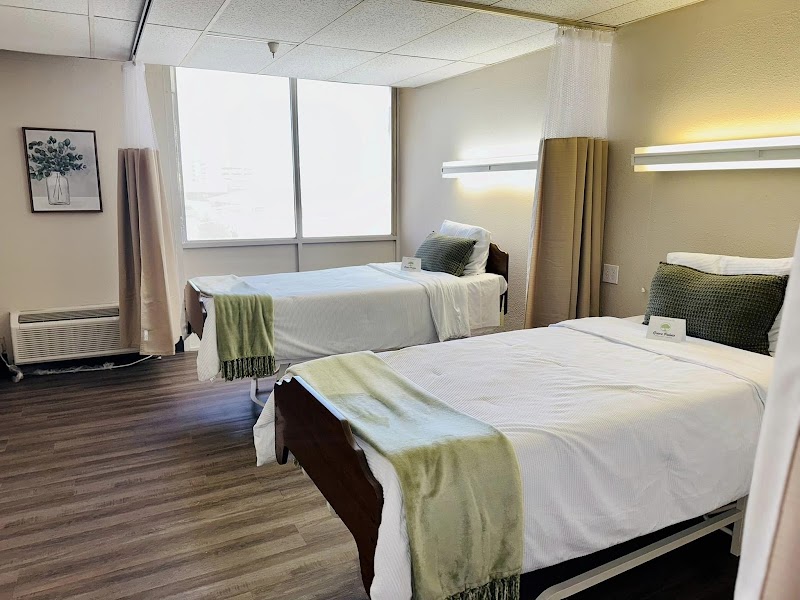
How is Grace Pointe Wellness Center Staffed?

CMS rates GRACE POINTE WELLNESS CENTER's staffing level at 4 out of 5 stars, which is above average compared to other nursing homes. Staff turnover is 27%, compared to the Texas average of 46%. This relatively stable workforce can support continuity of care.

What Have Inspectors Found at Grace Pointe Wellness Center?

State health inspectors documented 51 deficiencies at GRACE POINTE WELLNESS CENTER during 2022 to 2025. These included: 5 Immediate Jeopardy (the most serious level, indicating potential for serious harm or death), 45 with potential for harm, and 1 minor or isolated issues. Immediate Jeopardy findings are rare and represent the most serious regulatory concerns. They require immediate corrective action.
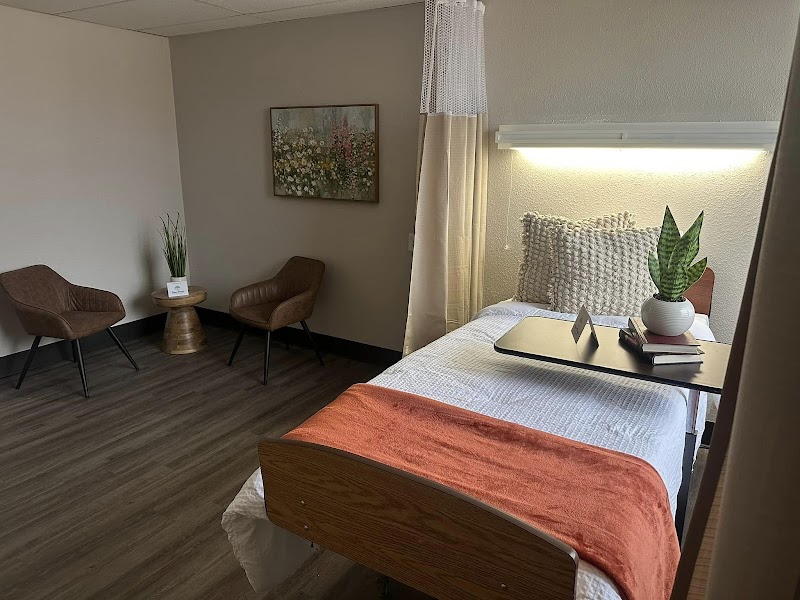
Who Owns and Operates Grace Pointe Wellness Center?

GRACE POINTE WELLNESS CENTER is owned by a for-profit company. For-profit facilities operate as businesses with obligations to shareholders or private owners. The facility is operated by CREATIVE SOLUTIONS IN HEALTHCARE, a chain that manages multiple nursing homes. With 154 certified beds and approximately 62 residents (about 40% occupancy), it is a mid-sized facility located in EL PASO, Texas.
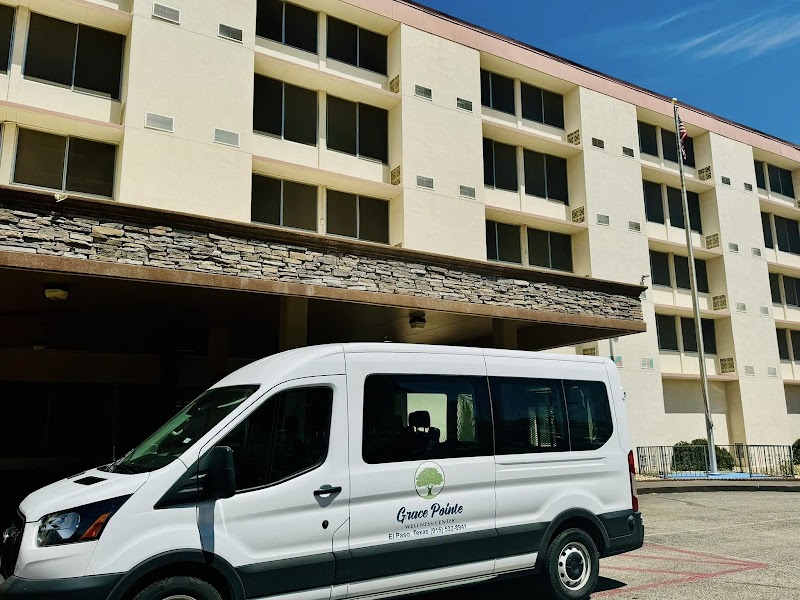
How Does Grace Pointe Wellness Center Compare to Other Texas Nursing Homes?

Compared to the 100 nursing homes in Texas, GRACE POINTE WELLNESS CENTER's overall rating (2 stars) is below the state average of 2.8, staff turnover (27%) is significantly lower than the state average of 46%, and health inspection rating (1 stars) is much below the national benchmark.

What Should Families Ask When Visiting Grace Pointe Wellness Center?

Based on this facility's data, families visiting should ask: "What changes have been made since the serious inspection findings, and how are you preventing similar issues?" "What safeguards and monitoring systems are in place to protect residents from abuse or neglect?" "Can I visit during a mealtime to observe dining assistance and food quality?" "How do you handle medical emergencies, and what is your hospital transfer rate?" These questions are particularly relevant given the facility's Immediate Jeopardy citations and the substantiated abuse finding on record.

Is Grace Pointe Wellness Center Safe?

Based on CMS inspection data, GRACE POINTE WELLNESS CENTER has documented safety concerns. The facility has 1 substantiated abuse finding (meaning confirmed case of resident harm by staff or other residents). Inspectors have issued 5 Immediate Jeopardy citations (the most serious violation level indicating risk of serious injury or death). The facility has a 2-star overall rating and ranks #100 of 100 nursing homes in Texas. Families considering this facility should ask detailed questions about what corrective actions have been taken since these incidents.

Do Nurses at Grace Pointe Wellness Center Stick Around?

Staff at GRACE POINTE WELLNESS CENTER tend to stick around. With a turnover rate of 27%, the facility is 19 percentage points below the Texas average of 46%. Low turnover is a positive sign. It means caregivers have time to learn each resident's needs, medications, and personal preferences. Consistent staff also notice subtle changes in a resident's condition more quickly. Registered Nurse turnover is also low at 17%, meaning experienced RNs are available to handle complex medical needs.

Was Grace Pointe Wellness Center Ever Fined?

GRACE POINTE WELLNESS CENTER has been fined $63,843 across 2 penalty actions. This is above the Texas average of $33,717. Fines in this range indicate compliance issues significant enough for CMS to impose meaningful financial consequences. Common causes include delayed correction of deficiencies, repeat violations, or care failures affecting resident safety. Families should ask facility leadership what changes have been made since these penalties.

Is Grace Pointe Wellness Center on Any Federal Watch List?

GRACE POINTE WELLNESS CENTER is not on any federal watch list. The most significant is the Special Focus Facility (SFF) program, which identifies the bottom 1% of nursing homes nationally based on persistent, serious quality problems. Not being on this list means the facility has avoided the pattern of deficiencies that triggers enhanced federal oversight. This is a positive indicator, though families should still review the facility's inspection history directly.