LOS ARCOS DEL NORTE CARE CENTER


11169 SEAN HAGGERTY, EL PASO, TX 79934 (915) 849-3000
Government - Hospital district 124 Beds FUNDAMENTAL HEALTHCARE Data: November 2025
Trust Grade
35/100
#1029 of 1168 in TX
Last Inspection: March 2025

Within standard 12-15 month inspection cycle. Federal law requires annual inspections.

Overview

Los Arcos Del Norte Care Center has received a Trust Grade of F, indicating significant concerns about the care provided, which places it in the poor category. It ranks #1029 out of 1168 facilities in Texas, meaning it is in the bottom half, and #19 out of 22 in El Paso County, suggesting limited options for better care nearby. The facility is worsening, with the number of issues identified increasing from 9 in 2024 to 30 in 2025. Staffing is rated 2 out of 5 stars, with a turnover rate of 49%, which is slightly below the Texas average, while RN coverage is good, exceeding that of 77% of state facilities. However, serious issues have been documented, including failures to properly treat residents with pressure ulcers, which led to worsening conditions, and inadequate care plans that do not address individual resident needs, indicating a lack of personalized care.

Trust Score
F
35/100
In Texas
#1029/1168
Bottom 12%
Safety Record
Moderate
Needs review
Inspections
Getting Worse
9 → 30 violations
Staff Stability
⚠ Watch
49% turnover. Above average. Higher turnover means staff may not know residents' routines.
Penalties
✓ Good
No fines on record. Clean compliance history, better than most Texas facilities.
Skilled Nurses
○ Average
Each resident gets 30 minutes of Registered Nurse (RN) attention daily — about average for Texas. RNs are the most trained staff who monitor for health changes.
Violations
⚠ Watch
76 deficiencies on record. Higher than average. Multiple issues found across inspections.
★☆☆☆☆
1.0
Overall Rating
★★☆☆☆
2.0
Staff Levels
★★★★☆
4.0
Care Quality
★☆☆☆☆
1.0
Inspection Score
Stable
2024: 9 issues
2025: 30 issues

The Good

  • 4-Star Quality Measures · Strong clinical quality outcomes
  • Full Sprinkler Coverage · Fire safety systems throughout facility
  • No fines on record

Facility shows strength in quality measures, fire safety.

The Bad

1-Star Overall Rating

Below Texas average (2.8)

Significant quality concerns identified by CMS

Staff Turnover: 49%

Near Texas avg (46%)

Higher turnover may affect care consistency

Chain: FUNDAMENTAL HEALTHCARE

Part of a multi-facility chain

Ask about local staffing decisions and management

The Ugly 76 deficiencies on record

1 actual harm
Aug 2025 4 deficiencies
CONCERN (D) 📢 Someone Reported This

A family member, employee, or ombudsman was alarmed enough to file a formal complaint

Potential for Harm - no one hurt, but risky conditions existed

Deficiency F0561 (Tag F0561)

Could have caused harm · This affected 1 resident

**NOTE- TERMS IN BRACKETS HAVE BEEN EDITED TO PROTECT CONFIDENTIALITY** Based on interview and record review the facility failed to ensure that each resident has a right to make choices about aspects ...

Read full inspector narrative →
**NOTE- TERMS IN BRACKETS HAVE BEEN EDITED TO PROTECT CONFIDENTIALITY** Based on interview and record review the facility failed to ensure that each resident has a right to make choices about aspects of his or her life in the facility that are significant to the resident for 1 of 8 residents (Resident #2) reviewed for self -determination. The facility failed to ensure that Resident #2 received incontinence care before or during mealtimes when requested. This failure could place residents at risk for avoidable discomfort, compromised dignity, and potential complications such as urinary tract infections and skin breakdownFindings included: Record review of Resident #2's face sheet dated 08/21/25, revealed, admission on [DATE] and re-admission on [DATE] to the facility. Record review of Resident #2's history and physical dated 5/15/25 revealed diagnoses of Hemiplegia, affecting left non-dominant side (means there is paralysis (loss of movement) on the left side of the body. Since most people are right-handed, the left side is considered the non-dominant side.), Unspecified dementia (a condition that affects memory, thinking, and daily functioning. Unspecified means the exact type of dementia (like Alzheimer's or vascular dementia) has not been clearly identified), Unspecified abnormalities of gait and mobility (means the person has trouble walking or moving around normally, but the exact cause or type of walking problem hasn't been clearly described), and Muscle wasting and atrophy (refers to the muscles getting smaller, weaker, and thinner over time, often because they are not being used enough or due to a medical condition). Record review of Resident #2's annual MDS dated [DATE], revealed, an intact cognition with no impairment BIMS score of 15 to be able to recall or make daily decisions. ADLs for toileting was partial/moderate assistance (Staff does less than half the effort). Resident was always incontinent for bowel and bladder. Record review of Resident #2's care plan dated 6/24/25 revealed a focus for requires assist to complete ADL tasks due to impaired cognition, impaired mobility and incontinence with goal of will maintain a sense of dignity by being clean, dry, odor free and well-groomed thru the next review date and interventions included toileting- partial/moderate assistance. Record review of Resident #2's grievance dated 6/18/25 revealed it was written by Resident #2's RP and it was communicated to the DON, Administrator, and SW. The grievance was communicated verbally, and the concern was mistreatment. The concern in detail read patients not being changed in a timely manner and left soiled through lunch. Separate sheet with details. the Documentation investigation and post investigation follow up were left blank and it was only signed by Resident #2's RP. Record review of Resident #2's grievance typed report (which was referred to above as separate sheet with details) dated 6/18/25 written by Resident #2 RP revealed On 05/02/2025 Around 11:45 AM. I went to DON office to get assistance to have someone change [Resident #2] who was soiled, call light was on for about 20 minutes, no one was around the hall nor in the nurse's station. I asked DON if she can have someone change my [Resident #2], she then in turn tells me that they can't right now because it's lunch time and that state regulations or law prohibits them to do so during lunch because it's unsanitary. [Resident #2] sat through lunch soiled for almost an hour. I spoke to [Administrator] about what had transpired with DON, and he tells me pretty much the same thing agreeing with what DON told me. I replied, that if not changing [Resident #2] who was soiled is not sanitary during lunch, is it sanitary for the patients to sit through lunch soiled? Would any of them sit through lunch soiled? I also told him that I had asked before lunch not during lunch. 15, 20 minutes before lunch. [Administrator] said that he would talk to DON to see if they can come up with a solution. 06/09/2025 At 11:17 AM, [Resident #2] tells me she needs to be changed because she pooped, I press the call switch the light goes on. Shortly afterwards [SW] walks in and asked who needed assistance, I responded that [Resident #2] needed to be changed. She said she would get someone and left the room, shortly she returns saying in an apologetic manner that [Resident #2] could not be changed at the moment cause the food trays were going to be distributed to the residents. I feel that the patients are being neglected and the progress of the staff was making has faltered. I have reached out to [Ombudsman] about what the Administrator and DON said about the regulations or law about changing patients at lunch or before lunch. His response was I have sought out law or regulation about patients being changed during lunch, before or after and have reached out to an Investigator of Health and Human Services, and found this information is baseless and suggested I file a grievance report. During an interview on 8/19/25 at 2:08 pm, the Ombudsman stated that Resident #2's RP called him and reported that staff were not taking care of her. The Ombudsman stated he had not seen any regulation that prevented residents from being changed, but the RP stated the facility told him that per state regulations residents were not to be changed prior to and during meals due to infection control concerns. The Ombudsman stated this was concerning because it involved residents remaining in soiled briefs before and during meals, having to wait until after meals to be changed. During an interview on 8/20/25 at 9:07 am, Resident #2 stated she needed help with toileting. She stated she wore briefs and was changed approximately every two-three hours. She stated that on one occasion she asked to be changed and was told she had to wait until after the meal. She stated she was told this was due to hygienic concerns with the meal being at bedside. She could not remember the CNA's name but stated her RP was present when this occurred. She stated she was eventually changed but could not recall how long after her request. She stated she felt very uncomfortable waiting in her soiled brief and that her RP reported the concern, but she did not know to whom. During an interview on 8/20/25 at 9:12 am, Resident #2 stated she needed assistance with toileting and wore briefs. She stated that if she was soiled, she had to ask in advance because if it was close to mealtime, she had to wait until after she finished eating. She stated she was not given a reason for this but was told it was just how the facility operated. She stated there were times she sat in soiled briefs during meals and that it was uncomfortable, embarrassing, and irritating. She stated she had not told anyone because she was informed by staff that she had to wait and assumed it was the norm at the facility. During an interview on 8/20/25 at 9:17 am, LVN F stated CNAs did not change residents' briefs during meal tray delivery. She stated CNAs were not to change residents' briefs per facility practice until after the meal. When asked about policy, she could not recall which policy it was. LVN F stated the reason provided was to prevent cross-contamination. When asked if CNAs were washing their hands before and after providing incontinence care, she stated yes. When asked how that would be considered cross-contamination, she stated, I don't know how to answer that. When asked if it was the residents' right to be changed, she stated that it was but could not explain why it was not being done and only reiterated that it was for cross-contamination prevention. LVN F stated she had not received complaints from residents about not being changed. LVN F stated the only complaint came from Resident #2 RP, who had requested Resident #2 to be changed. LVN F stated Resident #2 was eventually changed, but it occurred after the meal. When asked why care was delayed until after the meal, she hesitated and stated again it was to prevent cross-contamination. When asked about resident rights, she could not answer directly. During an interview on 8/20/25 at 9:26 am, CNA I stated that residents were not changed if they became soiled before or during meals. CNA I stated that if a resident requested to be changed during that time, she would encourage the resident to wait until they were done eating. She stated the reason given to staff was to prevent cross-contamination. When asked if she washed her hands before and after providing incontinence care, she stated yes. When asked how cross-contamination would occur if staff followed hand hygiene and infection control practices, she stated she did not know how to answer that question. During an interview on 8/20/25 at 10:07 am, the ADON (who is also the Infection Prevention nurse) stated residents were changed before meal trays were passed out and after they were done eating, but not during meals. She stated she had spoken with the DON and reviewed documentation. She stated the practice was due to infection control best practice. When asked if staff washed their hands and followed standard infection control procedures, she stated they did. She then stated the concern was also about dignity, as it was inappropriate for a roommate to eat while another resident was being changed. She acknowledged dignity issues could include odor, irritation, risk of urinary tract infections, or skin breakdown. During an interview on 8/20/25 at 1:33 pm, the DON stated Resident #2 RP approached her and requested his mother be changed while trays were out in the hall. She stated the facility's best practice was not to perform incontinence care in the unit while meal trays were actively being served and consumed. The DON stated there was no written policy, only best practice. The DON stated CNAs washed their hands, but if a roommate was eating in the room while another resident was being changed, it violated dignity for the roommate. The DON stated staff were trained to wash their hands after care per standard precautions, so cross-contamination should not be a concern, stated she did not initially think of it in that way. The DON stated she had previously referenced regulations but upon review had not found any supporting regulation. The DON stated she reviewed infection control policy the day prior (8/19/25) and did not find anything that prohibited changing during meals. The DON stated the risk of delaying care was skin breakdown, infection, and resident discomfort. During an interview on 8/20/25 at 4:08 pm, the SW stated she had heard of the concept that CNAs could not change a resident during mealtime due to concerns of cross-contamination and dignity, and because the odor might be unpleasant for the roommate and cause nausea or loss of appetite. The SW stated she was not aware if residents had been asked whether they were comfortable being changed during meals or if they had been offered the option to step out during the brief change. The SW stated that if it had been her in that situation, and she had to wait to be changed for the sake of her roommate's dignity, she would have felt dirty having to eat her meal while soiled. When asked about cross-contamination, she stated she did not know much about it and referred the question to the nursing staff. During an interview on 8/22/25 at 9:02 am, the NP stated that usually when residents were eating, staff were also busy cleaning trays in the hallway and attending to other tasks. He stated that residents should be cleaned when needed and thought it was unusual that staff did not change residents' minutes before or during meals. He stated he did not believe there was significant risk if the wait was less than two hours, but if it exceeded two hours, then it became a concern. During an interview on 8/22/25 at 11:05 am, the Administrator stated that the facility does not have a written policy that prevents residents from being changed minutes before or during meals. The Administrator explained that some staff may believe this practice relates to infection control, particularly if a resident has an explosive bowel movement, but stated that delaying care could have a negative emotional impact on residents. The Administrator clarified that he has never told staff that this was a regulation or requirement, nor has he heard the Director of Nursing communicate such a rule. Record review of the facility's Patient/Residents Rights dated 2023 read in part Policy: The Facility employs measures to ensure patient and resident personal dignity, well-being, and self-determination are maintained and will educate patients and residents regarding their rights and responsibilities. Resident rights: The resident has a right to a dignified existence, self-determination, and communication with and access to persons and services inside and outside the facility, including those specified in this section; A resident must receive and consent with respect and dignity and care for each resident in a manner and in an environment that promotes maintenance or enhancement of his or her quality of life, recognizing each resident's individuality; The resident has the right to exercise his or her rights as a resident of the facility and as a citizen or resident of the United States. Record review of the facility's Infection Prevention and Control Program and Plan policy dated May 15, 2023, revealed there was nothing that indicated staff could not provide soiled brief changes minutes prior and during meals due to cross contamination concerns.
CONCERN (D) 📢 Someone Reported This

A family member, employee, or ombudsman was alarmed enough to file a formal complaint

Potential for Harm - no one hurt, but risky conditions existed

Grievances (Tag F0585)

Could have caused harm · This affected 1 resident

**NOTE- TERMS IN BRACKETS HAVE BEEN EDITED TO PROTECT CONFIDENTIALITY** Based on interview and record review the facility failed to ensure the prompt resolution of all grievances to include ensuring t...

Read full inspector narrative →
**NOTE- TERMS IN BRACKETS HAVE BEEN EDITED TO PROTECT CONFIDENTIALITY** Based on interview and record review the facility failed to ensure the prompt resolution of all grievances to include ensuring that all written grievance decisions include the date the grievance was received, a summary statement of the resident's grievance, the steps taken to investigate the grievance, a summary of the pertinent findings or conclusions regarding the residents' concerns, a statement as to whether the grievance was confirmed, any corrective action or to be taken by the facility as a result of the grievance, and the date when the decision was issued for 1 (Resident #2) of 8 residents reviewed for resident rights. The facility failed to complete a grievance for Resident #2 RP who requested Resident #2 to be changed during a mealtime. This failure could place residents at risk for grievances not being addressed or resolved promptly. Record review of Resident #2's face sheet dated 08/21/25, revealed, admission on [DATE] and re-admission on [DATE] to the facility. Record review of Resident #2's history and physical dated 5/15/25 revealed diagnoses of Hemiplegia, affecting left non-dominant side (means there is paralysis (loss of movement) on the left side of the body. Since most people are right-handed, the left side is considered the non-dominant side.), Unspecified dementia (a condition that affects memory, thinking, and daily functioning. Unspecified means the exact type of dementia (like Alzheimer's or vascular dementia) has not been clearly identified), Unspecified abnormalities of gait and mobility (means the person has trouble walking or moving around normally, but the exact cause or type of walking problem hasn't been clearly described), and Muscle wasting and atrophy (refers to the muscles getting smaller, weaker, and thinner over time, often because they are not being used enough or due to a medical condition). Record review of Resident #2's annual MDS dated [DATE], revealed, an intact cognition with no impairment BIMS score of 15 to be able to recall or make daily decisions. ADLs for toileting was partial/moderate assistance (Staff does less than half the effort). Resident was always incontinent for bowel and bladder. Record review of Resident #2's care plan dated 6/24/25 revealed a focus for requires assist to complete ADL tasks due to impaired cognition, impaired mobility and incontinence with goal of will maintain a sense of dignity by being clean, dry, odor free and well-groomed thru the next review date and interventions included toileting- partial/moderate assistance. Record review of Resident #2's grievance dated 6/18/25 revealed it was written by Resident #2Resident #2's RP and it was communicated to the DON, Administrator, and SW. The grievance was communicated verbally, and the concern was mistreatment. The concern in detail read patients not being changed in a timely manner and left soiled through lunch. Separate sheet with details. the Documentation investigation and post investigation follow up were left blank and it was only signed by Resident #2Resident #2's RP. Record review of Resident #2's grievance typed report (which was referred to above as separate sheet with details) dated 6/18/25 written by Resident #2 RP revealed On 05/02/2025 Around 11:45 AM. I went to DON office to get assistance to have someone change [Resident #2] who was soiled, call light was on for about 20 minutes, no one was around the hall nor in the nurse's station. I asked DON if she can have someone change my [Resident #2], she then in turn tells me that they can't right now because it's lunch time and that state regulations or law prohibits them to do so during lunch because it's unsanitary. [Resident #2] sat through lunch soiled for almost an hour. I spoke to [Administrator] about what had transpired with DON, and he tells me pretty much the same thing agreeing with what DON told me. I replied, that if not changing [Resident #2] who was soiled is not sanitary during lunch, is it sanitary for the patients to sit through lunch soiled? Would any of them sit through lunch soiled? I also told him that I had asked before lunch not during lunch. 15, 20 minutes before lunch. [Administrator] said that he would talk to DON to see if they can come up with a solution. 06/09/2025 At 11:17 AM, [Resident #2] tells me she needs to be changed because she pooped, I press the call switch the light goes on. Shortly afterwards [SW] walks in and asked who needed assistance, I responded that [Resident #2] needed to be changed. She said she would get someone and left the room, shortly she returns saying in an apologetic manner that [Resident #2] could not be changed at the moment cause the food trays were going to be distributed to the residents. I feel that the patients are being neglected and the progress of the staff was making has faltered. I have reached out to [Ombudsman] about what the Administrator and DON said about the regulations or law about changing patients at lunch or before lunch. His response was I have sought out law or regulation about patients being changed during lunch, before or after and have reached out to an Investigator of Health and Human Services, and found this information is baseless and suggested I file a grievance report. During an interview on 8/20/25 at 9:12 am, Resident #2 stated she needed assistance with toileting and wore briefs. She stated that if she was soiled, she had to ask in advance because if it was close to mealtime, she had to wait until after she finished eating. She stated she was not given a reason for this but was told it was just how the facility operated. She stated there were times she sat in soiled briefs during meals and that it was uncomfortable, embarrassing, and irritating. She stated she had not told anyone because she was informed by staff that she had to wait and assumed it was the norm at the facility. During an interview on 8/20/25 at 1:33 pm, the DON stated the Social Worker and Administrator conducted the investigation. The DON stated that for a typical grievance, the process would be completed online; however, since this was reportable, the investigation continued and was resolved. The DON stated they completed the investigation but did not document it. She explained the risk of not completing the documentation was that if it was not documented, it did not happen, and without follow-up it could not be supported.During an interview on 8/20/25 at 3:39 pm, the SW stated she had received the grievance from Resident #2's RP. The SW stated she had reviewed the notes and the additional page where the RP mentioned [Resident #2] being neglected, which led her to determine it was reportable. The SW stated that whenever a grievance mentioned neglect or resident rights not being met, it was considered reportable, and a self-report required to the state office. The SW stated the Administrator then took over and conducted the report but emphasized that the complaint itself was still her responsibility. She stated it was not completed because it was reportable. The SW stated she had reviewed the policy with the surveyor on 8/20/25 and identified that nothing in the policy reflected that the grievance form should not be completed due to a self-reportable. The SW stated that although she had access to the policy, she had not reviewed it prior to that day. The SW stated that if it had not been reported to the state, the grievance could have fallen through the cracks. The SW stated that even with the self-report, there could be a negative outcome because without proper documentation, there was no way to confirm if it was resolved or who had investigated it.Record review of the facility's Complaint/ Grievances Process policy dated 10/23/19 read in part Procedures: 2- Upon receipt of the grievance/ complaint the receiver completes and signs all appropriate sections of the current complaint/grievance form; 4- The SW/ designee ensures all sections of the Complaint/grievance report are completed appropriately and signed by the staff completing the investigation and developing the resolution. Ensure any supportive documentation related to the grievance is attached.
CONCERN (D) 📢 Someone Reported This

A family member, employee, or ombudsman was alarmed enough to file a formal complaint

Potential for Harm - no one hurt, but risky conditions existed

Deficiency F0700 (Tag F0700)

Could have caused harm · This affected 1 resident

**NOTE- TERMS IN BRACKETS HAVE BEEN EDITED TO PROTECT CONFIDENTIALITY** Based on observation, interview, and record review the facility failed to assess the resident for risk of entrapment from an ena...

Read full inspector narrative →
**NOTE- TERMS IN BRACKETS HAVE BEEN EDITED TO PROTECT CONFIDENTIALITY** Based on observation, interview, and record review the facility failed to assess the resident for risk of entrapment from an enabler (bed rail) prior to installation or review the risks prior to installation for 1 (Resident #3) of 4 residents reviewed for enablers (bed rails). The facility failed to ensure that Resident #3 had a Scoop/Booster Mattress Assessment done to ensure the scoop/booster mattress was appropriate for use as an enabler.The facility failed to ensure that Resident #3 had orders for the scoop/booster mattress (enablers) use. The facility failed to obtain a Consent for use of the scoop/booster mattress for Resident #3. This failure could place residents who have scoop/mattresses (enablers) at risk of having inappropriate or unnecessary enablers in place increasing their risk of injury.Findings include:Record review of Resident #3's face sheet dated 08/21/25, revealed, admission on [DATE] and re-admission on [DATE] to the facility. Record review of Resident #3's facility history and physical dated 07/08/25, revealed, an [AGE] year-old male diagnosed with Dementia and Diabetes, right humeral neck fracture, left intertrochanteric femur fracture as well as a chronic right humerus head fracture with possible new medial displacement. Record review of Resident #3's quarterly MDS dated [DATE], revealed, a severe impaired cognition BIMS score of 2 to be able to recall or make daily decisions. Resident #3's functional ability was substantial/maximal assistance (staff does more than half the effort) for roll left and right, sit to lying, lying to sitting on side of bed, and chair/bed to chair transfer. Resident #3 was not coded in section P - Restrains and Alarms: P0100. Physical Restraints (Physical restraints are any manual method or physical or mechanical device, material or equipment attached or adjacent to the resident's body that the individual cannot remove easily which restricts freedom of movement or normal access to one's body) for used in bed. Record review of Resident #3's care plan dated 07/10/25, revealed, Problem: Risk for injury related to impaired mobility and recent left hip fracture. Approach: Place resident on scoop mattress as ordered to assist with proper positioning, reduce pressure points, and prevent further injury. Record review of Resident #3's orders reviewed on 08/21/25, revealed, there was no orders for the use of a scoop/booster mattress for Resident #3. Order dated 02/05/25, revealed, bed mobility with assist of 1 person. Record review of Resident #3's Consent reviewed on 08/21/25, reviewed, there were no consent for use of scoop/booster mattress. Record review of Resident #3's PT Evaluation & Plan of Treatment dated 07/09/25-09/06/25, revealed, Reason for Referral / Current illness: Resident #3 was a LTC resident referred to skilled PT services due to an unwitnessed fall resulting to a left femur fracture and re-fracture of right upper extremity. Right Lower extremity strength was impaired, left lower extremity was impaired, hip impaired, knee impaired, and ankle impaired. Bed mobility was max, supine was max, sit was max, transfers was max. Gross motor was impaired. Clinical Impression: Resident #3 exhibits weakness, balance deficits and decrease activity tolerance. Resident #3 requires encouragement for participation; requires MAX Assistance for functional mobility, per nursing report, resident #3 was easily agitated and can be aggressive. Record review of Resident #3's OT Evaluation & Plan of Treatment dated 07/09/25-09/06/25, revealed, Reason for Referral /Current illness: Resident #3 referred to OT due to exacerbation (a sudden worsening or flare-up of symptoms of a chronic disease) of decrease in functional mobility, decrease in range of motion, decrease in strength, reduced dynamic balance, reduced static balance (having a decreased ability to hold a stable, fixed body position without moving) and reduced ADL participation. Right Upper Extremity ROM was impaired, shoulder was impaired, right upper extremity was impaired. Toileting was dependent, upper body dressing was Max assistance, lower body dressing was total dependence. Clinical Impressions: upon evaluation Resident #3 demonstrates significant deficits affecting selfcare tasks and functional mobility. During an interview on 08/20/25 at 2:02 PM, with the DON, she stated Resident #3 was a high fall risk. The DON stated Resident #3 had a scoop/booster mattress to help repositioning, to help find the borders for him, and to prevent him from rolling off the bed. The DON stated Resident #3 was able to get in and off the bed by himself. The DON stated Resident #3 was evaluated for the scoop/booster mattress but did not know if he was evaluated to see if he was able to in and out of bed. The DON stated she could not recall if there was a physician order for the scoop/booster mattress. The DON stated there was no physician order seen for the scoop/booster mattress. The DON stated Resident #3 was care planned for the scoop/booster mattress. The DON stated the care plan mentioned to place resident on scoop mattress as ordered. The DON stated there would have to be an order for use of the scoop/booster mattress. The DON stated there was no consent form seen for use of the scoop/booster mattress. The DON stated the nurses were responsible for getting the orders and the consent for use. During an interview on 08/21/25 at 10:25 AM, with the DOR, he stated the therapy had done their own evaluation of Resident #3 but do not do evaluation on residents to see if they are able to use bed rails or scoop/booster mattress to see if they can use them as enablers. The DOR stated Resident #3's PT evaluation for bed mobility stated he was a max assistance and also with transfers. The DOR stated Resident #3 was unable to walk. The DOR stated Resident #3 would not be able to use the scoop/booster mattress to get out of bed or help him use it as an enabler. The DOR stated he did not see the negative outcome of Resident #3 using the scoop/booster mattress. The DOR stated if there were an emergency Resident # would not be able to get out of bed on his own. During an interview on 08/22/25 at 11:24 AM, with the Administrator, he stated a scoop/booster mattress was ordered for Resident #3. The Administrator stated Resident #3 did not have a physician order, nor consent form for use of the scoop/booster mattress, and no therapy or nursing assessment conducted to see if Resident #3 was able to use the scoop/booster mattress. The Administrator stated the purpose of the therapy/nursing assessment was to make sure the scoop/booster mattress fit Resident #3 and was an enabler as not doing so could be a risk of entrapment. During an interview on 08/22/25 at 1:32 PM, NP B stated he was not too familiar with the scoop/booster mattress. NP B stated there were no orders for the scoop/booster mattress as he did not give any nor were any asked by the facility to him. NP B stated as per policy the negative outcome would be that the scoop/booster mattress would be not appropriate for Resident #3's use. Record review of the facility Bed Rails and Side Rails, installation and use Policy, dated 05/05/25, revealed, Policy - The facility will attempt to use appropriate alternatives prior to installing a side or bed rail. The facility will ensure the correct installation, use and maintenance of bed rails/side rails when their use was determined to be appropriate for the patient/resident. Procedures: Acceptable alternatives will be considered prior to the installation of bed rails. Alternatives include but are not limited to roll guards, foam bumpers, lowering the bed and using concave mattresses that can help reduce rolling off the bed. -The resident will be evaluated for the risk of entrapment prior to installation.
CONCERN (D) 📢 Someone Reported This

A family member, employee, or ombudsman was alarmed enough to file a formal complaint

Potential for Harm - no one hurt, but risky conditions existed

Medical Records (Tag F0842)

Could have caused harm · This affected 1 resident

**NOTE- TERMS IN BRACKETS HAVE BEEN EDITED TO PROTECT CONFIDENTIALITY** Based on observation, interview and record review the facility failed to ensure medical records, in accordance with accepted pro...

Read full inspector narrative →
**NOTE- TERMS IN BRACKETS HAVE BEEN EDITED TO PROTECT CONFIDENTIALITY** Based on observation, interview and record review the facility failed to ensure medical records, in accordance with accepted professional standards and practices, were maintained on each resident that were accurately documented for 1 of 6 residents (Resident #2) reviewed for medical records. The facility failed to ensure Resident #2's facility provider report to the state agency failed to accurately document the treatment and administration in the record for perineal care for Resident #2. This failure could place residents at risk of having incomplete and inaccurate medical records possibly resulting in inadequate treatment/care. Findings include:Record review of Resident #2's face sheet dated 08/21/25, revealed, admission on [DATE] and re-admission on [DATE] to the facility. Record review of Resident #2's history and physical dated 5/15/25 revealed diagnoses of Hemiplegia, affecting left non-dominant side (means there is paralysis (loss of movement) on the left side of the body. Since most people are right-handed, the left side is considered the non-dominant side.), Unspecified dementia (a condition that affects memory, thinking, and daily functioning. Unspecified means the exact type of dementia (like Alzheimer's or vascular dementia) has not been clearly identified), Unspecified abnormalities of gait and mobility (means the person has trouble walking or moving around normally, but the exact cause or type of walking problem hasn't been clearly described), and Muscle wasting and atrophy (refers to the muscles getting smaller, weaker, and thinner over time, often because they are not being used enough or due to a medical condition). Record review of Resident #2's annual MDS dated [DATE], revealed, an intact cognition with no impairment BIMS score of 15 to be able to recall or make daily decisions. ADLs for toileting was partial/moderate assistance (Staff does less than half the effort). Resident was always incontinent for bowel and bladder. Record review of Resident #2's care plan dated 06/19/25, revealed, Problem: Family frequently voices concern that resident was not being changed or cared for adequately, despite care being provided per facility protocols. Document all care provided.Record review of Resident #2's facility provider report dated 06/26/25, revealed, Resident #2's family member #1 stated in a grievance that he submitted on 6/19/25 that I feel that the patients are being neglected again and that the progress the staff was making has faltered. Skin sweeps conducted on hall, changed tray times on 400 hall, implemented an order for resident to be changed before meals. In-service on Abuse and Neglect, Residents rights and Dignity, Compassionate and timely Incontinent Care. Notification to Family, Physician/NP, Ombudsman, and state. Facility conclusion was inconclusive. Record review of Resident #2's progress notes generated by LVN H dated 06/19/25, revealed, LVN H asked Resident #2 if she felt neglected while residing in the facility. Resident #2 denied any feelings of neglect and stated, I really like it here. The staff are so nice and attentive to me. LVN H further inquired if the resident's needs were being met and the resident responded, Yes, I am very comfortable here. When asked if she felt safe in the facility, the resident stated, Yes, I feel very safe here. LVN H provided education to the resident about having a CNA assist with changing her brief prior to all meals. The resident verbalized understanding of this process. Additionally, the resident was informed that meal tray delivery will be adjusted to allow for brief changes before trays are served in the hallway. This change was in alignment with CMS and state infection control guidelines. On 08/20/25 a documentation policy was requested but one was not provided by the facility. During an interview on 08/20/25 at 1:56 PM, with the DON, she stated the Suggest Questions for Accused was provided to CNA C, CNA D, and LVN F but they were not being accused of any allegations. The DON stated they were given that documents form to gather information as it was being investigated as a concern and grievance from family member #1 for Resident #2. The DON stated the form should have been adjusted to say something different other then, Suggest Questions for Accused. The DON stated it was a documentation error and all staff have been trained on how to documents properly. The DON stated the negative outcome of improper documentation would be failure in documenting of the care and what was done for the resident. During an interview on 08/21/25 at 9:21 AM, CNA C stated family member #1 had voiced that Resident #2 was not being changed. CNA C stated they were changing Resident #2 and were marking the changes down on a log every time they changed her. CNA C stated she was called into the office and was asked to fill out a document. CNA C stated she does not read English and was not told that the documents title was Suggested Questions for Accused was accusing her of the allegation. CNA C stated if she would have known she would have not filled out and signed the document.During an interview on 08/21/25 at 9:52 AM, with CNA D, she stated family member #1 was complaining that staff were not changing Resident #2. CNA D stated CNA C and her were told to go to the DON's office to fill out the Suggest Questions for Accused documentation. CNA D stated she was informed that the Suggest Questions for Accused was an attention to a concern with a resident and not a write up. CNA D stated she did not read English and did not know what she was filling out other then what she was being told. During an interview on 08/21/25 at 3:33 PM, with LVN F, she stated Resident #2's family member #1 had made a complaint that staff was not changing Resident #2. LVN F stated she filled out the Suggest Questions for Accused but did not realize what she was signing. LVN F stated the staff were not suspended as it was not a write up but only information that the facility was requesting for the investigation. LVN F stated if she would have paid better attention to the document that she would have questioned it. LVN F stated the nursing staff was providing perineal care all the time. During an interview on 08/22/25 at 11:05 AM, with the Administrator, he stated the title Suggested Questions for Accused documents where the nursing staff had filled out, was a template that was given to them by corporate and should have had the part of accused being changed to something else as the nursing staff was not being accused of anything. The Administrator stated that staff are trained on documenting. The Administrator stated the nursing staff should have known how to document, clearly, and to be able to capture what was being done. The Administrator stated the negative impact would affect reimbursement and not knowing what the residents' needs are if not documented accurately and correctly.
Jun 2025 3 deficiencies
CONCERN (D) 📢 Someone Reported This

A family member, employee, or ombudsman was alarmed enough to file a formal complaint

Potential for Harm - no one hurt, but risky conditions existed

Abuse Prevention Policies (Tag F0607)

Could have caused harm · This affected 1 resident

**NOTE- TERMS IN BRACKETS HAVE BEEN EDITED TO PROTECT CONFIDENTIALITY** Based on observation, interview, and record review the facility failed to implement their written policies and procedures to pro...

Read full inspector narrative →
**NOTE- TERMS IN BRACKETS HAVE BEEN EDITED TO PROTECT CONFIDENTIALITY** Based on observation, interview, and record review the facility failed to implement their written policies and procedures to prohibit and prevent abuse, neglect, and exploitation of residents for 1 of 7 (Resident #1) residents reviewed for abuse. The facility failed to follow their abuse policy when they did not perform a skin assessment following an incident. This failure placed Residents at risk for abuse and neglect. Findings included: Record review of Resident #1's face sheet dated 06/11/25, revealed admission on [DATE]. Record review of Resident #1's facility history and physical dated 05/21/25, revealed, an [AGE] year-old female diagnosed with chronic skin condition versus staphylococcal scalded skin syndrome (MSSA bacteremia - a bloodstream infection caused by the bacteria Staphylococcus aureus, which are susceptible to methicillin and other beta-lactam antibiotics). Record review of Resident #1's MDS dated [DATE] revealed BIMS score of 11, indicating her cognition was moderately impaired. Record review of Resident #1's care plan dated 6/6/25 revealed no focus area or interventions for Resident #1's refusal to shower. Record review of Resident #1's progress notes dated 5/28/25- 5/29/25 revealed there was no skin assessment documented following her behavior and/or allegation of mistreatment. Record review of Resident #1's skin assessment dated [DATE] did not specify reason for assessment and no abnormalities were found. During an interview on 6/11/25 at 11:15 am, CNA A stated that he was informed Resident #1 had alleged that he beat her up during a shower while she was on the gurney. CNA A stated that CNA B had asked him to assist with the shower. CNA A stated that he retrieved soap and began scrubbing the resident's back and hair due to visible dandruff. CNA A stated that midway through the shower, Resident #1 began saying that her cellphone had no battery and that she would call 911. CNA A stated that Resident #1 was not screaming and remained compliant until the water was applied, which he described as warm. CNA A stated after the shower, LVN D assisted him in transferring her back to bed after the shower and no cocnerns were voiced at that time, she had already been calm. CNA A described Resident #1 as having extremely dry skin and noticeable body odor, which he attributed to her refusal to shower. CNA A believed that Resident #1 became upset because she was given a shower. CNA A stated that this was the resident's first shower since admission and that she required a two-person assist. During an interview on 6/11/25 at 1:51 pm, CNA B stated that it was her first time working with Resident #1 and that she had not worked with her since, as she had not been scheduled to that hall. CNA B stated that CNA A assisted with turning on the water and waited for it to get warm, and once the water made contact with Resident #1, she began to scream, so they stopped. CNA B stated that she did not understand what Resident #1 was saying because she was speaking in Spanish. CNA B estimated they were in the shower room for approximately 8 to 10 minutes and attempted to complete the shower as quickly as possible. CNA B denied hitting Resident #1. During an interview and observation on 6/11/25 at 2:16 pm, Resident #1 was alert and oriented to person, place, and event. Resident #1 was observed with hair that appeared disheveled and uncombed, with strands scattered in multiple directions. Resident #1 had a strong body odor and visible white, flake-like substances on her skin. Resident #1 stated she only remembered receiving one shower approximately three or four weeks ago. Resident #1 stated she was taken into the shower on a gurney and that staff were putting water all over her in all directions. Resident #1 stated she felt scared because it was the first time someone had done this. Resident #1 stated she told staff she was going to call the police but ultimately did not. Resident #1 stated she could not recall the staff involved and was unable to describe them. Resident #1 stated that since then, she had been showered in different shower rooms and only required assistance with adjusting the water temperature. Resident #1 stated she was able to shower herself and now felt safe but still wanted to leave the facility. Resident #1 stated her most recent shower occurred three days ago. During an interview on 6/12/25 at 10:16 am, LVN D stated Resident #1's skin appeared very scaly and dry, and she had a strong body odor. LVN D stated that on the day of the incident (5/28/25), Resident #1 agreed to a shower. LVN D stated that once the shower was completed, he assisted with transferring Resident #1 back to bed. He stated that Resident #1 did not voice any concerns or make any statements upon returning from the shower. LVN D stated he was not made aware of any allegations until the following day when nursing administration brought it to his attention. He stated that no skin assessment was requested or conducted, and no staff reported any concerns to him at the time. During an interview on 6/12/25 at 11:41 am, The DON stated she was first notified of the allegation involving Resident #1 on 5/28/25 in the afternoon, after the morning shift had ended that Resident #1 had said she had been hit during the shower the day before. The DON stated she did not recall who initially reported the concern but believed it may have been either the floor nurse or the wound care nurse. The DON stated she was told that Resident #1 voiced that someone had scrubbed her too hard during the shower and that both hot and cold water were used. The DON stated she reviewed the documentation and found no progress notes or skin assessments completed on the day of the allegation, 5/28/25. The DON stated the only available skin assessment was timestamped 5/30/25 and did not specify that it was related to the allegation. The DON stated that, per facility policy, a progress note should have been completed to document both the skin assessment and the incident. The DON stated that the failure to document the assessment following the allegation was a failure to provide adequate care, ensure continuity of care, and properly intervene. During an interview on 6/12/25 at 12:13 pm, the ADON stated she was notified of the incident by the morning nurse (LVN D) the day after the shower (5/29/25), which occurred on 5/28/25. The ADON stated she was aware that staff had been attempting to get Resident #1 to accept a shower for several days and that the resident had finally agreed. The ADON stated that Resident #1 expressed in Spanish to her that she had been scrubbed too hard during the shower, which was the only concern initially verbalized . The ADON stated that after the concern was brought to her attention, she went to speak with Resident #1, who was with her family member at the time. The ADON stated that Resident #1 did not disclose any additional information other than saying she did not like the shower. The ADON stated that a skin assessment was attempted, but the resident initially refused due to being upset. The ADON stated she had to wait until the next day, when the resident's family member was present, to follow up. The ADON stated that a skin observation was conducted on the day of the shower and that she later completed a follow-up assessment. The ADON stated that the initial attempt to complete the skin assessment was not documented in the clinical record because it was considered part of the internal investigation. The ADON stated she declined to answer specific questions regarding documentation, noting that showers were considered part of direct care and routine treatments. During an interview on 6/13/25 at 2:55 pm, The Administrator stated the DON notified him of Resident #1's incident but he could not recall the exact date. The Administrator stated the DON conducted an investigation. The Administrator stated that following the incident, body assessment should've been completed. The Administrator stated that the risk of not completing a skin assessment after the incident would be the inability to determine if any injuries occurred. The Administrator stated the ADON and DON should have been following up to ensure all required documentation was in place. The Administrator stated that education on documentation was provided on a case-by-case basis. Record review of the facility's Abuse, Neglect, Exploitation, or Mistreatment policy dated 11/1/2017 read in part on page #7 7. Guidelines for Investigation: A. Immediately assess the resident/patient at the time of discovery of alleged abuse. B. Document assessment in the medical record.
CONCERN (E) 📢 Someone Reported This

A family member, employee, or ombudsman was alarmed enough to file a formal complaint

Potential for Harm - no one hurt, but risky conditions existed

Comprehensive Care Plan (Tag F0656)

Could have caused harm · This affected multiple residents

**NOTE- TERMS IN BRACKETS HAVE BEEN EDITED TO PROTECT CONFIDENTIALITY** Based on observation, interview, and record review the facility failed to develop and implement comprehensive person-centered ca...

Read full inspector narrative →
**NOTE- TERMS IN BRACKETS HAVE BEEN EDITED TO PROTECT CONFIDENTIALITY** Based on observation, interview, and record review the facility failed to develop and implement comprehensive person-centered care plan that includes measurable objectives and time frames to meet a resident medical and nursing needs for 4 of 6 residents (Resident #1, Resident #6, Resident #10, Resident #12) reviewed for care plans. The facility failed to implement a comprehensive person-centered care plan that addressed Resident #1's refusal of showers. The facility failed to implement a comprehensive person-centered care plan that addressed Resident #6's wandering into other resident rooms. The facility failed to implement a comprehensive person-centered care plan that addressed Resident #10 ' s sexual inappropriateness. The facility failed to implement a comprehensive person-centered care plan that addressed Resident #12 ' s sexual inappropriateness. These failures could place residents in the facility at risk of not receiving the necessary care or services and having personalized plans developed to address their needs. Findings included: Resident #1 Record review of Resident #1's face sheet dated 06/11/25, revealed admission on [DATE] to the facility. Record review of Resident #1's facility history and physical dated 05/21/25, revealed, an [AGE] year-old female diagnosed with chronic skin condition versus staphylococcal scalded skin syndrome (MSSA bacteremia - a bloodstream infection caused by the bacteria Staphylococcus aureus, which are susceptible to methicillin and other beta-lactam antibiotics). Record review of Resident #1's MDS dated [DATE] revealed BIMS score of 11, indicating her cognition was moderately impaired ADLs for shower was marked 88 Not attempted due to medical condition or safety concerns. Record review of Resident #1's care plan dated 6/6/25 revealed no focus area or interventions for Resident #1's refusal to shower. Record review of Resident #1's progress note dated 6/6/25 revealed Resident was asking for lotion this morning; resident was asked if she wanted a shower and resident refused and even dismissed the idea of a shower. Resident had a shower over a week ago and has not received one since then. - Progress note dated 5/27/25 revealed refused shower despite multiple attempts this shift and previous shift. - Progress note dated 5/25/25 revealed Resident refused shower to take place multiple times on 5/24. Resident finally agreed 2-10 shift for shower.5/24. - Progress note dated 5/22/25 revealed family member reported patient had been without a shower for a year. During an interview on 06/10/25 at 1:27 PM, with the wound Care Nurse, she stated she asked Resident #1 if she would take a shower and afterwards, she would perform the wound care and that way she would be clean. The Wound Care Nurse stated Resident #1 had agreed to shower. The Wound Care Nurse went ahead and told the CNAs that she would be taking a shower. During an interview on 6/11/25 at 11:15 am, CNA A stated she often refused showers and had a history of declining hygiene care. CNA A stated that he was aware Resident #1 frequently refused showers and that staff had documented multiple refusals since her admission. CNA A described Resident #1 as having extremely dry skin and noticeable body odor, which he attributed to her ongoing refusal to shower. CNA A stated that this was Resident #1's first shower since admission and that it required a two-person assist due to her physical limitations. CNA A explained that morning staff would typically offer showers to Resident #1 because prior attempts during the evening shift had been unsuccessful due to her refusals. During an interview on 6/11/25 at 1:51 pm, CNA B stated that it was her first time working with Resident #1 and that she had been informed by staff that the resident had repeatedly refused showers since admission. CNA B stated that Resident #1 had a strong body odor and that she only agreed to the shower after speaking with the wound care nurse and a friend or family member, who helped encourage her to accept hygiene care. During an interview and observation on 6/11/25 at 2:16 pm, Resident #1 stated she only remembered receiving one shower approximately three or four weeks ago and recalled being taken in on a gurney. Resident #1 stated she felt scared because it was the first time someone had showered her in that manner and stated she told staff she would call the police. Resident #1 stated that since that time, she had been showered in different shower rooms and was now able to shower herself with minimal assistance. Resident #1 was observed with hair that appeared disheveled and uncombed, and had visible white, flake-like substances on her skin. A strong body odor was also noted during the observation. During an interview on 6/12/25 at 9:37 am, the Staff Coordinator stated that CNA A had approached him for assistance with showering Resident #1, noting that she had been refusing showers since admission and had developed a strong body odor as a result. The Staff Coordinator stated that he was aware family permission had been obtained to encourage hygiene care due to ongoing refusals and concerns about Resident #1's hygiene and skin condition . During an interview on 6/12/25 at 10:16 am, LVN D stated, Resident #1 had been at the facility for approximately ten days and had refused all showers during that time. LVN D stated that staff were aware Resident #1 had a history of going up to six months without accepting a shower, as reported by her family. LVN D stated Resident #1's skin appeared scaly and extremely dry, and she had a strong body odor, which staff attributed to her repeated refusal of hygiene care. LVN D stated that she agreed to a shower on 5/28/25 after persistent attempts by staff and encouragement from the wound care nurse and family. During an interview on 6/12/25 at 12:05 pm, The DON stated that she did not observe a care plan addressing Resident #1's refusal of showers. She stated that such a plan should have been developed to identify interventions that had been effective, evaluate their outcomes, and determine if alternative strategies were needed. She described this as initial care planning and stated that the failure to include refusals in the care plan represented a violation of Resident #1's rights, safety, and continuity of care. The DON stated that nursing and MDS staff were jointly responsible for completing and updating care plans. She further stated that a comprehensive care plan was required within seven days of admission, and based on the timeline, the facility should have already identified Resident #1's pattern of shower refusals and incorporated that information into her care plan. The DON stated she was not involved in the development of Resident #1's care plan. She reported that the most recent care conference on file occurred on 5/28/25. During an interview on 6/12/25 at 12:13 pm, the ADON stated that all members of the nursing department were expected to follow best practices, which involve breaking down the care plan into specific domains such as medical management, ADLs, medications, and therapies. She stated that a proper care plan would include clearly defined ADL goals and interventions, and that failure to do so poses a risk to continuity of care. During an interview on 6/13/25 at 2:55 pm, The Administrator stated he was made aware that Resident #1 had a history of refusing care, including showers. The Administrator stated that such behaviors should have been care planned to reflect the resident's specific needs. The Administrator stated there was a risk in not being fully informed of Resident #1's behavioral patterns, including how she responds to care interventions. The Administrator stated it was important to identify what strategies work for each resident and ensure appropriate interventions are in place. The Administrator stated that care approaches and planning are typically handled on a case-by-case basis . Resident #6 Record review of Resident #6's face sheet dated 06/12/25, revealed, admission on [DATE] and re-admission on [DATE] to the facility. Record review of Resident #6's hospital history and physical dated 12/09/24, revealed, a [AGE] year-old female diagnosed with Alzheimer's Disease (a progressive brain disorder that gradually destroys memory and thinking skills, eventually impacting the ability to carry out even the simplest tasks) and depression. Record review of Resident #6's care plan reviewed on 06/12/25, revealed wandering to be care planned for wandering regarding gait. Care plan did not address Resident #6 wandering into resident rooms . Record review of Resident #6's Facility self -report to state dated 05/01/25, revealed, Resident #7 hit call light and notified the RN E of incident which occurred. RN E notified RN F that Resident #6 entered room of another resident and attempted to remove Resident #7's graham crackers from her room. Resident #6 had the graham crackers slapped out of her hand. Head to toe assessment provided for both Residents. RN E and RN F at bedside with Resident #7 having no pain to left wrist/hand. Resident #6 was assessed left wrist/hand with no bruising, redness, or irritation . ROM present in all upper and lower extremities. Emotional, physical, and mental state, assessed, stable. Investigation was conducted confirmed. Other facility self-report dated 05/1/25, revealed, Resident #5 reported the incident. Resident #6 was noted rummaging through Resident #5's personal belongings. RN E notified RN F that Resident #6 entered room of another resident and attempted to remove Resident #5's belongings from her room. Resident #5 came out of the bathroom and noted Resident #6 touching her belongings. Resident #5 then pushed Resident #6 on the back and then Resident #6 turned around and scratched Resident #5 on the right hand. Pain medication was offered and head to toe assessments were conducted for both residents. Back noted with no bruises, redness, or irritation. ROM present in all upper and lower extremities for both residents. No emotional distress noted. Investigation was conducted and confirmed. Record review of Resident #6's Progress Notes generated by RN F dated 04/26/25, revealed, At 1:40 PM - Resident #7 had hit the call light and notified RN F of the incident which had occurred. Resident #6 entered room of another resident and attempted to remove Resident #7's crackers from her room. Crackers were slapped out of Resident #6's hand and wrist were grabbed. Resident #6 exited room. At 1:16 PM - Resident #6 entered room of another resident and attempted to remove Resident #5's belongings. Resident #5 then pushed resident on the back. Resident #6 turned around and scratched other resident on the right hand. Resident #6 exited room. During an interview on 06/10/25 at 2:05 PM, with the SW, she stated Resident #6 entered Resident #5's room going through her belongings. The SW stated Resident #5 had reported this to the nurse. The SW stated Resident #6 did not remember the incident and Resident #5 did not want Resident #6 going into her room. During an interview on 06/12/25 at 9:06 AM, with RN F, she stated Resident #6 had a habit of going into resident rooms to get stuff. RN F stated later in the day Resident #6 entered another resident room. RN F stated Resident #6's care plan should have addressed wandering and or going into residents' room. RN F stated care planning was so that nursing staff knew what kind to provide care for the resident. During an interview on 06/12/25 at 10:14 AM, with RN E, she stated she was told by Resident #7 that Resident #6 had gone into her room to try to take her graham crackers. RN E stated Resident #6 had a lot of behaviors and goes into other resident rooms. RN E stated the staff were constantly having to re-direct her and take her to the activities room. RN E stated it was care planned to go into other resident rooms. During an interview on 06/13/25 at 11:07 AM, with the DON, that this was Resident #6's normal behavior of going into other residents' rooms. The DON stated Resident #6 was placed on q15s and referred to psych (a primary care physician or other healthcare provider has recommended that a patient see a psychiatrist or other mental health specialist for further evaluation and treatment of a mental health concern) . The DON stated Resident #6 then went into another resident room. The DON stated Resident #6 went into Resident #5's room and was going through her stuff. The DON stated Resident #6 did not have anything care planned for wandering, going into resident rooms, or any focus area for behaviors. The DON stated it should have been addressed in Resident #6's care plan. The DON stated not care planning it could negatively impact the safety of the resident, violation of resident rights, and injuries to the residents to include her. The DON stated it was everyone responsibility to ensure it was care planned. During an interview on 06/13/25 at 3:41 PM, with the Administrator stated he could not confirm if it was care planned for Resident #6 on wandering and going into resident rooms. The Administrator stated it should have been care planned if it was not there. Resident #10 Record review of Resident #10 ' s face sheet dated 06/12/25, revealed, admission on [DATE] to the facility. Record review of Resident #10 ' s hospital history and physical dated 10/30/24, revealed, a [AGE] year-old male diagnosed with Parkinson ' s Disease, parkinsonism (a group of neurological conditions characterized by similar movement symptoms) and depression. Resident #10 did not have any diagnoses of sexual behaviors and or inappropriate behaviors. Record review of Resident #10 ' s quarterly MDS dated [DATE], revealed, a moderate impairment of cognition BIMS score of 9 to be able to recall or make daily decisions. No coding was noted for Mood or behaviors. Record review of Resident #10 ' s care plan dated 04/30/25, revealed, mood and behavior need as evidence by periods of refusing medications related to moderately impaired cognition. If resident was hallucinating to not argue or try to reason, assure him of his safety. Notify nursing. There was not focus area, goal, or interventions in the Resident #10 ' s care plan for sexual inappropriate behavior. Record review of Resident #10 ' s Facility self-report to the state dated 04/23/25, revealed, Resident #9 claimed that Resident #10 had come into her room on Tuesday (05/20/25) and exposed himself. Room change was offered to Resident #9, q15s was placed on Resident #10, psychosocial assessment was conducted on Resident #9, and psych refer was ordered for both residents. Investigation was conducted and was inconclusive. Record review of Resident #10 ' s Progress Notes generated by the DON dated 05/23/25, revealed, NP in facility, to evaluated resident as per incident. NP gave orders Ativan - 1 mg/1 tablet Q8 hours as needed. Behavior monitoring for 5 days. If increased behaviors or aggression it was okay to send to hospital. NP to evaluate resident for inappropriate behavior. During an interview on 06/10/25 at 2:28 PM. The SW stated Resident #10 lowered his pants and showered Resident #9 his private parts. The SW stated Resident #9 was given a room change and Resident #10 was referred to psych. The SW stated that sexual inappropriate behavior was not in his care plan. The SW stated it should have been care planned. The SW stated the risk of not care planning was not knowing he was capable of these behaviors and could do it again. During an interview on 06/13/25 at 12:12 PM, with the DON, he stated Resident #10 exposing himself was a new behavior. The DON stated she was informed that Resident #10 un-zipped his pants and exposed himself to Resident #9. The DON stated labs were ordered, referred to psych, room change, and placed on q15s. The DON stated it should have been care planned for sexual inappropriate or a new behavior. The DON stated not care planning places Resident #10 at risk of his safety and injury. The DON stated the nurses were responsible for care planning it. During an interview on 06/13/25 at 3:11 PM, The Administrator stated Resident #10 should have been care planned so everyone would know his behaviors to better provide care for him. Resident #12 Record review of Resident #12 ' s face sheet dated 06/12/25, revealed, a [AGE] year-old male diagnosed with anxiety and major depressive disorder, who was admitted on [DATE]. Resident #12 did not have diagnoses of sexual behaviors and or inappropriate behaviors. Record review of Resident #12 ' s quarterly MDS dated [DATE], revealed, a BIMS score of 11 indicating moderate impaired cognition. Resident #12 was not coded for mood or behaviors. Record review of Resident #12 ' s care plan dated 01/19/25, revealed, Resident #12 has physical interaction with another resident. Resident was receiver. Resident #12 will be encouraged for communication to report all changes and deviations from mood of others and self. There was nothing care planned for sexual inappropriateness or a focus on behaviors related to sexual inappropriateness. Record review of Resident #12 ' s progress notes generated by SW late entry on 06/09/25 for dated 06/03/25, revealed, SW visited with Resident #12 after reported allegation. Resident #12 informed SW that he had been in a relationship with a woman for 3-4 months and now she was trying to turn everything. SW attempted to re-orient Resident #12 to know that the Relationship might not have been that long as Resident #11 had not been at the facility that long. SW asked Resident #12 if the Resident #11 had ever told him to stop doing what he was doing, to which he stated No. Resident #12 stated she never told him to stop. Record review of Resident #12 ' s Facility self-report to the state dated 06/10/25, revealed, Resident #12 was witnessed by staff touching the breast of Resident #11. Resident #11 was given a head-to-toe assessment with no injuries. Resident #11 was not in distress nor pain. Resident #12 was placed on q15s, psychosocial assessments conducted, and referred to psych. Investigation was conducted and was confirmed. During an interview on 06/10/25 at 3:13 PM, with the SW, she stated Resident #12 told her that they were in a relationship and did not know why Resident #11 had turned her back on him. The SW stated Central Supply had witnessed Resident #12 reach out and grab Resident #11 ' s breast. The SW stated they immediately separated both of them and assessed them with no injuries. SW stated that both residents were referred to psych. SW stated they had increased monitoring on Resident #12. The SW stated there was a care plan meeting for Resident #12 to discuss the situation, but it was not care planned in the care plan. The SW stated it should have been care planned to prevent this from happening again. The SW stated the risk was another incident happening again. During an interview on 06/13/25 at 2:19 PM, with the Administrator, stated he could not confirm if Resident #12 was care planned for inappropriate behavior. The Administrator stated it should have been care planned. Record review of the facility's Care Plan Process, Person- Centered Care dated 5/5/23 revealed 6- The Interdisciplinary Team (IDT) will review for effectiveness and revise the person-centered care plan after each assessment. This includes both the comprehensive and quarterly assessments. For the comprehensive assessment the review will be completed within seven (7) days of V0200B2 and no more than 21 days after admission. 11- The person-centered care plan includes: A. Date B. Problem C. Resident goals for admission and desired outcomes D. Time frames for achievement E. Interventions, discipline specific services, and frequency F. Refusal of services and/or treatments: 1) Evaluation of resident's decision-making capacity; 2) Educational attempts; 3) Attempts to find alternative means to address the identified risk/need G. Discharge plans: 1) Resident's preference and potential for future discharge; 2) Resident's desire to return to the community and any referrals to local contact agencies and/or other appropriate entities, for this purpose. H. Resolution/Goal Analysis.
CONCERN (E) 📢 Someone Reported This

A family member, employee, or ombudsman was alarmed enough to file a formal complaint

Potential for Harm - no one hurt, but risky conditions existed

Medical Records (Tag F0842)

Could have caused harm · This affected multiple residents

**NOTE- TERMS IN BRACKETS HAVE BEEN EDITED TO PROTECT CONFIDENTIALITY** Based on interview and record review the facility failed to ensure medical records, in accordance with accepted professional sta...

Read full inspector narrative →
**NOTE- TERMS IN BRACKETS HAVE BEEN EDITED TO PROTECT CONFIDENTIALITY** Based on interview and record review the facility failed to ensure medical records, in accordance with accepted professional standards and practices, were maintained on each resident that were accurately documented for 2 of 3 residents (Resident #3, Resident #8) reviewed for medical records. The facility failed to ensure that the incident on 04/25/25, with Resident #3 who alleged ST had said something negative was documented in the resident's chart. The facility failed to ensure that the incident on 05/14/25, with Resident #8 who alleged that someone stole $40 out of his wallet was documented in the resident's chart. These failures could place residents at risk of records being inaccurate and not receiving potential needed services due to documentation errors. Finding included: Resident #3 Record review of Resident #3's face sheet dated 06/11/25, revealed, admission on [DATE] and re-admission on [DATE] to the facility. Resident #3 was a [AGE] year-old female diagnosed with depression and dementia. Record review of Resident #3's quarterly MDS dated [DATE], revealed, little to no impairment cognition BIMS of 15 to be able to recall and make daily decisions. Record review of Resident #3's care plan dated 04/03/25, revealed, Resident #3 was having mood and behavior needs as evidence by periods of refusing facility transportation to appointments. Care plan dated 01/31/24, revealed, has socially inappropriate/disruptive behavioral symptoms as evidenced by failure to adapt to other residents in room and in dining areas, yelling at staff and residents. Record review of Resident #3's Facility Self-Report to state dated 04/28/25, revealed, Resident #3 claimed that the ST said that she was an evil person during activities. Immediately suspended ST and notified the physician and NP. Investigation was conducted and was unconfirmed. Record review of Resident #3's Progress Notes were reviewed on 06/12/25 revealing, that the incident had not been documented and or recorded on the residents' chart. During an interview on 06/10/25 at 9:25 AM, with Resident #3, she stated she was in the activities room with other resident playing the loteria game (a traditional Mexican board game of chance, similar to bingo, but played with a deck of cards instead of numbered balls). Resident #3 stated the ST came into the activities room and did not know why she was there. Resident #3 stated she did not know anything about the ST telling her about her telling or calling her evil. During an interview on 06/10/25 at 10:18 AM, with Resident #3 stated she remembered now what the state was talking about and stated that the ST had told her she was evil. Resident #3 stated she had reported it and did not know why she was being called evil. During an interview on 06/10/25 at 11:03 AM, with DOR , he stated the ST had an incident with Resident #3 in which it was claimed by Resident #3 that the ST had called her evil. The DOR stated he received a statement from the ST. The DOR stated ST went into the activities room and was asked by the activities director to take over the Loteria Game that residents were playing. The DOR stated she was then suspended pending the conclusion of the investigation which was unconfirmed. During an interview on 06/10/25 at 11:24 AM, with the Activities Director, she stated she was working the day of the incident and did not hear ST say anything bad to Resident #3. The Activities Director stated that Resident #3 had claimed that the ST had told her she was evil. During an interview on 06/10/25 at 11:50 AM, with the ST, she stated she entered the activities room to help out a resident when the Activities Director was called out of the activities room. The ST stated she took over calling out the cards for the loteria game that the residents were playing. The ST stated Resident #3 was getting upset with her and not to be calling out the loteria. The ST stated she claimed she was not doing it right and not calling the cards from the bottom of the stack. The ST stated Resident #13 joined the game late and she was trying to catch him up when Resident # 3 got upset again and told her not to catch him up. The ST stated that Resident #13 won the game and Resident #3 got more upset. The ST stated she tried accommodating everything that Resident #3 wanted but it was not good enough. During an interview on 06/10/25 at 1:36 PM, with the SW, she stated the ST went into the activities room. The SW stated Resident #3 claimed ST had called her evil in which she took it personal. The SW stated that ST was not supposed to say that. The SW stated she reported it to the Administrator. The SW stated she interviewed Resident #14 and Resident #15 who both were present in the room sitting in front of Resident #3. The SW stated both resident (14 & 15 ) did not hear ST say anything of that sort or anything bad. During an interview on 06/11/25 at 8:53 AM, with Resident #14, she stated there was one resident who was getting upset with the ST. Resident #14 stated she did not know the name of the resident. Resident #14 stated at no time did the ST say anything bad to Resident #3. During an interview on 06/12/25 at 10:21 AM, with Resident #15, he stated the ST was calling out the cards for the loteria game. Resident #15 stated at no time was the ST telling anybody anything bad. During an interview on 06/13/25 at 10:24 AM, with the DON, she stated the ST was in the activities room hovering over the residents. The DON stated that Resident #3 had told the ST why she was in Resident #3's space and that the ST told her she was an evil person. The DON stated the ST was participating in the activities with the residents. The DON stated this incident should have been documented in the Resident #3's chart. The DON stated it was not documented. The DON stated the nurses were responsible for documenting. The DON stated the reason for documenting was to show they were providing care to the resident and continuation of the care. The DON stated the impact of not documenting was omissions and lack of continuity of resident care. During an interview on 06/13/25 at 4:00 PM, with the Administrator, he stated the ST was in the activities room helping out. The Administrator stated that Resident #3 had claimed that the ST had called her evil. The Administrator stated anytime there were incidents with the residents it does need to be documented . The Administrator stated the negative outcome of not documenting would be the information not being passed and could affect resident care. Resident #8 Record review of Resident #8's face sheet dated 06/12/25, revealed admission on [DATE] and re-admission on [DATE] to the facility. Record review of Resident #8's facility history and physical dated 10/21/24, revealed, a [AGE] year-old male diagnosed with metabolic encephalopathy versus TIA (Encephalopathy is a broad term for brain dysfunction, often due to metabolic or systemic issues, while a TIA is a temporary interruption of blood flow to the brain, causing transient neurological deficits) Record review of Resident #8's quarterly MDS dated [DATE], revealed, a BIMS score of 8 indicating moderate impairment of cognition. Record review of Resident #8's care plan dated 12/01/23, revealed, impaired decision-making and impaired communication related to dementia. Monitor behaviors and assess for pain. Record review of Resident #8's Progress Notes were reviewed on 06/12/25 with no documentation of the incident of 05/14/25. Record review of Resident #8's Facility self-report to state dated 05/22/25, revealed, Resident #8 claimed that someone came into his room while he was napping and took his wallet out of his pants pocket that he was wearing and stole $40 from it and then put his wallet back into his pant pocket. Residents room and wallet were searched with residents' permission. Notified family and local police. Investigation was conducted and was unconfirmed. During an interview on 06/11/25 at 10:32 AM, with the ADON, she stated Resident #8 claimed that someone had taken his money. The ADON stated that he was very forgetful, had impaired judgment, and was always saying he was missing money. The ADON stated the facility offered to hold his money but refuses and was consistently re-direct when leaving his money laying on the meal tray. During an interview on 06/11/25 at 11:59 AM, with LVN G, she stated Resident #8 had gone to the nurse's station and told her someone had stolen money from him two days ago. LVN G stated this was reported to the Administrator. LVN G stated she went to look with Resident #8 in his room into his drawers and did not find the $40. During an interview on 06/13/25 at 11:33 AM, with the DON, she stated Resident #8 had voiced to LVN G that someone had taken his $40 two days ago. The DON stated the Administrator went to go assess Resident #8's wallet with the permission of Resident #8 to see if he might have misplaced it. The DON stated the incident should have been documented by the nurses who were responsible for documenting. The DON stated the impact would be the continuity of care to the resident if it was not documented. During an interview on 06/13/25 at 3:25 PM, with the Administrator, he stated Resident #8 was asleep in his bed with his wallet in his pocket. The Administrator stated he interviewed the family member who stated she had given him some money. The Administrator stated the facility would hold on to the money to keep it safe for him and he refused. The Administrator stated the incident should have been documented by the nursing staff. The Administrator stated not documenting could affect the resident care depending on the situation. Record review of the facility Documentation Guidelines dated 05/05/23, revealed, Policy - documentation guidelines pertinent to good clinical record practice will be followed by all individuals who document in the medical record.
Mar 2025 17 deficiencies
CONCERN (D)

Potential for Harm - no one hurt, but risky conditions existed

Deficiency F0558 (Tag F0558)

Could have caused harm · This affected 1 resident

**NOTE- TERMS IN BRACKETS HAVE BEEN EDITED TO PROTECT CONFIDENTIALITY** Based on observation, interview and record review the facility failed to provide reasonable accommodation of resident needs and ...

Read full inspector narrative →
**NOTE- TERMS IN BRACKETS HAVE BEEN EDITED TO PROTECT CONFIDENTIALITY** Based on observation, interview and record review the facility failed to provide reasonable accommodation of resident needs and preferences for 2 of 10 residents (Resident #41 and #246) observed for call lights: - The facility failed to ensure Resident #41 had access to his call light which was lying on the floor at the foot of his bed. - The facility failed to ensure Resident #246 had access to his call light which was lying on the floor next to his bed. This deficient practice could affect the residents by not maintaining and/or achieving independent functioning, dignity, and well-being. Findings included: Resident #41 Record Review of Resident #41's admission Record dated 3/11/25 revealed he was a [AGE] year-old male with an initial admission of 08/23/19 and a readmission on [DATE]. His diagnoses included: Alzheimer's disease (a type of brain disorder that affects memory, thinking, and behavior), Attention and concentration deficit, history of falling, muscle weakness, Cognitive communication deficit, Orthostatic hypotension (a condition characterized by a drop of blood pressure when standing up after sitting or lying down), Unspecified lack of coordination, and Unspecified abnormalities of gait and mobility (unusual or patterns of movement or changes in the way a person walks or moves). Record Review of Resident #41's MDS dated [DATE] revealed a Brief Interview for Mental Status score of 3, indicating severe cognitive impairment. Record Review of Resident #41's Care Plan dated 3/11/25 revealed that resident was at risk for falls due to muscle weakness, impulsiveness, lack of coordination, abnormal gait, and cognitive impairment. The Care plan revealed interventions from staff included assessment and treatment for orthostatic hypotension, increased staff supervision with intensity based on resident need, and keep call light in consistent and repetitive place due to decreased vision to promote call light usage. Observation on 03/11/25 at 9:16 AM revealed Resident #41's call light was on the floor at the foot of resident's bed and out of his reach. Resident #246 Record Review of #246's admission Record dated 03/11/25 revealed resident was [AGE] year-old man that was initially admitted [DATE] and a readmission date 05/13/24. His diagnoses included: bilateral primary osteoarthritis of knee (), generalized muscle weakness, unspecified dementia, and Spondylosis (degeneration of the vertebral column). Record Review of #246's MDS revealed a Brief Interview for Mental Status with a score of 5, indicating severe cognitive impairment. Resident #246 needed limited assistance with activities of daily living, and the staff were to provide guided maneuvering of limbs or other non-weight-bearing support. Record Review of #246's Care Plan last revised 12/11/24 revealed resident has a history of falling related to osteoarthritis of knees, weakness, and deconditioning. The interventions revealed nursing staff was to always keep the call light within reach of Resident #246. Observation on 03/11/25 at 9:15 AM revealed that Resident #246's call light was on the floor by the head of the bed and out of the resident's reach. Interview on 03/14/25 at 9:20 AM with CNA E revealed that all staff were responsible for ensuring call lights are within a resident's reach. CNA E stated CNA's have more direct care with residents, but any staff that present themselves in the resident's room were responsible for ensuring call lights are within reach of residents. He stated the risks for residents for not having their call light included not having the help the residents may need, the resident can have a fall, or a fracture. Interview on 03/14/25 at 10:01 AM with ADON revealed that all staff were responsible for keeping and monitoring the residents' call light stayed within the residents' reach. She stated call lights served residents to call for assistance to have their needs met. She stated the risks of residents not having their call light within reach included a potential fall for the resident. Interview on 03/13/25 at 3:09 PM with DON revealed all clinical staff that go into the room of the resident are responsible for ensuring call lights were within reach of the resident. She stated CNA's, nurses, ADON and DON, are responsible for monitoring for call lights staying within the resident's reach. DON stated the call light was for the resident to call for help when needed so if it was not in reach, the resident would be unable to get that help. She stated the risk of the call light not being within the resident's reach included the resident reaching for the call light and could fall. Record Review of facility's policy Call Lights, responding to last revised 05/05/23, in part, revealed: The staff will respond to call lights or other requests for assistance to meet the patient's/resident's needs; When leaving the patient or resident room, ensure the call light is placed within the patient's/resident's reach.
CONCERN (D)

Potential for Harm - no one hurt, but risky conditions existed

Comprehensive Care Plan (Tag F0656)

Could have caused harm · This affected 1 resident

**NOTE- TERMS IN BRACKETS HAVE BEEN EDITED TO PROTECT CONFIDENTIALITY** Based on, interviews, and record review the facility failed to develop and implement a comprehensive person-centered care plan f...

Read full inspector narrative →
**NOTE- TERMS IN BRACKETS HAVE BEEN EDITED TO PROTECT CONFIDENTIALITY** Based on, interviews, and record review the facility failed to develop and implement a comprehensive person-centered care plan for each resident that included measurable objectives and timeframes to meet a resident medical, nursing and mental and psychosocial needs for 1 (Resident #52) of 8 residents reviewed for care plans. -The facility failed to ensure Resident # 52's dialysis was addressed on her care plan. This failure could place the resident at risk for not having their individual needs met in a timely manner and communicated to provide and could result in injury and a decline in physical well-being. Findings included. Review of Resident # 52 face sheet, dated 03/13/2025, reflected an [AGE] year-old female admitted to the facility on [DATE] with a diagnosis of Arteriovenous fistula, acquired, Atherosclerotic heart disease of native coronary artery without angina pectoris, and Essential (primary) hypertension. Review of Resident #52's Five Day Scheduled MDS, dated [DATE], reflected Resident #52 had a Brief interview for mental status score of 10 indicated moderate cognitive impairment. Special treatments, procedures and programs checked for dialysis (peritoneal dialysis). Review of Resident #52's orders revealed orders for Dialysis every Tuesday, Thursday, and Saturday. Order start date of 12/20/24. Review of Resident # 52's comprehensive Care plan dated 3/5/25 did not address dialysis. Interview on 3/15/25 at 2:38 p.m. with DON, she stated that dialysis should be included in the residents' care plan. She stated the MDS nurses were in charge of creating the care plan. She stated the purpose of the care plan was to let the staff know how to take care of the residents. Without the care plan, dialysis assessments might not have been done. Interview with MDS nurse on 3/13/25 at 3:27p.m. revealed that dialysis was not included in care plan because MDS did not trigger that care area. She was not certain if dialysis had to be included in the care plan. She stated as far as the fistula care, the nurses would know how to take care of it because it was included in the orders which the nurses could see. She stated nurses could relay message to CNAs when taking vitals for the resident about the fistula and where the blood pressure could and could not be taken, therefore there was no risk to resident for dialysis not to have been included in the care plan. Interview with Regional nurse on 3/14/25 at 9:55a.m. revealed that dialysis should have been included in the care plan. The purpose of the care plan was for the staff to know what kind of care to provide to the resident. She stated that dialysis care was seen by nurses in the order set and for CNA's could see what arm to use for blood pressure on resident profile, even though it was not included in care plan. Review of facility policy Care Plan Process, Person- Centered Care dated 5/5/2023 reads in part, The facility will develop and implement a baseline and comprehensive care plan for each resident that includes the instructions needed to provide effective and person-centered care of the resident that meet professional standards of quality care. Procedure reads in part, The baseline person-centered care plan will include the minimum healthcare information necessary to properly care for the resident including but not limited to initial goals based on admission orders, resident goals, physician orders, dietary orders, therapy services, and the PASARR recommendation if applicable.
CONCERN (D)

Potential for Harm - no one hurt, but risky conditions existed

ADL Care (Tag F0677)

Could have caused harm · This affected 1 resident

**NOTE- TERMS IN BRACKETS HAVE BEEN EDITED TO PROTECT CONFIDENTIALITY** Based on observation, interview, and record review the facility failed to ensure a resident who was unable to carry out activiti...

Read full inspector narrative →
**NOTE- TERMS IN BRACKETS HAVE BEEN EDITED TO PROTECT CONFIDENTIALITY** Based on observation, interview, and record review the facility failed to ensure a resident who was unable to carry out activities of daily living received the necessary services to maintain good nutrition, grooming, and personal and oral hygiene for 2 of 9 residents (Resident #43 and Resident #46) reviewed for nail care. The facility failed to trim Resident # 43 and Resident #46's fingernails. This failure could place residents at risk of cross contamination and skin scratches that could result in infection. Findings include: Resident #43 Record review of Resident #43 ' s face sheet dated 03/13/2025 revealed an [AGE] year-old female who was admitted to the facility on [DATE]. Her diagnoses included, Cerebral infarction, hemiplegia, unspecified affecting left nondominant side, muscle weakness and cerebral aneurysm. Record review of Resident #43 ' s admission MDS assessment dated [DATE] revealed a brief interview for mental status score of 15 (cognitively intact). Resident #43 required substantial/maximal assistance (helper does more than half the effort) with personal hygiene (The ability to maintain personal hygiene, including combing hair, shaving, applying makeup, washing/drying face and Hands). Record review of Resident #43 ' s care plan dated 03/11/25 revealed impairments in mobility, upper body strength, and ability to perform activities of daily living (ADLs) independently. Interventions included Assist the patient with dressing and undressing, ensuring the left arm was not overexerted. Help with grooming (e.g., hair brushing, shaving) and bathing, using adaptive tools (e.g., long-handled brushes) for personal hygiene. Observation and interview on 03/11/25 at 8:57 a.m. Resident #43 had long fingernails about an inch longer than nailbed with dirt under her nails. She stated they did not hurt her nails, but she would like them trimmed. She stated since being admitted she had not been offered to have her nails trimmed. Resident #46 Record review of Resident #46 ' s face sheet dated 03/13/2025 revealed an [AGE] year-old female who was admitted to the facility on [DATE]. Her diagnoses included generalized muscle weakness, age related cognitive decline, cognitive communication decline and aphasia. Record review of Resident #46 ' s MDS assessment dated [DATE] revealed a brief interview for mental status score of 04 (severe cognitive impairment). Resident # 46 needed partial assistance from another person to complete any activities such as self-care (bathing, dressing, using the toilet, or eating prior to the current illness, exacerbation, or injury). Record review of Resident #46 ' s order list dated 03/13/25 revealed an order for nail check completed once a day on Sunday initiated on 02/12/2025. Record review of Resident #46's care plan dated 03/08/2025 did not reveal any care plan reflecting personal hygiene. Observation on 3/11/25 at 9:48 a.m. revealed Resident # 46 had long fingernails about an inch longer than nailbed. Interview on 3/13/25 at 2:38 p.m. with DON revealed that Sundays were for nail care, she stated that DON, ADON, CNAs and floor nurses were responsible for making sure that nail care was done for residents. She stated that if a resident was diabetic the nurse had to trim the nails and if they were not then the CNAs could do it. She stated that it does not have to be done specifically on Sundays, it was whenever the need was identified by staff or residents voiced the need. She stated that some female residents liked having long nails, but the staff was still supposed to clean keep fingernails clean. She stated that she could not remember the last time that staff were trained on providing nail care. She stated that long nails could lead to infection because bacteria can grow under long fingernails and residents touch food with their hands and put it in their mouths. Interview on 3/14/25 at 9:31 a.m. with LVN E revealed that nail care was provided every Sunday. He stated that residents are offered a nail trim, and if they did not want a nail trim, they were to clean the long nails. He stated that if the resident was diabetic, the CNA would have to let the nurse know to cut them, If the resident was not diabetic then the CNAs could carry out the task. He stated that Resident #46 tended to refuse nail care, he stated when residents refused, it was documented on their shower sheets and CNA would let nurse know about refusal. He stated residents with long nails were at risk for infections, hurting themselves by accidentally scratching themselves. Interview on 3/14/25 at 9:55 a.m. with regional nurse revealed that personal hygiene was provided on a regular basis, every time need was identified and if the resident/family voiced the need. She stated that some female residents preferred having long fingernails, but their nails were to still be kept clean. She stated refusals that were voiced to nurses were supposed to be documented in a progress note. She stated that residents with long nails could be at risk of infection because bacteria can get under fingernails and residents touch their face and eyes and mouth. Record review of facility policy Activities of Daily Living, Optimal Function dated 5/5/23 read in part, The facility provides necessary care to all residents that are unable to carry out activities of daily living on their own to ensure they maintain proper nutrition, grooming and hygiene.
CONCERN (D)

Potential for Harm - no one hurt, but risky conditions existed

Dental Services (Tag F0791)

Could have caused harm · This affected 1 resident

**NOTE- TERMS IN BRACKETS HAVE BEEN EDITED TO PROTECT CONFIDENTIALITY** Based on interview and record review, the facility failed to provide assistance to resident who required dental care for 1 of 8 ...

Read full inspector narrative →
**NOTE- TERMS IN BRACKETS HAVE BEEN EDITED TO PROTECT CONFIDENTIALITY** Based on interview and record review, the facility failed to provide assistance to resident who required dental care for 1 of 8 residents (Resident #20) reviewed for dental services. The facility failed to assist in providing routine dental services for Resident #20. This failure could affect residents by placing them at risk for oral complications and diminished quality of life. Findings Included: Record Review of Resident #20's face sheet dated 03/13/25 revealed an [AGE] year-old female with admission date 07/14/16 and readmission date 09/18/24. Her diagnoses included: disorder of tooth development and dysphagia (difficulty swallowing). Record Review of Resident #20's Annual MDS revealed a score of 15, indicating little to no cognitive impairment. MDS revealed Resident #20 was dependent for all ADL's, meaning helper does all the effort and resident does none of the effort to complete the activity. Record Review of Resident #20's Care Plan last edited 02/18/2025 revealed resident was limited in mobility/functional status. Interventions included for staff to provide assistance with oral care according to resident's ability. Record Review of Resident #20's record of treatment from most recent dental visit dated 05/28/24 revealed Resident #20 went in for emergency dental exam due to losing a crown. Resident #20 experienced sensitivity all over her mouth and her oral hygiene needed improvement., nurse reported to dentist that Resident #20 bleeds when facility staff brushed her teeth. Resident #20 required deep cleaning in a hospital setting due to Resident #20 being quadriplegic. During an interview and observation on 03/11/25 at 09:43 AM with Resident #20 revealed she had requested dental services from facility staff including nursing staff and the previous Administrator. She stated last dental visit was 05/2024 for an emergency dental exam. Resident #20's teeth observed clean, however, her gum appeared with a red lining surrounding her teeth. Interview on 03/14/25 at 09:20 AM with CNA E revealed Resident #20 has requested a face mask due to her teeth being sensitive. He stated he has observed her teeth as clean as nursing staff completely assist her with oral care. He stated oral care was completed every morning and night, and it was the responsibility of the resident and CNA's. He stated residents go out to the community for their dental services or the dentist comes into the facility. He stated the last dentist to come into the facility was 11/2024. CNA E stated nurses are responsible for monitoring dental visits. He stated the risks of not keeping up with routine dental appointments for residents included infections or wounds. Interview on 03/13/25 at 03:01 PM with DON revealed Social Services were responsible for monitoring dental appointments. She stated there was a company that was contracted by the nursing facility for dental services and the dentist would come into the facility, but the DON was not sure how often they visited. She stated the risk of residents not having maintained routine dental appointments included infection. Interview on 03/13/25 at 03:45 PM with Social Worker L revealed she was responsible for sending a referral for dental services for residents if service was requested. She stated the last time she recalled seeing a dentist in the facility was 11/2024. Interview on 03/14/25 at 10:26 AM with Social Worker L revealed she was responsible for monitoring dental services, but she would get assistance from nurses on the floor. She stated nursing were to schedule dental appointments per the resident request. She stated the nurses would document a 24-hour report sheet for the next shift regarding residents if not verbally report to the next shift nurse. Social Worker L stated she had not received reported concerns or requests for dental appointments. She stated dental appointment requests or concerns would be discussed during their morning or afternoon meetings. She stated she was not sure how the facility monitored the effectiveness of dental services. She stated she was not sure how the facility monitored for dentist availability. She stated during quarterly care plan meetings for long-term residents, they are asked about questions on concerns for their care. She stated the risks for residents not receiving routine dental care included tooth decay or pain. Interview on 03/14/25 at 10:01 AM with ADON revealed cleaning and oral hygiene was the responsibility of direct care staff such as CNAs and nursing staff. ADON stated the facility had monthly dental services, which included long-term residents are served by a dentist in the facility and skilled residents are sent by a specialist. ADON stated nursing was responsible for monitoring dental services. In an interview on 03/14/25 at 10:40 AM with LVN N revealed nurses were responsible for scheduling and monitoring dental appointments. She stated residents were able to notify nurses of their request for dental appointment so nurses could find a dentist that would accept the resident's insurance. She stated routine dental appointments were to be done every 6 months. LVN N stated the risks for residents not having their routine dental appointments included infection or pain. Record Review of facility policy Medical, Vision, Hearing, and Dental Care Providers- Resident Rights for revealed in part: Upon admission the Facility will provide a list of medical and dental care providers available to the facility. Social Services staff or designee will provide the name, specialty, and contact information for chosen medical, vision, hearing, and dental care providers participating in care. Facility staff assist with or schedule appointments and transportation arrangements for medical, vision, hearing, and dental care, as necessary. Facility staff assists with interactions and communication with providers, being mindful of potential speech, language, hearing, vision or comprehension impairments.
CONCERN (D)

Potential for Harm - no one hurt, but risky conditions existed

Infection Control (Tag F0880)

Could have caused harm · This affected 1 resident

**NOTE- TERMS IN BRACKETS HAVE BEEN EDITED TO PROTECT CONFIDENTIALITY** Based on observation, interview, and record review, it was determined the facility failed to ensure a resident who is incontinen...

Read full inspector narrative →
**NOTE- TERMS IN BRACKETS HAVE BEEN EDITED TO PROTECT CONFIDENTIALITY** Based on observation, interview, and record review, it was determined the facility failed to ensure a resident who is incontinent of bladder received appropriate treatment and services to prevent urinary tract infections for 1 resident (Resident #13) reviewed for incontinent care. CNA G failed to perform hand hygiene after disposing dirty briefs and before putting on new clean briefs for Resident #13. This practice had the potential to affect residents identified by the facility as incontinent of bladder by putting them at risk for skin breakdown, cross contamination, and urinary tract infections. Findings include: Record Review of Resident #13's face sheet dated 03/13/25 revealed an [AGE] year-old female with admission date 07/14/16 and readmission date 09/18/24. Her diagnoses included: unspecified dementia, Alzheimer's disease (neurological disorder that causes irreversible changes in memory, thinking, and behavior), generalized muscle weakness, and cognitive communication deficit. Record Review of Resident #13's MDS dated [DATE] revealed a Brief Interview for Mental Status with a score of 2, indicating severe cognitive impairment. MDS revealed Resident #13 needed extensive assistance with toileting, meaning the resident was involved in the activity and one staff was to provide weight-bearing support. Record Review of Resident #13's Care Plan last revised 01/20/25 revealed resident required assistance with ADLs with the goal of resident maintaining a sense of dignity by being clean, dry, and odor free. The Care Plan revealed intervention of staff assist of 1 for toileting. During an observation on 03/13/25 at 09:57 AM of CNA G performing perineal care on Resident #13 revealed she disposed dirty wipes and dirty gloves and put on new gloves without performing hand hygiene. CNA G proceeded to wipe Resident #13's buttocks and disposed dirty wipes and gloves and put on new gloves to place new briefs on Resident #13 without performing hand hygiene. In an interview on 03/13/25 at 10:08 AM with CNA G revealed the facility has in-service training for perineal care monthly. She stated the most recent in-service training was 2 days ago She stated the risks of not performing hand hygiene after disposing soiled wipes and gloves and before putting on new gloves and briefs included infection control issues. In an interview on 03/13/25 at 2:34 PM with DON revealed nursing staff was to perform hand hygiene before dirty to clean wipes, gloves, and the new brief. She stated the risk of not performing hand hygiene in between dirty to clean included cross contamination which can cause infection. She stated she would have to check records to confirm the last in-service for perineal care. In an interview on 03/14/25 at 10:01 AM with ADON revealed that hand hygiene should be done before and after perineal care. She stated hand hygiene was to be done after disposing soiled brief and before placing the new brief. She stated the risks of nursing staff not performing proper hand hygiene included cross contamination which is an infection control issue. ADON stated the resident can contract infections as a result. ADON stated the nursing staff providing perineal care was responsible for performing proper hand hygiene. Record Review of facility's policy Perineal and Incontinence Care, last revised 05/05/23, revealed: Staff will perform perineal/incontinent care with each bath and after each incontinent episode. Policy procedure notated reference: Lippincott Nursing Procedures, 9th Ed., Perineal Care, pages 651-653. Record Review of Lippincott Nursing Procedures, 9th Ed., Perineal Care, pages 651-653 read in part, revealed: Dispose of soiled articles receptable; Remove and discard your gloves, gown; Perform hand hygiene.
CONCERN (E)

Potential for Harm - no one hurt, but risky conditions existed

Safe Environment (Tag F0584)

Could have caused harm · This affected multiple residents

**NOTE- TERMS IN BRACKETS HAVE BEEN EDITED TO PROTECT CONFIDENTIALITY** Based on observation, interview, and record review the facility failed to provide a safe, functional, sanitary, and comfortable ...

Read full inspector narrative →
**NOTE- TERMS IN BRACKETS HAVE BEEN EDITED TO PROTECT CONFIDENTIALITY** Based on observation, interview, and record review the facility failed to provide a safe, functional, sanitary, and comfortable environment for 2 of 12 residents (Resident #48 and Resident #146) reviewed for environment, including but not limited to receiving treatment and supports for daily living safely. The facility failed to ensure Resident# 48's belongings were not damaged when moved from rooms. Resident# 48's portable closet was broken by the facility staff and was not replaced. The facility failed to ensure Resident # 146 resided in a room with a homelike environment by aiding with personalization of the side of his room with personal items. These failures placed residents and staff at risk of living, working and visiting in an uncomfortable environment and a decreased feeling of well-being and satisfaction within their physical surroundings. Findings include: Resident # 48 Record Review of Resident # 48's admission Record dated 01/22/2025 revealed she was a [AGE] year-old female admitted on [DATE]. Her diagnosis included toxic liver disease with hepatitis, unspecified lack of coordination, personal history of COVID-19, muscle wasting and atrophy. Record Review of Resident # 48's quarterly MDS dated [DATE] reflected a brief interview for mental status score of 15 (cognitively intact). It revealed she required limited assistance with bed mobility and transfer. Record Review of Resident # 48's Care Plan created on 2/13/25 reflected Resident# 48's had to be oriented to changes in environment such as new furniture and room changes. It revealed Resident# 48 was having periods of moods and behaviors by refusing facility transportation to appointments and the staff needed to attempt non-pharmacological interventions and document interventions on the Behavior Monitoring Flow Record, Non-pharmacological interventions included meeting her physical needs, activity programs (music therapy, exercise, outdoor time), quiet time and rest (reducing disruptive stimuli), redirection/ reassurance, increased observation, validation, consistent caregivers and psychological services. It revealed that the facility needed to communicate with the resident and made sure Resident# 48 understood prior to beginning any task. The facility was to inform the resident of intent, offer verbal one step directions for tasks, maintain a calm and slow approach, to not argue with the resident and to allow extra time for her to communicate her needs. It stated the facility needed to notify families of changes in resident status or of new or escalated behaviors to get their input as to suggestions or recommendations of interventions and approaches. It stated Resident# 48 was at risk of negative outcomes of her psychological wellbeing related to difficulty in nursing home placement. During an Observation and Interview on 03/11/25 at 10:22 AM, Resident# 48 stated her concerns of being moved from rooms without her consent and the facility breaking a portable closet that she had bought when her belongings were transferred from one room to the other. Resident# 48 said she had spoken to the Social Worker and asked to be moved to a different room. The Social Worker advised the resident she would discuss the possibility of moving her with the IDT (Inter Disciplinary Team). Resident# 48 explained one day after a doctor's appointment, she returned to the facility after 5:00 PM and her belongings had been moved to a different room. Resident# 48 stated she was upset because she had not been informed of the room changes and because she found her portable closet broken. Resident# 48 said she felt her rights had been violated for not including her on planning and making decisions as to when and where she was going to be moved. The portable closet was observed in Resident# 48's room. The closet had the resident's clothes hanging inside. The closet was bent to the front towards the opening of the plastic doors. In an interview on 03/12/25 at 02:12 PM with LVN I, she stated she was informed of Resident# 48's room change by the previous ADON in the month of January 2025 but did not recall the exact date. LVN I said after the resident's belongings were moved and she had come back from an appointment in the evening, Resident# 48 approached her and voiced she was upset that she was not notified about her transfer and from the facility touching her belongings without her being present. LVN I stated she apologized to the resident and told her she did not know the facility had not informed her about the transfer. LVN I said she reported Resident# 48's concerns to the ADON as she had been trained to do. LVN I stated the potential outcome of the facility transferring a resident to a different room without their consent could result in residents feeling angry and making them think the facility does not take them into consideration when making decisions. LVN I said Resident# 48 was alert and oriented and should have been included in making those decisions. In an interview on 03/12/25 at 02:39 PM with the Administrator, he stated he was not working for the facility when Resident# 48 was transferred to a different room. He stated he did not know if the resident was given notice prior to getting relocated. The Administrator said he had received a report at the end of February 2025 of Resident# 48's closet being broken when her belongings were moved, and he was going to replace it immediately. The Administrator stated he had not been able to replace the closet because he had to leave the facility for ten days. He stated the potential outcome of a resident not being notified or being able to participate in making decisions of when and where they will be moved could result in residents feeling like their opinion did not matter to the facility. In an interview on 03/12/25 at 03:26 PM with the DON, she stated that for room transfers, the residents or responsible parties needed to be notified before they are moved. The DON said the Social Worker would be responsible for handling a room change and would need to talk to the resident or their representative about the room transfer. The DON stated she had heard in a morning meeting some days ago that Resident# 48 had voiced concerns for not being taken into consideration when she was transferred to a different room and the resident being upset about a broken item. The DON said the Administrator and Social Worker stated during the morning meeting they would talk to Resident# 48 to address her concerns. The DON said that after that meeting, she did not hear anything else about the concerns expressed by Resident# 48 and she had assumed the concerns from the resident had been addressed. The DON said by the facility not including a resident on making decisions about transferring rooms, could result in them feeling angry and frustrated and feeling they do not matter to the facility. In an interview on 03/12/25 at 04:07 PM with Social Worker L, stated that during a morning meeting she presented the request to relocate Resident# 48 to a different to the IDT and they approved the transfer. Social Worker L said that a day passed without the resident being moved so the following day at the 3:00 PM IDT meeting, she reminded the members of team about Resident# 48's transfer and requested an update. Social Worker L stated that the previous DON appeared to be frustrated and asked the IDT who would volunteer to move Resident# 48's belongings after the meeting was concluded and several members volunteered to complete the task, including Social Worker L. She stated that those who volunteered moved Resident# 48's belongings to a different room while she was out at a doctor's appointment and when the resident returned to the facility, she was informed of the transfer. Social Worker L said Resident# 48 became upset and expressed her concerns to her stating her rights had been violated for touching her belongings without her consent and for moving her without giving her notice. Social Worker L said Resident# 48 also reported to her that the portable closet in her room had been damaged during the transfer of her belongings and requested for it to be replaced. Social Worker L stated she agreed Resident# 48's right had been violated due to the facility's failure to follow their policies and procedures for room changes. Social Worker L stated moving a resident from rooms without them being notified or included in the process could lead to residents feeling angry, frustrated or disregarded. Record Review of the facility's Grievance Summary dated 1/17/25 completed by the Social Worker stated Patient would like to submit a formal grievance for having her room changed without notification. Patient reports her closet was also damaged by staff member during room change, due to it no longer standing straight, adding that it now slants to the side. Record Review of the Resident Rights document provided to Resident# 48 by the Ombudsman stated in part: You have the right to keep and use your own property if the property is not harmful to others. Examples of your personal property include . furniture . The facility must have policies to protect your personal property from loss, damage, theft, or misuse. Resident # 146 Record Review of Resident # 146's admission Record dated 03/13/2025 revealed she was an [AGE] year-old male admitted on [DATE]. His diagnosis included unspecified dementia, anxiety, pain disorder exclusively related to psychological factors, Alzheimer's disease, attention and concentration deficit and cognitive communication deficit. Record Review of Resident # 146's quarterly MDS assessment dated [DATE] reflected a BIMS score of 04 (severe cognitively impaired). It revealed he required limited assistance with bed mobility, transfers, eating and toilet use. Record Review of Resident # 146's Care Plan created on 3/11/25 reflected Resident# 146 wondered around the facility and entered other resident's private spaces. It stated the facility's approach as attempting to identify patterns of increased wandering when there were change of shifts or after his family had visited him. It stated Resident# 146 needed to be assessed for activities as a potential intervention. It stated the resident was having mood and behavior needs evidenced by periods of physical aggression. In an observation on 03/11/25 at 10:30 AM revealed Resident #146 was not in his, room [ROOM NUMBER]. The bed lacked linens, and the room was empty. There were no signs of residency except for snacks on the nightstand. The walls were bare, lacking any personal touches. In an interview on 03/11/25 at 2:43 PM with Resident #146, he stated it would be nice to have pictures or a plant in my room. The resident was confused and after the statement he walked away. In an interview on 03/12/25 at 01:58 PM with CNA H she stated that it was important for the residents to feel like their room was their home. She said it was the responsibility of all staff from the facility to ensure the residents felt comfortable and safe. She stated the potential negative outcomes of a resident living in a room without any personal items or personalization could result in the resident feeling lonely or as if they did not belong. In an interview on 03/12/25 at 02:19 PM with LVN I stated Resident #146 had been moved to his current room around January 2025. LVN I said she knew Resident #146 had dementia and to her knowledge, only a family member visited him about once a month. She stated she did not know why his room lacked personal items. LVN I said the potential negative outcome for not personalizing a resident's room could result on them feeling loneliness and feelings of not belonging. In an interview on 03/12/25 at 02:51 PM with the Administrator said he was familiar with Resident #146 but not with his room's details. The Administrator stated the lack of a homelike environment could potentially result in the resident feeling isolated and could contribute to his feelings of anxiety or depression. In an interview on 03/12/25 at 03:34 PM with the DON, she stated it was important for residents to have personal belongings so they felt at home and avoid seclusion. She did not know who was responsible for ensuring room personalization. The DON said she did not know Resident #146's room was bare and lacked personal items in the room. The DON said the potential negative outcome for the facility failing to ensure a resident's room looked homelike could result in them feeling isolated and for them to feel they did not belong in the facility. In an interview on 03/13/25 at 03:14 PM with Social Worker L stated that Resident #146 had been at the facility for two years. She said the resident was diagnosed with dementia, Alzheimer's, and was cognitively impaired. Social Worker L said that in her interactions with Resident #146, he voiced that he believed he was at work most of the time. She said the resident's family member visited twice a month, and Resident #146 carried photos of his family members in his pockets. Social Worker L said she had consulted with Resident #146's family member and had been able to corroborate the people in the pictures as his family members. Social Worker L stated she thought it would be good if he had those pictures posted on the walls of his room, as it could potentially help reduce his wandering behaviors. Social Worker L stated she believed the facility should encourage room decorations, and that not having a more personalized environment could lead to residents feeling alone, abandoned, or like they didn't belong. She said that by not personalizing the resident's room it could also contribute to wandering and promote anxiety and depression. On 03/13/25, Resident# 146's emergency contact and responsible party was attempted to be contacted for an interview at 2:49 PM and 3:25 PM without success. Identification and contact information were left in her voicemail and a call back was requested. On 03/14/25, Resident# 146's emergency contact and responsible party was attempted to be contacted for an interview at 2:21 PM without success. Identification and contact information were left in her voicemail and a call back was requested. Record Review of the facility's policy revised on 11/1/2027 titled Resident Room, Environmental, stated in part: The facility provides the resident/patient with an environment that preserves dignity, privacy and contributes to a positive self-image. Resident rooms are designed and equipped for adequate nursing care comfort and privacy for residents. Promoting and preserving resident independence and self-sufficiency should be considered when arranging the resident living space .
CONCERN (E)

Potential for Harm - no one hurt, but risky conditions existed

Deficiency F0761 (Tag F0761)

Could have caused harm · This affected multiple residents

Based on observation, interview, and record review the facility failed to provide pharmaceutical services that assured the accurate acquiring, receiving, dispensing, safe and secure storage of medicat...

Read full inspector narrative →
Based on observation, interview, and record review the facility failed to provide pharmaceutical services that assured the accurate acquiring, receiving, dispensing, safe and secure storage of medications for 3 of 4 medications carts (Hall 100 medication cart, Hall 200 medication cart and Hall 300 treatment cart ) reviewed for medication storage. -The facility failed to ensure liquid medication stored in medication cart did not have dried drippings on the sides of the bottles in the 100 Hall. - The facility failed to ensure the bottle of Betadine stored in the treatment cart and in medication cart (Hall 300) was free of dried drippings. -The facility failed to ensure a bottle of Chlorhexidine Gluconate solution stored in medication cart (hall 200) was free of dried drippings. This failure could result in drug diversion of controlled substances. These failures could affect residents that received medications at the facility by placing them at risk of not having prescribed medications and cross contamination. The findings included: An observation of the 200-hall medication cart on 03/12/25 at 11:11 a.m. revealed a bottle of Betadine Iodine and a bottle of Chlorhexidine Gluconate solution with dried drippings running down the side of the bottle. Hall 100 An observation of the 100-hall medication cart on 03/12/25 at 2:30 p.m. revealed a bottle of pro-stat liquid medication with dried drippings running down the bottle. An observation of the (hall #300) treatment cart on 03/12/25 at 11:37 a.m. revealed a bottle of Betadine Iodine with dried drippings running down the bottle. Interview on 3/12/25 at 2:30 p.m. with LVN B revealed that all medication bottles needed to be clean after each use because storing dirty bottles could lead to cross contamination. Interview on 3/13/25 at 9:30 a.m. with LVN A revealed all medication bottles needed to be clean. He stated they should be cleaned after every use before being put away. He stated since it was an iodine bottle, and since it is hard to keep clean because it runs everywhere, it was not a big deal. He stated that storing dirty bottles can lead to cross contamination. Interview on 3/13/25 at 2:38 p.m. DON stated that medication bottles should have been stored up right and clean. She stated staff were trained to clean bottles after each use to prevent cross contamination. She stated that she was unsure of when the last training was done for staff. Interview on 3/14/25 at 9:55 a.m. with regional nurse revealed that medication bottles should be cleaned after each use. She stated that it was hard to keep bottles clean because Iodine stains easily and pro-stat medication was very sticky. She stated storing medication bottles like this would lead to cross contamination with other medications in the cart. Record Review of facility policy Medication Management Program dated 7/1/16 revealed no specific instructions on keeping bottles clean and free of dried drippings.
CONCERN (E)

Potential for Harm - no one hurt, but risky conditions existed

Deficiency F0804 (Tag F0804)

Could have caused harm · This affected multiple residents

Based on observation, interview, and record review, the facility failed to provide food that was palatable and served at an appetizing temperature for 1 of 1 meal viewed for food temperatures. -The fa...

Read full inspector narrative →
Based on observation, interview, and record review, the facility failed to provide food that was palatable and served at an appetizing temperature for 1 of 1 meal viewed for food temperatures. -The facility failed to maintain food hot on diet serve test trays. This failure could place residents at risk of weight loss, altered nutritional status, and diminished quality of life. Findings included: Observation and interview on 03/11/25 at 12:17 p.m., with the DON revealed a mobile Sheet Pan Rack covered with a clear trash plastic bag that contained lunch meal trays in the 200 Hall. When the state surveyor asked the DON, how was the food kept warm? The DON did not reply. Observation and interview 03/11/25 at 12:50 PM, with the DON revealed another mobile Sheet Pan Rack was in resident hallway covered with a clear plastic trash bag that contained lunch meal trays. The DON said the mobile Sheet Pan Rack were covered with a clear plastic trash bag to keep the meal trays warm. Interview on 03/12/25 at 12:00 p.m., with Dietary Manager said the mobile Sheet Pan Rack used to transport meal trays to the resident halls were covered with clear plastic trash bags to help keep the food hot in the meal trays. Sampling of the test trays on 13/14/25 at 12:17 p.m. through 12:29 p.m., in the conference room, with the Dietary Manager revealed the following: The Regular Diet Tray: *Pot Roast with brown, gray was 135-degree Fahrenheit; *Peas 133 degrees Fahrenheit; *Mashed potatoes with brown, gray was 123-degree Fahrenheit; *Cream Pie 19-degree Fahrenheit. The Mechanical Diet Tray: *Pot Roast with brown, gray was 133.7-degree Fahrenheit, *Peas 132.7-degree Fahrenheit; *Mashed potatoes with brown, gray was 131.5-degree Fahrenheit. The Pureed Diet Tray: Pot Roast with brown, gray was 125.9-degree Fahrenheit; *Peas 135.6-degree Fahrenheit; *Mashed potatoes with brown, gray was 124.7-degree Fahrenheit; *Bread 130.5-degree Fahrenheit. The Dietary Manager confirmed that several of the temperatures on the test trays were cold. She said foods that are below the required temperature will be reheated for 15 seconds in the microwave or until the food was reheated to 165 degrees Fahrenheit prior to serving to the residents. The Dietary Manager said the facility only had 2 insulated meal carts and 2 metal meal carts since she started working at the facility in 2021. She said that occasionally the residents in the 300 and 400 halls complained that food was served cold. She said, The food might get cold, depending on when the CNAs pass out the meal trays. She said that hot foods should be 140-164-degree Fahrenheit and cold food below 40-degree Fahrenheit. Review of facility's policy and procedures on Safe Food Handling dated 06/20/2023 revealed, Subject: Safe Food Handling. Policy: Food acquisition, and distribution will comply with accepted food handling practices. Food/Beverages Prepared and Served by Facility Staff for Patients or residents: All food are stored, prepared, and served at temperatures that prevent bacterial growth. Hot foods are maintained at 135 degrees Fahrenheit or higher and cold foods are maintained at 40 degrees Fahrenheit or below at point of service. At point of delivery, hot foods and cold foods should be palatable and consumed within 2 hours or discarded.
CONCERN (E)

Potential for Harm - no one hurt, but risky conditions existed

Food Safety (Tag F0812)

Could have caused harm · This affected multiple residents

Based on observations, interviews, and record review the facility failed to store, prepare, distribute, and serve food in accordance with professional standards for food service safety in 1 of 1 kitch...

Read full inspector narrative →
Based on observations, interviews, and record review the facility failed to store, prepare, distribute, and serve food in accordance with professional standards for food service safety in 1 of 1 kitchen reviewed for kitchen sanitation and food storage. -The facility failed to ensure the kitchen staff used beard restraints to prevent food contamination. -The facility failed to keep a deep fryer covered, free of food particles and burnt oil. -The facility failed to store opened food containers in the food preparation area and dry storage room in sealed containers. -The facility failed to label, and date opened foods stored in the dry storage room and refrigerator. These failures could place residents at risk of food borne illnesses. Findings included: Observation on 03/11/25 at 7:50 a.m. with the Dietary Manager revealed [NAME] D had a short beard and no beard restraint while he was serving breakfast. The Deep Fryer was uncovered, contained burnt oil and the deep fryer basket had food particles around the edges; white plastic container labeled Thickener stored in the food preparation area was not completely sealed; opened thickened milk container stored in the refrigerator was not dated; opened bag of noodles stored in a plastic bag that was not sealed; opened box of tea that was not dated when opened; large bag of peeled garlic bulbs stored in a plastic bag that was not sealed; Hashbrown and Potato bags stored in refrigerator were not dated; bag of cauliflower was not dated. The Dietary Manager said dietary staff had been trained to store opened food containers in sealed plastic bags or sealed plastic food containers to prevent food contamination to prevent exposing the food to dust, and pests. The Dietary Manager said dietary staff had also been trained to label and date food containers when food was removed from the original containers and to date food containers upon delivery and when opened. Observation on 03/13/25 at 7:50 a.m., revealed [NAME] D was serving breakfast and did not have a beard restraint. The Dietary Manager was in her office located in the kitchen directly across the serving line and cook preparation without a hairnet, while the cook was serving breakfast. In an interview on 03/13/25 at 10:24 a.m., the Dietary Manager said the dietary staff had been trained 4 months ago on the importance of using hairnets and beard restraints while working in the kitchen to prevent hair from contaminating food and food-contact surfaces, thereby ensuring food safety and hygiene. Observation 03/13/25 at 10:51 a.m., [NAME] D revealed he was preparing food in the food preparation area, by the serving line without beard restraint. Interview on 03/13/25 at 10:57 a.m., [NAME] D revealed he had been employed at the facility for 7 months and he had been trained to use hairnets and beard restraints when working in the kitchen to prevent food contamination. He said I use a beard cover most of the time. I have not had time to shave off the beard, so I don't have to use a beard cover. He said the dietary staff had been trained to put opened food containers in sealed plastic bags and/or sealed plastic containers to prevent food contamination. Record review of the Food Code 2022 reflected the following: (C) Packaged Food shall be labeled as specified in law, including 21 CFR 101 Food Labeling, 9 CFR 317 Labeling, Marking Devices, and Containers, and 9 CFR 381 Subpart N Labeling and Containers, and as specified under § 3-202.18. 3-202.15 Package Integrity. Food packages shall be in good condition and protect the integrity of the contents so that the FOOD is not exposed to ADULTERATION or potential contaminants. Record Review of the facility's Policy and Procedure on Food Safety in Receiving and Storage dated 06/20/23 revealed, General Food Storage Guidelines: Store food in its original packaging is clean, dry, and intact. Place food that is repackaged in leak-proof, non-absorbent, sanitary container with a tight-fitting lid. Dry Storage Guidelines: Tightly seal opened packages to prevent contamination or place food in covered containers. Refrigerated Storage Guidelines: Separate unwashed produce from washed fruits and vegetables and other ready to eat foods. Refrigerated, ready to eat foods are properly covered, labeled, dated with a use-by-date, and refrigerated immediately. Review of the facility's policy and procedures on Safe Food Handling dated 06/20/2023 revealed, Subject: Safe Food Handling. Policy: Food acquisition, and distribution will comply with accepted food handling practices. Food/Beverages Prepared and Served by Facility Staff for Patients or residents: General Requirements: Anyone working in the kitchen during normal food preparation hours are expected to wear appropriate hair restraints (such as hats, hair covers or nets, beard restraints).
CONCERN (E)

Potential for Harm - no one hurt, but risky conditions existed

Social Worker (Tag F0850)

Could have caused harm · This affected multiple residents

**NOTE- TERMS IN BRACKETS HAVE BEEN EDITED TO PROTECT CONFIDENTIALITY** Based on interviews and record review the facility failed to ensure a facility with more than 120 beds employed a qualified soci...

Read full inspector narrative →
**NOTE- TERMS IN BRACKETS HAVE BEEN EDITED TO PROTECT CONFIDENTIALITY** Based on interviews and record review the facility failed to ensure a facility with more than 120 beds employed a qualified social worker on a full-time basis. The facility failed to have a full-time social worker since [DATE]. This failure could have placed residents in need of social services at risk of psycho-social decline and poor-quality of life. Findings included: Record review of the Facility Summary Report revealed the facility was licensed for 124 bed capacity. Interview and record review on [DATE] at 4:00 PM, with the HR/Payroll Coordinator revealed the temporary Social Worker permit for Social Worker L had expired on [DATE]. The HR/Payroll Coordinator stated, We have 2 social workers; Social Worker L works at this facility and Social Worker M, works at a sister facility . Record review on [DATE] at 9:05 AM of the Resident's care plans for seven sampled residents, revealed Social Worker L continued to provide services by updating and participating in care plans for the residents in the facility with the last update performed on [DATE]. In an interview on [DATE] at 09:22 AM with Social Worker L, she stated there were no other social workers in the building at that time. Social Worker L stated Social Worker M also worked for the facility but she was not a full-time employee. She stated she did not know when Social Worker M would be at the building to supervise her work or provide oversight. In an interview on [DATE] at 09:48 AM with the Regional Nurse, she stated she did not know that Social Worker L's license had expired since [DATE]. The Regional Nurse said she would contact the Human Resources department and inquire about Social Worker L's expired license. She stated the potential outcome for residents being assessed by a Social Worker with an expired license could result in delay for services for the residents or for them to not be properly assessed by a licensed professional. In an interview on [DATE] at 01:29 PM with Social Worker L, she stated her social work license expired on [DATE]. Social Worker L said the national director of social services and the regional vice president for the company Fundamental, the owner of the facility, were aware of the situation. Social Worker L said the previous administrator also knew. Social Worker L was unsure if the interim administrator or the interim DON were aware. Social Worker L stated the Regional Nurse, was believed to know, as she was present during a conversation between Social Worker L and the regional vice president when they discussed her expired license. Social Worker L stated she continued to provide services despite knowing she shouldn't with an expired license, citing a lack of other social workers at the facility. She believed Human Resources were responsible for ensuring licenses were current and that department should have taken measures to ensure the facility did not go without the services of a licensed Social Worker. Social Worker L stated she did not know the potential negative outcomes of working without a license, as she believed her knowledge remained the same. She was also unaware of the potential consequences for her license for continuing to work with an expired license. Record Review on [DATE] at 1:35 PM of an email sent by Social Worker L on Thursday [DATE], at 5:22 PM revealed she informed the national director of social services that the previous Administrator for the facility had advised her to inform her license had expired on [DATE]. Social Worker L stated in her email that the facility had decided to keep her working, and that she would register to take her licensure exam after the required three months from failing her first exam on [DATE]. Social Worker L's email received a response from the National Director of Social Services stating she was in agreement with Social Worker L's retesting and that the facility would have to have a licensed Social Worker covering the facility. On [DATE], The Interim Administrator, Interim DON, and the HR Payroll Coordinator reported sick and did not attend work. Their statement was not able to be obtained. Record Review of the facility's policy and procedures revised on [DATE] stated in part: Employment Standards, Education. Educational and licensure requirements are based on facility, location, and state regulation. Must possess, as a minimum, an associate's degree in a human services field or related social services experience.
CONCERN (E)

Potential for Harm - no one hurt, but risky conditions existed

Deficiency F0941 (Tag F0941)

Could have caused harm · This affected multiple residents

Based on interviews and record review the facility failed to include effective communication as a mandatory training for direct care staff for 7 of 12 staff (Interim Administrator, Interim DON, Med Ai...

Read full inspector narrative →
Based on interviews and record review the facility failed to include effective communication as a mandatory training for direct care staff for 7 of 12 staff (Interim Administrator, Interim DON, Med Aide J, ADON, LVN I, [NAME] D, and LVN A) reviewed for training on effective communication. The facility failed to ensure direct care staff received training on effective communication for the Interim Administrator, Interim DON, Med Aide J, ADON, LVN I, [NAME] D, and LVN A. This failure could place residents at risk of not having a way to effectively communicate their wants or needs. Findings included: Interview and record review on 03/13/25 at 3:40 PM, with HR/Payroll Coordinator revealed she was recently employed, and this was her first-time doing Personnel File Reviews with the State Surveyor. She said she did not keep the training records for the staff in the personnel files and did not know who kept them. She called the ADON to her office and provided the ADON a copy of the list of staff selected to review training records. The ADON said she had just started working at the facility in March 2025, and did not know where the facility kept the training records for the staff. The ADON stated, I will go see what I can find and give you the requested information . Interview on 03/14/25 at 11:30 AM, the ADON stated she was still working on the training records and would provide them for review as soon as possible. In an interview on 03/14/25 at 2:30 PM, the Corporate Regulatory Specialist said she was not aware the ADON still had not provided the training records for review that had been requested on 03/13/25 by the State Surveyor. She said, A lot of the staff are new and might not know where the trainings records are kept. Let me follow up with the ADON, to see if she found the training records or if I need to call the corporate office to see if they have the training records. She said she was temporarily filling in for this facility and did not know where they kept the training records. In an interview on 03/14/25 at 3:10 PM, with the Corporate Regulatory Specialist revealed that the ADON had not been able to provide the state surveyor the training records that had been requested on 03/13/25. The Corporate Regulatory Specialist said, let me follow up on that. In an interview and record review on 03/14/25 at 5:07 PM, with Corporate Regulatory Specialist informed the State Surveyor that they had not found training records for the staff, and they had attempted to put together training records. They were not able to locate all the training records for those employees that had been selected for review of required trainings. Policies regarding required staff training were requested but were not received before exit . Record review of the User Learning Records dated 03/14/25 documentation of trainings provided by the ADON and the Corporate Regulatory Specialist revealed the following employees had not completed training on effective communication: Interim Administrator hired 01/31/25, Interim DON hired 02/03/25, Med Aide J hired 03/04/25, ADON hired 03/03/25, LVN I hired 08/20/24, [NAME] D hired 10/15/24, and LVN A re-hired 02/17/25.
CONCERN (E)

Potential for Harm - no one hurt, but risky conditions existed

Deficiency F0942 (Tag F0942)

Could have caused harm · This affected multiple residents

Based on interviews and record review the facility failed to ensure that all staff members were educated on the rights of the resident and the responsibilities of a facility to properly care for its r...

Read full inspector narrative →
Based on interviews and record review the facility failed to ensure that all staff members were educated on the rights of the resident and the responsibilities of a facility to properly care for its residents for 8 (Interim Administrator, Interim DON, Med Aide J, ADON, LVN I, Social Worker L, [NAME] D, and LVN A) of 12 employees reviewed for training on the rights of the resident and the responsibilities of a facility to properly care for its residents. The facility failed to ensure the Interim Administrator, Interim DON, Med Aide J, ADON, LVN I, Social Worker L, [NAME] D, and LVN A, received training on the rights of the resident and the responsibilities of a facility to properly care for its residents. This failure could put residents at increased risk of not having their rights respected or not receiving proper care. Findings included: Interview and record review on 03/13/25 at 3:40 PM, with HR/Payroll Coordinator revealed she was recently employed, and this was her first-time doing Personnel File Reviews with the State Surveyor. She said she did not keep the training records for the staff in the personnel files and did not know who kept them. She called the ADON to her office and provided the ADON a copy of the list of staff selected to review training records. The ADON said she had just started working at the facility in March 2025, and did not know where the facility kept the training records for the staff. The ADON stated, I will go see what I can find and give you the requested information . Interview on 03/14/25 at 11:30 AM, the ADON stated she was still working on the training records and would provide them for review as soon as possible. In an interview on 03/14/25 at 2:30 PM, the Corporate Regulatory Specialist said she was not aware that the ADON still had not provided the training records for review that had been requested on 03/13/25 by the State Surveyor. She said, A lot of the staff are new and might not know where the trainings records are kept. Let me follow up with the ADON, to see if she found the training records or if I need to call the corporate office to see if they have the training records. She said she was temporarily filling in for this facility and did not know where they kept the training records. In an interview on 03/14/25 at 3:10 PM, with the Corporate Regulatory Specialist revealed that the ADON had not been able to provide the State Surveyor with the training records that had been requested on 03/13/25. The Corporate Regulatory Specialist said, let me follow up on that. In an interview and record review on 03/14/25 at 5:07 PM, with Corporate Regulatory Specialist informed the State Surveyor that they had not found training records for the staff, and they had attempted to put together training records. They were not able to locate all the training records for those employees that had been selected for review of required trainings. Policies regarding required staff training were requested but were not received before exit . Record review of the User Learning Records dated 03/14/25 provided by the ADON and the Corporate Regulatory Specialist revealed the facility did not have documentation for the following employees on the rights of the residents: Interim Administrator hired 01/31/25, Interim DON hired 02/03/25, Med Aide J hired 03/04/25, ADON hired 03/03/25, LVN I hired 08/20/24, Social Worker L hired 1/04/24, [NAME] D hired 10/15/24, and LVN A re-hired 02/17/25.
CONCERN (E)

Potential for Harm - no one hurt, but risky conditions existed

Deficiency F0943 (Tag F0943)

Could have caused harm · This affected multiple residents

Based on interviews and record review, the facility failed to provide the required annual or new hire abuse training including all activities that constitute abuse, neglect, exploitation, and misappro...

Read full inspector narrative →
Based on interviews and record review, the facility failed to provide the required annual or new hire abuse training including all activities that constitute abuse, neglect, exploitation, and misappropriation of resident property, procedures for reporting incidents of abuse, neglect, exploitation, or the misappropriation of resident property, dementia management, and resident abuse prevention for 8 of 12 employees (Interim Administrator, Interim DON, Med Aide J, RN K, ADON, [NAME] D, LVN A, and Social Worker M) reviewed for Abuse and Dementia training. -The facility failed to ensure abuse training including activities that constitute abuse, neglect, exploitation, and misappropriation of resident property, procedures for reporting incidents of abuse, neglect, exploitation, or the misappropriation of resident property, Dementia management, and resident abuse prevention was provided to Interim Administrator, Interim DON, Med Aide J, RN K, ADON, [NAME] D, LVN A, and Social Worker M upon hire and annually. This failure could affect residents and place them at risk of abuse due to lack of staff training. Findings included: Interview and record review on 03/13/25 at 3:40 PM, with HR/Payroll Coordinator revealed she was recently employed, and this was her first-time doing Personnel File Reviews with the state surveyor. She said she did not keep the training records for the staff in the personnel files and did not know who kept them. She called the ADON to her office and provided the ADON a copy of the list of staff selected to review training records. The ADON said she had just started working at the facility in March 2025, and did not know where the facility kept the training records for the staff. The ADON stated, I will go see what I can find and give you the requested information. Interview on 03/14/25 at 11:30 AM, the ADON stated she was still working on the training records and would provide them for review as soon as possible. In an interview on 03/14/25 at 2:30 PM, the Corporate Regulatory Specialist said she was not aware that the ADON still had not provided the training records for review that had been requested on 03/13/25 by the state surveyor. She said, A lot of the staff are new and might not know where the trainings records are kept. Let me follow up with the ADON, to see if she found the training records or if I need to call the corporate office to see if they have the training records. She said she was temporarily filling in for this facility and did not know where they kept the training records. In an interview on 03/14/25 at 3:10 PM, with the Corporate Regulatory Specialist revealed that the ADON had not been able to provide the state surveyor with the training records that had been requested on 03/13/25. The Corporate Regulatory Specialist said, let me follow up on that. In an interview and record review on 03/14/25 at 5:07 PM, with Corporate Regulatory Specialist informed the state surveyor that they had not found training records for the staff, and they had attempted to put together training records, They were not able to locate all the training records for those employees that had been selected for review of required trainings. Policies regarding required staff training were requested but were not received before exit. Record review of the User Learning Records dated 03/14/25 provided by the ADON and the Corporate Regulatory Specialist revealed the facility did not have documentation for the following employees on Abuse , Neglect & Exploitation and Dementia training: Interim Administrator hired 01/31/25, Interim DON hired 02/03/25, Med Aide J hired 03/04/25, RN K hired 11/30/23, ADON hired 03/03/25, Social Worker M hired 1/19/23, [NAME] D hired 10/15/24, and LVN A re-hired 02/17/25.
CONCERN (E)

Potential for Harm - no one hurt, but risky conditions existed

Deficiency F0944 (Tag F0944)

Could have caused harm · This affected multiple residents

Based on interviews and record review the facility failed to include as part of its QAPI program mandatory training that outlines and informs staff of the elements and goals of the facility's QAPI pro...

Read full inspector narrative →
Based on interviews and record review the facility failed to include as part of its QAPI program mandatory training that outlines and informs staff of the elements and goals of the facility's QAPI program for 12 ( Interim Administrator, Interim DON, Med Aide J, RN K, ADON, LVN I, Social Worker L, [NAME] D, LVN A, Maintenance, Social Worker M, and the Dietary Manager) of 12 employees reviewed for QAPI training. The facility failed to include trainings regarding the facility's QAPI program in its training for employees. This failure put residents at risk of receiving poor-quality services because of staff being unaware of quality control concerns the facility was working to address. Findings included: Interview and record review on 03/13/25 at 3:40 PM, with HR/Payroll Coordinator revealed she was recently employed, and this was her first-time doing Personnel File Reviews with the state surveyor. She said she did not keep the training records for the staff in the personnel files and did not know who kept them. She called the ADON to her office and provided the ADON a copy of the list of staff selected to review training records. The ADON said she had just started working at the facility in March 2025, and did not know where the facility kept the training records for the staff. The ADON stated, I will go see what I can find and give you the requested information. Interview on 03/14/25 at 11:30 AM, the ADON stated she was still working on the training records and would provide them for review as soon as possible. In an interview on 03/14/25 at 2:30 PM, the Corporate Regulatory Specialist said she was not aware that the ADON still had not provided the training records for review that had been requested on 03/13/25 by the state surveyor. She said, A lot of the staff are new and might not know where the trainings records are kept. Let me follow up with the ADON, to see if she found the training records or if I need to call the corporate office to see if they have the training records. She said she was temporarily filling in for this facility and did not know where they kept the training records. In an interview on 03/14/25 at 3:10 PM, with the Corporate Regulatory Specialist revealed that the ADON had not been able to provide the state surveyor with the training records that had been requested on 03/13/25. The Corporate Regulatory Specialist said, let me follow up on that. In an interview and record review on 03/14/25 at 5:07 PM, with the Corporate Regulatory Specialist informed the state surveyor that they had not found training records for the staff, and they had attempted to put together training records. They were not able to locate all the training records for those employees that had been selected for review of required trainings. Policies regarding required staff training were requested but were not received before exit. Record review of the User Learning Records dated 03/14/25 provided by ADON and Corporate Regulatory Specialist revealed the facility did not have documentation for the following employees on QAPI Program: Interim Administrator hired 01/31/25, Interim DON hired 02/03/25, Med Aide J hired 03/04/25, RN K hired 11/30/23, ADON hired 03/03/25, LVN I hired 08/20/24, Social Worker L hired 11/04/24, [NAME] D hired 10/15/24, LVN A re-hired 02/17/25, Maintenance hired 11/17/17, Social Worker M hired 01/19/23, and Dietary Manager hired 12/06/21.
CONCERN (E)

Potential for Harm - no one hurt, but risky conditions existed

Deficiency F0945 (Tag F0945)

Could have caused harm · This affected multiple residents

Based on interviews and record review, the facility failed to provide the mandatory training on standards, policies, and procedures for an infection prevention and control program for 11 of 12 staff (...

Read full inspector narrative →
Based on interviews and record review, the facility failed to provide the mandatory training on standards, policies, and procedures for an infection prevention and control program for 11 of 12 staff (Interim Administrator, Interim DON, Med Aide J, RN K, ADON, LVN I, [NAME] D, LVN A, Maintenance, Social Worker M, and the Dietary Manager) reviewed for training. The facility failed to ensure an infection prevention and control training was provided to the Interim Administrator, Interim DON, Med Aide J, RN K, ADON, LVN I, [NAME] D, LVN A, Maintenance, Social Worker M, and the Dietary Manager. This failure could place residents at risk of illness due to lack of staff training. Findings included: Interview and record review on 03/13/25 at 3:40 PM, with HR/Payroll Coordinator revealed she was recently employed, and this was her first-time doing Personnel File Reviews with the state surveyor. She said she did not keep the training records for the staff in the personnel files and did not know who kept them. She called the ADON to her office and provided the ADON a copy of the list of staff selected to review training records. The ADON said she had just started working at the facility in March 2025, and did not know where the facility kept the training records for the staff. The ADON stated, I will go see what I can find and give you the requested information. Interview on 03/14/25 at 11:30 AM, the ADON stated she was still working on the training records and would provide them for review as soon as possible. In an interview on 03/14/25 at 2:30 PM, the Corporate Regulatory Specialist said she was not aware that the ADON still had not provided the training records for review that had been requested on 03/13/25 by the state surveyor. She said, A lot of the staff are new and might not know where the trainings records are kept. Let me follow up with the ADON, to see if she found the training records or if I need to call the corporate office to see if they have the training records. She said she was temporarily filling in for this facility and did not know where they kept the training records. In an interview on 03/14/25 at 3:10 PM, with the Corporate Regulatory Specialist revealed that the ADON had not been able to provide the state surveyor with the training records that had been requested on 03/13/25. The Corporate Regulatory Specialist said, let me follow up on that. In an interview and record review on 03/14/25 at 5:07 PM, with Corporate Regulatory Specialist informed the state surveyor that they had not found training records for the staff, and they had attempted to put together training records. They were not able to locate all the training records for those employees that had been selected for review of required trainings. Policies regarding required staff training were requested but were not received before exit. Record review of the User Learning Records dated 03/14/25 provided by the ADON and the Corporate Regulatory Specialist revealed the facility did not have documentation for the following employees on Infection Prevention: Interim Administrator hired 01/31/25, Interim DON hired 02/03/25, Med Aide J hired 03/04/25, RN K hired 11/30/23, ADON hired 03/03/25, LVN I hired 08/20/24, [NAME] D hired 10/15/24, LVN A re-hired 02/17/25, Maintenance hired 11/17/17, Social Worker M hired 01/19/23, and Dietary Manager hired 12/06/21.
CONCERN (E)

Potential for Harm - no one hurt, but risky conditions existed

Deficiency F0946 (Tag F0946)

Could have caused harm · This affected multiple residents

Based on record review and interviews, the facility failed to ensure all staff received training in compliance and ethics for 8 of the 12 staff members (Interim Administrator, Interim DON, Med Aide J,...

Read full inspector narrative →
Based on record review and interviews, the facility failed to ensure all staff received training in compliance and ethics for 8 of the 12 staff members (Interim Administrator, Interim DON, Med Aide J, ADON, LVN I, COOK D, LVN A, and Social Worker M) reviewed for mandatory training. The facility failed to ensure an ethics training was provided to Interim Administrator, Interim DON, Med Aide J, ADON, LVN I, COOK D, LVN A, and Social Worker M. This failure could place residents at risk of receiving inadequate care from staff who are uneducated on compliance and ethics. Findings included: Interview and record review on 03/13/25 at 3:40 PM, with HR/Payroll Coordinator revealed she was recently employed, and this was her first-time doing Personnel File Reviews with the state surveyor. She said she did not keep the training records for the staff in the personnel files and did not know who kept them. She called the ADON to her office and provided the ADON a copy of the list of staff selected to review training records. The ADON said she had just started working at the facility in March 2025, and did not know where the facility kept the training records for the staff. The ADON stated, I will go see what I can find and give you the requested information. Interview on 03/14/25 at 11:30 AM, the ADON stated she was still working on the training records and would provide them for review as soon as possible. In an interview on 03/14/25 at 2:30 PM, the Corporate Regulatory Specialist said she was not aware that the ADON still had not provided the training records for review that had been requested on 03/13/25 by the state surveyor. She said, A lot of the staff are new and might not know where the trainings records are kept. Let me follow up with the ADON, to see if she found the training records or if I need to call the corporate office to see if they have the training records. She said she was temporarily filling in for this facility and did not know where they kept the training records. In an interview on 03/14/25 at 3:10 PM, with the Corporate Regulatory Specialist revealed that the ADON had not been able to provide the state surveyor with the training records that had been requested on 03/13/25. The Corporate Regulatory Specialist said, let me follow up on that. In an interview and record review on 03/14/25 at 5:07 PM, with Corporate Regulatory Specialist informed the surveyor that they had not found training records for the staff, and they had attempted to put together training records. They were not able to locate all the training records for those employees that had been selected for review of required trainings. Policies regarding required staff training were requested but were not received before exit. Record review of the User Learning Records dated 03/14/25 provided by the ADON and the Corporate Regulatory Specialist revealed the facility did not have documentation on Ethics: Interim Administrator hired 01/31/25, Interim DON hired 02/03/25, Med Aide J hired 03/04/25, ADON hired 03/03/25, LVN I hired 08/20/24, [NAME] D hired 10/15/24, LVN A re-hired 02/17/25, and Social Worker M.
CONCERN (E)

Potential for Harm - no one hurt, but risky conditions existed

Deficiency F0949 (Tag F0949)

Could have caused harm · This affected multiple residents

Based on record reviews and interviews, the facility failed to maintain a training program to ensure staff were trained for 12 of 12 (Interim Administrator, Interim DON, Med Aide J, RN K, ADON, LVN I,...

Read full inspector narrative →
Based on record reviews and interviews, the facility failed to maintain a training program to ensure staff were trained for 12 of 12 (Interim Administrator, Interim DON, Med Aide J, RN K, ADON, LVN I, Social Worker L, [NAME] D, LVN A, Maintenance, Social Worker M, and the Dietary Manager) reviewed for behavioral health training. The facility failed to ensure behavioral health training was provided to Interim Administrator, Interim DON, Med Aide J, RN K, ADON, LVN I, Social Worker L, [NAME] D, LVN A, Maintenance, Social Worker M, and the Dietary Manager. This failure could place residents at risk of not receiving care from incompetent/untrained staff. Findings included: Interview and record review on 03/13/25 at 3:40 PM, with HR/Payroll Coordinator revealed she was recently employed, and this was her first-time doing Personnel File Reviews with the state surveyor. She said she did not keep the training records for the staff in the personnel files and did not know who kept them. She called the ADON to her office and provided the ADON a copy of the list of staff selected to review training records. The ADON said she had just started working at the facility in March 2025, and did not know where the facility kept the training records for the staff. The ADON stated, I will go see what I can find and give you the requested information. Interview on 03/14/25 at 11:30 AM, the ADON stated she was still working on the training records and would provide them for review as soon as possible. In an interview on 03/14/25 at 2:30 PM, the Corporate Regulatory Specialist said she was not aware that the ADON still had not provided the training records for review that had been requested on 03/13/25 by the state surveyor. She said, A lot of the staff are new and might not know where the trainings records are kept. Let me follow up with the ADON, to see if she found the training records or if I need to call the corporate office to see if they have the training records. She said she was temporarily filling in for this facility and did not know where they kept the training records. In an interview on 03/14/25 at 3:10 PM, with the Corporate Regulatory Specialist revealed that the ADON had not been able to provide the state surveyor the training records that had been requested on 03/13/25. The Corporate Regulatory Specialist said, let me follow up on that. In an interview and record review on 03/14/25 at 5:07 PM, with the Corporate Regulatory Specialist informed the state surveyor that they had not found training records for the staff, and they had attempted to put together training records. They were not able to locate all the training records for those employees that had been selected for review of required trainings. Policies regarding required staff training were requested but were not received before exit. Record review of the User Learning Records dated 03/14/25 provided by the ADON and the Corporate Regulatory Specialist revealed the facility did not have documentation for the following employees on behavior health training: Interim Administrator hired 01/31/25, Interim DON hired 02/03/25, Med Aide J hired 03/04/25, RN M hired 11/20/23, ADON hired 03/03/25, LVN I hired 08/20/24, Social Worker L hired 11/04/24, [NAME] D hired 10/15/24, LVN A re-hired 02/17/25, and Social Worker M hired 01/19/23 and Dietary Manager hired 12/06/21.
Feb 2025 6 deficiencies
CONCERN (D) 📢 Someone Reported This

A family member, employee, or ombudsman was alarmed enough to file a formal complaint

Potential for Harm - no one hurt, but risky conditions existed

Assessment Accuracy (Tag F0641)

Could have caused harm · This affected 1 resident

**NOTE- TERMS IN BRACKETS HAVE BEEN EDITED TO PROTECT CONFIDENTIALITY** Based on observation, interview, and record review the facility failed to ensure that the MDS assessment accurately reflected th...

Read full inspector narrative →
**NOTE- TERMS IN BRACKETS HAVE BEEN EDITED TO PROTECT CONFIDENTIALITY** Based on observation, interview, and record review the facility failed to ensure that the MDS assessment accurately reflected the resident's status (use of bed rails) for 1 (Resident #1) of 4 residents reviewed for accuracy of MDS assessment. Resident #1's quarterly MDS dated [DATE], did not accurately reflect the residents' use of bed rails (enablers). This deficient practice could place residents at risk of not receiving adequate care. Findings included: Record review of Resident #1's face sheet dated 01/31/25, revealed, admission on [DATE] and re-admission on [DATE] to the facility. Record review of Resident #1's hospital history and physical dated 10/25/24, revealed, a [AGE] year-old male diagnosed with Dementia and falls. Record review of Resident #1's quarterly MDS dated [DATE], revealed, a severe impact cognition BIMS score of 8 to be able to recall and make daily decisions. Resident #1's functional ability indicated to be independent to be able to roll left or right on bed, sit to lying, lying to sitting on side of bed. Supervision or touching assistance for toilet transfer. Resident #1 was not coded in Section P - Restraints and Alarms - for bed rail use. Record review of Resident #1's Orders reviewed on 01/27/25, revealed, there were not orders for bed rail use. Record review of Resident #1's Care Plan on 01/27/25, revealed, has impaired functional mobility and requires assistance with ADLs due to moderately/severely impaired decision-making skills. Bed rails use was not care planned in Resident #1's care plan. Observation on 01/29/25 at 10:16 AM, with Resident #1 who was observed as he was demonstrating how he turned on his right-side body and his wrist hit the bed rail (enabler). Resident #1 preformed a range of motion with rotating his wrist. Wrist was not swollen or red. During an interview on 01/29/25 at 3:40 PM, with the Interim-DON, she stated she did not see Resident #1 having it coded in the MDS assessment for bed rail (enabler) use. The Interim-DON stated she would have to go and check with the MDS department to see if it needed to be coded or not. The Interim-DON stated she did not know if there would be a risk. During an interview on 01/31/25 at 8:13 AM, with the EX-DON, she stated residents using a bed rails (enabler) should be coded in the MDS assessment. The EX-DON stated Resident #1 was using bed rails (enablers) and should have been coded for bed rail use. The EX-DON stated she did not know what the risk would be for not coding it. During an interview on 01/31/25 at 1:42 PM, with the Nurse Assessment Coordinator, she stated the MDS department was responsible for generating the MDS assessments. The Nurse Assessment Coordinator stated the MDS department was responsible for ensuring the MDS assessments were accurate. The Nurse Assessment Coordinator stated that Resident #1 did not have in Section P - Restraints and Alarms coded for bed rail use. The Nurse Assessment Coordinator stated she did not know what the risk would be for not coding the bed rail in the MDS assessment.
CONCERN (D) 📢 Someone Reported This

A family member, employee, or ombudsman was alarmed enough to file a formal complaint

Potential for Harm - no one hurt, but risky conditions existed

Comprehensive Care Plan (Tag F0656)

Could have caused harm · This affected 1 resident

**NOTE- TERMS IN BRACKETS HAVE BEEN EDITED TO PROTECT CONFIDENTIALITY** Based on observation, interview, and record review the facility failed to develop and implement comprehensive person-centered ca...

Read full inspector narrative →
**NOTE- TERMS IN BRACKETS HAVE BEEN EDITED TO PROTECT CONFIDENTIALITY** Based on observation, interview, and record review the facility failed to develop and implement comprehensive person-centered care plan that includes measurable objectives and time frames to meet a resident medical and nursing needs to be furnished to attain or maintain the residents highest practicable physical, mental, and psychosocial well-being for 1 of 4 residents (Resident #1) reviewed for care plans. The facility failed to implement a comprehensive person-centered care plan for Resident #1's use of bed rails (enablers). This deficient practice could place residents in the facility at risk of not receiving the necessary care or services and having personalized plans developed to address their needs. Findings included: Record review of Resident #1's face sheet dated 01/31/25, revealed, admission on [DATE] and re-admission on [DATE] to the facility. Record review of Resident #1's hospital history and physical dated 10/25/24, revealed, a [AGE] year-old male diagnosed with Dementia and falls. Record review of Resident #1's quarterly MDS dated [DATE], revealed, a severe impact cognition BIMS score of 8 to be able to recall and make daily decisions. Resident #1's functional ability indicated to be independent to be able to roll left or right on bed, sit to lying, lying to sitting on side of bed. Supervision or touching assistance for toilet transfer. Resident #1 was not coded in Section P - Restraints and Alarms - for bed rail use. Observation on 01/29/25 at 10:16 AM, with Resident #1 who was observed as he was demonstrating how he turned on his right-side body and his wrist hit the bed rail (enabler). Resident #1 preformed a range of motion with rotating his wrist. Wrist was not swollen or red. During an interview on 01/29/25 at 3:40 PM, with the Interim-DON, she stated she did not see Resident #1 having it care planned for bed rail (enabler) use. The Interim-DON stated the purpose of a care plan was for everyone to know how to take care of the resident and their needs. The Interim-DON stated there would be a risk but would not know what the risk would be. During an interview on 01/31/25 at 8:13 AM, with the EX-DON, she stated residents with bed rail (enabler) use needed to have it care planned in their care plans. The EX-DON stated the purpose of a care plan was so nursing staff knew how to take care of the resident and plan of care for the resident. The EX-DON stated Resident #1 should have had it care planned. The EX-DON stated the MDS department was responsible for the care plan. The EX-DON stated not care planning the staff would not know how to properly care for the resident. During an interview on 01/31/25 at 1:42 PM, with the Nurse Assessment Coordinator, she stated the MDS department was responsible for generating the care plans. The Nurse Assessment Coordinator stated the purposes of a care plan was a story of the resident and the care the resident was receiving. The Nurse Assessment Coordinator stated the MDS department was responsible for ensuring the care plan was accurate. The Nurse Assessment Coordinator stated she did not see bed rails (enabler) in the care plan for Resident #1. The Nurse Assessment Coordinator stated not putting the bed rails (enablers) in the care plan could be a risk for the resident. The Nurse Assessment Coordinator stated the risk could be the nursing staff not knowing how to service the resident. During an interview on 02/03/25 at 9:01 AM, with NP B, he stated that it would have been required to have bed rails (enablers) care planned for Resident #1. NP B stated not care planning it could be a risk to the resident if they do not need it. Record review of the facility Care Plan Process, Person-Centered Care Policy dated 05/05/23, revealed, Policy - The facility will develop and implement a Vaseline and comprehensive care plan for each resident that includes the instructions needed to provide effective and person-centered care of the resident that meet professional standards of quality of care. The services provided or arranged by the facility, as outlined by the comprehensive person-centered care plan, will meet professional standards of quality.
CONCERN (D) 📢 Someone Reported This

A family member, employee, or ombudsman was alarmed enough to file a formal complaint

Potential for Harm - no one hurt, but risky conditions existed

Accident Prevention (Tag F0689)

Could have caused harm · This affected 1 resident

**NOTE- TERMS IN BRACKETS HAVE BEEN EDITED TO PROTECT CONFIDENTIALITY** Based on the observation, interview, and record review the facility failed to ensure that the residents environment remains free...

Read full inspector narrative →
**NOTE- TERMS IN BRACKETS HAVE BEEN EDITED TO PROTECT CONFIDENTIALITY** Based on the observation, interview, and record review the facility failed to ensure that the residents environment remains free of accidents hazards as was possible and each resident received adequate supervision to prevent accidents for 1 (Resident #15) of 2 resident reviewed for accidents. CNA G and CNA H were observed 01/28/2025 using the mechanical lift to lift Resident #15 without engaging the brakes as the mechanical lift was observed moving slightly. This failure could affect residents who required the use of a mechanical lift for transfers, by placing them at risk of improper transfers resulting in injury. Findings included: Record review of Resident #15's face sheet dated 01/29/25, revealed, a [AGE] year-old male who was admitted on [DATE] to the facility. Resident #15 was diagnosed with muscle wasting, abnormalities of gait and mobility, lack coordination, muscle weakness, and paralytic gait. Record review of Resident #15's payment assessment MDS dated [DATE], revealed, a severely impaired cognition BIMS score of 6 to be able to recall or make daily decisions. ADLs revealed extensive assistance requiring one staff to help resident with bed mobility and transfers. Observation and interview on 01/28/25 at 10:13 AM, with CNA G, CNA H, and Resident #15. CNA G and CNA H were observed using the mechanical lift to lift Resident #15 without engaging the brakes as the mechanical lift was observed moving slightly. CNA H stated therapy provided training on mechanical lift transfers which included proper procedures for lifting and lowering of residents, as well as ensuring the brakes were engaged on the mechanical lift. CNA G stated she had forgot to secure the brakes when lifting Resident #15. CNA H stated the risk could be a fall if the mechanical lift were to move or tip. During an interview on 01/31/25 at 1:52 PM, with EX-DON, she stated nursing staff were trained on using the mechanical lift. EX-DON stated staff were required to place the brakes on the mechanical lift when lifting the resident into the air. EX-DON stated this was so the mechanical lift would move and for the safety of the resident. Record review of the facility Mechanical Lifts Policy dated 05/05/23, revealed, Policy - the facility may employee the use of mechanical lifts to assist with transfers to ensure the safety of patients, residents, and staff. Perform safety check, prior to lifting. Double check position and stability of straps and other equipment prior to lifting.
CONCERN (D) 📢 Someone Reported This

A family member, employee, or ombudsman was alarmed enough to file a formal complaint

Potential for Harm - no one hurt, but risky conditions existed

Pharmacy Services (Tag F0755)

Could have caused harm · This affected 1 resident

**NOTE- TERMS IN BRACKETS HAVE BEEN EDITED TO PROTECT CONFIDENTIALITY** Based on observation, interview and record review the facility failed to provide pharmaceutical services (including procedures t...

Read full inspector narrative →
**NOTE- TERMS IN BRACKETS HAVE BEEN EDITED TO PROTECT CONFIDENTIALITY** Based on observation, interview and record review the facility failed to provide pharmaceutical services (including procedures that assure the accurate acquiring, receiving, dispensing, and administering of all drugs and biologicals) to meet the needs of each resident for 1 of 5 (Resident #14) reviewed for pharmacy services. The facility did not provide Resident #14's Cilostazol (vasodilator medication) 100 mg tablet given two times a day on 12/21/24 per physician orders. These failures could place residents at risk for a delay in medication administration and could place residents at risk for medical complications due to missed doses. Findings include: Record review of Resident #14's face sheet dated 02/03/25, revealed, admission on [DATE] and re-admitted on [DATE] to the facility. Record review of Resident #14's facility history and physical dated 12/20/24, revealed, an [AGE] year-old female diagnosed with Diabetes and hypertension. Record review of Resident #14's admission MDS dated [DATE], revealed, an intact cognition BIMS score of 15 to be able to recall and make daily decisions. Resident #14 was coded for hypertension. Resident #14 was not coded for any antiplatelet use nor anticoagulant use. Record review of Resident #14's orders dated 12/20/24, cilostazol tablet, 100 mg. Give twice a day. Start 12/20/24 and End on 01/15/25. For essential primary hypertension. Range was not given nor indicated to hold. Record review of Resident #14's Progress notes dated 12/21/24, revealed, that there was no mention of Cilostazol not being given or issues with giving the medication. Record review of Resident #14's MAR dated 12/21/24, revealed, that Resident #14 did not receive her medication, Cilostazol (a vasodilator that works by relaxing the muscles in your blood vessels to help them dilate (widen)) on 12/21/24. Comments revealed Not Administrated: Drug/Item unavailable. During an interview on 01/30/25 at 2:37 PM, with MA, she stated the comment of Not Administrated: Drug/Item unavailable in the MAR meant that the facility did not have the medication. MA stated she had let LVN C know that they did not have the medication for Resident #14. MA stated since it was long ago she did not remember what had happened after that. During an interview on 01/30/25 at 3:57 PM, with LVN C, she stated she did not remember who Resident #14 was due to residents always coming and going. LVN C stated when the MAs are giving medications to the residents and they find that they do not have one, they are to let the nurses know. LVN C stated the nurses would then look at the stat safe to and pull the medication from there. LVN C stated she was told several times by the Mas that they did not have the Cilostazol medication. LVN C stated if the stat safe did not have it I would have called the physician to see where we would have acquired the medication and put in a progress note. LVN C stated she did not remember what she did when she was notified. During an interview on 01/31/25 at 8:30 AM, with the EX-DON, she stated that nursing staff should be giving medications as ordered by the physician. The Ex-DON stated Resident #14 had a history of strokes. The Ex-DON stated if the resident was on blood pressure medication, then the risk could be an increase in blood pressure and stroke. The Ex-DON stated if the medication was not given then the nursing are to be documenting that and reason why. The Ex-DON stated if there was none on hand then they are to be reporting it to the physician to see what else can be given. During an interview on 02/03/25 at 9:01 AM, with NP B, he stated Cilostazol was a blood pressure medication and not giving it could make a difference with the resident. NP B stated nursing staff are to be reporting if there are no medications to the physicians to see what they could prescribe. NP B stated not giving medications as ordered could be a risk to the residents which depends on the situation. During an interview on 02/03/25 at 1:13 PM, with NP D, he stated if Resident #14 would have missed one or two doses of Cilostazol would not have had a significant issue but with all meds that are not given as order could still have an impact on the resident. NP D stated he was tracking and monitoring Resident #14 during her stay at the facility and saw no issues. NP D stated it was the responsibility of the nurses to be reporting any time there were no medications for the residents available. Record review of the facility Physician Orders Policy dated 05/05/23, revealed, Policy- the qualified licensed nurse will obtain and transcribe orders according to Facility Practice Guidelines. Record review of the facility Medication Management Program Policy dated 05/05/23, revealed, Policy- The facility implements a medication management program to meet the pharmaceutical needs of patients and residents, according to established standards of practice and regulatory requirements. Licensed nurses will evaluate, assess, monitor, document and report the effectiveness of the medication regimen that includes all medications and supplements prescribed to treat illness, disease process, or enhance the patient's/resident's quality of life. Authorized staff must prepare, administer, and record the medications. Documentation of medications administered was completed according to State and Federal requirements.
CONCERN (E) 📢 Someone Reported This

A family member, employee, or ombudsman was alarmed enough to file a formal complaint

Potential for Harm - no one hurt, but risky conditions existed

Safe Environment (Tag F0584)

Could have caused harm · This affected multiple residents

**NOTE- TERMS IN BRACKETS HAVE BEEN EDITED TO PROTECT CONFIDENTIALITY** Based on observation, interview, and record review the facility failed to have a safe, clean , comfortable and homelike environm...

Read full inspector narrative →
**NOTE- TERMS IN BRACKETS HAVE BEEN EDITED TO PROTECT CONFIDENTIALITY** Based on observation, interview, and record review the facility failed to have a safe, clean , comfortable and homelike environment including but not limited to receiving treatment and supports for daily livening safely for 4 (hall 100, hall 200, hall 300, hall 400) of 4 hallways reviewed for infection control in that: The facility failed to pick up the trash in the resident rooms and in the hallway(s). This failure could have placed residents at risk for of residing in an unsafe, unsanitary, and uncomfortable environment. Findings included: Observation of hall 100 on 01/28/25 at 8:11 AM, revealed the following: *room [ROOM NUMBER] had trash (pieces of white paper(s) and a Styrofoam cup) on the floor, * room [ROOM NUMBER] had clear medical gloves on the floor, *room [ROOM NUMBER] had food on the floor, and *room [ROOM NUMBER] had 2 blue packets of sugar on the floor. Observation of hall 200 on 01/28/25 at 8:15 AM, revealed in the following: *room [ROOM NUMBER] had trash on the floor. *The nurse's station was a green piece of trash on the floor, and *room [ROOM NUMBER] had trash on the floor. Observation of hall 300 on 01/28/25 at 8:25 AM, revealed in room [ROOM NUMBER] there was pieces of trash on the floor. Observation of hall 400 and interview on 01/29/25 at 8:21 AM, revealed room [ROOM NUMBER] had a bloody gauze and next to the medication cart on the floor was another bloody gauze. LVN I stated the bloody gauze should have been thrown away properly and not on the floor as it was an infection control issues. LVN I stated it was the responsibility of the nurses to ensure that biohazard material are disposed of properly. During an interview on 01/29/25 at 8:29 AM, with the Interim-DON, she stated bloody gauze and or biohazardous material should be disposed of by the nursing staff. The Interim-DON stated if trash was seen on the floor, it should be picked up by anybody. The Interim-DON stated any biohazard materials are to be picked up by the nursing staff followed by the housekeeping staff who are to be disinfecting. The Interim-DON stated housekeeping should be going room to room and ensuring they are clean. The Interim-DON stated the risk would be infection. Observation on 01/29/25 at 8:32 AM, revealed, on 100 hall there were pieces of white paper near the nurse's station on the floor. Observation on 01/29/25 at 8:35 AM, revealed, on 200 hall in room [ROOM NUMBER] a paper straw and other white pieces of paper were on the floor next to the bathroom and trash can. Observation on 01/29/25 at 8:48 AM, revealed, on hall 300 there were pieces of white paper on the floor near the medical records office in the hallway. In room [ROOM NUMBER] there were clear medical gloves on the floor and blue packets of sugar on the floor near the dining cart. During an interview on 01/29/25 at 8:59 AM, with Manager of Housekeeping, he stated from 7AM to 5PM, him and his housekeeping staff were responsible for the trash and spill that were not fluids of the residents. The Manager of Housekeeping stated biohazard material was to be picked up by the nursing staff and then housekeepers go in afterwards and disinfect the area. The Manager of Housekeeping stated outside of the hours that housekeeping was not at the facility the nursing staff were responsible for picking and cleaning. The Manager of Housekeeping stated it would not be good to have trash on the floor and he would not have it like that at his home. The Manager of Housekeeping stated it could be a risk of infection. Observation on 01/29/25 at 10:25 AM, in 400 hall room [ROOM NUMBER], there was no trash can in the room and a bag full of trash on the floor next to the door. Bag was tied and full of items. During an interview on 01/30/25 at 8:28 AM, with EX-DON, she stated housekeeping was responsible for picking up the trash unless it was fluid or biohazard, then the nursing staff would pick it followed by the housekeepers who would disinfect. The EX-DON stated she would not have trash laying around or bloody anything on the floor in her house. Observation on 01/30/25 at 8:48 AM, revealed, on 300 hall room [ROOM NUMBER] next to bed B on the floor was shreds of wet toilet paper on the floor. Observation on 01/30/25 at 8:59 AM, revealed, on 400 hall room [ROOM NUMBER] there was fast food trash on the floor with no trash can seen in the room. During an interview on 01/30/25 at 9:35 AM, with RN E, she stated the facility staff should be throwing all trash into there appropriate cans. RN E stated doing resident care the CNAs were to be discarding any trash when they left the room. RN E stated if there was trash on the floor anyone can pick it up unless it was biohazard then the nursing staff would pick it up followed by the housekeeping to disinfect. RN E stated not throwing the trash or having bloody gauze on the floor could be a risk of infection. During an interview on 01/30/25 at 3:57 PM, with CNA F, he stated trash was to be picked up by housekeeping or anybody and spills like bio were to be picked up by nursing staff and any other kind of spill not bio anybody could pick up. CNA F stated it was bio he would pick it up and then tell housekeeping to go and disinfect. CNA F stated not picking up the trash from the floor or the spills could be infection and pests. CNA F stated he would not have it dirty at his house especially since his wife would not let him and it would not be right. During an interview on 01/31/25 at 1:45 PM, with NP D, he stated that trash on the floor or bloody gauze should be picked up and be thrown the trash. NP D stated he had not noticed if there was trash on the floor when he goes to the facility. NP D stated the risk would depend on the situation. Record review of the facility Environment that Preserves Dignity - Resident Right for Policy dated 11/01/17, revealed, policy - the facility staff will provide the patient/resident with the right to an environment that preserves dignity and contributes to a positive self-image. Creates a home-like environment for the patient/resident that includes: Clean, orderly, comfortable, safe environment.
CONCERN (E) 📢 Someone Reported This

A family member, employee, or ombudsman was alarmed enough to file a formal complaint

Potential for Harm - no one hurt, but risky conditions existed

Deficiency F0700 (Tag F0700)

Could have caused harm · This affected multiple residents

**NOTE- TERMS IN BRACKETS HAVE BEEN EDITED TO PROTECT CONFIDENTIALITY** Based on observation, interview, and record review the facility failed to assess the resident for risk of entrapment from an ena...

Read full inspector narrative →
**NOTE- TERMS IN BRACKETS HAVE BEEN EDITED TO PROTECT CONFIDENTIALITY** Based on observation, interview, and record review the facility failed to assess the resident for risk of entrapment from an enabler (bed rail) prior to installation or review the risks prior to installation for 1 (Resident #1) of 4 residents reviewed for enablers (bed rails). Resident #1 did not have a Bed Rail Assessment done to ensure the bed rails (enablers) were appropriate for the use of Resident #1's needs. Resident #1 did not have orders for the bed rail (enablers) use. This failure could place residents who have bed [NAME] (enablers) at risk of having inappropriate or unnecessary enablers in place increasing their risk of injury. Findings included: Record review of Resident #1's face sheet dated 01/31/25, revealed, admission on [DATE] and re-admission on [DATE] to the facility. Record review of Resident #1's hospital history and physical dated 10/25/24, revealed, a [AGE] year-old male diagnosed with Dementia and falls. Record review of Resident #1's quarterly MDS dated [DATE], revealed, a severe impact cognition BIMS score of 8 to be able to recall and make daily decisions. Resident #1's functional ability indicated to be independent to be able to roll left or right on bed, sit to lying, lying to sitting on side of bed. Supervision or touching assistance for toilet transfer. Resident #1 was not coded in Section P - Restraints and Alarms - for bed rail use. Record review of Resident #1's Orders reviewed on dated 01/27/25, revealed, there were not orders for bed rail use. Record review of Resident #1's Care Plan reviewed on dated 01/27/25, revealed, has impaired functional mobility and requires assistance with ADLs due to moderately/severely impaired decision-making skills. Bed rails use was not care planned in Resident #1's care plan. Record review of Resident #1's Assessments dated 01/29/25 at 1:54 PM, revealed, there was no assessment done by either the nursing staff or the therapy department for bed rail (enabler) use for Resident #1. Record review of facility self-report dated 11/07/24, revealed, on 11/02/24, LVN A noted swelling to Resident #1's left wrist, during assessment of flexion and extension of wrist, Resident #1 complained of pain. LVN A notified NP B and received orders for stat x-ray and pain medication was given. Two x-rays were taken and revealed a fracture to the distal ulnar styloid with minimal callus and mild displacement. Resident #1 was sent to the ER and received CT scan and MRI examination. Hospital findings revealed no evidence of acute displaced fracture. Irregularity of the distal ulna suggested for sequelae of remote chronic fracture. Facility self-report to state agency. Facility investigation was unconfirmed. Observation and interview on 01/29/25 at 10:16 AM, with Resident #1, he stated he was able to use the bed rails (enablers) to get up on his own. Resident #1 stated no one had abused him or was mistreating him. Resident #1 stated he turned and when turning his wrist hit the bed rail (enabler) as he was trying to grab it to get up. Resident #1 stated it had got swollen and he notified the nursing staff who responded immediately. Resident #1 stated it was a lot better now and he felt fine. Resident #1 was observed as he was demonstrating how he turned on his right-side body and his wrist hit the bed rail (enabler). Resident #1 preformed a range of motion with rotating his wrist. Wrist was not swollen or red. During an interview on 01/29/25 at 3:40 PM, with the Interim-DON, she stated she did not see any orders for Resident #1, for bed rails (enablers). The Interim-DON stated there had to be orders for bed rail (enabler) use. The Interim-DON stated she did not see a bed rail assessment completed for Resident #1. The Interim-DON stated she would go and check to see if bed rail assessments have to be done. During an interview on 01/31/25 at 8:13 AM, with the EX-DON, she stated the residents using the bed rails (enablers) needed to have orders for use of the bed rails (enablers). The EX-DON stated she would not know the negative outcome of not having orders for bed rails (enablers). The EX-DON stated that residents did not need to have bed rail (enabler) assessments done for use of the bed rails (enablers). The EX-DON stated the purpose of a bed rail (enabler) assessment was to see if the resident would benefit from use of the bed rail (enabler). The EX-DON stated the bed assessments were to be done quarterly for long-term residents. The EX-DON stated Resident #1 did not have orders for bed rail (enablers) use nor a bed rail (enabler) assessment. The EX-DON stated it was the responsibility of the nursing to get the orders and assessments done. During an interview on 01/31/25 at 1:42 PM, with the Nurse Assessment Coordinator, she stated the nurses were responsible for conducting the bed rail assessment for residents to see if they need them or not. The Nurse Assessment Coordinator stated not doing the bed rails assessments could be a risk of entrapment to the resident(s) who have them. The Nurse Assessment Coordinator stated there were no orders for bed rails (enablers) and residents using bed rails (enablers) needed to have one. The Nurse Assessment Coordinator stated the nurses were responsible for getting the orders. The Nurse Assessment Coordinator state the risk was the resident might not need the bed rail (enablers). During an interview on 01/31/25 at 1:45 PM, with NP D, he stated that he never orders bed rails (enablers) as he knows they are listed as restraints. NP D stated if the bed rails (enablers) were used then it would require an order. NP D stated he has not seen them in the facility and would not feel comfortable with the residents having them as they are high risk. NP D stated having bed rails (enablers) or assistive devices could be a risk of injury. Record review of the facility Bed Rails and Side Rails, Installation and Use Policy dated 05/05/23, revealed, Policy- the facility will attempt to use appropriate alternatives prior to installing a side or bed rail. The facility will ensure the correct installation, use and maintenance of bed rails/side rails when their use was determined to be appropriate for the patient/resident. The resident will be evaluated for the risk of entrapment prior to installation. Qualified staff will make the determination to implement bed rails/side rails based on the criteria outlined in the facility Restraint Policy. Qualified staff will assess the patient/resident for continued use of bed rails/side rails at least quarterly, annually and with significant change.
Aug 2024 2 deficiencies
CONCERN (D) 📢 Someone Reported This

A family member, employee, or ombudsman was alarmed enough to file a formal complaint

Potential for Harm - no one hurt, but risky conditions existed

Medical Records (Tag F0842)

Could have caused harm · This affected 1 resident

**NOTE- TERMS IN BRACKETS HAVE BEEN EDITED TO PROTECT CONFIDENTIALITY** Based on interview and record review, the facility failed to ensure medical records were maintained on each resident that were c...

Read full inspector narrative →
**NOTE- TERMS IN BRACKETS HAVE BEEN EDITED TO PROTECT CONFIDENTIALITY** Based on interview and record review, the facility failed to ensure medical records were maintained on each resident that were complete and accurately documented for 2 (Resident #6 and Resident #11) of 11 residents reviewed for administration. -The facility failed to document in Resident #6's medical records the resident's desire to transfer from the facility. -The facility failed to ensure Resident #11's Care Plan intervention tasks regarding falls, was free of error. These failures could place residents at risk of not receiving needed services or errors in treatment based on incorrect information. Findings included: Resident #6: Review of Resident #6's Face Sheet dated 08/22/2024, revealed a [AGE] year-old female who was admitted to the facility on [DATE] and discharged [DATE]. Resident #6 diagnoses included unilateral primary osteoarthritis of left knee (a type of arthritis that affects one side of a joint, resulting from a previous traumatic injury), and depression (constant feeling of sadness and loss of interest, which stops you doing your normal activities). Review of Resident #6's MDS assessment dated [DATE], revealed resident had a BIMS score of 15 indicating that the person was intact cognitively. Review of Resident #6's progress notes from 08/01/2024 to 08/20/2024, revealed no documentation regarding Resident #6 request to transfer to another facility. During an interview on 08/22/2024 at 10:59 a.m., Resident #6 said after the second day of being at the facility, she requested to be transferred to another facility that was closer to her home Resident #6 said she spoke with the RP from the other facility, and they informed Resident #6 that they had room for her to transfer. Resident #6 said she spoke with the DON and the DON said her transfer would be fine. Resident #6 said that a video meeting between the RPs from both facilities was supposed to take place at a scheduled date and time, although did not remember the exact date and time. Resident #6 said the facility's BOM that she was admitted to was supposed to be the RP for the meeting from her understanding. Resident #6 said when that date and time came, the BOM did not call in to the meeting. Resident #6 said she called her insurance who were aware of the meeting, and they informed Resident #6 that since no one called in from the facility, her transfer request was denied. Resident #6 said she was upset but since she was only staying at the facility a short time for skilled services, she just wanted to complete her time and dropped the transfer request. During an interview on 08/22/2024 at 2:50 p.m., the BOM said she had not had any involvements with resident discharges or transfers but since the facility did not have a Social Worker (SW), administration asked if she could send over the clinical records to the other facility that Resident #6 requested to transfer to. The BOM said she could not remember the date of the requested transfer. The BOM said she did not document the requested transfer anywhere in the resident's clinical records. The BOM said the DON was handling most of the transfer actions and was the person who would have documented in the clinical records. The BOM said she emailed Resident #6's clinical records to the admission Coordinator at the other facility and had no further involvement. The BOM said this was a task that the SW would have handled and was outside her scope of responsibility. The BOM said she did not receive any notification regarding any peer-to-peer meetings with the other facility. During an interview on 08/22/2024 at 2:57 p.m., the DON said Resident #6 verbalized to her that she would like to be transferred to another facility. The DON said she did not remember the date of the request. The DON said she told Resident #6 yes of course we can initiate that and reach out to (the other facility) and get order to release information. The DON said the BOM helped her put the packet together and send the information to the other facility. The DON said she did not hear anything back from the other facility. The DON said when she visited with Resident #6, she told the DON that the BOM was supposed to be on a call for the insurance to accept the transfer. The DON asked the BOM to speak with Resident #6 about the matter and Resident #6 dismissed the BOM and said to leave it alone and that she was going to stay at the facility and be done with treatment. The DON said the resident's request for a transfer should have been documented in the progress notes of Resident #6. The DON said the facility did not have a SW and she would have documented the transfer request. The DON reviewed the resident's progress notes and said that she did not document the request for transfer in the resident's clinical notes. The DON said she did not document the request anywhere else. The DON said she overlooked documenting the information that was her responsibility. The DON said all the residents' documentation should accurately reflect the residents' progress and details such as request for transfers. The DON said the risk of failing to document could be missing information, or misleading/inaccurate information affecting resident care. Review of facility provided Discharge Planning policy dated 06/09/2023, reads in part when the interdisciplinary team determines .the resident expresses a desire for discharge, Social Services staff addresses the following information utilizing the Discharge Summary or discharge plan/instructions from which is contained in the resident's medical record. Documentation in the resident medical record should include the following: F. The resident's desire to transfer or discharge from the facility should be documented in the resident medical records. Resident #11: Review of Resident #11's Face Sheet, revealed a [AGE] year-old female who was admitted to the facility on [DATE]. Resident #11's diagnoses included impulse disorders, anxiety disorder, unsteadiness on feet, muscle weakness, and abnormalities of gait and mobility. Review of Resident #11's MDS dated [DATE], revealed in Section B - Hearing, Speech, and Vision that resident had adequate ability to see in adequate light. Resident #11 did not use corrective lenses. Section C - Cognitive Patterns revealed resident had a BIMS score of 02 indicating severe cognitive impairment. Review of Resident #11's Care Plan dated 08/23/2024, read in part Resident has history of falling. Part of the interventions with start date of 08/16/2024, read in part Approach: assure resident is wearing eyeglasses. Assure eyeglasses are clean and in good repair. Review of Resident #11's Orders dated 08/23/2024, reads that resident does not wear glasses. Observation and interview on 8/23/2024 at 9:06 a.m., revealed Resident #11 seated on wheelchair in hallway. Resident #11 did not have eyeglasses on. Resident #11 said she did not know about having any eyeglasses. During an interview on 08/23/2024 at 9:10 a.m., LVN K said Resident #11 did not use eyeglasses. LVN K reviewed Resident #11's care plan and said the intervention about eyeglasses on the care plan was a mistake. LVN K said she was the person who documented the intervention and made the mistake on the care plan. LVN K said she had been trained on writing care plans. LVN K said she did not know why she documented the inaccurate information on the care plan. LVN K said inaccurate information could be misleading and that she would correct her mistake. During an interview on 08/23/2024 at 10:00 a.m., the DON said that nurses could modify the care plan based on resident needs or change of condition. The DON said all nurses had been trained on documentation and how to manage the system including the care plan itself. The DON said the plan of care was specific on type of care residents were receiving. The DON said the plan had to be accurate and any failure could result in residents not receiving appropriate care. During an interview on 08/23/2024 at 12:50 p.m., the Administrator said the expectation was that facility staff documented according to policy and documented accurately. The Administrator said failure to accurately document in the clinical records could result in a gap of information missing. The Administrator said the purpose of the care plan was to make sure there is proper guidance to care for the residents. The Administrator said the risk inaccurate documentation was the resident may not receive the appropriate care. Review of facility provided Documentation Guidelines policy dated 05/05/2023, reads in part Documentation guidelines to good clinical record practice will be followed by all individuals who document in the medical record. Make all entries in chronological order .Entries are factual and objective .Do not document an action that did not take place.
MINOR (C) 📢 Someone Reported This

A family member, employee, or ombudsman was alarmed enough to file a formal complaint

Minor Issue - procedural, no safety impact

Social Worker (Tag F0850)

Minor procedural issue · This affected most or all residents

**NOTE- TERMS IN BRACKETS HAVE BEEN EDITED TO PROTECT CONFIDENTIALITY** Based on interview and record review, the facility failed to ensure that it employed a qualified social worker on a full-time ba...

Read full inspector narrative →
**NOTE- TERMS IN BRACKETS HAVE BEEN EDITED TO PROTECT CONFIDENTIALITY** Based on interview and record review, the facility failed to ensure that it employed a qualified social worker on a full-time basis for one of one social worker positions reviewed for administration. -The facility, which was licensed for 124 beds, failed to employ a qualified social worker on a full-time basis since on 08/05/2024 This failure put facility residents at risk of not having their psychosocial or discharge planning needs met. Findings included: Record review of the facility's summary report dated 08/21/2024, revealed the facility was licensed for 124 beds. During an interview on 8/21/2024 at 9:57 a.m., Resident #1's FM said the facility did not have a Social Worker for three weeks. The FM said he found out because he had a grievance that he wanted to file with the SW and found out the following day that the SW had quit. The FM said he gave the grievance to the Administrator. The FM said no harm came to Resident #1. The FM said he learned that the DON was handling SW duties and felt the DON was not qualified or had the time to complete the SW duties. During an interview on 08/21/2024 at 10:59 a.m., Resident #6 said she had requested to transfer to another facility a few days after being admitted to the facility on [DATE]. Resident #6 said there was no SW available to speak with about her request and she ended up speaking with the DON about her desire to transfer. Resident #6 said her requested transfer did not occur because facility staff did not follow up with the other facility to make it happen and her insurance denied the transfer. Resident #6 said she just decided to stay at the facility until her treatment was done and discharged from the facility on 08/20/2024. During an interview on 08/21/2024 at 1:15 p.m., the DON said there was no SW at the facility since the first week of August when the previous SW resigned. The DON said the previous SW's last day was 08/02/2024. The DON said the facility was in the process of looking to hire a SW. The DON said the SW handled grievances by bringing it to the attention of the administration and they would all work on resolving the grievances. The DON said since the SW resigned, she was taking care of the referrals and resident discharges. The DON said SW duties were split up amongst management. The DON said the SW would have taken care of transfers and discharges and ensured the tasks were documented. The DON said Resident #6 had requested to transfer from the facility to another one. The DON said she failed to document when this request took place and knew that the transfer did not occur because a meeting with the other facility was not done. The DON said the SW would have taken care of those specific tasks regarding requests for transfers. The DON said the fact that the facility did not have a SW meant the workload for each manager increased on top current responsibilities. During an interview on 08/22/2024 at 11:30 a.m., the Administrator said he was hired at the facility on 07/29/2024. The Administrator said the SW's last day at the facility was 08/02/2024. The Administrator said they were in recruiting process. The Administrator said the DON was assisting with discharge planning. The Administrator said he was handling the grievances and said any person can report a grievance to any staff member and this reported information was then brought up in morning meetings or throughout the day as he followed-up with the process. The Administrator said he had not received any grievances from anyone regarding discharges or transfers. The Administrator said the SW position had been posted since 07/08/2024 on an online job search site. The Administrator said the challenge of not having a SW was they are not there for family and residents. The Administrator said he had a potential candidate for the position scheduled for an interview on 08/26/2024. Review of the facility's provided Social Worker job description, read in part, The Social Worker is responsible for assisting in planning, organizing, implementing, evaluating, and directing of the Social Services Department in accordance with current existing federal, state and local standards, as well as established policies and procedures to ensure that the medically related emotional and social needs of patient/resident are met/maintained on an individual basis. Part of essential duties and responsibilities included: Participates in patient/resident assessments, development, and implementation of social care plans and discharge planning. Reviews complaints and grievances and makes necessary oral/written reports to the department manager.
Jul 2024 1 deficiency
CONCERN (D) 📢 Someone Reported This

A family member, employee, or ombudsman was alarmed enough to file a formal complaint

Potential for Harm - no one hurt, but risky conditions existed

Transfer Notice (Tag F0623)

Could have caused harm · This affected 1 resident

**NOTE- TERMS IN BRACKETS HAVE BEEN EDITED TO PROTECT CONFIDENTIALITY** Based on interviews and record review, the facility failed to send a copy of the notice of transfer or discharge and the reasons...

Read full inspector narrative →
**NOTE- TERMS IN BRACKETS HAVE BEEN EDITED TO PROTECT CONFIDENTIALITY** Based on interviews and record review, the facility failed to send a copy of the notice of transfer or discharge and the reasons for the transfer or discharge in writing to the Office of the State Long-Term Care Ombudsman for one (Resident #1) of two residents reviewed for transfer and discharge. The facility failed to send a transfer or discharge notice in writing to the facility's Ombudsman as soon as practicable when Resident #1 was discharged home on 5/10/24. This failure could affect residents at the facility by placing them at risk of being discharged and not having access to available advocacy services, discharge/transfer options, and the appeal processes. Findings included: Record review of Resident #1's electronic face sheet, dated 7/11/24 revealed he was a [AGE] year-old male, admitted to the facility on [DATE] with diagnoses to include depressive disorder, anxiety disorder, and aggressive behaviors. Review of Electronic communication via email dated 7/10/24 from the Ombudsman wrote: I checked my records and I have not received a monthly discharge list from the facility since 2021 when facilities started sending me the list. I did receive one today from the social worker. I have checked my records and I don't have any e-mail or contact from the facility regarding [Resident #1] letting me know he will not return to the facility. During a phone interview on 7/11/24 at 1:05pm, the ombudsman stated that he had not heard anything about Resident #1 or their discharge. He stated he did not even see the resident on the discharge list, which he had not received from the facility in a few months. He stated he expected the notification of discharges from the facility monthly. During an interview on 7/11/24 at 1:20 pm, the SW stated he started doing all discharges when he got hired in late May 2024, early June 2024. He stated he had no idea whose responsibility it was to send monthly report to the ombudsman. He stated he believed the DON did it or would start sending emails to the ombudsman. During an interview on 7/11/24 at 1:35 pm, the DON stated the monthly discharge reporting fell on the social worker. She stated she was going to reach out to the previous social worker to see if she had been contacting the ombudsman or not. She stated that she spoke with the previous social worker who stated she had not been sending the ombudsman discharge notice monthly. She stated from that point on, it would be on the new social worker to send the ombudsman the monthly discharge notice. During an interview on 7/11/24 at 1:45 pm, the Administrator stated that the social worker should be the employee that contacted the ombudsman. She stated by not sending the discharge list to the ombudsman every month, the continuity of care could be missed for the residents. She stated she was not sure why the discharge list had not been sent monthly but will make sure it was sent out from that point on by the social worker. Record review of the facility's policy dated March 2021 titled: Transfer or Discharge Notice revealed: 6. A copy of the notice is sent to the Office of the State Long-Term Care Ombudsman at the same time the notice of transfer or discharge is provided to the resident and representative.
May 2024 3 deficiencies
CONCERN (D) 📢 Someone Reported This

A family member, employee, or ombudsman was alarmed enough to file a formal complaint

Potential for Harm - no one hurt, but risky conditions existed

Accident Prevention (Tag F0689)

Could have caused harm · This affected 1 resident

**NOTE- TERMS IN BRACKETS HAVE BEEN EDITED TO PROTECT CONFIDENTIALITY** Based on observation, interview, and record review the facility failed to ensure the resident environment remained free of accid...

Read full inspector narrative →
**NOTE- TERMS IN BRACKETS HAVE BEEN EDITED TO PROTECT CONFIDENTIALITY** Based on observation, interview, and record review the facility failed to ensure the resident environment remained free of accidents hazards as was possible and each resident received adequate supervision and assistance devices to prevent accidents for 1 (Resident #7) of 5 residents reviewed for accidents hazards. -The facility failed to ensure that Resident #7's fall mat was positioned bedside while resident was lying in bed. This failure could place residents at risk of falls and/or injuries. Findings included: Review of Resident #7's face sheet dated 05/22/2024, revealed a [AGE] year-old male who was admitted to the facility on [DATE] with diagnoses that included unsteadiness on feet, acute embolism and thrombosis of unspecified deep veins of unspecified lower extremity (blood clot forms in one or more of the deep veins in the body, usually in the legs), hypotension (low blood pressure which can cause fainting or dizziness because the brains does not receive enough blood), dementia (group of thinking and social symptoms that interferes with daily functioning), anxiety (feeling or worry, nervousness, or unease, typically about an imminent event or something with an uncertain outcome), insomnia (persistent problems falling and staying asleep), and bipolar disorder (a disorder associated with episodes of mood swings ranging from depressive lows to manic highs). Review of Resident #7's quarterly MDS dated [DATE], revealed Resident #7 had a BIMS score of 08 indicating moderate cognitive impairment. Section J - Health Conditions revealed resident had falls in the last month, last 2-6 months and since admission with no injury. Review of Resident #7's Care Plan dated 03/22/2024, revealed category of Falls with goal reading Patient will be free of injuries; and approach instructions reading fall mattress to reduce the severity of injuries if resident falls from the bed. Record review of Resident #7's Morse Fall Scale assessment dated [DATE], revealed resident was high risk for falls. Record review of Resident #7's progress notes dated 05/11/2024, reads that nurse heard resident calling out and upon entering the room the resident was found lying half on the floor mat and half on the floor. No visual injuries noted, and resident denied any pain or hitting head. Neuro checks were initiated. During an interview and observation on 05/22/2024 at 11:15 a.m., Resident #7 was observed lying in bed in the lowest position. There was a floor mat that was folded and leaning against an unoccupied bed in the room. Resident #7 said he had fallen a couple of times while at the facility. Resident #7 said that the falls occurred while he was outside picking up branches. Resident #7 said he did not remember when the falls occurred or where exactly the falls happened. Resident #7 said he does not remember having any falls in the facility building. Resident #7 said he was not sure of any other details. During an interview and observation on 05/22/2024 at 11:22 a.m., LVN I entered Resident #7's bedroom and said that Resident #7 had history of being confused and poor historian. LVN I said Resident #7 was a high risk for falls. LVN I was observed grabbing the folded mat that was leaning against the unoccupied bed in the room and placing the mat on the floor next to Resident #7. LVN I said that floor mat needs placed on the floor next to Resident #7's bed anytime he was in bed. LVN I said the mat was used to reduce the risk of serious injury should Resident #7 have a fall from bed. LVN I said she did not know why the floor mat was leaning against the other bed and not in position on the floor next to Resident #7's bed. LVN I said anyone who checks on the resident was responsible to ensure the floor mat was in place. LVN I said she did not know when the resident was last checked. During an interview on 05/22/2024 at 11:35 a.m., the DON said Resident #7 was a high risk fall patient as shown on fall risk assessment conducted on 12/2/2023 Morse fall scale which showed high risk of falls. The DON said Resident #7 should have floor mat in place anytime he was in bed. The DON said the fall mat was in place to prevent any major injury and the risk was Resident #7 having a major injury from a fall. The DON said staff members who check on the residents were responsible to ensure fall prevention steps were taken and in place to include the use of fall mats. Review of facility policy titled Fall Management dated 05/05/2023, read in part, The facility will identify each patient/resident who is at risk for falls and will plan care and implement interventions to manage falls. The care plan reflects individualized interventions that are reassessed and revised as needed.
CONCERN (D) 📢 Someone Reported This

A family member, employee, or ombudsman was alarmed enough to file a formal complaint

Potential for Harm - no one hurt, but risky conditions existed

Respiratory Care (Tag F0695)

Could have caused harm · This affected 1 resident

**NOTE- TERMS IN BRACKETS HAVE BEEN EDITED TO PROTECT CONFIDENTIALITY** Based on observation, interview, and record review the facility failed to ensure that a resident who needs respiratory care is p...

Read full inspector narrative →
**NOTE- TERMS IN BRACKETS HAVE BEEN EDITED TO PROTECT CONFIDENTIALITY** Based on observation, interview, and record review the facility failed to ensure that a resident who needs respiratory care is provided such care, consistent with professional standards of practice for 1 (Resident #8) of 3 residents observed for oxygen management. -The facility failed to ensure Resident #8 had an oxygen sign posted outside of her bedroom. This failure could place residents on oxygen therapy at risk exposure to a fire hazard if staff and visitors are not aware of oxygen present. Findings included: Review of Resident #8's face sheet dated 05/22/2024, revealed an [AGE] year-old female who was admitted to the facility on [DATE] with diagnoses that included acute respiratory failure with hypoxia (condition where you don't have enough oxygen in the tissues in your body). Review of Resident #8's quarterly MDS dated [DATE], revealed Resident #8 had a BIMS score of 02 indicating severe cognitive impairment. Section O - Special Treatments, Procedures, and Programs revealed Resident #8 on intermittent oxygen therapy. Review of Resident #8's care plan dated 05/22/2024, revealed resident receiving respiratory therapy with treatment of following physician orders. Review of Resident #8's orders dated 05/22/2024, revealed an order for oxygen at 2 liters per minute via nasal cannula as needed to maintain oxygen sats above 90% every shift. During an observation on 05/22/2024 at 10:39 a.m., noted Resident #8 in her assigned bedroom. Resident #8 was lying in bed with nasal cannula on and oxygen concentrator running at 2 liters. There was no oxygen sign posted outside of Resident #8's room. During an interview on 05/22/2024 at 10:43 a.m., RN H said Resident #8 used oxygen. RN H said residents who uses oxygen should have a sign by the entrance of the room that reads no smoking, oxygen in use. RN H was asked about Resident #8's room and said she had not noticed that there was no sign posted and there should be one. RN H said she would immediately get a sign put in place. During an interview on 05/22/2024 at 3:08 p.m., the DON said that residents on oxygen require an oxygen sign posted outside of the resident's room. The DON said this let's everyone know that oxygen was in use in the room. The DON said the facility was a non-smoking facility making the risk very low. The DON said regardless they want to make sure that everyone who works or visits the facility knows that oxygen was in use. The DON said the Charge Nurse of the hall was responsible for ensuring the sign was posted. Review of facility policy regarding Oxygen Administration undated reads in part, If the patient care area isn't already clearly labeled and your facility requires it, place an OXYGEN PRECAUTIONS sign on the door to the patient's room.
CONCERN (D) 📢 Someone Reported This

A family member, employee, or ombudsman was alarmed enough to file a formal complaint

Potential for Harm - no one hurt, but risky conditions existed

Medical Records (Tag F0842)

Could have caused harm · This affected 1 resident

**NOTE- TERMS IN BRACKETS HAVE BEEN EDITED TO PROTECT CONFIDENTIALITY** Based on, interview and record review the facility failed to ensure medical records, in accordance with accepted professional st...

Read full inspector narrative →
**NOTE- TERMS IN BRACKETS HAVE BEEN EDITED TO PROTECT CONFIDENTIALITY** Based on, interview and record review the facility failed to ensure medical records, in accordance with accepted professional standards and practices, were maintained on each resident that were accurately documented for 1 (Resident #7) of 6 residents reviewed for medical records. -The facility failed to ensure nursing documentation was accurate for Resident #7. This failure could lead to errors in treatment based on incorrect information. Findings included: Review of Resident #7's face sheet dated 05/22/2024, revealed a [AGE] year-old male who was admitted to the facility on [DATE] with diagnoses that included unsteadiness on feet, acute embolism and thrombosis of unspecified deep veins of unspecified lower extremity (blood clot forms in one or more of the deep veins in the body, usually in the legs), hypotension (low blood pressure which can cause fainting or dizziness because the brains does not receive enough blood), dementia (group of thinking and social symptoms that interferes with daily functioning), anxiety (feeling or worry, nervousness, or unease, typically about an imminent event or something with an uncertain outcome), insomnia (persistent problems falling and staying asleep), and bipolar disorder (a disorder associated with episodes of mood swings ranging from depressive lows to manic highs). Review of Resident #7's quarterly MDS dated [DATE], revealed Resident #7 had a BIMS score of 08 indicating moderate cognitive impairment. Section J - Health Conditions revealed resident had falls in the last month, last 2-6 months and since admission with no injury. Review of Resident #7's Care Plan dated 03/22/2024, revealed care plan category of Falls with goal reading Patient will be free of injuries. Record review of Resident #7's Morse Fall Scale assessment dated [DATE], revealed resident was high risk for falls. Review of Resident #7's Morse Fall Scale assessment dated [DATE], completed by RN K due to post fall, reads in part that resident did not have a history of falls. The assessment also reads that Resident #7 was low risk for falls. During an interview on 5/22/2024 at 11:35 a.m., the DON said Resident #7 was and is a high risk fall patient. The DON said the fall risk assessment was conducted on 12/2/2023 showing resident was high risk of falls. The DON said Resident #7 has had falls in the facility since that time and remains a high risk of falls. The DON reviewed the fall assessment completed on 5/11/2024 showing Resident #7 was a low fall risk with no history of falls. The DON said the assessment was not correct and does not know why the nurse assessed the resident as low risk of falls. The DON said the risk of inaccurate documentation could affect how the resident was treated. The DON said Resident #7 has a care plan for high fall risk in place. The DON said she was going to find out what happened and address the issue with staff. Review of facility policy titled Fall Management dated 05/05/2023, reads in part, The facility will identify each patient/resident who is at risk for falls and will plan care and implement interventions to manage falls. Qualified staff evaluates all patient/resident for fall risk at a minimum upon admission, quarterly, with significant change, and post fall. The fall risk evaluation assists in identifying the appropriate preventative interventions that will be recorded on the patient/resident's care plan.
Apr 2024 3 deficiencies
CONCERN (D) 📢 Someone Reported This

A family member, employee, or ombudsman was alarmed enough to file a formal complaint

Potential for Harm - no one hurt, but risky conditions existed

Quality of Care (Tag F0684)

Could have caused harm · This affected 1 resident

**NOTE- TERMS IN BRACKETS HAVE BEEN EDITED TO PROTECT CONFIDENTIALITY** Based on interviews and record review the facility failed to ensure that residents receive treatment and care in accordance with...

Read full inspector narrative →
**NOTE- TERMS IN BRACKETS HAVE BEEN EDITED TO PROTECT CONFIDENTIALITY** Based on interviews and record review the facility failed to ensure that residents receive treatment and care in accordance with professional standards of practice, the comprehensive person-centered care plan for 2 (Resident #3 and Resident #5) of 4 residents reviewed for neurological checks. -The facility failed to ensure Resident #3 had neurological checks done after a fall on 02/25/24. -The facility failed to ensure Resident #5 had neurological checks done after a fall on 03/13/24. This failure could affect others by placing them at risk of changes in condition due to not conducting neurological checks. Findings included: Resident #3 Record review of Resident #3's face sheet dated 04/02/24, revealed admission on [DATE] and re-admission on [DATE] to the facility. Record review of Resident #3's clinic history and physical dated 01/22/24, revealed, a [AGE] year-old male diagnosed with Dementia (the loss of cognitive functioning - thinking, remembering, and reasoning - to such an extent that it interferes with a person's daily life and activities) and anxiety (a feeling of fear, dread, and uneasiness). Record review of Resident #3's Nursing Home discharge MDS assessment dated [DATE], revealed, there was no BIMS score as the cognitive assessment was not taken. Resident #3's activities of daily living revealed substantial/maximal assistance for hygiene, toileting, shower, and dressing. Resident #3 also needs substantial/maximal assistance with toilet transfers, sit to stand, sit to lying, chair to bed and bed to chair transfers, and shower transfers. Resident #3 was diagnosed with muscle weakness, lack of coordination, dementia, and epilepsy (a neurological condition involving the brain that makes people more susceptible to having recurrent unprovoked seizures). Resident #3 has had one fall since admissions with no injury. Record review of Resident #3's care plan dated 03/02/24, revealed, at risk for falls due to abnormal gait and mobility. Care plan dated 01/27/24, revealed, at risk for falling due to lack of coordination. Care plan dated 01/08/24, revealed, at risk for injury due to history of falls. Record review of Resident #3's progress notes by RN H dated 02/25/24 at 9:38 AM, revealed, Resident #3 sustained a fall upon shift change. Resident #3 was noted to be on fall mat upon assessment. Head to toe assessment done, no injuries noted, no complaint of pain. No sign or symptoms of distress. Care plan updated. Resident #3 will remain free of falls and injuries associated with falls. Call bell within reach, bed to lowest position. Education provided. MD , DON, POA notified. Will continue to monitor. Record review of Resident #3's Fall incident/accident investigation worksheet dated 02/24/24, revealed, to be found on the floor at 6:15 AM. No apparent injury noted. Resident #3 was stable and not in distress. Resident #3 was asked if he had a reason to get up from bed and replied why he did not know. Behavior/Cognition - unknown (unwitnessed fall). Investigation worksheet did not provide any neurological checks as per facility protocol/policy for unwitnessed falls or (suspected) head injury. During an interview on 04/03/24 at 2:24 PM, with the DON, she stated neurological checks were to be taken when a resident was witnessed to have hit their head, had an unwitnessed fall, or a suspected/seen head injury. The DON stated if the resident does hit their head or suspected, the physician gets notified and the resident gets sent out to the hospital. The DON stated the negative outcome of not doing neurological checks could be missing an injury to the head. The DON stated it was expected for the nursing staff to be conducting neurological checks for unwitnessed falls, witnessed falls with head injury, and injuries to the head. During an interview on 04/04/24 at 1:42 PM, with LVN D, she stated Resident #5 has had some falls during his time at the facility. LVN D stated neurological checks were done when a physician orders them, or the nurse follows the facility protocol. LVN D stated if the resident hits their head or was assessed and did not pass the neuro checks, or a change of behavior was seen then not doing a neurological check could be a risk in which the resident could have a stroke or pass away. Resident #5 Record review of Resident #5's face sheet dated 04/03/24, revealed, admission on [DATE] and re-admission on [DATE] to the facility. Record review of Resident #5's facility history and physical dated 01/22/24, revealed a [AGE] year-old male diagnosed with Dementia (the loss of cognitive functioning - thinking, remembering, and reasoning - to such an extent that it interferes with a person's daily life and activities), cataracts (a clouding of the lens of the eye, which is typically clear), osteoporosis (a bone disease that develops when bone mineral density and bone mass decreases, or when the structure and strength of bone changes), and seizures (sudden, uncontrolled body movements and changes in behavior that occur because of abnormal electrical activity in the brain). Record review of Resident #5's Nursing Home discharge MDS dated [DATE], revealed, no BIMS score was taken to assess cognitive recall. Resident #5's activities of daily living revealed dependent on nursing staff for personal hygiene and shower, and substantial/maximal assistance of nursing staff for dressing and toileting. Resident #5 was diagnosed with muscle weakness and lack of coordination. Record review of Resident #5's care plan dated 03/30/24, revealed, Resident sustained a fall. Care plan dated 03/14/24, revealed, history of falling due to immobility, muscle weakness, and decreased cognition (the mental action or process of acquiring knowledge and understanding through thought, experience, and the senses). Care plan dated 01/24/24, revealed, at risk for falls and at risk for injury related to history of falls. Record review of Resident #5's orders dated 03/26/24, revealed, at risk for falls. Record review of Resident #5's incident/accident investigation worksheet dated 03/13/24, revealed, Resident #5 was found on the floor in the dining area with no apparent injury. Resident #5 expressed pain at 2/10, pain scale, and pain medication was given. Behavior/cognition - restless. No neurological checks flow sheet was completed for Resident #5 as per facility protocol/policy . During an interview on 04/03/24 at 3:43 PM, with ADON G, he stated neurological checks were done for unwitnessed falls or head injury. ADON G stated not doing a neurological check could result in the resident having subdural hematoma (a collection of blood between the covering of the brain (dura) and the surface of the brain) that presses on the brain. ADON G stated it was expected for the nurses to be doing neuro checks on unwitnessed falls or a head injury. Record review of facility Neurological Checks (Neuro Checks) policy dated 07/01/16, revealed, The licensed nurse will perform neurological checks following any type of actual or suspected head injury or for changes in level of consciousness. Documentation was completed on the Neurological Evaluation Flow Sheet, via the Glasgow Coma Scale (used to objectively describe the extent of impaired consciousness in all types of acute medical and trauma patients). Follow directions on the form and reference for accurate scoring. Record review of the facility Fall Management policy dated 05/05/23, revealed, the facility will identify each patient/resident who was at risk for falls and will plan care and implement interventions to manage falls. The fall management program includes education for staff in creative, functional strategies while recognizing patients/resident's rights and highest practicable level of function. Neurological evaluations will be performed for a resident who sustains an unwitnessed fall, regardless of the resident's cognitive status at the time of the incident. Record review of the facility Fall Management policy dated 05/05/23, revealed, the facility will identify each patient/resident who was at risk for falls and will plan care and implement interventions to manage falls. The fall management program includes education for staff in creative, functional strategies while recognizing patients/resident's rights and highest practicable level of function. Neurological evaluations will be performed for a resident who sustains an unwitnessed fall, regardless of the resident's cognitive status at the time of the incident.
CONCERN (D) 📢 Someone Reported This

A family member, employee, or ombudsman was alarmed enough to file a formal complaint

Potential for Harm - no one hurt, but risky conditions existed

Accident Prevention (Tag F0689)

Could have caused harm · This affected 1 resident

**NOTE- TERMS IN BRACKETS HAVE BEEN EDITED TO PROTECT CONFIDENTIALITY** Based on interviews and record review the facility failed to ensure that the residents environment remains free of accidents haz...

Read full inspector narrative →
**NOTE- TERMS IN BRACKETS HAVE BEEN EDITED TO PROTECT CONFIDENTIALITY** Based on interviews and record review the facility failed to ensure that the residents environment remains free of accidents hazards as was possible and each resident received adequate supervision to prevent accidents for 1 (Resident #1) of 4 residents reviewed for accidents and hazards. The facility failed to use the Hoyer lift (a patient lift used by caregivers to safely transfer patients) to transfer Resident #1. The noncompliance was identified as past noncompliance. The noncompliance began 02/20/24 and ended on 02/21/24. The facility had corrected the noncompliance before the investigation began. This failure could place residents at risk of having an improper transfer used on them. Findings included: Record review of Resident #1's face sheet dated 04/02/24, revealed, admission on [DATE] to the facility. Record review of Resident #1's facility history and physical dated 12/15/23, revealed, an [AGE] year-old female diagnosed with chronic pain (long standing pain that persists beyond the usual recovery period or occurs along with a chronic health condition, such as arthritis), Dementia (the loss of cognitive functioning - thinking, remembering, and reasoning - to such an extent that it interferes with a person's daily life and activities), Alzheimer's (a brain disorder that slowly destroys memory and thinking skills, and eventually, the ability to carry out the simplest tasks), and delusional behaviors (one or more firmly held false beliefs that persist for at least 1 month). Resident #1's plan was for fall precautions. Record review of Resident #1's annual MDS dated [DATE], revealed, a moderate cognition to be able to recall or make daily decisions, BIMS (used to get a quick snapshot of how well you are functioning cognitively) score of 11 . Resident #1's activities of daily living require that she was dependent (helper or facility staff does all of the effort - Resident does none of the effort to complete the activity or the assistance of 2 or more helpers (facility staff) was required for the resident to complete the activity) on facility staff for eating, hygiene, shower, toileting, and dressing. Resident #1 was also dependent on toilet transfers, chair to bed and bed to chair transfers, sit to lying, roll left/right, and tub/shower transfers. Resident #1 has functional limitations on upper and lower extremities on both sides. Resident #1 was not marked for mechanical lift. Resident #1 was diagnosed with Quadriplegia (a form of paralysis that affects all four limbs, plus the torso), Non-Alzheimer's Dementia (a variety of disorders characterized by pathological changes involving various cortical and subcortical circuits), and Psychotic Disorder (affect brain function by altering thoughts, beliefs, or perceptions ). Record review of Resident #1's orders dated 02/29/21, revealed, Risk: Falls - Transfer with assist of Hoyer x2 (nursing staff). Record review of Resident #1's care plan dated 02/20/24, revealed, Resident #1 was at risk for falling related to contractures, cognitive impairment, and lack of safety awareness. Care plan dated 05/11/23, revealed, Resident #1 required assistance with activities of daily living. Record review of Resident #1's progress notes by LVN A dated 02/20/24 at 3:23 p.m., revealed, 06:50 AM, CNA B call LVN A for help. Observed CNA B holding Resident #1 with arm underneath bilateral axillary (affecting both armpits). Resident #1 assisted to floor by CNA B. LVN A and CNA B transfer Resident #1 back to bed. Head to toe assessment done. No apparent injury noted. LVN A asked Resident #1 what happened? Resident #1 stated, Estava tratando de banarme. Y me le resbale y se resbalo la [NAME]. Entonces vino la enfermera a alludar. Vino CNA B [NAME] y ocasiono la caida (Spanish to English - I was going to take a shower. I slipped and the shower chair slipped. Then the nurse came to help. The CNA B came by herself and broke my fall.). LVN A notify ADON, DON, NP. Record review of Resident #1's Situation, Background, Assessment, and Recommendation dated 02/20/24, revealed, witness fall. Resident assisted Resident #1 to the floor. Things that make the condition or symptoms worse were - Resident #1 quadriplegic, max assist. Things that make the condition or symptom better were - Proper transferring. Primary diagnoses of fusion of spine, cervical region. During an interview on 04/02/24 at 3:45 PM, with Resident #1, she stated CNA B was going to take her to a shower. Resident #1 stated usually it was two staff that go in the room and transfer her using the Hoyer lift. Resident #1 stated CNA B grabbed her from the bed and tried to sit her down on the shower chair when the shower chair moved. Resident #1 stated she fell and hit her head backwards. Resident #1 stated she grabbed CNA B and CNA B grabbed her back. Resident #1 stated she had hurt her neck and head, but CNA B wanted to keep showering her. Resident #1 stated CNA B had not called for LVN A. Resident #1 stated she was not assessed by nursing staff. During an interview on 04/03/24 at 10:50 AM, with CNA B, she stated Resident #1 was a Hoyer lift transfer. CNA B stated she was not thinking when she transferred Resident #1, as one person transfer for a shower. CNA B stated she was aware that Resident #1 was a two-person Hoyer lift transfer and still transferred Resident #1 by herself. CNA B stated she though it was easy to just pick up Resident #1 with the gait belt and when she did Resident #1's legs gave out. CNA B stated Resident #1 never touched the floor she had placed her on the bed and then again tried to put her on the shower chair with no other staff help. CNA B stated when she tried again the shower chair moved when she called for LVN A. CNA B stated LVN A assessed her on the bed. During an interview on 04/03/24 at 2:57 PM, with the DON, she stated Resident #1 was a two-person Hoyer lift transfer. The DON stated Resident #1 needed max to total assistance with all activities of daily living. The DON stated CNA B attempted to transfer Resident #1 to the shower chair. The DON stated the shower chair moved. The DON stated Resident #1 was a two-person Hoyer lift transfer. The DON stated LVN A had assessed Resident #1 on the floor in her room. The DON stated there were no injuries noted. The DON stated Resident #1 did not tell her she had hit her head. The DON stated CNA B was trained on how to do the transfers and did not do the appropriate transfer for Resident #1 which was a two-person Hoyer lift transfer. The DON stated there was a risk to Resident #1 of injury or falling. The DON stated CNA B was placed on suspension pending the outcome of the investigation which determined to be confirmed. The DON stated CNA B was re-trained on transfers, written up, and the facility identified CNA B had done something wrong. The DON stated CNA B had told her she was dumb, did not know what she was thinking, and that Resident #1 was a Hoyer lift transfer. During an interview on 04/04/24 at 10:33 AM, with the DOR , she stated Resident #1 was a two-person Hoyer lift transfer. The DOR stated Resident #1 needs a lot of assistance from maximum to total assistances for everything (activities of daily living). The DOR stated on 01/30/24, Resident #1 was evaluated by occupational therapy and found to have a decrease of Range of Motion. The DOR stated the purpose of the two-person Hoyer transfer for Resident #1 was that there was no functional use of Resident #1's extremities. The DOR stated it would never be appropriate to do a one-person transfer on a two-person Hoyer lift transfer. The DOR stated this was for safety of the residents and staff. The DOR stated the risk to the resident would be dislocation of limbs and/or physical injury to head or body. During an interview on 04/04/24 at 11:08 AM, with LVN A, she stated she heard CNA B yelling for her help. LVN A stated CNA B called to help her transfer Resident #1 with the Hoyer lift. LVN A stated Resident #1 was a two-person Hoyer lift transfer. LVN A stated when CNA B had told her she was going to shower Resident #1, she thought she had the Hoyer lift with her, and that was why she was calling for her help. LVN A stated she entered the room and saw CNA B holding Resident #1 underneath her arms and was not seen holding the gait belt. LVN A stated Resident #1 needed the Hoyer lift because Resident #1 was a quadriplegic. LVN A stated Resident #1 did not mention that she was in any pain or that she had hit herself on anything. LVN A stated CNA B had told her the shower chair slipped as she was trying to sit Resident #1 on it. LVN A stated she did not check to see if the shower chair brakes were applied. LVN A stated the one-person transfer that CNA B was doing was not appropriate because Resident #1 was a two-person transfer. She stated there could have been a risk to Resident #1 of injury or fall. LVN A stated staff have been trained on transfers by therapy department and will not clear us if we do not do the transfer right. During an interview on 04/04/24 at 2:26 PM, with CNA C, she stated she had received training on transfers. CNA C stated the therapy department and supervisors train them on transfers. CNA C stated that a resident could be a Hoyer lift transfer because the resident might have a weak body or arthritis (inflammation or swelling of one or more joints). CNA C stated that a one-person transfer could not be used for a resident who needs a two-person Hoyer lift transfer because there could be a risk of an accident. Record review of CNA B Suspension Pending Investigation dated 02/20/24, revealed, Reason for suspension - Not following plan of care with transfers on a resident who was transferred to shower chair verses using a two-person Hoyer lift. Corrective Action Form - dated 02/21/24, revealed, Written Warning: Failure to adhere to policy and procedures in regards to a Hoyer lift and patient transfer to ensure safety of resident. Record review of CNA B's witness statement dated 02/21/24, revealed, El dia 20 de Febrero un insidente yo CNA B meti a banar a la senora Resident #1, le puse las frenos a la [NAME] de [NAME] y agarre a la senora Resident #1 y entonces se me movio la [NAME] de [NAME], y agarre a la senora Resident #1de los hombras. Y entonces le grite a LVN A la enferrera por ayuda y [NAME] me ayudo apones la en la [NAME] y la comadernas. [NAME] en ningun momento se [NAME] al piso. (Translation to English from Spanish - On February 20th there was an incident where I tried to shower Resident #1. CNA B put the brakes on the shower chair and CNA B grab Resident #1 and tried to put her on the shower chair and it moved. CNA B grabbed Resident #1 from her arms and yelled from LVN A. LVN A helped me put Resident #1 on her bed.) Record review of the facility Fall Management policy dated 05/05/23, revealed, the facility will identify each patient/resident who was at risk for falls and will plan care and implement interventions to manage falls. The fall management program includes education for staff in creative, functional strategies while recognizing patients/resident's rights, and highest practicable level of function. Assistive Devices - refers to any item (e.g., fixtures such as handrails, grab bars, and mechanical devices/equipment such as stand-alone or overheard transfer lifts, canes, wheelchairs, and walkers, etc.) that was used by, or in the care of a resident to promote, supplement, or enhance the resident's function and/or safety. Record review of facility Mechanical Lifts: General Guidelines policy dated 03/27/17, revealed, the facility may employee the use of mechanical lifts to assist with transfers to ensure the safety of patients, residents, and staff. Mechanical lifts may be used for the enhanced safety of patients, residents, and staff.
CONCERN (D) 📢 Someone Reported This

A family member, employee, or ombudsman was alarmed enough to file a formal complaint

Potential for Harm - no one hurt, but risky conditions existed

Infection Control (Tag F0880)

Could have caused harm · This affected 1 resident

**NOTE- TERMS IN BRACKETS HAVE BEEN EDITED TO PROTECT CONFIDENTIALITY** Based on observations, interviews, and record review, the facility failed to establish and maintain an infection control program...

Read full inspector narrative →
**NOTE- TERMS IN BRACKETS HAVE BEEN EDITED TO PROTECT CONFIDENTIALITY** Based on observations, interviews, and record review, the facility failed to establish and maintain an infection control program designed to provide a safe, sanitary, and comfortable environment and to help prevent the development and transmission of communicable diseases and infections for one resident (Resident #4) of four residents observed for infection control. Resident #4's catheter drainage collection bag was left on the floor. This deficient practice could affect residents with catheters and could result in cross contamination of germs and could result in a urinary tract infection (a painful infection of the urinary system, which includes the kidneys, bladder, urethra, and ureters). The findings included: Review of Resident #4's face sheet dated 04/05/2024, revealed resident was admitted to the facility on [DATE]. Review of Resident #4's History and Physical dated 12/15/2023, revealed diagnoses to include hepatitis C (an infection caused by a virus that attacks the liver and leads to inflammation) and chronic kidney disease (longstanding disease of the kidneys leaving to renal failure). Review of Resident #4's quarterly MDS assessment dated [DATE] revealed Resident was rarely/never understood. Resident #4 with indwelling catheter. Review of Resident #4's care plan dated 4/5/2024 revealed Problem: Resident #4 requires an indwelling urinary catheter related to urinary retention. Interventions: Store collection bag inside a protective, dignity pouch. Do not allow tubing or any part of the drainage system to touch the floor. Observation and interview on 04/02/2023 at 11:16 a.m., revealed Resident #4 lying in bed with a drainage collection bag lying flat on the floor next to his bed. Resident #4 was asked about the drainage bag being on the floor and resident was unable to provide details and shrugged his shoulders in response. Observation on 04/02/2024 at 11:39 a.m., revealed Resident #4 lying in bed with the drainage collection bag lying flat on the floor on the floor outside of privacy bag next to his bed. During an interview on 04/02/2024 at 11:45 a.m., LVN A said she did not know why the drainage collection bag was on the floor. LVN A said the risk to the resident was infection control. LVN A said the drainage collection is expected to be upright and attached to the bed frame. LVN A said all CNAs and nurses who work in the hall are responsible to ensure drainage bag is positioned correctly. During an interview on 04/03/2024 at 8:49 a.m., the DON said the drainage collection bag should never be left on the floor. The DON said the collection bag being on the floor was an infection control issue due to resident's risk of urinary tract infections. The DON said Resident #4 had not had any issues with urinary tract infections. The DON said that CNAs and Nurses were responsible to ensure that the collection bag was securely attached to the bed. Review of facility Infection Control policy revised 05/15/2023, reads in part the Purpose: to establish a facility wide program that incorporates a system for preventing, identifying, reporting, investigating, and controlling infections and communicable diseases. Staff Development plan includes, Care of invasive devices, such as vascular access, urinary catheter, respiratory ventilators, and tracheostomies. Review of facility policy Catheter - Urinary Catheter, Cleaning and Maintenance policy dated 05/05/2023, reads in part Do not place the drainage bag on the floor, to reduce the risk of contamination, and catheter associated urinary tract infections (CAUTI).
Dec 2023 13 deficiencies
CONCERN (D) 📢 Someone Reported This

A family member, employee, or ombudsman was alarmed enough to file a formal complaint

Potential for Harm - no one hurt, but risky conditions existed

Deficiency F0552 (Tag F0552)

Could have caused harm · This affected 1 resident

**NOTE- TERMS IN BRACKETS HAVE BEEN EDITED TO PROTECT CONFIDENTIALITY** Based on interviews, and record reviews the facility failed to ensure the residents has the right to be informed of the risks an...

Read full inspector narrative →
**NOTE- TERMS IN BRACKETS HAVE BEEN EDITED TO PROTECT CONFIDENTIALITY** Based on interviews, and record reviews the facility failed to ensure the residents has the right to be informed of the risks and participate in, his or her treatment which included the right to be informed in advance, by the physician or other practitioner or professional, of the risks and benefits of proposed care, of treatment and treatment alternatives or treatment options and to choose the alternative or options he or she preferred, for 1 of 8 (Resident #69) reviewed for resident rights. The facility failed to obtain a signed informed consent based on information of the benefits, risks, and options available for Resident #24's prior to placing wander guard bracelet on. This failure placed residents at risk of unnecessary restriction of their freedom of movement and diminished quality of life. Findings include: Record review of Resident #69's face sheet dated 12/05/2023 revealed a [AGE] year-old male who was admitted on [DATE]. Record review of Resident #69's history and physical dated 08/03/2023 revealed diagnoses of chronic kidney disease stage 4 (last stage before kidney failure), hypertension (defined as blood pressure above 140/90, and is considered severe if the pressure is above 180/120), and peripheral artery disease (narrowing or blockage of the vessels that carry blood from the heart to the legs). No diagnoses of dementia noted. Record review of Resident #69's quarterly MDS assessment dated [DATE] revealed a BIMS score of 08, indicating he had moderately impaired cognition. Restraints and alarms section reflected he did not have a wander guard bracelet. Record review of Resident #69's care plan last revised on 11/29/2023 revealed no wandering/elopement behaviors and use of wander guard bracelet. Record review of Resident #69 physician order dated 10/18/2023 revealed wander guard to left wrist. No medical indication was noted. Record review of Resident #69 elopement risk assessment dated [DATE] revealed Resident #69 was not alert and oriented to person, place and time; was not aware of surroundings; did not have history of wandering; did not attempt to leave the health care facility; did not voice discontent with the healthcare center; was not easily re-directed; did not have prior attempts to leave his home; it was marked that he did express to leave the health care center ; he was ambulatory; he was confused. Based off these answers, it was determined the intervention was for Resident #69 to have a wander guard. During observation and interview on 12/05/2023 at 8:47 am, Resident #69 was in bed resting and had a wander guard bracelet on his left wrist. Resident #69 was alert and oriented to person, time, and event. Resident #69 could not explain what the wander guard bracelet was for. During observation and interview on 12/06/2023 at 11:01 am, Resident #69 was in his room in bed resting, the wander guard bracelet was on his left wrist. Resident #69 stated the wander guard was his identification bracelet. Resident #69 stated the nurses checked the wander guard bracelet every day and he had asked several nurses to take off the wander guard bracelet because he was not able to take it off himself. Resident #69 denied telling staff he wanted or needed to leave the facility. Resident #69 denied attempting to leave and stated, I am too old to try to run away. During an interview on 12/06/2023 at 11:05 am, CNA C stated she had worked with Resident #69 and had not seen him wandering and/or exit seeking. CNA C stated Resident #69 stayed in his room most of the time. During an interview on 12/06/2023 at 11:11 am, CNA D stated she had worked with Resident #69 for several weeks and denied seeing him wandering and/or exit seeking. CNA D stated she would see him go to the activities room that was down the hall near the emergency exit door and he had not attempted to exit through that door either. CNA D stated Resident #69 had not voiced wanting to leave the facility to her. CNA D stated she had not seen him trying to leave the facility since his admission. CNA D stated when he first arrived, he had asked how he could leave and would look for exit doors. CNA D stated that the behavior only lasted a few weeks. CNA D stated Resident #69 had been familiarized with the facility for several weeks now and appeared more comfortable and calmer. During observation and interview on 12/06/2023 at 11:16 am, the Receptionist stated she worked Monday through Friday until 6 pm. The Receptionist stated she had an elopement binder that was provided a while back, Surveyor reviewed elopement binder and Resident #69 face sheet was in the binder. The Receptionist stated Resident #69 had behavior of exit seeking when he first arrived for about a month ago. The Receptionist stated with time, he calmed down and about 2-3 months had been calm and had not had behavior of exit seeking. The Receptionist stated Resident #69 was easy to redirect back to the activities or room. The Receptionist stated Resident #69 had been going to the lobby area to hang out and would sit on couches, but would not attempt to leave or voiced wanting to leave the facility. During interview on 12/06/2023 at 4:20 pm, LVN F stated Resident #69 had voiced wanting to leave few weeks after admission and because of that the wander guard was placed. LVN F stated for several weeks he had been calm and had familiarized himself with the facility and had not voiced wanting to leave . LVN F stated Resident #69 had asked her several times to remove the wander guard and stated she could not take it off because of the one time he voiced he wanted to leave. LVN F stated he had wandering and exit-seeking behaviors because he would hang around the lobby a lot. LVN F stated she had not actually seen him approach the door and/or attempt to leave the facility. LVN F stated Resident #69 was easily redirected and she did not know why he had it. LVN F stated if the resident did not display wandering and/or seeking behavior over a period of time (did not specify timeframe), the charge nurses could evaluate to possible take off. During observation and interview on 12/07/223 at 1:50 pm, the DON approached Resident #69 and asked if he was able to move his arm around and if the wander guard was restricting his movement, Resident #69 answered no. Resident #69 stated someone just placed the bracelet one time he had approached the door. Resident #69 denied being asked for his consent for the wander guard. Resident #69 stated if asked, he would have said no to the wander guard. Resident #69 denied attempting to leave the facility and/or voicing wanting to leave. During an interview on 12/08/23 at 8:59 am, DON stated the Resident #69's wander guard fit the definition of restraint in the sense of attachment to body, needing medical symptoms on a physician order, needing consent, and not being able to be removed easily. The DON stated because the wander guard was not restricted to freedom of movement or normal access to one's body, it was not considered a restraint. The DON stated the nurses were checking the wander guard daily per physician order (which entailed the function and expiration of wander guard) they had been assessing the wander guard more than monthly based on the policy. The facility was not able to provide Resident #69's monthly assessments (wander guard, elopement, wandering) at the time of exit. The facility did not provide Resident #69's consent for wander guard at the time of exit. Record review of Restraints policy dated 05/05/2023 read in part The resident has the right to free from any physical or chemical restraints imposed for purposes of discipline or convenience, and not required to treat the residents' medical symptoms. A physical restraint is any manual method, or physical, or mechanical device material or equipment attached or adjacent to a patient/resident's body that the individual cannot remove easily, and which restricts freedom of movement or normal access to one's body. The physician order for restraints should reflect the presence of a qualifying medical symptom. Restraints must be reviewed least monthly to evaluate necessity ad appropriateness. Facility did not have a wander guard policy.
CONCERN (D)

Potential for Harm - no one hurt, but risky conditions existed

Deficiency F0561 (Tag F0561)

Could have caused harm · This affected 1 resident

**NOTE- TERMS IN BRACKETS HAVE BEEN EDITED TO PROTECT CONFIDENTIALITY** Based on observation, interview, and record review, the facility failed to promote and facilitate resident self-determination th...

Read full inspector narrative →
**NOTE- TERMS IN BRACKETS HAVE BEEN EDITED TO PROTECT CONFIDENTIALITY** Based on observation, interview, and record review, the facility failed to promote and facilitate resident self-determination through support of resident choice for 1 of 8 (Resident #69) residents reviewed for physical restraints. The facility failed to remove a wander guard bracelet from Resident #69 although the resident was not at risk of elopement and requested its removal numerous times. This failure placed residents at risk of unnecessary restriction of their freedom of movement and diminished quality of life. Findings include: Record review of Resident #69's face sheet dated 12/05/2023 revealed a [AGE] year-old male who was admitted on [DATE]. Record review of Resident #69's history and physical dated 08/03/2023 revealed diagnoses of chronic kidney disease stage 4 (last stage before kidney failure), hypertension (defined as blood pressure above 140/90, and is considered severe if the pressure is above 180/120), and peripheral artery disease (narrowing or blockage of the vessels that carry blood from the heart to the legs). No diagnoses of dementia noted. Record review of Resident #69's quarterly MDS assessment dated [DATE] revealed a BIMS score of 08, indicating he had moderately impaired cognition. Restraints and alarms section reflected he did not have a wander guard bracelet. Record review of Resident #69's care plan last revised on 11/29/2023 revealed no wandering/elopement behaviors and use of wander guard bracelet. Record review of Resident #69 physician order dated 10/18/2023 revealed wander guard to left wrist. No medical indication was noted. Record review of Resident #69 elopement risk assessment dated [DATE] revealed Resident #69 was not alert and oriented to person, place and time; was not aware of surroundings; did not have history of wandering; did not attempt to leave the health care facility; did not voice discontent with the healthcare center; was not easily re-directed; did not have prior attempts to leave his home; it was marked that he did express to leave the health care center ; he was ambulatory; he was confused. Based off these answers, it was determined the intervention was for Resident #69 to have a wander guard. During observation and interview on 12/05/2023 at 8:47 am, Resident #69 was in bed resting and had a wander guard bracelet on his left wrist. Resident #69 was alert and oriented to person, time, and event. Resident #69 could not explain what the wander guard bracelet was for. During observation and interview on 12/06/2023 at 11:01 am, Resident #69 was in his room in bed resting, the wander guard bracelet was on his left wrist. Resident #69 stated the wander guard was his identification bracelet. Resident #69 stated the nurses checked the wander guard bracelet every day and he had asked several nurses to take off the wander guard bracelet because he was not able to take it off himself. Resident #69 denied telling staff he wanted or needed to leave the facility. Resident #69 denied attempting to leave and stated, I am too old to try to run away. During an interview on 12/06/2023 at 11:05 am, CNA C stated she had worked with Resident #69 and had not seen him wandering and/or exit seeking. CNA C stated Resident #69 stayed in his room most of the time. During an interview on 12/06/2023 at 11:11 am, CNA D stated she had worked with Resident #69 for several weeks and denied seeing him wandering and/or exit seeking. CNA D stated she would see him go to the activities room that was down the hall near the emergency exit door and he had not attempted to exit through that door either. CNA D stated Resident #69 had not voiced wanting to leave the facility to her. CNA D stated she had not seen him trying to leave the facility since his admission. CNA D stated when he first arrived, he had asked how he could leave and would look for exit doors. CNA D stated that the behavior only lasted a few weeks. CNA D stated Resident #69 had been familiarized with the facility for several weeks now and appeared more comfortable and calmer. During observation and interview on 12/06/2023 at 11:16 am, the Receptionist stated she worked Monday through Friday until 6 pm. The Receptionist stated she had an elopement binder that was provided a while back, Surveyor reviewed elopement binder and Resident #69 face sheet was in the binder. The Receptionist stated Resident #69 had behavior of exit seeking when he first arrived for about a month ago. The Receptionist stated with time, he calmed down and about 2-3 months had been calm and had not had behavior of exit seeking. The Receptionist stated Resident #69 was easy to redirect back to the activities or room. The Receptionist stated Resident #69 had been going to the lobby area to hang out and would sit on couches, but would not attempt to leave or voiced wanting to leave the facility. During interview on 12/06/2023 at 4:20 pm, LVN F stated Resident #69 had voiced wanting to leave few weeks after admission and because of that the wander guard was placed. LVN F stated for several weeks he had been calm and had familiarized himself with the facility and had not voiced wanting to leave . LVN F stated Resident #69 had asked her several times to remove the wander guard and stated she could not take it off because of the one time he voiced he wanted to leave. LVN F stated he had wandering and exit-seeking behaviors because he would hang around the lobby a lot. LVN F stated she had not actually seen him approach the door and/or attempt to leave the facility. LVN F stated Resident #69 was easily redirected and she did not know why he had it. LVN F stated if the resident did not display wandering and/or seeking behavior over a period of time (did not specify timeframe), the charge nurses could evaluate to possible take off. During observation and interview on 12/07/223 at 1:50 pm, the DON approached Resident #69 and asked if he was able to move his arm around and if the wander guard was restricting his movement, Resident #69 answered no. Resident #69 stated someone just placed the bracelet one time he had approached the door. Resident #69 denied being asked for his consent for the wander guard. Resident #69 stated if asked, he would have said no to the wander guard. Resident #69 denied attempting to leave the facility and/or voicing wanting to leave. During an interview on 12/08/23 at 8:59 am, DON stated the Resident #69's wander guard fit the definition of restraint in the sense of attachment to body, needing medical symptoms on a physician order, needing consent, and not being able to be removed easily. The DON stated because the wander guard was not restricted to freedom of movement or normal access to one's body, it was not considered a restraint. The DON stated the nurses were checking the wander guard daily per physician order (which entailed the function and expiration of wander guard) they had been assessing the wander guard more than monthly based on the policy. The facility was not able to provide Resident #69's monthly assessments (wander guard, elopement, wandering) at the time of exit. The facility did not provide Resident #69's consent for wander guard at the time of exit. Record review of Restraints policy dated 05/05/2023 read in part The resident has the right to free from any physical or chemical restraints imposed for purposes of discipline or convenience, and not required to treat the residents' medical symptoms. A physical restraint is any manual method, or physical, or mechanical device material or equipment attached or adjacent to a patient/resident's body that the individual cannot remove easily, and which restricts freedom of movement or normal access to one's body. The physician order for restraints should reflect the presence of a qualifying medical symptom. Restraints must be reviewed least monthly to evaluate necessity ad appropriateness. Facility did not have a wander guard policy.
CONCERN (D) 📢 Someone Reported This

A family member, employee, or ombudsman was alarmed enough to file a formal complaint

Potential for Harm - no one hurt, but risky conditions existed

Deficiency F0563 (Tag F0563)

Could have caused harm · This affected 1 resident

**NOTE- TERMS IN BRACKETS HAVE BEEN EDITED TO PROTECT CONFIDENTIALITY** Based on observation, interview, and record review, the facility failed to ensure residents have the right to receive visitors o...

Read full inspector narrative →
**NOTE- TERMS IN BRACKETS HAVE BEEN EDITED TO PROTECT CONFIDENTIALITY** Based on observation, interview, and record review, the facility failed to ensure residents have the right to receive visitors of his or her choosing at the time of his or her choosing for 1 of 10 (Resident #25) residents reviewed for residents' rights. The facility failed to ensure Resident #25 had the right to receive visitors inside the facility. This failure placed residents at risk of isolation, decreased emotional well-being, and diminished quality of life. The findings include: Record review of Resident #25's face sheet dated 12/07/2023 revealed an [AGE] year-old female who was admitted to the facility on [DATE] with diagnoses of major depressive disorder (mental health disorder characterized by persistently depressed mood or loss of interest in activities, causing significant impairment in daily life) and dementia (impaired ability to remember, think, or make decisions that interferes with doing everyday activities). Record review of Resident #25's history and physical dated 03/30/2023 revealed diagnoses major depressive disorder (mental health disorder characterized by persistently depressed mood or loss of interest in activities, causing significant impairment in daily life), anxiety disorder (intense, excessive, and persistent worry and fear about everyday situations. Fast heart rate, rapid breathing, sweating, and feeling tired may occur) dementia (impaired ability to remember, think, or make decisions that interferes with doing everyday activities) with behavioral disturbances. Record review of Resident #25's quarterly MDS assessment dated [DATE] revealed a BIMS score of 07, indicating that she had moderate cognitive impairment. During an observation and interview on 12/07/2023 at 9:30 am, Surveyor was interviewing LVN A when Resident #25 Family Member approached LVN A and identified himself as Resident #25 family member. Resident #25 Family Member asked LVN A where Resident #25's room was located because he was there to visit. LVN A asked for his name and referenced Resident #25 electronic record and stated he was not listed on her face sheet therefore he could not be granted permission to visit. Resident #25 Family Member asked a few times if he could visit for several minutes at the very least and LVN A asked him to see the Social Worker. LVN A stated since she had not seen Resident #25's Family Member before she would not let him in. LVN A stated she could have asked Resident #25 if she knew him, called Resident #25 RP for confirmation on the relationship, and educated Resident #25 Family member on proper use of personal protective equipment before turning him away. During an interview on 12/07/2023 at 9:50 am, Resident #25's Family Member was exiting the SW office and stated he was told by LVN A that he could not visit because Resident #25 was isolated for COVID -19. During an observation and interview on 12/07/2023 at 10:31 am, Resident #25 was in her room and was alert and oriented to person and event. Resident #25 stated she had a few nephews and nieces that would often visit her. Resident #25 stated she would like his family to visit because she was lonely. Resident #25 room had an isolation sign on her room door. During an interview on 12/07/2023 at 11:17 am, the DON stated COVID-19 isolation precautions had not changed the rights to visitation. The DON stated it was expected for the charge nurse to educate visitors on the proper way to wear PPE. The DON stated if the charge nurse was not familiar with residents' facility, it was expected for the charge nurse to check with resident and/or resident RP to ensure relationship. The DON stated the nurses were not to turn family members away from visiting without checking with residents and/or family members first, and if in isolation, they should have been educated on proper use of PPE. The DON stated the risk for not allowing visitation would affect residents' mood and anxiety. Record review of Resident Rights policy dated 06/09/2023 read in part The resident has the right to a dignified existence, self-determination, and communication with and access to persons and services inside and outside the facility.
CONCERN (D) 📢 Someone Reported This

A family member, employee, or ombudsman was alarmed enough to file a formal complaint

Potential for Harm - no one hurt, but risky conditions existed

Incontinence Care (Tag F0690)

Could have caused harm · This affected 1 resident

**NOTE- TERMS IN BRACKETS HAVE BEEN EDITED TO PROTECT CONFIDENTIALITY** Based on interview and record review, the facility failed to ensure that a resident with urinary incontinence received appropria...

Read full inspector narrative →
**NOTE- TERMS IN BRACKETS HAVE BEEN EDITED TO PROTECT CONFIDENTIALITY** Based on interview and record review, the facility failed to ensure that a resident with urinary incontinence received appropriate treatment and services to prevent urinary tract infections and to restore continence to the extent possible for one (Resident #21) of 12 residents reviewed for urinary catheters. The facility failed to follow physician ' s orders to change Resident #21 ' s urinary catheter. This failure could result in an increased risk for urinary tract infections. Findings include: Record review of Resident #21 ' s face sheet dated 12/06/2023 revealed he was [AGE] years old and was initially admitted to the facility on [DATE] and readmitted on [DATE]. His diagnoses included obstructive and reflux uropathy (blockage causing urine to back up into the kidneys), cystitis with hematuria (inflammation of the bladder with blood in the urine), and urinary tract infections. Record review of Resident #21 ' s history and physical dated 10/27/2022 revealed he had diagnoses including end-stage renal disease (kidney failure) and was receiving dialysis treatments. Record review of Resident #21 ' s quarterly MDS assessment dated [DATE] revealed he had a BIMS score of 12 (moderate cognitive impairment). He had a urinary catheter. Record review of Resident #21 ' s care plan dated 12/06/2022 revealed his urinary catheter was to be changed as needed per physician ' s orders. Record review of Resident #21 ' s physician order dated 06/09/2022 revealed the indwelling foley (urinary) catheter was to be changed on the 30th of each month. The order revealed a start date of 11/30/2023. The first scheduled administration date was 11/30/2023. Record review of Resident #21 ' s physician order dated 11/14/2023 revealed the indwelling foley (urinary) catheter was to be changed on the second Saturday of each month. Record review of Resident #21 ' s MAR for October 2023 revealed no documentation that the urinary catheter had been changed during the month. Record review of Resident #21 ' s MAR for September 2023 revealed no documentation that the urinary catheter had been changed during the month. In an interview on 12/05/23 at 09:26 AM, Resident #21 revealed that the facility never changed his urinary catheter. In an interview on 12/08/23 11:00 AM, LVN H revealed that Resident #21 did complain about catheter and wanted it out. She stated Resident #21 ' s catheter was changed last week. She said urinary catheters were typically changed every month, but it depended on the resident and orders. LVN H said Resident #21 had complained about his catheter not being changed. The LVN stated that when she changed the catheter last week it was intact with no leakage. In an interview and record review on 12/08/23 at 01:54 PM, ADON I said there were usually orders to change urinary catheters on an as-needed basis. During a review of the order written 06/09/2022, the ADON said the resident ' s catheter should have been changed every month. She did not know why the order was written on 06/09/2022 but it was not activated until 11/30/2023, and that Resident #21 ' s catheter should have been changed every month. She said as a result, the resident was at increased risk for urinary tract infections and symptoms of urinary tract infections. In an interview on 12/08/23 at 03:03 PM, the DON said a physician's order was required in order to do urinary catheter changes. She said there was no reason for Resident #21 not to have his catheter changed, and that the order written on 06/09/2022 was an order that he have his catheter changed every month. She did not know why the order for 06/09/2022 was not activated and was not able to say if or when Resident #21 ' s catheter was changed. Record review of Resident # 21 ' s nurse ' s progress notes dated 10/06/202316:08 revealed he was taking antibiotics (cefuroxime 500 mg twice a day) for seven days to treat hemorrhagic cystitis (inflammation of the bladder with bleeding). Record review of the facility policy Catheter – Urinary, Changing revealed it was taken from Lippincott Nursing Procedures 9th edition, pages 432 – 439, with a complete revision 05/05/2023. The policy stated to change the catheter as clinically indicated.
CONCERN (D) 📢 Someone Reported This

A family member, employee, or ombudsman was alarmed enough to file a formal complaint

Potential for Harm - no one hurt, but risky conditions existed

Tube Feeding (Tag F0693)

Could have caused harm · This affected 1 resident

**NOTE- TERMS IN BRACKETS HAVE BEEN EDITED TO PROTECT CONFIDENTIALITY** Based on observation, interview, and record review, the facility failed to ensure that a resident who is fed by enteral means re...

Read full inspector narrative →
**NOTE- TERMS IN BRACKETS HAVE BEEN EDITED TO PROTECT CONFIDENTIALITY** Based on observation, interview, and record review, the facility failed to ensure that a resident who is fed by enteral means receives the appropriate treatment and services for 1 of 2 residents (Resident #70) reviewed for enteral feeding. -The facility failed to ensure Resident #70 ' s enteral feeding bag label had the date and time the administration of the feeding was begun, the rate of administration, and the initials of who had hung the feeding container. This failure could place residents receiving enteral feedings at risk of insufficient nutritional supplementation and possible weight loss. Findings include: Record review of Resident #70 ' s face sheet dated 12/06/2023 revealed an [AGE] year-old female with an initial admission date to the facility of 10/26/2023 and re-admission date of 12/04/2023. Record review of Resident #70 ' s History and Physical dated 11/29/2023 revealed a diagnosis of oropharyngeal dysphagia with a PEG tube. It also showed she was receiving tube feedings. Record review of Resident #70 ' s Comprehensive MDS assessment dated [DATE] revealed a BIMS was not conducted due to the resident not understanding. The assessment also revealed a feeding tube was in place. Record review of Resident #70 ' s comprehensive care plan dated 12/04/2023 revealed Resident #70 required tube feeding due to dysphagia. The goal was for resident to not exhibit signs of complications from feeding tube or enteral feeding solution. Interventions in place included reporting and monitoring intake and checking placement and patency of feeding tube before each feeding. Record review of Resident #70's physician order dated 10/26/2023 revealed Enteral feeding: Formula Jevity 1.2 continuous rate of 55cc/hr for 23 hours via pump per G-tube. Special instructions: date, and label tubing with each change. Observation on 12/05/2023 at 4:46 PM of Resident #70 revealed tube feeding container was infusing via pump and into resident. The formula container was Jevity 1.2 and the feeding pump was running at 55 ml/hour. The feeding container was unlabeled with resident identifier, date and time it was hung and initials of who had hung it. In an interview on 12/05/23 at 4:59 PM with LVN G, she revealed the tube feeding formula had to be labeled in order to know what the formula was running at and to ensure it was the correct resident. LVN G revealed she had not labeled it because she did not have a label, but stated she should have labeled the container. She did not state a risk to the resident if formula was not labeled. In an interview on 12/08/23 at 10:53 AM with the DON, she revealed the formula had to be labeled with resident ' s name, flow rate of formula, and the date and time the formula was started. She stated that had to be done in order to ensure the correct formula was being provided for residents, to see when the formula was administered and to ensure the rate correlated with the pump. Record review of facility policy titled Enteral Gastric, Duodenal, and Jejunal tube feedings undated read in part .Make sure that the enteral formula container is labeled with the patient ' s identifiers; formula name; date and time of formula preparation; date and time the formula was hung; administration route, rate and duration; initials of who prepared, hung and checked the enteral formula against order; expiration date and time .
CONCERN (D) 📢 Someone Reported This

A family member, employee, or ombudsman was alarmed enough to file a formal complaint

Potential for Harm - no one hurt, but risky conditions existed

Respiratory Care (Tag F0695)

Could have caused harm · This affected 1 resident

**NOTE- TERMS IN BRACKETS HAVE BEEN EDITED TO PROTECT CONFIDENTIALITY** Based on observation, interview, and record review, the facility failed to ensure that a resident who needs respiratory care is ...

Read full inspector narrative →
**NOTE- TERMS IN BRACKETS HAVE BEEN EDITED TO PROTECT CONFIDENTIALITY** Based on observation, interview, and record review, the facility failed to ensure that a resident who needs respiratory care is provided such care, consistent with professional standards of practice for 1 (Resident #289) of 3 residents observed for oxygen management. 1. The facility failed to ensure Resident #289 had an oxygen order for oxygen being administered 2. The facility failed to ensure Resident #289 did not ensure his room had an oxygen sign outside the room. This failure could place residents on oxygen therapy at risk of receiving incorrect or inadequate oxygen support and at risk of harm and exposure to a fire hazard if staff and visitors are not aware of oxygen present. Findings include: Record review of Resident #289 ' s face sheet dated 12/08/2023 revealed a [AGE] year-old male with an admission date to the facility of 11/30/2023. Record review of Resident #289 History and Physical dated 11/22/2023 revealed a diagnosis of COPD exacerbation while receiving oxygen therapy. Record review of Resident #289 nursing progress note dated 11/30/2023 revealed 90 y/o male admitted via ambulance in stable condition .Patient is AAOx4. vs 136/72, p 100, R 18 labored on oxygen at 3 LPM NC . Record review of Resident #298 ' s medical record revealed no oxygen orders in place. Record review of vital signs for December 2023 revealed oxygen saturations maintained above 92% with 2-3 liters of oxygen. Observation on 12/05/23 at 10:37 AM of Resident #289 revealed an oxygen concentrator was in the room with 3 liters of oxygen being delivered to resident. There was no oxygen sign on the door. Follow-up observation on 12/06/23 at 12:05 PM of Resident #289 ' s room revealed there was no oxygen sign on the door. Follow-up observation and interview on 12/08/23 at 8:47 AM with Resident #289, he was observed wearing a nasal cannula. He revealed he had been receiving oxygen since he was admitted to the facility. In an interview on 12/08/23 at 8:54 AM with the DON, she revealed Resident #289 was receiving oxygen and stated there was no oxygen posting on the door. She revealed since Resident #289 had been receiving oxygen, there had to be an oxygen posting on the door. The DON revealed central supply was responsible for ensuring an oxygen posting was on door, if oxygen was present in the room. She revealed the posting had to be on door because it let staff know that oxygen was present and served as an alarm since oxygen was flammable. In an interview on 12/08/23 at 8:56 AM with Central Supply J, he stated he was not aware that Resident #289 had oxygen and stated nurses usually told him if residents were ordered oxygen. He revealed once he had been notified, he would place the sign on the door. Central Supply J stated it was important to have an oxygen sign in order for staff and visitors to be aware of oxygen. He stated some visitors might have a lighter and may not be aware of oxygen in the room. In a follow-up interview on 12/08/23 at 10:48 AM with the DON, she revealed she had not seen an oxygen order for Resident #289. She revealed the admitting nurse should have clarified with MD about oxygen use and should have obtained an order. She stated it was important to do so because oxygen was a medical order and because Resident #289 was admitted with oxygen use. In an interview on 12/08/23 at 2:23 PM with LVN G, she revealed she was the admitting nurse for Resident #289. She stated if Resident #289 was receiving oxygen, there should have been a physician order. She revealed she should have called the MD and asked for an oxygen order in order to ensure that resident was being monitored properly. LVN G also revealed she had to notify central supply personnel in order for oxygen sign to be posted on the door. She stated since oxygen was a medical treatment, an order should have been placed. Record review of facility policy titled Oxygen Administration undated read in part .Verify the practitioner's order for the oxygen therapy, because oxygen is considered a medication or therapy and should be prescribed .if the patient care area isn ' t already clearly labeled .place an oxygen precautions sign on the door to the patient ' s room . Record review of facility policy titled Physican Orders dated May 5, 2023 read in part A call is placed to the physician to confirm the orders and request additional orders as needed .The facility should not administer medications or biologicals expect upon the order of a physician/prescriber lawfully authorized to prescribe them .
CONCERN (E) 📢 Someone Reported This

A family member, employee, or ombudsman was alarmed enough to file a formal complaint

Potential for Harm - no one hurt, but risky conditions existed

Assessment Accuracy (Tag F0641)

Could have caused harm · This affected multiple residents

**NOTE- TERMS IN BRACKETS HAVE BEEN EDITED TO PROTECT CONFIDENTIALITY** Based on observation, interview, and record review, the facility failed to ensure the assessment accurately reflected the reside...

Read full inspector narrative →
**NOTE- TERMS IN BRACKETS HAVE BEEN EDITED TO PROTECT CONFIDENTIALITY** Based on observation, interview, and record review, the facility failed to ensure the assessment accurately reflected the resident's status for 2 of 16 (Resident #10 and Resident #69) residents reviewed for accuracy of MDS assessments. 1. The facility failed to ensure Resident #10's MDS reflected her refusal of care and treatments. 2. The facility failed to ensure Resident #69 MDS assessment documented the use of wander guard. These failures could put residents at increased risk of not having their treatment needs identified and met. Findings include: Resident #10 Record review of Resident #10's face sheet dated 12/06/2023 revealed she was [AGE] years old, was first admitted to the facility on [DATE] and readmitted on [DATE]. Record review of Resident #10's history and physical dated 05/23, 2023 revealed she had diagnoses including bipolar disorder (disorder with mood swings), hypertension (high blood pressure), and diabetes. Record review of Resident #10's Annual MDS assessment dated [DATE] revealed she had a BIMS of 7 (severe cognitive Impairment). She had no symptoms of delirium, no indicators of psychosis and no symptomatic behaviors such as refusing care. She was dependent on staff for toileting, bathing, dressing and personal hygiene. Record review of Resident #10's quarterly MDS assessment dated [DATE] revealed she had a BIMS score of 15 (cognitively intact). She had no symptoms of delirium, no indicators of psychosis and no symptomatic behaviors such as refusing care. She was dependent on staff for toileting, bathing, dressing and personal hygiene. Record review of Resident #10's care plan revealed she had behaviors such as refusing showers, turning, repositioning and blood glucose monitoring. Staff were to document non-compliance with diabetic diet. Staff were to quantitatively and objectively document the behaviors related to psychotropic drug use. Record review of Resident #10's nursing progress notes from 11/07/2023 through 12/07/2023 revealed she refused care including being repositioned 12 times, and wound care treatments four times. Refusal of baths was not documented for this time period. In an interview on 12/05/2023 at 4:10 PM, Resident #10 revealed she had not gotten baths for several weeks. When asked if she ever told staff she did not want a bath she did not answer. In an interview on 12/08/23 at 09:26 AM, CNA AA revealed that Resident #10 frequently refused assistance with bathing. CNA AA said there was a way to record refusals in the computer. She said if Resident #10 refused a bath, the CNA would report it to the nurse who would go talk with her, and then the resident would usually accept a bath. In an interview on 12/08/23 at 10:52 AM, LVN H revealed that CNAs had reported that Resident #10 refused baths. She said that if Resident #10 was sleeping she would refuse a shower. Resident #69 Record review of Resident #69's face sheet dated 12/05/2023 revealed a [AGE] year-old male who was admitted on [DATE]. Record review of Resident #69's history and physical dated 08/03/2023 revealed diagnoses of chronic kidney disease stage 4 (last stage before kidney failure), hypertension (defined as blood pressure above 140/90, and is considered severe if the pressure is above 180/120), and peripheral artery disease (narrowing or blockage of the vessels that carry blood from the heart to the legs). No diagnoses of dementia noted. Record review of Resident #69's quarterly MDS assessment dated [DATE] revealed a BIMS score of 08, indicating he had moderately impaired cognition. Restraints and alarms section reflected he did not have a wander guard bracelet. Record review of Resident #69's care plan last revised on 11/29/2023 revealed no wandering/elopement behaviors and use of wander guard bracelet. Record review of Resident #69 physician order dated 10/18/2023 revealed wander guard to left wrist. No medical indication was noted. Record review of Resident #69 elopement risk assessment dated [DATE] revealed Resident #69 was not alert and oriented to person, place and time; was not aware of surroundings; did not have history of wandering; did not attempt to leave the health care facility; did not voice discontent with the healthcare center; was not easily re-directed; did not have prior attempts to leave his home; it was marked that he did express to leave the health care center ; he was ambulatory; he was confused. Based off these answers, it was determined the intervention was for Resident #69 to have a wander guard. During observation and interview on 12/05/2023 at 8:47 am, Resident #69 was in bed resting and had a wander guard bracelet on his left wrist. Resident #69 was alert and oriented to person, time, and event. Resident #69 could not explain what the wander guard bracelet was for. During observation and interview on 12/06/2023 at 11:01 am, Resident #69 was in his room in bed resting, the wander guard bracelet was on his left wrist. Resident #69 stated the wander guard was his identification bracelet. Resident #69 stated the nurses checked the wander guard bracelet every day and he had asked several nurses to take off the wander guard bracelet because he was not able to take it off himself. Resident #69 denied telling staff he wanted or needed to leave the facility. Resident #69 denied attempting to leave and stated, I am too old to try to run away. During an interview on 12/06/2023 at 11:05 am, CNA C stated she had worked with Resident #69 and had not seen him wandering and/or exit seeking. CNA C stated Resident #69 stayed in his room most of the time. During an interview on 12/06/2023 at 11:11 am, CNA D stated she had worked with Resident #69 for several weeks and denied seeing him wandering and/or exit seeking. CNA D stated she would see him go to the activities room that was down the hall near the emergency exit door and he had not attempted to exit through that door either. CNA D stated Resident #69 had not voiced wanting to leave the facility to her. CNA D stated she had not seen him trying to leave the facility since his admission. CNA D stated when he first arrived, he had asked how he could leave and would look for exit doors. CNA D stated that the behavior only lasted a few weeks. CNA D stated Resident #69 had been familiarized with the facility for several weeks now and appeared more comfortable and calmer. During observation and interview on 12/06/2023 at 11:16 am, the Receptionist stated she worked Monday through Friday until 6 pm. The Receptionist stated she had an elopement binder that was provided a while back, Surveyor reviewed elopement binder and Resident #69 face sheet was in the binder. The Receptionist stated Resident #69 had behavior of exit seeking when he first arrived for about a month ago. The Receptionist stated with time, he calmed down and about 2-3 months had been calm and had not had behavior of exit seeking. The Receptionist stated Resident #69 was easy to redirect back to the activities or room. The Receptionist stated Resident #69 had been going to the lobby area to hang out and would sit on couches, but would not attempt to leave or voiced wanting to leave the facility. During interview on 12/06/2023 at 4:20 pm, LVN F stated Resident #69 had voiced wanting to leave few weeks after admission and because of that the wander guard was placed. LVN F stated for several weeks he had been calm and had familiarized himself with the facility and had not voiced wanting to leave . LVN F stated Resident #69 had asked her several times to remove the wander guard and stated she could not take it off because of the one time he voiced he wanted to leave. LVN F stated he had wandering and exit-seeking behaviors because he would hang around the lobby a lot. LVN F stated she had not actually seen him approach the door and/or attempt to leave the facility. LVN F stated Resident #69 was easily redirected and she did not know why he had it. LVN F stated if the resident did not display wandering and/or seeking behavior over a period of time (did not specify timeframe), the charge nurses could evaluate to possible take off. During observation and interview on 12/07/223 at 1:50 pm, the DON approached Resident #69 and asked if he was able to move his arm around and if the wander guard was restricting his movement, Resident #69 answered no. Resident #69 stated someone just placed the bracelet one time he had approached the door. Resident #69 denied being asked for his consent for the wander guard. Resident #69 stated if asked, he would have said no to the wander guard. Resident #69 denied attempting to leave the facility and/or voicing wanting to leave. During an interview on 12/08/23 at 8:59 am, DON stated the Resident #69's wander guard fit the definition of restraint in the sense of attachment to body, needing medical symptoms on a physician order, needing consent, and not being able to be removed easily. The DON stated because the wander guard was not restricted to freedom of movement or normal access to one's body, it was not considered a restraint. The DON stated the nurses were checking the wander guard daily per physician order (which entailed the function and expiration of wander guard) they had been assessing the wander guard more than monthly based on the policy. The facility was not able to provide Resident #69's monthly assessments (wander guard, elopement, wandering) at the time of exit. The facility did not provide Resident #69's consent for wander guard at the time of exit. During an interview on 12/08/23 at 8:59 am, the DON stated the Resident #69's wander guard should have been accounted for on his MDS. The DON referred MDS questions to the MDS Nurse. During an interview on 12/08/23 at 9:20 am, the MDS Nurse stated MDS assessments were completed and updated quarterly and as needed per change in condition. MDS Nurse stated when completing quarterly or change in condition MDS assessments, he was trained to verify and cross reference with physician orders, care plans, and progress notes. MDS Nurse stated he was aware Resident #69 had a wander guard and stated he had an order for a wander guard. MDS Nurse stated the wander guard should have been documented on the quarterly and MDS assessment and he overlooked it. MDS Nurse stated there was no risk to Resident #69 for not including wander guard on his assessment. Resident #4 PASARR 12/06/23 10:08 AM PASSAR I 08/03/2022 - No evidence of MI New PASSAR I submitted 1/27/23 showing Yes to MI with diagnosis of Schizophrenia 8/11/2022; Schizoaffective Disorder - 8/22/2022 Form 1012 - Completed 1/27/2023- Primary diagnosis is not dementia. Diagnosis of Schizophrenia and of Schizophrenia Diagnosis PASSAR Eval dated 1/30/2023 - does not meet PASSR definition of MI.
CONCERN (E) 📢 Someone Reported This

A family member, employee, or ombudsman was alarmed enough to file a formal complaint

Potential for Harm - no one hurt, but risky conditions existed

Comprehensive Care Plan (Tag F0656)

Could have caused harm · This affected multiple residents

**NOTE- TERMS IN BRACKETS HAVE BEEN EDITED TO PROTECT CONFIDENTIALITY** Based on observation, interview, and record review, the facility failed to develop and implement comprehensive person-centered c...

Read full inspector narrative →
**NOTE- TERMS IN BRACKETS HAVE BEEN EDITED TO PROTECT CONFIDENTIALITY** Based on observation, interview, and record review, the facility failed to develop and implement comprehensive person-centered care plan that includes measurable objectives and time frames to meet a resident medical and nursing needs to be furnished to attain or maintain the residents highest practicable physical, mental, and psychosocial well-being for 4 (Resident #69, Resident #35 , Resident #32 and Resident #54) of 24 residents reviewed for care plans in that: 1.-The facility failed to implement a comprehensive person-centered care plan for Resident #69 history of wandering and/or elopement behavior and wander guard. 2.The facility failed to include the Resident #35's psychiatric diagnosis, use of antipsychotic medications, or for COVID-19 on her care plan. 3.The facility failed to implement the accurate code status for Resident #32 and Resident #54. These deficient practices could place residents in the facility at risk of not receiving the necessary care or services for psychiatric diagnoses or antipsychotic medications, wandering behaviors or code status. Findings include: Resident #69 Record review of Resident #69's face sheet dated 12/05/2023 revealed a [AGE] year-old male who was admitted on [DATE]. Record review of Resident #69's history and physical dated 08/03/2023 revealed diagnoses of chronic kidney disease stage 4 (last stage before kidney failure), hypertension (defined as blood pressure above 140/90, and is considered severe if the pressure is above 180/120), and peripheral artery disease (narrowing or blockage of the vessels that carry blood from the heart to the legs). No diagnoses of dementia noted. Record review of Resident #69's quarterly MDS assessment dated [DATE] revealed a BIMS score of 08, indicating he had moderately impaired cognition. Restraints and alarms section reflected he did not have a wander guard bracelet. Record review of Resident #69's care plan last revised on 11/29/2023 revealed no wandering/elopement behaviors and use of wander guard bracelet. Record review of Resident #69 physician order dated 10/18/2023 revealed wander guard to left wrist. No medical indication was noted. Record review of Resident #69 elopement risk assessment dated [DATE] revealed Resident #69 was not alert and oriented to person, place and time; was not aware of surroundings; did not have history of wandering; did not attempt to leave the health care facility; did not voice discontent with the healthcare center; was not easily re-directed; did not have prior attempts to leave his home; it was marked that he did express to leave the health care center ; he was ambulatory; he was confused. Based off these answers, it was determined the intervention was for Resident #69 to have a wander guard. During observation and interview on 12/05/2023 at 8:47 am, Resident #69 was in bed resting and had a wander guard bracelet on his left wrist. Resident #69 was alert and oriented to person, time, and event. Resident #69 could not explain what the wander guard bracelet was for. During observation and interview on 12/06/2023 at 11:01 am, Resident #69 was in his room in bed resting, the wander guard bracelet was on his left wrist. Resident #69 stated the wander guard was his identification bracelet. Resident #69 stated the nurses checked the wander guard bracelet every day and he had asked several nurses to take off the wander guard bracelet because he was not able to take it off himself. Resident #69 denied telling staff he wanted or needed to leave the facility. Resident #69 denied attempting to leave and stated, I am too old to try to run away. During an interview on 12/06/2023 at 11:05 am, CNA C stated she had worked with Resident #69 and had not seen him wandering and/or exit seeking. CNA C stated Resident #69 stayed in his room most of the time. During an interview on 12/06/2023 at 11:11 am, CNA D stated she had worked with Resident #69 for several weeks and denied seeing him wandering and/or exit seeking. CNA D stated she would see him go to the activities room that was down the hall near the emergency exit door and he had not attempted to exit through that door either. CNA D stated Resident #69 had not voiced wanting to leave the facility to her. CNA D stated she had not seen him trying to leave the facility since his admission. CNA D stated when he first arrived, he had asked how he could leave and would look for exit doors. CNA D stated that the behavior only lasted a few weeks. CNA D stated Resident #69 had been familiarized with the facility for several weeks now and appeared more comfortable and calmer. During observation and interview on 12/06/2023 at 11:16 am, the Receptionist stated she worked Monday through Friday until 6 pm. The Receptionist stated she had an elopement binder that was provided a while back, Surveyor reviewed elopement binder and Resident #69 face sheet was in the binder. The Receptionist stated Resident #69 had behavior of exit seeking when he first arrived for about a month ago. The Receptionist stated with time, he calmed down and about 2-3 months had been calm and had not had behavior of exit seeking. The Receptionist stated Resident #69 was easy to redirect back to the activities or room. The Receptionist stated Resident #69 had been going to the lobby area to hang out and would sit on couches, but would not attempt to leave or voiced wanting to leave the facility. During interview on 12/06/2023 at 4:20 pm, LVN F stated Resident #69 had voiced wanting to leave few weeks after admission and because of that the wander guard was placed. LVN F stated for several weeks he had been calm and had familiarized himself with the facility and had not voiced wanting to leave . LVN F stated Resident #69 had asked her several times to remove the wander guard and stated she could not take it off because of the one time he voiced he wanted to leave. LVN F stated he had wandering and exit-seeking behaviors because he would hang around the lobby a lot. LVN F stated she had not actually seen him approach the door and/or attempt to leave the facility. LVN F stated Resident #69 was easily redirected and she did not know why he had it. LVN F stated if the resident did not display wandering and/or seeking behavior over a period of time (did not specify timeframe), the charge nurses could evaluate to possible take off. During observation and interview on 12/07/223 at 1:50 pm, the DON approached Resident #69 and asked if he was able to move his arm around and if the wander guard was restricting his movement, Resident #69 answered no. Resident #69 stated someone just placed the bracelet one time he had approached the door. Resident #69 denied being asked for his consent for the wander guard. Resident #69 stated if asked, he would have said no to the wander guard. Resident #69 denied attempting to leave the facility and/or voicing wanting to leave. During an interview on 12/08/23 at 8:59 am, DON stated the Resident #69's wander guard fit the definition of restraint in the sense of attachment to body, needing medical symptoms on a physician order, needing consent, and not being able to be removed easily. The DON stated because the wander guard was not restricted to freedom of movement or normal access to one's body, it was not considered a restraint. The DON stated the nurses were checking the wander guard daily per physician order (which entailed the function and expiration of wander guard) they had been assessing the wander guard more than monthly based on the policy. The facility was not able to provide Resident #69's monthly assessments (wander guard, elopement, wandering) at the time of exit. The facility did not provide Resident #69's consent for wander guard at the time of exit. During an interview on 12/08/23 at 9:20 am, the MDS Nurse stated the care plans were developed as a team. MDS Nurse stated the baseline care plan started with the admitting nurse and from there the team would revise as needed and/or quarterly. MDS Nurse stated he was aware of Resident #69 wander guard but was not sure why if he never saw him wandering and/or attempting to leave. MDS Nurse stated the nurse management was responsible for ensuring care plans were accurate and complete. MDS Nurse stated Resident #69's care plan should have included the wander guard to monitor for wandering and/or elopement behavior. Resident #32 Record review of Resident #32's face sheet dated 12/08/2023 revealed an [AGE] year-old male with an admission date to the facility of 06/29/2023. It also revealed Resident #32 had an advanced directive of DNR. Record review of Resident #32's History and Physical dated 07/04/2023 revealed a diagnosis of dementia, diabetes, and hydrocephalus (buildup of fluid in the brain). I Record review of Resident #32's Quarterly MDS assessment dated [DATE] revealed a BIMS score of 15 indicating his cognition was intact. Record review of Resident #32's comprehensive care plan last revised on 11/09/2023 revealed a code status of full code with a goal of Resident #32 to be informed of his right to complete advanced directives to direct his medical care and make his values and treatment goals known. Interventions included that Resident #32 would be informed of his right to direct his medical care and make his values and treatment goals known. Record review of Resident #32's DNR consent revealed it was signed on 07/19/2023. Resident #54 Record review of Resident #54's face sheet dated 12/08/2023 revealed an [AGE] year-old male with an admission date to the facility of 11/10/2023. It also revealed Resident #54 had an advanced directive of DNR. Record review of Resident #54's History and Physical dated 11/04/2023 revealed a diagnosis of atrial fibrillation (heart arrythmia) and diabetes. Record review of Resident #54's Comprehensive MDS assessment dated [DATE] revealed a BIMS score of 11 indicating his cognition was moderately impaired. Record review of Resident #54's comprehensive care plan last revised on 11/28/2023 revealed there was no implementation of Resident #54's DNR code status. Record review of Resident #54's DNR consent revealed it was signed on 11/22/2023. In an interview on 12/08/2023 at 11:27 AM with the SW revealed she was responsible for updating code statuses of residents. She revealed the process was to notify the nurses once she obtained consent from residents to become DNR. The nurses would then change the orders and she was responsible for updating the care plan. She revealed since Resident #32 and Resident #54 were DNR, the care plan needed to be updated. She revealed she had not changed the care plan because she had not been able to and got busy. She revealed it was important to ensure the care plans were updated because the care plan would tell the staff how to direct their care to the residents. In an interview on 12/08/2023 at 2:08 PM with RN E, she revealed if a resident was DNR, that information had to be implemented on the care plan because it was important to give staff details and directions on care being provided. In an interview on 12/08/2023 at 10:55 AM, the DON revealed the SW had to notify the nursing staff about the code status being changed for residents, and she also had to make changes on the care plan regarding the code status. She revealed the care plan had to reflect the code status because it had to correlate with the resident's choice. Resident #35 Record review of Resident #35's face sheet dated 12/05/2023 revealed she was [AGE] years old and was admitted to the facility on [DATE]. Record review of Resident #35's History and physical dated 11/17/2023 revealed the resident had diagnoses including high blood pressure (hypertension), diabetes, stroke, neuropathy (weakness, numbness and pain from nerve damage) and stroke. She was receiving 2 MG of risperidone (an antipsychotic) twice a day. No diagnosis was indicated for the risperidone. She was receiving 50 MG of sertraline (an antidepressant) once a day. No diagnosis was indicated for sertraline. Record review of Resident #35's quarterly MDS assessment dated [DATE] revealed she had a BIMS score of 15 (cognitively intact). She had no symptoms of delirium and no symptomatic behaviors. She had no symptoms of depression. She had a diagnosis of depression. She received antidepressants and antipsychotics during the 7 days prior to the assessment. Record review of Resident #35's physicians' order dated 11/28/2023 revealed that Resident #35 was to be on isolation precaution through 12/07/2023 because she was COVID-19 positive. Record review of Resident #35's care plan dated 11/22/2023 revealed no care plan for depression, antidepressants, antipsychotics or for COVID-19. Record review of Resident #35's physician's order dated 09/26/2023 revealed she was to receive 2 MG of risperidone (an antipsychotic) twice a day to treat depression. Record review of Resident #35's physician's order dated 09/26/2023 revealed she was to receive 50 MG of sertraline once a day to treat depression. In an interview on 12/05/23 at 11:23 AM LVN H revealed that Resident #35 had COVID-19 and was on day 8 of the 10-day isolation period. In an interview on 12/08/23 at 10:31 AM, LVN H revealed she worked with Resident #35 daily. The LVN said the resident had difficulties with anxiety and was pending approval for psychiatric services. The LVN said Resident #35 was receiving risperidone and sertraline for depression and Sertraline. LVN H said at times the resident would cry and would rub her eyes with her eyeglass temple. In an interview on 12/08/23 at 01:49 PM, ADON I revealed that care plans were so all the members of the resident's care team would know how to provide care to the resident. She said that Resident # 35 was using psychotropic medications for depression. She said the use of antipsychotics and antidepressants should be on the resident's care plan. The LVN revealed she did not think there was a risk to the resident from not having antipsychotics and antidepressants on her care plan. Record review of Person-Centered Care Plan policy dated 06/09/2023 read in part The resident has the right to be informed of and participate in treatment and the right to participate in the development and implement of a person-centered plan of care. Comprehensive care plan: developed after completion of the discipline-specific assessment and within one week after completing the MDS. Will be reviewed and updated as needs are identified and after each MDS assessment. The person-centered care plan is interdisciplinary and created to guide facility staff in providing the treatment, care, and services necessary for the patient/resident to obtain and maintain the highest physical, mental, and psychosocial well-being possible. The plan is also used to promote patient/ resident and family involvement in planning care.
CONCERN (E) 📢 Someone Reported This

A family member, employee, or ombudsman was alarmed enough to file a formal complaint

Potential for Harm - no one hurt, but risky conditions existed

Pharmacy Services (Tag F0755)

Could have caused harm · This affected multiple residents

**NOTE- TERMS IN BRACKETS HAVE BEEN EDITED TO PROTECT CONFIDENTIALITY** Based on interview and record review, the facility failed to provide pharmaceutical services (including procedures that assure t...

Read full inspector narrative →
**NOTE- TERMS IN BRACKETS HAVE BEEN EDITED TO PROTECT CONFIDENTIALITY** Based on interview and record review, the facility failed to provide pharmaceutical services (including procedures that assure the accurate acquiring, receiving, dispensing, and administering of all drugs and biologicals) and failed to keep drug records to account of all controlled drugs to be maintained and periodically reconciled for 2 (Resident #289 and Resident #48) of 5 residents and 1 out of 4 (300 Hall) hallways reviewed for pharmacy services. -MA K administered the incorrect dosage of Aspirin medication to Resident #289. -LVN L failed to stay in the room and assess Resident #48 while breathing treatment was being administered per facility policy. -The facility failed to ensure the narcotic count sheet for the 300 hall was accurate for one controlled medication. This deficient practice could place residents at risk of medication errors and a decline in health due to inaccurate count of controlled medications. Findings included: Resident #289 Record review of Resident #289 ' s face sheet dated 12/08/2023 revealed a [AGE] year-old male with an admission date to the facility of 11/30/2023. Record review of Resident #289 History and Physical dated 11/22/2023 revealed a diagnosis of hypertension; high blood pressure. Record review of Resident #289 ' s physician order dated 11/30/2023 revealed Aspirin tablet, delayed release; 325 mg oral once a day. Record review of Resident #289 ' s December 2023 MAR revealed Aspirin 81 mg had been marked as administered on 12/07/2023 at 08:00 AM by MA K. Record review of Resident #289 ' s nursing progress note dated 12/07/2023 revealed Notification at 11:30 AM that medication error had been discovered by [surveyor]. [Resident #289] had been administered Aspirin 81 mg tablet and underdosed. All appropriate parties notified and MD made aware with no new orders received. [Resident #289] is stable with no concerns and adverse reactions. Will continue to monitor and continue with plan of care. Observation during medication pass on 12/07/2023 at 7:53 AM revealed MA K administered Resident #289 one Aspirin 81 mg pill. In an interview on 12/07/23 at 11:09 AM with MA K, she revealed she had given Resident # 289 the wrong dosage of the aspirin medication. She stated she should have administered 325 mg and not 81 mg. She revealed the process for administering medication was to compare physician orders to the actual medication that was being given to the resident. She stated she had not double checked the order, but it had to be done to avoid mistakes. Resident #48 Record review of Resident #48 ' s face sheet dated 12/08/2023 revealed a [AGE] year-old female with an initial admission date of 03/01/2021 and re-admission date of 09/28/2021. Record review of Resident #48 ' s History and Physical dated 0/04/2023 revealed a diagnosis of COPD with treatment of a nebulizer for persistent cough. Record review of Resident #48 ' s Quarterly MDS assessment dated [DATE] revealed BIMS assessment was not completed due to Resident #48 not understanding. Record review of Resident #48 ' s comprehensive care plan dated 09/07/2023 revealed Resident #48 resisted taking medications (inhaler and breathing treatments) with a goal of Resident #48 making an informed choice about the benefits of care, options in care, and possible consequences/outcomes for resisting care. Interventions included to explaining the disease process and consequences of refusal of therapy and reiterating the purpose and advantages of treatment. Record review of Resident #48 ' s physician order dated 03/24/2022 revealed ipratropium-albuterol solution for nebulization; 1 vial for inhalation. Record review of Resident #48 ' s December 2023 MAR revealed ipratropium-albuterol solution had been marked as given on 12/07/2023 at 2:00 PM by LVN L. Observation during medication pass on 12/07/2023 at 2:53 PM revealed LVN L administered Resident #48 an ipratropium-albuterol solution breathing treatment. After LVN L placed the breathing mask on Resident #48, she checked her breathing patterns and took her oxygenation level. She then proceeded to tell Resident #48 that she would be back in the room after 15 minutes and then left. Observation on 12/07/2023 at 3:08 PM, LVN L came back to the room and turned off the nebulizing machine. She proceeded to check Resident #48 ' s breathing pattern and oxygenation level. In an interview on 12/07/2023 at 3:14 PM with LVN L, she revealed that she did not know if she had to stay in the room with Resident #48 during the treatment, but she would find out with her supervisor. In a follow-up interview on 12/07/2023 at 03:21 PM with LVN L, she revealed she had asked ADON I about the breathing treatment, and LVN L was told she had to stay in the room with Resident #48 during the entire treatment in case Resident #48 had a bronchospasm (muscles around airway constrict and spasm) or if they had side effects of treatment. In an interview on 12/08/23 at 10:58 AM with the DON, she revealed the process for administering medications was for the nurse to ensure the 5 rights were being followed such as; right patient, right dose, right time, right drug and right route. She revealed the person that was administering medication had to check orders to see what was being administered. She revealed she did not know the medication administration policy and would have to look to see if the nurse had to stay in the room during the breathing treatment. After looking at the policy, she stated per policy the person administering the treatment had to administer the therapy until it had been depleted. The DON revealed she did not know why she had not known that information. She also stated Resident #48 had to be monitored before, during and after the treatment, and had to be in the room during the treatment. She stated it was important to ensure the nursing staff was following medical orders in order for medication to be given correctly. She stated it was concerning and shouldn ' t have occurred. Resident #15 Record review of Resident #15 face sheet dated 12/08/2023 revealed an [AGE] year-old female with an admission date to the facility of 01/29/2021. Record review of Resident #15 ' s History and Physical dated 02/09/2023 revealed a diagnosis of chronic pain, with continued pain management. Record review of Resident #15 ' s Comprehensive MDS assessment dated [DATE] revealed a BIMS score of 15, indicating she was cognitively intact. The assessment also revealed she had an opioid medication. Record review of Resident #15 ' s comprehensive care plan revised 05/11/2023 revealed Resident #15 had complaints of has frequent complaints of backpain and spasm. The goal was for Resident #15 to verbalize relief of pain with tolerable pain level identified. Interventions included to administer medications: Tramadol as ordered and assessing effects of pain on Resident #15. Record review of Resident #15 ' s physician order dated 09/08/2022 revealed Tramadol-Schedule IV tablet; 50 mg; amount 25 mg; oral. ½ pill of 50 mg. Every 6 hours. Record review of Resident #15 ' s December 2023 MAR revealed tramadol- Schedule IV tablet 50 mg had been marked as given by RN M on 12/07/2023 for 12:00 PM dose. It also revealed the dose for 0600 AM was documented by LVN B as not being given due to refusal. Observation and record review on 12/07/2023 at 11:29 AM of Tramadol narcotic count sheet revealed the last time tramadol had been pulled was 12/07/2023 at 12:05 AM. The tramadol blister pack revealed there were only 37 out of 60 tramadol pills left. Two entries were missing from the narcotic count sheet. In an interview on 12/07/23 at 11:32 AM RN M revealed she had administered Resident #15 a tramadol pill before the interview, but she had forgotten to document on the narcotic count sheet. She revealed LVN B had tried to give Resident #15 her medication, but she had refused. She could not state why LVN B had not documented her entry. She revealed it was important to document on the narcotic sheet because it was how it had been taught to her. She stated there was a risk to the residents because they could be overdosed with medications, or the nurse might administer a double dose. She revealed after the medication had been administered, it had to be documented. In an interview on 12/07/23 at 11:39 AM with Resident #15, she revealed she had received a dose of Tramadol not too long ago and it had been effective. In an interview on 12/08/23 at 2:15 PM with LVN B, she revealed Resident #15 had not wanted the medication when it was offered to her. LVN B documented on the MAR that it had been refused, and she wasted the medication with RN M. She stated the narcotic count had been completed, and she wasted (disposal of unused narcotic medication with a nurse as witness) and offered medication afterwards, since it had occurred during change of shift. LVN B stated she had forgotten to document on the narcotic count sheet. She stated it was important to ensure the narcotic count sheet was documented on and that all medications were accounted for. LVN B could not state the risk to the resident but stated the medication count had to be correct. In an interview on 12/08/23 at 11:05 AM the DON revealed, once the medication was pulled out or taken from the blister pack, it had to be signed off on the narcotic sheet. She revealed during the narcotic count during shift change, all medications had to be accounted for. The narcotic medications had to be maintained under control in order to ensure all are there. Record review of facility policy titled Medication Management Program dated May 5, 2023, read in part .Authorized staff must understand .The Right Drug, The Right Dose .The authorized staff member validates the following information is documented on the MAR: Correct physician ' s order and diagnosis for each medication. Medication and label are correct. The authorized staff member reads the label on the medication three times . Record review of facility policy titled Handheld Nebulizer (small volume nebulizer) dated 4/1/2022 read in part .Administer therapy until medication is depleted .monitor the patient/resident ' s heart rate and level of consciousness before, during and immediately after the therapy . Record review of facility policy titled Controlled Substances dated 4/1/2022 read in part .If any discrepancy is found, nursing should check the patient's/resident's order sheers and medical record to see if a controlled substance has been administered and not recorded. Check previous recordings on the Controlled Substance Inventory Sheets for mistakes in arithmetic or error in transferring numbers from one sheet to the next .All scheduled controlled medications removed from storage for the purpose of administering doses to the resident will be entered onto the resident's controlled drug receipt/record/disposition form .
CONCERN (E) 📢 Someone Reported This

A family member, employee, or ombudsman was alarmed enough to file a formal complaint

Potential for Harm - no one hurt, but risky conditions existed

Medication Errors (Tag F0758)

Could have caused harm · This affected multiple residents

**NOTE- TERMS IN BRACKETS HAVE BEEN EDITED TO PROTECT CONFIDENTIALITY** Based on interview and record review the facility failed to ensure that residents did not receive psychotropic drugs unless the ...

Read full inspector narrative →
**NOTE- TERMS IN BRACKETS HAVE BEEN EDITED TO PROTECT CONFIDENTIALITY** Based on interview and record review the facility failed to ensure that residents did not receive psychotropic drugs unless the medication is necessary to treat a specific condition as diagnosed and documented in the clinical record for one (Resident #35) of 5 residents reviewed for unnecessary medications. The facility failed to ensure Resident #35 did not receive the antipsychotic Risperidone for the diagnosis of depression. This failure puts residents at increased risk of side-effects of antipsychotic medications and receiving unnecessary medications. Findings include: Record review of Resident #35 ' s face sheet dated 12/05/2023 revealed she was [AGE] years old and was admitted to the facility on [DATE]. Record review of Resident #35 ' s History and physical dated 11/17/2023 revealed the resident had diagnoses including high blood pressure (hypertension), diabetes, stroke, neuropathy (weakness, numbness and pain from nerve damage) damage to and stroke. She was receiving 2 MG of risperidone (an antipsychotic) twice a day. The history and physical did not indicate any psychiatric diagnoses. No diagnosis was indicated for the risperidone. Record review of Resident #35 ' s quarterly MDS assessment dated [DATE] revealed she had a BIMS score of 15 (cognitively intact). She had no symptoms of delirium and no symptomatic behaviors. She had no symptoms of depression. She had a diagnosis of depression. She had received antipsychotics during the 7 days prior to the assessment. Record review of Resident #35 ' s physician ' s order dated 09/26/2023 revealed she was to receive 2 MG of risperidone (an antipsychotic) twice a day to treat depression. Record review of Resident #35 ' s care plan dated 11/22/2023 revealed no care plan for use of risperidone or antipsychotics. Record review of Resident #35 ' s MAR for December 2023 (accessed 12/07/2023) revealed she had received 2 MG of risperidone the evening of 12/05/23, the morning and afternoon of 12/06/2023, and the morning of 12/07/2023. Record review of Resident #35 ' s MAR for November 2023 revealed she had received 2 MG of risperidone the mornings and evenings of 11/01/23 through the morning of 11/13/23. She did not receive the medication from the evening of 11/13/2023 through the evening of 11/21/23 because she was in the hospital. She received 2 MG of risperidone the mornings and evenings of 11/13/23 through the evening of 11/28/23. She refused the medication the morning of 11/29/2023 and was in the hospital the evening of 11/29/23. In an interview on 12/08/23 at 10:31 AM LVN H revealed she worked with Resident #35 daily. The LVN said the resident had difficulties with anxiety and was pending approval for psychiatric services. The LVN said Resident #35 was receiving risperidone and sertraline for depression. LVN H said the resident had days when she would cry and would rub her eyes with her eyeglass temple. She said the resident sometimes seemed out of touch with reality and gave the example of thinking her roommate wanted to be in charge. The LVN said that otherwise the resident was in touch with reality most of the time. Record review of Resident #35 ' s progress notes for 11/23/2023 through 12/05/2023 revealed on 11/24/2023 the resident complained of discomfort to her eyes and wanted water to pour in her eyes. The nurse documented she was going to administer eye drops. In an interview on 12/08/23 at 01:49 PM ADON I revealed Resident #35 received Risperidone for depression, and that decisions regarding what to prescribe was up to the physician. The ADON said that if there was a question about a medication that had been prescribed, the physician would be contacted for clarification of the order. She was not able to verify that the physician had been contacted regarding the prescription of risperidone for decision. In an interview on 12/08/23 at 02:57 PM the DON when asked about Resident #35 ' s prescription of Risperidone stated it was important to keep an eye on antipsychotics because of side effects. She said when there are questions about an antipsychotic the physician will be contacted by the DON or ADON to clarify the order. She was not able to identify risks associated with taking antipsychotics. In an interview on 12/08/23 at 03:29 PM Physician N revealed that Resident #35 had been in the hospital where she was prescribed Risperidone which was continued when she was discharged . He said the medication was to address delirium and episodes of confusion. It was his intention to wean her off when he rounded again. Record review of the facility policy Medication Management - Psychotropic Drugs - Use of, dated 04/01/2022 revealed for a resident admitted for to the facility already on a psychotropic medication the medical record must show documentation of the diagnosed condition for which the medication is prescribed if known.
CONCERN (E) 📢 Someone Reported This

A family member, employee, or ombudsman was alarmed enough to file a formal complaint

Potential for Harm - no one hurt, but risky conditions existed

Deficiency F0804 (Tag F0804)

Could have caused harm · This affected multiple residents

Based on observation, interview and record review the facility failed to ensure that food and drink that is palatable, for one (pureed enchiladas) of three pureed food items reviewed for palatability,...

Read full inspector narrative →
Based on observation, interview and record review the facility failed to ensure that food and drink that is palatable, for one (pureed enchiladas) of three pureed food items reviewed for palatability, in that: Pureed enchiladas lacked flavor found in regular texture enchiladas. This failure puts residents who receive pureed foods at risk of dissatisfaction with food and decreased desire to eat. Findings include: Observation of puree meal trays on 12/05/2023 at 12:40 PM revealed that most of the food on some puree trays on tray carts had not been eaten. Observation on 12/06/2023 at 12:10 PM by three surveyors of puree and regular texture test trays containing enchiladas, rice and beans revealed that the puree enchiladas lacked the chili flavor of the regular texture enchiladas. In an interview and observation on 12/06/2023 at 12:24 PM the Administrator sampled enchiladas, rice and beans from puree and regular texture meals. He was observed to have pursed his lips and squinted his eyes and said the pureed enchiladas and pureed rice did not taste the same as the regular texture enchiladas and rice. He said if he were a resident and received the puree texture meal, he would send it back to the kitchen. He said he regularly monitored the dining room, tasting foods, and talked to residents about the food they were receiving. The Administrator said when there were concerns about the palatability of foods he talked with the Dietitian and with the Director of Food Services. He stated that he was not aware of any changes to practices in the kitchen in response to concerns about the palatability of foods. He said residents might eat less if the food did not taste good. In interview and observation on 12/06/2023 at 12:35 the Kitchen Manager sampled enchiladas, rice and beans from puree and regular texture meals. She said that the enchiladas lacked taste, possibly because of the manner in which they were prepared, and said maybe the cooks should add an extra scoop of enchiladas to the pureed enchiladas to improve the flavor of the pureed enchiladas. She said she and the administrator had talked about including more Hispanic foods on the menu but had not talked about the taste of puree foods. When asked for the recipe for pureed enchiladas the Dietary Manager said there was no recipe because this was the Meal of the Month requested by the Resident Council and was not part of the regular menu. Record review of the facility policy Meal Satisfaction dated 06/20/2023 revealed the resident ' s acceptance of food would be monitored routinely to determine the resident ' s level of satisfaction with meals.
CONCERN (E) 📢 Someone Reported This

A family member, employee, or ombudsman was alarmed enough to file a formal complaint

Potential for Harm - no one hurt, but risky conditions existed

Food Safety (Tag F0812)

Could have caused harm · This affected multiple residents

Based on observation, interview, and record review the facility failed to store, prepare, distribute, and serve food in accordance with professional standards for food service safety in 1 of 1 kitchen...

Read full inspector narrative →
Based on observation, interview, and record review the facility failed to store, prepare, distribute, and serve food in accordance with professional standards for food service safety in 1 of 1 kitchen reviewed for professional standards for food service safety. The following were observed: -1 flat of raw pasteurized in-shell eggs with four cracked eggs stored over another flat of eggs. -1 opened, unsealed package of aged Mexican cheese with a date opened label of 10/27/2023 without facility use by date and manufacturer best by date of 12/01/2023. These failures could place residents at risk of food-borne illness. Findings included: Interview and observation on 12/05/2023 at 8:06 AM with [NAME] O revealed a case of pasteurized in-shell eggs in which two flats of eggs remained. The first remaining flat of eggs was observed to contain four cracked eggs and to be stored on top of stored over another flat of eggs. The cook said the broken eggs would need to be thrown away. An open bag of aged Mexican cheese with a date of 10/27/2023 written on it in marking pen was observed. [NAME] O said 10/27/2023 was the date the bag of cheese was opened. [NAME] O removed the bag from the refrigerator shelf where it was stored, and cheese began to spill out. [NAME] O looked at all sides of the bag of cheese and said it had not been marked with a disposal date. Observation of the bag of cheese with [NAME] O revealed a manufacturer best by date of 12/01/2023. [NAME] O said she did not remember the risk incorrectly stored foods might pose to residents. [NAME] O was observed to remove the open bag of cheese from the refrigerator. In an interview on 12/05/2023 at 8:10 AM the Dietary Manager revealed that the cracked eggs should have been identified by the cook that was preparing eggs and thrown out in the morning when first discovered. She said that since there was no leakage onto other uncracked eggs, the uncracked eggs did not have to be thrown out. She said if broken eggs leaked onto unbroken eggs there was a risk of contamination and if eaten could make someone sick. She said foods should be marked with the date they were opened and with expiration dates. Record review of facility policy titled Food Safety in Receiving and Storage dated 06/20/2023 revealed that refrigerated foods would be properly covered, labeled and date with a use-by date . [NAME] them clearly to indicate the date by which the food shall be consumed or discarded . Follow USDA guidelines for food storage. Record review of the USDA website (https://ask.usda.gov/s/article accessed12/14/2023) revealed hard cheeses such as cheddar, Swiss and Parmesan can be stored in the refrigerator three to four weeks after opening. Bacteria can enter eggs through cracks in the shell. Never purchase cracked eggs.
CONCERN (E) 📢 Someone Reported This

A family member, employee, or ombudsman was alarmed enough to file a formal complaint

Potential for Harm - no one hurt, but risky conditions existed

Infection Control (Tag F0880)

Could have caused harm · This affected multiple residents

**NOTE- TERMS IN BRACKETS HAVE BEEN EDITED TO PROTECT CONFIDENTIALITY** Based on observation, interview, and record review the facility failed to maintain an infection prevention and control program d...

Read full inspector narrative →
**NOTE- TERMS IN BRACKETS HAVE BEEN EDITED TO PROTECT CONFIDENTIALITY** Based on observation, interview, and record review the facility failed to maintain an infection prevention and control program designed to provide a safe, sanitary, and comfortable environment and to help prevent the development and transmission of communicable disease and infection for of 24 (Resident #44, Resident #35) residents reviewed for infection control -The facility failed to ensure Resident #44 who was in isolation precautions for Covid-19, door was closed. -The facility failed to ensure that Resident #35 was placed in an isolation room when she returned from the hospital with diagnosis of COVID-19. These deficient practices could place residents at risk for infection due to improper care practices. Findings include: Resident #44 Record review of Resident #44 ' s face sheet dated 12/07/2023 revealed a [AGE] year-old female who was admitted to the facility on [DATE]. Record review of Resident #44 ' s history and physical dated 09/25/2023 revealed diagnoses of hepatic steatosis (increased buildup of fat in the liver), chronic pain syndrome, diabetes mellitus type 2 (with type 2 diabetes, the body either doesn't produce enough insulin, or it resists insulin), and hypertension. Record review of Resident #44 ' s quarterly MDS assessment dated [DATE] revealed a BIMS score of 14, she was cognitive intact. Record review of Resident #44 ' s progress note dated 11/29/2023 revealed [Resident #44] came to nurses station voicing body aches asking for prn Tylenol. No other symptoms voiced, only voiced feeling lousy. Based on what resident voiced tested resident for Covid, test did show positive. Took Vitals 107/63, 96, 90%RA, 100.6 temp, resp 20. Provided with prn (as needed) 650mg Tylenol for body aches and low grade fever. Notified MD, provided with orders to isolate for 10 days, Paxlovid (an oral antiviral pill used to treat COVID-19) bid (twice a day) for 5 days, per Md ok to start when it arrives. RP notified and educated on PPE. During an interview on 12/05/2023 at 4:30 pm, Resident #44 stated she had been isolated in the room for several days now. Resident #44 stated she was concerned about the staff who would go into the room without wearing any PPE and sometimes they would leave the door to the room open. Resident #44 could not remember names of staff who she saw not wearing PPE or left the door open. Resident #44 stated when staff would leave the door open, she would approach the door and yell at staff to close the door. Resident #44 stated she had reported it to nurses but could not remember their names. During observation on 12/07/2023 at 9:15 am, Resident #44 (who was still on isolation) door room was left open. Isolation signs was posted on the door and PPE was located by entrance. During observation and interview on 12/07/2023 at 9:30 am, Resident #44 peeked out her room and yelled can someone close the door. LVN A stated she had last seen her when she dropped off her breakfast in the morning and had closed the door. LVN A stated it had not been long ago maybe 30-45 minutes ago. LVN A stated the doors for residents who were in isolation were expected to be closed always to prevent any cross contamination. During an interview on 12/07/2023 at 11:17 am, the DON stated all staff had been trained regarding Covid-19 precautions that entailed proper usage of PPE and ensuring residents who were positive for Covid-19 the rooms remained closed. The DON stated all staff were responsible for ensuring isolation rooms were kept closed. The DON stated nursing administration was responsible of conducting daily rounds to ensure isolation rooms were kept closed. The DON stated risks for leaving isolation room open was exposing whoever was on the hallway to Covid-19. The DON stated there were signs posted on the isolation rooms with instructions on how to put on and take off PPE. The DON stated staff were required to put gown, gloves, N95 mask, and face masks prior to entering isolation room. The DON stated before exiting isolation room staff were required to take off PPE inside the room and dispose of PPE on bins with red bags. The DON stated that staff that were not wearing PPE when entering room would place staff and residents at risk for Covid-19. Resident #35 Record review of Resident #35 ' s face sheet dated 12/05/2023 revealed she was [AGE] years old and was admitted to the facility on [DATE]. Her last return from the hospital was on 12/05/2023. She had a diagnosis of 2019-nCoV acute respiratory disease (COVID 19). Record review of Resident #35 ' s history and physical dated 11/17/2023 revealed the resident had diagnoses including high blood pressure (hypertension), diabetes, stroke, (weakness, numbness and pain from nerve damage) and stroke. Record review of Resident #35 ' s quarterly MDS assessment dated [DATE] revealed she had a BIMS score of 15 (cognitively intact). Record review of Resident #35 ' s care plan dated 11/22/2023 revealed no care plan for COVID-19. Record review of Resident #35 ' s Nurses progress note dated 11/29/2023 revealed that at 9:50 AM Resident #35 was assessed as having oxygen saturation of 84% and wheezing in the right lower lobe of her lungs. The physician was notified and prescribed Paxlovid (a COVID treatment). At 10:40 AM the physician ordered that Resident #35 go to the emergency department for hypoxia (low oxygen saturation). Record review of Resident #35 ' s physicians' order dated 11/28/2023 revealed that Resident #35 was to be on isolation precaution through 12/07/2023 because she was COVID-19 positive. Record review of the facility census dated 12/05/2023 revealed that Resident #35 was assigned to room [ROOM NUMBER] Bed B but was pending readmission from the hospital. Another resident was assigned to Bed A in room [ROOM NUMBER]. Record review of Resident #35 ' s Nurses progress note dated 12/05/2023 revealed the Resident #35 was readmitted to the facility from a local hospital. Resident was stated to be COVID + and was on isolation precautions. Observation on 12/05/2023 at 11:02 AM revealed Resident #35 was being brought into the 100 hall on a gurney by two EMS Techs. The EMS techs were observed to roll the gurney into room [ROOM NUMBER]. As the EMS Techs came out of room [ROOM NUMBER] it was observed that Resident #35 was lying in Bed B. In an interview on 12/05/2023 at 11:07 AM the EMS Tech #1 revealed that Resident #35 was on day 8 of COVID isolation precautions. In an interview on 12/05/23 at 11:23 AM LVN H revealed that Resident #35 had COVID-19 and was on day 8 of the 10-day isolation period so she would be moved out of room [ROOM NUMBER] to another room and room [ROOM NUMBER] would be deep cleaned. In an interview on 12/05/2023 at 12:06 PM LVN H revealed that she had reported that Resident #35 was placed in room [ROOM NUMBER] bed B although she was supposed to be taken by EMS to an isolation room. LVN H said that EMS had called the facility for report to regarding Resident #35 ' s return to the facility but that no one had answered the phone. LVN H said that if a call from EMS had come to the receptionist regarding the return of Resident #35 the receptionist would have transferred the call to the floor nurse (LVN H). In an interview on 12/05/2023 at 12:21 PM Receptionist P revealed that she did get a call that morning (12/05/2023) around 10:00 AM regarding Resident #35 ' s return and she directed the call to the 100 hall nurse ' s station. The Receptionist stated that usually if she got a call regarding a resident being returned to the facility and the call does not go through, that the caller would usually call back several times, but that this time she did not get a call back. The Receptionist said that when the ambulance arrived with Resident #35, she (the receptionist) directed the EMS techs to see the nurse in the 100 hall because the resident appeared on the facility census as being assigned to room [ROOM NUMBER]. In an interview on 12/05/2023 at 12:31 PM the Admissions Coordinator stated that she had heard from the hospital on [DATE] at 9:09 AM that Resident #35 would be transported back to the facility the morning of 12/05/2023. She was not aware of the resident ' s medical status. In an interview on 12/07/23 01:58 PM EMS Tech R said the morning of 12/05/2023 he and another EMS Tech had picked up Resident #35 at a local hospital for transport to the facility. EMS Tech R said he received a report from the nurse at the hospital including her diagnoses but did not get specific information about what was to be done upon arrival at the facility. The nurse at the hospital has mentioned that the facility had been called several times but had not gotten an answer. EMS Tech R said when they arrived at the facility, they provided the receptionist with Resident #35 ' s name and the receptionist directed them to the 100 hall. EMS Tech R said when they arrived on the 100 hall, they did not see a nurse in the hallway so they went down the hallway looking for the resident's name outside the rooms. EMS Tech R said Resident #35 was wearing a face mask because she was on day 8 of isolation. He said that once the resident was placed in bed in her room he and the other EMS Tech went out into the hall and found the nurse sitting down talking on the phone at the nurse ' s station. EMS Tech R said it was apparent from the facility nurse ' s facial expression that she did not know they were on the way and so was not ready for them. In an interview and observation on 12/08/23 at 09:11 AM Resident #35 revealed when she came back from the hospital she was placed in her old room in her old bed (104-B) but was then taken to the room she was in (214) because she was in isolation because she had COVID. In an interview on 12/08/23 at 01:41 PM ADON I revealed that Resident #35 should not have been taken into room [ROOM NUMBER] because this could contaminate her roommate with the COVID virus. ADON I said the room had been deep cleaned, the roommate was being monitored for signs and symptoms of COVID. ADON I revealed that if policy and procedure had been followed Resident #35 would have been taken directly to an isolation room. She said that the receptionist was to look at the census to see where resident was to be taken. She said that this procedure depended on the census correctly reflecting where in the facility the resident should go. In an interview on 12/08/23 at 02:36 PM the DON revealed it was her impression that upon arrival the EMTs assumed Resident #35 was going to her old room and so went straight to that room. She said the facility was aware Resident #35 was COVID-19 positive. She said the last communication with the hospital was on 12/04/2023. The DON said the process to be used was that the admission Director and marketing were to be in contact with the hospital and were to be provided with an estimated time that the resident would arrive back from the hospital. The estimated time of arrival was to be communicated by admissions to the receptionist. The DON did not know if admissions had let the receptionist know the estimated time the resident was to arrive from the hospital. She did not know if LVN I was in the hall when EMS arrived with Resident #35. The plan for Resident #35 was that she was to go to room [ROOM NUMBER] to be in isolation with another COVID-19 positive resident. The DON said that the risk to Resident #35 ' s roommate was that she could have been exposed to COVID-19. In response to the incident Resident #35 was moved to room [ROOM NUMBER]. Housekeeping deep-cleaned room [ROOM NUMBER]. Resident #35 ' s roommate was tested for COVID-19 and was found to be negative. The roommate was to be retested and was being monitored for signs and symptoms of COVID-19. Record review of the facility policy titled Infection Prevention and Control Program and Plan dated 05/15/2023 revealed in part that the program incorporated a system for controlling infections and communicable diseases and covered all residents, staff and visitors. Record review of the facility policy titled Coronavirus Disease (COVID-19) revised 08/30/2023 revealed the facility will place residents who test positive for COVID-19 in transmission-based precautions until criteria is met to discontinue transmission-based precautions. The facility will place individuals identified for testing in source control for 10 days.
Oct 2023 8 deficiencies 1 Harm
SERIOUS (G) 📢 Someone Reported This

A family member, employee, or ombudsman was alarmed enough to file a formal complaint

Actual Harm - a resident was hurt due to facility failures

Pressure Ulcer Prevention (Tag F0686)

A resident was harmed · This affected 1 resident

**NOTE- TERMS IN BRACKETS HAVE BEEN EDITED TO PROTECT CONFIDENTIALITY** Based on record review, interview and observation, the facility failed to ensure residents with pressure ulcers receive necessar...

Read full inspector narrative →
**NOTE- TERMS IN BRACKETS HAVE BEEN EDITED TO PROTECT CONFIDENTIALITY** Based on record review, interview and observation, the facility failed to ensure residents with pressure ulcers receive necessary treatment and services, consistent with professional standards of practice, to promote healing, prevent infection and prevent new ulcers from developing for 2 of 4 residents reviewed for pressure ulcers. - The facility failed to perform wound care according to physician orders for Resident #1 on 09/02/23 and 09/03/23 that lead to worsening of the wounds. Resident #1's stage IV pressure sore on his left hip increased in size and depth and left heel unstageable (full-thickness pressure injuries in which the base is obscured by slough and/or eschar) pressure sore increased in size. - The facility failed to perform repositioning and offloading for Resident #2 on 10/06/23, 10/09/23, 10/10/23, and 10/11/23. This failure affects residents by placing them at risk of developing pressure ulcers/wounds, worsening pressure ulcers/wounds, and could cause pain, infection, or hospitalization Findings included: Resident #1 Record review of Resident #1 ' s face sheet dated 10/05/23 revealed a [AGE] year-old male admitted on [DATE] to the facility. Resident #1 was diagnosed with pressure ulcer with unspecified site (skin or soft tissue injuries that form due to prolonged pressure exerted over specific areas of the body and the condition is unknown at the time of coding), unstageable (a type of bed sore that occurs due to prolonged pressure on a specific area of the skin, resulting in the lack of blood flow and oxygen to the tissue), disruption (the act or process of breaking apart or rupturing) of wound. Resident #1 had passed away a week earlier unrelated to pressure ulcers. Record review of Resident #1 ' s admission MDS dated [DATE] revealed Resident #1 had a brief interview score of 6 for mental cognition which indicated severe impairement. Resident #1 required extensive assistance with one person for bed mobility and extensive assistance with two person transfers and personal hygiene. Resident #1 was at risk for the development of pressure ulcers and uses pressure reducing device for chair and bed. Record review of Resident #1 ' s care plan dated 09/12/23 revealed decreasing size of pressure ulcer(s), goal was to do wound care as ordered. CNAs too inspect skin daily during bathing and licensed nurse to do skin check weekly. Record review of Wound Care Administration History with a print date of 9/14/23 indicated the following orders Metronidazole gel 0.75% amount to administer; 1 application; topical once a day apply thin layer to left hip ulcer for a diagnosis of pressure ulcer of unspecified site unstageable with a start day of 8/29/23-9/11/23 (DC Date) Record review of Wound Care Administration History with a print date of 9/14/23 indicated the following orders Metronidazole gel 0.75% amount to administer; 1 application; topical once a day apply thin layer to left hip ulcer for a diagnosis of pressure ulcer of unspecified site unstageable with a start day of 9/11/23-open ended. Record review of Resident #1 's administration report dated 09/02-09/03 revealed wound care for both heels was not done, daily wound treatment was not done as indicated by x marks, daily wound treatment to the left hip was not done, right hip apply foam dressing was not done, saline wound wash was not marked, Santyl was not given. Record review of Resident #1's 10/05/23 reflected left hip pressure ulcer stage IV (Full thickness skin loss with extensive destruction; tissue necrosis; or damage to muscle, bone, or supporting structure (such as tendon, or joint capsule) for 08/31/23 measured 3 cm by 3 cm by 1.5 cm. Measurements taken on 09/06/23 for left hip measured 5.3 cm by 3.8 cm by 2 cm. The left heel pressure ulcer for 08/31/23 measured 4 cm by 4.5 cm by 1 cm. Measurements taken on 09/06/23 for left heel measured 5 cm by 6.3 cm by 1 cm indicating the wound had worsen. Confidential interview on 10/04/23 at 10:16 AM the Confidential caller stated they had received a call from the facility Wound Care Nurse letting them know that wound care had not been performed for Resident #1 on 09/02-09/03/23. Confidential caller stated the wound care nurse told the facility nurses that she had left all the wound care supplies to be able to perform wound care for the residents. Confidential caller stated they had sent the facility wound care orders and educational material on how to perform wound care. Confidential caller stated the wound care nurse told them the floor nurses were able to perform the wound care. Confidential caller stated Resident #1 was brought into their facility to be checked out and revealed Resident #1 ' s pressure ulcers had worsened. Confidential caller stated Resident #1 ' s wounds already had a foul smell and combined with not changing the dressings the pressure wounds had grown in size. Interview on 10/04/23 at 1:30 PM with LVN Q stated she was not trained to conduct wound care on Resident #1 as far as what needed to be done and what had to be done for Resident #1. LVN Q stated she conducted wound care on Resident #1 on the weekend of 09/02-09/03/23. LVN Q stated she received no one's help and used the basic supplies to change the pressure dressings. LVN Q stated she managed to change Resident #1's pressure wound dressing. LVN Q stated she documented the change of dressing on a late entry on 10/14/23. LVN Q did not indicated the time and date she changed Resident #1's wound dressing. Interview on 10/04/23 at 3:22 PM with Wound Care Nurse stated weekend nurses are able to change residents wound dressings. The Wound Care Nurse stated Resident #1 ' s wound care was not performed for 09/02-09/03/23 by the weekend nurse. The Wound Care Nurse stated she told the facility staff where the wound care cart keys were, and hallway 300 nurse had a key as well. The Wound Care Nurse stated she notified the Managed care and provider of medical services for Resident #1 that wound care had not been done for the resident. Wound Care Nurse stated she knew the wound care had not been done because it was not documented in the system and the dressings were not labeled/dated plus there was more drainage on the dressing. The Wound Care Nurse stated she reported to the ADON/Interim Wound Care Nurse E and the managed care and provider of medical services for Resident #1 wound care had not been done and filled out a grievance form. The Wound Care Nurse stated from the time she started working at the facility two months ago to 09/29/23 Resident #1s pressure ulcers were getting worse. The Wound Care Nurse stated it was expected if the orders stated for the resident to have wound care done daily that it needed to be done. The Wound Care Nurse stated the risk of not doing wound care could be infection and more macerated (occurs when skin is in contact with moisture for too long). Interview on 10/05/23 at 2:21 PM with the ADON/Interim Wound Care Nurse E stated according to the facility documentation, family, and managed care and provider of medical services Resident #1 had not received wound care on 09/02-09/03/23 as ordered. The ADON/Interim Wound Care Nurse E stated the facility confirmed there was not documentation indicating there had been any wound care done for Resident #1. The ADON/Interim Wound Care Nurse E stated the floor nurses and weekend supervisor confirmed that wound care had not been done for Resident #1 on 09/02-09/03/23. The ADON/Interim Wound Care Nurse E stated it was expected for the nurses to conduct wound care on residents that need to have wound care done. The ADON/Interim Wound Care Nurse E stated if wound care was not done then the resident was at risk of the wound getting worse and infected. The ADON/Interim Wound Care Nurse E stated all nursing carts have wound supplies and have the keys to be able to open the wound care cart. The ADON/Interim Wound Care Nurse E stated LVN Q would have had the basic supplies to do wound care except the antibiotic, which was a powder and was only in the wound care cart and no other carts. The ADON/Interim Wound Care Nurse E stated every nurse should know where to document for wound care and the risk of not documenting would be like it was not done. The ADON/Interim Wound Care Nurse E stated due to this incident 3 nurses and a weekend supervisor were written up, skin sweep was done in which the facility identified 3 new residents with skin issues, and resident audits. Interview on 10/11/23 at 3:42 pm with MD MM stated if a resident (generalized not to specific resident) missed a wound care for even two days that it would contribute to pressure wound worsening. Resident #2 Record review of Resident #2' s face sheet dated 10/05/23 revealed Resident #2 was admitted on [DATE] to the facility. Record review of Resident #2's history and physical dated 10/28/22 revealed a [AGE] year-old male diagnosed with muscle weakness (a lack of strength in the muscles), liver cirrhosis (a condition in which the liver is scarred and permanently damaged), and Alzheimer ' s disease with behaviors (decline in memory, thinking, and getting upset, worried, and angry more easily). Record review of Resident #2 ' s significant change MDS assessment dated [DATE] revealed a brief interview score of 3 for mental cognition which indicated severe impairment. Resident #2 ' s activities of daily livening for bed mobility and transfer was extensive with one person assistance. Resident #2 was at risk for developing pressure ulcers and used a pressure reducing device, turning/reposition program, pressure ulcer/injury care, nutrition or hydration intervention, applications for non-surgical dressings and ointments/medications. Record review of Resident #2 ' s Wound Management dated 10/05/23 revealed an identified sacrum wound stage IV on 08/31/23 to be 4.2 cm by 3 cm by 2.5 cm and on 09/06/23 it measured 5.3 cm by 3.8 cm by 2 cm worsening. On 08/31/23 an unstable left heel wound measured 3.5 cm by 6 cm by 0 cm and on 09/06/23 it measured 5 cm by 6.3 cm by 1 cm worsening or growing bigger. Record review of Resident #2 ' s Care plan dated 12/24/22 revealed risk of skin breakdown due to history of immobility and pressure ulcers. Keep off his back and turn frequently. Turn and reposition frequently. Observation on 10/06/23 at 9:20 AM revealed Resident #2 was laying down in air mattress evaluated with pillow placed in back of the head. Resident was facing upwards. Semi-covered with blue cushion boots on both feet. Observation on 10/06/23 at 10:50 AM revealed Resident #2 was on his back evaluated in air mattress with pillow behind his head. Semi covered as before with blue cushion boots on. Observation on 10/06/23 at 3:08 PM revealed Resident #2 was laying down evaluated on his back covered up wearing his cushion boots as they stuck out of the cover. Observation on 10/09/23 at 8:34 AM revealed Resident #2 was laying on his back semi covered with his cushion boots on. Pillow in back of head, do not see pillow underneath his back to ensure resident was offloaded. Interview on 10/09/23 at 9:10 AM with CNA U stated the residents are to be repositioned every two hours when CNAs are doing their rounds. CNA U stated the risk of not repositioning could be the residents could get injuries. Interview on 10/09/23 at 9:15 AM with CNA JJ stated she always checks on the residents every one to two hours. CNA JJ stated residents are to be turned or repositioned every two hours to prevent pressure ulcers from forming. Observation on 10/09/23 at 10:01 AM revealed Resident #2 was on his back lying in his bed with the pillow behind his head in same position, covered with his cushion boots. Observation on 10/09/23 at 11:31 AM revealed Resident #2 remains on his back lying in air mattress in the same position as before with pillow behind head, covered with cushion boots showing. Interview on 10/09/23 at 11:35 AM with LVN I stated facility staff have been trained to reposition the residents. LVN I stated the risk of not repositioning residents could result in the resident(s) getting hurt. Observation on 10/09/23 at 1:37 PM revealed Resident #2 was lying down on his back with pillow behind head. [NAME] cushion boots on and a pillow towards his right foot. Observation on 10/09/23 at 3:01 PM revealed Resident #2 was on his back on his air mattress with his cushion boots on. Pillow was placed behind his head and covered in the same position as before. Observation on 10/09/23 at 4:55 PM revealed Resident #2 was lying on his back awake looking up with pillow on his back of head. Cushion boots on. Not covered, no pillow seen underneath his back. Observation on 10/10/23 at 10:07 AM revealed Resident #2 was lying in air mattress on his back with pillow behind head and cushion boots on. Interview on 10/10/23 at 10:46 AM CNA II stated they had to reposition the residents every two hours. Observation and Interview on 10/10/23 at 11:47 AM with LVN N. Resident #2 was lying on his back with pillow behind head, cushion boots on and pillow on the tray table. No pillow or wedge seen behind back to offload resident. LVN N stated she there was no pillow(s) to offload Resident #2's back. LVN N stated offloading meant placing a pillow or wedge to get the resident off the wound. LVN N stated the purpose of repositioning Resident #2 was so there would be no skin break down, to prevent pressure ulcers, and prevent contractures. LVN N stated everyone was responsible for ensuring the residents were repositioned. LVN N stated she was unsure if the nursing staff were following Resident #2 ' s care plan of turning and repositioning him. LVN N stated not following the care plan could place the resident at risk of dying if the pressure ulcer gets infected and gets worse and not healed. Observation on 10/11/23 at 9:24 AM revealed Resident #2 observed to be laying down in bed. There is no pillow or wedge observed under resident. Legs are off-loaded with boots and pillow under legs. ADON turned resident to right side, and no pillow/wedge was observed under resident. Residents ' back is red/pink and shoulder bony prominence is also pink. Observation on 10/11/23 at 11:27 AM revealed Resident #2 on his back with pillow behind head. Cushion boots on and covered up. Pillow was underneath back and in between legs. Interview on 10/14/23 at 11:35 AM with the DON. The DON stated a resident ' s care plan needed to be followed. The DON stated if the care plan stated there needed to be repositioning then the nursing staff needed to follow it. The DON stated there could be a negative outcome of not following the care plan for repositioning. The DON did not state what the negative outcome would be. Interview on 10/09/23 at 2:16 PM with the DON stated the facility did not have a repositioning policy. Record review of the facility pressure ulcer policy dated 09/07/17 revealed pressure ulcers will be evaluated and treated in accordance with professional standards of practice and prevent pressure ulcers unless clinically unavoidable. Record review of the facility staff development for nursing employees dated 01/18/13 revealed: licensed nurses will have the specific competencies and skill sets necessary to care for resident ' needs as identified through resident assessments and described in the plan of care. Providing care includes but was not limited to assessing, evaluating, planning and implementing resident care plans and responding to resident ' s needs. Proficiency of nurse aides. Nurse aides will demonstrate competency in skills and techniques necessary to care for the residents ' needs, as identified through the facility assessment, resident assessments, and described in the plan of care.
CONCERN (D) 📢 Someone Reported This

A family member, employee, or ombudsman was alarmed enough to file a formal complaint

Potential for Harm - no one hurt, but risky conditions existed

Deficiency F0558 (Tag F0558)

Could have caused harm · This affected 1 resident

**NOTE- TERMS IN BRACKETS HAVE BEEN EDITED TO PROTECT CONFIDENTIALITY** Based on observation, interviews and record review the facility failed to ensure residents the right to reside and receive servi...

Read full inspector narrative →
**NOTE- TERMS IN BRACKETS HAVE BEEN EDITED TO PROTECT CONFIDENTIALITY** Based on observation, interviews and record review the facility failed to ensure residents the right to reside and receive services in the facility with reasonable accommodation of resident needs and preferences for 1 (Residents #17) of 10 of residents reviewed for call light button placement. The facility failed to ensure that Resident #17 ' s call light was within their reach. This failure put residents at risk of not being able to call for assistance when needed. Findings included: Review of Resident #17 ' s face sheet dated 10/10/2023, revealed a [AGE] year-old female admitted to the facility on [DATE]. Review of Resident #17 ' s history and physical dated 03/29/2023 reflected Resident #17 diagnoses included: myopathy (any disease that affects the muscles that control voluntary movement in the body), need for assistance with personal care, anxiety disorder (mental health disorder characterized by feeling of worry, anxiety, or fear that are strong enough to interfere with one ' s daily activities), Bell ' s palsy (sudden weakness in the muscles on one half of the face), and dementia (a condition characterized by progressive or persistent loss of intellectual functioning). Review of Resident #17 ' s MDS quarterly assessment dated [DATE] revealed BIMS of 99 indicating resident was unable to complete the interview for mental status. Section G. revealed Resident #17 required extensive assistance with bed mobility, transfers, dressing, eating, toilet use, and personal hygiene. Observation on 10/04/2023 at 10:54 a.m., revealed Resident #17 lying in bed without any call device noted. Padded call button was observed on a table located on the other side of the privacy curtain and on the table of Resident #17 ' s roommate. The call button was four feet away from resident, and out of reach of Resident #17. Resident #17 did not respond to any questions asked regarding use of the call button. During an interview on 10/04/2023 at 10:57 a.m., ADON D said Resident #17 had just been changed about 15 minutes before and the padded call button must have been moved out of the reach of Resident #17. ADON D said Resident #17 was able to use the padded call button to alert when assistance was needed. ADON D said Resident #17 must have the call button within reach. ADON D said the call button out of reach was a safety risk and risk of Resident #17 ' s needs not being met. ADON D said it was whoever last assisted the resident CNA(s) or nursing responsibility to ensure the call light was in reach. During an interview on 10/14/2023 at 4:28 p.m., the RCSD said that call light buttons should be in reach and accessible to all residents. The RCSD said the risk was the resident might not be able to get assistance timely. Review of facility provided Call Lights, Responding To policy and procedures dated 05/05/2023, reads in part when leaving the patient or resident room, ensure the call light is placed within the patient ' s/resident ' s reach.
CONCERN (D) 📢 Someone Reported This

A family member, employee, or ombudsman was alarmed enough to file a formal complaint

Potential for Harm - no one hurt, but risky conditions existed

Comprehensive Care Plan (Tag F0656)

Could have caused harm · This affected 1 resident

**NOTE- TERMS IN BRACKETS HAVE BEEN EDITED TO PROTECT CONFIDENTIALITY** Based on observation, interview, and record review the facility failed to develop and implement a comprehensive person-centered ...

Read full inspector narrative →
**NOTE- TERMS IN BRACKETS HAVE BEEN EDITED TO PROTECT CONFIDENTIALITY** Based on observation, interview, and record review the facility failed to develop and implement a comprehensive person-centered care plan that included measurable objectives and time frames to meet a resident medical and nursing needs and described the services to be furnished to attain or maintain the residents highest practicable physical, mental, and psychosocial well-being for 1 (Resident #3) of 6 residents reviewed for care plans in that: - The facility failed to follow the comprehensive person-centered care plan for risk of falling by keeping bed brakes locked for Resident #3. This deficient practice could place residents in the facility at risk of not receiving the necessary care or services as indicated in their comprehensive person-centered plans developed to address their needs. Findings include: Resident #3 Review of Resident #3's face sheet dated 10/05/2023, revealed Resident #3 was admitted to the facility on [DATE]. Review of Resident #3's History and Physical dated 09/21/2023, revealed Resident #3's diagnoses included memory impairment due to vascular dementia (a condition characterized by progressive or persistent loss of intellectual functioning), chronic obstructive pulmonary diseases (lung disease that block airflow and make it difficult to breathe), and physical debility (the quality or state of being weak, feeble, or infirm). Review of Resident #3's initial MDS assessment dated [DATE], revealed Resident #3 had a BIMS score of 02 indicating severe cognitive impairment. Resident #3 required extensive assistance with bed mobility, transfer, dressing, toilet use, and personal hygiene. Review of Resident #3's care plan dated 10/05/2023, included a focus of Resident #3 is at increased risk for falling related to impulsive behavior and altered mental status, with an initiation date of 09/28/2023. Resident #3's care plan included an intervention stating, keep bed in lowest position with brakes locked. Review of Resident #3's fall risk evaluation dated 09/21/2023 categorized Resident #3 at high risk for falls. Observation and interview on 10/09/2023 at 11:15 a.m., revealed Resident #3 lying in bed. Resident #3 did not respond to greeting or any questions asked of her. Observed Resident #3's bed in lowest position with fall mat next to the bed but bed brakes were not locked. During an interview on 10/09/2023 at 11:20 a.m., LVN J said Resident #3's bed is at the lowest position, but brakes were not locked for an unknown reason. LVN J said Resident #3 was at risk of falls but had not had any falls from the time care plan was initiated. Interview on 10/12/23 at 10:30 AM with MDS Nurse AA and MDS Nurse BB. MDS Nurse AA stated residents care plans had to be followed. MDS Nurse AA stated the risk of not following the care plan could be the resident not getting the proper care. MDS Nurse BB stated the nurses ensure the care plans are being followed. Interview on 10/13/23 at 11:35 AM with the DON. The DON stated the purpose of a comprehensive care plan was to know the residents individualized care that the resident required. The DON stated the nurses have to follow the care plan which was available to all nursing staff. The DON stated there could be a negative outcome of not following the plan of care. The DON did not state what the risk would be. Interview on 10/14/23 at 4:28 PM with the Regional Clinical Services Director stated a comprehensive care plan was developed and personalized to each resident. The Regional Clinical Services Director stated the residents care plan needed to be followed. The Regional Clinical Services Director stated there could be a risk if the care plan was not followed. Record review of the facility person-centered care plan policy dated 10/01/20 revealed the person-centered care plan was interdisciplinary and created to guide facility staff in providing the treatment, care, and services necessary for the patient/resident to obtain and maintain the highest physical, mental, and psychosocial well-being possible. Record review of facility Incident Detail report dated 10/04/2023, revealed Resident #3 had not had any falls following implementation of care plan.
CONCERN (D) 📢 Someone Reported This

A family member, employee, or ombudsman was alarmed enough to file a formal complaint

Potential for Harm - no one hurt, but risky conditions existed

Incontinence Care (Tag F0690)

Could have caused harm · This affected 1 resident

**NOTE- TERMS IN BRACKETS HAVE BEEN EDITED TO PROTECT CONFIDENTIALITY** Based on observation interview, and record review the facility failed to ensure a resident who is incontinent of bladder receive...

Read full inspector narrative →
**NOTE- TERMS IN BRACKETS HAVE BEEN EDITED TO PROTECT CONFIDENTIALITY** Based on observation interview, and record review the facility failed to ensure a resident who is incontinent of bladder receives appropriate treatment and services to prevent urinary tract infections and to restore continence to the extent possible for 1 (Resident #16) of 3 residents reviewed for foley catheter. -The facility failed to ensure Resident #16's catheter leg strap was in place to secure the catheter. This failure could place residents with foley catheter at risk of catheter pulling causing pain and/or infection. Findings include: Review of Resident #16's face sheet, dated 10/10/2023, revealed a [AGE] year-old male who was admitted to the facility on [DATE] and readmitted on [DATE]. Review of Resident #16's History and Physical dated 11/18/2022, revealed Resident #16 diagnoses included cerebral infarction (disrupted blood flow to the brain due to problems with the blood vessels that supply it.), hemiplegia affecting right dominant side (paralysis of one side of the body), history urinary tract infection, and obstructive and reflux uropathy (occurs when urine cannot drain through the urinary tract). Review of Resident 16's quarterly MDS assessment dated [DATE], revealed a BIMS score of 00 as resident is rarely/never understood. Section G. revealed Resident #16 required extensive assistance with bed mobility, transfer, dressing, eating, toilet use and personal hygiene. Section H. under Appliances revealed no check for indwelling catheter. Review of Resident #16's Orders dated 10/10/2023, revealed an order for Indwelling foley catheter due to retention, neurogenic bladder (urinary conditions in people who lack bladder control due to a brain, spinal cord, or nerve problem). The order start date was 03/10/2022 with open ended end date. Review of Resident #16's care plan dated 10/10/2023, revealed in part Resident #16 requires an indwelling urinary catheter related to urinary retention. Part of the approach instructions included Use a catheter strap. During an observation and interview on 10/10/2023 at 10:35 a.m., LVN I checked Resident #16's catheter placement and said the resident did not have a leg strap in place. LVN I said she did not know why the leg strap was not in place. LVN I said that Resident #16 is at risk of the catheter tubing being pulled out. LVN I said nursing staff were responsible for ensuring foley catheters were properly secured. LVN I said Resident #16 had a history of UTIs but does not have any current issues with UTIs. During an interview on 10/14/2023 at 4:28 p.m., the RCSD said catheter tubing should be anchored to Resident #16's leg. The RCSD said the risk of the tubing not being anchored could result in resident's catheter tubing being pulled out. The RCSD said that nursing staff are responsible to ensure catheter tubing is secured. Review of facility provided Catheter - Urinary Catheter, Cleaning and Maintenance policy dated 05/05/2023, reads in part, Inappropriate or unnecessary use of an indwelling urinary catheter can result in catheter-associated urinary tract infection. Make sure the catheter is properly secured.
CONCERN (D) 📢 Someone Reported This

A family member, employee, or ombudsman was alarmed enough to file a formal complaint

Potential for Harm - no one hurt, but risky conditions existed

Food Safety (Tag F0812)

Could have caused harm · This affected 1 resident

Based on the observations, interviews, and record review the facility failed to store, prepare, distribute and serve food in accordance with professional standards for food service safety in 1 of 1 ki...

Read full inspector narrative →
Based on the observations, interviews, and record review the facility failed to store, prepare, distribute and serve food in accordance with professional standards for food service safety in 1 of 1 kitchen reviewed for hairnets. The Dietary Manager did not wear a hair net when entering the kitchen on 10/5/23. This failure could affect residents by placing them at risk of food borne illness. Findings include: Observation on 10/05/23 at 10:30 AM revealed Dietary Manager was in the kitchen near the dish area talking to Interim Administrator with no hair net on exposing her hair. Interview on 10/05/23 at 10:35 AM with the Dietary Manager stated any staff going beyond the dish room door and kitchen entrance were going inside, the facility de, the facility ar a hairnet. The Dietary Manger stated she was inside the kitchen area near the dish room not wearing the hair net. The Dietary Manager stated hairnets hold a staff ' s hair and the hair needed to be inside the hair net. The Dietary Manager stated the risk of not having a hairnet on could be the hair falling into the food. The Dietary Manager stated the risk would be cross contamination. Interview on 10/13/23 at 11:35 AM with the DON stated it was expected for facility staff going into the kitchen area to prepare food to be wearing a hairnet. The DON stated hairnet keep the food safe. The DON stated it would be gross if the facility staff were not wearing their hairnet and hair fell into the food. Record review of the facility dress code policy dated 06/20/23 revealed appropriate hair restraints (such as hats, hair covers or nets, beard restraints) must be worn while involved in food production activities. Record review of the facility dietary meeting in-service dated 08/15/23 for dress code reflected kitchen staaff were trained on hairnet requirements when in the kitchen. Record review of the facility Dietary Manager food manager certification dated 05/20/22 revealed Dietary Manager had completed the food safety manager certification examination.
CONCERN (D) 📢 Someone Reported This

A family member, employee, or ombudsman was alarmed enough to file a formal complaint

Potential for Harm - no one hurt, but risky conditions existed

Medical Records (Tag F0842)

Could have caused harm · This affected 1 resident

**NOTE- TERMS IN BRACKETS HAVE BEEN EDITED TO PROTECT CONFIDENTIALITY** Based on interview and record review the facility failed to ensure medical records were maintained on each resident that were ac...

Read full inspector narrative →
**NOTE- TERMS IN BRACKETS HAVE BEEN EDITED TO PROTECT CONFIDENTIALITY** Based on interview and record review the facility failed to ensure medical records were maintained on each resident that were accurately documented for 2 of 6 residents (Resident #14 and Resident #5) reviewed for medical records. The facility failed to ensure Resident #14 ' s record accurately documented behavioral monitoring for Resident #14 ' s behaviors. Resident #5 had a resident to resident altercation in which it was not accurately documented in her progress notes of the incident. This failure could place residents at risk of having incomplete and inaccurate records with the risk of not receiving potential needed services. Findings include: Resident #14 Record review of Resident #14 ' s face sheet dated 10/06/23 revealed admission on [DATE] to the facility. Record review of Resident #14 ' s history and physical dated 11/18/22 revealed an [AGE] year-old male diagnosed with diabetes and Alzheimer ' s disease. Record review of Resident #14 ' s quarterly MDS assessment dated [DATE] revealed a brief interview score of 5 for cognition which indicated severe impairment. Resident #14 ' s MDS had nothing marked for behaviors. Resident #14 was diagnosed with Alzheimer ' s disease and depression. Resident #14 was not marked for any anti-psychotics. Record review of Resident #14 ' s care plan dated 06/11/23 revealed he had socially inappropriate/disruptive behavioral symptoms as evidenced by taking other peoples belongings. Assess whether the behavior endangers the resident and or others. Intervene if necessary. Record review of Resident #14 ' s orders dated 09/17/20 revealed evaluation for psychiatry and psychology services. An order dated 06/13/23 for behavior monitoring every shift for misappropriation of other belongings. When resident begins to become socially inappropriate/disruptive, provide comfort measures for basic needs, such as pain, hunger, and need for toileting. Avoid over stimulation, such as noise and crowding. Record review of Resident #14 ' s progress noted dated 07/18/23 recorded a late entry on 07/19/23 for Resident #14 wearing a watch that was noted to belong to another resident. CNA stated the watch was noted while bathing the resident and the resident became very defensive in regard to the watch when asked to see it. I went to interview resident about his personal belongings, resident stated that he only has his clothes, was noted to be wearing and when asked about the watch he stated NO. I spoke to family member, and asked her about Resident #14 ' s belongings to where she stated that he should only have clothes. No jewelry or money was ever given to the resident. Notified that Resident #14 was noted to be wearing another residents watch. Record review of Resident #14 ' s medication administration history dated 07/13-08/12/23 revealed behavioral monitoring every shift: Misappropriation of others belongings was not marked for 07/18/23 indicating that Resident #14 did not have any behaviors on 07/18/23. Record review of facility self-report to state dated 09/15/23 revealed Resident #14 had a peer to peer with another resident in which Resident #14 was coming out of the dining room and had an altercation with another resident. Resident #14 was hit on right upper arm and she retaliated by hitting the other resident on the arm and asked not to be hit anymore. Residents were immediately separated and assessed for any injuries. Resident #5 Record review of Resident #5 ' s face sheet dated 10/10/23 revealed admission on [DATE] to the facility. Record review of Resident #5 ' s history and physical dated 11/18/22 revealed an [AGE] year-old female diagnosed with osteoarthritis (a degenerative joint disease, in which the tissues in the joint break down over time) and hypertension (when the pressure in your blood vessels is too high). Record review of Resident #5 ' s quarterly MDS assessment dated [DATE] revealed a brief interview score of 11 for cognition which indicated moderate impairment. Resident #5 ' s activities of daily livening for moving about was supervision with one person assistance. Resident #5 was diagnosed with non-Alzheimer ' s and schizophrenia. No behavioral issues noted. Record review of Resident #5 ' s care plan dated 09/12/23 revealed resident had unsettled relationships with another resident due to a recent altercation. Intervene if behaviors pose a threat for harm to self or other, obtain a psych consult, assess for mood/behaviors problems, listen objectively to Resident #5 ' s complaints. Record review of Resident #5 ' s progress notes dated 09/12/23 revealed Resident #5 reported to nurse another resident from facility hit her on shoulder. Nurses assessed resident skin, intact, no redness observed. Resident denies pain to shoulder, Administrator notified. Interview on 10/05/23 at 2:21 PM with ADON/Interim Wound Care Nurse E stated every nurse should know how and where to document for a resident. ADON/Interim Wound Care Nurse E stated not documenting accurately could be a risk to the residents. ADON/Interim Wound Care Nurse E stated it would be like it did not happen and the nursing staff did not do anything about it. Interview on 10/13/23 at 11:35 AM with the DON. The DON stated it was expected that nurses document as close as possible on incidents and if any incidents happen. The DON stated not documenting could be a risk possibly missing something regarding the incident. Interview on 10/14/23 at 4:28 PM with the Regional Clinical Services Director stated anything regarding a resident needed to be documented and accurately. The Regional Clinical Services Director stated the DON and Administrator were responsible for ensuring that resident incidents were documented and accurately. The Regional Clinical Services Director stated the risk of not documenting and accurately could be not knowing what happened to a resident. The Regional Clinical Services Director stated nursing staff have been trained on documenting. Record review of the facility documentation guidelines policy dated 05/05/23 revealed documentation guidelines pertinent to good clinical record practice will be followed by all individuals who document in the medical record. Entries are factual and objective.
CONCERN (D) 📢 Someone Reported This

A family member, employee, or ombudsman was alarmed enough to file a formal complaint

Potential for Harm - no one hurt, but risky conditions existed

Infection Control (Tag F0880)

Could have caused harm · This affected 1 resident

**NOTE- TERMS IN BRACKETS HAVE BEEN EDITED TO PROTECT CONFIDENTIALITY** Based on observation, interview and record review the facility failed to maintain an infection prevention and control program de...

Read full inspector narrative →
**NOTE- TERMS IN BRACKETS HAVE BEEN EDITED TO PROTECT CONFIDENTIALITY** Based on observation, interview and record review the facility failed to maintain an infection prevention and control program designed to provide a safe, sanitary, and comfortable environment and to help prevent the development and transmission of communicable disease and infection for 1 (Gray Bin) of 2 bin containers and 2 (Residents #16 and #20) of 4 residents reviewed for infection control in that: - One gray bin container full of trash and adult briefs was left open and had a foul odor coming out from it. - Resident #16's and Resident #20's catheter bags were on the floor and not contained. These deficient practices could place residents at risk for infection due to improper care practices and cross contamination. Findings included: One Gray Bin Container Observation on 10/09/23 at 1:39 PM in hallway 300 revealed there was a gray bin container with the lid uncovered. A foul odor was coming out from the bin and it was noticed that there were garbage bags that contained dirty briefs. Unknown Resident was sitting across from the bin. Unknown Resident was asleep on her wheelchair. Interview on 10/09/23 at 1:41 PM with CNA KK and CNA LL. CNA KK stated the gray bins need to be covered to prevent contamination and keep residents from reaching inside the bin. CNA LL stated they were trained on keeping the gray bins covered from the infection prevention nurse. Interview on 10/10/23 at 9:40 AM with LVN I stated the CNAs and nurses were responsible for ensuring the gray bin containers were covered to prevent the risk of contamination. Interview on 10/10/23 at 10:46 AM with CNA II stated CNAs are responsible for closing the gray and yellow bin containers. CNA II stated the risk of the gray bin container being opened could be contamination. Resident #16 Review of Resident #16's face sheet, dated 10/10/2023, revealed a [AGE] year-old male who was admitted to the facility on [DATE] and readmitted on [DATE]. Review of Resident #16's History and Physical dated 11/18/2022, revealed Resident #16 diagnoses included cerebral infarction (disrupted blood flow to the brain due to problems with the blood vessels that supply it.), hemiplegia affecting right dominant side (paralysis of one side of the body), history urinary tract infection, and obstructive and reflux uropathy (occurs when urine cannot drain through the urinary tract). Review of Resident 16's quarterly MDS assessment dated [DATE], revealed a BIMS score of 00 as resident is rarely/never understood. Section G. revealed Resident #16 required extensive assistance with bed mobility, transfer, dressing, eating, toilet use and personal hygiene. Section H. under Appliances revealed that indwelling catheter was not checked off as being one of the appliances used by Resident #16. Review of Resident #16's Orders dated 10/10/2023, revealed an order for Indwelling foley catheter due to retention, neurogenic bladder (urinary conditions in people who lack bladder control due to a brain, spinal cord or nerve problem). The order start date was 03/10/2022 with open ended end date. A general order reads Foley catheter care Special instructions: may be completed by nursing assistant every shift and as needed. Privacy bag in place. Review of Resident #16's care plan dated 10/10/2023, revealed in part Resident #16 requires an indwelling urinary catheter related to urinary retention. Part of the approach included: do not allow tubing or any part of the drainage system to touch the floor. Provide catheter care every shift and prn. Observation and attempted interview on 10/06/2023 at 9:23 a.m., Resident #16 observed lying in bed. Resident #16 did not respond to an attempted interview. Further observation revealed Resident #16's catheter bag was lying on the floor. During an interview on 10/06/2023 at 9:27 a.m., ADON D said that Resident #16 had an indwelling catheter, and that the catheter drainage bag should be off the floor. ADON D said she did not know why the bag was on the floor. ADON D said that the risk of the bag being on the floor was infection control. ADON D said Resident #16 did not have any type of infection. Resident #20 Review of Resident #20's face sheet, dated 10/10/2023, revealed a [AGE] year-old male who was admitted to the facility on [DATE]. Review of Resident #20's History and Physical dated 09/01/2023, revealed Resident #20's diagnoses included sepsis (condition resulting from the presence of harmful microorganisms in the blood or other tissues), pancreatic cancer (cancer that begins in the organ lying behind the lower part of the stomach), Parkinson disease (disorder of the central nervous system that affects movement, often including tremors) with dementia (a condition characterized by progressive or persistent loss of intellectual functioning) and depression (depressed mood or loss of pleasure or interest in activities for long periods of time). Review of Resident 20's MDS assessment dated [DATE], revealed a BIMS score of 04 indicating resident had severe cognitive impairment. Section G. revealed Resident #20 required extensive assistance with bed mobility, transfer, dressing, toilet use and personal hygiene. Section H. under Appliances revealed resident had an indwelling catheter. Review of Resident #20's Orders dated 10/10/2023, revealed an order for indwelling foley catheter due to urinary retention. The order start date was 09/14/2023 with open ended end date. General order reads Foley catheter care Special instructions: may be completed by nursing assistant every shift. Observation and interview on 10/04/2023 at 11:02 a.m., Resident #20 observed lying in bed. Observed catheter bag lying on the floor. Resident #20 said about 15-20 minutes ago, staff helped him change his clothing and must have forgotten to reattach the bag to the bedframe. During an interview on 10/04/2023 at 11:10 a.m., CMA S said she did not know why the catheter drainage bag was on the floor. CMA S said she was in the room about 15-20 minutes before and Resident #20 was lying in bed. CMA S said she does not know why the foley drainage bag was on the floor. She had just been in the room [ROOM NUMBER]-20 minutes before. CMA S said the drainage bag on the floor is an infection control risk. During an interview on 10/04/2023 at 11:15 a.m., LVN J said she did not know why the catheter drainage bag was on the floor. LVN J said the bag should have been anchored on the bed frame. LVN J said that staff had just helped resident change his clothing and the bag must have been left on the floor. LVN J said Resident #20 does not have a UTI or any other infection. LVN J said the risk of the drainage bag being on the floor was infection control. Record review of facility provided Infection Control Log dated 10/10/2023 revealed no residents with UTIs with catheter. During an interview on 10/14/2023 at 4:28 p.m., the (RCSD) said catheter drainage bag being on the floor is an infection control risk. Record review of facility provided Infection Prevention and Control policy dated 05/15/2023, reads in part Purpose: to establish a facility wide program that incorporates a system for preventing, identifying, reporting, investigating, and controlling infections and communicable diseases. Staff development training includes proper handling of linens, wastes, equipment, and supplies; care of invasive devices, such as vascular access, urinary catheter, respiratory ventilators and tracheostomies; and cleaning, disinfecting and sanitation procedures. Record review of the facility biohazardous waste or regulated medical waste: Cost effective, safe handling and disposal dated 11/17/17 revealed when not in use, biohazardous waste containers are covered. Record review of facility provided Catheter - Urinary Catheter, Cleaning and Maintenance policy dated 05/05/2023, reads in part, Inappropriate or unnecessary use of an indwelling urinary catheter can result in catheter-associated urinary tract infection. Keep the catheter and drainage tubing free from kinks and avoid dependent loops to allow the free flow or urine. Don't place the drainage bag on the floor, to reduce the risk of contamination.
MINOR (C) 📢 Someone Reported This

A family member, employee, or ombudsman was alarmed enough to file a formal complaint

Minor Issue - procedural, no safety impact

Staffing Information (Tag F0732)

Minor procedural issue · This affected most or all residents

Based on observation, interview, and record review the facility failed to ensure nurse staffing data was posted and readily accessible to residents and visitors for 1 (10/6/2023) of 26 days reviewed f...

Read full inspector narrative →
Based on observation, interview, and record review the facility failed to ensure nurse staffing data was posted and readily accessible to residents and visitors for 1 (10/6/2023) of 26 days reviewed for nurse staffing information. The facility failed to post the required staffing information for 10/6/2023. This failure could place residents, their families, and facility visitors at risk of not having access to information regarding staffing data and facility census. Finding include: During observation on 10/06/2023 at 10:57 a.m., of the public access area wall located outside the DON office revealed a daily sheet posting information which included facility name, census, total hours for RNs, LVNs, CNAs, CMAs, RAs, and shift times was undated. It could not be determined what date the information on staff scheduled and total hours worked was for. During observation on 10/06/2023 at 1:45 p.m., of the public access area wall located outside the DON office revealed a daily sheet posting information which included facility name, census, total hours for RNs, LVNs, CNAs, CMAs, RAs, and shift times was undated. The current date and information on staff scheduled and total hours worked was not posted. During an interview on 10/13/2023 at 11:02 a.m., the DON said she was responsible for posting the nurse staffing information which included information on staff scheduled and total work hours. The DON said she must have overlooked dating the posted staffing information from 10/06/2023. The DON said she did not know the purpose of the posted staffing information. During an interview on 10/14/2023 at 4:28 p.m., the RCSD said the posted nurse staff information shows the number of licensed personnel and the census. The RCSD said the nurse posting information should be accurate including dated with current date, and available to residents, visitors, and staff. Review of facility provided Posting of Licensed and Unlicensed Direct Care Staff policy dated 11/01/2017, reads in part The Director of Nursing or designee shall post the direct care staffing on a daily basis. Purpose: To post the direct care staff, both licensed and unlicensed, that are directly responsible for resident care that may include but is not limited to giving medications, performing nursing assessments, and assisting with activities of daily living. Data requirements for posting include: the current date. The facility, must make nurse staffing data available to the public for review.
Mar 2023 1 deficiency
CONCERN (D) 📢 Someone Reported This

A family member, employee, or ombudsman was alarmed enough to file a formal complaint

Potential for Harm - no one hurt, but risky conditions existed

Accident Prevention (Tag F0689)

Could have caused harm · This affected 1 resident

**NOTE- TERMS IN BRACKETS HAVE BEEN EDITED TO PROTECT CONFIDENTIALITY** Based on observations, interviews and record review the facility failed to ensure each resident received adequate supervision an...

Read full inspector narrative →
**NOTE- TERMS IN BRACKETS HAVE BEEN EDITED TO PROTECT CONFIDENTIALITY** Based on observations, interviews and record review the facility failed to ensure each resident received adequate supervision and assistance devices to prevent accidents for 1 of 3 (Resident#1) reviewed for accidents and supervision. The facility failed to provide supervision at a doctor's appointment based on their policy of transportation for Resident #1. Resident #1 started having diminished breath sounds and was sent to the hospital. This deficient practice could place residents at risk by not providing adequate supervision and assistance to prevent accidents. Findings included: Record review of Face Sheet dated [DATE] revealed that Resident #1 was an [AGE] year-old female admitted on [DATE]. Resident #1 had diagnoses to include atrial fibrillation with pacemaker (a disease of the heart characterized by irregular and often faster heartbeat), hypertension (abnormally high blood pressure) , chronic hypoxemia (low blood oxygen), respiratory failure, major depressive disorder, recurrent, unspecified, unspecified dementia, unspecified severity, without behavioral disturbance, psychotic disturbance, mood disturbance and anxiety. Resident expired February 19, 2023 unrelated to incident while on hospice services. Record review of Resident #1's Quarterly Minimum Data Set (MDS) dated [DATE], reflected a BIMS score of 0 indicating the resident had severe cognitive Impairment. Resident #1 required assistance with ADL's as warranted for transfer, dressing, toilet use and personal hygiene. Resident #1 required the use of a wheelchair. Record review of Resident #1's Care Plan dated [DATE] revealed one of the approaches as of [DATE] was to provide assistance with ADL's as warranted. During interview with SW on [DATE] at 1:50pm, SW reported that ''it is preferable for family members to go to resident's appointments''. SW stated that a third-party shuttle service was used on [DATE] to drop Resident #1 at a doctor's visit. SW verbalized during interview that the transportation duty was to verify that a resident was not left alone. SW reported a resident with a low BIMS score should not be left alone at a doctor's visit by themselves. SW reported not knowing why Resident #1 was left alone and why family was not contacted, SW reported being a new employee and not having much history on Resident #1. SW reported it would be best that a resident would be accompanied to the visit with a staff member in case a family member was not able to attend. During interview conducted [DATE] at 1:20 pm with doctors' office medical receptionist. It was reported Resident #1 arrived at the visit on [DATE] and had no family or staff was with her. Doctors staff medical receptionist reported 911 was contacted due to Resident #1 having diminished breath sounds and reported Resident #1 was alone with no family or staff member accompanying her. No other issues were reported. Record review of Resident #1's facility note dated [DATE] at 1:20 pm written by ADON indicated Resident#1 was sent to appointment, a call was received stating doctor's office being upset that the patient was not with company and became confused while in the office and that is the reason of her being sent out to hospital. Note ended, no other information was written. Record review of Resident #1's hospital record dated [DATE] stated Resident #1 had chronic obstructive pulmonary disease, shortness of breath, Resident #1 having history of asthma and history of COPD (chronic obstructive pulmonary disease) Resident #1 had a discharge diagnosis from the hospital of a UTI (urinary tract infection) on [DATE], Resident#1 was released back to facility [DATE]. During an interview with Resident #1's Daughter, on [DATE] at 9:30am, it was said she and her other family members were unaware her Resident #1 had a doctor's visit. The daughter said she only found out due to getting a phone call from the hospital, Resident #1 daughter reported she never got a reminder from facility reminding her of appointment. During interview [DATE] at 2:15pm with the facility contracted shuttle's driver, he said he remembered only dropping Resident #1 at her doctor's appointment. The driver reported being under the impression the facility had already verified the appointment with Resident #1's family. The driver reported the shuttle was contracted through the facility and verifying appointments with family members was the facility's job and not his, due to confidentiality. During a telephone interview with the ADON on [DATE] at 2:40pm he reported he remembered Resident #1 having an appointment, he reported Resident #1 was dropped off by shuttle driver. The ADON reported ''we must've forgot to remind family of the appointment'' the ADON reported it was his duty to help contact family members of appointments scheduled, the ADON reported ''they just needed a reminder''. During an interview on [DATE] at 10:28am, CNA A reported Resident #1 looked like she was always sleepy, she did not eat very well, and stated Resident's #1 baseline did not change throughout her time of her being at the facility based on how she remembered Resident #1. CNA A reported sometimes the facility will ask some aides to go to appointments for Resident's whose family are unable to attend or cannot go by themselves. During an interview on[DATE] at 9:52 am, the FA reported Resident #1 had been taken to her appointment by a shuttle service that was contracted through the facility. The FA reported Resident #1's baseline consisted of her looking sluggish and sleepy. The FA reported Resident #1's family should have known of the appointment. The FA reported the appointment was made even before Resident #1 had admitted on [DATE]. The FA reported the shuttle service should have verified that family was there. During Interview [DATE] at 10:15am, DON reported Resident#1 diagnoses included dementia, hypertension, and was on hospice. DON reported Resident #1's baseline was sluggish and seamed weaker as time went by. DON explained Resident #1 was steady, had no cognitive concerns, always refused meals, and directives were fully in place. DON reported residents are expected to go to appointments with staff or a family member if unable to attend on their own. Record review of the Transportation Policy dated [DATE] indicated the following: Bullet 17 '' The Facility will encourage family to transport and participate in appointments and outings when the conditions for safety and infection precautions are possible''. Bullet 19 '' Transportation aid will accompany as deemed necessary by facility leadership''. Record review of Resident #1's notes revealed no note was found in regards to phone call to family for appointment [DATE].
Nov 2022 3 deficiencies
CONCERN (D) 📢 Someone Reported This

A family member, employee, or ombudsman was alarmed enough to file a formal complaint

Potential for Harm - no one hurt, but risky conditions existed

Comprehensive Care Plan (Tag F0656)

Could have caused harm · This affected 1 resident

**NOTE- TERMS IN BRACKETS HAVE BEEN EDITED TO PROTECT CONFIDENTIALITY** Based on observations, interviews and record reviews, the facility failed to develop and implement a comprehensive person-center...

Read full inspector narrative →
**NOTE- TERMS IN BRACKETS HAVE BEEN EDITED TO PROTECT CONFIDENTIALITY** Based on observations, interviews and record reviews, the facility failed to develop and implement a comprehensive person-centered care plan for a resident, consistent with the resident rights set forth that includes measurable objectives and timeframes to meet a resident's medical, nursing, and mental and psychosocial needs that are identified in the comprehensive assessment for 1 (Resident #1) of 5 residents reviewed for care plans in that: -Resident #1's care plan did not include interventions for refusing to wear chin jaw strap for jaw dislocation. These failures could affect residents by placing them at risk of not receiving care and services to meet their needs. Findings included: Record review of Resident #1's Face Sheet indicated she was a [AGE] year-old female admitted to the facility on [DATE]. She had a diagnosis of Abnormal jaw closure (jaw becomes dislocated). Record review of Resident #1's History and Physical dated 09/01/22 indicated she was at risk of jaw dislocation due to TMJ diagnosis (when the mandibular joint becomes dislocated). Review of Resident #1's quarterly MDS dated [DATE] indicated she had a BIMS score of 7 ; meaning the resident was severely cognitively impaired. Record review of progress note dated 04/19/2022 at 5:20 PM written by nurse indicated Resident #1 came back to the facility at 5:10 pm from local hospital; Resident was admitted for Jaw Dislocation; Jaw was fixed by; On report received by ER nurse suggest to keep pt with band placed at the hospital around face most of the time until she would go see Dr. again . Record review of progress note dated 06/29/2022 at 9:55 PM written by revealed Spoke with nurse from local hospital, Patient to be brought back to facility pick up time 9:40 PM Patient arrived to facility at 9:55 PM. No new orders, Face wrapped to resume proper placement. Will continue to monitor Record review of Resident #1's care plan dated 07/29/22 indicated Resident #1 was at risk of chronic pain related to abnormal Jaw location. Goal was Resident #1 would verbalize reduction of pain. Interventions included Monitor and record any complaints of pain, Administer medications: Tylenol PRN. Monitor and record effectiveness and report adverse side effects. There was no indication Resident #1 refused to wear the chin jaw strap to prevent jaw dislocation. In an observation and interview on 11/2/22 at 8:34 AM, Resident #1 did not have a jaw strap on. She said it had been months since she had used her chin jaw strap. She said her jaw had dislocated in the past and that is why she had to wear it. She said she did not like wearing the strap and would refuse it. In an interview on 11/3/22 at 8:36 AM with LVN A, he said Resident #1 had problems in the past with jaw dislocation. He said the first time her jaw became dislocated; she was sent to the hospital. The second time it occurred, she was sent to the hospital and came back with a chin jaw strap. He said she did not like to wear it regardless of encouragement. He could not give exact dates of incident or order for chin jaw strap. He demonstrated on the computer there was no chin jaw strap for resident on her record. He said if Resident #1 was refusing to wear the chin jaw strap, it should have been documented on her care plan. He said there should have also been a progress note of her refusing it. In an interview on 11/03/22 at 12:40 PM with the ADON, she said Resident #1 would refuse to wear the chin jaw strap daily. She said since she was refusing to wear it, it should had been documented on the care plan. In an interview on 11/03/22 a 3:45 PM with the DON, she said she was aware of history of jaw dislocation, but not that she had a jaw strap she had to wear all the time. She said the resident refusing the jaw strap should had been documented on the care plan when it was ordered. She said it was important to do so because the care plan was supposed to be individualized on her needs. In an interview on 11/03/22 at 3:06 PM with the MDS Nurse, he said he was in charge of completing the care plans and MDS assessments. He said he was not aware that Resident #1 was having complications with her jaw and had a chin jaw strap. He said he remembered something about the jaw but nothing about a strap. He said the care plan showed her having jaw pain but no strap. He said if she was refusing the jaw strap, it would be in the care plan. He said it was important to have it on the care plan because it would have showed that the staff was aware of it. He said the care plan would show alternative interventions for her not wearing it and would be individualized to her needs. Record review of facility policy titled Refusal of Treatment dated 7/1/2016 read in part .in situations where a resident's choice to refuse care or treatment poses a risk to health .the comprehensive care plan must identify the care or service being declined, the risk the declination poses to the resident, and efforts by the interdisciplinary team to educate the resident . Record review of facility policy titled Person Centered Care Plan Process dated 7/1/2016 read in part .The facility will develop and implement a comprehensive care plan for each resident that includes instructions needed to provide effective and person-centered care of the resident that meet professional standards of quality of care .
CONCERN (D) 📢 Someone Reported This

A family member, employee, or ombudsman was alarmed enough to file a formal complaint

Potential for Harm - no one hurt, but risky conditions existed

Medical Records (Tag F0842)

Could have caused harm · This affected 1 resident

**NOTE- TERMS IN BRACKETS HAVE BEEN EDITED TO PROTECT CONFIDENTIALITY** Based on interviews and record review, the facility failed to maintain medical records on each resident that are complete and ac...

Read full inspector narrative →
**NOTE- TERMS IN BRACKETS HAVE BEEN EDITED TO PROTECT CONFIDENTIALITY** Based on interviews and record review, the facility failed to maintain medical records on each resident that are complete and accurate for 1 (Resident #1) of 5 residents reviewed for medication administration in that: -Resident #1 was administered Ativan and the facility staff did not document it on the MAR. This failure could place residents at risk of incomplete and inaccurate medical record. Findings included: Resident #1 Record review of Resident #1's Face Sheet showed that she was a [AGE] year-old female admitted to the facility on [DATE]. She had a diagnosis of anxiety. Review of Resident #1's quarterly MDS dated [DATE] showed she was receiving a medication for anxiety. She had a BIMS score of 7; meaning the resident was severely cognitively impaired. Record review of Resident #1's care plan dated 07/29/22 showed that resident received antianxiety medication related to anxiety. Goal was for Resident #1 to not exhibit drowsiness/oversedation, delayed reaction, impaired cognition, disturbed balance, slurred speech, blurred vision and anticholinergic symptoms. Record review of Resident #1's August MAR revealed that Ativan had been ordered on 07/20/22 and discontinued on 08/02/22. Record review of Controlled Drug Receipt for Lorazepam for Resident #1 showed two entries after medication had been discontinued. The record showed Resident #1 received 2mg of Lorazepam on 08/08/22 by LVN D at 08:00 PM and on 10/18/22 at 12:23 AM by LVN C. Record review of August and October MAR for Resident #1indicated no documentation that Ativan had been administered on 08/08/22 and 10/18/22. In an interview on 11/2/22 at 8:34 AM with Resident #1, she said she received medication for anxiety at night. She could not recall what days or the name of the medication. In an interview on 11/03/22 at 12:13 PM with LVN A, he said Resident #1 would usually felt anxious at night and that is when she would receive Ativan. He said when medication is given it would be documented on the MAR. In an interview on 11/03/22 at 12:40 PM with the ADON, she said nurses and medication aides had been trained at least quarterly on how to administer medications and how to properly document on the MAR. In an interview on 11/03/22 at 3:57 PM with LVN C, she said she could not remember if she had given the Ativan to Resident #1 on 10/18/22 but she had given it to her in the past due to resident being anxious. She said she had checked the order for the Ativan before she administered the medication. She said she thought she had documented it on the MAR. She said training was done once a year at the facility on how to administer medication and document. In an interview on 11/03/22 at 4:04 PM with LVN D, she said she had administered Ativan but did not remember what date. She said she thought that Ativan was a standing order because the resident was comfort care. She said she gave it because she thought it was a standing order but could not remember if it was on the MAR. She said she usually checked the MAR before administering a medication. At this time, she checked the controlled substance for Ativan and said it looked like her signature for 08/08/22 but was not sure. Record review of facility policy titled Documentation-Licensed Nursing dated 7/1/2016 read in part . The qualified nursing staff notes the time, date and dosage of all medications and treatments at the time they are administered and initials the note on the medication record .
CONCERN (E) 📢 Someone Reported This

A family member, employee, or ombudsman was alarmed enough to file a formal complaint

Potential for Harm - no one hurt, but risky conditions existed

Pharmacy Services (Tag F0755)

Could have caused harm · This affected multiple residents

**NOTE- TERMS IN BRACKETS HAVE BEEN EDITED TO PROTECT CONFIDENTIALITY** Based on interview and record review the facility failed to provide pharmaceutical services (including procedures that assure th...

Read full inspector narrative →
**NOTE- TERMS IN BRACKETS HAVE BEEN EDITED TO PROTECT CONFIDENTIALITY** Based on interview and record review the facility failed to provide pharmaceutical services (including procedures that assure the accurate acquiring, receiving, dispensing, and administering of all drugs and biologicals) to meet the needs of each resident for 3 residents (Residents #1, #3, #4) of 7 reviewed for medication administration in that: -Resident #1 was missing an order for Lorazepam 2mg. -Resident #3 had an incorrect order for Debrox ear drops. -Resident #4 had incorrect order for Tylenol 650 mg, Colace 100mg and Gabapentin TID. Missing orders for Alkalol spray, Alphalipoic acid, Aspirin 81 mg, Azopt 1%, Brilinta, Brimonidine 0.15%, Carvedilol 12.5 mg, Creon pills with lunch and dinner, Lasix 40mg, Eucerin 0.1 % cream, Probiotic pills, Lantanoprost, Lindocare patch, Thyroid pill, Potassium chloride, Pravastatin, Renal caps 1 mg, Sertraline 50mg, Systane drops, Apamotidine 20mg. This deficient practice could cause a decline in health of residents due to incorrect and missing medication orders. Findings included: Resident #1 Record review of Resident #1's Face Sheet showed that she was a [AGE] year-old female admitted to the facility on [DATE]. She had a diagnosis of Abnormal jaw closure (jaw becomes dislocated). Record review of Resident #1's quarterly MDS dated [DATE] showed she was receiving a medication for anxiety. Record review of Resident #1's care plan dated 07/29/22 showed that resident received antianxiety medication related to anxiety. Goal was for Resident #1 to not exhibit drowsiness/oversedation, delayed reaction, impaired cognition, disturbed balance, slurred speech, blurred vision and anticholinergic symptoms. It also showed Resident #1 was at risk of chronic pain related to abnormal Jaw location. Goal was that Resident #1 would verbalize reduction of pain. Interventions included Monitor and record any complaints of pain, Administer medications: Tylenol PRN. Monitor and record effectiveness and report adverse side effects. Record review of Resident #1's September 2022 physician orders showed medication to include: -Lorazepam 2mg/ml every 4 hours as needed. Record review of Resident #1's MAR for August showed Lorazepam 2mg/ml had been discontinued with an end date of 08/02/22. Record review of Controlled Drug Receipt for Lorazepam for Resident #1 showed two entries after medication had been discontinued on 08/02/22. Resident #1 received 2mg of Lorazepam on 08/08/22 at 08:00 PM and on 10/18/22 at 12:23 AM. Resident #3 Record review of Resident #3's Face Sheet showed she was a [AGE] year-old female admitted to the facility on [DATE]. She had diagnoses of muscle weakness and respiratory disease. Record review of Resident #3's History and Physical dated 09/12/22 showed that she was to continue using ear drops to help with ear canal obstruction. Review of Resident #3's quarterly MDS dated [DATE] showed she had BIMS score of 11; meaning she was moderately cognitively impaired. Record review of Resident #3's September 2022 physician orders showed medication to include: - Debrox (carbamide peroxide) 6.5% 10 drops in left ear to soften cerumen, which is ear wax. Record review of Resident #3's September and October MAR revealed that the medication listed above was incorrectly transcribed on the MAR.The MAR incorrectly listed the medication as 8 drops to be given instead of the physician's order of 10 drops. The resident received 8 ear drops on left ear for 16 days in the month of October. Resident #4 Record review of Resident #4's Face Sheet showed that he was a [AGE] year-old male admitted to the facility on [DATE]. He had diagnoses of chronic kidney disease, dialysis, and high blood pressure. Record review of Resident #4's History and Physical dated 09/26/22 showed he had primary hypertension, was dependent on dialysis and had chronic kidney disease. Review of Resident #4's quarterly MDS dated [DATE] showed he had diagnosis of hypertension and renal insufficiency. It showed he had not received a diuretic medication. Record review of Resident #4's October 2022 physician orders showed medication to include: - Alkalol spray: two sprays in each nostril twice a day to help with sneezing. -Alpha lipoic acid 600 mg capsule: one capsule a day. -Aspirin 81 mg: one tablet a day. -Azopt 1% eye drops: one drop into both eyes two times a day. - Brilinta 90 mg tablet: one tablet two times a day. -Brimonidine 0.15% eye drops: one drop into left eye three times a day. - Carvedilol 12.5 mg: one tablet twice a day for blood pressure. - Creon 6,000-19,000-30,000-unit capsules: take two capsules daily with lunch and dinner. -Lasix 40mg: take one tablet in the morning and in the afternoon. - Eucerin 0.1 % topical cream: apply directly to skin for itch relief. -Probiotic capsule: take one capsule three times a day. -Lantanoprost 0.005% eye drops: instill one drop into both eyes once daily. -Lidocare 4% patch: apply one patch to lower back area for pain. -NP Thyroid pill 30mg tablet: one tablet every day 30 minutes before breakfast. -Potassium chloride 20mEq tablet: one tablet once daily with food. -Pravastatin 40 mg tablet: one tablet daily. -Renal caps 1 mg: one capsule daily. -Sertraline 50mg tablet: one tablet once daily to improve mood. -Systane drops: one to two drops every day twice a day as needed. -Famotidine 20mg tablet: one table once at bedtime. Record review of Resident #4's October MAR revealed that the medications listed above were missing from the medical record. The following medications were incorrect on the record based on the October physician orders: -Tylenol 650 mg two tablets every six hours; incorrectly ordered as one tablet every 6 hours. -Colace 100mg one tablet by mouth twice daily; incorrectly ordered as PRN. -Gabapentin 100mg TID one tablet three times a day; incorrectly ordered as twice a day. In an interview on 11/01/22 at 1:59 PM with Outpatient Clinic auditor, he said his role was to audit medical records for residents who received services from Outpatient Clinic. He said every month he would request records from the facility the residents were at and would check the orders to ensure they were correctly transcribed as the orders that the physician at Outpatient Facility had ordered. He said that if there were any discrepancies, he would reach out to DON at facility to ensure that they were corrected. He said for the audit of September and October, there were 5 residents who were missing medications and had the incorrect order in their medical records. He said he had reached out to the facility about the changes but had not heard back from them. He said no changes had been made since the audit of September and October. In a follow-up interview on 11/02/22 at 10:32 AM with Outpatient Clinic auditor, he said on 09/21/22 after he had made findings on the audit, he tried to notify DON by phone to explain the discrepancies found. He said she did not return call. He stated he then sent her an email the same day with the report for monthly findings. He said there was no response from the facility. On 10/11/22, he went to the facility to pick up the records for the October audit and that is when DON told him the facility was working on the findings from September. He said after conducting October audit and finding the same discrepancies as month before, he notified DON and again, no answer. In an interview on 11/3/22 at 8:36 AM with LVN A, he said he had never given Resident #1 Ativan but thought she had it ordered at one point. He said that for PRN anxiety medications they were discontinued after 14 days. In a follow-up interview on 11/03/22 at 12:13 PM with LVN A, he said the process for reconciling medications from new residents was just like any other resident. He would receive the resident from the hospital and get orders from the hospital. He said the medications would be reviewed over and reconciled. He said the staff would follow the orders from Outpatient Clinic since that facility would oversee the resident. He said the nurse from Outpatient Clinic had spoken to him about the medication orders for Resident #4 and had reconciled them with her, but he could not remember what day it was. He could not provide a nursing note of that encounter. He said if the admitting nurse had already reconciled the medications, he would not cross-check them again. He said some risks to the resident of not receiving medications ordered would be that they could have complications such as higher blood pressure, or trouble breathing, depending on the medication. He also said that based on the controlled substance sheet for Ativan pertaining to Resident #1, it showed she had received Ativan on 8/22 and 10/18. He said the orders for Ativan were as follows: 03/18/22-03/25/22, 03/25/22-07/20/22, and 07/20/22-08/02/22. He said the medication was discontinued on 08/02/22. He said the resident would usually feel anxious at night and that is when she would receive Ativan. He said since it was discontinued it should not have been given. He said when a resident's medication was discontinued, it would be removed from the medication cart and taken to the DON for destruction. He could not say risks for resident receiving medication and not having order. In an interview on 11/03/22 at 12:40 PM with ADON, she said the Ativan had been discontinued on 8/02/22. She said that Resident #1 would get anxious at night, but the medication should not have been given because there was no order for it. She said nurses and medication aides had been trained at least quarterly on how to administer medications. She said the process for auditing medications would be that Outpatient Clinic would fax orders over to the facility. The orders would then go to the floor nurse and the nurse would place the orders in the computer. She said that every morning the DON and herself would check the orders and ensure they were correct. She said there had been times where they would go over the medications with the Outpatient Clinic staff over the phone. She said they had communication with them on the auditing process. She said it was the responsibility of the nurse to make sure all medications were correct. She said if the medications were not correct the resident could have risks such as higher blood pressure, pain, unnecessary harm. She said she was not aware that Resident #4 had medications missing and that Resident # 3 had an incorrect order. She said if the medications were missing at time of admission, it was due to the nurse using the hospital orders instead of the Outpatient Clinic orders. In an interview on 11/03/22 a 3:45 PM with the DON, she said the process for auditing the medications from Outpatient Clinic or other admissions was to go based on hospital orders. She said on a monthly basis the auditors would go through the resident charts and verify them with their orders. She said they would then send back the discrepancies. She said the facility would usually update orders based on recommendations from Outpatient Clinic. She said she was not sure how long the process would last but she would try to do it within a reasonable amount of time. She said for Resident #1, she noticed that she had a PRN order for Ativan. She said the facility was only allowed to have the order active for 14 days. She said once the order was discontinued, the floor nurse was supposed to re-order it. She said the nurse should have obtained an order for the medication and not had given it without an order. She said there were risks for resident receiving medication without an order, but it would depend on the situation. She said if the resident was having anxiety, the nurse should have called the doctor. She said if resident orders were not correct, they would not be receiving treatment they needed. She said the ADON and herself were second set of eyes for ensuring orders were correct. She said that for Resident #4, the floor nurse should have ensured the orders were correct with Outpatient Clinic orders. She said the importance for ensuring medical record was correct was to not make any errors and follow physician orders. She said the facility policy was to keep medical record and medications accurate. She said nurses were trained on medication reconciliation during on-hire training and as needed. She said ADON and herself oversaw the training. In an interview on 11/03/22 at 3:57 PM with LVN C, she said she could not remember if she had given the Ativan to Resident #1 on 10/18/22 but she had given it to her in the past due to resident being anxious. She said she had checked the order for the Ativan before she administered the medication. She said it was not correct that she had given the medication without an order. She said a risk that could occur could be that the resident would get sedated. She said training was done once a year at the facility. In an interview on 11/03/22 at 4:04 PM with LVN D, she said she had administered Ativan but did not remember what date. She said she thought that Ativan was a standing order because the resident was comfort care. She said she thought Resident #1 still had the medication ordered. She said she gave it because she thought it was a standing order but could not remember if it was on the MAR. She said she usually checked the MAR before administering a medication. At this time, she checked the controlled substance for Ativan and said it looked like her signature for 08/08/22 but was not sure. Record review of facility policy titled Physician Orders dated 7/1/2016 read in part .The qualified licensed nurse reviews orders from the transfer record from an acute care hospital or other entity .a call is placed to the physician to confirm the orders and request any additional orders .transcribe the order unto the MAR as appropriate .the licensed nurse reviews the monthly recap of orders against all order changes within the same time frame . Record review of facility policy titled Medication Management Program dated 7/1/2016 read in part .Prior to administering medications, the nurse is responsible for .noting any changes on the MAR .The authorized staff member validates the following information is documented on the MAR: correct physician's order .
Oct 2022 12 deficiencies
CONCERN (D)

Potential for Harm - no one hurt, but risky conditions existed

Deficiency F0561 (Tag F0561)

Could have caused harm · This affected 1 resident

**NOTE- TERMS IN BRACKETS HAVE BEEN EDITED TO PROTECT CONFIDENTIALITY** Based on observation, interview and record review the facility failed to promote and facilitate residents self-determination thr...

Read full inspector narrative →
**NOTE- TERMS IN BRACKETS HAVE BEEN EDITED TO PROTECT CONFIDENTIALITY** Based on observation, interview and record review the facility failed to promote and facilitate residents self-determination through support of resident choices for 1 out of 1 resident reviewed. Resident #44 was given showers on a schedule that disregards her preferences, if Resident #44 was not present for her the facility scheduled shower time Resident #44 was not showered until the next facility scheduled date. This failure could place residents at risk for a decline in health due to loss of self-determination. Findings included: Record review of Resident #44 face sheet dated 10/12/22 revealed a [AGE] year-old female admitted to the facility on [DATE]. Record review of Resident #44 physician orders dated 06/19/22 revealed Resident #44 an order for baths to be given on Tuesday, Thursday, and Saturday from 2-10 PM. according to Resident #44 preference. Record review indicated LVN I documented on 09/20/22 and 09/22/22 that Resident #44 bathing task not done, the resident receives showers in the AM. Record review of Resident #44 bathing administration history for 9/13/22 to 10/13/22 Resident #44 received a total of 8 baths all given in the AM. The posted shower scheduled for the resident's hall indicated Resident #44 is being bathed on the routine facility shower scheduled with disregard to resident's physician's orders. An interview with Resident #44 on 10/10/22 at 03:42 PM revealed resident was dissatisfied with her showering schedule. Resident #44 stated, I am scheduled to receive 3 baths per week however, that is not what I receive. Resident #44 stated if it was my choice, I would rather take a bath in the evening rather than at 6 in the morning. Resident #44 stated she has let the nursing staff that work her hall know she dislikes this showering scheduled, however Resident #44 stated the staff do not listen to me. Observation on 10/12/22 at 08:54 AM Resident #44 was resting in her bed. An interview with Resident #44 revealed resident was out for an appointment on 10/11/22 and she had not received a bath on that day. Resident #44 stated I was out on an appointment, so the facility didn't provide me with a bath, I am going to have to see if they have the opportunity to bathe me today. Resident stated she does not want to bathe at 6AM due to fear of getting sick because the mornings are getting cold. Interview with the DON on 10/13/22 at 02:35 PM regarding bathing scheduled confirm facility does have a general fixed bathing scheduled for all residents. DON stated, we do accommodate bathing schedules to residents wants and needs, and resident should be getting a bath regardless of if they are out for an appointment on the scheduled date. DON stated this is the resident's right and staff should be following it. The facility provided a policy & procedure titled Resident Rights from their admission Packet dated 9/2020. The policy states, basic rights- each resident has the right to a dignified existence, self-determination and communication with and access to persons and services inside and outside the facility. The facility must provide equal access to the quality care regardless of diagnosis, severity of condition or payment.
CONCERN (D)

Potential for Harm - no one hurt, but risky conditions existed

PASARR Coordination (Tag F0644)

Could have caused harm · This affected 1 resident

**NOTE- TERMS IN BRACKETS HAVE BEEN EDITED TO PROTECT CONFIDENTIALITY** Based on interview and record review the facility failed to coordinate assessments with the pre-admission screening and resident...

Read full inspector narrative →
**NOTE- TERMS IN BRACKETS HAVE BEEN EDITED TO PROTECT CONFIDENTIALITY** Based on interview and record review the facility failed to coordinate assessments with the pre-admission screening and resident review (PASARR) program under Medicaid including referring residents with newly evident or possible serious mental disorder for level II resident review upon a significant change in status assessment for one (Resident #15) of one resident reviewed for PASARR. Resident #15 was admitted to a behavioral health unit because of behaviors and returned with a new psychiatric diagnosis and medication but a new PASARR screen was not conducted. This failure could put residents at risk of not receiving specialized services that may help them attain and/or maintain their highest practicable level of psychosocial functioning. Findings include: Record review of Resident #15's Face Sheet dated 10/10/2022 documented in part that she was [AGE] years old and was admitted to the facility 10/27/2021. Her diagnoses included Unspecified dementia, unspecified severity, without behavioral disturbance, psychotic disturbance, mood disturbance, and anxiety; ; insomnia; anxiety disorder; and psychotic disorder with delusions due to known physiological condition. Record review of Resident # 15's PASRR Level 1 screen completed on 07/20/2021 documented that there was no evidence or indicator that she had mental illness. Record review of Resident #15's History and Physical dated 07/26/2021 documented in part that she had dementia, anxiety and insomnia. No psychotic disorder was mentioned. She was receiving medication for anxiety and insomnia. Record review of Resident #15's admission MDS dated [DATE] did not document a diagnosis of psychosis. Record review of Resident #15's quarterly MDS dated [DATE] documented no symptomatic behaviors or signs of psychosis. The resident received an antipsychotic 2 of 7 days in the lookback. No diagnosis of psychosis was documented . Record review of Resident #15's electronic census record accessed on 10/13/2021 documented in part that she was first admitted to the facility on [DATE]. She was discharged on 10/20/2021 with return expected and returned to the facility on [DATE]. Record review of Resident #15's nurse's progress note dated 10/18/2021 at 11:13 AM documented that she had been referred to the local geriatric behavioral care unit because of continuous behaviors of yelling out and crying and was causing agitation to other facility residents. Record review of Resident #15's physician's progress note dated 01/18/2022 documented that she had a diagnosis of Psychotic disorder. Record review of Resident #15's psychiatric assessment dated [DATE] documented that she had a diagnosis of Psychotic disorder with delusions due to known physiological condition. Record review of Resident #15's quarterly MDS dated [DATE] documented verbal and other behaviors, rejection of care and wandering. A psychiatric diagnosis was not documented, and it was documented that no antipsychotic medication administered. Record review of Resident #15's electronic order listing documented a physician's order dated 02/14/2022 that she was to begin receiving shots of 25 mg/2 mL of Risperdal Consta (an antipsychotic medication) once every two weeks for a diagnosis of Psychotic disorder with delusions due to known physiological condition. Another physician's order dated 09/26/2022 documented that she was to begin receiving one 0.5 MG risperidone table (an antipsychotic medication) twice a day. The order did not indicate a diagnosis. Review of Resident #15's Care plan dated 08/31/2022 documented that the resident had a psychotic disorder. In an interview on 10/14/22 at 10:00 AM the DON said that Resident #15's diagnosis of Psychotic disorder with delusions due to known physiological condition was a new diagnosis. She said that Resident #15 should have had a new PASSR I screen done but that it was not. She said that the MDS nurse was responsible for the PASSR process. She did not know who the MDS/PASSR nurse was at the time Resident #15 received the diagnosis of psychotic disorder. She said that the MDS nurses were supervised by the DON. She said that not having a PASSR I screen when a new psychiatric diagnosis was received puts residents at risk of not getting needed resources that may be available. Record review of the policy PASARR Documentation Policy dated 11/1/2017 documented in part that any resident with a newly evident or possible serious mental disorder must be referred by the facility to the appropriate state-designated mental health authority for review.
CONCERN (D)

Potential for Harm - no one hurt, but risky conditions existed

ADL Care (Tag F0677)

Could have caused harm · This affected 1 resident

**NOTE- TERMS IN BRACKETS HAVE BEEN EDITED TO PROTECT CONFIDENTIALITY** Based on observation, interview and record review the facility failed to ensure a resident who is unable to carry out activities...

Read full inspector narrative →
**NOTE- TERMS IN BRACKETS HAVE BEEN EDITED TO PROTECT CONFIDENTIALITY** Based on observation, interview and record review the facility failed to ensure a resident who is unable to carry out activities of daily living receives the necessary services to maintain good nutrition for 1 (Resident #44) of 1 resident reviewed Resident #44 routinely misses breakfast due to the facility not assisting Resident #44 out of bed to a sitting position. This failure could place residents at risk for weight loss and choking hazards. Findings included: Record review of Resident #44 face sheet dated 10/12/22 revealed a [AGE] year-old female admitted to the facility on [DATE]. Record review of Resident #44 care plan revealed Resident #44 was on a Renal Diet and is at risk for malnutrition and/or dehydration. Resident #44 care plan has documented discomfort related to gastric reflux disease, with the intervention of encouraging the resident to not lie down after eating for 1-3hrs. depending on the severity of reflux. Resident #44 meal intake documentation revealed resident had 10 meals in a month period with less than 25% intake documented. Resident #44 breakfast meal intake documentation for 10/12/22 indicated resident had a 76-100% meal intake, however, Resident #44 tray was intact with 0% consumption amount. Interview with Resident #44 on 10/10/22 at 03:45 PM, Resident #44 stated there are times when she does not eat breakfast due to staff not assisting her out of bed to sit down position. Resident #44 verbalized having difficulty raising her arms to feed herself when laying down and she fears choking. Resident #44 stated, I have told the staff here several times I can't eat while in bed, I even complained to my physician who agreed I should not be eating laying down in my bed. Resident #44 stated her physician has tried reaching out to the facility to discourage staff from leaving her laying in bed when consuming breakfast with no success or change accomplished. Resident #44 stated only the days they provided a shower are the days they assist me to sit up and be able to eat. Observation on 10/12/22 at 08:54 AM Resident #44 was laying in bed, and resident's food tray was on her over-bed table away from her reach against the room wall. The resident food tray was intact, with 0% consumption. When asked if anything was wrong with her food Resident #44 stated I don't know, I can't eat it since an am still laying down in bed and I have a difficult time feeding myself. Resident #44 stated this is a continuous problem. Interview on 10/13/22 at 10:55 AM with Physical Therapist G revealed Resident #44 does receive restorative care due to a limited range of motion to the upper extremities. Physical Therapist G confirmed resident does have a hard time lifting her arms to feed herself. Interview with DON on 10/13/22 at 02:35 PM regarding CNA providing assistance with activities of daily living confirm that Resident #44 should be sat up for breakfast every morning irrelevant of the resident bathing schedule. DON stated, I will ask the CNA to sit her up. The DON stated if this practice continues resident might lose weight. The facility provided a policy & procedure titled Nutrition- Assisting the patient/Resident with eating dated 7/1/2016. The policy states, the qualified nursing staff will assist the patient/resident who is unable to feed self in order to promote adequate nutrition and to help the patient/resident enjoy a satisfying meal. (8) Have the patient/ resident sit upright with the head slightly forward- not leaning backward. Reclining interferes with swallowing and increases the chances of choking.
CONCERN (D)

Potential for Harm - no one hurt, but risky conditions existed

Medication Errors (Tag F0758)

Could have caused harm · This affected 1 resident

**NOTE- TERMS IN BRACKETS HAVE BEEN EDITED TO PROTECT CONFIDENTIALITY** Based on interviews and record reviews, the facility failed to ensure that residents who use psychotropic drugs receive gradual ...

Read full inspector narrative →
**NOTE- TERMS IN BRACKETS HAVE BEEN EDITED TO PROTECT CONFIDENTIALITY** Based on interviews and record reviews, the facility failed to ensure that residents who use psychotropic drugs receive gradual dose reductions, and behavioral interventions, unless clinically contraindicated, in an effort to discontinue these drugs in 1 (Resident # 56) of 2 residents reviewed for unnecessary medications in that: Resident #56 did not receive GDR for antipsychotic medication she had been receiving for more than 6 months. This failure could cause the resident to have side effects from medication causing a decline in health. Findings included: Record review of face sheet for Resident #56 revealed an [AGE] year-old female with an admission date of 01/29/21. Resident #56 had a diagnosis of Psychotic disorder with delusions and Disruptive mood dysregulation disorder. Record review of History and Physical dated 01/29/21 showed Resident #56 had major depressive disorder. Record review of Psychiatric assessment dated [DATE] showed Resident #56 was being treated for Major depressive disorder and Delusional disorder. It showed Resident #56 was taking Olanzapine 5 mg Tablet daily since ordered date of 02/14/22. Assessment did not indicate GDR had been attempted or performed. Record review of physician orders showed Olanzapine tablet 5 mg had been ordered on 02/14/2022. Record review of Quarterly MDS dated [DATE] showed BIMS score of 10. MDS confirmed diagnosis of depression and psychotic disorder. It also showed that Resident #56 had received antipsychotic medication in the last 7 days of the time of assessment. Record review of care plan dated 09/23/22 showed Resident #56 had the potential for complications related to antipsychotic medication use. Goal was that Resident #56 would not exhibit signs of drug related: hypotension; sedation; anticholinergic symptoms; extrapyramidal symptoms. Interventions included: Administer drug as ordered by physician, assess if the resident's behavioral symptoms present a danger to the resident and/or others, monitor and document resident's behavior as drug is gradually reduced, monitor for drug use effectiveness and adverse consequences, conduct pharmacy consultant review every as per protocol, report to physician and reduce or discontinue if any signs of adverse consequences emerge and review pharmacist recommendations with physician as per protocol. Record review of Monthly Medication Review for Resident #56 revealed there had been no recommendations to reduce Olanzapine. There was no evidence that GDR had been performed. In an interview on 10/13/22 at 01:42 PM with DON, she said the medication had been ordered in February. She said the Nurse Practitioner had not ordered a GDR. She said she did not know why and that he was the one who would order it to be done. In an interview on 10/14/22 at 08:21 AM with NP, he said he was scheduled to see Resident # 56 on 10/10/22, but since she had gone to the hospital, he could not see her. He said the DON had reached out to him the week prior 10/10/22 about the GDR not being done. He said he could only go to the facility once a week and he had 12 facilities and 400 residents to look at. He said he had tried to keep track of the GDR reduction but didn't. He said the GDR policy was different at every facility, but it was usually every 6 months. He said usually the nurses or DON let me know when the GDR needs to be done. I lose track of it sometimes, but I did place an order for it on 10/13/22. He said some risks of not doing a GDR could be Extrapyramidal symptoms for the resident such as: increase of glucose levels, tardive dyskinesia and drooling. He said she never showed any of those symptoms because the staff had been monitoring her. He said the reason Resident #56 was kept on the medication was because she was stable and had a delusional disorder. He said the GDR should had been attempted. In an interview on 10/14/22 at 08:28 AM with Pharmacist, she said she oversaw the process of residents who had psychotic medications. She said she recommended GDRs to physicians, but it would be up to them to order it. She said if the resident was stable, then she would recommend it. She said the nurses and herself kept track of it. She said she probably had a document that the GDR had been done but since the facility had gone through many DON, it was probably lost somewhere. She said risks for GDR not being done would depend on the residents' diagnosis and behavior history. In a follow-up interview on 10/14/22 at 09:23 AM with DON, she said she had reached out to the NP last week and had notified him that there had been no GDR done. She said the process was for the pharmacist and nurses to work together to identify any GDR that had to be done. She said she had no reason as to why it had not been done. She said some risks could be that the resident could be taking a medication that is not needed and there could be side effects. She could not name side effects. Record review of facility policy titled NURSING POLICIES AND PROCEDURES PSYCHOTROPIC DRUGS dated 07/01/2016 read in part .Within the first year, the facility must attempt a gradual dose reduction in two separate quarters (with at least one month between attempts), unless clinically contraindicated .
CONCERN (D)

Potential for Harm - no one hurt, but risky conditions existed

Medical Records (Tag F0842)

Could have caused harm · This affected 1 resident

**NOTE- TERMS IN BRACKETS HAVE BEEN EDITED TO PROTECT CONFIDENTIALITY** Based on observation, interview, and record review the facility failed to maintain medical records on each resident that are acc...

Read full inspector narrative →
**NOTE- TERMS IN BRACKETS HAVE BEEN EDITED TO PROTECT CONFIDENTIALITY** Based on observation, interview, and record review the facility failed to maintain medical records on each resident that are accurately documented for 1 (Resident #67) of 7 residents reviewed for physician orders. The facility failed to ensure Resident #67 full code physician order was updated when DNR was signed. This failure could have placed residents at risk for advance directives not been followed. Findings included: Record review of Resident #67 face sheet dated [DATE] revealed an [AGE] year-old female admitted to facility on [DATE]. Record review of Resident #67 electronic physician order dated [DATE] with end date of [DATE] revealed resident was a full code. Record review of Resident #67 OOH- DNR order dated [DATE] revealed it had been signed by two witnesses on [DATE] and signed by MD on [DATE]. Record review of Resident #67 Palliative Care Form dated [DATE] revealed attending physician and responsible party had signed the form on [DATE]. Record review of Resident #67 progress note dated [DATE] revealed a note documented at 12:18 AM that stated, Resident observed unresponsive, no breathing, no pulse, no heart rate, and no respirations noted. No CPR was performed. Interview on [DATE] at 10:38 AM DON stated Resident #67 had become a DNR on [DATE]. The DON stated the facility had an IDT meeting that day and got signatures from responsible party for DNR. The DON stated after the IDT finished, she and the social worker advised all of the floor staff regarding the change in code for Resident #67. The DON stated attending physician had signed the DNR paper. The DON stated when there is a change in code status it is reported to the nurse staff, written in 24/7-hour report, should be a progress note in electronic files, and physician order were required to be updated to reflect. The DON stated all the staff were aware of the change in code status and the physician order had been overlooked. The DON stated by not updating could potentially result in confusion at time of emergency. The DON stated she did not feel there would have been any type of confusion regarding Resident #67 due to DNR status being written on 24/7 report and nursing staff had been notified. The DON stated nurses were trained regarding updating physician order soon as they received orders signed by physician upon hire. Record review of Information Content policy dated [DATE] revealed the content of each medical record will contain sufficient information to clearly identify the patient/resident, to justify the diagnosis and treatment and to document the results accordingly. Record review of Physician Orders policy dated [DATE] revealed The qualified licensed nurse will obtain and transcribe orders according to facility practice guidelines. Medication/ treatment: 2. Transcribe the order onto medication administration record or treatment record as appropriate.
CONCERN (D)

Potential for Harm - no one hurt, but risky conditions existed

Safe Environment (Tag F0921)

Could have caused harm · This affected 1 resident

**NOTE- TERMS IN BRACKETS HAVE BEEN EDITED TO PROTECT CONFIDENTIALITY** Based on observation, interview, and record review the facility failed to provide a safe, functional, sanitary, and comfortable ...

Read full inspector narrative →
**NOTE- TERMS IN BRACKETS HAVE BEEN EDITED TO PROTECT CONFIDENTIALITY** Based on observation, interview, and record review the facility failed to provide a safe, functional, sanitary, and comfortable environment for 1 (Resident #300) of 6 residents reviewed for infection prevention. The facility failed to discard Resident #300 soiled briefs. This failure could have placed residents at risk for odors, infections and transmission of communicable diseases. Findings included: Record review of Resident #300 face sheet dated 10/11/22 revealed an [AGE] year-old female admitted to the facility on [DATE]. Observation on 10/10/22 at 10:26 AM Resident #300 was in her room, residents' room had a foul odor. Upon entering the room found a used soiled brief in the trash can and another used soiled brief next to her nightstand on the floor. Observed resident, she is able to self-transfer and goes to the bathroom on her own only requires stand-by supervision. CNA C was observed going into the room after and disposing of the dirty soiled brief that was in the trash can, stated she forgot to dispose of that. Interview on 10/14/22 at 11:05 AM with CNA J stated they are responsible for maintaining resident rooms clean. Stated CNAs are responsible for disposing of soiled briefs and changing residents' beds as needed. Record review of Infection prevention and Control Policies and Procedures dated 2/17/21 revealed To establish a facility wide program that incorporates a system for preventing, identifying reporting, investigation and controlling infections and communicable diseases.
CONCERN (E)

Potential for Harm - no one hurt, but risky conditions existed

Deficiency F0675 (Tag F0675)

Could have caused harm · This affected multiple residents

**NOTE- TERMS IN BRACKETS HAVE BEEN EDITED TO PROTECT CONFIDENTIALITY** Based on observation, interview, and record review the facility failed to ensure the residents receive and the facility must pro...

Read full inspector narrative →
**NOTE- TERMS IN BRACKETS HAVE BEEN EDITED TO PROTECT CONFIDENTIALITY** Based on observation, interview, and record review the facility failed to ensure the residents receive and the facility must provide the necessary care and services to attain or maintain the highest practicable physical, mental, and psychosocial well-being, consistent with the resident ' s comprehensive assessment and plan of care. for 2 (Resident #65 and Resident #13) of 7 reviewed for call light placement. The facility failed to ensure Resident #65 and Resident #13 had call lights within reach. This failure could have placed residents at risk for needs not been met. Findings included: Record review of Resident #65 face sheet dated 10/14/22 revealed a [AGE] year-old female admitted to the facility on [DATE]. Record review of Resident #65 history and physical dated 4/25/22 revealed diagnoses of dementia and epilepsy (seizure disorder). Record review of Resident #65 quarterly care plan dated 9/15/22 revealed Resident #65 is at risk for falling; approach- keep call light in reach at all times. Observation and interview on 10/10/22 at 8:46 AM, Resident #65 was in her room, sitting in her wheelchair with bedside tray table overlap and breakfast plate. Resident #65 stated she was waiting for the nurses to come pick up her breakfast plate because she was done eating. Resident #65 stated she has not been able to call them because the button (call light) was on her bed. Resident #65 pointed to call light in bed and stated she cannot reach the call light. Resident #65 stated staff normally place the call light on her shirt so she can reach. Resident #65 stated she does not know why staff did not clip the call light on her shirt; she stated she was frustrated because she cannot reach her call light to call for staff to pick up her breakfast plate. Observation and interview on 10/10/22 at 10:59 AM, Resident #65 was in her wheelchair and the call light was on her bed against the wall. She stated a nurse had walked in to pick up her plate and walked right out. Resident #65 stated the staff did not give her the call light. Observation on 10/10/22 at 12:46 PM, Resident #65 was in her room sitting in her wheelchair with bedside tray table overlap and lunch tray. Call light was in her bed against the wall. Resident #65 stated the button is still in her bed and they brought her lunch but does not want it. Resident #65 stated she cannot reach the call light to call staff to let them know she does not want to eat her lunch because she is still full of her breakfast meal. Resident #65 started crying asking surveyor to please hand her the call light so she can call for help when she needs it. Resident #13 Record review of Resident #13 face sheet dated 10/12/22 revealed an [AGE] year-old male admitted to the facility on [DATE]. Record review of the care plan revealed resident #13 is at risk for falls related to poor safety awareness, unsteady gait, and poor balance. Interventions included in resident #13 care plan are placing him in a fall prevention program, keeping the call light within reach at all times, and to teach safety measures related to the use of the call light button. Observation on 10/10/22 at 03:14 PM Resident #13 call light was tied up and placed over the call light panel on the wall, away from the resident's reach. The second observation was on 10/12/22 at 08:50 AM Resident #13 call light was on the floor under the call light panel. CNA C observed going into Resident #13's room and not placing the resident call light within reach. Observed the resident again on 10/14/22 at 11:01 AM resident was lying in bed with the call light on the floor under the call light panel. Interview on 10/12/22 at 09:11 AM with LVN B stated Resident#13 has a history of falls, likes to ambulate on his own at times refuses assistance, and has an unsteady gait. LVN B stated that Resident #13 call light is kept within reach, the room well lighted even at all times and he ensures this is being done when he rounds and CNA's check too. LVN B stated, all call lights need to be at resident reach to call for assistance. All facility staff that goes into a resident room should be checking for call light placement before exiting the resident room. LVN B stated, this is done for resident safety and for the residents to have the ability to communicate their needs, if call lights are not within reach it can lead to a fall or improper resident care. Interview on 10/13/22 at 02:32 PM, with DON regarding call lights confirmed call lights should be within resident reach at all times resident is in the room. The DON stated staff tries to answer call lights as soon as possible, at times staff does turn off the call lights without addressing residents' needs but find the appropriate personnel that can address residents' needs. DON stated she monitors staff response to call lights by doing call light audits or reviewing grievances. The DON confirmed that call light response is important due to the fact that if call lights are not answered residents might get out of bed independently to address their needs leading to an increase in falls. The DON stated it is all staff's responsibility to answer call lights and to ensure they are within resident's reach when rounding on residents. Policies & Procedures: The facility provided a policy & procedure titled Call lights- Answering of date 7/1/2016. The policy states, the staff will provide an environment that helps meet the patient/resident's needs. (1) Respond to patient's/ resident's call lights in a timely manner. (2) Answer emergency lights immediately. (6) If unable to complete the request, inform the patient/resident/family and notify the appropriate discipline. May leave the call light on if unable to complete the request. (7) When leaving the room, be sure the call light is placed within the patient's/resident's reach.
CONCERN (E)

Potential for Harm - no one hurt, but risky conditions existed

Quality of Care (Tag F0684)

Could have caused harm · This affected multiple residents

**NOTE- TERMS IN BRACKETS HAVE BEEN EDITED TO PROTECT CONFIDENTIALITY** Based on observation, interview, and record review, the facility failed to provide treatment and care in accordance with the com...

Read full inspector narrative →
**NOTE- TERMS IN BRACKETS HAVE BEEN EDITED TO PROTECT CONFIDENTIALITY** Based on observation, interview, and record review, the facility failed to provide treatment and care in accordance with the comprehensive person-centered care plan and in accordance with professional standards of practice for 2 (Resident #47 and Resident #267) out of 7 residents reviewed for positioning and transfers and 1(Resident #66) out of 6 residents reviewed for intravenous lines in that: A. The facility failed to ensure Resident #47 was repositioned by using a gait belt or two-person physical assist. B. The facility failed to use the proper transferring techniques when providing care for Resident #267 on [DATE]. C.The facility failed to change Resident #66 PICC line dressing within 7 days . This failure could place residents requiring extensive assistance with ADLs at risk for more than minimal physical harm. The finding included: Record review of Resident # 47 face sheet dated [DATE] revealed a [AGE] year-old male admitted to facility on [DATE] and readmitted on [DATE]. Record review of Resident # 47 history and physical dated [DATE] revealed diagnosis of vascular dementia and debility. Record review of Resident # 47 quarterly MDS dated [DATE] revealed a BIMS score of 3 indicating severe cognitive deficit. Section G: Functional status revealed bed mobility required extensive assistance with two-person physical assist, locomotion required extensive assistance with one-person physical assist. Record review of Resident # 47 quarterly care plan dated [DATE] revealed resident required assistance with ADL's that was last reviewed/ revised on [DATE]. Bed mobility focus revealed resident requires extensive assistance x2 staff. Observation on [DATE] at 09:18 AM, Resident #47 was in his wheelchair sliding down and leaning to left side. LVN A walked in his room and locked the right side of the wheelchair break. LVN A put his left hand under Resident #47 neck and his right hand under his legs; LVN A lifted Resident #47 up and brought him back up to a sitting upright position, the wheelchair moved back and was stopped by the bed. Interview on [DATE] at 10:38 AM, DON stated nursing staff are trained regarding repositing and transfers upon hire and as needed. DON stated nursing staff have been trained to always put breaks on wheelchair before repositioning a resident. DON stated staff should be following the residents care plan regarding the type of care each resident needs. DON stated Resident #47 was a 2 person transfer but was not sure if the same applied during repositioning. DON stated she would need to follow up with therapy regarding repositioning residents who required a two-person transfer. The DON stated failure to put both breaks on wheelchair could result in possible injury if the wheelchair moved during the repositioning. The DON did not have answer for wheelchair breaks not been properly locked prior to repositioning. Interview on [DATE] at 10:56 AM, LVN A stated Resident #47 was considered a two-person physical assist. LVN A stated he saw Resident #47 sliding off his wheelchair and leaning over to the side, was afraid he was going to fall due to his fall history. LVN A stated he should have asked for help to reposition Resident #47. LVN A stated he received training regarding repositioning and transfers upon hire. LVN A stated he should have not repositioned a resident that requires two person physical on his own and ensure that both breaks had been placed properly before starting a reposition on a wheelchair. LVN A stated by not ensuring the breaks were properly locked on wheelchair and doing a one person reposition could result in possible injury. Interview on [DATE] at 8:44 AM, the ADON stated all nursing staff were trained regarding reposition and transfer upon hire, annually and as needed. The ADON stated a resident who requires one or one- or two-person physical assist should be reposition in wheelchair using a gait belt if one person and two people on each side of resident if a two-person transfer. The ADON stated Resident #47 was a two-person physical assist transfer and should have required two people, one on each side to reposition him in a wheelchair. The ADON stated LVN A was capable of repositioning Resident #47 on his own but should have used a gait belt to reposition the resident. The ADON stated staff have never been told or trained to transfer a resident on their own by placing a hand under neck and under knees. The ADON stated that type of transfer was not acceptable. The ADON stated staff had been trained to place breaks on wheelchair before any type of transfer and repositioning upon hire, annually and as needed. The ADON stated by not making sure breaks were placed properly and doing a proper reposition could place residents at risk of injury. The ADON did not have answer for breaks not been placed and for a one person reposition. Interview on [DATE] at 8:46 AM, the Administrator stated all staff were trained upon hire regarding repositioning and transfers upon hire, annually and as needed. The Administrator stated she was not sure what type of reposition Resident #47 required. The Administrator stated therapy department were the ones in charge of educating on proper reposition and transfers. The Administrator by not ensuring wheelchair breaks were properly locked and do a proper reposition or transfer could potentially result in an accident. The Administrator did not have answer for breaks not properly locked and for one person reposition on a resident who requires two-person physical assist. Resident #267 Record review of Resident #267 face sheet dated [DATE] revealed an [AGE] year-old female admitted to the facility on [DATE]. Resident #267 primary diagnosis is an unspecified fracture of the upper end of the right humerus (the long bone located in the upper arm between the shoulder joint and elbow joint), subsequent encounter for fracture with routine healing. Other diagnoses included are muscle weakness (generalized), abnormalities of gait and mobility, and lack of coordination. Record review of Resident #267 MDS assessment dated [DATE] revealed BIMS score of 11, resident is considered cognitively moderately impaired. MDS section GG indicates resident is maximal assistance for toileting hygiene and moderated assistance for transfers. Record review of Resident #267 care plan dated [DATE] revealed resident has a close fracture to her right humerus, secondary to a fall. Interventions included non-weight bearing to the right arm, OT, and 2 people assistances for bed mobility and transfers. Care plan also included resident is limited in ability to transfer self-related to left arm pain. Intervention stated facility will follow PT/OT recommendation of transfers with 2 persons assist. Observation on [DATE] at 10:30 Resident #267 was assisted by CNA D with ADL to include shower assistance and transferring from bed to wheelchair using improper transferring technique. Observed CNA D was observed not having a gait belt available for use during his shift. Interview with Resident #267 on [DATE] at 02:11 indicated resident was alert and oriented to person, place and time, stated she is in the facility for rehabilitation services due to fracture from fall. Resident #267 is aware that staff needs to be transferring her from her waist when assisting with transfers stated that is what the doctor at the hospital educated her prior to discharge. States she likes for physical therapy staff to transfer her since they transfer her appropriately without hurting her. Resident #267 confirmed staff in the facility transfer her inappropriately and at times cause her pain with transfers. States staff do not routinely use gait belts when transferring her and have lifted her by placing their hands under her axillary region (arm pit). Interview with Resident #267 on [DATE] at 10:45 AM verbalized she received assistance with ADLs by CNA D and he used inappropriate transferring technique. Resident #267 stated he assisted her up without a gait belt and placed his hand under her right arm. Interview on [DATE] at 10:55 AM with Physical Therapist G revealed that he had an informal training for staff who routinely work the day shift in the 300 hall. Physical Therapist G provided training on appropriate transferring techniques to assist Resident #267 since they were depending on physical therapy to transfer the resident and the nursing staff from that hall were unable to provide appropriate transfers. Physical Therapist G stated he did not do formal training and had no proof of the service provided. Interview on [DATE] at 11:05 with CNA D stated he placed one hand on Resident #267's waist and another under her right arm when assisting her in changing positions. CNA D verbalized resident is a two-person transfer. CNA D stated Resident #267 is able to help a little when being transferred and she does require a gait belt when being transferred. CNA D stated he didn't have a gait belt available for his shift to transfer the residents and stated facility has not provided him with a gait belt. Interview with the Administrator and DON on [DATE] at 11:05 AM verbalized staff from the facility had transferred Resident #267 using improper transferring techniques. DON stated staff should be using a gait belt when transferring Resident #267 and use the gait belt to help lift the resident when changing her from sitting to standing position instead of placing their hands inside her axillary region (arm pit). DON and Administrator provided a copy of in-service for proper transferring techniques. DON confirmed that the ADON is responsible for providing gait belts to CNAs when hired. Resident #66 Record review of Resident #66's Face Sheet showed a [AGE] year old female with an admission date of [DATE]. It showed a diagnosis of Sepsis, which is an infection in the bloodstream. Record review of Resident #66 History and Physical dated [DATE] showed a diagnosis of sepsis due to an infection to her left knee. It showed Resident #66 was to receive IV antibiotics to treat infection. Record review of Quarterly MDS dated [DATE] confirmed IV in place for Resident #66. Record review of care plan dated [DATE] showed Resident #66 had IV therapy. Record review of orders dated [DATE] showed Observe site for signs and symptoms of infiltration/extravasation at a frequency based on therapy and resident condition and change dressing every 7 days and as needed. Observations on [DATE] at 11:40 AM of Resident #66 showed that during medication administration, Resident # 66 had a PICC line for IV medications. RN E said that the resident needed a dressing change. She said it should had been done on weekend. Date on dressing was [DATE]. There was so signs of infection on the dressing. Observation and interview on [DATE] at 2:54 PM showed that dressing still read [DATE]. Resident #66 said the nurse had not changed the dressing. She said RN E had said she would change it but never did. In an interview on [DATE] at 3:05 PM with ADON, she said the facility policy was to change the dressing every 7 days. She said an RN could change it but technically any nurse that has been trained could do it. She said it could be done on weekends, but any day it needs to be done it could be done. She said it was passed due 5 days. She said it should had been done on [DATE]. She said she would change it. She said risks for the resident could be infection since it was expired. She said RN E could had changed it but did not know why she had not. In an interview on [DATE] at 3:10 PM with LVN I,she said she noticed the date but thought the date might had been faded and she was unsure of the date. She said she was not trained on IV dressing changes. She said she could not say why RN E had not said anything about the dressing or why it had not been addressed to management. She said the risks of the dressing not being changed could be infection. In an interview on [DATE] at 09:22 AM with DON, she said the dressing should have been changed weekly. She said if the nurse is IV verified then they could change it. She said the risk could be infection at the site. Record review of Safe Patient Handling, Transfer, and Positioning policy undated revealed safety guidelines- use assistive equipment and devices to transfer and position patients safely. Equipment- transfer belt, sling (as needed), nonskid shoes, bath blankets, pillow, slide board (friction- reducing board). Record review of facility policy titled PERIPHERALLY INSERTED CENTRAL CATHETER LINE INSERTION dated [DATE] read in part .This dressing can be left in place for three to seven days per physician's order unless it becomes damp, loose, soiled or if the patient develops a problem at the insertion site .
CONCERN (E)

Potential for Harm - no one hurt, but risky conditions existed

Respiratory Care (Tag F0695)

Could have caused harm · This affected multiple residents

**NOTE- TERMS IN BRACKETS HAVE BEEN EDITED TO PROTECT CONFIDENTIALITY** Based on observation, interview, and record review the facility failed to ensure that a resident who needs respiratory care, is ...

Read full inspector narrative →
**NOTE- TERMS IN BRACKETS HAVE BEEN EDITED TO PROTECT CONFIDENTIALITY** Based on observation, interview, and record review the facility failed to ensure that a resident who needs respiratory care, is provided such care, consistent with professional standards of practice, the comprehensive person-centered care plan, the residents' goals and preferences for 2 (Resident #3 and Resident #44) of 7 reviewed for respiratory care. A. The facility failed to ensure Resident #3 nebulizer mask was kept in a bag while not in use. B. The facility failed to ensure Resident #44 nasal cannula was kept in a bag while not in use. These failures could have placed residents at risk for infections and transmission of communicable diseases. Findings included: Record review of Resident # 3 face sheet dated 10/13/22 revealed a [AGE] year-old female admitted on [DATE]and readmitted to facility on 11/1/19. Record review of Resident # 3 history and physical dated 12/21/21 revealed a diagnosis of chronic obstructive pulmonary disease (a lung disease that block airflow and make it difficult to breathe). and dyspnea (difficult or labored breathing). Record review of Resident # 3 electronic physician order dated 8/9/19 revealed equipment: keep oxygen cannula/mask/tubing/or nebulizer mask/tubing bagged when not in use. Record review of Resident # 3 quarterly assessment dated [DATE] revealed a BIMS score of 8 indicating moderate cognitive impairment. Section I: Active diagnosis revealed I6200 marked for asthma, chronic pulmonary disease, or chronic lung disease. Observation on 10/13/22 at 10:14 AM Resident # 3 was in bed sleeping, nebulizer mask dated 10/9/22 was on top of the trash can without a bag at bedside. Observation on 10/13/22 at 12:10 PM Resident # 3 was not in room, nebulizer mask dated 10/9/22 was on top of the trash can without a bag at bedside. Observation on 10/13/22 at 02:24 PM Resident # 3 was not in room, nebulizer mask dated 10/9/22 was placed on the side rail without a bag. Observation on 10/13/22 at 04:15 PM Resident # 3 was not in room, nebulizer mask dated 10/9/22 was placed on the side rail without a bag. Interview on 10/13/22 at 10:56 AM LVN A stated all oxygen equipment when not in used should be placed in oxygen bag. LVN A stated he had received training regarding oxygen therapy/ monitoring upon hire and annually. LVN A stated he had was trained to discard any oxygen equipment that was on the floor or not properly sealed to the trash and replace with new equipment. LVN A stated CNA's and charge nurses were the ones in charge of ensuring oxygen equipment was properly sealed when not in use, LVN A stated they check on oxygen equipment daily while doing rounds on the residents. Resident #44 Record review of Resident #44 face sheet dated 10/12/22 revealed a [AGE] year-old female admitted to the facility on [DATE]. Resident #44 care plan dated 09/07/22 states resident requires oxygen therapy with intervention dated 09/07/22 to administer oxygen at 1 liter per minute via nasal cannula. Resident #44 orders stated resident's oxygen tubing needs to be changed every Sunday night. Observation on 10/10/22 at 03:20 PM Resident #44 oxygen tubing was observed placed over the oxygen concentrator falling on the floor. Interview on 10/12/22 at 09:18 AM with LVN B stated oxygen tubing is changed on Saturday or Sunday based on the resident's orders or as needed if they become contaminated or occluded. LVN B stated oxygen tubing should be labeled to identify they have been changed if they are not labeled LVN B discards them and places a new nasal cannula. LVN B stated for sanitation purposes they should be placed in zip lock bag or clear bag when not in use to prevent contamination. LVN B stated the purpose of changing nasal cannula tubing and placing them in a zip lock bag is for infection control to prevent contamination. Interview on 10/14/22 at 8:32 AM Administrator stated oxygen equipment were required to be in a bag when not in used. Administrator stated all staff were trained regarding oxygen equipment monitoring upon hire, annually, and as needed. Administrator stated all staff were capable of ensuring that oxygen equipment was placed in bag while not in use. Administrator stated charge nurses were the ones in charge of ensuring oxygen equipment was properly place. Administrator did not have answer for oxygen equipment found on floor and on top of trash cans. Administrator stated this failure could place residents at risk for respiratory infections. Record review of Infection prevention and Control Policies and Procedures dated 2/17/21 revealed To establish a facility wide program that incorporates a system for preventing, identifying reporting, investigation and controlling infections and communicable diseases.
CONCERN (E)

Potential for Harm - no one hurt, but risky conditions existed

Pharmacy Services (Tag F0755)

Could have caused harm · This affected multiple residents

**NOTE- TERMS IN BRACKETS HAVE BEEN EDITED TO PROTECT CONFIDENTIALITY** Based on observation, interview and record review the facility failed to provide pharmaceutical services (including procedures t...

Read full inspector narrative →
**NOTE- TERMS IN BRACKETS HAVE BEEN EDITED TO PROTECT CONFIDENTIALITY** Based on observation, interview and record review the facility failed to provide pharmaceutical services (including procedures that assure the accurate acquiring, receiving, dispensing, and administering of all drugs and biologicals) to meet the needs of each residents for 4 residents (Resident #17, #118, #66 and #267) of 8 reviewed for medication administration, failed to ensure that medications and supplies were not expired for 2 of 2 medication storage rooms reviewed for expired medications and failed to keep drug records to account of all controlled drugs to be maintained and periodically reconciled for 1 (100 hallway) out of 4 narcotic count sheets reviewed for controlled medications in that: Residents #17 and #118 were administered blood pressure medications although their blood pressures or pulse were too low. Resident #66 was given IV medication at the wrong rate and not per physician order. Resident #267 was given a medication without being told what medication it was before administration. Medication storge room had an expired medication and Wound Care storage room had expired supplies. Narcotic sheet in Hallway 100 had missing nursing signatures for 10/10/22. These deficient practices could cause a decline in health of residents due to improperly administered medication, if expired medication were to be given and could result in inaccurate count of controlled medications which could lead to a decline in health to residents receiving controlled medications. Findings included: Record review of Resident #17's Face Sheet dated 10/14/2022 documented that he was [AGE] years old and was admitted to the facility on [DATE]. He had diagnoses including hypotension, unspecified (Low blood pressure); Tracheostomy status (breathing tube), Gastrostomy status (feeding tube), and Alzheimer's disease. Record review of Resident #17's History and Physical dated 04/25/2022 documented in part that he had diagnoses that included hypotension. His blood pressure was 107/68 and his pulse was 74. He was receiving Metoprolol tartrate (blood pressure medicine) 25 MG twice a day, which was to be held if his blood pressure was less than 110/60 or his pulse was less than 60. Review of Resident #17's quarterly MDS dated [DATE] documented a diagnosis of hypotension. Record review of Resident #17's care plan dated 08/31/2022 documented that the resident had a history or had experienced episodes of hypotension. Approaches included taking the resident's blood pressure when lying and standing and reporting significant differences to the doctor. Record review of Resident #17's MAR for the month of September 2022 documented that he was to receive Metoprolol tartrate 25 MG twice a day, which was to be held if his blood pressure was less than 110/60 or his pulse was less than 60 and that: On 09/08/2022 in the morning (8:00 AM) Resident's blood pressure was 108/68 (outside of parameters) and medication was documented as administered. On 09/26/2022 in the morning (8:00 AM) Resident's blood pressure was 108/65 (outside of parameters) and medication was documented as administered. On 09/28/2022 in the morning (8:00 AM) Resident's blood pressure was 107/68 (outside of parameters) and medication was documented as administered. Record review of Resident #17's MAR for October 1 through the morning of October 11, 2022 documented that he was to receive Metoprolol tartrate 25 MG twice a day, which was to be held if his blood pressure was less than 110/60 or his pulse was less than 60 and that: On 10/01/2022 in the morning (8:00 AM) Resident's blood pressure was 107/68 (outside of parameters) and medication was documented as administered. On 10/04/2022 in the morning (8:00 AM) Resident's pulse was 56 (outside of parameters) and medication was documented as administered. On 10/08/2022 in the morning (8:00 AM) Resident's blood pressure was 112/56 (outside of parameters) and medication was documented as administered On 10/09/2022 in the morning (8:00 AM) Resident's blood pressure was 102/56 (outside of parameters) and medication was documented as administered Resident 118 Record review of Resident #118's Face Sheet dated 10/10/2022 documented that she was [AGE] years old and was admitted to the facility on [DATE]. Her diagnoses included Essential (Primary) Hypertension (high blood pressure). Record review of Resident #118's hospital history and physical dated 09/28/2022 documented a past medical history including hypertension. Record review of Resident #118's admission Observation dated 10/03/2022 documented a diagnosis of Essential (Primary) Hypertension Record review of Resident #118's baseline care plan dated 10/6/2022 documented that she had a diagnosis of Essential (Primary) Hypertension Record review of Resident #118's physician orders dated 10/03/2022 documented that she was to receive 25 MG of losartan (blood pressure medicine) once a day which was to be held if her blood pressure was less than 110/60 or her pulse was less than 60. She was to receive 25 MG of metoprolol succinate (blood pressure medicine) once a day which was to be held if her blood pressure was less than 110/60 or her pulse was less than 60. Record review of Resident #118's MAR for October 1 through October 14, 2022, documented that she was to receive 25 MG of losartan once a day which was to be held if her blood pressure was less than 110/60 or her pulse was less than 60 and that: On 10/10/2022 in the morning (8:00 AM) Resident's blood pressure was 101/67 (outside of parameters) and 25 MG of losartan was documented as administered. Record review of Resident #118's MAR for October 1 through October 14, 2022, documented that she was to receive Metoprolol Succinate 25 MG once a day, which was to be held if her blood pressure was less than 110/60 or her pulse was less than 60 and that: On 10/10/2022 in the morning (8:00 AM) Resident's blood pressure was 101/67 (outside of parameters) and 25 MG of Metoprolol Succinate was documented as administered. In an interview on 10/11/2022 at 10:05 AM LVN A said that if any one of a resident's vital signs (diastolic blood pressure, systolic blood pressure or pulse) were outside of parameters for a particular medication the medications should be held. When asked about blood pressure medications being administered to Residents #17 and #118 outside of parameters, he said that if a resident's vitals were slightly outside the ordered parameters the blood pressure medication could be administered. He said that he knew the resident's base-line blood pressures and how their blood pressures tended to run, like some had higher blood pressures in the morning, and so this helped familiarity with residents decide is a blood pressure medication was needed. He said that a decision to administer a blood pressure medication outside of ordered parameters was at time based on professional discretion and judgement. He said that this was the case in regard to Residents #17 and #118. In an interview on 10/11/2022 at 10/10/2022 the DON said that nurses were to notify the resident's physician if their vital signs were outside of specified parameters for a particular medication. She said that if a resident's vital signs were outside of parameters specified for a particular medication, the medication should not be administered and that this should be documented on the resident's MAR. Resident 66 Record review of Resident #66's Face Sheet showed a [AGE] year-old female with an admission date of 09/23/2022. It showed a diagnosis of Sepsis, which is an infection in the bloodstream. Record review of Resident #66 History and Physical dated 09/08/22 showed a diagnosis of sepsis due to an infection to her left knee. It showed Resident #66 was to receive IV antibiotics to treat infection. Record review of Quarterly MDS dated [DATE] confirmed IV medication in place for Resident #66. Record review of care plan dated 09/26/22 showed Resident #66 was admitted due to cellulitis of the left knee. IV therapy was going to be administered for infection. Record review of orders dated 10/11/22 showed Nafcillin antibiotic 2 gram was to be given intravenous every 6 hours for Resident #66. Observations and interview on 10/11/22 at 11:47 AM, LVN E was observed administering Nafcillin IV to Resident #66 through her PICC line. LVN E prepared IV medication bag with antibiotic and primed the bag with the IV tubing. She assessed the central line and attached the IV tubing to the line. LVN E noticed that the IV tubing did not have a dial to set rate for medication. (The dial is used to set the rate for the medication, to ensure it goes at the correct rate per hour.) LVN E then attempted to calculate the drip rate. She said the tubing she used always had a dial and she did not know why it did not. She said the facility had plenty of supplies to administer the medication. She said she would calculate the rate and set it to be correctly. She said I am running it slow. It should be slow. It should be done 15 till 1. She restated that it is correct because it was slow. At this time, ADON was called to bedside to make observations. In an interview on 10/11/22 at 11:50 AM with ADON, she said every IV tubing line should have had a dial to control the drip rate. At this time both the ADON and LVN E calculated the drip rate to be 36 drops a minute. At this time the ADON asked LVN E to change the bag and IV tubing in order for rate to be accurate. (It should be noted that the medication had been running for 3 minutes at the rate the nurse had initially calculated. In an interview on 10/14/22 at 08:32 AM with Pharmacist, she said her job was to review the charts, look at lab and medications that are administered. She said that for antibiotics that are given at the incorrect rate, the risk would depend on the medication. She said that for Niacillin at 2gm, it did need to be run slow and at the correct rate of 100ml/hr. She said that risks for it not being run at the correct rate could be vein irritation and extravasation (leaking of medication to surrounding tissue). In an interview on 10/14/22 at 09:17 AM with DON, she said the LVN E should have prepared her materials before administering the antibiotic. She said some risks of it not being given at the prescribed rate could be that the medication could be given too fast or too slow. She said it could get into the tissue and cause damage. Resident 267 Record review of Resident #267's Face Sheet showed an [AGE] year-old female with an admission date of 08/29/2022. Record review of care plan dated 08/29/22 showed Resident #267 had a colonic ileus which is the lack of movement in the intestines which can cause a blockage of food. Interventions included to administer medications per MD orders and monitor for side effects. Record review of orders dated 09/29/22 showed Miralax 17gm powder to be given every day. Miralax is a laxative. Observations on 10/11/22 at 08:27 AM revealed CMA H prepared Miralax powder at the prescribed dose of 1 measuring cup. She mixed the powder with 8oz of water. After it was prepared CMA H walked into Resident #267 room and gave her the medication without explaining what it was. Resident #267 asked if it was water and CMA H said yes. Resident #267 proceeded to drink the water with medication. The resident then stopped and asked if it was the medication, CMA H then said yes, that it was the Miralax. Resident #267 then said I did not want that medication. I don't like it because it made me gassy. CMA H then took the medication cup away. In an interview on 10/11/22 at 08:35 AM with CMA H, she said that she did not tell Resident #267 about the medication before she gave it to her because she forgot. She said that she had been trained on how to pass out medication but did not remember to tell her. In an interview on 10/12/22 at 10:40 AM with ADON, she said the process of passing out medications included checking the medication, the order and the resident. She said the CMA H had been taught on explaining the medication before administering it. She said, definitely she should have told her what it was because the resident needs to know what it is. In an interview on 10/14/22 at 09:17 AM with DON, she said the CMA H should had explained what the medication was and should have said that it was medication with water. She said the staff is trained during competencies yearly and as needed. Observations on 10/10/22 at 08:30 AM, 2 Iodoform packing trips were found in the wound care supply room. Date of expiration was 03-2021. Container was unopened and unused. Observations on 10/11/22 at 10:37 AM, 1 bottle of Diphenhydramine (an antihistamine medication to treat allergies) was found in the medication room. Date of expiration was 04/22. Container was unopened and unused. In an interview on 10/10/22 at 08:30 AM with WC LVN, he said that the date on the Iodoform containers was March of 2021. He said he would not use it because it was expired. He said before any treatment, he would look at the expiration date. He said he would not want to use an expired item because it would not be as effective but did not know the outcomes of it. He said it should not had been there. In an interview on 10/11/22 at 10:45 AM with DON, she said the Diphenhydramine should not had been in the medication room was not given because it would not be effective. She said, we should not be giving expired medications. She said the nurse were responsible for ensuring the medications were not expired. In an interview on 10/13/22 at 10:50 AM with ADON, she said nurses were responsible for ensuring medications were not expired in rooms and med carts. She said for any expired medications or supplies, they should be disposed of and discarded. In a follow-up interview on 10/14/22 at 09:24 AM with DON, she said she oversaw the entire facility and ensured that the materials were good, but it was also the duty of the WC LVN . She said the WC LVN had just started the position. She said some risks could be that the medication or material would not be effective. She said it could also change the chemistry of the item. She said that the Iodoform had not been used. Observations on 10/10/22 at 08:10 AM, narcotic sheet in Hallway 100 was noted to have one nurse signature missing for the date of 10/10/22. In an interview on 10/10/22 at 08:31AM with LVN B, he said he did not sign the narcotic sheet because he went into the facility and started working. He said he forgot to sign it. He said he did narcotic count with the night shift nurse but forgot to sign off. He said it should be signed because it was the way to account for medications. In an interview on 10/10/22 at 11:20 AM with LVN E, she said it was very important to sign the narcotic sheet because the person who were to sign it was responsible for the drugs. She said, we're human, maybe it was a mistake. She said if it was not signed then maybe the medication count would not be correct. In an interview on 10/13/22 at 10:40 AM with ADON, she said the narcotic count was done every shift. She said there were nurses that did double shifts sometimes, but that was not an excuse for the sheet not being filled out. She said it needed to be done every shift or every change of shift. She said it was important because the nurse who would take the keys was responsible for the drugs. She said when the nurse signed, then they were responsible for the count being correct. She said the nurses could easily say that the count had been done, but the signature is what ensured it is correct. She said there was no excuse for it not being done. In an interview on 10/14/22 at 09:17 AM with DON, she said the narcotic count was done every shift. She said even if a nurse worked 16 hours, it was not done until that nurse left, and another nurse came on to shift. She said the risks could be that the narcotic count is off. She said some medications could be missing if it is not signed off. Record review of facility policy titled MEDICATION MANAGEMENT PROGRAM dated 07/01/2016 read in part .The authorized staff member validates the correct physician order .The authorized staff member of licensed nurse must explain to the resident the type of medication to be administered. The resident has the right to be informed of all medications that are administered .Outdated medication is destroyed or returned to the pharmacy according to applicable state rules and regulations .A record of the controlled substance count is entered on the Shift Verification of Narcotic Accountability Record . Record review of the facility policy titles CONTROLLED SUBTANCES DATED 04/01/22 read in part .A scheduled reconciliation (shift change count) of controlled substance inventory should be completed at every nursing shift change and documented as required by state regulations .
CONCERN (E)

Potential for Harm - no one hurt, but risky conditions existed

Food Safety (Tag F0812)

Could have caused harm · This affected multiple residents

Based on observation, interview, and record review the facility failed to store, prepare, distribute and serve food in accordance with professional standards for food service safety for 1 of 1 kitchen...

Read full inspector narrative →
Based on observation, interview, and record review the facility failed to store, prepare, distribute and serve food in accordance with professional standards for food service safety for 1 of 1 kitchen reviewed for dietary services. Food in the Freezer were open and unsealed properly. Food in the refrigerator were open and unsealed properly. Foods in the Dry Food Storage were open and unsealed properly. Dry Food Storage had items with accumulation of dust, encrusted grease deposits and other soiled accumulations. Food prep areas had items with accumulation of dust, encrusted grease deposits and other soiled accumulations. The refrigerator and Freezer logs did not have a temperature recorded for the dated of 10/10/22 The test strips used to test the chlorine level in the dishwasher were expired. Resident who received a food tray on 10/10/22 for breakfast did not have food temperatures taken to monitor a safe and appetizing temperature. This failure places residents who eat food prepared by the facility at risk of foodborne illnesses. Findings include: During the initial observation on 10/10/22 at 08:08 AM during initial round with [NAME] F and Director of food and nutrition revealed: Freezer and Refrigerator temperature logs had not been filled in for the morning of 10/10/22. In the freezer found some whole carrots, sliced carrots and rolled tacos that were not properly sealed. In the dry food storage revealed the following a gallon freezer bag with sugar substitute 2 bags of pasta and a box with wood stirrers for coffee not properly sealed. 2 (1) gallon bottles of expired Teriyaki sauce with dust residuals on the top and side of the bottles. 3 large containers that contained rice, beans, and thickener with residual and grease build-up on the top. 2 (1) gallon size bottles of spices with grease build-up and residual on the top and side of the container. In the refrigerator found a container with yellow single cheese labeled with preparation date of 10/5/22 use buy date of 10/08/22, container was not properly sealed. In the refrigerator found a bag of sheered carrots not properly labeled or sealed. In the refrigerator found 1 opened gallon bottle of white distilled vinegar, 1 opened gallon of Teriyaki sauce and 1 opened gallon size container of buttermilk ranch dressing with drip residual, greased build up on the top and side of the bottles. The Metal Rack on the top of the food preparation table revealed the following - Opened 6oz bottle of Thyme leaves with residual in the cap, grease build up on top and side of the bottle. - Opened 1-gallon bottle of Mediterranean style oregano leaves with seasoning residual and grease build-up on the top of the bottle. - Opened 2 (18oz) spice bottles with residual on the top of the bottle. - 1 (16oz) spice bottles with residual on the top of the bottle. - Opened 1 (26oz) spice bottles with residual on top and grease buildup on the top and side of the bottle. - 2 (35.2) oz spice bottles with grease build-up around the bottle and top. - Opened 5.31lbs mashed potatoes container with h residual on the top of the container. - Opened 1 gallon container of oil with grease build up and residual on top and side of the container. - Opened gallon-size freezer bag of flour and gallon-size freezer bag with brown sugar not properly sealed. - Opened 1 (3.5) L size container with thickener not properly sealed and with thickener residual on top of the container. Sticky grease build-up and food residual inside and on top of the fryer and grease residual on the sides and front panel of the fryer. Grease build-up on the side of the stove. Steam oven had a container with dirty water under the oven and white-water residual under and sides of the steam oven. Interview on 10/14/22 at 10:47 AM with the Director of food and nutrition stated staff cleaned routinely however at times things get missed. He stated that he was aware of food being expired and stated that any expired or unproperly sealed food was thrown away. Director of food and nutrition stated, food is properly stored, sealed and cooked for resident safety and to prevent contamination. The Director of food and nutrition stated he will provide constant reminder and trainings for kitchen staff to correct any findings. Observation on 10/10/22 at 08:08 AM during initial observation of the kitchen reveal [NAME] F did not take the food temperatures for the meal served during breakfast. Interview on 10/10/22 at 08:30 AM, [NAME] F stated that she did not obtain the food temperatures for the meal provided during breakfast. [NAME] F stated, I was running a little late with the meal for breakfast and I forgot to take food temperatures. [NAME] F stated this was important to ensure the resident received a meal at the correct temperature which would not be too hot or cold. In an interview on 10/14/22 at 10:47 AM with the Director of food and nutrition stated staff routinely check food temperatures and was not sure why this time it was not done this time. The Director of food and nutrition stated this was done to ensure residents received a meal that is appropriate in temperature to prevent illnesses from improper food temperatures. Policy & Procedures: The facility provided a policy titled Food Safety in Receiving and Storage dated 8/1/20. The policy stated Receiving Guidelines (6) Check expiration dates and use by dates to assure the dates are within acceptable parameters. General Food Storage Guidelines (2) Store food in its original packaging if the packaging is clean, dry, and intact. (3) Place food that is repackaged in a leak-proof, non-absorbent, sanitary container with a tight-fighting lid. Label both the containers and its lid with the common name of the contents, the date it was transferred to the new container, and the discard date. Dry Storage Guidelines (2) tightly seal opened packages to prevent contamination or place food in covered containers. (4) Clean the exterior surfaces of food containers, such as cans or jars of visible soil before opening them. Refrigerator Storage Guidelines (3) Check and record refrigerator temperatures at least 2 times per day. (12) Refrigerated, ready-to-eat Time/Temperature Control for Safety Foods are properly covered, labeled, dated with a use by date, and refrigerated immediately. [NAME] them clearly to indicate the date which the food shall be consumed of discarded. The facility provided a policy titled Warewashing using Dishwashing Machine dated 8/1/20. The policy stated, (1) Check the cleanliness of the machine. If using a low temp machine, check the sanitizer level at contact times specified in accordance with the product label.
CONCERN (E)

Potential for Harm - no one hurt, but risky conditions existed

Garbage Disposal (Tag F0814)

Could have caused harm · This affected multiple residents

Based on observation, interview and record review the facility failed to dispose of garbage and refuse properly for 1 out of 1 kitchen observed. The facility failed to properly contain garbage in the...

Read full inspector narrative →
Based on observation, interview and record review the facility failed to dispose of garbage and refuse properly for 1 out of 1 kitchen observed. The facility failed to properly contain garbage in the kitchen, by using garbage cans with a lid that has a hole cut in the middle for easy access. This deficient practice posed a sanitary and safety hazard which could result in the attraction of vermin and rodents and affect all residents who ate food from the kitchen exposing them to germs and diseases carried by vermin and rodents. Findings included: Observation on 10/10/22 at 08:43 AM during initial kitchen observation revealed the facility uses garbage cans containers with lids that have a hole cut into the middle in the kitchen area and in the area where the dishwasher is located. Further observation revealed there was food waste and trash inside the containers. During an interview on 10/14/22 at 10:47 AM, the Dietary Manager confirmed they were using garbage receptacles that were not properly sealed in the kitchen and area with the dishwasher. The Dietary Manager also confirmed they had trash and food waste at the time of the initial observation. The Dietary Manager stated he was not aware this was not an allowed practice and will be correcting it. The Dietary Manager stated this practice can lead to cross-contamination and can attract pests. The facility provided a policy & procedure titled Waste Disposal dated 8/1/20. The policy states, waste will be disposed of in a manner to prevent transmission of disease, nuisance or breeding place for insects, and feeding places for rodents and other mammals. (1) Waste is not disposed of by garbage disposals. It is kept in a leakproof non-absorbent containers with close fitting lids. (5) Always cover waste containers and close dumpsters.
Understanding Severity Codes (click to expand)
Life-Threatening (Immediate Jeopardy)
J - Isolated K - Pattern L - Widespread
Actual Harm
G - Isolated H - Pattern I - Widespread
Potential for Harm
D - Isolated E - Pattern F - Widespread
No Harm (Minor)
A - Isolated B - Pattern C - Widespread

Questions to Ask on Your Visit

  • "Can I speak with families of current residents?"
  • "What's your RN coverage like on weekends and overnight?"

Our Honest Assessment

Strengths
  • • No fines on record. Clean compliance history, better than most Texas facilities.
Concerns
  • • 76 deficiencies on record, including 1 serious (caused harm) violation. Ask about corrective actions taken.
  • • Grade F (35/100). Below average facility with significant concerns.
Bottom line: Trust Score of 35/100 indicates significant concerns. Thoroughly evaluate alternatives.

About This Facility

What is Los Arcos Del Norte's CMS Rating?

CMS assigns LOS ARCOS DEL NORTE CARE CENTER an overall rating of 1 out of 5 stars, which is considered much below average nationally. Within Texas, this rating places the facility higher than 0% of the state's 100 nursing homes. A rating at this level reflects concerns identified through health inspections, staffing assessments, or quality measures that families should carefully consider.
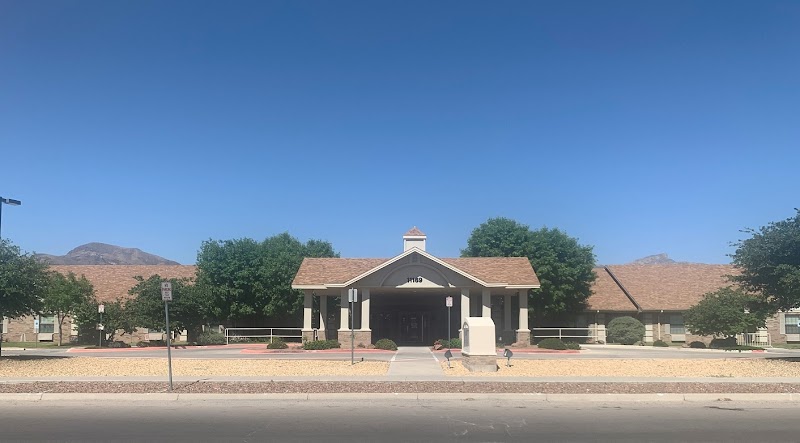
How is Los Arcos Del Norte Staffed?

CMS rates LOS ARCOS DEL NORTE CARE CENTER's staffing level at 2 out of 5 stars, which is below average compared to other nursing homes. Staff turnover is 49%, compared to the Texas average of 46%.

What Have Inspectors Found at Los Arcos Del Norte?

State health inspectors documented 76 deficiencies at LOS ARCOS DEL NORTE CARE CENTER during 2022 to 2025. These included: 1 that caused actual resident harm, 73 with potential for harm, and 2 minor or isolated issues. Deficiencies causing actual harm indicate documented cases where residents experienced negative health consequences.
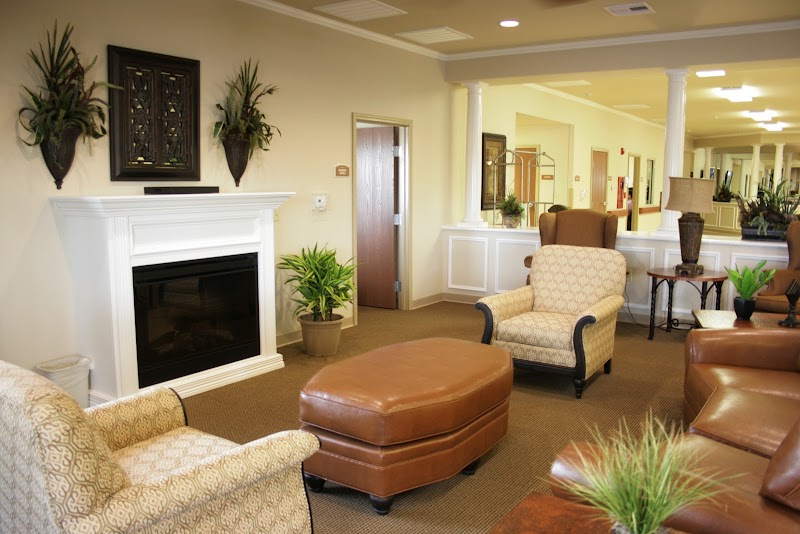
Who Owns and Operates Los Arcos Del Norte?

LOS ARCOS DEL NORTE CARE CENTER is owned by a government entity. Government-operated facilities are typically run by state, county, or municipal agencies. The facility is operated by FUNDAMENTAL HEALTHCARE, a chain that manages multiple nursing homes. With 124 certified beds and approximately 80 residents (about 65% occupancy), it is a mid-sized facility located in EL PASO, Texas.
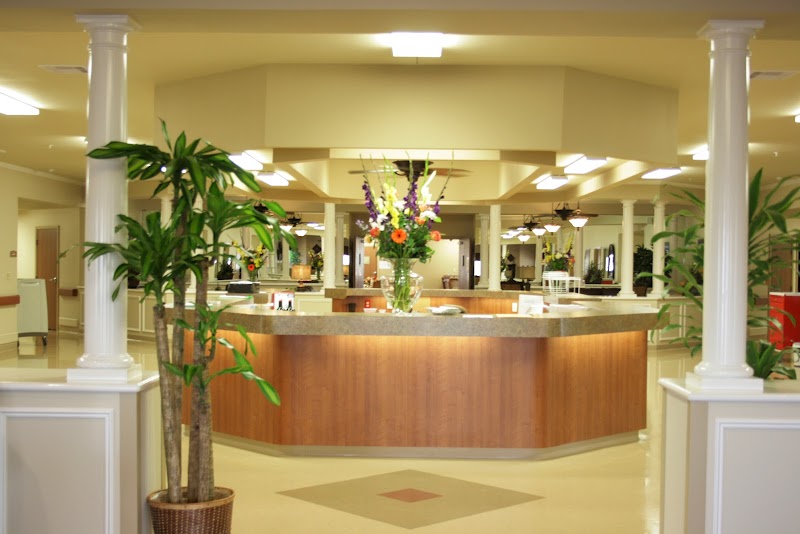
How Does Los Arcos Del Norte Compare to Other Texas Nursing Homes?

Compared to the 100 nursing homes in Texas, LOS ARCOS DEL NORTE CARE CENTER's overall rating (1 stars) is below the state average of 2.8, staff turnover (49%) is near the state average of 46%, and health inspection rating (1 stars) is much below the national benchmark.

What Should Families Ask When Visiting Los Arcos Del Norte?

Based on this facility's data, families visiting should ask: "Can you walk me through typical staffing levels on day, evening, and night shifts?" "Can I visit during a mealtime to observe dining assistance and food quality?" "How do you handle medical emergencies, and what is your hospital transfer rate?" "Can I speak with family members of current residents about their experience?" These questions are particularly relevant given the below-average staffing rating.

Is Los Arcos Del Norte Safe?

Based on CMS inspection data, LOS ARCOS DEL NORTE CARE CENTER has a clean safety record: no substantiated abuse findings (meaning no confirmed cases of resident harm), no Immediate Jeopardy citations (the most serious violation level indicating risk of serious injury or death), and is not on the Special Focus Facility watch list (a federal program monitoring the lowest-performing 1% of nursing homes). The facility has a 1-star overall rating and ranks #100 of 100 nursing homes in Texas. While no facility is perfect, families should still ask about staff-to-resident ratios and recent inspection results during their visit.

Do Nurses at Los Arcos Del Norte Stick Around?

LOS ARCOS DEL NORTE CARE CENTER has a staff turnover rate of 49%, which is about average for Texas nursing homes (state average: 46%). Moderate turnover is common in nursing homes, but families should still ask about staff tenure and how the facility maintains care continuity when employees leave.

Was Los Arcos Del Norte Ever Fined?

LOS ARCOS DEL NORTE CARE CENTER has no federal fines on record. CMS issues fines when nursing homes fail to meet care standards or don't correct problems found during inspections. The absence of fines suggests the facility has either maintained compliance or corrected any issues before penalties were assessed. This is a positive indicator, though families should still review recent inspection reports for the full picture.

Is Los Arcos Del Norte on Any Federal Watch List?

LOS ARCOS DEL NORTE CARE CENTER is not on any federal watch list. The most significant is the Special Focus Facility (SFF) program, which identifies the bottom 1% of nursing homes nationally based on persistent, serious quality problems. Not being on this list means the facility has avoided the pattern of deficiencies that triggers enhanced federal oversight. This is a positive indicator, though families should still review the facility's inspection history directly.