PEBBLE CREEK NURSING CENTER
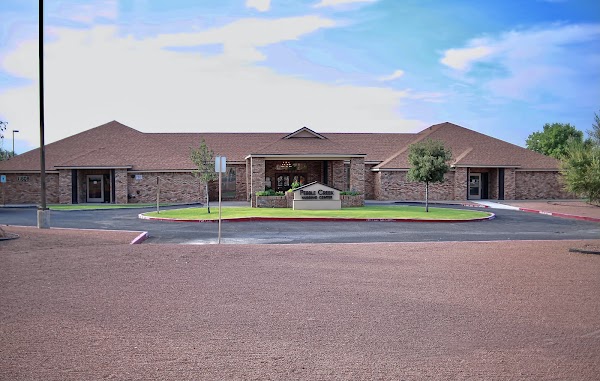
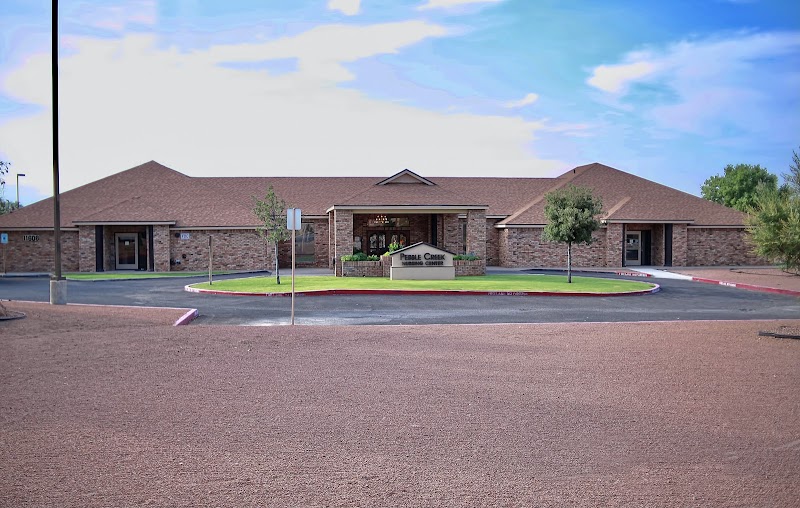
11608 SCOTT SIMPSON DR, EL PASO, TX 79936 (915) 857-0071
For profit - Limited Liability company 120 Beds CREATIVE SOLUTIONS IN HEALTHCARE Data: November 2025 3 Immediate Jeopardy citations
Trust Grade
0/100
#1069 of 1168 in TX
Last Inspection: May 2024

Within standard 12-15 month inspection cycle. Federal law requires annual inspections.

Overview

Pebble Creek Nursing Center has received a Trust Grade of F, indicating significant concerns and a poor reputation among nursing homes. It ranks #1069 out of 1168 in Texas, placing it in the bottom half of facilities in the state, and #20 out of 22 in El Paso County, suggesting that only one local option is better. While the facility is improving-with issues decreasing from 16 in 2024 to 10 in 2025-it still has serious weaknesses, including 62 total deficiencies, of which 3 were critical and related to neglect and medication errors. Staffing is below average with a rating of 2 out of 5 stars and a turnover rate of 46%, which is slightly better than the state average. The facility also faces concerning fines of $151,360, indicating repeated compliance problems, and has average RN coverage, which is essential for monitoring residents' health. Specific incidents include failing to ensure a resident received necessary medication, resulting in missed doses, and inadequate investigation into allegations of abuse and neglect, placing residents at potential risk.

Trust Score
F
0/100
In Texas
#1069/1168
Bottom 9%
Safety Record
High Risk
Review needed
Inspections
Getting Better
16 → 10 violations
Staff Stability
⚠ Watch
46% turnover. Above average. Higher turnover means staff may not know residents' routines.
Penalties
✓ Good
$151,360 in fines. Lower than most Texas facilities. Relatively clean record.
Skilled Nurses
⚠ Watch
Each resident gets only 19 minutes of Registered Nurse (RN) attention daily — below average for Texas. Fewer RN minutes means fewer trained eyes watching for problems.
Violations
⚠ Watch
62 deficiencies on record. Higher than average. Multiple issues found across inspections.
★☆☆☆☆
1.0
Overall Rating
★★☆☆☆
2.0
Staff Levels
★★★★☆
4.0
Care Quality
★☆☆☆☆
1.0
Inspection Score
Stable
2024: 16 issues
2025: 10 issues

The Good

  • 4-Star Quality Measures · Strong clinical quality outcomes
  • Full Sprinkler Coverage · Fire safety systems throughout facility
  • No fines on record

Facility shows strength in quality measures, fire safety.

The Bad

1-Star Overall Rating

Below Texas average (2.8)

Significant quality concerns identified by CMS

Staff Turnover: 46%

Near Texas avg (46%)

Higher turnover may affect care consistency

Federal Fines: $151,360

Well above median ($33,413)

Significant penalties indicating serious issues

Chain: CREATIVE SOLUTIONS IN HEALTHCARE

Part of a multi-facility chain

Ask about local staffing decisions and management

The Ugly 62 deficiencies on record

3 life-threatening 1 actual harm
Sept 2025 2 deficiencies
CONCERN (D) 📢 Someone Reported This

A family member, employee, or ombudsman was alarmed enough to file a formal complaint

Potential for Harm - no one hurt, but risky conditions existed

Infection Control (Tag F0880)

Could have caused harm · This affected 1 resident

**NOTE- TERMS IN BRACKETS HAVE BEEN EDITED TO PROTECT CONFIDENTIALITY** Based on observation, interview and record review the facility failed to maintain an infection prevention and control program de...

Read full inspector narrative →
**NOTE- TERMS IN BRACKETS HAVE BEEN EDITED TO PROTECT CONFIDENTIALITY** Based on observation, interview and record review the facility failed to maintain an infection prevention and control program designed to provide a safe, sanitary and comfortable environment and to help prevent the development and transmission of communicable disease and infection for 1 of 2 residents (Resident #12) reviewed for infection control in that: The facility failed to ensure staff followed infection control practices during wound care when Wound Care Nurse did not change gloves between contaminated and clean tasks for Resident #12. This facility failure could place residents at risk for worsening pressure injuries, pain, and a decline in health. Findings include:Record review of Resident #12‘s face sheet undated, revealed admission on [DATE] and re-admission on [DATE] to the facility. Record review of Resident #12‘s history and physical dated 7/28/25 revealed diagnoses of unspecified dementia (cases where the specific type of dementia cannot be clearly identified despite the presence of cognitive decline and memory loss), and end stage renal disease (your kidneys no longer work as they should to meet your body's needs). Record review of Resident #12's admission MDS, dated [DATE], revealed a severe cognitive impairment BIMS score of 6 to be able to recall or make daily decisions. Resident #12 was coded substantial/Maximum (nursing staff does more than half the effort) assistance with roll left or right, sit to lying, lying to sitting on side of bed, sit to stand, chair/bed to chair transfer. Resident #12 was at risk for pressure ulcers/injuries and was coded for pressure reducing device for bed. Record review of Resident #12's physician order, dated 9/2/25, revealed cleanse sacral PI with normal saline/wound cleanser pat dry apply Anasept, collagen secure with optifoam absorbent dressing/ change daily until resolved, one time a day for stage 2.Record review of Resident #12's care plan, dated 9/1/25, revealed a focus area for stage 2 pressure injury to sacrum with interventions that included administrator treatments are ordered and monitor for effectiveness; assess/ record/ monitor wound healing at least weekly/ report declines to the MD.During an observation and interview on 09/08/25 at 2:20 pm, the Wound Care Nurse donned(put on) gloves and assisted CNA W with repositioning Resident #12 by pulling on the sheets. The Wound Care Nurse then pulled down Resident #12's pants and briefs, removed the dressing on the sacrum, cleansed and dried the wound, applied Anasept (used to treat or prevent infections caused by cuts or abrasions, skin ulcers, pressure ulcers, diabetic foot ulcers, or surgery), handled collagen (collagen supplements or therapies to enhance the body's collagen production or to address issues related to aging or skin health ) (cutting it with the same gloves), and applied adhesive gauze. The Wound Care Nurse stated her right hand was her clean hand and her left hand was her dirty hand, but acknowledged she should have changed gloves prior to touching clean supplies. She voiced being nervous but stated this was not an excuse. Resident #12 was not able to answer questions. During an interview on 09/09/25 at 10:50 AM, the DON stated when wound care was conducted it was expected for the Wound Care Nurse to change out her gloves between clean and dirty dressings. The DON stated gloves should be changed after re-positioning. The DON stated she had not trained the Wound Care Nurse regarding cross contamination during wound care. The DON stated the risk of not changing out her gloves was introducing infection due to the dirty gloves.During an interview on 09/09/25 at 11:28 AM, the Administrator, stated he was aware of the concern with the way the wound care was conducted. The Administrator stated it was expected for the Wound Care Nurse to follow facility policy and should have known to change out her gloves when preforming wound care. The Administrator stated it would be a risk of cross contamination. Record review of the facility Pressure Injury: Prevention, Assessment and Treatment Policy dated 05/-5/25, revealed, Procedure: Nursing personnel will continually aim to maintain the skin integrity, tone, turgor, and circulation to prevent breakdown, injury, and infection.Record review of the facility Treatment Table Policy dated 2003, revealed, 1. Wash hands. Put on gloves. 2. Place wax paper on wound care bedside table or small cart. 3. Gather treatment supplies. Open up and place on top of wax paper. One end will be considered clean, and the other end of table will be open for dirty. 4. Place wax paper over top of supplies. 5. On open end place linens, saline, red bag, scissors, pen, camera, etc. on top of second cover of wax paper. 6. Lock up treatment cart and proceed to resident's room. Refer to treatment protocol for treatment procedure and application. 7. After treatment place dirty linens, red bags, scissors, pen, etc. to be cleaned on open end.
CONCERN (E) 📢 Someone Reported This

A family member, employee, or ombudsman was alarmed enough to file a formal complaint

Potential for Harm - no one hurt, but risky conditions existed

Resident Rights (Tag F0550)

Could have caused harm · This affected multiple residents

**NOTE- TERMS IN BRACKETS HAVE BEEN EDITED TO PROTECT CONFIDENTIALITY** Based on observation, interview and record review the facility failed to treat each resident with respect and dignity and care f...

Read full inspector narrative →
**NOTE- TERMS IN BRACKETS HAVE BEEN EDITED TO PROTECT CONFIDENTIALITY** Based on observation, interview and record review the facility failed to treat each resident with respect and dignity and care for each resident in a manner and in an environment that promotes maintenance or enhancement of his or her quality of life, recognizing each resident's individuality for 4 (Resident #1, Resident #8, Resident #9, Resident #15) of 6 residents reviewed for dignity with meal assistance. The facility failed to ensure that Residents #1 was assisted with eating while staff were seated at eye level.The facility failed to ensure that Residents #8 was assisted with eating while staff were seated at eye level.The facility failed to ensure that Residents #15 was assisted with eating while staff were seated at eye level.The facility failed to ensure staff asked Resident #9 if the resident wanted to wear a clothing protector. This failure could place residents at risk of inadequate monitoring during feeding, which could result in, reduce dignity, and hinder the ability to respond promptly to signs of distress.Findings included:Resident #1Record review of Resident #1's face sheet undated , revealed, admission on [DATE] to the facility. Record review of Resident #1's facility history and physical, dated 10/10/24, revealed an [AGE] year old female diagnosed with pre-diabetes (Blood sugar is higher than normal, but not high enough to be called diabetes), dementia (A condition that affects the brain, making it hard to remember things, think clearly, or make everyday decisions), abnormal weight loss (Losing weight without trying, or losing more weight than what would be expected.), and cognitive communication deficit (Trouble thinking clearly and using words, which makes it harder to talk, understand others, or express needs.) Record review of Resident #1's annual MDS, dated [DATE], revealed a BIMS score of 4, indicating severely impaired cognition to be able to recall or make daily decisions. Resident #1's ADLs for eating was set up or clean up (nursing staff sets up or cleans up) assistance. Record review of Resident #1's care plan, dated 10/10/24, revealed ADLs for eating was supervision as needed. Observation on 09/08/25 at 12:19 PM, with Resident #1 and Student CNA, revealed, in Resident #1's room was Student CNA who was standing up with Resident #1's bed raised up. Student CNA was observed assisting with feeding Resident #1. On 09/08/25 at 2:06 PM, an attempt was made to interview Resident #1 but was asleep in her bed. Resident #8Record review of Resident #8's face sheet undated , revealed, admission on [DATE] and re-admission on [DATE] to the facility. Record review of Resident #8's quarterly MDS, dated [DATE], revealed a BIMS score of 5, indicating severely impaired cognition to be able to recall or make daily decisions. Resident #8's ADLs for eating was substantial/maximal (nursing staff more than half the effort) assistance. Record review of Resident #8's care plan, dated 09/17/24, revealed ADLs for eating as set up assistance. Observation on 09/08/25 at 12:22 PM, with Resident #8 and CNA S, revealed, in Resident #8's room CNA S was standing up while providing assistance with feeding Resident #8. Resident #8's bed was in the mid-low position around CNA S's waist area. CNA S was hunched over while trying to assist Resident #8 with feeding. On 09/09/25 multiple attempts were made to interview Resident #8 but were unsuccessful. During an interview on 09/09/25 at 10:09 AM, with Student CNA, she stated she had received training on assisting residents with feeding. Student CNA stated when giving food to the resident the assisting staff had to be sitting down. Student CNA stated she did not remember why they had to be sitting down when assisting a resident with feeding. Student CNA stated standing up might make the resident rush to eat. Resident #15Record review of Resident #15's face sheet undated, revealed admission on [DATE] to the facility. Record review of Resident #15's facility history and physical, dated 06/22/25, revealed an [AGE] year-old female diagnosed diabetes mellitus (condition where the body has trouble using sugar properly, leading to high blood sugar levels that need to be managed with diet, medicine, or insulin), dementia (brain condition that causes memory problems, confusion, and difficulty making decisions or doing everyday tasks), and impaired mobility (trouble moving around, such as walking, standing, or getting from place to place without help). Record review of Resident #15's quarterly MDS, dated [DATE], revealed a moderately impaired cognition BIMS score of 8 to be able to recall or make daily decisions. Resident #15's functional abilities for eating, revealed, partial/moderate (nursing staff does less than half the effort) assistance. Record review of Resident #15's care plan, dated 03/01/24, revealed, ADL care of eating was supervision as needed. Encourage the resident to participate to the fullest extent possible with each interaction. Observation on 09/08/25 at 12:29 PM, with Resident #15 and CNA O, revealed in Resident #15's room was CNA O who was standing up while assisting with feeding Resident #15. On 09/09/25 multiple attempts were made to interview Resident #15 but was unsuccessful. During an interview on 09/08/25 at 3:05 PM, the Dietary Manager stated it was preference of any staff assisting residents with feeding if they wanted to be standing or sitting when feeding the resident. The Dietary Manager stated it all depended on the CNA on how they wanted to feed the resident. The Dietary Manager stated sitting down while assisting with feeding the resident would be the best option for the resident's dignity. During an interview on 09/09/25 at 9:42 AM, CNA S stated when assisting residents with feeding, the assisting staff member would have to be sitting down. CNA S stated if she were to sit down, she would not be able to reach the resident as she had short arms. CNA S stated facility staff know that some staff may not be able to reach. CNA S stated she had not told anybody about the issue with needed higher chairs to reach the residents when assisting with feeding. CNA S stated when she assisted with feeding, she never sits down. CNA S stated it was regulation that they needed to be sitting down. CNA S stated if the assisting staff was sitting down then the staff and resident would be able to see the spoon and their face. CNA S stated if the assisting staff are sitting down, it makes the resident more motivated to eat. During an interview on 09/09/25 at 10:09 AM, Student CNA stated residents do use the clothing protectors to keep them from getting dirty. Student CNA stated if no one asked her if she wanted to use the clothing protector then she would feel uncomfortable and would make her feel her space was violated. During an interview on 09/09/25 at 10:50 AM, the DON stated all facility staff were trained on assisting residents with feeding. The DON stated the facility staff assisting with feeding residents needed to be sitting down engaging and conversing with the resident(s). The DON stated the facility was trying to promote a homelike environment and a facility staff towering over the resident while assisting the resident with feeding would not be a homelike environment. During an interview on 09/09/25 at 11:28 AM, the Administrator stated when facility staff were assisting residents with feeding the facility staff needed to be sitting down. The Administrator stated this was for the resident's comfort. The Administrator stated he did not know who in the facility provided the training with feeding assistance to facility staff and how often it was given to the facility staff. The Administrator stated it was the responsibility of the dining room nurse or a co-worker to correct each other. The Administrator stated the risk would be disadvantages to the resident to be fed in an angle and would make them feel rushed. Resident #9 Record review of Resident #9's face sheet undated , revealed admission on [DATE], re-admission on [DATE], and re-admission on [DATE] to the facility. Record review of Resident #9's facility history and physical, dated 09/04/24, revealed an [AGE] year-old female diagnosed with Alzheimer's Dementia (brain disease that slowly damages memory, thinking, and the ability to care for oneself. It often starts with forgetfulness and confusion and gradually makes daily tasks harder over time) and vitamin D deficiency (occurs when the body does not have enough vitamin D). Record review of Resident #9's quarterly MDS, dated [DATE], revealed, a severely impaired cognition BIMS score of 2 to be able to recall or make daily decisions. Resident #9's ADLs was coded for eating as substantial/maximal (nursing staff does more than half the effort) assistance. Record review of Resident #9's care plan, dated 07/02/24, revealed eating requiring one staff had potential to demonstrate physical behaviors due to dementia. Give the resident as many choices as possible about care and activities. Observation on 09/08/25 at 12:10 PM, with multiple residents eating in the dining room, revealed RN R putting on clothing protectors on three residents (one of which was Resident #9) without asking them if they would like the clothing protector on. During an interview on 9/8/25 at 12:14 pm, Resident #9 stated she was not asked if she wanted the clothing protector and stated that she couldn't say no because they had already placed it on her. Resident #9 stated she thought they were doing it out of good faith so that they would not get her dirty. During an interview on 09/09/25 at 9:42 AM, CNA S stated she had seen her co-workers putting clothing protectors on residents without asking them if they would like to have it on. CNA S stated she had not reported this to anyone. CNA S stated there would be no risk with not asking the resident(s) if they would want to put on the clothing protector other then getting dirty. CNA S stated it was part of dignity. During an interview on 09/08/25 at 3:05 PM, the Dietary Manager stated all facility staff had been trained on dignity and residents' rights. The Dietary Manager stated some residents will use clothing protectors while other residents will not. The Dietary Manager stated facility staff asked residents if they would like to use a clothing protector. The Dietary Manager stated residents are asked because it was a preventive from residents getting messy or dirty. The Dietary Manager stated not asking the resident if they want to wear a clothing protector and just putting it on could leave the resident feeling embarrassed. During an interview on 09/09/25 at 10:50 AM, the DON stated all facility staff were trained on assisting residents with feeding. The DON stated the facility staff were to ask residents if they wanted to have a clothing protector placed on them. The DON stated it was to give the resident a choice. The DON stated it was the responsibility of the nurses to ensure staff asked the residents if they want a clothing protector on or not. The DON stated the negative impact would be a dignity issue. During an interview on 09/09/25 at 11:04 AM, RN R stated he was trained on meal assistance by the facility. RN R stated residents during mealtime are provided clothing protectors. RN R stated the nursing staff will usually ask the resident if they want to use a clothing protector. RN R stated he did not ask the resident(s) during mealtime because he already knew who needed to use the clothing protector and who did not. RN R stated it was important to ask the residents if they would like to use the clothing protector because it was asking their permission. RN R stated the risk of not asking was the resident would get dirty or might not want to use the clothing protector. During an interview on 09/09/25 at 11:28 AM, the Administrator stated it was expected for the staff to ask specially if they wanted to wear the clothing protector, if the resident was able answer. The Administrator stated the facility staff were to at least alert the non-verbal resident of the facility staff placing the clothing protector on. The Administrator stated the risk would be that the resident would want to be acknowledged. Record review of the facility Resident Rights Policy not dated, revealed, The Resident has a right to a dignified existence, self-determination, and communication with and access to persons and services inside and outside the facility, including those specified in this policy. -Respect & Dignity - The resident has a right to be treated with respect and dignity. - Self-Determination - The resident has the right to and the facility must promote and facilitate resident self-determination through support of resident choice.
May 2025 6 deficiencies 3 IJ (2 affecting multiple)
CRITICAL (J) 📢 Someone Reported This

A family member, employee, or ombudsman was alarmed enough to file a formal complaint

Immediate Jeopardy (IJ) - the most serious Medicare violation

Investigate Abuse (Tag F0610)

Someone could have died · This affected 1 resident

**NOTE- TERMS IN BRACKETS HAVE BEEN EDITED TO PROTECT CONFIDENTIALITY** Based on observation, interview, and record review the facility failed to ensure in response to allegations of abuse, neglect, e...

Read full inspector narrative →
**NOTE- TERMS IN BRACKETS HAVE BEEN EDITED TO PROTECT CONFIDENTIALITY** Based on observation, interview, and record review the facility failed to ensure in response to allegations of abuse, neglect, exploitation, or mistreatment the facility had evidence that all alleged violations were thoroughly investigated and prevent further abuse, neglect, exploitation, or mistreatment while the investigation was in progress for 1 of 11 residents (Residents #16) reviewed for abuse/neglect. - The facility failed to investigate, prevent, correct, and report alleged violations of neglect for Resident #16 when reported by LVN C on 03/03/25. An Immediate Jeopardy (IJ) was identified on 05/18/25. While the IJ was removed on 5/20/25, the facility remained out of compliance at a severity level of actual harm not IJ with a scope of pattern because the facility had not had time to monitor their plan of removal for effectiveness. These failures could place residents at risk for further abuse, and neglect. Findings include: Record Review of Resident #16's face sheet dated 05/15/25 revealed resident was a [AGE] year-old female with admission date 05/14/2024. Record Review of Resident #16's annual history and physical dated 05/16/25 revealed Resident #16 was non-verbal and was prescribed Levetiracetam 100mg/ml solution 7.5ml by mouth twice a day for seizures. Record Review of Resident #16's annual MDS dated [DATE] revealed there was no BIMS score due to resident's inability to answer questions. Resident #16 had the following diagnoses noted: Unspecified Dementia (A group of symptoms affecting memory, thinking, and social abilities), Dysphagia (difficulty swallowing), seizure disorder (abnormal electrical activity in your brain which causes changes in awareness and muscle control), Unspecified intellectual disabilities, Down Syndrome, and anxiety disorder. Record Review of Resident #16's care plan with initiation date 05/15/25 revealed the resident had a Seizure disorder and interventions included for the facility staff to: administer seizure medication as ordered by the doctor, and seizure documentation should have included location of seizure activity, type of seizure activity (jerks, convulsive movements, trembling), duration, level of consciousness, any incontinence, sleeping or dazed post-ictal state, after seizure activity. Review of Physician's Telephone Order dated 01/30/25 revealed Order Summary: Levetiracetam (Keppra) 500 mg tablet give 1 tablet by mouth two times a day for Seizure Disorder. Discontinued Date: 01/30/25. Reason for Discontinue: Changed to liquid format due to medication instructions not to crush. Keppra Oral Solution 100 mg/ml give 5 ml by mouth two times for seizures. Review of Lab report dated 02/24/25 revealed Levetiracetam (Keppra) level was Low 2.50 (Reference Range 6.00 - 46.00 ug/ml) Review of Physician's Telephone Order dated 03/03/25 revealed Order Summary: Keppra Oral Solution 100 mg/ml give 7.5 ml by mouth two times for seizures. Record review of anticonvulsant monitoring forms dated 03/12/25, 03/14/25, 03/17/25, and 03/24/25 for 7 of 7 residents on anticonvulsants. Interview on 05/15/25 at 04:04 PM with the DON revealed LVN C, assigned to Resident #16, had reported to her on 03/03/25 that he suspected the weekend Medication Aide A was not administering the Keppra to Resident #16 as ordered because the Keppra level was low. The DON stated that she told LVN C on that day that she needed to have concrete evidence to show that the resident was not getting Keppra as ordered. So, she instructed LVN C on 03/07/25 to take a picture of the Keppra's medication bottle after the night dose was administered, and that they would check the level of medication in the on Monday morning 03/10/25, to determine if the Keppra had been administered on the weekend by Medication Aide A according to physician's orders. The DON stated that she had not reported this allegation to the Administrator and had not immediately initiated an investigation to determine if the Resident #16 was being administered the Keppra as ordered and had initiated any interventions until 03/12/25 when she initiated the anticonvulsive medication audits to determine if medications where being administered according to physician's orders. In an interview on 05/16/25 at 11:32 AM with LVN C, he stated he suspected Medication Aide A was not administering Resident #16's Levetiracetam medication as ordered. He stated he notified the DON that day of his suspicion on Monday 03/03/25. Interview on 05/16/25 at 03:52PM with the Administrator revealed he was the Abuse Coordinator, and he was to report and initiate an investigation into the allegation of neglect. He stated the DON informed him of the suspicion that the Medication Aide A was not administering Resident #16's medication as ordered before the weekend of Saturday 03/08/25 and Sunday 03/09/25, but could not recall the exact date he was informed by the DON. He said that he was aware that a picture was going to be taken , and the DON and Charge were going to check the level of medication on Monday 03/10/25. He stated that he did not recall if the DON had mentioned to him what action was going to protect the residents until they had evidence to prove that the medication was not being administered as ordered. During a telephone interview on 05/18/25 at 4:44 PM with LVN C, it was revealed he observed Resident #16 during her seizure on 03/10/25. He stated he observed resident #16 shaking her extremities, resident #16 had her eyes rolled back, and that was observed for 1 minute and 38 seconds. LVN C stated Resident #16's arms were observed jerking but was not rigid. LVN C stated Resident #16's oxygen was monitored and dropped to a level 87% on room air until staff administered oxygen supplementation via nasal cannula. He stated he observed Resident #16 with a blank stare and observed unconsciousness . During an Interview on 05/20/2025 at 10:07 AM with CNA O revealed the facility provided training on 5/19/25 on how to report Abuse Neglect and Exploitation. She stated she would contact the abuse prohibition coordinator immediately if she suspected ANE and knew to find his phone number and contact information in the lobby. CNA O said in case that she was not able to contact the abuse prohibition coordinator, she would report it to the DON, ADON or call the state number and report. She said the nurses were responsible for administering anticonvulsants. This was determined to be an Immediate Jeopardy (IJ) on 05/18/2025 at 5:11 p.m. The Administrator was notified. The Administrator was provided with the IJ template on 05/18/2025 at 5:24 p.m. The following Plan of Removal submitted by the facility was accepted on 5/19/2025 at 5:00 p.m.: Interventions: -The alleged perpetrator Medication Aide A was terminated on 5/12/2025. -Medication aide B was counseled on 03/10/25 for not administering Keppra as ordered 03/09/25 at 8:00 PM. -On 3/24/25, 03/12/25, 03/17/25, 03/24/25 medication pass observation/evaluation was completed with Med aide #2 by the DON to verify that he was administering medications according to doctors' orders and no concerns were identified during the med pass observation. -The administrator reported on 05/15/25 to HHS an allegation of neglect related to failure to administer anticonvulsant medications as ordered. -Out of cycle QAPI, this plan was presented to the Medical Director by the facility administrator. The medical director did not request changes to the plan. Completed 5/16/2025 -On 05/16/25, the ADONS conducted a random count of all anticonvulsant medications to ensure that medications were being administered according to doctors' orders. The ADONS continue to conduct random checks of the anticonvulsant medications to ensure that medications are administered according to doctor's orders. The Administrator and Regional Compliance Nurse will randomly check that the ADONS are completing the random checks to ensure that medications are administered according to doctors' orders. -The DON completed a medication error report on 03/10/25 for the 4 Keppra Doses that were not administered on 03/08/25 and 03/09/25 by the medication aids. The medication error report was reviewed and signed by the attending physician on 03/12/25. -Random medication pass observations were completed on 05/02/25, 05/15/25 and 05/17/25 by ADONs. No concerns were identified. -The facility administrator and DON will immediately report all allegations of abuse and neglect to HHSC, Regional Compliance Nurse and Area Director of Operations to ensure that all abuse and neglect allegations are immediately investigated to prevent further abuse and neglect. -Regional Compliance Nurse and Area Director of Operations will randomly check during weekly visits that all abuse and neglect allegations are immediately reported to HHS and that an internal investigation was immediately initiated to prevent further abuse and neglect. In-services: 1. All Licensed Nurses and Medication Aides by the DON, ADON and Regional Compliance Nurse. o Medication administration Policy. Completed on 3/12/2025 &5/16/2025 o Following Physicians orders. Completed on 5/16/2025 o Following the notification of physician when resident has a change in status: 5/16/2025 o Anticonvulsant medication count. Completed on 5/16/2025 o Ensure that therapeutic levels are drawn as ordered. Completed on 5/16/2025 2. One to one in service for Administrator and DON on following policies and procedures to prevent abuse and neglect: Time frame of 2-24hrs: Completed by ADO on 5/16/2025 @ 7:44pm which included training on all allegations of abuse and neglect will be immediately reported to the administrator and will thoroughly investigate the allegations to prevent further abuse and neglect while the investigation is in progress and will take appropriate action as a result of the investigation findings. 3. New Direct Care staff are to be in-serviced during the facility orientation. No staff will be allowed to take a shift until in-service education is completed. Monitoring of the facility's plan of removal included the following: During an interview on 05/20/25 at 10:00 AM with LVN AA revealed she was aware of the Abuse coordinator who was the Administrator. She stated she was trained to report allegations of ANE immediately to the Abuse Coordinator. She stated there was an orange sign with the Abuse Coordinator's contact information that was in the front office and in front of Human Resources. LVN AA stated if the Abuse Coordinator was not available, she would notify the DON of allegations immediately. She stated there was a new policy for only nurses to administer anticonvulsants as ordered. She stated not administering medications as ordered would be considered neglect and she would report that concern or allegation to the Abuse Coordinator immediately. During an interview on 05/20/25 at 10:24 AM with Med Aide G revealed she was trained on 5/19/25 on how to immediately report ANE to the abuse coordinator, DON, ADON or the state. She said the contact information was available for all staff and residents in the hallways of the facility as well as in the lobby. Med Aide G stated only nurses were able to supervise anticonvulsant medications. During an interview on 05/20/25 at 10:27 AM with ADON K revealed the facility provided training on reporting allegations of Abuse, Neglect, and Exploitation immediately to the Abuse Coordinator, who was the Administrator. She stated if the Abuse Coordinator was not at the facility, she would be able to obtain his phone number located outside the Human Resources office or by the front desk. She stated if he were not available, the next person to notify was the DON immediately. ADON K stated nurses were responsible for administering medications as ordered. She stated nurses could confirm medications were administered as ordered by confirming with the MAR and the count sheet. She stated medications that were not administered as ordered was neglect and it was to be reported to the physician, DON, and the Abuse Coordinator. During an interview on 05/20/25 at 10:28 AM with LVN N revealed she had been in-serviced on 5/19/25 about ANE and how to report it. She stated she had to immediately report it to the abuse coordinator and if he was not in the facility she had to immediately report to the DON, ADON or call the state. She said only nurses were able to supervise anticonvulsant medications. During an interview on 05/20/25 at 10:45 AM with the DON stated the Regional Compliance Nurse and the ADON's would monitor medication administration weekly to ensure it was administered as ordered. ADON's will be doing random medication passes with Medication Aides. She stated she received in-service training in reporting Abuse, Neglect, and Exploitation within a 2-24-hour timeframe to the Abuse Coordinator. She stated she was aware that the Abuse Coordinator's contact information was located by the Human Resources office and the front desk. She stated if he was not available, she would be responsible for reporting it to HHSC and initiate an investigation. During an interview on 05/20/25 at 10:47 AM with CNA P revealed she had been trained in how to report ANE on 5/19/25. She stated she would report it to the abuse prohibition coordinator or the administrator. CNA P said she could find his contact information in the lobby of the facility and in the room where the staff clocked in. She said if she was not able to communicate with the administrator, she would report to the DON or ADON and also call the state. CNA P said suspicions of ANE had to be reported immediately. She stated that regarding anticonvulsant medications, only the nurses were able to supervise them. During an interview on 05/20/25 at 10:51 AM with LVN I revealed she had been trained on 5/19/25 and in 5/20/25 on how to report ANE. She stated she had to report it immediately to the abuse prohibition coordinator and if he was not available, she would immediately report it to the DON and ADON. She said the contact information for reporting could be found in the hallways of the facility and in the lobby or front entrance. She stated only nurses were able to administer anticonvulsant medications. During an interview on 05/20/25 at 10:58 AM with CNA Q revealed she had been in-serviced on how to immediately report ANE either to the state number or to the abuse prohibition coordinator and to the DON and ADON if she was not able to communicate with the administrator. CNA Q said she could find the contact information for the state and the abuse coordinator in the hallways from the facility and in the lobby at the front entrance. CNA Q said only nurses were able to supervise anticonvulsant medications and that she had been in-serviced on the administration of that medication in the last training provided on 5/19/25. During a telephone interview at 05/20/25 at 11:21 AM with LVN BB revealed he was trained for reporting allegations of Abuse, Neglect, and Exploitation immediately to the Abuse Coordinator. He stated the Abuse Coordinator was the Administrator and his contact information was located outside the Human Resources office and by the front desk. He stated that if the Abuse Coordinator was not available, he would report it to the DON immediately. He stated if staff were to intentionally not administer medication as ordered but documented on the electronic medication administration record as administered, that was Neglect and to be reported to the Abuse Coordinator immediately Record Review of Event Nurses' Notes dated 05/15/25, written by the DON noted Resident #16 was not administered medication as prescribed and had a seizure as a results with no injuries on 03/10/25. Record review of the facility's document titled In-Service Training Attendance Roster, dated 05/16/25 In-Service Training Topic: Abuse, Neglect, and Exploitation. Record review of the facility's document titled In-Service Training Attendance Roster, dated 5/16/2025 In-Service Training Topic: Medication Administration Policy. Record review of Nursing Policy and Procedure Manual, with no date, titled Abuse/Neglect, read in part: C. Prevention: All reports of abuse or suspicion of abuse/neglect or potentially criminal behavior will be investigated as per facility protocol. Investigations will be reviewed by the facility administrator and/or Abuse Preventionist within 24 hours of complaint. Appropriate notification to state and home office will be the responsibility of the administrator and per policy. The Administrator was informed that the IJ was removed on 05/20/2025 at 12:30 p.m. The facility remained out of compliance at a severity level of no actual harm with the potential for more than minimal harm that is not immediate jeopardy due to the facility's need to evaluate the effectiveness of the corrective systems that were put into place.
CRITICAL (K) 📢 Someone Reported This

A family member, employee, or ombudsman was alarmed enough to file a formal complaint

Immediate Jeopardy (IJ) - the most serious Medicare violation

Free from Abuse/Neglect (Tag F0600)

Someone could have died · This affected multiple residents

**NOTE- TERMS IN BRACKETS HAVE BEEN EDITED TO PROTECT CONFIDENTIALITY** Based on interview and record review, the facility failed to ensure residents had the right to be free from abuse, neglect, misa...

Read full inspector narrative →
**NOTE- TERMS IN BRACKETS HAVE BEEN EDITED TO PROTECT CONFIDENTIALITY** Based on interview and record review, the facility failed to ensure residents had the right to be free from abuse, neglect, misappropriation of resident property, and exploitation for 1 of 11 residents (Residents #16) reviewed for Neglect. The facility failed to immediately implement protective measures on 03/03/25 when the charge nurse reported to the DON concerns related to Resident #6 not receiving anticonvulsant medication according to the physician's order. The facility proceeded to allow the doses to be missed during the weekend of 3/08/25-03/09/25 without interventions/protections during that time. An Immediate Jeopardy (IJ) situation was identified on 05/18/25. While the IJ was removed on 05/20/25, the facility remained out of compliance at a scope of isolated with a potential for more than minimal harm , due to the facility's need to evaluate the effectiveness of the corrective systems. These failures could place residents at risk for further abuse and neglect. Findings include: Record Review of Resident #16's face sheet dated 05/15/25 revealed resident was a [AGE] year-old female with admission date 05/14/2024. Record Review of Resident #16's annual history and physical dated 05/16/25 revealed Resident #16 was non-verbal and was prescribed Levetiracetam 100mg/ml solution 7.5ml by mouth twice a day for seizures. Record Review of Resident #16's annual MDS dated [DATE] revealed there was no BIMS score due to resident's inability to answer questions. Resident #16 had the following diagnoses noted: Unspecified Dementia (A group of symptoms affecting memory, thinking, and social abilities), Dysphagia (difficulty swallowing), seizure disorder (abnormal electrical activity in your brain which causes changes in awareness and muscle control), Unspecified intellectual disabilities, Down Syndrome, and anxiety disorder. Record Review of Resident #16's care plan with initiation date 05/15/25 revealed the resident had a Seizure disorder and interventions included for the facility staff to: administer seizure medication as ordered by the doctor, and seizure documentation should have included location of seizure activity, type of seizure activity (jerks, convulsive movements, trembling), duration, level of consciousness, any incontinence, sleeping or dazed post-ictal state, after seizure activity. Review of Physician's Telephone Order dated 01/30/25 revealed: Levetiracetam (Keppra) 500 mg tablet give 1 tablet by mouth two times a day for Seizure Disorder. Discontinued Date: 01/30/25. Reason for Discontinue: Changed to liquid format due to medication instructions not to crush. Keppra Oral Solution 100 mg/ml give 5 ml by mouth two times for seizures. Review of Physician's Telephone Order dated 03/03/25 revealed Order Summary: Keppra Oral Solution 100 mg/ml give 7.5 ml by mouth two times for seizures. Review of Lab report dated 02/24/25 revealed Levetiracetam (Keppra) level was Low 2.50 (Reference Range 6.00 - 46.00 ug/ml) Review of Resident #16's electronic medication administration record revealed Levetiracetam oral solution 100mg/ml, 7.5ml by mouth two times a day related to seizures was marked as administered by Medication Aide A on Saturday 03/08/25 at 08:00AM and 08:00 PM, and Sunday 03/09/25 at 08:00 AM. Review of electronic medication administration records revealed Medication Aide B marked Levetiracetam (oral solution 100mg/ml, 7.5ml by mouth two times a day related to seizures) as administered on Sunday 03/09/25 at 08:00 PM. Review of Event Nurses Note dated 05/15/25 written by the DON revealed Resident #16 medication was not administered as prescribed resulting in a seizure, no injuries. Event Nurses Note revealed physician was notified 03/10/25 at 08:41 AM. Review of the undated Employee Time Entry Report with no date revealed Medication Aide A worked Saturday 03/08/2025 from 6:38 AM to 10:06 PM, and Sunday 03/08/25 from 6:42 AM to 2:34 PM. Review of Employee Time Entry Report dated 05/20/25 revealed Medication Aide B worked Sunday 03/09/25 from 2:08 PM to 10:04 PM. Review of facility Progress Notes dated 05/19/25 revealed Nurse Practitioner reviewed Levetiracetam labs on 03/03/25 and results were low at 2.50, new orders added to increase Levetiracetam to 7.5ml twice a day. Review of nursing progress notes dated 03/10/25 at 09:00 AM revealed LVN C documented a CNA notified him of Resident #16 having spasms while eating breakfast. LVN C documented he monitored Resident #16 and she started having seizure like movements. LVN C documented Resident #16 had abnormal breathing, oxygen decreased, placed on supplemental oxygen 2 L (liters) NC (Nasal Cannula, a medical device used to deliver supplemental oxygen directly into the nostrils, helping individuals with respiratory issues breathe more easily) . Seizure lasted 1 minute 38 seconds. Review of Medication Error Form dated 03/10/25 completed by the DON revealed, Date of Occurrence: 03/10/25 at 8:00 AM, Type of Incident: Medication not administered as ordered. Description of Incident: Medication not given over the weekend. Physician Order: Keppra level. No medication changes. Interview on 05/15/25 at 03:20 PM with LVN C revealed that he had notified the physician on Monday 03/10/25 to report that Resident #16 had not been administered 4 doses of the Keppra, and the physician had come to assess the resident on that day at 9:20 a.m. Interview on 05/15/25 at 04:04 PM with the DON revealed LVN C had reported to her on 03/03/25 that he suspected the weekend Medication Aide A was not administering the Keppra to Resident #16 as ordered because the Keppra level was low. The DON stated that she told LVN C on that day that she needed to have concrete evidence to show that the resident was not getting Keppra as ordered. So, she instructed LVN C on 03/07/25 to take a picture of the Keppra's liquid medication bottle after the night dose was administered, and that they would check the level of medication in the on Monday morning 03/10/25, to determine if the Keppra had been administered on the weekend by Medication Aide A according to physician's orders. The DON stated that she had not reported this allegation to the Administrator and had not immediately initiated an investigation to determine if the Resident #16 was being administered the Keppra as ordered and had not initiated any interventions until 03/12/25 when she initiated the anticonvulsive medication audits to determine if medications were being administered according to physician's orders. In a telephone interview on 05/15/25 at 5:23 PM with the Nurse Practitioner, she stated the facility investigated and confirmed Resident #16's seizure medication was not administered over the weekend of 03/08/25-03/09/25, as ordered. She stated Keppra labs were completed 03/11/25, the day after the resident's seizure, and the result values were within normal limits. She stated Resident #16 missing the 4 doses could be a possible reason the resident had a seizure. The Nurse Practitioner stated the Keppra Medication was not to be stopped abruptly and would need to be tapered off to prevent adverse reactions such as seizures. In a telephone interview on 05/15/25 at 05:48 PM with the Primary Physician, she stated Resident #16 was at increased risk for seizures from missing 4 Levetiracetam medication doses. She stated she was unable to call post Keppra lab values, but a patient could still experience seizures even with normal Keppra lab values. Interview on 05/16/25 at 03:52PM with the Administrator revealed he was the Abuse Coordinator. He stated he was notified by the DON reported the allegation of medication not being administered as ordered and it was an allegation of neglect. He stated he did not report it to HHSC, and he was not able to provide a reason why he did not call. Second interview on 05/18/25 with LVN C assigned to Resident #16 reported that on 03/10/25, Resident #16 was having shaking of her extremities, became unresponsive for a few seconds, eyes rolled back, muscle jerking, and oxygen dropped to 87%. She stated this last for 1 min and 38 seconds. In a telephone interview on 05/18/25 at 1:45 PM with Medication Aide B, he stated he recalled working Sunday afternoon shift on 03/09/25. He stated he did not administer Levetiracetam since it was liquid form which was kept in a different drawer of the medication cart. He stated he did not pull the bottle out of the drawer. He stated he recalled signing the MAR Levetiracetam as administered though he did not. He stated he was trained to pull out medications, compare labels to MAR, including name of resident, name of medication, dosage and frequency. He stated he did not pull-out medication of the drawer and did not administer it that day. He stated he forgot to administer it since it was in a different drawer. In a telephone interview on 05/18/25 at 02:30 PM with Medication Aide A, she stated she recalled not administering the Keppra medication the weekend of 03/08/25 for the 08:00 AM and 08:00 PM doses, and 03/09/25 for the 08:00 AM because she was helping answer a call light. She stated she intended to go back to administer the Keppra medication, but she forgot after helping answer the call light. She stated it was an honest mistake. She stated she had been previously counseled for not administering saline eye drops in 11/2024 though she documented she had on the electronic medication administration record. She stated she was trained to administer medications as ordered. Review of the facility's policy titled Abuse/Neglect revealed the resident has the right to be free from abuse, neglect, misappropriation of resident property, and exploitation as defined in this subpart. It is each individual's responsibility to recognize, report, and promptly investigate actual or alleged abuse and situations that may constitute abuse or neglect to any facility. Definitions: Neglect: Is the failure of the facility, its employees, or service providers to provide goods and services to a resident that are necessary to avoid physical harm, pain, mental anguish, or emotional distress. Prevention.: The facility will provide the residents, families, and staff an environment free from abuse and neglect. All reports of abuse or suspicion of abuse/neglect will be investigated as per facility protocol. The facility will be responsible to identify, correct and intervene in situations of possible abuse/neglect. Protection.: The facility will take necessary measures to protect residents and employees from harm during and following an abuse, neglect, exploitation, mistreatment of residents, or misappropriation of a resident's property. This was determined to be an Immediate Jeopardy (IJ) on 05/18/2025 at 5:11 p.m. The Administrator was notified and requested a POR within one hour. The Administrator was provided with the IJ template on 05/18/2025 at 5:24 p.m. The following Plan of Removal submitted by the facility was accepted on 5/19/2025 at 5:00 p.m.: Interventions: -The alleged perpetrator Medication Aide A was terminated on 03/12/2025 . -Medication Aide B was counselled on 03/10/25 for not administering Keppra as ordered 03/09/25 at 8:00 PM. -On 3/24/25, 03/12/25, 03/17/25, 03/24/25 medication pass observation/evaluation was completed with Medication Aide B by the DON to verify that he was administering medications according to doctors' orders and no concerns were identified during the med pass observation . -The administrator reported on 05/15/25 to HHS an allegation of neglect related to failure to administer anticonvulsant medications as ordered. -Out of cycle QAPI including this plan was presented to the Medical Director by the facility administrator. The medical director did not request changes to the plan. Completed 5/16/2025 -On 05/16/25, the ADONS conducted a random count of all anticonvulsant medications to ensure that medications were being administered according to doctors' orders. The ADONS continue to conduct random checks of the anticonvulsant medications to ensure that medications are administered according to doctor's orders. The Administrator and Regional Compliance Nurse will randomly check that the ADONS are completing the random checks to ensure that medications are administered according to doctors' orders. -The DON completed a medication error report on 03/10/25 for the 4 Keppra Doses that were not administered on 03/08/25 and 03/09/25 by the medication aids. The medication error report was reviewed and signed by the attending physician on 03/12/25. -Audit of Anticonvulsant therapeutic labs conducted between 04/17/25 and 04/21/25 by ADON. No concerns were identified. The ADONs will continue to conduct random anticonvulsant therapeutic audits to ensure that labs have been completed according to doctors' orders and any abnormal levels are immediately reported to the physician. -Random medication pass observations were completed on 05/02/25, 05/15/25 and 05/17/25 by ADONs . No concerns were identified. -Regional compliance nurse will randomly check on a weekly basis that the ADONs/DON are conducting random medication pass observations to ensure that medications are administered according to doctors order. In-services: -All Licensed Nurses and Medication Aides by the DON, ADON and Regional Compliance Nurse. o Medication administration Policy. Completed on 3/12/2025 and 5/16/2025 o Following Physicians' orders. Completed on 5/16/2025 o Following the notification of physician when resident has a change in status: 5/16/2025 o Anticonvulsant medication count. Completed on 5/16/2025 o Ensure that therapeutic levels are drawn as ordered. Completed on 5/16/2025 -One to one in service for Administrator and DON on following policies and procedures to prevent abuse and neglect: Time frame of 2-24hrs: Completed by ADO on 5/16/2025 at 7:44pm -New Direct Care staff are to be in-serviced during the facility orientation. No staff will be allowed to take a shift until in-service education is completed. Monitoring of the facility's plan of removal included the following: Record review of Medication Aide A's discharge documentation for date of infractions noted 03/08/25-03/09/25, and Medication Aide A failed to administer Keppra to prevent seizures and falsely documented it on 03/08 and 03/09, 2nd offense termination requested. Document signed by the Administrator and the DON, dated 03/10/25. Record review of Medication Aide B's counseling document dated 03/10/25 for failed to adhere to corporate code of conduct and job duties. It noted Medication Aide B failed to administer to administer medication and falsified documentation stated that medication was given on days 03/08/25 and 03/09/25. Record review of medication pass observations completed by the DON while observing Medication Aide B 3/24/25, 03/12/25, 03/17/25, 03/24/25, to verify that he was administering medications according to doctors' orders and no concerns were identified during the med pass observation . Record review of anticonvulsant medication's were accounted of by ADONs dated 05/16/25. No issues noted. Record review of medication pass of various staff by the ADON's dated 05/02/25, 05/15/25, and 05/17/25. During an interview on 05/20/2025 at 9:57 am with LVN C revealed that the facility provided training on reporting allegations of Abuse, Neglect and Exploitation (ANE) immediately to facility administrator as he was Abuse Coordinator. He stated that the abuse coordinator contact information was posted outside of the human resourses office and at the front desk when entering the building. LVN C stated that if the Abuse Coordinator was not available, he would notify DON immediately. He stated that not administering medications to residents as per doctors' orders was considered neglect and would report it to the Abuse Coordinator and DON immediately. He stated that nurses could confirm if medications were being administered by med aides by looking at the count sheet and by reviewing the MAR. During an interview on 05/20/25 at 10:00 AM with Resident # 45, he stated he liked living at the facility and said staff treated him with respect and dignity. Resident # 45 said he always got his medications supervised every day and had not had issues with running out of medications. An interview on 05/20/25 at 10:00 AM with LVN AA revealed she was aware of the Abuse coordinator who was the Administrator. She stated she was trained to report allegations of ANE immediately to the Abuse Coordinator. She stated there was an orange sign with the Abuse Coordinator's contact information that was in the front office and in front of Human Resources. LVN AA stated if the Abuse Coordinator was not available, she would notify the DON of allegations immediately. She stated there was a new policy for only nurses to administer anticonvulsants as ordered. She stated not administering medications as ordered would be considered neglect and she would report that concern or allegation to the Abuse Coordinator immediately. An interview on 05/20/2025 at 10:06 AM with Med Aide R revealed that the facility provided training on reporting allegations of Abuse, Neglect and Exploitation immediately to facility administrator as he was Abuse Coordinator. She stated that his contact information was posted outside of the human resourses office and at the front desk when entering the building. Med Aide R stated that if the Abuse Coordinator was not available, she would notify DON immediately. She stated that not administering medications to residents as per doctors' orders was considered neglect and would report it to the Abuse Coordinator and DON. During an Interview on 05/20/2025 at 10:07 AM with CNA O revealed the facility provided training on 5/19/25 on how to report Abuse Neglect and Exploitation. She stated she would contact the abuse prohibition coordinator immediately if she suspected ANE and knew to find his phone number and contact information in the lobby. CNA O said in case that she was not able to contact the abuse prohibition coordinator, she would report it to the DON, ADON or call the state number and report it. She said the nurses were responsible for administering anticonvulsants. During an interview on 05/20/2025 at 10:11AM with RN S revealed that the facility provided training on reporting allegations of Abuse, Neglect and Exploitation immediately to facility administrator as he was Abuse Coordinator. He stated that the abuse coordinator contact information was posted outside of the human resourses office and at the front desk when entering the building. LVN S stated that if the Abuse Coordinator was not available, he would notify DON immediately. He stated that not administering medications to residents as per doctors' orders was considered neglect and he would report it to the Abuse Coordinator and DON. He stated that nurses could confirm if medications were being administered by med aides by looking at the count sheet and by reviewing the MAR. He stated that if medaids' have questions they knew to come to him and ask for clarification. During an Interview on 05/20/2025 at 10:16 AM with CNA J revealed that the facility provided training on reporting allegations of Abuse, Neglect and Exploitation immediately to facility administrator as he was Abuse Coordinator. She stated that his contact information was posted outside of the human resourses office and at the front desk when entering the building. CNA J stated that if the Abuse Coordinator was not available, she would notify DON immediately. During an interview on 05/20/25 at 10:24 AM with Med Aide G revealed she was trained on 5/19/25 on how to immediately report ANE to the abuse coordinator, DON, ADON or the state. She said the contact information was available for all staff and residents in the hallways of the facility as well as in the lobby. Med Aide G stated only nurses were able to supervise anticonvulsant medications. During an interview on 05/20/25 at 10:27 AM with ADON K revealed the facility provided training on reporting allegations of Abuse, Neglect, and Exploitation immediately to the Abuse Coordinator, who was the Administrator. She stated if the Abuse Coordinator was not at the facility, she would be able to obtain his phone number located outside the Human Resources office or by the front desk. She stated if he were not available, the next person to notify was the DON immediately. ADON K stated nurses were responsible for administering medications as ordered. She stated nurses could confirm medications were administered as ordered by confirming with the MAR and the count sheet. She stated medications that were not administered as ordered was neglect and it was to be reported to the physician, DON, and the Abuse Coordinator. During an interview on 05/20/25 at 10:28 AM with LVN N revealed she had been in-serviced on 5/19/25 about ANE and how to report it. She stated she had to immediately report it to the abuse coordinator and if he was not in the facility she had to immediately report to the DON, ADON or call the state. She said only nurses were able to supervise anticonvulsant medications. During an interview on 5/20/25 at 10:31 AM with Med Aide T revealed that the facility provided training on reporting allegations of Abuse, Neglect and Exploitation immediately to facility administrator as he was Abuse Coordinator. She stated that his contact information was posted outside of the human resourses office and at the front desk when entering the building. Med Aide T stated that if the Abuse Coordinator was not available, she would notify DON immediately. She stated that not administering medications to residents as per doctors' orders was considered neglect and would report it to the Abuse Coordinator and DON. During an interview on 05/20/2025 at 10:38 AM with CNA E revealed that the facility provided training on reporting allegations of Abuse, Neglect and Exploitation immediately to facility administrator as he was Abuse Coordinator. He stated that his contact information was posted outside of the human recourses office and at the front desk when entering the building. CNA E stated that if the Abuse Coordinator was not available, He would notify DON immediately. During an interview on 05/20/25 at 10:45 AM with the DON revealed the Regional Compliance Nurse and the ADON's would monitor medication administration weekly to ensure it was administered as ordered. She stated the ADON's would be doing random medication passes with Medication Aides. She stated she received in-service training in reporting Abuse, Neglect, and Exploitation within a 2-24-hour timeframe to the Abuse Coordinator. She stated she was aware that the Abuse Coordinator's contact information was located by the Human Resources office and the front desk. She stated if he was not available, she would be responsible for reporting it to HHSC and initiate an investigation. During an interview on 05/20/25 at 10:51 AM with LVN I revealed she had been trained on 05/19/25 and 05/20/25 on how to report ANE. She stated she had to report it immediately to the abuse prohibition coordinator and if he was not available, she would immediately report it to the DON and ADON. She said the contact information for reporting could be found in the hallways of the facility and in the lobby or front entrance. She stated only nurses were able to administer anticonvulsant medications. During an interview on 05/20/25 at 10:56 AM with Med Aide U revealed that the facility provided training on reporting allegations of Abuse, Neglect and Exploitation immediately to facility administrator as he was Abuse Coordinator. She stated that his contact information was posted outside of the human resourses office and at the front desk when entering the building. Med Aide T stated that if the Abuse Coordinator was not available, she would notify DON immediately. She stated that not administering medications to residents as per doctors' orders was considered neglect and would report it to the Abuse Coordinator and DON. During an interview on 05/20/25 at 10:58 AM with CNA Q revealed she had been in-serviced on how to immediately report ANE either to the state number or to the abuse prohibition coordinator and to the DON and ADON if she was not able to communicate with the administrator. CNA Q said she could find the contact information for the state and the abuse coordinator in the hallways from the facility and in the lobby at the front entrance. CNA Q said only nurses were able to supervise anticonvulsant medications and that she had been in-serviced on the administration of that medication in the last training provided on 5/19/25. During an interview on 05/20/25 at 11:04 AM with CNA V revealed that the facility provided training on reporting allegations of Abuse, Neglect and Exploitation immediately to facility administrator as he was Abuse Coordinator. She stated that his contact information was posted outside of the human resourses office and at the front desk when entering the building. CNA V stated that if the Abuse Coordinator was not available, she would notify DON immediately. During a telephone interview at 05/20/25 at 11:21 AM with LVN BB revealed he was trained for reporting allegations of Abuse, Neglect, and Exploitation immediately to the Abuse Coordinator. He stated the Abuse Coordinator was the Administrator and his contact information was located outside the Human Resources office and by the front desk. He stated that if the Abuse Coordinator was not available, he would report it to the DON immediately. He stated if staff were to intentionally not administer medication as ordered but documented on the electronic medication administration record as administered, that was Neglect and to be reported to the Abuse Coordinator immediately. Record review of the facility's document titled In-Service Training Attendance Roster, dated 05/16/25 In-Service Training Topic: Abuse, Neglect, and Exploitation. Record review of the facility's document titled In-Service Training Attendance Roster, dated 5/16/2025 In-Service Training Topic: Medication Administration Policy. Record review of facility's Nursing Policy and Procedure Manual, with no date, titled Abuse/Neglect, read in part: The resident has the right to be free from abuse, neglect, misappropriation of resident property, and exploitation as defined in this subpart. The facility will provide and ensure the promotion and protection of resident rights. It is each individual's responsibility to recognize, report, and promptly investigate actual or alleged abuse, neglect, exploitation, mistreatment of residents or misappropriation of resident property abuse and situations that may constitute abuse or neglect to any resident in the facility. Definitions: Neglect: is the failure of the facility, its employees or service providers to provide goods and services to a resident that are necessary to avoid physical harm, pain, mental anguish, or emotional distress . The Administrator was informed that the IJ was removed on 05/20/2025 at 12:30 p.m. The facility remained out of compliance at a severity level of no actual harm with the potential for more than minimal harm that is not immediate jeopardy due to the facility's need to evaluate the effectiveness of the corrective systems that were put into place.
CRITICAL (K) 📢 Someone Reported This

A family member, employee, or ombudsman was alarmed enough to file a formal complaint

Immediate Jeopardy (IJ) - the most serious Medicare violation

Deficiency F0760 (Tag F0760)

Someone could have died · This affected multiple residents

**NOTE- TERMS IN BRACKETS HAVE BEEN EDITED TO PROTECT CONFIDENTIALITY** Based on interview and record review, the facility failed to ensure each resident's drug regimen was free of significant medicat...

Read full inspector narrative →
**NOTE- TERMS IN BRACKETS HAVE BEEN EDITED TO PROTECT CONFIDENTIALITY** Based on interview and record review, the facility failed to ensure each resident's drug regimen was free of significant medication errors for 1 (Resident # 16) of 6 residents reviewed for pharmacy services. The facility failed to administer Resident #16's Levetiracetam 100 mg/ml 7.5 ml by mouth two times on 03/08/25 at 8:00 a.m. and 8:00 p.m. and two times on 03/09/25 at 8:00 a.m. and at 8:00 p.m. according to physician orders. An Immediate Jeopardy (IJ) was identified on 05/18/25. While the IJ was removed on 5/20/25, the facility remained out of compliance at a severity level of actual harm not IJ with a scope of pattern because the facility had not had time to monitor their plan of removal for effectiveness. This failure placed residents on anticonvulsant medications at risk for harm, or neglect. The findings included: Record Review of Resident #16's face sheet dated 05/15/25 revealed resident was a [AGE] year-old female with admission date 05/14/2024. Record Review of Resident #16's annual history and physical dated 05/16/25 revealed Resident #16 was non-verbal and was prescribed Levetiracetam 100mg/ml solution 7.5ml by mouth twice a day for seizures. Record Review of Resident #16's annual MDS dated [DATE] revealed there was no BIMS score due to resident's inability to answer questions. Resident #16 had the following diagnoses noted: Unspecified Dementia (A group of symptoms affecting memory, thinking, and social abilities), Dysphagia (difficulty swallowing), seizure disorder (abnormal electrical activity in your brain which causes changes in awareness and muscle control), Unspecified intellectual disabilities, Down Syndrome, and anxiety disorder. Record Review of Resident #16's care plan with initiation date 05/15/25 revealed the resident had a Seizure disorder and interventions included for the facility staff to: administer seizure medication as ordered by the doctor, and seizure documentation should have included location of seizure activity, type of seizure activity (jerks, convulsive movements, trembling), duration, level of consciousness, any incontinence, sleeping or dazed post-ictal state, after seizure activity. Review of Physician's Telephone Order dated 01/30/25 revealed Order Summary: Levetiracetam (Keppra) 500 mg tablet give 1 tablet by mouth two times a day for Seizure Disorder. Discontinue Date: 01/30/25. Reason for Discontinue: Changed to liquid format due to medication instructions not to crush. Keppra Oral Solution 100 mg/ml give 5 ml by mouth two times for seizures. Review of Lab report dated 02/24/25 revealed Levetiracetam (Keppra) level was Low 2.50 (Reference Range 6.00 - 46.00 ug/ml) Review of Physician's Telephone Order dated 03/03/25 revealed Order Summary: Keppra Oral Solution 100 mg/ml give 7.5 ml by mouth two times for seizures. Review of Resident #16's electronic medication administration record revealed Levetiracetam oral solution 100mg/ml, 7.5ml by mouth two times a day related to seizures was marked as administered by Medication Aide A on Saturday 03/08/25 at 08:00AM and 08:00 PM, and Sunday 03/09/25 at 08:00 AM. Review of electronic medication administration records revealed Medication Aide B marked Levetiracetam oral solution 100mg/ml, 7.5ml by mouth two times a day related to seizures as administered on Sunday 03/09/25 at 08:00 PM. Review of Event Nurses Note dated 05/15/25 written by the DON revealed resident #16 medication was not administered as prescribed resulting in a seizure, no injuries. Event Nurses Note revealed physician was notified 03/10/25 at 08:41 AM. Review of Employee Time Entry Report with no date revealed Medication Aide A worked Saturday 03/08/2025 from 6:38 AM to 10:06 PM, and Sunday 03/08/25 from 6:42 AM to 2:34 PM. Review of Employee Time Entry Report dated 05/20/25 revealed Medication Aide B worked Sunday 03/09/25 from 2:08 PM to 10:04 PM. Record review of anticonvulsant monitoring forms dated 03/12/25, 03/14/25, 03/17/25, and 03/24/25 for 7 of 7 residents on anticonvulsants. Interview on 05/15/25 at 04:04PM with the DON revealed, on 03/03/25, LVN C reported he suspected Medication Aide A was not administering Levetiracetam, anticonvulsant medication that generally treats seizures, as ordered for Resident #16. She stated she reconciled medications that week of Monday 03/03/25 to Friday 03/07/25 and found no discrepancies. She stated she instructed LVN C to take a picture of Resident #16's levetiracetam medication bottle friday 03/07/25 to compare the amount on Monday 03/10/25. She stated the amount of the medication was unchanged from both days. She stated two medication aides, Medication Aide A and Medication Aide B, did not administer the medication as ordered. In an interview on 05/15/25 at 6:02 PM with LVN C, he stated he was instructed by the DON to take pictures of Resident #16's medication bottle Friday 03/07/25 and compare the amount on Monday 03/10/25. He stated there were no other instructions instructed by the DON at that time. Interview on 05/16/25 at 03:52PM with Administrator revealed he was the Abuse Coordinator, and he was to report and initiate an investigation into the allegation of neglect. He stated the DON informed him of the suspicion that the Medication Aide A was not administering Resident #16's medication as ordered before the weekend of Saturday 03/08/25 and Sunday 03/09/25 but could not recall the exact date he was informed by the DON. He said that he was aware that a picture was going to be taken, and the DON and Charge were going to check the level of medication on Monday 03/10/25. He stated that he did not recall if the DON had mentioned to him what action was going to protect the residents until they had evidence to prove that the medication was not being administered as ordered. In a telephone interview on 05/18/25 at 1:45 PM with Medication Aide B, he stated he recalled working Sunday afternoon shift on 03/09/25. He stated he did not administer Levetiracetam since it was liquid form which was kept in a different drawer of the medication cart. He stated he did not pull the bottle out of the drawer. He stated he recalled signing the MAR Levetiracetam as administered though he did not. He stated he was trained to pull out medications, compare labels to MAR, including name of resident, name of medication, dosage and frequency. He stated he did not pull-out medication of the drawer and did not administer it that day. In a telephone interview on 05/18/25 at 02:30 PM with Medication Aide A, she stated she recalled not administering the Keppra medication the weekend of 03/08/25 for the 08:00 AM and 08:00 PM doses, and 03/09/25 for the 08:00 AM because she was helping answer a call light. She stated she intended to go back to administer the Keppra medication, but she forgot after helping answer the call light. She stated it was an honest mistake. She stated she had been previously counseled for not administering saline eye drops in 11/2024 though she documented she had on the electronic medication administration record. She stated she was trained to administer medications as ordered. During a telephone interview on 05/18/25 at 4:44 PM with LVN C, it was revealed he observed Resident #16 during her seizure on 03/10/25. He stated he observed resident #16 shaking her extremities, resident #16 had her eyes rolled back, and that was observed for 1 minute and 38 seconds. LVN C stated Resident #16's arms were observed jerking but was not rigid. LVN C stated Resident #16's oxygen was monitored and dropped to a level 87% on room air until staff administered oxygen supplementation via nasal cannula. He stated he observed Resident #16 with a blank stare and observed unconsciousness. This was determined to be an Immediate Jeopardy (IJ) on 05/18/2025 at 5:11 p.m. The Administrator was notified. The Administrator was provided with the IJ template on 05/18/2025 at 5:24 p.m. The following Plan of Removal submitted by the facility was accepted on 5/19/2025 at 5:00 p.m.: Interventions: The alleged perpetrator was terminated on. Completed on 5/12/2025. Self-report was completed to HHS by the administrator. Completed on 5/16/2025 Out of cycle QAPI including this plan was presented to the Medical Director by the facility administrator. The medical director did not request changes to the plan. Completed 5/16/2025 Implemented daily count of all anticonvulsant medications to ensure doses are not missed, completion date 05/16/25 Medication error completed for the missed doses on affected resident, completed 03/10/25. Pharmacy Consultant notified. [NAME] notified 05/16/25 by regional nurse. Clarification order obtained from the attending Physician on 05/16/25. Anticonvulsant monitoring from 03/12/25 to 03/24/25 was conducted by the DON, no medication errors identified during that time frame. Medication Pass Evaluation for Med Aid B by the DON and designee on 03/12/25, 03/17/25, 03/24/25. Audit of Anticonvulsant therapeutic labs conducted between 04/17/25 and 04/21/25 by ADON. Med Passes conducted with licensed staff on 05/02/25, 05/15/25 and 05/17/25 by ADON and RN. DON or designee began daily EMAR monitoring on 05/17/25. DON or designee began anticonvulsant In-services: All new staff will be in-serviced during the facility orientation. No staff will be allowed to take a shift until in-service education is completed. The following in-services were initiated by the DON, ADON and regional nurse Completed on 05/16/25 Licensed Nurses and Medication Aides Medication administration Following Physicians orders. Anticonvulsant medication count Ensure that therapeutic levels are drawn as ordered. One to one in service for Administrator and DON on following policies and procedures to prevent abuse and neglect. Completed by ADO on 5/16/2025 @ 7:44pm Monitoring of the facility's plan of removal included the following: During an interview on 05/20/2025 at 9:57 am with LVN C, he stated that not administering medications to residents as per doctors' orders was considered neglect and would report it to the Abuse Coordinator and DON immediately. He stated that nurses could confirm if medications were being administered by med aides by looking at the count sheet and by reviewing the MAR. During an interview on 05/20/25 at 10:00 AM with Resident # 45, he stated he liked living at the facility and said staff treated him with respect and dignity. Resident # 45 said he always got his medications supervised every day and had not had issues with running out of medications. During an interview on 05/20/25 at 10:00 AM with LVN AA revealed she was aware of the Abuse coordinator who was the Administrator. She stated there was a new policy for only nurses to administer anticonvulsants as ordered. She stated not administering medications as ordered would be considered neglect and she would report that concern or allegation to the Abuse Coordinator immediately. During an interview on 05/20/2025 at 10:11AM with RN S revealed that the facility provided training on not administering medications to residents as per doctors' orders was considered neglect and would report it to the Abuse Coordinator and DON. He stated that nurses could confirm if medications were being administered by med aides by looking at the count sheet and by reviewing the MAR. He stated that if medaids' have questions they knew to come to him and ask for clarification. During an interview on 05/20/25 at 10:27 AM with ADON K revealed the facility provided training on reporting allegations of Abuse, Neglect, and Exploitation immediately to the Abuse Coordinator, who was the Administrator. She stated if the Abuse Coordinator was not at the facility, she would be able to obtain his phone number located outside the Human Resources office or by the front desk. She stated if he were not available, the next person to notify was the DON immediately. ADON K stated nurses were responsible for administering medications as ordered. She stated nurses could confirm medications were administered as ordered by confirming with the MAR and the count sheet. She stated medications that were not administered as ordered was neglect and it was to be reported to the physician, DON, and the Abuse Coordinator. During an interview on 05/20/25 at 10:45 AM with the DON stated the Regional Compliance Nurse and the ADON's would monitor medication administration weekly to ensure it was administered as ordered. ADON's will be doing random medication passes with Medication Aides. She stated she received in-service training in reporting Abuse, Neglect, and Exploitation within a 2-24-hour timeframe to the Abuse Coordinator. She stated she was aware that the Abuse Coordinator's contact information was located by the Human Resources office and the front desk. She stated if he was not available, she would be responsible for reporting it to HHSC and initiate an investigation. During an interview on 05/20/25 at 10:47 AM with CNA P revealed she had been trained in how to report ANE on 5/19/25. She stated she would report it to the abuse prohibition coordinator or the administrator. CNA P said she could find his contact information in the lobby of the facility and in the room where the staff clocked in. She said if she was not able to communicate with the administrator, she would report to the DON or ADON and also call the state. CNA P said suspicions of ANE had to be reported immediately. She stated that regarding anticonvulsant medications, only the nurses were able to supervise them. During an interview on 05/20/25 at 10:51 AM with LVN I revealed she had been trained on 5/19/25 and in 5/20/25 on how to report ANE. She stated she had to report it immediately to the abuse prohibition coordinator and if he was not available, she would immediately report it to the DON and ADON. She said the contact information for reporting could be found in the hallways of the facility and in the lobby or front entrance. She stated only nurses were able to administer anticonvulsant medications. During an interview on 05/20/25 at 10:56 AM with med aid U revealed that the facility provided training on reporting allegations of Abuse, Neglect and Exploitation immediately to facility administrator as he was Abuse Coordinator. She stated that his contact information was posted outside of the human recourses office and at the front desk when entering the building. Med Aide T stated that if the Abuse Coordinator was not available, she would notify DON immediately. She stated that not administering medications to residents as per doctors' orders was considered neglect and would report it to the Abuse Coordinator and DON. During an interview on 05/20/25 at 10:58 AM with CNA Q revealed she had been in-serviced on how to immediately report ANE either to the state number or to the abuse prohibition coordinator and to the DON and ADON if she was not able to communicate with the administrator. CNA Q said she could find the contact information for the state and the abuse coordinator in the hallways from the facility and in the lobby at the front entrance. CNA Q said only nurses were able to supervise anticonvulsant medications and that she had been in-serviced on the administration of that medication in the last training provided on 5/19/25. During an interview on 05/20/25 at 11:04 AM with CNA V revealed that the facility provided training on reporting allegations of Abuse, Neglect and Exploitation immediately to facility administrator as he was Abuse Coordinator. She stated that his contact information was posted outside of the human recourses office and at the front desk when entering the building. CNA V stated that if the Abuse Coordinator was not available, She would notify DON immediately. During a telephone interview at 05/20/25 at 11:21 AM with LVN BB revealed he was trained to report allegations of Abuse, Neglect, and Exploitation immediately to the Abuse Coordinator. He stated the Abuse Coordinator was the Administrator and his contact information was located outside the Human Resources office and by the front desk. He stated that if the Abuse Coordinator was not available, he would report it to the DON immediately. He stated if staff were to intentionally not administer medication as ordered but documented on the electronic medication administration record as administered, that was Neglect and to be reported to the Abuse Coordinator immediately Record review of Medication Aide A's discharge documentation for date of infractions noted 03/08/25-03/09/25, and Medication Aide A failed to administer Keppra to prevent seizures and falsely documented it on 03/08 and 03/09, 2nd offense termination requested. Document signed by the Administrator and the DON, dated 03/10/25. Record review of Medication Aide B's counseling document dated 03/10/25 for failed to adhere to corporate code of conduct and job duties. It noted Medication Aide B failed to administer to administer medication and falsified documentation stated that medication was given on days 03/08/25 and 03/09/25. Record review of medication pass observations completed by the DON while observing Medication Aide B 3/24/25, 03/12/25, 03/17/25, 03/24/25, to verify that he was administering medications according to doctors' orders and no concerns were identified during the med pass observation . Record review of anticonvulsant medication's were accounted of by ADONs dated 05/16/25. No issues noted. Record review of medication pass of various staff by the ADON's dated 05/02/25, 05/15/25, and 05/17/25. Record review of facility policy Medication Administration and general Guidelines, with no date, read in part: Medications are administered as prescribed, in accordance with State regulations using good nursing principles and practices and only by persons legally authorized to do so. Medications are administered in accordance with written orders of the attending physician. The Administrator was informed that the IJ was removed on 05/20/2025 at 12:30 p.m. The facility remained out of compliance at a severity level of no actual harm with the potential for more than minimal harm that is not immediate jeopardy due to the facility's need to evaluate the effectiveness of the corrective systems that were put into place.
CONCERN (D) 📢 Someone Reported This

A family member, employee, or ombudsman was alarmed enough to file a formal complaint

Potential for Harm - no one hurt, but risky conditions existed

Respiratory Care (Tag F0695)

Could have caused harm · This affected 1 resident

Deficiency Text Not Available

Read full inspector narrative →
Deficiency Text Not Available
CONCERN (E) 📢 Someone Reported This

A family member, employee, or ombudsman was alarmed enough to file a formal complaint

Potential for Harm - no one hurt, but risky conditions existed

Deficiency F0804 (Tag F0804)

Could have caused harm · This affected multiple residents

Deficiency Text Not Available

Read full inspector narrative →
Deficiency Text Not Available
CONCERN (E) 📢 Someone Reported This

A family member, employee, or ombudsman was alarmed enough to file a formal complaint

Potential for Harm - no one hurt, but risky conditions existed

Food Safety (Tag F0812)

Could have caused harm · This affected multiple residents

Deficiency Text Not Available

Read full inspector narrative →
Deficiency Text Not Available
Jan 2025 2 deficiencies
CONCERN (D) 📢 Someone Reported This

A family member, employee, or ombudsman was alarmed enough to file a formal complaint

Potential for Harm - no one hurt, but risky conditions existed

Deficiency F0576 (Tag F0576)

Could have caused harm · This affected 1 resident

**NOTE- TERMS IN BRACKETS HAVE BEEN EDITED TO PROTECT CONFIDENTIALITY** Based on observation, interview, and record review the facility failed to ensure residents had the right to have reasonable acce...

Read full inspector narrative →
**NOTE- TERMS IN BRACKETS HAVE BEEN EDITED TO PROTECT CONFIDENTIALITY** Based on observation, interview, and record review the facility failed to ensure residents had the right to have reasonable access to the use of a telephone and a place in the facility where calls can be made without being overheard for 1 of 4 (Resident #1) residents reviewed for telephone use. The facility failed to provide a place for Resident #1 to make telephone calls without being overhead. This failure could place residents at risk of conversations being overheard and privacy rights not being respected. The findings included: Record review of Resident #1's admission Record, dated 01/14/2025, reflected [AGE] year-old female admitted on [DATE]. Record review of Resident # 1's History and Physical dated 10/13/2024, revealed diagnoses of schizoaffective disorder (mental health condition with symptoms of schizophrenia and a mood disorder where person may experience depression, mania and psychosis), anxiety (feeling of worry, nervousness, or unease, typically about an imminent event or something with an uncertain outcome), major depressive disorder (mental health disorder characterized by persistently depressed mood or loss of interest in activities, causing significant impairment in daily life), and dementia (impaired ability to remember, think, or make decisions that interferes with doing everyday activities). Record review of Resident # 1's MDS dated [DATE], revealed a BIMS score of 00 indicating the resident was severely impaired cognitively. During an interview on 01/14/2025 at 10:58 a.m., Resident #1 said that she called FM on the phone in the lobby of the facility. Resident #1 said the phone was not cordless and was open for others to listen to her. Resident #1 said she did not feel comfortable speaking privately on the phone as others including staff at the nurses' station could overhear her conversation. Resident #1 said no one had offered her another place to make or take calls in private. Observation on 01/14/2025 at 11:05 a.m., revealed a corded telephone on a table in the open lobby area near the nursing station located between the 200 and 400 halls of the building. During an interview on 01/14/2025 at 11:24 a.m., LVN D said there was a portable phone in the lobby between the 200 and 400 hall that was lost. LVN D said there was a corded phone in the lobby now. LVN D said Resident #1 received calls from FM and uses the corded phone in the lobby. LVN D said the conversations could be overheard and there was no privacy using the corded phone. LVN D said he had not made any offers to use a phone in a private area or office. LVN D said that he had not spoken with any other facility staff/administration regarding the privacy issue. During an interview on 01/14/2025 at 2:23 p.m., the SW said every Saturday at 10 a.m., Resident #1 was scheduled to face-time FMs using a tablet. The SW said that took place in Resident 1's room and was in private. The SW said when Resident #1 asks to call her FMs, there was a phone at the nursing station or in the living area that Resident #1 uses. The SW said the phone at the nurses' station/lobby was a land line and not in private. The SW said there was a cordless phone in the 100 and 500 hall lobby that she could use and take to her room but does not know if the phone had been offered to Resident #1. During an interview on 01/23/2025 at 11:05 a.m., Resident #1 said she was still using the telephone in the open lobby area without privacy. Resident #1 said she lets the staff know when she was going to use the phone. Resident #1 said she had not been offered any other phone to use in private. Resident #1 said she knows the number she wants to dial and how to use the phone although at times had been assisted by staff to dial the number. Resident #1 said she does not feel secure speaking in the open area and knows that the nurses are close by in the nursing station to possibly overhear her conversation. Resident #1 said it makes her feel like she does not have any privacy. Resident #1 said only on Saturdays was she offered the tablet to make a private face time call with FMs. During an interview on 1/23/2025 at 11:15 a.m., the DON said Resident #1 was using the phone in the lobby routinely. The DON said in the past she had offered Resident #1 to use the phone in an office. The DON said she knows that not all staff may have known to make the offer to Resident #1 of using the phone in a private area. The DON said there was a cordless phone in the lobby between 200 and 400 halls, but the phone went missing. The DON said there was a cordless phone available in the other side of the building to use but did not know if that option had been offered to Resident #1. The DON said the issue was a rights issue and she had started an in-service with staff on resident's right to use a phone privately. Record review of the facility's policy titled Resident Rights, undated, revealed the resident has the right to have reasonable access to the use of a telephone, including TTY and TDD services and a place in the facility where calls can be made without being overheard.
CONCERN (D) 📢 Someone Reported This

A family member, employee, or ombudsman was alarmed enough to file a formal complaint

Potential for Harm - no one hurt, but risky conditions existed

Comprehensive Care Plan (Tag F0656)

Could have caused harm · This affected 1 resident

**NOTE- TERMS IN BRACKETS HAVE BEEN EDITED TO PROTECT CONFIDENTIALITY** Based on observation, interview, and record review, the facility failed to develop and implement a comprehensive person-centered...

Read full inspector narrative →
**NOTE- TERMS IN BRACKETS HAVE BEEN EDITED TO PROTECT CONFIDENTIALITY** Based on observation, interview, and record review, the facility failed to develop and implement a comprehensive person-centered care plan that included measurable objectives and time frames to meet a resident's medical and nursing needs and described the services to be furnished to attain or maintain the resident's highest practicable physical, mental, and psychosocial well-being for 2 (Resident #1 and Resident #8) of 9 residents reviewed for care plans. -The facility failed to follow the comprehensive person-centered care plan for Resident #1's and #8's fall risk, by failing to have fall mats in place next to bed while residents were lying down in bed. This deficient practice could place residents in the facility at risk of not receiving the necessary care or services as indicated in their comprehensive person-centered plans developed to address their needs. Findings include: Resident #1: Record review of Resident #1's admission Record, dated 01/14/2025, reflected [AGE] year-old female admitted on [DATE]. Record review of Resident # 1's History and Physical dated 10/13/2024, revealed diagnoses of anxiety (feeling of worry, nervousness, or unease, typically about an imminent event or something with an uncertain outcome), dementia (impaired ability to remember, think, or make decisions that interferes with doing everyday activities), muscle weakness, and dizziness and giddiness (feeling lightheaded, unsteady, or off-balance). Record review of Resident # 1's MDS dated [DATE], revealed a BIMS score of 00 indicating the resident was severely impaired cognitively. Section G - Functional Status revealed Resident #1 required extensive assistance with bed mobility and transfers. Section J - Health Conditions revealed the resident had not had any falls since admission to the facility. Record review of Resident #1's Order Summary Report dated 01/14/2025, revealed an order with start time of 10/29/2024 for fall mats while in bed every shift. Record review of Resident #1's comprehensive care plan dated 01/14/2025, revealed Resident #1 was at risk for falls related to self-transferring without asking for assistance. Part of the interventions included Fall mats while in bed. Record review of Resident #1's Fall Risk assessment dated [DATE], revealed Resident #1 was a high risk for falls. Record review of Resident #1's event notes - fall, dated 12/28/2024, revealed Resident #1 was noted on the bed with her lower body hanging off the bed, called for help and was assisted to sit down on the floor. Resident #1 said I wanted to get in bed but my legs gave out. Resident #1 did not sustain any injuries. During an observation on 01/15/2025 at 9:25 a.m., revealed Resident #1 was lying in bed asleep. There were no fall mats positioned next to the bed. The fall mat was noted to be folded up and leaning against a dresser in the room. During observation and interview on 01/15/2025 at 9:55 a.m., revealed the DON observed Resident #1 did not have a fall mat in place. The DON said Resident #1 had a history of self-transferring and had been getting physically stronger. The DON said there should have been a fall mat in place. The DON said it was the responsibility of staff in the hall to ensure the fall mat was in place. During an interview on 01/15/2025 at 10:36 a.m., CNA F said Resident #1 was in bed and stayed in bed throughout the morning. CNA F said Resident #1 ate breakfast in her room. CNA F said Resident #1 was walking more and had not had any recent falls. CNA F said he must have forgotten to put the floor mat down after Resident #1 ate breakfast. Resident #8: Record review of Resident #8's admission Record, dated 01/21/2025, reflected [AGE] year-old female with original admission date of 02/22/2024 and readmission date of 06/09/2024. Resident #8's diagnoses included difficulty in walking and unsteadiness on feet. Record review of Resident # 8's MDS dated [DATE], revealed a BIMS score of 09 indicating the resident with moderate cognitive impairment. Section GG - Functional Abilities revealed Resident #8 had impairment to one side of her upper and lower extremities. Resident #8 required substantial/maximal assistance with lying to sitting on side of bed and was dependent for transfers. Section J - Health Conditions revealed Resident #8 had not had any falls since admission. Record review of Resident #8's Order Summary Report dated 01/23/2025, revealed an order with start time of 09/02/2024 for fall mats while in bed every shift. Record review of Resident #8's comprehensive care plan dated 01/23/2025, revealed Resident #8 was at risk for falls. Part of the interventions included Fall mats while in bed. Record review of Resident #8's Fall Risk assessment dated [DATE], revealed Resident #8 was at risk for falls. Record review of facility incidents from 10/01/2024 to 01/23/2025, revealed Resident #8 had not had any falls. During an observation on 01/23/2025 at 8:46 a.m., revealed Resident #8 was lying in bed asleep. There were no fall mats positioned next to the bed. Fall mat was noted folded up and leaning against a dresser and a wall in the room. During an observation and interview on 01/23/2025 at 8:49 a.m., revealed the DON entered Resident #8's bedroom and said Resident #8 was a fall risk and should have floor mats in place. The DON said it was the CNAs responsibility to ensure mats were in place. The DON said she had placed the floor mats on the task assignment so that CNAs made sure to follow the care plan. The DON said Resident #8 had not had any falls in over four months. During an interview on 01/23/2025 at 9:05 a.m., LVN J said Resident #8 did not try to get out of bed during her shift. LVN J said Resident #8 was a fall risk. LVN J said fall mats were supposed to be on the sides of the bed while resident is in bed. LVN J said she did not know why the fall mats were not in place. LVN J said she had checked on Resident #8 around 8:00 a.m., when staff reported a concern with the resident coughing while she was drinking coffee. LVN J said she then left the room and the CNA remained in the room. LVN J said CNAs usually made sure the fall mats are in place. During an interview on 01/23/2025 at 9:11 a.m., CNA K said Resident #8 was a fall risk and fall mats were placed next to the bed whenever resident is in bed. CNA K said around 8:00 a.m. the resident coughed while drinking coffee and she called the nurse to check on her. CNA K said after the nurse checked on Resident #8, she must have forgotten to put down the fall mats back in place. CNA K said she knows the fall mats were part of Resident #8's care plan. Review of the facility-provided Comprehensive Care Planning policy, undated, revealed d in part Each resident will have a person-centered comprehensive care plan developed and implemented to meet his/her preferences and goals, and address the resident's medical, physical, mental, and psychosocial needs. The comprehensive care plan will reflect interventions to enable each resident to meet his/her objectives. Interventions are the specific care and services that will be implemented.
Sept 2024 2 deficiencies 1 Harm
SERIOUS (G) 📢 Someone Reported This

A family member, employee, or ombudsman was alarmed enough to file a formal complaint

Actual Harm - a resident was hurt due to facility failures

Free from Abuse/Neglect (Tag F0600)

A resident was harmed · This affected 1 resident

**NOTE- TERMS IN BRACKETS HAVE BEEN EDITED TO PROTECT CONFIDENTIALITY** Based on interviews, and record reviews, the facility failed to ensure all residents were free from abuse for 1 (Resident #2) of...

Read full inspector narrative →
**NOTE- TERMS IN BRACKETS HAVE BEEN EDITED TO PROTECT CONFIDENTIALITY** Based on interviews, and record reviews, the facility failed to ensure all residents were free from abuse for 1 (Resident #2) of 5 residents reviewed for abuse. On 08/01/24, CNA A was providing Perineal Care (cleaning the private areas of residents) to Resident #2. During the peri-care CNA A was observed being verbally and physically abusive, grunting, rough, and aggressive while turning Resident #2. CNA A was observed aggressively positioning Resident #2's legs and arms and aggressively putting on the brief, and Resident #2's bottoms. The following day 08/02/24 Resident #2 was assessed by the nursing staff revealing a 4 cm (a metric unit for the measurement of length of objects and small distances) by 3 cm left lower leg bruise, 7 cm by 4 cm left leg bruise, and 5 cm by 2 cm inguinal (relating to or situated in the region of the groin) area left side bruise. The noncompliance was identified as past non-compliance. The non-compliance began on 08/01/24 and ended 08/02/24 due to the facility having implemented action that corrected it before the investigation began. This failure could place residents at risk of physical harm and impact their psychosocial well-being in areas such as mental anguish, fear, dehumanization, and humiliation. Findings included: Record review of Resident #2's face sheet dated 09/17/24, revealed, admission on [DATE] to the facility. Record review of Resident #2's facility history and physical dated 05/15/24, revealed, a [AGE] year-old female diagnosed with Down Syndrome (a condition in which a person has an extra chromosome or an extra piece of a chromosome), Dementia (the loss of cognitive functioning - thinking, remembering, and reasoning - to such an extent that it interferes with a person's daily life and activities), and Seizures (a burst of uncontrolled electrical activity between brain cells). Record review of Resident #2's admission MDS dated [DATE], revealed, there was not BIMS score taken to identify Resident #2's cognition to be able to recall or make daily decisions. Resident #2 was dependent (nursing staff does all the work) for toileting and lower dressing. Resident #2 was substantial/maximal assistance (nursing staff does more then half the effort) for rolling to the left or right while being on the bed. Resident #2 was frequently incontinent. Record review of Resident #2's care plan dated 05/14/24, revealed the following care areas: *Bladder incontinence - monitor/document/report change in behavior. *Bowel incontinence - see care plans on mobility, ADLs, Cognitive Deficit, Communication. *Impaired Cognitive function/dementia - monitor/document/report changes in cognitive functions, decision making ability, general awareness, difficulty expressing self, difficulty understanding others, level of consciousness, mental status. *ADLs for bed mobility - one staff assistance, for toileting was one staff assistance, and dressing was one staff assistance. Record review of Resident #2's Care plan dated 06/11/24 revealed the resident had the potential to demonstrate physical behaviors and poor impulse control. Interventions were to notify the charge nurse of any physically abusive behavior, when agitated engage calmy in conversation, staff to walk calmy away and approach later. Record review of Resident #2's progress notes by LVN B dated 08/01/24, revealed, Full head to toe assessment done with assistance of CMA. Resident #2 cooperative with assessment. No injuries noted at time of assessment and no pain or discomfort. Resident #2 appears to be stable and in a calm affect. Record review of Resident #2's progress notes by LVN I dated 08/02/24, revealed, It was notified to DON that Resident #2 was found with some bruises. Checked on Resident #2 and found the following bruises: 4cm by 3cm left lower leg bruise, 7cm by 4cm left lower leg bruise, 5cm by 2cm inguinal area left side bruise. Resident #2 denied pain upon touching on the site. Color for all of them was purple. Record review of Resident #2's Progress note by SW dated 08/02/24, revealed, she checked on Resident #2 after the incident and was not in any emotional distress. Record review of Resident #2's Event Note by LVN B dated 08/02/24, revealed, Resident #2 had a cognitive impairment. The Family member reported to LVN B CNA A last night had been really rough with Resident #2. The Family member showed LVN B and then LVN B reported the situation to the DON. Assessed Resident #2 for injuries with CMA. No injuries noted at time of assessment. Record review of Resident #2's police report dated 08/02/24, revealed, Officer C and Officer D were dispatched to the facility in reference to an assault information call. Officers met with DON who advised that one of the nurses (CNA A) for the facility had been seen on video being Rough with one of the residents. DON advised she wanted the incident documented as they had to report it to the Health and Human Services Commission. Photograph were taken of Resident #2 and upload to the case. Record review of the EPPD Detective e-mail dated 09/23/24, revealed, The Officers asked how long CNA A had worked at the facility to which the DON stated for 6 years and there had been no other complaints. The officers asked the DON what happens in the event of a similar situation. The DON advised that the employee was placed on leave pending a further investigation, but due to the videos in this situation, they were able to immediately terminate CNA A. The Officers watched both surveillance videos and observed CNA A using force with Resident #2 in an attempt to change her diaper. In one of the videos CNA A was heard calling Resident #2 an Ingrata which translates to Ungrateful. Officers attempted to speak with Resident #2 but was non-verbal. Photos were taken and all three videos. Officer C observed that Resident #2 had two bruises to the left leg, which are also consistent with Resident #2 striking her leg with her right leg trying to cross her legs. Officer D spoke with family member who did not wish to prosecute. Family member did not wish for any relation to be taken against Resident #2 due to charges being pressed and was satisfied with the action the Administration had taken with CNA A. Record review of the Video Recordings 210139 dated 08/01/24 provided by the DON not time stamped revealed the following: CNA A was in Resident #2's room with the curtain closed. CNA A was trying to put on Resident #2's bottoms. Noises are heard as the CNA A turned Resident #2 towards her. CNA A aggressively pushed Resident #2s left leg down with her right hand and placed her right hand on Resident #2's left knee turning it towards her aggressively. CNA A used her left hand to aggressively grab Resident #2's left arm/elbow area to Resident #2 towards her. CNA A used her left hand to grab the top of the residents' brief and her right hand to grab the bottom of the brief and aggressively pulled upwards causing a wedgy like affect but in a vertical way. The brief was pulled so aggressively and high that Resident #2's private area could be seen. The brief was heard as it was stretching. CNA A used her right hand to move the liner in place and again pulled Resident #2's brief aggressively and Resident #2 made an noise. CNA A was trying to put on Resident #2's left leg in the pants as Resident #2 was still turned towards CNA A with her head facing upwards. Resident #2's private area could be seen and Resident #2 extended her left leg and CNA A forcefully pushed Resident #2's right leg down on the bed. CNA A stated (in Spanish) to wait as she puts her right hand on Resident #2's left side knee in an aggressive manner. Resident #2's left leg curved over her right leg as CNA A grabbed her left leg with her right hand to extend outwards. A thump could be heard as the left leg touches the bed. Resident #2's brief started coming off as the aide was trying to put Resident #2's left leg in her pants. The brief opened exposing the residents' private areas while the aide was trying to put Resident #2's right leg in her pants. As the aide tried to put the resident's leg in her pants, she in an aggressive manner tossed the residents left leg away onto the bed. CNA A used her left hand grabbed the residents brief and pulled it outwards in an aggressive manner, CNA A made a grunting noise. The brief tore due to the aggressive pull. CNA A pulled so hard that Resident #2's private area was exposed; she placed the brief over the private area while she went to grab something. CNA A tuned around and tossed part of the brief with her left-hand on the floor. CNA A grabbed a new brief from a drawer without changing her gloves and to open it. Resident #2 was laying with her gray pants up to her knee, having her left leg straight and her right leg curved over her left leg. CNA A went over to the resident with the new brief and forcefully extended the resident's right leg down into the bed making an aggressive noise. Resident #2 bent her right leg and the aide aggressively extended it outwards using both hands. CNA A grabbed Resident #2's left leg thigh with both hands to reposition Resident #2 aggressively and yelled hey at the resident as she forcefully turned Resident #2. CNA A with her right hand grabbed the white bedliner and with her left-hand grabbed Resident #2's shoulder to turn Resident #2 towards her. CNA A yanked Resident #2 two times and then placed her left hand behind the residents back. CNA A removed the old brief and tried to place the new brief by extending Resident #2's left leg out as Resident #2 remained positioned on her right-side. Resident #2's rear was exposed. CNA A used her left hand placing it on Resident #2's rear and with her right hand tried to place the white liner and the new brief. CNA A laid Resident #2 on her back and again extended Resident #2's left leg outwards in an aggressive manner opening Resident #2's legs exposing her private parts as she puts on the brief. The aide aggressively pulled out the old brief as the strings were heard snapping and dropped onto the fall mat. CNA A tried to turn Resident #2 away from her by leaning on the resident and placing her right forearm and elbow on Resident #2's hip/right thigh area to turn Resident #2. CNA A stopped leaning on the resident but to keep Resident #2 from repositioning herself CNA A took her right hand and hit Resident #2's right hip making a slapping sound. CNA A pulled on the brief and a tearing sound was heard. Resident #2 was seen curling her right leg as she tried to turn back over. The aide said, oh shit and turned Resident #2 on her back by pulling her right leg in an aggressive manner. Resident #2's private area was exposed again. CNA A aggressively pulled upwards on the brief and opening it in a fan to try to place it on Resident #2. CNA A grabbed Resident #2's right arm and tossed it upwards away from the brief. Resident #2 curled her legs inwards. The aide aggressively grabbed the resident's right leg and said in Spanish hold on. CNA A used her right forearm to move Resident #2's left leg outwards. The aide fastened both sides of the brief and placed her right hand on Resident #2's right thigh in an aggressive manner. At no time during the video did the CNA change gloves. Record review of the Video Recordings 210411 dated 08/01/24 provided by the DON not time stamped revealed the following: CNA A leaned over Resident #2 who was lying on her back in bed. Resident #2 crossed her right leg over her left leg/thigh area with the gray pant still on. CNA A forcibly grabbed Resident #2's right leg to extend it straight and grabbed Resident #2's left foot to put it in the gray pants. The aide pulled the pants over Resident #2's left knee and forcibly extended her left leg. CNA A pulled the pants up to Resident #2's waist and grabbed Resident #2's brief with her right hand and s Resident #2's left shoulder with her left hand to pull her towards her. CNA A moved the white draw sheet and began to pull up the gray pants with her right hand. The aide laid Resident #2 on her back. Resident #2 was turned on her left side and a sound was made once her knees touched the wall next to the bed. CNA A tossed Resident #2's right leg outward and pulled the pants to position them on the resident's waist . CNA A pulled down Resident #2's purple shirt and states in Spanish Ay Esta Ya. (English translation - there you go) Ah Si (English translation- Ah yes). Then says, Ay no. CNA A brings Resident #2 back onto her back and tosses her feet. Lowers the bed and cleans up. Record review of the Video Recordings 210835 dated 08/01/24 provided by the DON not time stamped revealed the following: CNA A threw a brief into the trash can with her right hand as she has Resident #2 on her left side away from her facing the wall. CNA A was holding onto Resident #2's right hip area with her left hand and grabbed for a brief that was open and position towards Resident #2 feet. CNA A told Resident #2 in an aggressive tone to hold on and turn around, like that in Spanish. While she pushed Resident #2 with both hands to stay on her side. CNA A was observed pushing Resident #2's right arm away in a forceful manner. CNA A tried to open the brief and place it on Resident #2. CNA A rolled Resident #2 on her back and put the brief into between the residents' legs. Resident #2's gray pants are placed between her left knee and her right ankle as her right ankle was bent inwards. CNA A then stated aver (English translation- lets see). Resident #2 was noted not to be combative and only had her right leg bent towards her left leg. CNA A pulled Resident #2's left wrist with her left hand. CNA A's right hand was seen grabbing the white draw sheet. CNA A stated in Spanish that Resident #2 does not help for anything. Then stated in Spanish to Resident #2 ingrata (Ungrateful). CNA A then says Hijole (geez). CNA A pulled on the brief upward in an aggressive manner The aide put her right arm underneath Resident #2's left leg/thigh area and picking her upwards and tossed her back to the middle of the bed and used her left hand to grab the brief to try to position it better. CNA A said Ah shit and some other word that was not able to make out. CNA A stated to Resident #2 in Spanish Very funny. Resident #2 was not seen laughing. - End of Video. During an observation on 09/17/24 at 11:03 am, Resident #2 was in the dining area and appeared to have no signs of distress. Staff was seen interacting with Resident #2 and again no distress was noted. During an interview on 09/17/24 at 3:17 PM, the DON stated she had received a call in the night on 08/01/24 from LVN A. The DON stated she spoke with the Family Member and was shown the videos. The DON stated it did not look nice. The DON stated the Family Member had told her she did not want CNA A to be taking care of Resident #2. The DON stated once viewing the video she called the Family Member back and told her she was sorry and there was no excuse for what had happened. The DON stated she had suspended CNA A and pushed for her termination. The DON stated a body assessment was conducted by LVN B which there were no injuries noted at that time. The DON stated she told the Family Member that the Administrator was going to report it to state and the Family Member was really thankful. The DON stated they did a skin assessment on all the residents cared for by CNA A. The DON stated no residents came forward stating that CNA A was mean or had done something to them. The DON stated the next day it was observed that Resident #2 had bruises and the local police was notified. The DON stated the local police showed up and took photos of the bruises and conducted some interviews. During an interview on 09/18/24 at 12:05 PM, LVN B stated the Family Member had something she wanted to talk to him about. LVN B stated the Family Member had told him CNA A had been rough with Resident #2, and it would be easier if she showed him. LVN B stated halfway through the video he told her he had seen enough. LVN B stated he reported it to the DON. LVN B stated he felt sad and upset after viewing the video and how Resident #2 was being treated. LVN B stated Resident #2 was being tossed around and pushed by CNA A. LVN B stated it was not appropriate for CNA A to be doing that. LVN B stated it was inappropriate because it was wrong, and it was abuse. LVN B stated CNA A was pushing and hitting Resident #2 during peri-care who had a serve impairment in cognition and was IDD. LVN B stated that sometimes Resident #2 was uncooperative and usually nursing staff would call for help with assistance. LVN B stated it would be expected for nursing staff to be calling for help if they needed the assistance. LVN B stated he assessed Resident #2, and she had no injuries. LVN B stated the facility staff are trained on Abuse, Neglect, and Exploitation as well as Perineal Care. During an interview on 09/18/24 at 11:22 AM, the SW stated she was made aware of CNA A mistreating and being verbally abusive to Resident #2. The SW stated the Family Member had a camera install in Resident #2's room and had bought the incident to the nursing staff's attention. The SW stated she did not watch the video as she could not bring herself to watch it. The SW stated she did not watch it because of her love for that population and would not want to see the elderly get mistreated. The SW stated Resident #2 was mistreated. The SW stated that CNA A called Resident a name and was being rather rough when changing her. The SW stated the facility spoke with CNA A to get her side of the story and then reported it to the local police. The SW stated the facility then proceed to terminate CNA A. During an interview on 09/19/24 at 1:39 PM, the Family Member stated she goes at night after work to review the camera and noticed CNA A being rough with Resident #2. The Family Member stated she did not want CNA A to be working with Resident #2 anymore. The Family Member stated Resident #2 needs help with ADLs and was not independent. The Family Member stated she sent the videos to the DON. The Family Member stated the DON had stated that CNA A was terminated, and it was going to be reported to the local police. The Family Member stated on the video it was observed that CNA A was pulling on Resident #2's legs and yelling at her. The Family Member stated CNA A was observed getting very upset with Resident #2. The Family Member stated on one of the videos the CNA A ripped off part of Resident #2's brief. The Family Member stated CNA A got mad that she was going to start over and try to put on another brief. The Family Member stated she had heard her calling Resident #2 Ingrate (English translation- Ungrateful). The Family Member stated it made her feel upset and did not want anybody mistreating Resident #2. During an interview on 09/20/24 at 8:18 AM, with LVN I. LVN I stated the facility was conducting a meeting about what had happened with CNA A, Resident #2, and the local police. LVN I stated the local police came and found bruising on Resident #2 on 08/02/24 on her legs. LVN I stated the DON immediately assessed Resident #2. LVN I stated Resident #2 was not on any Anti-Coagulant. LVN I stated she viewed the video. LVN I stated there were a lot of things that were wrong such as CNA A was talking very rude to Resident #2. LVN I stated also the way that CNA A was turning Resident #2 was also rude while she was providing peri-care. LVN I stated they would not want to turn Resident #2 rough because we have to treat the residents like they are humans and provide perineal care correctly. LVN I stated that they had to be gentle with the residents because there skins are delicate and with Resident #2 she was not able to voice that she was in pain. LVN I stated in the video Resident #2 was making moaning sounds and did not remember if Resident #2 was crying or just moaning. LVN I stated the risk could be bruising and open skin tears. LVN I stated it was abuse. On 09/202/4 at 8:22 AM, the Physician was called, and a call back message was left to call back state. Record review of CNA A's Witness Statement note dated, revealed, I'm very sorry what I did. I don't mean that to happen. I wasn't feeling to well to work. I'm very sorry. I don't know what else to say. I didn't mean to do that. I'm very very sorry. It had never happened before. I never done anything like this before. I didn't mean for this to happen. I am sorry. I been working for so many years I never done this before. During an interview on 09/20/24 at 11:10 AM, CNA A stated she was doing her job like always. CNA A stated she had not mistreated a resident in her life. CNA A stated she had told LVN B that she was not mistreating Resident #2. CNA A stated that day she had got a migraine out of nowhere and was in pain and nervous. CNA A stated sometimes that happens and she takes Tylenol or Ibuprofen. CNA A stated she took the Tylenol and went to attend to Resident #2. CNA A stated it did not take affect right away and did not tell the nurse that she needed some time before attending to the residents. CNA A stated Resident #2 had a bowel movement and was going to provide peri-care on her. CNA A stated Resident #2 was heavy and had her feet up and she was trying to put them down. CNA A stated she would put on leg down and then Resident #2 would lift the other leg up. CNA A stated the previous CNAs did not place a white draw sheet underneath Resident #2 and she was lifting her legs up. CNA A stated she was trained on perineal care. CNA A stated she had never mistreated a person. CNA A stated there were only three CNAs and the floor nurse was busy. CNA A stated she did not ask the floor nurses for help nor the CNAs. CNA A stated she felt she did good peri-care and did not mistreat Resident #2. CNA A stated she had changed her gloves three times that night. CNA A stated she was not trained on Abuse, Neglect, and Exploitation. During an interview on 09/20/24 at 1:09 PM, the DON stated the Family members are monitoring Resident #2 on there end and she does spot checks for perineal care 1-2 times a week on random shifts. The DON stated it was to ensure that peri-care was being provided correct and any incorrect perineal care would be corrected on the spot with staff being in-serviced. During an interview on 09/20/24 at 1:17 PM, the Administrator stated on 08/01/24 he was notified of the incident. The Administrator stated CNA A was suspended that day pending the outcome of the investigation. The Administrator stated Resident #2 was assessed by the nursing staff and there were no injuries noted on 08/01/24. The Administrator stated the SW conducted an emotional assessment and with no distress noted. The Administrator stated when the local police arrived and started investigating, they found bruises on Resident #2. The Administrator stated there was a lot of education that was given to the nursing staff such as Abuse and Neglect, Managing Frustration, two-person transferring in-services. The Administrator stated CNA A was terminated. The Administrator stated the Regional Nurse was conducting monitoring on the DON and ADONs who were monitoring the nursing staff with perineal care and on the lookout for burnt out staff to prevent another incident from happening again. The Administrator stated that they also follow their facility protocols with doing background checks, EMR checks, and conducting training. The Administrator stated the reason CNA A was terminated was for abuse of Resident #2. Record review of CNA A's Employee Disciplinary Report dated 08/02/24, revealed, coded Investigation Suspension. CNA A will be placed on investigatory suspension pending an investigation into allegations of abuse. Record review of CNA A's Employee Disciplinary Report (Termination Letter) dated 08/02/24, revealed, coded Discharge. CNA A failed to adhere to the corporate code of conduct. On 08/02/24, CNA A was placed on investigatory suspension pending an investigation into allegations of resident abuse. These allegations were substantiated. CNA A was aware of all polices and procedures via her signature on the employee handbook acknowledgement. CNA A meets criteria for immediate termination. Record review of CNA A's Official Transcript for training dated 06/07/24, revealed, she was trained on Abuse, Neglect, and Exploitation. Preventing, Recognizing, and Reporting Abuse on 05/24/24. Providing Customer Service on 11/14/23. Record review of CNA A's Proficiency Audit dated 06/11/24, revealed, she was trained with providing Perineal care: female, turns/repositions residents timely/correctly, and Infection Control awareness. Record review of the facility Abuse and Neglect policy 09/09/24, revealed, The resident had the rights to be free from abuse. Residents should not be subjected to abuse by anyone, including but not limited to facility staff and consultants or volunteers, staff of other agencies serving the resident, or other individuals. Abuse - Instances of abuse of all residents, irrespective of any mental or physical condition, cause physical harm, pain or mental anguish. It includes verbal abuse and physical abuse. Verbal Abuse - gestured language that willfully includes disparaging (to criticize someone or something in a way that shows you do not respect or value him, her, or it) and derogatory (expressing a negative or disrespectful connotation, a low opinion, or a lack of respect toward someone or something) terms to residents, or within hearing distance, regardless of their age, ability to comprehend, or disability. Physical Abuse - includes hitting, slapping, pinching, and kicking. Mistreatment - inappropriate treatment or exploitation of a resident. The Administrator was notified on 09/20/24 at 2:20 p.m., that a past non-compliance situation had been identified due to the above failures. The facility implemented the following interventions: Record review of 11 facility Resident Witness Statements dated 08/02/24, revealed, there were no issues with CNA A or negative comments about her. Record review of facility Resident who CNA A had were audited on 08/02/24, revealed, there was only 3 residents with injuries that was unrelated to CNA A. Record review of the facility Actual/Alleged Abuse Monitoring dated 08/02/24 was started on all three shifts. No negative outcomes were noted. Record review of the facility In-services for a 2-person assistance, Abuses & Neglect: Managing Frustration, and Abuse, Neglect, & Exploitation dated 08/02/24 were conducted. During an interview on 09/17/24 at 10:52 AM, with Resident #12, she stated she was treated well by the nursing staff and had no issues with anyone. During an interview on 09/18/24 at 9:31 AM, with Resident #13 stated facility staff have treated her well and had no issues with any of the staff. During an interview on09/19/24 at 3:09 PM, with Resident #6 revealed there were no issues with CNA A and deny any injuries During an interview on 09/19/24 at 3:16 PM, with Resident 9revealed there were no issues with CNA A of any kind. and deny any injuries. During an interview on 09/17/24 at 3:17 PM, with the DON, 09/18/24 at 12:05 PM, revealed she was gave and received training on Abuse and Neglect, 2-person transfers, Abuse and Neglect: Managing Frustration. During an interview on 9/19/24 from 12:05PM to 4:11PM with LVNB, LVN E, LVN F, and LVN G revealed they were given and had received training on Abuse and Neglect, 2-person transfers, Abuse and Neglect: Managing Frustration. They stated they stated if they suspected, see, or hear abuse happening they would report it to the Abuse Coordinator who was the Administrator. They stated they had received training on two-person transfers. They stated no resident may be transferred as a one-person transfer and had to be a two-person. They stated they received training on managing frustration and if they felt frustrated to go let management know and or take a break or a breather. During an interview on 09/20/24 from 8:18AM to 1:17PM with CNA H, LVN I, and the administrator revealed they were given and had received training on Abuse and Neglect, 2-person transfers, Abuse and Neglect: Managing Frustration. They stated they had received training on two-person transfers. They stated no resident may be transferred as a one-person transfer and had to be a two-person. They stated they received training on managing frustration and if they felt frustrated to go let management know and or take a break or a breather.
CONCERN (D) 📢 Someone Reported This

A family member, employee, or ombudsman was alarmed enough to file a formal complaint

Potential for Harm - no one hurt, but risky conditions existed

ADL Care (Tag F0677)

Could have caused harm · This affected 1 resident

**NOTE- TERMS IN BRACKETS HAVE BEEN EDITED TO PROTECT CONFIDENTIALITY** Based on observation, interview, and record review the facility failed to ensure a resident who is unable to carry out activitie...

Read full inspector narrative →
**NOTE- TERMS IN BRACKETS HAVE BEEN EDITED TO PROTECT CONFIDENTIALITY** Based on observation, interview, and record review the facility failed to ensure a resident who is unable to carry out activities of daily living receives the necessary services to maintain good grooming and personal and oral hygiene for 2 of 5 (Resident #2, Resident #7) residents reviewed for assistance with peri-care. CNA A failed to provide perineal care with professional standards to ensure Resident #2 was clean, free of contamination. CNA K failed to provide perineal care with professional standards for Resident #7 to ensure they were clean, free of contamination. This failure could place residents who were dependent on staff for ADL care at risk for infections. Findings include: Resident #2 Record review of Resident #2's face sheet dated 09/17/24, revealed, admission on [DATE] to the facility. Record review of Resident #2's facility history and physical dated 05/15/24, revealed, a [AGE] year-old female diagnosed with Down Syndrome (a condition in which a person has an extra chromosome or an extra piece of a chromosome), Dementia (the loss of cognitive functioning - thinking, remembering, and reasoning - to such an extent that it interferes with a person's daily life and activities), and Seizures (a burst of uncontrolled electrical activity between brain cells). Record review of Resident #2's admission MDS dated [DATE], revealed, there was not BIMS score taken to identify Resident #2's cognition to be able to recall or make daily decisions. Resident #2 was dependent (nursing staff does all the work) for toileting and lower dressing. Resident #2 was substantial/maximal assistance (nursing staff does more then half the effort) for rolling to the left or right while being on the bed. Resident #2 was frequently incontinent. Record review of Resident #2' care plan dated 05/14/24, revealed the following care areas: *Bladder incontinence - monitor/document/report change in behavior. *Bowel incontinence - see care plans on mobility, ADLs, Cognitive Deficit, Communication. *ADLs for bed mobility was one staff assistance, for toileting was one staff assistance, and dressing was one staff assistance. Record review of the Video Recordings 210139 dated 08/01/24 provided by the DON not time stamped revealed the following: CNA A pulled so hard that Resident #2's private area was exposed; she placed the brief over the private area while she went to grab something. CNA A tuned around and tossed part of the brief with her left-hand on the floor. CNA A grabbed a new brief from a drawer without changing her gloves and to open it. CNA A went over to the resident with the new brief . CNA A yanked Resident #2 two times and then placed her left hand behind the residents back. CNA A removed the old brief and tried to place the new brief by extending Resident #2's left leg out as Resident #2 remained positioned on her right-side. Resident #2's rear was exposed. CNA A used her left hand placing it on Resident #2's rear and with her right hand tried to place the white CNA A used her right forearm to move Resident #2's left leg outwards. The aide fastened both sides of the brief and placed her right hand on Resident #2's right thigh in an aggressive manner. At no time during the video did the CNA change gloves. Record review of the Video Recordings 210835 dated 08/01/24 provided by the DON not time stamped revealed the following: CNA A threw a brief into the trash can with her right hand as she has Resident #2 on her left side away from her facing the wall. CNA A was holding onto Resident #2's right hip area with her left hand and grabbed for a brief that was open and position towards Resident #2 feet. CNA A tried to open the brief and place it on Resident #2. CNA A rolled Resident #2 on her back and put the brief into between the residents' legs. Resident #2's gray pants are placed between her left knee and her right ankle as her right ankle was bent inwards. The aide put her right arm underneath Resident #2's left leg/thigh area and picking her upwards and tossed her back to the middle of the bed and used her left hand to grab the brief to try to position it better. During an interview on 09/17/24 at 3:17 PM, with the DON. The DON stated she was the Infection Preventionist. The DON stated the videos that were provided by the Family Member of Resident #2 on 08/01/24, revealed, CNA A was not seen changing her gloves or using the wipes. The DON stated the reason for changing the gloves was for infection control. The DON stated all nursing staff are trained on perineal care. During an interview on 09/18/24 at 12:05 PM, with LVN B. LVN B stated CNA A conducting perineal care on Resident #2 on 08/01/24 was not proper perineal care. LVN B stated CNA A was being rough with Resident #2 will doing the perineal care and did not change her gloves. LVN B stated Resident #2 was not being wiped right as well. LVN B stated the nursing staff would want to wipe and change the gloves to ensure that the nursing staff was providing good perineal care, cleanliness, and to prevent infection. During an interview on 09/202/4 at 8:18 AM, LVN I stated she viewed the video between CN A and Resident #2 that took place on 08/01/24. LVN I stated while CNA A was changing Resident #2 she throw the diaper on the floor and did not change her gloves. LVN I stated it would be infection control. Record review of CNA A's Official Transcript for training dated 06/07/24, revealed, she was trained on Infection Control and Prevention. Providing customer Service on 11/14/23. Record review of CNA A's Proficiency Audit dated 06/11/24, revealed, she was trained with providing Perineal care: female, turns/repositions residents timely/correctly, and Infection Control awareness. Resident #7 Observation and interview on 09/17/24 at 3:46 PM, with CNA K and Resident #7. CNA K was observed asking Resident #7 where he would like to be changed, resident's bed or in the restroom. CNA K positioned wheelchair next to rail and verbally instructed Resident #7 to lift self by using the rails. Resident #7 was observed standing while holding on to restroom rails. Resident #7 pants were pulled down. CNA K removed and disposed of brief into trashcan. CNA K applied new brief and secured it on resident #7. CNA K walked behind wheelchair and held the wheelchair by handles from behind wheelchair and instructed Resident #7 to sit down. CNA K removed pants bottom and walked into room while Resident #7 stayed in restroom. CNA K opened resident's closet and got new pants for resident while wearing same contaminated gloves. CNA K walked back in restroom and in front of Resident #7 and placed new pant bottoms on. CNA K walked behind wheelchair and positioned resident closer to rails on restroom wall. CNA K held wheelchair by handles and instructed resident to stand. CNA K lifted Resident #7's pant bottoms up. CNA K held wheelchair by wheelchair handles and instructed residents to sit down on wheelchair. CNA K pulled wheelchair with Resident #7 on back into Resident #7's room and positioned him next to his cabinet. CNA K disposed his gloves into trash and went into resident's restroom and performed hand hygiene. CNA K stated hand hygiene was to be performed to prevent contamination. CNA K stated he did not change his gloves nor perform hand hygiene while conducting peri-care. CNA K stated the risk due to lack of hand hygiene can be contamination and infection to resident. Record review of the facility Perineal Care Policy dated 04/25/22, revealed, An incontinent resident of urine and/or bowel should be identified, assessed, and provided appropriate treatment and services to restore as much normal bladder/bowel function as possible. Skin problems associated with incontinence and moisture can range from irritation to increased risk of skin breakdown. Moisture may make the skin more susceptible to damage from friction and shear during repositioning. Purpose - this procedure aims to maintain the resident dignity and self-worth and reduce embarrassment by providing cleanliness and comfort to the resident, preventing infections and skin irritation, and observing the resident's skin condition. Procedure Content: Start- Perform hand hygiene. Don gloves and all other PPE per standard precautions. Limit resident exposure to the perineal area - provide privacy at all times. Gently perform perineal care, wiping from clean urethral (The tube through which urine leaves the body) area, to dirty, rectal area (forms part of the digestive system , sitting in the furthest area of the large intestine), to avoid contaminating the urethral area - Clean to dirty!. Gently perform care to the buttocks and anal area, working from front to back without contaminating the perineal area.
Jul 2024 1 deficiency
MINOR (C) 📢 Someone Reported This

A family member, employee, or ombudsman was alarmed enough to file a formal complaint

Minor Issue - procedural, no safety impact

Staffing Information (Tag F0732)

Minor procedural issue · This affected most or all residents

Based on observations, interviews, and record review the facility failed to ensure nurse staffing data was posted and readily accessible to residents and visitors for two days (06/30/2024, and 07/01/2...

Read full inspector narrative →
Based on observations, interviews, and record review the facility failed to ensure nurse staffing data was posted and readily accessible to residents and visitors for two days (06/30/2024, and 07/01/2024) reviewed for nurse staffing information. The facility failed to post and maintain the required nursing staffing information to include facility name, current date, current resident census, and total number and actual hours worked by licensed and unlicensed nursing staff for dates of June 29th and July 1st, 2024. These failures could place residents, their families, and facility visitors at risk of not having access to information regarding facility regarding staffing schedule and facility census. Findings included: During an observation on 07/01/2024 at 8:40 a.m., the public access area walls located between residential hallways near nursing stations revealed daily staffing sheet posting information dated 06/29/2024. The current date and information on staff scheduled and total hours worked were not posted. During observation and interview on 07/01/2024 at 11:04 a.m., the public access area walls located between residential hallways near the nursing stations revealed daily staffing sheet posting information dated 06/10/2024. The current date and information on staff scheduled and total hours worked were not posted. During an interview on 07/02/2024 at 11:19 a.m., the DON said that the purpose of the Nurse Staff Posting was to communicate with visitors' information on the number of staff available at the facility. The DON said supervisors were supposed to post the information on the weekend. The DON said she was supposed to cover the weekend of 06/29/2024 to 06/30/2024. The DON said she had a family emergency and did not post the information and did not have anyone post the information. The DON said she continued attending to her family emergency on 07/01/2024 and the ADONs did not post the information. The DON said she was the person responsible to make sure the current and correct information was posted. The DON said the risk of not having the information posted was staff members and family members would not know the current staffing situation at the facility. Review of facility provided General Requirements for a Nursing Facility policy, undated, reads in part Each licensed facility must conspicuously and prominently post the information listed in a manner that each item of information is directly visible at a single time. The following items must be posted daily for each shift, the current number of licensed ad unlicensed nursing staff directly responsible for resident care in the facility.
May 2024 10 deficiencies
CONCERN (D) 📢 Someone Reported This

A family member, employee, or ombudsman was alarmed enough to file a formal complaint

Potential for Harm - no one hurt, but risky conditions existed

Deficiency F0552 (Tag F0552)

Could have caused harm · This affected 1 resident

**NOTE- TERMS IN BRACKETS HAVE BEEN EDITED TO PROTECT CONFIDENTIALITY** Based on interviews and record reviews the facility failed to ensure the resident's had the right to be informed of the risks, a...

Read full inspector narrative →
**NOTE- TERMS IN BRACKETS HAVE BEEN EDITED TO PROTECT CONFIDENTIALITY** Based on interviews and record reviews the facility failed to ensure the resident's had the right to be informed of the risks, and participate in, his or her treatment which included the right to be informed in advance, by the physician or other practitioner or professional, of the risks and benefits of proposed care, of treatment and treatment alternatives or treatment options and to choose the alternative or option he or she preferred, for 3 of 20 residents (Resident#29, Resident #46, Resident # 90) reviewed for resident rights. The facility failed to obtain informed consent based on information of the benefits, risks, and options available from Resident #29 prior to administering Lorazepam, an antianxiety medication used to treat anxiety. The facility failed to obtain informed consent based on information of the benefits, risks, and options available from Resident #46 prior to administering Valproic Acid, a mood stabilizer . The facility also failed to obtain informed consent based on information of the benefits, risks, and options available from Resident #90 prior to administering Fluoxetine, an antidepressant used to treat depression. This failure could place residents at risk of receiving medications without their prior knowledge or consent, or that of their responsible party. Findings include: Record review of Record review of Resident #29's face sheet revealed admission date of 11/29/22 with diagnoses of Type 2 Diabetes Mellitus (long term condition where body has trouble controlling blood sugars), quadriplegia (paralysis of all four limbs), dysphagia (difficulty swallowing), ataxia (poor muscle control), dementia (a group of conditions characterized by impairment of at least two brain functions, such as memory loss and judgment) and anxiety (a feeling of worry, nervousness, or unease, typically about an imminent event). She was [AGE] years of age. Record review of Resident #29's quarterly MDS, dated [DATE], indicated she had severely impaired cognition based on her BIMS score of 03 indicating the resident was unable to complete the interview. Record review of Resident #29's care plan dated 4/15/24 indicated, in part: Focus: resident uses anti-anxiety medication related to anxiety disorder and hospice. Goal: The resident will be free of discomfort or adverse reactions related to anti-anxiety therapy. Intervention: Administer medications as ordered by physician. Monitor/document side effects and effectiveness. Record review of Resident #29's medication profile dated 10/8/23 indicated in part: Lorazepam 1 mg/0.5ml, give 0.5ml by mouth every 4 hours as needed for anxiety and restlessness. Record review of Resident #29's clinical records revealed Lorazepam was ordered on 10/8/23. Consent on file was signed 10/13/23 . Record review of Medication administration record revealed Lorazepam were was administered to resident without consent from 10/8/23 to 10/13/23 Record review of Resident #46's face sheet indicated she was [AGE] year-old female admitted to the facility on [DATE] with diagnoses including gastrostomy (an opening into the stomach from the abdominal wall, made surgically for the introduction of food), cerebral infarction (also known as a stroke, refers to damage to tissues in the brain due to a loss of oxygen to the area), heart failure (heart muscle can't pump enough blood to meet the body's needs for blood and oxygen), type 2 diabetes mellitus (A long-term condition in which the body has trouble controlling blood sugar and using it for energy), seizures (a medical condition where you have a temporary, unstoppable surge of electrical activity in your brain). Record review of the Quarterly MDS assessment dated [DATE] indicated Resident #46 had severely impaired cognition based on her BIMS score of 05 indicating the resident was unable to complete the interview. The MDS indicated Resident #46 had an abdominal feeding tube in place. Record review of Resident #46's medication profile dated 6/1/23 indicated in part: Valproic Acid 250 mg/5ml, give 14ml via peg tube three times daily for tremors related to seizures. Record review of Resident #46's clinical records revealed Valproic Acid was ordered on 6/1/23. No consent was found on file. Record review of Medication administration record revealed Valproic Acid were was administered to resident without consent from 6/1/23 to 5/15/24 Record review of Record review of Resident #90's face sheet revealed admission date of 3/1/24 with Type 2 Diabetes (A long-term condition in which the body has trouble controlling blood sugar and using it for energy), depression (mental health disorder characterized by persistently depressed mood or loss of interest in activities, causing significant impairment in daily life), dementia (a group of conditions characterized by impairment of at least two brain functions, such as memory loss and judgment), hypertension (condition in which the force of the blood against the artery walls is too high). He was [AGE] years of age. Record review of Resident #90's care plan dated 3/4/24 indicated, in part: Focus: resident had impaired cognitive function or impaired thought process. Goal: The resident will maintain current level of cognitive function. Intervention: Administer medications as ordered by physician. Monitor/document side effects and effectiveness. Record review of Resident #90's medication profile dated 05/3/24 indicated in part: Fluoxetine 20 MG, give 1 tablet by mouth every morning for depression. Record review of Resident #90's clinical records revealed Fluoxetine was ordered on 5/3/24. Consent on file was signed 5/8/24 . Record review of Medication administration record revealed Fluoxetine were was administered to resident without consent from 5/3/24 to 5/8/24 Interview on 5/15/24 at 2:40 pm, DON stated that she was unable to find a consent for Resident #46 for Valproic Acid. DON called resident's representative to get the consent today. DON stated that she is aware that this resident has been receiving Valproic Acid since 6/1/23. DON stated that she was made aware of rResidents ##29 and #90 not having consents during an audit and was taking measures to improve the consenting process, however it was a challenge. DON stated she planned an in-service for staff on the importance of consenting process. DON stated that the charge nurses were responsible for getting the physician order and then calling family to obtain consent prior to administration of medications. DON stated that she attempted to audit charts monthly but occasionally missed consents. DON stated that she was ultimately responsible to ensure consents were obtained prior to administering medications. DON stated that the consenting process is important because residents have the right to be aware of the benefits and adverse effects of all medications they take. Record review of the facility's policy revised 10/25/17, titled Psychotropic Drugs indicated, in part: A psychotropic drug ifis any drug that affects brain activity associated with mental processes and behavior. These drugs include, but are not limited to, drugs of the following categories: Antipsychotic, antidepressant, anti-anxiety, hypnotic. A psychotropic consent form explains the risks and benefits of psychotropic medications. The resident or their representative must provide documented consent prior to administration of a newly ordered psychotropic medication. Consent for anti-psychotics must be in written form. Phone or verbal consent is not allowed. Permission given by the resident and/or representative does not serve as a sole justification for the medication itself.
CONCERN (D) 📢 Someone Reported This

A family member, employee, or ombudsman was alarmed enough to file a formal complaint

Potential for Harm - no one hurt, but risky conditions existed

Deficiency F0558 (Tag F0558)

Could have caused harm · This affected 1 resident

**NOTE- TERMS IN BRACKETS HAVE BEEN EDITED TO PROTECT CONFIDENTIALITY** Based on observation, interviews and record review the facility failed to ensure residents the right to reside and receive servi...

Read full inspector narrative →
**NOTE- TERMS IN BRACKETS HAVE BEEN EDITED TO PROTECT CONFIDENTIALITY** Based on observation, interviews and record review the facility failed to ensure residents the right to reside and receive services in the facility with reasonable accommodation of resident needs and preferences for 1 (Residents #1) of 6 residents reviewed for accommodation of needs: Resident #1's call light was not left within his reach or within sight. This failure could place residents at risk of not having their needs met and a decline in their quality of care and life. Findings included: Resident #1 Record review of Resident #1's face sheet dated 05/16/24, revealed Resident #1 was admitted on [DATE] and that he was a [AGE] year-old male with diagnoses that included unspecified dementia, unspecified severity, without behavioral disturbance, psychotic disturbance, mood disturbance and anxiety, lack of coordination, cognitive communication deficit, cardiac arrhythmia (a condition in which the heart beats with an irregular or abnormal rhythm), muscle wasting and atrophy, difficulty in walking, muscle weakness and overactive bladder. Record review of Resident #1's MDS dated [DATE], revealed a BIMS score of 04 out of 15 which indicated his cognition was severely impaired. Indicated that he was totally dependent on one-person staff to aid with showers. Required two-person staff for repositioning and turning in bed every 2 hours and as necessary. Required two-person staff for Hoyer lift and transfer. Required extensive one-person staff assistance with personal hygiene, eating, and dressing. Record review of Resident #1's care plan, initiated on 08/27/2017 and updated on 10/26/2023 indicated, in part, [Resident #1] is High risk for falls r/t Dementia, Psychosis, intellectual disability history of falls. s/p (status/post) fall no injuries. Interventions included be sure the resident's call light is within reach and encourage the resident to use it for assistance as needed. The resident needs prompt response to all requests for assistance. Record review of Resident #1's physicians orders, dated 10/25/2023, revealed, Clinical Notes: PT/OT for improved mobility and function, walker wheelchair for ambulation, fall precautions in place. During observation on 5/15/2024 at 3:27 pm Resident #1 was lying on his bed asleep. The call light was hanging on the wall where the call light is connected about 3 feet from his bed, and it was not near proximitynot within reach to of Resident #1. During observation and interview on 5/15/2024 at 3:50 pm with NA D revealed that the call light was hanging from the wall and not within reach of Resident #1. NA D said that Resident #1 is at fall risk. NA D stated that Resident #1 has a history of falls and that she knew he had fallen the previous month. NA D stated that the call light was not within reach and that Resident #1 would not be able to reach for it if he needed assistance. NA D stated that the call light should always be within reach of the residents. During an interview on 5/16/2024 at 9:46 am, the DON stated that the call light was out of reach for the resident and that if he needed assistance, the call light was not near him. She said that there would be a risk for Resident# 1 not getting the help he needs. She also said that if he would try to get up from bed to get to the call light, he would be at risk of falling from his bed injuring himself. Policies and Procedures were requested at the time of the interview for call lights. On 05/16/24 at 10:15 am DON stated that there were no policies addressing call lights.
CONCERN (D) 📢 Someone Reported This

A family member, employee, or ombudsman was alarmed enough to file a formal complaint

Potential for Harm - no one hurt, but risky conditions existed

Assessment Accuracy (Tag F0641)

Could have caused harm · This affected 1 resident

**NOTE- TERMS IN BRACKETS HAVE BEEN EDITED TO PROTECT CONFIDENTIALITY** Based on interviews, and record reviews, the facility failed to ensure the MDS assessment accurately reflected the resident's st...

Read full inspector narrative →
**NOTE- TERMS IN BRACKETS HAVE BEEN EDITED TO PROTECT CONFIDENTIALITY** Based on interviews, and record reviews, the facility failed to ensure the MDS assessment accurately reflected the resident's status for 1 (Resident #82) of 6 residents reviewed for accuracy of MDS assessments. - The facility failed to ensure that Resident #82's MDS accurately reflected resident's behaviors related to physical behaviors directed toward others. This deficient practice could affect residents who receive MDS assessments and could cause residents not to receive correct care and services. The findings were: Record review of Resident #82's admission record, dated 05/15/2024, revealed Resident #82 was a [AGE] year-old male with admission date of 02/03/2023. Resident diagnoses included cerebral infarction (damage to tissues in the brain due to a loss of oxygen to the area) and major depressive disorder (mental health disorder characterized by persistently depressed mood or loss of interest in activities, causing significant impairment in daily life). Record review of Resident 82's care plan last reviewed 04/17/2024, reads in part that resident had potential to demonstrate physical behaviors by becoming combative towards staff and kicking another resident in the hallway. The care plan was initiated on 08/31/2023 and revised on 04/09/2024. Updated Interventions revised on 03/04/2024, revealed in part: 1:1 monitoring (may request d/c order from MD after 3 days); moved to another room. Review of Resident #82's progress notes dated 03/03/2024 at 14:56 (2:56 p.m.) revealed at approximately 1:40 p.m., staff heard another resident in the hallway scream out and upon entering the hallway the resident said that Resident #82 had kicked her on the right shin and left knee resulting in bruises to the shin and knee. Resident #82 was moved to private room and placed on one-to-one monitoring. Review of Resident #82's quarterly MDS dated [DATE], Section E - Behaviors, revealed physical, or verbal behavioral symptoms directed toward others were not exhibited during seven-day lookback review. During an interview on 05/15/2024 at 2:30 p.m., MDS Coordinator C said she was responsible for Resident #82's MDS. MDS Coordinator C said the seven-day look back performed for the assessment dated [DATE], includes review of all notes and interviews related to the resident. MDS Coordinator C said an incident of physical behavioral symptoms directed towards others was documented on Resident #82's progress notes dated 3/3/2024 and should have been captured during the assessment. MDS Coordinator C said she must have overlooked the information. MDS Coordinator C said the MDS dated [DATE] did not accurately reflect the incident information. MDS Coordinator C said an inaccurate MDS may delay facility actions taken and/or other services. During an interview on 05/16/2024 at 3:10 p.m., the DON said the expectation regarding MDS assessments was that each area that required a look back would accurately capture all pertinent information. The DON said the MDS Coordinators are responsible to ensure accurate MDS assessments are performed. The DON said the risk of inaccurate information could affect resident programming decisions. Review of facility policy Documentation dated 2003, reads in part, Documentation is the recording of all information, both objective and subjective, in the clinical record of an individual resident. It has legal requirements, regarding accuracy and completeness . Goal: The facility will maintain complete and accurate documentation for each resident on all appropriate clinical record sheets. Document completed assessments in a timely manner per policy.
CONCERN (D) 📢 Someone Reported This

A family member, employee, or ombudsman was alarmed enough to file a formal complaint

Potential for Harm - no one hurt, but risky conditions existed

ADL Care (Tag F0677)

Could have caused harm · This affected 1 resident

**NOTE- TERMS IN BRACKETS HAVE BEEN EDITED TO PROTECT CONFIDENTIALITY** Based on observation, interview, and record review the facility failed to provide necessary services to maintain good grooming a...

Read full inspector narrative →
**NOTE- TERMS IN BRACKETS HAVE BEEN EDITED TO PROTECT CONFIDENTIALITY** Based on observation, interview, and record review the facility failed to provide necessary services to maintain good grooming and hygiene for a resident who was unable to carry out activities of daily living for 2 residents out of 3 (Resident #45, Resident #40). The facility failed to provide personal hygiene for Resident #45 and facial hair care for Resident #40. This deficient practice placed residents at risk of poor hygiene and decline in residents' self-esteem. Findings included: A. Resident #45 Record review of Resident #45's face sheet dated 05/16/2024 revealed admission on [DATE] and re-admission on [DATE] to the facility. Resident #45 was a [AGE] year-old male diagnosed with UNSPECIFIED DEMENTIA, UNSPECIFIED SEVERITY, WITHOUT BEHAVIORAL Primary DISTURBANCE, PSYCHOTIC DISTURBANCE, MOOD DISTURBANCE, AND ANXIETY. Record review of Resident #45's admission MDS dated [DATE] revealed severe cognitive impairment to be able to make daily decisions based on a BIMS (an assessment used to monitor cognition) score of 07. Resident #45 was diagnosed with non-Alzheimer dementia disease, Traumatic brain injury. Nursing staff will set up or help assist resident for showers. Record review of Resident #45's care plan dated 04/17/2024 revealed he has an ADL Self Care performance some limited mobility with goals to maintain and improve current level of function in personal hygiene. Interventions for bathing; check nail length and trim and clean on bath day and as necessary. Report any changes to the nurse. Resident # 45 is resistive to care, refuses to shower/medications. Goals included will cooperate with care through next review date. Interventions included provide resident with opportunities for choice during care provision, leave and return 5-10 minutes later and try again, negotiate, and return on agreed time. Observation on 05/15/2024 at 09:52 AM, revealed Resident #45 to be laying down in bed inclined with the same clothes from yesterday 05/14/2024, unshaved with a foul odor. Resident responded and acknowledged questions. Resident #45 stated he goes to shower around 1:00 or2:00 o'clock. Resident #45 stated he does not like to do activities and does not want to shave. Resident Stated he does shower and is fine with showering. During an interview on 05/15/24 at 10:14 AM CNA J, stated staff they will approach resident #45 once about showering, after that he gets verbally and physically aggressive. Then they just leave him alone until he calms down. If you catch him on a great day he will shower but he does not have a specific preference on staff. CNA J said he just gets aggressive. There are no alternatives offered because he does not like people touching him, so no bed baths are offered. During an interview on 05/15/2024 at 10:25 AM ADON stated the CNAs should ask the resident if he wants to shower or not. His scheduled days are Monday, Wednesday, and Fridays. Bed A gets the morning showers and bed B gets the evenings. ADON said Resident #45 just does not like to shower, and they documented when he refuses. During an interview and Record Review on 05/15/2024 at 03:00 PM RN H stated it is Resident #45's right to not shower. An alternative should be given, though. Documentation was not written down for Resident #45 that he refused to shower this morning . RN H stated he would get someone to try and shower him now and will see if he refuses again. RN H said if he does, they will ask for a sponge bath or a wipe down. RN H stated resident can go up to 10 days or more without showering because he gets aggressive. Nurses are supposed to be documenting on either progress notes that resident refused to shower, or an alternative was given, and on paper from the CNAs, which is located at the nurse's desk in the front in a binder. Interview with CNA J on 05/15/24 at 03:50 PM Stated resident #45 refuses to shower, he will agree to shower about once a week only. CNA J stated she will ask, but if he refuses, she will come back and ask one more time. CNA J stated no alternatives are offered because he does not like anyone seeing him or touching him. CNA J believes that it has been about a week ago that he has showered. Interview on 05/15/24 at 03:23 PM DON Stated for all residents nursing should be documenting on the progress notes the refusal so she is able to create a care plan for the resident. DON said if it is not documented then ADON would not know if patient refused or not. DON confirmed that care plan is in place but there is not documentation on refusal of shower. Behavioral services are being put into place for resident but on his recent one it does not show anything regarding his behaviors in showering. There is a risk of skin infections for the resident if he does not shower. DON stated that for Resident #45 that at this moment there is no documentation or known of any skin infections. Interview on 05/15/24 at 04:34 PM ADON, verified that on PCC they have a task that shows them and gives them the option for them to fill out regarding the showers and there is also a book in the front of the nursing station that the CNA's have to document on there if they refuse or not, and that needs to be filled out on a daily basis. which is monitored by the charge nurses, so they make sure it is signed and kept up to date. herself and then follow up if there is any verbal communication on refusing so many days or any issues, but it has not been brought up to her attention if not it would have been addressed nor has it been documented so she was unaware. The documentation is incomplete it should also be documented on the progress notes what was seen, and the nurses are supposed to let herself or know so they can investigate his refusal, and no one has notified them. It is unknown if the resident has skin infections if nurse is saying he only viewed what he could. Requested policy of facility's Activities Daily Living (ADL) requirements but did not have one. Review of facility's in services regarding showers and bath for all CNAs reflected the last in service was performed on 05/13/2024. B. Resident # 40 Review of resident face sheet dated 05/16/2024 revealed Resident #40 was an [AGE] year-old woman admitted on [DATE]. Review of the quarterly Minimum Data Set (MDS) dated [DATE] revealed Resident #40 had a moderate cognitive impairment for cognitive patterns. Resident was diagnosed with Diabetes. Observation on 05/14/24 at 02:38 PM revealed resident #40 has chin hair. Resident stated she does not want facial hair. Her facial hair was about 3 centimeters long. Resident stated she does not let anyone know but would like it done. During an interview on 05/15/24 at 10:05 AM Resident #40 stated she was showered yesterday, and no one asked her to cut her chin hair. Resident stated she was tired and went back to bed. Was asked if she wanted it cut she said yes since yesterday, but no one asked her. Resident #40 stated I already told someone, but they didn't do it, I don't remember who I told. Observation and interview on 05/16/24 at 08:45 am revealed Resident still has facial hair. She stated no one asked her yesterday when she was showering. She stated she does not like having it and it makes her feel uncomfortable. Interview on 05/16/2024 at 08:44 am, CNA G stated that they are trained to ask residents on the days that they shower if they would like their hair chin to cut. CNA G stated that Resident is very vocal and will let them know that she needs it cut and is unsure why they have not cut it. Usually, Resident is good at letting the staff know to cut it but does not recall anyone mentioning she wanted it cut. Review of facility's policy Grooming Activities revised on 02/01/2007 stated the staff will aid with daily grooming activities such as shaving, individualized grooming activities are offered daily as an enhancement to routine care, not as a replacement of routine morning care.
CONCERN (D) 📢 Someone Reported This

A family member, employee, or ombudsman was alarmed enough to file a formal complaint

Potential for Harm - no one hurt, but risky conditions existed

Incontinence Care (Tag F0690)

Could have caused harm · This affected 1 resident

**NOTE- TERMS IN BRACKETS HAVE BEEN EDITED TO PROTECT CONFIDENTIALITY** During observation, interview, and record review the facility failed to ensure residents with urinary incontinence received appr...

Read full inspector narrative →
**NOTE- TERMS IN BRACKETS HAVE BEEN EDITED TO PROTECT CONFIDENTIALITY** During observation, interview, and record review the facility failed to ensure residents with urinary incontinence received appropriate treatment and services to prevent urinary tract infections for 1 resident 1 (Resident #39). Resident #39's indwelling catheter tubing was laying on the floor. The facility failed to ensure Resident #39's subpubic catheter was properly secured . This failure placed resident at an increased risk of a Urinary Tract infection. The Findings included: Review of Resident #39's face sheet revealed an [AGE] year-old woman, who was admitted into the facility on [DATE]. Record review of Resident #39's history and physical dated 01/16/2023 revealed diagnoses of UTI (urinary tract infection), Alzheimer's, Dementia, Diabetes, Gross Hematuria (Blood in the urine). Record review of Resident #39's MDS dated [DATE] revealed no information regarding resident's daily decision making, or functional abilities and goals. Record review of Resident #39's care plan dated 04/03/2024 revealed she has an Indwelling catheter with a goal of will be/remain free from catheter related trauma, and will show no signs of urinary infection, with interventions of Tubing to remain, and maintain the drainage bag off the floor, include monitor/record/report to health care provider for S/S of UTI. Record review of Resident #39's physician order dated 05/01/2024 revealed to provide catheter care every shift, and catheter to drain via gravity. During an observation and interview on 05/16/2024 at 9:58 am Observed the catheter bag laying on the floor on the right side of the bed with blue privacy bag. CNA G stated resident catheter was okay being on the floor since it had the blue bag over it. CNA G reassured that nothing was wrong with the catheter bag since the bag is not actually touching the floor; the blue bag (privacy bag) is. During an observation and interview on 05/16/2024 at 10:32 am, the catheter bag was still laying on the floor . RN H was called and stated the bag should be located below the bladder, and specified it was since her bed was to be low. RN H addressed that the bag could be moved more up so it would not lay right on the floor. RN H secured bag properly on the bed and bag was positioned correctly where it was not laying right on the floor, after it was questioned. RN H addressed that the catheter bag could have torn the way it was laying on the floor and addressed that the bag should not be touching the floor as it is an infection control risk. RN H addressed it is the responsibility of the CNA's and RNs to make sure the bag is not laying on the floor. During an interview on 05/16/2024 at 02:45 PM DON was showed a picture of how the catheter bag was laying on the floor. DON stated it should not be on the floor as that increases the risk of infection, UTI, and Sepsis (Chemicals that are released in the bloodstream to fight an infection trigger inflammation throughout the body). DON Addressed that it is the responsibility of the CNA's and Nurses, at every shift change of the bag. Record review of policy Catheter Care dated 02/13/2007 revealed on general guidelines for a catheter to make sure the catheter tubing and drainage bag are kept off the floor.
CONCERN (D) 📢 Someone Reported This

A family member, employee, or ombudsman was alarmed enough to file a formal complaint

Potential for Harm - no one hurt, but risky conditions existed

Deficiency F0726 (Tag F0726)

Could have caused harm · This affected 1 resident

**NOTE- TERMS IN BRACKETS HAVE BEEN EDITED TO PROTECT CONFIDENTIALITY** Based on observation, interview and record review, the facility failed to ensure nurse aides are able to demonstrate competency ...

Read full inspector narrative →
**NOTE- TERMS IN BRACKETS HAVE BEEN EDITED TO PROTECT CONFIDENTIALITY** Based on observation, interview and record review, the facility failed to ensure nurse aides are able to demonstrate competency in skills and techniques necessary to care for residents' needs, as identified through resident assessments and described in the plan of care for 1 of 3 (Resident #14) residents reviewed for care, in that: CNA A changed Resident #14's colostomy bag and wafer without being trained on how to perform the procedure. (A colostomy wafer is a plastic ring that adheres to the skin around the stoma which is an opening in the stomach and connects to an ostomy bag. The wafer, also known as a flange, baseplate, or skin barrier, is designed to protect the skin from the stool that passes through the stoma. The ostomy bag collects the stool and can be detached from the wafer for disposal or cleaning).( An ostomy is a surgical procedure that creates an opening in your abdominal wall. This opening goes from an area inside your body to the outside, usually through your abdominal muscles and skin. Ostomy surgery creates a new way for waste to leave your body.) These failures could place residents at risk for not receiving nursing services by adequately trained nursing staff and could result in a decline in health and infection. Findings include: Record review of Resident #14's admission record dated 05/15/2024 indicated she was admitted to the facility on [DATE] with diagnoses of presence of colostomy and Parkinson's disease. She was [AGE] years of age. Record review of Resident #14's order summary report with active orders as of: 05/15/2024 indicated in part: Apply Colostomy wafer. Change colostomy bag every 8 hours as needed. Cleanse colostomy stoma. Empty colostomy bag every 8 hours as needed. order date 03/28/2024. Record review of Resident #14's care plan dated 05/01/24 indicated in part: Focus: Resident has an ostomy. Goal: Resident will not have any complications related to ostomy status. Interventions: Notify the physician of any noted signs and symptoms of infection to ostomy, unrelieved pain to ostomy, unresolved changes in feces(constipation/diarrhea), Perform ostomy care as ordered. During an observation and interview on 05/14/24 at 10:30 AM CNA A was observed providing colostomy care for Resident #14. CNA A said she had noticed the colostomy bag was too full so she decided to remove it and apply a new one. The CNA was cleansing the area around the colostomy stoma with some alcohol prep wipes as she had already removed the colostomy bag along with the wafer part. CNA A said she had not told the nurse the colostomy bag was full, she just noticed it was too full and decided to change it herself. CNA A then proceeded to cleanse the area around the colostomy stoma and then called out for the nurse as she needed some scissors to cut the wafer to size. At this time ADON B entered the room and cut the wafer to size. The ADON asked CNA A if she had already applied the sure-prep (sticky substance to make the skin around tacky) around the stoma to which the CNA did not know what that was. The ADON went and got some sure-prep and also had the charge nurse RN F come in and assess the colostomy stoma. Both RN F and ADON B then left the room and CNA A proceeded to apply the colostomy on the resident without the nurses being present. During an interview on 05/14/24 at 10:54 AM with RN F said as far as he knew the CNA's were allowed to change the colostomy bags to include the wafers. During an interview on 05/14/24 at 10:58 AM with the DON said only the nurses were expected to change the colostomy bags and wafers. The DON said the CNA's could empty the colostomy bags but not change the wafer as they had not been trained to do that. The DON said if the CNA's changed the colostomy bag and wafer they could do it incorrectly and not install it properly. During an interview on 05/14/24 at 11:09 AM with CNA A said she did not normally change the colostomy bag for Resident #14. CNA A said she noticed that the colostomy bag was too full so she decided to change it herself. CNA A said this was the first time she had changed the bag on her own. CNA A said changing the colostomy bag could lead to complications since she was not trained to do that but she did not think about that. CNA A said she did not think to tell the nurse that the colostomy bag was too full. During an interview on 05/14/24 at 2:30 PM ADON B said she believed the CNA's could actually change the colostomy bags but not the wafer. The ADON said she now knew that the CNA's were not supposed to be performing the colostomy care at all and she should have not allowed CNA A to perform the care. During an interview on 05/16/24 at 4:24 PM the Administrator was made aware of the observation regarding colostomy care performed by CNA A. The Administrator said he was not sure as what to say as he did not know if the CNAs were allowed to perform colostomy care. The Administrator said he would look into the issue. Record review of the facility's coaching form dated 05/14/24 and provided by the DON indicated in part: ADON observed and permitted CNA A to continue changing colostomy wafer. ADON educated on policy. Record review of the facility's coaching form dated 05/14/24 and provided by the DON indicated in part: CNA A changed colostomy wafer. CNA A to inform nurse when wafer needs changing. Record review of the facility's undated document titled CNA proficiency audit did not indicate CNAs were trained on colostomy care. During record review of the facility's document titled Ostomy Care - Nursing policy and procedure manual 2003 indicated in part: Goals. The resident will maintain continuous or intermittent drainage via bowel diversion without complications. The resident will be maintaining optimal skin integrity at stoma site. If the appliance is to be changed remove the belt if one is worn. Gently lift the faceplate or wafer part of the appliance while pushing down and away from the stoma. Cleanse the stoma with warm water and a soft cloth. Dispose of supplies using universal precautions, clean hands, document I & O perform appliance application. Put on gloves add deodorant to pouch if needed and place pinhole in the top of the bag to allow gas to escape. Measure the stoma and cut the proper size hole in the wafer or disc. The precut wafer may also be used once size is determined. Discard of used supplies according to universal precautions. Perform hand washing document I & O. (I = Input and O = output).
CONCERN (D) 📢 Someone Reported This

A family member, employee, or ombudsman was alarmed enough to file a formal complaint

Potential for Harm - no one hurt, but risky conditions existed

Deficiency F0761 (Tag F0761)

Could have caused harm · This affected 1 resident

Based on observation, interview, and record review the facility failed to store all drugs and biologicals in locked compartments under proper temperature controls and permit only authorized personnel ...

Read full inspector narrative →
Based on observation, interview, and record review the facility failed to store all drugs and biologicals in locked compartments under proper temperature controls and permit only authorized personnel to have access to medications in medication cart 1 of 4 reviewed for label and storage of drugs and biologicals. The facility failed to ensure medication cart #1 was locked when unattended. The facility failed to ensure discontinued medication was locked in medication rooms. This failure could place residents at risk of having access to unauthorized medications and/or lead to possible harm or drug diversions. Findings included: During an observation and interview on 05/14/24 at 11:00am the medication cart #1 was left unattended and unlocked by LVN E. LVN E failed to lock medication cart #1 as she walked away from the medication cart to administer insulin. Medication cart #1 was unattended from 11:05 am to 11:13 am until she noticed and locked the cart. During an interview on 5/14/24 at 11:15 am LVN E stated that she must have overlooked the unlocked cart. LVN E stated that she was aware that medication carts should be locked when unattended to avoid people getting into it that should not have access. During an interview on 05/16/24 at 11:30 am DON stated that her expectation was that all medication carts were locked when unattended. DON stated that there was a recent in-service regarding medication carts, and she even sent out a text this morning reminding everyone to keep medication carts locked. DON stated that she is disappointed that staff do not comply. Review of the facility's policy, titled Medication Carts, dated 2003, reflected: 1. The medication rooms carts shall be maintained by the facility. 2. The carts are to be locked when not in use or under the direct supervision of the designated nurse. 3. Carts must be secured.
CONCERN (D) 📢 Someone Reported This

A family member, employee, or ombudsman was alarmed enough to file a formal complaint

Potential for Harm - no one hurt, but risky conditions existed

Food Safety (Tag F0812)

Could have caused harm · This affected 1 resident

Based on observation, interviews, and record review the facility failed to store, prepare, distribute, and serve food in accordance with professional standards for food service safety in 1 of 1 kitche...

Read full inspector narrative →
Based on observation, interviews, and record review the facility failed to store, prepare, distribute, and serve food in accordance with professional standards for food service safety in 1 of 1 kitchen reviewed for Food safety. The facility failed to close and seal food and seasonings, dispose of expired foods, and maintain a vent free of dust build up. This failure could affect residents by placing them at risk of food borne illness. Findings include: Observation and interview on 05/14/24 at 08:07am with dietary staff L. Observed the Cream of Tartar, Salt, and Dill weed seasonings are all opened. Dietary staff L stated they should not be opened and closed them correctly. Observation on 05/14/2024 at 09:09 am: inside the dry storage room they had about 6 bags of expired instant pudding that was dated February 22, 2024. Observation on 05/14/2024 at 08:59 am. Inside the walk-in refrigerator there was a cheese bag that was left opened and not sealed correctly. Observation on 05/14/2024 at 11:15 am: Dietary staff K was wearing crocs with the holes open on the side while preparing the puree foods. Observation and interview on 05/14/2024 at 09:14am, observed dust around vent that is right under the tea maker. Dietary manager stated they do not use that tea maker, but the vent should not be like that. Dietary Manager said it is usually cleaned once a week. Interview on 05/14/24 at 11:30am Dietary manager stated he would remove the instant pudding from dry storage and discard them properly. Observation on 05/16/24 at 01:34 PM revealed the vent is cleaned and cleared of dust. Interview on 05/16/24 at 02:27 PM Dietary manager stated the bag of cheese should not have been opened because of the risk of insects can go inside or it can be contaminated. He stated he had already in serviced all his kitchen staff and had let them know during the in-service that they are to close/seal the bags correctly, and it should be put in gallon bags; he understands staff is in rush but that is no excuse. Addressed the crocs being worn in the kitchen, dietary manager stated if they are comfortable and they are non-slip, they are okay. addressed that the holes on top are fine if they are non-slip shoes. asked if there was any danger or risk to her having opened holes stated that she might burn herself if she dropped something but for the most part, he moves all the heavy things, and they are non-slip shoes. Review of facility policy Dress Code revised on 09/20/2019 stated dietary employees are requiring wearing uniforms or other scrub type clothing, and appropriate footwear. Crocs style shoes may not have holes in the top side of the foot. Inappropriate footwear includes open toe, peep-toe, or any opening on the top of the shoe area, or flip flops
CONCERN (E) 📢 Someone Reported This

A family member, employee, or ombudsman was alarmed enough to file a formal complaint

Potential for Harm - no one hurt, but risky conditions existed

Accident Prevention (Tag F0689)

Could have caused harm · This affected multiple residents

**NOTE- TERMS IN BRACKETS HAVE BEEN EDITED TO PROTECT CONFIDENTIALITY** Based on observations, interviews, and record reviews the facility failed to ensure that the residents environment remains as fr...

Read full inspector narrative →
**NOTE- TERMS IN BRACKETS HAVE BEEN EDITED TO PROTECT CONFIDENTIALITY** Based on observations, interviews, and record reviews the facility failed to ensure that the residents environment remains as free of accidents hazards as is possible and each resident receives adequate supervision to prevent accidents for 1 (Resident #2) of 6 residents, and one (room [ROOM NUMBER]) of 5 rooms observed. During observations conducted on 05/14/24 at 9:08 am, the sharps container located in room [ROOM NUMBER] occupied by Resident #2, had two disposable razors exposed and reachable on top of the box. During observations conducted on 05/14/24 at 10:24 am, the sharps container located in room [ROOM NUMBER] had one syringe exposed and reachable on the top of the box. This failure could place residents at risk of accidents, and potential harm. Findings include: Record review of Resident #2's face sheet dated 05/16/24, revealed Resident #2 was admitted on [DATE] and that he was a [AGE] year-old male with diagnoses that included cerebral infarction due to occlusion or stenosis (abnormal narrowing of a blood vessel or other tubular organ or structure such as canals) of small artery, dementia in other diseases classified elsewhere, unspecified severity with anxiety, alcohol abuse with other alcohol-induced disorder, essential (primary) hypertension, muscle wasting and atrophy, not elsewhere classified, unspecified site, difficulty walking, lack of coordination, cognitive communication deficit, delusional disorders, major depressive disorder, recurrent, unspecified and anxiety disorder unspecified. Record review of Resident #2's MDS dated [DATE], revealed a BIMS score of 06 out of 15 which indicated his cognitive status was severely impaired. Review of section G reveled activities of daily requiring substantial/maximal assistance (from nursing staff) with personal hygiene, showering, dressing. Record review of Resident #2's care plan, initiated on 09/29/2023 and updated on 02/14/2024 indicated, in part, [Resident #2] Resident #2 attempts to get out of bed, attempts to self-toilet without calling for assistance, wander into offices. It mentions that staff need to ensure resident #2 is wearing appropriate footwear when ambulating or mobilizing, keep furniture in locked position, keep Resident# 2 close to nurses' station at times when he is restless. Resident# 2 needs a safe environment with: (Specify: even floors free from spills and/or clutter; adequate, glare-free light; a working and reachable call light, the bed in low position at night; handrails on walls, personal items within reach), needs activities that minimize the potential for falls while providing diversion and distraction is at risk for wandering. It states that Resident# 2 is disoriented to place, impaired safety awareness. Resident# 2 exit seek and likes to go into other residents' rooms. States that staff needs to stop Resident# 2 from wandering by offering pleasant diversions, structured activities, food, conversation, television, book. Staff needs to identify pattern of wandering: Is wandering purposeful, aimless, or escapist? Is resident looking for something? Does it indicate the need for more exercise?. Care Plan states there is risk of harm to self and others. Staff is to Monitor/record occurrence of target behavior symptoms (Specify: pacing, wandering, disrobing, inappropriate response to verbal communication, violence/aggression towards staff/others. etc.) and document per facility protocol. Resident# 2 is taking Anti-anxiety medications which are associated with an increased risk of confusion, amnesia, loss of balance, and cognitive impairment that looks like dementia, falls, broken hips and legs. Monitor (FREQ ) for safety. Resident #2 requires anti-psychotic medications r/t Delusional Disorder, experiences audio and visual hallucinations. During observation and interview on 5/15/2024 at 3:30 pm with LVN E revealed that Resident #2 gets assistance with shaving, and she explained that the procedure for disposing of razor blades is to deposit them into the sharps container when disposing of them. She said that they need to be all the way in. She said that if Resident #2 gets assistance in shaving inside his room, it is acceptable to dispose of the razor blades in the sharp's container located inside his room. After LVN E observed the pictures of the razors and the syringe being on top of the box and exposed, she stated that there was a risk for Resident #2 to reach into the box and cut himself with the razors since he does like to ambulate and take items that he sees in his room or that he will wander into other residents' rooms and will take items with him. LVN E said that in the facility there are other residents with the same wandering behavior and will go into other residents' rooms and go through their belongings and take items with them. LVN E said that the razors and syringe being exposed were also a risk to any staff member who touches the sharps' container box and is not paying attention. LVN E said staff could cut or prick themselves with the exposed razors or needles. During observation and interview on 5/15/2024 at 3:50 pm with NA D revealed that the procedure to dispose of razors, is to put them in the container and to push them inside. She was shown the picture with the razors exposed on the top of the container and NA D stated that the razors and syringe being on the top and exposed posted a risk to the residents and staff members and that they could cut themselves with them if they didn't see them. NA D also said that there could be contamination or pathogens. NA D said that Resident #2 along with other residents in the facility, tend to wander and get into each other's rooms and take items with them. NA D said that there was a risk for the residents to go through the sharp's disposal box and injure themselves. During observation and interview on 05/16/24 at 9:46 am Interview to DON, she stated that the aides can shave Resident #2 in his bathroom. DON said that to dispose of the used razors, the staff needs to dispose of them by putting them inside the sharp's disposal unit in the room. The same is done for syringes with medications. Upon observation of the pictures of the sharp disposal boxes, she stated that the razors and the syringe not being all the way inside the box and being exposed, constituted a risk for the residents and the staff by potentially cutting or pricking anyone who could reach and touch the box. DON said that Resident #2 and other residents in the facility, display a wandering behavior and they go into each other's rooms and sometimes they take items with them. Record review of a facility provided policy titled, Discarding of Sharps dated 2003, revealed the following. Purpose: To minimize the risk of injuries related to handling of sharps and the risk of transmission of blood-borne disease. Policy: sharps will be placed intact into sharps containers immediately after use. Personnel will not carry used sharps into common areas. Definitions: Sharps. All disposable needles, syringes and scalpel blades including IV catheters butterflies etc. Any other disposable equipment which potentially could puncture the skin during the normal use, such as disposable razors, etcetera. Procedure: Place used sharps, intact, into sharps container.
CONCERN (E) 📢 Someone Reported This

A family member, employee, or ombudsman was alarmed enough to file a formal complaint

Potential for Harm - no one hurt, but risky conditions existed

Infection Control (Tag F0880)

Could have caused harm · This affected multiple residents

**NOTE- TERMS IN BRACKETS HAVE BEEN EDITED TO PROTECT CONFIDENTIALITY** Based on observation, interview, and record review, the facility failed to maintain an infection prevention and control program ...

Read full inspector narrative →
**NOTE- TERMS IN BRACKETS HAVE BEEN EDITED TO PROTECT CONFIDENTIALITY** Based on observation, interview, and record review, the facility failed to maintain an infection prevention and control program designed to provide a safe, sanitary, and comfortable environment to help prevent the development and transmission of communicable diseases and infections for 2 of 6 residents reviewed for infection control. LVN E failed to use gown prior to providing care for Resident #46 who is on enhanced barrier precautions. RN F failed to use gown prior to providing care for Resident #74 who is on enhanced barrier precautions. This failure could place residents at risk for cross contamination and the spread of infection. Findings Included: Record review of Resident #46's face sheet indicated she was a [AGE] year old female admitted to the facility on [DATE] with diagnoses including gastrostomy (an opening into the stomach from the abdominal wall, made surgically for the introduction of food), cerebral infarction (also known as a stroke, refers to damage to tissues in the brain due to a loss of oxygen to the area), heart failure (heart muscle can't pump enough blood to meet the body's needs for blood and oxygen), type 2 diabetes mellitus (long term condition where body has trouble controlling blood sugars), seizures (a medical condition where you have a temporary, unstoppable surge of electrical activity in your brain). Record review of the Quarterly MDS dated [DATE] indicated Resident #46 had severely impaired cognition based on her BIMS score of 05 indicating the resident was unable to complete the interview. The MDS indicated Resident #46 had an abdominal feeding tube in place. Record review of the care plan dated 04/17/2024 indicated Resident #46 requires tube feeding related to dysphagia(difficulty swallowing). Goal is that the resident will remain free of side effects or complications related to tube feedings through review date. Insertion site will be free of signs and symptoms of infection through review date. Interventions are to clean insertion site daily as ordered, monitoring for signs and symptoms of infection and report to physician. Care plan indicated Resident #46 is on enhanced precautions. Goal is there will not be any transmission of infection from or to the resident. Interventions are that gloves and gown should be donned if any of the following activities are to occur: linen change, resident hygiene, transfers, dressing, toileting, incontinent care, bed mobility, wound care, enteral feeds, catheter care, trach care, bathing or high contact activity. Record review of Resident #46's physician orders dated 4/20/23 reflected Special instructions: enhanced barrier precautions. Record review of Resident #74's face sheet indicated she was a [AGE] year old female admitted to the facility on [DATE] with diagnoses including gastrostomy (an opening into the stomach from the abdominal wall, made surgically for the introduction of food), dysphagia (difficulty swallowing), cerebral infarction(also known as a stroke, refers to damage to tissues in the brain due to a loss of oxygen to the area), Congestive Obstructive Pulmonary Disease (group of lung diseases that block airflow and make it difficult to breathe), anxiety (a feeling of worry, nervousness, or unease, typically about an imminent event), and swallowing disorder (difficulty swallowing). Record review of the Quarterly MDS dated [DATE] indicated Resident #74 had severely impaired cognition based on her BIMS score of 00 indicating the resident was unable to complete the interview. The MDS indicated Resident #74 had an abdominal feeding tube in place. Record review of the care plan dated 04/20/23 indicated Resident #74 requires tube feeding related to dysphagia(difficulty swallowing). Goal is that the resident will remain free of side effects or complications related to tube feedings through review date. Insertion site will be free of signs and symptoms of infection through review date. Interventions are to clean insertion site daily as ordered, monitoring for signs and symptoms of infection and report to MD. Care plan indicated Resident #74 is on enhanced precautions. Goal is there will not be any transmission of infection from or to the resident. Interventions are that gloves and gown should be donned if any of the following activities are to occur: linen change, resident hygiene, transfers, dressing, toileting, incontinent care, bed mobility, wound care, enteral feeds, catheter care, trach care, bathing or high contact activity. Record review of Resident #74's physician orders dated 4/20/23 Special instructions: enhanced barrier precautions. During observation of medication pass on 5/14/24 at 11:00 am LVN E entered Resident #46's room and put on gloves and checked resident's blood sugar. LVN #46 then took off gloves and disposed of them and left the room to get insulin pen. LVN E obtained and prepped insulin pen from the medication cart that is located 2 doors down the hall. LVN E returned to Resident #46's room and informed resident that she was going to administer insulin. LVN E put on gloves and pulled resident's blanket down to expose resident's arm. She then rolled up resident's sleeve and administered insulin via injection to resident's arm. LVN E failed to gown up according to policy that requires all staff and providers to use protective gown when providing care to residents on enhanced precautions. During observation of medication pass on 5/14/24 at 9:26 am RN F parked the medication cart at the entrance to the door of Resident #74. RN F sanitized hands and put on clean gloves. Resident #74 was in wheelchair and came behind nurse mumbling and grabbing RN F's pant leg. RN F told her he was preparing her medications. RN F was holding Peg tube in hand. RN F then turned around and tried to unlock the Peg tube, then attached syringe to the Peg tube and added each medication, allowing to enter by gravity, flushed with 30 ml water and locked the Peg tube. RN F failed to gown up according to policy that requires all staff and providers to use protective gown when providing care to residents on enhanced precautions. During an interview on 05/15/24 at 02:40 pm LVN E stated that she was under the impression that she only needed to gown up if she was doing wound care. LVN E stated she was unsure why resident was under enhanced precautions. LVN E stated that enhanced precautions are meant to decrease transmission of infection and her failure could lead to infection spreading from one resident to another. During an interview on 5/15/24 at 11:23 am with DON/Infection Preventionist stated that all residents with urinary catheters, enteral feeding tubes and wounds are placed on enhanced barrier precautions. DON stated that these residents have instructions on their doors stating all staff should wear gloves and gowns prior to providing resident care along with a cart of gloves, gowns, and hand sanitizer. Observation made of signage on doors and carts with PPE outside rooms. DON stated that staff should wear gowns and gloves when giving showers, administering medications, and checking blood sugars. DON stated that staff were trained on infection control, PPE use and hand hygiene monthly. DON stated that her expectations are that all staff were following facility policies to prevent the spread of infection. Record review of the facility's policy Enhanced Barrier Precautions revised on 04/01/2024 indicated in part: Enhanced barrier precautions (EBP) refer to an infection control intervention designed to reduce transmission of multidrug resistant organisms that employ targeted gown and glove use during high contact resident care activities. EBP are used in conjunction with standard precautions and expand the PPE to donning of gown and gloves during high contact resident care activities. EBP are indicated for resident with any of the following: wound end dwelling medical device such as central line, urinary catheters, feeding tube, and tracheostomies. PPE 4 enhanced barrier precautions is only necessary when performing high contact care activities such as administering medications enterally, Performing wound care, transferring a resident, changing brief or assisting with toileting, turning and repositioning resident in bed, dressing a resident, bathing or showering a resident, providing hygiene, changing linen, accessing central line, accessing urinary catheter, accessing feeding tube, accessing tracheostomy/ ventilator, or any other high contact activity that includes close bodily contact or coming into contact with indwelling medical device
Feb 2024 3 deficiencies
CONCERN (D) 📢 Someone Reported This

A family member, employee, or ombudsman was alarmed enough to file a formal complaint

Potential for Harm - no one hurt, but risky conditions existed

Comprehensive Care Plan (Tag F0656)

Could have caused harm · This affected 1 resident

**NOTE- TERMS IN BRACKETS HAVE BEEN EDITED TO PROTECT CONFIDENTIALITY** Based on observation, interview, and record review the facility failed to develop and implement a comprehensive person-centered ...

Read full inspector narrative →
**NOTE- TERMS IN BRACKETS HAVE BEEN EDITED TO PROTECT CONFIDENTIALITY** Based on observation, interview, and record review the facility failed to develop and implement a comprehensive person-centered care plan that includes measurable objectives and time frames to meet a resident's medical and nursing needs, and services to be furnished to attain or maintain the residents highest practicable physical, mental, and psychosocial well-being for 1 of 5 (Resident #2) residents reviewed for care plans. -The facility failed to implement a comprehensive person-centered care plan for Resident #2 to include head of bed to be elevated 30 degrees due to continuous enteral feeding (nutrition delivered using the gut). This deficient practice could place residents in the facility at risk of not receiving the necessary care or services and not having personalized plans developed to address their needs. Findings included: Record review of Resident #2's face sheet dated 02/14/2024 revealed a [AGE] year-old female who was readmitted to the facility on [DATE] with diagnoses of schizophrenia, contracture of muscle on multiple sites, gastronomy status (surgical procedure used to insert a tube through the abdomen and into the stomach), muscle weakness, dysphagia (swallowing difficulties), and moderate protein calorie malnutrition. Record review of Resident #2's annual MDS assessment dated [DATE] revealed her cognition was severely impaired and she required extensive assistance with 2-person physical assist for bed mobility. She had a feeding tube. Record review of Resident #2's physician order dated 03/07/2023 revealed every shift head of bed up at least 30 degrees during administration of enteral formula or water. Record review of Resident #2's care plan dated 02/14/2024, revealed a focus area for feeding tube related to swallowing problem with interventions of check for tube placement and gastric contents/residual volume per facility protocol; clean insertion site daily as ordered, monitoring for signs and symptoms of infection; monitor for aspiration; evaluate quarterly and as needed; she is dependent with tube feeding and water flushes. The interventions did not address head of bed elevated at least 30 degrees. During observation on 2/14/24 at 2:26 pm, Resident #2 was in bed, she was not verbal. Resident #2 had an air mattress in place and the bed was elevated at 30 degrees. Resident #2 slid down and her head was not elevated at 30 degrees. Resident #2 was being administered formula and water when she was not elevated at least 30 degrees. During observation and interview on 2/14/24 at 2:30 pm, LVN A stated Resident #2 slid down and her head was not elevated at 30 degrees. LVN A stated she had just started her shift and had not conducted initial rounds. LVN A stated CNAs were responsible of ensuring g-tube residents' head of bed was elevated at least 30-degree angle and ensure they were positioned higher up closer to the head of the bed so their trunk would be elevated at 30-degree angle. LVN A stated charge nurses were responsible for ensuring g-tube residents were positioned with head of bed elevated at 30 degrees during their daily rounds, at the very minimum at least every 2-hour rounds. LVN A stated for Resident #2 there was no risk of aspiration due to her head being straight. During an interview on 2/14/24 at 3:23 pm, The DON stated CNAs and charge nurses were responsible of ensuring residents who received continuous enteral feeding were positioned with head of bed elevated at least 30 degrees. The DON stated staff were responsible to check of positioning at least every 2 hours and as needed when providing care to ensure residents who received continuous enteral feedings heads of bed were elevated at 30 degrees. The DON stated staff received training on proper positioning for enteral feed residents upon hire, annually and as needed. The DON stated Resident #2 should have been positioned higher to head of bed for her head to be elevated at 30 degrees. The DON stated risks for Resident #2 and not being positioned with head of bed elevated at 30 degrees were aspiration, pneumonia, and sepsis. The DON stated herself and ADONs would conduct daily rounds to check residents with orders for enteral feeding to ensure head of bed is elevated at 30 degrees at all times to prevent aspiration. During interview on 2/15/24 at 9:38 am, the DON stated all nurses were responsible for ensuring care plans were reviewed and updated to current care needed. The DON stated head of bed elevated for enteral feeding residents should have been included in their care plans due to having an active physician's order for it. The DON stated Resident #2's care plan should have included the head of bed elevated since they day of her admission due to her being admitted with a g-tube. The DON stated MDS nurses were responsible of overseeing interventions on the care plans during quarterly, annually, and change in condition reviews. During an interview on 2/15/24 at 10:41 am, MDS Nurse C and MDS Nurse D stated they were responsible of reviewing care plans during quarterly, annually and change in condition. MDS Nurse C and MDS Nurse D both reviewed Resident #2's care plan and stated they had overlooked the head of the bed intervention not being included. MDS Nurse C and MDS Nurse D stated there was no risk to Resident #2 not having head of bed elevated in the intervention due to CNAs and charge nurses knowing residents on continuous enteral feeding required head of bed being elevated to 30 degrees; it was considered standard care of practice for enteral feedings. Record review of Comprehensive Care Planning policy undated read in part the facility will develop and implement a person-centered care plan for each resident, consistent with the resident rights that include measurable objectives and timeframes to meet a residents medical, nursing, and mental and psychosocial needs that are identified in the comprehensive assessment. Each resident will have a person-centered comprehensive care plan developed and implemented to meet his other preferences and goals, and addresses the resident's medical, physical, mental, and psychosocial needs. The resident's care plan will be reviewed after each admission, quarterly and/or significant change MDS assessment, and revised based on changing goals, preferences and needs of the resident and in response to current interventions.
CONCERN (D) 📢 Someone Reported This

A family member, employee, or ombudsman was alarmed enough to file a formal complaint

Potential for Harm - no one hurt, but risky conditions existed

Tube Feeding (Tag F0693)

Could have caused harm · This affected 1 resident

**NOTE- TERMS IN BRACKETS HAVE BEEN EDITED TO PROTECT CONFIDENTIALITY** Based on observation, interview, and record review, the facility failed to ensure that a resident who is fed by enteral means re...

Read full inspector narrative →
**NOTE- TERMS IN BRACKETS HAVE BEEN EDITED TO PROTECT CONFIDENTIALITY** Based on observation, interview, and record review, the facility failed to ensure that a resident who is fed by enteral means receives the appropriate treatment and services for 2 of 5 (Resident #2 and Resident #15) reviewed for enteral feeding. -The facility failed to ensure that Resident #2 and Resident #15's head of bed was maintained at 30 degrees elevated according to physicians' orders. The failure could place residents receiving enteral feedings at risk of aspiration (when food or liquid goes into the lungs or airway). Findings include: Record review of Resident #2's face sheet dated 02/14/2024 revealed a [AGE] year-old female who was readmitted to the facility on [DATE] with diagnoses of schizophrenia, contracture of muscle on multiple sites, gastronomy status (surgical procedure used to insert a tube through the abdomen and into the stomach), muscle weakness, dysphagia (swallowing difficulties), and moderate protein calorie malnutrition. Record review of Resident #2's annual MDS assessment dated [DATE] revealed her cognition was severely impaired and she required extensive assistance with 2-person physical assist for bed mobility. She had a feeding tube. Record review of Resident #2's physician order dated 03/07/2023 revealed every shift head of bed up at least 30 degrees during administration of enteral formula or water. Record review of Resident #2's care plan dated 02/14/2024, revealed a focus area for feeding tube related to swallowing problem with interventions of check for tube placement and gastric contents/residual volume per facility protocol; clean insertion site daily as ordered, monitoring for signs and symptoms of infection; monitor for aspiration; evaluate quarterly and as needed; she is dependent with tube feeding and water flushes. The interventions did not address head of bed elevated at least 30 degrees. Record review of Resident #15's face sheet dated 02/14/2024 revealed a [AGE] year-old female who was admitted on [DATE] with diagnoses of muscle weakness, dysphagia, and gastronomy status. Record review of Resident #15's quarterly MDS assessment dated [DATE] revealed her cognition was severely impaired and she required extensive assistance with 2-person physical assist for bed mobility. She had a feeding tube. Record review of Resident #15's physician order dated 9/18/2023 revealed every shift head of bed up at least 30 degrees during administration of enteral formula or water. Record review of Resident #15's care plan revealed focus area for required tube feeding with intervention of head of bed elevated 30 degrees during and 30 minutes after tube feed. During observation on 2/14/24 at 2:26 pm, Resident #2 was in bed, she was not verbal. Resident #2 had an air mattress in place and the bed was elevated at 30 degrees. Resident #2 slid down in the bed and her head was not elevated at 30 degrees. Resident #2 was being administered formula and water when she was not elevated at least 30 degrees. Resident #2 did not show any signs of distress. During observation and interview on 2/14/24 at 2:30 pm, LVN A stated Resident #2 had slid down in the bed and her head was not elevated at 30 degrees. LVN A stated she had just started her shift and had not conducted initial rounds. LVN A stated CNAs were responsible of ensuring g-tube residents' head of bed was elevated at least 30-degree angle and ensure they were positioned higher up closer to the head of the bed so their trunk would be elevated at 30-degree angle. LVN A stated charge nurses were responsible for ensuring g-tube residents were positioned with head of bed elevated at 30 degrees during their daily rounds, at the very minimum at least every 2-hour rounds. LVN A stated Resident #2 was not at risk of aspiration due to her head being straight. During observation and interview on 2/14/24 at 2:34 pm, LVN A stated Resident #15, who was receiving continuous enteral feeding, was lying flat on her back in bed. LVN A stated Resident #15's head of bed should have been positioned at least 30 degrees elevated. LVN A stated CNAs were responsible of ensuring residents who received continuous enteral feeding were positioned with head of bed elevated at 30 degrees when they provided care and/or at least every 2 hours during their rounds. LVN A stated nurses were responsible of ensuring they were properly positioned with head of bed elevated at least every 30 degrees during their rounds at least every 2 hours. LVN A stated Resident #15 was at risk of aspiration and stated she did not show signs of distress. LVN A stated she repositioned Resident #15 for head of bed to be elevated at 30 degrees. During an interview on 2/14/24 at 3:23 pm, the DON stated she had been notified by LVN A of an incident with Resident #15 lying flat on her back with continuous enteral feeding. The DON stated she had reached out to CNA B who had stated she last provided brief change at around 2:05-2:10 pm at the end of the shift and had forgotten to reposition her for head of bed being elevated to 30 degrees. The DON stated CNAs and charge nurses were responsible of ensuring residents who received continuous feeding to be positioned with head of bed elevated at least 30 degrees. The DON stated staff were responsible to check of positioning at least every 2 hours and as needed when providing care. The DON stated staff received training on proper positioning for enteral feed residents upon hire, annually and as needed. The DON stated Resident #2 should had been positioned higher to head of bed for her trunk to be elevated to 30 degrees. The DON stated the risks for Resident #2 and Resident #15 not being positioned with head of bed elevated 30 degrees were aspiration, pneumonia, and sepsis. The DON stated herself and ADONs would conduct daily rounds to ensure residents received appropriate care to include correct positioning for residents who were on continuous enteral feeding. During an interview on 2/15/24 at 9:35 am, CNA B stated she had worked yesterday on 2/14/24 and had assisted a coworker with providing care for Resident #15. CNA B stated she had received training upon hire regarding positioning residents who received continuous feeding with head of bed elevated 30 degrees. CNA B stated she had changed Resident #15's brief at around 2:05 pm or 2:10 pm and had forgotten to raise the head of the bed when she had finished. CNA B stated they (CNAs) were responsible of ensuring residents who received continuous feeding to be checked on at least every 2 hours and as needed after providing care. CNA B stated Resident #15 was at risk of aspiration. Record review of Gastronomy Tube Care policy dated 02/13/2017 read in part gastronomy is a surgically created abdominal opening into the stomach for the purpose of administering feedings. 10- maintain the resident in a semi high [NAME] (is a position in which the resident lies on their back on a bed with the head of the bed elevated at 30-45 degrees) position for 45-60 minutes following a feeding.
CONCERN (E) 📢 Someone Reported This

A family member, employee, or ombudsman was alarmed enough to file a formal complaint

Potential for Harm - no one hurt, but risky conditions existed

Deficiency F0558 (Tag F0558)

Could have caused harm · This affected multiple residents

**NOTE- TERMS IN BRACKETS HAVE BEEN EDITED TO PROTECT CONFIDENTIALITY** Based on observation, interview, and record review, the facility failed to provide reasonable accommodation of needs for 2 (Resi...

Read full inspector narrative →
**NOTE- TERMS IN BRACKETS HAVE BEEN EDITED TO PROTECT CONFIDENTIALITY** Based on observation, interview, and record review, the facility failed to provide reasonable accommodation of needs for 2 (Residents #3 and #5) of 16 residents reviewed for call light button placement. -The facility failed to ensure that Residents #3's and #5's call lights were within their reach. This failure could place residents at risk of not being able to have their needs met. Findings included: Resident #3: Record review of Resident #3's face sheet dated 02/15/2024, revealed a [AGE] year-old female, with an initial admission date of 05/11/2020 and readmission date of 11/08/2023. Resident #3's diagnoses included: dementia (loss of cognitive functioning - thinking, remembering, and reasoning- to such an extent that it interferes with a person's daily life and activities), gastrostomy status (surgical procedure used to insert a tube through the abdomen and into the stomach), seizures (sudden uncontrolled burst of electrical activity in the brain), lack of coordination, and history of falling. Record review of Resident #3's MDS assessment dated [DATE] revealed BIMS score of 06, indicating severe cognitive impairment. The Functional Status section revealed Resident #3 needed extensive help with bed mobility, transfers, and limited assistance with toileting. Record review of Resident #3's care plan dated 02/15/2024, revealed Resident #3 had focus area that included: Resident #3 was at risk for falls related to history of falls. Part of the interventions included: Be sure the resident's call light is within reach and encourage the resident to use it for assistance as needed. Observation and interview on 02/13/2024 at 2:54 p.m., in Resident #3's room revealed the call button was on the floor. DON E was present in the room at the time of the visit and interviewed. DON E said the call button was out of Resident #3's reach and resident had limited mobility and required total assistance. The DON E said she did not know why the call button was out of Resident #3's reach. The DON E said the risk was Resident #3 would be unable to get assistance to meet her needs. Observation and interview on 02/14/2024 at 11:43 a.m., in Resident #3's room revealed the call button was on the floor at the foot end of Resident #3's bed. CNA G entered the room at the time of the visit and said the call button was out of Resident #3's reach. CNA G said she did not know why the button was out of reach. While attempting to pick up the button from the floor CNA G noticed that the cord was tangled under the bed frame. CNA G raised the bed to untangle the cord. CNA G said with Resident #3's call button being out of reach, she would be unable to call for help or assistance. Resident #5: Record review of Resident #5's face sheet dated 02/15/2024, revealed a [AGE] year-old male, with initial admission date of 02/15/2023 and readmission date of 11/23/2023. Resident #5's diagnoses included: lack of coordination, unsteadiness on feet, hemiplegia, and hemiparesis (muscle weakness or partial paralysis on one side of the body that can affect the arms, legs, and facial muscles) following cerebral infarction (damage to tissues in the brain due to a loss of oxygen to the area), and gastrostomy status (surgical procedure used to insert a tube through the abdomen and into the stomach). Record review of Resident #5's MDS assessment dated [DATE] revealed BIMS score of 04, indicating severe cognitive impairment. The Functional Status section revealed Resident #5 was total dependence for bed mobility and needed physical assistance with transfers and toilet use. Record review of Resident #5's care plan dated 02/15/2024, revealed Resident #5 had focus area that included: Resident #5 was at risk for falls related to impaired physical mobility/impaired cognition. Part of the interventions included: Be sure the resident's call light is within reach and encourage the resident to use it for assistance as needed. Observation and interview on 02/13/2024 at 3:07 p.m., in Resident #5's room revealed the call button was hanging from an intravenous (IV) pole. DON E was present in the room at the time of the visit and interviewed. DON E said the call button was out of Resident #5's reach and resident would not be able to get up to reach it due to impaired physical mobility. The DON E said she did not know why the call button was out of Resident #5's reach. The DON E said the risk was Resident #5 would be unable to get assistance to meet her needs. During an interview on 02/14/2024 at 9:40 a.m., the DON E was asked to provide a policy on call lights/buttons. During an interview on 02/15/2024 at 11:51 a.m., the DON E said the facility did not have a policy on call lights/buttons.
Oct 2023 4 deficiencies
CONCERN (D) 📢 Someone Reported This

A family member, employee, or ombudsman was alarmed enough to file a formal complaint

Potential for Harm - no one hurt, but risky conditions existed

Comprehensive Care Plan (Tag F0656)

Could have caused harm · This affected 1 resident

**NOTE- TERMS IN BRACKETS HAVE BEEN EDITED TO PROTECT CONFIDENTIALITY** Based on observation, interview, and record review, the facility failed to develop and implement comprehensive person-centered c...

Read full inspector narrative →
**NOTE- TERMS IN BRACKETS HAVE BEEN EDITED TO PROTECT CONFIDENTIALITY** Based on observation, interview, and record review, the facility failed to develop and implement comprehensive person-centered care plan that includes measurable objectives and time frames to meet a resident medical and nursing needs to be furnished to attain or maintain the residents highest practicable physical, mental, and psychosocial well-being for 1 of 7 residents (Resident #7) reviewed for care plans in that: The facility failed to implement a comprehensive person-centered care plan for Resident #7's oxygen therapy. This deficient practice could place residents in the facility at risk of not receiving the necessary care or services and having personalized plans developed to address their needs. Findings include: Record review of Resident #7's face sheet dated 10/25/23 revealed admission on [DATE] and readmission on [DATE] to the facility. Record review of Resident #7's history and physical dated 10/27/23 revealed an [AGE] year-old female diagnosed with muscle weakness (reduced muscle strength) and atelectasis (a complete or partial collapse of the entire lung or area (lobe) of the lung). Record review of Resident #7's quarterly MDS assessment dated [DATE] revealed a cognitive impairment to be able to recall information from a brief interview in mental status score of 5. Resident #7 was diagnosed with non-Alzheimer's dementia and muscle weakness (reduced muscle strength). Oxygen therapy was not marked for use. Record review of Resident #7's care plan dated 10/25/23 was reviewed and yielded no information regarding oxygen therapy. Record review of Resident #7's order recap dated 10/25/23 dated 09/29/2023 revealed oxygen at 1 to 5 liter per minute via nasal cannula for comfort. Phone every 24 hours for shortness of breath/hypoxia (a state in which oxygen is not available in sufficient amounts at the tissue level to maintain adequate homeostasis). Observation on 10/25/23 at 9:59 AM of Resident #7 revealed she was laying down in bed with the concentrator on and had her nasal cannula on. Interview on 10/25/23 at 1:02 PM with LVN K revealed if a resident was on oxygen, then it would have to be care planned. LVN K stated this was because it was part of the resident's treatment. LVN K stated the risk would be how was the facility going to show that the resident was being given appropriate treatment. Interview on 10/26/23 at 3:19 PM with MDS Coordinator J revealed she generated and oversees the care plans are completed correctly by all departments. MDS Coordinator J stated she was new to the facility and did not know why the care plan was not updated. MDs Coordinator J stated MDS Coordinator J stated a care plan was so the nursing staff know how to care for the resident. The MDS Coordinator stated if any resident was on oxygen, then it would have to be care planned because it was specific to their needs. The MDS Coordinator stated there was a risk of not care planning the oxygen use. The MDS Coordinator stated the resident might not get the oxygen the way there supposed to be getting it. Record review of the facility's undated comprehensive care planning policy revealed the facility will develop and implement a c comprehensive person-centered care plan for each resident, consistent with the resident rights that includes measurable objectives and timeframes to meet a resident's medical, nursing, and mental and psychosocial needs that are identified in the comprehensive assessment.
CONCERN (D) 📢 Someone Reported This

A family member, employee, or ombudsman was alarmed enough to file a formal complaint

Potential for Harm - no one hurt, but risky conditions existed

Respiratory Care (Tag F0695)

Could have caused harm · This affected 1 resident

**NOTE- TERMS IN BRACKETS HAVE BEEN EDITED TO PROTECT CONFIDENTIALITY** Based on observation, interview, and record review, the facility failed to ensure that a resident who needs respiratory care is ...

Read full inspector narrative →
**NOTE- TERMS IN BRACKETS HAVE BEEN EDITED TO PROTECT CONFIDENTIALITY** Based on observation, interview, and record review, the facility failed to ensure that a resident who needs respiratory care is provided such care, consistent with professional standards of practice for 2 (Resident #6 and Resident #7) of 10 residents observed for oxygen management. The facility failed to ensure Resident #6 and Resident #7 had an oxygen sign posted outside their bedrooms. This failure could place residents at risk of being exposed to combustion or flammability. Findings include: Record review of Resident #6's face sheet dated 10/25/23 revealed admission on [DATE] to the facility. Record review of Resident #6's history and physical dated 07/19/23 revealed an [AGE] year-old female diagnosed with shortness of breath, pulmonary effusion (occurs when fluid builds up in the space between the lung and the chest wall), and pulmonary embolism (sudden blockage in your pulmonary arteries, the blood vessels that send blood to your lungs). Record review of Resident #6's admission MDS assessment dated [DATE] revealed a severe cognitive impairment ability to recall information of a BIMS score of 3. Resident #6 was diagnosed with acute respiratory failure with hypoxia (a state in which oxygen is not available in sufficient amounts at the tissue level to maintain adequate homeostasis), pulmonary embolism. Record review of Resident #6's care plan dated 08/08/23 revealed oxygen at 2 liters per minute via nasal canula as needed. Notify the nurse if the oxygen was off the resident. Record review of Resident #6's order recap dated 08/24/23 revealed oxygen at 2 liters via nasal cannula as needed, for oxygen saturation greater than 90 percent as needed for comfort as needed. Observation on 10/25/23 at 10:14 AM revealed in Resident #6's room there was a concentrator in the room, but no oxygen sign posted outside of room [ROOM NUMBER]. Observation and Interview on 10/25/23 at 1:18 PM with LVN L revealed LVN L observed in room [ROOM NUMBER] that there was a concentrator in the room but it was not in use as the resident was not in the room. LVN L stated Resident #6 was on oxygen 2 liters per minute as needed. At 1:20 PM LVN L observed outside of Resident #6's room that there was no oxygen sign posted. LVN L stated, I guess Resident #6 needs an oxygen sign. LVN L stated the purpose of an oxygen sign was to let everyone know there was oxygen use in the resident's room. LVN L stated the facility was a non-smoking facility and the risk was low. LVN L stated the risk could be a visitor coming to the facility and trying to smoke which can cause a fire. LVN L stated everyone was responsible for ensuring the oxygen signs were posted. LVN L stated he did not know what the protocol was for the facility posting an oxygen sign. Observation and Interview on 10/25/23 at 1:38 PM with the DON. The DON observed that there was a concentrator in room [ROOM NUMBER]. At 1:39 PM the DON observed there was no oxygen sign posted outside of the Resident #6's room. The DON stated the nursing staff knew the protocols on posting oxygen signs. Resident #7 Record review of Resident #7's face sheet dated 10/25/23 revealed admission on [DATE] and readmission on [DATE] to the facility. Record review of Resident #7's history and physical dated 10/27/23 revealed a [AGE] year-old female diagnosed with muscle weakness (reduced muscle strength) and atelectasis (a complete or partial collapse of the entire lung or area (lobe) of the lung). Record review of Resident #7's quarterly MDS dated [DATE] revealed a severe cognitive impairment to recall information from a brief interview in mental status score of 5. Resident #7 was diagnosed with non-Alzheimer's dementia and muscle weakness (reduced muscle strength). Oxygen therapy was not marked for use. Record review of Resident #7's order recap dated 10/25/23 dated 09/29/2023 revealed oxygen at 1 to 5 liters per minute via nasal cannula for comfort. Phone every 24 hours for shortness of breath/hypoxia (a state in which oxygen is not available in sufficient amounts at the tissue level to maintain adequate homeostasis). Observation on 10/25/23 at 9:59 AM of Resident #7 revealed she was laying down in bed with the concentrator on and had her nasal cannula on. Outside of her room (108) there was no oxygen sign posted. Observation and interview on 10/25/23 at 1:02 PM with LVN K revealed LVN K observed Resident #7 in bed with her nasal cannula on and the concentrator running. LVN K stated that Resident #7 was on oxygen and depend on if she was able to breath clearly and effectively or not then it would be moved from 2 to 5 liters of oxygen per minute continuously. At 1:05 PM LVN K observed outside of the room that there was no oxygen sign posted. LVN K stated there had to be an oxygen sign posted outside of Resident #7's room because she was using oxygen. LVN K stated the purpose of the oxygen sign was to let everyone know that the resident in the room was on oxygen. LVN K stated the risk of not having the oxygen sign posted could be dangerous and flammability. LVN K stated the hospitality aide, and the nurses were responsible for ensuring the oxygen signs were posted for residents who are on oxygen. Observation and Interview on 10/25/23 at 1:35 PM with the DON revealed the DON observed Resident #7 using oxygen and the concentrator running. At 1:36 PM the DON observed there was no oxygen sign posted outside of the resident room. The DON stated it was the responsibility of the nurses and administration staff to ensure oxygen signs were posted. The DON stated the risk could be a fire. Record review of the facility's oxygen administration policy dated 02/13/17 revealed - place NO SMOKING signs in area when oxygen was administrated and stored.
CONCERN (D) 📢 Someone Reported This

A family member, employee, or ombudsman was alarmed enough to file a formal complaint

Potential for Harm - no one hurt, but risky conditions existed

Medical Records (Tag F0842)

Could have caused harm · This affected 1 resident

Deficiency Text Not Available

Read full inspector narrative →
Deficiency Text Not Available
CONCERN (E) 📢 Someone Reported This

A family member, employee, or ombudsman was alarmed enough to file a formal complaint

Potential for Harm - no one hurt, but risky conditions existed

Deficiency F0558 (Tag F0558)

Could have caused harm · This affected multiple residents

**NOTE- TERMS IN BRACKETS HAVE BEEN EDITED TO PROTECT CONFIDENTIALITY** Based on observation, interviews, and record review, the facility failed to ensure residents the right to reside and receive ser...

Read full inspector narrative →
**NOTE- TERMS IN BRACKETS HAVE BEEN EDITED TO PROTECT CONFIDENTIALITY** Based on observation, interviews, and record review, the facility failed to ensure residents the right to reside and receive services in the facility with reasonable accommodation of resident needs and preferences for 3 (Resident #1, Resident #2, and Resident #4) of 7 residents reviewed for call light response time. The facility failed to respond in a timely manner to Resident #1, 2, and 4's call lights. Staff failed to respond to Residents #2's call light notification for 47 minutes. This failure puts residents at risk of not being able to get assistance when using the call light system whatever needs or incidents occur. Findings included: Record review of Resident #1's face sheet dated 10/27/23 revealed admission on [DATE] and readmission on [DATE] to the facility. Record review of Resident #1's history and physical dated 07/06/23 revealed a [AGE] year-old female diagnosed with cognitive decline, anxiety, and generalized weakness with activities of daily living. Record review of Resident #1's quarterly MDS dated [DATE] revealed to have a BIMS score of 9 for being able to recall information. Resident #1's activities of daily living indicated bed mobility, transfer, toileting, personal hygiene as one person extensive assistance. Resident #1 requires staff participation to use toilet. Record review of Resident #1's care plan dated 10/16/23 revealed bowel and bladder to be checked on every two hours and assist with toileting as needed. Observation on 10/27/23 at 11:00 AM revealed the call light went on in the room where Resident #1 and Resident #2 were in their beds lying down. Interview on 10/27/23 at 11:22 AM with Resident #2 revealed she used the call light to call staff and had been waiting for half an hour. Resident #2 stated she wanted her brief to be changed because she had urinated in her brief. used the restroom. Resident #2 stated that it usually took the facility staff all long time to respond. Interview on 10/27/23 at 11:25 AM with Resident #1 revealed when she used the call light that it took some time for staff to come to change her. Observation on 10/27/23 at 11:47 AM revealed Unknown CNA A went into room [ROOM NUMBER] and turn off the call light and came back out in less then a minute into the hallway. Interview on 10/27/23 at 11:48 AM with Resident #2 revealed she had informed staff that she needed to have her brief changed. Resident #2 stated Unknown CNA A would come back to change her. Observation on 10/27/23 at 11:52 AM revealed Unknown CNA A went into room [ROOM NUMBER] to change Resident #2. Interview on 10/27/23 at 11:53 AM with LVN B revealed he was the charge nurse for hall 400. LVN B stated he had not received any complaints regarding Resident #1 and Resident #2. LVN B stated the expectation to respond to a call light was to be as soon as possible or within 15 minutes of the call light going off. LVN B stated any staff could answer the call lights. LVN B stated not responding to a 47-minute call light was not acceptable because the resident might have needed something. LVN B stated the risk of not answering the call light could be an injury just depended on the situation. Interview on 10/28/23 at 12:39 PM with Resident #3 revealed he had seen call lights on due to his roommate turning it on, and staff did not come fast to see what was going on. Interview on 10/28/23 at 12:45 PM with Student Aide C revealed when residents used the call lights, the facility staff have to respond as soon as possible or with in 10-15 minutes of the call light going off. Student Aide C stated if the resident wants to get up and we don't respond in time the risk could be a fall if the resident gets up. Observation and interview on 10/28/23 at 12:53 PM with Medication [NAME]. In room [ROOM NUMBER] revealed a call light on. After 10 minutes of the call light being on, Resident #4 was seen on his motorized wheelchair heading to the nurse's station to look for a nurse or medication aide to have his medication administrated. During that time, no nursing staff had been seen responding to the call lights. Resident #4 was also seen traveling up and down the nurse's station looking for staff. 5-10 minutes later Resident #4 found the medication aide. Medication Aide stated Resident #4 was only taking his routine medication. Interview on 10/28/23 at 12:57 PM, Housekeeper E stated she had seen call lights on and take long to answer, more than 20 minutes. Housekeeper E stated the risk of could be anything depending on what was going on with the resident. Interview on 10/28/23 at 1:05 PM with CNA D stated if a resident used the call light, the staff have to respond. CNA D stated a call light that was on for 20-30 minutes was not appropriate because there could be a risk of a resident getting up and possibly having a fall. CNA D stated she had seen nursing staff see the call lights on and they just sit there not responded to them and talking. CNA D did not indicate if she had reported it to the DON. Interview on 10/28/23 at 1:15 PM with CNA F stated it was expected for call lights to be responded to as soon as possible. CNA F stated leaving a call light on for 20-30 was not acceptable because if staff did not respond in time, there could be a risk to the resident, like a fall. Interview on 10/28/23 at 2:30 PM with CNA G stated the call lights at the facility do take long for staff to answer. CNA G stated the facility staff are to respond within 10-15 minutes of a call light going off. CNA G stated a 20-30-minute call light going off was not right. CNA G stated there was a risk to responding late or leaving the call light on without going to check on the resident. CNA G stated it could be a fall or maybe the resident needs oxygen. Interview on 10/28/23 at 1:50 PM with LVN H stated call lights do take long to answer. LVN H stated she does try to go answer the call lights as soon as they go off. LVN H stated sometimes the residents wait 15 minutes or longer for staff to respond because staff are busy with other residents. LVN H stated there was a risk to the residents of falling or choking depending on the situation. Interview on 10/28/23 at 3:23 PM with the Administrator revealed call lights do not have a specific response time that staff have to respond too. The Administrator stated he had not received any complaints regarding call light issues. The Administrator stated a call light going off for 47 minutes was not appropriate and there could be a risk to the resident but depended on the situation. The DON communicated via text message on 10/27/23 at 1:25 PM that the facility did not have a call light policy.
Sept 2023 6 deficiencies
CONCERN (D) 📢 Someone Reported This

A family member, employee, or ombudsman was alarmed enough to file a formal complaint

Potential for Harm - no one hurt, but risky conditions existed

Deficiency F0559 (Tag F0559)

Could have caused harm · This affected 1 resident

**NOTE- TERMS IN BRACKETS HAVE BEEN EDITED TO PROTECT CONFIDENTIALITY** Based on interview and record review the facility failed to provide written notice, including the reason for the change, before ...

Read full inspector narrative →
**NOTE- TERMS IN BRACKETS HAVE BEEN EDITED TO PROTECT CONFIDENTIALITY** Based on interview and record review the facility failed to provide written notice, including the reason for the change, before the resident's room or roommate in the facility is changed for 1 of 9 (Resident #9) residents reviewed for room changes. The facility failed to notify Resident #9's RP of room changes on 06/24/2023. This failure could place residents at risk for decrease quality of life being in a new environment. Findings include: Record review of Resident #9's face sheet dated 09/28/23 revealed a [AGE] year-old female who was readmitted on [DATE] with diagnoses of dementia (group of conditions characterized by impairment of at least two brain functions, such as memory loss and judgment). Family member was listed as Emergency Contact #1 and as Responsible Party (RP). Record review of Resident #9's MDS significant change in status assessment dated [DATE] revealed a BIMS score of 03, indicating she was severely cognitive impaired. Record review of Resident #9's progress note dated 06/24/23 written by LVN A revealed [CNA B] notified nurse that he noticed some ants in [Resident #9] room. Nurse [LVN A] checked resident [Resident #9] and ants were everywhere in her room they were starting going up to her [Resident #9] bed. No bitemarks on resident [Resident #9]. Resident [Resident #9] was transferred to a clean bed and moved to room [ROOM NUMBER] for now. ADON [ADON C] was notified, he stated he will call maintenance to take care of it. Will pass on report. During interview on 09/28/23 at 1:32 pm, Resident #9's RP stated she had been called on Sunday (06/24/23) when Resident #9 was found unresponsive to let her know she would be transferred to the hospital. Resident #9 RP stated when she returned to the facility the same day (06/25/23) to pick up her belongings, she was notified by a nurse (whose name she does not remember) that Resident #9 had been changed rooms the day before (06/24/23) due to ants in the room. During interview on 09/29/23 at 9:20 am, the DON stated LVN A had documented the room change and reason for Resident #9 on 06/24/23. The DON stated LVN A did not document if she had notified Resident #9 about the room change and was not sure if she had. The DON stated it was expected for nurses to call and notify RPs when a resident was moved to different rooms due to unforeseen circumstances. The risks include RP not being in agreeance of the room change. During interview on 09/29/23 at 12:49 pm, LVN A stated she did not remember if she called Resident #9's RP to notify of room change (06/24/23). LVN A stated Resident #9 had to be moved due to ants in the room that were observed crawling up the bed. LVN A stated if she had notified Resident #9's RP would have been documented in the progress notes. During interview on 09/29/23 at 1:35 pm, ADON C said he did not call Resident #9's RP to notify of room change (06/24/23), stated it was expected for the charge nurse to notify RP. Record review of the Room Changes policy dated 12/13/16 revealed in part To ensure that all room changes will be constructive and, in the residents, best interests, whenever possible. The resident has a right to share a room with his or her roommate of choice when both residents live in the same facility, both residents' consent to the arrangement, it is practicable. The addition of a roommate will take place, whenever possible, after the resident and the family have been given twenty-four hour notice and prepared for the change.
CONCERN (D) 📢 Someone Reported This

A family member, employee, or ombudsman was alarmed enough to file a formal complaint

Potential for Harm - no one hurt, but risky conditions existed

Notification of Changes (Tag F0580)

Could have caused harm · This affected 1 resident

**NOTE- TERMS IN BRACKETS HAVE BEEN EDITED TO PROTECT CONFIDENTIALITY** Based on observation, interview, and record review the facility failed to consult with the resident's physician when there is a ...

Read full inspector narrative →
**NOTE- TERMS IN BRACKETS HAVE BEEN EDITED TO PROTECT CONFIDENTIALITY** Based on observation, interview, and record review the facility failed to consult with the resident's physician when there is a need to alter treatment significantly (that is, a need to discontinue an existing form of treatment due to adverse consequences, or to commence a new form of treatment) for 1 of 9 (Resident #8) residents reviewed for notification to NP/MD. The facility failed to notify NP/MD of Resident #8's unresolved loose stools. This failure could affect residents by placing them at risk of delay in medical treatment, hospitalization, and decline in condition. Findings include: Record review of Resident #8's face sheet dated 09/28/23 revealed a [AGE] year-old female who was readmitted on [DATE] with diagnoses of dementia (group of conditions characterized by impairment of at least two brain functions, such as memory loss and judgment), anxiety (feeling of fear, dread, and uneasiness), gastrointestinal hemorrhage (blood often appears in stool or vomit). Record review of Resident #8's MDS significant change status assessment dated [DATE] revealed a BIMS score of 03, indicating she had severe cognitive impairment. The bladder and bowel section revealed she was always incontinent of bowel. Record review of Resident #8's care plan dated 09/13/23 revealed focus care area for bowel incontinence but did not include loose stools. Record review of Resident #8's progress note dated 09/18/23 written by LVN D revealed [Resident #8] will no longer participate in hospice as per [family member]. Record review of Resident #8's POC response history from 09/18/23 to 09/29/23 revealed she had a total of 11 loose stools. Record review of Resident #8's physician order dated 09/01/23 revealed Imodium A-D Oral tablet 2mg. Give 2 tablets by mouth every 12 hours as needed for loose stools, *2 tabs after first loose stool, then 1 tablet after each loose stool. Do not exceed 16mg in 24 hours. Record review of Resident #8's MAR's dated September 2023 revealed Imodium tablet had been administered only twice on 09/27/23 and 09/29/23. Record review of Resident #8's Microbiology Testing dated 08/28/23 revealed C- Difficile results were negative. Record review of Resident #8's medical files revealed no history of loose stools documented. During observation and interview on 09/27/23 at 1:27 pm, CNA E took Resident #8 to room, loose stool was noted to be dripping from her wheelchair. Loose stool was watery and yellow in color, no foul odor noted. CNA E stated Resident #8 had history of having loose stools, and that was her baseline. CNA E stated all the nurses and CNAs were aware of her loose stools. CNA E stated Resident #8 had at least one loose stool during the day. CNA E stated when Resident #8 was assigned to her she would report the loose stool to the charge nurse. No dryness noted to lips, mouth, or eyes. During an interview on 09/27/23 at 2:35 pm, ADON C stated he followed up with unidentified nurse regarding Resident #8's loose stool and was told that Resident #8 had a history of loose stool and was common for her to have loose stools. The ADON stated he was not aware of Resident #8 's history of loose stools. During interview on 09/29/23 at 8:26 am, call was placed to MD clinic, no answer left a VM to return call. Call was not returned by date of exit 09/29/23 COB. During observation and interview on 09/29/23 at 8:53 am, CNA F took Resident #8 to her room for perineal care post breakfast meal. CNA F took Resident #8's brief off when in bed and stated she had a medium loose watery stool yellow in color bowel movement. CNA F stated Resident #8 had history of loose stool when she recently returned from the hospital (09/18/23). CNA F stated she had been trained to notify charge nurse when a resident had a loose stool. CNA F stated she had access to document on PCC (electronic records) for each resident on their bowel movement. No dryness noted to lips, mouth, or eyes. During interview on 09/29/23 at 9:20 am, the DON stated she was aware of Resident #8's history of loose stools, stated that was her normal bowel movement. The DON stated before Resident #8's recent hospitalization, the facility had collected a C-Diff culture on 08/18/23 where it was negative. During interview on 09/29/23 at 9:45 am, LVN G stated she was aware of Resident #8's history of loose stool, stated it was her baseline. LVN G stated when she recently returned from the hospital (09/18/23) she was taken off hospice services and facility resumed care. LVN G stated she had been off for several weeks and LVN H and LVN D had been covering for her during the week. LVN G stated she had administered Imodium as prescribed for loose stools on Wednesday (09/27/23) in the afternoon after CNA E notified her of Resident #8 loose stools. LVN G stated she had also administered Imodium as prescribed not long ago after it was reported by CNA F of Resident #8's loose stool in the morning after breakfast. During interview on 09/29/23 at 12:28 pm, LVN H stated she had last worked with Resident #8 last weekend and denied any report regarding any loose stools therefore did not administered Imodium as prescribed. LVN H stated she was not aware of Resident #8's history of loose stools. During interview on 09/29/23 at 12:44 pm, LVN D stated he had last worked with Resident #8 the day before (09/28/23) and denied any reports regarding loose stools therefor did not administer Imodium as prescribed. LVN D stated he did not have any access to CNA documentation and would not know of any loose stool unless it was verbally reported to him. During interview on 09/29/23 at 3:08 pm, the NP stated she had not received any reports related to Resident #8's loose stools. The NP stated it was expected for nurse to administered Imodium as needed and prescribed. The NP stated risks included dehydration and electrolyte imbalance. During interview on 09/29/23 at 3:30 pm, the DON stated charge nurses had access to CNAs documentation at least 3 different ways thru PCC and did not have an excuse for not administering Imodium as prescribed. The DON stated risks included dehydration and electrolyte imbalance. The DON stated she was not sure if NP/ MD had been notified of history of loose stools and by not administrating Imodium as prescribed the monitoring on loose stools were affected due to not ensuring the Imodium helped Resident #8. During interview on 09/29/23 at 3:40 pm, the Administrator referred nursing questions to DON. Record review of Notifying the Physician of Change in Status policy dated 03/11/2013 revealed in part The nurse should not hesitate to contact the physician to contact the physician at any time when an assessment and their professional judgment deem it necessary for immediate medical attention. The nurse will monitor and reassess the resident's status and response to interventions. Physicians should develop a working diagnosis and guide and guide nursing staff in what to monitor, and when to notify the physician if the resident's condition does not improve.
CONCERN (D) 📢 Someone Reported This

A family member, employee, or ombudsman was alarmed enough to file a formal complaint

Potential for Harm - no one hurt, but risky conditions existed

Comprehensive Care Plan (Tag F0656)

Could have caused harm · This affected 1 resident

**NOTE- TERMS IN BRACKETS HAVE BEEN EDITED TO PROTECT CONFIDENTIALITY** Based on observation, interview, and record review the facility failed to develop and implement a comprehensive person-centered ...

Read full inspector narrative →
**NOTE- TERMS IN BRACKETS HAVE BEEN EDITED TO PROTECT CONFIDENTIALITY** Based on observation, interview, and record review the facility failed to develop and implement a comprehensive person-centered care plan for each resident that includes measurable objectives and timeframes to meet a resident's medical, nursing, and mental and psychosocial needs that are identified in the comprehensive assessment for 1 of 9 (Resident #8) residents reviewed for care plans. The facility failed to develop a care plan addressing Resident #8's history of loose stools. This failure could place residents at risk of not having their individual care needs met, which could cause a decline in physical health, psychosocial health, and quality of care. Findings include: Record review of Resident #8's face sheet dated 09/28/23 revealed a [AGE] year-old female who was readmitted on [DATE] with diagnoses of dementia (group of conditions characterized by impairment of at least two brain functions, such as memory loss and judgment), anxiety (feeling of fear, dread, and uneasiness), gastrointestinal hemorrhage (blood often appears in stool or vomit). Record review of Resident #8's MDS significant change status assessment dated [DATE] revealed a BIMS score of 03, indicating she had severe cognitive impairment. Bladder and bowel section revealed she was always incontinent to bowel. Record review of Resident #8's care plan dated 09/13/23 revealed focus care area for bowel incontinence but did not include loose stools Record review of Resident #8's progress note dated 09/18/23 written by LVN D revealed [Resident #8] will no longer participate in hospice as per. Record review of Resident #8's POC response history from 09/18/23 to 09/29/23 revealed she had a total of 11 loose stools. Record review of Resident #8's physician order dated 09/01/23 revealed Imodium A-D Oral tablet 2mg. Give 2 tablets by mouth every 12 hours as needed for loose stools, *2 tabs after first loose stool, then 1 tablet after each loose stool. Do not exceed 16mg in 24 hours. Record review of Resident #8's MARS dated September 2023 revealed Imodium tablet had been administered only twice on 09/27/23 and 09/29/23. Record review of Resident #8's Microbiology Testing dated 08/28/23 revealed C- Difficile results were negative. Record review of Resident #8's medical files revealed no history of loose stools documented. During observation on 09/27/23 at 1:27 pm, CNA E stated took Resident #8 to room, loose stool was noted to be dripping from her wheelchair. Loose stool was watery and yellow in color, no foul odor noted. CNA E stated Resident #8 had history of having loose stools, was her baseline. CNA E stated all the nurses and CNAs were aware of her loose stools. CNA E stated Resident #8 had at least one loose stool during the day. CNA E stated when Resident #8 was assigned to her she would report the loose stool to the charge nurse. No dryness noted to lips, mouth, or eyes. During interview on 09/27/23 at 2:35 pm, ADON C stated he followed up with unidentified nurse regarding Resident #8 loose stool and was told that Resident #8 had a history of loose stool and was common for her to have loose stools. ADON stated he was not aware of Resident #8 history of loose stools. During observation and interview on 09/29/23 at 8:53 am, CNA F took Resident #8 to her room for perineal care post breakfast meal. CNA F took Resident #8 brief off when in bed and stated she had a medium loose watery stool yellow in color bowel movement. CNA F stated Resident #8 had history of loose stool when she recently returned from the hospital (09/18/23). CNA F stated she had been trained to notify charge nurse when a resident had a loose stool. CNA F stated she had access to document on PCC (electronic records) for each resident on their bowel movement. No dryness noted to lips, mouth, or eyes. During interview on 09/29/23 at 9:11 am, MDS Nurse I stated she was responsible for Resident #8 care plan and denied any reports related to her loose stools. MDS Nurse I stated Resident #8's loose stools would need to be documented on her care plan to ensure proper monitoring and care was provided. MDS Nurse I stated risks included not being able to identify a change in condition that could be reported to NP/MD. During interview on 09/29/23 at 9:20 am, DON stated she was aware of Resident #8 history of loose stools, stated that was her normal bowel movement. DON stated before Resident #8 recent hospitalization, the facility had collected a C-Diff culture on 08/18/23 where it was negative. During interview on 09/29/23 at 9:45 am, LVN G stated she was aware of Resident #8 history of loose stool, stated it was her baseline. LVN G stated when she recently returned from the hospital (09/18/23) she was taken off hospice services and facility resumed care. LVN G stated she had been off for several weeks and LVN H and LVN D had been covering for her during the week. LVN G stated she had administered Imodium as prescribed for loose stools on Wednesday (09/27/23) in the afternoon after CNA E notified her of Resident #8 loose stools. LVN G stated she had also administered Imodium as prescribed not long ago after it was reported by CNA F of Resident #8 loose stool in the morning after breakfast. During interview on 09/29/23 at 12:28 pm, LVN H stated she had last worked with Resident #8 last weekend and denied any report regarding any loose stools therefore did not administered Imodium as prescribed. LVN H stated she was not aware of Resident #8 history of loose stools. During interview on 09/29/23 at 12:44 pm, LVN D stated he had last worked with Resident #8 the day before (09/28/23) and denied any reports regarding loose stools therefor did not administer Imodium as prescribed. LVN D stated he did not have any access to CNA documentation and would not know of any loose stool unless it was verbally reported to him. During interview on 09/29/23 at 3:08 pm, NP stated she had not received any reports related to Resident #8 loose stools. NP stated it was expected for nurse to administered Imodium as needed and prescribed. NP stated risks included dehydration and electrolyte imbalance. During interview on 09/29/23 at 3:30 pm, DON stated Resident #8 history of loose stool were expected to be documented on her care plan. DON stated risks included lack of monitoring that could affect the Imodium not being administered or not knowing if the Imodium was effective for her. During interview on 09/29/23 at 3:40 pm, Administrator referred nursing questions to DON. Record review of Comprehensive Care Planning policy not dated revealed in part The facility will develop and implement a comprehensive person-centered care plan for each resident, consistent with the resident rights that includes measurable objectives and timeframes to meet a resident's medical, nursing, and mental and psychosocial needs that are identified in the comprehensive assessment. The comprehensive care plan will describe the following - The services that are to be furnished to attain or maintain the resident's highest practicable physical, mental, and psychosocial well-being. The resident's care plan will be reviewed after each Admission, Quarterly, Annual and/or Significant Change MDS assessment, and revised based on changing goals, preferences and needs of the resident and in response to current interventions.
CONCERN (D) 📢 Someone Reported This

A family member, employee, or ombudsman was alarmed enough to file a formal complaint

Potential for Harm - no one hurt, but risky conditions existed

Respiratory Care (Tag F0695)

Could have caused harm · This affected 1 resident

**NOTE- TERMS IN BRACKETS HAVE BEEN EDITED TO PROTECT CONFIDENTIALITY** Based observation, interview, and record review the facility failed to ensure that a resident who needs respiratory care, is pro...

Read full inspector narrative →
**NOTE- TERMS IN BRACKETS HAVE BEEN EDITED TO PROTECT CONFIDENTIALITY** Based observation, interview, and record review the facility failed to ensure that a resident who needs respiratory care, is provided such care, consistent with professional standards of practice, the comprehensive person-centered care plan, the residents' goals, and preferences for 1 of 9 (Resident #8) residents reviewed for oxygen therapy. The facility failed to ensure Resident #8's oxygen tank was full while receiving oxygen therapy. This failure could affect residents receiving oxygen therapy at risk for respiratory distress. Findings include: Record review of Resident #8's face sheet dated 09/28/23 revealed a [AGE] year-old female who was readmitted on [DATE] with diagnoses of dementia, anxiety, acute respiratory failure with hypoxia. Record review of Resident #8's MDS change in status assessment dated [DATE] revealed a BIMS score of 03, indicating she was severely cognitive impaired. Was coded with no oxygen use. Record review of Resident #8's physician orders for September 2023 revealed may use oxygen therapy 1 to 5 liters for comfort. Record review of Resident #8's care plan last reviewed on 09/13/23 revealed focus area for oxygen therapy as needed with goal of no symptoms of poor oxygen absorption and interventions that included oxygen at 2 liters per minute per nasal cannula as needed . Record review of Resident #8's vital signs for September 2023 revealed oxygen level had been above 90% on room air and oxygen therapy. During observation and interview on 09/27/23 at 1:27 pm, Resident #8 was in the hallway with oxygen tank on empty via nasal cannula. LVN G stated she had last checked Resident #8's oxygen tank before she had gone to lunch little before noon. LVN G checked the oxygen tank and stated it was empty. LVN G stated Resident #8 was on oxygen therapy as needed and took her to her room for further assessment. LVN G attempted to obtain oxygen level and struggled for about 2 minutes due to Resident #8 fingers being cold. LVN G asked Resident #8 if she could breathe in and out, Resident #8 followed commands. LVN G asked Resident #8 if she felt OK, Resident #8 said yes. LVN G asked Resident #8 if she had difficulty breathing, Resident #8 said no. LVN G stated Resident #8 did not have signs of shortness of breath and cyanotic to extremities. LVN G stated her oxygen level was at 84% and connected her to the oxygen concentrator and oxygen level went up to 92%. LVN G stated nurses and CNAs were responsible of checking oxygen tanks daily to ensure residents who received oxygen therapy were receiving oxygen therapy as ordered. During interview on 09/27/23 at 1:33 pm, CNA E stated she was responsible for Resident #8 and had last checked her oxygen tank before taking her to breakfast in which she still had oxygen in tank. CNA E stated risks included respiratory distress. During interview on 09/27/23 at 1:51 pm, ADON C stated all nurses and CNAs were responsible for checking oxygen tanks daily to ensure they were not empty to ensure residents who received oxygen therapy received oxygen therapy as ordered. ADON C stated an oxygen tank could last up to 2 hours depending on the oxygen flow. ADON C stated risks included low oxygen saturations and shortness of breath. During interview on 09/27/23 at 3:35 pm, the DON stated nurses were responsible of checking oxygen tanks to ensure residents received oxygen therapy as ordered. The DON stated risks included low oxygen saturation and shortness of breath. During interview on 09/29/23 at 3:40 pm, the Administrator referred all nursing questions to DON. Record review of the Oxygen Administration policy dated 02/13/2007 revealed in part Oxygen therapy includes the administration of oxygen in liters/minute by cannula to treat hypoxemic conditions by pulmonary or cardiac diseases. Oxygen therapy is also prescribed to ensure oxygenation of all body organs and systems. The amount of oxygen by percent of concentration or liters per minute, and the method of administration, is ordered by the physician. Goals: The resident will maintain oxygenation with safe and effective delivery of prescribed oxygen.
CONCERN (D) 📢 Someone Reported This

A family member, employee, or ombudsman was alarmed enough to file a formal complaint

Potential for Harm - no one hurt, but risky conditions existed

Deficiency F0925 (Tag F0925)

Could have caused harm · This affected 1 resident

**NOTE- TERMS IN BRACKETS HAVE BEEN EDITED TO PROTECT CONFIDENTIALITY** Based on observation, interview, and record review the facility failed maintain an effective pest control program so that the fa...

Read full inspector narrative →
**NOTE- TERMS IN BRACKETS HAVE BEEN EDITED TO PROTECT CONFIDENTIALITY** Based on observation, interview, and record review the facility failed maintain an effective pest control program so that the facility is free of pests and rodents for residents for 1 of 9 (Resident #9) residents reviewed for environment. The facility failed to keep Resident #9's room clean to avoid ants in room. This was determined to be past non-compliance at potential for more than minimal harm due to the facility having implemented actions that corrected the non-compliance prior to the beginning of the inspection. Findings include: Record review of Resident #9's face sheet dated 09/28/23 revealed a [AGE] year-old female who was readmitted on [DATE] with diagnoses of dementia (group of conditions characterized by impairment of at least two brain functions, such as memory loss and judgment). Family member was listed as Emergency Contact #1 and as Responsible Party (RP). Record review of Resident #9's MDS significant change in status assessment dated [DATE] revealed a BIMS score of 03, indicating she was severely cognitive impaired. Record review of Resident #9's progress note dated 06/24/23 written by LVN A revealed [CNA B] notified nurse that he noticed some ants in [Resident #9] room. Nurse [LVN A] checked resident [Resident #9] and ants were everywhere in her room they were starting to go up to her [Resident #9] bed. No bitemarks on resident [Resident #9]. Resident [Resident #9] was transferred to a clean bed and moved to room [ROOM NUMBER] for now. ADON [ADON C] was notified, he stated he will call maintenance to take care of it. Will pass on report. During interview on 09/27/23 at 1:51 pm, ADON C stated he had received notification from LVN A on 06/23/23 regarding ants discovered in Resident #9's room. ADON C stated he instructed LVN A to remove Resident #9 from room and check other rooms near the area for ants. ADON C stated he reported the ant situation to maintenance who sprayed Resident #8 room with ant spray. During interview on 09/28/23 at 9:15 am, the Administrator and DON stated after they were notified of ants found in Resident #9 room on 06/23/23, they followed up with ADON C to ensure Resident #9 had been removed from the room and checked for any ant bites. The Administrator and DON stated Maintenance Director had been notified and was onsite to spray the room with ant spray and check facility for more ants. The Administrator and DON stated Pest control was contacted to provide follow up services for Monday 06/25/23 and in-service was initiated for Receptionist to notify staff of incoming food brought from outside for closer monitoring. The DON stated the only assumption they had was that there were some food / crumbs left that could have attracted the ants. The Administrator stated the facility received monthly pest control services and had not had any issues with services not being effective. During interview on 09/28/23 at 11:04 am, the Maintenance Director stated when issues needed to be addressed and fixed related to physical environment, staff were required to write down on maintenance log that was kept by receptionist desk. The Maintenance Director sated he was responsible of checking the maintenance log daily. The Maintenance Director stated he was notified by ADON C on a Saturday (06/23/23) of ants found in Resident #8 room. Maintenance Director stated he was onsite and sprayed the room with ant spray. The Maintenance Director stated there were several ants in the room and does not remember if there was any food in the area. The Maintenance Director stated he walked thru the facility to check for ants as well as rooms and denied seeing other ants. During interview on 09/28/23 at 1:32 pm, Resident #7 RP stated she had been called on Sunday (06/24/23) when Resident #9 was found unresponsive to let her know she would be transferred to the hospital. Resident #9 RP stated when she returned to the facility the same day (06/25/23) to pick up her belongings, she was notified by a nurse (whose name she does not remember) that had been changed rooms the day before (06/24/23) due to ants in the room. Resident #9 RP denied seeing ants in her room when she would visit. During interview on 09/29/23 at 12:49 pm, LVN A stated she was notified by CNA B on 06/24/23 regarding ants in Resident #9 room. LVN A stated when she went to Resident #9 room, she saw several ants on the floor and some that were crawling up the bed. LVN A stated she did not see any ants on Resident #9. LVN A stated she called ADON C to notify and was instructed to move her to different bed and room. LVN A stated after Resident #9 was safely moved to a room across, she conducted a skin assessment and did not see any ant bites. LVN A stated ADON C had advised her he could be calling Maintenance Director to address the ants. During interview on 09/29/23 at 1:28 pm, CNA B stated he was responsible for Resident #9 on 06/24/23. CNA B stated when he was getting ready to assist Resident #8 with lunch meal at bedside, he noticed several ants on the floor and some were crawling up the bed. CNA B stated he immediately notified LVN A for assistance. CNA B stated he does not remember any food in the area other than her lunch meal. CNA B stated he assisted LVN A in transferring Resident #8 to a different and then rooms. The facility completed the following corrective actions to address the non-compliance after the incident occurred but prior to the surveyor entering: Record review of Grievance log for June 2023- September 2023 revealed no concerns related to ants reported. Record review of Insect and Rodent Control policy dated 2012 revealed The facility will maintain an effective pest control program in order to provide an insect and vermin free food service department. Sanitation of facility will be maintained per other stated sanitation policies to prevent food sources, breeding places, etc. for insects and rodents Record review of the Pest Control services dated 04/19/23 revealed treated interior exits, closets, dining room, kitchen breakroom, bathrooms, laundry room, nurse's station, lobby and spot treated corners and baseboards. Treated with Advion Fire Ant Bait target areas acrobat ants, roaches, Asian cockroaches, beetles, brown banded roaches, crickets, general pests, German roaches, odorous house ants, pavement ants, smokey brown ants, spiders. Record review of the Pest Control services dated 05/16/23 revealed treated interior exits, closets, dining room, kitchen breakroom, bathrooms, laundry room, nurse's station, lobby and spot treated corners and baseboards. Treated with Advion Fire Ant Bait target areas acrobat ants, roaches, Asian cockroaches, beetles, brown banded roaches, crickets, general pests, German roaches, odorous house ants, pavement ants, smokey brown ants, spiders. Record review of the Pest Control services dated 06/26/23 revealed treated interior exits, closets, dining room, kitchen breakroom, bathrooms, laundry room, nurse's station, lobby and spot treated corners and baseboards. Treated with Advion Fire Ant Bait target areas acrobat ants, roaches, Asian cockroaches, beetles, brown banded roaches, crickets, general pests, German roaches, odorous house ants, pavement ants, smokey brown ants, spiders. Record review of the Pest Control services dated 07/18/23 revealed treated interior exits, closets, dining room, kitchen breakroom, bathrooms, laundry room, nurse's station, lobby and spot treated corners and baseboards. Treated with Advion Fire Ant Bait target areas acrobat ants, roaches, Asian cockroaches, beetles, brown banded roaches, crickets, general pests, German roaches, odorous house ants, pavement ants, smokey brown ants, spiders. Record review of the Pest Control services dated 08/08/23 revealed treated interior exits, closets, dining room, kitchen breakroom, bathrooms, laundry room, nurse's station, lobby and spot treated corners and baseboards. Treated with Advion Fire Ant Bait target areas acrobat ants, roaches, Asian cockroaches, beetles, brown banded roaches, crickets, general pests, German roaches, odorous house ants, pavement ants, smokey brown ants, spiders. Record review of the Pest Control services dated 09/13/23 revealed treated interior exits, closets, dining room, kitchen breakroom, bathrooms, laundry room, nurse's station, lobby and spot treated corners and baseboards. Treated with Advion Fire Ant Bait target areas acrobat ants, roaches, Asian cockroaches, beetles, brown banded roaches, crickets, general pests, German roaches, odorous house ants, pavement ants, smokey brown ants, spiders. Record review of In-service dated 07/25/23 for personnel that covered receptionist area that read in part: in an effort to decrease the number of incidents in which ants are found in resident's room, please assist us with the following: 1- if food is delivered for a resident, please make sure nurse or Medicaid knows, so they can be on the lookout for trash to throw out and food to put away. 2- if you notice family members bringing in food, gently remind them that food can't be left out, leftovers must refrigerate and any snacks left in the room should be placed in a zip lock bag. 3- provide lock bags, if you run out, let us know. During observation from 09/27/23- 09/29/23 sampled residents' rooms were noted clean, and no ants noted in the area and snacks were in Ziplock bags. During interviews from 09/27/23 - 09/29/23 with CNA B, LVN D, CNA E, CNA F, LVN G, and LVN H reflected they had been advised to check for snacks in room to ensure they were properly sealed in Ziplock bags. During interview on 09/29/23 at 10:36 am, Receptionist stated she was advised to be on the lookout for any food brought in from the outside and notify the nurse's station. Receptionist stated she would gently remind family members to dispose of any leftovers and that facility had Ziploc available in case they wanted to save the leftovers.
CONCERN (E) 📢 Someone Reported This

A family member, employee, or ombudsman was alarmed enough to file a formal complaint

Potential for Harm - no one hurt, but risky conditions existed

Quality of Care (Tag F0684)

Could have caused harm · This affected multiple residents

**NOTE- TERMS IN BRACKETS HAVE BEEN EDITED TO PROTECT CONFIDENTIALITY** Based on observation, interview, and record review the facility failed to provide care that in accordance with professional stat...

Read full inspector narrative →
**NOTE- TERMS IN BRACKETS HAVE BEEN EDITED TO PROTECT CONFIDENTIALITY** Based on observation, interview, and record review the facility failed to provide care that in accordance with professional statndards of practice, the comprehensive person-centered care plan, and the resident's choices for 1 of 9 (Resident #8) residents reviewed for medication administration. The facility failed to administer diarrhea medication (Imodium) as prescribed for Resident #8 who had history of loose stools on: 09/21/23 at 1:59 pm and 9:39 pm, 09/22/23 at 12:23 am, 12:04 pm, 9:48 pm, 09/23/23 at 12:04 pm and 9:48 pm, 09/25/23 at 9:59 pm, 09/26/23 at 12:59 pm. This failure could place residents at risk for not receiving their medications, not receiving the intended therapeutic effects of their medication and could contribute to possible adverse reactions. Findings included: Record review of Resident #8's face sheet dated 09/28/23 revealed a [AGE] year-old female who was readmitted on [DATE] with diagnoses of dementia (group of conditions characterized by impairment of at least two brain functions, such as memory loss and judgment), anxiety (feeling of fear, dread, and uneasiness), gastrointestinal hemorrhage (blood often appears in stool or vomit). Record review of Resident #8's MDS significant change status assessment dated [DATE] revealed a BIMS score of 03, she had severe cognitive impairment. Bladder and bowel section revealed she was always incontinent to bowel. Record review of Resident #8's care plan dated 09/13/23 revealed focus care area for bowel incontinence but did not include loose stools. Record review of Resident #8's progress note dated 09/18/23 written by LVN D revealed [Resident #8] will no longer participate in hospice as per . Record review of Resident #8's physician order dated 09/01/23 revealed Imodium A-D Oral tablet 2mg. Give 2 tablets by mouth every 12 hours as needed for loose stools, *2 tabs after first loose stool, then 1 tablet after each loose stool. Do not exceed 16mg in 24 hours. Record review of Resident #8's POC response history from 09/18/23 to 09/29/23 revealed she had a total of 11 loose stools: 09/21/23 at 1:59 pm and 9:39 pm, 09/22/23 at 12:23 am, 12:04 pm, 9:48 pm, 09/23/23 at 12:04 pm and 9:48 pm, 09/25/23 at 9:59 pm, 09/26/23 at 12:59 pm, 09/27/23 at 12:03 pm, 09/28/23 at 1:59 pm and 8:59 pm. Record review of Resident #8's MARS dated September 2023 revealed Imodium tablet had been administered only twice on 09/27/23 and 09/29/23. Record review of Resident #8's Microbiology Testing dated 08/28/23 revealed C- Difficile results were negative. Record review of Resident #8's medical files revealed no history of loose stools documented. During observation on 09/27/23 at 1:27 pm, CNA E stated took Resident #8 to room, loose stool was noted to be dripping from her wheelchair. Loose stool was watery and yellow in color, no foul odor noted. CNA E stated Resident #8 had history of having loose stools, was her baseline. CNA E stated all the nurses and CNAs were aware of her loose stools. CNA E stated Resident #8 had at least one loose stool during the day. CNA E stated when Resident #8 was assigned to her she would report the loose stool to the charge nurse. No dryness noted to lips, mouth, or eyes. During interview on 09/27/23 at 2:35 pm, ADON C stated he followed up with unidentified nurse regarding Resident #8 loose stool and was told that Resident #8 had a history of loose stool and was common for her to have loose stools. ADON stated he was not aware of Resident #8 history of loose stools. During interview on 09/29/23 at 8:26 am, call was placed to MD clinic, no answer left a VM to return call. Call was not returned by date of exit 09/29/23 COB. During observation and interview on 09/29/23 at 8:53 am, CNA F took Resident #8 to her room for perineal care post breakfast meal. CNA F took Resident #8 brief off when in bed and stated she had a medium loose watery stool yellow in color bowel movement. CNA F stated Resident #8 had history of loose stool when she recently returned from the hospital (09/18/23). CNA F stated she had been trained to notify charge nurse when a resident had a loose stool. CNA F stated she had access to document on PCC (electronic records) for each resident on their bowel movement. No dryness noted to lips, mouth, or eyes. During interview on 09/29/23 at 9:20 am, DON stated she was aware of Resident #8 history of loose stools, stated that was her normal bowel movement. DON stated before Resident #8 recent hospitalization, the facility had collected a C-Diff culture on 08/18/23 where it was negative. During interview on 09/29/23 at 9:45 am, LVN G stated she was aware of Resident #8 history of loose stool, stated it was her baseline. LVN G stated when she recently returned from the hospital (09/18/23) she was taken off hospice services and facility resumed care. LVN G stated she had been off for several weeks and LVN H and LVN D had been covering for her during the week. LVN G stated she had administered Imodium as prescribed for loose stools on Wednesday (09/27/23) in the afternoon after CNA E notified her of Resident #8 loose stools. LVN G stated she had also administered Imodium as prescribed not long ago after it was reported by CNA F of Resident #8 loose stool in the morning after breakfast. During interview on 09/29/23 at 12:28 pm, LVN H stated she had last worked with Resident #8 last weekend and denied any report regarding any loose stools therefore did not administered Imodium as prescribed. LVN H stated she was not aware of Resident #8 history of loose stools. During interview on 09/29/23 at 12:44 pm, LVN D stated he had last worked with Resident #8 the day before (09/28/23) and denied any reports regarding loose stools therefor did not administer Imodium as prescribed. LVN D stated he did not have any access to CNA documentation and would not know of any loose stool unless it was verbally reported to him. During interview on 09/29/23 at 3:08 pm, NP stated she had not received any reports related to Resident #8 loose stools. NP stated it was expected for nurse to administered Imodium as needed and prescribed. NP stated risks included dehydration and electrolyte imbalance. During interview on 09/29/23 at 3:30 pm, DON stated charge nurses had access to CNAs documentation at least 3 different ways thru PCC and did not have an excuse for not administer Imodium as prescribed. DON stated risks included dehydration and electrolyte imbalance. DON stated according to Resident #8 MAR, Imodium had not been prescribed when needed. DON stated she was not sure if NP/ MD had been notified of history of loose stools and by not administrating Imodium as prescribed the monitoring on loose stools were affected due to not ensuring the Imodium helped Resident #8. During interview on 09/29/23 at 3:40 pm, Administrator referred nursing questions to DON. Record review of Notifying the Physician of Change in Status policy dated 03/11/2013 revealed in part The nurse should not hesitate to contact the physician to contact the physician at any time when an assessment and their professional judgment deem it necessary for immediate medical attention. The nurse will monitor and reassess the resident's status and response to interventions. Physicians should develop a working diagnosis and guide and guide nursing staff in what to monitor, and when to notify the physician if the resident's condition does not improve.
Jul 2023 1 deficiency
CONCERN (D) 📢 Someone Reported This

A family member, employee, or ombudsman was alarmed enough to file a formal complaint

Potential for Harm - no one hurt, but risky conditions existed

Deficiency F0849 (Tag F0849)

Could have caused harm · This affected 1 resident

**NOTE- TERMS IN BRACKETS HAVE BEEN EDITED TO PROTECT CONFIDENTIALITY** Based on interviews and record reviews, the facility failed to follow requirements of their written agreement with hospice agenc...

Read full inspector narrative →
**NOTE- TERMS IN BRACKETS HAVE BEEN EDITED TO PROTECT CONFIDENTIALITY** Based on interviews and record reviews, the facility failed to follow requirements of their written agreement with hospice agency indicating the facility would immediately notify the hospice about a significant change in the resident ' s physical, mental, social, or emotional status for 1 resident (Resident #1) of 1 reviewed for hospice care. -The facility did not immediately notify hospice agency of critical lab value or change in Resident #1's anti-seizure medication dosage. This failure could cause a decline in health for residents in hospice if the hospice agency is not notified of changes to their plan of care. Findings included: Review of Resident #1's face sheet dated 07/17/2023 documented a [AGE] year-old female with an initial admission date to the facility of 06/06/2023 and re-admission date of 07/13/2023. Review of Resident #1's History and Physical dated 03/23/2023 documented a diagnosis of subdural hematoma after a fall. She also had a history of seizures and was started on Levetiracetam, an anti-seizure medication. Review of Resident #1's admission MDS dated [DATE] documented Resident #1had a BIMS score of 13. A BIMS score of 13 indicated she was cognitively intact. It documented she had a diagnosis of seizures and had been admitted under hospice care while at the facility. Review of Resident #1's comprehensive care plan dated 06/26/2023 documented Resident #1 had a terminal prognosis and was receiving hospice services. The goal was for her dignity and autonomy to be maintained at highest level, as well as her comfort. Interventions included to work with nursing staff to provide maximum comfort for the resident and work cooperatively with hospice team to ensure the resident's spiritual, emotional, intellectual, physical and social needs are met. The care plan also documented that Resident #1 had a seizure disorder with goal of remaining free of seizure activity. Interventions included to give seizure medication as ordered by doctor and obtain and monitor lab/diagnostic work as ordered. Review of Resident #1's hospice report undated documented she had an admitting diagnosis to hospice of subdural hematoma without loss of consciousness. Review of Resident #1's physician orders dated 06/06/2023 documented resident was admitted under hospice and order to draw Keppra blood level related to prescribed medication. Review of Resident #1's physician order dated 06/06/2023 documented to give Levetiracetam 100 mg/ml; 15 ml orally twice a day for seizures. The order was then discontinued on 06/13/2023 and changed to Levetiracetam 100 mg/ml; 7.5 ml orally twice a day for seizures. Review of Resident 1#'s laboratory report dated 06/13/2023 documented a Levetiracetam blood level of 138.4. The normal values ranged from 12.0-46.0. The report documented the value was critically high. Review of Resident #1's nursing progress notes dated 6/13/2023 documented by LVN A, revealed Levetiracetam level was informed to the nurse practitioner. Review of Resident #1's nursing progress not es dated 06/13/2023 documented by LVN A, revealed to decrease levetiracetam from 1500 mg twice daily to 750 mg twice daily. LVN B had been notified of new orders. Review of Resident #1's nursing progress notes dated 06/28/2023 documented by LVN A, revealed resident was having episode of seizures. Family member decided to revoke hospice care and send Resident #1 to the hospital. EMS was called and hospice was notified. Review of medical record documented Resident #1 returned to the facility on [DATE] and was no longer under hospice services. In an interview on 07/17/2023 at 11:03 AM with LVN A, revealed during Resident #1's admission on [DATE], labs were drawn to check her Levetiracetam blood level. He said the lab was sent and he was the one who received the results. He said on 06/13/2023, he notified the nurse practitioner of the critical lab value but had not gotten a response. When he left the facility for the day, the nurse practitioner called him back with orders to reduce the dosage of the Levetiracetam. He then called LVN B and relayed the orders to her. He said he had not notified the hospice agency about the critical lab value or the changes in medication. He stated he knew he had to report to hospice agency but did not since he was not at the facility at the time the order was received. He revealed with hospice, the staff had to report everything that was related to the resident. He said the risk of not reporting unto hospice could be that the resident would have more seizures. In an interview on 07/17/2023 at 11:55 AM with Hospice Nurse, revealed the agency had not been notified of Resident #1's critical lab result or change to her medication. She stated the only time they had been notified was when Resident #1 revoked hospice and was sent to the hospital. She stated facility should have notified them as soon as they received the result. She stated if the facility did not notify hospice, then they could make changes that hospice would not do and could affect the resident. In an interview on 07/17/2023 at 4:27 PM with LVN B, revealed LVN A had notified her of critical lab result for Resident #1 and order to reduce Levetiracetam. She stated she had placed the order into the system but had not notified hospice. She stated she had been trained to always notify hospice with any medication or order changes for residents. She stated it was important to ensure the best care was provided and to notify them if something happens. She revealed hospice had to be up to date on everything. In an interview on 07/17/2023 at 4:35 PM with the DON, revealed when Resident #1 was admitted , labs were drawn because she was on Levetiracetam. When the critical labs came back, the nurse reported to the NP and got order to decrease dose in half. The nurse did not notify hospice about medications being reduced or critical lab results. She said hospice had not relayed to the facility that Levetiracetam was not supposed to be reduced. She stated the staff should have notified hospice and should have been in communication with them, because the resident was under hospice, and everything should have gone through them. Review of Hospice agreement dated April 22 of 2021 read in part .Nursing Facility agrees to notify Hospice immediately of any changes in physician orders . If the Nursing Facility fails to give the necessary prior notice and the change is not authorized by Hospice, Hospice will bear no financial responsibility for costs related to medications, supplies or services . Review of facility policy titled Hospice Services dated February 2007 read in part .The DON or designee will be responsible as needed for contracting the hospice prior to filling a new prescription .
Jun 2023 1 deficiency
CONCERN (D) 📢 Someone Reported This

A family member, employee, or ombudsman was alarmed enough to file a formal complaint

Potential for Harm - no one hurt, but risky conditions existed

Report Alleged Abuse (Tag F0609)

Could have caused harm · This affected 1 resident

**NOTE- TERMS IN BRACKETS HAVE BEEN EDITED TO PROTECT CONFIDENTIALITY** Based on interview and record review the facility failed to ensure that all alleged violations involving abuse, were reported im...

Read full inspector narrative →
**NOTE- TERMS IN BRACKETS HAVE BEEN EDITED TO PROTECT CONFIDENTIALITY** Based on interview and record review the facility failed to ensure that all alleged violations involving abuse, were reported immediately, but not later than 2 hours after the allegation was made, if the events that caused the allegation involved abuse, to the State Survey Agency in accordance with State law through established procedures for 2 (Residents #6 and #7) of 8 residents reviewed for abuse. -On 05/22/2023, The facility did not report an allegation of abuse to HHSC within 2 hours when Resident #6 slapped Resident #7 on the left cheek (physical abuse). This failure could place residents at risk for abuse and neglect. Findings include: Review of Resident #6's face sheet dated 06/28/2023, revealed a [AGE] year-old female with an admission date to the facility of 04/02/2023. She had diagnoses of dementia (condition characterized by progressive or persistent loss of intellectual functioning, especially with impairment of memory and abstract thinking), major depressive disorder (persistently low or depressed mood, or decreased interest in pleasurable activities, feelings of guilt or worthlessness, lack of energy, poor concertation, or agitation), delusional disorder (a belief or altered reality that is persistently held despite evidence or agreement to the contrary, generally in reference to a mental disorder), and impulse disorder (characterized by urges and behaviors that are excessive and/or harmful to oneself or others and cause significant impairment in social and occupational functioning). Review of Resident #6's MDS dated [DATE], revealed Resident #6 had a BIMS score of 06, indicating the resident had severe cognitive impairment. Section E revealed no potential indicators of psychosis. MDS shows behavioral symptoms of physical behavioral symptoms directed toward others, verbal behavioral symptoms directed toward others and other behavioral symptoms not directed towards others occurred 1 to 3 days. Review of Resident #6's care plan dated 06/28/2023 revealed Resident #6 had the potential to demonstrate physical behaviors, dementia, and poor impulse control. Resident #6 pulled another resident's hair after she became upset for the comments the other resident was making. Resident #6 wanted CNA to use her roommate's incontinent supplies, she became upset and threw her cup of salsa. Resident #6 slapped another resident after she was asked to leave the table. Resident #6 slapped another resident after she was asked to leave the table. Interventions: 1:1 - remove when no longer aggressive, initiated 05/09/2023; 1:1 while awake, initiated 05/22/2023; Communication: provide physical and verbal cues to alleviate anxiety; give positive feedback, assist verbalization of source of agitation, assist to set goals for more pleasant behavior, encourage seeking out of staff member when agitated, initiated 03/01/2023; If the resident has physical behaviors toward another resident, immediately intervene to protect the residents involved and call for assistance. If intervening would be unsafe, call out for staff assistance immediately, initiated 03/01/2023; Modify environment: encourage her to sit at a different table from other resident during activities, initiated 03/01/2023; Monitor/document/report to MD of danger to self and others, initiated 03/01/2023; Notify the charge nurse of any physically abusive behaviors, initiated 03/01/2023; Psychiatric/Psychogeriatric consult as indicated, initiated 03/01/2023; Resident referred to another facility for potential transfer, initiated 05/09/2023; Risperidone increased. New dose: 0.5 milligrams once a day during AM hours and at night before sleep, initiated 05/09/2023; Room changed to 500 Hall, initiated 05/09/2023. Care plan shows plan cancelled 06/02/2023, as Resident #6 was transferred to another facility. Review of Resident #6's Progress Note dated 05/22/2023, revealed Resident #6 was sitting at the table when Resident #7 got near Resident #6 and started telling her, quitate de [NAME]. Tu no vas [NAME] (Spanish to English translation: get out of here. You don't go here.). Resident #6 started yelling and hitting Resident #7. Nurses separate them and Resident #6 went to another table. Resident #6 stated, Si le di [NAME] cachetada (Spanish to English translation: Yes, I slapped her.) Resident #6 continued to eat at another table. Review of Resident #7's face sheet dated 06/28/2023, revealed an [AGE] year-old female with an admission date to the facility of 05/27/2021. She had diagnoses of dementia (condition characterized by progressive or persistent loss of intellectual functioning, especially with impairment of memory and abstract thinking), and major depressive disorder (persistently low or depressed mood, or decreased interest in pleasurable activities, feelings of guilt or worthlessness, lack of energy, poor concertation, or agitation). Review of Resident #7's MDS dated [DATE], revealed Resident #6 had a BIMS score of 11, indicating resident had moderate cognitive impairment. Section E revealed no potential indicators of psychosis. Resident did not exhibit behavioral symptoms. Review of Resident #7's care plan dated 06/28/2023, revealed the resident had the potential to demonstrate verbally abusive behaviors. Interventions: Analyze of key times, places, circumstances, triggers, and what de-escalates behavior and document, initiated 03/01/2023; Encourage resident to sit at a different table than Resident #6, initiated 03/01/2023; Notify the charge nurse of any abusive behaviors, initiated 03/01/2023; Provide positive feedback for good behavior. Emphasize the positive aspects of compliance, initiated 03/01/2023; Psychiatric/Psychogeriatric consult as indicated, initiated 03/01/2023; When the resident becomes agitated: Intervene before agitation escalates; Guide away from source of distress; Engage calmly in conversation; If response is aggressive, ensure all residents involved are safe and staff to walk calmly away, and approach later, initiated 03/01/2023. Review of Resident #7's Progress Note dated 05/22/2023, reflected in part the DON spoke to Resident #7. She reported that Resident #6 was sitting at her spot and she asked her to move. A verbal altercation followed, as Resident #6 kept asking Resident #7 if she had purchased the spot and she didn't have the right to tell her to move. Resident #7 reported that Resident #6 slapped her on the left cheek, and stated her left cheek still hurt. The DON assessed the resident's left cheek, and no redness, bruising, or hand imprints were noted. During an interview on 06/27/2023 at 3:08 p.m., Resident #7 said Resident #6 no longer lives at the facility. Resident #7 said that Resident #6 never liked her and was not sure why. Resident #7 said there was an incident in the dining room where Resident #6 slapped her on the face. Resident #7 said staff was nearby and immediately intervened to separate them. Resident #6 said she was not injured. Resident #6 said the incident was reported by staff to the Administrator that same day. Resident #7 said that there were no other incidents between her and Resident #6. Record review of the Provider Investigation Form dated 05/30/2023, indicated the following: * Date Reported to HHSC-05/23/2023 * Time: 01:06 p.m. PM * Incident Category: Abuse * If other, specify: Resident to Resident - no injury * Incident Date: 05/22/2023 * Time of Incident: 12:10 p.m. During an interview on 06/28/2023 at 10:30 a.m., the Administrator stated he learned of the incident involving Residents #6 and #7 on the day of the incident on 05/22/2023. The Administrator stated both residents were not injured. The Administrator stated that he decided to report the resident-to-resident incident because of Resident #6's history of demonstrating physical behaviors. The Administrator stated the residents were separated after the incident and the police were contacted. The Administrator said that he reported the incident to HHSC on 05/23/2023 as an incident of abuse. The Administrator said according to facility policy he should have reported incident of abuse within 2 hours. The Administrator said he overlooked timely reporting the incident because they were interviewing residents and having them assessed and he failed to report it that same day. Review of facility Abuse/Neglect policy dated 03/29/2018, reflected in part Facility employees must report all allegations of abuse, neglect, exploitation, mistreatment of residents, misappropriating of resident property or injury of unknown source to the facility administrator. The facility administrator or designee will report to HHSC all incidents that meet the criteria. If the allegations involve abuse or result in serious bodily injury, the report is to be made within 2 hours of the allegation.
Apr 2023 16 deficiencies
CONCERN (D)

Potential for Harm - no one hurt, but risky conditions existed

Deficiency F0604 (Tag F0604)

Could have caused harm · This affected 1 resident

**NOTE- TERMS IN BRACKETS HAVE BEEN EDITED TO PROTECT CONFIDENTIALITY** Based on observation, interview, and record review the facility failed to ensure residents had the right to be free from any phy...

Read full inspector narrative →
**NOTE- TERMS IN BRACKETS HAVE BEEN EDITED TO PROTECT CONFIDENTIALITY** Based on observation, interview, and record review the facility failed to ensure residents had the right to be free from any physical or chemical restraints imposed for purposes of discipline or convenience and not required to treat the residents medical symptoms for one of 10 residents (Resident #26) reviewed for restraints The facility failed to assess and document Resident #26's need for a pommel cushion in her wheelchair. This failure could place residents at risk of having items that restrict their movement without the items having been evaluated for their necessity to treat medical symptoms or conditions. Findings include: Record review of Resident #26's face sheet, dated 04/05/2023, documented [AGE] year old female who was initially admitted to the facility on [DATE], and readmitted on [DATE]. Record review of Resident #26's History and Physical, dated 10/27/2022, documented she had diagnoses which included unspecified fracture of skull, muscle weakness, and unspecified convulsions. Record review of Resident #26's quarterly MDS, dated [DATE], documented in part she had a BIMS of 5, which indicated severe cognitive impairment. She required extensive assistance from one staff member to move around in bed and extensive assistance from two staff members to transfer between surfaces. She did not walk and needed limited assistance from one staff member to move around the facility. She used a wheelchair. The MDS indicated she had a CVA (stroke). No restraints of any form were documented on the MDS. Record review of Resident #26's Care Plan, dated 06/22/2015 (revised 09/15/2021), documented no care plan for use of the pommel cushion (a seat cushion with an upward projecting contour at the front to limit sliding forward). The resident's care plan for fall risk did not address risk for falling due to sliding out the wheelchair or leaning forward in her wheelchair. Record review of Resident #26's physician's orders, dated 04/05/2023, revealed no order for the pommel cushion. Record review of Resident #26's listing of consents reviewed on 04/05/2023, documented no consent for the pommel cushion. In interview and observation on 04/02/23 at 08:41 AM revealed Resident #26 was seated in the hall in her wheelchair. She had a cushion in her chair that had a raised area between her legs (pommel cushion). She did not remember how long she had the pommel cushion and did not know what the pommel cushion was for. In interview and observation on 04/04/2023 at 8:55 AM revealed Resident #26 was seated in the hall in her wheelchair with a pommel cushion in place. The resident said even in an emergency she would not be able to get out of the wheelchair on her own, with or without the pommel cushion in place . In an interview on 04/05/2023 at 11:56 AM, CNA H stated Resident #26's pommel cushion prevented her from leaning forward and falling out of her chair. She said the resident was not able to move her left side and would not be able to get out of the wheelchair by herself with or without the pommel cushion in place. In an interview on 04/05/2023 at 12:00 PM, LVN I said Resident #26's pommel cushion prevented her from sliding forward and out of her chair. She said the resident would not be able to get out of the wheelchair by herself with or without the pommel cushion in place. In interviews on 04/05/23 at 2:48 PM and at 05:28 PM the DON said Resident #26 had the pommel cushion when the current administration took over the building (date not provided) and it prevented the resident from falling forward from her chair. The DON said that since the pommel cushion was already in place when the current administration took over, the resident's need for it was not evaluated. She said that the resident had not been evaluated for the medical necessity of the pommel cushion, that the pommel cushion should be included on the resident's care plan , and that consent should be sought for use of the pommel cushion . The DON stated the risk of restraints was they could keep a resident from freely moving around. Record review of the facility policy Use of Restraints, dated 4/2017, documented a restraint was any device, material, or equipment adjacent to the resident's body that the individual could not easily remove and restricted freedom of movement. Prior to using a restraint, the resident would be assessed to determine the need for the restraint. Restraints would only be used upon the written order of a physician and after obtaining consent from the resident and/or representative. The order would include the specific reason for the restraint, how the restraint would be used to benefit the resident's medical symptoms, the type of restraint and period for the use of the restraint.
CONCERN (D)

Potential for Harm - no one hurt, but risky conditions existed

Assessment Accuracy (Tag F0641)

Could have caused harm · This affected 1 resident

**NOTE- TERMS IN BRACKETS HAVE BEEN EDITED TO PROTECT CONFIDENTIALITY** Based on observation, interview and record review the facility failed to ensure assessments accurately reflected the resident's ...

Read full inspector narrative →
**NOTE- TERMS IN BRACKETS HAVE BEEN EDITED TO PROTECT CONFIDENTIALITY** Based on observation, interview and record review the facility failed to ensure assessments accurately reflected the resident's status for 2 of 10 residents (Residents #3 and Residents #26) reviewed for accuracy of assessments . 1. The facility failed to accurately reflect Resident #3's oxygen therapy on the Quarterly MDS assessment. 2. The facility failed to accurately reflect Resident #26 use of a pommel cushion in her wheelchair on her Annual MDS assessment. These failures could place residents at risk for inaccurate and incomplete MDS assessment which could cause residents not to receive correct care and services. Findings include: 1. Record review of Resident #3 face sheet, dated 4/5/23, revealed a [AGE] year-old male who was admitted to the facility on [DATE] and readmitted on [DATE]. Record review of Resident #3 local hospital history and physical, dated 2/7/23, revealed diagnoses which included dementia (impaired ability to remember, think, or make decisions that interferes with doing everyday activities), acute hypoxic respiratory (occurs when the lungs can't release enough oxygen into your blood), acute hypercapnic respiratory failure (happens when there is too much carbon dioxide in your blood) and respiratory acidosis (occurs when your lungs can't remove all of the carbon dioxide produced by your body). Record review of Resident #3 quarterly MDS assessment, dated 03/14/2023, revealed in Respiratory Treatments that no oxygen therapy for Resident #3 was marked. Record review of Resident #3 physician order, dated 2/25/23, revealed may use oxygen at 3 liters per minute via nasal cannula every shift for low oxygen saturations. It was not specified if it was continuous or as needed. Interview with MDS Nurse F and MDS Nurse G on 04/04/2023 at 8:32 AM revealed the physician orders during the resident's readmission of oxygen use was not reflected on the quarterly MDS assessment. MDS Nurse F stated she did not know why the oxygen therapy was not on the MDS. MDS Nurse G stated not having accurate MDS assessments could result in services not being provided to the resident according to physician's orders . 2. Record review of Resident #26's face sheet, dated 04/05/2023, documented a [AGE] year-old female who was initially admitted to the facility on [DATE] and readmitted on [DATE]. Record review of Resident #26's History and Physical, dated 10/27/2022, documented she had diagnoses which included unspecified fracture of skull, muscle weakness, and unspecified convulsions. Record review of Section P (Restraints) in Resident #26's annual MDS, dated [DATE], quarterly MDS, dated [DATE], and quarterly MDS, dated [DATE], documented she had no restraints of any form. Observation and interview on 04/02/23 at 08:41 AM revealed Resident #26 was seated in the hall in her wheelchair. She had a cushion in her chair that had a raised area between her legs (pommel cushion). She did not know what the pommel cushion was for. In observation and interview on 04/04/2023 at 8:55 AM Resident #26 was seated in the hall in her wheelchair with a pommel cushion in place. She did not remember how long she had used the pommel cushion. In interviews on 04/05/23 at 2:48 PM and at 05:28 PM the DON said that since Resident #26 was using the pommel cushion when the current administration took over the building (date not provided) no action was taken to evaluate the cushion. The DON said the pommel cushion should be included on the resident's MDS assessment. Record review of CMS RAI Manual, dated October 2019, stated in part Prior to using any physical restraint, the nursing home must assess the resident to properly identify the resident's needs and the medical symptom(s) that the restraint is being employed to address. Any manual method or physical or mechanical device, material or equipment, that does not fit into the listed categories but that meets the definition of a physical restraint, and has not been excluded from this section, should be coded in items P0100D or P0100H, Other. These devices, although not coded on the MDS, must be assessed, care-planned, monitored, and evaluated .
CONCERN (D)

Potential for Harm - no one hurt, but risky conditions existed

Deficiency F0655 (Tag F0655)

Could have caused harm · This affected 1 resident

**NOTE- TERMS IN BRACKETS HAVE BEEN EDITED TO PROTECT CONFIDENTIALITY** Based on observation, interview, and record review the facility failed to develop and implement a baseline care plan for each re...

Read full inspector narrative →
**NOTE- TERMS IN BRACKETS HAVE BEEN EDITED TO PROTECT CONFIDENTIALITY** Based on observation, interview, and record review the facility failed to develop and implement a baseline care plan for each resident that included the instructions needed to provide effective and person-centered care of the resident that met professional standards of quality care and the facility failed to ensure the baseline care plan was developed within 48 hours of a resident's admission for 1 of 6 residents (Resident #197) reviewed for baseline care plan. The facility failed to ensure Resident #197 had a baseline care plan that addressed her midline IV catheter. This failure could place residents at risk of not receiving the care and services and continuity of care. Findings include: Record review of Resident #197's face sheet, dated 4/5/23, revealed an [AGE] year-old female who was admitted to the facility on [DATE]. Record review of Resident #197's local hospital history and physical, dated 2/26/23, revealed a diagnosis of necrosis (death of body tissue) of the left 3rd toe. Record review of Resident #197's admission nurse note, dated 3/7/23, the cardiovascular section revealed Resident #197 had an IV access, midline to right upper arm. Record review of Resident #197's physician order, dated 3/7/23 revealed midline dressing change every 7 days on Mondays. Record review of Resident #197's electronic records did not have a baseline care plan addressing the midline to the upper arm. Observation and interview on 4/2/23 at 11:16 AM revealed Resident #197 was in bed, she had a midline IV access on the right upper arm and the dressing was dated 3/8/23, the edges of the dressing were loosened, and dry blood was noted around the insertion site. Resident #197 was alert and oriented to person, place, time and event. Resident #197 stated she was admitted to the facility with midline access because she was receiving antibiotics via IV for infection on her toe. Resident #197 stated she asked a nurse yesterday to replace it because the dressing was peeling off and was afraid of the needle coming out and having to return to the hospital. Resident #197 could not remember the name of the nurse she was asked to replace her dressing. Interview on 4/3/23 at 9:13 AM, the DON stated the admitting nurse were the staff responsible for ensuring the baseline care plan was generated after completing the admitting nursing note. The DON stated after the charge nurse completed an admission note at the very end there was an option they had to click that would prompt the baseline care plan to generate which reflected all the notes they included. The DON stated when she did her audits on the new admissions she noticed Resident #197 did not have anything documented on a baseline care plan and she started one on 3/14/23 which addressed her midline focused care. The DON stated by nurses missing a single step on an the admission note could affect the baseline care plan being generated and appropriate monitoring for their specific concerns being overlooked. The DON stated all nurses were trained on baseline care plans upon hire and annually. Record review of the facility's, undated, Care Plans- Baseline policy, revealed A baseline of care to meet the resident's immediate health and safety needs is developed for each resident within 48 hours of admission. 1- the baseline care plan includes instructions need to provide effective, person-centered care of the resident that meet professional standards of quality care must include the minimum healthcare information necessary to properly care for the resident including, but not limited to the following: A- initial goals based on admission orders and discussion with the resident/ representative and B- physician orders.
CONCERN (D)

Potential for Harm - no one hurt, but risky conditions existed

Incontinence Care (Tag F0690)

Could have caused harm · This affected 1 resident

**NOTE- TERMS IN BRACKETS HAVE BEEN EDITED TO PROTECT CONFIDENTIALITY** Based on observation, interview and record review the facility failed to provide treatment and services to prevent urinary tract...

Read full inspector narrative →
**NOTE- TERMS IN BRACKETS HAVE BEEN EDITED TO PROTECT CONFIDENTIALITY** Based on observation, interview and record review the facility failed to provide treatment and services to prevent urinary tract infections for 1 of 12 residents (Resident # 57) reviewed for infection control. 1. The facility failed to ensure Resident #57's catheter bag was not on the floor. This failure place residents at increased risk for urinary tract infections. Record review of Resident #57's face sheet, dated 04/05/2023, documented a [AGE] year-old female who was initially admitted to the facility on [DATE] and readmitted on [DATE]. Record review of Resident #57's admission History and Physical, dated 05/06/2022, documented she had a Foley (urinary) catheter in place. Her diagnoses included unspecified dementia (memory loss affecting daily activities) and that she had urinary incontinence (involuntary loss of urine from the bladder) . Record review of Resident #57's electronic diagnosis listing, accessed 04/05/2023, documented she had dementia , neuromuscular dysfunction of bladder (lacked bladder control because of nerve or brain damage) and obstructive and reflux uropathy (urine cannot flow out of the body as it normally would). Record review of Resident #57's annual MDS, dated [DATE], documented she was not able to complete the BIMS interview. Staff members assessed her as having short- and long-term memory problems and had severely impaired cognitive skills for daily decision making. She required extensive assistance from two staff members for most of her activities of daily living, which included using the toilet. She had an indwelling catheter to drain urine from her bladder. Record review of Resident #57's Care Plan, dated 05/24/2022, documented she had an indwelling catheter. Goals for her care included she would show no signs or symptoms of urinary infection through review date. One of the interventions was that the urinary drainage bag was to be kept off the floor . Record review of Resident #57's physician orders, dated 01/17/2023, indicated the size of the urinary catheter she was to use, and instructions for care and change. Interview and observation on 04/02/2023 at 8:32 AM of Resident #57 revealed she was lying in bed with her eyes open. She did not respond when spoken to. A urinary catheter was observed extending from under her covers and into a privacy bag which covered the urinary collection bag. The urinary collection bag was observed to be open on the bottom, which allowed the urinary collection bag to rest on the floor. A photo was taken of the urinary collection bag resting on the floor. In an interview on 04/05/23 at 05:31 PM, the DON was shown the photo of Resident #57's urinary collection bag resting on the floor. The DON asked if that was Resident 57's urinary collection bag, and said she recognized it because very few urines look like that and the resident had blood in her urine off and on. The DON said some of the privacy bags in the facility were not closed at the bottom, which increased the likelihood the collection bags would end up on the floor. She said the urine collection bags touching the floor was an infection control issue and increased the resident's risk of getting a urinary tract infection.
CONCERN (D)

Potential for Harm - no one hurt, but risky conditions existed

Pharmacy Services (Tag F0755)

Could have caused harm · This affected 1 resident

**NOTE- TERMS IN BRACKETS HAVE BEEN EDITED TO PROTECT CONFIDENTIALITY** Based on observation , interview and record review the facility failed to provide pharmaceutical services, which included proced...

Read full inspector narrative →
**NOTE- TERMS IN BRACKETS HAVE BEEN EDITED TO PROTECT CONFIDENTIALITY** Based on observation , interview and record review the facility failed to provide pharmaceutical services, which included procedures that assured the accurate acquiring, receiving, dispensing, and administering of all drugs and biologicals, to meet the needs of each resident for 1 resident of 7 residents (Residents #69) reviewed for pharmacy services. 1. The facility failed to ensure LVN D did not administer expired insulin to Resident#69. 2. The facility failed to ensure LVN D administered insulin to Resident #69 according to Manufacturer's Specifications. 3. The facility failed to maintain an accurate record of controlled drug destruction. These deficient practices could result in a decline in health due to incorrect monitoring of medication after administration and an accurate record of controlled drug destruction could result in drug diversion. Findings include: 1. Record Review of Resident #69's face sheet, dated 04/05/23, revealed an [AGE] year-old female with an admission date of 05/13/21. Record Review of Resident #69's History and Physical, dated 10/26/22, revealed a diagnosis which included Diabetes. Record Review of Resident #69's physician orders, dated 4/5/2023, revealed NovoLog Flex Pen (Insulin Aspart) inject as per sliding scale, subcutaneously four times a day 2 units according to blood glucose of 139mg/dl. Record Review of Resident #69's quarterly MDS assessment, dated 01/14/2023, revealed Resident #69 had a BIMS score of 7, which indicated she had severe cognitive impairment. In section, I of the MDS assessment Resident #69 had an active diagnosis of diabetes, malnutrition (lack of proper nutrition), and anemia (lack of red blood cells in the blood). Record Review Resident #69's comprehensive care plan, dated 05/14/2021, revealed Resident #69 had diabetes and used insulin, will remain free of signs of hyperglycemia (elevated blood sugar) or hypoglycemia (low blood sugar). Diabetes medication as ordered by the doctor, monitor and document side effects and effectiveness. Observation on 04/04/23 at 11:32 AM revealed LVN D obtained Resident #69 blood glucose result was 139 mg/dl . LVN D administered Lispro 2 units as per sliding scale to the right upper quadrant at 11:40 AM using aseptic technique (a method used to prevent infection/contamination with microorganisms). Interview with LVN D on 04/04/23 at 11:45 AM during medication pass, LVN D stated, after opening the insulin pack, it expired in 30 days. LVN D stated the insulin was opened on 03/03/23 and according to manufactures specifications, insulin expired 28 days after opening. LVN D stated the risk of administering the expired insulin medication could be the medication could not be as effective . 2. Observation of Resident #69 on 04/04/23 at 12:32 PM in the dining area revealed the resident obtained a lunch meal, 27 minutes after the indicated manufacturer's specification for meal intake 15 minutes after insulin administration. Review of the manufacturer's recommendations for lispro revealed the medication must be thrown away after 28 days after opening, and is to be taken within 15 minutes before or right after you eat a meal. (https://www.humalog.com/u100) An interview with LVN D on 04/04/23 at 12:05 PM revealed Resident #69 was sitting in the dining area 25 minutes after insulin administration with no lunch tray or snack provided not following manufacturer specifications . LVN D, stated she gave medications 1 hour before or 1 hour after the scheduled time as trained. LVN D stated she was not aware a meal or snack had to be provided within 15 minutes after insulin administration as per the manufacturer's indication. Fast-acting insulins could cause a resident's blood glucose level to drop making them hypoglycemic . Interview with the DON on 04/04/23 at 4:25 PM, revealed fast-acting insulin had an onset of 10-15 minutes, and would require a meal or snack to be provided within 15 minutes. The DON stated, if food was not provided within 15 minutes the residents' glucose could decrease putting them at risk for hypoglycemia. The DON stated she was made aware of the insulin being expired by LVN D, and stated the risk of providing expired medication could be the effectiveness might not be the same. The DON stated nurses received yearly training on insulin and as needed during the year. Record review of the facility policy titled Insulin Administration, dated 2001, revised in September 2014, read in part .Check the expiration date if drawing from an opened multi-dose vial. (Follow manufacturer recommendations for expiration after opening) 3. Record Review of the Pharmacy Destruction binder on revealed several months were missing information on statement of destruction and the facility drug destruction log to included destruction date and how many facility drug destruction log sheets where in each month that needed to be accounted for in each statement of destruction. Documentation for January 2023 was a statement of destruction, dated 01/31/23, with a blank space in the inventory section to account for the number of facility drug destruction logs sheets belonging to the month. The 1st facility drug destruction log sheet for January 2023 was dated 01/24/23 and had page 1 out of 1 when it had several sheets indicating binder was not accurately maintained. Documentation for December 2022 was a statement of destruction dated 12/30/22 with a blank space in the inventory section to account for the number of facility drug destruction logs sheets belonging to the month. The 1st facility drug destruction log sheet for December 2022 was left undated and had a page blank out of blank when having several sheets in the month of December. Documentation for September 2022 was a undated statement of destruction with blank space in the inventory section to account for the number of facility drug destruction logs sheets belonging to the month. Documentation for July 2022 was a statement of destruction dated 07/19/22 with a blank space in the inventory section to account for the number of facility drug destruction logs sheets belonging to the month. The 1st facility drug destruction log sheet for July 2022 was left undated and had page blank out of blank when having several sheets in the month of July. In the month of March 2022 statement of destruction dated 03/30/22 with 15 pages in the inventory section for as the number of facility drug destruction logs and the 1st facility drug destruction log sheet for March 2022 was left undated and had page blank out of blank and the number of log sheet did not match only 13 logs in the month. Interview with the DON on 04/05/23 at 04:00 PM, revealed those where all the records available for review since it was the second attempt to obtain all 2 years of control drug destruction for review. The DON stated, she was not able to maintain according to the standard since we have been working to cover shifts along with her colleagues. The DON stated missing information on the statement of destruction and facility drug destruction log to include destruction date and how many facility drug destruction log sheets where in each month that needed to be accounted for in each statement of destruction. The DON voiced being aware of the importance of her responsibility of maintaining an accurate log to ensure all narcotics were accounted for and destroyed to prevent drug diversion. Record Review of the facility policy titled Drug Destruction Policy in part stated, record retention will be maintained for 2 years yrs . from the day of destruction and will include the following information on date of destruction, quantity of drugs.
CONCERN (D)

Potential for Harm - no one hurt, but risky conditions existed

Drug Regimen Review (Tag F0756)

Could have caused harm · This affected 1 resident

**NOTE- TERMS IN BRACKETS HAVE BEEN EDITED TO PROTECT CONFIDENTIALITY** Based on interview and record review the facility failed to ensure the pharmacist reported any irregularities to the attending p...

Read full inspector narrative →
**NOTE- TERMS IN BRACKETS HAVE BEEN EDITED TO PROTECT CONFIDENTIALITY** Based on interview and record review the facility failed to ensure the pharmacist reported any irregularities to the attending physician and the facility's medical director and director of nursing, and failed to ensure these irregularities were acted upon for one resident of five residents (Resident #51) reviewed for Drug Regimen Review. The facility failed to ensure the physician gave a reason for not accepting the pharmacy consultant recommendation in January 2023 that Resident #51 received gradual dose reduction for Risperdal (an antipsychotic). This deficient practice could place residents at risk of receiving unnecessary medications and dosages. Findings include: Record review of Resident #51's face sheet, dated 04/03/2023, documented a [AGE] year-old and female who was admitted to the facility on [DATE]. Record review of Resident #51's History and Physical, dated 09/09/2020, documented she had diagnoses which included schizophrenia (illness where people interpret reality abnormally), depression (persistent sadness and loss of interest), bipolar disorder (extreme mood swings), and dementia (problems with memory, thinking and social abilities that interfere with daily life). She was oriented to self only and had short- and long-term memory loss. Record review of Resident #51's Annual MDS, dated [DATE], documented a BIMS of 5, which indicated severe cognitive impairment. Her diagnoses included anxiety (intense, excessive and persistent worry and fear about everyday situations), depression, bipolar disorder, psychotic disorder (loss of contact with reality) other than schizophrenia, schizophrenia. The MDS indicated she received antipsychotics 7 of 7 days in the look back period and antipsychotics were received on a regular basis. It was documented the GDR had not been attempted. It was documented a physician had not documented the GDR was clinically contraindicated. Record review of Resident #51's care plan, dated 05/20/2020, revised 01/22/2023, documented she had schizophrenia and bipolar disorder. Interventions included consulting with pharmacy, and the physician was to consider dosage reduction when clinically appropriate. Record review of Resident #51's pharmacist review, dated 01/26/2023, recommended a reduction in risperidone from 2 mg two times a day to 1 mg two times a day. On 01/30/2023 the physician was noted to disagree with the recommendation for GDR but did not give a reason. In an interview on 04/05/23 at 11:28 AM, the Pharmacy Consultant said he recommended the GDR for Resident #51 because the resident had been taking the same dose of risperidone for more than the recommended six-month period. He was not aware the physician had recommended against the GDR. In an interview on 04/05/23 at 05:18 PM, the DON said the resident's physician did not give a rationale for not approving the GDR . She said the Physician preferred residents' psychiatric services provider reviewed psychiatric medications. The DON stated she normally would pass recommendations along to the psychiatric service provider, but after review of her records, said she did not think she had passed Resident #51's recommendations along. She said the risk to the resident was she would not receive a needed GDR. Record review of the facility policy titled Psychotropic Medication Use, dated July 2022, documented in part antipsychotics were considered psychotropic medication and were subject to prescribing, monitoring and review requirement. Residents on psychotropic medications were to receive gradual dose reductions unless clinically contraindicated, in an effort to discontinue these medications. A situation that might prompt an evaluation or re-evaluation of the resident would include an irregularity identified in the pharmacist's medication regimen review.
CONCERN (D)

Potential for Harm - no one hurt, but risky conditions existed

Medication Errors (Tag F0758)

Could have caused harm · This affected 1 resident

**NOTE- TERMS IN BRACKETS HAVE BEEN EDITED TO PROTECT CONFIDENTIALITY** Based on interview and record review the facility failed to ensure residents who used psychotropic drugs received gradual dose r...

Read full inspector narrative →
**NOTE- TERMS IN BRACKETS HAVE BEEN EDITED TO PROTECT CONFIDENTIALITY** Based on interview and record review the facility failed to ensure residents who used psychotropic drugs received gradual dose reductions, and behavioral interventions, unless clinically contraindicated, in an effort to discontinue these drugs for one resident of five residents (Resident #51) reviewed for unnecessary medications. The facility failed to ensure Resident #51 received a gradual dose reduction for Risperdal (an antipsychotic). This deficient practice could place residents at risk of receiving unnecessary medications and dosages. Findings include: Record review of Resident #51's face sheet, dated 04/03/2023, documented a [AGE] year-old female who was admitted to the facility on [DATE]. Record review of Resident #51's History and Physical, dated 09/09/2020, documented she had diagnoses which included dementia (problems with memory, thinking and social abilities that interfere with daily life), schizophrenia (illness where people interpret reality abnormally), depression (persistent sadness and loss of interest) and bipolar disorder(extreme mood swings) . She was oriented to self only and had short- and long-term memory loss. Record review of Resident #51's electronic diagnosis listing, accessed 04/04/2023, documented she had diagnoses which included Schizophrenia, Unspecified; Pseudobulbar Affect (nervous system disorder that causes inappropriate involuntary laughing and crying); Major Depressive disorder, single episode, unspecified; Anxiety Disorder, unspecified; Delusional Disorders (condition with firmly held false beliefs); senile degeneration of the brain, not elsewhere classified, and Unspecified dementia with behavioral disturbance . Record review of Resident #51's Annual MDS, dated [DATE], documented a BIMS of 5, which indicated severe cognitive impairment. Her diagnoses included anxiety, depression, bipolar disorder, psychotic disorder other than schizophrenia, schizophrenia. The MDS indicated she received antipsychotics 7 of 7 days in look back period and antipsychotics were received on a regular basis. It was documented the GDR had not been attempted. It was documented a physician had not documented the GDR was clinically contraindicated. Record review of Resident #51's care plan, dated 05/20/2020, revised 01/22/2023 documented she was receiving antipsychotic medications for diagnoses of schizophrenia and bipolar disorder. The goals related to antipsychotic medications included she would be monitored for complications of antipsychotics which included movement disorders, discomfort, hypotension, gait disturbance, constipation/impaction or cognitive/behavioral impairment. Record review of Resident #51's physician's order, dated 08/17/2022, documented an order for risperidone Tablet 2 MG Give 1 tablet by mouth two times a day related to schizophrenia unspecified to begin on 08/17/2022. Record review of Resident #51's pharmacist review, dated 01/26/2023, recommended a reduction in risperidone from 2 mg two times a day to 1 mg two times a day. On 01/30/2023 the physician was noted to disagree with the recommendation for GDR but did not give a reason. Record review of Resident #51's MAR, for the month of March 2023 documented she received risperidone as prescribed on 52 of 57 occasions. In an interview on 04/05/23 at 11:28 AM, the Pharmacy Consultant said he recommended the GDR based on the CMS requirement for gradual dose reduction for Resident #51 because the resident had been taking the same dose of risperidone for more than the recommended six-month period. In an interview on 04/05/23 at 05:18 PM, the DON said the resident's physician did not approve a GDR for Resident #51 without giving a reason. She said the Physician preferred residents' psychiatric services providers reviewed psychiatric medications. The DON stated she normally would pass recommendations along to the psychiatric service provider, but after review of her records, said she did not think she had passed Resident #51's recommendations along. She said the risk to the resident was she would not receive a needed GDR. Record review of the facility policy Psychotropic Medication Use, dated July 2022, documented in part antipsychotics were considered psychotropic medication and were subject to prescribing, monitoring and review requirement. Residents on psychotropic medications were to receive gradual dose reductions unless clinically contraindicated, in an effort to discontinue these medications. A situation that might prompt an evaluation or re-evaluation of the resident would include an irregularity identified in the pharmacist's medication regimen review.
CONCERN (D)

Potential for Harm - no one hurt, but risky conditions existed

Unnecessary Medications (Tag F0759)

Could have caused harm · This affected 1 resident

**NOTE- TERMS IN BRACKETS HAVE BEEN EDITED TO PROTECT CONFIDENTIALITY** Based on observation, interview and record review the facility failed to ensure medication error rates were not 5 percent or gre...

Read full inspector narrative →
**NOTE- TERMS IN BRACKETS HAVE BEEN EDITED TO PROTECT CONFIDENTIALITY** Based on observation, interview and record review the facility failed to ensure medication error rates were not 5 percent or greater. There were 2 errors out of 27 opportunities which resulted in a 7.41 percent error rate which involved 1 of 7 residents (Residents #69) reviewed for medications. 1. The facility failed to ensure LVN D did not administer expired insulin to Resident#69. 2. LVN D failed to ensure Resident #69 received a nutritional snack/meal within 15 minutes according to manufacturer's specifications . These failures could place residents at risk of not receiving medications according to physician orders. Findings include: Record review of Resident #69's face sheet, dated 04/05/23, revealed an [AGE] year-old female with an admission date of 05/13/21. Record review of Resident #69's History and Physical, dated 10/26/22, revealed a diagnosis which included Diabetes. Record review of physician orders, dated 4/5/2023, revealed NovoLog Flex Pen (Insulin Aspart) inject as per sliding scale, subcutaneously four times a day 2 units according to blood glucose of 139mg/dl . Review of the manufacturer's recommendations for lispro revealed the medication must be thrown away after 28 days after opening, and is to be taken within 15 minutes before or right after you eat a meal. (https://www.humalog.com/u100) Record Review of Resident #69's quarterly MDS assessment, dated 01/14/2023, revealed Resident #69 had a BIMS score of 7, which indicated she had severe cognitive impairment. In section, I of the MDS assessment Resident #69 had an active diagnosis of diabetes, malnutrition (lack of proper nutrition), and anemia (lack of red blood cells in the blood). Record Review Resident #69's comprehensive care plan, dated 05/14/2021, revealed Resident #69 had diabetes and used insulin, will remain free of signs of hyperglycemia (elevated blood sugar) or hypoglycemia (low blood sugar). Diabetes medication as ordered by the doctor, monitor and document side effects and effectiveness. Observation on 04/04/23 at 11:32 AM revealed LVN D obtained Resident #69 blood glucose result was 139 mg/dl. LVN D administered Lispro 2 units as per sliding scale to the right upper quadrant at 11:40 AM using aseptic technique . Interview with LVN D on 04/04/23 at 11:45 AM during medication pass, inquired from the LVN D, after opening the insulin vial when does it expire, LVN D answered 30 days. Confirmed with LVN D insulin was opened on 03/03/23 and according to manufactures specifications, insulin expires 28 days after opening. LVN D stated the risk of administering expired medication can be that the medication cannot be as effective. Resident #69 was observed on 04/04/23 at 12:32 PM in the dining area obtaining a lunch meal, 27 minutes after the 15 minutes as indicated manufacturer's specification for meal intake after insulin administration. An interview with LVN D on 04/04/23 at 12:05 PM confirmed Resident #69 was sitting in the dining area 25 minutes after insulin administration with no lunch tray or snack provided not the 15 minutes after administration indication as indicated in the manufacturer specifications. LVN D, stated I give medications 1hr. before or 1hr after the scheduled time as trained. Was not aware a meal or snack had to be provided within 15 minutes after insulin administration as per the manufacturer's indication. Fast-acting insulins can cause a resident blood glucose level to drop making them hypoglycemic. Interview with DON on 04/04/23 at 4:25 PM, confirmed that fast-acting insulin has an onset of 10-15 minutes, and would require a meal or snack to be provided within 15 minutes. DON stated, If food is not provided within 15 minutes the residents' glucose can decrease putting them at risk for hypoglycemia(low glucose). The DON stated she was made aware of insulin being expired by LVN D, stating the risk of providing expired medication can be the effectiveness might not be the same. DON stated nurses receive yearly training on insulin and as needed during the year. Interview with Resident #69 on 04/04/23 at 04:20, she stated she felt fine during dining and denied any symptoms related to hypoglycemia such as dizziness, shaking or nausea. Record review of the facility policy titled Insulin Administration dated 2001, revised in September 2014, read in part .Check the expiration date if drawing from an opened multi-dose vial. (Follow manufacturer recommendations for expiration after opening). When opening a new vial, record the expiration date and time on the vial.
CONCERN (D)

Potential for Harm - no one hurt, but risky conditions existed

Deficiency F0760 (Tag F0760)

Could have caused harm · This affected 1 resident

**NOTE- TERMS IN BRACKETS HAVE BEEN EDITED TO PROTECT CONFIDENTIALITY** Based on observation, interview and record review the facility failed to ensure residents were free of significant medication er...

Read full inspector narrative →
**NOTE- TERMS IN BRACKETS HAVE BEEN EDITED TO PROTECT CONFIDENTIALITY** Based on observation, interview and record review the facility failed to ensure residents were free of significant medication errors for 1 of 7 residents (Resident #69) reviewed for significant medication errors. LVN D failed to administer insulin to Resident #69 according to Manufacturer's Specifications. This deficient practice could place residents' at risk of hypoglycemia . The findings include: Record review of Resident #69's face sheet, dated 04/05/23, revealed an [AGE] year-old female with an admission date of 05/13/21. Record review of Resident #69's History and Physical, dated 10/26/22, revealed a diagnosis which included Diabetes. Record Review of Resident #69's quarterly MDS assessment, dated 01/14/2023, revealed Resident #69 had a BIMS score of 7, which indicated she had severe cognitive impairment. In section, I of the MDS assessment Resident #69 had an active diagnosis of diabetes, malnutrition (lack of proper nutrition), and anemia (lack of red blood cells in the blood). Record Review Resident #69's comprehensive care plan, dated 05/14/2021, revealed Resident #69 had diabetes and used insulin, will remain free of signs of hyperglycemia (elevated blood sugar) or hypoglycemia (low blood sugar). Diabetes medication as ordered by the doctor, monitor and document side effects and effectiveness. Record review of physician orders, dated 4/5/2023, revealed NovoLog Flex Pen (Insulin Aspart) inject as per sliding scale, subcutaneously four times a day 2 units according to blood glucose of 139mg/dl . Record Review of physician order, dated 5/14/21, revealed may use generic equivalent medication. Observations during medication pass on 04/04/23 at 11:40 AM revealed LVN D administered 2 units of fast-acting Lispro insulin into the right upper quadrant to Resident # 69. After checking blood glucose at 11:32 AM the result was 139mg/dl. An interview with LVN D on 04/04/23 at 12:05 PM revealed Resident #69 was sitting in the dining area 25 minutes after insulin administration with no lunch tray or snack provided not following the 15 minutes manufacturer specifications . LVN D, stated I give medications 1hr. before or 1hr after the scheduled time as trained. Was not aware a meal or snack had to be provided within 15 minutes after insulin administration as per the manufacturer's indication. Fast-acting insulins can cause a resident blood glucose level to drop making them hypoglycemic. Resident #69 was observed on 04/04/23 at 12:32 PM in the dining area obtaining a lunch meal, 27 minutes after the 15 minutes that is indicated as per manufacturer's specification for meal intake after insulin administration. Interview with the DON on 04/04/23 at 4:25 PM, the DON stated with the information she had on fast-acting insulin, the onset of fast-acting insulin was 10-15 minutes and if food was not provided within 15 minutes the resident's glucose can decrease putting them at risk of hypoglycemia. The DON stated nurses are trained on insulin and medication yearly and if require re-education the facility will provide training during the year. Record review of the Manufacturer's specifications, obtained on 4/04/2023 at https://www.humalog.com/u100#, documented to administer Humalog or Lispro Injection within fifteen minutes before or right after you eat a meal. Record review of the facility policy Insulin Administration revised September 2014 in part documented the nursing staff will have access to specific instructions (from the manufacturer if appropriate) on all forms of insulin . The onset of fast-acting insulin is 10-15 minutes and it varies see manufacturer inserts.
CONCERN (D)

Potential for Harm - no one hurt, but risky conditions existed

Medical Records (Tag F0842)

Could have caused harm · This affected 1 resident

**NOTE- TERMS IN BRACKETS HAVE BEEN EDITED TO PROTECT CONFIDENTIALITY** Based on observation, interview, and record review the facility failed to ensure medical records , in accordance with accepted p...

Read full inspector narrative →
**NOTE- TERMS IN BRACKETS HAVE BEEN EDITED TO PROTECT CONFIDENTIALITY** Based on observation, interview, and record review the facility failed to ensure medical records , in accordance with accepted professional standards and practices, were maintained on each resident that were accurately documented for 1 of 6 residents (Resident #197) reviewed for medical records. The facility failed to ensure Resident #197's treatment administration record accurately documented treatment for the residents midline dressing. This failure could place residents at risk of infection by not receiving treatment as ordered by physician. Findings include: Record review of Resident #197's face sheet, dated 4/5/23, revealed an [AGE] year-old female who was admitted to the facility on [DATE]. Record review of Resident #197's local hospital history and physical, dated 2/26/23, revealed a diagnosis which included necrosis (death of body tissue) of the left 3rd toe. Record review of Resident #197's admission nurse note, dated 3/7/23,in the cardiovascular section revealed Resident #197 had an IV access, midline to the right upper arm. Record review of Resident #197's physician order, dated 3/7/23, revealed midline dressing change every 7 days on Mondays. Record review of Resident #197's TAR for the month of March 2023, revealed midline dressing change every 7 days and documented the midline had been replaced every Monday for 3 weeks in a row (3/13/23, 3/20/23, and 3/27/23) Observation and interview on 4/2/23 at 11:16 AM revealed Resident #197 was in bed, she had a midline IV access on the right upper arm and the dressing was dated 3/8/23. The edges of the dressing were not adhesive and dry blood was noted around the needle. Resident #197 was alert and oriented to person, place, time and event. Resident #197 stated she was admitted to the facility with the midline access because she was receiving antibiotics via IV for infection on her toe. Resident #197 stated she had asked a nurse yesterday to replace it because the dressing was peeling off and she was afraid of the needle coming out and having to return to the hospital. Resident #197 could not remember the name of the nurse she was asked to replace her dressing. Interview on 4/43/23 at 11:09 AM, LVN C stated he worked the morning shift (6am-2pm) Monday- Friday and usually worked on the 200 hall, where Resident #197 resided. LVN C stated midlines were required to be changed every 7 days and as needed to reduce the risk of infection. LVN C stated he was aware of Resident #197 midline site, stated she had been admitted with it. LVN C stated he did not change Resident #197 midline dressing and stated he did not report to anyone that her midline needed to be changed. Observation and interview on 4/4/23 at 3:00 PM, LVN C referred to Resident #197 TAR dated March 2023 and stated when a check mark and initials were placed it indicated treatment had been administered and/or completed. LVN C stated the initials on Resident #197 TAR for midline dressing change were his and stated he must have clicked them off accidentally. LVN C stated he did not change Resident #197 midline dressing and should have not marked off he had done it. LVN C stated he was trained upon hire and annually to only mark off something after it had been administered or completed. LVN C stated Resident #197 TAR dated March 2023 related to midline dressing change was inaccurate. Interview on 4/5/23 at 3:13 PM, the DON stated nurses were trained upon hire and annually on accurate documentation. The DON stated nurses were expected to only mark off a treatment was completed on the TAR after they administered the treatment as ordered. The DON stated LVN C should not have marked off Resident #197 midline dressing was changed when it was obvious he had not done so considering the date on her dressing being 3/8/23. The DON stated Resident #197 TAR, dated March 2023, was inaccurate. Record review of the facility's, undated, Charting and Documentation policy, revealed All services provided to the resident, progress toward the care plan goals, or any changes in the resident's medical, physical, functional, or psychosocial condition, shall be documented in the resident's medical record. 2- the following information is to be documented in the residents medical record: treatments and services performed; 3- documentation in the medical record will be objective, complete, and accurate.
CONCERN (E)

Potential for Harm - no one hurt, but risky conditions existed

Deficiency F0577 (Tag F0577)

Could have caused harm · This affected multiple residents

Based on observation and interview the facility failed to post notice of the availability of the most recent survey of the facility conducted by Federal or State surveyors and any plan of correction r...

Read full inspector narrative →
Based on observation and interview the facility failed to post notice of the availability of the most recent survey of the facility conducted by Federal or State surveyors and any plan of correction reports in areas of the facility that were prominent and accessible to the public. 1. The facility failed to verbally inform residents or by posting a sign letting the residents know the location of the most recent survey results. This failure could place residents at risk of not being able to fully exercise their rights to be informed of the facility's survey citation history. Findings include: Observation on 04/03/2023 at 2:25 PM with the Receptionist revealed the state survey book was located on a low shelf in a desk in the front entrance of the facility. No signs were posted to indicate where the state survey book was located. In a confidential interview five of seven residents interviewed did not know they could review past survey reports or where these survey reports could be found. Interview on 04/03/2023 at 2:30 PM, the Receptionist stated she did not know where the results of the State survey were located. Interview with the Administrator on 04/05/2023 at 8:52 AM revealed the state survey book was in the front. The Administrator stated no one asked about the state survey book and the only ones that cared about the state survey book were the state surveyors. The Administrator stated the residents did not ask about it and no interest was shown by anyone to view it.
CONCERN (E)

Potential for Harm - no one hurt, but risky conditions existed

Comprehensive Care Plan (Tag F0656)

Could have caused harm · This affected multiple residents

**NOTE- TERMS IN BRACKETS HAVE BEEN EDITED TO PROTECT CONFIDENTIALITY** Based on observation, interview and record review the facility failed to develop and implement a comprehensive person-centered c...

Read full inspector narrative →
**NOTE- TERMS IN BRACKETS HAVE BEEN EDITED TO PROTECT CONFIDENTIALITY** Based on observation, interview and record review the facility failed to develop and implement a comprehensive person-centered care plan for each resident, consistent with the residents' rights that included measurable objectives and timeframes to meet a resident's medical, nursing, and mental and psychosocial needs that were identified in the comprehensive assessment for 2 of 10 (Residents #3 and #26) residents reviewed for comprehensive care plans. 1. The facility failed to ensure Resident #3 comprehensive care plan addressed Resident #3's oxygen. 2. The facility failed to ensure Resident #26 pommel cushion in was included on her care plan. These deficient practices could place residents at risk of not receiving care and services to meet their needs. Finding include: 1. Record review of Resident #3's face sheet, dated 4/5/23, revealed a [AGE] year-old male who was admitted to the facility on [DATE] and readmitted on [DATE]. Record review of Resident #3's local hospital history and physical, dated 2/7/23, revealed diagnoses of dementia (impaired ability to remember, think, or make decisions that interferes with doing everyday activities), acute hypoxic respiratory (occurs when the lungs can't release enough oxygen into your blood), acute hypercapnic respiratory failure (happens when there is too much carbon dioxide in your blood) and respiratory acidosis (occurs when your lungs can't remove all of the carbon dioxide produced by your body). Record review of Resident #3's comprehensive care plan, dated 03/08/2023, revealed no comprehensive person-centered care plan for oxygen use for Resident #3. Record review of Resident #3's quarterly MDS assessment, dated 03/14/2023, revealed in Respiratory Treatments that no oxygen therapy for Resident #3 was marked. Record review of Resident #3's physician order, dated 2/25/23, revealed may use oxygen at 3 liters per minute via nasal cannula every shift for low oxygen saturations. It was not specified if it was continuous or as needed. Observation on 4/2/23 at 12:15 PM Resident #3 was in the dining room with the oxygen tank behind his wheelchair and nasal cannula next to his leg. Unknown what the oxygen setting was at. Interview with MDS F and MDS G on 04/04/2023 at 8:32 AM, stated that the MDS Coordinators develop the comprehensive care plans and MDSs. MDS G stated the physician orders during resident's readmission of oxygen use was not reflected in the comprehensive care plan. MDS G stated the risk would be looking into the care plan would not let staff know the resident was on oxygen. MDS G stated the staff would not know they were not providing the proper care for the resident. 2. Record review of Resident #26's face sheet, dated 04/05/2023, documented a [AGE] year-old female who was initially admitted to the facility on [DATE] and readmitted on [DATE]. Record review of Resident #26's Care Plan, dated 06/22/2015 (revised 09/15/2021), documented she had an ADL self-care performance deficit and to receive extensive assistance from one staff member for transfers between surfaces. She was at risk of seizures and of falling. She had limited physical mobility and was to receive assistance using a wheelchair with footrests for positioning. No care plan was in place for the use of the pommel cushion (a seat cushion with an upward projecting contour at the front to limit sliding forward). The resident's care plan for fall risk did not address risk for falling due to sliding out the wheelchair or leaning forward in her wheelchair. Record review of Resident #26's History and Physical, dated 10/27/2022, documented she had diagnoses which included unspecified fracture of skull, muscle weakness, and unspecified convulsions. Record review of Section P (Restraints) in Resident #26's annual MDS, dated [DATE], quarterly MDS, dated [DATE] and quarterly MDS, dated [DATE] documented that she had no restraints of any form. In interview and observation on 04/02/23 at 08:41 AM revealed Resident #26 was seated in the hall in her wheelchair. She had a cushion in her chair that had a raised area between her legs (pommel cushion). She did not know what the pommel cushion was for and could not remember how long she had used it. In observation on 04/04/2023 at 8:55 AM revealed Resident #26 was seated in the hall in her wheelchair with a pommel cushion in place. In an interview on 04/05/2023 at 11:56 AM, CNA H stated Resident #26's pommel cushion prevented her from leaning forward and falling out of her chair. In interviews on 04/05/23 at 2:48 PM and at 05:28 PM the DON said since Resident #26 was using the pommel cushion when the current administration took over the building (date not provided) no action regarding the cushion was taken. She said since the resident already had the pommel cushion in place when the current administration took over development of a care plan was overlooked. the cushion prevented the resident from falling forward from her chair. The DON said the resident had not been evaluated for the medical necessity of the pommel cushion and the pommel cushion should be included on the resident's care plan. The DON stated the risk of restraints was they could keep a resident from moving around freely.
CONCERN (E)

Potential for Harm - no one hurt, but risky conditions existed

Tube Feeding (Tag F0693)

Could have caused harm · This affected multiple residents

**NOTE- TERMS IN BRACKETS HAVE BEEN EDITED TO PROTECT CONFIDENTIALITY** Based on observation, interview and record review the facility failed to ensure a resident who was fed by enteral means received...

Read full inspector narrative →
**NOTE- TERMS IN BRACKETS HAVE BEEN EDITED TO PROTECT CONFIDENTIALITY** Based on observation, interview and record review the facility failed to ensure a resident who was fed by enteral means received the appropriate treatment and services to restore, if possible, oral eating skills and to prevent complications of enteral feeding which included but not limited to aspiration pneumonia, diarrhea, vomiting, dehydration, metabolic abnormalities, and nasal-pharyngeal ulcers for 2 of 10 residents (Resident # 193 and Resident #87) reviewed for enteral feeding. 1. The facility failed to ensure Resident #193 enteral feeding was changed within 48-hour period. 2. The facility failed to ensure Resident #87's enteral feeding bag label had the time the administration of the feeding was begun and did not have the rate of administration. The feeding pump did not correctly reflect the amount of formula that had been delivered to the resident. These failures could place residents at risk of insufficient nutritional supplementation and possible weight loss. Findings include: 1. Record review of Resident #193 face sheet, dated [DATE], revealed a [AGE] year-old female who was admitted to the facility on [DATE]. Record review of Resident #193 local hospital history and physical, dated [DATE], revealed diagnoses which included dysphagia (swallowing difficulties) with g-tube feeding (a tube going into the stomach to provide nutrition) and vascular dementia (brain damage caused by multiple strokes). Record review of Resident #193 physician order, dated [DATE], revealed enteral feed every shift diabetisource 65 ml/ hour. The order did not specify G-Tube. Observation and interview on [DATE] at 9:06 AM revealed Resident #196 was in bed and was not verbal, her g-tube feeding was running at 65ml/hr and the feeding bag was dated [DATE], time 2200 (10 PM) and had a line crossing out the date and time. Resident #193 feeding pump started beeping and the message on screen read feed error: bag empty, clog in line, valve not loaded. Resident #193 feeding bag had less than 100 ml of formula left. Interview with LVN A stated she checked Resident #193 this morning and stated she had not checked the feeding bag label (did not give reason why she did not) and had seen little over 100 ml of formula left in the bag so she left it to finish. Interview on [DATE] at 10:54 AM, LVN A stated she followed up with her supervisor who had advised her enteral feeding formula bags were good for 48 hours. LVN A stated she left Resident #163's formula in place to finish for the feeding not to go to waste. LVN A stated Resident #193 was receiving 65ml/hr on a continuous rate. LVN A stated in a 24 hour period Resident #193 would receive a total of 1,560 ml's of enteral feeding. LVN A stated the enteral feeding bag Resident #193 had carried 1000 ml's, she then stated the feeding bag that was dated [DATE] should had not lasted her more than 24 hours because it would had finished in less time. LVN A stated she should have checked the feeding bag date and time this morning to ensure the correct date and time was documented from the night prior. LVN A stated night nurses were responsible for starting new feeding bags and the charge nurses were responsible for checking the date and times to account for the amount of feeding the resident received. LVN A stated she failed to check Resident #193 enteral feeding bag this morning and with the date that was recorded it was unclear how much feeding she had actually received since [DATE]. LVN A stated she received training regarding labeling enteral feeding bags with resident name, room number, date and time it was started, formula rate and initials when she got hired. LVN A stated she was trained to check enteral feedings bags upon arrival of her shift and if there were any discrepancies, she was expected to follow up with the previous nurse to obtain correct information. Interview on [DATE] at 3:53 PM the DON stated all nurses received training regarding enteral feeding and correct labeling upon hire, annually and as needed. The DON stated the enteral feeding bags were good for 48 hours and nurses were trained to leave the feedings bags on until the formula was finished so it would not go to waste. The DON stated because of the feeding being good for 48 hours the night nurses were not the only one's responsible of changing out new enteral bags, the charge nurse on shift when the feeding finished would be the one responsible for hanging the new enteral feeding. The DON stated when nurses administered new enteral feeding bags they were trained and expected to label the feeding bag with the resident's name, room number, rate of formula and water flush, date, time, and initials. The DON stated it was important all the correct information was placed on the enteral feeing bag because it was crucial to monitoring their nutrition intake. The DON stated nurses were trained to follow up with the previous nurse if any discrepancies were found on the label in the enteral feeding bag. The DON stated by not labeling correctly and not checking for appropriate labeling on the enteral feeding bag would expose residents to appropriate nutrition not administered as ordered. 2. Record review of Resident #87's face sheet, dated [DATE], documented a [AGE] year-old female who was admitted to the facility on [DATE]. Record review of Resident #87's History and Physical, dated [DATE], documented she had history that included the placement of a g-tube. Record review of Resident #87's electronic diagnoses listing documented a diagnosis which included Gastrostomy status (g-tube) and dysphagia following unspecified cerebrovascular disease (difficulty swallowing because of problems with blood flow in the brain). Record review of Resident #87's admission MDS, dated [DATE], documented she had difficulty swallowing and had a feeding tube. Record review of Resident #87's care plan, dated [DATE], documented she had a potential for malnutrition and staff were to administer enteral feedings as ordered. Record review of Resident #87's physician's orders documented the following orders: - Enteral Feed Order three times a day for Weight Gain Bolus 1 can of Diabetic source 1.2kcal/ml 8.45oz if eats less than 50% at meals. The order was started on [DATE] and discontinued on [DATE]. - Diabetic source 1.2kcal/ml 8.45oz (one can) at bedtime for Supplement. The order was started on [DATE] and discontinued on [DATE]. During observation on [DATE] at 11:58 AM revealed Resident #87's g-tube feeding pump had not been reset to zero when the administration of the feeding was started. It showed that 1595 ml of tube feeding formula had been delivered but the tube feeding bag would hold only 1000 ml of formula. The tube feeding bag label did not have the time when the feeding was started written on it. In an interview on [DATE] at 09:57 AM, LVN D said Resident #87's g-tube feeding bag label was missing information which included the feed rate, and the time the feeding was started. She said the g-tube feeding pump was started without it being reset, making it difficult to know how much formula the resident received. She said the feeding pump showed the resident received 1595 ml of formula, but the bag only held 1000 ml. She said the resident could be at risk of overfeeding, aspiration (breathing in the formula), emesis (throwing up), or at risk for weight loss. In interviews on [DATE] at 10:31 AM and 05:24 PM the DON said she was aware Resident #87's feeding tube bag label did not have the required information which included the feed rate or the time the feeding was started. She said the feeding pump had not been reset when the feeding tube formula was started on [DATE]. She said it was unlikely staff would allow expired tube feeding formula to be delivered to a resident since the milk will turn kind of chunky. She saw no risk to the resident as a result of the feeding pump not being reset since staff could manually calculate how much formula had been delivered. Record review of the, undated, Enteral Tube Feeding via Continuous Pump policy, revealed The purpose of this procedure is to provide a guideline for the use of a pump for enteral feedings. General Guidelines: 3- check the enteral nutrition label against the order before administration. Check the following information: resident ID, type of formula, date and time formula was prepared, rate of administration (ml/hr).
CONCERN (E)

Potential for Harm - no one hurt, but risky conditions existed

Deficiency F0694 (Tag F0694)

Could have caused harm · This affected multiple residents

**NOTE- TERMS IN BRACKETS HAVE BEEN EDITED TO PROTECT CONFIDENTIALITY** Based on observation, interview, and record review the facility failed to ensure residents received parenteral fluids must be ad...

Read full inspector narrative →
**NOTE- TERMS IN BRACKETS HAVE BEEN EDITED TO PROTECT CONFIDENTIALITY** Based on observation, interview, and record review the facility failed to ensure residents received parenteral fluids must be administered consistent with professional standards of practice and in accordance with physician orders for 2 of 10 residents (Resident #197 and Resident #14) reviewed for midline/picc care. 1. Resident #197's midline (intravenous catheter) was dated 3/8/23, edges of dressing were loosened and dry blood around insertion site. 2. Resident #14 picc line dressing was not dated These failures placed residents at risk of developing an infection. Findings included: Record review of Resident #197's face sheet, dated 4/5/23, revealed an [AGE] year-old female who was admitted to the facility on [DATE]. Record review of Resident #197's local hospital history and physical, dated 2/26/23, revealed a diagnosis of necrosis (death of body tissue) of the left 3rd toe. Record review of Resident #197's admission nurse note, dated 3/7/23, in the cardiovascular section revealed Resident #197 had an IV access, midline to right upper arm. Record review of Resident #197's physician order, dated 3/7/23, revealed midline dressing change every 7 days on Mondays. Observation and interview on 4/2/23 at 11:16 AM revealed Resident #197 was in bed, she had a midline IV access on the right upper arm and the dressing was dated 3/8/23. The edges of the dressing were not adhesive and dry blood was noted around the needle. Resident #197 was alert and oriented to person, place, time and event. Resident #197 stated she was admitted to the facility with the midline access because she was receiving antibiotics via IV for infection on her toe. Resident #197 stated she asked a nurse yesterday to replace it because the dressing was peeling off and she was afraid of the needle coming out and having to return to the hospital. Resident #197 could not remember the name of the nurse she was asked to replace her dressing. Interview on 4/2/23 at 11:48 AM, the ADON stated IV dressings and access should be replaced at least every 7 days to reduce the risk of infection. The ADON stated the charge nurses were responsible for following physician orders in regard to changing the IV every 7 days. The ADON stated the wound care nurse would also be able to change the IV access when providing wound care because it did not take long to do. The ADON stated he did not know the reason for Resident #197's midline not being changed for this long and her risk of infection had significantly increased. The ADON stated nursing administration were responsible for ensuring residents treatments and care needs were met by conducting daily rounds by going in and checking at residents at random. The ADON stated he was not aware Resident #197's midline had not been changed. Interview on 4/3/23 at 3:53 PM, the DON stated all nurses had received training on changing IV dressings and site upon hire, annually and as needed. The DON stated the IV sites were required to be changed every 7 days and by not changing it the risk of infection would increase. The DON stated there was no reason or excuse for Resident #197's midline not being changed for that long. The DON stated nurses were advised if they did not feel comfortable changing an IV dressing, they could ask her for help and she would take over. The DON stated she was not aware of Resident #197 midline not being changed; no nurse had reported to her that they had trouble with changing the midline. The DON stated every nurse on every shift since Resident #197 had been admitted overlooked her midline dressing and it was unacceptable. The DON stated nursing administration was responsible for ensuring all treatments and care the residents needed were met and unfortunately with her assisting with covering the floor as a charge nurse it was something she overlooked as well. Interview on 4/4/23 at 10:09 AM, LVN B stated he received training regarding midline/IV site and dressing care upon hire and annually. LVN B stated midline sites were required to be changed every 7 days to reduce the risk of infection. LVN B stated all residents who were admitted with midlines/ IV sites had a physician order either to be replaced every 7 days or with date of removal. LVN B stated if he were to come across a midline site/dressing that was dated and passed the 7 days he was trained to report to the DON, and he would replace the midline/IV site and dressing. Interview on 4/4/23 at 11:09 AM, LVN C stated he worked the morning shift (6am-2pm) Monday- Friday and usually worked in the 200 hall, where Resident #197 resided. LVN C midlines were required to be changed every 7 days and as needed to reduce the risk of infection. LVN C stated he was aware of Resident #197 midline site and she was admitted with it. When asked about when it was changed LVN C became very nervous and stated he attempted to change the midline dressing once but supplies were not available. LVN C could not give a timeframe of when he attempted to change the dressing. When asked if and who reported to midline dressing supplies not been available, he became more nervous and could not answer, he then stated he had been out on vacation and could not give dates for when he did not work. LVN C stated by not changing Resident #197 midline site and dressing risk of infection was higher. LVN C stated he did not change Resident #197 midline dressing and stated he did not report to anyone that her midline needed to be changed and could not give an answer for this not being reported. 2. Record review of Resident #14 face sheet, dated 04/05/23, revealed an [AGE] year-old female with an admission date of 07/07/21 and re-admission date of 01/27/223. Record review of Resident #14's admission History and Physical, dated 10/17/21, revealed a diagnoses which included hypertension (high blood pressure), atrial fibrillation (an irregular and often very rapid heart rhythm (arrhythmia) that can lead to blood clots in the heart) and have performed bilateral knee replacements in 2012. Record review of Resident #14's physician orders, dated 4/2/2023, revealed change PICC/Central line dressing weekly one time a day every Friday ordered on 03/03/23. Record review of the comprehensive care plan, dated 12/17/2021, revealed Resident #14 was on IV medication. Interventions included checking the dressing site daily. No intervention was included on dressing change. Record Review of the annual MDS assessment, dated 01/29/2023, revealed Resident #14 had a BIMS score of 14, which indicated she was cognitively intact. In section I of the MDS assessment Resident #14 had active diagnoses which included Multidrug-Resistant Organism, wound infection, cutaneous abscess, and cellulitis of the left lower limb. Section O indicated Resident #14 had IV medication documented under special treatments and procedures. Observation on 04/02/23 at 10:45 AM noted a PICC line on the right upper arm, dressing clean dry slightly lifted not dated or signed. Interview with Resident #14 and the resident's family member on 04/02/23 at 10:45 AM, both stated the dressing had never been changed while in the facility. Both Resident #14 and her family member stated they were unaware it had to be changed while in the facility, and that it was flushed almost every shift by the nurses. Interview on 04/02/23 at 01:25 PM with LVN J at Resident #14 bedside, LVN J stated the PICC line dressing was not dated or signed. LVN J was unable to answer who or when was the last time the PICC line dressing was changed since it was not scheduled on the weekends. LVN J stated she was going to change the dressing since she was unable to verify when the last dressings was changed and stated it could place the resident at risk for infection if not corrected. Record review of the facility's, undated, Peripheral IV Dressing Changes policy revealed The purpose of this procedure is to prevent catheter related infections associated with contaminated, loosened or soiled catheter- site dressings. General guidelines: 2- change the dressing if it becomes damp, loosened or visibly soiled and at least every 5 to 7 days. Change dressing and perform site care if signs and symptoms of site infection are present. Steps in the procedure: 7- label dressing with date, time, and initials.
CONCERN (E)

Potential for Harm - no one hurt, but risky conditions existed

Respiratory Care (Tag F0695)

Could have caused harm · This affected multiple residents

**NOTE- TERMS IN BRACKETS HAVE BEEN EDITED TO PROTECT CONFIDENTIALITY** Based on observation, interview and record review the facility failed to ensure a resident who needed respiratory care was provi...

Read full inspector narrative →
**NOTE- TERMS IN BRACKETS HAVE BEEN EDITED TO PROTECT CONFIDENTIALITY** Based on observation, interview and record review the facility failed to ensure a resident who needed respiratory care was provided such care, consistent with professional standards of practice, the comprehensive person-centered care plan, the residents' goals and preferences for 2 of 10 residents (Residents #3 and Resident #86) reviewed for respiratory care. 1. The facility failed to ensure Resident #3 received oxygen according to physician orders. 2. The facility failed to ensure Resident #86 received oxygen according to physician orders. 3. The facility failed to ensure the residents on oxygen in 4 of 10 rooms (403, 404, 405, 414) had oxygen signs posted outside their bedrooms as there were no signs posted outside of their bedroom for oxygen use. This failure could place residents at risk of receiving incorrect or inadequate oxygen support and decline in health. Findings include: 1. Record review of Resident #3 face sheet, dated 4/5/23, revealed a [AGE] year-old male who was admitted to the facility on [DATE] and readmitted on [DATE]. Record review of Resident #3 local hospital history and physical, dated 2/7/23, revealed diagnoses which included dementia (impaired ability to remember, think, or make decisions that interferes with doing everyday activities), acute hypoxic respiratory (occurs when the lungs can't release enough oxygen into your blood), acute hypercapnic respiratory failure (happens when there is too much carbon dioxide in your blood), and respiratory acidosis (occurs when your lungs can't remove all of the carbon dioxide produced by your body). Record review of Resident #3's comprehensive care plan, dated 03/08/2023, revealed no comprehensive person-centered care plan for oxygen use for Resident #3. Record review of Resident #3 physician order, dated 2/25/23, revealed may use oxygen at 3 liters per minute via nasal canula every shift for low oxygen saturations. Order did not indicate continuous or as needed. Observation on 4/2/23 at 12:15 PM revealed Resident #3 in the dining room with an oxygen tank behind his wheelchair and the nasal cannula next to his leg. Resident #3 was not wearing his nasal cannula. Observation and interview on 4/2/23 at 12:20 PM the DON referred to the electronic records and stated Resident #3's physician order read may use oxygen at 3 liters per minute via nasal canula every shift for low oxygen saturations. The DON stated the order was not clear whether he needed oxygen continuous or as needed. Observation and interview on 4/2/23 at 12:24 PM revealed the Weekend Supervisor obtained Resident #3 oxygen saturation level and it was at 86% via room air. The Weekend Supervisor stated Resident #3 did not show any signs of distress. Record review of Resident #86's face sheet, dated 04/02/2023, revealed the resident was admitted to the facility on [DATE]. Record review of Resident #86's History and Physical revealed an [AGE] year-old female with a diagnosis which dementia (impaired ability to remember, think, or make decisions that interferes with doing everyday activities) but did not indicate any respiratory diagnosis. Record review of Resident #86's facility Diagnosis Report revealed unspecified dementia (impaired ability to remember, think, or make decisions that interferes with doing everyday activities), muscle weakness (a lack of strength in the muscles), muscle wasting and atrophy (the wasting or thinning of muscle mass). Record review of Resident #86's comprehensive care, dated 10/09/2022, revealed oxygen therapy, if resident is allowed to eat, oxygen still must be given to the resident but in a different manner (hanging from mask to a nasal cannula). Return resident to usual oxygen delivery method after the meal. Notify the nurse if the oxygen is off the resident. Record review of Resident #86's Quarterly MDS Assessment, dated 02/10/2023, indicated the resident was on oxygen therapy. Record review of Resident #86's Physician Order Recap, dated 01/01/2023 to 04/30/2023, revealed the resident may use oxygen for comfort at 2 liters per minute via nasal cannula and may titrate as needed, to keep oxygen saturation greater than 90% every evening and night shift, initiated on 01/30/23 and discontinued on 04/03/23. On 04/03/23 a new order for PRN oxygen for comfort at bedtime at 2 liters per minute via nasal cannula may titrate as needed, to keep saturation greater than 90% every evening and night shift but did not indicate if it was as needed or continuous. Interview with Resident #86 on 04/02/2023 at 10:23 AM revealed she took off her nasal cannula to eat but forgot to put it back on when she was done eating. Resident #86 stated she needed to have the nasal cannula on. Resident #86 stated she needed oxygen because she could not breath and had trouble breathing. Observation and interview with LVN E on 04/02/2023 at 10:30 AM revealed Resident #86 took off the nasal cannula and it was as needed. LVN E stated the resident needed the oxygen because she could not breathe and keep oxygen at normal levels. LVN E stated if the resident did not have her oxygen on then the resident could have low oxygen, desaturation, and go into respiratory distress. LVN E stated residents on oxygen needed to have an oxygen sign posted outside their room as Resident #86 did not have one posted outside of her room for oxygen use. LVN E stated the risk would be an explosion, flames, and someone smoking. Observation and interview with the DON and Weekend Supervisor on 04/02/2023 at 10:39 AM. Weekend Supervisor stated Resident #86 takes off her nasal cannula during meals and the oxygen order was as needed. The DON stated residents on oxygen needed to have oxygen signs posted outside of their bedrooms to let everyone know to take oxygen precautions. The DON stated the risk would be oxygen going into flames and explosions. Interview on 4/2/23 at 12:28 PM the Weekend Supervisor stated all nursing staff were responsible for ensuring residents who required oxygen therapy had their nasal cannula in place. The Weekend Supervisor stated Resident #3 had a history of taking off the nasal cannula and required redirecting to place it back on. The Weekend Supervisor stated by not monitoring and redirecting as needed could cause Resident #3 oxygen saturation levels to drop. Interview on 4/3/23 at 3:53 PM the DON stated all nursing staff were responsible for ensuring residents who required oxygen therapy were receiving oxygen as ordered. The DON noticed the oxygen orders were not clear as to whether residents required continuous or as needed oxygen based on the choice of wording the orders were written. The DON stated she asked the charge nurse to audit their residents who were receiving oxygen therapy and clarify the type of oxygen therapy they required. The DON stated by not monitoring residents according to their physician orders could potentially affect their respiratory status at not being able to breath or having respiratory distress. Record review of the, undated, Oxygen Administration policy, revealed The purpose of this procedure is to provide guidelines for safe oxygen administration. Preparation: 1. Verify that there is a physician order for this procedure. Review the physician's orders or facility protocol for oxygen administration. Equipment and Supplies: 4. No smoking/ oxygen in use signs.
CONCERN (E)

Potential for Harm - no one hurt, but risky conditions existed

Food Safety (Tag F0812)

Could have caused harm · This affected multiple residents

Based on the observation, interview and record review the facility failed to store, prepare, distribute and serve food in accordance with professional standards for food service safety in 1 of 1 (kitc...

Read full inspector narrative →
Based on the observation, interview and record review the facility failed to store, prepare, distribute and serve food in accordance with professional standards for food service safety in 1 of 1 (kitchen) kitchen reviewed for food and nutrition services 1. The facility failed to ensure food products in the dry storage, freezer, and in the refrigerator were correctly labeled, wrapped, and were not expired. 2. The facility failed to ensure 2 of 6 kitchen staff effectively wore hairnets exposing their hair. These failures could place residents at risk of food borne illness. Findings include: Observations on 04/02/2023 at 8:05 AM with the Dietary Manager revealed in regular the refrigerator there was outdated or not labeled nectar drinks in 4 different containers. The dry storage are had yellow cornbread not labeled, brownie mix was expired, cereal bags not labeled or dated, chocolate chips expired, sugar was left open. The walk-in refrigerator had cheese unlabeled, pork unlabeled, apple sauce was expired, beans was not labeled, oranges, jelly, ranch, salsa de tomato were not labeled or dated, jalapenos/ ketchup was expired. The freezer had an opened zip lock bag of food item, a blue bag of corn inside of them was not labeled, dated, expired, and was not sealed properly. Interview with the Dietary Manager on 04/02/2023 at 8:10 AM, the Dietary Manager stated foods were not dated, labeled, or not sealed properly could cause a risk to the residents if served by getting them sick. Dietary Manager stated he and his supervisor over saw that the foods were being labeled and dated, making sure expired foods were being discarded, and ensuring foods were properly sealed. Observation and interview on 04/03/2023 at 9:00 AM with Dietary Manager revealed Dietary Manager had exposed facial hair (beard) and not wearing a beard guard. Dietary [NAME] in the kitchen conducting prep foods had exposed hair form the back of her head. Dietary Manager stated that any facial hair an employee has had to have a beard guard. Dietary Manager stated that the dietary cook had exposed hair in the back of her head and the hair net needed to cover all of her hair. Dietary Manager stated the risk to the residents would be hair falling into the food and could get them sick. Interview with the Administrator on 04/05/2023 at 8:52 AM, he stated dietary staff were supposed to be trained when working in the kitchen and should know how to label and date foods. The Administrator stated if foods were not labeled or dated then the risk to the residents could be getting served something that went bad or was spoiled. The Administrator stated unsealed containers or zip lock bags could be exposed to outside air and could mix with other items that could cause salmonella (a bacterium that occurs mainly in the intestine, especially a serotype causing food poisoning). Interview on 4/5/23 at 3:53 PM, [NAME] J stated all goods were required to be labeled with the date opened and expiration date. Foods needed to be properly always sealed. [NAME] J stated hair nets were required to cover all hair and ears and needed to be properly placed before entering kitchen. [NAME] J stated all kitchen staff were responsible of ensuring everything was properly labeled on a daily basis and the supervisor would oversee in case something was missed. [NAME] J stated she received training upon hire and at least every few months. [NAME] J stated by goods not being labeled correctly they would not know if something was passed its expiration date and could potentially cause foodborne illness if provided to residents. [NAME] J stated by not wearing hair nets appropriately hair could possibly fall in food or drinks and be considered cross contamination and result in an infection. Interview on 4/5/23 at 3:58 PM, [NAME] K stated she received training upon hire and annually on food labeling and hairnets. [NAME] K stated she was trained to label goods when she opened them with the date of when it was opened and the expiration date. [NAME] K stated hairnets needed to cover all hair and were located in the entrance for easy access when walking into the kitchen. [NAME] K stated by not dating food correctly and not wearing hairnets appropriately could result in cross contamination resulting in foodborne illness. Record review of the facility Dietary Food Service Personnel Policy and Procedures, dated 2012, revealed all employees receive instruction in sanitation during orientation and through in-service training programs. Hair nets or hats covering the hairline are worn at all times. [NAME] guards are required for facial hair. All unused food must be securely covered. All items are dated and labeled s to their content. All paper goods and other disposables must be kept covered to prevent contamination. Record review of facility Food Storage and Supplies, dated 2012, revealed dry bulk foods are stored in seamless metal or plastic containers with tight covers or bins which are easily sanitized. Open packages of foods are stored in closed containers with covers or in sealed bags and dated to when opened.
Feb 2022 8 deficiencies
CONCERN (D)

Potential for Harm - no one hurt, but risky conditions existed

Assessment Accuracy (Tag F0641)

Could have caused harm · This affected 1 resident

**NOTE- TERMS IN BRACKETS HAVE BEEN EDITED TO PROTECT CONFIDENTIALITY** Based on observation, interview and record review the facility failed to accurately assess each resident's needs for one (Reside...

Read full inspector narrative →
**NOTE- TERMS IN BRACKETS HAVE BEEN EDITED TO PROTECT CONFIDENTIALITY** Based on observation, interview and record review the facility failed to accurately assess each resident's needs for one (Resident #31) of 21 residents reviewed for accurate assessment of resident needs. Resident #31's assessments did not document her dementia-related behaviors. This failure could result in incomplete or inaccurate identification of residents' needs. Findings include: Record review of Resident #31's admission Record dated 2/9/2022 documented that she was [AGE] years old, was initially admitted to the facility on [DATE] and readmitted on [DATE]. Record review of Resident #31's admission History and Physical dated 12/06/2019 documented that she was very hard of hearing, was oriented to person only, had frequent confusion, and short term and long term memory loss. Record review of Resident #31's electronic diagnosis listing, accessed 02/09/2022, documented that she had diagnoses including Dementia without behavioral disturbance, anxiety disorder, glaucoma, chronic pain syndrome, migraines, Chronic pulmonary edema (excess fluid in the lungs), and mood disorder with depressive features. Record review of Resident #31's quarterly MDS dated [DATE] documented that she had minimal difficulty hearing, had clear speech, was understood but that she rarely or never understood others. Because she was rarely understood her BIMS was assessed by staff who indicated that she had both short- and long-term memory problems and was severely impaired in terms of daily decision making. Assessment of behavioral symptoms indicated that she had no problematic behaviors including physical or verbal behaviors toward others, or other behaviors such as screaming. Record review of Resident #31's care plan dated 12/15/2021 documented that due to her dementia Resident #31 was at risk for falls and depression, and that as a result she required assistance with ADLs, had limited mobility, impaired cognitive function and bowel and bladder incontinence. Behavioral problems or interventions to address these were not addressed on the care plan. Record review of Resident #34's MAR for January 2022 documented that staff identified the resident as being anxious 13 times and angry three on the day shift, was noisy once on the evening shift and had no monitored behaviors on the night shift. There was a code for documenting screaming/yelling on the MAR but the resident was not identified as exhibiting this behavior. Record review of Resident #34's MAR for February 2022 (accessed 2/10/2022) documented that staff identified the resident as being anxious 2 times and angry 2 times on the day shift. No behaviors were documented on the evening shift, and monitoring of the resident's behaviors was documented once on the night shift with no behaviors noted. Observation on 02/08/22 11:59 AM revealed that Resident #31 was constantly calling out for help. Surveyor requested permission from the resident to enter the room and she continued to call out for help. Upon approaching the resident, she was seen to be lying in bed and appeared neat and clean. The resident reached out to the surveyor and continued to call out for help. The Surveyor asked (in Spanish) what the resident needed and she continued to call out for help. No staff were seen responding to her calls. The call light was attached to her blanket within reach. Observation on 02/08/22 01:44 PM revealed that Resident #31 was constantly calling out for help in Spanish. She was observed sitting in a geri-chair (a specialized recliner) in her room with a sucker in her hand. No staff were seen responding to her calling out. Observation on 02/10/22 09:10 AM revealed that Resident #31 was constantly calling out for help in Spanish. She was observed lying in bed with a sucker in her hand. No staff were seen responding to her calling out. In an interview on 2/8/2022 at 11:11:53 AM LVN A stated she had worked with Resident #31 for about a year. LVN A stated that Resident #31 called for help constantly. She stated that this behavior was a symptom of the resident's dementia. LVN A stated that in response she would adjust the resident's oxygen, and that sometimes a lollypop might help to address her behavior. The LVN stated that the resident had been prescribed melatonin to address her behavior but that it was ineffective and so buspirone had been prescribed to see if it would help with her behavior of calling out. The LVN stated that the resident's yelling did not affect her care. The LVN stated that when the resident is calling out, she would tell the CNAs to see if something was wrong. She reviewed the Resident #31's care plan and stated that there was nothing on the care plan to address her behaviors. In an interview on 02/10/22 at 02:02 PM MDS Nurse B stated that she was responsible for residents' MDS assessments. MDS Nurse B stated she was familiar with Resident #31 and that the resident had always had the behavior of yelling out. MDS Nurse B stated that since Resident #31's behavior of yelling out was not directed toward others and did not affect others it was not recorded on the MDS. MDS Nurse B stated that she thought it might be a symptom of anxiety. She stated that staff redirected the resident to address the behaviors. She stated that the baseline care plan and resident's acute needs were assessed and that these went onto the MDS and then into the resident's care plans. In an interview on 02/10/22 at 02:34 PM the DON stated that she was aware of Resident #34 constantly calling out for help. The DON stated that the resident's behaviors should be reflected on the MDS, and specifically addressed on care plan. She was not sure who was responsible for monitoring accuracy of MDS or the care plan. She stated that the resident's behaviors should be documented consistently on the MAR if they were happening consistently. The DON stated that if Resident' #34's behaviors were not addressed on the care plan the behaviors may not be appropriately addressed.
CONCERN (D)

Potential for Harm - no one hurt, but risky conditions existed

Deficiency F0646 (Tag F0646)

Could have caused harm · This affected 1 resident

**NOTE- TERMS IN BRACKETS HAVE BEEN EDITED TO PROTECT CONFIDENTIALITY** Based on interview and record review, the facility failed to notify the state mental health authority or state intellectual disa...

Read full inspector narrative →
**NOTE- TERMS IN BRACKETS HAVE BEEN EDITED TO PROTECT CONFIDENTIALITY** Based on interview and record review, the facility failed to notify the state mental health authority or state intellectual disability authority, as applicable, promptly after a significant change in the mental or physical condition of a resident who has mental illness and intellectual disability for 1 (Resident #34) of 5 residents reviewed for PASRR services. Resident #34 was diagnosed with Delusional Disorder on 12/29/2020 and was not reevaluated for PASRR level one. This failure could put residents eligible for PASRR services at risk of not receiving them. Findings include: Record review of Resident #34's Face Sheet dated 2/10/2022 documented that she was [AGE] years old and was admitted to the facility initially 10/11/2017 and that her most recent admission was on 1/3/2020. Record review of Resident #34's PASRR Level 1 Evaluation dated 4/01/2020 documented that there was no evidence or indicator that she had a mental illness. Record review of Resident #34's History and Physical dated 04/30/2020 documented diagnoses including end stage renal disease, restless leg syndrome, osteoarthritis. Dementia, hypertension, osteoporosis, and hyperglycemia (High blood sugar). No psychiatric diagnoses or symptoms were noted. Record review of Resident #34's Care Plan dated 1/7/2021 and revised on 9/2/2021 documented that the resident required antipsychotic medications due to the disease process related to delusional disorders, and that she was combative, and punched, and kicked staff during care. The care plan also documented that on 1/9/2021 the resident became violent with another resident. Record review of Resident #34's quarterly MDS dated [DATE] documented that she had a BIMS of 3 (severe cognitive impairment). She was sometimes inattentive or easily distracted and occasionally had disorganized thinking. Her active diagnoses included anxiety disorder and Psychotic Disorder. Record review of Resident #34's Psychiatric Initial assessment dated [DATE] documented that she had a primary diagnosis of Delusional Disorder. Record review of Resident #34's Physician's Orders dated 12/27/20 documented an active physician's order for consultation with a local mental health provider. Seroquel (an antipsychotic medication) was prescribed by her physician beginning on 12/29/2021 for Delusional Disorder and continued to be prescribed on an ongoing basis. In an interview on 2/10/2022 at 2:13 PM MDS Nurse B stated that the MDS nurse was responsible for keeping resident's PASRR status up to date. She stated that Resident #34's PASRR assessment dated [DATE] was the only PASRR paperwork the facility had, and that the diagnosis of Delusional Disorder should have triggered submission of a Form 1012. She stated that when a resident had a new PASRR-eligible diagnosis a form 1012 would be submitted to the local authority, but this was not done for Resident #34. She stated that she became aware of resident's new diagnoses when informed by the nurses, but that she had not been notified of Resident #34 diagnosis. In an interview on 02/10/22 at 02:48 PM the DON stated that she would have to ask the MDS nurse about the PASRR status of Resident #34. Record review of Facility's policy PASRR Nursing Facility Specialized Services [NFSS] Policy and Procedure revised 3-6-19 documented in part that the facility was to ensure accurate and timely submission of NFSS forms. The policy did not address changes in resident's mental health diagnoses or submission of Form 1012.
CONCERN (D)

Potential for Harm - no one hurt, but risky conditions existed

Comprehensive Care Plan (Tag F0656)

Could have caused harm · This affected 1 resident

**NOTE- TERMS IN BRACKETS HAVE BEEN EDITED TO PROTECT CONFIDENTIALITY** Based on observation, interview and record review the facility failed to develop and implement a comprehensive person-centered c...

Read full inspector narrative →
**NOTE- TERMS IN BRACKETS HAVE BEEN EDITED TO PROTECT CONFIDENTIALITY** Based on observation, interview and record review the facility failed to develop and implement a comprehensive person-centered care plan for each resident that described the services that were to be furnished to attain or maintain the resident's highest practicable physical, mental, and psychosocial well-being for one (Resident #31) of 21 residents assessed for development and implementation of a comprehensive person-centered care plan. Resident #31's care plan did not address that she constantly called out for help. This failure could result in residents not receiving services needed to attain or maintain their highest practicable well-being. Findings include: Record review of Resident #31's admission Record dated 2/9/2022 documented that she was [AGE] years old, was initially admitted to the facility on [DATE] and readmitted on [DATE]. Record review of Resident #31's admission History and Physical dated 12/06/2019 documented that she was very hard of hearing, was oriented to person only, had frequent confusion, and short term and long term memory loss. Record review of Resident #31's electronic diagnosis listing, accessed 02/09/2022, documented that she had diagnoses including Dementia without behavioral disturbance, anxiety disorder, glaucoma, chronic pain syndrome, migraines, Chronic pulmonary edema (excess fluid in the lungs), and mood disorder with depressive features. Record review of Resident #31's quarterly MDS dated [DATE] documented that she had minimal difficulty hearing, had clear speech, was understood but that she rarely or never understood others. Because she was rarely understood her BIMS was assessed by staff who documented that she had both short- and long-term memory problems and was severely impaired in terms of daily decision making. Assessment of behavioral symptoms documented that she had no problematic behaviors including physical or verbal behaviors toward others, or other behaviors such as screaming. Record review of Resident #31's care plan dated 12/15/2021 documented that due to her dementia Resident #31 was at risk for falls and depression, and that as a result she required assistance with ADLs, had limited mobility, impaired cognitive function and bowel and bladder incontinence. Behavioral symptoms and interventions to address these were not included on the care plan. Record review of Resident #34's MAR for January 2022 documented that staff identified the resident as being anxious 13 times and angry three times on the day shift, was noisy once on the evening shift and had no monitored behaviors on the night shift. There was a code for documenting screaming/yelling on the MAR but the resident was not identified as exhibiting this behavior. Record review of Resident #34's MAR for February 2022 (accessed 2/10/2022) documented that staff identified the resident as being anxious 2 times and angry 2 times on the day shift. No behaviors were documented on the evening shift, and monitoring of the resident's behaviors was documented once on the night shift with no behaviors noted. Record review of Resident #34's physician's orders documented an order dated 01/23/2022 for 5 MG of Buspirone (an anti-anxiety) two times a day to treat anxiety related to a diagnosis of Anxiety Disorder. Observation on 02/08/22 11:59 AM revealed that Resident #31 was constantly calling out for help. Surveyor requested permission from the resident to enter the room and she continued to call out for help. Upon approaching the resident, she was seen to be lying in bed and appeared neat and clean. The resident reached out to the surveyor and continued to call out for help. The Surveyor asked (in Spanish) what the resident needed and she continued to call out for help. No staff were seen responding to her calls. The call light was attached to her blanket within reach, but her call light was not on. Observation on 02/08/22 01:44 PM revealed that Resident #31 was constantly calling out or help in Spanish. She was observed sitting in a geri-chair (a specialized recliner) in her room with a sucker in her hand. No staff were seen responding to her calling out. Observation on 02/10/22 09:10 AM revealed that Resident #31 was constantly calling out for help in Spanish. She was observed lying in bed with a sucker in her hand. No staff were seen responding to her calling out. In an interview on 2/8/2022 at 11:11:53 AM LVN A stated she had worked with Resident #31 for about a year. LVN A acknowledged that Resident #31 called for help constantly. She stated that this behavior was a symptom of the resident's dementia. LVN A stated that in response to the resident calling out, the LVN would adjust the resident's oxygen, and that sometimes a lollypop might help to address her behavior. The LVN stated that the resident had been prescribed melatonin to address her behavior but that it was ineffective and so buspirone had been prescribed to see if it would help with her behavior of calling out. The LVN stated that the resident's yelling did not affect her care. The LVN stated that when the resident is calling out, she would tell the CNAs to see if something was wrong. She reviewed the Resident #31's care plan and stated that there was nothing on the care plan to address her behaviors. In an interview on 02/10/22 at 02:02 PM MDS Nurse B stated that she was familiar with Resident #31 and that she had always had the behavior of yelling out. MDS Nurse B stated that since Resident #31's behavior of yelling out was not directed toward others and did not affect others it was not recorded on the MDS. MDS Nurse B stated that she thought it might be a symptom of anxiety. She stated that staff redirected the resident to address the behaviors. She stated that the baseline care plan and resident's acute needs were assessed and that these went onto the MDS and then into the resident's care plans. In an interview on 02/10/22 at 02:34 PM the DON stated that she was aware of Resident #34 constantly calling out for help. Th DON stated that the resident's behaviors should be reflected on the MDS, specifically addressed on care plan. She was not sure who was responsible for monitoring accuracy of MDS or the care plan. She stated that the resident's behaviors should be documented on the MAR if they were happening consistently. The DON stated that if Resident' #34's behaviors were not addressed on the care plan the behaviors may not be appropriately addressed. Record review of Comprehensive Care Planning Policy (not dated) revealed the comprehensive care plan will describe the following- the services that are to be furnished to attain or maintain the residents highest practicable physical, mental, and psychological wellbeing; each resident will have a person centered comprehensive care plan developed and implemented to meet his other preferences and goals, and address the residents medical, physical, mental and psychological needs.
CONCERN (D)

Potential for Harm - no one hurt, but risky conditions existed

Deficiency F0744 (Tag F0744)

Could have caused harm · This affected 1 resident

**NOTE- TERMS IN BRACKETS HAVE BEEN EDITED TO PROTECT CONFIDENTIALITY** Based on observation, interview and record review the facility failed to ensure that residents who display or are diagnosed with...

Read full inspector narrative →
**NOTE- TERMS IN BRACKETS HAVE BEEN EDITED TO PROTECT CONFIDENTIALITY** Based on observation, interview and record review the facility failed to ensure that residents who display or are diagnosed with dementia, received the appropriate treatment and services to attain or maintain their highest practicable physical, mental, and psychosocial well-being for one (Resident #31) of 4 residents reviewed for receiving dementia related services. Resident #31 (diagnosed with dementia) was not receiving treatment and services to address her constant calls for help. This failure could result in residents with dementia not receiving services focused on their dementia-related behaviors. Findings include: Record review of Resident #31's admission Record dated 2/9/2022 documented that she was [AGE] years old, was initially admitted to the facility on [DATE] and readmitted on [DATE]. Record review of Resident #31's admission History and Physical dated 12/06/2019 documented that she was very hard of hearing, was oriented to person only, had frequent confusion, and short term and long-term memory loss. Record review of Resident #31's electronic diagnosis listing, accessed 02/09/2022, documented that she had diagnoses including Dementia without behavioral disturbance, anxiety disorder, glaucoma, chronic pain syndrome, migraines, Chronic pulmonary edema (excess fluid in the lungs), and mood disorder with depressive features. Record review of Resident #31's quarterly MDS dated [DATE] documented that she had minimal difficulty hearing, had clear speech, was understood but that she rarely or never understood others. Because she was rarely understood her BIMS was assessed by staff who documented that she had both short- and long-term memory problems and was severely impaired in terms of daily decision making. Assessment of behavioral symptoms documented that she had no problematic behaviors including physical or verbal behaviors toward others, or other behaviors such as screaming. Record review of Resident #31's care plan dated 12/15/2021 documented that due to her dementia Resident #31 was at risk for falls and depression, and that as a result she required assistance with ADLs, had limited mobility, impaired cognitive function and bowel and bladder incontinence. Behavioral symptoms and interventions to address these were not included on the care plan. Record review of Resident #34's MAR for January 2022 documented that staff identified the resident as being anxious 13 times and angry three times on the day shift, was noisy once on the evening shift and had no monitored behaviors on the night shift. There was a code for documenting screaming/yelling on the MAR but the resident was not identified as exhibiting this behavior. Record review of Resident #34's MAR for February 2022 (accessed 2/10/2022) documented that staff identified the resident as being anxious 2 times and angry 2 times on the day shift. No behaviors were documented on the evening shift, and monitoring of the resident's behaviors was documented once on the night shift with no behaviors noted. Observation on 02/08/22 11:59 AM revealed that Resident #31 was constantly calling out for help. Surveyor requested permission from the resident to enter the room and she continued to call out for help. Upon approaching the resident, she was seen to be lying in bed and appeared neat and clean. The resident reached out to the surveyor and continued to call out for help. The Surveyor asked (in Spanish) what the resident needed and she continued to call out for help. No staff were seen responding to her calls. The call light was attached to her blanket within reach, but her call light was not on. Observation on 02/08/22 01:44 PM revealed that Resident #31 was constantly calling out or help in Spanish. She was observed sitting in a geri-chair (a specialized recliner) in her room with a sucker in her hand. No staff were seen responding to her calling out. Observation on 02/10/22 09:10 AM revealed that Resident #31 was constantly calling out for help in Spanish. She was observed lying in bed with a sucker in her hand. No staff were seen responding to her calling out. In an interview on 2/8/2022 at 11:53 AM LVN A stated she had worked with Resident #31 for about a year. LVN A stated that Resident #31 called for help constantly. She stated that this behavior was a symptom of the resident's dementia. LVN A stated that in response to the resident calling out, the LVN would adjust the resident's oxygen, and that sometimes a lollypop might help to address her behavior. The LVN stated that the resident had been prescribed melatonin [5 MG at bedtime for insomnia, started on 01/27/2022] to address her behavior but that it was ineffective and so buspirone [5 MG two times a day for anxiety, started 01/23/2022] had been prescribed to see if it would help with her behavior of calling out. The LVN stated that the resident's yelling did not affect her care. The LVN stated that when the resident is calling out, she would tell the CNAs to see if something was wrong. She reviewed the Resident #31's care plan and stated that there was nothing on the care plan to address her behaviors. In an interview on 02/10/22 at 02:02 PM MDS Nurse B stated that she was familiar with Resident #31 and that she had always had the behavior of yelling out. MDS Nurse B stated that since Resident #31's behavior of yelling out was not directed toward others and did not affect others it was not recorded on the MDS. MDS Nurse B stated that she thought it might be a symptom of anxiety. She stated that staff redirected the resident to address the behaviors. She stated that the baseline care plan and resident's acute needs were assessed and that these went onto the MDS and then into the resident's care plans. In an interview on 02/10/22 at 02:34 PM the DON stated that she was aware of Resident #34 constantly calling out for help. The DON stated that the resident's behaviors should be reflected on the MDS, specifically addressed on care plan. She was not sure who was responsible for monitoring accuracy of MDS or the care plan. She stated that the resident's behaviors should be documented consistently on the MAR if they were happening consistently. The DON stated that if Resident' #34's behaviors were not addressed on the care plan the behaviors may not be appropriately addressed.
CONCERN (E)

Potential for Harm - no one hurt, but risky conditions existed

Comprehensive Assessments (Tag F0636)

Could have caused harm · This affected multiple residents

**NOTE- TERMS IN BRACKETS HAVE BEEN EDITED TO PROTECT CONFIDENTIALITY** Resident #31 Dementia Care 02/10/22 09:10 AM 02/08/22 11:59 AM Resident constantly calling out. 02/08/22 01:44 PM initial revi...

Read full inspector narrative →
**NOTE- TERMS IN BRACKETS HAVE BEEN EDITED TO PROTECT CONFIDENTIALITY** Resident #31 Dementia Care 02/10/22 09:10 AM 02/08/22 11:59 AM Resident constantly calling out. 02/08/22 01:44 PM initial review reveals no care plan for behaviors. Resident is constantly callnmg out for help [Auxillio, Auxillio, Ayuda me Ayuda me] Help, help, help me, help me] 11:53 Interview ith LVN [NAME] Huscroft - has been working with the resident for year. States this is a symptom of her dementia. LVN states she will adjust oxygen, that if she has a lollypop this sometimes helps. Tried melatonin but did not work. Is currently trying buspirone to see if it will have affect. States yelling out does not affect her care. Tell CNA to see if something is wrong. Review of care plan reveals' nothing to address this behaviors. 2/9/2022 - 4:41 PM - Have been talking with home for years and she is [NAME] lonely - has some hearing problems - and did put in a complaint with Admin - She cannot hear - when they put him in communication could not make sense and she could not hear anything over the phone - Has never seen her up in a regular wheel chair. Has talked with Mr. [NAME] - [DATE]th - he didn't show up for meeting - Has talked with activities about Mom -name of [NAME] - [NAME] New Social worker, [NAME]. Bought her a headset, but she can't see or hear him - Staff don't have time to get it set ok. Did consult with him regarding new anti-anxiety pill. Gets afraid of being alone. If she sleeps during the day will not sleep at night. Buspirone - States she is intermittently confused. Was place in the facility by another family member MDS Nurse - 02/10/22 02:02 PM - States that she is familiar with this resident over the past year or so and she has always had this behavior of yelling out - only would be recorded on the MDS if it was directed toward other. Is more a symptom of anxiety. Never directed toward others - has not affected other resident so not on MDS. States she is not anxious or fearful. Redirection is used to stop her. Baseline and acute areas are assessed and those go onto the MDS -and into the care plan.
CONCERN (E)

Potential for Harm - no one hurt, but risky conditions existed

Deficiency F0657 (Tag F0657)

Could have caused harm · This affected multiple residents

**NOTE- TERMS IN BRACKETS HAVE BEEN EDITED TO PROTECT CONFIDENTIALITY** Resident #46 Care Plan 02/07/22 02:37 PM son stated he was only in the admission meeting has not heard of other meetings and doe...

Read full inspector narrative →
**NOTE- TERMS IN BRACKETS HAVE BEEN EDITED TO PROTECT CONFIDENTIALITY** Resident #46 Care Plan 02/07/22 02:37 PM son stated he was only in the admission meeting has not heard of other meetings and does not know often they are done Resident #31 Care Plan 02/08/22 01:44 PM initial review reveals no care plan for behaviors. Resident is constantly calling out for help [Auxillio, Auxillio, Ayuda me Ayuda me] Help, help, help me, help me] 11:53 Interview with LVN [NAME] Huscroft - has been working with the resident for year. States this is a symptom of her dementia. LVN states she will adjust oxygen, that if she has a lollypop this sometimes helps. Tried melatonin but did not work. Is currently trying buspirone to see if it will have affect. States yelling out does not affect her care. Tell CNA to see if something is wrong. Review of care plan [NAME] nothing to address this behavior - does address dementia. MDS does not conistelltly identify behavior as present 02/10/22 02:34 PM DON - is aware of her behavior - Expects it would be picked up on MDS and specifically addressed on care plan. Responsibility for monitoring accuaray of MDS - NOt sure. To bring in information about behaviors. should be popping up on MAR - Getting BUspirone ( starte a week or two ago) - Is getting MElatonin - wuld be monitored behaviors. Should be documented consistently if it is happening consitently. IF not on the care plan may not beaddressing need isnot capturing the behavior correctly. Has seen her in common area - can't particpate appropritely.
CONCERN (E)

Potential for Harm - no one hurt, but risky conditions existed

Respiratory Care (Tag F0695)

Could have caused harm · This affected multiple residents

**NOTE- TERMS IN BRACKETS HAVE BEEN EDITED TO PROTECT CONFIDENTIALITY** Based on observation, interview and record review, the facility failed to provide each resident with necessary respiratory care ...

Read full inspector narrative →
**NOTE- TERMS IN BRACKETS HAVE BEEN EDITED TO PROTECT CONFIDENTIALITY** Based on observation, interview and record review, the facility failed to provide each resident with necessary respiratory care consistent with professional standards of practice, for 2 of 8 residents (Resident #76 and Resident #4) reviewed for respiratory care. A. Oxygen humidifier for Resident #'s 76 and 4 were not changed weekly. B. Oxygen tubing for Resident #'s 76 and 4 were not dated. These failures could have placed residents receiving oxygen therapy at risk for respiratory illness. Findings include: Record review of Resident #76 face sheet (not dated) revealed Resident #76 was an [AGE] year-old female admitted on [DATE]. Record review of Resident #76 H&P dated 01/07/2022 revealed diagnosis of Diverticulitis, Diabetes type two, Hyperlipidemia, Hypertension, and Coronary Artery Disease. Record review of Resident #76 electronic physician order dated 01/09/2022 reveled an order for change respiratory tubing, mask, bottled water, clean filter every 7 day. Observation on 02/07/22 at 11:00 AM Resident #76 oxygen humidifier was dated 01/07/2022 and oxygen tubing was not dated. Record review of Resident #4 face sheet (not dated) revealed Resident #4 was a [AGE] year-old female admitted on [DATE], record review of Resident #4 H&P dated 12/27/2020 revealed a diagnosis of Huntington disease, Postmenopausal bleeding, Multiple falls, delusional disorder related to Huntington's Chorea. Record review of Resident #4 electronic physician order dated 03/29/2020 revealed an order of Change Respiratory Tubing, Mask, Bottled Water, clean filter every 14 days on Sunday 2200-0600 and change bags that hold neb treatment.' Observation on 02/07/22 at 03:05 PM Resident #4 oxygen humidifier was dated 12/12/2021. During interview on 02/07/22 at 04:06 PM LVN C stated she had just changed Resident # 4 oxygen humidifier because ADON told her to verify that oxygen equipment was dated and up to date and to change all of resident's equipment who were on oxygen equipment that were past due. LVN C stated Resident #4 oxygen humidifier was dated 12/12/21. LVN C stated oxygen humidifiers are to be changed once a week on Sunday nights by charge nurses. LVN C stated she does not know why the oxygen humidifiers had not been changed. LVN C stated by not changing oxygen humidifier once a week it can cause for oxygen not to flow properly and bacteria can start growing affecting the resident's respiratory health. LVN C stated she did not change the nasal cannula when she replaced resident's oxygen humidifiers. LVN C stated nasal cannulas are to be changed once a week and dated. LVN C stated by not dating the nasal cannula there is no way of knowing when nasal cannula was last changed and if it had been changed at all. LVN C stated failure to not date nasal cannulas could result in nasal cannulas not being changed and if not changed bacteria can grow leading to respiratory problems. Record review of facility staff schedule for weekend of 02/05/2022 and 02/06/2022 revealed LVN D and LVN E worked night shift. Attempted telephone interview with LVN D on 2/9/22 at 9:05 AM there was no answer, left voice mail to return call. Call was not returned by exit date. Attempted telephone interview with LVN E on 2/9/22 at 9:07 AM there was no answer, left voice mail to return call. Call was not returned by exit date. During interview on 02/10/22 at 09:43 AM LVN F stated oxygen equipment are to be changed on Sunday nights by nurse weekly or biweekly. LVN F stated oxygen equipment is to be changed by charge nurse on Sunday nights. LVN F stated oxygen humidifier and nasal cannula are to be dated, to make sure they have been changed. it happens, would then have to replace them if missed. LVN F stated by not changing oxygen humidifier when required there could be some bacteria growth, and if oxygen tubing is not dated staff will not know if it had been changed and could go longer with not being changed if nurses assume it has been done. LVN F stated most of that training is done through online trainings. During interview on 02/10/22 at 10:23 AM DON stated oxygen humidifier is required to be changed weekly. DON stated oxygen humidifiers are to be changed on Sunday nights by charge nurse. DON stated nurses are to notify DON when they notice oxygen humidifiers had not been changed to get someone to change them right away. DON stated trainings regarding oxygen equipment are done upon hire and yearly. DON stated there are no recent in-services addressing oxygen equipment. ADON and DON are in charge of doing random checks to verify that oxygen equipment is being changed weekly. DON stated by not changing oxygen humidifiers weekly could put residents on oxygen treatment at risk for respiratory infection due to bacteria accumulating. DON stated nurses are trained to date the nasal cannula bag when changed. DON stated by not dating nasal cannulas staff will not know when they were last changed and contributes to not knowing how long they have not been changed, leading potential cross contamination. During interview on 02/10/22 at 10:45 AM ADON stated oxygen humidifiers are to be changed weekly on Sundays by night shift nurse . ADON stated nurses are trained to change oxygen equipment upon hire. ADON stated staff should notify ADON/DON about any oxygen equipment not being changed and replace equipment with date included. ADON stated this week he got report that few oxygen humidifiers had not been changed and remembers one was dated January but does not remember the exact date. ADON stated he requested the floor nurse to change equipment immediately and date them. ADON stated by not changing oxygen humidifier and dating nasal cannulas open risk for infection and staff can't follow up with when they need to be changed. During interview on 02/10/22 at 01:58 PM Administrator stated oxygen equipment needs to be changed every week by night weekend nurse. Administrator stated nurses are trained on oxygen care upon hire and as needed. Administrator stated staff are trained by person orienting them by shift in assigned hall. Administrator stated by not replacing oxygen humidifier weekly can affect residents receiving oxygen therapy, exposing them to respiratory illness. Administrator stated DON and ADON are in charge of overseeing that oxygen equipment are changed and dated by randomly do rounds to check. Record review of Oxygen Administration policy dated 02/13/2007 revealed 10. Change device and tubing as needed. Oxygenation administration disposable equipment should be changed weekly and PRN. There was no mention of equipment needing to be dated.
CONCERN (E)

Potential for Harm - no one hurt, but risky conditions existed

Food Safety (Tag F0812)

Could have caused harm · This affected multiple residents

Based on observation, interview and record review the facility failed to store food in accordance with professional standards for food service safety. A case of half-and- half milk was past the impri...

Read full inspector narrative →
Based on observation, interview and record review the facility failed to store food in accordance with professional standards for food service safety. A case of half-and- half milk was past the imprinted expiration date. The temperature of the wash water in the three-compartment sink was being measured incorrectly. These failures could put residents who eat food prepared in the kitchen at risk of food-borne illness. Finding include: In observation/interview on 02/07/2022 at 9:15 AM with [NAME] G, a box containing several cartons of half-and-half milk was observed in the facility refrigerator. The Use By date on the box was 10/31/2021. [NAME] G stated that the half -and-half should be discarded because it was past the expiration date. He stated that everyone was responsible for monitoring expiration dates. In observation/interview on 02/07/2022 at 9:30 AM the Kitchen Supervisor stated that no one was assigned to check expiration dates on food items, but that it was everyone's responsibility. She was observed to direct a kitchen staff member to dispose of the expired half-and half stating that they had not been using it anyway. In observation/interview on 02/10/2022 at 11:15 AM Dishwasher H was observed washing large sheet pans in the first sink of the three-compartment sink. When asked about the function of the three sinks, she stated that the water in the first sink was for washing dishes and had to be a specific temperature, as did the rinse water in the center sink. She stated that the water in the third sink was for disinfecting dishes and that it contained disinfecting chemicals that were measured by a dispensing machine on the wall. She was asked to demonstrate how the temperatures and disinfection properties of the three -compartment sinks were tested. She took a piece of chemical test strip and dipped it into the center [rinse] sink and stated that was how the temperature of the water was tested. She held the wet test strip up to the color-coded guide for interpretation of the test strip and was puzzled that the strip did not change colors. When asked if that was how she was taught to test the temperature of the center rinse sink water, she said yes. When asked if she had a thermometer to test the water temperature, she stated that she checked the water with the test strips. She was observed to empty the wash water from the left-hand dish washing sink and fill it with soapy water. She took a piece of chemical test strip and dipped it into the soapy water, stating again that this was how the temperature of the water for washing dishes was tested. She stated that if the dishes were not washed correctly the residents could get sick. She held the wet test strip up to the color-coded guide for interpretation of the test strip and the test strip did not change colors. In an observation/interview on 02/10/2022 at 11:25 AM the Dietary Manager asked Dishwasher H where the thermometer to test the temperature of the water had gone. When asked the Dietary Manager stated that the wash water was to be tested using a thermometer. He stated that the morning of 02/09/2022 a black thermometer had been available on a cart next to the three-compartment sink, but it was no longer there. He stated that there were thermometers for testing food temperatures but not for the wash water. He was observed to go look for a thermometer, but none was immediately available. After a short time, he returned with a thermometer which he gave to Dishwasher H. Dishwasher H was observed to test the temperature of the wash water five times, adding more hot water to the sink each time before the required temperature (120) was achieved. She was observed to successfully test the chemical balance of the disinfecting solution in the third sink. The facility policy regarding kitchen sanitation was requested from the Dietary Manager but was not received prior to exit.
Understanding Severity Codes (click to expand)
Life-Threatening (Immediate Jeopardy)
J - Isolated K - Pattern L - Widespread
Actual Harm
G - Isolated H - Pattern I - Widespread
Potential for Harm
D - Isolated E - Pattern F - Widespread
No Harm (Minor)
A - Isolated B - Pattern C - Widespread

Questions to Ask on Your Visit

  • "What changes have you made since the serious inspection findings?"
  • "What safeguards are in place to prevent abuse and neglect?"
  • "Can I speak with families of current residents?"
  • "What's your RN coverage like on weekends and overnight?"

Our Honest Assessment

Strengths
  • • Licensed and certified facility. Meets minimum state requirements.
Concerns
  • • Multiple safety concerns identified: Federal abuse finding, 3 life-threatening violation(s), 1 harm violation(s), $151,360 in fines. Review inspection reports carefully.
  • • 62 deficiencies on record, including 3 critical (life-threatening) violations. These warrant careful review before choosing this facility.
  • • $151,360 in fines. Extremely high, among the most fined facilities in Texas. Major compliance failures.
  • • Grade F (0/100). Below average facility with significant concerns.
Bottom line: This facility has a substantiated abuse finding. Extreme caution advised. Explore alternatives.

About This Facility

What is Pebble Creek Nursing Center's CMS Rating?

CMS assigns PEBBLE CREEK NURSING CENTER an overall rating of 1 out of 5 stars, which is considered much below average nationally. Within Texas, this rating places the facility higher than 0% of the state's 100 nursing homes. A rating at this level reflects concerns identified through health inspections, staffing assessments, or quality measures that families should carefully consider.
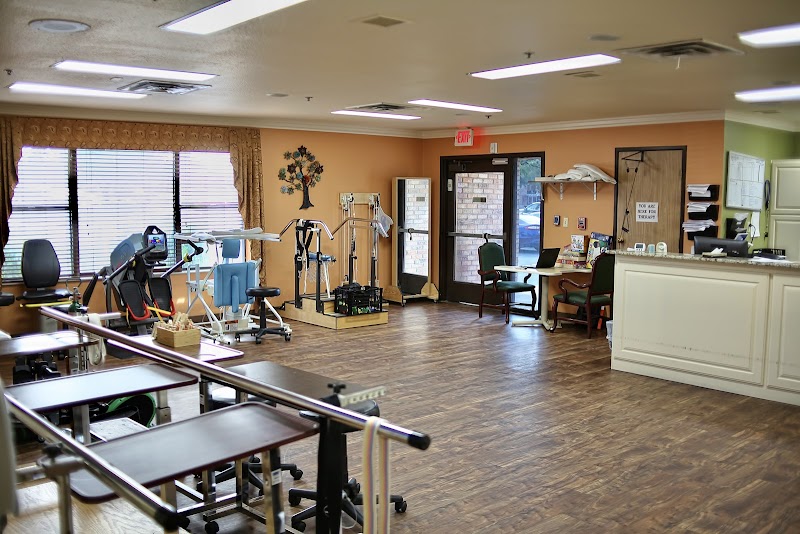
How is Pebble Creek Nursing Center Staffed?

CMS rates PEBBLE CREEK NURSING CENTER's staffing level at 2 out of 5 stars, which is below average compared to other nursing homes. Staff turnover is 46%, compared to the Texas average of 46%. This relatively stable workforce can support continuity of care.

What Have Inspectors Found at Pebble Creek Nursing Center?

State health inspectors documented 62 deficiencies at PEBBLE CREEK NURSING CENTER during 2022 to 2025. These included: 3 Immediate Jeopardy (the most serious level, indicating potential for serious harm or death), 1 that caused actual resident harm, 57 with potential for harm, and 1 minor or isolated issues. Immediate Jeopardy findings are rare and represent the most serious regulatory concerns. They require immediate corrective action.
Who Owns and Operates Pebble Creek Nursing Center?

PEBBLE CREEK NURSING CENTER is owned by a for-profit company. For-profit facilities operate as businesses with obligations to shareholders or private owners. The facility is operated by CREATIVE SOLUTIONS IN HEALTHCARE, a chain that manages multiple nursing homes. With 120 certified beds and approximately 94 residents (about 78% occupancy), it is a mid-sized facility located in EL PASO, Texas.
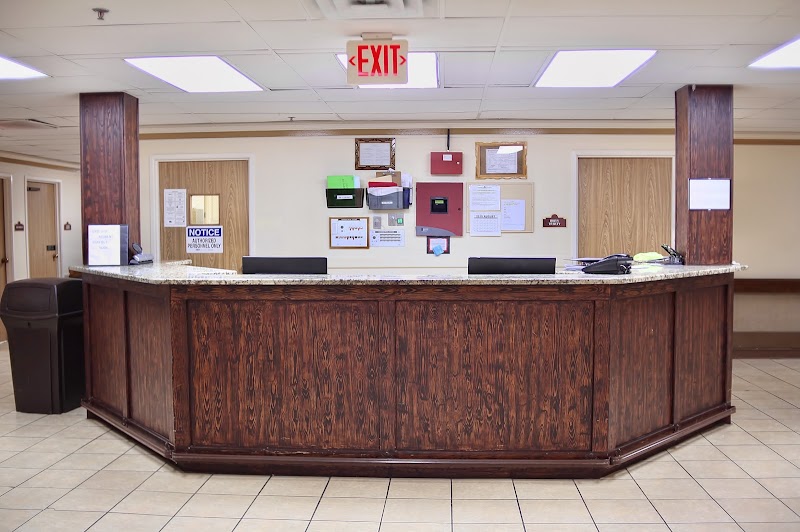
How Does Pebble Creek Nursing Center Compare to Other Texas Nursing Homes?

Compared to the 100 nursing homes in Texas, PEBBLE CREEK NURSING CENTER's overall rating (1 stars) is below the state average of 2.8, staff turnover (46%) is near the state average of 46%, and health inspection rating (1 stars) is much below the national benchmark.

What Should Families Ask When Visiting Pebble Creek Nursing Center?

Based on this facility's data, families visiting should ask: "What changes have been made since the serious inspection findings, and how are you preventing similar issues?" "What safeguards and monitoring systems are in place to protect residents from abuse or neglect?" "Can you walk me through typical staffing levels on day, evening, and night shifts?" "Can I visit during a mealtime to observe dining assistance and food quality?" These questions are particularly relevant given the facility's Immediate Jeopardy citations, the substantiated abuse finding on record, and the below-average staffing rating.

Is Pebble Creek Nursing Center Safe?

Based on CMS inspection data, PEBBLE CREEK NURSING CENTER has documented safety concerns. The facility has 1 substantiated abuse finding (meaning confirmed case of resident harm by staff or other residents). Inspectors have issued 3 Immediate Jeopardy citations (the most serious violation level indicating risk of serious injury or death). The facility has a 1-star overall rating and ranks #100 of 100 nursing homes in Texas. Families considering this facility should ask detailed questions about what corrective actions have been taken since these incidents.

Do Nurses at Pebble Creek Nursing Center Stick Around?

PEBBLE CREEK NURSING CENTER has a staff turnover rate of 46%, which is about average for Texas nursing homes (state average: 46%). Moderate turnover is common in nursing homes, but families should still ask about staff tenure and how the facility maintains care continuity when employees leave.

Was Pebble Creek Nursing Center Ever Fined?

PEBBLE CREEK NURSING CENTER has been fined $151,360 across 2 penalty actions. This is 4.4x the Texas average of $34,592. Fines at this level are uncommon and typically indicate a pattern of serious deficiencies, repeated violations, or failure to correct problems promptly. CMS reserves penalties of this magnitude for facilities that pose significant, documented risk to resident health or safety. Families should request specific documentation of what issues led to these fines and what systemic changes have been implemented.

Is Pebble Creek Nursing Center on Any Federal Watch List?

PEBBLE CREEK NURSING CENTER is not on any federal watch list. The most significant is the Special Focus Facility (SFF) program, which identifies the bottom 1% of nursing homes nationally based on persistent, serious quality problems. Not being on this list means the facility has avoided the pattern of deficiencies that triggers enhanced federal oversight. This is a positive indicator, though families should still review the facility's inspection history directly.