ST GILES NURSING AND REHABILITATION CENTER


950 CAMINO DEL REY DRIVE, EL PASO, TX 79927 (915) 859-3010
For profit - Corporation 124 Beds CREATIVE SOLUTIONS IN HEALTHCARE Data: November 2025
Trust Grade
60/100
#569 of 1168 in TX
Last Inspection: February 2025

Within standard 12-15 month inspection cycle. Federal law requires annual inspections.

Overview

St. Giles Nursing and Rehabilitation Center has a Trust Grade of C+, indicating a decent but slightly above-average quality of care. Ranking #569 out of 1,168 facilities in Texas places them in the top half, while their county rank of #7 out of 22 suggests they are one of the better local options. The facility is improving, with issues decreasing from 13 in 2024 to 6 in 2025. Staffing is average with a turnover rate of 49%, which is slightly better than the state average, and the facility has no fines on record, reflecting a good compliance history. However, there have been concerns, such as residents not having call lights within reach, inadequate respiratory care management, and unsafe disposal of sharp objects, which could put residents at risk for harm. Overall, while there are strengths in the facility's compliance and staffing stability, families should be aware of the operational weaknesses highlighted in the inspection findings.

Trust Score
C+
60/100
In Texas
#569/1168
Top 48%
Safety Record
Low Risk
No red flags
Inspections
Getting Better
13 → 6 violations
Staff Stability
⚠ Watch
49% turnover. Above average. Higher turnover means staff may not know residents' routines.
Penalties
✓ Good
No fines on record. Clean compliance history, better than most Texas facilities.
Skilled Nurses
⚠ Watch
Each resident gets only 27 minutes of Registered Nurse (RN) attention daily — below average for Texas. Fewer RN minutes means fewer trained eyes watching for problems.
Violations
⚠ Watch
42 deficiencies on record. Higher than average. Multiple issues found across inspections.
★★★☆☆
3.0
Overall Rating
★★★☆☆
3.0
Staff Levels
★★★★☆
4.0
Care Quality
★★★☆☆
3.0
Inspection Score
Stable
2024: 13 issues
2025: 6 issues

The Good

  • 4-Star Quality Measures · Strong clinical quality outcomes
  • Full Sprinkler Coverage · Fire safety systems throughout facility
  • No fines on record

Facility shows strength in quality measures, fire safety.

The Bad

3-Star Overall Rating

Near Texas average (2.8)

Meets federal standards, typical of most facilities

Staff Turnover: 49%

Near Texas avg (46%)

Higher turnover may affect care consistency

Chain: CREATIVE SOLUTIONS IN HEALTHCARE

Part of a multi-facility chain

Ask about local staffing decisions and management

The Ugly 42 deficiencies on record

Feb 2025 6 deficiencies
CONCERN (D)

Potential for Harm - no one hurt, but risky conditions existed

Safe Environment (Tag F0584)

Could have caused harm · This affected 1 resident

**NOTE- TERMS IN BRACKETS HAVE BEEN EDITED TO PROTECT CONFIDENTIALITY** Based on observation, interview, and record review the facility failed to have a safe, clean, comfortable and homelike environme...

Read full inspector narrative →
**NOTE- TERMS IN BRACKETS HAVE BEEN EDITED TO PROTECT CONFIDENTIALITY** Based on observation, interview, and record review the facility failed to have a safe, clean, comfortable and homelike environment for 1 (room # 104) of 12 rooms reviewed for environment in that: A brown and thick substance was on the floor of room [ROOM NUMBER]' entry way. This failure could have placed residents at risk of residing in an unsafe, unsanitary, and uncomfortable environment. Findings included: Record review of Resident #49's face sheet dated 02/18/25 revealed he was admitted on [DATE]. Record review of Resident #49's history and physical dated 12/27/24 revealed he was a [AGE] year-old male diagnosed with obsessive-compulsive disorder, muscle atrophy and dementia. Record review of Resident #49's MDS dated [DATE] revealed he had a BIMS score of 13 indicating he was cognitively intact. It indicated in the Care Area Assessment that Resident # 49 had triggered the care area for falls and that it was care planned. Record review of Resident #49's care plan reviewed reviewed by the facility on 02/12/25 revealed Resident # 49 was at risk for falls related to weakness. It revealed the facility needed to anticipate and meet the resident's needs by ensuring the resident was wearing appropriate footwear when ambulating or mobilizing to avoid falls. The care plan revealed Resident #49 required antidepressant medication related to obsessive-compulsive disorder and insomnia and for staff to document and monitor the resident for signs of irritability, feelings of shame and worthlessness. In an observation of room [ROOM NUMBER] and interview on 02/10/25 at 9:26 AM with Resident # 49 he reported a spill of a thick, brown substance, resembling maple syrup, at the entrance to his room. He denied knowing what it was and stated he had not handled food in that area. Resident # 49 said the staff who delivered his breakfast that morning might have spilled it , though he was not certain. Resident # 49 added that staff sometimes took a while to clean his room, and he disliked seeing it dirty as it made him uncomfortable. In an interview on 02/12/25 at 10:48 PM with the Administrator, he stated the process to ensure the facility was clean started with housekeeping and it was followed by rounds conducted by nurses and CNAs to ensure cleanliness. The Administrator stated it was expected all staff to either clean themselves or to report it to housekeeping if it was something they could not clean on their own. The Administrator said there was a risk of making a resident feel depressed living in an environment that looked dirty. He said that a spill like the one observed at Resident # 49 doorway could pose a risk of falls and potentially injure other residents and staff. He stated that another potential outcome could be that food residues such as the sugar in the corn syrup or coffee, could potentially attract pests such as ants and roaches. The Administrator stated he believed the facility staff failed to closely monitor the resident's room to make sure they were clean and sanitary. In an interview on 02/12/25 at 11:02 AM with the DON she explained the facility's protocol to ensure the resident's rooms are clean. DON said the department heads such as charge nurses, assigned rooms and through rounds, nurses and CNAs checked for cleanliness. She stated if through round check staff detected something needed to be cleaned and they did not have the time to do it, it was expected for them to notify housekeeping so they could go in and clean the residents' rooms. The DON stated the potential for resident discomfort in dirty environments, as well as the risk of slips, falls, and pest attraction because of not cleaning spills like the one observed at Resident # 49 doorway. Record review of the facility's policy, not dated, titled Fundamentals of Infection Control Precautions, read in part: The room and beside equipment of residents on standard precautions is cleaned and disinfected with an approved cleaning agent.
CONCERN (D)

Potential for Harm - no one hurt, but risky conditions existed

Pharmacy Services (Tag F0755)

Could have caused harm · This affected 1 resident

**NOTE- TERMS IN BRACKETS HAVE BEEN EDITED TO PROTECT CONFIDENTIALITY** Based on observation, interview, and record review the facility failed to maintain an infection prevention and control program d...

Read full inspector narrative →
**NOTE- TERMS IN BRACKETS HAVE BEEN EDITED TO PROTECT CONFIDENTIALITY** Based on observation, interview, and record review the facility failed to maintain an infection prevention and control program designed to provide a safe, sanitary and comfortable environment and to help prevent the development and transmission of communicable diseases and infections for one (Resident #33) of six residents observed for infection control. -Med Aide A failed to don gloves before removing Resident #33's lidocaine 4% patch and before applying new lidocaine 4% patch. Theses failure could place residents at risk for infection and cross contamination. Findings include: Resident #33 Record review of Resident #33's, face sheet dated 02/13/2025 reflected a [AGE] year-old female with an admission date of 10/09/2019 and a readmission date of 04/15/2024. Record Review of Resident #33's diagnosis list dated 02/13/2025 reflected osteoarthritis of hip. Record Review of Resident #33's quarterly MDS dated [DATE] revealed resident with Brief interview for mental status score of 03 indicating severe cognitive impairment. Record Review of Resident #33's care plan dated 12/18/2024 revealed potential for uncontrolled pain, interventions included administer pain medication per medical doctor orders. Record Review of Resident #33's orders dated 02/01/2025 revealed Lidocaine Pain Relief External Patch 4 % (Lidocaine) Apply to right thigh topically one time a day for pain relief. An observation on 02/11/25 at 12:53 p.m. revealed Med Aide A in resident room preparing to apply lidocaine 4% patch to residents' right thigh. She took off old lidocaine patch without donning gloves. She then proceeded to apply new lidocaine patch with bare hands. She performed hand hygiene before exiting residents' room. In an interview with Med Aide A on 02/13/2025 at 10:45 a.m. she stated she was trained to wear gloves when applying transdermal patches, but she personally did not like to wear gloves because the patch sticks to the gloves and makes it hard to apply. She stated the importance of wearing gloves includes infection control especially when coming into contact with residents skin. She stated if she noticed an open wound or anything like that on the resident she would wear gloves. She stated medication could transfer from patch to her person in the absence of gloves, but that is why she tried to peel it from the very tip of patch and she tried to touch it around the corners, minimizing the contact she had with the medication on the patch. In an interview with DON on 02/12/2025 at 1:45 p.m., she stated the procedure for applying transdermal medications included, checking orders to verify site to be placed, hand hygiene, preparing patch with date and initials, applying gloves, removing the old patch if there was one present, and applying the new patch, removing gloves and preform hand hygiene. She stated the risks to the resident if staff did not apply transdermal medication with gloves included infection control because staff was coming into contact with resident exposed skin. The risk to the staff also included staff could absorb medication from transdermal patch causing medication to enter their systems. Record review of facility's undated policy on Transdermal Patch Administration revealed in part to wash your hands and put on clean disposable gloves or avoid touching medication side of patch to prevent absorption through skin.
CONCERN (D)

Potential for Harm - no one hurt, but risky conditions existed

Deficiency F0761 (Tag F0761)

Could have caused harm · This affected 1 resident

**NOTE- TERMS IN BRACKETS HAVE BEEN EDITED TO PROTECT CONFIDENTIALITY** Based on observation, interview, and record review, the facility failed to provide pharmaceutical services (including procedures...

Read full inspector narrative →
**NOTE- TERMS IN BRACKETS HAVE BEEN EDITED TO PROTECT CONFIDENTIALITY** Based on observation, interview, and record review, the facility failed to provide pharmaceutical services (including procedures that assure the accurate acquiring, receiving, dispensing, and administering of all drugs and biologicals) to meet the needs of each resident for 1 of 8 residents (Resident #94) reviewed for pharmacy services. Resident #94 had a dixie cup at bed side with Zinc Oxide pomade (skin ointment) and a tongue depressor in it, exposed and within reach of other residents. This failure could place residents at risk of inaccurate drug administration and not having appropriate therapeutic effects. Findings included: Record review of Resident #94's face sheet dated 02/10/25 revealed he admitted on [DATE]. Record review of Resident #94's history and physical dated 08/11/24 revealed he was a [AGE] year-old male diagnosed with cerebral palsy (a group of disorders that affect movement and muscle tone or posture), neuromuscular dysfunction of bladder (problems that occur when the nerves and muscles that control the bladder don't work together properly), seizures, kidney failure and urinary tract infection. Record review of Resident #94's MDS dated [DATE] revealed he had a BIMS score of 13 indicating he was cognitively intact. It indicated the resident required application of ointments and medications other than the feet and that he was at risk of developing pressure ulcers or injuries. Record review of Resident #94's care plan reviewed on 11/22/24 revealed Resident # 94 had hemiplegia (total paralysis of limbs) and hemiparesis (weakness of the limbs). The care plan stated the resident would remain free of complications or discomfort related to these conditions. An intervention was for Resident # 94 to be assisted with ADLs and mobility as needed. Resident # 94 care plan revealed he was admitted with a pressure ulcer to the sacrum (a large, triangular bone at the base of the spine, forming the back of the pelvis), an intervention was to administer zinc oxide (a mineral that is used in a variety of over-the-counter medications. It is most used to treat skin irritations) as ordered. * In an interview on 02/11/25 at 02:10 PM RN B stated staff would request Zinc Oxide from her and she would pour a portion in a cup, then staff would go to the residents' room and the medication would be applied to Resident #94 when doing peri care (refers to the cleaning and hygiene of the perineum which is the area between the genitals and the anus). RN B said after the medication was applied, if there was any medication left in the cup it had to be discarded in the biohazard trash bins the facility had on the medication carts. RN B stated the cup found at bedside should not have been left in the nightstand for infection control purposes. RN B said the potential outcome of leaving medication at bedside could result in another resident taking the medication by mistake or getting their hands into the cream and getting infected if the resident on which the medication was applied had any infections. In an interview on 02/11/25 at 02:27 PM with CNA C , she said the procedure was to dispose of the cup with the medication after it has been applied to the resident. The risk of leaving medication on a cup like this on top of a dresser would be infection control. There's also that a resident could ingest it or put it in their [NAME] or grab it. In an interview on 02/11/25 at 03:10 PM, LVN D said the risk of leaving a medication in the open and at bed side could result on a violation for infection control because another resident could take it and use it improperly or apply it somewhere they are not supposed to like in their eyes or put it in their mouth. LVN D stated the medication should not have been left at bedside and it had to be disposed in the biohazard trash located on their med carts once the medication had been supervised for Resident # 94. In an interview on 02/12/25 at 11:02 AM with DON, she said the medication aide, or the nurse were responsible for disposing if a medication or for checking that they were properly stored. The DON stated if medications are left at bed side there could be a potential risk for another resident taking the medications and potentially creating a health risk. DON stated another outcome could be infection transmitted from one resident to another or could result in poisoning or over ingestions for a resident taking a medication that was not prescribed for them. DON stated medications are never supposed to be left at bedside and they should always be discarded following protocols. In an interview on 02/12/25 at 10:45 AM with the Administrator, he said the charge nurse, ADON or DON were responsible for checking that medications that have been administered or supervised, were correctly discarded once they are done providing services to a resident. The Administrator said it was important to make sure that the medications had been supervised and correctly discarded to make sure that other residents did not get their hands on them or ingest them by mistake. He said there could be an adverse effect if another resident took a medication that did not belong to them. The Administrator stated no medications should have been left at bed side once the medication has been supervised for a resident. He also stated there could be a risk for infection control with this medication if it was used on a perineal area. In an interview on 02/13/25 at 10:25 AM the DON stated facility did not have a specific policy addressing supervising medications and the steps for disposing of a medication. The DON reiterated that no medications should be left at bed side once they had been supervised for a resident. Record review of the policy, not dated, titled Medication Administration, did not include information on procedures for supervising medications and the steps for disposing of a medication after it had been supervised.
CONCERN (D)

Potential for Harm - no one hurt, but risky conditions existed

Food Safety (Tag F0812)

Could have caused harm · This affected 1 resident

Based on observation, interviews and record review, the facility failed to store, prepare, distribute and serve food in accordance with professional standards for food service safety for 1 of 1 kitche...

Read full inspector narrative →
Based on observation, interviews and record review, the facility failed to store, prepare, distribute and serve food in accordance with professional standards for food service safety for 1 of 1 kitchen reviewed for kitchen sanitation in that: -4 of 4 oil containers were not labeled or dated. -The seal of the Pork meat stored in the refrigerator was had a ripped hole in foil covering. These deficient practices could place residents who received meals and snacks from the kitchen at risk for food borne illness. The findings include: During an initial kitchen tour and interview on 02/10/25 at 08:15 AM with the Director of Food and Nutrition, revealed the following: 4 of 4 Pan & Grill frying oil containers were not dated or labeled in the dry food pantry. The Director of Food and Nutrition stated the oil containers should be dated, and would dispose of them. Observation during the walk-in fridge had a metallic container with foil covering labeled PORK, the foil covering had a ripped opening in middle of foil cover. The Director of Food and Nutrition stated that it would be covered properly. During an interview with the Director of Food and Nutrition on 02/12/25 at 02:18 PM, he stated the procedure when receiving food items includes dating all items once received and out of the box. He stated the responsibility to ensure all food items are dated and labeled belong to all kitchen staff. The Director of Food and Nutrition stated he knew the oil containers had just come in but if food items are not dated or labeled, then they are disposed of, which the oils were. He stated he does not think there are risks to the residents if the oil was not dated because it was oil. He stated all food items are to be completely sealed. He stated the risk of food not being properly sealed includes contamination through falling debris, and bacteria or food borne illnesses depending on the food not being properly stored in a safe area. He stated the pork, however, was in a safe area.
CONCERN (E)

Potential for Harm - no one hurt, but risky conditions existed

Deficiency F0558 (Tag F0558)

Could have caused harm · This affected multiple residents

**NOTE- TERMS IN BRACKETS HAVE BEEN EDITED TO PROTECT CONFIDENTIALITY** Based on observation, interview and record review, the facility failed to ensure the resident resided and received services in t...

Read full inspector narrative →
**NOTE- TERMS IN BRACKETS HAVE BEEN EDITED TO PROTECT CONFIDENTIALITY** Based on observation, interview and record review, the facility failed to ensure the resident resided and received services in the facility with reasonable accommodation of resident needs and preferences for 3 (Resident #41, Resident #60, Resident #250) of 12 residents reviewed for call lights. The facility failed to ensure Resident #41, and Resident #60 had their call lights within reach. The facility failed to ensure Resident #250 had a call light in her room. These failures could place residents at risk for decreased quality of life, self-worth, and dignity. Findings included: Resident #41 Review of Resident #41's face sheet dated 02/13/2025 reflected a [AGE] year-old female admitted to the facility on 11/17/2023, with diagnoses of Other abnormalities of gait and mobility (walking patterns that deviate from normal), other lack of coordination, cognitive communication deficit (communication difficultly) and weakness. Review of Resident #41's quarterly MDS assessment dated [DATE] reflected brief interview for mental status score of 03/15 indicating severe cognitive impairment. Review of Resident #41's Comprehensive Care Plan revised 11/28/2024 reflected Resident #41 was a risk for falls, interventions included making sure the residents' call light was within reach and to encourage resident to use it for assistance as needed. Observation on 02/10/2025 at 10:15 am revealed Resident #41 was asleep in her bed and her call light was on the floor, on fall mat. Observation on 02/10/2025 at 1:15 PM revealed Resident #41 still asleep in bed with call light still on floor on fall mat. Resident #60 Record Review of Resident #60's face sheet dated 02/10/25 revealed resident is an [AGE] year-old female initially admitted to the facility 09/16/2022 and re-admitted [DATE]. Resident #60 has diagnoses of Muscle Wasting and Atrophy (gradual shrinking or wasting away of muscle tissue), abnormalities of gait (a manner of walking or moving on foot) and mobility, and lack of coordination. Record Review of Resident #60's quarterly MDS dated [DATE] revealed BIMS score of 2 out of 15 indicating severe cognitive impairment. Record Review of Resident #60's Comprehensive Care Plan dated 2/13/25 revealed that Resident #60 is at risk for falls related to muscle weakness, poor safety awareness, psychotropic medication use. The interventions per the Care Plan include for staff to ensure Resident #60 has her call light within reach. Resident #250 Record Review of Resident #250's face sheet dated 02/13/25 revealed that resident is a [AGE] year-old female with initial admission date 01/03/20, and re-admission date 03/02/23. Record Review of Resident #250's quarterly MDS dated [DATE] revealed her BIMS score of 7 out of 15, indicating severe cognitive impairment. Record review of Resident #250's Comprehensive Care Plan dated 2/13/25 revealed resident is at risk for falls related to impaired mobility and interventions include for staff to ensure resident has a working and reachable call light. In an observation on 02/10/25 at 09:44 AM, Resident #60 was in bed and her call light was clipped on the wall light cord located behind resident's bed, and out of her reach. In an observation on 02/10/25 at 09:20 AM, Resident #250 was in bed and there was no call light in her room for her use. An interview On 02/12/2025 at 11:00 am with CNA G, revealed that she had been working at the facility for 11 years. She stated that the purpose of the call light was for the resident to use to ask for help. She stated that it Should always be within reach for the resident, meaning it was easily accessible for the resident to use if needed. For example, the resident should have had it on the bed next to them. She stated that everyone was responsible for making sure call light in within reach, especially CNA staff. She also stated that rounding every 2 hours to make sure call lights were within reach. She recalled that the facility did conduct Inservice on call lights regularly with the last one being approximately one month ago. She stated that If call light was not within reach, residents could fall or would not be able to call for assistance because they would not be able to call for help. She stated that Resident #41's and #60's call light was not considered to be within reach. An interview on 02/12/2025 at 11:13 am with CNA H revealed that she had been working at the facility for a year. She stated that call lights should be within reach so residents could call whenever they needed something. She stated that everyone as in facility staff, CNAs especially are responsible to make sure call lights were within reach. She states that she frequently did walk rounds to make sure that call lights were within reach. She stated that the last Inservice regarding call lights was held approximately 2 months ago. She stated that they were required to do a monthly training online. She stated that residents could fall when trying to reach for the call light, and it was not within reach. She stated Resident #41's and #60's call light was not considered to be within reach. An interview on 2/12/2025 at 11:30 am with LVN E revealed that she had been working at the facility for 2 years. She stated that the purpose of the call light was to notify staff that resident needed assistance. She stated that call lights should be within residents reach. She stated that all staff was responsible including nursing assistants, and anyone who goes into room was responsible to make sure call lights were within reach. She stated that residents needs may have not be met, if residents call light was within reach. She stated that unless resident was unable to stand then it was not a fall risk for resident if call light was not to be in their reach. She stated Resident #41 had a fall mat next to her bed, she was considered a fall risk and she agreed that call light was considered not to be within reach for her. She stated that Resident #60's call light is not considered within reach. An interview with the DON on 2/12/2025 at 12:32 pm revealed that staff was trained that all call lights should be within residents reach, meaning the call light should be next to resident on bed. She stated that department heads do champion rounds throughout their shift. She explained that they were assigned to different rooms throughout the different halls to check call lights, and maintenance issues daily. She stated that other than those rounds the DON, CNA's, and LVNs all had the responsibility to make sure call lights were within reach for the residents. She stated that there in an emergency, residents could not call for help. She stated that residents could fall trying to get up themselves, and there could also be a delay in care. She stated Resident #41's and #60's call light was not within reach. On 2/11/25 at 9:20 am, DON stated that the facility does not have a specific policy regarding call lights.
CONCERN (E)

Potential for Harm - no one hurt, but risky conditions existed

Respiratory Care (Tag F0695)

Could have caused harm · This affected multiple residents

**NOTE- TERMS IN BRACKETS HAVE BEEN EDITED TO PROTECT CONFIDENTIALITY** Based on observations, interviews, and record review the facility failed to ensure that a resident who needed respiratory care w...

Read full inspector narrative →
**NOTE- TERMS IN BRACKETS HAVE BEEN EDITED TO PROTECT CONFIDENTIALITY** Based on observations, interviews, and record review the facility failed to ensure that a resident who needed respiratory care was provided such care, consistent with professional standards of practice for 2 (Resident #20 and Resident #87) of 12 residents observed for oxygen management. The facility failed to clean the oxygen concentrator air filter for Resident #20 while the oxygen was in use. The facility failed to post an Oxygen sign outside Resident # 87's room who received oxygen. The facility failed to ensure Resident # 87's oxygen tank was properly stored when not in use. This failure could place residents at risk of being exposed to combustion or flammability that may lead to physical harm. Findings included: Resident #20 Record review of Resident #20's face sheet dated 02/13/2025, revealed the [AGE] year-old resident was admitted to the facility on [DATE] and readmitted on [DATE] with diagnoses of Respiratory failure, unspecified with hypercapnia (body fails to remove carbon dioxide from the blood leading to elevated levels of carbon dioxide). Record review of Resident # 20's MDS dated [DATE] revealed a brief interview for mental status score of 0, indicating severe cognitive impairment. Record review of Resident #20's Physician's orders, dated 02/13/2025, revealed an order for continuous oxygen use at 2 liters per min via nasal canula every shift for shortness of breath/ dyspnea (trouble breathing) related to respiratory failure, unspecified with hypercapnia effective 05/28/2018. During an observation of Resident #20 in her room on 02/10/25 at 10:32 AM noted that the resident's oxygen concentrator was in operation and the air filter had dust collected on it along with a couple of strands of hair. During an interview with LVN F on 02/12/2025 at 1:00 PM, LVN F stated that the nurses on the unit are responsible for cleaning oxygen concentrator air filters. He stated that the CNA's will notice sometimes and will alert the nurses, the nurses will then clean it under running water. She stated that the machine itself would also start beeping and that would alert the nurse that filter may needed to be changed. During an interview with the DON on 02/12/25 at 2:00 PM, the DON stated that she did was not sure about how often oxygen concentrator filters needed to be changed because it depended on the manufacturer. Risks of having a dirty filter were, reduced efficiency of machine. During an interview with the Central supply personnel on 1/25/24 at 1:45 PM, she stated that oxygen concentrator filters were cleaned back in December 2024, filters were changed every 6 to 12 months or as needed per manufacture depending on concentrator being used. She stated Resident # 20's air filter did look dirty, and since it was a machine from hospice, she would have to contact the hospice provider to let them know that filter needed cleaning. She was not aware of risks to the resident of oxygen concentrator air filters being dirty. Record review of the Oxygen Administration Policy and procedure revised 07/21/2023 revealed in part change or clean concentrator filters according to manufacturer recommendations. Facility did not provide manufacuturer recomendations to surveyor prior to exit. Resident # 87 Record review of Resident #87's face sheet dated 12/13/25 revealed he was admitted on [DATE]. Record review of Resident #87's history and physical dated 02/04/25 revealed he was a [AGE] year-old male diagnosed with pulmonary embolism (a serious medical condition that occurs when a blood clot lodges in an artery in the lungs, blocking blood flow), acute respiratory failure with hypoxia(a condition in which the body or a region of the body is deprived of adequate oxygen supply), muscle wasting atrophy and cognitive communication deficit. Record review of Resident #87's MDS dated [DATE] revealed he had a BIMS score of 00 indicating severe cognitive impairment. It indicated the resident had respiratory failure with hypoxia (a deficiency in the amount of oxygen reaching the tissues of the body), and indicated he required oxygen therapy. Record review of Resident #87's care plan reviewed on 01/27/25 revealed Resident # 87 was receiving oxygen therapy ordered to be maintained on oxygen saturations (a measure of how much oxygen your blood is carrying as a percentage) of 90% or greater. In an observation on 02/10/25 at 11:23 AM in Resident # 87's room, an oxygen tank was observed next to the entrance door. A hissing sound came from the oxygen tank. There was no oxygen sign posted outside the room. Resident # 87 was in the hallway near the nurses' station at this time. LVN E stated she had just exchanged Resident # 87's oxygen tank with a full tank and had left the used one inside the room by mistake. She stated the tank was open, and the leftover oxygen in the tank was escaping the cylinder. LVN E closed the valve and took the cylinder outside the room and to storage. In an interview on 02/11/25 at 02:10 PM with RN B, she said every resident who received oxygen needed to have an oxygen sign posted outside of the door and the tank needed to be on a caddy. She stated posting oxygen signs needed to be posted so staff could be able to tell which residents are on oxygen to monitor them closely for their saturations and oxygen levels and for people to know there were tanks inside the residents' rooms. RN B said the tank was making hissing sounds because it was either broken or not closed correctly and this would also pose a potential fire hazard if oxygen was escaping the tank and there was a spark, the tank could potentially explode harming residents and staff from the facility. In an interview on 02/11/25 at 02:34 PM with CNA C she stated whenever a resident was receiving oxygen in their room there should be an oxygen sign posted outside of their room. She said the purpose of the oxygen sign was for all residents and visitors to take caution and be advised there was oxygen in use inside the room to avoid fire hazards and be careful not to drop a tank. CNA C said it was a non-smoking facility but there were fire hazards as long as there was oxygen in use. CNA C stated regarding the oxygen tank found in room [ROOM NUMBER] there could be a risk of fire or explosion because the tank was open and flowing with leftover oxygen inside the cylinder. In an interview on 02/11/25 at 03:10 PM with LVN D she said oxygen signs needed to be put up by the door where there was oxygen in use. She stated this was for safety purposes and to remind and let other staff know to check on residents in those rooms to make sure they had their head elevated, monitored their oxygen levels and checked for vitals. They also served as a warning for other residents and family members to be aware not to smoke in the facility or introduce anything that could create a spark. LVN D said by having an open oxygen tank left inside the room open, there could be a risk of explosions or fire hazards which could affect residents and staff members equally. LVN D said oxygen tanks needed to be stored in the storage room and not left in a resident's room when not in use. In an interview on 02/12/25 at 10:53 AM with the Administrator, he stated there had to be an oxygen sign posted outside of a room where a resident receives oxygen therapy. The Administrator said the purpose of the sign was to make everybody aware that there was oxygen in use inside of the room to avoid potential fire hazards. The Administrator said by not having an oxygen sign posted there was a potential for fire hazards or there could potentially be an exploding hazard from a tank who had oxygen escaping the tank. The Administrator stated the nursing department was responsible for making sure that oxygen signs were posted outside of the rooms and that oxygen tanks were closed and secured. In an interview on 02/12/25 at 11:10 AM with the DON regarding the open oxygen tank that was found Resident # 87's room, she said there was risk of a fire hazard or even explosion if there was a spark near the oxygen tank. DON said there was also a potential risk that somebody could take the tank out of the room and put other individuals at risk. DON said oxygen signs had to be outside the rooms of those residents who received oxygen therapy so that it would caution whoever goes near the room that there is oxygen in use. DON said the potential risks for not posting oxygen signs outside a resident room would be the same; there would be fire risks or staff would potentially not check for oxygen levels for the resident in that room. DON said RNs and LVNs receive training on how to properly store oxygen tanks and how to change them when the residents need a new tank full of oxygen. In an interview on 02/12/25 at 11:32 AM with LVN E she stated oxygen signs needed to be posted outside a resident's room who has oxygen inside the room. LVN E said the purpose of the sign was to alert anyone who comes near the room that there was oxygen in use. LVN E said there was a potential for a fire hazard of explosion if there was an oxygen tank left inside of a room. She said it was the nurse's responsibility to check oxygen signs were posted and also to make sure the tanks were closed and secure. LVN E said she had received training on how to change oxygen tanks and how to properly store them when not in use but did not recall when she received this training. Record Review of the facility's policy and procedures dated 3/21/2023 titled Oxygen Administration read in part: Place no smoking signs in area when oxygen is administered and stored. Store oxygen canister in an area free of flammable substances. Avoid the use of electrical appliances in the area of oxygen use as well.
Nov 2024 1 deficiency
CONCERN (D) 📢 Someone Reported This

A family member, employee, or ombudsman was alarmed enough to file a formal complaint

Potential for Harm - no one hurt, but risky conditions existed

Comprehensive Care Plan (Tag F0656)

Could have caused harm · This affected 1 resident

**NOTE- TERMS IN BRACKETS HAVE BEEN EDITED TO PROTECT CONFIDENTIALITY** Based on observation, interview, and record review, the facility failed to develop and implement a comprehensive person-centered...

Read full inspector narrative →
**NOTE- TERMS IN BRACKETS HAVE BEEN EDITED TO PROTECT CONFIDENTIALITY** Based on observation, interview, and record review, the facility failed to develop and implement a comprehensive person-centered care plan that included measurable objectives and time frames to meet a resident's medical and nursing needs and described the services to be furnished to attain or maintain the resident's highest practicable physical, mental, and psychosocial well-being for 1 (Resident #1) of 6 residents reviewed for care plans. -The facility failed to develop a comprehensive person-centered care plan for Resident #1 regarding significant change of condition of a newly diagnosed DVT (a blood clot in a deep vein in the body). -The facility failed to develop a comprehensive person-centered care plan for Resident #1's severe weight loss. This deficient practice could place residents in the facility at risk of not receiving the necessary care or services as indicated in their comprehensive person-centered plans to meet their needs for care assistance and treatments. Findings include: Record review of Resident #1's admission Record dated 11/20/2024, revealed a [AGE] year-old female who was admitted to the facility on [DATE]. Admitting diagnoses included dementia (impaired ability to remember, think, or make decisions that interferes with doing everyday activities), morbid obesity (chronic disease in which a person has a body mass index of 40 or higher and is experiencing obesity-related health conditions), catatonic schizophrenia (rare severe mental disorder characterized by striking motor behavior, typically involving either significant reductions in voluntary movement or hyperactivity and agitated), major depressive disorder (mental health disorder characterized by persistently depressed mood or loss of interest in activities, causing significant impairment in daily life), mild intellectual disabilities (deficits in theoretical thinking/learning), and post cholecystectomy syndrome (a progressive brain disease that causes a decline in thinking abilities). Record review of Resident #1's quarterly MDS dated [DATE], revealed Section C - Cognitive Patterns, that the resident was rarely/never understood. Section GG - Functional Abilities, revealed resident was dependent for toileting hygiene, showering/bathing, dressing, bed mobility, and transfers, and substantial/maximal assistance with eating, oral and personal hygiene. Section K - Swallowing/Nutritional Status, revealed Resident #1 had a loss of 5% or more in the last month or loss of 10% or more in the last 6 months and was not on a physician-prescribed weight-loss regimen. Resident #1 had a mechanically altered diet and therapeutic diet. Section N - Medications, revealed resident was taking an anticoagulant. Review of Resident #1's weight records from 5/1/2024 to 11/4/2024 revealed the following: -one-month review, Resident #1 had a 7.4% weight loss -three-month review, Resident #1 had a 14.4% weight loss -six-month review, Resident #1 had a 17.6% weight loss. Record review of Resident #1's progress notes dated 11/02/2024 at 1:01 p.m., revealed the physician ordered Resident #1 receive a venous doppler (special ultrasound technique that evaluates blood as it flows through a blood vessel including major arteries, and veins in the abdomen, arms, legs, and neck), to the right upper extremity to rule out DVT. Record review of Resident #1's progress notes dated 11/02/2024 at 9:46 p.m., revealed results of the venous doppler were received and found to be positive. Findings were reported to the provider on call and new order for Xarelto 20 mg for three months was received. Record review of Resident #1's order summary dated 11/18/2024, revealed the resident was on a pureed texture diet with regular consistency, for difficulty with mechanical soft texture diet. The order summary further revealed an order with start date of 11/03/2024, for Xarelto Oral Tablet 20 mg, to be taking one time a day for DVT for 3 months. Review of Resident #1's MAR for month of November 2024, revealed resident was taking her medications as ordered. Record review of Resident #1's Care Plan dated 11/20/2024, revealed no care plan information related to DVT care. Further review revealed the following focus area initiated on 4/16/24: Resident #1 had a diet order other than regular and was at risk for unplanned weight loss or gain. There was no care plan for Resident #1's severe weight loss. During an observation and interview on 11/20/2024 at 3:40 p.m., revealed Resident #1 was at the hospital and the resident was noted to be sedated and intubated. The hospital nurse stated when the resident arrived at the hospital ER, the resident became unresponsive and hypoxic (having too little oxygen) and was intubated. The hospital nurse said Resident #1 was still being treated for a DVT to her right arm with no concerns regarding treatment for DVT. The hospital nurse said there were no concerns regarding Resident #1 having any weight loss. During an interview on 11/20/2024 at 11:44 a.m., LVN I said Resident #1 was fully dependent on staff for all ADL's. LVN I said Resident #1 was not able to move much and was verbally incomprehensible. LVN I said during a physician visit to the facility, Resident #1 was seen for possible dependent edema (fluid builds up in the body's tissues, causing swelling) of her right arm. On 11/2/2024 Resident #1 was found to have a DVT to her right arm and the physician ordered medication Xarelto to treat the DVT. LVN I reviewed Resident #1's care plan and said that the DVT was not care planned. LVN I said he did not know why a care plan was not developed for the DVT care. LVN I said that the physician was aware and treating the DVT. LVN I said Resident #1 was being monitored while on her treatment. LVN I said Resident #1 started eating less in the past few weeks and less despite staff and family encouraging her and being present to offer feeding assistance. LVN I said CNAs would report how much Resident #1 would eat, and then LVN would ensure Resident #1 was given a supplemental shakes. LVN I said there was no care plan regarding any severe weight loss. During an interview on 11/22/2024 at 10:06 a.m., the DON said while the PCP was rounding at the facility, swelling to Resident #1's right arm was reported. The DON said an ultrasound was ordered and Resident #1 found to have a DVT. The DON said the DVT should have been care planned immediately after the diagnosis. The DON said the ADON should have care planned the DVT care. The DON said the DM was the person who monitored resident weights. The DON said weights were discussed during the facility weekly standard of care meeting. The DON said she could not remember Resident #1 being discussed during the meetings. The DON said severe weight loss should have been care planned but was not. The DON said if the DM reported severe weight loss of Resident #1, then the ADON should have developed a care plan. The DON again said she did not remember if the DM ever informed the DON or ADON of any weight loss by Resident #1. During an interview on 11/22/2024 at 11:17 a.m., the ADON said Resident #1 could not eat on her own and required assisted feeding. The ADON said Resident #1 was diagnosed with DVT and that was a change of condition. The ADON said the change in condition DVT should have been care planned. The ADON said the MDS staff and nursing staff developed the care plans. The ADON said she should have care planned the DVT but had been very busy with a lot of staff turnover at the facility. The ADON said the Dietary Manager was responsible for having resident weights done and reviewed. The ADON said the Dietary Manager would have been responsible to report changes such as significant gain or losses to the team and the Dietitian. The ADON said she did not recall any meeting discussion regarding Resident #1's weight loss. The ADON said Resident #1 was being given supplement shakes when she would not eat her meals. The ADON said there was no care plan for her severe weight loss other than she was at risk of unplanned weight loss. During an interview on 11/22/2024 at 11:48 a.m., the Dietary Manager (DM) said the last time he worked at the facility was 11/8/2024 and had been out due to injury. The DM said he monitored the weights of residents. The DM said he was familiar with Resident #1. The DM said Resident #1's ate at the assisted table because she could not eat on her own. The DM said her dementia was progressing and she was usually eating 50% to 75% of her meal. The DM said he knew Resident #1's weight was decreasing slowly but not so fast. The DM said she was not on a planned weight loss. The DM said in November 2024, he communicated via email that Resident #1 had experienced 5% or more weight loss and would start with weekly weights. The DM said the email was sent to the Dietitian, DON, ADON and Administrator. The DM said he was involved with an accident outside of the facility on 11/8/2024 and had not returned to work. The DM said he believed the ADONs were monitoring the weights. The DM said he had not reported any severe weight loss prior to November 2024. The DM said he was responsible for reporting any severe weight changes to the team that included the DON and ADONs. The DM said the severe weight loss should have been care planned but that was a nursing department and MDS function. During an interview on 11/22/2024 at 12:54 p.m., the Dietitian said that the PCP had noted that Resident #1 would benefit from weight loss. The Dietitian said the physician also noted being aware that the resident had been eating poorly which had started prior to the resident being admitted to the facility. The Dietitian said she was not aware of the severe weight loss by the DON, ADON, or the Dietary Manager. During an interview on 11/25/2024 at 12:02 p.m., the PCP said he was aware of Resident #1's weight loss and that her weight loss was beneficial for her. The PCP said Resident #1's weight loss was occurring due to disease process, and nothing could be done as the family refused to consider a G-tube for the resident. The PCP said the resident was not eating or drinking by the time she was sent to the hospital and due to advanced condition, her health was steadily declining. The PCP said he was aware that Resident #1 had a DVT to her right arm and was treating the DVT with medication. The PCP said he was not aware if the DVT, and weight loss were being care planned at the facility. The PCP said he visited the facility weekly and did not have any concerns with care and services Resident #1 received. During an interview on 11/25/2024 at 2:36 p.m., the Administrator said resident weight loss should be monitored and severe weight loss should be care planned. The Administrator said the Dietary Manager sent an email on 11/5/2024 saying that Resident #1 should have been weighed weekly but there was not follow-up documentation. The Administrator said the purpose of a care plan was to make sure the facility staff was following what they were supposed to be doing and providing the care needed by the residents. The Administrator said nursing should have been responsible for including the changes in condition in the care plan. Review of facility provided Notifying the Physician of Change in Status policy dated 03/11/2013, reflected in part if the resident remains in the facility and a significant change has occurred, update the care plan accordingly. Review of facility provided Comprehensive Care Planning policy undated, reflected in part Each resident will have a person-centered comprehensive care plan developed and implemented to meet his/her preferences and goals, and address the resident's medical, physical, mental, and psychosocial needs. The comprehensive care plan will reflect interventions to enable each resident to meet his/her objectives. Interventions are the specific care and services that will be implemented. The resident's care plan will be reviewed after each Admission, Quarterly, Annual and/or Significant Change MDS assessment, and revised based on changing goals, preferences and needs of the resident and in response to current interventions.
Sept 2024 3 deficiencies
CONCERN (D) 📢 Someone Reported This

A family member, employee, or ombudsman was alarmed enough to file a formal complaint

Potential for Harm - no one hurt, but risky conditions existed

Comprehensive Care Plan (Tag F0656)

Could have caused harm · This affected 1 resident

**NOTE- TERMS IN BRACKETS HAVE BEEN EDITED TO PROTECT CONFIDENTIALITY** Based on observation, interview, and record review, the facility failed to develop and implement a comprehensive person-centered...

Read full inspector narrative →
**NOTE- TERMS IN BRACKETS HAVE BEEN EDITED TO PROTECT CONFIDENTIALITY** Based on observation, interview, and record review, the facility failed to develop and implement a comprehensive person-centered care plan that included measurable objectives and time frames to meet a resident's medical and nursing needs and described the services to be furnished to attain or maintain the resident's highest practicable physical, mental, and psychosocial well-being for 1 (Resident #9) of 6 residents reviewed for care plans -The facility failed to follow the comprehensive person-centered care plan for Resident #9's fall risk, by failing to have a fall mat in place next to bed while resident was lying down in bed. This deficient practice could place residents in the facility at risk of of injury. Findings include: Review of Resident #9's admission Record dated 09/03/2024, revealed a [AGE] year-old female with an admission date of 01/29/2024. Resident #9's diagnoses included: dementia (impaired ability to remember, think, or make decisions that interferes with doing everyday activities), muscle weakness, abnormalities of gait and mobility, and repeated falls. Review of Resident #9's quarterly MDS assessment dated [DATE], revealed a BIMS score of 03 indicating severe cognitive impairment. Section GG on Functional Abilities and Goals revealed resident requires partial/moderate assistance with transfers. Section J - Health Conditions revealed resident has had falls since admission of 2 or more without any injury. Review of Resident #9's comprehensive care plan dated 09/03/2024, revealed the resident was at risk for falls related to gait/balance problems, history of frequent falls, and lack of coordination. Part of the interventions included Floor mats in place at all times when in bed. Review of Resident #9's Progress Notes dated 08/27/2024 at 9:45 a.m., reads in part Resident #9 heard calling for assistance. Upon entering room resident found sitting on floor between wheelchair and bed. When asked what had happened resident states that she fell trying to get out of bed. Upon assessment no visible injures seen. Observation on 09/03/2024 at 1:20 p.m., Resident #9 was in her bedroom lying in bed. Resident #9 had one side of the bed positioned against the wall. On the other side of the bed there was no floor mat next to the bed. Floor mat was leaning upward against Resident #9's dresser drawers approximately 5 feet away from Resident #9. Resident #9 had her eyes closed and appeared to be asleep at the time. During an observation and interview on 09/03/2024 at 1:24 p.m., CNA M entered Resident #9's bedroom and observed the floor mat leaning against the dresser drawers away from Resident #9's side of the bed. CNA M said Resident #9 required a floor mat be in place next to the bed anytime Resident #9 was in bed. CNA M said Resident #9 returned from lunch sometime around 1:00 p.m. and placed in bed by CNA O . CNA M said Resident #9 had history of falls and that the mat was in place to minimize risk of injuries. During an interview on 09/03/2024 at 1:27 p.m., Resident #9 said she felt safe. Resident #9 said she did not remember the last time she had a fall. Resident #9 said she did not know about her fall prevention plan During an interview on 09/03/2024 at 1:30 p.m., LVN L said Resident #9 was a fall risk. LVN L said part of Resident #9's care plan focused on falls and Resident #9 was to have a floor mat next to her bed anytime she was in bed. LVN L said if the floor mat was not in place, this would increase the risk of severity of the injury should a fall from the bed occur. During an interview on 09/03/2024 at 1:47 p.m., the DON said the purpose of a care plan was to provide appropriate care for the residents. The DON said the risk of not following the care plan for a resident with a fall risk was possible severity of injury. The DON said Resident #9 had history of falls and her care plan reflects interventions that should be put in place to address the risk to include the use of a fall mat when she was in bed. The DON said all floor staff to include CNAs and nurses are responsible for following the care plan. During an interview on 09/03/2024 at 2:44 p.m., the Administrator said the purpose of a resident care plan was to give direction on the care that the patient should be receiving. The Administrator said the risk of care plan not being followed means that appropriate care was not being provided and possible serious injury. The Administrator said all floor staff are responsible to ensure the care plan was being followed including ensuring that fall prevention interventions were in place. Review of facility-provided Comprehensive Care Planning policy undated, reads in part Each resident will have a person-centered comprehensive care plan developed and implemented to meet his/her preferences and goals, and address the resident's medical, physical, mental, and psychosocial needs. The comprehensive care plan will reflect interventions to enable each resident to meet his/her objectives. Interventions are the specific care and service es that will be implemented.
CONCERN (D) 📢 Someone Reported This

A family member, employee, or ombudsman was alarmed enough to file a formal complaint

Potential for Harm - no one hurt, but risky conditions existed

Deficiency F0657 (Tag F0657)

Could have caused harm · This affected 1 resident

**NOTE- TERMS IN BRACKETS HAVE BEEN EDITED TO PROTECT CONFIDENTIALITY** Based on interview and record review the facility failed to ensure medical records, in accordance with accepted professional sta...

Read full inspector narrative →
**NOTE- TERMS IN BRACKETS HAVE BEEN EDITED TO PROTECT CONFIDENTIALITY** Based on interview and record review the facility failed to ensure medical records, in accordance with accepted professional standards and practices, were maintained on each resident that were accurately documented for 1 (Resident #1) of 9 residents reviewed for medical records. -The facility failed to ensure the correct method of transfer was documented in the care plan of Resident #1. This failure could lead to errors in treatment and services provided based on incorrect information. Findings included: Review of Resident #1's admission Record printed 08/29/2024, revealed an [AGE] year-old female who was admitted to the facility on [DATE]. Resident #1's diagnoses included dementia (impaired ability to remember, think, or make decisions that interferes with doing everyday activities), muscle weakness, abnormalities of gait and mobility, and history of falls. Review of Resident #1's quarterly MDS dated [DATE], revealed a BIMS score of 03 indicating severe cognitive impairment. Section GG on Functional Abilities and Goals revealed resident requires partial/moderate assistance with transfers. Section J - Health Conditions revealed resident had not had any falls since admission/entry or reentry or the prior assessment. Review of Occupational Therapy OT Evaluation and Plan of Treatment dated 08/13/2024, revealed resident baseline for commode transfer with moderate assistance 50%. Review of Physical Therapy PT Evaluation and Plan of Treatment dated 08/15/2024, revealed resident baseline for safely performing functional transfers at moderate assistance 50%. Review of Resident #1's Care Plan printed on 08/29/2024, reads in part, Resident #1 was at risk for falls related to balance problems. Part of the interventions reads Hoyer left x2 staff at all times for transfers. During an interview on 08/29/2024 at 4:18 p.m., Resident #1 said she had not been transferred using a mechanical lift for some time and that staff members are the ones to help her transfer. Resident #1 said she did not know her specific transfer instructions. During an interview on 08/30/2024 at 10:33 a.m., the Director of Therapy Services said she was familiar with Resident #1. The Director of Therapy Services said Resident #1 was receiving PT and OT services. The Director of Therapy Services said PT evaluated Resident #1 on 08/15/2024 and she was a moderate assist transfer meaning she could weight bear with moderate assistance. The Director of Therapy Services said one-person assist transfer was acceptable method of transfer for Resident #1. The Director of Therapy Services said a few years ago, Resident #1 had a fracture to the ankle, and it would have made her a mechanical lift transfer at the time. The Director of Therapy Services said following the healing of the fracture, Resident #1 was able to bear weight and had not been mechanical lift transfer in a real long time. The Director of Therapy Services said Resident #1's transfer instructions on the Care Plan noting the need to have a mechanical lift transfer were not correct. The Director of Therapy Services said that she was not aware that those instructions were still included on Resident #1's care plan. During an interview on 09/03/2024 at 1:47 p.m., the DON said that CNAs able to transfer Resident #1 from the wheelchair to the shower chair and vice versa using moderate assistance. The DON said approximately two years ago Resident #1 had an ankle fracture and she was made a mechanical transfer while healing. The DON said therapy services evaluated Resident #1 and her transfer was assessed from minimum to moderate assistance. The DON said the care plan records were not updated to reflect her correct transfer method. The DON said that it is extremely important that documentation including the care plan are accurate because that was how staff know how to care for the residents. The DON said the risk of care plan not being accurate was a patient safety issue by not properly caring for residents and providing appropriate services. During an interview on 09/03/2024 at 2:44 p.m., the Administrator said the purpose of a resident care plan was to give direction on the care that residents should be receiving. The Administrator said she reviewed Resident #1's care plan and found that the plan was not correct. The Administrator said she verified with the Director of Therapy Services and learned that after evaluation Resident #1 was to receive one-person moderate assistance during transfers. The Administrator said the care plan was not updated correctly and was not accurate. The Administrator said in 2022 Resident #1 had a fracture to the right leg and she was a mechanical lift transfer until she healed. The Administrator said unfortunately there had been several staff changes with the MDS department and Resident 1's care plan was not updated to reflect her accurate transfer instructions. The Administrator said she has started an audit on all care plans to identify if there were any other inaccurate information. The Administrator said the risk of care plans not being accurate could result in confusion in the direction of care for the resident. Review of facility-provided Documentation policy dated 2003, reads in part, Documentation is the recording of all information, both objective and subjective, in the clinical record of an individual resident. It has legal requirements regarding accuracy and completeness, legibility and timing .clinical record are utilized in nursing documentation such as care plans . The facility will maintain complete and accurate documentation for each resident on all appropriate clinical record sheets.
CONCERN (E) 📢 Someone Reported This

A family member, employee, or ombudsman was alarmed enough to file a formal complaint

Potential for Harm - no one hurt, but risky conditions existed

Accident Prevention (Tag F0689)

Could have caused harm · This affected multiple residents

**NOTE- TERMS IN BRACKETS HAVE BEEN EDITED TO PROTECT CONFIDENTIALITY** Based on observation, interview, and record review, the facility failed to ensure each resident received adequate supervision an...

Read full inspector narrative →
**NOTE- TERMS IN BRACKETS HAVE BEEN EDITED TO PROTECT CONFIDENTIALITY** Based on observation, interview, and record review, the facility failed to ensure each resident received adequate supervision and that the resident environment remained as free of accident hazards as possible for 2 (100 hall and 200/300 hall shower rooms) out of 3 shower rooms and 1 of 6 residents (Resident #9) reviewed for accidents and supervision. - The facility failed to ensure that razor blades were disposed of properly in the sharp container in two (100 hall and 200/300 hall shower rooms) of three shower rooms. - The facility failed to place fall mat on floor next to Resident #9's bed when she was in bed These failures could place residents at risk for injuries. Findings included: During an observation on 08/29/2024 at 11:23 a.m., three disposable shaving razors were noted outside of a sharp's container in a shower room in between 300 and 400 halls. During an observation on 8/30/2024 at 3:30 p.m., three disposable shaving razors were noted outside of the sharp's container in a shower room in the 100-hall. During an interview on 08/30/2024 at 3:38 p.m., the DON was shown a picture of the overflowing sharps container from the 100-hall shower room. The DON said leaving disposable shaving razors outside of the sharp's container was not acceptable. The DON said risks include residents or staff can obtain razors and cut selves. The DON said that central supply should be emptying the containers and would have the containers emptied immediately. During an interview on 09/03/2024 at 1:47 p.m., the DON said there had been no injuries from residents or staff getting items from sharps container. The DON said there were three showers in the facility. The DON said there was always a staff member to accompany a resident into the shower room. The DON said only 3 or 4 residents do not use the shower room and receive bed baths. The DON said no resident goes by themselves into the shower room. The DON said the doors into the shower rooms read Employees Only. The DON said still there was still a risk that residents inside of the shower room could get a hold of razors that were not properly disposed of. The DON said the purpose of the sharp's container was to ensure that needles and razors out of reach of residents or other staff members. The DON said the risk of not properly disposing sharps was possibly resident or staff cutting themselves, injury and possible infection. During an interview on 09/03/2024 at 2:44 p.m., the Administrator said the purpose of the sharp's containers in the shower rooms was for sharp objects to be disposed of safely. The Administrator said the facility had not had any injuries associated with anyone getting any sharp objects that were not disposed of correctly. The Administrator said that the risk of sharps not being properly disposed was a staff member or potentially a resident cutting themselves. Review of facility-provided Discarding of Sharps policy dated 2003, reads in part, Purpose to minimize the risk of injuries related to handling of sharps and the risk of transmission of blood-borne diseases. Sharps will be placed intact into sharps containers immediately after use. Sharps include: any other disposable equipment, which potentially could puncture the skin during normal use, such as disposable razors, etc. Review of Resident #9's admission Record dated 09/03/2024, revealed a [AGE] year-old female with an admission date of 01/29/2024. Resident #9's diagnoses included: dementia (impaired ability to remember, think, or make decisions that interferes with doing everyday activities), muscle weakness, abnormalities of gait and mobility, and repeated falls. Review of Resident #9's quarterly MDS assessment dated [DATE], revealed a BIMS score of 03 indicating severe cognitive impairment. Section GG on Functional Abilities and Goals revealed resident requires partial/moderate assistance with transfers. Section J - Health Conditions revealed resident has had falls since admission of 2 or more without any injury. Review of Resident #9's comprehensive care plan dated 09/03/2024, revealed the resident was at risk for falls related to gait/balance problems, history of frequent falls, and lack of coordination. Part of the interventions included Floor mats in place at all times when in bed. Review of Resident #9's Progress Notes dated 08/27/2024 at 9:45 a.m., reads in part Resident #9 heard calling for assistance. Upon entering room resident found sitting on floor between wheelchair and bed. When asked what had happened resident states that she fell trying to get out of bed. Upon assessment no visible injures seen. Observation on 09/03/2024 at 1:20 p.m., Resident #9 was in her bedroom lying in bed. Resident #9 had one side of the bed positioned against the wall. On the other side of the bed there was no floor mat next to the bed. Floor mat was leaning upward against Resident #9's dresser drawers approximately 5 feet away from Resident #9. Resident #9 had her eyes closed and appeared to be asleep at the time. During an observation and interview on 09/03/2024 at 1:24 p.m., CNA M entered Resident #9's bedroom and observed the floor mat leaning against the dresser drawers away from Resident #9's side of the bed. CNA M said Resident #9 required a floor mat be in place next to the bed anytime Resident #9 was in bed. CNA M said Resident #9 returned from lunch sometime around 1:00 p.m. and placed in bed by CNA O . CNA M said Resident #9 had history of falls and that the mat was in place to minimize risk of injuries. During an interview on 09/03/2024 at 1:27 p.m., Resident #9 said she felt safe. Resident #9 said she did not remember the last time she had a fall. Resident #9 said she did not know about her fall prevention plan During an interview on 09/03/2024 at 1:30 p.m., LVN L said Resident #9 was a fall risk. LVN L said part of Resident #9's care plan focused on falls and Resident #9 was to have a floor mat next to her bed anytime she was in bed. LVN L said if the floor mat was not in place, this would increase the risk of severity of the injury should a fall from the bed occur. During an interview on 09/03/2024 at 1:47 p.m., the DON said the purpose of a care plan was to provide appropriate care for the residents. The DON said the risk of not following the care plan for a resident with a fall risk was possible severity of injury. The DON said Resident #9 had history of falls and her care plan reflects interventions that should be put in place to address the risk to include the use of a fall mat when she was in bed. The DON said all floor staff to include CNAs and nurses are responsible for following the care plan. During an interview on 09/03/2024 at 2:44 p.m., the Administrator said the purpose of a resident care plan was to give direction on the care that the patient should be receiving. The Administrator said the risk of care plan not being followed means that appropriate care was not being provided and possible serious injury. The Administrator said all floor staff are responsible to ensure the care plan was being followed including ensuring that fall prevention interventions were in place.
Feb 2024 1 deficiency
CONCERN (D) 📢 Someone Reported This

A family member, employee, or ombudsman was alarmed enough to file a formal complaint

Potential for Harm - no one hurt, but risky conditions existed

Accident Prevention (Tag F0689)

Could have caused harm · This affected 1 resident

**NOTE- TERMS IN BRACKETS HAVE BEEN EDITED TO PROTECT CONFIDENTIALITY** Based on interview, and record review the facility failed to ensure the resident environment remained free of accidents hazards ...

Read full inspector narrative →
**NOTE- TERMS IN BRACKETS HAVE BEEN EDITED TO PROTECT CONFIDENTIALITY** Based on interview, and record review the facility failed to ensure the resident environment remained free of accidents hazards as was possible and each resident received adequate supervision and assistance devices to prevent accidents for 1 (Resident #2) of 7 residents reviewed for accidents hazards. The facility failed to ensure that Resident #2 who was a two-person transfer was transferred as a two person transfer instead of a one-person transfer. This failure could place residents at risk of falls or injuries. Findings included: Review of Resident #2's face sheet dated 02/02/2024, revealed a [AGE] year-old female who was admitted to the facility on [DATE] with diagnoses that included abnormalities of gait and mobility (change to walking pattern), lack of coordination (not able to move different parts of the body together well or easily). Review of Resident 2's quarterly MDS dated [DATE], revealed Resident #2 had a BIMS of 11 indicating moderate cognitive impairment. The Functional Abilities and Goals section revealed Resident #2 was dependent for all efforts or the assistance of 2 or more helpers to transfer from chair/bed-to chair transfer. Review of Resident 2's care plan dated 02/02/2024, revealed Resident #2 had focus areas included the following: *Resident #2 was risk for falls related to balance problems, requires mechanical lift transfers, has history of falling, psychotropic medication use. An intervention indicated the transfer status- Hoyer lift x2 person assist with all transfers. *Resident #2 had an ADL Self Care Performance Deficit. interventions included to TRANSFER: The resident requires staff max assistance x2 transfers mechanical lift. During a telephone interview on 02/01/2024 at 10:33 a.m., Resident #2's RP said Resident #2 had an in-room camera and she and had photos taken from the camera showing facility staff are performing mechanical lift transfers of Resident #2 with only one person. The RP said that mechanical lift transfers require two-person for safety of resident. The RP said Resident #2 was not harmed but there was a safety risk of failing to follow the care plan. The RP said she would forward the photos to the Investigator. Review of still photos from 01/30/2024: -At 1:11:15 p.m., SNA I entered Resident #2's bedroom pushing a mechanical lift. No other staff observed in the room at the time. Resident #2 seated on a wheelchair. -At 1:11:25 p.m., mechanical lift positioned in front of Resident #2 as SNA I attached mechanical lift netting straps to lift device. No other staff observed in the picture. -At 1:13:42 p.m., Resident #2 observed lifted lying back on mechanical lift and over a bed. SNA I manipulating the netting holding the resident. SNA I was the only staff observed in the picture. -At 1:13:44 p.m., Resident #2 observed lifted lying back on mechanical lift netting and over a bed. SNA I manipulating the mechanical lift and holding onto the lift netting. SNA I was the only staff observed in the picture. -At 1:13:46 p.m., Resident #2 observed lifted lying back on mechanical lift netting over a bed. SNA I manipulating the mechanical lift. SNA I was the only staff observed in the picture. -At 1:13:47 p.m., Resident #2 observed lifted lying back on mechanical lift netting over a bed. SNA I manipulating the mechanical lift. SNA I was the only staff observed in the picture. During an interview on 02/02/2024 at 11:44 a.m., SNA I was shown the pictures of the transfer done on 01/30/2024. SNA I said she knows through training that Resident #2 required being mechanical lift transfer of two-persons. SNA I said she was assisted that day by PTA J. SNA I said another unknown CNA left from the hall and PTA J passed by and she asked him to come into the room. SNA I said PTA J stayed in the rom until the transfer was done. SNA I said she put on the hooks of the netting to the mechanical lift and lifted up the resident and put her in bed. The SNA I said PTA J was there outside of camera view but could not say where exactly. SNA I said she did all the work because PTA J was putting on gloves. SNA I said she did not wait for PTA J to physically assist. SNA I said the purpose of two-person mechanical lift transfers was for safety. SNA I said the other person was supposed to physically help guide the lifted resident during transfer while the other staff manipulates the mechanical lift. SNA I said she did all the work of manipulating the mechanical lift, positioning the resident and transferring resident from the wheelchair to the bed. During an interview on 02/02/2024 at 11:54 a.m., PTA J reviewed the still photos. PTA J said after reviewing the photos he was not sure if he was present during the transfer. PTA J said he had performed transfers assisting SNA I with Resident #2 but was not sure of the dates that he assisted. PTA J said he would be surprised if SNA I had done the mechanical lift transfer by herself. PTA J said if he was present during the transfer, he should have appeared in the photos physically assisting. PTA J said the second person in the mechanical lift transfer does not just supervise but helps to ensure safety. During an interview on 02/02/2024 at 12:05 p.m., Resident #2 said for the most part the facility staff perform two-person mechanical lift transfers. Resident #2 said while she was recovering in the 200-hall, SNA I performed a mechanical lift transferred by herself. Resident #2 said she does not remember what day the one-person transfer occurred. Resident #2 said no one else was in the room at the time of the transfer. Resident #2 said she did not know why SNA I transferred her by herself. Resident #2 said she was not injured during the one-person transfer. During an interview on 02/02/2024 at 2:21 p.m., the CNA Supervisor K said two-person transfers should be with two people hands-on to ensure safety. The CNA Supervisor K said the way two-person mechanical lift transfer were trained and done was one staff member would position the mechanical lift and the other staff member would help position the resident who was lifted by the mechanical lift. The CNA Supervisor K said there was no supervision person who just stands off to the side while the transfer was occurring. Record review of in-service training revealed the following: *dated 11/14/2023, reading, Hoyer transfers MUST be completed by 2 clinical staff AT ALL TIMES. *dated 12/15/2023 and noting the following training information: 2 person transfers at all times when using Hoyer to transfer a resident. Further review revealed SNA I signed the in-service sheets indicating she was trained on 2 person transfers at all times when using mechanical lift to transfer a resident. Review of facility Hydraulic Lift policy undated, reads in part under procedures: involve as many staff members as needed to ensure feelings of security by the resident.
Jan 2024 2 deficiencies
CONCERN (D) 📢 Someone Reported This

A family member, employee, or ombudsman was alarmed enough to file a formal complaint

Potential for Harm - no one hurt, but risky conditions existed

Deficiency F0558 (Tag F0558)

Could have caused harm · This affected 1 resident

**NOTE- TERMS IN BRACKETS HAVE BEEN EDITED TO PROTECT CONFIDENTIALITY** Based on observation, interview, and record review, the facility failed to provide reasonable accommodation of needs for 2 (Resi...

Read full inspector narrative →
**NOTE- TERMS IN BRACKETS HAVE BEEN EDITED TO PROTECT CONFIDENTIALITY** Based on observation, interview, and record review, the facility failed to provide reasonable accommodation of needs for 2 (Resident #4 and #6) of 8 residents reviewed for reviewed for call light button placement. -The facility failed to ensure that Residents #4's and #6's call lights were within their reach. This failure could place residents at risk of not being able to have their needs met. Findings included: Resident #4: Record review of Resident #4's face sheet dated 01/16/2024, revealed an [AGE] year-old male, with an admission date of 10/09/2023. Resident #4's diagnoses included: encephalopathy (brain disease that alters brain function or structure), type 2 diabetes (chronic condition that affects the way the body processes blood sugar), dementia (loss of cognitive functioning - thinking, remembering, and reasoning- to such an extent that it interferes with a person's daily life and activities), hypertension (high blood pressure), cerebral infarction (occurs as a result of disrupted blood flow to the brain due to problems with the blood vessels that supply it), dysphagia (difficulty or discomfort in swallowing, as a symptom of disease), and osteoarthritis (degenerative joint disease, in which the tissues in the joint break down over time). Record review of Resident #4's MDS quarterly assessment dated [DATE] revealed BIMS score of 0, indicating he was severely cognitive impaired. The Functional Abilities and Goals section revealed Resident #4 was dependent on oral hygiene, toileting, bathing, dressing, and personal hygiene. Record review of Resident #4's care plan dated 01/16/2024, revealed Resident #4 had focus areas that indicate the following: *Resident #4 was risk for falls, poor safety awareness, Hoyer lift transfers. An intervention was to be sure the resident's call light was within reach and encourage the resident to use it for assistance as needed. *Resident #4 has an ADL Self Care Performance Deficit. An intervention was to encourage the resident to use bell to call for assistance. Observation on 01/10/2024 at 3:53 p.m., in Resident #4's room revealed the call light button was not visible. Further observation revealed Resident #4's call button was attached to a light cord located at the foot end of the resident's bed. Resident #4 was asleep. During an observation and interview on 01/10/2024 at 3:56 p.m., RN E entered Resident #4's bedroom and noticed that the call button was attached to a light cord. RN E said the call button was out of reach of Resident #4 due to Resident #4 limited movement. RN E said that Resident #4 had been given a bath earlier and staff must have left the call button on the cord. RN E said that Resident #4 had been bathed about half an hour before. RN E said the call button should be in reach of the resident in case the resident needed assistance. RN E said the risk of the call button being out of reach was Resident #4 may not have his needs met. Resident #6: Record review of Resident #6's face sheet dated 01/16/2024, revealed an [AGE] year-old male, with original admission date of 07/28/2023 and re-admission date of 12/22/2023. Resident #6's diagnoses included: traumatic subdural hemorrhage (significant bleeding inside the skull and pressure against the brain is building rapidly), dysphagia (difficulty or discomfort in swallowing, as a symptom of disease), type 2 diabetes (chronic condition that affects the way the body processes blood sugar), anxiety disorder (characterized by feelings of worry, anxiety, or fear that are strong enough to interfere with one's daily activities), seizures (burst of uncontrolled electrical activity between brain cells that causes temporary abnormalities in muscle tone or movements, behaviors, sensations or states of awareness), hypertension (high blood pressure), and gastrostomy status (surgical procedure used to insert a tube through the abdomen and into the stomach). Record review of Resident #6's MDS quarterly assessment dated [DATE] revealed BIMS score of 0, indicating he was severely cognitive impaired. The Functional Abilities and Goals section revealed Resident #4 was dependent on oral hygiene, toileting, bathing, dressing, and personal hygiene. Record review of Resident #6's care plan dated 01/16/2024, revealed Resident #6 had focus areas that included the following: *Resident #6 was risk for falls related to seizure disorder, poor safety awareness. An intervention was to be sure the resident's call light is within reach and encourage the resident to use it for assistance as needed. *Resident #6 was at risk for alteration in musculoskeletal status related to vitamin D deficiency. An intervention was to anticipate and meet needs. Be sure call light is within reach and respond promptly to all requests for assistance. Observation and an interview on 01/11/2024 at 11:02 a.m., in Resident #6's room revealed the call light button was not visible. Further observation revealed Resident #6's call button cord was on top of oxygen machine. Resident #6 did not respond to any questions asked regarding contacting someone for needs. Observation and interview on 01/11/2024 at 11:04 a.m., LVN G entered Resident #6's bedroom. LVN G said Resident #6's call button was not in reach of resident due to resident's limited movement. LVN G said resident had been taken early for bathing and resident's bedding was changed. LVN G said it was possible staff did not return the button within reach of the resident. LVN G said that resident had been bathed within an hour ago. LVN G said resident would not be able to let staff know if he needed some assistance. During an interview on 01/16/2024 at 8:45 a.m., the Administrator said call lights should be within reach of residents. The Administrator said everyone was responsible for ensuring call lights are within reach of residents. The Administrator said the risk was resident's needs not being met. The Administrator said she would look for a facility call light policy and provide to Investigator. During an interview on 01/16/2024 at 10:30 a.m., the Administrator said the facility did not have a call light policy.
CONCERN (D) 📢 Someone Reported This

A family member, employee, or ombudsman was alarmed enough to file a formal complaint

Potential for Harm - no one hurt, but risky conditions existed

Accident Prevention (Tag F0689)

Could have caused harm · This affected 1 resident

**NOTE- TERMS IN BRACKETS HAVE BEEN EDITED TO PROTECT CONFIDENTIALITY** Based on interview, and record review the facility failed to ensure the resident environment remained free of accidents hazards ...

Read full inspector narrative →
**NOTE- TERMS IN BRACKETS HAVE BEEN EDITED TO PROTECT CONFIDENTIALITY** Based on interview, and record review the facility failed to ensure the resident environment remained free of accidents hazards as was possible and each resident received adequate supervision and assistance devices to prevent accidents for 1 (Resident #10) of 6 residents reviewed for accidents hazards. The facility failed to ensure that Resident #10 who was a two-person transfer was transferred as a two person transfer instead of a one-person transfer. This failure could place residents at risk of falls or injuries. Findings included: Review of Resident #10's face sheet dated 01/16/2024, revealed a [AGE] year-old female who was admitted to the facility on [DATE] with diagnoses that included abnormalities of gait and mobility (change to walking pattern), lack of coordination (not able to move different parts of the body together well or easily) Review of Resident 10's quarterly MDS dated [DATE], revealed Resident #10 had a BIMS of 11 indicating moderate cognitive impairment. The Functional Abilities and Goals section revealed Resident #10 was dependent for all efforts or the assistance of 2 or more helpers to transfer from chair/bed-to chair transfer. Review of Resident 10's care plan dated 01/16/2024, revealed Resident #10 had focus areas included the following: *Resident #10 was risk for falls related to balance problems, requires mechanical lift transfers, has history of falling, psychotropic medication use. An intervention indicated the transfer status- Hoyer lift x2 person assist with all transfers. *Resident #10 had an ADL Self Care Performance Deficit. interventions included to TRANSFER: The resident requires staff max assistance x2 transfers mechanical lift. During a telephone interview on 01/11/2024 at 1:33 p.m., Resident #10's RP said that facility staff are performing mechanical lift transfers of Resident #10 with only one person. The RP said she has a camera in Resident #10's room and had observed one-person mechanical lift transfers on multiple days. The RP said that mechanical lift transfers require two-person for safety of resident. The RP said Resident #10 was not harmed but there was a safety risk of failing to follow the care plan. During an interview on 01/11/2024 at 2:43 p.m., Resident #10 said for the most part the facility staff perform two-person mechanical lift transfers. Resident #10 said there are still sometimes when only one staff performed the mechanical lift transfer Resident #10 said she had not been injured during mechanical lift transfers. Resident #10 said she did not remember the last time only one staff used the mechanical lift to transfer her. During an interview on 01/12/2024 at 9:15 a.m., CNA K said she performed multiple mechanical lift transfers of residents including Resident #10. CNA K said all mechanical lift transfers are two-person transfers. CNA K said she had received training on ensuring only two-person mechanical lift transfers are performed. During an interview on 01/12/2024 at 9:38 a.m., CNA L said she performed multiple mechanical lift transfers of residents including Resident #10. CNA L said that all mechanical lift transfers are two-person transfers for resident safety. CNA L said she had not performed a transfer alone. CNA L said she had not seen any other employee perform a one-person mechanical lift transfer. CNA L said she had been recently in-serviced on two-person mechanical lift transfers. During an interview and record review on 01/12/2024 at 11:05 a.m., the Administrator said that concerns with 2-person mechanical lift transfers were addressed with training of facility staff. The Administrator said that staff were in-serviced on always ensuring that mechanical lift transfers are completed by 2 clinical staff. The Administrator said that Resident #10's RP presented photos of CNA O performing one-person mechanical lift transfers after training dates. The Administrator said that CNA O was immediately terminated for failing to adhere to job duties on multiple occasions. Record review of in-service training revealed the following: *dated 11/14/2023, reading, Hoyer transfers MUST be completed by 2 clinical staff AT ALL TIMES. *dated 12/15/2023 and noting the following training information: 2 person transfers at all times when using Hoyer to transfer a resident. Record review of CNA O Employee Disciplinary Report indicated that CNA O was terminated for multiple infractions of failing to adhere to Corporate Code of Conduct and Job Duties/Responsibilities as she as observed performing Hoyer transfers by herself on multiple occasions. Review of still photos from 12/13/2023 to 01/13/2024, revealed the following: -12/13/2023 at 1:42 p.m., CNA O performed a one-person mechanical lift transfer of Resident #10 from wheelchair to bed. -12/19/2023 at 8:48 p.m., CNA O performed a one-person mechanical lift transfer of Resident #10 from bed to wheelchair. -12/21/2023 at 2:02 p.m., CNA O performed a one-person mechanical lift transfer of Resident #10 from bed to wheelchair. -12/25/2023 at 10:30 a.m., CNA O performed a one-person mechanical lift transfer of Resident #10 from bed to shower gurney. -12/26/2023 at 9:55 a.m., CNA O performed a one-person mechanical lift transfer of Resident #10 from bed to wheelchair. -12/30/2023 at 8:24 p.m., CNA N performed a one-person mechanical lift transfer of Resident #10 from wheelchair to bed. -12/31/2023 at 1:42 p.m., CNA O performed a one-person mechanical lift transfer of Resident #10 from wheelchair to bed. -01/01/2024 at 10:20 a.m., CNA O performed a one-person mechanical lift transfer of Resident #10 from bed to shower gurney -01/04/2024 at 230 p.m., CNA N performed a one-person mechanical lift transfer of Resident #10 up from bed. -01/13/2024 at 6:17 p.m., CNA M performed a one-person mechanical lift transfer of Resident #10 up from bed. During an interview on 01/16/2024 at 11:00 a.m., the Administrator said she was unaware of any other staff members performing one-person mechanical lift transfers. The Administrator said that no other information had been shared by Resident #10's RP. The Administrator said the actions of any staff performing one-person mechanical lift transfers was unacceptable. The Administrator said there was potential risk of harm to the resident if staff failed to follow their care plan. An attempted interview with CNA M on 01/16/2024 at 11:50 a.m., no contact made. Interview on 01/16/2024 at 3:20 p.m., CNA N said that all residents at the facility who need mechanical lift transfers, must be transferred by two persons. CNA N said she did not remember ever transferring Resident #10 alone. An attempted interview with CNA M on 01/16/2024 at 3:26 p.m., no contact was made. Review of facility in-service training records revealed on 12/15/2023, CNA N and CNA M signed in-service sheet indicating that they were trained on 2 person transfers at all times when using mechanical lift to transfer a resident. Review of facility Hydraulic Lift policy undated, reads in part under procedures: involve as many staff members as needed to ensure feelings of security by the resident.
Jan 2024 6 deficiencies
CONCERN (D)

Potential for Harm - no one hurt, but risky conditions existed

Unnecessary Medications (Tag F0759)

Could have caused harm · This affected 1 resident

**NOTE- TERMS IN BRACKETS HAVE BEEN EDITED TO PROTECT CONFIDENTIALITY** Based on observation, interview and record review the facility failed to ensure that residents were free of a med error rate of ...

Read full inspector narrative →
**NOTE- TERMS IN BRACKETS HAVE BEEN EDITED TO PROTECT CONFIDENTIALITY** Based on observation, interview and record review the facility failed to ensure that residents were free of a med error rate of 5% or greater (12.5%) for 2(Resident #6, 61) of 7 residents reviewed for medication administration. The facility failed to prime insulin pen for Resident #6 before administering Lantus insulin to remove air bubbles from the pen needle to ensure that the needle was open and working. The facility failed to prime insulin pen for Resident #61 before administering Novolog insulin to remove air bubbles from the pen needle to ensure that the needle was open and working. The failures placed residents at risk of incorrect doses of medications. Findings included: Resident #6 Record review of Resident #6's Quarterly MDS dated [DATE] revealed a [AGE] year-old female with most recent readmission of 09/21/23. She had an active diagnosis of Diabetes Mellitus. She had a BIMS of 13 meaning no cognitive difficulties. Record review of Resident #6's Physician Orders dated 01/05/24 revealed an order for Lantus SoloStar Subcutaneous Solution Pen-injector 100 UNIT/ML (Insulin Glargine) Inject 20 unit subcutaneously one time a day related to TYPE 2 DIABETES MELLITUS WITH HYPERGLYCEMIA with a start date of 12/29/23. In an observation of medication administration on 01/02/24 at 07:03 AM, RN F administered 20 units of Lantus to Resident# 6 without first priming the insulin pen. Resident #61 Record review of Resident #61 Annual MDS dated [DATE] revealed a [AGE] year-old female with a most recent admission date of 07/29/21. Resident had an active diagnosis list that included Diabetes Mellitus. She did not have a BIMS score due she was rarely or never understood. Record review of Resident #61's Physician Orders dated 01/05/24 revealed: NovoLOG FlexPen Subcutaneous Solution Peninjector 100 UNIT/ML (Insulin Aspart) Inject as per sliding scale: if 150 - 199 = 4 units; 200 - 249 = 6 units; 250 - 299 = 8 units; 300 - 349 = 10 units; 350 - 400 = 12 units If >400 and symptomatic notify MD, subcutaneously before meals related to DIABETES MELLITUS DUE TO UNDERLYING CONDITION WITH OTHER SPECIFIED COMPLICATION with a start date of 01/07/23. In an observation on 01/03/24 at 11:30 AM, LVN M checked Resident #61 blood glucose and obtained a reading of 270. Per resident sliding scale, LVN M gave Resident #61 8 units of Novolog without priming the insulin pen prior to administering the medication. In an interview on 01/04/24 at 4:46PM with RC, she said her expectation for nurses was to prime insulin pens per facility policy. She said the adverse outcome for residents could be not getting the correct dose of insulin. In an interview on 01/05/24 at 8:00AM with LVN M, he said he did not prime the insulin pen before administering insulin to resident # 61. He said he thought gravity took care of that. In an interview on 01/05/24 at 4:45PM with DON, she said any resident that received insulin via insulin pen could be affected by nurses not priming the insulin pens. She said the failure could cause a resident to not receive the correct dose of insulin. In an interview on 01/05/24 at 4:56PM with ADON, she said she would inject insulin via insulin pen by just adding an extra unit when priming so as an example instead of 2 units she would do 3 units. Record review of medication administration reconciliation included that the facility had 2 medication errors for a total of 12.5 % medication error rate. Record review of facility policy titled Medication Administration Procedures revised October 2017 revealed: #20: The 10 rights of medication should always be adhered to (in-part) 3. Right dose In a record review of Insulin Pen Use revised 04/01/15 revealed: Under step 3: Perform a safety test Always perform the safety test before each injection. Performing the safety test ensures that you get an accurate dose by: Ensuring that the pen and needle work properly Removing air bubbles A. Select dose of 2 units by turning the dosage selector. B. B. Hold the pen with needle pointing upwards. C. Tsp the insulin reservoir so that any air bubbles rise up towards the needle. D. Press the injection button all the way in. Check if insulin comes out of needle tip. You may have to perform the safety test several times before insulin is seen. If no insulin comes out, check for air bubbles, and repeat the safety test two or more times to remove them. If still no insulin comes out, the needle may be blocked. Change the needle and try again. If still no insulin comes out after changing the needle, the pen may be damaged. If so do not use this pen. Record review of Cleveland Clinic at Insulin Pen Injections (clevelandclinic.org) accessed on 01/12/24 revealed: Prime the insulin pen. Priming means removing air bubbles from the needle and ensures that the needle is open and working. The pen must be primed before each injection. To prime the insulin pen, turn the dosage knob to the 2 units indicator. With the pen pointing upward, push the knob all the way. At least one drop of insulin should appear. You may need to repeat this step until a drop appears.
CONCERN (E)

Potential for Harm - no one hurt, but risky conditions existed

Deficiency F0604 (Tag F0604)

Could have caused harm · This affected multiple residents

**NOTE- TERMS IN BRACKETS HAVE BEEN EDITED TO PROTECT CONFIDENTIALITY** Based on observation, interview, and record review, the facility failed to ensure residents were free from any physical restrain...

Read full inspector narrative →
**NOTE- TERMS IN BRACKETS HAVE BEEN EDITED TO PROTECT CONFIDENTIALITY** Based on observation, interview, and record review, the facility failed to ensure residents were free from any physical restraints imposed for purposes of convenience and not required to treat the resident's medical symptoms for three (Residents #84, #71 and Resident #83) of 26 residents reviewed for restraints. 1. The facility failed to ensure a scoop mattress (a mattress with built up sides that create a barrier to help stop residents from rolling or sliding out of bed) was not used with Resident #83 without any medical indication. 2. The facility failed to ensure that bolsters (long thick pillows placed along the sides of the mattress that create a barrier to help stop residents from rolling or sliding out of bed) were not used on the sides of Resident # 84's and #71's beds without the residents having been evaluated for the medical need. This failure could result in residents having physical restraints used that limited their movement without being evaluated for the medical need for these. Findings include: Resident #84 Record review of Resident #84's face sheet dated 01/03/2024 revealed he was [AGE] years old and was admitted to the facility on [DATE]. Record review of Resident #84's history and physical dated 10/10/2023 revealed he had diagnoses of advanced dementia and Alzheimer's disease. Record review of Resident #84's quarterly MDS assessment dated [DATE] revealed a BIMS assessment interview was not conducted with him because he was rarely understood. Staff assessed him as having short- and long-term memory problems. He had no behavioral symptoms. The Functional Abilities and Goals section of the MDS indicated he needed substantial assistance to move around in bed, to sit up or lie down, and was dependent on others to transfer from one surface to another. The resident did not have any history of falls prior to admission or since admission. He had impairment of his range of motion on one of his lower extremities (legs). His diagnoses included non-Alzheimer's dementia. He did not have any type of physical restraint. Record review of Resident #84's care plans last revised 10/23/2023 revealed no care plan related to the use of bolsters for any purpose. Record review of Resident #84's physician's orders dated 10/09/2023 through 01/05/2024 revealed no orders for the use of bolsters. Observation on 01/2/2024 at 10:30 AM of Resident #84 revealed he was in bed. When greeted Resident #84 made sounds but did not form any words. It was observed that on both sides of his bed the sheets were stretched over six-inch tall bolsters that were strapped along the edge of the mattress. The bolsters extended from within 20 inches of the head of the bed to within 15 inches of the foot of the bed. In an interview and observation on 01/05/24 at 08:23 AM, LVN C revealed that Resident #84 had bolsters on the sides of his bed, so he would not fall off the bed. She stated that CNAs also put a pillow under the sheet on the upper part of his bed because he may flip out the bed. She said that if he felt something at top of the mattress he would not lean in that direction. She said he slid around in bed and reached out and if he felt something at the side of bed he would not flip out of the bed, so the bolster helped prevent falls. She said he had not fallen during the time she had worked with him. In an interview on 01/05/24 at 03:22 PM, CNA G revealed that CNAs put the sheets over the bolsters when they made Resident #84's bed and in addition, they rolled up a pillow to put under the sheet to the left of the resident's head to help keep him from falling from the bed. Resident #71 Record review of Resident #71's face sheet dated 01/05/2024 revealed she was [AGE] years old, was initially admitted to the facility 12/28/2020 and re-admitted [DATE]. Record review of Resident #71's history and physical dated 11/15/2023 revealed she had diagnoses including CVA (a stroke) with severe aphasia (inability to talk), right sided hemiplegia (weakness or partial paralysis). Record review of Resident #71's quarterly MDS assessment dated [DATE] revealed a BIMS assessment interview was not conducted with her because she was rarely understood. Staff assessed her as having short- and long-term memory problems. She had no behavioral symptoms. She needed moderate assistance to move around in bed and was dependent on others to transfer from one surface to another. She did not have a history of falls prior to or since admission to the facility. She did not have any type of physical restraint. Record review of Resident #71's care plan initiated 12/28/2020 and revised 03/15/2022 revealed she had right sided weakness. The Care Plan for right-sided weakness said she was to have a bed bolster on the left side of the bed. Goals and interventions related to the resident's right sided weakness did not mention the use of bolsters on either the right or left side of the bed. Record review of Resident #71's physicians order dated 08/18/2023 revealed Bolster while in bed every shift for falls. Where the bolster was to be placed or the reason for use of a bolster was not indicated on the physician's order. In observation and interview on 01/02/2024 9:40 AM Resident #71 was awake and alert but was not able to respond to questions. It was observed that there were bolsters attached to both sides of her bed. The bolsters extended from within 20 inches of the head of the bed to within 15 inches of the foot of the bed. During an interview on 01/05/24 at 1:31 PM with LVN C, she stated there were some beds that have bolsters on the mattress. LVN C stated bolsters were not considered a restraint. LVN C stated the purpose of a bolsters was to help prevent a resident from falling . Resident #83 Record review of Resident #83's face sheet dated 01/03/24 revealed admission on [DATE] and re-admission on [DATE] to the facility. Record review of Resident #83's history and physical dated 07/26/23 revealed a [AGE] year-old female diagnosed with diabetes mellitus type 2 (insulin resistance), dementia (the loss of cognitive functioning - thinking, remembering, and reasoning - to such an extent that it interferes with a person's daily life and activities), and hypertension (is when the pressure in your blood vessels is too high) dyslipidemia (imbalance of lipids such as cholesterol, low-density lipoprotein cholesterol, triglycerides, and high-density lipoprotein). Record review of Resident #83's care plan dated 08/19/23 revealed Resident #83 was at risk for history of balance problems. A scoop mattress while in place. Record review of Resident #83's physician orders dated 08/19/23 revealed a scoop mattress while in bed every shift for falls. Observation on 01/02/24 at 10:43 AM revealed Resident #83 asleep lying on a scoop mattress covered up except for her feet which she had two green cushion boots on. Bed was in low position with a fall mat on each side of the bed. During an interview on 01/04/24 at 3:02 PM with LVN A , she stated Resident #83 had her bed in a low position with fall mats on the side of the bed but did not indicate for how long. LVN A stated Resident #83 had a scoop mattress to have prevent her from falling. LVN A stated a scoop mattress was like a bowl that helped keep the resident in place in the middle of the bed. LVN A stated the scoop mattress was used to prevent falls due to Resident #83's history of falls. LVN A stated the facility used scoop mattress to keep facility residents from falling. During an interview on 01/04/24 at 3:54 PM with ADON B, she stated Resident #83 had a history of falls. ADON B stated Resident #83 had falls mats, her bed in a low position, monitoring, a scoop mattress. ADON B stated the scoop mattress was flat with the ends of the mattress curved upwards located on the sides of the ends of the feet and head areas. ADON B stated the scoop mattress was to prevent residents from falling. ADON B stated she had not been trained on restraints, but the facility staff were trained on restraints. ADON B stated restraints were not allowed in the facility at all. During an interview on 01/05/24 at 1:31 PM with LVN C, she stated interventions for a post fall that a resident had includeds fall mats, bed in the low position, items cleared from the area, and a scoop mattress. LVN C stated a scoop mattress was a curved mattress used for residents who were a fall risk. LVN C stated the purpose of a scoop mattress was to prevent residents from falling off the bed. LVN C stated she had been trained on restraints upon hire and as needed. LVN C stated one type of restraint was a physical restraint on the bed and wheelchair which could have straps or leg restraints. During an interview on 01/05/24 at 2:21 PM with CNA D, she stated she had been trained on restraints. CNA D stated a restraint was when you take away the movement of a resident. In an interview on 01/05/2024 at 2:52 PM the Rehabilitation Director revealed that assessments for bolsters or scoop mattresses for residents were not being done. She said that although therapists might suggest using bolsters or scoop mattresses, there were not any current residents for whom therapy had suggested bolsters or scoop mattresses. In an interview on 01/05/24 at 4:58 PM the DON revealed she did not think an assessment was needed to be made for bolsters or scoop mattresses. The DON stated the use of bolsters for a bed of a resident should be care planned and need to have doctors' orders. The DON stated the bolster's purpose was an intervention used for residents at high risk for falls. The DON stated bolsters addressed the issue with falls to keep the resident safe and in bed. The DON stated the facility had not had a restraint committee meeting; she did not indicate since when. The DON stated physical therapy did not assess the residents for a bolster or scoop mattress. The DON stated using the bolsters/scoop mattress would be a concern because the residents could injury themselves with the restraints as well as impede on their rights. In an interview on 01/05/2024 at 05:52 PM the Administrator revealed she would not be able to comment on whether residents should be assessed for use of bolsters or scoop mattresses without consulting with her nursing team or corporate compliance. She said the Restraint Assessment Committee mentioned in the facility Restraint policy dated 02/01/2017 might have been used to consider the use of bed rails but not for bolsters of scoop mattresses. She stated she did not know if consent was needed to use bolsters or scoop mattresses. She said that if bolsters or scoop mattresses were restraints, consent for their use would be needed. Record review of the facility policy titled Restraints dated 02/01/07 revealed, It is the policy of this facility to maintain an environment that prohibits the use of restraints for discipline or convenience. Restraint usage shall be limited to circumstances in which the resident had medical symptoms that warrant the use of restraints. A Restraint Assessment Committee will evaluate and establish the need for a restraint use or restraint reduction, for residents in our facility. - Physical Restraints - Any manual method or physical\mechanical device, material, or equipment attached or adjacent to the resident=s (sic) body that the resident cannot remove easily, which restricts freedom of movement or normal access to one=s (sic) body. - Restraint's will only be applied after it has been determined that a medical symptom requiring restraint usage exists, and only after other alternatives have been tried unsuccessfully. - A physician's order shall be necessary to begin a restraint assessment/ evaluation for the resident. - The Restraint Assessment Committee shall meet to assess the necessity of restraints for a resident by completing a Pre-Restraining Assessment worksheet. - Facility staff will develop a care plan for the alternate method identified and or the restraint usage.
CONCERN (E)

Potential for Harm - no one hurt, but risky conditions existed

Comprehensive Care Plan (Tag F0656)

Could have caused harm · This affected multiple residents

**NOTE- TERMS IN BRACKETS HAVE BEEN EDITED TO PROTECT CONFIDENTIALITY** Based on interview and record review, the facility failed to develop and implement as well as develop and implement a comprehens...

Read full inspector narrative →
**NOTE- TERMS IN BRACKETS HAVE BEEN EDITED TO PROTECT CONFIDENTIALITY** Based on interview and record review, the facility failed to develop and implement as well as develop and implement a comprehensive person-centered care plan that includes measurable objectives and time frames to meet a resident medical and nursing needs to be furnished to attain or maintain the residents highest practicable physical, mental, and psychosocial well-being for 3 (Resident #84, Resident #40, and Resident #83) of 26 reviewed for care plans in that: The facility failed by implementing a comprehensive person-centered care plan for include a care plan for toenail care for Resident #40 and Resident #83; who were diabetic. The facility failed to include the use of bolsters (long thick pillows placed along the sides of the mattress that create a barrier to help stop residents from rolling or sliding out of bed) in Resident #84's care plan. This deficient practice could place residents in the facility at risk of not receiving the necessary care or services. Findings include: Resident #84 Record review of Resident #84's face sheet dated 01/03/2024 revealed he was [AGE] years old and was admitted to the facility on [DATE]. Record review of Resident #84's history and physical dated 10/10/2023 revealed he had diagnoses of advanced dementia and Alzheimer's disease. Record review of Resident #84's quarterly MDS assessment dated [DATE] revealed a BIMS assessment interview was not conducted with him because he was rarely understood. Staff assessed him as having short- and long-term memory problems. He had no behavioral symptoms. Section DD of the MDS indicated he needed substantial assistance to move around in bed, to sit up or lie down, and was dependent on others to transfer from one surface to another. The resident did not have any history of falls prior to admission or since admission. He had impairment of his range of motion on one of his lower extremities (legs). His diagnoses included non-Alzheimer's dementia. He did not have any type of physical restraint. Record review of Resident #84's care plans last revised 10/23/2023 revealed no care plan related to the use of bolsters for any purpose. Record review of Resident #84's physician's orders dated 10/09/2023 through 01/05/2024 revealed none for use of bolsters. Observation on 01/2/2024 at 10:30 AM of Resident #84 revealed he was in bed. When greeted Resident #84 made sounds but did not form any words. It was observed that on both sides of his bed the sheets were stretched over six-inch tall bolsters that were strapped along the edge of the mattress. The bolsters extended from within 20 inches of the head of the bed to within 15 inches of the foot of the bed. Observation on 01/2/2024 at 10:30 AM of Resident #84 revealed he was in bed. When greeted his response was not understandable. It was observed that on both sides of his bed the sheets were stretched over six-inch tall bolsters that were strapped along the edge of the mattress. The bolsters extended from within 20 inches of the head of the bed to within 15 inches of the foot of the bed. A rolled-up pillow was stuffed under the sheet at the head of the bed along the edge of the mattress. Resident #40 Record review of Resident #40's face sheet dated 01/03/24 revealed admission on [DATE] and re-admission on [DATE] to the facility. Record review of Resident #40's history and physical dated 07/02/23 revealed a [AGE] year-old female diagnosed with diabetes and dementia. Record review of Resident #40's quarterly MDS dated [DATE] revealed BIMS score (brief cognitive screening measure that focuses on orientation and short-term word recall) of 14 (cognitively intact). Resident #40's personal hygiene was a 3 indicating partial/moderate assistance in which the staff does less than half the work. Resident #40 was diagnosed with diabetes mellitus and Alzheimer's disease, lack of coordination, and abnormalities of gait and mobility. Record review of Resident #'s care plan dated 02/24/19 revealed activities of daily living for bath to check nail length and trim and clean on bath day as necessary. Report any changes to the nurse. If diabetic, the nurse will provide toenail care. Record review of Resident #40's orders dated 02/01/19 revealed may have podiatry consult as needed. Observation and interview on 01/04/24 at 9:00 AM with Resident #40 revealed she took off her sock to her right foot revealing a broken toenail chipped, jagged, and sharp areas of various toenails. Resident #40 stated people came to the facility to cut the toenails. Resident #40 stated she wanted the facility to take care of her toenails before she went to therapy that day. Resident #40 stated the toenails hurt a bit. Resident #40 stated she had told RN F that she wanted her toenails cut. Observation and interview on 01/04/24 at 9:06 AM with RN F revealed that Resident #40 told RN F that her toenails were hurting on the sides of the toes. Resident #40 was heard telling RN F she did not want any pain medication. RN F stated there were standing orders for podiatry consult (as needed). RN F stated Resident #40 had asked to have her toenails cut a month ago. RN F stated she notified the physician, but he did not call RN F back. RN F stated Resident #40's toenails not being trimmed or cut could cause discomfort to Resident #40. RN F stated she did not check to see if Resident #40 had any order for podiatry consult (as needed). Resident #83 Record review of Resident #83's face sheet dated 01/03/24 revealed admission on [DATE] and readmission on [DATE] to the facility. Record review of Resident #83's history and physical dated 07/26/23 revealed a [AGE] year-old female diagnosed with diabetes mellitus type 2 (insulin resistance), dementia (the loss of cognitive functioning - thinking, remembering, and reasoning - to such an extent that it interferes with a person's daily life and activities), and hypertension (is when the pressure in your blood vessels is too high) dyslipidemia (imbalance of lipids such as cholesterol, low-density lipoprotein cholesterol, triglycerides, and high-density lipoprotein). Record review of Resident #83's order recap dated 01/03/24 revealed there were no orders for podiatry consult (as needed). Record review of Resident #83's care plan dated 07/03/23 revealed refer to podiatrist/foot care nurse to monitor/document foot care needs and to cut long nails. Activities of daily living for bath was to check nail length and trim and clean on bath day as necessary. Report any changes to the nurse. If diabetic, the nurse will provide toenail care. During an interview on 01/04/24 at 9:06 AM with RN F, she stated the facility did not have a foot nurse and the wound care nurse would assess the residents looking for any skin issues. RN F stated residents who were diabetic need to have consent and podiatry orders to get their nails cut and trimmed. RN F stated nurses and CNAs do not cut the nails of residents who are diabetic because they could cut them risking infection. During an interview on 01/04/24 at 1:41 PM with Social Worker, she stated the purpose of a care plan was the plan of care of the resident and what they would require as services. The Social Worker stated nail and toenail care plan had to be care planned for the residents. The Social Worker said nurses would have to follow the care plan, and if it was not followed, the residents would not get their health care needs with toenail and fingernail care met. During an interview on 01/04/24 at 3:54 PM with ADON B, she stated care plans had interventions in place for the residents to keep them safe and follow up with their plan of care. ADON B stated there was a risk of not following the care plan which could be residents not seeing the podiatrist and toes getting infected. During an interview on 01/05/24 at 4:58 PM with the DON, she stated the purpose of a care plan was so the nursing staff would know the care of the resident, their needs, and know their health issues. The DON stated a care plan indicating, If diabetic, the nurse will provide toenail care, was an improper care plan as per facility policy. Record review of the facility Comprehensive Care Planning policy not dated revealed, The facility will develop and implement a comprehensive person-centered care plan for each resident, consistent with the resident rights that include measurable objectives and times frames to meet a resident's medical, nursing, and mental and psychosocial needs that are identified in the comprehensive assessment. - The services that are to be furnished to attain or maintain the resident's highest practicable physical, mental, and psychosocial well-being. Record review of the facility foot care policy dated 2003 revealed, Foot care was especially important in those residents with diabetes mellitus or peripheral circulatory conditions because of their susceptibility to infection and skin breakdown. IF required, trimming of the toenails was performed by a podiatrist. - Request referral to podiatrist if nail trimming was needed. - Daily assessment of the feet should be done when care was given. - The primary nurse will advise the physician and obtain a referral to the wound care nurse or the podiatrist. Record review of the facility nail care policy dated 2003 revealed, Nail care especially trimming was performed by a podiatrist in those with diabetes and peripheral vascular disease. - Nails that are ingrown, thickened, or infected should be cared for by a podiatrist. Report conditions immediately to the primary nurse. The nurse will ensure a referral to the podiatrist.
CONCERN (E) 📢 Someone Reported This

A family member, employee, or ombudsman was alarmed enough to file a formal complaint

Potential for Harm - no one hurt, but risky conditions existed

Deficiency F0687 (Tag F0687)

Could have caused harm · This affected multiple residents

**NOTE- TERMS IN BRACKETS HAVE BEEN EDITED TO PROTECT CONFIDENTIALITY** Based on observation, interview, and record review, the facility failed to provide proper treatment and care to maintain mobilit...

Read full inspector narrative →
**NOTE- TERMS IN BRACKETS HAVE BEEN EDITED TO PROTECT CONFIDENTIALITY** Based on observation, interview, and record review, the facility failed to provide proper treatment and care to maintain mobility and good foot health in accordance with professional standards of practice, including to prevent complications from the resident's medical conditions and if necessary, assist the resident in making appointments with a qualified person, and arranging for transportation to and from such appointments for 3 of 5 residents (Resident #19, Resident #40, and Resident #83) reviewed for foot care. The facility failed to provide access to a podiatrist for Resident #19, Resident #40, and Resident #83 who were all diabetics. This deficient practice placed residents at risk of poor foot hygiene and decline in residents' physical condition. Findings include: Resident #19 Record review of Resident #19's face sheet dated 01/03/24 revealed admission on [DATE] and readmission on [DATE] to the facility. Record review of Resident #19's history and physical dated 12/13/23 revealed an [AGE] year-old female diagnosed with type 2 diabetes mellitus and dementia. Record review of Resident #19's quarterly MDS assessment dated [DATE] revealed severely impaired cognition of a BIMS (brief cognitive screening measure that focuses on orientation and short-term word recall) score of 3. Resident #19's personal hygiene activities of daily living was a 3 indicating partial/moderate assistance in which the staff does less than half the work. Resident #19 was diagnosed with diabetes mellitus and non-Alzheimer's dementia, abnormalities of gait and mobility. Record review of Resident #19's care plan dated 08/17/23 revealed give diabetes medication as ordered by the doctor. Notify the charge nurse for open areas, sores, pressure areas, blisters, edema, or redness to the feet. It did not indicate who was to cut, trim, or care for the toenails of Resident #19. Record review of Resident #19's orders dated 08/17/19 revealed may have podiatry consult as needed. During an interview on 01/04/24 at 9:16 AM with Resident #19, she stated she wanted her toenails cut and had told staff many times that she wanted them cut. Resident #19 stated she was not in pain. Resident #19 stated her toenails were long. Observation on 01/04/24 at 9:20 AM with RN F, she observed Resident #19's toenails. Resident #19's toenails were curved inwards on the sides of the toes. Resident #19's toenails were long. During an interview on 01/04/24 at 1:41 PM with Social Worker, she stated Resident #19 had been seen by podiatry on 11/01/23. The Social Worker stated she did not know the risk of a resident who was diabetic if they did not get their toenails cut and trimmed. Resident #40 Record review of Resident #40's face sheet dated 01/03/24 revealed admission on [DATE] and re-admission on [DATE] to the facility. Record review of Resident #40's history and physical dated 07/02/23 revealed a [AGE] year-old female diagnosed with diabetes and dementia. Record review of Resident #40's quarterly MDS dated [DATE] revealed an independent cognition to be able to make daily decisions of a BIMS (brief cognitive screening measure that focuses on orientation and short-term word recall) score of 14. Resident #40's personal hygiene was a 3 indicating partial/moderate assistance in which the staff does less than half the work. Resident #40 was diagnosed with diabetes mellitus and Alzheimer's disease, lack of coordination, and abnormalities of gait and mobility. Record review of Resident #'s care plan dated 02/24/19 revealed activities of daily living for bath to check nail length and trim and clean on bath day as necessary. Report any changes to the nurse. If diabetic, the nurse will provide toenail care. Record review of Resident #40's orders dated 02/01/19 revealed may have podiatry consult as needed. Observation and interview on 01/04/24 at 9:00 AM with Resident #40, she took off her sock to her right foot revealing a broken toenail chipped, jagged, and sharp areas of varies toenails. Resident #40 stated people come to the facility to cut the toenails. Resident #40 stated she wanted the facility to take care of her toenails before she went to therapy that day. Resident #40 stated the toenails hurt a bit. Resident #40 stated she had told RN F that she wanted her toenails cut but did not remember when she told RN F. Observation and interview on 01/04/24 at 9:06 AM with RN F revealed that Resident #40 told RN F that her toenails were hurting on the sides of the toes. Resident #40 was heard telling RN F she did not want any pain medication. RN F stated there were standing orders for podiatry consult (as needed). RN F stated Resident #40 had asked to have her toenails cut a month ago. RN F stated she notified the physician, but he did not call RN F back. RN F stated Resident #40's toenails not being trimmed or cut could cause discomfort to Resident #40. RN F stated she did not check to see if Resident #40 had any order for podiatry consult (as needed). During an interview on 01/04/24 at 1:41 PM with Social Worker, she stated the nursing staff would provide her with residents that want or need to get seen by podiatry and she will add them to a list. The Social Worker stated Resident #40 was seen on 11/2023 by the podiatrist. The Social Worker stated Resident #40 may see the podiatrist as needed and in an emergency. The Social Worker said nurses can cut the nails of a diabetic if they feel comfortable doing it. The Social Worker stated the activities staff, and the CNAs will go and do nail care with the residents. Resident #83 Record review of Resident #83's face sheet dated 01/03/24 revealed admission on [DATE] and readmission on [DATE] to the facility. Record review of Resident #83's history and physical dated 07/26/23 revealed a [AGE] year-old female diagnosed with diabetes mellitus type 2 (insulin resistance), dementia (the loss of cognitive functioning - thinking, remembering, and reasoning - to such an extent that it interferes with a person's daily life and activities), and hypertension (is when the pressure in your blood vessels is too high) dyslipidemia (imbalance of lipids such as cholesterol, low-density lipoprotein cholesterol, triglycerides, and high-density lipoprotein). Record review of Resident #83's care plan dated 07/03/23 revealed refer to podiatrist/foot care nurse to monitor/document foot care needs and to cut long nails. Activities of daily living for bath was to check nail length and trim and clean on bath day as necessary. Report any changes to the nurse. If diabetic, the nurse will provide toenail care. Record review of Resident #83's order recap dated 01/03/24 revealed there were not orders for podiatry consult (as needed). During an interview on 01/04/24 at 9:06 AM with RN F, she stated the facility did not have a foot nurse and the wound care nurse would assess the residents looking for any skin issues. RN F stated residents who are diabetic needed to have consent and podiatry orders to get their nails cut and trimmed. RN F stated the nurses were responsible for placing in the orders. RN F stated nurses and CNAs do not cut the nails of residents who are diabetic because they could cut them risking infection. During an interview on 01/04/24 at 1:41 PM with Social Worker, she stated there were no orders for podiatry for Resident #83 and she had not received podiatry consent forms as she is responsible for scheduling the podiatry visits for the residents. The Social Worker stated the nurses should be communicating with her to let her know which resident needs nail care. During an interview on 01/04/24 at 2:38 PM with CNA E, she stated CNAs checked the resident skin for any issues such as tears or wounds. CNA E stated nail care was to be performed on Sundays for all residents. CNA E stated the facility supervisors wanted the CNAs to do toenails on diabetic residents in which they would have to be very careful. CNA E stated she had been trained to cut fingernails but not the toenails. CNA E stated a lot of the residents have long ingrown toenails. CNA E stated it could be risky to cut the toenails because you could cut the residents. CNA E stated when she showers the residents, the residents did not have their toenails cut. CNA E stated that residents had told her they wanted their toenails to be cut. CNA E said she would report this back to the nurse, who would then follow up with the resident. CNA E stated she had not been trained on providing toenail care to the facility residents. During an interview on 01/04/24 at 3:02 PM with LVN A, she stated activities personnel would cut and do manicures on the residents' nails. LVN A stated podiatry cut the diabetic residents' toenails. LVN A stated the nurses were to let the Social Worker know who needs to see podiatry and then she would put them on the podiatry list. LVN A stated the residents would need an order for podiatry if diabetic. LVN A said only the nurses could cut and trim the residents' toenails; not the CNAs. LVN A stated this was because if the residents were diabetic the nurses would have to be careful cutting their toenails. LVN A stated the risk to the residents if cut would be infection and they could get gangrene. During an interview on 01/04/24 at 3:54 PM with ADON B, she stated were not allowed to cut the nails of a diabetic resident because they could cut the residents. ADON B stated nurses or podiatry were the only ones allowed to cut or trim the toenails of a diabetic resident. ADON B stated nurses gave a list to the Social Worker of residents that need to see podiatry. ADON B stated they track diabetic residents who need nail care when they are told by CNAs and residents' families. ADON B stated nurses can assess the diabetic resident to see if they can cut or trim the toenails and if not, they can refer the residents to the podiatry. ADON B stated the facility had standing orders for podiatry. ADON B stated the risk to the residents would be ingrown toenails and possibly losing a toe. During an interview on 01/05/24 at 4:58 PM with the DON, she stated nail care was done weekly and Sundays was dedicated to nail and toenail care of the residents. The DON stated nail and toenail care were to be completed by the CNAs but not for residents who were diabetic. The DON stated the nurses would be responsible for the diabetic resident's nail and toenail care such as cutting and trimming. The DON stated if the diabetic residents needed to have nail care done then they could send them out to the podiatrist. The DON stated there had to be an order for podiatry. The DON stated the risk to diabetic residents was infection. Record review of the facility's Foot Care policy dated 2003 revealed, Foot care was especially important in those residents with diabetes mellitus or peripheral circulatory conditions because of their susceptibility to infection and skin breakdown. IF required, trimming of the toenails was performed by a podiatrist. - Request referral to podiatrist if nail trimming was needed. - Daily assessment of the feet should be done when care was given. - The primary nurse will advise the physician and obtain a referral to the wound care nurse or the podiatrist. Record review of the facility's Nail Care policy dated 2003 revealed, Nail care especially trimming was performed by a podiatrist in those with diabetes and peripheral vascular disease. - Nails that are ingrown, thickened, or infected should be cared for by a podiatrist. Report conditions immediately to the primary nurse. The nurse will ensure a referral to the podiatrist.
CONCERN (E) 📢 Someone Reported This

A family member, employee, or ombudsman was alarmed enough to file a formal complaint

Potential for Harm - no one hurt, but risky conditions existed

Respiratory Care (Tag F0695)

Could have caused harm · This affected multiple residents

Based on observation, interview, and record review, the facility failed to ensure that a resident who needs respiratory care is provided such care, consistent with professional standards of practice f...

Read full inspector narrative →
Based on observation, interview, and record review, the facility failed to ensure that a resident who needs respiratory care is provided such care, consistent with professional standards of practice for 1 (dirty utility room) of 1 oxygen crate observed for oxygen management. 1. The facility failed to ensure an oxygen crate with 24 cannisters, in the dirty utility room, was improperly stored. 2. The facility failed to ensure an oxygen sign was posted outside of the dirty utility room where the oxygen tanks were stored. These failures could place residents on oxygen therapy at risk of not receiving oxygen support due to improper storage. Findings include: Observation on 01/04/24 at 10:57 AM in the dirty utility room revealed a crate of oxygen with 24 oxygen cannisters standing up unsecured (not strapped down or chain up) on a moveable wagon/crate There were 4 wheelchairs with cardboard boxes filled with items in the dirty utility room. It was unknown if the cardboard boxes were filled with trash. A brown furniture cabinet and empty clear trash bag was also in the dirty utility room. During an interview on 01/05/24 11:43 AM with Central Supply, he stated when the oxygen cannisters were delivered, he needed to place the oxygen crate with cannisters somewhere and was too busy to place them in the approved oxygen storage located in the front entrance of hall 300. Central Supply stated the oxygen crate with cannisters being stored in the dirty utility room needed to have an oxygen sign posted outside of the room and should have not been stored in the dirty utilities room. Central Supply stated the reason the oxygen storage was the proper stored was being oxygen cannisters were volatile (unstable) and for safety reasons. Central Supply stated the oxygen crate with cannisters was not to be stored anywhere else because they were flammable. Central Supply stated he and the Maintenance Director were responsible for ensuring all oxygen crates with cannisters were stored in the oxygen storage room and nowhere else. During an interview on 01/05/24 at 4:58 PM with the DON, she stated oxygen signs were used to notify everyone that oxygen was in use and caution. The DON stated all oxygen was stored in the oxygen storage room and nowhere else because they were combustible. The DON stated the oxygen crate with cannisters in the dirty utility room did not go in there and was improperly stored. The DON stated everyone was responsible for ensuring oxygen crates were stored in the proper storage room. The DON stated there was a risk to storing and not placing an oxygen sign up outside of the storage but did not know what the exact risk would be. Record review of the facility's Oxygen Administration policy dated 2003 revealed, Place No Smoking signs in area when oxygen was administrated and stored. Store oxygen cannister in an area free of flammable substances. Avoid the use of electrical appliances in the area of oxygen use as well.
CONCERN (E)

Potential for Harm - no one hurt, but risky conditions existed

Room Equipment (Tag F0908)

Could have caused harm · This affected multiple residents

Based on observation, interview, and record review, the facility failed to maintain all mechanical, electrical, and patient care equipment in safe operating condition for 1 (hot water heater for the k...

Read full inspector narrative →
Based on observation, interview, and record review, the facility failed to maintain all mechanical, electrical, and patient care equipment in safe operating condition for 1 (hot water heater for the kitchen) of 1 reviewed for essential equipment. The facility failed to repair or replace the water heater that supplied hot water for washing dishes for the kitchen for 6 days. This failure could place residents who eat in the facility of risk of foodborne illness and decline in health. Findings included: Observation on 01/02/24 at 12:05 PM revealed residents were being served on paper plates and on to-goes (a container used to package leftovers or food for take-out from a restaurant or other food establishment). Residents were also given plastic cutlery. During an interview on 01/02/24 at 1:47 PM with the Dietary Service Manager, he stated he was notified at approximately 5:00 PM on 12/28/23 that the water in the kitchen was not getting hot. The Dietary Service Manager stated he notified maintenance that the hot water heater for the kitchen was not working. The Dietary Service Manager stated on the morning of 12/29/23, he instructed the dietary staff to begin using disposable plates, cups, bowls, spoons etc. The Dietary Service Manager stated he told the dietary staff to boil water to wash pots, pans, cooking spoons, and ladles to sanitize them. During an interview on 01/02/24 at 2:55 PM with the Maintenance Director, he stated he was notified at approximately 4:30 PM, the water was not getting hot in the kitchen. The Maintenance Director stated he called 3 contractors, and they were unable to repair the hot water heater for the kitchen and others were not able to come to the facility due to the time and holiday. Observation of receipts on 01/03/24 dated 12/28/23 revealed the facility had been trying to fix the hot water heater for the kitchen by trying to acquire Vendor A and had given a bid for a new 100-gallon water heater. Receipt dated 12/29/23 revealed Vendor B had given a bid for a 100-gallon water heater. Receipt dated 01/02/24 revealed Vendor C had given a receipt for 100-gallon water heater. Observation on 01/04/23 revealed new hot water heater for the kitchen was installed on 01/03/24. Observation on 01/04/24 at 8:00 AM revealed the dishwasher water temperature was 125 degrees and the liquid was sanitizing at 200 parts per million. Facility residents were not being served on regular dishware. During an interview on 01/05/24 at 4:30 PM with the Administrator, she stated the hot water heater for the kitchen had been inoperable since the evening of 12/28/23. The Administrator stated dietary began using disposable dishes and utensils per the facility's emergency preparedness plan. The Administrator stated the morning of 12/29/23, the facility had hot water by boiling it to wash the pots, pans, scoops, spoons, and ladles. The Administrator stated hot water was not required to sanitize them. Record review of the FDA Food Code 2022 dated 01/18/2023 revealed Water temperature is critical to sanitization in warewashing operations. This is particularly true if the sanitizer being used is hot water. The effectiveness of cleaners and chemical sanitizers is also determined by the temperature of the water used. Effective mechanical hot water sanitization occurs when the surface temperatures of utensils passing through the warewashing machine meet or exceed the required 71°C(160°F).
Dec 2023 3 deficiencies
CONCERN (D) 📢 Someone Reported This

A family member, employee, or ombudsman was alarmed enough to file a formal complaint

Potential for Harm - no one hurt, but risky conditions existed

ADL Care (Tag F0677)

Could have caused harm · This affected 1 resident

**NOTE- TERMS IN BRACKETS HAVE BEEN EDITED TO PROTECT CONFIDENTIALITY** Based on observation, interview, and record review the facility failed to ensure a resident who was unable to carry out activiti...

Read full inspector narrative →
**NOTE- TERMS IN BRACKETS HAVE BEEN EDITED TO PROTECT CONFIDENTIALITY** Based on observation, interview, and record review the facility failed to ensure a resident who was unable to carry out activities of daily living received the necessary services to maintain good nutrition, grooming, and personal and oral hygiene for 1 (Resident #6) of 7 residents reviewed for assistance with ADLs -The facility failed to ensure Resident #6, who required assistance with ADLs, did not have long fingernails. This failure could affect residents who were dependent on assistance with ADLs and could result in poor care, lack of dignity, and skin tears due to long nails. Findings include: Record review of Resident #6's face sheet dated 12/08/223 revealed a [AGE] year-old male with an admission date to the facility of 10/26/2023. Resident #6's diagnoses included: Hypertension (high blood pressure), schizophrenia (serious mental condition of a type involving a breakdown in the relation between thought, emotion, and behavior, leading to faulty perception, inappropriate actions and feeling, withdrawal from reality and personal relationships into fantasy and delusion), bipolar disorder (mental illness that causes unusual shifts in a person's mood, energy, activity levels, and concentration), lack of coordination, and convulsions. Record review of Resident #6's Comprehensive MDS assessment dated [DATE] revealed a BIMS score of 08, indicating a moderate cognitive impairment. It also revealed he required supervision or touching assistance from staff with personal hygiene. Record review of Resident #6's comprehensive care plan dated 12/08/2023 revealed Resident #6 had an ADL self-care performance deficient. Interventions included check nail length and trim and clean on bath day and as necessary. Resident requires X1 staff participation with personal hygiene. Observation and interview on 12/07/2023 at 3:35 p.m. of Resident #6 revealed his fingernails on right and left hands appeared about 1.0 cm long. Resident #6 was asked if he wanted his nails long and he said, I don't like my nails long. Resident #6 said he did not know the last time his nails were cut or filed. He said he needs help to cut his nails and had not received any help from anyone at the facility. He said he does not have any nail clippers. He said he did not know why staff had not cut his nails. He said he had not scratched or injured himself with the long nails. During an interview on 12/08/2023 at 10:00 a.m., LVN G said he was not aware Resident #6's fingernails were long. LVN G said that staff check on nails during bathing times and report to the nurse if nails need to be cut. LVN G said he had been out of the facility for about ten days, and this was his first day back. LVN G said when CNAs reported long fingernails, the nurse would trim and file the nails. LVN G said Resident #6 did not have any known history of refusing to have his nails cut that he was aware of. LVN G said Resident #6 was able to voice his needs and did not know if he communicated needing his nails cut. LVN G said the risk was Resident #6 could scratch himself causing injury with long fingernails. During an interview on 12/08/2023 at 2:44 p.m., the Administrator said staff in the hall including CNAs and nurses had to make sure fingernails are trimmed and filed per resident preferences. The Administrator said Resident #6 did not have any refusal behaviors that she was aware of. The Administrator said that nail care is performed as needed like in the showers and upon request. The Administrator said the potential risk of residents not having their nails trimmed was possibly hurting themselves or others with their nails. Record review of facility policy titled Nail Care dated 2003, reads in part Nail management is the regular care of the toenails and fingernails to promote cleanliness, and skin integrity of tissues, to prevent infection, and injury from scratching by fingernails . Goals: Nail care will be performed regularly and safely. The resident will be free from abnormal nail conditions.
CONCERN (D) 📢 Someone Reported This

A family member, employee, or ombudsman was alarmed enough to file a formal complaint

Potential for Harm - no one hurt, but risky conditions existed

Medical Records (Tag F0842)

Could have caused harm · This affected 1 resident

**NOTE- TERMS IN BRACKETS HAVE BEEN EDITED TO PROTECT CONFIDENTIALITY** Based on interview, and record review the facility failed to maintain clinical records on each resident that were complete and a...

Read full inspector narrative →
**NOTE- TERMS IN BRACKETS HAVE BEEN EDITED TO PROTECT CONFIDENTIALITY** Based on interview, and record review the facility failed to maintain clinical records on each resident that were complete and accurately documented in accordance with accepted professional standards and practices for 1 of 7 (Resident #1) residents reviewed for accuracy of records. -The facility failed to accurately document Resident #1's weight in her weight record on 11/21/2023. This failure could place residents at risk of having incomplete and inaccurate records with the risk of not receiving potential needed services. Findings include: Review of Resident #1's admission Record dated 12/07/2023, revealed a [AGE] year-old female who was admitted to the facility on [DATE] with diagnoses that included hypertensive heart disease with heart failure (heart problems that occur because of high blood pressure that is present over a long time), constipation (a condition in which there is difficulty in emptying the bowels usually associated with hardened feces), hypothyroidism (condition in which the thyroid gland doesn't produce enough thyroid hormone), type 2 diabetes mellitus (chronic condition that affects the way the body processes blood sugar), hypertension (high blood pressure), overactive bladder (a problem with bladder function that causes the sudden need to urinate), abnormalities of gait and mobility (change to walking pattern), lack of coordination (not able to move different parts of the body together well or easily), and major depressive disorder (mood disorder that causes a persistent feeling of sadness and loss of interest). Review of Resident #1's quarterly MDS dated [DATE], revealed Resident #1 had a BIMS of 11 indicating resident had moderate cognitive impairment. Resident #1 required extensive assistance with bed mobility, transfer, locomotion, dressing, toilet use, and personal hygiene. The Swallowing/Nutritional Status section revealed Resident #1's weight was 266. No weight loss or weight gain in the last 6 months noted. Review of Resident #1's comprehensive care plan dated 12/07/2023 revealed Resident #1 had a diet order other than regular and is at risk for unplanned weight loss or gain. Resident non-compliant with diet, keeps snacks in her room. Date initiated 07/14/2023. Goal: Resident will maintain ideal weight and receive proper nutrition daily through the review date (target date 02/15/2024). Interventions included: Monitor weight per facility protocol. Review of Resident #1's weight record from 06/20/2023 to 11/28/2023 revealed on 11/13/2023 Resident #1 weighed using a mechanical lift 285.6; on 11/21/2023 weighed using a mechanical lift 265.6; and on 11/28/2023 weighed using a mechanical lift 288.6. During an interview on 12/07/2023 at 2:05 p.m., the DON said there is one CNA (CNA H) who was delegated to weigh all residents on Mondays and Tuesdays. The DON said Resident #1 was weighed using a mechanical lift scale. The DON said after CNA H weighs the patients, provides the weights to the DM so that weights are documented. During an interview on 12/07/2023 at 2:26 p.m., Resident #1 said she was admitted to the facility July 2023 and had lost about 12 pounds from July 2023 to the present. Resident #1 said she wants to lose weight for her health. Resident #1 said she had not had any significant weight loss then weight gain in a short period of time while at the facility. Resident #1 said there was a staff member who came to weigh her sometimes monthly and sometimes weekly. During an interview on 12/07/2023 at 2:45 p.m., the DM said the designated CNA H weighs the patients and writes them down their weights. The DM said he and the DON, nursing, dietary, social worker, wound care reviews the weights and then he inputs the information. The DM said the weight difference noted on 11/21/2023 should have triggered for a re-weigh. The DM said he was not involved in the review during the review of 11/21/2023 weights because he was busy having dietary staff prepare for a Thanksgiving luncheon. During an interview on 12/07/2023 at 3:54 p.m., the DON said she was starting a performance improvement plan because of possible inaccuracies documenting weights. During an interview on 12/08/2023 at 9:00 a.m., the Administrator was asked for policies regarding weighing patients and accuracy of documentation. During an interview on 12/08/2023 at 9:12 a.m., the MDS Coordinator said Resident #1's quarterly MDS was done on 11/24/2023. The MDS Coordinator said the information related to weight loss and weight gain should have captured the weight loss documented. The MDS Coordinator said she did not do the MDS for Resident #1 and that the other coordinator completed the assessment. The MDS Coordinator said the other coordinator was out of the facility at the time due to being positive for Covid. The MDS Coordinator said after reviewing of the quarterly MDS and Resident #1's weight records that MDS missed it which could result in inaccurate assessment that could affect the treatment plan of the resident. The MDS Coordinator said there were no changes to Resident #1's care plan. During an interview on 12/08/2023 at 9:40 a.m., the facility Regional Compliance Nurse (RCN) said she reviewed the documentation and believes it was a human error documenting the weight. The RCN said this error should have been caught during weight review and a re-weigh should have been done. The RCN said the facility process was patient weights were done on a Mondays and then reviewed by the DON and re-weighs done on Tuesday when there were any concerns. The RCN said Resident #1's weight record should have triggered a re-weigh. During an observation and interview on 12/08/2023 at 1:31 p.m., CNA H demonstrated how she performs weighing patients. CNA H weighed Resident #1 using the mechanical lift weight scale. Resident weighed 288.8. CNA H said around August or September 2023 she was delegated to weigh all the residents at the facility including Resident #1. CNA H said she comes in on Mondays and facility staff give her a list of residents who need to be weighed and she weighs them. CNA H said she then comes in on Tuesdays and facility staff tell her who needs to be re-weighed because of a difference in weights that was noticed. CNA H said from what she remembers she weighed Resident #1 on 11/21/2023 in the resident's room performing the same method she demonstrated. CNA H said after reviewing the weights taken from 11/13/2023, 11/21/2023, and 11/28/2023 that she wrote down the wrong number for the day of 11/21/2023. CNA H said she re-weighed Resident #1 on 11/28/2023 and she documented it correctly. CNA H said that she had to be more careful with her documentation and said that inaccurate documentation could affect a resident's plan of care. Review of facility policy Resident Assessment dated 2003, reads in part, The results of the assessment are used to develop, review, and revise the resident's comprehensive plan of care. Each assessment will be conducted or coordinated with the appropriate participation of health professionals. Each individual who completes a portion of the assessment must sign and certify the accuracy of that portion of the assessment. At time of exit on 12/08/2023 at 3:30 p.m., no policy regarding weighing residents was provided from the Administrator.
CONCERN (E) 📢 Someone Reported This

A family member, employee, or ombudsman was alarmed enough to file a formal complaint

Potential for Harm - no one hurt, but risky conditions existed

Food Safety (Tag F0812)

Could have caused harm · This affected multiple residents

Based on observation, interview, and record review the facility failed to store, prepare, distribute, and serve food in accordance with professional standards for food service safety in 1 of 1 kitchen...

Read full inspector narrative →
Based on observation, interview, and record review the facility failed to store, prepare, distribute, and serve food in accordance with professional standards for food service safety in 1 of 1 kitchen reviewed for professional standards for food service safety. -1 bag of thin fillet steaks found in freezer removed from the original package without a label of its contents. -1 bag of frozen French fries found in freezer removed from the original package without label of its contents and opened to air, stored in box on top of frozen corn. -Approximately 40 half ham and cheese sandwiches found in walk-in refrigerator on two trays not labeled or dated. -Aluminum foiled pieces of bacon found in walk-in refrigerator partially open to air and not labeled or dated. These failures could place residents at risk of food-borne illness. Findings include: Observation and interview on 12/07/2023 at 11:00 a.m., of the walk-in freezer revealed a storage bag of approximately 6-8 fillets removed from original package and without a label of its contents. The Dietary Manager (DM) identified fillets to be thin steak fillets. The DM said the bag should have been labeled with contents and dated. Observation and interview on 12/07/2023 at 11:00 a.m., of the walk-in freezer revealed an open bag of French fries removed from the original package without a label of contents and opened to air. The bag of fries was found inside a box of frozen corn. The DM said he did not know the date of when the bag was opened. The DM said the bag should have been labeled with contents and dated. The DM said the bag should have been sealed. The DM said the risk is freezer burn spoiling food. Observation and interview on 12/07/2023 at 11:05 a.m., of the walk-in refrigerator revealed two trays of approximately 40 half sandwiches that were not labeled or dated. The DM said the tray where the sandwiches were on should have been dated on when they were made. The DM said he did not know when the sandwiches were made. The DM asked the cook in the kitchen who told him the sandwiches had been made earlier that morning and for residents who wanted to substitute meals. The DM said that it is important that all food is labeled to ensure food served from the kitchen was fresh. Observation and interview on 12/07/2023 at 11:05 a.m., of the walk-in refrigerator revealed an aluminum foiled item partially opened to air and placed on a shelf. The DM opened the foil revealing several pieces of cooked bacon. The DM said he did not know why the item was in the refrigerator and stored without being properly sealed or labeled. The DM said he did not know how long the bacon was in the refrigerator. During an interview on 12/08/2023 at 2:44 p.m., the Administrator said that dietary service staff must follow the policy when it comes to food storage including labeling and ensuring food is sealed properly. The Administrator said the risk was food quality could be poor and the food could become stale. Review of facility policy Food Safety dated 2012, reads in part, Food shall be handled in a safe manner. Food is to be tightly wrapped or sealed and covered in clean containers. Opened food shall be labeled, dated, and stored properly. Review of Food Code 2022 revealed: (C) PACKAGED FOOD shall be labeled as specified in LAW, including 21 CFR 101 FOOD Labeling, 9 CFR 317 Labeling, Marking Devices, and Containers, and 9 CFR 381 Subpart N Labeling and Containers, and as specified under § 3-202.18. 3-202.15 Package Integrity. FOOD packages shall be in good condition and protect the integrity of the contents so that the FOOD is not exposed to ADULTERATION or potential contaminants.
Nov 2023 5 deficiencies
CONCERN (D) 📢 Someone Reported This

A family member, employee, or ombudsman was alarmed enough to file a formal complaint

Potential for Harm - no one hurt, but risky conditions existed

Comprehensive Care Plan (Tag F0656)

Could have caused harm · This affected 1 resident

**NOTE- TERMS IN BRACKETS HAVE BEEN EDITED TO PROTECT CONFIDENTIALITY** Based on observation, interview, and record review, the facility failed to develop and implement a comprehensive person-centered...

Read full inspector narrative →
**NOTE- TERMS IN BRACKETS HAVE BEEN EDITED TO PROTECT CONFIDENTIALITY** Based on observation, interview, and record review, the facility failed to develop and implement a comprehensive person-centered care plan that included measurable objectives and time frames to meet a resident medical and nursing needs and described the services to be furnished to attain or maintain the residents highest practicable physical, mental, and psychosocial well-being for 1 (Resident #1) of 5 residents reviewed for care plans -The facility failed to follow the comprehensive person-centered care plan for ADL self-care performance deficit requiring two-person participation for toileting and transfers. This deficient practice could place residents in the facility at risk of not receiving the necessary care or services as indicated in their comprehensive person-centered plans developed to address their needs. Findings include: Review of Resident #1's admission Record dated 11/14/2023, revealed a [AGE] year-old female who was admitted to the facility on [DATE] with diagnoses that included hypertensive heart disease with heart failure (heart problems that occur because of high blood pressure that is present over a long time), constipation (a condition in which there is difficulty in emptying the bowels usually associated with hardened feces), hypothyroidism (condition in which the thyroid gland doesn't produce enough thyroid hormone), type 2 diabetes mellitus (chronic condition that affects the way the body processes blood sugar), hypertension (high blood pressure), overactive bladder (a problem with bladder function that causes the sudden need to urinate), abnormalities of gait and mobility (change to walking pattern), lack of coordination (not able to move different parts of the body together well or easily), and major depressive disorder (mood disorder that causes a persistent feeling of sadness and loss of interest). Review of Resident 1's quarterly MDS dated [DATE], revealed Resident #1 had a BIMS of 15 indicating resident was intact cognitively. The Functional Status section revealed Resident #1 required two persons physical assist with transfers and toilet use. The Bladder and Bowel section revealed Resident #1 had frequent urinary and bowel incontinence. Review of Resident 1's care plan dated 11/14/2023, revealed Resident #1 had an ADL self-care performance deficit, which included in part the following interventions: Toilet use: The resident requires (X2) staff participation to use toilet and Transfer: The resident required staff max assistance x2 transfers Hoyer Lift. During an interview on 11/13/2023 at 2:45 p.m., Resident #1 said she requires two-person assist mechanical lift transfers when getting up from bed to the wheelchair or vice versa. Resident #1 said one person transferred her using the mechanical lift yesterday. Resident #1 said she was not harmed during the transfer. Resident #1 said she did not know why there was only one staff to transfer her. During an interview on 11/13/2023 at 3:00 p.m., Resident #1's RP said she had a camera installed in Resident #1's bedroom about three weeks ago. Resident #1's RP said she observed that only one staff provided incontinent care and transferred Resident #1 using a mechanical lift. Resident #1's RP said Resident #1 was not harmed but there was a safety risk of failing to follow the care plan. Review of video from 11/12/2023 from 11:30 a.m. to 11:50 a.m., revealed at 11:33 a.m., Resident #1 lying in bed and CNA M performing incontinent care by having Resident #1 turned to their left side and then turning back to their right side to secure adult brief. There were no other staff providing assistance at the time incontinent care was performed. From 11:45 a.m. to 11:47 a.m., CNA M used a mechanical lift to transfer Resident #1 from bed to a wheelchair. There were no other staff providing assistance at the time of the transfer. During an interview on 11/14/2023 at 10:00 a.m., Resident #1's RP said on the evening of 11/13/2023, only one staff used a mechanical lift to transfer Resident #1 to bed. Review of video from 11/13/2023 at 8:54 p.m., revealed SNA L using a mechanical lift to transfer Resident #1 from the wheelchair to the bed. There were no other staff providing assistance at the time of the transfer. During an interview on 11/14/2023 at 3:20 p.m., SNA L said she recently finished with school and is waiting for an appointment to take the test to become a CNA. SNA L said she had been working at the facility for three weeks. SNA L said she was trained by staff at the facility on using the mechanical lift. SNA L said she was trained that there should be two-persons when using the mechanical lift. SNA L said she used the mechanical lift last night (11/13/2023) with Resident #1. SNA L said that Resident #1 wanted to lie down in bed and the other staff in the hall were occupied assisting other residents in the hall, so she transferred Resident #1 alone. SNA L said Resident #1 was not harmed. SNA L said she should have waited until the other staff were available to assist. During an interview on 11/15/2023 at 1:51 p.m., CNA M said she worked on 11/12/2023 with Resident #1. CNA M said she performed incontinent care by herself because the other CNA in the hall was helping another resident. CNA M said she was aware that staff are supposed to change Resident #1 with two persons assist. CNA M said Resident #1 helped her by holding onto to a table next to the bed while CNA M cleaned and changed her diaper. CNA M said Resident #1 was not harmed during the task. CNA M said she transferred Resident #1 alone. CNA M said there should be two persons assist to transfer Resident #1. CNA M said they need two people during transfers in case something happens with the mechanical lift the other person can assist. CNA M said she was able to use the controller and steady Resident #1 onto the wheelchair. CNA M said she was responsible to ensure that the care plan was followed and that day she did not wait for assistance because she was very busy with patient care. CNA M said she had been trained to do mechanical lift transfers with two persons. During an interview on 11/15/2023 at 2:20 p.m., the Administrator said that care plans are person-centered. The Administrator said it was very important that all staff follow the care plan instructions. The Administrator said all staff are responsible for following the plan. The Administrator said Resident #1 had not been harmed during transfers and incontinent care but there was risk of harm to the resident and staff for failing to follow the care plan. Review of facility-provided Comprehensive Care Planning policy dated March of 2018, read in part The facility will develop and implement a comprehensive person-centered care plan for each resident, consistent with resident rights that includes measurable objectives and timeframes to meet a resident's medical, nursing, mental and psychosocial needs that are identified in the comprehensive assessment. The services provided or arranged by the facility, as outlined by the comprehensive care plan, will meet professional standards of quality.
CONCERN (D) 📢 Someone Reported This

A family member, employee, or ombudsman was alarmed enough to file a formal complaint

Potential for Harm - no one hurt, but risky conditions existed

Accident Prevention (Tag F0689)

Could have caused harm · This affected 1 resident

**NOTE- TERMS IN BRACKETS HAVE BEEN EDITED TO PROTECT CONFIDENTIALITY** Based on observation, interview, and record review the facility failed to ensure the resident environment remained free of accid...

Read full inspector narrative →
**NOTE- TERMS IN BRACKETS HAVE BEEN EDITED TO PROTECT CONFIDENTIALITY** Based on observation, interview, and record review the facility failed to ensure the resident environment remained free of accidents hazards as was possible and each resident received adequate supervision and assistance devices to prevent accidents for 2 (Resident #1 and #4) of 6 residents reviewed for accidents hazards. The facility failed to ensure wheelchair brakes were secured during mechanical lift transfers of Resident's #1 and #4. These failures could place residents at risk of injuries. Findings included: Resident #1: Review of Resident #1's admission Record dated 11/14/2023, revealed a [AGE] year-old female who was admitted to the facility on [DATE] with diagnoses that included hypertensive heart disease with heart failure (heart problems that occur because of high blood pressure that is present over a long time), constipation (a condition in which there is difficulty in emptying the bowels usually associated with hardened feces), hypothyroidism (condition in which the thyroid gland doesn't produce enough thyroid hormone), type 2 diabetes mellitus (chronic condition that affects the way the body processes blood sugar), hypertension (high blood pressure), overactive bladder (a problem with bladder function that causes the sudden need to urinate), abnormalities of gait and mobility (change to walking pattern), lack of coordination (not able to move different parts of the body together well or easily), and major depressive disorder (mood disorder that causes a persistent feeling of sadness and loss of interest). Review of Resident 1's quarterly MDS dated [DATE], revealed Resident #1 had a BIMS of 15 indicating resident was intact cognitively. The Functional Status section revealed Resident #1 requires two persons physical assist with transfers. Review of Resident 1's care plan dated 11/14/2023, revealed Resident #1 had an ADL self-care performance deficit, which included in part the following interventions: Transfer: The resident requires staff max assistance x2 transfers mechanical Lift. During an interview on 11/13/2023 at 2:45 p.m., Resident #1 said she requires two-person assist mechanical lift transfers when getting up from bed to the wheelchair or vice versa. Resident #1 said one person transferred her using the mechanical lift yesterday. Resident #1 said she was not harmed during the transfer. Resident #1 said she did not know why there was only one staff to transfer her. During an interview on 11/13/2023 at 3:00 p.m., Resident #1's RP said she had a camera installed in Resident #1's bedroom about three weeks ago. Resident #1's RP said she observed that only one staff transferred Resident #1 using a mechanical lift. Resident #1's RP said Resident #1 was not harmed but there was a safety risk of failing to follow the care plan. Review of video from 11/12/2023 between 11:45a.m. to 11:47 a.m., CNA M used a mechanical lift to transfer Resident #1 from the bed to a wheelchair. CNA M positioned the wheelchair under the lift sling without locking the brakes. As Resident #1 was being lowered, CNA M moved the wheelchair slightly backwards until Resident #1 was seated on the wheelchair. There were no other staff providing assistance at the time of the transfer. During an interview on 11/15/2023 at 1:51 p.m., CNA M said she worked on 11/12/2023 with Resident #1. CNA M said she transferred Resident #1 alone. CNA M said there should be two persons assist to transfer Resident #1. CNA M said they need two people during transfers in case something happens with the mechanical lift the other person can assist. CNA M said she was able to use the controller and steady Resident #1 onto the wheelchair. CNA M said she did not apply the brakes on the wheelchair because she had to adjust the wheelchair while lowering the resident onto the wheelchair. CNA M said she was responsible to ensure that the care plan was followed and that day she did not wait for assistance because she was very busy with patient care. CNA M said she had been trained to do mechanical lift transfers with two persons and that the wheelchair brakes should be locked during the two persons transfer to prevent wheelchair movement that could result in resident injury. Resident #4: Review of Resident #4's admission Record dated 11/15/2023, revealed a [AGE] year-old male who was admitted to the facility on [DATE] with diagnoses that included cerebrovascular diseases (group of conditions that affect blood flow and the blood vessels in the brain), contracture of muscle multiple sites (fixed tightening of muscle, tendons, ligaments, or skin), dementia (condition characterized by progressive or persistent loss of intellectual functioning, especially with impairment of memory and abstract thinking and often with personality change, resulting from organic disease of brain), bipolar disorder (mental illness that causes unusual shifts in a person's mood, energy, activity levels, and concentration) , major depressive disorder (mood disorder that causes a persistent feeling of sadness and loss of interest), hemiplegia (paralysis of one side of the body), and hypertension (high blood pressure). Review of Resident #4's quarterly MDS dated [DATE], revealed Resident #4 had a BIMS of 00 indicating severe cognitive impairment. The Functional Abilities and Goals section revealed Resident #4 is total dependent assistance of 2 or more helpers is required for resident to complete chair/bed-to-chair transfers. Review of Resident 4's care plan dated 11/15/2023, revealed Resident #4 had an ADL self-care performance deficit related to hemiplegia, which included in part the following interventions: Transfer: The resident requires mechanical lift (X2) staff participation with transfers. During an observation and interview on 11/13/2023 at 1:30 p.m., CNA H and CNA I were observed performing a two-person transfer mechanical lift of Resident #4 from a wheelchair to bed. CNA H positioned the mechanical lift and both staff members secured the sling latches to the mechanical lift. CNA H raised the mechanical lift arm while CNA I stood behind Resident #4's wheelchair. It was noted that the brakes of the wheelchair were not locked. Resident #4 transferred to the bed without further incident. CNA H said mechanical lift transfers of residents are always performed with two staff members following the procedures they just performed to ensure resident safety. During an interview on 11/14/2023 at 1:30 p.m., the Administrator was asked to provide the manufacturer recommendations for the use of the mechanical lift. During an interview and observation on 11/14/2023 at 2:20 p.m., CNA Supervisor Q said she had been working at facility 4 years. CNA Supervisor Q said all mechanical lift transfers should be with two-person for safety. CNA Supervisor Q said she is responsible for training staff on performing mechanical lift transfers. CNA Supervisor Q performed demonstration of mechanical lift procedures. It was noted the wheelchair brakes were locked during the procedure. CNA Supervisor Q said brakes on the wheelchair must be locked during the transfer process to prevent from rolling which could cause resident to become unsafe. CNA Supervisor Q said there always needs to be two-persons with one controlling the lift mechanism and the other steadying and ensuring resident is positioned. CNA Supervisor Q said no incidents of any falls or injuries during mechanical lift transfers had occurred that she was aware of. CNA Supervisor Q said there is risk of harm if staff do not follow the procedures correctly. During an interview on 11/15/2023 at 2:20 p.m., the Administrator said if staff fail to follow the manufacturer recommendations and care plans for use of the mechanical lift with residents, there is potential risk of harm. The Administrator said all CNAs and nursing staff are trained on the proper use of the r mechanical lift and two-person transfers. Review of facility Use of Mechanical Lift guidelines undated, revealed the specific product utilized by the facility may vary according to the manufacturer recommendations. Guidelines read in part, Position wheelchair and lock brakes. Review of manufacturers User Manual undated, reads in part under section 7. Lifting the Patient: Although (Manufacturer) recommends that two assistants be used for all lifting preparations, transferring from and transferring to procedures, our equipment will permit proper operation by one assistant. Under section Positioning the Lift for Use, reads in part: Move the wheelchair into position; Engage the rear wheel locks of the wheelchair to prevent movement of the chair. The wheelchair wheel locks MUST be in a locked position. With one assistant behind the chair and the other operating the patient lift, the assistant behind the chair will pull back on the grab handle or sides of the sling to seat the patient well into the back of the chair. This will maintain a food center of balance and prevent the chair from tipping forward. Review of facility Hydraulic Lift policy undated, reads in part under procedures: involve as many staff members as needed to ensure feelings of security by the resident. Lock the wheelchair or Geri chair.
CONCERN (D) 📢 Someone Reported This

A family member, employee, or ombudsman was alarmed enough to file a formal complaint

Potential for Harm - no one hurt, but risky conditions existed

Pharmacy Services (Tag F0755)

Could have caused harm · This affected 1 resident

**NOTE- TERMS IN BRACKETS HAVE BEEN EDITED TO PROTECT CONFIDENTIALITY** Based on interview and record review, the facility failed to provide pharmaceutical services that assured the accurate acquiring...

Read full inspector narrative →
**NOTE- TERMS IN BRACKETS HAVE BEEN EDITED TO PROTECT CONFIDENTIALITY** Based on interview and record review, the facility failed to provide pharmaceutical services that assured the accurate acquiring, receiving, dispensing, and administering of medications for 1 (Resident #1) of 4 residents reviewed for pharmacy services, in that: Resident #1's medication, Levothyroxine Sodium Oral Tablet 175 mcg, to be administered one time a day for hypothyroidism, was not available at the facility for scheduled administration as ordered by the resident's physician for two days. This deficient practice could place residents at risk of not receiving the intended therapeutic benefit of the medications and could result in worsening of medical condition. The findings were: Review of Resident #1's admission Record dated 11/14/2023, revealed a [AGE] year-old female who was admitted to the facility on [DATE] with diagnoses that included hypertensive heart disease with heart failure (heart problems that occur because of high blood pressure that is present over a long time), constipation (a condition in which there is difficulty in emptying the bowels usually associated with hardened feces), hypothyroidism (condition in which the thyroid gland doesn't produce enough thyroid hormone), type 2 diabetes mellitus (chronic condition that affects the way the body processes blood sugar), hypertension (high blood pressure), overactive bladder (a problem with bladder function that causes the sudden need to urinate), abnormalities of gait and mobility (change to walking pattern), lack of coordination (not able to move different parts of the body together well or easily), and major depressive disorder (mood disorder that causes a persistent feeling of sadness and loss of interest). Review of Resident 1's quarterly MDS dated [DATE], revealed Resident #1 had a BIMS of 15 indicating resident was intact cognitively. The Functional Status section revealed Resident #1 requires extensive assistance with bed mobility, transfer, locomotion, dressing, toilet use, and personal hygiene. Review of Resident #1's care plan dated 11/14/2023, revealed Resident #1 has hypothyroidism, which included in part the following interventions: Give thyroid replacement therapy as ordered. Review of Resident #1's orders summary dated 11/14/2023, revealed an order with start date of 06/21/2023, for Levothyroxine Sodium Oral Tablet 175 MCG (Levothyroxine Sodium), give 1 tablet by mouth one time a day related to Hypothyroidism. Review of Resident #1's Medication Administration Record (MAR) for the month of November 2023, revealed Resident #1 had not been administered Levothyroxine Sodium tablet on 11/09/2023 and 11/10/2023. On 11/09/2023 there was a blank box with no documentation. On 11/10/2023, there was a number 9 entered into the administration box. Review of Resident #1's progress notes dated 11/10/2023 at 5:26 a.m., revealed an eMAR Administration Note that read Levothyroxine Sodium Oral Tablet 175 MCG, give 1 tablet by mouth one time a day related to Hypothyroidism, Medication unavailable from pharmacy. Pending delivery at this time. During an interview on 11/13/2023 at 2:45 p.m., Resident #1 said she was not given her thyroid medication for about two days. Resident #1 said facility staff told her that they ran out of the medication. Resident #1 said she knows what medications she takes, and she had been taking the same thyroid medication for months. Resident #1 said she felt fine with no new symptoms but was concerned about missing medications that may result in her health getting worse. Resident #1 said the facility finally received the medication and administration of the medication had continued. During an observation and interview on 11/14/2023 at 1:37 p.m., LVN C said Resident #1 went a day and a half without Levothyroxine 175 because the order changed recently, and facility had not received the medication. Minimal risk of not taking medication with risk increasing if long period of time not taking medication. Audit of medication cart performed noting packet of Levothyroxine tab 175 mcg on hand. The order date of the medication was 11/09/2023. The packet included a highlighted column showing reordering 8 days before empty. LVN C said sometimes the packets had different highlighted reorder dates and LVN C was not sure what the last packet reorder date was. LVN C said that most routine medications require reorder at least 5 days before running out. LVN C reviewed the physician orders and said the order for Levothyroxine 175 mcg had not changed. LVN C checked electronic records and said that the medication was ordered on 11/09/2023, which was the day she had run out of the medication. LVN C said it should have been the responsibility of the night nurse who administers the medication to reorder the medication timely. LVN C said it usually takes a day or two to receive medications from the pharmacy. LVN C said that all medications are ordered electronically through the system that is connected to the pharmacy. LVN C said the medication was received at the facility on 11/09/2023 but was not sure why it was not administered 11/10/2023. LVN C said that there was a breakdown ordering the medications before they ran out. During an interview on 11/15/2023 at 10:05 a.m., the DON said there was failure by the facility regarding reordering the medication Levothyroxine which caused the delay in receiving the medication. The DON said the LVN during the night should have ordered the medication at least five days before the medication ran out. The DON said the medication label will have the medication fill date but may not be at the facility as it was in route. The DON said they had a breakdown that she will have to in-service staff on. The DON said there was no negative outcome to Resident #1 but not having routine medication on hand because of a reordering breakdown was not acceptable. During an interview on 11/15/2023 at 11:40 a.m., the Medical Director said there was no risk to Resident #1 of missing two doses of Levothyroxine. The Medical Director said if the medication was missed for a long period of time such as weeks or months, the hypothyroidism could get worse. The Medical Director said there were no health-related issues with Resident #1 from missing the two doses of Levothyroxine. The Medical Director said there were no reports indicating the resident had experienced any adverse effects as a result of missing the medication. During an interview on 11/15/2023 at 2:20 p.m., the Administrator said she became aware of the issue of medications not being ordered properly during the surveyor visit. The Administrator said this was a facility system breakdown that was being addressed by the DON. The Administrator said Resident #1 was not harmed but there is risk that could be detrimental if medications are not available at the facility. Review of facility policy Ordering Medications dated 2003, reads in part Medications and related products are received from the pharmacy supplier on a timely basis. Repeat medications (refills) are written on a medication order form for the purpose and ordered as follows: Reorder medication three to four days in advance of need to assure an adequate supply is on hand. The nurse who reorders the medication is responsible for notifying the pharmacy of changes in directions for use or previous labeling errors, The refill order is called in, faxed, or otherwise transmitted to the pharmacy.
CONCERN (E) 📢 Someone Reported This

A family member, employee, or ombudsman was alarmed enough to file a formal complaint

Potential for Harm - no one hurt, but risky conditions existed

Deficiency F0559 (Tag F0559)

Could have caused harm · This affected multiple residents

**NOTE- TERMS IN BRACKETS HAVE BEEN EDITED TO PROTECT CONFIDENTIALITY** Based on interview and record review, the facility failed to ensure a written notice of room change was received, including the ...

Read full inspector narrative →
**NOTE- TERMS IN BRACKETS HAVE BEEN EDITED TO PROTECT CONFIDENTIALITY** Based on interview and record review, the facility failed to ensure a written notice of room change was received, including the reason the room was changed, for 4 of 4 residents (Residents #1, #6, #7, and #8) reviewed for notification of room change. -The facility failed to provide Resident #1, Resident #6, Resident #7, and Resident #8 a written notice of a room change before the resident was moved. This failure could place all residents at risk for being displaced without notice and/or reason and decrease quality of life being in a new environment. Findings Included: Resident #1: Review of Resident #1's admission Record dated 11/14/2023, revealed a [AGE] year-old female who was admitted to the facility on [DATE] with diagnoses that included hypertensive heart disease with heart failure (heart problems that occur because of high blood pressure that is present over a long time), constipation (a condition in which there is difficulty in emptying the bowels usually associated with hardened feces), hypothyroidism (condition in which the thyroid gland doesn't produce enough thyroid hormone), type 2 diabetes mellitus (chronic condition that affects the way the body processes blood sugar), hypertension (high blood pressure), overactive bladder (a problem with bladder function that causes the sudden need to urinate), abnormalities of gait and mobility (change to walking pattern), lack of coordination (not able to move different parts of the body together well or easily), and major depressive disorder (mood disorder that causes a persistent feeling of sadness and loss of interest). Review of Resident 1's quarterly MDS dated [DATE], revealed Resident #1 had a BIMS of 15 indicating resident was intact cognitively. Record review of Resident #1's clinical record revealed there was no documentation that Resident #1 had been given a written notice of room change. During an interview on 11/13/2023 at 2:45 p.m., Resident #1 said following an incident with a staff back in the end of July 2023 in 200-hall, she was moved from the 200-hall to the 400-hall. Resident #1 said she did not know that she was moving to another room. Resident #1 said she was moved without notice. Resident #1 said she was not asked if she wanted to change rooms. Resident #1 said she was not provided any information on the room she was moved to prior to being moved. Resident #1 said she was not given a written notice of room change at any time. During an interview on 11/13/2023 at 3:00 p.m., Resident RP said she was Resident #1 medical POA. Resident RP said sometime at the end of July 2023, the facility administration contacted her by phone about moving Resident #1 from a room in the 200-hall to the 400-hall. Resident RP said at the time she said fine. Resident RP said she was not provided a written notice of room change or reason for the room change. During an interview on 11/14/2023 at 2:01 p.m., the SW said she had been in the position of facility SW for two months. The SW said part of her duties was to notify residents and/or resident RPs of room changes at the facility. The SW said she was trained to call families to let them know if they consent to the room change. The SW said she did not handle Resident #1's room change but would look for documentation related to the room change and provide documentation for three most recent room changes. During an interview on 11/14/2023 at 2:45 p.m., the SW said Resident #1 was transferred from the short-term hallway to a long-term hallway. The SW said she was not able to locate any documentation related to the room change. The SW said she did not find that a written notice of room change was provided to the resident or resident RP. During an interview on 11/14/2023 at 3:36 p.m., the Administrator said Resident #1 was moved from a room in 200-hall to another room following a reported incident (self-report #440473). The Administrator said Resident #1 was informed of her options as she was upset with a CNA from the 200-hall. The Administrator said Resident #1 was in process of moving from the short-term hall (200-hall) to a long-term hall. The Administrator said that Resident #1 RP was informed of the move and verbally agreed to move Resident #1 to where facility staff thought Resident #1 would be best placed. The Administrator said that a written notice of room change was not provided to Resident #1 or RP. The Administrator said the only documentation related to the move was on form 3613 related to self-report, that reads in part in the section Provider Action Taken Post-Investigation: Relocated (Resident #1) to a different hallway within the facility. Resident #6: Review of Resident #6's admission Record dated 11/15/2023, revealed a [AGE] year-old male who was admitted to the facility on [DATE] with diagnoses of cerebral infarction (occurs as a result of disrupted blood flow to the brain due to problems with the blood vessels that supply it), type 2 diabetes (chronic condition that affects the way the body processes blood sugar), major depressive disorder (mood disorder that causes a persistent feeling of sadness and loss of interest), anxiety disorder (mental health disorder characterized by feelings of worry, anxiety, or fear that are strong enough to interfere with one's daily activities), hemiplegia and hemiparesis following cerebral infarction (paralysis of one side of the body), chronic kidney disease (longstanding disease of the kidneys leading to renal failure), and dysarthria (weakness in the muscles used for speech, which often causes slowed or slurred speech). Review of Resident #6's quarterly MDS dated [DATE], revealed Resident #6 had a BIMS of 14 indicating resident was intact cognitively. Review of Room or Roommate Change document provided by the SW and dated 10/30/2023, revealed Resident #6 requested to move back to prior room. Date of change occurred 10/29/2023. Resident notified of change and electronically signed by the SW. No information found that Resident #6 received a written notice of room change or reason for the room change. During an interview on 11/15/2023 at 11:27 a.m., Resident #6 said he moved room because he wanted to move. Resident #6 said a written notice of room change was not provided to him. Resident #7: Review of Resident #7's admission Record dated 11/15/2023, revealed a [AGE] year-old male who was admitted to the facility on [DATE] with diagnoses of type 2 diabetes (chronic condition that affects the way the body processes blood sugar), dementia (condition characterized by progressive or persistent loss of intellectual functioning, especially with impairment of memory and abstract thinking and often with personality change, resulting from organic disease of brain), Alzheimer's disease (progressive disease that destroys memory and other important mental functions), hypertension (high blood pressure), and aphasia (a language disorder that affects a person's ability to communicate). Review of Resident #7's quarterly MDS dated [DATE], revealed Resident #7 had a BIMS of 00 indicating severe cognitive impairment. Review of Room or Roommate Change document provided by the SW and dated 11/03/2023, revealed Resident #7 was transferred to LTC (long-term care). Document reads that Resident #7's RP was notified on 11/02/2023 at 2:00 p.m. and agreed to the change that occurred on 11/02/2023. The document was electronically signed by the SW. No information found that Resident #7 or his RP received a written notice of room change or reason for the room change. During a phone interview on 11/15/2023 at 11:11 a.m., Resident #7's RP said she was verbally informed by the SW that Resident #7 was going to be moved rooms in long-term care. Resident #7's RP said she was not provided a written notice of room change or reason for the room change. Resident #7's RP said she was not provided any options of rooms that Resident #7 could change to. Resident #8: Review of Resident #8's admission Record dated 11/15/2023, revealed an [AGE] year-old male who was admitted to the facility on [DATE] with diagnoses of encephalopathy (disease in which the functioning of the brain is affected by some agent or condition), type 2 diabetes (chronic condition that affects the way the body processes blood sugar), dementia (condition characterized by progressive or persistent loss of intellectual functioning, especially with impairment of memory and abstract thinking and often with personality change, resulting from organic disease of brain), hypertension (high blood pressure), cerebral infarction (occurs as a result of disrupted blood flow to the brain due to problems with the blood vessels that supply it), and aphasia (a language disorder that affects a person's ability to communicate). Review of Resident #8's quarterly MDS dated [DATE], revealed Resident #8 had a BIMS of 00 indicating severe cognitive impairment. Review of Room or Roommate Change document provided by the SW and dated 11/07/2023, revealed Resident #8 was transferred to LTC (long-term care). Document reads that Resident #8's RP was notified on 11/06/2023 at 1:00 p.m. and agreed to the change that occurred on 11/06/2023. The document was electronically signed by the SW. No information found that Resident #8 or his RP received a written notice of room change or reason for the room change. During an interview on 11/15/2023 at 11:25 a.m., Resident #8's RP said Resident #8 was moved from a short-term hall to the long-term hall. Resident #8's RP said she was verbally informed of the room change by the SW. Resident #8's RP said she was not provided a written notice of room change or reason for the room change. Resident #8 said she was not provided an opportunity to see the room prior to the move. During an interview on 11/14/2023 at 2:45 p.m., the SW said she only had electronic records showing room changes for Resident #6, Resident #7, and Resident #8. The SW said she was trained by the Administrator only to document electronically and had not provided a written notice of room changes to any of the residents or their RP's. The SW said she was not aware that a written notice of room changes was needed. During an interview on 11/14/2023 at 3:36 p.m., the Administrator said that the facility identified a breakdown related to providing a written notice of room changes to residents and/or their RP's. The Administrator said there was a system breakdown following facility policy regarding room changes. Record review of facility policy titled Room Changes: dated 12/13/16, reads in part, A resident will be considered for a room change if: The resident expresses dissatisfaction; the space is needed for an incoming resident; administrative reasons. If a resident is asked to relocate to another room, 5 days' notice must be given to the resident or responsible party prior to the move. The notice must be in writing and include the reason for the change.
MINOR (C) 📢 Someone Reported This

A family member, employee, or ombudsman was alarmed enough to file a formal complaint

Minor Issue - procedural, no safety impact

Staffing Information (Tag F0732)

Minor procedural issue · This affected most or all residents

Based on observation, interview, and record review the facility failed to ensure nurse staffing data was posted and readily accessible to residents and visitors for 1 (11/13/2023) of 3 days reviewed f...

Read full inspector narrative →
Based on observation, interview, and record review the facility failed to ensure nurse staffing data was posted and readily accessible to residents and visitors for 1 (11/13/2023) of 3 days reviewed for nurse staffing information. The facility failed to post the required staffing information for 11/13/2023. This failure could place residents, their families, and facility visitors at risk of not having access to information regarding staffing data and facility census. Finding include: During observation on 11/13/2023 at 12:43 p.m., of the public access area nursing station located in the middle of the facility, revealed a daily sheet posting information which included facility name, census, total hours for RNs, LVNs, CNAs, CMAs, and shift times that was dated 11/12/2023. During an interview on 11/15/2023 at 9:30 a.m., the Administrator was asked for the facility policy on nurse staff posting. The Administrator said she would look for the policy and provide a copy if one was found. During an interview on 11/15/2023 at 2:00 p.m., the DON said that the Receptionist was responsible for posting the nurse staffing information which included information on staff scheduled and total work hours. The DON said the Receptionist was the responsible person because they get there at 6:00 a.m. The DON said the posting should be done in the mornings when the Receptionist gets to work. The DON said on 11/13/2023 the Receptionist said he posted the information late that day and sometime after the surveyor had entered the facility at 12:43 p.m. During an interview on 11/15/2023 at 2:20 p.m., the Administrator said the facility did not have a policy regarding nurse staff posting.
Aug 2023 2 deficiencies
CONCERN (D) 📢 Someone Reported This

A family member, employee, or ombudsman was alarmed enough to file a formal complaint

Potential for Harm - no one hurt, but risky conditions existed

Respiratory Care (Tag F0695)

Could have caused harm · This affected 1 resident

**NOTE- TERMS IN BRACKETS HAVE BEEN EDITED TO PROTECT CONFIDENTIALITY** Based on observation, interview, and record review the facility failed to ensure that a resident who needs respiratory care, is ...

Read full inspector narrative →
**NOTE- TERMS IN BRACKETS HAVE BEEN EDITED TO PROTECT CONFIDENTIALITY** Based on observation, interview, and record review the facility failed to ensure that a resident who needs respiratory care, is provided such care, consistent with professional standards of practice, the comprehensive person-centered care plan, the residents' goals, and preferences for 1 of 7 (Resident #7) residents reviewed for oxygen administration. The facility failed to ensure Resident #7 oxygen cylinder tank was full during the breakfast meal. This failure could place residents who are dependent on oxygen at risk of respiratory distress. Findings include: Record review of Resident #7's face sheet dated 08/29/2023 revealed an [AGE] year-old female who was admitted to facility on 12/08/2020 with diagnoses of dementia and acute respiratory failure. Record review of Resident #7's MDS quarterly assessment dated [DATE] revealed a BIMS score of 12, she was cognitive intact and required oxygen therapy. Record review of Resident #7's physician's order dated 12/08/2020 revealed may use oxygen at 2 liters per minute via nasal cannula to maintain an oxygen level above 90%. Record review of Resident #7's care plan last revised on 08/10/2023 revealed a focus area for acute respiratory failure with hypoxia with interventions of may use oxygen at 2 liters per minute via nasal cannula to maintain oxygen level above 90%. Record review of Resident #7's vital signs for August 2023 revealed oxygen saturation levels were 90% and above. Record review of Resident #7's progress note dated 08/29/2023 written by LVN B revealed During breakfast I was walking in the cafeteria and noted [LVN A] to be with [Resident #7]. Asked if everything was ok. [LVN A] stated [Resident#7] o2 tank had run out. I was asked by personal from state to check residents o2 sats prior to taking her out of the dining room. [Resident #7] o2 sats were checked, Spo2 84%, Pt was taken to her room and connected to her concentrator. Spo2 91% on 2 LPM via NC. Pt with no cyanosis (a bluish discoloration of the skin resulting from poor circulation or inadequate oxygenation of the blood), SOB, no discomfort at this time. Pt was monitored throughout shift o2 sats between 90-96% on 2 LPM via NC. Will continue to monitor. During observation on 08/29/2023 at 8:40am, revealed Resident #7 was in dining room eating breakfast. The oxygen cylinder tank was located on back of her wheelchair and an arrow was just on the red line, indicting it was starting to get empty. There were No signs of respiratory distress noted. 4 CNA's, 1 LVN, and 1 unidentified staff were noted in the dining room. During an observation and interview on 08/29/2023 at 8:50am, LVN A stated he was responsible of overseeing breakfast meals on Tuesday's and Thursday's. LVN A stated he was responsible of overseeing residents in case an accident occurred that required medical interventions. LVN A stated residents who required oxygen therapy had to be checked by their charge nurse before taking them to dining room to ensure the oxygen cylinder was full. LVN A stated once residents were in the dining room, CNAs and nurse assigned to dining were to check oxygen tanks to ensure they were full and receiving oxygen as ordered. LVN A stated Resident #7's oxygen cylinder arrow was just at the red line, was starting to get empty. LVN A did not have an oximeter on hand and sent an unknown staff to get one. During an observation and interview on 08/29/2023 at 8:56am, LVN B stated she was the charge nurse responsible for Resident #7. LVN B asked Resident #7 if she felt ok, and Resident #7 responded yes. LVN B stated she did not see Resident #7 in respiratory distress, no signs of cyanosis, and no altered mental status. LVN B obtained Resident #7's oxygen level which was 84%. LVN B took Resident #7 to her room for further assessment and to connect her to the oxygen concentrator. LVN B stated all nursing staff were responsible of ensuring oxygen cylinder tanks were full. LVN B stated she did not check Resident #7 oxygen cylinder tank in the morning and could not provide reason for not doing so. LVN B stated risks included respiratory distress. During an interview on 08/29/2023 at 9:03 am, CNA C stated she was responsible for Resident #7. CNA C stated she showered Resident #7 this morning, after dressing her she transferred Resident #7 to her wheelchair and placed her nasal canula on that was connected to the oxygen cylinder tank. CNA C stated she did not check her oxygen tank to see if it was full because she was providing showers that morning and was in a hurry, but was supposed to. CNA C stated risk included she may experience some dizziness, shortness of breath, and/or fatigued due to lack of oxygen administered. During interview on 08/29/2023 at 10:39 am, the Administrator stated all nursing departments were responsible of checking oxygen cylinder tanks to ensure they were full for residents to receive appropriate oxygen therapy as ordered. The Administrator stated it was expected for nursing staff to check oxygen cylinder tanks before transferring them to each meal in dining room. The Administrator stated risks were residents could have low oxygen saturation. Record review of Oxygen Administration policy not dated reflected in part Oxygen therapy includes the administration of oxygen in liters per minute by cannula or face mask to treat hypoxemic (low level of oxygen in the blood) conditions caused by pulmonary or cardiac disease. The administration, monitoring of responses, and safety precautions associated with it are performed by the nurse. Goals: The resident will maintain oxygenation with safe and effective delivery or prescribed oxygen.
CONCERN (E) 📢 Someone Reported This

A family member, employee, or ombudsman was alarmed enough to file a formal complaint

Potential for Harm - no one hurt, but risky conditions existed

Food Safety (Tag F0812)

Could have caused harm · This affected multiple residents

Based on the interviews, and record review the facility failed to store, prepare, distribute, and serve food in accordance with professional standards for food service safety in 1 of 1 kitchen reviewe...

Read full inspector narrative →
Based on the interviews, and record review the facility failed to store, prepare, distribute, and serve food in accordance with professional standards for food service safety in 1 of 1 kitchen reviewed for food temperatures. The facility failed to document food temperatures for 15 meals from 08/01/2023-08/29/2023. This failure could affect residents by placing them at risk of food borne illness. Findings include: Record review of the Food Temperature log dated August 2023 revealed blank spaces for the following dates and meals: 08/17/2023 dinner, 08/18/202 dinner, 08/19/2023 breakfast and lunch, 08/20/23 breakfast and lunch, 08/23/2023 dinner, 08/24/2023 dinner, 08/25/2023 dinner, 08/26/23 breakfast and lunch, 08/27/2023 breakfast and lunch, 08/28/2023 breakfast and lunch. Interview on 08/28/2023 at 2:43 pm, the Dietary Manager sated food temperatures were required to be taken and documented before each meal served. The Dietary Manager stated the dietary cooks were responsible of taking food temperatures and it was expected to be documented as they took temperatures. The Dietary Manager stated he was responsible of overseeing the food temperature log and had last checked it Friday (08/25/2023). The Dietary Manager stated risks were serving food cold or not in appropriate temperature that could cause food borne illnesses. Interview on 08/2023 at 3:10pm, Resident #2 was alert and oriented to person, time and event and denied any concerns with foods served cold. Resident #2 stated food had been served warm for breakfast and lunch. Interview on 08/2023 at 3:17pm, Resident #3 was alert and oriented to person, place, time, and event and denied any concerns with foods served cold. Interview on 08/29/2023 at 10:39 am, the Administrator stated dietary cooks were responsible of taking food temperatures before serving meals. The Administrator stated it was expected for the dietary cook to document food temperatures before serving meals to ensure food temperatures were appropriate. The Administrator stated risks were not having documented food temperature would not be able to verify food temperature were taken and cause food borne illnesses. Interview on 08/29/2023 at 1:52 pm, the Dietary [NAME] stated she worked yesterday (08/28/2023) and was the cook who took temperatures before breakfast and lunch meals . The Dietary [NAME] stated by not documenting food temperatures after taking them, she was not able to show evidence to reflect she had taken food temperatures. The Dietary [NAME] stated she forgot to document the food temperatures for breakfast and lunch. The Dietary [NAME] stated risks included acquired foodborne poising. Record review of Daily Food temperature Control policy not dated, reflected in part We will ensure that food is served at a safe temperature. Temperatures of all hot and cold food shall be taken prior to every meal service and record on the Temperature Log. This is done to ensure that food is safe and is served within acceptable ranges. Procedure: 2- prior to meal service, the cook shall take temperature of all hot and cold food. 3- temperatures are recorded on the Temperature Log form.
Jun 2023 1 deficiency
CONCERN (E) 📢 Someone Reported This

A family member, employee, or ombudsman was alarmed enough to file a formal complaint

Potential for Harm - no one hurt, but risky conditions existed

Deficiency F0725 (Tag F0725)

Could have caused harm · This affected multiple residents

**NOTE- TERMS IN BRACKETS HAVE BEEN EDITED TO PROTECT CONFIDENTIALITY** Based on interview and record review the facility failed to have nursing staff on the floor to provide nursing and related servi...

Read full inspector narrative →
**NOTE- TERMS IN BRACKETS HAVE BEEN EDITED TO PROTECT CONFIDENTIALITY** Based on interview and record review the facility failed to have nursing staff on the floor to provide nursing and related services to maintain the highest practicable physical, mental, and psychosocial well-being for 1 (Hallway 400) of 4 Hallways reviewed for adequate staffing. The facility did not ensure there was nursing staff on the floor to attend to resident needs and or emergencies. This failure could affect residents by placing the residents at risk of not having their needs and psychosocial well-being not met due to no nursing staff on the floor. Findings include: In a confidential interview on 06/27/2023 at 9:24 AM, The Confidential Interviewee stated on 06/10/23 around 7:00 PM, evening shift time there was no nursing staff on the floor for 400 hallway. The Confidential Interviewee stated the floor nurse for 400 hallway was not in the facility as she waited for her for more than hour to return to the facility. The Confidential Interviewee stated the 400 hallway CNAs were asked as to the whereabouts of the floor nurse of 400 hallway when they returned from lunch. The Confidential Interviewee stated CNAs did not know where she was. The Confidential Interviewee stated her family member in 400 hallway needed attention but the floor nurse of 400 hallway was nowhere to be found. The Confidential Interviewee stated she waited for the 400-hall floor to return which she did. An attempted interview call on 06/27/23 at 10:41 AM with CMA who was working on 06/10/23 in the evening shift did not answer. Voice message was left to return call. No call was returned. Interview on 06/27/23 at 3:09 PM with CNA A. The CNA A stated a family member from 400 hall asked her where all the nursing staff were. The CNA A stated both 400 hall CNAs (CNA B & CNA C) went to lunch at the same time and the LVN D was missing leaving the floor unattended. The CNA A stated the nursing staff had been trained to take breaks at different times so the halls are not left unattended. The CNA A stated this was to ensure that the hall was covered at all times. The CNA A stated there was a risk to the resident for a fall or choking from no nursing staff covering the floor of 400 hall. The CNA A stated the family member was asking for the LVN D. The CNA A stated she called LVN and was told she was on her way. The CNA A stated she did not know if the LVN was in or out of the facility at that time. Interview on 06/27/23 at 3:28 PM with CNA B. The CNA B stated she had gone to lunch at around 7:00 PM. The CNA B stated she was hungry and normally would notify the floor nurse that she was going on lunch break, but the LVN D was nowhere to be found in the facility. The CNA B stated the family member from 400 hall had asked where the nurse was at, and I did not know. The CNA B stated the receptionist in the front had told her that LVN had left the facility. The CNA B stated she thought the LVN had gone to lunch. The CNA B stated she normally notifies the floor nurse when she goes to lunch as it was facility policy to do so. The CNA B stated they could not leave the floor alone because of the residents. The CNA B stated there was a risk to the resident leaving the floor unattended as they could fall. The CNA B stated when she got back from break the residents were fine in the 400 hall. Interview on 06/27/23 at 3:52 PM with the Receptionist. The Receptionist stated the 400-hall nurse had left the faciity on [DATE] in the evening shift. The Receptionist stated she thought the LVN was out for an hour. The Receptionist stated a 400-hall family member was asking for the LVN of 400 hall. The Receptionist stated to her knowledge that there were no issues with the residents. The Receptionist stated she reported the inquiry from the family member to CNA A. The Receptionist stated CNA A was looking for the LVN D . The Receptionist stated she documents when family member come in/out of the building but not staff members. Interview on 06/27/23 at 4:01 PM with CNA C. The CNA C stated after dinner (6:00PM) her and CNA B stated she started putting the residents into bed. The CNA C stated the floor LVN D for 400-hall was out of coverage for more than an hour. The CNA C stated looked for the LVN around the facility but could not find her. The CNA C stated she and CNA B both went to lunch at the same time leaving the floor unattended as the LVN was not there as well. The CNA C stated she told CNA B who she believed was a floater (Floater - floating from one hall to another hall (back and forth) to ensure coverage) to have lunch really fast. The CNA C stated anytime they go on break they need to tell someone they are going. The CNA C stated this was to ensure there was someone watching the residents. CNA C stated it was policy to notify someone when you are going on break because the residents could have an accident or need staff if the hall was left unattended. The CNA C stated nothing had happened to any of the residents from 400 hall when they got back from lunch break. Interview on 06/27/23 at 4:39 PM with ADON. The ADON stated on 06/10/23 a family member was looking for the LVN D but could not find here. The ADON stated he had spoken to the LVN who told him she was at lunch. The ADON stated he was not working on 06/10/23 but did check in the system if LVN had clocked out for lunch as she stated on the day force and she had at around 4 PM to 4:30 PM. The ADON stated the nurses are allowed to take one 30-minute lunch break but must punch in and out when doing so. The ADON stated he was notified that CNA B & CNA C both had taken their lunch breaks at the same time. The ADON stated leaving the floor unattended could be a risk to the residents. The ADON stated there had to be someone on the floor at all times. The ADON stated leaving the floor unattended there would be no one to answer resident needs. Interview on 06/27/23 at 4:58 PM with LVN D. The LVN D stated she was working on 06/10/23 in 400-hall but did not remember if she took her break. The LVN D stated anytime a staff goes on break they need to punch in and out. The LVN D stated she did not remember if she had told someone she was going on break. The LVN D stated she went to her car and was on an emergency phone call. The LVN D stated she received a phone call from CNA A regarding a family member from 400 asking to speak to her about an intravenous line. The LVN D stated she did not remember how long she was in her car. The LVN D stated she was unaware that both CNAs took lunch at the same time. The LVN D stated it was not allowed for everyone to go on break at the same time. The LVN D stated she not on lunch and had only stepped out for that emergency call. The LVN D stated there was no risk to the residents. The LVN D stated that there were nursing staff in the building. The LVN D stated the nursing staff in the building did not know that the 400-hall staff were out of coverage. Interview on 06/27/23 at 5:13 PM with DON. The DON stated nursing staff when on break are to only take a 30-minute break where they have to punch in or out. The DON stated anytime staff leave the facility unrelated to a break (taking a personal phone call) must punch in and out (on the time clock). The DON stated it was not okay for all the nursing staff on the same floor to go on break. The [NAME] stated the risk to the resident could be a fall or wandering resident. The DON stated nursing staff are to let someone know when they are going on break or going to be out of coverage. The DON stated she was unaware that all 400 hall nursing staff were out of coverage at the same time. Record review of the facility HR (Human Resources) - personal handbook dated 2019 revealed meal / break periods - meal periods will be scheduled in a manner that provides qualified individuals to be on the floor at all times. The employees may not all break and be absent from assigned duties at the same time. Employees must clock in/out for all meal periods. Failure to do so will result in discipline, up to and including termination of employment. Each employee was required to clock out and back in for any unpaid lunch break. Record review of facility in-service dated 04/19/23, 05/16/23, 06/21/23 revealed mandatory lunch breaks training signed by nursing staff given by the ADONs. Record review of the facility CNA/Nurse Assignment sign in sheets dated 06/27/23 revealed on 06/10/23 LVN D, CNA B, & CNA C were working from 2:00 PM to 10:00 PM in 400-hall. Schedule lunch for CNA C was from 7:00 PM to 7:30 PM and for CNA B was from 7:30 PM to 8:00 PM. There was no set time for LVN to have a lunch. Record review of the facility employee punch report for LVN D dated 06/27/23 revealed on 06/10/23 LVN punched in at 10AM, lunch break taken at 4PM to 4:30PM, and punch out at 10PM. There were no other punches for breaks taken indicating LVN did not punch out when she stepped out of the facility to conduct emergency call.
Oct 2022 12 deficiencies
CONCERN (D)

Potential for Harm - no one hurt, but risky conditions existed

Deficiency F0558 (Tag F0558)

Could have caused harm · This affected 1 resident

**NOTE- TERMS IN BRACKETS HAVE BEEN EDITED TO PROTECT CONFIDENTIALITY** Based on observation, interview and record review the facility failed to ensure residents had the right to receive services in t...

Read full inspector narrative →
**NOTE- TERMS IN BRACKETS HAVE BEEN EDITED TO PROTECT CONFIDENTIALITY** Based on observation, interview and record review the facility failed to ensure residents had the right to receive services in the facility with reasonable accommodations of resident needs and preferences. The facility failed to ensure 1 resident (Resident #85) out of 6 residents reviewed had the call lights within reach. This failure could place residents' at risk of not having their needs met. Findings include: Record review of Resident #85 face sheet, dated 10/19/22, revealed an [AGE] year old male admitted to the facility on [DATE]. Resident #85 had diagnoses which included dementia, abnormalities of gait and mobility, lack of coordination and weakness and a history of falls. Record review of Resident #85's care plan, dated 09/16/22, revealed the resident had a history of falls and was at risk for falls due to a lack of coordination and muscle weakness. Interventions to prevent falls included the call light would be within reach and encourage resident to use call light. Record review of Resident #85 MDS dated [DATE] was incomplete. Observation on 10/16/22 at 11:27 AM revealed Resident #85's call light was on the floor under the call light panel. Resident #85 had limited range of motion and had difficulty repositioning himself in bed. Interview on 10/16/22 at 11:27 with Resident #85 revealed he needed assistance with activities of daily living. Resident #85 stated am not able to move by myself but my daughter is here to help me most of the time, I usually just wait for her for assistance. Interview on 10/16/22 at 11:27 AM with Resident # 85's family member revealed she constantly found the call light out of the residents reach and on the floor. Resident #85's daughter stated the call light response was between 30-45 minutes when she went and found staff for assistance. Resident #85's family member stated she was worried when she left the resident alone because she was scared his needs were not being met and he could have another fall since the call light was not within reach. Interview on 10/19/22 at 04:00 PM with the DON revealed call lights should be within the resident reach at all times the resident was in their room. The DON stated staff tried to answer call lights as soon as possible. The DON stated call light response was important because if call lights were not within reach residents the residents would not be able to call nursing personnel and get the resident needs would not be met. The DON stated it's all staff's responsibility to ensure the call lights were within residents' reach when rounding on residents.
CONCERN (D)

Potential for Harm - no one hurt, but risky conditions existed

Deficiency F0692 (Tag F0692)

Could have caused harm · This affected 1 resident

**NOTE- TERMS IN BRACKETS HAVE BEEN EDITED TO PROTECT CONFIDENTIALITY** Based on observation, interview and record review the facility failed to maintain acceptable parameters of nutritional status, s...

Read full inspector narrative →
**NOTE- TERMS IN BRACKETS HAVE BEEN EDITED TO PROTECT CONFIDENTIALITY** Based on observation, interview and record review the facility failed to maintain acceptable parameters of nutritional status, such as usual body weight or desirable body weight range and electrolyte balance, unless the resident's clinical condition demonstrated that this was not possible or resident preferences indicated otherwise for 1 of 6 residents (Resident #73) reviewed for weight loss. The facility failed to ensure Resident #73 didn't have any unwanted weight loss. The resident had a 7.45% weight loss since being admitted to the facility (2 months approxiemately) This failure could place residents at risk for mortality and other negative outcomes such as impairment of wound healing, a decline in function, dehydration, and unplanned weight change of 5% or greater. Findings include: Record review of Resident #73's face sheet revealed a [AGE] year old female admitted to the facility on [DATE]. Resident #73 had diagnoses which included type 2 diabetes, reduced nutrients lead to changes in body composition and function (protein-calorie malnutrition), High blood Pressure (hypertension), renal disease and loss of memory (amnesia). Record review of Resident #73's orders, dated 10/17/22, revealed no physician order for diet or supplements. Record review of Resident #73's care plan, dated 08/04/22, revealed Resident #73 was at risk for unplanned weight loss related to protein-calorie malnutrition. Resident #73 was on a Renal mechanical soft diet with thin liquids. The care plan goal included the resident would maintain an ideal weight and receive proper nutrition daily for 90 days. Interventions included determine food preferences and provide within dietary limitations, encourage meal completion and document amount consumed, monitor weight per facility protocol, offer substituted if resident eats less than 50% or dislikes meal and offer supplement if resident continues to eat less than 50%, serve diet and snacks as ordered. Record review of Resident #73's weight record indicated the resident was weighed on 08/02/22 with a weight of 110 pounds. Resident #73 was not weight again until 10/08/22 and her current weight was 101.8 pounds, which indicated Resident #73 had a 7.45% weight loss since the first weigh obtained on 08/02/22 after being admitted to facility. Observation on 10/19/22 at 4:02 PM after dialysis revealed Resident #73's tray sat in her room since lunch and the facility provided Resident #73 with the meal. Resident #73 only ate the dessert and really didn't eat the food. Interview on 10/18/22 at 06:05 PM with Resident #73's family member revealed the resident was provided a lunch tray on the days she went to dialysis that sat in her room until she returned. Resident #73's family member stated the resident did not usually consume the food on the tray due to it being cold and the facility did not provide a substitute. Resident #73's family member stated staff did not really monitor the residents intake they just removed her tray. Interview with the DON on 10/19/22 at 04:10 PM revealed the DON was not aware of Resident #73 weight loss and verbalize that no interventions were in place to address this issue. The DON stated the Dietary Supervisor oversaw sending a report to start residents on a weight watcher program if they noticed residents' intake was low. The DON stated weight was usually obtained by the Restorative Aide, however, they were currently being used on the floor as CNAs. The DON denied having a weekly IDT (Interdisciplinary Team) meeting to monitor the resident's weights. The DON stated if a resident had significant weight lost, they should be placed on a weight watchers' program and a Dietician consultant. The DON stated they did have a Dietician consultant available however had not had the opportunity to work with them since she had just started as the DON in the beginning of October. The DON stated she was working on initiating interventions/programs to monitor resident's weights back in place since this is important to prevent further decline in the residents health.
CONCERN (D)

Potential for Harm - no one hurt, but risky conditions existed

Staffing Information (Tag F0732)

Could have caused harm · This affected 1 resident

Based on observation, interview, and record review, the facility failed to ensure post, on a daily basis, to post the total number and the actual number hours worked by Registered nurses, licensed pra...

Read full inspector narrative →
Based on observation, interview, and record review, the facility failed to ensure post, on a daily basis, to post the total number and the actual number hours worked by Registered nurses, licensed practical nurses or vocational nurses and certified nurse aides directly responsible for resident care for each shift and post in a prominent place accessible to residents and visitors for 1 of 1 facility observed for staffing postings. The facility failed to post the total numbers of staff per shift and actual hours worked for RNs, LVNs, and CNAs on the daily staffing post. This failure could place residents at risk of not having access to information regarding staffing data and facility census. The findings included: Observation and record review on 10/16/2022 at 8:30 AM, revealed the daily nursing staffing hours form was not posted at the nurse's station. Binders for staff assignment were located at the nurse's station. Interview on 10/16/2022 at 9:38 AM, Resident #32 stated he did not know staff posting was available to residents, but the resident knew the facility was short staffed on weekends. Interview on 10/16/2022 at 9:57AM, Resident #43 stated he did not know staff posting was available at the nurse's station for residents to review. In an interview on 10/19/2022 at 2:00 PM, the DON stated, the ADONs were responsible for ensuring the daily staffing posting and displaying the posting at the nurse's station. The DON did not know why the Staffing Post was not posted the day of 10/16/22.
CONCERN (D)

Potential for Harm - no one hurt, but risky conditions existed

Deficiency F0804 (Tag F0804)

Could have caused harm · This affected 1 resident

**NOTE- TERMS IN BRACKETS HAVE BEEN EDITED TO PROTECT CONFIDENTIALITY** Based on observation, interview and record review the facility failed to ensure each resident received and the facility provided...

Read full inspector narrative →
**NOTE- TERMS IN BRACKETS HAVE BEEN EDITED TO PROTECT CONFIDENTIALITY** Based on observation, interview and record review the facility failed to ensure each resident received and the facility provided food and drink that was palatable, attractive and at a safe and appetizing temperature for 1 of 1 resident (Resident #73) reviewed for palatable foods. 1. The facility failed to ensure Resident #73 was served warm meals. This failure could place residents at risk of decreased meal satisfaction and weight loss. Findings include: Record review of Resident #73 face sheet revealed a [AGE] year old female admitted to the facility on [DATE]. Resident #73 had diagnoses which included type 2 diabetes, reduced nutrients lead to changes in body composition and function (protein-calorie malnutrition), High blood Pressure (hypertension), renal disease and loss of memory (amnesia). Record review of Resident #73's orders, dated 10/17/22, revealed no diet order present. Resident #73 had an order for dialysis Monday, Wednesday and Friday at 10:00 AM. Record review of Resident #73's care plan, dated 08/04/22, revealed Resident #73 was on a mechanically altered diet. Record review of Resident #73's weight record indicated Resident #73 was weighed on 08/02/22 with a weight of 110 pounds. Resident #73 was not weight again until 10/08/22 and her current weight was 101.8 pounds, which indicated Resident #73 had a 7.45% weight loss since being admitted to facility. Observation on 10/19/22 at 4:02 PM revealed Resident #73 meal tray was sitting in the resident's room since lunch time which is served at 12PM and the facility provided Resident #73 with that meal. Resident #73 only ate the desert and didn't touch the food. Interview on 10/18/22 at 06:05 PM with Resident #73's family member revealed the resident was provided a lunch tray on the days she went to dialysis, and it stayed sitting in the room until she returned. Resident #73's family member stated the resident usually returned at 3 PM and it took the facility about an hour to go assist her and change her brief and assist with set up before she ate. Resident #73's family member stated she usually tried to get the tray warmed up, but most of the time staff did not assist her and the resident ate very little. Resident #73's family member stated on 10/17/22 the facility provided a lunch tray which contained barbacoa (beef meat shredded) and cold hard tortillas and the resident did not like it. Resident #73's family member stated her mom consumed a small amount of food on 10/17/22, and usually would only eat the desert because that was the only appetizing thing in the tray after it was sitting in the residents room for 3-4hrs. Interview with the DON on 10/19/22 at 03:50 PM regarding Resident #73 being provided a lunch tray that has been sitting in the resident's room revealed she was not aware of this was occurring. The DON stated if a resident was out for an appointment staff should return the tray to the kitchen where it could be held at the appropriate temperature and served warm to the resident. The DON stated this could lead to weight loss and staff were trained not to leave food out in residents' rooms because it could also cause pests. No policy provided for food temperatures.
CONCERN (E)

Potential for Harm - no one hurt, but risky conditions existed

Deficiency F0557 (Tag F0557)

Could have caused harm · This affected multiple residents

**NOTE- TERMS IN BRACKETS HAVE BEEN EDITED TO PROTECT CONFIDENTIALITY** Based on observation, interview, and record review the facility failed to ensure the resident had a right to be treated with res...

Read full inspector narrative →
**NOTE- TERMS IN BRACKETS HAVE BEEN EDITED TO PROTECT CONFIDENTIALITY** Based on observation, interview, and record review the facility failed to ensure the resident had a right to be treated with respect and dignity for 4 (Residents #70, #32, #43 and #51) of 7 residents reviewed for dignity. The facility failed to ensure Residents #70, #32, #43 and #51 urinary catheter was placed in a privacy bag. This failure could have compromised residents' dignity for those who require urinary catheter care. Findings included: Record review of Resident # 70's history and physical, dated 5/2/22, revealed diagnoses which included urinary tract infection (an infection in any part of the urinary system, the kidneys, bladder, or urethra) and unspecified dementia without behavioral disturbance (mental disorder in which a person loses the ability to think, remember, learn, make decisions, and solve problems). Record review of Resident # 70's electronic physician order, dated 7/22/22, revealed Ensure foley bag is in privacy bag while in bed or wheelchair. Record review of Resident # 70's quarterly MDS, dated [DATE], revealed a BIMS score of 3, indicating which indicated severe cognitive impairment. Section H- bladder and bowel revealed an indwelling catheter was on place. Section I- active diagnoses revealed non- Alzheimer's dementia (group of symptoms that can affect thinking, memory, reasoning, personality, mood and behavior). Observation on 10/16/22 at 09:25 AM revealed Resident #70 was in her room, in bed sleeping. The urinary catheter was hanging from the bed rail without a privacy bag. The privacy curtain was not pulled between the residents and the roommate was able to see Resident #70's urinary catheter from her bed. 2. Record review of Resident #32's face sheet, dated 10/18/2022, revealed an [AGE] year-old female admitted to facility on 09/02/2022. Record review of Resident #32's has physician order, dated 07/28/2022, revealed Ensure foley bag is in privacy bag while in bed or in wheelchair. Record review of Resident #32's MDS, dated [DATE], revealed a BIMS score of 15 . Section H-[NAME] Bladder and Bowel revealed an indwelling catheter was on in place. Observation on 10/16/22 at 10:02 AM revealed Resident #32's unitary catheter bag was placed on the right side down by the foot of the bed and had no privacy cover and the urinary catheter bag could be seen from the hallway. Observation on 10/16/2022 at 10:48 AM revealed Resident #32's foley catheter bag was not covered with a privacy bag. Observation on 10/16/22 at 01:48 PM revealed Resident #32's, urinary catheter bag was not covered and could be seen from the hallway. 3. Record review of Resident #43's face sheet, dated 10/18/2022, revealed a [AGE] year-old male admitted to the facility on [DATE]. Record review of Resident #43's has physician order, dated 09/12/2022, revealed for a Foley catheter. Record review of Resident #43's MDS revealed a BIMS score of 15. Observation on 10/16/2022 at 2:13 PM revealed Resident #43's foley catheter bag not covered with a privacy bag. Record review of Resident # 51's history and physical, dated 4/20/22, revealed diagnoses which included acute kidney failure, urinary tract infection and, resistance to multiple antimicrobial drugs. Record review of Resident # 51's quarterly MDS, dated [DATE], revealed a BIMS score of 12, which indicated the resident was cognitively intact. Section H- bladder and bowel revealed she had an indwelling catheter. Record review of Resident # 51's electronic physician order, dated 4/1/22, revealed Ensure foley bag is in privacy bag while in bed or wheelchair. Record review of Resident # 51's quarterly care plan, dated 8/9/22, revealed has an Indwelling Catheter related to obstructive and reflux uropathy; interventions: position catheter bag and tubing below the level of the bladder and in a privacy bag. Observation and interview on 10/16/22 at 08:34 AM revealed Resident #51 was in her room, sitting upright on her bed. The urinary catheter was hanging from the bed rail without a privacy bag. Resident #51 stated she was not aware that there was no privacy bag on her urinary catheter and could not remember if she had seen one placed recently. Resident #51 shrugged her shoulders when she asked if she was ok with not having a privacy bag on her urinary catheter bag. Observation on 10/16/22 at 10:51 AM revealed Resident #51 was in her room, sitting upright on her bed, can see her urinary catheter bag with urine could be seen from outside the hallway. Interview on 10/19/22 at 1:51 PM, the Administrator stated all nursing staff were responsible of ensuring urinary catheter bags were placed in privacy bags. The Administrator stated nursing staff received training regarding urinary catheter care/ monitoring upon hire, annually, and as needed. The Administrator stated it was expected for all nursing staff to be checking urinary catheter bags doing their daily rounds. The Administrator stated this failure was due to poor oversight. The Administrator stated by not having urinary catheter bags in privacy bags was a dignity concern for the resident.
CONCERN (E)

Potential for Harm - no one hurt, but risky conditions existed

Comprehensive Care Plan (Tag F0656)

Could have caused harm · This affected multiple residents

**NOTE- TERMS IN BRACKETS HAVE BEEN EDITED TO PROTECT CONFIDENTIALITY** Record review of Resident #296's face sheet, dated 10/17/22, revealed an [AGE] year-old male admitted to the facility on [DATE]....

Read full inspector narrative →
**NOTE- TERMS IN BRACKETS HAVE BEEN EDITED TO PROTECT CONFIDENTIALITY** Record review of Resident #296's face sheet, dated 10/17/22, revealed an [AGE] year-old male admitted to the facility on [DATE]. Record review of Resident #296's history and physical, dated 6/16/22, revealed diagnoses which included diabetes type two, kidney failure, kidney diseases, Hight blood pressure, and infection of the intervertebral disc space (Discitis to thoracolumbar region). Record review of Resident #296's care plan, dated 08/09/22, revealed a focus for intravenous access with antibiotics for Discitis to thoracolumbar region. Interventions that included: check the dressing site daily. Monitor for signs and symptoms of infection, drainage, inflammation, swelling, redness, and warmth if present notify the physician. Tegaderm; change dressing every 7 days and as needed, if gauze dressing change every 48 hours. With the last intervention dated 08/09/22, the resident has PICC line intravenous access. Record review of Resident #296's Physician order, dated 10/06/22, revealed an order to remove PICC/Midline to the left arm by a Registered nurse. Record review of Resident #296's progress note, dated 10/8/22, revealed he was sent out to the local hospital. Resident #296 call 911 himself for emergency services due to severe pain. Record review of Resident #296's progress note, dated 10/14/22, revealed Resident #296 returned from the hospital with a new diagnosis of VRE (vancomycin-resistant enterococci) in the urine which is a bacteria in the urine that does not response to the antibiotic Vancomycin. Resident #296 obtained a PICC line during his hospitalization for antibiotic use. Progress notes included Resident #296 had multiple bruises on his arms from IV stick obtained in the hospital. Record review of Resident #296's physician order, dated 10/17/22, revealed PICC Line Dressing change every 7 days one time a day every Saturday for 7 days Midline to right upper inner arm. Ordered entered after state surveyor had addressed PICC Line dressing changes with ADON. Record review of Resident #296's care plan did not indicate the resident's new diagnosis of VRE (vancomycin-resistant enterococci) in the urine and contact precaution monitoring. Contact precautions is when a person has to wear a mask, gown and gloves to prevent the transmisison of bacteria to others. Observation on 10/16/22 at 11:26 AM revealed Resident #296 was in his room, laying down in bed on isolation with contact precautions. Resident #296 had a PICC/ central line on her right inner arm, covered with Tegaderm, dated 10/14/22. Resident #296 received antibiotics using the PICC/Midline on 10/16/22. Record review of the, undated, Comprehensive Care Planning policy revealed The facility will develop and implemented a comprehensive person-centered care plan for each resident, consistent with the resident rights measurable objectives and timeframes to meet a resident's medical, nursing, and mental and psychosocial needs that are identified in the comprehensive assessment. Each resident will have a person-centered comprehensive care plan developed and implemented to meet his other preferences and goals, and address the resident's medical, physical, mental and psychosocial needs. The comprehensive care plan will reflect interventions to enable each resident to meet his/her objectives. Interventions are the specific care and services that will be implemented. Based on observation, interview and record review the facility failed to develop and implement a comprehensive person-centered care plan for each resident, consistent with the resident rights that included measurable objectives and timeframes to meet a resident's medical, nursing, and mental and psychosocial needs that were identified in the comprehensive assessment for 3 of 12 residents (Residents #70, #51 and 296) reviewed for comprehensive care plans. 1. The facility failed to develop a care plan which included urinary catheter care/ monitoring for Resident #70. 2. The facility failed to develop a care plan which included PICC/central line care/ monitoring for Resident #51 and Resident #296. 3. The facility failed to develop a care plan which included contact precaution monitoring for Resident #296for a diagnosis of VRE (vancomycin-resistant enterococci in the urine). These failures could have placed residents at risk of not having their care needs addressed. Findings include: 1. Record review of Resident # 70's face sheet, dated 10/18/22, revealed an [AGE] year-old female admitted to the facility on [DATE] and readmitted on [DATE]. Record review of Resident # 70's history and physical, dated 5/2/22, revealed diagnoses which included urinary tract infection and dementia. Record review of Resident # 70's electronic physician order, dated 7/22/22, revealed Ensure foley bag is in privacy bag while in bed or wheelchair. Record review of Resident # 70's quarterly MDS, dated [DATE], revealed a BIMS score of 3, which indicated severe cognitive impairment. Section H- bladder and bowel revealed an indwelling catheter was in place. Section I- active diagnoses revealed non- Alzheimer's dementia. Record review Resident # 70's comprehensive care plan, dated 8/10/22, did not have any documentation addressing urinary catheter care. Observation on 10/16/22 at 08:34 AM revealed Resident #51 was in her room, sitting upright on her bed. A urinary catheter was hanging from the bed rail without a privacy bag. 2. Record review of Resident #51's face sheet, dated 10/18/22, revealed an [AGE] year-old female admitted to the facility on [DATE]. Record review of Resident #51's history and physical, dated 4/20/22, revealed diagnoses which included diabetes type two, a-fib with episodes and kidney injury. Record review of Resident #51's physician order, dated 8/10/22, revealed Resident referred to local physician for PICC line removal. Record review of Resident #51's physician order, dated 9/8/22, revealed Resident referred to local physician for PICC line removal. Record review of Resident #51's progress note, dated 4/1/22, revealed she was transferred from a local nursing home with Central line to right upper chest. Flushed with 10 cc normal saline, patent, dressing clear, no signs/ symptoms of infection. Record review of Resident #51's progress note, dated 8/10/22, revealed received call from local physician who stated she needed the referral for PICC line removal, PICC line removal has to be in sterile environment, referral was faxed and ADON was notified. Record review of Resident #51's progress note, dated 9/7/22, revealed Called local physician office to schedule appt for PICC line removal, this nurse spent 30 min on hold than they hang out. will keep trying. Record review of Resident #51's care plan revealed a focus for intravenous access with interventions that included: if tegaderm change dressing every 7 days and as needed, if gauze dressing change every 48 hours. This care area on the care plan was added on 10/17/22 after it had been addressed by the stated surveyor with ADON. Observation on 10/16/22 at 08:34 AM revealed Resident #51 was in her room, sitting upright in bed. Resident #51 had a PICC/ central line on her right side of chest, covered with tegaderm, dated 8/29/22. Resident #51 stated she had the PICC/ central line for several weeks and did not receive anything through it. Resident #51 stated she was told she had to be sent out to get it removed and stated no one had done any type of treatment or changed the dressing on it since August. In an interview on 10/19/22 at 11:23 AM with the DON, she said the PICC line for Resident #51 should had been included in the care plan to prevent nursing staff from forgetting to provided care for the PICC line and to as a reminder of when the PICC line needed to be discontinued.
CONCERN (E)

Potential for Harm - no one hurt, but risky conditions existed

Accident Prevention (Tag F0689)

Could have caused harm · This affected multiple residents

**NOTE- TERMS IN BRACKETS HAVE BEEN EDITED TO PROTECT CONFIDENTIALITY** Based on observation, interview and record review the facility failed to ensure residents environment remained as free from acci...

Read full inspector narrative →
**NOTE- TERMS IN BRACKETS HAVE BEEN EDITED TO PROTECT CONFIDENTIALITY** Based on observation, interview and record review the facility failed to ensure residents environment remained as free from accident hazards as possible for 2 of 2 residents (Resident #23 and Resident #73) reviewed for accident hazards. 1. The facility failed to ensure Resident #23's fall precautions were put in place after fall on 10/13/22. 2. The facility failed to ensure Resident #73 had interventions put in place after the resident sustained bruising of unknown origin on 9/29/22. These failures could place residents at risk for potential harm such as a fall with serious injury such as a fracture. Findings include: 1. Record review of Resident #23's face sheet, dated 10/19/22, revealed a [AGE] year old female who was admitted to the facility on [DATE]. Resident #23 had diagnoses which included hemiplegia and hemiparesis following cerebral infarction affecting left non-dominant side (paralysis to left side of the body after heart attack), muscle wasting, and lack of coordination. Record review of Resident #23's history and physical, dated 05/29/2022, revealed continue fall precautions at all times, assist with ADLs, continue physical and occupational therapy with gait and balanced training and monitor for complications. Record review of Resident #23's annual MDS, dated on 7/28/22, revealed the resident had a BIMS of 8, which indicated the resident was mildly impaired. Record review of Nursing Progress notes, dated 10/13/22 at 03:25 AM, revealed Resident #23 had an unwitnessed fall. Documentation indicated Resident #23 had a fall in the bathroom, was assisted to finish voiding. Record review of even notes (incident report), dated 10/13/22 at 03:25 AM, revealed Resident #23 had an unwitnessed fall and current interventions being utilized for fall prevention were a low bed and fall mats. Record review of Resident #23's care plan, dated 11/21/21, revealed the resident had an unwitnessed fall on 11/21/21. Interventions included 2-person assistance with transfers and ensure call light was within reach when in room. Observation on 10/16/22 at 08:54 AM revealed Resident #23's bed was raised high off floor, however, could be lowered close to floor. Resident #23 did not have any fall mats present. Interview with Resident #23 on 10/18/22 at 01:00 PM revealed the night of the fall she had used the call light and waited for a long period without response. Resident #23 unable to describe what she considered a long period. Resident #23 stated she did self-transfer in the bathroom however it was because no one responded to the call light. Resident #23 was unable to recall how long she waited for assistance to the bathroom or after the fall for assistance. Interview on 10/18/22 at 01:26 PM with LVN C, stated she reported bruising on the right hip noted on Resident #23. LVN C stated there were no fall mats present the day of the fall. LVN C went with the state surveyor to the residents room and confirmed the facility has not yet placed any fall mat in the residents room. LVN C stated she had not had the opportunity to follow up on fall mat placement since she recommended it to the DON. 2. Record review of Resident #73's face sheet revealed a [AGE] year old female admitted to the facility on [DATE]. Resident #73 has diagnoses which included type 2 diabetes, reduced nutrients lead to changes in body composition and function (protein-calorie malnutrition), weakening of the bones (age- related osteoporosis), and loss of memory (amnesia). Record review of Resident #73's care plan, dated 08/04/22, revealed the resident had a bruise on 08/04/22. Interventions included attempts to determine the cause of bruising, if known attempt to alleviate that factor, monitor bruising, and treat pain as indicated. Resident #73 was also at risk for fall-related to muscle weakness, osteoporosis, impaired cognition, and vertigo. Interventions included, the resident would not sustain serious injury, anticipating and meeting resident needs, leaving call light within reach ensuring the resident was wearing appropriate footwear and reviewing past falls and attempting to determine the cause to remove it if possible. Record review of Resident #73's orders, dated 09/29/22, revealed an order for skull X-ray for bruising of unknown origin. Resident #73's orders did not include anything for pain. Record review of Resident #73's nursing progress notes and even notes (incident report) indicated resident had a bruise of unknown origin on 9/29/22, which was brought up to the nursing staffs' attention by Resident #73 daughter. Follow-up care included an x-ray of the skull, with no pain management or follow-up. No documentation was included for interventions on further prevention or indication of the cause. Interview on 10/18/22 at 06:05 PM with Resident #73 family member revealed the facility only provided follow-up care because she communicated her concerns with the facility Administrator. Resident #73 family member stated the residents bruise was visible however nursing staff did not report it until she complained. Interview with the DON on 10/19/22 at 04:15 PM indicated she followed up on interventions for accident prevention. The DON stated nursing staff should be reporting any incidents and placing interventions to prevent further injury to residents when the cause was identified no order was needed. The DON stated she wanted to initiate a fall prevention program however one was not in place at the moment. The DON stated identification of the root cause of injury and prevention and following up on intervention placement was important to prevent further injury, especially serious injury. All nursing management personnel and MDS nurse could audit if interventions were being placed. Record review of the facility policy titled Preventative Strategies to reduce Fall Risk, dated 10/05/2016, read in part the goal of fall prevention strategies is to design interventions that minimize fall risk by eliminating or managing contributing factors while maintaining or improving the resident mobility . (10) Incident Reporting- Reported falls will be thoroughly investigated to assess fall risk factors and contributing factors in order to provide a safe environment for the resident . (13) Environment- keep bed in low position.
CONCERN (E)

Potential for Harm - no one hurt, but risky conditions existed

Deficiency F0725 (Tag F0725)

Could have caused harm · This affected multiple residents

**NOTE- TERMS IN BRACKETS HAVE BEEN EDITED TO PROTECT CONFIDENTIALITY** Based on observation, interview, and record review, the facility failed to provide sufficient nursing staff with the appropriate...

Read full inspector narrative →
**NOTE- TERMS IN BRACKETS HAVE BEEN EDITED TO PROTECT CONFIDENTIALITY** Based on observation, interview, and record review, the facility failed to provide sufficient nursing staff with the appropriate competencies and skill sets to provide nursing and related services to assure resident safety and attain or maintain the highest practicable physical, mental, and psychosocial well-being of each resident, as determined by resident assessments and individual plans of care and considering the number, acuity and diagnoses of the facility's resident population in accordance with the facility assessment . 1. Residents in 100 hall, 200 hall, 300 hall, and 400 hall were placed outside their rooms to eat breakfast meal without asking their preference of where to eat, due to staff shortage in order to monitor residents who required supervision during meal time. 2.Resident #51, Resident #35, Resident voiced showers skipped due to short staffing. 3.Resident #23 had a fall with injury during night shift , due to staff not answering call light in timely manner. 4.Residents at risk for weight loss not monitored for weight loss appropriately for approximately 2 months due to staff shortage leading to restorative aided covering CNA work. This failure could have placed residents at risk of not receiving timely and necessary care and services to meet residents needs. Findings include: 1. Record review of the facility census report, dated 10/16/22, revealed 95 residents in the facility. Record review of Employee Punch Card, dated 10/16/22, revealed 1 RN, 3 LVN's, and 4 CNA's working worked 6AM- 2PM shift . Observation on 10/16/22 at 8:10 AM revealed the main dining area had the lights off and the double doors were closed. Down The 300 hall there were multiple residents eating outside of their rooms. Observations on 10/16/22 at 08:11 AM revealed residents in 100 hall were eating outside of their room in the hallway. They were in their wheelchairs and had tray tables in front of them. The staff in hallway were LVN E and CNA F. Observation and interview on 10/16/22 at 08:34 AM revealed Resident #51 was in her bed, eating breakfast in her room. Resident #51 stated she was eating in her room because there was not enough staff to take all residents to the dining room to eat. Resident #51 stated this happened very often over the weekends when administration were off and the nurses were left alone. Resident #51 stated there had been times where she did not receive her shower every other day due to not having enough staff. Resident #51 stated in the past when she did not receive her shower, she was told by CNA's that they were not enough staff to get to everybody that had scheduled showers. Resident #51 stated she had not complained to anyone because she understood they were extremely busy and thought maybe the other residents who received a shower were in need of one. Interview on 10/16/22 at 08:39 AM revealed Resident #35 stated he only received 1-2 showers on a good week. Resident #35 stated when a shower was missed, he had been told it was because they did not have enough staff to complete all showers scheduled for their shift. Resident #35 stated there were few nights he had gone with his brief only being changed one time. Resident #35 could not remember exact dates when this incident occurred. Resident #35 stated he complained to the Administrator, and nothing had been done. Resident #35 could not remember the day he complained to Administrator. Resident #35 stated the facility was very short staffed that and the facility they didn't have a social worker. Interview on 10/17/22 at 02:00 PM, the Administrator and the DON both stated they were un-aware of the staff having residents eat breakfast in hall on 10/16/22, this was unplanned and was not supposed to happen. When staffing was short, they were to contact nursing admin for support. The DON and the Administrator stated they would investigate staffing issues. In an interview on 10/17/22 at 3:30 PM with LVN A, he said his normal shift was 2 PM-10 PM. He said there were times where the facility would ask him to stay late because they were short staffed. He said there was never enough time to complete his tasks but when he did not, the next shift would try to do them. In an interview on 10/17/22 at 3:45 PM with LVN B, she said the facility would ask her to stay late about once a week. She said when the facility was short staffed, they would place the residents in the hallway to eat in order for the LVN and CNA to overlook mealtimes. Interview on 10/18/22 at 8:36 AM with LVN K, she said one of the reasons she had gone PRN was due to the facility not having enough staff. She said her normal shift was 2 PM-10 PM but would sometimes work the night shift 10 PM-6 AM. She said there had been times where there would only be 2 CNAs for the entire facility. She said there were two nights that there was no CNA for her hallway; she could not recall what dates. She said she had to ask another CNA from a different hallway to assist her in providing care for the residents. Interview on 10/18/22 at 2:56 PM, CNA H stated she normal worked the evening shift from 2 PM-10 PM. CNA H stated at least 3-4 times of her 5-day working week, the facility only had 1 CNA per hall and would use another CNA as a floater, meaning the floater will would only assist with a portion of the residents on the hall assigned. CNA H stated there were 8 scheduled showers in on the evening shift. CNA H stated the days there was only one CNA on the floor with partial assistance from another CNA was still not enough to complete all 8 showers in the evening plus the ADL care for all residents on the hall that were assigned to her. CNA H stated on numerous occasions when only one CNA was on the floor at least 2-3 residents would miss a shower due to not having enough time to complete all scheduled showers. CNA H stated was asked at least 2-3 times per week to stay late for overtime or cover a different shift. 2. Record review of Nursing Progress notes, dated 10/13/22 at 03:25 AM, revealed Resident #23 had an unwitnessed fall. Documentation indicated Resident #23 had a fall in the bathroom, was assisted to finish voiding. Observation of Resident #23 on 10/16/22 at 08:54 AM revealed the resident was eating in her room. Resident #23 stated that on weekends they ate in their rooms because the dining area was not open since they did not have enough people working. Interview with Resident #23 on 10/18/22 at 01:00 PM revealed the night of the fall she used the call light and waited for a long period without response. Resident #23 stated she did self-transfer in the bathroom however it was because no one responded to the call light due to not having enough staff. Resident #23 was unable to recall how long she waited for assistance to the bathroom or after the fall for assistance. 3. Record review of Resident #73's face sheet revealed resident was a [AGE] year-old female who was admitted to the facility on [DATE]. Record review of Resident #73's weight record indicated Resident #73 was weighed on 08/02/22 with a weight of 110 pounds. Resident #73 did not gain weight again until 10/08/22 and her current weight was 101.8 pounds. Which indicated Resident #73 had a 7.45% weight loss. that went unnoticed due to improper weight monitoring. Observation on 10/16/22 at 11:55 AM revealed Resident #74's brief was changed by 1 CNA. Resident #74 was immobile with contractures to their lower extremities and was unable to assist in repositioning himself during perineal care. Interview with CNA J on 10/16/22 at 12:00 PM revealed Resident #74 required 2 person assist when providing perineal care. CNA J stated since the facility are usually short staff she used to change Resident #74 all by herself. CNA J stated staff were instructed to call for assistance when a resident was a 2 person assist with ADLs however staff usually did not help since they were all very busy. CNA J stated she was being used as a CNA for 2 halls. CNA J stated she used precaution when providing she provided care to prevent a fall or injury. CNA J stated staffing was an ongoing problem they were aware the facility was short staffed. Interview on 10/18/22 at 06:05 PM with Resident #73 family member revealed several complaints regarding Resident #73 and care provided in the facility due to facility being short staff. Resident #73 family member stated her the resident did not receive staff assistance when she arrived from her appointments, she was left her in her soiled brief for 1-2 hours after she arrived. Resident #73 family member also stated that when the resident used the call light for assistance it goes went unanswered for over an hour., She stated at times she has had to go to the nurse's station and ask for assistance and still does did not receive help. Resident #73's family member stated, the employees at the facility were too busy to notice small things, like if the resident ate. Interview on 10/17/22 at 10:33 AM with Resident Council which included Resident #23, Resident #33, Resident #57, Resident #55 and Resident #62 revealed current concerns with the facility. The Resident Council voiced their biggest issue was not enough staffing, stating it had been an ongoing problem at times and it got better then staff left and the facility was short staff again. The Resident Council stated insufficient staffing had been a problem for 4-6 months now and has had affected the care they received. Several council members stated residents have all missed showers since they were short staffed. Resident #33 stated she had not showered since 10/13/22 and that was because she was fully alert and was always after staff to bathe her because of personal health reasons. The Resident Council stated call light response was about 30 minutes, however, staff just went in and turned off the light and stated they would return to provide assistance and at times forget. The Resident Council also stated the shift that was affected the most by the staffing shortage was the night shift. Out of the Resident Council present, 4 out of 5 residents council members stated they only received 1 brief change during the night if they requested it. The night shift usually had a limited amount of staff that and they only get got to round once or at times did not round at all. The Resident Council stated they usually went into the dining area every day, except when the facility does did not have enough scheduled personnel to observe them. The Resident Council stated, when they do not go to the dining area they usually assisted to the hall for supervision, this Sunday (10/16/22) was not the first time it happened. Interview on 10/19/22 at 03:50 PM with the DON revealed the Restorative Aides was being used on the floor as a regular CNAs due to short staffing. The DON stated they asked nursing staff to weigh the residents, however, at times it did get overlooked since it was assigned to the restorative aides . Interview on 10/19/22 at 03:35 PM with the DON revealed the facility was short staff and the DON had to work as a floor nurse to fill in shifts along with other nursing managers. The DON stated they had one full-time Monday through Friday 10 PM to 6 AM nurse who was no longer employed with them and her last day working was 10/13/22. The DON stated during the survey both ADONs had to work the night shift due to a lack of coverage. The DON stated she worked the night shift on 10/15/22 to cover since she was short staff, especially at night. The DON stated she herself had not made the attempt to contact any staffing agency. The DON stated she had discussed the possibility with Administration but had not received an answer if this was a possibility to assist with staffing issues. The DON stated there were times when only one nurse was scheduled to work at night. The DON verbalized efforts were made to find staff to cover by offering the extra shift to current employees however she could not force them to work if they did not want to. The DON stated the workload at night was not heavy and most of the residents were asleep, however, the facility needed to place more effort in following staff to resident ratio. The DON stated, the facility needed to have more than 1 nurse at night because every resident's needs were different, and emergencies could occur at night. The DON stated she debated on switching the current shift to 12 hrs. instead of 8 hrs. shift, along with other efforts to help alleviated the current staffing issues. The DON verbalized she had only been employed at the facility for 2 weeks and her initiatives for the current staffing issues were being discussed with the Administrator before anything could be put into place. The DON stated some tasks as DON were placed on hold due to the fact she was currently assisting as a floor nurse. Interview on 10/19/22 at 2:01 PM, the Administrator stated staffing assignments were based on the daily census. The Administrator stated an ideal staffing assignment for a census of 95 was 4 nurses and 7-8 CNA's for morning and evening shift, and for night shift 2-3 nurses and 4 CNA's. The Administrator stated the facility offered overtime to staff and when in need of last-minute coverage due to call ins the nursing administration were on call to come in and cover the shift. The Administrator stated she had not reached out to sister facilities for help because they too needed their staff to work their shifts. The Administer stated she had not reached out to staffing agencies contract because she felt she did not need the additional help. The Administrator stated she felt she was not understaffed. Interview on 10/19/22 at 4:01 PM Administrator stated the facility did not have a policy regarding staffing coverage.
CONCERN (E)

Potential for Harm - no one hurt, but risky conditions existed

Pharmacy Services (Tag F0755)

Could have caused harm · This affected multiple residents

**NOTE- TERMS IN BRACKETS HAVE BEEN EDITED TO PROTECT CONFIDENTIALITY** Based on observation, interview and record review the facility failed to provide pharmaceutical services, which included procedu...

Read full inspector narrative →
**NOTE- TERMS IN BRACKETS HAVE BEEN EDITED TO PROTECT CONFIDENTIALITY** Based on observation, interview and record review the facility failed to provide pharmaceutical services, which included procedures that assured the accurate acquiring, receiving, dispensing, and administering of all drugs and biologicals, to meet the needs of each resident for 2 of 5 residents (Residents #71 and #2) reviewed for Pharmacy Services. 1.The facility failed to ensure Residents #71 and #2 received medications according to physician orders. This deficient practice could place residents at risk of improperly administered medication which could lead to in-effective therapeutic outcomes. Findings include: 1. Record review of Resident #71's face sheet, dated 10/19/22, revealed a [AGE] year-old female who was admitted to the facility on [DATE]. She had diagnoses which included cerebral infarct (stroke of the brain), depression and hypertension (high blood pressure). Record review of Resident #71's History and Physical, dated 02/24/22, revealed she had uncontrolled hypertension and was to continue medication regimen to control it. She also was to continue current medication regimen for cerebral infarct and depression. Record review of Resident #71's quarterly MDS, dated [DATE], revealed diagnoses which included hypertension, depression and cerebral infarct . Record review of Resident #71's care plan, dated 09/18/21, revealed the resident had hypertension. Resident #71 was to remain free of complications related to hypertension. Interventions included giving anti-hypertensive medications and monitoring for side effects of medication. The care plan revealed a diagnosis of depression. Resident #71 was to be free of depressive symptoms and would be monitored and would be administered medication as ordered. The care plan also revealed a diagnosis which included cerebral infarct with a goal to be free from signs and symptoms of a stroke by administering medication as ordered. Record review of Resident #71's orders revealed the following: -Carvedilol Tablet 6.25 MG (for high blood pressure) at 08:00 AM -Aspirin 81 Tablet Chewable 81 MG (for cerebral infarct) at 08:00 AM -Sertraline HCl Tablet 50 MG (for depression) at 08:00 AM -Vitamin D3 Tablet 25 MCG at 08:00 AM -Gabapentin Capsule 300 MG at 08:00 AM Observation on 10/17/22 at 09:23 AM revealed CMA G did not follow physician orders and administered medications listed above to Resident #71 late. 2.Record review of Resident #2's face sheet, dated 10/19/22, revealed a [AGE] year-old female who was admitted to the facility on [DATE]. She had diagnoses which included bipolar (severe mood wings) high blood pressure, schizophrenia (delusion and hallucinations disorder), depression (episodes of sad feelings) and diabetes (condition of high blood sugar) Record review of Resident #2's quarterly MDS, dated [DATE], revealed she was taking an antipsychotic, antianxiety antidepressant, diuretic and medication for diabetes. She had a BIMS score of 15. Record review of Resident #2's History and Physical, dated 10/20/21, revealed she had diagnoses which included anxiety disorder (episodes of anxiety), high blood pressure, depression, diabetes and bipolar . She was to continue medication regimen for her diagnoses. Record review of Resident #2's care plan, dated 10/13/21, revealed the resident had hypertension. Resident #2 was to remain free of complications related to hypertension. Interventions included giving anti-hypertensive medications and monitoring for side effects of medication. It showed Resident #2 required antipsychotic medication for diagnosis of schizophrenia, depression, bipolar and anxiety. Goal was to remain free of medication complications by administering medications as ordered and monitoring for side effects. It also revealed Resident #2 had diabetes and was to be monitored for side effects of medication being administered. Record review of Resident #2's orders revealed the following: - Lisinopril Tablet 40 MG (for hypertension) at 08:00 AM - Amlodipine Besylate Tablet 2.5 MG (for hypertension) at 08:00 AM - Januvia Tablet 100 MG (for diabetes) at 08:00 AM - Valproic Acid Solution 250 MG/5ML (for bipolar) at 08:00 AM - Furosemide Tablet 40MG (for hypertension) at 08:00 AM - Escitalopram Oxalate Tablet 10 MG (for depression and anxiety) at 08:00 AM - Olanzapine 10 MG (for schizophrenia) at 08:00 AM - Lidocaine Patch at 08:00 AM Observations on 10/17/22 at 09:30 AM revealed CMA G did not follow physician orders and administered medications listed above to Resident #2 late. In an interview on 10/17/22 at 09:42 AM with CMA G, she said every resident had an 8:00 AM medication. She said, she tried to give them really fast. She said her shift started at 6 in the morning and she would try to give residents who had blood pressure medication their medication first, but it was hard. She said risks for residents could be the blood pressure could go higher by the time medication was given. She said she had been trained on medication administration and it was done every 2-3 months. In an interview on 10/19/22 at 10:33 AM with WC LVN, he said medication was not always late at the facility. He said the medications should be given on time. He could not say what the risks to residents were. In an interview on 10/19/22 at 03:25 PM with the DON, she said the nurses had a time range to administer medications before they were considered late and out of compliance. She said the LVNs and CMAs had one hour before and one hour after the scheduled time to administer the medication before it would be considered late. She said this allowed enough time for all medications to be given on time and prevent medication errors. Record review of the facility's policy Medication Administration Procedures, dated 2003, read in part .The five rights of medication should always be adhered to . right time .
CONCERN (E)

Potential for Harm - no one hurt, but risky conditions existed

Deficiency F0761 (Tag F0761)

Could have caused harm · This affected multiple residents

**NOTE- TERMS IN BRACKETS HAVE BEEN EDITED TO PROTECT CONFIDENTIALITY** Based on observation, interview and record review the facility failed to ensure drugs and biologicals used in the facility were ...

Read full inspector narrative →
**NOTE- TERMS IN BRACKETS HAVE BEEN EDITED TO PROTECT CONFIDENTIALITY** Based on observation, interview and record review the facility failed to ensure drugs and biologicals used in the facility were labeled in accordance with currently accepted professional principles, and included the appropriate accessory and cautionary instructions and expiration date when applicable for 1 of 1 resident (Resident #296) and failed to ensure that medications and supplies were not expired for 1 of 1 medication storage rooms reviewed for expired medications in that: 1.The facility failed to ensure Resident #296's antibiotic intravenous bag was labeled with the date and time of administration and the initials of the person administering the medication. 2.The facility failed to ensure the medication room did not have expired medication by having one open expired medication bottle of Asprin. This failure could place residents at risk for a medication administration error. Findings include: 1.Record review of Resident #296's face sheet, dated 10/17/22, revealed an [AGE] year-old male admitted to the facility on [DATE]. Record review of Resident #296 history and physical, dated 6/16/22, revealed diagnoses which included type two diabetes, kidney failure, kidney diseases, Hight blood pressure, and infection of the intervertebral disc space (Discitis to thoracolumbar region). Record review of Resident #296's Physician order, dated 10/16/22, revealed an order for Vancomycin 1gram via intravenous use 1 time a day for infection. Observation on 10/16/22 at 11:52 AM revealed Resident #296 was in his room resting with IV medication hanging. The IV bag did not have the time and date it had been administered and did not have the initials of the person who administered the medication. Interview on 10/16/22 at 11:52 AM with Resident #296 revealed he was unable to state when the antibiotic was initiated. Interview on 10/19/22 at 03:25 PM with the DON regarding medication administration revealed nursing staff had one hour before and one hour after from the scheduled time to administer medications. The DON stated all medication should be labeled. This was done so medication could be administered on time and prevent medication errors. Medication administration in-service could be provided to educate staff on proper medication administration using the facility policy and procedures and have them demonstrate competency in medication administration. 2.Observations on 10/16/22 at 10:15 AM revealed an expired Aspirin 325 mg bottle with a date of 7/22. The bottle was 3/4 full. In an interview on 10/16/22 at 10:20 AM with ADON, she said date was 7/22. She said Central Supply was in charge of supplying the medications and supplies in the medication storage room. She said the expired medication was not supposed to be there. She said some risks to the resident could be that the medication could be given and passed to the residents, and they would receive an expired medication. In an interview on 10/19/22 at 11:10 AM with DON, she said central supply would check all medications monthly. She said nurses would go into the medication room and take new bottles as needed for their medication cart. She said the Aspirin bottle should had not there. She said the risk to resident could be that expired medications would be given. In an interview on 10/19/22 at 11:42 AM with Central Supply, he said he was responsible for stocking the medication room with medications and supplies. He said he checked all items that were brought to the facility before he stocked it in room. He said it was brought to his attention about the aspirin bottle being expired on 7/22. He said he had checked all his supplies on Friday 10/14. He said at the time, none of the supplies or medications were expired. He said it should not had been there, and the risks for residents were that it could cause harm to those that were to receive it. Record review of the facility policy titled Medication Labeling, dated 2003, read in part Medications are labeled in accordance with facility requirements and state and federal laws . Each prescription medication label includes (1) Resident name (2) physician name (3) quantity (10) specific directions for use including route of administration.
CONCERN (E)

Potential for Harm - no one hurt, but risky conditions existed

Social Worker (Tag F0850)

Could have caused harm · This affected multiple residents

Based on interview and record review the facility failed to ensure and facility with more than 120 beds employed a qualified social worker on a full-time basis in that: The facility failed to have a f...

Read full inspector narrative →
Based on interview and record review the facility failed to ensure and facility with more than 120 beds employed a qualified social worker on a full-time basis in that: The facility failed to have a full-time social worker since August 9,2022. This failure could have placed residents in need of social services are risk of psycho-social decline and poor-quality of life. Findings include: Record review of the Facility Summary Report revealed the facility was licensed for 124 bed capacity. In an interview on 10/16/22 at 11:10 AM with Resident #33, she said the facility did not have a social worker. She said it had been 6 months since the Social Worker had left the facility. Interview on 10/17/22 at 10:33 AM with the Resident council revealed there was no social worker available to provided assistance. Interview on 10/17/22 at 2:45 PM, the Administrator stated the facility had been without a social worker for more than a month and a half . Interview on 10/19/22 at 1:51 PM, the Administrator stated the facility was required to have a social worker working full time. The Administrator stated the last day the previous social worker worked her full-time position was on 8/9/22. The Administrator stated the facility was borrowing a sister facility social work that came in at least twice a week to address and follow up with any concerns and needs resident may require. The Administrator stated she felt residents' needs were being met due to nursing administration and herself adhering to their requests and needs while they hired a full-time social worker. The Administrator stated the social worker was the person in charge of advocating and educating residents on their rights to discharge against medical advice Interview with the DON on 10/19/22 at 4:00 PM revealed a social worker would be able to accommodate the residents needs better and provide resources if they wished. The DON stated the facility had a part-time social worker who would address resident needs. Interview on 10/19/22 at 4:02 PM Administrator stated the facility did not have a policy regarding requiring a social worker full time .
CONCERN (E)

Potential for Harm - no one hurt, but risky conditions existed

Infection Control (Tag F0880)

Could have caused harm · This affected multiple residents

**NOTE- TERMS IN BRACKETS HAVE BEEN EDITED TO PROTECT CONFIDENTIALITY** Based on observation, interview and record review the facility failed to establish and maintain an infection prevention and cont...

Read full inspector narrative →
**NOTE- TERMS IN BRACKETS HAVE BEEN EDITED TO PROTECT CONFIDENTIALITY** Based on observation, interview and record review the facility failed to establish and maintain an infection prevention and control program designed to provide a safe, sanitary and comfortable environment and to help prevent the development and transmission of communicable diseases and infections for 2 of 5 residents (Resident #48, Resident #51) reviewed for infection control. 1. The facility failed to ensure CNA F and the Activities Aide performed hand hygiene when providing perineal care to Resident #48. 2. The facility failed to ensure Resident #51 received a Central line dressing within 7 days. These failures could place residents at risk for infection. Findings include: 1. Observation on 10/16/22 at 09:09 AM revealed Resident #48 received a brief change by CNA F while the Activities Aide assisted with turning the resident in resident's room while in bed. CNA F and the Activities Aide donned gloves and helped the resident turn to her left. CNA F wiped Resident #48's genital area and wiped her bottom which had feces. CNA F threw the wipe away and grabbed new brief with the same gloves. CNA F then placed the brief under the resident. The Activities Aide helped the resident turn to her right side and adjusted the brief straps. CNA F placed the blankets over the resident. CNA F then threw her dirty gloves away. CNA F and Activities Aide did not wash their hands during the care. They peformed hang hygiene after the perineal care was peformed. In an interview on 10/16/22 at 09:16 AM with CNA F, she said she should have changed gloves in between changing the resident to prevent infection. She said she got nervous and tried to take care of the resident and she forgot to do so. In an interview on 10/17/22 at 3:30 PM with LVN A, he said the nurses and aides had been trained and had in-services on perineal care. He said it was usually when an incident occurred, that they had the trainings. In an interview on 10/17/22 at 3:50 PM with LVN B, she said the staff had been trained on how to perform perineal area monthly. In an interview on 10/18/22 at 10:52 AM with LVN C, she said CNA F should have changed gloves before putting on the clean diaper. She said they had been trained on how to perform perineal care. She said the risk for improper perineal care was infection. In an interview on 10/19/22 at 10:33 AM with WC LVN, he said CNA F should have changed gloves because it could cause an infection if not done correctly. In an interview on 10/19/22 at 11:15 AM with the DON, she said the policy for peri-care was to have the aide/nurse change gloves after performing direct perineal care and before moving on to another area. She said it was not good practice what CNA F had done. She said it was an infection control issue. She said the staff were trained on hand hygiene and perineal care. Record review of the facility policy titled Perineal Care Female, dated 5/31/22, read in part .if at anytime your gloves become contaminated with feces, change gloves . 2. Record review of Resident #51's face sheet revealed an [AGE] year-old female who was admitted to the facility on [DATE]. Resident #51 had a diagnosis which included UTI which is a urinary tract infection. Record review of Resident #51's Health and Physical, dated 04/20/22, revealed the resident received IV antibiotics to treat an infection. It showed she had a Central line which was a line to administer IV medication. Record review of Resident #51's Quarterly MDS, dated [DATE], revealed a BIMS score of 12. BIMS score of 12 indicated Resident #51 was moderately impaired in cognition. Record review of Resident #51's physician orders revealed Central Line Dressing Change q 7 days with and expiration date of 09/04/22. Record review of Resident #51's skin assessment, dated 04/18/22, revealed Central line to the right side of Resident #51's chest. Record review of TAR (Treatment Administration Record), dated for September and October 2022, revealed there had been no dressing change the entire month up until it was changed on 10/16/22 when it had been discovered by LVN D. Observations and interview on 10/16/22 at 10:52 AM revealed dressing on Central line was dated for 08/29/22. Resident #51 said the staff had not used the line in a really long time, more than a week. She said they had not cleaned it. In an interview on 10/16/22 at 11:46 AM with LVN D, she said her ADON asked her to change the dressing that morning. he said there was no order for the line or for the dressing to be changed. She said the nurses did not perform skin assessments every day. She said the wound care nurse was in charge of doing skin assessments and said since she was PRN, she did not notice the line dressing. She said risks for it not being changed could be infection and sepsis. She said the last order was 04/24/22 and ended on 09/04/22. She said line dressings should be done every 7 days. In an interview on 10/16/22 at 11:51 AM with the ADON, she said she told the LVN D to assess the line. She said the nurses and wound care nurse were in charge of doing skin assessments. She said she did not know if they had assessed the line or not. She said the dressings needed to be done every 7 days. She said training had been done for nurses. She said the risk for not changing the dressing was infection. In an interview on 10/18/22 at 11:15 AM with LVN C, she said nurses who were trained in IV care could do the dressing changes. She said she would not of had done the dressing change if she did not feel safe doing it . She said the nurses needed to know the skills. She said the dressing had to be changed every 7 days to prevent infection. In an interview on 10/19/22 at 10:35 AM with WC LVN, he said he was aware Resident #51 had a PICC line. He said the line would have been documented in the skin assessments. He said the date had been overlooked by him and because of not changing the dressing it could cause an infection. In an interview on 10/19/22 at 11:15 AM with the DON, she said dressing changes were done every 5-7 days, and if they were visibly soiled then more often. She said the dressing should have been done sooner. She said the facility had a hard time getting an appointment with the doctor to address the removal of line. She said the dressing should have been changed due to risks of infection. She said she did not know the last time the staff was trained but she said it would start to be every 3 months. Record review of the facility policy titled Central Venous Catheters, dated 2003, read in part .Transparent dressing every 5-7 days: and prn .
Understanding Severity Codes (click to expand)
Life-Threatening (Immediate Jeopardy)
J - Isolated K - Pattern L - Widespread
Actual Harm
G - Isolated H - Pattern I - Widespread
Potential for Harm
D - Isolated E - Pattern F - Widespread
No Harm (Minor)
A - Isolated B - Pattern C - Widespread

Questions to Ask on Your Visit

  • "Can I speak with families of current residents?"
  • "What's your RN coverage like on weekends and overnight?"

Our Honest Assessment

Strengths
  • • No major safety red flags. No abuse findings, life-threatening violations, or SFF status.
  • • No fines on record. Clean compliance history, better than most Texas facilities.
Concerns
  • • 42 deficiencies on record. Higher than average. Multiple issues found across inspections.
Bottom line: Mixed indicators with Trust Score of 60/100. Visit in person and ask pointed questions.

About This Facility

What is St Giles's CMS Rating?

CMS assigns ST GILES NURSING AND REHABILITATION CENTER an overall rating of 3 out of 5 stars, which is considered average nationally. Within Texas, this rating places the facility higher than 99% of the state's 100 nursing homes. This mid-range rating indicates the facility meets federal standards but may have areas for improvement.
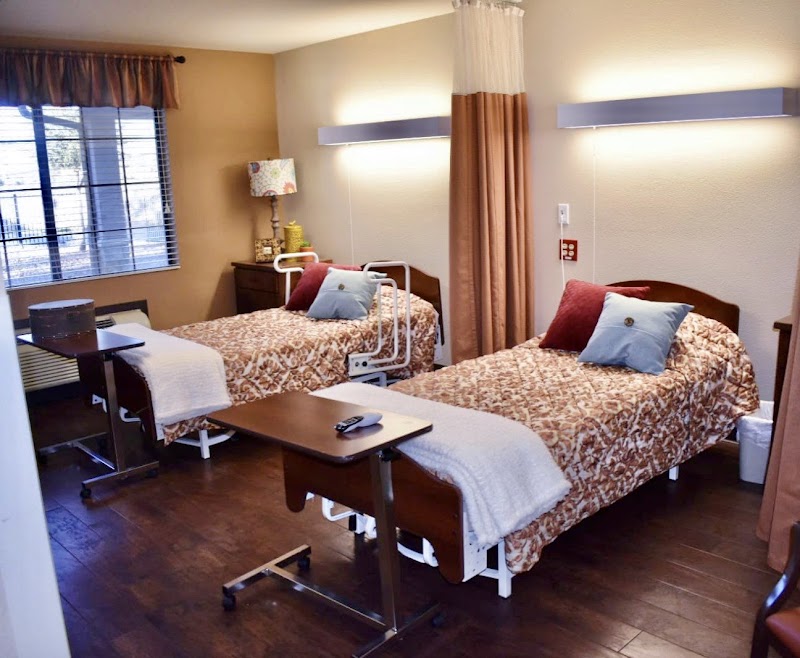
How is St Giles Staffed?

CMS rates ST GILES NURSING AND REHABILITATION CENTER's staffing level at 3 out of 5 stars, which is average compared to other nursing homes. Staff turnover is 49%, compared to the Texas average of 46%.

What Have Inspectors Found at St Giles?

State health inspectors documented 42 deficiencies at ST GILES NURSING AND REHABILITATION CENTER during 2022 to 2025. These included: 41 with potential for harm and 1 minor or isolated issues.
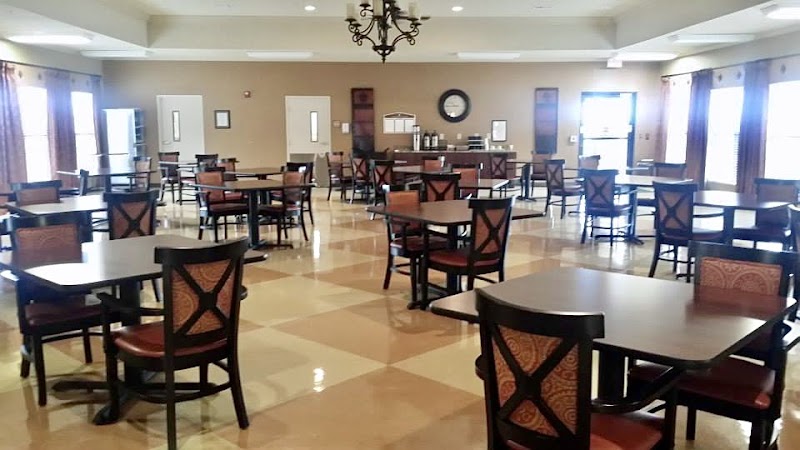
Who Owns and Operates St Giles?

ST GILES NURSING AND REHABILITATION CENTER is owned by a for-profit company. For-profit facilities operate as businesses with obligations to shareholders or private owners. The facility is operated by CREATIVE SOLUTIONS IN HEALTHCARE, a chain that manages multiple nursing homes. With 124 certified beds and approximately 90 residents (about 73% occupancy), it is a mid-sized facility located in EL PASO, Texas.
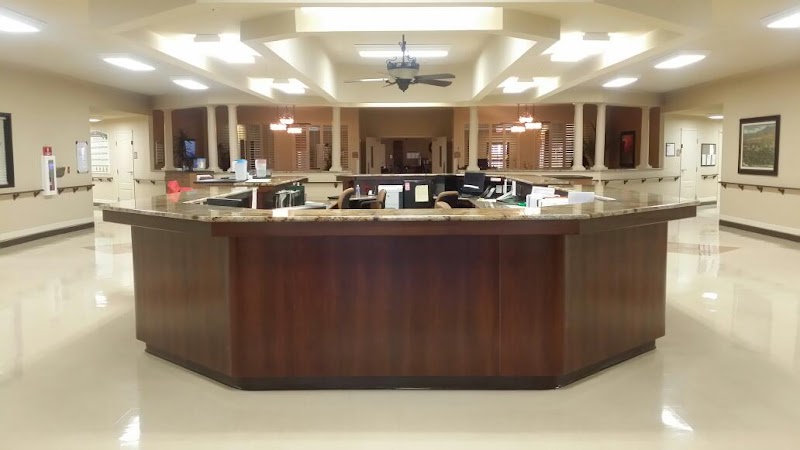
How Does St Giles Compare to Other Texas Nursing Homes?

Compared to the 100 nursing homes in Texas, ST GILES NURSING AND REHABILITATION CENTER's overall rating (3 stars) is above the state average of 2.8, staff turnover (49%) is near the state average of 46%, and health inspection rating (3 stars) is at the national benchmark.

What Should Families Ask When Visiting St Giles?

Based on this facility's data, families visiting should ask: "Can I visit during a mealtime to observe dining assistance and food quality?" "How do you handle medical emergencies, and what is your hospital transfer rate?" "Can I speak with family members of current residents about their experience?"

Is St Giles Safe?

Based on CMS inspection data, ST GILES NURSING AND REHABILITATION CENTER has a clean safety record: no substantiated abuse findings (meaning no confirmed cases of resident harm), no Immediate Jeopardy citations (the most serious violation level indicating risk of serious injury or death), and is not on the Special Focus Facility watch list (a federal program monitoring the lowest-performing 1% of nursing homes). The facility has a 3-star overall rating and ranks #1 of 100 nursing homes in Texas. While no facility is perfect, families should still ask about staff-to-resident ratios and recent inspection results during their visit.

Do Nurses at St Giles Stick Around?

ST GILES NURSING AND REHABILITATION CENTER has a staff turnover rate of 49%, which is about average for Texas nursing homes (state average: 46%). Moderate turnover is common in nursing homes, but families should still ask about staff tenure and how the facility maintains care continuity when employees leave.

Was St Giles Ever Fined?

ST GILES NURSING AND REHABILITATION CENTER has no federal fines on record. CMS issues fines when nursing homes fail to meet care standards or don't correct problems found during inspections. The absence of fines suggests the facility has either maintained compliance or corrected any issues before penalties were assessed. This is a positive indicator, though families should still review recent inspection reports for the full picture.

Is St Giles on Any Federal Watch List?

ST GILES NURSING AND REHABILITATION CENTER is not on any federal watch list. The most significant is the Special Focus Facility (SFF) program, which identifies the bottom 1% of nursing homes nationally based on persistent, serious quality problems. Not being on this list means the facility has avoided the pattern of deficiencies that triggers enhanced federal oversight. This is a positive indicator, though families should still review the facility's inspection history directly.