ST. TERESA NURSING & REHAB CENTER

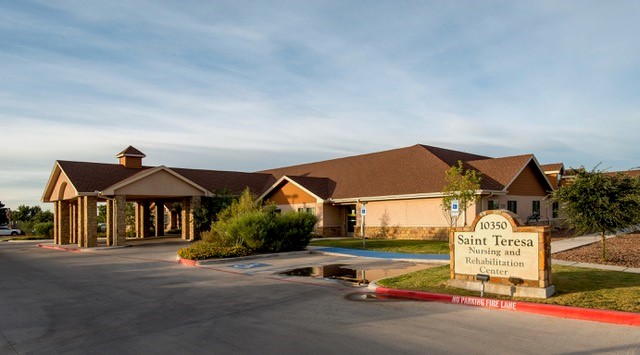
10350 MONTANA AVENUE, EL PASO, TX 79925 (915) 595-6137
For profit - Individual 124 Beds CREATIVE SOLUTIONS IN HEALTHCARE Data: November 2025
Trust Grade
0/100
#1101 of 1168 in TX
Last Inspection: September 2025

Inspected within the last 6 months. Data reflects current conditions.

Overview

St. Teresa Nursing & Rehab Center has a Trust Grade of F, indicating significant concerns about the quality of care provided, which is among the poorest ratings available. It ranks #1101 out of 1168 facilities in Texas, placing it in the bottom half of state facilities, and #21 out of 22 in El Paso County, meaning only one other local option is worse. Although the facility's trend is improving with a reduction in issues from 28 in 2024 to 9 in 2025, there are still serious concerns, including incidents where residents were not adequately supervised, leading to potential harm and injuries. Staffing is a weakness, with a low rating of 1 out of 5 stars, but the turnover rate is somewhat lower than the state average at 42%. The facility also faces fines totaling $54,550, which is average compared to other Texas nursing homes, but still suggests compliance issues that families should consider. Specific incidents include a resident who was hit by another resident, resulting in bruising, and another who fell while receiving care that required two staff members, highlighting the risks present in the facility.

Trust Score
F
0/100
In Texas
#1101/1168
Bottom 6%
Safety Record
High Risk
Review needed
Inspections
Getting Better
28 → 9 violations
Staff Stability
○ Average
42% turnover. Near Texas's 48% average. Typical for the industry.
Penalties
⚠ Watch
$54,550 in fines. Higher than 86% of Texas facilities, suggesting repeated compliance issues.
Skilled Nurses
⚠ Watch
Each resident gets only 26 minutes of Registered Nurse (RN) attention daily — below average for Texas. Fewer RN minutes means fewer trained eyes watching for problems.
Violations
⚠ Watch
79 deficiencies on record. Higher than average. Multiple issues found across inspections.
★☆☆☆☆
1.0
Overall Rating
★☆☆☆☆
1.0
Staff Levels
★★★☆☆
3.0
Care Quality
★★☆☆☆
2.0
Inspection Score
Stable
2024: 28 issues
2025: 9 issues

The Good

  • Full Sprinkler Coverage · Fire safety systems throughout facility
  • No fines on record
  • Staff turnover below average (42%)

    6 points below Texas average of 48%

Facility shows strength in fire safety.

The Bad

1-Star Overall Rating

Below Texas average (2.8)

Significant quality concerns identified by CMS

Staff Turnover: 42%

Near Texas avg (46%)

Typical for the industry

Federal Fines: $54,550

Above median ($33,413)

Moderate penalties - review what triggered them

Chain: CREATIVE SOLUTIONS IN HEALTHCARE

Part of a multi-facility chain

Ask about local staffing decisions and management

The Ugly 79 deficiencies on record

3 actual harm
Sept 2025 6 deficiencies
CONCERN (D)

Potential for Harm - no one hurt, but risky conditions existed

Comprehensive Care Plan (Tag F0656)

Could have caused harm · This affected 1 resident

**NOTE- TERMS IN BRACKETS HAVE BEEN EDITED TO PROTECT CONFIDENTIALITY** Based on interview and record review, the facility failed to develop and implement a comprehensive person-centered care plan tha...

Read full inspector narrative →
**NOTE- TERMS IN BRACKETS HAVE BEEN EDITED TO PROTECT CONFIDENTIALITY** Based on interview and record review, the facility failed to develop and implement a comprehensive person-centered care plan that includes measurable objectives and timeframes to meet a resident's medical, nursing, mental and psychosocial needs for two residents (Residents #1, and #4) of twelve residents reviewed for care plans.The facility failed to have a comprehensive person-centered care plan for Resident # 1 to address resident's Tracheostomy care.The facility failed to have a comprehensive person-centered care plan for Resident #4 to address resident's psychotropic medication prescriptions, Trazadone and Buspirone.These failures could affect residents and put them at risk for not receiving care and services to meet their needs.Findings Include:Resident #1 Record review of Resident #1's admission record dated 09/17/2025 revealed a [AGE] year-old male with an admission date of 08/21/2025. Review of Resident #1's history and physical dated 08/13/2025 revealed a diagnosis of tracheostomy (surgical process that creates an opening in the windpipe through the front of the neck providing an artificial airway for breathing) status. Review of Resident #1 's admission MDS (Minimum Data Set) assessment dated [DATE] revealed a BIMS score of 15 indicating intact cognitive function. Section O- special treatments, procedures and programs revealed tracheostomy care on admission and while a resident. Review of Resident #1 's Care Plan revised 08/04/2025 revealed no information relating to tracheostomy care. In an interview on 09/17/25 at 9:55 AM with the MDS Nurse revealed care plans were personalized to resident needs. She stated care plans assisted the care team on how to approach and assist the resident. She stated baseline care plans were completed upon admission, and the MDS nursing team updated the care plan quarterly. She stated the ADONs assisted with acute care plans which is was done as needed. She stated psychotropic medications should be care planned to monitor for side effects. She also stated the Resident #1's Tracheostomy should have been included in the care plan for staff to provide Tracheostomy care. She stated the risks of not care planning relevant resident information would include staff being unaware of the interventions needed for the resident. In an Interview on 09/17/2025 at 11:10 am with DON revealed that care plans were used to show the most updated plan of care for a resident. He stated that care plans were updated as the resident's care progressed. He stated that care plans needed to be correct on admission to ensure residents were receiving patient centered care. He stated that baseline care plans were created on admission by admitting nurses, DON or ADON. He stated that an acute care plan update would be done by the nurses caring for the resident, and the MDS nurses would update any chronic diagnosis. The risk of not having an updated care plan would be that residents may potentially not receive personalized care. In an interview on 09/17/25 at 01:15 PM with the Administrator, he stated care plans were the plan of care for residents. He stated nursing was responsible for care plans and care plans were reviewed quarterly. He stated the risks for residents not having their care needs in the care plan included for staff being unable to provide accurate care. Record review of facility's Nursing Policy & Procedure Manual policy, Comprehensive Care Planning, with no date, read in part: “Each resident will have a person-centered comprehensive care plan developed and implemented to meet his other preferences and goals, and address the resident's medical, physical, mental, and psychosocial needs.” It also read in part: The resident's care plan will be reviewed after each Admission, Quarterly, Annual and/or Significant Change MDS assessment, and revised based on changing goals, preferences and needs of the resident in response to current interventions.” Resident #4 Record review of Resident #4's face sheet dated 09/17/25 revealed a [AGE] year-old female with an admission date of 08/04/25. Record review of Resident #4's history and physical dated 06/30/25 revealed medical history of Guillan-Barre (a condition in which the body's immune system attacks the nerves and can cause weakness, numbness or paralysis), Diabetes Mellitus Type 2 (a chronic condition that causes the body to be insulin resistant and causes blood sugar buildup which can affect other systems of the body over time), and hypothyroidism (the thyroid does not produce enough thyroid hormone causing a slowed metabolism). Record review of Resident #4's Nursing home Prospective Payment Systems-Medicare MDS dated [DATE] revealed a BIMS score of 13, indicating resident was cognitively intact. Record review of Resident #4's order summary report dated 09/16/25 revealed resident was prescribed Trazadone HCl Oral Tablet 150 MG at bedtime for sleep on 08/04/25, and Buspirone HCl Oral Tablet 5 MG every 12 hours as needed for Anxiety on 09/04/25. Record review of care plan with revision date 08/05/25 revealed the care plan did not address resident's psychotropic medication prescription.
CONCERN (D)

Potential for Harm - no one hurt, but risky conditions existed

ADL Care (Tag F0677)

Could have caused harm · This affected 1 resident

**NOTE- TERMS IN BRACKETS HAVE BEEN EDITED TO PROTECT CONFIDENTIALITY** Based on observation, interview and record review, the facility failed to provide ADL care for 1 of 16 residents (Resident # 99)...

Read full inspector narrative →
**NOTE- TERMS IN BRACKETS HAVE BEEN EDITED TO PROTECT CONFIDENTIALITY** Based on observation, interview and record review, the facility failed to provide ADL care for 1 of 16 residents (Resident # 99) reviewed for ADLs.The facility failed to ensure Resident #108's nails were clean and trimmed.This failure could place residents at risk of not having their personal hygiene needs met and cause low self-esteem.Record review of Resident #108's face sheet dated 09/16/25 revealed a [AGE] year-old female with an admission date 05/06/25 and re-admission date 09/09/25.Record review of Resident #108's quarterly MDS dated [DATE] revealed BIMS was not completed since resident was rarely or never understood. Quarterly MDS revealed Resident #108 was Dependent for personal hygiene, meaning the helper does all the effort while the resident does none of the effort to complete the activity.Record review of Resident #108's health and physical dated 05/12/25 revealed a medical history of Acute Ischemic Stroke (the blood supply to part of the brain is blocked or reduced which prevents brain tissue from getting oxygen and nutrients), Pneumonia (an infection of the lungs that causes coughing, wheezing, fever and chills), and Diabetes Mellitus Type 2 (a chronic condition that causes the body to be insulin resistant and causes blood sugar buildup which can affect other systems of the body over time).Record review of Resident #108's care plan with revision date 08/13/25 revealed resident was Hemiplegic affecting her right side (a condition causing paralysis on one side which can be caused by brain injury or damage) and noted interventions for staff to assist resident with ADLs as needed.In an observation on 09/14/25 at 09:50 AM, Resident #108 had 1 inch long and untrimmed fingernails on both hands. Observation of black debris underneath fingernails on both hands including the left thumb and right pointing finger.In an interview on 09/16/25 at 1:38 PM with LVN F, he stated nursing staff were responsible for resident's nail care. He stated the CNA's would provide nail care during the resident's showers which was done three times a week. He stated nurses were responsible for resident's' hygiene such as fingernails and nurses would assess their residents daily. LVN F stated the risks for residents having long and dirty fingernails included residents scratching themselves causing injury and possible infection control due to bacteria under fingernails.In an interview on 09/17/25 at 11:36 AM with the DON, he stated nursing staff provided nail care services such as cutting and cleaning underneath the nail if residents were not diabetic. He stated diabetic residents are assessed and treated by nurses only. He stated nursing staff were to assess residents throughout their shift. The DON stated there was an assigned PRN CNA that assessed resident nails every 2 weeks to monitor and care for as needed. He stated the risks for residents having long untrimmed fingernails included an infection control issue.In an interview on 09/17/25 at 11:36 AM with CNA G, she stated nursing staff trimmed and cleaned resident nails during showers. She stated residents shower three times a week. She stated there was also a CNA that monitored resident fingernails on the weekend. CNA G stated nurses also assessed their residents during their shift. She stated the risks of residents with dirty untrimmed fingernails included possible cuts of skin and infection control issue.In an interview on 09/17/25 at 1:27 PM with the Administrator, he stated nursing staff were responsible for nail care. He stated CNA's file and clean fingernails, but he was unsure how often. He stated it was not sanitary for residents to have untrimmed and dirty fingernails. He stated the ADON's and the DON were responsible for monitoring residents and ensuring nursing staff was providing this service.Record review of facility's Nursing Policy & Procedure Manual, titled Nail Care, with no date, read in part: Nail management is the regular care of the toenails and fingernails to promote cleanliness, and skin integrity of tissues, to prevent infection, and injury from scratching by fingernails . and Goals: 1. Nail care will be performed regularly and safely.
CONCERN (D)

Potential for Harm - no one hurt, but risky conditions existed

Accident Prevention (Tag F0689)

Could have caused harm · This affected 1 resident

**NOTE- TERMS IN BRACKETS HAVE BEEN EDITED TO PROTECT CONFIDENTIALITY** Based on observation, interview and record review, the facility failed to ensure that the resident environment remains as free o...

Read full inspector narrative →
**NOTE- TERMS IN BRACKETS HAVE BEEN EDITED TO PROTECT CONFIDENTIALITY** Based on observation, interview and record review, the facility failed to ensure that the resident environment remains as free of accident hazards as was possible for 2 of 5 residents (Resident # 110 and # 113) reviewed for accidents.The facility failed to properly recover and dispose of a shaving razor left inside the shared bathroom for Resident # 110 and # 113.The deficient practice could place residents at risk of harm and injury and contribute to avoidable accidents.The findings include:Resident #110.Record Review of Resident #110's face sheet date 09/17/2025 revealed an [AGE] year-old male that was initially admitted to the facility on [DATE].Record Review of Resident #110's quarterly MDS dated [DATE] revealed the resident has a BIMS score of 09 which means he is moderately cognitively impaired.Record Review of Resident #110's physical and history dated 07/16/2021 revealed the resident was diagnosed with Non-ST Segment Elevation Myocardial Infarction (NSTEMI), which is a type of heart attack; Hypertensive heart disease, which is defined as a condition of prolonged high blood pressure that damages heart tissue; and Diabetes type 2 with hyperglycemia, a condition involving a person experiencing elevated blood sugar levels.Record Review of Resident #110's care plan dated 07/16/2025 revealed that the resident was prescribed Aspirin 81mg as an antiplatelet dated 7/23/2021 under orders, which could increase the risk of bleeding. As per Resident #110's care plan, bathing required supervision, personal hygiene was coded assist as needed, and bed mobility was coded assistance from one staff member.Resident #113.Record Review of Resident #113's face sheet date 09/17/2025 revealed an [AGE] year-old male with an original admission date on 07/15/2017 and a readmission date on 06/29/2023.Record Review of Resident #113's physical and history dated 08/05/2025 of a stroke affecting right dominant side, hemiplegia or a one-sided paralysis and hemiparesis, a neurological condition causing weakness on one side of the body, and type 2 diabetes with nerve damage due to high blood sugar levels.Record Review of Resident #113's quarterly MDS dated [DATE] revealed the resident had a BIMS score of 08 which meant he was moderately cognitively impaired. Additionally Resident #113 MDS revealed the resident required substantial/maximal assistance for tasks including self-care and mobility as per Section GG-Functional Abilities .Record Review of Resident #113's care plan dated 09/21/2024 revealed that the resident was prescribed Aspirin Clopidogrel 325mg with delayed release as an antiplatelet dated 1/1/2019 under orders, which could increase the risk of bleeding. As per Resident #113's care plan, resident required one staff member assistance for bed mobility, bathing, personal hygiene, and toileting.An observation on 09/14/2025 at 11:07 AM revealed Resident #110 and #113's shared room was vacant and neat; surveyor observed an uncapped disposable shaving razor left unattended on the counter inside the shared bathroom. In an interview on 09/16/2025 at 11:39 AM, CNA D reported CNAs and nurses were responsible for providing shaving supplies and shaving services for residents. CNA D stated the supplies were in the supply storage room by the DON's office at the intersection of the 300 and 500 halls. CNA D reported that the razors the facility provides are single use and must be discarded in the sharp's container after single use. CNA D stated that nursing and CNAs were responsible for recovering and discarding the shaving razor. CNA D reported a razor left behind in a resident's room poses additional danger and infection control. CNA D reviewed Fundamentals of Infection Control Precautions Policy section 6 Resident Care Equipment and Articles and stated shaving razors were considered invasive resident care equipment. CNA D could not recall the last in-service or training received for sharps disposal.In an interview on 09/16/2025 at 11:52 AM, LVN C reported residents were provided shaving when they were bathed or upon request. LVN C stated residents were allowed to shave themselves, but it must be in their care plan. LVN C reported CNAs and LVNs were responsible for completing shaving services, supplies, and properly discarding afterward. LVN C stated razors must be capped and discarded in the sharps container located on the medication carts. LVN C reported residents could harm themselves, cause bodily injuries, and could become an infection control issue. LVN C stated she did not recall the last training she received for sharps. LVN C reviewed Fundamentals of Infection Control Precautions Policy section 6 Resident Care Equipment and Articles and stated shaving razors were considered invasive resident care equipment.In an interview on 09/16/2025 at 12:54 PM, RN E reported residents were usually shaved in the shower, upon request, or care planned for residents wishing to shave independently. RN E stated staff must discard the razor in the sharps container after providing services. As per RN E, sharps containers were in the community shower rooms and on the med carts. RN E stated, CNAs and nurses were responsible for administering shaves, and reported housekeeping could toss the razor when capped or notify nursing staff. RN E reported by not properly discarding the razors, residents were exposed to potential for injury, infection control, and additional hazards in their environment. RN E reviewed Fundamentals of Infection Control Precautions Policy section 6 Resident Care Equipment and Articles and stated shaving razors were considered invasive resident care equipment.In an interview on 09/17/2025 at 10:58 AM, Resident #110 stated he had shaved on the morning of 09/14/2025 when the survey team had initially entered. Resident #110 reported he usually wakes up at 05:00 AM every day and completed his ADLs, including shaving, independently by 06:00 AM to 06:30 AM. Resident #110 reported that staff had provided him the shaving razor in the early morning of 09/14/2025 and he had completed shaving and showering at approximately 06:30 AM; Razor was in resident's room at 11:08 AM.In an interview on 09/16/2025 at 01:12 PM, DON stated shaving razors were in the supply room near the nurse's station between 300 and 500 halls. DON reported that depending on the care plan residents, staff, or family are permitted to provide shaving service. DON stated after the shaving services are completed the razor must be properly disposed in the sharps container that is in the community shower and on the medication carts. DON reported the staff who provided the razor is responsible for recovering the razor and properly disposing it as residents are not responsible for discarding the used razor. DON was provided a picture of surveyor observation; DON stated the image of the uncapped razor left in the resident's restroom was inappropriate. DON reported there was potential for harm in the form of bodily injury and transmitting blood borne pathogens (infection control) for other residents and staff members. DON was unable to recite when the last in-service and training was conducted for properly disposing in sharps containerIn an interview on 09/17/2025 at 01:33 PM, the Administrator reported residents can provide shaving to themselves if it was care planned, or staff can provide shaving/ADL care upon request. The Administrator reported that staff members (CNA's, Nurses) need to supply the razor to the resident; Residents do not have access to the supply room to obtain a razor themselves. The Administrator stated the razors must be properly disposed in the sharp container after use. As per the Administrator, the sharps containers can be located in the community showers and medication carts. The Administrator stated employees (CNAs, nurses, housekeeping) were responsible for recovering the used razor and properly disposing it into the sharps containers. The Administrator reported that sharps left unattended pose a risk to the residents due to exposure to Blood borne pathogens. The Administrator was provided a photo of surveyor observation and attested the razor being left there was not appropriate. The Administrator reviewed Fundamentals of Infection Control Precautions Policy section 6 Resident Care Equipment and Articles and denied knowing if the razor was considered invasive or non-invasive as per policy and would seek clarification from DON. The Administrator returned at approximately 02:00 PM with, Nursing Policy & Procedure Manual titled Shaving, Electric/Safety Razors. As per record review, the facility provided a policy titled Shaving, Electric/Safety Razors under the Nursing Policy & Procedure Manual and Fundamentals of Infection Control Precautions Policy under the Infection Control Policy & Procedure Manual under Fundamentals of Infection Control Precautions Policy section 6 Resident Care Equipment and Articles stated, Used sharps are never recapped and always placed in puncture-resistance containers . Invasive resident care equipment (i.e., scalpel, sharps) will be single use only . As per Shaving, Electric/Safety Razors stated, Usually, the resident or a staff member performs the procedure, but the nurse can shave the resident if illness or disability prevents independence . (under goals) resident will be free from infection. The resident will maintain intact skin integrity . (procedure) store all articles in appropriate place. When finished, dispose of the gloves and wash your hands.
CONCERN (D)

Potential for Harm - no one hurt, but risky conditions existed

Pharmacy Services (Tag F0755)

Could have caused harm · This affected 1 resident

**NOTE- TERMS IN BRACKETS HAVE BEEN EDITED TO PROTECT CONFIDENTIALITY** Based on interview and record review, the facility failed to provide pharmaceutical services (including procedures that assure t...

Read full inspector narrative →
**NOTE- TERMS IN BRACKETS HAVE BEEN EDITED TO PROTECT CONFIDENTIALITY** Based on interview and record review, the facility failed to provide pharmaceutical services (including procedures that assure the accurate acquiring, receiving, dispensing, and administering of all drugs and biologicals) to meet the needs of each resident and failed to ensure drug records were in order and that an account of all controlled drugs was maintained for 1 (Resident#33 ) of 6 reviewed for medication administration. The facility failed to ensure Licensed Staff Registered Nurse E signed the individual control drug record for Resident #33's after administering controlled medication on 09/16/2025. This failure could place residents at risk for not receiving the intended therapeutic response of prescribed medications and drug diversion of controlled substances. The findings include:Record review of Resident #33's admission record 09/17/2025 revealed a [AGE] year-old female with an original admission date of 07/25/2025 and a readmission date of 08/13/2025. Review of Resident #33's history and physical dated 08/13/2025 revealed diagnosies of skin transplant (surgical procedure where healthy skin is transplanted to cover damaged or missing skin) status, tracheostomy status (surgical process that creates an opening in the windpipe through the front of the neck providing an artificial airway for breathing) and gastrostomy status (presence of a surgically placed tube that provides direct access to the stomach). Review of Resident #33 's quarterly MDS (Minimum Data Set) assessment dated [DATE] revealed a BIMS score of 15 indicating intact cognitive function. Review of Resident #33's Care Plan revised 08/04/2025 revealed resident had potential for uncontrolled pain. Review of Resident #33's Medication Administration Record (MAR) dated September 2025 revealed Lyrica Capsule 50 MG Give 1 capsule enterally every 4 hours as needed for pain. Review of Resident #33's individual control drug record for medication Lyrica on 09/16/25 at 12:32 pm reflected 52 tablets of Lyrica and the blister packet reflected 51 tablets. In an interview on 09/17/2025 with RN E at 10:13am, revealed, that she had administered one capsule of medication to Resident #33 during the morning medication pass and had not updated the individual control drug record. She stated that she had been trained to fill it out immediately after administering medication to residents. She stated that the risk of not signing drug records in a timely manner can lead to a wrong medication count and reconciliation. In an interview on 09/17/2025 with DON at 11:00am revealed, that the purpose of the individual narcotic count record was to help keep track of controlled medications and who administered these medications. He stated that nurses were trained to sign the narcotic sheet as soon as medication was put into the cup to be administered. He stated that the risks of not filling out the narcotic record in a timely manner could result in incorrect doses being given and drug diversion. He stated that charge nurses, DON and ADONs were responsible for ensuring that these documents were being filled out appropriately. In an interview on 09/17/2025 with the Administrator at 1:30pm revealed that individual narcotic records were to ensure accountability of the medication that was being provided to the residents. He stated that narcotic sheet records that were not filled out properly posed a potential risk for medication miscount. He stated that charge nurse, DON and ADONs were responsible for ensuring these documents were properly filled out. Review of the facility's policy titled Controlled Medication Storage dated 01/2025 read in part . A controlled medication accountability record is prepared when receiving inventory of any controlled substance to establish a record of receipt and disposition in sufficient detail to enable accurate reconciliation. The following information is completed: name of resident, prescription number, name, strength and dosage form of medication, date received, quantity received and the name of person receiving medication
CONCERN (E)

Potential for Harm - no one hurt, but risky conditions existed

Deficiency F0558 (Tag F0558)

Could have caused harm · This affected multiple residents

**NOTE- TERMS IN BRACKETS HAVE BEEN EDITED TO PROTECT CONFIDENTIALITY** Based on observation, interview and record review the facility failed to ensure residents were provided services with reasonable...

Read full inspector narrative →
**NOTE- TERMS IN BRACKETS HAVE BEEN EDITED TO PROTECT CONFIDENTIALITY** Based on observation, interview and record review the facility failed to ensure residents were provided services with reasonable accommodation of needs and preferences for 3 of 12 residents (Residents #84, Resident #88 and #67) reviewed for call lights.This failure placed residents at risk of having their needs unmet when they are unable to contact staff.Findings included: Resident # 84. Record review of Resident #84's admission record dated 9/14/25, revealed he was admitted on [DATE]. Record review of Resident #84's health and physical dated 5/28/25, revealed he was an [AGE] year-old male with diagnoses of unspecified dementia, acute kidney failure, benign prostatic hyperplasia (a non-cancerous enlargement of the prostate gland that commonly occurs in older men a non-cancerous enlargement of the prostate gland that commonly occurs in older men) with lower urinary tract symptoms, dysphagia (difficulty swallowing) and repeated falls. Record review of Resident #84's quarterly MDS dated [DATE] revealed the resident had a BIMS of 9 which means he was moderately cognitively impaired. The MDS revealed under section GG for functional abilities the resident required assistance, meaning verbal cues, touching or steadying, with toileting hygiene, showering upper and lower dressing, and moderate assistance, meaning the staff helps the resident by lifting, holding or supporting trunk or limbs, with sitting to standing position, transfers from bed to chair and toilet transferring. The MDS indicated under section H for bladder and bowel that Resident # 84 was frequently incontinent from urinary and bowel continence. Record review of Resident #84's care plan dated 06/10/25 revealed the resident had an ADL self-care performance deficit and was a fall risk related to impaired mobility, muscle weakness, dementia and history of falls. The care plan called for interventions to encourage the resident to use the call light to ask for assistance by having the call light within reach at all times. In an observation on 09/14/2025 at 9:56 AM in Resident # 84's room, the resident was asleep on his bed. The bed was in the lowest position, and his call light was in between the bed rails and the mattress at the feet of the bed. The call light was not within Resident #84's reach. In an observation on 09/16/2025 at 9:56 AM in Resident # 84's room, the resident was asleep on his bed. The call light was on the floor in between the resident's bed and the wall. The resident woke up and smiled. An interview was attempted but the resident only nodded and smiled and was not able to answer questions. In an interview on 09/16/2025 at 10:21 AM with the Administrator he stated the purpose of the call lights was for the residents to request assistance if they need help with anything and stated that all staff are constantly being in-serviced and reminded to check for call light placement. The Administrator said that either him or the DON where responsible for training staff. He stated it was unacceptable for the pad to be out of the resident's reach, and the call light should always be within reach of every resident. The Administrator said the potential outcome of not having call lights within reach could result in the resident not receiving help or assistance in a timely manner from the staff. The Administrator stated the facility did not have a specific policy regarding call lights or call placement. In an interview on 09/16/2025 at 10:49 AM with the DON, he stated the purpose of the call lights was for residents to call for assistance from staff whenever they needed help. The DON said the call lights needed to be within reach and accessible for the resident, so they had easy access to call for help. The DON stated if the resident couldn't reach the call light, there was a risk for the resident to injure themselves or have an accident if they tried to get up from bed and they had unsteady balance or were at fall risk. The DON said it was not acceptable for the call light to be in between the bed rails and the mattress of the bed because it was out of reach, and the resident would not be able to call for help if needed. The DON stated that he and the Administrator were responsible for training staff regarding call lights placement upon hiring and whenever there is an incident reported. Resident # 88. Record review of Resident # 88's admission record dated 09/17/2025 reveals the resident was admitted to the facility on [DATE]. Record review of Resident # 88's health and physical dated on 04/26/2022, revealed the resident is currently an [AGE] year-old male with diagnoses of Advanced osteoarthritis (significant joint degeneration), impaired brain functions due to body's metabolism, severe physical weakness, general weakness, and unable to ambulate. As per physical history, Resident #88 previously suffered a femur fracture, chronic back pain, and abnormal gait prior to admission. Record review of Resident # 88's quarterly MDS dated [DATE] revealed the Resident had a BIMS of 14 which means he had intact cognitive functioning. The resident required partial/moderate assistance to substantial/maximal assistance for tasks including self-care and mobility as per “Section GG-Functional Abilities”. Additionally, “Section H – Bladder and Bowel” was checked off for indwelling catheter requiring monitoring for the integrity of foley bag, line, and comfort. Record review of Resident # 88's care plan dated 07/18/2025 revealed the Resident has an ADL self-care deficit and required assistance from “x1 staff” for bathing, bed mobility, dressing, toilet use, transferring, and oral hygiene. Resident #67. Record review of Resident # 67's admission record dated 09/17/2025 revealed the resident was admitted to the facility on [DATE]. Record review of Resident # 67's health and physical dated on 08/05/2025, revealed the resident was currently an [AGE] year-old male with diagnoses of dementia (impaired memory, thought process, and communication), hypothyroidism (a hormonal gland that is not meeting the body's needs ), behavioral disturbances (verbal and physical combative tendencies towards others), anxiety (excessive worry and restless do to experienced anguish), and GERD (gastro reflux that causes food and bile back into the esophagus). Record review of Resident # 67 shows the resident had significant change in status MDS (completed 08/14/2025) revealed the resident had a BIMS score of 99 with the significance of this being the resident was unable to participate and complete a brief interview of mental status. As per record review, Resident # 67 required partial/moderate assistance to substantial/maximal assistance for tasks including self-care and mobility as per “Section GG-Functional Abilities. Record review of Resident # 67'S care plan dated 07/17/2025 revealed the resident has potential for altered respiratory status, ADL self-care performance deficit, and impaired cognitive function, refuses treatment and diagnosis of dementia. Resident # 67 was non-ambulatory, on hospice, experienced cognitive impairments, and displayed verbal and physical aggression towards others requiring additional dependence on staff for care. In an observation and interview on 09/14/2025 at 11:38 AM in Resident #88's room, the resident was assisted into his room by staff and remained in his wheelchair. It was observed the resident's call light was excessively wrapped on the right side of his bed rail nearest his roommate's side, placing it out of reach for Resident #88. Resident # 88 reported that the call light was out of reach for him due to him being in his wheelchair and there being no space on the other side to maneuver around. Resident # 88 stated he did not coil his call light on the bed rail. Resident # 88 reported his average wait time for assistance after utilizing the call light was approximately 30 minutes. In an observation on 09/15/2025 at 09:33 AM Resident #67 had just received patient care from CNA A. CNA A proceeded to leave the resident's room while the call pad was out of reach on the floor to the right side of the bed. Resident # 67 was non-interviewable and declined communication with surveyor.In an interview on 09/15/2025 at 11:36 AM with CNA A reported call lights were supposed to be within reach for residents to communicate needs with staff. CNA A reported Resident # 67 was known for throwing stuff off his bed and that she was only leaving the room for a little to get assistance. CNA A believed the call pad for Resident # 67 was within reach and denied any potential negative outcomes for Resident # 67. CNA A stated nurses and CNAs were responsible for repositioning call lights. CNA A reported the last in-service/training she received for call lights was last week. In an interview on 09/15/2025 at 11:55 AM with RN B stated the call light must be within reach of the extension of the arm for residents. RN B reported that everybody who is an employee of the facility is responsible for ensuring that call lights are always within reach. RN B was provided observed scenarios and photo of placement of call devices and reports neither are appropriate conditions for resident's call lights. RN B reported potential outcomes for residents without access to call lights could be the resident is having an emergency, need of help, could fall trying to reach it, or won't receive care. RN B reported that when staff leave the room, they are to always ensure the call light is within reach even if they are coming back promptly. In an interview on 09/16/2025 at 12:02 PM with LVN C, she stated the purpose of the call light is for residents to request service and confirms call lights must be within reach of the resident. LVN C was provided the observed scenarios and photo of placement of call devices for residents and reports neither are appropriate conditions for resident's call lights. LVN C stated call lights should always be repositioned if the call light is out of reach before a staff member leaves the room. LVN C reported that even if residents are known for throwing items off their bed, staff still must ensure the call light is within reach. LVN C was unable to recite last in-service/training received for call lights
CONCERN (E)

Potential for Harm - no one hurt, but risky conditions existed

Food Safety (Tag F0812)

Could have caused harm · This affected multiple residents

Based on observation, interview, and record review, the facility failed to store, prepare, distribute, and serve food in accordance with professional standards for food service safety in 1 of 1 kitche...

Read full inspector narrative →
Based on observation, interview, and record review, the facility failed to store, prepare, distribute, and serve food in accordance with professional standards for food service safety in 1 of 1 kitchen.-The facility failed to maintain a one-gallon bottle of sweet and sour sauce free from dried drippings in the pantry on 09/14/2025.-The facility failed to maintain a one-gallon bottle of mustard free from dried drippings inside of the walk-in refrigerator on 09/14/2025.These failures could place all residents who received meals from the main kitchen at risk of food borne illnesses.Findings included:During observations on 09/14/2025 that started at 8:10 AM in the kitchen, a couple of bottles with dry drippings were discovered. At 8:26 AM in the dry storage area, a one-gallon bottle of sweet and sour sauce was found on the top shelf with dried drips that ran from its cap all the way down to the bottom. At 8:32 AM, a one-gallon bottle of mustard was found at the top shelf inside the walk-in refrigerator. It was also spotted with dried, smeared drippings of mustard on it. In an interview on 09/16/2025 at 10:21 AM with the Administrator, he explained the importance of container cleanliness in the kitchen and refrigerators. The Administrator stated the dry drippings on the one-gallon mustard bottle could potentially drip down and contaminate other meals, rendering them unsanitary. The Administrator noted the drippings on the one-gallon sweet and sour sauce bottle in the pantry could attract insects and pests, which would introduce a risk of infection if they got into other foods. The Administrator emphasized the serious outcome to the residents which could become sick to their stomach if they consumed any of the contaminated food.In an interview on 09/16/2025 at 10:55 AM with the Dietary Staff, she explained that part of the kitchen staff duties was to clean bottles and keep them free of dry drippings and food particles to prevent the growth of bacteria. The Dietary Staff stated that bottles with dry drippings were a source of contamination that could fall onto fresh food. She stated that the sweet and sour sauce and the mustard bottle with dry drippings were unacceptable, as they could cultivate mold and bacteria that would ultimately make residents sick. She said the drippings could attract pests or insects which could contaminate other foods. The Dietary Staff stated that the potential negative outcome for the residents was that they could get upset stomachs or even food poisoning. In an interview on 09/16/2025 at 11:01 AM with the Dietary Manager, he stated that bottles with dry drippings did not look good, and they were dirty. The Dietary manager stated the bottles needed to be cleaned since they were stored with other bottles in the pantry and inside the walk-in refrigerator and if the bottles were left dirty, sauces like the sweet and sour one-gallon bottle could attract pests and bugs, which might contaminate other food in storage. The manager noted that the mustard bottle was especially messy and could spread bacteria or fungus, leading to contamination of fresh food. The Dietary Manager explained this could cause residents, who often had weak immune systems, to get sick from their stomach or make their condition worse. Record review of the facility's policy dated 2012, titled Food Storage and Supplies, read in part: Food Storage and Supplies. All facility storage areas will be maintained in an orderly manner that preserves the condition of food and supplies. We will ensure storage areas are clean, organized, dry and protected from vermin, and insects. Containers are cleaned regularly.
May 2025 1 deficiency 1 Harm
SERIOUS (G) 📢 Someone Reported This

A family member, employee, or ombudsman was alarmed enough to file a formal complaint

Actual Harm - a resident was hurt due to facility failures

Free from Abuse/Neglect (Tag F0600)

A resident was harmed · This affected 1 resident

**NOTE- TERMS IN BRACKETS HAVE BEEN EDITED TO PROTECT CONFIDENTIALITY** Based on observation, interview and record review, the facility failed to ensure the right to be free from abuse was provided fo...

Read full inspector narrative →
**NOTE- TERMS IN BRACKETS HAVE BEEN EDITED TO PROTECT CONFIDENTIALITY** Based on observation, interview and record review, the facility failed to ensure the right to be free from abuse was provided for 2 (Resident #1 and Resident #2) of 8 residents reviewed for abuse, in that: The facility failed to protect Resident #1 from abuse on 3/20/25 when Resident #1 hit Resident #2 on the face. As a result, there was bruising immediately starting to form on Resident #1's right side of face close to the right [NAME], bruising notes to right hand on knuckles, and bruise noted to right shin. The noncompliance was identified as past noncompliance (PNC). The noncompliance began on 03/20/2025 and ended on 03/25/2025. The facility had corrected the noncompliance before the investigation began. These failures could place residents at risk of abuse, injury, intimidation, fear, agitation, and psychological harm. Findings included: Resident #1: Record review of Resident #1's admission Record dated 05/15/2025, revealed the resident was a [AGE] year-old female with an original admission date of 02/21/2024. Resident #1's diagnoses included dementia (impaired ability to remember, think, or make decisions that interferes with doing everyday activities), anxiety disorder (feeling of worry, nervousness, or unease, typically about an imminent event or something with an uncertain outcome), and impulse disorder (mental health condition that makes it difficult to control actions or reactions). Record review of Resident #1's quarterly MDS, dated [DATE], reflected a BIMS score of 99 indicating that the resident was unable to complete the interview. Resident #1 with short-term and long-term memory problems. Section E - Behavior revealed Resident #1 did not exhibit any physical, or verbal symptoms directed toward others. Section GG - revealed Resident #1 uses a manual wheelchair and able to wheel herself independently. Record review of Resident #1's care plan, dated 04/28/2025, reflected Focus (initiated 03/21/2025): Resident #1 had a behavior problem related to alert/oriented of zero; needs redirection enters other resident rooms. Goal: Resident will have fewer episodes. Interventions: administer medications as ordered; anticipate and meet resident's needs; care givers to provide opportunity for positive interaction, attention; intervene as necessary to protect the rights and safety of others; minimize potential for resident's disruptive behaviors; monitor behavior episodes and attempt to determine underlying cause; praise any indication of resident's progress/improvement in behavior; and provide a program of activities that is of interest and accommodates residents status. Resident #2: Record review of Resident #2's admission Record dated 05/15/2025, revealed the resident was an [AGE] year-old male with an admission date of 08/26/2022. Resident #2's diagnoses included vascular dementia (type of dementia caused by conditions that disrupt blood flow to the brain, leading to cognitive and behavioral changes) without behavioral disturbance, psychotic disturbance, mood disturbance and anxiety. Record review of Resident #2's quarterly MDS, dated [DATE], reflected a BIMS score of 02 indicating severe cognitive impairment. Section E - Behaviors reflected Resident #2 did not exhibit any physical or verbal behaviors towards others. Record review of Resident #2's care plan, dated 04/18/2025, reflected Focus (initiated 03/21/2025): Resident #2 had potential to demonstrate verbally and physical abusive behaviors, aggressive towards other residents. Goal: Resident #2 will demonstrate effective coping skills. Interventions: assess and anticipate resident's needs; assess resident's coping skills and support system; assess resident's understanding of the situation; notify the charge nurse of any abusive behaviors. Record review of the Provider Investigation Report dated 03/25/25 reflected, facility staff CMA F heard Resident #2 say to get out of his room. CMA F heard and walked into the room where she discovered Resident #2's belongings that were on his bedside table were thrown. Resident #1 was at edge/bottom of bed (not in arms reach of Resident #1). CMA F immediate removed Resident #2 from the room. CMA F informed charge nurse. Resident assessed for safety. Administrator, DON and Medical Director notified. Abuse neglect policy initiated. Record review of a witness statement from CMA F dated 03/20/2025, reflected CMA F found Resident #1 in Resident #2's room in her wheelchair with her back turned away from the door and next to Resident #2's bed. There was water all over the floor with the water pitcher, the sandals of (Resident #2), and a fork on the floor. Resident #1 told CMA F that Resident #2 had hit her. CMA F took Resident #1 out of the bedroom and reported the incident to LVN C. Interview on 05/15/2025 at 2:23 p.m., Resident #1 stated she did not recall any incidents involving any other residents. Resident #1 said she did not remember any incidents of going to another resident's bedroom and being hit with anything. Resident #1 said she felt safe at the facility and was not afraid of anyone. Interview on 05/15/2025 at 2:51 p.m., Resident #2 stated he did not remember any incident involving another female resident coming into his bedroom. Resident #2 said he did not remember any incident where he had to tell another resident to get out of his room, or any incident where he threw anything hitting the other resident. Resident #2 stated he did not have any issues with any other residents at the facility. Resident #2 stated he felt very safe at the facility. Interview on 05/15/2025 at 4:32 p.m., CMA F stated on the afternoon of 03/20/2025, she was passing out medications to other residents in the hall and heard someone yelling out. CMA F said started walked into the hall and turned into Resident #2's bedroom and saw Resident #1 seated on her wheelchair inside the room at the foot end of Resident #2's bed. CMA F stated she saw Resident #2's shoes next to Resident #1 on the floor and water bottle tipped over with spilled water. CMA F said she did not see Resident #2 hit Resident #1. CMA F said Resident #1 told her that Resident #2 had hit her. CMA F said she assisted Resident #2 out of the room on her wheelchair. CMA F said she reported it to LVN C. CMA F said Resident #1 self-propels and had history of wandering around the facility. CMA F said there had been no prior incidents between the Resident #1 and Resident #2 before 03/20/2025 nor any incidents since. Interview on 05/16/2025 at 8:38 AM, the DON revealed LVN C was no longer working a regular schedule at the facility and moved to a PRN role. On 05/16/2025 at 9:16 a.m., surveyor called LVN C with no answer. Voicemail message with call back information was left. On 05/16/2025 at 9:34 a.m., surveyor asked DON to assist in contacting LVN C. Call back information provided to DON. DON called and left voicemail message. DON texted contact information to LVN C. On 05/16/2025 at 10:25 a.m., surveyor called LVN C with no answer. Voicemail message with call back information was left. Record review of Resident #1's progress notes dated 03/20/2025 and written by LVN C, reads At around 1800 (6:00 p.m.) Resident #2 was heard by CMA F yelling from a room. Resident #1 was found in Resident #2's room. CMA F witnessed Resident #2 sitting up in bed hitting Resident #1 in face and throwing water pitcher and shoes at her telling her to go away. CMA F then removed Resident #1 from the room and notified LVN C about the incident. LVN C initiated head to toe assessment where bruising immediately started forming to Resident #1's right side of face close to right eye, bruising noted to right hand on knuckles and bruise noted to right shin. Resident #1 was not complaining of any pain. LVN C applied ice to help with swelling resident cooperating well. LVN C called Resident #1 family member (FM) to notify about incident. RM verbally understood and asked to be called and notified of any changes. DON, MD and Administrator notified. Record review of Resident #2's Event Nurses' Note - Behavior, dated 03/20/2025, completed by LVN C, reads LVN C was notified that resident was noted hitting and throwing things to another resident that was wandering in his room. CMA F was able to remove other resident from room but did witness resident throwing things to other resident. Resident #2 said that lady came into my room and started grabbing my stuff. Physician and RP notified. Interview on 05/16/2025 at 11:20 a.m., Administrator said Resident #2 had never had any altercation with any other residents prior to the incident reported on 03/20/2025. The Administrator said CMA F witnessed the incident and reported the incident. The Administrator said that Resident #1 has dementia and had history of wandering around the facility and had to be redirected from entering other resident's rooms in the past. The Administrator said on the day of the incident, Resident #1 wandered into Resident #2 room and Resident #2 threw items off the bedside table and hit Resident #1 on the face. The Administrator said there had been no other incidents between these two prior to 03/20/2025 or since the incident. The Administrator said Resident #2 had not exhibited any physical aggression towards any other resident before. The Administrator said Resident #1 was assessed for injury and he immediately initiated an investigation, verified Resident #2 was not exhibiting any further aggression and placed Resident #1 on one-to-one supervision for initiating the incident. The Administrator said Trauma Informed PRN Assessments were completed for Resident #1 and Resident #2. Record review of facility Abuse/Neglect policy, revised 09/09/24, reflected the following: The resident has the right to be free from abuse, neglect, misappropriation of resident property, and exploitation as defined in this subpart. This includes but is not limited to freedom from corporal punishment, involuntary seclusion and any physical or chemical restraint not required to treat the resident's medical symptoms. Residents should not be subjected to abuse by anyone, including, but not limited to, facility staff, other residents, consultants or volunteers, staff of other agencies serving the resident, family members or legal guardians, friends, or other individuals. The facility will provide and ensure the promotion and protection of resident rights. It is each individual's responsibility to recognize, report, and promptly investigate actual or alleged abuse, neglect, exploitation, mistreatment of residents or misappropriation of resident property abuse and situations that may constitute abuse or neglect to any resident in the facility. Resident to Resident - The above policy will apply to potential resident-to-resident abuse. Prior to the HHSC investigation, the facility took the following actions to correct the noncompliance: Record review of Resident #1's Trauma Informed PRN Assessment completed 03/25/2025 with no concerns. Record review of Resident #2's Trauma Informed PRN Assessment completed 03/21/2025 with no concerns. Review of Resident #1's care plan updated on 03/21/2025, revealed focus on resident wandering in other resident's rooms, which included interventions of monitoring, record, and report to MD new onset signs and symptoms of delirium, changes in behavior, altered mental status, communication decline, disorientation, lethargy, restlessness and agitation. Reorient the resident to person, place, time, situation as required. Review of Resident #2's care plan updated on 04/01/2025, revealed focus: the resident had a behavior problem related to hitting and throwing things to another resident. Goal: The resident will have no evidence of behavior problems. Interventions: administer medications as ordered; anticipate and meet the resident's needs; intervene as necessary to protect the rights and safety of others; minimize potential for resident's disruptive behaviors; praise any indication of resident's progress/improvement in behavior; provide a program or activities that is of interest and accommodates resident's status. Record review of Safe surveys were completed with 8 residents with no issues noted. Record review of facility In Service Training dated 03/20/25, provided by Administrator reflected staff were In Serviced on the Abuse and Neglect to include responding to resident-to-resident incidents. Interviews on 05/15/2025 from 2:26 p.m. to 4:32 p.m., with ADON B, CNA D, CNA E, CMA F, HR, DON, and LVN I revealed the facility staff were able to verify education was provided to them. The staff stated they were educated on different types of abuse/neglect and responding to resident-to-resident incidents. Staff revealed they would report these and other signs to the Abuse Coordinator, the Administrator, immediately if they witness or suspected any issues with resident-to-resident abuse.
Feb 2025 1 deficiency
CONCERN (D) 📢 Someone Reported This

A family member, employee, or ombudsman was alarmed enough to file a formal complaint

Potential for Harm - no one hurt, but risky conditions existed

Tube Feeding (Tag F0693)

Could have caused harm · This affected 1 resident

**NOTE- TERMS IN BRACKETS HAVE BEEN EDITED TO PROTECT CONFIDENTIALITY** Based on observation, interview, and record review, the facility failed to ensure residents who are fed by enteral means receive...

Read full inspector narrative →
**NOTE- TERMS IN BRACKETS HAVE BEEN EDITED TO PROTECT CONFIDENTIALITY** Based on observation, interview, and record review, the facility failed to ensure residents who are fed by enteral means received the appropriate treatment and services to prevent complications of enteral feeding for 1 (Resident #1) of 6 residents reviewed for gastrostomy tube management quality of care. -The facility failed to ensure Residents #1 was provided with the correct feeding through gastrostomy tube (g-tube, feeding tube) as ordered. This failure could place residents who received feedings by gastrostomy tube at risk for weight gain and decline in health. Findings included: Record review of Resident #1's admission Record dated 02/03/2025, revealed a [AGE] year-old female who was originally admitted to the facility on [DATE] and readmitted on [DATE]. Record review of Resident # 1's History and Physical dated 01/15/2025, revealed diagnoses of nutritional deficiency, unspecified (lack of essential nutrients in the body without specifying which particular nutrient is deficient), and unspecified protein-calorie malnutrition (disorder caused by a lack of proper nutrition or an inability to absorb nutrients from food). Record review of Resident # 1's admission Nurse Note dated 01/15/2025, revealed resident admission weight was 146.2 lbs. Section J (Oral/Nutrition) revealed resident received nutrition via G-tube enteral tube. Formula and rate read vital at 65 cc/hr. Record review of Resident #1's Order Summary Report dated 02/03/2025, revealed an order with start time of 01/26/2025 for Enteral Feed Order every shift Isosource 1.5 at 50ml/hr. During an observation and interview on 02/03/2025 at 10:23 a.m., Resident #1 said she received all her nutrition via tube feeding and cannot eat anything by mouth. Resident #1 said she had not had any issues with the tube feeding. The feeding pump was administering Isosource 1.5 tube feeding, set at continuous rate of 65 ml/hr. During an interview on 02/03/2025 at 1:55 p.m., the DON said the purpose of orders were for the betterment of the patient care and treatment. The DON said there could be a risk of harm if an order was not followed. The DON said the risk to the patient of failing to follow the correct feed order could affect weight gain. The DON said the person responsible to ensure orders were followed, were nursing staff and nursing management. The DON said that he was responsible to ensure orders are followed by nursing staff through audits. The DON said he had a discussion with the Dietician and the Dietician sent him an order converting Resident #1's feeding from Peptamen at 65 ml/hr. to Isosource at 50 ml/hr. The DON said he had communicated the feeding order change to a nurse from the other side of the building and asked her to physically walk over to the other side of the building to check if staff understood the changes to the enteral feeding order. The DON said the breakdown occurred when he did not follow-up to ensure the instructions were carried out. During an interview on 02/05/2025 at 4:19 p.m., the Dietician said when Resident #1 was readmitted to the facility from the hospital on [DATE], she came in with an order for Peptamen 1.5 at 65 ml/hr. The Dietician said when she saw Resident #1 on 01/23/2025, she changed the order to Isosource 1.5 and decreased the rate to 50 ml/hr. The Dietician said Peptamen was a highly specialized formula that the hospitals seem to use with their patients. The Dietician said she had been watching Resident #1 carefully and had a concern about her taking in too many calories and possible weight gain. The Dietician said the biggest risk to Resident #1 not following the order was weight gain. The Dietician said Resident #1 was tolerating the feeding just fine. Record review of Resident #1's weight records revealed resident went from admission weight of 146.2 on 1/15/2025 to 148.0 on 02/06/2025. During an interview on 02/06/2025 at 10:14 a.m., the PCP said the issue with the feeding order not being followed from 01/24/2025 to 02/03/2025 was not a risk to health of Resident #1. There was no risk of aspiration or any other issues. During an interview on 02/06/2025 at 1:25 p.m., the Administrator said the purpose of orders were to follow the plan of care for resident treatment. The Administrator said the risk of failing to follow feeding tube orders could be the resident could fail to get proper nutrition. The Administrator said nursing management and charge nurses were responsible to ensure orders were followed. Record review of facility policy titled Enteral Nutrition dated 02/13/2007, reflected in part the facility will provide nutritionally complete enteral or parenteral feedings as ordered by the physician for the nourishment of residents who are unable to eat by mouth. The Nursing Services Department is responsible for all feeding equipment and the administration of tube feedings. Problems with the administration of the tube feeding are monitored and corrected by nursing.
Jan 2025 1 deficiency
CONCERN (D) 📢 Someone Reported This

A family member, employee, or ombudsman was alarmed enough to file a formal complaint

Potential for Harm - no one hurt, but risky conditions existed

Medical Records (Tag F0842)

Could have caused harm · This affected 1 resident

**NOTE- TERMS IN BRACKETS HAVE BEEN EDITED TO PROTECT CONFIDENTIALITY** Based on interview and record review the facility failed to ensure medical records, in accordance with accepted professional sta...

Read full inspector narrative →
**NOTE- TERMS IN BRACKETS HAVE BEEN EDITED TO PROTECT CONFIDENTIALITY** Based on interview and record review the facility failed to ensure medical records, in accordance with accepted professional standards and practices, were maintained on each resident that were complete and accurately documented for 1 of 4 residents (Resident #3) reviewed for medical records. The facility failed to ensure Resident #3's inventory record accurately documented items for the resident during her stay at the facility. This failure could place residents at risk of lost, missing or stolen items. Findings include: Record review of Resident #3's face sheet, dated 01/06/24, revealed admission on [DATE], re-admission on [DATE] and most recent re-admission on [DATE] to the facility. Record review of Resident #3's history and physical, dated 04/12/24, revealed an [AGE] year-old female with a diagnosis which included Dementia (neurological conditions that cause a person to lose the ability to think, remember, and reason to the point that it interferes with their daily life). Record review of Resident #3's quarterly MDS, dated [DATE], revealed a BIMS score of 8, which indicated severely impaired cognition. Resident #3 was able to recall or make daily decisions. Record review of Resident #3's Care Plan, reviewed on 08/08/23, revealed impaired cognitive function or impaired thought. Administrator meds as ordered. Record review of Resident #3's Inventory Sheet, dated 02/10/23, revealed clothing/shoes/outer wear/ furniture/other items to be coded as Not Applicable. For jewelry, watches, etc. (used to avoid giving a complete list) was coded for Nothing of Significant Value. Record review of Resident #3's Grievances for 10/21/24 and 12/20/24, revealed no documentation regarding a lost, missing, and or stolen blanket. During an interview on 01/02/24 at 2:19 PM with the DON, he stated he received a grievance from Family Member B which indicated she bought a Christmas blanket to Resident #3. The DON stated the next day Family Member B mentioned the blanket was stolen. The DON stated the blanket appeared to be a little off but looked the same before when it was bought too Resident #3. The DON stated the Administrator replaced the blanket. The DON stated during admission a residents items needed to be immediately inventoried. During an interview on 01/06/25 at 1:56 PM with Medical Records/Central Supply, she stated residents coming into the facility had to have their items inventoried by either the receptionist, admission Coordinator, or the Guest Relations personnel. Medical Records/Central Supply stated once those different department inventory the residents' items then they had to submit it to her so she could enter it into PCC. Medical Records/Central Supply stated the family or visitor who brought in items for the residents needed to declare it to the receptionist or the nurses so it could be inventoried and submitted to her to put into the residents' chart. Medical Records/Central Supply stated there would be no negative outcome if the residents' items were not inventoried. During an interview on 01/06/25 at 2:19 PM, with the admission Coordinator, she stated residents coming into the facility needed to have their personal belonging inventoried, so the facility knew what they came with and what they had during their stay at the facility. The admission Coordinator stated anybody could inventory the items of a resident. The admission Coordinator stated she had only seen three inventory sheets dating: 02/03/23, 08/10/23 (the document was incomplete and not signed off on) and 02/20/24. The admission Coordinator stated the 08/10/23 inventory sheet needed to be complete for accuracy and completion. The admission Coordinator stated the negative outcome of not completing the inventory sheet or not inventory the item would be something getting lost or there was no record of it. During an interview on 01/06/24 at 3:58 PM with the DON, he stated resident items needed to be documented and inventoried. The DON stated the negative outcome would be that it did not happen, and someone could say someone stole something from them. The DON stated even if family or visitors brought items in and didn't report it and staff saw it, they had to inventory it. Record review of the facility's, undated, Resident Inventory Policy revealed, Items of sentimental value DO need to be documented. After completing the inventory, upload it and file the original copy in the resident thin record. *** If a resident acquires items after the initial completion of the inventory list, the new items must be added to the inventory list. ** Record review of the facility's Official Letter signed off by Family Member B, dated 12/11/24, revealed, This document was to confirm that the facility [facility name] was reimbursing Family Member B resident representative Thirty Dollars in cash for a blanket.
Oct 2024 1 deficiency
CONCERN (D) 📢 Someone Reported This

A family member, employee, or ombudsman was alarmed enough to file a formal complaint

Potential for Harm - no one hurt, but risky conditions existed

Comprehensive Care Plan (Tag F0656)

Could have caused harm · This affected 1 resident

**NOTE- TERMS IN BRACKETS HAVE BEEN EDITED TO PROTECT CONFIDENTIALITY** Based on interview, and record review, the facility failed to develop and implement a comprehensive person-centered care plan th...

Read full inspector narrative →
**NOTE- TERMS IN BRACKETS HAVE BEEN EDITED TO PROTECT CONFIDENTIALITY** Based on interview, and record review, the facility failed to develop and implement a comprehensive person-centered care plan that included measurable objectives and time frames to meet a resident's medical and nursing needs and described the services to be furnished to attain or maintain the resident's highest practicable physical, mental, and psychosocial well-being for 1 (Resident #3) of 8 residents reviewed for care plans. -The facility failed to develop and implement a comprehensive person-centered care plan for Resident #3's use of a BiPAP machine. This deficient practice could place residents in the facility at risk of not receiving the necessary care or services as indicated in their comprehensive person-centered plans developed to address their needs. Findings include: Review of Resident #3's admission Record dated 10/15/2024, revealed a [AGE] year-old female who was admitted to the facility on [DATE] and readmitted on [DATE]. Resident #3's diagnoses included acute and chronic respiratory failure with hypoxia (medical condition where the lungs are unable to adequately exchange oxygen and carbon dioxide leading to deficiency of oxygen in blood which can occur suddenly or develop over time due to various underlying lung diseases or conditions), chronic obstructive pulmonary disease (group of lung diseases that block airflow and make it difficult to breathe), and dependence of supplemental oxygen. Review of Resident #3's quarterly MDS assessment dated [DATE], revealed a BIMS score of 15 indicating the person as intact cognitively. Section O - Special Treatments, Procedures, and Programs revealed Resident #3 on continuous oxygen therapy. Review of Resident #3's Order Summary Report dated 10/16/2024, revealed an order with start date of 09/09/2024 for BIPAP S/T at night, bleed in O2 keep saturations above 90% via full face mask every night shift 10 p.m. to 6 a.m. Review of Resident #3's care plan dated 10/16/2024, revealed a focus area of oxygen therapy. Interventions did not include any information regarding the use of a BiPAP. The use of the BiPAP was not care planned. Review of Resident #3's TAR for September 2024, revealed nighttime use of the BiPAP was followed according to physician orders from 09/09 to 09/20/2024. Review of Resident #3's Oxygen Saturations from 09/09/2024 to 09/20/2024 revealed resident's saturations were checked multiple times a day and remained above 90%, with average being 95.3%. During an interview on 10/17/2024 at 10:54 a.m., the DON said Resident #3 using the BiPAP should have been care planned. The DON said the orders for Resident #3's use of the BiPAP were followed and documented. The DON said it was the nursing and MDS nurses' responsibility to make sure care plans are updated and accurate. The DON said specifically it was her and the ADONs responsibility to make sure that the BiPAP was care planned and it was not. The DON said she did not know why the care plan was not updated to include the BiPAP use. The DON said there was a risk of not following the resident's plan of care to meet the patient's needs. During an interview on 10/17/2024 at 11:06 a.m., MDS CM said she reviewed Resident #3's care plan and noted that the use of the BiPAP was not care planned. The MDS CM said the use of the BiPAP should have been care planned. The MDS CM said the resident had been re-admitted to the facility in July and was treated like a new admission regarding assessments. The MDS CM said when Resident #3 was re-admitted she was still on a tracheostomy status and a ventilator. The MDS CM said their policy was MDS nurse does care plan reviews when they complete an initial MDS assessment, and during quarterly look backs. The MDS CM said the BiPAP was not included in the look back period during the July review. The MDS CM said the floor staff nurses or ADONs should have care planned the changes. During an interview on 10/17/2024 at 11:30 a.m., the Administrator said it was the responsibility of MDS nurse and nursing to make sure care plans are updated. The Administrator said with the issue regarding Resident #3's use of the BiPAP, the nursing staff should have care planned the use. The Administrator said he reviewed all documents related to care of the patient and found that patient orders were in place and the resident received the services, but it was not care planned. The Administrator said the purpose of a care plan was for direct care staff to be aware of the plan to treat or care for the needs of a resident. The Administrator said there was a risk of treatment not being provided to residents if the care plan is not accurate. Review of facility-provided Comprehensive Care Planning policy undated, reads in part Each resident will have a person-centered comprehensive care plan developed and implemented to meet his/her preferences and goals, and address the resident's medical, physical, mental, and psychosocial needs. Care planning drives the type of care and services that a resident receives. The comprehensive care plan will reflect interventions to enable each resident to meet his/her objectives. Interventions are the specific care and services that will be implemented. The resident's care plan will be reviewed after each Admission, Quarterly, Annual and/or Significant Change MDS assessment, and revised based on changing goals, preferences and needs of the resident and in response to current interventions.
Sept 2024 1 deficiency
CONCERN (E) 📢 Someone Reported This

A family member, employee, or ombudsman was alarmed enough to file a formal complaint

Potential for Harm - no one hurt, but risky conditions existed

ADL Care (Tag F0677)

Could have caused harm · This affected multiple residents

**NOTE- TERMS IN BRACKETS HAVE BEEN EDITED TO PROTECT CONFIDENTIALITY** Based on observation, interview, and record review the facility failed to ensure a resident who was unable to carry out activiti...

Read full inspector narrative →
**NOTE- TERMS IN BRACKETS HAVE BEEN EDITED TO PROTECT CONFIDENTIALITY** Based on observation, interview, and record review the facility failed to ensure a resident who was unable to carry out activities of daily living received the necessary services to maintain good nutrition, grooming, and personal and oral hygiene for 2 (Residents #16, and #17) of 8 residents reviewed for assistance with ADLs. -The facility failed to ensure Residents #16 and #17, who required assistance with ADLs, did not have long and dirty fingernails. These failures could affect residents who were dependent on assistance with ADLs and could result in poor care, lack of dignity, infection, and skin tears due to long nails. Findings include: Resident #16: Review of Resident #16's admission Record dated 09/20/2024, revealed a [AGE] year-old male, with initial admission date of 06/16/2014 and readmission date of 06/20/2022. Resident #16's diagnoses included: dementia (impaired ability to remember, think, or make decisions that interferes with doing everyday activities), hemiplegia (total or partial paralysis of one side of the body that results from disease of or injury to the motor centers of the brain) following cerebral infarction (lack oxygen to the brain causing damage to brain tissue) affecting left side, need of assistance with personal care, and major depressive disorder (mental health disorder characterized by persistently depressed mood or loss of interest in activities, causing significant impairment in daily life). Review of Resident #16's quarterly MDS dated [DATE], revealed resident is rarely/never understood. Section GG - Functional Abilities and Goals revealed Resident #16 was dependent for oral hygiene, toileting hygiene, shower/bathing, dressing, personal hygiene, and transfers. Review of Resident #16's care plan dated 09/20/2024, revealed Resident #16 had an ADL self-care performance deficient related to CVA with left sided weakness. Part of the inventions included: Personal hygiene: the resident requires x1 staff participation with personal hygiene. During an observation on 09/20/2024 at 10:14 a.m., revealed Resident #16 was lying in bed. Resident #16's fingernails on both left and right hands appeared long (1.5 cm) and dirty (black discoloration). Resident #16 said he was not able to cut, file or clean his nails on his own and could only move his right arm. Resident #16 said he could not remember the last time his nails were trimmed or filed. During an observation and interview on 09/20/2024 at 10:17 a.m., LVN E entered Resident #16's room. LVN E said CNAs should be doing nail care while bathing Resident #16. LVN E said Resident #16 was able to move and use his right arm but would not be able to conduct nail care on his own and was dependent on staff. LVN E looked at Resident #16's nails and said they were long, jagged, and dirty. LVN E said Resident #16's nails were not brought to her attention, and she did not realize how long and dirty they were. LVN E said she did not know when the last time was Resident #16 received fingernail care. LVN E said Resident #16 could scratch himself causing a skin tear and possible infection with dirty nails. During an interview on 09/20/2024 at 12:02 p.m., CNA G said she routinely worked day shift (6 a.m. to 2 p.m.) in the same hall with Resident #16. CNA G said she was familiar with Resident #16. CNA G said she had changed Resident #16 twice that same day and did not notice that his nails were long or dirty. CNA G said nail care for residents were usually performed while showering residents. CNA G said Resident #16 was dependent on staff for bathing and his schedule time for bathing was during the evening shift (2 p.m. to 10 p.m.). CNA G said Resident #16 showers every other day. During an interview on 09/20/2024 at 3:06 p.m., CNA H said she worked the evening shift (2 p.m. to 10 p.m.) routinely in the hall where Resident #16 was located. CNA H said she was familiar with Resident #16's care. CNA G said nail care was performed as needed during shower time. CNA H said Resident #16 bathes in the afternoon. CNA H said staff do look over of the residents and if there were any issues, they report the concerns to the nurse. CNA H said Resident #16 was a two-person assist during showers. CNA H said she had been off for the last couple of days and did not know if evening staff had checked on Resident #16's nails. Resident #17: Review of Resident #17's admission Record dated 09/20/2024, revealed a [AGE] year-old male, with initial admission date of 07/03/2019 and readmission date of 10/10/2023. Resident #17's diagnoses included: tracheostomy status (surgical procedure that creates an opening in the neck and into the windpipe to help a person breathe), gastrostomy status (a feeding tube that delivers nutrition to your stomach), and anxiety disorder (feeling of worry, nervousness, or unease, typically about an imminent event or something with an uncertain outcome). Review of Resident #17's quarterly MDS dated [DATE], revealed a BIMS score of 14 indicating resident was cognitively intact. Section GG - Functional Abilities and Goals revealed Resident #17 required substantial/maximal assistance with toileting hygiene, personal hygiene and bathing. Resident #17 was dependent for oral hygiene, dressing, and transfers. Review of Resident #17's care plan dated 09/20/2024, revealed Resident #17 had an ADL self-care performance deficit. Part of the inventions included: Bathing: the resident is totally dependent on staff to provide bath x1 assist. The resident requires x1 staff participation with personal hygiene. During an observation and interview on 09/20/2024 at 1:10 p.m., Resident #17 was observed lying in bed. Resident #17's fingernails were long with jagged edges (not filed). Resident #17 said (through text message feature on cell phone) that it had been weeks since he had his nails trimmed or filed. Resident #17 said he did not like the length of the nails and that he could scratch and injure himself. Resident #17 said staff help him with nail care but was not sure when they were supposed to provide it. During observation and interview on 09/20/2024 at 1:18 p.m., the ADON entered Resident #17's room and observed his fingernails. The ADON said nail care should be done as needed by CNAs. The ADON said Resident #17's fingernails were long and had jagged edges that could cause him to scratch himself. Resident #17 communicated to ADON that he wanted his nails cut. The ADON said there was a risk Resident #17 could scratch himself and cause a skin tear. The ADON said she will address the issue immediately and have nail care done. During an interview on 09/20/2024 at 3:05 p.m., the Regional Compliance Nurse (RCN) said the purpose of resident nail care was to prevent residents from scratching themselves. The RCN said it was the responsibility of CNAs to check and perform nail care during showers. The RCN said nursing also had a responsibility if they notice nail care was needed or assist CNAs if alerted. The RCN said the risk of failing to perform nail care were skin tears and infection. During an interview on 09/20/2024 at 3:15 p.m., the Administrator said it was the responsibility of the CNAs, Med Aides and nurses to ensure good nail care for residents who were dependent on staff assistance. The Administrator said the risk of poor nail care were residents scratching themselves and poor hygiene. Record review of facility policy titled Nail Care dated 2003, reflected in part Nail management is the regular care of the toenails and fingernails to promote cleanliness, and skin integrity of tissues, to prevent infection, and injury from scratching by fingernails . Goals: Nail care will be performed regularly and safely. The resident will be free from abnormal nail conditions. The resident will be free from infection.
Aug 2024 1 deficiency
CONCERN (D) 📢 Someone Reported This

A family member, employee, or ombudsman was alarmed enough to file a formal complaint

Potential for Harm - no one hurt, but risky conditions existed

Tube Feeding (Tag F0693)

Could have caused harm · This affected 1 resident

**NOTE- TERMS IN BRACKETS HAVE BEEN EDITED TO PROTECT CONFIDENTIALITY** Based on observation, interview, and record review, the facility failed to ensure that a resident who is fed by enteral means re...

Read full inspector narrative →
**NOTE- TERMS IN BRACKETS HAVE BEEN EDITED TO PROTECT CONFIDENTIALITY** Based on observation, interview, and record review, the facility failed to ensure that a resident who is fed by enteral means received the appropriate treatment and services to prevent complications of enteral feeding for one (Resident #11) of 11 residents reviewed for quality of care. The facility failed to ensure that Resident #11's enteral feeding formula was properly labeled. This failure put residents at risk of not receiving adequate nutrition by way of enteral feeding. Findings included: Record review of Resident #11's face sheet dated 8/26/24 revealed a [AGE] year-old male who was re-admitted to the facility on [DATE] with diagnoses of gastro-esophageal reflux disease (frequent acid reflux or reflux of nonacidic content from the stomach), protein-calorie malnutrition, and gastronomy status (surgical formation of an opening through the abdominal wall into the stomach). Record review of Resident #11's quarterly MDS assessment dated [DATE] revealed a BIMS score of 09 indicating his cognition was moderately impaired, and had feeding tube. Record review of Resident #11's care plan last reviewed on 06/29/24 revealed a focus area for requires tube feeding related to dysphagia (difficulty swallowing) with interventions of The resident is dependent with tube feeding and water flushes. See MD orders for current feeding orders. Record review of Resident #11's active orders for August 2024 revealed enteral feed order every shift, Peptamen 1.5 60ml/hr with water bolus 25ml/hr. During an observation and interview on 08/26/24 at 3:33 pm, Resident #11 was in bed with head of bed elevated at 30 degrees and on continuous g-tube feeding. Resident #11's g-tube feeding was noted to run at 60ml/hr and with water bolus of 25ml/hr. Resident #11 was alert and oriented to person, place, and event. Resident #11 stated the nurses switch out the feeding at least once a day. Resident #11 stated he had never seen a feeding tube longer than a day. Resident #11 stated when the feeding was empty the machine should start peeping alerting the nurses to hang a new feeding bag. Resident #11 stated he was not sure when the feeding bag was hung that day. During an observation and interview on 08/26/24 at 3:35 pm, the DON looked at Resident #11's feeding bag and stated it was not labeled. The DON stated the feeding bag should have been labeled with the resident's name, date, and time it was hung. The DON stated the nurse administering the feeding was the one responsible for ensuring the feeding bags were labeled when administering to ensure the proper feeding was administered. The DON stated failure to label Resident #11's feeding bag placed him at risk for lack of monitoring to ensure he received his feeding as ordered. The DON stated the nurses received feeding tube training upon hire and as needed. During an interview on 08/26/24 at 3:51 pm, LVN A stated he was the nurse in charge for Resident #11. LVN A stated he had just hung Resident #11's feeding up about 10-15 minutes ago. LVN A stated he was going to label Resident #11's feeding bag but had been pulled aside by another resident. LVN A stated he was aware Resident #11 feeding was not labeled and he should have labeled the feeding bag at the time he had hung up to administer. LVN A stated the failure to label the feeding bag with the name, rate, date, and flow, there was a risk for administering the wrong feeding and lack of monitoring due to not knowing the time the feeding bag was hung to ensure they received the appropriate feeding as ordered. LVN A stated he received feeding tube care training upon hire. During an interview on 8/28/24 at 2:24 pm, the Administrator referred nursing questions to the DON. Review of the gastronomy tube care policy dated 2/13/2007 read in part procedure #11 labeling/dating- formula and or feedings should be labeled with at least the date and time the administration began.
Jul 2024 15 deficiencies
CONCERN (D)

Potential for Harm - no one hurt, but risky conditions existed

Safe Environment (Tag F0584)

Could have caused harm · This affected 1 resident

**NOTE- TERMS IN BRACKETS HAVE BEEN EDITED TO PROTECT CONFIDENTIALITY** FACILITY Environment 07/25/24 03:40 PM DON regarding oxygen filters - get Rt arersponsible o makding [NAME] ethat oxyven macings...

Read full inspector narrative →
**NOTE- TERMS IN BRACKETS HAVE BEEN EDITED TO PROTECT CONFIDENTIALITY** FACILITY Environment 07/25/24 03:40 PM DON regarding oxygen filters - get Rt arersponsible o makding [NAME] ethat oxyven macings are functionion gprooperlly. should be checking the filters. Risk to residednt not ereceiving desired effect of the oxygen. Not Getting enough oxygen, increase risk of infection.
CONCERN (D)

Potential for Harm - no one hurt, but risky conditions existed

Deficiency F0604 (Tag F0604)

Could have caused harm · This affected 1 resident

**NOTE- TERMS IN BRACKETS HAVE BEEN EDITED TO PROTECT CONFIDENTIALITY** Based on observation, interview and record review the facility failed to ensure that residents were free from physical restraint...

Read full inspector narrative →
**NOTE- TERMS IN BRACKETS HAVE BEEN EDITED TO PROTECT CONFIDENTIALITY** Based on observation, interview and record review the facility failed to ensure that residents were free from physical restraints that were not required to treat the resident's medical symptoms for 1 (Resident 259) of two residents reviewed for physical restraints. The facility failed to assess whether Resident #259's concave mattress was a restraint before placing it on her bed. This failure put residents at risk of the use of equipment that might restrict their movement. Findings included: Record review of Resident #259's face sheet dated 7/25/2024 revealed she was [AGE] years old and was admitted to the facility 02/13/2024. Record review of Resident #259's quarterly MDS dated [DATE] revealed she had a BIMS of 14 (cognitively intact). She had no potential indicators of psychosis or behavioral symptoms. She had functional limitations in her range of motion on one arm and one leg. She required partial to moderate assistance to move around in bed, to sit up, sit on the side of the bed, stand up and transfer between surfaces. Her diagnoses included respiratory failure. She had not had any falls before or after admission to the facility. She did not have any physical restraints. Record review of Resident #259's care plan dated 04/25/2024 revealed she had a care plan for risk of falls due to confusion. She had a care plan for a 1/8 bed rail to assist with her ADLs. There was no care plan for a concave mattress. Record review of Resident #259's physician's orders on 07/23/2024 revealed none for a concave mattress. Record review of Resident #259's miscellaneous documents and consents on 07/23/2024 revealed no consent for a concave mattress. Record review of Resident #259's assessments on 07/23/2024 revealed none for a concave mattress. In an interview and observation on 07/23/24 at 03:16 PM Resident #259 was lying in bed. Her bed was lowered with a fall mat on one side. It was observed that the mattress on the resident's bed had built up sides creating a scooped or concave surface. The resident stated she did not have the mattress when she first arrived at the facility but that it was put on her bed in early June. She said it bothered her to have the mattress with the high sides because she could now stand because of physical therapy. She said if she wanted to get up, she had to get around the sides of the mattress, which was difficult. She said she was told the special mattress was so she would not fall down. In an interview on 07/25/24 at 03:25 PM the DON said Resident #259 was assessed on 07/23/2024 to see if the concave mattress was a restraint for her. She said that if the resident wanted to get up and the mattress made it difficult, the mattress would be considered a restraint. She said that based on the assessment of Resident #259 the concave mattress was not a restraint because she could get out of bed without difficulty with the concave mattress in place. The DON said she was not sure if a physician's order was needed for the concave mattress. She said the concave mattress assessment did not state to notify the family. She did not know if the resident's or family's consent was needed to have the concave mattress in place. Record review of Resident #259's Bolster/Concave Mattress assessment dated [DATE] at 4:36 PM revealed that the purpose to the concave mattress was to provide tactile boundaries of the edge of the mattress. The assessment documented that Resident #259 was able to get out of bed with the concave mattress without additional difficulty with the same amount of assistance as she needed to get out of bed with a regular mattress. The assessment stated that the mattress was not a restraint because It does not restrict freedom of movement . Record review of the facility policy Restraints revised 02/01/2007 revealed that restraint usage would be limited to circumstances in which the resident had medical symptoms that warranted the use of restraints. In part, a physical restraint was any equipment adjacent to the resident's body that the resident could not easily remove and that restricted freedom of movement. A physician's order would be necessary to begin a restraint assessment. The resident and/or responsible party would be contacted to discuss the plan of care and obtain informed consent. A physician's order for the restraint would be obtained specifying the type of restraint and length of time the resident was to be in the restraint.
CONCERN (D)

Potential for Harm - no one hurt, but risky conditions existed

Deficiency F0655 (Tag F0655)

Could have caused harm · This affected 1 resident

**NOTE- TERMS IN BRACKETS HAVE BEEN EDITED TO PROTECT CONFIDENTIALITY** Resident #93 Dementia Care 07/24/24 04:44 PM LOS - 6/25/2024 7/23/2024 Care plan for dementia not in place. BIMS of 13 on 5...

Read full inspector narrative →
**NOTE- TERMS IN BRACKETS HAVE BEEN EDITED TO PROTECT CONFIDENTIALITY** Resident #93 Dementia Care 07/24/24 04:44 PM LOS - 6/25/2024 7/23/2024 Care plan for dementia not in place. BIMS of 13 on 5-day MDS Diagnosis - Receiving Apriprazole for depression MDS 5 day Jun 28, 2024 shows DX - non-Alzheimer's dementia, Depression - no other psych/mood disorder shown. Care Plan - requires antipsychotic - monitor for side effects. Resident #97 Position, Mobility 07/23/24 09:32 AM Resident states they are not doing anything to address her range of motion of arms or legs. MDS Jun 11, 2024 - 5-day - Dependent for Toileting, dressing, Showering did not occur Substantial/maximal assistance - Roll right and Left, sit to lie, sit to stand, transfers. OT - 95 minutes over three days stating 6/7/24 PT - 98 mins over three days starting 6/7/24 No time recorded for Restorative. Order: PT eval completed this date. PT recommends 5X4 weeks to address deficits with the use of ther ex, ther act, NM re-ed, manual therapy, and gait training as tolerated to maximize rehab potential. 05/31/2024 Discontinued 06/07/2024 Care Plans -- for ADLs - Discuss with resident/family/POA care any concerns related to loss of independence, decline in function. PT/OT evaluation and treatment as per MD orders. Date Initiated: 06/27/2024 Caare Plan appears incomplete BED MOBILITY: The resident is able to: (Specify) Date Initiated: 06/27/2024 CNA • BED MOBILITY: The resident requires (Specify Supervision, cueing, weight bearing assistance, lifter sheet, trapeze) to turn and reposition. 07/25/24 01:58 PM - [NAME] - COTA - Director of Rehabilitation - Returned on 6/6/24 - was evaluated and got discharged for PT on July 18 - Thinks due to change in payer source. PT bed mobility MAX assist - did not meet her goal with - was mod assist with transfers and bed mobility. OT - loks like met some goals - sitting balance, and standing balance. and grooming & hygine. Does happen that people come in and are DC from therapy prior to reaching goals. Nursing may reprot declines to therapy, and MDS do quarterly assessment to identify any decline on funcgtion. At taht point i s communicateed to and therapy will do a screen to see if servicesa re waranted. Do not have a restoraaive program - Discontinued about 4 months ago. Became aware when discharged from theraaapy or LTC therapy - wouodl refr to restorative. Goal of referring to restoraive was to maintain wha tthey had. Differences between restroitive and - and other styatm. Does nto know if nures are on top of it. MDS is pretty good. Different reprot they can pull. Do talek abouit percentages of reports that CNAs are inputing. 07/25/24 02:16 PM [NAME], LVN MDS Case manager - Medicare and 1/2 managed care - when a new resident comes in use - PCC e-mar for diagnoses - Assessments completed by nurse skilled notes, nurse, therapy notes. these are used for 5 day assessment. For the GG pull for Net health used by therapy based on therapy assessment combined with the nursing etc notes. to determine if a resident in functional status will pull documentaiton survey - POC by CNAs, unless on therapy. If there is a big change would interview and observation. Had a few residents that wer on restoritive, - doe not know if the NMDS nurse who handled LT pulled form restoritive documetation. Care plans - The MDS wil tell you which Care Areas - CAAS trigger and show functional status. IDT is invovled in the care plan reveiw will putl up sections by dicipline - itis personalized byt the rsponsible discipline. Posible that a particular care plan compnent is overlooked. We review the care plan and empty interventions/goals. Has not been personalized. Care paln established plan of care while here - soemthing to be folowed while they ar ehere. Potential impact cour [NAME] quetions about whe care need to be provided. to the residetn. Typicall y when a residnet willthe admitting nurse will complete the triggered initial assessments which generates the base line care paln. Baseline time [NAME] is 24 hours. the baseline becomes the basis for comprehansive a care plan. 07/25/24 03:00 PM [NAME] CNA - two weeks ago - got a traingin over range o motion - asks if can move hands - does this based on his knowledge - Thinks it was someone from theapy. With [NAME] does ROM with the residen but no wehre in computer to record this. Reprt whn the resident cant doit. if movement is OK don't need to reportit. If there is a change in range omontion shoud repot it. 07/25/24 03:16 PM DON - Appears Care plan was not updated. Nursing ADON or DON is responsible fo updating. No system for triggering incompete care palns. review ofr completementss - no particuar routine for [NAME]. Acute chagnes it syodl be uspdated. ADONS check the care plans whe a resicdnereturns. Care pans for continuation of care for th residnt need - Threat o residnet - dpn kn ow huw to care for her. Basedlina dn comprehensicve are one in the saem. 07/25/24 03:44 PM DON - does not beleive CNAs get training on ROM - Recently discontinued restoraive - Will tell Therapy if ther is a [NAME] in fucntion al status. Determine [NAME] ein functioal statu based on baseline. Baseline is roecorded in care pan. describes what they can do ad how much helppt they need to do [NAME]. Knkow they have moved off base line - CNAs w and nurse need to notive the [NAME] and reportr it - ans that would trigger a reerral to PT. Was a FLoor nutrws when discontinued restoritive. The therapy would assess for .
CONCERN (D)

Potential for Harm - no one hurt, but risky conditions existed

Comprehensive Care Plan (Tag F0656)

Could have caused harm · This affected 1 resident

**NOTE- TERMS IN BRACKETS HAVE BEEN EDITED TO PROTECT CONFIDENTIALITY** Based on interview and record review the facility failed to develop and implement a comprehensive person-centered care plan for ...

Read full inspector narrative →
**NOTE- TERMS IN BRACKETS HAVE BEEN EDITED TO PROTECT CONFIDENTIALITY** Based on interview and record review the facility failed to develop and implement a comprehensive person-centered care plan for each resident that included measurable objectives and timeframes to meet a resident's medical, nursing, and mental and psychosocial needs for one (Resident #97) of 17 residents reviewed for comprehensive person-centered care plans. The facility failed to ensure that Resident #97's comprehensive care plan included interventions to address urinary tract infection, shortness of breath, hypotension (low blood pressure), impaired cognitive function, cellulitis (skin infection), potential nutritional problem, mood problem, and depression. The facility failed to ensure that Resident #97's comprehensive care plan for a self-care deficit specified which areas of function were to be maintained or improved (such as bed mobility, transfers, or toilet use). This failure could put Resident #97 at increased risk of not having her care needs met. Findings included: Record review of Resident # 97's face sheet dated 07/25/2024 documented she was [AGE] years old was initially admitted to the facility on [DATE] and readmitted on [DATE]. Record review of Resident #97's electronic diagnosis listing accessed 07/25/2024 revealed she had diagnoses including urinary tract infection, acute and chronic respiratory failure with hypoxia (problems with breathing including shortness of breath) and hypotension (low blood pressure). Record review of Resident #97's 5-day MDS assessment dated [DATE] revealed she had a BIMS score of 8 (Moderate Cognitive impairment). She had diagnoses including chronic obstructive pulmonary disease (lung condition that causes breathing problems), and metabolic encephalopathy (Brain disorder caused by chemical imbalance in the blood). She was dependent on staff for toileting, dressing. She required substantial/maximal assistance to move around in bed, stand from sitting, and to transfer between surfaces. She had an impairment in her range of motion in both arms and legs. Record review of Resident #97's care plan initiated 06/27/2024 revealed that there were not interventions in place to address a urinary tract infection, shortness of breath, hypotension (low blood pressure), impaired cognitive function, cellulitis (skin infection), potential nutritional problem, mood problem, and depression. Her care plan for a self-care deficit with the goal of maintaining or improving her current level of function did not specify which areas of function were to be maintained or improved (such as bed mobility, transfers, or toilet use). The interventions were not personalized to reflect her level of function. In an interview on 07/25/24 at 02:16 PM MDS Nurse K revealed that it appeared that Resident #97's care plan was not personalized after admission. She said that after admission a 5-day assessment was completed by the admitting nurse using skilled notes, nurses notes and therapy notes. The 5-day assessment fed into the initial MDS which included the Care Areas Assessment which were to trigger review for inclusion in the comprehensive care plan. The IDT would then pull up areas of the comprehensive care plan in order to personalize them. She said the purpose of the care plan was to establish a plan of care to be followed while the resident was in the facility. She said the potential impact of an incomplete care plan was that it could raise questions about what care needed to be provided to the resident. In an interview on 07/25/24 at 03:16 PM the DON revealed that it appeared that Resident #97's care plan was not updated. She said that the ADON or DON was responsible for updating the care plan. She said there was no system for identifying incomplete care plans, and no particular routine for reviewing care plans to ensure they were complete. She said the purpose of care plans was to provide continuation of care for the resident's needs. The DON said an incomplete care plan put residents at risk of staff not knowing how to care for the resident. Record review of the facility policy Comprehensive Care Planning (undated) revealed that the facility would develop and implement a comprehensive person-centered care plan for each resident that included measurable objectives and timeframes to meet a resident's medical, nursing, and mental and psychosocial needs. The facility would document and implement care and services to be provide to the resident to assist in attaining or maintaining his or her highest practicable quality of life.
CONCERN (D)

Potential for Harm - no one hurt, but risky conditions existed

ADL Care (Tag F0677)

Could have caused harm · This affected 1 resident

**NOTE- TERMS IN BRACKETS HAVE BEEN EDITED TO PROTECT CONFIDENTIALITY** Resident #26 Activities of Daily Living 07/23/24 04:15 PM 07/23/24 10:43 AM 501 resident was observed without his nasal cannula...

Read full inspector narrative →
**NOTE- TERMS IN BRACKETS HAVE BEEN EDITED TO PROTECT CONFIDENTIALITY** Resident #26 Activities of Daily Living 07/23/24 04:15 PM 07/23/24 10:43 AM 501 resident was observed without his nasal cannula and he had long finger nails. LVN checked for oxygen level and he was at 96. Resident was not on continuous oxygen orders. Resident #29 Activities of Daily Living 07/23/24 03:08 PM [NAME]: resident was on his wheelchair at the entrance of his room. He had challenges when communicating with surveyor and was not coherent. When asked if he was treated with respect by staff and if he liked the food and activities at the facility he said yes to all and mumbled incoherently. Resident looked clean and groomed. Nail care) [NAME] CNA. they do cut their nails and they ask the resident for permission. If they refuse, the CNA reports it to the nurse and if the nurse can't convince the resident, they will attempt several times. Said that the risk of not cutting a resident's fingernails is they can cut themselves or other including staff. there's also a risk of infection or if their nails are soiled and bacteria grows in their nails and they eat food with their fingers, they can get sick. Based on observations, interviews, and record review the facility failed to provide necessary services to maintain good grooming and hygiene for a resident who was unable to carry out activities of daily living for 2 (Residents #26 and #29) of 12 residents reviewed for services to maintain good grooming and hygiene. The facility failed to provide personal hygiene for Resident #26 and #29 by not trimming their fingernails. This deficient practice placed residents at risk of poor hygiene and decline in residents' self-esteem. Findings included: Record review of Resident #26 's Face Sheet dated 7/25/2024 revealed he was initially admitted on [DATE] and readmitted on [DATE]. He was [AGE] years old. Record review of Resident #26 's history and physical dated 9/4/2018 revealed he had diagnoses of hypertension, cerebral infarction (stroke), respiratory failure with hypoxia (not having enough oxygen in the blood) and needed for assistance with personal care. Record review of Resident #26 's quarterly MDS assessment dated [DATE] revealed he was unable to respond to the questions asked. It revealed resident he required total assist with ADL's. He was not able to speak and slurred or mumbled words, was rarely or never understood and sometimes understood. It revealed that he had trouble remembering staff names and faces and that he was at a nursing home . Record review of Resident #26 's care plan dated 04/16/2020 addressed the resident's need for assistance with ADLs such as mobility as needed, follow facilities' policies and protocols for the prevention and treatment of skin breakdown, incontinent care. It revealed the resident had an ADL self-care performance deficit with a left side deficit and required 1 to 2 staff participation for incontinence, bathing, personal and oral hygiene. During observation on 7/23/24 at 09:15 AM, Resident #26 was lying on his bed leaning towards his left side. Resident #26 was observed with long finger nails on both of his hands. The surveyor introduced himself to the resident but he was not able to communicate and would only make gutural sounds. In an interview on 07/23/24 at 09:26 AM, CNA A revealed staff trimmed their nails and they asked the resident for permission. If they refused, the CNA reported to the nurse and if the nurse could not convince the resident, they would attempt several times. CNA A said the risk of not cutting a resident's fingernails is they could cut themselves or other residents and staff. CNA A said there was a risk of infection or if their nails were soiled and bacteria grows in their nails and they ate food with their fingers, they could get sick. In an interview on 07/25/24 at 10:16 AM, LVN B revealed she had been working at the facility for about 2 years. LVN B said she had known Resident #26 since she started working at the facility. LVN B stated resident #26 was verbally limited and he could answer with yes or no. LVN B said that to her knowledge he had refused his nail care very few times. She said the procedure for cleaning, trimming, and filing nails was to get a basin with water, remove debris under the fingernails, get the nail clipper and the file stick and proceed to trim the fingernails. LVN B said for their fingernails they could clip them if the resident was not diabetic. LVN B said resident #26 is diabetic and he can get his fingernails trimmed or clipped but not his toenails; for toenails they had an inhouse podiatrist. The surveyor showed the picture of resident #26's nails and she stated that it was not acceptable for him to have the fingernails that long because he could scratch and cut himself. LVN B stated if he had dirty nails and bacteria grows and he rubbed his eyes or touched his mouth, he could get an infection. In an interview on 07/25/2024 at 11:00 AM, the DON revealed that the nail care was performed during showers. The surveyor showed the picture of resident #26 fingernails and she stated they were not acceptable. The DON said bacteria could grow underneath his nails or he could scratch himself. She said resident # 26 could potentially get sick from bacteria if he ate with dirty hands and nails. Record review of Resident #29 's Face Sheet dated 7/25/2024 revealed he was initially admitted on [DATE] and readmitted on [DATE]. He was [AGE] years old. Record review of Resident #29 's history and physical dated 08/07/2018 revealed he had a diagnosis of hypertension, cerebral infarction (stroke), respiratory failure with hypoxia (not having enough oxygen in the blood) and need for assistance with personal care. Record review of Resident #29 's quarterly MDS dated [DATE] revealed he had difficulties speaking and had trouble communicating with people. It revealed that he had difficulty understanding staff and had issues remembering names. It revealed he had difficulty with hearing in loud situations, sometimes understood and sometimes he could make himself understood with unclear speech. He had a BIMS score of 3 (severe cognitive impairment). Record review of Resident #29 's care plan dated 03/04/2021 addressed the resident's need for assistance with ADLs such as bathing, requiring assistance from 1 to 2 staff, personal hygiene with 1 staff participation and toilet use requiring assistance. During observation on 7/23/24 at 09:20 AM, Resident #29 was sitting on his wheelchair by the door of his room. He had long fingernails. Resident #29 was asked if he wanted to have his fingernails long and if it was his preference. He was observed shaking his head and talking incoherently and mumbling without sense. He was asked if he wished to have his nails trimmed and Resident #29 was not able to provide a clear answer and would only reply with mumbles. In an interview on 07/25/24 at 09:47 AM, with LVN J revealed she had been working at the facility for 2 years. LVN J said she was familiar with Resident # 29, and she had known him for about 1 year. LVN J said that primarily the CNAs oversee the hygiene of the residents and if needed LVNs and RNs would intervene. LVN J said normally they made a round when they got to the shift, they saw the residents every 2 hours and then in between as needed or if they needed oral care, then another round before they leave for the day. LVN J said that if a CNA observed a resident with long fingernails, they would trim their fingernails and if they had long toenails, they would refer the resident to a podiatrist. LVN J said they were able to trim their fingernails only. LVN J said staff normally trim the residents' fingernails after shower for the nails to be softer and when it was needed, they soaked the nails, so they get softer and then they filed them. LVN J said Resident #29 did not refuse for him to have his fingernails trimmed. Surveyor showed LVN J a picture of Resident #29's fingernails and she said it was not acceptable for him to have his fingernails that long. She said that he could scratch himself and cut his skin and the potential outcome could result in infection due to possible bacteria under his fingernails. Record review of the facilities' policy dated 2003 labeled Nail Care stated in part: nail management is the regular care of toenails and fingernails to promote cleanliness, and skin integrity of tissues, to prevent infection, and injury from scratching by fingernails or pressure of shoes on toenails. It includes cleansing, trimming, smoothing and cuticle care and is usually done during the bath. Trim the nails with a clipper, straight across for the toenails and rounded for the fingernails. Smooth the nails with an emery board.
CONCERN (D)

Potential for Harm - no one hurt, but risky conditions existed

Deficiency F0688 (Tag F0688)

Could have caused harm · This affected 1 resident

**NOTE- TERMS IN BRACKETS HAVE BEEN EDITED TO PROTECT CONFIDENTIALITY** Based on interview and record review the facility failed to ensure that a resident with limited range of motion receives appropr...

Read full inspector narrative →
**NOTE- TERMS IN BRACKETS HAVE BEEN EDITED TO PROTECT CONFIDENTIALITY** Based on interview and record review the facility failed to ensure that a resident with limited range of motion receives appropriate treatment and services to increase range of motion and/or to prevent further decrease in range of motion for one (Resident #97) of 3 residents reviewed for treatment and services to increase range of motion and/or to prevent further decrease in range of motion. The facility failed to provide Resident #97 with treatment and services to address her limited range of motion. This failure could put Resident #97 at increased risk of contractures and impaired skin integrity. Findings included: Resident #97 Record review of Resident # 97's face sheet dated 07/25/2024 documented she was [AGE] years old was initially admitted to the facility on [DATE] and readmitted on [DATE]. Record review of Resident #97's 5-day MDS assessment dated [DATE] revealed she had a BIMS score of 8 (Moderate Cognitive impairment). She had diagnoses including chronic obstructive pulmonary disease (lung condition that causes breathing problems), and metabolic encephalopathy (Brain disorder caused by chemical imbalance in the blood). She was dependent on staff for toileting, dressing. She required substantial/maximal assistance to move around in bed, stand from sitting, and to transfer between surfaces. She had an impairment in her range of motion in both arms and legs. In the seven days before the MDS Assessment she had received 95 minutes of Occupational Therapy and 98 minutes of Physical Therapy. No time was recorded for Restorative Therapy. Record review of Resident #97's care plan initiated 06/27/2024 revealed that her care plan for a self-care deficit with the goal of maintaining or improving her current level of function did not specify which areas of function were to be maintained or improved (such as bed mobility, transfers, or toilet use). The care plan did not specifically address range of motion. The interventions were not personalized to reflect her level of function. One of the interventions to maintain or improve her level of function was evaluation and treatment by PT/OT as per doctor's order. Record review of Resident #97's physician's order dated 05/31/2024 and discontinued 06/07/2024 revealed a PT evaluation was completed 05/31/2024. Physical therapy was recommended five times a week for four weeks to address her deficits by using therapeutic exercise, therapeutic activity, neuromuscular reeducation, manual therapy, and gait training as tolerated to maximize rehabilitation potential. Record review of Resident #97's physician's order dated 06/07/2024 revealed that an OT evaluation was completed 06/07/2024. Occupational therapy was recommended five times a week for four weeks to address her deficits by using therapeutic exercise, therapeutic activity, neuromuscular reeducation, manual therapy, and ADL retraining. In an interview on 07/23/24 at 09:32 AM Resident #97 revealed that the facility was not doing anything such as exercises or therapies to address her range of motion of arms or legs. In an interview on 07/25/24 at 01:58 PM the Director of Rehabilitation revealed that Resident # 97 was discharged from PT and OT on 07/18/2024 because of a change in her payer source. He stated that the resident had not met her goals for PT and had met some of her goals for OT but not all. He said there were people who started therapy and then were discharged before reaching their goals. He said nurses were to monitor residents for decline in their functioning and report changes to therapy. He said that the quarterly MDS assessment might identify decline in resident's function. If nursing or MDS reported a decline a resident's function therapy would do a screen to see if services were warranted. He stated that the facility's restorative program was discontinued about 4 months ago. Under the facility's discontinued restorative program, when residents were discharged from therapy they would be assessed and referred to the restorative program as needed. The goal the restorative program was to maintain the resident's level of functioning. The Director of Rehabilitation said he was not certain if nurses were on top of monitoring residents for changes in functioning. He said MDS had a report they could pull that helped them identify changes in condition. He said that CNA documentation generated reports related to resident functioning that were discussed in staff meetings. In an interview on 07/25/24 at 02:16 PM MDS Nurse K revealed that changes in a resident's level of functioning would be identified by therapy assessment, reports of changes in function from nurses, or CNA's Point of Care documentation. The therapy assessment would be used in combination with the nursing assessment to complete the GG section (Functional Assessment) of the MDS. Big changes in a resident's functioning would be confirmed by interview and observation of the resident. In an interview on 07/25/24 at 03:44 PM the DON revealed the facility had recently discontinued the Restorative Program. She said she did not believe CNAs received training on doing ROM exercises with residents. She said nurses would tell Therapy if a resident had a change in functional status. A change in functional status would be determined by comparing a resident's current function with function at baseline, as recorded in the care plan. If a nurse or CNA noticed a change in a resident this would be reported and the resident would be referred to the therapy for an evaluation. In an interview on 07/25/2024 at 5:14 PM the Administrator revealed that the facility had suspended but not discontinued the Restorative Program. He said that the Therapy team was fully staffed and had meetings to discuss resident's functioning so staff had information regarding changes in long and short term residents. He said that the last time Restorative staff worked was 4/23/2024. In an interview on 07/25/2024 at 3:50 PM with the DON a policy and procedure regarding resident's range of motion or the facility's Restorative Program were requested. The DON stated she did not think the facility had either policy. Neither policies were received prior to exit.
CONCERN (D)

Potential for Harm - no one hurt, but risky conditions existed

Accident Prevention (Tag F0689)

Could have caused harm · This affected 1 resident

**NOTE- TERMS IN BRACKETS HAVE BEEN EDITED TO PROTECT CONFIDENTIALITY** Based on observation, interview and record review, the facility failed to ensure each resident received adequate supervision and...

Read full inspector narrative →
**NOTE- TERMS IN BRACKETS HAVE BEEN EDITED TO PROTECT CONFIDENTIALITY** Based on observation, interview and record review, the facility failed to ensure each resident received adequate supervision and assistance devices to prevent accidents for 1 of 1 resident reviewed for accident hazards/supervision. (Resident #23). The facility failed to ensure HA H and NA I demonstrated appropriate transfer techniques while using the mechanical lift for Resident #23. These failures could place residents at risk for injuries. Findings included: Review of Resident #23's admission Record, dated 7/24/24, revealed she was an [AGE] year-old female admitted to the facility on [DATE] with diagnoses including paralysis following a stroke. Review of Resident #23's Annual MDS Assessment, dated 4/10/24, revealed: She scored an 8 of 15 on her mental status exam (indicating she was moderately cognitively impaired). She had upper and lower range of motion impairment on one side and used a wheelchair. She was completely dependent on staff for transfers. Active diagnoses included stroke. Review of Resident #23's Care Plan, last revised on 4/15/22, revealed Resident #23 had an ADL Self-care performance deficit related to hemiplegia. The identified goal was Resident #23 would maintain or improve current level of function in ADL score. Identified interventions included assist x 2 for transfers with lift. Observation on 07/23/24 at 3:06 PM, Resident #23 was in bed, she had thin fall mats on either side of her bed. Resident #23 gave permission for a mechanical lift transfer to be watched. NA I stated she had worked at the facility for three days but had worked at another nursing facility where she was trained on how to use a mechanical lift. HA H stated she worked at the facility for 3 months. NA I laid Resident #23 flat in her bed. The aides rolled Resident #23 side to side as they positioned her in the sling. HA H rolled the lift in position by the bed and locked the lift. HA H and NA I had a discussion about which loops to secure the hooks to. The sling was in the wrong place to be secured to the arm of the lift, so HA H and NA I manually slid Resident #23 to the middle of the bed. HA H locked the lift moved the arm to the center of Resident #23 and NA G hooked the sling to the arm of the lift. HA H unlocked the lift and jerked the lift 3 short jerks. When HA H was unable to move the lift over the fall mats, she lifted (wheels left the ground to get over the mat) the lift over the mats manually while Resident #23 was in the air unsecured. Once over the mats, NA G moved the shower chair into place, locked it and positioned Resident #23 into the shower chair. The two completed unhooking Resident #23 from the lift and took the resident into the shower . Interview on 7/25/24 at 11:52 a.m., the DON stated her expectation for a mechanical lift transfer was to be completed with two people. The DON expected the aide operating the lift to lock the lift, raise the resident, unlock the resident, and while one staff operates the lift the other holds the person. The DON stated the staff were to bring the resident to the chair, lock the lift, lower the resident, unhook the sling, unlock the lift and take the lift away. The DON was informed of the observation including the uneven surface where the aide pulled the lift over the fall mats. The DON said that was unacceptable. The DON stated therapy and the nursing department trained the staff to use the mechanical lift. The DON said monitoring was done randomly by the DON and ADON. The DON said an in-service was completed recently on how to use the mechanical lift. The DON stated the risk to a resident for an improperly done transfer was injury. The DON said hospitality aide could not complete mechanical lift transfers by themselves, she did not explain the difference between a nurse aide and a hospitality aide. Interview on 7/25/24 at 1:55 p.m., PTA G stated to complete a mechanical lift the aides had to grab a machine, put the resident in a sling, lower the crank (arm), clip the sling to the hooks then use the control to lift and locked the lift again while the second person held the wheelchair and maneuvered the resident into position. PTA G said once in position the resident could be unhooked from the lift. PTA G stated the lift's brakes needed to be locked when going up or down with a resident. PTA G said the orientation on how to use the lift was completed by human relations and the nursing department. PTA G said the nursing department would bring the new staff to the therapy department to be trained on how to use the lift. PTA G said the rehabilitation team as a whole would monitor to make sure mechanical transfers were completed correctly. Review of the in-service completed 7/2/24 of the facility's Hydraulic Lift policy, undated, revealed: The hydraulic lift is a mechanical device used to transfer a resident from and to the bed and chair. It is reserved for those who are paralyzed, obese, or too weak to transfer without complete assistance. The number of staff to provide assistance with the transfer should be determined by the manufacturer recommendations. Goals: 1. The Resident will achieve safe transfer to bed or chair via a mechanical lift device. 2. The caregiver will demonstrate safe and correct transfer of the resident to the bed or chair via the hydraulic lift. Procedure: Avoid any sudden movement, rising, or lowering that may frighten a resident. (NA I did not sign attendance at the in-service) Review of the facility's Nurse Aide Checklist for Mechanical Lift, undated, revealed: Did not address jerking the lift over an uneven surface. Resident #23 Accidents 7/5/2024 Fall-Risk Assessment - V 2 Complete admission 8.0 [NAME]110 [NAME]110 view print 6/30/2024 Fall-Risk Assessment - V 2 Complete admission High Risk 12.0 [NAME]110 [NAME]110 view print 5/13/2024 Fall-Risk Assessment - V 2 Complete admission 8.0 [NAME]110 [NAME]110 view print 4/21/2024 Fall-Risk Assessment - V 2 Complete Other High Risk 10.0 5/13/24 fall: Patient was redirected multiple times by nurse due to her trying to get out of bed multiple times. Nurse went to administer medication to another patient, when [NAME] DON called this nurse and reported patient had fallen. Patient was sitting on floor left arm was in between rail. Patient was assisted to bed by charge nurse and DON. charge nurse assess patient and noted redness to left arm. No other injuries noted at time of assessing. No c/o pain noted or reported. Call Doctor Date Description Status Type Category Score Created By Revised By view print 4/23/2024 Bed Rail Assessment - V 2 Complete Other [NAME]110 [NAME]110 view print 10/23/2023 Bed Rail Assessment - V 2 Complete Other [NAME]110 [NAME]110 view print 7/23/2023 Bed Rail Assessment - V 2 Complete Other [NAME]110 [NAME]110 view print 4/22/2023 Bed Rail Assessment - V 2 Complete Other [NAME]110 [NAME]110 view print 3/10/2023 Bed Rail Assessment - V 2 Complete Oth 5/15/2024 11:06 Social Service Note Note Text: SW and ADON called the RP of the resident to discuss the potential risk of keeping the mobility rails on. RP was informed of the removal of the rails, and the low bed to be put in place.
CONCERN (D)

Potential for Harm - no one hurt, but risky conditions existed

Incontinence Care (Tag F0690)

Could have caused harm · This affected 1 resident

**NOTE- TERMS IN BRACKETS HAVE BEEN EDITED TO PROTECT CONFIDENTIALITY** Resident #97 Urinary Catheter or UTI 07/23/24 09:36 AM cath bag in privacy bag resting on fall mat 07/23/24 09:33 AM Interview ...

Read full inspector narrative →
**NOTE- TERMS IN BRACKETS HAVE BEEN EDITED TO PROTECT CONFIDENTIALITY** Resident #97 Urinary Catheter or UTI 07/23/24 09:36 AM cath bag in privacy bag resting on fall mat 07/23/24 09:33 AM Interview observation with [NAME] - Cath bag on floor - photo taken. 07/23/24 09:58 AM [NAME], LVN - adjust bed so bag is not on fall mat. States bag is touching because of fall mat, should not be on the floor for infection control reasons. 07/25/24 03:22 PM DON - regarding cath bag o nthe floorit doses have a privacy bag. Doe nto know policy as to wehtehr the bag is sufficient protection. IF the bag is not sufficient protection there is a risk for intection - CNAs asll clinical staff responsible fo thei .
CONCERN (D)

Potential for Harm - no one hurt, but risky conditions existed

Respiratory Care (Tag F0695)

Could have caused harm · This affected 1 resident

**NOTE- TERMS IN BRACKETS HAVE BEEN EDITED TO PROTECT CONFIDENTIALITY** Based on observation, interview and record review the facility failed to ensure that a resident who needs respiratory care is pr...

Read full inspector narrative →
**NOTE- TERMS IN BRACKETS HAVE BEEN EDITED TO PROTECT CONFIDENTIALITY** Based on observation, interview and record review the facility failed to ensure that a resident who needs respiratory care is provided such care consistent with professional standards of practice for two (Residents #256 and #38) of 7 residents reviewed for provision of respiratory care. The facility failed to ensure that Resident #256's oxygen concentrator filter was free of accumulations of dust. The facility failed to ensure that Resident #38's oxygen concentrator filter was free of accumulations of dust. This failure put residents at increased risk of inhaling dust and germs. Findings included: Record review of Resident #256's face sheet dated 7/25/2024 revealed [AGE] years old and was admitted to the facility 06/27/2024. Record review of Resident #256's hospital history and physical dated 06/25/2024, revealed she had diagnoses including stroke. She received supplemental oxygen through a nasal cannula (a thin plastic tube) while in the hospital. Record review of Resident # 256's admission MDS dated [DATE] revealed she had a BIMS score of 12 (moderate cognitive impairment). She had diagnoses including stroke and high blood pressure. She was receiving oxygen therapy. Record review of Resident # 256's care plan dated 06/28/2024 revealed she was receiving oxygen therapy. The care plan goal was that she would have no signs or symptoms of poor oxygen absorption. The care plan contained no interventions. Record review of Resident #256's physician's order dated 06/26/2024 and discontinued 07/25/2024 revealed she would receive oxygen at 2 liters per minute via nasal cannula every shift for shortness of breath. Record review of Resident #256's physician's order dated 07/25/2024 revealed she would receive oxygen at 2 liters per minute via nasal cannula every shift for shortness of breath. In observation and interview on 07/23/24 at 09:19 AM Resident #256 was lying in bed. An oxygen cannula on her head with the prongs in her nose. The tubing ran from her bed to an oxygen concentrator by her bed. The oxygen concentrator was heard to be running. Observation of the oxygen filter revealed that it had an accumulation of dust on the inner vanes of the filter and on the vanes of the filter cover. The resident did not remember if staff had cleaned the oxygen filter. In an interview on 07/23/24 at 09:24 AM LVN E revealed that respiratory therapy was responsible for the care of the oxygen filters, including changing out the tubing and keeping the filter clean. She said residents might inhale dust if the oxygen filters on the concentrators were not kept clean. Record review of Resident #38's face sheet dated 07/24/2024 revealed she was [AGE] years old, was initially admitted to the facility on [DATE] and readmitted on [DATE]. Record review of Resident #38's hospital history and physical dated 05/28/2024 revealed she had diagnoses acute respiratory failure (body is getting enough oxygen), high blood pressure, hypernatremia (high levels of sodium in the blood), dementia, and had a history of a broken left hip. Record review of Resident #38's admission MDS assessment dated [DATE] revealed her BIMS score was 9 (Moderate cognitive impairment. She had diagnoses including respiratory failure and high blood pressure. She was receiving oxygen therapy on admission while a resident. Record review of Resident #38's admission Nurses Note dated 05/21/2024 revealed she was receiving oxygen via nasal cannula. Record review of Resident #38's care plan dated 05/21/2024 revealed she was receiving oxygen therapy and would not have signs or symptoms of poor oxygen absorption. Record review of Resident #38's physician's order dated 05/21/2024 revealed she was to receive oxygen at 3 liters per minute every shift for shortness of breath. Record review of Resident #38's physician's order dated 05/21/2024 revealed staff were to change or clean the filter of the concentrator machine every night shift every Sunday. Observation on 07/23/2024 at 10:10 AM revealed Resident #38 was lying in bed with an oxygen cannula on her head with the prongs in her nose. The tubing ran from her bed to an oxygen concentrator by her bed. The oxygen concentrator was heard to be running. Observation of the oxygen filter revealed that it had a dense accumulation of dust on the inner vanes of the filter and on the vanes of the filter cover. In an interview on 07/23/24 at 10:22 AM LVN F revealed that the filter had too much gunk or dust on it. He said that respiratory therapists were responsible for the oxygen concentrators. He said the respiratory therapists switched the lines and bubbler but did not know about the filters. He said the risk to residents of dust in the oxygen concentrator filters would be that they might not get enough oxygen. He said the dust put residents at risk for allergies, asthma, and infection. In an interview on 07/25/24 at 03:40 PM the DON revealed that respiratory therapy was responsible for making sure that oxygen machines are functioning properly and should be checking the filters. The risk to residents of a dusty filter included that they might not receive the desired effect of the oxygen. Residents might not get enough oxygen, and there was an increased risk of infection.
CONCERN (D)

Potential for Harm - no one hurt, but risky conditions existed

Pharmacy Services (Tag F0755)

Could have caused harm · This affected 1 resident

**NOTE- TERMS IN BRACKETS HAVE BEEN EDITED TO PROTECT CONFIDENTIALITY** Based on observation, interview, and record review, the facility failed to provide pharmaceutical services including procedures ...

Read full inspector narrative →
**NOTE- TERMS IN BRACKETS HAVE BEEN EDITED TO PROTECT CONFIDENTIALITY** Based on observation, interview, and record review, the facility failed to provide pharmaceutical services including procedures that assure the accurate dispensing and administering of all drugs and biologicals to meet the needs of each resident for 1 (Residents #210) of 12 residents and for 2 of 5 medication carts reviewed for pharmaceutical services. LVN A did not administer Resident #210's scheduled multivitamin with minerals as indicated by the physician orders. The medication cart used for hall 400 and 500 had insulin pens that had expired as indicated by the manufacturer's instructions. These failures could place residents at risk of not receiving medications as prescribed or the therapeutic benefit of medications or at risk of receiving medications that were expired and not produce the desired effect and under dosed. The findings were: Record review of Resident #210's admission Record, dated 07/24/2024, indicated she was admitted to the facility on [DATE] with diagnoses of nutritional deficiency and pressure ulcer of buttock. She was [AGE] years of age. Record review of Resident #210's order summary report dated 07/24/2024 indicated in part: Multivitamin-Minerals Oral Tablet (Multiple Vitamins with Minerals) Give 1 tablet by mouth one time a day for supplement. Order status = active. Order date 07/19/24. Start date 07/20/24. During an observation on 07/24/24 at 09:10 AM, LVN A administered Resident # 210's medications. LVN A took a bottle of multi-vitamin without minerals and poured 1 tablet into a medication cup and administered it to the resident. During an interview and observation on 07/24/24 at 01:14 PM, LVN A said she had given Resident #210 the multi-vitamin in the bottle which had the blue label that indicated High potency multivitamin supplement further inspection of the bottle revealed that it did not contain minerals as indicated on the supplement facts label. LVN A said she was aware the resident was ordered to have a multi-vitamin with minerals but was not sure if they had any of the one with minerals. LVN A then went to the medication room to look for vitamin with minerals and in the medication room she found some vitamin with minerals bottles. LVN A then took and placed the bottle in the medication cart. LVN A said that earlier there were no vitamin with minerals bottles in the medication room. LVN A said if Resident #210 did not receive the correct multi-vitamin with minerals, then the resident would not be receiving the minerals as indicated by the doctor's orders . During an interview on 07/25/24 at 01:09 PM, the DON was made aware of LVN A administering the multi-vitamin without minerals to Resident #210. The DON said the nurse should have followed the physician order as indicated. The DON said if the nurse did not give the multi-vitamin with minerals as indicated then the resident would not receive the desired effect. The DON said the failure occurred because the nurse did not follow the order as indicated and should have reported to her that they were out of the multi-vitamin with minerals so they could have ordered some or gone to the store and bought some. During an interview on 07/25/24 at 01:58 PM, the Administrator was made aware of LVN A administering the multi-vitamin without minerals to Resident #210. The Administrator said the nurse should have followed the physician order and administered the vitamin with minerals as not following the order could lead to the resident not receiving the medication as ordered. The Administrator said the failure occurred because the nurse should have reported to the DON that they did not have the multi-vitamin with minerals so they could have restocked it right away. During observation and interview on 07/24/24 at 09:28 AM, the nurse medication cart for hall 400 was inspected for expired medications with LVN A present. The LVN A unlocked and open the cart and on the top drawer were several insulin pens. One of the insulin pens had an open date of 06/23/2024 inscribed on it and the pen label indicated Use within 28 days after initial use. The LVN A said that 06/23/2024 was the date the pen had been opened. LVN A said it was every nurse's responsibility to remove the expired insulins from the cart. LVN A said this was the cart she had been using today and had not noticed that the insulin pen had already expired. LVN A said if a resident received an expired insulin dose, they might not receive the desired effect. During an interview and observation on 07/25/24 at 10:42 AM, the nurse medication cart for hall 500 was inspected with LVN B present. Inside the top medication drawer was an insulin pen that had the date of 05/25/24 inscribed on it. The LVN B stated that 05/25/24 indicated the insulin pen was open on that date. LVN B said the insulin pens were usually good for 30 days after opening. The LVN B said that it was each nurse's responsibility to monitor the medication cart for expired insulins and to remove them if needed. LVN B said she had not noticed the insulin pen had already expired. LVN B said that if a dose of expired insulin was given to a resident, then that resident might not receive the desired effect. During an interview on 07/25/24 at 01:19 PM, the DON was made aware of the insulin pen observations. The DON said it was expected for the nursing staff to date the insulins when opened. The DON said the insulin pens were good for 28 days after opening them. The DON said they did random audits of the medication carts to check them for expired medications or not dated when opened. The DON said she believed the expired insulins were still in use because the nurses using the medication cart did not dispose of them. The DON said if a resident received a dose of an expired insulin, then the resident might not receive the desired effect. During an interview on 07/25/24 at 02:02 PM, the Administrator was made aware of the expired insulin pen observations. The Administrator said the nurses should have removed the expired insulin pens from the cart. The Administrator said if the nurses used the expired insulins on the residents, then the residents might not receive the desired effect, The Administrator said the failure occurred because the nurses did not remove the expired insulins from the cart and had them replaced. Record review of the facility document titled Pharmacy policy & procedure manual and dated 2003 indicated in part: Medication administration procedures - all medications are administered by licensed medical or nursing personnel. Before administering the dose, the nurse must make certain to correctly identify the resident to whom the medication is being administered. The 10 rights of medication should always be adhered to 2. Right medication. 3. Right dose. Record review of the facility document titled Pharmacy policy & procedure manual and dated 2003 indicated in part: Recommended medication storage - medications that require an open date as directed by the manufacturer should be dated when opened in a manner that it is clear when the medication was opened. Below is a list of medications that require a date when opening and the recommended time frame the medication should be used. Insulins (vials, pens) Refrigerate until initial use. Expires 28 days after initial use regardless of product storage.
CONCERN (D)

Potential for Harm - no one hurt, but risky conditions existed

Deficiency F0761 (Tag F0761)

Could have caused harm · This affected 1 resident

**NOTE- TERMS IN BRACKETS HAVE BEEN EDITED TO PROTECT CONFIDENTIALITY** FACILITY Medication Administration During an interview and observation on [DATE] at 01:14 PM LVN [NAME] said she had given Resid...

Read full inspector narrative →
**NOTE- TERMS IN BRACKETS HAVE BEEN EDITED TO PROTECT CONFIDENTIALITY** FACILITY Medication Administration During an interview and observation on [DATE] at 01:14 PM LVN [NAME] said she had given Resident #210 [NAME] the multi vitamin in the bottle which had the blue label that indicated High potency multivitamin supplement further inspection of the bottle revealed that it did not contain minerals as indicated on the supplement facts label. LVN [NAME] said she was aware of the resident ordered to have a multi-vitamin but was not sure if they had any of the one with minerals. LVN [NAME] then went to the medication room to look for vitamin with minerals and in the medication room was found some vitamin with minerals which she then took the place in the medication cart. LVN [NAME] said that earlier there were no vitamin with minerals bottles in the medication room. During an interview on [DATE] at 01:09 PM the DON [NAME] was made aware of the nurse administering the multi-vitamin without minerals to Resident #210. The DON said the nurse should have followed the physician order as indicated. The DON said if the nurse did not give the multi-vitamin with minerals as indicated then the resident would not received the desired effect. The DON said the failure occurred because the nurse did not follow the order as indicated and should have reported to her that they were out of the multi-vitamin with minerals. During an interview on [DATE] at 01:58 PM the Administrator was made aware of the medication error. The Administrator said the nurse should have followed the physician order and administered the vitamin with minerals as not following the order could lead to the resident not receiving the medication as ordered. The Administrator said the failure occurred because the nurse should have reported to the DON that they did not have the multi-vitamin with minerals so they could have restocked it right away. Medication Storage and Labeling [DATE] 09:28 AM inspected nurse medication cart for hall 400 with LVN [NAME] present the cart was locked, nurse unlocked it, checked the the top drawer where there were some insulin pens and vial, one insulin pen had an open date of [DATE] and indicated Use within 28 days after initial use. LVN [NAME] said it was every nurses responsibility to remove the expired insulins from the cart. LVN [NAME] said if a resident received an expired insulin dose they might not receive the desired effect. [DATE] 09:43 AM [NAME] LVN, inspected medication cart with LVN [NAME] present, the cart was locked so the nurse unlocked it - the regular medication drawers were checked no concerns noted next checked the controlled medication drawer which was locked with a second lock so the nurse unlocked it, the controlled medications were accounted for wen reconciled with their matching count sheets, the medication cart used for hall 200. [DATE] 10:00 AM [NAME] LVN, inspected medication cart with LVN [NAME] present, the cart was locked so the nurse unlocked it - the regular medication drawers were checked no concerns noted next checked the controlled medication drawer which was locked with a second lock so the nurse unlocked it, the controlled medications were accounted for wen reconciled with their matching count sheets, the medication cart was for hall 400. [DATE] 11:54 AM inspected medication room with LVN [NAME] present, the room was locked so the nurse unlocked it, the room was well lit, there was a sink/faucet/soap/paper towel dispenser and trash can available, there was a Pyxis medication machine that was used as an ER kit as well, there was a full size refrigerator that contained some medications these medications were insulins, suppositories, TB vials and other meds there was no concerns noted in fridge. There were several OTC meds in the cabinets, there were no concerns noted during this inspection. [DATE] 01:04 PM inspected the DC controlled medications with the DON present, the medications were stored in a medication room, the medications were stored in a cabinet that was affixed to the [NAME] of the cabinets in the room, it was locked with 2 locks so the DON unlocked it, inside were some medications and they were accounted for, no concerns noted. [DATE] 03:12 PM inspected medication cart with CMA [NAME], the cart was locked so the nurse unlocked it - the regular medication drawers were checked no concerns noted, there were no controlled medications kept in this cart which was for hall 500 the CMA said the nurses cart had the controlled medications. There were no issues with this inspection. During an interview and observation on [DATE] at 10:42 AM the nurse medication cart for hall 500 was inspected with LVN [NAME] present. Inside the top medication drawer was an insulin pen that had the date of [DATE]. LVN [NAME] said the insulin pens were usually good for 30 days after opening. The LVN said that it was each nurses responsibility to monitor the medication cart for expired insulins and to remove them if needed. LVN [NAME] said she had not noticed the insulin pen had already expired. LVN [NAME] said that if a a dose of expired insulin was given to a resident that might not receive the desired effect. The rest of the medications were fine then the controlled medications were inspected and found to be accounted for when reconciled with their corresponding med sheets, the cart was locked and also the controlled medication drawer was locked with a second lock, there were no other concerns noted during this inspection. During an interview on [DATE] at 01:19 PM the DON [NAME] was made aware of the insulin pen observations. The DON said it was expected for the nursing staff to date the insulins when opened. The DON said the insulin pens were good for 28 days after opening them. The DON said they did random audits of the medication carts. The DON said she believed the expired insulins were still in use because the nurses using the medication cart did not dispose of them. The DON said if a resident received a a dose of an expired insulin then the resident might not receive the desired effect. During an interview on [DATE] at 02:02 PM the Administrator was made aware of the expired insulin pen observations. The Administrator said the nurses should have removed the expired insulin pens from the cart. The Administrator said if the nurses used the expired insulins on the residents then the residents might not receive the desired effect, The Administrator said the failure occurred because the nurses did not remove the expired insulins from the cart and had them replaced.
CONCERN (D)

Potential for Harm - no one hurt, but risky conditions existed

Medical Records (Tag F0842)

Could have caused harm · This affected 1 resident

**NOTE- TERMS IN BRACKETS HAVE BEEN EDITED TO PROTECT CONFIDENTIALITY** Based on interviews, and record reviews, the facility failed maintain medical records on each resident that were accurately docu...

Read full inspector narrative →
**NOTE- TERMS IN BRACKETS HAVE BEEN EDITED TO PROTECT CONFIDENTIALITY** Based on interviews, and record reviews, the facility failed maintain medical records on each resident that were accurately documented for 3 of 12 residents reviewed for medical record accuracy. (Resident #97, #155 and #259) - The facility failed to ensure that Resident #97's a Texas Out of Hospital DNR was completed prior to documenting in the resident's chart that she had a DNR status - The facility failed to ensure Resident #155 who was listed as DNR (Do Not Resuscitate) had an Out-of-Hospital Do Not Resuscitate (OOH-DNR) form. - The facility failed to ensure that Resident #259's Texas Out of Hospital DNR had been signed by a physician prior to documenting in the resident's chart that she had a DNR status This deficient practice could place residents at risk of having their end of life wishes dishonored, and of having cardiopulmonary resuscitation (CPR) performed against their wishes. Findings included: Resident #97 Record review of Resident # 97's face sheet dated [DATE] documented she was [AGE] years old was initially admitted to the facility on [DATE] and readmitted on [DATE]. Record review of Resident #97's 5-day MDS dated [DATE] revealed she had a BIMS score of 8 (Moderate Cognitive impairment). She had diagnoses including chronic obstructive pulmonary disease (lung condition that causes breathing problems) , and metabolic encephalopathy (Brain disorder caused by chemical imbalance in the blood). Record review of Resident #97's care plan initiated [DATE] revealed she had an order for Do Not Resuscitate, and that in the absence of blood pressure, pulse, respiration, CPR would not be initiated. Record review of Resident #97's electronic diagnosis listing reviewed [DATE] revealed a heading at the top of the page indicating she had a DNR status. Record review of Resident #97's physician's order dated [DATE] revealed she had a DNR status. Record review of Resident #97's miscellaneous documents revealed no Texas OOH DNR. In an interview on [DATE] at 02:44 PM the Social Worker revealed that Resident #97's family member had requested that a Texas OOH DNR order be initiated for the resident and had signed a DNR Request. The Social Worker said she had initiated a Texas OOH DNR and that the document was currently pending the physician's signature. She said it was the facility policy to honor resident and family wishes, and that the family member's signature on the DNR request was considered a valid do not resuscitate document while the resident was in the facility, so when the DNR Request was signed, the resident's code status was changed to DNR. She was not sure what the risk might be to the resident of not having a completed Texas OOH DNR. Resident #155 Review of Resident #155 admission Record, dated [DATE], revealed she was an [AGE] year-old female admitted to the facility on [DATE] with diagnoses including hip fracture and hypertension. Resident #155's admission MDS was still in progress. Review of Resident #155's Order Summary revealed order dated [DATE] that she was a DNR. Review of Resident #155's Care Plan, initiated [DATE], revealed she had an order for Do No Resuscitate. The identified goal was Resident or her Responsible Party decision for DNR would be honored through the review date. Identified goals included: All aspects of DNR would be explained to resident or responsible party. In absence of blood pressure, pulse, respiration Cardio-pulmonary resuscitation would not be initiated. Review of the form Request for Do Not Resuscitate documented the request for the DNR was made verbally by a resident who is competent. It was signed by two witnesses on [DATE]. The form documented the attending physician was informed of the requested on [DATE] and included it on the orders on [DATE]. It was signed by Nurse Practitioner on [DATE]. Interview on [DATE] at 11:25 a.m. LVN B stated that the OOH-DNR was supposed to be in the resident documents in the electronic files. LVN B stated Resident #155's electronic heading showed she was a DNR as did her orders so she would treat Resident #155 as a DNR. LVN B looked in Resident #155's electronic files and saw the Request for Do Not Resuscitate. LVN B stated the Request was not an OOH-DNR and she would need the actual form for the DNR to be valid. LVN B said the nurse doing the admission was responsible for getting all the proper documentation on admission but the social worker was responsible for completing the OOH-DNR. Resident #259 Record review of Resident #259's face sheet dated [DATE] revealed she was [AGE] years old and was admitted to the facility [DATE]. Record review of Resident #259's quarterly MDS dated [DATE] revealed she had a BIMS of 14 (cognitively intact). She had diagnoses including respiratory failure. Record review of Resident #259's care plan dated [DATE] revealed she had an order for Do Not Resuscitate, and that in the absence of blood pressure, pulse, respiration, CPR would not be initiated. Record review of Resident #259's electronic diagnosis listing reviewed [DATE] revealed a heading at the top of the page indicating she had a DNR status. Her diagnoses included a fracture of the upper end of the left humerus (broken left arm), emphysema, and pulmonary fibrosis. Record review of Resident #259's physician's order dated [DATE] revealed a physician's do not resuscitate order. Record review of Resident #259's Texas OOH DNR document dated [DATE] revealed it did not have a physician's signature. In an interview on [DATE] at 02:44PM the Social Worker revealed that because Resident #259's Texas OOH DNR was not signed by a physician, the OOH DNR was not valid. She stated she had reviewed Resident #259's Texas OOH DNR but had not noticed that it was not signed by the physician. She said she had left the document for the physician's signature, but it appeared that medical records took it and scanned it before the physician could sign it. She said the family had signed the facility's DNR Request so was not sure what the risk might be to the resident of not having a completed Texas OOH DNR. Interview on [DATE] at 11:52 a.m. the DON said if a resident requested to be DNR status the facility would initiate the DNR Request assessment and change them to the DNR status. The DON said the Social Worker was responsible for getting the OOH-DNR form signed. The DON confirmed the staff would treat the resident like they were a DNR once they signed the Request for DNR even though they had not signed the OOH-DNR. The DON said she thought that was the facility policy and that was what they trained the nurses to follow. Interview on [DATE] at 2:07 p.m. the Social Worker stated she the DNR was usually obtained within the first 72 hours the staff would get the request for the DNR in the assessment tab and it would get filled out. The Social Worker stated it would usually be her but sometimes it would be nursing. The Social Worker said after the form was filled out, they notify the physician, get the order, update the care plan, and put it in the electronic record. The Social Worker said it was considered a DNR at the point when the request form was signed, and the care plan was updated, and the nurses put in the order. Record review of the facility policy Advance Directives Policy and Record dated [DATE] revealed that the facility recognized and implemented the resident' rights under state law to make decisions concerning medical care, including the right to accept or refuse medical treatment and the right to formulate advance directives. The facility agreed to honor decisions concerning medical care when made in accordance with state laws, and valid Advance Directives made in accordance with state law. If the resident had an invalid advance directive and the resident or representative wished to refuse, withhold or withdraw life sustaining medical treatment, such decision would be made consistent with state law. Full consideration would be given to the applicable state law as interpreted by the Legal Department.
CONCERN (E)

Potential for Harm - no one hurt, but risky conditions existed

Deficiency F0578 (Tag F0578)

Could have caused harm · This affected multiple residents

**NOTE- TERMS IN BRACKETS HAVE BEEN EDITED TO PROTECT CONFIDENTIALITY** Resident #97 Advance Directives 07/23/24 12:27 PM DNR per electronic record - no DNR document scanned into miscellaneous documen...

Read full inspector narrative →
**NOTE- TERMS IN BRACKETS HAVE BEEN EDITED TO PROTECT CONFIDENTIALITY** Resident #97 Advance Directives 07/23/24 12:27 PM DNR per electronic record - no DNR document scanned into miscellaneous documents. 07/25/24 02:44 PM Socual worker [NAME] - adult Som requested DNR. Did requrest for DIN and in itniated DNR request - CUfrrent status is pendin MD signature on the DNR docuemtn. Her compliance nrusing team that if they makde a rfeuest in house to honor the client's desired so - have to get TX OOH DNR - Valid DNR for in house. No completed hospital DNR. It is a catch 22. 07/25/24 03:51 PM DON - if a resident requests refer to SW Resident #259 Advance Directives 07/24/24 08:44 AM Appears that OOH DNR is not signed by MD. Social worker [NAME] - this is not a valid completed - The facity strated the enactment process, DNR and was scanned in . She did revie with [NAME]. Did not notice - will put it up [NAME] for MDs sicnatur and slooks like medical records grabbed it before the MD signed it. The DNR came in 2/21/24 - The faamiy did sign a resquest fo do not recuscutate. DOe htave it . Resident #155 Advance Directives
CONCERN (E)

Potential for Harm - no one hurt, but risky conditions existed

Medication Errors (Tag F0758)

Could have caused harm · This affected multiple residents

**NOTE- TERMS IN BRACKETS HAVE BEEN EDITED TO PROTECT CONFIDENTIALITY** Based on interviews and record review the facility failed to ensure that residents were not given psychotropic drugs unless the ...

Read full inspector narrative →
**NOTE- TERMS IN BRACKETS HAVE BEEN EDITED TO PROTECT CONFIDENTIALITY** Based on interviews and record review the facility failed to ensure that residents were not given psychotropic drugs unless the medication was necessary to treat a specific condition as diagnosed and documented in the clinical record for three (Residents #27, #93, and #255) of 5 residents reviewed for unnecessary medications. The facility failed to ensure Resident #27 did not receive Risperidone, an anti-psychotic to treat Delusional disorder. The facility failed to ensure Resident #93 did not receive Aripiprazole, an antipsychotic to treat depression. The facility failed to ensure Resident #255 did not receive Quetiapine, an antipsychotic to treat dementia. These failures could place residents at risk for adverse consequences such as impairment or decline in an individual's mental, physical or psychosocial status from receiving unnecessary antipsychotic medications. Findings included: Resident #27 Record review of Resident #27's face sheet dated 07/25/2024 revealed he was [AGE] years old, was initially admitted to the facility on [DATE] and readmitted on [DATE]. Record review of Resident #27's electronic diagnosis listing accessed 07/25/2024 revealed he had diagnosis including Pseudobulbar affect (a neurological condition causing uncontrollable crying or laughing), vascular dementia with behavioral disturbance, unspecified intellectual disabilities, history of traumatic brain injury, and anxiety disorder. Record review of Resident #27's quarterly MDS assessment dated [DATE] revealed he had a BIMS score of 99 (unable to complete the BIMS interview). Staff assessed Resident #27 as having short- and long-term memory problems. He had symptoms of delirium including continuous difficulty focusing his attention. He had no indicators of psychosis. He had behaviors including daily behavioral symptoms directed toward others and other behaviors not directed toward others that occurred 4 to 6 days of the week. He rejected care 4 to 6 days during the seven days prior to the assessment. His diagnoses included non-Alzheimer's dementia, anxiety disorder and depression, pseudobulbar affect, and unspecified intellectual disability. In the seven days prior to the assessment, he had received an antipsychotic medication. Record review of Resident #27's care plan last revised 07/27/2023 revealed he required the anti-psychotic medication Risperidone. Record review of Resident #27's Psychiatric Subsequent assessment dated [DATE] revealed his diagnosis of Delusional disorder is being treated with Risperidone. Record review of Resident #27's physician's order dated 03/15/2024 revealed he was to receive 1 MG of risperidone two times a day for Delusional Disorder. In an interview on 07/25/24 at 03:38 PM the DON revealed she was uncertain if delusional disorder was an appropriate diagnosis for an antipsychotic. Resident #93 Record review of Resident #93's face sheet dated 07/25/2024 revealed he was [AGE] years old and was admitted to the facility on [DATE]. Record review of Resident #93's hospital history and physical dated revealed he had diagnoses including diabetes, hypertension (high blood pressure), end-stage renal disease (kidney failure), and was receiving dialysis. Record review of Resident #93's electronic diagnosis record reviewed 07/25/2024 revealed he had diagnoses including Major depressive disorder and dementia. Record review of Resident #93's 5-day MDS assessment dated [DATE] revealed he had a BIMS score of 13 (cognitively intact). He had no symptoms of delirium, depression, or psychosis. He had no symptomatic behaviors. His diagnoses included non-Alzheimer's dementia and depression. During the seven days prior to the assessment he had received antipsychotic medications. Record review of Resident #93's care plan dated revised 07/05/2024 revealed he required anti-psychotic medications. Record review of Resident 93's physician's order dated 06/26/2024 revealed he was to receive 2 MG of Aripiprazole daily to treat depression. In an interview on 07/25/24 at 03:32 PM the DON revealed that prescribing an antipsychotic for depression was not correct. She said that antipsychotics put residents at increased risk of sleepiness and extrapyramidal effects (unwanted movements). Resident #255 Record review of Resident #255's face sheet dated 07/25/2024 revealed he was [AGE] years old and was admitted to the facility on [DATE]. Record review of Resident #255's hospital history and physical dated revealed he had diagnoses including depression and altered mental status. Record review of Resident #255's 5-day MDS assessment dated [DATE] revealed he had a BIMS score of 1 (severe cognitive impairment). He had symptoms of delirium including continuous difficulty focusing attention. He had symptoms of mild depression. He had no symptoms of psychosis and no behavioral symptoms. His diagnoses included anxiety and depression. He had received an antipsychotic medication during the seven days prior to the assessment. Record review of Resident #255's care plan dated 07/12/2024 revealed he required an anti-psychotic medications to address dementia. Record review of Resident #255's physician's order dated 07/10/2024 revealed he was to receive 100 MG of Quetiapine (an Antipsychotic medication) daily at bedtime for dementia. In an interview on 07/25/24 at 03:35 PM the DON revealed dementia was not an appropriate diagnosis for Quetiapine. She said when a medication came in with an incorrect indication it was up to the ADON or the DON to call the physician. Record review of the facility policy Psychotropic Drugs revised 10/25/2027 revealed that resident would not be given psychotropic drug unless they were needed to treat a specific condition as diagnosed and documented in the clinical record.
CONCERN (E)

Potential for Harm - no one hurt, but risky conditions existed

Infection Control (Tag F0880)

Could have caused harm · This affected multiple residents

**NOTE- TERMS IN BRACKETS HAVE BEEN EDITED TO PROTECT CONFIDENTIALITY** Resident #73 Urinary Catheter or UTI 07/23/24 03:27 PM 07/23/24 02:39 PM catheter bag on the floor. Resident was laying on his ...

Read full inspector narrative →
**NOTE- TERMS IN BRACKETS HAVE BEEN EDITED TO PROTECT CONFIDENTIALITY** Resident #73 Urinary Catheter or UTI 07/23/24 03:27 PM 07/23/24 02:39 PM catheter bag on the floor. Resident was laying on his bed at this time. Said the only complain he had was that they need to update the menu because they don't change it and they always eat the same things, such as eggs. No other complaints and said staff treats him very well. Based on observation, interview and record review the facility failed to establish and maintain an infection prevention and control program designed to provide a safe, sanitary and comfortable environment and to help prevent the development and transmission of communicable diseases and infections for 4 of 5 residents (Residents #4, #33, #73, and #155) reviewed for infection control. The facility failed to ensure airborne precautions were followed for Resident #155 who had Shingles. The facility instructed staff to follow contact precautions. The facility failed to ensure Residents #4, #33, and #73's urinary catheters were not on floor. This failure could affect residents by placing them at an increased risk of exposure to communicable diseases and infections. The findings included: Resident #155 Review of Resident #155 admission Record, dated 7/24/24, revealed she was an [AGE] year-old female admitted to the facility on [DATE] with diagnoses including hip fracture and hypertension. Resident #155's admission MDS was still in progress. Review of Resident #155's Order Summary revealed order dated 7/16/24 of Contact Isolation Precautions due to Shingles, all services rendered in room: therapy, medications, meals and ADLs, every shift. Review of Resident #155's Care Plan, initiated 7/24/24, revealed Resident #155 had a Skin Soft Tissue infection (Shingles). The goal was Resident would be free from complications related to infection through the review date. Identified interventions included: maintain universal precautions when providing resident care; monitor for increased signs of infection; swelling, drainage, redness, pain, warmth. Observation and interview on 7/23/24 at 9:56 a.m. revealed Contact Precautions sign posted at her door with a container of gowns and gloves. The sign instructed enterers to clean hands when entering and leaving the room as well as gown and glove. At that time the ADON stated Resident #155 had Shingles. There were no masks in the PPE cart. Observation on 7/24/24 at 2:27 p.m. revealed staff donning PPE to go into Resident #155's room. They donned gown and gloves, but no mask and entered the room. Observation on 7/25/24 at 11:14 a.m. revealed therapy going into Resident #155's room. The therapists donned gowns and gloves but no masks. Interview on 7/25/24 at 11:52 a.m. the DON stated the type of isolation the resident needed depended on the source of the infection. She said at the moment all they had was contact isolation which needed gowns and gloves. The DON stated they got orders from the doctor and put out bins and posted signs outside people's rooms to let people know what kind of precautions they needed to take and if the person did not know they could go to the nurse's station and stop and ask. The DON was asked to look up the precautions needed for Shingles, and she said it was standard precautions plus airborne and contact. The DON said that meant people needed to wear gown, gloves, and mask. The DON said Resident #155 was on Contact Precautions which according to what she looked up was not correct. The DON said the risk to the residents was the Shingles virus could spread. The DON said she was not sure if the facility offered the shingles vaccine to the residents. The DON said the Shingles vaccine was not offered to the staff. The DON said she and the ADON monitored to see if staff were following PPE recommendations related to isolation procedures and she did those checks randomly when she did rounds. Interview on 7/25/24 at 1:55 p.m. PTA G said residents on isolation had services provided in-room. PTA G stated there was a flier outside of the room saying what kind of isolation the resident had, and the therapy department could check with the nurse's station about what condition the resident had. PTA G stated Resident #155 had shingles on her chest and was on contact precautions which required gown and gloves and hand washing after doffing PPE. PTA G stated Shingles was usually contact precautions like chicken pox. Record review of Preventing Varicella-Zoster Virus (VZV) Transmission from Herpes Zoster (shingles) Preventing VZT Transmission in Healthcare Settings from the Centers of Disease Control and Prevention website https://www.cdc.gov/shingles/hcp/infection-control/index.html revealed: Infection control measures depend on whether the patient with herpes zoster is immunocompetent or immunocompromised. Healthcare professionals should also determine if the rash is localized or disseminated (appearance of lesions outside the primary or adjacent dermatomes). The type of isolation precautions recommended were Airborne and contact precautions until lesions are dry and scabbed. Resident #4 Review of Resident #4's admission Record, dated 7/25/24, revealed she was a [AGE] year-old female admitted to the facility on [DATE] with a readmission dated of 7/16/24, with diagnoses which included stroke and neuromuscular dysfunction of the bladder. Review of Resident #4's admission MDS Assessment, dated 4/24/24, revealed: She had long and short-term memory impairment with severely impaired cognitive skills. She showed signs of delirium including inattention which was continuously present. She was completely dependent on staff for all ADLs. She had an indwelling catheter. Active diagnoses included stroke and neurogenic bladder. Review of Resident #4's Care Plan, revised 2/16/24, revealed: Resident #4 had an indwelling foley catheter. The identified goal was Resident will show no signs or symptoms of urinary infection through review date. Identified interventions included: Check tubing for kinks and maintain the drainage bag off the floor. Review of Resident #4's Order Summary, dated 7/25/24, revealed orders: 6/19/24 Urinary Catheter 16 French/10 cc to gravity drainage every shift related to Neuromuscular Dysfunction of Bladder 6/19/24 Ensure foley bag is in privacy bag while in bed or wheelchair every shift related to Neuromuscular Dysfunction of Bladder. Observation on 7/23/24 at 11:43 a.m. revealed Resident #4 in bed, the bed was in the lowest position and the catheter was hooked to the bed dragging on the floor. Observation on 7/25/24 at 11:19 a.m. revealed Resident #4 in bed with her catheter tubing on the floor. Interview and observation on 7/25/24 at 11:25 a.m. LVN B stated catheters needed to be hooked onto the bed and put into a privacy bag. LVN B said the nurses needed to make sure the catheters needed to stay clean at all times by keeping the catheter line and bag off the floor. LVN B was taken into Resident #4's room and said Resident #4's catheter tubing was on the ground. LVN B stated keeping the catheters in bags and off the ground was delegated to the CNA's but the nurses were also responsible for monitoring it. LVN B said, it's not hard, it's just not being done. Resident #33 Review of Resident #33's admission Record, dated 7/24/24, revealed she was an [AGE] year-old female admitted to the facility on [DATE] with diagnoses including neuromuscular dysfunction of the bladder. Review of Resident #33's Quarterly MDS Assessment, dated 4/16/24, revealed: She scored a 5 of 15 on her mental status exam (indicating severe cognitive impairment) She was totally dependent on staff for all ADLs except eating and oral hygiene. She had an indwelling catheter. Active diagnosis included neurogenic bladder. Review of Resident #33's Care Plan, updated 7/16/23, revealed Resident #33 had an indwelling catheter: neurogenic bladder. Identified goals included Resident #33 would show no signs or symptoms of urinary infection through the review date. Identified interventions included: check tubing for [NAME] and maintain the drainage bag off the floor and in a privacy bag to maintain dignity. Review of Resident #33's Order Summary Report, dated 7/24/24, revealed orders: 5/14/24 Ensure foley bag is in privacy bag while in bed or wheelchair every shift related to Neuromuscular dysfunction of bladder. Observation on 7/23/24 at 2:38 p.m. revealed Resident #33 in bed she had her catheter wrapped in a pillowcase with the catheter/pillowcase on the floor. Interview on 7/25/24 at 2:45 p.m. the DON stated the expectation for catheters was for them not to be on the floor and to be in privacy bags. The DON said all nursing staff - CNAs, nurses, ADON, and DON - were responsible for monitoring that the catheters were in bags and not on the floor. The DON said they randomly checked to see that the catheters were cared for, and they were constantly telling aides to keep them off the floor. The DON stated the facility had approximately 35 catheters and last month approximately 6 had a UTI. She agreed that was around 20% of residents with a catheter had a UTI and could see why surveyors would be concerned about catheters on the floor. Resident #73 Review of Resident #73's admission Record, dated 7/25/24, revealed he was an [AGE] year-old male admitted to the facility on [DATE] with diagnoses including retention of urine, unspecified with Urinary Tract Infection. Review of Resident #73's Quarterly MDS Assessment, dated 12/12/24, revealed a BIMS (Brief Interview of Mental Status of 15 indicating he was cognitively intact. He required staff to prompt him for all ADLs. He had an indwelling catheter. Review of Resident #73's Care Plan, updated 05/09/22, revealed Resident #33 had an indwelling foley catheter with history of obstructive uropathy (blockage in your urinary tract.) During an observation on 07/23/24 at 2:39 PM, Resident # 73 was laying on his bed to his right side and his foley bag was directly on the floor. During an interview on 07/25/24 10:05 AM, LVN J revealed she had known Resident # 73 for about a year. LVN J said the procedure to make sure he does not suffer from infections or discomfort, CNAs, LVNs and RNs need to check on all the residents who have a catheter. LVN J stated that for Resident # 73 staff needed to make sure the foley was draining into the bag, that the foley was secured to the leg strap; to assure the bag did not have holes or leakage and to make sure the bag is not touching the floor. LVN J watched the picture of Resident # 73 with the foley bag on the floor and stated the bag had to be secured to the bed rail and not on the floor. LVN J said that by the bag being on the floor, there was a potential of infection control. She said there was also a possibility of someone stepping on the foley bag which could cause injury or discomfort to the resident. During an interview on 07/25/24 10:016 AM, LVN B revealed RNs, CNAs, LVNs and DON are responsible for checking on all the residents who have foley bags throughout their shift. Upon observation from the picture of Resident # 73, LVN B said his bag needed to be secured to the rails of his bed and not on the floor and the potential outcomes of the bag being on the floor could result in infection or a urinary tract infection for the resident. LVN B said someone could step on the bag spilling its contents which could contaminate the room. LVN B said another risk could be that Resident #73 could get injured because of someone stepping on the foley bag which could cause pain and irritation. During an interview on 07/25/24 10:28 AM, the DON revealed the foley bag needs to be below the bladder so it can properly drain. The DON said the bag should not be on the floor because it was a risk for infection to Resident # 73 as well as to the floor and the room. The DON said there was a risk of Resident # 73, his roommate or anyone who walked into the room to step on the bag spilling its contents. The DON said another risk was that he could be injured or feel irritated where the foley is connected. Record review of the facilities' policy dated 2003 labeled Catheter Care stated in part: check the resident frequently to be sure he or she is not lying on the catheter and to keep the catheter and tubing free of kinks. Keep tubing off floor and minimize friction or movement at insertion site. Be sure the catheter tubing and drainage bag are kept off the floor. Resident #4 Urinary Catheter or UTI Resident #23 Urinary Catheter or UTI Resident #33 Urinary Catheter or UTI
Jun 2024 6 deficiencies
CONCERN (D) 📢 Someone Reported This

A family member, employee, or ombudsman was alarmed enough to file a formal complaint

Potential for Harm - no one hurt, but risky conditions existed

Deficiency F0558 (Tag F0558)

Could have caused harm · This affected 1 resident

**NOTE- TERMS IN BRACKETS HAVE BEEN EDITED TO PROTECT CONFIDENTIALITY** Based on observation, interview, and record review, the facility failed to provide reasonable accommodations of needs for 1 (Res...

Read full inspector narrative →
**NOTE- TERMS IN BRACKETS HAVE BEEN EDITED TO PROTECT CONFIDENTIALITY** Based on observation, interview, and record review, the facility failed to provide reasonable accommodations of needs for 1 (Resident #19) of 15 residents reviewed for call light button placement. -The facility failed to ensure that Residents #19 call light was within his reach. These failures could place residents at risk of not being able to have their needs met. Findings included: Review of Resident #19's admission Record dated 06/05/2024, revealed a [AGE] year-old male, with initial admission date of 04/11/2023. Resident #19's diagnoses included: Parkinson's disease (a disorder of the central nervous system that affects movement, often including tremors), Tracheostomy status (an incision in the windpipe made to relieve an obstruction to breathing), gastrostomy status (surgical procedure used to insert a tube through the abdomen and into the stomach), and dependence of respirator status (need for mechanical ventilation). Review of Resident #19's quarterly MDS dated [DATE], revealed the resident was rarely/never understood. Section Functional Abilities and Goals revealed Resident #19 was dependent for oral hygiene, toileting hygiene, shower/bathe self, dressing, personal hygiene, and transfers. Review of Resident #19's comprehensive care plan dated 06/04/2024, revealed the resident was at risk for falls related to balance issues during transition. Part of the inventions included: Be sure the resident's call light is within reach and encourage the resident to use it. Another care area included Resident #19 had a communication problem related to no speech, rarely never understood. Part of the interventions included: Ensure/provide a safe environment: Call light in reach . During an observation on 06/04/2024 at 2:25 p.m., revealed Resident #19 lying in bed with the head of bed elevated. No distress was noted. The resident's push button call light was observed tangled under the wheels of a monitor and out of reach of the resident. Resident #19 was unable to provide any information regarding the call button. During an observation and interview on 06/04/2024 at 2:28 p.m., CNA V entered Resident #19's room and said the resident needed to have the button within reach. CNA V said the button was tangled under the monitor and was out of reach of the resident. CNA V said the risk of not having the button in reach was the resident would be unable to contact staff and have their needs met. During an interview on 06/07/2024 at 1:32 p.m., ADON D said it was everyone's responsibility to ensure call lights are within reach of residents. ADON D said staff at the facility made intermittent rounds and check to make sure call lights are within reach. ADON said the risk was residents would not be able to ask for assistance. ADON said Resident #19 would be able to press the call button by placing the button within reach and in his hands. ADON said continuous training was being done with all staff to include ensuring that residents have call buttons in reach. During an interview on 06/07/2024 at 2:05 p.m., the DON said the purpose of a call light was to contact staff for assistance. The DON said the call button should be in reach of residents while in bed. The DON said all facility staff are responsible to ensure the call button is within resident reach. The DON said call buttons were monitored during daily rounding. The DON said the risk was residents not being able to call for assistance. The DON said trainings on call button access were completed upon hire and verbal reminders during rounds. During an interview on 06/07/2024 at 2:43 p.m., the Administrator said the purpose of call light was to bring attention to the resident for any care area. The Administrator said call light buttons are expected to be placed within reach of the residents. The Administrator said everyone was responsible for ensuring call lights are in reach during rounds. The Administrator said re-education was being provided. The Administrator said potential risk to residents was needs not being met .
CONCERN (D) 📢 Someone Reported This

A family member, employee, or ombudsman was alarmed enough to file a formal complaint

Potential for Harm - no one hurt, but risky conditions existed

Deficiency F0583 (Tag F0583)

Could have caused harm · This affected 1 resident

**NOTE- TERMS IN BRACKETS HAVE BEEN EDITED TO PROTECT CONFIDENTIALITY** Based on observation, interview, and record review the facility failed to ensure to ensure personal privacy during personal care...

Read full inspector narrative →
**NOTE- TERMS IN BRACKETS HAVE BEEN EDITED TO PROTECT CONFIDENTIALITY** Based on observation, interview, and record review the facility failed to ensure to ensure personal privacy during personal care for 1 of 10 (resident #22) whose care was reviewed in that: The facility failed to close the curtain when providing perineal care to Resident #22. This deficient practice could place residents at risk of dignity, low self-esteem and diminished quality of life. Findings included: Record review of Resident #22's face sheet dated 06/07/24 revealed an [AGE] year-old female who was admitted to the facility on [DATE] with diagnoses of vascular dementia (caused by the lack of blood that carries oxygen and nutrient to a part of the brain, it causes problems with reasoning, planning, judgment, and memory), cerebral infarction (occurs when the blood supply to part of the brain is blocked or reduced, this prevents brain tissue from getting oxygen and nutrients), and tracheostomy status (a surgical airway management procedure which consists of making an cut on the front of the neck and opening a direct airway through an incision in the trachea (windpipe)). Record review of Resident #22's quarterly MDS assessment dated [DATE] revealed her cognitive was severely impaired and was dependent of toileting. Record review of Resident #22's video footage dated 03/23/24 at 5:11 pm, revealed 2 CNAs providing perineal care with the curtain open and can see a shoulder of roommate sitting up on their bed. During an interview on 06/03/24 at 11:46 am, Resident #22's RP was at bedside and stated she had placed a video camera with audio in Resident #22 room. Resident #22's RP stated about 2 weeks ago she had seen 2 unidentified CNAs changing Resident #22's brief and the curtain was wide open, and the roommate was at bedside. Resident #22's RP said she had brought it up to the Weekend Supervisor as well as ADON D. Resident #22's RP stated she felt like Resident #22's privacy was violated, and Resident #22 had always been very private person. During an interview on 06/07/24 at 10:50 am, the Weekend Supervisor stated she was familiar with Resident #22. The Weekend Supervisor stated she had spoken to Resident #22's RP a while back and she had mentioned unidentified CNAs had left the curtain open while they had provided perineal care. The Weekend Supervisor stated she had educated the CNAs on the importance of privacy but did not remember who the CNAs were. The Weekend Supervisor stated she had reported voiced concern to ADON D. The Weekend Supervisor stated the CNAs had received training on providing privacy during any type of care provided upon hire and as needed. The Weekend Supervisor stated the nurses were responsible of ensuring all residents received privacy during all care provided. The Weekend Supervisor stated failure to pull the curtain while perineal care was provided was a violation of her privacy and a dignity concern. During an interview on 06/07/24 at 1:32 pm, ADON D stated CNAs received training on providing privacy during any care provided upon hire, quarterly and during their annual proficiencies. ADON D stated the nurses were responsible of ensuring the CNAs were providing privacy during care while they conducted their rounds at least every 2 hours. ADON D stated he was aware of the incident and had coached the CNAs (he could not remember who they were) on the importance on pulling the curtain when providing care when there was a roommate in the room. ADON D stated failure to close curtain when providing perineal care while roommate was in the room was a risk for privacy not being respected and a dignity concern. During an interview on 06/07/24 at 2:43 pm. the Administrator stated all CNAs received training regarding providing privacy during perineal care upon hire and as needed. The Administrator stated it was his expectation for the curtain to be pulled when perineal care was provided to any resident specially when a room is shared. The Administrator stated the risk for not closing the curtain was no privacy was provided to Resident #22. Record review of the Resident Rights policy dated 11/28/16 reflected in part, The resident has the right to exercise as a resident of the facility and as a citizen or resident of the United States. Privacy and confidentiality- The resident has a right to personal privacy .
CONCERN (D) 📢 Someone Reported This

A family member, employee, or ombudsman was alarmed enough to file a formal complaint

Potential for Harm - no one hurt, but risky conditions existed

Accident Prevention (Tag F0689)

Could have caused harm · This affected 1 resident

**NOTE- TERMS IN BRACKETS HAVE BEEN EDITED TO PROTECT CONFIDENTIALITY** Based on observation, interview, and record review the facility failed to ensure each resident recieves adequate supervision and...

Read full inspector narrative →
**NOTE- TERMS IN BRACKETS HAVE BEEN EDITED TO PROTECT CONFIDENTIALITY** Based on observation, interview, and record review the facility failed to ensure each resident recieves adequate supervision and assistance devices to prevent accidents for 1 (Resident #21) of 9 residents reviewed for care ADLs. -The facility failed to follow the comprehensive person-centered care plan for ADL self-care performance deficit requiring two-person participation for bathing. This deficient practice could place residents in the facility at risk of not receiving the necessary care or services as indicated in their comprehensive person-centered plans developed to address their needs, accidents and potential harm. Findings include: Review of Resident #21's admission Record dated 06/06/2024, revealed at [AGE] year-old female who was originally admitted to the facility on [DATE]. Resident #21's diagnoses included the following: dementia (impaired ability to remember, think, or make decisions that interferes with doing everyday activities), seizures (uncontrolled jerking, loss of consciousness, blank stares, or other symptoms caused by abnormal electrical activity in the brain), schizophrenia (serious mental illness that affects how a person thinks, feels, and behaves), anxiety disorder (mental health disorder characterized by feelings of worry, anxiety, or fear that are strong enough to interfere with one's daily activities), and moderate intellectual disability (condition that limits intelligence and disrupts abilities necessary for living independently). Review of Resident #21's MDS dated [DATE], revealed the resident was rarely/never understood. Functional Abilities and Goals revealed that Resident #21 was dependent on staff for shower/bathing. Review of Resident #21's comprehensive care plan dated 06/06/2024, revealed Resident #21 had an ADL Self Care Performance Deficit. Part of the interventions included: Bathing: requires staff x2 for assistance. During an observation and interview on 06/04/2024 at 3:21 p.m., CNA-T was observed pulling a shower gurney with Resident #21 into shower room. Resident #21 was covered with a sheet. CNA-T said he was going to shower Resident #21. No other staff were noted in the shower room. The Investigator remained in the open area in position to see the shower room door. CNA-T remained in the shower room until 3:35 p.m., at which time he brought Resident #21 out of shower room covered with white sheet on her body and towel on her head and went to her bedroom. During an interview on 06/04/2024 at 3:45 p.m., Resident #21 did not provide any response to any questions asked regarding bathing. During an interview on 06/04/2024 at 6:30 p.m., CNA-T said there were no incidents when he bathed Resident #21. CNA-T said he bathed Resident #21 alone because there was pressure to get showers done. CNA-T said he bathed Resident #21 mostly alone, but the ADON had helped. The Investigator informed CNA-T that he sat outside of door and did not see the ADON go in. CNA-T said Resident #21 required bathing assistance of two-staff persons. CNA-T said he bathed Resident #21 by himself and at times had to because of the pressure of getting all the showers done. CNA-T said he acted alone, and no one instructed him to shower Resident #21 by himself. CNA-T said although nothing happened to the resident, there was a risk the resident could be injured during bathing with one person or not bathed thoroughly. During an interview on 06/07/2024 at 1:32 p.m., ADON D said he was familiar with Resident #21. The ADON D said the care plan should be followed because of a safety issue for both patient and employee. The ADON D said staff were not allowed to modify the care plan. The ADON D said CNAs had access to the tasks which includes type of assistance needed. The ADON D said Resident #21 requires two-person assist while bathing. During an interview on 06/07/2024 at 2:05 p.m., the DON said the purpose of a care plan had to do with everything a patient needs for care. The DON said expectation for bathing x 2, means staff need 2 persons to assist. The DON said all CNAs had access to the Kardek (tool used by CNAs to reference to identify care needed for each resident) with information regarding type of assistance needed. The DON said staff are trained upon hired and continuously reminded to refer to Kardek when assisting residents. The DON said the risk of failing to follow the care plan was injury to the resident. During an interview on 06/07/2024 at 2:43 p.m., the Administrator said all CNAs had access to kiosk that references levels of type of assistance needed. The Administrator said the expectation was two persons assist resident with bathing if that is what is care planned. The Administrator said nursing managers, the DON, and ADONs oversee that care plans are implemented correctly. The Administrator said the risk of not following the care plan was the resident was not proper care was not provided that could result in injury. The Administrator said staff are continuously trained on following care plans. Review of facility provided Bath, Tub/Shower policy dated 2003, under Procedure reflected in part Become familiar with type and pattern of bathing, assistance or aids needed . Review of facility-provided Comprehensive Care Planning policy dated March of 2018, reflected in part The facility will develop and implement a comprehensive person-centered care plan for each resident, consistent with resident rights that includes measurable objectives and timeframes to meet a resident's medical, nursing, mental and psychosocial needs that are identified in the comprehensive assessment. The facility will establish, document, and implement the care and services to be provided to each resident to assist in attaining or maintaining his or her highest practicable quality of life. The services provided or arranged by the facility, as outlined by the comprehensive care plan, will meet professional standards of quality. The facility will ensure that services provided or arranged are delivered by individuals who have the skills, experience and knowledge to do a particular task or activity.
CONCERN (D) 📢 Someone Reported This

A family member, employee, or ombudsman was alarmed enough to file a formal complaint

Potential for Harm - no one hurt, but risky conditions existed

Respiratory Care (Tag F0695)

Could have caused harm · This affected 1 resident

**NOTE- TERMS IN BRACKETS HAVE BEEN EDITED TO PROTECT CONFIDENTIALITY** Based on observation, interview, and record review the facility failed to ensure that a resident who needs respiratory care is p...

Read full inspector narrative →
**NOTE- TERMS IN BRACKETS HAVE BEEN EDITED TO PROTECT CONFIDENTIALITY** Based on observation, interview, and record review the facility failed to ensure that a resident who needs respiratory care is provided such care, consistent with professional standards of practice for 1 of 10 (resident #22) reviewed for oxygen therapy. The facility failed to replace Resident #22 tracheostomy ventilation circuit tubing that was seen with red/brownish particles for 2 days. This failure could place residents on oxygen therapy at risk of cross contamination resulting in acquired infection. Findings included: Record review of Resident #22's face sheet dated 06/07/24 revealed an [AGE] year-old female who was admitted to the facility on [DATE] with diagnoses of vascular dementia (caused by the lack of blood that carries oxygen and nutrient to a part of the brain, it causes problems with reasoning, planning, judgment, and memory), cerebral infarction (occurs when the blood supply to part of the brain is blocked or reduced, this prevents brain tissue from getting oxygen and nutrients), and tracheostomy status (a surgical airway management procedure which consists of making an cut on the front of the neck and opening a direct airway through an incision in the trachea (windpipe)). Record review of Resident #22's quarterly MDS assessment dated [DATE] revealed her cognitive was severely impaired and she had had tracheostomy . During an observation on 06/03/24 at 11:46 am, revealed Resident #22 was in bed, head of bed elevated and the tracheotomy ventilation circuit tubing was noted to have red/brownish particles noted inside approximately 2 inches long. Resident #22 was not verbal and there were no signs of distress noted. During an observation on 06/04/24 at 9:27 am, revealed Resident #22 was in bed, head of bed elevated and the tracheotomy ventilation circuit tubing was noted to have red/brownish particles noted inside approximately 2 inches long. Resident #22 was not verbal and there were no signs of distress noted. During an observation and interview on 06/07/24 at 9:29 am, RT W stated he was the charge RT for Resident #22 today and had worked with her the day before as well (06/03/24).The RT stated the respiratory department was responsible of replacing all oxygen/tracheostomy equipment and it was completed once a week. The RT stated there was some dry particles located in the ventilation circuit tube and had not noticed it the day before. The RT stated there was no risk to Resident #22 for having the dry particles inside the ventilation circuit tube. During an interview on 06/07/24 at 2:05 pm, the DON stated the nursing department was responsible for ensuring the tracheotomy equipment was always kept clean and changed once a week or as needed. The DON stated the RTs should be checking equipment daily when they provide any type of respiratory care. The DON stated it was expected for the RTs to change equipment as needed if any dry particles were noted inside any of the tubing that was connected to the resident's tracheostomy. The DON stated failure to replace the ventilation circuit tube that had dry particles inside the tube placed Resident #22 at risk of infection .
CONCERN (E) 📢 Someone Reported This

A family member, employee, or ombudsman was alarmed enough to file a formal complaint

Potential for Harm - no one hurt, but risky conditions existed

Grievances (Tag F0585)

Could have caused harm · This affected multiple residents

**NOTE- TERMS IN BRACKETS HAVE BEEN EDITED TO PROTECT CONFIDENTIALITY** Based on observation, interview, and record review the facility failed to ensure the prompt resolution of all grievances to incl...

Read full inspector narrative →
**NOTE- TERMS IN BRACKETS HAVE BEEN EDITED TO PROTECT CONFIDENTIALITY** Based on observation, interview, and record review the facility failed to ensure the prompt resolution of all grievances to include ensuring that all written grievances decisions include the date the grievance was received, a summary statement of the resident's grievance, the steps taken to investigate the grievance, a summary of the pertinent finding or conclusions regarding the resident's concerns; a statement as to whether the grievance was confirmed, any corrective action or to be taken by the facility as a result of the grievance, and the date when the decision was issued for 1 of 10 (resident #22) reviewed for resident rights. The facility failed to initiate and complete a grievance for Resident #22's family who voiced concern of unidentified CNAs not closing the curtain when providing perineal care. This failure could place residents at risk for grievances not being addressed or resolved promptly. Findings included: Record review of Resident #22's face sheet dated 06/07/24 revealed an [AGE] year-old female who was admitted to the facility on [DATE] with diagnoses of vascular dementia (caused by the lack of blood that carries oxygen and nutrient to a part of the brain, it causes problems with reasoning, planning, judgment, and memory), cerebral infarction (occurs when the blood supply to part of the brain is blocked or reduced, this prevents brain tissue from getting oxygen and nutrients), and tracheostomy status (a surgical airway management procedure which consists of making an cut on the front of the neck and opening a direct airway through an incision in the trachea (windpipe)). Record review of Resident #22's quarterly MDS assessment dated [DATE] revealed her cognitive was severely impaired and was dependent of toileting. Record review of Resident #22's video footage dated 03/23/24 at 5:11 pm, revealed 2 CNAs providing perineal care with the curtain open and can see a shoulder of roommate sitting up on their bed. During an interview on 06/03/24 at 11:46 am, Resident #22's RP was at bedside and stated she had placed a video camera with audio in Resident #22 room. Resident #22's RP stated about 2 weeks ago she had seen 2 unidentified CNAs changing Resident #22's brief and the curtain was wide open, and the roommate was at bedside. Resident #22's RP said she had brought it up to the Weekend Supervisor as well as ADON D. Resident #22's RP stated she felt like Resident #22's privacy was violated, and Resident #22 had always been very private person. Record review of the grievances for March 2024, April 2024, May 2024 and June 2024 revealed no grievance found for Resident #22's RP voiced concern regarding not closing curtain for privacy during perineal care. During an interview on 06/07/24 at 10:50 am, the Weekend Supervisor stated she was familiar with Resident #22. The Weekend Supervisor stated she had spoken to Resident #22's RP a while back and she had mentioned unidentified CNAs had left the curtain open while they had provided perineal care. The Weekend Supervisor stated she had educated the CNAs on importance of privacy but did not remember who the CNAs were. the Weekend Supervisor stated she had reported to voiced concern to ADON D. The Weekend Supervisor stated she did not initiate a grievance, she stated she followed chain of command and reported to ADON D who was responsible for Resident #22. During an interview on 06/07/24 at 1:32 pm, ADON D stated CNAs received training on providing privacy during any care provided upon hire, quarterly and during their annual proficiencies. ADON D stated he had been notified by Resident #22's RP regarding her concern of CNAs not closing curtain when they were providing perineal care. ADON D stated he had educated the CNAs (who he could not recall who they were) verbally regarding the importance of providing privacy during perineal care. ADON D stated he did not initiate a grievance due to the issue being resolved right then and there. During an interview on 06/07/24 at 2:43 pm. the Administrator stated all CNAs received training regarding providing privacy during perineal care upon hire and as needed. The Administrator stated it was his expectation for a grievance to have been initiated so they could monitor the response from family's concerns and an in-service would had been initiated for all staff regarding providing privacy when providing perineal care. The Administrator stated risk for not completing a grievance was no paper trail for monitor the satisfaction of facility's response, no in-service was initiated, and no documentation to show the concern was addressed. Record review of the Grievance policy dated 11/02/2016 reflected in part The resident has the right to voice grievance to the facility or the other agency or entity that hears grievances without discrimination or reprisal and without fear of discrimination or reprisal. Such grievances include those with respect to care and treatment which has been furnished as well as that which has not been furnished, the behavior of staff and of residents; and other concerns regarding their LTC facility stay. The resident has the right to and the facility must make prompt efforts by the facility to resolve grievances the residents may have. 5- all grievances involving alleged violations of neglect, abuse, including injuries of unknown source, and/or misappropriation of resident property, by anyone furnishing services on behalf of the provider, to the abuse preventionist.
CONCERN (E) 📢 Someone Reported This

A family member, employee, or ombudsman was alarmed enough to file a formal complaint

Potential for Harm - no one hurt, but risky conditions existed

ADL Care (Tag F0677)

Could have caused harm · This affected multiple residents

**NOTE- TERMS IN BRACKETS HAVE BEEN EDITED TO PROTECT CONFIDENTIALITY** Based on observation, interview, and record review the facility failed to ensure a resident who was unable to carry out activiti...

Read full inspector narrative →
**NOTE- TERMS IN BRACKETS HAVE BEEN EDITED TO PROTECT CONFIDENTIALITY** Based on observation, interview, and record review the facility failed to ensure a resident who was unable to carry out activities of daily living received the necessary services to maintain good nutrition, grooming, and personal and oral hygiene for 2 (Residents #19 and #20) of 7 residents reviewed for assistance with ADLs. -The facility failed to ensure Residents #19 and #20, who required assistance with ADLs, did not have long fingernails. These failures could affect residents who were dependent on assistance with ADLs and could result in poor care, lack of dignity, and skin tears due to long nails. Findings include: Resident #19: Review of Resident #19's admission Record dated 06/05/2024, revealed a [AGE] year-old male, with initial admission date of 04/11/2023. Resident #19's diagnoses included: Parkinson's disease (a disorder of the central nervous system that affects movement, often including tremors), Tracheostomy status (an incision in the windpipe made to relieve an obstruction to breathing), gastrostomy status (surgical procedure used to insert a tube through the abdomen and into the stomach), and dependence of respirator status (need for mechanical ventilation). Review of Resident #19's quarterly MDS dated [DATE], revealed resident is rarely/never understood. Section Functional Abilities and Goals revealed Resident #19 was dependent for oral hygiene, toileting hygiene, shower/bathe self, dressing, personal hygiene, and transfers. Review of Resident #19's comprehensive care plan dated 06/04/2024, revealed Resident #19 had an ADL self-care performance deficient. Part of the inventions included: Personal hygiene: the resident requires total assistance with personal hygiene care. During observation on 06/03/2024 at 12:11 p.m., revealed Resident #19 was lying in bed. The resident's fingernails appeared long and jagged with some dark discoloration underneath. Resident #19 did not offer a response when asked about his fingernails. During interview on 06/03/2024 at 12:14 p.m., LVN I entered Resident #19's room and said that staff members, CNAs or nurses conducted grooming of fingernails for Resident #19. LVN I looked at Resident #19's fingernails and said the nails were long. LVN I said she did not know when was the last time his nails were trimmed or filed. LVN I said CNAs assisted resident with bathing and part of the bathing included checking on nails. LVN I said she did not know when was the last time the resident was bathed. LVN I said she did not usually work on Resident #19's hall. Resident #20: Review of Resident #20's admission Record dated 06/06/2024, revealed a [AGE] year-old male, with initial admission date of 07/03/2019. Resident #20's diagnoses included: Tracheostomy status (an incision in the windpipe made to relieve an obstruction to breathing), gastrostomy status (surgical procedure used to insert a tube through the abdomen and into the stomach), and anxiety disorder (mental health disorder characterized by feelings of worry, anxiety, or fear that are strong enough to interfere with one's daily activities). Review of Resident #20's quarterly MDS dated [DATE], revealed a BIMS score of 14 indicating the resident was cognitively intact. Section Functional Abilities and Goals revealed Resident #20 required max assistance with bathing and personal hygiene. Review of Resident #20's comprehensive care plan dated 06/06/2024, revealed Resident #20 had an ADL self-care performance deficient. Part of the interventions included: Personal hygiene: the resident requires x 1 staff participation with personal hygiene. During observation and interview on 06/04/2024 at 2:38 p.m., revealed Resident #20 was lying in bed. Resident #20's fingernails appeared long and jagged. Resident #20 was asked yes/no questions and resident indicated he did not know when the last time his nails were cut. Resident #20 communicated that he did not like his nails long. Resident #20 communicated that facility staff should had been cutting his nails. Resident #20 did not know why his nails had not been cut. During an interview on 06/07/2024 at 1:32 p.m., ADON D said fingernail care was done when residents are showered/bathed. The ADON D said Residents #19 and #20 do not have history of refusing behaviors. ADON D said the CNA in charge of the patient should cut the nails. ADON D said nails carry a lot of bacteria. ADON D said residents could also scratch themselves with long, jagged nails. During an interview on 06/07/2024 at 2:05 p.m., the DON said CNAs and nurses were responsible for trimming fingernails. The DON said this can be done when a staff member sees someone who has long nails during shower days. The DON said she and the ADONs are supposed to oversee that the tasks were done including trimming and cutting of nails. The DON said the risk for having long nails was bacteria could get under the fingernails. During an interview on 06/07/2024 at 2:43 p.m., the Administrator said nursing were responsible for trimming nails. The Administrator said there was no time frame on when nail care was performed. The Administrator said CNAs should have brought it to the attention of nursing for trimming. Record review of facility policy titled Nail Care dated 2003, reflected in part Nail management is the regular care of the toenails and fingernails to promote cleanliness, and skin integrity of tissues, to prevent infection, and injury from scratching by fingernails . Goals: Nail care will be performed regularly and safely. The resident will be free from abnormal nail conditions.
Apr 2024 4 deficiencies 1 Harm
SERIOUS (G) 📢 Someone Reported This

A family member, employee, or ombudsman was alarmed enough to file a formal complaint

Actual Harm - a resident was hurt due to facility failures

Accident Prevention (Tag F0689)

A resident was harmed · This affected 1 resident

**NOTE- TERMS IN BRACKETS HAVE BEEN EDITED TO PROTECT CONFIDENTIALITY** Based on observation, interview and record review the facility failed to ensure each resident receives adequate supervision and ...

Read full inspector narrative →
**NOTE- TERMS IN BRACKETS HAVE BEEN EDITED TO PROTECT CONFIDENTIALITY** Based on observation, interview and record review the facility failed to ensure each resident receives adequate supervision and assistance devices to prevent accidents for 1 (Resident #10) of 10 residents reviewed for assistance with ADL's. CNA G failed to ask for assistance on 3/7/24 when providing perineal care to Resident #10, who required 2-person assistance, that resulted in fall with injury. This failure resulted in actual harm to Resident #10 on 03/07/24. It was determined to be past non-compliance due to the facility having implemented action that corrected it before the investigation began. This failure could place residents at risk of accidents and potential harm. Findings include: Record review of Resident #10's face sheet dated 4/24/24 revealed a [AGE] year-old female who was readmitted to the facility on [DATE] with diagnoses of muscle weakness and tracheostomy status. Record review of Resident #10's annual MDS assessment dated [DATE] revealed her cognitive status was severely impaired and was dependent on staff for toileting. Record review of Resident #10's care plan dated 4/1/24 revealed she required ADL assistance with 2-person assistance for incontinent care. Record review of Resident #10's [NAME] dated 4/24/24 revealed incontinent care requires 2 staff participation for incontinent care. Record review of Resident #10's progress note dated 3/7/24 written by LVN F revealed at approximately 1636 (4:36 pm) this nurse was called into room by CNA. [Resident #10] was on floor on her right side. CNA stated that during incontinent care resident started coughing and rolled off the side of the bed. Head to toe was performed on patient, laceration noted to right eyebrow 0.5 x 3.7 x 0.4 cm. Pressure was applied to site. Call placed to 911. EMS arrived at facility at approximately 1650 (4:50 pm). MD notified of fall. RP notified. Record review of Resident #10's progress note dated 3/7/24 written by ADON D revealed approximately 1636 (4:36 pm), made aware by CNA that during peri-care patient was being turned to her left-hand side when she started to cough and jerk. Patient rolled off her side of the bed and landed next to her bed on her right-hand side. CNA immediately called nurse. Patient was assessed while on the floor. Prom to x4 extremities with no verbal or non-verbal ques of pain. Pressure applied to right orbital laceration, 0.5 x 3.7 x 0.4 c to control bleeding . Record review of Resident #10's local hospital record dated 3/7/24 revealed patient is a [AGE] year-old female with previous stroke who was in bed with trach collar and PEG tube from nursing facility presenting to the emergency room after patient was dropped as they were transferring the patient, positive head strike, negative LOC, no blood thinner use. Patient at baseline is nonverbal, contracted in all extremities but does track with her eyes. This was a 3centimeter linear laceration. The laceration was above her right eyebrow. The wound was closed with 3-0 proline in an interrupted fashion with 6 Suters. This was a single layer closure. The patient tolerated this procedure well and there were no complications. Patient is to follow up for suture removal or sooner for concerns of infection. Wound care instructions were given. During an interview on 4/24/24 at 3:05 pm, Resident #10's RP stated she had been notified of the fall on 3/7/24 and was advised Resident #10 was taken to the hospital for further evaluation. Resident #10's RP stated Resident #10 had not had a fall or similar incidents prior to the accident on 3/7/24. During an interview on 4/24/24 at 3:45 pm, LVN F stated he worked on 3/7/24 and was the charge nurse for Resident #10. LVN F stated he was called over to Resident #10's room by CNA G. LVN F stated when he entered Resident #10's room, he saw her on the floor on her right side. LVN F stated CNA G reported she was providing perineal care and when she was on her left side, Resident #10 coughed and leaned forward that resulted in her rolling off the bed. LVN F stated he conducted head to toe assessment and noticed laceration to her right eyebrow. LVN F stated he cleansed and applied pressure and the bleeding would not stop. LVN F stated he called 911 to have her admitted to hospital for further evaluation. LVN F stated Resident #10 required 2-person assistance for perineal care and was not sure why CNA G had not asked for assistance. During an interview on 4/24/24 at 3:55 pm, CNA G stated she worked on 3/7/24 and was the CNA assigned to Resident #10. CNA G stated she had provided perineal care to Resident #10 and had rolled her to her left side. CNA G stated when Resident #10 was on her left side, she coughed and leaned forward which caused her to roll over and fell on the floor. CNA G stated she called LVN F for assistance and to assess. CNA G stated she was familiar with Resident #10's care and knew she required 2-person assistance with incontinent care. CNA G stated she had access to [NAME] and knew Resident #10 required 2-person assistance with incontinent care. CNA G stated she failed to ask for assistance because she felt it was easier for her to provide perineal care alone. CNA G stated her failure to ask for assistance resulted in a fall with injury to Resident #10. CNA G stated she was suspended and received in-service on checking [NAME] before providing ADL care and asking for assistance to meet resident level of care requirement. During an interview on 4/25/24 at 3:22 pm, ADON H stated she was responsible for conducting random observations for all 3-shift staff on various ADL task to include bathing, bed mobility, incontinent care, and transferring. ADON H stated this monitoring was initiated post Resident #10 fall on 3/7/24. The facility completed the following corrective actions to address the non-compliance after the incident occurred but prior to the surveyor entering: QAPI- perform ADL task/ ADL dated 3/7/24 revealed: how to use [NAME]; ensure you follow all care planned interventions including how much staff is required to perform an ADL; if unable to have proper number of staff to assist, do not perform the task until the proper amount of staff is present, do not rush; if for any reason the amount of staff assistance needed is not listed for bathing, bed mobility, transferring, walking, incontinent care, then you should contact the charge nurse, ADON, and or DON. Initiate the following for monitoring: asl 10 nursing staff members per week, how to locate how much assistance is needed for a resident task and what they would do if the proper amount of staff is not present. Document date/time staff members name, if they responded correctly, and any corrective action if needed. Reviewed monitoring tool utilized for bathing, bed mobility, transferring, incontinent care monitoring for the following dates: starting March 8, 2024- April 23, 2024. A total of 80 observations were completed with different ADL, covering all 3 shifts, various and CNAs. No concerns were identified. In-services dated 3/7/24: In-service on: while providing peri care on pts that are total dependent ensure 2 person aid at all times. In-service on: If unable to have the proper number of staff to assist a resident, do not perform task until the proper amount of staff is present. do not rush. In-service on: if more assistance is required than what is on [NAME], report to ADON, DON, or MDS case manager immediately so the [NAME] can be adjusted. In-service on: Ensure that you follow all care planned interventions including how much staff is required to perform an ADL In-service on: If for any reason the amount of staff assistance needed is not listed for bathing, bed mobility, transferring, walking, incontinent care; then you should contact Charge nurse, ADON, DON. In-service on: how to use [NAME]. Observation of peri-care on 04/24/24 at 1:24 PM, revealed, nursing staff provided appropriate care. CNA A and CNA B both confirmed in-service training related to checking [NAME] before care was provided and asking for help if needed CNA A and CNA B stated the facility was conducting random observations with ADL care. No concerns identified.
CONCERN (D) 📢 Someone Reported This

A family member, employee, or ombudsman was alarmed enough to file a formal complaint

Potential for Harm - no one hurt, but risky conditions existed

Medical Records (Tag F0842)

Could have caused harm · This affected 1 resident

**NOTE- TERMS IN BRACKETS HAVE BEEN EDITED TO PROTECT CONFIDENTIALITY** Based on interview and record review, the facility failed to ensure medical records on each resident were complete and accuratel...

Read full inspector narrative →
**NOTE- TERMS IN BRACKETS HAVE BEEN EDITED TO PROTECT CONFIDENTIALITY** Based on interview and record review, the facility failed to ensure medical records on each resident were complete and accurately documentd for 1 (Residents #7) of 2 residents reviewed for physician orders in that: There were no physician orders for Resident #7 who was Covid-19 positive on 01/31/24 and placed in isolation. This deficient practice could place Covid-19 positive residents at risk of decline in psychological mental health. Findings included: Record review of Resident #7's face sheet dated 04/25/24, revealed admission on [DATE] and re-admission on [DATE] to the facility. Record review of Resident #7's hospital history and physical dated 01/11/24, revealed, a [AGE] year-old female diagnosed with Chronic obstructive pulmonary disease (a group of diseases that cause airflow blockage and breathing-related problems). Record review of Resident #7's care plan dated 02/01/24, revealed, requiring isolation precautious specifically related to active Covid-19 infection. Please allow me to get some rest. Please encourage me to consume extra amounts of fluids daily. Please encourage me to cover my mouth and nose when coughing or sneezing. Please ensure I stay in my room, away from other people as much as possible. Please have oxygen available as ordered and whenever needed for shortness of breath. Please observe the effectiveness of my medication. Record review of Resident #7's order recap dated 01/11/24, revealed, Molnupiravir (an antiviral medicine that treats COVID-19) - Give 800 mg by mouth two times a day for Covid, until 02/01/24 at 11:59 PM. During an interview on 04/25/24 at 9:49 AM, with LVN C, he stated Resident #7 was Covid-19 positive. LVN C stated he called the physician and placed Resident #7 in isolation. LVN C stated Resident #7 did not need a physician order to be placed in isolation on 01/31/24. During an interview on 04/25/24 at 2:13 PM, with the DON, she stated a resident being placed into isolation needed to have a physician orders. The DON stated the purpose of physician orders was to see how the resident would receive treatment, care, and what the physician provides. the DON did not comment on what would be the negative outcome of not having physician orders. Record review on 04/25/24 at 3:08 PM, of a text message requesting a facility Physician Orders policy from the Administrator was not provided to state surveyor.
CONCERN (E) 📢 Someone Reported This

A family member, employee, or ombudsman was alarmed enough to file a formal complaint

Potential for Harm - no one hurt, but risky conditions existed

Incontinence Care (Tag F0690)

Could have caused harm · This affected multiple residents

**NOTE- TERMS IN BRACKETS HAVE BEEN EDITED TO PROTECT CONFIDENTIALITY** Based on observation, interview, record review the facility failed to ensure that a resident who is continent of bladder and bow...

Read full inspector narrative →
**NOTE- TERMS IN BRACKETS HAVE BEEN EDITED TO PROTECT CONFIDENTIALITY** Based on observation, interview, record review the facility failed to ensure that a resident who is continent of bladder and bowel on admission receives services and assistance to maintain continence unless his or her clinical condition is or becomes such that continence is not possible to maintain for 2 of 5 (Resident #9 and Resident #4) residents reviewed for urinary catheter. The facility failed to ensure Resident #9's urinary foley bag was placed below the bladder. The facility failed to provide catheter care for Resident #4 every shift. This failure could place residents with urinary catheters at risk of infection. Findings included: Resident #9 Record review of Resident #9's face sheet dated 4/24/24 revealed a [AGE] year-old male who was readmitted on [DATE] with diagnoses of quadriplegia (one affected with partial or complete paralysis of both the arms and legs especially as a result of spinal cord injury or disease in the region of the neck), tracheostomy (an opening surgically created through the neck into the trachea (windpipe) to allow air to fill the lungs), muscle wasting and atrophy, and anxiety. Record review of Resident #9's MDS assessment dated [DATE] revealed an intact cognition to be able to make daily decisions and recall information BIMS score of 15 and required 2-person assistance with bed mobility and toileting. Record review of Resident #9's care plan dated 4/1/24 revealed he had an ADL self-care deficit and needed 2-person assistance with toilet use. During an observation on 4/24/24 at 1:24 pm, Resident #9's urinary catheter was placed on top of the bed without a privacy bag. CNA A grabbed the urinary catheter with gloves and disposed it by waist level. CNA A opened the urinary catheter port and urine spilled on the floor. CNA A cleaned the urine off the floor with adult wipes, that do not have disinfectant agents. During an interview on 4/24/24 at 2:05 pm, CNA A stated she had received training regarding infection prevention during ADL care upon hire and annually. CNA A stated she should have emptied the urine below bladder to prevent urine backflow and urine spillage. CNA A stated by not emptying bag below bladder, she placed Resident #9 at risk for infection. CNA A stated she got nervous due to SO observing. During an interview on 4/24/24 at 2:40 pm, ADON D stated the CNAs received training regarding infection prevention during ADL care upon hire and annually during their competencies. ADON D stated CNAs were expected to empty urine from urinary catheter bag below bladder to prevent urine backflow and/or urine spillage. ADON D stated risks included cross contamination and acquired infection. ADON D stated nurses were responsible for ensuring the CNAs were emptying urine from urinary catheter bag during their daily rounds and nursing administration were responsible for ensuring competencies were good during their yearly evaluations. Resident #4 Record review of Resident #4's face sheet dated 04/24/24, revealed admission on [DATE] and re-admission on [DATE] to the facility. Resident #4 was a [AGE] year-old male diagnosed with Sepsis (a serious condition in which the body responds improperly to an infection), Urinary Tract Infection, and mechanical complication of urinary catheter. Record review of Resident #4's quarterly MDS dated [DATE], revealed, no BIMS score was taken to evaluate the condition of Resident #4's ability to be able to recall and make daily decisions. Activities of daily living revealed total dependance on nursing staff for toileting. Had an indwelling catheter and was not incontinence of bladder. Diagnoses of Neurogenic Bladder (the name given to a number of urinary conditions in people who lack bladder control due to a brain, spinal cord or nerve problem) and mechanical complications of catheter. Record review of Resident #4's care plan dated 03/21/24, revealed a Suprapubic catheter (placement of a drainage tube into the urinary bladder just above the pubic symphysis). Change the catheter as ordered. Position the catheter bag and tubing below the level of the bladder and in a privacy bag. Check tubing for kinks and maintain the drainage bag off the floor. Monitor/document for discomfort on urination and frequency. Record review of Resident #4's Administration Report dated 01/2024, 02/2024, 03/2024, 04/2024, revealed, provide catheter care every shift: 01/2024 - there was no catheter care provided on 01/23/24, 01/26/24, 01/27/24, 01/31/24 for a shift. 02/2024 - there was no catheter care provided on 02/16/24, 02/23/24, 02/28/24 for a shift. 03/2024 - there was no catheter care provided on 03/07/24, 03/08/24, 03/14/24, 03/21/24, 03/26/24, 03/28/24 for a shift. 04/2024 - there was no catheter care provided on 04/01/24, 04/03/24, 04/05/24, 04/06/24, 04/14/24, 04/15/24 for a shift. During an interview on 04/25/24 at 2:13 PM, with the DON, she stated if catheter care was to be provided on every shift, then it needs to be provided on every shift for Resident #4. The DON stated not providing catheter care on every shift as indicated could result in a risk for infection. The DON stated as per nursing if it was not documented it did not happen. Was not able to speak to Resident #4 as resident was out of the facility. Record review of the facility Catheter Care policy dated 02/13/07, revealed, Review Residents' plan of care daily for changes. Keep drainage bag below level of bladder when cleaning the urethral area. keep drainage bag below level of bladder when cleaning the urethral area. The policy did not specify during the urine drainage.
CONCERN (E) 📢 Someone Reported This

A family member, employee, or ombudsman was alarmed enough to file a formal complaint

Potential for Harm - no one hurt, but risky conditions existed

Infection Control (Tag F0880)

Could have caused harm · This affected multiple residents

**NOTE- TERMS IN BRACKETS HAVE BEEN EDITED TO PROTECT CONFIDENTIALITY** Based on observation, interview and record review the facility failed to maintain an infection prevention and control program de...

Read full inspector narrative →
**NOTE- TERMS IN BRACKETS HAVE BEEN EDITED TO PROTECT CONFIDENTIALITY** Based on observation, interview and record review the facility failed to maintain an infection prevention and control program designed to provide a safe, sanitary and comfortable environment and to help prevent the development and transmission of communicable disease and infection for 1 (Resident #9) of 2 residents reviewed for perineal care and 1 (Resident #7) of 3 residents reviewed for infection control in that: Resident #7 was Covid-19 positive in January 2024, and the facility failed to record in the Infection Control Log for its Surveillance (a tool used to analysis data that can uncover an outbreak). CNA B failed to change gloves after cleaning Resident #9's BM and continued to provide ADL assistance with dirty gloves. These deficient practices could place residents at risk for infection due to improper care practices. Finding included: Resident #7 Record review of Resident #7's face sheet dated 04/25/24, revealed admission on [DATE] and re-admission on [DATE] to the facility. Record review of Resident #7's hospital history and physical dated 01/11/24, revealed, a [AGE] year-old female diagnosed with Chronic obstructive pulmonary disease (a group of diseases that cause airflow blockage and breathing-related problems). Record review of Resident #7's care plan dated 02/01/24, revealed, requiring isolation precautious specifically related to active Covid-19 infection. Please allow me to get some rest. Please encourage me to consume extra amounts of fluids daily. Please encourage me to cover my mouth and nose when coughing or sneezing. Please ensure I stay in my room, away from other people as much as possible. Please have oxygen available as ordered and whenever needed for shortness of breath. Please observe the effectiveness of my medication. Record review of Resident #7's order recap dated 01/11/24, revealed, Molnupiravir (an antiviral medicine that treats COVID-19) - Give 800 mg by mouth two times a day for Covid, until 02/01/24 at 11:59 PM. During an interview on 04/25/24 at 1:55 PM, with the DON, she stated she was the Infection Preventionist and was responsible for the surveillance as part of infection control. The DON stated she started working with the facility in April 2024 and was not working at the facility when Resident #7 had acquired Covid-19 in January 2024. The DON stated the purpose of surveillance was to monitor outbreaks or infections. The DON stated the facility would not want to infection/disease to spread and the infection/disease might be reporter to the health department. The DON stated right now they did not have covid and anybody that turns out to be positive would need to be on the infection control log which was monitored by Surveillance. Record review of facility Infection Control Plan: Overview dated 03/2023, revealed, Infection Control - The facility will establish and maintain an Infection Control Program designed to provide a safe, sanitary, and comfortable environment and to help prevent the development and transmission of disease and infection. Maintains a record of incidents and corrective actions related to infections. Perform surveillance and investigation to prevent, to the extent possible, the onset and the spread of infection. Use records of infection incidents to improve its infection control processes and outcomes by taking corrective actions. Record review of the facility Infection Log dated January 2024, revealed, Resident #7 was not documented for testing Covid-19 positive. Resident #9 Record review of Resident #9's face sheet dated 4/24/24 revealed a [AGE] year-old male who was readmitted on [DATE] with diagnoses of quadriplegia (one affected with partial or complete paralysis of both the arms and legs especially as a result of spinal cord injury or disease in the region of the neck), tracheostomy (an opening surgically created through the neck into the trachea (windpipe) to allow air to fill the lungs), muscle wasting and atrophy, and anxiety. Record review of Resident #9's MDS assessment dated [DATE] revealed a BIMS score of 15 and required 2-person assistance with bed mobility and toileting. Record review of Resident #9's care plan dated 4/1/24 revealed he had an ADL self-care deficit and needed 2-person assistance with toilet use. During an observation on 4/24/24 at 1:24 pm, CNA A and CNA B provided Resident #9 with assistance to change dirty brief. CNA B opened brief and wiped front area, Resident #9 was noted with catheter and no urine in brief. CNA A and CNA B explained reposition to clean his buttocks, he was noted with a small BM. CNA B cleaned the BM and removed dirty brief. CNA B placed new brief with dirty gloves (no BMM smear noted on dirty gloves) and continued to fix fitted sheets and applied lotion to residents' arms and face, and fixed residents trach tube with dirty gloves. During an interview on 4/24/24 at 2:40 pm, CNA B stated she was supposed to change her gloves after she had cleaned Resident #9's BM, before she continued to put lotion on him and fixed his bed sheets and placed new clean brief. CNA B stated by not changing her gloves, she placed Resident #9 at risk for cross contamination that could result in risk of acquired infection. CNA B stated she received infection prevention and brief change training upon hire, annually and verbal reminders daily. During an interview at 2:40 pm, ADON D stated CNAs received training regarding infection prevention during ADL care upon hire and during annual competencies. ADON D stated when CNAs provide brief changes, they were expected to dispose dirty gloves when they dispose dirty brief. ADON D stated by not disposing dirty gloves and continued ADL care, the risk of infection was high due to BMs small particles, it was cross contamination. ADON D stated charge nurses were responsible for overseeing CNAs when conducting their daily rounds and nursing administration was responsible for conducting their annual competencies. Record review of the facility surveillance policy dated 2024, revealed, Essential elements of a surveillance system include use of standardized definitions and listings of symptoms of infections, use of surveillance tools such as infection control logs, walking rounds throughout the facility, identification of residents at risk for infection, identification of outcomes selected for surveillance, analysis of data that can uncover an outbreak, and feedback of results to the nursing staff so that they can assess the residents for signs of infection. Outcome surveillance - The outcome surveillance process consists of collecting/documenting data on individual cases and comparing the collected data to standard written definitions (criteria) of infections. The Infection Preventionist or other designated staff reviews data (including residents with fever or purulent drainage, and cultures or other diagnostic test results consistent with potential infections) to detect clusters and trends. The facility will track all infections or potential infections using the Infection Control Log. Record review of Bowel Incontinence Care policy dated 4/8/2005 read in part bowel incontinence management includes rehabilitation with rectal retraining, the application of external devices or collectors, maintenance of skin integrity, and preservation of self-esteem by preventing embarrassment and dependance. Perform fecal incontinence care: dispose of soiled briefs using universal precautions. The policy did not specify disposing of dirty gloves after changing dirty brief.
Dec 2023 4 deficiencies
CONCERN (D) 📢 Someone Reported This

A family member, employee, or ombudsman was alarmed enough to file a formal complaint

Potential for Harm - no one hurt, but risky conditions existed

Safe Environment (Tag F0584)

Could have caused harm · This affected 1 resident

Based on observation, interview, and record review the facility failed to have a safe, clean , comfortable and homelike environment including but not limited to receiving treatmentand supports for dai...

Read full inspector narrative →
Based on observation, interview, and record review the facility failed to have a safe, clean , comfortable and homelike environment including but not limited to receiving treatmentand supports for daily livining safely for 1 (hall 300) of 4 hallways and 1 ( Residents #1's bathroom ) of 5 bathrooms reviewed for infection control in that: 1. PPE (Protective equipment such as gowns and gloves) were not disposed of properly in hallway 300. 2. Trash with briefs and bowel movement were not properly disposed and remained in a resident's bathroom. These deficient practices could place residents at risk for infection due to improper care practices. Findings included: Hall 300 Observation on 12/07/23 at 9:15 AM used gloves were seen on the side next to the wall across from a cleaning cart on the floor . Unknown Residents had already passed by the gloves going down the hall walking and being wheeled. During an interview on 12/07/23 at 9:45 AM Housekeeper J stated, the gloves on the floor of hall 300 should not have been on the floor and should have been thrown away in the trash. Housekeeper J stated all the rooms have trash buckets to throw stuff away in and there should be no reason why the gloves were on the floor. Housekeeper J stated it was everyone's responsibility to pick up and ensure the gloves were thrown in the trash cans . Housekeeper stated the risk of not throwing away the used gloves in the trash could be contamination. During an interview on 12/07/23 at 10:08 AM LVN G stated, gloves on the floor of hall 300 were to be thrown in the trash and it was not acceptable for the gloves to be on the floor. LVN G stated there was a risk of infection. During an interview on 12/07/23 at 10:31 AM CNA K stated, staff coming out of resident's rooms need to dispose of their trash or PPE in the trash cans. CNA K stated the gloves on the floor of hall 300 had to be in the trash cans because residents could step on them and fall. Trash in Bathroom During an interview on 12/06/23 at 9:51 AM A Family member stated, the nursing staff had left two bags on top of the trash container. The family member stated that the whole resident room smelled awful and did not know why the trash was left there. Record review of family member sending photo of trash bag filled with briefs and feces on top of the trash container dated 12/01/23 was reviewed on 12/06/23 at 10:35 AM . Interview with the family member indicated the trash bags on top of the trash container was in Resident #1's restroom. During an interview on 12/06/23 at 2:15 PM RN B stated, trash in the bathroom was supposed to be either thrown in the trash can outside or in the trash container. RN B stated trash left on the trash container was not acceptable. RN B stated the CNAs were responsible for throwing the trash away or placing it in the trash containers. RN B stated trash with briefs or feces could put the residents at risk for infection. During an interview on 12/06/23 at 2:48 PM the DON stated, the CNAs were responsible for placing trash with feces or briefs in the trash containers. The DON stated trash containing briefs or feces should not be left on top of the trash container and it was not acceptable practice. The DON stated the risk was infection. During an interview on 12/07/23 at 9:45 AM Housekeeper J stated, the CNAs were responsible for trash that had feces or briefs in it and they were responsible for regular trash. Housekeeper J stated if housekeepers see the trash they go right away and notify the CNAs to go pick it up. Housekeeper J stated not taking out the trash with briefs and feces could cause contamination. During an interview on 12/07/23 at 10:08 AM LVN G stated, CNAs were responsible for trash containing briefs and feces. LVN G stated leaving trash filled with briefs and feces could be a risk of infection and it had to be either in the trash container or be taken outside to the big trash can. During an interview on 12/07/23 at 10:31 AM CNA K stated, CNAs were responsible for throwing the trash filled with briefs and feces out. CNA K stated they are notified by the nursing staff that the trash needs to be thrown out. CNA K stated there could be risk of contamination to the residents. During an interview on 12/07/23 at 2:48 PM the DON stated, the CNAs were responsible for throwing the trash with briefs away and housekeeping throw regular trash away. The DON stated the trash filled with briefs and feces could not be left on top of the trash container and had to be thrown in the container or outside in the dumpster. The DON stated there was risk of infection. The DON stated the gloves on the hall floor were to be picked up or thrown in the trash upon discarding. The DON stated it was everyone's responsibility for ensuring the gloves were picked up or thrown in the trash once discarded. The DON stated the risk was infection. Record review of the facility infection control policy dated 03/2023 revealed, the facility will establish and maintain an infection control program designed to provide a safe, sanitary, and comfortable environment and to help prevent the development and transmission of disease and infection. Interview with the DON via text on 12/08/23 at 1:29 PM revealed the facility did not have a housekeeping or laundry policy related to the trash being thrown away.
CONCERN (D) 📢 Someone Reported This

A family member, employee, or ombudsman was alarmed enough to file a formal complaint

Potential for Harm - no one hurt, but risky conditions existed

Report Alleged Abuse (Tag F0609)

Could have caused harm · This affected 1 resident

**NOTE- TERMS IN BRACKETS HAVE BEEN EDITED TO PROTECT CONFIDENTIALITY** Based on interview and record review the facility failed to develop and implemment written policies and prodcueres that: Each co...

Read full inspector narrative →
**NOTE- TERMS IN BRACKETS HAVE BEEN EDITED TO PROTECT CONFIDENTIALITY** Based on interview and record review the facility failed to develop and implemment written policies and prodcueres that: Each covered individual shall report to the State Agency and one or more law enformecent entities for teh poltiical sibdivudsion in which the facility was located any reasonable suspicion of a crime against any indeividual who was a resident of or was receiving care from teh facility for 1 (Resident #4) of 5 residents reviewed for allegations of abuse. The DON and Administrator failed to immediately report to the state survey agency when Resident #4 claimed she was physically hit on her left arm and her left wrist by a nurse. This failure could place all residents at risk for abuse by not immediately reporting allegations of abuse to the proper authorities. Findings included: Record review of Resident #4's face sheet dated 12/07/23 revealed admission on [DATE] to the facility. A [AGE] year-old female diagnosed with anxiety disorder, end stage kidney disease, and Polyneuropathy (when multiple peripheral nerves become damaged). Record review of Resident #4's care plan dated 10/31/23 revealed the resident had mood problems. Monitor/record/ report to MD as needed risk for harming others, feels threatened by others, or thoughts of harming someone. Record review of Resident #4's progress notes dated 11/22/23 written by ADON A indicated it was reported to her that the resident had requested to use the restroom and did not want CNA D to assist her. Resident #4 threatened to allege that LVN C had hit her if she did not get the female CNA E to assist Resident #4. LVN C stepped away and immediately notified ADON A of the threat made by Resident #4. ADON A went to go assess Resident #4 who showed her a discoloration on her top left wrist. ADON A did not note any other marks. ADON A notified the representative party of the incident and spoke with Resident #4. Resident #4 had no signs of distress and when speaking with her family member, Resident #4 slumped to her left side and began breathing unevenly. ADON A noted that once the call was over with the family member, Resident #4 sat up and was breathing normal. ADON A spoke with the roommate who told her that Resident #4 was lying about being hit. Abuse Coordinator/Administrator was notified of the incident. Record review of Resident #4's progress notes dated 11/23/23 written by the DON indicated investigation was conducted revealing Resident #4 did not want CNA D to assist her. The DON spoke with the family member who stated Resident #4 makes false allegations to get their attention. Resident #4 had indicated to the DON that she felt safe with the staff and in the building. Skin assessment was done - red marks noted to the left wrist area same as when Resident #4 was admitted to the facility. Record review of Resident #4's initial skin assessment upon admission by LVN E dated 10/19/23 revealed purple bruise to left top of hand. Record review of Resident #4's skin assessment dated [DATE] completed by ADON A revealed skin discoloration, pooling of blood under thin skin to the top of the left hand and wrist. Noted on initial skin assessment upon admission with same skin issue. During an interview on 12/07/23 at 9:15 AM with Resident #4, she stated that LVN C had hit her right before Thanksgiving. Resident #4 had stated she needed to use the restroom and was okay with CNA D taking her to the restroom, but the nurse went in. Resident #4 stated LVN C went into the room and had hit her on her left arm and left wrist but did not explain why . Resident #4 stated she was not in pain and did not remember if she was any pain when it had happened. During an interview on 12/07/23 at 9:25 AM with Resident #5, she stated that she heard Resident #4 fall. Resident #5 stated two nursing staff came into the room to help her up. Resident #5 stated, Resident #4 fell off the bed and no one was in the room when she did. Resident #5 stated no one hit Resident #4. It is noted that Resident #4 had a fall incident (11/25/23) occur days after the alleged incident (11/22/23). During an interview on 12/07/23 at 3:09 PM with LVN C, she stated she had responded to Resident #4's call light due to it ringing many times. LVN C stated Resident #4 wanted CNA F and not CNA D. LVN C stated she had explained to Resident #4 that CNA F was on break and she had CNA D who was attending to her all shift. LVN C stated Resident #4 then threatened if she did not get CNA F to attend to her that she would say LVN C had hit her. LVN C stated she immediately stopped and went to tell ADON A about the situation. LVN C stated she was sent home. LVN C stated there was no staff in the room with her when Resident #4 alleged that. LVN C stated that CNA D was outside of the room in the hallway. During an interview on 12/07/23 at 3:14 PM with ADON A, she stated LVN C was the nurse assigned to Resident #4's hall. ADON A stated LVN C stated Resident #4 had alleged that she was going to say that LVN C had hit her due to wanting another CNA (CAN F) who was out on break and assigned to another area. ADON A stated that she sent LVN C home pending the outcome of the investigation. ADON A stated she went to assess Resident #4 and noted on her left side top of her hand was pooling redness possibly due to her condition and age. ADON A stated Resident #4 did not claim being hit on the shoulder, only claimed being hit on the left wrist. ADON A stated that roommate (Resident #5) had motioned to her that nothing had happened. ADON A stated she looked in the skin assessment for Resident #4 and concluded Resident #4 had come into the facility with the markings. During an interview on 12/08/23 at 8:50 AM with ADON A, she stated Resident #4 had told her LVN C had hit her. ADON A stated that her family member was stating that Resident #4 made false allegations when Resident #4 was back at her home. ADON A stated she was unaware if the facility had to report the incident to the state. ADON A stated per facility policy they did not have to report to the state because the facility had proven that the mark was already there. During an interview on 12/08/23 at 9:04 AM the DON stated, the incident was reported to her the following day. The DON stated she conducted an investigation. The DON stated CNA D was a witness to the incident. The DON stated ADON A had told her that CNA D was in the room with LVN C at the time of the incident with Resident #4. The DON stated it was reported that Resident #4 was going to make an allegation that LVN C had hit her. The DON stated the Administrator was notified of the incident. The DON stated they had confirmed the investigation to be unconfirmed and so it was not reported to the state. The DON stated since it was unconfirmed after speaking to Resident #4 where she claimed nothing had happened and there was no abuse, they did not report it to the state. The DON stated it was witnessed by another staff and there was no cause to report it. During an interview on 12/08/23 at 9:14 AM the Administrator stated, ADON A had reported the incident to him. The Administrator stated there was a witness (CNA D) in the room with LVN C when Resident #4 was alleging she was going to say that LVN C had hit her. The Administrator stated the witness reported that nothing happened. The Administrator stated it was not reported to the state and as per the provider IM 19-17: Abuse - there was no willful infliction of injury . During an interview on 12/08/23 at 10:31 AM CNA D stated, Resident #4 did not want him attending to her and wanted CNA F. CNA D stated CNA F was busy in another section. CNA D stated LVN C went to talk to Resident #4 and Resident #4 began arguing with LVN C. CNA D stated he was not in the room and was up and down the hall during the incident doing other things. CNA D stated he would catch bits and pieces of what was going on as he passed by the room and did not hear Resident #4 say she was going to allege that LVN C had hit her. CNA D stated since he was doing other things he did not see if LVN C had hit her or not. CNA D stated he was not present for the whole incident. CNA D stated Resident #4 had told him that LVN C had hit her. CNA D stated the Administrator did not talk to him regarding the incident and was told to write a report of what had happened but never did one as he was too busy doing other things. CNA C stated anytime something happened the facility had to write a report on what had happened. During an interview on 12/08/23 at 11:31 AM the DON stated, ADON A had told her that LVN C and CNA D were both in the room at the same time for the incident. The DON stated she was not told that CNA D was not present the whole time during the incident. The DON stated she had not asked if both staff were in the room and for how long. The DON stated CNA D had mentioned he was doing other things. Record review of facility abuse, neglect policy dated 03/19/18 revealed, Reporting - Any person having reasonable cause to believe an elderly or incapacitated adult was suffering from abuse, neglect, or exploitation must report this to the DON, Administrator, state and /or adult protective services. State law mandates that citizens report all suspected cases of abuse, neglect, or financial exploitation of the elderly and incapacitated person. - Facility employees must report all allegations of abuse, neglect, exploration, mistreatment of residents, misappropriation of resident property, or injury of unknown source to the facility administrator. The facility administrator or designee will report to HHSC all incidents that meet criteria of Provider Letter 19-17 dated 07/10/19.
CONCERN (D) 📢 Someone Reported This

A family member, employee, or ombudsman was alarmed enough to file a formal complaint

Potential for Harm - no one hurt, but risky conditions existed

Comprehensive Care Plan (Tag F0656)

Could have caused harm · This affected 1 resident

**NOTE- TERMS IN BRACKETS HAVE BEEN EDITED TO PROTECT CONFIDENTIALITY** Based on interview and record review the facility failed to develop and implement comprehensive person-centered care plan that i...

Read full inspector narrative →
**NOTE- TERMS IN BRACKETS HAVE BEEN EDITED TO PROTECT CONFIDENTIALITY** Based on interview and record review the facility failed to develop and implement comprehensive person-centered care plan that included measurable objectives and time frames to meet a residents medical and nursing needs to be furnished to attain or maintain the residents highest practicable physical, mental, and psychosocial well-being for 1 of 5 residents (Resident #6) reviewed for care plans in that: The facility failed to implement a comprehensive person-centered care plan for Resident #6's showering in a shower bed . This deficient practice could place residents in the facility at risk of not receiving the necessary care or services and having personalized plans developed to address their needs. Findings include: Record review of Resident #6's face sheet dated 12/07/23 revealed admission on [DATE] and readmission on [DATE] to the facility. Record review of Resident #6's facility history and physical dated 06/08/23 revealed a [AGE] year-old female diagnosed with anoxic brain injury (brain starved of oxygen). Record review of Resident #6's admission MDS assessment dated [DATE] revealed Resident #6 coded for moderately impaired cognition for daily decision making with no BIMS score noted. Resident #6's activities of daily living for bathing/showering revealed total dependence on staff. Resident #6's diagnosed with anoxic brain damage (brain was starved of oxygen), respiratory failure, anxiety disorder, and myoclonus (sudden, brief involuntary twitching or jerking of a muscle or group of muscles). Record review of Resident #6's care plan dated 04/08/23 revealed activities of daily living self-care for bathing required two staff for assistance but does not indicate if Resident #6 was to be showered in a shower chair or shower bed. During an interview on 12/08/23 at 10:23 AM LVN H stated, Resident #6 could not shower in a shower chair and was showered in a shower bed. LVN H stated it was unsafe for Resident #6 to shower in a shower chair. LVN H stated Resident #6 was showered in a shower chair around two or three months ago. LVN H stated that CNA I was told she could no longer work with Resident #6 and no longer works at the facility unrelated to the incident. LVN H stated there was no risk to Resident #6 showering in the shower chair because the shower chair was small. LVN H stated it was just safer to use a shower bed for Resident #6. LVN H stated nursing staff could use the shower bed or the shower chair. During an interview on 12/08/23 at 10:49 AM the Director of Rehab stated Resident #6 had an evaluation done and was to use a shower bed . The Director of Rehab stated the physical therapist had completed an evaluation of Resident #6. The Director of Rehab stated he did not know to much about Resident #6 and would have the physical therapist come over to answer any questions. During an interview on 12/08/23 at 11:07 AM the Physical Therapist stated, he evaluated Resident #6 and she needed to be showered in a shower bed due to having poor core control and safety concerns. The Physical Therapist stated something bad could have happened if Resident #6 was placed on the shower chair such as a potential fall. The Physical Therapist stated the safest thing was to use a shower bed for Resident #6 and would be unsafe if Resident #6 was showered in a shower chair. During an interview on 12/08/23 at 11:31 AM the DON stated it was reported to her that CNA I (No longer works at the facility unrelated to incident) had showered Resident #6 in a shower chair instead of the shower bed. The DON stated that Resident #6 had to have the shower bed care planned and had to be followed. The DON stated there could be a risk of not placing the shower bed for Resident #6 in the care plan. The DON did not indicate what the risk was. The DON stated the DON, ADONs, and MDS were responsible for ensuring that the shower bed was in the care plan . Interviews were not conducted with MDS department who were all out with Covid-19. Record review of facility comprehensive care planning policy not dated revealed, the facility will develop and implement a comprehensive person-centered care plan for each resident, consistent with the resident rights that includes measurable objectives and timeframes to meet a resident's medical, nursing, and mental and psychosocial needs that are identified in the comprehensive assessment. - The comprehensive care plan will describe - the services that are to be furnished to attain or maintain the resident's highest practicable physical, mental, and psychosocial well-being.
CONCERN (E) 📢 Someone Reported This

A family member, employee, or ombudsman was alarmed enough to file a formal complaint

Potential for Harm - no one hurt, but risky conditions existed

Deficiency F0558 (Tag F0558)

Could have caused harm · This affected multiple residents

**NOTE- TERMS IN BRACKETS HAVE BEEN EDITED TO PROTECT CONFIDENTIALITY** Based on observation, interviews, and record review the facility failed to ensure residents the right to reside and receive serv...

Read full inspector narrative →
**NOTE- TERMS IN BRACKETS HAVE BEEN EDITED TO PROTECT CONFIDENTIALITY** Based on observation, interviews, and record review the facility failed to ensure residents the right to reside and receive services in the facility with reasonable accommodation of resident needs and preferences for 3 (Residents #1, Resident #2, and Resident #3) of 5 residents reviewed for call light button placement. The facility failed to ensure that Residents #1, #2, and #3 call lights were within their reach. This failure put residents at risk of not being able to call for assistance when needed. Findings included: Resident #1 Record review of Resident #1's face sheet dated 12/06/23 revealed admission on [DATE] and readmission on [DATE] to the facility. Record review of Resident #1's Mobile Med physician services history and physical dated 10/18/23 revealed a [AGE] year-old male diagnosed with chronic hypoxic (brain is starved of oxygen) respiratory failure with trach due to anoxic brain injury (brain was starved of oxygen), alcohol abuse, End Stage Renal Disease, seizure disorder, and hypothyroidism (thyroid gland doesn't make enough thyroid hormones to meet your body's needs). Record review of Resident #1's quarterly MDS assessment dated [DATE] revealed, Resident #1 coded for moderately impaired cognition for daily decision making with no BIMS score noted. Resident #1's activities of daily living revealed dependent where resident does not help at all and staff do all the work or the assistance of two or more helpers was needed. Resident #1 was diagnosed with seizure disorder, respiratory failure, and anoxic brain damage (brain was starved of oxygen ). Observation on 12/06/23 at 4:03 PM of Resident #1 in his room lying down on his back in bed. Call light was seen placed on the mattress dangling a bit at the top upper right corner far away from where Resident #'1's right side face and hands were. The call light was a circular call light with the white cross sign on top of it. Resident #2 Record review of Resident #2's face sheet dated 12/08/23 revealed admission on [DATE] and readmission on [DATE] to the facility. Record review of Resident #2's hospital history and physical dated 08/22/22 as it was the most updated history and physical in the facilities system revealed a [AGE] year-old male diagnosed with chronic respiratory failure, trach dependent, seizure disorder, and stroke. Record review of Resident #2's quarterly MDS assessment dated [DATE] revealed, Resident #2 coded for moderately impaired cognition for daily decision making with no BIMS score noted. Resident #2's activities of daily living revealed dependent where resident does not help at all, and staff do all the work or the assistance of two or more helpers was needed. Resident #2 was diagnosed with seizure disorder, respiratory failure, and transient ischemic attack (a temporary period of symptoms similar to those of a stroke ). Observation on 12/06/23 at 4:05 PM revealed, Resident #2 in his room lying down in his bed. The call light was seen placed on a black concentrator not within reach of Resident #2. The call light was a circular call light with the white cross sign on top of it. Observation and interview on 12/06/23 at 4:10 PM in Resident # 1 and Resident # 2's room revealed, RN B stated the call lights for Resident #1 and Resident #2 were not within reach. Resident #1's call light was dangling on the mattress not close to the resident's cheek or hands to be able to press the button. RN B stated the call lights are placed closed to Resident #1's cheek so that he could turn his head to press the call light button. RN B stated the call light for Resident #2 was far away on the concentrator and both call lights had to be within reach of the residents. RN B stated Resident #2's call light being far away he would not be able to press it with his hands to call for assitances. RN B stated the call lights not being within reach could be a risk to the residents. RN B stated the risk depended on the resident. RN B stated everyone was responsible for ensuring that the call lights were within reach of Resident #1 and Resident #2 . Resident #3 Record review of Resident #3's face sheet dated 12/08/23 revealed admission on [DATE] and readmission on [DATE] to the facility. Record review of Resident #3's facility history and physical dated 10/30/23 revealed, a [AGE] year-old male diagnosed with diabetes, dementia, chronic obstructive pulmonary disease (lung disease causing restricted airflow and breathing problems), and transient ischemic attack (a temporary period of symptoms similar to those of a stroke). Record review of Resident #3's quarterly MDS assessment dated [DATE] revealed, a BIMS score of 5 indicating severe cognitive impairment. Resident #3's activities of daily living indicated the resident to be partial/moderate assistance with eating, oral, and toileting hygiene where staff does more than half of the effort to help out the resident and dependent with showering, dressing where staff do all the work and may need two or more staff to assist. Resident #3 was diagnosed with non-Alzheimer's dementia, chronic obstructive pulmonary disease (lung disease causing restricted airflow and breathing problems), and transient ischemic attack (TIA) (a temporary period of symptoms similar to those of a stroke). Record review of Resident #3's care plan dated 10/23/22 revealed 08/23/23 indicated Resident #3 had communication problems. Ensure/provide a safe environment - call light in reach. Observation and interview on 12/07/23 at 1:26 PM with family members revealed, it was observed the call light was on the floor next to Resident #3's bed not within reach of Resident #3. The family members stated in Spanish to look at the call light and pointed at it. The family members stated the call light needed to be where Resident #3 could reach it. The family members did not indicate that they spoke to the facility regarding the call light placement. The family members stated that right now there were no issues with Resident #3 regarding the call light not being within reach but when they are not there visiting it could be a problem. Family members stated Resident #3 was able to use the call light button by press it with his fingers. During an interview on 12/06/23 at 4:28 PM, the DON stated call lights are to be placed within the reach of residents. The DON stated this was so that residents can ask for assistance or for an emergency . The DON stated everyone was responsible for ensuring the call lights are within reach of the resident. During an interview via text message on 12/07/23 at 1:00 PM the DON stated the facility did not have a call light policy. Record review of the facility Resident rights policy dated 11/28/16 revealed, the facility must protect and facilitate that resident's right to communicate with individuals and entities within and external to the facility.
Oct 2023 2 deficiencies
CONCERN (D) 📢 Someone Reported This

A family member, employee, or ombudsman was alarmed enough to file a formal complaint

Potential for Harm - no one hurt, but risky conditions existed

Deficiency F0655 (Tag F0655)

Could have caused harm · This affected 1 resident

**NOTE- TERMS IN BRACKETS HAVE BEEN EDITED TO PROTECT CONFIDENTIALITY** Based on interview and record review the facility failed to develop and implement a baseline care plan for 1 of 6 residents (Res...

Read full inspector narrative →
**NOTE- TERMS IN BRACKETS HAVE BEEN EDITED TO PROTECT CONFIDENTIALITY** Based on interview and record review the facility failed to develop and implement a baseline care plan for 1 of 6 residents (Resident #5) reviewed for accuracy of records. The facility failed to complete a baseline care plan for Resident #5's new seizure diagnosis. This failure could place residents at risk of not having accurate and complete information available to those providing their treatment and care. Findings include: Record review of Resident #5's face sheet, dated 10/25/23, reflected a [AGE] year-old female who was initially admitted on [DATE] and re-admitted to facility on 10/09/23 . Resident #5 had diagnoses which included traumatic subdural hemorrhage (significant bleeding inside the skull, and pressure against the brain is building rapidly) without loss of consciousness, fall, convulsions (body muscles contract and relax rapidly and repeatedly, resulting in uncontrolled shaking) and benign (not cancer) neoplasm of meninges (tumor that forms in your meninges, which are the layers of tissue that cover your brain and spinal cord). Record review of Resident #5's SBAR assessment, dated 10/5/23, reflected Situation had other marked received a call from family member that [Resident #5] had a fall at local mall. [Resident #5] was out on pass when accident occurred. As per family member [Resident #5] was transferred to local hospital. Follow up/Orders section reflected called local hospital spoke to nurse who stated [Resident #5] was taken into the ER via ambulance because [Resident #5] had seizure while walking at local mall. [Resident #5] was said to be stable, but they are pending results of a CT scan of the brain to release [Resident #5]. Record review of Resident #5's local hospital Discharge summary, dated [DATE], reflected discharge diagnoses of small meningioma (common type of primary brain tumor) and seizure disorder, was admitted for seizures and was stared on Keppra (can treat seizures). A work-up reflected a small meningioma. Record review of Resident #5's progress note, written by ADON B on 10/09/23, reflected [Resident #5] returned from via ambulance gurney in stable condition at 4:35 PM. Vital signs: 98.1 degrees Fahrenheit, 79 beats per minute, 18 respiratory, blood pressure 117/77. [Resident #5] alert, denies pain. Walking, continent of bowel and bladder. Spoke with RP. Record review of Resident #5's physician orders, dated October 2023, reflected an order for Keppra tablet 500 mg, give one tablet by mouth two times a day for seizures . During interview on 10/25/23 at 1:25 PM, Resident #5 was in her room and was alert and oriented to person, place, time, and event. Resident #5 stated she had a fall while she was getting her eyebrows done and did not remember details of the fall. Resident #5 stated after she was transported to the hospital, she was told she had a seizure and had caused the fall. Resident #5 stated she was also notified of a tumor in her brain. Resident #5 stated she was re-admitted to the nursing home about 4 days after the fall and the facility had not had a meeting with her to discuss any changes to her plan of care. Resident #5 stated she was getting her seizure medication two times a day. During interview via phone on 10/26/23 at 1:33 PM, Resident #5's RP stated she was notified by ADON B of Resident #5 new seizure diagnoses and was told of new medication she was started on. Resident #5's RP stated ADON B notified her of no apparent changes to Resident #5 ADL's , she was stable. During interview on 10/26/23 at 1:58 PM, ADON B stated she was the admitting nurse for Resident #5 and received report from the hospital nurse of a new diagnoses of seizures and small meningioma. ADON B stated admitting nurses were responsible for creating baseline care plans for new admissions and readmissions within 48 hours of admission . ADON B stated she was responsible of overseeing care plans to ensure they were updated as needed and checked at least 2-3 times a week. ADON B stated since she was the admitting nurse for Resident #5, she trusted she had completed it herself and unfortunately overlooked it. ADON B stated risks included needs not being met for new diagnoses. ADON B stated Resident #5 was receiving her seizure medication as ordered, Resident #5 and RP were notified of new diagnoses and medication. ADON B stated nurses and CNAs were made aware of Resident #5 new diagnoses via verbal report. ADON B stated she communicated with the appropriate parties (Resident #5, RP, and facility staff) of the new diagnosis and the missing completed baseline care plan for Resident #5 was incomplete and inaccurate records. During interview on 10/26/23 at 2:18 PM, CNA C stated she worked with Resident #5 post hospitalization and was verbally notified of her new seizure disorder. CNA C stated she received training on responding to a seizure which included turning the resident to their side facing her to have visualization of mouth to ensure they were not chocking, if on the floor remove any items near them to avoid injuries, protect their heads, never leave them alone and call for nursing assistance right away. CNA C stated Resident #5 did not have any changes to her activities of daily living, she was still continent to bowel and bladder, independent to hygiene, and was walking steady. During interview on 10/26/23 at 2:30 PM, CNA D stated she worked with Resident #5 post hospitalization and was verbally notified of her new seizure disorder. CNA D stated she received training on responding to a seizure which included turning the resident to their side facing her to have visualization of mouth to ensure they were not chocking, if on the floor remove any items near them to avoid injuries, protect their heads, never leave them alone and call for nursing assistance right away. CNA D stated Resident #5 did not have any changes to her activities of daily living, she was still continent to bowel and bladder, independent to hygiene, and was walking steady. During interview on 10/26/23 at 2:46 PM, the DON stated admitting nurses were responsible for creating and baseline care plan for new admissions or readmissions. The DON stated it was expected for the nurses to complete the baseline care plan within 48 hours of admission . The DON stated nursing administration was responsible of overseeing the residents care plans to ensure they were up to date daily. The DON stated risks included needs not being met and lack of monitoring. Record review of Documentation policy, dated 2003, reflected in part documentation is the recording of information, both objective and subjective, in the clinical record of an individual resident. It includes observations, interventions, and communications of the resident involving care and treatments. The facility will maintain complete and accurate documentation for each resident on all appropriate clinical records .
CONCERN (D) 📢 Someone Reported This

A family member, employee, or ombudsman was alarmed enough to file a formal complaint

Potential for Harm - no one hurt, but risky conditions existed

Pharmacy Services (Tag F0755)

Could have caused harm · This affected 1 resident

**NOTE- TERMS IN BRACKETS HAVE BEEN EDITED TO PROTECT CONFIDENTIALITY** Based on interview and record review the facility failed to provide pharmaceutical services, including procedures that assure th...

Read full inspector narrative →
**NOTE- TERMS IN BRACKETS HAVE BEEN EDITED TO PROTECT CONFIDENTIALITY** Based on interview and record review the facility failed to provide pharmaceutical services, including procedures that assure the accurate acquiring, receiving, dispensing, and administering of all drugs and biologicals, to meet the needs of each resident for 1 of 6 residents (Residents #1) reviewed for medication administration. The facility failed to ensure LVN A did not borrow Buspirone HCL from another resident to administer to Resident # 1 . This deficient practice could place residents at risk of not being administered medications according to physician's orders . Findings include: Closed record review of Resident #1's face sheet, dated 10/08/23, reflected a [AGE] year-old male initially admitted to the facility on [DATE] and discharged on 09/16/23. Record review of Resident #1's History and Physical, dated 09/15/23, reflected diagnoses which included schizophrenia(delusions [false beliefs], hallucinations [seeing or hearing things that don't exist], unusual physical behavior, and disorganized thinking and speech), depression, and anxiety . Record review of Resident #1's electronic records reflected Residents #1 as recently admitted and did not have an MDS . Record review of Resident #1's care plan, dated 09/15/23, reflected the resident used anti-anxiety medication. Interventions: give anti-anxiety medication ordered by physician. Record review of Resident #1's physician's orders, dated 09/15/23, reflected an order for Buspirone HCL (hydrochloride) tablet 5 mg two times a day for anxiety. Record review of Resident #1 electronic medication administration record reflected LVN A administered Buspirone HCL 5 mg on 09/16/23 at 06:58 AM. Record review of automated medication management system access logs reflected LVN A had not removed Buspirone HCl 5 mg on 09/16/23 for Resident #1. Interview and record review with LVN A on 10/08/23 at 02:20 PM, LVN A reported he obtained the Buspirone HCL 5 mg from the automated medication management system on 09/16/23 to administer medication to Resident #1 as ordered by physician. Interview on 10/10/23 at 1:30 PM, the ADON F revealed she had placed a telephone call to LVN A when she obtained the report from the medication management system to enquire where he had obtained the medication administered to Resident #1. ADON F stated LVN A had reported to her that he had borrowed the Buspirone HCL 5 mg from another resident , because he did not want to walk to the automated medication management system because it was too far to go and get the medication . When ADON F question LVN A from what resident did he obtained the medication to administer to Resident #1 LVN A stated he could not recall. ADON F stated LVN A was supposed to obtain medication from the automated medication management system for several reasons; to ensure resident received medication on a timely manner without missing a dose, to maintain a record and to ensure no medication is taken from another resident because medication is accounted for. ADON F stated depending on the medication that was not given it could affect resident health, this case medication was used for anxiety and it could have lead to Resident #1 having anxiety throughout the day and messing with his colostomy site and/or bag. Interview on 10/10/23 at 02:35PM with Administrator revealed they were not aware of the medication administration error until the report was printed. The administrator stated his nursing management team made him aware of the situation. The Administrator also stated LVN A had just change his full-time status to PRN (as needed) and the facility would not be scheduling him for any further shift due to this issue. Record review of the facility policy titled Medication Administration Procedures, dated revised 10/25/2017, reflected Medications prescribed for one resident are not to be administered to any other resident .
Aug 2023 2 deficiencies
CONCERN (D) 📢 Someone Reported This

A family member, employee, or ombudsman was alarmed enough to file a formal complaint

Potential for Harm - no one hurt, but risky conditions existed

Safe Environment (Tag F0584)

Could have caused harm · This affected 1 resident

**NOTE- TERMS IN BRACKETS HAVE BEEN EDITED TO PROTECT CONFIDENTIALITY** Based on observation, interview, and record review the facility failed to ensure resident has a right to a safe, clean, comforta...

Read full inspector narrative →
**NOTE- TERMS IN BRACKETS HAVE BEEN EDITED TO PROTECT CONFIDENTIALITY** Based on observation, interview, and record review the facility failed to ensure resident has a right to a safe, clean, comfortable, and homelike environment, including but not limited to receiving treatment and supports for daily living safely for 2 of 5 (Resident #1 and Resident #2) residents reviewed for clean homelike environment. A.The facility did not ensure the air conditioners were maintained and cleaned for Resident #1 and Resident #2. These failures placed residents in an unsafe, unsanitary, and uncomfortable environment. Findings include: Resident #2 Record review of Resident #2's face sheet dated 08/23/2023 revealed a [AGE] year-old female who was admitted on [DATE] with diagnoses of dependence on ventilator and tracheostomy. Record review of Resident #2's MDS admission assessment dated [DATE] revealed a BIMS score of 99, she was not able to complete interview. During observation on 08/23/2023 at 8:46am, Resident #2 was in bed sleeping with tracheostomy in place. Air conditioner against the wall had dirt in the vents accumulated and was in use. During observation and interview on 08/23/223 at 10:52am, CNA A and LVN B stated Resident #2's air conditioner in the room was dirty and pointed out the dirt accumulated. CNA A and LVN B stated housekeeping were responsible of cleaning residents' rooms daily. CNA A and LVN B stated risks included possible infection acquired. During observation and interview on 08/23/223 at 11:08am, Housekeeping Aide stated Resident #2's air conditioner at bedside was dirty and pointed out the dirt. Housekeeping Aide stated she was responsible of cleaning room daily and had not noticed the dirty air conditioner. Housekeeping Aide stated dirty air conditioner could put Resident #2 at risk of infection. Resident #1 Record review of Resident #1's face sheet dated 08/23/2023 revealed a [AGE] year-old female who was readmitted on [DATE] with diagnoses of acute respiratory failure with hypoxia (absence of enough oxygen in the tissues to sustain bodily functions) and tracheostomy. Record review of Resident #1's MDS quarterly assessment dated [DATE] revealed BIMS score of 0, she was severely cognitive impaired. During observation on 08/23/2023 at 10:03am, Resident #1 was in bed awake and tracheostomy noted, she was unable to answer questions. Air conditioner at bedside had dirt accumulated in the vents. The A/C was in use. During observation and interview on 08/23/223 at 10:58am, LVN C stated Resident #1's air conditioner at bedside was dirty and pointed out the dirt accumulated. LVN C stated housekeeping were responsible of cleaning residents' rooms daily. LVN C stated risks included possible respiratory infection acquired. During observation and interview on 08/23/223 at 11:04am, Housekeeping Aide D stated Resident #1's air conditioner at bedside was dirty and pointed out the dirt. Housekeeping Aide D stated she was responsible of cleaning room daily and had not noticed the dirty air conditioner. Housekeeping Aide D stated dirty air conditioner could put Resident #1 at risk of infection. During interview on 08/23/2023 at 11:30am, the Administrator stated housekeeping and maintenance were both responsible of keeping room clean and safe. The Administrator stated housekeeping was responsible of cleaning all surfaces in each room daily. The Administrator stated it was his expectation for all air conditioners in the rooms to be cleaned daily. The Administrator stated if air conditioner were dirt with a lot of dirt accumulated would affect the air quality the residents received. Requested physical environment policy. During interview on 08/23/2023 at 12:00 PM Administrator stated he had reached out to corporate and had not hear back from them yet. Physical Environment policy was not provided at time of exit.
CONCERN (D) 📢 Someone Reported This

A family member, employee, or ombudsman was alarmed enough to file a formal complaint

Potential for Harm - no one hurt, but risky conditions existed

Comprehensive Care Plan (Tag F0656)

Could have caused harm · This affected 1 resident

**NOTE- TERMS IN BRACKETS HAVE BEEN EDITED TO PROTECT CONFIDENTIALITY** Based on observation, interview, and record review the facility failed to develop and implement comprehensive person-centered ca...

Read full inspector narrative →
**NOTE- TERMS IN BRACKETS HAVE BEEN EDITED TO PROTECT CONFIDENTIALITY** Based on observation, interview, and record review the facility failed to develop and implement comprehensive person-centered care plan that includes measurable objectives and time frames to meet a resident medical and nursing needs to be furnished to attain or maintain the residents highest practicable physical, mental, and psychosocial well-being for 1 of 5 residents (Resident #4) reviewed for care plans in that: The facility failed to implement a comprehensive person-centered care plan for Resident #4 addressing his tracheostomy. This deficient practice could place residents in the facility at risk of not receiving the necessary care or services and having personalized plans developed to address their needs. Findings included: Record review of Resident #4's face sheet dated 08/23/2023 revealed a [AGE] year-old male admitted readmitted on [DATE] with diagnosis of chronic respiratory failure and tracheostomy (an opening created at the front of the neck so a tube can be inserted into the windpipe (trachea) to help you breathe) status. Record review of Resident #4's MDS admission assessment dated [DATE] revealed a BIMS score of 0, he was severely cognitive impaired and special treatments section revealed he had tracheostomy. Record review of Resident #4's care plan last reviewed on 5/26/23 reveled no focus care and interventions for tracheostomy. During observation on 8/23/23 at 8:58 am, Resident #4 was in bed sleeping, tracheostomy noted. During interview on 8/23/23 at 11:04 am, the MDS Nurse stated Resident #4 was assigned to her and was aware he had a tracheostomy in place. The MDS Nurse referred to Resident #4 electronic record and stated tracheostomy was not included on his care plan. The MDS Nurse stated she was responsible of updating care plans quarterly, annually, and as needed. The MDS Nurse stated she believed not having Resident #4s tracheostomy care planned did not put him at any risk due to staff going in to see him would notice his tracheostomy and could refer to charge nurse for questions. During an interview on 8/23/23 at 11:30 am, the Administrator stated the MDS nurses were responsible for updating care plans when they did MDS assessments. Administrator stated if a resident had a tracheostomy should be reflected on their care plan. The Administrator stated Resident #4's tracheostomy should be reflected in his care plan and risks included lack of tracheostomy care and monitoring. Record review of Comprehensive Care Planning policy undated revealed The facility will develop and implement a comprehensive person-centered care plan for each resident, consistent with the resident rights that includes measurable objectives ad timeframes to meet a resident's medical, nursing, and mental and psychosocial needs that are identified in the comprehensive assessment. The comprehensive care plan will describe the following: the services that are to be furnished to attain or maintain the residents highest practicable physical, mental, and psychosocial well-being.
Aug 2023 3 deficiencies
CONCERN (D) 📢 Someone Reported This

A family member, employee, or ombudsman was alarmed enough to file a formal complaint

Potential for Harm - no one hurt, but risky conditions existed

Comprehensive Care Plan (Tag F0656)

Could have caused harm · This affected 1 resident

**NOTE- TERMS IN BRACKETS HAVE BEEN EDITED TO PROTECT CONFIDENTIALITY** Based on observation, interview, and record review the facility failed to develop and implement comprehensive person-centered ca...

Read full inspector narrative →
**NOTE- TERMS IN BRACKETS HAVE BEEN EDITED TO PROTECT CONFIDENTIALITY** Based on observation, interview, and record review the facility failed to develop and implement comprehensive person-centered care plan that includes measurable objectives and time frames to meet a resident medical and nursing needs to be furnished to attain or maintain the residents highest practicable physical, mental, and psychosocial well-being for 1 of 5 (Resident #1) residents reviewed for care plans. -The facility failed to implement a comprehensive person-centered care plan interventions regarding ADL care bed mobility and toileting. This failure could affect residents by placing them at risk of not being provided with necessary care or services to address their specific needs. The findings included: Record review of Resident #1's face sheet dated 08/02/2023, revealed a [AGE] year-old female who was initially admitted on [DATE] and readmitted on [DATE]. Diagnosis included anoxic brain damage (brain is starved of oxygen), gastrostomy malfunction, tracheostomy status, asphyxiation due to hanging intentional self-harm (state or process of being deprived of oxygen), and myoclonus (sudden, brief involuntary twitching or jerking of a muscle or group of muscles). Record review of Resident #1's Quarterly MDS dated [DATE] revealed a BIMS score of 0, indicating severe cognitive impairment. Section G revealed resident was total dependence requiring two-person physical assist for bed mobility and toilet use. Section H Bladder and Bowel revealed resident was always incontinent Record review of Resident #1's care plan last reviewed on 06/23/2023 revealed focus area Resident #1 has an ADL Self Care Performance Deficit. Interventions included: Toilet use - The resident requires (X2) staff participation to use toilet; and Bed Mobility - The resident was totally dependent on staff and requires (X2) staff participation to reposition and turn in bed. During an observation and interview on 08/03/2023 beginning at 10:35 a.m., CNA G entered Resident #1's bedroom and said she was going to perform patient care of changing the resident's brief. CNA G closed the bedroom door. At 10:40 a.m., CNA G opened the bedroom door, walked out alone, and said she completed the task of changing Resident #1 and repositioning her in bed. CNA G said she did all tasks by herself because Resident #1 was very small and not difficult to move. During an interview on 08/03/2023 at 2:55 p.m., CNA H said Resident #1 was a one-person assist with repositioning her in bed. CNA H said Resident #1 was one-person assist when changing her in bed because she was very small. During an interview and observation on 8/4/2023 beginning at 11:20 a.m., CNA G said only one person was needed to change and reposition Resident #1, and two-persons are needed to transfer and bathe her. CNA G said that she had been working as a CNA for a long time and knows how to turn and change Resident #1 safely. CNA G said if less experienced staff do not feel confident doing the task alone, they can ask for help of a second person. CNA G said instructions on changing and repositioning are on the computer [NAME] (quick reference for staff). CNA G access a touch-screen computer in the hallway. Review of the information on the touch screen related to transferring revealed two-person transfer required. Review of the information on the touch screen related to toileting provided no details on required number of staff needed for assistance other than options for limited assistance, extensive assistance, or total dependence. Review of information for bed mobility did not provide details on required number of staff needed for assistance. The bed mobility information allowed for staff to enter one-person assistance or two-person assistance. CNA G said she did not have access to Resident #1's Care Plan and followed what was on the [NAME]. CNA G said nursing communicates any changes. CNA G said Resident #1 had not been injured or any negative outcomes because of one-person assistance with repositioning or changing. During an interview on 08/04/2023 at 11:30 a.m., LVN J said Resident #1 does not move. LVN J said CNAs had repositioned and changed Resident #1 with one-person assist because she was small. LVN J said that all staff providing patient care must follow the care plan instructions. LVN J said she did not know if CNAs had access to the detailed care plans in the [NAME] system. LVN J said care plan instructions should be a part of the information found in the [NAME] system. During an interview on 8/4/2023 at 1:05 p.m., ADON C said CNAs used their judgement on whether they can perform the task of repositioning or changing Resident #1. ADON C said if the CNA did not feel comfortable performing the task alone, they could have asked for help. ADON C said the CNAs did not have access to the resident care plans. ADON C said the MDS Coordinators did the care plan and the ADON relays care plan and updates to nurses and CNAs, and the floor nurse enforced the care plan. ADON C said most residents in the hall including Resident #1 are bed bound and required a lot of assistance of two-person assistance. ADON C said the expectation was safety and judgement. ADON C said the information available on the [NAME] was all the information CNAs reviewed and documented and should have been updated to reflect care plan instructions. ADON C said he did not have any record showing that CNAs were specifically trained on Resident #1's care plan. During an interview on 08/04/2023 at 2:15 p.m., MDS Coordinator N said that Resident #1's care plan was current and taken from the MDS. MDS Coordinator N said that staff should have been following the care plan instructions when providing patient care services. MDS Coordinator N said that care plan information should be available to CNAs using the [NAME]. MDS Coordinator N said she did not know why specific instructions were not included in the [NAME] information access by CNAs for Resident #1's bed mobility (repositioning) and toileting. During an interview on 8/4 /23at 2:25 p.m., the Administrator said the CNAs document in the [NAME] system what they determined was the assistance provided to a resident being supervision, limited, extensive, or total assistance. The Administrator said that resident care plans must be followed. The Administrator said specific instructions taken from the care plan should have been available for CNAs in the [NAME] system. The Administrator said CNAs do not have direct access to resident care plans. The Administrator said the [NAME] should read instructions taking from the care plan for bed mobility and incontinence care. The Administrator said he was not aware that the [NAME] system accessible to CNAs did not provide specific instructions for each care area. Review of incident history of Resident #1 from 03/01/2023 to 08/04/2023 revealed no incidents or injuries. Review of facility provided policy Comprehensive Care Planning dated 03/2018, reads in part The facility will develop and implement a comprehensive person-centered care plan for each resident, consistent with the resident rights that includes measurable objectives and timeframes to meet a resident's medical, nursing, and mental and psychosocial needs that are identified in the comprehensive assessment. The comprehensive care plan will reflect interventions to enable each resident to meet his/her objectives. Interventions are the specific care and services that will be implemented. The facility will ensure that services provided or arranged are delivered by individuals who have the skills, experience, and knowledge to do a particular task or activity.
CONCERN (E) 📢 Someone Reported This

A family member, employee, or ombudsman was alarmed enough to file a formal complaint

Potential for Harm - no one hurt, but risky conditions existed

Tube Feeding (Tag F0693)

Could have caused harm · This affected multiple residents

**NOTE- TERMS IN BRACKETS HAVE BEEN EDITED TO PROTECT CONFIDENTIALITY** Based on observation, interview, and record review the facility failed to assure that two (Resident #1 and #2) of five residents...

Read full inspector narrative →
**NOTE- TERMS IN BRACKETS HAVE BEEN EDITED TO PROTECT CONFIDENTIALITY** Based on observation, interview, and record review the facility failed to assure that two (Resident #1 and #2) of five residents reviewed for enteral feeding, received appropriate treatment and services to prevent complications of enteral feeding. -The facility failed to ensure that Resident #1 and #5 feeding tube bags were labeled with time the administration begun to ensure residents maintain nutritional status within optimal parameters. This failure could affect residents by placing them at risk of not being provided enteral feeding care in a timely manner to prevent complications of enteral feeding. Findings included: Record review of Resident #1's face sheet dated 08/02/2023, revealed a [AGE] year-old female who was initially admitted on [DATE] and readmitted on [DATE]. Diagnosis included anoxic brain damage (brain is starved of oxygen), gastrostomy malfunction, tracheostomy status, asphyxiation due to hanging intentional self-harm (state or process of being deprived of oxygen), myoclonus (sudden, brief involuntary twitching or jerking of a muscle or group of muscles) and dysphagia (difficulty or discomfort in swallowing). Record review of Resident #1's Quarterly MDS dated [DATE] revealed a BIMS score of 0, indicating severe cognitive impairment. Section K Swallowing/Nutritional Status revealed total calories the resident received through parenteral, or tube feeding is 51% or more. Record review of Resident #1's care plan last reviewed on 06/23/2023 revealed focus area Resident #1 requires tube feeding related to dysphagia. Review of Resident #1's weight records from 03/24/2023 to 08/04/2023, revealed no significant weight loss. Observation and interview on 08/03/2023 beginning at 2:39 p.m., revealed Resident #1 was in bed. RN F said feeding bag was changed in the nightshift or as needed. RN F observed the bag and said that the feeding bag was labeled with date 08/02/2023 but no time. RN F said feeding bag should have been changed with date of 08/03/2023 along with the time the bag was changed. RN F said he did not know why the bag was not labeled with the time it was changed. Record review of Resident #2's face sheet dated 08/04/2023, revealed a [AGE] year-old female who was admitted on [DATE]. Diagnosis included dysphagia (difficulty or discomfort in swallowing), and gastrostomy status. Record review of Resident #2's face sheet dated 05/21/2023 revealed a BIMS score of 12, indicating moderate cognitive impairment. Section K Swallowing/Nutritional Status revealed nutritional approaches performed with feeding tube. Resident #2 received 51% or more total calories through parenteral, or tube feeding. Review of Resident #2's weight records from 02/2023 to 08/04/2023, revealed no significant weight loss. Observation on 08/04/2023 at 11:26 a.m., revealed Resident #2 was in bed. HHSC Investigator observed the formula bag was dated 08/04/2023 but not labeled with time. During an interview on 08/04/2023 at 11:30 a.m., LVN M said that feeding bag for Resident #2 should be labeled with date and time bag was started. LVN M said changing of the feeding bag is done during the nightshift or as needed. LVN M said she did not know why the feeding bag was not labeled with the time the administration begun. During an interview on 08/04/2023 at 1:05 p.m., ADON C said that facility practice is formula bags are labeled with date and time administration started. ADON C said this is done to ensure that facility is following manufacturer's instructions on feeding bag use and that staff can ensure there are no complications with tube feeding. Review of facility policy Gastrotomy Tube Care, dated 02/13/2007, reads in part Labeling/Dating - formula and or feedings should be labeled with at least the date and time the administration begun.
MINOR (C) 📢 Someone Reported This

A family member, employee, or ombudsman was alarmed enough to file a formal complaint

Minor Issue - procedural, no safety impact

Staffing Information (Tag F0732)

Minor procedural issue · This affected most or all residents

Based on observation, interview, and record review the facility failed to ensure the daily nurse staffing data were posted in a prominent place readily accessible to residents and visitors for five da...

Read full inspector narrative →
Based on observation, interview, and record review the facility failed to ensure the daily nurse staffing data were posted in a prominent place readily accessible to residents and visitors for five days (07/29/2023, 07/30/2023, 07/31/2023, 08/01/2023, and 08/02/2023) reviewed for nurse staffing information. The facility failed to post and maintain the required staffing information for dates of July 29th through August 2nd, 2023. These failures could place residents, their families, and facility visitors at risk of not having access to information regarding staffing data and facility census. Findings included: During an observation on 08/02/2023 at 4:12 p.m., the public access nursing station posting revealed daily staffing sheet posting information dated 07/28/2023. The current date and information on staff scheduled and total hours worked were not posted. During an interview on 08/04/2023 at 1:05 p.m., ADON C said that nursing staffing posting should be done daily at the beginning of the morning shift. ADON C said ADONs are responsible for the posting in a prominent place. ADON C said he did not know why this task was not done. The facility provided copies of the nurse staffing information for the following dates: 07/29/2023, 07/30/2023, 07/31/2023, 08/01/2023, and 08/02/2023. Regional Compliance Nurse said the Interim DON who was out at the time had the postings in a binder. Regional Compliance Nurse said she did not know why the information was not posted in a prominent place. The facility did not provide a policy on nursing staff postings at time of exit.
Jul 2023 1 deficiency
CONCERN (D) 📢 Someone Reported This

A family member, employee, or ombudsman was alarmed enough to file a formal complaint

Potential for Harm - no one hurt, but risky conditions existed

Medical Records (Tag F0842)

Could have caused harm · This affected 1 resident

**NOTE- TERMS IN BRACKETS HAVE BEEN EDITED TO PROTECT CONFIDENTIALITY** Based on observation, interview, and record review the facility failed to accurately document in residents medical record to ref...

Read full inspector narrative →
**NOTE- TERMS IN BRACKETS HAVE BEEN EDITED TO PROTECT CONFIDENTIALITY** Based on observation, interview, and record review the facility failed to accurately document in residents medical record to reflect residents' condition and maintain medical record on each resident in accordance with acceptable professional standards for 1 (Resident #1) of 4 residents review for medical records. Nursing staff failed to accurately document Resident #1's bruises to reflect residents current skin assessment completed on 6/29/23. This failure could place residents at risk of injury by not taking action to prevent recurrence of injury. The findings include: Record review of Resident's #1 face sheet, dated 7/14/23, revealed a 77-year- old female with an original admission date of 05/18/2021 and re-admission date of 07/07/2023. Record review of Resident #1's History and Physical, dated 7/14/2023, revealed diagnoses which included anemia and history acute embolism (a block in an artery caused by blood clots) and thrombosis of deep veins (blood clot forms in a vein deep inside your body) of unspecified upper extremity. Record review of Resident #1's quarterly MDS, dated [DATE], revealed, in section G the resident required total assistance with ADL's and was a 2-person physical assistance when providing care. In section N it also documented Resident #1 was on an anticoagulant. Record review of Resident #1's care plan, dated 04/16/23, revealed, care plan for anticoagulant therapy Eliquis. With interventions that included daily skin inspection, report abnormalities to the nurse. If any of the following was observed report to immediately to the charge nurse: Bruising, nosebleeds, bleeding gums, prolonged bleeding from wound and surgical sites, and blood in urine/feces/vomit or coughs up blood. Record review of Resident #1's task for daily skin assessment for 30 days documented by all the CNAs who work with Resident #1 revealed no bruises document. Record review of Resident 1's weekly skin assessment, done by LVN C on 6/19/23, documented, bruises on the left inner upper arm and chest. Record review of Resident #1's weekly skin assessment, done by LVN B on 6/29/23, documented bruises on bilateral breast, left ankle and right hand. Record review of Resident #1's weekly skin assessment, done by LVN B on 7/05/23, documented no bruises. Record review of Resident #1's Event Nurses Notes, dated 06/16/23, documented a bruise in the left upper arm and right foot that was found after skin assessment was completed with family member present. Observation on 7/14/23 at 11:30 skin assessment done on Resident #1 by LVN B, noted bruise with yellow around and purple in the center to left upper extremity. Interview on 07/17/23 at 12:40 PM with LVN C, in reference to her skin assessment done on 06/19/23 that documented bruises on the left inner arm and chest. LVN C stated, Resident #1 only had bruising to the left side of her body, left arm, left breast, and left side of the rib cage near her breast. LVN C verbalized, I never saw bruises to her right side of the body, on her hands or her feet. Interview on 7/17/23 at 11:36 AM with LVN B, revealed she performed her weekly skin assessments on Resident #1. On the skin assessment performed on 06/29/23 LVN B verbalized she notified the assigned nurse (LVN A) that Resident #1 had bruising on bilateral breast, left ankle and right hand. LVN B stated she documented the bruising on her weekly skin assessment dated [DATE]. LVN B completed the skin assessment on 07/05/23 and stated she did not document any bruising because she did not notice any bruising on Residents #1's left upper extremity on her skin assessment performed on 7/5/23. LVN B stated she would include the bruise in the weekly skin assessment for the current week of 07/10/23. Interview with LVN A on 7/17/23 at 02:36 PM revealed she did not recall being notified of any new bruises for Resident #1. LVN A verbalized seeing old bruises on the left arm when doing the side rail assessment with the ADON on 06/29/23. LVN A denied documenting any skin findings or documenting any notes or evaluations on Resident #1's current health status or her observation. LVN A stated no CNAs and wound care nurse had not reported any new bruises to her on 06/29/23. Interview on 07/17/23 at 03:12 PM with ADON D revealed, she was in Resident #1's room on 06/29/23 with LVN A. ADON D verbalized speaking with the family member for Resident #1 who was at the resident's bedside on 6/29/23. ADON D denied ever having new bruises reported to her. ADON D disclosed she was not aware of the weekly skin assessment, and the new documented bruises. ADON D stated she recalled bruises being on the left arm and right foot on 6/29/23 but no new bruises were ever reported to her about Resident #1. ADON D progress note written on 06/29/23 did not mention any skin observation of current bruises. ADON D stated the staff were trained to notify nursing management, notify family, and the doctor also they needed to document Event Nurse's Notes. Interview with Administrator on 07/17/23 at 07:45 PM revealed, he was not aware Resident #1's new bruising. The Administrator stated the nursing management oversees patient care and would update him with any significant changes such as bruising. The Administrator stated the Event Nurses Notes are utilized to track and monitor a that the correct process was follow by the nurses and to monitor for a trend to prevent reoccurrence. Interview and record review on 7/18/23 at 02:15 PM with the Regional Clinical Coordinator confirmed, according to policy an Event Nurses Note should be done when bruising was discovered on a resident. The Regional Clinical Coordinator stated, LVN B should have notified the floor nurse about her findings. The floor nurse should have written an Event Nurses Note, notified Nursing Management and the Doctor. Record review of Event Nurses Notes and Weekly skin assessments confirmed this was not done. The Regional Clinical Coordinator stated if an Event Notes was not completed then the facility couldn't initiate their investigation to determine the source of injury. Record review of the facility's, undated, Event Reporting Policy, provided by the Regional Clinical Coordinator revealed: The facility will complete an Event report on variances that occur within the facility. Variances include falls, skin tears, bruises, lacerations, fractures, burns and behaviors that affect others. All events result in treatment beyond immediate first aid must be reported immediately to Administrator and/or DON. The supervisor of the shift on which the event occurred will be responsible for notifying the Administrator and/or DON. All Events resulting in change in status of the resident must be reported immediately to the attending physician and family member/legal representative of resident. Documentation of notification and subsequent interventions and comments must be recorded in the resident's clinical record and or the Event Note. Any physician order should be followed. The Administrator and/or DON will be responsible for ensuring completion of documentation and notification of the physician and the family member and home office. The Even Report should be completed in computer system (pcc). Investigation should be completed by the DON/Administrator or designee. Investigation report should be documents a thorough investigation of the events reported. Interventions included and care plan any required interventions to help prevent further occurrence of the even.
Jun 2023 2 deficiencies
CONCERN (D) 📢 Someone Reported This

A family member, employee, or ombudsman was alarmed enough to file a formal complaint

Potential for Harm - no one hurt, but risky conditions existed

Accident Prevention (Tag F0689)

Could have caused harm · This affected 1 resident

**NOTE- TERMS IN BRACKETS HAVE BEEN EDITED TO PROTECT CONFIDENTIALITY** Based on the observations, interviews, and record reviews the facility failed to ensure that the residents environment remains f...

Read full inspector narrative →
**NOTE- TERMS IN BRACKETS HAVE BEEN EDITED TO PROTECT CONFIDENTIALITY** Based on the observations, interviews, and record reviews the facility failed to ensure that the residents environment remains free of accidents hazards as is possible and each resident receives adequate supervision to prevent accidents for 1 (Resident #1) of 6 residents reviewed for accidents. Resident #1 did not receive her person-centered care approved Hoyer transfer during multiple transfers from nursing staff. This failure could place residents at risk of improper transfers that could result injury or harm to residents. Findings include: Record review of Resident #1's face sheet dated 06/26/23 revealed admission on [DATE], readmission on [DATE], and readmission on [DATE] to the facility. Record review of Resident #1's history and physical dated 01/24/23 revealed a [AGE] year-old female diagnosed with diabetes mellitus and anxiety disorder. Record review of Resident #1's quarterly MDS dated [DATE] revealed ADLs for bed mobility as total dependence with two-person assistance. Transfers was marked as activity did not occur. Resident #1's bathing requires total dependence with one person assist. Resident #1 was not marked for mechanical lift. Resident #1 was diagnosed with acute embolism and thrombosis of deep vein (can be serious because blood clots in the veins can break loose. The clots can then travel through the bloodstream and get stuck in the lungs, blocking blood flow (pulmonary embolism)). Record review of Resident #1's Care plan dated 05/18/21 revealed she was at risk for falls requiring a mechanical lift with two staff to assist with transfer. Resident #1 had deep vein thrombosis related to anticoagulant therapy. Monitor/document/report to MD bruising. On 04/14/23 resident was readmitted to hospital with bruises and use caution during transfers and bed mobility to prevent striking arms, legs, and hands against any sharp or hard surface. Resident #1 for ADLs requires a lift for all transfers with assist of two staff. Observation on 06/26/23 at 10:10 AM with Family member. Resident #1 was in bed lying down. It was observed that on both left and right bicep areas were bruised from the top moving inward. On the left and right side of the breast to the side rib was bruised. Interview on 06/26/23 at 10:20 AM the family member stated on 06/09/23 Resident #1 received a shower from LVN A, CNA B, & CNA C. The family member stated LVN A come up to Resident #1 face to face and placed his arms underneath hers and picked her up. The family member stated LVN A picked up Resident #1 from the bed and turned and placed her on the shower chair. The family member stated CNAs (CNA B & CNA C) then grabbed an arm and LVN A grabbed the legs and all three picked Resident #1 up and positioned her back into the shower chair. Interview on 06/26/23 at 11:34 AM, the ADON stated nursing staff are trained on transfers. Observation on 06/26/23 at 11:30 AM with Student Nurse Aide. Student Nurse Aide was observed transferring a resident using a gait belt. Resident was sat up and turn towards the direction of the Student Nurse Aide. Student Nurse Aide placed gait belt around waist. Student Nurse Aide counted to three while holding onto the back of the gait belt. Resident #3 stood up and was turned by the Student Nurse Aide, slowly walked back to the wheelchair. Student Nurse Aide asked Resident #3 if she felt the wheelchair at the back of her legs and then gently sat her down. Wheelchair did have brakes placed before standing the transfer. Observation on 06/26/23 at 3:17 PM with CNA B & CNA C. CNA B brought the Hoyer lift into Resident #4's room. CNA C informed Resident #4 that they were going to transfer resident onto the bed. Resident #4 was sitting on the Hoyer net. CNA B opened the Hoyer legs and moved the Hoyer into position of the resident's wheelchair and locked the brakes. CNA B was bought down slow the top of the Hoyer machine while CNA C was seeing were it was at. Once the top was position both CNAs started to hook the net. Once the net was hooked it was bought up slowly with the resident and wheelchair was moved out of the way and Hoyer brakes unlocked. Resident #4 was slowly moved towards the bed and then gently lowered down. Interview on 06/26/23 at 4:10 PM, the Student Nurse Aide stated when he was showering Resident #1 he had not seen any bruises on Resident #1. The Student Nurse Aide stated when they transferred Resident #1 on 06/13/23 they did not use a gait belt to transfer as the gait belt(s) did not fit her. The Student Nurse Aide stated CNA D and Student Nurse Aide each grabbed an arm from bicep to bicep and picked up Resident from her bed without a gait belt or Hoyer lift. The Student Nurse Aide stated Resident #1's legs started to give out and she began to resist the transfer. The Student Nurse Aide stated it was close quarters (not enough room in the room) and he did not want her to fall. The Student Nurse Aide stated Resident #1 would help with the transfer but had not been really helping these last couple of months. The Student Nurse Aide stated the same type of transfer that was done by him and CNA D was done to place her back into bed. The Student nurse Aide stated according to facility policy they should have used a gait belt for a two person transfer and the Hoyer as per her care plan. The Student Nurse Aide stated she was at risk of a fall. Interview on 06/26/23 at 4:57 PM, CNA D stated she did not see any bruises on Resident #1 when she was showering her. The CNA D stated she does not remember on what day she worked with Resident #1. The CNA D stated family member requested the nursing staff use a Hoyer lift when transferring Resident #1. The CNA D stated they use a Hoyer to lift Resident #1 when transferring. The CNA D stated whenever they pick up Resident #1 they use the Hoyer lift. Interview on 06/28/23 at 9:22 AM over the phone, LVN E stated she was told by the family member that the last time Resident #1 was showered Resident #1 was not transferred with a Hoyer and transferred through a carry. LVN E stated family member did show her where the bruises were, and it did look like a carry by the nursing staff. LVN E stated every resident in hall 400 should be a Hoyer lift with two-person transfer. LVN E stated she was told that LVN A was the one conducting the carry transfer. LVN E stated there was a reason resident are Hoyer lifts and it was for safety reasons. LVN E stated doing the correct transfer from bed to shower was for safety of the residents. Attempted Interview on 06/28/23 at 9:39 AM, LVN A did not answer as it was stating it was the wrong number. Regional Consultant Nurse was notified and was informed to have him call investigator back. It was indicated that LVN A does work nights. Interview on 06/28/23 at 10:05 AM, the Student Nurse Aide stated he had not seen other CNAs use other transfer besides the Hoyer lift. The Student Nurse Aide stated on 06/13/23 he or the other CNA D had used a Hoyer to transfer Resident #1. The Student Nurse Aided stated the other CNA that assisted him in the transfer was CNA D. The Student Nurse Aide stated CNA D did not tell him that they were transferring Resident #1 wrong or that they needed a Hoyer lift. Interview on 06/28/23 at 10:16 AM with CNA B. The CNA B stated she had showered Resident #1 around two or three weeks ago. The CNA B stated it was CNA C, LVN A, and CNA B who were transferring Resident #1. The CNA B stated LVN A sat Resident #1 in bed and turn her towards him. The CNA B stated Resident #1's legs were hanging of the bed and LVN A was facing her. The CNA B stated LVN A and Resident #1 were facing each other and LVN moved in and placed his arms underneath her arms. The CNA B stated LVN A picked her up and turned and placed her on the shower chair. The CNA B stated Resident #1 was kind of dangling of the shower chair and LVN A asked to help him position her into the shower chair. The CNA B stated LVN A picked her up from the legs and each CNA (CNA B & CNA C) grabbed an arm and from there she was moved back into the shower chair. The CNA B stated she was unaware of what transfer Resident #1 was and no gait belt or Hoyer was used. The CNA B stated there was a risk to the Resident #1 of a fall. Interview on 06/28/23 at 10:35 AM over the phone with CNA C. The CNA C stated she worked two or three weeks ago from today (06/28/23). CNA C stated CNA B, LVN A, and CNA C were transferring Resident #1 from her bed to the shower chair for a shower. The CNA A stated LLVN A sat Resident #1 up in bed and turned her towards him with her legs dangling. The CNA A stated LVN A then proceeded to move in face to face (LVN A faced Resident #1) with the resident and put his arms underneath her arms. The CNA A stated LVN A picked her up from the bed and turn in the direction of the shower chair and placed her on the shower chair. The CNA A stated Resident #1 was not sitting on the why back in the shower chair when LVN A told the two CNAs to help him reposition the resident back in the shower chair. The CNA C stated each CNA (CNA B & CNA C) grabbed and arm and LVN A grabbed her legs. The CNA C stated at the same time the picked her up and moved her. The CNA C stated she did not know what type of transfer Resident #1 was. The CNA C stated that there was no gait belt or Hoyer used to transfer Resident #1. The CNA C stated there was a risk to Resident #1 where she could have fallen. Interview on 06/28/23 at 12:30 PM with Regional Consultant Nurse. The Regional Consultant Nurse stated staff are trained on transfers. The Regional Consultant Nurse stated nursing staff are trained on transfers, so they are able to prevent fall or injuries. The Regional Consultant Nurse stated preforming the wrong transfer on a resident could result in a fall, bruising, or fracture(s). Record review of the facility June 2023 Schedule dated 06/13/23 revealed CNA D and Student Nurse Aide worked in the evening shift (2PM-10PM) in 400-Hall. Record review of the facility hydraulic lift policy undated revealed the hydraulic lift with a mechanical device used to transfer a resident from and to the bed and chair. It was reserved for those who are paralyzed, obsess, or too weak to transfer without complete assistance. Goals - the resident will achieve safe transfer to bed or chair via mechanical lift device. The care giver will demonstrate safe and correct transfer of the resident to the bed or chair via the hydraulic lift. The Record review of the facility bed to chair/chair to bed policy dated 2003 revealed if the resident requires, two persons (one on each side) should grasp the gait belt and gently stand and turn the resident and sit him or her in the chair. Position a gait belt around the resident's waist and clasp it. Record review of the facility in-service policy on safe patient handing dated 06/27/23 revealed staff were in-serviced. Record review of the facility in-service policy on moving resident from bed to chair/chair to bed dated 06/27/23 revealed staff were in-service. Record review of the facility preventive strategies to reduce fall risk policy dated 10/05/16 revealed after risk was assessed, individualized nursing care plans will be implemented to prevent falls. Rehabilitation strategies - gait, balance, and transfer training. Requested a facility accidents/hazards policy on 06/28/23 at 09:00 AM from Regional Consultant Nurse but did not receive one.
CONCERN (E) 📢 Someone Reported This

A family member, employee, or ombudsman was alarmed enough to file a formal complaint

Potential for Harm - no one hurt, but risky conditions existed

Deficiency F0604 (Tag F0604)

Could have caused harm · This affected multiple residents

**NOTE- TERMS IN BRACKETS HAVE BEEN EDITED TO PROTECT CONFIDENTIALITY** Based on observation, interview, and record review the facility failed to ensure that residents reviewed for restraints had rest...

Read full inspector narrative →
**NOTE- TERMS IN BRACKETS HAVE BEEN EDITED TO PROTECT CONFIDENTIALITY** Based on observation, interview, and record review the facility failed to ensure that residents reviewed for restraints had restraint assessments completed quarterly to ensure bed rails enable residents with getting in and out of bed for 2 (Resident #1 and Resident #2) of 10 residents reviewed for restraints The facility failed to assess and document Resident #1 and Resident #2's need for bedrails on their bed for bed mobility. This failure could place residents of having items that restrict their movement without the items having been evaluated for their necessity to treat medical symptoms or treatment and diminished quality of life. Findings include: Record review of Resident #1's face sheet dated 06/26/23 revealed admission on [DATE], readmission on [DATE], and readmission on [DATE] to the facility. Record review of Resident #1's history and physical dated 01/24/23 revealed a [AGE] year-old female diagnosed with diabetes mellitus, anxiety disorder, Record review of Resident #1's quarterly MDS dated [DATE] revealed ADLs for bed mobility as total dependence with two-person assistance. Resident #1 does not use any mobility devices. Resident #1 was diagnosed with anxiety disorder. On Section P (Restraint & Alarms) it was indicated a zero (not used) for bed rail. Record review of Resident #1's Order dated 07/08/21 revealed order ¼ side rails up (x2) while in bed for bed mobility. Record review of Resident #1's Care plan dated 07/13/21 revealed bed rail to assist herself with ADLs to improve her independence with ADLs. Perform a bed rail assessment at least every quarter. Record review of Resident #1's bed rail assessment dated [DATE] revealed resident utilizes the bed rail or grab/assist bar to assist herself with activities of daily living. Only bed rail assessment conduct, no other assessment had been done. Record review of Resident #1's bed rail consent dated 07/09/21 revealed the benefits of use to the resident would be mobility aid. It would enable resident to reposition self or assist in repositioning self either side to side or upward/downward and can assist resident in safety entering or existing bed. Was signed by RP. Record review of photos of Resident #1 dated 04/03/23, 05/17/23, 05/31/23, 06/25/23, revealed Resident #1 in her bed with the bed rails in the downward position. Observation on 06/26/27 at 10:10 AM, Resident #1 was seen lying in bed with bedrails down. Interview on 06/26/27 at 10:15 AM with Family Member of Resident #1 stated he had seen through video camera that staff had left the side bedrails up and failed to ensure to put them back down. The Family Member stated staff not placing the side bedrails down could have caused a risk for Resident #1, if she had turned, she could have had a fall. Family member stated he wanted the side bedrails down to prevent Resident #1 from falling. Observation on 06/28/23 at 10:30 AM with family member. Resident #1 was lying down in bed with the bedrails down. Resident #2 Record review of Resident #2's face sheet dated 06/28/23 revealed admission on [DATE] and readmission on [DATE] to the facility. Record review of Resident #2's quarterly MDS dated [DATE] revealed ADLs of bed mobility as extensive two-person assistance. Resident #2 was diagnosed with diabetes mellitus and seizure disorder, muscle weakness, or epilepsy. Resident #2 was marked zero (does not use bed rails) for restraints and alarms in section P. Record review of Resident #2's Order dated 04/07/22 ordered ¼ side rails up (x2) while in bed for bed mobility. Record review of Resident #2's Care plan dated 04/07/22 revealed bed rail to assist herself with ADLs to improve independence with ADLs. Perform a bed rail assessment at least every quarter. Record review of Resident #2's bed rail consent dated 02/08/19 revealed the benefits of use to the resident would be mobility aid. It would enable resident to reposition self or assist in repositioning self either side to side or upward/downward and can assist resident in safety entering or existing bed. Was signed by RP. Observation on 06/28/23 at 11:25 AM, Resident #2 was not in her room but did have bedrails attached to bed. Interview on 06/28/23 at 9:39 AM, the Regional Nursing Consultant stated bed rails are to be used as enablers for the resident to be able to use to help themselves get up or turn while in bed. The Regional Nursing Consultant stated therapy did not need to do the assessments because the nurses were trained to do so. The Regional Nursing Consultant stated Resident #2 should have had a bed rail assessment done quarterly. Record review of the facility bed rails policy dated 11/08/16 revealed the facility will utilize bed rails for those residents that use them for bed mobility. Prior to use if a bed rail the resident will be assessed to ensure the proper rail was utilized for the resident's need. The facility will re-evaluate the use of the rail on a periodic basis. Record review of the facility restraints policy dated 02/01/07 revealed it was the policy this facility to maintain an environment that prohibits the use of restraints for discipline or convenience. Practices not to be used: Using bed rails to keep a resident from voluntarily getting out of bed as opposed to enhancing mobility while in bed. Record review of the facility abuse/neglect policy dated 03/29/18 revealed the resident had the right to be free from abuse, neglect, misappropriation, and exploitation which includes but was not limited to freedom from physical restrains not required to treat the resident's medical symptoms. Record review of the facility resident rights policy dated 11/28/16 revealed respect and dignity - the right to be free from any physical or chemical restraints imposed for purposes of discipline or convenience, and not required to treat the resident's medical symptoms.
Jun 2023 3 deficiencies 1 Harm
SERIOUS (G) 📢 Someone Reported This

A family member, employee, or ombudsman was alarmed enough to file a formal complaint

Actual Harm - a resident was hurt due to facility failures

Accident Prevention (Tag F0689)

A resident was harmed · This affected 1 resident

**NOTE- TERMS IN BRACKETS HAVE BEEN EDITED TO PROTECT CONFIDENTIALITY** Based on observation, interview, and record review the facility failed to ensure each resident received adequate supervision and...

Read full inspector narrative →
**NOTE- TERMS IN BRACKETS HAVE BEEN EDITED TO PROTECT CONFIDENTIALITY** Based on observation, interview, and record review the facility failed to ensure each resident received adequate supervision and assistance devices to prevent accidents for 3 of 6 (Resident #2, Resident #5 and Resident #6) residents reviewed for Hoyer lift transfer. The facility failed to ensure Resident #2 had a safe Hoyer lift transfer which resulted in nose bone fracture. The facility failed to ensure Hoyer lift brakes were in place when transferring Resident's #5 and #6. These failures could place residents at risk of injuries due to not placing breaks in Hoyer lift as suggested from manufacturer. Findings included: Resident #2 Record review of Resident #2's face sheet dated 6/9/23 revealed a [AGE] year-old male admitted on [DATE]. Record review of Resident #2's history and physical dated 5/8/23 revealed diagnoses of dementia. Record review of Resident #2's MDS admission assessment dated [DATE] revealed a BIMS score of 14, he was cognitive intact. Section G revealed he required total dependance with two-person physical assist for transfer. Record review of Resident #2's care plan dated 5/8/23 revealed focus area for ADL self-care with interventions of resident requires a (Hoyer) lift for all transfers. Record review of Resident #2's incident report dated 5/27/23 revealed incident description resident sustained a wound to the bridge of the nose; 4cm x2cm while been transferred from bed to chair by Hoyer lift. The CNA reported a faulty lift that swung resident to hit the face on the bar of the lift. There was bleeding to the wound. Immediate action taken section revealed called 911 and transfer resident to the ER. Predisposing situation factor section revealed during transfer, transfer with Hoyer lift from bed to chair.' Record review of Resident #2's local hospital record dated 5/27/23 revealed the patient is [AGE] years old ; fall, injury. Nasal cavity/ septum revealed multiple fracture through the nasal bones with mild displacement. Interview on 6/9/23 at 8:30 AM DON stated he received report from charge nurse that Resident #2 had sustained injury during a transfer from bed to chair using the Hoyer lift. DON stated charge nurse reported to him when staff was lowering Resident #2 to chair the swivel bar hit him (Resident #2) on the nose causing a laceration. DON stated Resident #2 had reported pain to charge nurse and was sent to the ER for further evaluation on what 5/27/23. DON stated staff were trained on Hoyer lift transfer upon hire. He did not know why the Hoyer lift tilted to the side when transfer Resident #2. Interview on 6/9/23 at 2:53 PM via phone call, CNA C stated she was one of the CNA's who assisted with Resident #2 Hoyer lift transfer on 5/27/23 when the incident happened. CNA C stated when her and Student CNA were lowering Resident #2 to wheelchair using Hoyer lift the Hoyer lift tilted sideways once Resident #2 was already siting in wheelchair. CNA C stated when the Hoyer lift tilted the bar hit Resident #2 in the face and almost hit her. CNA C stated Resident #2 started bleeding from the bridge of the nose and nurse was called for further assistance. CNA C stated her, and Student CNA inspected the Hoyer lift before using it for the transfer and stated locks were in place when lowering Resident #2 down to chair. CNA C stated she received training from PT on how to use Hoyer lift last week and upon hire. CNA C did not answer further questions due to being busy. CNA C stated she did not know why Hoyer lift Interview on 6/9/23 at 2:58 PM via phone call, Student CNA stated they were present during incident for Resident #2 on 5/27/23. Student CNA stated during Hoyer lift transfer from bed to wheelchair, Resident #2 sustained injury to nose. Student CNA stated everything happened so fast and does not recall details from incident. Student CNA stated she received training on use of Hoyer lift when she started working at the facility. Student CNA did not answer further questions due to being busy. Resident #4 Record review of Resident #4's face sheet dated 6/9/23 revealed a [AGE] year-old male admitted on [DATE]. Record review of Resident #4's local hospital history and physical dated 4/28/23 revealed diagnoses of seizure disorder and multiple sclerosis. Record review of Resident #4's MDS admission assessment dated [DATE] Section G revealed transfer activity only occurred once and required two-person physical assist. Record review of Resident #4's care plan dated 5/18/23 revealed a focus area for ADL self-care with interventions that included Resident #4 requires a lift for all transfers. Observation on 6/9/23 at 11:27 AM CNA D, CNA E, and CNA F were in the room assisting with Hoyer lift transfer from bed to shower bed. Hoyer lift was already in place under bed and over Resident #4. CNA F was responsible for handling the Hoyer lift. CNA F did not place breaks when lifting Resident #4 from bed. When Resident #4 was moved to shower gurney, CNA F placed breaks on before lowering Resident #4. Interview on 6/9/23 at 11:30 AM CNA F stated she had recently received training regarding Hoyer lift transfer last week from PT. CNA F stated she was trained to inspect Hoyer lift before using to ensure it was working properly and to place breaks on when lifting and lowering residents. CNA F stated it was important to put breaks on Hoyer lift when lifting and lowering resident to decrease potential accidents. CNA F stated she had placed breaks before lifting and lowering Resident #4. Resident #5 Record review of Resident #5's face sheet dated 6/9/23 revealed a [AGE] year-old male admitted on [DATE]. Record review of Resident #5's history and physical dated 12/19/22 revealed diagnoses of generalized anxiety, muscle weakness, age related osteoporosis without pathological fracture. Record review of Resident #5's MDS quarterly assessment dated [DATE] section G revealed resident required total assistance with two-person physical assist for transfers. Record review of Resident #5's care plan dated 2/10/21 revealed focus care for ADL self-care with interventions of Resident #5 required two staff for transfers with use of (Hoyer) lift. Observation on 6/9/23 at 11:32 AM CNA G and CNA H assisted Resident #5 from bed to wheelchair using Hoyer lift. CNA G was responsible for handling Hoyer lift. CNA G did not place breaks on before lifting Resident #5 from bed and did not place breaks before lowering Resident #5 to wheelchair. Interview on 6/9/23 at 11:51 AM CNA G stated she had recently received training regarding Hoyer lift transfer last week by PT. CNA G stated she was trained to place breaks before lifting and lowering residents to reduce any accidents. CNA G stated she forgot to place breaks and the failure could have caused the Hoyer to tilt and possible cause an injury to Resident #5. Interview on 6/9/23 at COTA stated he recently gave training to CNAs on use of Hoyer lift. COTA stated he trained staff the place breaks on Hoyer lift before lifting and lowering resident to the desired location. COTA stated Hoyer lift breaks were required to be in place to reduce potentially accidents like Hoyer tilting due to a resident's weight or center of gravity shifting resulting in an injury to either resident or staff. COTA stated he did not have answer for staff not putting breaks on Hoyer lift when lifting and lowering residents to desired location. Interview on 6/9/23 at Administrator directed Hoyer transfer questions to DON. Record review of Hydraulic Lift policy not dated revealed The hydraulic lift is a mechanical device used to transfer a resident from and to the bed and chair. It is reserved for those who are paralyzed, obese, or too weak to transfer without complete assistance. The number of staff to provide assistance with the transfer should be determined by manufacturer recommendations. 8: Lock or unlock the base wheels according to the lift manufacturer's recommendations. Record review of Manual/ Electric Portable Lift and Slings Owners Installation and Operating Instructions not dated, revealed on page 20, Only operate this lift with the legs in maximum open position and locked in place. The base legs must be always locked in the open position for stability and patient safety when lifting and transferring a patient. If the shifter handle is not positioned completely into its mounting slot, do not use the patient lift until shifter is properly seated and the legs of the patient lift locked in place or injury and/or damage may occur.
CONCERN (D) 📢 Someone Reported This

A family member, employee, or ombudsman was alarmed enough to file a formal complaint

Potential for Harm - no one hurt, but risky conditions existed

Deficiency F0558 (Tag F0558)

Could have caused harm · This affected 1 resident

**NOTE- TERMS IN BRACKETS HAVE BEEN EDITED TO PROTECT CONFIDENTIALITY** Based on observation, interview, and record review the facility failed to ensure residents receive services in the facility with...

Read full inspector narrative →
**NOTE- TERMS IN BRACKETS HAVE BEEN EDITED TO PROTECT CONFIDENTIALITY** Based on observation, interview, and record review the facility failed to ensure residents receive services in the facility with reasonable accommodation of resident needs and preferences for 2 (Resident #1 and Resident #4) of 6 residents reviewed for call light placement. The facility failed to ensure call lights were at reach for Resident #1 and #4. This failure could place residents with history of falls at risk of needs and services not being met including potential falls with injuries. Findings included: Resident #1 Record review of Resident #1's face sheet dated 6/9/23 revealed an [AGE] year-old female admitted on [DATE] and readmitted on [DATE]. Record review of Resident #1's history and physical dated 9/6/22 revealed diagnoses of anxiety, left hip fracture, multiple falls, and dementia with no behaviors. Record review of Resident #1's MDS significant change assessment dated [DATE] revealed BIMS score of 4, severe cognitive impairment. Section G revealed Resident #1 required limited assistance with 1 person assist for transfers. Record review of Resident #1's care plan dated 6/5/23 revealed focus care for: risk for falls with interventions of keeping call light within reach. Record review of Resident #1's fall assessment dated [DATE] revealed score of 16, high risk of falls. Fall risk assessment dated [DATE] revealed score of 17, high risk of falling. Fall risk assessment dated [DATE] reveled score of 14, high risk of falling. Observation and interview on 6/9/23 beginning at 10:14 AM Resident #1 was in bed, she was confused and unable to answer questions. Call light was on the floor at bedside. Resident #1 was trying to sit up and get out of bed, she stated out loud her blanket was wet. Observation and interview on 6/9/23 beginning at 10:16 AM LVN A observed Resident #1's call light was on the floor not within reach for the resident. LVN A stated she conducted a round toady around 10:30 AM and had not noticed if Resident #1 had the call light within reach. LVN A stated all staff were responsible for ensuring call lights were within reach of residents for them to call for assistance as needed. LVN A stated she received training regarding call light placement upon hire and as needed. LVN A stated when conducting rounds before exiting the room, staff were required to ensure belongings and call light were within reach. LVN A did not have an answer for not checking call light placement for Resident #1 when last round was conducted. LVN A stated if call lights were not within reach for residents, it could result in potential falls if residents became inpatient and tried to get out of bed alone that could lead to falls with possible injuries. Resident #4 Record review of Resident #4's face sheet dated 6/9/23 revealed a [AGE] year-old female admitted on [DATE] and readmitted on [DATE]. Record review of Resident #4's history and physical dated 2/22/23 revealed diagnoses of history of falls, osteoarthritis, muscle weakness, and gait abnormality unsteady on feet, and dementia. Record review of Resident #4's MDS quarterly assessment dated [DATE] revealed BIMS score of 0, resident was unable to complete assessment. Section G revealed Resident #4 required extensive assistance with two-person physical assist with transfers. Record review of Resident #4's care plan dated 2/18/23 revealed focus care for risk for falls related to dementia with interventions of ensuring call lights was within reach. Record review of Resident #4's fall risk assessment dated [DATE] revealed score of 10, high risk for falls. Observation and interview on 6/9/23 beginning at 10:22 AM revealed Resident #4 was in bed, immediately asked LVN A for some water and stated she had been waiting a while for a water refill. Resident #4 stated she uses the button to call for help and could not reach the call light because it was hanging off the side rail. Resident #4 stated she had attempted to reach the call light with left hand and could not reach the call light. Resident #4 stated when she does not have the call light within reach, she had to wait until someone went to the room to ask for assistance, she could not recall how often the call light was left out of reach. LVN A placed call light by abdomen area and clipped it to her blanket, Resident #4 stated it was much easier to grab and thanked LVN A. Interview on 6/9/23 10:37 AM DON stated call light were required to be within reach of residents for them to be able to call for assistance for what they needed. The DON stated all staff were responsible of ensuring call lights were within reach. The DON stated all staff received training on call light placement upon hire, annually and as needed. The DON stated the administration staff conducted champion rounds once in the morning and another in the afternoon for second shift as well as random spot checks. The DON stated champion rounds consist of ensuring residents needs and services were met and ensuring call lights were within reach. The DON stated by not having call lights within reach of residents could result in needs not being met and possible falls with injury. The DON did not have a reason for call lights not being within reach of Resident #1. Interview on 6/9/23 at 2:30 PM CNA B stated she was the CNA B assigned to Resident #1 in the morning shift from 6am-2pm. CNA B stated call lights were required to be within reach of all residents and all staff were required to ensure call lights were properly placed. CNA B stated she was trained to conduct rounds at least every 2 hours and ensure call light were within reach for residents to be able to call for assistance as needed. CNA B stated by not having call light within reach could potentially result in a fall with injury. CNA B stated Resident #1 had history of falls and would try to do things on her own. CNA B stated Resident #1 required more supervision and required her call light within reach because on her good days she (Resident #1) was able to use the call light. Interview on 6/9/23 at 3:37 PM DON stated the facility did not have a policy for call lights.
CONCERN (D) 📢 Someone Reported This

A family member, employee, or ombudsman was alarmed enough to file a formal complaint

Potential for Harm - no one hurt, but risky conditions existed

Quality of Care (Tag F0684)

Could have caused harm · This affected 1 resident

**NOTE- TERMS IN BRACKETS HAVE BEEN EDITED TO PROTECT CONFIDENTIALITY** Based on interviews and record review the facility failed to ensure that residents receive treatment and care in accordance with...

Read full inspector narrative →
**NOTE- TERMS IN BRACKETS HAVE BEEN EDITED TO PROTECT CONFIDENTIALITY** Based on interviews and record review the facility failed to ensure that residents receive treatment and care in accordance with professional standards of practice for 1 of 6 (Resident #1) resident reviewed for falls. The facility failed to conduct neurological checks for Resident #1 after unwitnessed fall. This failure could affect residents by placing them at risk of potential medical complications related to changes in condition. Resident #1 Record review of Resident #1's face sheet dated 6/9/23 revealed an [AGE] year-old admitted on [DATE]. Record review of Resident #1's history and physical dated 9/6/22 revealed diagnoses of unsteadiness on feet, anxiety, history of left hip fracture, multiple falls, dementia with no behaviors. Record review of Resident #1's MDS significant change in status assessment dated [DATE] revealed BIMS score of 04, she was severely cognitive impaired. Section G revealed he requires limited assistance with one person assist with transfers. Record review of Resident #1's care plan dated 6/5/23 revealed focus area for risk of falls related to gait/ balance problems, fall history, use of anti-anxiety medication with interventions for Resident #1 reflecting needs a safe environment. The care plan did not note neurological checks to be completed after unwitnessed falls. Record review of Resident #1's incident report dated 6/1/23 revealed incident description stated, nurse was notified by another nurse Resident #1 was on the floor near bed and with blankets while on her back. Incident description revealed head to toe assessment completed, no injuries noted, and Resident #1 noted to be sat (moved) on bed uncooperative with staff when asking what occurred. Note text revealed After nurse was notified by another AM nurse of finding Resident #1 on floor in her room. Resident #1 was noted to be laying on her back attempting to reach nurse to pull herself up. Resident #1 was uncooperative with staff when asked how she fell, noted to continue to be restless and agitated with staff. Head to toe assessment completed, no injuries noted. Resident #1 denies hitting head. Interview on 6/9/23 at 8:30 AM DON stated on 6/1/23 he received report from LVN A stating Resident #1 had an unwitnessed fall. DON stated it was expected for nurses to conduct neurological checks to ensure and monitor any change in condition. DONs stated he was not sure if neurological checks were conducted after Resident #1fall. DON stated if neurological checks were conducted, they would be reflected on PCC or in progress notes. Interview on 6/9/23 at 9:16 AM LVN A stated on 6/1/23 she was notified by another nurse on shift that Resident #1 was on the floor. LVN A stated when she went in to assess Resident #1 was on the floor, laying on her back with head near the bed. LVN A stated when she attempting to take Resident #1 vitals, she refused. LVN A stated Resident #1 denied any pain at that moment. LVN A stated she had received training upon hire to conduct neurological checks after unwitnessed fall due to not knowing if resident would have hit their head. LVN A stated the neurological checks was an assessment to monitor closely for any change in condition. LVN A stated neurological checks were conducted every 15 minutes the first hour, 30 minutes the second hour and every hour for the next 4 hours. LVN A stated she did not get neurological checks completed and did not have reason for not checking as frequent as neurological assessment (required?). LVN A stated by not conducting neurological checks after unwitnessed fall a change in condition might be missed. Record review of Neurological Checks Policy dated May 2016 revealed Neurologic checks are combination of objective observations and measurements done to evaluate neurologic status. The results of the checks assist to determine nervous system damage and/or deterioration. 10: frequency of checks after initial neurological check: every 15 minutes times four, every 30 minutes times 2, one-hour times 2, every 2 hours times 2, then every shift times (x) 48 hours. The policy did not address when neurological checks should be started.
May 2023 17 deficiencies
CONCERN (D)

Potential for Harm - no one hurt, but risky conditions existed

Deficiency F0604 (Tag F0604)

Could have caused harm · This affected 1 resident

**NOTE- TERMS IN BRACKETS HAVE BEEN EDITED TO PROTECT CONFIDENTIALITY** Based on observation, interview and record review the facility failed to ensure that residents had the right to be free from any...

Read full inspector narrative →
**NOTE- TERMS IN BRACKETS HAVE BEEN EDITED TO PROTECT CONFIDENTIALITY** Based on observation, interview and record review the facility failed to ensure that residents had the right to be free from any physical restraints not required to treat the resident's medical symptoms for one (Resident #98) of three residents reviewed for physical restraints. Resident #98 was placed in a Geri-chair (a specialized reclining chair ), the need for which he had not been evaluated, for which there was no doctor's order and for which representative consent was not obtained. This failure put residents at risk of being restrained without justification of the need for a restraint. Findings include : Record review of Resident #98's face sheet dated 05/17/2023 reflected he was [AGE] years old and was admitted to the facility on [DATE]. Record review of Resident #98's History and Physical dated 05/02/2023 reflected he had diagnoses including dementia with major depressive disorder and a fracture to his right lateral malleolus (broken ankle). Regarding his broken ankle he was to have weightbearing as tolerated. Record review of Resident #98's 5 Day MDS dated [DATE] reflected in part that his BIMS was a 1 (severe cognitive impairment). He required extensive assistance from one person to move around in bed, dress, eat and for personal hygiene. He required extensive assistance from two people to transfer between surfaces and use the toilet. He was totally dependent on one person to move around the facility. He did not walk. Record review of Resident #98's progress notes for 4/3/2023 - 5/1/2023 reflected he had fallen on 4/8, 4/9, and 4/11/2023. The resident's progress note dated 4/11/2023 reflected the resident had been placed in a Geri-chair. Record review of Resident #98's care plan dated 04/03/2023 reflected no care plan for the use of a Geri-chair. His care plan for falls dated 04/03/2023 did not include use of a Geri-chair as an intervention. Review of Resident #98's physician order listing for 04/03/2023 - 05/31/2023 reflected an order that he be admitted to the facility on [DATE]. There was an order dated 04/14/2023 for non-weight bearing to his right lower extremity, ankle. There was no order for a Geri-chair. In an observation and interview on 05/15/23 at 04:23 PM revealed Resident #98 was seen sitting in a Geri-chair in his room. He was sitting with his feet on a foot rest that raised his feet from the floor by 1.5 feet, so they were close to parallel with his thighs. Resident #98's family member said that before the resident started using the Geri-chair he kept trying to get up and walk around and staff were having to stop him because he was at risk of falling. She said the Geri-chair kept him from trying to get up and walk. In an interview on 05/17/23 at 02:14 PM the DON, when asked if a Geri-chair was a restraint, said that Resident #98's use of a Geri-chair might not be a restraint if the resident was non-weight bearing because of his ankle fracture, and if the family wanted him out of bed. He said the ADONs reviewed orders and starts of care to see that residents were not in restraints. The DON said Resident #98 was assessed by physical therapy on 04/04/2023 to determine if he required non-weight bearing status. He said that a restraint was something that did not allow a person to move freely. In an interview on 05/18/23 at 08:48 AM the Director of Therapy said Resident #98 was assessed by physical therapy on 04/06/2023. The DOT said that based on the assessment the resident was at risk for falls and was to be non-weight bearing to his right leg with a CAM Boot (a boot that controls the motion of the ankle) which could be worn by the resident while using a gait belt (a belt worn to help hold someone up while they walk). In an interview and observation on 05/18/23 at 09:25 AM with LVN O, Resident #98 was observed to no longer be seated in a Geri-chair but was in a high-back wheelchair with footrests. LVN O said she did not know why he had been put in the high-backed wheelchair. She said Resident #98 had been using a Geri-chair because he would try to get up from a regular wheelchair. She said she did not remember when the resident started using a Geri-chair. She said the resident was able to get out of all three types of chairs (regular wheel chair, high-back wheel chair or Geri-chair). Record review of Resident #98's all assessments done between 04/03/2023 and 05/18/2023 revealed no assessment for the need for a Geri-chair. Record review of documents in Resident #98 electronic file labeled consents and permissions revealed no consent or permission from Resident #98's family for use of the Geri-chair. Record review of the facility policy Restraints dated 02/02/2007 reflected in part that the facility did not use restraints for discipline or convenience. A physical restraint was defined in part as equipment which restricts freedom of movement, to include Geri-chairs. A physician's order shall be required to begin a restraint assessment for a resident. Family will be contacted to obtain informed consent for the restraint. A physician's order will be obtained to specify the type of restraint and length of time the resident is to be in the restraint. Facility staff will develop a care plan for restraint usage.
CONCERN (D) 📢 Someone Reported This

A family member, employee, or ombudsman was alarmed enough to file a formal complaint

Potential for Harm - no one hurt, but risky conditions existed

Report Alleged Abuse (Tag F0609)

Could have caused harm · This affected 1 resident

**NOTE- TERMS IN BRACKETS HAVE BEEN EDITED TO PROTECT CONFIDENTIALITY** Based on interview and record review, the facility failed to report immediately an alleged violation involving abuse, neglect, e...

Read full inspector narrative →
**NOTE- TERMS IN BRACKETS HAVE BEEN EDITED TO PROTECT CONFIDENTIALITY** Based on interview and record review, the facility failed to report immediately an alleged violation involving abuse, neglect, exploitation or mistreatment, including injuries of unknown source and misappropriation of resident property to other officials including State survey and certification Agency in accordance with state law for 1 of 7 (Resident #203) reviewed for abuse. The Administrator failed to report to an injury of unknown origin that was reported to him on 04/19/23 by the local ombudsman to the State Agency with in the required time frames. The LVN Q failed to report bruising of unknown origin to the DON and or the Administrator immediately after assessing the resident. This deficient practice could place residents at risk for further endangerment if allegations of abuse, neglect, misappropriation and injuries of unknown origin are not thoroughly investigated. Findings Included: Record review of Resident # 203's face sheet dated 05/16/23 reflected Resident #203 was a [AGE] year-old female who was originally admitted to the facility on [DATE] and readmitted on [DATE]. Record review of Resident #203 hospital history and physical dated 04/04/23 revealed medical history of chronic respiratory failure with tracheostomy, depression, osteoporosis with pathological fractures, anxiety and the resident was nonverbal. Record review of Resident #203 discharge MDS, dated [DATE] revealed in section I active diagnoses of heart failure. In section N of the MDS reflected Resident #203 was taking anticoagulants. Record review of Resident #203 care plan initiated on 4/04/23 and revised on 04/21/23 reflected the resident had a bruise on the left inner arm (brachial) and left breast. The Care plan reflected causative factors will be resolved as soon as possible, will notify MD of abnormalities, and will use caution during transfers to prevent injuries. Record review of Resident #203 progress note dated 04/02/23 at 11:53 AM written by LVN Q reflected the POA was at the bed-side and concerned of two bruises to Resident#203's upper body. LVN Q noted, - on the focus body assessment noted a blue-purple bruise that was 10cm x7cm to her left inner upper arm and a small fading bruise above her left breast. There was no complaint of pain upon touching the resident. Record review of Resident #203 progress note dated 04/21/23 at 07:39 PM written by ADON G reflected, bruising reported to right breast and left inside the front part of the bicep area by the DON and Administrator; the; - cause was unknown. A full body skin assessment performed by this author and another RN. Found bruising to the right arm (front area of bicep) brachial area and hand; - no complaint of pain. The resident and a family member both verbalized no known cause. Reported to primary care provide; - ordered to continue to monitor. Interview with Resident #203's family member on 05/12/23 at 03:30 PM revealed he was assisting the CNA assigned to Resident #203 with her care on 04/02/23 when they noted the bruises to left arm and right breast. Resident #203 family member stated he asked the CNA to notify the nurse immediately. Resident #203 family member stated the CNA left right away to notify the nurse and he stayed in the room to supervise the resident. The family member reached out to the ombudsman for follow-up on the bruises since he did not observe facility follow up on the bruises. Resident #203 family member stated the Administrator used to be very helpful but lately he has been avoiding us. Resident #203 family member stated he never got an answer to the source of the bruises and never noted a follow up by any other staff member on the bruises indicating an investigation and was concerned due to the location of the bruices. During interview with Resident #203 on 05/16/23 at 02:51 PM revealed she could not verbalize clearly making it difficult to express the source of the bruises. Resident #203 was able to make herself understood however, Resident #203 was more receptive to yes or no questions. During a telephone interview on 05/18/23 at 05:18 PM LVN Q; stated she did not recall the event, used her notes to referenced back. She stated, I know I reported it to the oncoming nurse that Resident #203 had 2 bruises. LVN Q stated, I did not report it to the DON or the Administrator because I never thought anything about it. LVN Q, stated that when you do not know the cause the of the injury or suspected abuse, she would notify her DON and Administrator. LVN Q, stating she was aware that the Administrator was the abuse coordinator. LVN Q verbalized skin assessments are done weekly by the nurses with the assistance of the CNAs to identify issues like bruises. LVN Q, could not recall if the cna was present, when the bruises were identified, but knows POA was made aware. If this is not done it can lead to overlooking bruises that can be caused by inappropriate care or abuse. In an interview with the local Ombudsman at the facility on 05/16/23 at 05:40 PM revealed he had sent an email to the Administrator on 4/06/23 in regard to the complaint made by Resident #203 family member (POA). The Ombudsman stated the email was in regard to the bruises on left arms and right breast on Resident #203 and if there was an active investigation. The Ombudsman stated on 04/19/23 he visited the facility and followed up with the DON and administrator in regard to the bruising. The Ombudsman stated the DON verbalized he would follow up on the bruises since he found documentation in Residents #203 chart. In an interview on 05/19/23 at 04:30 PM with the DON revealed, when abuse was suspected, or injury of unknown origin is found staff should report it to the Administrator right away. The DON stated, the Administrator is the abuse coordinator would conduct his own investigation to determine the source and remove the threat immediately. The Administrator only has 2 hours after becoming aware to report it to any state agencies. The DON stated, Resident #203 was admitted several times into the hospital on the month of April 2023 and that could have been the cause of the bruises. The DON denied being aware of any email from the Ombudsman notifying the Administrator of the bruises. The DON confirmed having a meeting with the Ombudsman on 4/19/23 at 02:15 PM where they discussed Resident #203 bruises and the status of the investigation. The DON then stated ADON G did an assessment on 4/21/23 when the incident was reported to state and the bruise to the left arm was still present as confirmed in the record review. The Abuse/Neglect Policy was presented to DON and, he verified the policy and stated they had a 2-hour time frame for reporting to the state agencies and that was not done as the Administrator reported it on 4/21/23. Interview on 05/19/23 at 04:40 PM with the Administrator, confirmed he had a meeting with the Ombudsman on 04/19/23 at 02:15 PM with the DON present. The Administrator revealed that during this meeting it is when he stated he became aware of the bruises to the left arm and right breast on Resident #203. The Administrator stated he did receive an email from the Ombudsman on 04/06/23 however, denied opening the email until the meeting on 04/19/23. The Administrator confirmed reporting to the State Agency on 04/21/23 about Resident #203 bruises to her left arm and right breast after the assessment was done by ADON G to be able to report the size and possibly have an origin of injury. The Administrator stated he reported to the Stated Agency on 04/21/23 an injury of unknown origin. The Administrator stated according to the abuse/neglect policy he must report any allegation of abuse or injury of unknown origin within 2 hours, and he did not do that. Record review of abuse/neglect policy and procedure dated 03/29/18 reflected in part the resident has the right to be free from abuse neglect misappropriation of resident property and exploitation. It is each individual's responsibility to recognize report and promptly investigate actual or alleged abuse neglect exploitation or mistreatment of residents. Abuse definition injury of unknow source any injury to a resident where the source was not observed by any person or the source could not be explained by the resident, the injury is suspicious due to the location of the injury (located in an area where not vulnerable to trauma). Reporting any person having reasonable cause to believe an elderly is suffering from abuse must report to the DON, Administrator and or state. Facility employees must report all allegations of abuse neglect or miss of mistreatment of residents or injury of unknown source to the facility administrator the facility administrator or designee will report to HHSC all incidents that meet the criteria. If the allegation involves abuse or results in serious bodily injury the report is to be made within two hours of the allegation.
CONCERN (D)

Potential for Harm - no one hurt, but risky conditions existed

Incontinence Care (Tag F0690)

Could have caused harm · This affected 1 resident

**NOTE- TERMS IN BRACKETS HAVE BEEN EDITED TO PROTECT CONFIDENTIALITY** Based on observation, interview, and record review the facility failed to ensure that resident received appropriate treatment an...

Read full inspector narrative →
**NOTE- TERMS IN BRACKETS HAVE BEEN EDITED TO PROTECT CONFIDENTIALITY** Based on observation, interview, and record review the facility failed to ensure that resident received appropriate treatment and services to prevent physical trauma when providing care by failing to ensure the resident urinary catheter and tubing were secured in 1 (Resident #78) out of 4 residents reviewed for indwelling catheter. The facility failed to provide appropriate treatment to prevent physical trauma by not securing the urinary catheter and tubing. This deficient practice placed residents with an indwelling catheter at risk of obtaining physical trauma when receiving improper care. The Findings included: Record review of Resident # 78's face sheet dated 5/16/23 revealed a [AGE] year-old male who was originally admitted to the facility on [DATE] to the facility and readmitted on [DATE]. Record Review of Resident #78 History and Physical dated 10/4/22 reflected septic(body extreme response to infection) shock from urinary infection related to urinary catheter. Record Review of Resident's #78 admission MDS dated [DATE] reflected cognitive severely impaired as per staff. Resident # 78's urine continence not rated resident had an indwelling catheter as per section H of the MDS. Record Review of Resident's #78's care plan dated 05/20/21 reflected Resident #78 had an indwelling catheter. Staff is to ensure tubing is secured to the resident's leg so that tubing is not pulling on the urethra. Observation and interview on 05/15/23 at 11:44 AM revealed Resident #78 Foley was draining to gravity and had cloudy, bloody urine. A leg strap was being utilized for the Foley catheter tubing as the stabilizing device (to hold the tubing in place). LVN N, he stated Resident #78's urine had been bloody unsure for how long, but he has gone to the hospital for that is pending a follow up with specialist. Interview with Resident #78's family member on 05/15/23 at 11:45 AM revealed, the foley was not secured with the leg strap the tubing that was inserted in the resident's urethra would move up and down Resident #78 thigh. Interview on 5/18/23 at 07:04 PM with CNA M revealed the strap Resident #78 currently had was not securing the foley since it was allowing the foley to move freely. CNA M stated they required the device that holds it closer to the resident and clips the foley in place and secures it from the hub not allowing it to move. Interview with the DON on 5/18/23 at 08:10 PM revealed foley catheters can be secured with a clip or strap. The DON stated the purpose of the strap or clip was to secure the foley to prevent injury. Record review of Catheter Care, urinary policy printed on 5/18/23 from SNF education in part reflected to ensure that the catheter remains secure with the securement device to reduce friction and movement at the insertion site.
CONCERN (D)

Potential for Harm - no one hurt, but risky conditions existed

Deficiency F0692 (Tag F0692)

Could have caused harm · This affected 1 resident

**NOTE- TERMS IN BRACKETS HAVE BEEN EDITED TO PROTECT CONFIDENTIALITY** Based on observation, interview, and record review, the facility failed to ensure an acceptable parameter of nutritional status ...

Read full inspector narrative →
**NOTE- TERMS IN BRACKETS HAVE BEEN EDITED TO PROTECT CONFIDENTIALITY** Based on observation, interview, and record review, the facility failed to ensure an acceptable parameter of nutritional status was maintained for 2 residents (Resident #76 and Resident #10) of 10 residents reviewed for weight loss. The facility failed to monitor, document residents' weight's, care plan, and place interventions to prevent further weight loss for Resident # 76 and Resident #10 for significant weight loss. This failure could place residents in the facility at risk for compromised nutritional status, weight loss, and not being able to maintain their highest practicable level of health. Findings included: Resident #76 Closed record review of Resident # 76's Face Sheet dated 5/18/23 revealed, a [AGE] year-old female initially admitted to the facility on [DATE] with a readmission date of 04/25/23. Closed record review of Resident #76's History and Physical dated 04/25/23 reflected in part that she had diagnoses of diabetes, chronic hypoxic (having small amount of oxygen) respiratory failure with tracheostomy (incision on the front of the neck so a tube can be inserted to help you breathe it may be connected to oxygen), and cerebral palsy (weakness or paralysis to the muscles), Dysphagia (difficulty swallowing), Protein- Calorie Malnutrition, and G-tube placement (tube place in stomach for nutrition purpose). Closed record Review of Resident's #76's quarterly MDS dated [DATE] revealed she had a BIMS score of 9 meaning she was cognitively moderately impaired. Section G reflected she was totally dependent for feedings due to a G-tube (a tube inserted into the stomach for feeding). Closed record Review of Resident's #76's care plan dated 02/24/23 reflected the resident required tube feeding related to dysphagia(difficulty to swallow). That required staff to monitor caloric intake, estimate needs to make recommendations for changes to tube feedings as needed. Closed Record Review of Resident #76's order summary revealed the diet initiated on 02/22/23 for NPO and Isosource 1.5 kcal/ml 50mililiters per hour, water 25 milliliters per hour continuous feed. Closed Record Review of Resident #76's weights dated 03/09/23 was 112.4 pounds and 96.2 pounds on 03/29/23 which was a 14.29 percent weight loss in less than a month. No other weights were documented for Resident #76. No documentation of interventions initiated for weight loss found in Resident #76's chart. Observation on 5/15/23 at 10:41 AM revealed Resident #76's feeding was disconnected and placed over the feeding pump properly covered. Observed Resident #76 for an estimated 20 minutes before reconnected by staff when returned. Resident #10 Record review of Resident #10's Face Sheet dated 05/17/2023 revealed an admission date of 11/12/2019; readmission on [DATE]; and readmission on [DATE] to the facility. Record review of Resident #10's History and Physical dated 10/10/2022 revealed a [AGE] year-old female with a diagnoses of gastroesophageal reflux disease (occurs when stomach acid repeatedly flows back into the tube connecting your mouth and stomach (esophagus) and dementia. Record review of Resident #10's quarterly MDS dated [DATE], revealed a brief interview for mental status score of 8 , ADLs for extensive assistance for eating with a one person assist active diagnosis of malnutrition, no issues swallowing. Weight 148 lbs. with a weight loss of 0, a mechanically altered diet and therapeutic diet. Record review of Resident #10's Care Plan dated 05/31/2022 revealed a potential fluid deficit. Fluid restriction monitor for recent/sudden weight loss . Potential risk for malnutrition. Monitor and document meal intake, resident weights, notify the physician for any negative findings, offer diet as ordered by the physician, update food preference as needed. Care Plan dated 04/15/2023 revealed a significant unplanned/unexpected weight loss give fortified pudding and give the resident supplements as ordered, monitor and record of intake of meals, place a red glass on the resident's meal tray to identify the resident to staff as possibly needing assistance, encouragement, and substitutes, report lab results to doctor and ensure dietitian is aware. Resident had swallowing problems and for staff to be informed of special dietary and safety needs, alternate small bites and sips, diet to be followed as prescribed. Resident had a diet order of weight loss since admission, give minerals/vitamins , fluid restriction, health shake, off subs if resident eats less than 50 percent. Record review of Resident #10's Order Summary dated 06/14/2023 indicated health shake with each meal. Order dated 04/17/2023 revealed fortified pudding and health shake . Observation on 05/15/2023 at 12:39 PM revealed Resident #10 was asleep in her bed during lunch time with her family member present. The meal tray was at the foot of the bed placed on top of the bedside table. No food had been eaten. Observation on 05/15/2023 at 4:04 PM revealed Resident #10 was asleep in her bed and not getting ready to head to dinner. Interview on 05/17/2023 at 3:36 PM with MDS Nurse C and MDS Nurse D stated that every section on the MDS was filled out by their respective departments. MDS Nurse C stated weight loss would be covered possibly by Dietary. Interview and record review on 05/18/2023 at 10:18 PM Dietary Manager stated he and restorative assess the resident weights and then any findings regarding the weights are presented to the Dietitian. Dietary Manager stated Resident #10 was waded on the scale by the restorative aid. Dietary Manager stated once the weight loss was identified for Resident #10 was on weekly weights, supplements as ordered to make sure she did not lose any more weight. Dietary Manager stated Resident #10 did not have any problems with swallowing but did have poor appetite and does not eat her lunch meal. Dietary Manager stated he had not documented on the MDS assessment that the resident had a weight loss of 18.39 percent from 12/2022 to 05/2023 for a 6 month period. Interview on 05/18/2023 at 10:55 AM with MDS Nurse C stated they did not attend the weight loss meetings . MDS Nurse C stated having the MDS nurses present would be important because they would know if they triggered for significant changes in weight and see if the residents need added services. Interview on 05/19/2023 at 10:15 AM the Restorative stated Resident #10 was highlighted on the weekly and vital batch entry forms that indicate residents are on a weight watching program. Restorative stated Resident #10 would be weighted weekly. The Restorative stated Resident #10 was not highlighted on the weekly and vital batch and residents with loss or gain need to be highlighted. The Restorative stated the importance of having Resident #10 highlighted on the forms meant she would get weighted but if not highlighted then she would not get weighted, and they would not know if she was losing or gaining weight. Interview on 05/19/2023 at 4:53 PM the Dietitian stated she has no idea if the weight scales in the facility were accurately calibrated. The Dietitian stated it was not identified why Resident #10 was losing weight but interventions once she triggered on 03/27/2023 for weight loss were put into place. The Dietitian stated Resident #10 was eating 75 percent on average and was placed on a regular puree diet with thin liquids and 1 liter fluid restriction. Record review of Resident #10's Weight Vitals Summary dated 05/17/2023 revealed the weight loss from 12/06/2022 a weight of 153.2 lbs. and in 05/03/2023 the weight of 118.5 lbs.This was a weight loss of 34.7 lbs. which was a weight loss of 18.36 percent within a 6 month period, a significant weight loss. Record review of the facility contracted scale company had assessed and calibrated the facility weight scales on 11/08/2023, 02/21/2023, and 05/02/2023 every 3 months for accuracy. Record review of facility Resident Weight (Title of document) dated 02/13/2077 revealed Significant weight loss - the facility review resident weights after monthly weights are obtained, to determine residents with significant weight changes. A significant weight change will be defined as 5% or greater in one month, 7.5% or greater in 3 months, or 10% or greater in 6 months. An acute care plan for weight loss will be initiated and the clinical record reviewed for possible need a significant change of condition MDS assessment. Record review of Weight Assessment and Intervention revealed the threshold for significant unplanned and undesired weight loss will be based on the following: 1 month - 5% weight loss is significant; greater than 5% is serve. 3 month - 7.5% weight loss is significant; greater than 7.5% is serve. 6 months - 10% weight loss is significant; greater than 10% is serve. Record review of facility Resident Assessment policy dated 2003 indicated RAI (Resident Assessment) assessment must be conducted promptly after a significant change in the resident's physical or mental condition. The facility will examine each resident and review the minimum date set expanded core elements specified in RAI no less than once every 3 months and as appropriate. Results must be recorded to assure continued accuracy of the assessment. Each assessment will conduct or coordinated with the appropriate participation of health professionals. Each individual who completed a portion of the assessment sign and certify the accuracy of that portion of the assessment.
CONCERN (D)

Potential for Harm - no one hurt, but risky conditions existed

Tube Feeding (Tag F0693)

Could have caused harm · This affected 1 resident

**NOTE- TERMS IN BRACKETS HAVE BEEN EDITED TO PROTECT CONFIDENTIALITY** Based on observation, interviews, and record review the facility failed to ensure a resident who is fed by enteral means receive...

Read full inspector narrative →
**NOTE- TERMS IN BRACKETS HAVE BEEN EDITED TO PROTECT CONFIDENTIALITY** Based on observation, interviews, and record review the facility failed to ensure a resident who is fed by enteral means receives appropriate treatment and services to prevent complicantions for 1 (Resident #86) of 6 residents reviewed and 1 out 5 drugs/biologicals reviewed for labeling in that: The facility failed to ensure Resident # 86's enteral feeding bag was labeled with the resident's name, date, time feeding was hung, the rated order to infuse. This deficient practice could place resident who receive enteral feeding at risk of decline in health due to labeling errors. Findings included: Resident #86 Record review of Resident # 86's Face Sheet dated 5/18/23 revealed, a [AGE] year-old female who was originally admitted to the facility on [DATE] with a readmission date of 04/24/23. Record review of Resident #86's History and Physical dated 04/26/23 reflected in part that she had diagnoses of chronic respiratory failure with tracheostomy (incision on the front of the neck so a tube can be inserted to help you breathe it may be connected to oxygen), had peg tube (tube inserted into the stomach)for feedings, diabetic, had altered mental status and was non-verbal. Record Review of Resident's #86 quarterly MDS dated [DATE] revealed she has feeding tube and was only receiving parenteral feedings. Record Review of Resident #86's care plan dated 12/22/22 reflected the resident required tube feeding due to dysphagia (difficulty swallowing). Record Review of Resident's #86 order summary dated 3/14/21 reflected an order for a NPO diet, ISOSOURCE 1.5 at 60 ml/hr., water 30 ml every hour continuous feed order. Observation on 05/15/23 at 08:48 AM revealed enteral feeding bag of isosource 1.5 cal hung up not label missing all information (resident identifier, time and date bag hung up and rate) infusing confirmed with the DON. Interview on 05/17/23 at 2:30 PM LVN N stated he usually does not hang up enteral feedings since he is scheduled in the mornings. However, LVN N revealed he was trained to label the enteral feeding bags with the resident's name, rate, time, and date the enteral feeding was hung. LVN N stated he was trained to label the enteral feedings to know when it was open to prevent administering an enteral feeding to a resident that had been left open for too long since they go bad. Interview on 05/19/23 at 02:25 PM with DON stated tube feedings needed to be labeled with resident identifying information, date and time started, and the rate. The DON confirmed Resident #86's enteral feeding was not labeled and stated labeling the feeding was required to know when it was hung since per manufactures indications feedings are only good for 48 hours and will need to be dispose of after. The DON stated the risk of the bags not being labeled correctly can be the sanitation purposes, since the manufacture indicates expiration dated. Record review of facility Enteral Tube Feeding via Continuous Pump printed on 5/18/23 from SNF clinic state the formula label document initials, date, and time the formula was hung, and initials the label was check against the order.
CONCERN (D)

Potential for Harm - no one hurt, but risky conditions existed

Respiratory Care (Tag F0695)

Could have caused harm · This affected 1 resident

**NOTE- TERMS IN BRACKETS HAVE BEEN EDITED TO PROTECT CONFIDENTIALITY** Based on observation, interview, and record review the facility failed to ensure that a resident who needs respiratory care is p...

Read full inspector narrative →
**NOTE- TERMS IN BRACKETS HAVE BEEN EDITED TO PROTECT CONFIDENTIALITY** Based on observation, interview, and record review the facility failed to ensure that a resident who needs respiratory care is provided such care, consistent with professional standards of practice for 1 (Resident #30) of 10 residents observed for oxygen management. 1. Resident #30 was not receiving weekly changes of oxygen tubing and nasal cannula/mask according to physician's orders. This failure could place residents on oxygen therapy at risk of receiving incorrect or inadequate oxygen support and decline in health. Findings include: Record review of Resident #30's Face Sheet dated 05/17/2023 admission date 06/16/2014 and readmission on [DATE] to the facility. Record review of Resident #30's History and Physical dated 09/04/2018 revealed a [AGE] year-old male with a diagnosis of hypoxemia (a low level of oxygen in the blood). Record review of Resident #30's annual MDS dated [DATE] revealed a brief interview for mental status score that was not mark ed, a diagnosis of hypoxemia (a low level of oxygen in the blood), no shortness of breath, and marked for oxygen therapy. Record review of Resident #30's Order Recap dated 04/24/2023 revealed to change oxygen tubing and nasal cannula/mask every week and as needed when visibly soiled. Record review of Resident #30's Care Plan dated 04/25/2023 indicated oxygen therapy, may have oxygen at 2 liter per minute pre nasal cannula to maintain oxygen saturation above 90. The care plan did not indicate the nasal tubing and nasal cannula/mask were to be changed out every week according to physician orders. Observation on 05/15/2023 at 10:01 AM revealed Resident #30 was using his nasal cannula with oxygen concentrator in use. There was no date or labeling on the nasal cannula as the resident was asleep in bed. Interview on 05/17/2023 at 1:17 PM the DON stated that ambiguous (having a double meaning) orders needed to be clarified the following business day after the orders came in. The DON stated orders that say daily or as needed need to be clarified. The DON stated he had not seen an order that was ambiguous and would need to clarify the order with the doctor. The DON stated if the order reflected to change the oxygen nasal cannula tubing as needed or weekly then the orders would need to be separated into two separate orders. The DON stated not changing the nasal cannula weekly could get dirty and with the resident breathing it in he could get a respiratory infection. The DON stated the purpose of a doctor's order was that the nursing staff had to follow the order when it came to resident care. The DON stated the order would need to be followed to change out the nasal cannula every week. The DON stated there would be a risk of infection to Resident #30. Record review of facility Oxygen administration reflected to change the tubing (nasal prongs or mask) that is in use on one patient when it malfunctions or becomes visibly contaminated. The policy did not state how often the changing of the tubing needed to be done or labeling .
CONCERN (D)

Potential for Harm - no one hurt, but risky conditions existed

Pharmacy Services (Tag F0755)

Could have caused harm · This affected 1 resident

**NOTE- TERMS IN BRACKETS HAVE BEEN EDITED TO PROTECT CONFIDENTIALITY** Based on observation, interview, and record review, the facility failed to provide pharmaceutical services (including procedures...

Read full inspector narrative →
**NOTE- TERMS IN BRACKETS HAVE BEEN EDITED TO PROTECT CONFIDENTIALITY** Based on observation, interview, and record review, the facility failed to provide pharmaceutical services (including procedures that assure the accurate acquiring, receiving, dispensing, and administering of all drugs and biologicals) to meet the needs of each resident for 1 resident (Residents #2) of 4 reviewed for medication administration. The facility failed to ensure that RN L administered Resident # 2's medications according to the scheduled medication time. This deficient practice could place residents on the 400 on the hall in the even shift at risk of not receiving their medication in accordance with the scheduled time. Findings included: Record Review of Resident #2 face sheet dated 5/18/23 revealed a [AGE] year-old male initially admitted on [DATE] with a readmission date of 03/01/23. Record Review of Resident #2 History and Physical dated 03/01/23 revealed a diagnosis of diabetes mellitus type 2 (condition where the body is unable to regulate the blood glucose). The document revealed a plan that included to continue on insulin NovoLog and in the skin section to continue applying anti- fungal for rash. Record Review of Residents #2 MDS assessment dated [DATE] revealed he had a BIMS score of 15 meaning he was cognitively intact. Resident #2 had active diagnosis of diabetes mellitus. [ Record Review of Resident #2 care plan dated 03/06/2020 revealed he has diabetes that is controlled with medication and need to be administered as ordered by doctor monitor and document side effect and effectiveness of medication. Record Review of Resident #2 physician's orders dated 01/14/23 revealed an order for Novolog 100unit/ml (insulin Aspart) inject as per sliding scale: if 151-200 =2 units; Subcutaneously before meal for DM. An order dated 05/10/23 revealed Nystatin external cream 100,000 units/gm (topical) apply to right foot topically three times a day for fungal infection for 14 days. Record Review of Resident #2 medication administration record revealed he was scheduled to receive Novolog subcutaneously before meal at 07:30AM, 11:30 AM, and 02:30 PM. The Nystatin 100,000 units/gm three times a day was scheduled at 07:30AM, 02:30 PM, and 07:30 PM. Observation on 05/16/23 at 06:48 PM revealed RN L, checked Resident #2's blood glucose at 06:43 PM and the result was 184 mg/dl. RN L, proceeded to prepare the Novolog insulin according to sliding scale. RN L stated he needed to administer 2 units of Novolog according to sliding scale. RN L administered 2 units of NovoLog subcutaneous to Resident #2 at 06:48 PM to left upper underarm subcutaneously. RN L also applied the Nystatin antifungal cream on right foot. Interview with RN L on 5/16/23 at 06:50 PM revealed that he was helping to cover the 2PM-10 PM shift and came to work at 5:00 PM, because he was at his other job. RN L stated the previous nurse did not complete the glucose monitor or insulin administration. RN L stated being aware he was late for the medication administration but he wanted to ensure Resident #2's glucose was checked. Interview with ADON F on 5/18/23 at 12:54 PM revealed they did not have a scheduled nurse for the 2PM - 10 PM shift on the 400 hall. ADON F confirmed that on 05/16/23 she had covered the 2 PM- 10 PM until the RN L arrived to take over the shift. ADON F stated she had started administering medications and checking blood sugars on that day but was running late and she had not finished checking blood sugars before meals as ordered. ADON F revealed that on 5/16/23 Resident #2 received his evening meal prior to her getting the opportunity to check his blood sugar level. ADON F confirmed that blood sugar checks ordered before meals needed to be done prior to residents eating so insulins could be administered according to sliding scale coverage as ordered. ADON F stated she had not reach out for help, to ensure that blood sugar checks were completed, and insulins were administered as ordered prior to residents eating dinner (4:30PM). ADON F stated the importance of this failure was resident need to receive a meal or a snack per manufacturer specification of 15 after insulin administration or it could result in hypoglycemia (low blood sugar). According to insulin (NovoLog) manufacturer's specifications obtained on 05/26/2023 at https://www.novo-pi.com/novolog.pdf reflected to administer NovoLog Subcutaneously within 5-10 minutes before a meal. Record Review of Policy titled Administering Medications printed on 5/19/23 from SNF clinic education in part reflected medication is administered in accordance with prescribers' orders, including any required time frames. Medications times are determined by residents needs and benefits to included enhancing optimal therapeutic effect of medication, preventing medication and food interaction. If the medication is held or given at a time other than the scheduled time the individual administering the medication shall document the MAR at an appropriated space and time. Record Review of Policy titled Insulin Administration printed on 05/19/23 form SNF clinic in part stated nurse shall notify the DON and physician of any discrepancies before giving insulin. Fast acting insulin will have an onset of 10-15 minutes and states to follow manufactures indications for proper use.
CONCERN (D)

Potential for Harm - no one hurt, but risky conditions existed

Medication Errors (Tag F0758)

Could have caused harm · This affected 1 resident

**NOTE- TERMS IN BRACKETS HAVE BEEN EDITED TO PROTECT CONFIDENTIALITY** Based on interview and record review the facility failed to ensure that each resident's drug regimen was free from psychotropic ...

Read full inspector narrative →
**NOTE- TERMS IN BRACKETS HAVE BEEN EDITED TO PROTECT CONFIDENTIALITY** Based on interview and record review the facility failed to ensure that each resident's drug regimen was free from psychotropic drugs unless the medication was necessary to treat a specific condition as diagnosed and documented in the clinical record for one (Resident #98) of 5 residents reviewed for unnecessary medications. Resident #98 was prescribed an antipsychotic medication (Quetiapine Fumarate) for treatment of dementia with major depressive disorder. This failure puts residents at risk of medication side effects as a result of being administered unnecessary antipsychotic medications. Findings include: Record review of Resident #98's face sheet dated 05/17/2023 reflected he was [AGE] years old and was admitted to the facility on [DATE]. Record review of Resident #98's hospital discharge medication listing dated 04/03/2023 reflected in part that he was to continue receiving sertraline (an antidepressant) after his discharge from the hospital. He was also to receive Donepezil (improves mental function) and Memantine (treats dementia). No other psychotropic medications (medications that can affect the mind, emotions, and behavior) were prescribed. Record review of Resident #98's facility History and Physical dated 05/02/2023 reflected he had diagnoses including dementia with major depressive disorder. Treatment for Other recurrent depressive disorders included Sertraline HCL (an antidepressant), Lorazepam (a medication for anxiety) and Quetiapine (a medication for psychosis). Treatment notes for Other recurrent depressive disorders reflected Major depressive disorder and dementia. Record review of Resident #98's 5 Day MDS dated [DATE] reflected in part that his BIMS was 1 (severe cognitive impairment). He had no potential indicators of psychosis such as hallucinations or delusions. He had a depression severity score of 11 out of a possible 27 (moderate depression). He had behavioral symptoms including rejecting care on 1 to 3 days of the 7-day look-back period. His diagnoses included non-Alzheimer's Dementia, and depression. He had been administered an antidepressant three of the seven look back days, and an antipsychotic once over seven days prior to the MDS assessment. Record review of Resident #98's care plan initiated on 04/03/2023 reflected in part that he had impaired cognitive functioning. Record review of Resident #98's care plan initiated on 04/27/2023 reflected that he required an anti-psychotic medication. Record review of Resident #98's physician's order dated 04/09/2023 reflected the resident was to receive 50 MG of Quetiapine Fumarate two times a day for mdd with dementia (major depressive disorder with dementia). Record review of Resident #98's May MAR dated 05/18/2023 reflected he received 50 MG Quetiapine Fumarate two times a day daily from 05/01/2023 to 05/18/2023. Record review of Resident #98's pharmacy recommendation to the attending physician dated 05/02/2023 reflected a recommendation that the physician clarify the order for Quetiapine for dementia. The recommendation reflected that dementia was not a valid diagnosis for Quetiapine. A note from the physician reflected to change the diagnosis to MDD [Major Depressive Disorder] in Dementia. In an interview on 05/18/2023 at 05:21 PM the DON, when asked if MDD in Dementia was an appropriate diagnosis for administering Quetiapine, he said he had never seen that pairing [of this medication with this diagnosis] before. He said it was the responsibility of the ADONs to review new resident's medications and reach out to the physician for clarification of questions about medications. The DON said if the ADONs were not able to resolve questions about medications based on input from physicians, they would go to the DON for assistance. The DON reviewed Resident #98's order for Quetiapine but did not remember if the ADONs had made a call to the physician regarding the diagnosis for Quetiapine. He stated the facility did reach out to the attending physician regarding pharmacy recommendation as reflected in the update to the diagnosis. He said that Quetiapine had a long list of risks associated with it but he was not aware that it had a black box warning (a warning required by the U.S. Food and Drug Administration for medications that have serious safety risks). He said that risks associated with Quetiapine included behaviors and agitation. Record review of the facility policy Dementia Behavior Management Policy dated 04/19/2005 reflected in part that the use of antipsychotics in dementia residents without an appropriate diagnosis will be reviewed with the care team and all attempts will be made to discontinue the use of the medication in the absence of an appropriate diagnosis. Record review of the policy Psychotropic Drugs dated 10/25/2017 reflected in part that the facility will ensure that residents who have not used psychotropic drugs are not given these drugs unless the medication is necessary to treat a specific condition as diagnosed and documented in the clinical record. Record review of the website www.Drugs.com accessed on 05/25/2023 reflected that Quetiapine may cause serious side effects, including risk of death in the elderly with dementia. This medication is not for treating psychosis in the elderly with dementia.
CONCERN (D)

Potential for Harm - no one hurt, but risky conditions existed

Deficiency F0919 (Tag F0919)

Could have caused harm · This affected 1 resident

Based on observation, interview, and record review the facility failed to ensure it was adequately equipped to allow residents to call for staff assistance through a communication system which relayed...

Read full inspector narrative →
Based on observation, interview, and record review the facility failed to ensure it was adequately equipped to allow residents to call for staff assistance through a communication system which relayed the call directly to a staff member or to a centralized staff work area for 1 (Resident #45) of 4 resident rooms reviewed for resident call systems. The facility failed to ensure 1 Resident #45 room had a workable outside door light. This failure could place residents at risk of being unable to obtain timely assistance for activities of daily living or in the event of an emergency. Findings include: Interview on 05/16/2023 at 8:54 AM Resident #45 stated she had pushed the call light on 05/15/2023 at around 12:00 AM and noticed the call light outside of the room was out. Resident #45 stated after some time the nurse finally came into her room and reported it to LVN J. Resident #45 stated LVN J informed her that he was going to place a work order to maintenance. Resident #45 stated LVN J did not mention any other means through which the residents could alert staff to their needs. Observation on 05/16/2023 at 8:52 AM outside Resident #45's room, revealed when the call light was pushed the call light flashed red right away and turned off. There was not staff who response to the call light on the resident had pushed it. The Surveyor did not observe any other means through which the residents could communicate their need for assistance. Interview on 05/16/2023 at 8:54 AM LVN E stated she was not informed of the call light being out by the outgoing nurse LVN J. LVN E stated she was informed of the light by her CNA in the morning (05/16/2023 around 8:48 AM). LVN E stated with the call light not working the residents could be in danger because they would not know anything was happening to the resident. Interview on 05/16/2023 at 9:08 AM CNA I stated she was informed by Resident #45 on 05/16/2023 at 8:43 AM of the call light not working. CNA I stated that the call light was out and told her charge nurse. CNA I stated LVN E informed her that she was going to place a work order. For the call light. CNA I stated LVN E told her to conduct more frequent rounds checking on the residents in the effected room. CNA I stated the risk to the resident with the call light out would be the staff would not know that something is happening to the residents. Interview on 05/16/2023 at 9:56 AM the Maintenance Director stated there was not a work order for the call light bulb placed last night (05/15/2023) and one was placed on 05/16/2023 at 10:15 AM. The Maintenance Director did mention how often the call lights are check on to see if they are working. Interview on 05/18/2023 at 12:45 PM LVN J stated that he was not informed by the residents in Resident #45's room or by anybody that the call light was out, nor did he observe that the call light was out. LVN J stated there would be a risk to the resident if the call light had been out. LVN J stated the risk would depend on whatever was happening to the resident in the room.
CONCERN (E)

Potential for Harm - no one hurt, but risky conditions existed

Deficiency F0565 (Tag F0565)

Could have caused harm · This affected multiple residents

Based on interview, and record review the facility failed to take reasonable steps to make residents and family members aware of upcoming meetings in a timely manner for four of four (January, Februar...

Read full inspector narrative →
Based on interview, and record review the facility failed to take reasonable steps to make residents and family members aware of upcoming meetings in a timely manner for four of four (January, February, March, and April 2023) resident group meetings reviewed for steps to make residents and family members aware upcoming meetings., The facility changed the date and/or the time of group meetings in January, February, March, and April 2023 on 4 occasions after posting the meetings on activity calendars distributed throughout the facility. This failure put residents and family members at risk of decreased opportunities to present grievances and recommendations. Findings include: In a confidential interview on 05/16/23 at 02:00 PM with 11 residents, four regular Resident Advisory Council participants said that although monthly calendars announcing group meetings (Resident Advisory Council) were posted around the facility, the group meetings never took place when they were scheduled. The group members said this made it difficult to know when the meetings would actually take place. Record review of the activity calendar meeting for January 2023 reflected the Resident Council Meeting (Resident Advisory Council meeting) would be held on 01/17/2023 at 10:00 AM. Record review of the of the Resident Advisory Council meeting minutes for January 2023 reflected the meeting was held on 01/18/2023 at 11:00 AM. Record review of activity calendar meeting for February 2023 reflected the Resident Council Meeting would be held on 02/15/2023 at 10:00 AM. Record review of the of the Resident Advisory Council meeting minutes for February 2023 reflected the meeting was held on 02/27/2023 at 11:00 AM. Record review of activity calendar meeting for March 2023 reflected the Resident Council Meeting would be held on 03/22/2023 at 2:00 AM. Record review of the of the Resident Advisory Council meeting minutes for March 2023 reflected the meeting was held on 03/15/2023 at 11:00 AM. Record review of activity calendar meeting for April 2023 reflected the Resident Council Meeting would be held on 04/19/2023 at 2:00 PM. Record review of the of the Resident Advisory Council meeting minutes for April 2023 reflected the meeting was held on 04/19/2023 at 11:00 AM. In an interview on 05/17/23 at 11:07 AM the Activities Director said the dates of the Resident Advisory Council meetings were put on the monthly activities calendar but that the dates were sometimes changed if residents (unspecified who or how many) were out of the building for appointments or had another obligation. The Activities Director said if the time the Resident Advisory Council changed, she would advise the residents who usually attended in the morning of the day the council meeting would actually be held. She said she did not let every resident in the building know about the changes. The Activities Director said changing the times and dates of the Resident Council meetings would put residents at risk of having problems that were not addressed. She said no one monitored whether residents were notified of changes to the activity calendar or Resident Advisory Council meeting times. In an interview on 05/18/23 at 05:44 PM the DON said he was not aware the Resident Advisory Council meetings were not being held as scheduled. He said the purpose of the Resident Advisory Council meetings was to provide an opportunity for residents to express concerns such as what they were unhappy about. He said the risk to residents of not having Resident Advisory Council meetings as scheduled was that residents might be unhappy and discouraged from attending meetings. In an interview on 05/18/23 at 05:56 PM the Administrator said he was not aware that the times and dates Resident Council meetings as posted on activities' calendars were being changed. He said that the Resident Council meetings were a way for residents to express their concerns about the care they received. Record review of the agency policy Nursing Facility Residents' Rights dated 11/2021 reflected residents had the right to organize or participate in any group that presents residents' concern to the administrator of the facility.
CONCERN (E)

Potential for Harm - no one hurt, but risky conditions existed

ADL Care (Tag F0677)

Could have caused harm · This affected multiple residents

**NOTE- TERMS IN BRACKETS HAVE BEEN EDITED TO PROTECT CONFIDENTIALITY** Based on observation, interview, and record review the facility failed to ensure a resident who is unable to carry out activitie...

Read full inspector narrative →
**NOTE- TERMS IN BRACKETS HAVE BEEN EDITED TO PROTECT CONFIDENTIALITY** Based on observation, interview, and record review the facility failed to ensure a resident who is unable to carry out activities of daily living receives the necessary services to maintain good nutrition, grooming, and personal and oral hygiene for 3 (Resident #86, Resident #76, Resident #99) of 10 residents observed for assistance with ADL's. The facility failed to ensure facility staff provided nail care for 3 residents (Resident #86, Resident #76, and Resident #99). This deficient practice could place residents who were dependent on assistance with ADLs at risk of not receiving assistance with personal care which could result in poor care, skin breakdown, and feelings of poor self-esteem. Findings include: Resident #86 Record review of Resident # 86's Face Sheet dated 5/18/23 revealed, a [AGE] year-old female who was originally admitted to the facility on [DATE] with a readmission date of 04/24/23. Record review of Resident #86's History and Physical dated 04/26/23 reflected in part that she had diagnoses of chronic respiratory failure with tracheostomy (incision on the front of the neck so a tube can be inserted to help you breathe it may be connected to oxygen), had peg tube (tube inserted into the stomach) for feedings, diabetic, had altered mental status, limited mobility to both upper and lower extremities and was non-verbal. Record Review of Resident #86's quarterly MDS dated [DATE] revealed she was totally dependent on staff for ADLs and required one-person assistance with personal hygiene. Residents #86 was severely cognitively impaired according to section C. Record Review of Resident #86's care plan for ADL deficit dated 01/25/23 reflected the CNA will check the resident's nails length, trim, and clean on bath day and as necessary. CNA will report any changes to the nurse and if resident is diabetic the nurse will provide toenail care. Record Review of Resident #86's order summary reflected an order for podiatry consult PRN initiated on 12/21/22. Observation on 05/16/23 at 10:16 AM revealed Resident #86 was lying in bed and noted her fingernails to be long with black under her nails. Her fingers were contracted inward with the fingernails on the palm of her hand with no injury noted. Resident #76 Record review of Resident # 76's Face Sheet dated 5/18/23 revealed, a [AGE] year-old female initially admitted to the facility on [DATE] with a readmission date of 04/25/23. Record review of Resident #76's History and Physical dated 04/25/23 reflected in part that she had diagnoses of diabetes, chronic hypoxic (having too little oxygen) respiratory failure with tracheostomy (incision on the front of the neck so a tube can be inserted to help you breathe it may be connected to oxygen), and cerebral palsy (weakness or paralysis to the muscles). Record Review of Resident #76's quarterly MDS dated [DATE] revealed she had a BIMS of 9 indicating she was cognitively moderately impaired. Resident #76's was totally dependent on staff for ADLs and required one-person assistance with personal hygiene. Record Review of Resident # 76's had a care plan for ADL deficit dated 02/24/23 reflected the resident needed x1 staff assistance with personal hygiene. Observation on 05/15/23 at 10:41 AM revealed Resident #76 was lying in bed unable to communicate clearly and noted her fingernails and toenails to be long, thick and yellow in color. Resident # 99 Record review of Resident # 99's Face Sheet dated 5/18/23 revealed, a [AGE] year-old male who was admitted to the facility on [DATE]. Record review of Resident #99's History and Physical from the hospital dated 02/24/23 documented reflected diagnoses of respiratory failure with tracheostomy (incision on the front of the neck so a tube can be inserted to help you breathe it may be connected to oxygen), and metabolic encephalopathy (chemical imbalance in the brain that causes muscle weakness and confusion). Record Review of Resident #99's admission MDS dated [DATE] revealed he had a BIMS of 7 indicating he was severely cognitive impaired. Resident #99's was totally dependent on staff for ADLs and required one-person assistance with personal hygiene. Record Review of Resident #99's care plan dated 04/17/23 reflected refer to the podiatrist/footcare nurse to monitor/ document foot care needs and to cut long nails. Observation on 05/15/23 at 09:06 AM revealed Resident #99 was resting in bed and unable to communicate. His fingernails and toenails were noted to be long, thick and yellow in color, and his fingernails had black underneath them. Interview on 5/18/23 at 07:30 PM with LVN K regarding nail care revealed both CNAs and nurses can perform the task and usually a podiatrist will perform nail care for diabetics. LVN K, was unsure when the residents in 400 hall received nail care last and how often. LVN K stated she usually does not follow up that the CNAs are performing nail care. LVN K stated, if nail care goes undone the risk for the residents especially diabetics can be that the nails can cut into the skin causing injury and leading to further complications. Interview with CNA M on 5/18/23 at 07:40 PM revealed she does not provide nail care, the podiatrist provides nail care to the diabetic residents. CNA M stated if the residents don't get nail care there is a risk of infection for the residents since they are putting their hand in their mouth and their nails become dirty when long. In an interview on 5/19/23 at 02:25 PM with the DON, stated the CNA should be performing nail care to the residents when providing their showers or bed baths as needed. The DON stated now they are utilizing the wound care assistant to provide nail care to the residents who require it. She is handed a copy of the daily census and she returns it back to the DON at the end of the day with the highlighted names of the residents to whom she provided nail care for on that day. The wound care assistant receives report from the floor nurses to be aware of who is diabetic however, she leaves all toenails to the podiatrist. The DON confirmed there is no task assigned specifically for nail care on point click care (electronic charting system) to track and document when nailcare is being done. The DON stated he has no tracking system in place at the moment to monitor nail care. The DON stated, if this continues it can lead to complications such as residents scratching themselves, breaking skin and leaving it exposed to bacteria, and collecting dirt or other unsanitary debris under the nails can occur. Record review of the facility Nail Care Policy dated 2003 indicated nails that are ingrown, thickened, or infected should be cared for by a podiatrist. Report conditions immediately to the primary nurse. The nurse will ensure a referral to the podiatrist.
CONCERN (E) 📢 Someone Reported This

A family member, employee, or ombudsman was alarmed enough to file a formal complaint

Potential for Harm - no one hurt, but risky conditions existed

Deficiency F0679 (Tag F0679)

Could have caused harm · This affected multiple residents

**NOTE- TERMS IN BRACKETS HAVE BEEN EDITED TO PROTECT CONFIDENTIALITY** Based on observation, interview, and record review, the facility failed to provide an ongoing program to support residents in th...

Read full inspector narrative →
**NOTE- TERMS IN BRACKETS HAVE BEEN EDITED TO PROTECT CONFIDENTIALITY** Based on observation, interview, and record review, the facility failed to provide an ongoing program to support residents in their choice of individual activities designed to meet their interests and support the physical, mental, and psychosocial well-being of each resident, encouraging independence for 3 (Resident #56, Resident #86, Resident #99) of 21 residents reviewed for activities. The facility failed to provide an ongoing activities program for Residents #56, #86, and #99. This failure placed residents who are bedbound at risk of boredom, lack of stimulation, loneliness, social isolation, and a decline in quality of life. Findings included: Resident #56 Record review of Resident # 56's Face Sheet dated 5/19/23 revealed, a [AGE] year-old male who was originally admitted to the facility on [DATE] with a readmission date of 05/10/23. Record review of Resident #56's History and Physical dated 05/15/23 reflected in part that he had diagnoses of chronic respiratory failure with tracheostomy (incision on the front of the neck so a tube can be inserted to help you breathe it may be connected to oxygen), has peg tube (tube inserted directly in the stomach) for feedings, quadriplegia (unable to move all extremities), catheter urinary infection and colostomy (incision made to expel fecal matter). Record Review of Resident's #56 MDS dated [DATE] revealed he was totally dependent on staff for bed mobility and ADLs. Record Review of Resident's #56 care plan dated 02/26/20 reflected Resident #56 depended on staff for activities and stimulation, social interaction related to immobility. To included Activity director will provide one on one visit with sensory stimulation at least 3 times per week and staff will assist with cell phone use. Record review of Activity Assessments revealed assessments dated 01/30/23, 01/27/23, 04/25/23, this did not reflect residents care plan intervention of one-to-one visit's 3 times a week. Interview on 5/16/23 at 11:34 AM Resident #56 stated there were no in-room activities being offered to him and he did not want to participate in the group activities in the dining area for personal reasons. He stated there had been occasions when staff from activities would go into his room and offer to provide activity books or magazines but would never return. Resident #56 verbalized he would have liked for activities to be provided for him, since all he used to do was watch television and he would get bored. Observation and interview on 05/17/23 at 02:28 PM revealed Resident #56 was lying in bed looking at the wall with a blank stare, - television on. Resident #56 did not appear to be looking at the television. Resident #56 denied looking at the TV, was very quiet and did not want to talk at the moment. Resident #86 Record review of Resident # 86's Face Sheet dated 5/18/23 revealed, - a [AGE] year-old female who was originally admitted to the facility on [DATE] with a readmission date of 04/24/23. Record review of Resident #86's History and Physical dated 04/26/23 reflected in part that she had diagnoses of chronic respiratory failure with tracheostomy (incision on the front of the neck so a tube can be inserted to help you breathe it may be connected to oxygen), had peg tube for feedings, diabetic, has altered mental status, limited mobility to both upper and lower extremities and is non-verbal. Record Review of Resident's #86 quarterly MDS dated [DATE] revealed she had no speech, was unable to communicate her needs, and rarely understood others. Resident #86 was cognitively impaired and could not understand others. Record Review of Resident's #86 had a care plan dated 01/25/23 that reflected Resident #86 had little or no activity involvement, and the schedule would be modified to accommodate activity participation. Record review of Resident #86 chart reveled no activity assessment or documentation found. Observation on 05/16/23 at 10:16 AM revealed Resident #86 was lying in bed with no activity materials in her section of the room and the television was off. Resident # 99 Record review of Resident # 99's Face Sheet dated 5/16/23 revealed; - a [AGE] year-old male who was admitted to the facility on [DATE]. Record review of Resident #99's History and Physical from the hospital dated 02/24/23 reflected respiratory failure with tracheostomy (incision on the front of the neck so a tube can be inserted to help you breathe it may be connected to oxygen), and metabolic encephalopathy (chemical imbalance in the brain that causes muscle weakness and confusion). Record Review of Resident's #99 admission MDS dated [DATE] revealed he had unclear speech, had difficulty making himself understood and understanding others. Resident #99 had a BIMs of 7 meaning he was severely cognitively impaired. Record Review of Resident's #99 care plan dated 05/16/23 reflected Resident #99 had little, or no activity involvement and the facility would establish a record of the resident's prior level of activity by talking to the resident's caregiver and family. Observation on 05/15/23 at 09:06 AM revealed Resident #99 was resting in bed and unable to communicate. There were no activity materials noted in the room and the television was off. Interview with the Activity Director on 05/18/23 at 08:25 AM revealed she had 2 assistants and herself providing activities. The Activity Director stated she did not have a way to monitor if activities were being done other than a handwritten log- in sheet. The Activity Director stated the only documentation that was required in point click care (the documentation program used in the facility) was the initial (when admitted ), quarterly (every 3 months), and discharge assessment. The Activity Director stated other than that only special events such as holidays and when she performed manicures or specific activities that are requested by families were documented. Activity Director stated activity assessments were filled at the resident's bedside as the residents were answering, and if the resident was unable to answer then she would call the family. The Activity Director confirmed filling out the Activity Assessments for Resident #56 next to him, then retracted to say the questions were asked in his room and the assessment was filled out the following day that's why the information regarding resident family dynamic and visitation frequency did not match. The Activity Director confirmed Resident #86 had no documented Activity Assessments. It was confirmed with the Activity Director that in the resident's electronic chart there was not other documentation for Activity Assessment or progress notes that included activities. The Activity Director stated if activities are not met, they can lead to residents getting depressed and become isolated. Interview with the Administrator on 5/19/23 at 04:45 PM revealed he supervised all departments and stated he did not have a set tracking tool to monitor that the activities department was doing their job. The Administrator stated since the activities department had sufficient staff, he expected them to meet the residents' needs. The Administrator stated not being aware of residents who do not participate in group activities and choose in room activities verbalized concerns with activities. Residents stated that in room activities were not being offered, if magazines or activity sheet were offered, they were never provided. The Administrator also denied being aware of documentation that is done by activities department, stated he expected it to be done according to policy. Record review of Individualized Activity Program Policy dated 2011 reflected in part the activity director will provide an individual program to meet individual needs and interests. One-on-one activities are provided regularly for those residents who are unable or unwilling to attend group. Goals, type of intervention, and response is documented and reflected in monthly or quarterly progress notes are required.
CONCERN (E)

Potential for Harm - no one hurt, but risky conditions existed

Pressure Ulcer Prevention (Tag F0686)

Could have caused harm · This affected multiple residents

**NOTE- TERMS IN BRACKETS HAVE BEEN EDITED TO PROTECT CONFIDENTIALITY** Based on observation, interview and record review the facility failed to ensure that residents received care, consistent with pr...

Read full inspector narrative →
**NOTE- TERMS IN BRACKETS HAVE BEEN EDITED TO PROTECT CONFIDENTIALITY** Based on observation, interview and record review the facility failed to ensure that residents received care, consistent with professional standards of practice, to promote healing, prevent infection and prevent new ulcers from developing for three (Residents #48, #56, and #83) of five residents reviewed for pressure ulcer prevention and treatment. The facility failed to prevent the further development of a Stage 4 pressure sore for Resident #48 by failing to change the dressing as needed when soiled. The facility failed to change Resident #56's Stage 4 wound care dressing according to physician's orders. Resident #83 did not receive four treatments for Stage 4 pressure ulcers that were ordered by her physician. These failures could place residents at risk for developing new or worsening of existing pressure injuries. Findings include: Resident #48 Record review of Resident #48's Face Sheet dated [DATE] revealed an admission date of [DATE] and readmission on [DATE] to the facility. Record review of Resident #48's quarterly MDS dated [DATE] revealed ADLs bed mobility as extensive one person assistance, urinary/bowel always incontinent, diagnoses of pressure ulcer of sacral region, stage 4, resident has a pressure ulcer/injury scar over bony prominence, or a non-removable dressing/device, formal assessment instrument/tool, and clinic assessment, at risk of pressure ulcers, has unhealed pressure ulcers, had two stage 4 pressure ulcers, uses a pressure reducing device for bed, pressure ulcer/care, application of nonsurgical dressings, application of dressings to feet. According to the National Institutes of Health, a stage 4 pressure sore is a wound with full thickness skin loss, with exposed bone, muscle or tendon (https://www.ncbi.nlm.nih.gov/books/NBK2650/table/ch12.t2/#:~:text=Stage%20IV,parts%20of%20the%20wound%20bed accessed [DATE]) Record review of Resident #48's Order Summary dated [DATE] revealed, Stage 4 pressure ulcer of the right heel, cleanse with normal saline, pat dry, apply Iodosorb gel, apply collagen sheet with silver, apply abdominal gauze pad, followed with kerlix once a day and as needed if soiling occurs. Record review of Resident #48's Care Plan did not have any information regarding wound care for Resident #48. Observation on [DATE] at 3:17 PM revealed Resident #48 a non-interverbal resident had a dressing dated [DATE] on her right heel that was soiled and had dried a substance. Observation and interview on [DATE] at 3:24 PM LVN H stated she did not know when Resident #48's dressing had been changed as it was her first day working at the facility. LVN H stated the dressing was saturated (soaked) with an unknown substance. LVN H stated she was going to change the dressing because it needed to be changed. LVN H stated she did not know if there was a risk because it was covered up and there was no risk of infection. LVN H stated she did not know how old the wound was or if there was pus; she would need to look at the orders. Observation and interview on [DATE] at 3:42 PM with ADON F and ADON G at Resident #48's bedside. ADON G stated the dressing on the right heel was dated [DATE]. ADON F & ADON G both stated that the dressing needed to be changed if it was soiled or looked like it needed to be changed. ADON G stated the dressing was dated [DATE] and confirmed that it needed to be changed once a day. ADON G stated the Wound care nurse oversaw and makes sure dressings are being changed but was not in on [DATE] to conduct the wound care. ADON F stated that nursing were responsible for changing it. ADON F stated treatment of changing the dressing was not done as ordered. ADON G stated the nurses are trained to change dressings anytime they are soaked, bloodied, or look like it needs to be changed. ADON G stated there could be a risk for infection because the dressing is soak with whatever was soaked onto the dressing. Interview on [DATE] at 9:57 AM the Wound Care Nurse stated a soiled dressing can be changed out as needed. The Wound Care Nurse stated the nurses should be monitoring the dressings between wound care changes. The Wound Care Nurse stated the nurse aides are trained to look for changes on the dresses, lose or soiled dressings. The Wound Care Nurse stated Resident #48's dressing looked like discharge was seeping through the dressing. The Wound Care Nurse stated the risk of not changing the dressing could have caused damage to the surrounding tissue because of the moisture and led to an infection. Resident #56 Record review of Resident # 56's Face Sheet dated [DATE] revealed, a [AGE] year-old male who was originally admitted to the facility on [DATE] with a readmission date of [DATE]. Record review of Resident #56's History and Physical dated [DATE] reflected in part that he had diagnoses of sepsis (body extreme response to an infection), urinary tract infection, pneumonia, and infection in pressure ulcer and bones at pressure ulcer site on the coccyx/sacrum (the sacrum is the posterior pelvic wall joined at the end of the sacrum are 2-4 tiny fused vertebrae known as coccyx or tail bone). Record Review of Resident #56's MDS dated [DATE] revealed he had a stage 4 pressure ulcer present on admission. Record Review of Resident #56's care plan dated [DATE] reflected administer treatments as ordered, record and monitor wound healing weekly report any decline to doctor. Record Review of Resident #56's physician's orders dated [DATE] instructed to cleanse stage IV pressure injury inferior to sacral area with normal saline, apply Iodosorb external gel 0.09%, apply calcium algenate AG and cover with silicone dressing once a day. Observation on [DATE] at 11:42 AM with LVN N of Resident #56's dressing on his sacrum revealed it was dated [DATE]. The dressing was saturated with brown drainage. LVN N uncovered the wound by lifting an edge of the dressing and the wound not noted to be packed with gauze. LVN N then covered it up again with the same dressing stated he would obtain the wound care order to verify. LVN N obtained wound care order revealing wound care was ordered daily, stated he would notify the wound care nurse for the dressing can be change immediately. In an interview on [DATE] at 02:24 PM LVN N stated wound care was done most of the time by the Wound care nurse and that was the reason why he had not checked Resident #56's dressing. LVN N stated-wound care can be done by LVNs and RNs. LVN N stated it was important to change the dressing the wounds as ordered to prevent infection. Interview with Wound care nurse on [DATE] at 10:00 AM revealed that she changed Resident #56's dressing on [DATE] and the dressing was dated [DATE] according to her findings the order was not followed. The Wound care nurse stated the floor nurse, and the wound care nurse can perform wound care on residents in the facility. The Wound care nurse sated CNA's are trained to monitor dressing and notify the floor nurse if they need to be replaced if they become soiled with feces, seeping with pus or blood or if the dressing becomes wet and loose. The Wound care nurse stated, if wound care was not done according to the order it could lead to infections, cause pain, and affect the healing process of the wound.
CONCERN (E)

Potential for Harm - no one hurt, but risky conditions existed

Deficiency F0687 (Tag F0687)

Could have caused harm · This affected multiple residents

**NOTE- TERMS IN BRACKETS HAVE BEEN EDITED TO PROTECT CONFIDENTIALITY** Based on observation, interview, and record review the facility failed to ensure a resident was provided foot care and treatment...

Read full inspector narrative →
**NOTE- TERMS IN BRACKETS HAVE BEEN EDITED TO PROTECT CONFIDENTIALITY** Based on observation, interview, and record review the facility failed to ensure a resident was provided foot care and treatment, or provided assistance in making appointments for treatment for 1 Resident #74) of 10 residents observed for assistance with ADL's. Resident #74 wanted his toenails cut but had not received podiatry services. This deficient practice could place residents who were dependent on assistance with ADLs at risk of not receiving assistance with personal care which could result in poor care, skin breakdown, and feelings of poor self-esteem. Findings include: Record review of Resident #74's Face Sheet admission date 07/19/2022 and readmission on [DATE] to the facility. Record review of Resident #74's History and Physical dated 01/14/2023 revealed an [AGE] year-old male with a diagnosis of type 2 diabetes mellitus. Record review of Resident #74's quarterly MDS dated [DATE] revealed a brief interview for mental status score of 8 cognitive moderately impaired. ADLs of personal hygiene of extensive assistance with one person assist. Resident #74 had a diagnosis of diabetes mellitus. Record review of Resident #74's order summary dated 01/11/2023 revealed to have podiatry consult PRN. No other order to see Podiatry to have nails cut. Record review of Resident #74's Care Plan dated 01/18/2023 revealed diabetes mellitus and to refer to podiatrist/foot care nurse to monitor/document foot care needs and to cut long nails. Interview on 05/15/2023 at 9:18 AM Resident #74 stated he had not had his toenails cut in a year. Resident #74 stated he had told staff to cut his nails, but they had not. Resident #74 stated his toes hurt because they have not been cut. Interview on 05/17/2023 at 9:16 AM the Social Worker stated she handles the schedule and podiatry requests from the residents. The Social Worker stated she had not been told about the request from Resident #74. The Social Worker stated Resident #74 had not been seen by the podiatrist since being admitted to the facility 01/11/2023 but did have a PRN order for podiatry. The Social Worker stated she did not know why he had not been seen or put on the roster for podiatry. The Social Worker stated the risk to Resident #74 not having his toenails cut could be injury from his nails being long and cause further pain to him when he walks. Interview on 05/17/2023 at 1:50 PM the DON stated podiatry comes every 3 months and residents are placed on a roster who are pending podiatry. The DON stated if the residents have a PRN order or ask to have their nails cut then will schedule them for podiatry. The DON stated he had not received report from nursing or had a resident ask him for podiatry services. Observation and interview on 05/17/2023 at 2:10 PM with the DON and Resident #74 in his room revealed the DON observed Resident #74's feet. Resident #74's toenails were long on some toes and short on others. The DON asked Resident #74 how his feet were, and Resident #74 told him he wanted his toenails cut because they were hurting his feet. Resident #74 stated he had told the nursing staff multiple times that he wanted to his toenails cut but nothing happened. Resident #74 stated to the DON that it had been around 8 months since he had his nails cut but 3 of those months were when he was not with the facility. The DON stated Resident #74 being a diabetic would run the risk of having his toenails becoming ingrown and hurting him when he walks.
CONCERN (E)

Potential for Harm - no one hurt, but risky conditions existed

Deficiency F0694 (Tag F0694)

Could have caused harm · This affected multiple residents

**NOTE- TERMS IN BRACKETS HAVE BEEN EDITED TO PROTECT CONFIDENTIALITY** Based on observation, interviews, and record review the facility failed to ensure residents received parenteral fluids consisten...

Read full inspector narrative →
**NOTE- TERMS IN BRACKETS HAVE BEEN EDITED TO PROTECT CONFIDENTIALITY** Based on observation, interviews, and record review the facility failed to ensure residents received parenteral fluids consistent with professional standards of practice and in accordance with physician orders for 2 (Resident #78 and Resident #56) of 2 residents reviewed for Midline (midline catheter inserted in the upper arm)/PICC (Peripherally Inserted Central Catheter) care. The facility failed to change Resident #56's and Resident #78's Midline line dressing according to physician's orders. This deficient practice could have placed residents at risk for cross-contamination resulting in acquiring infections. Findings included: Resident #56 Record review of Resident # 56's Face Sheet revealed, a [AGE] year-old male who was originally admitted to the facility on [DATE] with a readmission date of 05/10/23. Record review of Resident #56's History and Physical dated 05/15/23 reflected he had diagnoses of sepsis (body extreme response to infection), urinary tract infection, pneumonia, and infection in pressure ulcer and bones at pressure ulcer site. Record Review of Resident's #56 MDS dated [DATE] revealed he had an active diagnosis of urinary tract infection with an IV site present. Record Review of Resident's #56 care plan dated 05/10/23 reflected Resident #56 had IV access and to monitor the IV site and dressing daily to flush the port or line as ordered. Record Review of Resident #56's physician orders dated 05/10/23 reflected change the midline dressing every Sunday and as needed for compromised dressing. Observation and interview with LVN N on 05/17/23 at 02:28 PM revealed Resident #56's midline dressing was clean dry and intact dated 5/9/23. LVN N stated he would notify his DON since midline dressing require a RN for dressing changes. In an interview on 05/17/23 at 02:24 PM with LVN N stated only RNs can change dressing for midlines, but wound care can be done by LVNs and RNs. LVN N stated it was important to change the dressing on the midlines and the wounds as ordered to prevent infection. Resident #78 Record review of Resident # 78's face sheet dated 5/16/23 revealed a [AGE] year-old male who was admitted originally on 03/12/21 to the facility and readmitted on [DATE]. Record Review of Resident #78's History and Physical dated 10/4/22 reflected septic shock related to urinary tract infection from Foley catheter. Record Review of Resident's #78's admission MDS dated [DATE] revealed the resident was receiving antibiotics through an IV site. Record Review of Resident's #78's care plan dated 03/14/21 reflected resident had reoccurring use of IV fluids and used IV sites for IV medication administration as ordered. Observation on 05/15/23 at 11:44 AM revealed Resident #78's midline dressing was clean dry and intact dated 4/21/23, LVN N stated he would notify an RN. In an interview with the DON on 5/19/23 at 3:30 PM he stated dressings need to be changed as per physician's orders usually every seven days by an RN. The floor nurse will notify either the DON or ADON and we will go and change the midline dressing. The DON stated if the midline dressing is not changed according to the order there is a risk for infection if the dressing integrity is compromise. Record Review of Policy titled Central Venous Catheter dated 2023 reflected change central line every 5-7 days and as needed, PICC lines change transparent dressing every 7 days and as needed.
CONCERN (E)

Potential for Harm - no one hurt, but risky conditions existed

Deficiency F0725 (Tag F0725)

Could have caused harm · This affected multiple residents

Based on interview and record review the facility failed to ensure that there were sufficient nursing staff with the appropriate competencies and skills sets to provide nursing and related services to...

Read full inspector narrative →
Based on interview and record review the facility failed to ensure that there were sufficient nursing staff with the appropriate competencies and skills sets to provide nursing and related services to assure resident safety and attain or maintain the highest practicable physical, mental, and psychosocial well-being of each resident including licensed nurses and nurse aides for 5 of 11 residents who attended a confidential group meeting. Staff shortages on the weekends resulted in missed showers, missed, or delayed response to call lights, delayed medication administration, and delayed meals. These failures put residents at risk of decreased physical, mental, and psychosocial well-being. Findings included: Record review of Resident Advisory Council Minutes dated 01/18/2023 reflected in part that residents raised concerns about shortages of CNAs and Medication Aides on the weekends. The record reflected residents stated that on the weekends call lights were not answered in a timely manner and medications were not on time. Regarding Nutrition Services, meeting attendees stated that on weekends meals were not at a satisfactory temperature, trays were not delivered in a timely manner, and there was not adequate staff assistance in the dining room. Record review of Resident Advisory Council Minutes dated 02/27/2023 reflected in part that residents raised concerns about shortages of CNAs and Medication Aides on the weekends. The record reflected residents stated that on the weekends call lights were not answered in a timely manner and medications were not on time. Regarding Nutrition Services, meeting attendees stated that on weekends meals were not at a satisfactory temperature, trays were not delivered in a timely manner, and there was not adequate staff assistance in the dining room. Record review of Resident Advisory Council Minutes dated 03/15/2023 reflected in part that residents raised concerns about shortages of CNAs and Medication Aides on the weekends. The record reflected residents stated that on the weekends call lights were not answered in a timely manner and medications were not on time. Regarding Nutrition Services, meeting attendees stated that on weekends meals were not at a satisfactory temperature, trays were not delivered in a timely manner, and there was not adequate staff assistance in the dining room. Record review of Resident Advisory Council Minutes dated 04/19/2023 reflected in part that residents raised concerns about shortages of CNAs and Medication Aides on the weekends. The record reflected residents stated that on the weekends call lights were not answered in a timely manner and medications were not on time. Regarding Nutrition Services, meeting attendees stated that on weekends meals were not at a satisfactory temperature, trays were not delivered in a timely manner, and there was not adequate staff assistance in the dining room. Specific concerns were raised about weekend shortages of CNAs and Medication Aids for the 500 hall. Record review of the facility's untitled staffing schedule for March 2023 for three halls (300/600/500) documented that on weekdays there were always five CNAs scheduled for the first (6 AM- 2 PM) and second (2 PM to 10 PM) shifts, and four CNAs scheduled for the third (10 PM to 6 AM) shift. On weekends four CNAs were scheduled 13 times for the first and second shifts, and three CNAs were scheduled for the third shift. Record review of the facility's untitled staffing schedule for May 2023 (5/1/2023 - 5/19/23) for three halls (300/600/500) documented that on 05/13/2023 (Saturday) there were three CNAs on both the first and second shifts, and on 05/14/2023 (Sunday) there were two CNAs on both the first and second shifts. There were three CNAs scheduled for the third shift on both Saturday and Sunday (05/13 - 05/14/2023). In a confidential group meeting on 05/16/2023 beginning at 2:00 PM five residents stated that on the weekends there were reduced numbers of CNAs in the building. The residents stated that reduced numbers of CNAs increased call-light response times to up to one hour; being told scheduled showers would not be provided; and delayed delivery of meals and medications. In an interview on 05/17/23 at 11:07 AM the Activities Director said that in Resident Council concerns were raised about call lights not being answered, showers not being done, medications given two to three hours late, meal trays being late, and residents not gotten up for breakfast on the weekends because of staff shortages. She said those concerns were reported during staff meetings the morning after the Resident Council meetings during which concerns had been raised. She was told that the DON, Administrator and Human Resources were using social media to recruit new staff and were trying to get more CNAs to work on the weekends. She said CNAs and nurses had also expressed concerns to her about weekend staff shortages. In an interview on 05/18/23 at 02:04 ADON O said she had not heard concerns about weekend services had been raised. She said the facility did have fewer CNAs on weekends because people did not like to work weekends. She said that as a result of having fewer CNAs resident showers had to be rearranged, such as moving residents to different shower times. She said she had not heard of any concerns about the timeliness of medication administration on the weekends. In an interview on 05/18/23 at 04:58 PM LVN P (weekend nurse) said that if they were short on staff because CNAs called in it had happened that some residents would not get showers. She said that for example if 11 residents were scheduled for showers and CNAs did 6 or 7 showers, the rest were left for the next day. She said that sometimes when staff were short residents said it took a long time to answer call lights. In an interview on 05/18/23 at 05:44 PM the DON said the number of staff scheduled was based on the number of staff that the facility was allowed to have. He said if they had call-ins, it was more difficult to convince people to come in last minute on weekends. He said that in the past, to address staffing shortages, incentives like overtime and bonuses for picking up extra shifts had been offered. The DON said he was only aware of showers missed due to refusals. He had not heard that medications or meals were being delivered late. Regarding slower response to call light on the weekend, he said that the facility had hired a weekend supervisor, but she resigned after two months. In an interview on 05/18/23 at 05:56 PM the Administrator stated he was aware of questions coming out of Resident Council concerning weekend staffing. He said he had heard that meals were late, showers were not done, and response to call lights were delayed. He said he had not heard that medications were administered late. He said that to address missed showers, some Saturday showers had been moved to Friday. The Administrator said for a time (November and December, 2022) the facility had used agency staff to address staffing issues, but they were not using agency staff any more. In an interview on 05/18/23 at 07:22 PM the DON stated the facility did not have a policy regarding sufficient staffing or facility response to call-ins.
CONCERN (E)

Potential for Harm - no one hurt, but risky conditions existed

Food Safety (Tag F0812)

Could have caused harm · This affected multiple residents

Based on the observations, interviews, and record review the facility failed to store, prepare, distribute, and serve food in accordance with professional standards for food service safety in 1 of 1 k...

Read full inspector narrative →
Based on the observations, interviews, and record review the facility failed to store, prepare, distribute, and serve food in accordance with professional standards for food service safety in 1 of 1 kitchen reviewed for residents. 1. Foods in the dry storage, walk in refrigerator, and freezer were not dated or labeled properly. 2. Food containers and food bags were not properly sealed in the kitchen and in the Refrigerator. This failure could affect residents by placing them at risk of food borne illness. Findings include: Observation and interview on 05/15/2023 at 8:14 AM with the Dietary Manager in the walk-in refrigerator revealed a container of diced tomatoes that had no expiration date. A container of salsa had no expiration date. 2 sealed bags of potatoes were not labeled. A zip lock bag of deli salad had no expiration date. A metal pan of chicken soup was not sealed properly and did not have an expiration date. Cooked pork loin in a container did not have an expiration date. A container of tomato/onions had no expiration date. Cheese in a container had no expiration date and was not sealed properly. Cold cut ham in zip lock bags had no expiration date. [NAME] cheese in a container was expired. 30 cups filled with milk, juice, and water on a meal tray had no labels. The refrigerator had a container of fruit with no expiration date. A container of cherries was expired. A container of supper pudding had no expiration date and was not sealed properly (saran wrap was not creating a tight seal). A container filled with bread was not sealed properly (saran wrap was not creating a tight seal) and labeled. Dietary Manager stated incorrect labeling of foods could get residents sick if they are served to them. A container of ground cloves, ground ginger, and cinnamon sticks all 16 oz. were not sealed properly (saran wrap was not creating a tight seal). Dietary Manager stated the containers were not sealed properly because the saran wrap was not completely sealing the containers and foreign objects or pests could fall into them. Dietary Manager stated the risk to the resident if ingested could get them sick from their stomachs. Interview on 05/17/2023 at 10:25 AM Dietary Staff A stated her supervisor trained her on labeling and dating foods. Dietary Staff A stated the importance of labeling foods was to see if it was still good. Dietary Staff A stated the dietary staff are to put the open date and expiration date on the food items label with their food name. Dietary Staff A stated the risk to the residents was infection if the food was spoiled due to incorrect labeling. Interview on 05/17/2023 at 10:32 AM Dietary Staff B stated the Dietary Manager trained her on labeling food items properly. Dietary Staff B stated food containers and zip lock bags must be sealed properly to prevent insects and other objects from getting into them. Dietary Staff B stated the risk to the residents if they eat it was getting sick from their stomachs. Interview on 05/17/2023 at 10:40 AM Dietary Manager stated dietary staff are trained on labeling and dating food items. Dietary Manager stated it is important to label all food items because it helps dietary staff to identify what's in the container, shows quality of the food item, can get someone sick if not used within the allotted time, can lose its nutritional value. Record review of facility food storage and supplies dated 2012 reflected open packages of food are stored in closed containers with covers or in sealed bags and dated as to when opened. Record review of facility left over food in-service reflected left over foods shall be refrigerated, dated, labeled and properly covered promptly after meal service.
Mar 2023 4 deficiencies
CONCERN (D) 📢 Someone Reported This

A family member, employee, or ombudsman was alarmed enough to file a formal complaint

Potential for Harm - no one hurt, but risky conditions existed

Deficiency F0687 (Tag F0687)

Could have caused harm · This affected 1 resident

**NOTE- TERMS IN BRACKETS HAVE BEEN EDITED TO PROTECT CONFIDENTIALITY** Based on observation, interview and record review the facility failed to ensure residents received proper treatment and care to ...

Read full inspector narrative →
**NOTE- TERMS IN BRACKETS HAVE BEEN EDITED TO PROTECT CONFIDENTIALITY** Based on observation, interview and record review the facility failed to ensure residents received proper treatment and care to maintain mobility and good foot health for 1 of 5 residents (Resident #8) reviewed for foot care. The facility failed to ensure Resident #8 received podiatry care at least 3 months. This deficient practice could place residents at risk of overall poor foot hygiene and a decline in resident's physical condition. The findings were: Record review of Resident #8's face sheet, dated 3/10/2023, revealed a [AGE] year-old female who was admitted to the facility on [DATE]. Resident's #8 had diagnosis diagnoses which included seizures, muscle weakness, anxiety disorder, Schizophrenia (disorder that affects a person's ability to think, feel, and behave clearly), dementia (group of thinking and social symptoms that interferes with daily functioning), moderate intellectual disabilities, type-2 diabetes, and lack of coordination. Record review of Resident #8's Quarterly MDS Assessment, dated 12/21/2022, revealed a BIMS score 0, which indicated a severe cognitive deficit. Section G: ADL Assistance revealed personal hygiene and bathing required total dependence. Record review of Resident #8's Care Plan, dated 03/10/2023, revealed Resident #8 had Diabetes Mellitus. Part of the intervention steps included: Refer to podiatrist/foot care nurse to monitor/document foot care needs and to cut long nails. Record review of Resident #8's Order Summary Report, dated 03/10/2023, revealed an order for Podiatry Consult PRN with order date of 01/01/2019. Observation on 03/10/2023 at 8:40 a.m., revealed Resident #8 was lying in bed awake. Resident #8's left foot toenails were long approximately 2 cm long and with her great toenail approximately 4 cm long and appeared thick and curved downward around the toe. Resident #8's right foot toes did not appear excessively long (approximately 1 cm in length). Resident #8 did not answer any questions. Interview on 3/10/2023 at 8:41 a.m., LVN G said Resident #8's toenails were long. LVN G said Resident #8 was diabetic and saw a podiatrist for toenail care. LVN G said she did not know when the last time the resident was seen by the podiatrist. LVN G said residents with diabetes are seen every three months by the podiatrist. Interview on 3/10/2023 at 2:00 p.m., the DON said the podiatrist visited the facility and provided toenail care every three months for residents who were diabetic. The DON said the podiatrist was at the facility on 03/01/2023 but did not see Resident #8. The DON said Resident #8 was not on the podiatry list because there was a delay in having Resident #8's representative sign a consent form for the podiatrist visit, and the resident was not seen. The DON said he did not know why the delay occurred. The DON said he was not aware the resident had long toenails. The DON said the risk of not having toenail care done was potential infection or skin breakdown. The DON said he would work on having a PRN appointment set up for Resident #8. Record review of the facility Nail Care policy, dated 2003, read in part: Nail management is regular care of toenails and fingernails to promote cleanliness, and skin integrity of tissues, to prevent infection and injury from scratching by fingernails. It includes cleansing, trimming, smoothing, and cuticle care and is usually done during the bath. Nail Care, especially trimming, is performed by a Podiatrist in those with Diabetes and Peripheral Vascular Disease. Nail care will be performed regularly and safely, and the resident will be free from abnormal nail conditions.
CONCERN (D) 📢 Someone Reported This

A family member, employee, or ombudsman was alarmed enough to file a formal complaint

Potential for Harm - no one hurt, but risky conditions existed

Infection Control (Tag F0880)

Could have caused harm · This affected 1 resident

**NOTE- TERMS IN BRACKETS HAVE BEEN EDITED TO PROTECT CONFIDENTIALITY** Based on observation, interview and record review the facility failed to establish and maintain an infection prevention and cont...

Read full inspector narrative →
**NOTE- TERMS IN BRACKETS HAVE BEEN EDITED TO PROTECT CONFIDENTIALITY** Based on observation, interview and record review the facility failed to establish and maintain an infection prevention and control program designed to provide a safe, sanitary, and comfortable environment to help prevent the development and transmission of communicable diseases and infections for 2 of 12 residents (Resident #9 and #10) reviewed for infection control. RN M failed to perform proper hand hygiene after checking Resident #9 G-tube stoma site (site on the abdomen where the tube is inserted) and then checking Resident #10's G-tube stoma site. This failure could place residents at risk of cross contamination and the spread of infection. Findings include: Record review of Resident #9's face sheet, dated 03/10/2023, revealed a [AGE] year-old male who was admitted to the facility on [DATE]. Resident's #9 had diagnosis diagnoses which included dementia (group of thinking and social symptoms that interferes with daily functioning), anxiety (feeling of worry, nervousness, or unease, typically about an imminent event or something with an uncertain outcome), hemiplegia (paralysis of left side of the body), stroke (damage to the brain from interruption of its blood supply), need for assistance with personal care, and type-2 diabetes (a condition that happens because of a problem in the way the body regulates and uses sugar as a fuel). Record review of Resident #9's Quarterly MDS Assessment, dated 2/17/2023, revealed a BIMS score of 0, which indicated a severe cognitive deficit. Resident #9 used a feeding tube - nasogastric or abdominal (PEG). Record review of Resident #10's face sheet, dated 03/10/2023, revealed a [AGE] year-old female who was admitted to the facility on [DATE]. Resident #10 had diagnoses which included Parkinson's Disease (disorder of the central nervous system that affects movement), urinary tract infection (common infections that happen when bacteria enter the urethra and infect the urinary tract), failure to thrive (state of decline that is multifactorial and may be caused by chronic concurrent diseases and functional impairments), type-2 diabetes (a condition that happens because of a problem in the way the body regulates and uses sugar as a fuel), dementia (group of thinking and social symptoms that interferes with daily functioning), and Schizophrenia (disorder that affects a person's ability to think, feel, and behave clearly). Record review of Resident #10's Quarterly MDS Assessment, dated 12/02/2022, revealed a BIMS score of 04, which indicated a severe cognitive deficit. Resident #10 used a feeding tube - nasogastric or abdominal (PEG). Observation of Peg tube care for Resident #9 on 03/08/2023 at 4:13 p.m., revealed RN M was seated at a nursing station working on a computer, then got up from the nursing station and walked into Resident #9's room and without washing his hands, checked around the Resident #9's stoma site with his bare hands. RN M then went to Resident #10's room and touched the resident on the arm before saying he was going to put on gloves. RN M was observed putting on gloves without washing his hands, and then checked on the stoma site on Resident #10. In an interview on 03/08/2023 at 4:20 p.m., RN M said he should have used gloves when he first checked Resident #9 stoma site. RN M said often he did not find gloves that fit his hands in the rooms so that was why he checked Resident #9 with his bare hands. In an interview on 03/10/2023 at 2:15 p.m., the DON said when it came to patient care with G-tube, all staff must don gloves before touching the patient and stoma site. The DON said the proper procedure should be staff perform hand hygiene before putting on gloves and taking them off. The DON said staff must perform hand hygiene before and after contact with a resident. The DON said there were hand sanitizer dispensers in the rooms and halls that staff could use once having contact with a resident. The DON said the risk of not performing hand hygiene was cross contamination. Record review of the facility's Hand Washing policy, dated 2012, read in part, We will ensure proper hand washing procedures are utilized. Employees are to frequently perform hand washing. Hand washing occurs in sinks provided for that purpose. Alcohol type products may be used for hands that are not visibly soiled.
CONCERN (E) 📢 Someone Reported This

A family member, employee, or ombudsman was alarmed enough to file a formal complaint

Potential for Harm - no one hurt, but risky conditions existed

ADL Care (Tag F0677)

Could have caused harm · This affected multiple residents

**NOTE- TERMS IN BRACKETS HAVE BEEN EDITED TO PROTECT CONFIDENTIALITY** Based on observation, interview and record review the facility failed to ensure a resident who was unable to carry out activitie...

Read full inspector narrative →
**NOTE- TERMS IN BRACKETS HAVE BEEN EDITED TO PROTECT CONFIDENTIALITY** Based on observation, interview and record review the facility failed to ensure a resident who was unable to carry out activities of daily living received the necessary services to maintain good nutrition, grooming, and personal and oral hygiene for 2 of 10 residents (Residents #8 and #9) reviewed for assistance with ADL's. 1. The facility failed to ensure Residents #8 fingernails were trimmed. 2. The facility failed to ensure Resident #9's fingernails were trimmed and clean. These deficient practices could place residents at risk of poor care, skin breakdown, feelings of poor self-esteem, and lack of dignity. Findings include: 1. Record review of Resident #8's face sheet, dated 3/10/2023, revealed a [AGE] year-old female who was admitted to the facility on [DATE]. Resident #8 had diagnoses which included seizures (sudden, uncontrolled body movements and changes in behavior that occur because of abnormal electrical activity in the brain), muscle weakness, anxiety disorder (feeling of worry, nervousness, or unease, typically about an imminent event or something with an uncertain outcome), Schizophrenia (disorder that affects a person's ability to think, feel, and behave clearly), dementia (group of thinking and social symptoms that interferes with daily functioning), moderate intellectual disabilities, type-2 diabetes (a condition that happens because of a problem in the way the body regulates and uses sugar as a fuel), and lack of coordination. Record review of Resident #8's Quarterly MDS Assessment, dated 12/21/2022, revealed a BIMS score of 0, which indicated a severe cognitive deficit. Section G: ADL Assistance revealed personal hygiene and bathing required total dependence. Record review of Resident #8's Care Plan, dated 03/10/2023, revealed Resident #8 has an ADL Self Care Performance Deficit, which required staff x2 for assistance for bathing and assist from x1 staff for personal hygiene. Observation on 03/09/2023 at 2:30 p.m., Resident #8 was lying in bed awake. Resident #8's fingernails were pointed and long approximately 2 ½ cm long. Resident #8 did not answer any questions. There was no foul odor detected during the visit. Interview on 03/09/2023 at 2:35 p.m., LVN I said Resident #8 should be receiving nail care anytime she needed her nails filed or when she bathed. LVN I said nurses and could provide fingernail care of trimming and filing the nails. LVN I said Resident #8's nails were long, and it appeared that her nails had not been trimmed in several weeks. LVN I said Resident #8 required total assistance from staff. LVN I said Resident #8 could scratch herself. LVN I said focused nail care usually occurred on Sundays. LVN I said she did not know why Resident #8's nails were so long. LVN I said Resident #8 received regular bathes and there had been no prior reports of her having long fingernails. Interview on 3/10/2023 at 11:46 a.m., CNA O said residents at the facility showered three times a week. CNA O said she showered Resident #8 on Wednesday 03/08/2023. CNA O said Resident #8 often clenched her hands. CNA O said in nursing school they told her not to cut the nails for residents with diabetes. CNA O said Resident #8 was diabetic. CNA O said the nurses were responsible trimming the fingernails. CNA O said Resident #8 might scratch herself having long fingernails. 2. Record review of Resident #9's face sheet, dated 03/10/2023, revealed a [AGE] year-old male who was admitted to the facility on [DATE]. Resident #9 had diagnoses which included dementia (group of thinking and social symptoms that interferes with daily functioning), anxiety (feeling of worry, nervousness, or unease, typically about an imminent event or something with an uncertain outcome), hemiplegia (paralysis of left side of the body), stroke (damage to the brain from interruption of its blood supply), need for assistance with personal care, and type-2 diabetes (a condition that happens because of a problem in the way the body regulates and uses sugar as a fuel). Record review of Resident #9's Quarterly MDS Assessment, dated 2/17/2023, revealed a BIMS score of 0, which indicated a severe cognitive deficit. Section G: ADL Assistance revealed personal hygiene and bathing required total dependence. Record review of Resident #9's Care Plan, dated 3/10/2023, revealed Resident #9 had an ADL Self Care Performance Deficit related to cerebral vascular accident (damage to the brain from interruption of its blood supply) with left sided weakness which required 1-2 staff participation with bathing and 1 staff for personal hygiene. Observation on 03/08/2023 at 4:15 p.m. revealed Resident #9 was lying in bed and his fingernails were noted to be dirty with brown/black substance under the nails, pointed, and long approximately 3 cm long. Resident #9 did not answer any questions. There was no foul odor detected during the visit. Interview on 03/08/2023 at 4:17 p.m., RN M said Resident #9 should have received nail care on Sundays. RN M said Resident 9's fingernails were long and dirty for an unknown reason. RN M said he did not know the last time Resident #9's fingernails were trimmed or filed. RN M said nurses took care of fingernail care for residents. RN M said he had not received any reports of Resident #9 having long fingernails. RN M said Resident #9 required total assistance from staff. RN M said the risk of having long fingernails was the resident could scratch himself. Interview on 3/10/2023 at 11:50 a.m., ADON C said charge nurses were responsible for ensuring residents got their showers daily. ADON C said looking at nails and ensuring nails were filed and cleaned should be part of showers. ADON C said CNAs gave residents showers and followed a schedule for bathing which was usually three times a week or every other day. ADON C said no showers were scheduled for Sundays. ADON C said Sundays were when thorough nail care was done. ADON C said that nursing is responsible for thorough nail care. ADON C said there were some residents who refused care, and all staff could do was encourage several times and document refusals. ADON C said she was not aware of any nail care refusals by Residents #8 or #9. Interview on 3/10/2023 at 12:00 p.m., LVN H said Residents #8 and #9 did not have any history of refusing showers. LVN H said the charge nurses were responsible for ensuring residents got showers. LVN H said CNAs told the nurses when a resident showered and if there were any refusals. LVN H said CNAs documented showers in the resident records. LVN H said the nurse should follow up by reviewing documentation to make sure the showers were recorded correctly. Interview on 3/10/2023 at 2:00 p.m., the DON said nurses are responsible for ensuring residents received nail care. The DON said residents should receive nail care weekly and as needed. The DON said the risk not routinely checking the resident's nails was the patient would not properly get groomed. The DON said residents with long fingernails could potentially scratch themselves or have skin breakdown. Record review of the facility's Activities of Daily Living (ADLs) Supporting policy, print date of 03/10/2023, read in part: Resident will be provided care, treatment, and services as appropriate to maintain or improve their ability to carry out activities of daily living (ADLs). Residents who are unable to carry out activities of daily living independently will receive the services necessary to maintain good nutrition, grooming, and personal and oral hygiene. Record review of the facility's Nail Care policy, dated 2003, read in part: Nail management is regular care of toenails and fingernails to promote cleanliness, and skin integrity of tissues, to prevent infection and injury from scratching by fingernails. It includes cleansing, trimming, smoothing, and cuticle care and is usually done during the bath. Nail care will be performed regularly and safely, and the resident will be free from abnormal nail conditions.
CONCERN (E) 📢 Someone Reported This

A family member, employee, or ombudsman was alarmed enough to file a formal complaint

Potential for Harm - no one hurt, but risky conditions existed

Medical Records (Tag F0842)

Could have caused harm · This affected multiple residents

**NOTE- TERMS IN BRACKETS HAVE BEEN EDITED TO PROTECT CONFIDENTIALITY** Based on interview and record review the facility failed to ensure medical records were complete and accurately documented, in a...

Read full inspector narrative →
**NOTE- TERMS IN BRACKETS HAVE BEEN EDITED TO PROTECT CONFIDENTIALITY** Based on interview and record review the facility failed to ensure medical records were complete and accurately documented, in accordance with accepted professional standards and practices for 2 of 4 residents (Resident #1 and #8) reviewed for clinical records. 1. The facility failed to ensure staff initialed the Treatment Administration Records (TARs) used to treat pressure wounds for Resident #1. 2. The facility failed to ensure staff accurately documented Resident #8's Plan of Care for bathing tasks. This failure could place residents at risk of treatment omissions or errors that could cause risk of worsening of the wound(s), poor care, skin breakdown, feelings of poor self-esteem, and lack of dignity. Findings include: 1. Record review of Resident #1's face sheet, dated 3/10/2023, revealed a [AGE] year-old male who was admitted to the facility on [DATE]. Resident #1 had diagnoses which included anoxic brain damage (complete lack of oxygen to the brain which results in the death of brain cells), sepsis (life threatening complication of an infection), respiratory failure (serious condition that makes it difficult to breathe on your own), traumatic brain injury (brain dysfunction caused by an outside force, usually a violent blow to the head), persistent vegetative state (a condition in which a medical patient is completely unresponsive to psychological and physical stimuli and displays no sign of higher brain function, being kept alive only by medical intervention), quadriplegia (paralysis of all four limbs), pressure ulcer of sacral region stage 4, pressure of ulcer of left hip unstageable, and pressure ulcer of other site. Record review of Resident #1's Quarterly MDS Assessment, dated 11/6/2022, revealed a BIMS score 0, which indicated a severe cognitive deficit. Section G: ADL Assistance revealed total dependence. Record review of Resident #1's Care Plan, dated 02/22/2023, revealed Resident #1 had a pressure ulcer or potential for pressure ulcer development: Stage 4 to coccyx, Stage 2 to left lateral malleous, Unstageable to left great toe and unstageable to left hip. Intervention steps included administer medications as ordered; and follow facility policies/protocols for the prevention/treatment of skin breakdown. Record review of Resident #1's Treatment Administration Record, for the month of February 2023, revealed missing initials for application skin prep to DTI to left lateral ankle one time a day for the following dates: 2/4/23, 2/5/23, 2/12/23, and 2/19/23. Record review of Resident #1's Treatment Administration Record, for the month of February 2023, revealed missing initials for application skin prep to unstageable pressure injury to right dorsal foot Tuesdays, Thursdays, and Saturdays, for the following date: 2/4/23 (Saturday). Record review of Resident #1's Treatment Administration Record, for the month of February 2023, revealed missing initials for cleansing non pressure injury to left great toe, apply oil emulsion to bone exposed, apply anasept gel and cover with gauze and secure with tape every Tuesday, Thursday, and Saturday for the following date: 2/4/2023 (Saturday). Record review of Resident #1's Treatment Administration Record, for the month of February 2023, revealed missing initials for cleansing stage IV to left thumb with NS. Pat dry, apply collagen powder followed by anasept gel and cover with gauze and secure with tape every Tuesday, Thursday, and Saturday, for the following date: 2/4/2023 (Saturday). Record review of Resident #1's Treatment Administration Record, for the month of February 2023, revealed missing initials for cleansing stage IV to left thumb with NS. Pat dry, apply Santyl ointment followed by a foam silicone dressing every day, for the following dates: 2/12/23 and 2/19/23. Record review of Resident #1's Treatment Administration Record, for the month of February 2023, revealed missing initials for Santyl ointment 250 unit, apply per additional directions topically every day shift for wound care for the following date: 2/19/23. Record review of Resident #1's Treatment Administration Record, for the month of February 2023, revealed missing initials for cleansing stage IV for left hip wound, apply skin prep to peri -wound, apply hydrocolloid, apply oil emulsion to wound bed, pack wound bed with Granufoam, secure with drape and set Wound VAC to suction at 125 mmHg continuously every Monday, Wednesday, and Friday, for the following date: 2/3/23 (Friday). Record review of Resident #1's Treatment Administration Record, for the month of February 2023, revealed missing initials for cleansing site of stage IV wound to right later foot, pat dry, apply collagen powder followed by anasept gel and cover with 4 x 4 dry gauzes and secure with tape every Tuesday, Thursday, and Saturday for the following date: 2/4/2023 (Saturday). Record review of Resident #1's physician orders, dated 3/8/2023, revealed orders to cleanse DTI to left lateral ankle with NS, apply collagen sheet AG followed by 4x4 dry gauzes and secure with tape one time a day every Tuesday, Thursday, Saturday; cleanse non pressure injury to L great toe, apply collagen sheet AG followed by 4x4 dry gauzes and secure with tape one time a day every Tuesday, Thursday, and Saturday; cleanse stage IV to L thumb with NS, pat dry, apply collagen sheet AG followed by a silicone dressing one time a day; To Stage 4 to Left Hip, Cleanse wound with NS, Pat Dry, apply Skin Prep to peri-wound, apply hydrocolloid, apply oil emulsion to wound bed, pack wound bed with Granufoam, secure with drape and set Wound VAC to suction at125mmHg continuously one time a day every Monday, Wednesday, Friday; and To Stage IV to Right Lateral Foot, Cleanse site with NS, Pat Dry, apply collagen sheet AG followed by 4x4 dry gauzes and secure with tape one time a day every Tuesday, Thursday, and Saturday. Record review of Resident #1's Wound Evaluation and Management Summary, dated 2/23/2023, completed by , MD, read in part Resident #1's non-pressure wound of left first toe has improved evidenced by a 95.0% decrease in nonviable tissue within the wound bed; Stage 4 pressure wound of the left hip has deteriorated due to generalized decline of patient; Stage 4 pressure wound of the right lateral foot has improved evidenced by decreased necrotic tissue, increased granulation; Unstageable DTI of the left ankle has improved evidenced by decreased surface area; Stage 4 pressure wound of the left, first finger has improved evidenced by decreased surface area, increased epithelialization, decreased necrotic tissue, and increased granulation. Interview on 3/8/2023 at 2:26 p.m., LVN J said he was the wound treatment nurse at the facility. LVN J said Resident #1 was currently at the hospital and not at the facility. LVN J said he did not know why there were holes in the Treatment Administration Record (TAR). LVN J said he was not at the facility on the weekends. LVN J said there was a facility treatment nurse on the weekends who had access to recording information into the TAR. LVN J said it was his responsibility to ensure treatments were being done as scheduled. LVN J said he knew the treatments for Resident #1 were being done because when he checked on Mondays, he was able to see the wounds were getting better. LVN J said the wound care doctor visited the facility every Thursday to check on wound care patients which included Resident #1, and most of the wounds have improved. 2. Record review of Resident #8's face sheet, dated 3/10/2023, revealed a [AGE] year-old female who was admitted to the facility on [DATE]. Resident's #8 had diagnoses which included seizures (sudden, uncontrolled body movements and changes in behavior that occur because of abnormal electrical activity in the brain), muscle weakness, anxiety disorder (feeling of worry, nervousness, or unease, typically about an imminent event or something with an uncertain outcome), Schizophrenia (disorder that affects a person's ability to think, feel, and behave clearly), dementia (group of thinking and social symptoms that interferes with daily functioning), moderate intellectual disabilities, type-2 diabetes (a condition that happens because of a problem in the way the body regulates and uses sugar as a fuel), and lack of coordination. Record review of Resident #8's Quarterly MDS Assessment, dated 12/21/2022, revealed a BIMS score of 0, which indicated severe cognitive deficit. Section G: ADL Assistance revealed personal hygiene and bathing required total dependence. Record review of Resident #8's Care Plan, dated 03/10/2023, revealed Resident #8 has an ADL Self Care Performance Deficit, which requires required staff x2 for assistance for bathing and assist from x1 staff for personal hygiene. Record review of Resident #8's Plan of Care for bathing tasks revealed within a 14-day period, Resident #8 showered once on 2/25/2023. The dates of 2/28/2023, 03/02/2023, 03/07/2023, and 03/09/2023 were marked as Not Applicable. Interview on 3/10/2023 at 11:46 a.m., CNA O said residents at the facility showered three times a week. CNA O said that she showered Resident #8 on Wednesday 03/08/2023. CNA O said that she believes believed that she documented the shower in Resident #8's Plan of Care. CNA O presented with the Plan of Care information. CNA O said that she must have made a mistake in documenting the showers for Resident #8 because she was showered on 03/08/2023 and showered regularly without any refusals. Interview on 3/10/2023 at 1:30 p.m., LVN G said residents were scheduled to shower three times a week or as needed. LVN G said there was no reported refusals for Residents #8. LVN G said the nurse was responsible for ensuring residents got their showers. LVN G said CNAs let the nurses know a resident was going to shower and nurses visually checked the CNAs. LVN G said the CNAs were supposed to document to take credit for their work. LVN G said that she recalls recalled seeing staff take Resident #8 for a shower on Wednesday 03/08/2023. LVN G said she did not check to see if the CNA documented the shower. LVN G said the risk of not documenting correctly is that it looks looked like the patient has had not been bathed. LVN G said that Resident #8 had been bathed regularly but was not being documented correctly. During an interview on 3/10/2023 at 2:10 p.m., the DON said he had concerns with accurate documentation. The DON said he was not aware there were any holes in the Treatment Administration Record for Resident #1. The DON said nurses for each hall were responsible for ensuring residents got their showers. The DON said he was aware there were a lot of things that were not being followed such as accuracy of documentation. The DON said the risk of not having accurate documentation was the facility could not show that care was being done. Record review of the facility's Documentation policy, dated 2003, read in part Documentation, includes observations, investigations, and communications of the resident involving care and treatments. It has legal requirements regarding accuracy and completeness . Goal . the facility will maintain complete and accurate documentation for each resident on all appropriate clinical record sheets. The facility will ensure that information is comprehensive and timely and properly signed . Procedures include .Document completed assessments in a timely manner and per policy. Complete documentation in the electronic health record in a timely manner. Each entry will be dated and timed. Each entry will be signed with proper signature and title. Document or check information on flow sheets each shift or as appropriate for the care or treatment being monitored.
Dec 2022 1 deficiency
CONCERN (E) 📢 Someone Reported This

A family member, employee, or ombudsman was alarmed enough to file a formal complaint

Potential for Harm - no one hurt, but risky conditions existed

Infection Control (Tag F0880)

Could have caused harm · This affected multiple residents

Acronyms: AD - Activities Director CDC - Centers for Disease Control and Prevention CMA - Certified Medication Aide CNA - Certified Nursing Assistant DON - Director of Nursing LVN - Licensed Vocationa...

Read full inspector narrative →
Acronyms: AD - Activities Director CDC - Centers for Disease Control and Prevention CMA - Certified Medication Aide CNA - Certified Nursing Assistant DON - Director of Nursing LVN - Licensed Vocational Nurse PPE - Personal Protective Equipment Based on observations, interviews, and record reviews the facility failed to maintain an infection prevention program designed to provide a safe, sanitary, and comfortable environment and to help prevent the development and transmission of communicable diseases and infections for 3 (LVN A, the CMA and the AD) of 7 staff observed. -LVN A failed to wear the N-95 facemask correctly as top part of the mask was positioned underneath the nose. -CMA failed to use N-95 facemask correctly to prevent gaps between the user's skin and respirator seal as CMA cut the straps of the mask to tie around her ears causing the mask to be loose fitting. -AD failed to use N-95 facemask correctly to prevent gaps between the user's skin and respirator seal as AD cut the straps of the mask to tie around the ears causing the mask to be loose fitting. This failure could affect resident(s) by placing them at risk of transmission of communicable diseases and infections such as the Covid-19. Finding include: Observation on 12/09/2022 at 9:10 a.m., revealed the CMA was observed by the nursing station in between the 300 and 500 hallways. It was noted that the 300 hallway was designated as the Covid positive unit or the hot zone. The CMA was noted wearing an N-95 face mask with the straps modified to wrap around her ears. The CMA was observed wearing the modified mask for approximately 15 minutes. The CMA was observed adjusting her mask over her nose. There were several staff members noted to be speaking with CMA by the nursing station. It was noted that there were several residents assisted back and forth down the hallway passed the CMA. Observation on 12/9/2022 at 9:20 a.m., revealed the AD walking in the 300 and 500 hallways. The AD was noted to be wearing an N-95 facemask that was modified with straps cut and tied to wrap around the ears. The AD was observed readjusting her mask over her nose. The AD was observed wearing the modified mask for approximately 10 minutes. AD observed speaking to several staff members in the hallways and greeting residents in the hallway. Observation on 12/09/2022 at 10:02 a.m., revealed LVN A was not wearing her mask correctly. LVN A was seated at the nursing station between the 200 and 400 hallways. The top part of the mask was positioned underneath the nose and was not covering the exposed nose. The rest of the mask was covering the rest of her mouth to include under the chin area. LVN A was observed working on a computer and not properly wearing her mask for approximately 10 minutes. There were two other staff members in the nursing station seated next to LVN A. Observation on 12/09/2022 at 2:10 p.m., revealed LVN A was stationed between Hall 200 and Hall 400 sitting down behind the nursing station with her N95 mask down underneath her nose. There was one staff member seated near LVN A and another staff standing next to LVN A. After approximately 5 minutes, LVN A moved her mask back into the correct position with the N95 mask covering her exposed nose area. Interview on 12/09/2022 at 9:11 a.m., LVN A stated every three months the nurses are evaluated on nursing skills, knowledge, abilities, and the protocols. LVN A stated they get in-serviced and further training on abuse, neglect, and exploitation. Interview on 12/09/2022 at 9:12 a.m., the CMA stated she modified the N-95 straps by cutting the straps and then tying them in loops to fit around her ears. The CMA stated she modified the straps because the mask fits too tight on her face. The CMA stated she modified the straps on her own for comfort and no one told her to do it. The CMA stated she was aware that N-95 masks should not be altered and the proper way to wear the mask is with the straps wrapping around the head. The CMA said that the risk of not wearing the mask correctly is that she could get sick from the virus and possibly get others sick. The CMA stated she had not been fit-tested for the N-95 facemask. Interview on 12/09/22 at 9:21 a.m., the AD stated she cut the straps on the N-95 mask and tied the straps in a loop to wrap around the ears because it was more comfortable that way. The AD stated the mask was not as snug on her face. The AD stated that this is not the proper way to wear the mask and that the proper way would be to place the straps around the head. The AD stated that no one told her to cut the straps and that she did it on her own. The AD stated that the risk of not wearing the mask appropriately is that she could get sick and get others sick. The AD stated that she had not been fit-tested for the mask. Interview on 12/09/2022 at 11:54 a.m., CNA D stated she was trained for infection control procedures. CNA D stated she was trained for washing hands and using the PPE . CNA D stated she was in serviced on the PPE. CNA D stated staff are to put on and have the seal on and above the nose with the ties on the back of the head. Interview on 12/09/2022 at 2:18 p.m., with the Interim DON stated staff are in-serviced on how to wear the PPE/Mask. The Interim DON stated she would make sure she would pull on the strings and fit it to her head and around the crown on her head. The Interim DON stated the mask is to seal above the nose and below the chin. The Interim DON stated the risk to the residents of not having the mask on properly would be possible exposure to the residents. The Interim DON stated the residents could get Covid from staff not wearing the PPE/Mask correctly. The Interim DON stated the risk of staff not being trained, informed, or in serviced on the PPE would be the patients can decline in health or emotional health can decline if they are not getting the help they need, related to different things like the Covid and respiratory infection to the resident. Interview on 12/09/2022 at 3:30 p.m., the Administrator stated staff were in-serviced on how to wear PPE/Masks. The Administrator stated the risk to residents of not wearing the mask or PPE correctly would be possible exposure to the residents. The Administrator stated the resident could get covid. Record review dated 09/26/2022 of facility policy for Covid Response, states to use of respirators or well-fitting facemasks or cloth masks to cover a person's mouth and nose to prevent spread of respiratory secretions when they are breathing, talking, sneezing, or coughing. Facemask should be used according to product labeling and local, state, and federal requirements. Record review of facility in-services training dated 12/09/2022, How to wear a mask/PPE does have the signature of the LVN A and the AD. Record review dated 09/26/2022 of facility policy for Visitation/Communal Activities states face covering or mask (covering mouth and nose) in accordance with CDC guidance. CDC guidance states placing the respirator over your nose and under your chin. If the respirator has two straps, place one strap below the ears and one strap above. (https://blogs.cdc.gov/niosh-science-blog/2020/03/16/n95-preparedness/)
Nov 2022 2 deficiencies
CONCERN (D) 📢 Someone Reported This

A family member, employee, or ombudsman was alarmed enough to file a formal complaint

Potential for Harm - no one hurt, but risky conditions existed

Pharmacy Services (Tag F0755)

Could have caused harm · This affected 1 resident

**NOTE- TERMS IN BRACKETS HAVE BEEN EDITED TO PROTECT CONFIDENTIALITY** Based on interview and record review, the facility failed to provide pharmaceutical services that assured the accurate acquiring...

Read full inspector narrative →
**NOTE- TERMS IN BRACKETS HAVE BEEN EDITED TO PROTECT CONFIDENTIALITY** Based on interview and record review, the facility failed to provide pharmaceutical services that assured the accurate acquiring, receiving, dispensing, and administering of medications for 1 of 4 residents (Residents #1) reviewed for pharmacy services, in that: Resident #1's medication, Trintellix tablet 20 mg, to be administered via G-Tube one time a day for depression, was not available at the facility for scheduled administration as ordered by the resident's physician for eleven days. This deficient practice could place residents at risk of not receiving the intended therapeutic benefit of the medications and could result in worsening or exacerbation of depression. The findings were: Review of Resident #1's face sheet, dated 11/15/2022, revealed the resident was a [AGE] year-old female and was admitted to the facility on [DATE] with diagnoses that included: partial symptomatic epilepsy (seizures), acute respiratory failure with hypoxia (absence of enough oxygen in the tissues to sustain bodily functions), aphasia (loss of ability to understand or express speech caused by brain damage), contracture of right hand, Type-2 diabetes, depression, nontraumatic intracerebral hemorrhage (ruptured blood vessel causing bleeding inside of brain), and pressure ulcer of sacral (portion of spine between lower back and tailbone) region. Record review of Resident #1's quarterly MDS, dated [DATE] revealed resident was rarely/never understood. The MDS did not indicate a diagnosis of depression. The MDS revealed Resident #1 required extensive assistance with bed mobility, dressing, and toilet use. Resident #1 required total dependence for transfers, eating and personal hygiene. Record review of Resident #1's care plan, undated, revealed the focus area, Resident #1 required antidepressant medication, Trintellix for depression, date initiated: 11/05/2021. The goals reflected: Resident #1 would be free from discomfort or adverse reactions related to antidepressant therapy, and Resident #1 would show decreased episodes of signs or symptoms of depression. Interventions included: educate the resident/family/caregivers about risks, benefits and the side effects and/or toxic symptoms of Trintellix; give antidepressant medications ordered by physician; monitor/document side effects and effectiveness. Antidepressant side effects: dry mouth, dry eyes, constipation, urinary retention, suicidal ideations; monitor/document/report to MD prn ongoing signs or symptoms of depression unaltered by antidepressant meds: sad, irritable, anger, never satisfied, crying, shame, worthlessness, guilt, suicidal ideations, negative mood/comments, slowed movement, agitation, disrupted sleep, fatigue, lethargy, does not enjoy usual activities, changes in cognition, changes in weight/appetite, fear of being alone or with others, unrealistic fears, attention seeking, concern with body functions, anxiety, constant reassurance. Record review of Resident #1's Physician's Order Summary Report, dated 11/15/2022, revealed an order for Trintellix Tablet 20 MG (Vortioxetine HBr) Give 20 mg via G-Tube one time a day for depression with order date of 08/05/2022 and start date of 08/06/2022. Record review of Resident #1's MAR for October 2022 and November 2022 revealed Resident #1 did not receive medication Trintellix tablet 20 mg from 10/24/2022 to 10/28/2022, and then from 11/01/2022 to 11/06/2022. The MAR currently reflected that the resident was receiving the medication. Record review of progress notes for Resident #1, revealed on 10/24/2022 at 7:18 p.m., Trintellix Tablet 20 mg, pending arrival. The note was signed by LVN A. Further review of Resident #1's notes revealed there was no note indicating the resident's physician was contacted regarding the medication not being available or communication with the pharmacy responsible for providing the medication. A note on 11/5/2022 at 9:30 a.m., revealed LVN B received a phone call inquiring about availability of the resident's medication. LVN B communicated she would call the pharmacy to get update on the medication. A note on 11/5/2022 at 4:45 p.m., revealed that per the ADON the medication would arrive on Monday (11/7/2022). An attempt on 11/15/2022 at 12:50 a.m.to interview Resident #1 was unsuccessful due to aphasia (loss of ability to understand or express speech, caused by brain damage). Other methods of communication (facial, gestural, written) were tried and were unsuccessful. During an interview on 11/16/2022 at 8:22 a.m., the ADON said on 11/04/2022 during the evening, she learned that Resident #1 was out of the medication Trintellix 20 mg because LVN B and a family member brought it to her attention. The ADON said Trintellix was a depression medication. The ADON said that Resident #1 was checked and there were no adverse effects such as depression or anxiety noted. The ADON said that Resident #1 was non-verbal, and bed bound and there was nothing out of the ordinary with her that was noted. The ADON said since it was the evening after business hours, she called the pharmacy early on 11/5/2022 and left a message regarding the medication. The ADON said LVN B also called the pharmacy on 11/5/2022 inquiring about the medication. The ADON said pharmacy staff called her back on the 5th and said the medication will be delivered by 11/7/22. The ADON said that the potential risk to the resident was that her depression could worsen. The ADON said that the floor nurse who administers the medication would have been responsible for ensuring timely reordering of the medication. During an interview on 11/16/2022 at 8:50 a.m., the DON said it was not common practice for the ADON to reorder medications unless there is an issue of cost or other difficulties getting the medication from the pharmacy. The DON said that the floor nurses are responsible for ordering medications. The DON said the process is medication blister packs are marked (highlighted) 7 days before running out and at that time is when the medication needs to be reordered. The DON said that Resident #1's medication Trintellix is given during the evening shift, and it would have been the 2 p.m. to 10 p.m. nurse that was responsible for ordering the medication. The DON said she was not aware that Resident #1 was without her medication Trintellix until she received an email from Resident #1's family member on 11/7/2022 asking if Resident #1 had received the medication. The DON said she checked on Resident #1's medications on 11/7/2022 and verified the medication was on hand. The DON said she does not know why the medication was not reordered timely by the floor nurse. During an interview on 11/16/2022 at 11:15 a.m., the NP said that she was not notified of any missing medications for Resident #1. The NP said she works with Resident #1's PCP and knows they were not notified of any missing medications for the resident. The NP said the risk of missing the medication Trintellix was treatment could be less effective for Resident #1. The NP said Resident #1 was not in any immediate danger. The NP said she visited with Resident #1 on 11/14/2022 and did not see the resident in any distress or showing signs of depression. The NP said there were no reports indicating the resident had experienced any adverse effects as a result of missing the medication. During an interview on 11/22/2022 at 9:32 a.m., Resident #1's FM said she stays on top of Resident #1's medications because there have been some issues with Resident #1 having her medications reordered and available such as Resident 1's depression medication. The FM said on 11/4/2022, she asked the floor nurse about Resident #1's depression medication because she was aware the resident had been without the medication. The FM said the floor nurse said she would take care of the issue by contacting the pharmacy. The FM said she did not know how long Resident #1 was without her medication for depression. The FM said that during the visit Resident #1 appeared to be her normal self with no adverse effects noted. An attempt on 11/22/2022 at 11:30 a.m.to interview LVN A by phone was unsuccessful. A voicemail message was left with call back information requesting LVN A to call back. During an interview on 11/22/2022 at 11:35 a.m., the DON said LVN A did not return to work and had been terminated for no-call, no-show. The DON said attempts to contact LVN A by phone had been unsuccessful. The DON said that LVN A was the one who was responsible for reordering the medication. During an interview on 11/22/2022 at 12:49 p.m., LVN B said if non-narcotic medications are running out the floor, the nurse in charge of the hall will reorder the medication. She said the medication blister packs are marked to let the nurse know when it is time to reorder. LVN B said that nurses go into the computer and click reorder which sends a message to the pharmacy. LVN B said the process is if the medication has not been received after reordering and they run out of the medication, the floor must notify their supervisor ADON or the DON immediately. LVN B said if the medication has not arrived more than 2 to 3 days after reordering, they will follow up with pharmacy to inquire what is going on as the DON follows up. LVN B said LVN A was the person who reordered the medication and should have been the one to follow the process of informing the supervisor ADON that the medication had not been received. LVN B said she works the weekends at the facility, and by the time she got involved with the medication running out the ADON was already in contact with the pharmacy. LVN B said she did not know what took place with the reordering of the medications prior to her working the weekend shift. During a phone interview on 11/22/2022 at 12:58 p.m., the ADON said she was going to speak with LVN A regarding the missing medication. The ADON said LVN A never came back to the facility. The ADON said LVN A was the nurse who would have been responsible for reordering Resident #1's medication and for follow-up. The ADON said it was LVN B and Resident #1's family member who let her know about the medication on 11/4/2022 and not LVN A. The ADON said she is not sure what exactly happened and without LVN A wanting to come in to explain, she does not know for sure. The ADON said other than the progress notes, there was no other documentation regarding the missing medication. An attempt on 11/22/2022 at 1:10 p.m.to interview LVN A by phone was unsuccessful. A voicemail message was left with call back information requesting LVN A to call back. Record review of the facility policy Ordering Medications, dated 2003, reflected, Reorder medication three to four days in advance of need to assure an adequate supply is on hand. The nurse who reorders the medication is responsible for notifying the pharmacy of changes in directions for use or previous labeling errors. The refill order is called in, faxed, or otherwise transmitted to the pharmacy.
CONCERN (D) 📢 Someone Reported This

A family member, employee, or ombudsman was alarmed enough to file a formal complaint

Potential for Harm - no one hurt, but risky conditions existed

Infection Control (Tag F0880)

Could have caused harm · This affected 1 resident

Based on observation, interview and record review, the facility failed to establish and maintain an infection prevention and control program to provide a safe, sanitary, and comfortable environment an...

Read full inspector narrative →
Based on observation, interview and record review, the facility failed to establish and maintain an infection prevention and control program to provide a safe, sanitary, and comfortable environment and to help prevent the development and transmission of communicable diseases and infections for one (200-hall) of five halls reviewed for infection control, in that LVN C handled equipment with bare hand while disinfecting it, after using the equipment on residents. This failure could place staff and residents at risk for cross contamination and infection. Findings included: Observation on 11/15/2022 at 9:25 a.m. revealed LVN C was standing by a medication cart in the 200-hallway. LVN C was observed wiping down an electronic blood pressure cuff and electronic thermometer with one hand gloved and the other not gloved. LVN C was observed touching the equipment with both hands. LVN C took off the glove and threw the glove away and continued to pick up the items with both hands and putting the items away in bags. LVN C then picked up paperwork on a clipboard and walked to the nursing station touching a water pitcher along the way. LVN C then went into the restroom and was observed drying hands upon exit. During an interview on 11/15/2022 at 9:35 a.m., LVN C said she had just taken vitals of the residents on the 200 hall and was wiping down the thermometer and blood pressure cuff to store away. LVN C said several residents on the 200-hall had their vitals taken. LVN C said she had just taken vitals on a resident and did not remember who she used the equipment on. LVN C said she disinfected the equipment between residents. LVN C said she brought the equipment to the medication cart after her last use on a resident and she disinfected the equipment at the medication cart prior to putting the equipment away. LVN C said when she disinfected the equipment, she used gloves on both hands to disinfect the suspected contaminated items and then took off the gloves and put the equipment away. LVN C said she did not perform the task correctly because she had one hand without a glove touching the contaminated equipment prior to being disinfected and did not wash her hands prior to touching the equipment after the items had been disinfected. LVN C said the risk of her failure was cross contamination. LVN C said she had received training on infection control related to cleaning equipment and hand hygiene. During an interview on 11/16/2022 at 8:30 a.m., the DON said she was the facility Infection Preventionist. DON said all staff are trained on infection control. The DON said if staff was using an ungloved hand on contaminated equipment and did not wash their hands while in contact with the equipment, there is a risk of cross contamination. The DON said that proper procedure should have been to use clean gloves with contaminated items to disinfect, then remove the gloves, wash hands and store equipment. Record review of the facility policy Infection Control Plan: Overview, updated 11/2021, reflected, The facility will establish and maintain an Infection Control Program designed to provide a safe, sanitary and comfortable environment and to help prevent the development and transmission of diseases and infection. Intent: Prevent and control outbreaks and cross-contamination using transmission-based precautions in addition to standard precautions; and Implement hand hygiene (hand washing) practices consistent with accepted standards of practice, to reduce the spread of infections and prevent cross-contamination. Process Surveillance: Ensures that appropriate sterile techniques are followed; for example, that staff: use sterile gloves, when indicated depending on the site and the procedure; avoid contaminating sterile procedures; and ensure that contaminated/non-sterile items are not placed in a sterile field. Ensure that reusable equipment is appropriately cleaned, disinfected, or reprocessed.
Nov 2022 1 deficiency
CONCERN (E) 📢 Someone Reported This

A family member, employee, or ombudsman was alarmed enough to file a formal complaint

Potential for Harm - no one hurt, but risky conditions existed

Infection Control (Tag F0880)

Could have caused harm · This affected multiple residents

**NOTE- TERMS IN BRACKETS HAVE BEEN EDITED TO PROTECT CONFIDENTIALITY** Based on observation, interview and record review the facility failed to establish and maintain an infection prevention and cont...

Read full inspector narrative →
**NOTE- TERMS IN BRACKETS HAVE BEEN EDITED TO PROTECT CONFIDENTIALITY** Based on observation, interview and record review the facility failed to establish and maintain an infection prevention and control program designed to provide a safe, sanitary, and comfortable environment and to help prevent the development and transmission of communicable diseases in that: The facility failed to follow CDC guidelines in response to an possible outbreak of scabies in one (Resident #2) of two residents and three (Employee G, Employee H, and Employee T) of five employees reviewed for diagnoses of scabies. This failure put facility residents, staff and visitors at risk of catching scabies and experiencing skin disturbances, itching and secondary infections. Findings Included: Record review of Resident #2's physician's progress note dated 08/01/2022 revealed that she was [AGE] years old and was initially admitted to the facility on [DATE]. She had a feeding tube and a tracheostomy with a ventilator (a machine to help her breathe). The visit with her that day included follow up for continued dermatitis (red, itchy rash) to bilateral hands which was not improving despite treatment. In response, the physician ordered clobetasol 0.05% topical cream (a steroid cream to help relieve swelling and itching due to skin rashes and irritations) twice a day to be applied to palms of hands for 14 days, A&D (a moisturizer to treat or prevent dry, rough, scaly, itchy skin and minor skin irritations) to be to be applied to breast [NAME] area daily due to dryness, and to start Prednisone 10mg for 7 days then 5 mg for 7 days a diagnosis of dermatitis. Record review of Resident #2's physician progress notes dated 08/18/2022 revealed continued rash to bilateral palms of hands, arms legs, back, abdomen and breast. In response the physician ordered clobetasol 0.05% topical cream bid x 10 days to be applied to palms of hands, A&D to be applied to breast areola area daily due to dryness, and Prednisone 10mg daily for 10 days, and then 5mg daily for 10 days for dermatitis. Record review of Resident #2's physician progress note dated 09/21/2022 revealed that resident was seen by the Medical Director via face time video for increased rash all over body except for her face. The patient's family member was at the bedside and expressed concern to the doctor about her continued rash. The physician told the resident's family member that the rash was not scabies because the rash did not burrow. Orders were given to apply permethrin 5% cream (a cream to treat scabies) all over body except the face once a night, and room [ROOM NUMBER] hours later with a shower. The progress note stated Patient is not being treated with Permethrin due to the patient not responding to topical steroid creams and oral steroids. An appointment with a Dermatologist was scheduled for 10/20/2022. Record review of Resident #2's Dermatologist's report dated 10/20/2022 revealed that the presentation of the rash on hands, previous response to permethrin X1, and living in a SNF all make scabies the most likely diagnoses. The stated diagnoses on the report were scabies and erythematous eczematous patches (Dry, pinkish, ill-defined patches on the skin with itching and burning). The dermatologist recommended treatment with permethrin 5% topical cream twice, one week apart and using triamcinolone for five days as needed until a follow up in two months when a biopsy would be done if the rash had not resolved. The Dermatologist noted that scabies is an infestation of mites that is very contagious and that household contacts should be treated. The dermatologist's office was to be contacted if scabies fails to resolve after several weeks of treatment. In interview and observation on 11/01/2022 at 3:16 PM, Resident #2 was observed to have a tracheostomy with ventilator and was unable to speak. Her eyes were open, and she responded to the surveyor's greeting by nodding yes to her name. She was asked if the care she received was adequate and she responded in the affirmative by nodding. She was asked if she had problems with her skin, which she confirmed by nodding yes. She was asked if the problem was a rash, which she confirmed by nodding yes. When asked if the rash was itchy she confirmed this by nodding yes. She was asked if the facility had tried to get rid of the rash she confirmed this by nodding yes. She nodded yes when asked if the treatment was like a cream or lotion. When asked if the treatment worked she raised her shoulders and vigorously shook her head no. In an interview on 11/02/2022 at 8:21 AM, Employee B said that she had regular hands-on contact with Resident #2 and that Resident #2 had had a rash for about 1.5 months. Employee B that Resident 2's family member had begun to express concern about the resident having a rash. Employee B described Resident #2's rash as looking like little pimples. Employee B said that she (the employee) had developed a rash on her arms and wrists that were similar to the one Resident #2 had, and other employees also developed similar rashes. She went to a clinic on her own on 10/01/2022 and was told that the rash was scabies. Employee B said the doctor (unnamed) at the clinic did not do tests to confirm the diagnoses but recognized the symptoms and based the diagnosis on appearance of her rash and her symptoms. Record review of Employee B's Patient Clinical Summary dated 10/01/2022 from a local clinic documented a diagnosis of Atopic Dermatitis, unspecified. Medication to treat the diagnosis was Permethrin 5% (a medication to treat scabies) for one day. It was documented that her symptoms were consistent with scabies, and that information regarding scabies had been provided to her. In an interview on 11/02/2022 at 9:30 AM, the Administrator stated that two residents [including Resident #2] had been diagnosed with a rash of unknown origin starting about a month prior to the interview. He stated that a hospital biopsy had disproved that Resident #2's rash was the result of scabies. He stated that he had minimal staff who were sent out to a local clinic for a rash and that they were diagnosed as dermatitis. He stated that no resident or employee was diagnosed with scabies. In an interview on 11/02/2022 at 10:30 AM, the DON stated that there were a number of residents [including Resident #2] and staff members who had rashes. She stated that there were employees that were complaining of rashes they said were work-related, so the facility had sent them to one of the facility's clinics which provided treatment. She stated that she had not heard that any residents or employees had scabies, and that she had not heard that there was talk among employees about having been diagnosed with scabies. She stated that any reports received back from the facility clinic about services provided to employees were routed to Human Resources and that she did not see these types of reports. In an interview on 11/02/2022 at 12:04 PM Employee G (CNA) said that she worked on the 400 hall during her regular shift and had hands-on contact with residents who had rashes. She said that she started to have something like mosquito bites about 2-3 months ago. It started on her hands and fingers and then was on her breasts and arms. She said it was very itchy, and that it went to her legs. She was told to go to the doctor and so she went to the facility's clinic. The doctor at the clinic examined her and told her it was scabies. She was given pills (name not known) that she was told to take for five days. She said she was not allowed to go back to work for several days. Record review of Employee G's work status report dated 10/06/2022 from the facility's clinic revealed that a work injury had occurred on 9/20/2022. The report documented that the employee reported an itchy rash to chest, arms, and upper legs. The report documented that per the employee, co-workers had similar symptoms. The work injury diagnosis was Rash and other nonspecific skin eruption (R21) and Scabies (B86). The report documented that this was the last scheduled visit for this problem and that the employee could return to work. In an interview on 11/03/2022 at 9:46 AM Resident #2's family member (Family #2) said that the resident had a rash since August of 2022 and that the rash had been spreading. Family #2 said that she had taken pictures of Resident' #2's rash because the rash was not going away. Family #2 said that Resident #2 was taken to the dermatologist who said it was scabies. The dermatologist gave Resident #2 a prescription for two Permethrin treatments. One was applied at the facility and the rash seemed to be getting better, but then the resident was sent to the hospital for another matter. Family #2 said that a biopsy was done at the hospital that indicated that the resident did not have scabies. Since the resident went to the hospital, she did not get the second treatment and when she got back from the hospital the rash returned. Family #2 provided pictures of Resident #2's hands. The picture of the resident's left had showed the resident's wrist, palm, the first two joints of the thumb and most of the second, third and fourth fingers. Most surfaces of the hand were covered with a raised, red, scaley rash. There was a small open area on the second joint of the thumb that was scabbed over. There were multiple small raised red bumps with lighter centers in several areas of the resident's hand. The picture of the resident's right hand showed the palm of the hand from the wrist up, and the resident's curled second, third and fourth fingers. There were several areas of raised, red scaley rash. In one area it looked as if a small blister had burst and was partially dried out. In an interview on 11/03/2022 at 11:14 AM, Employee H (CNA) said she had provided hands-on care to several residents on the 400 hall who had rashes, including Resident #2 who had a rash on her hands. Employee H said that in early September she started having symptoms of a rash herself. She said she had little pimples (granitos) that started on her arms and hands which spread to other areas of her body. She said she was eventually full of granitos, that they itched and felt like there were little animals under her skin. Employee H said that on 09/06/2022 she spoke to the DON about her symptoms and on 10/03/2022 she went to the facility's clinic as her symptoms persisted and had gotten worse. Employee H said that Physician's Assistant L said that her rash was similar to that of other employees who had been referred to the clinic. Employee E was told by Physician's Assistant L that a skin test for scabies would not be done because it was not authorized by the facility. The Physician's Assistant prescribed Ivermectin 3 MG (an anti-parasite medication) and told her not to go back to work for three days. Record review of Employee H's Work Status Report dated 10/06/2022 from a local clinic documented that a work injury had occurred on 9/20/2022. The report documented work injury diagnosis as Rash and other nonspecific skin eruption (R21) and Scabies (B86). Record review of Employee T's Work Status Report dated 10/11/2022 from a local clinic documented that a work injury had occurred on 9/16/2022. The report documented that Employee T had a rash on arms and chest with onset two weeks ago. The work injury diagnosis was Rash and other nonspecific skin eruption (R21) and Scabies (B86). In an interview on 11/03/2022 at 3:38 PM Resident #2's Dermatologist (Dermatologist #2) said regarding Resident #2's diagnosis was that scabies was his suspected diagnosis, but it had not been confirmed. Regarding Resident #2's visit note dated October 20,2022 indicating a diagnosis of scabies he stated he does not always do a note like this which indicated that it was important for the nursing home to know of his suspected diagnosis. He said that if he was the Medical Director, he would treat it like it was scabies, and that the symptoms described by facility staff members were a classic description of scabies. In an interview on 11/03/2022 at 4:29 PM, Physician's Assistant L who worked for the facility's clinic stated that the facility sent 5 staff members to be treated for a rash beginning on 9/23/2022 through early October of 2022. All employees complained of an itchy, uncomfortable rash with small bumpy lesions on the arms, chest, abdomen, back and/or legs. Physician's Assistant stated the rash was suspected to be scabies and so prescribed Ivermectin, instructing employees not to go back to work for 48 hours, and that upon follow up employees were improving. Physician's Assistant L stated that after improvement of employee's symptoms was confirmed on about 09/26/2022, a verbal report was called to the facility administrator during which the Administrator was told that the employees had scabies. In an interview on 11/04/2022 at 8:53 AM, the HR Coordinator said that when an employee has a work related injury, they were to report it to HR, and if needed the employee was sent to one of two clinics for care. The HR Coordinator recalled that a number of employees (4-5) were sent to a clinic for skin-related issues, and that he did receive back Work Status Reports. He stated that part of the HR process when there were work related injuries was to give the Work Status Reports to the facility Administrator. The HR Coordinator said that Work Status Reports for employees who were sent to the clinic for skin-related issues were given to the facility Administrator. He was not able to specify dates on which the reports were received or when they were provided to the Administrator. In an interview on 11/04/2022 at 4:45 PM with the Administrator and DON, both denied being informed that staff had diagnoses of scabies. The Administrator said he had spoken to a person from the facility clinic who said that the employees had dermatitis and did not specify a diagnosis of scabies. He said he had reviewed Work Status Reports for employees but did not see diagnoses of scabies. The DON stated that if she was aware that the employees had a diagnosis of a contagious condition the facility would take action by following facility protocol. The Administrator and DON said that if a presumed diagnosis of a contagious condition came into the facility, they would take action to confirm the diagnosis, but that neither had seen any documents that indicated that employees were diagnosed with scabies. The DON stated that scabies was not on the list of reportable conditions. A policy specific to scabies was requested from the DON at this time but none was provided prior to exit. Review of the facility policy Infection Control Plan: Overview dated 11/2021 documented in part that the facility will establish an infection control program under which it investigates, controls, and prevents infections in the facility, decides what procedures, such as isolation, should be applied to an individual resident; and maintains a record of incidents and corrective actions related to infections. The facility will prevent and control outbreaks by using transmission-based precautions in addition to standard precautions. Record review of the CDC website Scabies - Resources for Health Professionals - Institutional Setting - Control accessed 11/04/2022 documented in part: A scabies outbreak suggests that transmission has been occurring within the institution for several weeks to months thus increasing the likelihood that some infested staff or patients may have had time to spread scabies elsewhere in the community. The local health department should be notified of any outbreak that may have community implications, including possible spread by patients or staff to other institutions. Control measures for multiple cases of non-crusted scabies should consist of heightened surveillance for early detection of new cases, proper use of infection control measures when handling patients, confirmation of the diagnosis of scabies, early and complete treatment and follow-up of cases, and prophylactic treatment of staff, other patients, and household members who had prolonged skin-to-skin contact with suspected and confirmed cases. Bedding and clothing used by a person with scabies should be machine-laundered using the hot water and hot dryer cycles. Treatment should be strongly considered even in equivocal circumstances because of the complexity of controlling an institutional outbreak and the low risk associated with treatment. All suspected and confirmed cases, as well as all potentially exposed patients, staff, visitors, and family members should be treated at the same time to prevent re-exposure. Topical treatment with permethrin or oral treatment with ivermectin has been used successfully, although ivermectin currently is not FDA-approved for treatment of scabies. Long-term surveillance for scabies is imperative to eradicate scabies from an institution. The local health department and neighboring institutions should be notified of the outbreak and of any patients who may have been transferred to or of staff who may have worked in other institutions.
Understanding Severity Codes (click to expand)
Life-Threatening (Immediate Jeopardy)
J - Isolated K - Pattern L - Widespread
Actual Harm
G - Isolated H - Pattern I - Widespread
Potential for Harm
D - Isolated E - Pattern F - Widespread
No Harm (Minor)
A - Isolated B - Pattern C - Widespread

Questions to Ask on Your Visit

  • "What safeguards are in place to prevent abuse and neglect?"
  • "Can I speak with families of current residents?"
  • "What's your RN coverage like on weekends and overnight?"

Our Honest Assessment

Strengths
  • • 42% turnover. Below Texas's 48% average. Good staff retention means consistent care.
Concerns
  • • Multiple safety concerns identified: Federal abuse finding, 3 harm violation(s), $54,550 in fines, Payment denial on record. Review inspection reports carefully.
  • • 79 deficiencies on record, including 3 serious (caused harm) violations. Ask about corrective actions taken.
  • • $54,550 in fines. Extremely high, among the most fined facilities in Texas. Major compliance failures.
  • • Grade F (0/100). Below average facility with significant concerns.
Bottom line: This facility has a substantiated abuse finding. Extreme caution advised. Explore alternatives.

About This Facility

What is St. Teresa Nursing & Rehab Center's CMS Rating?

CMS assigns ST. TERESA NURSING & REHAB CENTER an overall rating of 1 out of 5 stars, which is considered much below average nationally. Within Texas, this rating places the facility higher than 0% of the state's 100 nursing homes. A rating at this level reflects concerns identified through health inspections, staffing assessments, or quality measures that families should carefully consider.
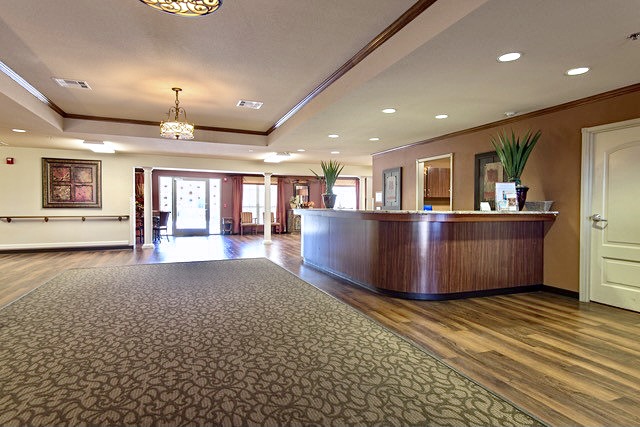
How is St. Teresa Nursing & Rehab Center Staffed?

CMS rates ST. TERESA NURSING & REHAB CENTER's staffing level at 1 out of 5 stars, which is much below average compared to other nursing homes. Staff turnover is 42%, compared to the Texas average of 46%. This relatively stable workforce can support continuity of care.

What Have Inspectors Found at St. Teresa Nursing & Rehab Center?

State health inspectors documented 79 deficiencies at ST. TERESA NURSING & REHAB CENTER during 2022 to 2025. These included: 3 that caused actual resident harm, 75 with potential for harm, and 1 minor or isolated issues. Deficiencies causing actual harm indicate documented cases where residents experienced negative health consequences.
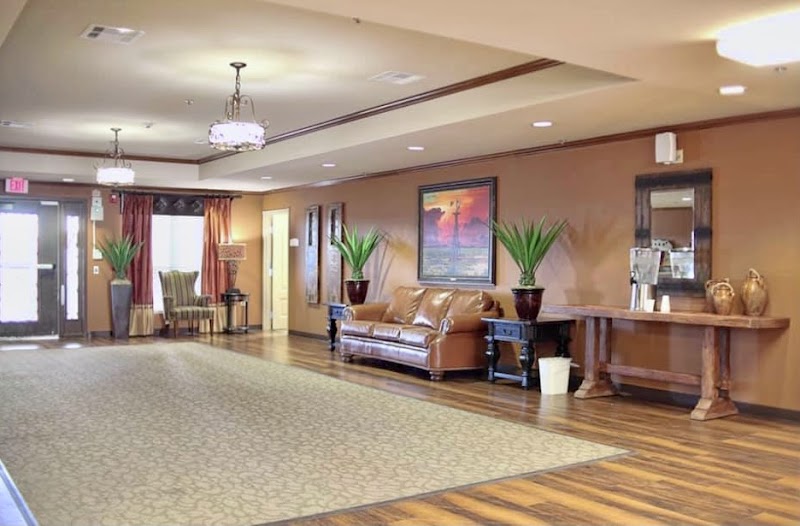
Who Owns and Operates St. Teresa Nursing & Rehab Center?

ST. TERESA NURSING & REHAB CENTER is owned by a for-profit company. For-profit facilities operate as businesses with obligations to shareholders or private owners. The facility is operated by CREATIVE SOLUTIONS IN HEALTHCARE, a chain that manages multiple nursing homes. With 124 certified beds and approximately 118 residents (about 95% occupancy), it is a mid-sized facility located in EL PASO, Texas.
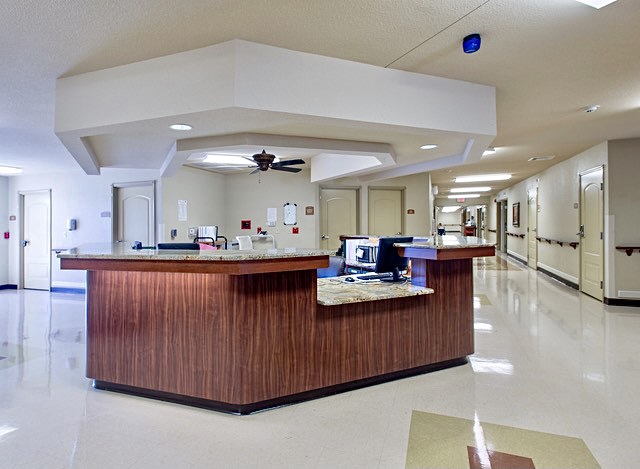
How Does St. Teresa Nursing & Rehab Center Compare to Other Texas Nursing Homes?

Compared to the 100 nursing homes in Texas, ST. TERESA NURSING & REHAB CENTER's overall rating (1 stars) is below the state average of 2.8, staff turnover (42%) is near the state average of 46%, and health inspection rating (2 stars) is below the national benchmark.

What Should Families Ask When Visiting St. Teresa Nursing & Rehab Center?

Based on this facility's data, families visiting should ask: "What safeguards and monitoring systems are in place to protect residents from abuse or neglect?" "Can you walk me through typical staffing levels on day, evening, and night shifts?" "Can I visit during a mealtime to observe dining assistance and food quality?" "How do you handle medical emergencies, and what is your hospital transfer rate?" These questions are particularly relevant given the substantiated abuse finding on record and the below-average staffing rating.

Is St. Teresa Nursing & Rehab Center Safe?

Based on CMS inspection data, ST. TERESA NURSING & REHAB CENTER has documented safety concerns. The facility has 1 substantiated abuse finding (meaning confirmed case of resident harm by staff or other residents). The facility has a 1-star overall rating and ranks #100 of 100 nursing homes in Texas. Families considering this facility should ask detailed questions about what corrective actions have been taken since these incidents.

Do Nurses at St. Teresa Nursing & Rehab Center Stick Around?

ST. TERESA NURSING & REHAB CENTER has a staff turnover rate of 42%, which is about average for Texas nursing homes (state average: 46%). Moderate turnover is common in nursing homes, but families should still ask about staff tenure and how the facility maintains care continuity when employees leave.

Was St. Teresa Nursing & Rehab Center Ever Fined?

ST. TERESA NURSING & REHAB CENTER has been fined $54,550 across 4 penalty actions. This is above the Texas average of $33,624. Fines in this range indicate compliance issues significant enough for CMS to impose meaningful financial consequences. Common causes include delayed correction of deficiencies, repeat violations, or care failures affecting resident safety. Families should ask facility leadership what changes have been made since these penalties.

Is St. Teresa Nursing & Rehab Center on Any Federal Watch List?

ST. TERESA NURSING & REHAB CENTER is not on any federal watch list. The most significant is the Special Focus Facility (SFF) program, which identifies the bottom 1% of nursing homes nationally based on persistent, serious quality problems. Not being on this list means the facility has avoided the pattern of deficiencies that triggers enhanced federal oversight. This is a positive indicator, though families should still review the facility's inspection history directly.