THE BARTLETT SKILLED NURSING AND ASSISTED LIVING

221 BARTLETT DRIVE, EL PASO, TX 79912 (915) 584-8438
For profit - Partnership 58 Beds Independent Data: November 2025
Trust Grade
20/100
#1117 of 1168 in TX
Last Inspection: August 2025

Inspected within the last 6 months. Data reflects current conditions.

Overview

The Bartlett Skilled Nursing and Assisted Living in El Paso, Texas, has a Trust Grade of F, indicating significant concerns and a poor overall quality of care. They rank #1117 out of 1168 facilities in Texas, placing them in the bottom half, and are the lowest-ranked option in El Paso County. The facility's performance is worsening, with the number of issues increasing from 8 in 2024 to 11 in 2025. Staffing is a mixed bag; while they have a 0% turnover rate, suggesting stability, their RN coverage is concerning, being lower than 97% of Texas facilities. Notably, there have been serious incidents of neglect and abuse, including a resident being physically struck by another resident, which raises significant safety concerns for potential residents.

Trust Score
F
20/100
In Texas
#1117/1168
Bottom 5%
Safety Record
High Risk
Review needed
Inspections
Getting Worse
8 → 11 violations
Staff Stability
○ Average
Turnover data not reported for this facility.
Penalties
✓ Good
No fines on record. Clean compliance history, better than most Texas facilities.
Skilled Nurses
⚠ Watch
Each resident gets only 10 minutes of Registered Nurse (RN) attention daily — below average for Texas. Fewer RN minutes means fewer trained eyes watching for problems.
Violations
⚠ Watch
33 deficiencies on record. Higher than average. Multiple issues found across inspections.
★☆☆☆☆
1.0
Overall Rating
★☆☆☆☆
1.0
Staff Levels
★★★☆☆
3.0
Care Quality
★★☆☆☆
2.0
Inspection Score
Stable
2024: 8 issues
2025: 11 issues

The Good

  • Full Sprinkler Coverage · Fire safety systems throughout facility
  • No fines on record

Facility shows strength in fire safety.

The Bad

1-Star Overall Rating

Below Texas average (2.8)

Significant quality concerns identified by CMS

The Ugly 33 deficiencies on record

1 actual harm
Aug 2025 5 deficiencies
CONCERN (D)

Potential for Harm - no one hurt, but risky conditions existed

Resident Rights (Tag F0550)

Could have caused harm · This affected 1 resident

**NOTE- TERMS IN BRACKETS HAVE BEEN EDITED TO PROTECT CONFIDENTIALITY** Based on an observation, interviews, and record review, the facility failed to treat each resident with respect and dignity and ...

Read full inspector narrative →
**NOTE- TERMS IN BRACKETS HAVE BEEN EDITED TO PROTECT CONFIDENTIALITY** Based on an observation, interviews, and record review, the facility failed to treat each resident with respect and dignity and care for each resident in a manner and in an environment that promotes maintenance or enhancement of his or her quality of life for 1 (Resident #28) of 15 residents reviewed for dignity.The facility failed to ensure Resident #28 was groomed and dressed appropriately on 08/21/25.This failure could place the residents at risk of loss of dignity and self-worth.The findings include:Record review of Resident #28's face-sheet dated 08/21/25 revealed a [AGE] year-old male with an original admission date 09/18/24 and re-admission date 08/11/25.Record review of Resident #28's admission MDS assessment dated [DATE] revealed resident was unable to complete the interview for the BIMS assessment. The MDS revealed Resident #28 was dependent for personal hygiene including brushing of hair, and upper and lower body dressing. That meant the helper does all of the effort and the resident does none of the effort to complete the activity.Record review of Resident #28's history and physical dated 08/16/25 revealed resident had a medical history of Acute Ischemic Stroke (when blood circulation is blocked or reduced in the brain causing brain cell death), Tracheostomy (a surgical incision on the front of the neck to maintain the person's airway), PEG tube (a flexible feeding tube used to provide nutrition, fluids, and medications directly into the stomach), BPH (Benign Prostatic Hyperplasia, noncancerous enlargement of the prostate that causes frequent urination, weaker urine stream, and increased urgency for urination), Diabetes Mellitus 2 (), hypertension (High blood pressure), CAD (Coronary Artery Disease, the narrowing or blockage of coronary arteries, which supplied oxygen to the heart), and PVD (Peripheral Vascular Disease, narrowing or blockage in blood vessels which can cause restriction of blood flow to limbs).Record review of Resident #28's care plan revealed resident had an ADL self-care performance deficit related to stroke, and the goal notated was for Resident #28 to have maintained . a sense of dignity by being clean, dry, odor-free, well groomed . The care plan notated the staff interventions were to assist Resident #28 with dressing.Observation on 08/21/25 at 12:00 PM of Resident #28 in the 500-hall across the nurse's station. Resident was observed in his wheelchair disheveled with hair uncombed and sticking up. Resident #28 was observed with a white shirt, grey shorts that were shorter than resident's mid-thigh. He had a white blanket on top covering his legs. Resident #28 was observed resting with his eyes closed.In an interview on 08/22/25 at 10:45 AM with CNA B, she stated CNAs were responsible for preparing the residents in the morning which included getting residents dressed and having the residents look presentable. CNA B stated Resident #28 was not observed presentable per their facility policy. She stated the resident should have pants and his hair combed. CNA B stated nurses were responsible for monitoring residents' needs and appearance. She stated nurses were responsible for monitoring CNA staff ensuring they met residents' needs or if they had any concerns about residents such as Resident #28. CNA B stated the risk of not having residents groomed and presentable included it negatively affecting the residents' self-esteem. In an interview on 08/22/25 at 11:10 AM with CNA A, she stated Resident #28 was wearing shorts because it was the request of the family. She stated she asked for staff to cover the resident's legs because she thought resident would be cold in the hallway with only shorts on. She stated Resident #28 did not communicate understandably, so he did not report being cold. CNA A stated nurses and CNAs were responsible for ensuring residents were dressed appropriately. She stated residents were to be dressed their best, and it could affect their dignity if their appearance was not maintained. In an interview on 08/22/25 at 11:27 AM with LVN C, she stated the CNAs were responsible for assisting residents with dressing and grooming. She stated the nurses, ADON, DON, and CNA A were responsible for monitoring residents' grooming and appearance daily in the shift. She stated she had a concern with Resident #28's appearance on 08/21/25, since Resident #28 was observed with unkempt hair. She stated this could affect the resident's self-esteem. In an interview on 08/22/25 at 12:02 PM with the DON, she stated Resident #28's family only provided the resident with clothing including shorts. She stated the family of Resident #28 tended to get hot, and that was the reason Resident #28 was wearing shorts. She stated she observed Resident #28 on 08/21/25 and agreed the resident appeared unkempt due to his hair not being groomed. She stated she notified CNA A of her concern that day. She stated CNA's were responsible for assisting residents with dressing and grooming. She stated CNA A monitored her CNA's daily, ensuring needs were met and residents look presentable. She stated the risks to residents not being groomed could negatively affect their dignity.Record Review of the facility's policy titled Resident Rights, with revised date 02/2021, read in part: Policy Statement- Employees shall treat all residents with kindness, respect, and dignity. Policy Interpretation and Implementation- Federal and state laws guarantee certain basic rights to all residents of this facility. These rights include the resident's right to: a dignified existence; be treated with respect, kindness, and dignity; be free from abuse, neglect, misappropriation of property, and exploitation.
CONCERN (D)

Potential for Harm - no one hurt, but risky conditions existed

Infection Control (Tag F0880)

Could have caused harm · This affected 1 resident

Based on observation, interview, and record review, the facility failed to maintain an infection prevention and control program designed to provide a safe, sanitary, and comfortable environment to hel...

Read full inspector narrative →
Based on observation, interview, and record review, the facility failed to maintain an infection prevention and control program designed to provide a safe, sanitary, and comfortable environment to help prevent the development and transmission of communicable diseases and infections for 1 of 6 (Resident #9) residents reviewed for infection control. CNA A failed, on 8/19/25, to properly serve a meal tray to Resident #9 by touching her cheeseburger with her bare hands. This deficient practice could place residents at risk for infection due to improper care practices.Findings included:During observation on 8/19/25 at 12:10 PM in the dining room, CNA A approached Resident #9 who was sitting at the table and had her lunch in front of her. CNA A took a quarter cut of (his/her) cheeseburger with her bare hands and handed it to the resident. Resident # 9 took the piece of cheeseburger with her hands and proceeded to eat it. CNA A was not wearing gloves and failed to provide the resident with her meal utilizing utensils.In an interview on 8/19/25 at 12:20 PM with the Director of Dietary, she stated that it was not acceptable to touch a resident's meal at any time after their meal left the kitchen. The Director of Dietary stated that if a Resident needed assistance, staff needed to wear gloves and use utensils for assistance such a fork, spoon or tongs. She stated the risk of touching the Resident's meal with bare hands could result in cross contamination or infection which could make the resident ill. In an interview on 8/19/25 at 12:25 PM with CNA A, she stated she should not have touched Resident # 9's meal with her bare hands because it could result in cross contamination and the possible outcome could be that the resident got sick from their stomach. CNA A stated she did not realize she had touched the resident's food with her hands, and the proper procedure was to assist the resident by using her utensils such a fork or spoon if necessary.In an interview on 8/21/25 at 11:05 AM with the Dietary [NAME] she stated when meals were served, staff was expected to use cooking utensils such as spoons, ladles, and tongs, and it was not acceptable for them to ever touch a resident's food with their bare hands. The Dietary [NAME] stated touching a resident's meal without gloves could result in cross contamination which could make the resident's sick from their stomach. In an interview on 8/21/25 at 11:13 AM with the DON, she stated CNAs were not supposed to touch the resident's meals with their bare hands. The DON said that if a resident required assistance from the staff, they needed to use the proper utensils for their meals such as spoons, forks or tongs. The DON said that CNA A touching Resident # 9's meal with her bare hands posed a risk of cross contamination and it was a concern with infection control. The DON said the result of not properly assisting the residents during mealtime could be for the residents to get sick from cross contamination resulting in vomiting or diarrhea or them getting a gastrointestinal infection. [SH1] In an interview on 8/22/25 at 11:05 AM with the Administrator, he stated it was not acceptable for staff to touch Resident # 9's meal with their bare hands and that staff should never touch a resident's meal once it left the kitchen. The Administrator said the expectation was for staff to use utensils such as spoons, forks or tongs if the resident required assistance. He stated that the possible outcome of a CNA touching a resident's meal with their bare hands could result in them getting sick due to cross contaminations which could make the resident sick from their stomach that could cause infections, vomit or diarrhea. Review of the U.S. FDA Food Code 2022 revealed Chapter 3-301.11 paragraph B .FOOD EMPLOYEES may not contact exposed, READY-TO-EAT FOOD with their bare hands and shall use suitable UTENSILS such as deli tissue, spatulas, tongs, single-use gloves, or dispensing equipment ., CNA A was not in compliance with the Food Code.U.S. FDA Food Code 2022 Chapter 3-301.11 paragraph B .FOOD EMPLOYEES may not contact exposed, READY-TO-EAT FOOD with their bare hands and shall use suitable UTENSILS such as deli tissue, spatulas, tongs, single-use gloves, or dispensing equipment ., CNA A was not in compliance with the Food Code by touching the resident's meal with her bare hands.Record Review of the facility's policies and procedures revised in October 2017, titled Dietary Services-Meals, Snacks and Services, stated in part: Dining Room Audits: Our facility audits the food and nutrition services department regularly to ensure that resident needs are met and that dining is a safe and pleasant experience for residents. The dietitian, food and nutrition services manager and/or dietary supervisor will make scheduled daily meal rounds to every dining room at all meal times to audit the dining room and the food service to the residents. The auditor will assess: whether proper sanitation is maintained by staff;. Record Review of the facility's policies and procedures revised in July 2014, titled Preventing Foodborne Illness - Food Handling, stated in part: Food will be stored, prepared, handled and served so that the risk of foodborne illness is minimized. This facility recognizes that the critical factors implicated in foodborne illness are: poor personal hygiene of food service employees; All employees who handle, prepare or serve food will be trained in the practices of safe food handling and preventing foodborne illness. Employees will demonstrate knowledge and competency in these practices prior to working with food or serving food to residents.Record Review of the facility's policies and procedures revised in March 2022, titled Assistance with Meals, read in part: Residents shall receive assistance with meals in a manner that meet the individual needs of each resident. Dining Room Residents: All employees who provide resident assistance with meals will be trained and shall demonstrate competency in the prevention of foodborne illness, including personal hygiene practices and safe food handling.
CONCERN (E)

Potential for Harm - no one hurt, but risky conditions existed

Comprehensive Care Plan (Tag F0656)

Could have caused harm · This affected multiple residents

**NOTE- TERMS IN BRACKETS HAVE BEEN EDITED TO PROTECT CONFIDENTIALITY** Based on interview and record review, the facility failed to develop and implement a comprehensive person-centered care plan tha...

Read full inspector narrative →
**NOTE- TERMS IN BRACKETS HAVE BEEN EDITED TO PROTECT CONFIDENTIALITY** Based on interview and record review, the facility failed to develop and implement a comprehensive person-centered care plan that includes measurable objectives and timeframes to meet a resident's medical, nursing, mental and psychosocial needs for three residents, (Residents #6, #33, and #44), of six residents reviewed for care plans.The facility failed to have a comprehensive person-centered care plan for Resident #6, #33 and #44 to address residents prescribed insulin medication.These failures could affect residents prescribed insulin medication by placing them at risk for not receiving care and services to meet their needs.Findings Include:Resident# 6Record review of Resident #6's admission Record dated 08/19/2025 revealed an admission date of 07/21/2025.Record review of Resident #6's Health and Physical not dated, revealed to Continue insulin regimen and PO (oral) diabetic medication.Record review of Resident #6's 5-day MDS assessment revealed a BIMS score of 11 indicating moderate cognitive impairment.Record Review of Resident #6's care plan revealed no information regarding insulin medication.Record review of Resident #6's Administration Record revealed Insulin Glargine Subcutaneous solution 100 unit/ml inject 30 unit subcutaneously in the morning for diabetes mellitus. Insulin Lispro injection solution 100 unit/ml, inject as per sliding scale subcutaneously before meals and at bedtime for diabetes mellitus.Resident# 33Record review of Resident #33's admission Record dated 08/22/2025 revealed that Resident #33 was admitted on [DATE]Record review of Resident #33's health and physical dated 08/01/2025 revealed a diagnosis of Diabetes Mellitus Type II. Plan explained Resident would be placed on sliding scale for management of hyperglycemia.Record review of Resident #'s 5-day MDS revealed a BIMS score of 13 indicating an intact cognitive function.Record Review of Residents #33's care plan revealed no information regarding insulin medication. Record review of Resident #33's Order Summary Report revealed Lantus SoloStar Subcutaneous Solution Pen injector 100 unit/ml inject 15 unit subcutaneously two times a day for diabetes mellitus. Insulin Lispro Subcutaneous Solution Cartridge 100 unit/ml inject 8 unit subcutaneously before meals for diabetes mellitus. Novolog pen fill subcutaneous solution cartridge 100 unit/ml inject 8 unit subcutaneously before meals for diabetes mellitus before meals for diabetes mellitus.Resident# 44Record review of Resident #44's admission Record dated 08/20/2025 revealed Resident #44 was admitted on [DATE]Record review of Resident #44's health and physical dated on 07/30/2025 revealed a diagnosis of diabetes with hyperglycemia (high blood sugar).Record review of Resident #44's 5-day MDS revealed a BIMS score of 15 indicating an intact cognitive function.Record Review of Resident #44's care plan revealed no information regarding insulin medication. Record review of Resident #44's Medication Administration Record revealed insulin Glargine subcutaneous solution 100 unit/ml inject 15 unit subcutaneous in the morning for diabetes mellitus type II.In an interview on 08/22/25 at 11:33 AM with LVN C, she stated the purpose of a care plan was for all staff to be aware of the residents' care and treatment plan. She stated the MDS nursing staff were responsible for ensuring care plans were updated. She stated nurses notified the MDS nurses of any changes of residents so the care plan could be updated. LVN C stated she was not aware how often they monitored care plans for accuracy. She stated the risk of care plans not being completed correctly included incorrect treatment of the resident. In an interview on 08/22/2025 at 12:16 PM with DON, she stated that the purpose of a care plan was to make sure that the residents were receiving the correct individualized treatment. She stated that the MDS nurses were responsible for creating and updating the Care Plan's. She stated that the floor nurses, DON and ADON were all in communication with the MDS nurses to notify of any updates needed on the care plan. She stated that insulin and diabetes diagnosis needed to be included in the care plan. The DON stated that residents were at risk of not receiving the right treatment if treatment was not in care plan.In an interview on 08/22/2025 at 1:30 PM with MDS nurse, she stated that the purpose of a care plan was like a blueprint for resident care. She stated that the MDS nurses were responsible for keeping up with the changes that had to be made. She stated that insulin and diagnosis of diabetes had to be included in the care plan. She stated that floor nurses, DON and ADON communicate with MDS nurses to fill them in on any changes that residents have. She stated that when pertinent medications and diagnosis had not been care planned it could lead to an interruption in communication of care.Record Review of the facility's policy titled Care Plans, Comprehensive Person- Centered revised March 2022 read in part . The comprehensive, person-centered care plan includes measurable objectives and timeframes, Describes the services that are to be furnished to attain or maintain the resident's highest practicable, physical, mental and psychosocial well-being .
CONCERN (E)

Potential for Harm - no one hurt, but risky conditions existed

Food Safety (Tag F0812)

Could have caused harm · This affected multiple residents

Based on observation, interviews, and record review, the facility failed to store, prepare, distribute, and serve food in accordance with professional standards for food service safety for 1 of 1 kitc...

Read full inspector narrative →
Based on observation, interviews, and record review, the facility failed to store, prepare, distribute, and serve food in accordance with professional standards for food service safety for 1 of 1 kitchen reviewed in that:-The facility failed, on 8/19/25, to maintain the bottom of freezer # 1 clean and free of food crumbs and ice cream drippings. -The facility failed, on 8/19/25, to maintain the bottom of refrigerator # 2 clean and free of dry meat juices. -The facility failed, on 8/19/25, to seal a bag of lettuce and to close a box containing an open stick of butter in refrigerator # 3.These failures could place residents who eat foods prepared in the kitchen at risk of cross contamination and food-borne illnesses.Findings included: In an observation on 8/19/25 at 8:45 AM during the initial kitchen tour in the facility's kitchen, revealed the following: Freezer # 1 - at the bottom of the freezer, there were dried drippings of what appeared to be lemon ice cream and around it, there were crumbs of unknown food residues.Refrigerator #2 - at the bottom of the refrigerator, there were dried drippings of meat juices that were dark red and pink in color.Refrigerator #3 - there was a bag with two heads of lettuce that were not sealed. The lettuce looked yellow in color. An open box containing 11 bars of 1/4 lb. sticks of butter had an open stick of butter that was not sealed or covered.An interview on 8/19/25 at 8:54 AM with the Dietary Director revealed it was not acceptable for refrigerators to have food residues or dry drippings from food or meat juices. The Dietary Director stated that all food inside the refrigerators needed to be labeled, sealed, and closed. She explained that by having food drippings and open boxes and unsealed packages, there was a risk of cross contamination which could result in food borne illness which could make the resident sick to their stomach resulting in infection, vomiting or diarrhea. She stated that the expectation was that all equipment in the kitchen was cleaned and sanitized, all boxes and packaging were closed and sealed to prevent contamination, and that all staff from the kitchen were responsible for making sure these standards were met. An interview on 8/20/25 at 10:23 AM with the Head [NAME] revealed that all staff were responsible for making sure that all cooking utensils and kitchen equipment were clean and sanitized during and after meal preparation and at the end of each kitchen staff member's shift. He stated it was not acceptable that freezers of refrigerators were dirty with crumbs or food drippings and that all food inside the refrigerator and freezers needed to be labeled, sealed and closed. The Head [NAME] stated that by not covering or sealing the food and having food drippings, there was a risk for cross contamination which could make the residents sick to their stomach which could result in them getting sick from foodborne diseases. He stated there was a potential risk of residents getting sick with diarrhea or gastrointestinal (an adjective that refers to or involves the stomach and intestines) infections. In an interview on 8/21/25 at 11:05 AM with a Dietary Cook, she stated that all kitchen staff were responsible for ensuring the kitchen equipment and utensils were clean and free of food residues. She said that dry drippings of meat juice or crumbs left in the refrigerators could result in cross contamination for the residents' meals if they were not properly closed or sealed, which could make them sick to their stomach, and it could make their current health issues get worse. An interview on 8/21/25 at 11:13 AM with the DON revealed that she was the infection preventionist for the facility. She stated that it was not correct to leave things opened and unsealed food in the refrigerators or the freezers, she stated that the expectation was for the kitchen staff to clean kitchen freezers, fridges and utensils by the end of their shift. The DON stated that having crumbs, dry drippings, and opened bags could result in cross contamination for the food items. The DON said there was a risk of infections for gastrointestinal bacteria or intoxications which could result in residents getting sick from vomiting or diarrhea.In an interview on 8/22/25 at 10:21 AM with the Administrator, he stated the food inside the refrigerators should always be covered or sealed and there was a risk of cross contamination or foodborne illness which could potentially make the residents sick with stomach infections which could result in vomiting or diarrhea and possible dehydration. He said that all kitchen equipment and utensils should be free of food residues and drippings because it could potentially lead to cross contamination which could also make the residents sick. Review of the FDA Food Code 2022 reflected Chapter 3-302.11 Packaged and Unpackaged Food - Separation, Packaging, and Segregation. (A) FOOD shall be protected from cross contamination by: (4) Except as specified under Subparagraph 3-501.15(B)(2) and in (B) of this section, storing the food in packages, covered containers, or wrappings;. Record Review of the facility's policies and procedures revised in November 2022, titled Dietary Services-Food and Nutrition Services, stated in part: Food Receiving and Storage, Food services, or other designated staff, maintain clean and temperature/humidity-appropriate food storage areas at all times. Refrigerated/Frozen Storage: All foods stored in the refrigerator or freezer are covered, labeled and dated ( use by date). Uncooked and raw animal products and fish are stored separately in drip-proof containers and below fruits, vegetables and other ready-to-eat foods to prevent meat juices from dripping onto these foods. Other opened containers are dated and sealed or covered during storage. Record Review of the facility's policies and procedures revised in July 2014, titled Preventing Foodborne Illness - Food Handling, stated in part: Food will be stored, prepared, handled and served so that the risk of foodborne illness is minimized. This facility recognizes that the critical factors implicated in foodborne illness are: contaminated equipment. All food service equipment and utensils will be sanitized according to current guidelines and manufacturers' recommendations.
CONCERN (E)

Potential for Harm - no one hurt, but risky conditions existed

Deficiency F0945 (Tag F0945)

Could have caused harm · This affected multiple residents

Based on interview and record review, the facility failed to provide the mandatory training on standards, policies, and procedures for an infection prevention and control program for 2 of 8 staff (the...

Read full inspector narrative →
Based on interview and record review, the facility failed to provide the mandatory training on standards, policies, and procedures for an infection prevention and control program for 2 of 8 staff (the MDS Nurse and the Administrator) reviewed for training, in that:The facility failed to ensure infection prevention and control training was provided to the MDS Nurse and the Administrator.This failure could place residents at risk of illness due to lack of staff training. The findings were:Review of Facility Staff Roster, undated, revealed: Administrator - date of hire - 03/07/2016MDS Nurse - date of hire- 11/10/2021In an interview on 08/22/25 at 02:02 PM with Human Resources, she stated she did not have documentation for the Annual Infection Control training for the Administrator and the MDS Nurse. She stated she had only been working for a few months and did not have a reason why the facility did not have documentation for this course. She stated, in this case, she would issue the Administrator and the MDS Nurse retraining, meaning the staff would complete the required training. She stated Human Resources and the DON were responsible for ensuring staff were up to date with training. She stated she and the DON met monthly to discuss issues or concerns including training. She stated the staff not completing training for Infection Control could potentially place residents and others at risk for illness or infection.In an interview on 08/22/25 at 2:18 PM with the MDS Nurse, she stated all staff were responsible for keeping their training up to date. She stated she did not have a reason why there was no documentation of her Infection Control training. She stated the DON was responsible for monitoring staff for infection control training but was unsure how often it was being followed up. She stated risks of staff not completing their Infection Control training places residents at risk for exposure to bacteria or illness.In an interview on 08/22/25 at 02:30 PM with the Administrator, he stated he was sure to have completed his Infection Control training, but unable to state the most recent one he had completed. He stated the risks of staff not completing their annual required training would have included facility personnel not being in the most up to date with information, but all staff have their basic training including infection control. He was asked by this surveyor if CMS required annual documented trainings, he replied, yes. The Administrator added that staff had their basic training from school or when starting in the nursing facility. He stated the DON was responsible for Infection Control training, since she was also the Infection Preventionist. He stated the administration department, and Human Resources were also responsible for monitoring staff training. In an interview on 08/22/25 at 02:36 PM with the DON, she stated she was responsible for ensuring staff were up to date with their training. She stated she monitored her staff, including their training, on a daily basis. She stated all staff were to be updated on their training. She stated staff not having updated training included residents being at risk for infections.Record review of the facility's policy titled, In-Service Training, All Staff, read in part: Policy Statement- All Staff must participate in initial orientation and annual in-service training. Policy Interpretation and Implementation- 1. All staff are required to participate in regular in-service education. In-service education participation is considered working time for which staff are paid their regular wages. 2. For the purposes of this policy, staff means all new and existing personnel, individuals providing services under contractual agreement, and volunteers. 3. The primary objective of the in-service training is to ensure that staff are able to interact in a manner that enhances the resident's quality of life and quality of care and can demonstrate competency in the topic areas of the training . 6. Required training topics include the following: . e. The infection prevention and control program standards, policies and procedures.
Aug 2025 3 deficiencies 1 Harm
SERIOUS (G) 📢 Someone Reported This

A family member, employee, or ombudsman was alarmed enough to file a formal complaint

Actual Harm - a resident was hurt due to facility failures

Free from Abuse/Neglect (Tag F0600)

A resident was harmed · This affected 1 resident

**NOTE- TERMS IN BRACKETS HAVE BEEN EDITED TO PROTECT CONFIDENTIALITY** Based on interview and record review the facility failed to ensure residents were free from abuse, neglect, misappropriation of ...

Read full inspector narrative →
**NOTE- TERMS IN BRACKETS HAVE BEEN EDITED TO PROTECT CONFIDENTIALITY** Based on interview and record review the facility failed to ensure residents were free from abuse, neglect, misappropriation of resident property, and exploitation for 2 of 5 residents reviewed for abuse. The facility failed to ensure Resident #1 was free from abuse when Resident #2 physically struck Resident #1 resulting in a bruise/hematoma to her forehead.This deficient practice placed residents at risk for further abuse.Findings include:1. Record review of Resident #1's face sheet, dated 8/6/25, revealed a [AGE] year-old female who was admitted to the facility on [DATE]. Record review of Resident #1's history and physical, dated 7/7/25, revealed diagnoses which included dementia (a group of symptoms associated with a decline in cognitive functioning, it can cause difficulty with simple tasks, confusion, memory loss and difficulty communicating), COPD (serious lung disease that over time makes it hard to breathe), chronic kidney disease stage 3 (type of long-term kidney disease, defined by the sustained presence of abnormal kidney function and/or abnormal kidney structure), and failure to thrive (state of decline that is multifactorial and may be caused by chronic concurrent diseases and functional impairments).Record review of Resident #1's quarterly MDS, dated [DATE], revealed a BIMS score of 03, which indicted her cognition was severely impaired.Record review of Resident #1's physician order, dated 6/19/25, revealed Eliquis oral Tablet 2.5mg by mouth two times a day to prevent DVT.Record review of Resident #1's incident report, dated 7/7/25 written by LVN A, revealed nurse description nurse went in during round to assess resident and noted discoloration to forehead; resident was unable to give description; bruise on top of scalp; was oriented to person; no predisposing factors noted; she was confused; and no predisposing situation factors identified.Record review of Resident #1's SBAR communication note, dated 7/7/25, revealed the change of condition was bruised forehead and left temple that started on 7/7/25 and was on anticoagulant, her vital signs were within normal range, no changes to mental and functional status.Record review of Resident #1's progress note, written by LVN A, dated 7/7/25 at 2:00 AM, revealed Upon rounding nurse observed discoloration to forehead of resident, nurse assessed site and noted no previous falls or incidents reported. Vital signs within normal limits, no open areas, no complaints of pain during shift, nurse reported to Dr. and RP. No new orders were given at this time.Record review of Resident #1's progress note, written by LVN B, dated 7/7/25 at 9:12 AM, revealed Resident send out per NP to local ER for evaluation and treatment of bruised forehead /temple. Report given to Dr. ResidentAOX1 pleasant response to question. Assisted total X1 person total with all ADLs transfers and mobility. Incontinent B/B wears briefs. Uses w/c for mobility. Denies pain, On O2 @2 LPM via NC at HS only. On room air in morning and evening but kept it on this morning. v/s 97.6 66 20 113/65 94% Ra.Record review of Resident #1's progress note, dated 7/7/25, at 5:45 PM, revealed Resident return from [local hospital] report given by [hospital nurse]. CT came back negative, urine negative, CT of spine negative. Returned at this time v/s 97 85 20164/90 93% O2 2 2 LPM via NC continuous. NP aware no new orders.Record review of Resident #1's Internal Medicine Progress Note, dated 7/7/25, revealed Patient was found to have new bruises on her forehead and face, to the left. She does not recall what happened. Denies falling. No other signs of trauma found on examination. Patient was sent to ER at [local hospital] and has returned in stable condition. No bleeding or fractures found.2. Record review of Resident #2's face sheet, dated 8/6/25, revealed a [AGE] year-old female who was admitted to the facility on [DATE].Record review of Resident #2's history and physical, dated 7/6/25, revealed a diagnosis which included mild intellectual disability.Record review of Resident #2's quarterly MDS, dated [DATE], revealed a BIMS score of 4, which indicated her cognition was severely impaired.Record review of Resident #2's care plan, dated 4/5/25, revealed focus area which documented she has a behavior problem, resident was observed hitting herself in the head, yelling and slamming the door with interventions Intervene as necessary to protect the rights and safety of others. Approach/Speak in a calm manner. Divert attention. Remove from situation and take to alternate location as needed. Minimize potential for the resident's disruptive behaviors hitting self or others, by offering tasks which divert attention such as arts/crafts, manicure with nail polish. Monitor behavior episodes and attempt to determine underlying cause. Consider location, time of day, persons involved, and situations. Document behavior and potential causes. notify guardian when behaviors occur.Record review of Resident #2's progress notes from May 2025- August 2025 revealed no documented incidents prior to this event on 7/7/25, her history was limited to verbal behaviors towards others that warranted redirection and staff avoiding triggers, which included maintaining her preferred routine.Record review of HHSC witness statement written by AIT, dated 7/7/25, revealed [Resident #1] was sent out to [local hospital] for evaluation. upon re-entering the facility [Resident #2] entered my office, still flushed face and fidgety. I started the conversation by noting she is not in trouble but want to know what happened in her room last night. She commenced to tell me via hand gestures that she hit [Resident #1]. Record review of TULIP for July 2025 revealed no self-report reflecting resident to resident altercation. During an observation and interview on 8/6/25 at 2:58 PM, revealed Resident #2 was AOx2, the resident stated Resident #1 was no longer in her room and stated she was moved but could not recall when. Resident #2 stated she denied hitting Resident #1 or being hit by her. Resident #2 stated Resident #1 got the bruises on her face on her own but could not say how. Resident #2 stated she felt safe at the facility and denied any issues with other residents. Resident #2 stated no one else was staying in her room, she stated she was in her room alone. Observation of Resident #2's room noted only her belongings, with no evidence that a roommate was occupying the second bed. During an interview on 8/6/25 at 2:20 PM, Resident #2's RP stated the incident occurred on a Sunday (7/6/25) and was contacted until Monday by a nurse, whose name she did not recall and again on Tuesday by AIT. The RP stated this was the first known incident of aggression.During an interview on 8/6/25 at 3:18 PM, Resident #1 was AOx1, she had a bruise on her forehead green and yellow in color. Resident #1 stated she did not know how she got it and denied pain. Resident #1 denied falling and denied being hit. Resident #1 stated she did not know who Resident #2 was. Resident #1 denied any physical altercations with other residents. Resident #1 stated she felt safe. Resident #1 appeared pleasant and in good spirits, smiling when asked about abuse questions, she did not recall the incident and did not show any signs of distress. Resident #1 stated she would not report any abuse, and when asked why, she just smiled and did not answer. Resident #1 stated she had 0 distress noted.During an interview on 8/6/25 at 6:40 PM, Resident #1's Emergency Contact stated the resident was taken to the hospital after they noticed both eyes bruised and her face showed signs of trauma, as if she had been struck. Emergency contact #1 stated the facility claimed the resident woke up with the injuries and they did not know how it happened. Emergency contact #1 stated she was later contacted by someone identifying themselves as being from APS or a related agency. Emergency contact #1 stated she was aware the resident was sent to the hospital for further evaluation and no injuries were identified. Emergency contact #1 stated when she returned, she was placed in a different room away from the AP.During an interview on 8/6/25 at 7:11 pm, LVN B stated she had received report from LVN A regarding bruising to Resident #1. She stated the physician's order was to monitor for any changes and, if changes occurred, to send the resident to the hospital. Resident #1 voiced no pain, and when the bruise progressed into a hematoma, the facility sent Resident #1 for further assessment.During an interview on 8/7/25 at 8:54 am, LVN A stated he saw discoloration to Resident #1's forehead that appeared like a bruise during rounds at 2:00 AM. Prior to the injury being discovered, both residents were noted to be in bed sleeping. LVN A stated he did not hear any commotion that would have alerted him to intervene or follow up. He stated there was nothing out of the ordinary reported, heard, or witnessed. LVN A stated a call was placed to both the physician and responsible party; the physician gave orders to continue monitoring and, if any changes occurred, to send the resident to the hospital for further evaluation. LVN A stated the responsible party did not answer and staff were unable to leave a voicemail.During an interview on 8/7/25 at 9:56 AM, the DON stated that after she received report of Resident #1's bruise, she initiated an investigation for an injury of unknown origin. She stated she believed staff already knew what had happened at the time. DON stated she did not recall if she was present when Resident #2 disclosed to the AIT that she had hit Resident #1. The DON stated she did not consider the incident to be abuse and could not answer why, although interventions were in place and Resident #1 was kept safe from the AP. During an interview on 8/7/25 at 10:32 AM, the AIT stated he arrived at the facility around 8:00 AM and was informed by LVN B between 8:00 and 8:30 AM that Resident #1 had a bump and bruise on her head. The AIT stated he wanted to ask Resident #2 if she had heard or seen anything the night prior. The AIT stated Resident #2 appeared flushed, fidgety, and not her usual self. The AIT stated after reassuring Resident #2 that she was not in trouble, she reportedly gestured with closed fists and mimicked a striking motion. The AIT stated when asked if she had hit Resident #1, Resident #2 responded affirmatively. The AIT stated that following this disclosure, the facility was able to determine the cause of Resident #1's injury and rule out an unknown origin. The AIT stated at the time of Resident #2's disclosure, Resident #1 was already at the hospital. The AIT upon Resident #1's return, he followed up and noted that Resident #1 had no recollection of the incident and no findings were noted at the hospital. Resident #1 was moved out of Resident #2's room and reassigned to a private room. The AIT stated he did not view the situation as a resident-to-resident altercation due to Resident #2's cognitive impairment and intellectual disability and did not believe Resident #2 was aware of her actions. The AIT stated he did not consider the incident to be abuse.Record review of the facility's Abuse, Neglect, Exploitation and Misappropriation Prevention Program policy, dated April 2021, read in part Residents have the right to be free from abuse, neglect, misappropriation of resident property and exploitation. This includes but is not limited to freedom from corporal punishment, involuntary seclusion, verbal, mental, sexual or physical abuse, and physical or chemical restraint not required to treat the resident's symptoms. The resident abuse, neglect and exploitation prevention program consists of a facility-wide commitment and resource allocation to support the following objectives: #1Protect residents from abuse, neglect, exploitation or misappropriation of property by anyone including, but not necessarily limited to: a. facility staff; b. other residents; c. consultants; d. volunteers; e. staff from other agencies; f. family members; g. legal representatives; h. friends; i. visitors; and/or j. any other individual. #8- Identify and investigate all possible incidents of abuse, neglect, mistreatment, or misappropriation of resident property.
CONCERN (D) 📢 Someone Reported This

A family member, employee, or ombudsman was alarmed enough to file a formal complaint

Potential for Harm - no one hurt, but risky conditions existed

Abuse Prevention Policies (Tag F0607)

Could have caused harm · This affected 1 resident

**NOTE- TERMS IN BRACKETS HAVE BEEN EDITED TO PROTECT CONFIDENTIALITY** Based on interview and record review the facility failed to develop and implement written policies and procedures that prohibit ...

Read full inspector narrative →
**NOTE- TERMS IN BRACKETS HAVE BEEN EDITED TO PROTECT CONFIDENTIALITY** Based on interview and record review the facility failed to develop and implement written policies and procedures that prohibit and prevent abuse, neglect, and exploitation of residents and misappropriation of resident property for 2 of 4 residents (Resident#1 and Resident #2) reviewed for abuse. The facility failed to implement their abuse policy when they failed to report abuse when Resident #2 hit Resident #1. This failure could place residents at risk for abuse by not immediately following the facility policy and procedure manual of recognizing and reporting abuse. Findings include:1. Record review of Resident #1's face sheet, dated 8/6/25, revealed a [AGE] year-old female who was admitted to the facility on [DATE]. Record review of Resident #1's history and physical, dated 7/7/25, revealed diagnoses which included dementia (a group of symptoms associated with a decline in cognitive functioning, it can cause difficulty with simple tasks, confusion, memory loss and difficulty communicating), COPD (serious lung disease that over time makes it hard to breathe), chronic kidney disease stage 3 (type of long-term kidney disease, defined by the sustained presence of abnormal kidney function and/or abnormal kidney structure), and failure to thrive (state of decline that is multifactorial and may be caused by chronic concurrent diseases and functional impairments). Record review of Resident #1's quarterly MDS, dated [DATE], revealed a BIMS score of 03, which indicted her cognition was severely impaired. Record review of Resident #1's physician order, dated 6/19/25, revealed Eliquis oral Tablet 2.5mg by mouth two times a day to prevent DVT. Record review of Resident #1's incident report, dated 7/7/25 written by LVN A, revealed nurse description nurse went in during round to assess resident and noted discoloration to forehead; resident was unable to give description; bruise on top of scalp; was oriented to person; no predisposing factors noted; she was confused; and no predisposing situation factors identified.Record review of Resident #1's SBAR communication note, dated 7/7/25, revealed the change of condition was bruised forehead and left temple that started on 7/7/25 and was on anticoagulant, her vital signs were within normal range, no changes to mental and functional status.Record review of Resident #1's progress note, written by LVN A, dated 7/7/25 at 2:00 AM, revealed Upon rounding nurse observed discoloration to forehead of resident, nurse assessed site and noted no previous falls or incidents reported. Vital signs within normal limits, no open areas, no complaints of pain during shift, nurse reported to Dr. and RP. No new orders were given at this time.Record review of Resident #1's progress note, written by LVN B, dated 7/7/25 at 9:12 AM, revealed Resident send out per NP to local ER for evaluation and treatment of bruised forehead /temple. Report given to Dr. ResidentAOX1 pleasant response to question. Assisted total X1 person total with all ADLs transfers and mobility. Incontinent B/B wears briefs. Uses w/c for mobility. Denies pain, On O2 @2 LPM via NC at HS only. On room air in morning and evening but kept it on this morning. v/s 97.6 66 20 113/65 94% Ra. Record review of Resident #1's progress note, dated 7/7/25, at 5:45 PM, revealed Resident return from [local hospital] report given by [hospital nurse]. CT came back negative, urine negative, CT of spine negative. Returned at this time v/s 97 85 20164/90 93% O2 2 2 LPM via NC continuous. NP aware no new orders.Record review of Resident #1's Internal Medicine Progress Note, dated 7/7/25, revealed Patient was found to have new bruises on her forehead and face, to the left. She does not recall what happened. Denies falling. No other signs of trauma found on examination. Patient was sent to ER at [local hospital] and has returned in stable condition. No bleeding or fractures found.2. Record review of Resident #2's face sheet, dated 8/6/25, revealed a [AGE] year-old female who was admitted to the facility on [DATE]. Record review of Resident #2's history and physical, dated 7/6/25, revealed a diagnosis which included mild intellectual disability.Record review of Resident #2's quarterly MDS, dated [DATE], revealed a BIMS score of 4, which indicated her cognition was severely impaired. Record review of Resident #2's care plan, dated 4/5/25, revealed focus area which documented she has a behavior problem, resident was observed hitting herself in the head, yelling and slamming the door with interventions Intervene as necessary to protect the rights and safety of others. Approach/Speak in a calm manner. Divert attention. Remove from situation and take to alternate location as needed. Minimize potential for the resident's disruptive behaviors hitting self or others, by offering tasks which divert attention such as arts/crafts, manicure with nail polish. Monitor behavior episodes and attempt to determine underlying cause. Consider location, time of day, persons involved, and situations. Document behavior and potential causes. notify guardian when behaviors occur. Record review of HHSC witness statement written by AIT, dated 7/7/25, revealed [Resident #1] was sent out to [local hospital] for evaluation. upon re-entering the facility [Resident #2] entered my office, still flushed face and fidgety. I started the conversation by noting she is not in trouble but want to know what happened in her room last night. She commenced to tell me via hand gestures that she hit [Resident #1]. Record review of TULIP for July 2025 revealed no self-report reflecting resident to resident altercation. During an interview on 8/6/25 at 2:58 PM, revealed Resident #2 was AOx2, the resident stated Resident #1 was no longer in her room and stated she was moved but could not recall when. Resident #2 stated she denied hitting Resident #1 or being hit by her. Resident #2 stated Resident #1 got the bruises on her face on her own but could not say how. Resident #2 stated she felt safe at the facility and denied any issues with other residents. During an interview on 8/6/25 at 2:20 PM, Resident #2's RP stated the incident occurred on a Sunday (7/6/25) and was contacted until Monday by a nurse, whose name she did not recall and again on Tuesday by AIT. The RP stated this was the first known incident of aggression.During an interview on 8/6/25 at 3:18 PM, Resident #1 was AOx1, she had a bruise on her forehead green and yellow in color. Resident #1 stated she did not know how she got it and denied pain. Resident #1 denied falling and denied being hit. Resident #1 stated she did not know who Resident #2 was. Resident #1 denied any physical altercations with other residents. Resident #1 stated she felt safe. Resident #1 appeared pleasant and in good spirits, smiling when asked about abuse questions, she did not recall the incident and did not show any signs of distress. Resident #1 stated she would not report any abuse, and when asked why, she just smiled and did not answer. Resident #1 stated she had 0 distress noted.During an interview on 8/6/25 at 6:40 PM, Resident #1's Emergency Contact stated the resident was taken to the hospital after they noticed both eyes bruised and her face showed signs of trauma, as if she had been struck. Emergency contact #1 stated the facility claimed the resident woke up with the injuries and they did not know how it happened. Emergency contact #1 stated she was later contacted by someone identifying themselves as being from APS or a related agency. Emergency contact #1 stated she was aware the resident was sent to the hospital for further evaluation and no injuries were identified. Emergency contact #1 stated when she returned, she was placed in a different room away from the AP.During an interview on 8/7/25 at 9:56 AM, the DON stated the incident was not reported to the SO, ombudsman, or law enforcement. The DON stated the reason for not notifying agencies was because they were investigating an injury of unknown origin and believed they already knew what had happened. The DON stated she did not consider the incident to be abuse, although interventions were in place and Resident #1 was kept safe from the AP. The DON stated after reviewing their internal abuse policy, it appeared they needed to notify the correct agencies. During an interview on 8/7/25 at 10:32 AM, the AIT stated the incident was not reported to the SO or law enforcement. The AIT stated he attempted to call the local Ombudsman to notify, but he had not returned his call. The AIT stated the reason for not notifying agencies was because he did not view the situation as a resident-to-resident altercation due to Resident #2's cognitive impairment and intellectual disability and did not believe Resident #2 was aware of her actions. The AIT stated he did not consider the incident to be abuse.During an interview on 8/7/25 at 10:51 AM, the Ombudsman stated he was unsure if notification of resident-to-resident altercations was required. The Ombudsman stated facility staff occasionally provided him with information as a courtesy; he stated he did not recall receiving any notification regarding an incident between Resident #2 and Resident #1. Record review of the facility's Abuse, Neglect, exploitation or Misappropriation- Reporting and Investigating policy, dated September 2022, read in part All reports of resident abuse (including injuries of unknown origin), neglect, exploitation, or theft/misappropriation of resident property are reported to local, state and federal agencies (as required by current regulations) and thoroughly investigated by facility management. Findings of all investigations are documented and reported. #1: If resident abuse, neglect, exploitation, misappropriation of resident property or injury of unknown source is suspected, the suspicion must be reported immediately to the administrator and to other officials according to state law. #2- The administrator or the individual making the allegation immediately reports his or her suspicion to the following persons or agencies: a. The state licensing/certification agency responsible for surveying/licensing the facility; b. The local/state ombudsman; c. The resident's representative: d. Adult protective services (where state law provides jurisdiction in long-term care); e. Law enforcement officials; f. The resident's attending physician; and g. The facility medical director.
CONCERN (D) 📢 Someone Reported This

A family member, employee, or ombudsman was alarmed enough to file a formal complaint

Potential for Harm - no one hurt, but risky conditions existed

Report Alleged Abuse (Tag F0609)

Could have caused harm · This affected 1 resident

**NOTE- TERMS IN BRACKETS HAVE BEEN EDITED TO PROTECT CONFIDENTIALITY** Based on interview and record review the facility failed ensure alleged violations involving abuse, neglect, exploitation or mis...

Read full inspector narrative →
**NOTE- TERMS IN BRACKETS HAVE BEEN EDITED TO PROTECT CONFIDENTIALITY** Based on interview and record review the facility failed ensure alleged violations involving abuse, neglect, exploitation or mistreatment, including injuries of unknown source and misappropriation of resident property, were reported immediately, but not later than 2 hours after the allegation was made, if the events that caused the allegation involved abuse or resulted in serious bodily injury, to the administrator of the facility and to other officials (including to the State Survey Agency and adult protective services where state law provides for jurisdiction in long-term care facilities) in accordance with State law through established procedures for 2 of 4 residents (Resident #1 and Resident#2) reviewed for reporting. The facility failed to report abuse when Resident #2 hit Resident #1 to State Office Agency, Law Enforcement, and Ombudsman.This failure could place residents at risk for abuse. Findings include:1. Record review of Resident #1's face sheet, dated 8/6/25, revealed a [AGE] year-old female who was admitted to the facility on [DATE]. Record review of Resident #1's history and physical, dated 7/7/25, revealed diagnoses which included dementia (a group of symptoms associated with a decline in cognitive functioning, it can cause difficulty with simple tasks, confusion, memory loss and difficulty communicating), COPD (serious lung disease that over time makes it hard to breathe), chronic kidney disease stage 3 (type of long-term kidney disease, defined by the sustained presence of abnormal kidney function and/or abnormal kidney structure), and failure to thrive (state of decline that is multifactorial and may be caused by chronic concurrent diseases and functional impairments). Record review of Resident #1's quarterly MDS, dated [DATE], revealed a BIMS score of 03, which indicted her cognition was severely impaired. Record review of Resident #1's physician order, dated 6/19/25, revealed Eliquis oral Tablet 2.5mg by mouth two times a day to prevent DVT. Record review of Resident #1's incident report, dated 7/7/25 written by LVN A, revealed nurse description nurse went in during round to assess resident and noted discoloration to forehead; resident was unable to give description; bruise on top of scalp; was oriented to person; no predisposing factors noted; she was confused; and no predisposing situation factors identified.Record review of Resident #1's SBAR communication note, dated 7/7/25, revealed the change of condition was bruised forehead and left temple that started on 7/7/25 and was on anticoagulant, her vital signs were within normal range, no changes to mental and functional status.Record review of Resident #1's progress note, written by LVN A, dated 7/7/25 at 2:00 AM, revealed Upon rounding nurse observed discoloration to forehead of resident, nurse assessed site and noted no previous falls or incidents reported. Vital signs within normal limits, no open areas, no complaints of pain during shift, nurse reported to Dr. and RP. No new orders were given at this time.Record review of Resident #1's progress note, written by LVN B, dated 7/7/25 at 9:12 AM, revealed Resident send out per NP to local ER for evaluation and treatment of bruised forehead /temple. Report given to Dr. ResidentAOX1 pleasant response to question. Assisted total X1 person total with all ADLs transfers and mobility. Incontinent B/B wears briefs. Uses w/c for mobility. Denies pain, On O2 @2 LPM via NC at HS only. On room air in morning and evening but kept it on this morning. v/s 97.6 66 20 113/65 94% Ra. Record review of Resident #1's progress note, dated 7/7/25, at 5:45 PM, revealed Resident return from [local hospital] report given by [hospital nurse]. CT came back negative, urine negative, CT of spine negative. Returned at this time v/s 97 85 20164/90 93% O2 2 2 LPM via NC continuous. NP aware no new orders.Record review of Resident #1's Internal Medicine Progress Note, dated 7/7/25, revealed Patient was found to have new bruises on her forehead and face, to the left. She does not recall what happened. Denies falling. No other signs of trauma found on examination. Patient was sent to ER at [local hospital] and has returned in stable condition. No bleeding or fractures found.2. Record review of Resident #2's face sheet, dated 8/6/25, revealed a [AGE] year-old female who was admitted to the facility on [DATE]. Record review of Resident #2's history and physical, dated 7/6/25, revealed a diagnosis which included mild intellectual disability.Record review of Resident #2's quarterly MDS, dated [DATE], revealed a BIMS score of 4, which indicated her cognition was severely impaired. Record review of Resident #2's care plan, dated 4/5/25, revealed focus area which documented she has a behavior problem, resident was observed hitting herself in the head, yelling and slamming the door with interventions Intervene as necessary to protect the rights and safety of others. Approach/Speak in a calm manner. Divert attention. Remove from situation and take to alternate location as needed. Minimize potential for the resident's disruptive behaviors hitting self or others, by offering tasks which divert attention such as arts/crafts, manicure with nail polish. Monitor behavior episodes and attempt to determine underlying cause. Consider location, time of day, persons involved, and situations. Document behavior and potential causes. notify guardian when behaviors occur. Record review of HHSC witness statement written by AIT, dated 7/7/25, revealed [Resident #1] was sent out to [local hospital] for evaluation. upon re-entering the facility [Resident #2] entered my office, still flushed face and fidgety. I started the conversation by noting she is not in trouble but want to know what happened in her room last night. She commenced to tell me via hand gestures that she hit [Resident #1]. Record review of TULIP for July 2025 revealed no self-report reflecting resident to resident altercation. During an interview on 8/6/25 at 2:58 PM, revealed Resident #2 was AOx2, the resident stated Resident #1 was no longer in her room and stated she was moved but could not recall when. Resident #2 stated she denied hitting Resident #1 or being hit by her. Resident #2 stated Resident #1 got the bruises on her face on her own but could not say how. Resident #2 stated she felt safe at the facility and denied any issues with other residents. During an interview on 8/6/25 at 2:20 PM, Resident #2's RP stated the incident occurred on a Sunday (7/6/25) and was contacted until Monday by a nurse, whose name she did not recall and again on Tuesday by AIT. The RP stated this was the first known incident of aggression.During an interview on 8/6/25 at 3:18 PM, Resident #1 was AOx1, she had a bruise on her forehead green and yellow in color. Resident #1 stated she did not know how she got it and denied pain. Resident #1 denied falling and denied being hit. Resident #1 stated she did not know who Resident #2 was. Resident #1 denied any physical altercations with other residents. Resident #1 stated she felt safe. Resident #1 appeared pleasant and in good spirits, smiling when asked about abuse questions, she did not recall the incident and did not show any signs of distress. Resident #1 stated she would not report any abuse, and when asked why, she just smiled and did not answer. Resident #1 stated she had 0 distress noted.During an interview on 8/6/25 at 6:40 PM, Resident #1's Emergency Contact stated the resident was taken to the hospital after they noticed both eyes bruised and her face showed signs of trauma, as if she had been struck. Emergency contact #1 stated the facility claimed the resident woke up with the injuries and they did not know how it happened. Emergency contact #1 stated she was later contacted by someone identifying themselves as being from APS or a related agency. Emergency contact #1 stated she was aware the resident was sent to the hospital for further evaluation and no injuries were identified. Emergency contact #1 stated when she returned, she was placed in a different room away from the AP.During an interview on 8/7/25 at 9:56 AM, the DON stated the incident was not reported to the SO, ombudsman, or law enforcement. The DON stated the reason for not notifying agencies was because they were investigating an injury of unknown origin and believed they already knew what had happened. The DON stated she did not consider the incident to be abuse, although interventions were in place and Resident #1 was kept safe from the AP. The DON stated after reviewing their internal abuse policy, it appeared they needed to notify the correct agencies. During an interview on 8/7/25 at 10:32 AM, the AIT stated the incident was not reported to the SO or law enforcement. The AIT stated he attempted to call the local Ombudsman to notify, but he had not returned his call. The AIT stated the reason for not notifying agencies was because he did not view the situation as a resident-to-resident altercation due to Resident #2's cognitive impairment and intellectual disability and did not believe Resident #2 was aware of her actions. The AIT stated he did not consider the incident to be abuse.During an interview on 8/7/25 at 10:51 AM, the Ombudsman stated he was unsure if notification of resident-to-resident altercations was required. The Ombudsman stated facility staff occasionally provided him with information as a courtesy; he stated he did not recall receiving any notification regarding an incident between Resident #2 and Resident #1. Record review of the facility's Abuse, Neglect, exploitation or Misappropriation- Reporting and Investigating policy, dated September 2022, read in part All reports of resident abuse (including injuries of unknown origin), neglect, exploitation, or theft/misappropriation of resident property are reported to local, state and federal agencies (as required by current regulations) and thoroughly investigated by facility management. Findings of all investigations are documented and reported. #1: If resident abuse, neglect, exploitation, misappropriation of resident property or injury of unknown source is suspected, the suspicion must be reported immediately to the administrator and to other officials according to state law. #2- The administrator or the individual making the allegation immediately reports his or her suspicion to the following persons or agencies: a. The state licensing/certification agency responsible for surveying/licensing the facility; b. The local/state ombudsman; c. The resident's representative: d. Adult protective services (where state law provides jurisdiction in long-term care); e. Law enforcement officials; f. The resident's attending physician; and g. The facility medical director.
Mar 2025 1 deficiency
CONCERN (D) 📢 Someone Reported This

A family member, employee, or ombudsman was alarmed enough to file a formal complaint

Potential for Harm - no one hurt, but risky conditions existed

Medical Records (Tag F0842)

Could have caused harm · This affected 1 resident

**NOTE- TERMS IN BRACKETS HAVE BEEN EDITED TO PROTECT CONFIDENTIALITY** Based on interview and record review, the facility failed to ensure medical records were maintained on each resident that were c...

Read full inspector narrative →
**NOTE- TERMS IN BRACKETS HAVE BEEN EDITED TO PROTECT CONFIDENTIALITY** Based on interview and record review, the facility failed to ensure medical records were maintained on each resident that were complete and accurately documented for 1 (Resident #2) of 5 residents reviewed for resident records. -The facility failed to ensure the accuracy of Resident #2's medical records. The physician said to hold Resident #2's medication Donepezil due to an interaction and this was not in the medical records. This failure could put residents at risk of improper medication administration based on inaccurate documentation. Findings included: Record review of Resident #2's admission Record dated 03/10/2025, revealed an [AGE] year-old male who was admitted to the facility on [DATE]. Record review of Resident #2's History and Physical (H&P) dated 10/31/2024, revealed resident diagnoses to include Lewy body dementia (a decline in thinking ability, especially in areas of attention, visual perception, and planning and organization). Plan read in part: Continue donepezil and reorient patient frequently. Record review of Resident #2's MDS assessment dated [DATE], revealed a BIMS not conducted as the resident is rarely/never understood. Resident #2 with short-term memory problem and was severely impaired in daily decision making. Record review of Resident #2's hospital Discharge summary dated [DATE], reads in part under medication instructions the medication Donepezil daily, with no information regarding dosage, or any other instructions. Record review of Resident #2's Care Plan initiated 11/05/2024 revealed focus area which included: (Resident #2) had cognitive impairment AEB: memory problems: short/long term, and diagnosis of dementia. Part of the intervention plan includes administer medications as ordered. Record review of Resident #2's PCP Progress Notes for the dates of 11/05/24, 11/11/2024, 11/19/2024, 11/29/2024, 12/06/2024, and 12/12/2024 included the following information: Plan: Continue donepezil and reorient patient frequently. Record review of Resident #2's Order Summary from December 2024 did not reveal an order for Donepezil. Record review of Resident #2's October 2024, November 2024, and December 2024 Medication Administration Record (MAR) was reviewed. There was no information on any of the MARs for the medication Donepezil. Record review of Resident #2's Transfer/Discharge Report dated 03/10/2025, revealed Resident #2 was discharged from the facility on 12/17/2024 and transferred to board and care /assisted living/group home. During an interview on 03/12/2025 at 8:20 a.m., Resident #2's FM (Family Member) said Resident #2 was currently at home and stable and fully recovered from surgery he had back in October 2024 which led to Resident #2 being admitted to the facility. FM said Resident #2 was not given Donepezil that had been prescribed to him according to review of resident records discharge medication list. FM said she did not know why the medication was not given while Resident #2 was at the facility. FM said she spoke with someone at the facility and asked why he had not been given the medication and facility staff did not know that he was on that medication. During an interview on 03/12/2025 at 9:35 a.m., the PCP said Resident #2 was under his care while at the facility. The PCP said the Donepezil was used to prevent longer term memory loss. The PCP said Resident #2 was on two antibiotics that had a weird interaction with the medication Donepezil. The PCP said he gave the facility a verbal hold order on the medication since admission. The PCP said it was an error on his part to include the information to continue Donepezil on the progress notes. The PCP said the hold was to prevent side effects from the antibiotics that resident had been taking. The PCP said he visited the resident weekly and examined the resident and at no time did he find the resident in any acute distress. The PCP said the resident was alert and oriented times three (x3). The PCP said there was no negative outcome and there were no risks of any adverse effects from not taking the medication and keeping it on hold for over a month. During an interview on 03/13/2025 at 11:31 a.m., the DON said the facility follows hospital medication reconciliation when admitting a resident to the facility. The DON said for medication Donepezil, the hospital information did not list a dose for the medication. The DON said Resident #2's PCP verbalized there was a contraindication with the medication Donepezil and antibiotics that Resident #2 was supposed to follow-up with his primary physician when discharged from the facility . The DON said the verbalized information should have been documented by the nurse who received the information from the PCP on the progress notes. The DON said the information was not documented accordingly. The DON said she did not know why the physician notes continued to show Donepezil. The DON said there was no negative effects from Resident #2 not receiving the medication and he was discharged stable condition. The DON said Resident #2 was calm and alert during his stay and followed commands and was eating well. The DON said this was a documentation issue because she did not find any documented information about the verbalize instruction to hold the medication from the physician. Review of facility provided Charting and Documentation policy dated July 2017, reads in part All services provided to the resident, progress toward the care plan goals, or any changes in the resident's medical, physical, functional, or psychosocial condition, shall be documented in the resident's medical record. Documentation in the medical record will be objective, complete, and accurate.
Feb 2025 2 deficiencies
CONCERN (D) 📢 Someone Reported This

A family member, employee, or ombudsman was alarmed enough to file a formal complaint

Potential for Harm - no one hurt, but risky conditions existed

Deficiency F0761 (Tag F0761)

Could have caused harm · This affected 1 resident

Based on observations, interviews, and record review, the facility failed to store all drugs and biologicals in locked compartments for 1 of 2 medication carts reviewed for medication storage and secu...

Read full inspector narrative →
Based on observations, interviews, and record review, the facility failed to store all drugs and biologicals in locked compartments for 1 of 2 medication carts reviewed for medication storage and security. The facility failed to ensure LVN A secured the medication cart when it was left unattended. This failure: could place residents at risk for drug diversion or accidental ingestion. Findings included: In an observation on 2/3/25 at 1:34 pm, the medication cart on the 400 hall was left unattended and unlocked. 2 staff were noted in the hallway. In an observation on 2/3/25 at 1:35 pm, CNA B walked over to the medication cart and locked it. In an interview on 2/3/25 at 1:36 pm, CNA B stated that she was aware the medication cart needed to be closed and noticed that it was left unlocked while she saw the State Surveyor standing nearby. CNA B stated she then proceeded to lock the cart. CNA B stated the risk was a patient potentially accessing the medications and stated that it was the nurses' responsibility to ensure the cart remained secured. In an interview on 2/3/25 at 1:39 pm, LVN A stated that the unlocked medication cart was hers and explained that she had walked away to administer medication to a resident who was leaving for dialysis. LVN A stated that she had received training on locking the medication cart upon hire and stated the risk of a resident accessing the medications. LVN A stated that it was the nurses' responsibility to keep the cart secured. In an interview on 2/6/25 at 12:22 pm, the DON stated that medication carts were expected to be locked at all times when the nurse was not present. The DON stated nurses were responsible for locking the cart before stepping away. The DON stated the primary risk identified was unauthorized access by residents or family members. The DON stated training on medication cart security was provided upon hire and through in-services as needed. In an interview on 2/6/25 at 2:43 pm, the Administrator stated that medication carts were required to be locked and that the assigned nurse was responsible for ensuring security. The Administrator stated nurses received training on this requirement upon hire, as needed, and during annual training. The Administrator stated the primary risk identified was unauthorized access to medications. Record review of the facility's Security of Medication Cart policy dated April 2007 read in part the cart must be locked before the nurse enters the resident's room.
CONCERN (E) 📢 Someone Reported This

A family member, employee, or ombudsman was alarmed enough to file a formal complaint

Potential for Harm - no one hurt, but risky conditions existed

Deficiency F0694 (Tag F0694)

Could have caused harm · This affected multiple residents

**NOTE- TERMS IN BRACKETS HAVE BEEN EDITED TO PROTECT CONFIDENTIALITY** Based on observations, interviews, and record reviews, the facility failed to ensure they followed professional standards of pra...

Read full inspector narrative →
**NOTE- TERMS IN BRACKETS HAVE BEEN EDITED TO PROTECT CONFIDENTIALITY** Based on observations, interviews, and record reviews, the facility failed to ensure they followed professional standards of practice in accordance with physician orders and facility policy for care of PICC for 1 (Residents #1) of 2 residents reviewed for parenteral and intravenous care. The facility failed to change Resident #1's PICC line dressing as ordered. This failure placed the residents at risk of complications with their PICC needed for infusion therapy. Findings included: Record review of Resident #1's face sheet dated 2/3/25 revealed a [AGE] year-old female who was admitted to the facility on [DATE] with diagnoses of repeated falls, metabolic encephalopathy (condition in which brain function is disturbed either temporarily or permanently due to different diseases or toxins in the body), and pneumonia. Record review of Resident #1's admission MDS assessment still in progress had a BIMS score of 12, indicting her cognition was moderately impaired. Record review of Resident #1's care plan dated 1/15/25 revealed a focus area for at risk for complications due to PICC line located in left upper arm with interventions of change dressing as ordered and as needed if soiled, wet, or lose. Record review of Resident #1's physician order dated 1/14/25 revealed Nurse to use Sterile Technique when changing PICC line dressing changes once a week per facility protocol. In an observation and interview on 2/4/25 at 8:50 am, Resident #1 was in bed, the PICC line dressing was dated 01/27/25 and remained intact. Resident #1 denied any discomfort or pain at the site. There were no signs of soiling or infection observed. In an observation and interview on 2/5/25 at 9:33 am, Resident #1 was in bed, the PICC line dressing was dated 01/27/25 and remained intact. Resident #1 denied any discomfort or pain at the site. There were no signs of soiling or infection observed. In an interview on 2/5/25 at 9:35 am, LVN C stated that Resident #1's PICC line dressing should have been changed on Monday or Tuesday, as the order required it to be changed every seven days. LVN C mentioned that anyone could have done it the previous day. LVN C stated the dressing was intact and there were no signs of infection, such as redness, swelling, or discomfort at the site. LVN C stated that the order specified Wednesday, and it appeared that someone may have changed it early, but it still should have been changed by the seventh day by a charge nurse. In an interview on 2/6/25 at 12:22 pm, the DON stated that nurses were responsible for managing PICC lines. The DON stated orders specified changes every Wednesday and as needed. The DON stated the as needed covered situations where the dressing was wet, peeling off, or required an early change before the seven-day mark and if exceeding the seven-day mark. The DON stated nurses were expected to check the dressing every shift and during every antibiotic administration. The DON stated the primary risk associated with PICC lines was infection. The DON stated nurses received training on PICC line care upon hire and as needed. In an interview on 2/6/25 at 2:43 pm, the Administrator stated that nursing staff were responsible for PICC line management and stated that a frequency was in place. The Administrator deferred further details to the DON. Record review of the facility's Peripheral and Midline IV Dressing Changes policy dated March 2022 read in part change dressing if it becomes damp, loosened, or visibly soiled and: a. at least every 7 days for TSM dressing.
Jul 2024 8 deficiencies
CONCERN (D)

Potential for Harm - no one hurt, but risky conditions existed

Comprehensive Care Plan (Tag F0656)

Could have caused harm · This affected 1 resident

**NOTE- TERMS IN BRACKETS HAVE BEEN EDITED TO PROTECT CONFIDENTIALITY** Based on interviews and record review the facility failed to develop a comprehensive person-centered care plan for each resident...

Read full inspector narrative →
**NOTE- TERMS IN BRACKETS HAVE BEEN EDITED TO PROTECT CONFIDENTIALITY** Based on interviews and record review the facility failed to develop a comprehensive person-centered care plan for each resident, that included measurable objectives and timeframes to meet a resident's medical needs that wase identified in the comprehensive assessment for 1 (Resident #40) of 20 residents reviewed for comprehensive person-centered care plans. The facility failed to develop a care plan that addressed Resident #40's diagnosis of diabetes. This failure could put residents at increased risk of not having their care needs met. Findings included: Record review of Resident #40's face sheet dated 07/10/2024 revealed he was [AGE] years old, initially admitted to the facility on [DATE] and readmitted on [DATE]. Record review of Resident #40's History and Physical dated 06/25/2024 revealed he had a diagnosis of kidney injury, and it was determined he would require dialysis. He had a diagnosis of diabetes mellitus and was taking medications for management of his diabetes. Record review of Resident #40's electronic diagnosis listing dated 07/10/2024 revealed he had a diagnosis of dependence on renal dialysis dated 6/24/2024. Record review of Resident #40's admission MDS dated [DATE] revealed he had diagnoses including diabetes mellitus and was receiving insulin injections. Hemodialysis was not indicated on the MDS. Record review of Resident #40's Care Plan, revised 07/09/2024 revealed no care plan identifying diabetes as a focus of care or specifying goals or interventions to address his diagnosis of diabetes. No care plan identifying renal dialysis as a focus of care or specifying goals or interventions to address dialysis was found. In an interview on 07/11/24 at 08:49 AM the MDS nurse revealed diabetes should be on Resident #40's care plan. She said she could not identify a risk to the resident because nurses followed the MAR so they would be monitoring the resident's condition. In an interview on 07/11/24 at 02:14 PM the DON revealed Resident #40 should have a care plan for diabetes. She said the purpose of a care plan was to monitor the patient's condition, to track changes and responses to interventions. She said if this was not included on the care plan there should not be a problem because the MAR documented that the resident's blood sugar was being monitored so the resident was getting the care he needed. A policy regarding care planning was requested. The policies received did not address comprehensive care plans.
CONCERN (D)

Potential for Harm - no one hurt, but risky conditions existed

Drug Regimen Review (Tag F0756)

Could have caused harm · This affected 1 resident

**NOTE- TERMS IN BRACKETS HAVE BEEN EDITED TO PROTECT CONFIDENTIALITY** Based on interviews and record review, the facility failed to ensure drug regimen irregularities reported by the Pharmacist Cons...

Read full inspector narrative →
**NOTE- TERMS IN BRACKETS HAVE BEEN EDITED TO PROTECT CONFIDENTIALITY** Based on interviews and record review, the facility failed to ensure drug regimen irregularities reported by the Pharmacist Consultant were acted upon by the physician for 1 (Resident #3) of 6 residents reviewed for physician response to medication regimen review. The facility failed to ensure that the physician responded to Pharmacist Consultant recommendations that an appropriate diagnosis or gradual dose reduction be applied to Risperidone [Risperdal] (an antipsychotic medication) prescribed for Resident #3. This failure could place residents at risk of adverse side effects and decreased quality of life as a result of receiving unnecessary antipsychotic medications. Findings included: Record review of Resident #3's face sheet revealed she was [AGE] years old and was initially admitted to the facility on [DATE] and readmitted on [DATE]. Record review of Resident #3's history and physical dated 11/19/2023 revealed she had diagnoses including dementia. She was sent to a geriatric behavioral unit for being erratic, combative, and having violent behaviors. She had diagnoses including exacerbation of major depressive disorder, and dementia with behavioral disturbances. She was to continue receiving Risperidone for her diagnosis of dementia with behavioral disturbance. Record review of Resident #3's annual MDS assessment dated [DATE] revealed she had a BIMS score of 2 (severe cognitive impairment). She had no symptoms of delirium or psychosis and had no behavioral symptoms over the seven days before the assessment. Her active diagnoses included non-Alzheimer's dementia, anxiety disorder, and depression. She had received antipsychotic and antidepressant medication during the seven days before the assessment. She was receiving antipsychotics on a routine basis and no GDRs had been attempted. The physician had not documented that the GDR was clinically contraindicated. Record review of Resident #3's physician's order dated 01/23/2024 revealed she was to be administered 0.25 MG of Risperidone at bedtime for behavioral disturbance. Record review of Resident #3'a MAR for May 2024 revealed she was administered 0.25 MG of Risperidone at bedtime every day for behavioral disturbance. Record review of Resident #3'a MAR for June 2024 revealed she was administered 0.25 MG of Risperidone at bedtime every day for behavioral disturbance. Record review of Resident #3'a MAR for July 2024 dated 07/10/2024 revealed she was administered 0.25 MG of Risperidone daily at bedtime for behavioral disturbance from 07/01/2024 through 07/09/2024. Record review of Resident #3's pharmacy review note to Attending Physician/Prescriber dated 1/19/2024 revealed a note to the physician indicating that the conditions indicated for use of Risperdal, an antipsychotic, including unspecified dementia with behavioral disturbances, insomnia unspecified, and major depressive disorder, recurrent moderate, did not justify the use of an antipsychotic. Based on the physician's note, the resident's dosage of Risperdal was decreased, but diagnoses were not changed. Record review of Resident #3's pharmacy review note to Attending Physician/Prescriber dated 03/29/2024 revealed a note to the physician regarding Resident #3 indicating that her Risperdal was due for GDR and recommended reducing Risperdal 0.25 MG to 0.125 MG. A facility follow-through comment stated that a note was written to the secondary physician. Record review of Resident #3's pharmacy review note to Attending Physician/Prescriber dated 04/30/2024 revealed a note to the physician indicating that Risperdal was presented for GDR the month before along with another suggested medication change (reduce Trazodone 150mg half tablet) and neither were changed. The pharmacy review note recommended that the physician consider reducing Risperdal to 0.25 MG to PRN for 14 days and then discontinuing it. The pharmacy review also noted that Risperdal did not currently carry an appropriate indication for the setting [nursing facility]. No response to the pharmacy recommendation was noted. Record review of Resident #3's pharmacy review note to Attending Physician/Prescriber dated 05/16/2024 revealed a note to the physician indicating that Risperdal 0.25 MG was not properly indicated to continue at this time and to please discontinue the medication to comply with current regulations. The pharmacy review recommendation was signed on 6/6/2024 indicating the signer disagreed with the recommendation. No justification for disagreeing with the recommendation was written on the physician's note. In an interview on 07/11/24 at 02:17 PM the DON revealed that Resident #3 should not be prescribed Risperidone for behavioral disturbance, because it was an inappropriate diagnosis. She stated that she had not had an opportunity to audit medications due to her recent arrival, that the medication was prescribed before she took the position as the DON, so she had not seen it. She said that when the pharmacy recommendations were received the physician would be notified. In the case of Resident #3's pharmacy recommendation it had been reviewed by the nurse practitioner, but no change had been made to the prescription. The DON said recommendations regarding antipsychotics might be made to prevent their overuse, that there were concerns that antipsychotics might be used as chemical restraints, that they could have side effects such as dyskinesia (uncontrolled, involuntary muscle movements), and neurological defects. She stated she was aware of black box warning that antipsychotics should not be used for older adults with dementia. She stated that the prescriber should indicate on the Pharmacy Recommendation why recommended changes were denied. Record review of the facility policy Antipsychotic Medication Use revised 07/2022 revealed that residents would not receive medications that were not clinically indicated to treat a specific condition for which they were indicated and effective. Physicians would respond by clear documentation based on assessment why the benefits of the medication outweighed the risks. A policy regarding Consultant Pharmacy reviews was requested in an e-mail to the facility Administrator-in-Training but was not received prior to exit.
CONCERN (D)

Potential for Harm - no one hurt, but risky conditions existed

Medical Records (Tag F0842)

Could have caused harm · This affected 1 resident

**NOTE- TERMS IN BRACKETS HAVE BEEN EDITED TO PROTECT CONFIDENTIALITY** Based on observations, interviews, and record review the facility failed to maintain clinical records that were complete and acc...

Read full inspector narrative →
**NOTE- TERMS IN BRACKETS HAVE BEEN EDITED TO PROTECT CONFIDENTIALITY** Based on observations, interviews, and record review the facility failed to maintain clinical records that were complete and accurate for 1 of 4 (Resident #7) residents reviewed for clinical records. The facility failed to place resident identifying information on 5 of 17 Hemodialysis Communication forms located in the 100/200 Hall Dialysis (treatment that filters water and waste from the blood when the kidneys are no longer able to do so) Communication Binder. The facility failed to ensure that Resident #7's Hemodialysis Communication forms were scanned into her electronic chart as part of her permanent record and post-dialysis monitoring. This failure could place residents at risk for inadequate monitoring and inaccurate records. The findings were: Review of Resident #7's admission Record, dated 7/10/24, revealed she was a [AGE] year-old female originally admitted to the facility 5/20/19 with a most recent admission date of 12/8/23. She had diagnoses which included dementia with behavior disturbances, end stage renal disease (condition in which the kidneys permanently stop working and can no longer perform their essential functions) with dependence on hemodialysis (treatment that filters water and waste from the blood when the kidneys are no longer able to do so), major depressive disorder, generalized anxiety disorder, and type 2 diabetes mellitus. Review of Resident #7's Annual MDS Assessment, dated 5/24/24, revealed she was receiving PASARR (Preadmission Screening and Resident Review) services for intellectual disability, she had a BIMS (Brief Interview for Mental Status) score of 2 indicating severe cognitive impairment with inattention, she used a wheelchair for mobility, and required maximum assistance or was dependent on staff for all ADLs except for eating. She received antipsychotic medication and antiplatelet medication. She received hemodialysis, speech therapy, occupational therapy, and physical therapy. Review of Resident #7's Care Plan, most recent revision 6/25/24, revealed the following: Focus - Impaired renal function: I receive dialysis three times per week and at risk for increased SOB (shortness of breath), chest pains, blood pressure, itchy skin, nausea and vomiting, impaired cognition, infection to shunt (a surgically created connection between an artery and a vein that allows a dialysis machine to access the bloodstream for hemodialysis) site, and decreased urine output. Goal - Will have no complications or infected shunt site through next review date. Interventions - Administer medications per order - monitor labs and report abnormalities to MD. Assess shunt site before and after dialysis - notify MD of any abnormalities. Auscultate (listen with a stethoscope) bruit (sound heard over an artery reflecting the turbulence of blood flow) to shunt every shift. Do not take BP on extremity of shunt site. Ensure resident is aware of dietary recommendations/restrictions r/t disease process. If bleeding noted from shunt site apply pressure until bleeding subsides and notify MD. Monitor resident condition pre/post dialysis, report abnormalities to MD. Monitor/assess shunt site for s/sx of infection, bleeding, etc., every shift - notify MD. Provide assist with ADLs and comfort measures as needed. Serve diet per order - monitor intake. Provide sack lunch as needed. Focus - Resident is dependent on dialysis Monday, Wednesday, and Friday r/t ESRD (End Stage Renal Disease). Goal - The resident will have no s/sx of complications from dialysis through the review date. Interventions - Monitor shunt for bleeding every hour for the first 4 hours upon return from dialysis center, report changes to NP/MD, document findings in nurses' notes. Check dialysis shunt for bruit and thrill (a vibration that can be felt on the skin over a blood vessel) every shift and report changes to NP/MD (redness, swelling, irritation, uncontrolled bleeding and change in bruit and thrill). Do not take BP or lab draws in right arm r/t fistula (an abnormal connection between two parts of the body) in place. Encourage resident to go for the scheduled dialysis appointments - resident receives dialysis (Monday, Wednesday, and Friday). Monitor labs and report to doctor as needed. Monitor/document/report PRN any s/sx of infection to access site: redness, swelling, warmth, or drainage. Monitor/document/report PRN for s/sx of renal insufficiency: changes in level of consciousness, changes in skin turgor, oral mucosa (soft tissue lining of the mouth), changes in heart, and lung sounds. Monitor/document/report PRN for s/sx of the following: bleeding, hemorrhage (bleeding from a ruptured blood vessel), bacteremia (bacteria in the blood), septic shock (bacterial infection causing dangerously low blood pressure, organ failure, and widened blood vessels). Send snack with her to dialysis. Review of Resident #7's Order Summary Report, dated 7/10/24, revealed the following: Check dialysis shunt for bruit and thrill every shift and report changes to NP/MD (redness, swelling, irritation, uncontrolled bleeding, and change in bruit and thrill) - every shift (Order Date 12/8/23) Monitor dressing to perm-a-cath (flexible tube that can be used for a variety of medical procedures including dialysis) site every shift, report changes to NP/MD - every shift (Order Date 12/8/23) Monitor shunt for bleeding every hour for the first 4 hours upon return from dialysis center, report changes to NP/MD, document findings in nurses' notes - in the afternoon every Monday, Wednesday, and Friday (Order Date 12/8/23) No venipuncture (blood draw) or blood pressure to right upper extremity (right arm) with dialysis access - every shift (Order Date 4/4/24) Resident to be dialyzed every Monday-Wednesday-Friday, provide resident with a packed meal, report changes to NP/MD (ex: resident misses dialysis on scheduled days) - Chair time is 9:00 (Order Date 12/8/23) Observation and interview on 7/10/24 at 3:45 pm Resident #7 was observed sitting in her wheelchair by the nurses station on the 100/200 Hall. Two flesh-colored bandages were noted to the resident's right upper arm at her dialysis access site. When asked if she went to dialysis that morning, Resident #7 stated yes and smiled. When asked if her arm was still bleeding when she returned to the facility she stated yes and held her right arm out and pointed to the bandages. Resident #7 denied pain to the site. When asked if the bandages were placed on her arm at the dialysis center, she shook her head side to side and stated no, here. The State Surveyor clarified by asking if the nurse put the bandage on her arm when she got home and Resident #7 stated yes. Observation and record review on 7/10/24 at 4:05 pm of 100/200 Hall Dialysis Communication binder revealed 17 communication sheets dating back to May 2024. Two of the sheets had the name of a discharged resident. Of the remaining 15 sheets, 5 had no resident name or identifier to indicate which resident they belonged to and the other 10 had Resident #7's name on them. (This State Surveyor attempted to return to record the dates of the forms with missing resident identifying information on 7/10/24 at 5:00 pm but facility staff had already labeled the forms with Resident #7's name after interviews were conducted with the ADON and the DON, so the exact dates of the forms missing information are unknown.) Review of facility form Hemodialysis Communication revealed the form contained a section for date of service, vital signs, pain assessment, vascular access type and site, and any changes with the resident since the last treatment to be communicated to the dialysis center, as well as a section for nurse signature/date/time. The form also contained a section to be completed by the dialysis center nurse regarding medications given during treatment, order changes, follow-ups, and any occurrences during the treatment, as well as a section for nurse signature/date/time. In an interview on 7/10/24 at 4:19 pm, the ADON stated he believed there were currently only two residents in the facility on dialysis, but he needed to check in the computer. The ADON verified in the computer that there were, in fact, only two residents receiving dialysis: Resident #7 on 100 hall and Resident #40 on 300 hall. The State Surveyor requested that the ADON look through 100-200 hall dialysis communication book to see if he could find any issues. He stated that some of the papers did not have a resident name on them. He stated he could tell the forms belonged to Resident #7 because of the medications listed on the form and the shunt site listed but that someone unfamiliar with her would not be able to tell they were hers just by reading the form. The ADON stated that not having a resident name on the communication forms could be a problem. He stated that the communication forms should have been scanned into the resident charts, but he did not know how they would be labeled or if the survey team would have access to them. He stated that without a name on the sheets there was no way to scan the communication form into the correct chart. He stated he had no answer as to why the forms found in the binder had no name. In an interview on 7/10/24 at 4:30 pm, the DON stated that she did not know why the communication sheets in the 100-200 hall dialysis communication book did not have a resident name on them. She stated there was no excuse for that and it was a problem. She also stated the communication sheets should be scanned into the resident chart and she did not know why they were not. Review of facility policy titled Hemodialysis Catheters - Access and Care of, revision date February 2023, revealed, in part: Care Immediately Following Dialysis Treatment: 1. The dressing change is done in the dialysis center post-treatment. 2. If the dressing becomes wet, dirty, or not intact, the dressing shall be changed by a licensed nurse trained in this procedure. 3. Mild bleeding from site (post-dialysis) can be expected. Apply pressure to insertion site and contact the dialysis center for instructions. 4. If there is major bleeding from site (post-dialysis), apply pressure to insertion site, and contact emergency services and the dialysis center. Verify that clamps are closed on lumens. This is a medical emergency. Do not leave resident alone until emergency services arrive. The policy did not address documentation of pre/post-dialysis assessments.
CONCERN (E)

Potential for Harm - no one hurt, but risky conditions existed

Deficiency F0698 (Tag F0698)

Could have caused harm · This affected multiple residents

**NOTE- TERMS IN BRACKETS HAVE BEEN EDITED TO PROTECT CONFIDENTIALITY** Based on interviews and record review, the facility failed to ensure dialysis services were provided consistently with professio...

Read full inspector narrative →
**NOTE- TERMS IN BRACKETS HAVE BEEN EDITED TO PROTECT CONFIDENTIALITY** Based on interviews and record review, the facility failed to ensure dialysis services were provided consistently with professional standards of practice for 2 (Resident #7 and Resident #40) of 2 residents reviewed for dialysis services. The facility failed to ensure post-dialysis (treatment that filters water and waste from the blood when the kidneys are no longer able to do so) assessments were documented in Resident #7 and Resident #40's charts. These failures could place residents who received dialysis at risk for complications and not receiving proper care and treatment to meet their needs. Findings included: Resident #7 Review of Resident #7's admission Record, dated 7/10/24, revealed she was a [AGE] year-old female originally admitted to the facility 5/20/19 with a most recent admission date of 12/8/23. She had diagnoses which included dementia with behavior disturbances, end stage renal disease (condition in which the kidneys permanently stop working and can no longer perform their essential functions) with dependence on hemodialysis (treatment that filters water and waste from the blood when the kidneys are no longer able to do so), major depressive disorder, generalized anxiety disorder, and type 2 diabetes mellitus. Review of Resident #7's Annual MDS Assessment, dated 5/24/24, revealed she was receiving PASARR (Preadmission Screening and Resident Review) services for intellectual disability, she had a BIMS (Brief Interview for Mental Status) score of 2 indicating severe cognitive impairment with inattention, she used a wheelchair for mobility, and required maximum assistance or was dependent on staff for all ADLs except for eating. She received antipsychotic medication and antiplatelet medication. She received hemodialysis, speech therapy, occupational therapy, and physical therapy. Review of Resident #7's Care Plan, most recent revision 6/25/24, revealed the following: Focus - Impaired renal function: I receive dialysis three times per week and at risk for increased SOB (shortness of breath), chest pains, blood pressure, itchy skin, nausea and vomiting, impaired cognition, infection to shunt (a surgically created connection between an artery and a vein that allows a dialysis machine to access the bloodstream for hemodialysis) site, and decreased urine output. Goal - Will have no complications or infected shunt site through next review date. Interventions - Administer medications per order - monitor labs and report abnormalities to MD. Assess shunt site before and after dialysis - notify MD of any abnormalities. Auscultate (listen with a stethoscope) bruit (sound heard over an artery reflecting the turbulence of blood flow) to shunt every shift. Do not take BP on extremity of shunt site. Ensure resident is aware of dietary recommendations/restrictions r/t disease process. If bleeding noted from shunt site apply pressure until bleeding subsides and notify MD. Monitor resident condition pre/post dialysis, report abnormalities to MD. Monitor/assess shunt site for s/sx of infection, bleeding, etc., every shift - notify MD. Provide assist with ADLs and comfort measures as needed. Serve diet per order - monitor intake. Provide sack lunch as needed. Focus - Resident is dependent on dialysis Monday, Wednesday, and Friday r/t ESRD (End Stage Renal Disease). Goal - The resident will have no s/sx of complications from dialysis through the review date. Interventions - Monitor shunt for bleeding every hour for the first 4 hours upon return from dialysis center, report changes to NP/MD, document findings in nurses' notes. Check dialysis shunt for bruit and thrill (a vibration that can be felt on the skin over a blood vessel) every shift and report changes to NP/MD (redness, swelling, irritation, uncontrolled bleeding and change in bruit and thrill). Do not take BP or lab draws in right arm r/t fistula (an abnormal connection between two parts of the body) in place. Encourage resident to go for the scheduled dialysis appointments - resident receives dialysis (Monday, Wednesday, and Friday). Monitor labs and report to doctor as needed. Monitor/document/report PRN any s/sx of infection to access site: redness, swelling, warmth, or drainage. Monitor/document/report PRN for s/sx of renal insufficiency: changes in level of consciousness, changes in skin turgor, oral mucosa (soft tissue lining of the mouth), changes in heart, and lung sounds. Monitor/document/report PRN for s/sx of the following: bleeding, hemorrhage (bleeding from a ruptured blood vessel), bacteremia (bacteria in the blood), septic shock (bacterial infection causing dangerously low blood pressure, organ failure, and widened blood vessels). Send snack with her to dialysis. Review of Resident #7's Order Summary Report, dated 7/10/24, revealed the following: Check dialysis shunt for bruit and thrill every shift and report changes to NP/MD (redness, swelling, irritation, uncontrolled bleeding, and change in bruit and thrill) - every shift (Order Date 12/8/23) Monitor dressing to perm-a-cath (flexible tube that can be used for a variety of medical procedures including dialysis) site every shift, report changes to NP/MD - every shift (Order Date 12/8/23) Monitor shunt for bleeding every hour for the first 4 hours upon return from dialysis center, report changes to NP/MD, document findings in nurses' notes - in the afternoon every Monday, Wednesday, and Friday (Order Date 12/8/23) No venipuncture (blood draw) or blood pressure to right upper extremity (right arm) with dialysis access - every shift (Order Date 4/4/24) Resident to be dialyzed every Monday-Wednesday-Friday, provide resident with a packed meal, report changes to NP/MD (ex: resident misses dialysis on scheduled days) - Chair time is 9:00 (Order Date 12/8/23) Observation and record review on 7/10/24 at 4:05 pm of 100/200 Hall Dialysis Communication binder revealed 17 communication sheets dating back to May 2024. Two of the sheets had the name of a discharged resident. Of the remaining 15 sheets, 5 had no resident name or identifier to indicate which resident they belonged to and the other 10 had Resident #7's name on them. The forms that had no resident identifier (name, birthdate, identification number) where completed by both the facility nurse and the dialysis center nurse. Review of facility form Hemodialysis Communication revealed the form contained a section for date of service, vital signs, pain assessment, vascular access type and site, and any changes with the resident since the last treatment to be communicated to the dialysis center, as well as a section for nurse signature/date/time. The form also contained a section to be completed by the dialysis center nurse regarding medications given during treatment, order changes, follow-ups, and any occurrences during the treatment, as well as a section for nurse signature/date/time. Record review on 7/10/24 at 4:10 pm of Resident #7's electronic chart progress notes section revealed no post-dialysis documentation in nurses notes for the months of May 2024, June 2024, and July 2024. Observation and interview on 7/10/24 at 3:45 pm Resident #7 was observed sitting in her wheelchair by the nurses station on the 100/200 Hall. Two flesh-colored bandages were noted to the resident's right upper arm at her dialysis access site. When asked if she went to dialysis that morning, Resident #7 stated yes and smiled. When asked if her arm was still bleeding when she returned to the facility she stated yes and held her right arm out and pointed to the bandages. Resident #7 denied pain to the site. When asked if the bandages were placed on her arm at the dialysis center, she shook her head side to side and stated no, here. The State Surveyor clarified by asking if the nurse put the bandage on her arm when she got home and Resident #7 stated yes. Resident #40 Review of Resident #40's admission Record, dated 7/11/24, revealed he was an [AGE] year-old male originally admitted to the facility on [DATE] with a most recent admission date of 6/24/24. He had diagnoses which included chronic kidney disease (longstanding disease of the kidneys leading to kidney failure) with dependence on renal dialysis (treatment that filters water and waste from the blood when the kidneys are no longer able to do so), type 2 diabetes mellitus, history of heart attack, and anemia. Review of Resident #40's Medicare 5-Day MDS Assessment, dated 6/30/24, revealed a BIMS (Brief Interview for Mental Status) score of 6 indicating severe cognitive impairment, he required moderate to maximum assistance for most ADLs, but was dependent on staff for toileting, bathing, and dressing. e required a wheelchair for mobility. He received hemodialysis. Review of Resident #40's Care Plan, most recent revision date 7/6/24, revealed no care plan in place for dialysis. Review of Resident #40's Order Summary Report, dated 7/11/224, revealed the following: Check dialysis catheter to right upper chest every shift and report changes to NP/MD (redness, swelling, irritation, uncontrolled bleeding and change in bruit (sound heard over an artery reflecting the turbulence of blood flow) and thrill (a vibration that can be felt on the skin over a blood vessel) - every shift (Order Date 6/24/24) Check dialysis catheter to right upper chest every shift for bleeding and report changes to NP/MD (redness, swelling, irritation, uncontrolled bleeding, etc.) - every shift (Order Date 6/24/24) No venipuncture (blood draw) or blood pressure to right upper extremity (right arm) with dialysis access - every shift (Order Date 6/24/24) Resident to be dialyzed every Monday-Wednesday-Friday. Provide resident with a packed meal. Report changes to NP/MD (ex: resident misses dialysis on scheduled days) every shift, every Monday, Wednesday, Friday (Order Date 6/24/24) Record review on 7/11/24 at 4:28 pm of 300/400/500 Hall Dialysis Communication Binder revealed no Hemodialysis Communication forms for Resident #40. The binder contained only blank forms. Record review on 7/11/24 at 4:40 pm of Resident #40's electronic chart progress notes section revealed no post-dialysis documentation in nurses notes since his readmission to the facility on 6/24/24. Review of the facility form Hemodialysis Communication on 7/10/24 at 4:05 pm revealed the form contained a section for date of service, vital signs, pain assessment, vascular access type and site, and any changes with the resident since the last treatment to be communicated to the dialysis center, as well as a section for nurse signature/date/time. The form also contained a section to be completed by the dialysis center nurse regarding medications given during treatment, order changes, follow-ups, and any occurrences during the treatment, as well as a section for nurse signature/date/time. In an interview on 7/10/24 at 4:19 pm, the ADON stated he believed there were currently only two residents in the facility on dialysis, but he needed to check in the computer. The ADON verified in the computer that there were, in fact, only two residents receiving dialysis: Resident #7 on 100 hall and Resident #40 on 300 hall. He stated that the nurses were supposed to document on the MAR when doing shunt site checks and monitoring vitals before and after the resident goes to dialysis. The ADON stated he had completed the assessments himself and knew the other nurses were completing them because he had observed them when they (the assessments) were done. He stated Resident #7's order did say to document the site check in a nurses note but he was unsure if that meant for every site check or just if there were issues. The ADON stated that after rereading it, he believed the order was for any exception to her regular status not to document each time. He stated he was uncertain of Resident #40's orders and would review them. He stated that the facility used the communications sheets and the MAR as their pre- and post-dialysis monitoring for residents. In an interview on 7/10/24 at 4:30 pm, the DON stated the nurses should have been documenting something in a progress note when a resident returned to the facility from receiving dialysis, not just using the communication sheets and the MAR. She stated she knew the nurses were completing assessments on the residents when they returned from dialysis because she had witnessed them being performed. She stated she was new to the position of DON, and she did not know what the facility policy was for documenting when a resident returned from dialysis, but she stated that the current documentation did appear lacking. Review of facility policy titled Hemodialysis Catheters - Access and Care of, revision date February 2023, revealed, in part: Care Immediately Following Dialysis Treatment: 1. The dressing change is done in the dialysis center post-treatment. 2. If the dressing becomes wet, dirty, or not intact, the dressing shall be changed by a licensed nurse trained in this procedure. 3. Mild bleeding from site (post-dialysis) can be expected. Apply pressure to insertion site and contact the dialysis center for instructions. 4. If there is major bleeding from site (post-dialysis), apply pressure to the insertion site, and contact emergency services and the dialysis center. Verify that clamps are closed on lumens. This is a medical emergency. Do not leave resident alone until emergency services arrive. The policy did not address documentation of pre/post-dialysis assessments.
CONCERN (E)

Potential for Harm - no one hurt, but risky conditions existed

Medication Errors (Tag F0758)

Could have caused harm · This affected multiple residents

**NOTE- TERMS IN BRACKETS HAVE BEEN EDITED TO PROTECT CONFIDENTIALITY** Based on interviews and record review the facility failed to ensure that residents who have not used psychotropic drugs were not...

Read full inspector narrative →
**NOTE- TERMS IN BRACKETS HAVE BEEN EDITED TO PROTECT CONFIDENTIALITY** Based on interviews and record review the facility failed to ensure that residents who have not used psychotropic drugs were not given these drugs unless the medication was necessary to treat a specific condition as diagnosed and documented in the clinical record for 2 (Residents #3 and #7) of 8 residents reviewed for unnecessary medications, and failed to ensure PRN orders for psychotropic drugs were limited to 14 days for 1 (Resident #98) of 8 residents reviewed for unnecessary medications. The facility failed to ensure that Resident #7 and Resident #3 had appropriate diagnoses for Risperidone (an antipsychotic used to treat schizophrenia and bipolar disorder). The facility failed to ensure that Resident #98 had a 14-day limit on her order for PRN Lorazepam. These failures put residents at increased risk for adverse consequences such as impairment or decline in an individual's mental or physical condition or functional or psychosocial status from receiving unnecessary antipsychotic medications. The findings included: Resident #98 Record review of Resident #98's face sheet dated 07/10/2024 revealed she was [AGE] years old, initially admitted to the facility on [DATE] and readmitted on [DATE]. Record review of Resident # 98's history and physical dated 07/01/2024 revealed she had diagnoses including Parkinson's disease history of deep vein thrombosis (blood clots in the leg), pulmonary embolism (blood clot in the lung), and was receiving hospice care. Record review of Resident #98's admission MDS assessment dated [DATE] revealed she had a BIMS score of 12 (moderate cognitive impairment). She had no symptoms of delirium, psychosis, and no behavioral symptoms. She had diagnoses including non-Alzheimer's dementia, Parkinson's disease, seizure disorder or epilepsy, and depression. She was taking an antipsychotic, and an antidepressant. Record review of Resident # 98's care plan dated 6/30/2024 revealed she was at risk of adverse consequences from taking antipsychotic medication (quetiapine). Her care plan dated 6/30/2024 revealed she had a diagnosis of depression/bipolar disorder and was at risk for fluctuation in moods, little interest, or pleasure in doing things, decreased socialization, and was currently receiving Mirtazapine (an antidepressant). Her care plan dated 6/30/2024 revealed she had episodes of anxiety, was at risk for fluctuation in moods, and was taking lorazepam (an anti-seizure and anti-anxiety medication). Record review of Resident # 98's physician's order for Lorazepam Oral Concentrate 2 MG/ML (Lorazepam) revealed she was to receive an application by mouth every four hours as needed for anxiety/restlessness. No end date for the as-needed order was indicated. Record review of Resident #98's June and July MARs revealed that she had never been administered Lorazepam Oral Concentrate 2 MG/ML . In an interview on 07/11/24 at 02:04 PM the DON revealed that Lorazepam prescribed for Resident #98 and other anxiolytics (medicines to treat anxiety) were psychotropic medications and that regulations put a 14-day limit on PRN psychotropics. She stated that she audited resident charts on admission and as needed to confirm psychotropic medications were ordered appropriately. She said the 14-day limit on psychotropic medications were in place to ensure that the patient was tolerating the medication and to see if the medication was effective. She said the 14-day limit on PRN psychotropic medications also helped prevent overuse of the medications. She pointed out that the medication had been prescribed for the resident as a comfort measure because the resident was in hospice but acknowledged that the facility was responsible for what the hospice did when providing services to facility residents. Review of Resident #7's admission Record, dated 7/10/24, revealed she was a [AGE] year-old female originally admitted to the facility 5/20/19 with a most recent admission date of 12/8/23. She had diagnoses which included dementia with behavior disturbances, end stage renal disorder with dependence on dialysis, major depressive disorder, generalized anxiety disorder, and type 2 diabetes mellitus. Review of Resident #7's Annual MDS Assessment, dated 5/24/24, revealed she was receiving PASARR services for intellectual disability, she had a BIMS score of 2 indicating severe cognitive impairment with inattention, she used a wheelchair for mobility, required maximum assistance, or was dependent on staff for all ADLs except for eating. She received antipsychotic medication and antiplatelet medication. An antipsychotic GDR was documented as clinically contraindicated on 7/1/22. She received hemodialysis, speech therapy, occupational therapy, and physical therapy. Review of Resident #7's Care Plan, most recent revision 6/25/24, revealed the following: Focus - Resident uses psychotropic medication Risperidone as ordered. Goal - The resident will be/remain free of psychotropic drug related complications including movement disorder, discomfort, hypotension, gait disturbance, constipation/impaction, or cognitive/behavioral impairment through the review date. Interventions - Antipsychotic Medication - Monitor for dry mouth, constipation, blurred vision, disorientation/confusion, difficulty urinating, hypotension, dark urine, yellow skin, N/V, lethargy, drooling, EPS symptoms (tremors, disturbed gait, increased agitation, restlessness, involuntary movement of mouth or tongue). Document: Y if monitored and none of the above observed, N if monitored and any of the above was observed, select chart code Other/See Nurses Notes and progress note findings. Behaviors - Monitor for the following: itching, picking at skin, restlessness (agitation), hitting, increase in complaints, biting, kicking, spitting, cussing, racial slurs, elopement, stealing, delusions, hallucinations, psychosis, aggression, refusing care - Document N if monitored and none of the above observed, Y if monitored and any of the above observed, select chart code Other/See Nurses Notes and progress note findings. Administer Psychotropic medications as ordered by physician - monitor for side effects and effectiveness. Consult with pharmacy and MD to consider dosage reduction when clinically appropriate at least quarterly. Monitor/document/report PRN any adverse reactions of psychotropic medications: unsteady gait, tardive dyskinesia, EPS (shuffling gait, rigid muscles, shaking), frequent falls, refusal to eat, difficulty swallowing, dry mouth, depression, suicidal ideations, social isolation, blurred vision, diarrhea, fatigue, insomnia, loss of appetite, weight loss, muscle cramps, vomiting, behavior symptoms not usual to the person. Review of Resident #7's most recent Psychiatric Follow Up Evaluation, dated 5/19/24, revealed Psychiatric Diagnosis: 1. Unspecified dementia without behavioral disturbances; 2. Major depressive disorder, recurrent, moderate; 3. Anxiety unspecified. Psychiatric Treatment Plan: Continue risperidone 0.5 mg BID for dementia and aggressive behaviors. Review of Resident #7's Order Summary Report, dated 7/10/24, revealed the following: Antipsychotic Medication - Monitor for dry mouth, constipation, blurred vision, disorientation/confusion, difficulty urinating, hypotension, dark urine, yellow skin, N/V, lethargy, drooling, EPS symptoms (tremors, disturbed gait, increased agitation, restlessness, involuntary movement of mouth or tongue). Document: Y if monitored and none of the above observed, N if monitored and any of the above was observed, select chart code Other/See Nurses Notes and progress note findings - every shift (Order Date 12/11/23) Risperidone oral tablet 0.5 mg: give one tablet by mouth two times a day for impulsive disorder (Order Date 12/14/23). Review of Resident #7's MAR on 7/10/24 revealed that in the months of May 2024, June 2024, and July 2024, she received risperidone 0.5mg twice a day as ordered. Resident #3 Record review of Resident #3's face sheet revealed she was [AGE] years old, was initially admitted to the facility on [DATE] and readmitted on [DATE]. Record review of Resident #3's history and physical dated 11/19/2023 revealed she had diagnoses including dementia. She was sent to a geriatric behavioral unit for being erratic, combative, and having violent behaviors. She had diagnoses including exacerbation of major depressive disorder, and dementia with behavioral disturbances. She was to continue receiving Risperidone for her diagnosis of dementia with behavioral disturbance. Record review of Resident #3's annual MDS assessment dated [DATE] revealed she had a BIMS score of 2 (severe cognitive impairment). She had no symptoms of delirium or psychosis and had no behavioral symptoms over the seven days before the assessment. Her active diagnoses included non-Alzheimer's dementia, anxiety disorder, and depression. She had received antipsychotic and antidepressant medication during the seven days before the assessment. She was receiving antipsychotics on a routine basis and no GDRs had been attempted. The physician had not documented that GDR was clinically contraindicated. Record review of Resident #3's physician's order dated 01/23/2024 revealed she was to be administered 0.25 MG of Risperidone at bedtime for behavioral disturbance. Record review of Resident #3'a MAR for May 2024 revealed she was administered 0.25 MG of Risperidone at bedtime every day for behavioral disturbance. Record review of Resident #3'a MAR for June 2024 revealed she was administered 0.25 MG of Risperidone at bedtime every day for behavioral disturbance. Record review of Resident #3'a MAR for July 2024 dated 07/10/2024 revealed she was administered 0.25 MG of Risperidone daily at bedtime for behavioral disturbance from 07/01/2024 through 07/09/2024. Record review of Resident #3's pharmacy review Note to Attending Physician/Prescriber dated 1/19/2024 revealed a note to the physician indicating that the conditions indicated for use of Risperdal, an antipsychotic, including Unspecified Dementia with behavioral disturbances, insomnia unspecified, and Major Depressive Disorder, recurrent moderate, did not justify the use of an antipsychotic. Based on the physician's note, the resident's dosage of Risperdal was decreased, but diagnoses were not changed. Record review of Resident #3's pharmacy review Note to Attending Physician/Prescriber dated 03/29/2024 revealed a note to the physician regarding Resident #3 indicating that her Risperdal was due for DGR and recommended reducing Risperdal 0.25 to 0.125 MG. A facility follow-though comment stated that a note was written to the secondary physician. Record review of Resident #3's pharmacy review Note to Attending Physician/Prescriber dated 04/30/2024 revealed a note to the physician indicating that Risperdal was presented for GDR the month before along with another suggested medication change (reduce Trazodone 150mg half tablet) and neither were changed. The pharmacy review note recommended that the physician consider reducing Risperdal to 0.25 MG to PRN for 14 days and then discontinuing it. The pharmacy review also noted that Risperdal did not currently carry an appropriate indication for the setting [nursing facility]. No response to the pharmacy recommendation was noted. Record review of Resident #3's pharmacy review Note to Attending Physician/Prescriber dated 05/16/2024 revealed a note to the physician indicating that Risperdal 0.25 was not properly indicated to continue at this time and to please discontinue the medication to comply with current regulations. The pharmacy review recommendation was signed on 6/6/2024 indicating the signer disagreed with the recommendation. No justification for disagreeing with the recommendation was written on the physician's note. In an interview on 07/11/24 at 02:17 PM the DON revealed that Resident #3 should not be prescribed Risperidone for behavioral disturbance, because it was an inappropriate diagnosis. She stated that she had not had an opportunity to audit medications due to her recent arrival, that the medication was prescribed before she took the position as DON so she had not seen it. She said that when pharmacy recommendations were received the physician would be notified. In the case of Resident #3's pharmacy recommendation it had been reviewed by the nurse practitioner, but no change had been made to the prescription. The DON said recommendations regarding antipsychotics might be made to prevent their overuse, that there were concerns that antipsychotics might be used as chemical restraints, that they could have side effects such as dyskinesia (uncontrolled, involuntary muscle movements), and neurological defects. She stated she was aware of black box warning that antipsychotics should not be used for older adults with dementia. She stated that the prescriber should indicate on the Pharmacy Recommendation why recommended changes were denied. Record review of the facility policy Antipsychotic Medication Use revised 07/2022 revealed that residents would not receive medications that were not clinically indicated to treat a specific condition for which they were indicated and effective. Physicians would respond by clearly documentation based on assessment why the benefits of the medication outweighed the risks.
CONCERN (E)

Potential for Harm - no one hurt, but risky conditions existed

Food Safety (Tag F0812)

Could have caused harm · This affected multiple residents

Based on observations, record review, and interviews, the facility failed to store, prepare, distribute, and serve food in accordance with professional standards for food service safety in 1 of 1 kitc...

Read full inspector narrative →
Based on observations, record review, and interviews, the facility failed to store, prepare, distribute, and serve food in accordance with professional standards for food service safety in 1 of 1 kitchen reviewed for food procurement. 1. The facility failed to ensure foods were properly labeled (contents of containers, opened date, date prepared), covered, and sealed. 2. The facility failed to ensure meat was thawed properly on a tray in the refrigerator. These failures could place residents who ate food from the kitchen at risk of food borne illness and disease. Findings Included: Observation and interview on 7/9/24 at 8:18 am with [NAME] C, revealed an unsealed plastic bag labeled cilantro found in the refrigerator labeled Produce. [NAME] C stated the risk of having the bag open and not inside a sealed bag was that there was no way to know when it had been opened. [NAME] C stated that cilantro was perishable and if it was used to cook, there was a potential to make the residents sick. A clear plastic container with no lid and no label containing red fruit was found inside the same refrigerator. The fruit in the container appeared overripe and mushy. [NAME] C stated that the same risks were present for having the fruit uncovered and unlabeled. He stated there was no way to know when they were placed in the refrigerator and if they were given to the residents and were spoiled, the residents could get sick. Observation and interview on 7/9/24 at 8:27 am with [NAME] C revealed, two briskets (wrapped in original plastic with label) on the bottom (floor) of the refrigerator, thawing, with meat juices and blood pooling around them onto the bottom of refrigerator labeled Raw. [NAME] C stated that the meat was not supposed to be thawed like that. He stated that the process to thaw meat was to move it from the freezer to the refrigerator 3 days before they cook the meat. He statedthey place it on a metal tray in case there were juices or blood drippings, so they fell into the metal tray and not into the refrigerator. He stated that the risk of the drippings falling into the fridge was that they could contaminate the food and create bacteria that could make the residents sick. Observation and interview on 7/9/24 at 8:40 am with the Registered Dietician revealed, inside the refrigerator labeled Dairy, a bottle of ranch dressing was found with dry dressing dripping outside the lid. The Registered Dietitian stated that by having dried food particles there was a possibility of spoiling the food items near the bottle or that it could attract pests. A clear plastic container labeled tomato sauce was found in the same refrigerator with a plastic cling-wrap cover that was not secured or sealed. The Registered Dietician stated that there was a risk of the tomato sauce spoiling because it was not properly sealed or that if it was to fall, the contents of the container could spill inside the refrigerator, creating a contamination issue. In an interview on 7/10/24 at 11:45 am with the Dietary Director, she stated that the meat found thawing in the refrigerator should have had a tray under it. She stated that refrigerator was only used for raw foods to be thawed out before they were cooked but the liquid could have soaked into boxes or other foods surrounding it. She stated that she did not believe there was a resident outcome from not having a tray under the thawing meat. She stated that the fruit found uncovered in the refrigerator should have had a lid with a label and a date. She stated that when she looked at the fruit some of it was still edible, but some was mushy in appearance. She stated the resident outcome was a lack in flavor, and possible contamination of the fruit from being left uncovered. She stated that the tomato sauce and the ranch dressing were both at risk of contamination due to not being properly sealed which could put residents at risk of becoming sick. She stated that the fruit, tomato sauce, and ranch dressing had all been disposed of when they were discovered. Review of facility policy titled Food Receiving and Storage, revision date November 2022, revealed, in part: All foods stored in the refrigerator or freezer are covered, labeled, and dated (use by date). Uncooked and raw animal products and fish are stored separately in drip-proof containers and below fruits, vegetables and other ready-to-eat foods to prevent meat juices from dripping onto these foods.
CONCERN (E)

Potential for Harm - no one hurt, but risky conditions existed

Infection Control (Tag F0880)

Could have caused harm · This affected multiple residents

**NOTE- TERMS IN BRACKETS HAVE BEEN EDITED TO PROTECT CONFIDENTIALITY** Based on observations, interviews, and record review, the facility failed to establish and maintain an infection control program...

Read full inspector narrative →
**NOTE- TERMS IN BRACKETS HAVE BEEN EDITED TO PROTECT CONFIDENTIALITY** Based on observations, interviews, and record review, the facility failed to establish and maintain an infection control program designed to provide a safe, sanitary, and comfortable environment and to help prevent the development and transmission of communicable diseases and infections for three residents (Resident #252, Resident #31, Resident #20) of eight residents observed for infection control in that: 1. Resident #252's catheter drainage collection bag was left on the floor. 2. CNA D and CNA E did not change their gloves after they became contaminated during incontinent care while assisting Resident #20 and did not practice adequate hand hygiene after. 3. CNA F did not change their gloves after they became contaminated during incontinent care while assisting Resident #31 This deficient practice could affect residents with catheters and could result in cross contamination of germs and could result in a urinary tract infection (a painful infection of the urinary system, which includes the kidneys, bladder, urethra, and ureters). This failure could place residents at risk for cross contamination and the spread of infection. The findings included: Review of Resident #252's face sheet dated 07/11/2024, revealed resident was admitted to the facility on [DATE]. Review of Resident #252's History and Physical dated 6/14/2024, revealed diagnoses to include benign prostatic hyperplasia (a condition in which the prostate gland is larger than normal), other retention of urine, chronic kidney disease. Review of Resident #252's quarterly MDS assessment dated [DATE] revealed Resident had a BIMS (Brief Interview for Mental Status) of 6 suggesting severe cognitive impairment. Review of Resident #252's care plan dated 06/17/2024 revealed a diagnosis of benign prostatic hyperplasia (a condition in which the prostate gland is larger than normal). It revealed staff was to assess for obstruction (a condition on which the bladder stretches to hold more fluid due to lack of urination), bladder distention, absence of voiding, bladder fullness, and discomfort. It revealed the following orders: change catheter/drainage bag/tubing per doctor ' s orders, Ensure staff aware of correct placement of catheter gravity drainage bag and tubing. Keep tubing/bag below the bladder, do not kink tubing, monitor urine for odor, color, sediments, amount of urine, etc. and report any abnormalities, provide catheter care. During an observation on 07/09/24 at 10:44 AM, it was observed that the resident ' s Foley bag was hanging from his bed and touching the floor. During an interview on 07/10/24 at 10:53 AM with LVN A He said that the bag should not be touching the floor said there's a risk of contamination of the area if urine was to spill, there would also be a risk of infection to the patient if the bag was touching the floor and there was the potential of germs infecting the resident. LVN A said the bag needed to be always raised from the floor. He said that staff, including him, made rounds throughout the day to ensure these things did not happen but that sometimes it is unavoidable. During an interview on 07/10/24 at 03:02 PM CNA B she stated that the foley bag should not touch the floor because there is a risk of contamination both to the floor and the foley bag if the floors dirty. CNA B said that the potential outcome was that the resident could catch an infection if the bag was contaminated with germs by touching the floor. CNA B said that she has been trained to check on all the residents that have a foley bag every 4 hours and if she observed a foley bag touching the floor, she needed to contact the nurse so that it was changed. During an interview on 07/10/24 at 03:09 PM with DON, it revealed that she had been 3 months in the position as the DON in the facility and that she had worked at the company for about 3 and a half years. DON looked at the picture taken by the state surveyor on 07/09/2024 and after observation of the foley bag being on the floor, DON said that the foley bag should not be touching the floor and that the potential risk was that the patient could get an infection because the foley bag was touching the floor and there was a potential of cross contamination and germs infecting the resident. The DON stated that staff were trained to correct and prevent these issues. The DON said that the residents were checked every 2 hours and as needed. The DON said that CNA's and LVN's were constantly making rounds trying to prevent this kind of situation. Resident #20 Record review of Resident #20's face sheet dated July 11th, 2024, revealed the resident was admitted to the facility on [DATE]. Resident #20 has medical diagnoses that included incomplete paraplegia (impairment in motor or sensory function of the lower extremities), type 2 diabetes, muscle wasting and atrophy (a progressive and degeneration or shrinkage of muscles or nerve tissues), and chronic pain. Review of Resident #20's admission MDS dated [DATE] revealed the resident to be frequently incontinent of urine and bowel. Review of Resident #20's Care Plan dated 06/25/2024 shows a focus of I am at risk for UTIs and skin breakdown R/T incontinent of: Bladder/Bowel D/T Poor cognition with goals of My dignity will be maintained and will not have s/sx of UTI or evidence of skin breakdown through next review date and interventions of Monitor Q 2 hours/PRN for episodes - changes promptly, Provide for appropriate peri-care after each episodes, Perform weekly skin assessment per facility schedule. Observations on 07/09/24 at 1005 am of incontinent care for Resident #20 with CNA D and CNA E. Resident had loose stool that had run out of the brief, on his legs and on his back. CNA E wiped the resident's inner thighs, and genital area. CNA E doffed gloves, did not hand sanitize or wash hands, grabbed a new shirt for the resident. CNA E left the room to get a clean brief. The State Surveyor did not witness the staff sanitize or wash hands. After wiping the bowel movement off Resident #20's genital area and bottom, CNA D used a wet wipe to clean the gloves that were visibly soiled with bowel movement. CNA D placed the clean brief with the same gloves. Without changing gloves, CNA D grabbed the residents barrier cream and placed barrier cream on the resident's bottom. The resident was rolled to his back and CNA D placed barrier cream on his genital area. CNA D used a wet wipe to clean the barrier cream off the same gloves. CNA E and CNA D removed the resident's shirt which had bowel movement on it. When the CNAs turned the resident towards CNA D to fix the brief, there was still bowel movement on his back. CNA E wiped resident's bottom. CNA E then removed the soiled draw sheet and latched the clean brief. Without doffing gloves, CNA E moved the wet wipes and covered the resident with a blanket. Both CNAs after doffing their gloves did not wash their hands for a full 30 seconds and did not use a clean paper towel to turn water off. CNA D and CNA E were unavailable for interviews. Resident #31 Record review of Resident #31's face sheet dated July 11th, 2024, revealed the resident was admitted to the facility 05/11/2024. Resident #31 has medical diagnoses that includes urinary tract infection, neuromuscular dysfunction of bladder (a condition where a person lacks bladder control due to brain, spinal cord, or nerve problems.), severe protein calorie malnutrition, muscle wasting and atrophy (a progressive and degeneration or shrinkage of muscles or nerve tissues). Review of Resident #31's 5-day Medicare MDS dated [DATE] revealed the resident to be always incontinent of bowel movements. Resident has a foley catheter. Review of Resident #31's Care Plan dated 06/14/2024 shows a focus of I have potential for impaired skin integrity related to decreased mobility, incontinence, current skin concerns a goal of I will show no evidence of skin breakdown through next review Date. And interventions of Apply barrier cream PRN, Braden Risk assessment per facility protocols, Skin assessment Q week. Observation on 07/09/24 at 11:33 AM of incontinent care for Resident #31 with CNA F and LVN P. Both staff members donned two pairs of gloves (double gloving). After providing foley care and cleaning residents genitals the resident was turned towards LVN P so CNA F could wipe the resident's bottom. The resident began having a bowel movement at this time. CNA F wiped residents bowel movement, removed soiled brief. CNA F removed the outer layer of gloves that were visibly soiled with bowel movement. With the gloves that were under the soiled gloves, CNA F placed a new brief, new draw sheet, and covered the resident with a blanket. CNA F then drained the urine from the resident's foley bag. CNA F, with the same gloves, wiped the residents face with a damp wash rag, brushed the resident's hair, lowered the bed, moved the bedside table to the resident. LVN P used hand sanitizer after leaving room. CNA F did not wash their hands in the room. Interview on 07/11/24 at 10:34 AM with DON and ADON regarding incontinent care. The DON stated that she expected the staff to perform hand hygiene before and after incontinent care and wash their hands if they were visibly soiled. The DON stated the staff were to change gloves and hand sanitize between dirty and clean. The ADON stated the staff were not supposed to double glove during incontinent care to replace changing gloves and sanitizing between dirty and clean. The DON and the ADON stated the staff not changing gloves between dirty and clean, not adequately washing hands, and double gloving can cause a potential cross contamination and goes against infection control. Interview on 07/11/24 at 11:18 AM with LVN P regarding incontinent care. LVN P stated that she always wears double gloves because it was easier and faster than washing hands during incontinent care. LVN P did not think there was anything during care that could have been done better. Interview on 07/11/24 at 11:18 AM with CNA F stated that she always wears multiple pairs of gloves because it [NAME] faster than taking gloves off and sanitizing between glove changes. CNA F did not think this was an issue of cross contamination. POLICY Record review of the facility's policy titled Catheter Care, Urinary dated August 2022 indicated in part: Infection Control; be sure the catheter tubing and drainage bag are kept off the floor. Record review of the facility's policy titled Handwashing/ Hand Hygiene. The policy statement reads This facility considers hand hygiene the primary means to prevent the spread of infections. The policy interpretation and implementation reads in part, 6. Wash hands with soap (antimicrobial or non-antimicrobial) and water for the following situations: when hands are visibly soiled; and after contact with a resident with infectious diarrhea ., and 7.use an alcohol based hand run containing at least 62% alcohol; or, alternatively, soap and water for the following situations: h. before moving from a contaminated body site to a clean body site during resident care; m. after removing gloves; . and 9. The use of gloves does not replace hand washing/ hand hygiene. Intergration of glove use along with routine hand hygiene is recognized as the best practice for preventing healthcare-associated infections . under the Procedure - washing hands - portion of the policy states in part 2. rub hands together vigorously for at least 15 seconds, covering all surfaces of the hands and fingers. and 4. Use towel to turn off the faucet.
CONCERN (F)

Potential for Harm - no one hurt, but risky conditions existed

Deficiency F0944 (Tag F0944)

Could have caused harm · This affected most or all residents

Based on interviews and record review the facility failed to include as part of its QAPI program mandatory training that outlines and informs staff of the elements and goals of the facility's QAPI pro...

Read full inspector narrative →
Based on interviews and record review the facility failed to include as part of its QAPI program mandatory training that outlines and informs staff of the elements and goals of the facility's QAPI program for 16 ( the Administrator, the DON, the Infection Disease Preventionist, the Social Worker, the Activity Director, the Housekeeping Supervisor, the Maintenance Supervisor, the Director of Food Services, RN H, LVN I, LVN J, LVN K, CNA L, CNA M, CNA N, and CNA O) of 16 employees reviewed for training regarding QAPI. The facility failed to include training regarding the facility's QAPI program in its training for employees. This failure put residents at risk of receiving poor-quality services as a result of staff being unaware of quality control concerns the facility was working to address. Findings included: In interview and record review on 07/11/2024 at 10:40 AM the HR Manager provided a list of employees with the following dates of hire and verbally confirmed the hire dates of these employees: Administrator- 9/17/2002, Director of Nurses-11/30/2020, Infection Control Preventionist - 6/3/2024, Social Worker - 3/24/2024, Activity Director - 5/13/2022, Housekeeping Supervisor, 2/18/2019, Maintenance Supervisor- 7/10/2023, Director of Food Services - 6/10/2019, RN H - 1/13/22, LVN I-8/18/2023, LVN J - 5/30/23, LVN K-6/14/24, CNA L - 1/12/2023, CNA M - 6/25/2019, CNA N - 4/16/2019, and CNA O - 11/22/23. In interview and record review on 07/11/2024 at 10:40 AM review of the facility orientation and training documents revealed no training regarding the facility's QAPI program to the Administrator, the Director of Nurses, the Infection Control Preventionist, the Social Worker, the Activity Director, the Housekeeping Supervisor, the Maintenance Supervisor, the Director of Food Services, RN H, LVN I, LVN J, LVN K, CNA L, CNA M, CNA N, and CNA O. The HR Manager stated that training regarding the facility's QAPI program was not provided to facility employees. In an interview on 07/11/2024 at 2:15 PM the Administrator-in-training revealed the facility did not provide formal training to employees regarding the QAPI program. The Administrator stated that provision of training about the QAPI program to employees would be beneficial so they could be aware of the quality-related efforts the facility was making. Record review of the facility policy In-service Training, All Staff revised 08/2022 revealed required training topics included elements and goals of the facility QAPI program.
Jun 2023 14 deficiencies
CONCERN (D)

Potential for Harm - no one hurt, but risky conditions existed

Deficiency F0558 (Tag F0558)

Could have caused harm · This affected 1 resident

**NOTE- TERMS IN BRACKETS HAVE BEEN EDITED TO PROTECT CONFIDENTIALITY** Based on observation, interviews, and record review the facility failed to ensure residents had the right to reside and receive ...

Read full inspector narrative →
**NOTE- TERMS IN BRACKETS HAVE BEEN EDITED TO PROTECT CONFIDENTIALITY** Based on observation, interviews, and record review the facility failed to ensure residents had the right to reside and receive services in the facility with reasonable accommodation of resident needs and preferences for 2 (Residents #50, #204) of 14 residents observed for call light placement. The facility failed to ensure Residents #50 and #204 ' s call lights were within their reach. This failure put residents at risk of not being able to call for assistance when needed. Findings included: Resident #50 Record review of Resident #50 ' s face sheet dated 06/14/2023 documented he was [AGE] years old and was admitted to the facility on [DATE]. Record review of Resident #50 ' s History and Physical dated 05/23/2023 documented he had diagnoses including a stroke, and left hemiplegia (paralysis of the left side of the body). It was documented on the History and Physical that the resident was able to move his right arm and leg when asked to do so. Record review of Resident #50 ' s admission MDS dated [DATE] documented the BIMS interview was not completed because the resident was rarely understood. The MDS indicated staff members said he had short- and long-term memory problems. The MDS indicated he had no symptomatic behaviors. The MDS indicated he was totally dependent on two staff members to move around in bed, transfer between surfaces, dressing, eating, toileting and personal hygiene. Record review of Resident #50 ' s Interim Care Plan dated 05/23/2023 documented the resident was able to understand staff members. He was totally dependent on others for bed mobility, transfer between surfaces, dressing, eating, toileting and personal hygiene. The Interim Care Plan did not include any information regarding call light placement or availability. In observation on 06/13/23 at 10:23 AM, Resident #50 was lying in bed with his eyes open and did not respond to requests to state his name or inquiries about how he was doing. His call light was observed beyond his reach in the opened nightstand drawer. His tube feeding pump and oxygen concentrator were between him and the nightstand where his call light had been placed. In an interview and observation on 06/13/23 at 10:23 AM, CNA F said Resident #50 ' s came to the resident ' s room and saw the call light placement. She said the call light was in the resident ' s nightstand drawer and not where he could reach it because he was confused and did not know how to use it. She said that CNAs and nurses were responsible for making sure residents had their call lights within reach, but that Resident #50 did not have his call light within reach because he did not use it. In an interview and observation on 06/13/23 at 10:25 AM, LVN E observed the placement of Resident #50 ' s call light. She said Resident #50 did not have his call light within reach because he tended to pull things like his sheets and his urinary catheter. She said staff tried to keep things away from his right side because he lifted his right hand, would pull on things with his right hand and would throw things with his right hand, so they did not put his call light where he could reach it. She said that residents were supposed to have a call light so they could call staff for help, and if they did not have one, they would not be able to get help if needed. Resident #204 Record review of Resident #204 ' s face sheet dated 06/15/23 revealed admission on [DATE] to the facility. Record review of Resident #204 ' s history and physical dated 05/31/23 revealed a [AGE] year-old male diagnosed with dementia acute nontraumatic intraparenchymal hemorrhage (damage to cerebral blood vessels which burst and bleed into the brain), and acute left frontoparietal subdural hematoma (a clot of blood that develops between the surface of the brain ). Record review of Resident #204 ' s admission MDS dated [DATE] revealed a brief interview mental status (an interview to identify alertness, orientation, and recall) score of 1. Resident ' s ADLs require extensive assistance for bed mobility, dressing, and personal hygiene and was total dependence for transfer, eating, toilet use, bathing. Resident #204 ' s diagnosed with stroke, traumatic brain injury, and respiratory failure. Record review of Resident #204 ' s Care Plan dated 06/11/23 revealed Resident #204 ' s had the potential for injury due to being a fall risk. Instruct resident to call for help before getting out chair, demonstrate the use of the call light for resident, keep call light in reach at all times, visible resident and the resident was informed of its location and use. Observation on 06/13/23 at 9:35 AM, the call light was not within reach of Resident #204. It was on his right-side bed on the floor. Observation and Interview on 06/13/23 at 9:38 AM, The RN D stated Resident #240 ' s call light was lying on floor. The RN D stated Resident #240 needed to have the call light within reach. The RN D stated residents need the call lights within reach in case they need to call the nurses for anything. RN D stated Resident #240 not having his call light within reach could be a risk if he were to get up and have a fall. Interview on 06/15/23 at 9:49 AM, The LVN E stated call lights are to notify the nursing staff of anything by the residents. The LVN E stated call lights need to be within reach of a resident to be able to call for help or anything. The LVN E stated everybody was responsible for ensuring call lights are within reach of the residents. Interview on 06/15/23 at 3:53 PM, the DON stated call lights are used by the resident to call for assistance. The DON stated if the resident was dependent the resident would need to have the call light within reach. The DON stated if the call light was not within reach, then the residents would not be able to call for assistance. The DON stated staff are trained to place call lights within reach of all residents. Record review of the facility ' s policy, Call System, residents dated 09/2022 revealed each resident was provided with a means to call staff directly for assistance from his/her bed, from toileting/bathing facilities and from the floor.
CONCERN (D)

Potential for Harm - no one hurt, but risky conditions existed

Deficiency F0565 (Tag F0565)

Could have caused harm · This affected 1 resident

Based on interview and record review the facility failed to ensure that staff may attend resident group meetings only at the respective group's invitation for one of one resident group reviewed for st...

Read full inspector narrative →
Based on interview and record review the facility failed to ensure that staff may attend resident group meetings only at the respective group's invitation for one of one resident group reviewed for staff attendance at group meetings by invitation. The facility failed to inform the resident council that they could hold council meetings without staff members present. This failure could put residents at risk of reduced opportunities to express their concerns. Findings included: In a confidential group interview on 06/14/2023 at 10:30 AM, three residents who attended resident council meetings regularly stated that they were unaware they could hold meetings without facility staff members present. Residents attending the confidential group interview said they had not raised any concerns about the facility during Resident Council meetings. In an interview on 06/15/23 at 01:34 PM the Activity Director said the facility did not offer Resident Council the option to meet without staff members present. The Activities Director stated she did not know it was the Resident Council ' s right to meet without staff members present. She said the advantage to residents of not having staff present during their meetings was that residents would feel more confident expressing themselves, so they would be at risk of not expressing their concerns with staff members present. The Activities Director said she also completed the minutes for the Resident Council meetings. Record review of Resident Council Minutes for 01/16/2023, 03/22/2023, and 05/12/2023 revealed no staff members names in the space labeled Staff Members Invited by Resident Council and in Attendance. Further review of minutes for Resident Council meetings on 02/20/22 and 04/25/2023 revealed staff members were in attendance. Record review of the facility policy Resident Rights revised 12/2016 documented in part that residents have the right to privacy and confidentiality,
CONCERN (D)

Potential for Harm - no one hurt, but risky conditions existed

Deficiency F0576 (Tag F0576)

Could have caused harm · This affected 1 resident

**NOTE- TERMS IN BRACKETS HAVE BEEN EDITED TO PROTECT CONFIDENTIALITY** Based on observation, interview, and record review the facility failed to ensure residents had the right to have reasonable acce...

Read full inspector narrative →
**NOTE- TERMS IN BRACKETS HAVE BEEN EDITED TO PROTECT CONFIDENTIALITY** Based on observation, interview, and record review the facility failed to ensure residents had the right to have reasonable access to the use of a telephone and a place in the facility where calls can be made without being overheard for 1 of 6 (Resident #259) residents reviewed for telephone use. The facility failed to provide a place for Resident #259 could make telephone calls without being overhead. This failure could place residents at risk of conversations being overheard and privacy rights not being respected. The findings included: Record review of Resident # 259's face sheet dated 6/14/23 revealed a [AGE] year-old male admitted on [DATE]. Record review of Resident # 259's local hospital history and physical dated 5/22/23 revealed diagnoses of major depressive disorder. Record review of Resident # 259's MDS admission assessment dated [DATE] not yet completed revealed a BIMS score of 15, he was cognitively intact. Observation and interview on 6/14/23 at 2:32 PM Resident #259 was in wheelchair at nurse's station using phone. Staff were observed passing by nurse's station. Resident #259 stated he did not feel comfortable using the phone by the nurse's station because there was no privacy. Resident #259 did not know of any other place where he could use the telephone. Resident #259 stated staff did not offer to use a different phone that provided privacy and had only ever seen other residents use the phone by nurse ' s station. Observation on 6/14/23 at 3:30 PM Resident #259 was by nurses station making a telephone call and staff were passing by at lengths reach. Interview on 06/14/23 at 3:34 PM LVN G stated the staff dial for the residents if they wanted to make a phone call there at the nursing station. LVN G stated the facility does not have any privacy rooms for the residents to use when making a phone call. LVN G stated she believed that there was no privacy for the residents who used phone at the nurses' station because people constantly passed by the nurses ' station. LVN G stated if the residents ask to go to the activity's office, then they will take them to use the phone. LVN G stated they have not offered the room for privacy during phone calls, and she believed that the residents are unaware that they may use the activities office for privacy when using the phone. Interview on 06/14/23 at 3:40 PM RN H stated residents could use the phone in the reception area and in the nurse's station. RN H stated residents may use the telephone at the nursing station if they feel comfortable. RN H did not answer the question regarding if the resident feels comfortable or not. Interview on 06/15/23 at 3:53 PM the DON stated they offer their cell phones and the phones at the nurse's station to residents. DON stated if residents do not feel comfortable, they may request privacy. DON stated staff are trained in providing privacy for residents when using the telephone. Record review of the facility ' s Telephones policy dated May 2017 revealed Residents shall have easy access to telephones. 1. Designated telephones are available to residents to make and received private telephone calls.
CONCERN (D)

Potential for Harm - no one hurt, but risky conditions existed

Report Alleged Abuse (Tag F0609)

Could have caused harm · This affected 1 resident

**NOTE- TERMS IN BRACKETS HAVE BEEN EDITED TO PROTECT CONFIDENTIALITY** Based on interviews and record review the facility failed to ensure that all alleged violations involving abuse, neglect, exploi...

Read full inspector narrative →
**NOTE- TERMS IN BRACKETS HAVE BEEN EDITED TO PROTECT CONFIDENTIALITY** Based on interviews and record review the facility failed to ensure that all alleged violations involving abuse, neglect, exploitation, or mistreatment, including injuries of unknown source and misappropriation of resident property, are reported immediately, but not later than 2 hours after the allegation is made for 2 of 6 (Resident #259 and Resident #34) residents reviewed for abuse. The facility failed to report alleged verbal abuse for Resident #259 to State Agency. The facility failed to report alleged financial exploitation for Resident #34 to State Agency. These failures could affect residents by placing them at risk of abuse if the reportable allegations are not reported in time after they are alleged. Resident #259 Record review of Resident # 259's face sheet dated 6/14/23 revealed a [AGE] year-old male admitted on [DATE]. Record review of Resident # 259's local hospital history and physical dated 5/22/23 revealed diagnoses of major depressive disorder. Record review of Resident # 259's MDS admission assessment dated [DATE] not yet completed revealed a BIMS score of 15, he was cognitively intact. Record review of complaint/ grievance report dated 6/9/23 for Resident #259 revealed complaint was communicated to Administrator and concerns detail was being verbally abused by staff. Describe concern in detail revealed nurse called him a drug dealer or drug addict. Findings of investigation revealed nurse denied calling Resident #259 a drug dealer or drug addict. Results of actions taken section revealed talked with Resident #259 related regarding nurse denied calling him a drug dealer and/or drug addict. Reportable to state agency section revealed no was marked off. Interview on 6/13/23 at 10:23 AM Resident # 259 was alert and oriented to person, place, time, and event. Resident # 259 stated he had a confrontation with LVN A last Friday (6/9/23). Resident # 259 stated he had requested pain medication from LVN A, and the pain medication was denied by LVN A Resident # 259 stated LVN A had called him a drug addict and felt verbally abused. Resident # 259 stated he reported this incident to the Administrator the day of the incident but could recall a timeframe. Interview on 6/14/23 at 10:31 AM, the Administrator in Training stated Resident #259 approached him Friday 6/9/23 and voiced an interaction he had with LVN A where he had called him a drug addict or drug dealer. The Administrator in Training stated he could not remember if he had mentioned either drug addict or drug dealer and included both in grievance. The Administrator in Training stated he followed up with LVN A and was notified that Resident #259 was the one who was verbally abusive to staff and denied calling Resident #259 a drug addict or drug dealer. The Administrator in Training stated after his investigation was completed, he determined the allegation was unsubstantiated due to inconsistencies from LVN A and Resident #259 details during interaction of verbal abuse in question. The Administrator in Training stated he did not report to the State Agency due to his investigation being unsubstantiated. The Administrator in Training referred to Abuse policy and stated he did not refer to federal requirements for reporting allegations within timeframes. Resident #34 Record review of Resident #34 ' s face sheet dated 6/15/23 revealed a [AGE] year-old male who was admitted on [DATE] and discharged on 6/12/23. Record review of Resident #34 ' s history and physical dated 1/19/23 revealed diagnoses of residual aphasia (unable to formulate language because of damage to specific brain regions )and right hemiplegia( weakness to one entire side if the body). Record review of Resident #34 ' s MDS quarterly assessment dated [DATE] revealed Resident #34 was moderately cognitive impaired. Record review of Resident #34 ' s social services progress noted dated 3/22/23 revealed SW received Guardianship documents from Probate court a Temporary Guardian. Temporary Guardian instructed all visitors for Resident #34 be supervised. Interview on 6/15/23 at 9:26 AM, the SW stated Resident #34 was admitted on [DATE]. The SW stated Resident #34 was appointed a Temporary Guardian back in March 2023 related to financial concerns. The SW stated Resident #34 had FBI and APS investigations in the past related to Business Partners POA and financial concerns The SW stated back in March 2023, the Receptionist was sitting in one of the supervised visits and notified her that visitor was at bedside and showing what appeared to be properties via cell phone and was asking Resident #34 questions like what about this one? followed by questions in the lines of want to get rid or sell. The SW stated when the Receptionist reported this to her, she immediately reported the incident to Resident #34 temporary Guardian. Interview on 6/15/23 at 2:30 PM, Receptionist stated she could not recall the date or time when she sat in during Resident #34 supervised visit. The Receptionist stated during the visit she was sitting on a bedside chair and Resident #34 was laying down in bed, his back facing her. The Receptionist stated after some short talk between Resident #34 and the Visitor, Visitor showed Resident #34 his phone and started asking questions like what about this one? Do you want to get rid of it or sell it. The Receptionist stated she could not remember exactly what term was used when the Visitor was asking those questions. The Receptionist stated Resident #34 was not verbal and could tell he was attempting to speak but could not say a word. The Receptionist stated she was concerned due to the history of financial issues, and she decided to report this incident to SW. The Receptionist stated she was concerned of financial exploitation due to the questions that were being asked and Resident #34 not being able to answer. Interview on 6/15/23 at 2:35 PM, SW stated when she received the report from The Receptionist, she immediately reported the observed incident to Resident #34 Temporary Guardian due to concerns of financial exploitation. SW stated she did not feel she needed to report this incident to State Agency due to Resident #34 financial concerns being investigated by APS, FBI and ongoing court hearings. SW stated she received abuse and neglect training at least once a year. The SW stated she had been trained to report any type of abuse I.e. verbal, physical, sexual and financial exploitation to State Agency. The SW stated she reported concern to DON and AIT. Interview on 6/15/23 at 2:52 PM, the Administrator in Training stated he was aware of Resident #34 financial situation. Administrator in Training denied receiving reports of alleged financial exploitation for Resident #34. Administrator in Training stated what was reported to him back in March was that The Receptionist did not feel comfortable sitting in supervised visits due to the incident she had witnessed. The Administrator in Training stated if he would have received report or concern of witnessed financial exploitation, he would have reported the incident to the State Agency. Administrator in Training stated SW did not follow chain of command and did not report concern to him. Interview on 6/15/23 at 3:09 PM Resident #34 was hard to understand. Resident #34 nodded yes to understanding questions and would attempt to answer. Resident #34 was extremely hard to understand due to aphasia (a person is unable to comprehend or unable to formulate language because of damage to specific brain regions). Resident #34 was given a pen and paper and attempted to write but handwriting was not legible. Interview on 6/15/23 at 1:42 PM telephone call was placed to Resident #34 Temporary Guardian, and voicemail was left. Call was not returned by time of exit. Interview on 6/15/23 at 4:06 PM Administrator stated staff received abuse and neglect training upon hire and annually. Administrator stated the Administrator in training and himself were the abuse coordinators. Administrator stated he was notified by General Manager of Resident #259 and LVN A interaction last week related to confrontation between them. The administrator stated no one referred to the incident as verbal abuse until State Agency was in the building. The Administrator stated he was notified by the General Manager of Receptionist witnessed incident with visitor and Resident #34 but was relayed to him that she was uncomfortable. The Administrator stated no one called the incident a financial exploitation concern until the State Agency was in the building. The Administrator stated any alleged verbal, physical, sexual, exploitation concerns were required to be reported to the State Agency. Record review of the facility ' s Abuse, Neglect, Exploitation and Misappropriation Prevention Program policy dated April 2021 revealed Resident have the right to be free from abuse, neglect, misappropriation of resident property and exploitation. This includes but is not limited to freedom from corporal punishment, involuntary seclusion, verbal, mental, sexual or physical abuse. 9: Investigate and report any allegations within timeframes required by federal requirements.
CONCERN (D)

Potential for Harm - no one hurt, but risky conditions existed

Deficiency F0655 (Tag F0655)

Could have caused harm · This affected 1 resident

**NOTE- TERMS IN BRACKETS HAVE BEEN EDITED TO PROTECT CONFIDENTIALITY** Based on observation, interview, and record review the facility failed to develop and implement a baseline care plan for each re...

Read full inspector narrative →
**NOTE- TERMS IN BRACKETS HAVE BEEN EDITED TO PROTECT CONFIDENTIALITY** Based on observation, interview, and record review the facility failed to develop and implement a baseline care plan for each resident that includes the instructions needed to provide effective and person-centered care of the resident that meet professional standards of quality care. The baseline care plan must be developed within 48 hours of a resident's admission for 1 of 6 residents (Resident #11) reviewed for baseline care plan. Resident #11 did not have a baseline care plan that addressed her oxygen use. This failure could have placed newly admitted residents at risk of not receiving the care and services and continuity of care. Findings included: Record review of Resident #11's face sheet dated 06/15/23 revealed admission on [DATE] and readmission on [DATE], and readmission on [DATE] to the facility. Record review of Resident #11's history and physical dated 05/09/23 revealed an [AGE] year-old female diagnosed with Peripheral arterial disease (happens when there is a narrowing of the blood vessels outside of your heart) and diabetes. Record review of Resident #11's MDS dated [DATE] revealed a diagnosis of debility (physical weakness, especially as a result of illness), cardiorespiratory conditions, diabetes mellitus, respiratory failure, and acute respiratory failure with hypoxia. (inadequate oxygen delivery to the tissues either due to low blood supply or low oxygen content in the blood). Further review revealed the resident was on oxygen therapy. Record review of Resident #11's baseline care plan dated 06/15/23 revealed there was no documentation of care for oxygen use for Resident #11 in the baseline care plan. Record review of Resident #11's order recap dated 06/15/22 revealed order date 05/09/23 oxygen at 1 liter per minute via nasal cannula continuous. Observation on 06/13/23 at 10:47 AM revealed Resident #11 had an oxygen tank in her room and a concentrator in the restroom. Neither the tank or the concentrator was in use. Interview on 06/15/23 at 10:23 AM MDS Nurse C stated oxygen use was not in Resident #11's baseline care plan. MDS Nurse C stated oxygen use needed to be in Resident #11's baseline care plan within 48 hours of admission. Interview on 06/15/23 at 11:19 AM MDS Nurse B stated in Resident #11's baseline care plan there was no use of oxygen document. MDS Nurse B stated she was responsible for the baseline care plans and did not know why oxygen was not in Resident #11's baseline care plan. MDS Nurse B stated Resident #11 not having oxygen use in her care plan was not a risk to her because she had an order. MDS Nurse B stated if there was no order then there would be a risk to the resident because the oxygen was not care planed. MDS Nurse B stated it was required to have the oxygen use in the baseline care plan. Record review of the facility's policy care plans - baseline dated 2001 revealed a baseline plan of care to meet the resident's immediate health and safety needs would be developed for each resident within forty-eight (48) hours of admission. The baseline care plan would include instructions needed to provide effective, person-centered care of the resident that met professional standards of quality care and must include the minimum healthcare information necessary to properly care for the resident including physician orders and therapy services.
CONCERN (D)

Potential for Harm - no one hurt, but risky conditions existed

Comprehensive Care Plan (Tag F0656)

Could have caused harm · This affected 1 resident

**NOTE- TERMS IN BRACKETS HAVE BEEN EDITED TO PROTECT CONFIDENTIALITY** Based on observation, interview, and record review the facility failed to develop and implement comprehensive person-centered ca...

Read full inspector narrative →
**NOTE- TERMS IN BRACKETS HAVE BEEN EDITED TO PROTECT CONFIDENTIALITY** Based on observation, interview, and record review the facility failed to develop and implement comprehensive person-centered care plan that includes measurable objectives and time frames to meet a resident medical and nursing needs to be furnished to attain or maintain the residents highest practicable physical, mental, and psychosocial well-being for 2 of 12 residents (Resident #10 & Resident #11) reviewed for comprehensive care plans in that: The facility failed to implement a comprehensive person-centered care plan for Resident #10s urinary foley catheter and Resident #11s oxygen use. This deficient practice could place residents in the facility at risk of not receiving the necessary care or services and having personalized plans developed to address their needs. Findings included: Resident #10 Record review of Resident #10's face sheet dated 6/15/23 revealed a [AGE] year-old female admitted on [DATE]. Record review of Resident #10's history and physical dated 5/3/23 revealed a diagnosis of dementia and retention of urine. Record review of Resident #10's MDS significant change in status assessment dated [DATE] revealed Resident #10 was severely cognitive impaired. Sectional H revealed Resident #10 had an indwelling catheter. Record review of Resident #10's baseline care plan dated 5/23/23 bladder function revealed Resident #10 had catheter. Observation and interview on 6/13/23 at 9:17 AM, Resident #10 was in bed and was not able to answer questions. Resident #10 had an indwelling catheter in place. Interview on 6/14/23 at 9:20 AM, the DON stated the MDS nurses were responsible of creating and updating comprehensive care plans. Interview on 6/15/23 at 11:16 AM MDS Nurse C stated Resident #10 was admitted on [DATE] and stated when creating and updating care plans, she referred to physician orders and baseline care plans. MDS Nurse C stated comprehensive care plans were created 21 days (about 3 weeks) after admission and quarterly and/or change in condition. MDS Nurse C stated Resident #10 should have a focus care for urinary catheter. MDS Nurse C stated Resident #10 urinary catheter focus area may have slipped due to the high volume of admission and discharges. MDS Nurse C stated by not including the urinary catheter could affect the monitoring of care Resident #10 received. Did MDS confirm she had not completed a comprehensive care plan? Just say MDS Nurse C failed to develop and implement comprehensive person-centered care Resident #11 Record review of Resident #11's face sheet dated 06/15/23 revealed admission on [DATE] and readmission on [DATE], and readmission on [DATE] to the facility. Record review of Resident #11's history and physical dated 05/09/23 revealed an [AGE] year-old female diagnosed with Peripheral arterial disease (happens when there is a narrowing of the blood vessels outside of your heart) and diabetes. Record review of Resident #11's MDS dated [DATE] revealed a diagnosis of debility (physical weakness, especially as a result of illness), cardiorespiratory conditions, diabetes mellitus, respiratory failure, and acute respiratory failure with hypoxia. Resident was on oxygen therapy. Record review of Resident #11's order recap dated 06/15/23 revealed order date 05/09/23 oxygen at 1 liter per minute via nasal cannula continuous . Record review of Resident #11's comprehensive care plan dated 06/15/23 revealed that there was no documentation of oxygen in the comprehensive care plan. Observation on 06/13/23 at 10:47 AM revealed Resident #11 had an oxygen tank in her room and a concentrator in the restroom. Neither the tank or the concentrator was in use. Interview on 06/15/23 at 10:23 AM MDS Nurse C stated she was not assigned to Resident #11 and would look into Resident #11's comprehensive care plan. MDS Nurse C stated Resident #11 she had not addressed the oxygen use in the comprehensive care plan dated 06/15/23. MDS Nurse C stated the comprehensive care plan was the residents plan of care for Resident #11 that needed to have oxygen use in the comprehensive care plan. Interview on 06/15/23 at 11:19 AM MDS Nurse B stated she did not see in Resident #11's comprehensive care plan regarding any information regarding oxygen use. MDS Nurse B stated she was responsible for the for Resident #11's comprehensive care plan and did not know why it was not in Resident #11's comprehensive care plan. MDS Nurse B stated Resident #11 not having oxygen use in her care plan was not a risk to her because she had an order. MDS Nurse B stated if there was no order then there would be a risk to the resident because the oxygen was not care planed. MDS Nurse B stated it was required to have the oxygen use in the comprehensive care plan as well. Record review of the facility's policy care plans, comprehensive person-centered policy dated 03/2022 revealed a comprehensive person-centered care plan that includes measurable objectives and timetables to meet resident's physical, psychosocial and functional needs was developed and implemented for each resident.
CONCERN (D)

Potential for Harm - no one hurt, but risky conditions existed

Incontinence Care (Tag F0690)

Could have caused harm · This affected 1 resident

**NOTE- TERMS IN BRACKETS HAVE BEEN EDITED TO PROTECT CONFIDENTIALITY** Based on observation, interview, and record review the facility failed to ensure that residents received the appropriate treatme...

Read full inspector narrative →
**NOTE- TERMS IN BRACKETS HAVE BEEN EDITED TO PROTECT CONFIDENTIALITY** Based on observation, interview, and record review the facility failed to ensure that residents received the appropriate treatment and services to prevent urinary tract infections and to restore as much normal bladder function as possible for 1 (Resident #206) of 6 residents reviewed for indwelling catheters 1. Resident #206's indwelling catheter tubing was cloudy with solid particles in the tubing and full of urine. 2. Resident #206's catheter tubing was not anchored on resident's leg correctly. This failure place residents at risk of dislodgement of foley and of the collection tube becoming full and allowing urine to flow back into the bladder that could result in a urinary tract infection. Findings include: Record review of Resident #206's face sheet dated 06/14/23 revealed admission on [DATE] to the facility. Record review of Resident #206's history and physical dated 05/27/23 revealed a [AGE] year-old male diagnosed with strokes, paraparesis (partial paralysis of the lower limbs), diabetic (poor control), and general weakness. Record review of Resident #206's admission MDS dated [DATE] revealed ADLs for toilet use as total dependence. Resident had an indwelling catheter, diabetes mellitus, paraplegia, and muscle weakness. Record review of Resident #206's order recap dated 06/14/23 indicated order date 05/26/23 to change foley catheter per facility protocol as needed phone ex: no drainage, sediment buildup, leakage, etc An Order dated 05/26/2023 change foley per facility protocol every shift every 1 month(s) starting on the 25th for 1 day(s). Change urine drainage bag as needed per family protocol. Observation on 06/14/23 at 9:12 AM, Resident #206's catheter tubing from bag to where it entered Resident #206's clothing was full of dark brownish yellow urine. At the bottom of the catheter tube was cloudy sediment. Observation on 06/14/23 at 2:20 PM, Resident #206's catheter tubing on his right leg was not secured into place, allowing the tubing to move freely. Interview on 06/14/23 at 2:38 PM, RN D stated the anchor on the Resident# 206's leg was not strapped. RN D stated it was unhooked and needed to be hooked correctly so it did not move. RN D stated there was a risk to Resident #206 because the Foley could become dislodged pulling on the resident. RN D stated she had changed the foley because it was full of urine and cloudy with sediment. RN D stated she did not notice the foley was cloudy with sediment and full of urine the day before (06/13/23). RN D stated Resident #206 did have some discomfort. RN D stated when she comes into work, she does her nursing assessments on all the residents but did not notice the foley on Resident #206 if it was full or cloudy or had any concerns. RN D stated if the Foley was not changed it could have caused a urinary tract infection. Interview on 06/15/23 at 3:53 PM, The DON stated urinary catheters are monitored by the nurses on every shift. The DON stated the foley needed to be anchored correctly because the risk to the residents could result in the foley being pulled. The DON stated she was responsible for making sure the nurses were anchoring the foley and making sure the tubing and bag were emptied. Record review of the facility's policy Emptying a urinary collection bag dated 08/2022 revealed the purpose of this procedure was to prevent the collection bag from beginning full and allowing urine to flow back into the bladder. Observe the character of the urine such as color (straw-colored, dark, or red), clarity (cloudy, solid particles, or blood), and odor.
CONCERN (D)

Potential for Harm - no one hurt, but risky conditions existed

Medical Records (Tag F0842)

Could have caused harm · This affected 1 resident

**NOTE- TERMS IN BRACKETS HAVE BEEN EDITED TO PROTECT CONFIDENTIALITY** Based on observation, interviews, and record review the facility failed to ensure medical records on each resident were complete...

Read full inspector narrative →
**NOTE- TERMS IN BRACKETS HAVE BEEN EDITED TO PROTECT CONFIDENTIALITY** Based on observation, interviews, and record review the facility failed to ensure medical records on each resident were complete and accurately documented for 1 of 6 (Resident #259) residents reviewed for accuracy of clinical records. The facility failed to accurately document Resident #10 had over the counter medication in his possession via electronic and/or paper charting. This failure could have placed residents at risk of inaccurate medical records that could affect monitoring and medical services provided. Findings include: Record review of Resident # 259 ' s face sheet dated 6/14/23 revealed a [AGE] year-old male admitted on [DATE]. Record review of Resident # 259 ' s local hospital history and physical dated 5/22/23 revealed diagnoses of major depressive disorder. Record review of Resident # 259 ' s MDS admission assessment dated [DATE] was not yet completed, but revealed a BIMS score of 15, he was cognitive aware. Record review of Resident # 259 ' s complaint/ grievance report dated 6/9/23 revealed complaint was communicated to Administrator and concerns detail was being verbally abused by staff. Describe concern in detail revealed nurse called him a drug dealer or drug addict. Findings of investigation revealed nurse denied calling Resident #259 a drug dealer or drug addict. Results of actions taken section revealed talked with Resident #259 related regarding nurse denied calling him a drug dealer and/or drug addict. Reportable to state agency section revealed no was marked off. Record review of Facility ' s written reports dated 6/9/23 revealed Resident #259 was stable no documentation of over-the-counter Tylenol 8-hour Arthritis Pain bottle of 650MG medication found in his possession. Record review of Resident #259 ' s electronic progress notes dated June 2023 revealed no documentation found related to Resident #259 ' s over the counter medication Observation and interview on 6/13/23 at 10:23 AM Resident #259 was alert and oriented to person, place, time and event. Resident # 259 stated he had a confrontation with LVN A last Friday. Resident # 259 stated he had requested pain medication from LVN A and it was denied by him. Resident # 259 stated LVN A called him a drug addict. Resident # 259 stated he reported this incident to the Administrator. Resident #259 asked Surveyor to open the bottom drawer from his bedside nightstand and open the side pocket of a red duffle bag. A bottle of Tylenol 8-hour Arthritis Pain bottle of 650 MG each tablet was found in the duffle bag. Resident #259 stated that LVN A was notified by him, and he attempted to get the medication from him but did not let him. Resident #259 stated he would not take the medication unless it was prescribed from the MD and would give up the medications when/if asked for them. Resident #259 stated no other staff has questioned or attempted to get the Tylenol medication bottle from him. Interview on 6/13/23 at 10:38 AM, LVN K stated he was not aware Resident #259 had over the counter medication in possession. LVN K stated he had not received reports regarding over-the-counter medication, and it was not documented on Resident #259 electronic records. LVN K stated when an incident occurs, he was trained to report and document in resident electronic record for nurses to be aware and for proper ongoing monitoring. Interview on 6/13/23 at 10:51 AM, the DON stated she received report from LVN A last Friday 6/9/23 regarding Resident #259 having over the counter medication in possession. The DON stated LVN A should have documented Resident #259 electronic record; she checked electronic records and stated there was no documentation regarding the incident. The DON stated LVN A could have documented in electronic or written reports; the DON checked written reports and stated there was no documentation regarding incidents. The DON stated nurses received training on accuracy of documentation upon hire and as needed. The DON stated she was responsible for ensuring documentation was accurate and would conduct spot checks at least once a week. The DON stated by LVN A not documenting Resident #259 had over the counter medication could affect the ongoing monitoring he received related to possible medication interactions. Interview on 6/14/23 at 11:47 AM LVN A stated last Friday Resident #259 had showed him a bottle of Tylenol he had at bedside and educated him on danger of having and taking medication that was not prescribed by the MD. LVN A stated he notified the DON and MD. LVN A stated he had texted the MD, he referred to his phone and stated he never sent the report related to over the counter medication to the MD. LVN A stated when an unusual event occurred nursing staff was trained on documenting on electronic record or 24/7 written report. LVN A stated he did not document because he forgot. LVN A stated by not documenting the incident and actions taken could affect ongoing monitoring provided to Resident #259. The medication was left with Resident #259. Record review of the facility ' s Charting and Documentation policy dated July 2017 revealed All services provided to the resident, progress toward the care plan goals, or any changes in the resident's medical, physical, functional or psychosocial condition, shall be documented in the resident ' s medial record. The medical record should facilitate communication between the interdisciplinary team regarding the resident ' s condition and response. 1- Documentation in the medical record may be electronic, manual or a combination. 2- The following information is to be documented in the resident medical record: events, incidents or accidents involving the resident. 3- Documentation in the [NAME] record will be objective, complete, and accurate.
CONCERN (E)

Potential for Harm - no one hurt, but risky conditions existed

Respiratory Care (Tag F0695)

Could have caused harm · This affected multiple residents

**NOTE- TERMS IN BRACKETS HAVE BEEN EDITED TO PROTECT CONFIDENTIALITY** Based on observation, interview, and record review the facility failed to ensure that a resident who needs respiratory care is p...

Read full inspector narrative →
**NOTE- TERMS IN BRACKETS HAVE BEEN EDITED TO PROTECT CONFIDENTIALITY** Based on observation, interview, and record review the facility failed to ensure that a resident who needs respiratory care is provided such care, consistent with professional standards of practice for 4 (Resident #4, Resident #11, Resident #23, & Resident #205) of 10 residents observed for oxygen management. 1. Residents #4, #11, #23, & #205 were not having there oxygen tubing dated. 2. Residents #4, #11, #23, & #205 did not have oxygen signs posted outside their bedrooms. These failures could place residents on oxygen therapy at risk of receiving incorrect or inadequate oxygen support and decline in health. Findings include: Resident #4 Record review of Resident #4's face sheet dated 06/15/23 revealed admission on [DATE], readmission on [DATE], and readmission on [DATE] to the facility. Record review of Resident #4's history and physical dated 05/22/2023 revealed a [AGE] year-old male diagnosed with chronic respiratory failure. Record review of Resident #4's admission MDS dated [DATE] revealed diagnosis of Chronic obstructive pulmonary disease, and acute respiratory failure with hypoxia (inadequate oxygen delivery to the tissues either due to low blood supply or low oxygen content in the blood). Record review of Resident #4's Order Recap dated 02/23/23 revealed an order for oxygen at 2 liters per minute via nasal cannula continuous during night or PRN during the day. Change oxygen tubing as needed and every Sunday. Ensure to put date when changed. Record review of Resident #4's Care Plan dated 05/21/23 revealed at risk for respiratory distress, hypoxia, shortness of breath, chronic obstructive pulmonary disease which will exhibit signs of wheezing, restlessness, bubbling, and crackling. An intervention was to administer oxygen as ordered. Observation on 06/13/23 at 2:39 PM, Resident #4 had a concentrator in his room but it was not in use. There was no oxygen sign posted outside of the resident's room. Interview on 06/14/23 at 11:48 AM RN H stated Resident #4 had oxygen orders for oxygen use. Observation on 06/14/23 at 12:01 PM, RN H. went into Resident #4's bedroom and stated there was no oxygen sign posted in and outside of the resident's room. Observation on 06/14/23 at 12:19 PM with the DON, the DON went into Resident #4's bedroom and verified the resident did not have any oxygen signs posted outside of the resident's room. The DON stated staff needed to post an oxygen sign since oxygen was in use. Resident #11 Record review of Resident #11's face sheet dated 06/15/23 revealed admission on [DATE], readmission on [DATE], and readmission on [DATE] to the facility. Record review of Resident #11's history and physical dated 05/09/23 revealed the resident was an [AGE] year-old female. Record review of Resident #11's MDS dated [DATE] revealed being diagnosed with respiratory failure and acute respiratory failure with hypoxia. Resident was receiving oxygen therapy. Record review of Resident #11's Order Recap dated 05/09/23 ordered for changing of oxygen tubing as needed and ensure to put a date when changed. Change oxygen tubing every Sunday . Date 05/09/23 oxygen at 1 liter per minute via nasal cannula continuous. Record review of Resident #11's Care Plan dated 06/15/23 revealed Resident #11 did not have oxygen therapy or use in her care plan. Observation on 06/13/23 at 10:47 AM, Resident #11 was not using oxygen at the moment. There was an oxygen tank and a concentration in the room. There were no oxygen signs posted above the resident bed or on it . There was no oxygen sign posted outside of the resident's bedroom. Observation and interview on 06/14/23 at 11:54 AM, RN H went into Resident #11's bedroom and stated the was no oxygen sign posted in and out of the resident's room. Observation and interview on 06/14/23 at 11:58 AM,RN H went into Resident #11's bedroom and stated there were no oxygen signs posted on the wall above the resident's bed and or on the bed and outside of the resident's room. Observation and interview on 06/14/23 at 12:17 PM , the DON went into Resident #11's bedroom and stated there were no oxygen signs posted on the wall above the resident's bed and or on the bed outside of the resident's room. Resident #23 Record review of Resident #23's face sheet dated 06/15/23 revealed admission on [DATE] to the facility. Record review of Resident #23's history and physical dated 05/13/23 revealed a [AGE] year-old female was diagnosed with chronic obstructive pulmonary disease. Record review of Resident #23's quarterly MDS dated [DATE] revealed a diagnosis of obstructive sleep apnea. The resident was on oxygen therapy for respiratory treatment. Record review of Resident #23's Order Recap dated 06/06/23 change oxygen tubing as needed and put a date when changed. Change oxygen tubing every Sunday. Date 05/13/23 oxygen at 2 liters per minute via nasal cannula continuous every shift for hypoxia. Date 06/06/23 oxygen at 2 liters per minute via nasal cannula continuous. Change tubing as needed. Record review of Resident #23's Care Plan dated 05/19/23 resident was on oxygen therapy. Resident was at risk for respiratory distress, hypoxia, shortness of breath, and had a history of chronic obstructive pulmonary disease. An intervention was to administrator oxygen as ordered. Resident was at risk for ineffective breathing patterns and at risk for nocturnal hypoxia and respiratory distress. Interventions were to apply oxygen as physician ordered and follow oxygen safety precautions. Observation on 06/13/23 at 3:14 PM, Resident #23 was asleep in bed using a nasal cannula with an oxygen concentrator on at 2 liters per minute. Resident #23 did not have any oxygen signs posted above her bed or on the bed and outside of her room. Interview on 06/13/23 at 3:14 PM, a family member stated she had not seen the nursing staff change out Resident #23's oxygen tubing. Observation and interview on 06/14/23 at 11:52 AM , RN H reviewed the orders and stated Resident #23 did have orders for oxygen use on the facility's program. Observation and interview on 06/14/23 at 12:04 PM RN H went into Resident #23's bedroom and stated the resident did not have any oxygen signs posted on the wall above the resident's bed and or on the bed and outside of the resident's room. Observation and interview on 06/14/23 at 12:20 PM the DON went into Resident #23's bedroom and stated the resident did not have any oxygen signs posted on the wall above the resident's bed and or on the bed outside of the resident's room. Resident #205 Record review of Resident #205's face sheet dated 06/15/23 revealed admission on 06/09//23 to the facility. Record review of Resident #205's history and physical dated 05/24/23 revealed a [AGE] year-old male diagnosed with cirrhosis of the liver, clotting disorder, and esophageal varices. Record review of Resident #205's Order Recap dated 06/12/23 indicated oxygen at 2 liters per minute via nasal cannula continuous. Change tubing weekly and as needed. Record review of Resident #205's Care Plan dated 06/15/23 did not indicate any information regarding oxygen therapy/use. Observation on 06/13/23 at 9:54 AM Resident #205 was see in bed with a nasal cannula on with a concentration in use at 2 liters per minute. There were no oxygen signs posted above the bed and or on the bed itself. There was no oxygen sign posted outside of the resident's room. Observation and interview on 06/14/23 at 11:50 AM , RN H reviewed the orders and confirmed Resident #205 did have orders for oxygen use on the facility's program. Observation and interview on 06/14/23 at 11:56 AM RN H. went into Resident #205's bedroom and stated the was no oxygen sign posted in and out of the resident's room. Observation and interview on 06/14/23 at 12:15 PM the DON, went into Resident #205's bedroom and stated that resident did not have any oxygen signs posted on the wall above the resident's bed and or on the bed outside of the resident's room. Interview on 06/14/23 at 12:10 PM, RN H stated oxygen signs mean that we need to be cautious because a resident could be on oxygen. RN H stated this was meant for the families, staff, and visitors. RN H stated the residents who are on oxygen have to have an oxygen sign posted outside of their rooms. RN H stated a risk still existed for Resident #4, #11, #23, & #203 because there were no oxygen signs posted outside of their rooms. RN H stated she needed to follow up with ensuring that oxygen signs are posted up for those residents on oxygen. RN H stated the risk to the residents could be an explosion. RN H stated she was unaware that the facility policy stated resident with oxygen also need to have oxygen signs post above their beds on them. RN H stated nasal cannulas needed to be changed out every week on Sunday by the night shift nurses. RN H stated the oxygen tubing needed to be labeled/dated. RN H stated the risk could be a respiratory infection if they are not changed out. Interview on 06/14/23 at 12:27 PM, the DON stated oxygen signs let everyone know that there was oxygen in use in the room. The DON stated it let people know for the safety of the residents not to smoke because of the oxygen in use. The DON stated any oxygen tanks or concentrator would warrant an oxygen sign to be posted outside of the resident's room. The DON stated she believed that there would be no risk because it was a smoke free facility. The DON stated she oversaw that oxygen signs are being posted. Interview on06/15/23 at 9:49 AM LVN E stated oxygen signs are posted outside of the resident's bedroom letting everyone know that there was oxygen in use in the room. LVN E stated oxygen signs are required if the resident had a concentrator, portable, or a tank in the room. LVN E stated oxygen signs indicate a precaution, so people do not light up lighters. LVN E stated the admitting nurse, or the floor nurses ensure oxygen signs are posted. LVN E stated staff might not realize a resident was on continuous oxygen and could run out or something happen, and the resident's oxygen stats drop. LVN E stated oxygen tubing needed to be changed out once a week on Sunday by the night shift nurse. LVN E stated the oxygen tubing was changed out because you want to make sure the line was clear, ensure proper function of the line, and the line was clear. LVN E stated the risk of not changing the oxygen tubing could be bacterial growth and a possible respiratory infection for the resident. Interview on 06/15/2023 at 4:55 PM the DON stated they did not have a facility policy on oxygen labeling/dating for tubing. Record review of the facility's oxygen administrator policy dated 10/2010 revealed place an Oxygen in use sign on the outside of the room entrance door. Close the door. Place an Oxygen in use sign in a designated place on or over the resident's bed.
CONCERN (E)

Potential for Harm - no one hurt, but risky conditions existed

Pharmacy Services (Tag F0755)

Could have caused harm · This affected multiple residents

**NOTE- TERMS IN BRACKETS HAVE BEEN EDITED TO PROTECT CONFIDENTIALITY** Based on observation, interview, and record review the facility failed to provide pharmaceutical services that assured the accur...

Read full inspector narrative →
**NOTE- TERMS IN BRACKETS HAVE BEEN EDITED TO PROTECT CONFIDENTIALITY** Based on observation, interview, and record review the facility failed to provide pharmaceutical services that assured the accurate system is in place for acquiring, dispensing and storage of medications for pharmaceutical services; failed to have an established system in place for accurate reconciliation for 3 (Hall 100, Hall 300 and Hall 500) of 5 halls that had residents with orders for controlled substances and monitoring of over-the-counter medication in one medication storage room. The facility failed to ensure Licensed Staff were signing Controlled Drugs Count Record when Controlled Drugs were reconciled at change of shift according to facility policy. The facility failed to monitor expiration dates on the over-the-counter medication in the medication storage room leaving expired medication on the shelves. This deficient practice could affect residents by placing them at risk of drug diversion and receiving medication that will not provide the same result. Findings included: Record review and interview on [DATE] at 09:22 AM with RN H, the narcotic count sheet for the month of [DATE] on 100 hall was missing the signatures for 2-10pm shift on [DATE]. RN A stated, she had worked a double on [DATE] and forgotten to sign the narcotic sheet. RN H stated she had counted with the night nurse prior to handing over the keys to the medication cart that included the narcotics. RN H verbalized she was trained to sign narcotic count sheets after she counts narcotics and the count was correct at the beginning or end of her shift, because she was assuming responsibility of the narcotics inside the cart. Record review and interview on [DATE] at 09:56 AM with RN M, the narcotic count sheet audit for the month of [DATE] on 300 hall was missing the signatures for sign out at 2pm on the 6 am to 2 pm shift on [DATE]. RN M stated, she had not noticed the blank on the narcotic count sheet. RN M left space blank and stated we are trained to sign at the moment when we are done, she would leave it blank. Record review and interview on [DATE] at 10:05 AM with LVN E, the narcotic count sheet audit done for the month of [DATE] on 500 hall was missing the signatures for sign out at 2pm on the 6 am to 2 pm shift on [DATE]. LVN E stated, she had not noticed the blank on the narcotic sheet and proceeded to sign it right away. She stated I know I counted, must have just closed the binder that contained the narcotic count sheets while I was giving report to the other nurse. LVN E, stated she was trained that narcotic count sheets are signed at the beginning and end of every shift to make sure the count of narcotics inside the medication cart was correct. She stated they are responsible for the narcotics inside and if we noticed a blank in the narcotic sheet count, she would have notified my DON. Record review of the [DATE] narcotic count sheets verification forms revealed the following: -1 signature missing for January, -1 signature for February 2023, and -1 signature for [DATE]. Interview with the DON on [DATE] at 12:05 PM revealed staff need to have been signing the narcotic count sheet after they have counted narcotics at the change of every shift or any time, they hand over the keys to another staff member. The DON stated, since the nurses are signing after a narcotic count stating there were no discrepancies both nurses need to ensure that there are signatures are present prior to exchanging the keys to medication cart. Narcotic count sheets are important, stated the DON, because they ensure there are no discrepancies and diversion of narcotics. Observation on [DATE] at 11:13 with the DON in the medication storage room revealed 5 bottles of Thiamin Vitamin B-1 with 100 tables with the expiration date of 05/23 stored in cabinet. Interview on [DATE] at 02:13 PM with CNA I revealed she was assigned to central supply, and she stocked over the counter medication weekly and does monthly audits in the medication storage room for expiration dates on over-the-counter medication. CNA I stated when doing audits, I remove medication that will expire within 3 months, to prevent expired medication from being used by staff. CNA I stated I do this because it was very important for residents to get their prescribed medication and when giving expired medication the resident might not get the full effect of the medication or it can cause harm to the resident. On [DATE] at 12:09 PM the DON stated she goes into the medication storage room and performs random audits to ensure there is not expired over the counter medication. The DON stated, the nurses should not have expired over-the-counter medication in their medication cart they are trained to double check expiration dates prior to administering medication, and when opening a new bottle of over-the-counter medication. The DON stated expired medication should not be given to residents because they might not get the full potency of the medication. On [DATE] at 05:00 PM prior to exit attempted for the third time to obtain the Policy and Procedure for Narcotic count from the DON, policy not provided. Record review of the facility ' s Storage of medication policy dated 11/2020 revealed in part discontinued, outdated or deteriorated drugs or biologicals are returned to the dispensing pharmacy or destroyed. Record review of the facility ' s Administering medication policy dated 04/2019 revealed in part the expiration /beyond use dated on the medication label is checked prior to administration, when opening a multi-dose container, the date opened is recorded on the container.
CONCERN (E)

Potential for Harm - no one hurt, but risky conditions existed

Medication Errors (Tag F0758)

Could have caused harm · This affected multiple residents

**NOTE- TERMS IN BRACKETS HAVE BEEN EDITED TO PROTECT CONFIDENTIALITY** Based on interview and record review the facility failed to ensure that residents who have not used psychotropic drugs are not g...

Read full inspector narrative →
**NOTE- TERMS IN BRACKETS HAVE BEEN EDITED TO PROTECT CONFIDENTIALITY** Based on interview and record review the facility failed to ensure that residents who have not used psychotropic drugs are not given these drugs unless the medication is necessary to treat a specific condition as diagnosed and documented in the clinical record for one (Resident #30) of 6 resident ' s reviewed for psychotropic medication, . The facility failed to ensure that Resident #30 did not receive antipsychotics (quetiapine fumarate and aripiprazole) that were not necessary to treat a specific condition These failures could put residents at risk of side effects from unnecessary psychotropic medications. Findings included: Record review of Resident #30 ' s face sheet dated 06/15/2023 documented he was [AGE] years old, was first admitted to the facility on [DATE] and readmitted on [DATE]. Record review of Resident #30 ' s facility History and Physical dated 12/28/2022 documented he had diagnoses of vascular dementia with behavioral disturbance, and poor mental status. Record review of Resident #30 ' s quarterly MDS dated [DATE] documented he had a BIMS of 7 (severe cognitive impairment). He had no symptomatic behaviors over the 7-day lookback period. He had diagnoses including non-Alzheimer's dementia, anxiety disorder and depression. He had received antipsychotic, antianxiety and antidepressant medications 7 out of the 7 days in the look-back period. It was documented that no gradual dose reduction had been attempted. Record review of Resident #30 ' s care plan dated 01/31/2023 documented he was at risk for adverse consequences due to receiving psychotropic medications aripiprazole (generic for Abilify, an antipsychotic used to treat schizophrenia) and quetiapine (generic for Seroquel, an antipsychotic used to treat schizophrenia) for agitation. Record review of Resident #30 ' s physician ' s order dated 01/29/2023 documented that the resident was to receive 12.3 mg of quetiapine (an antipsychotic) at bedtime for agitation. Record review of Resident #30 ' s physician ' s order dated 12/28/2022 documented he was to receive 2 mg of aripiprazole at bedtime for bedtime major depressive disorder. Record review of Resident #30 ' s June 2023 MAR (accessed electronically 06/15/2023) documented he had received 2 mg of aripiprazole for depression every day at bedtime and 12.5 mg of quetiapine for agitation every day at bedtime. Record review of Resident #30 ' s pharmacy note dated 05/26/23 documented the resident was on two low-dose anti-psychotics (Ability 2 mg and Seroquel 12.5) and that one should be discontinued and the other increased. The physician responded that the psychiatrist should be consulted. The physician stated he had been gradually tapering Seroquel and talked with a family member who was comfortable with the plan. Record review of Resident #30 ' s Medication Recap for 06/01/2022 to 06/30 2023 documented that the resident had been receiving 12.5 mg quetiapine/Seroquel from 10/08/2022 to 12/10/2022, and between 12/28/2022 and 1/15/2023. His dosage of quetiapine/Seroquel increased to 25 mg from 01/15/2023 and 01/29/2023, then it was decreased to 12.5 mg on 06/15/2023. In an interview on 06/15/23 at 03:08 PM the DON said regarding Resident #30, agitation was not an appropriate diagnosis for administration of quetiapine. She stated a note from the psychiatrist (date not provided) said to continue Seroquel for sleep, restlessness and agitation. The DON said that use of an antipsychotic could cover up what was truly happening with a resident. She said quetiapine had a black box warning regarding side effects and risks of being on those meds. Record review of the facility ' s policy, Psychotropic Medication Use, dated July 2022 documented that residents would not receive medications that were not clinically indicated to treat a specific condition. Psychotropic medications would not be given on a PRN basis beyond 14 days unless the prescriber documented the rationale for extending the use and included the duration for the PRN order. Record review of drugs.com on 06/20/2023 documented that quetiapine may cause serious side effects, including risk of death in the elderly with dementia. It said Medicines like this one can increase the risk of death in elderly people who have memory loss (dementia). This medication is not for treating psychosis in the elderly with dementia. The website documented that aripiprazole was an antipsychotic used to treat schizophrenia. It said Aripiprazole is not approved for use in older adults with dementia-related psychosis . Aripiprazole may increase the risk of death in older adults with dementia-related psychosis and is not approved for this use.
CONCERN (E)

Potential for Harm - no one hurt, but risky conditions existed

Food Safety (Tag F0812)

Could have caused harm · This affected multiple residents

**NOTE- TERMS IN BRACKETS HAVE BEEN EDITED TO PROTECT CONFIDENTIALITY** Based on the observations, interviews, and record review the facility failed to store, prepare, distribute and serve food in acc...

Read full inspector narrative →
**NOTE- TERMS IN BRACKETS HAVE BEEN EDITED TO PROTECT CONFIDENTIALITY** Based on the observations, interviews, and record review the facility failed to store, prepare, distribute and serve food in accordance with professional standards for food service safety in 1 of 1 kitchen reviewed for kitchen sanitization: residents . 1. Foods in dry store, walk in, and freezer not dated or labeled properly. 2. Food containers and food bags not properly sealed in the kitchen and walk-in. 3. Stove food catchers/food traps not being cleaned regularly. 4. Staff not wearing hair nets when entering the kitchen. 5. Food Temperature Logs were not filled out correctly for May 2023 and June 2023. 6. Clean Documentation Form not filled for the week of June 07, 2023, to June 14, 2023. 7. Low Temperature dish machine log not being filled out to ensure the water temperature was hot enough to kill bacteria and the water was sanitizing according to the Parts per million to kill bacteria. 8. Daily Scheduled logs not being followed to ensure sanitation of kitchen equipment and labeling/ rotation of foods. 9 Kitchen trash can without a lid. 10. CNA failed to wash hands before distributing drinks to residents. These failures could affect residents by placing them at risk of food borne illness. Findings include: Observation of the kitchen on 06/13/23 from 8:10 AM to 10:13AM revealed the following: *8:10AM the kitchen trashcan had no lid. *8:15 AM, the female cook's hair was exposed while she was in the prep line prepping food. * 8:28 AM, in the dry storage there were dry beans, rice, flour containers in dry storage did not have an expiration date. *8:35 AM, the Administrator in Training walked into the kitchen with a hairnet on that was exposing hair as the hairnet was not on correctly. * 8:37 AM , in the dry storage area there were 3 bags of pasta did not have an expiration date and a bag of cereal was not labeled. *8:45 AM, in the freezer a box of garlic bread and a box of shredded chicken taquitos were open and did not have the label. * 8:54 AM, in the refrigerator there was a semi wrapped up cucumber in saran wrap that had something growing on it and not closed with a good seal. Two metal sheets had prepping of lettuce, tomato, onions, and pickles that did not have a label. A bag of cilantro that had no label. A bag of cilantro wrapped up that was slimy, dark, and wet. * 9:00 AM, a bread shelf (near the director of dietary's office) contained bread that was not labeled. Next to the bread shelves on the steel prep table there were dietary staff personal items (a black trash bag, a water bottle, container of protein, a radio with the dirty cord on the table) near the silverware and bread. *9:06 AM, a box of corn starch was open exposing the powder, Containers filled with Cajun, ground mustard seed, and ground white pepper seasonings had lids that were open. *9:14 AM, in the cooking line the grill sheet catcher was full of foods particles and food pieces; drainage of fluids was on the foil. 9:16 AM, the dish temperature log for the month of June was not filled out for the 9th, 11th, 12th, and the 13th. The Food temperature log on the serving line was not filled out correctly for the months of May (dinner 05/11, 05/12 blank) & June (dinner 06/11 was blank). *10:13 AM, the dietary staff was seen with her braided hair hanging exposed and not within the restraint of the hairnet and the cleaning documentation form was not filled out for 06/07, 06/08, 06/09, 06/10, 06/11, 06/12, 06/13, 06/14. Interview on 06/13/23 from 8:11 AM to 10:14AM,- [NAME] J stated they normally do not have their trash cans with lids inside the kitchen and had always had it that way. [NAME] J stated foods needed to have an expiration date on them to know when foods would be good to consume by the residents. [NAME] J stated labels on foods need to have an expiration date. [NAME] J stated the importance of labeling foods was to know the difference from older foods from the new foods. [NAME] J stated without the foods being labeled there could be a negative outcome. [NAME] J stated any time someone was in the kitchen they need to have on a hairnet and beard guard. [NAME] J stated the cereal did not have a visible label. [NAME] J stated dietary staff have been trained on labeling and dating foods. [NAME] J stated when opening foods dietary staff are to use a label, use by date, date received, and date opened. [NAME] J stated the cucumber was not wrapped properly and the cucumber was moldy. - [NAME] J stated person stuff are not to be near any food, silverware, or area where foods can come into contact with it. [NAME] J stated if the personal items did come into contact it could be cross contamination. [NAME] J stated the containers were to be closed securely to prevent bugs, dirt, and other foreign objects from going into the containers. [NAME] J stated if those items were used in the food and served to the residents, the resident could get sick from their stomachs. [NAME] J stated it was cleaned once a week. [NAME] J stated if the grill sheet catcher had grease or was dirty with food it could light up on fire. [NAME] J stated not cleaning out the grill catcher could attract mice or pests. [NAME] J stated the dietary staff are to be taking the temperature and sanitization to ensure the temperature was hot enough to kill the bacteria and to ensure the water was sanitizing the dishes. [NAME] J stated dietary staff are to fill out the food temperature log to ensure the foods are at the correct temperature to prevent bacteria growth. [NAME] J stated the risk of not taking the temperature could get a resident sick with food poisoning. [NAME] J stated hairnets are to restraint hair and any exposed hair can fall into the foods contaminating it. [NAME] J stated dietary staff are to fill out the cleaning form ensuring kitchen equipment was being cleaned. Observation on 06/13/23 at 10:30 AM with the Director of Dietary and Dietitian, It was observed that 3 female dietary staff had exposed hair that was not restrained by the hairnet. Interview on 06/13/23 at 10:35 AM, with the Director of Dietary and Dietitian. The Director of Dietary stated the hairnet was to restraint hair so that it did not fall into the food. Dietitian stated hairnets are to cover the hair so to keep it out of the food. The Director of Dietary stated it was not appropriate that the hair was exposed. The Director of Dietary stated the dietary staff have been trained regarding the ware of the hairnet. Interview on 06/13/23 at 9:18 AM Director of Dietary stated the dietary staff are to filling out the low temperature log to ensure the water was hot enough to kill bacteria and germs and the chemicals are sanitizing the dishes. Director of dietary stated she oversaw that the dietary staff are filling out the low temperature logs. Observation on 6/13/23 at 11:57 AM CNA I was called out of dining area by another staff member and returned at 11:58 AM with cell phone in hand. CNA I walked straight to drink cart and started pouring drinks into cups. CNA I did not wash hands and did not use hand sanitizer before pouring drinks. Interview on 6/13/23 at 12:01 PM CNA I stated she had been working for almost 4 years. CNA I stated she had received infection control training upon hire and annually. CNA I stated she had received training on washing hands after interacting with each resident and before assisting with serving drinks and meals. CNA I stated by not washing hands, residents were exposed to acquiring an infection due to infection cross contamination. CNA I stated she forgot to wash her hands before assisting with serving drinks. Interview on 06/14/23 at 10:27 AM [NAME] L stated it was important to have a hairnet on so that hair does not fall into the food. [NAME] L stated the hair belongs within the hairnet and men need beard guards. [NAME] L stated if food got in the food, and it was served it would be disgusting. [NAME] L stated the importance of labeling foods was to make sure it was not spoiled. [NAME] L stated labeling foods needed to have the date, name, and how many days it could last in the refrigerator, and expiration date. [NAME] L stated incorrect labeling could get residents sick if served to them. [NAME] L stated the grill sheet catcher looked pretty bad with food and spilled on grease. [NAME] L stated it needed to be changed out because it was gross and a hazard. [NAME] L stated the food particles and grease could become flammable. [NAME] L stated dietary staff have lockers to put away personal belongings which should not be left out in the food prep areas. [NAME] L stated personal items are dirty and could fall into the foods. [NAME] L stated if served could be an infection control issue [NAME] L stated foods are to be closed and sealed, so no air goes inside the container, to keep the food item fresh, and so bugs won't go inside. Interview on 06/14/23 at 10:50 AM [NAME] J stated food temperature logs are to be filled out to make sure the food was at the proper temperature being served to the resident at a safe temperature. [NAME] J stated dietary staff not filling out the temperature log could result in something happening to the residents like vomiting, diarrhea, upset stomach, and nourishing. [NAME] J stated the purpose of the dish temperature log was to ensure the chemicals are getting rid of the contaminates and excess food, and to make sure the temperature are to temp and sanitizing. [NAME] J stated personal items are to be kept in lockers and should not be around the food prep area. [NAME] J stated personal items may end up in the food. Interview on 06/14/23 at 11:21 AM Director of Dietary stated all dietary staff have been trained on taking temperatures before servicing food, labeling, cleanliness of the kitchen. Director of Dietary stated foods labeled must have the food name, expiration, date received, and open date. Director of Dietary stated if foods are labeled incorrectly and served to the residents, they could get a foodborne illness or stomachache. Director of Dietary stated containers and wrapped foods need to be seal tight to keep air out and keep bacteria from growing. Director of Dietary stated personal items should be kept in lockers or in her office. Director of Dietary stated personal items in the food prep area can cross contaminate the foods. Record review of the facility's preventing foodborne illness- employee hygiene and sanitary policy dated 10/2017 revealed hair nets or caps and/or beard restraints must be worn to keep hair from contacting exposed food, clean equipment, utensils and lines. Personnel may not keep personal items in food preparation area. Employees must wash their hands during food preparation, as often as necessary to remove soil and contamination and to prevent cross contamination when changing task and or after engaging in other activities that contaminate the hands. Record review of facility's dietary services - food and nutrition services policy dated 11/2022 revealed food and nutrition services staff wear hair restraints (hair net, hat, beard restraint, etc.) so that the hair does not contact food. The temperatures of foods held in steam tables are monitored throughout the meal service by food and nutrition services staff. Food and nutrition services staff, including nursing services personnel, wash their hands before serving food to residents. Employees also wash their hands after collecting soiled plates and food waste prior to handling food trays. Record review of facility's Inservice [NAME] policy dated 2010 revealed the cook on each shift was responsible for keeping the range as clean as possible during the preparation of the meal. Wash drip pans as needed and or according to the cleaning schedule. Record review of facility's food preparation and service policy dated 11/2022 revealed food and nutrition services employees prepare, distribute and serve food in a manner that complies with safe food handling practices. Danger zone means temperatures above 41 degrees and below 135 degrees that allow the rapid growth of pathogenic microorganisms that can cause foodborne illness. Record review of facility's food receiving, and storage policy dated 11/2022 revealed refrigerated/frozen storage - all foods stored in the refrigerator or freezer are covered, labeled, and dated (use by date).
CONCERN (E)

Potential for Harm - no one hurt, but risky conditions existed

Garbage Disposal (Tag F0814)

Could have caused harm · This affected multiple residents

Based on the observations, interviews, and record reviews the facility failed to dispose of garbage and refuse properly for 3 (Dumpsters #1, #2, & #3) of 3 dumpsters containers and 1 (utility tilted t...

Read full inspector narrative →
Based on the observations, interviews, and record reviews the facility failed to dispose of garbage and refuse properly for 3 (Dumpsters #1, #2, & #3) of 3 dumpsters containers and 1 (utility tilted trash cart) of 1 utility tiled trash cart reviewed for food safety requirements. 1. Three dumpsters (#1, #2, & #3) had their dumpster lids open. 2. One utility tiled trash cart did not have a lid. 3. Three dumpsters in the back of the facility had trash on the floor outside and around the dumpsters. 4. One utility tiled trash cart in the back of the kitchen had cigarette buds on the floor outside near grease. This failure could affect residents by placing them at risk of food borne illness, illnesses, or be provided an unsafe, unsanitary and uncomfortable environment. Findings include: Observation on 06/13/23 at 8:11 AM with [NAME] J, immediately outside of the back kitchen door was a utility tilted trash cart that had no lid. The trash container had a brown bag, mini plastic cups containers, and various other pieces of trash. Near the cart was a pile of cigarette buds on ground next to some grease that had dripped on the floor. At 8:14 AM three dumpsters behind the facility all had their lids open. From around 20 feet away from the middle dumpster (#2) three white garbage bags were visible. There was a plastic straw on the ground and near it was a piece of trash, and a nasal inhaler box on the ground. Interview on 06/13/23 at 8:16 AM with [NAME] J, [NAME] J stated the dumpster lids were not to be left open as they could attract pests. [NAME] J stated he does not know who was responsible for the trash and dumpsters. At 8:19 AM [NAME] J stated the dietary put kitchen trash bags in the utility tiled trash cart and fill it. [NAME] J stated once it was full, they take it over to the dumpsters to throw it. [NAME] J stated he did not know if the utility cart ever had a lid. [NAME] J stated the utility cart could attract pests since the trash was exposed. [NAME] J stated the facility was a smoke free facility, but next door was the assisted living facility, and they do smoke. [NAME] J stated the grease on the floor and the cigarette buds near could be hazardous possibly causing an oil flame. Interview on 06/14/23 at 10:27 AM, [NAME] L stated she would think the dumpster lids were to remain closed after throwing out the trash. [NAME] L stated it could attract pests and could be stinky. [NAME] L stated she had not been told about the trash on the floor near or around the dumpsters. Interview on 06/14/23 at 10:50 AM, the Director of Dietary stated the dumpster lids are to remain closed. The Director of Dietary stated having the lids open could attract pests. The Director of Dietary stated she did not know who was responsible for the dumpster area. The Director of Dietary stated she was not sure if the utility tiled cart needed to have a lid. Record review of facility storage areas, maintenance policy dated 12/2009 revealed trash receptacles and surrounding area must be kept in clean and orderly manner.
CONCERN (E)

Potential for Harm - no one hurt, but risky conditions existed

Infection Control (Tag F0880)

Could have caused harm · This affected multiple residents

**NOTE- TERMS IN BRACKETS HAVE BEEN EDITED TO PROTECT CONFIDENTIALITY** Based on observation, interview, and record review the facility failed to maintain an infection prevention and control program d...

Read full inspector narrative →
**NOTE- TERMS IN BRACKETS HAVE BEEN EDITED TO PROTECT CONFIDENTIALITY** Based on observation, interview, and record review the facility failed to maintain an infection prevention and control program designed to provide a safe, sanitary, and comfortable environment and to help prevent the development and transmission of communicable diseases and infections for 1 (Resident #44) of 11 residents and treatment cart reviewed for infection prevention and control. 1.The facility failed to ensure that Resident #44 ' s nebulizer treatment mask was covered when not in use. 2.The facility failed to ensure supplies in the treatment cart were sealed properly. These failures could increase residents ' risk of respiratory infections. Findings included: 1.Record review of Resident #44 ' s face sheet documented he was [AGE] years old and was admitted to the facility on [DATE]. Record review of Resident #44 ' s History and Physical dated 04/21/2023 documented he had diagnoses including tongue cancer and dysphagia (problems swallowing) related to tongue cancer, Parkinson ' s disease (progressive disorder that affects the nervous system and the parts of the body controlled by the nerves), and a history of aspiration pneumonia (lung infection lungs caused by breathing in food or liquid). He had a feeding tube. Record review of Resident #44 ' s 5-day MDS dated [DATE] documented his BIMS was 10 (moderate cognitive impairment). His diagnoses included aphasia (difficulty speaking) and dysphagia. Record review of Resident #44 ' s care plan dated 06/11/2023 documented he had altered respiratory status and difficult breathing related to aspiration pneumonia. Interventions included he would be administered medications and nebulizer treatments (treatment where medicine is inhaled) as ordered. Record review of Resident #44 ' s physician ' s progress note dated 06/11/2023 documented that the resident had worsening shortness of breath. The physician diagnosed him as having aspiration pneumonia and to have a DuoNeb (a breathing treatment) treatment every four hours. Record review of Resident #44 ' s physician ' s order dated 06/11/2023 documented he was to have inhaled treatments of Ipratropium-Albuterol Inhalation Solution 0.5-2.5 (3) MG/3ML four times a day for shortness of breath. In observation on 06/13/23 at 09:15 AM an uncovered nebulizer treatment mask was seen lying on top a nebulizer machine on Resident #44 ' s bedside table. In an interview on 06/13/23 at 09:21 AM, RN M said Resident #44 ' s nebulizer mask should be covered. She said if the nebulizer treatment mask was not covered it could pose a risk of infection to the resident if he breathed in contaminants from the mask. She said he was receiving breathing treatment because he had an episode of emesis (vomiting) with aspiration over the weekend. RM M did not know who had last used the nebulizer to provide breathing treatments to Resident #44. Record review of Resident #44 ' s MAR for June 2023 (accessed 06/15/2023) documented he had received inhalation treatments of Ipratropium-Albuterol Inhalation Solution four times a day beginning the evening of 06/11/2023 through the night of 06/13/2023. 2.Observation and interview on 06/13/23 at 11:05 AM with the ADON revealed treatment cart had 14 dressings supplies that had been previously used and cut with scissors and placed back in the cart to be utilized for other residents. Opened to air and exposed 4x4 gauzed package in treatment cart. The ADON stated several staff members utilized treatment cart and place supplies back in the cart instead of throwing them away. The ADON stated, he would be disposing of the open dressings, and they should not be in treatment cart since they are open. The ADON stated reusing these dressings lead to cross contamination. Interview with the DON on 06/13/23 at 11:35 AM revealed the treatment cart should be maintained clean without any open dressing or gauze. If the gauze or dressing was left open to air and exposed or taken from room to room, it can lead to cross contamination and infection. Record review of facility ' s Dressings, Dry/Clean Policy dated 09/2013 revealed in part open dry, clean dressing(s) by pulling corners of the exterior wrapping outward, touching only the exterior surface, place in a clean field and using clean technique open other products example prescribed dressing.
Understanding Severity Codes (click to expand)
Life-Threatening (Immediate Jeopardy)
J - Isolated K - Pattern L - Widespread
Actual Harm
G - Isolated H - Pattern I - Widespread
Potential for Harm
D - Isolated E - Pattern F - Widespread
No Harm (Minor)
A - Isolated B - Pattern C - Widespread

Questions to Ask on Your Visit

  • "What safeguards are in place to prevent abuse and neglect?"
  • "Can I speak with families of current residents?"
  • "What's your RN coverage like on weekends and overnight?"

Our Honest Assessment

Strengths
  • • No fines on record. Clean compliance history, better than most Texas facilities.
Concerns
  • • Multiple safety concerns identified: Federal abuse finding, 1 harm violation(s). Review inspection reports carefully.
  • • 33 deficiencies on record, including 1 serious (caused harm) violation. Ask about corrective actions taken.
  • • Grade F (20/100). Below average facility with significant concerns.
Bottom line: This facility has a substantiated abuse finding. Extreme caution advised. Explore alternatives.

About This Facility

What is The Bartlett Skilled Nursing And Assisted Living's CMS Rating?

CMS assigns THE BARTLETT SKILLED NURSING AND ASSISTED LIVING an overall rating of 1 out of 5 stars, which is considered much below average nationally. Within Texas, this rating places the facility higher than 0% of the state's 100 nursing homes. A rating at this level reflects concerns identified through health inspections, staffing assessments, or quality measures that families should carefully consider.
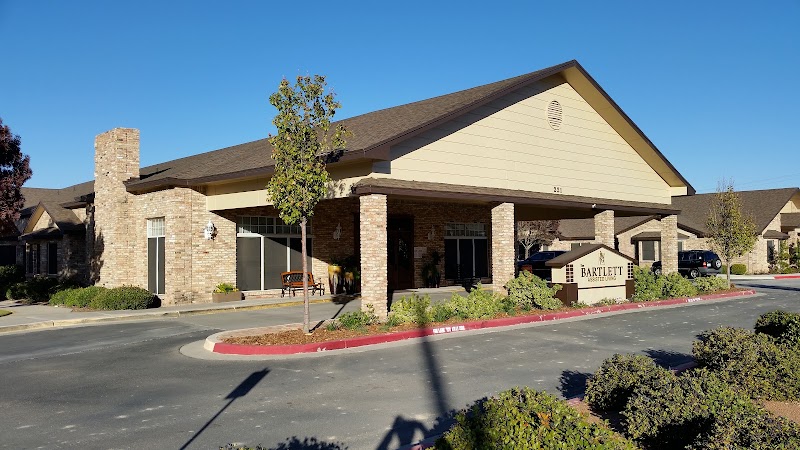
How is The Bartlett Skilled Nursing And Assisted Living Staffed?

CMS rates THE BARTLETT SKILLED NURSING AND ASSISTED LIVING's staffing level at 1 out of 5 stars, which is much below average compared to other nursing homes.

What Have Inspectors Found at The Bartlett Skilled Nursing And Assisted Living?

State health inspectors documented 33 deficiencies at THE BARTLETT SKILLED NURSING AND ASSISTED LIVING during 2023 to 2025. These included: 1 that caused actual resident harm and 32 with potential for harm. Deficiencies causing actual harm indicate documented cases where residents experienced negative health consequences.
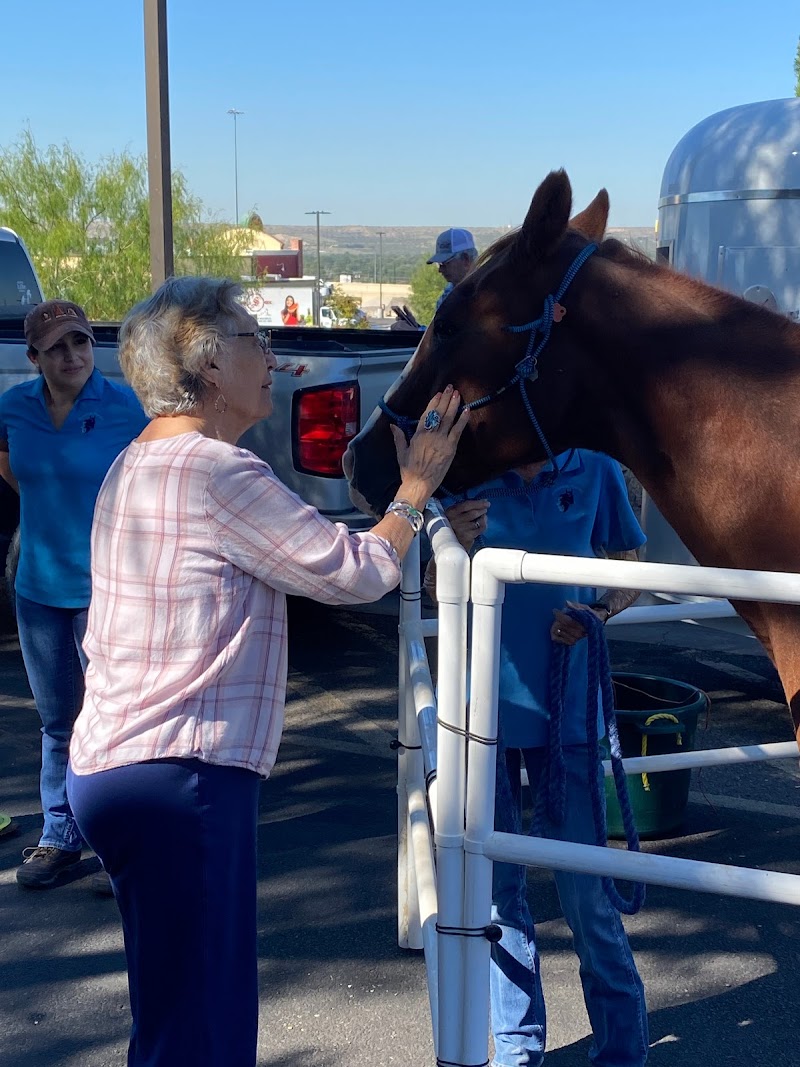
Who Owns and Operates The Bartlett Skilled Nursing And Assisted Living?

THE BARTLETT SKILLED NURSING AND ASSISTED LIVING is owned by a for-profit company. For-profit facilities operate as businesses with obligations to shareholders or private owners. The facility operates independently rather than as part of a larger chain. With 58 certified beds and approximately 56 residents (about 97% occupancy), it is a smaller facility located in EL PASO, Texas.

How Does The Bartlett Skilled Nursing And Assisted Living Compare to Other Texas Nursing Homes?

Compared to the 100 nursing homes in Texas, THE BARTLETT SKILLED NURSING AND ASSISTED LIVING's overall rating (1 stars) is below the state average of 2.8 and health inspection rating (2 stars) is below the national benchmark.

What Should Families Ask When Visiting The Bartlett Skilled Nursing And Assisted Living?

Based on this facility's data, families visiting should ask: "What safeguards and monitoring systems are in place to protect residents from abuse or neglect?" "Can you walk me through typical staffing levels on day, evening, and night shifts?" "Can I visit during a mealtime to observe dining assistance and food quality?" "How do you handle medical emergencies, and what is your hospital transfer rate?" These questions are particularly relevant given the substantiated abuse finding on record and the below-average staffing rating.

Is The Bartlett Skilled Nursing And Assisted Living Safe?

Based on CMS inspection data, THE BARTLETT SKILLED NURSING AND ASSISTED LIVING has documented safety concerns. The facility has 1 substantiated abuse finding (meaning confirmed case of resident harm by staff or other residents). The facility has a 1-star overall rating and ranks #100 of 100 nursing homes in Texas. Families considering this facility should ask detailed questions about what corrective actions have been taken since these incidents.

Do Nurses at The Bartlett Skilled Nursing And Assisted Living Stick Around?

THE BARTLETT SKILLED NURSING AND ASSISTED LIVING has not reported staff turnover data to CMS. Staff turnover matters because consistent caregivers learn residents' individual needs, medications, and preferences. When staff frequently change, this institutional knowledge is lost. Families should ask the facility directly about their staff retention rates and average employee tenure.

Was The Bartlett Skilled Nursing And Assisted Living Ever Fined?

THE BARTLETT SKILLED NURSING AND ASSISTED LIVING has no federal fines on record. CMS issues fines when nursing homes fail to meet care standards or don't correct problems found during inspections. The absence of fines suggests the facility has either maintained compliance or corrected any issues before penalties were assessed. This is a positive indicator, though families should still review recent inspection reports for the full picture.

Is The Bartlett Skilled Nursing And Assisted Living on Any Federal Watch List?

THE BARTLETT SKILLED NURSING AND ASSISTED LIVING is not on any federal watch list. The most significant is the Special Focus Facility (SFF) program, which identifies the bottom 1% of nursing homes nationally based on persistent, serious quality problems. Not being on this list means the facility has avoided the pattern of deficiencies that triggers enhanced federal oversight. This is a positive indicator, though families should still review the facility's inspection history directly.